A 6th-grade economics lesson exploring the cycle of production and consumption, featuring the 'Talking Like an Economist' video and a hands-on flow chart activity.
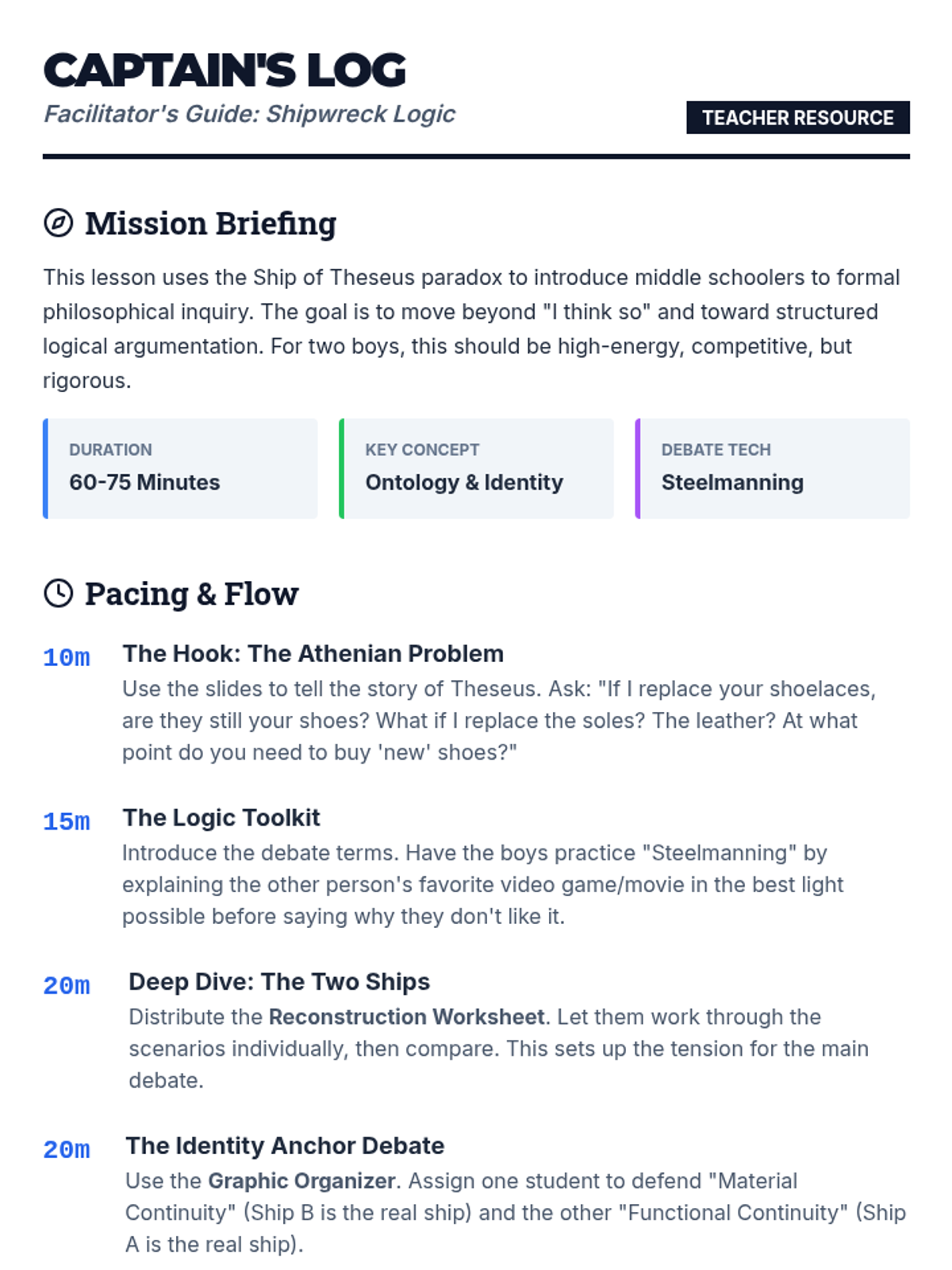
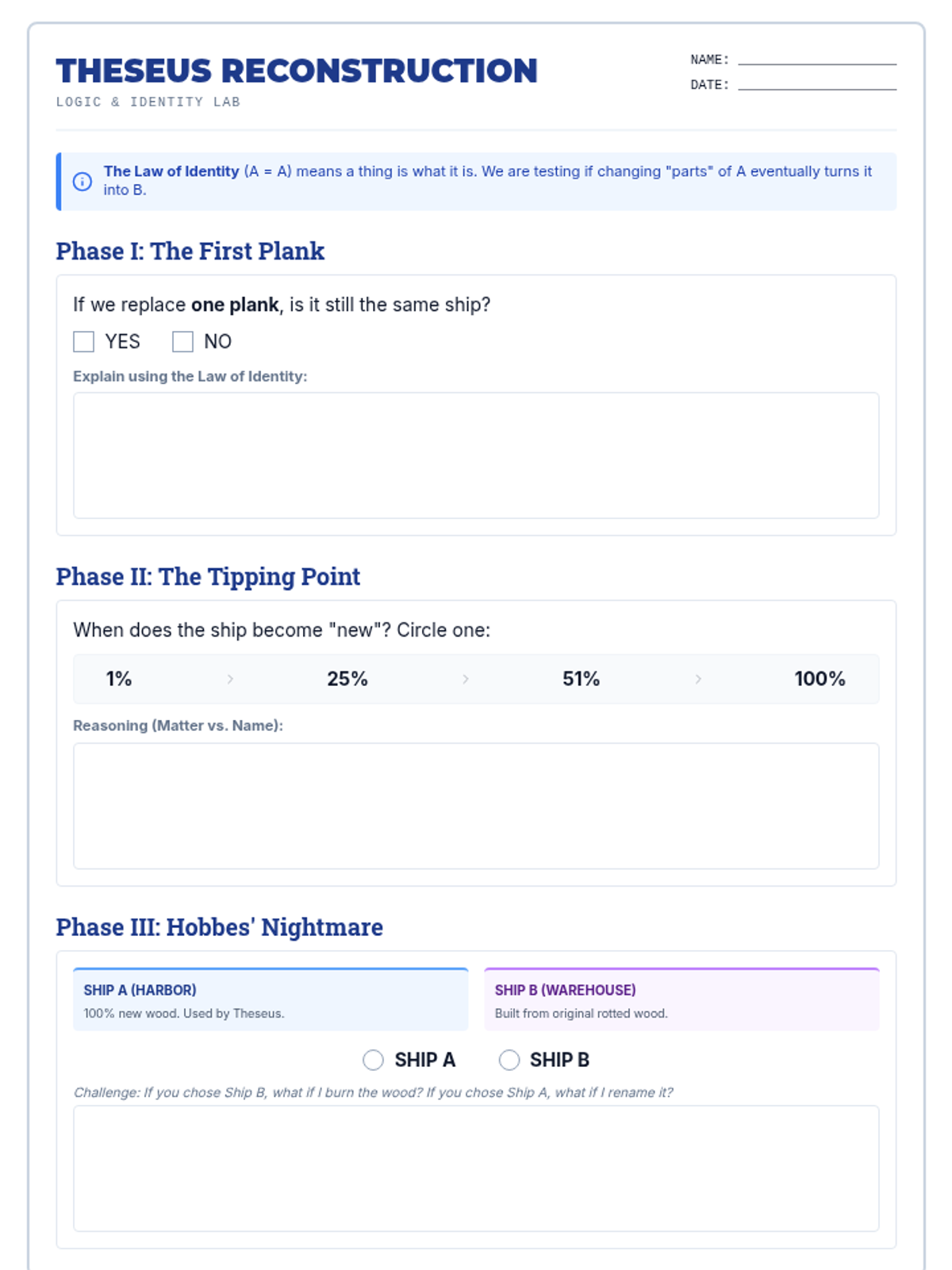
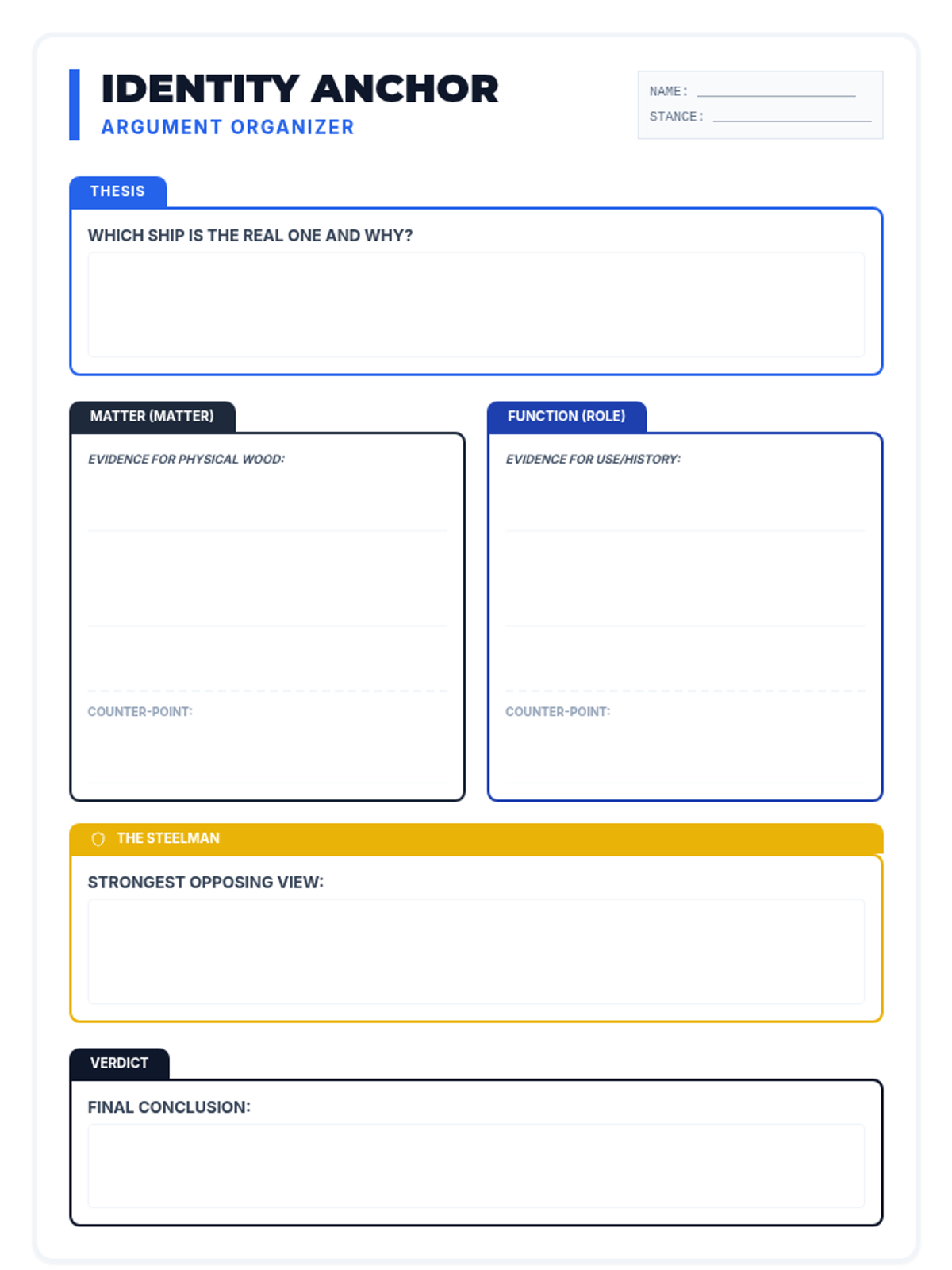
A philosophical exploration of identity and logic centered on the Ship of Theseus paradox. Students analyze historical context, learn formal debate techniques, and grapple with the nature of change and continuity.
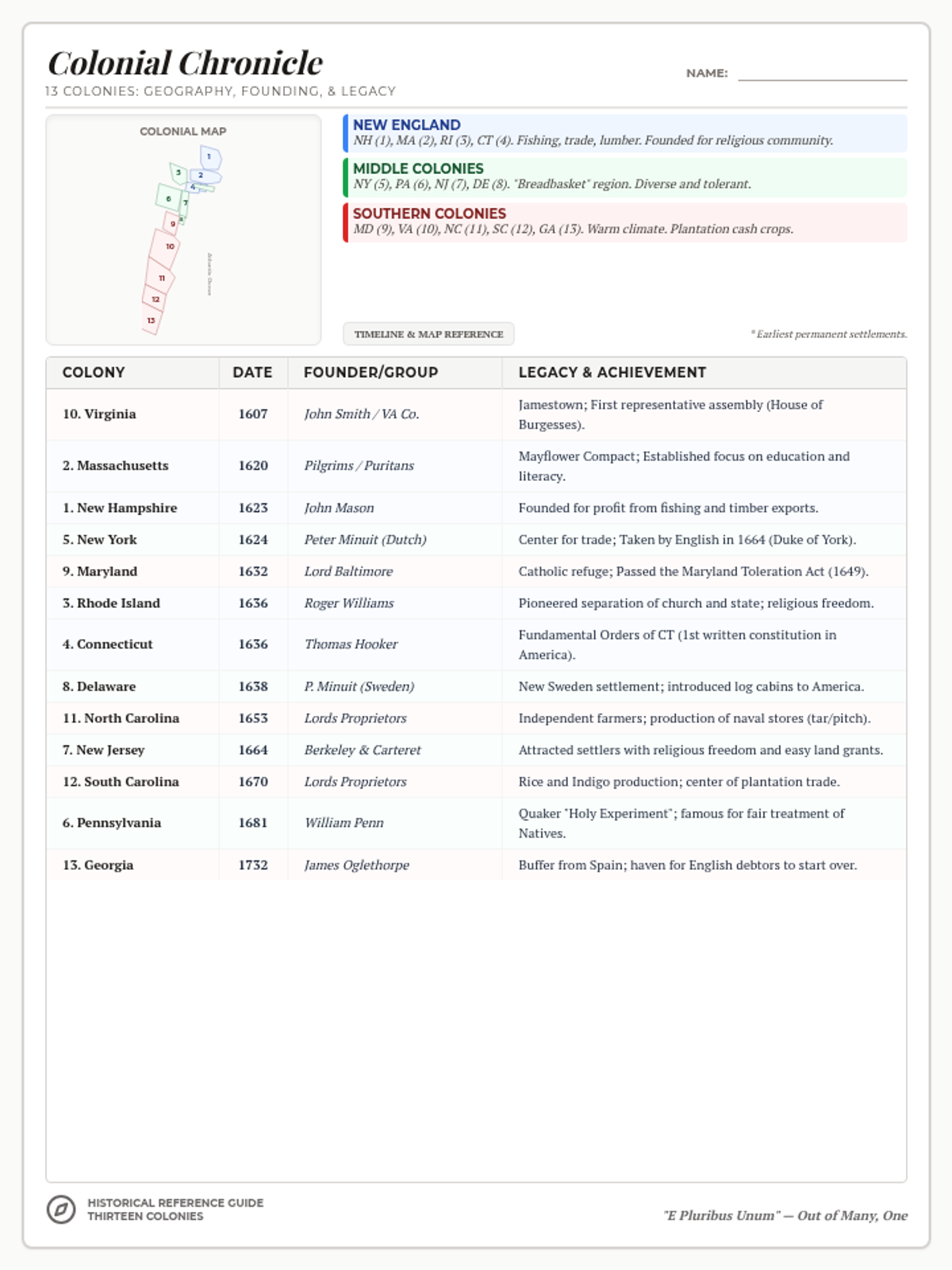
A comprehensive look at the founding, geography, and development of the thirteen original American colonies.
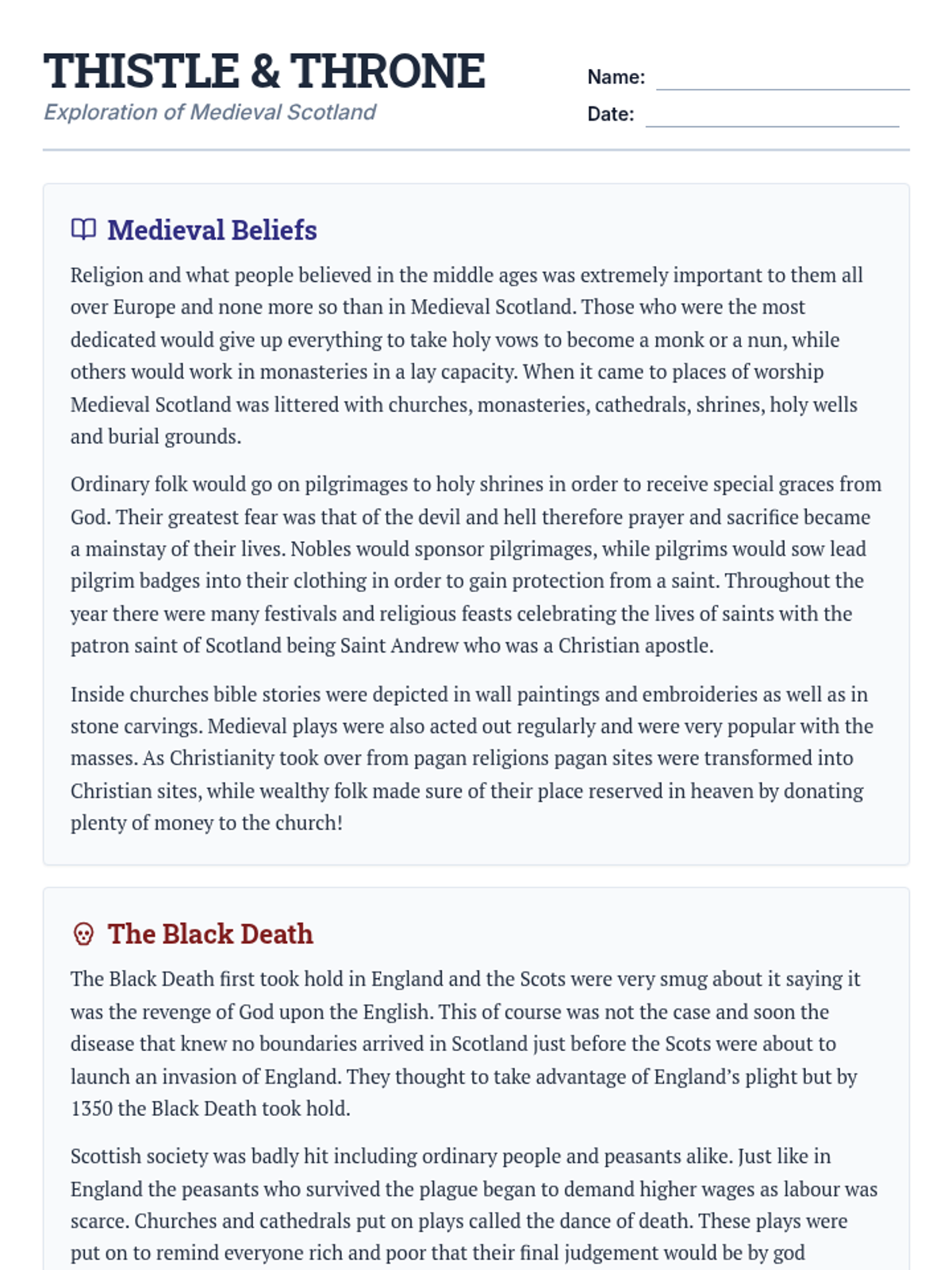
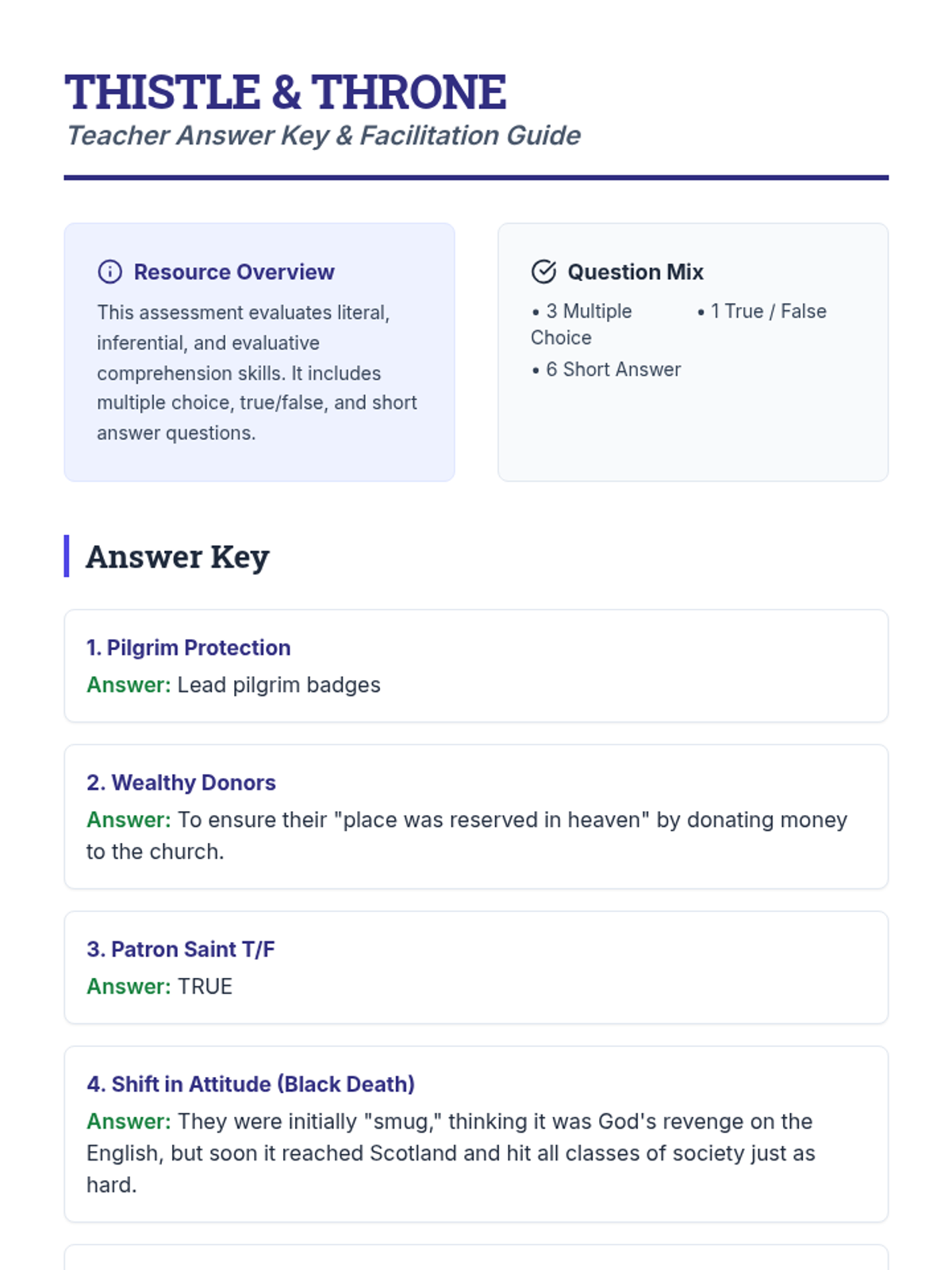
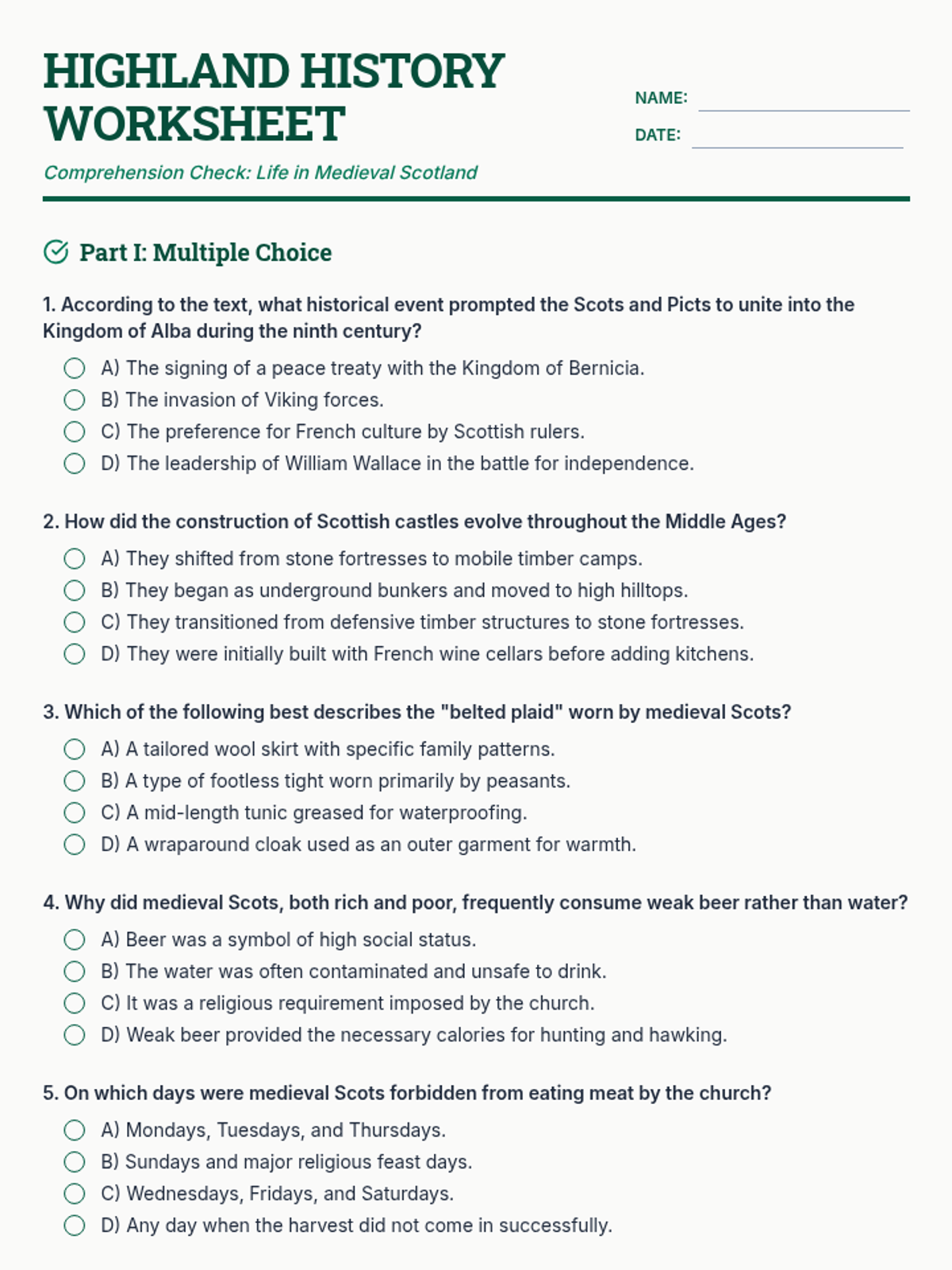
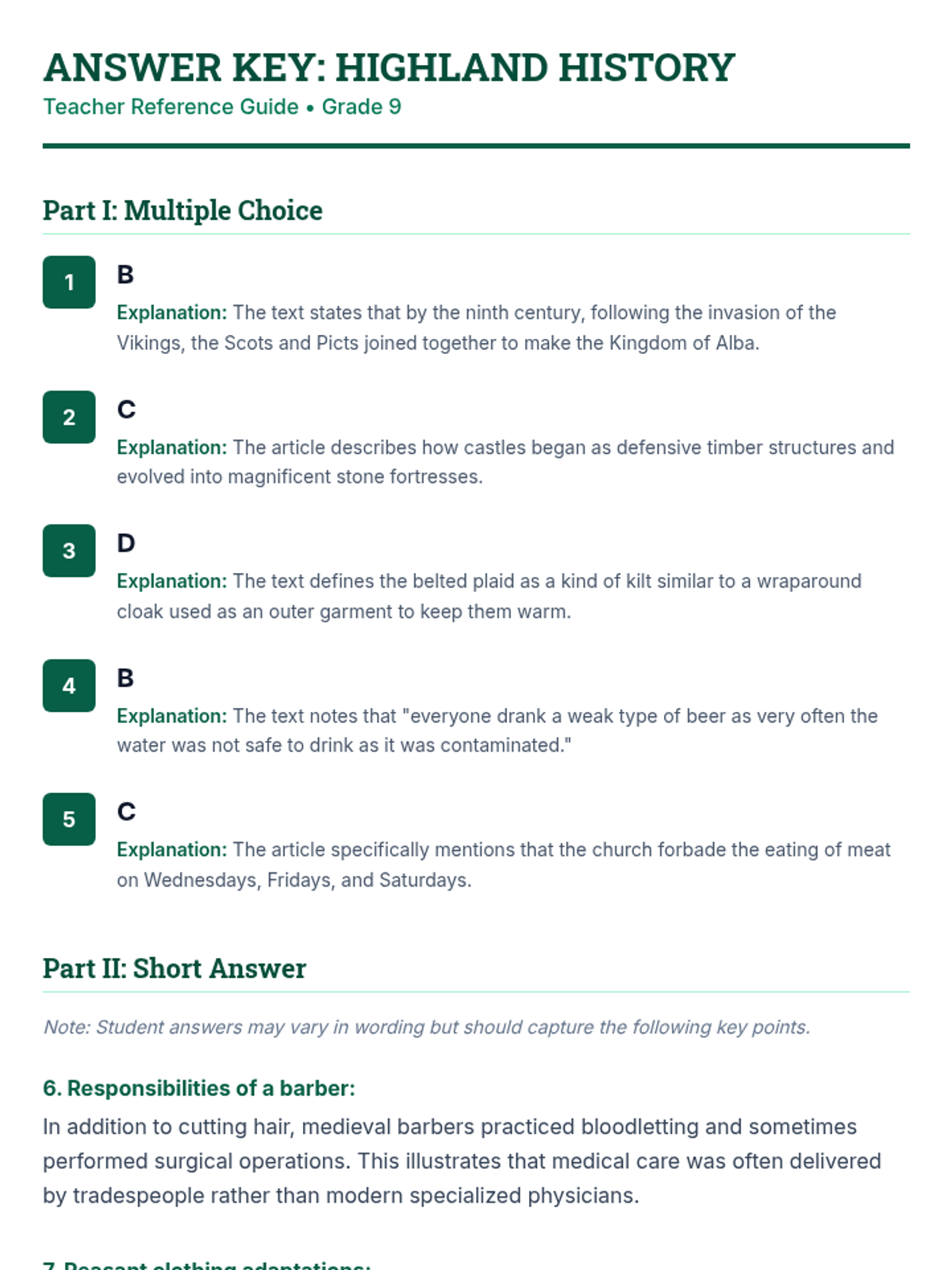
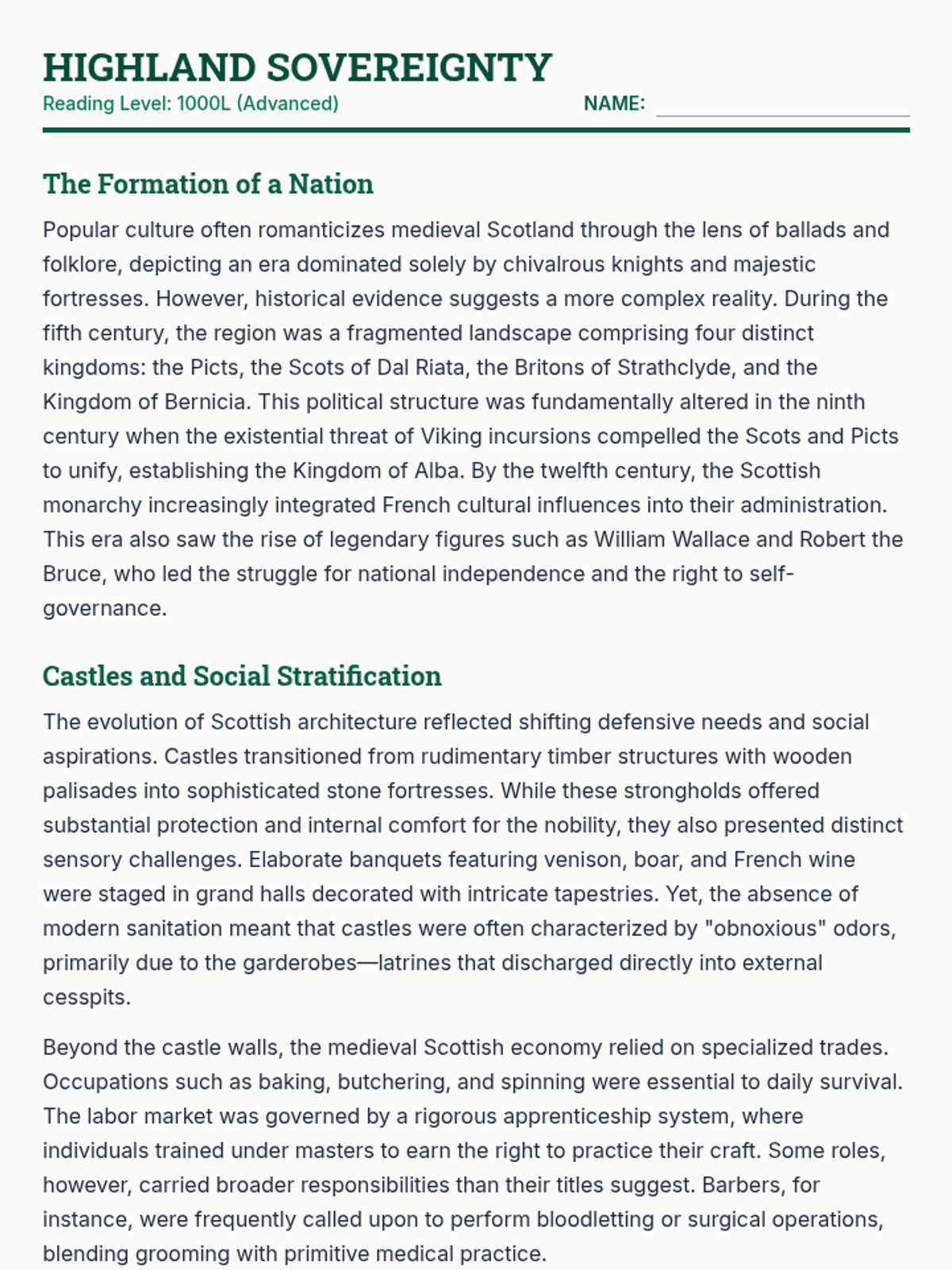
A comprehensive look at medieval Scottish life, covering religious devotion, the impact of the Black Death, the lawless Border Reivers, and the dangerous lives of monarchs.
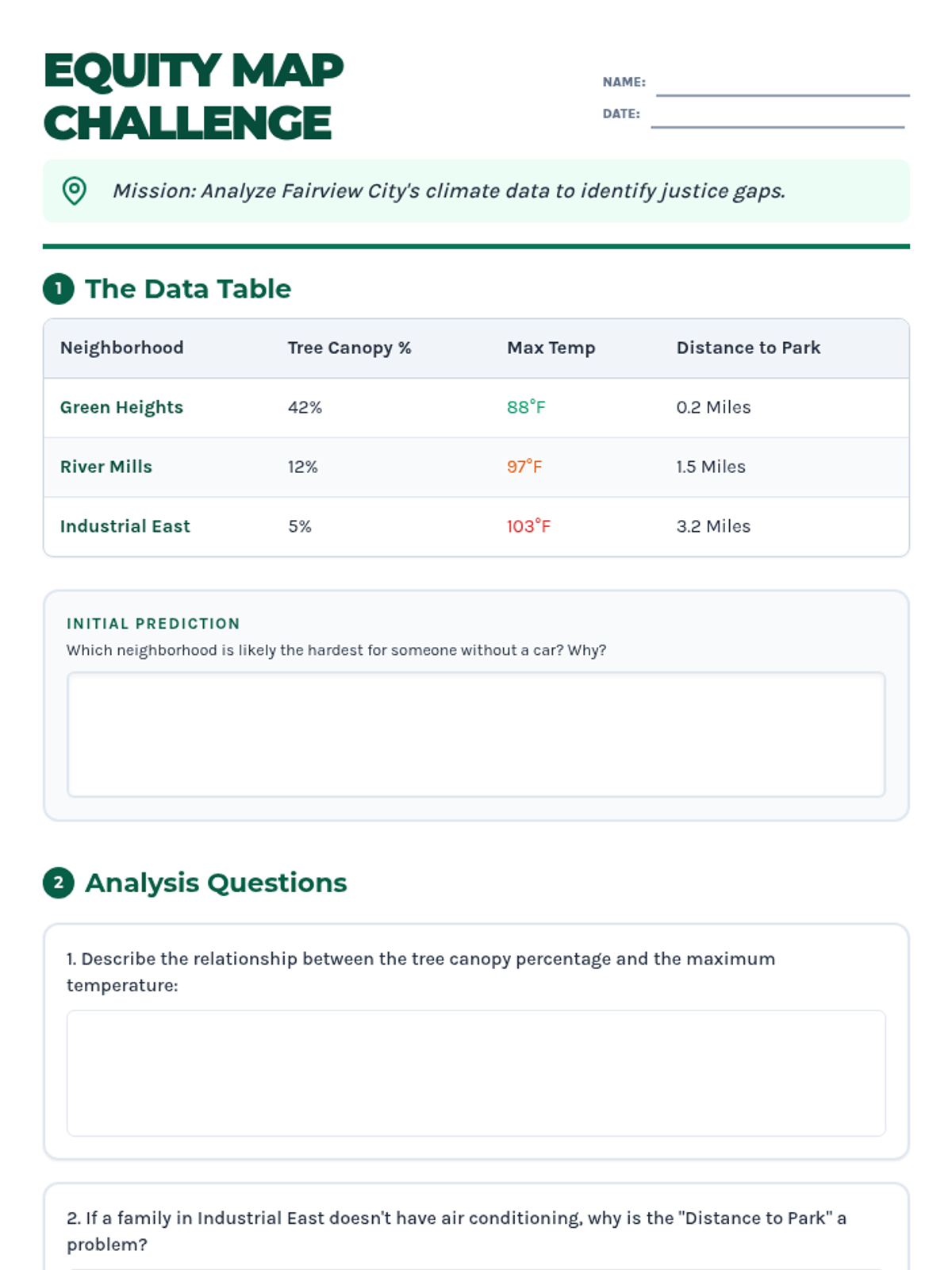
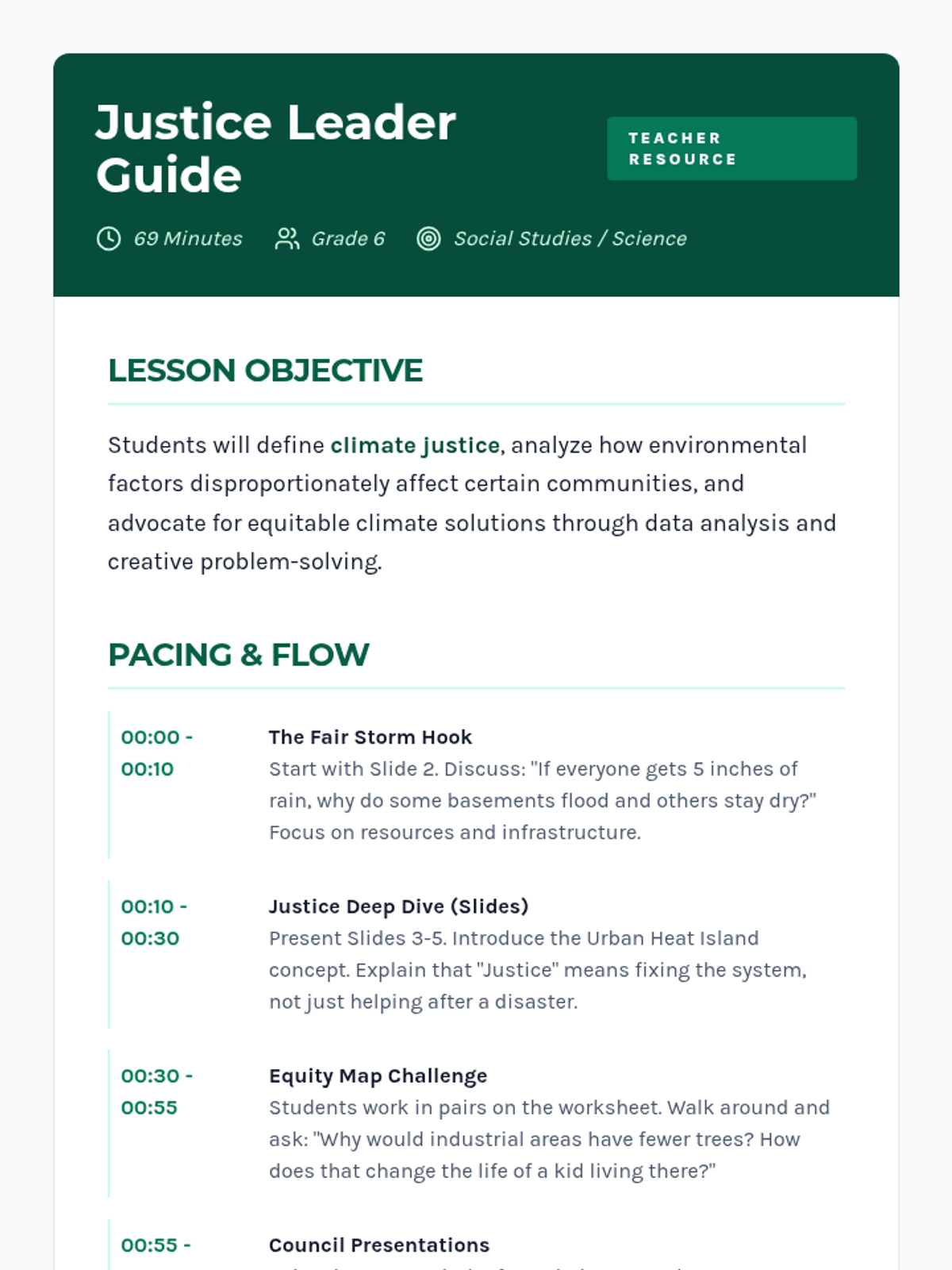
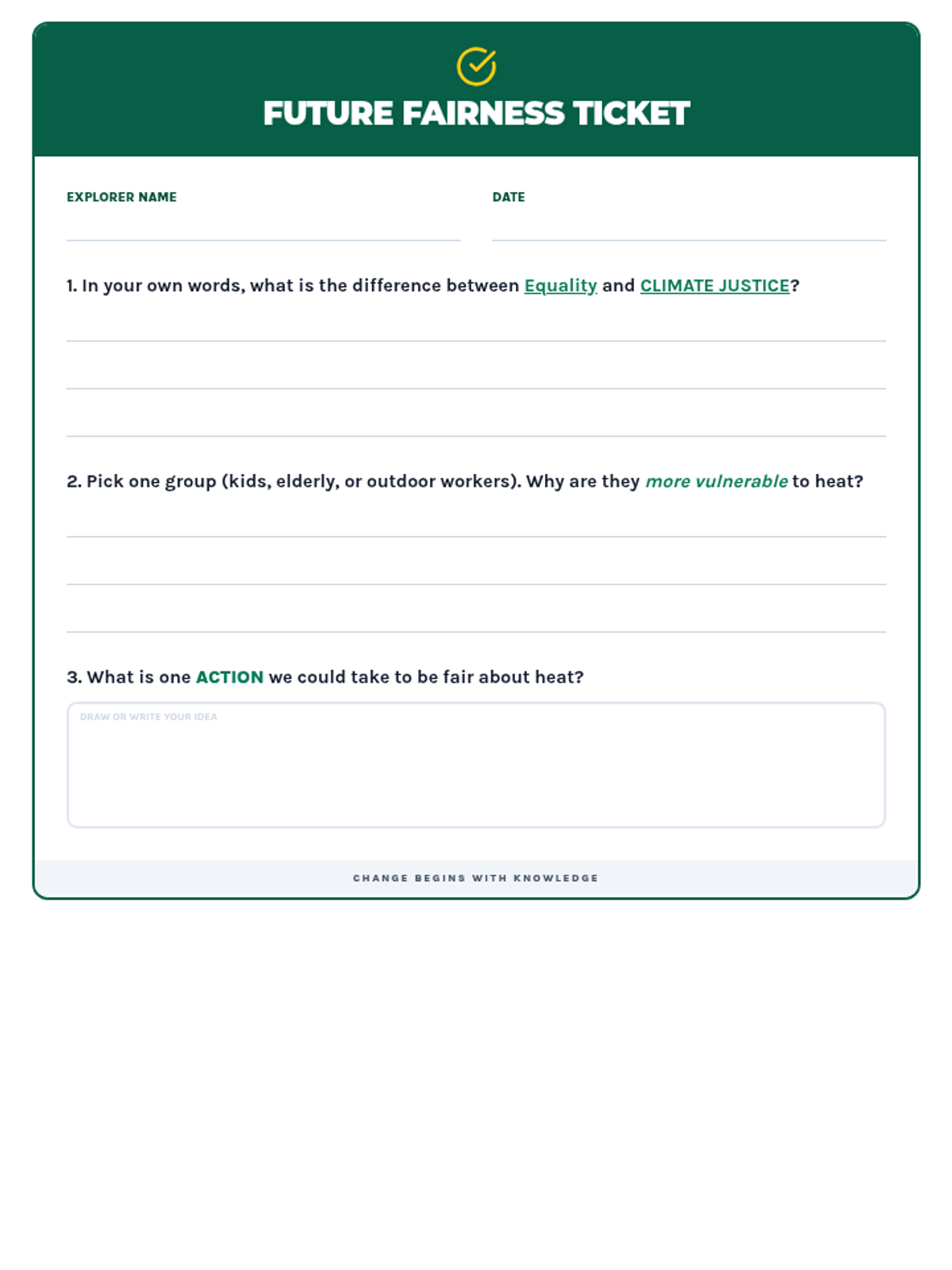
A 69-minute lesson exploring the intersection of environmental issues and social equity, specifically designed for 6th-grade students to understand why climate change affects different communities in different ways and what fair solutions look like.
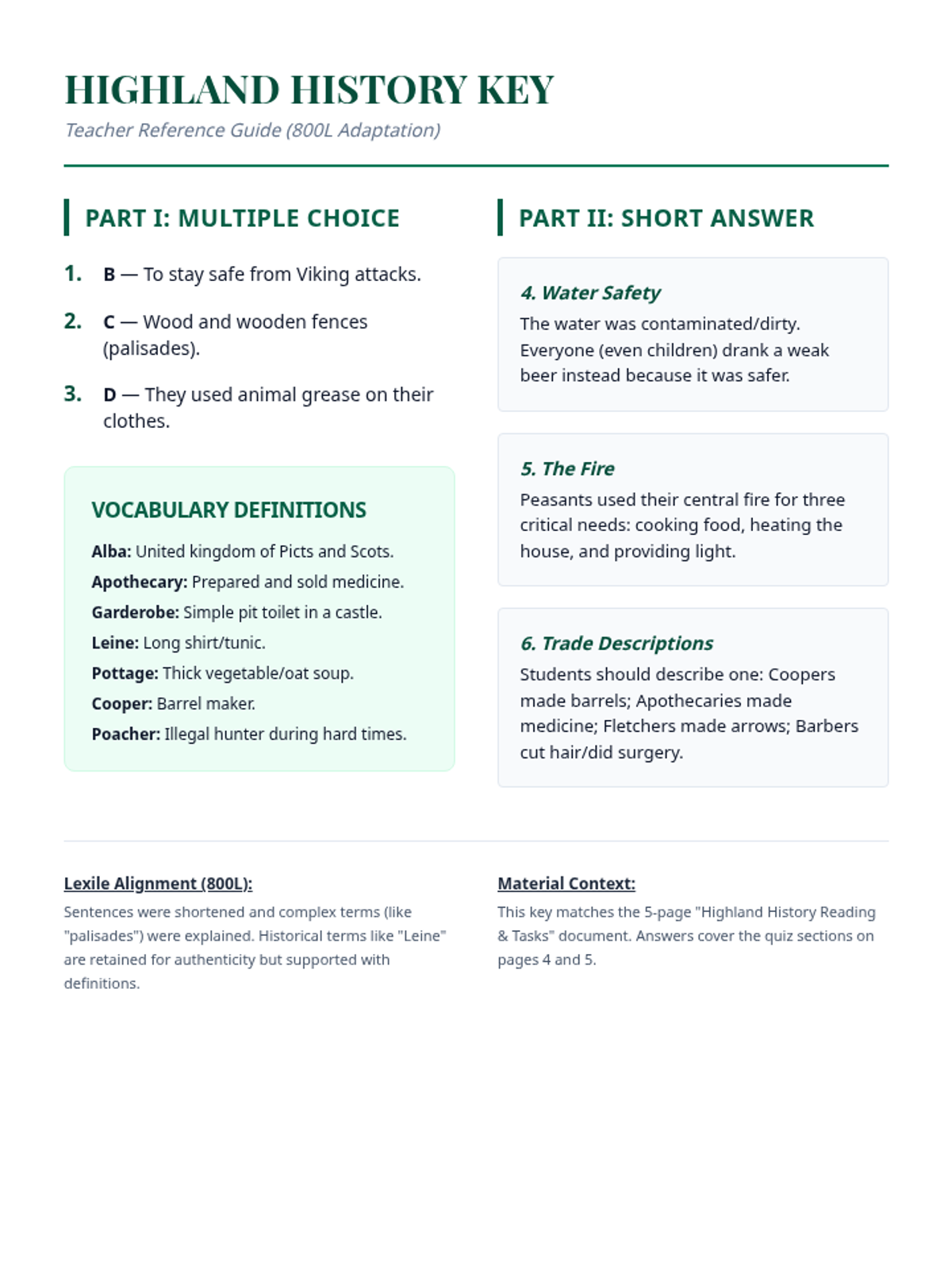
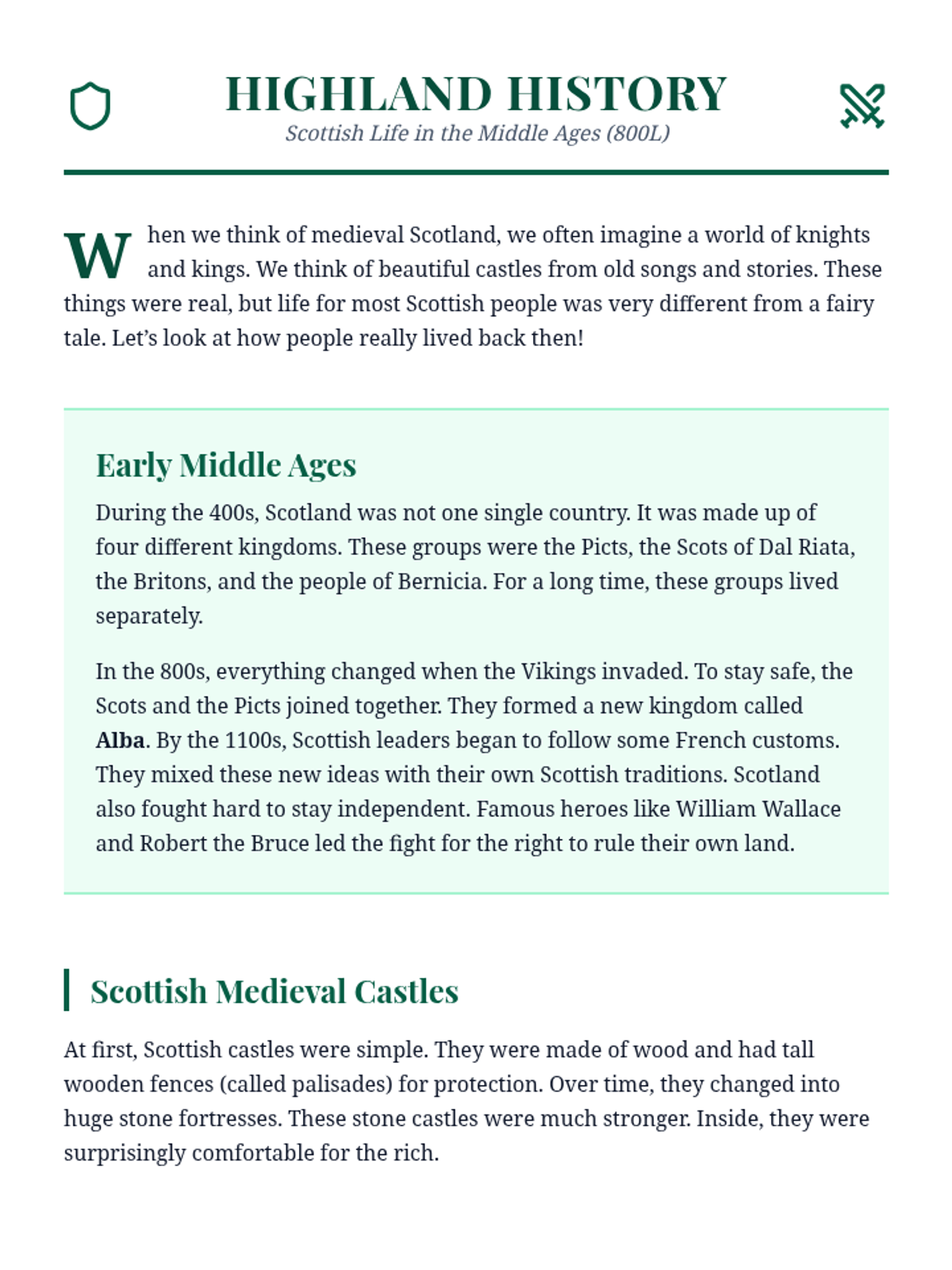
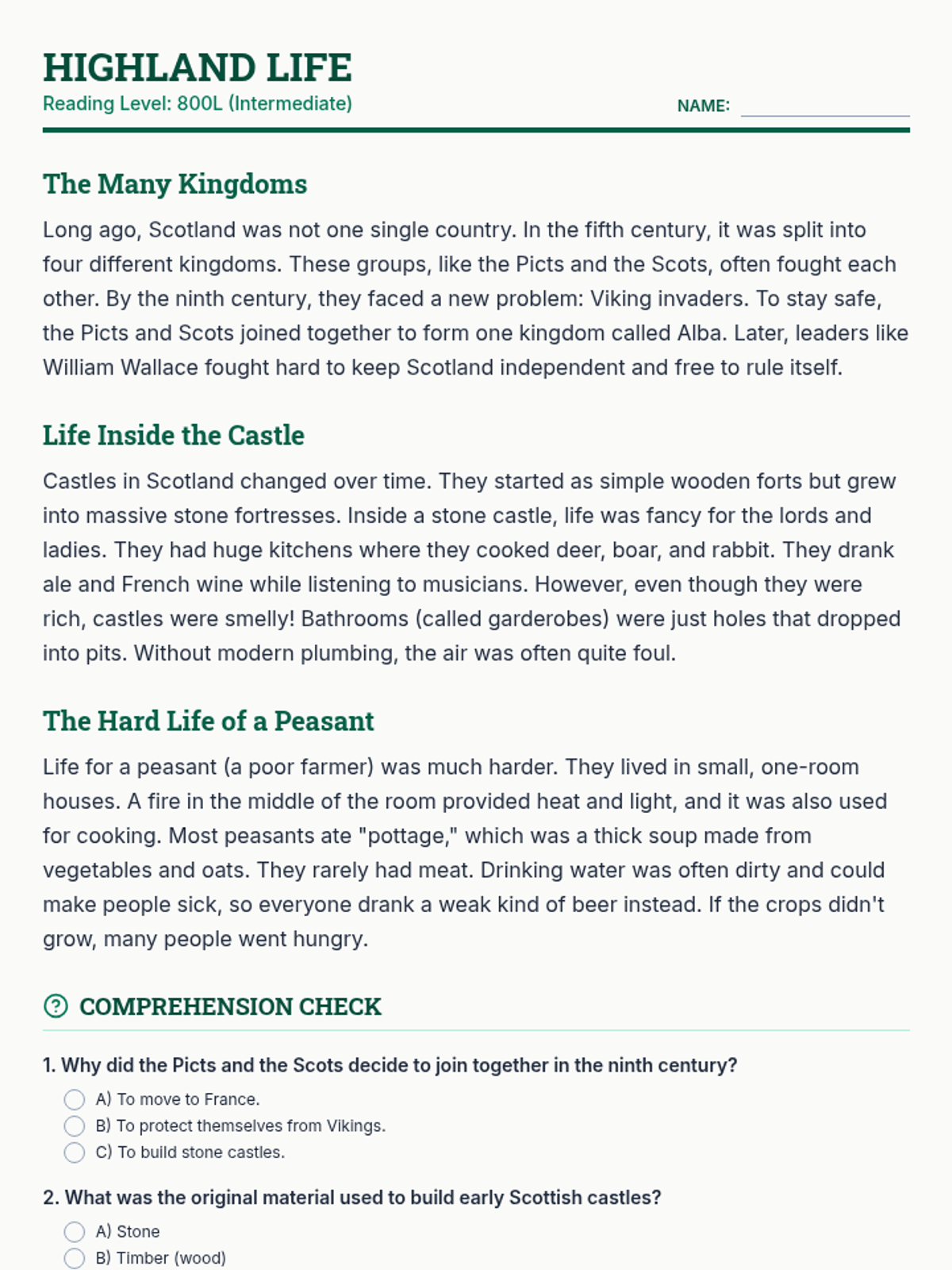
An exploration of life in medieval Scotland, adapted for an 800L Lexile level, covering history, castles, clothing, and diet.
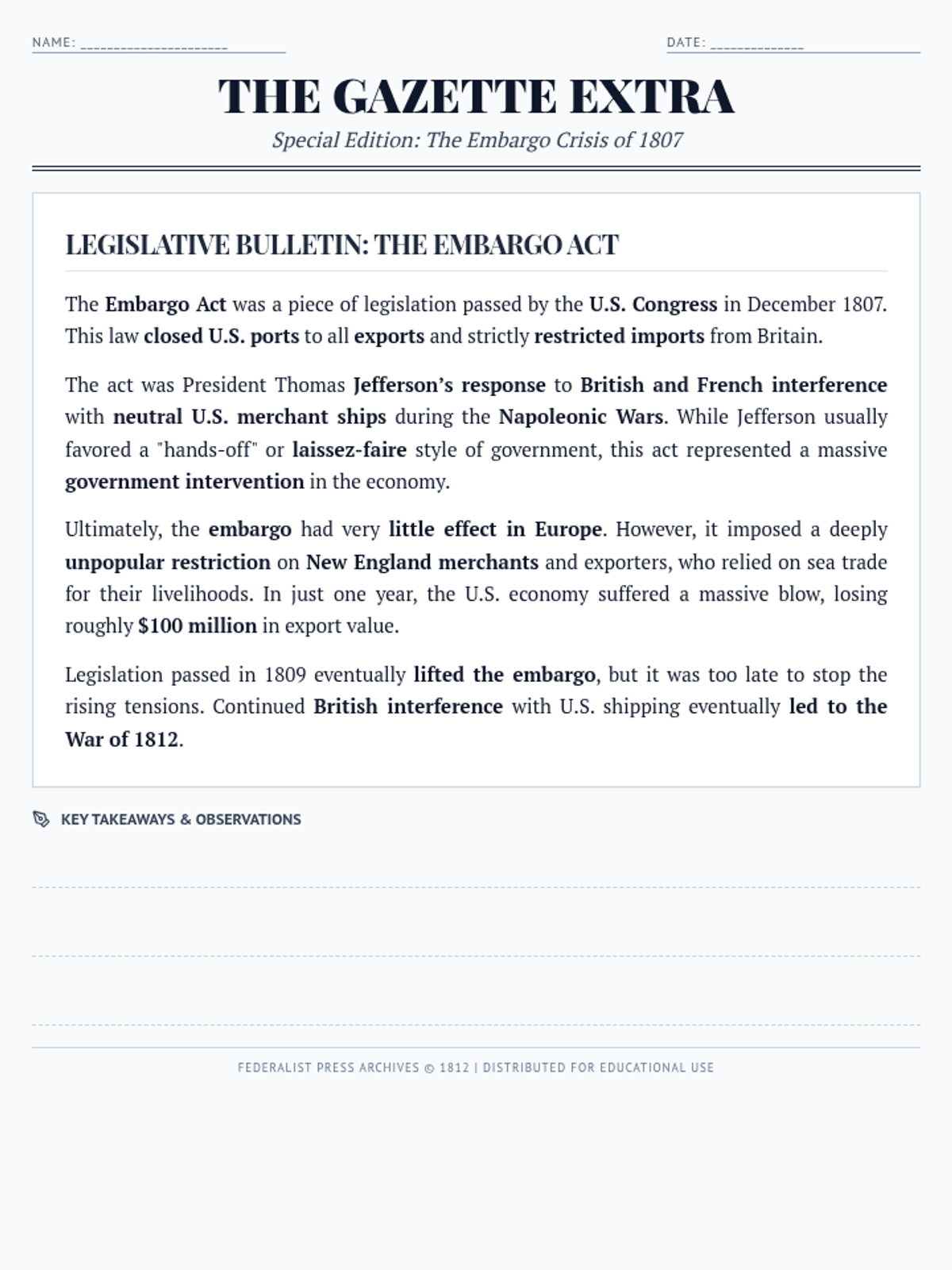
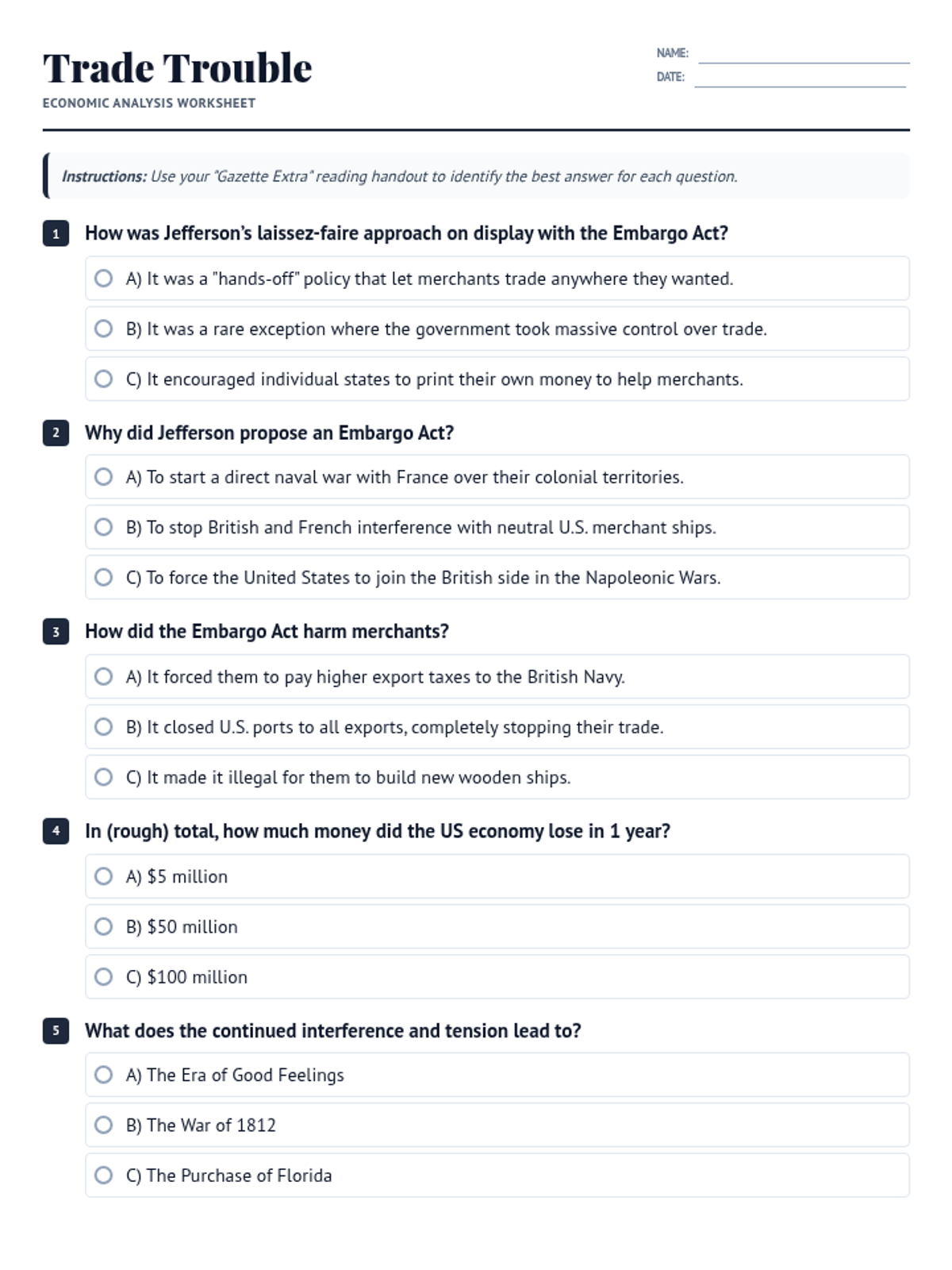
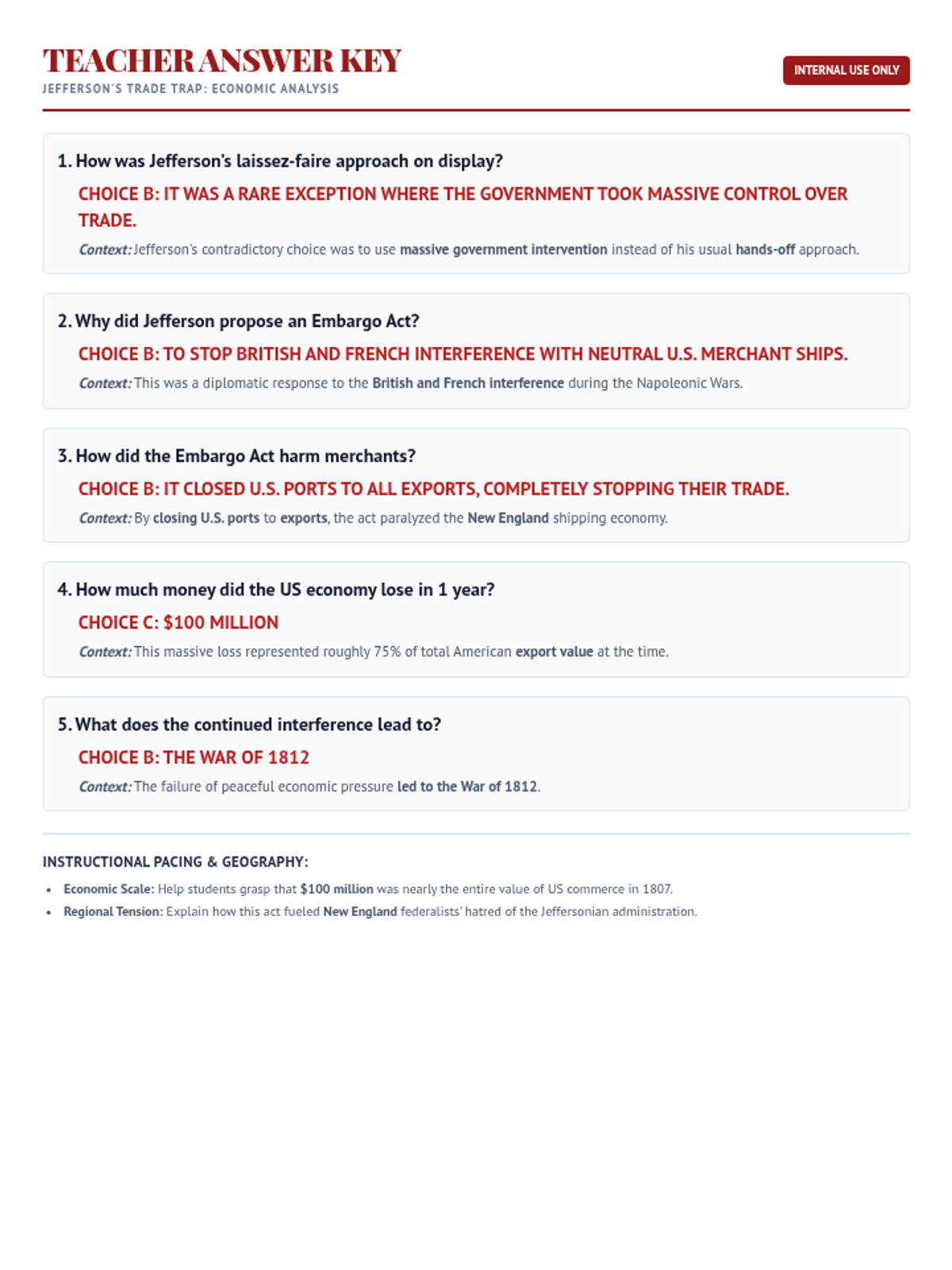
A focused look at Thomas Jefferson's Embargo Act of 1807, exploring its causes, the economic fallout for New England merchants, and its role in leading to the War of 1812.
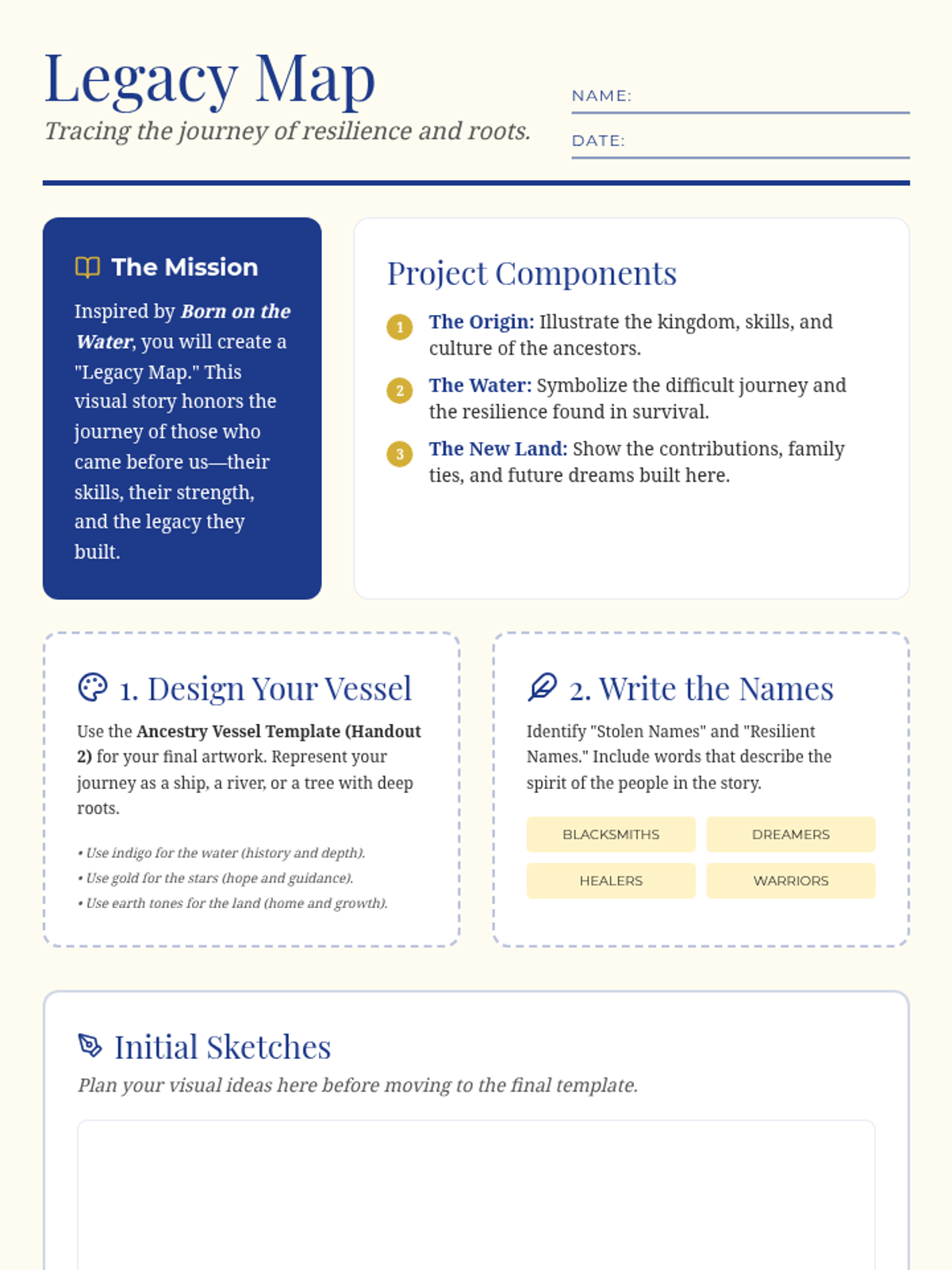
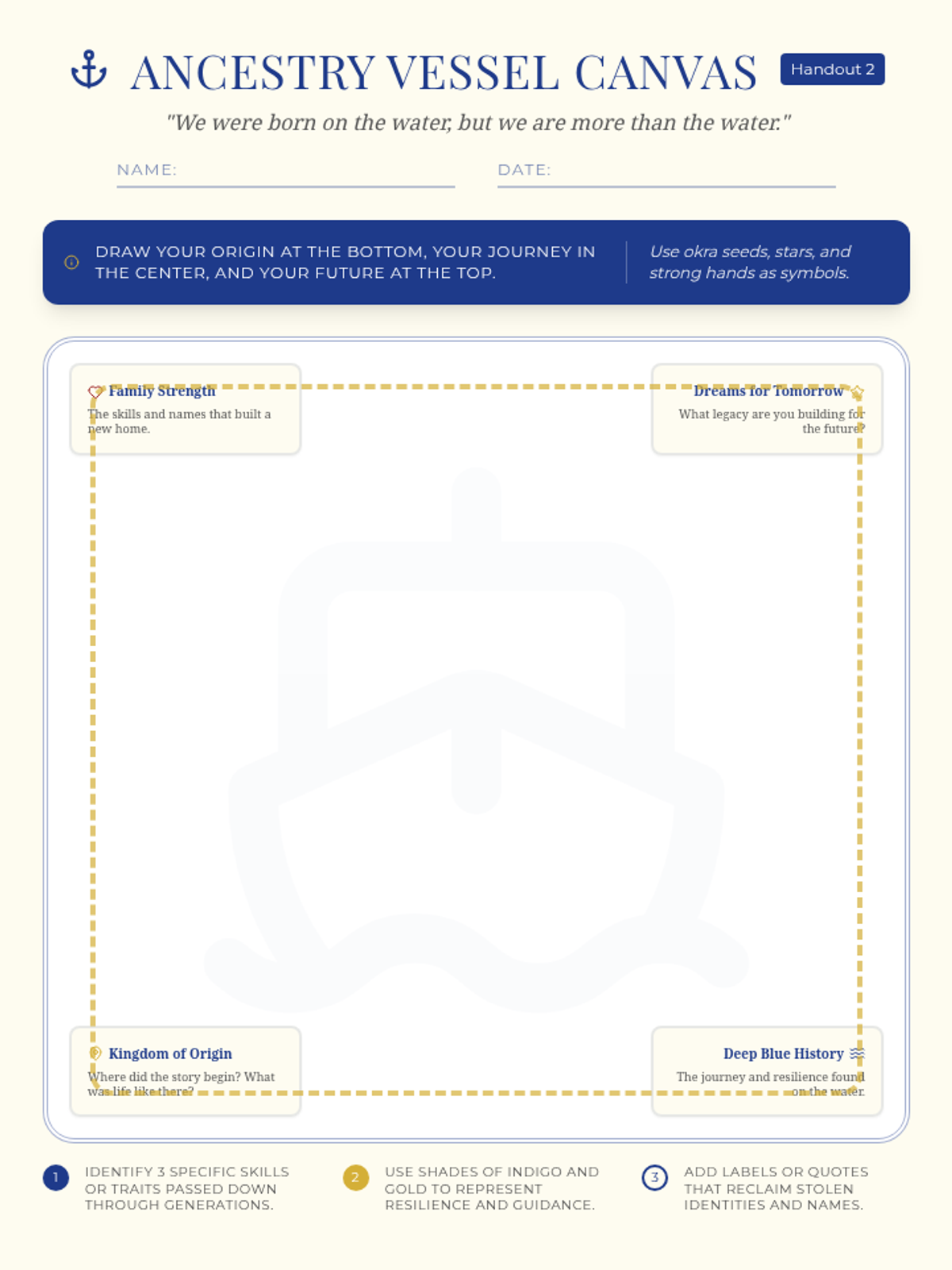
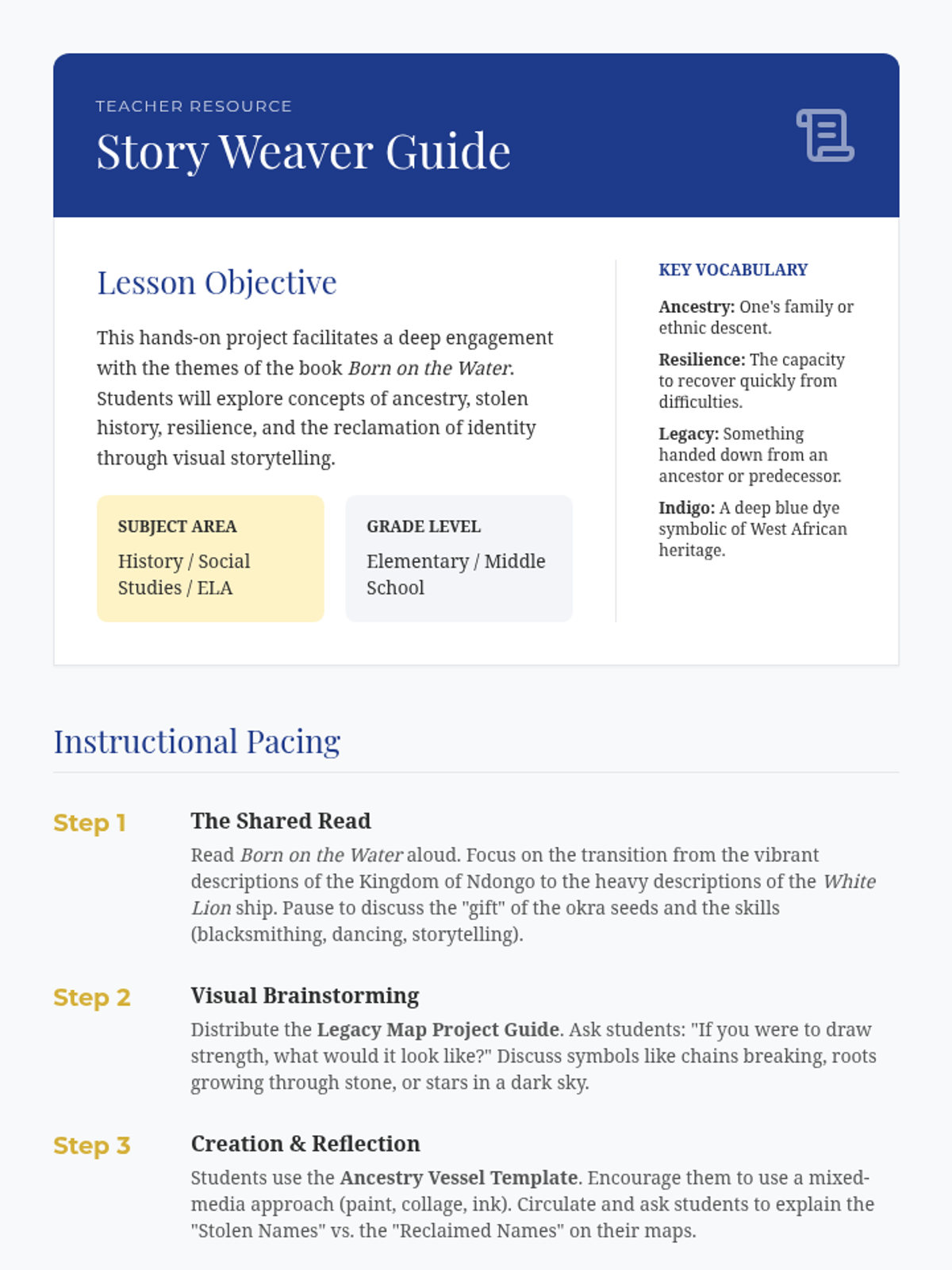
A hands-on history project inspired by 'Born on the Water', focusing on ancestry, resilience, and the power of storytelling. Students create a visual legacy map that traces the journey of a people or family from their roots to the present day.
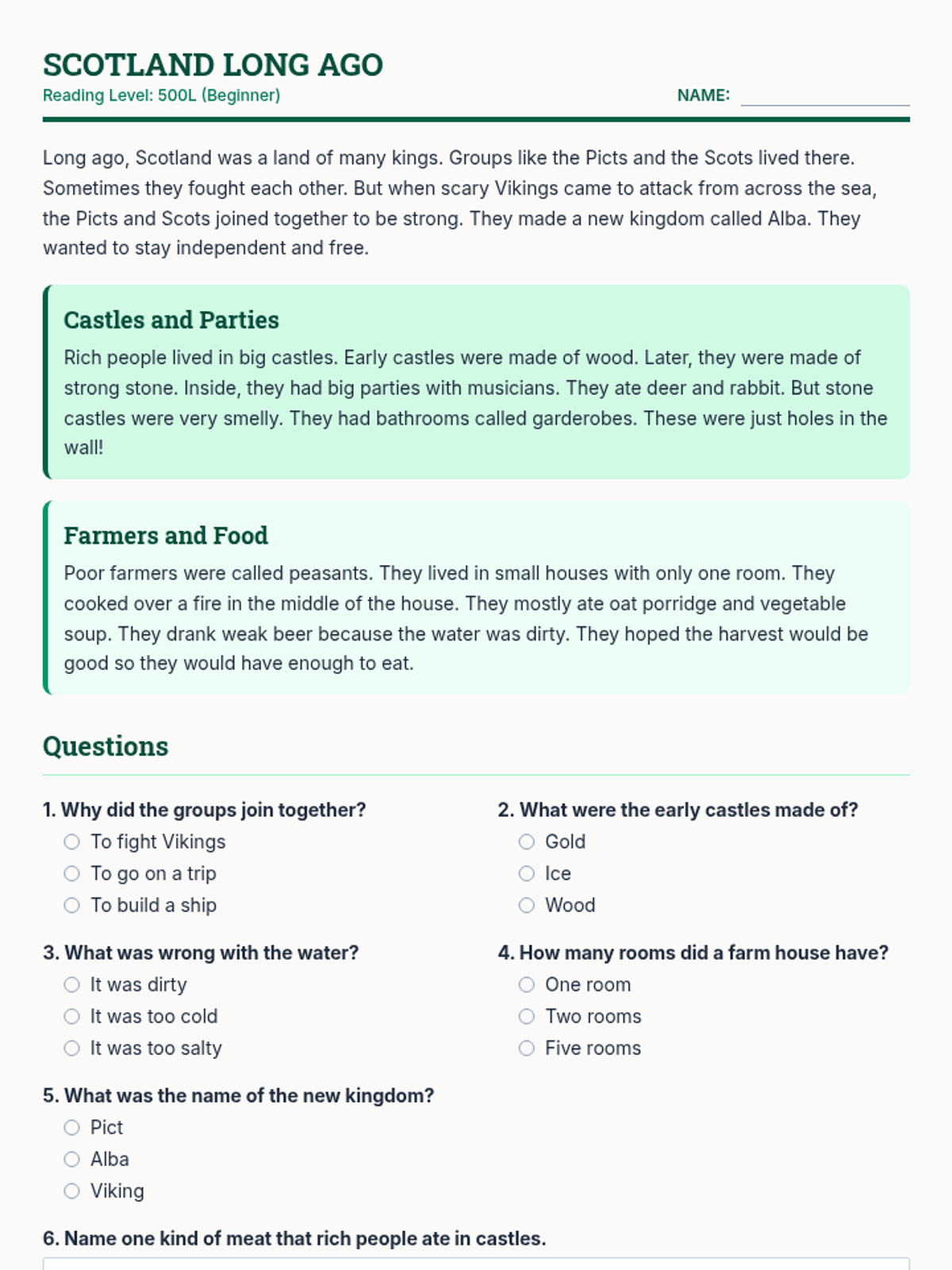
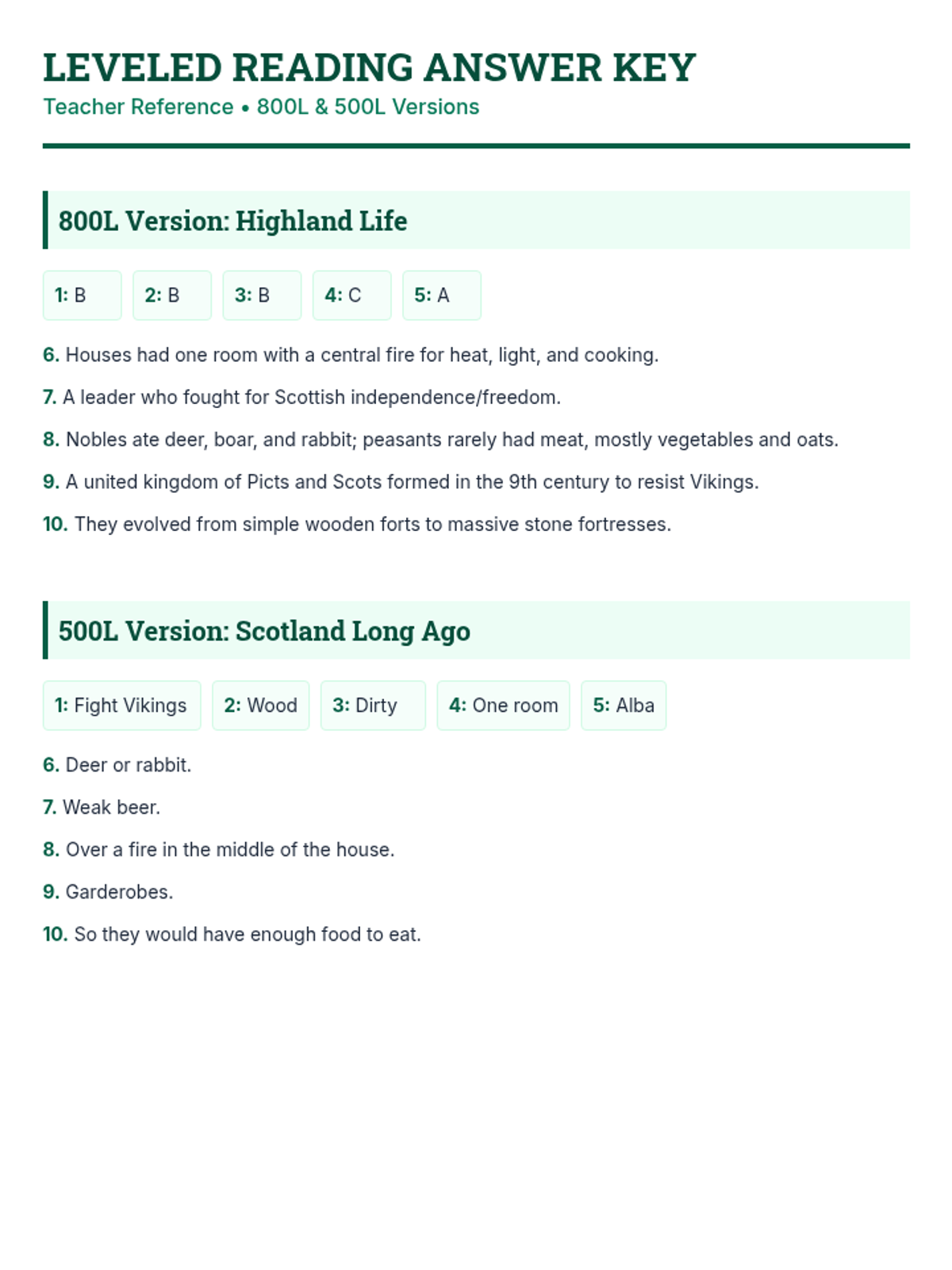
A lesson exploring the realities of life in medieval Scotland, from castle luxury to peasant survival, based on historical accounts of clothing, food, and social structure.
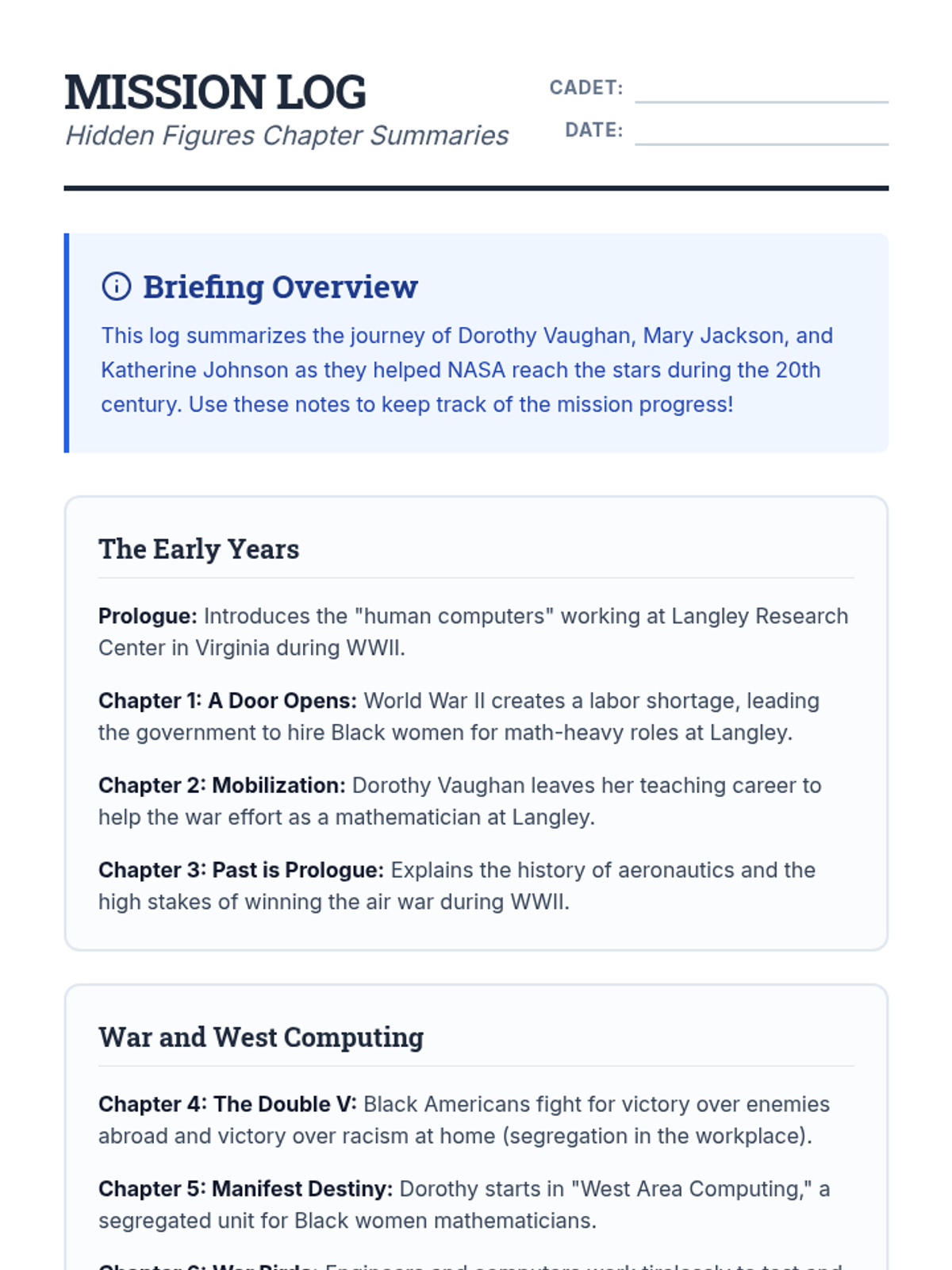
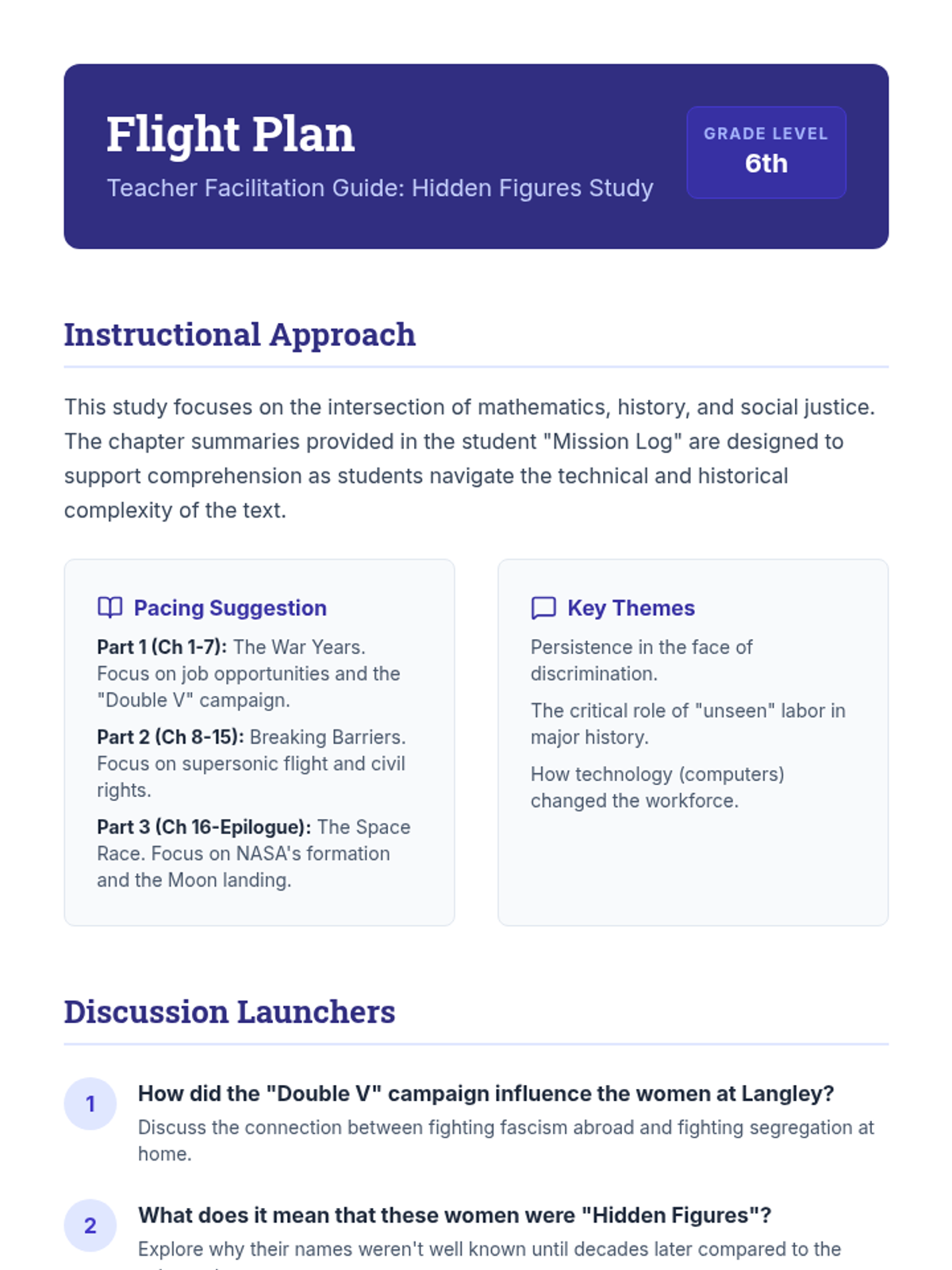
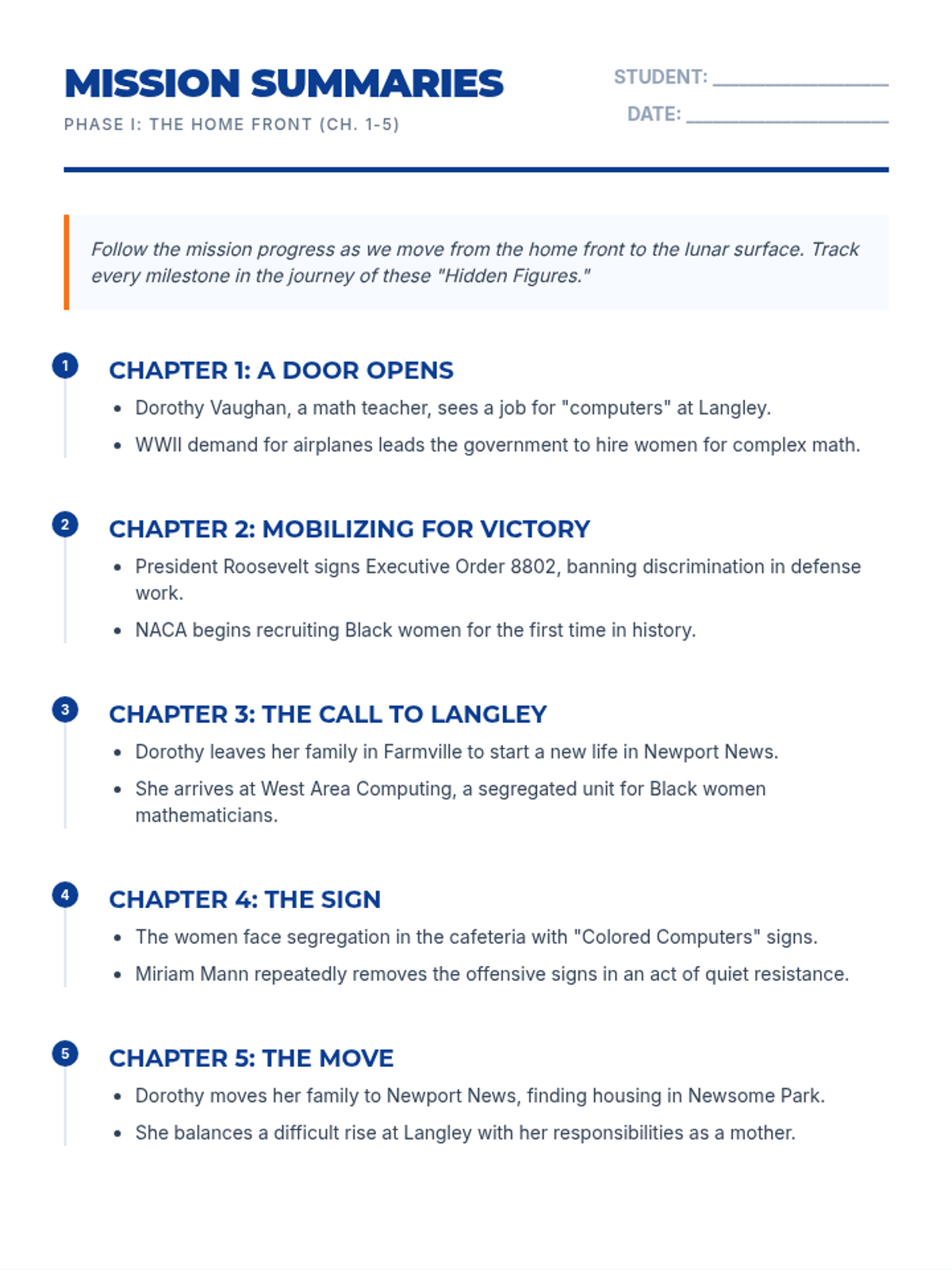
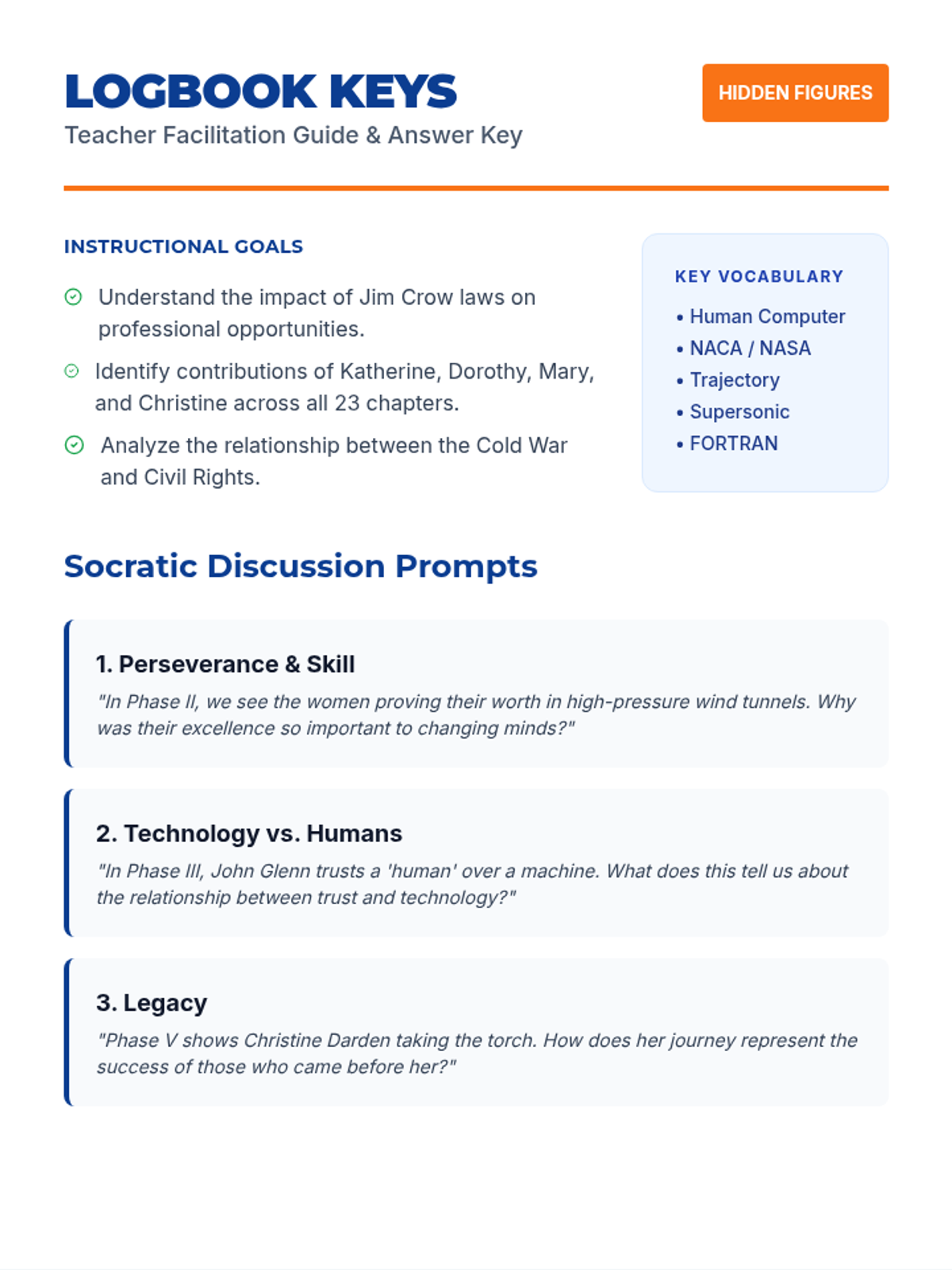
A complete walkthrough of 'Hidden Figures' with chapter-by-chapter summaries, key vocabulary, and discussion points designed for 6th-grade students.
A comprehensive chapter-by-chapter summary and exploration of the book 'Hidden Figures', focusing on the lives and contributions of Katherine Johnson, Dorothy Vaughan, Mary Jackson, and Christine Darden during the Space Race.
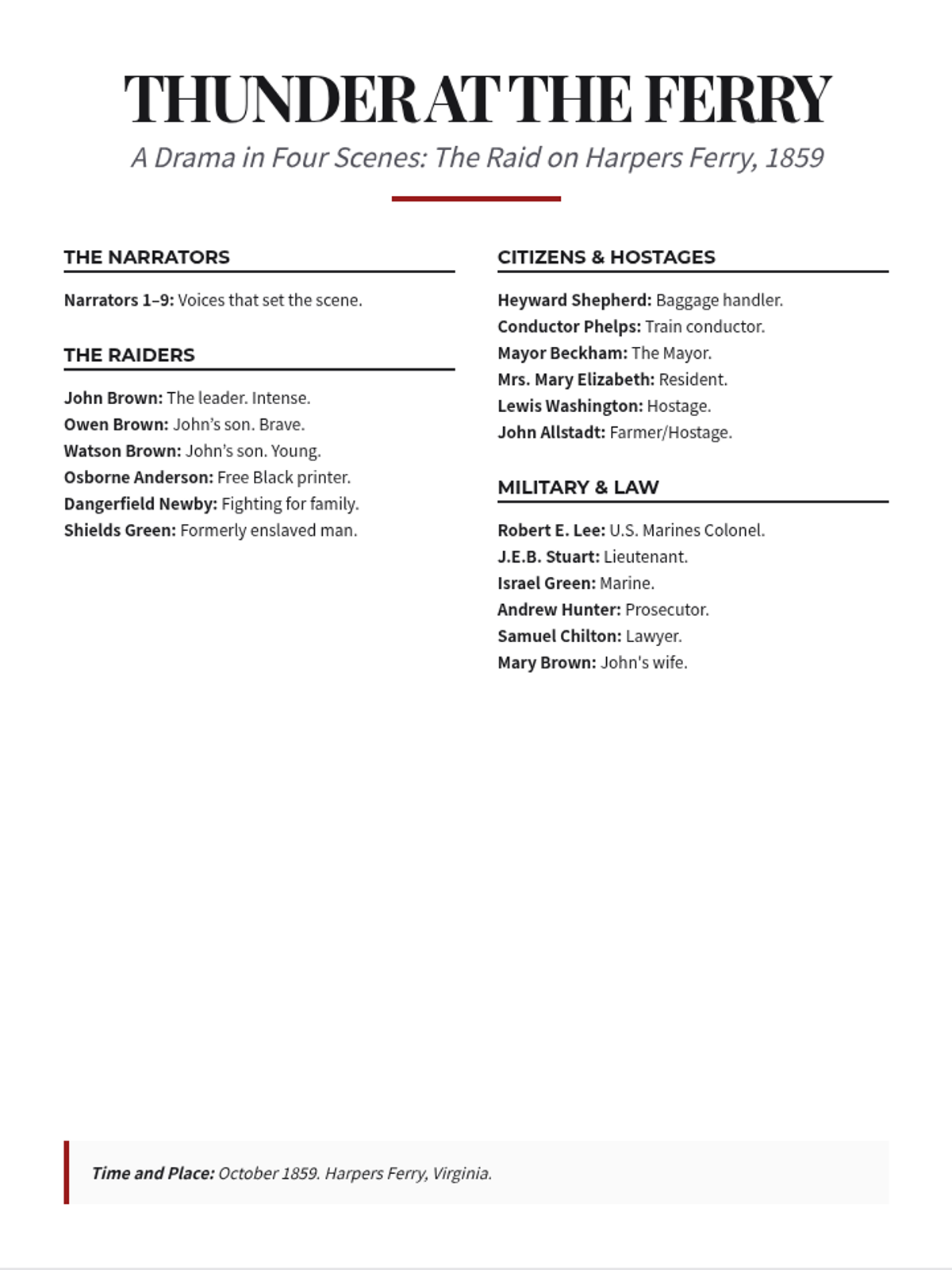
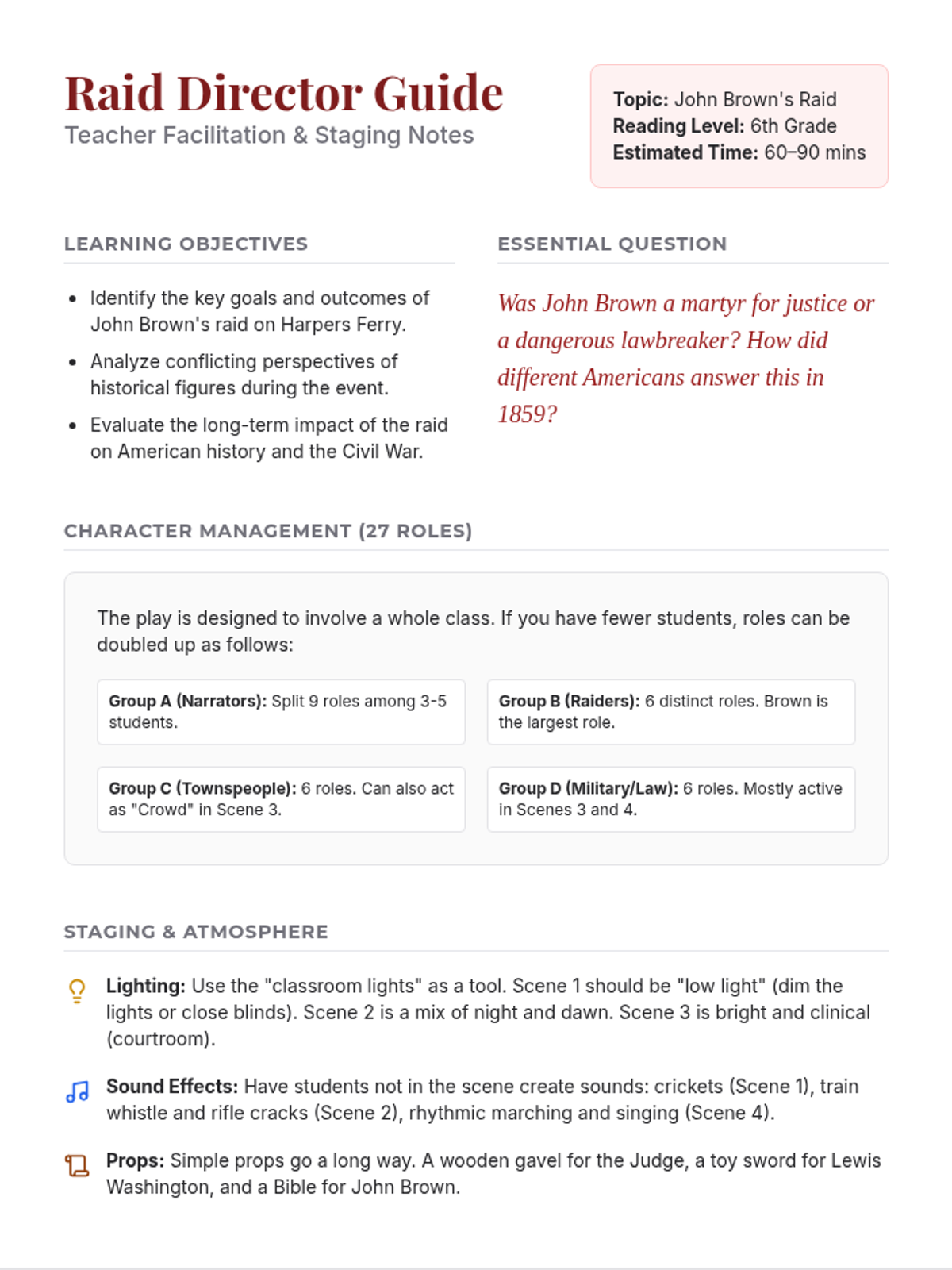
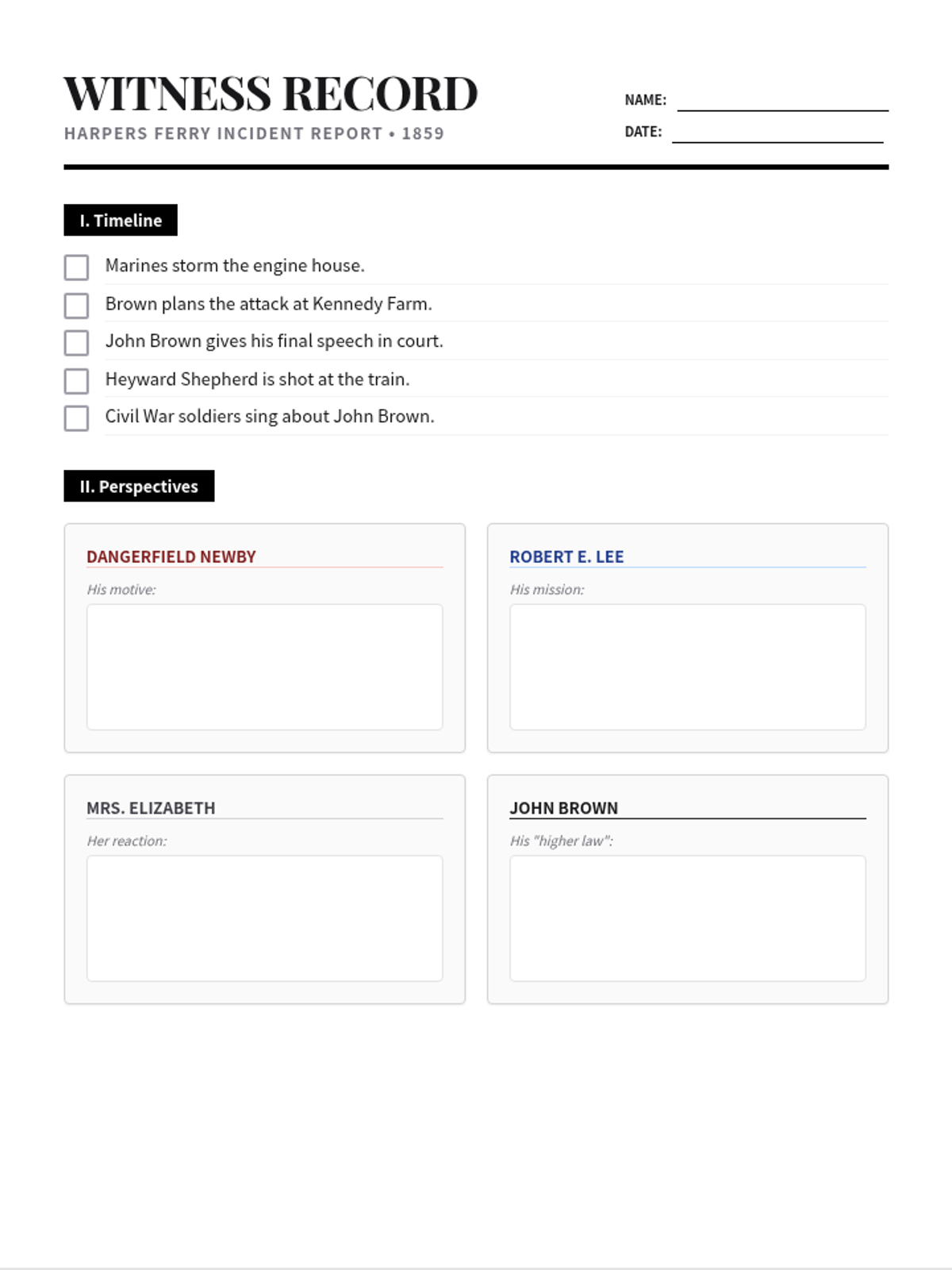
A dramatic exploration of John Brown's 1859 raid on Harpers Ferry, focusing on the conflicting perspectives of the raiders, the military, and the local community through a 4-scene classroom play.
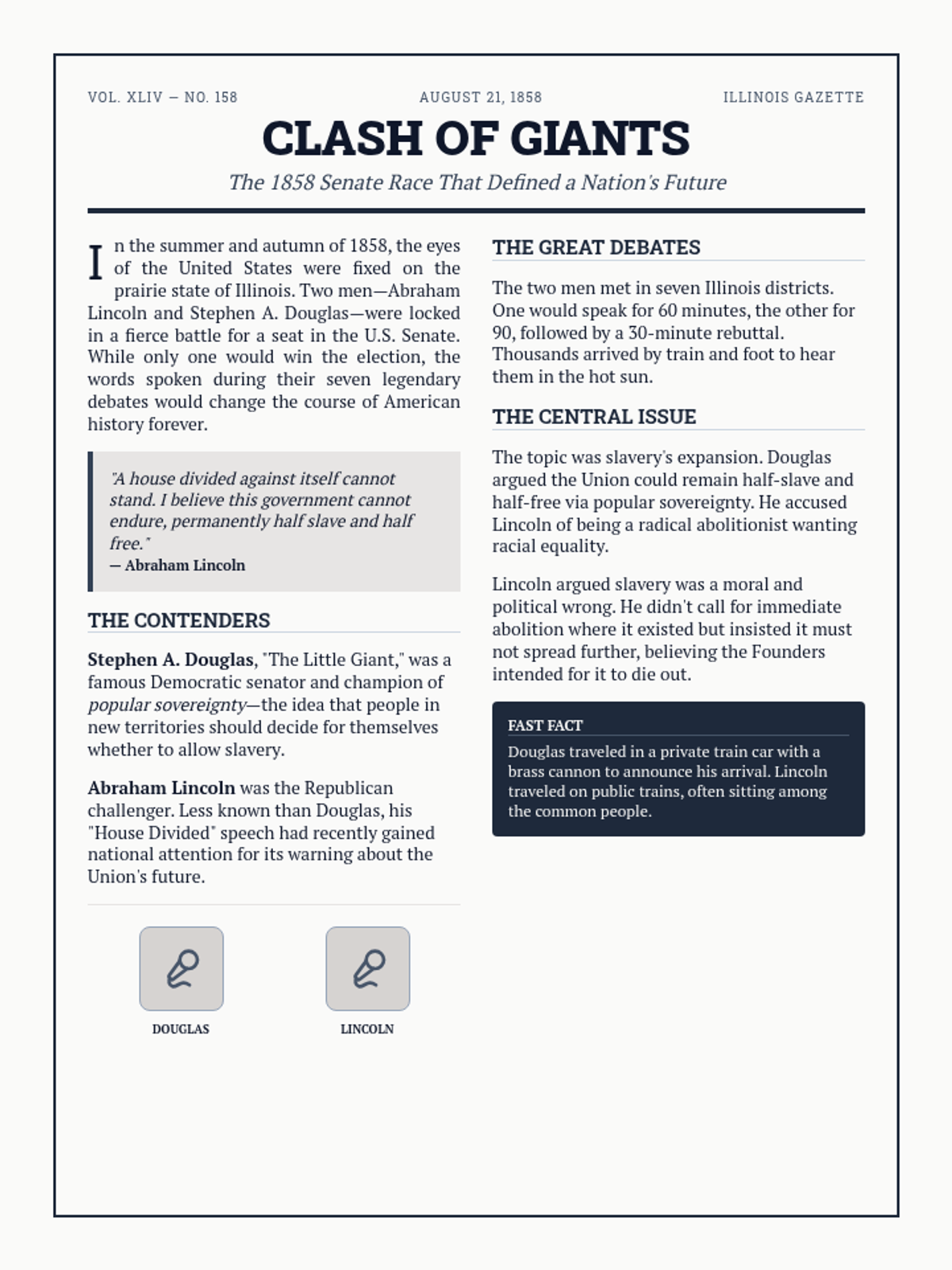
A comprehensive lesson on the 1858 Illinois Senate race, exploring the historical significance of the Lincoln-Douglas debates, the expansion of slavery, and the rise of Abraham Lincoln.
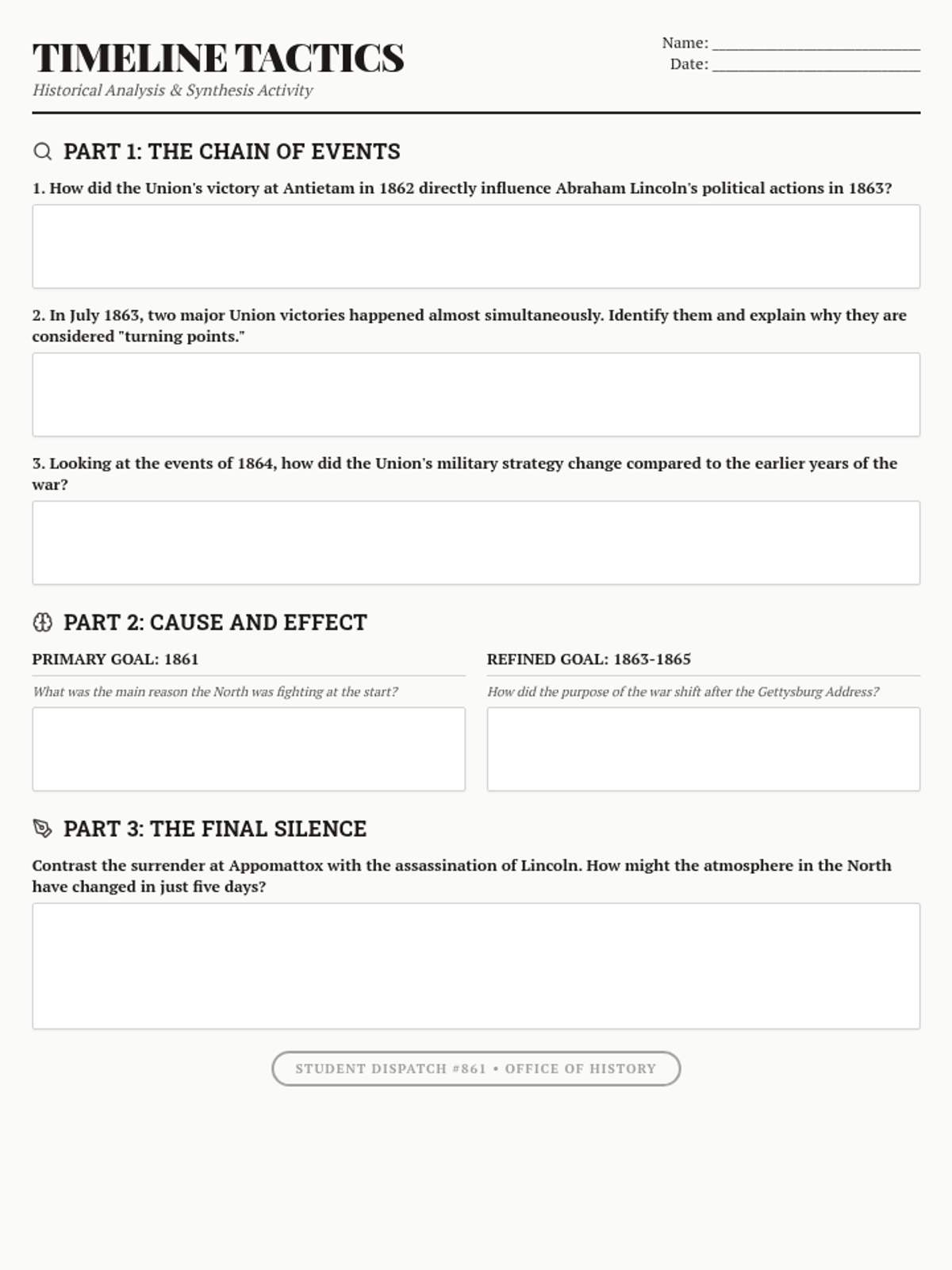
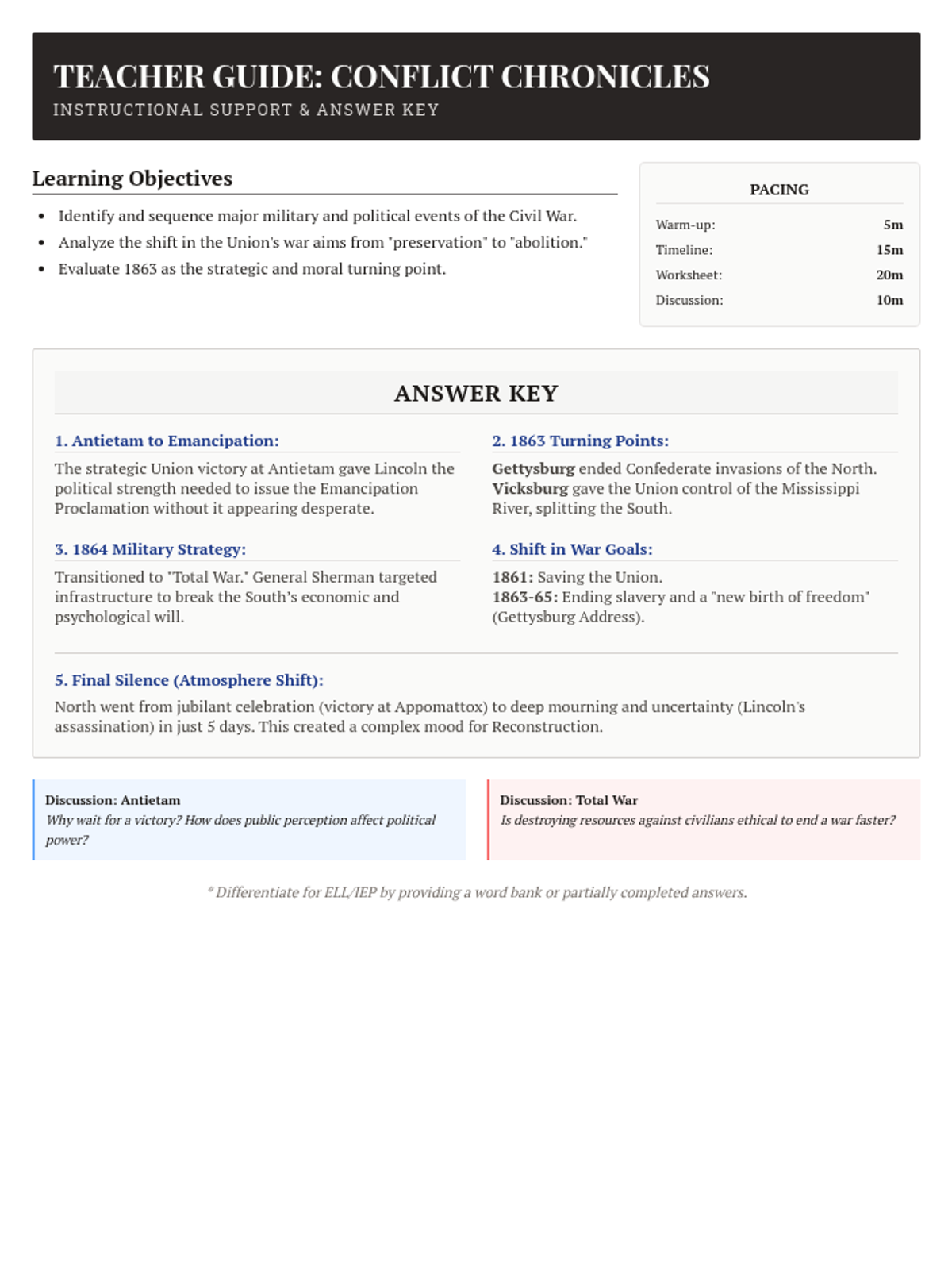
A comprehensive overview of the American Civil War's major events from 1861 to 1865, focusing on key battles, political shifts, and the war's ultimate conclusion.
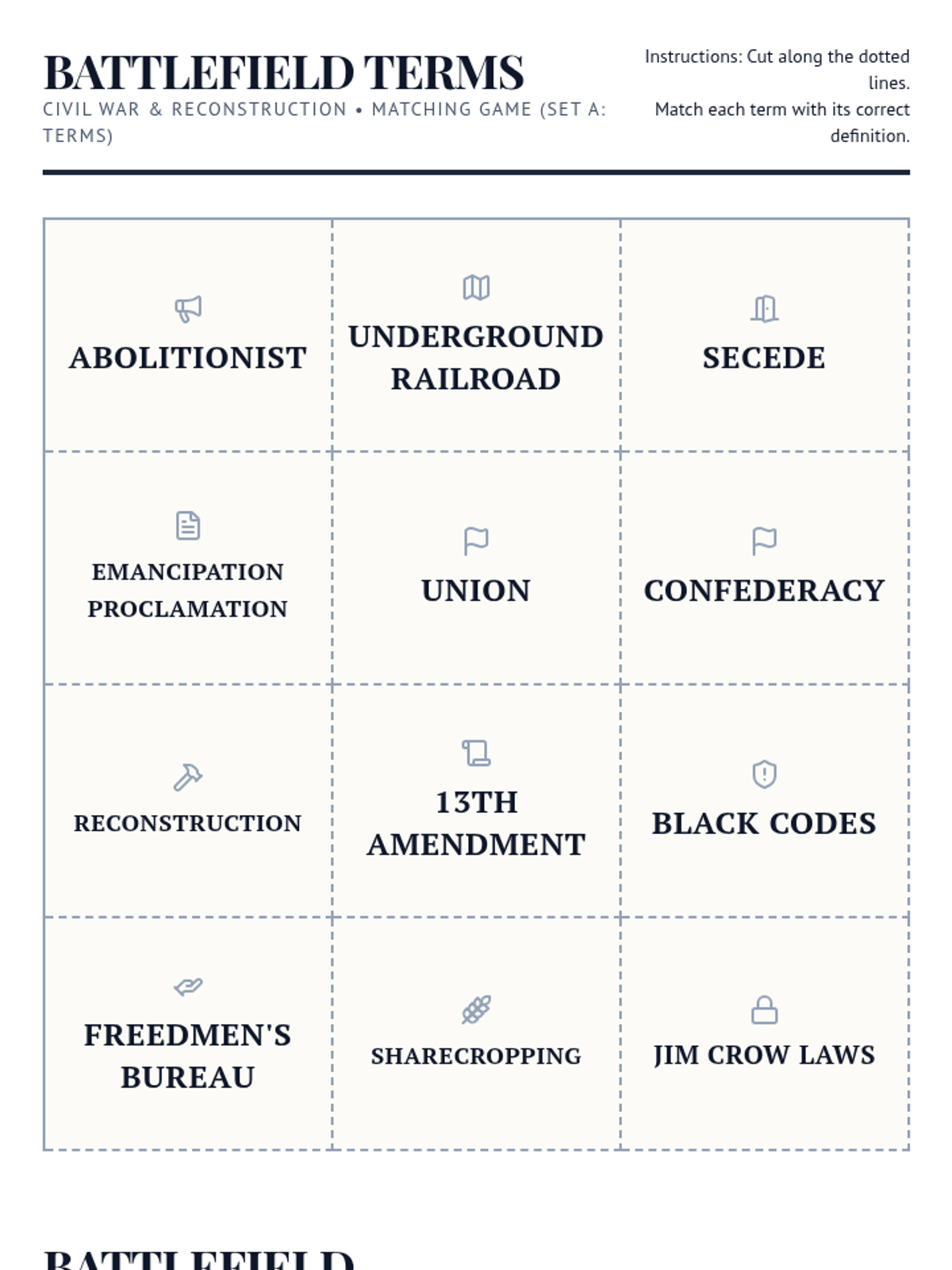
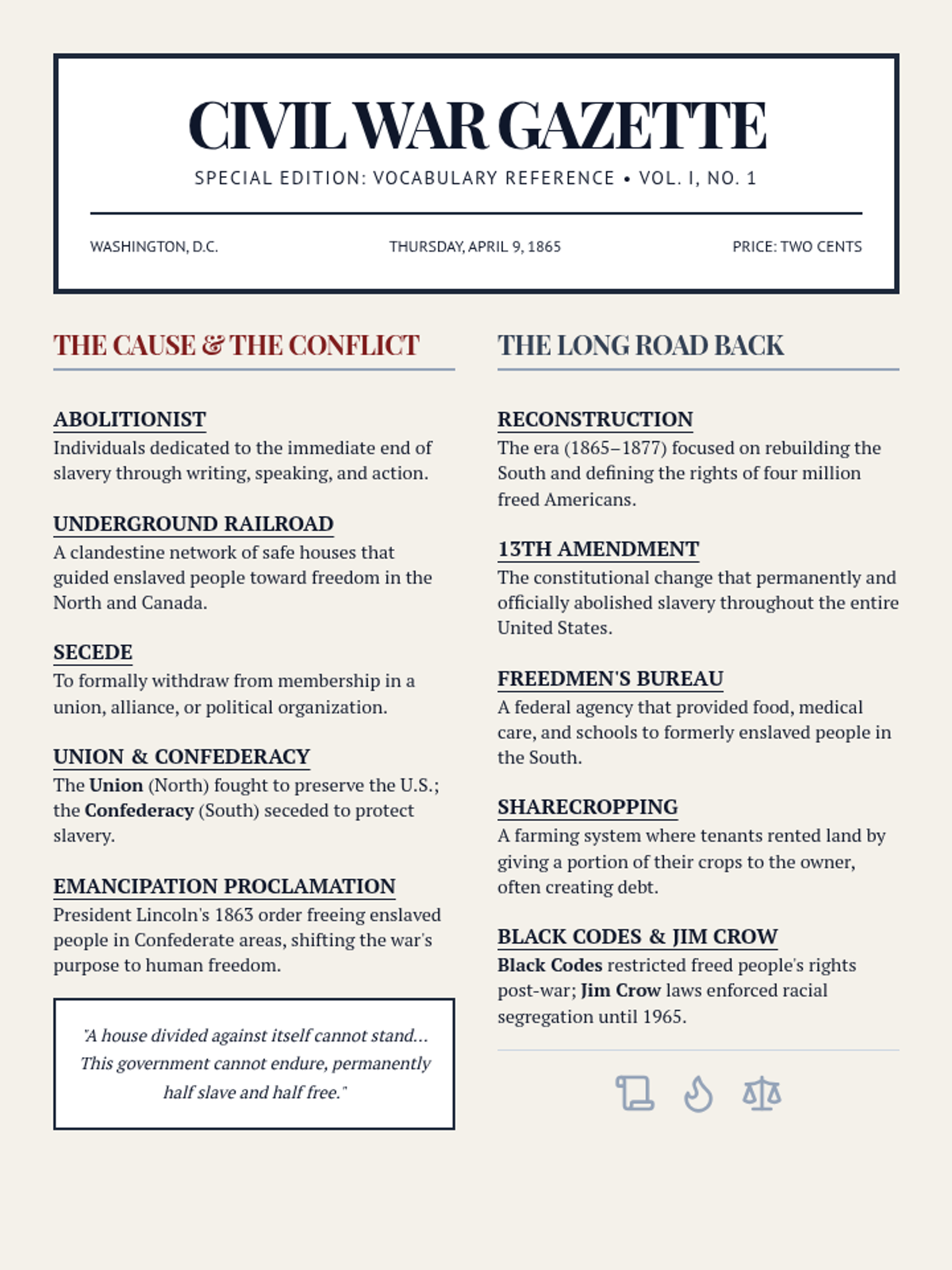
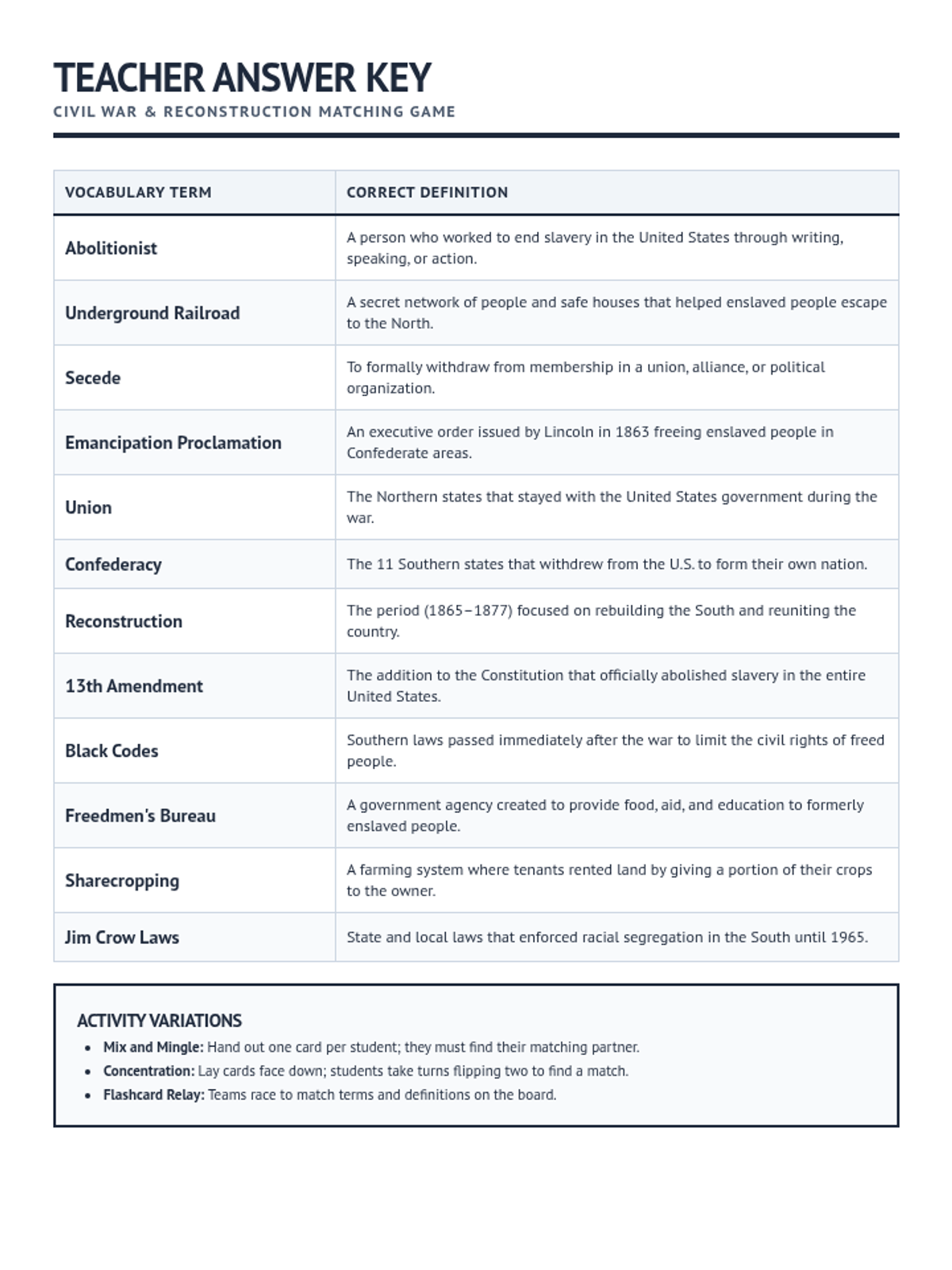
A comprehensive vocabulary lesson covering the essential terminology of the American Civil War, from the causes of slavery and abolitionism to the complexities of Reconstruction.
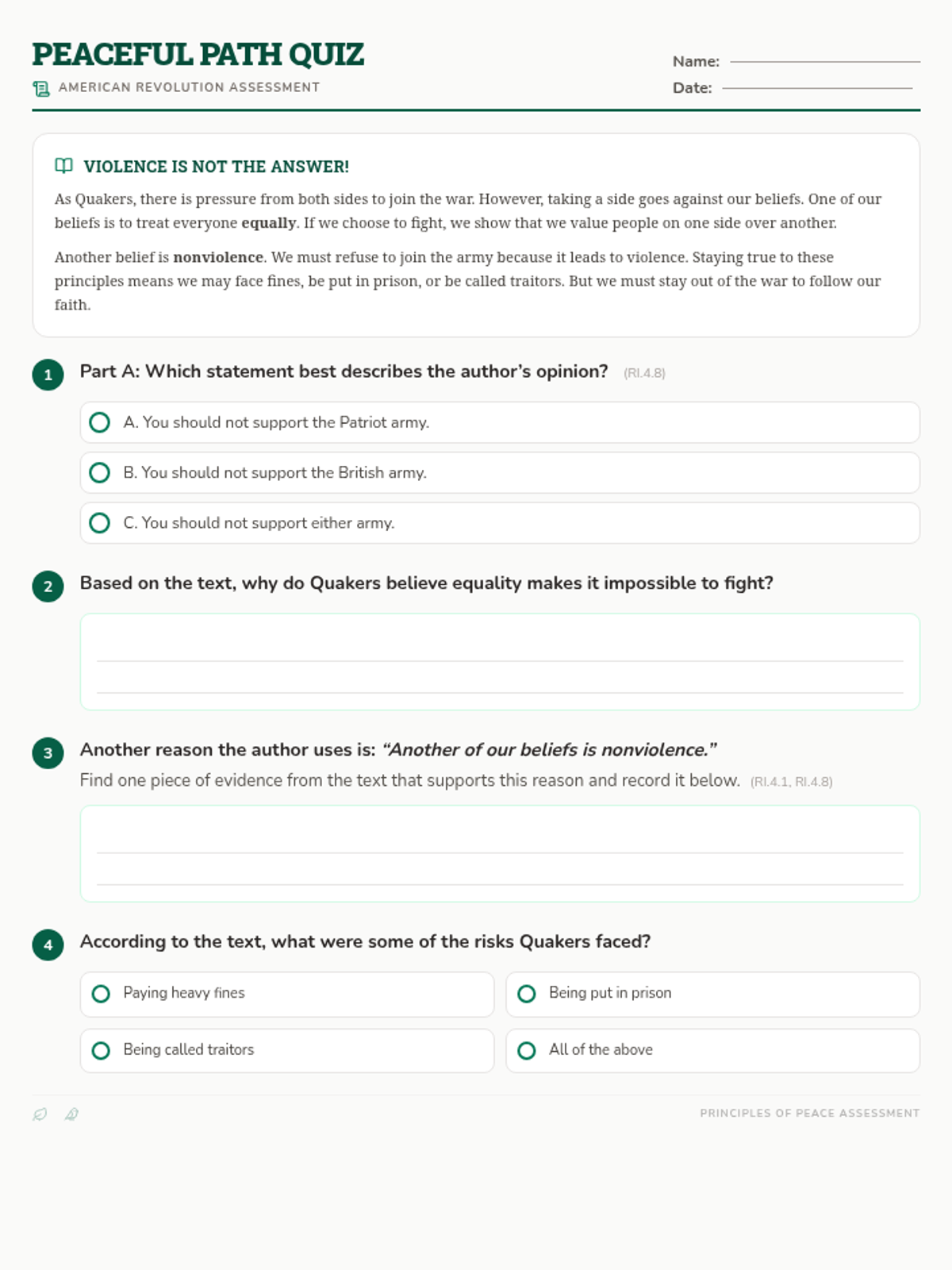
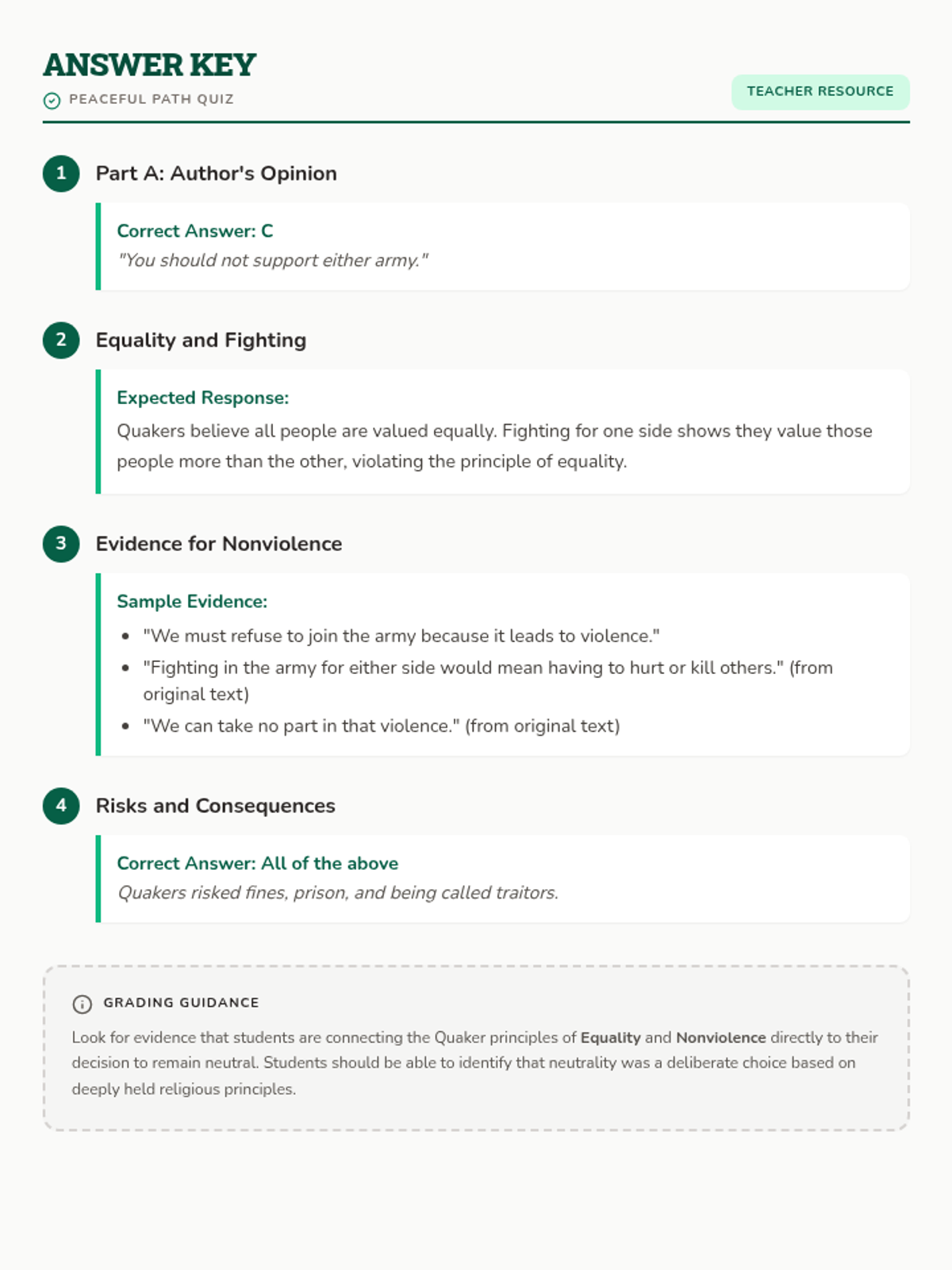
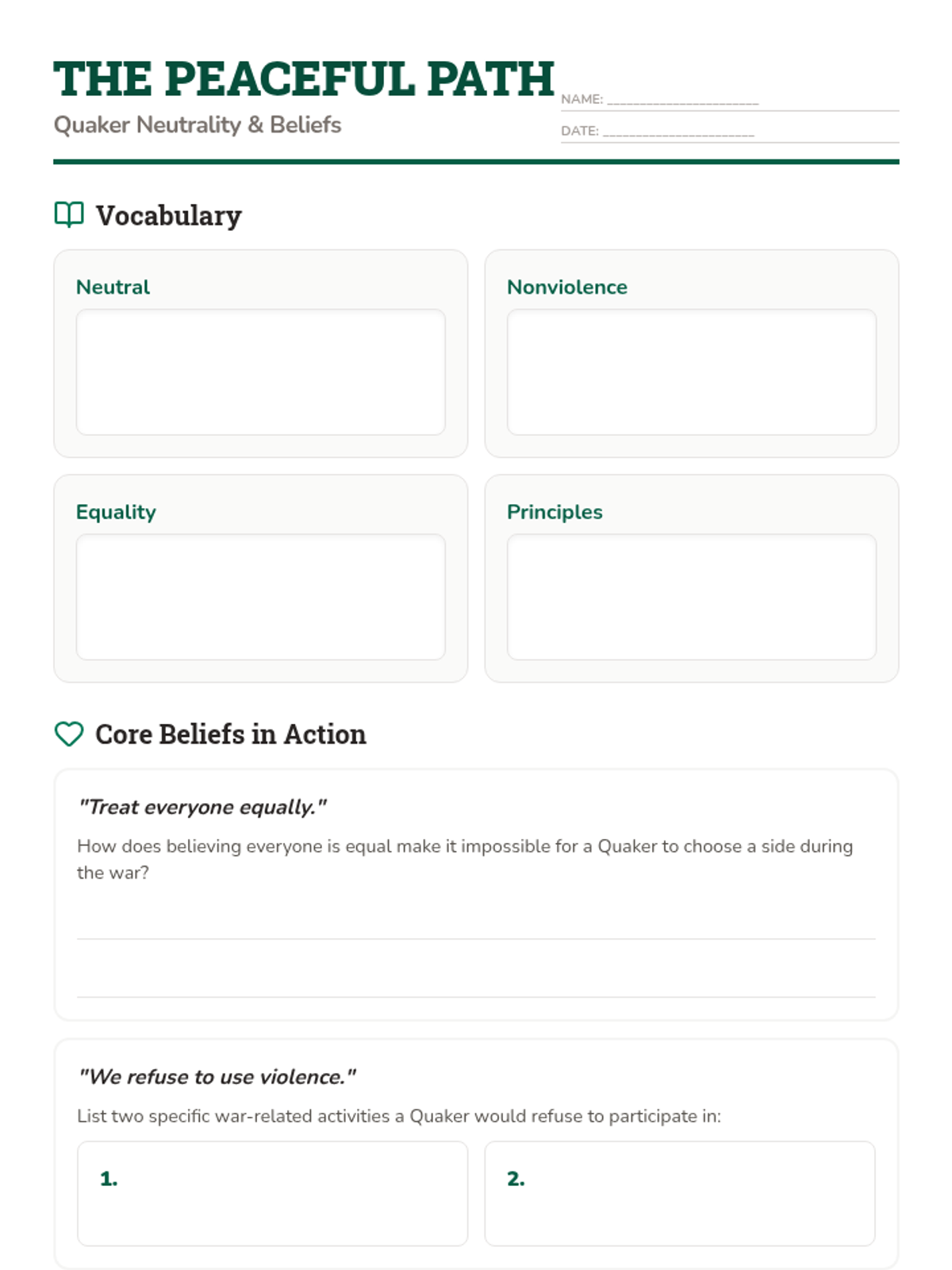
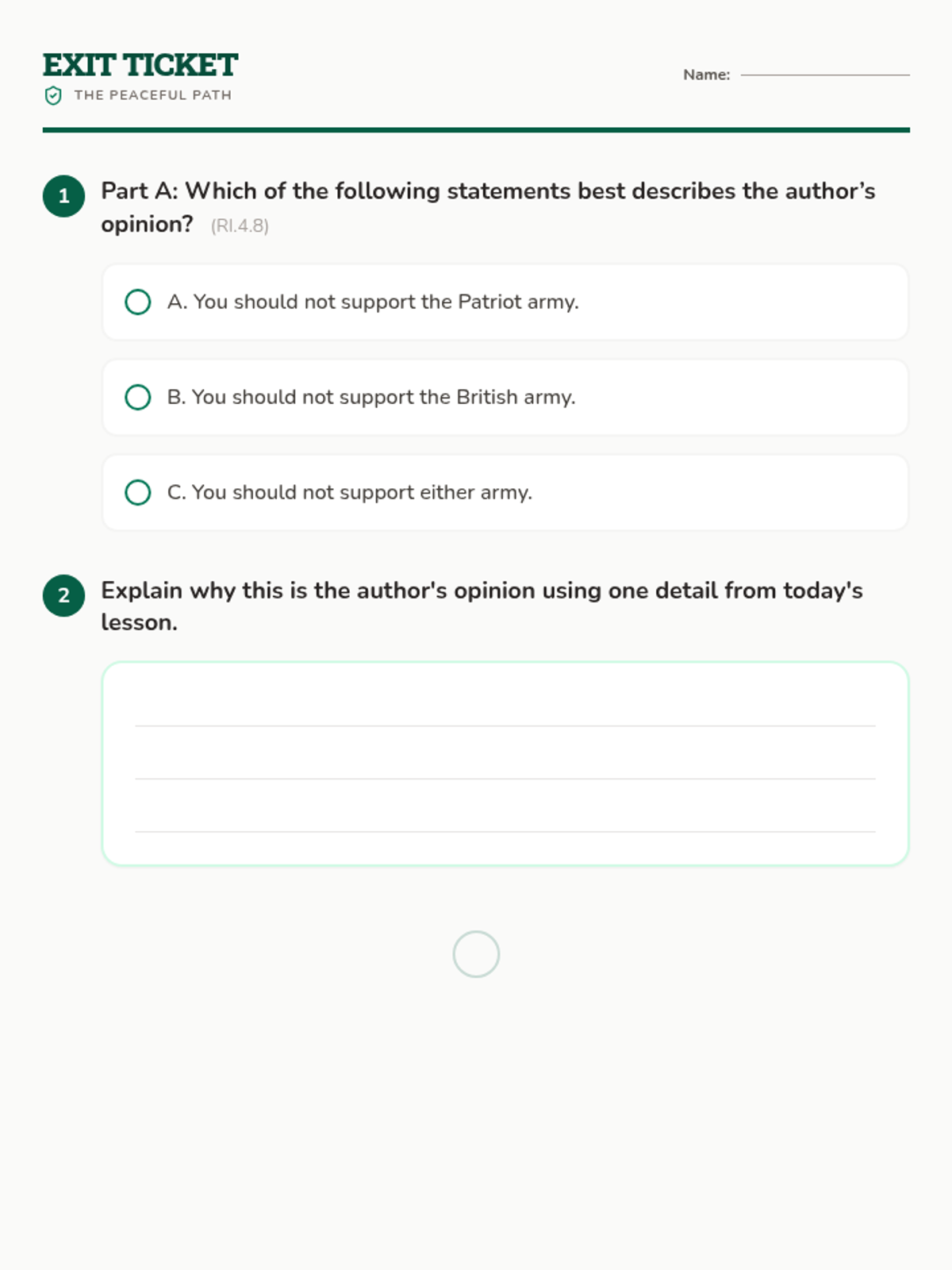
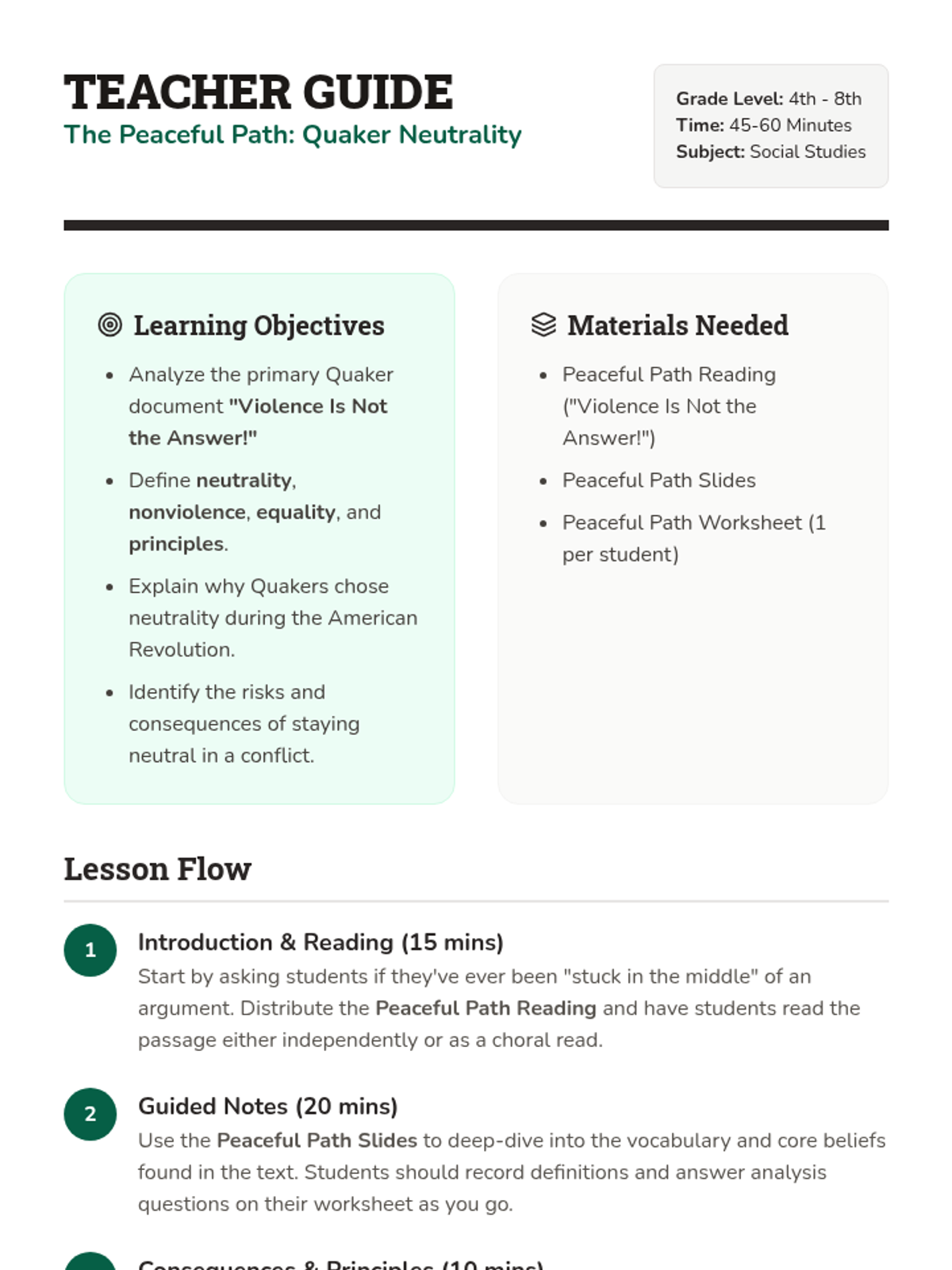
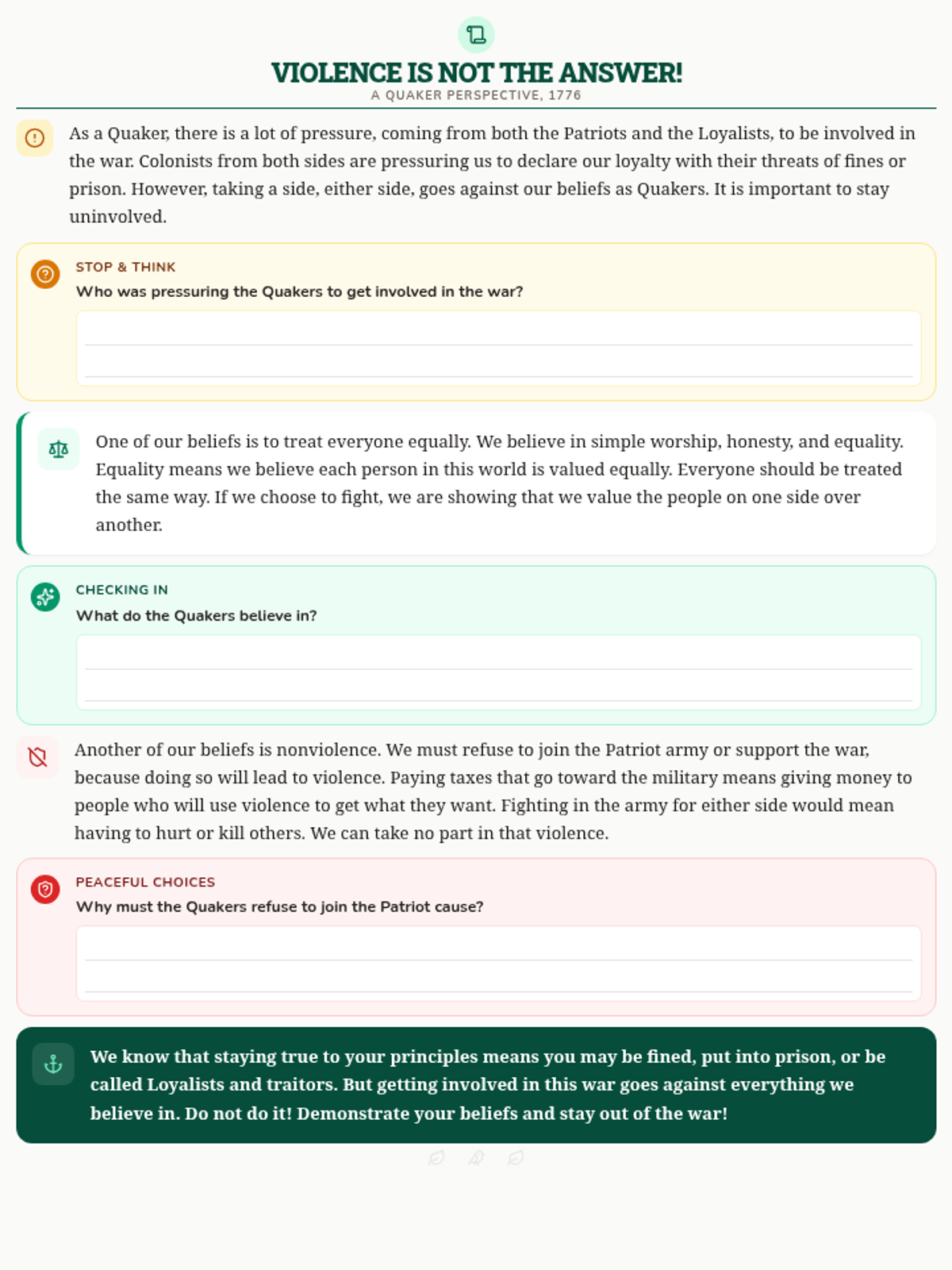
A lesson exploring the Quaker perspective during the American Revolution, focusing on their commitment to neutrality and nonviolence despite external pressures.
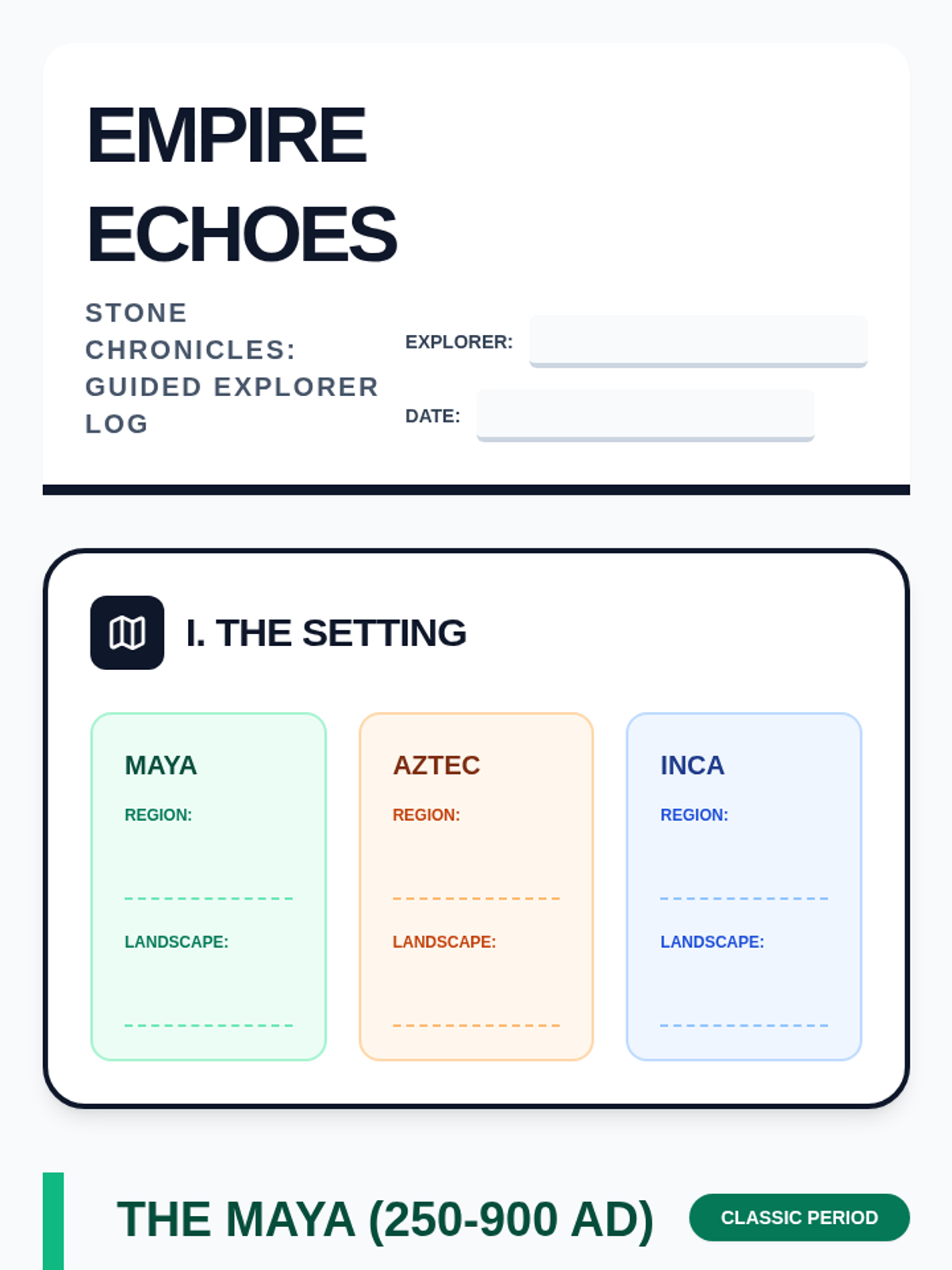
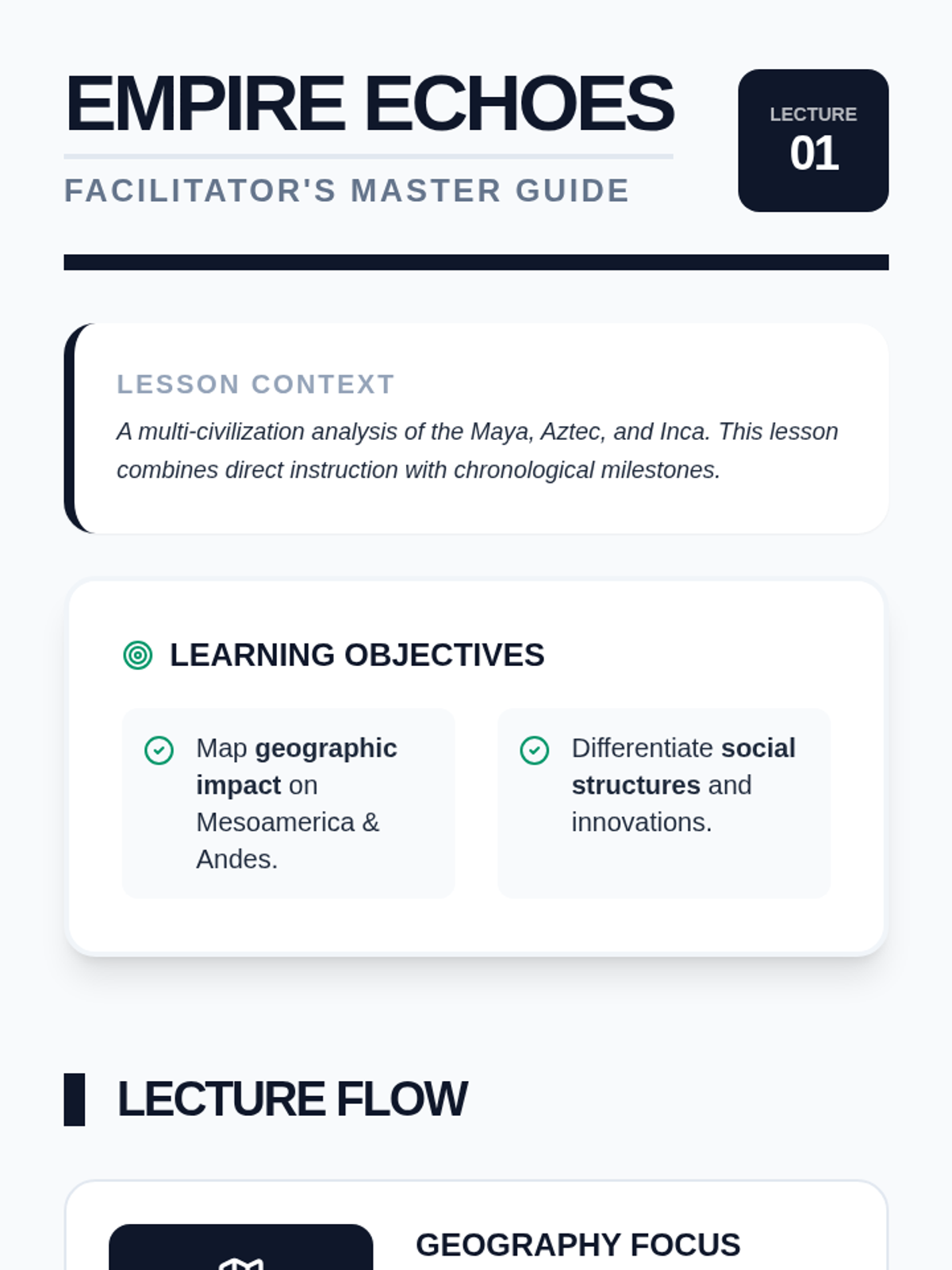
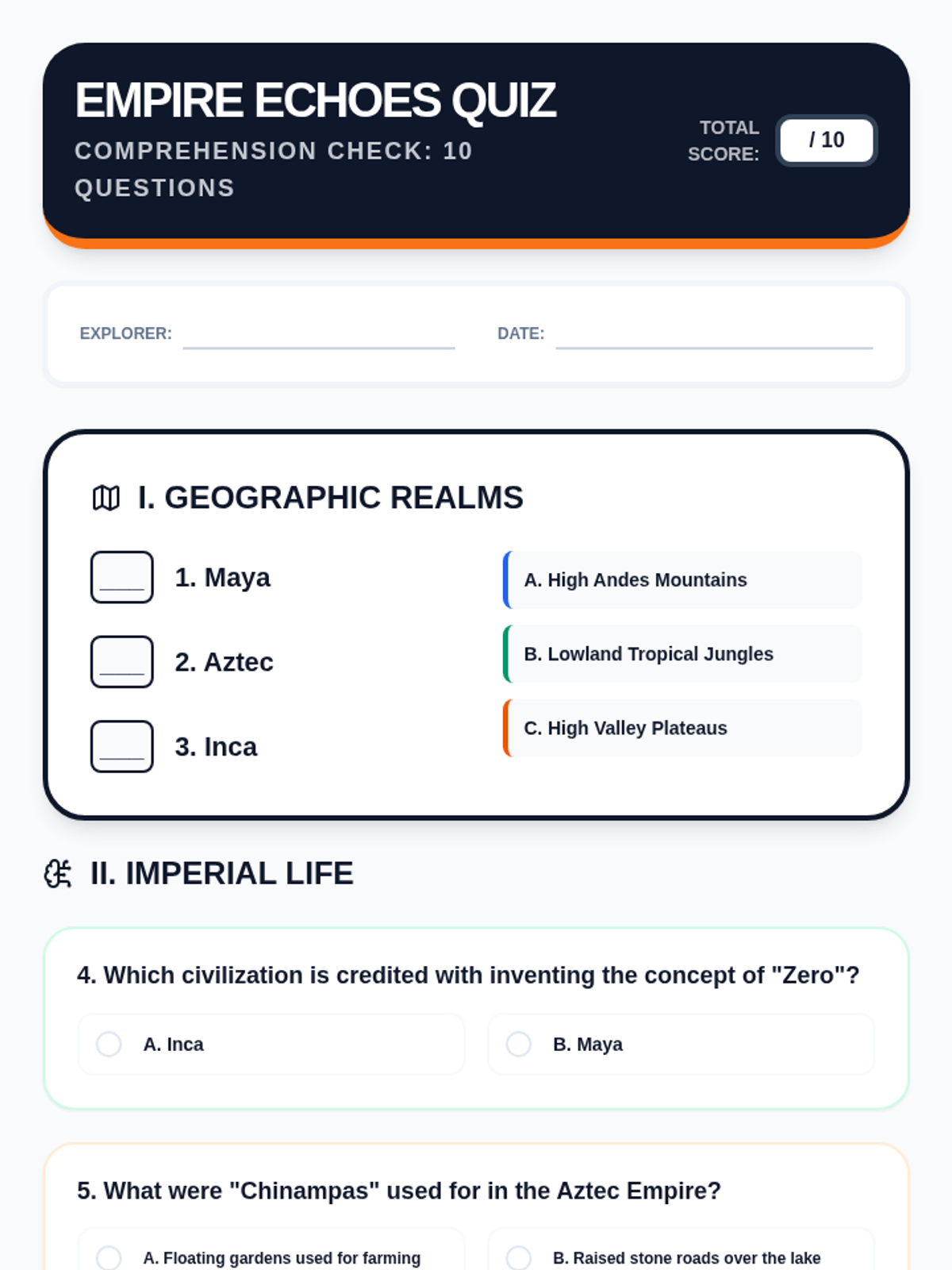
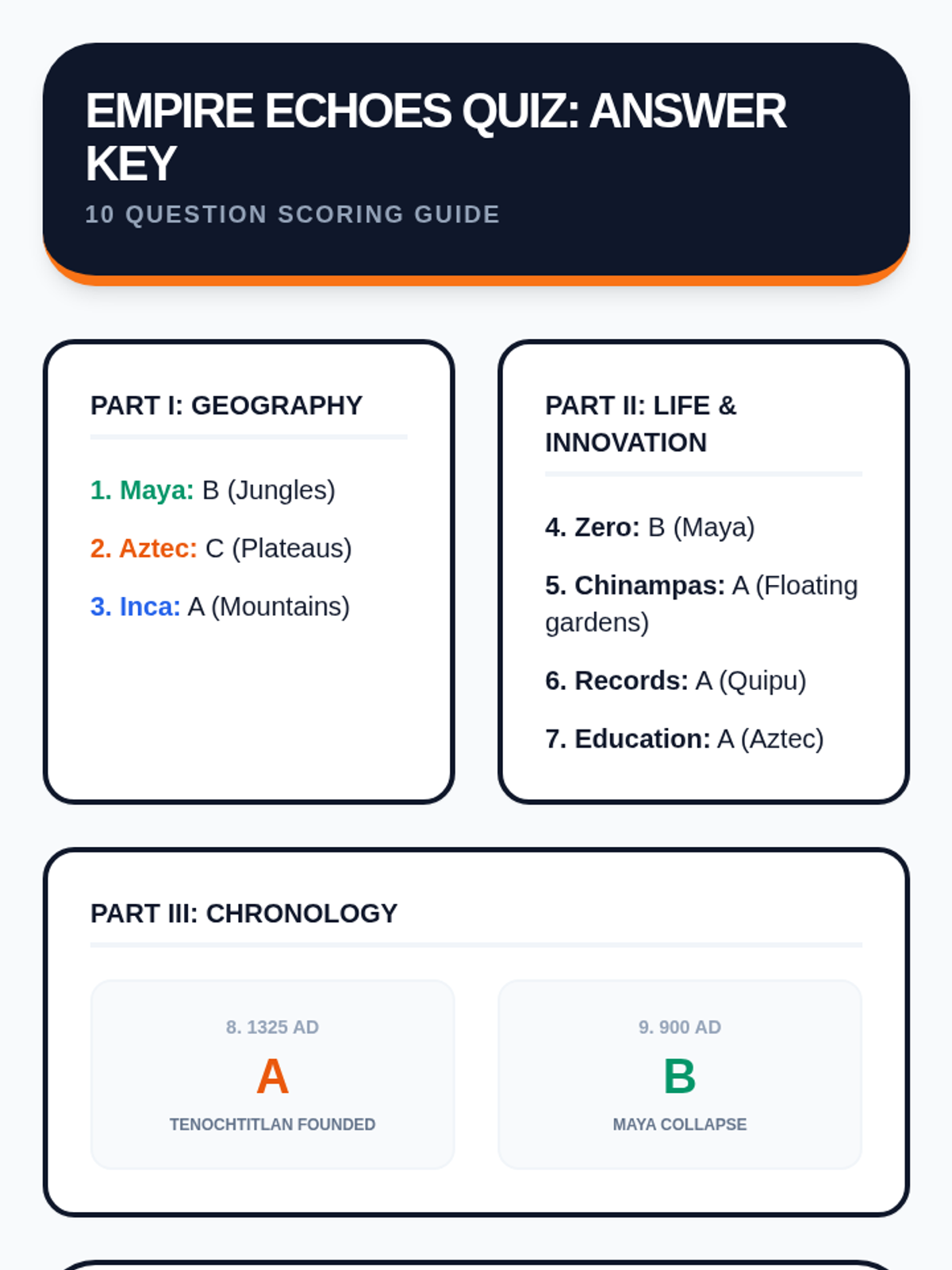
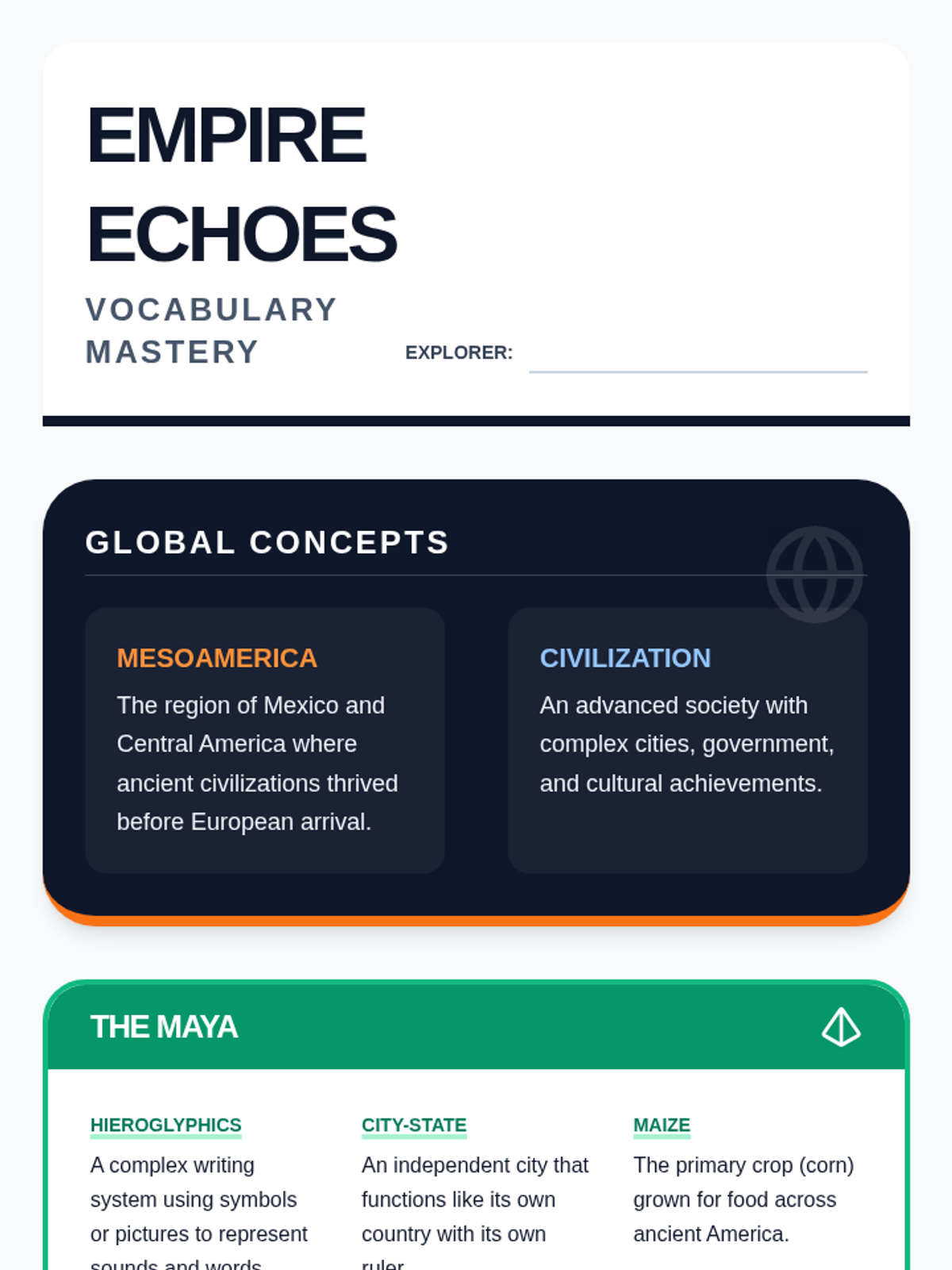
A comprehensive exploration of the Maya, Aztec, and Inca civilizations, focusing on their geography, social structures, and lasting achievements. Students will use guided notes to capture key details during a direct instruction lecture.
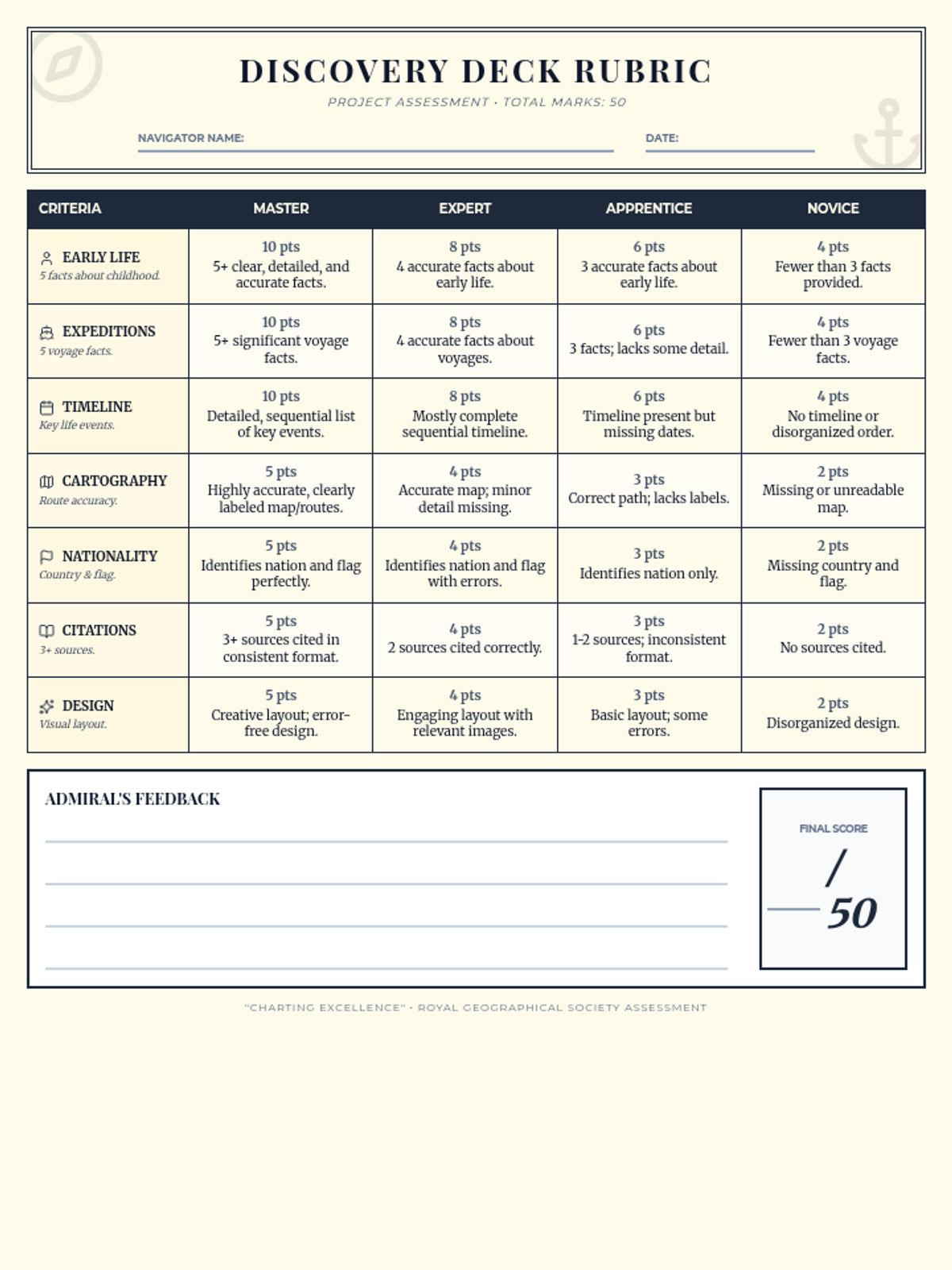
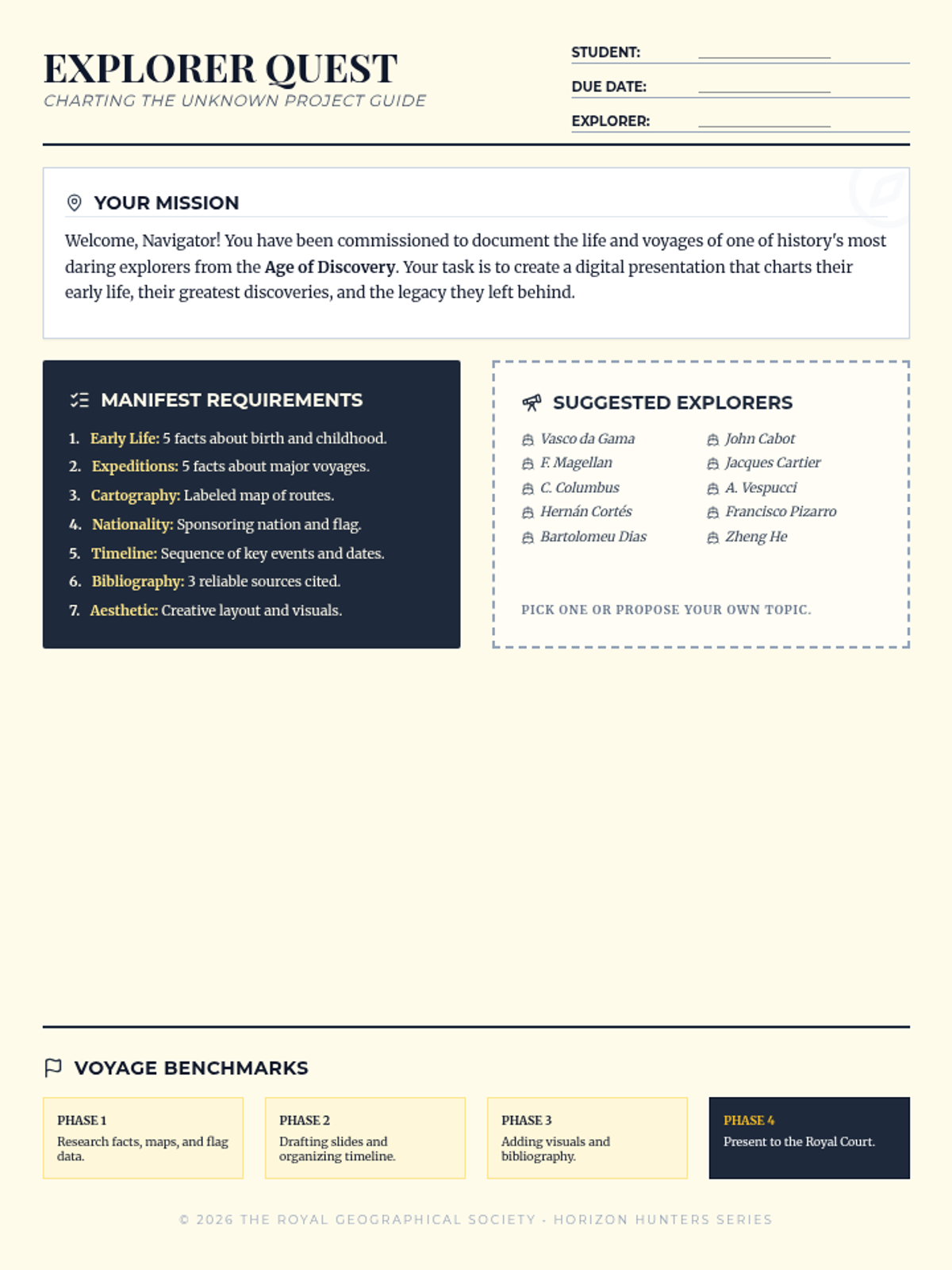
A research project where students investigate the life and voyages of early European explorers. This lesson provides the tools for students to create an engaging slide presentation and for teachers to assess their work accurately.
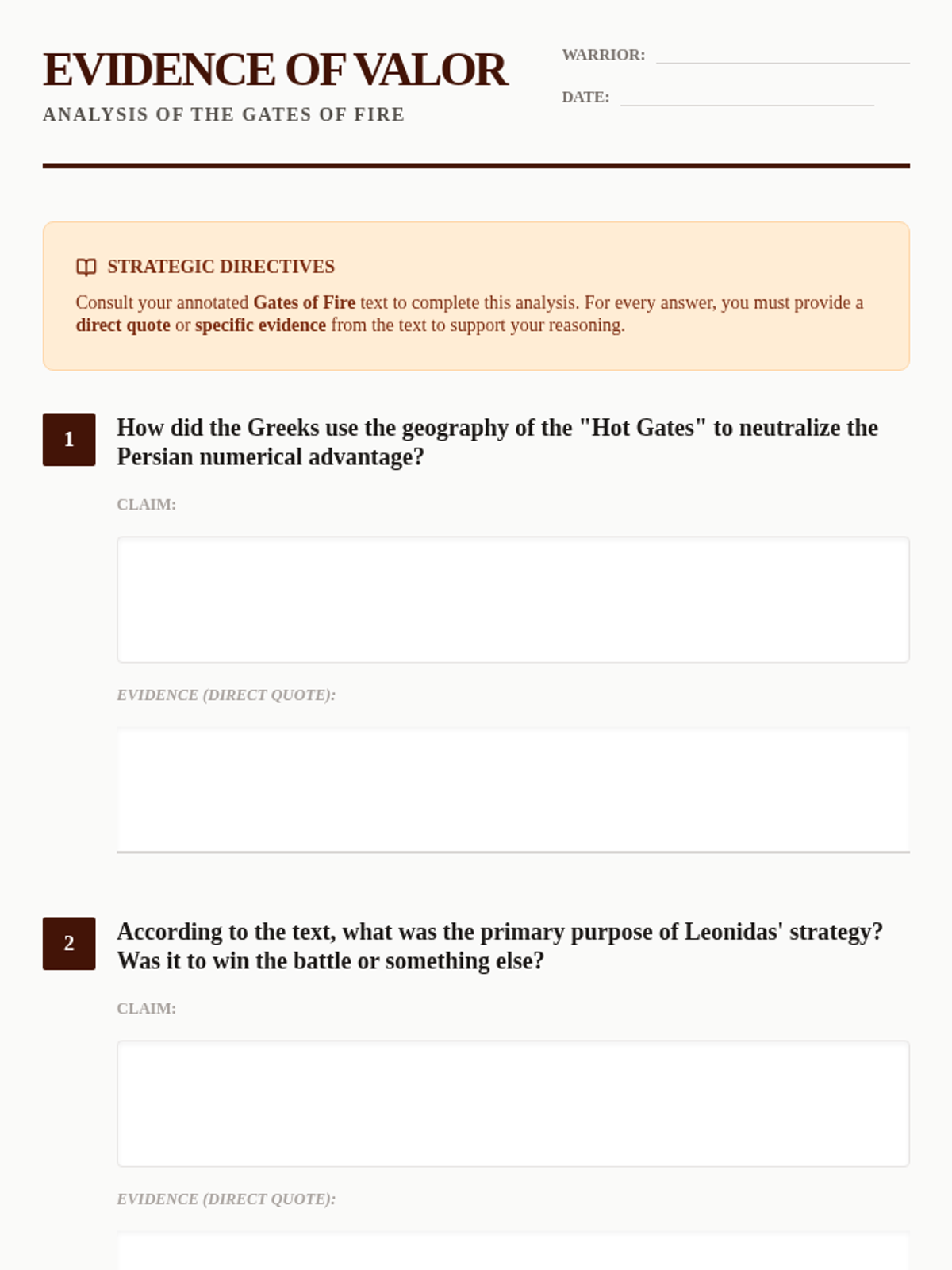
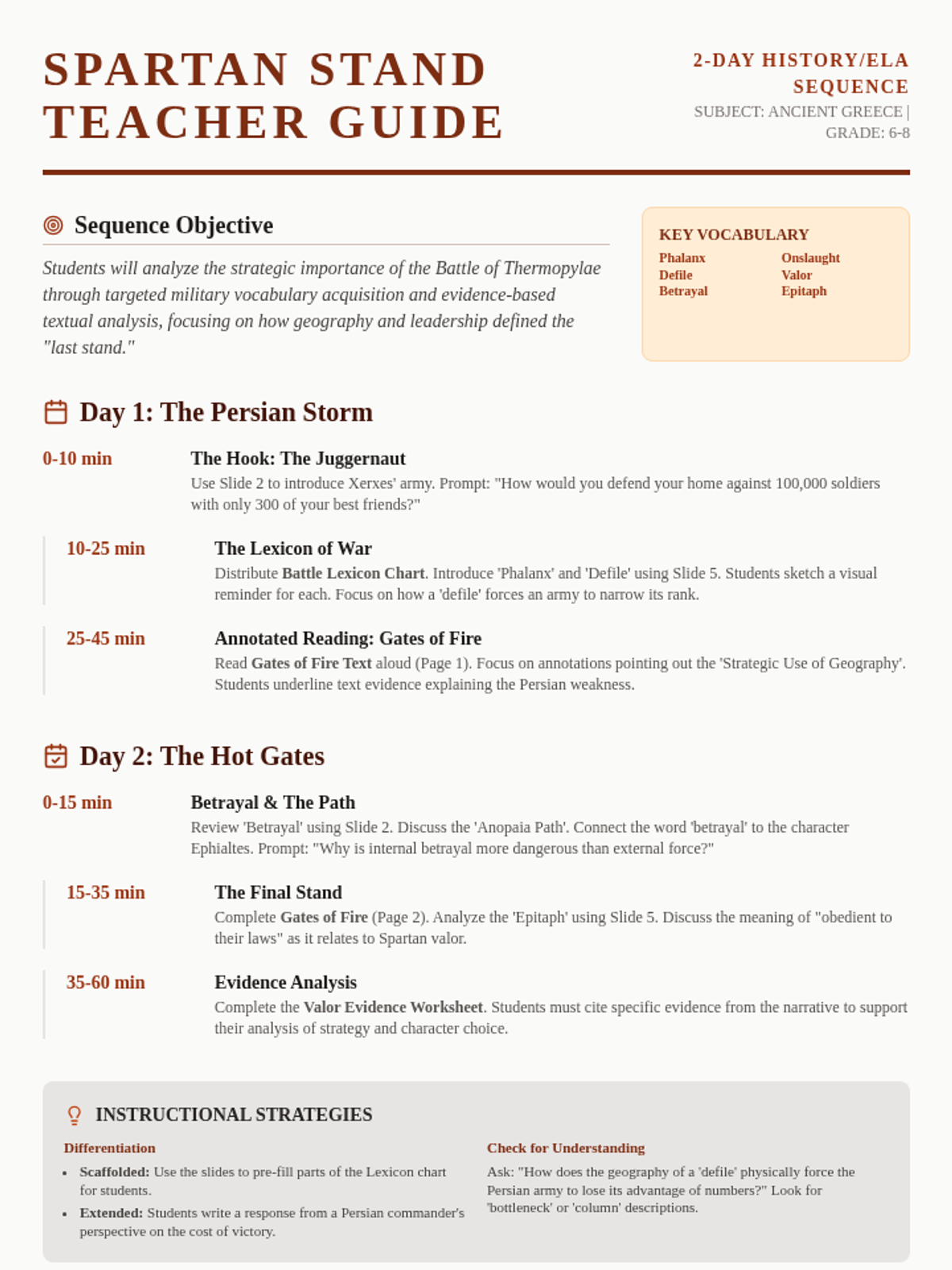
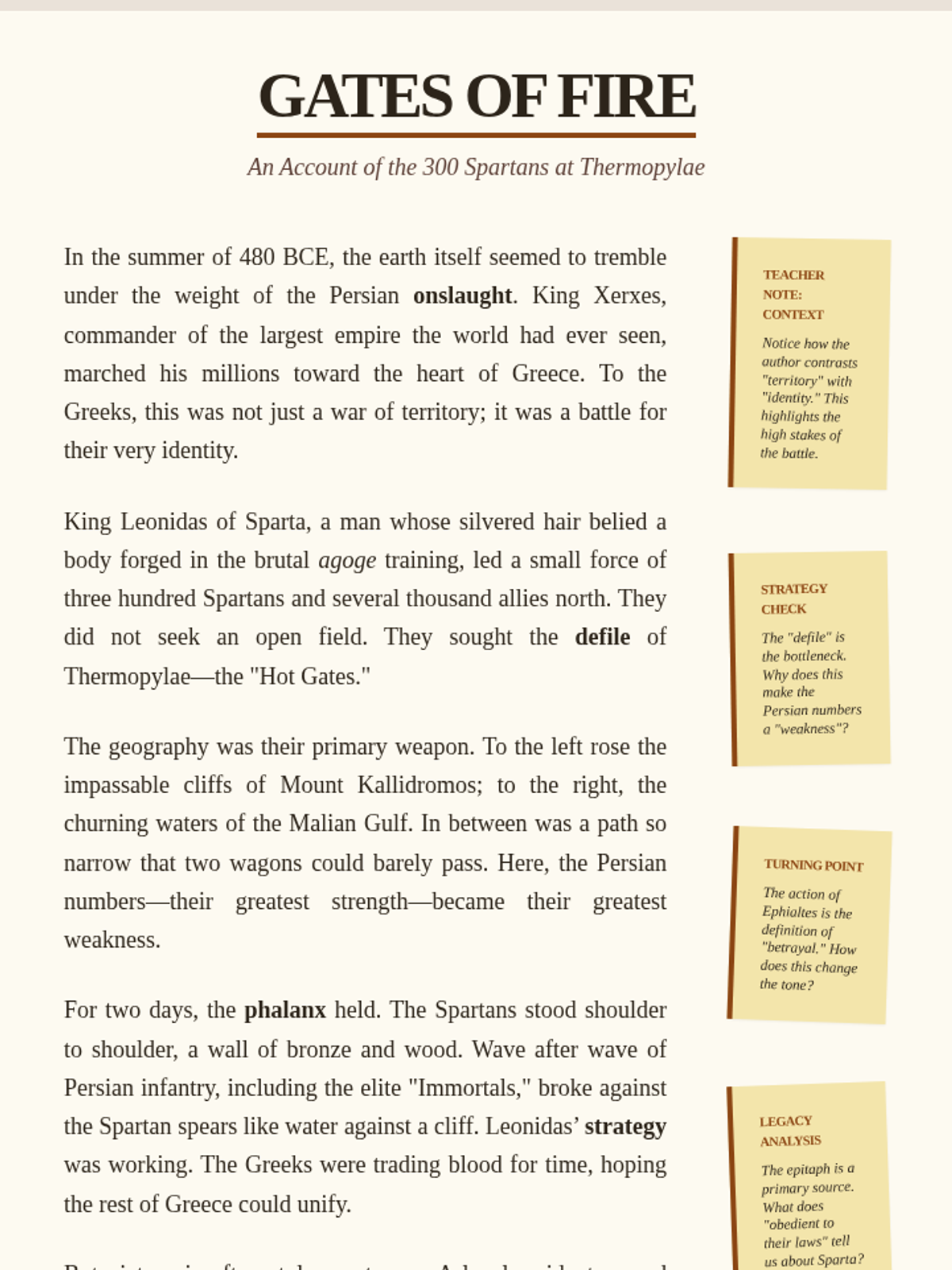
An analysis of the battle's climax, the betrayal at the Anopaia path, and the lasting legacy of the 300 Spartans using evidence-based text analysis.
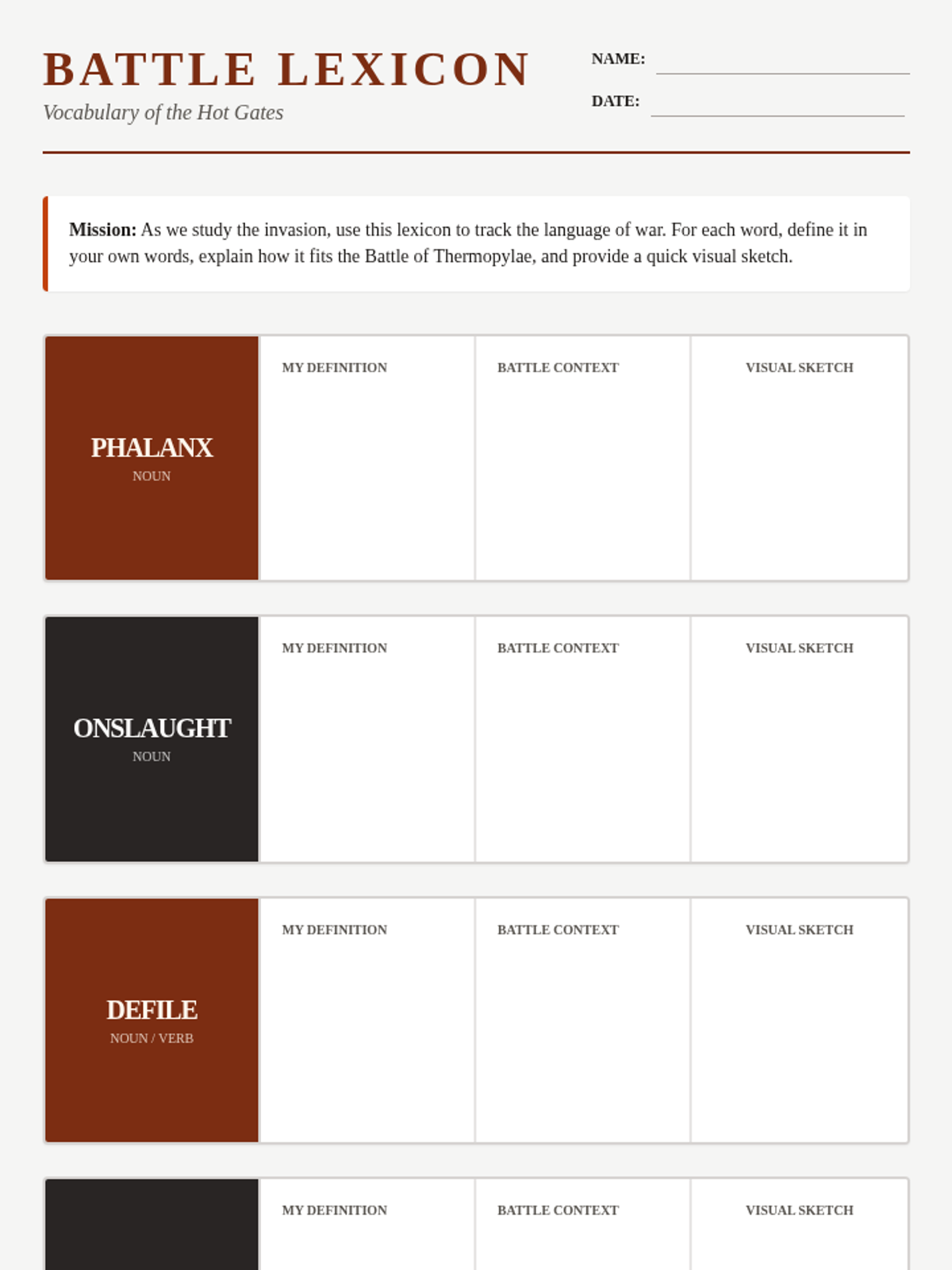
Introduction to the Persian invasion, King Leonidas, and the strategic importance of the "Hot Gates" with a focus on tier-two and tier-three military vocabulary.
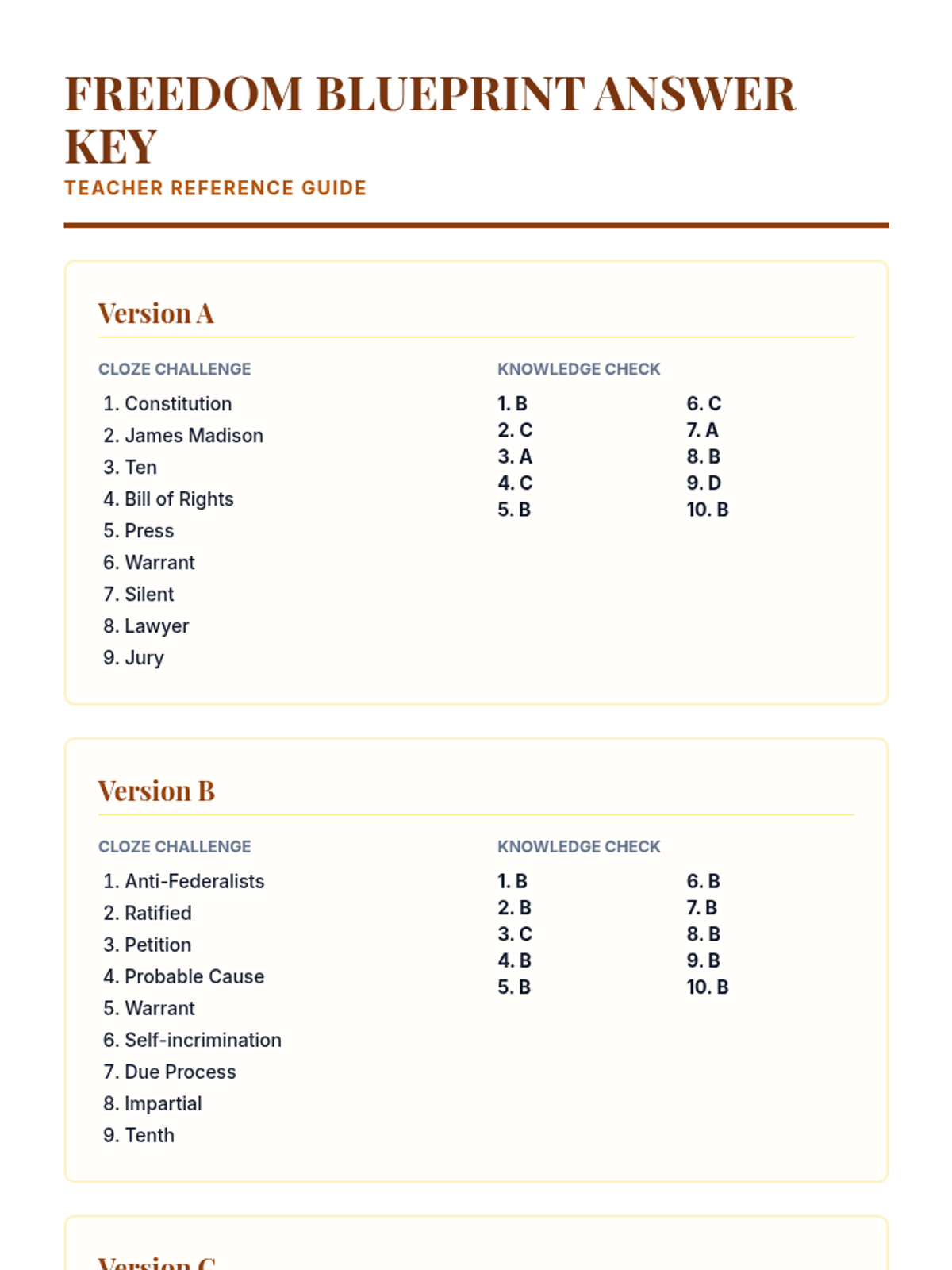
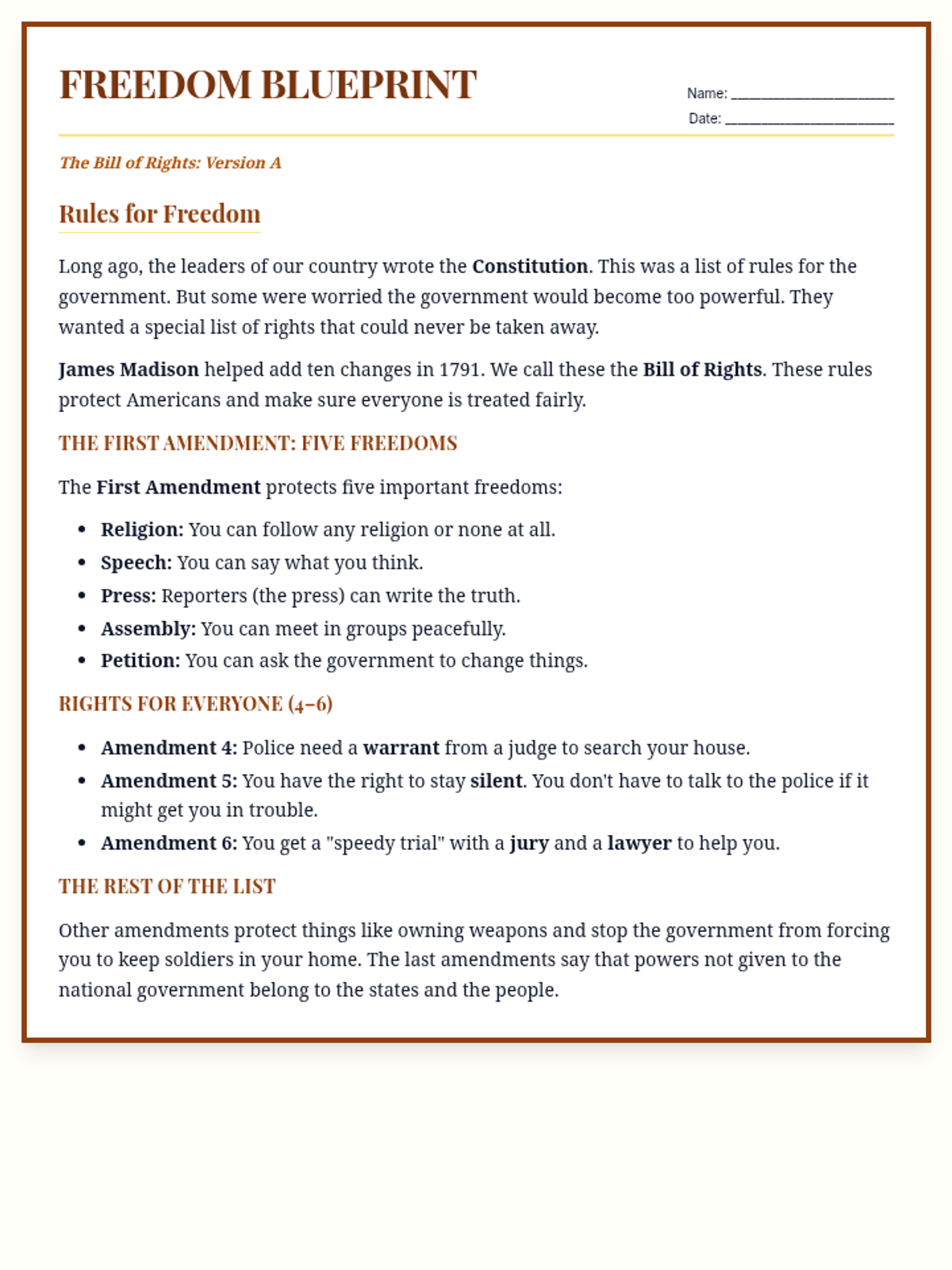
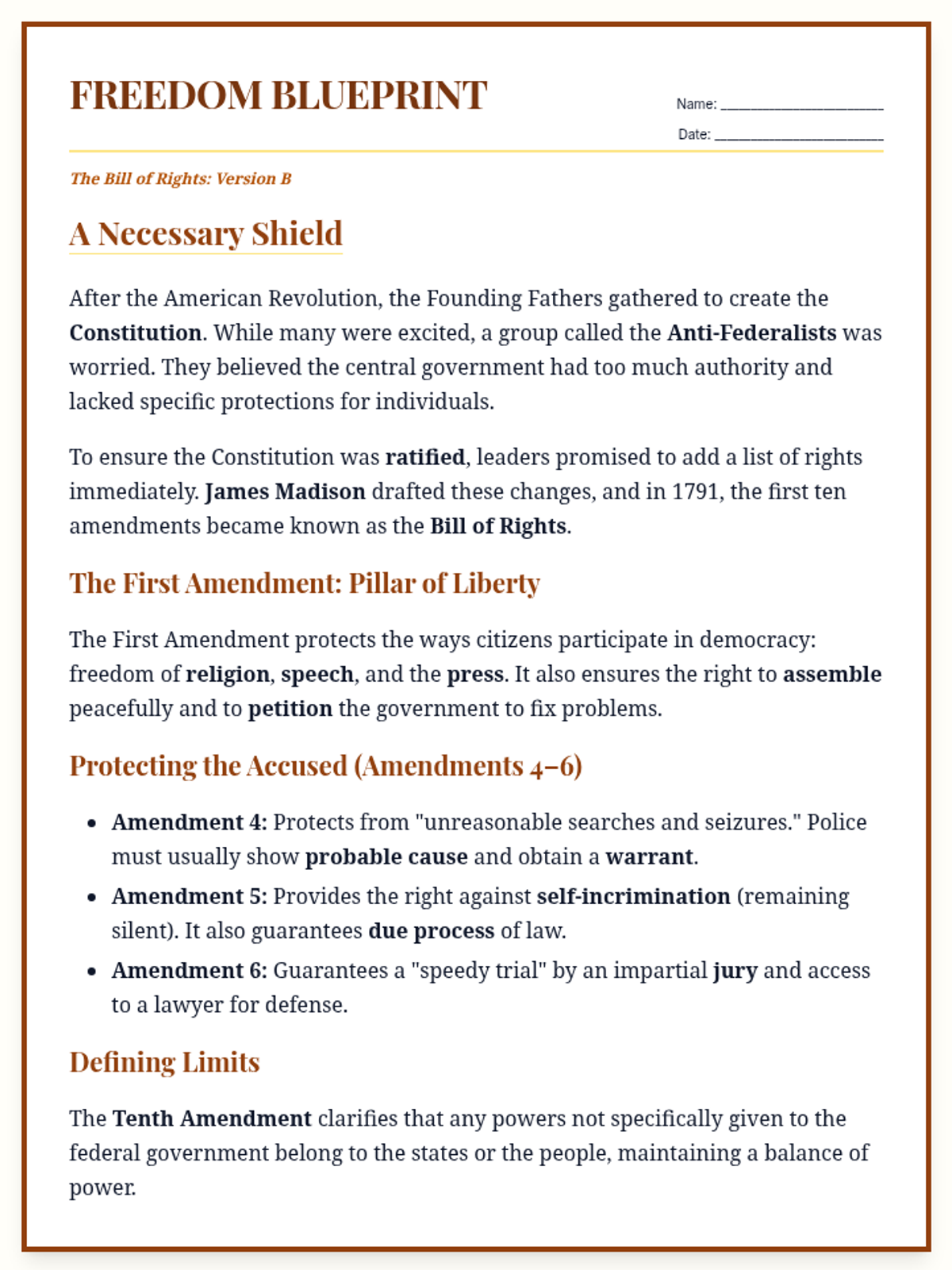
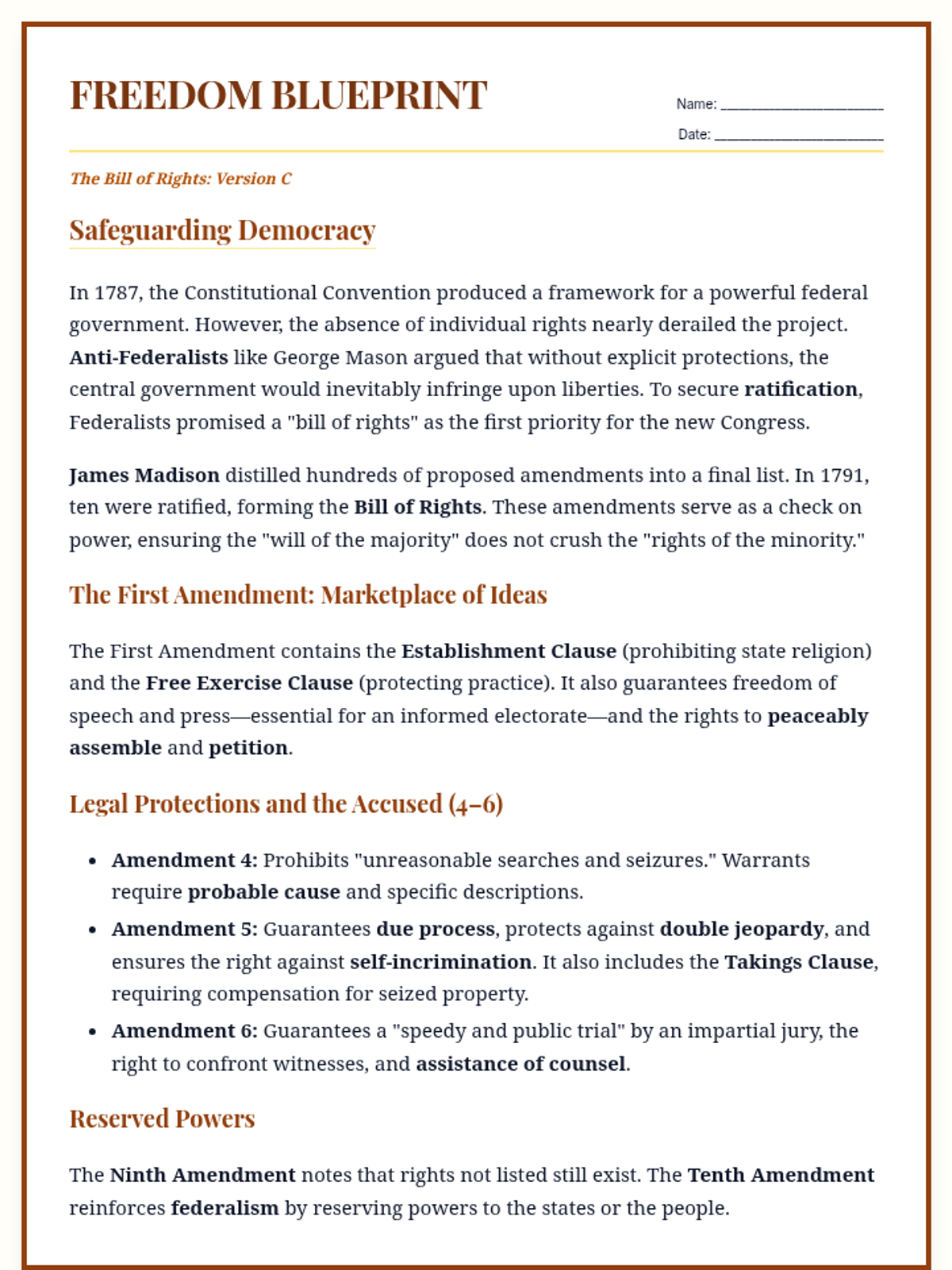
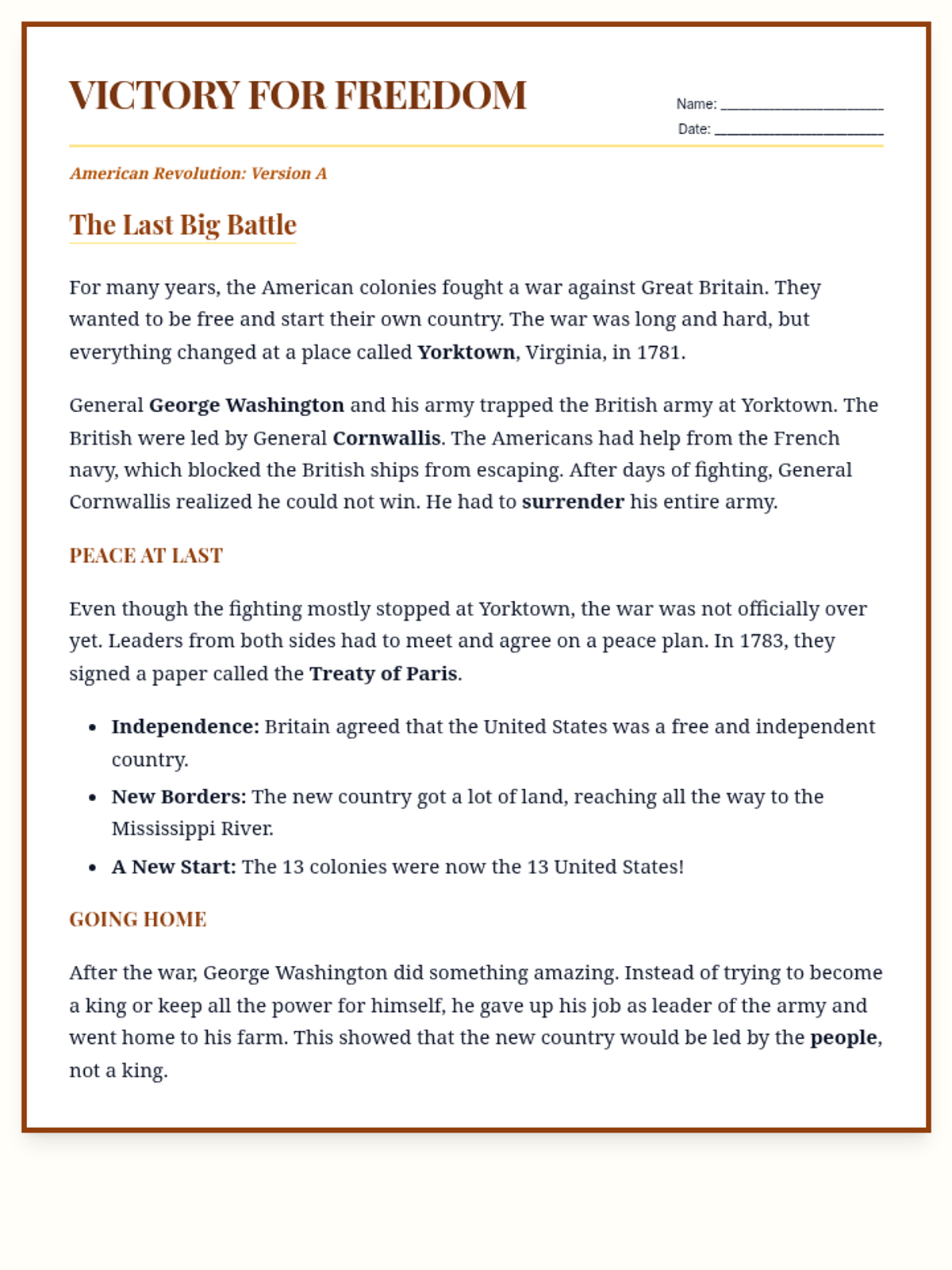
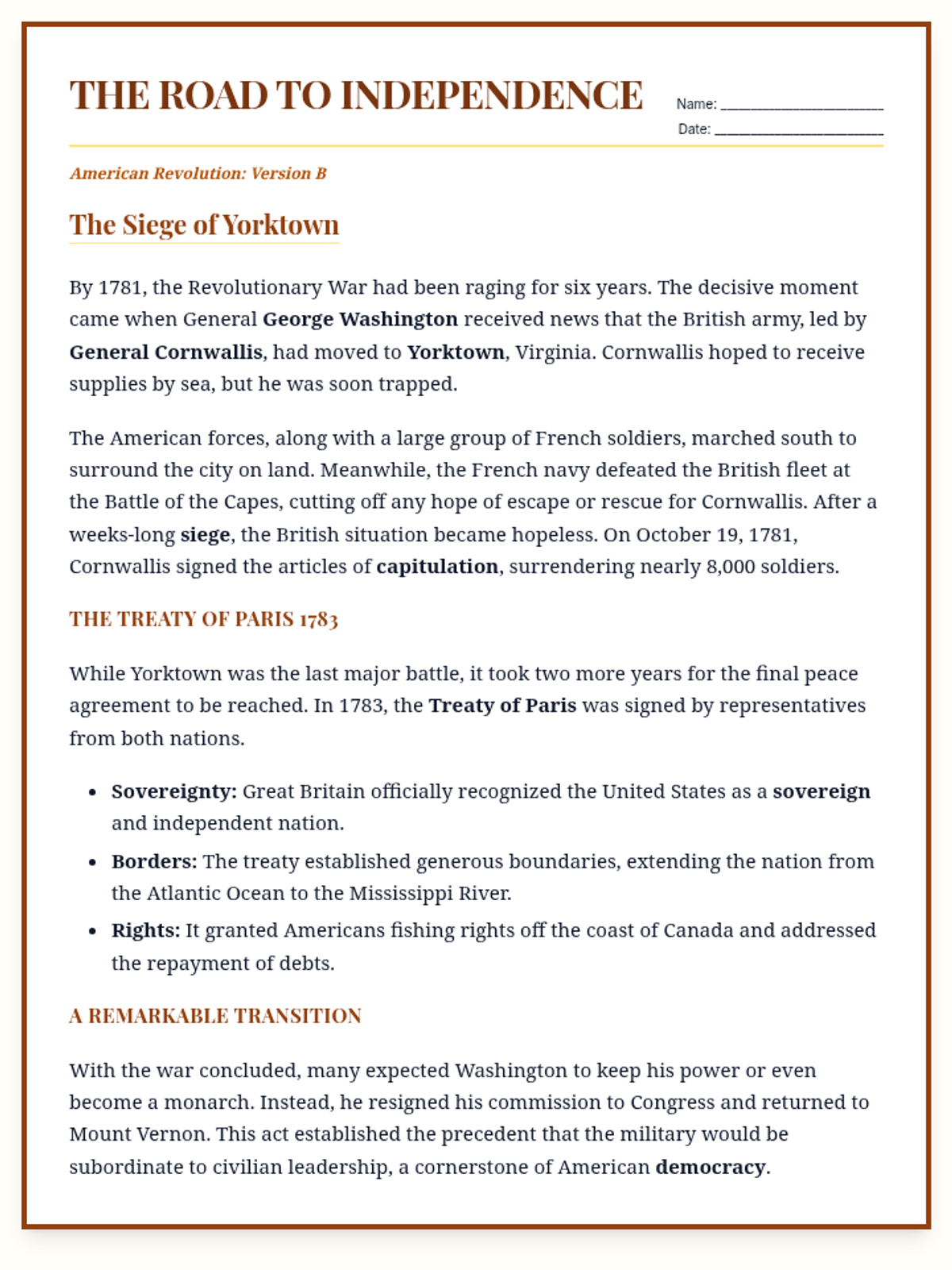
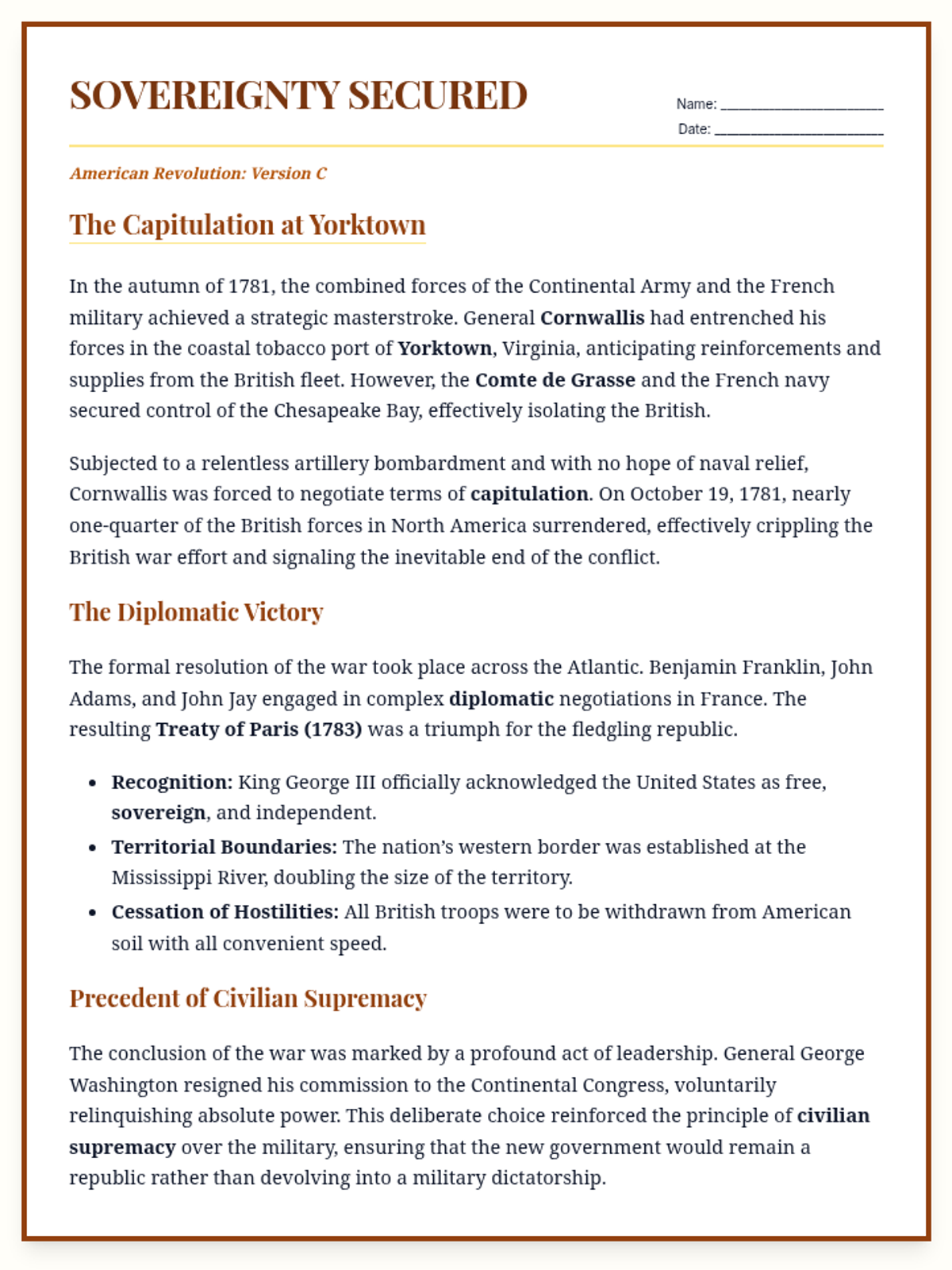
A comprehensive exploration of the Bill of Rights, featuring differentiated reading materials (Versions A, B, and C) covering historical context, the First Amendment, and the rights of the accused.
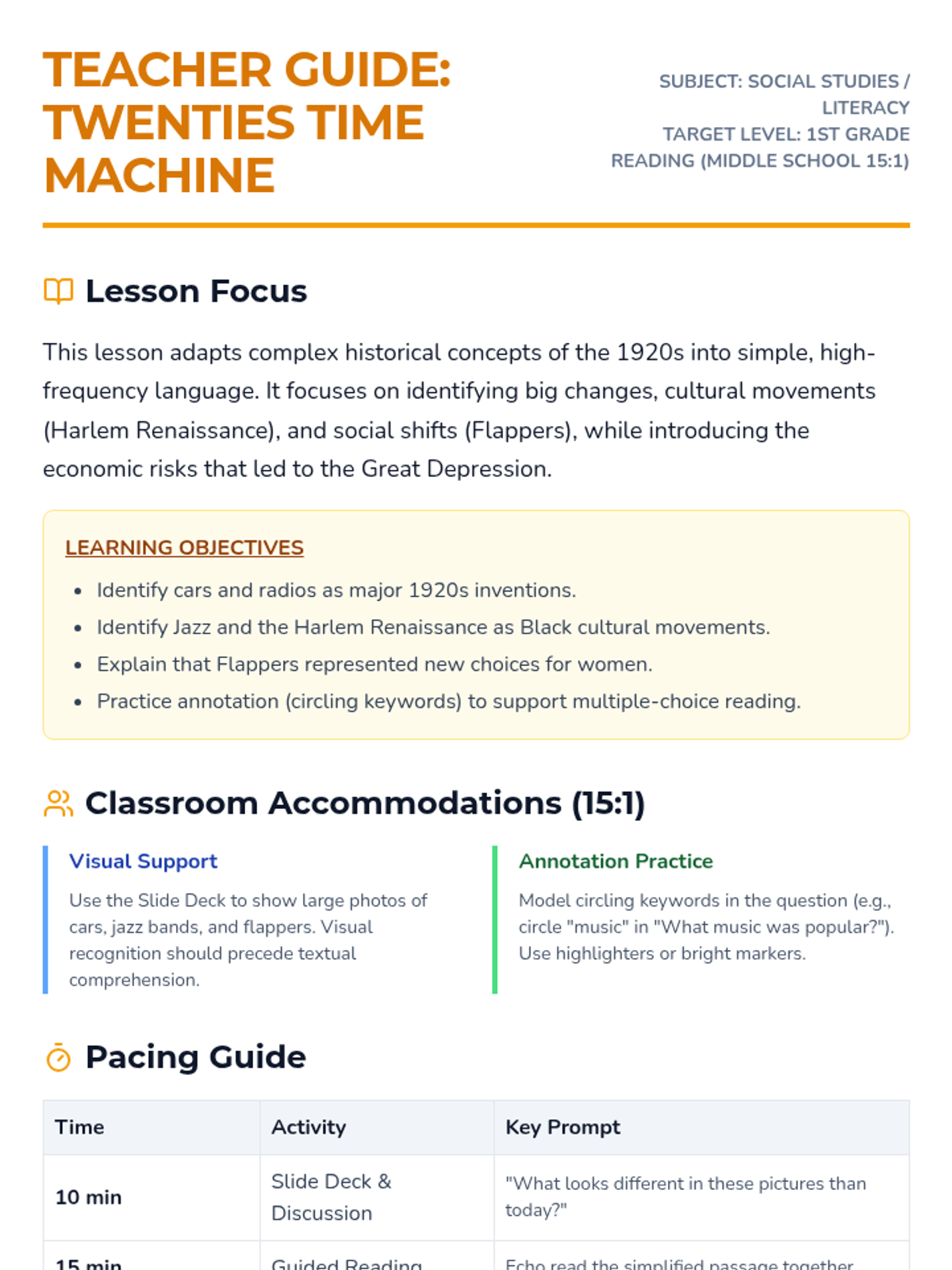
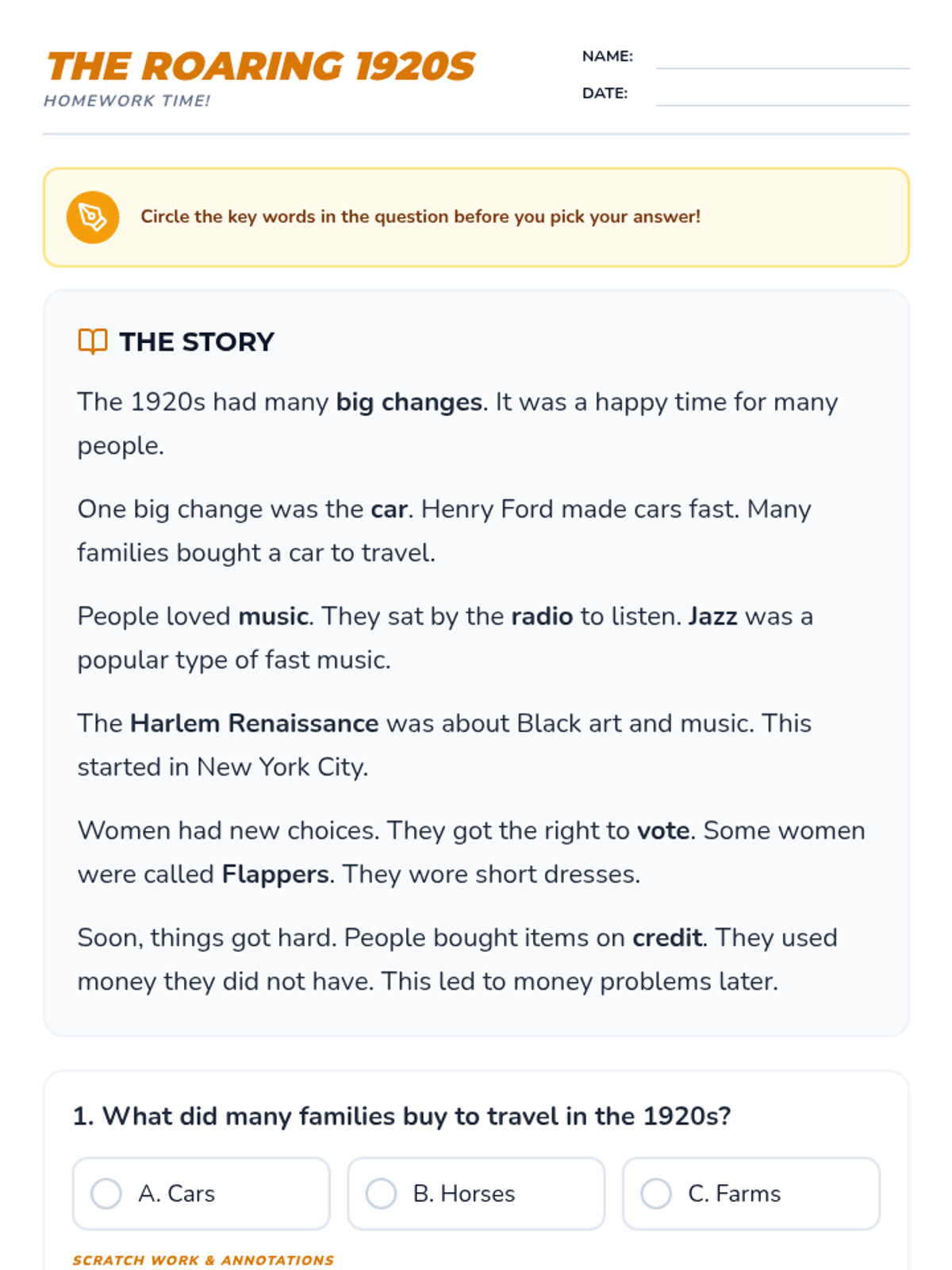
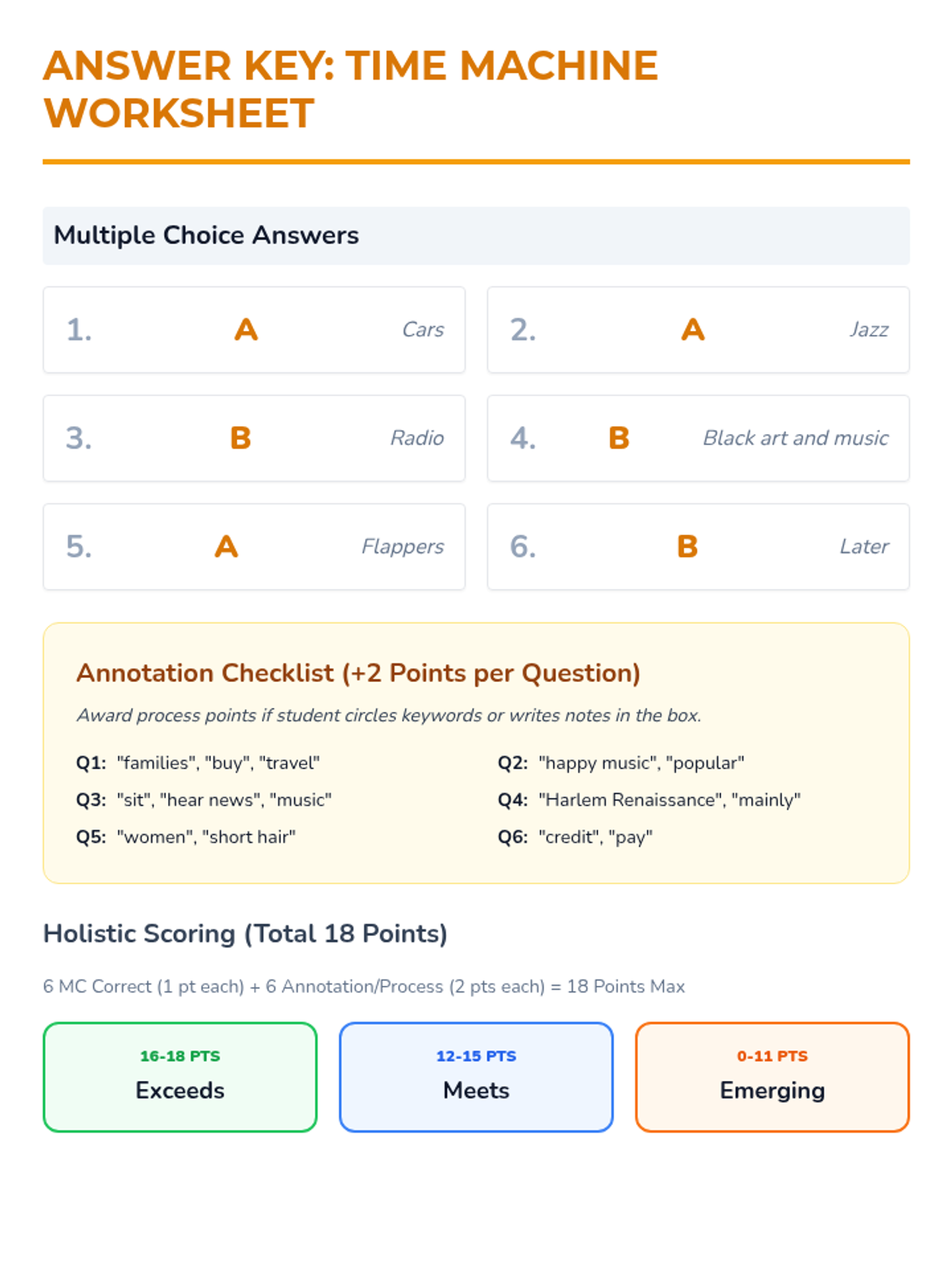
A highly accessible lesson on the Roaring Twenties designed for middle school students reading at a 1st-grade level, focusing on cultural shifts, jazz, and the Harlem Renaissance with scaffolded multiple-choice practice.
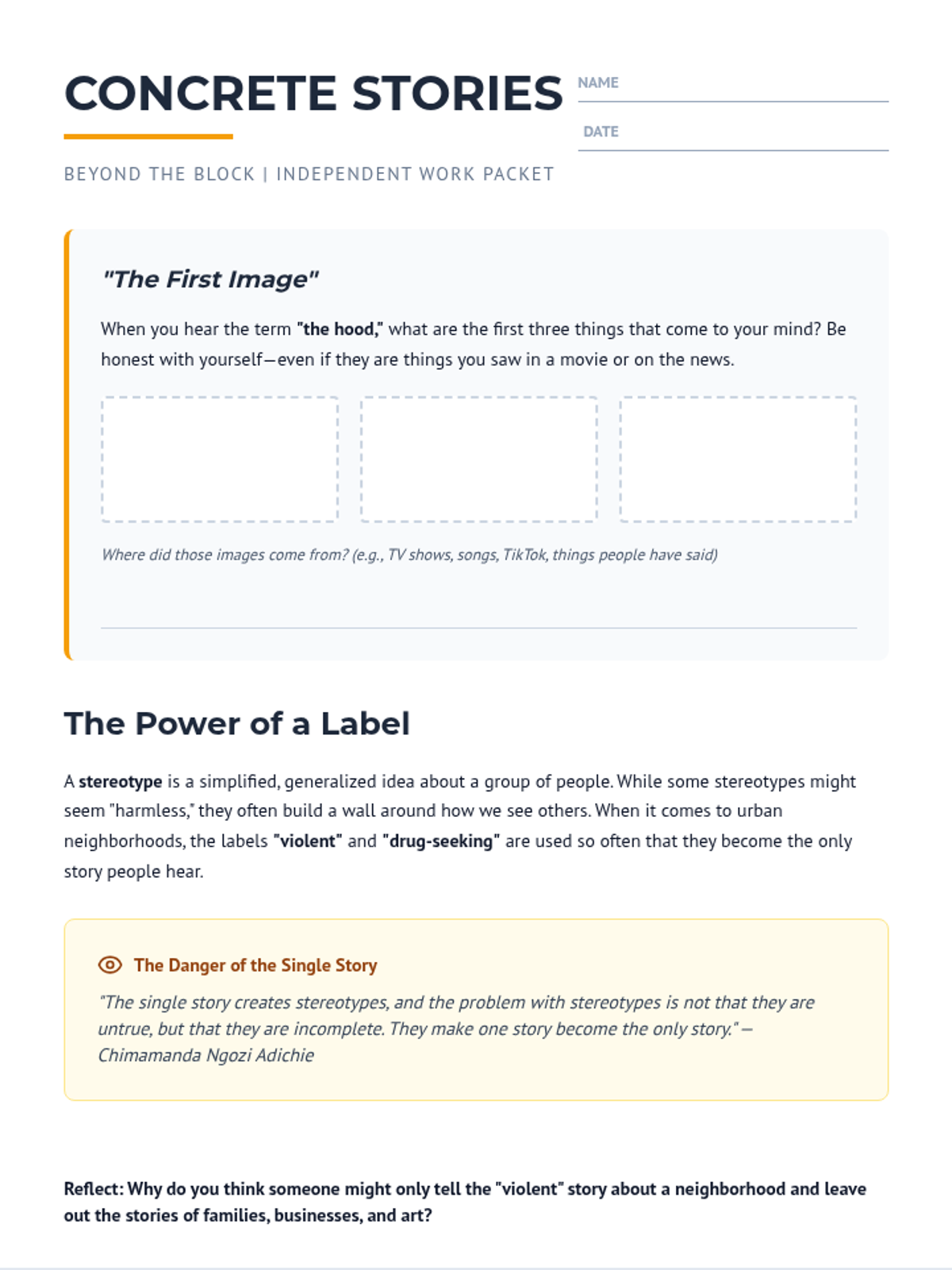
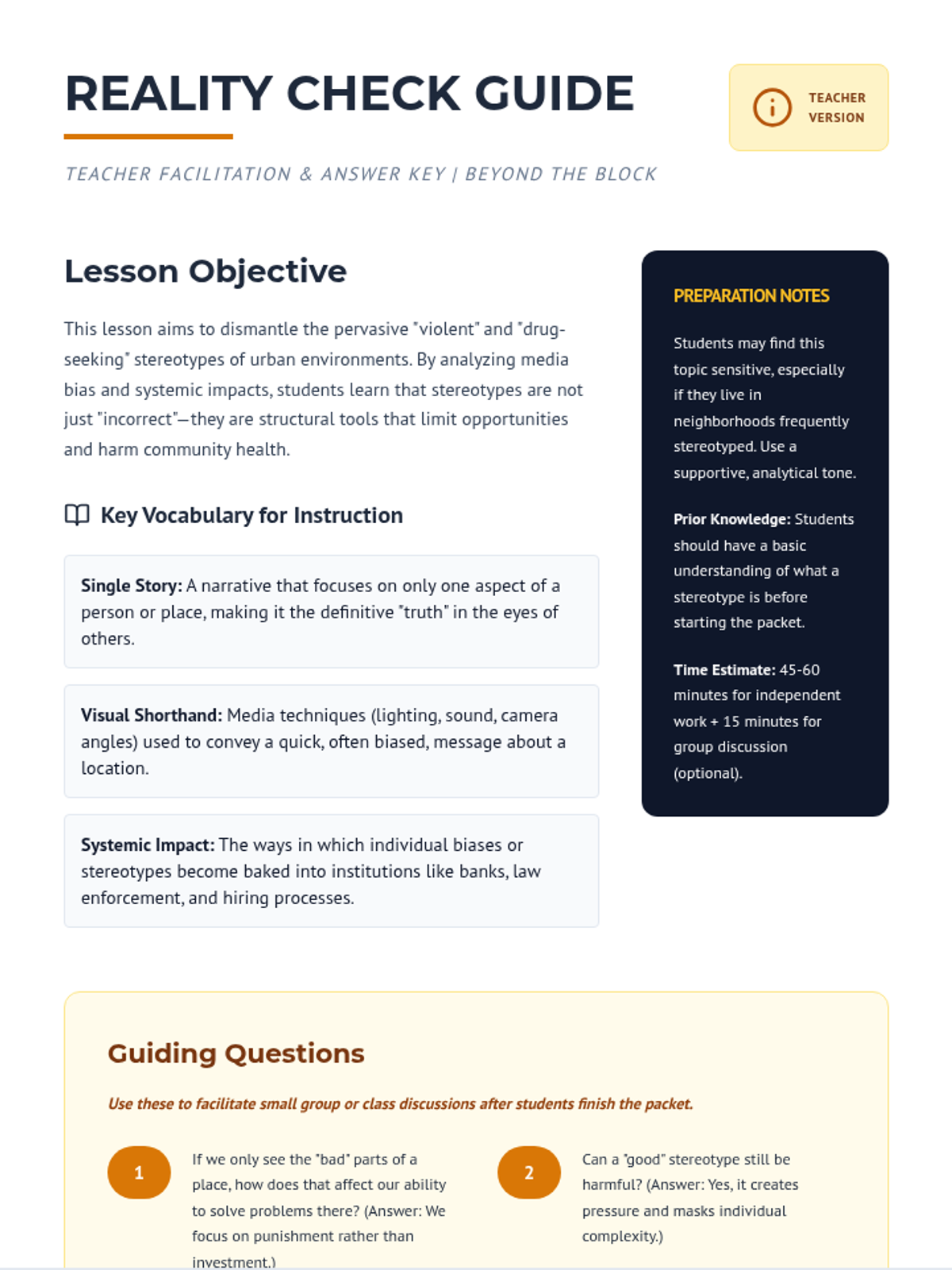
This lesson explores the origins and impacts of urban stereotypes, specifically focusing on the harmful "violent" and "drug-seeking" narratives often applied to marginalized communities. Students will analyze media bias and reflect on the real-world consequences of these single-perspective stories.
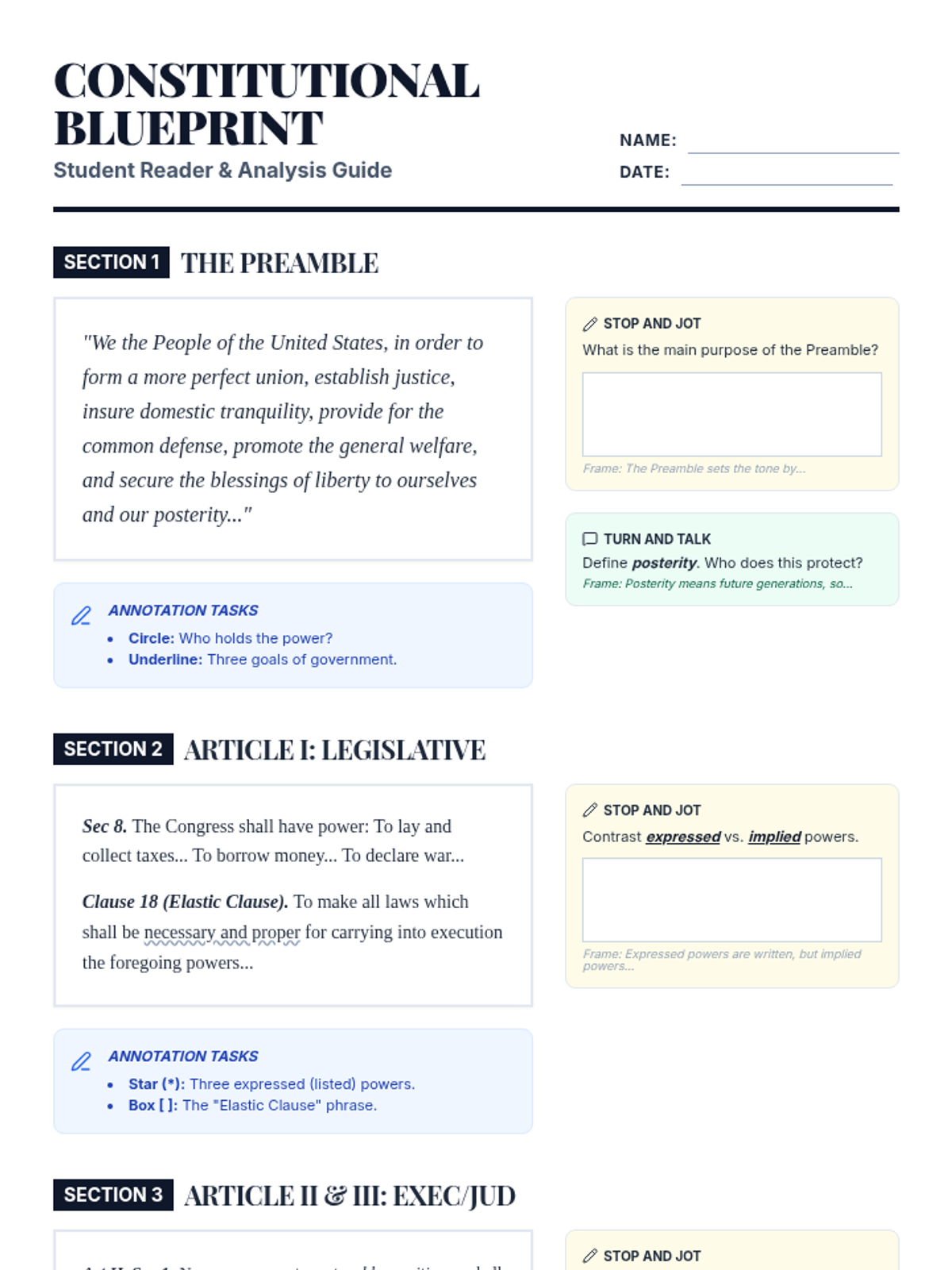
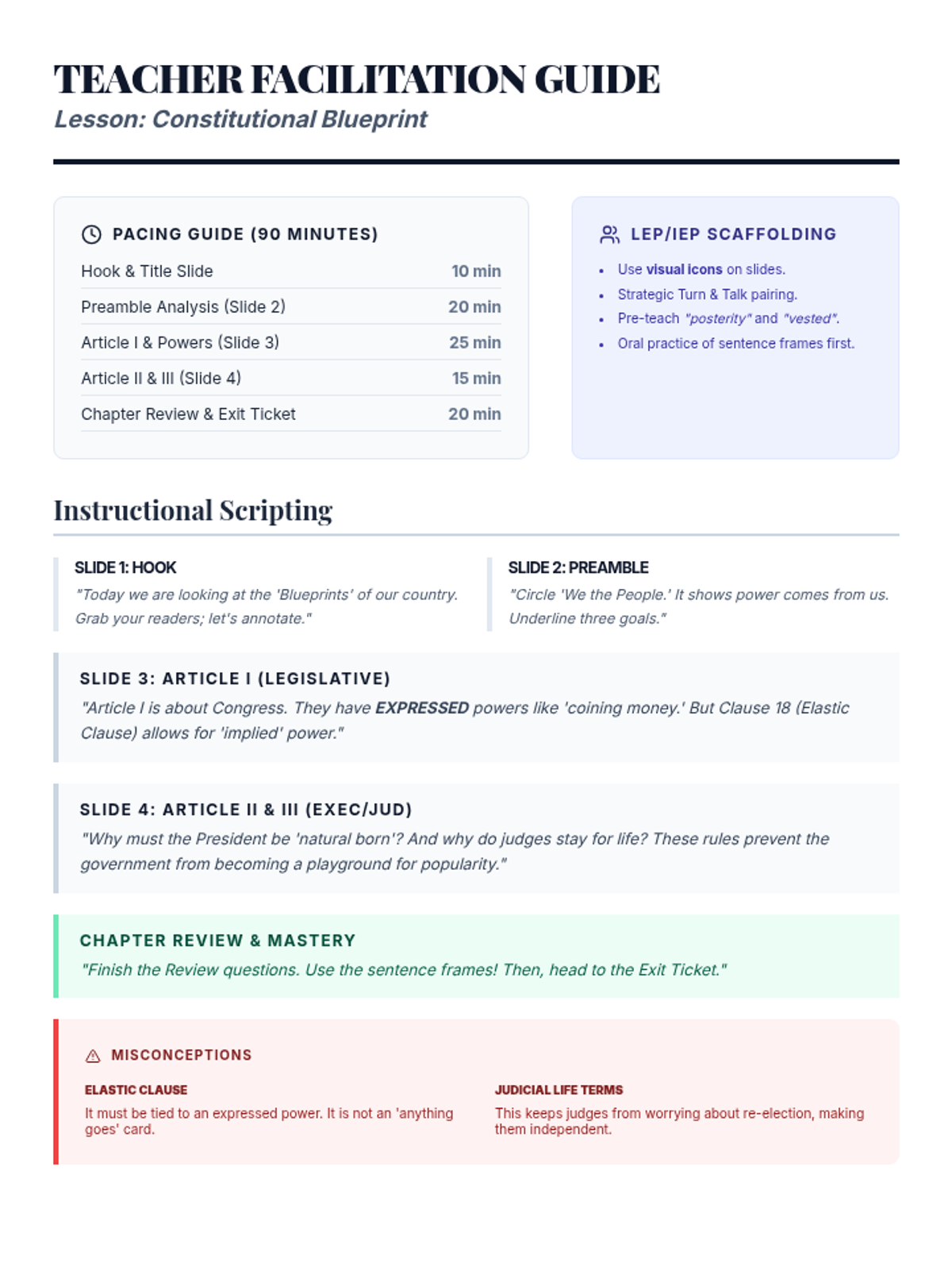
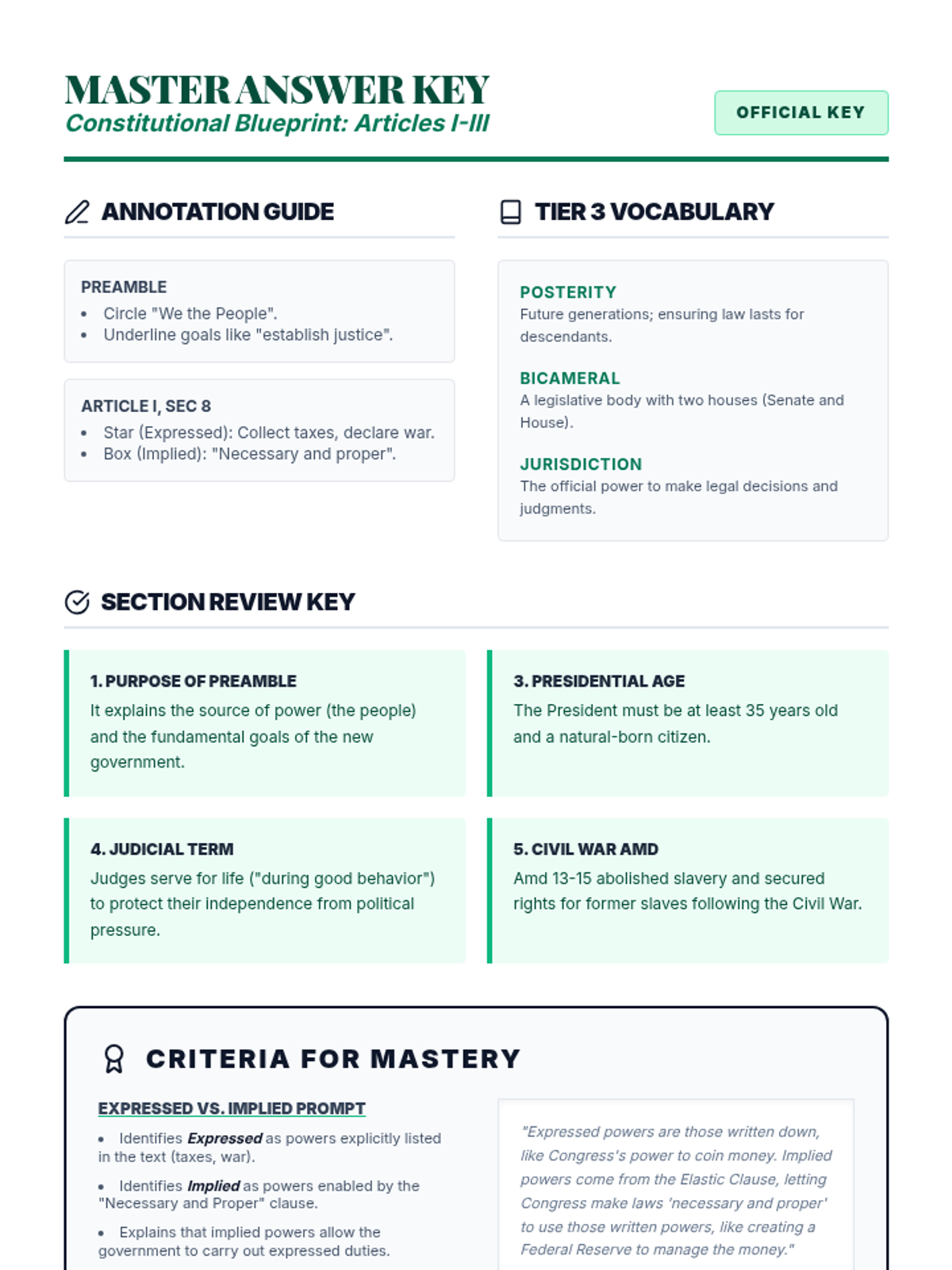
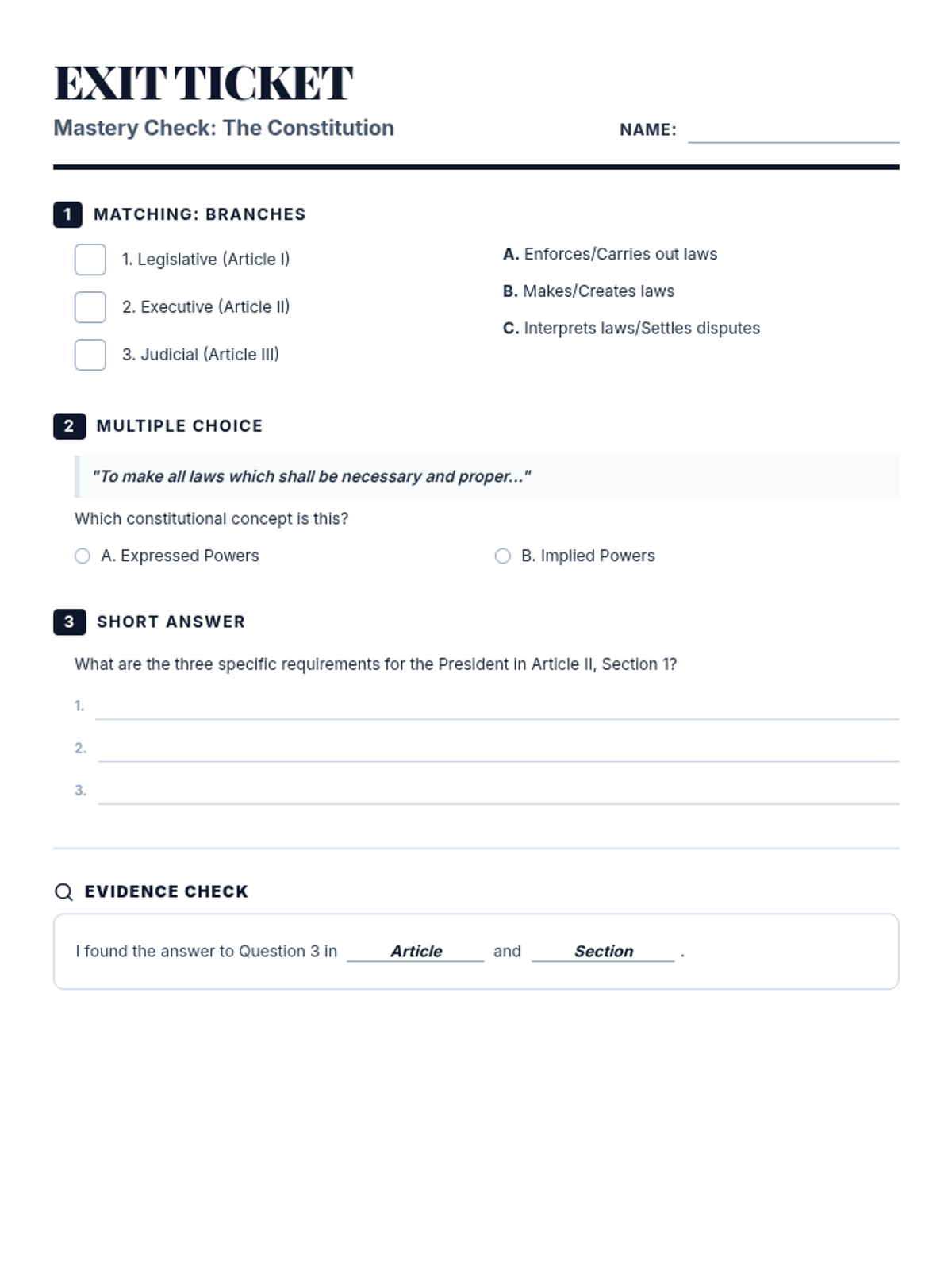
A deep dive into the structure and powers of the U.S. government as defined by the Constitution, featuring a chunked reader with heavy scaffolding for annotation and analysis.
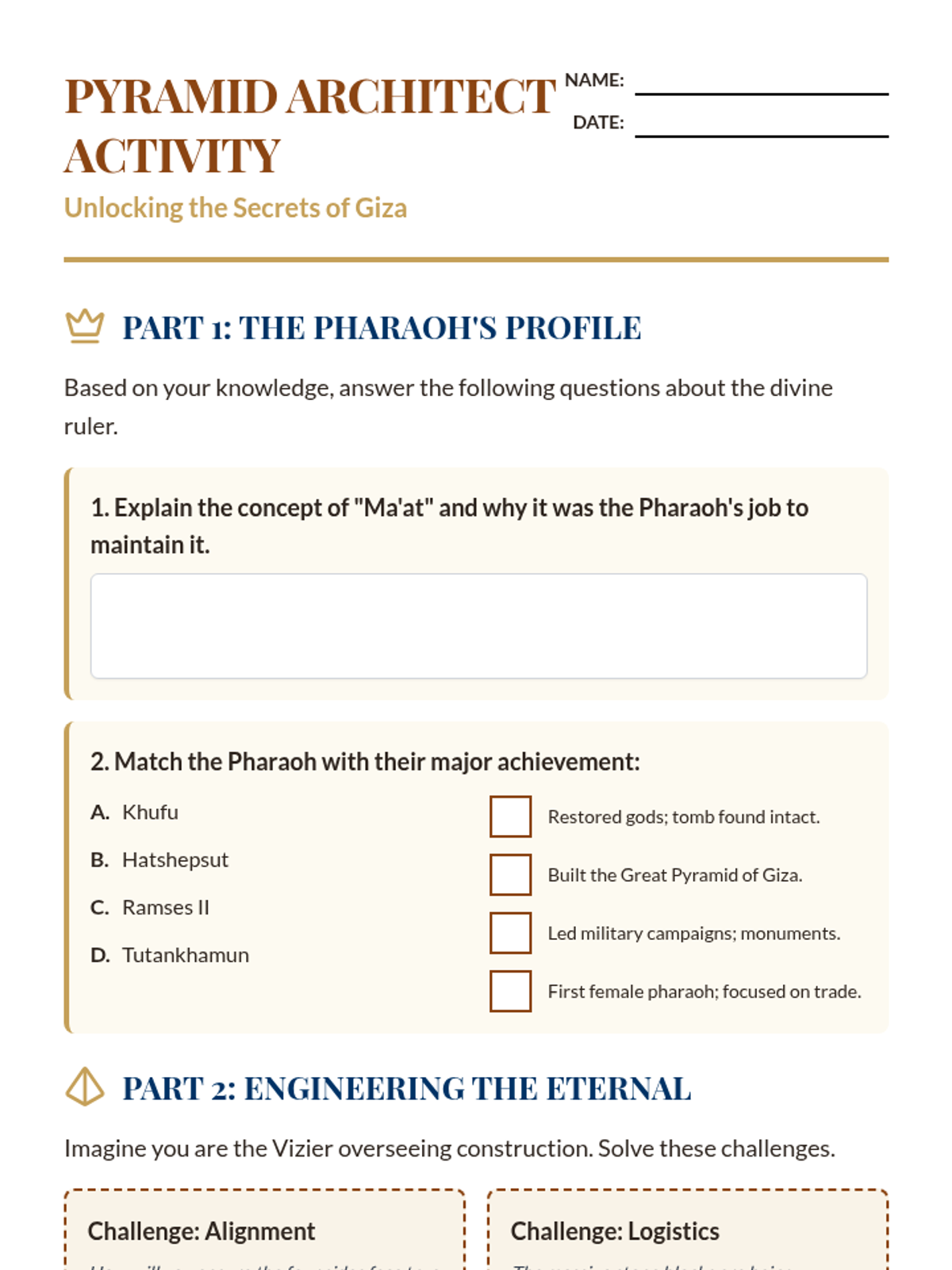
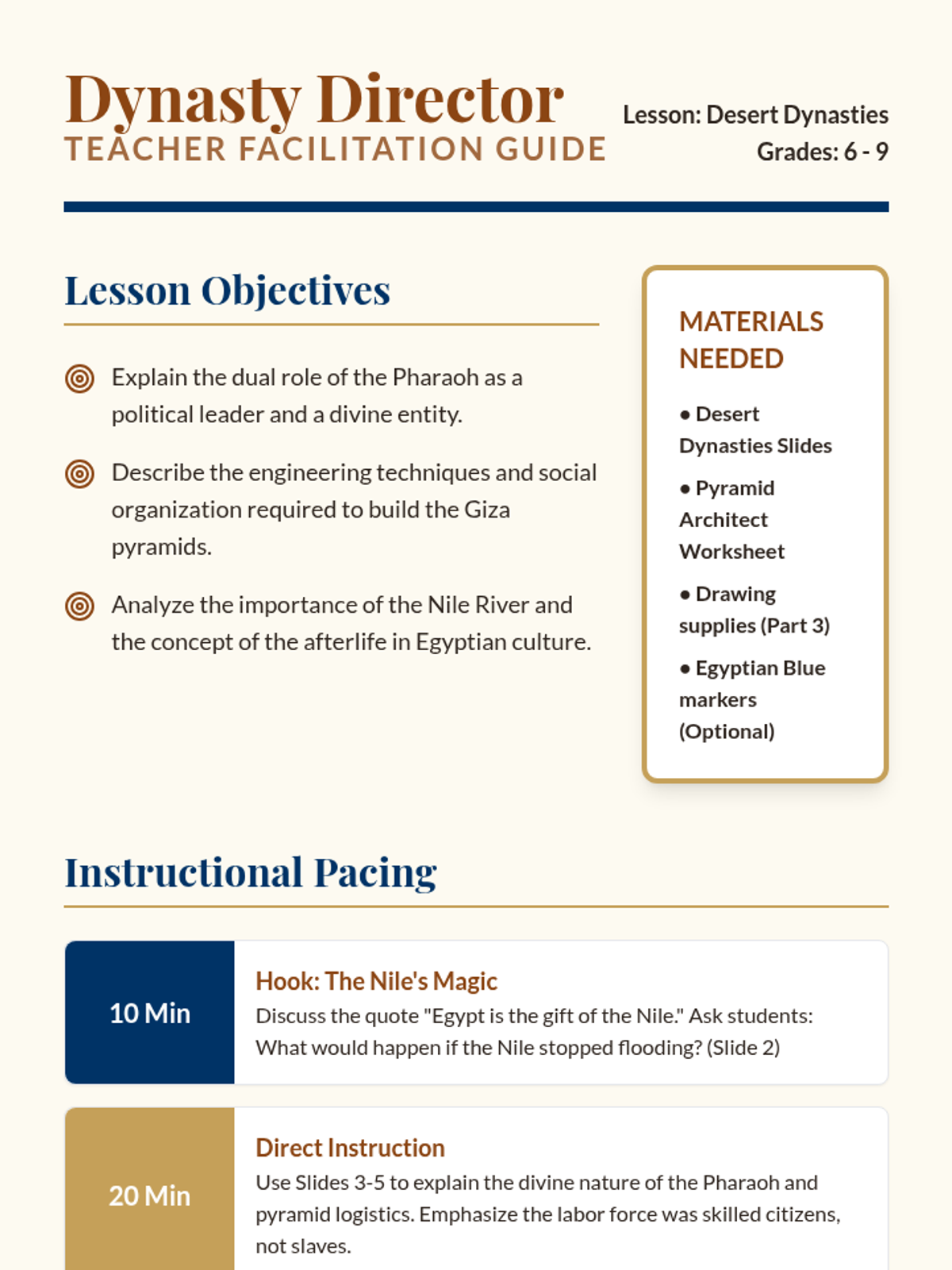
An introductory exploration of Ancient Egyptian civilization, focusing on the architectural grandeur of the pyramids and the divine authority of the pharaohs. Students will examine the intersection of engineering, mythology, and social hierarchy.
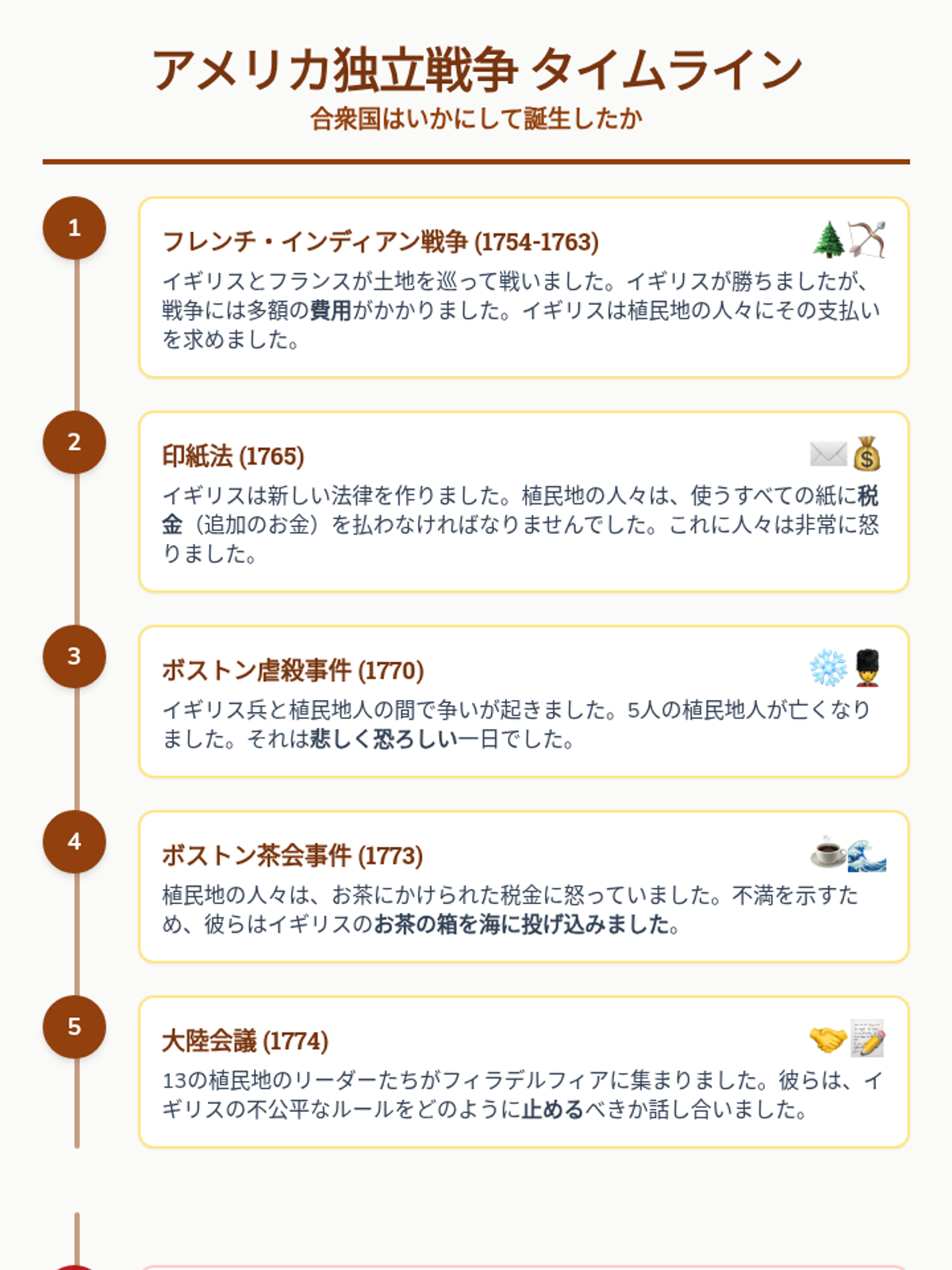
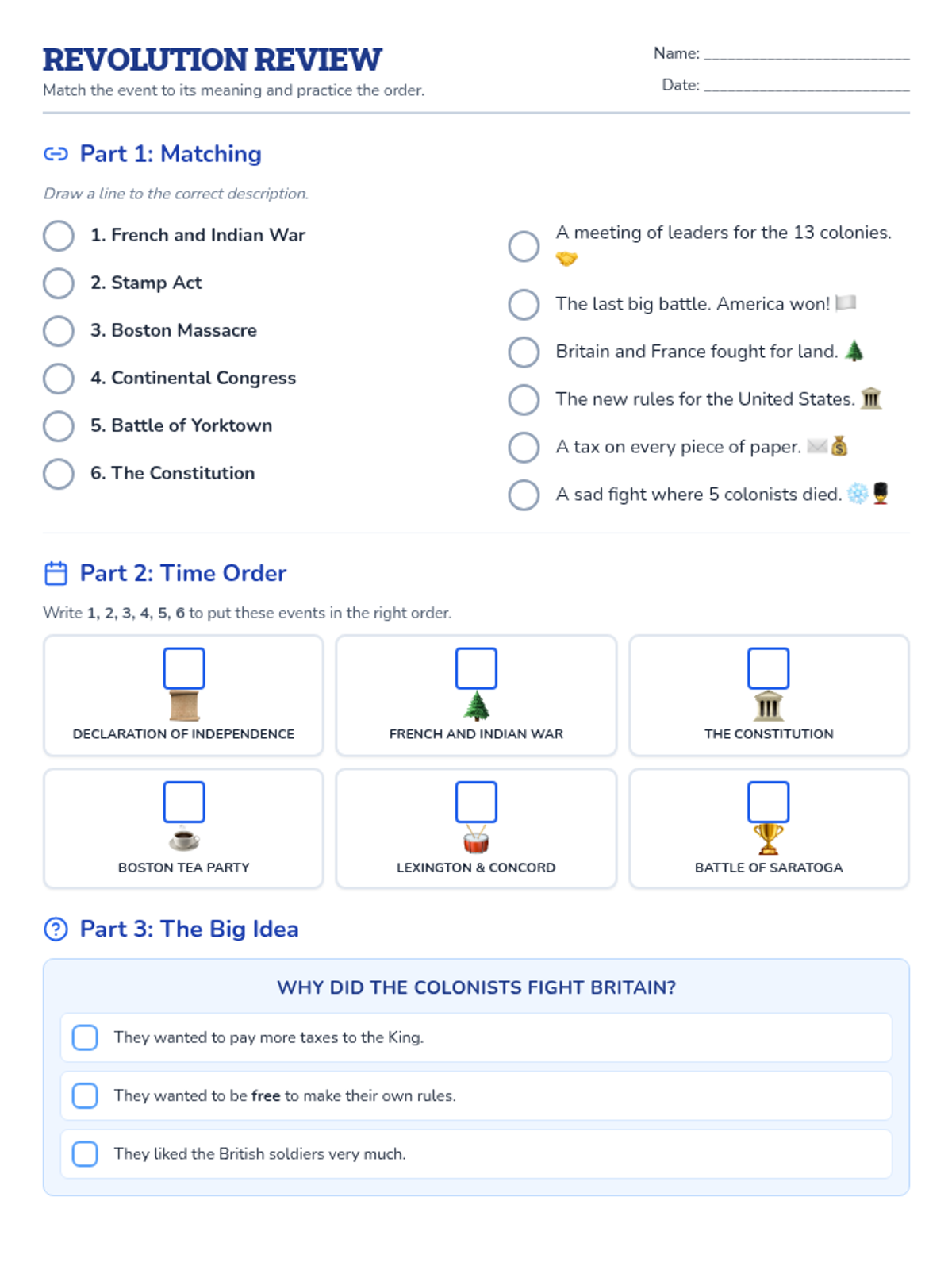
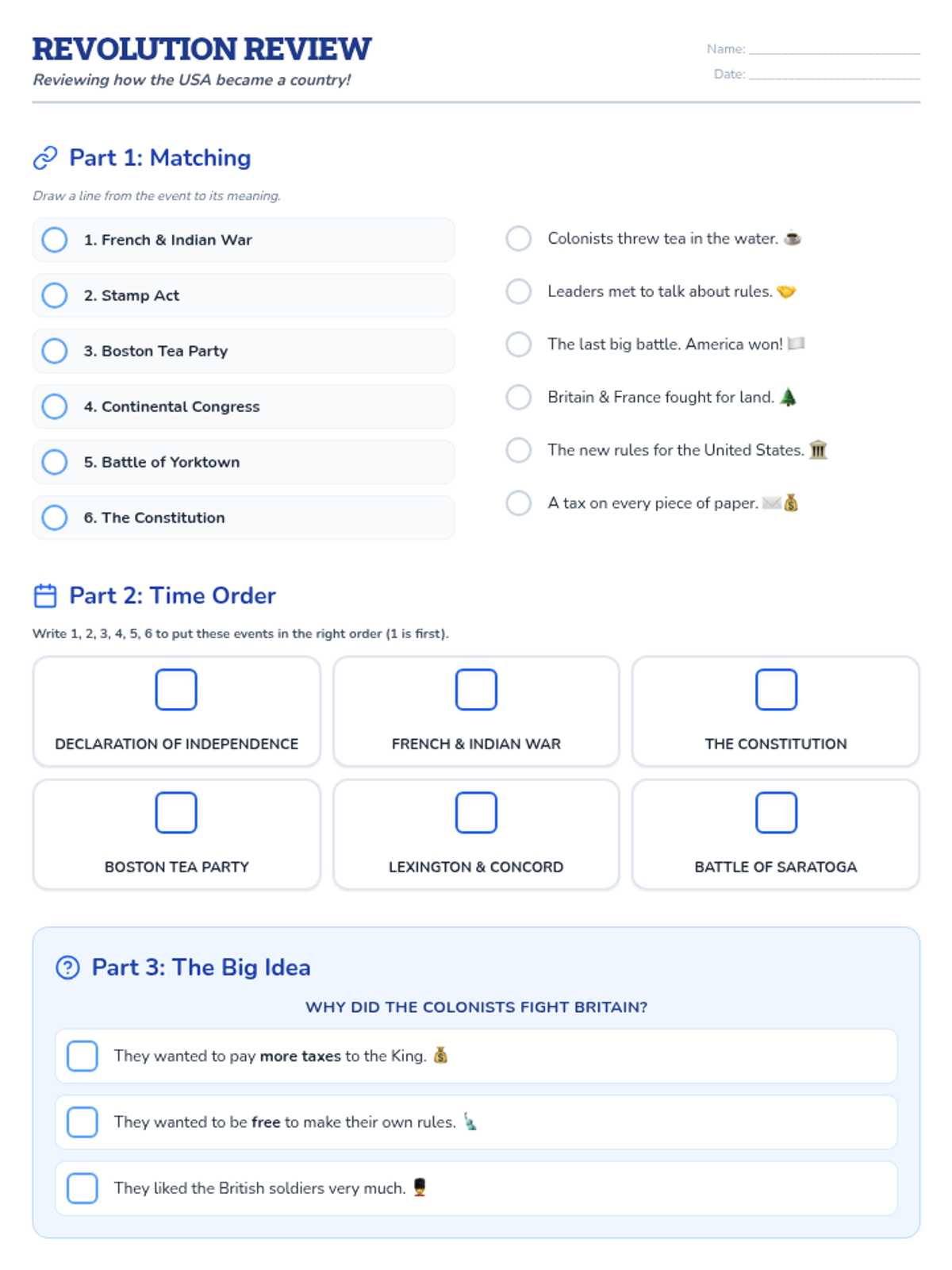
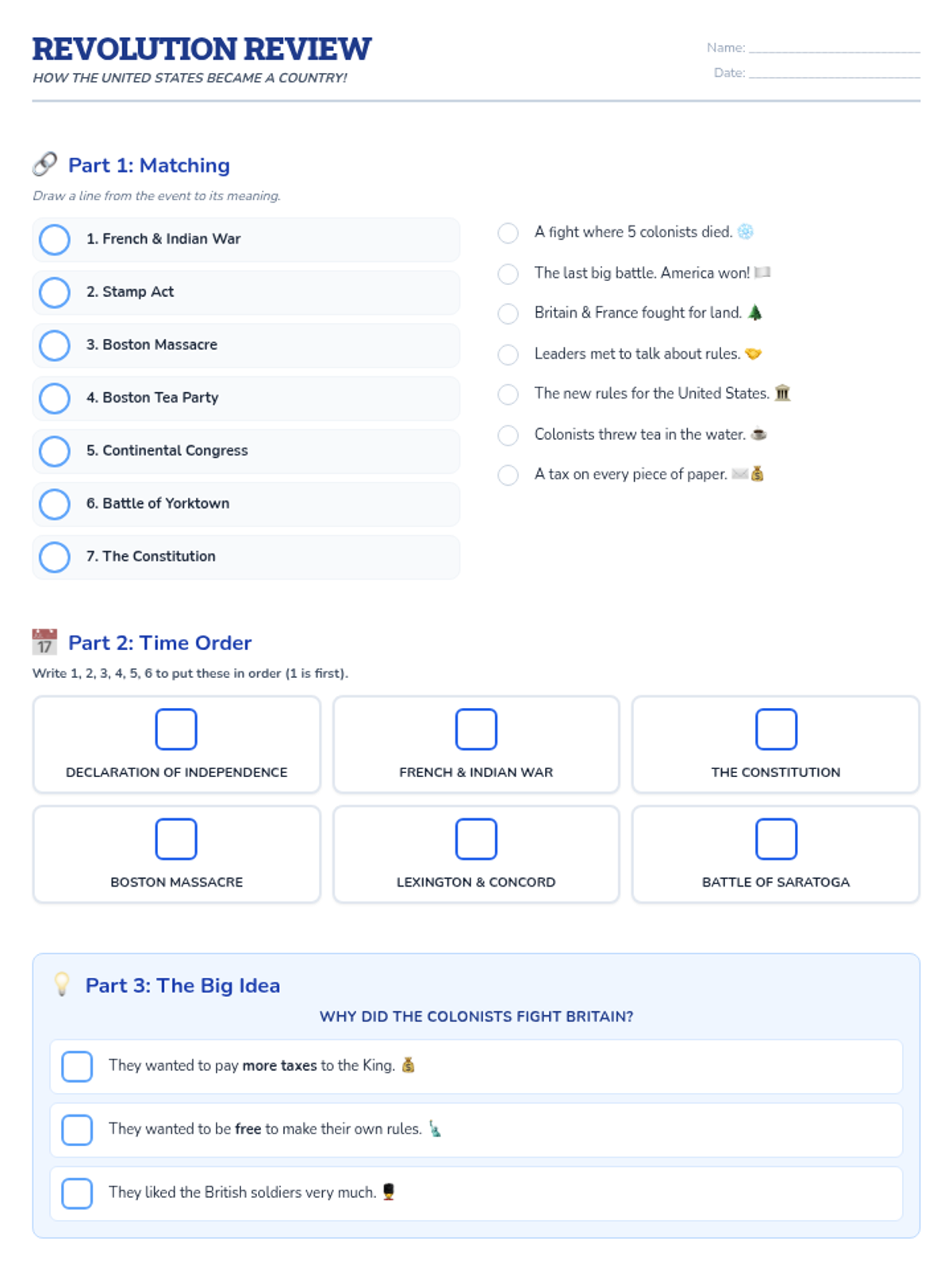
A lesson focused on the key events of the American Revolution, designed specifically for English Language Learners with visual aids and simplified text.
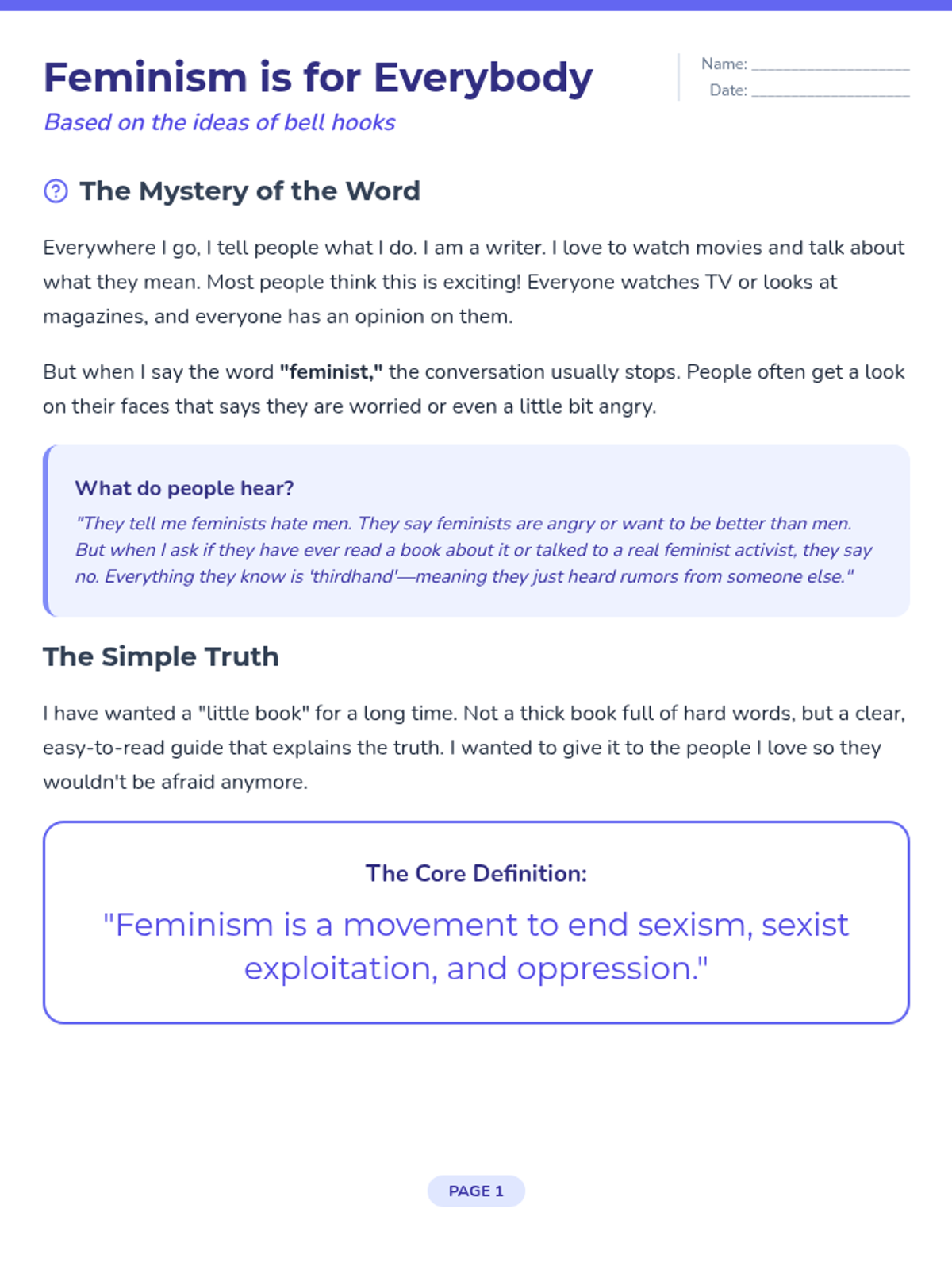
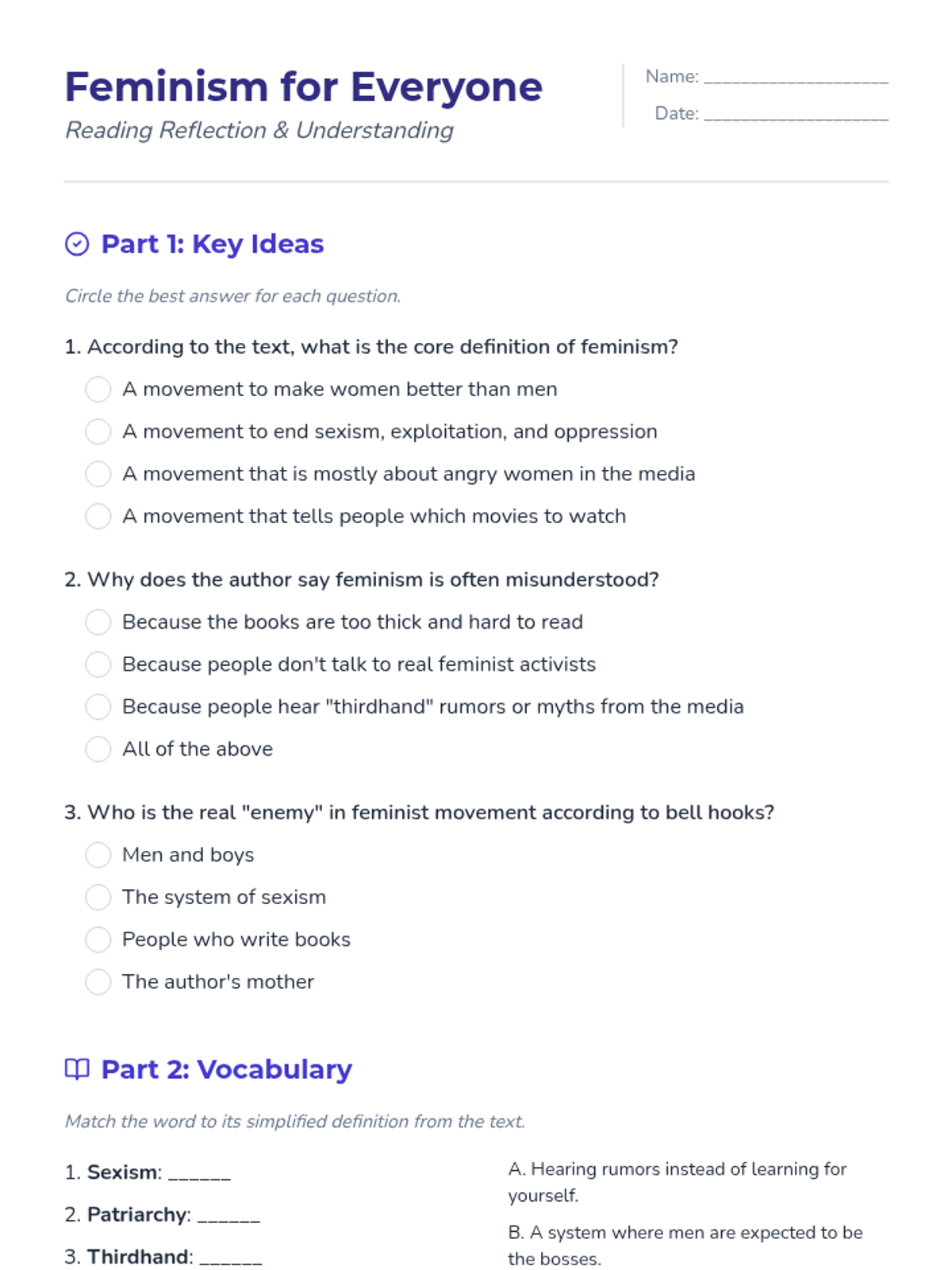
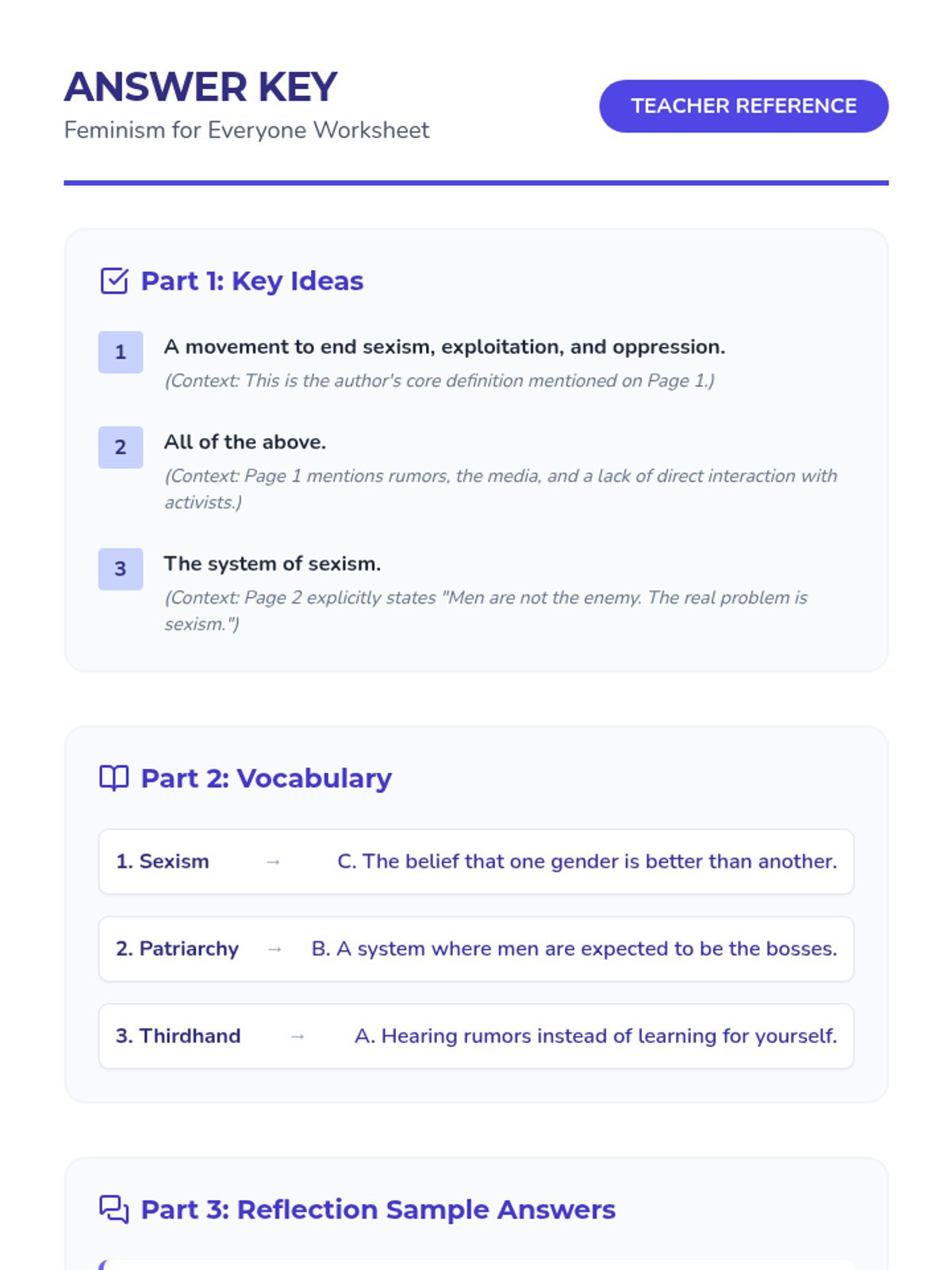
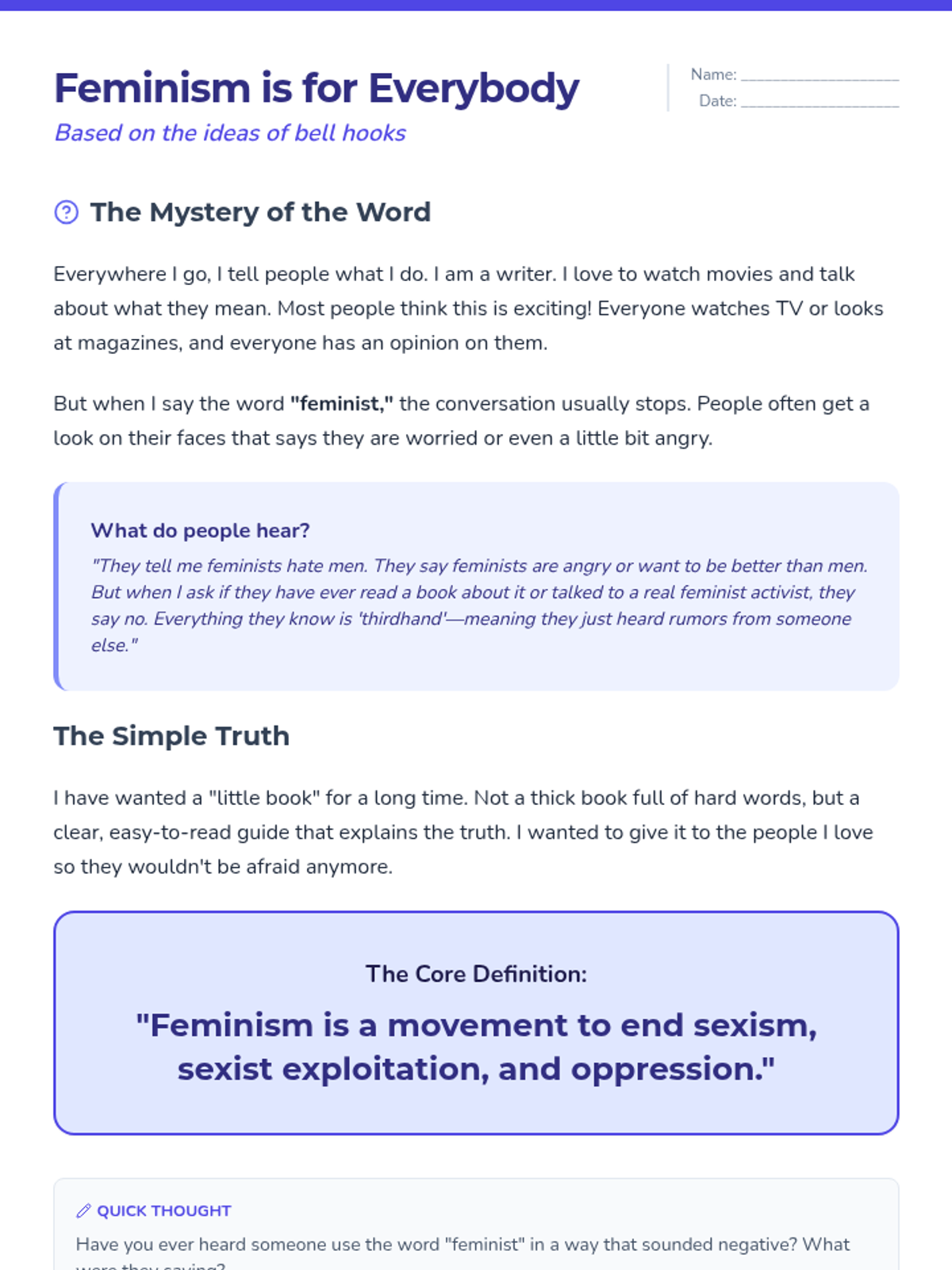
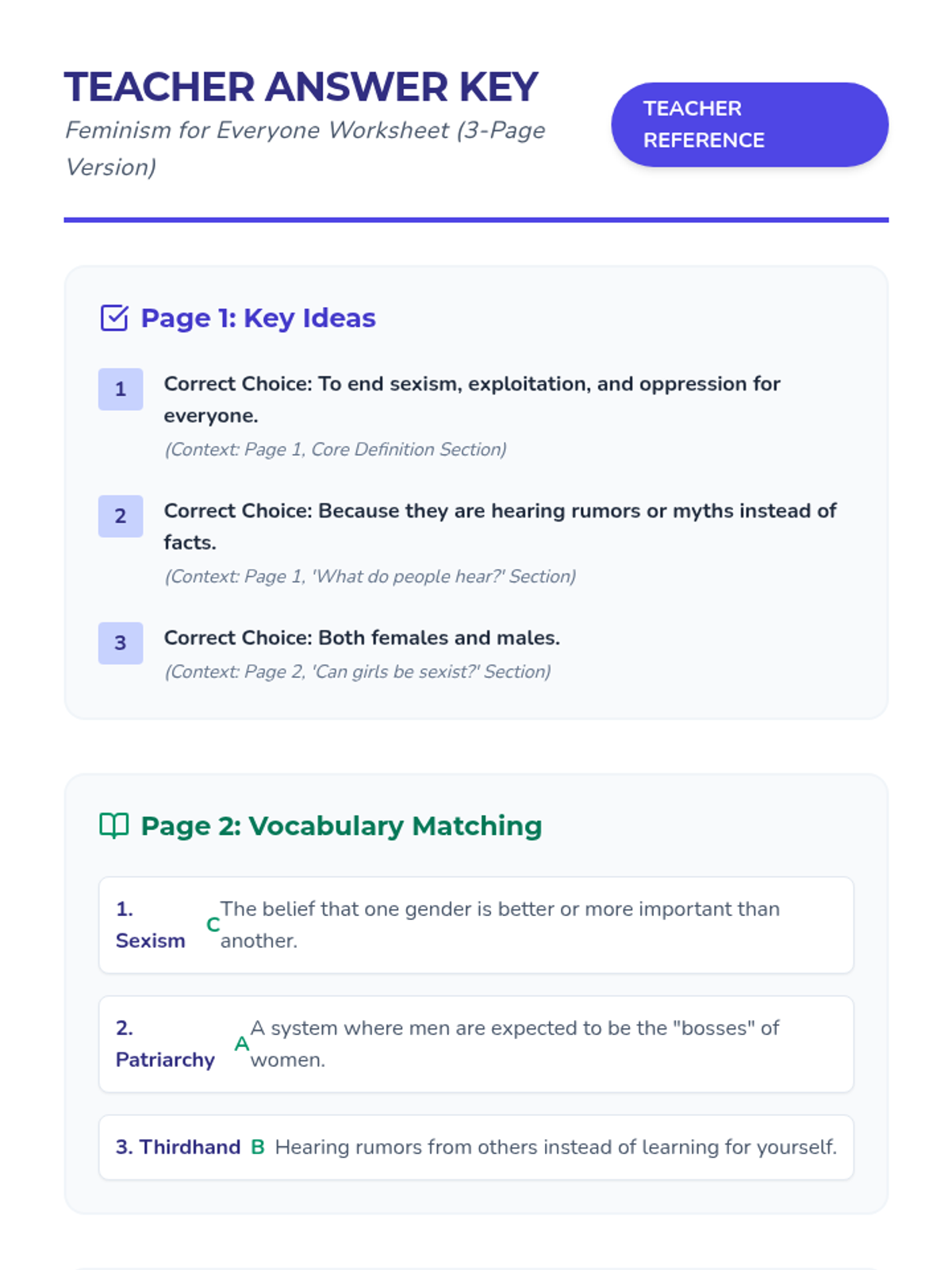
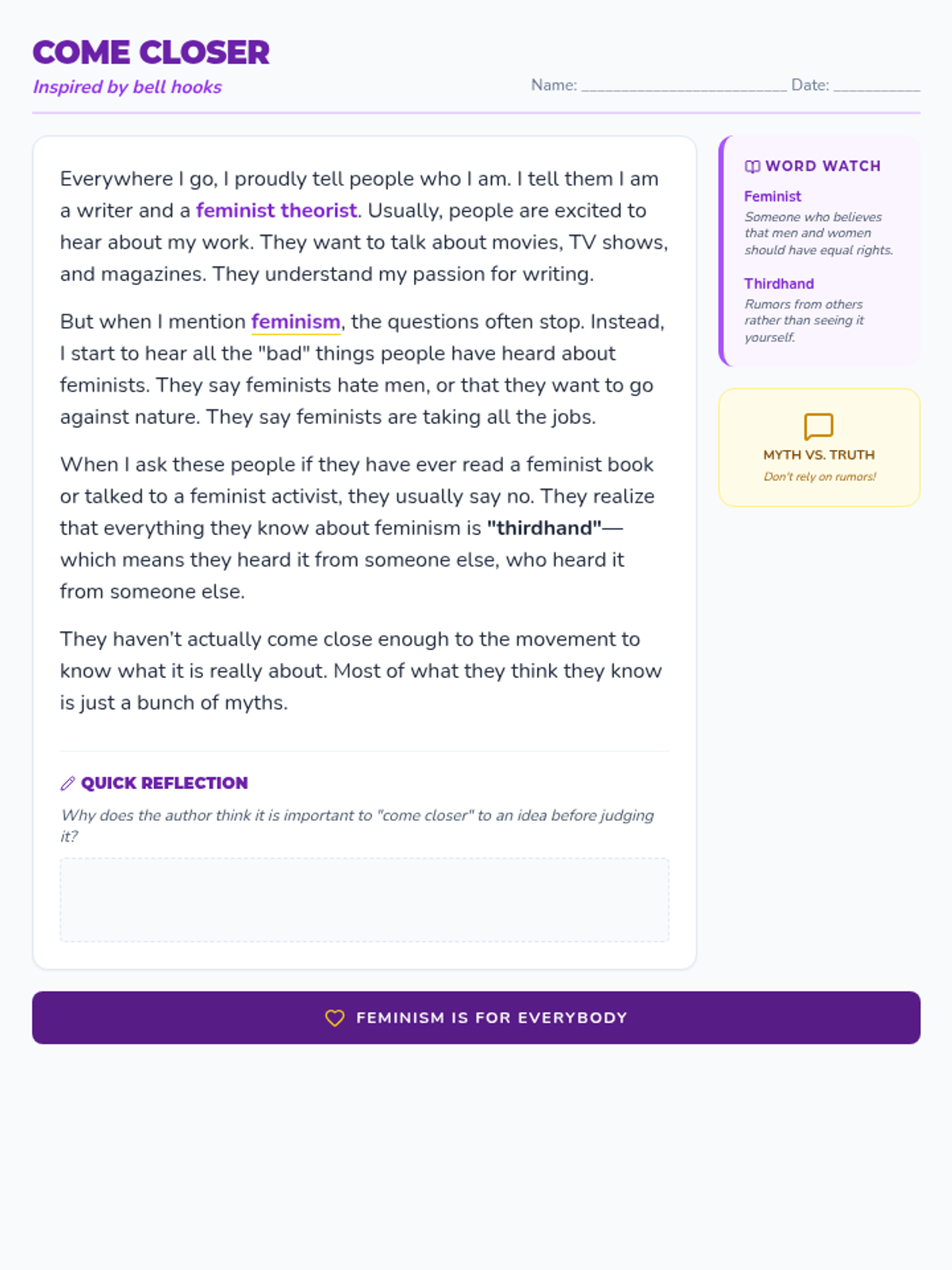
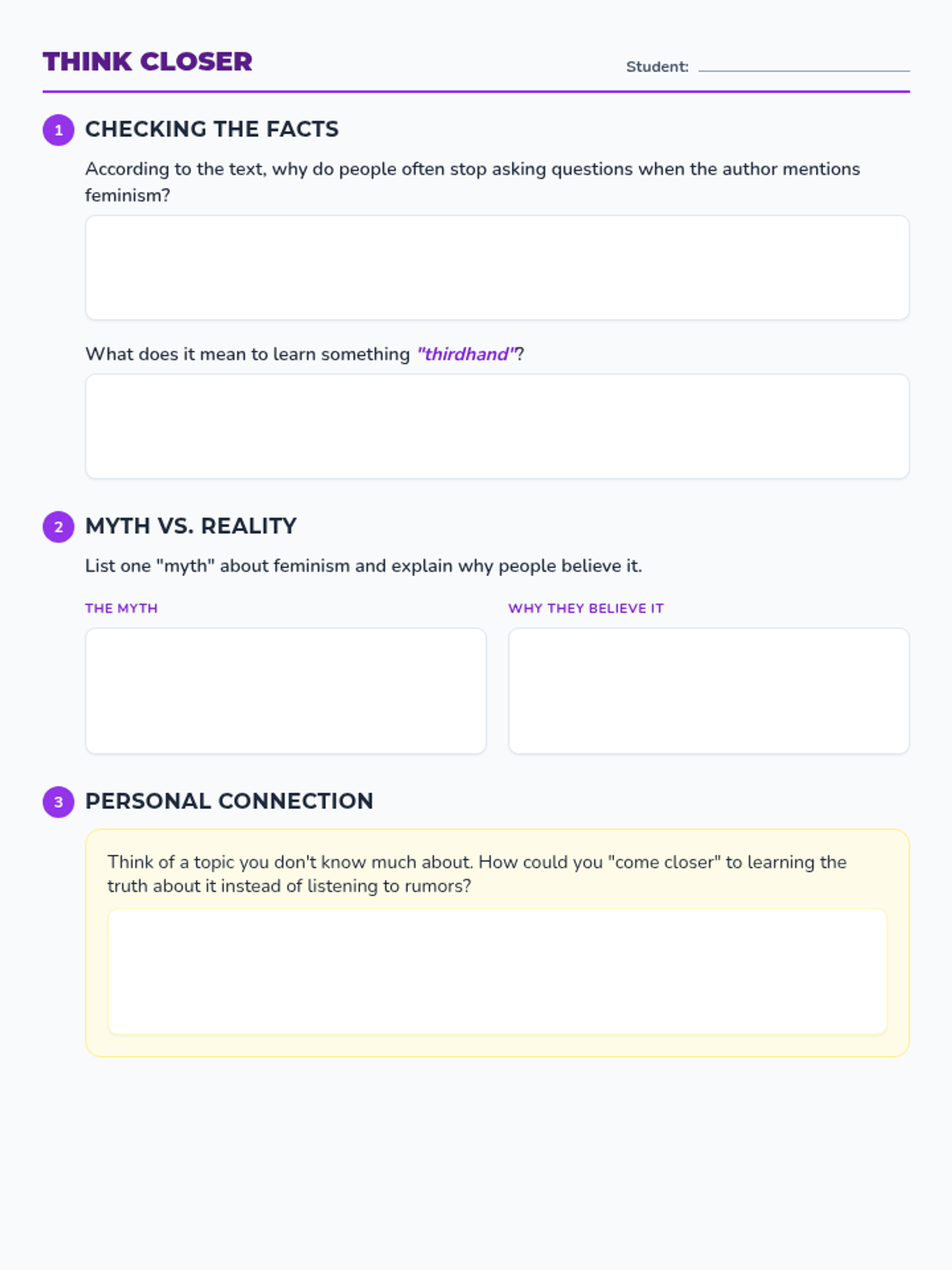
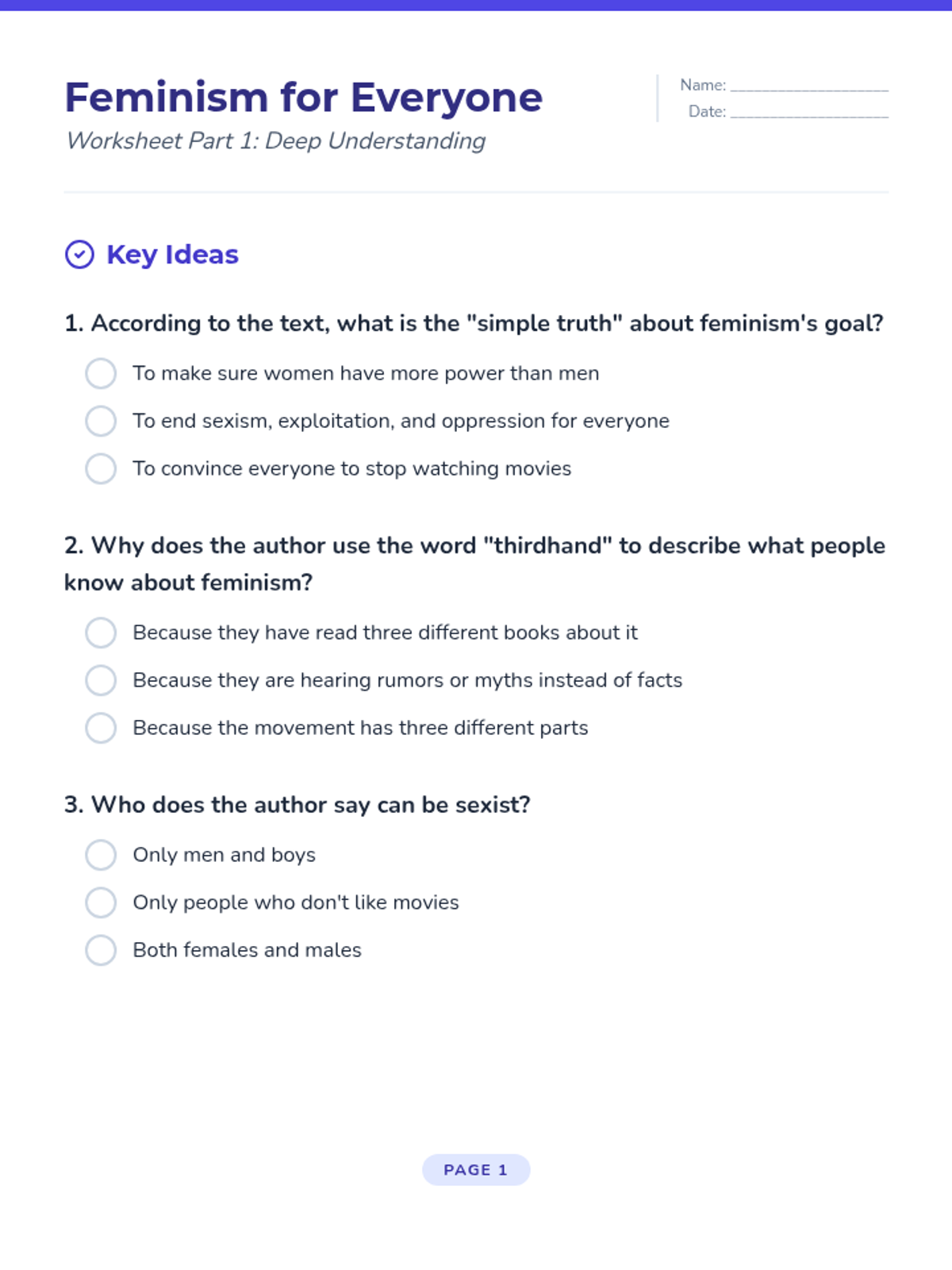
A simplified version of bell hooks' 'Feminism is for Everybody' designed for middle school students to understand the core concepts of equality, sexism, and social change.
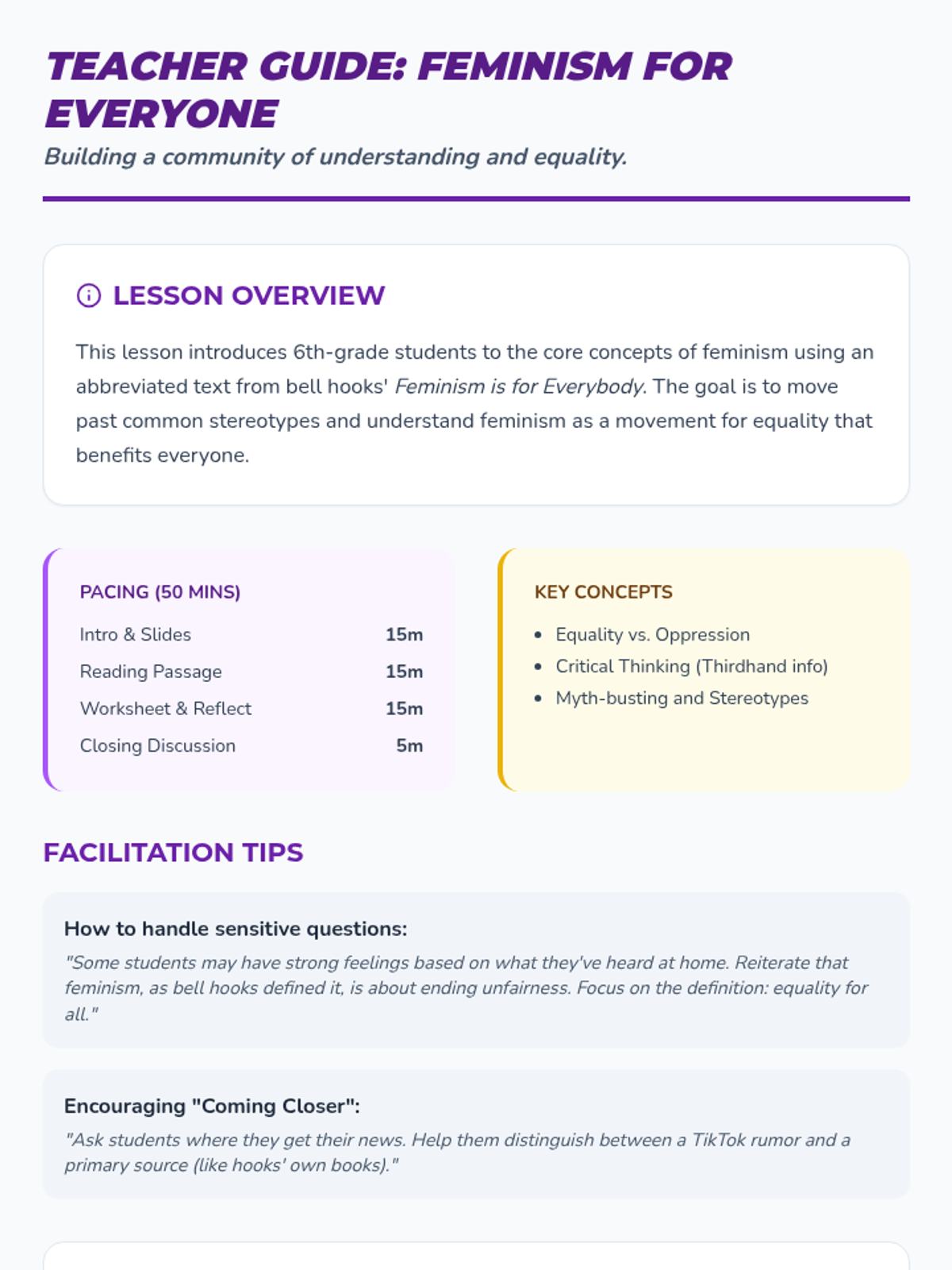
An introductory lesson exploring the true meaning of feminism, based on the work of bell hooks, adapted for middle schoolers to debunk common myths and promote equality.
Archive for old versions and redundant materials.
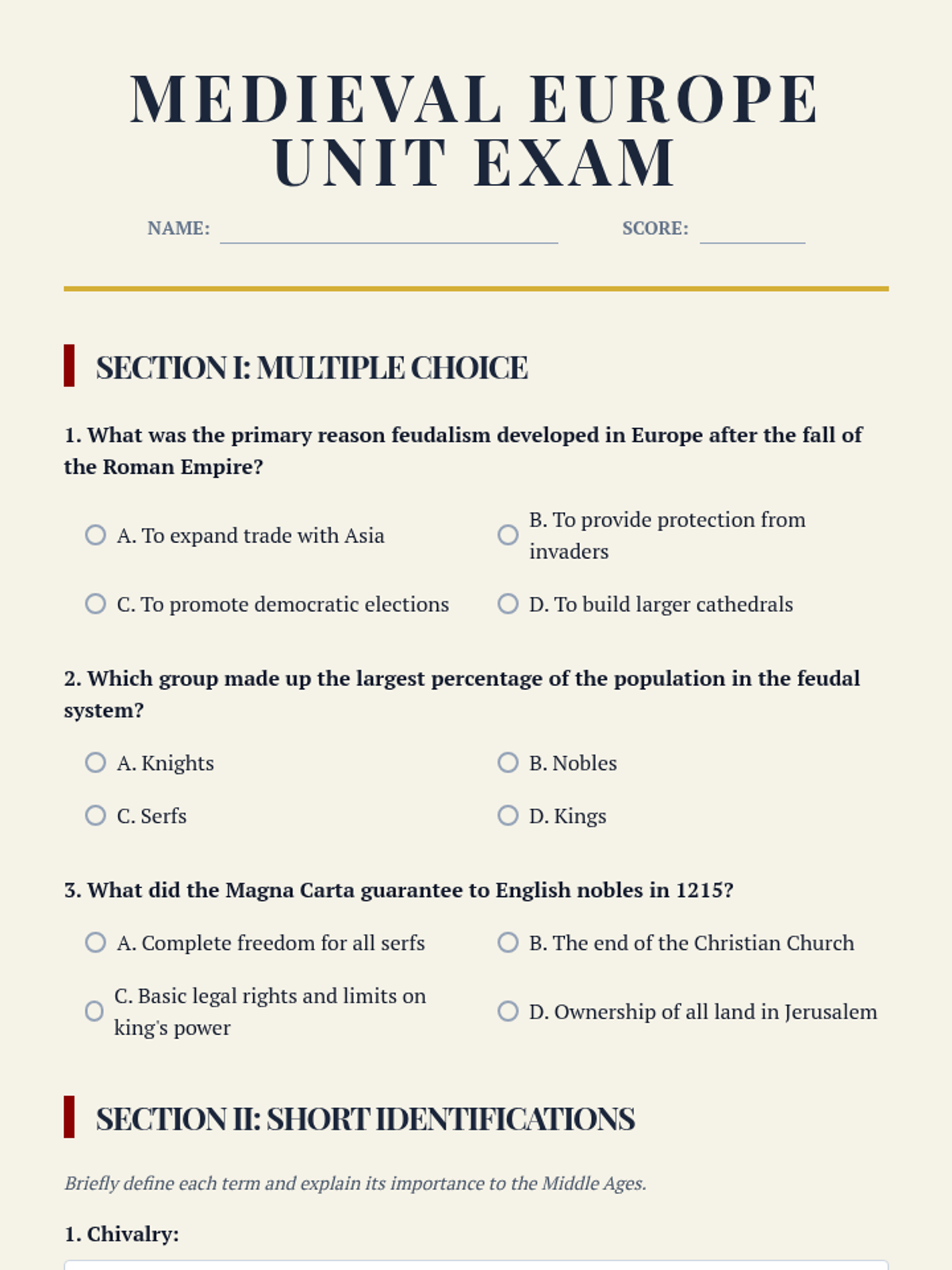
Examine the origins of constitutional government with the Magna Carta, the growth of medieval towns, and the transition toward the Renaissance.
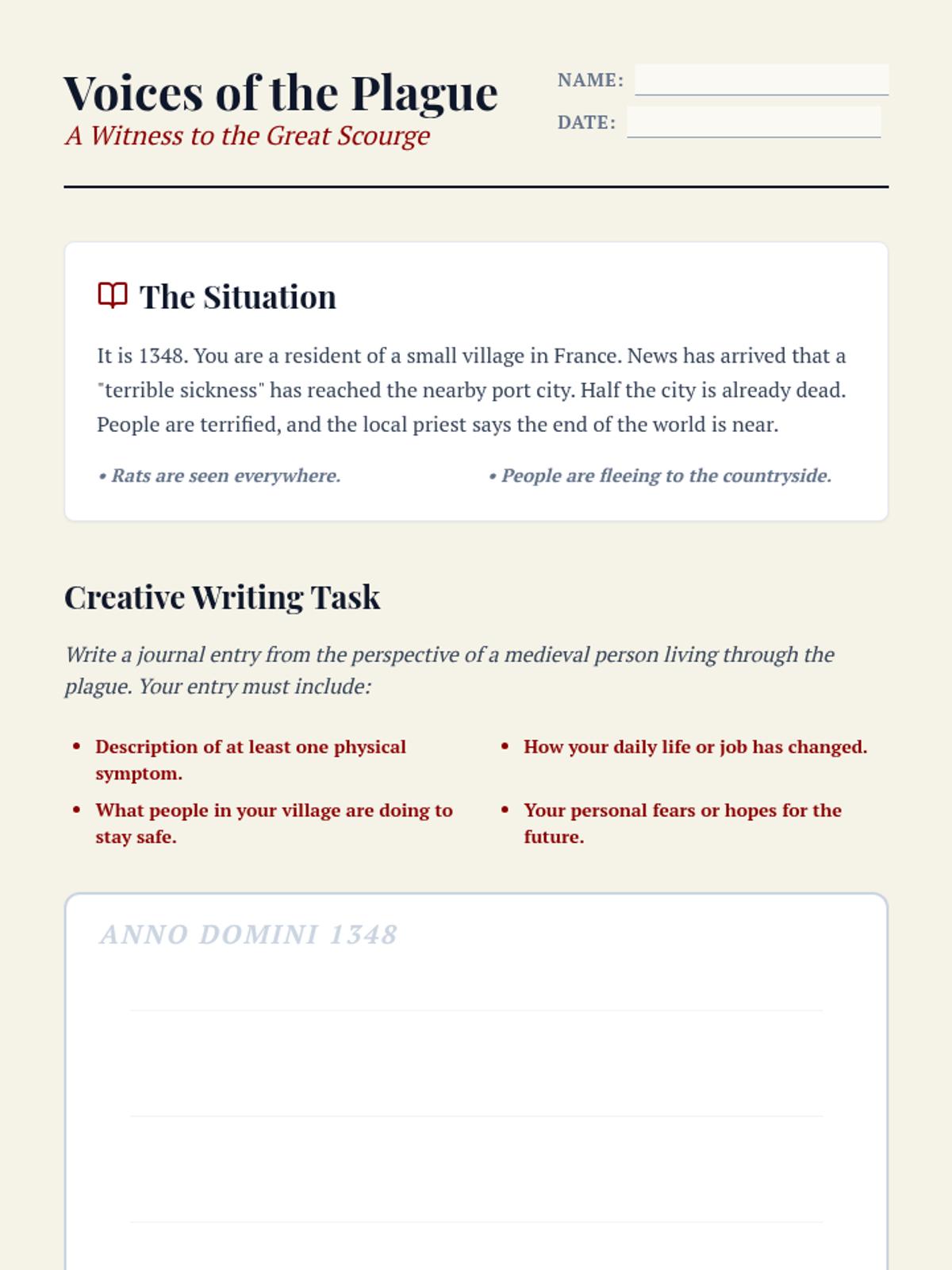
Investigate the origins, symptoms, and catastrophic social and economic consequences of the Bubonic Plague in 14th-century Europe.
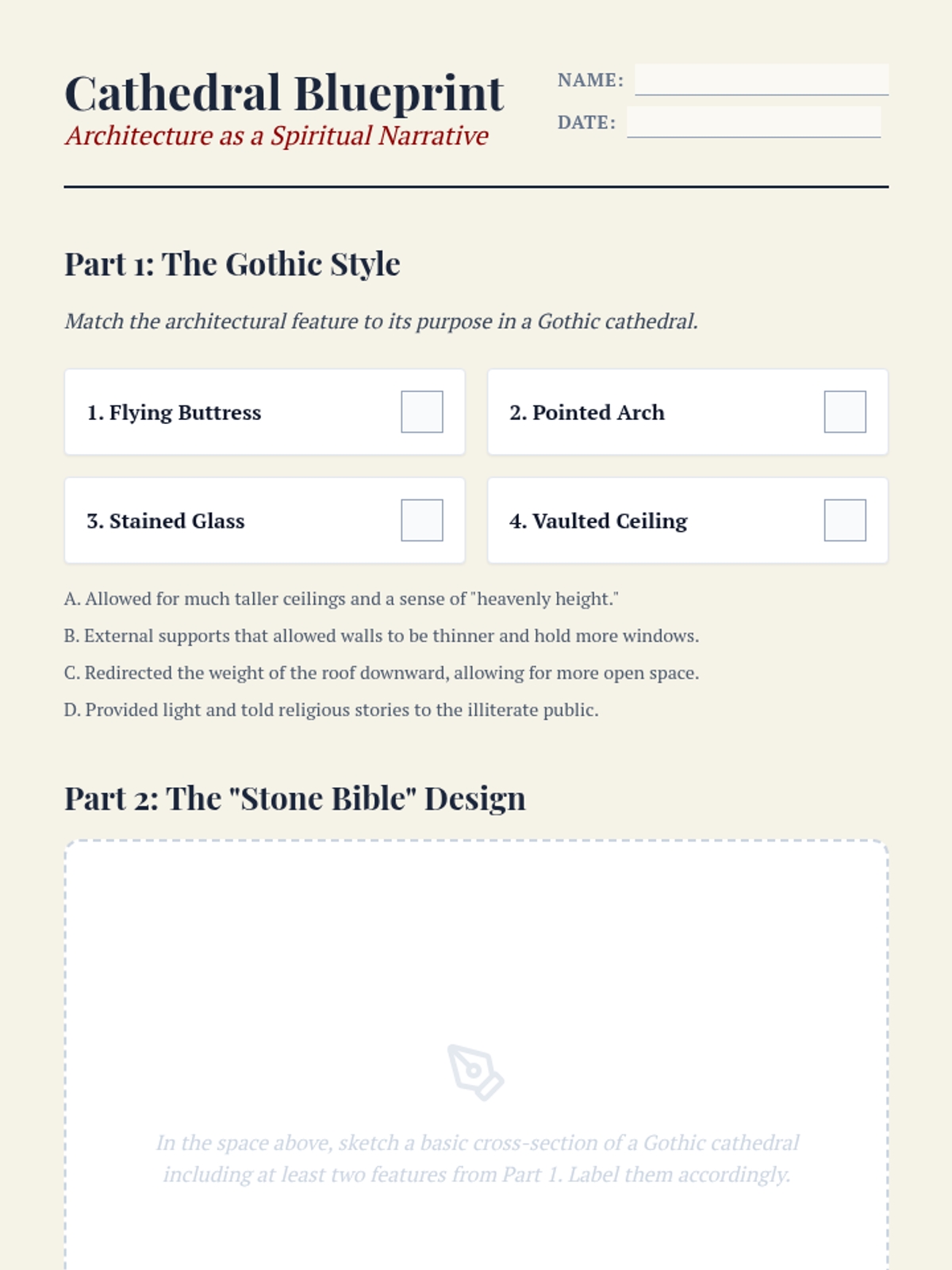
Analyze the immense power and influence of the Catholic Church on daily life, politics, and the cultural landscape of Medieval Europe.
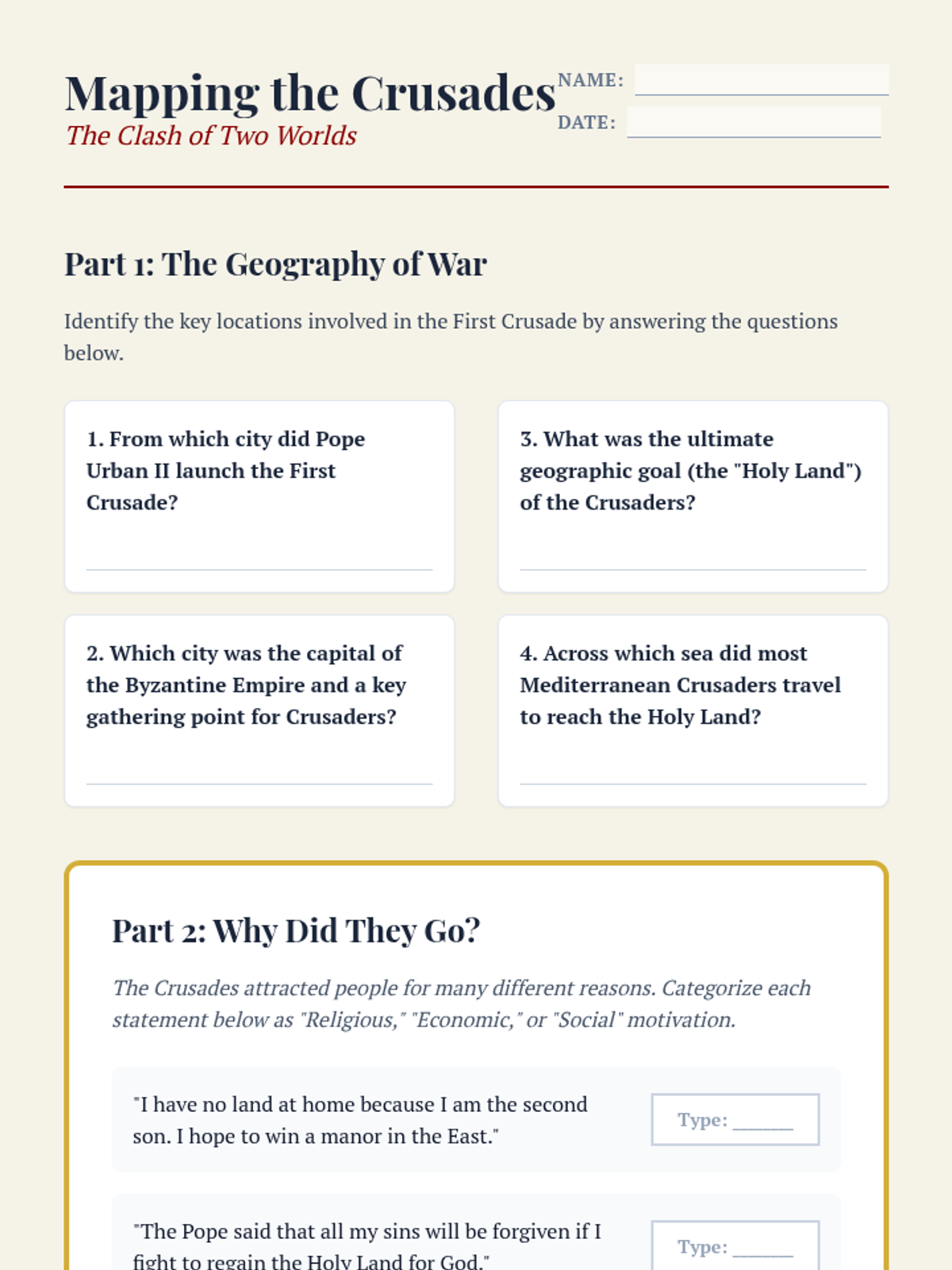
Explore the life of a medieval knight, the code of chivalry, and the religious motivations behind the Crusades.
Explore the rigid social structure of feudalism and the economic system of manorialism that defined life in the Middle Ages.