Students explore the Rocky Mountains and the Continental Divide to understand how topographic features determine river flow and water supply across North America.
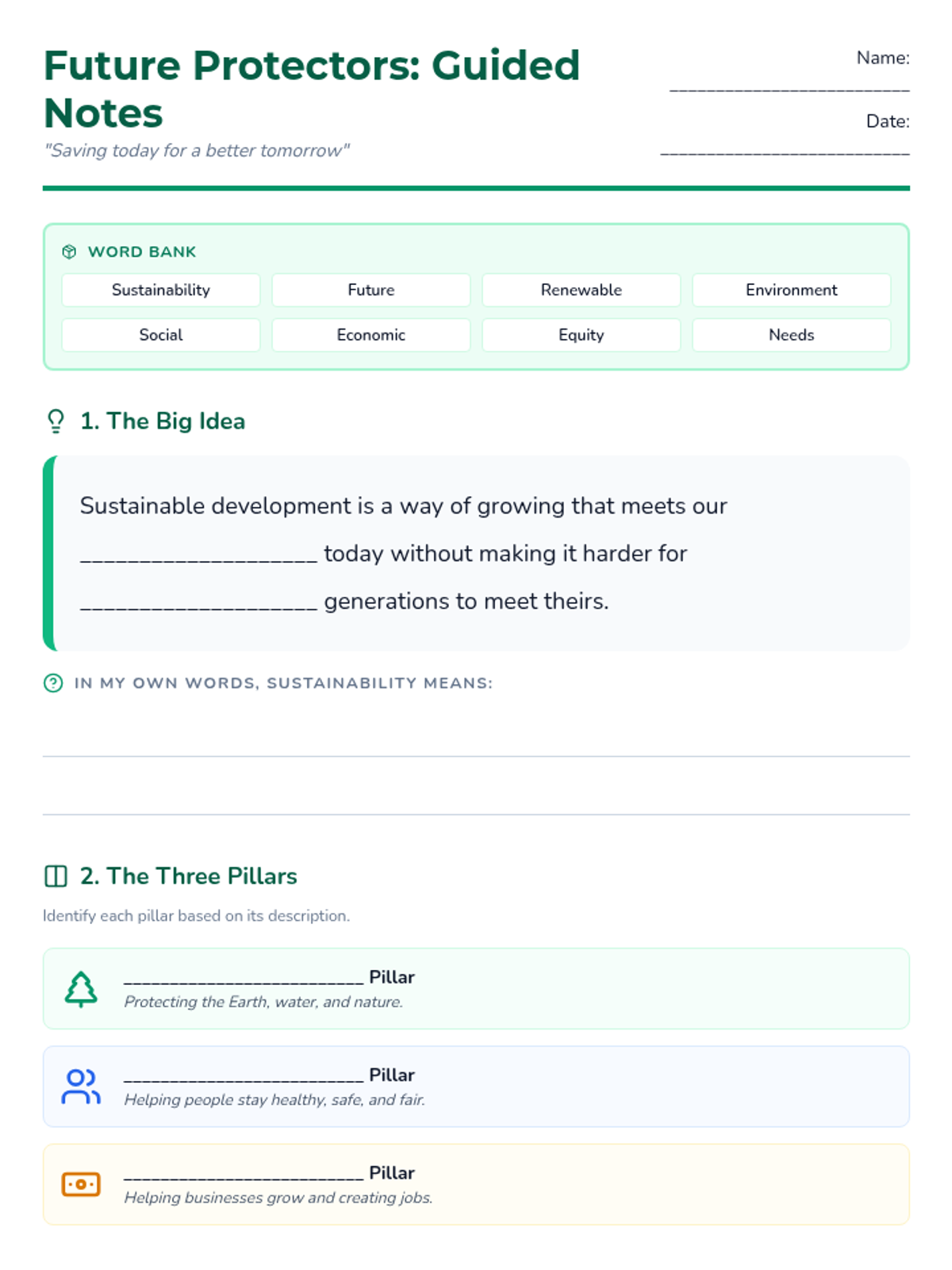
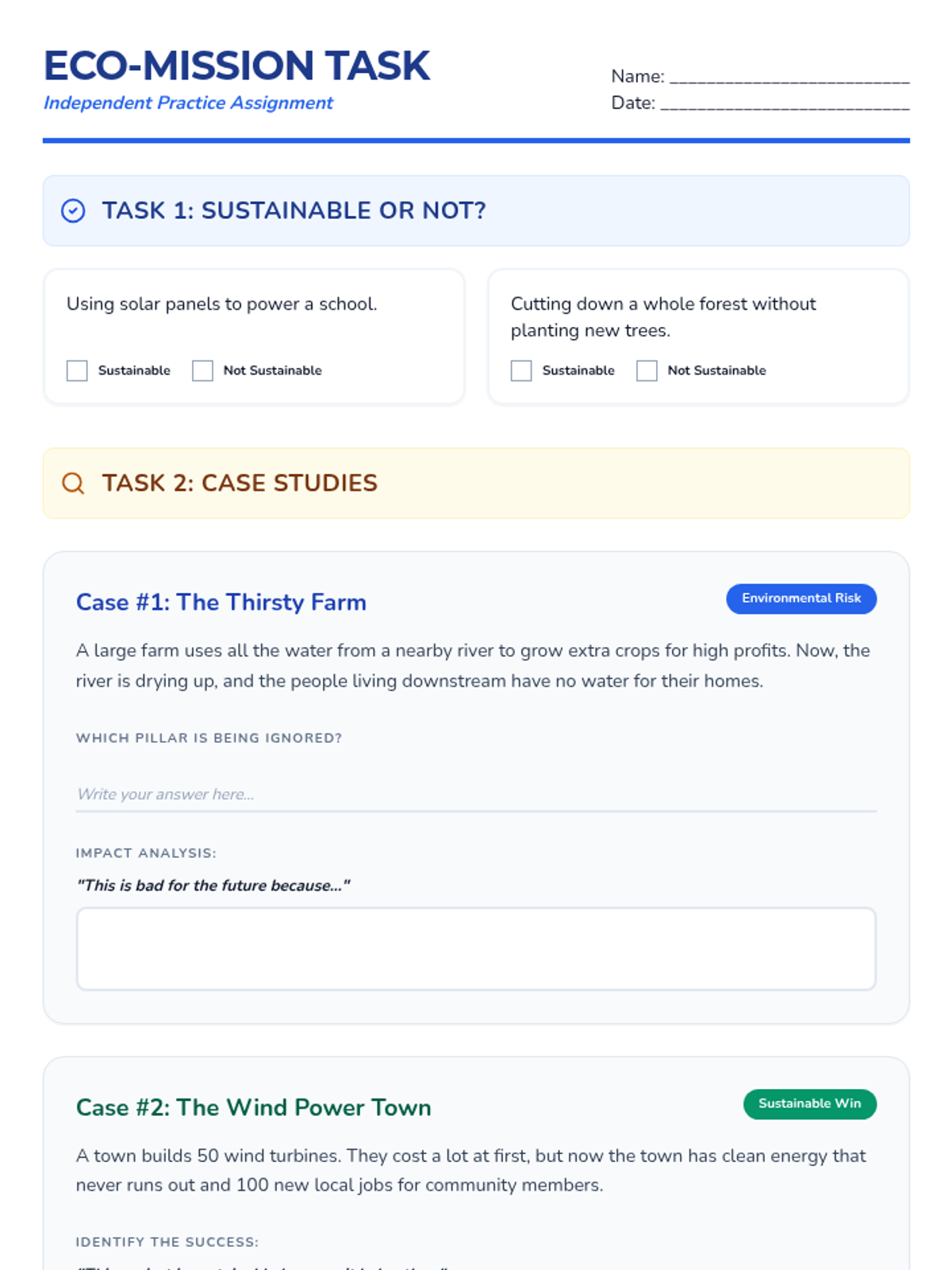
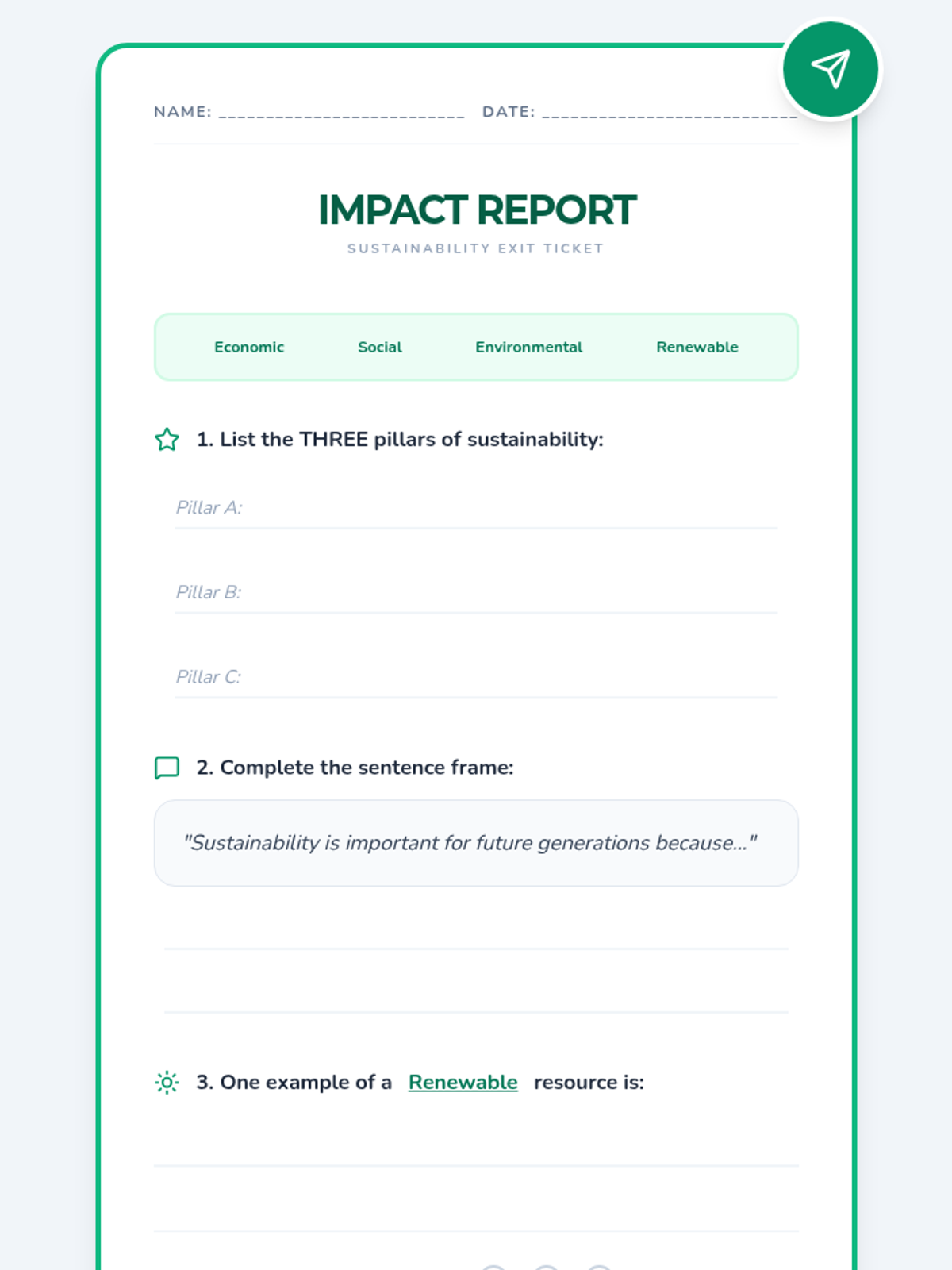
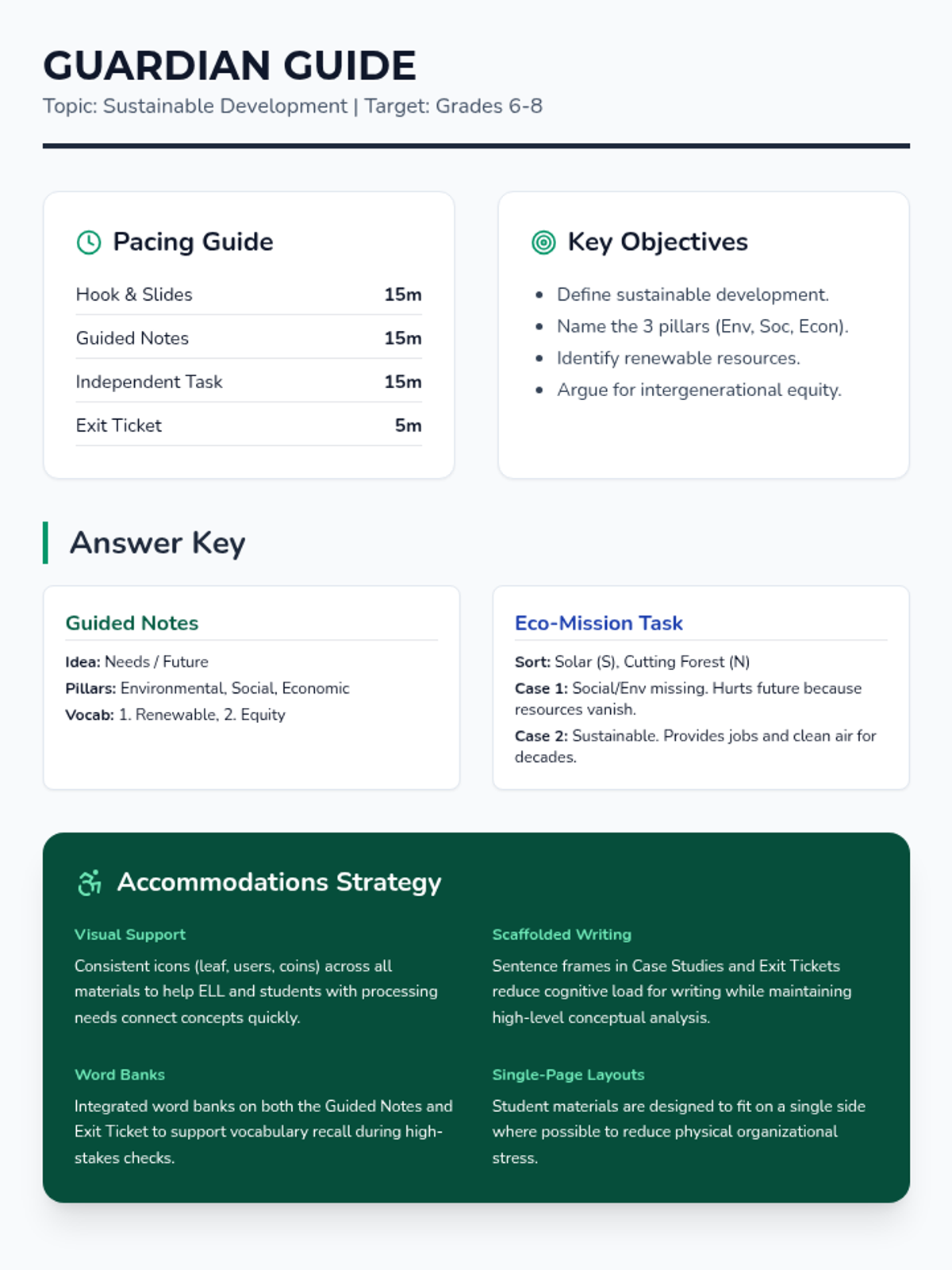
A comprehensive lesson on sustainable development, focusing on the three pillars of sustainability and our responsibility to future generations. Includes visual-heavy slides, accommodated guided notes, and real-world case studies.
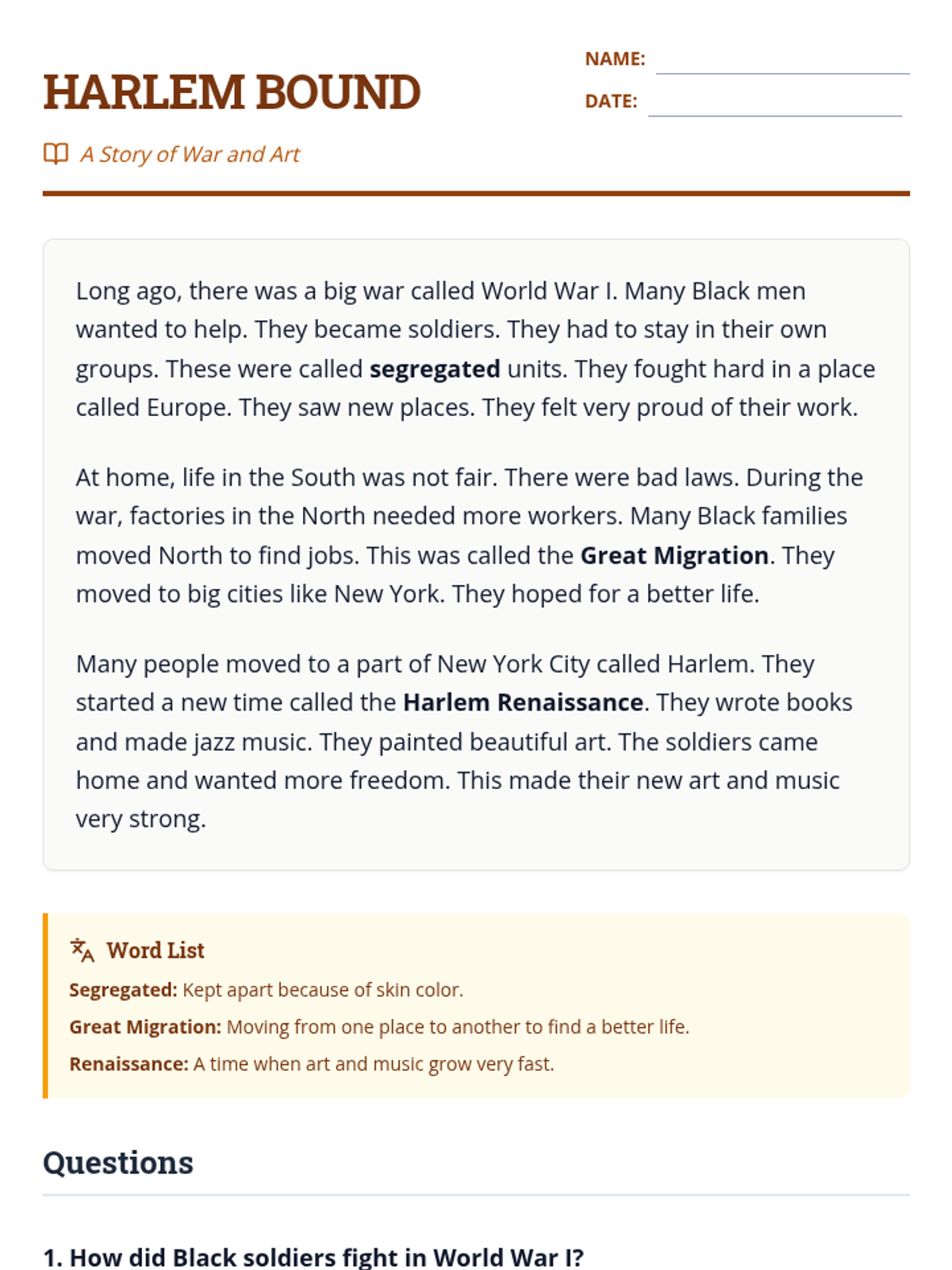
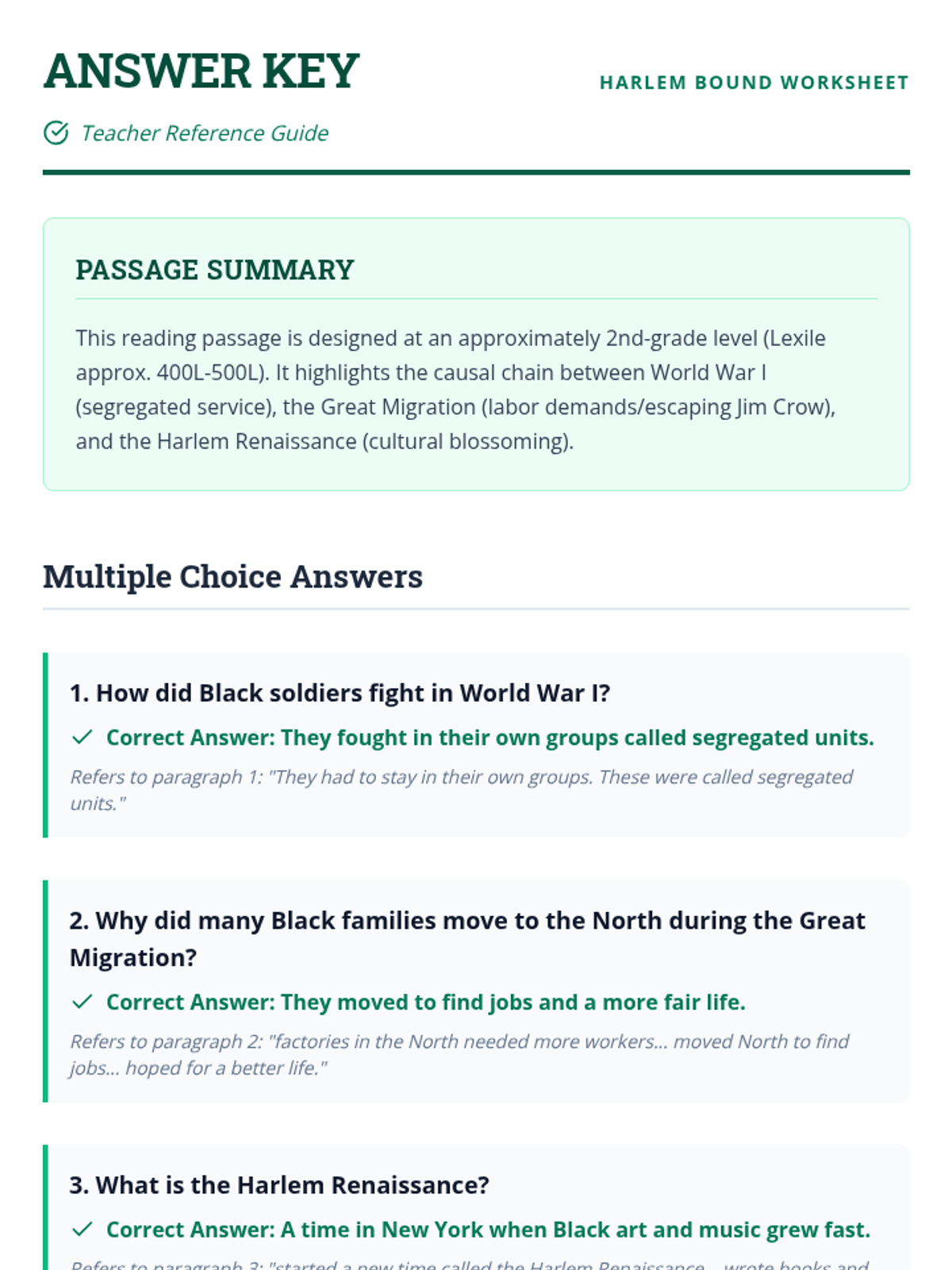
This lesson explores how World War I and the Great Migration led to the cultural explosion of the Harlem Renaissance. Students will read a simplified text and answer comprehension questions.
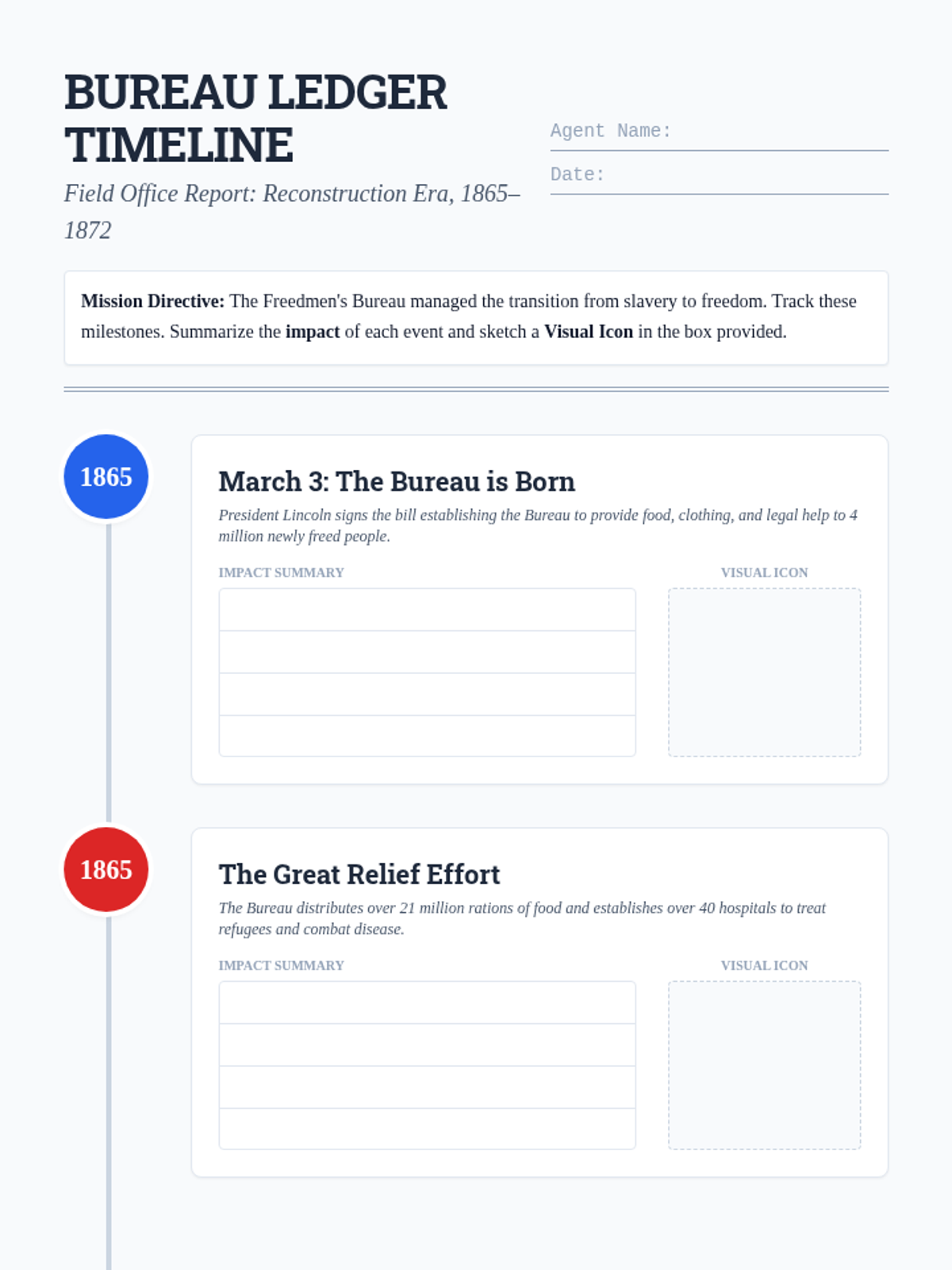
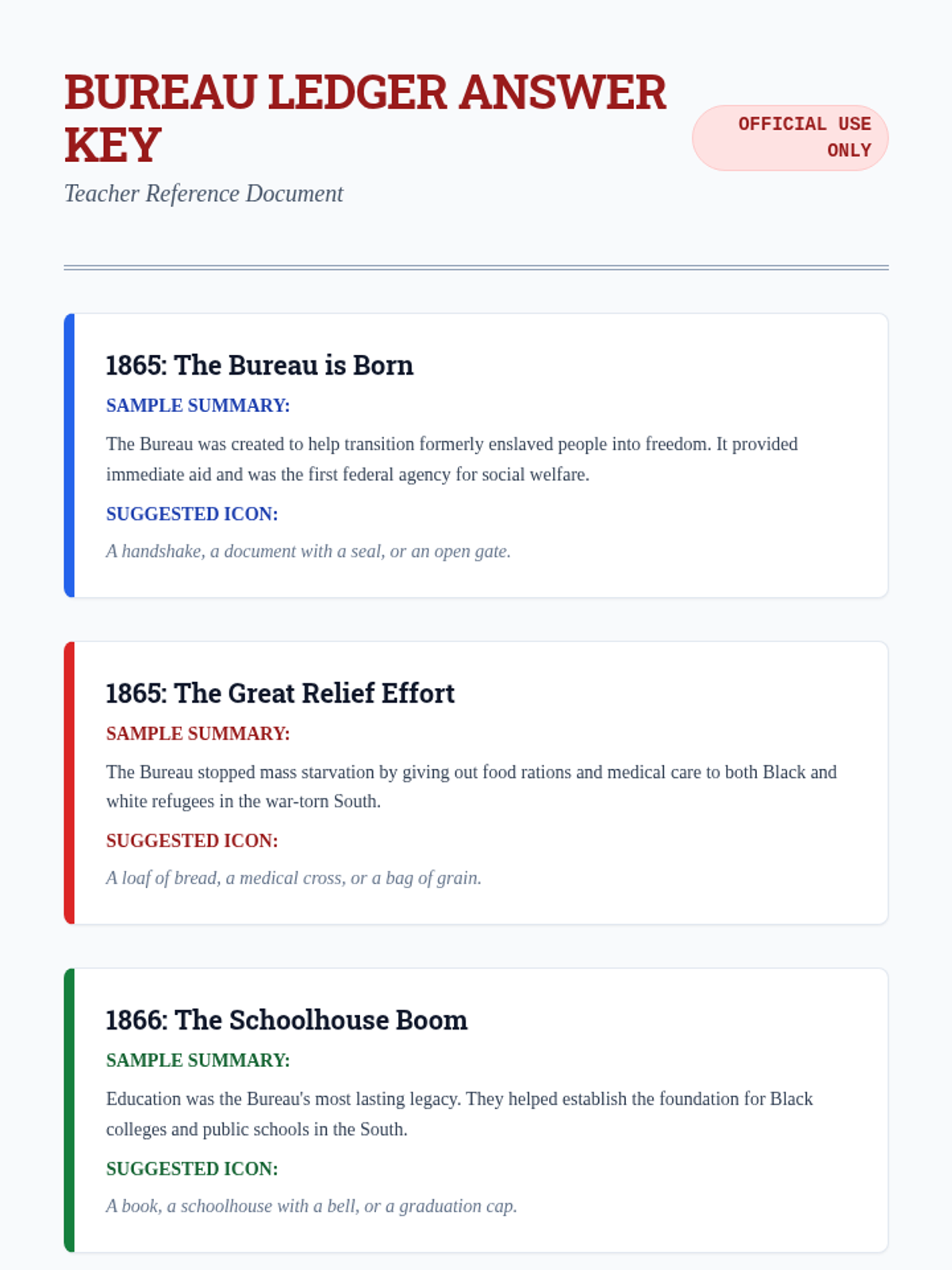
A lesson exploring the impact of the Freedmen's Bureau during the Reconstruction Era through a visual timeline and primary source analysis.
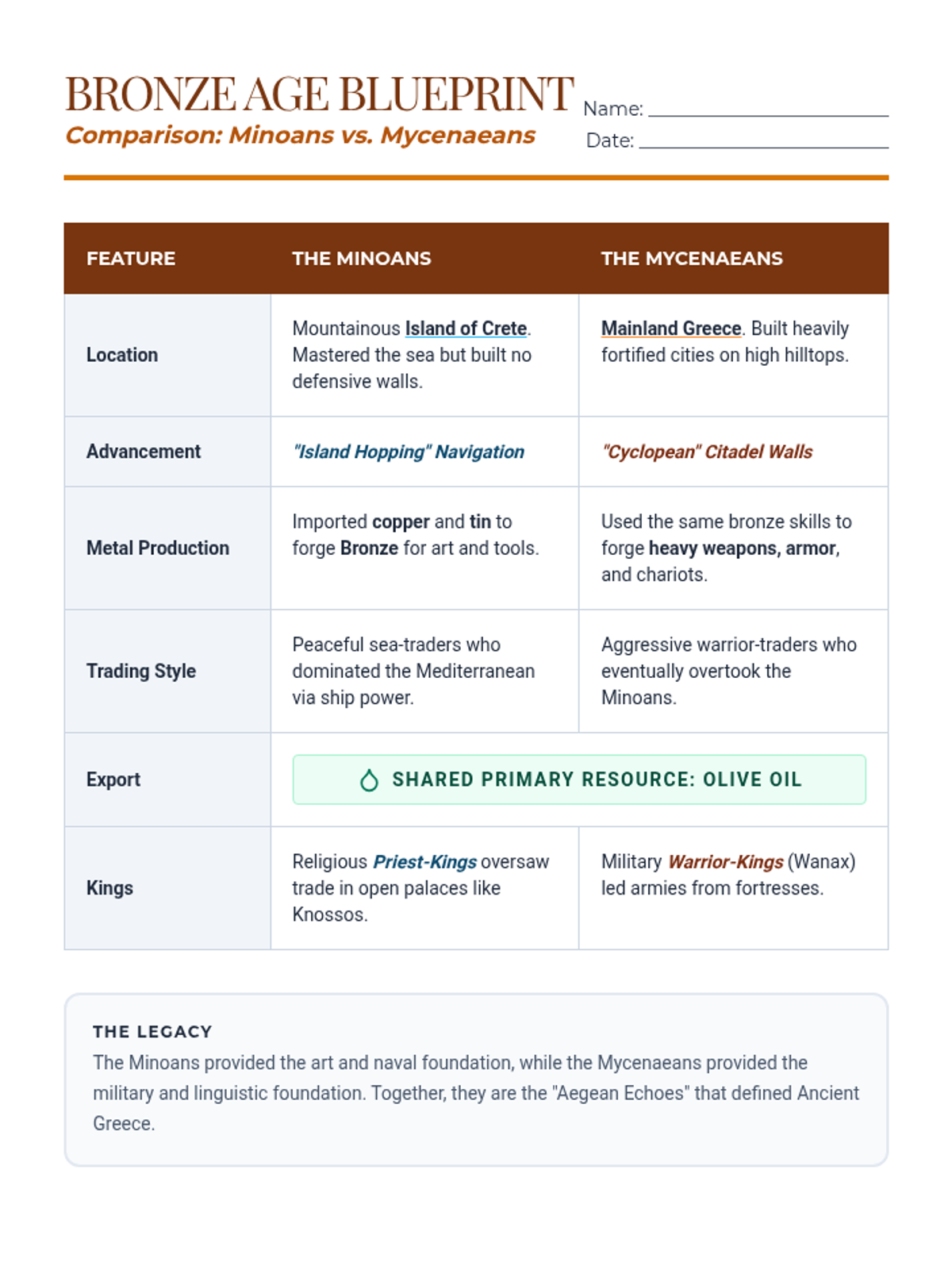
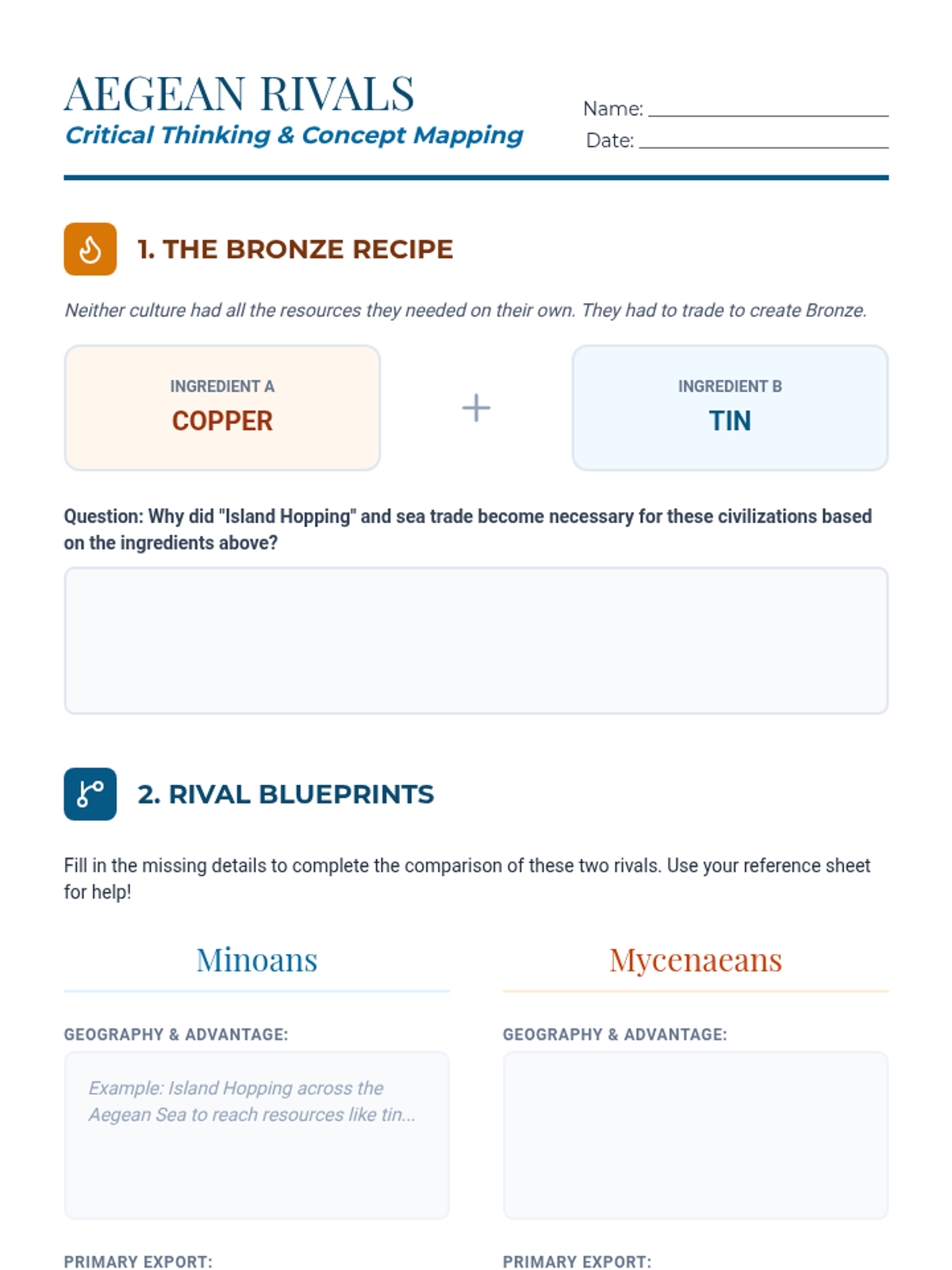
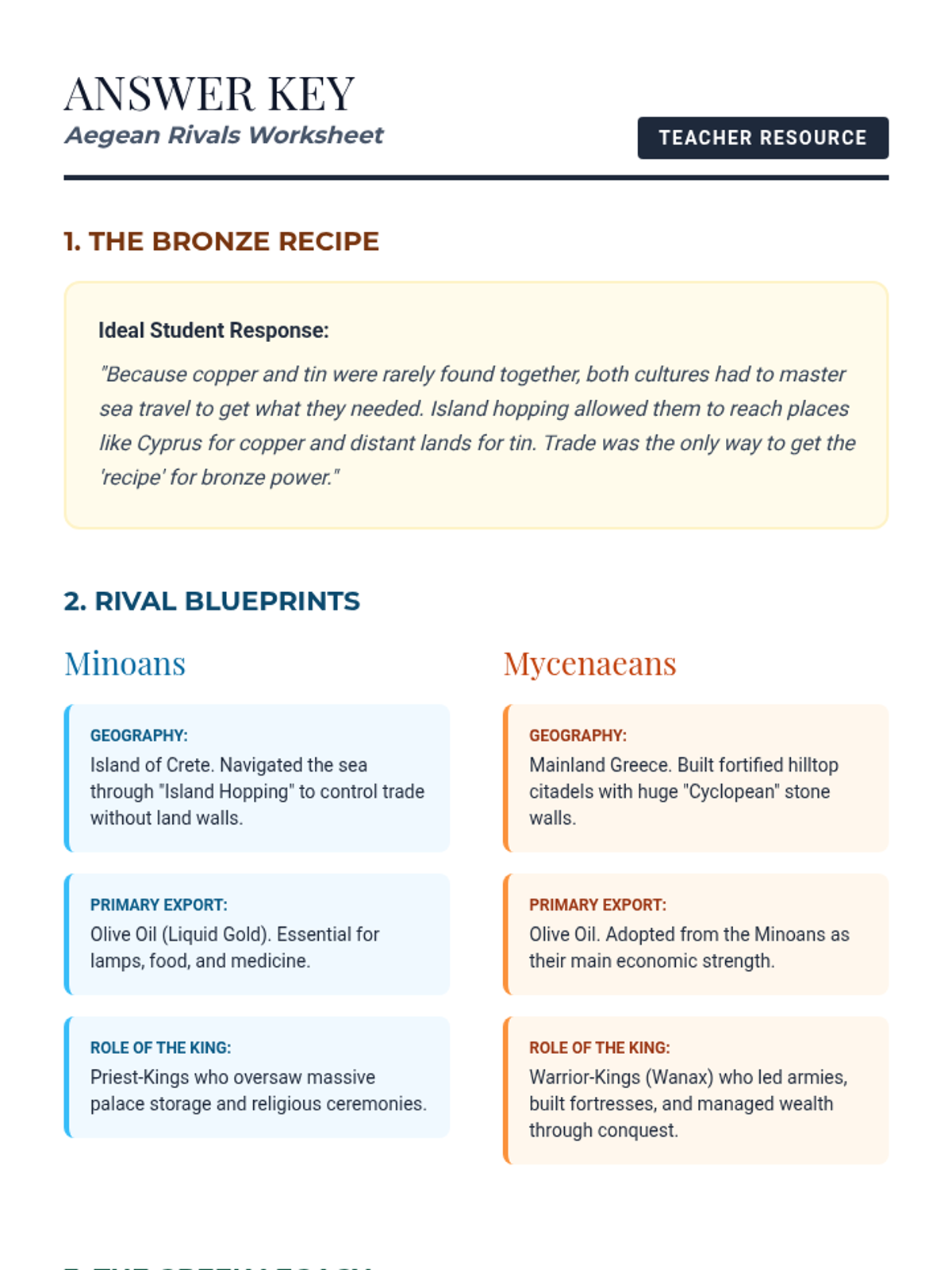
This lesson explores the two foundational civilizations of the Greek Bronze Age, comparing their social structures, trade networks, and cultural legacies. Students will analyze how the Minoans and Mycenaeans shaped the future of Ancient Greek civilization.
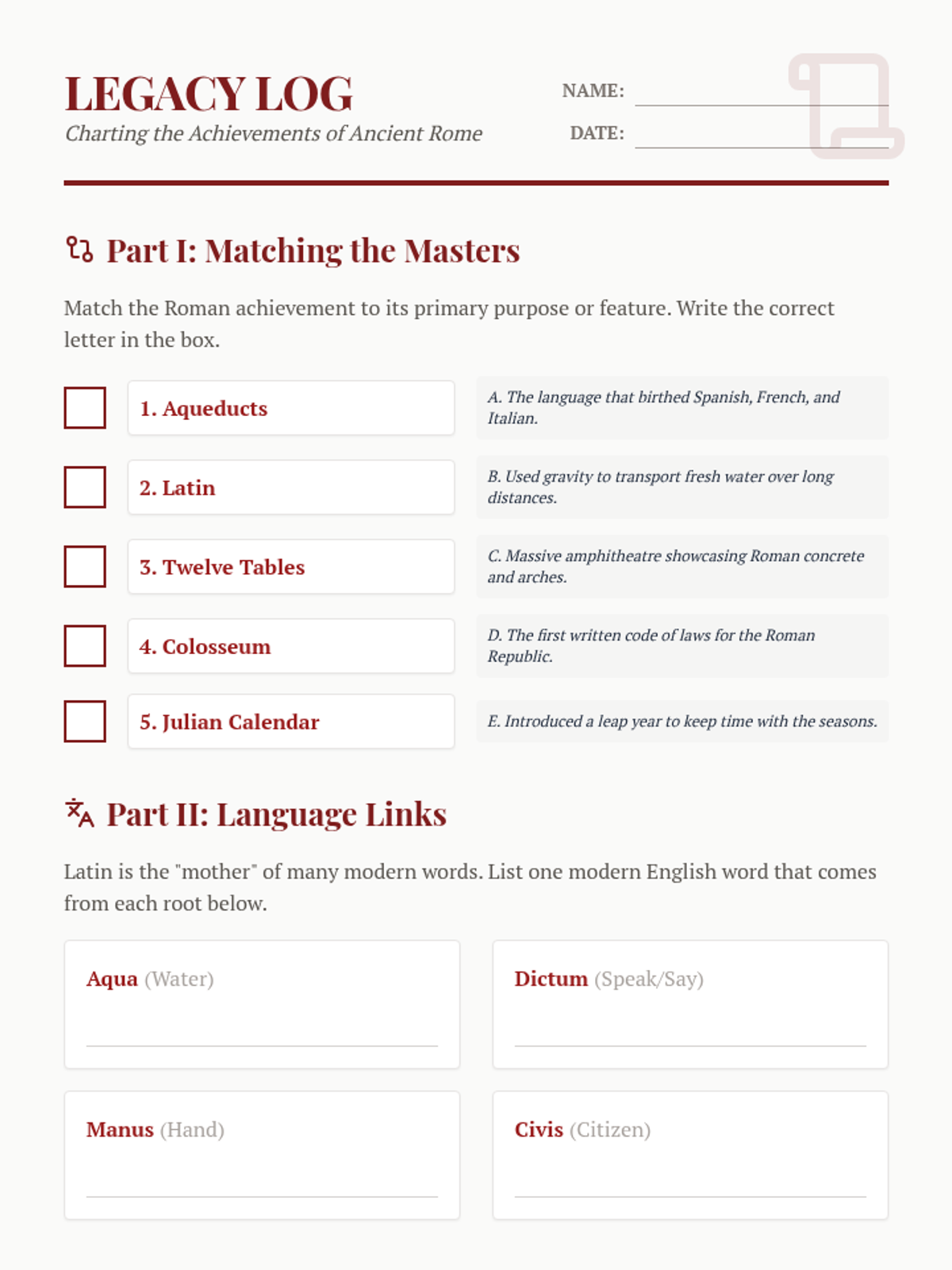
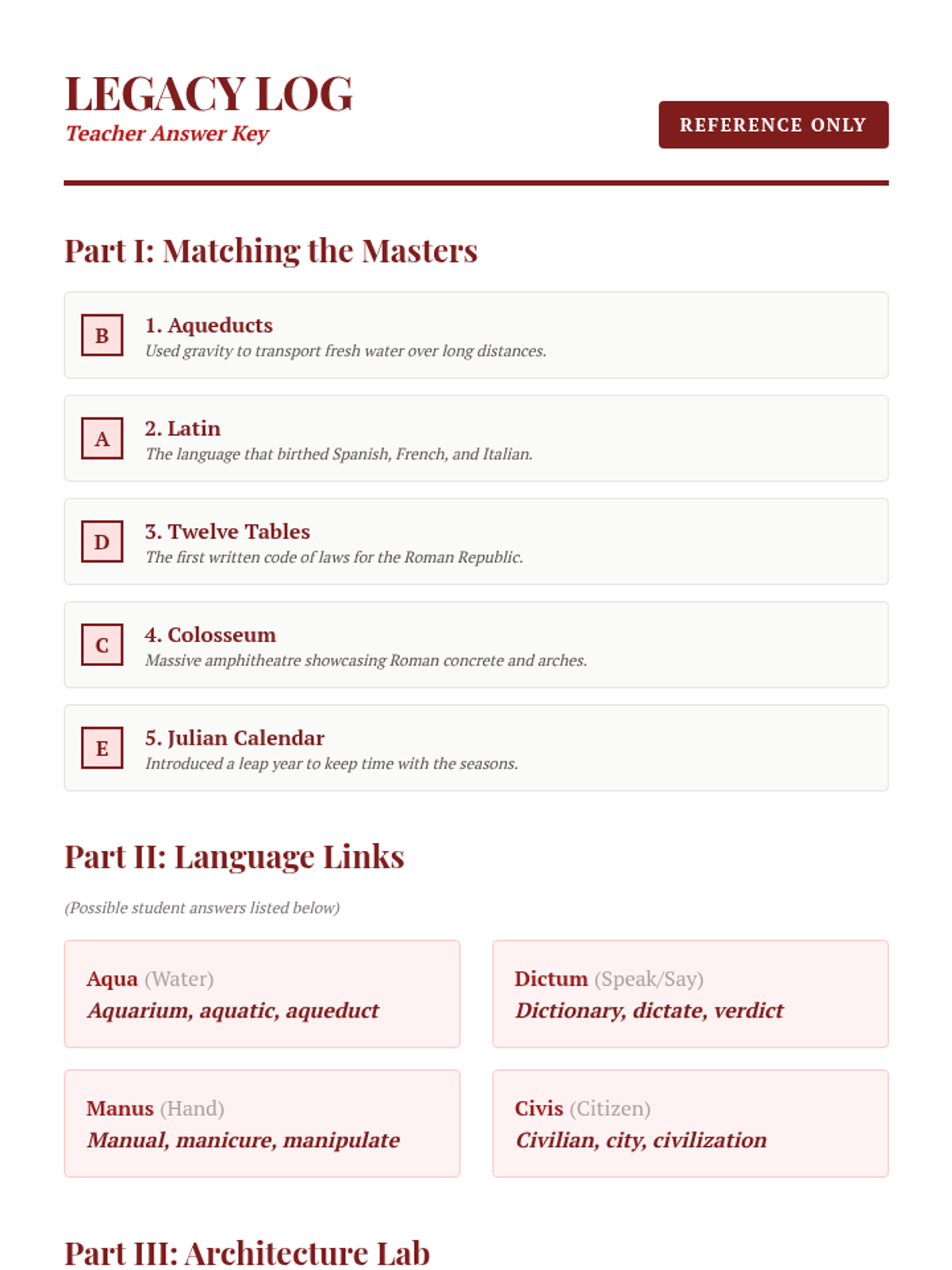
Explore the monumental achievements of Ancient Rome in engineering, architecture, language, and science, and discover how they continue to influence our world today.
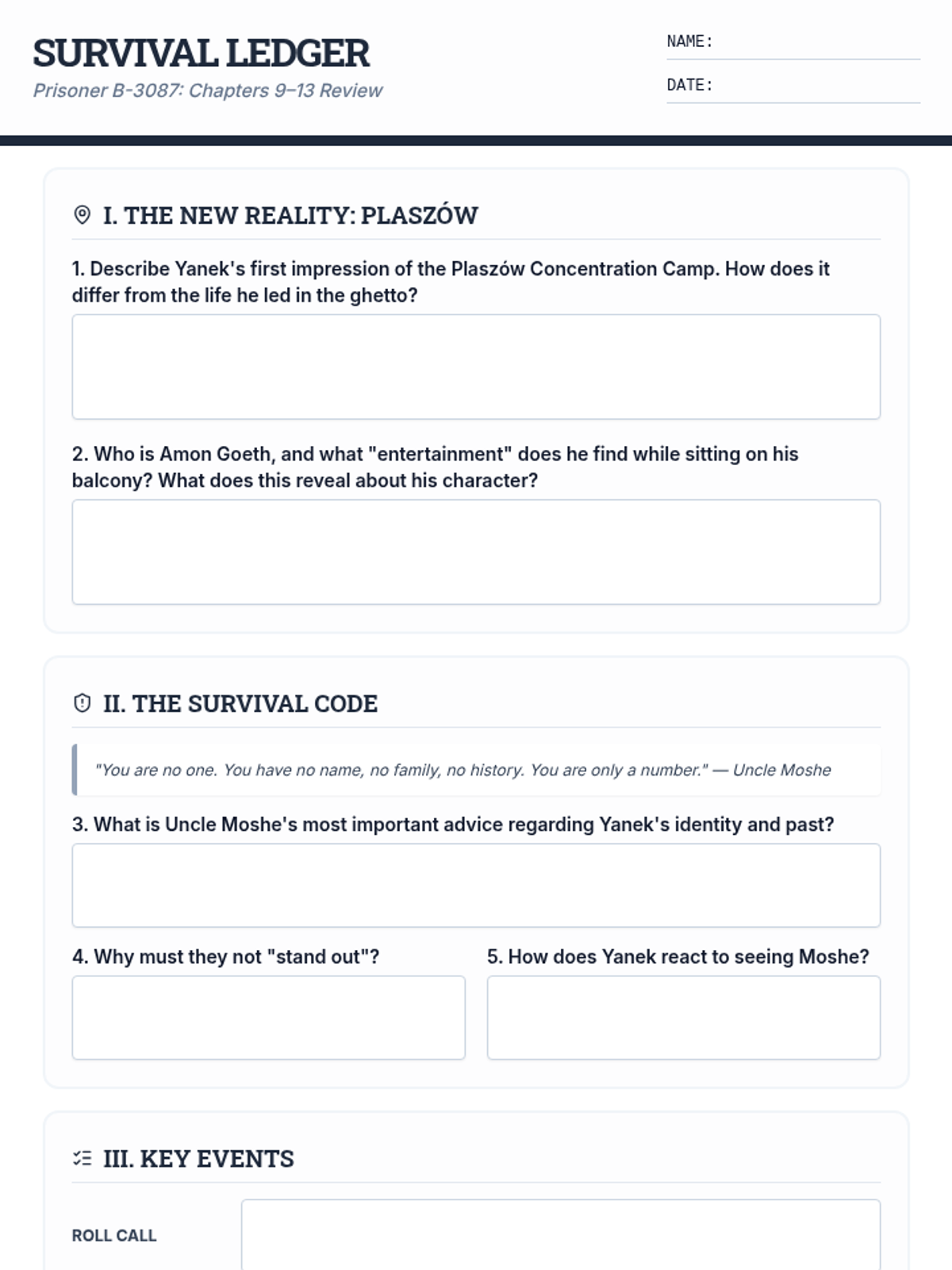
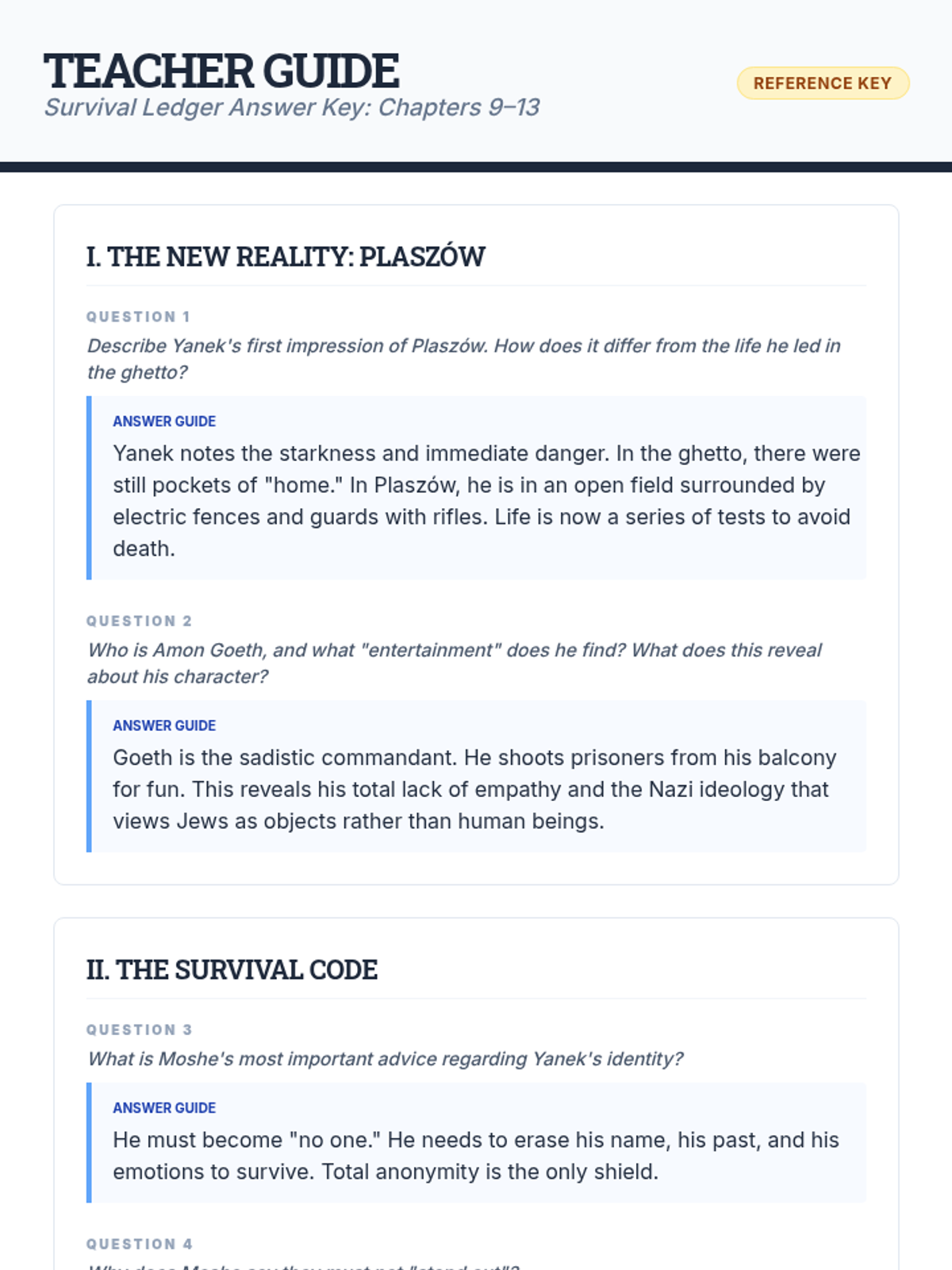
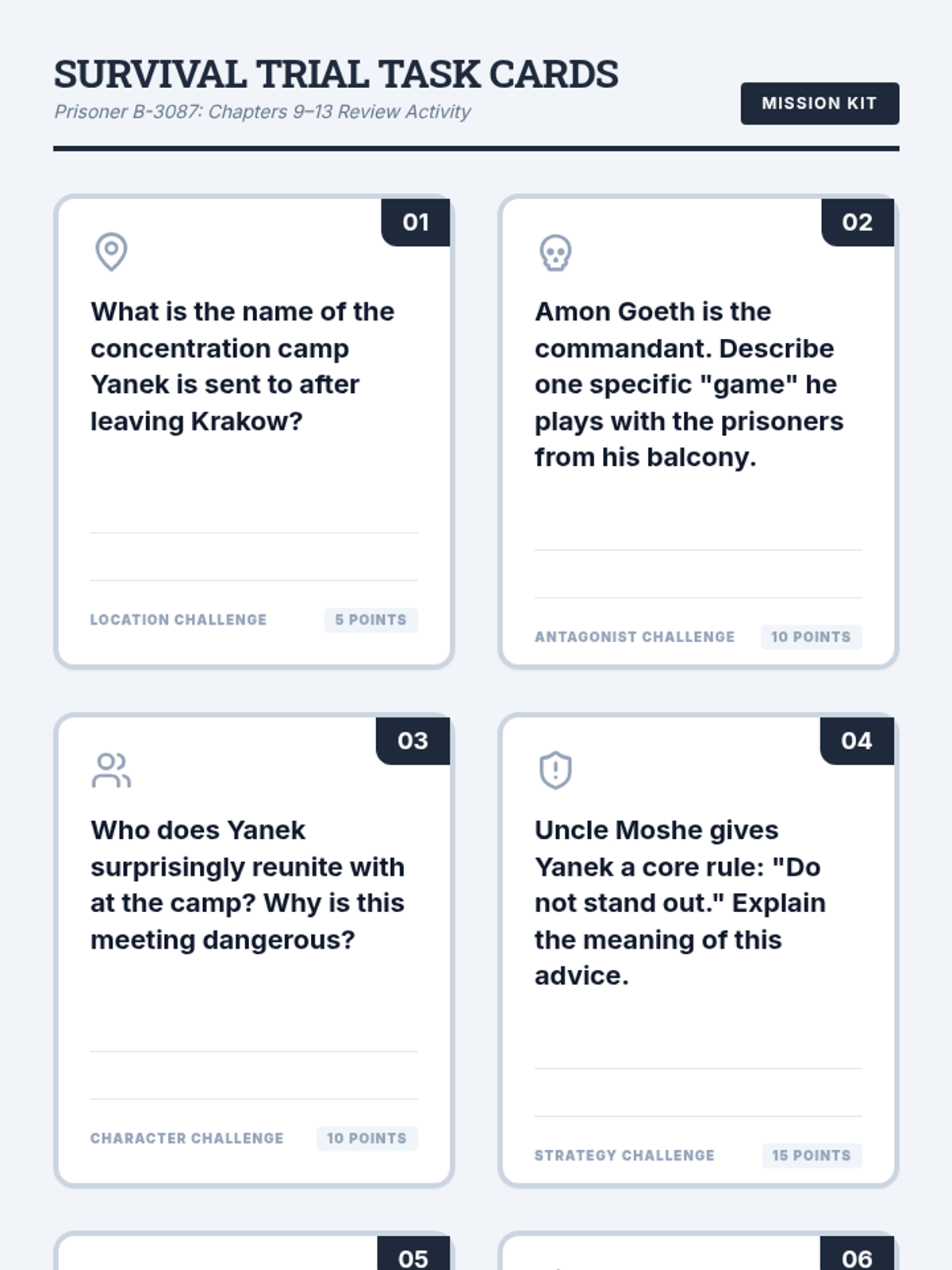
A guided review of chapters 9-13 of Prisoner B-3087, focusing on Yanek's transition to Plaszów Concentration Camp, the theme of survival, and the loss of identity.
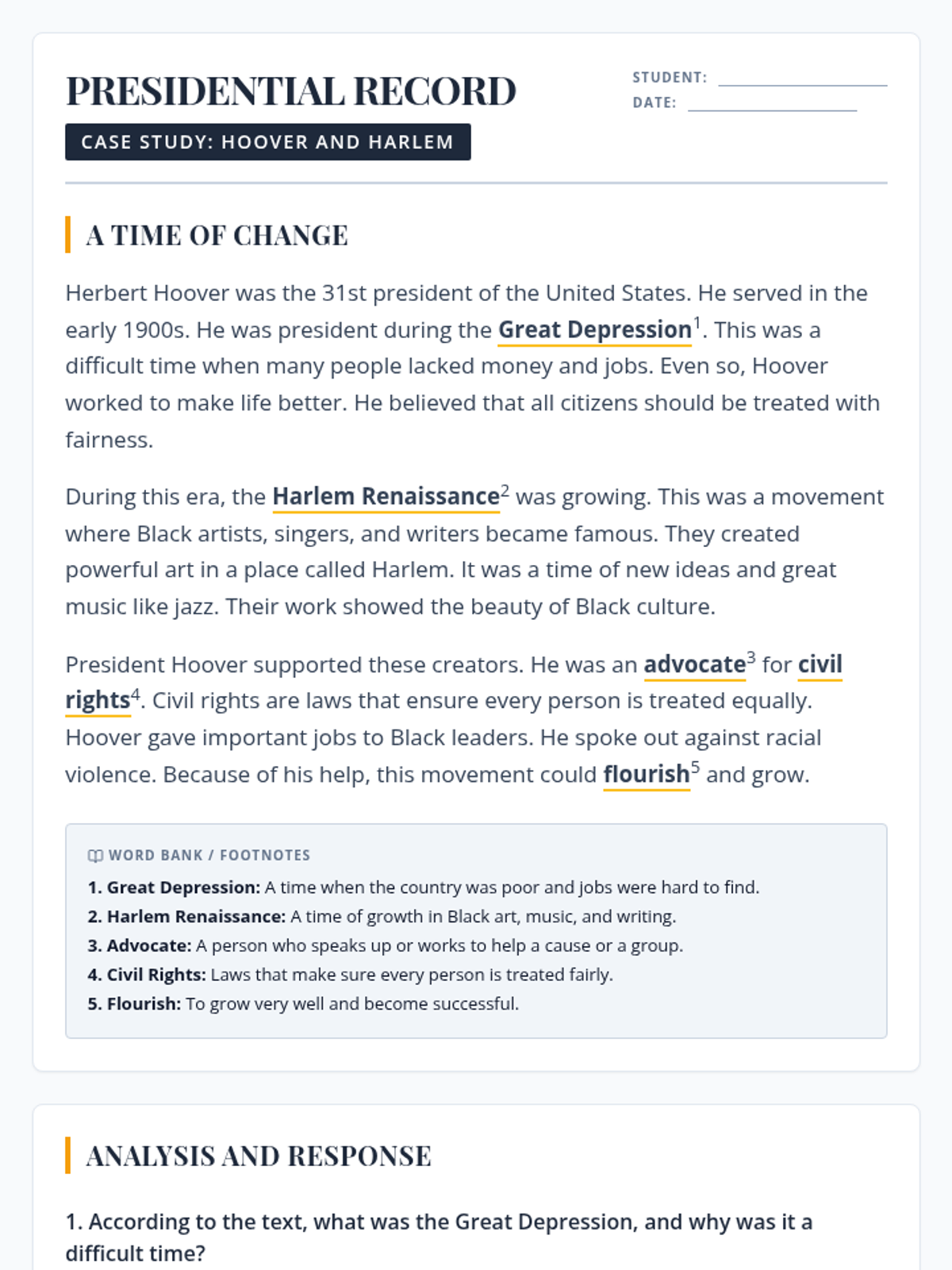
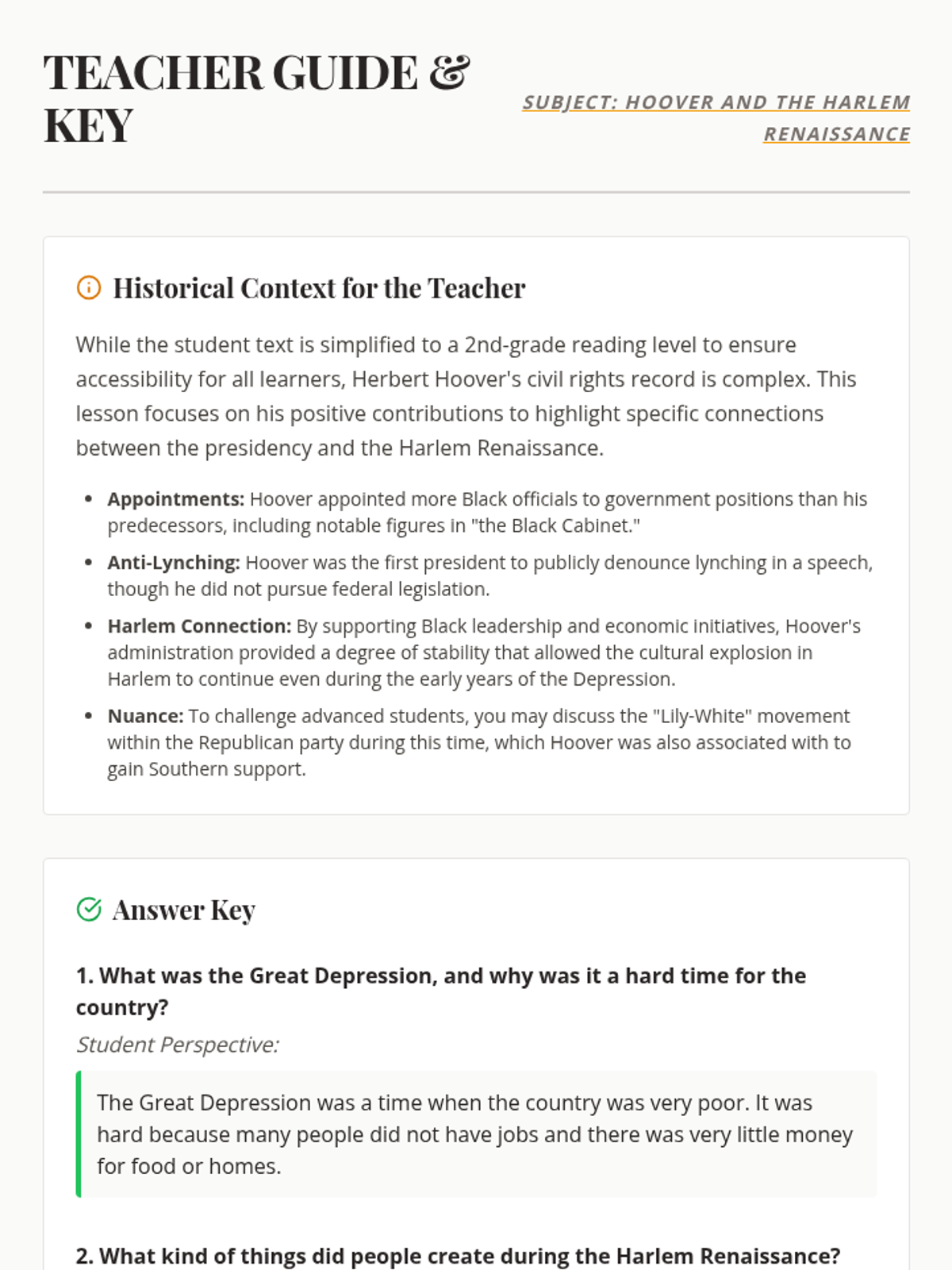
A lesson exploring the presidency of Herbert Hoover and his support for Civil Rights during the Harlem Renaissance, designed for middle school students needing accessible text.
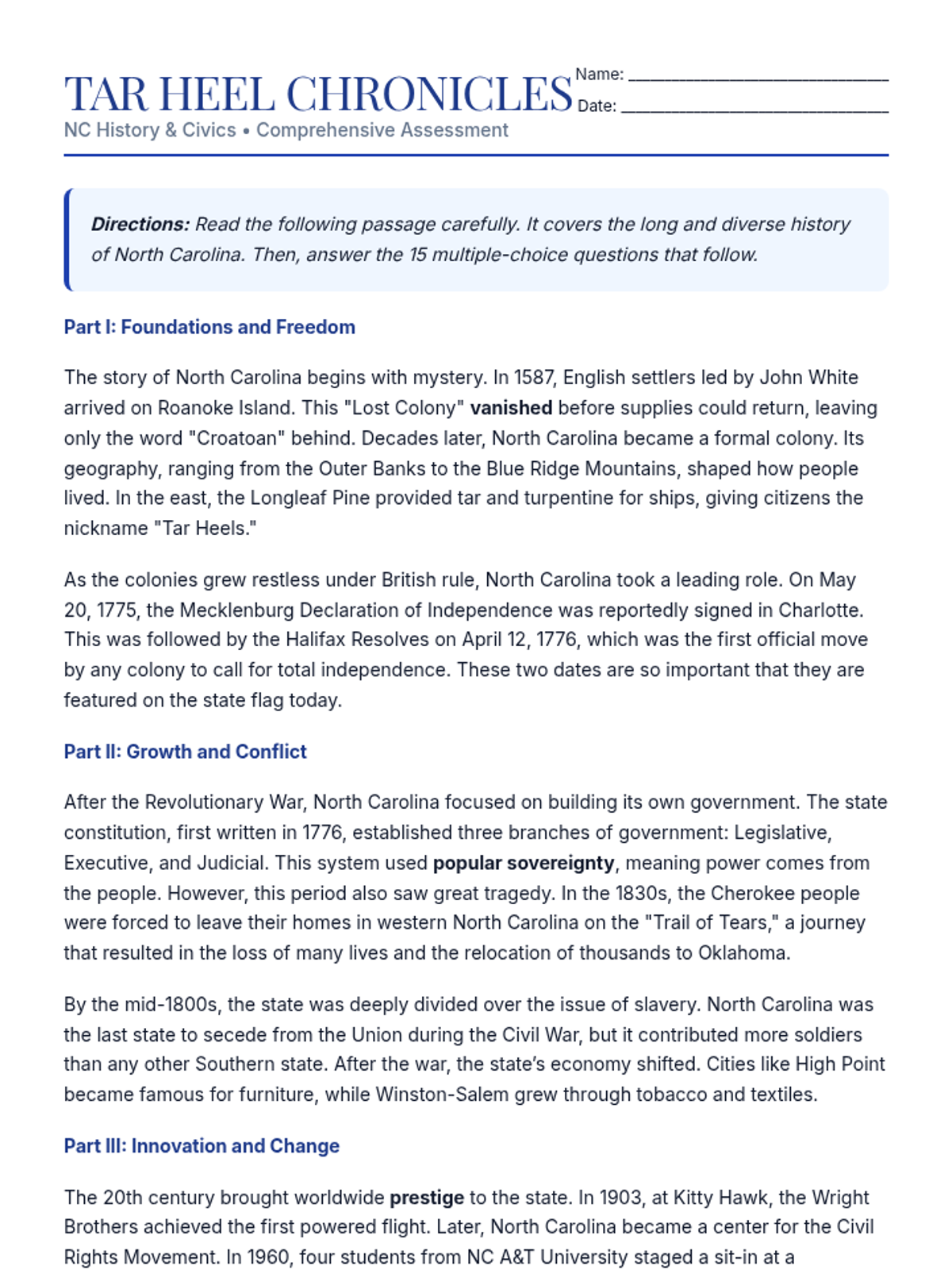
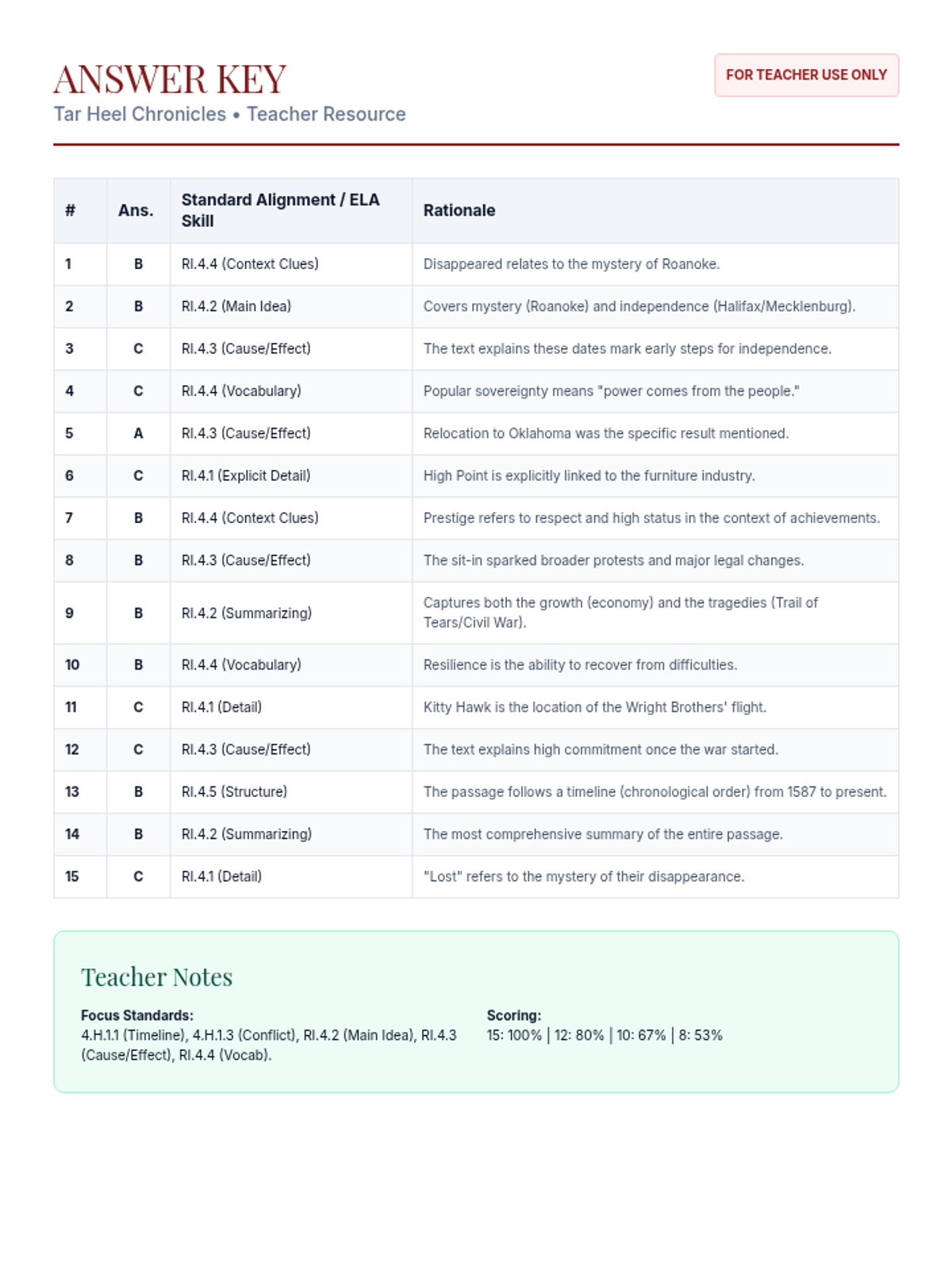
A comprehensive lesson on North Carolina's state symbols and government structure, designed to meet NC Social Studies and ELA standards with EOG-level rigor.
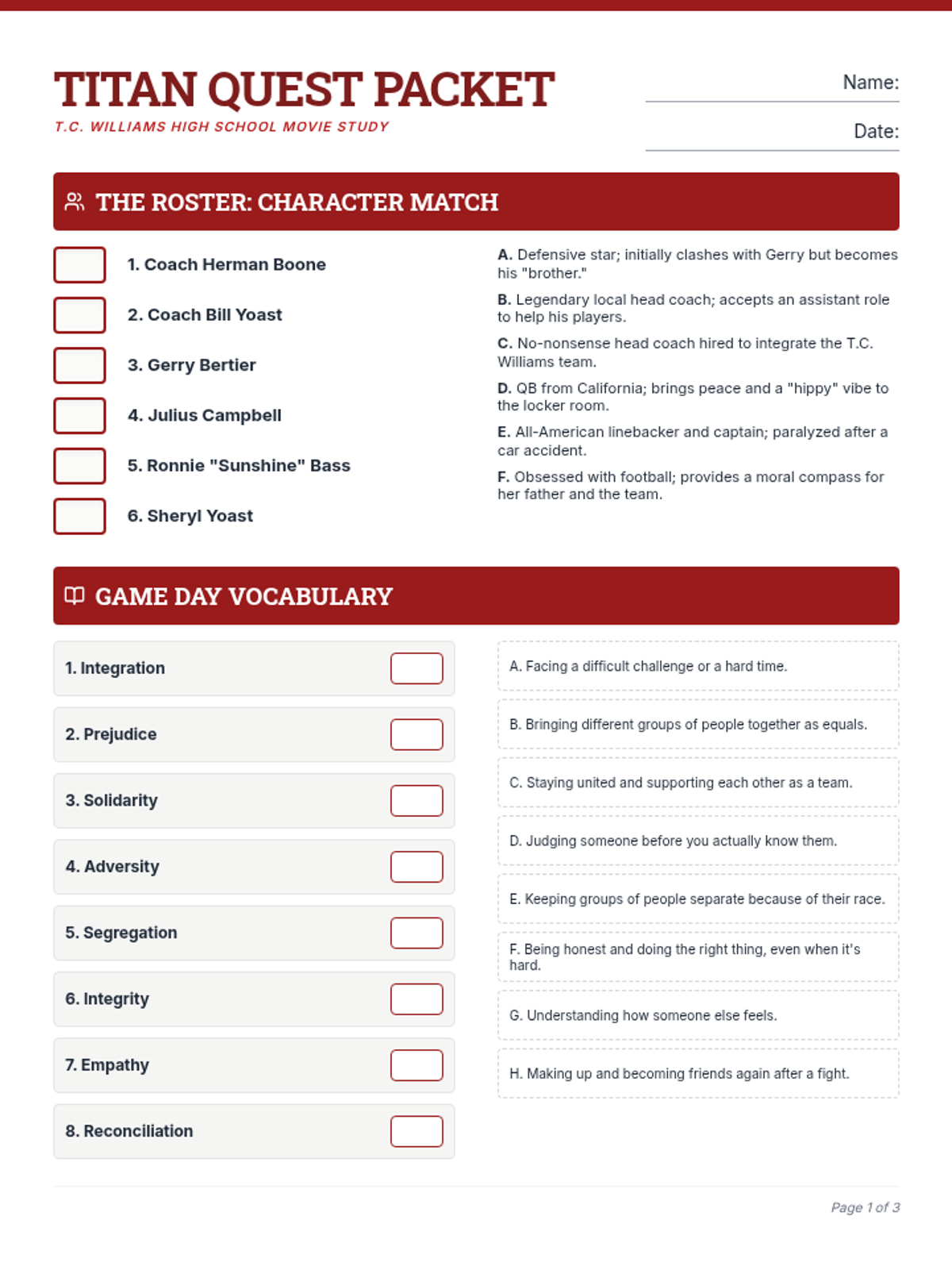
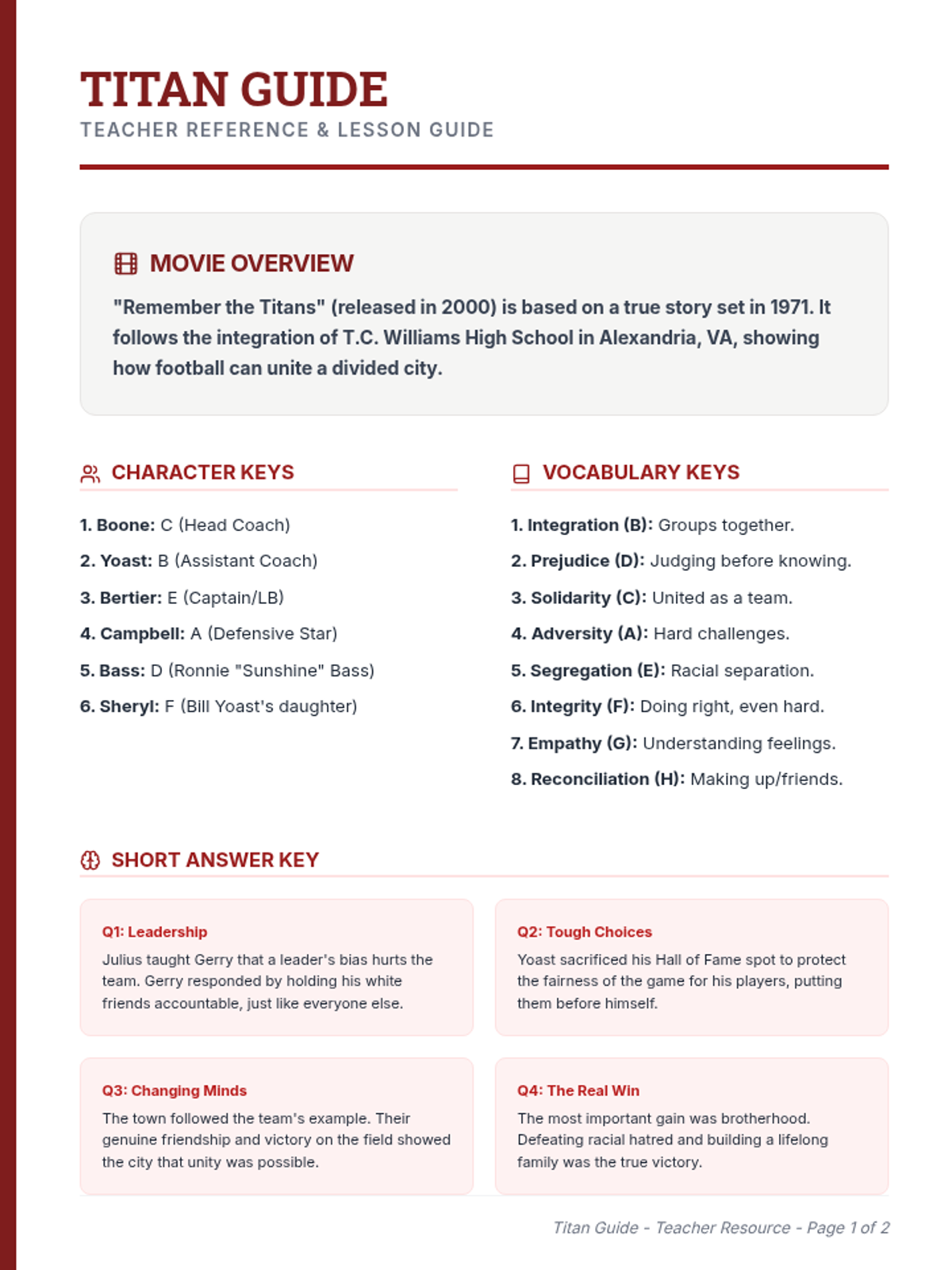
An in-depth exploration of the movie 'Remember the Titans', focusing on the T.C. Williams High School football team's journey toward unity and the social challenges of integration.
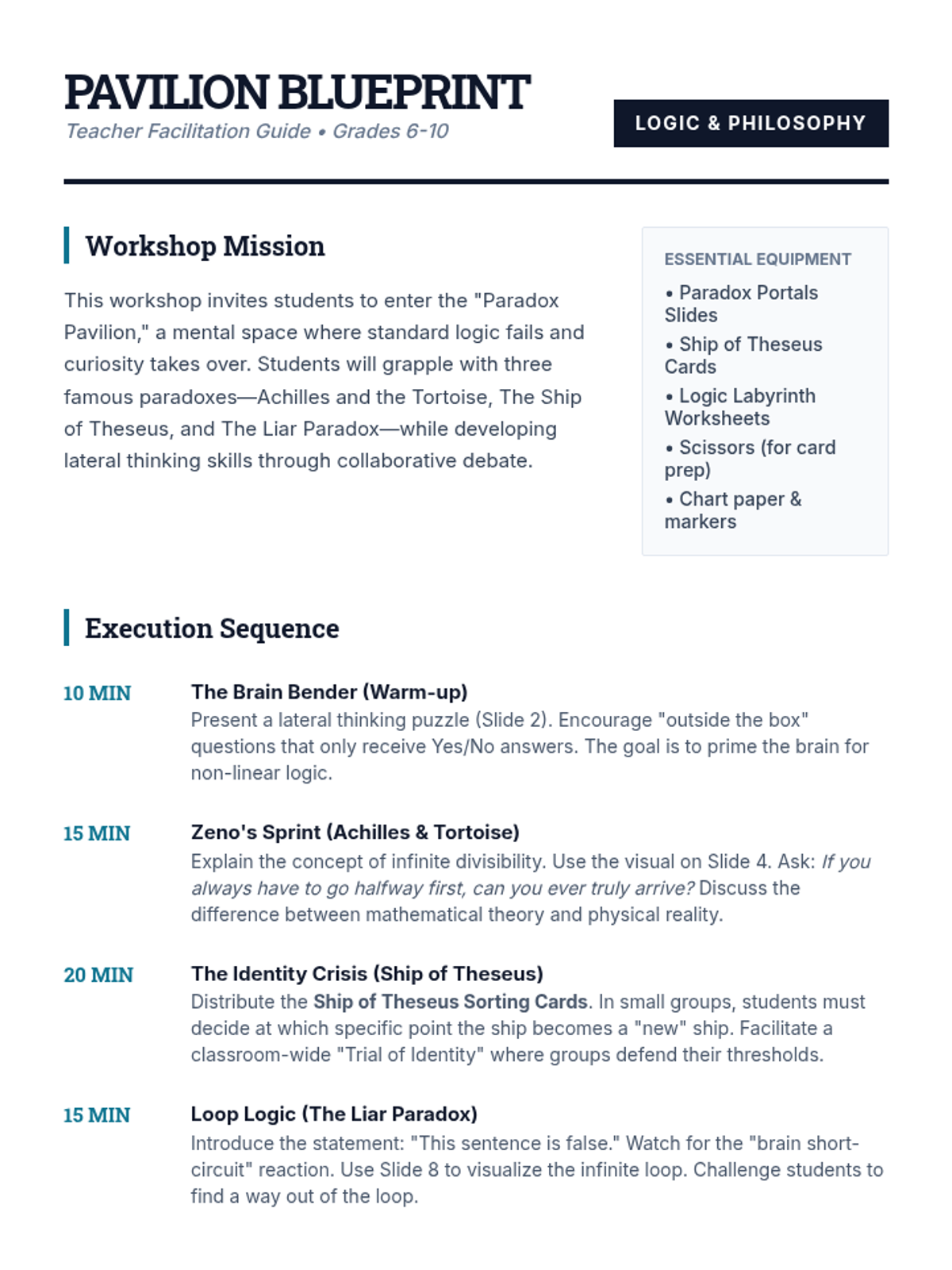
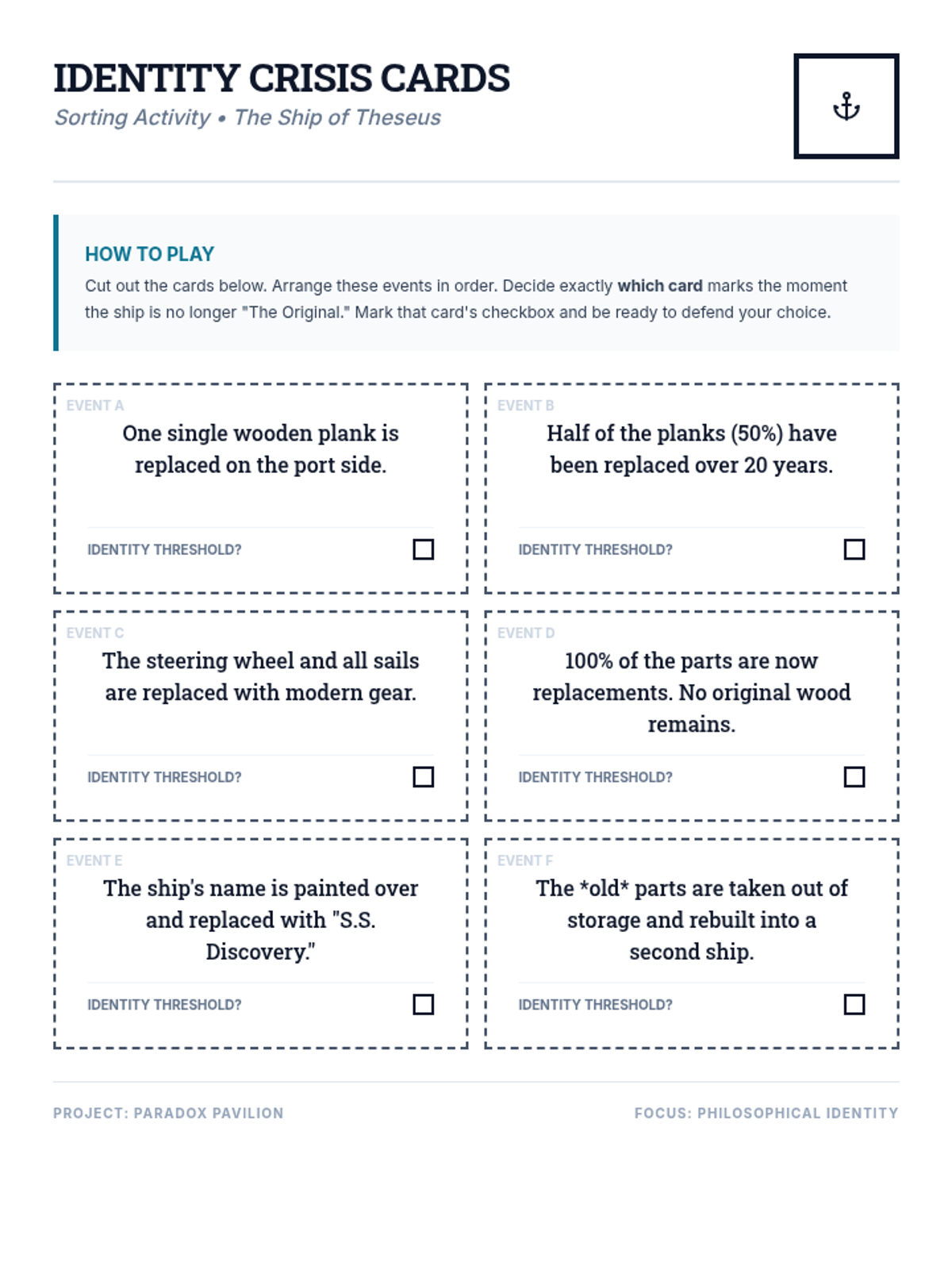
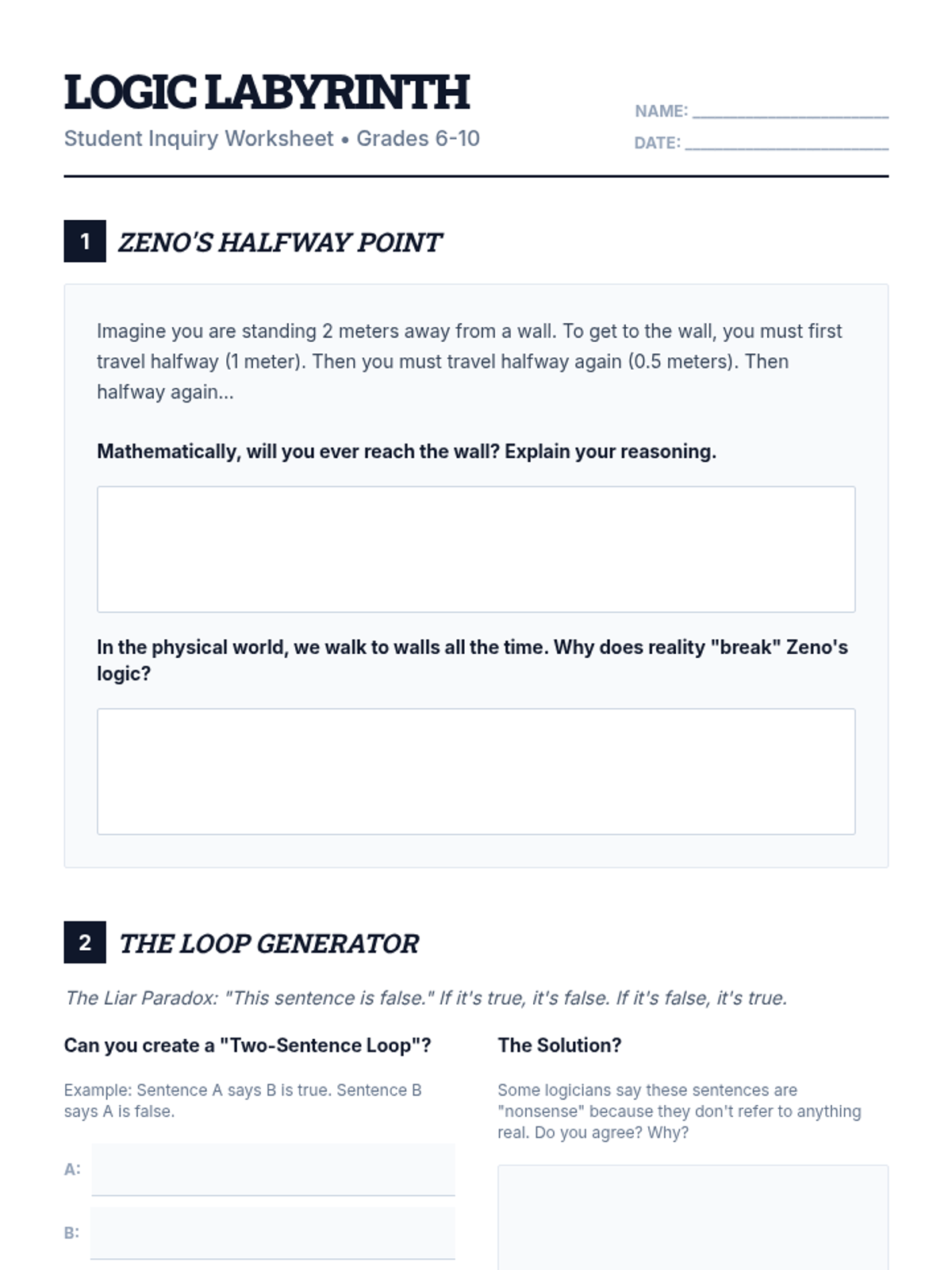
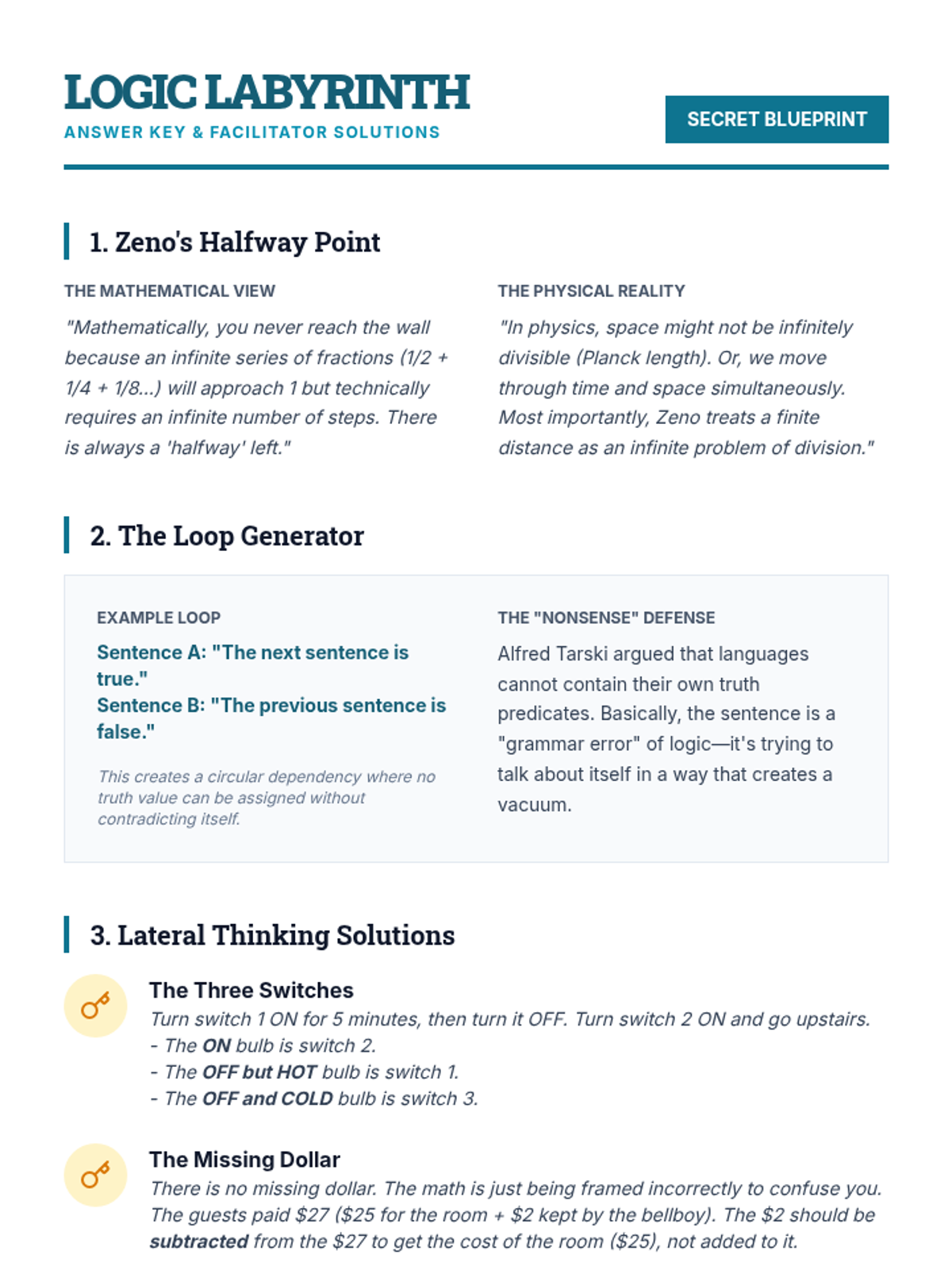
An inquiry-based workshop where students explore philosophical paradoxes and lateral thinking puzzles to sharpen critical reasoning skills.
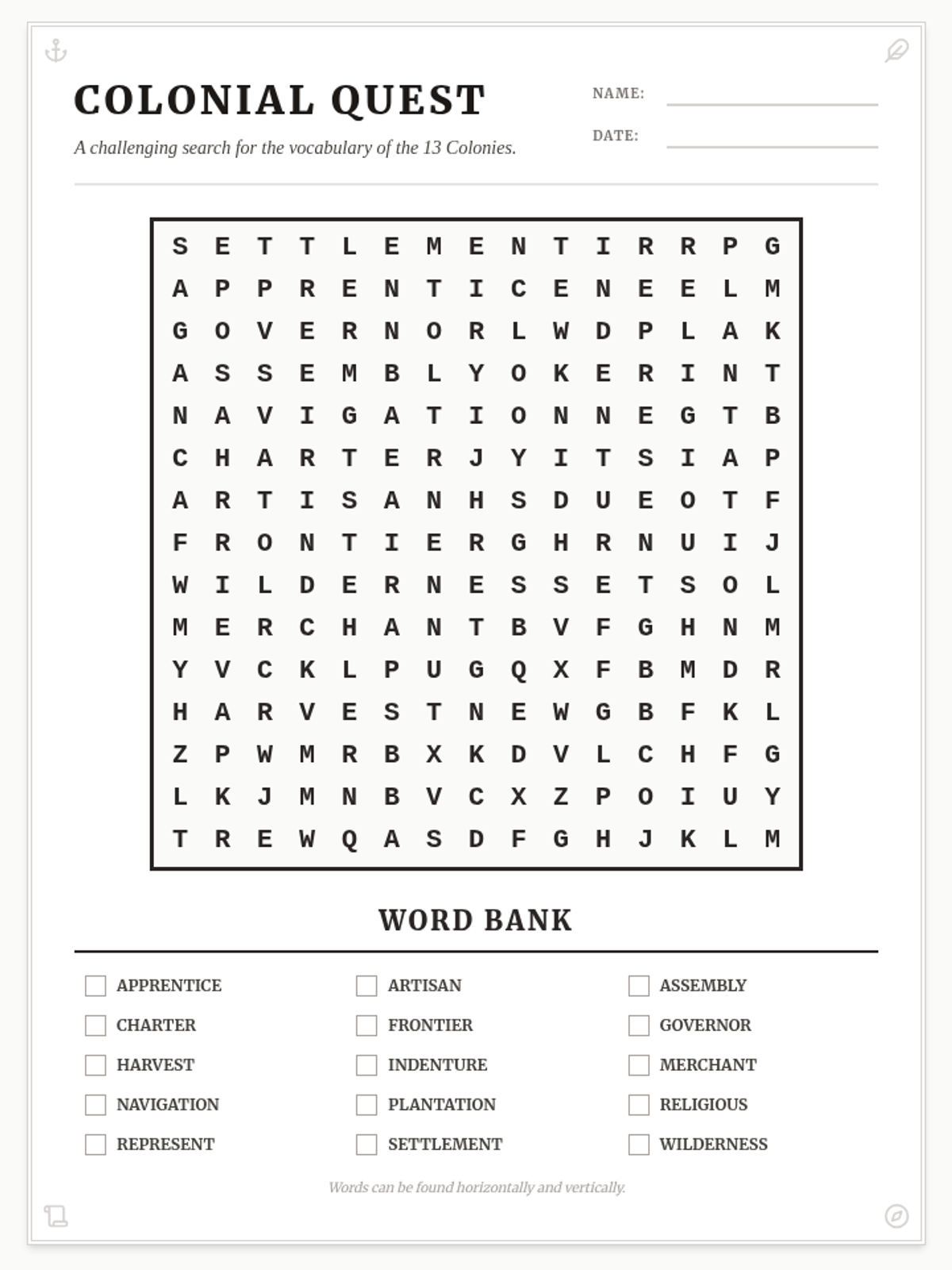
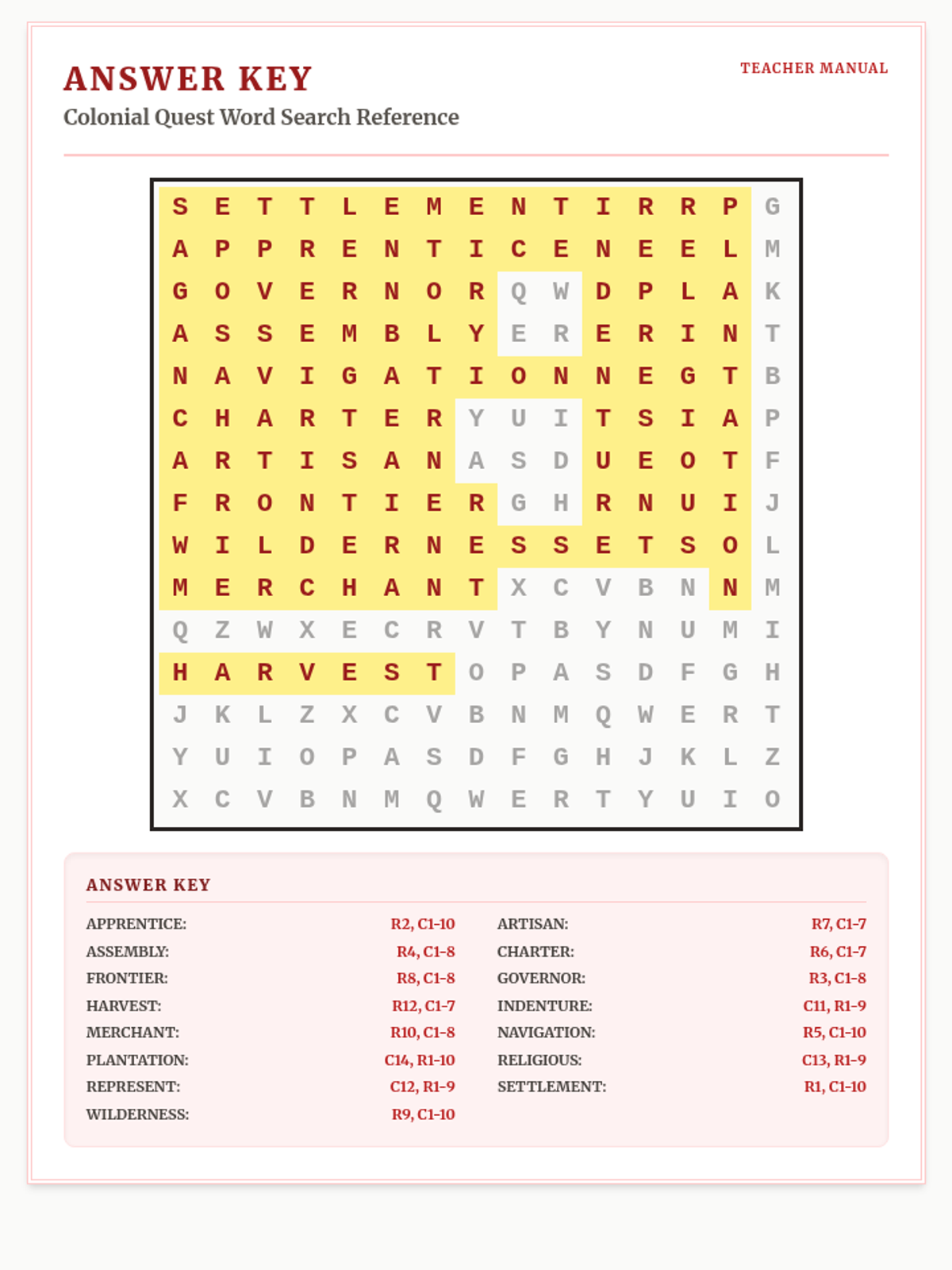
A look into the lives, systems, and vocabulary of the thirteen original American colonies.
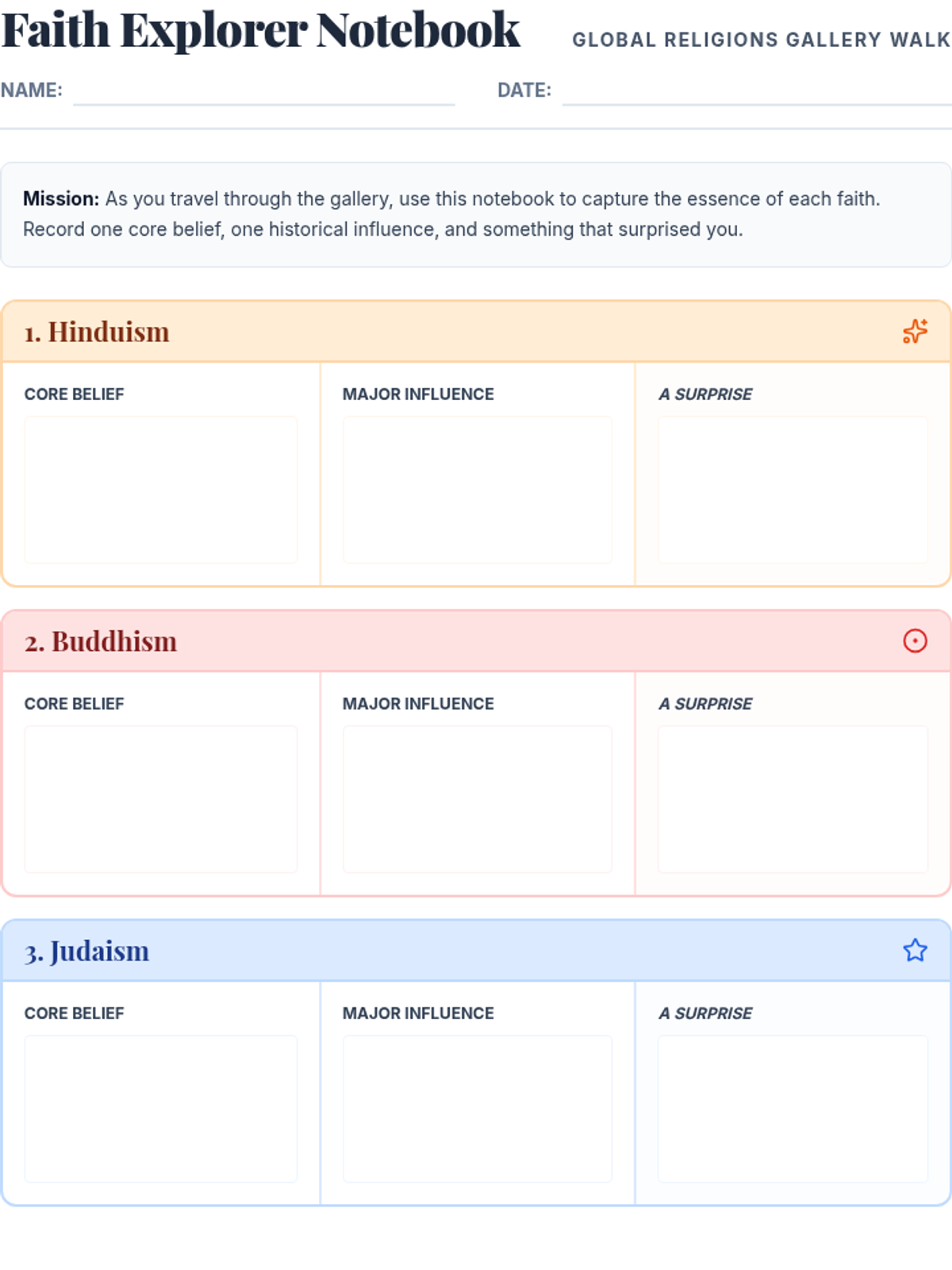
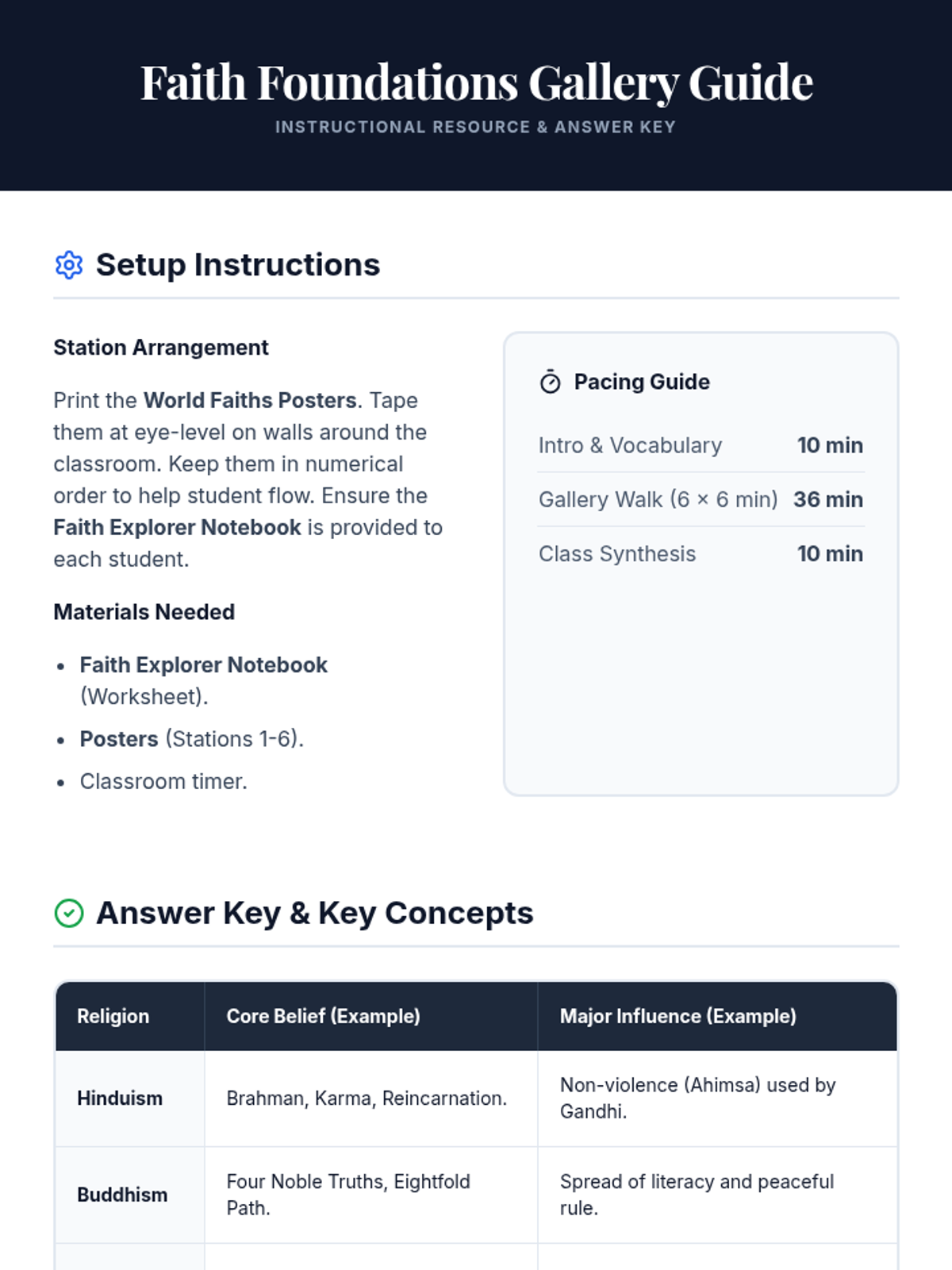
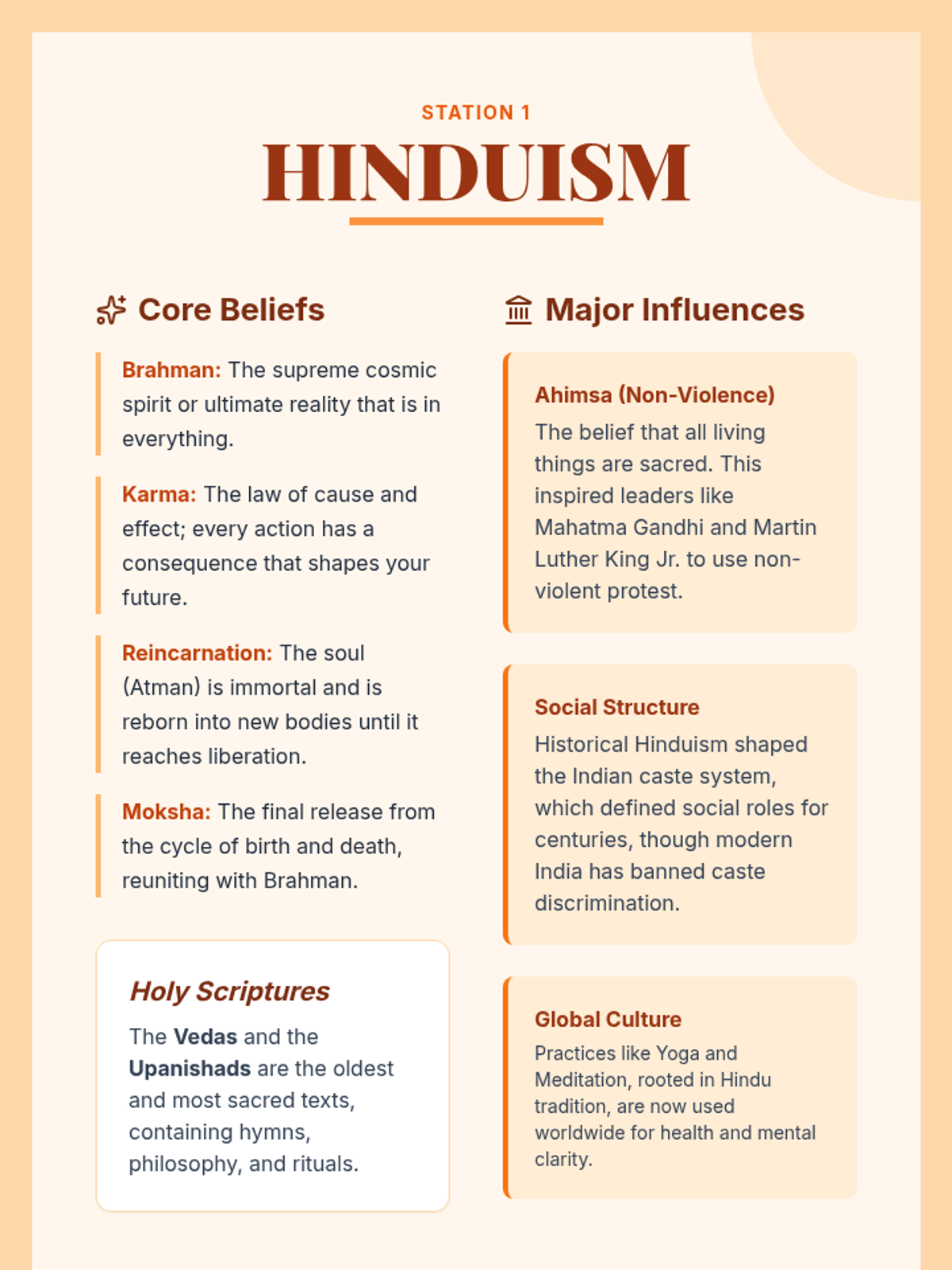
An immersive gallery walk exploring the core beliefs and historical influences of Hinduism, Buddhism, Judaism, Christianity, Islam, and Taoism. Students rotate through visual stations to build a comparative understanding of global spiritual traditions.
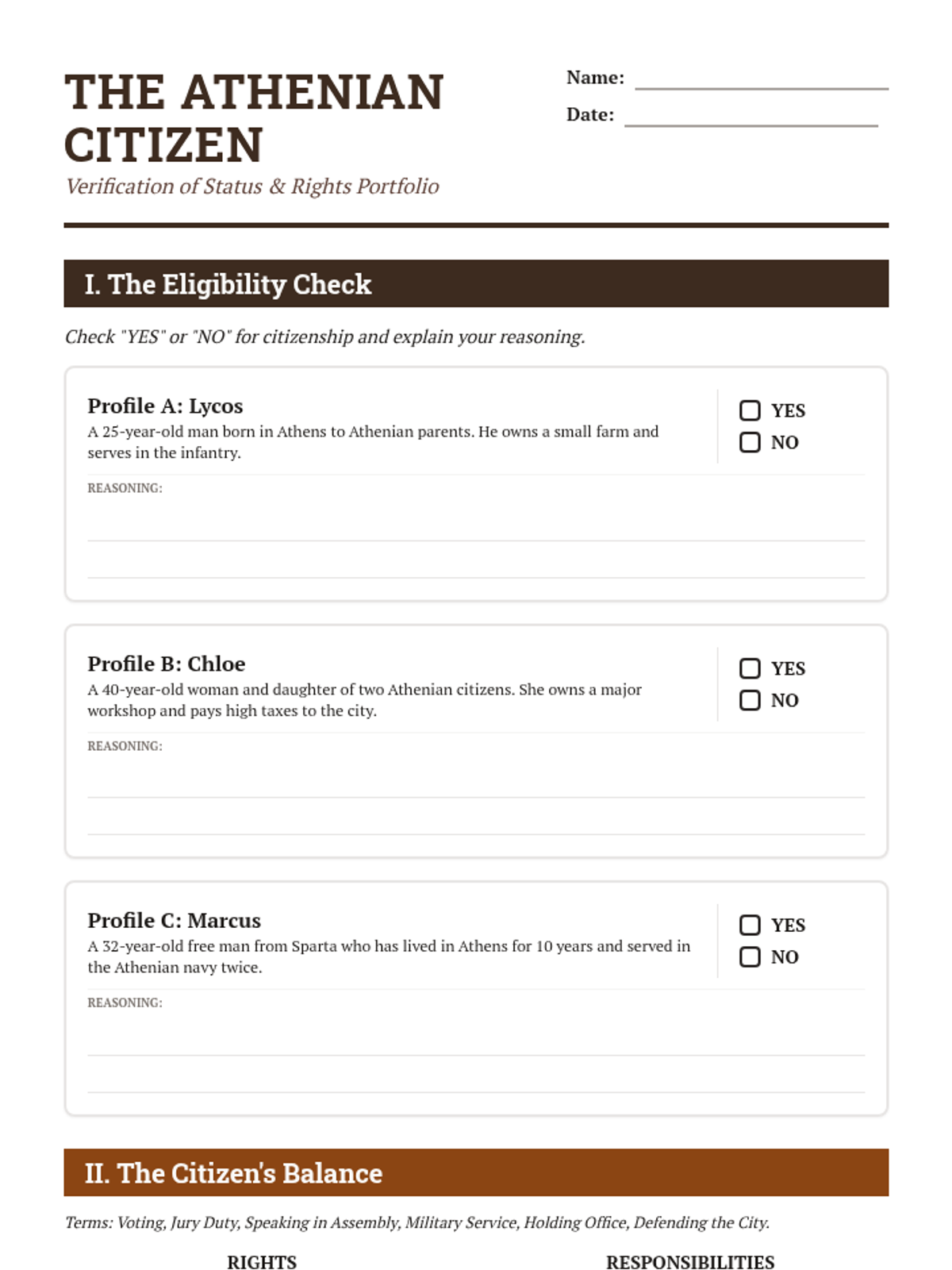
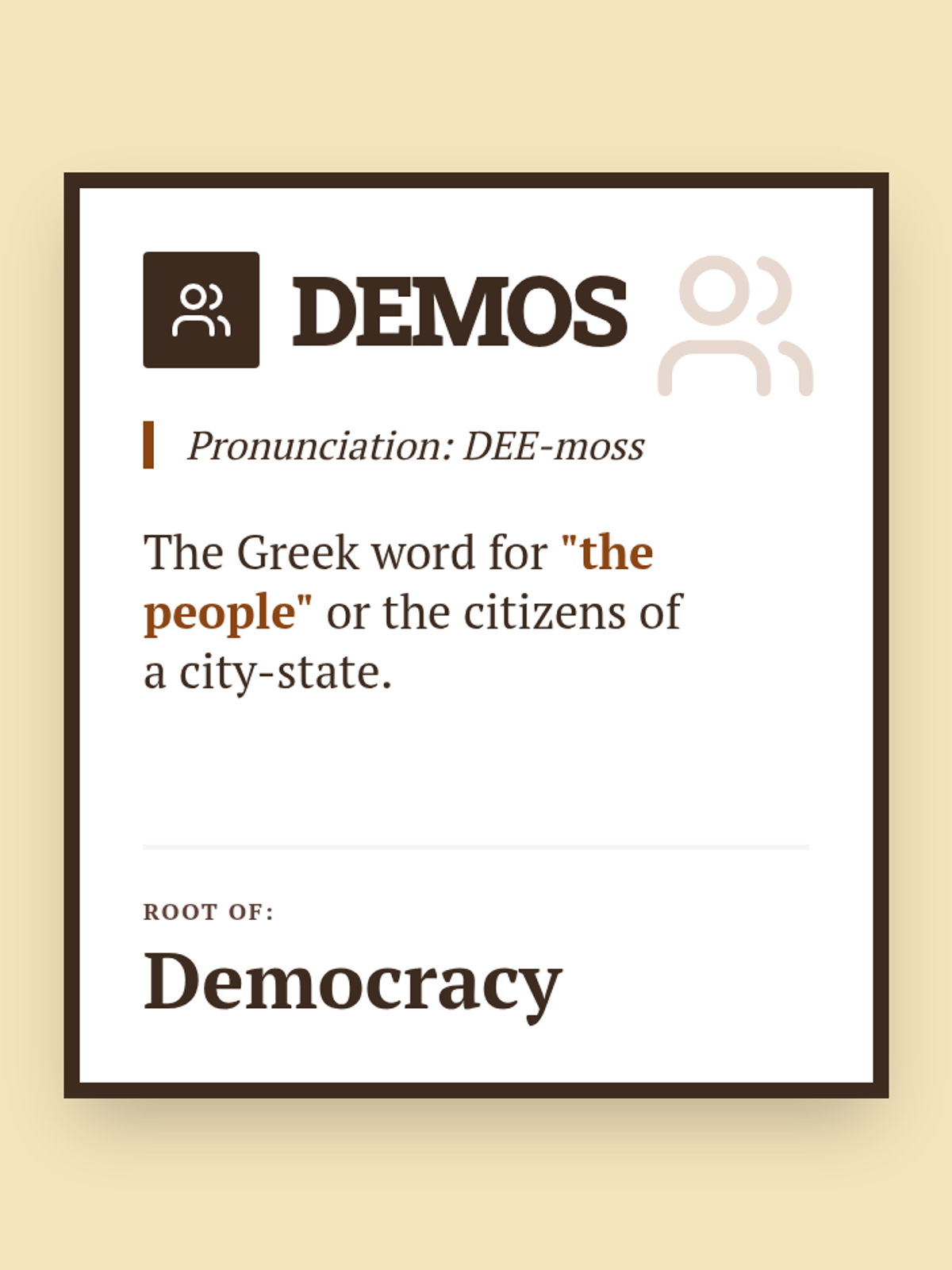
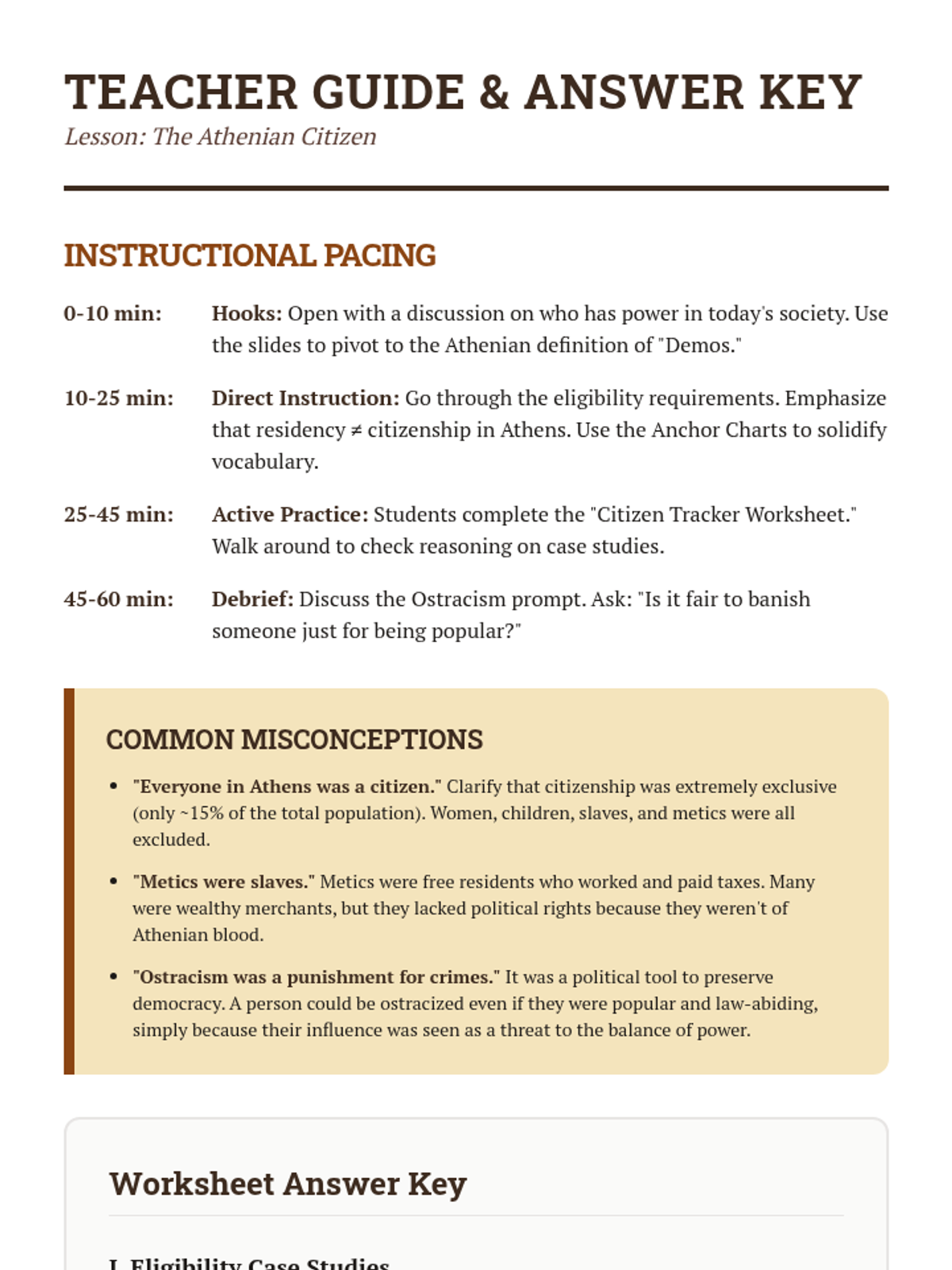
An exploration of the foundations of citizenship in ancient Athens, covering eligibility, rights, responsibilities, and the unique practice of ostracism.
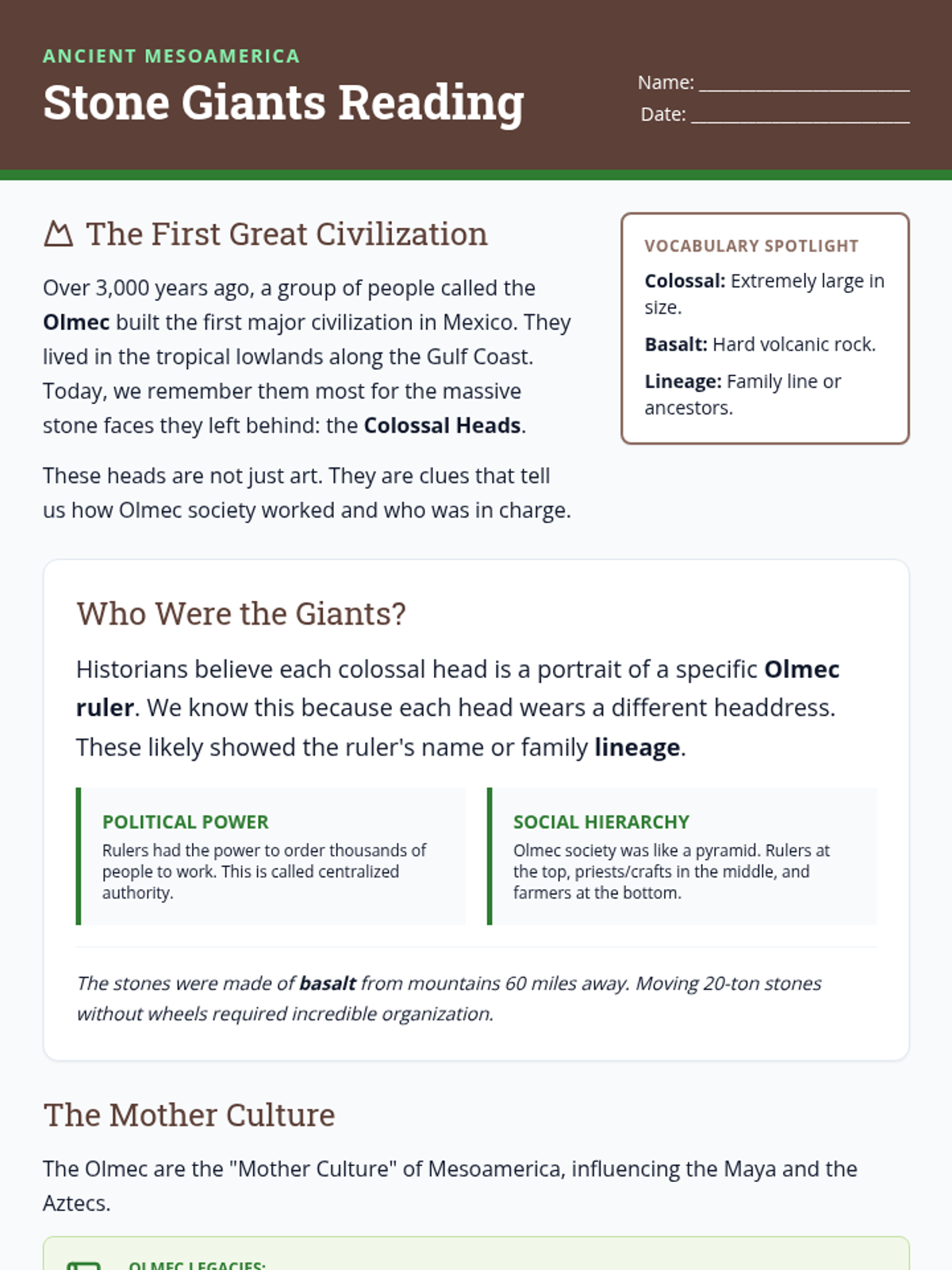
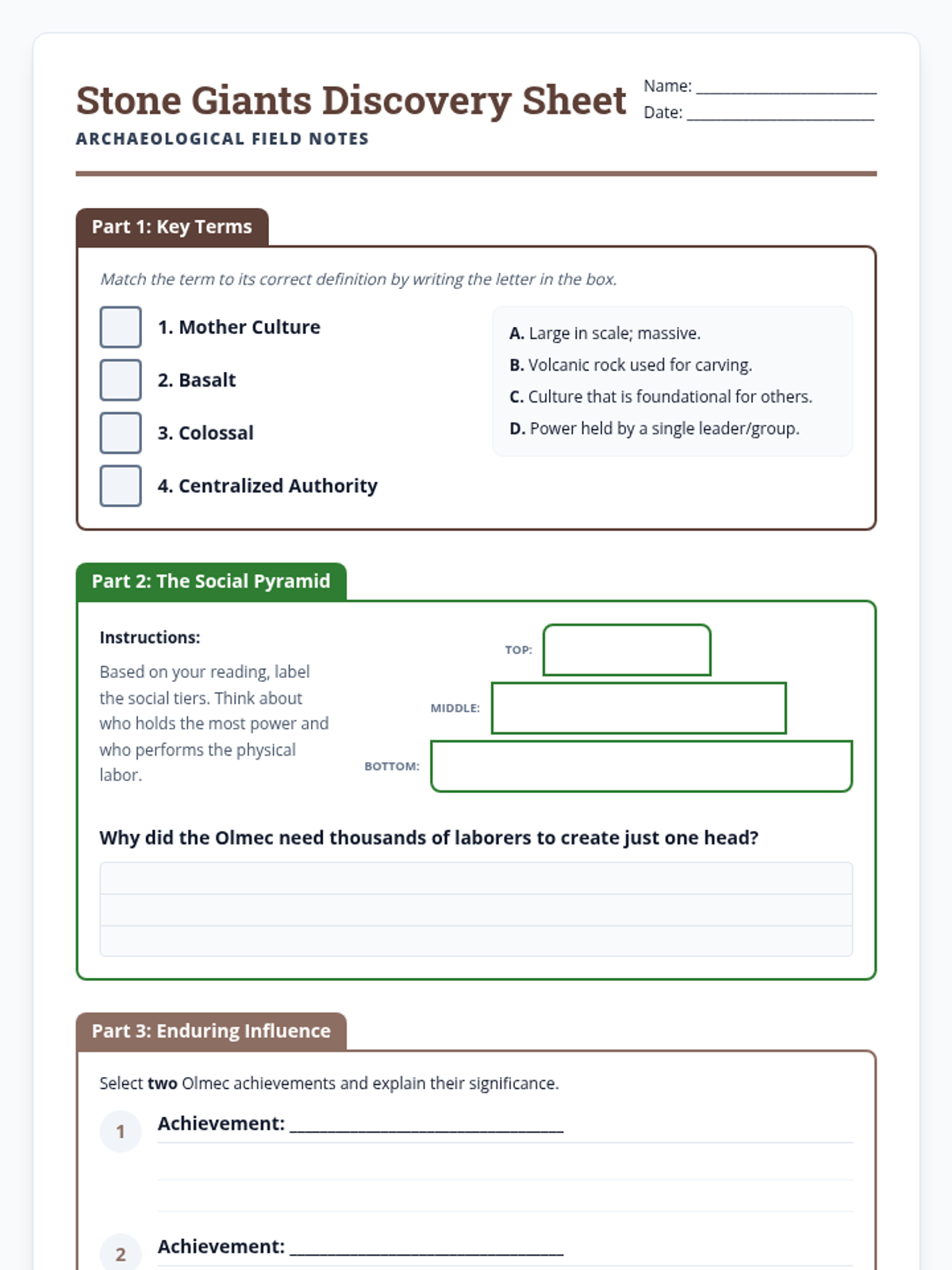
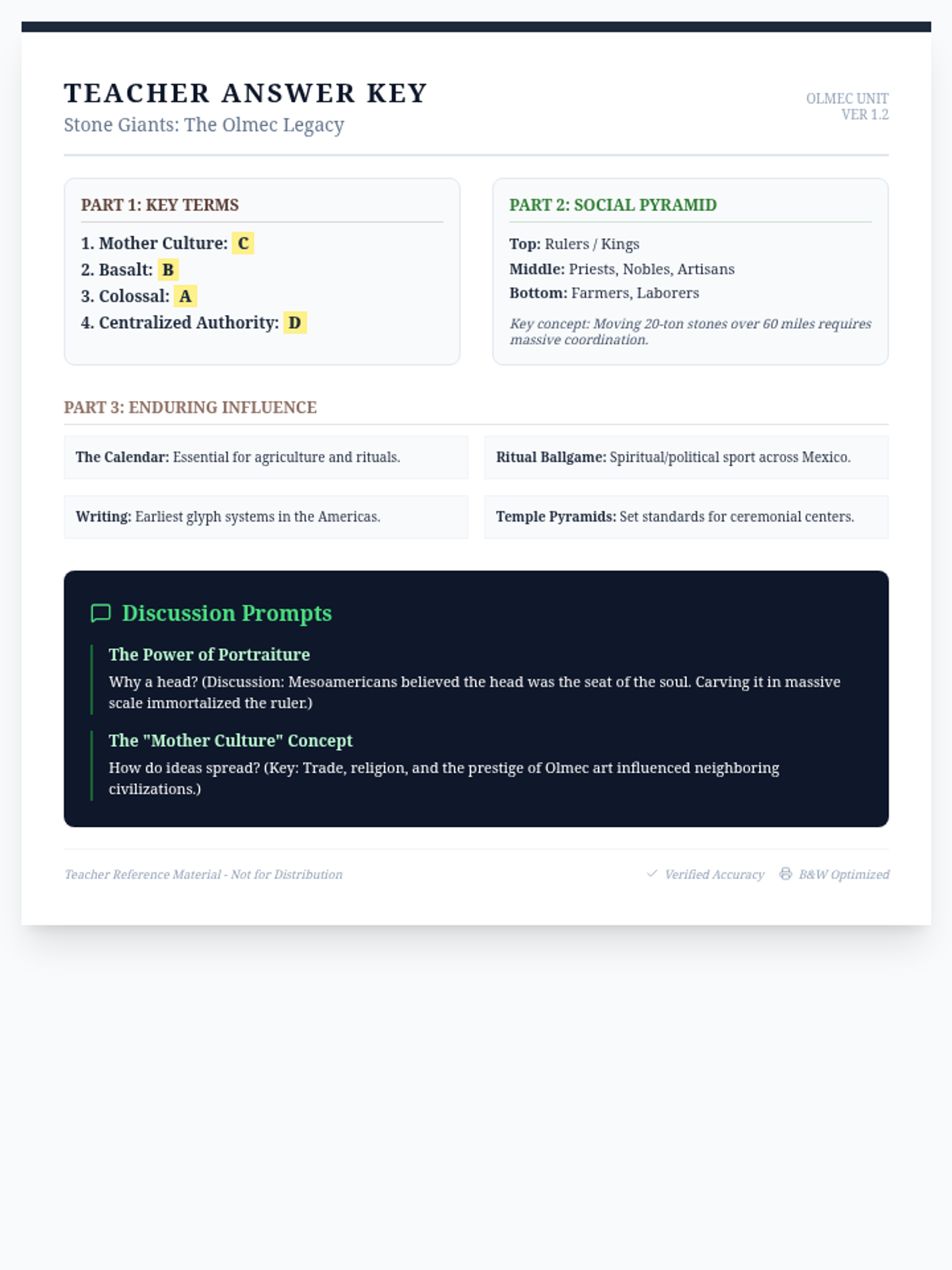
A lesson exploring the Olmec civilization through their iconic colossal heads, focusing on social hierarchy, political power, and their enduring legacy as Mesoamerica's 'Mother Culture'.
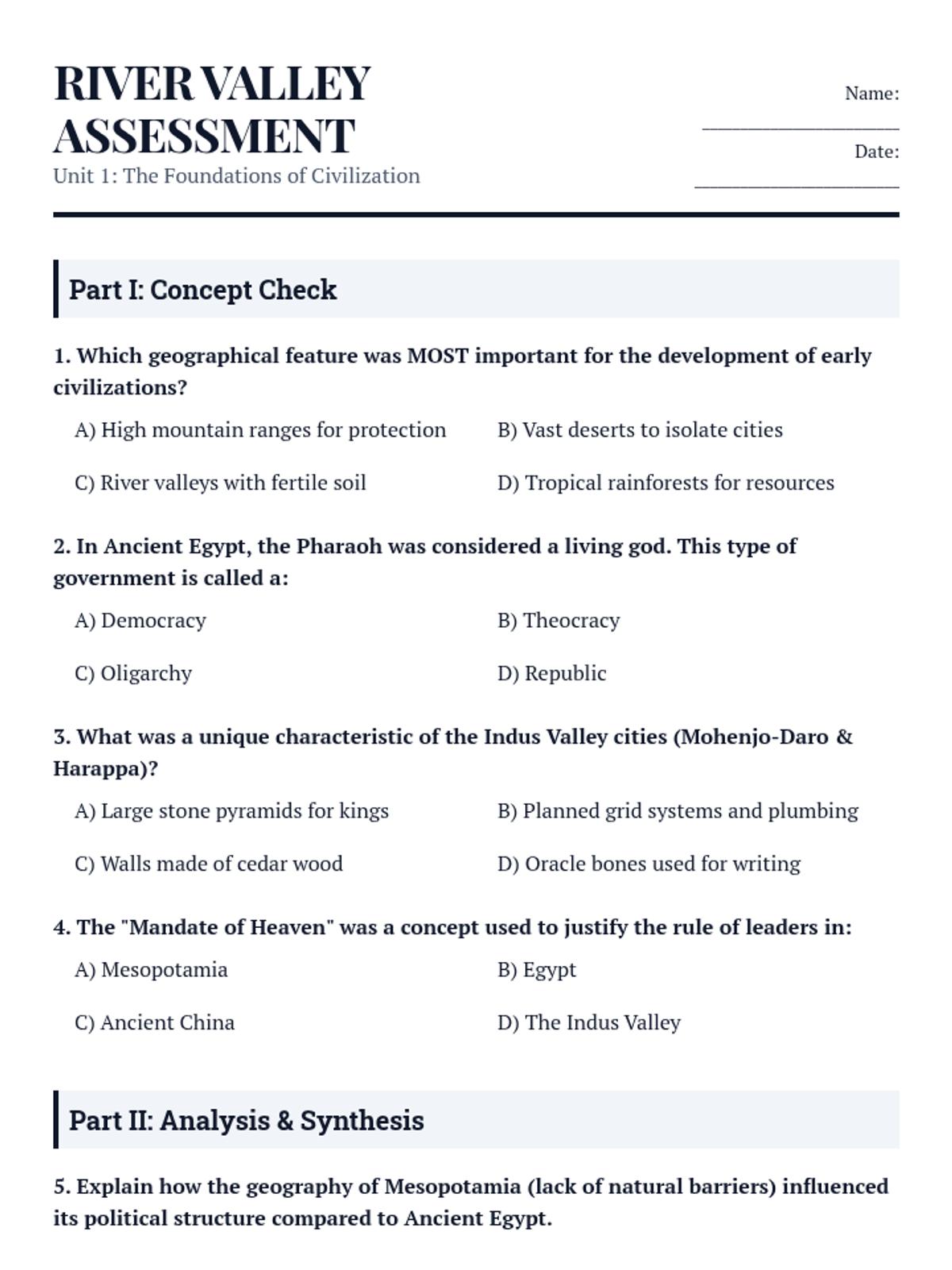
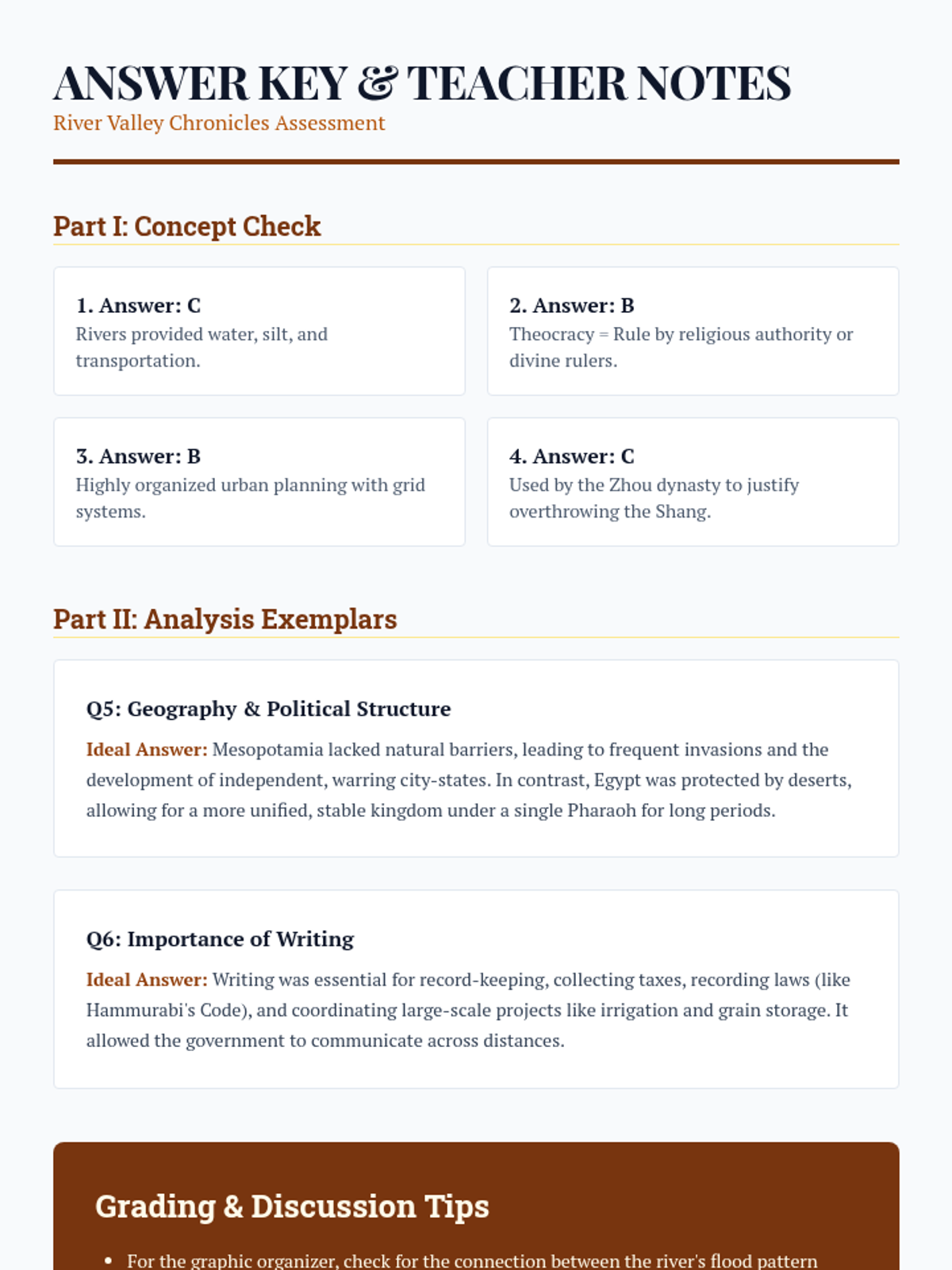
A final comparison of the four civilizations, focusing on shared characteristics like irrigation, social classes, and writing systems, culminating in a unit assessment.
Focusing on the Huang He (Yellow River), the early dynasties, the concept of the Mandate of Heaven, and the development of Confucianism and Taoism.
Investigating the advanced urban planning of Harappa and Mohenjo-Daro, the mystery of their undeciphered script, and their extensive trade networks.