Students master the art of decomposing complex figures into fundamental shapes to solve composite area problems, bridging the gap between basic geometry and multi-step algebraic calculations using the Pythagorean Theorem.
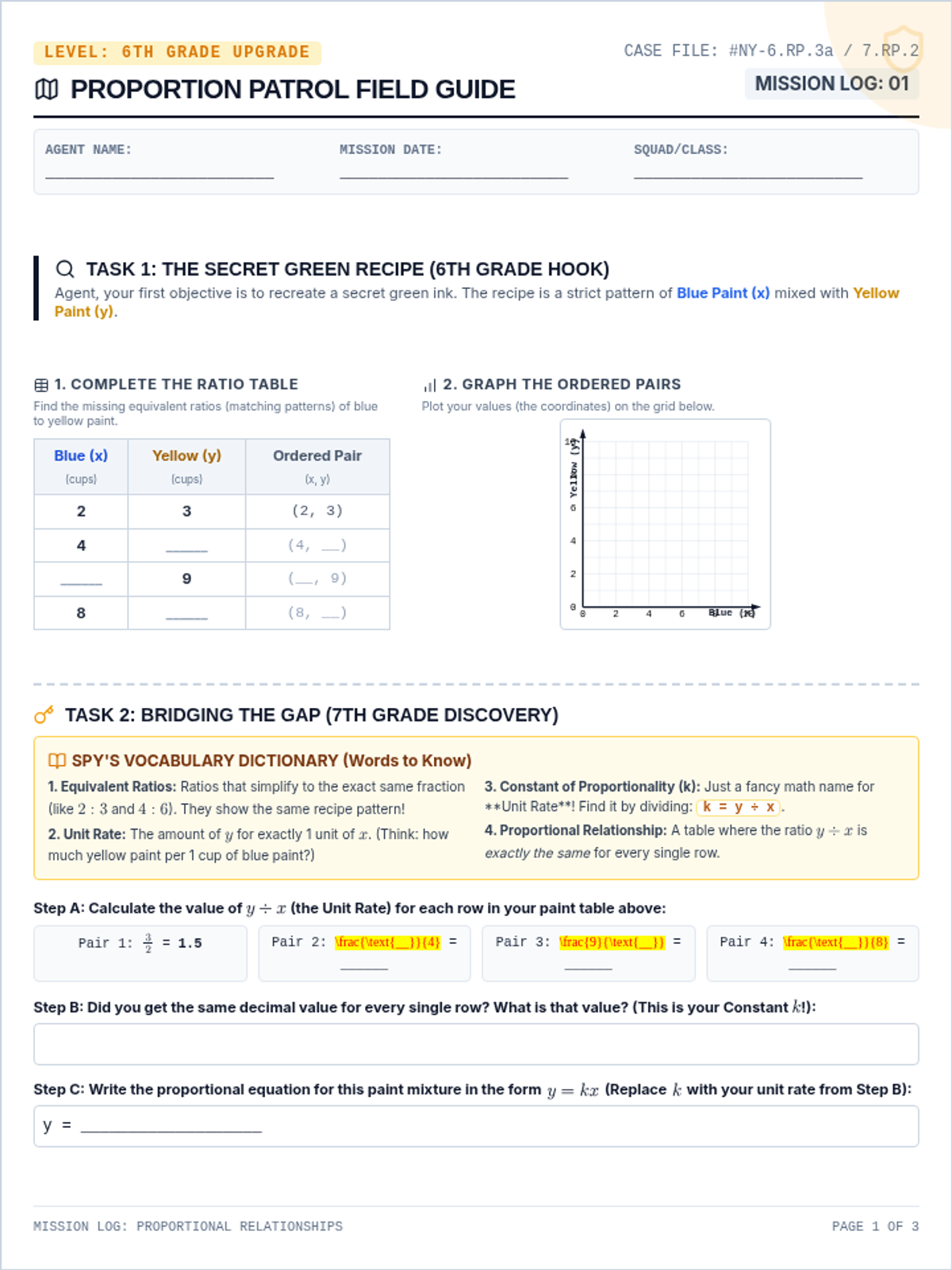
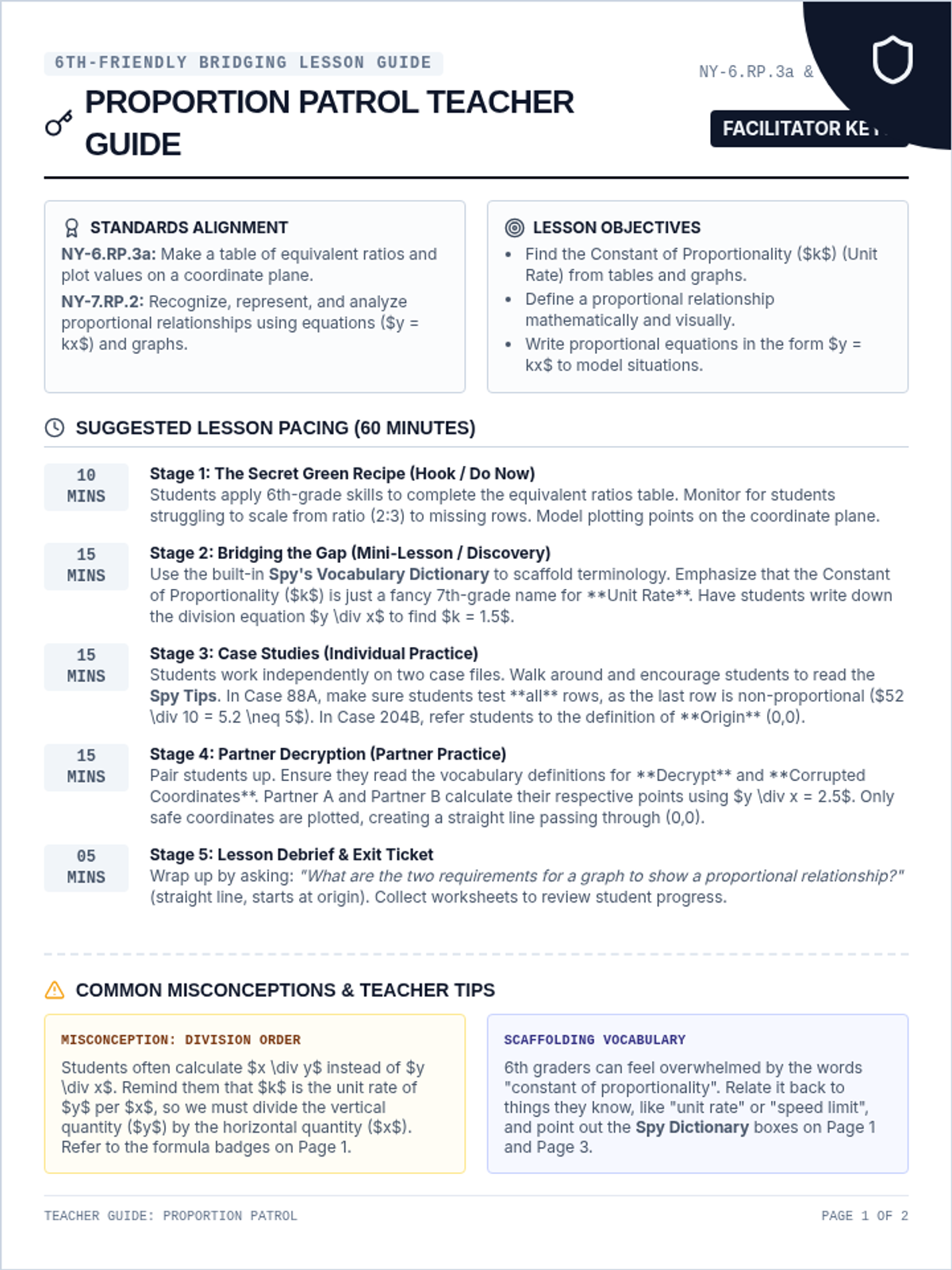
A high-engagement 6th-to-7th grade bridge lesson that connects ratio tables and graphing (NY-6.RP.3a) to the constant of proportionality and proportional relationships (NY-7.RP.2). Students act as detectives solving blueprint puzzles using coordinate planes and ratio analysis.
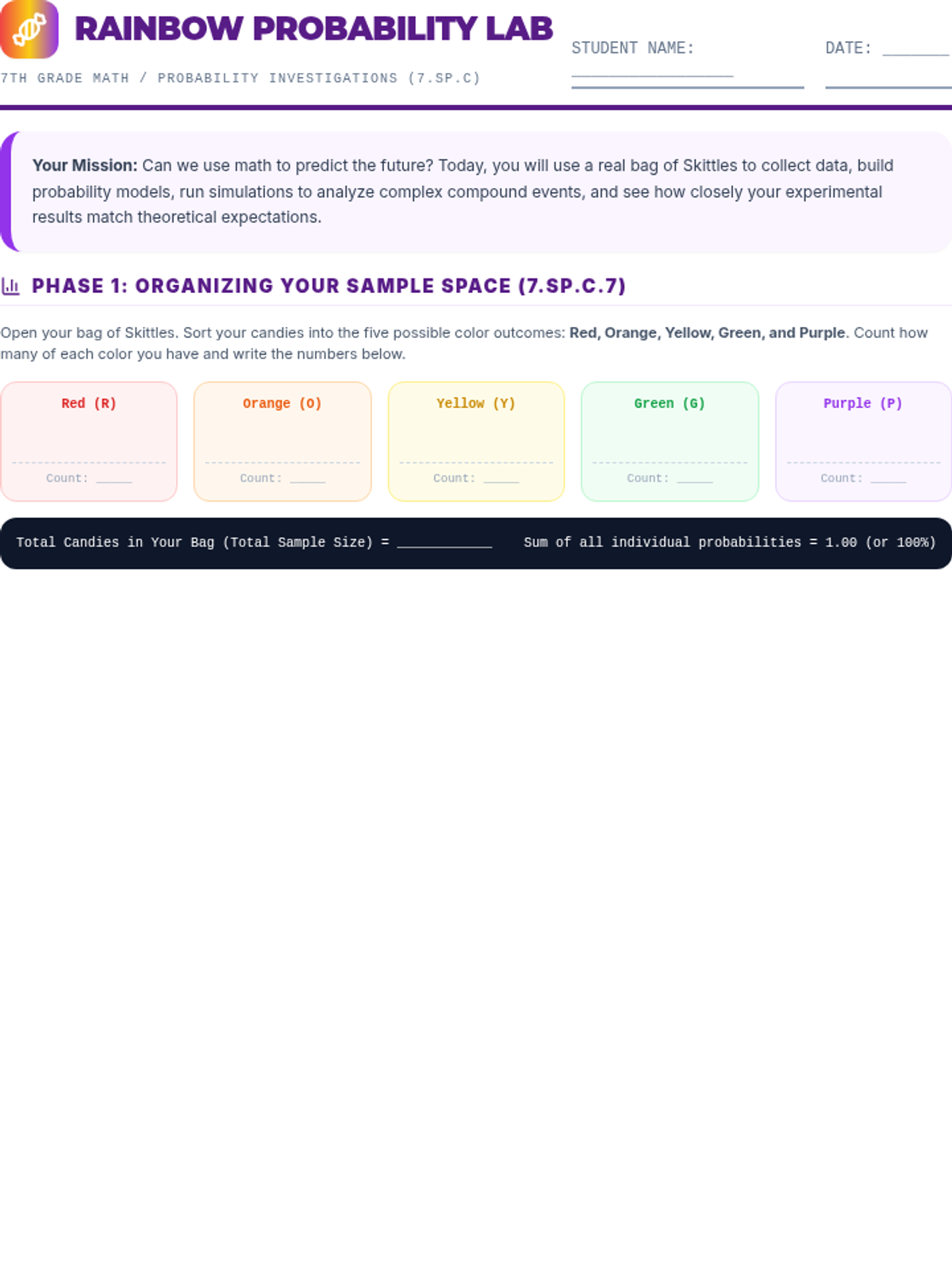
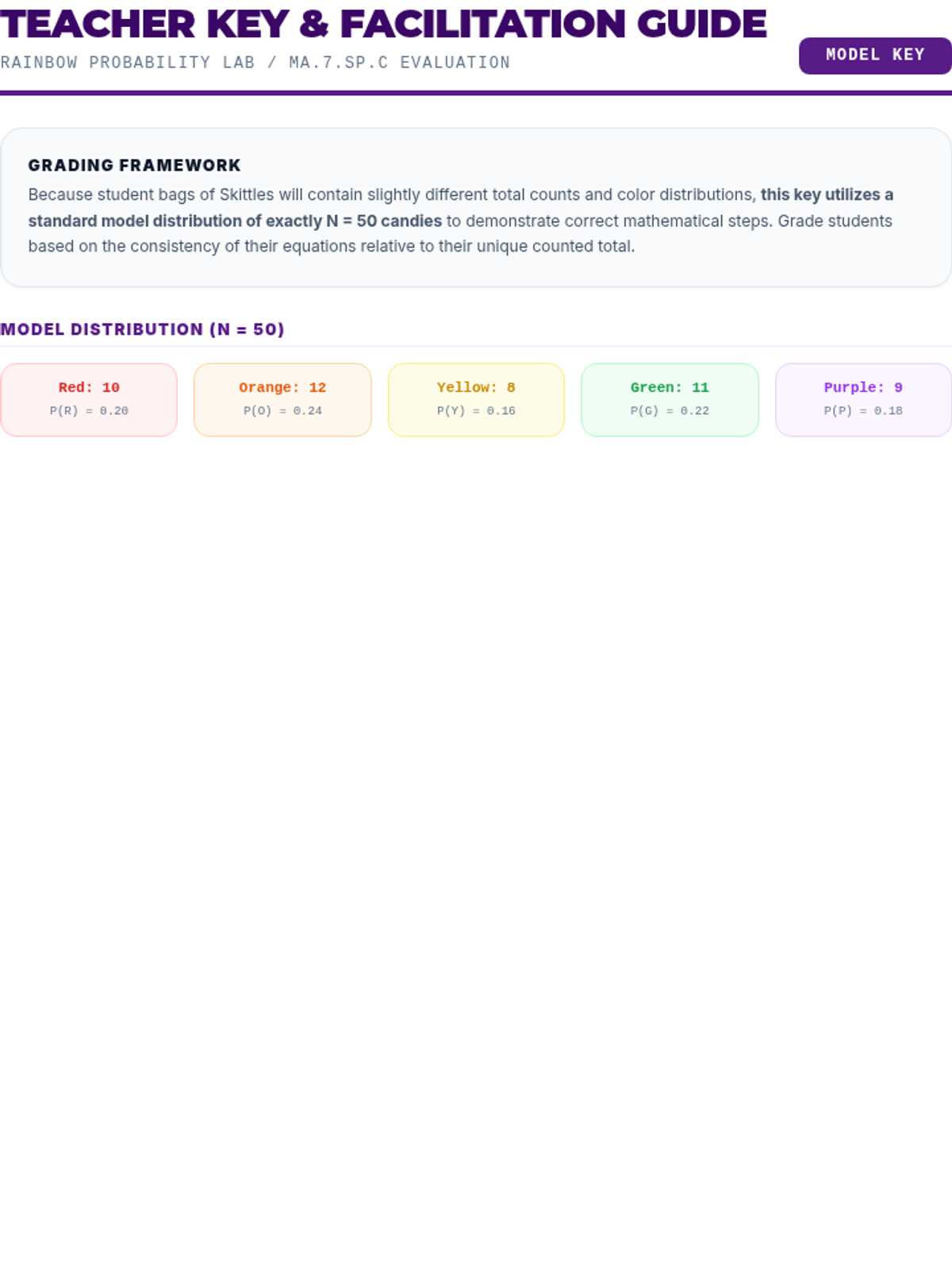
An engaging hands-on math lab where students collect empirical data using Skittles candies to build probability models, compare experimental and theoretical probabilities, and analyze compound events.
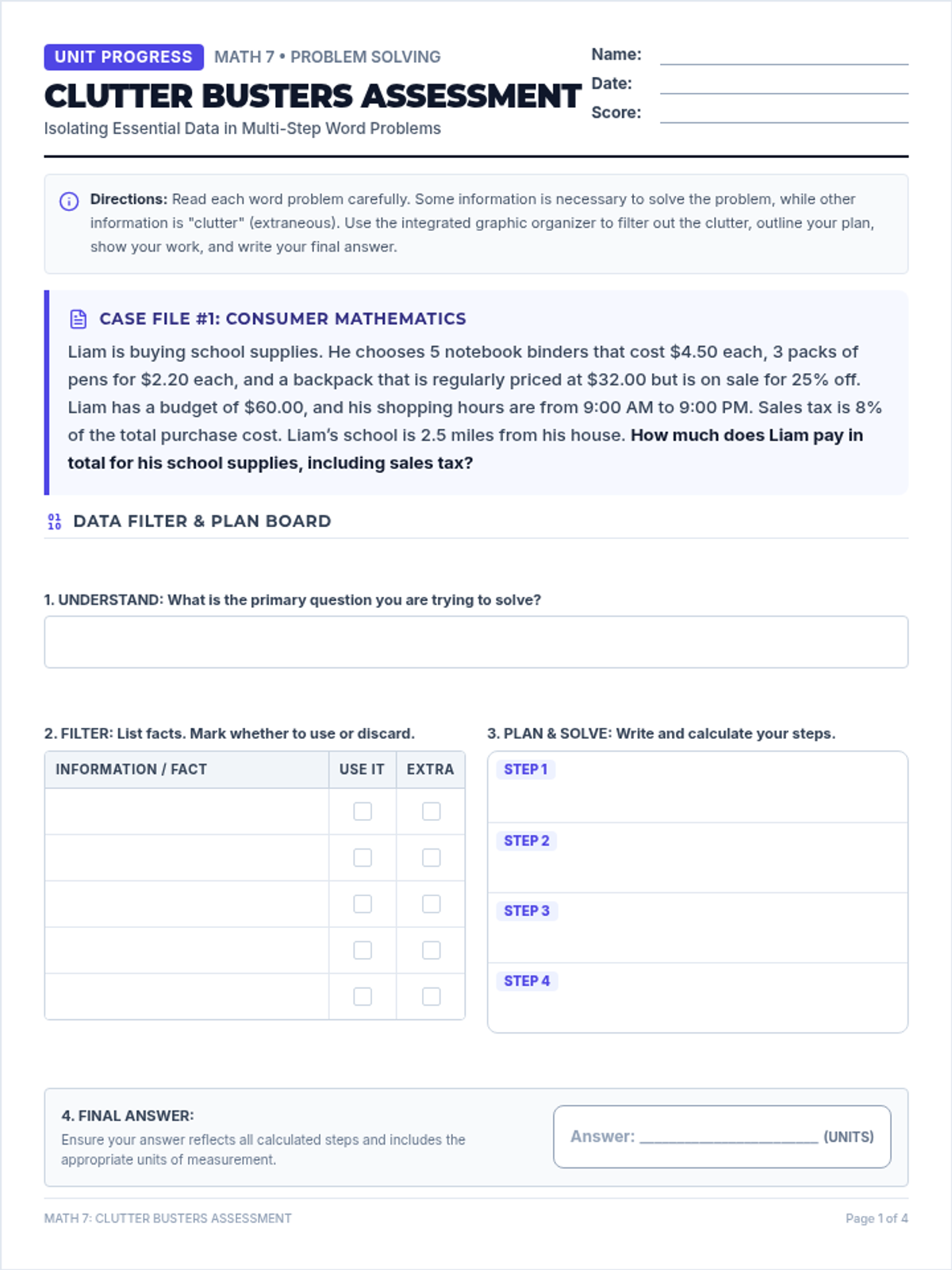
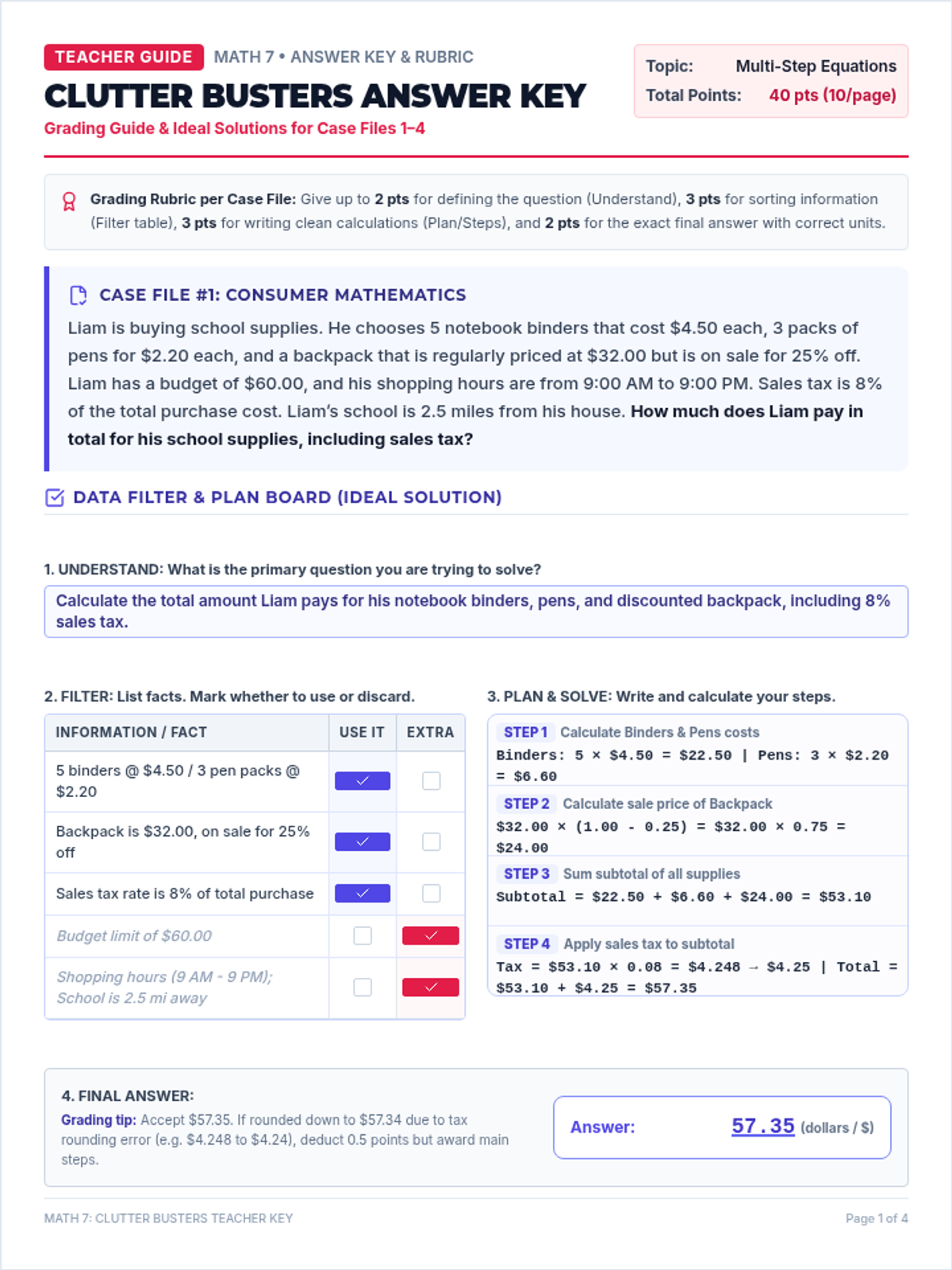
A middle-school math lesson focused on identifying and isolating extraneous information in multi-step word problems. It teaches students to separate relevant data from distracting context using an intuitive, column-based graphic organizer.
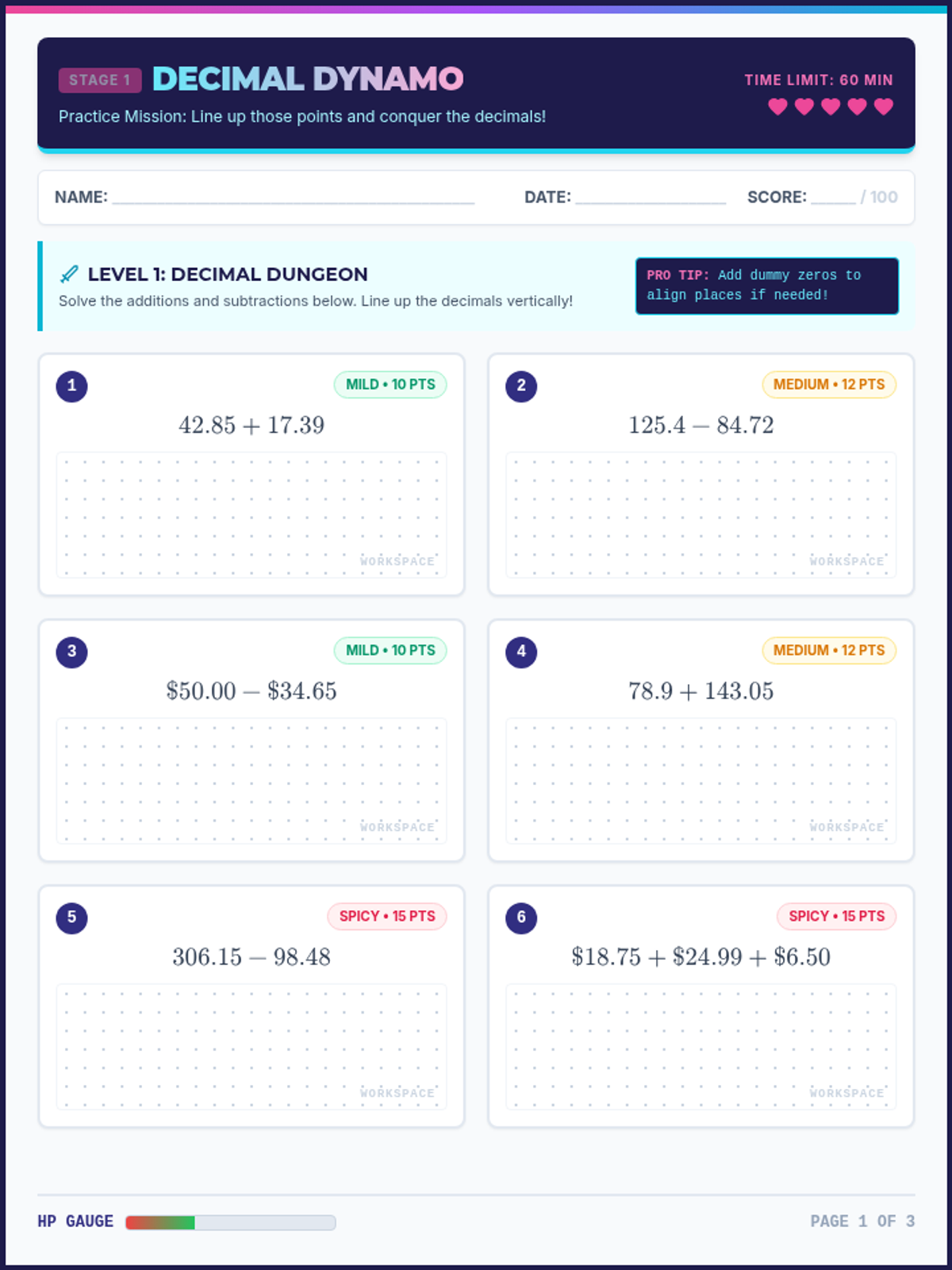
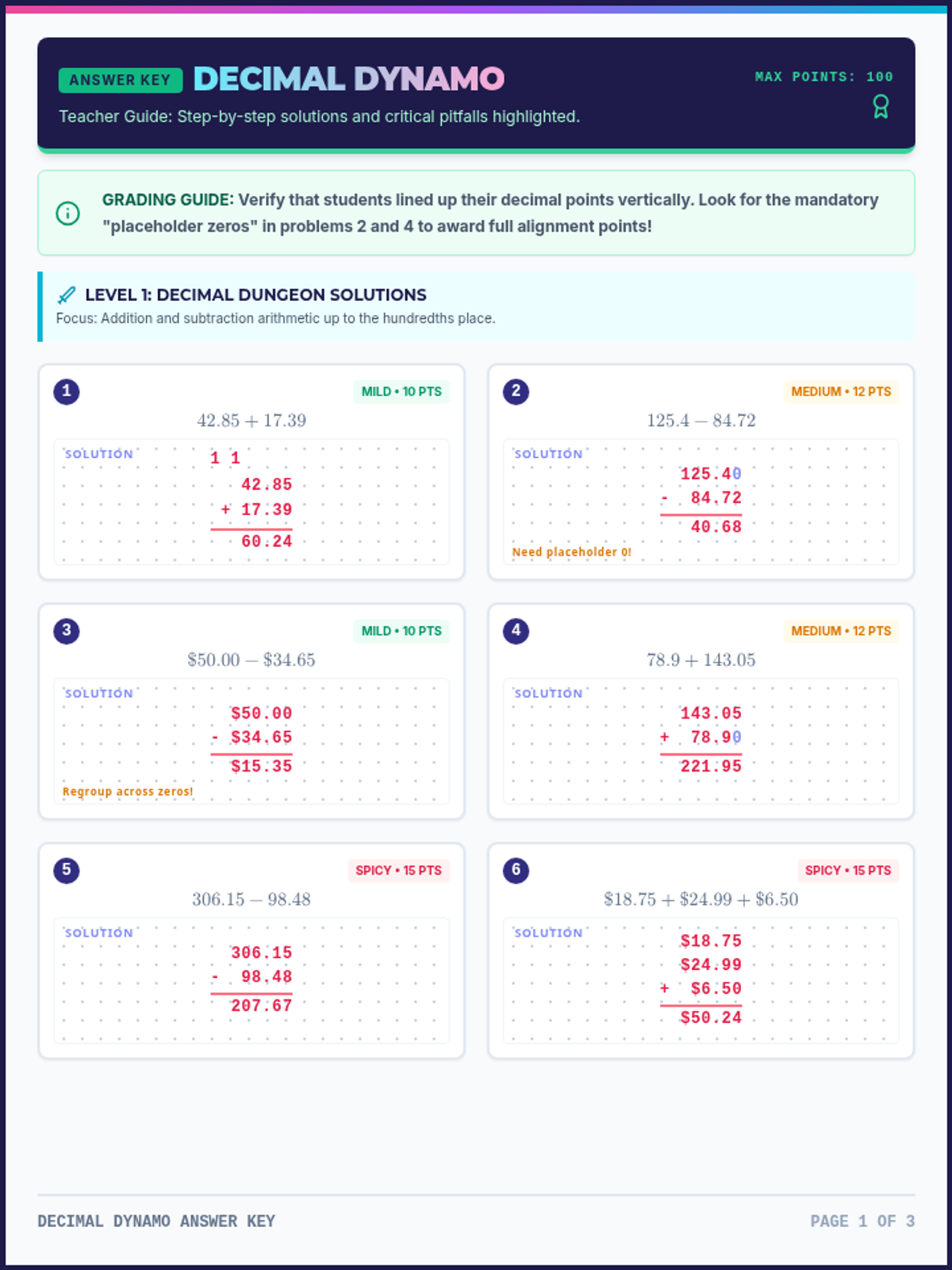
A comprehensive 60-minute practice lesson focused on adding, subtracting, and multiplying whole numbers and decimals up to the hundredths place. Features a structured, arcade-themed student packet and a matching teacher answer key.
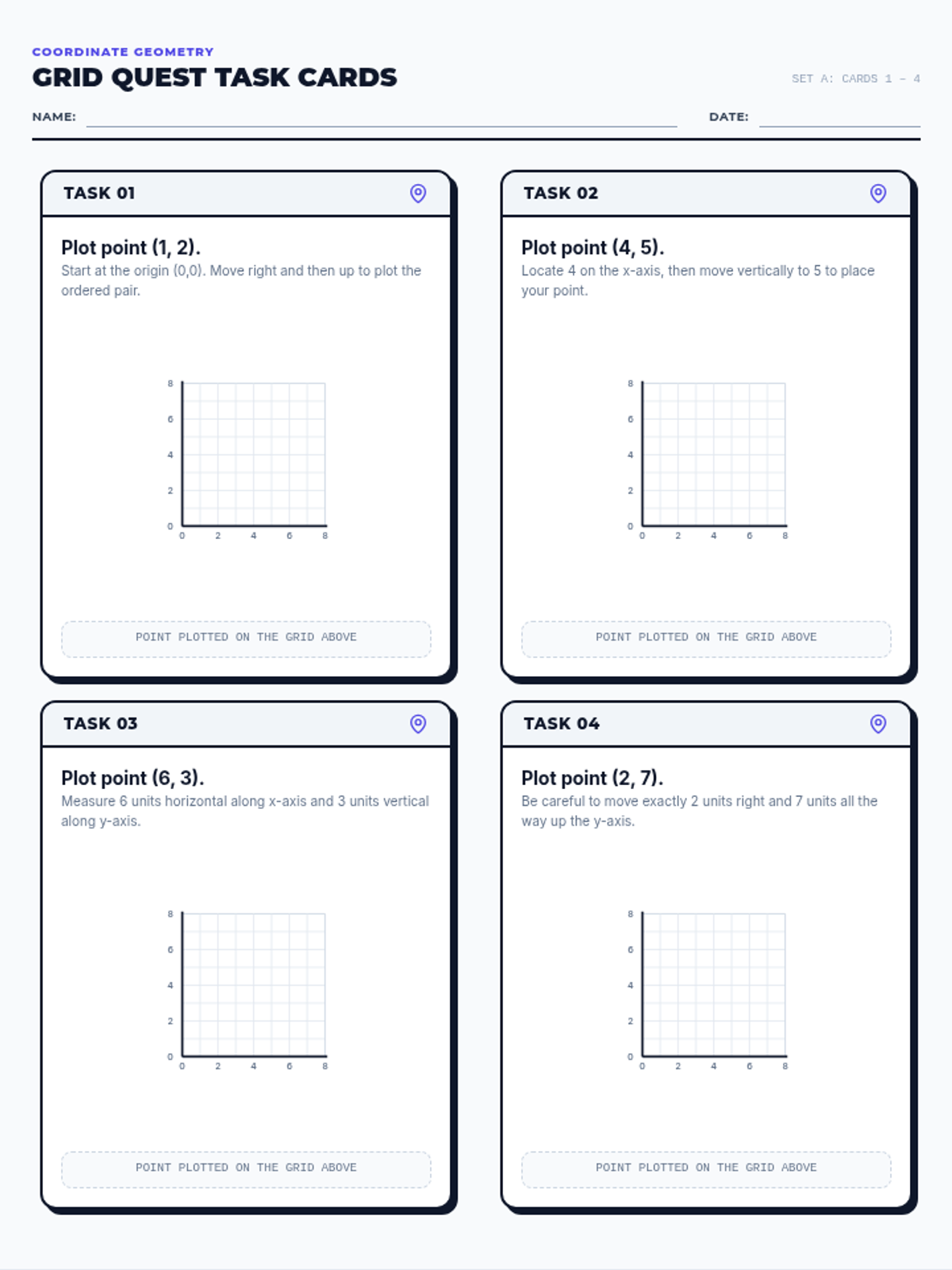
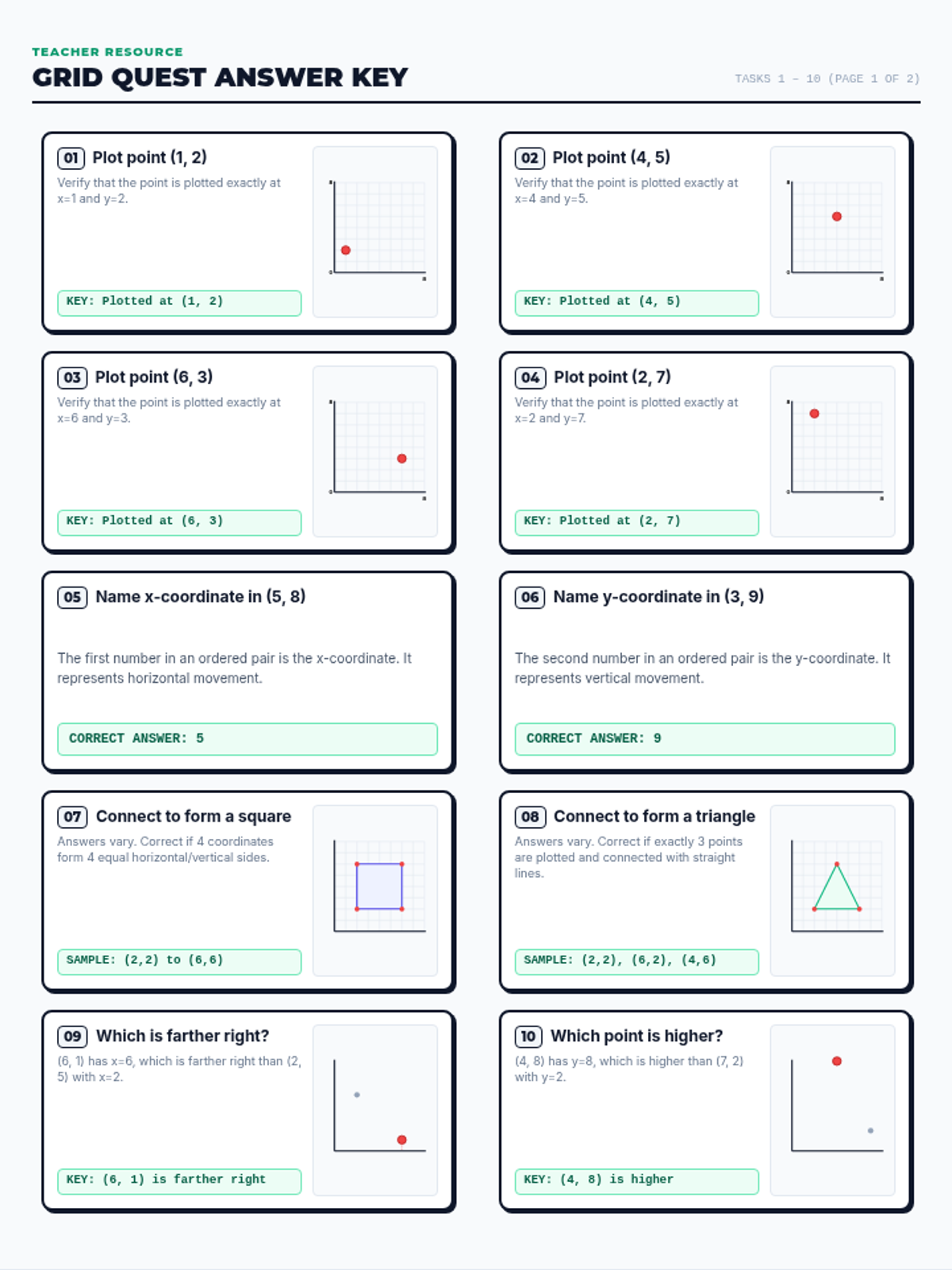
A interactive lesson exploring coordinate geometry, ordered pairs, and plotting on a 2D coordinate plane. Includes hands-on task cards to practice coordinates.
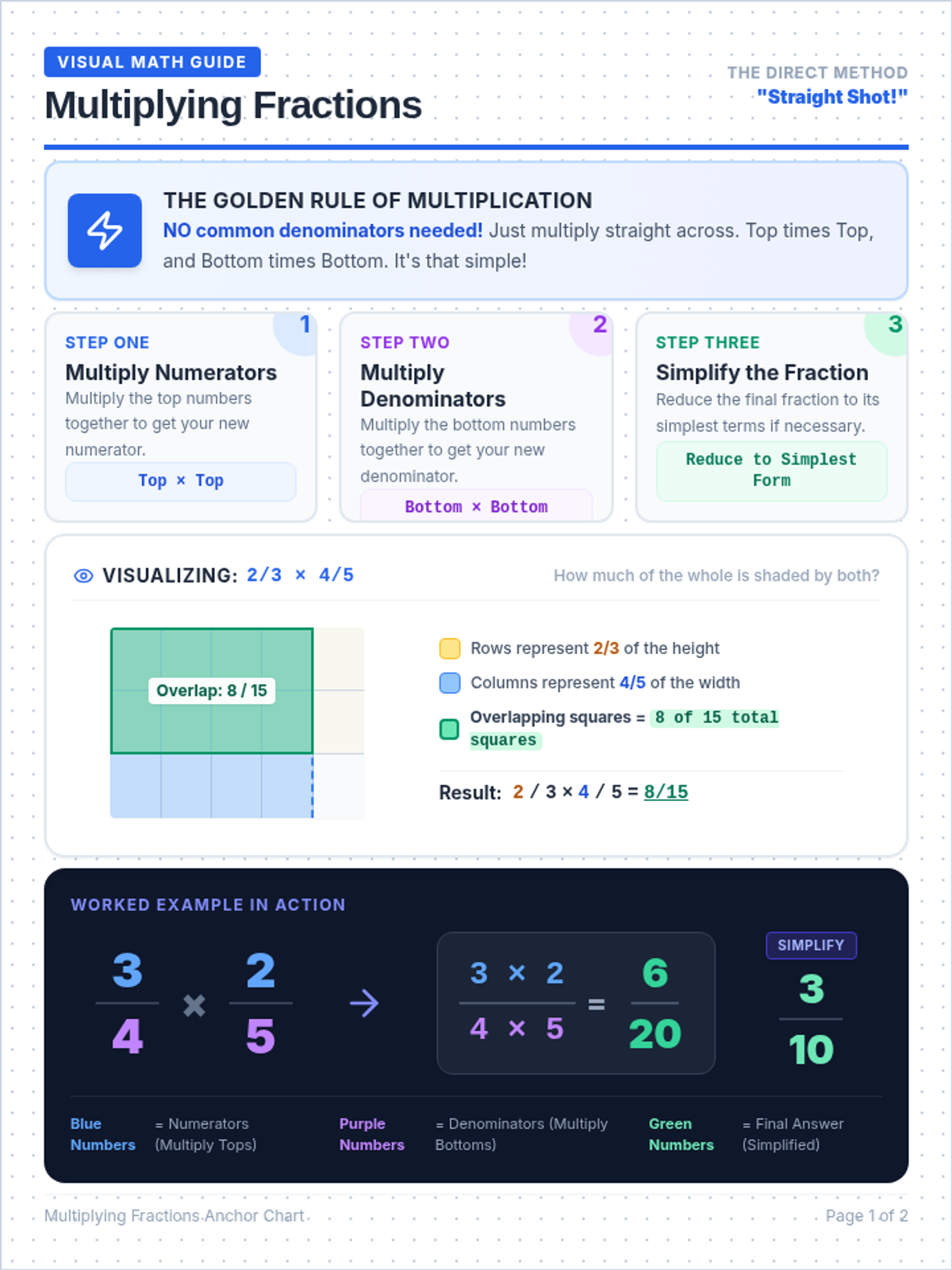
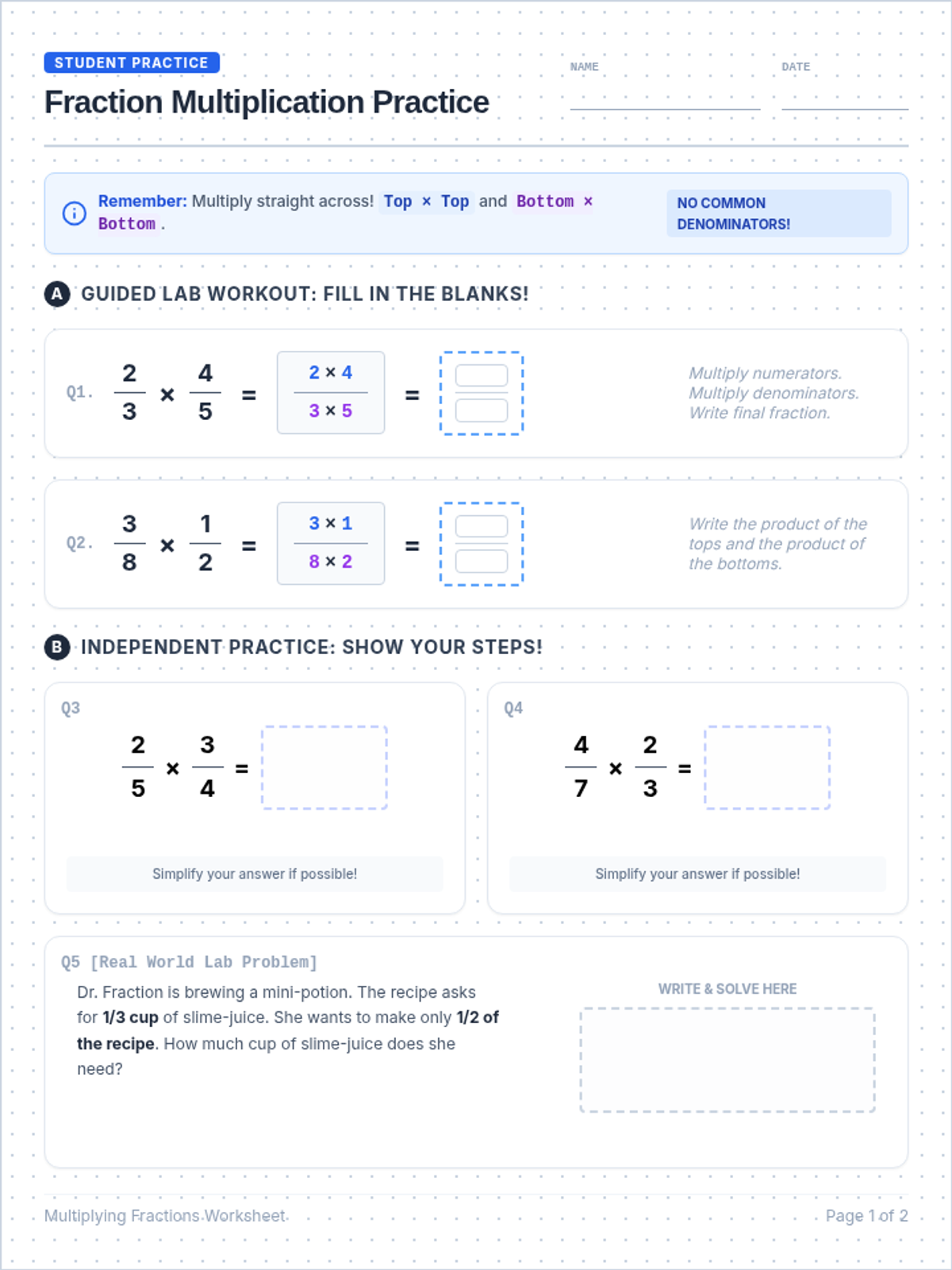
A comprehensive resource suite designed to teach students how to multiply and divide fractions through structured step-by-step anchor charts, visual models, and memory aids.
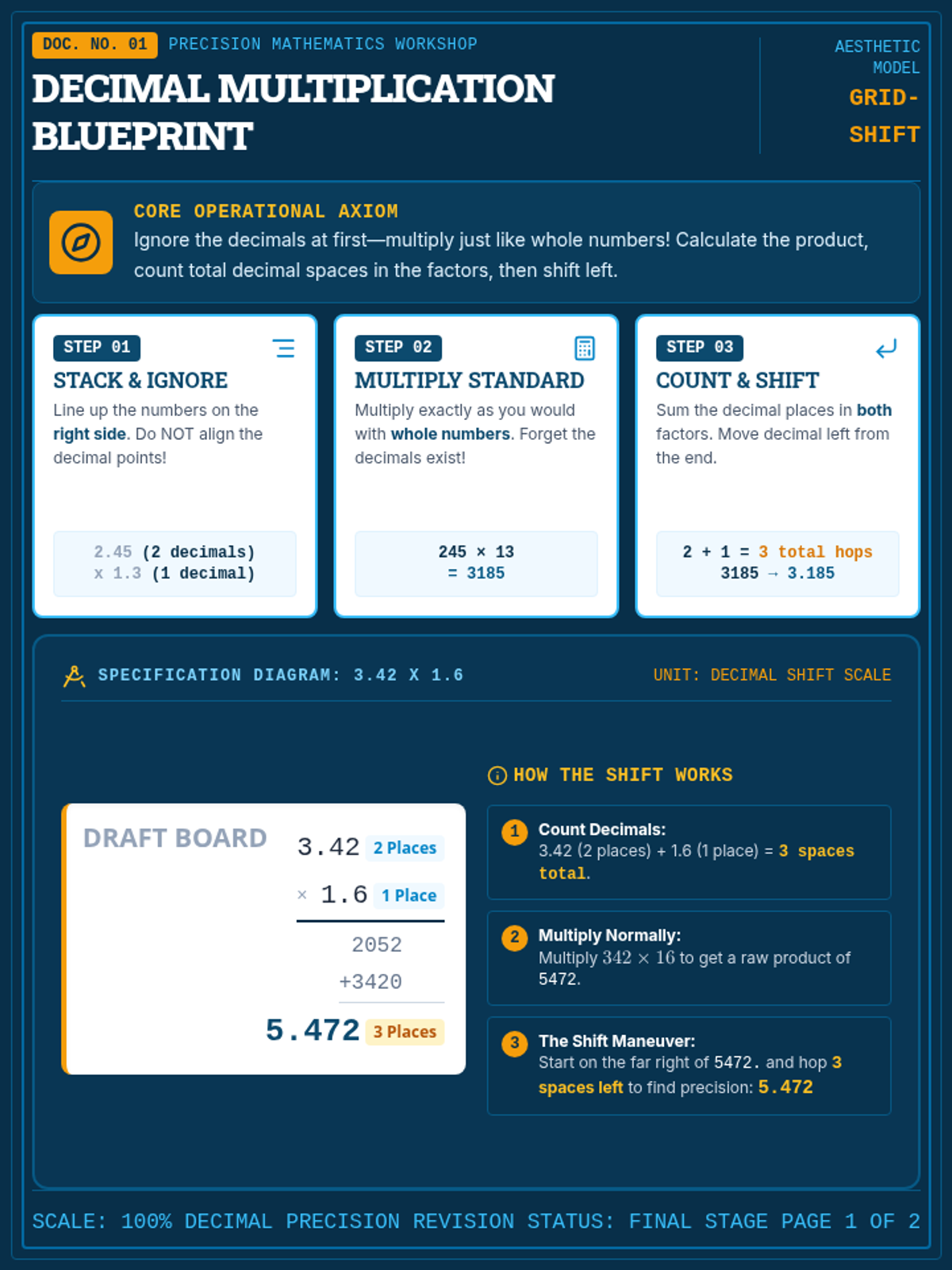
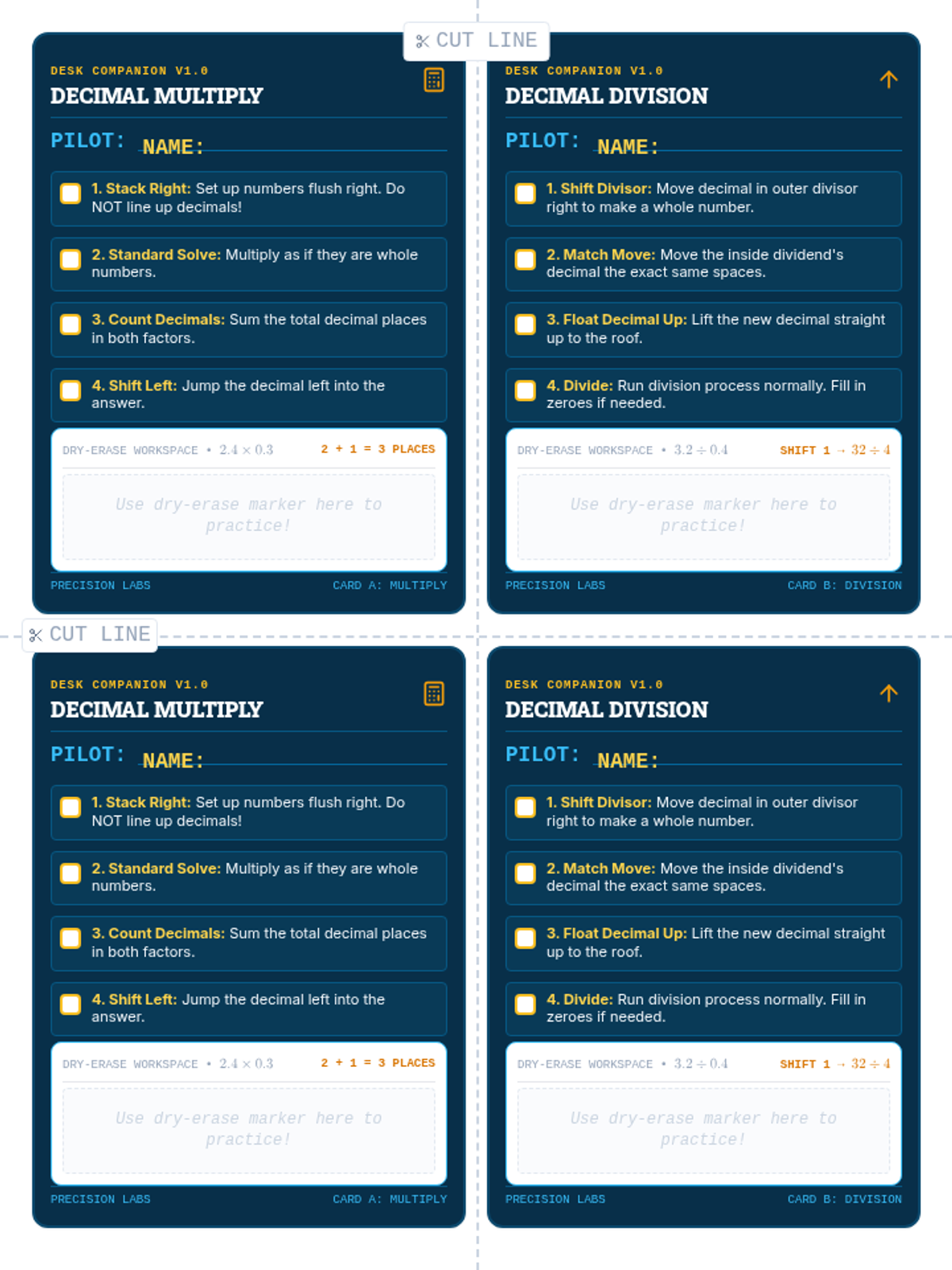
A visual, blueprint-themed guide to mastering decimal multiplication and division. Includes large classroom-ready anchor charts and individual student desk checklist cards for step-by-step scaffolding.
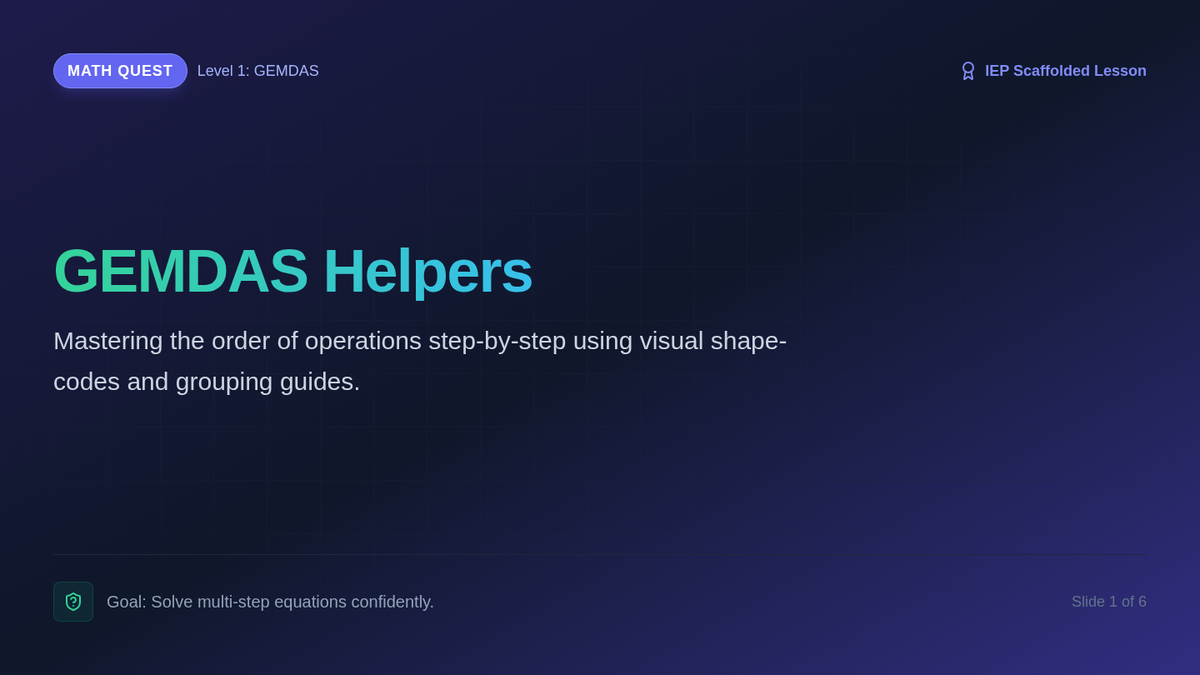
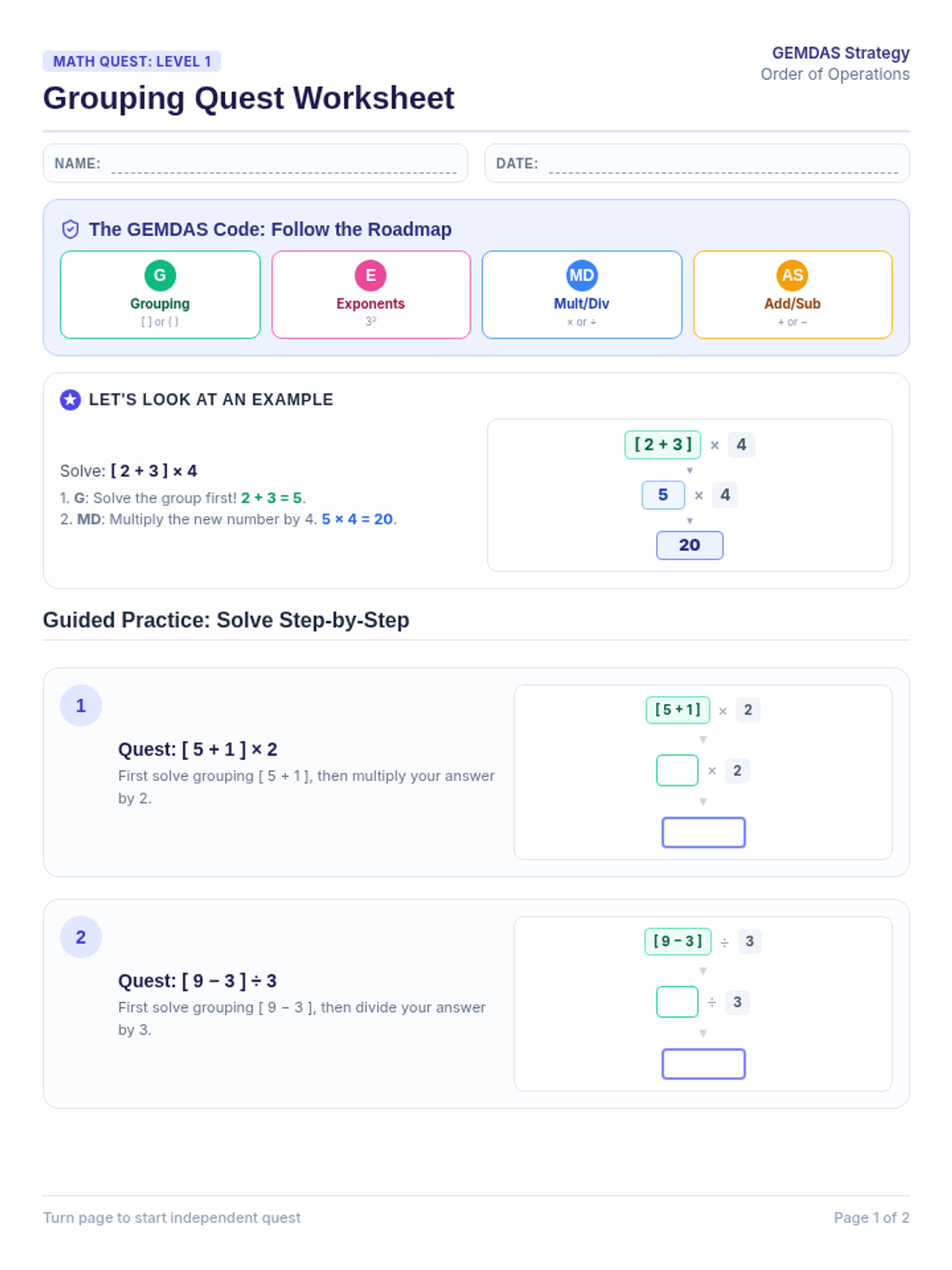
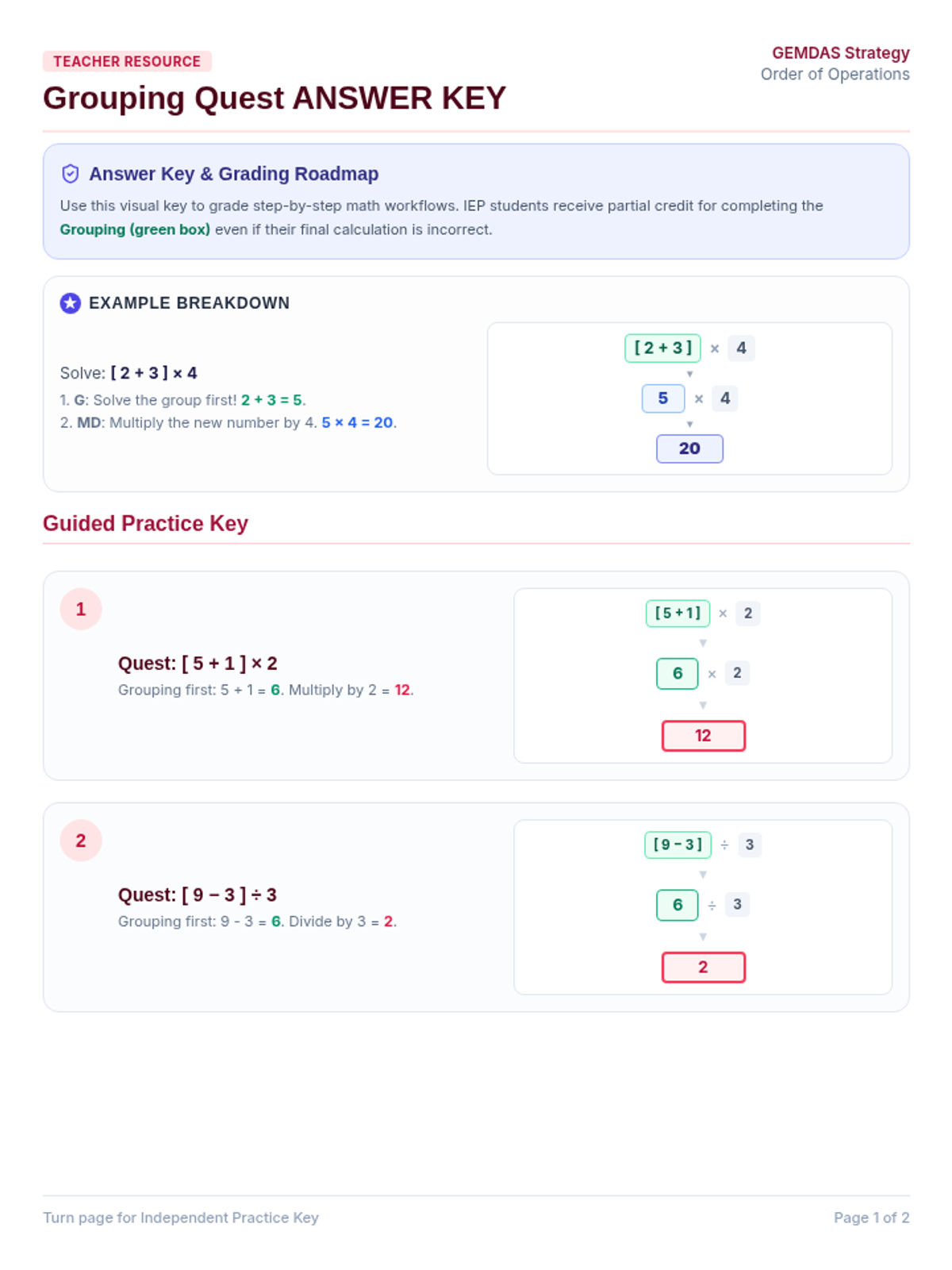
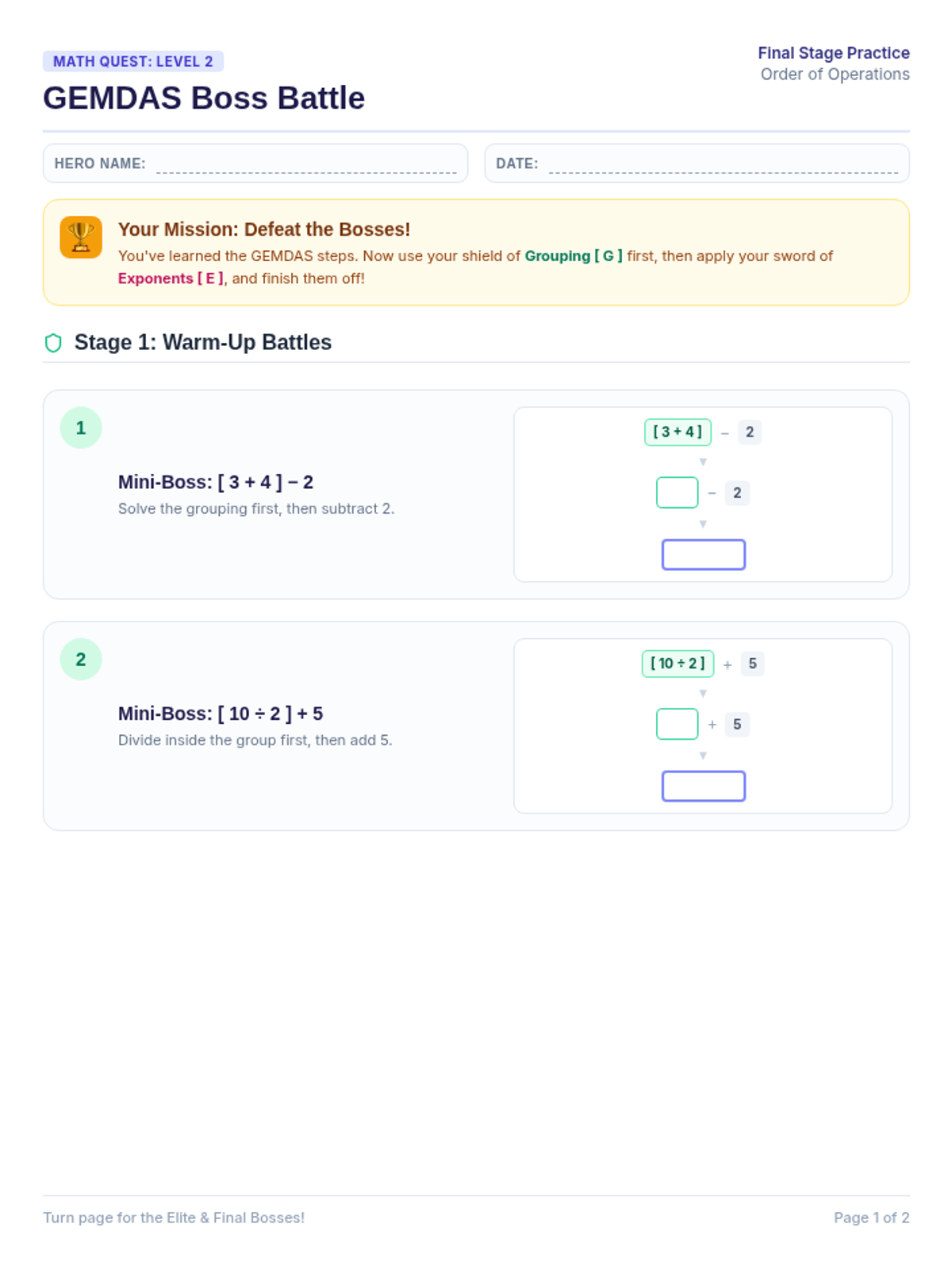
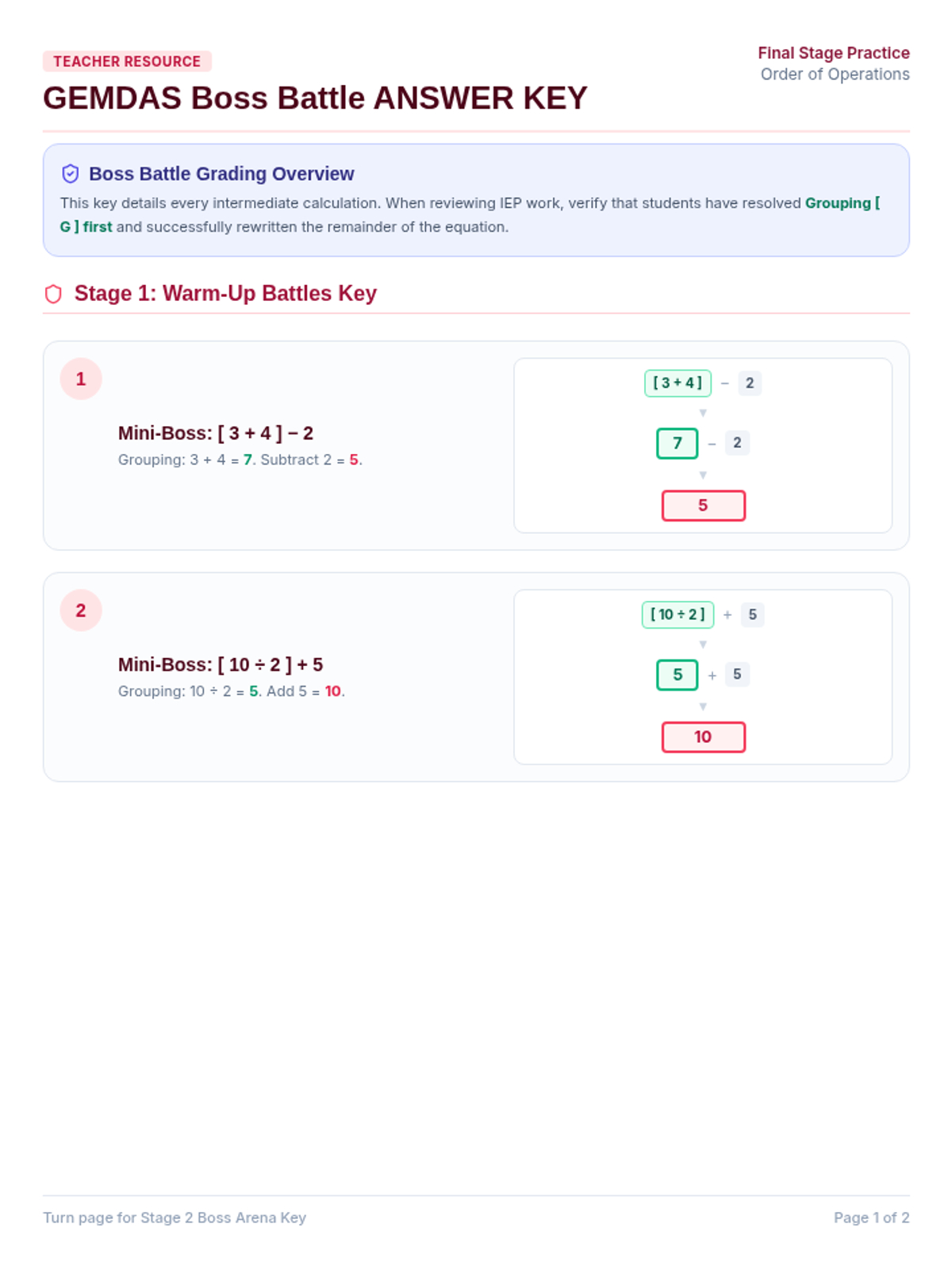
A lesson designed for IEP students focusing on the order of operations using GEMDAS (Grouping, Exponents, Multiplication/Division, Addition/Subtraction). It features shape-coded guided steps and simplified numbers to scaffold comprehension.
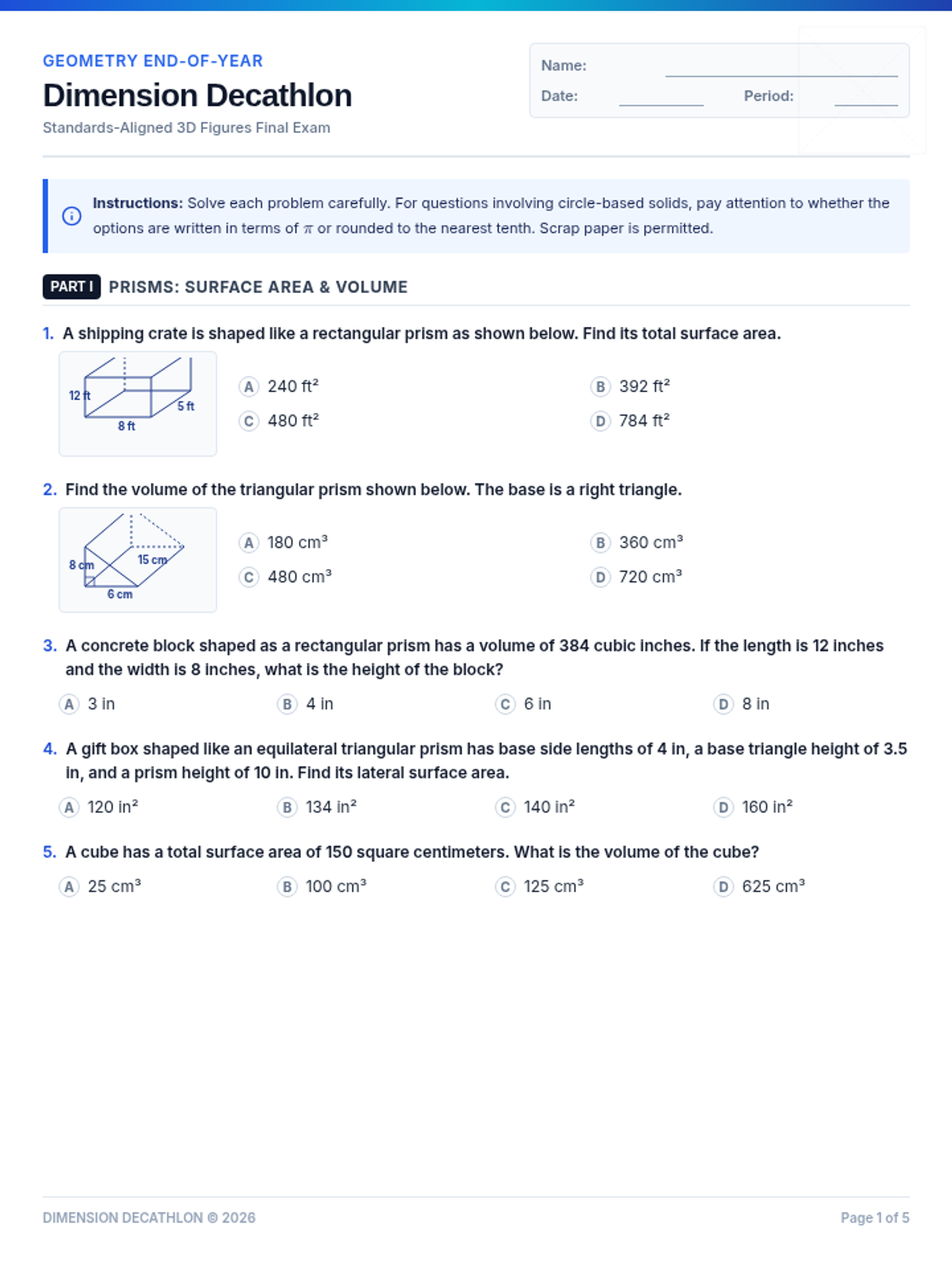
A comprehensive end-of-year final exam package evaluating 3D geometry skills, focusing on surface area and volume of prisms, cylinders, pyramids, and cones. Includes a clean, printable 25-question student exam and a matching step-by-step teacher key.
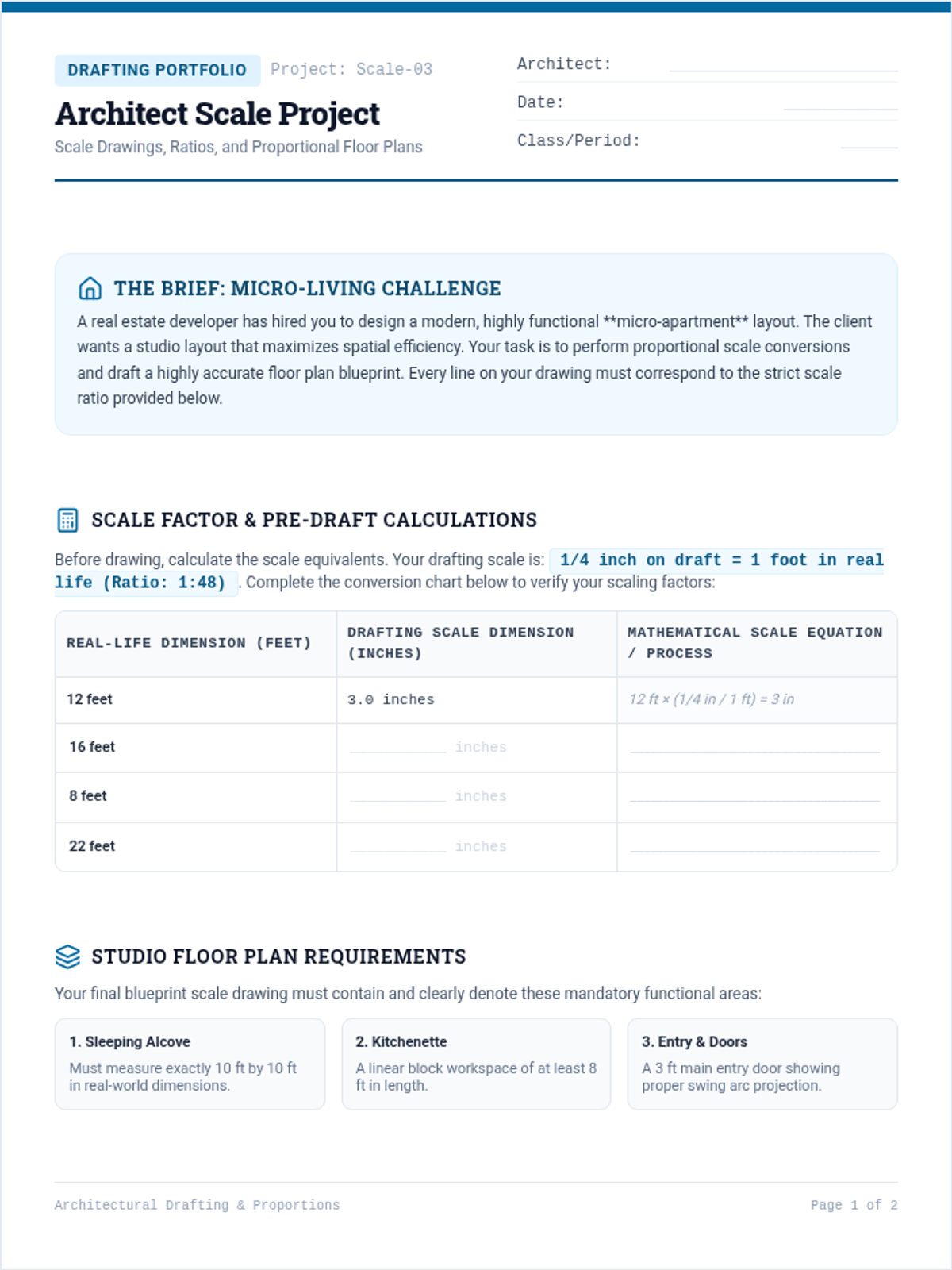
A scale drawing and architectural design project where students draft floor plans to a precise scale ratio and compute real-world dimensions.
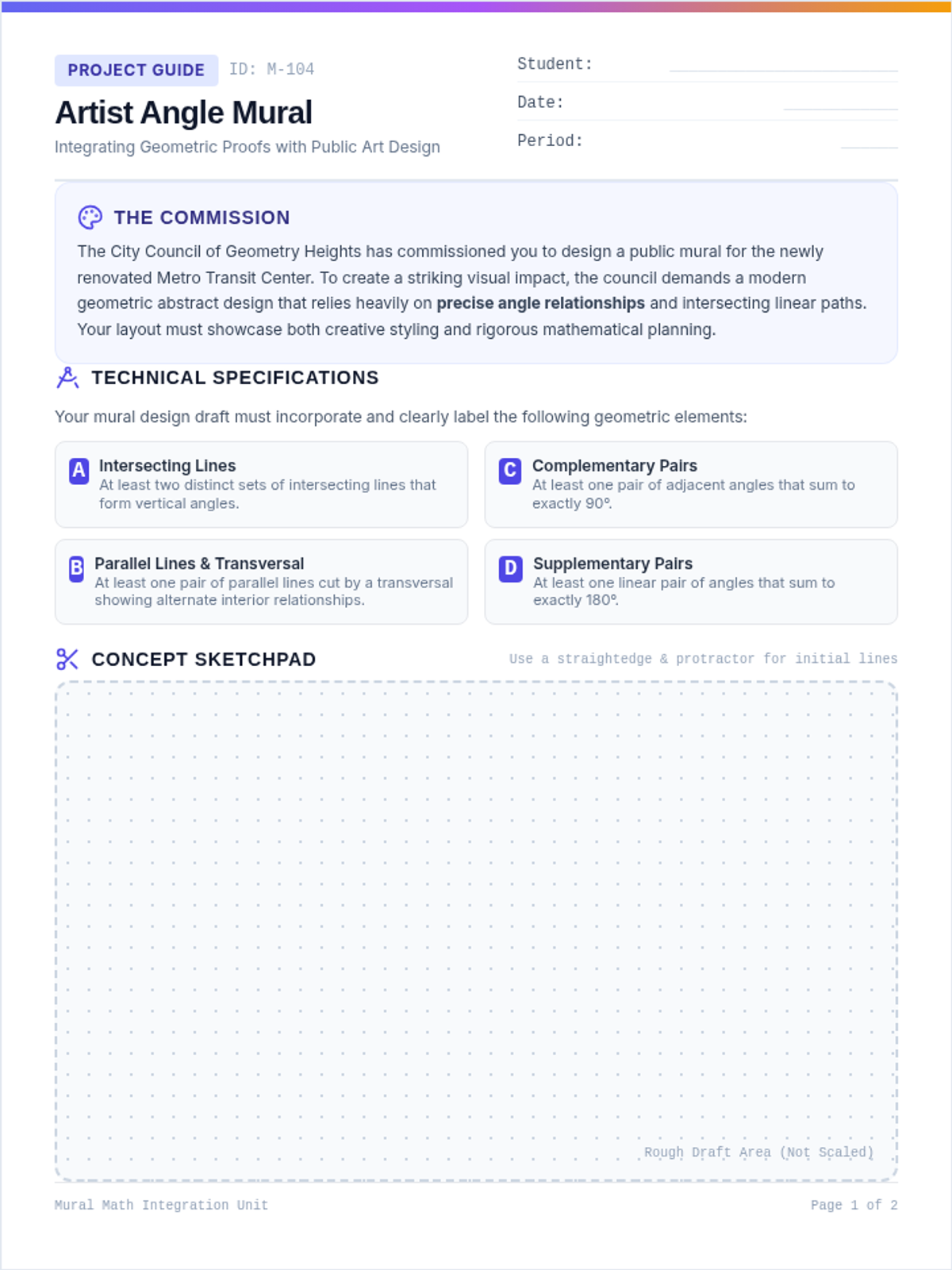
A creative math and art integration project where students design a geometric mural using precise angle relationships and calculate missing measurements.
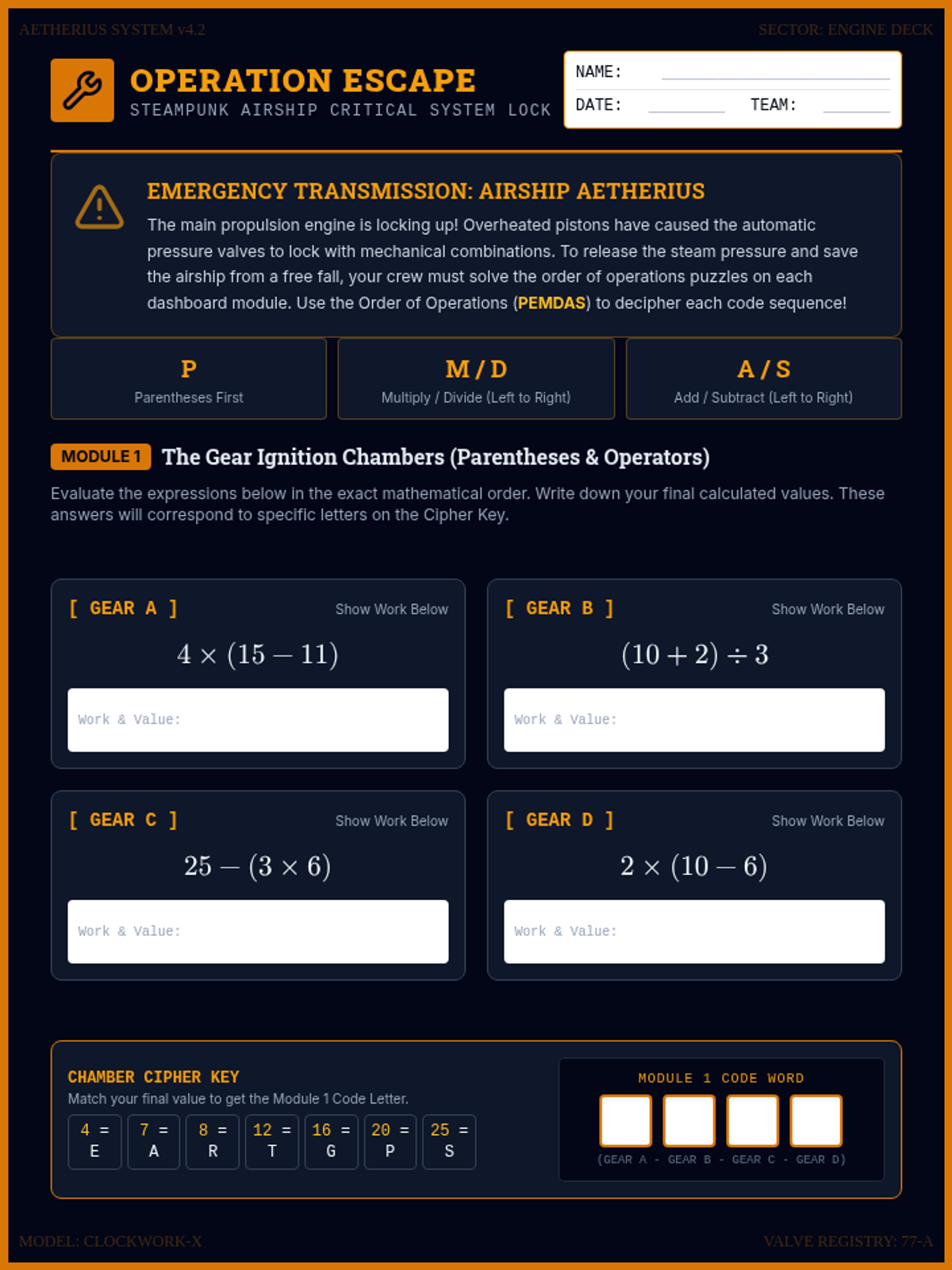
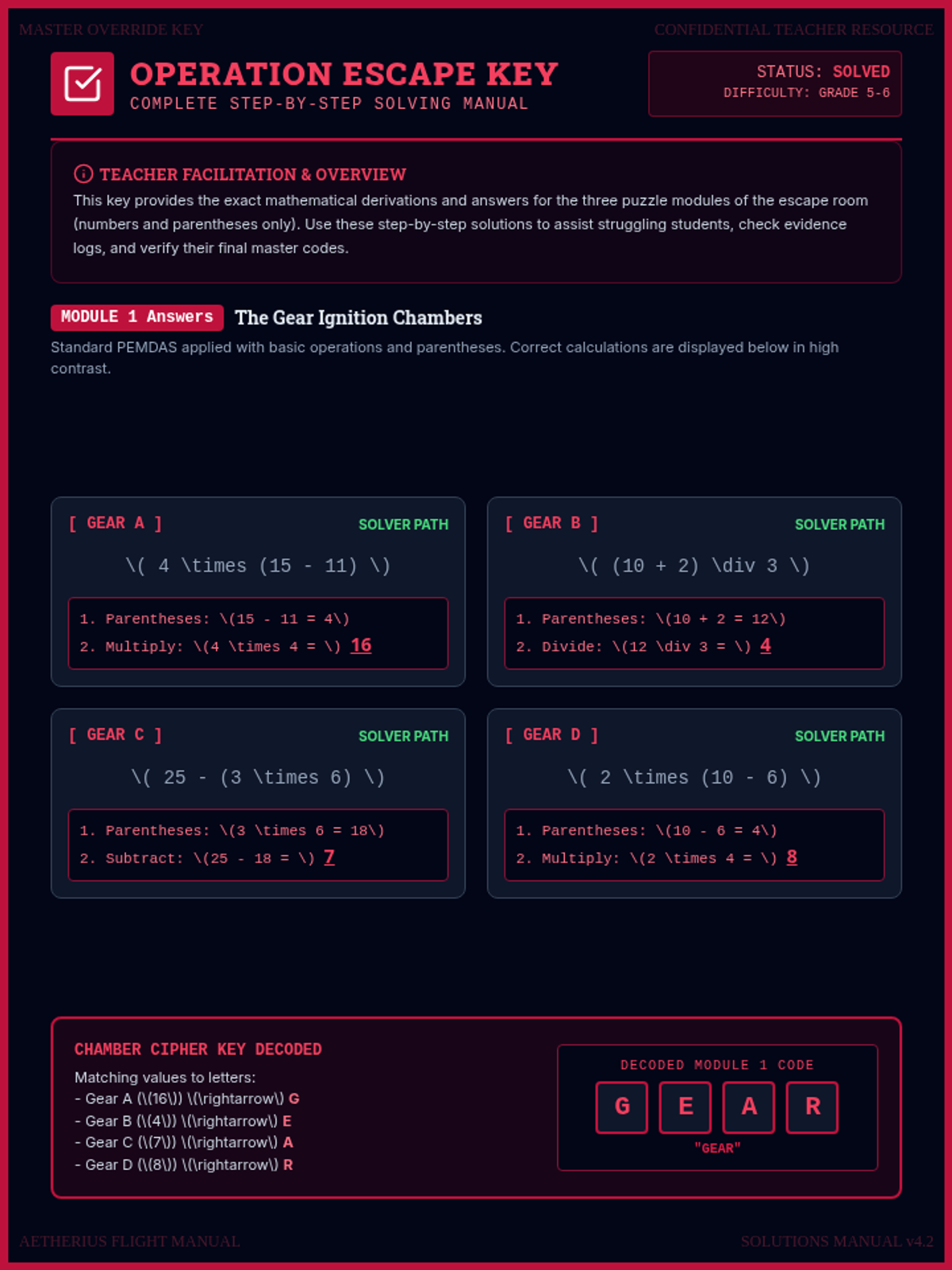
An immersive, celebratory end-of-the-year math escape room lesson where students use their Order of Operations skills (PEMDAS, fractions, and exponents) to crack the final school locker locks and unlock their summer vacation.
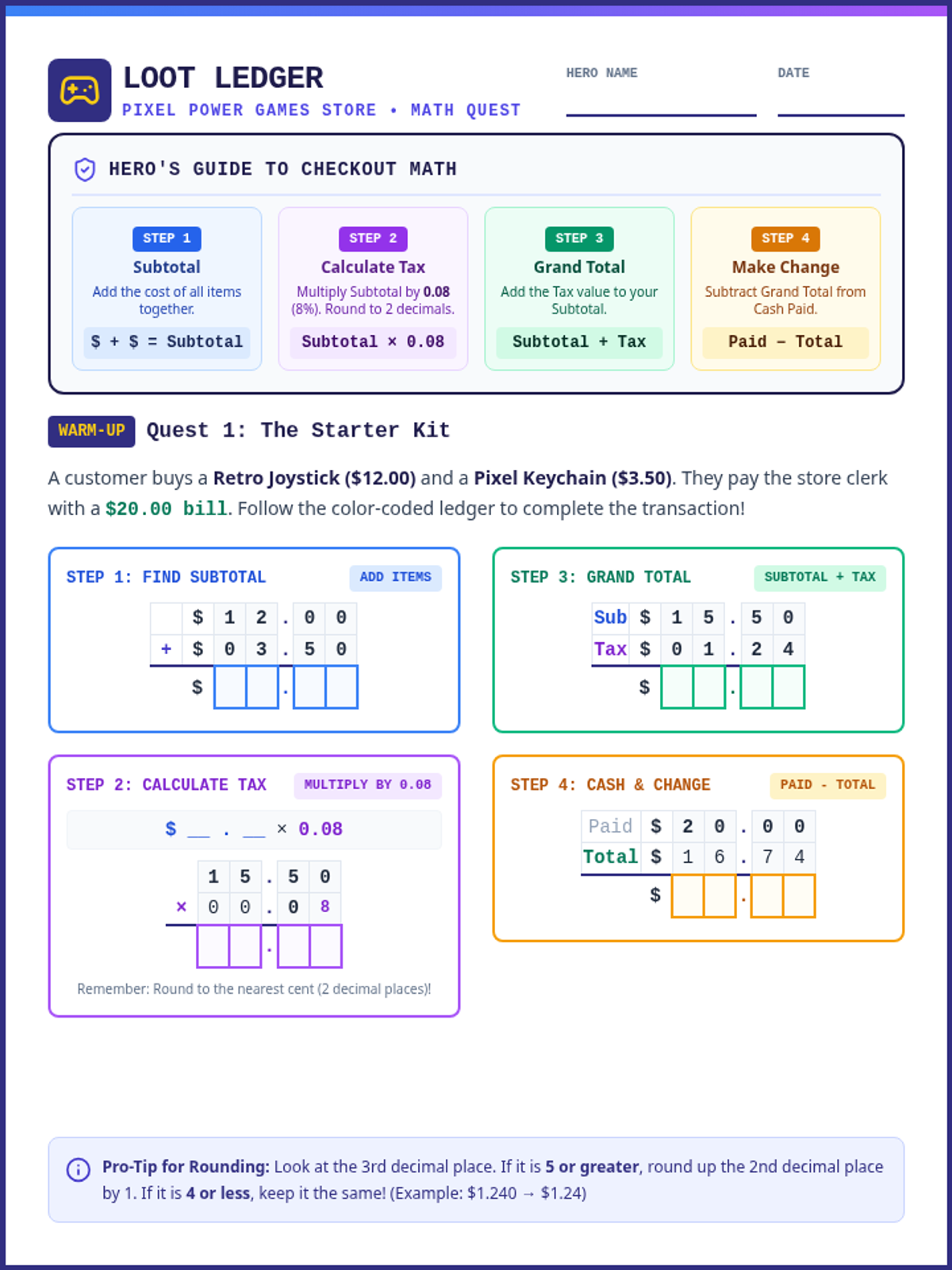
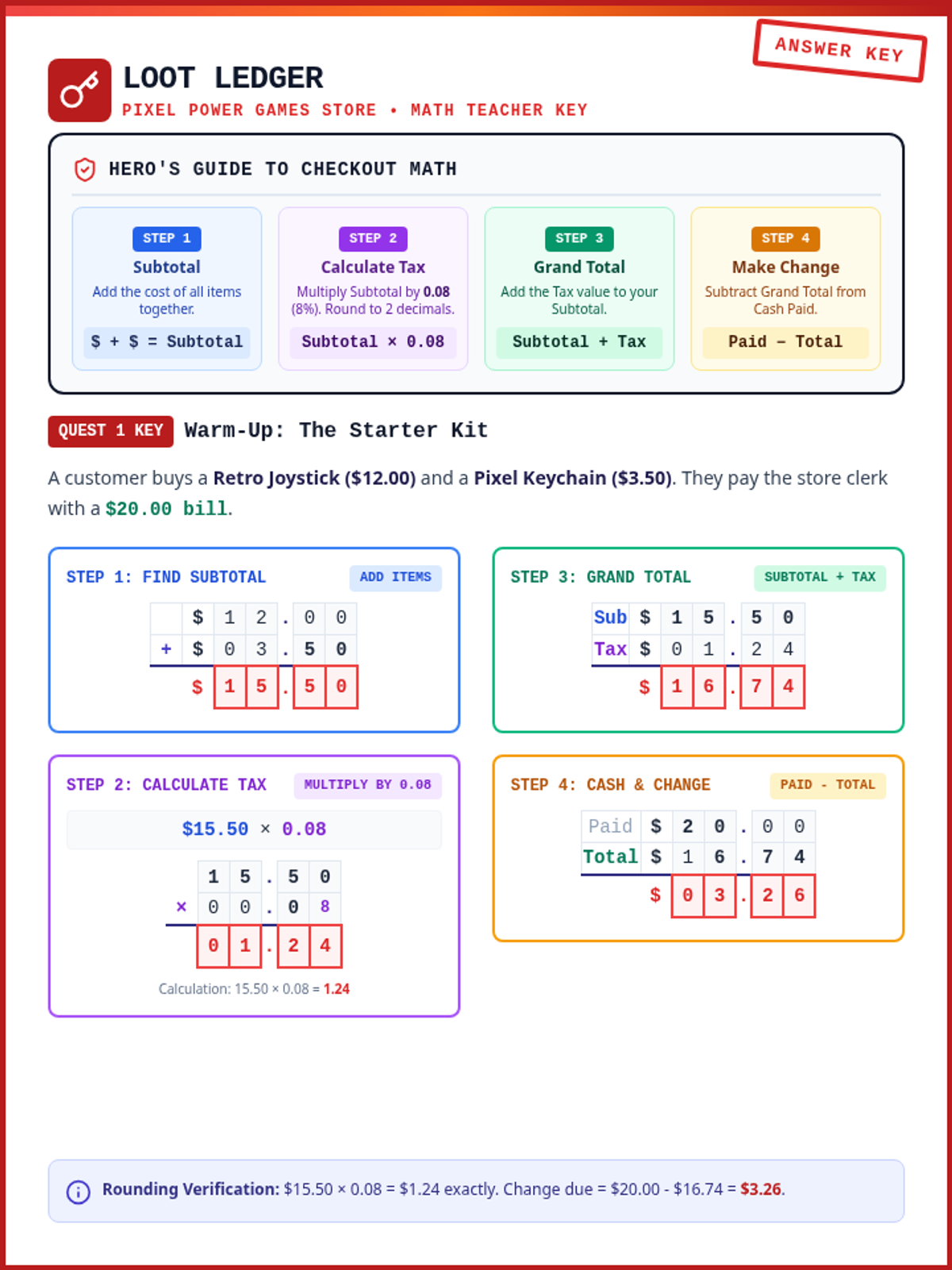
A comprehensive 60-minute math adventure where students calculate 8% sales tax, find grand totals, and make change for high-value video game shop purchases using color-coded steps, graphic organizers, and visual play money.
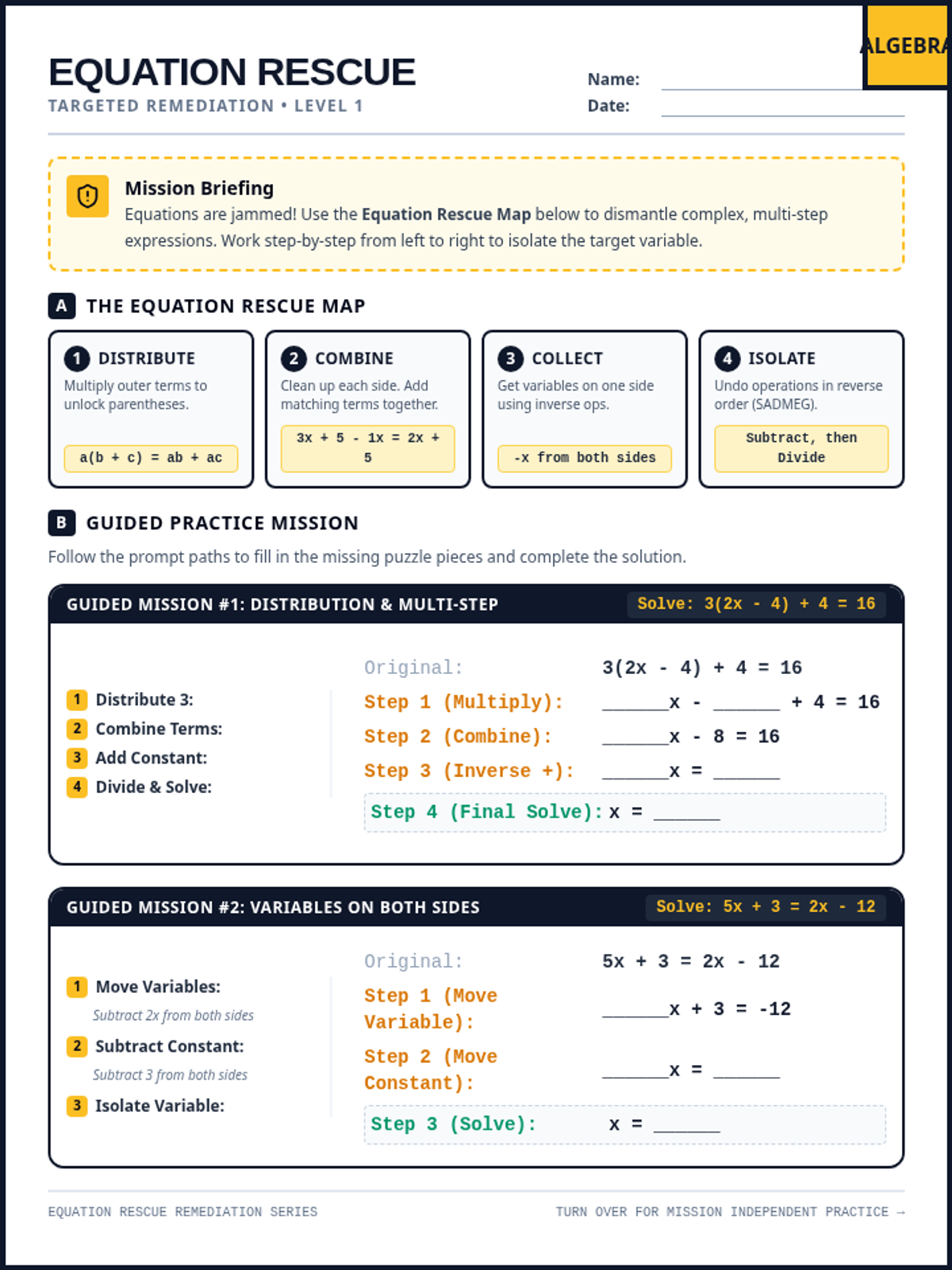
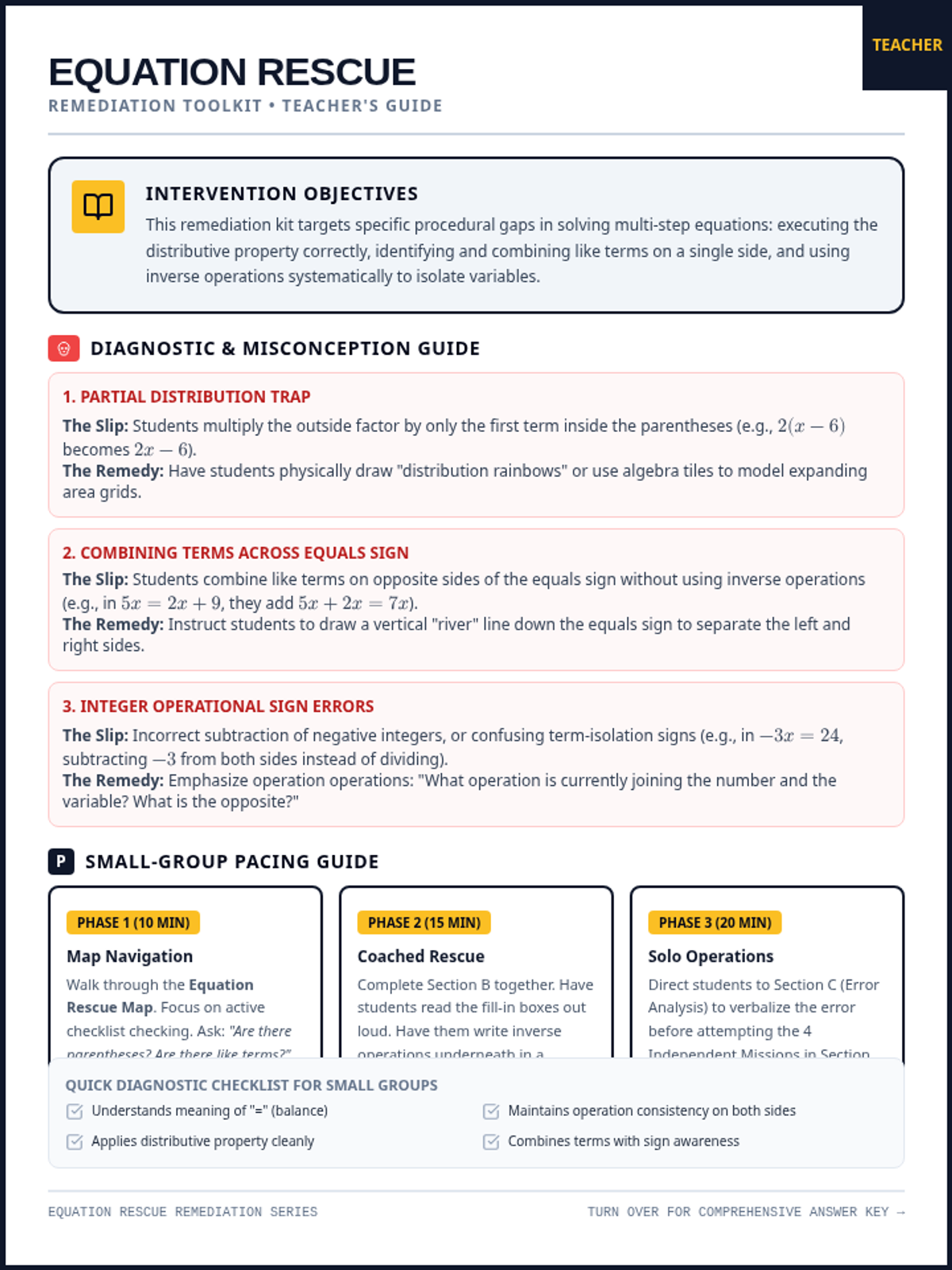
A targeted remediation lesson designed to help high school algebra students master multi-step linear equations involving distribution, combining like terms, and variables on both sides. Features a visual flowchart, scaffolded guided practice, error analysis, and targeted practice problems.
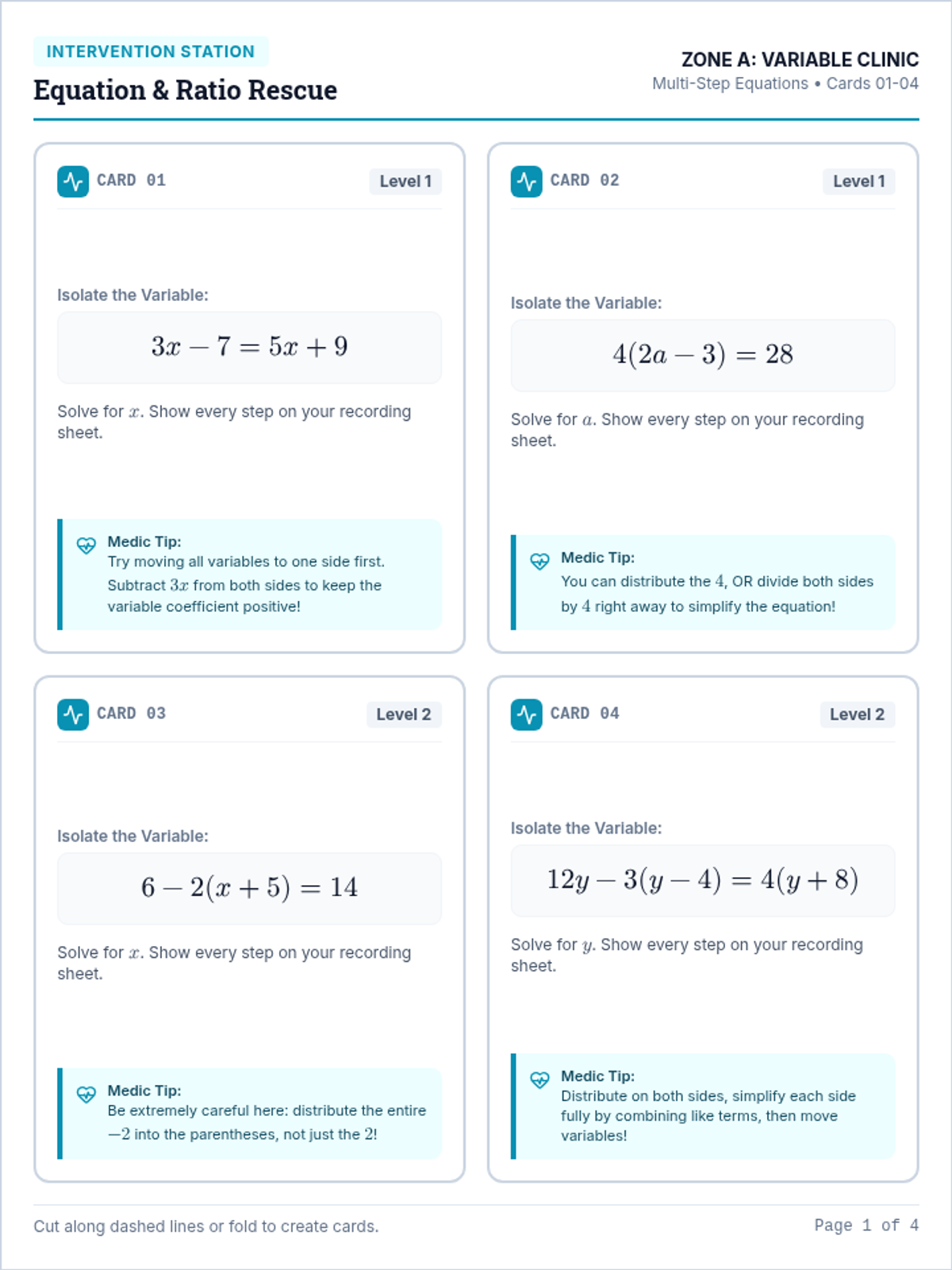
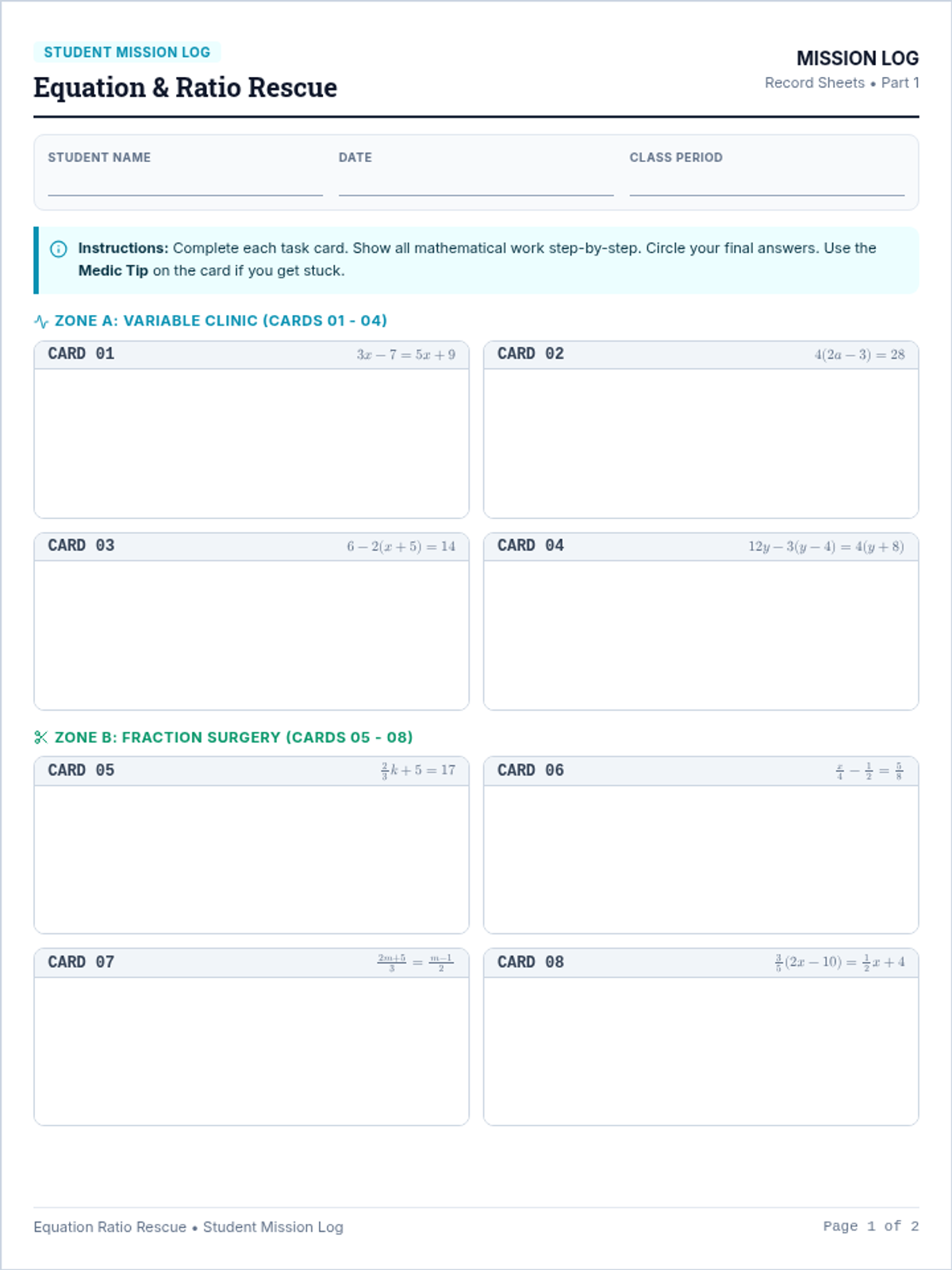
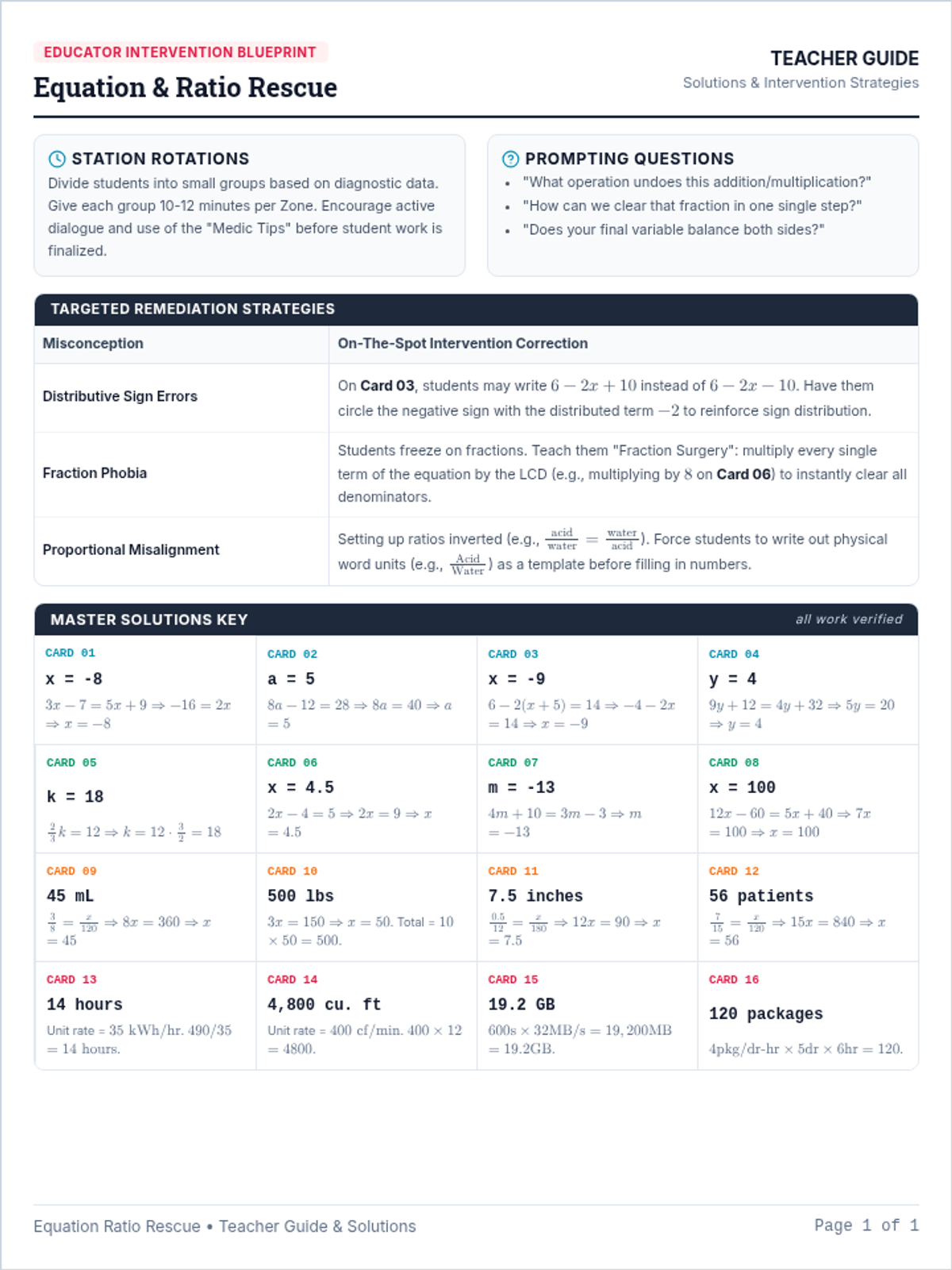
A high school math skills intervention lesson focusing on multi-step linear equations, variable isolation, and proportional reasoning. Includes 16 targeted task cards, a student recording sheet, and a teacher intervention guide.
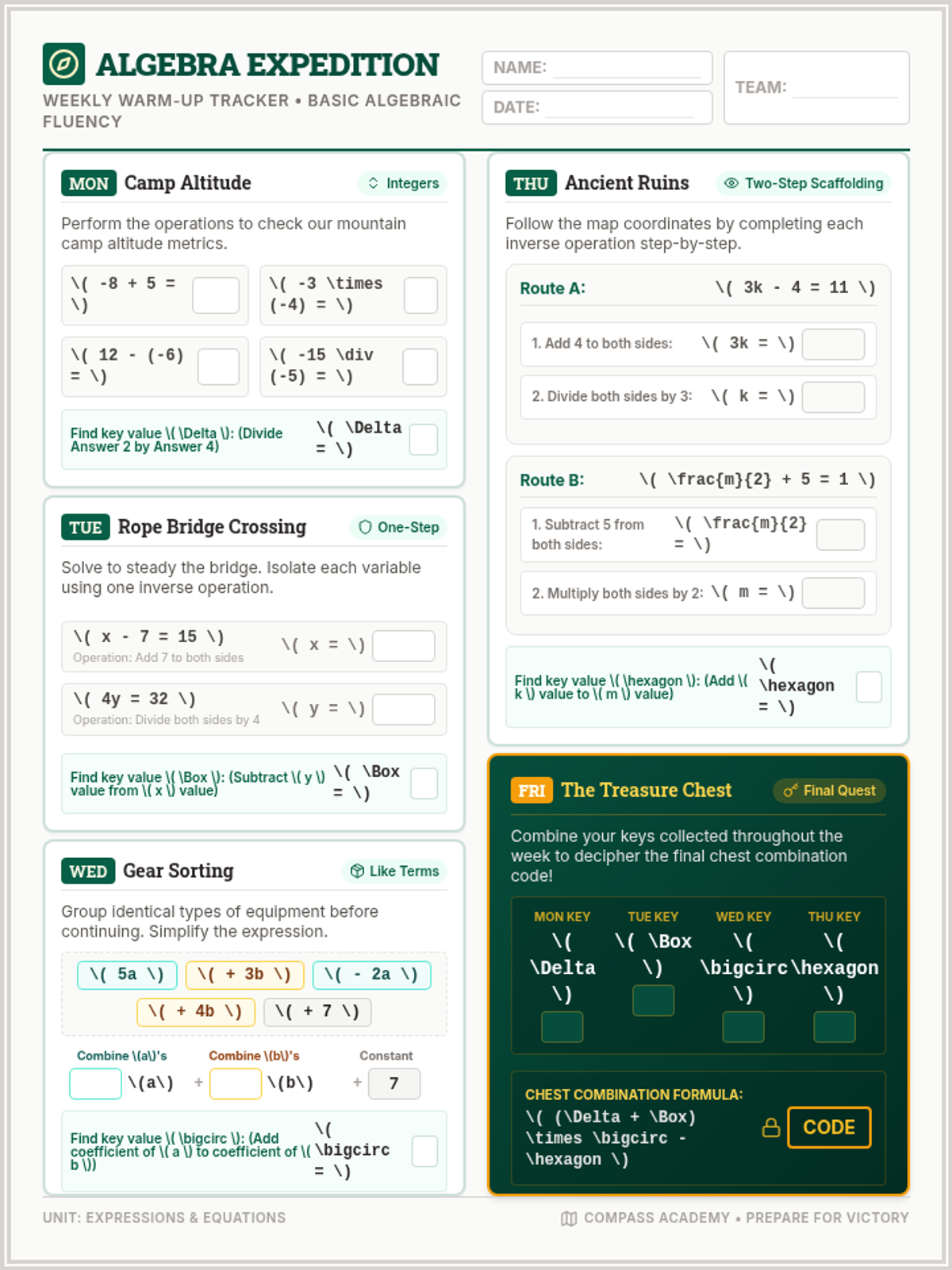
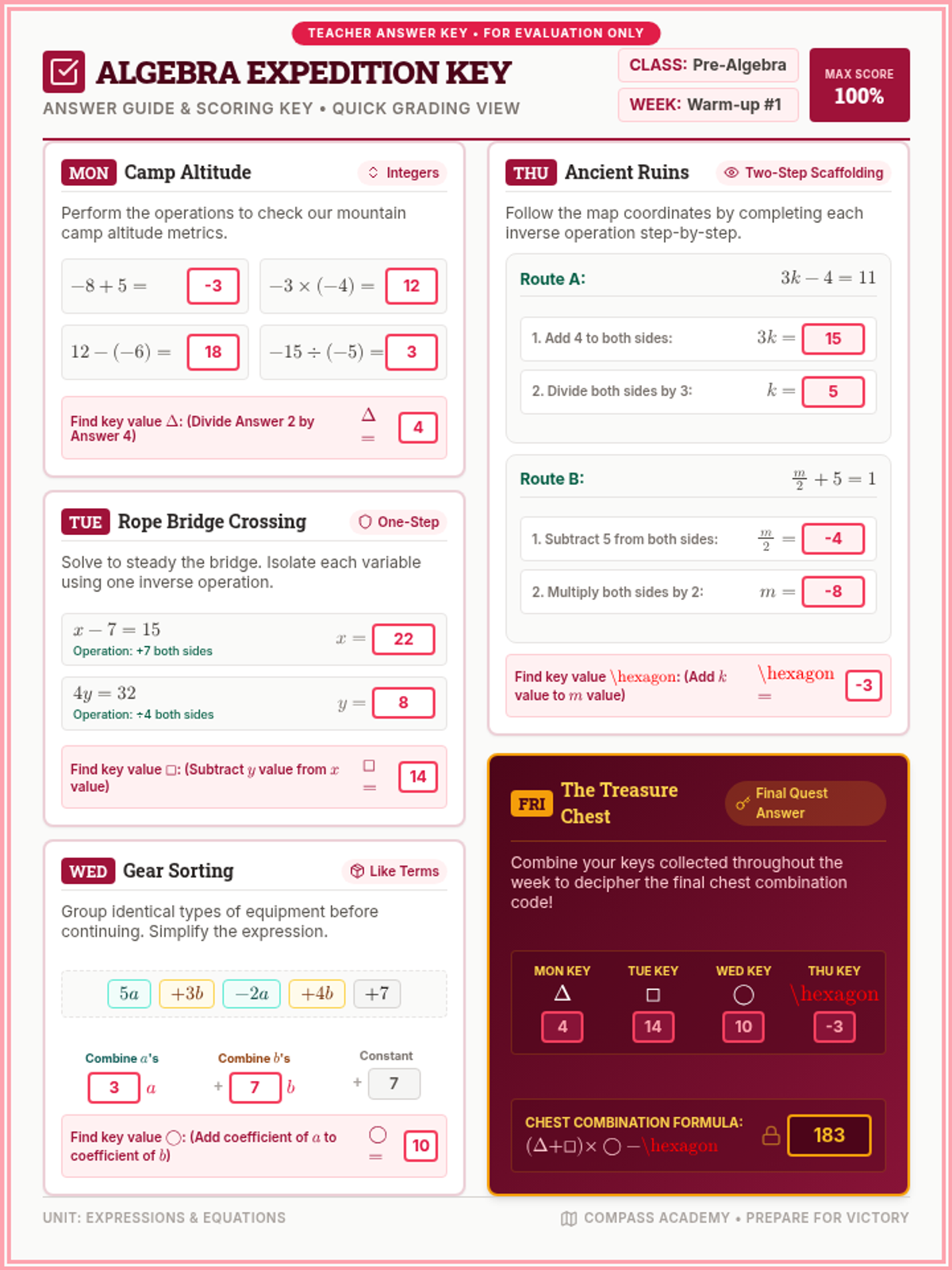
A collection of daily warm-up activities designed to build algebraic fluency. Over five days, students tackle integer operations, one-step equations, combining like terms, and scaffolded two-step equations to prepare for algebraic mastery.
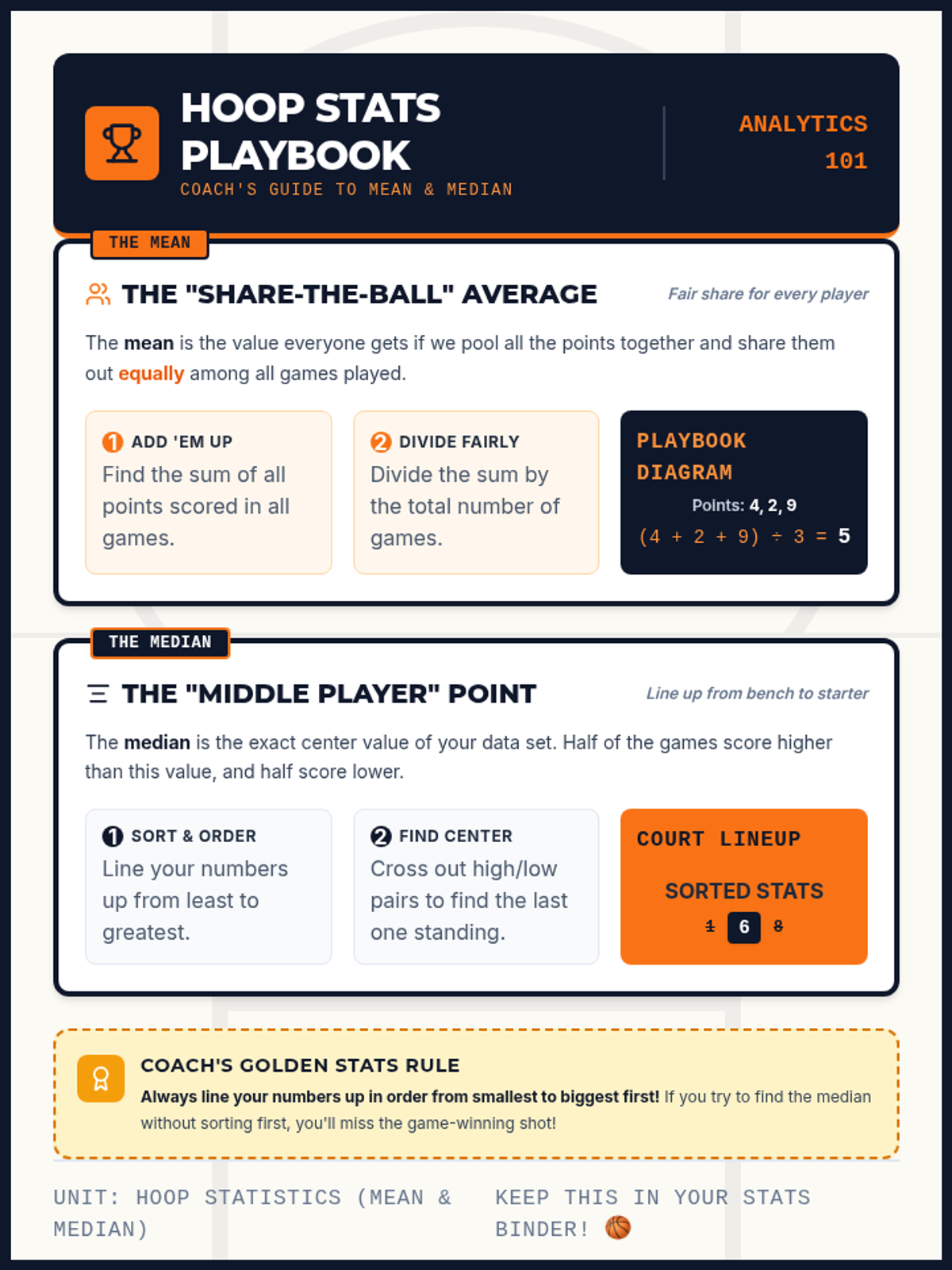
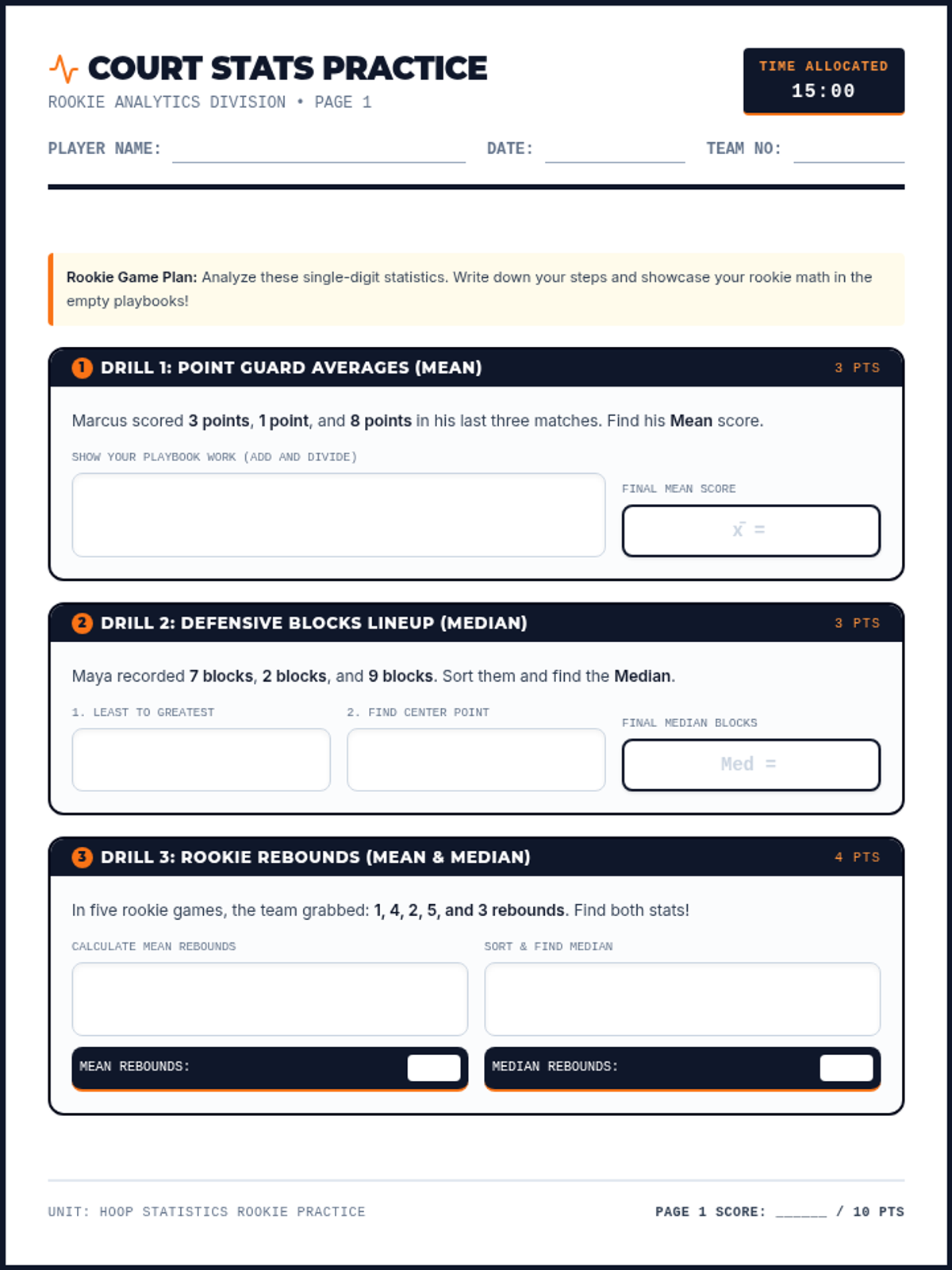
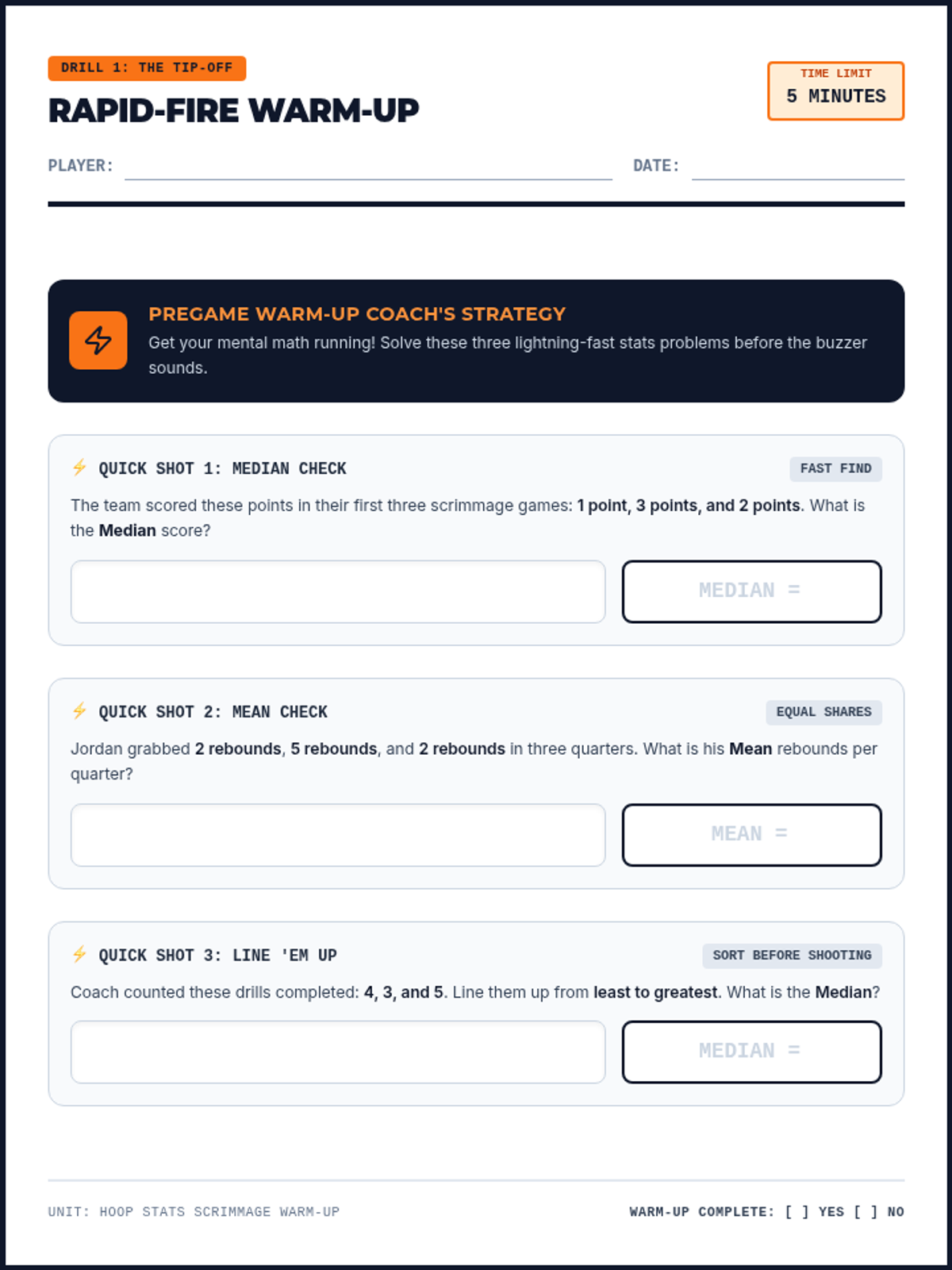
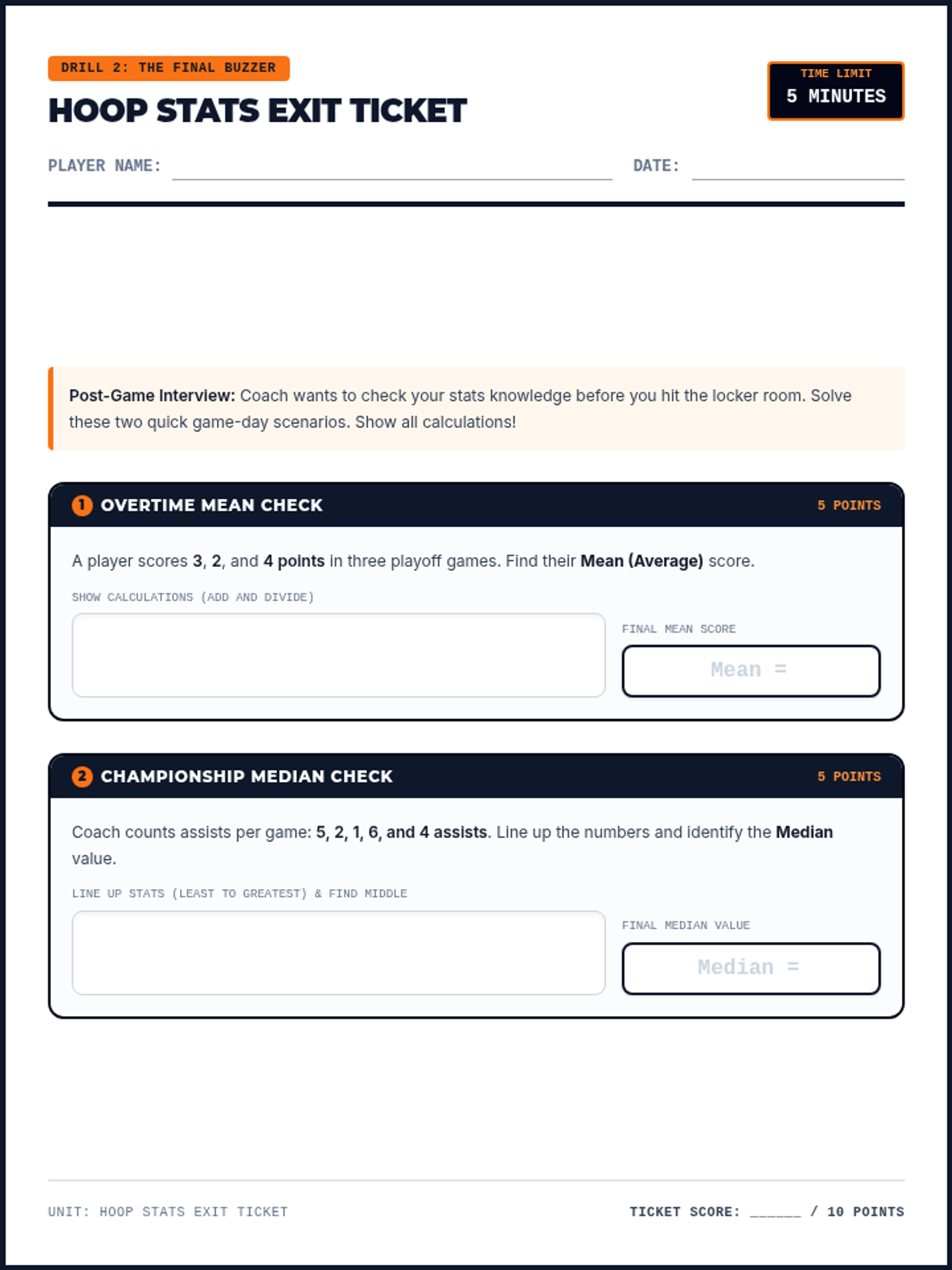
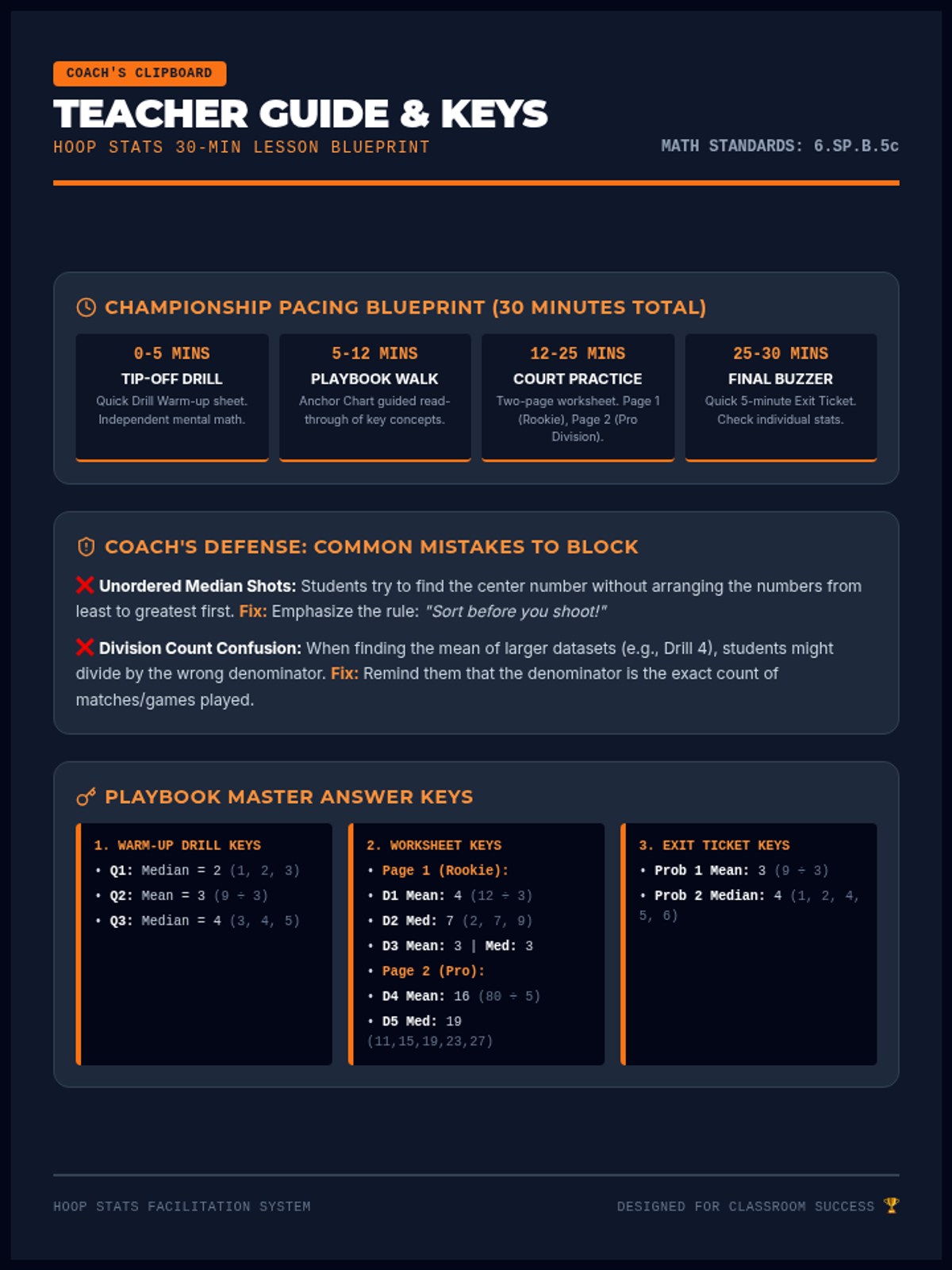
A 30-minute basketball-themed lesson focusing on Mean and Median with simplified data sets for accessible, friendly calculations. Includes an anchor chart, practice worksheet, rapid-fire warm-up drill, exit ticket, and a comprehensive teacher guide.
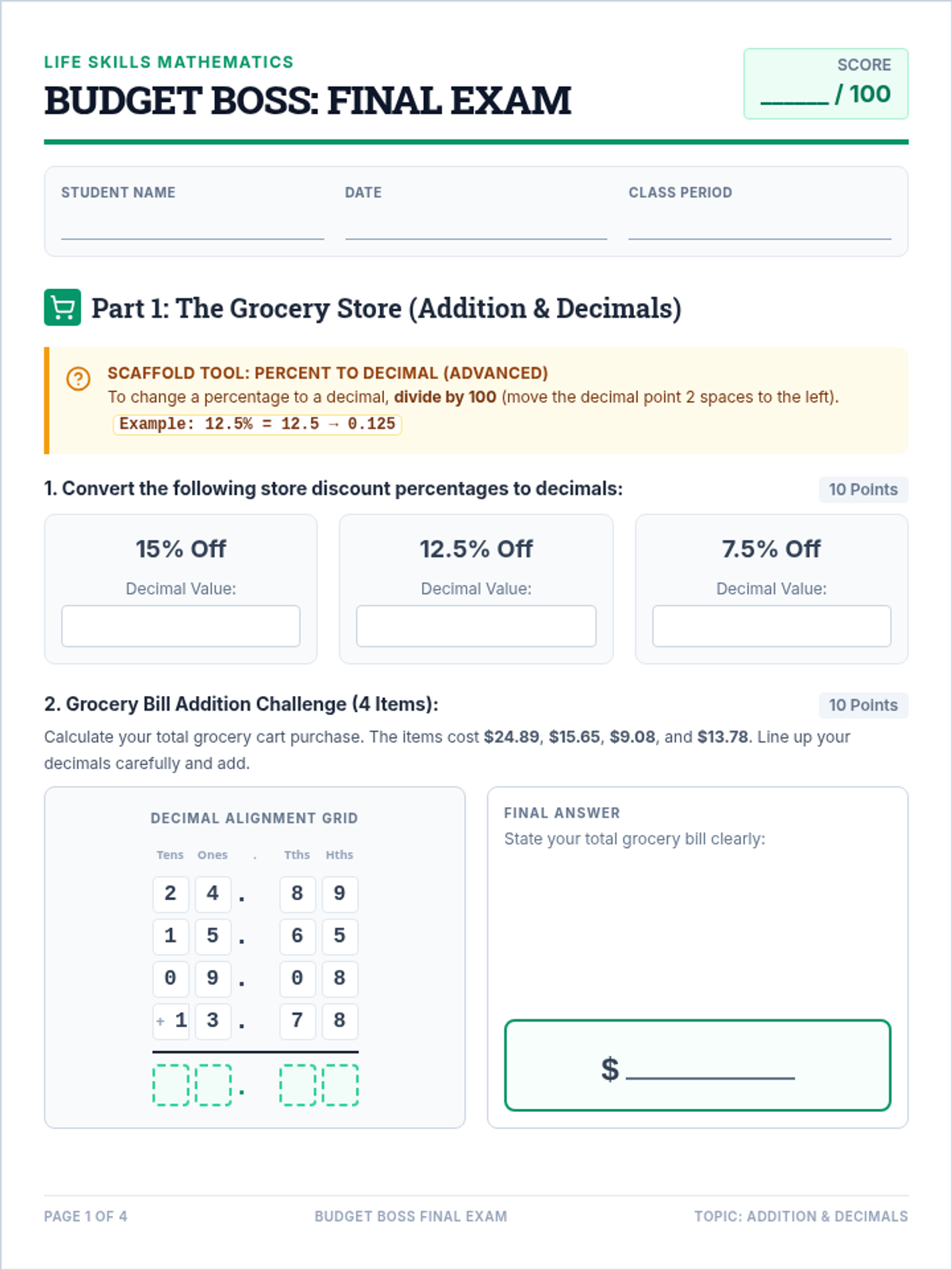
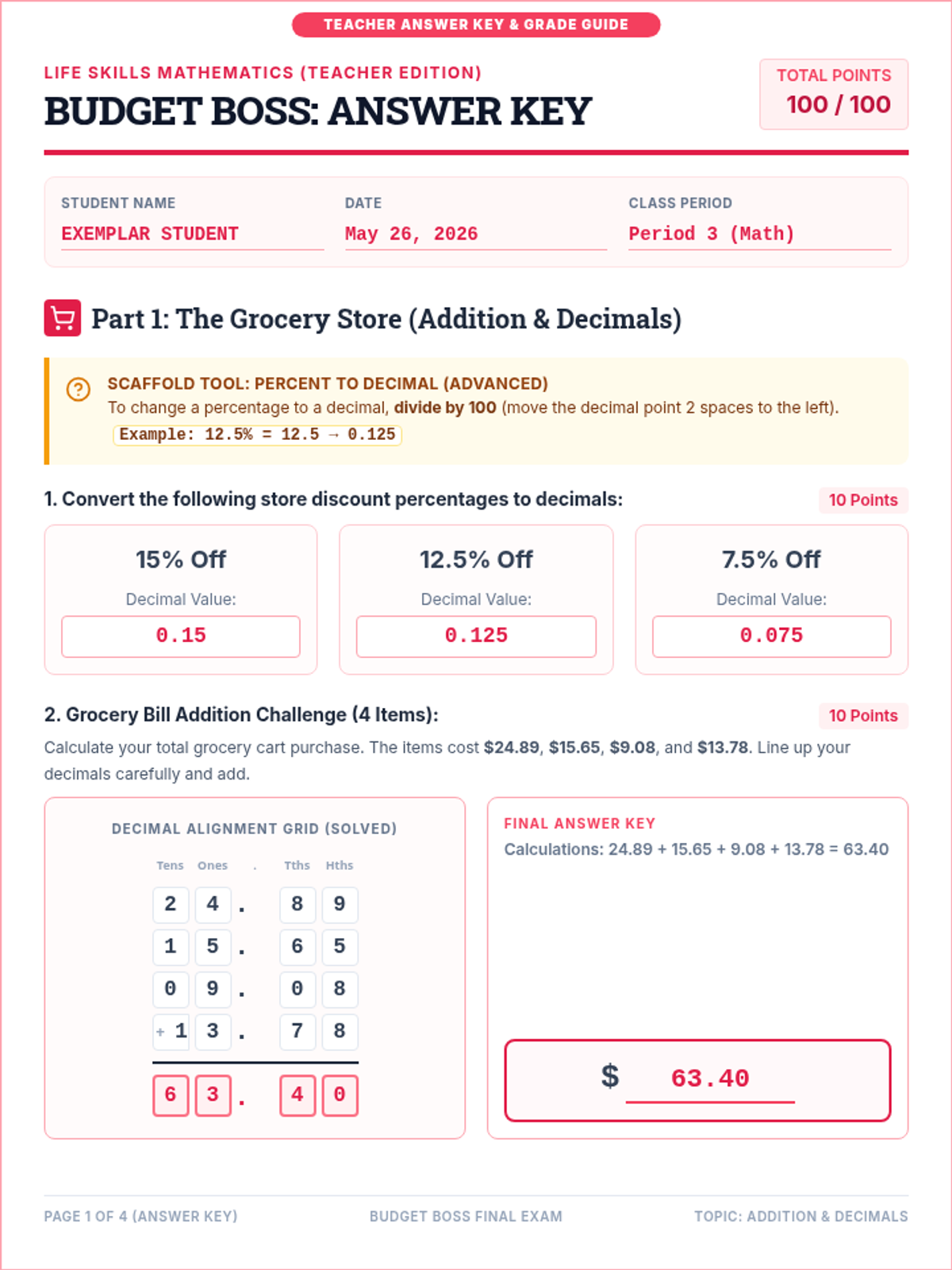
A comprehensive, real-world math exam and answer key assessing student mastery of addition, division, percentage-to-decimal conversions, and multi-step word problems through grocery shopping, vocational wages, and budgeting scenarios.
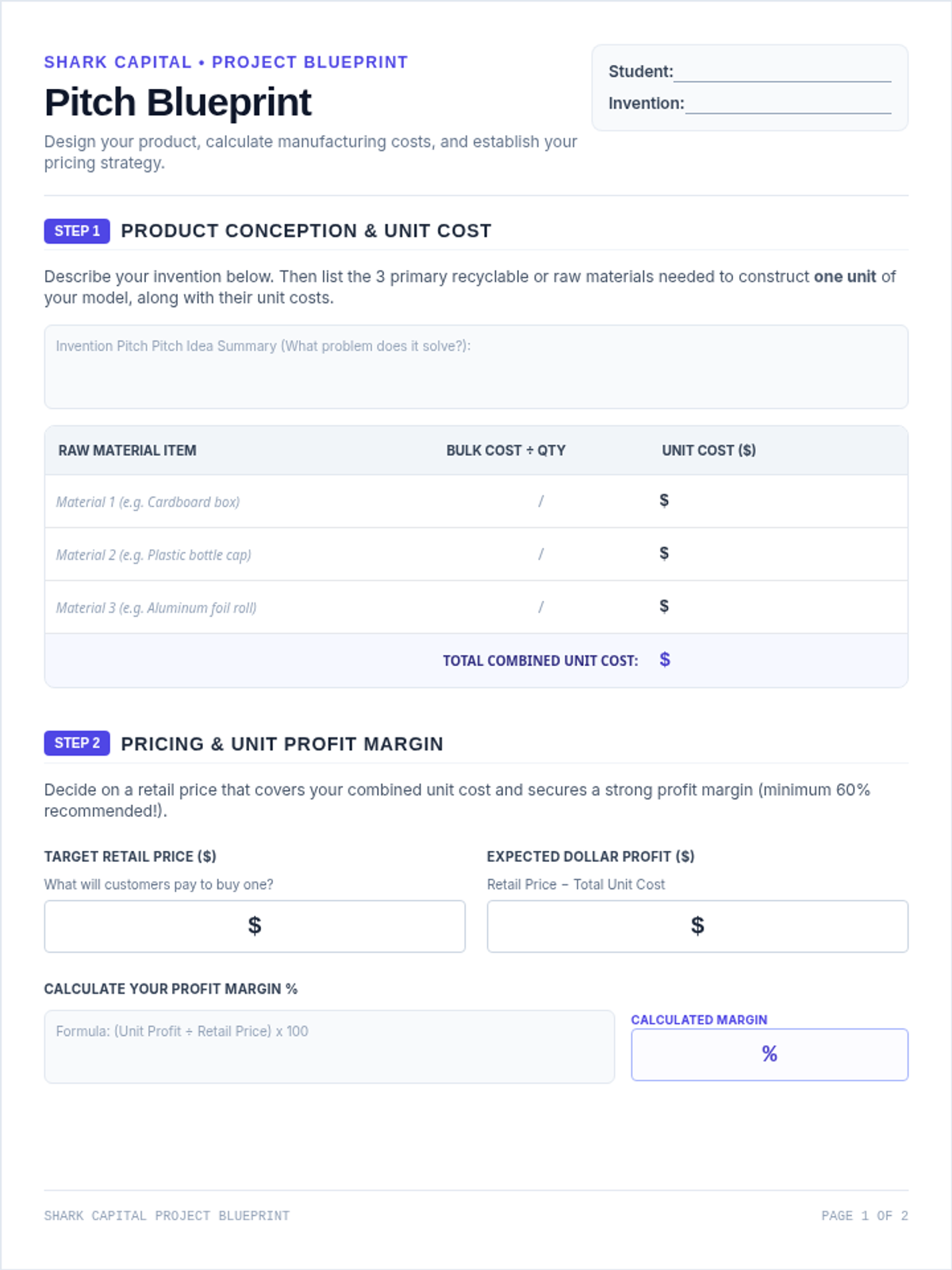
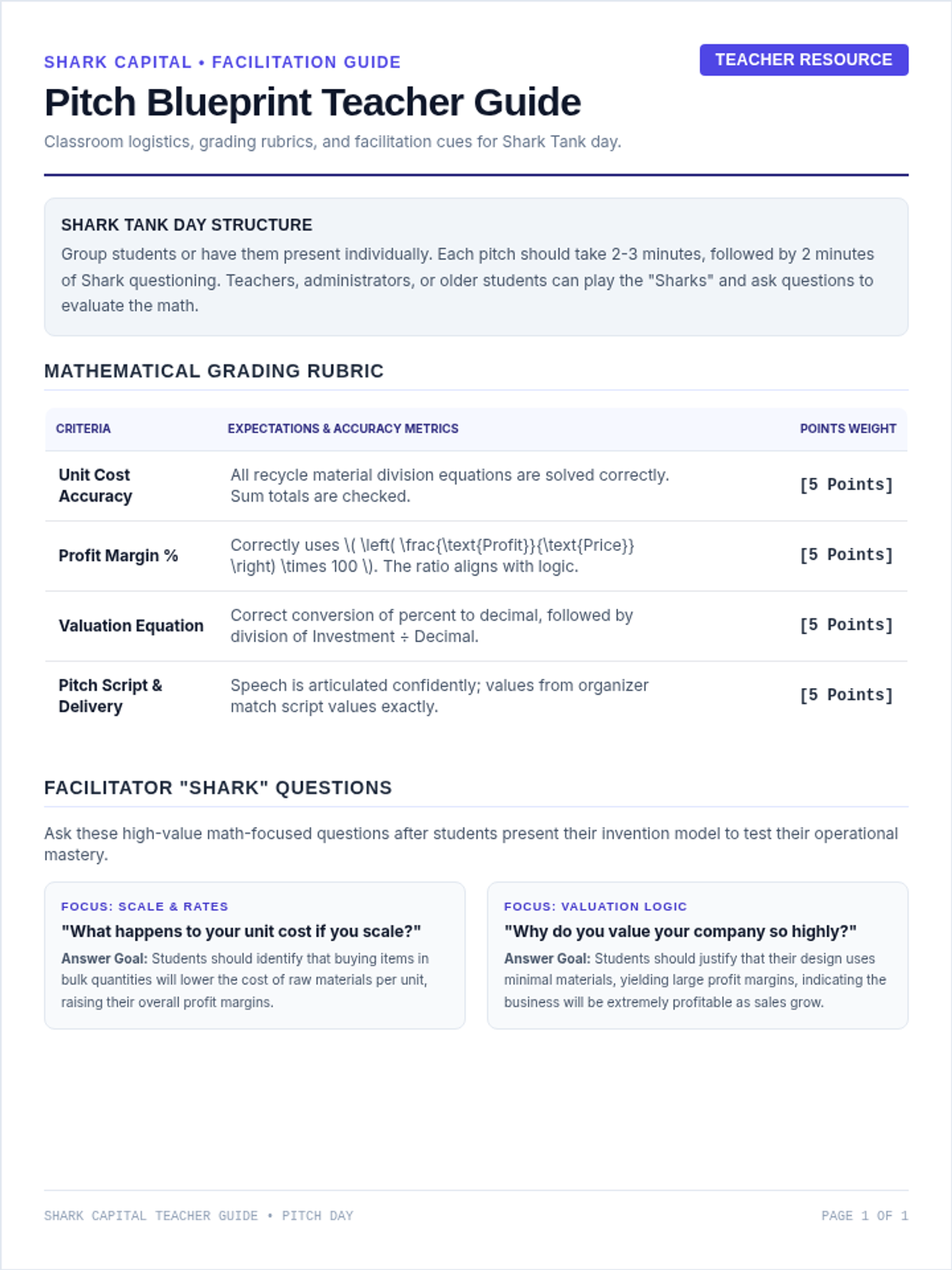
Students apply their mathematical knowledge to their own inventions. They calculate their product costs, set their retail price, determine their company valuation, and write the math portion of their pitch speech.