Students will explore the logic of cause and effect using Rube Goldberg-inspired visuals. They will learn to distinguish between the chronological order of events and the causal structure of sentences using signal words like 'because' and 'so'.
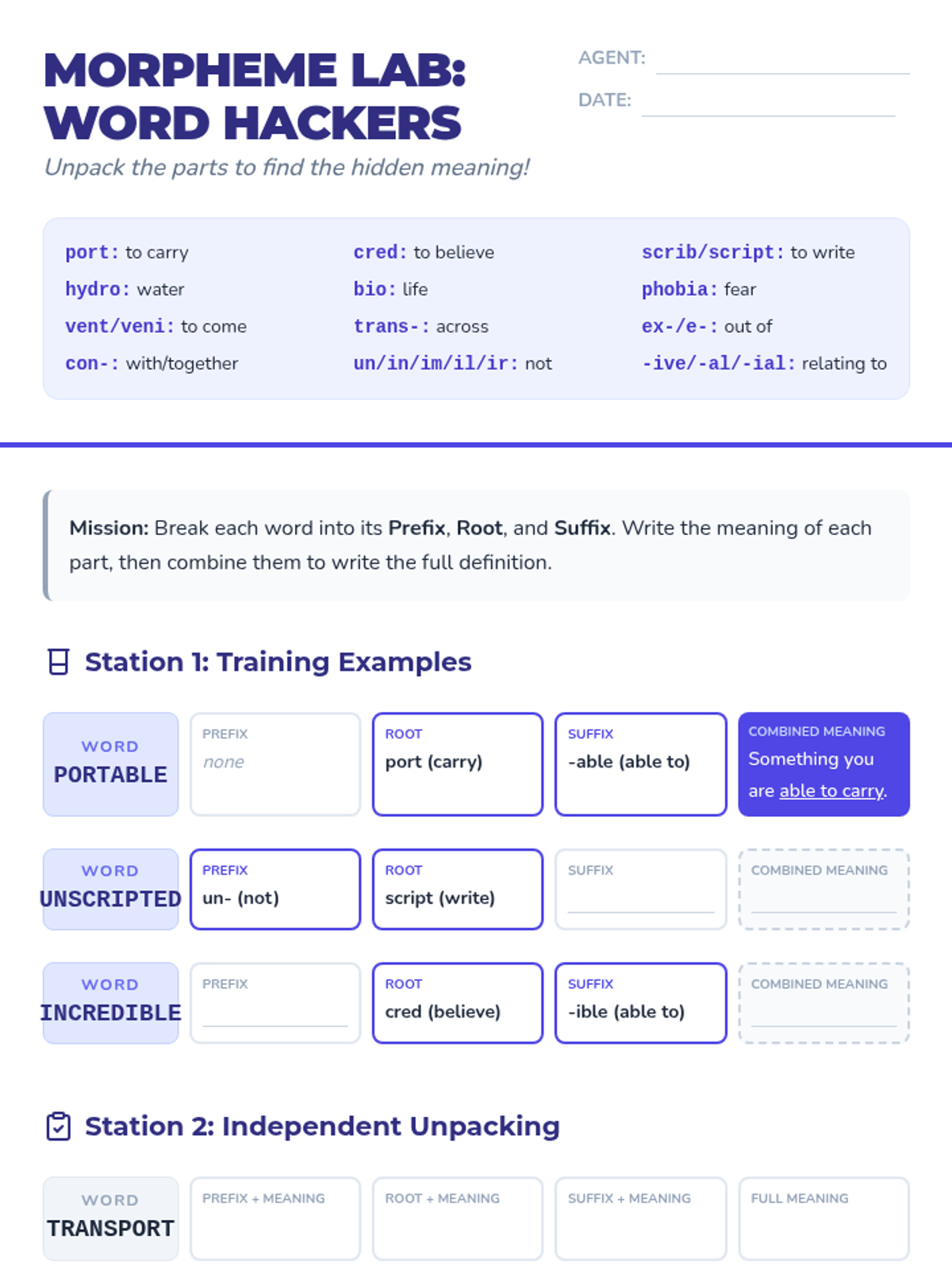
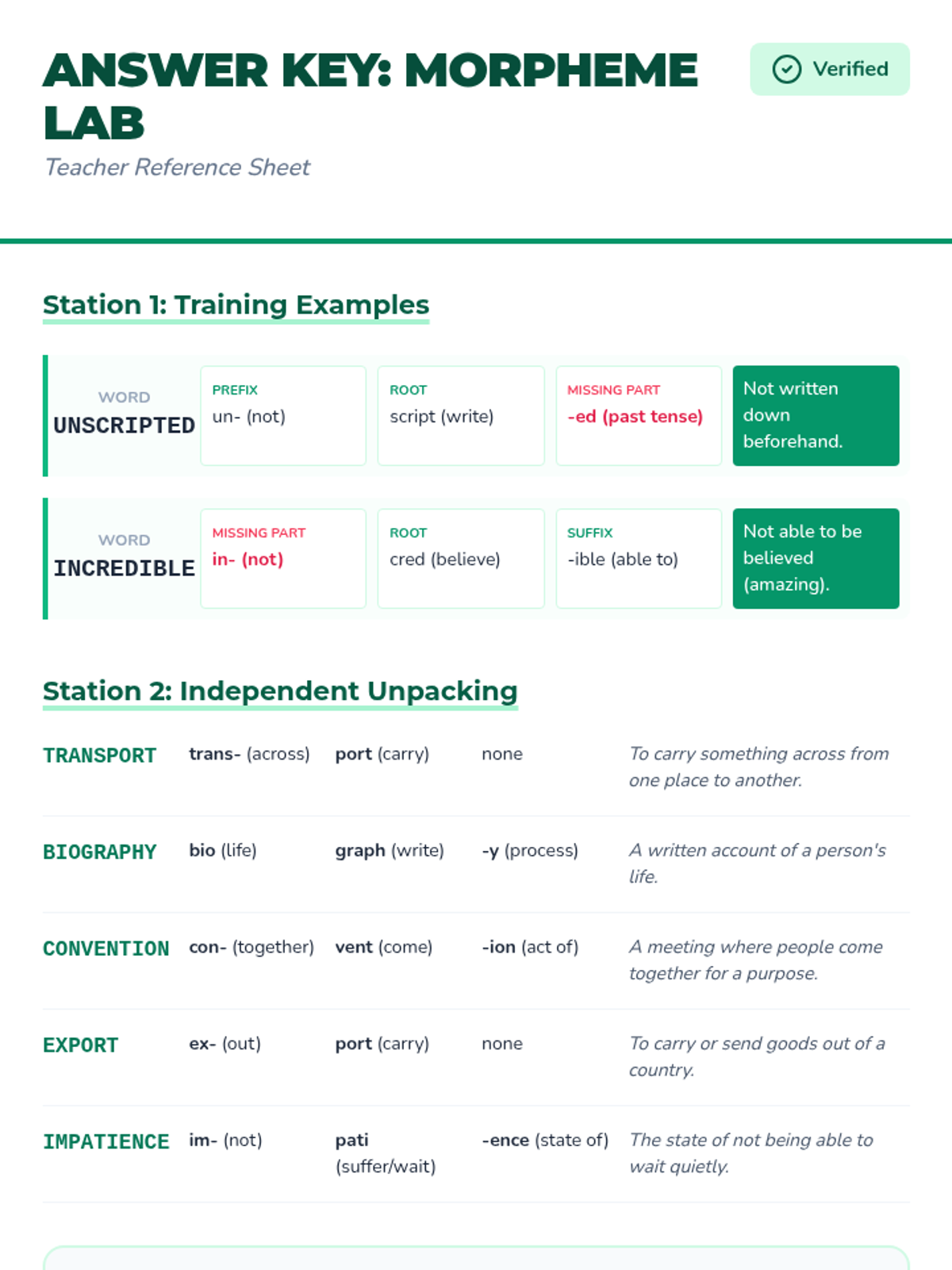
A 30-minute introductory lesson where students learn to decode complex words using a list of 24 common morphemes.
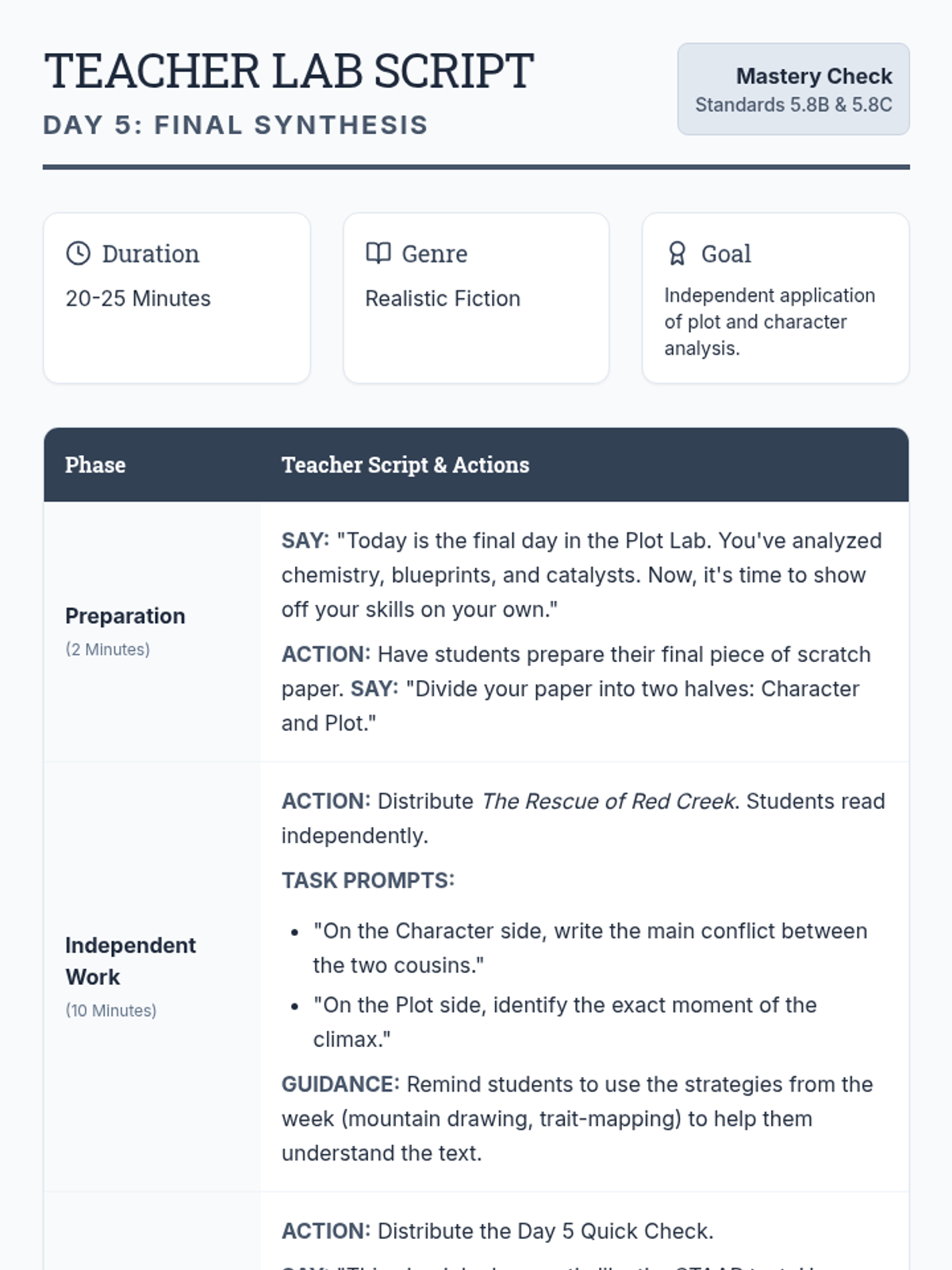
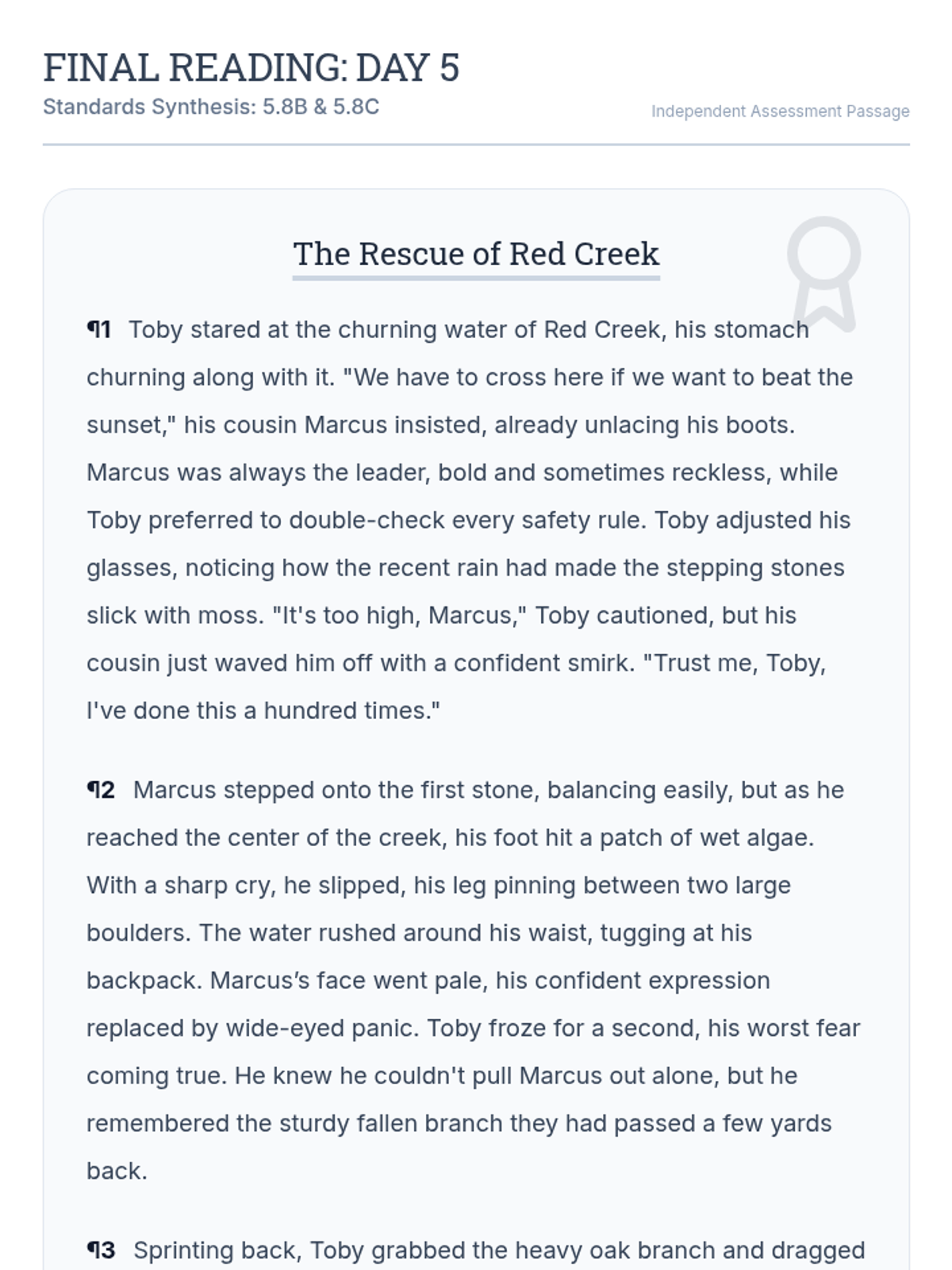
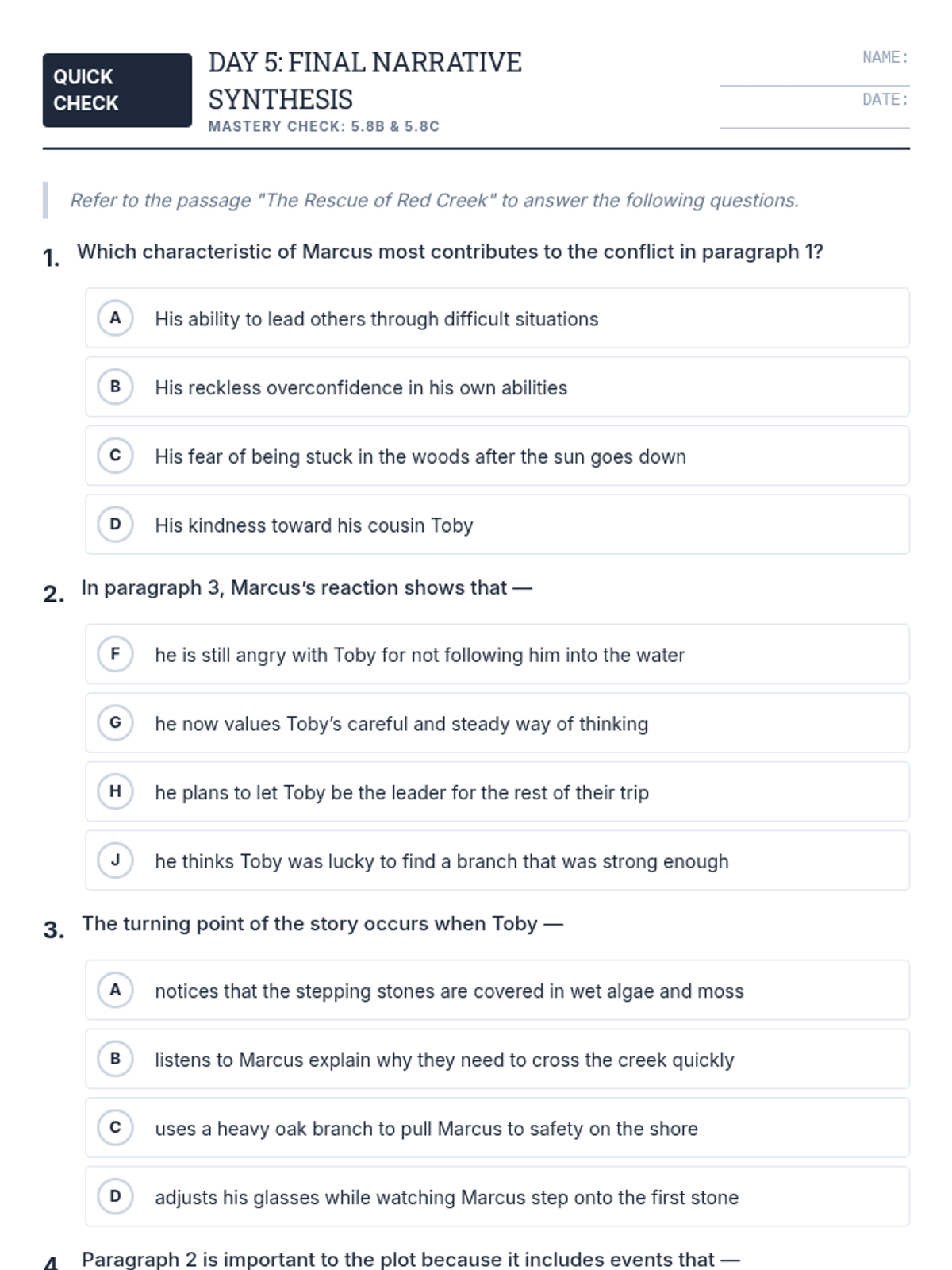
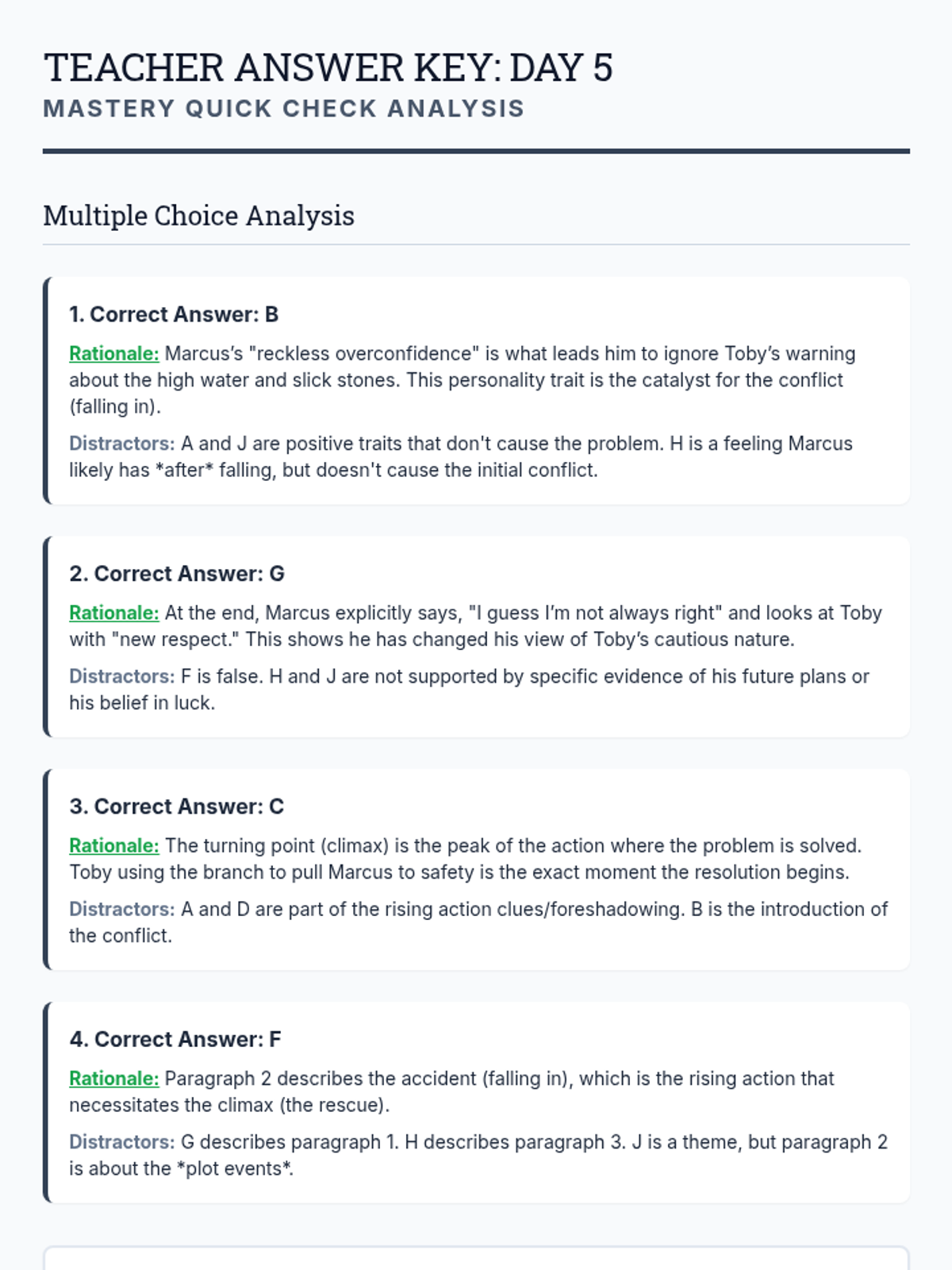
Day 5 serves as a final comprehensive quick check. Students read a new passage independently and apply their analysis of character relationships and plot structure to demonstrate mastery of standards 5.8B and 5.8C.
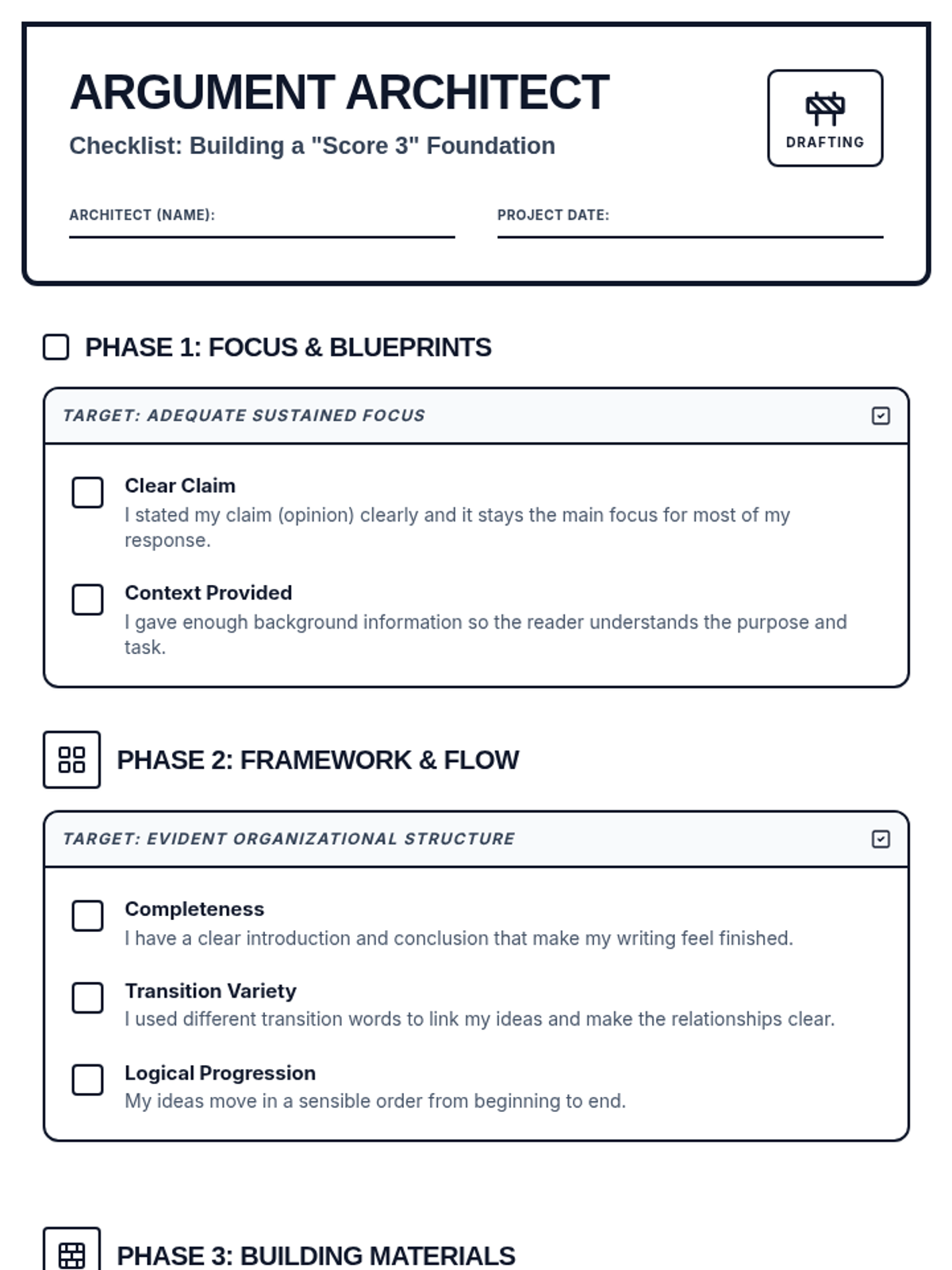
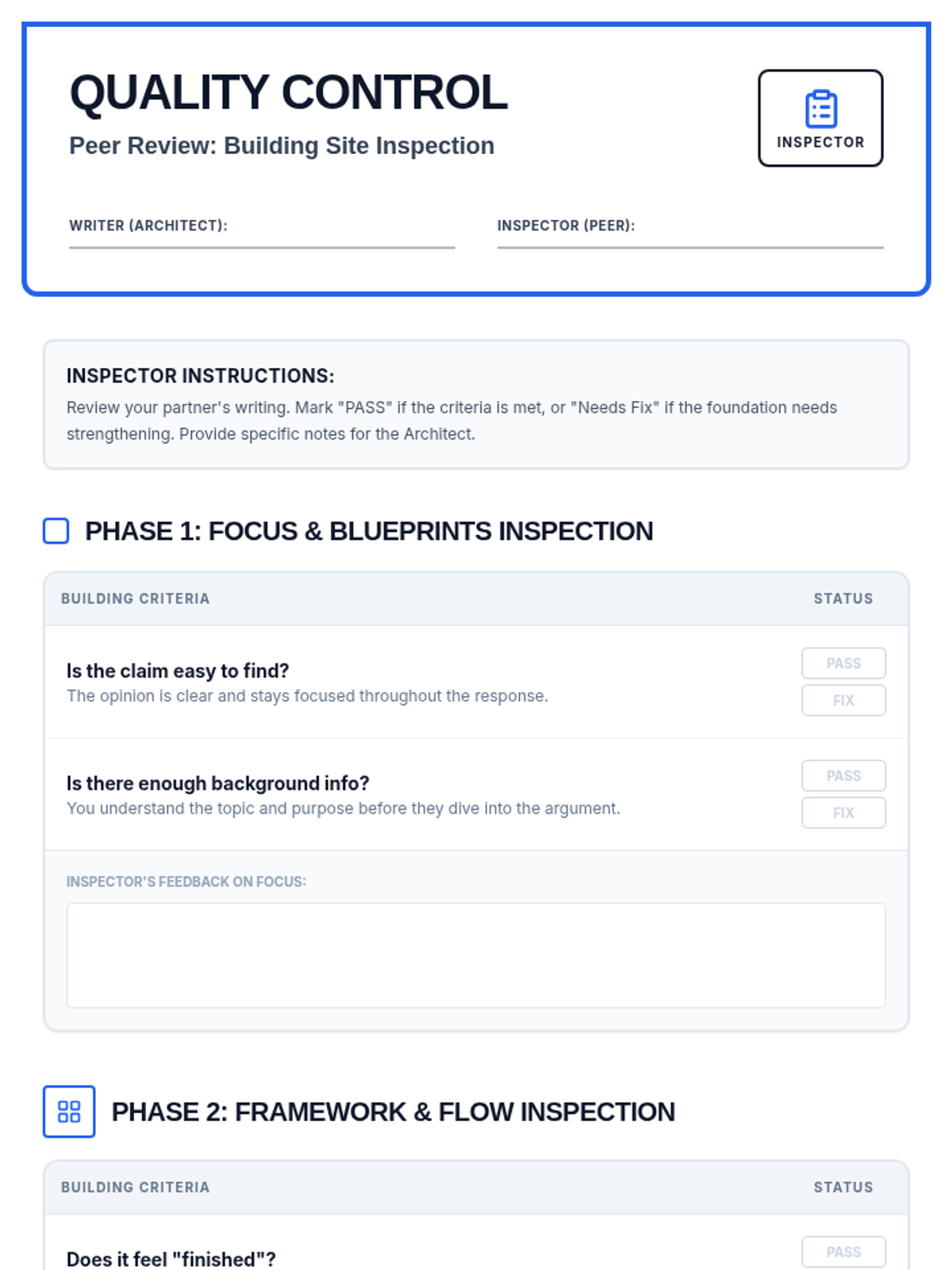
A lesson focused on helping students master the criteria for successful argumentative writing using a student-friendly checklist based on state-aligned rubrics.
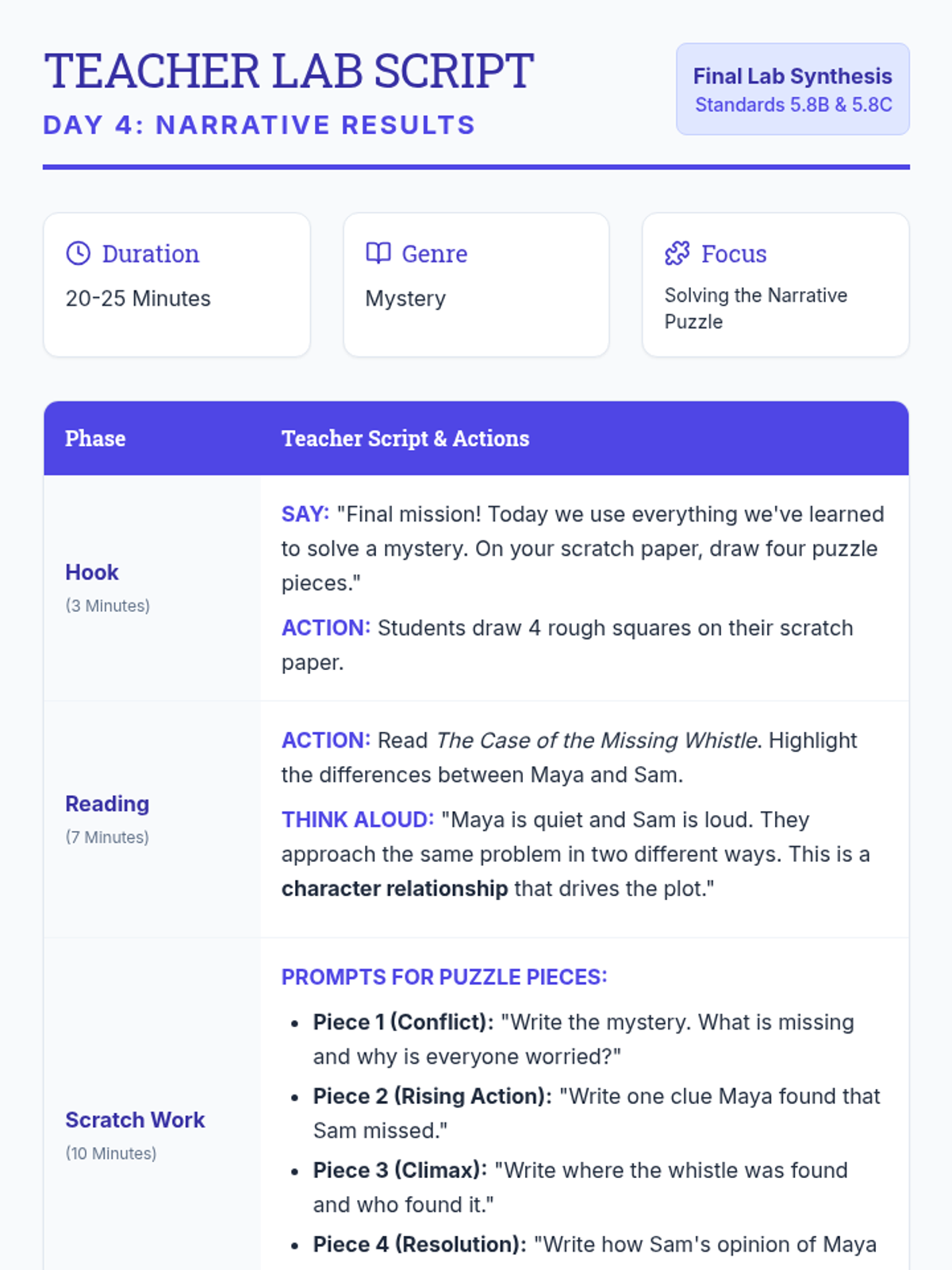
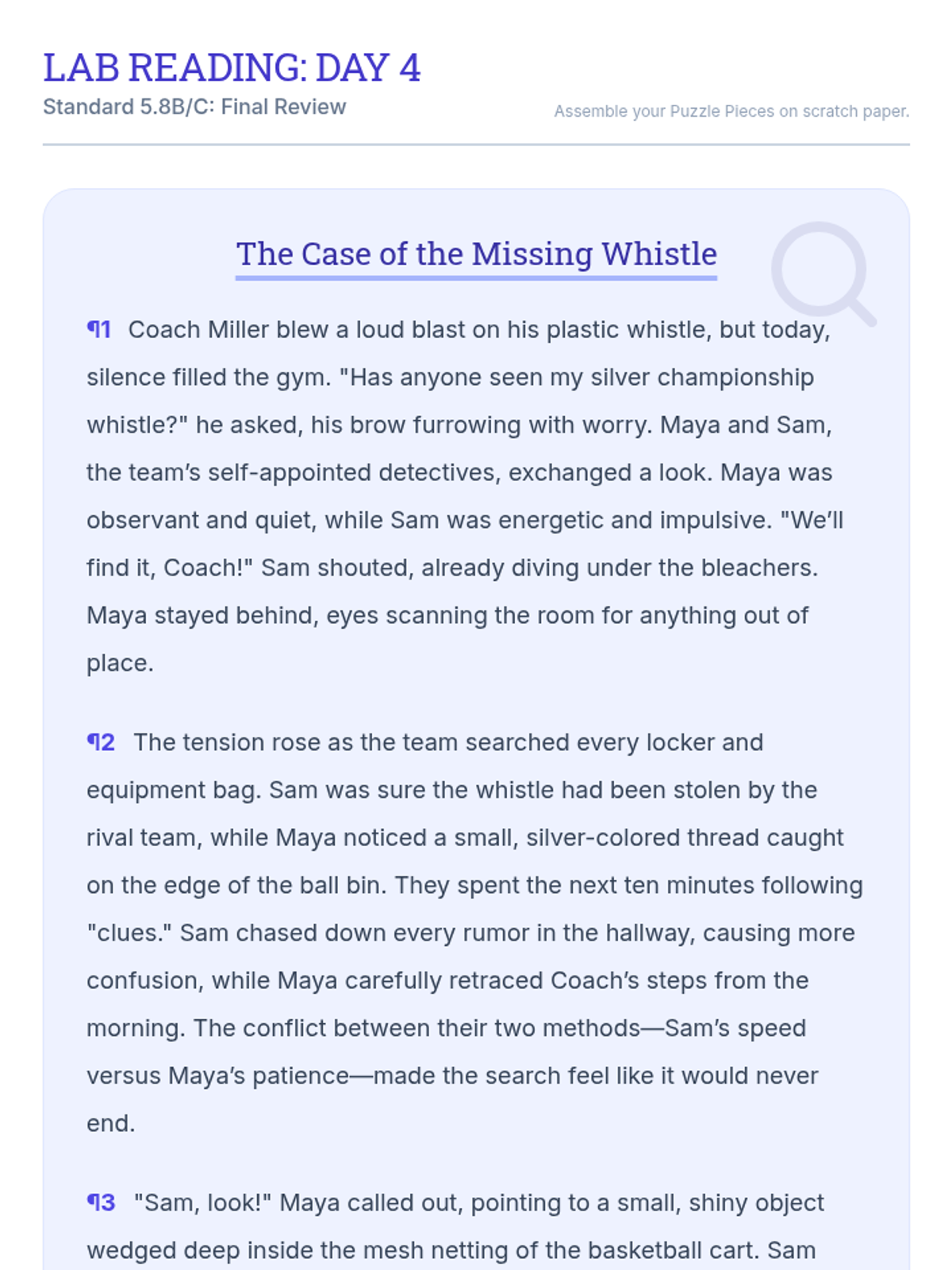
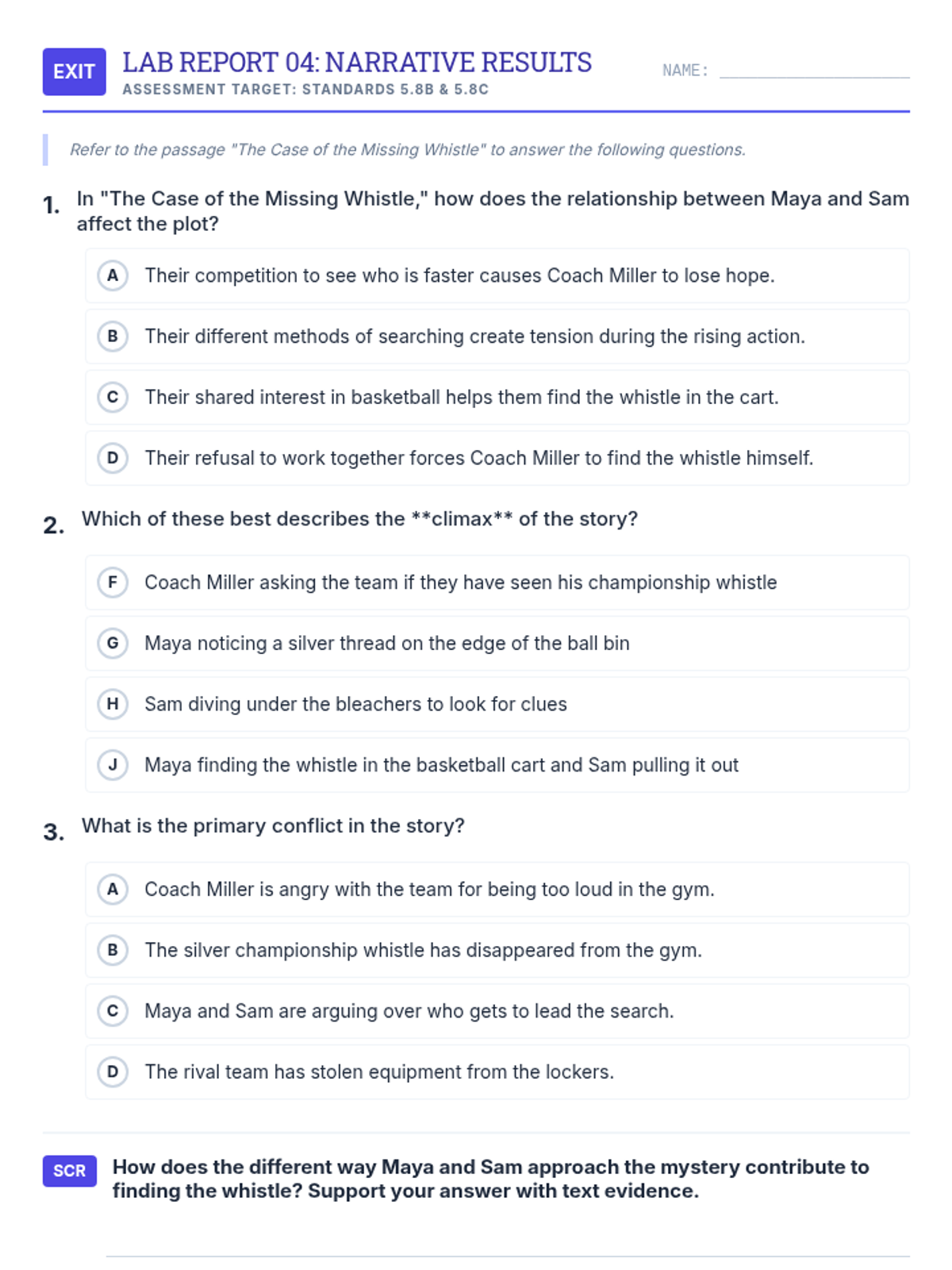
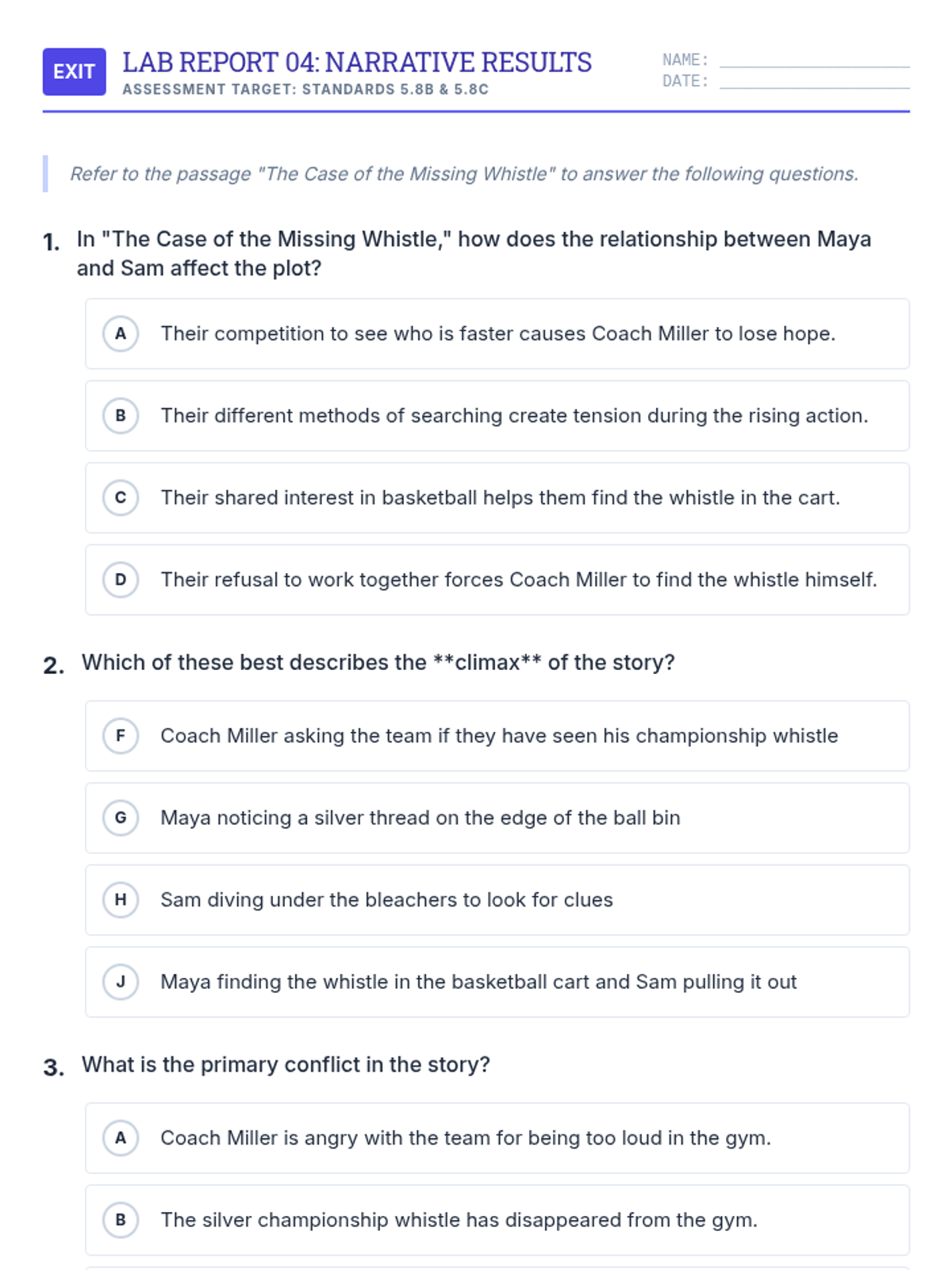
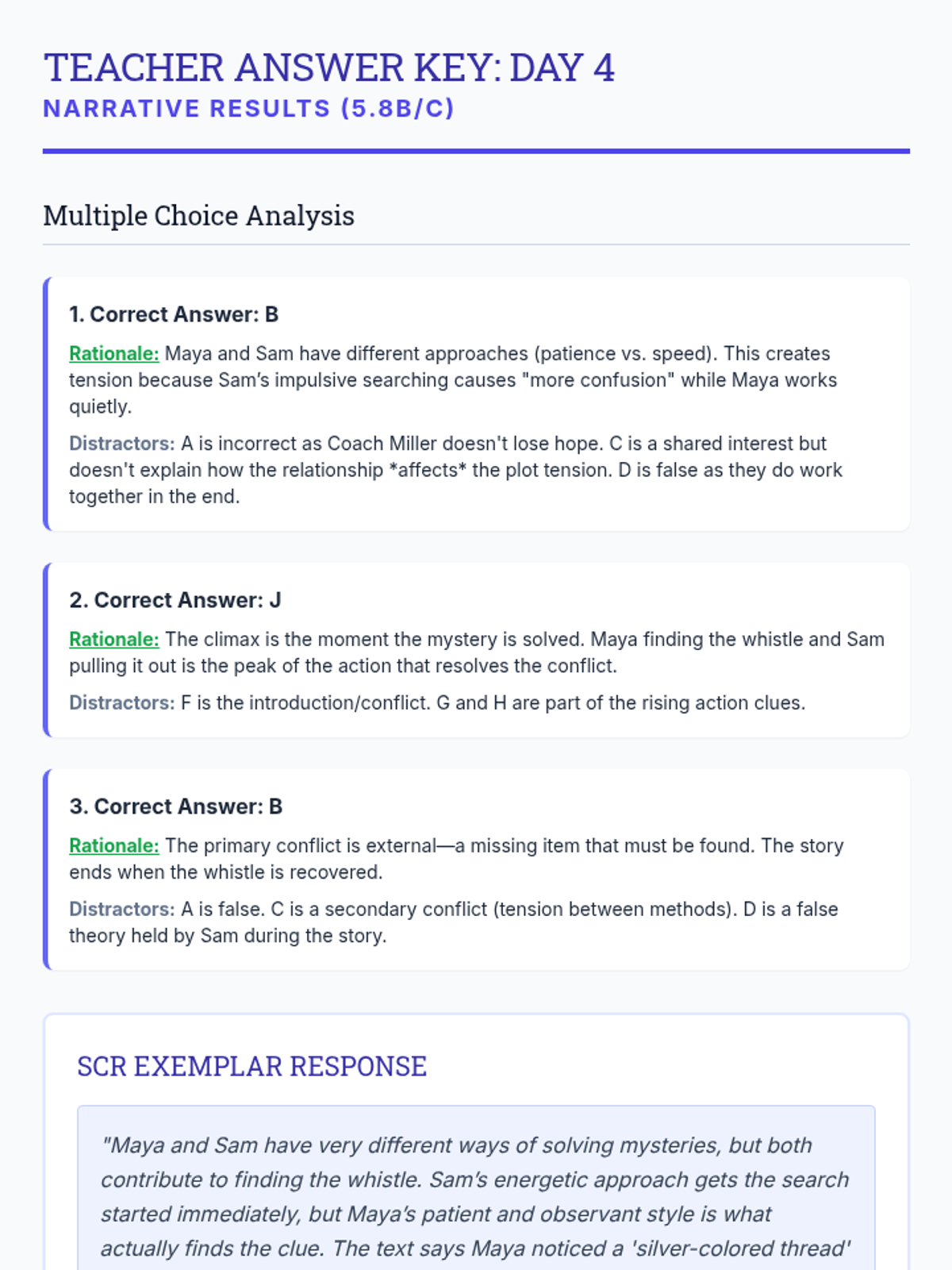
Day 4 serves as a synthesis day using a mystery genre. Students apply their knowledge of character conflict and plot resolution to solve a 'narrative puzzle' and complete a comprehensive assessment.
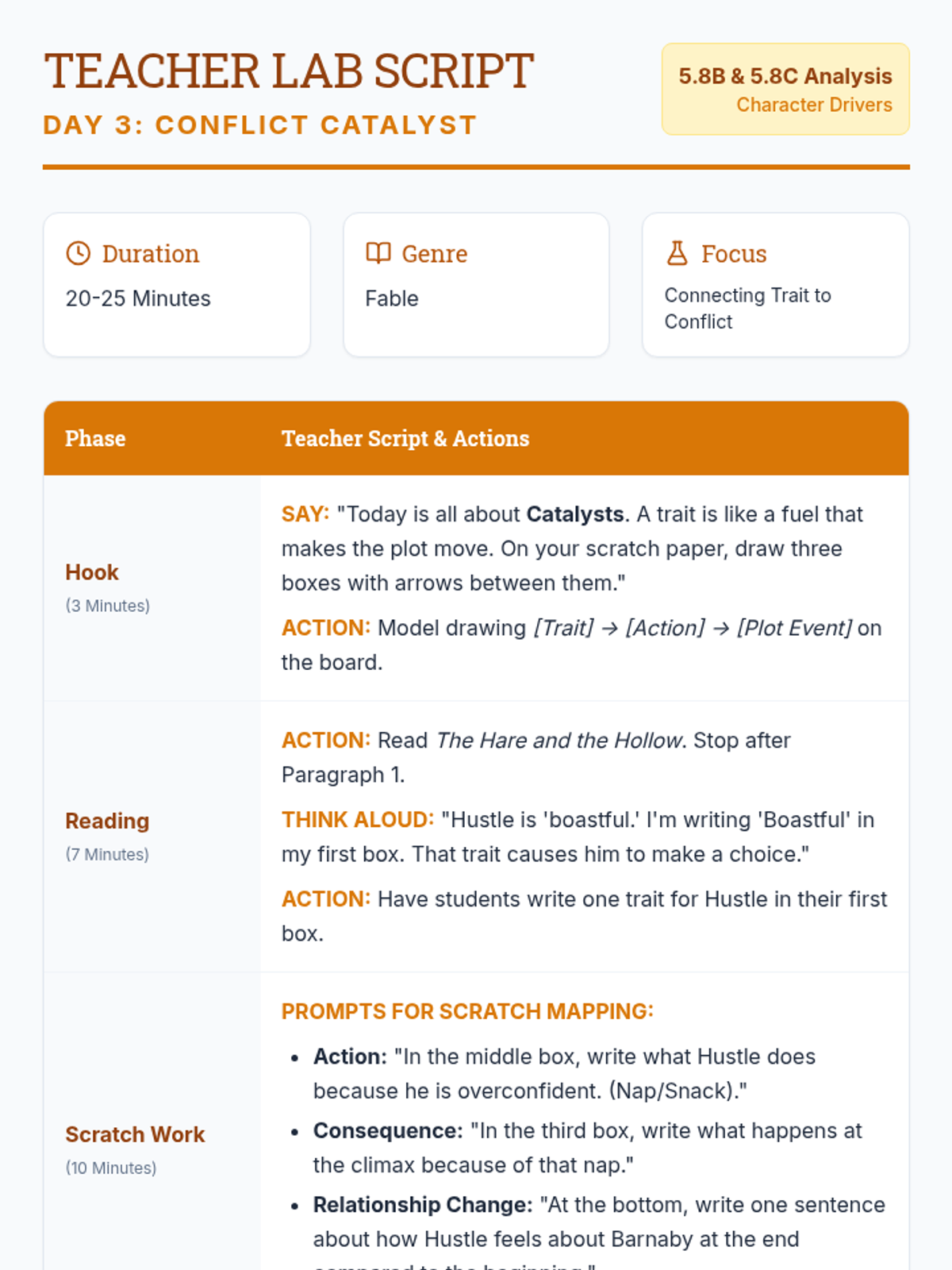
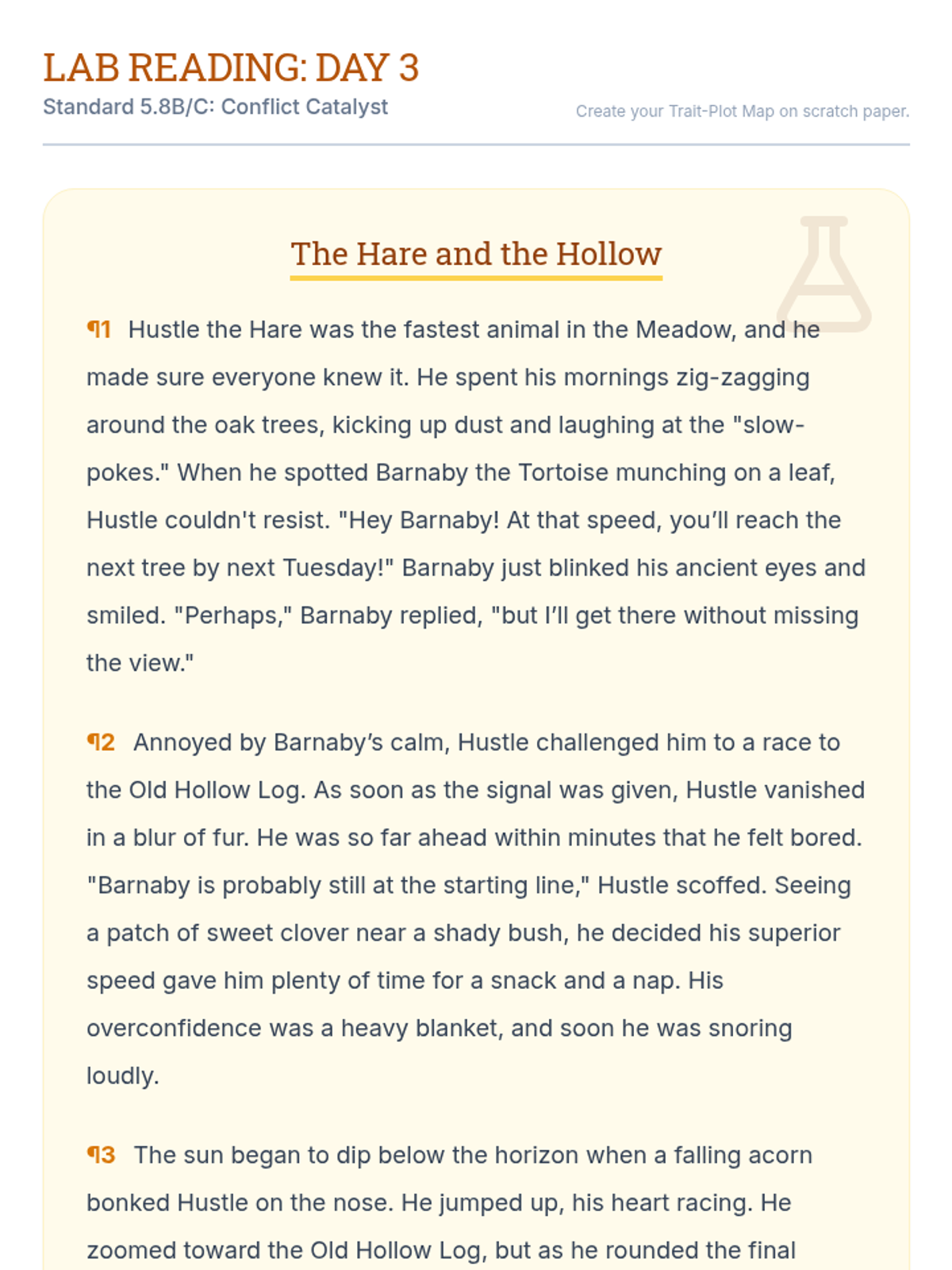
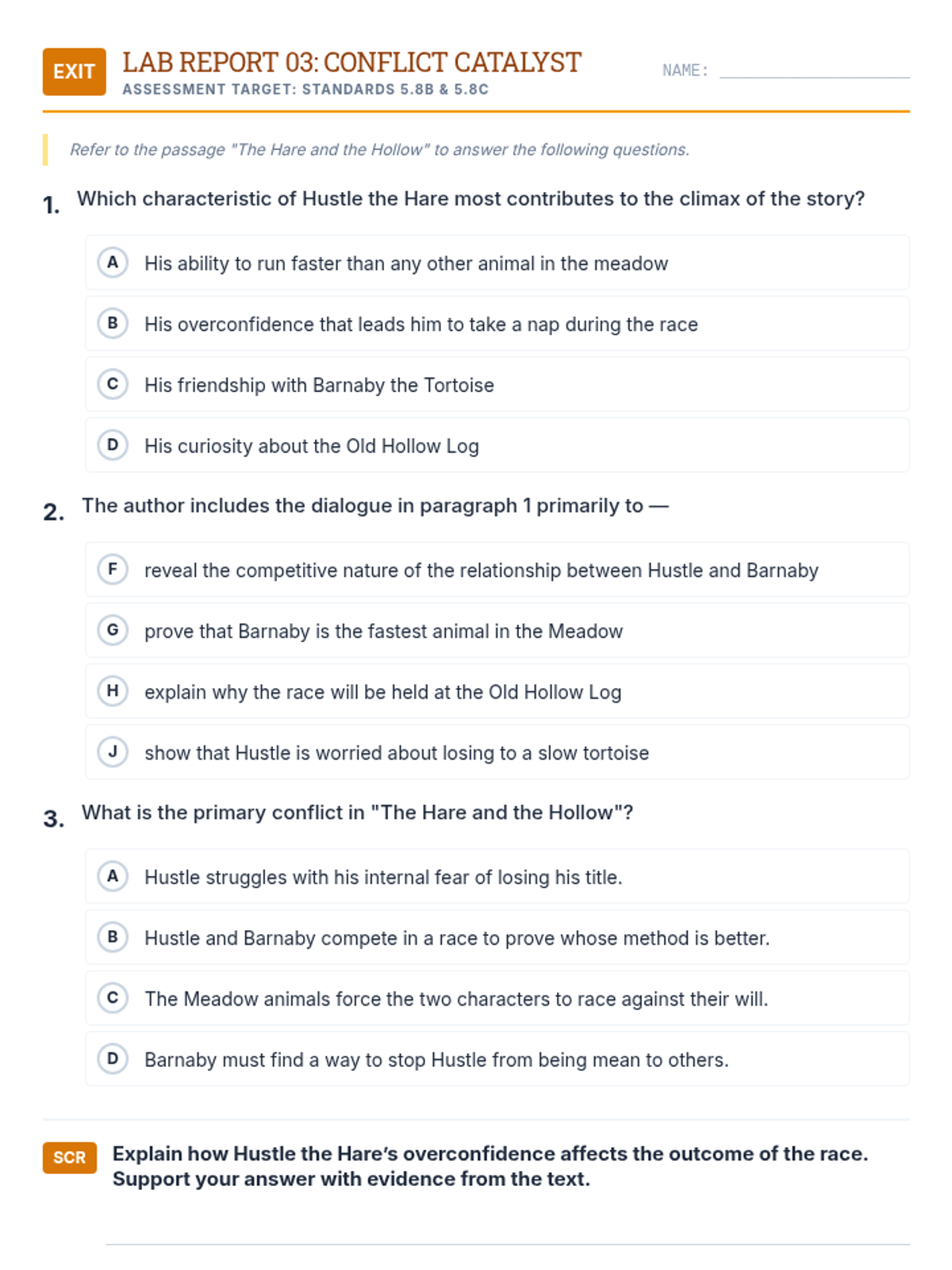
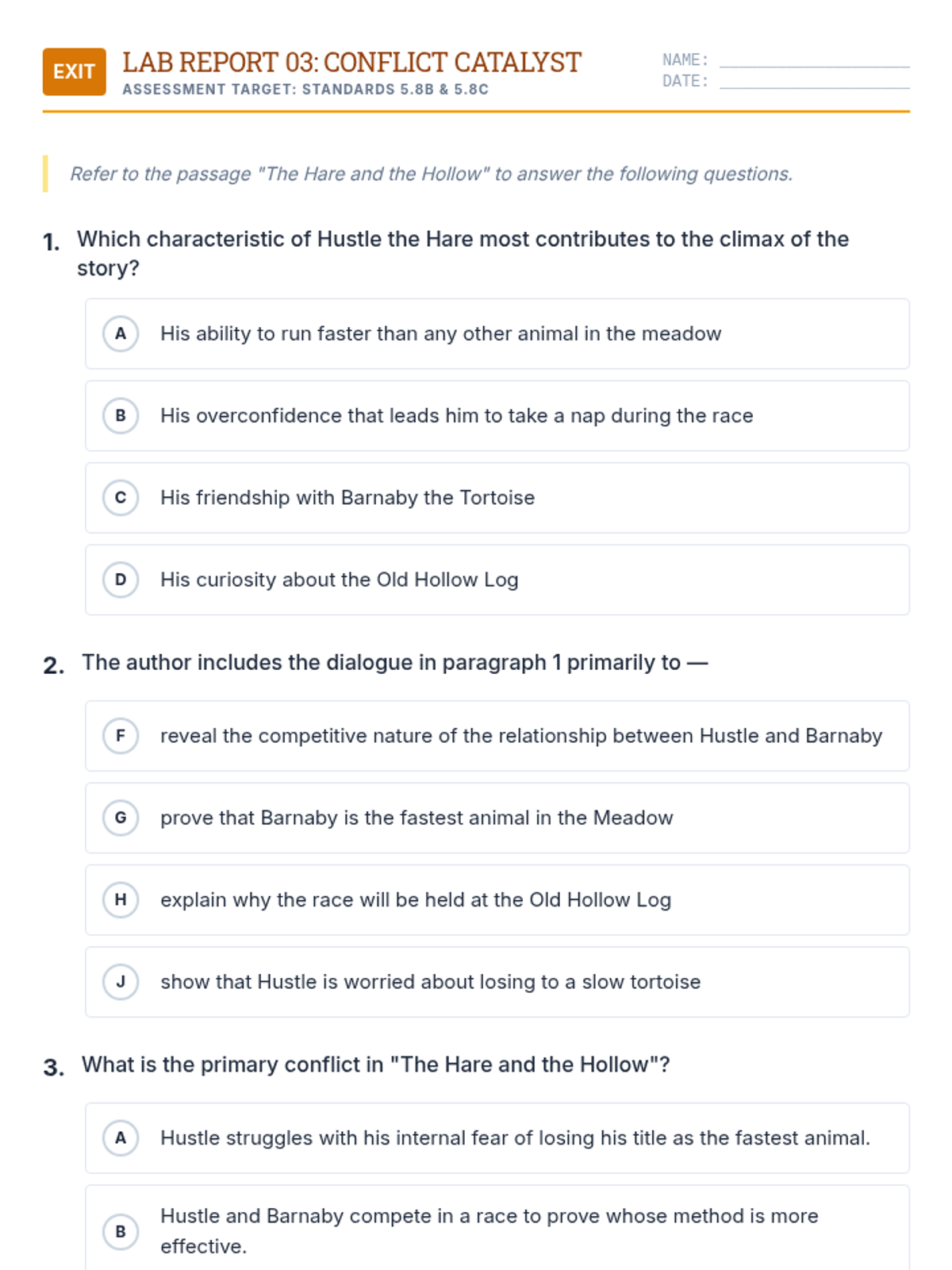
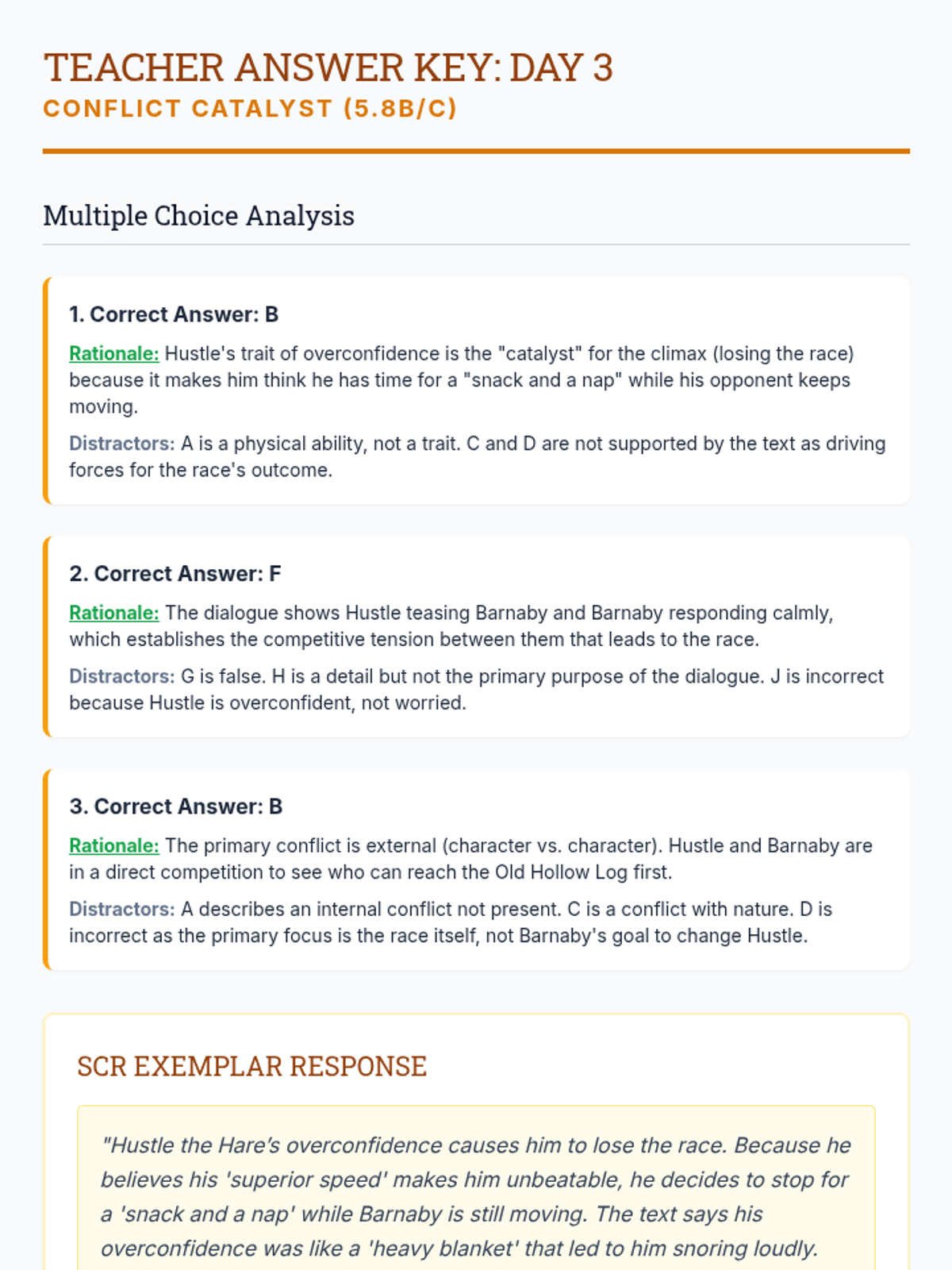
Day 3 integrates both character and plot (5.8B/C) using traditional literature (a fable). Students examine how a character's traits and choices create the conflict and lead to the climax.
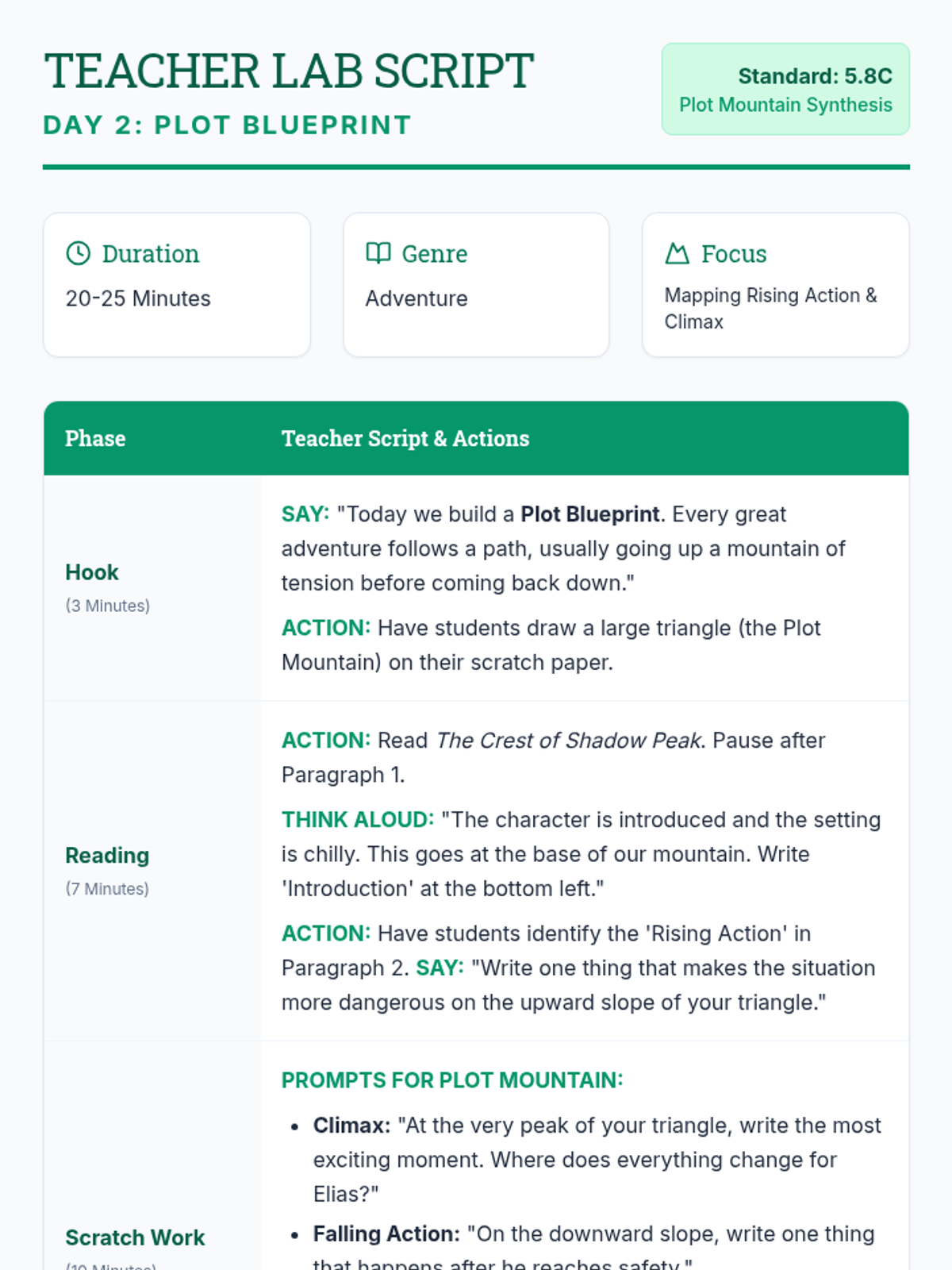
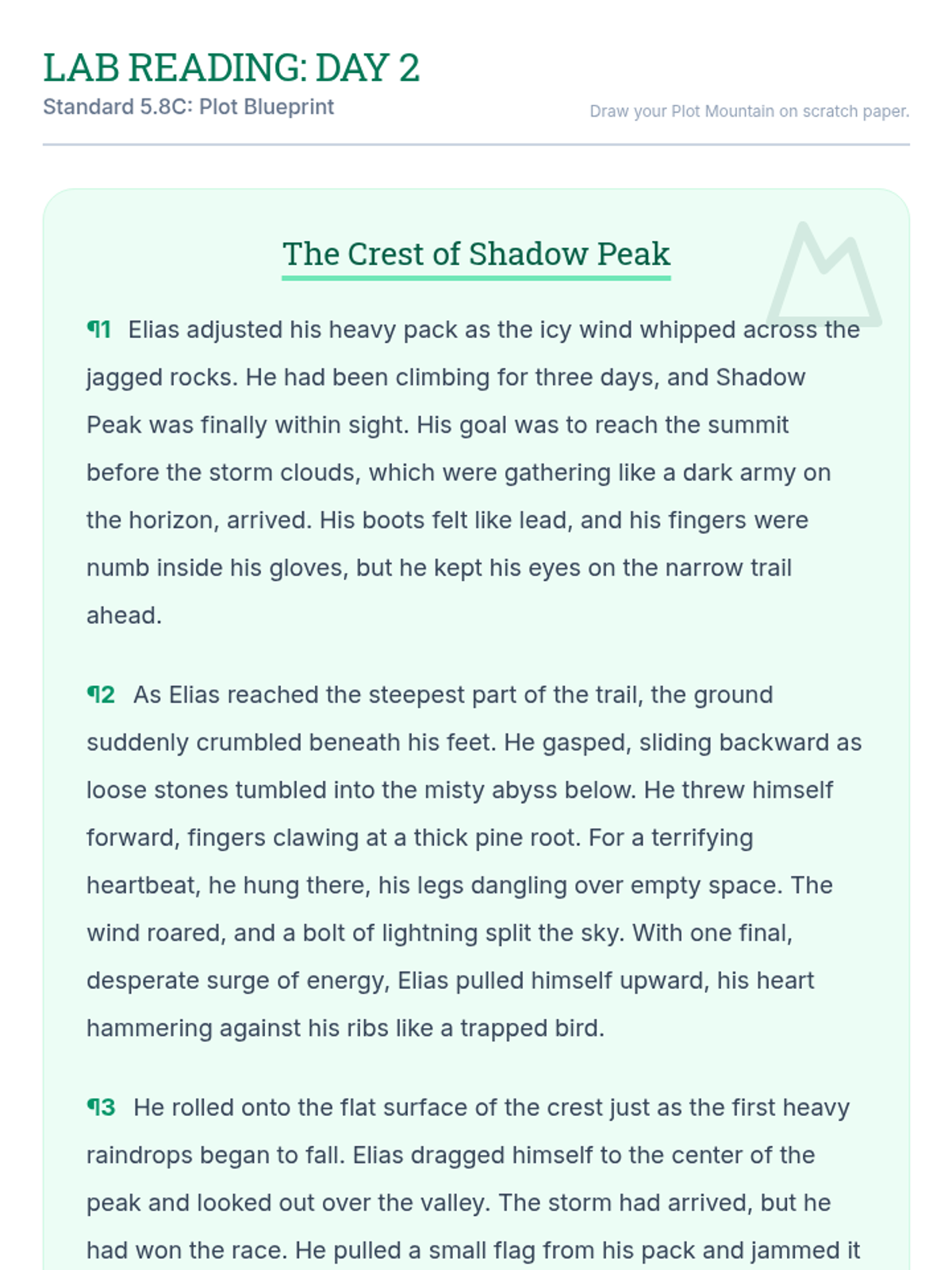
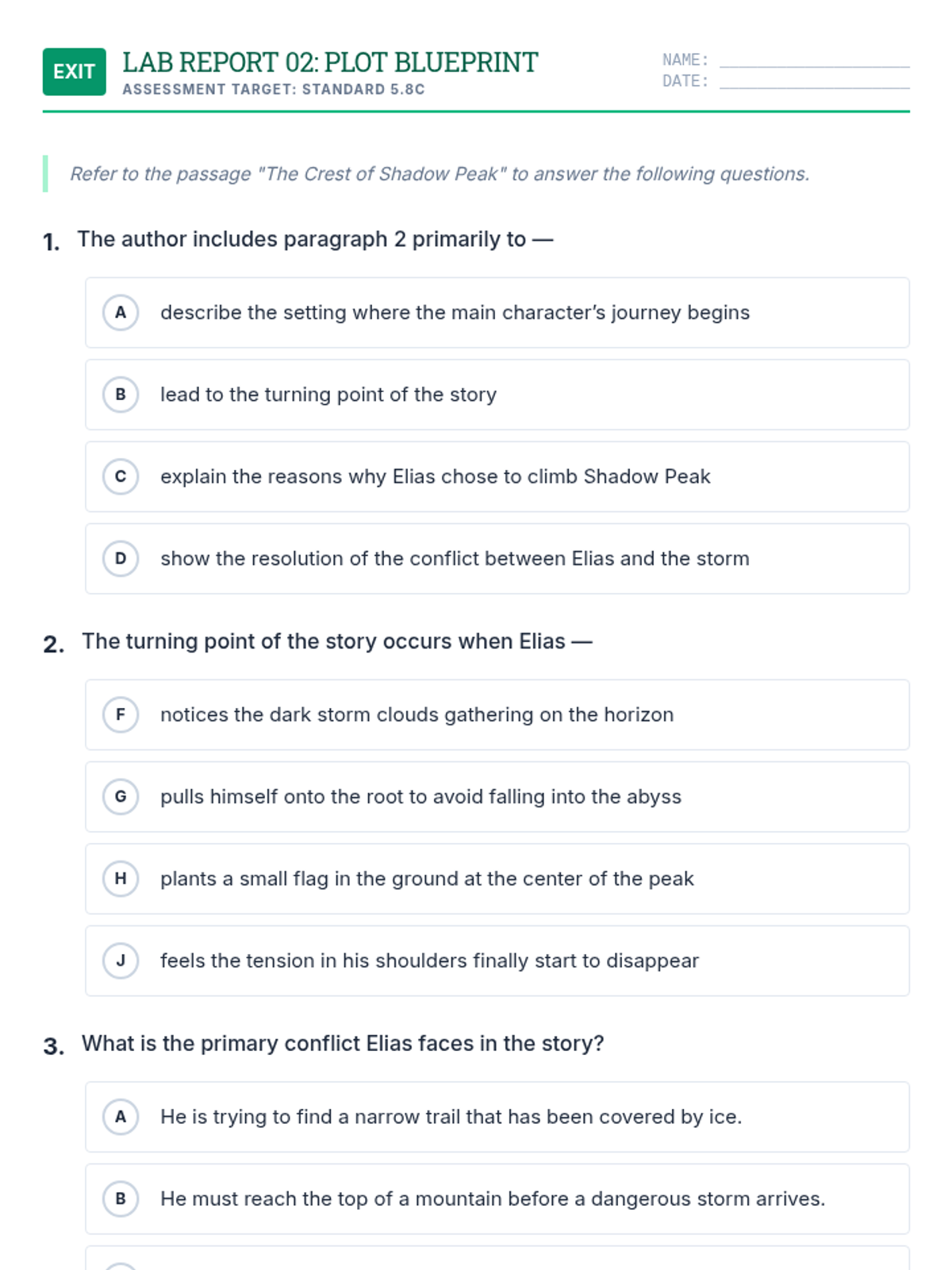
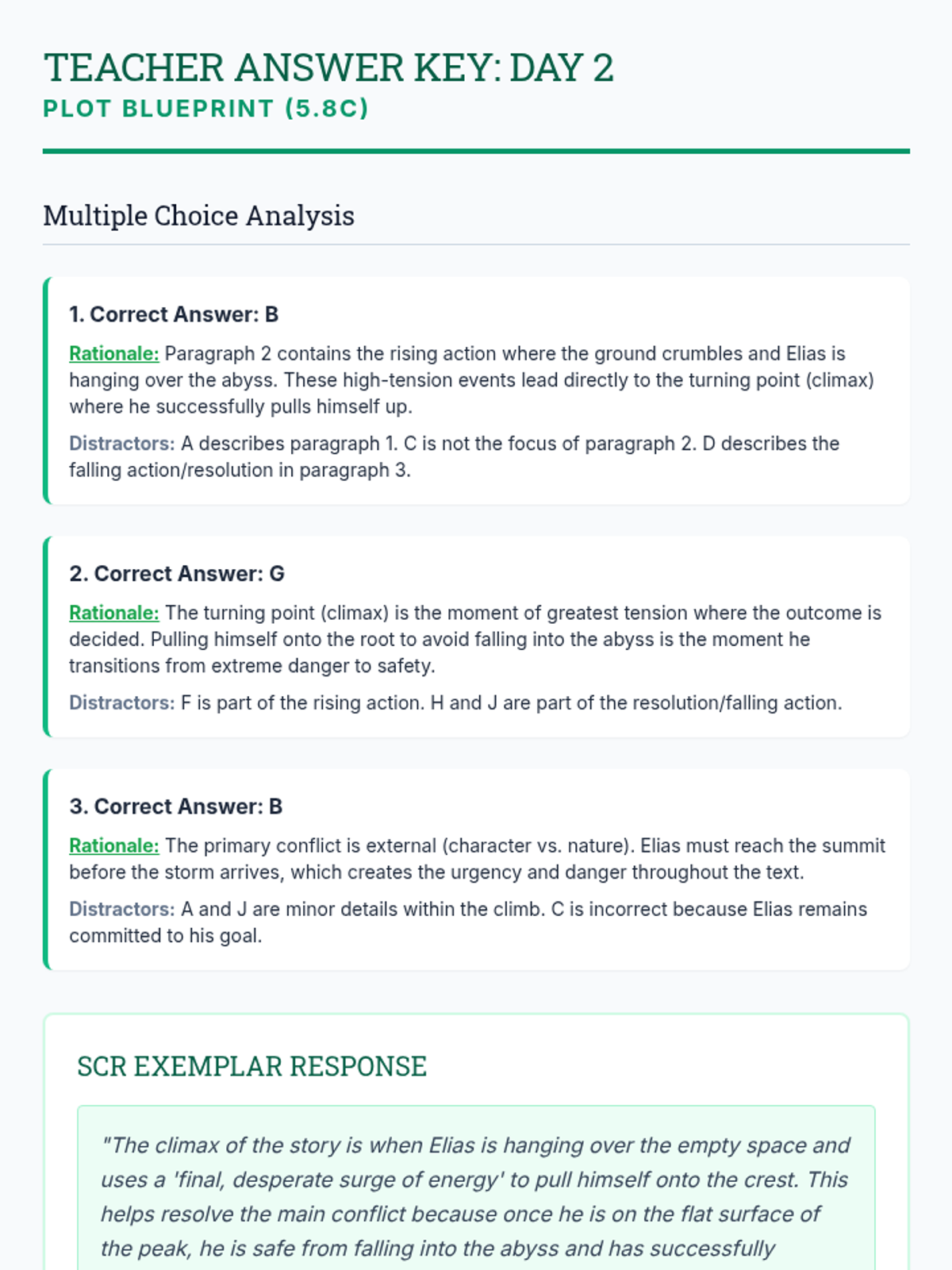
Day 2 focuses on plot elements (5.8C), specifically identifying the rising action, climax, and resolution in an adventure-themed text. Students map the 'Plot Peak' to understand story structure.
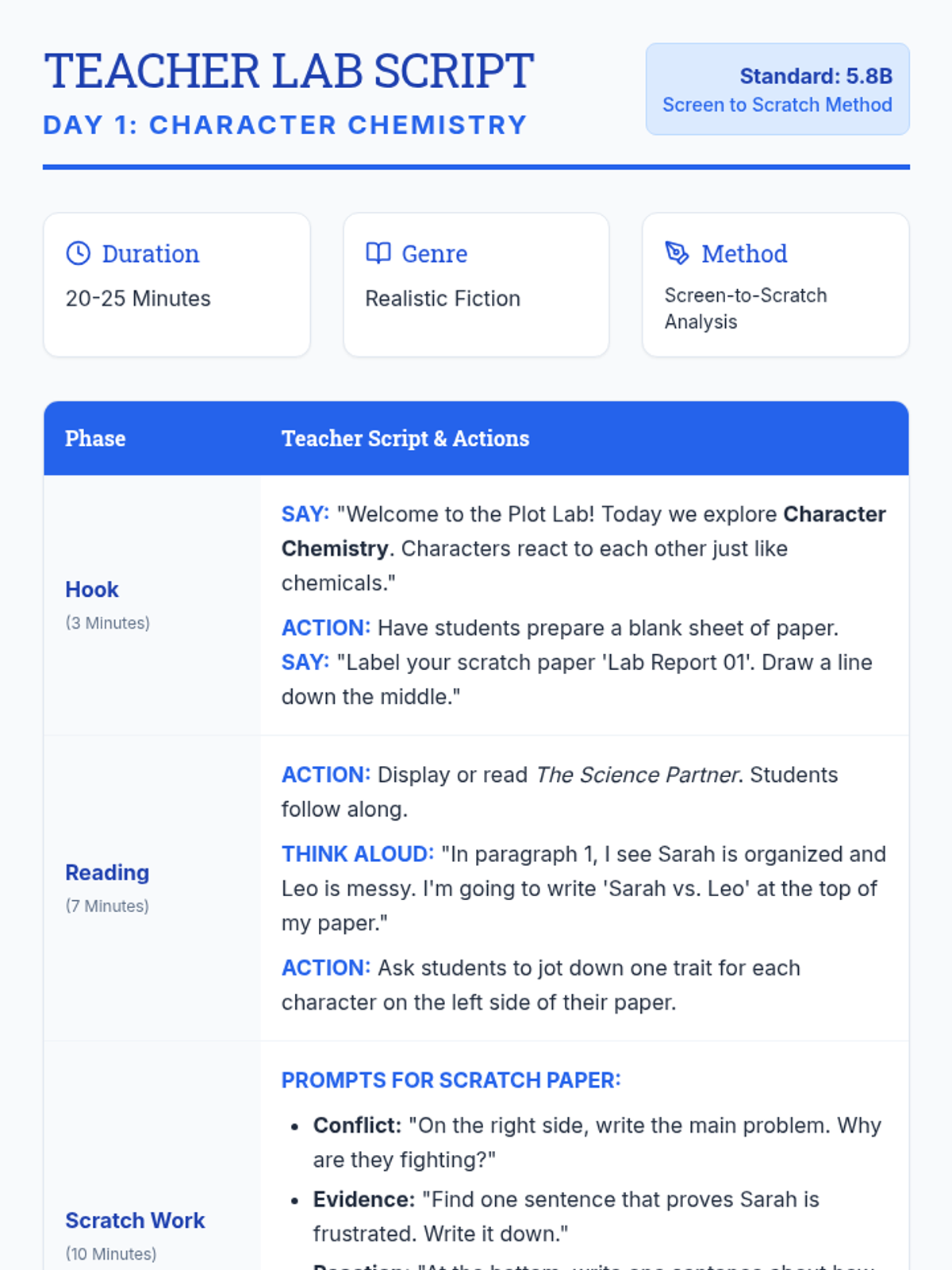
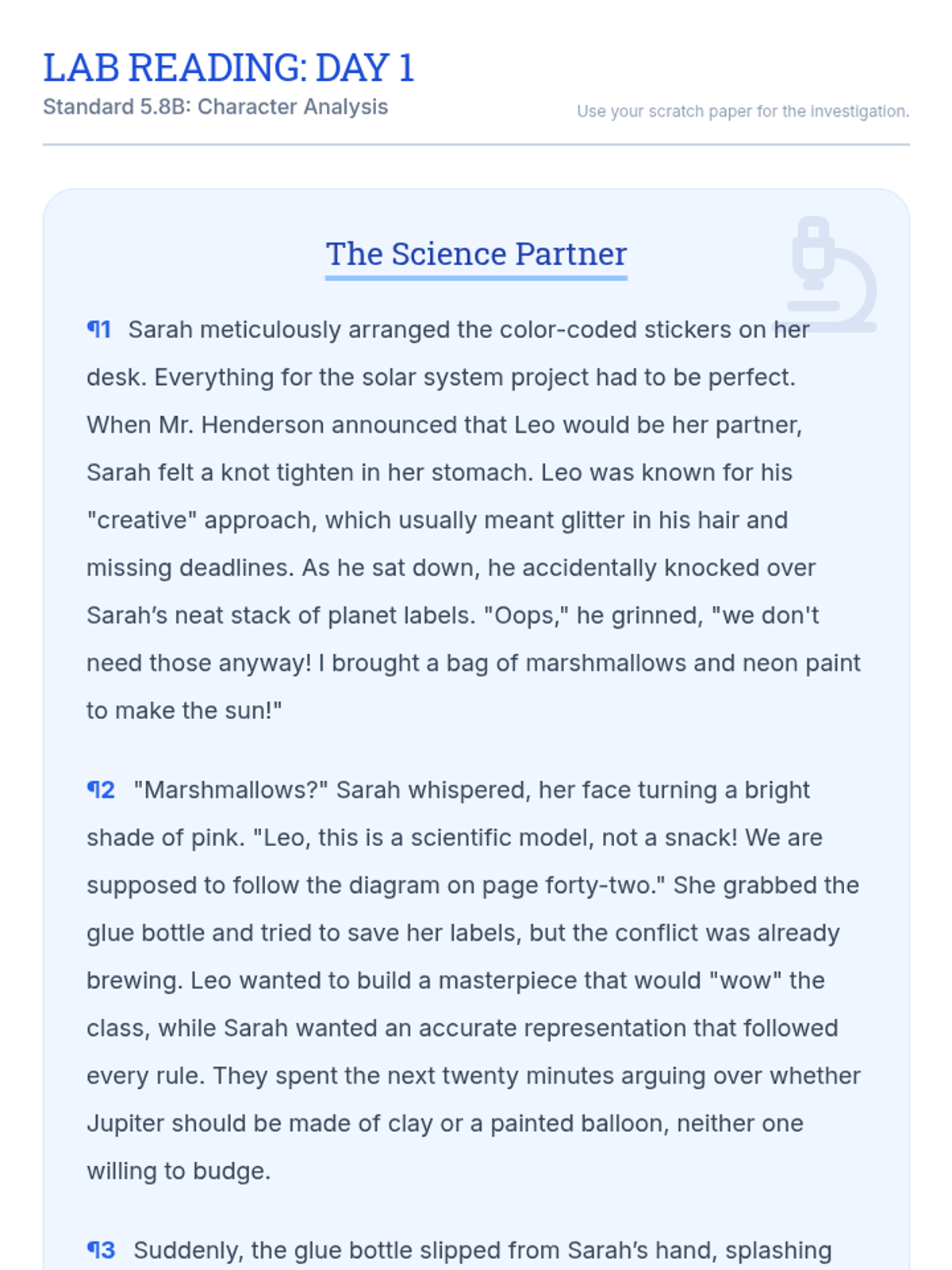
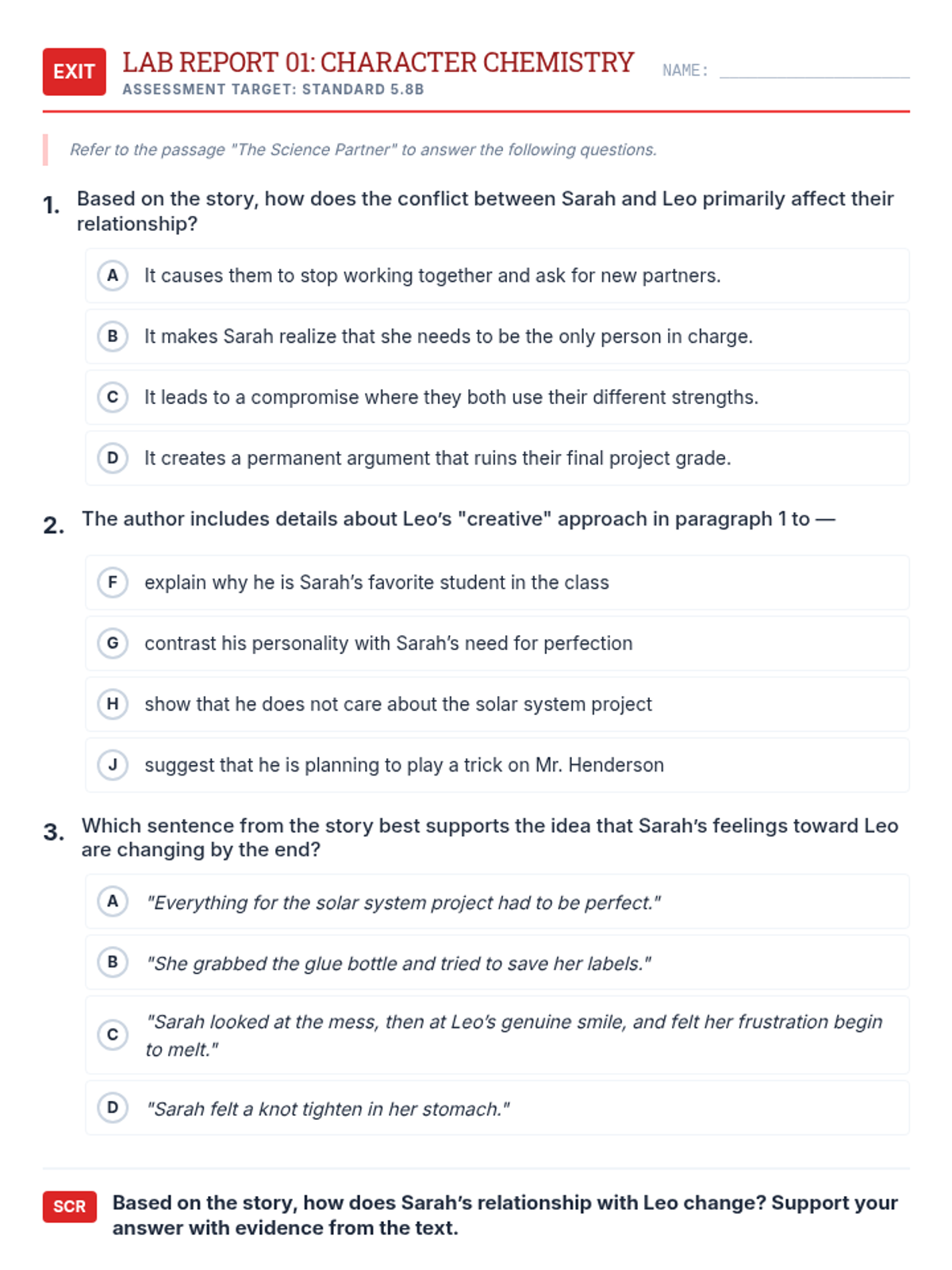
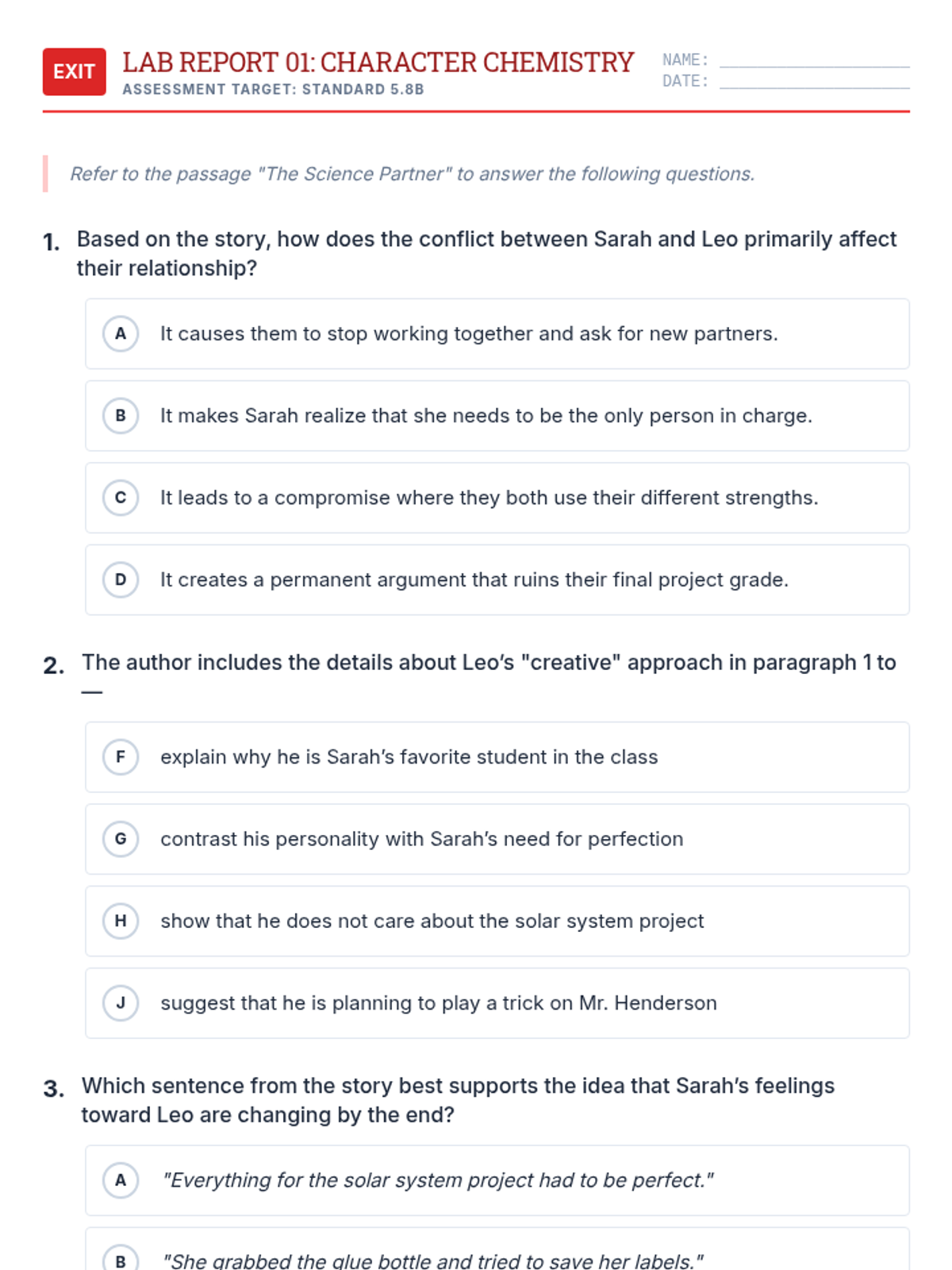
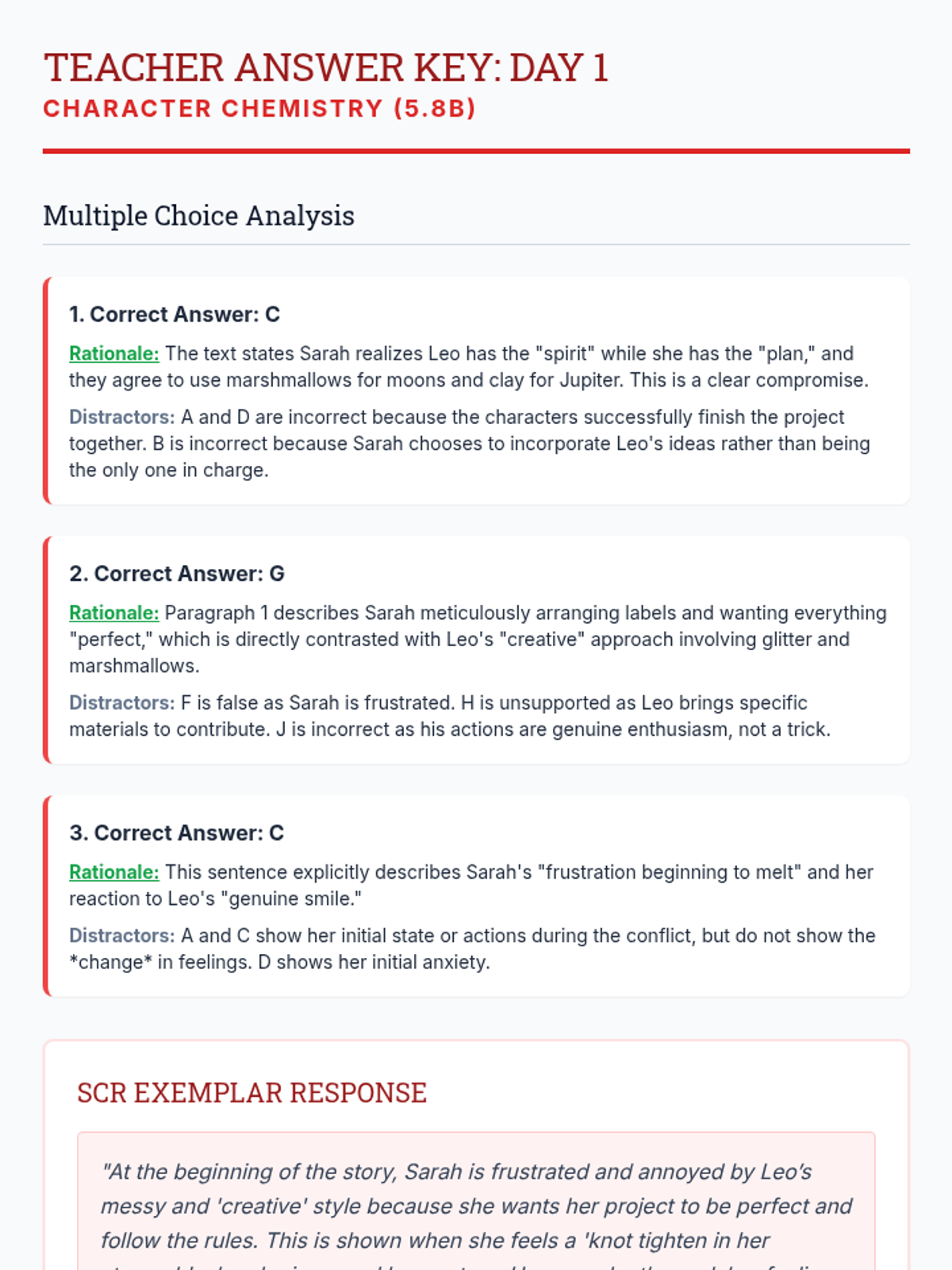
Day 1 focuses on analyzing character relationships and conflicts (5.8B) within a realistic fiction text. Students investigate how characters interact and the specific conflicts that drive their actions.
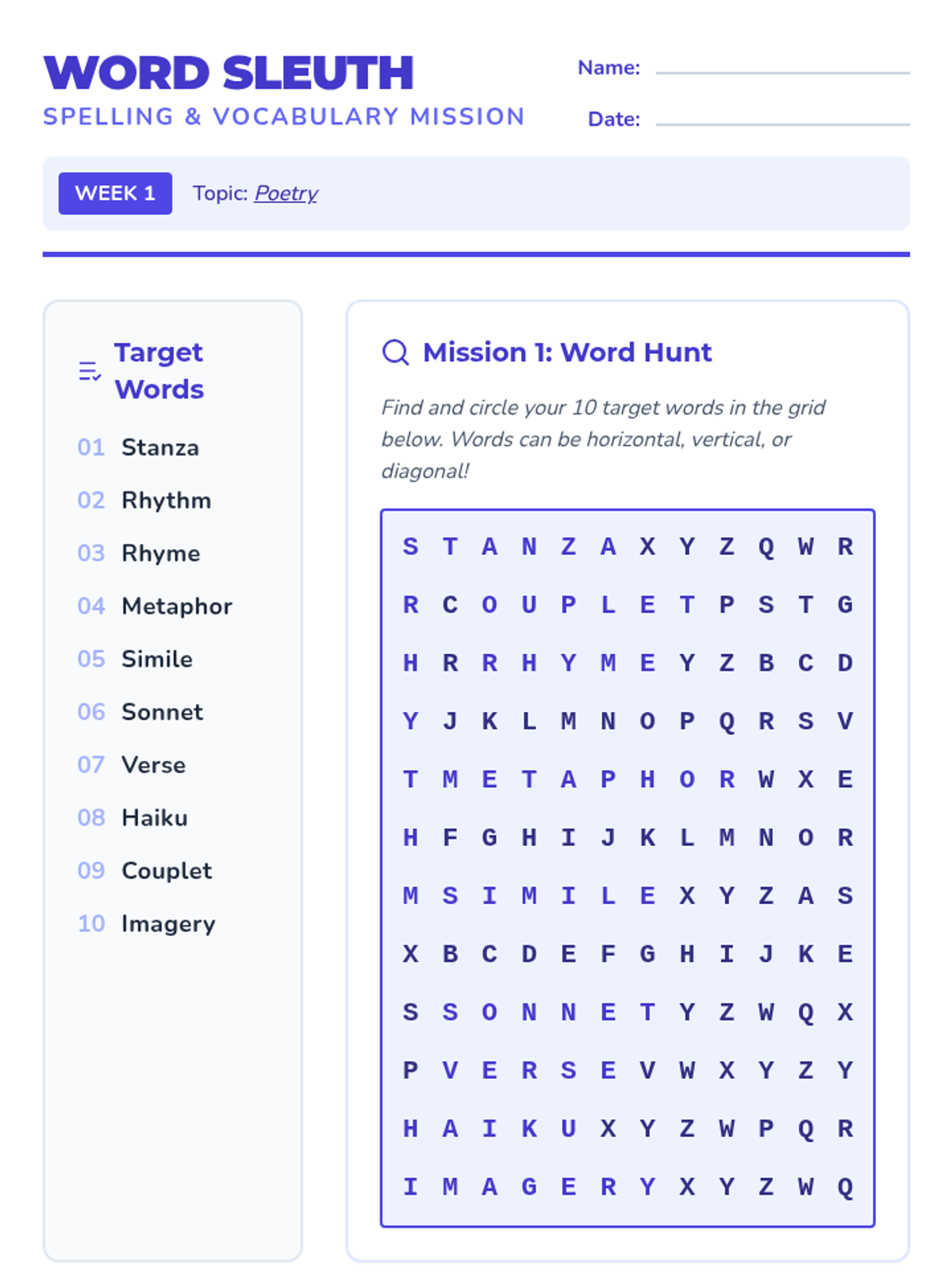
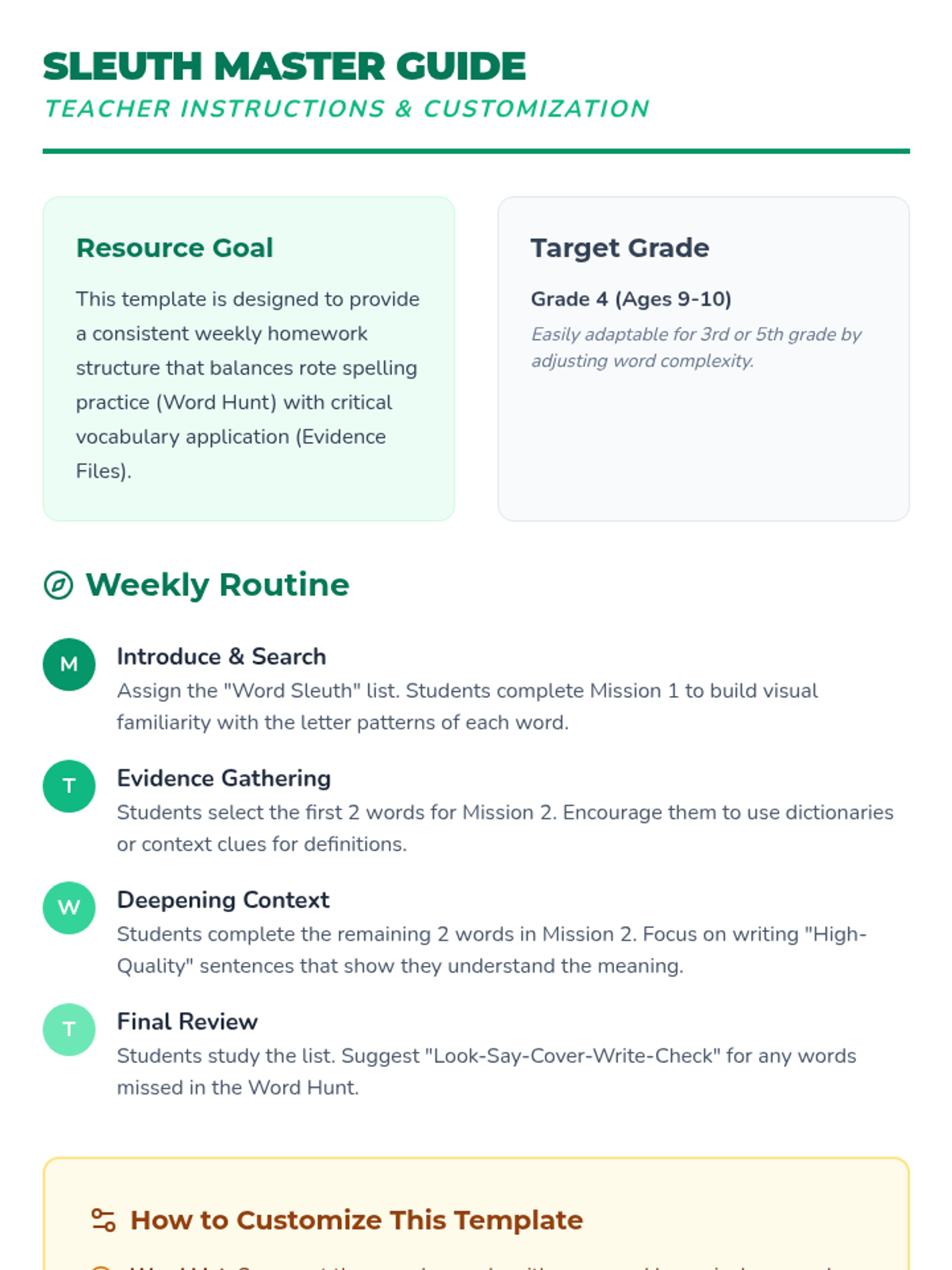
A weekly homework routine featuring a word search challenge and deep-dive vocabulary exercises for 10 target spelling words.
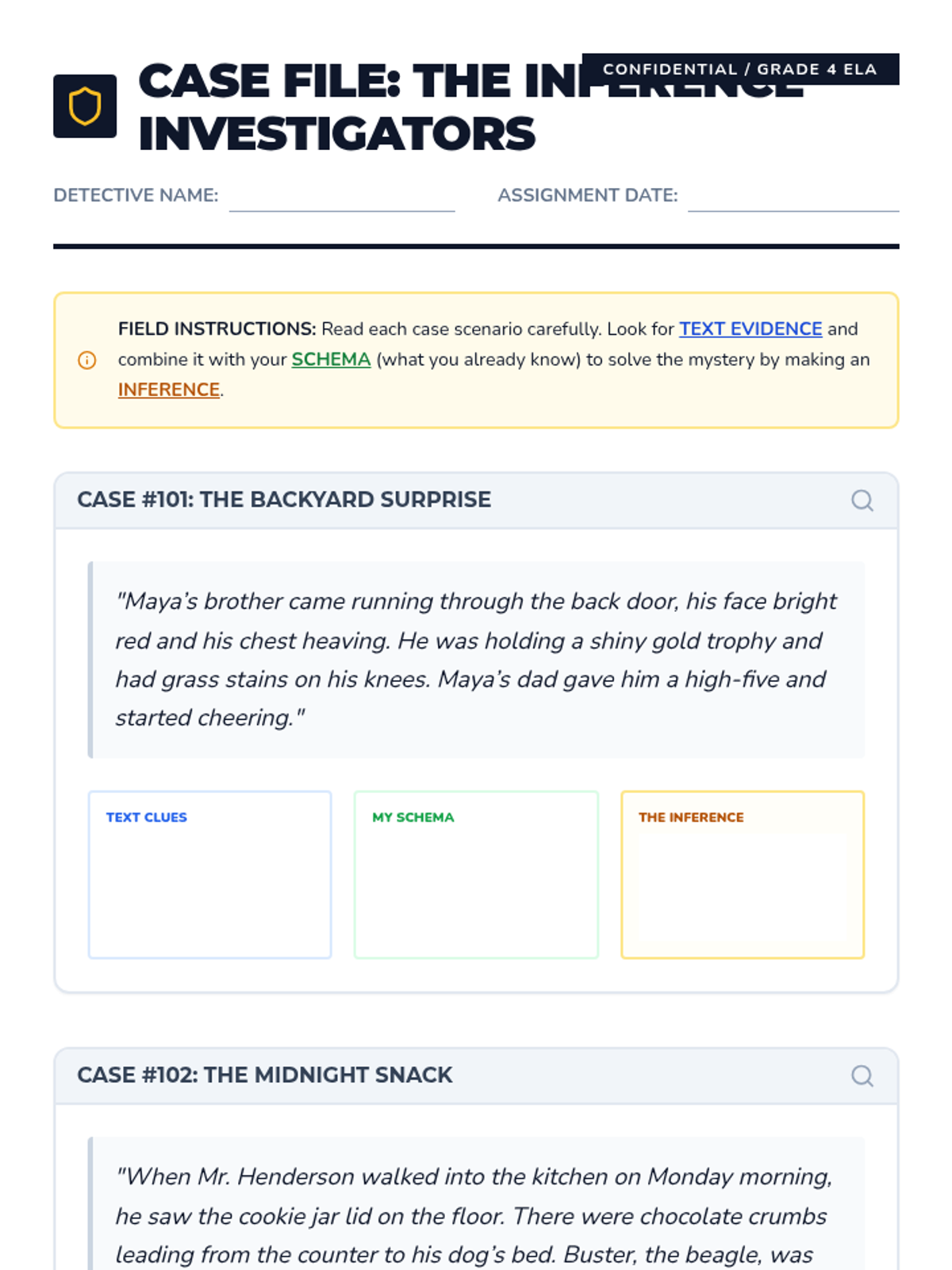
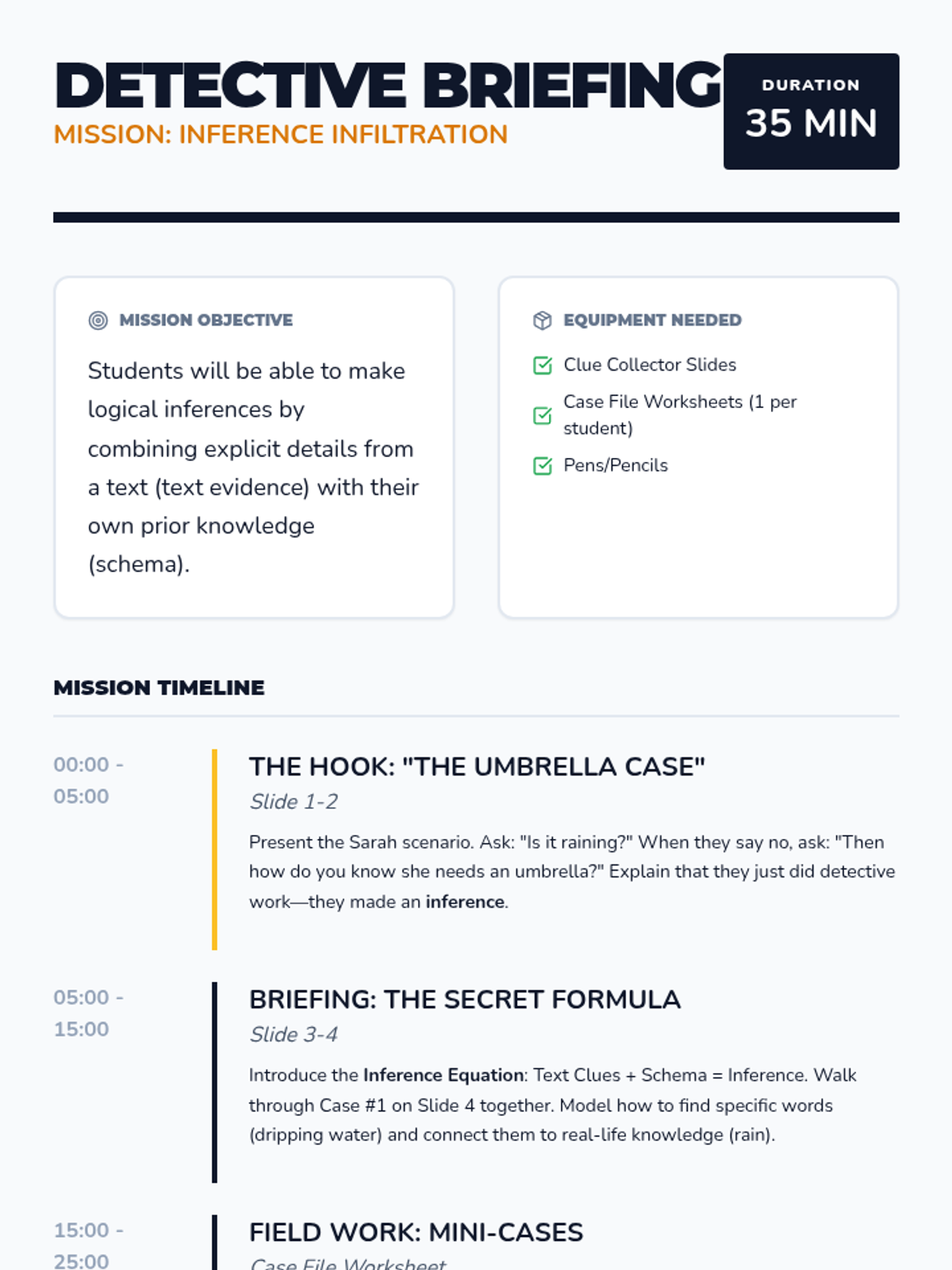
A high-energy, 35-minute introduction to making inferences. Students act as detectives, combining text evidence with their own background knowledge to solve mini-mysteries.
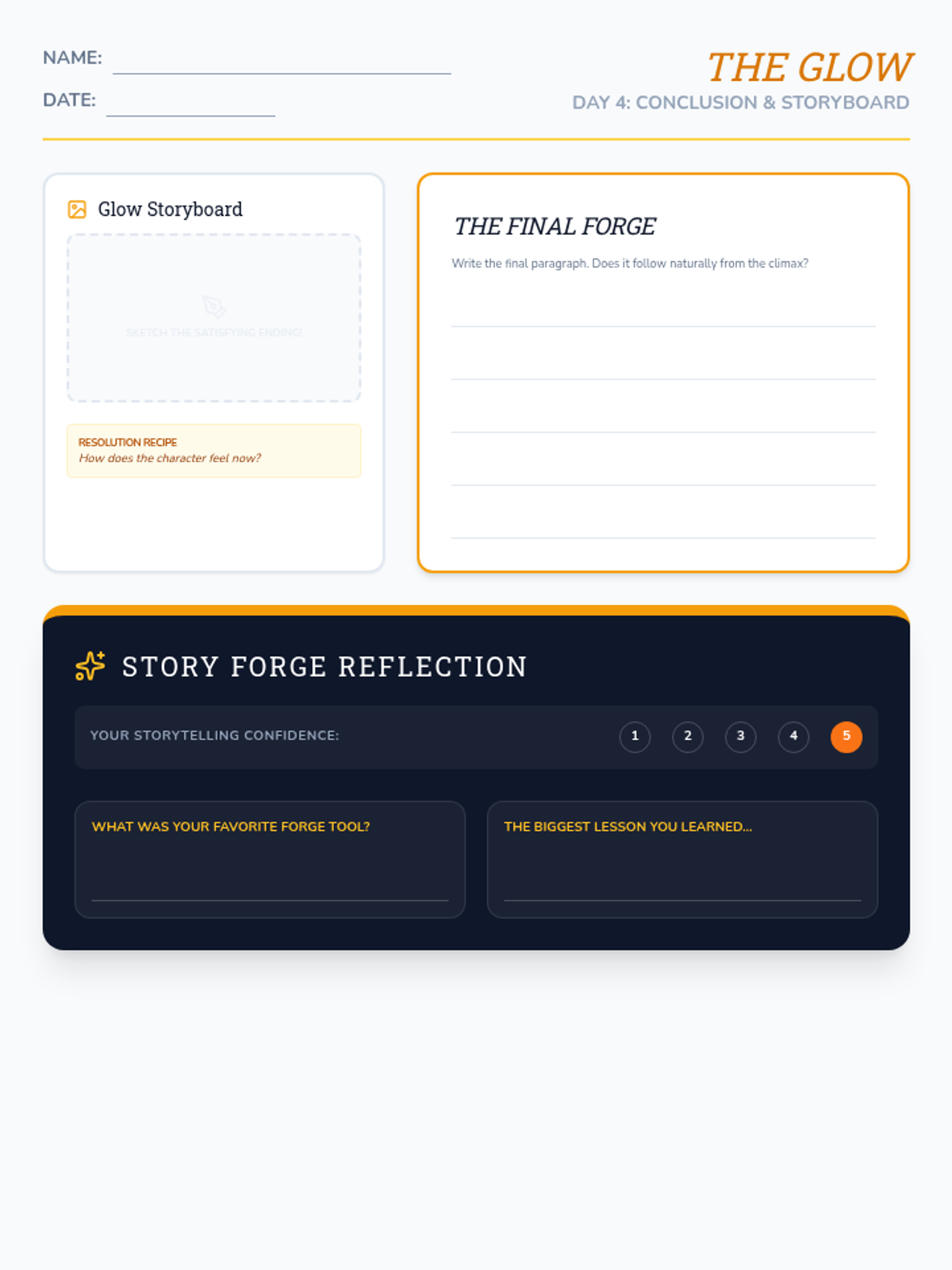
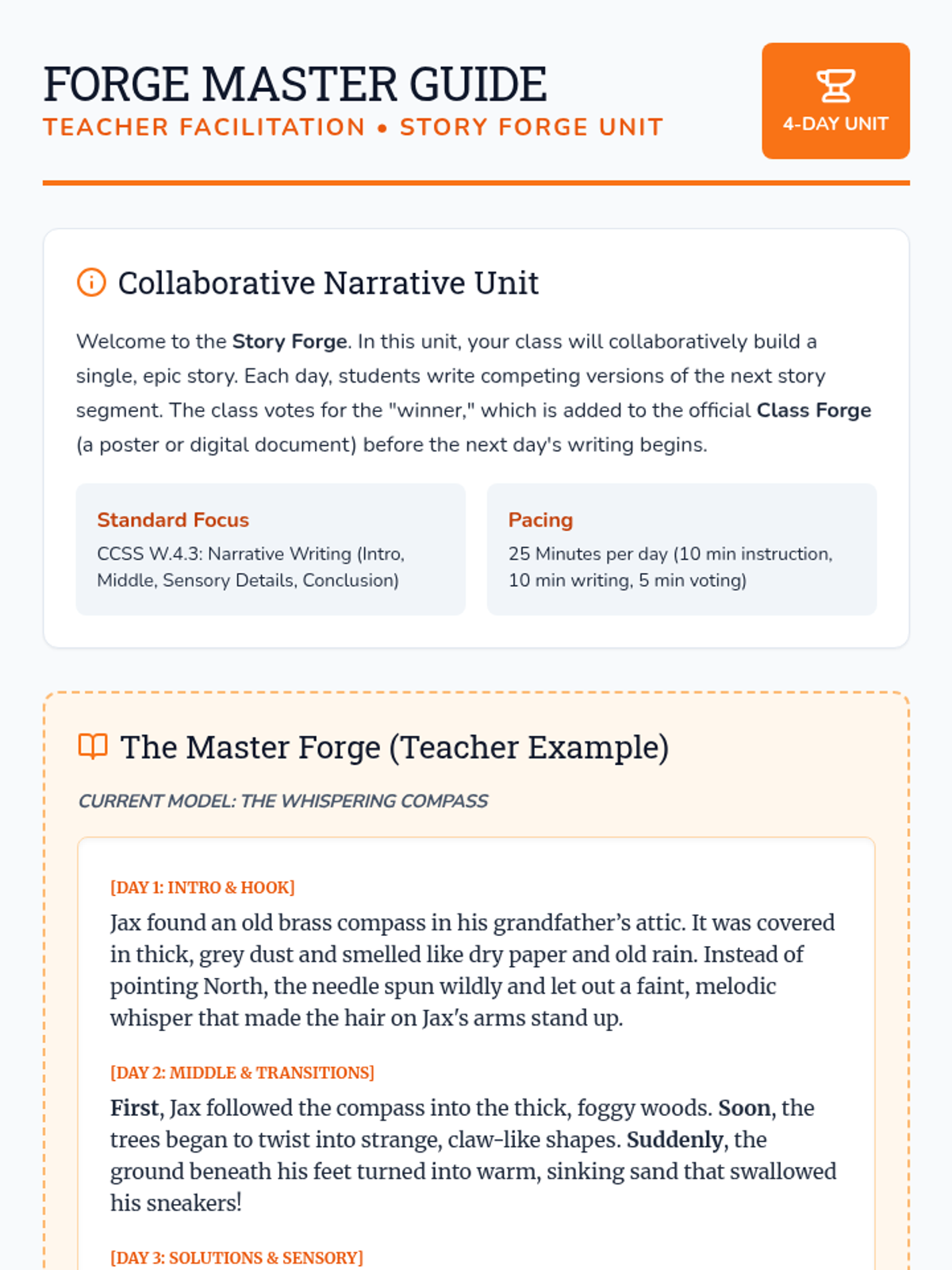
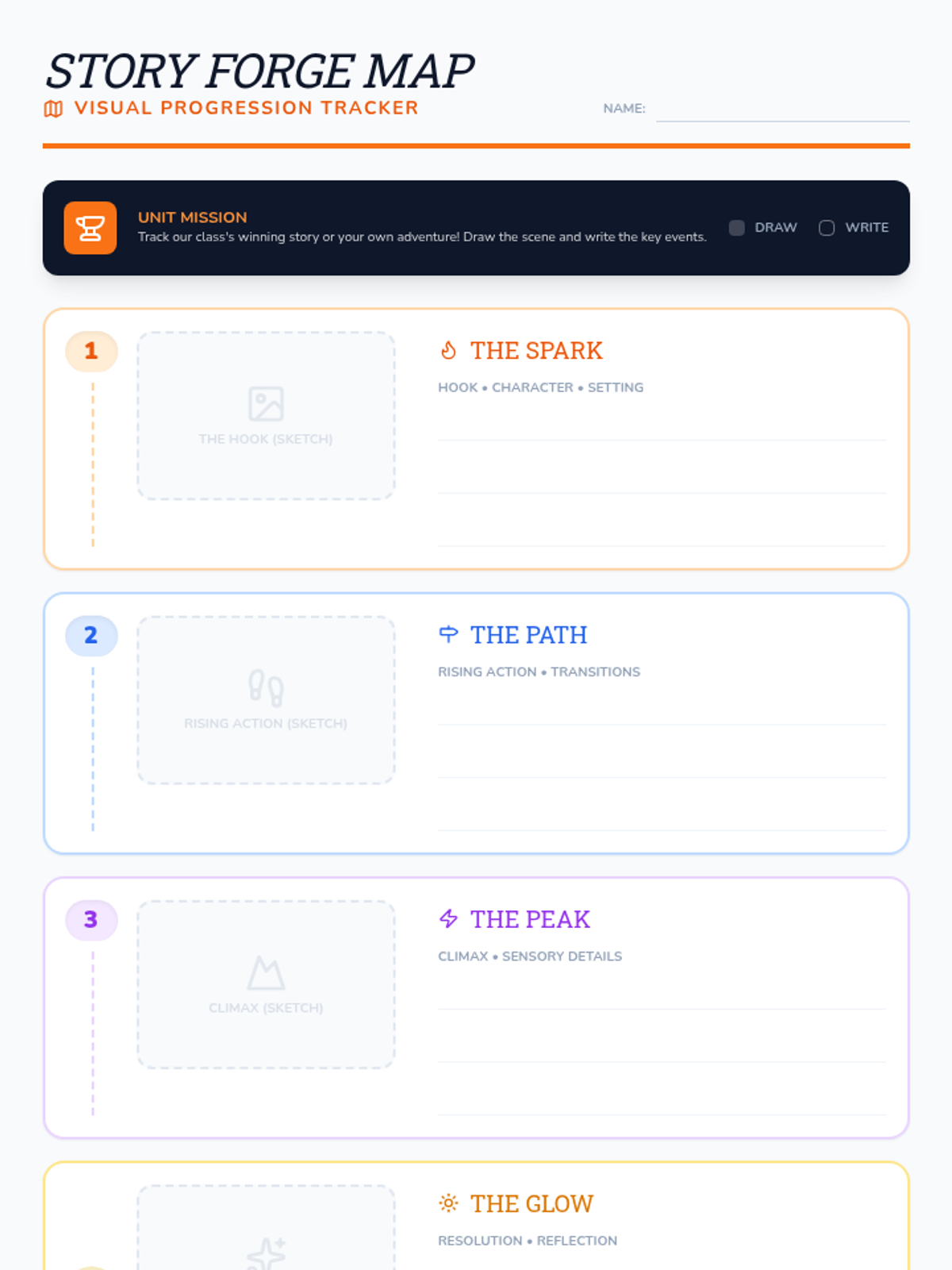
Focusing on CCSS W.4.3.e, students write a satisfying conclusion and reflect on their narrative writing journey through an exit ticket.
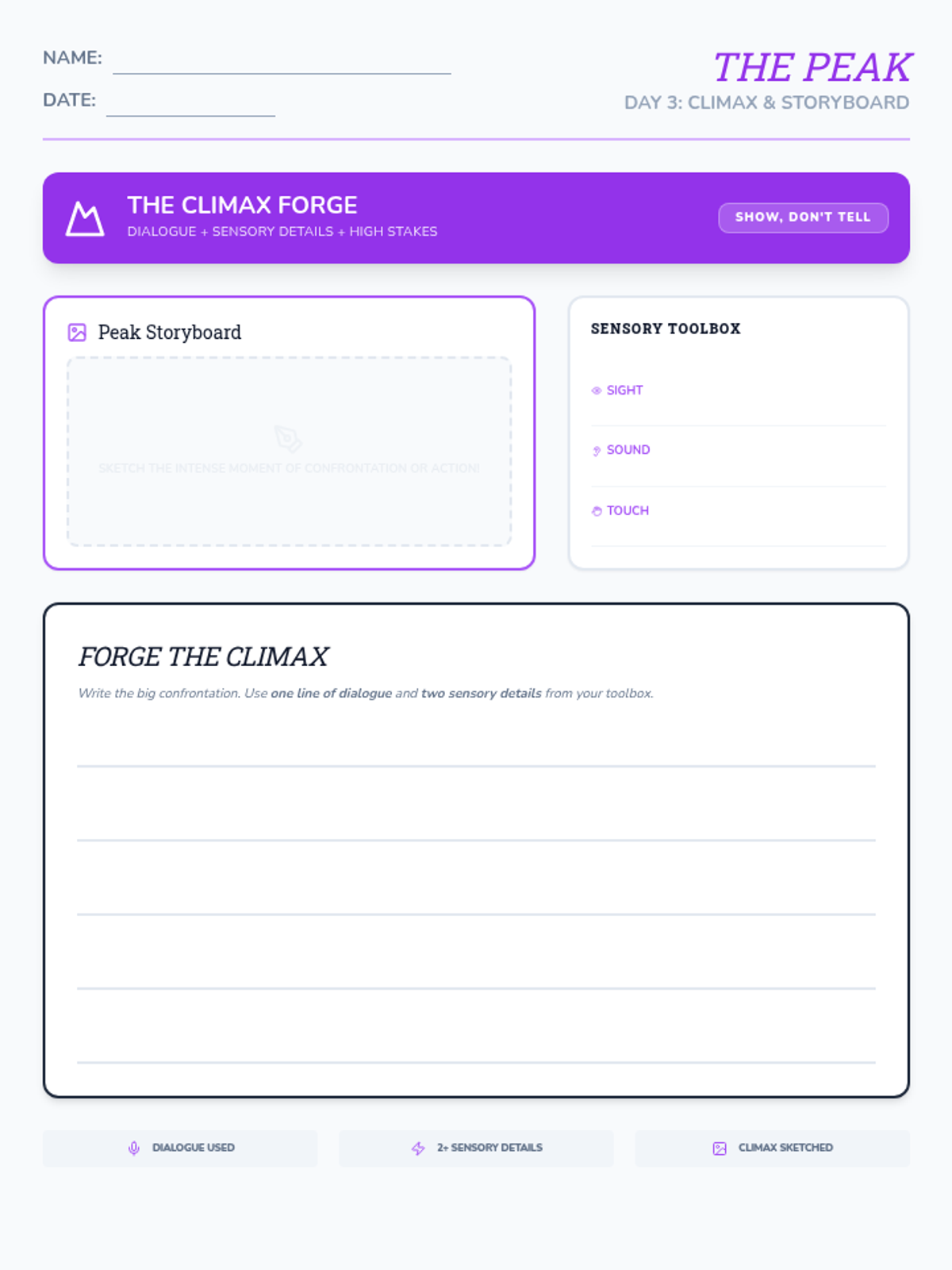
Focusing on CCSS W.4.3.b and W.4.3.d, students use dialogue and sensory details to describe the climax and potential solutions to the story's problem.
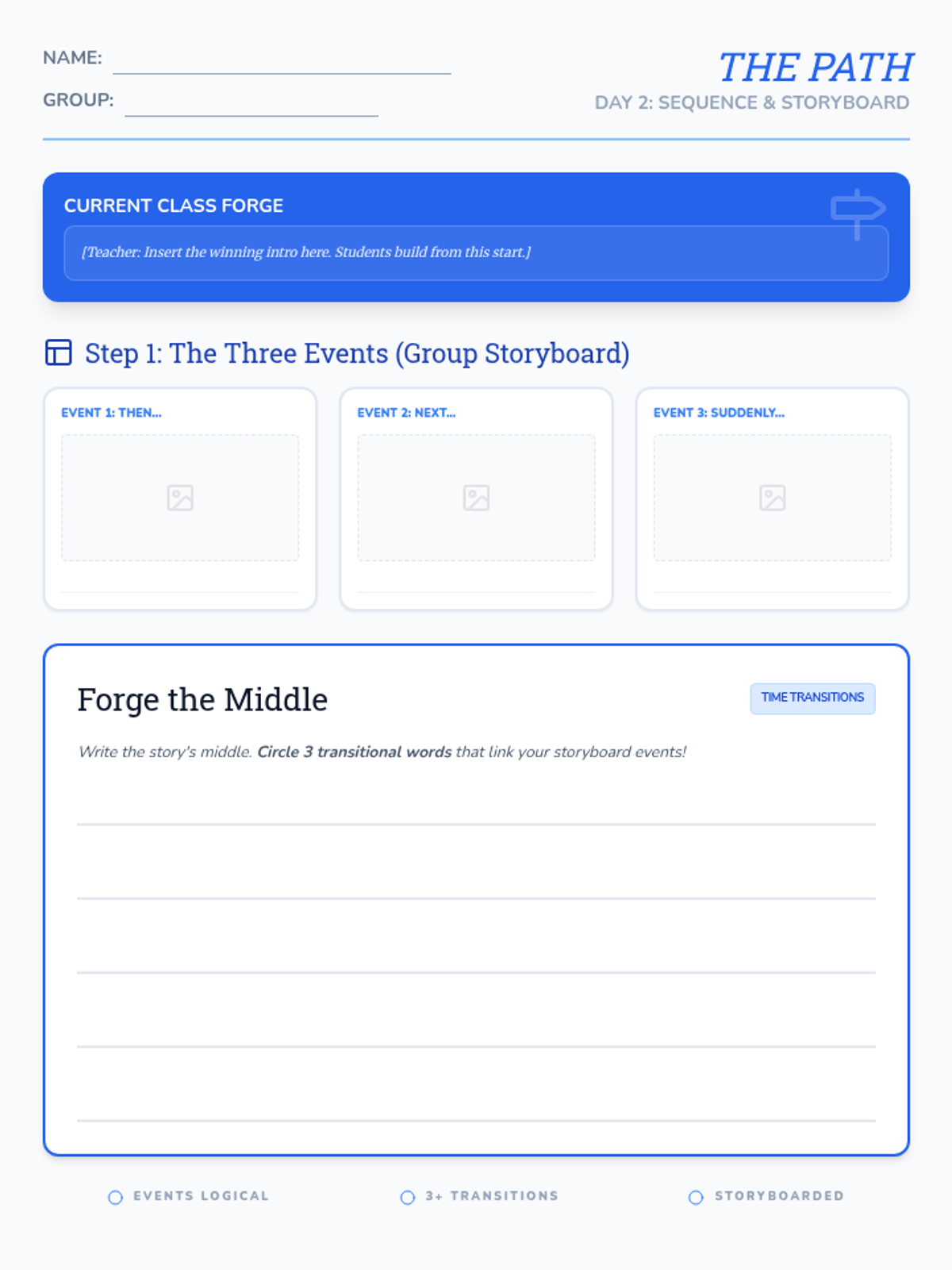
Focusing on CCSS W.4.3.c, students organize event sequences using transitional words. Groups will plan the 'rising action' for the chosen story start and vote for the best path forward.
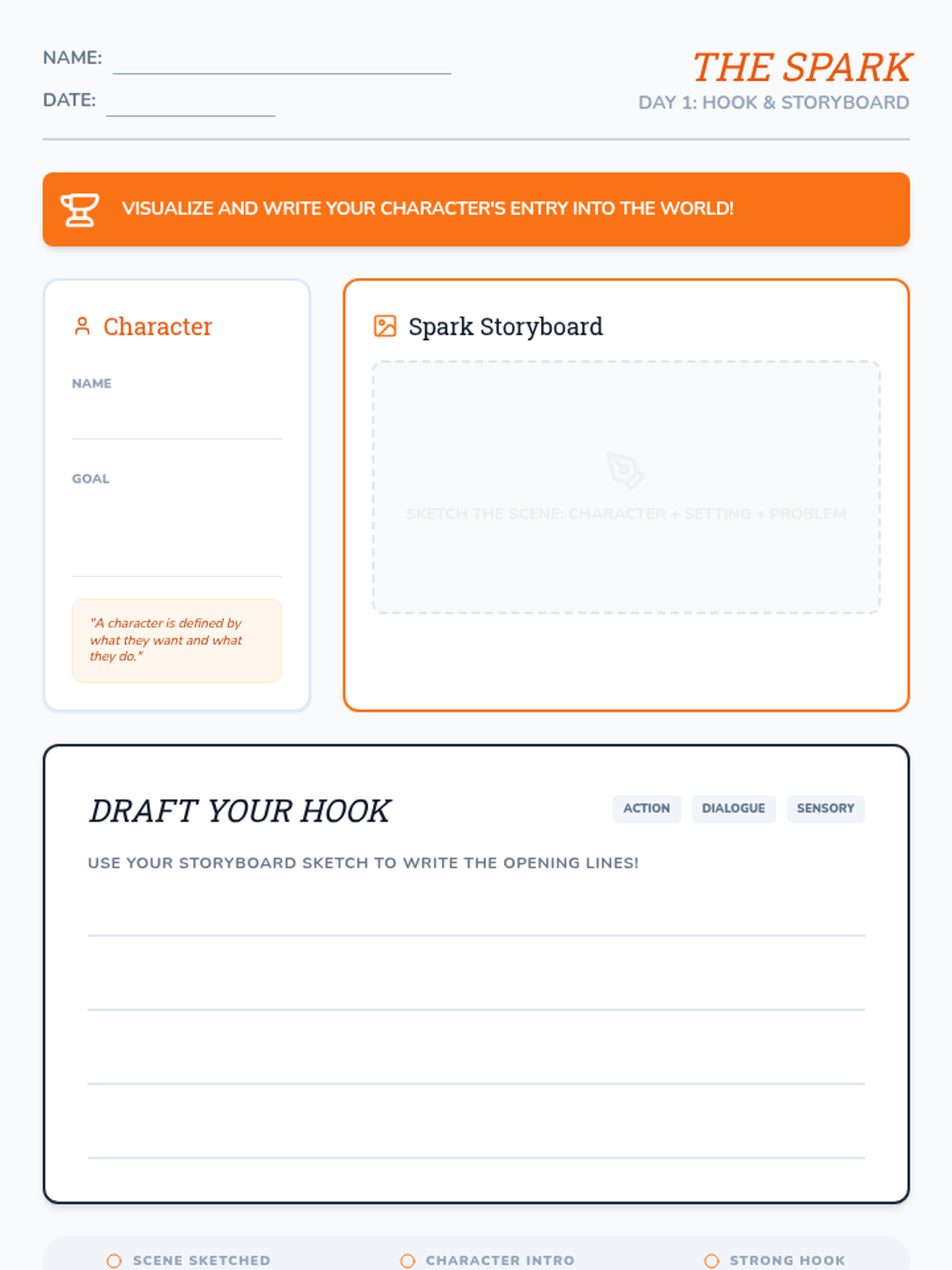
Students focus on CCSS W.4.3.a by establishing a situation and introducing characters. They will draft a story 'hook' and vote on the best start for the class's collaborative story.