A statistics assessment themed around Cartoon Network characters, focusing on data interpretation, central tendency, and probability with high visual support for autistic students.
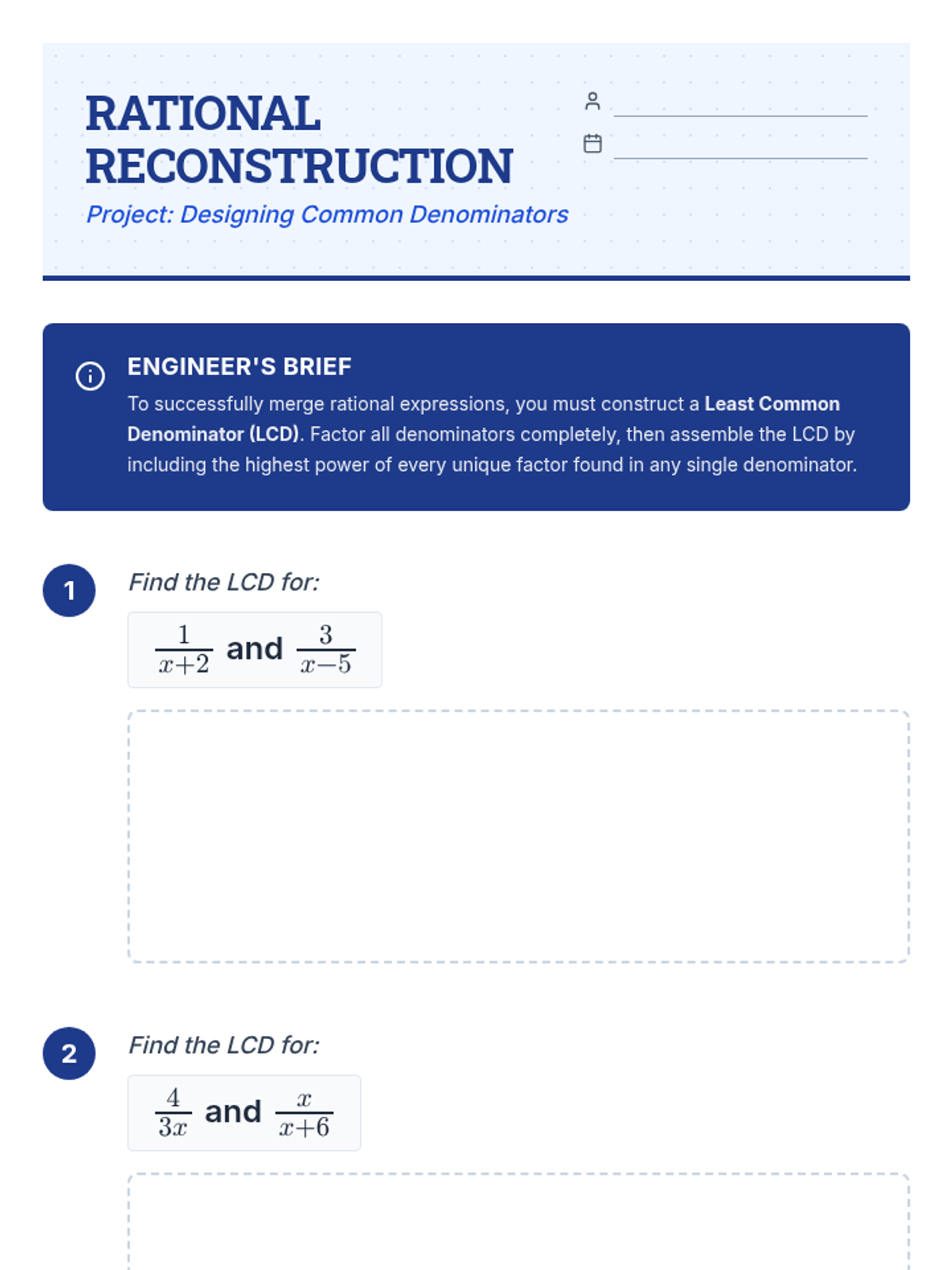
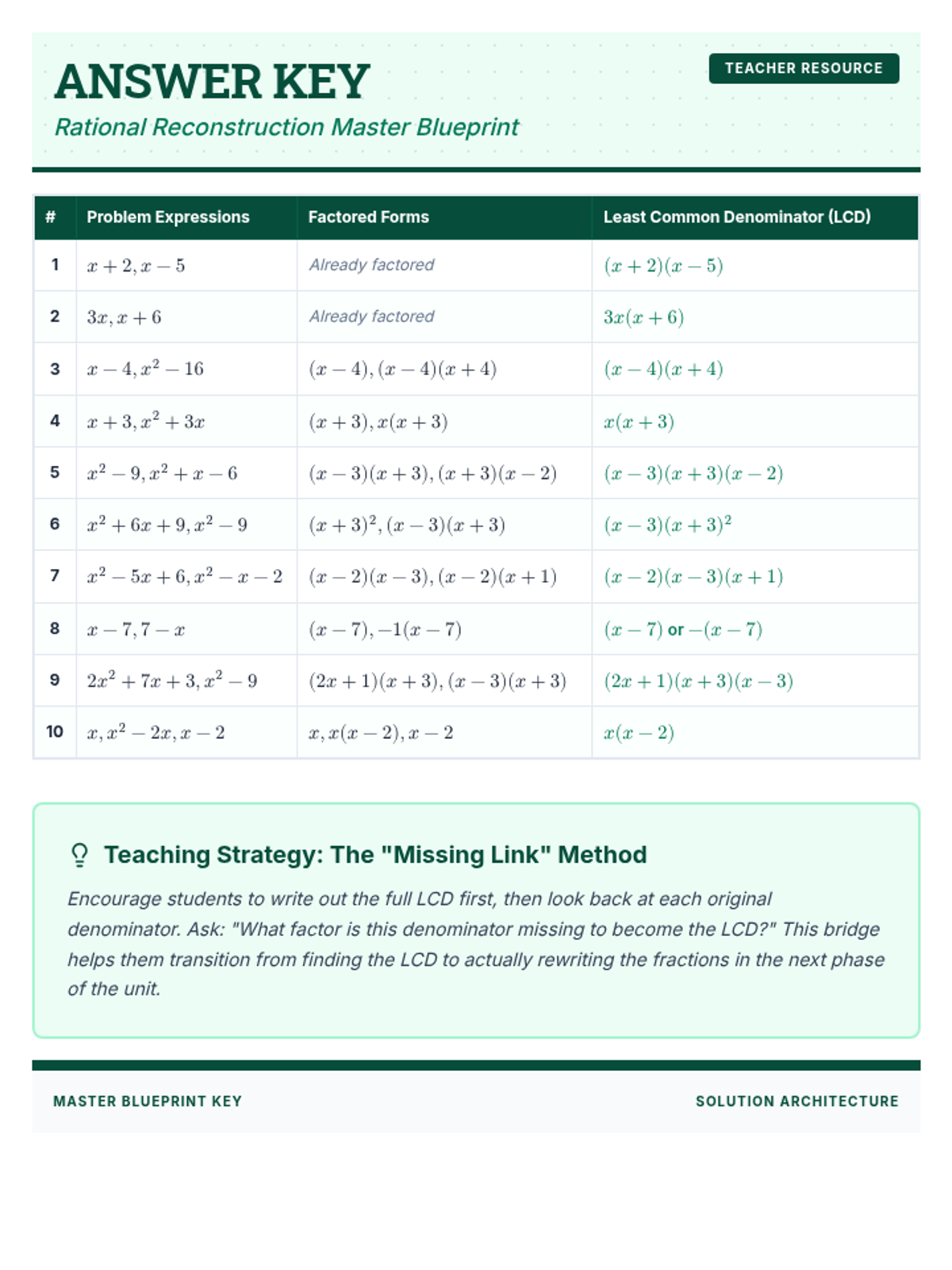
A focused lesson on finding the Least Common Denominator (LCD) for rational expressions involving binomials and trinomials, emphasizing factoring techniques.
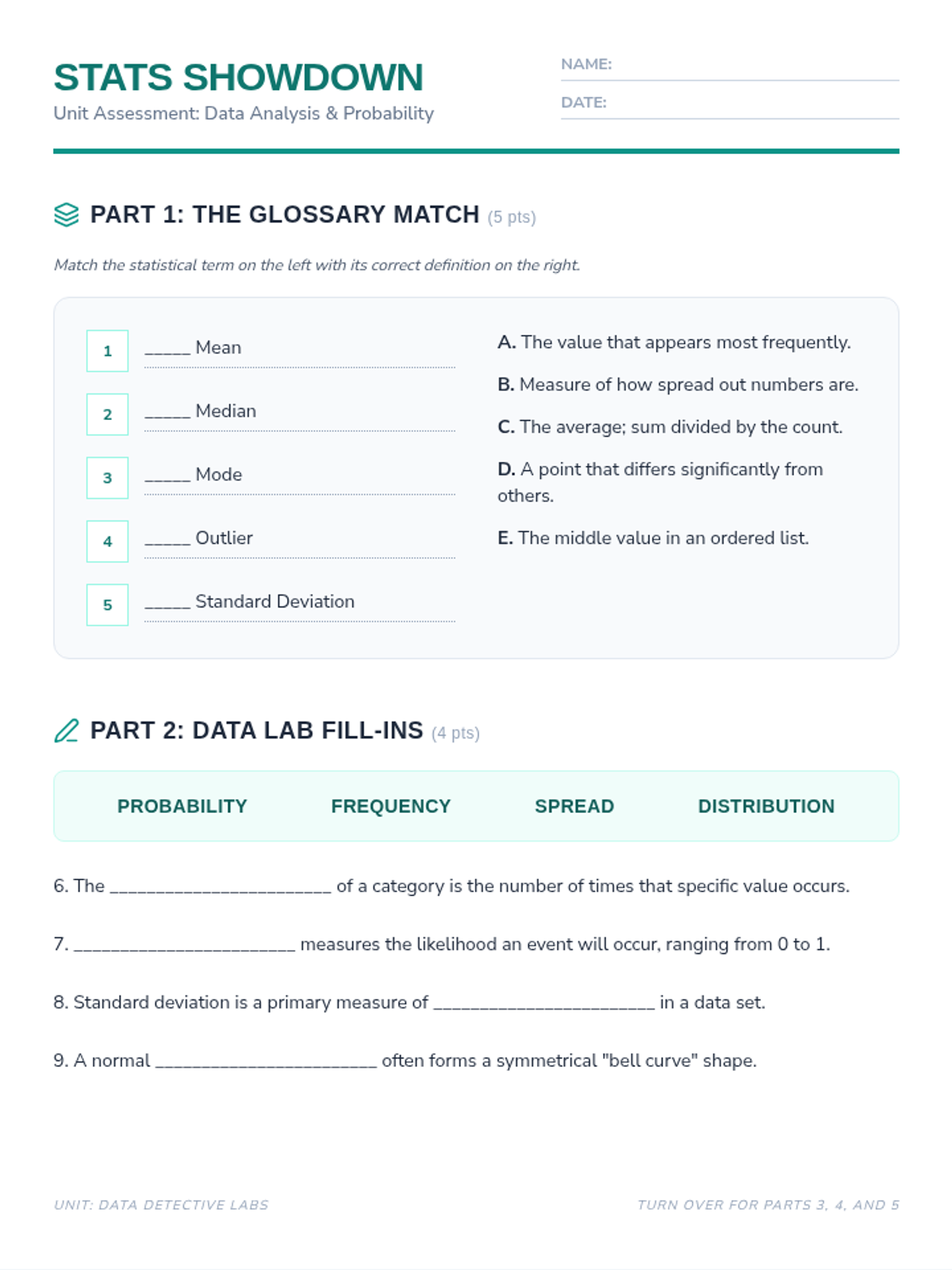
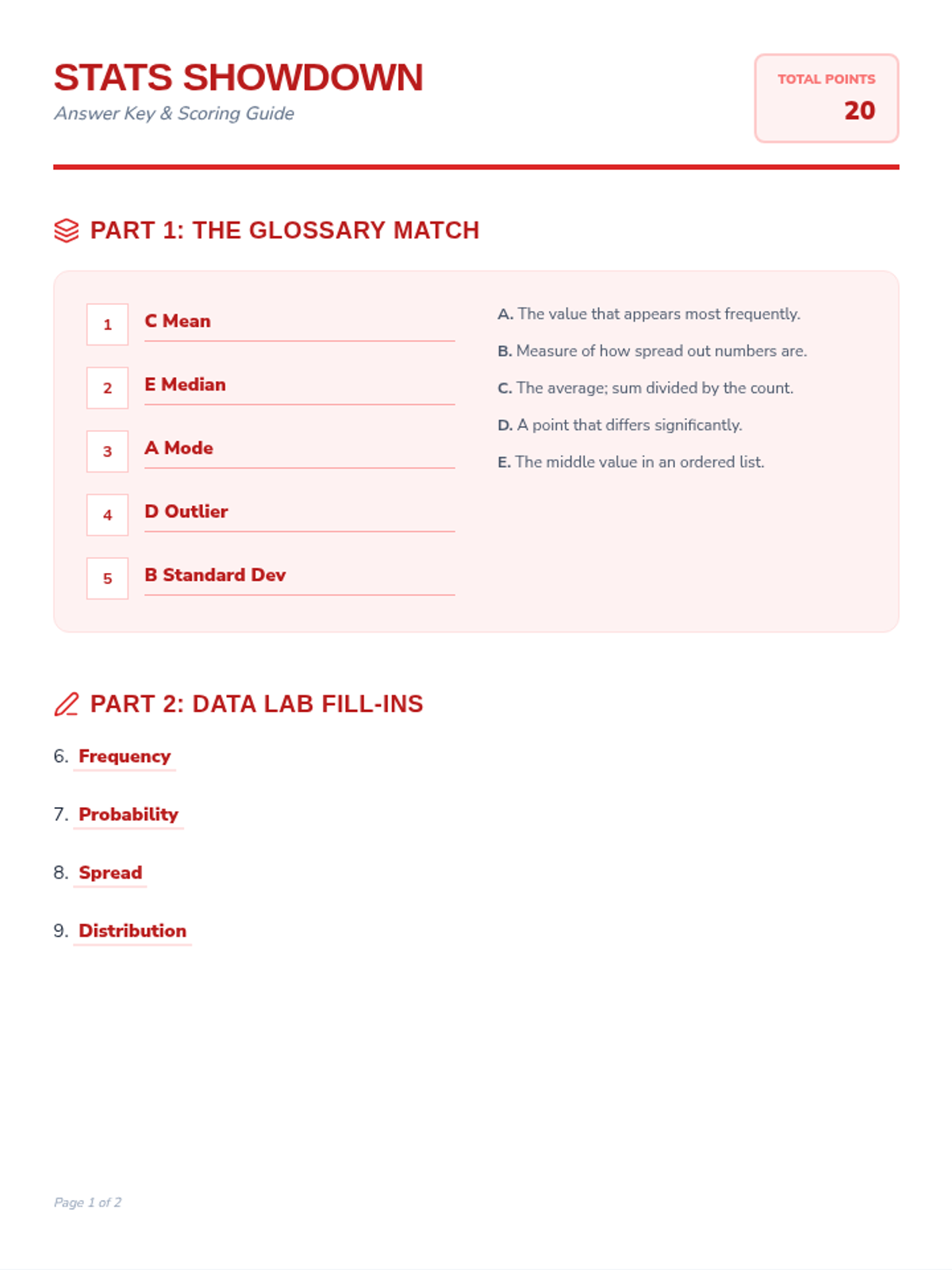
A comprehensive assessment covering measures of central tendency, probability, frequency tables, standard deviation, and outliers. This lesson evaluates student mastery of key statistical concepts through various question formats.
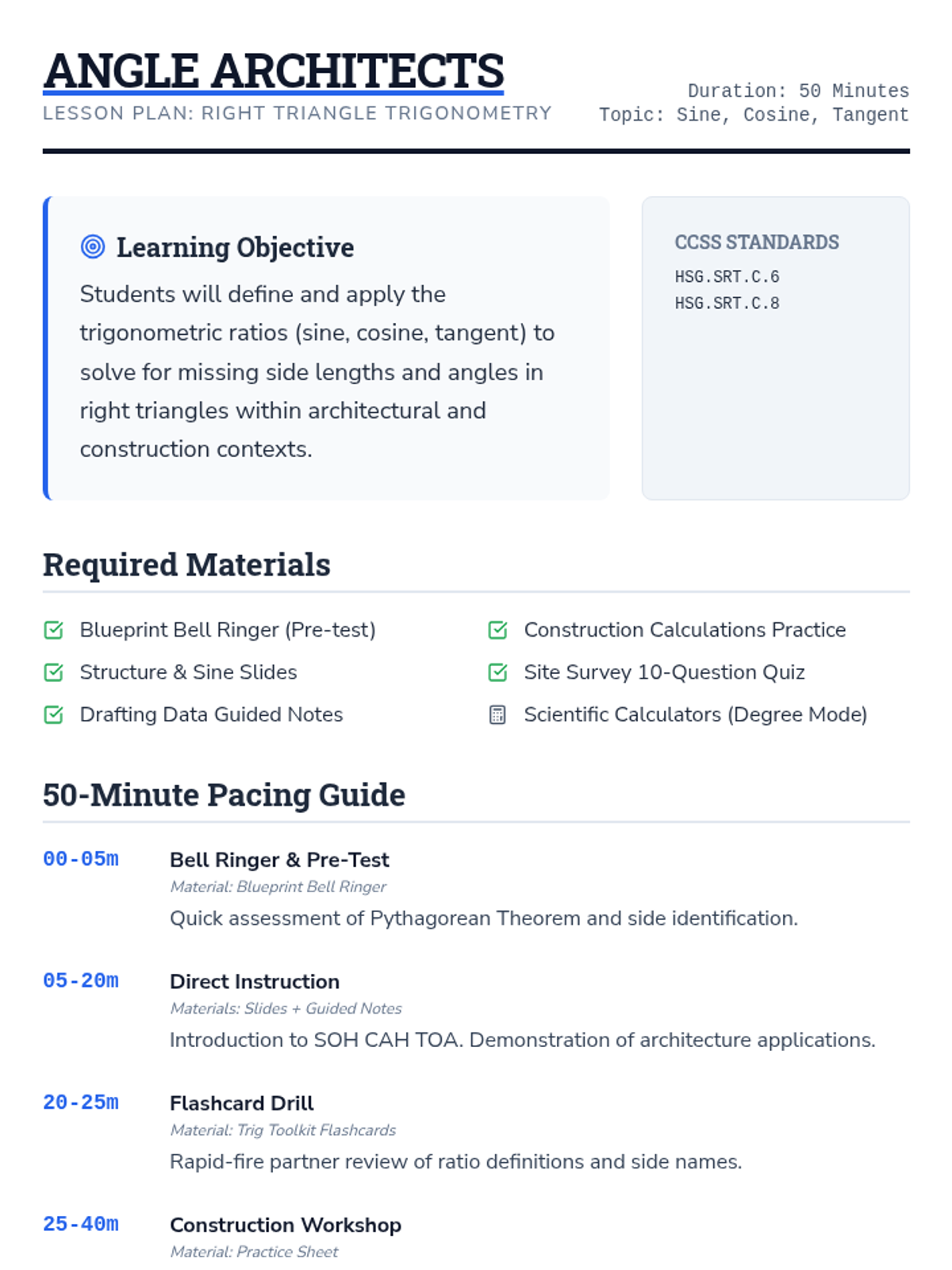
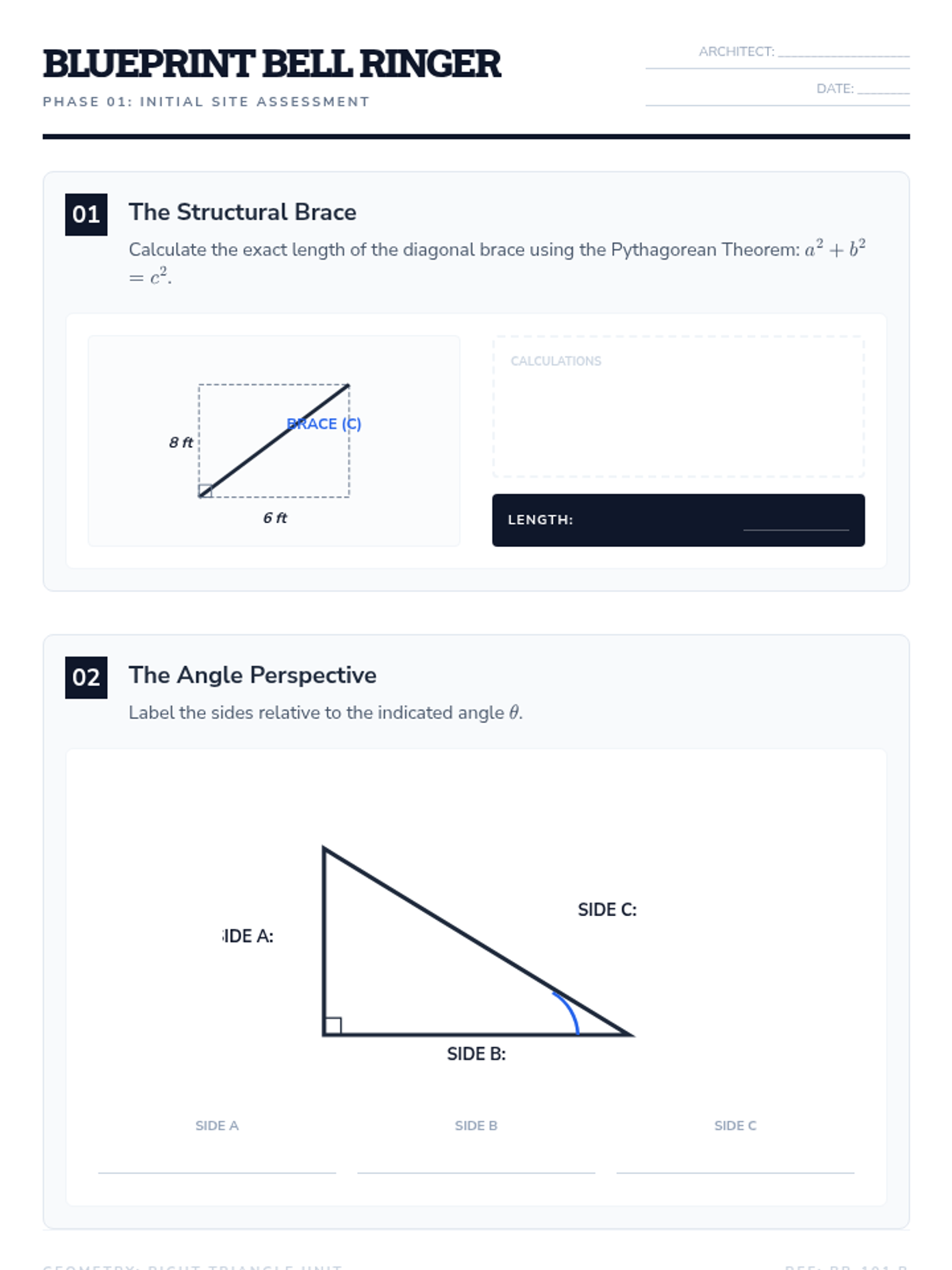
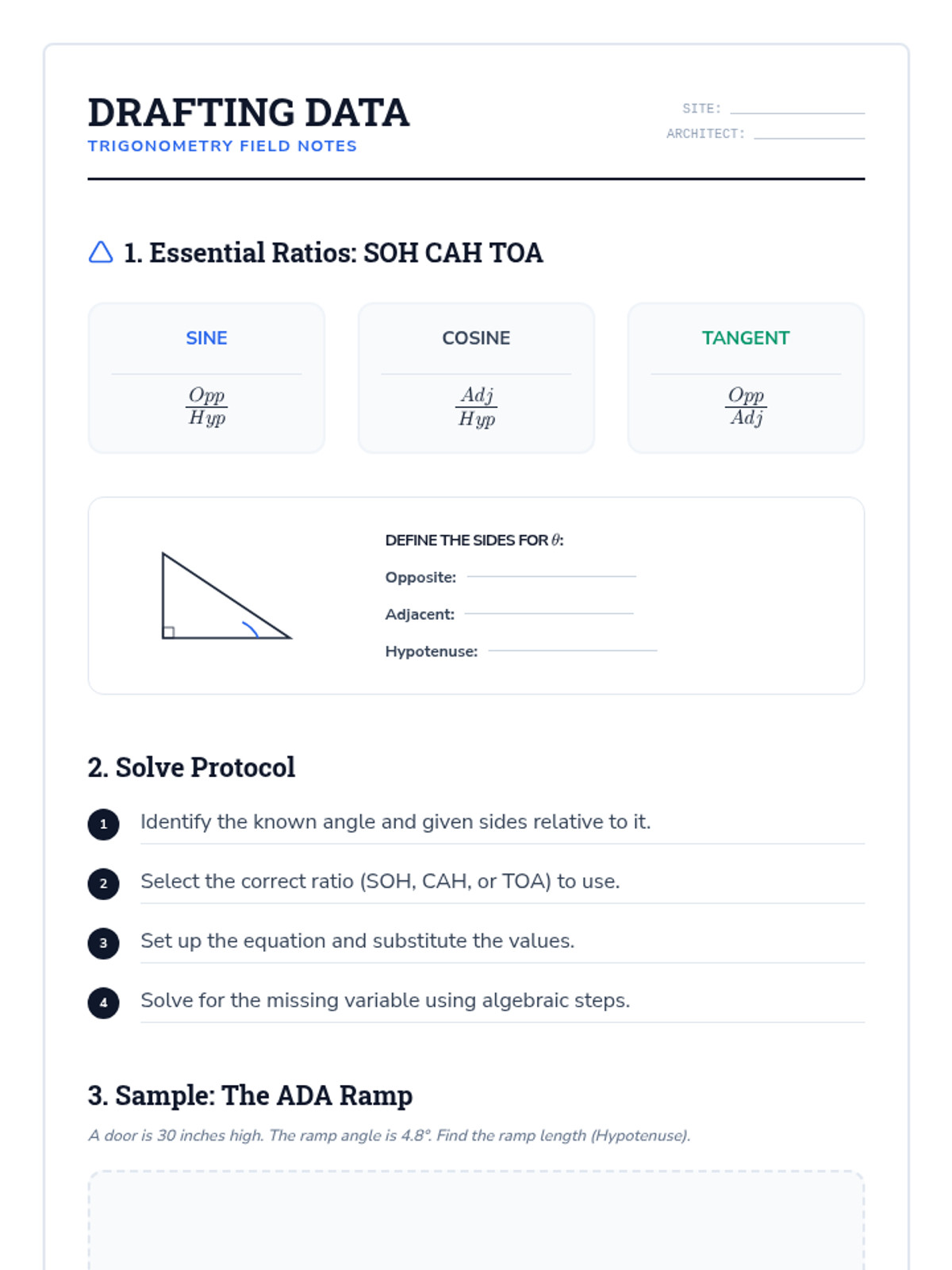
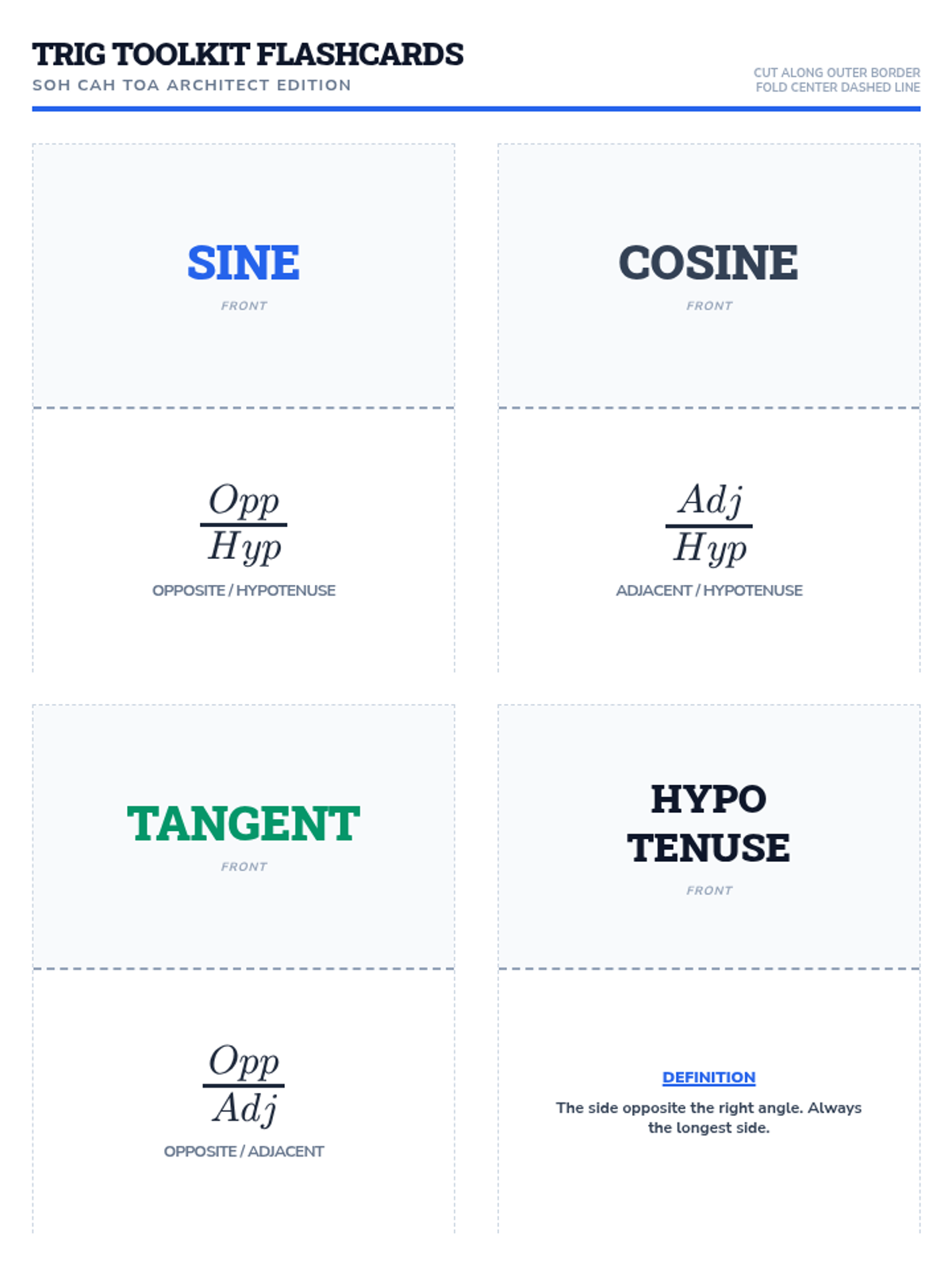
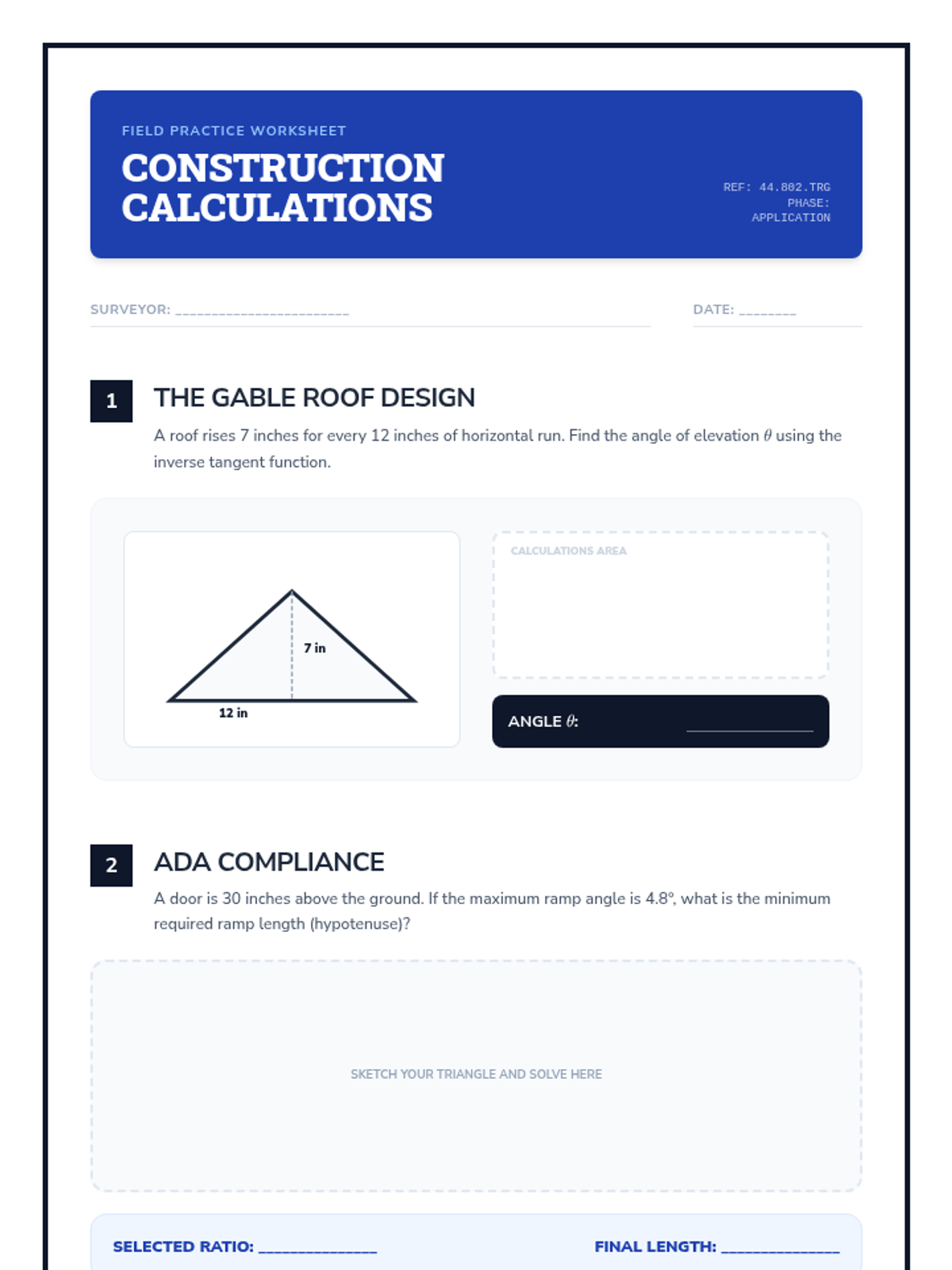
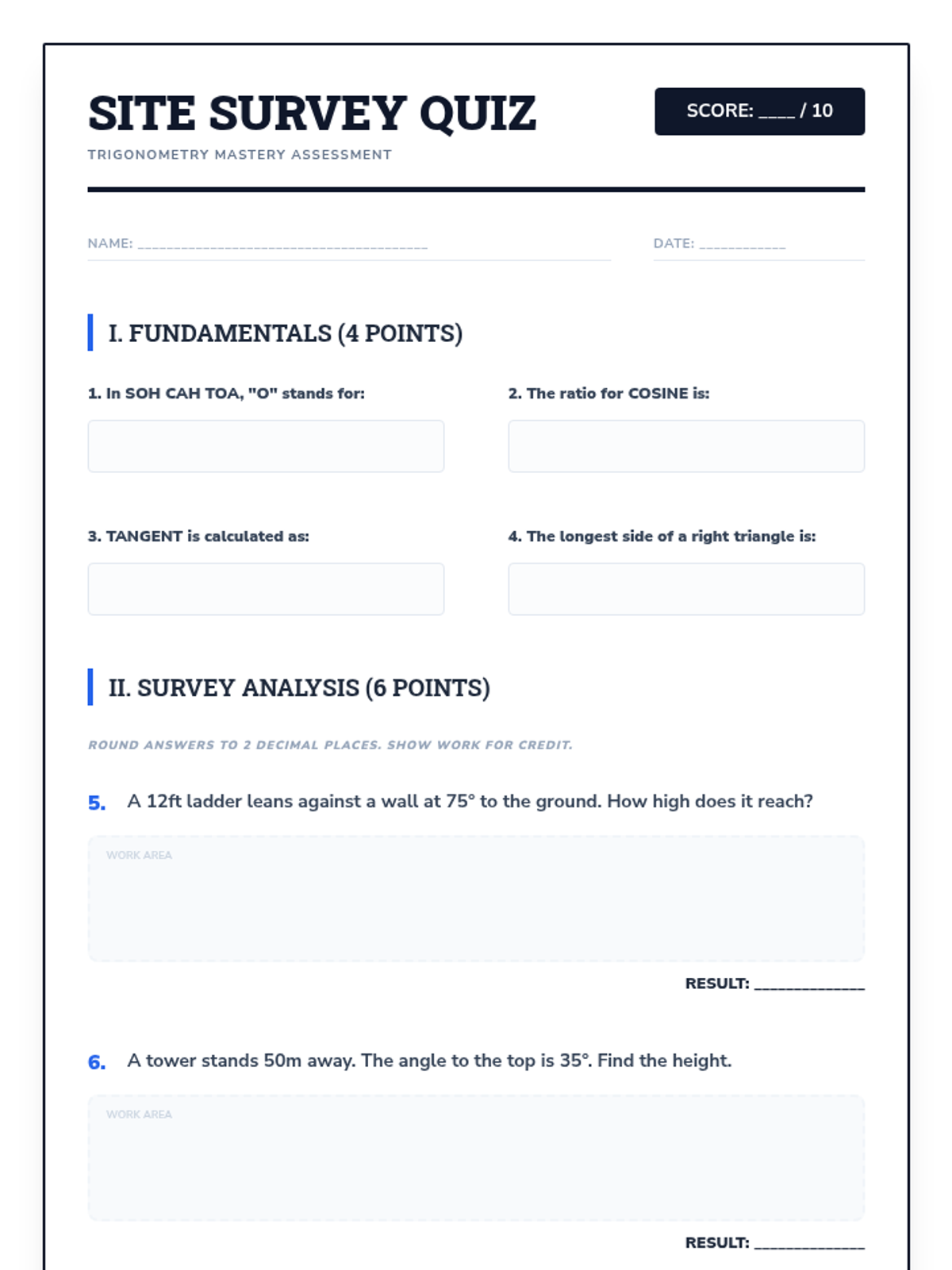
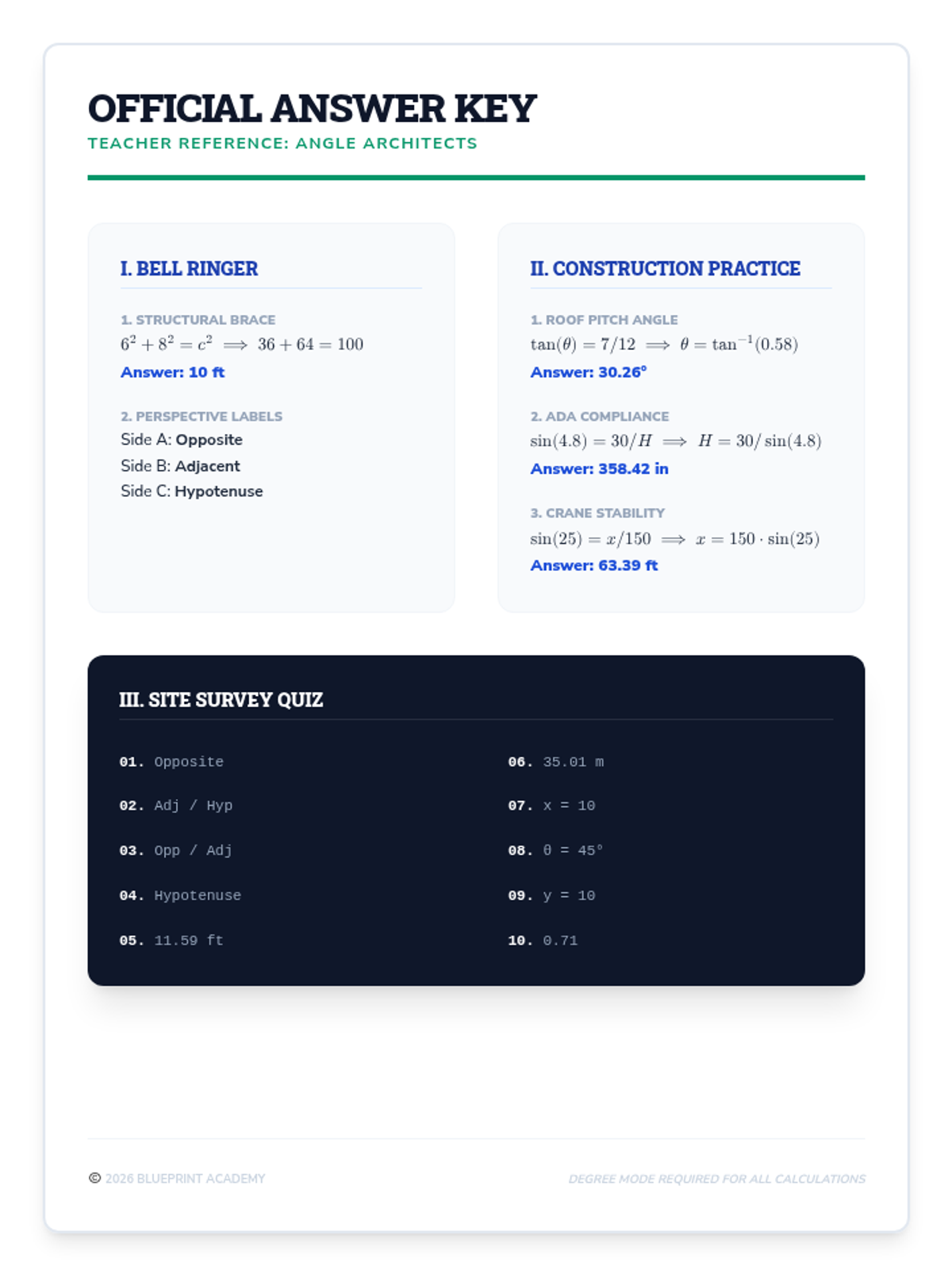
A high-engagement lesson on sine, cosine, and tangent ratios through the lens of construction and architecture. Students apply trigonometric concepts to real-world structural challenges like roof pitches and ADA ramp compliance.
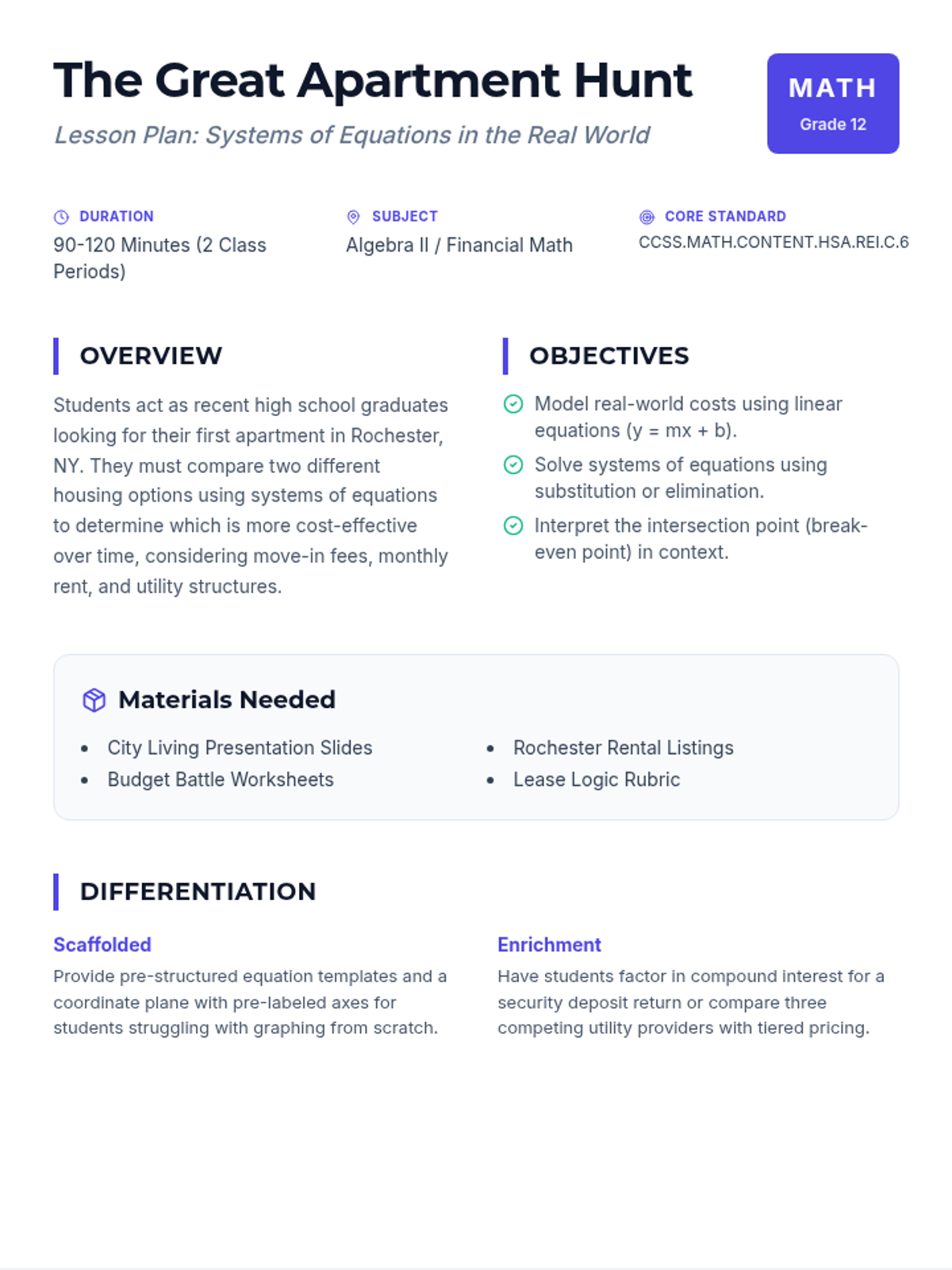
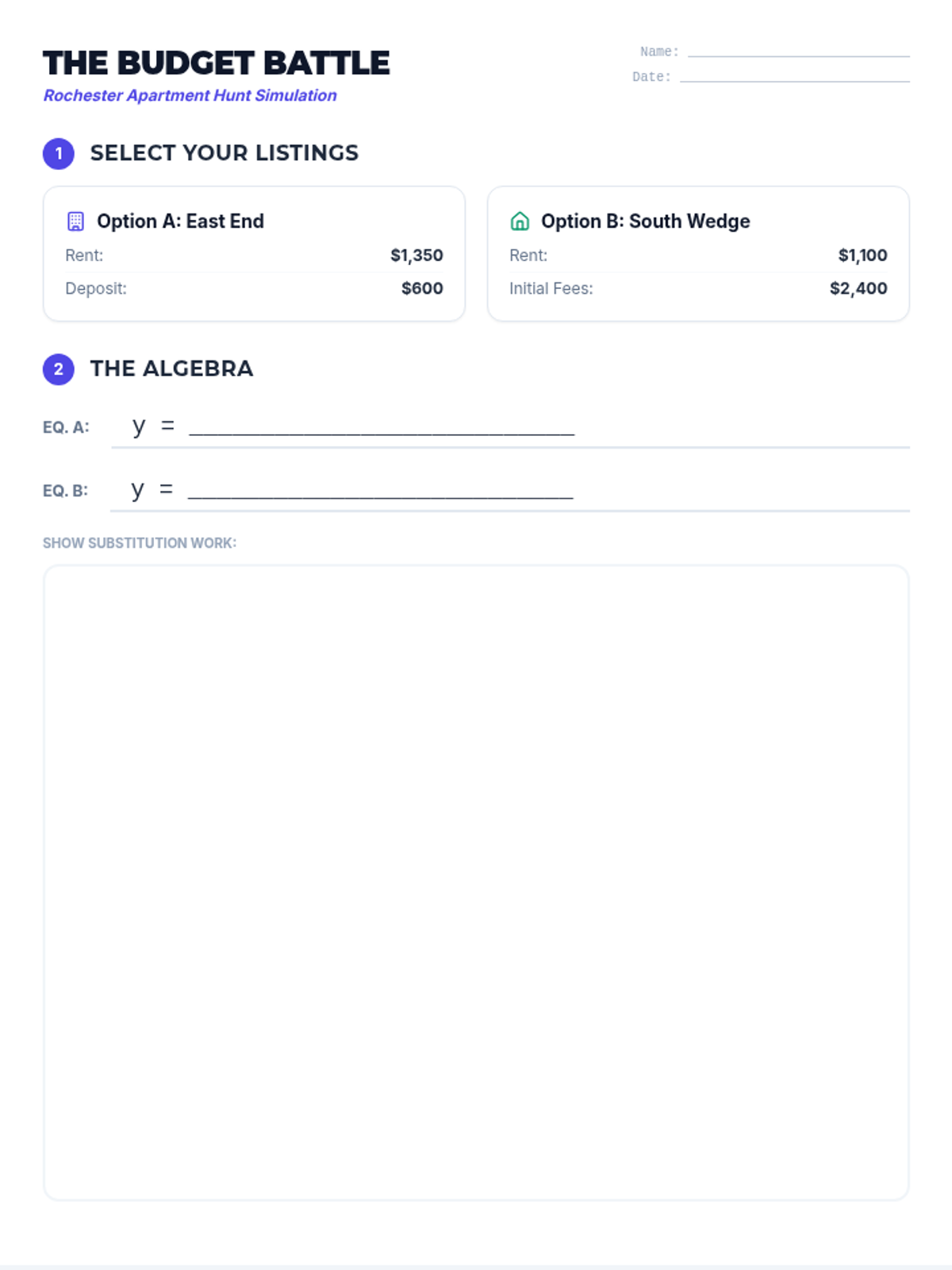
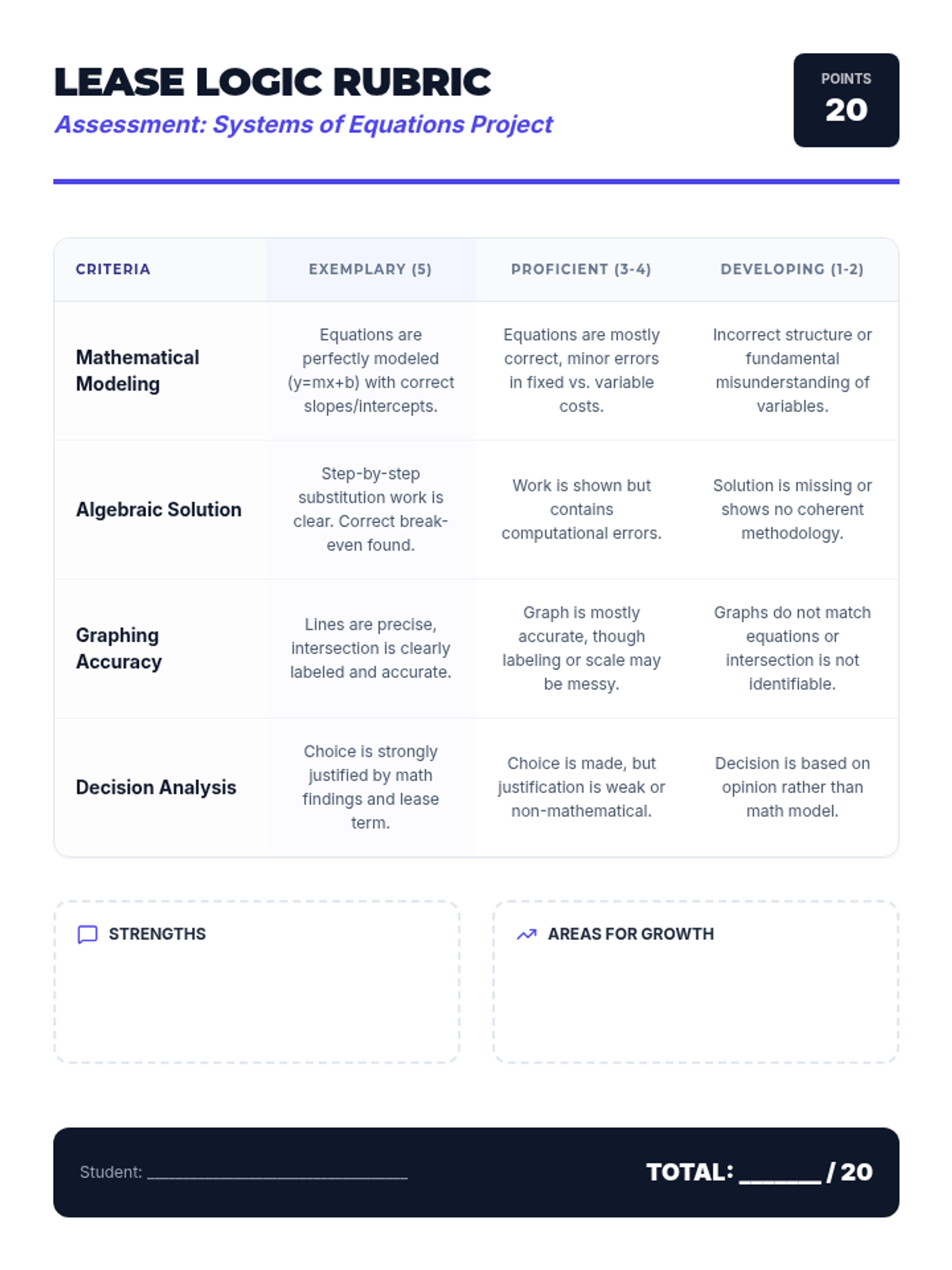
A project-based math lesson where 12th-grade students use systems of equations to compare real-world housing costs and utility plans in Rochester. Students analyze fixed vs. variable costs to make informed financial decisions for post-graduation life.
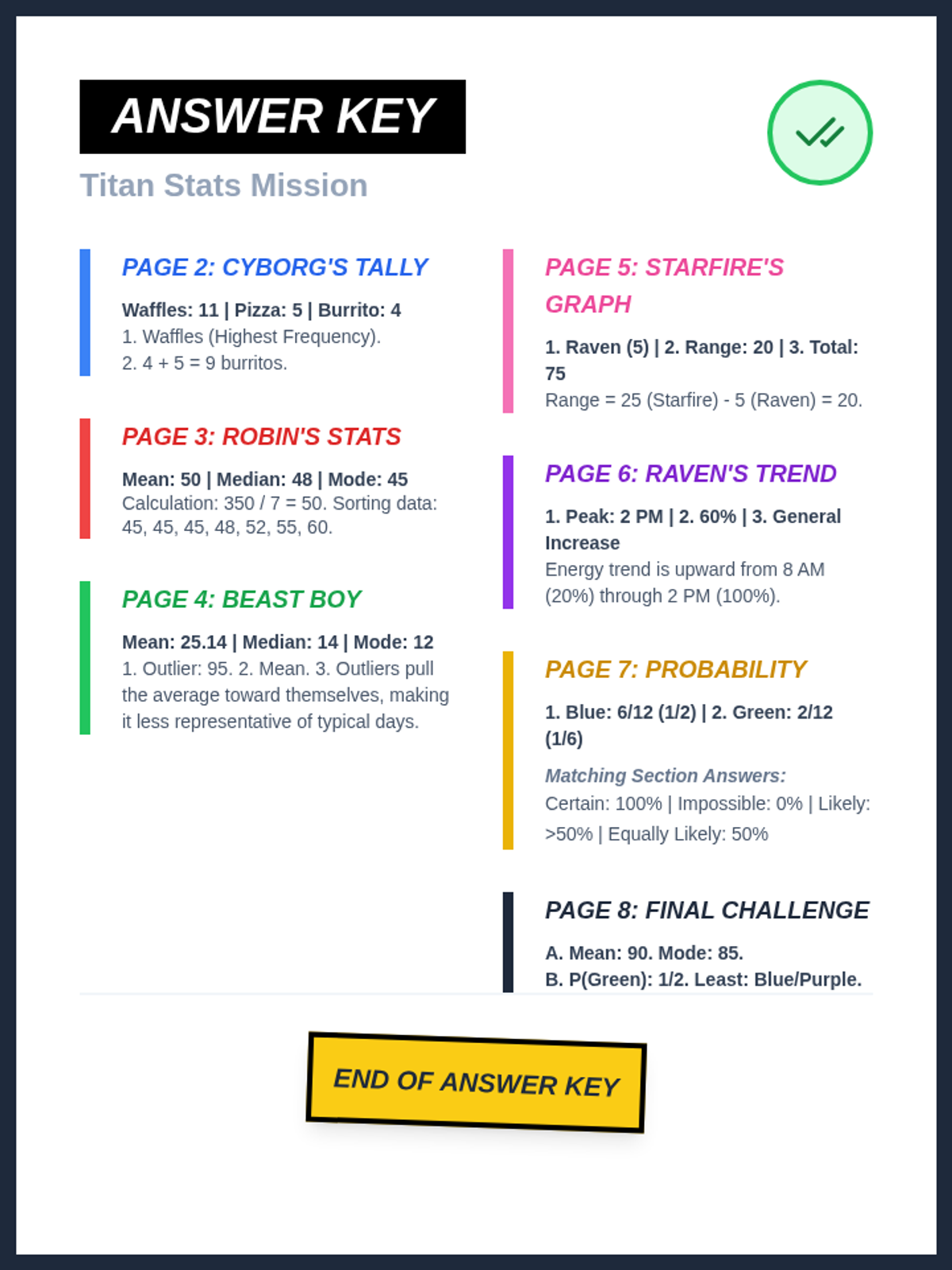
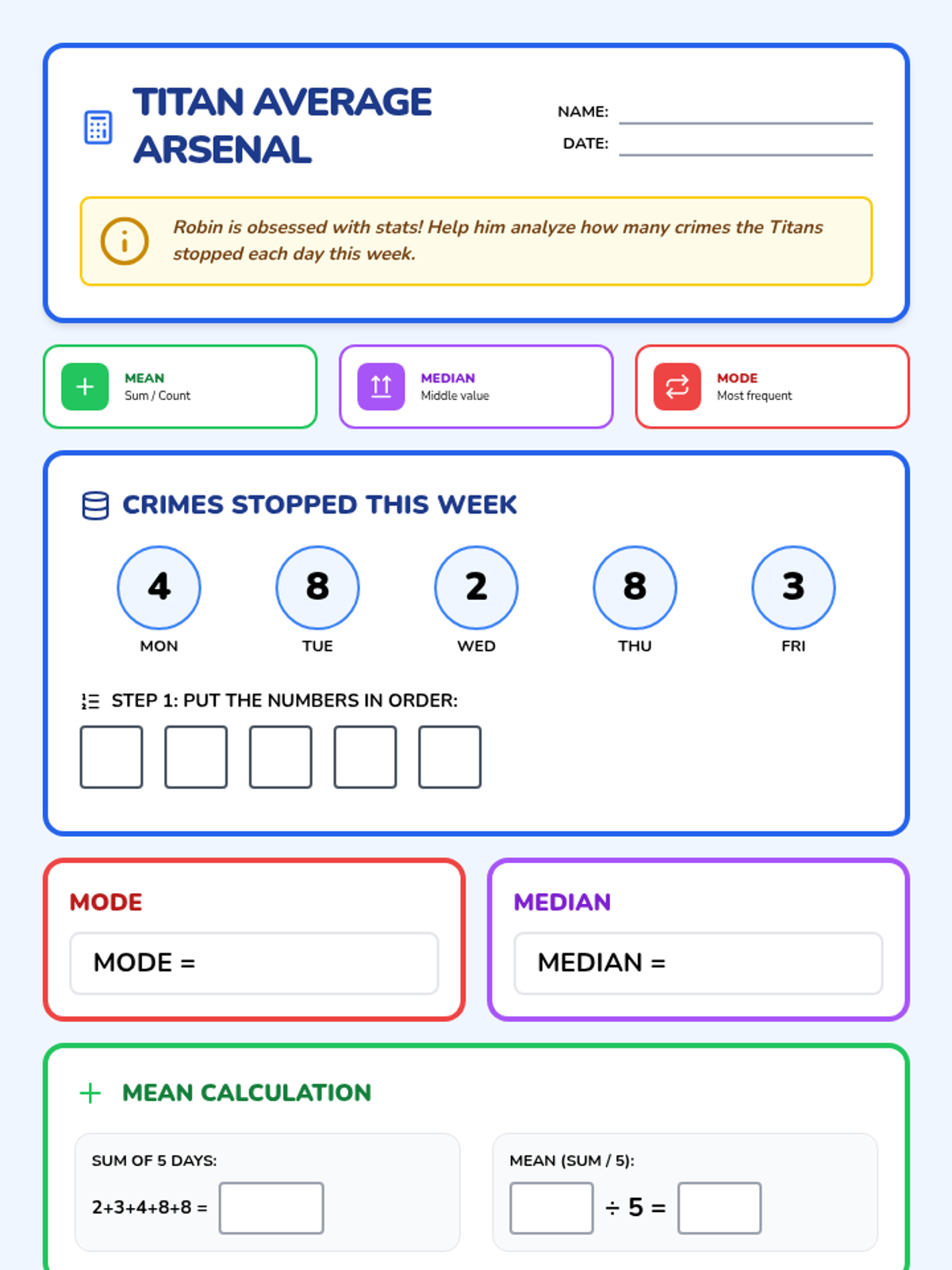
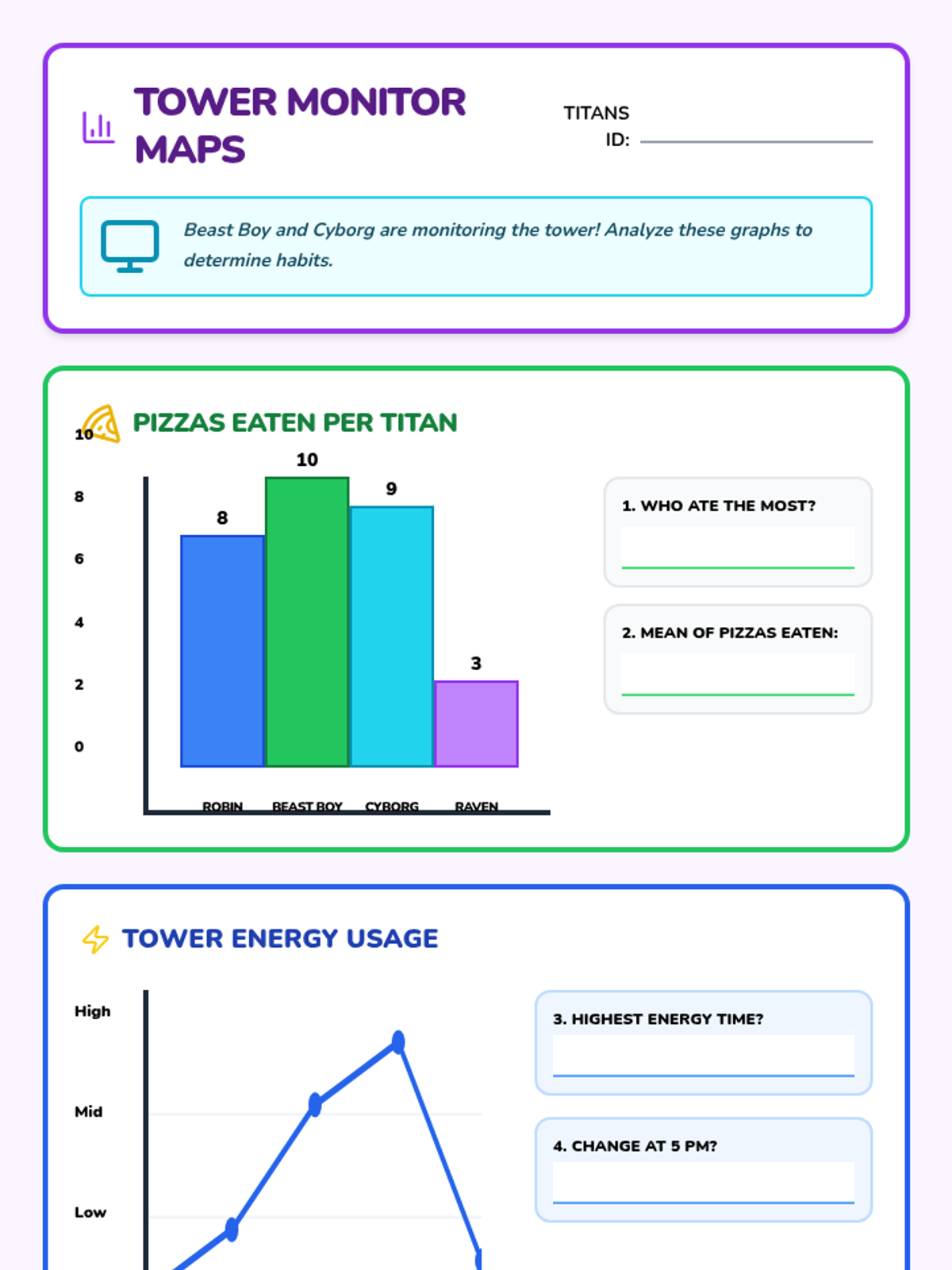
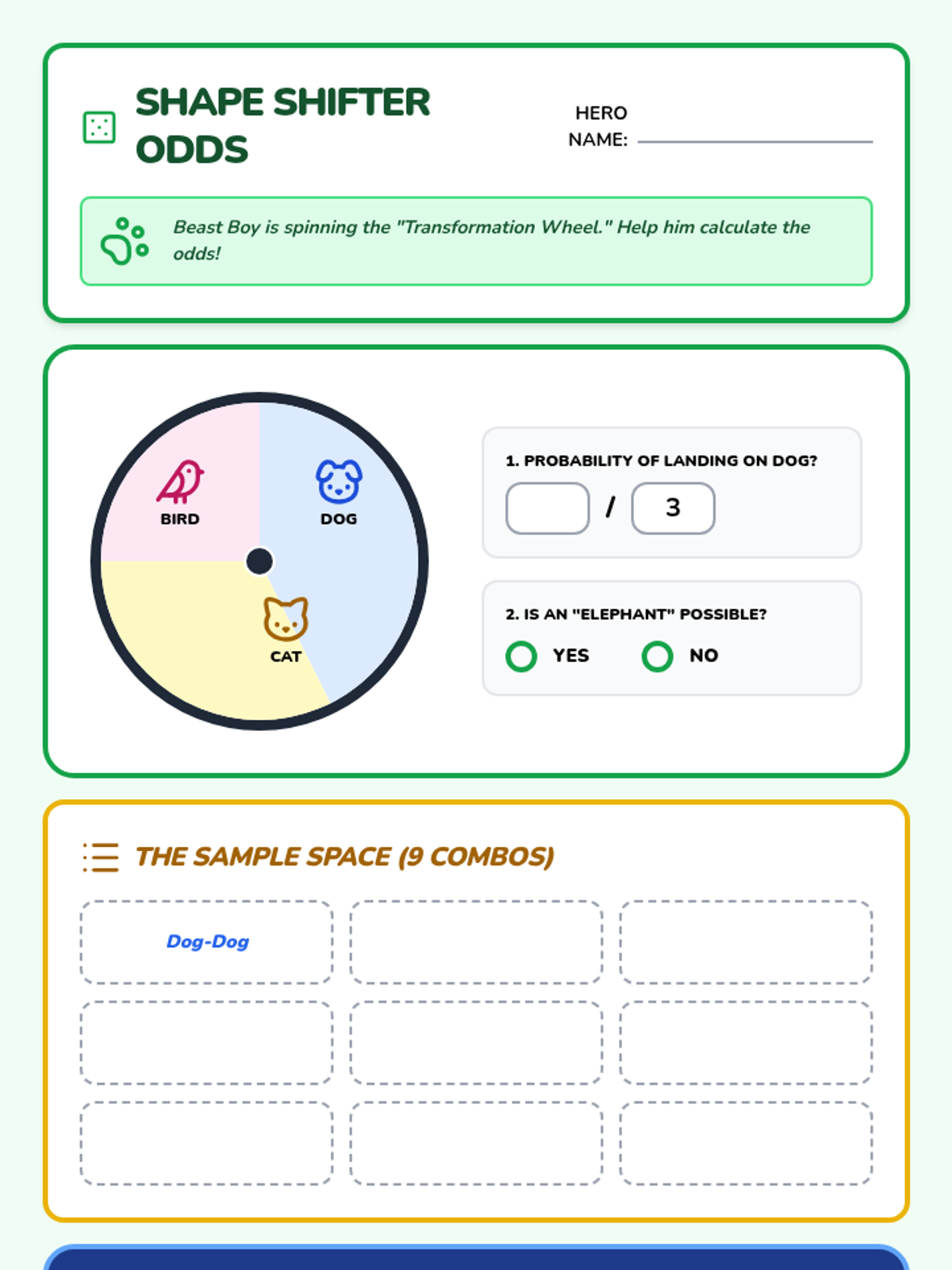
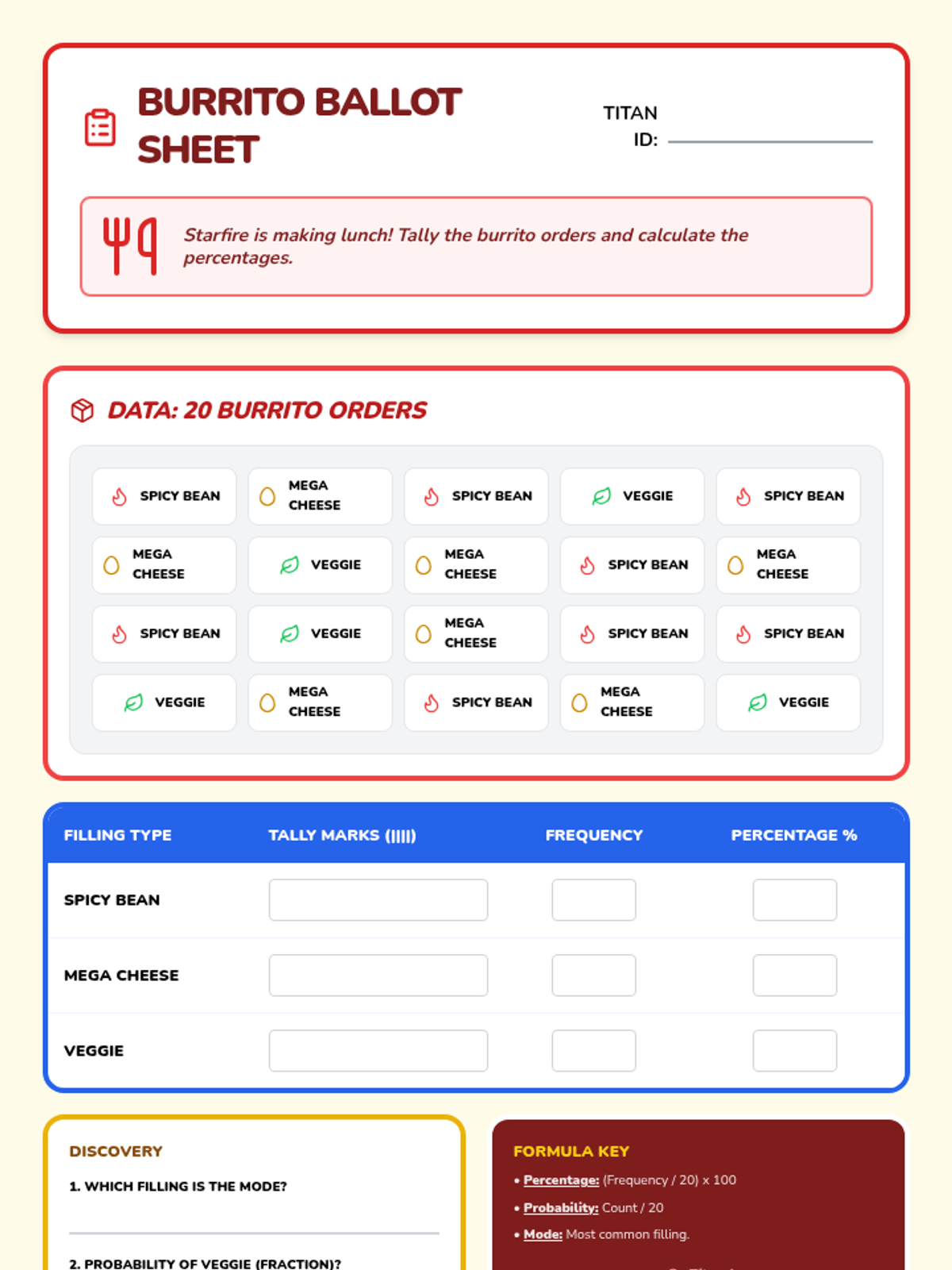
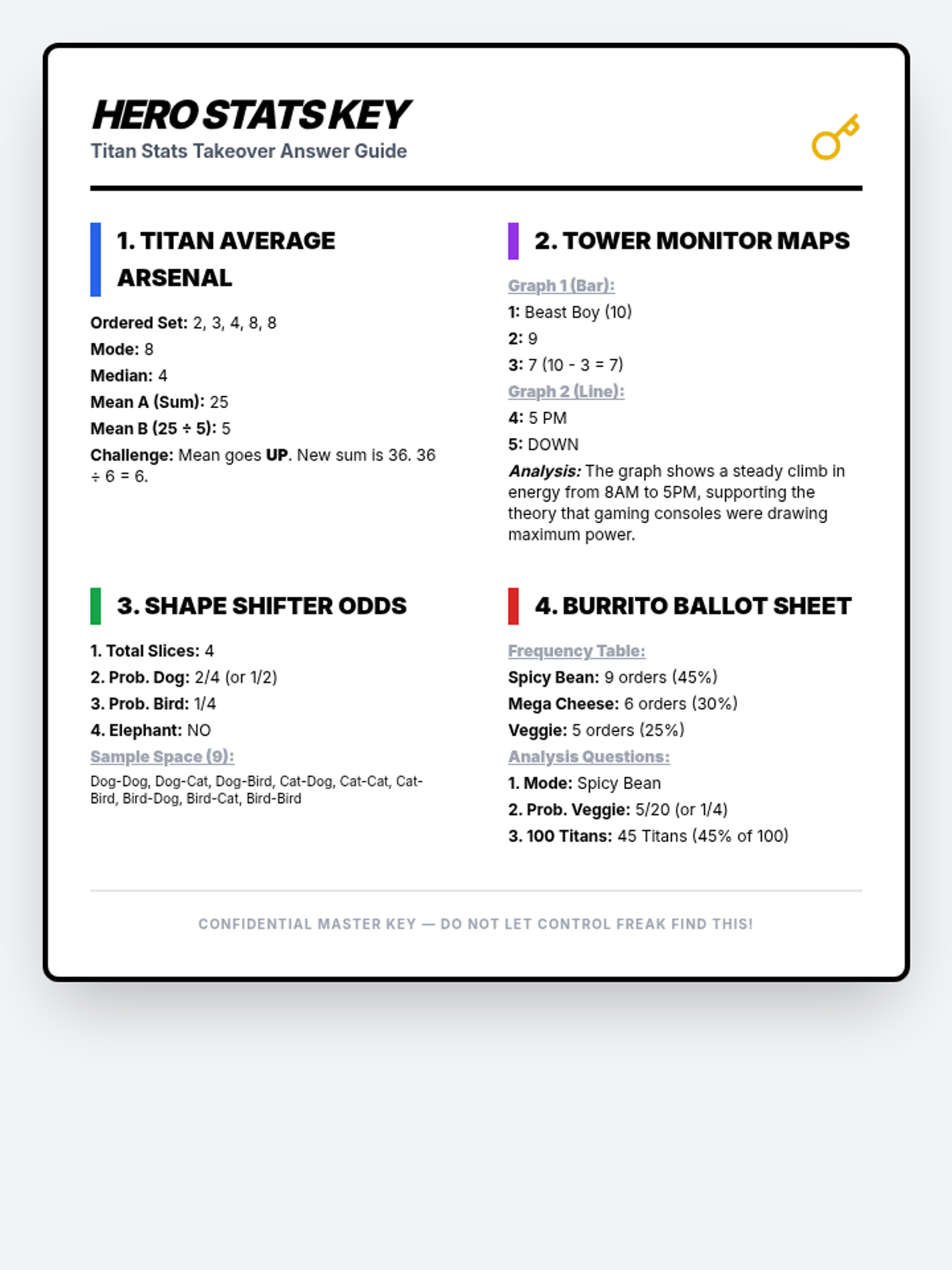
A comprehensive statistics workbook themed after Teen Titans Go!, covering mean, median, mode, graphing, and probability with 9th-grade rigor and visual supports.
A statistics packet themed around Teen Titans Go, covering central tendency, graphing, probability, and data collection with high visual support.
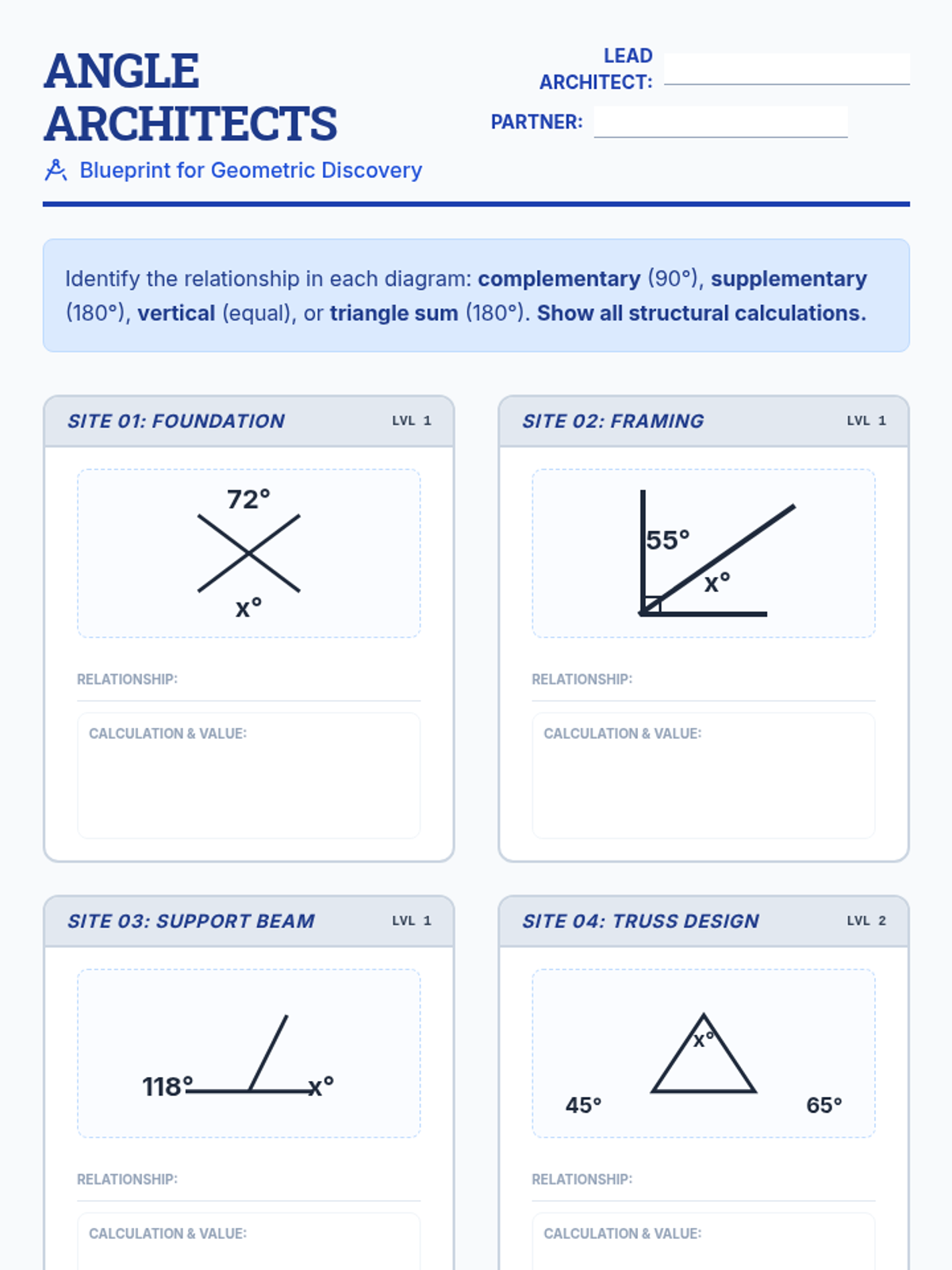
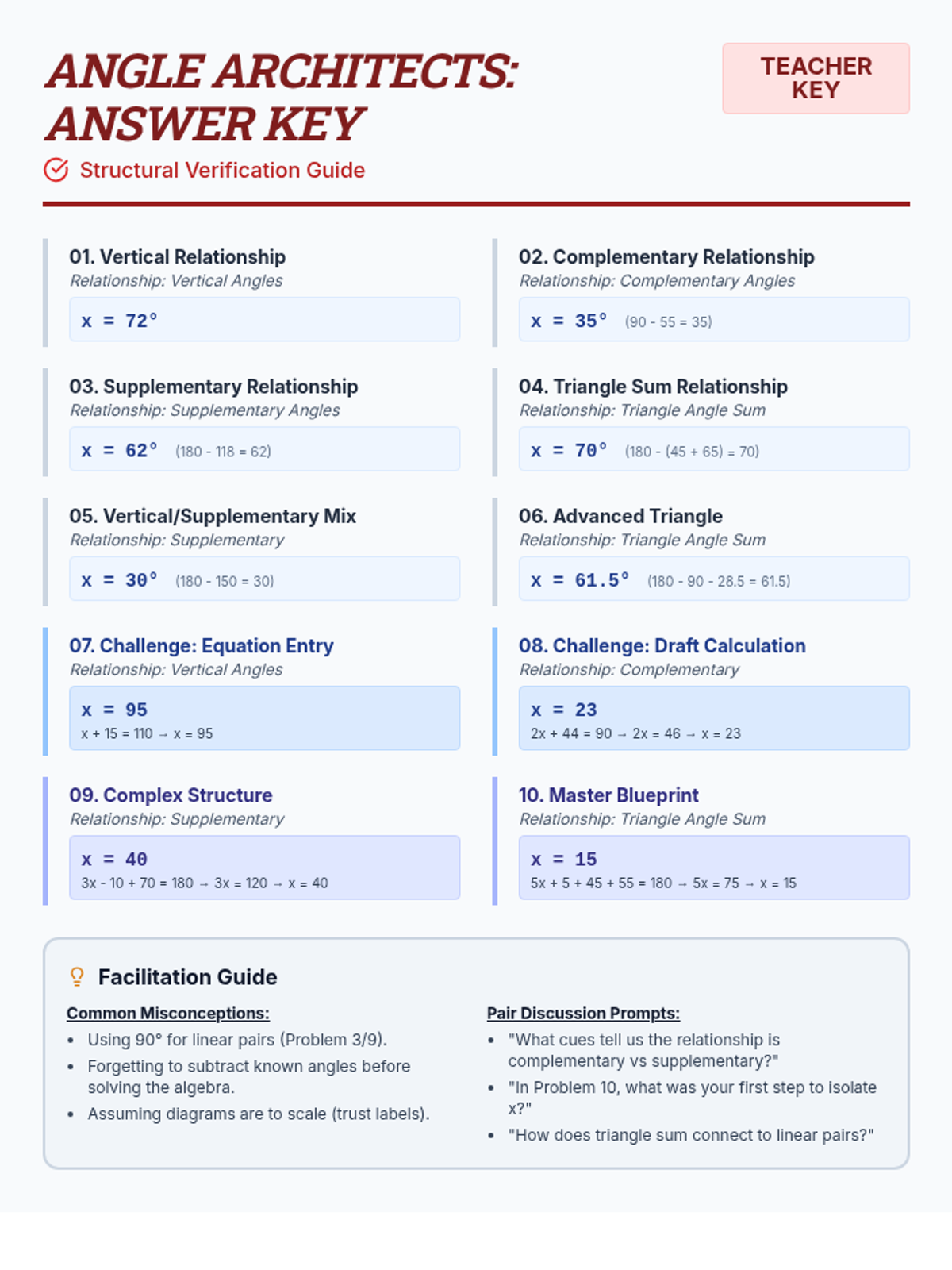
A lesson focused on identifying angle relationships and calculating missing values using geometric properties and algebraic equations.
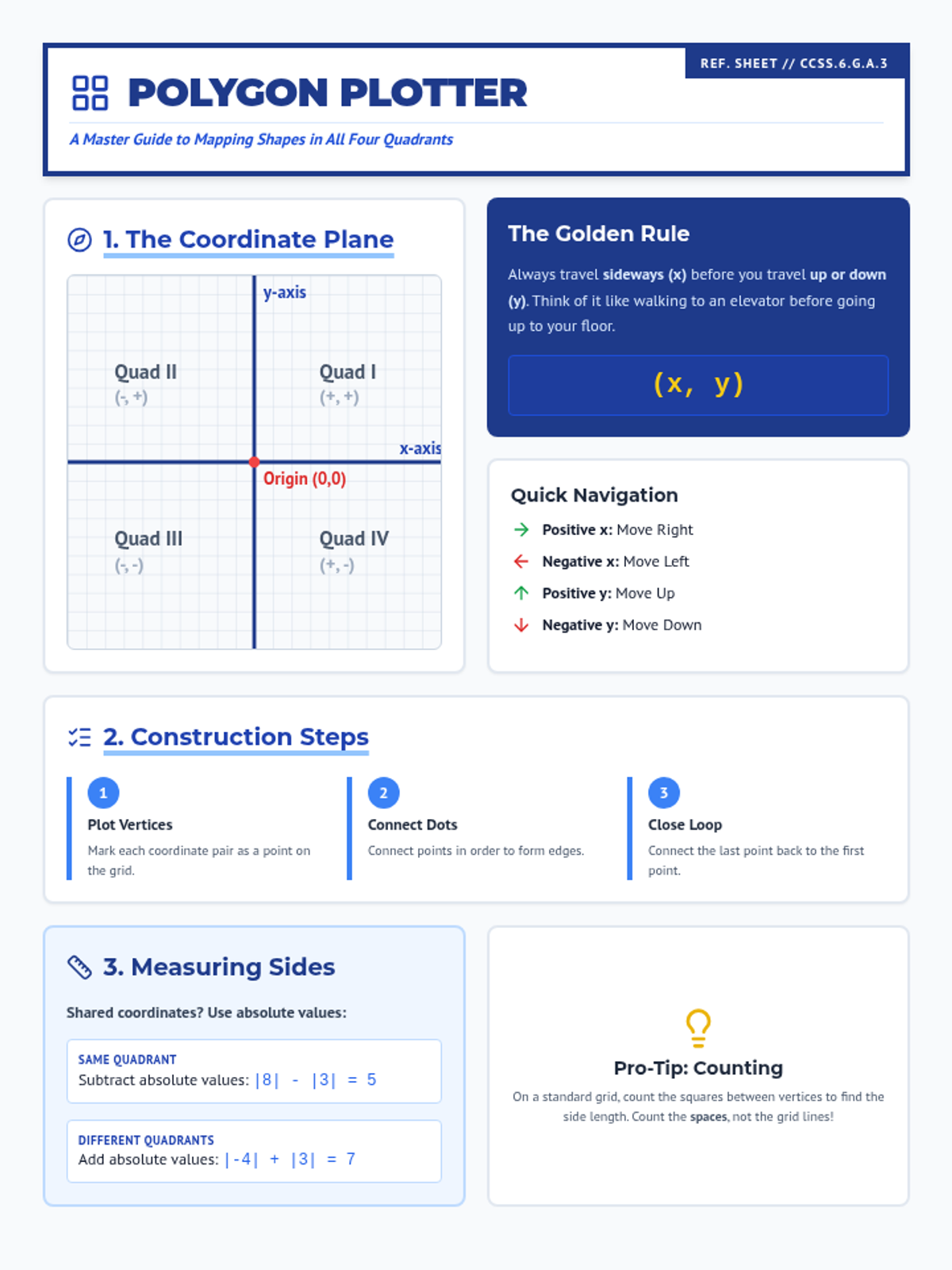
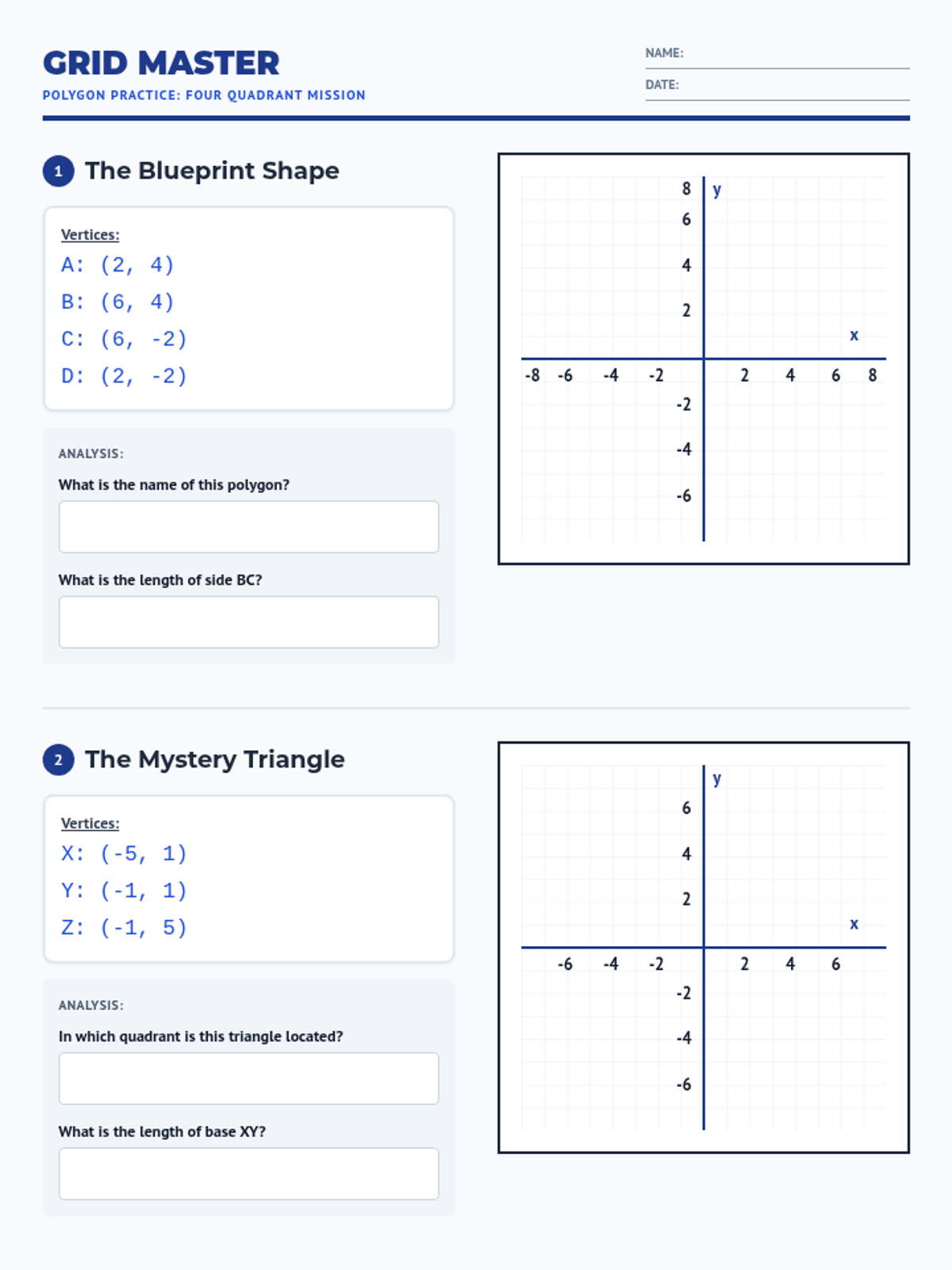
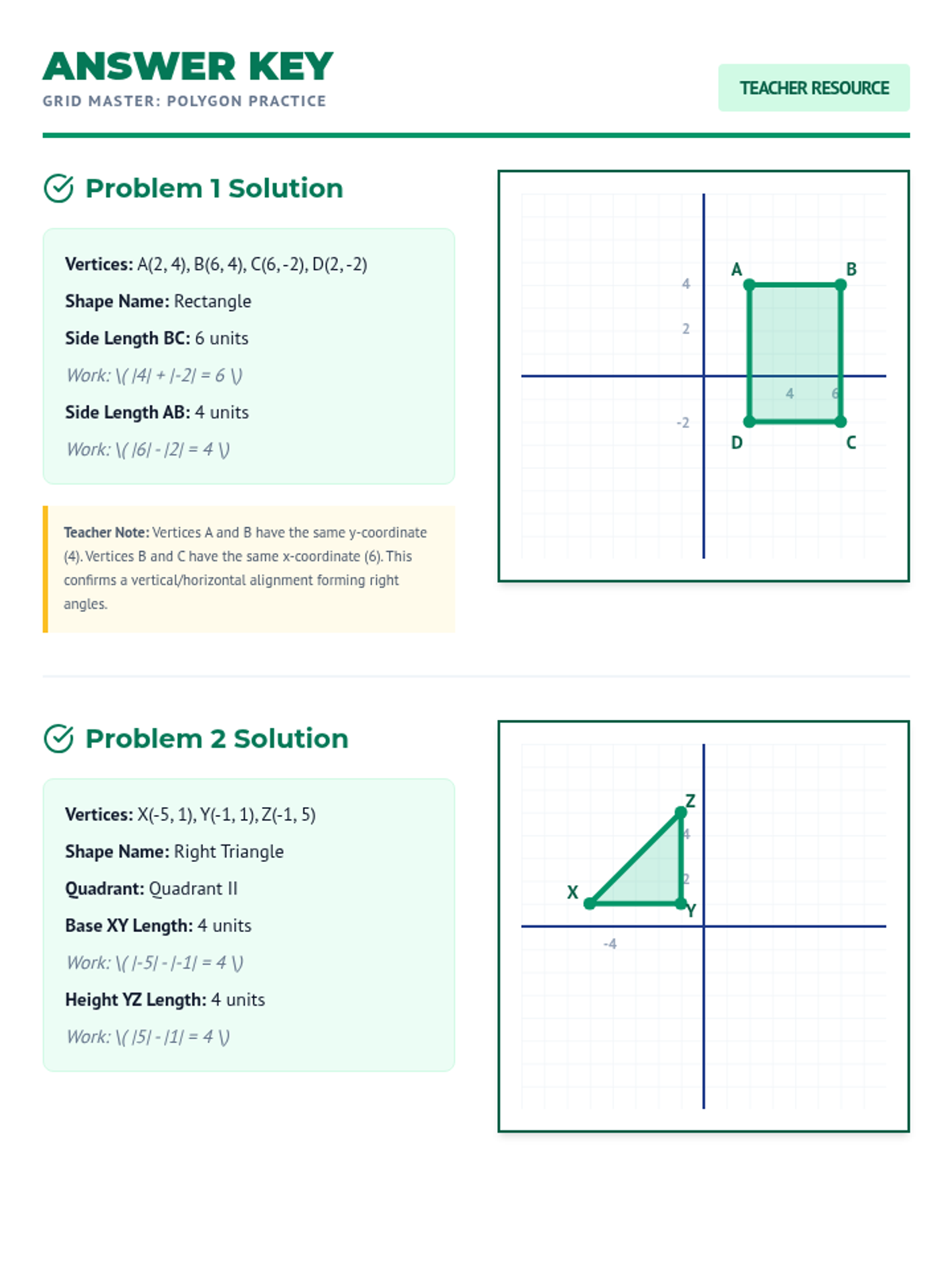
A comprehensive lesson on plotting and connecting coordinates in all four quadrants to create geometric shapes. Students will learn to navigate the coordinate plane, identify polygons, and calculate side lengths.
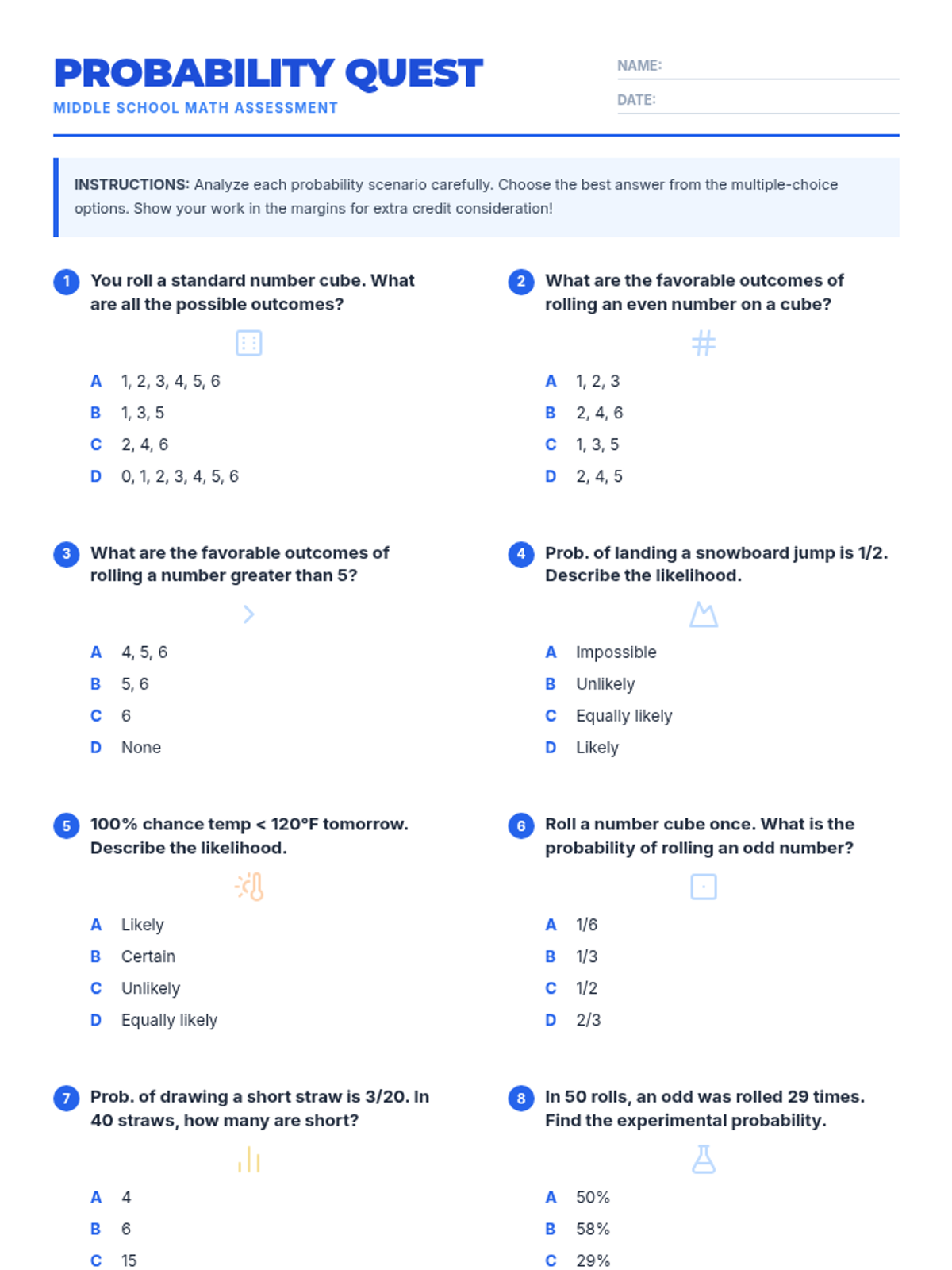
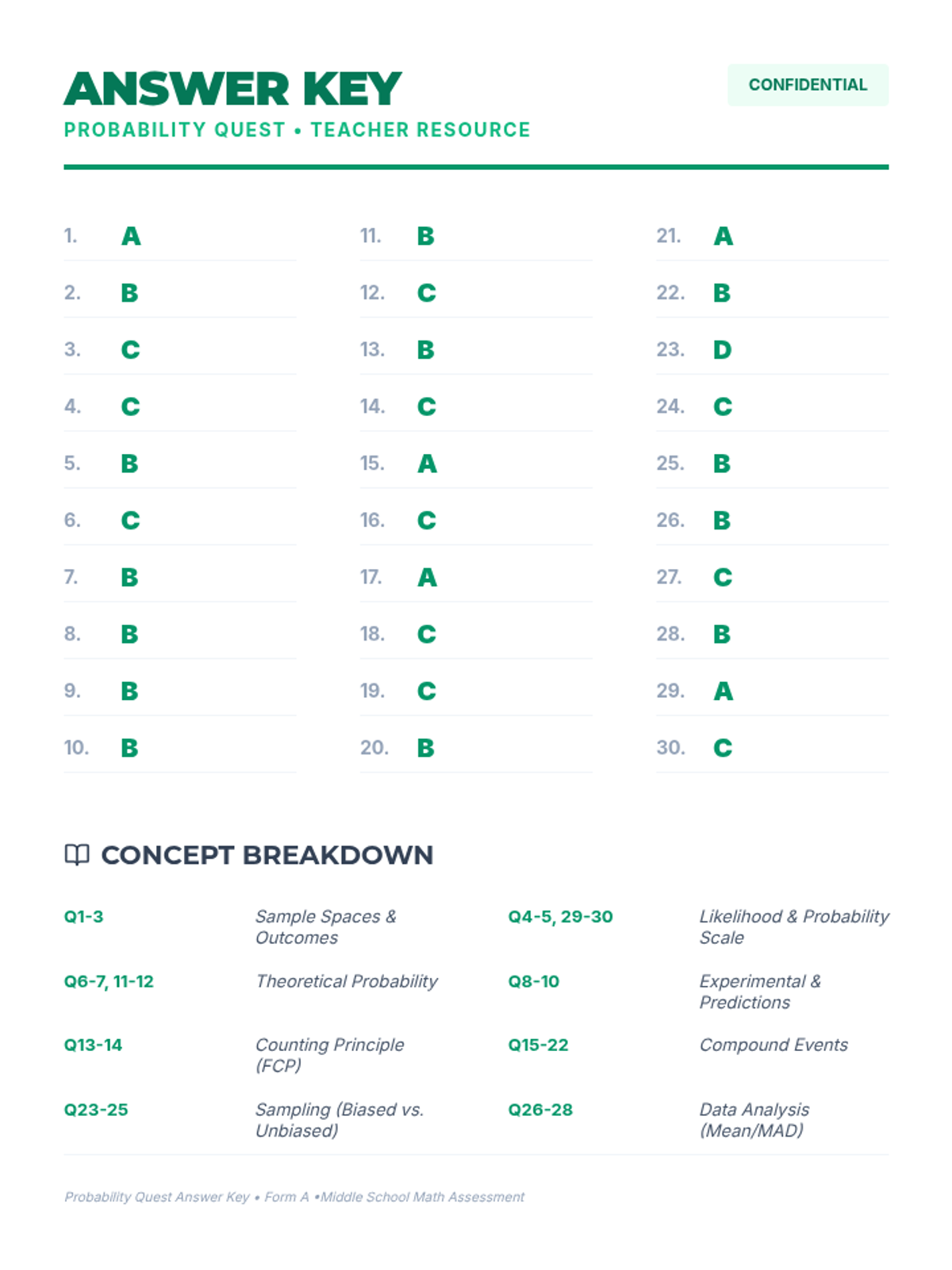
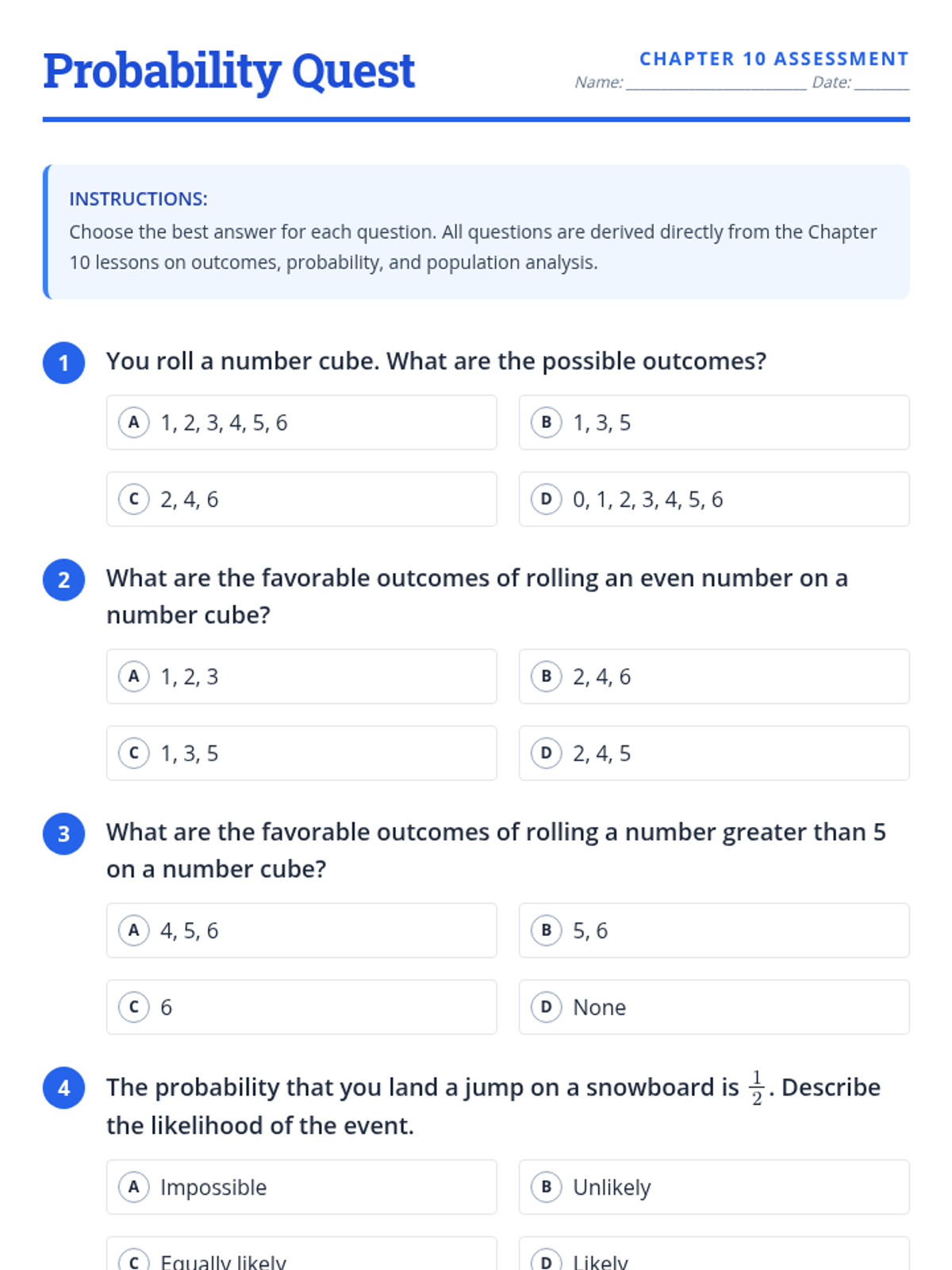
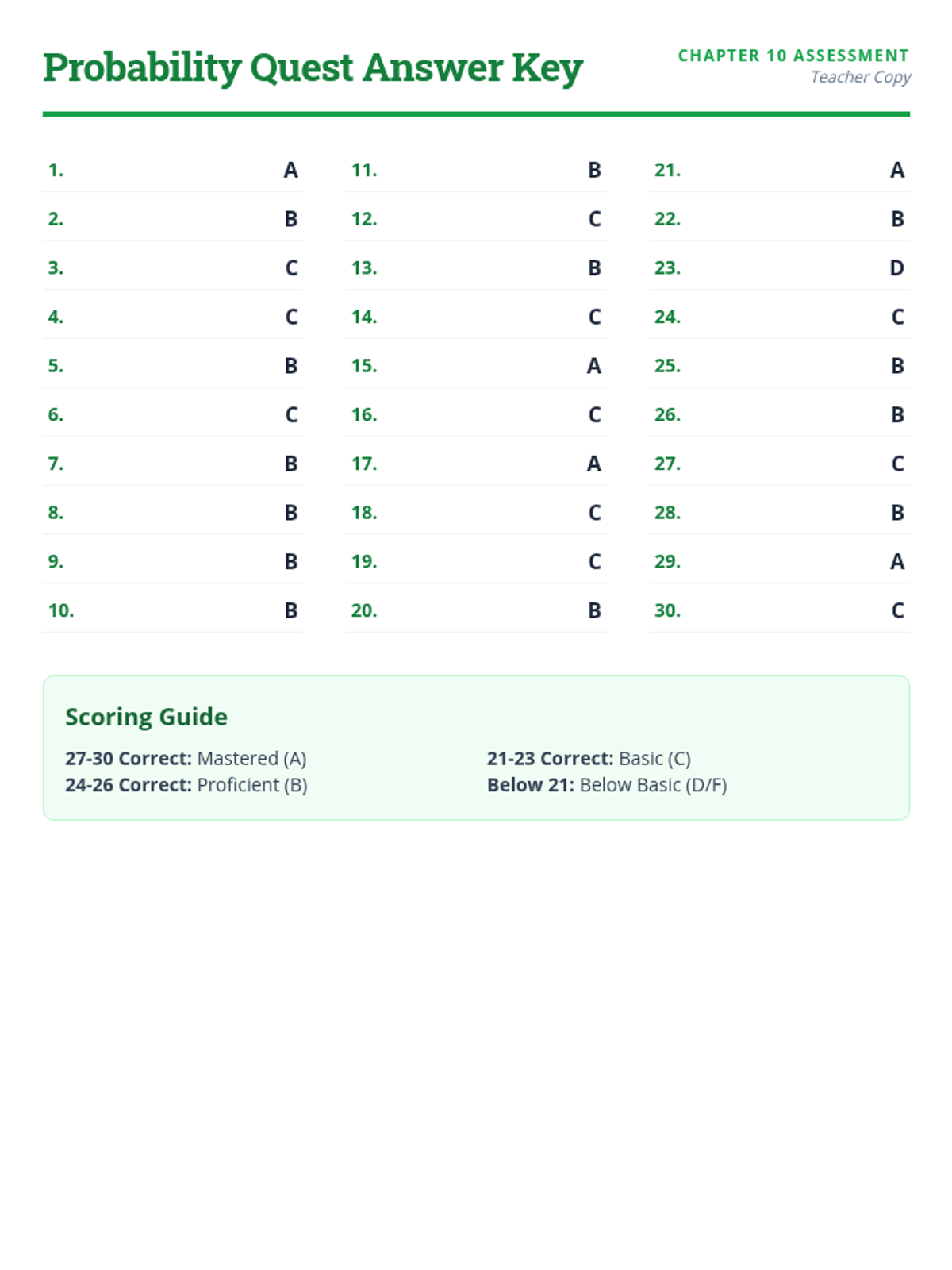
A comprehensive lesson on probability outcomes, theoretical/experimental calculations, compound events, and sampling methods.
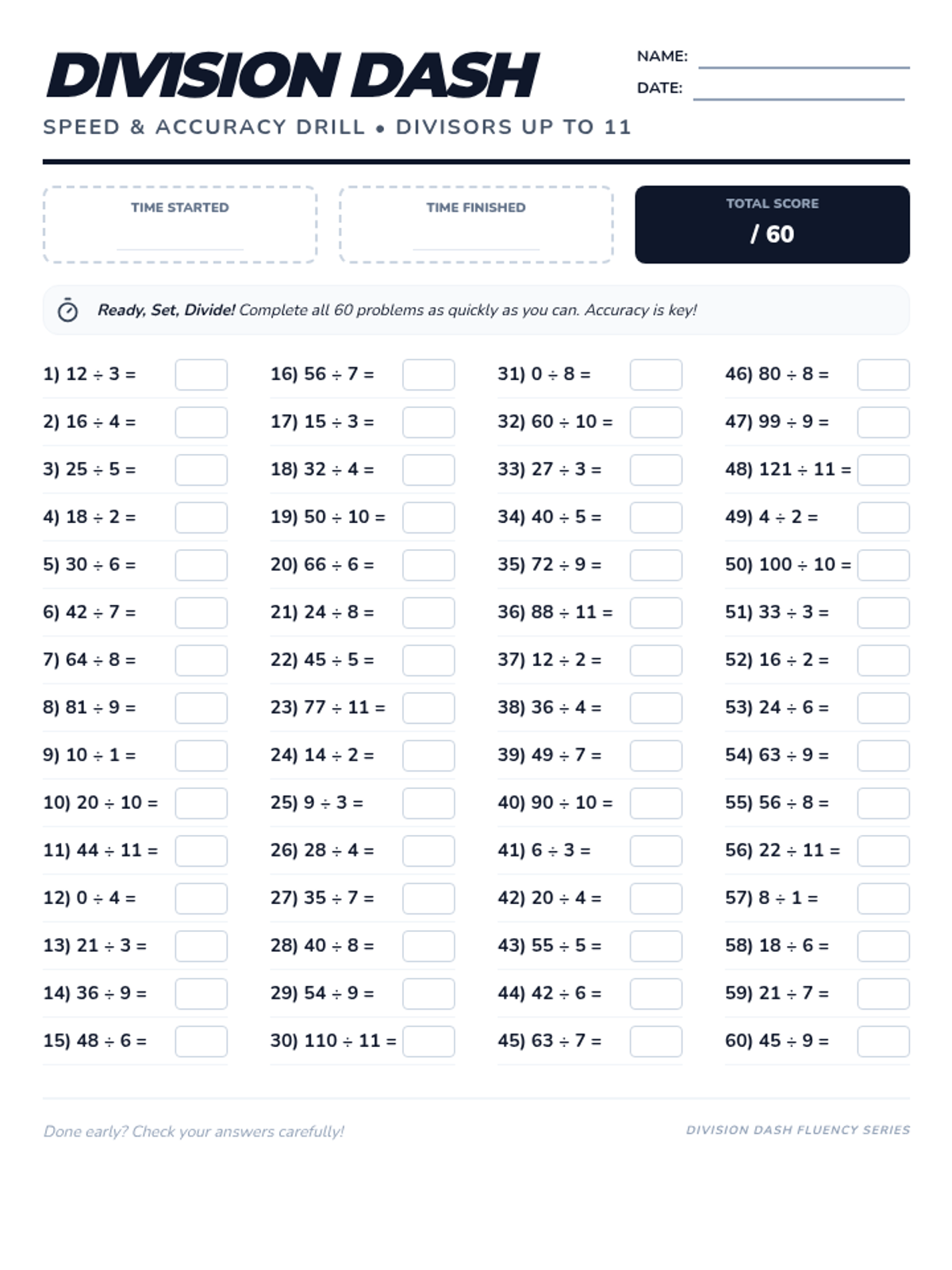
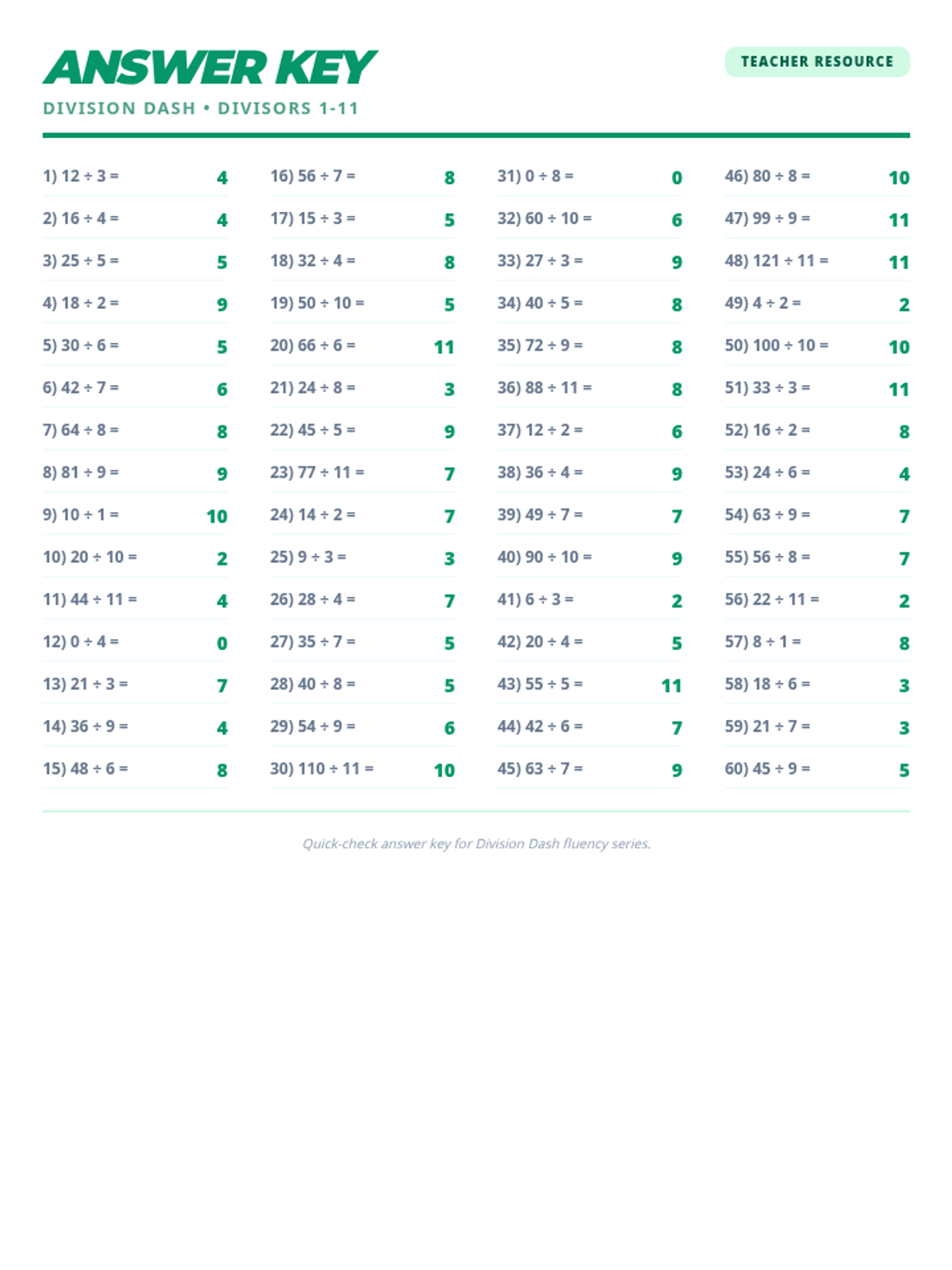
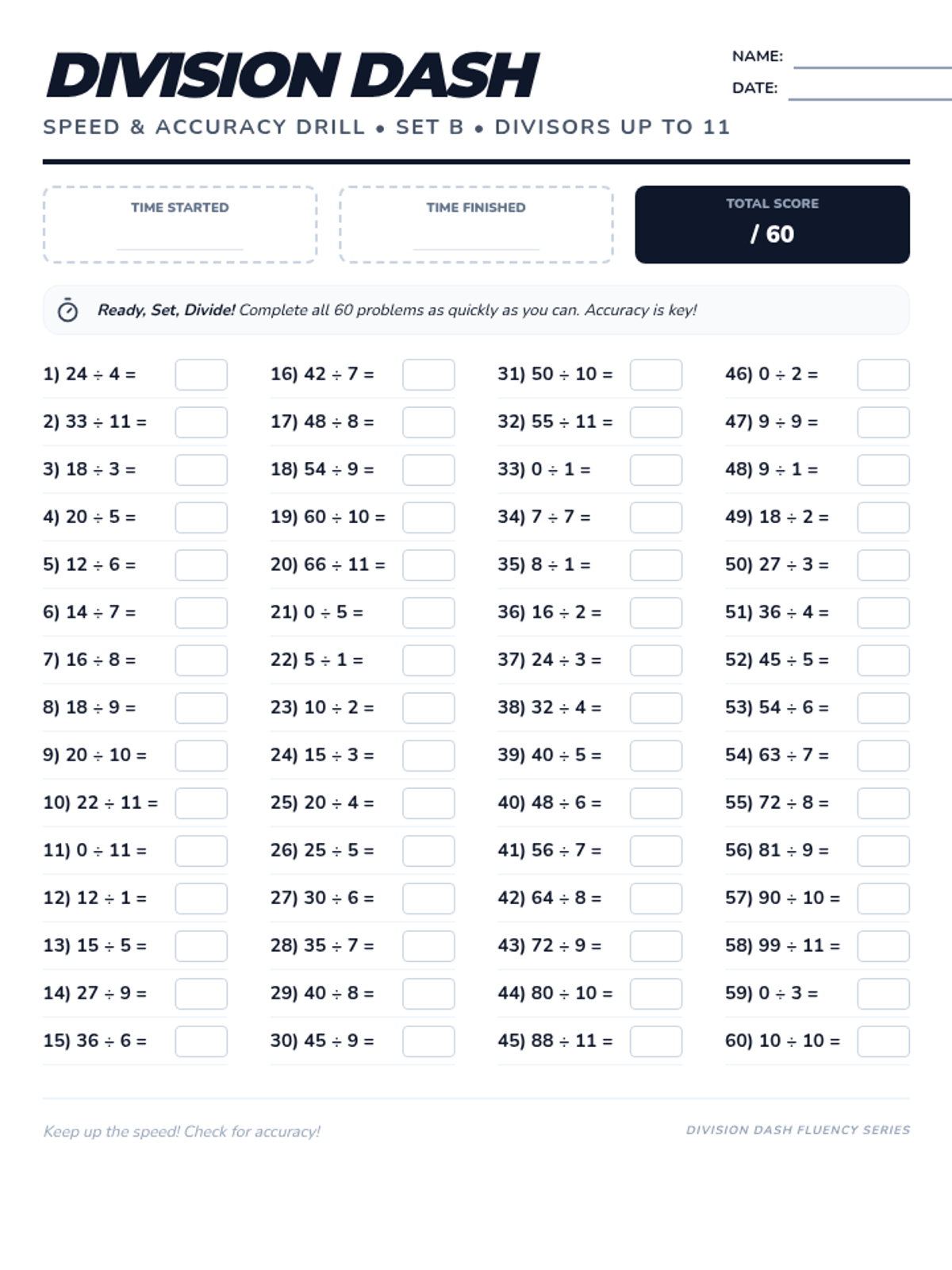
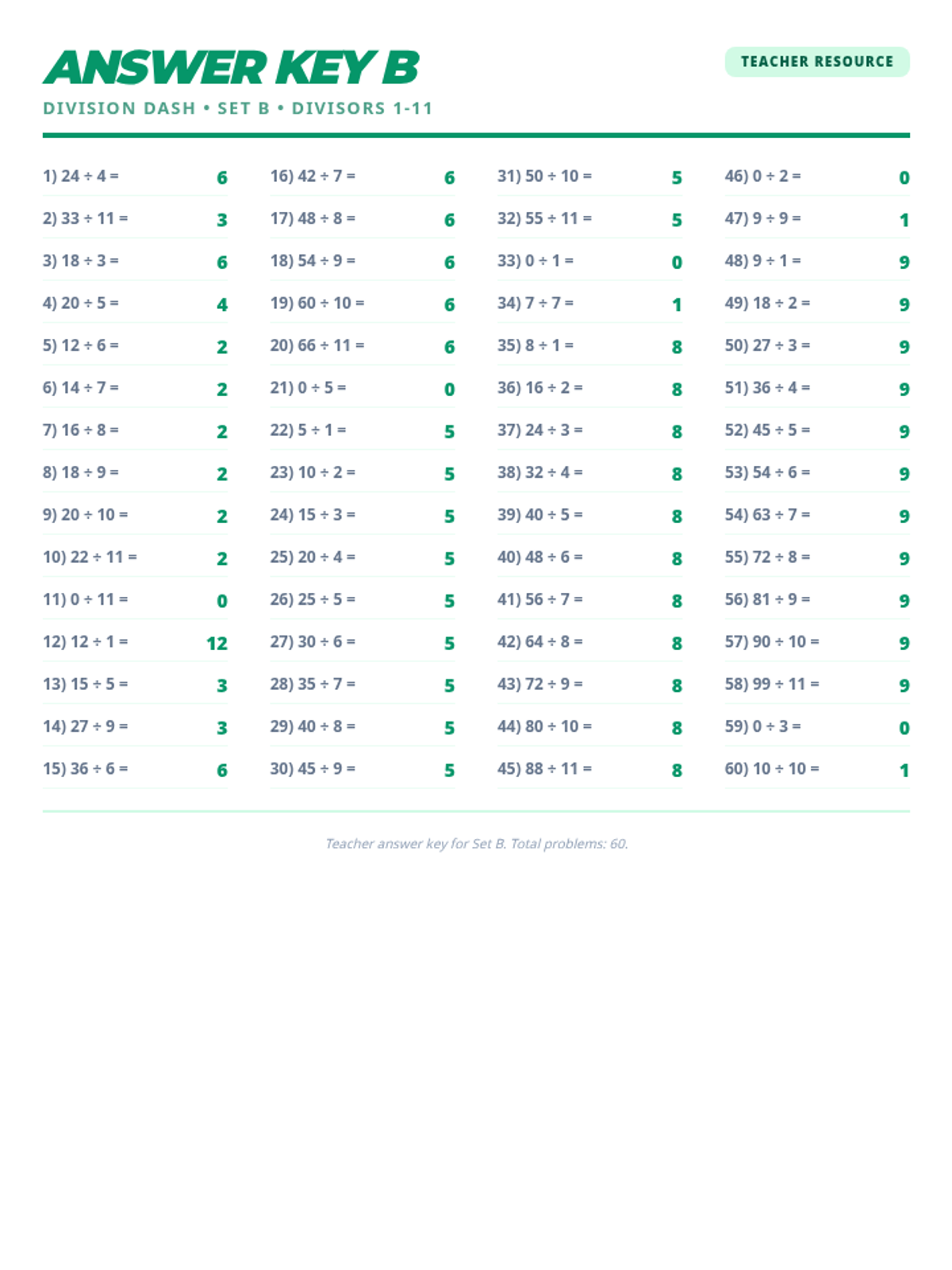
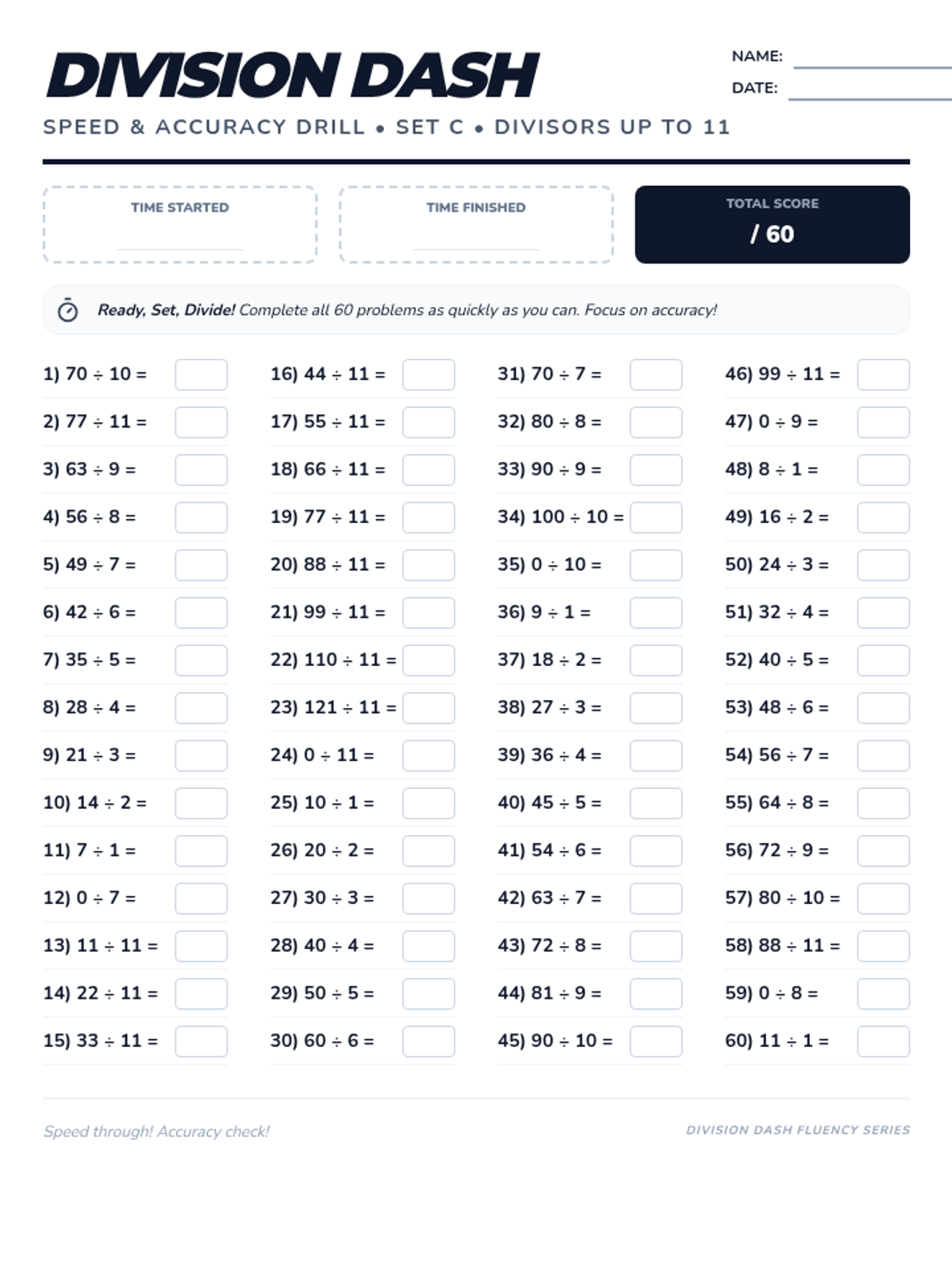
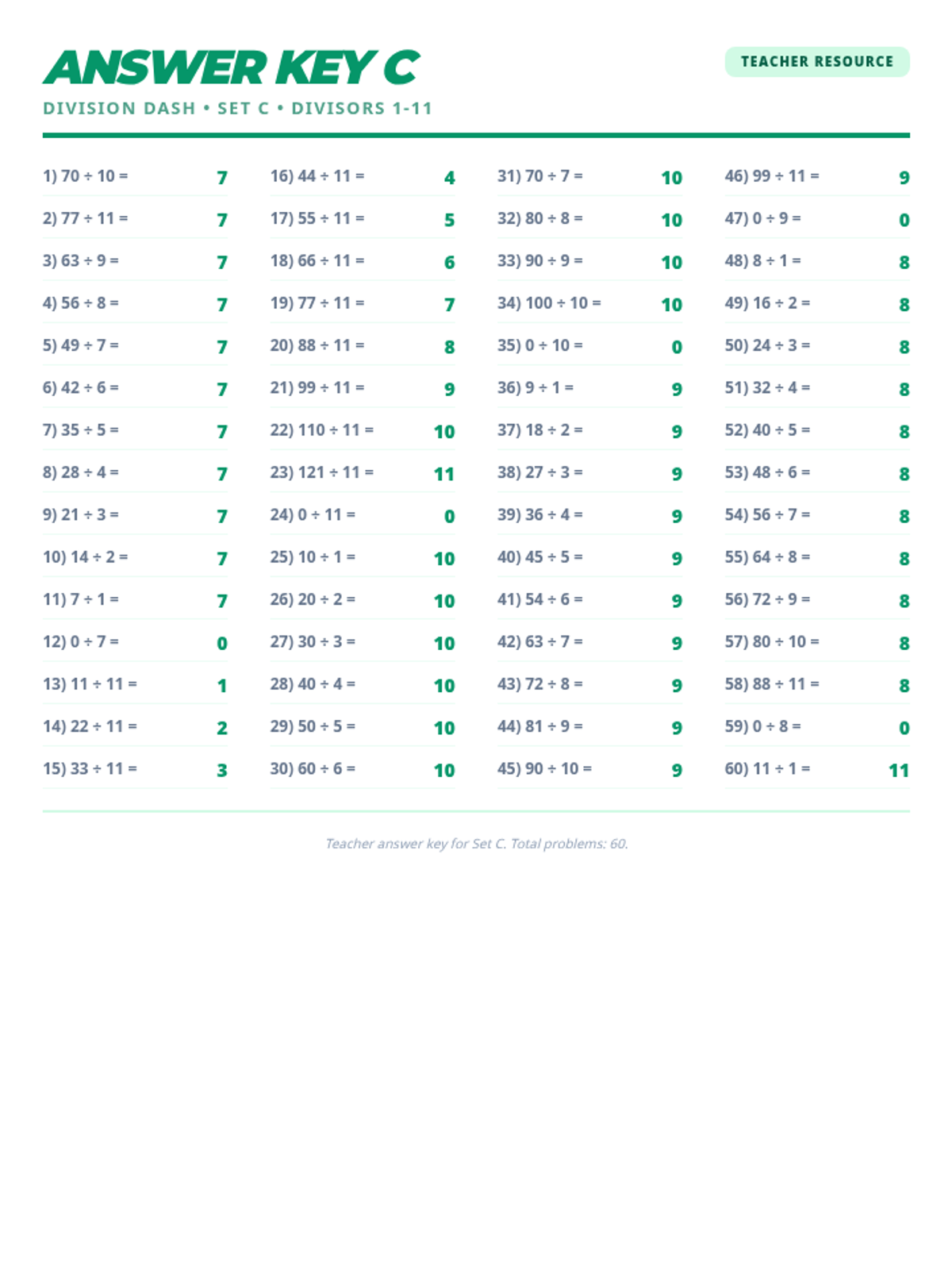
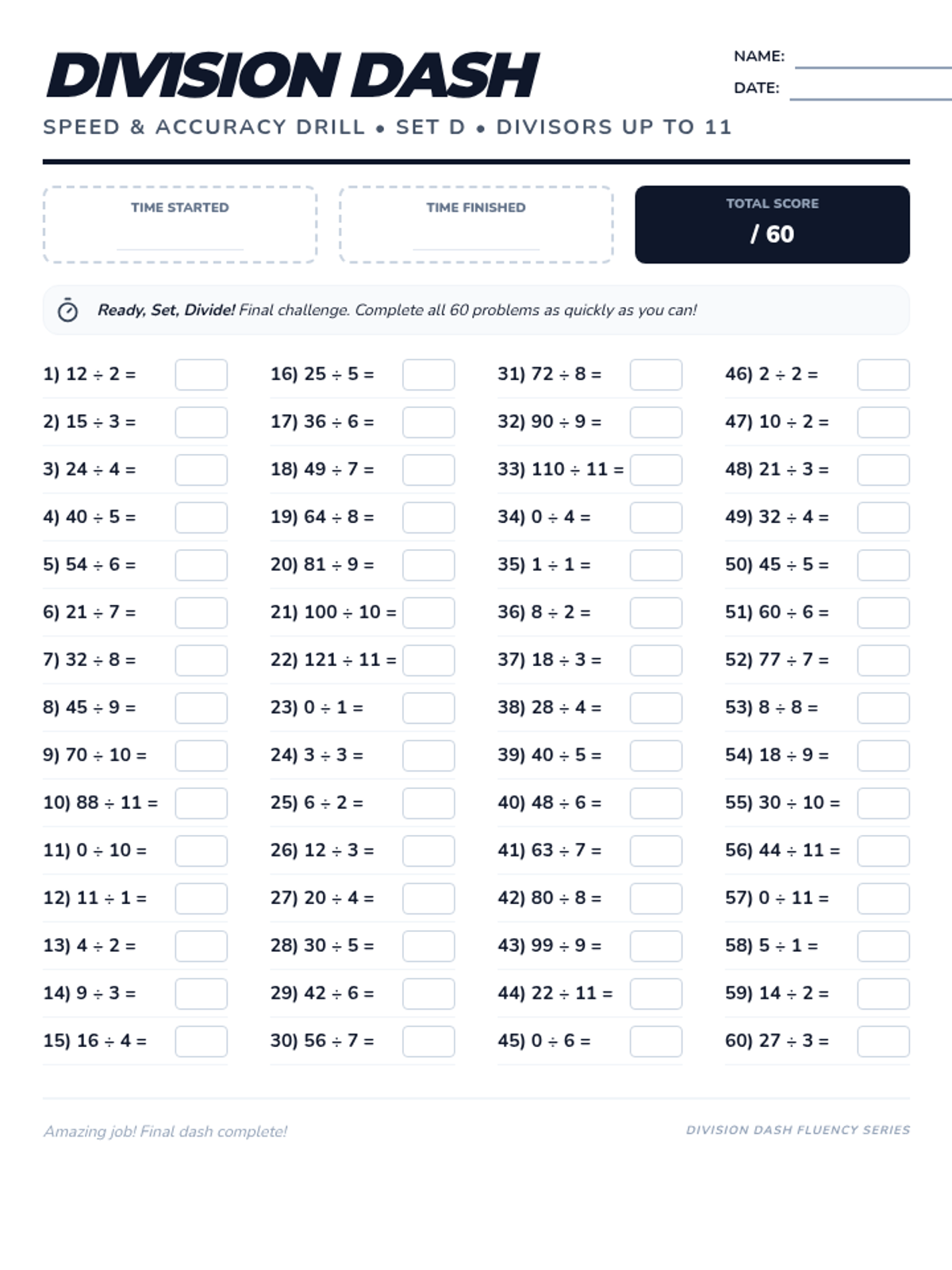
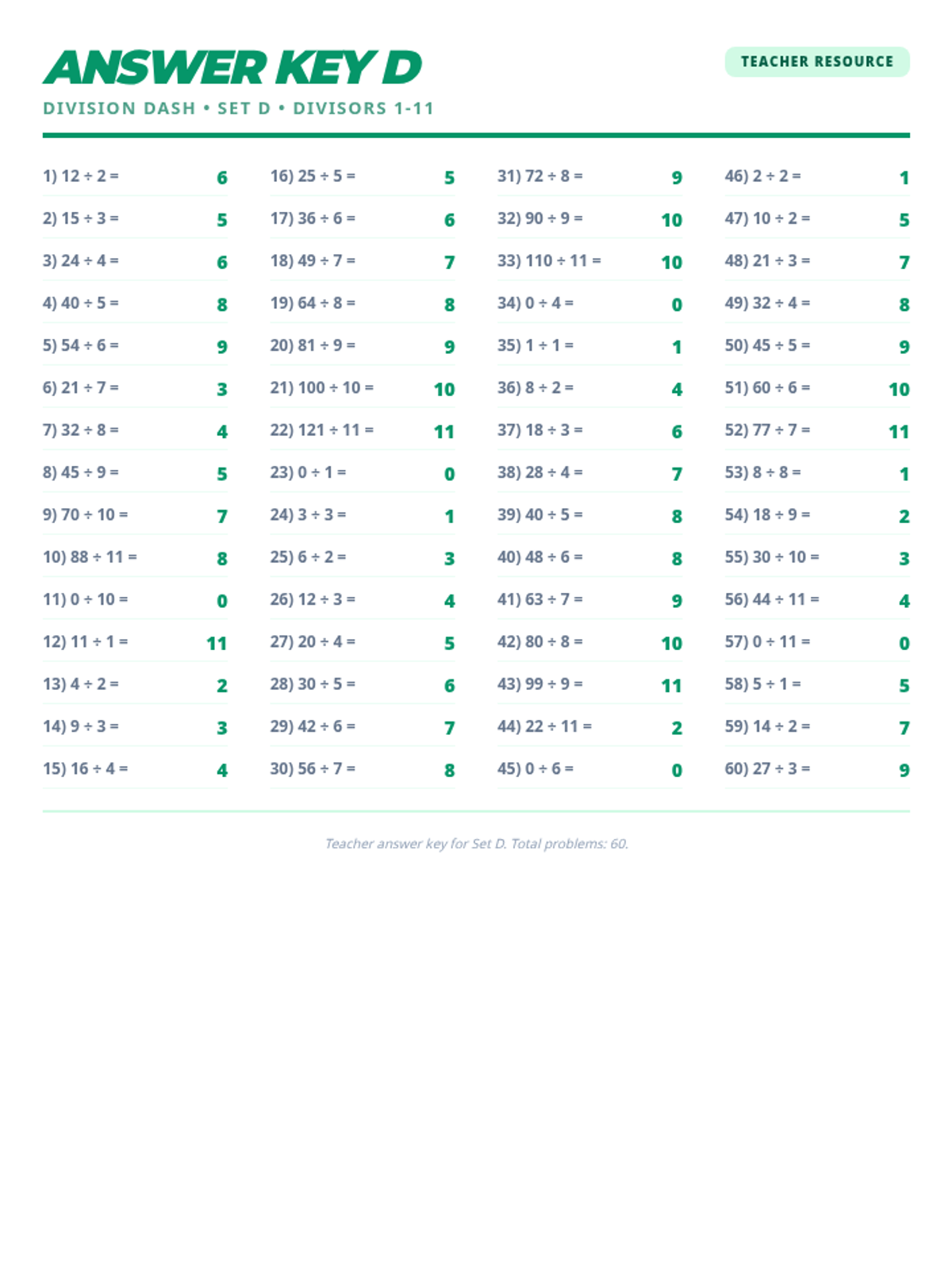
A fast-paced division fluency lesson designed to build speed and accuracy for third-grade students covering divisors up to 11.
A comprehensive lesson on probability and statistics, covering outcomes, experimental and theoretical probability, sample spaces, compound events, and population comparisons.
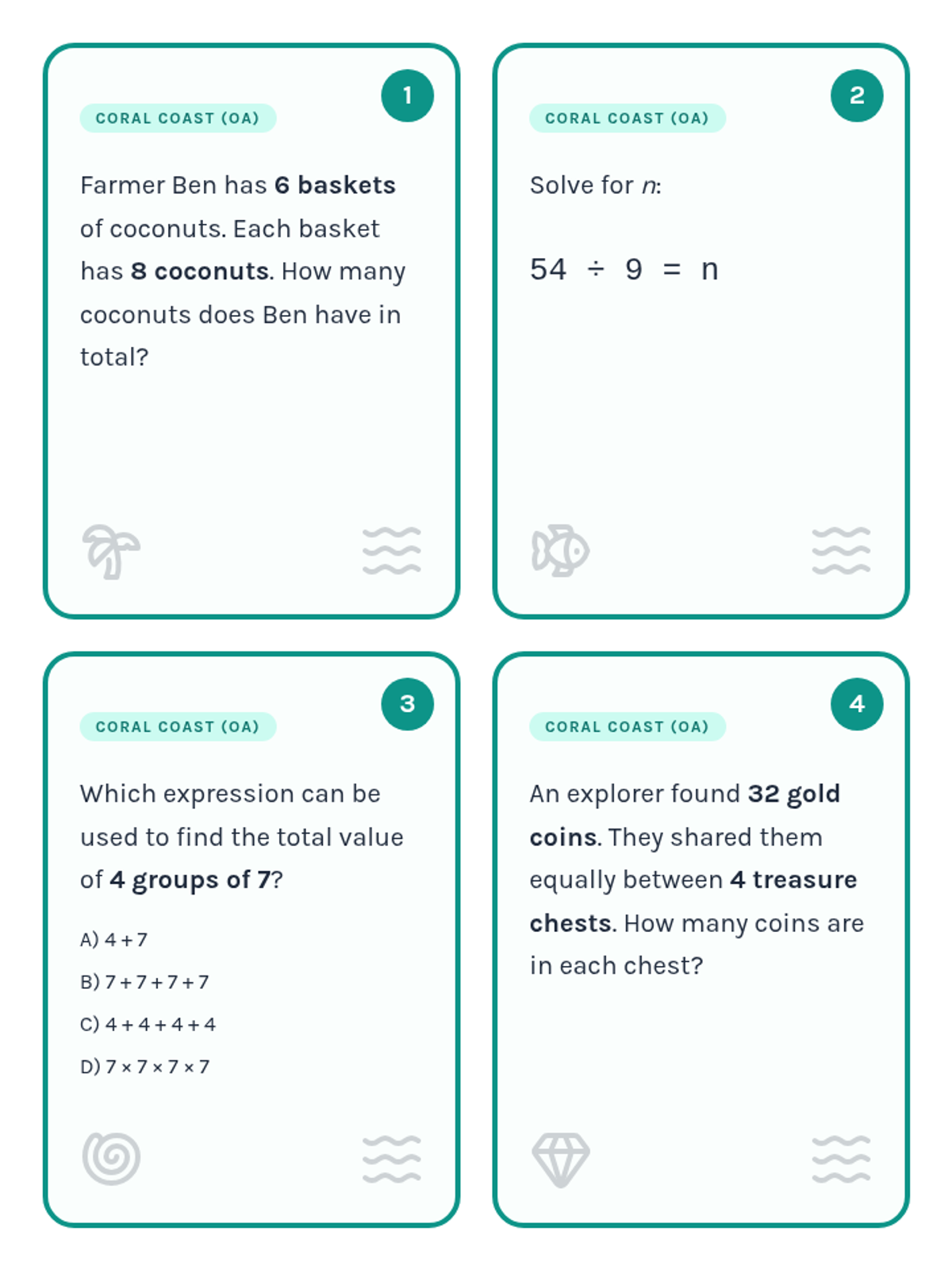
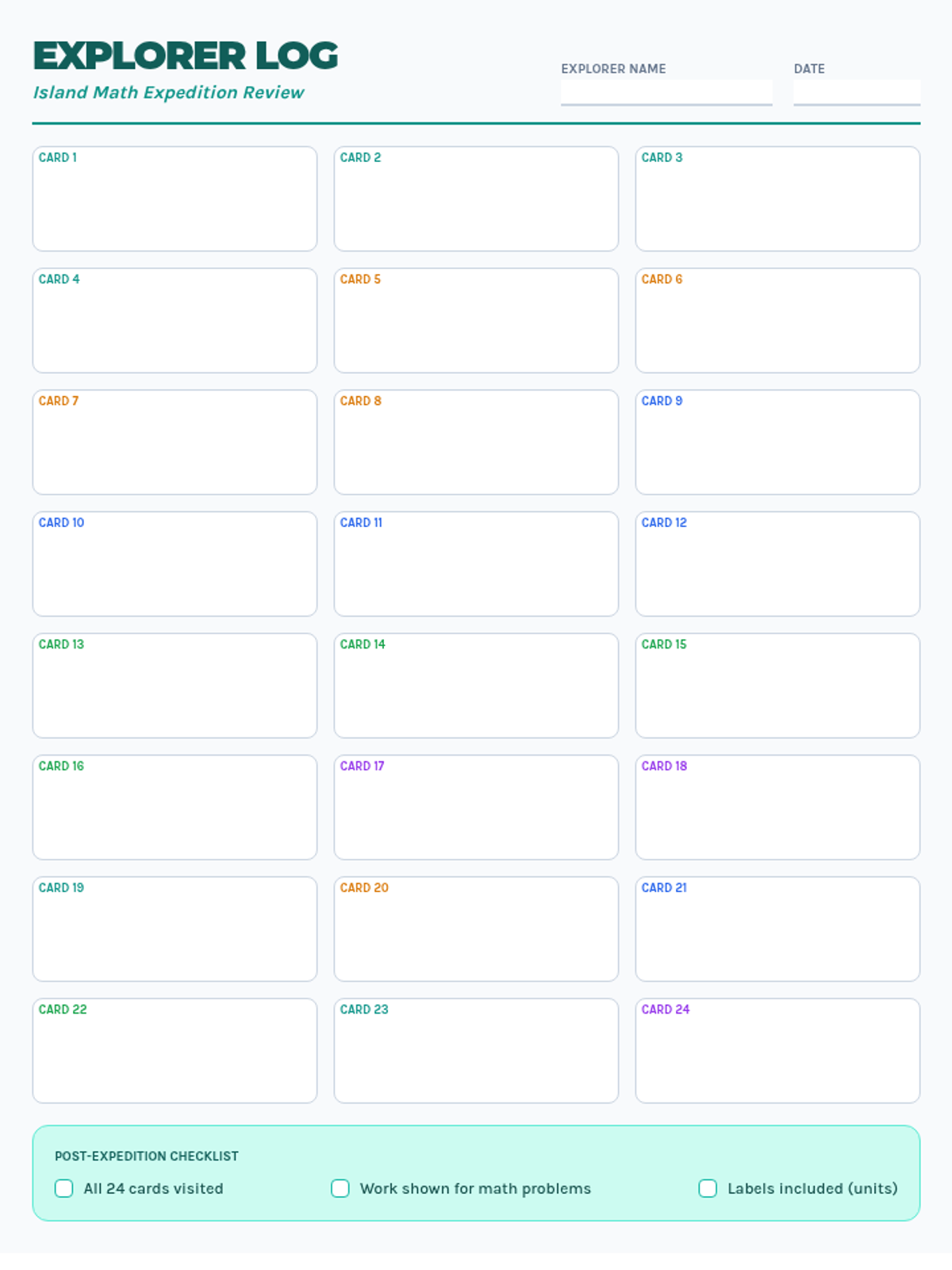
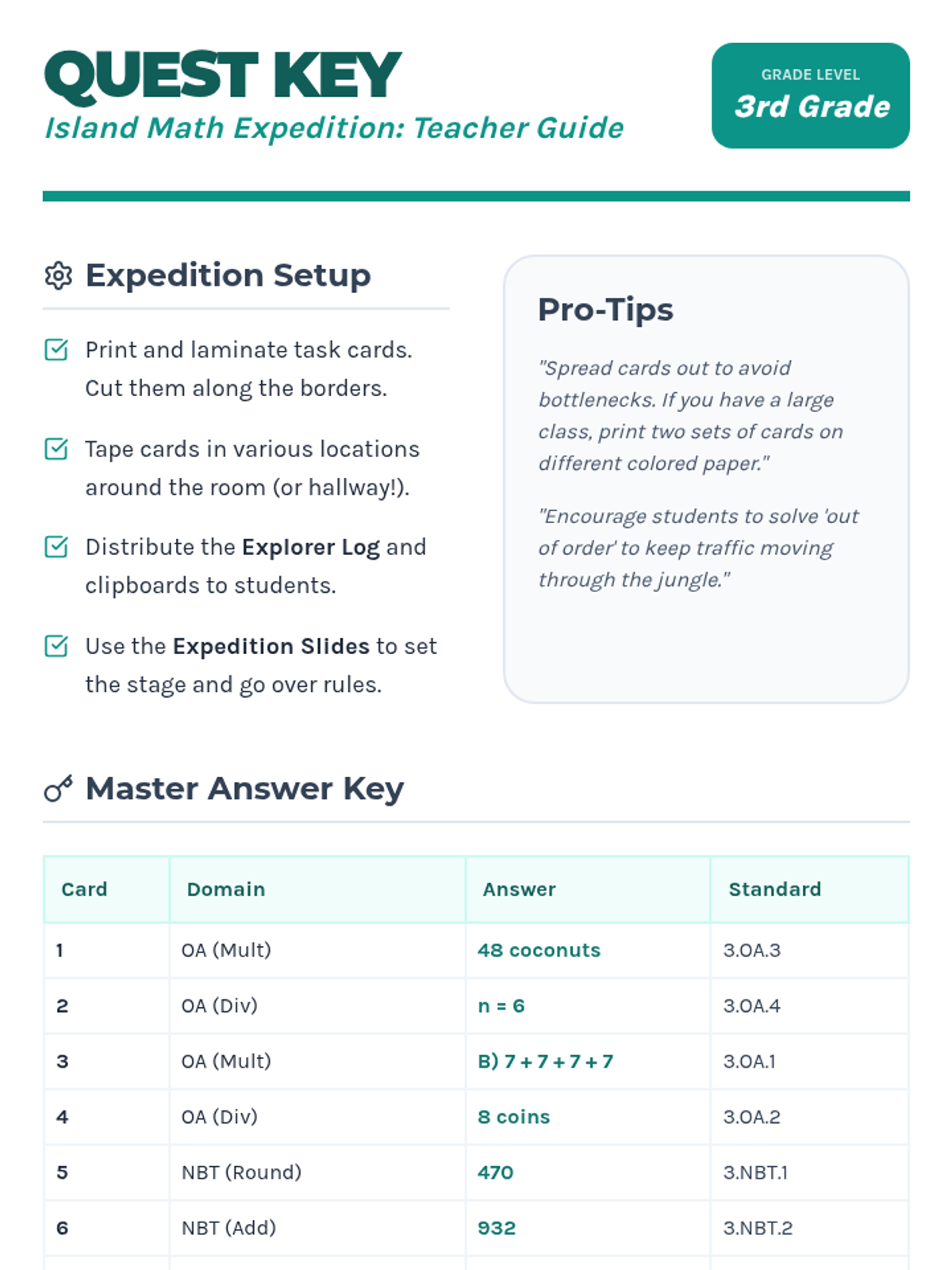
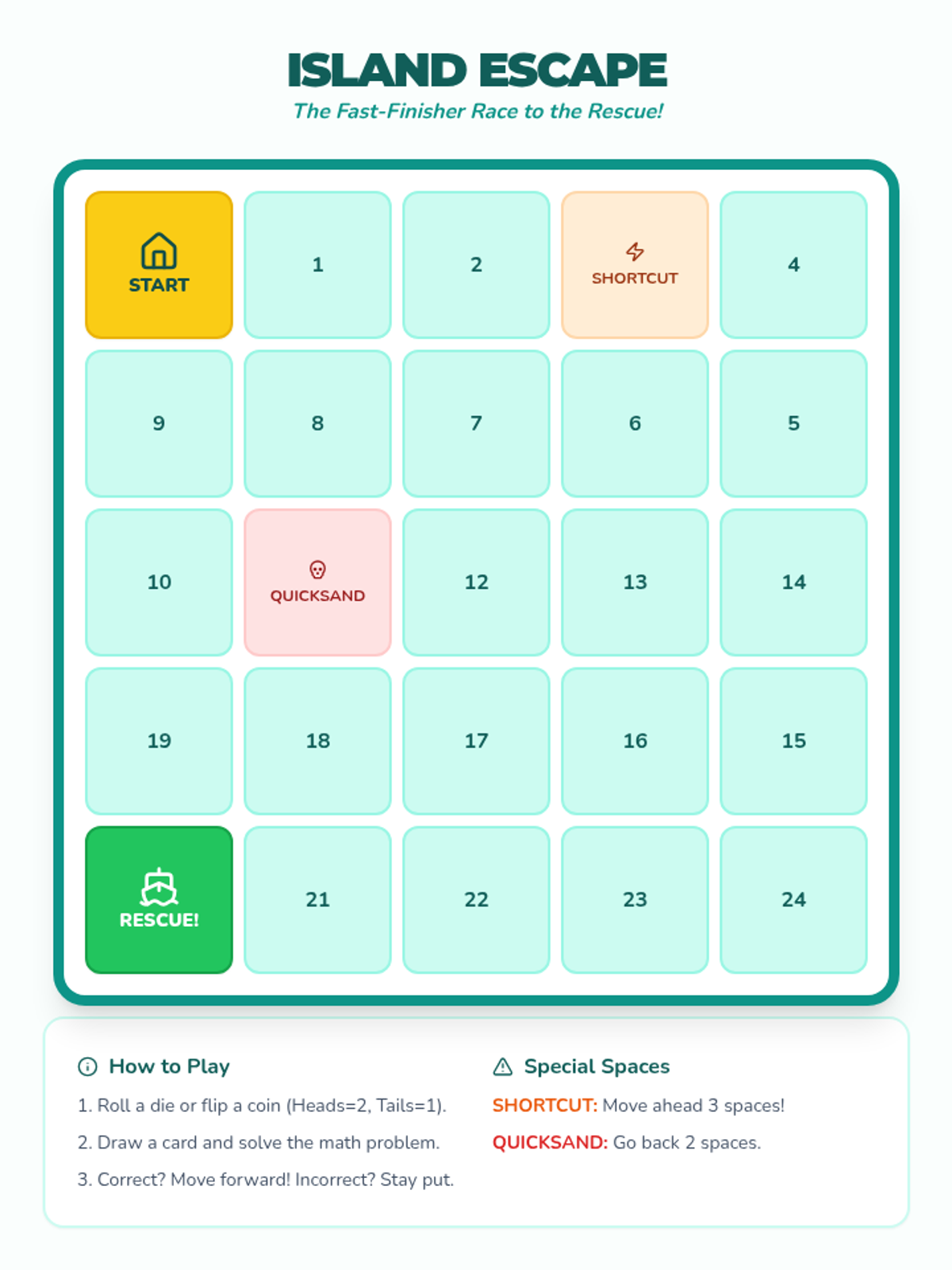
A comprehensive 3rd-grade math review game designed as an island-themed scavenger hunt. Students solve task cards across all math domains to 'navigate' their way across the island.
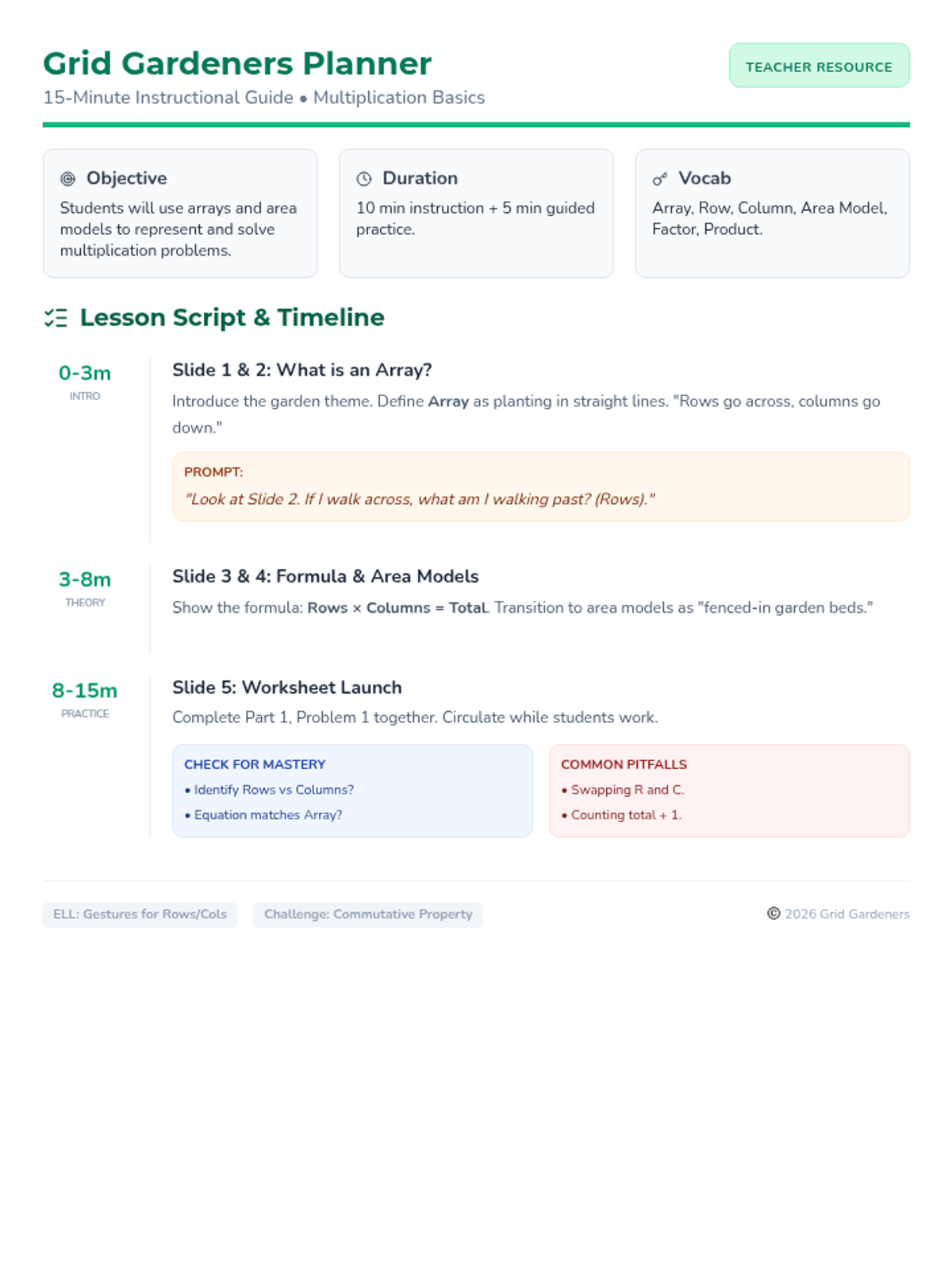
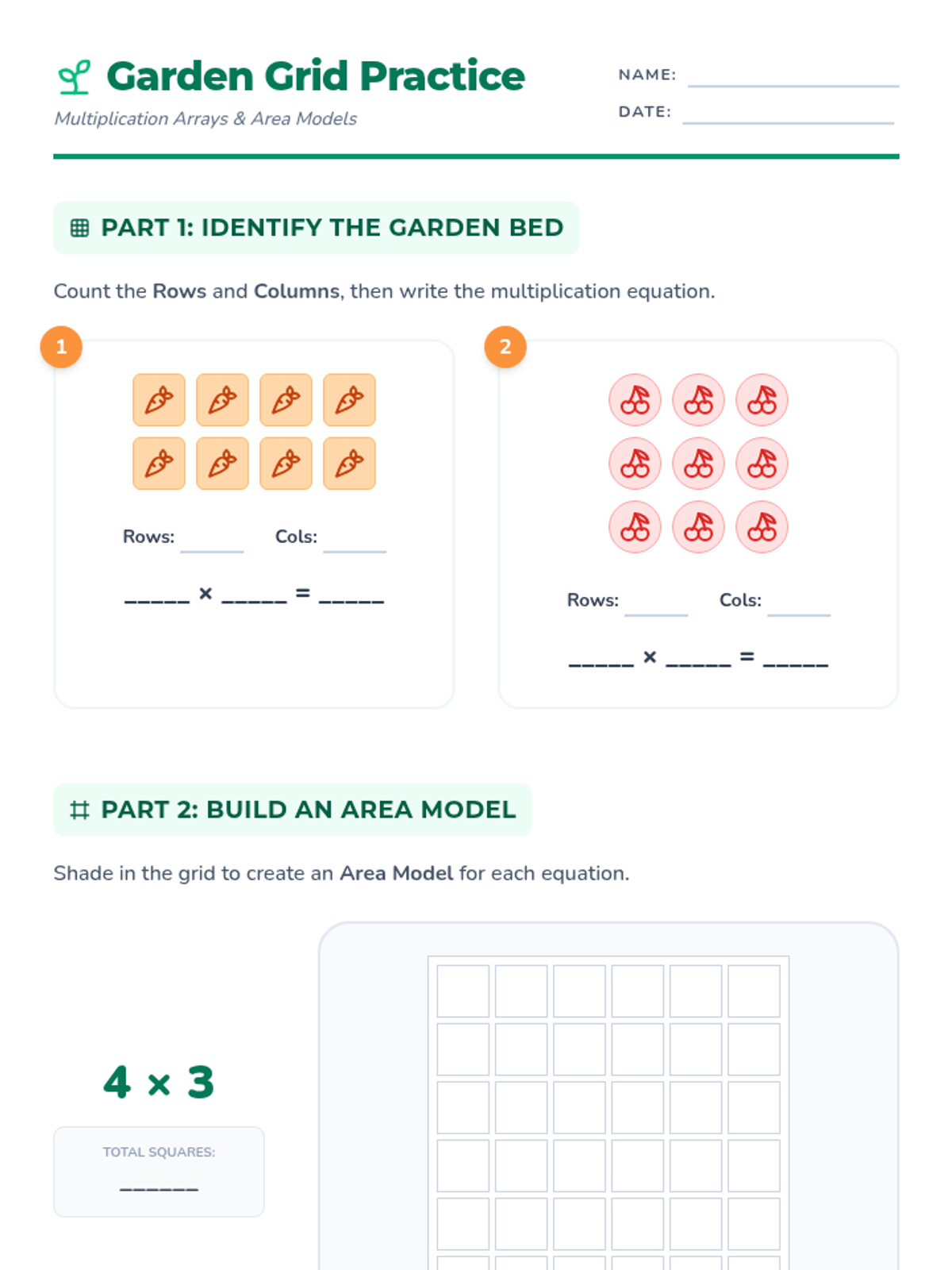
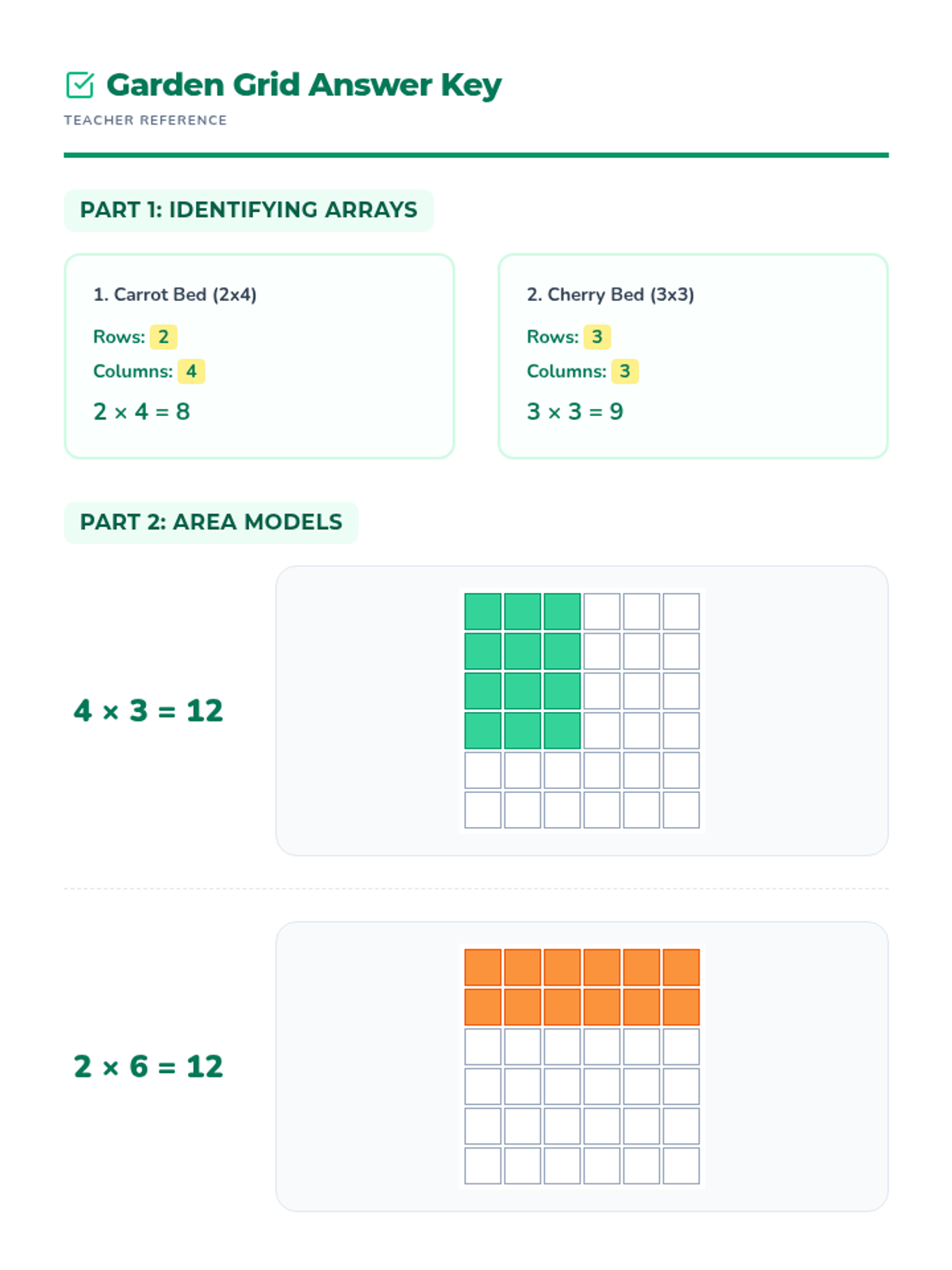
A 15-minute introduction to multiplication using arrays and area models, themed around a community garden. Students learn to identify rows and columns and translate them into multiplication equations.
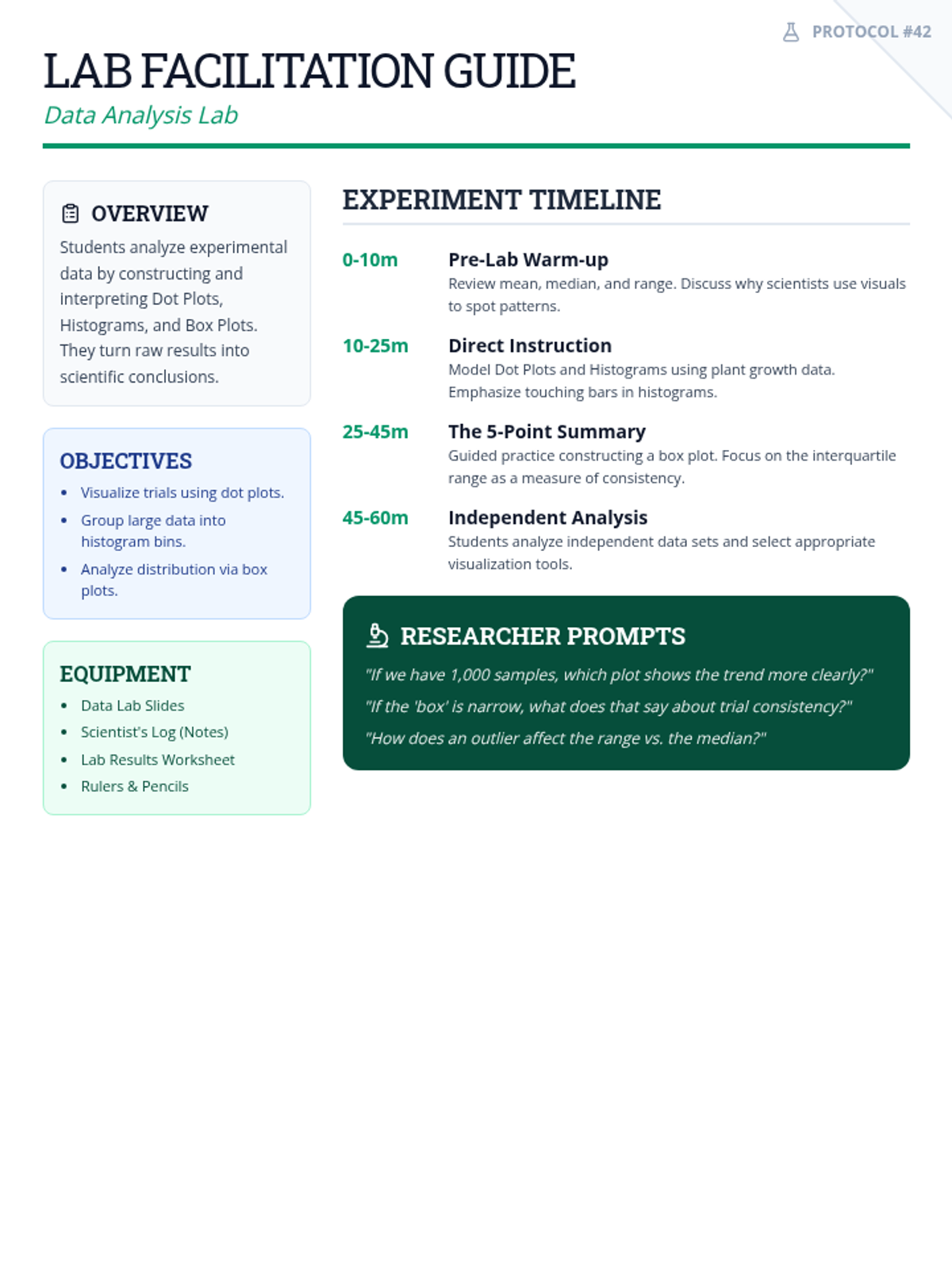
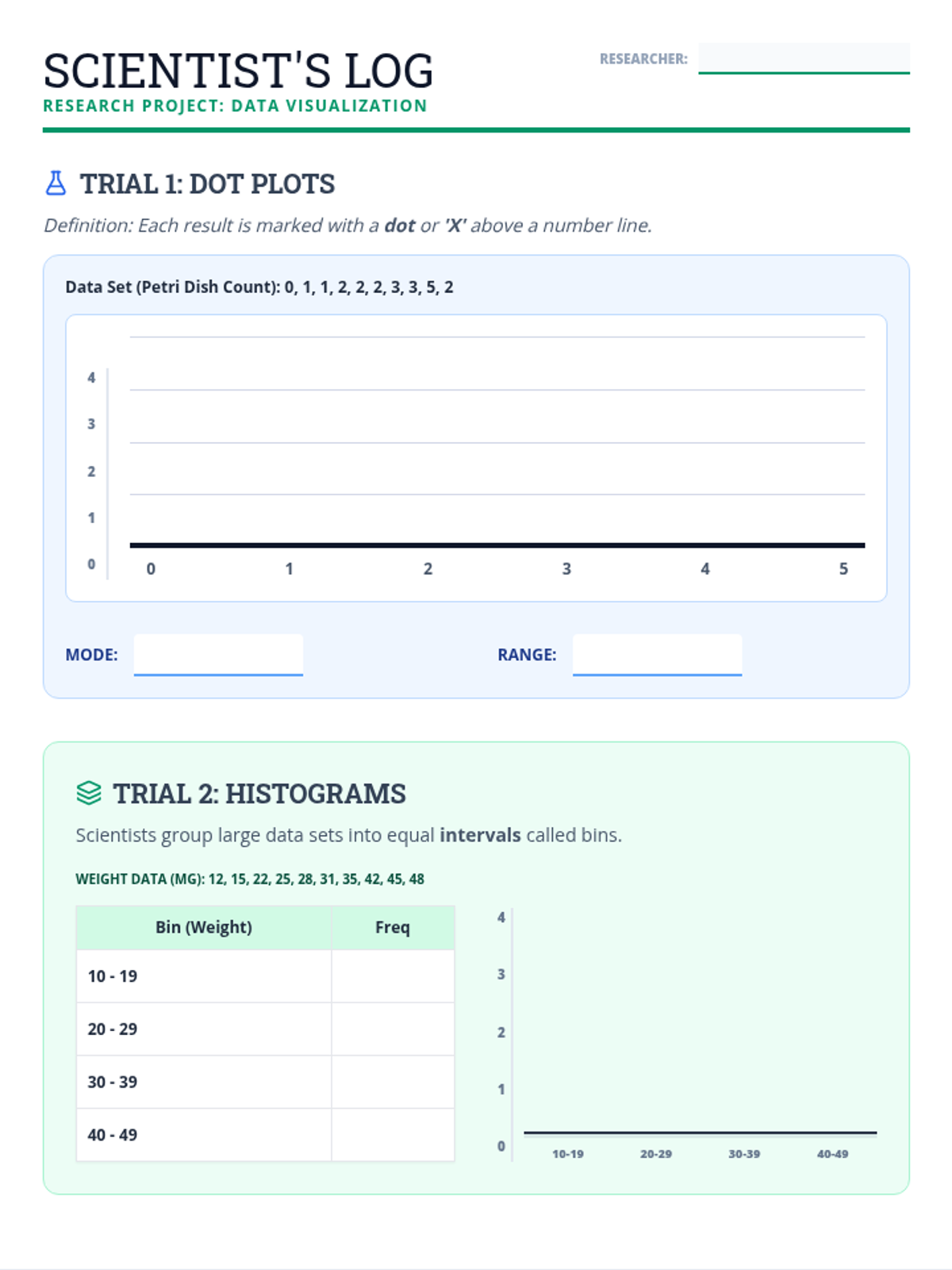
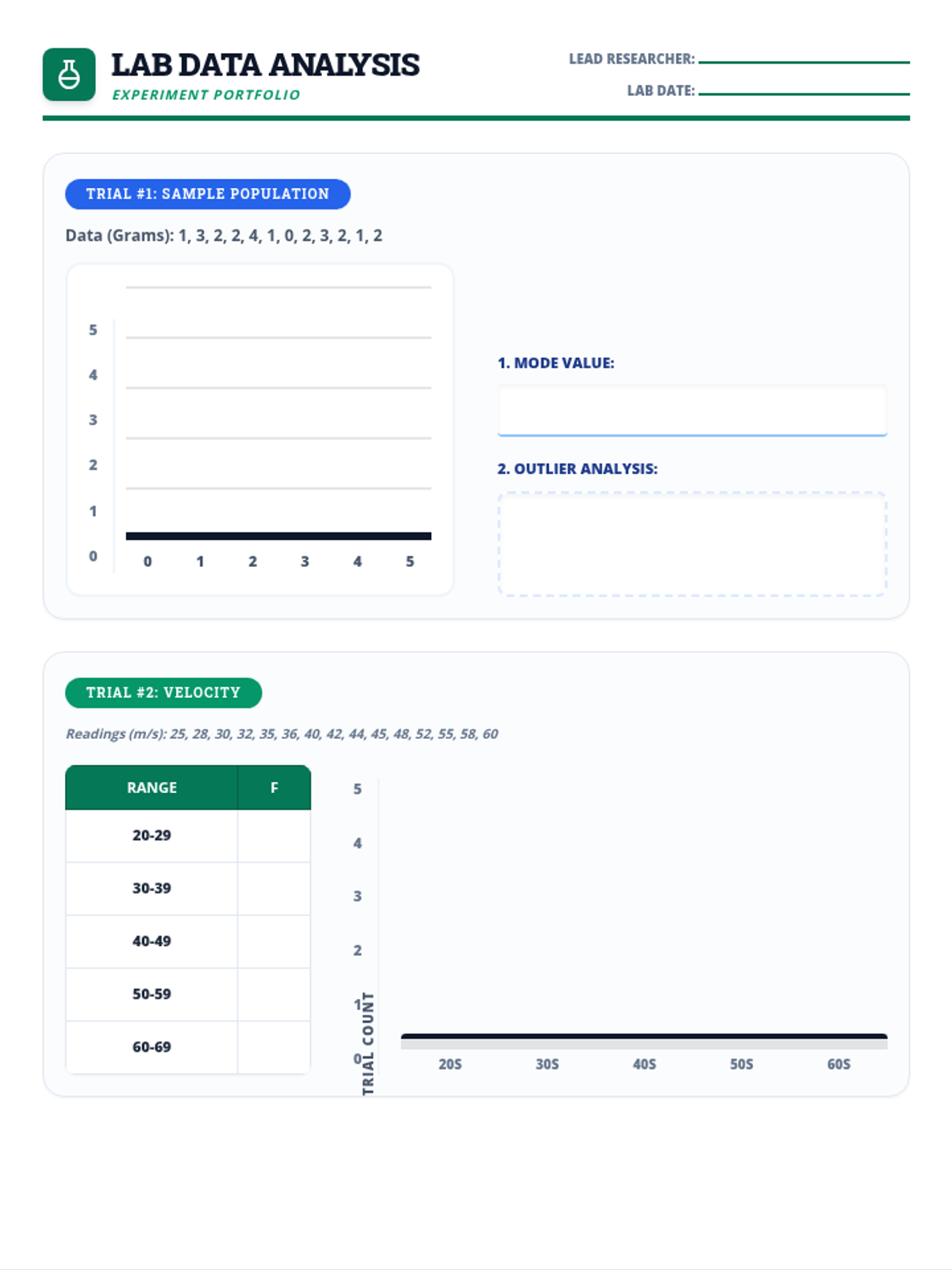
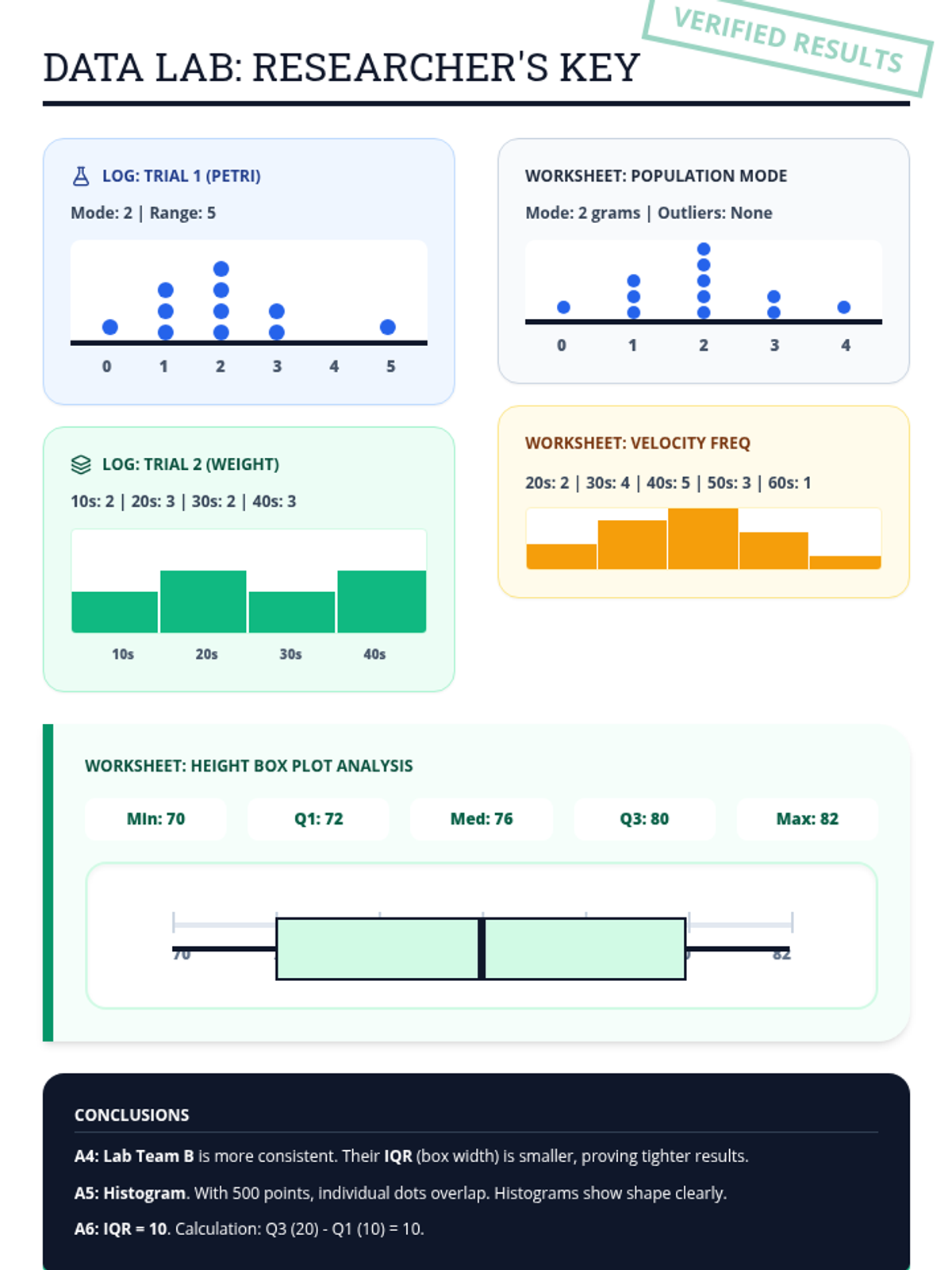
A 60-minute lesson where students act as lead researchers in a data laboratory. They will master constructing and interpreting dot plots, histograms, and box plots to analyze scientific findings.
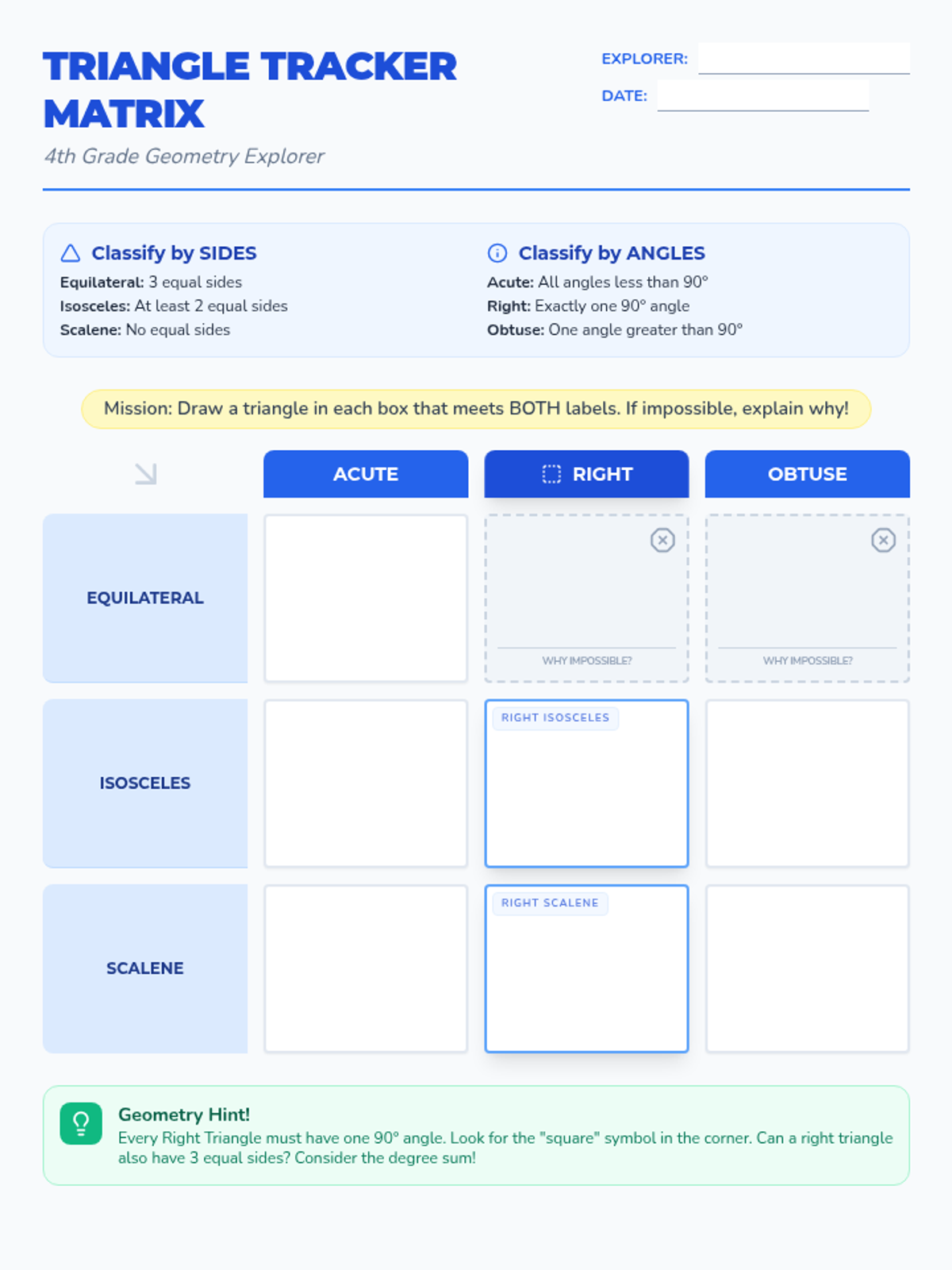
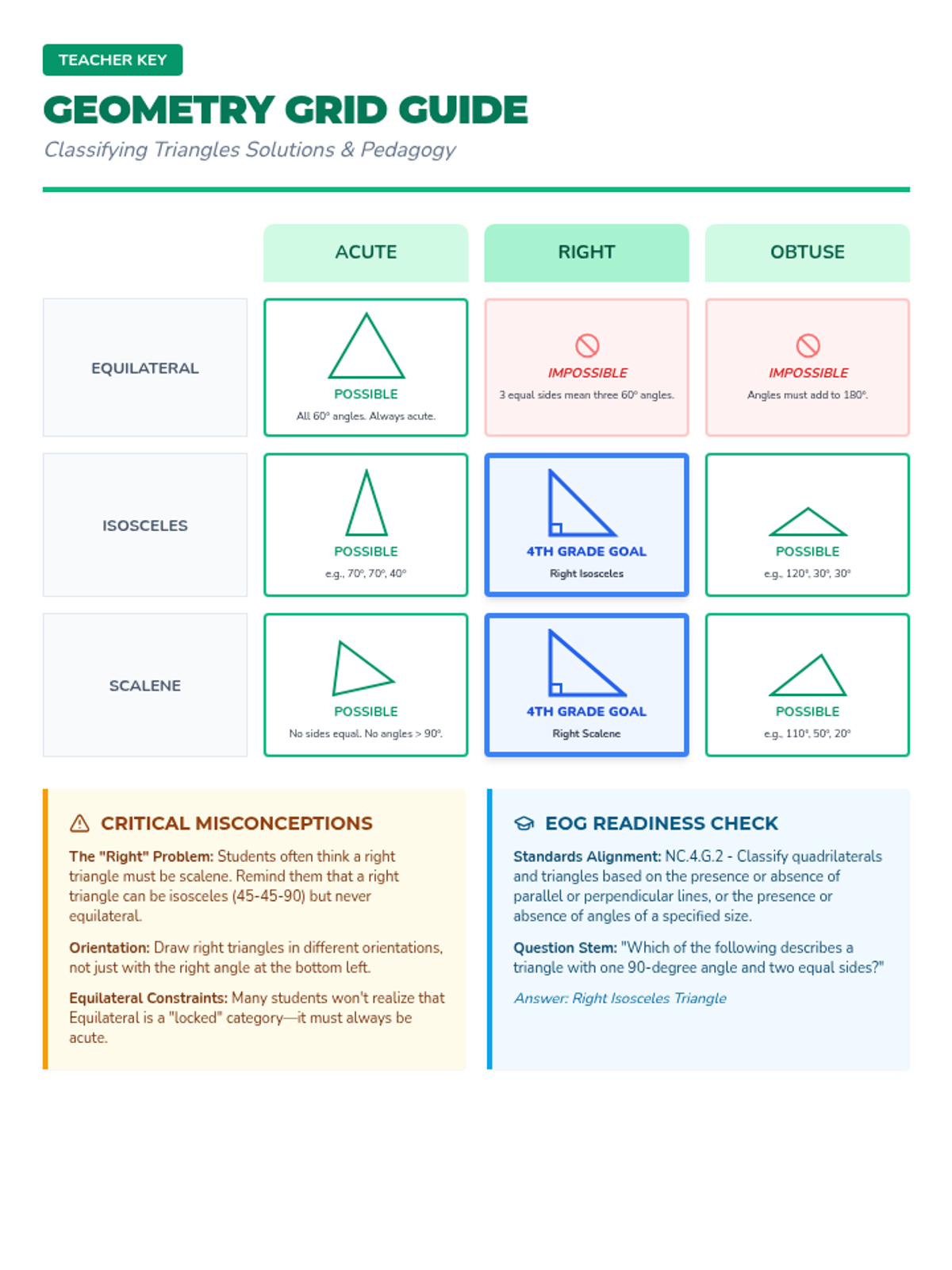
A focused exploration of classifying triangles by their side lengths and angle measures, specifically designed for 4th-grade EOG preparation. Students will identify and draw triangles based on dual criteria and investigate which combinations are physically possible.
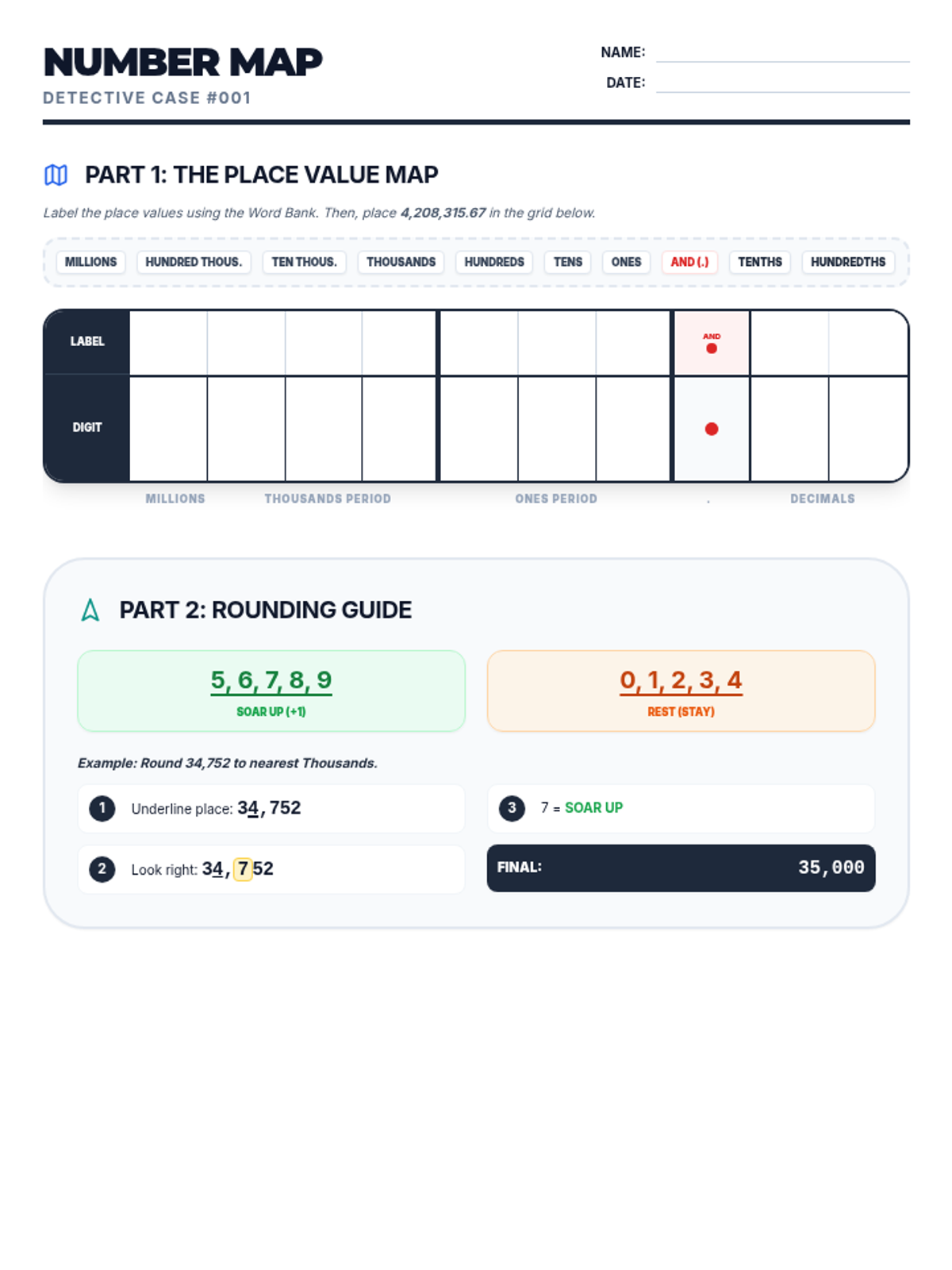
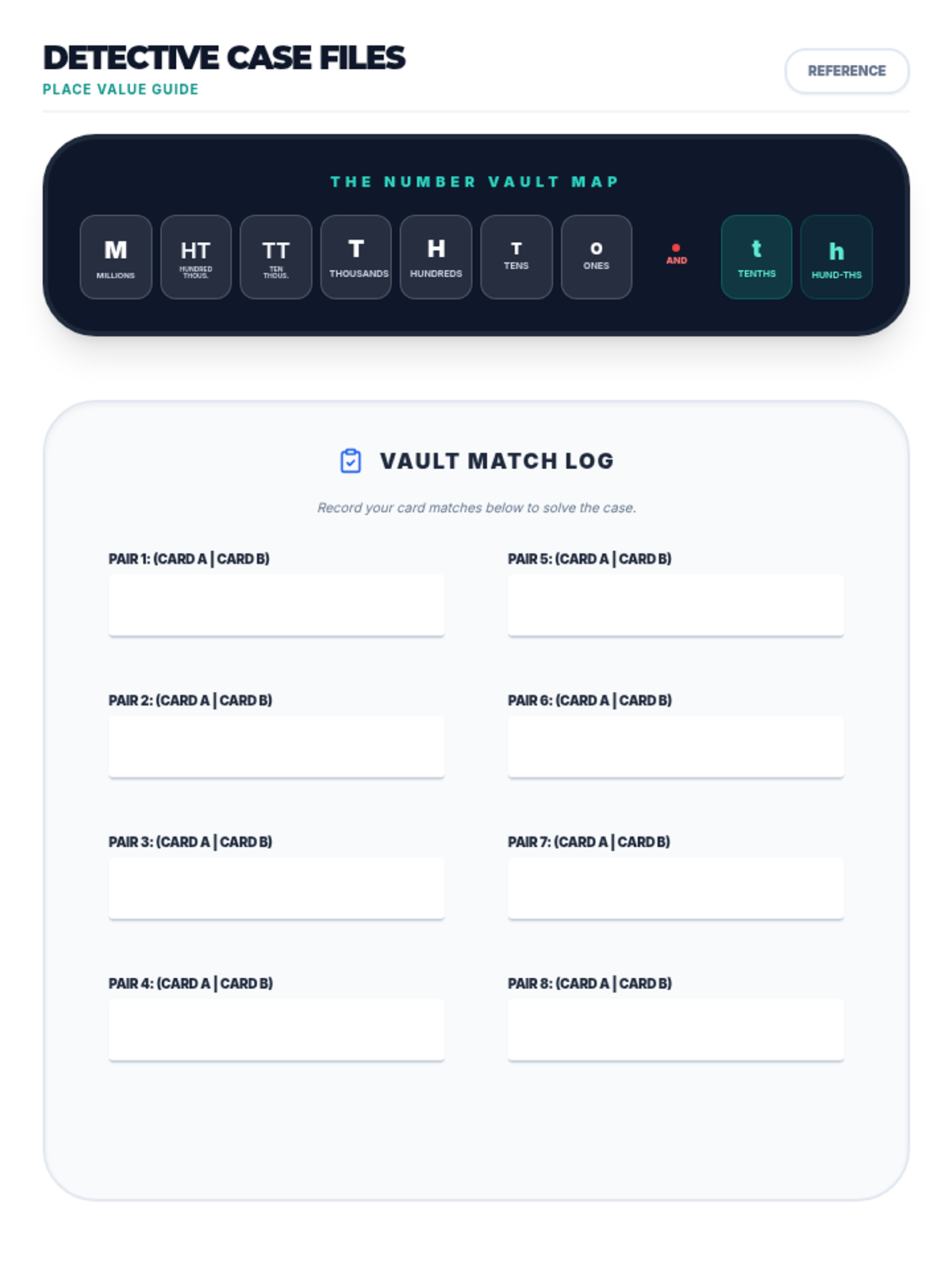
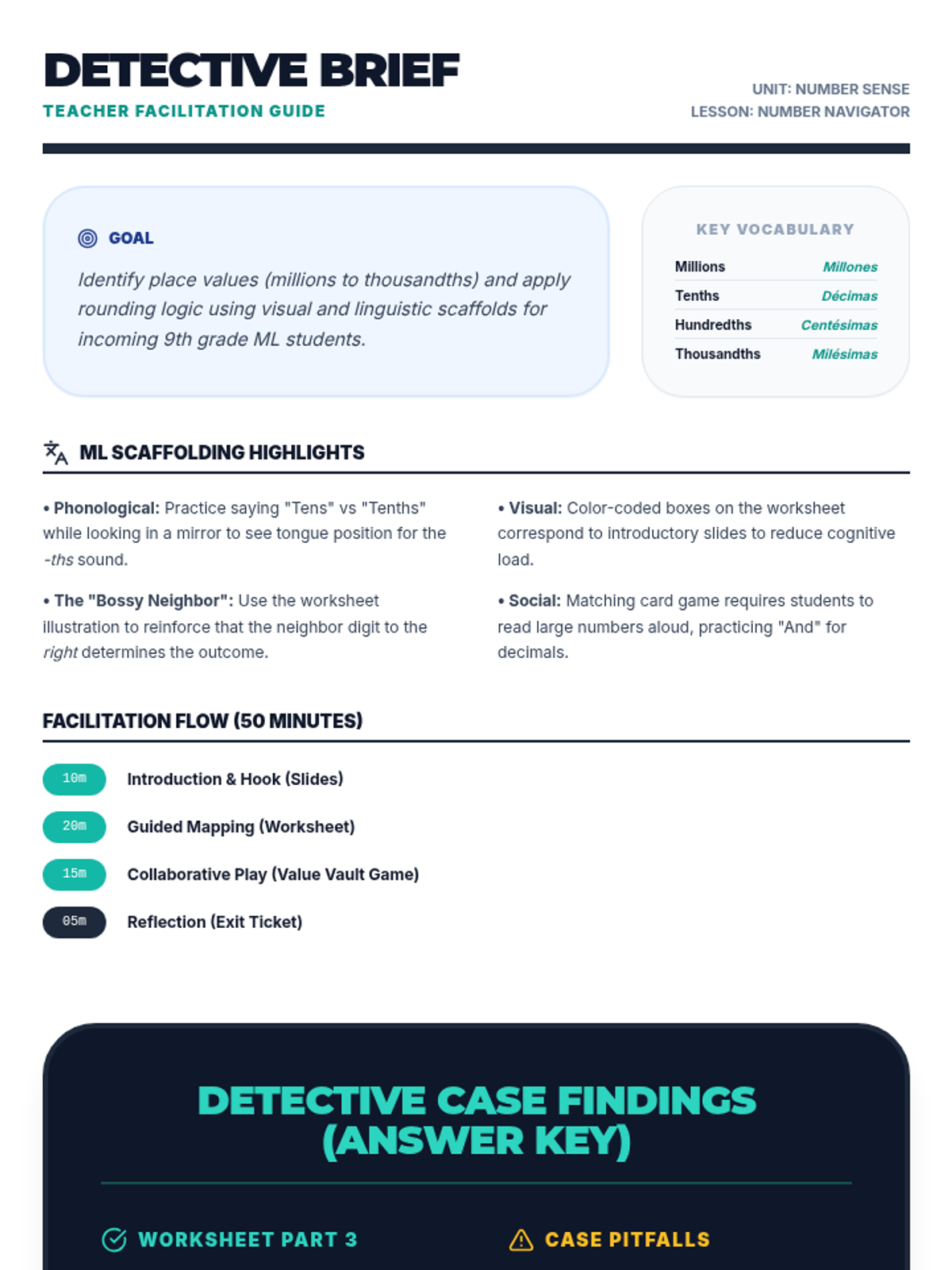
An introductory lesson on place value and rounding, featuring a guided graphic organizer and a matching card game to support multilingual learners in navigating complex numbers.
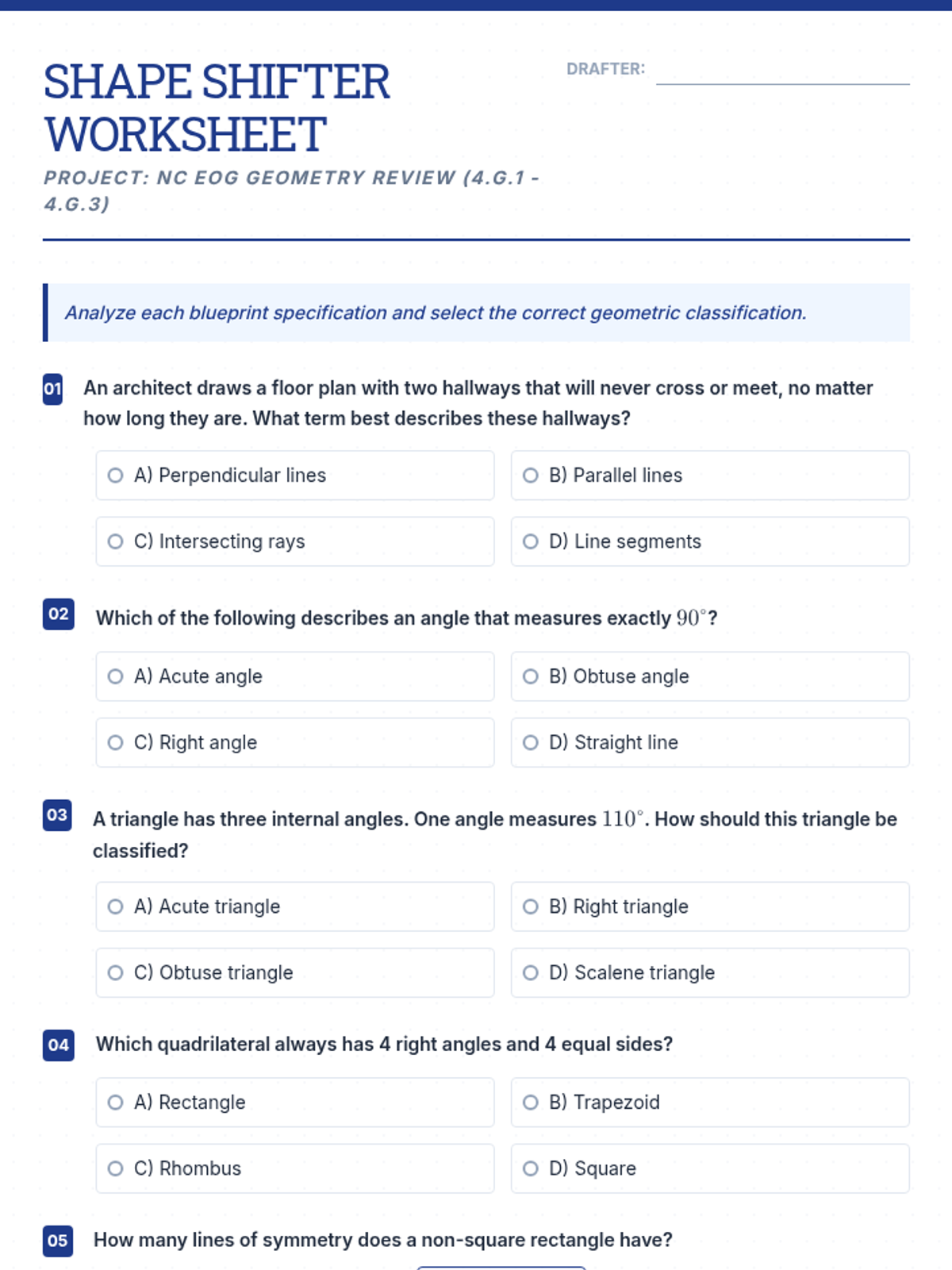
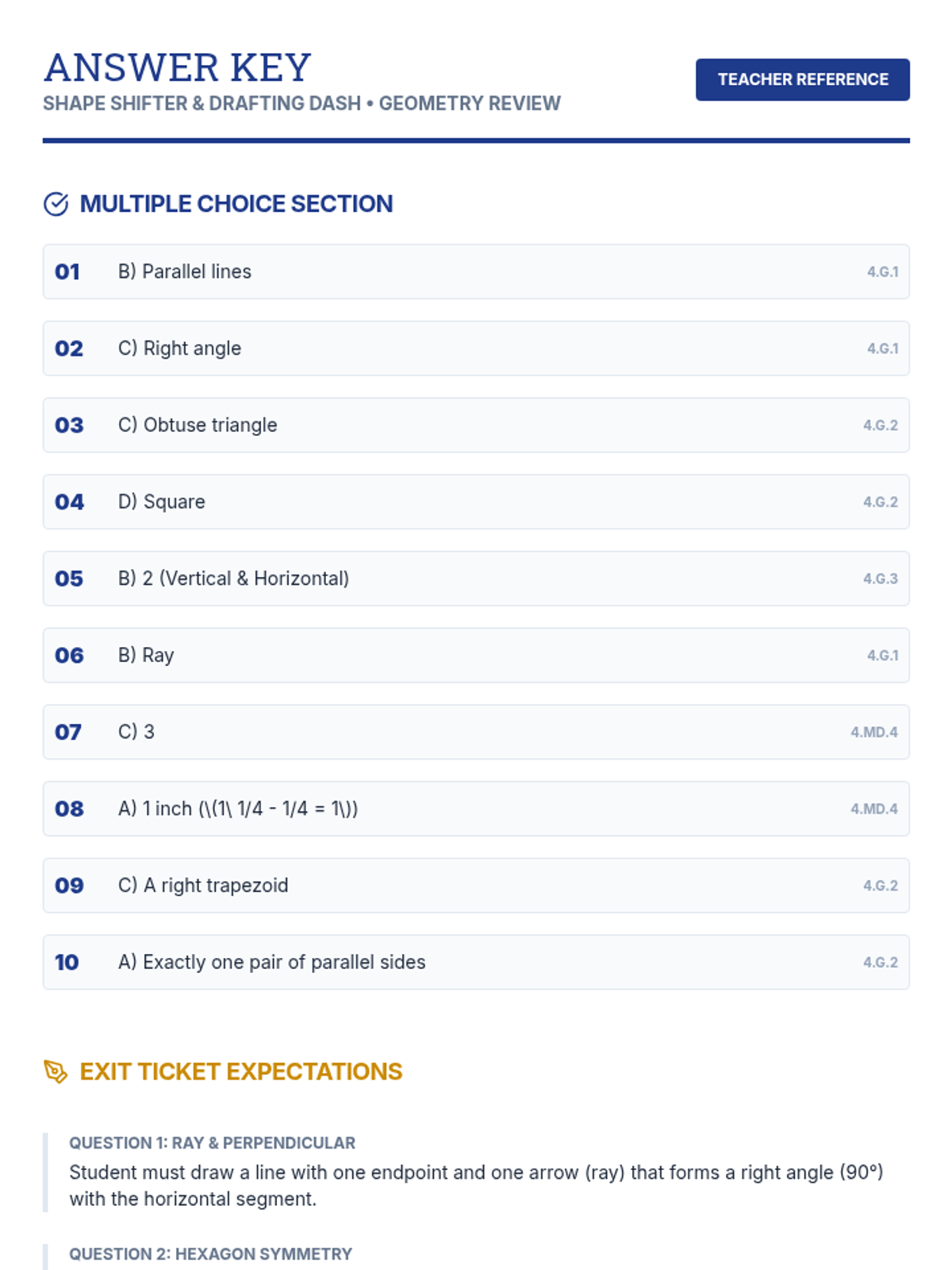
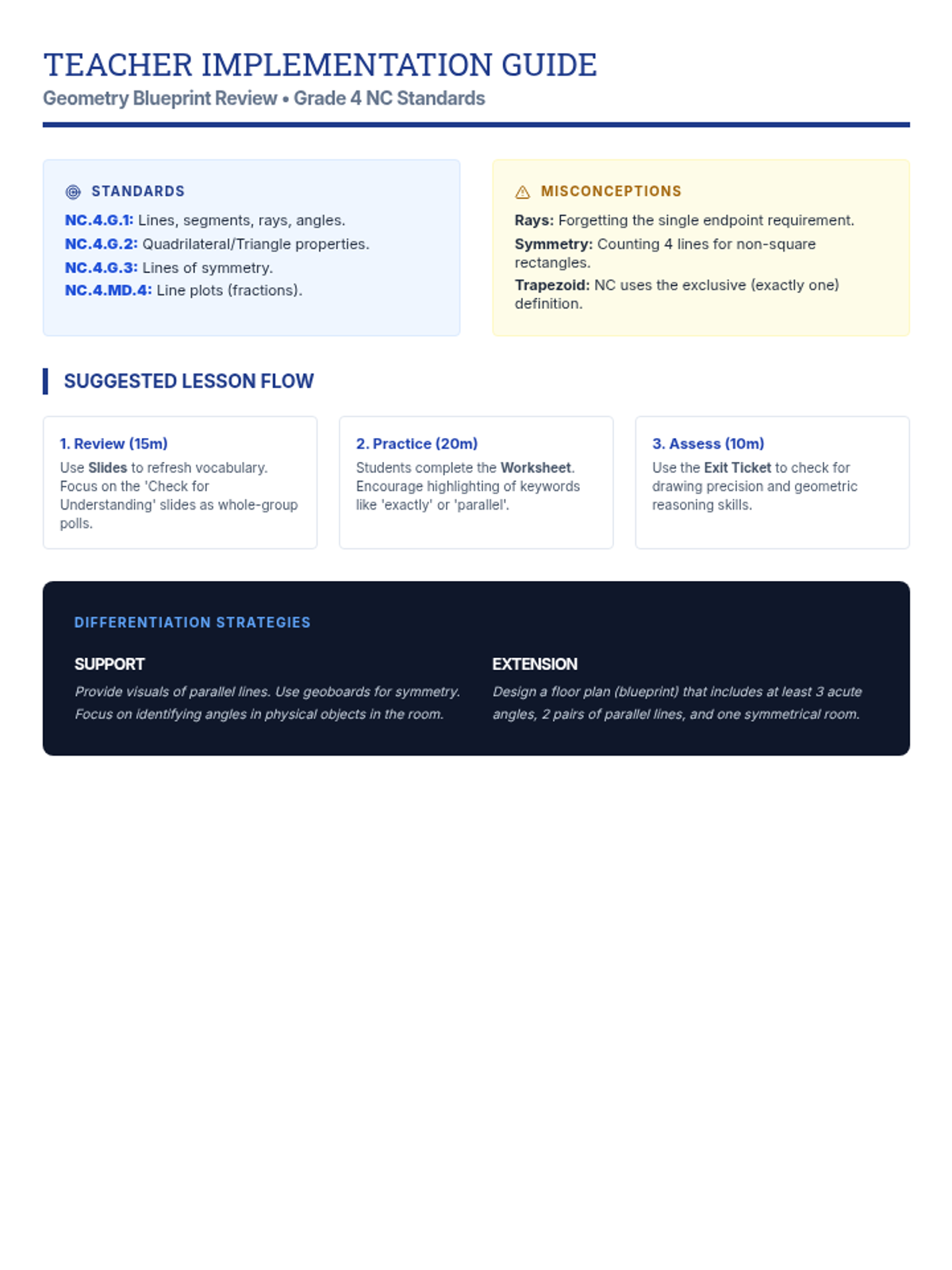
A comprehensive geometry review for 4th grade students focused on North Carolina standards, including lines, angles, 2D shapes, symmetry, and line plots. This lesson uses an architectural blueprint theme to engage students in technical drawing and shape analysis.
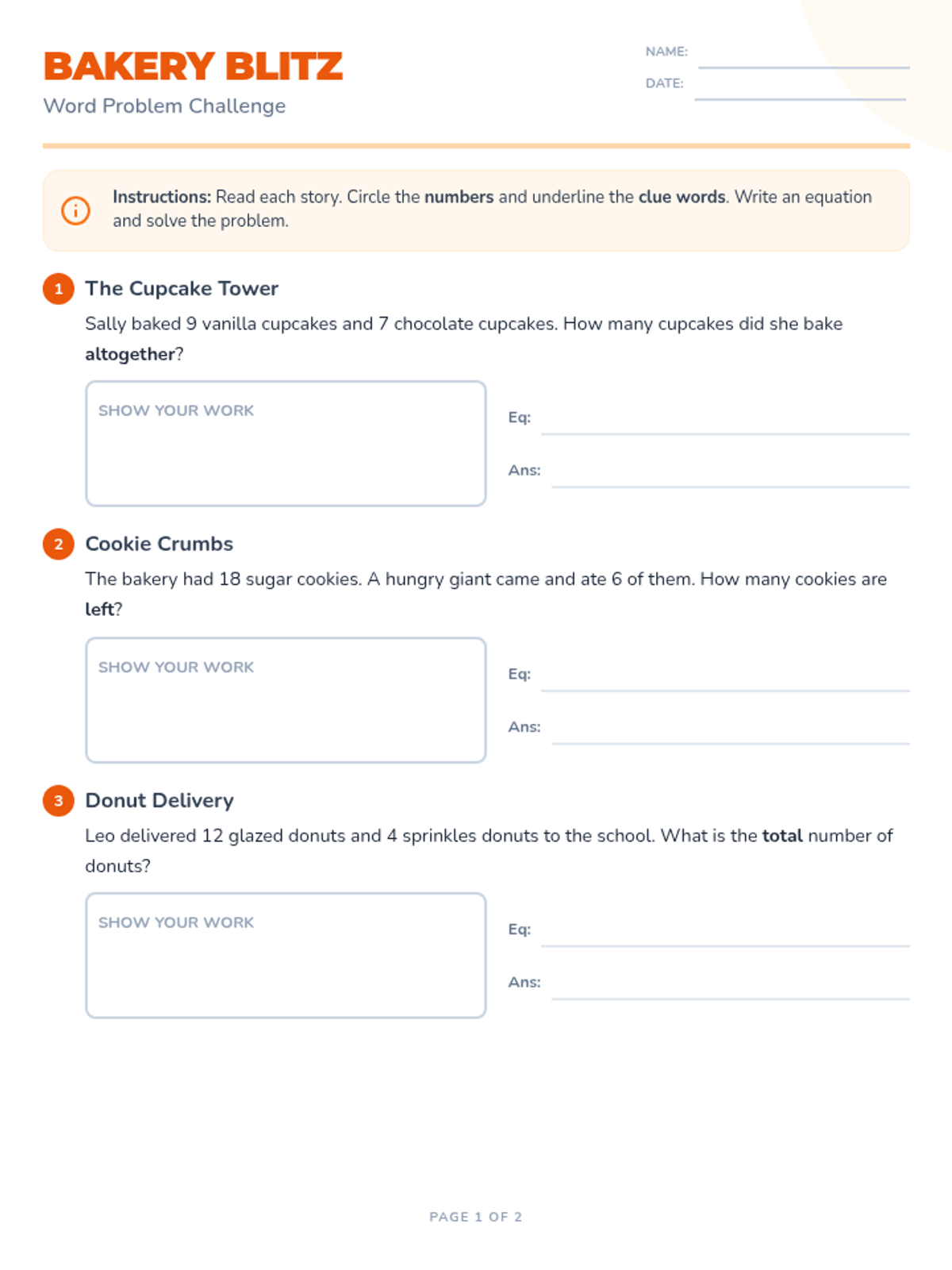
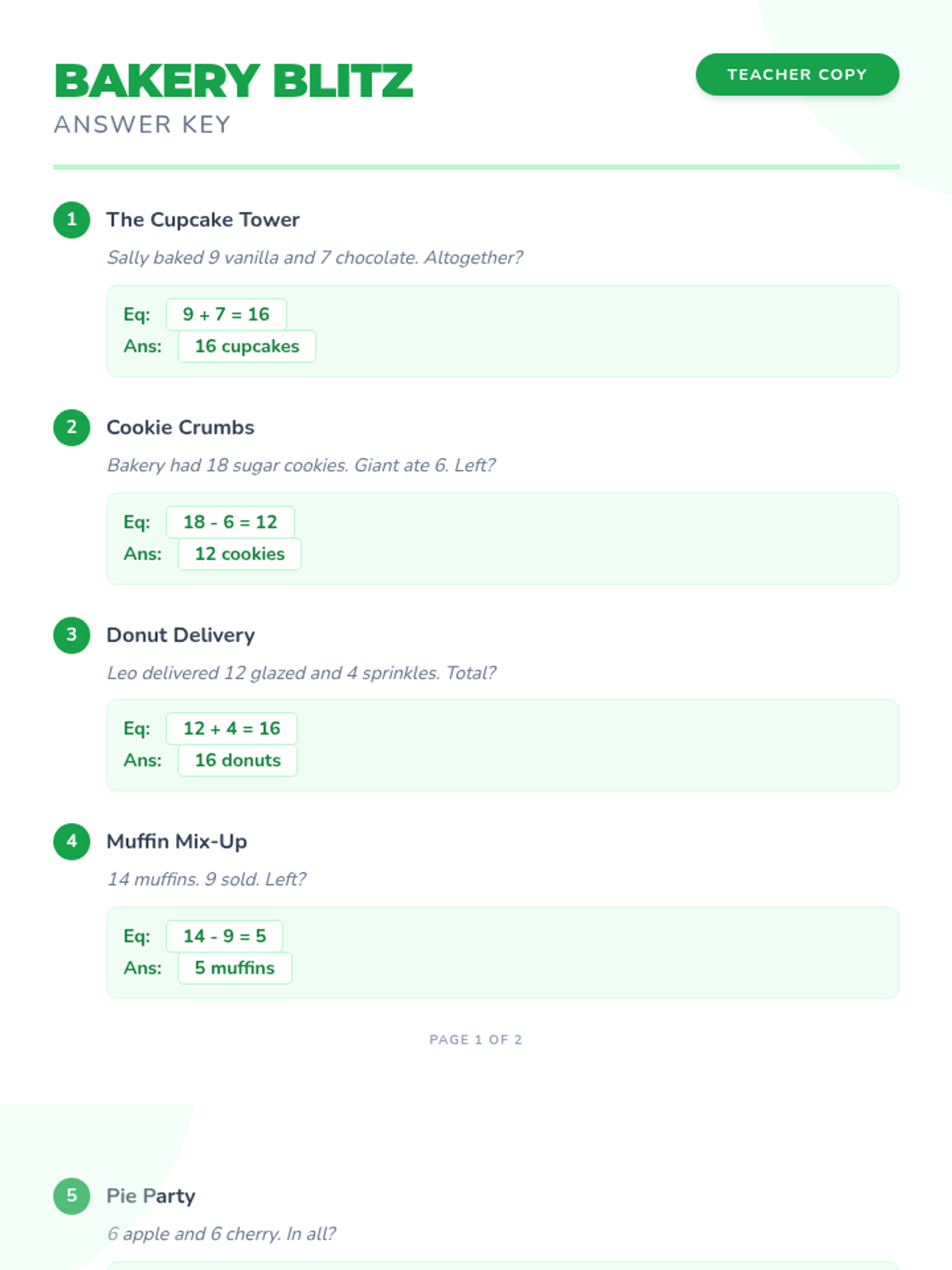
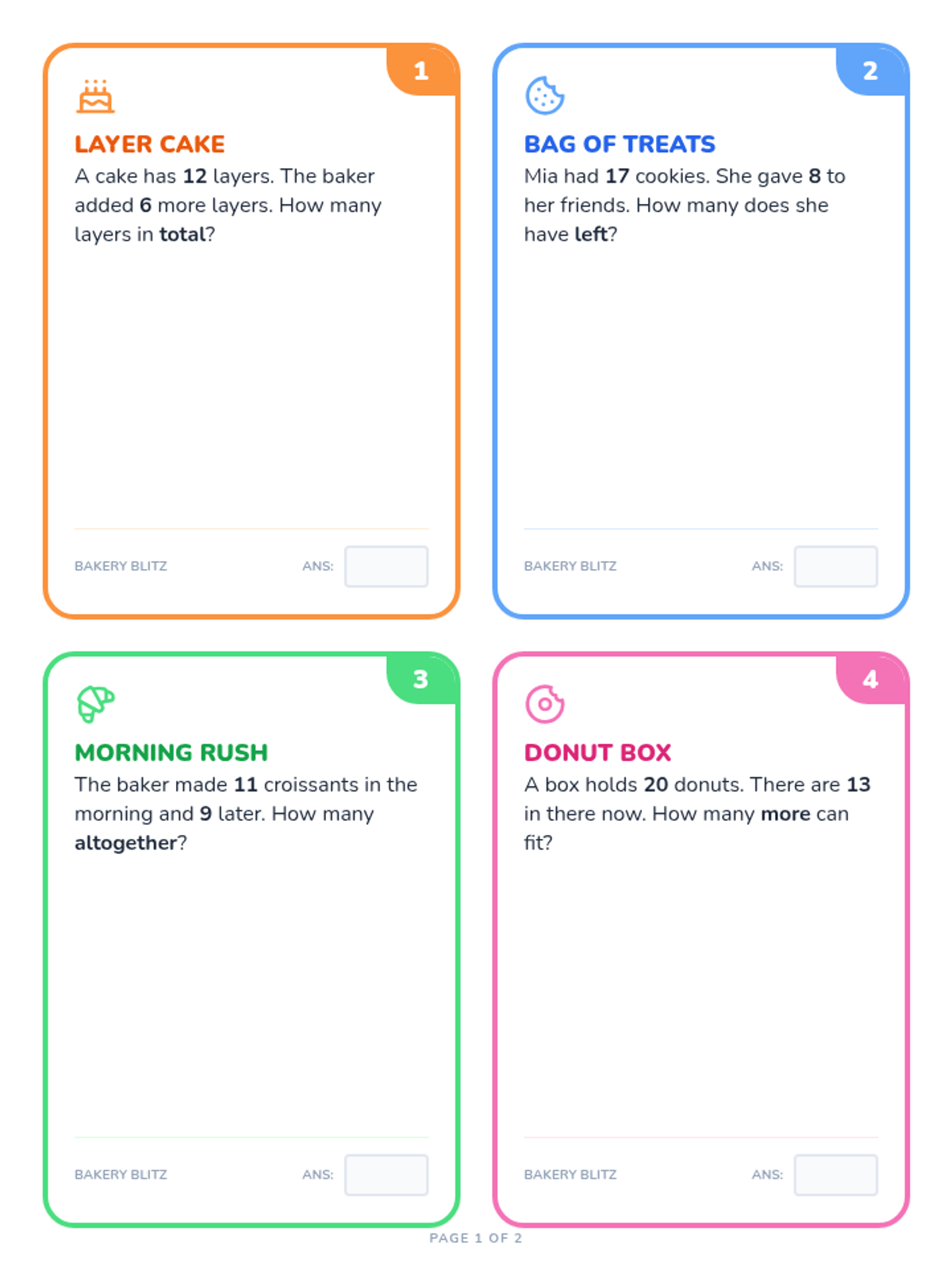
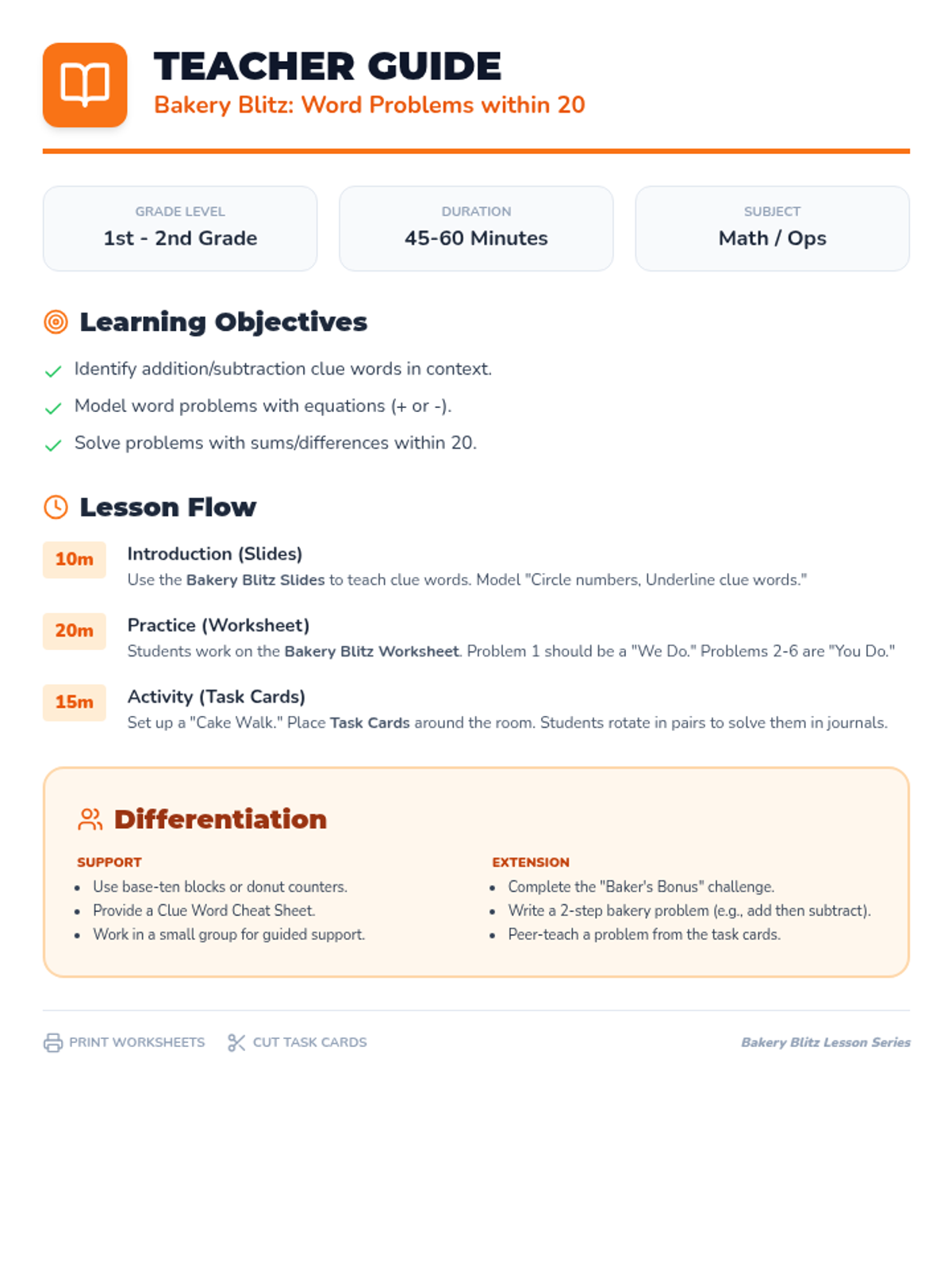
A lesson focused on solving addition and subtraction word problems within 20 through a charming bakery-themed adventure. Students learn to identify 'clue words' and model problems using equations.
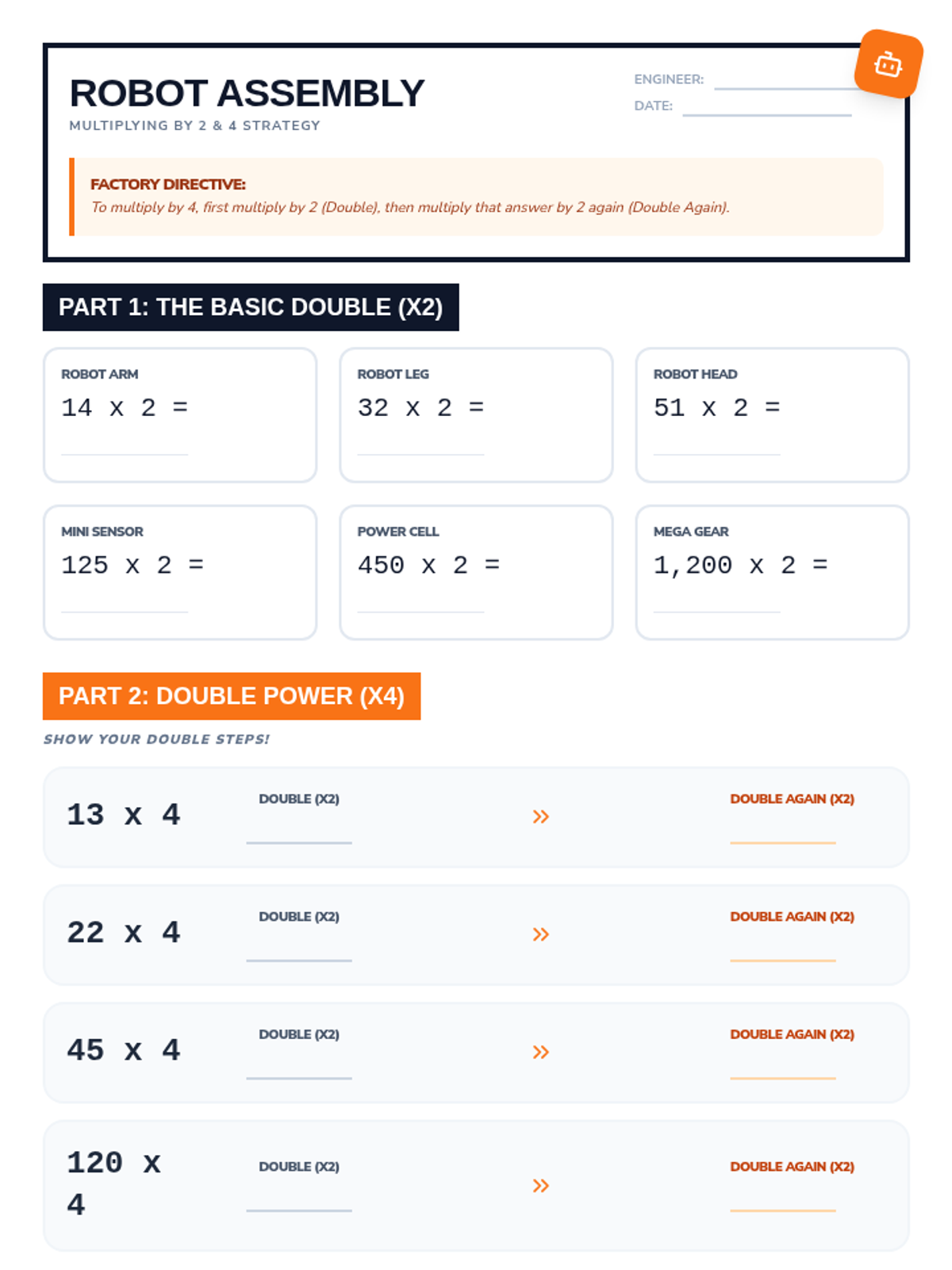
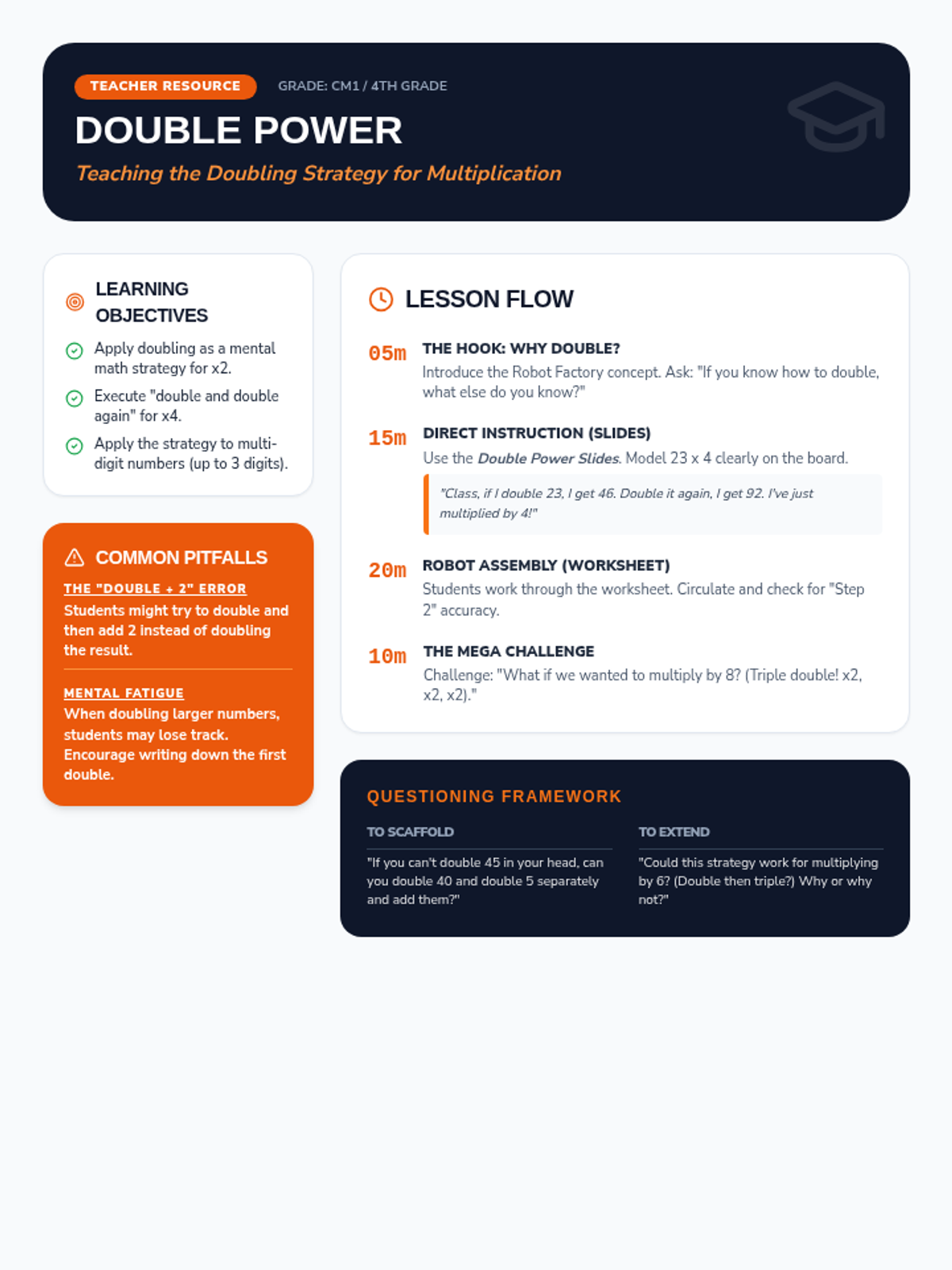
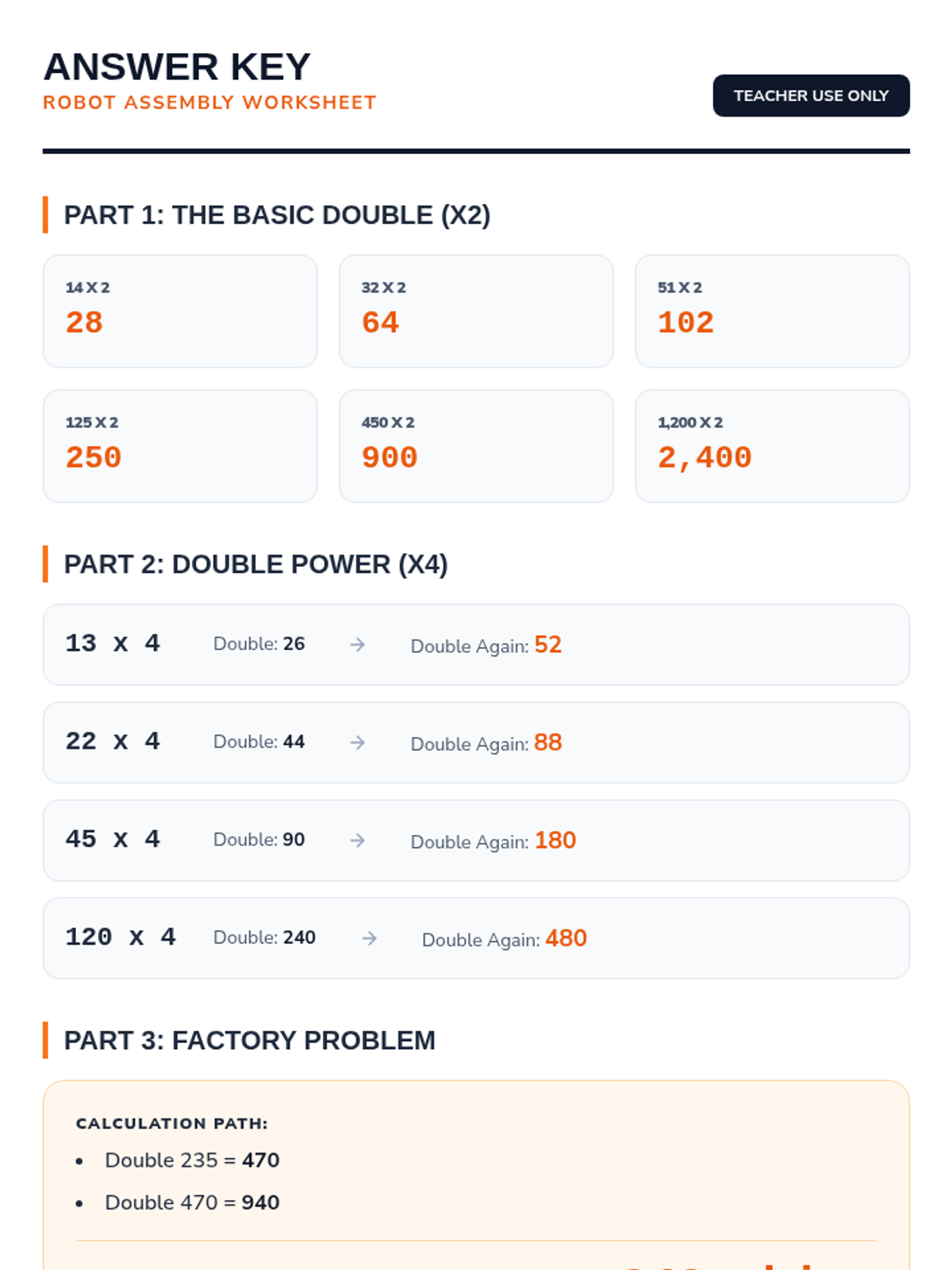
A focused lesson on the doubling strategy for multiplication, teaching students how to multiply by 2 and 4 through mental math and algorithmic approaches. Perfect for CM1 students mastering their multiplication facts and extending them to larger numbers.
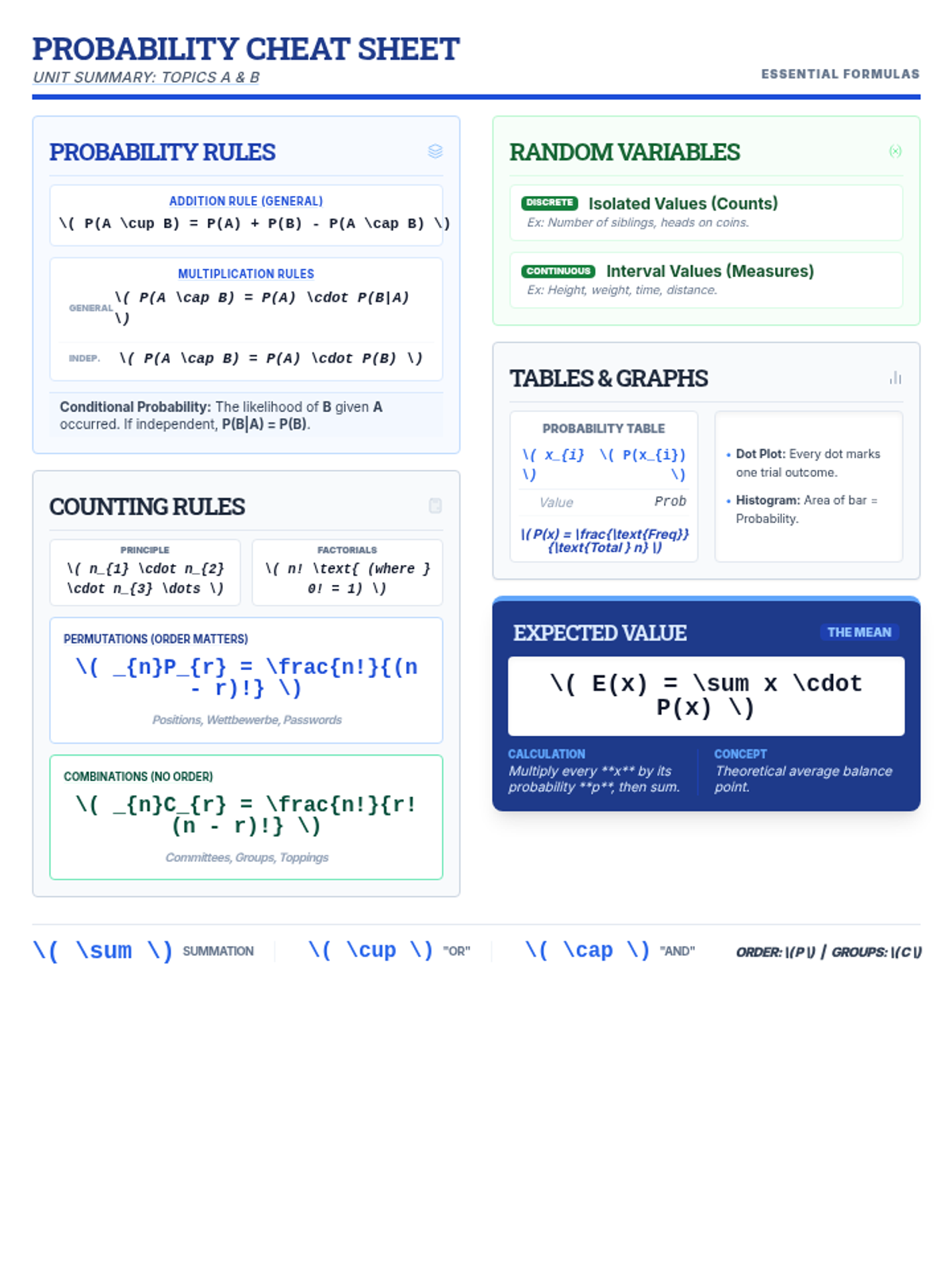
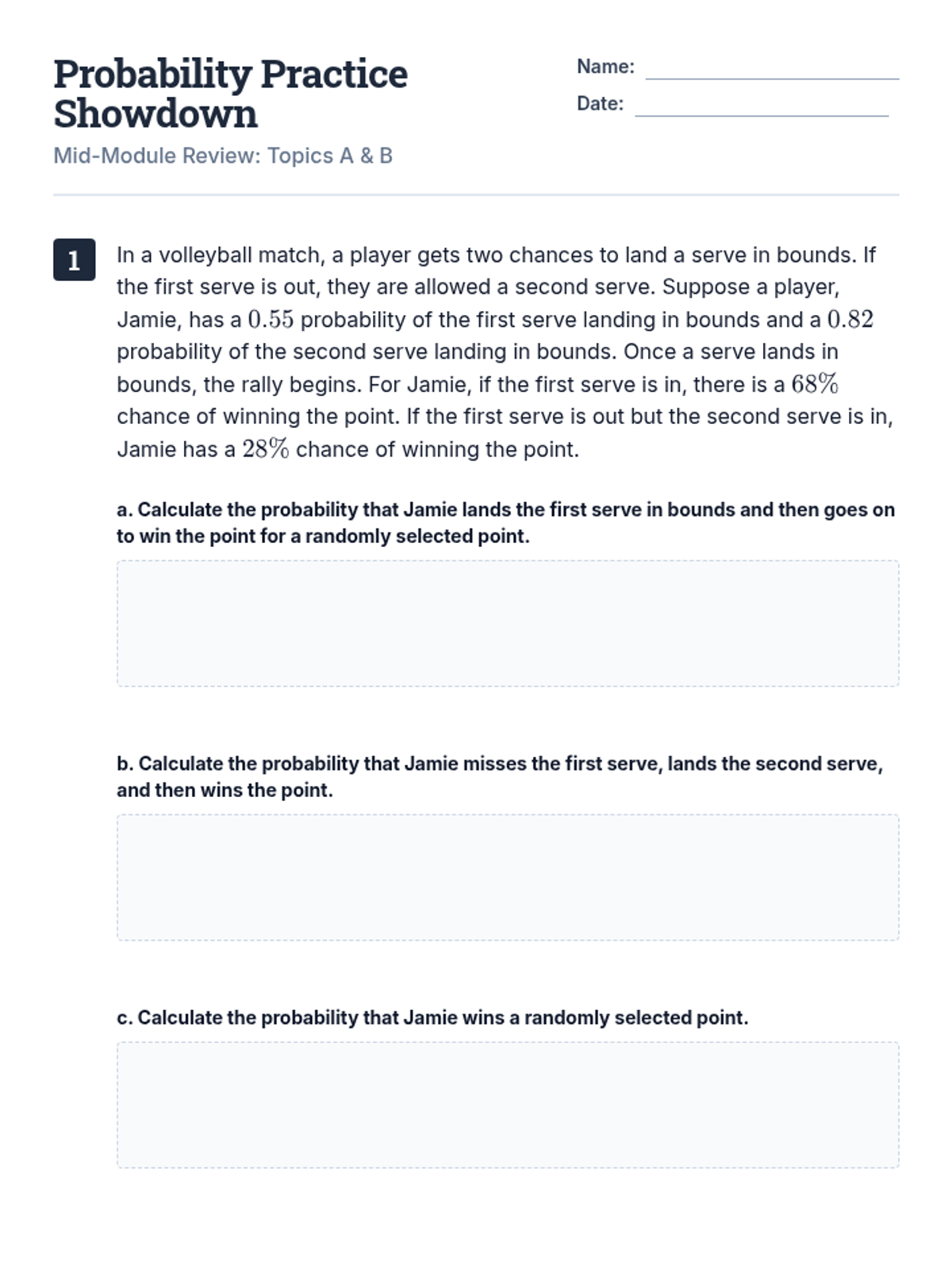
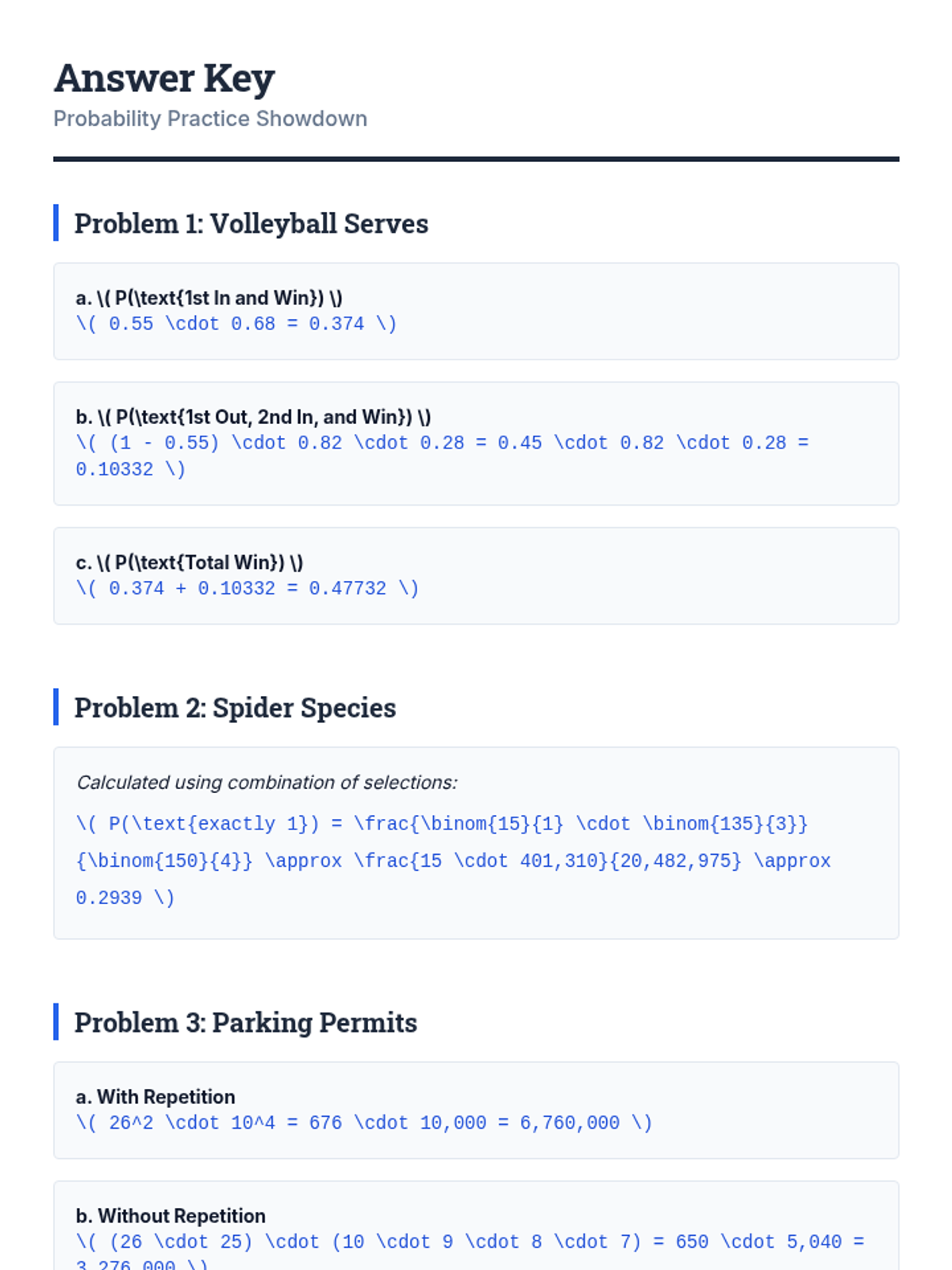
A comprehensive lesson covering probability rules, counting principles, discrete random variables, and empirical distributions. Includes a condensed reference sheet and a practice review worksheet.
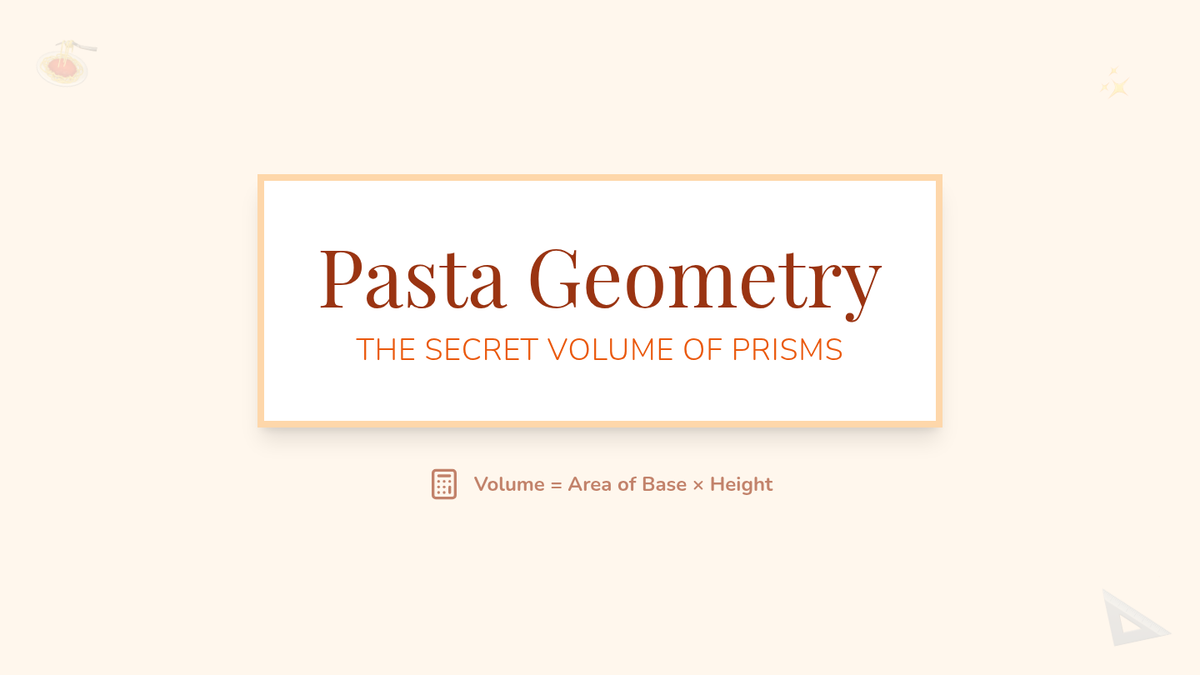
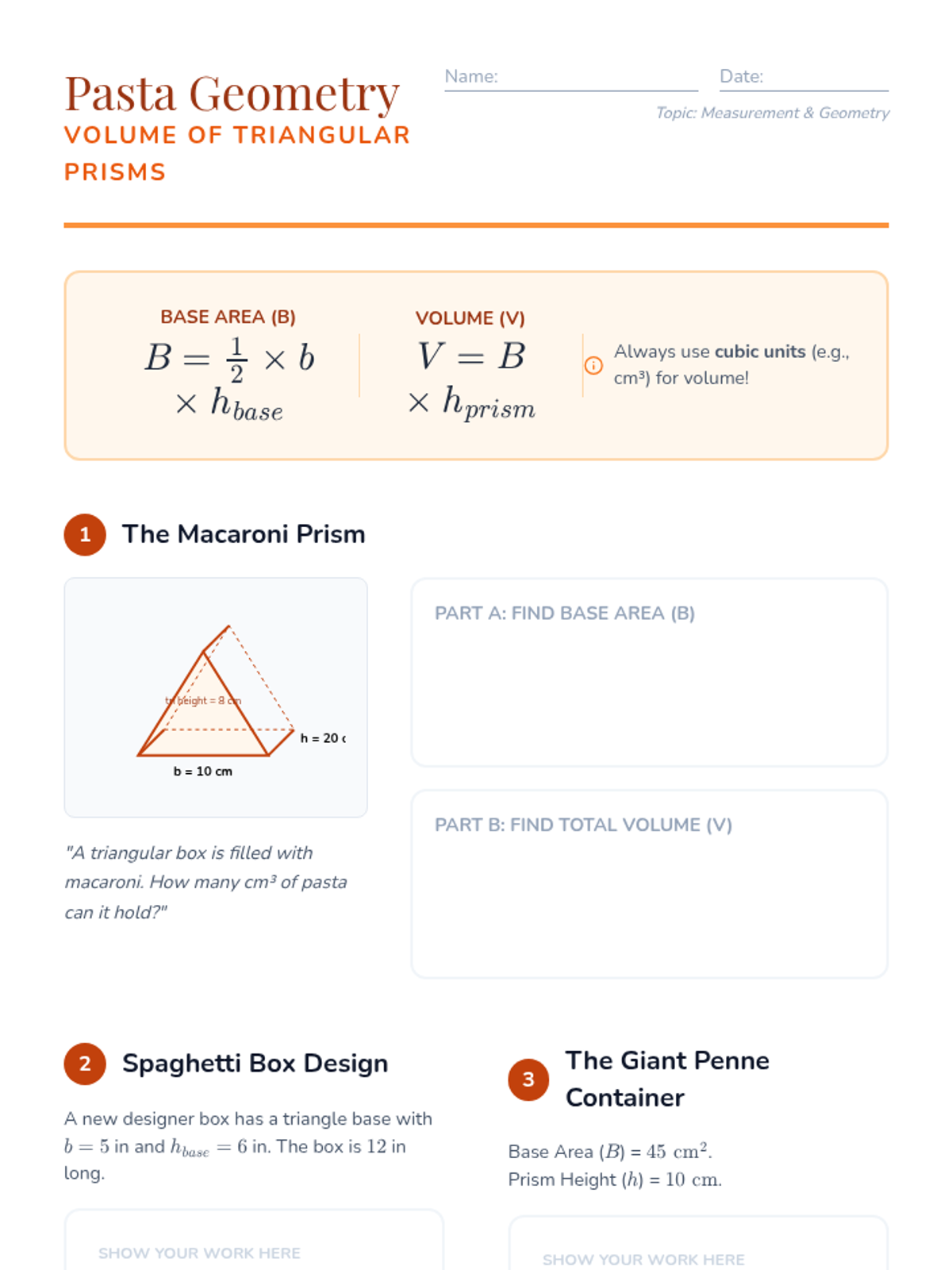
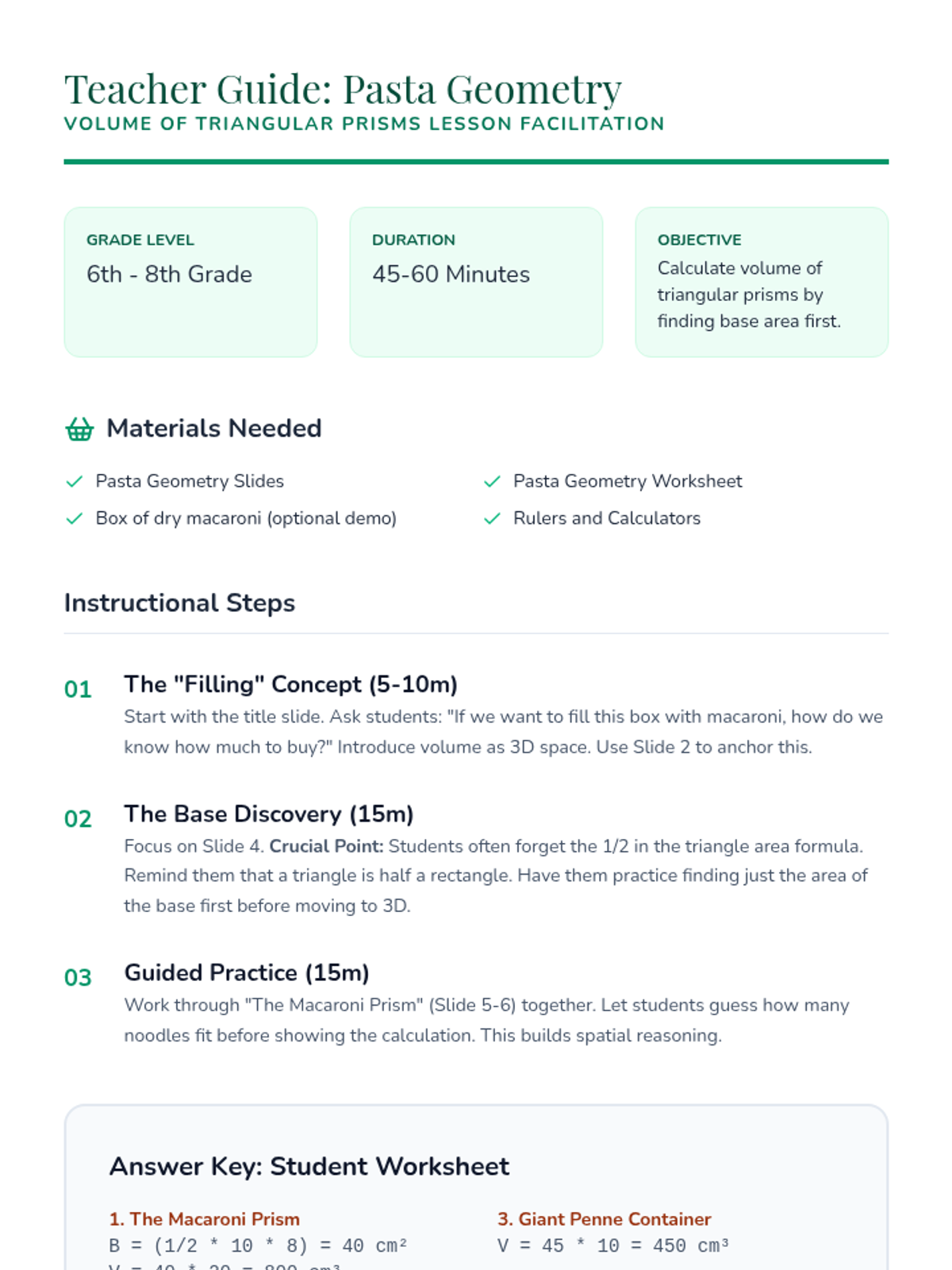
A delicious exploration of volume using triangular prisms and macaroni to visualize space and capacity. Students learn to calculate base area and multiply by height to find total volume.
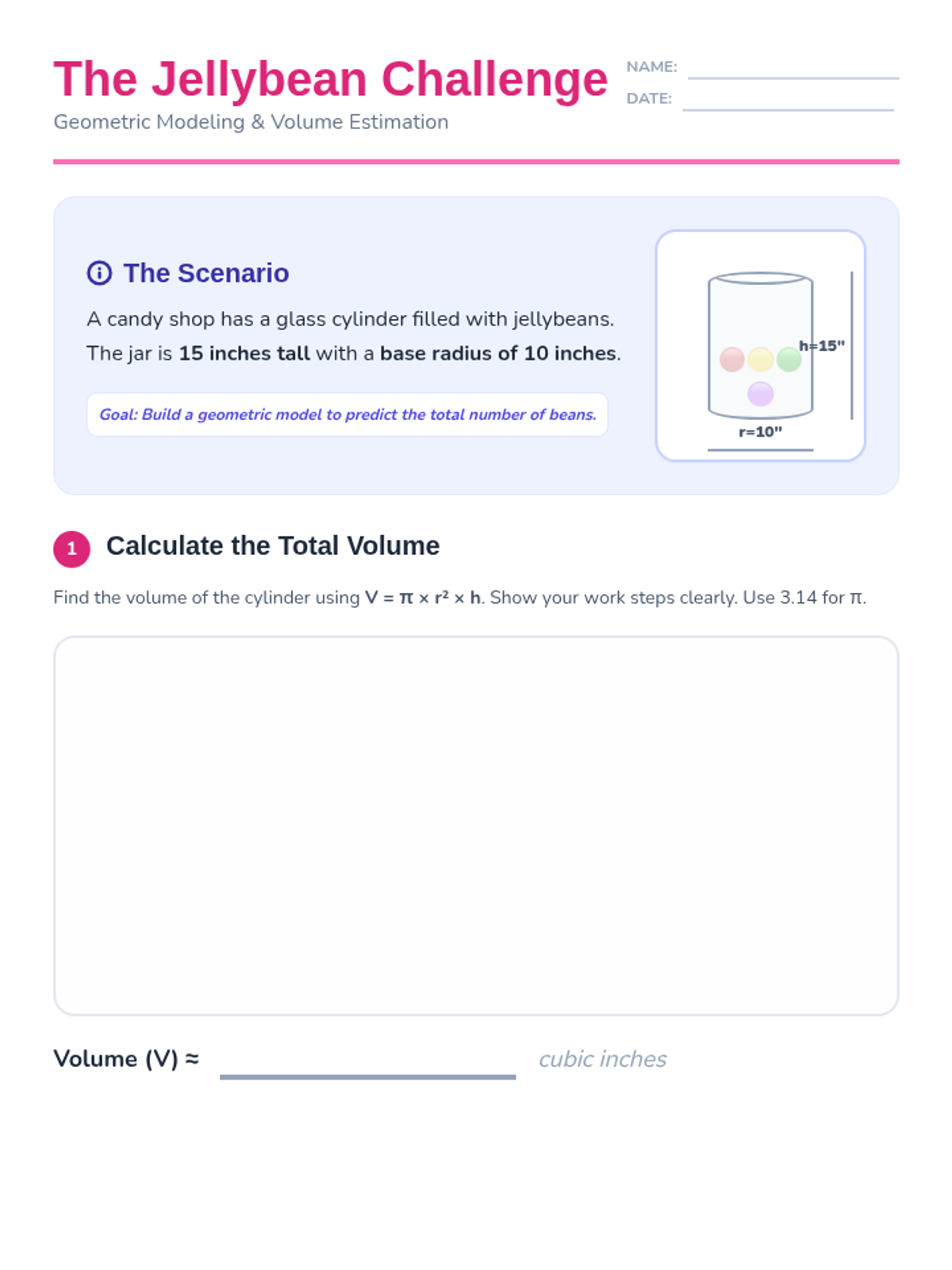
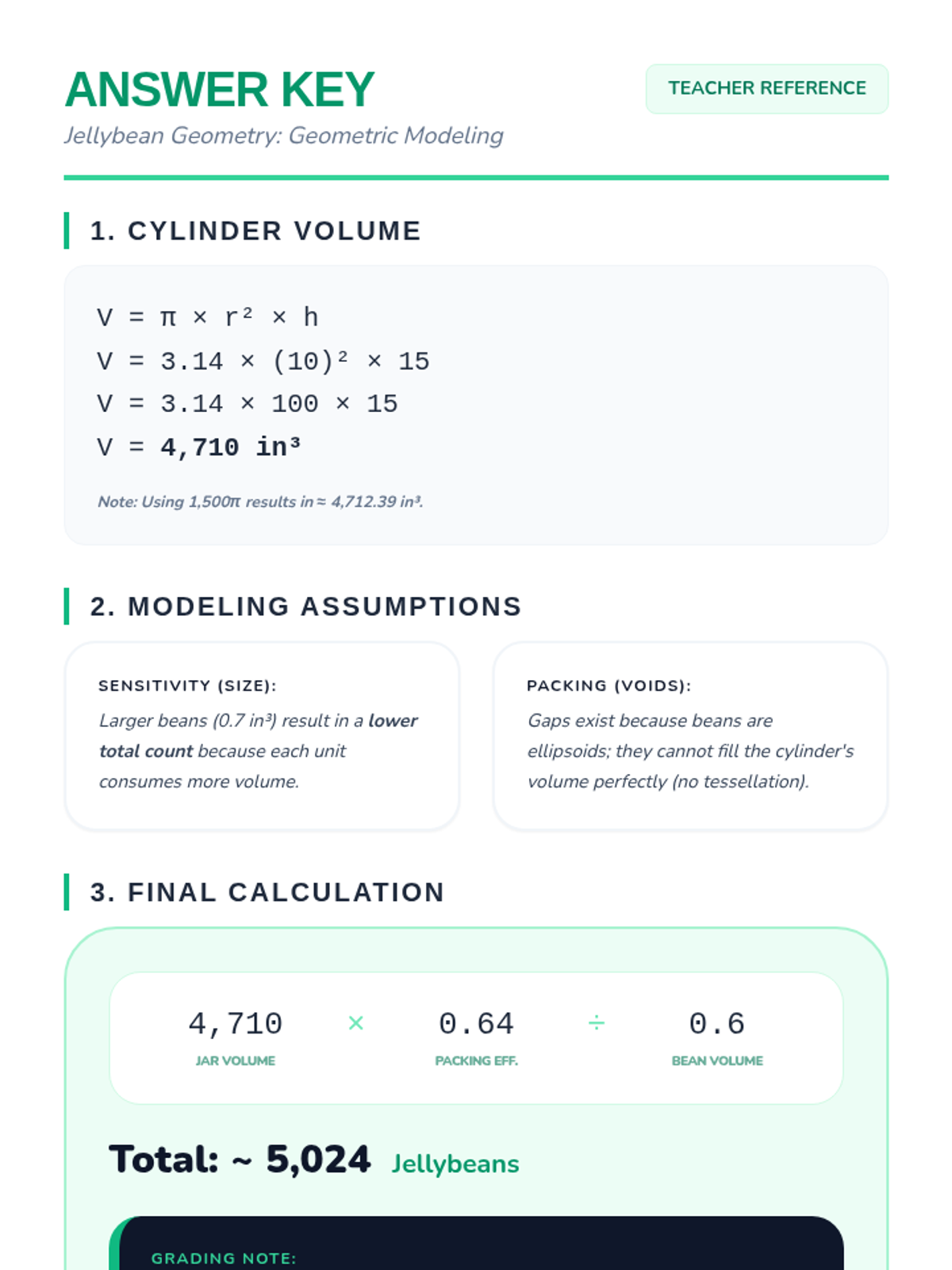
A geometric modeling lesson where students estimate the number of jellybeans in a cylindrical jar by calculating volume and accounting for packing efficiency.
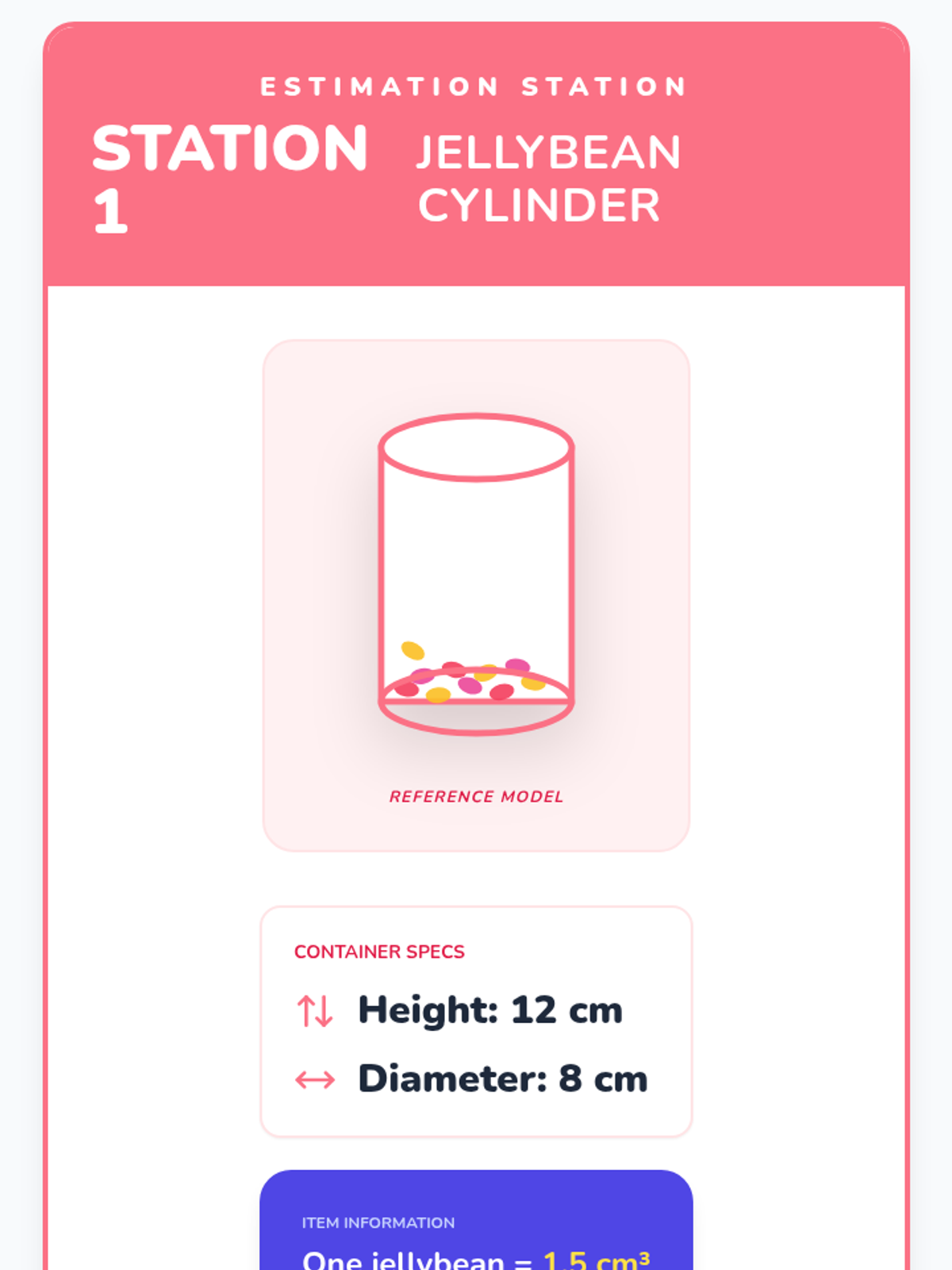
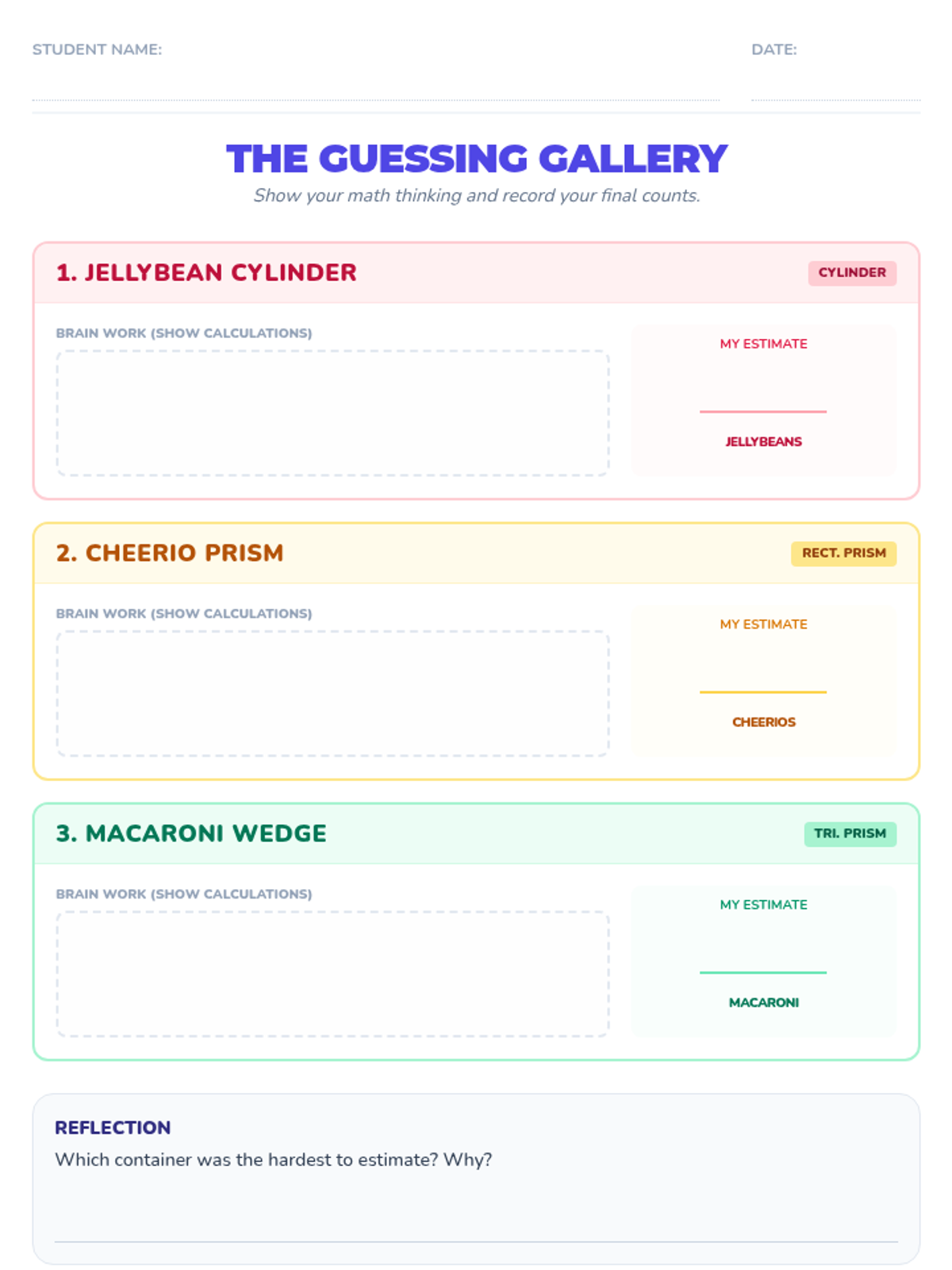
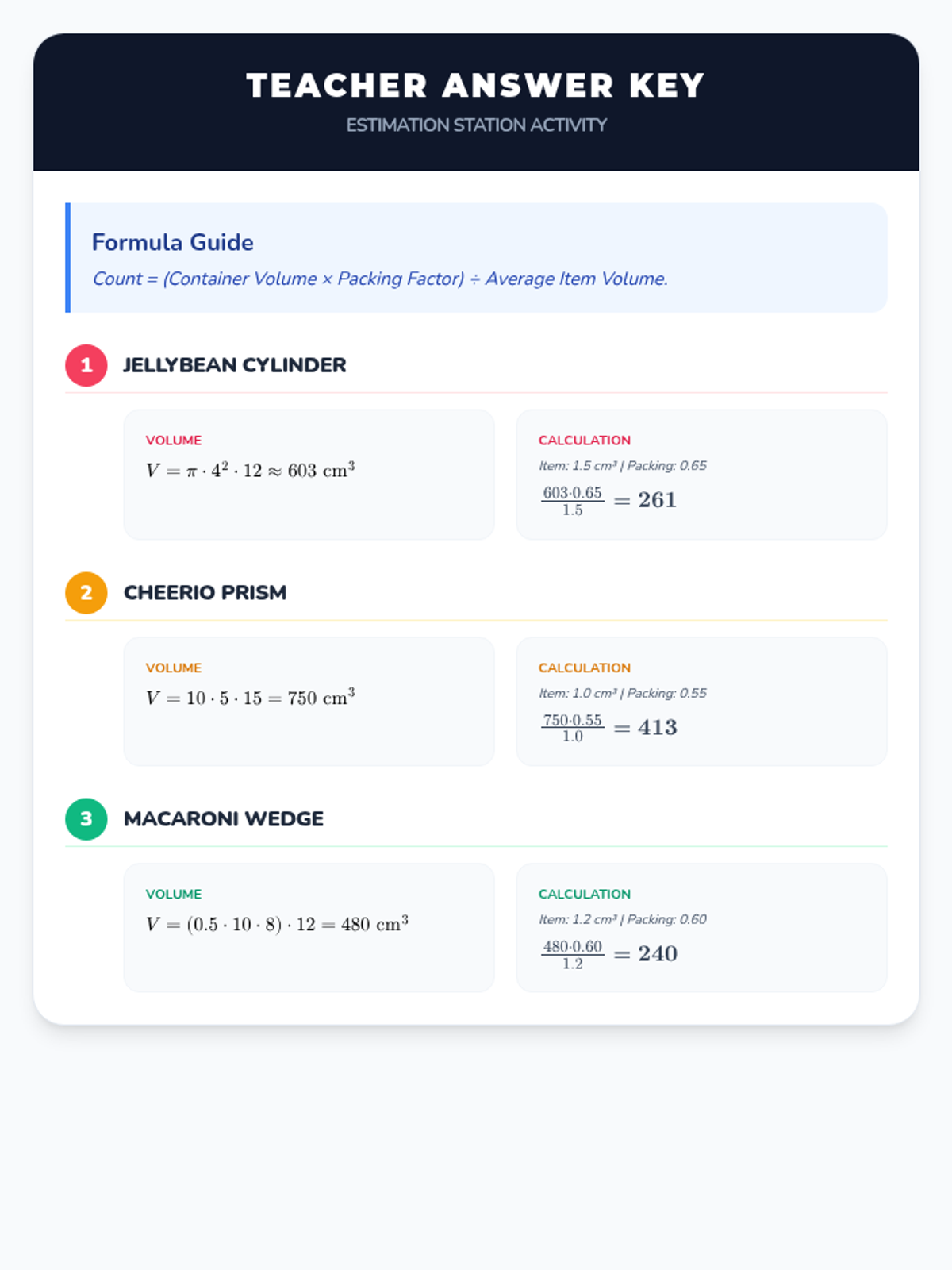
A hands-on estimation activity where students use volume formulas and packing concepts to guess the number of items in different 3D containers.
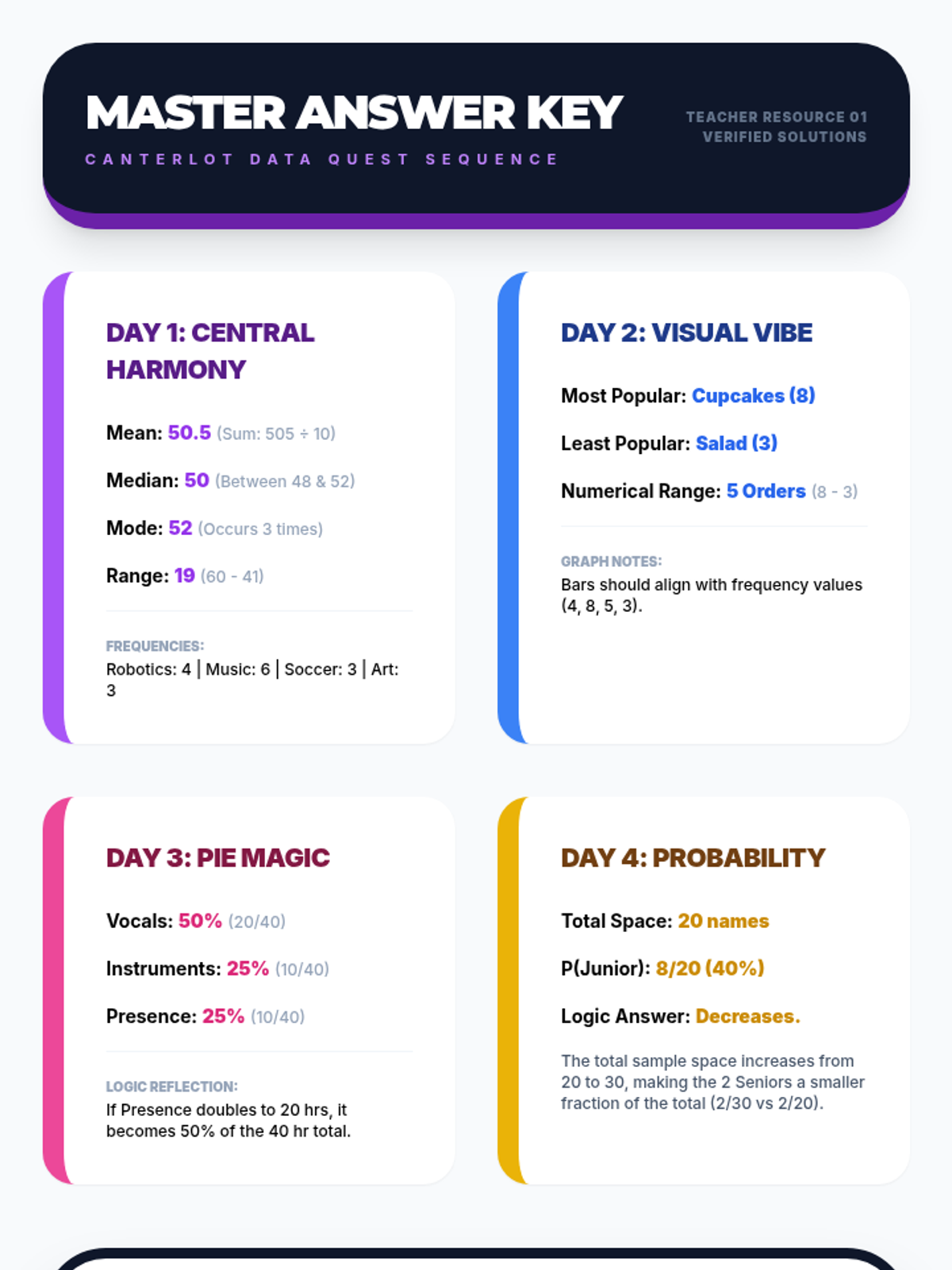
A comprehensive multi-page review packet covering all statistical concepts from the week in a cohesive Equestria Girls narrative.