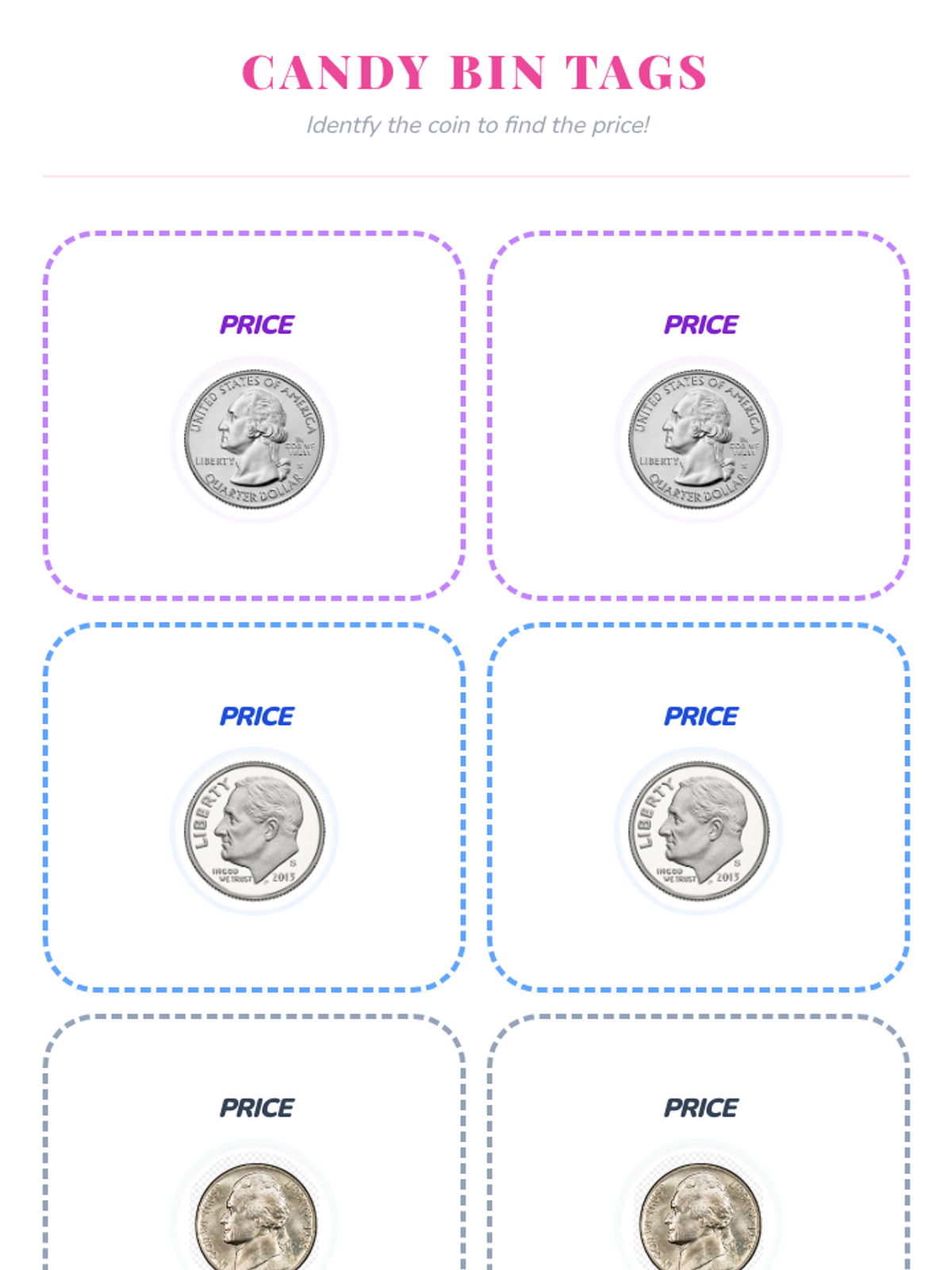
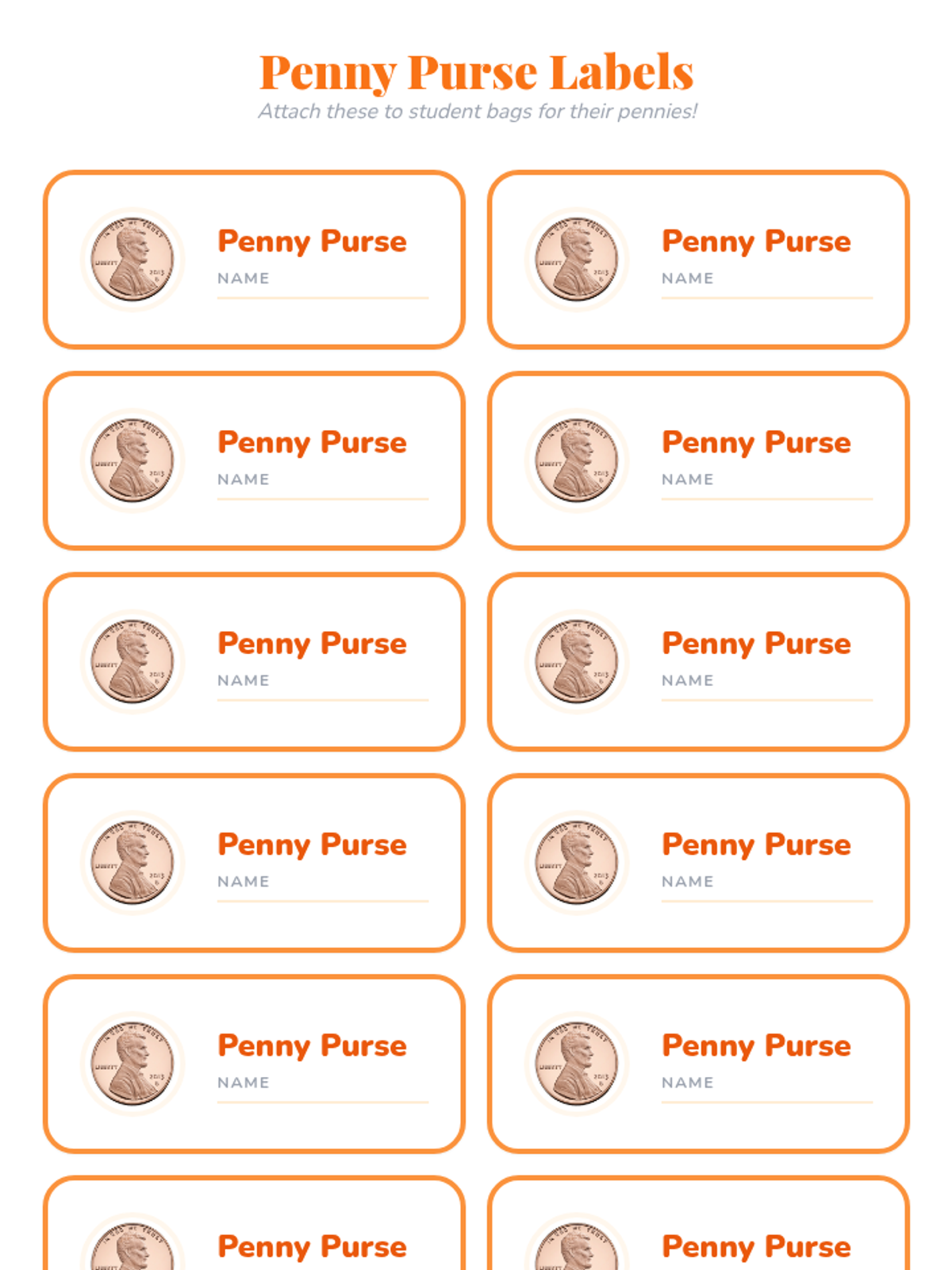
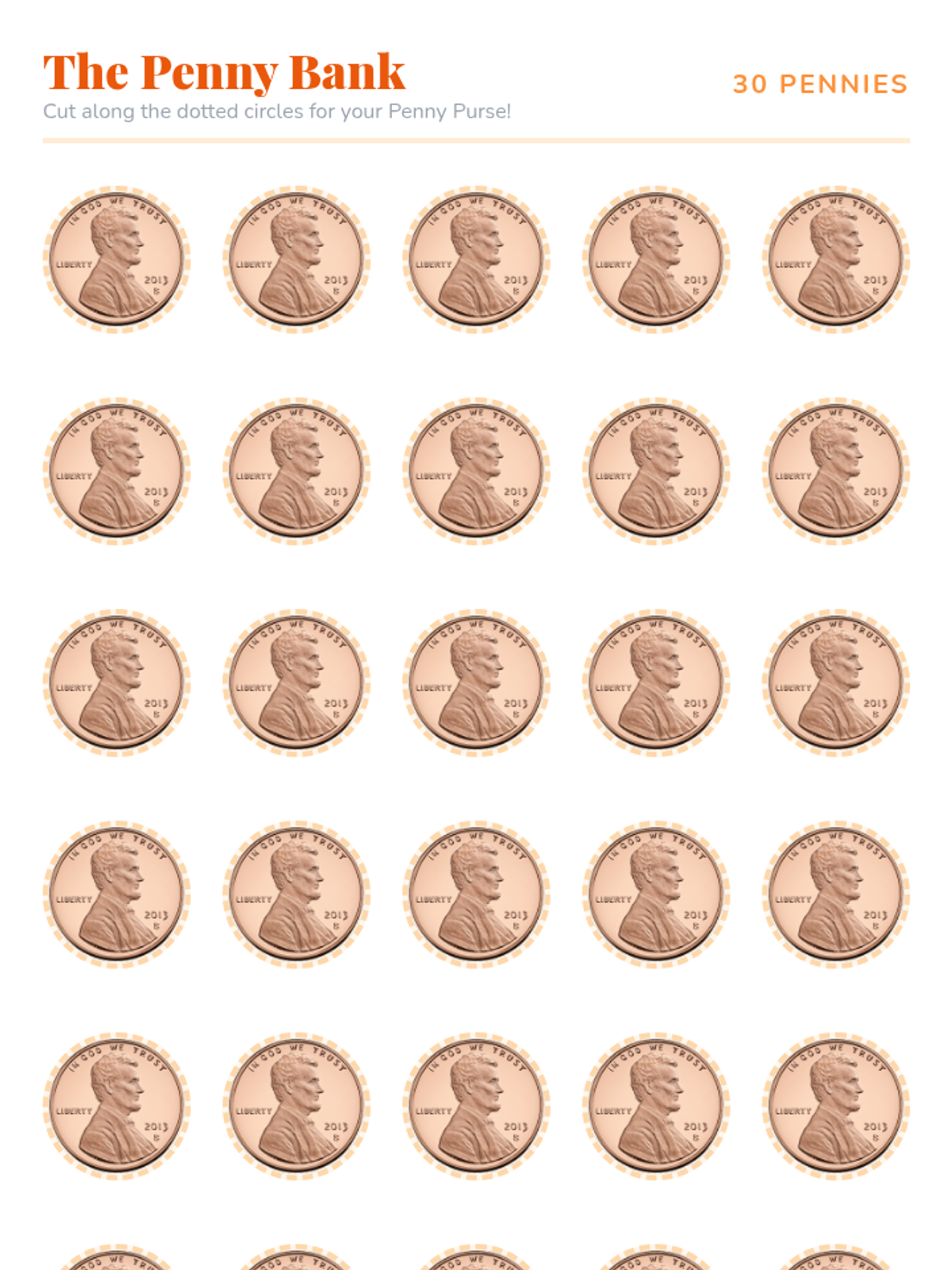
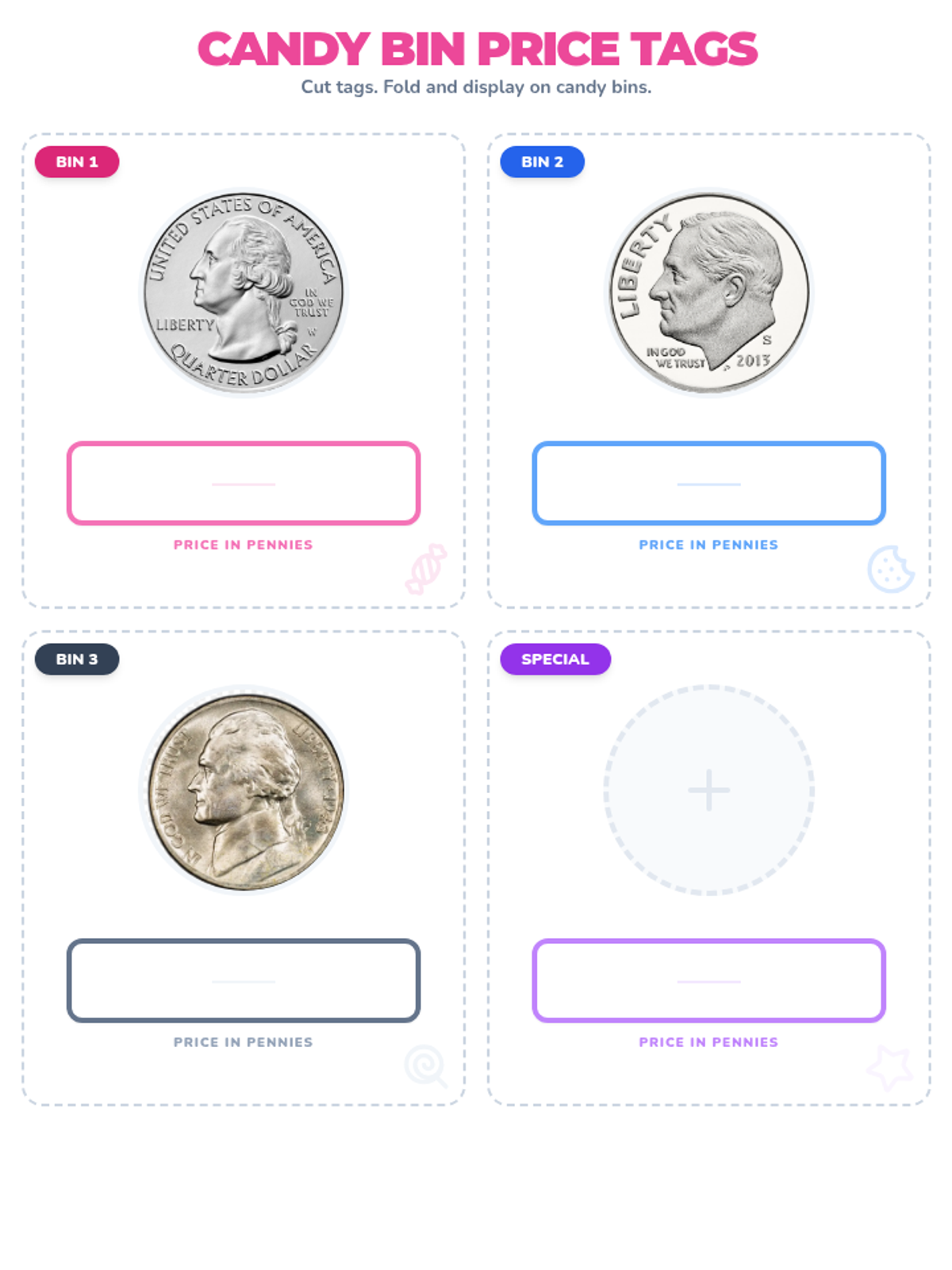
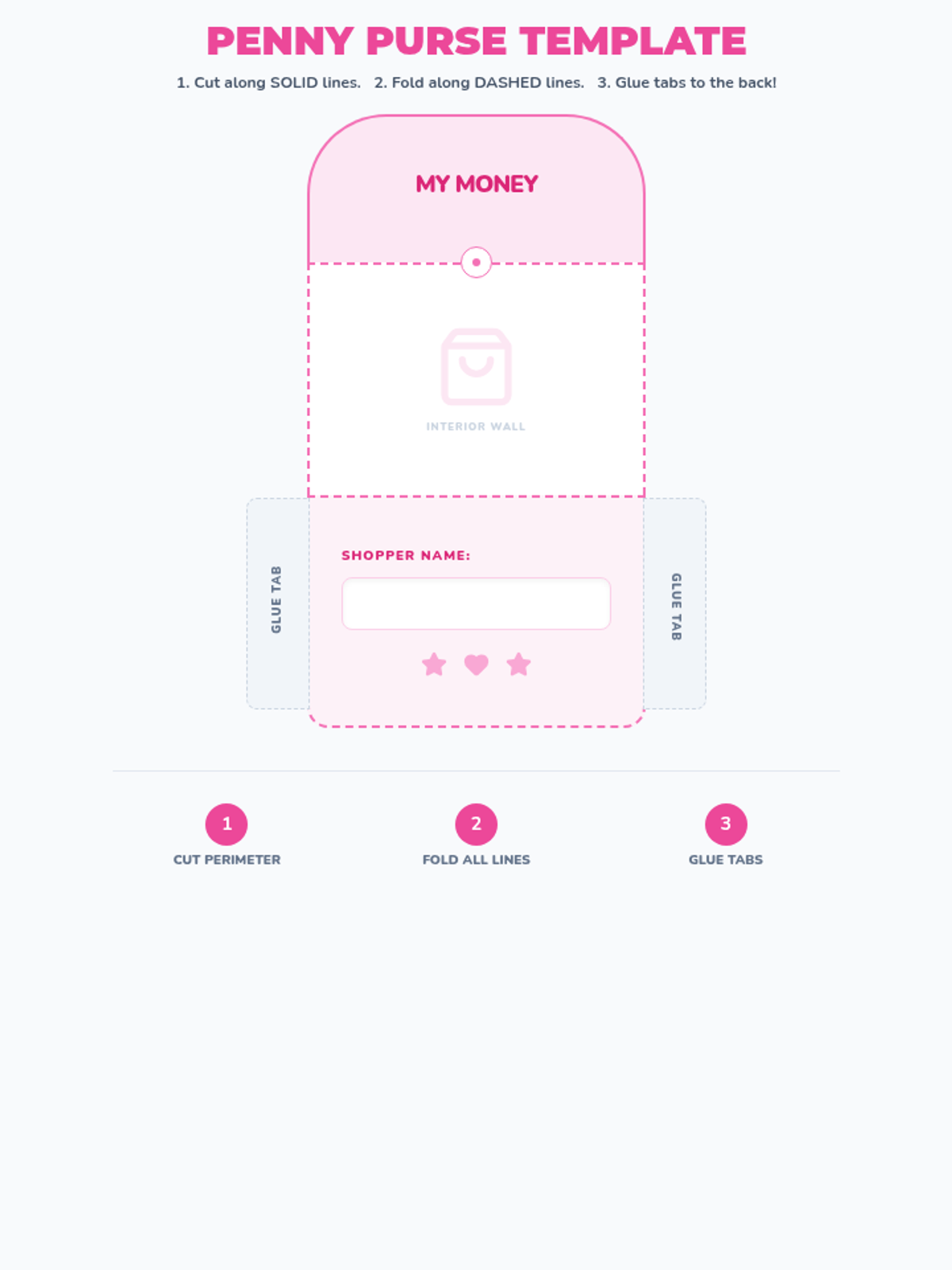
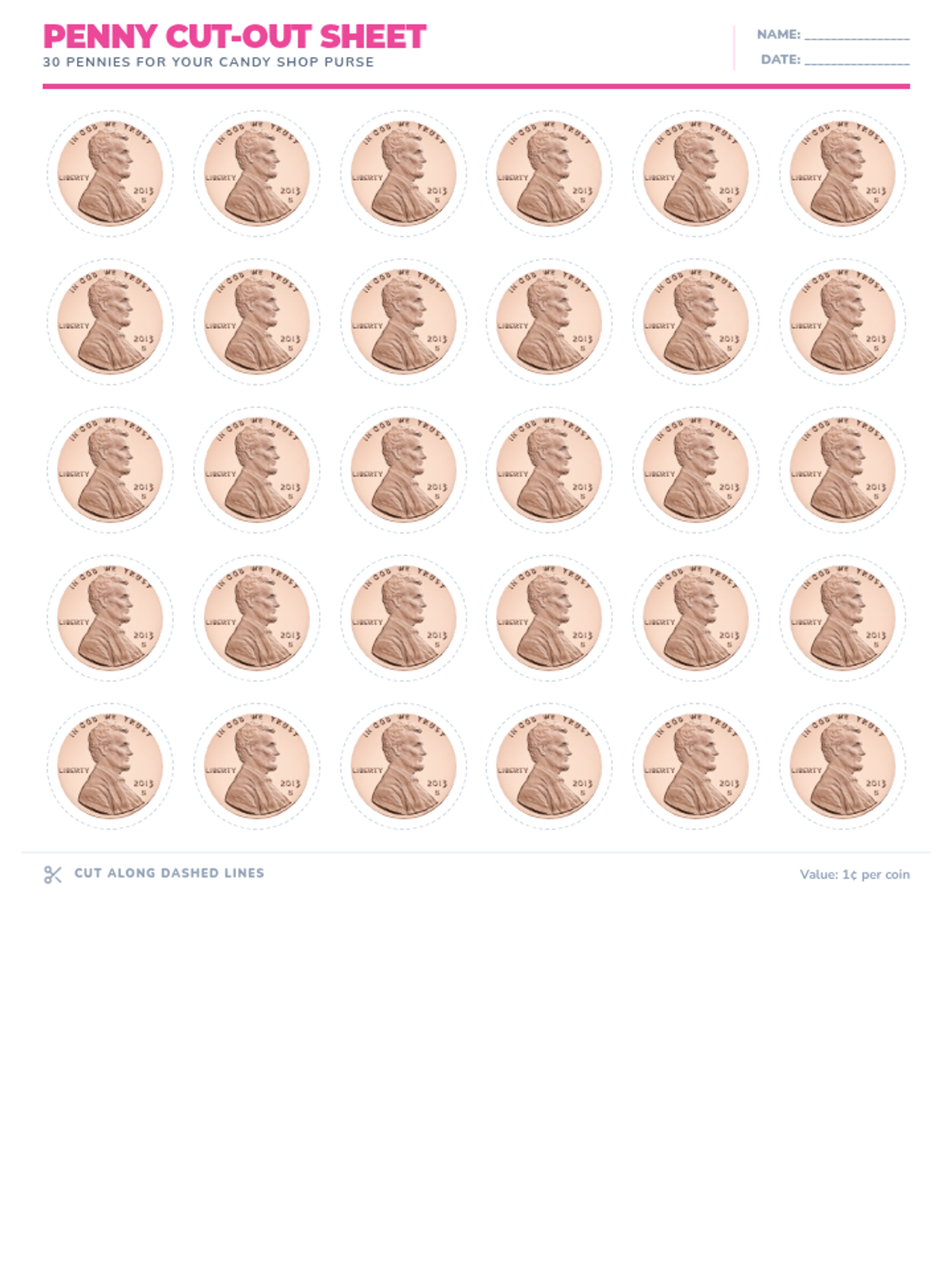
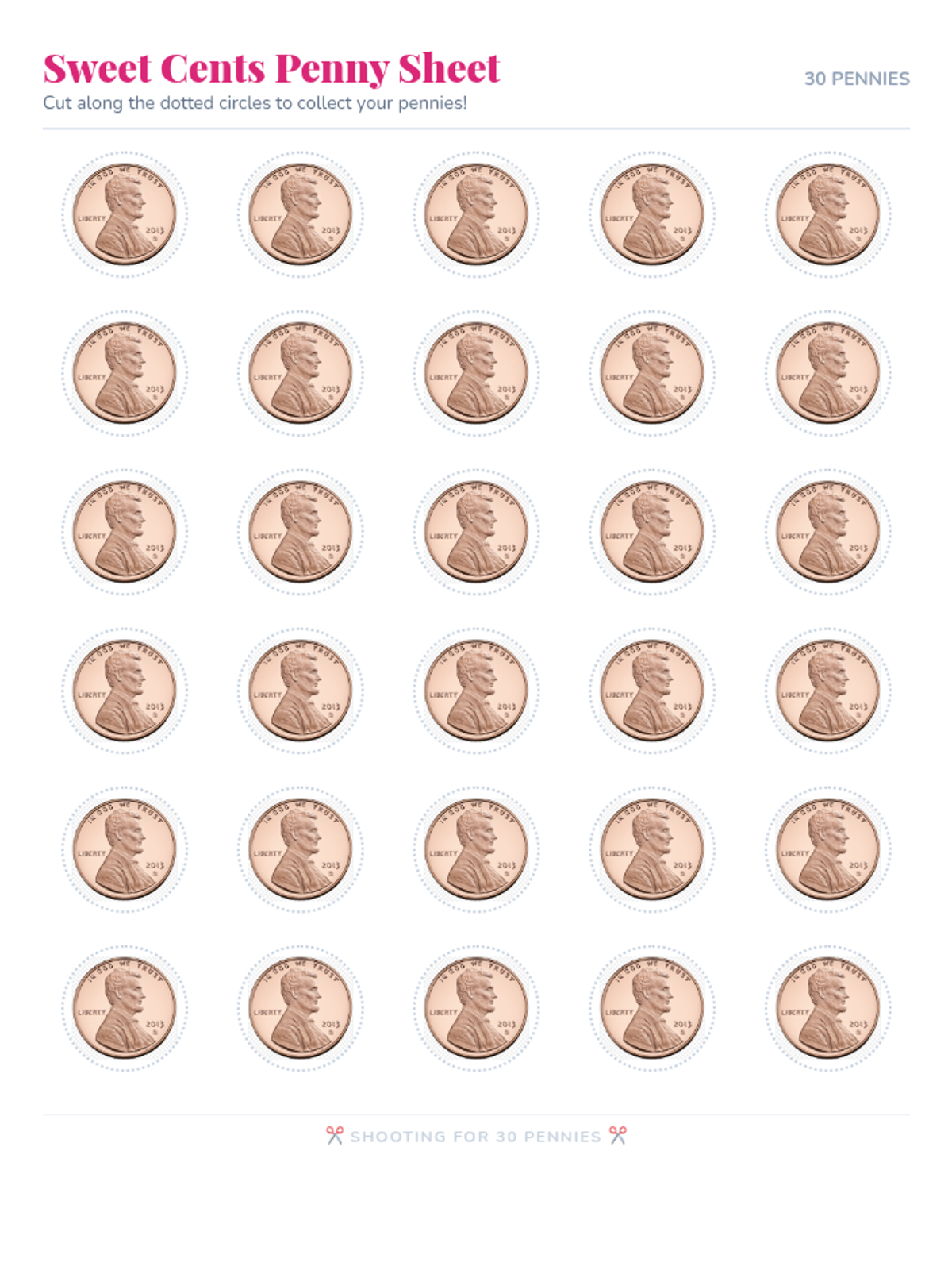
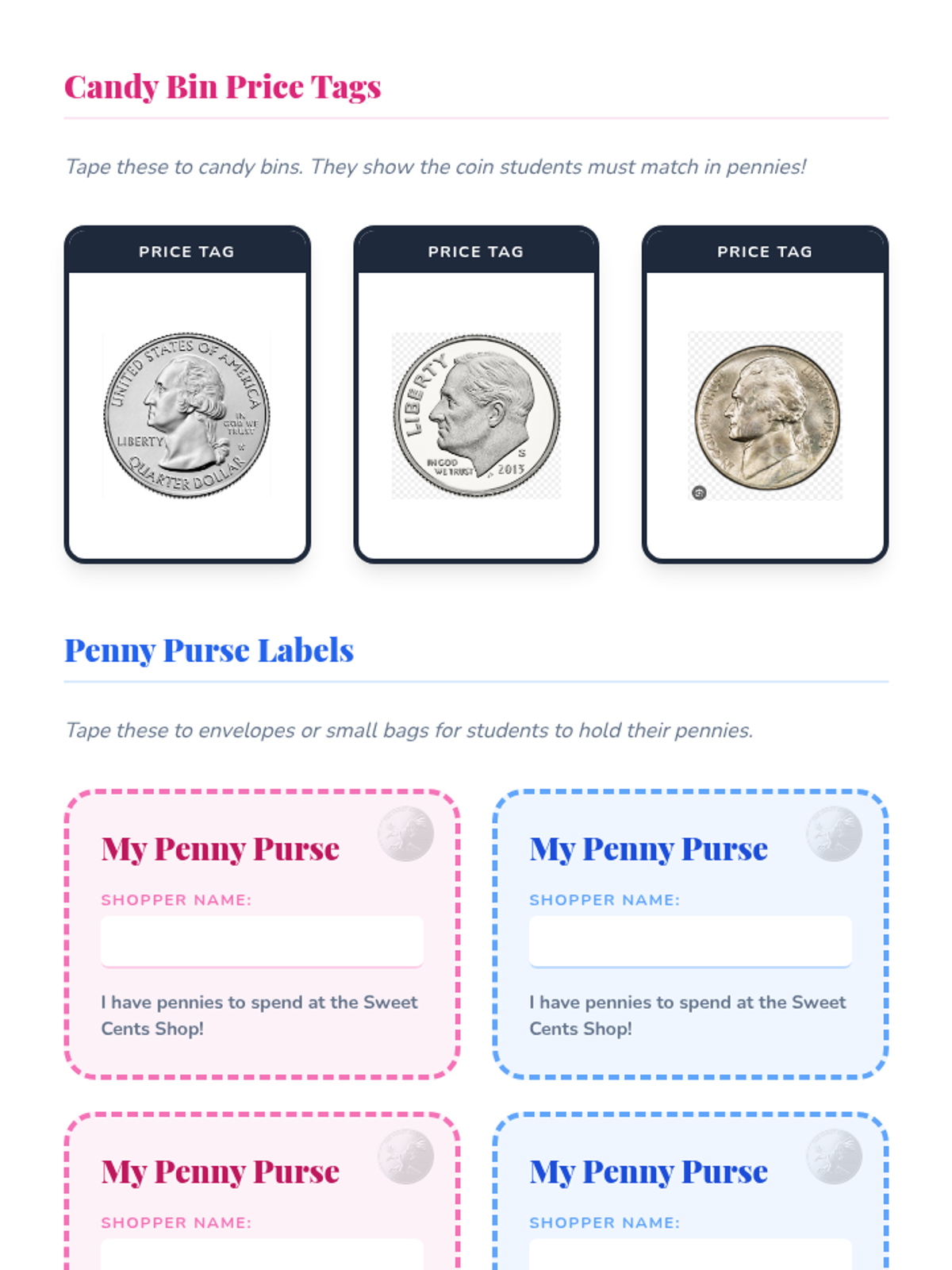
A sweet introduction to identifying and counting coins. Students visit a virtual candy shop, learn to recognize pennies, nickels, dimes, and quarters, and use their own 'coin purses' to buy treats.
A sweet introduction to North Carolina standard M.D.5 where students identify quarters, dimes, nickels, and pennies, then practice their values by "buying" candy with pennies.
A candy-shop themed lesson where students identify pennies, nickels, dimes, and quarters and their values, culminating in a hands-on activity using pennies to 'buy' candy from price-labeled bins.
A first-grade lesson on identifying coins and their values through an immersive candy shop simulation where students use pennies to 'purchase' sweets.
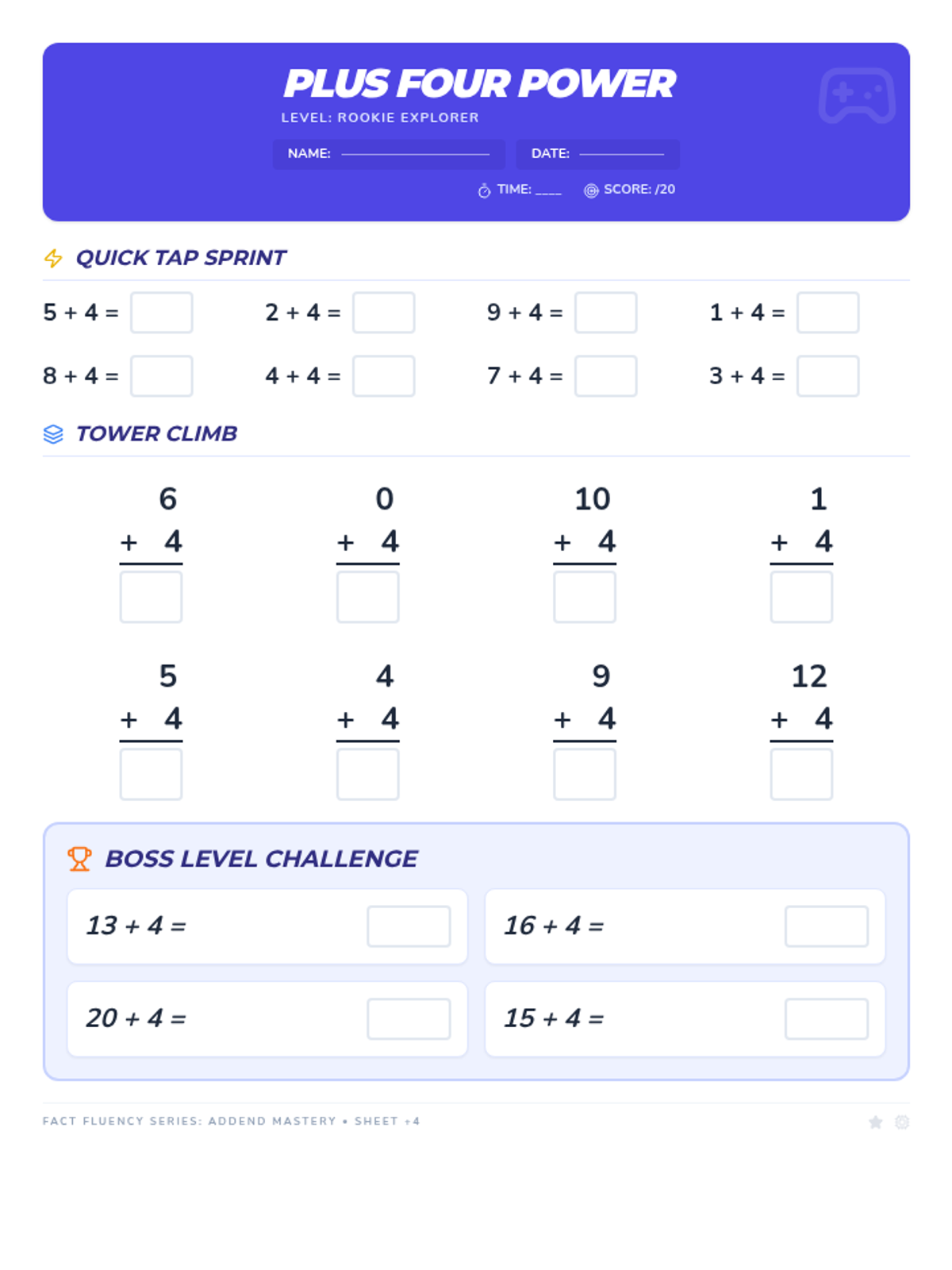
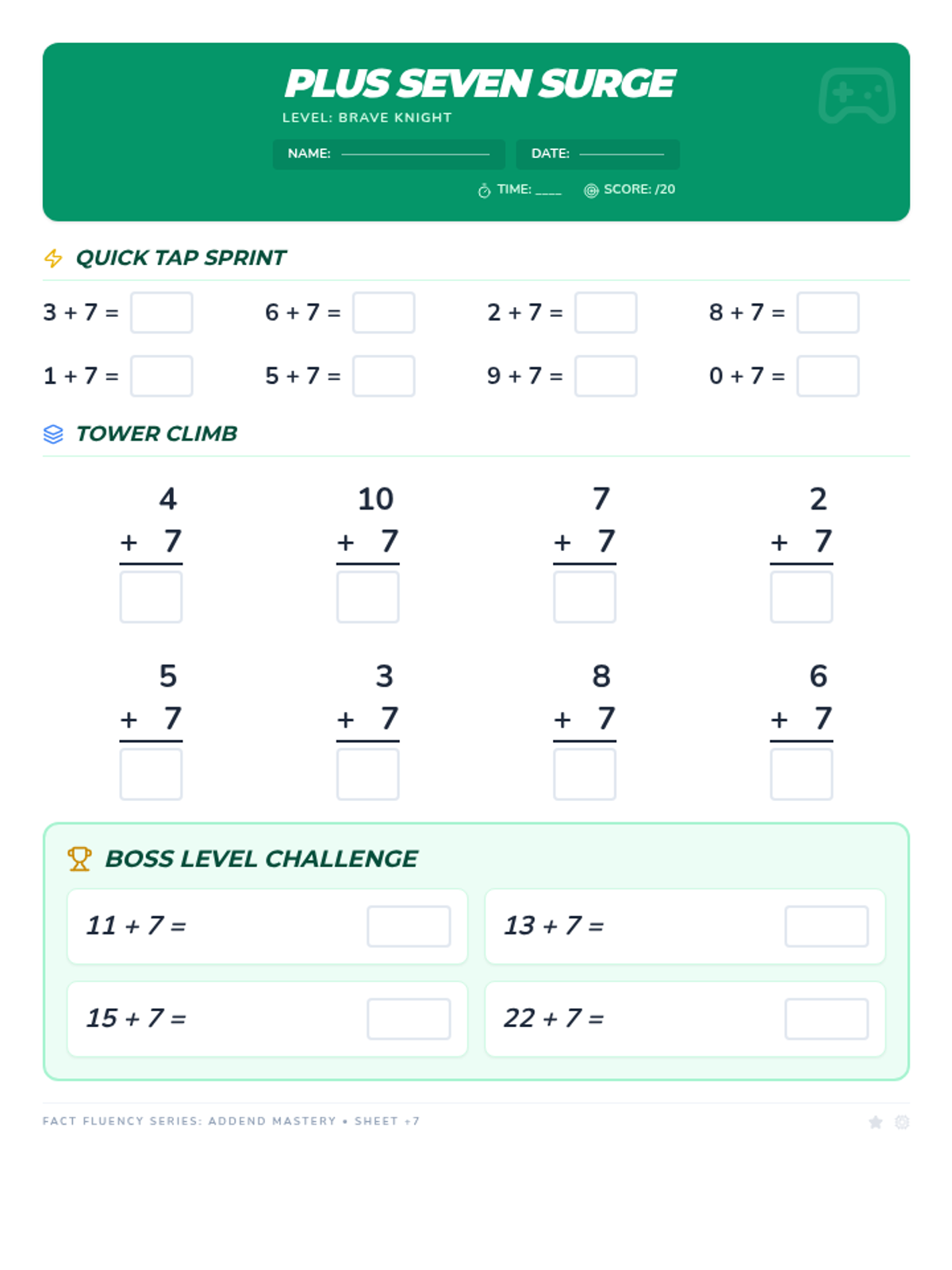
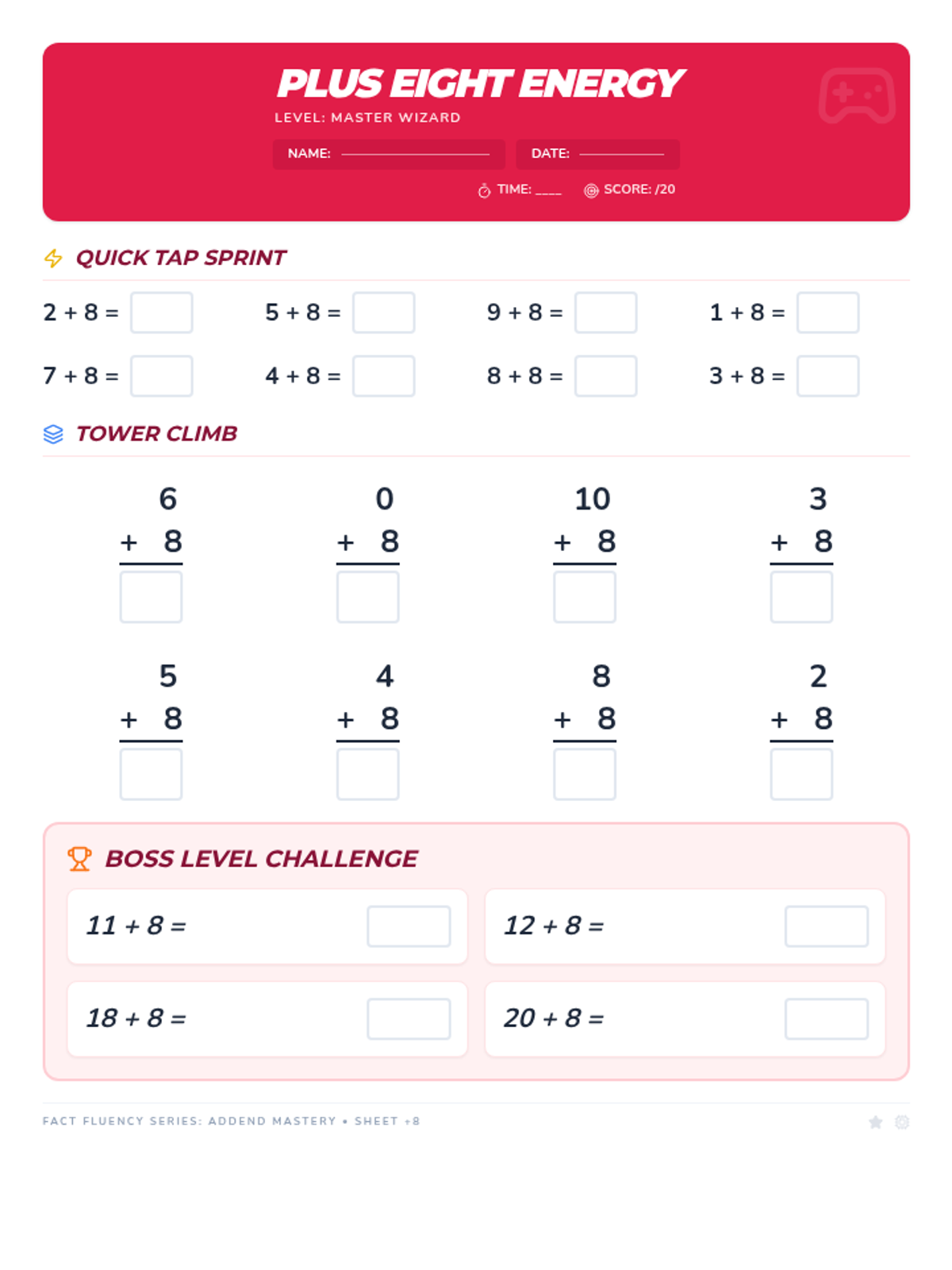
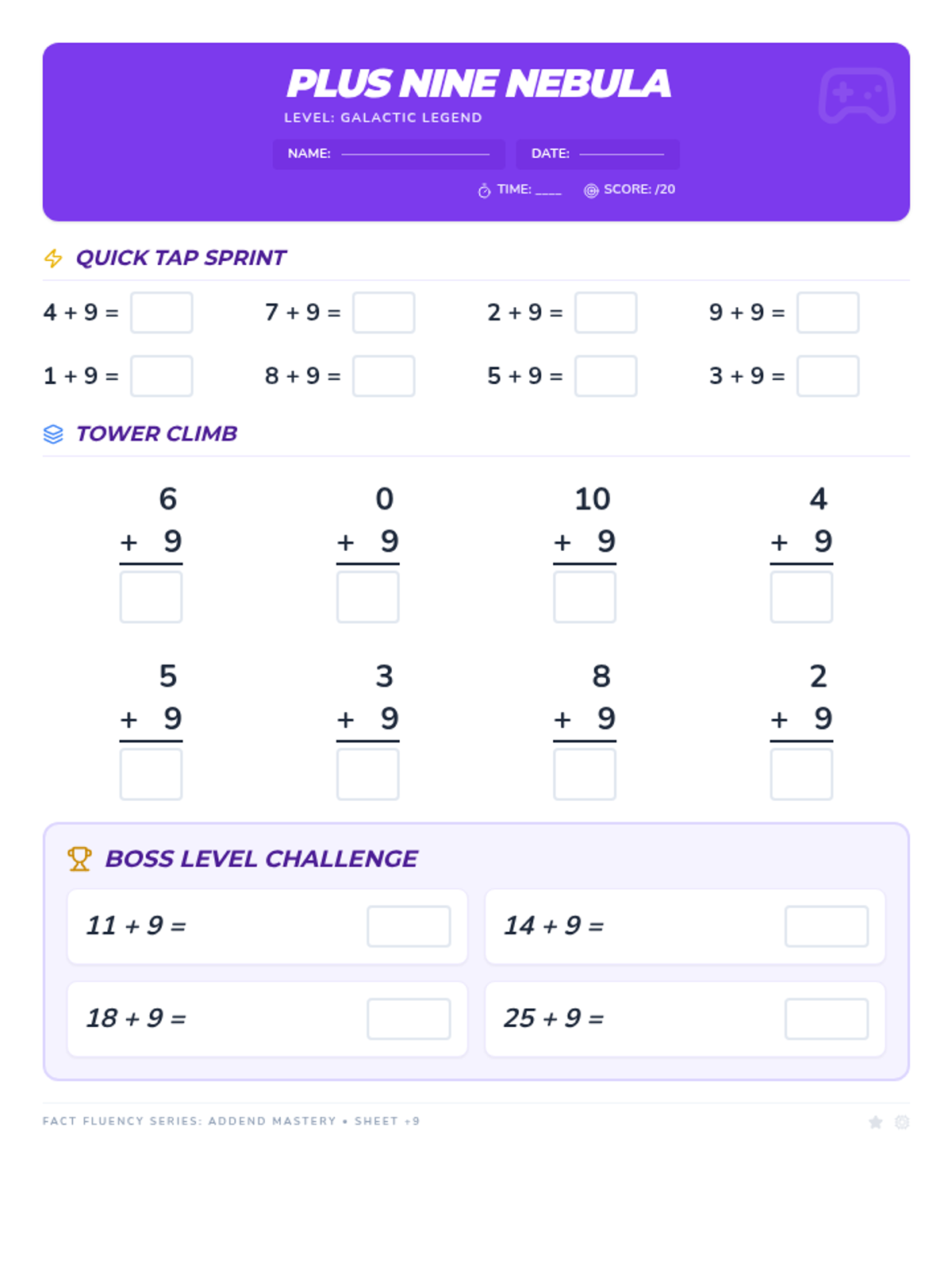
A collection of fact fluency sheets focused on specific addition addends (+4, +7, +8, and +9) using a vibrant retro-gaming theme to engage students.
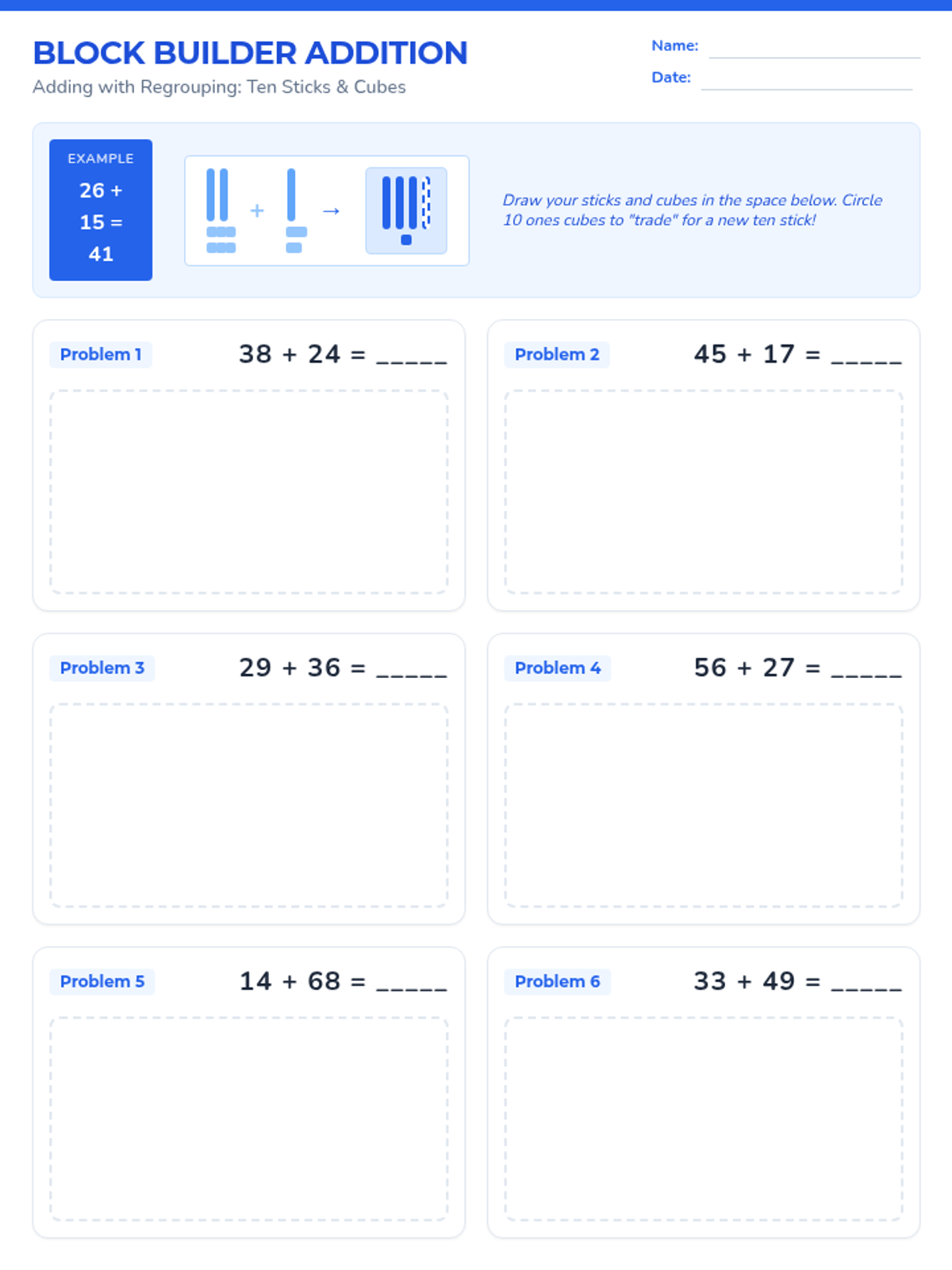
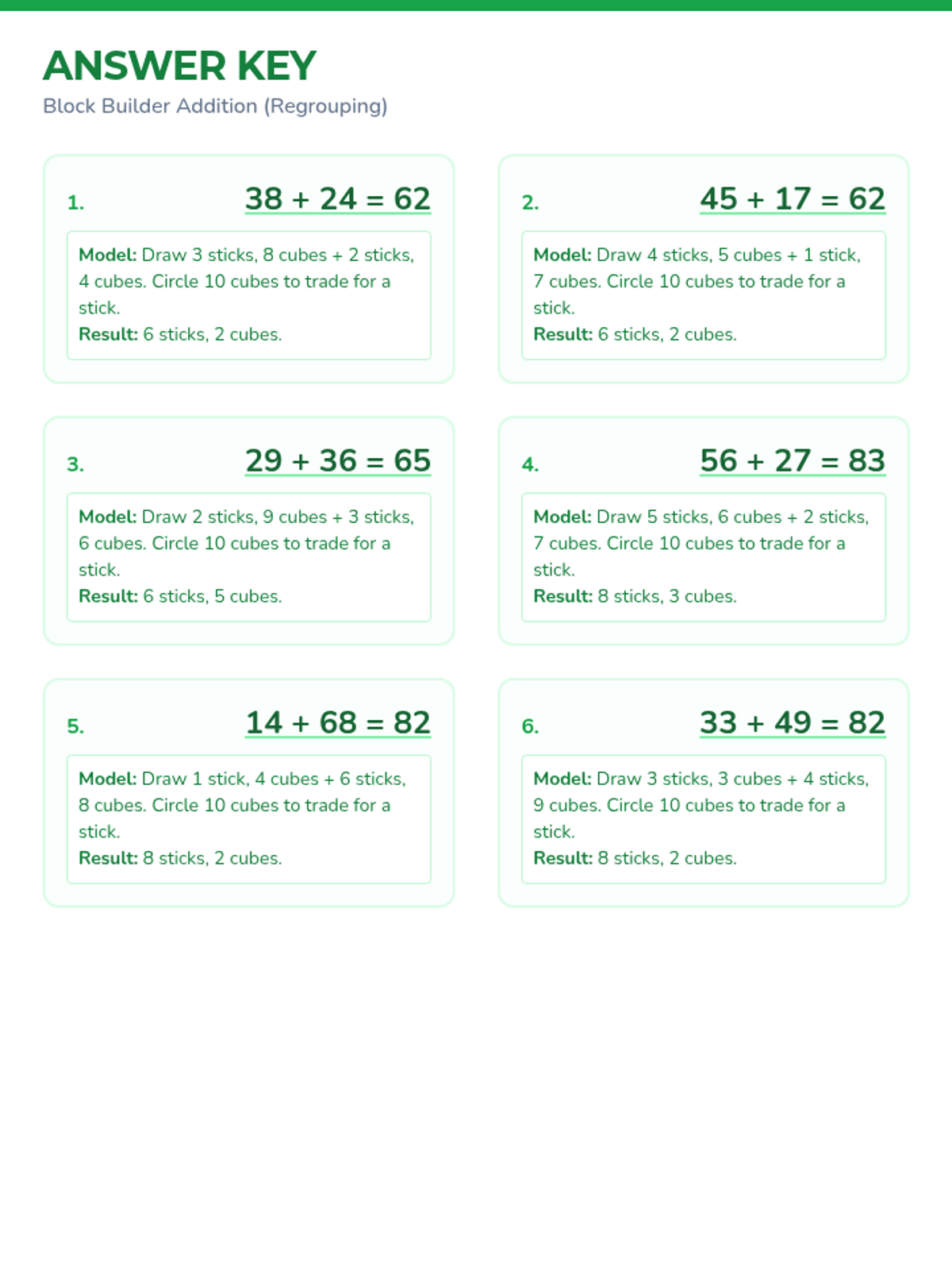
A foundational math lesson on adding two-digit numbers using regrouping, focused on visual representations with base-ten blocks (ten sticks and ones cubes).
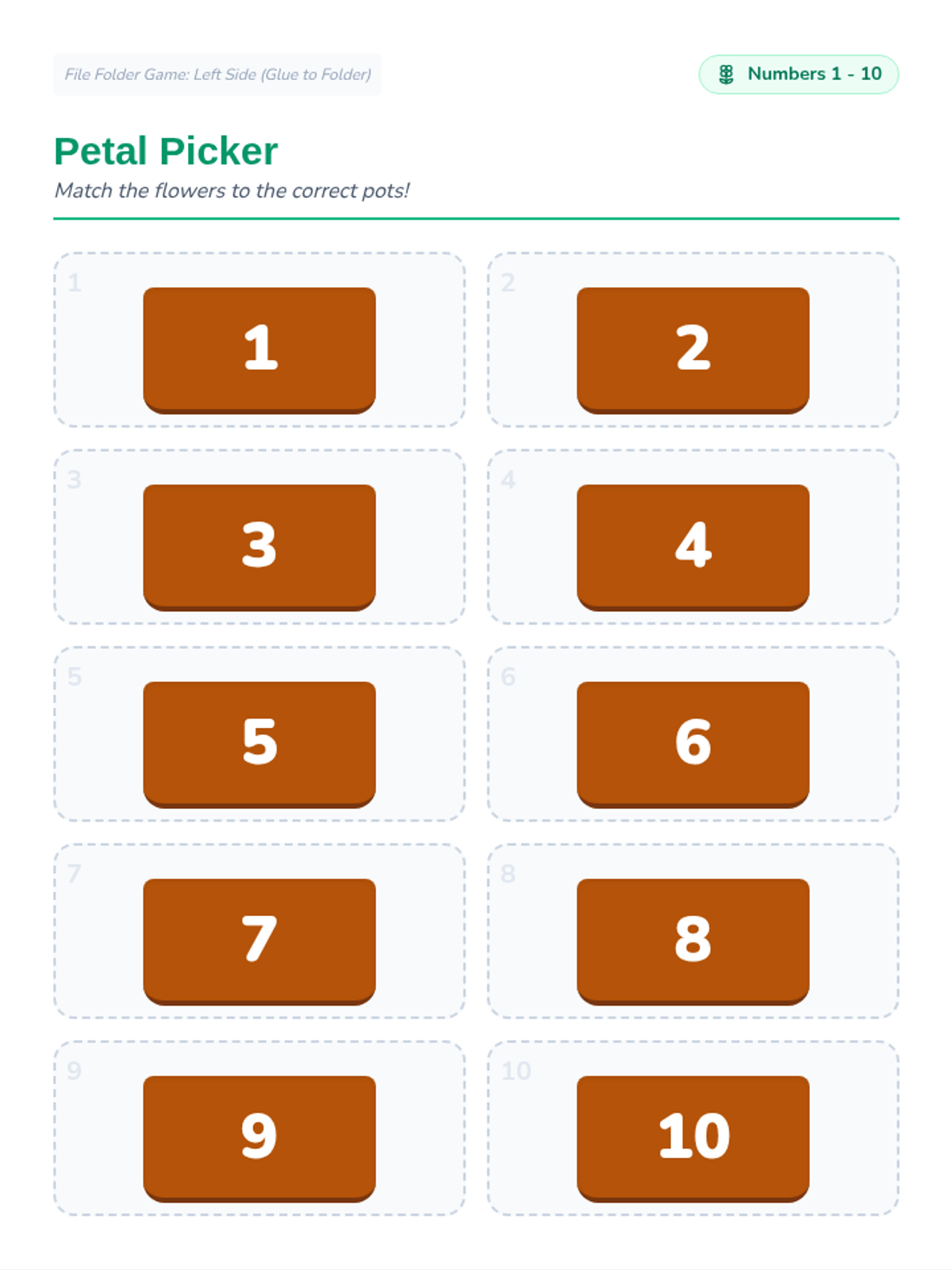
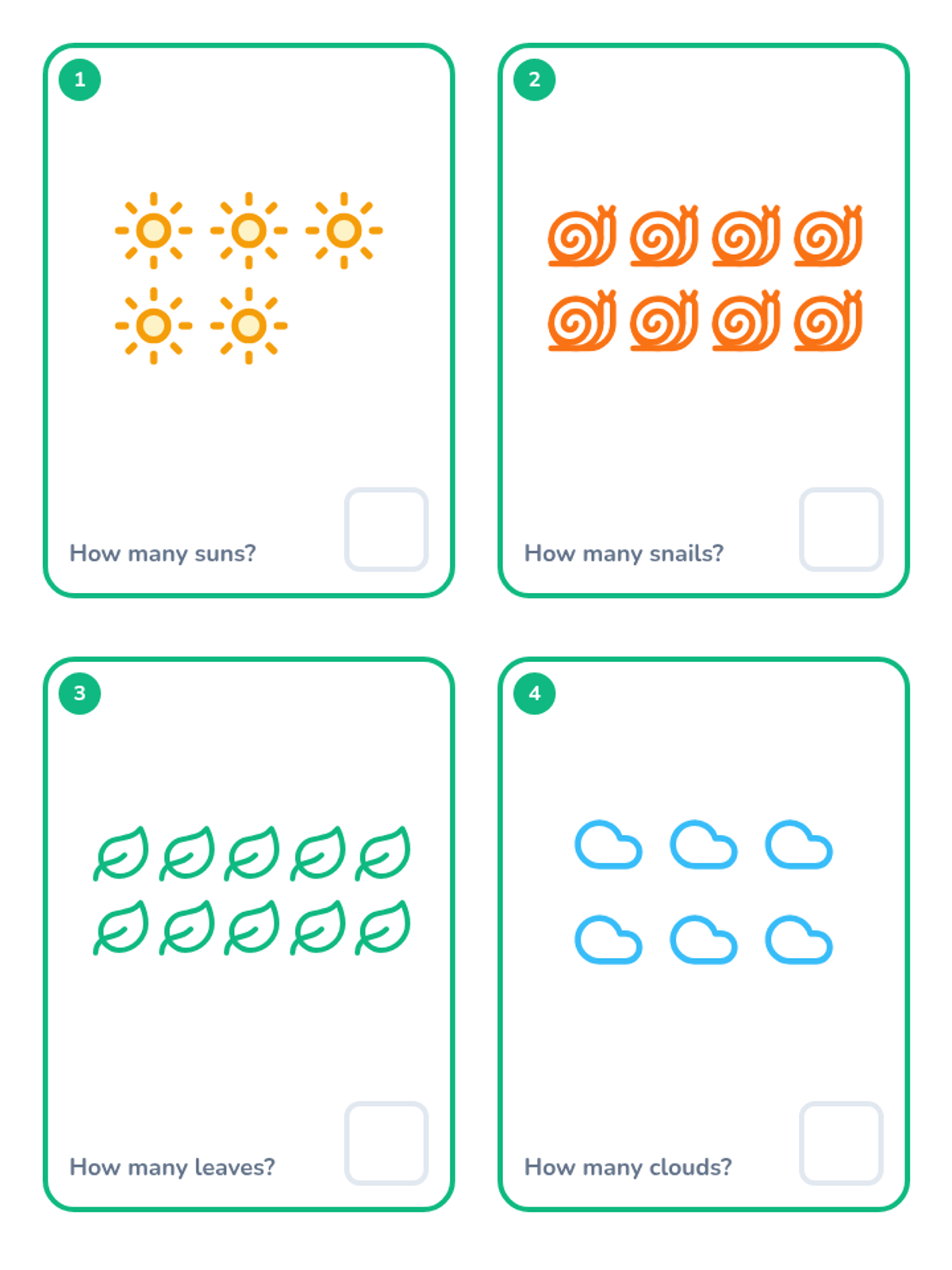
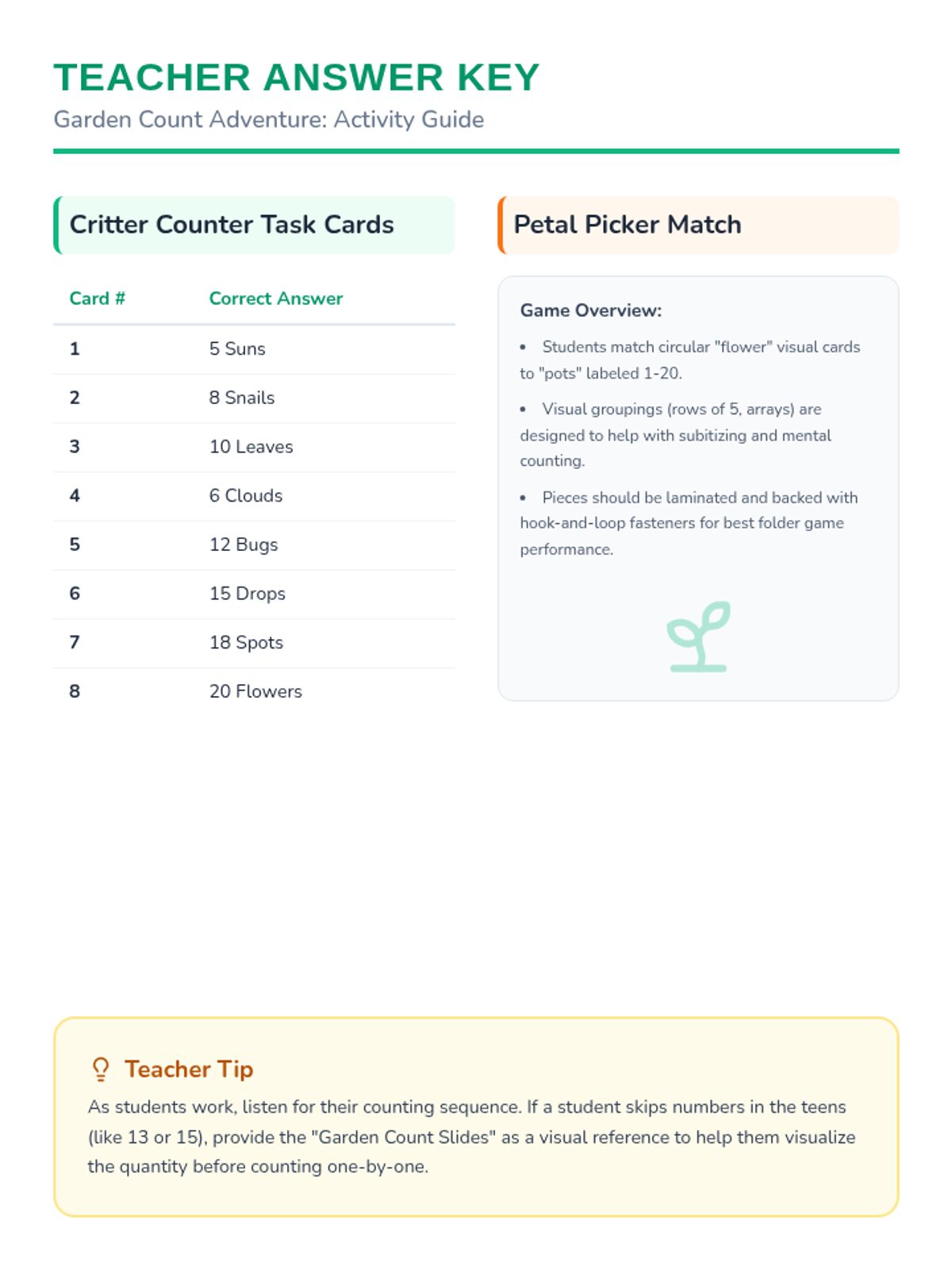
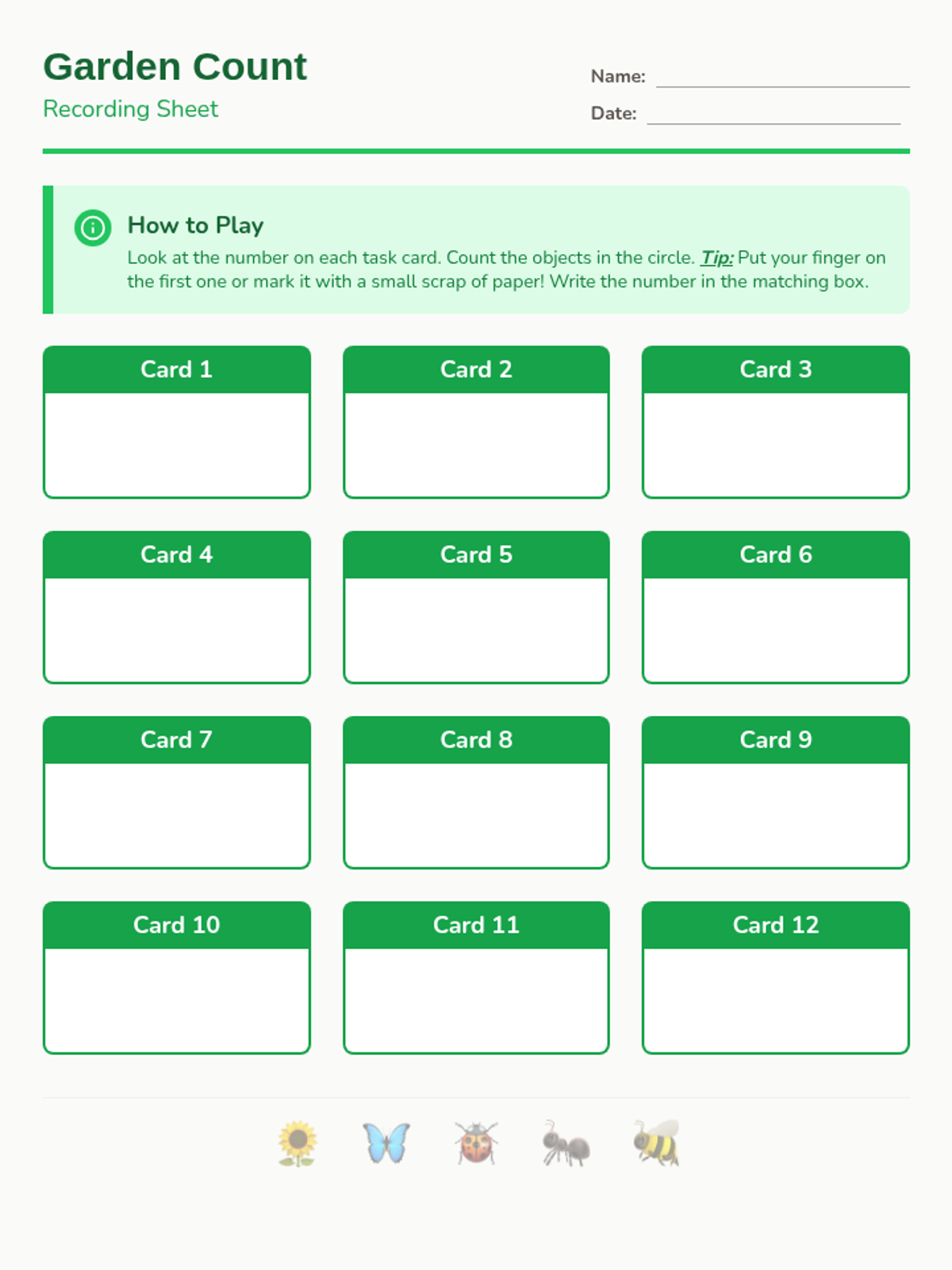
A hands-on counting unit where students explore garden-themed visuals to master numbers up to 20 through interactive slides, a file folder game, and task cards.
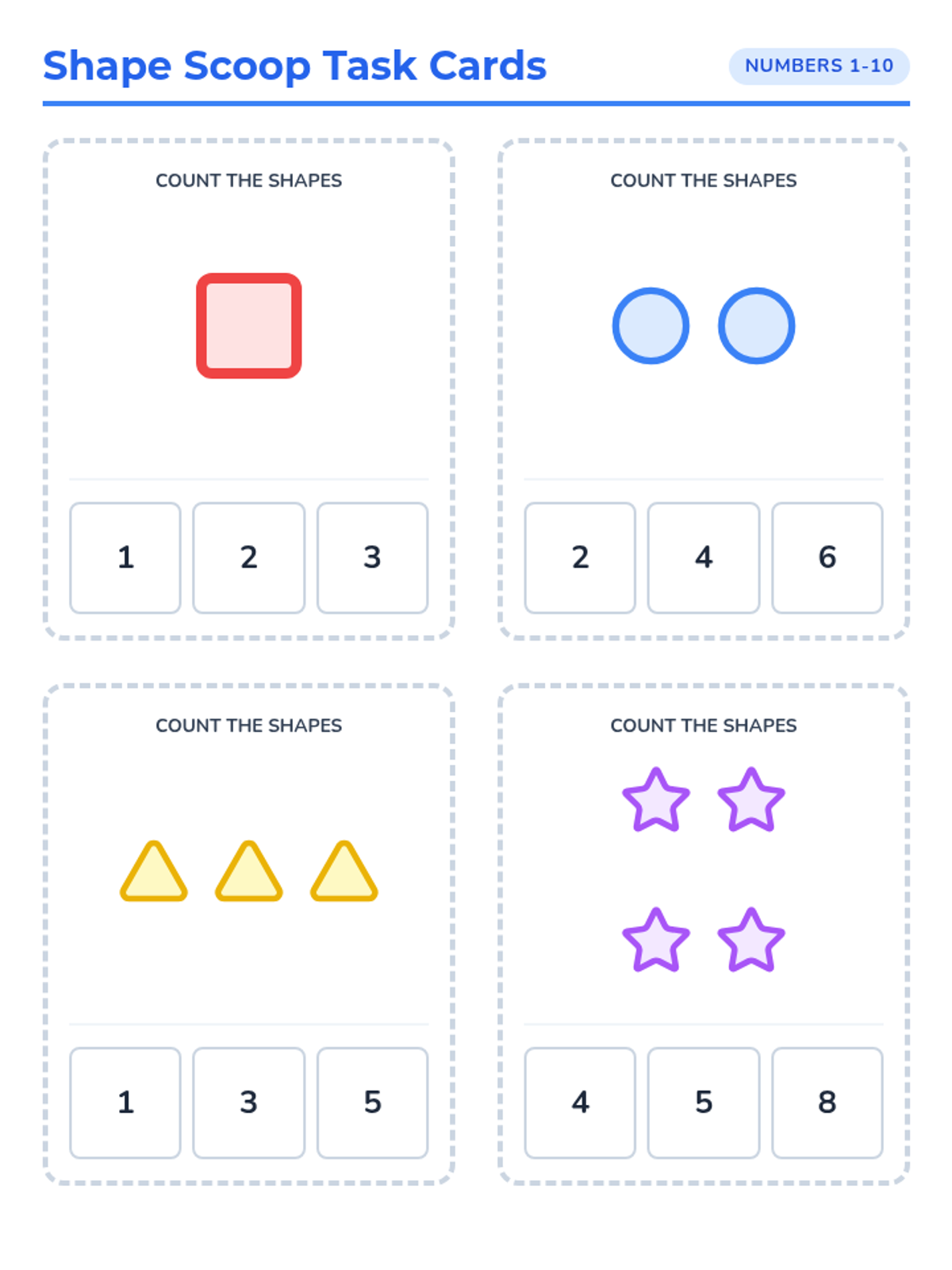
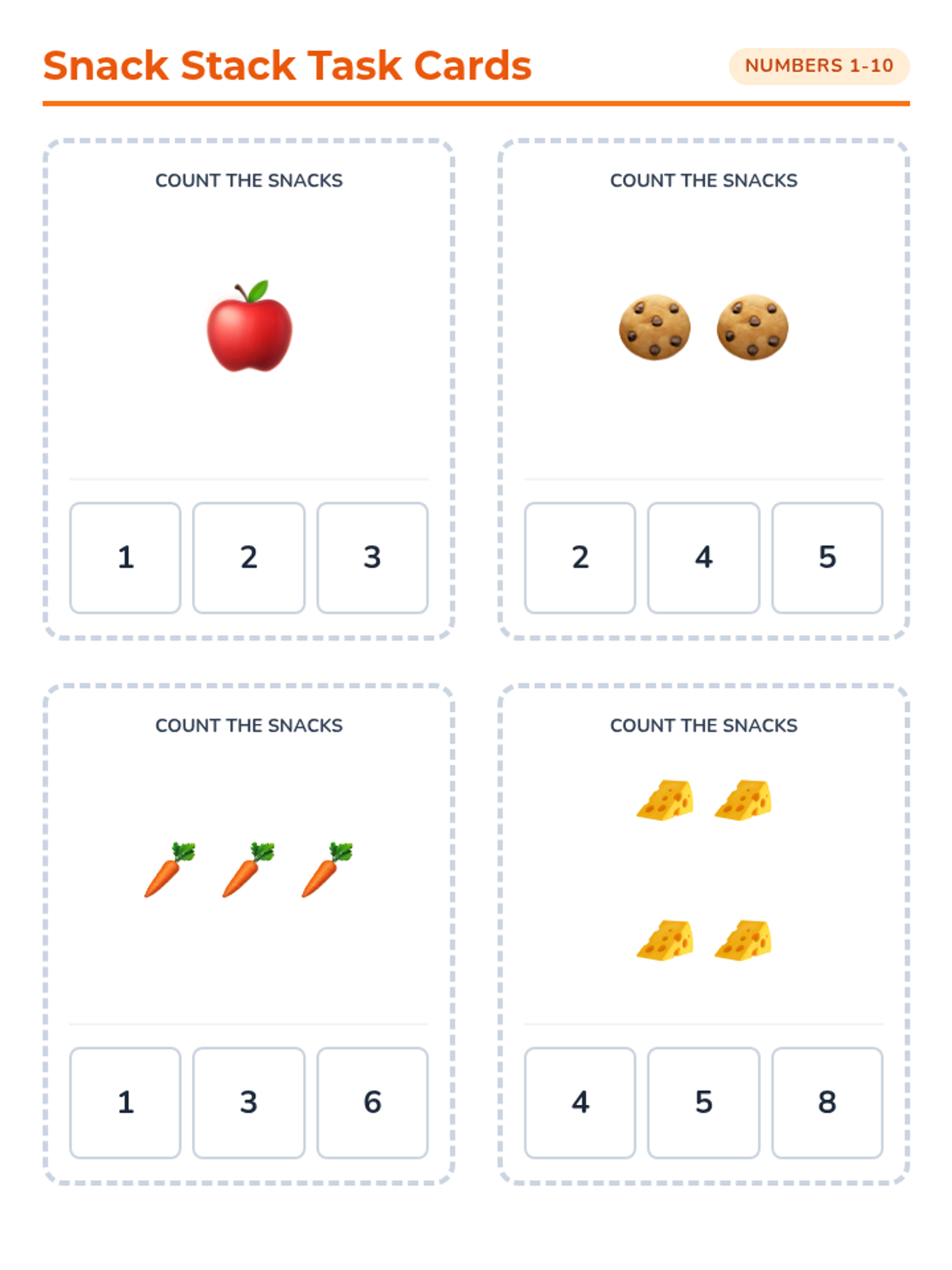
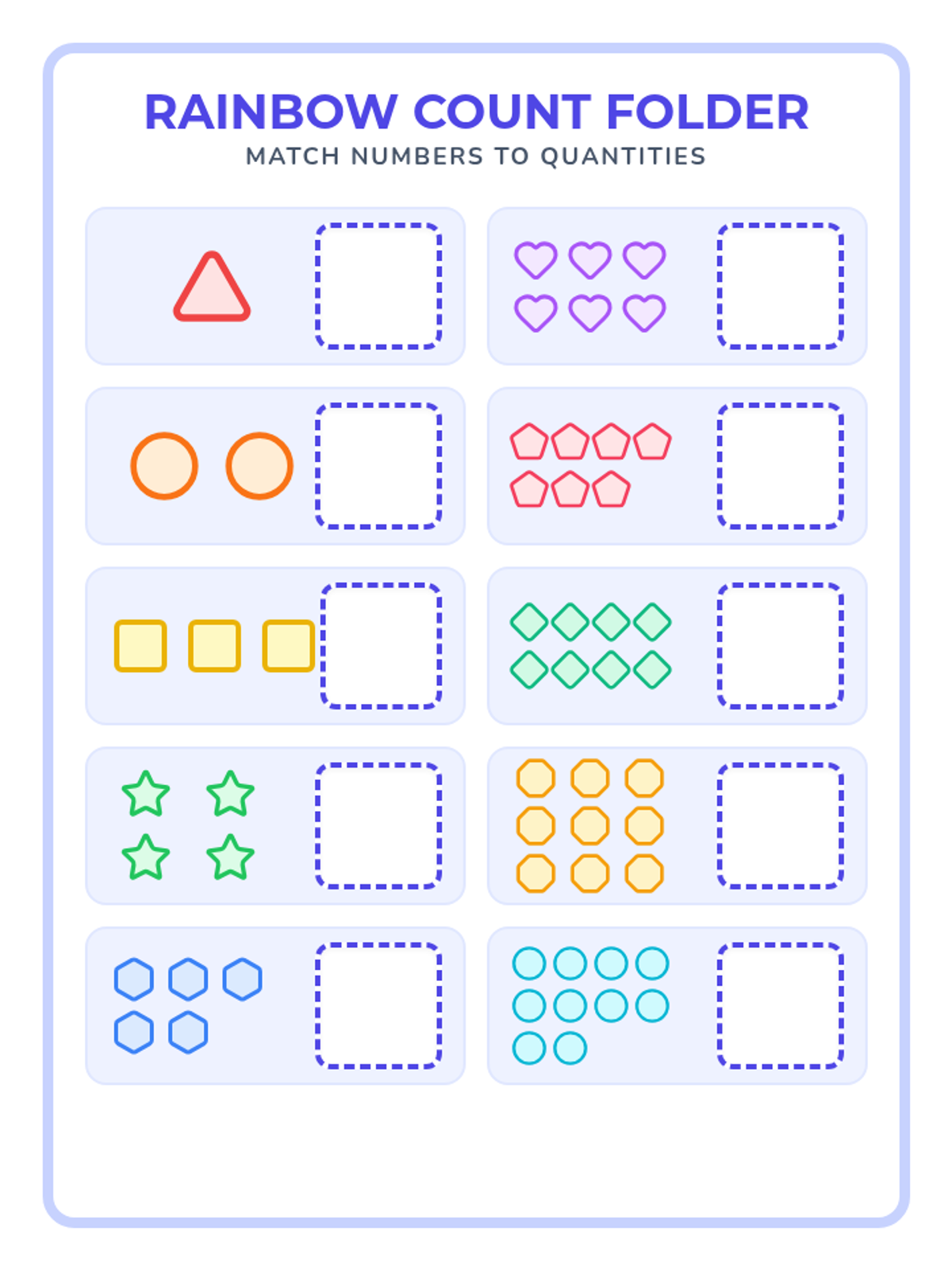
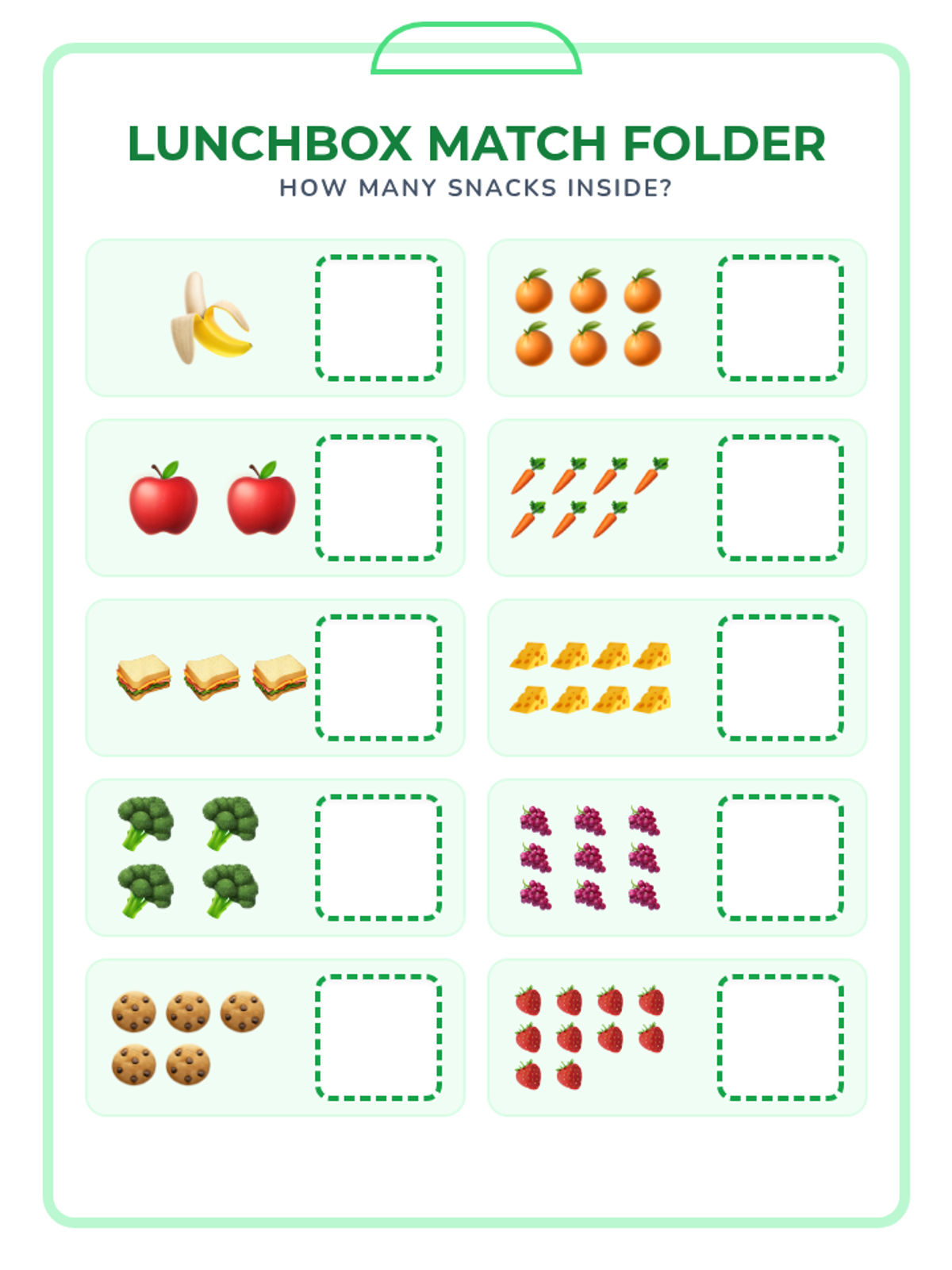
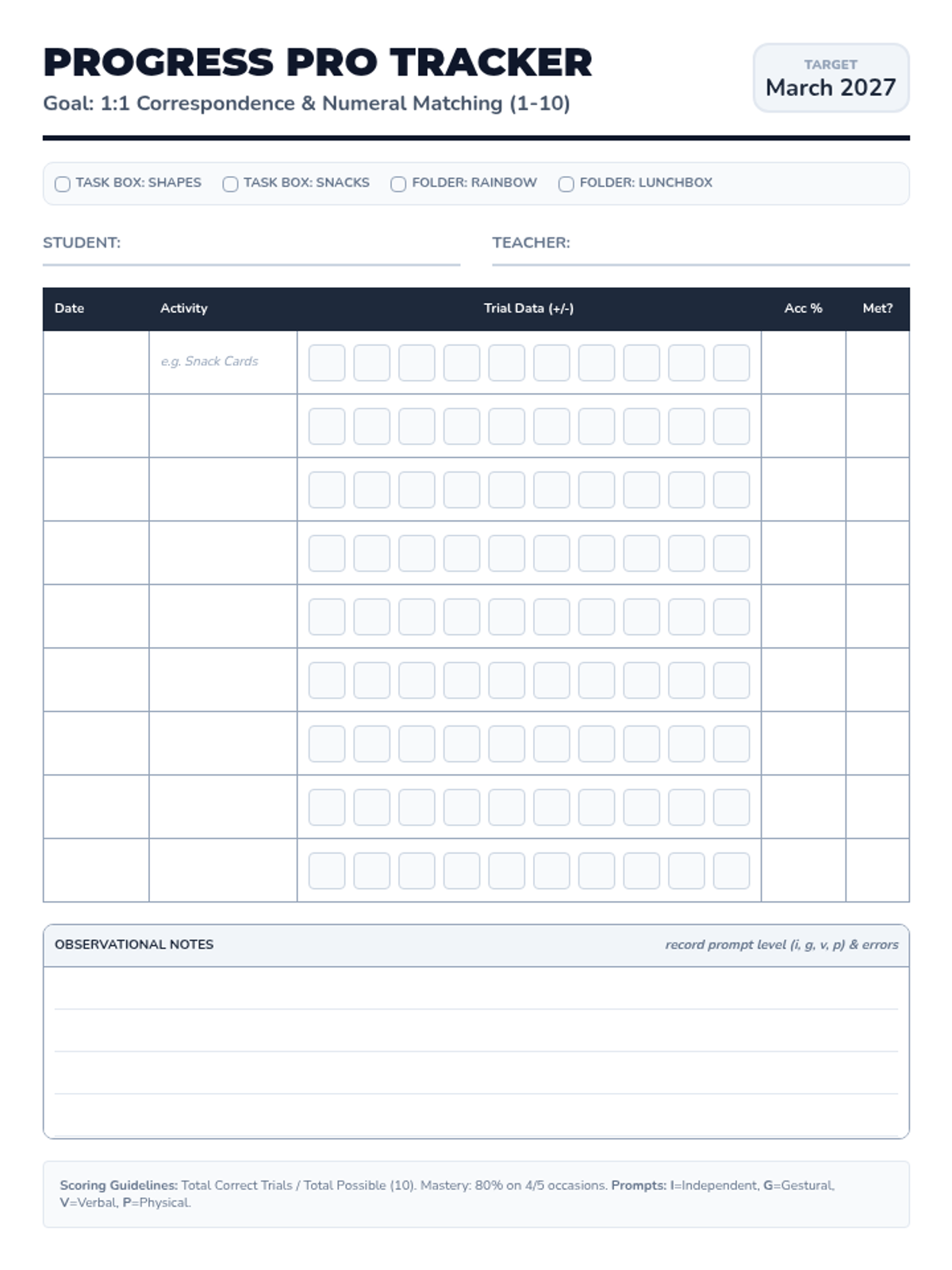
A collection of hands-on math center materials designed to build 1:1 correspondence and numeral-to-quantity matching for numbers 1-10, featuring vibrant colors, geometric shapes, and tasty snacks.
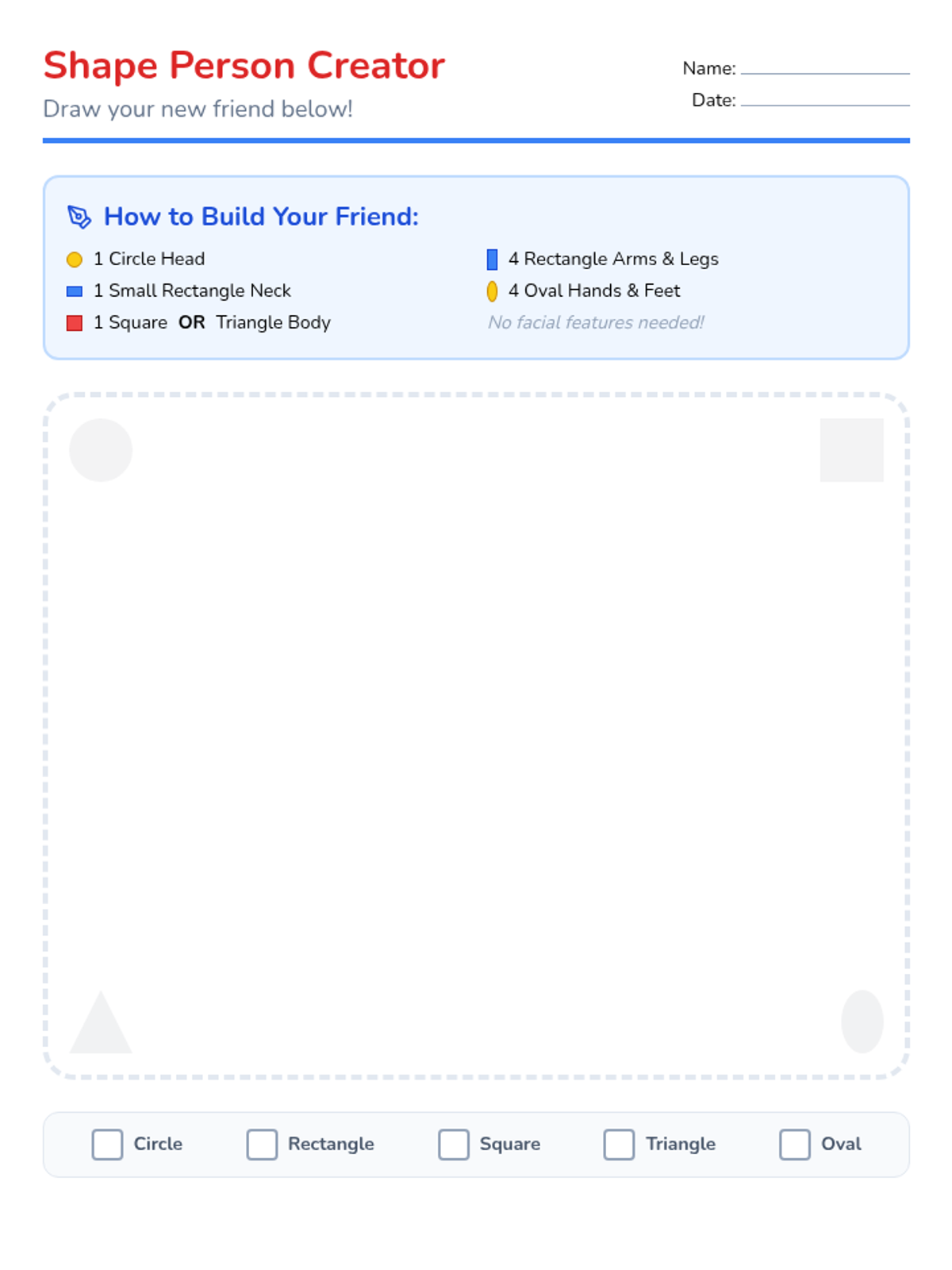
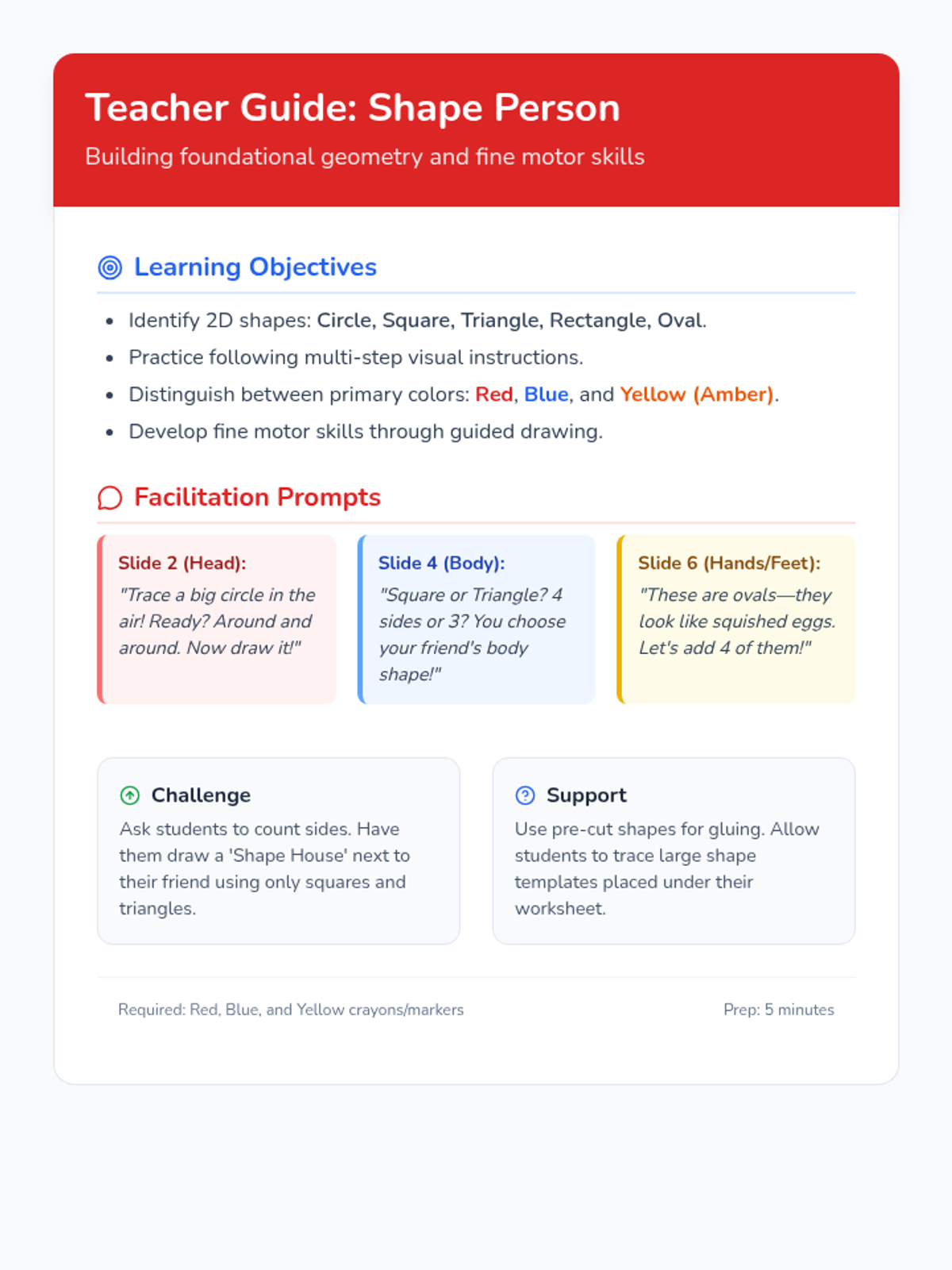
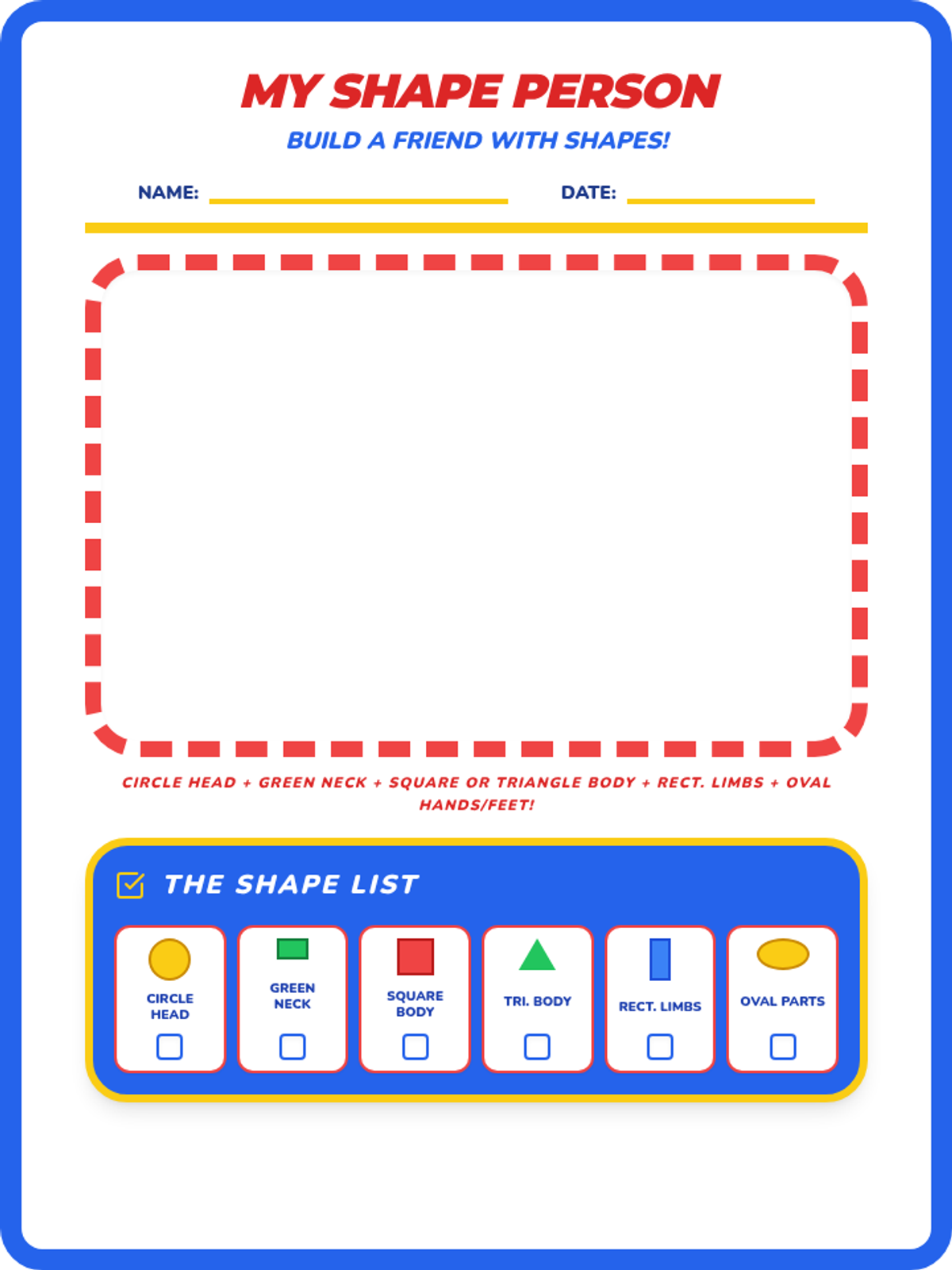
A fun, interactive lesson where kindergarten students learn to identify and draw basic shapes by constructing their very own 'Shape Person' using circles, squares, triangles, rectangles, and ovals.
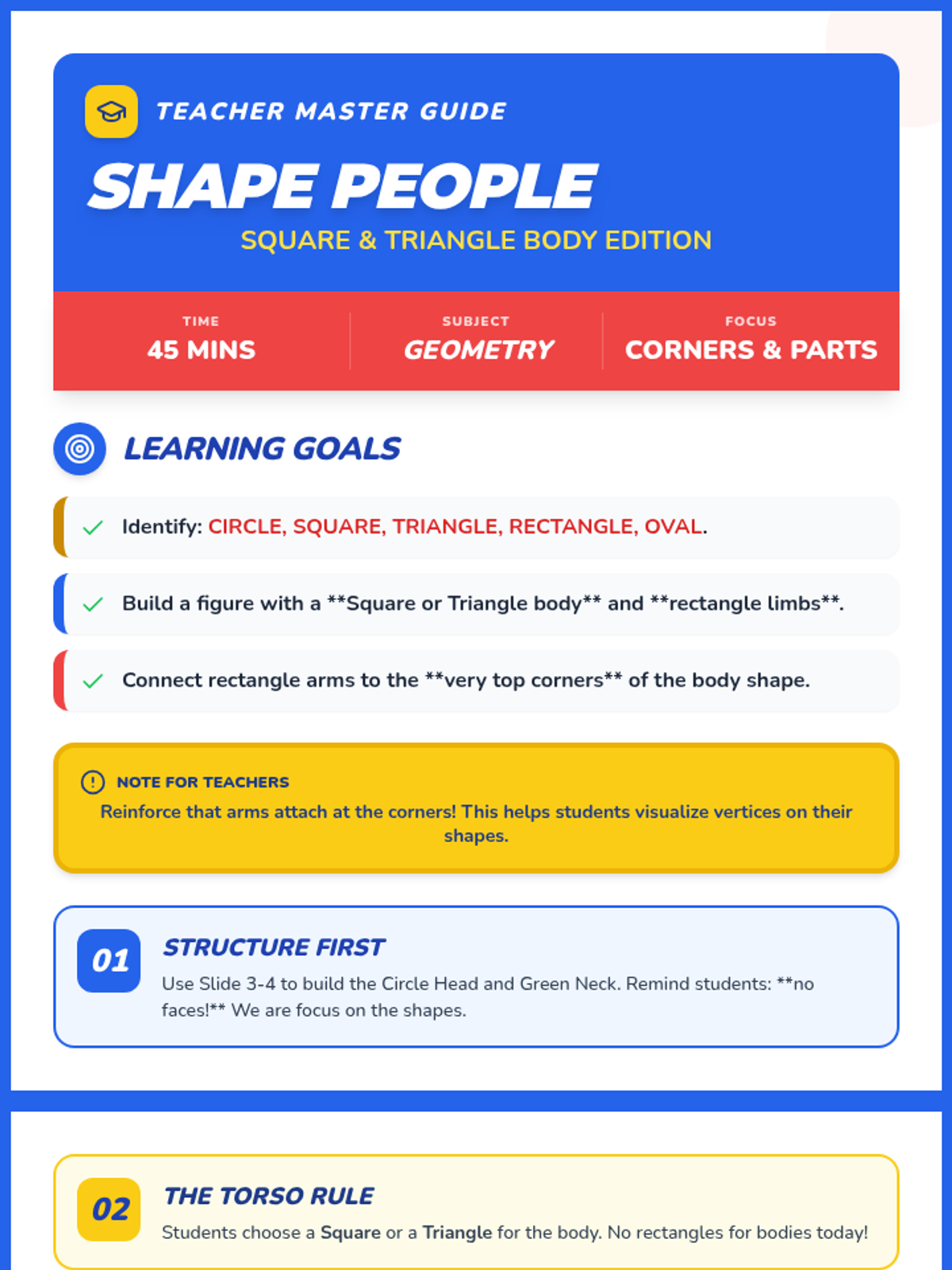
A kindergarten art and geometry lesson where students learn to construct human figures using five basic shapes: circles, triangles, squares, rectangles, and ovals.
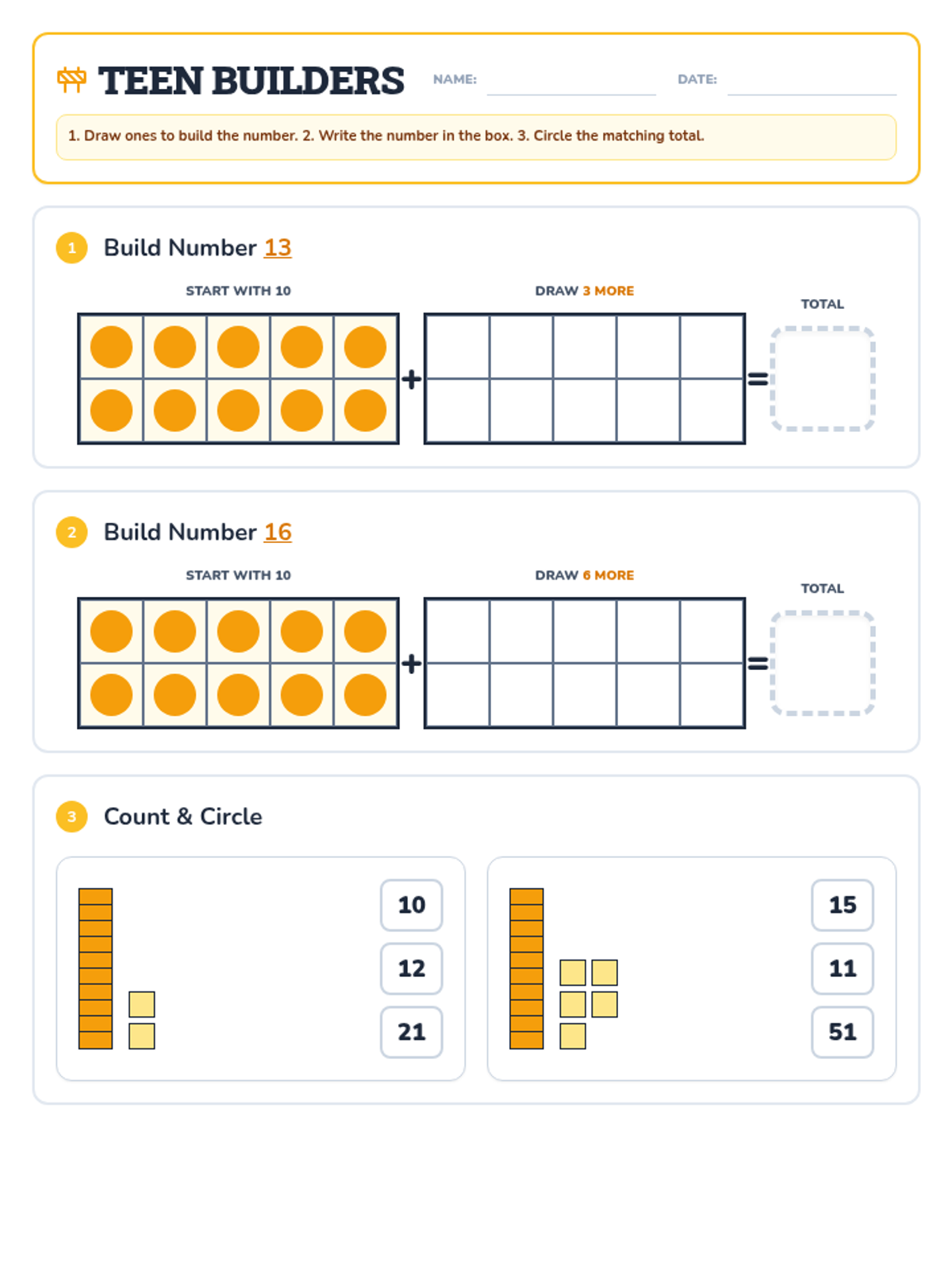
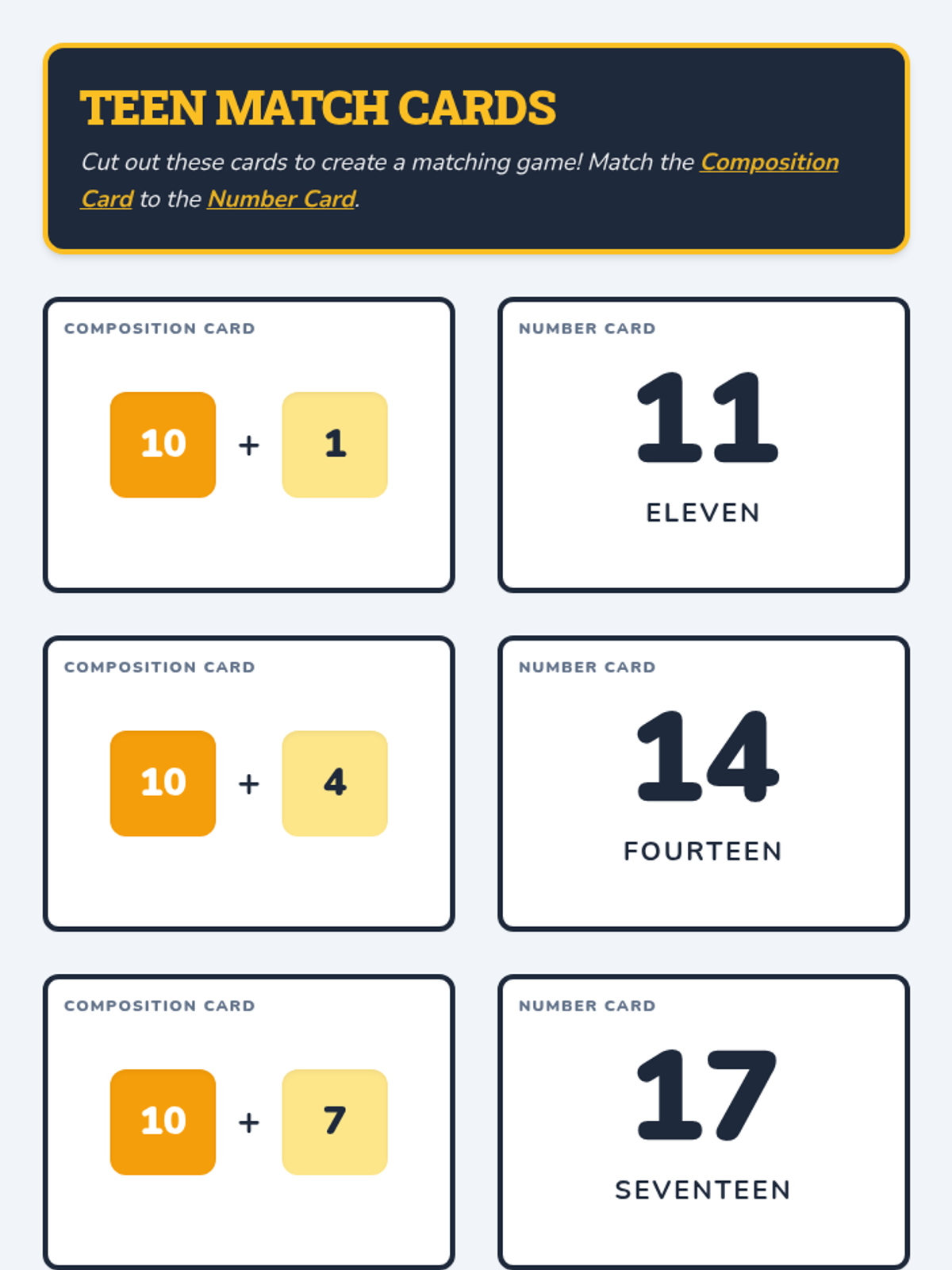
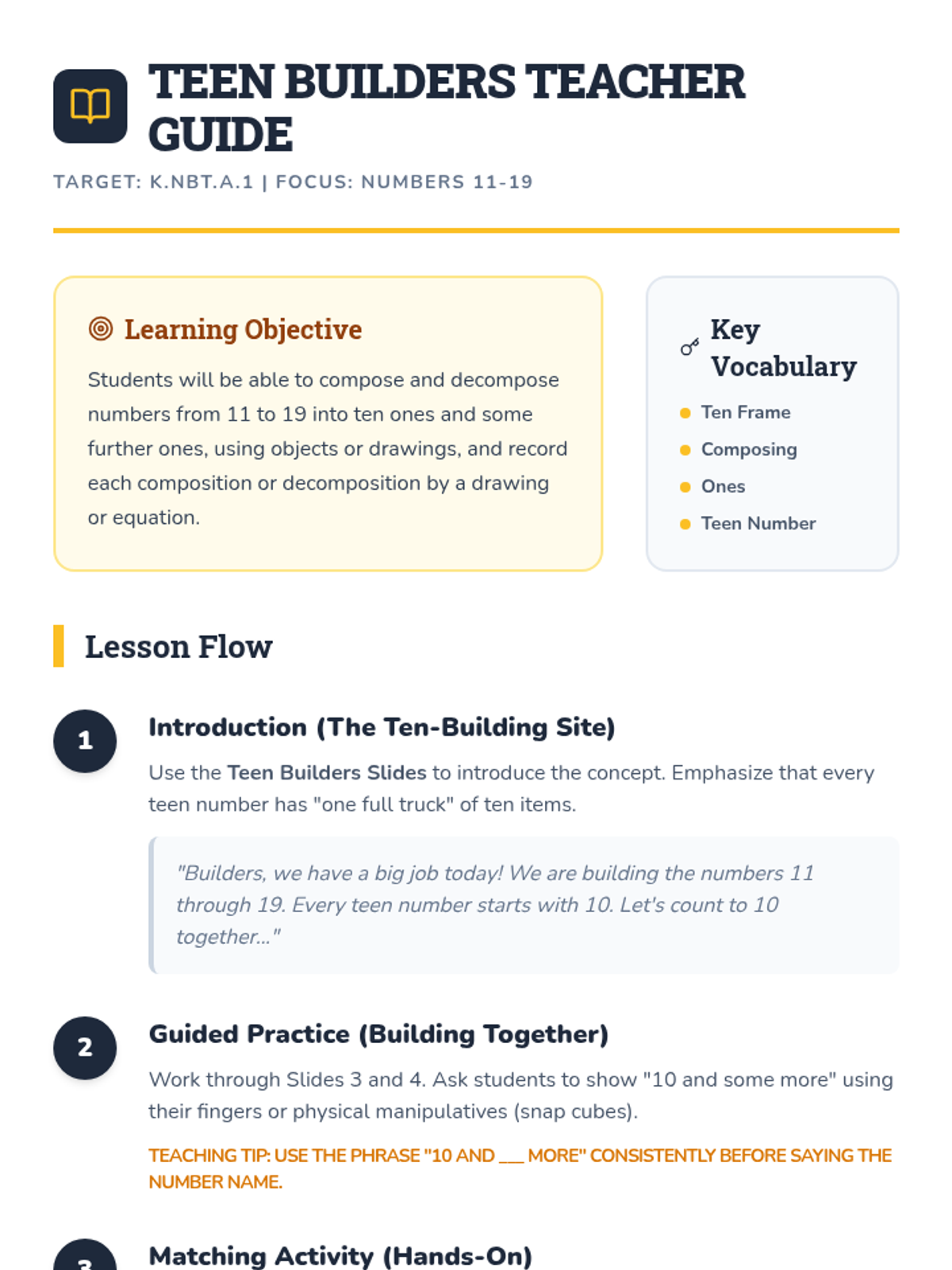
A foundational math lesson for kindergarteners to understand how teen numbers are composed of a group of ten and additional ones. Students will use ten frames and base ten blocks to 'build' numbers 11-19.
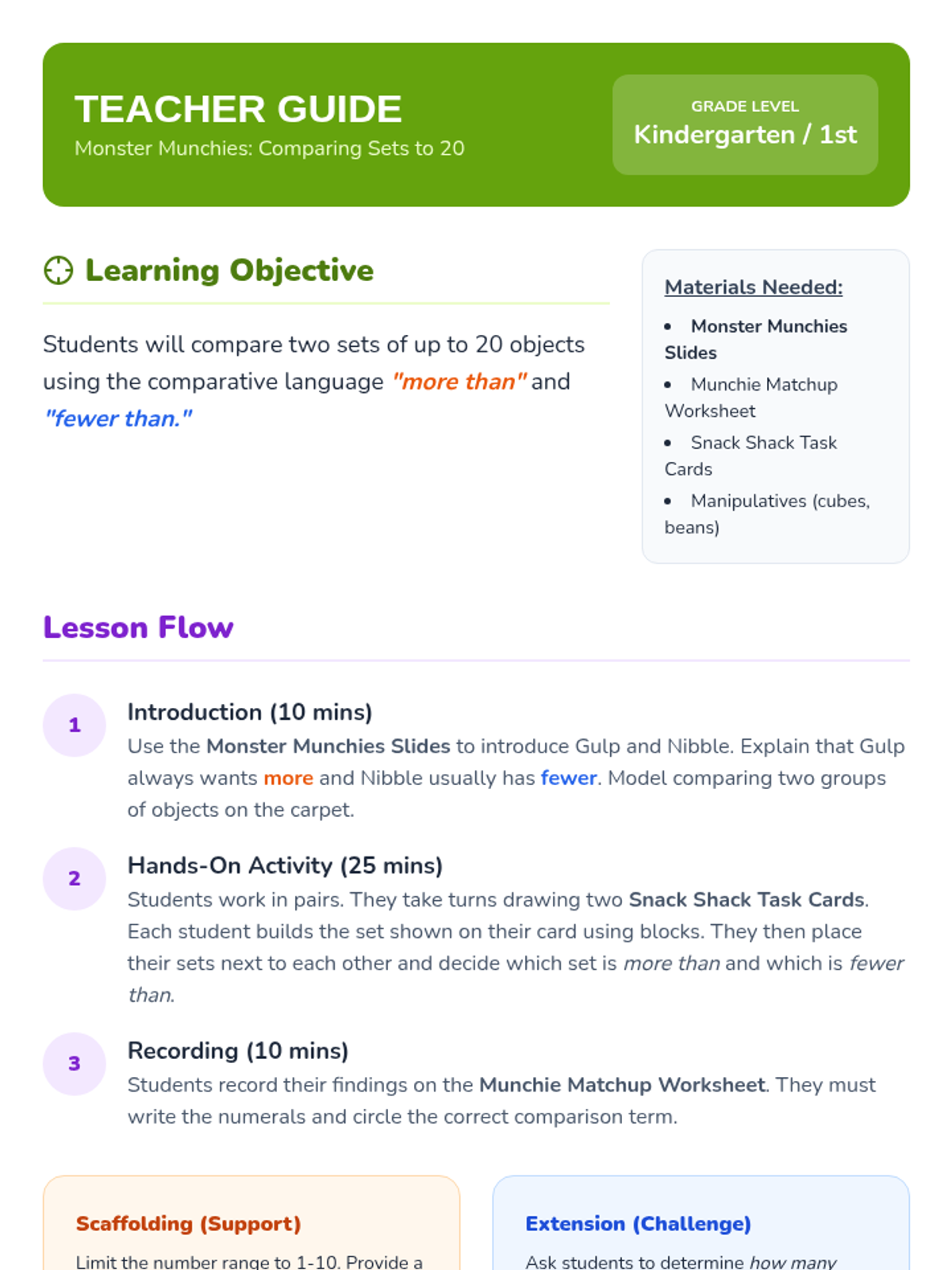
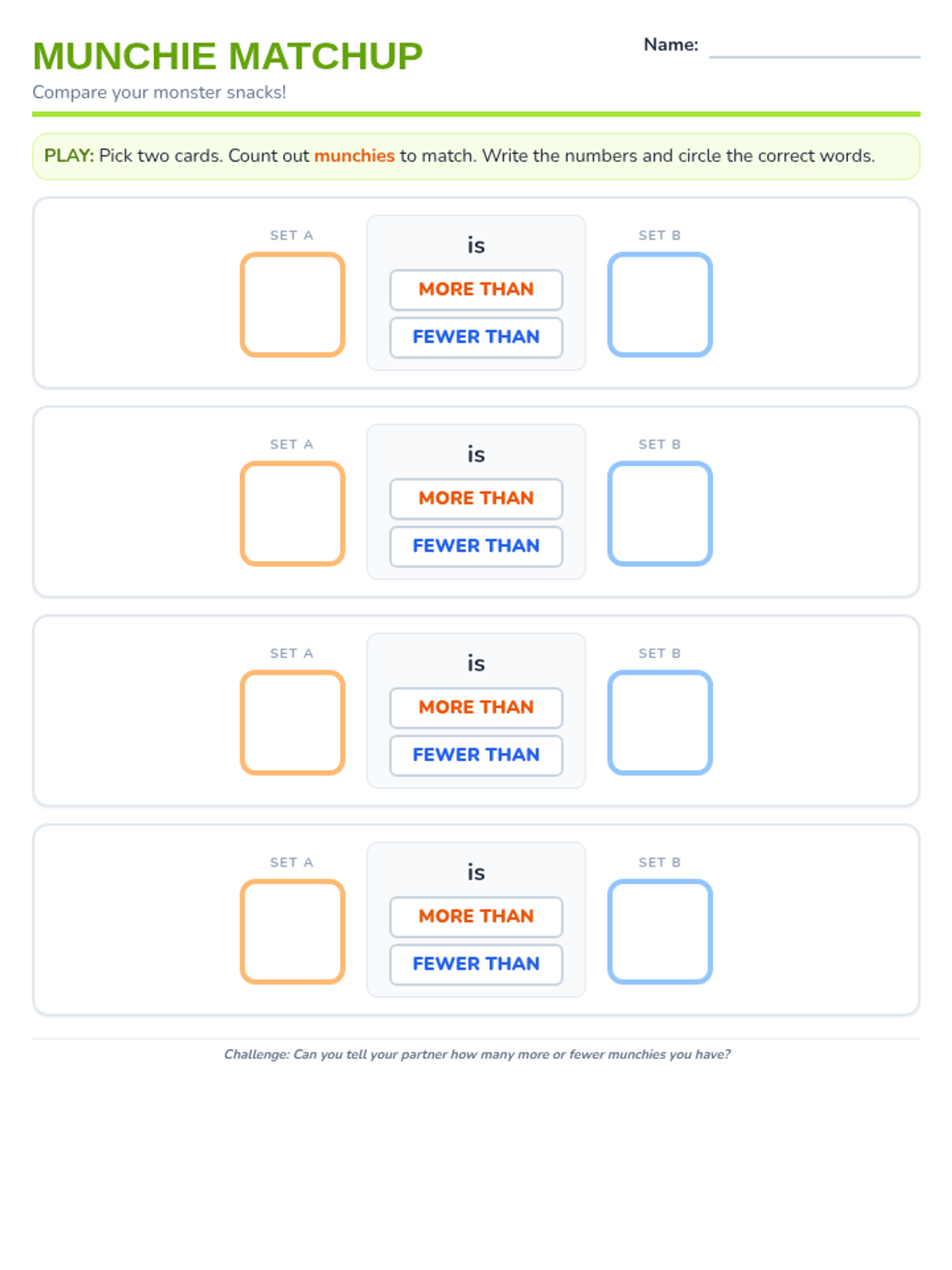
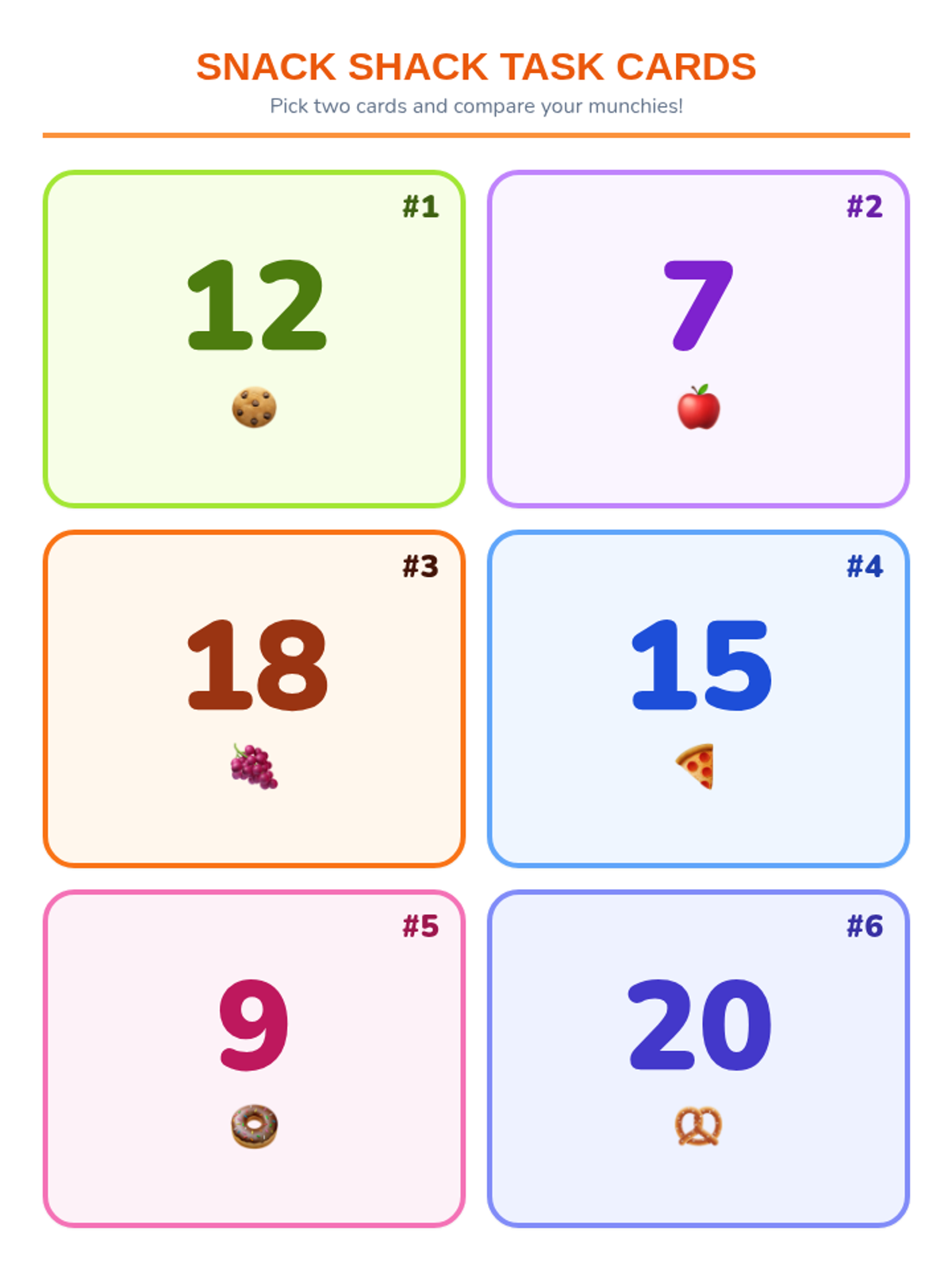
Students will use physical manipulatives and comparison language to determine which monster has more than or fewer than their friend. This lesson focuses on sets up to 20.
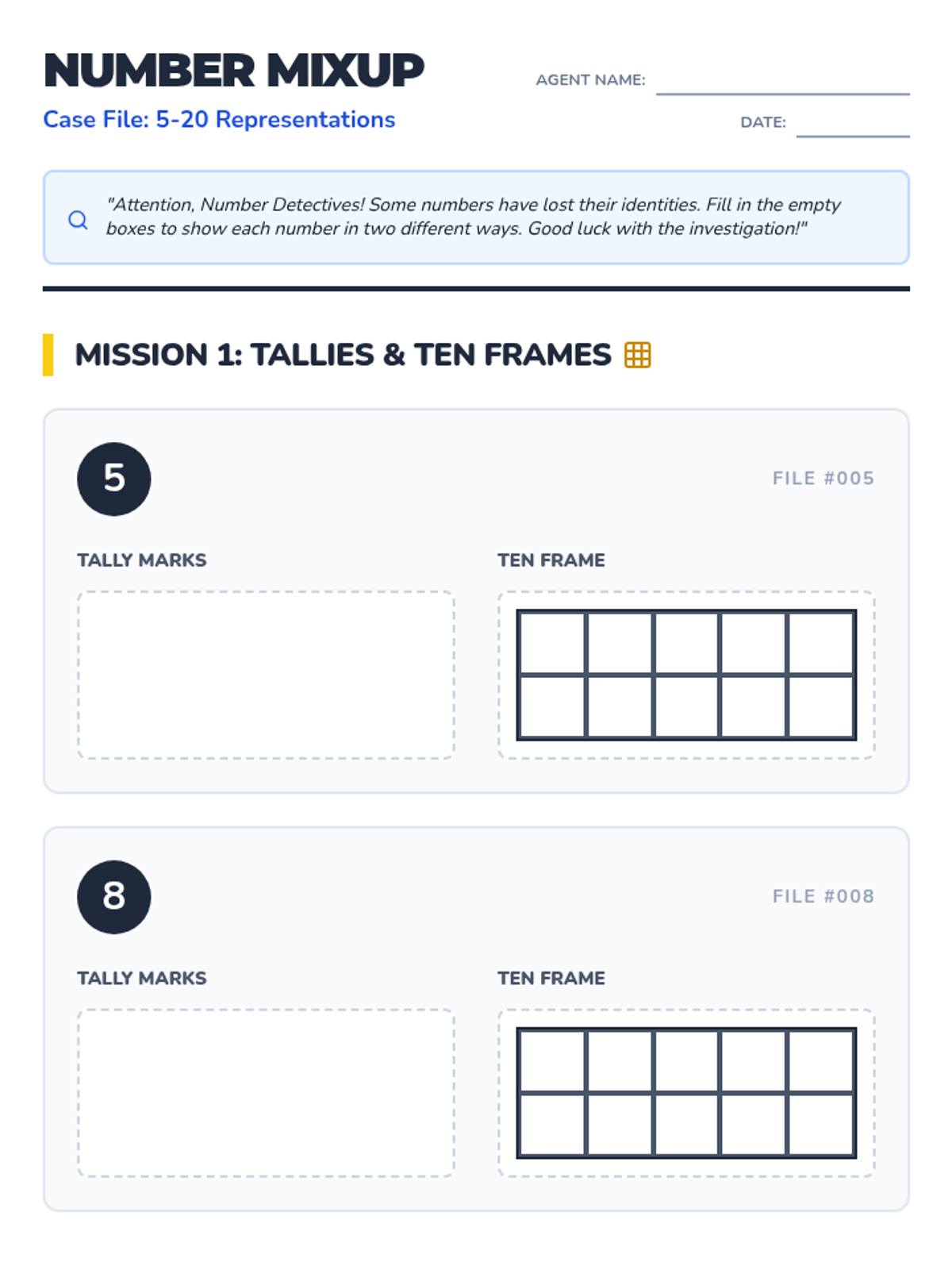
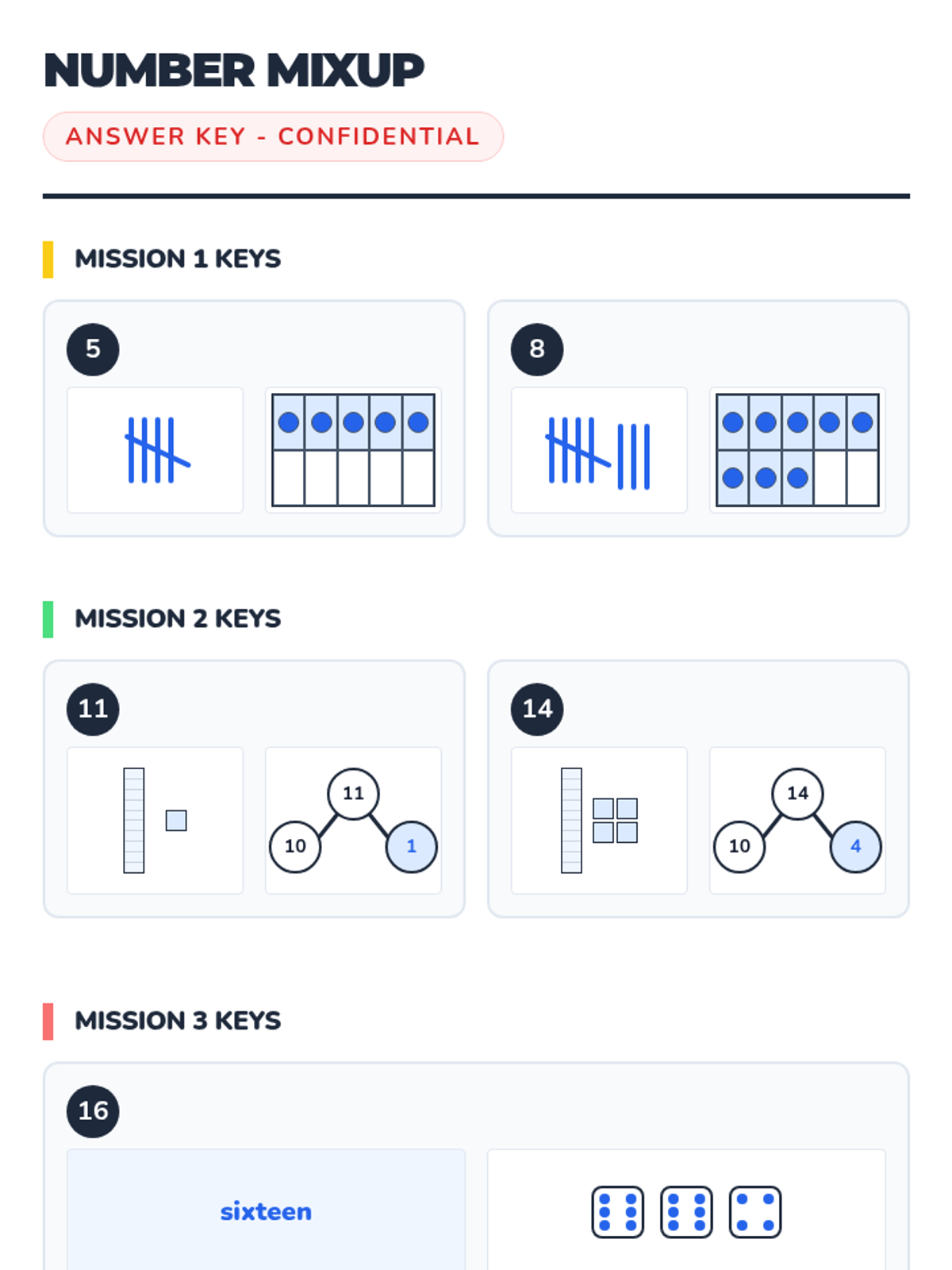
Students explore and practice multiple ways to represent numbers from 5 to 20, using visual models, symbolic notation, and linguistic forms to build deep number sense.
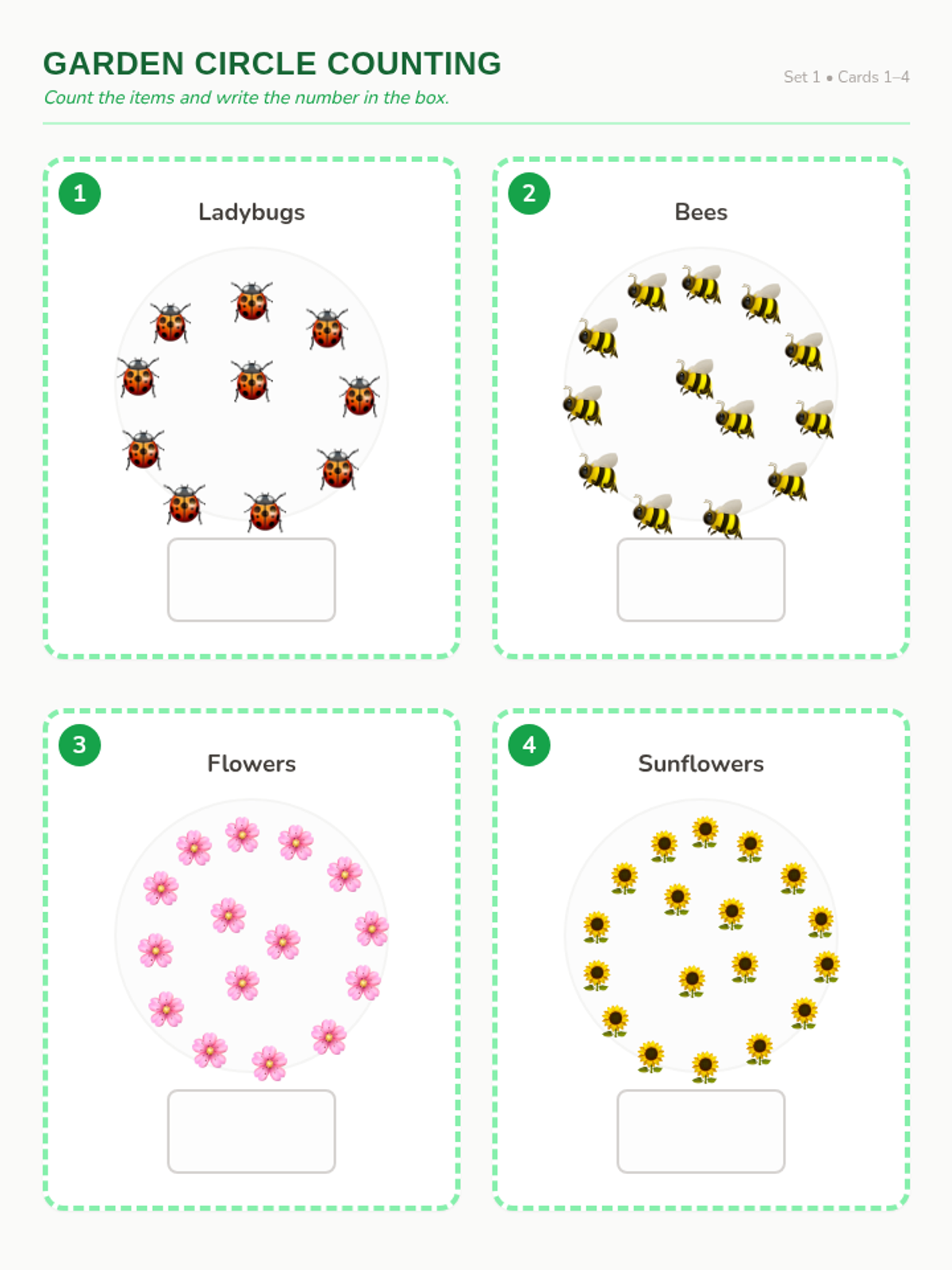
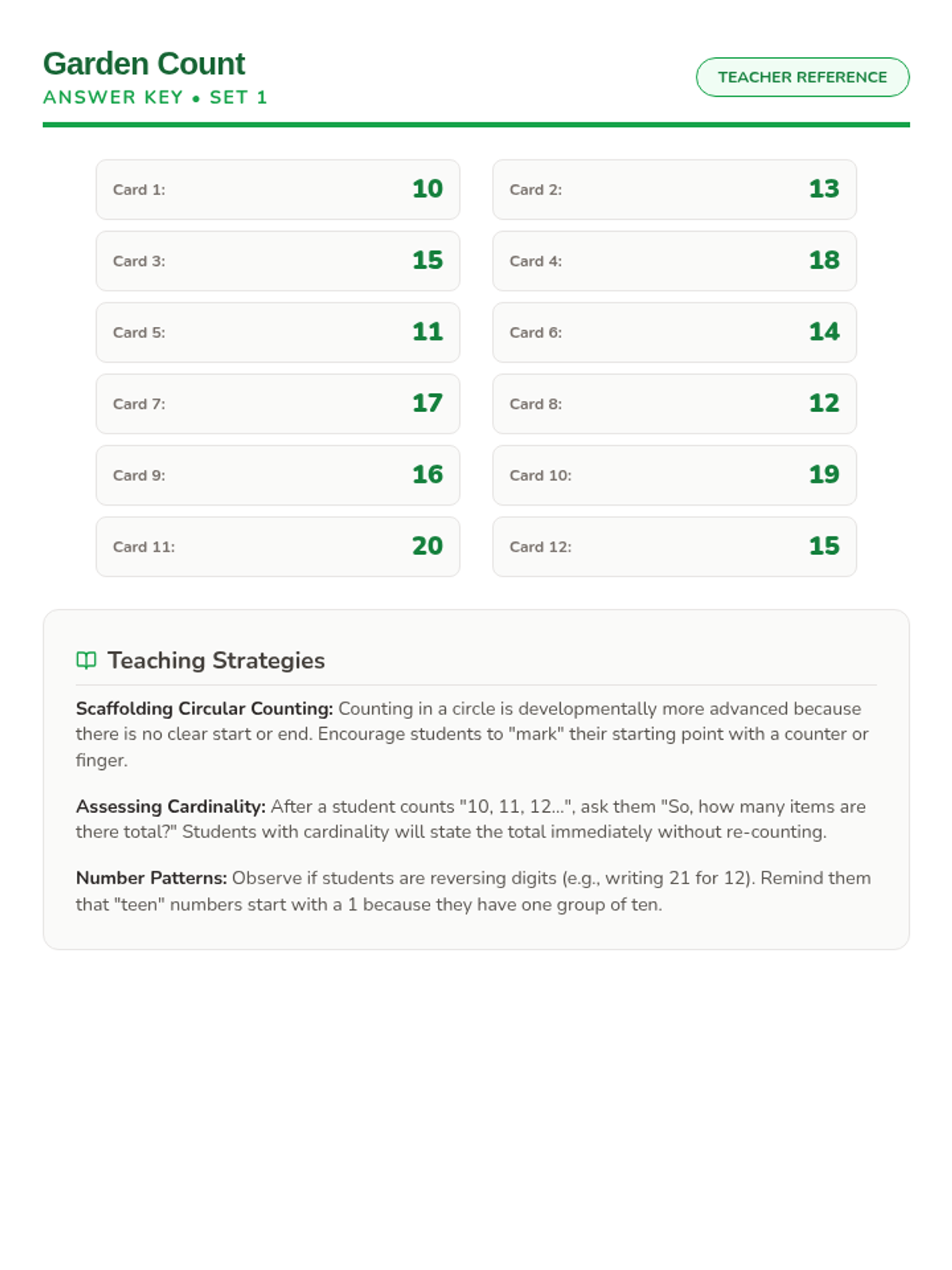
A lesson focused on developing one-to-one correspondence and cardinality by counting objects in circular configurations, specifically targeting the challenging 'teen' numbers 10-20.
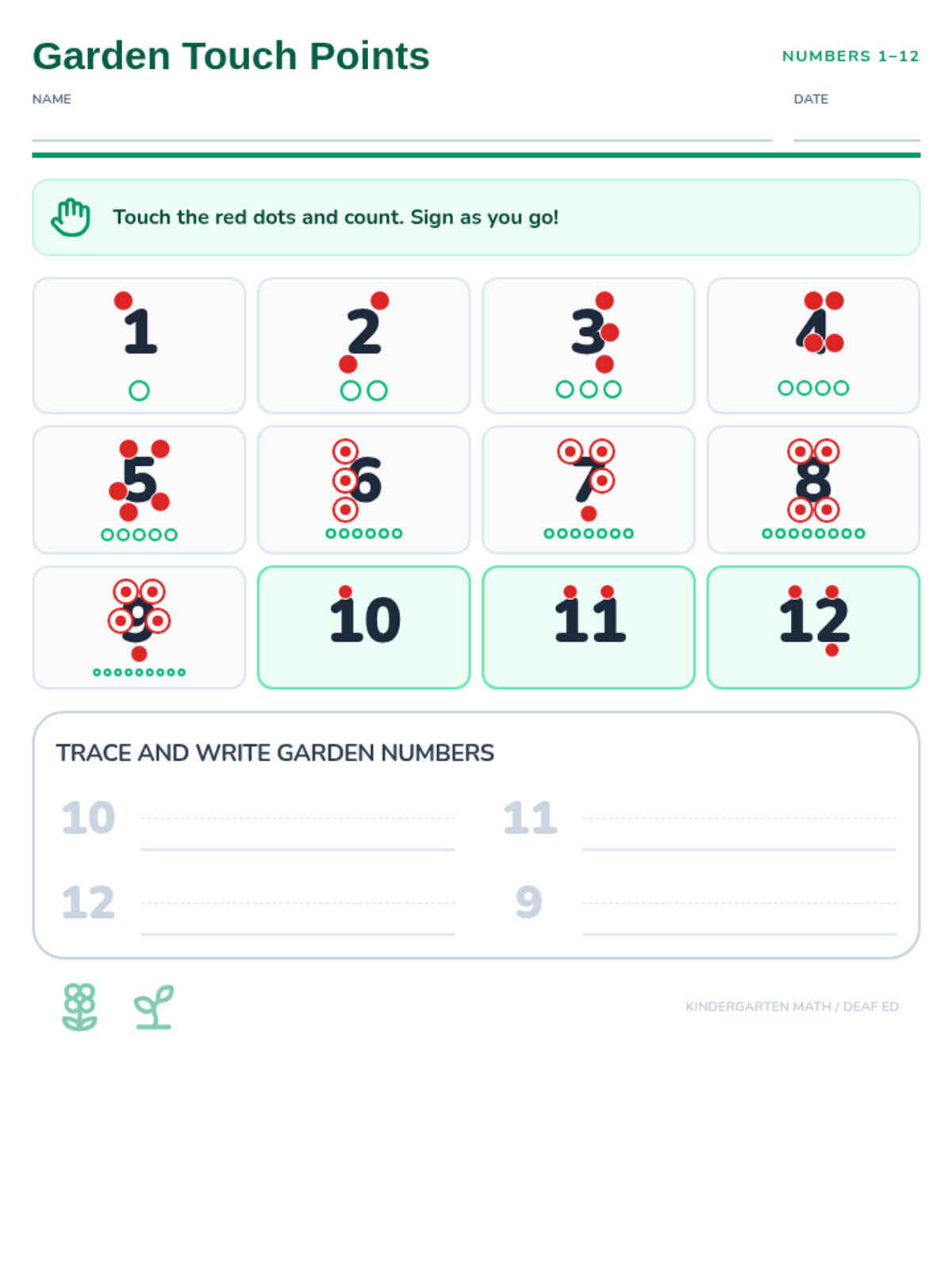
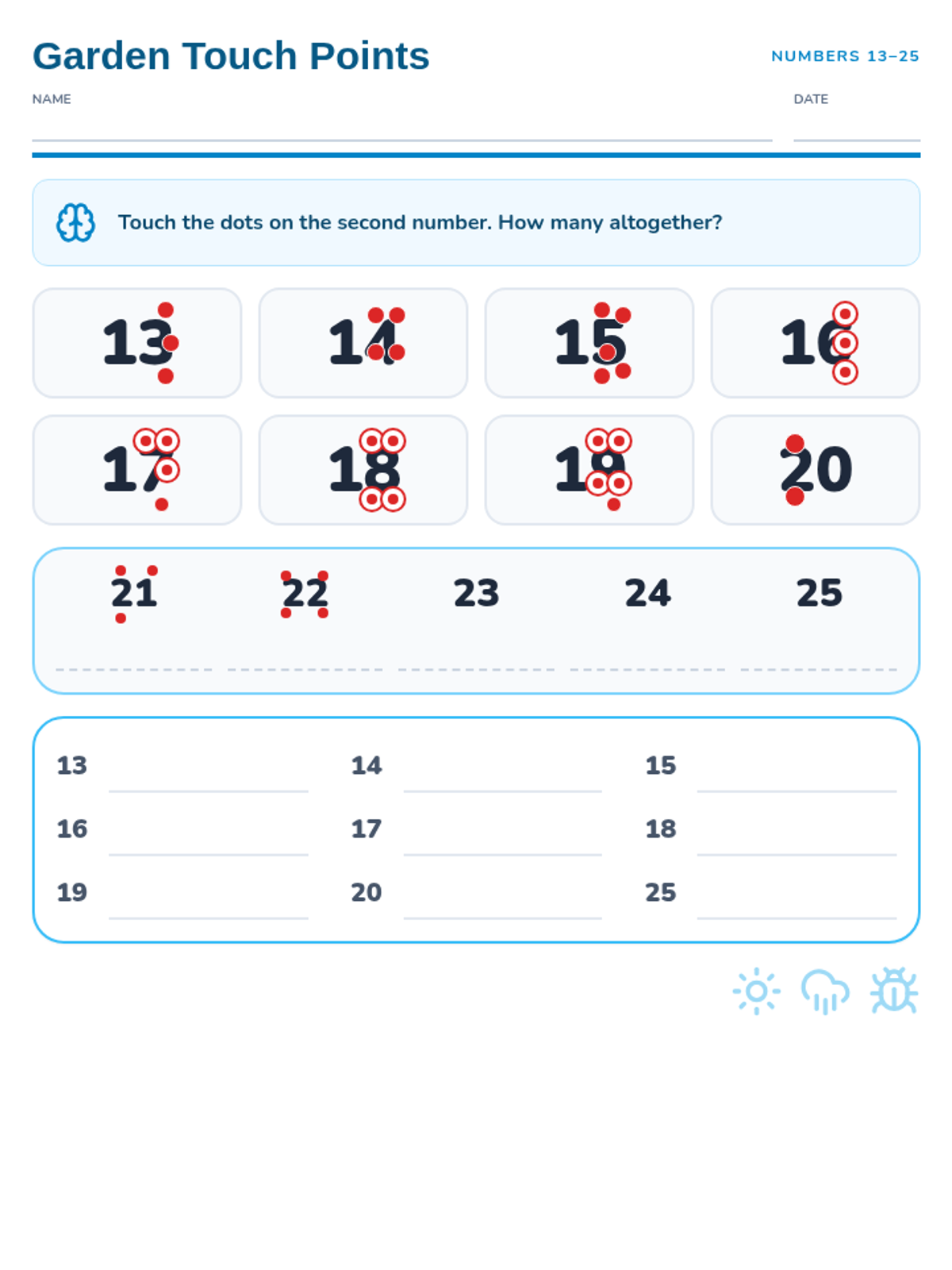
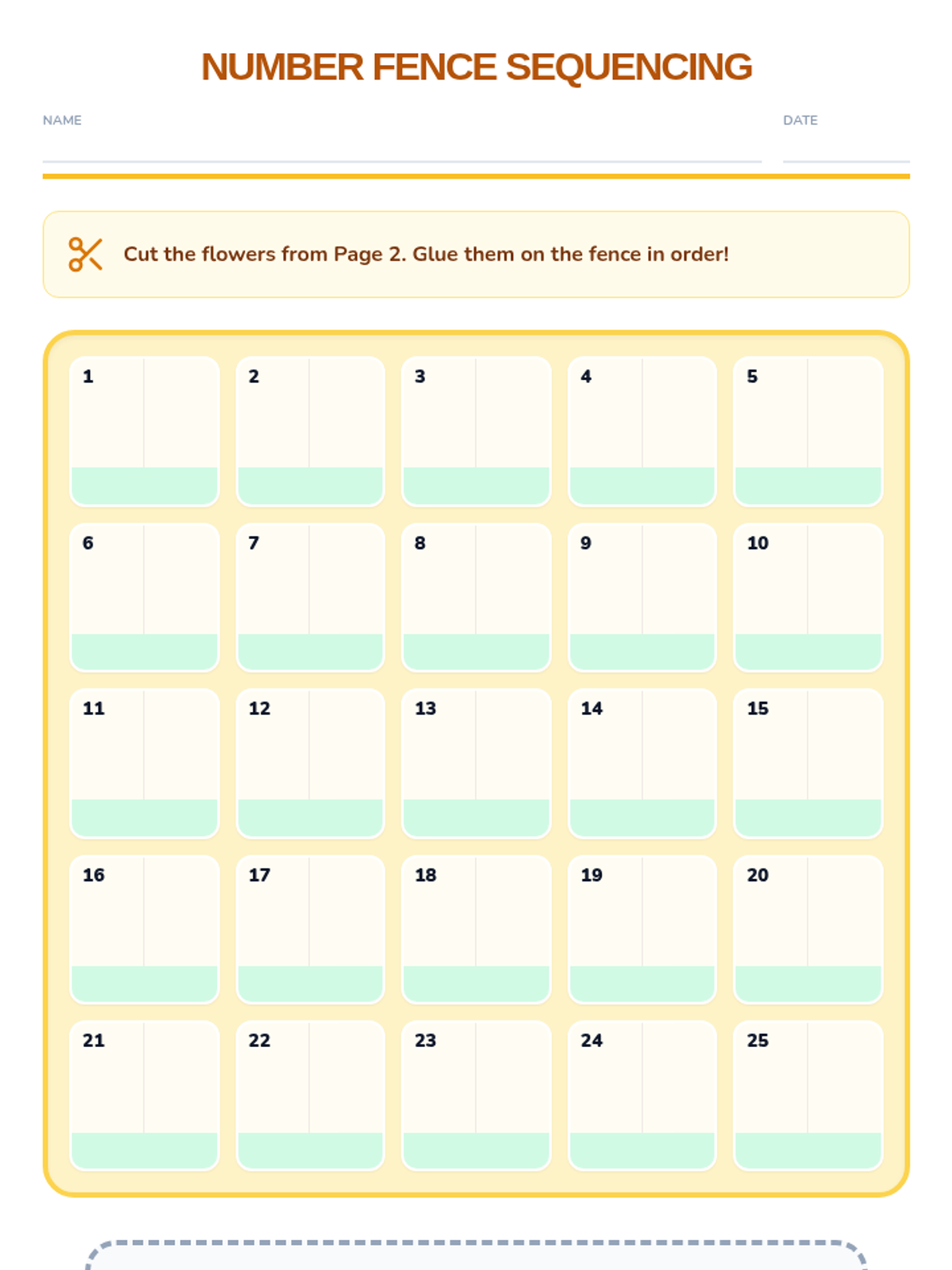
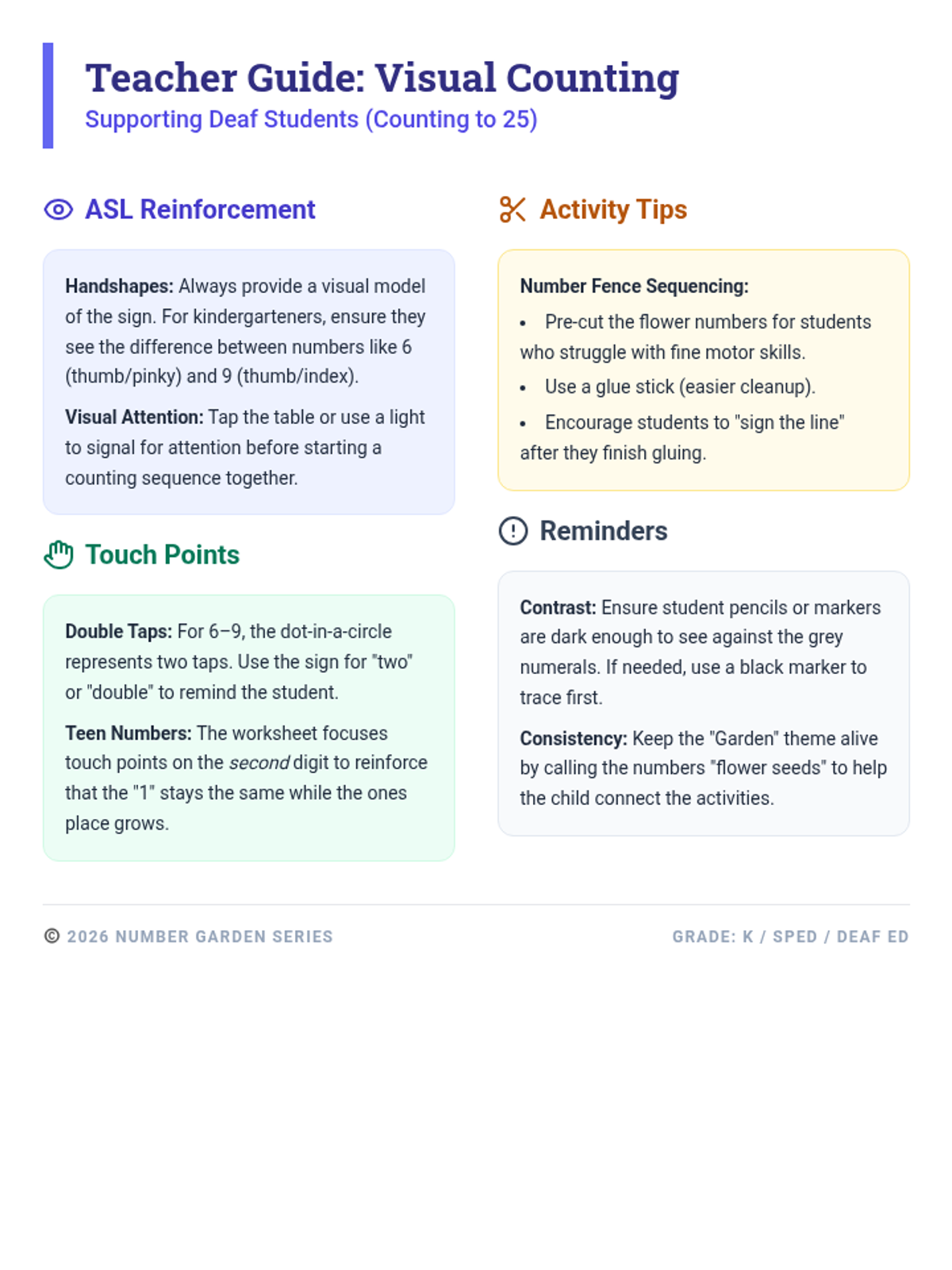
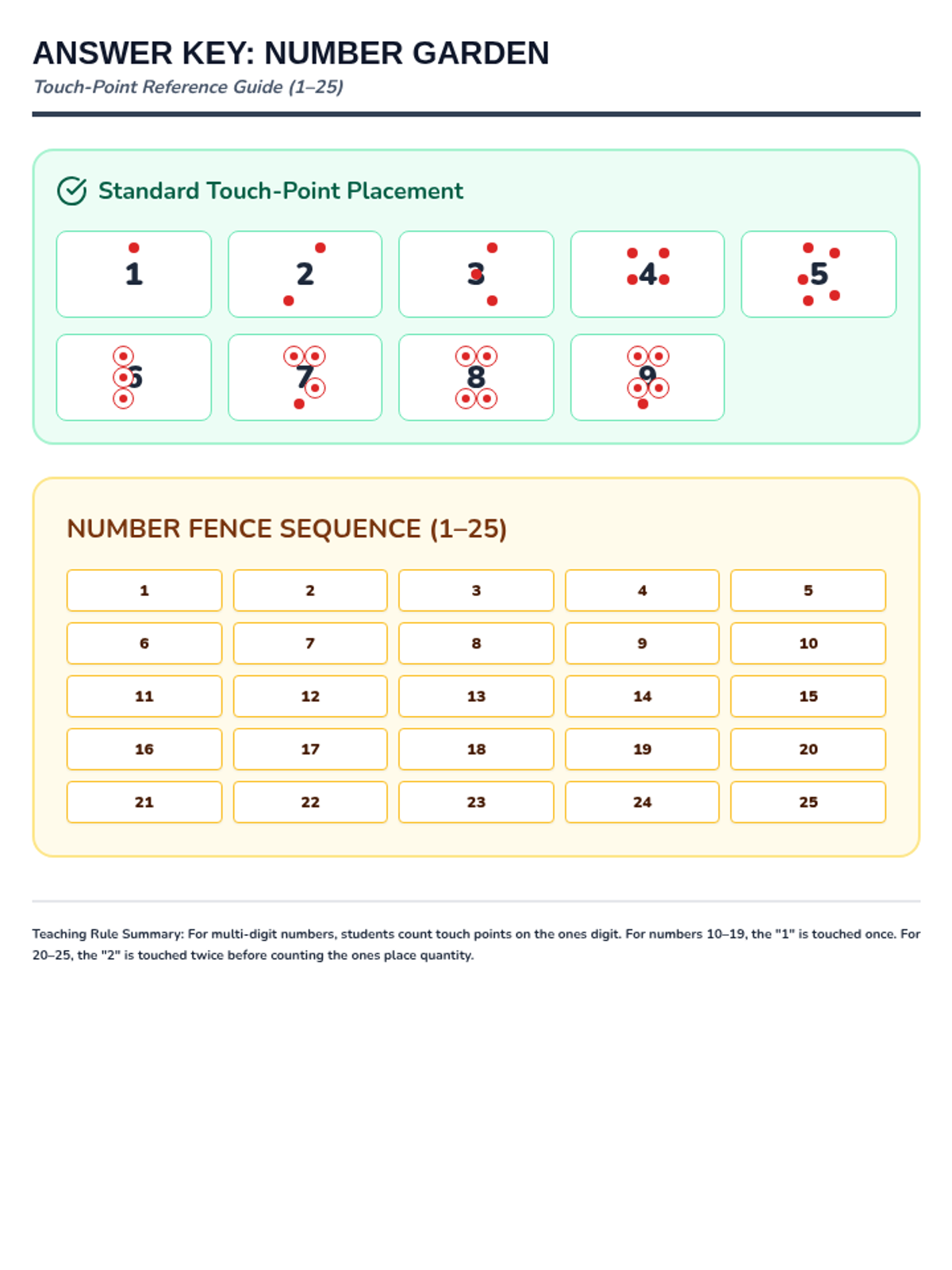
A series of visually-rich activities for kindergarten students to master counting to 25 using touch-point numbers and sequencing exercises, specifically designed with visual supports for deaf learners.