A series of visually-rich activities for kindergarten students to master counting to 25 using touch-point numbers and sequencing exercises, specifically designed with visual supports for deaf learners.
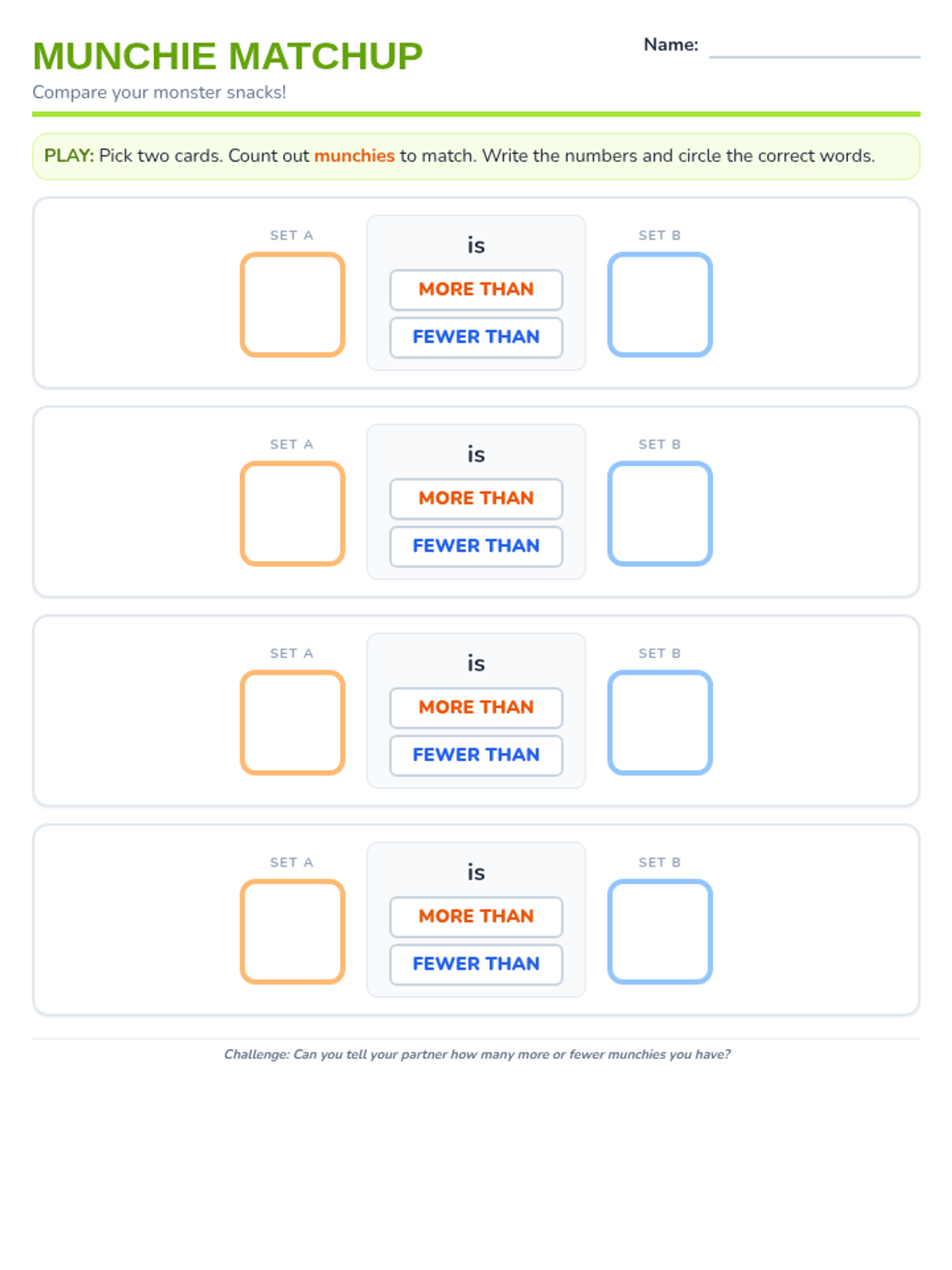
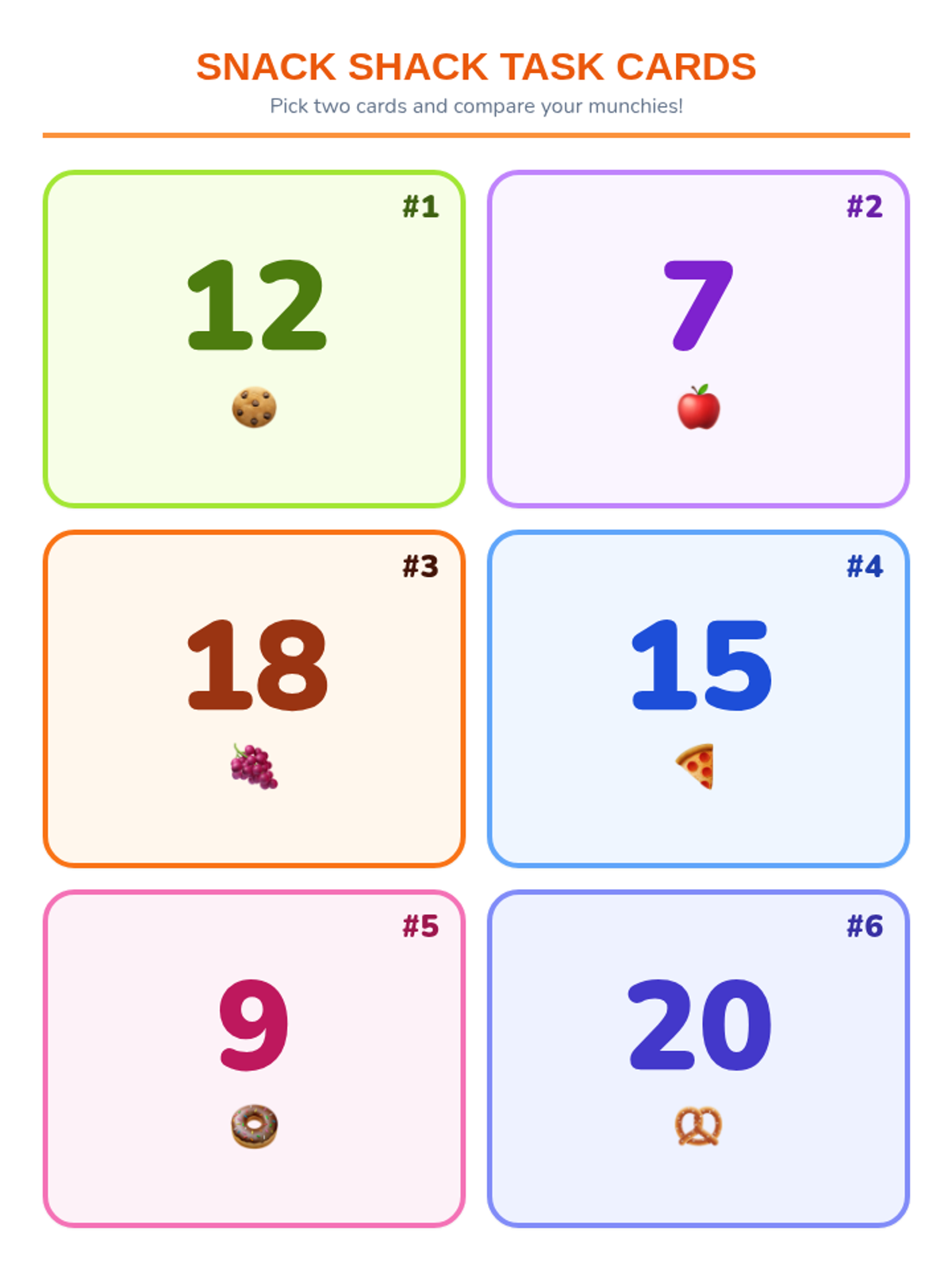
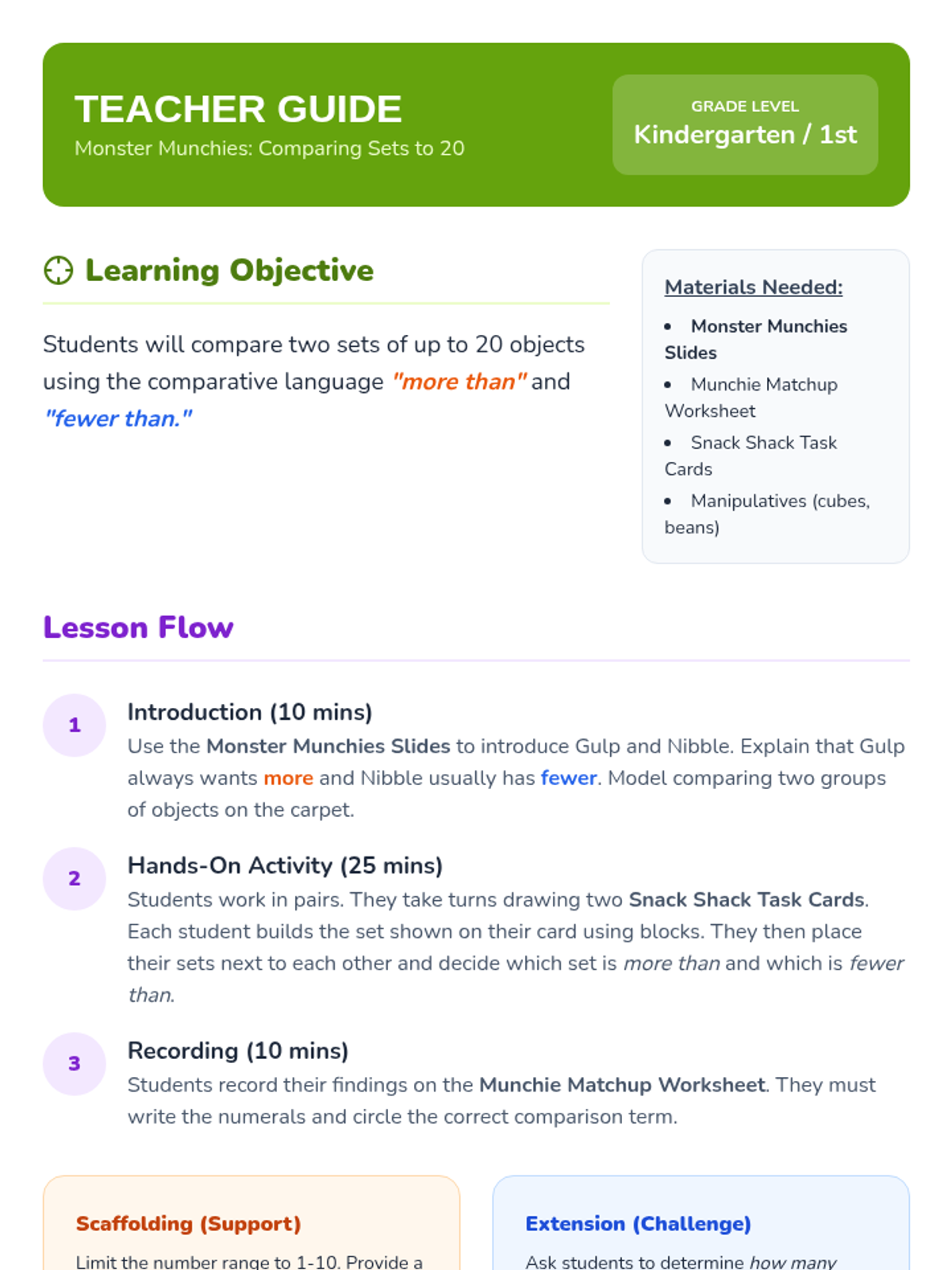
Students will use physical manipulatives and comparison language to determine which monster has more than or fewer than their friend. This lesson focuses on sets up to 20.
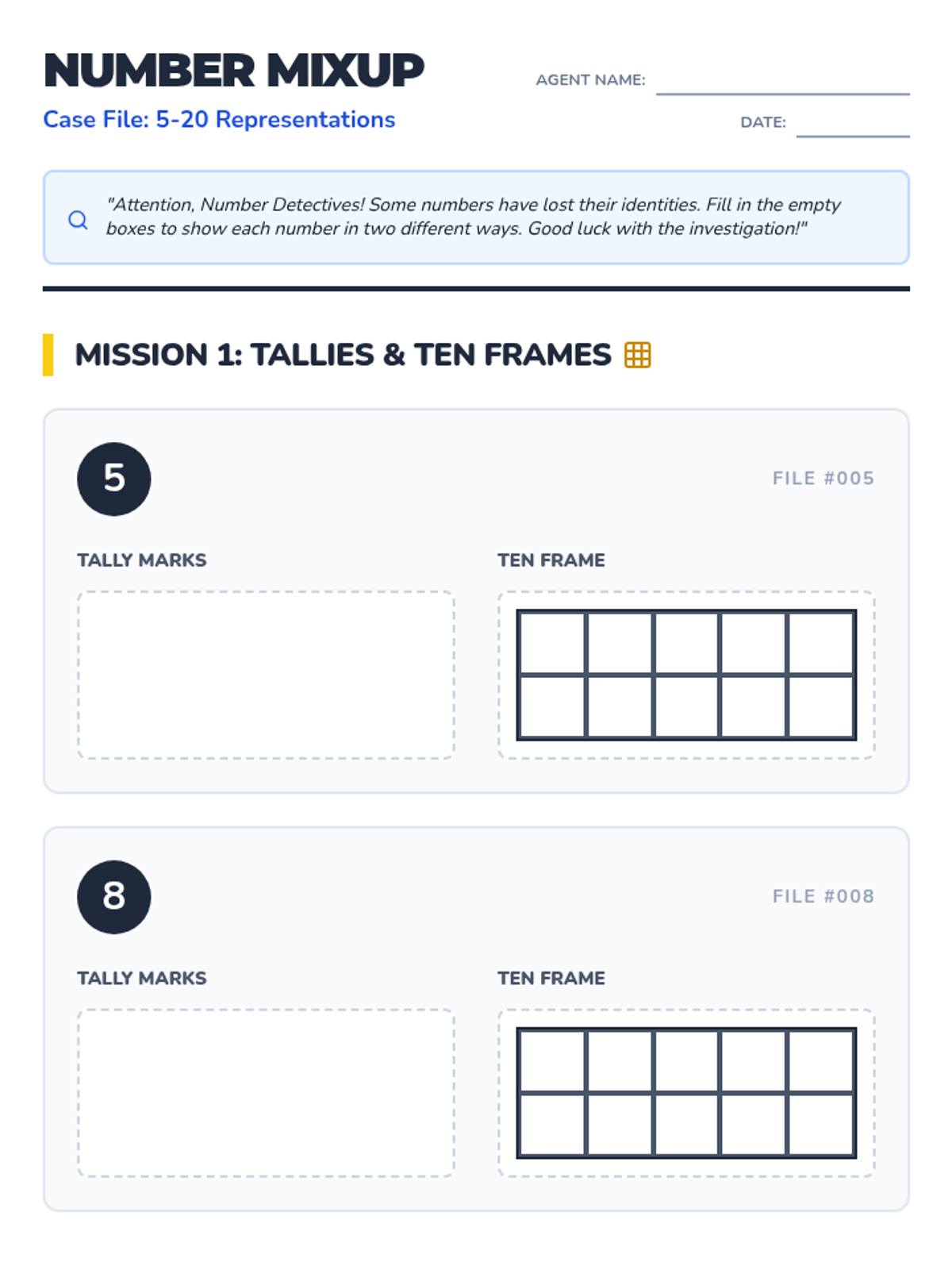
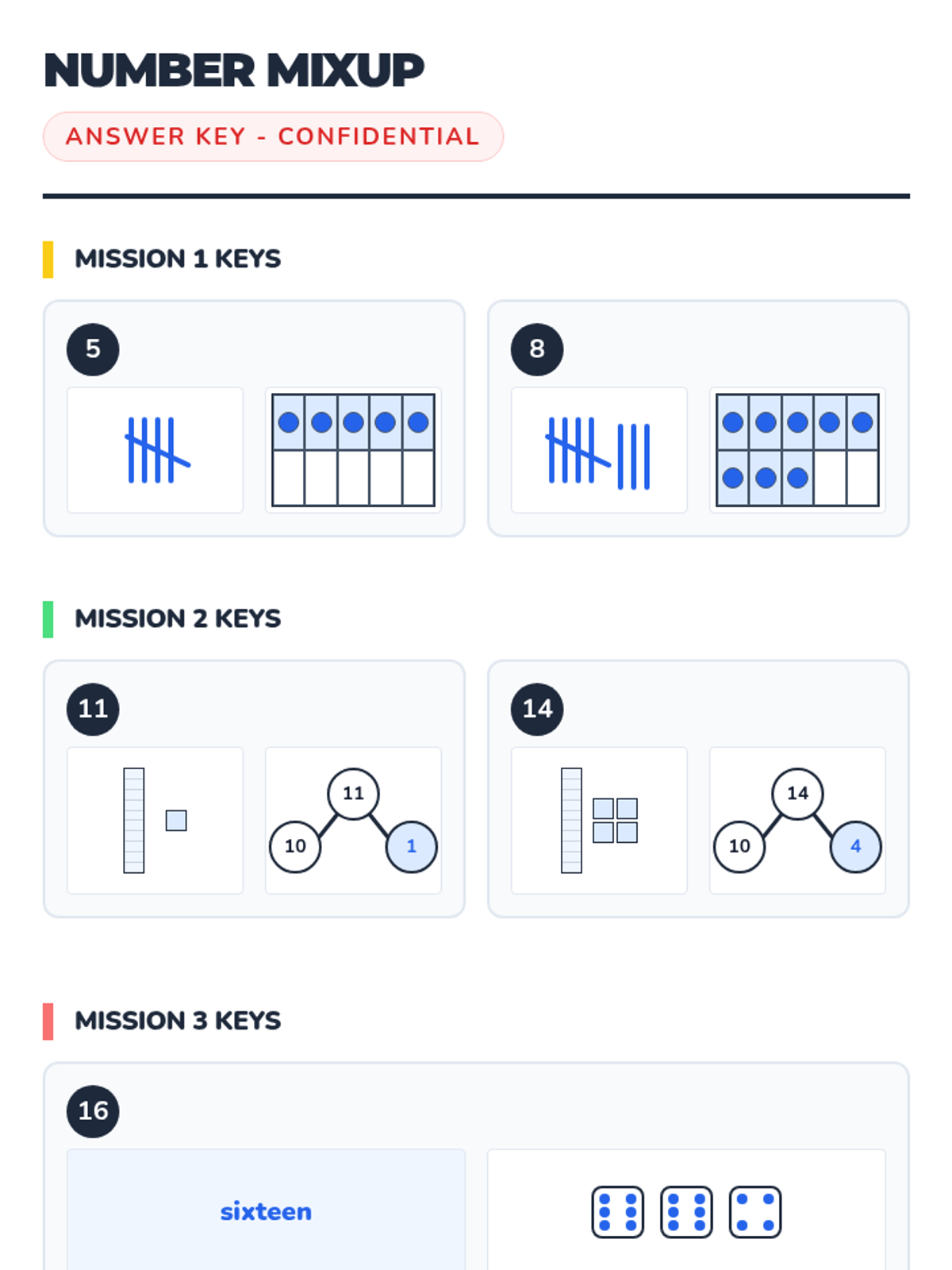
Students explore and practice multiple ways to represent numbers from 5 to 20, using visual models, symbolic notation, and linguistic forms to build deep number sense.
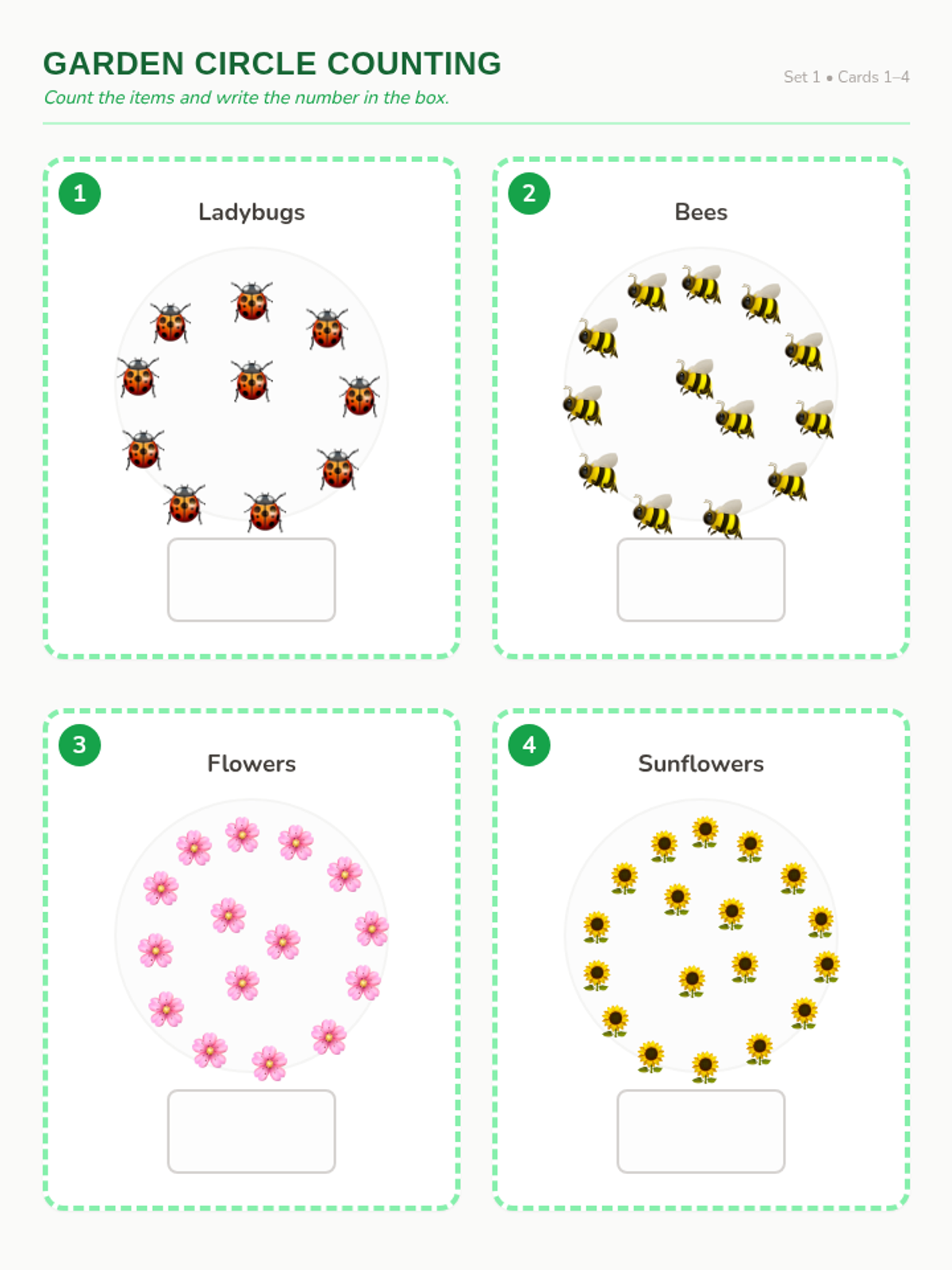
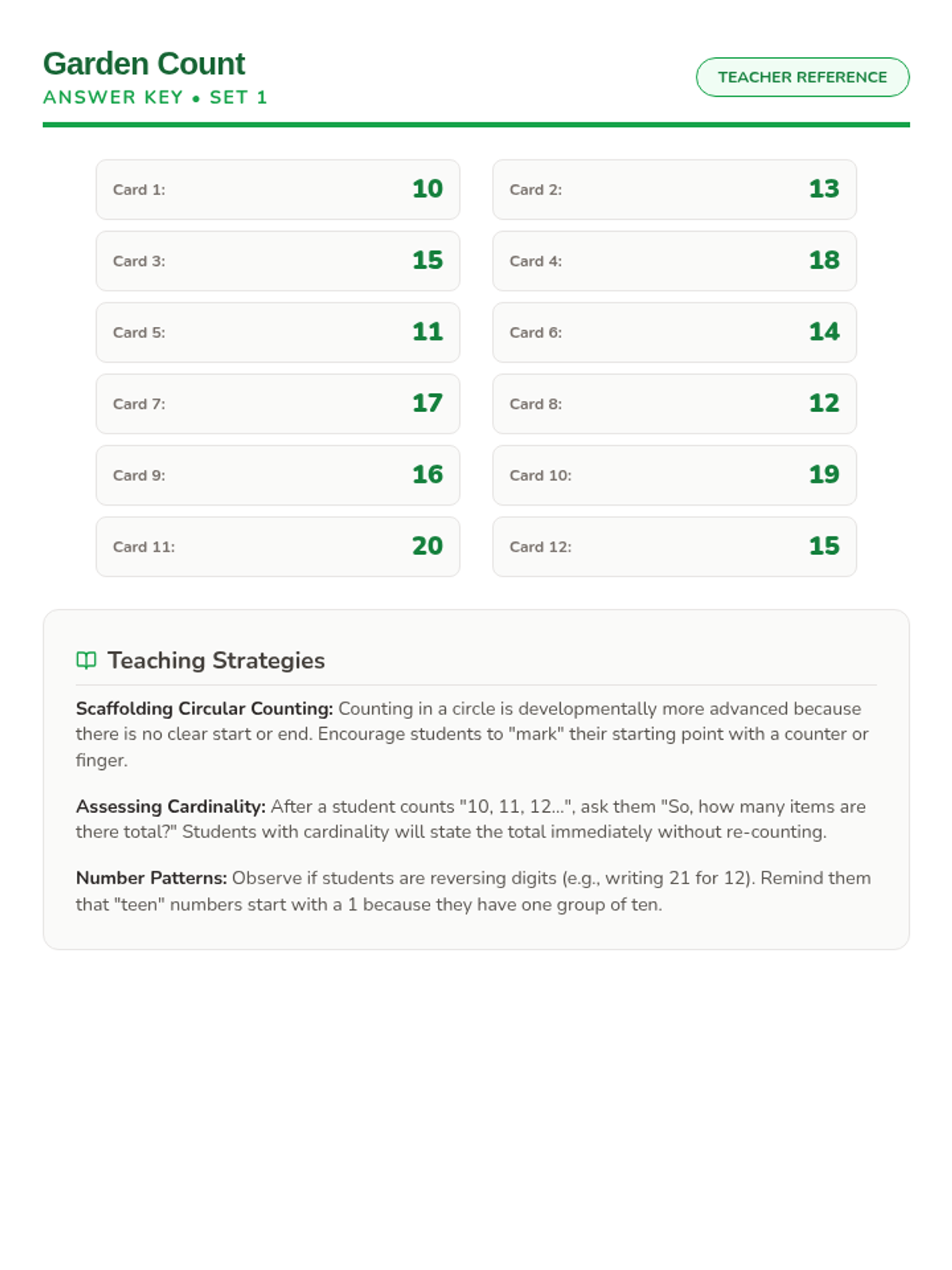
A lesson focused on developing one-to-one correspondence and cardinality by counting objects in circular configurations, specifically targeting the challenging 'teen' numbers 10-20.
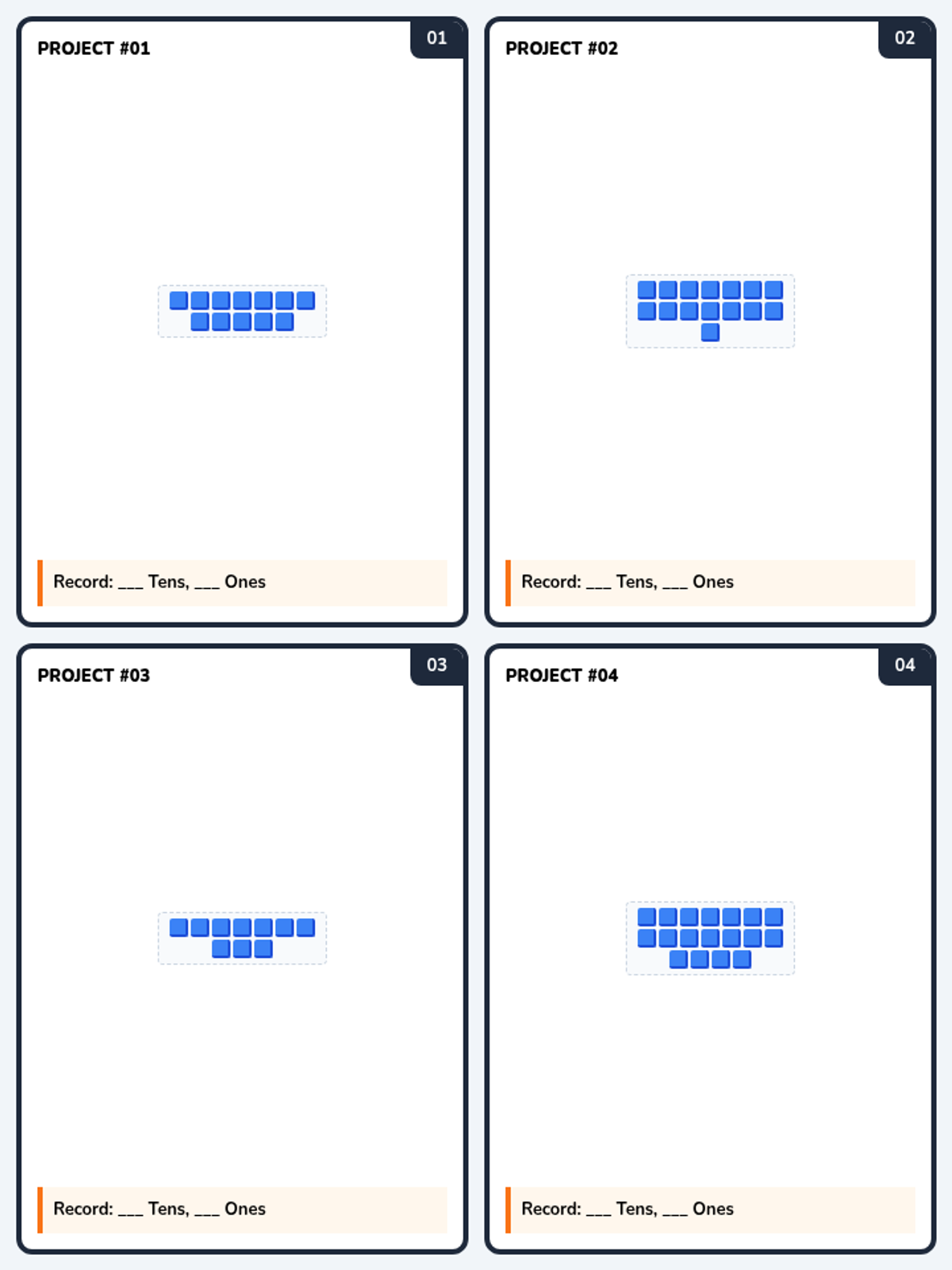
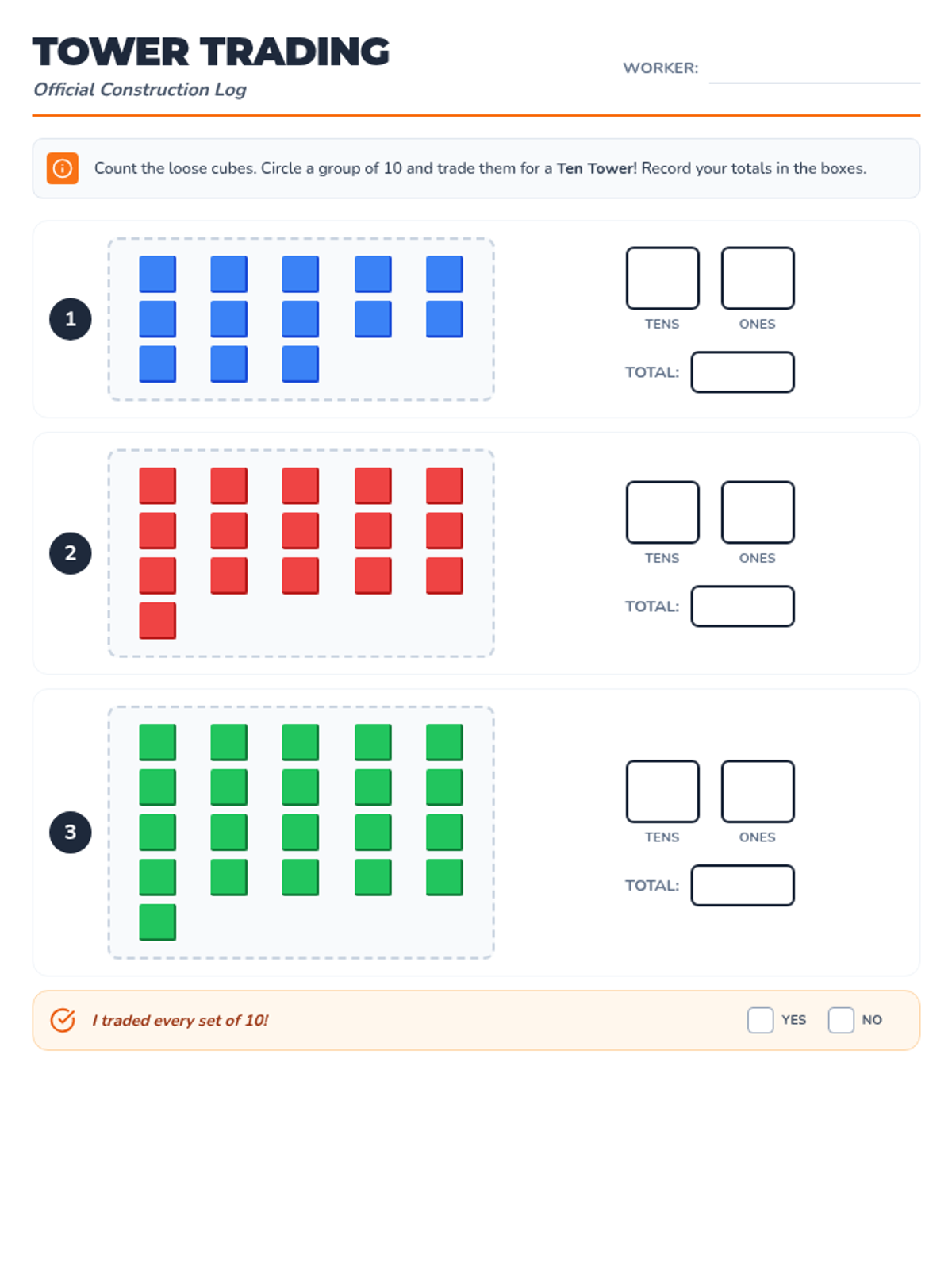
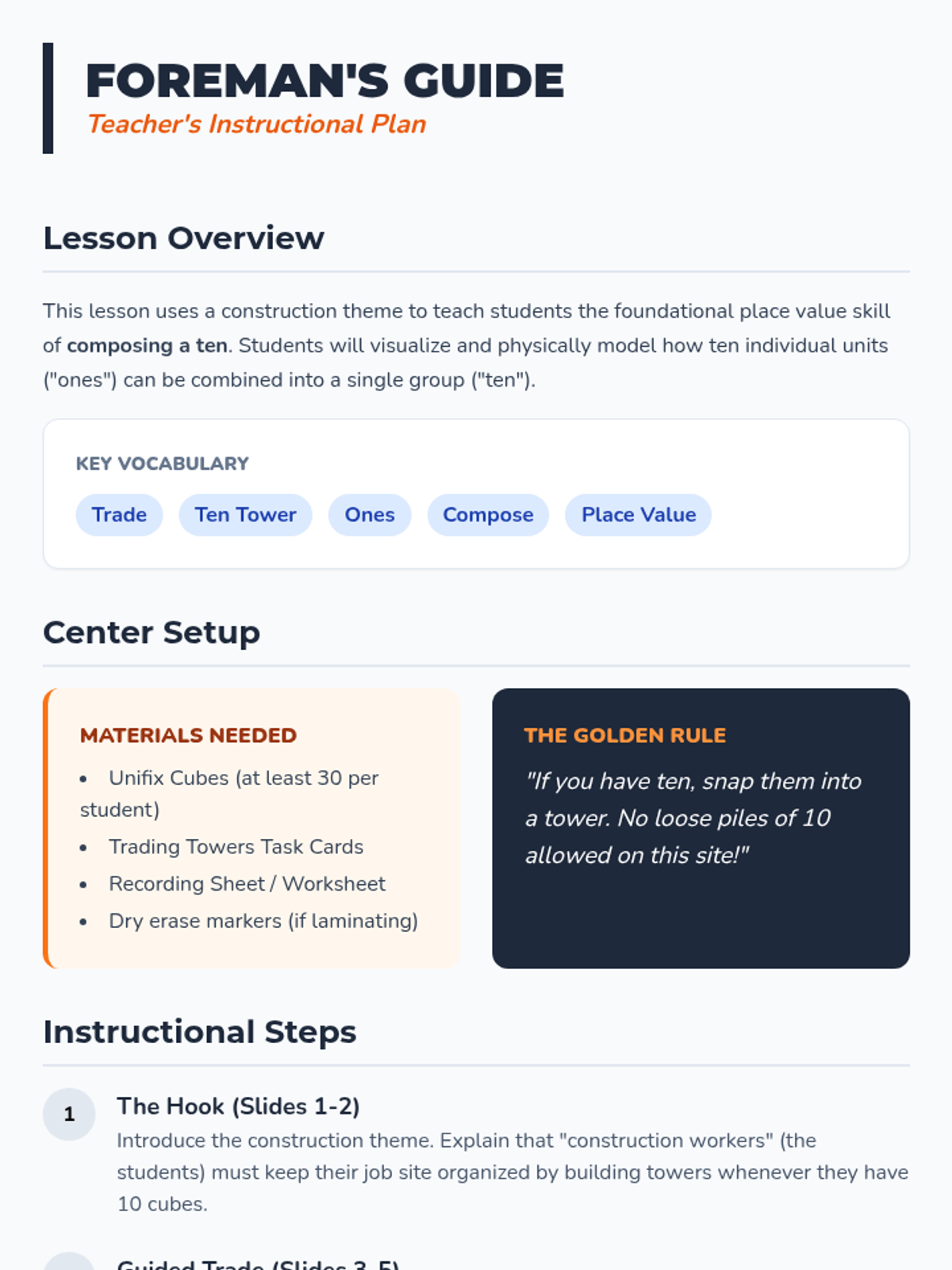
A hands-on lesson focused on place value foundations, specifically the concept of composing a ten by trading 10 individual ones for 1 ten-rod using Unifix cubes.
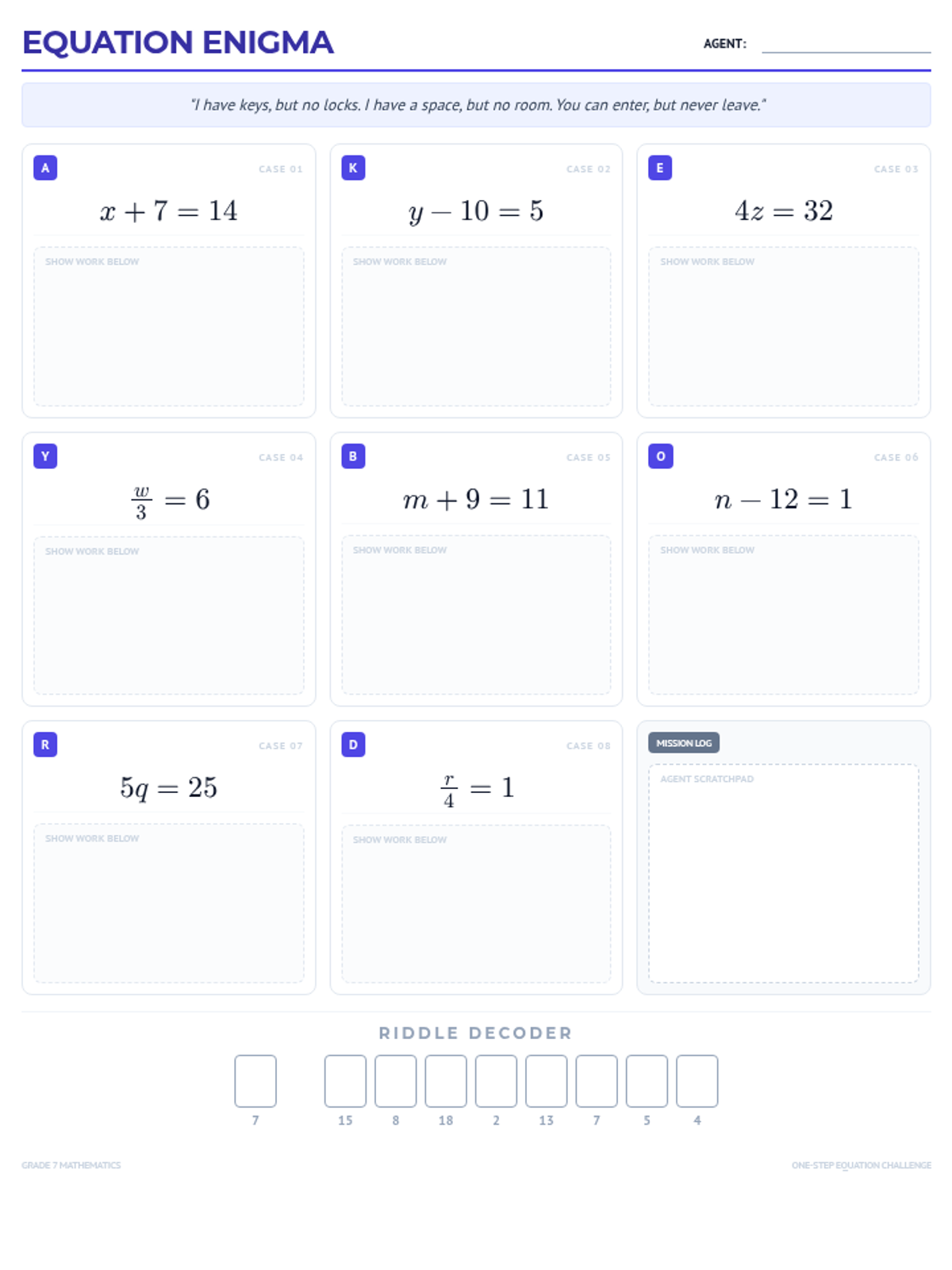
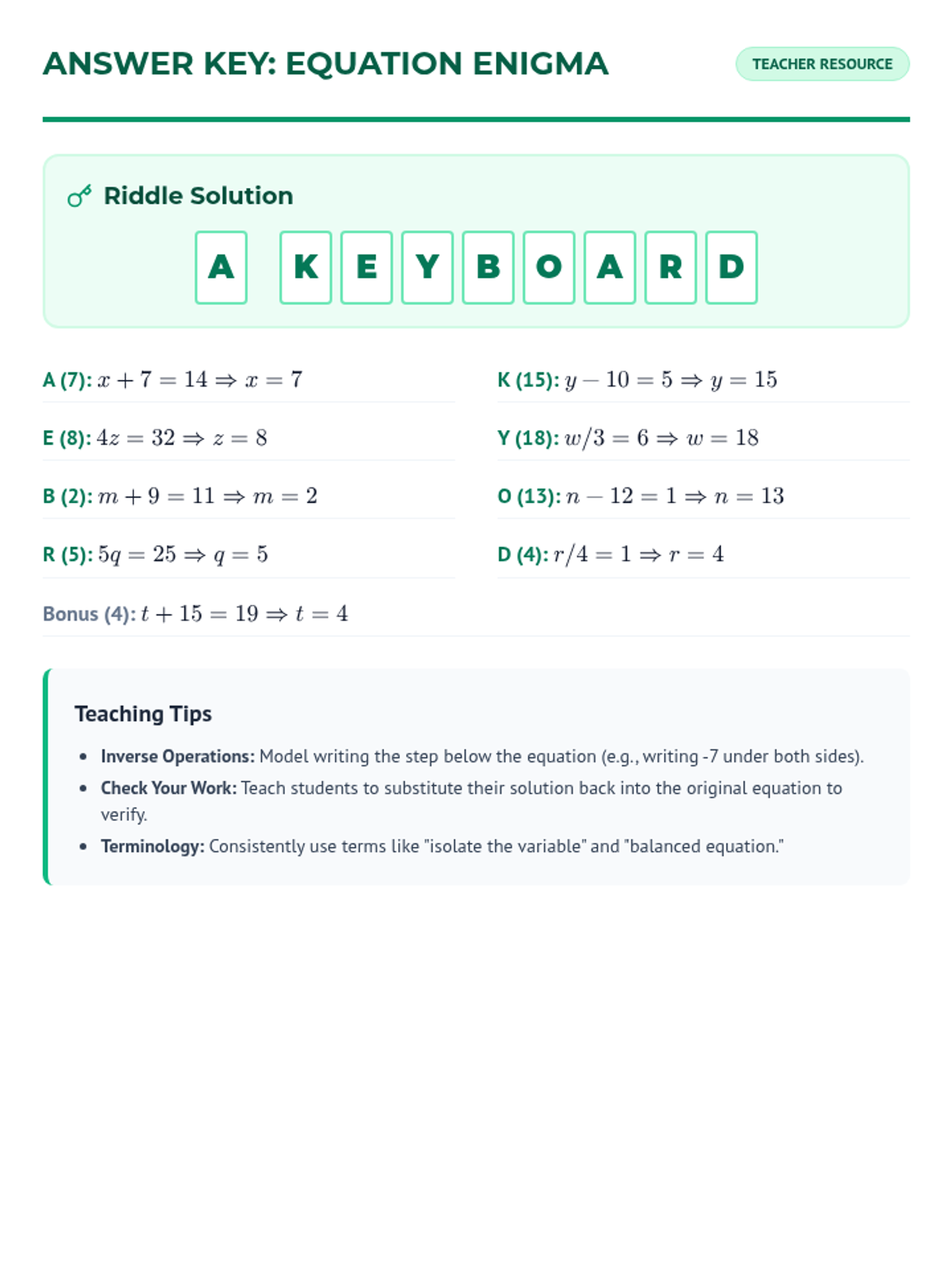
A focused lesson on solving one-step equations using inverse operations with addition, subtraction, multiplication, and division. Students will apply their skills to solve a riddle, reinforcing the concept of isolating variables.
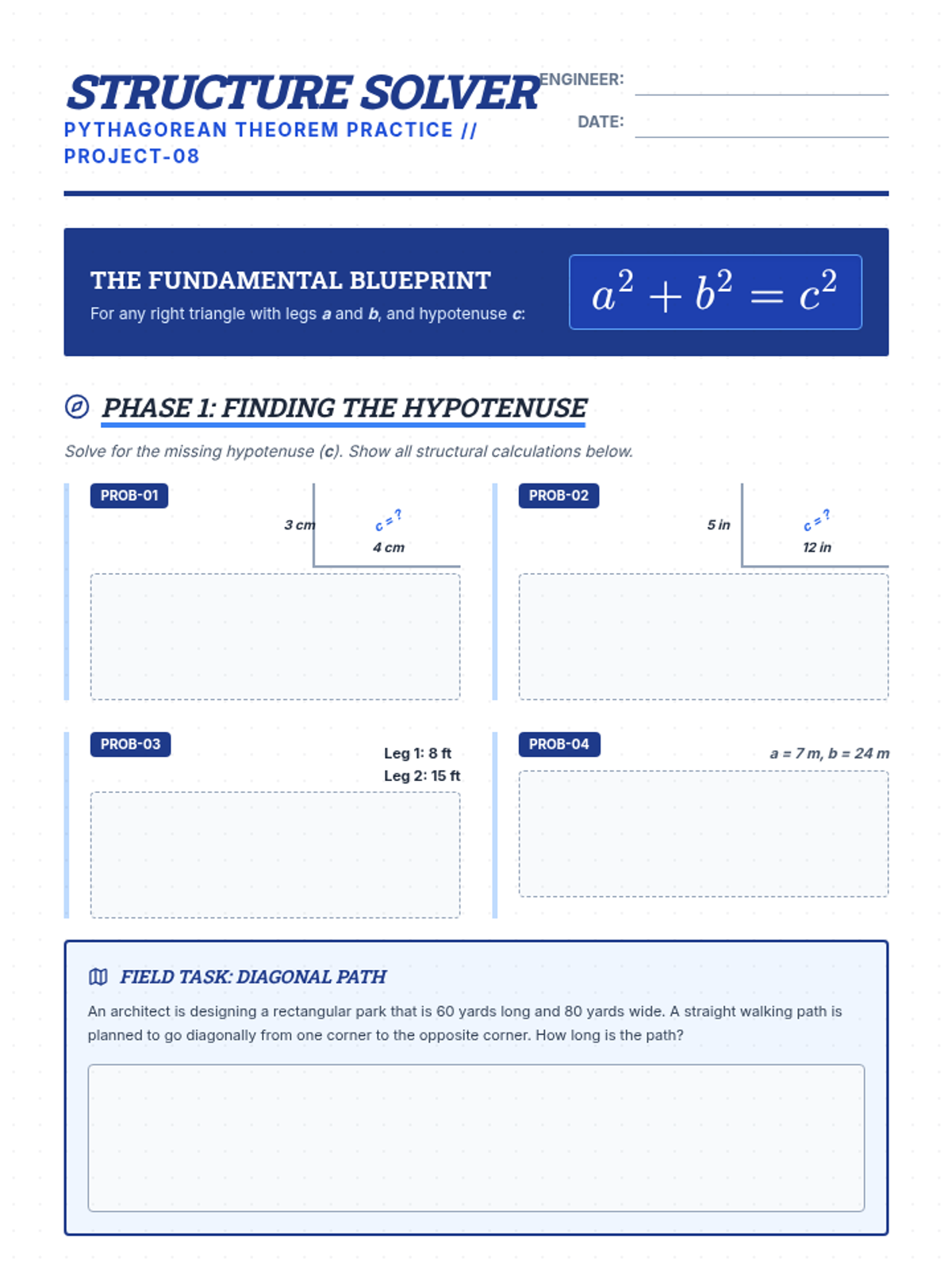
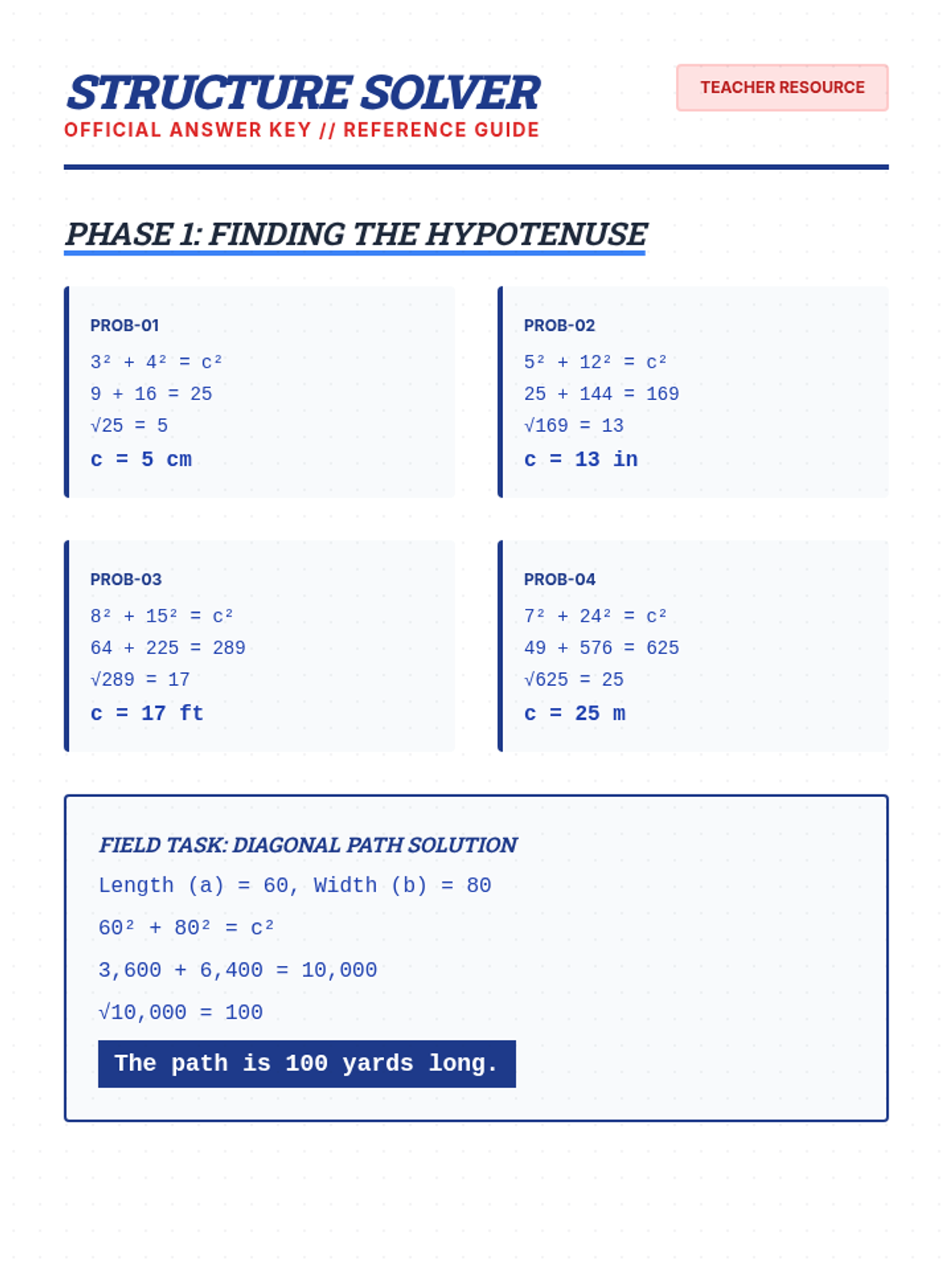
A focused practice session on applying the Pythagorean Theorem to find missing side lengths in right triangles, including both hypotenuse and leg calculations.
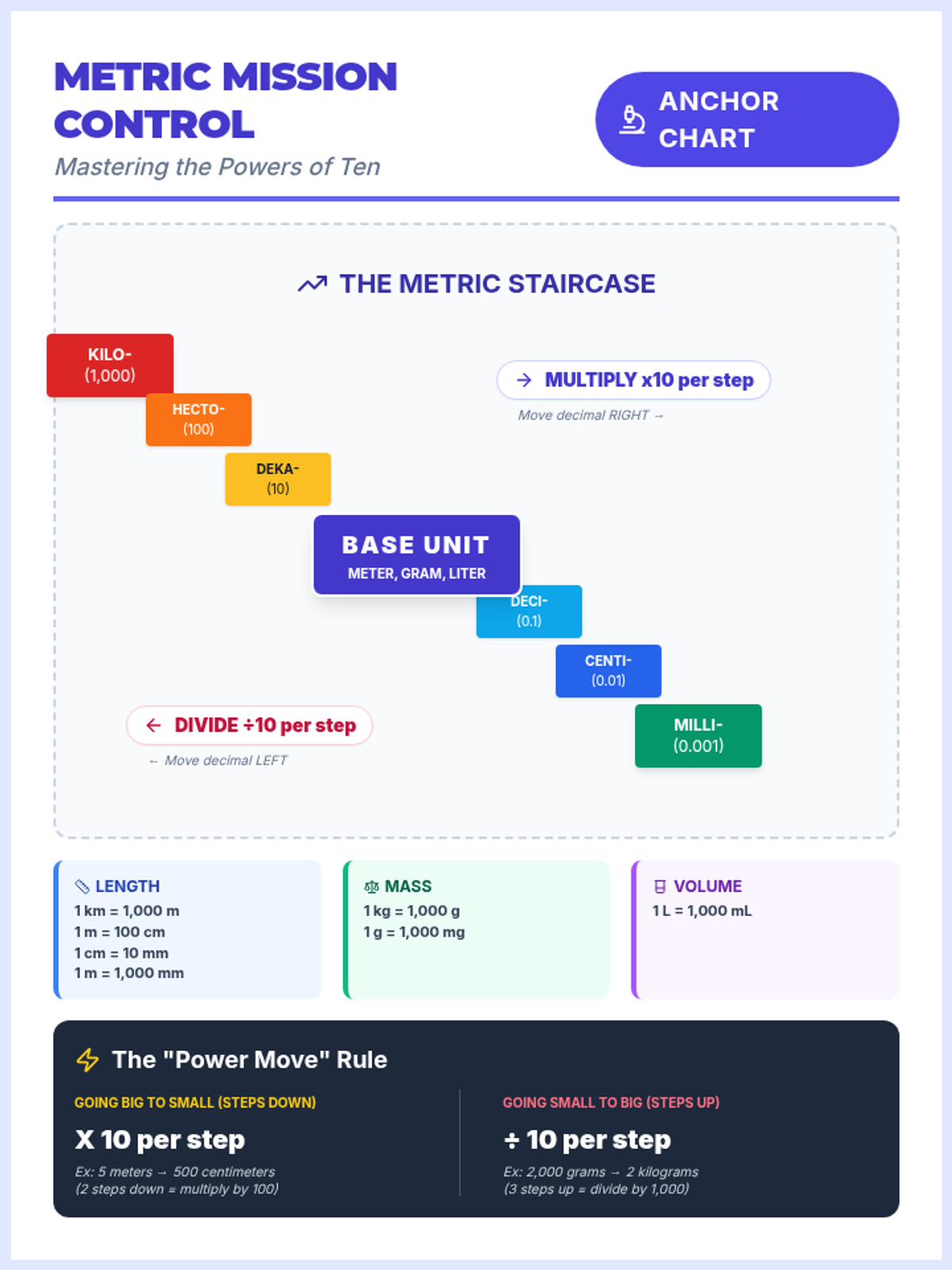
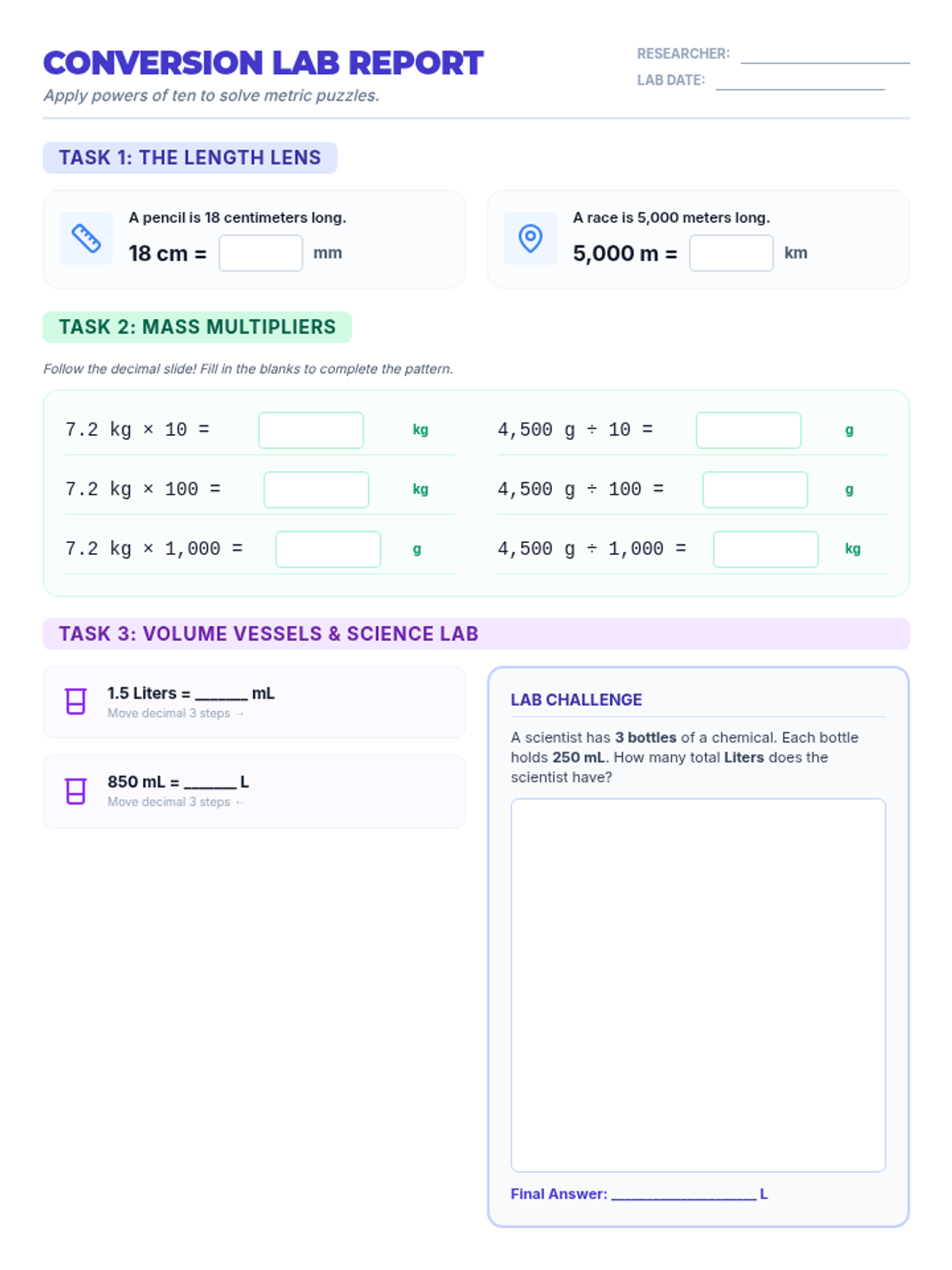
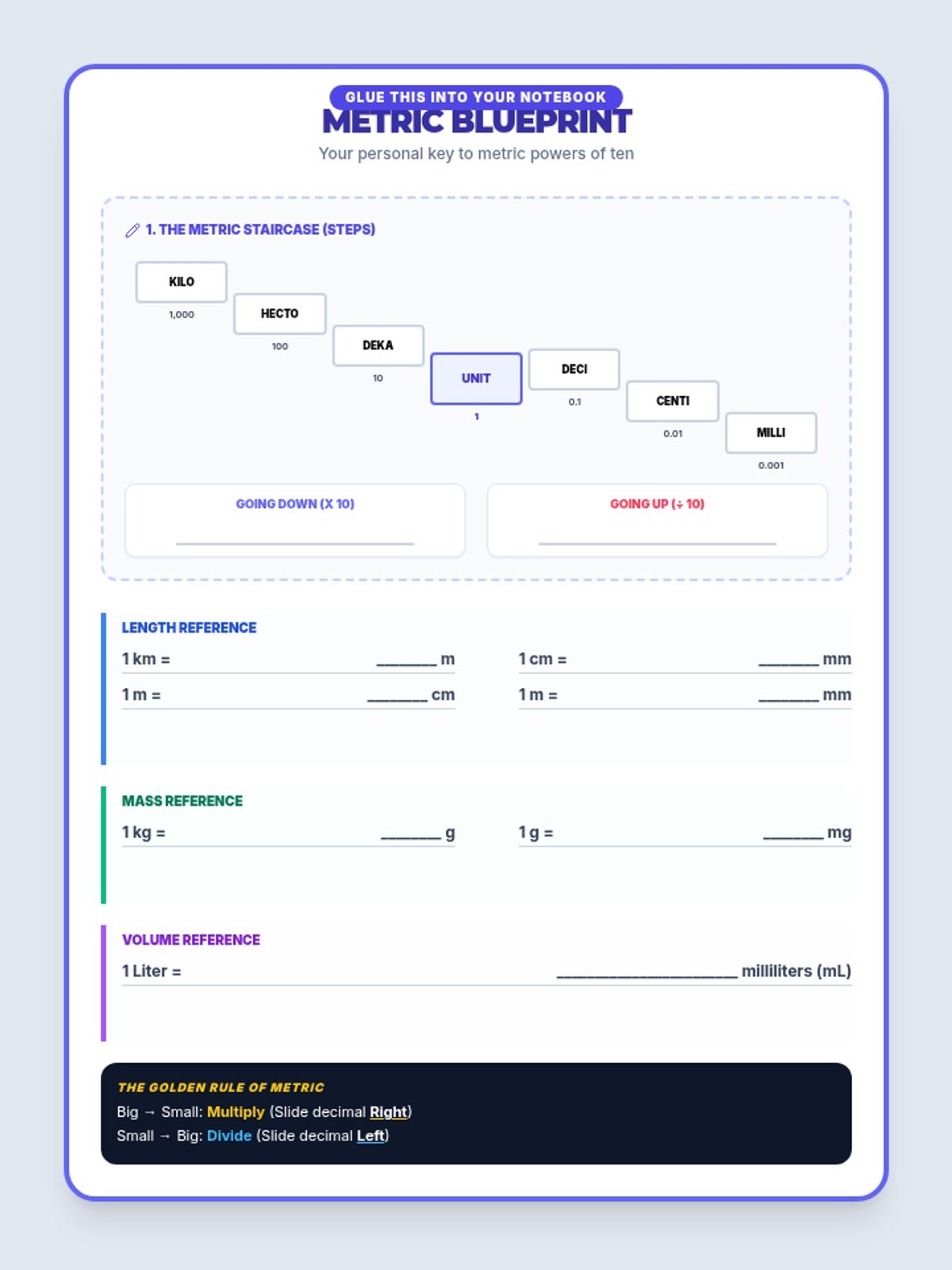
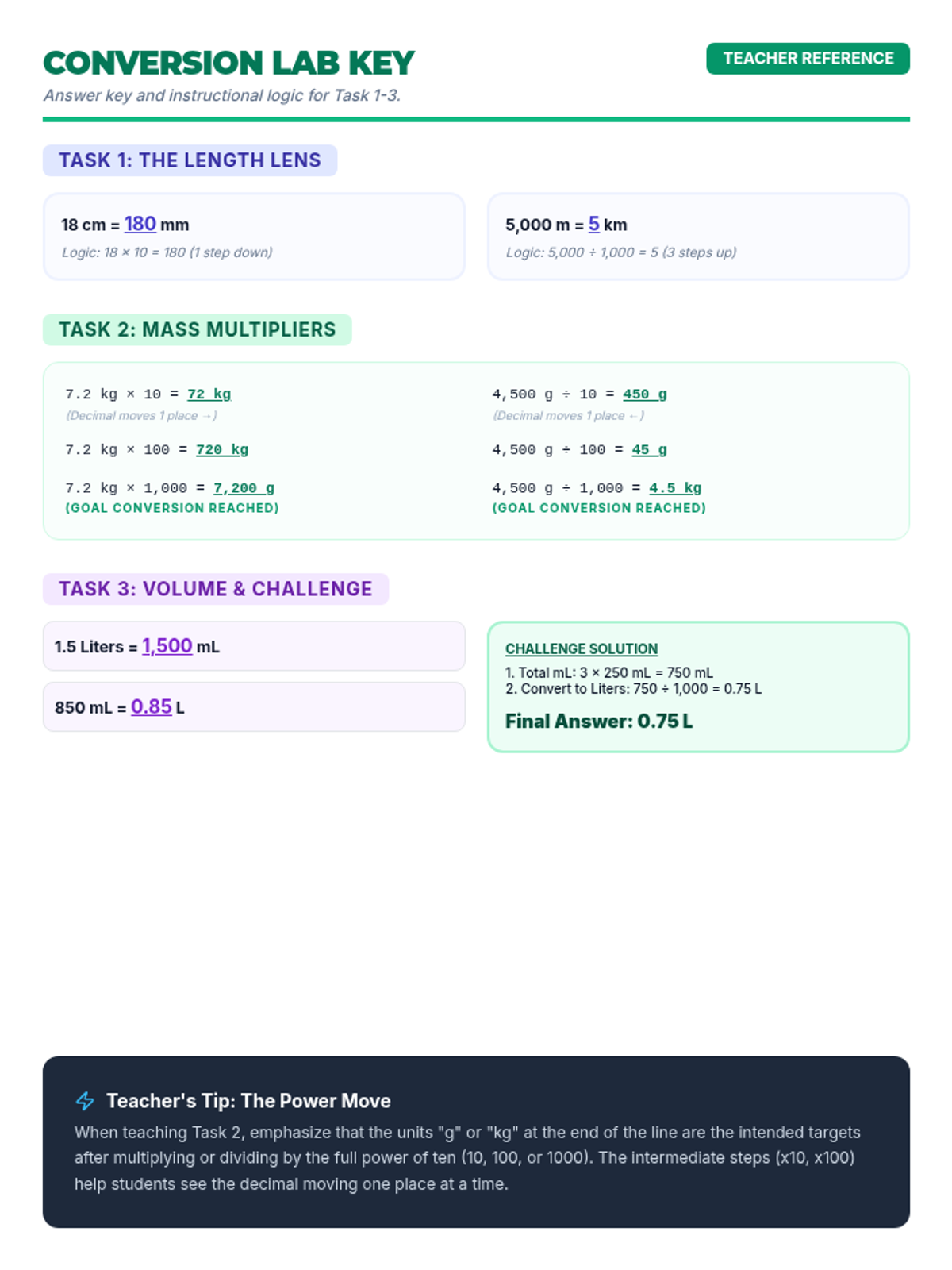
Students explore the relationship between metric units and powers of ten, using visual staircases and laboratory 'blueprints' to master conversions.
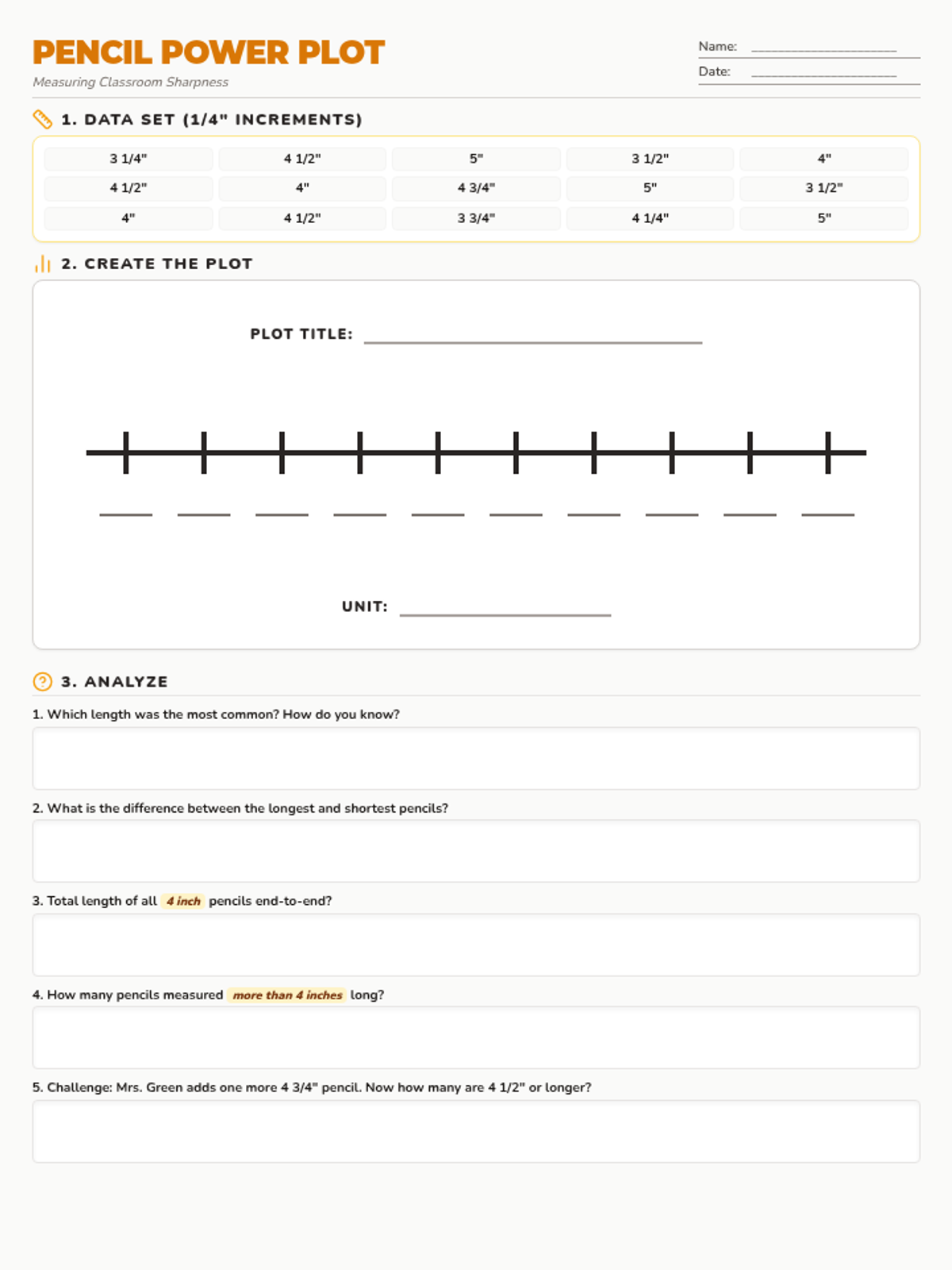
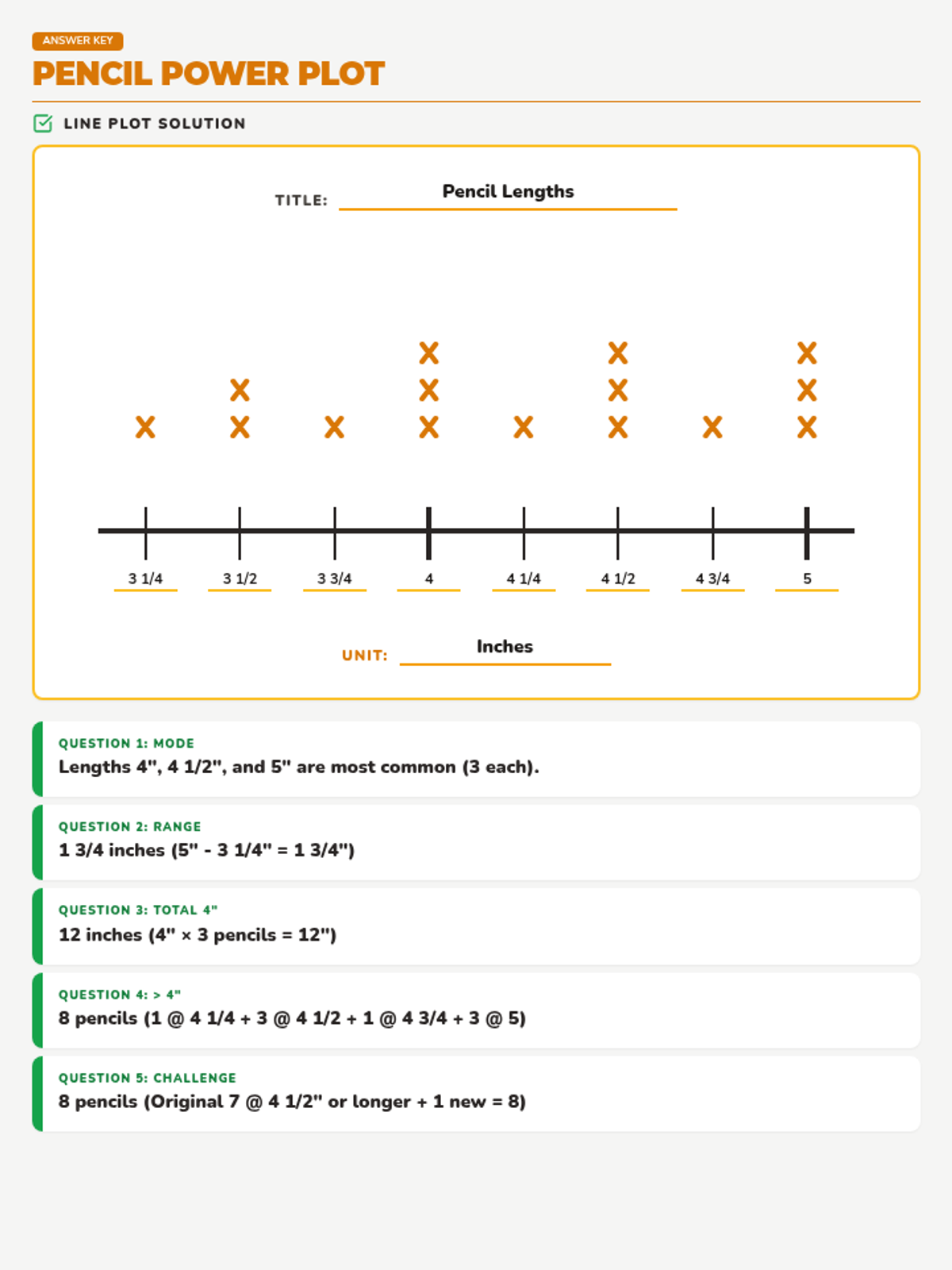
A lesson focused on creating and interpreting line plots using fractional data in 1/4 inch increments, specifically looking at pencil lengths in a classroom.
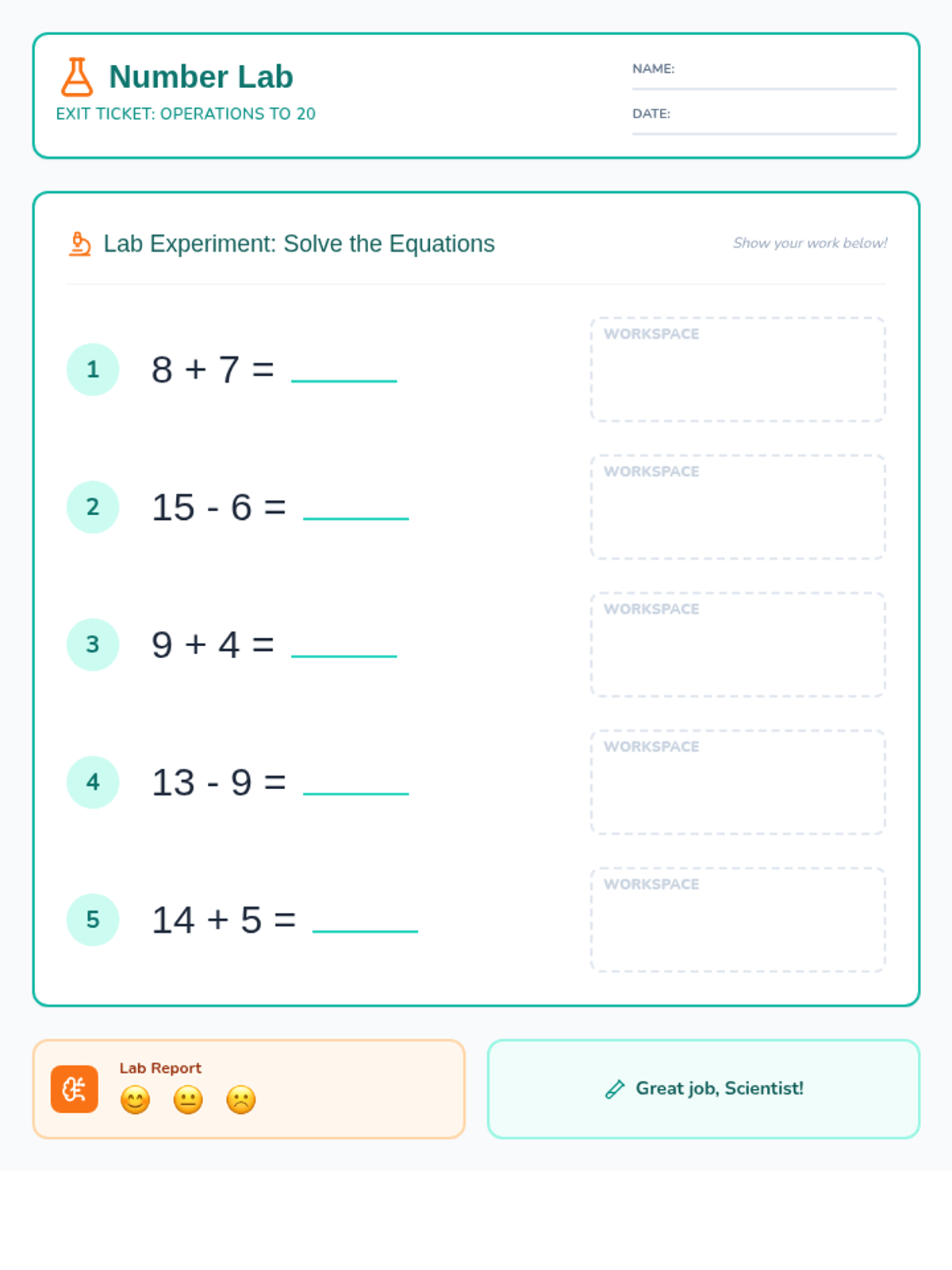
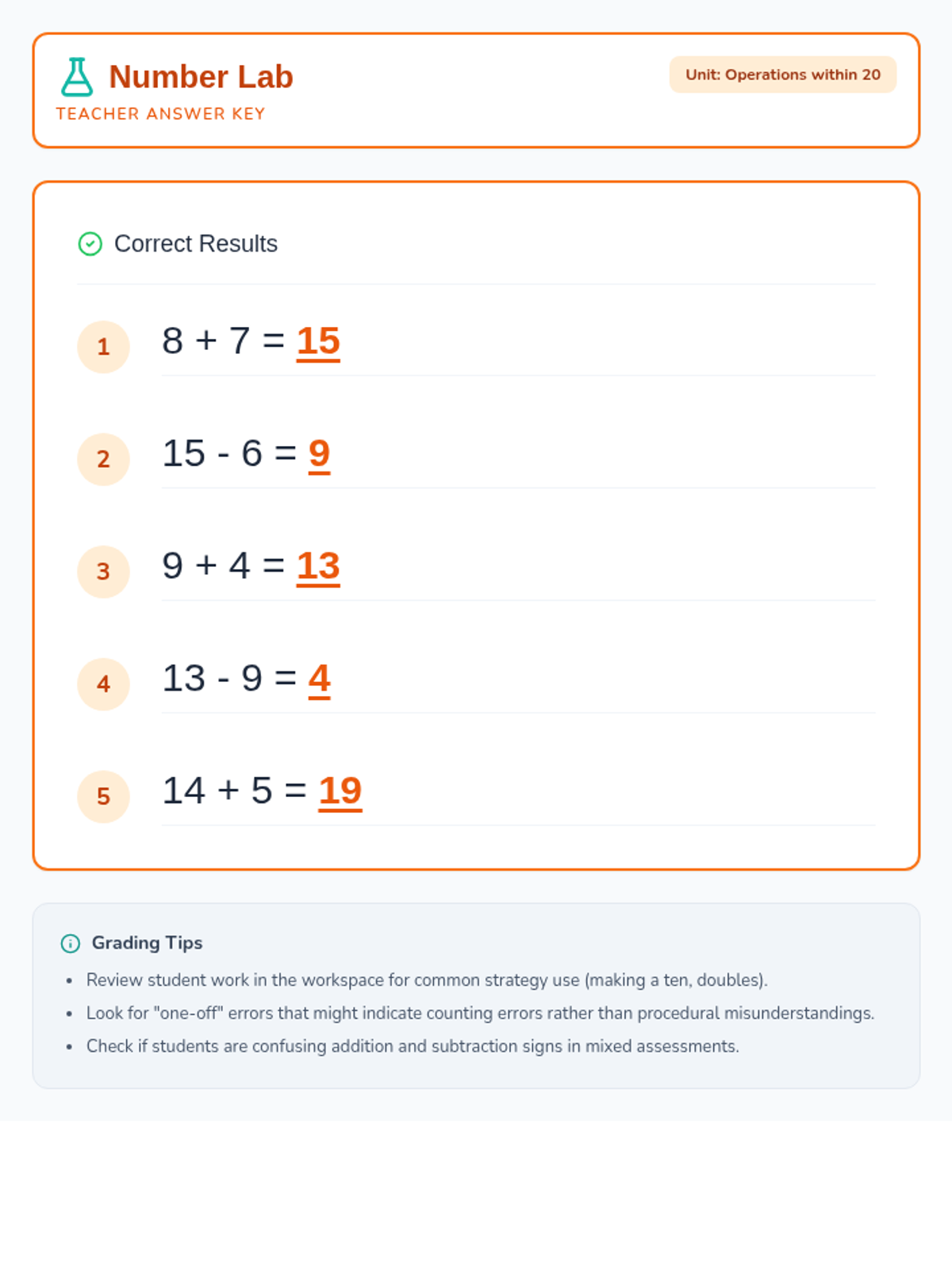
A quick assessment lesson for second-grade students to demonstrate mastery of addition and subtraction within 20 through a lab-themed exit ticket.
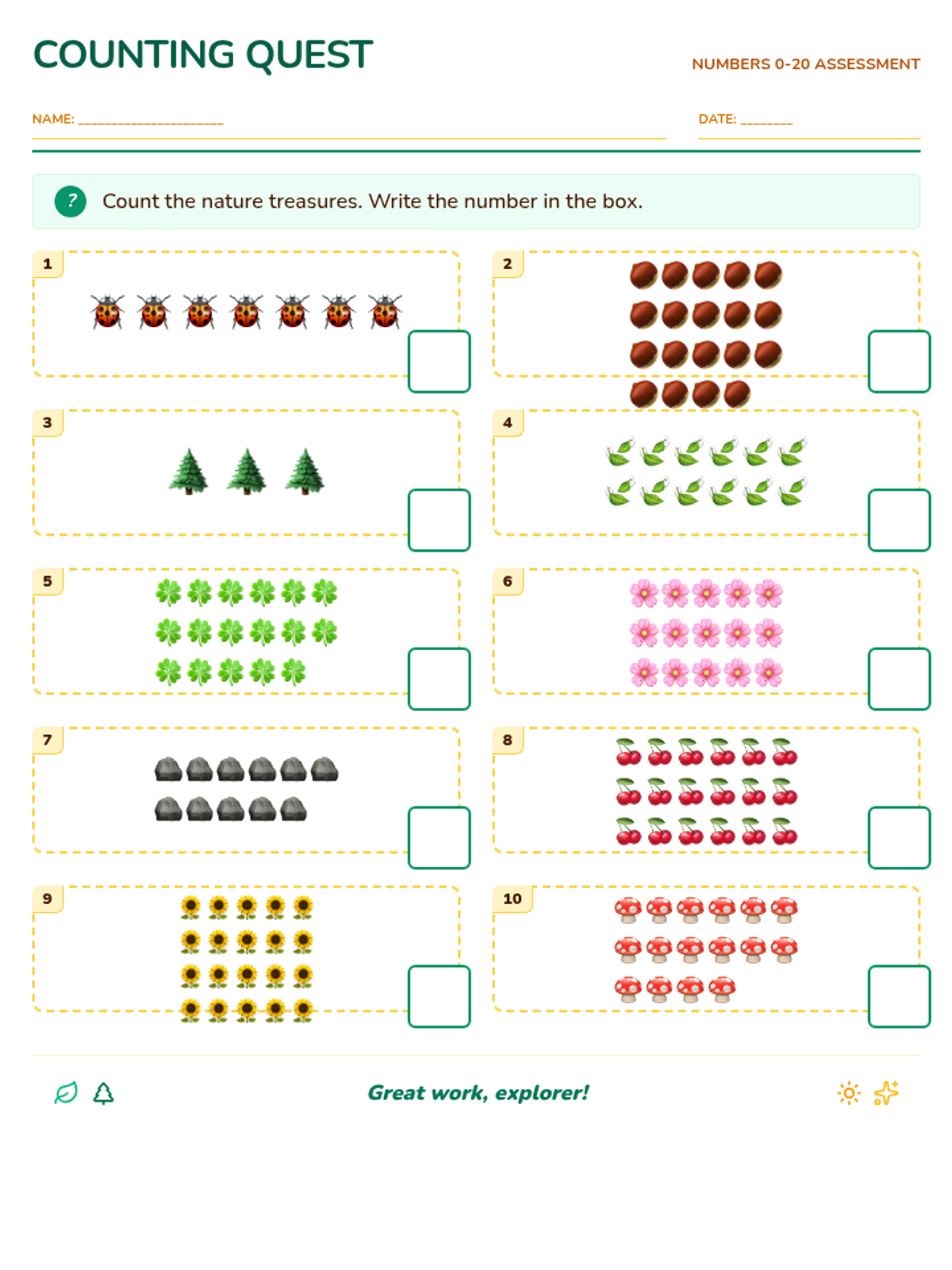
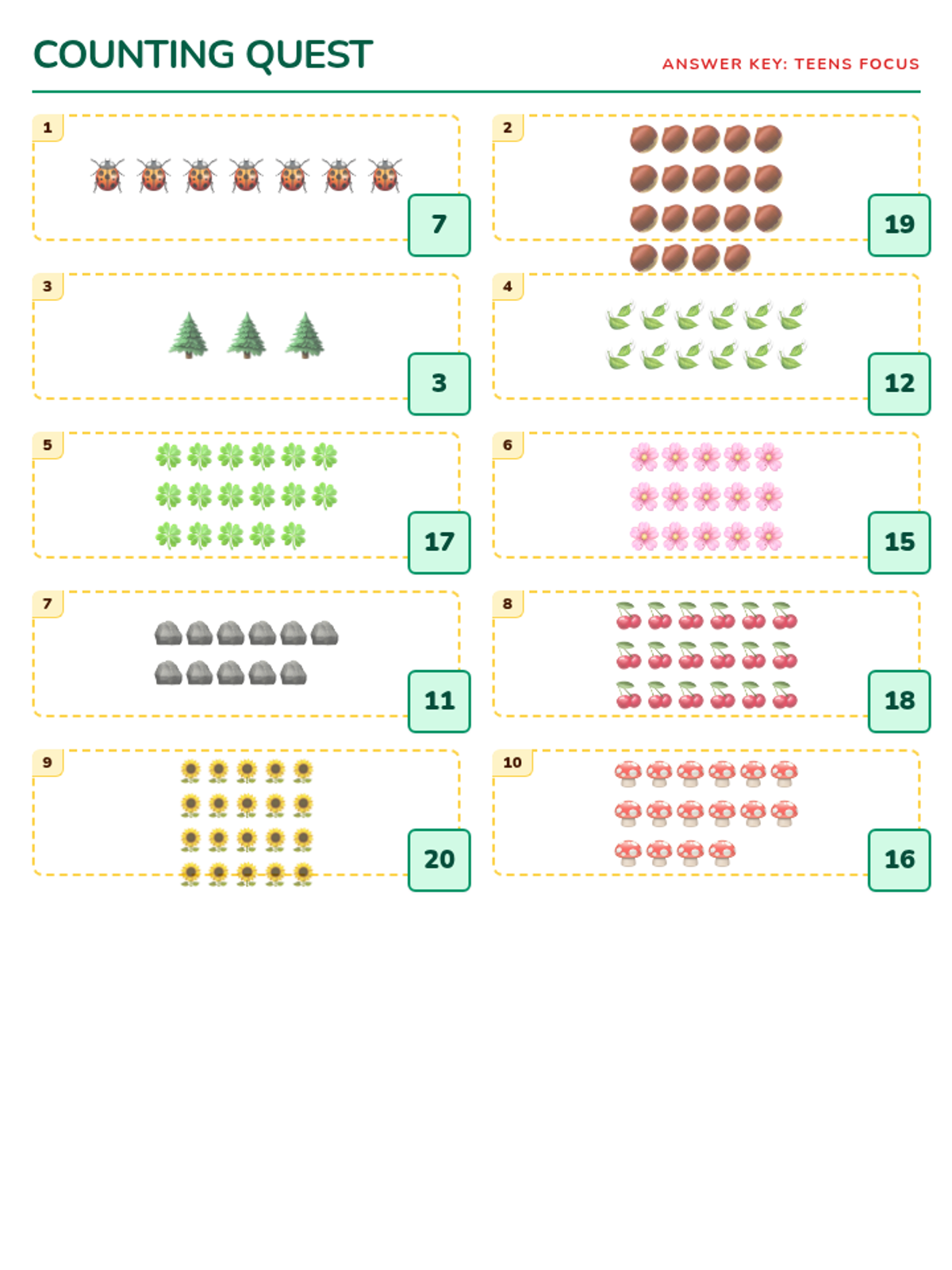
Students will practice counting groups of objects and writing the corresponding numeral from 0 to 20 in a nature-themed assessment.
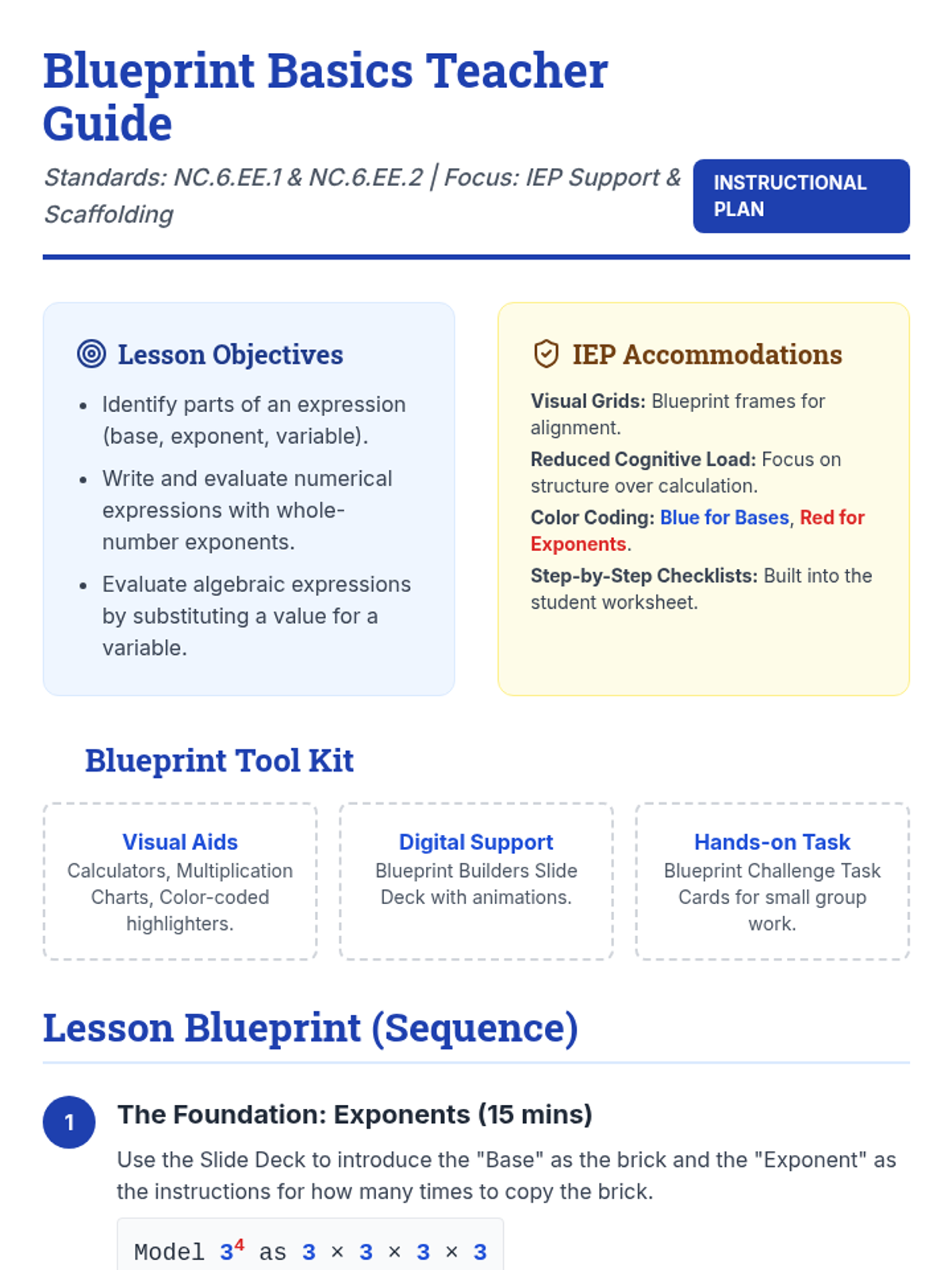
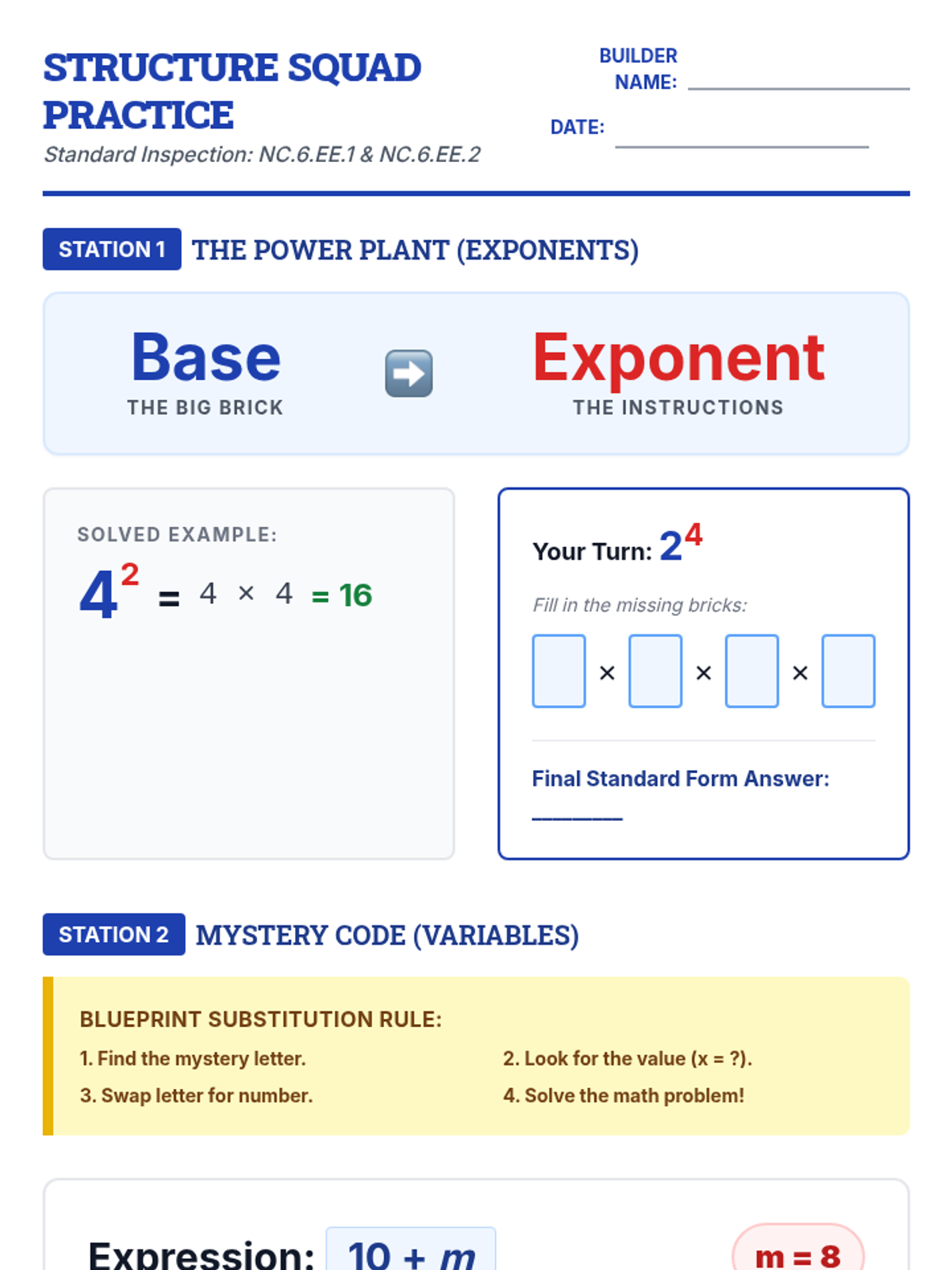
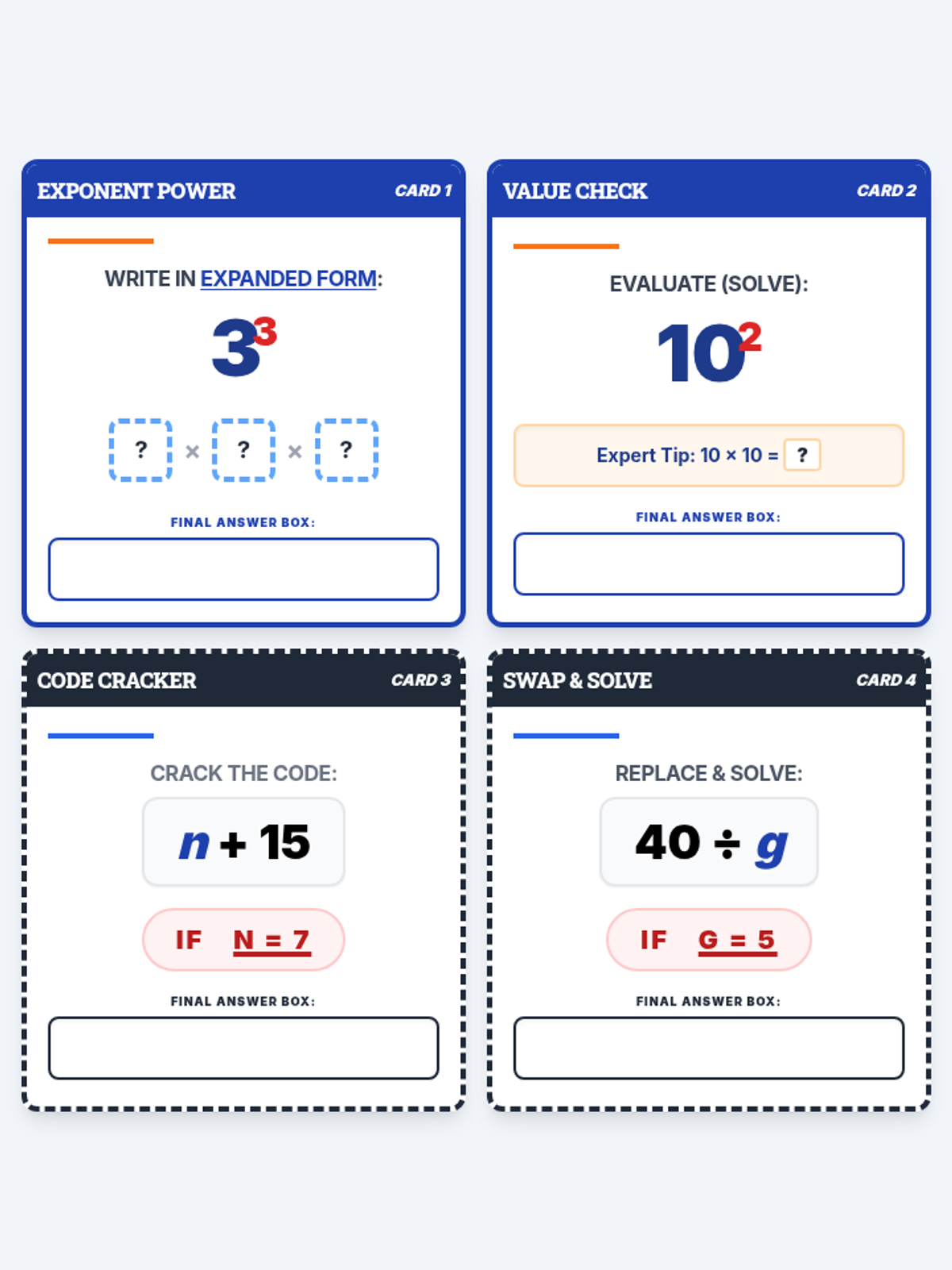
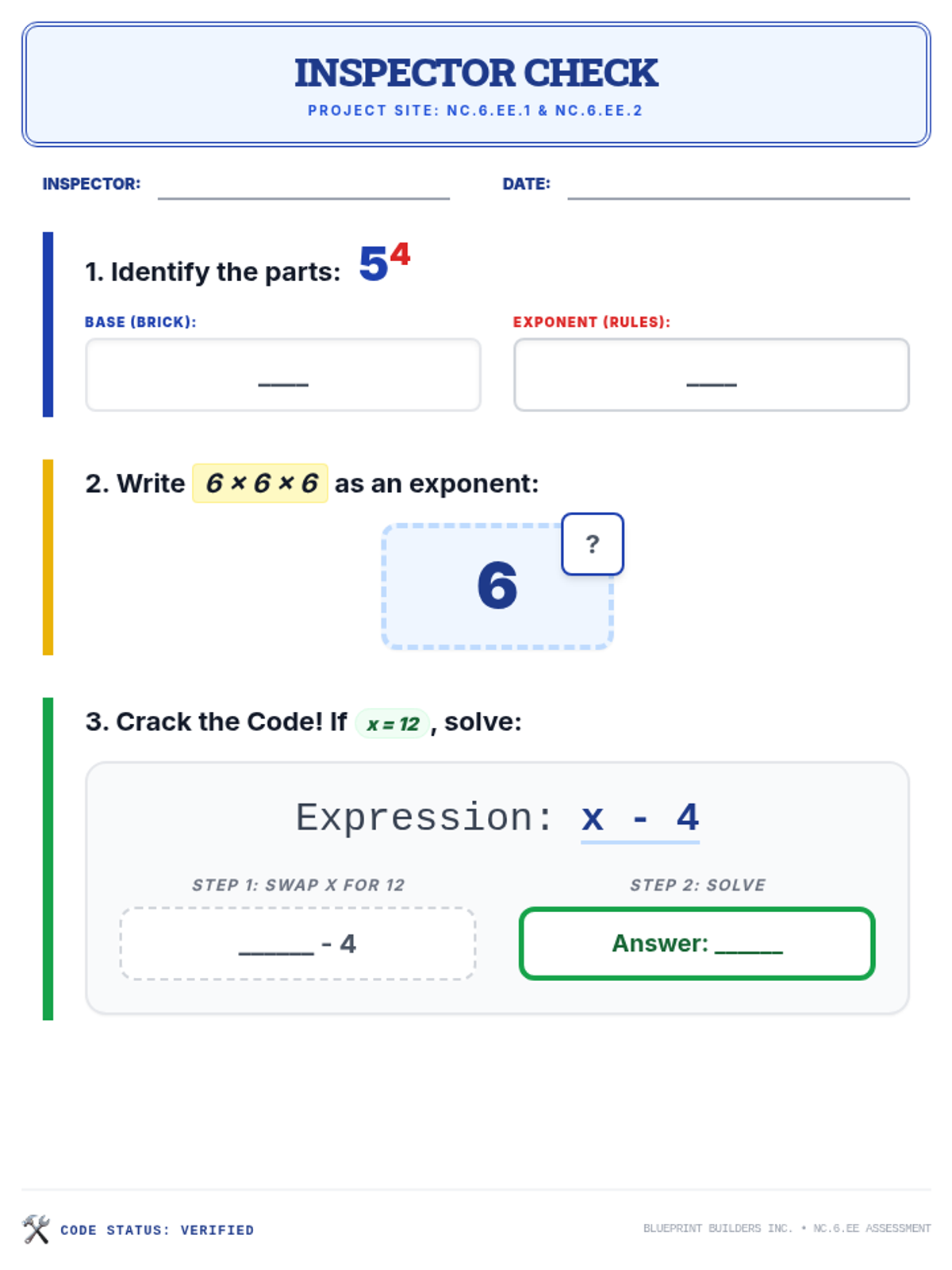
A comprehensive lesson focused on NC.6.EE.1 and NC.6.EE.2, specifically designed for students with IEPs. The lesson uses a 'Blueprint Builders' theme to provide visual structure for exponents and algebraic expressions, breaking down complex concepts into manageable steps with heavy scaffolding for calculations.
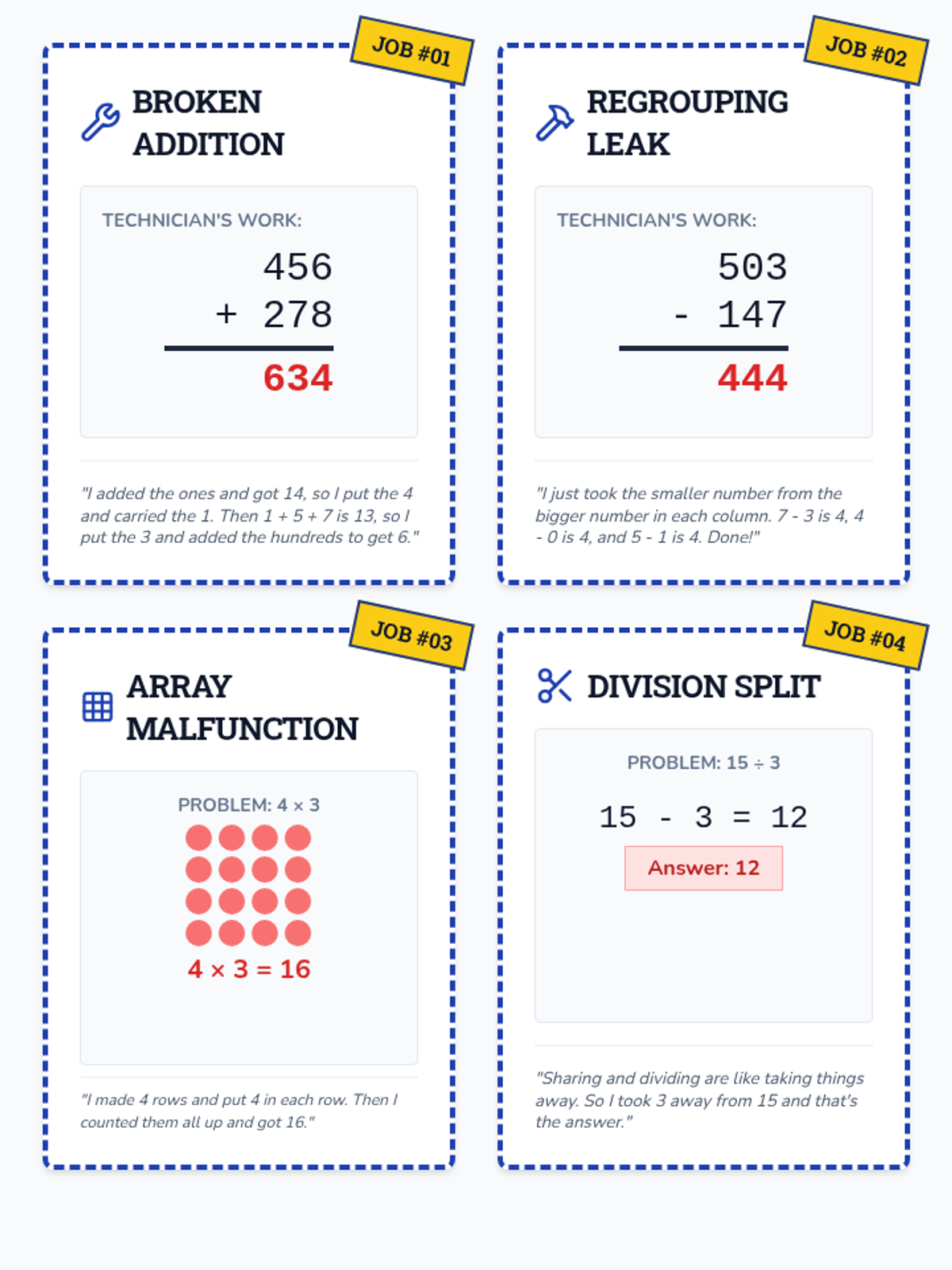
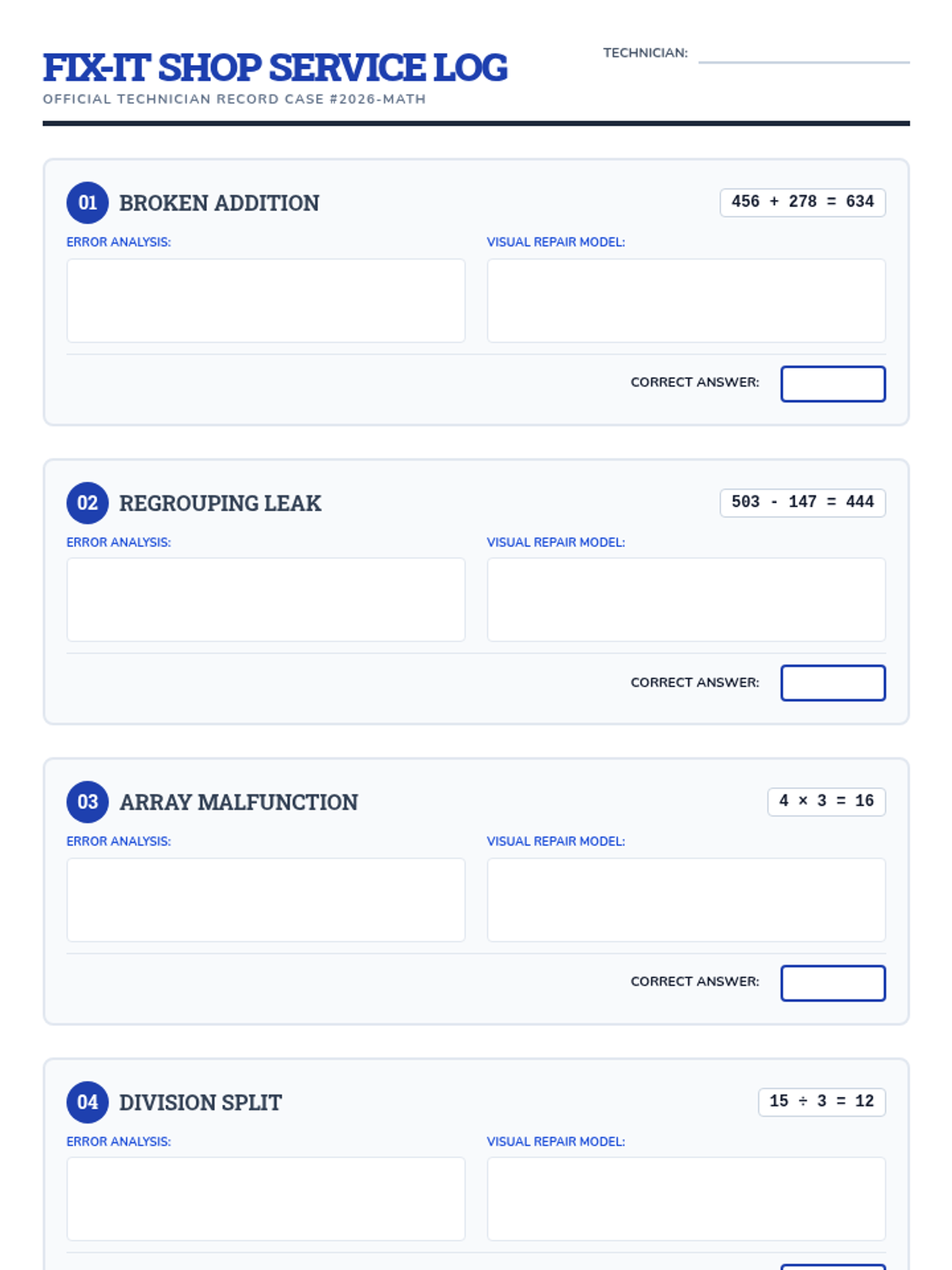
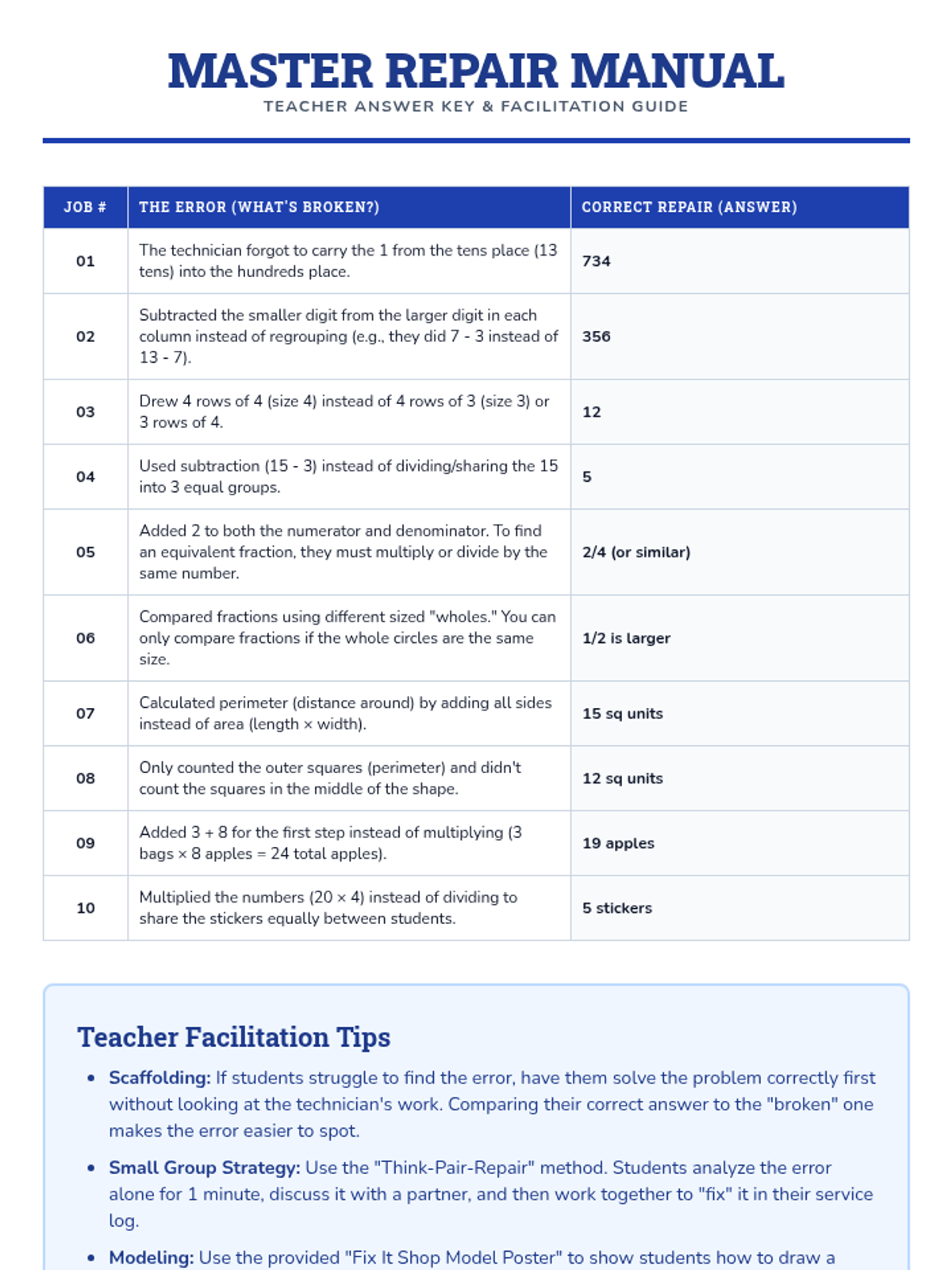
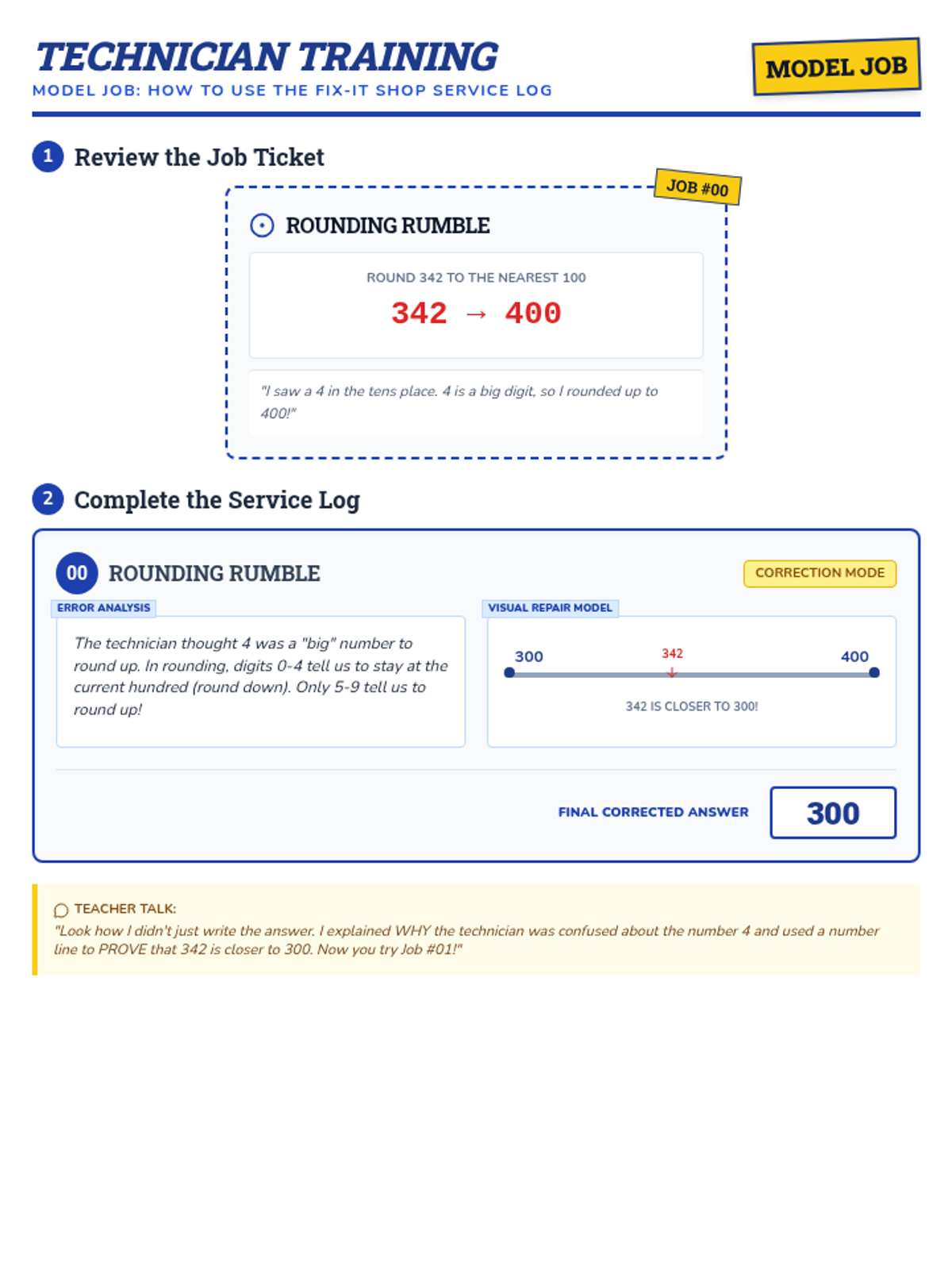
A math center focused on identifying, explaining, and correcting common 3rd-grade mathematical errors using visual models and written explanations.
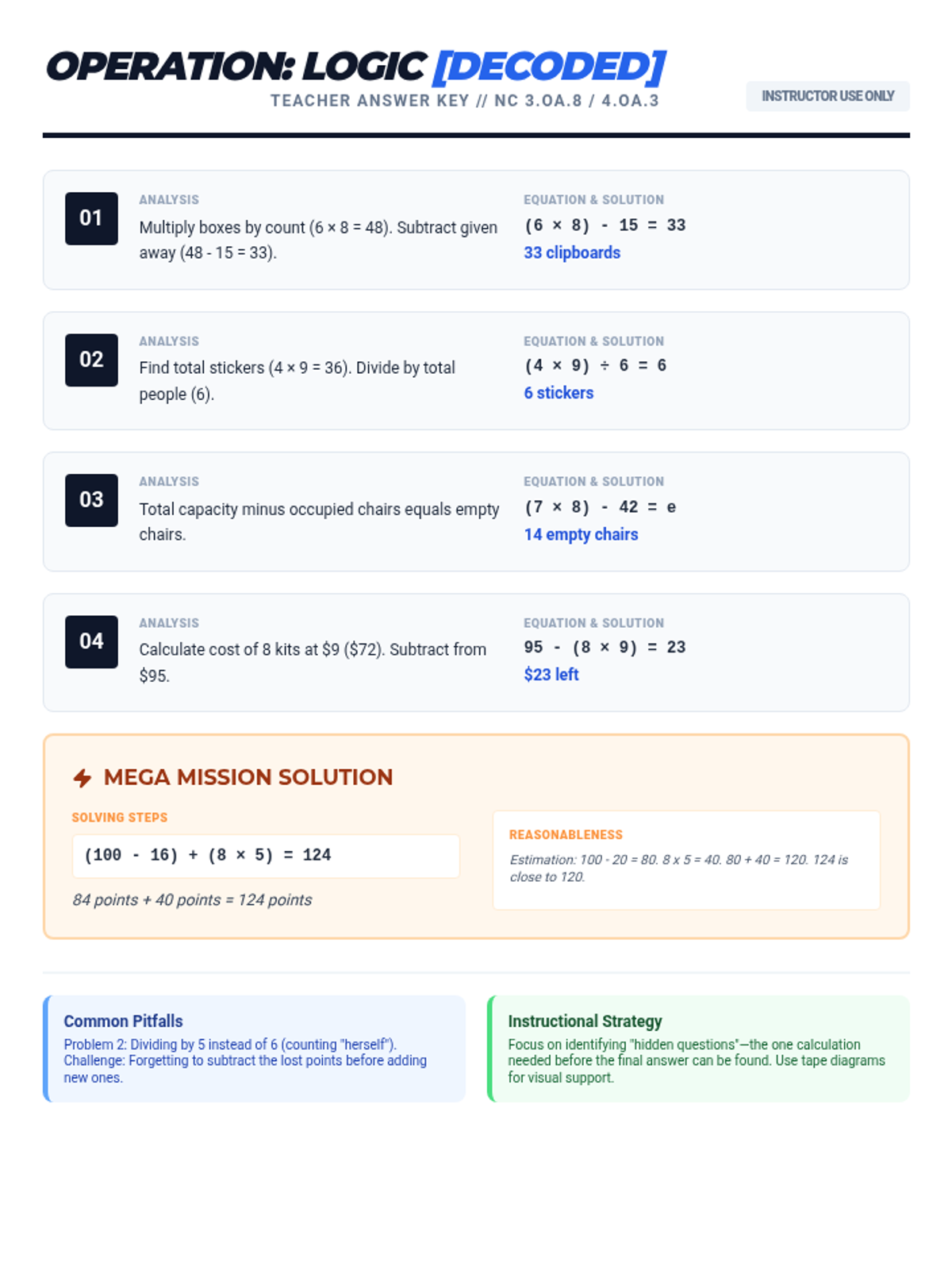
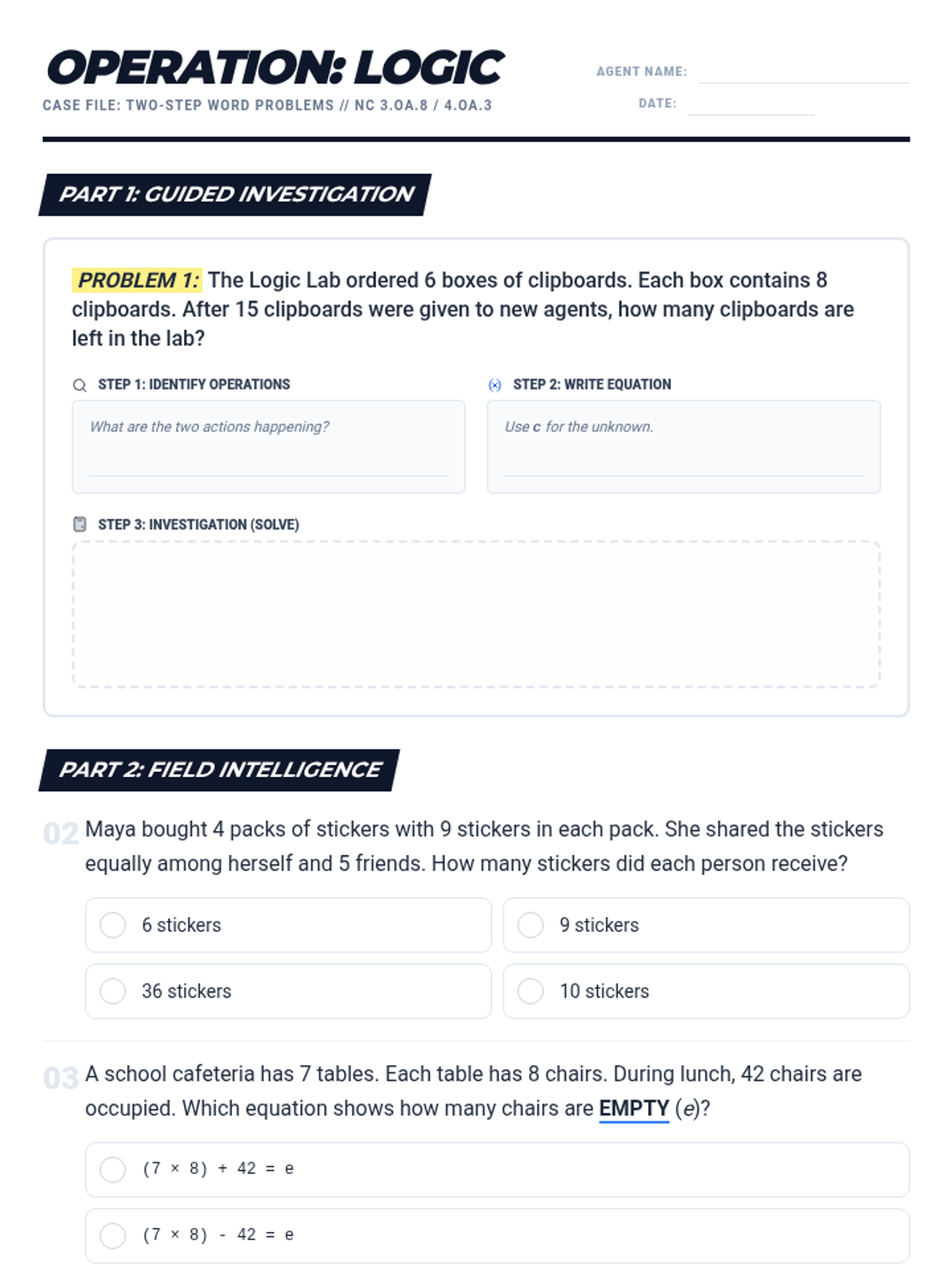
A rigorous dive into solving two-step word problems using all four operations, designed for NC Grade 3/4 EOG preparation. Students will practice breaking down problems, writing equations with variables, and checking for reasonableness.
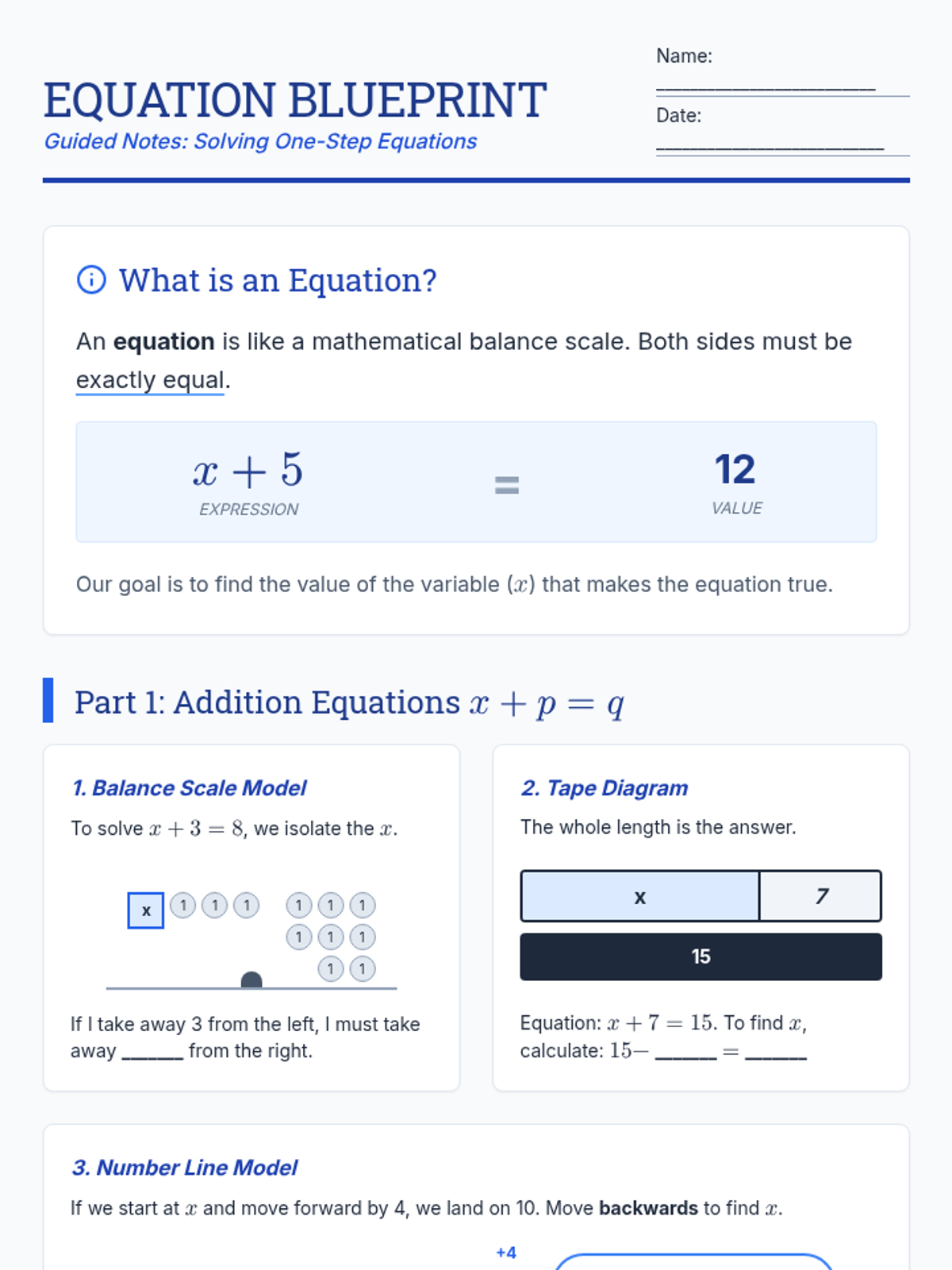
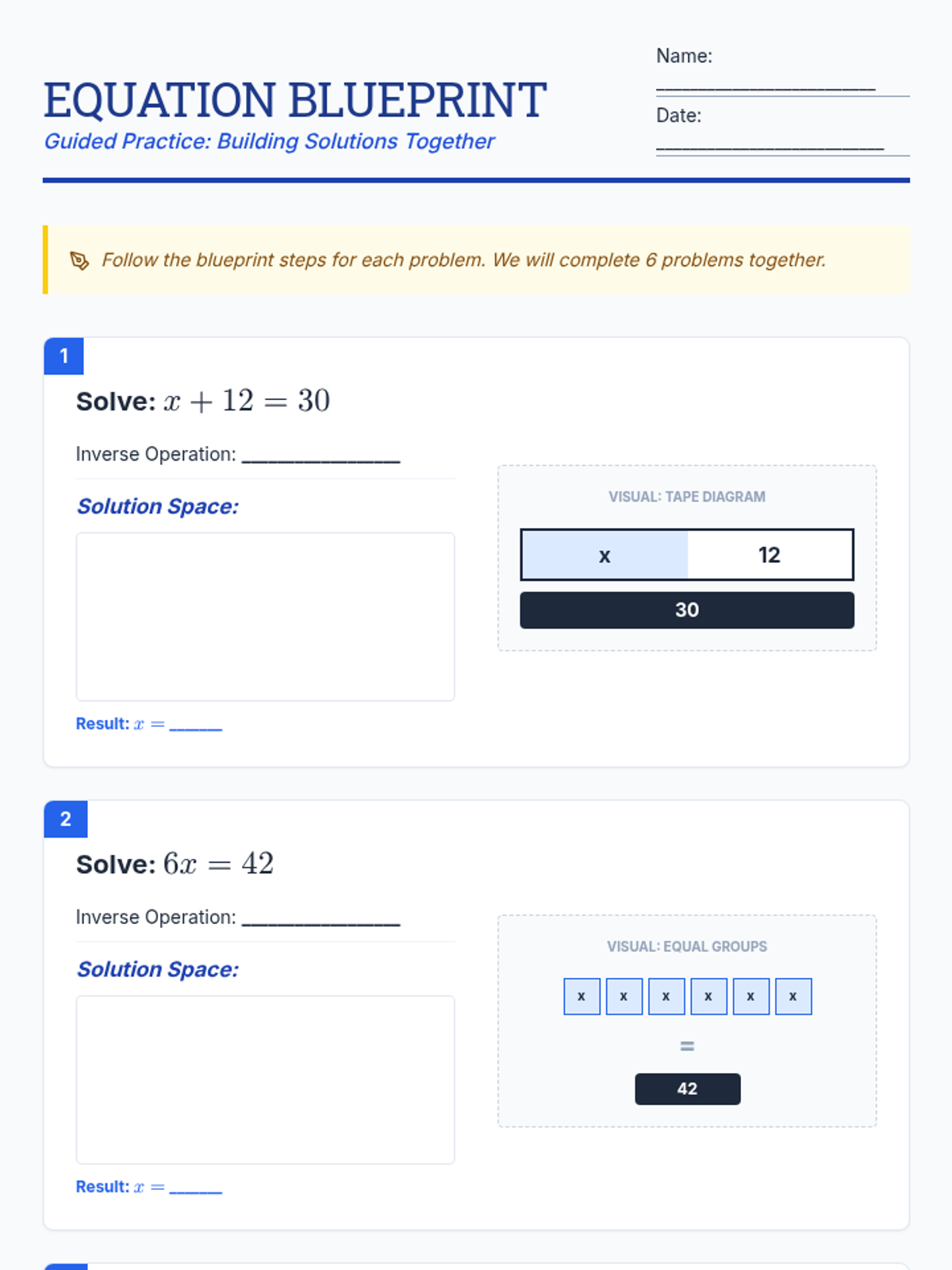
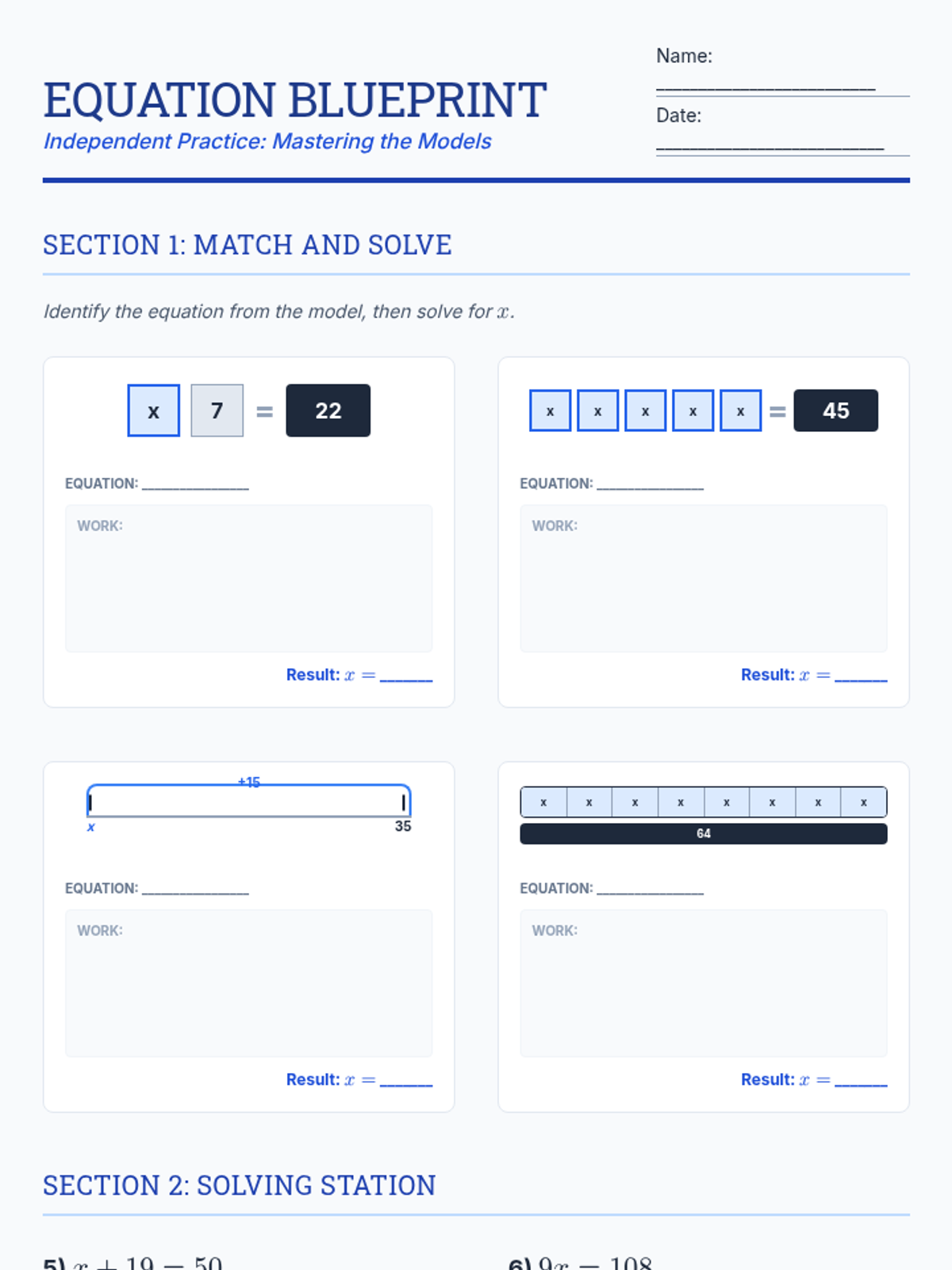
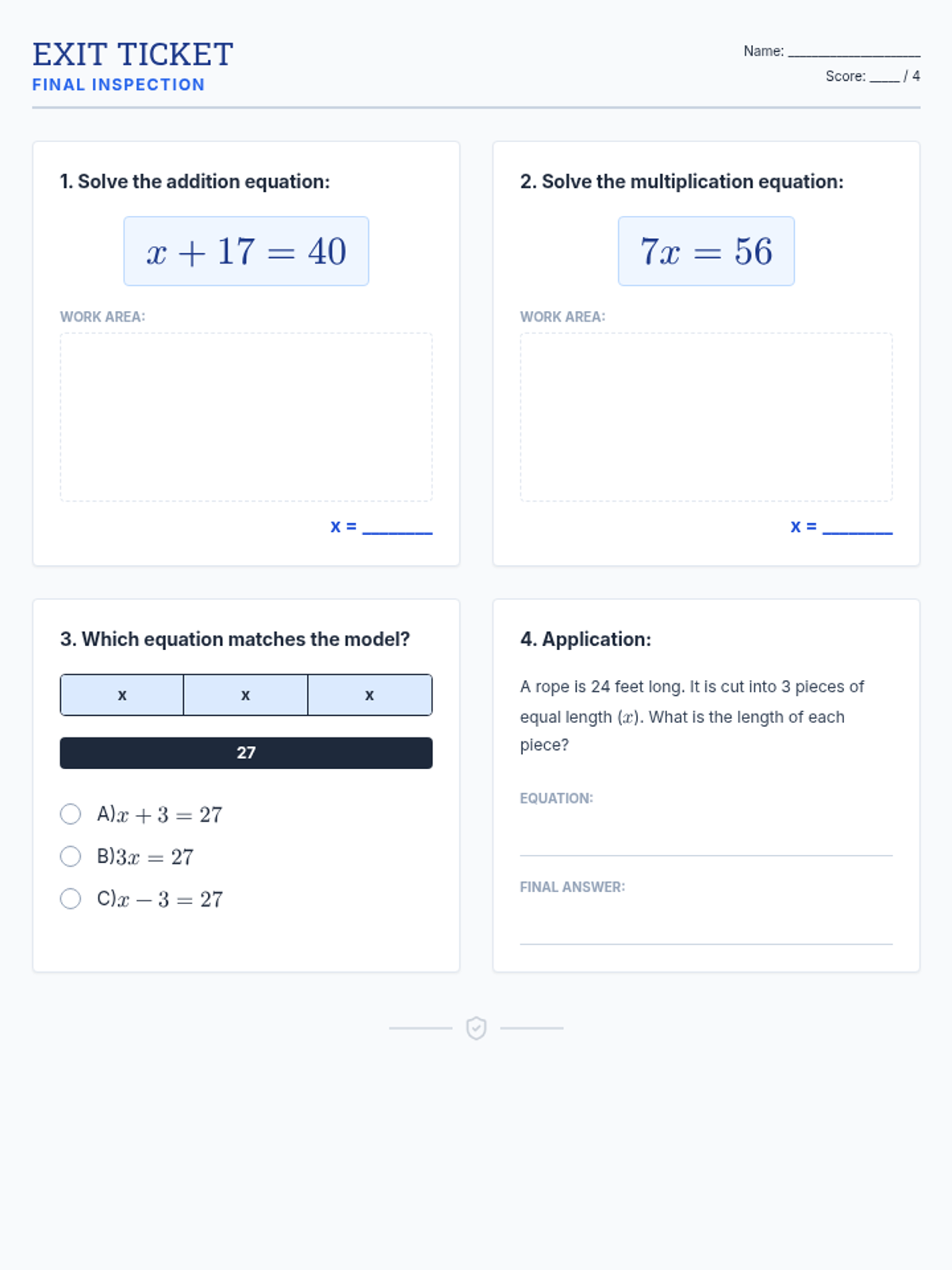
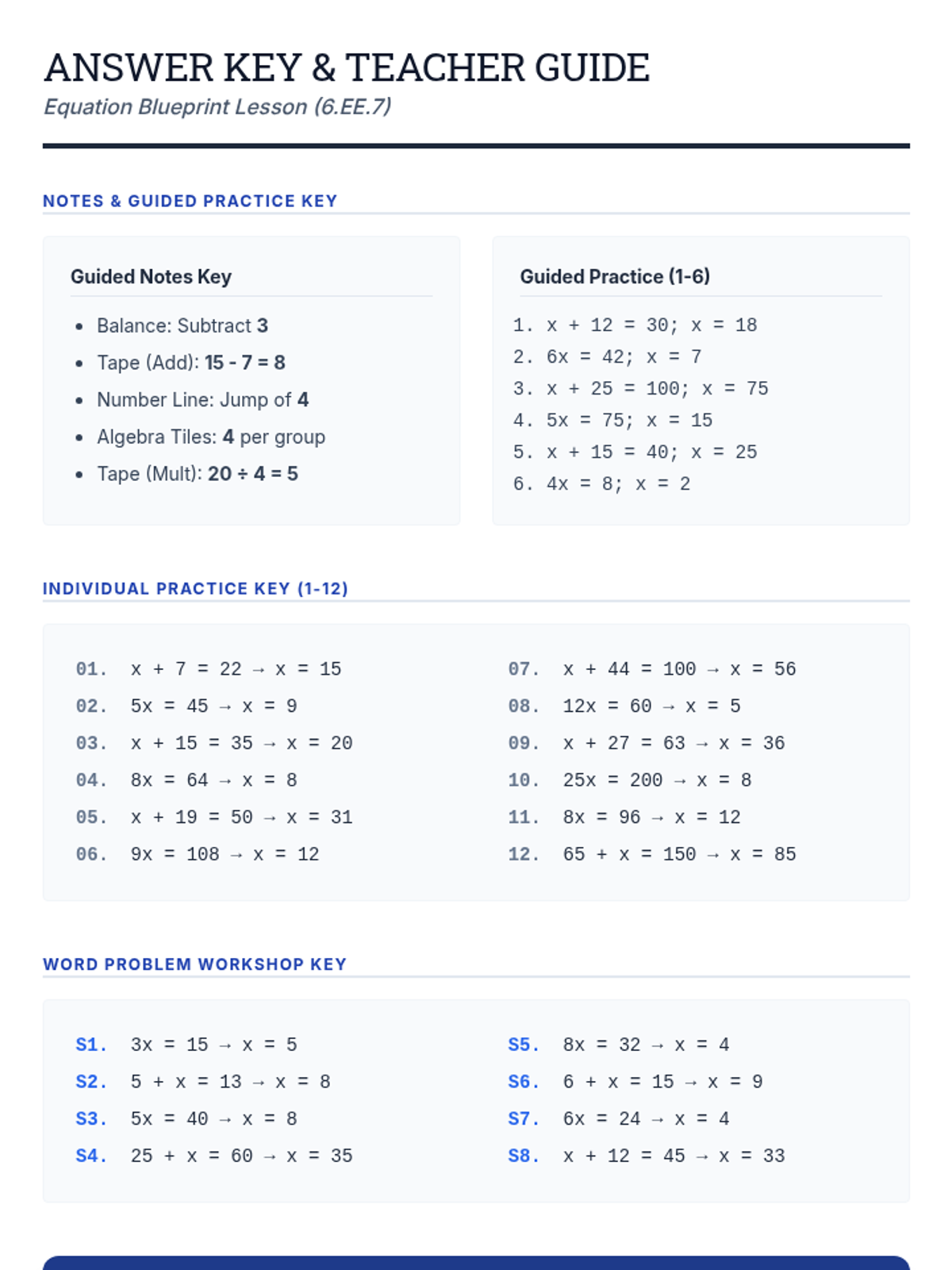
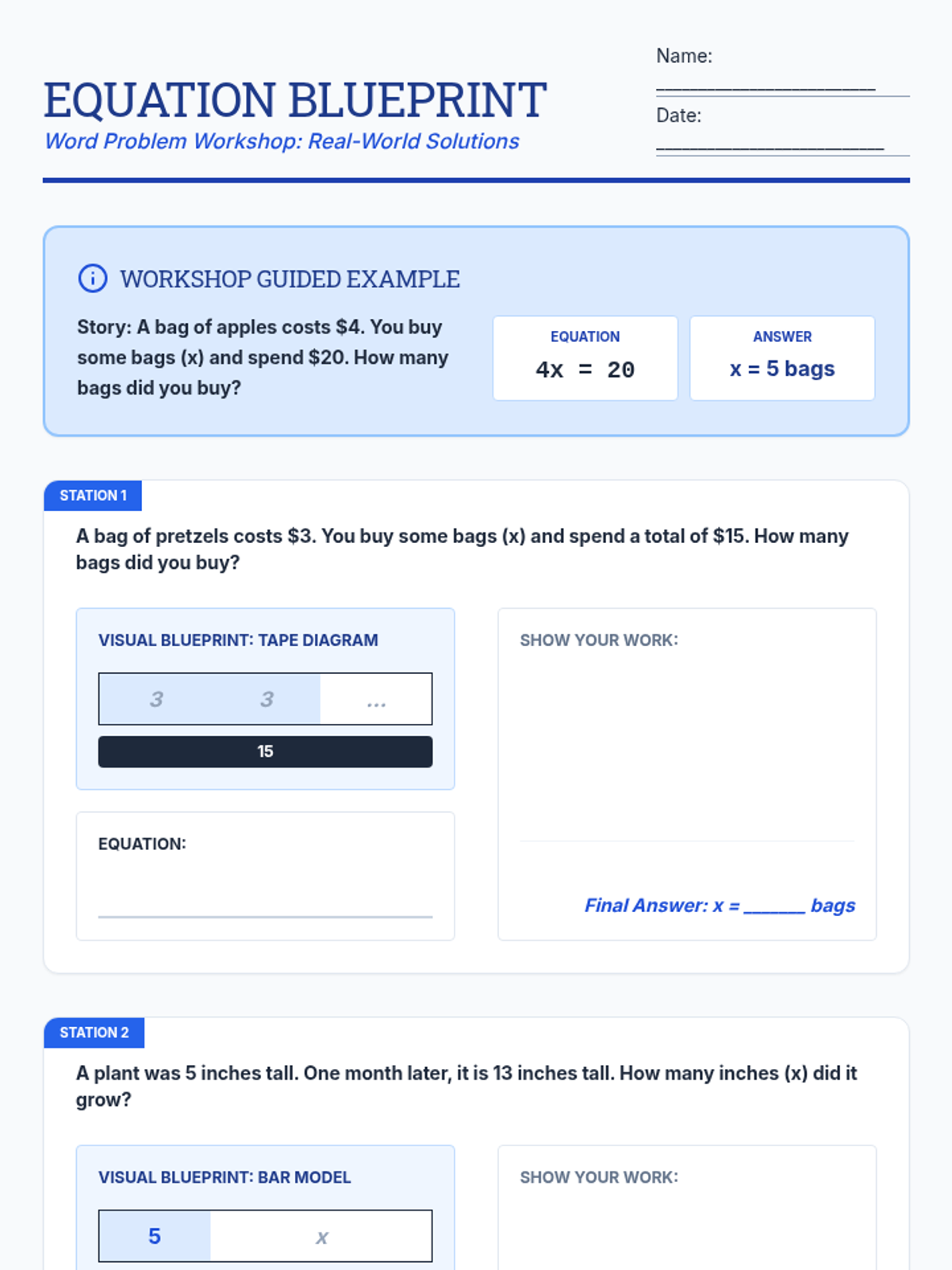
A comprehensive lesson on solving one-step addition and multiplication equations using visual models like balance scales, tape diagrams, and algebra tiles, specifically designed for 6th-grade students.
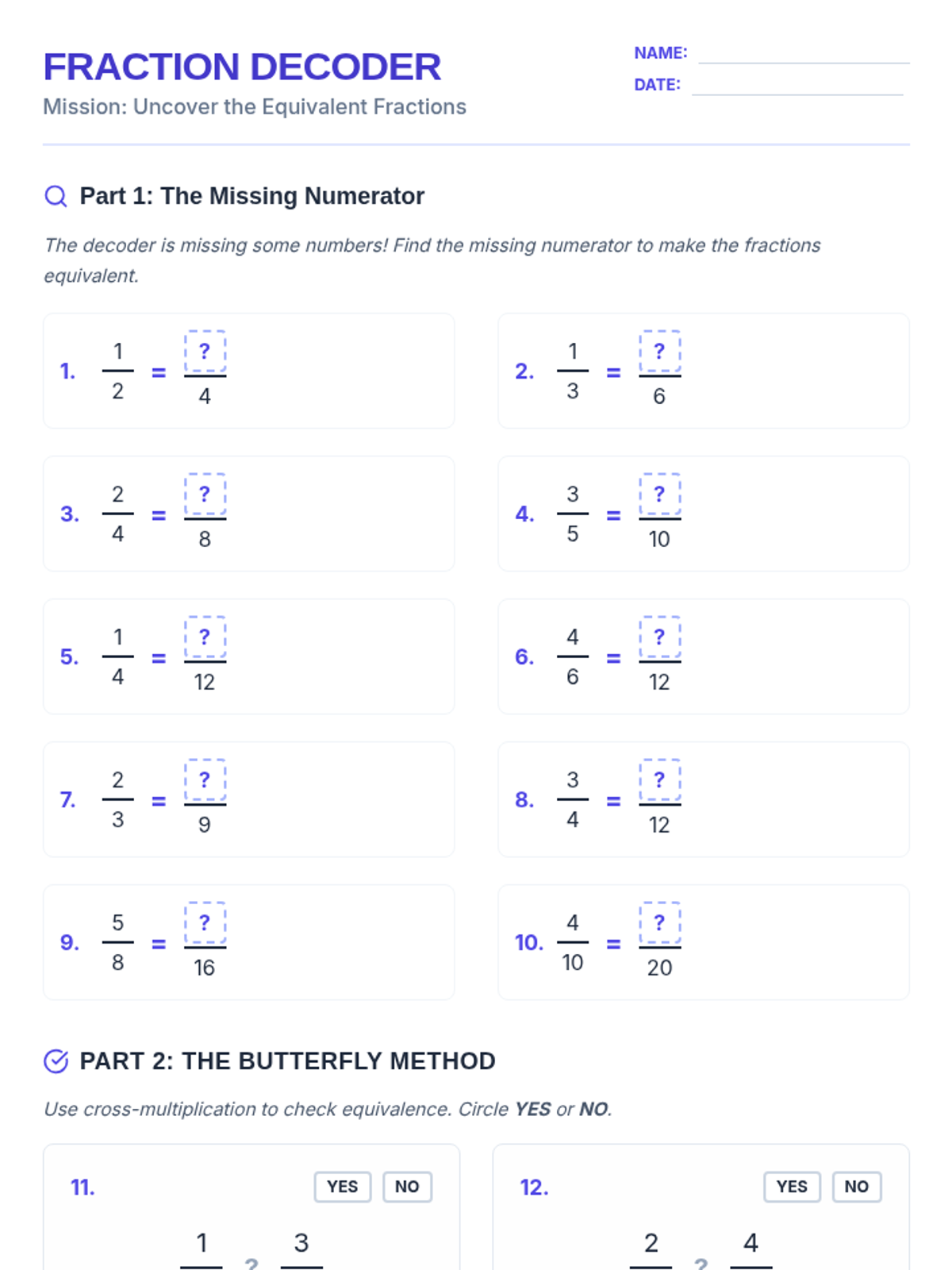
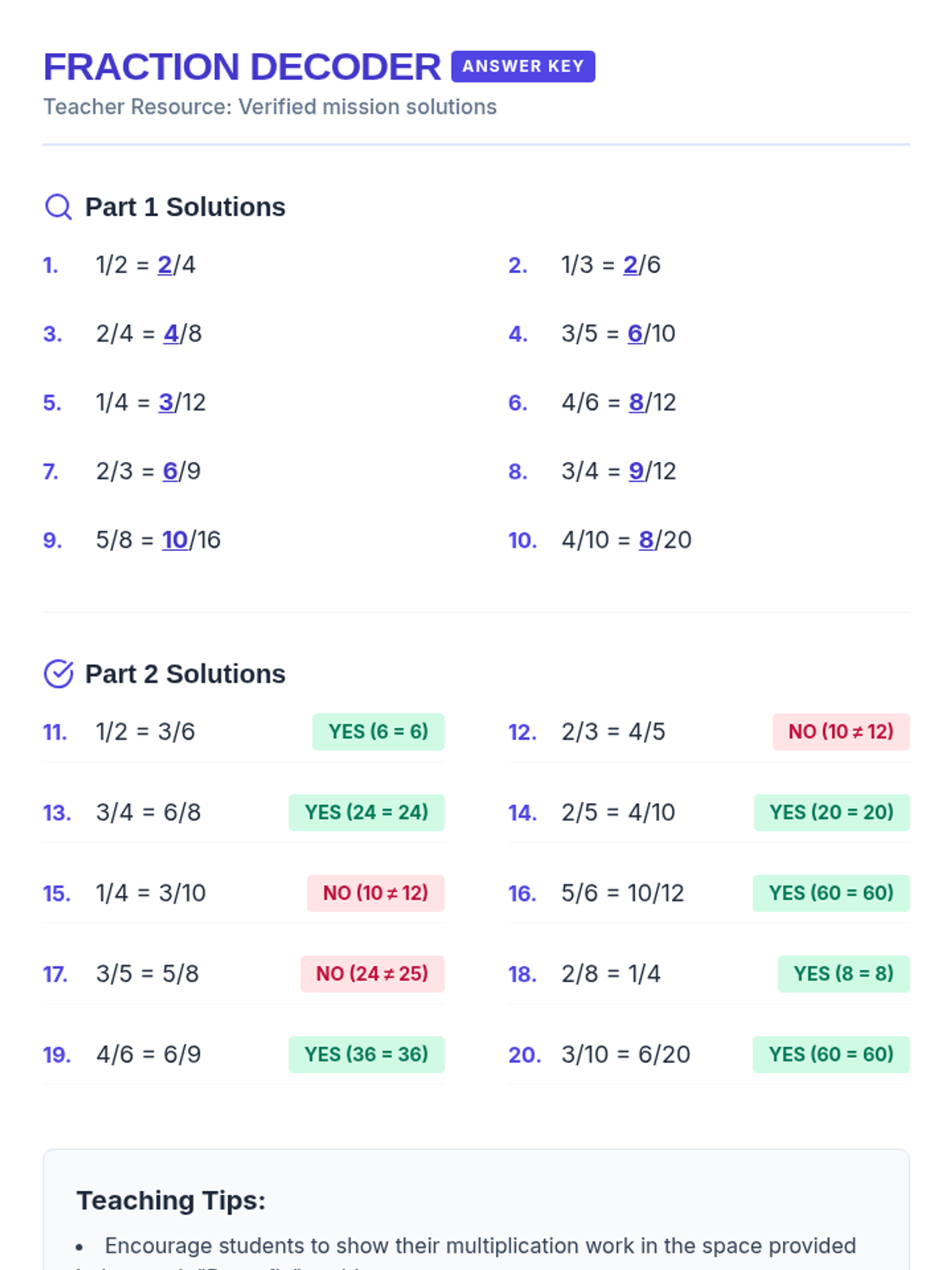
A lesson focused on identifying and creating equivalent fractions using numerical methods like cross-multiplication and scaling, without the use of visual models.
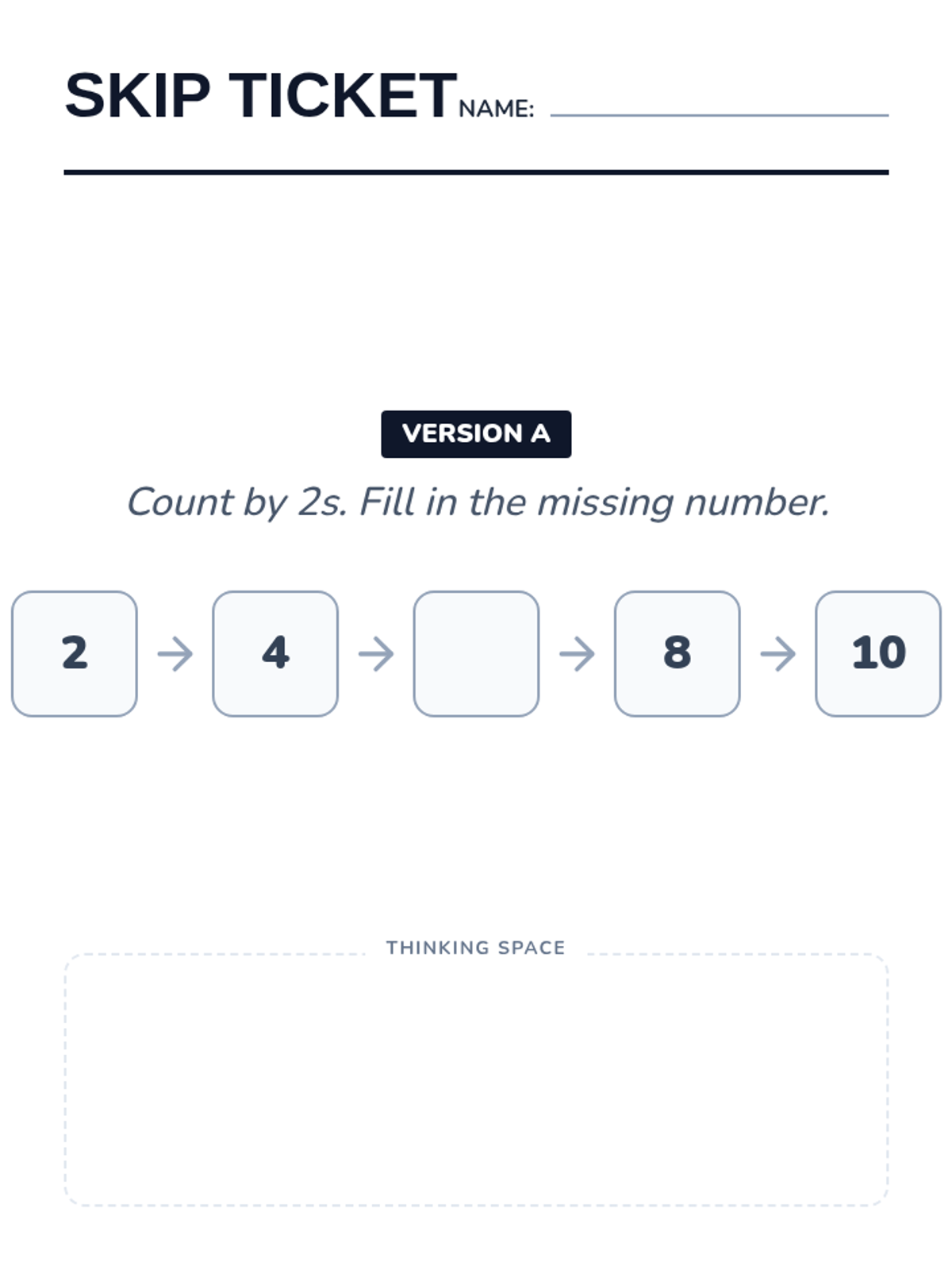
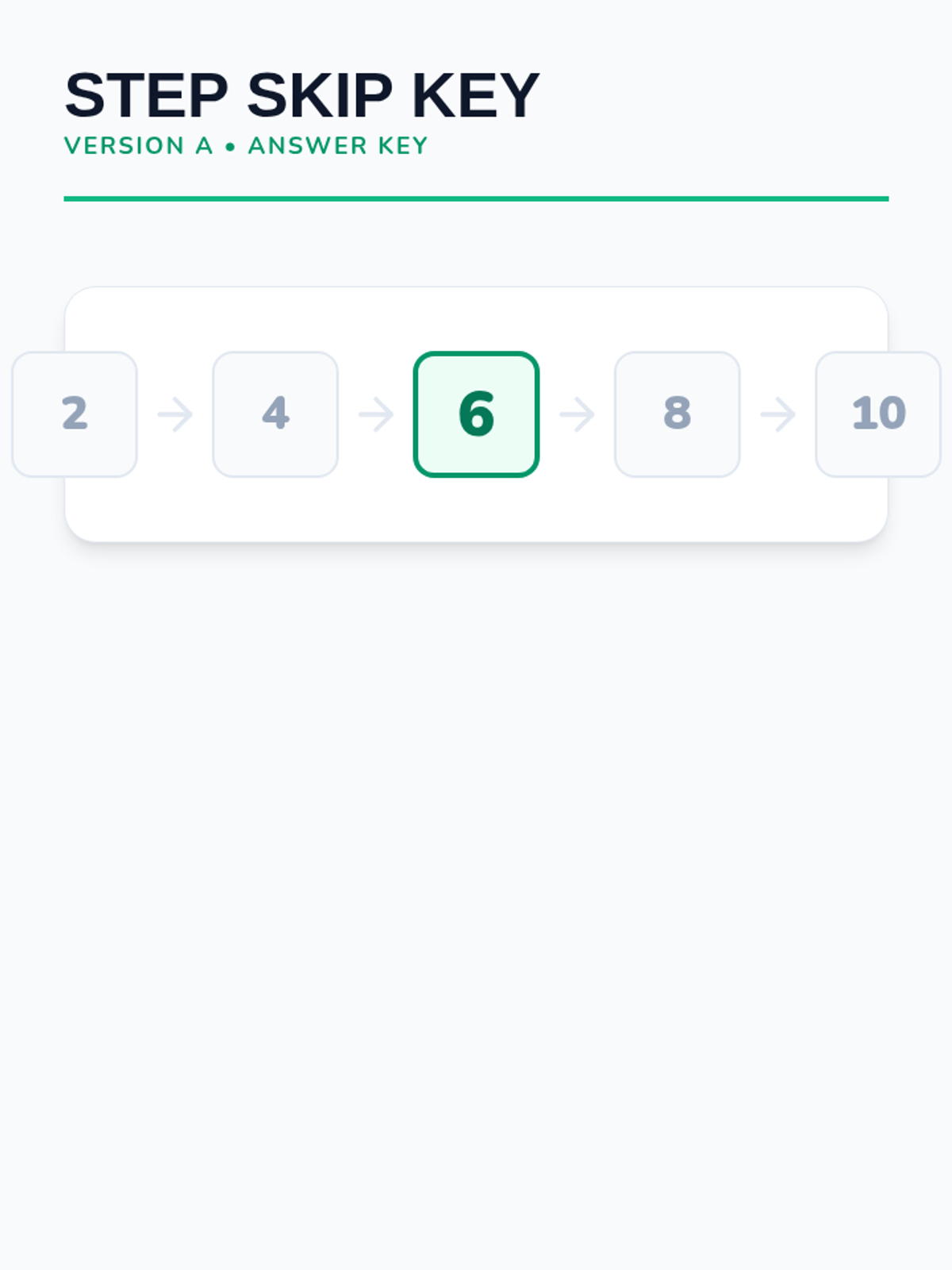
A focused assessment on skip counting by 2s within the range of 2-10. Students identify the missing number in a single sequence to demonstrate mastery of the pattern.