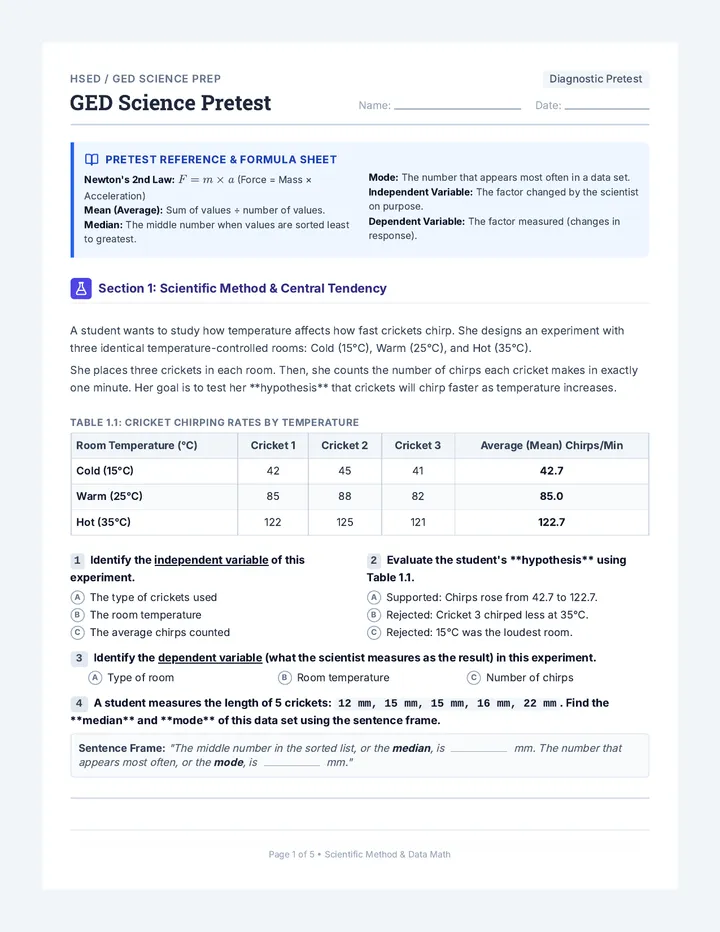
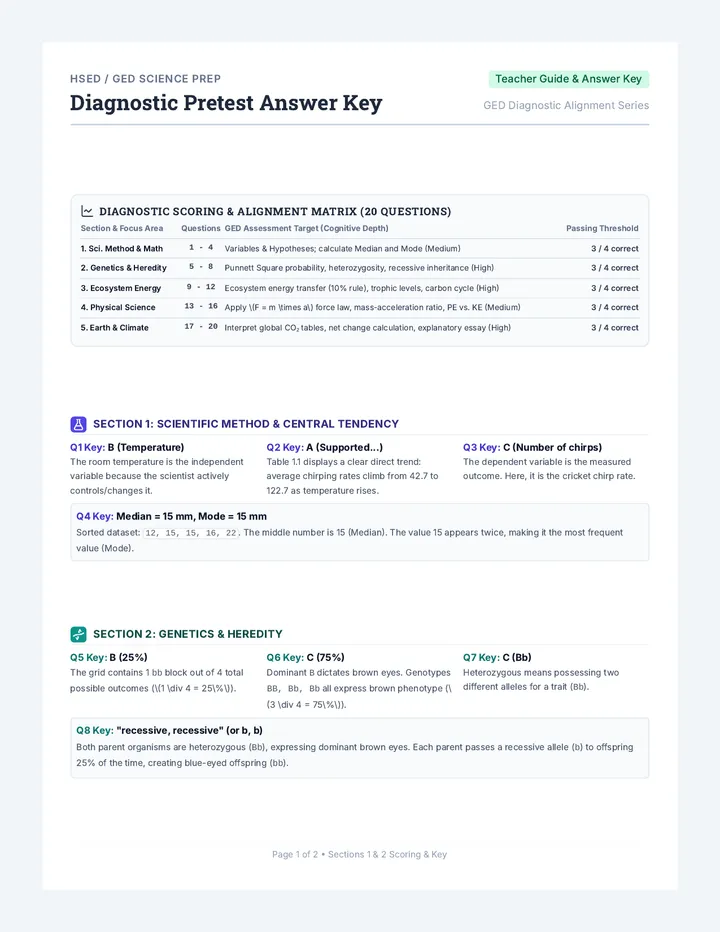
A targeted MCAS preparation lesson covering high-leverage standards in Genetics, Evolution, and Ecology, featuring data interpretation and experimental design.
A creative project-based lesson where students research and design an educational poster about a specific global biome, focusing on adaptations, food webs, and conservation. Now expanded to include an informative research paper component.
Explore how environmental factors like pH influence enzyme activity through visual models and data analysis.
An engaging special education lesson exploring the evidence of evolution through the lens of pocket monsters. Students examine fossils, body structures, and DNA to understand how monsters change over time.
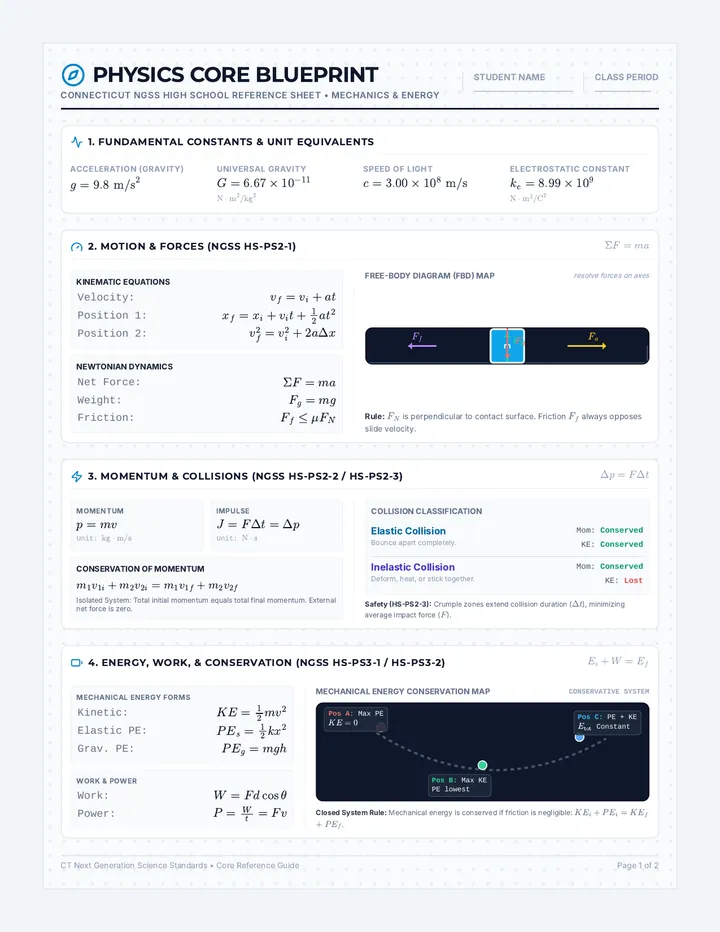
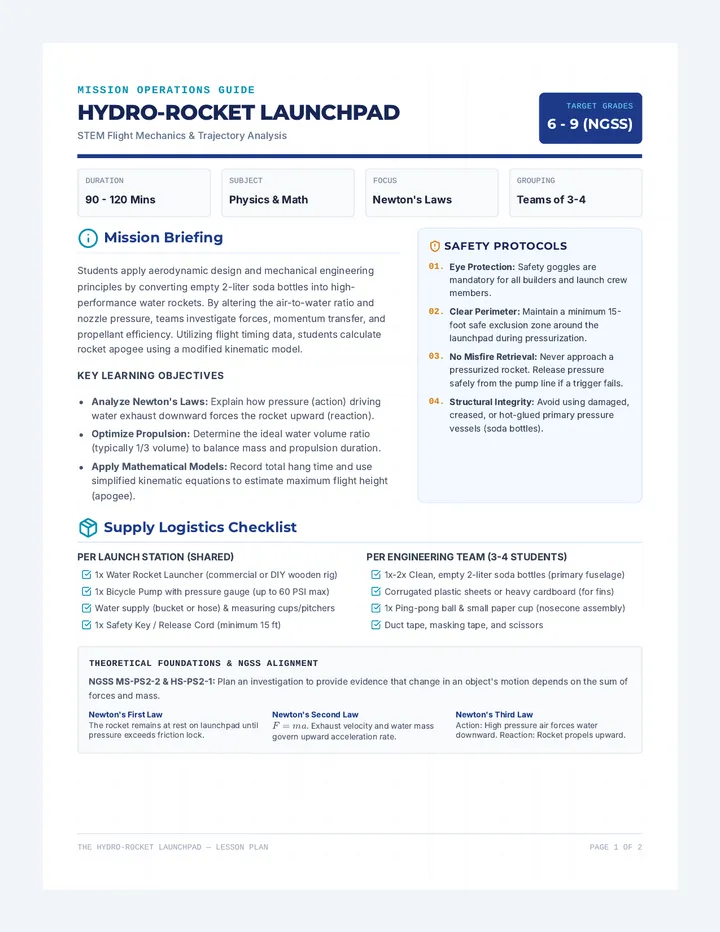
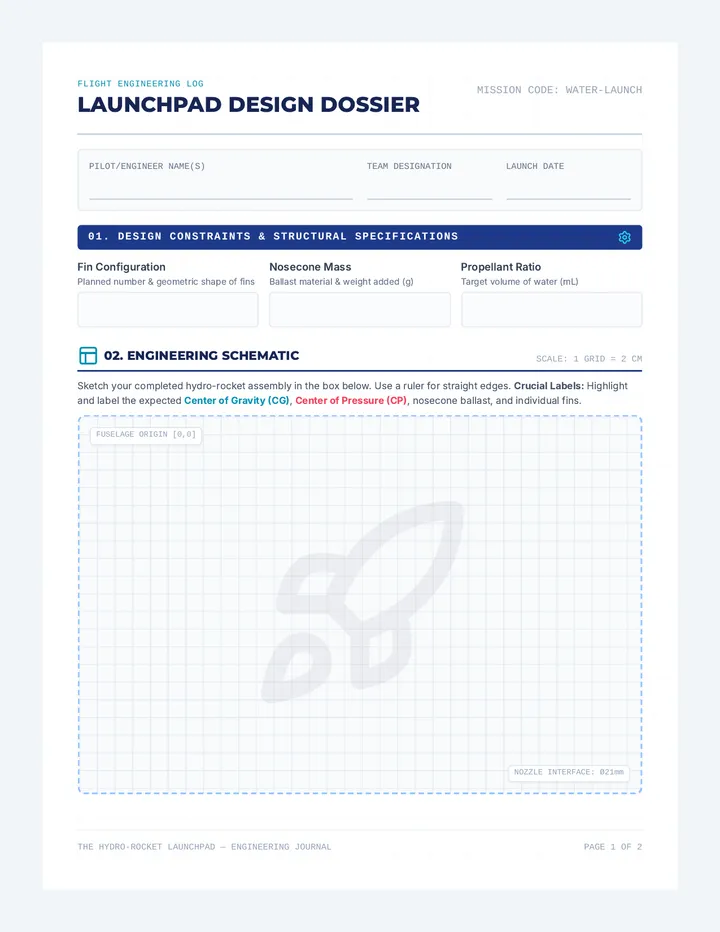
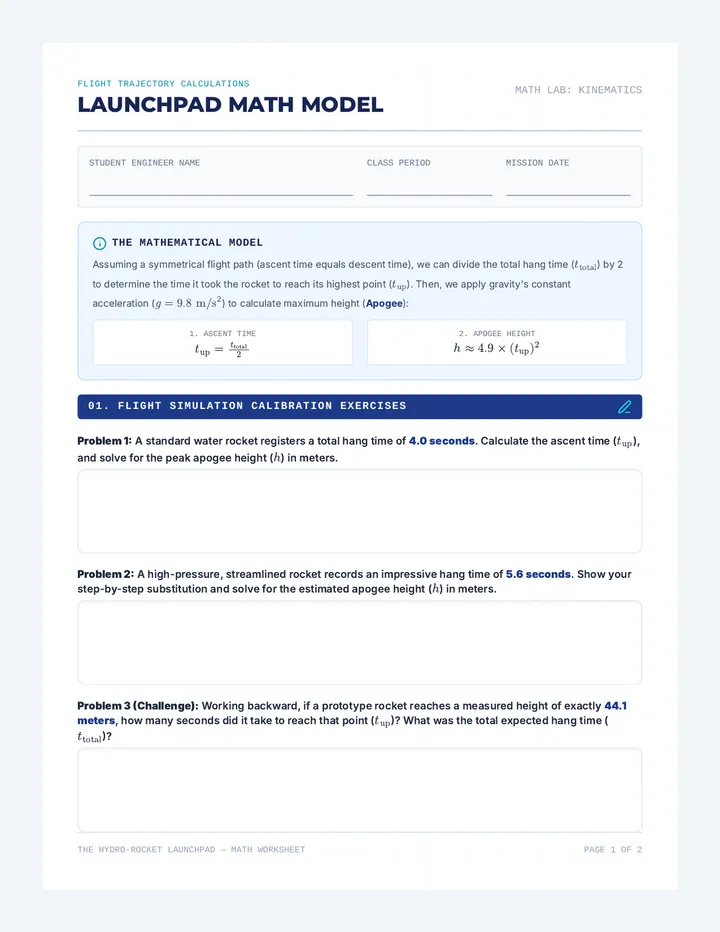
A 4-day hands-on engineering challenge where students design and build a device that demonstrates Newton's three laws of motion using low-cost recycled materials. Students progress through research, blueprinting, prototyping, testing, and a final reflection on the physics at play.
A comprehensive introduction to the structure and function of DNA, featuring reading passages, diagramming activities, and assessment questions.
A lesson exploring non-Mendelian inheritance patterns, specifically focusing on how alleles interact in incomplete dominance and codominance through visual modeling and Punnett squares.
Introduces shop safety protocols, material identification, and system theory for Drain, Waste, and Vent (DWV) plumbing. Students learn to navigate the stock room and understand the purpose of traps, vents, and drains.
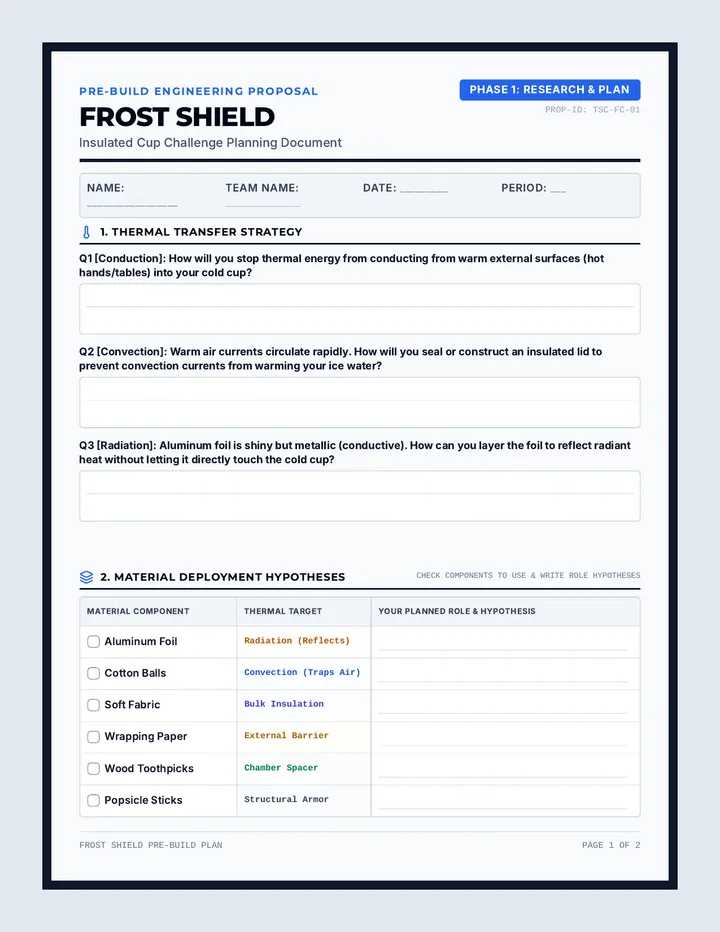
Exploration of convection currents in fluids and a final comparison of all three heat transfer methods. Includes a teacher-led demonstration of convection in water and a summary activity.
Introduction to thermal energy and the mechanisms of conduction and radiation. Includes a teacher-led demonstration of heat traveling through solids and radiant energy from a light source.
A high-stakes cybersecurity lesson where 12th graders learn to defend networks by configuring firewall rules and investigating suspicious system activity. Students develop action plans for identifying malicious files and processes in a simulated incident response scenario.
A comprehensive set of materials focusing on the global freshwater crisis, designed to help students identify cause-and-effect relationships within complex environmental systems. Students will analyze the drivers of water scarcity, its global impact, and potential technological and policy solutions.
An introduction to biological classification, covering the three domains of life, the six kingdoms, and the hierarchical levels of taxonomy from domain to species.
A lesson focusing on the external anatomy of ray-finned fish using a technical blueprint aesthetic. Students will identify key structures like fins, the lateral line, and the operculum.
An exploration of the human heart's anatomy, focusing on identifying key structures and understanding the path of blood flow through chambers and valves.
A comprehensive test-prep lesson focusing on high school science practices required for AzSCI and ACT Aspire. Students will master experimental design, data analysis, and the use of scientific models through practice scenarios and graphical interpretation.
A deep dive into the behavior of charged particles in magnetic fields, focusing on the mechanics of mass spectrometry and the rotational dynamics of current-carrying loops. Students will derive key equations for particle paths and analyze the torque that drives electric motors.