Students apply their knowledge to design ethical behavior modification plans for real-world scenarios. They analyze the ethical implications of 'nudging' and behavioral control in society.
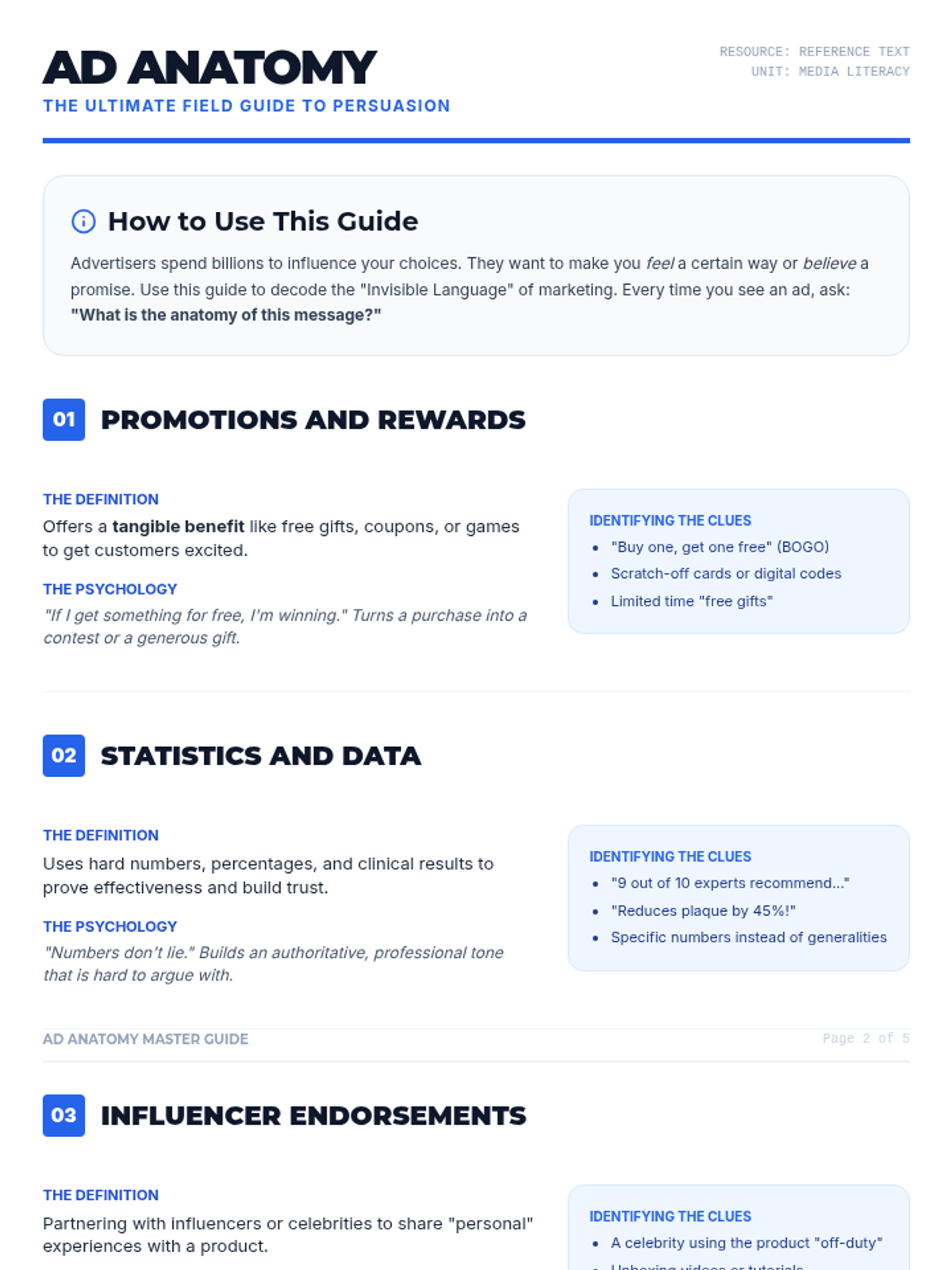
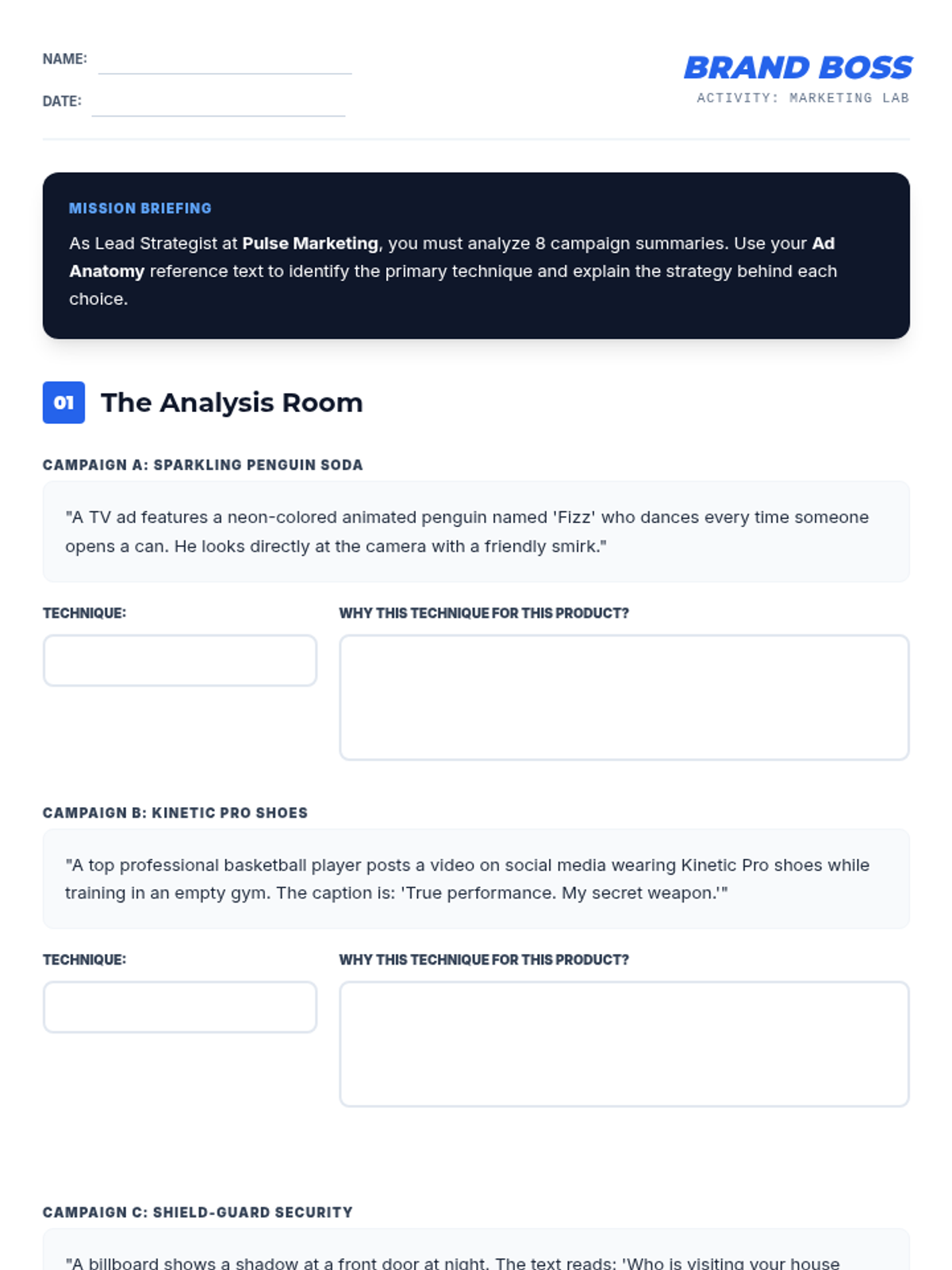
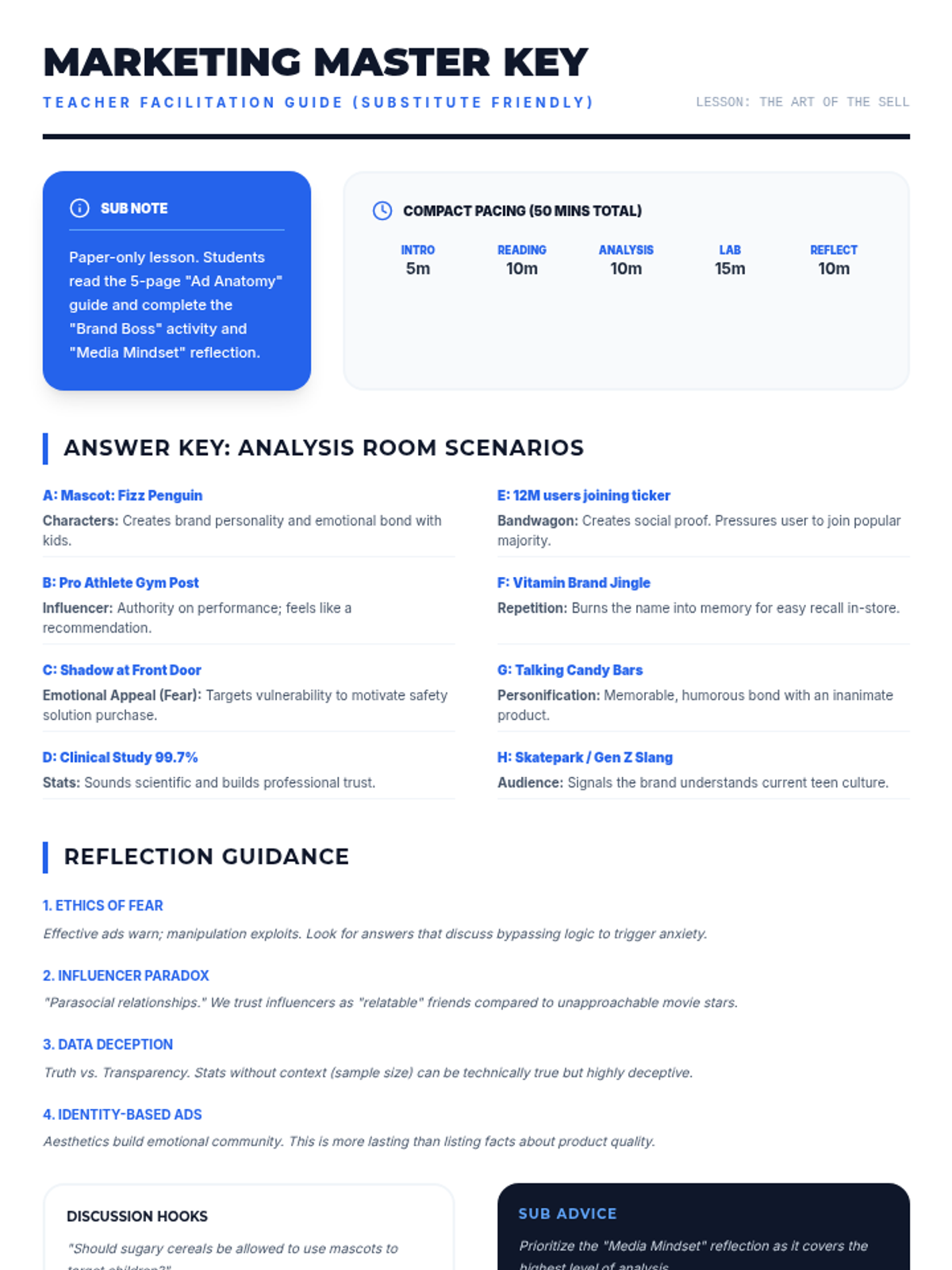
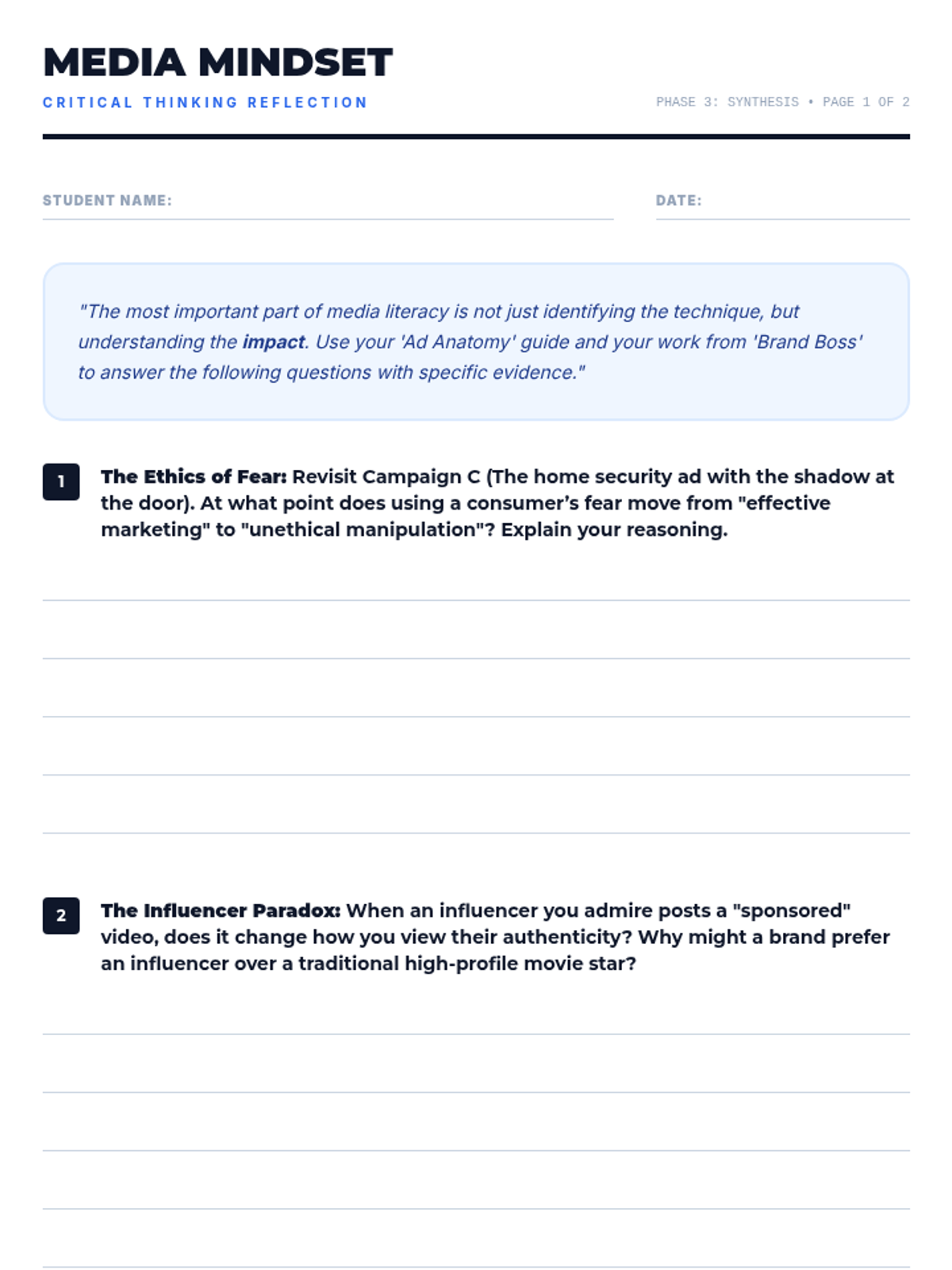
A comprehensive lesson on media literacy and advertising strategies, teaching students to identify and apply ten key persuasive techniques used in modern marketing.
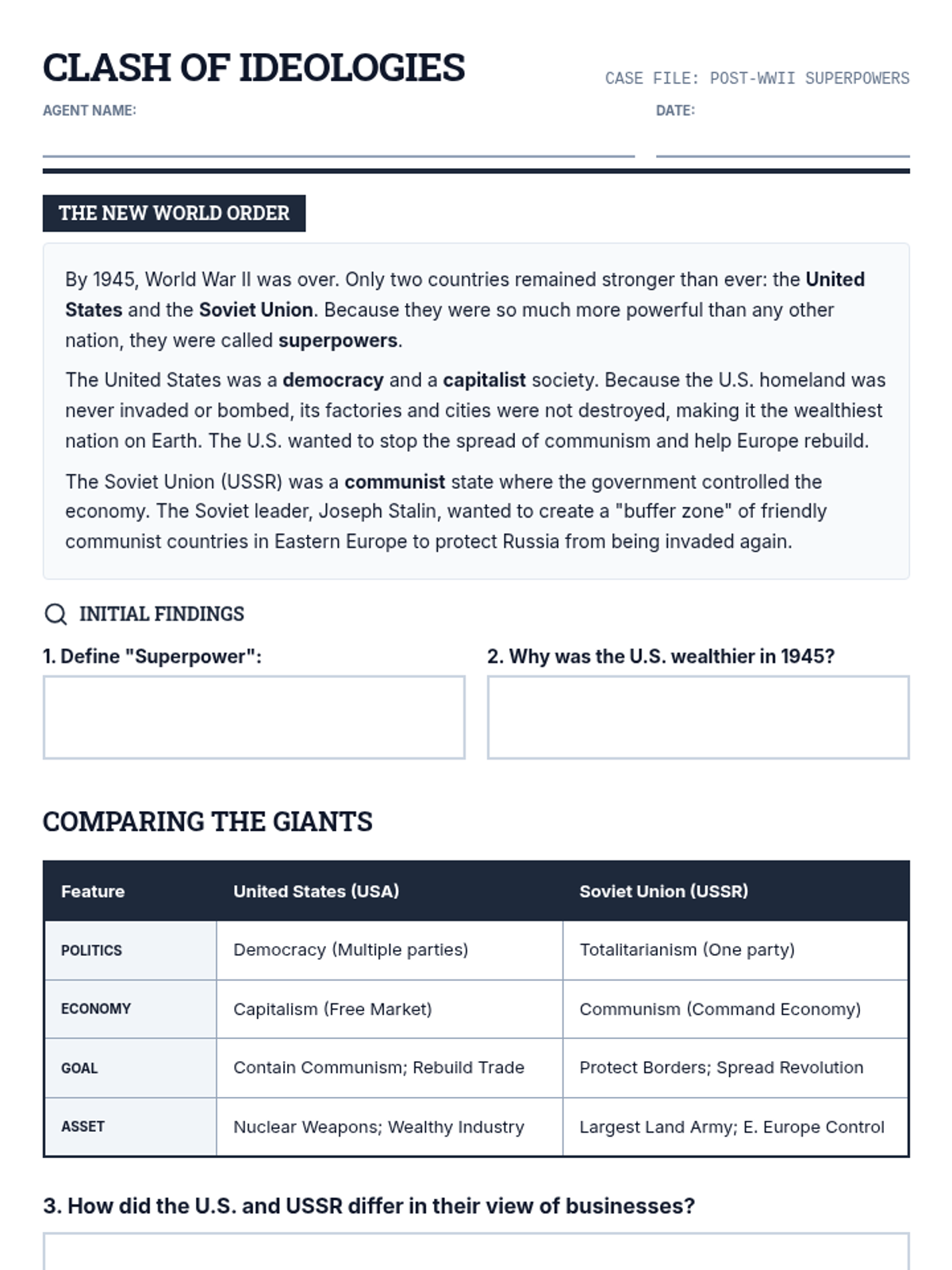
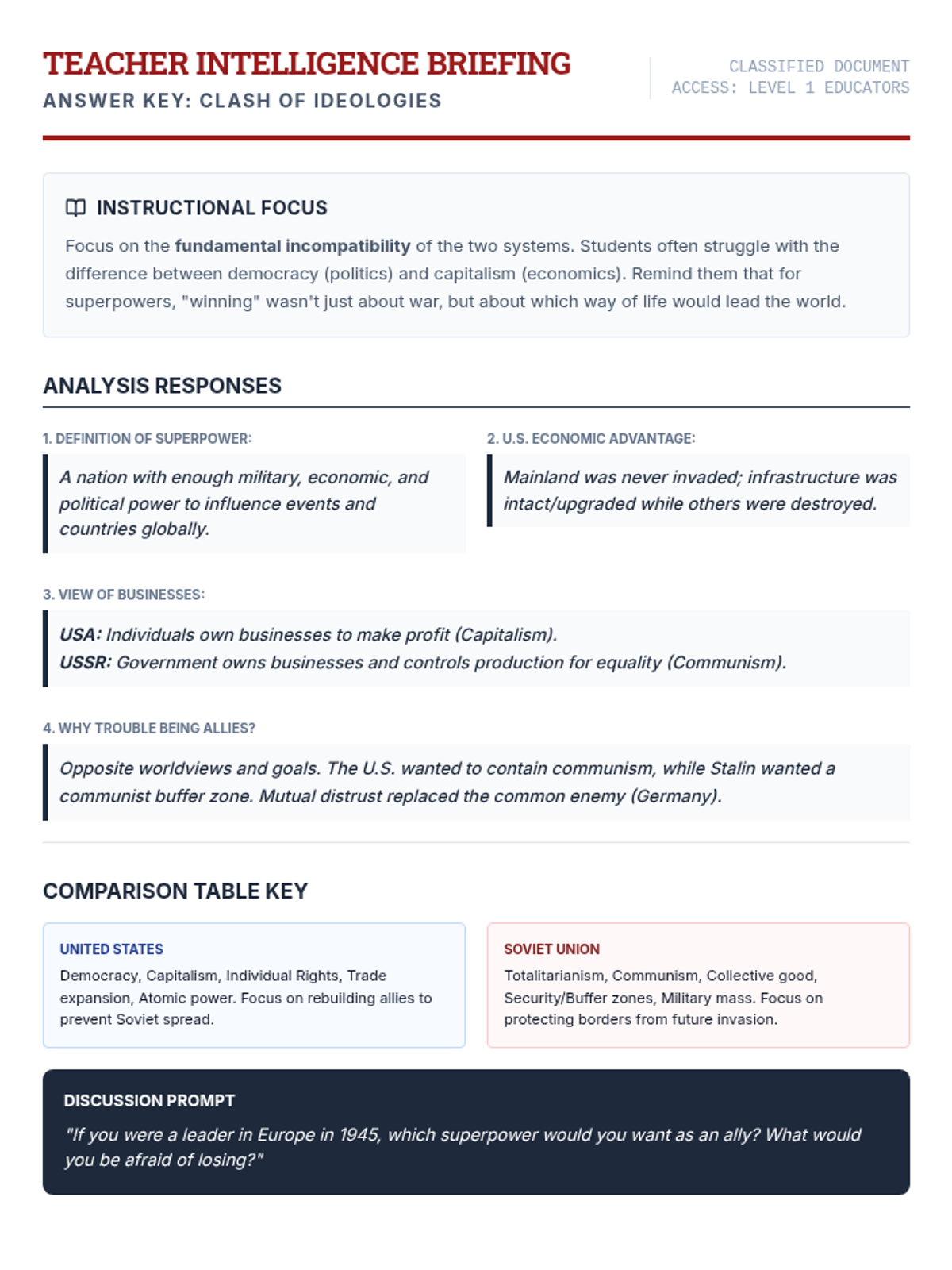
A middle-school lesson exploring the rise of the United States and the Soviet Union as rival superpowers following World War II, focusing on their competing ideologies and world influence.
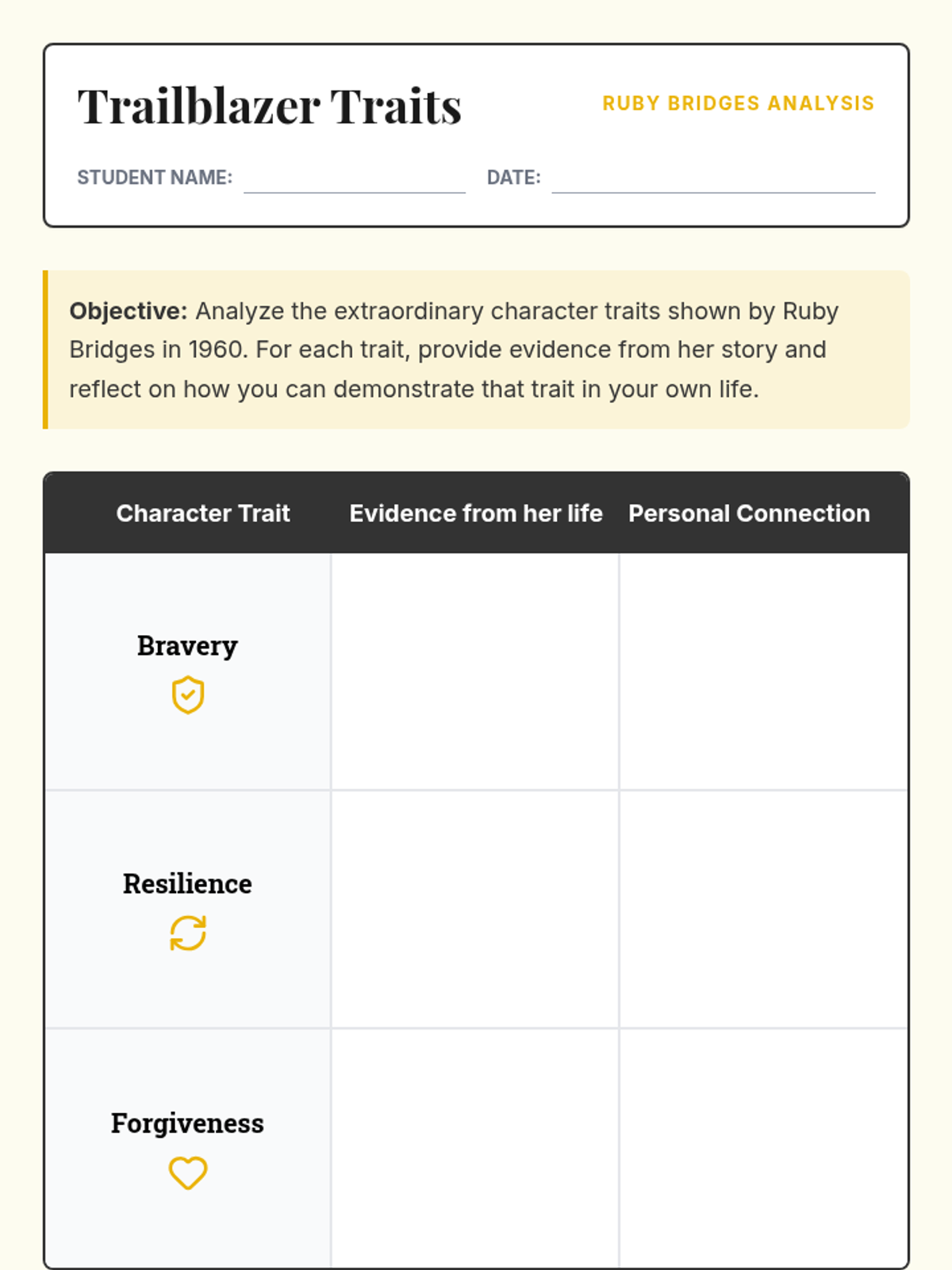
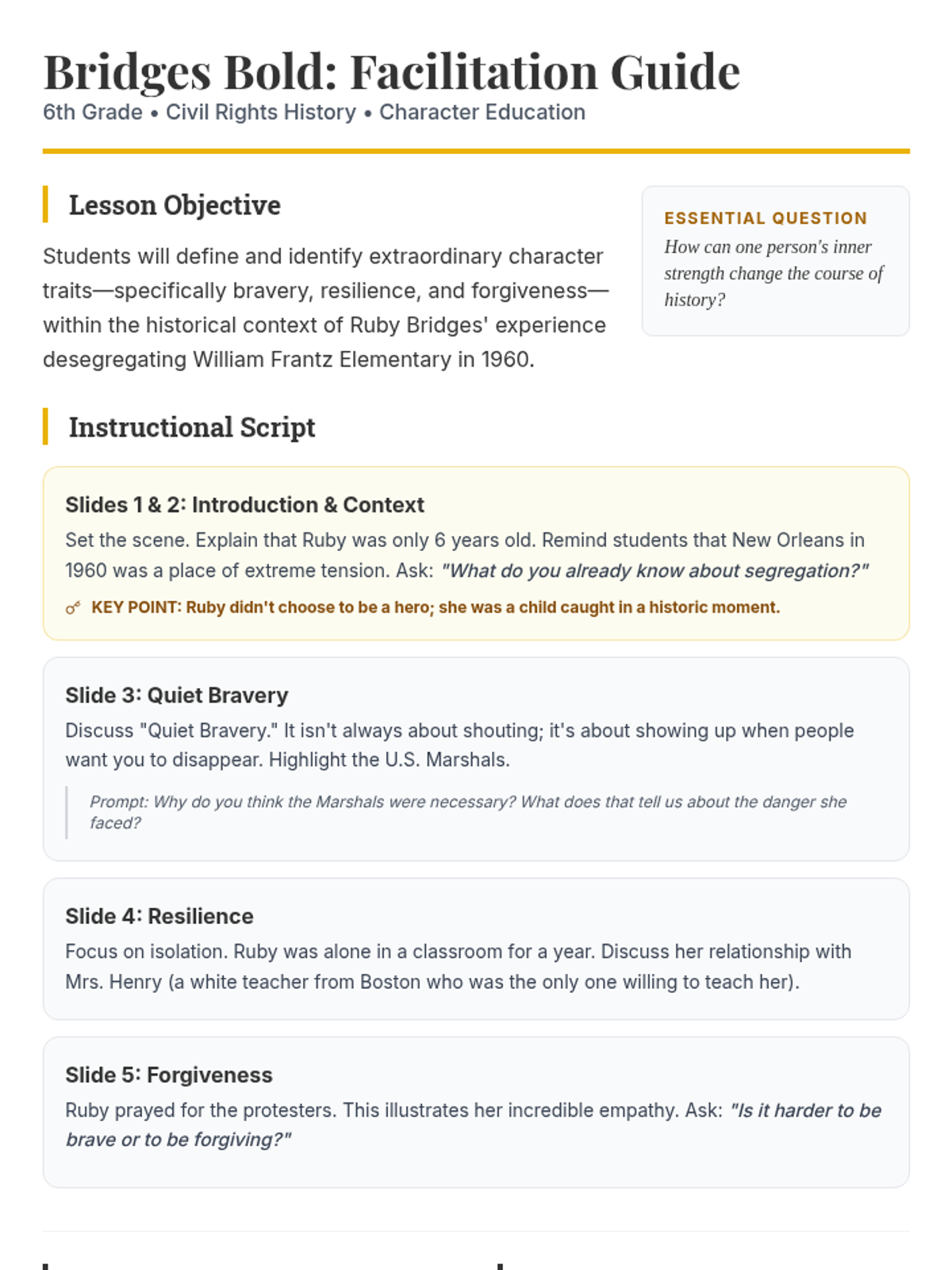
A lesson exploring the extraordinary character traits of Ruby Bridges, focusing on her bravery, resilience, and impact on the Civil Rights Movement. Students will analyze primary source accounts and reflect on how they can apply these traits in their own lives.
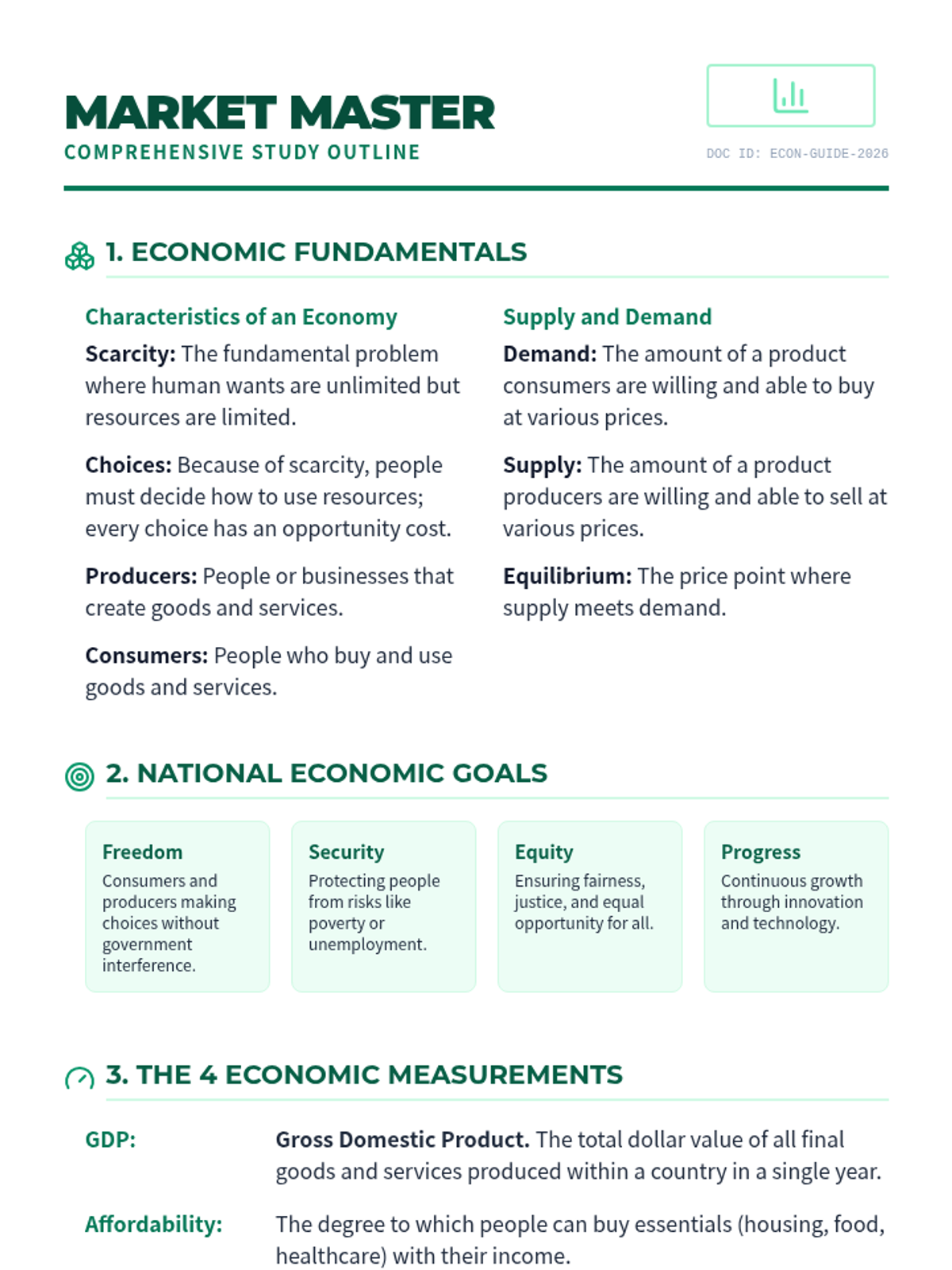
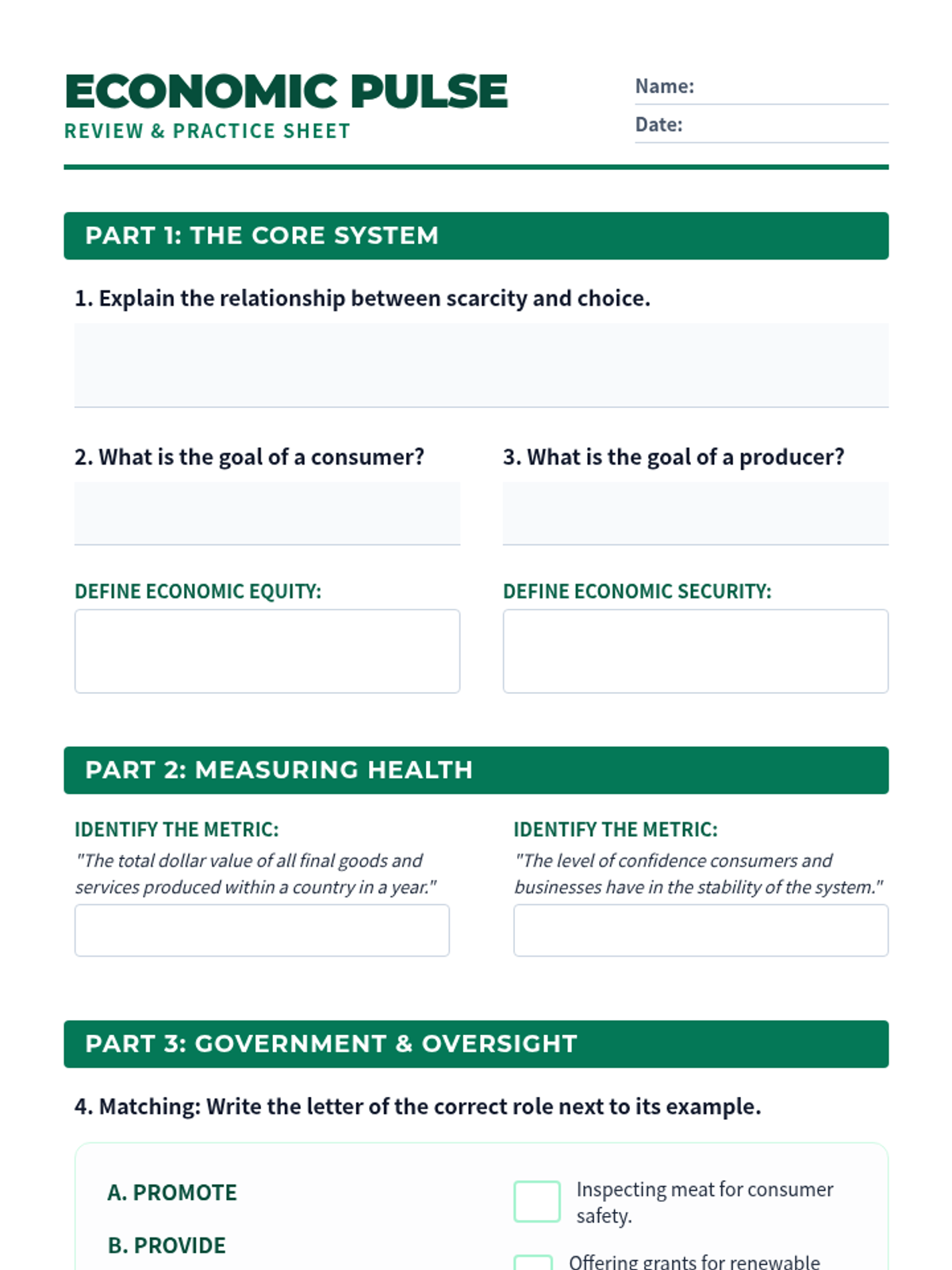
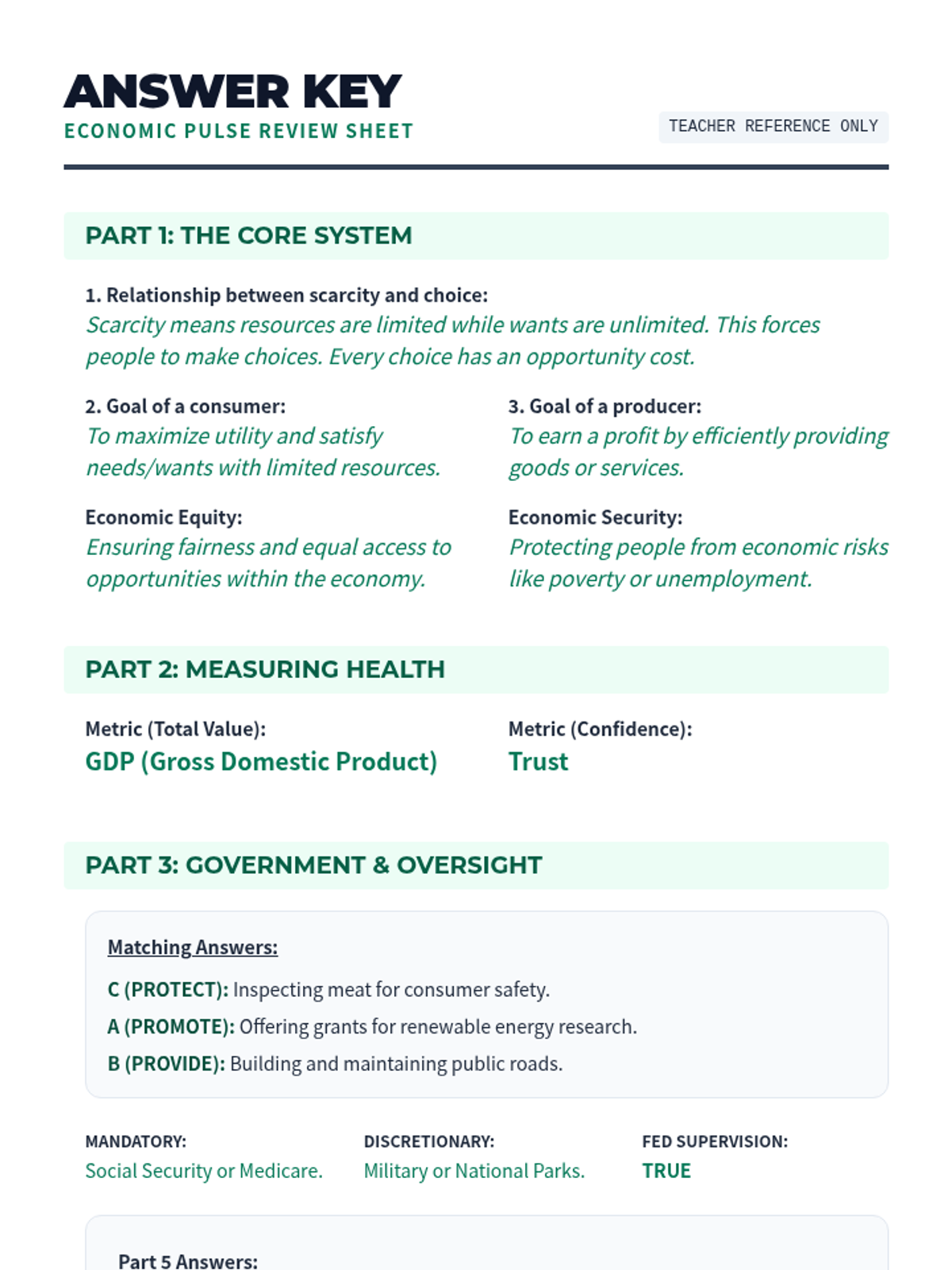
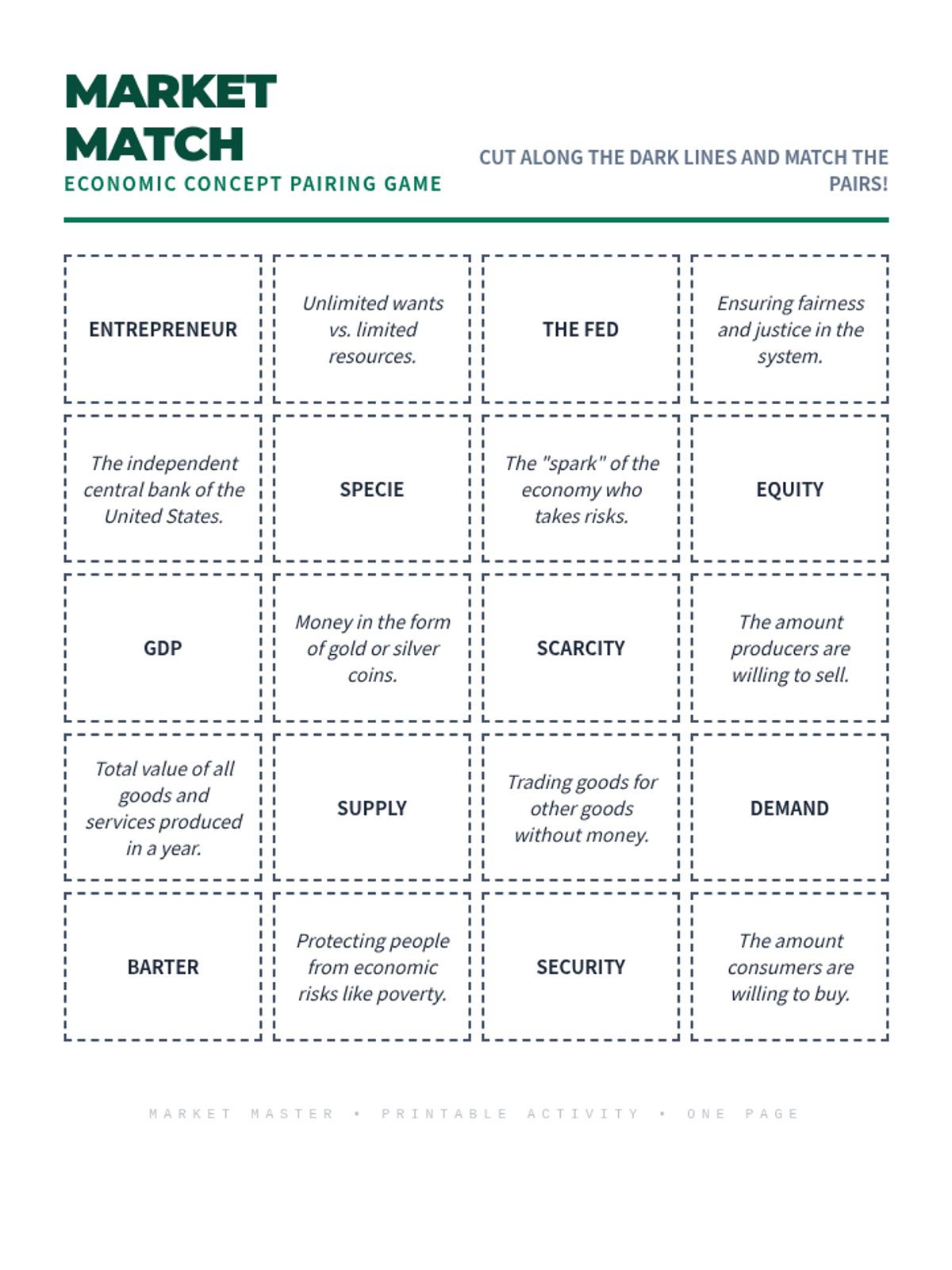
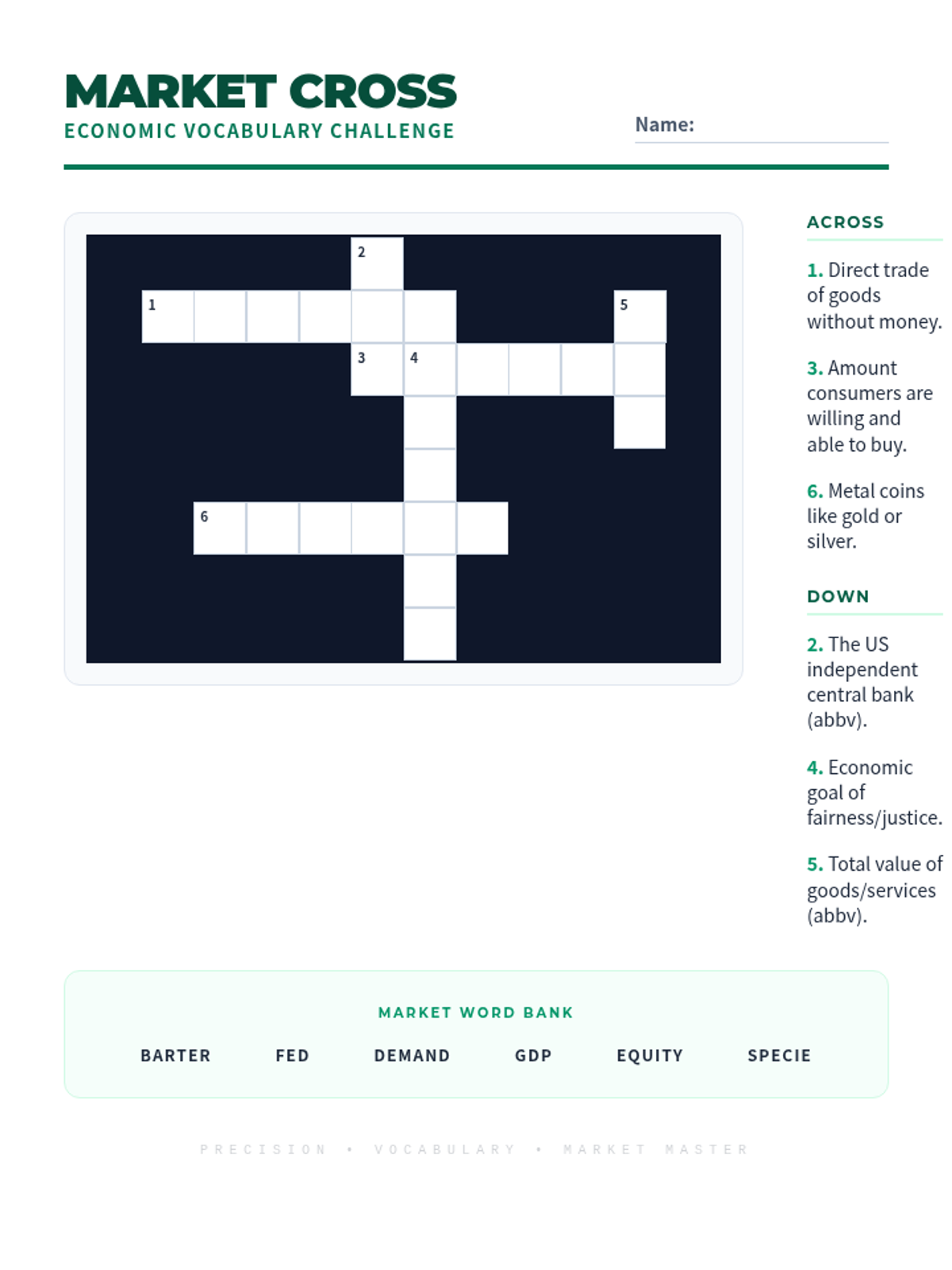
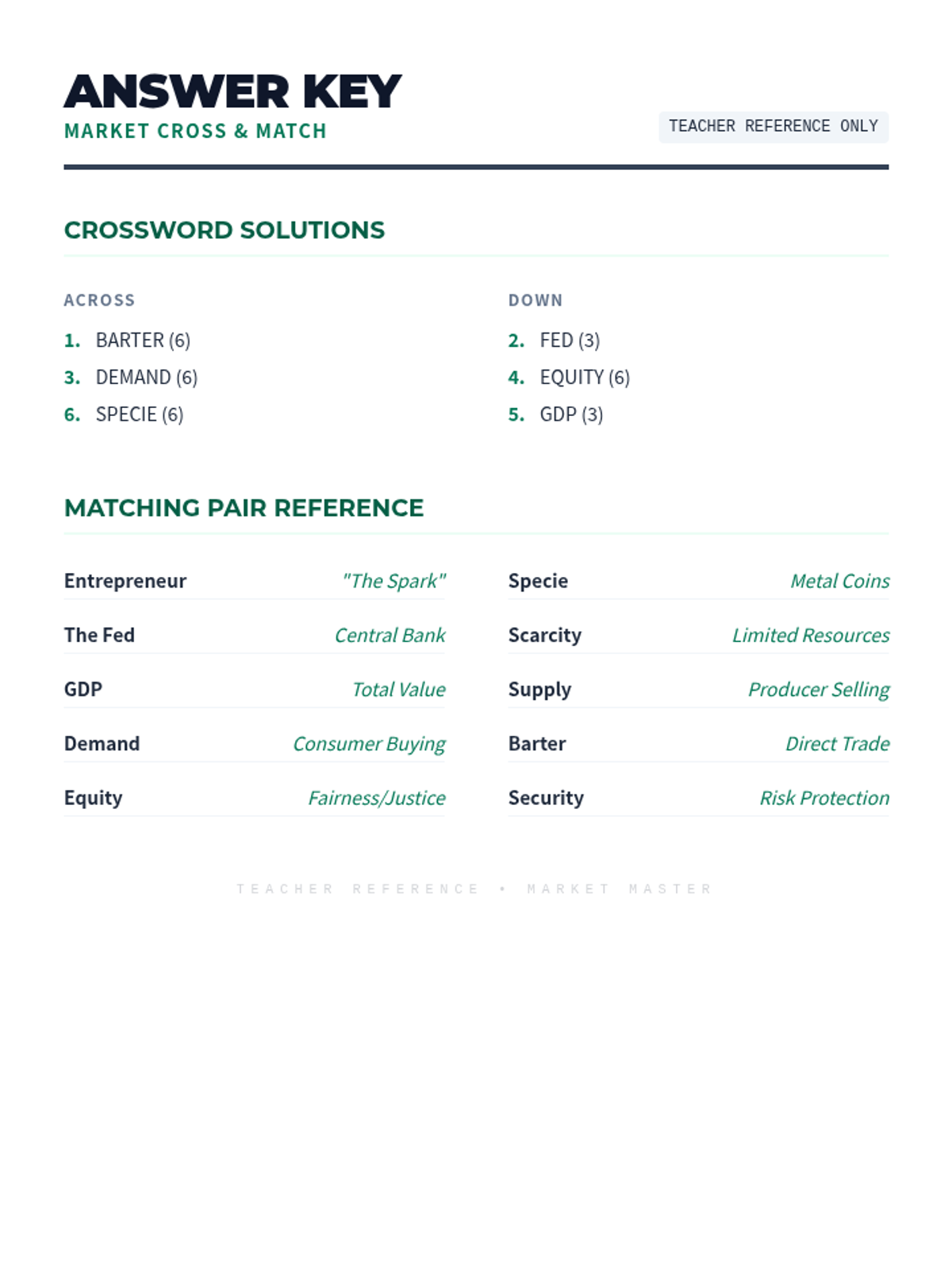
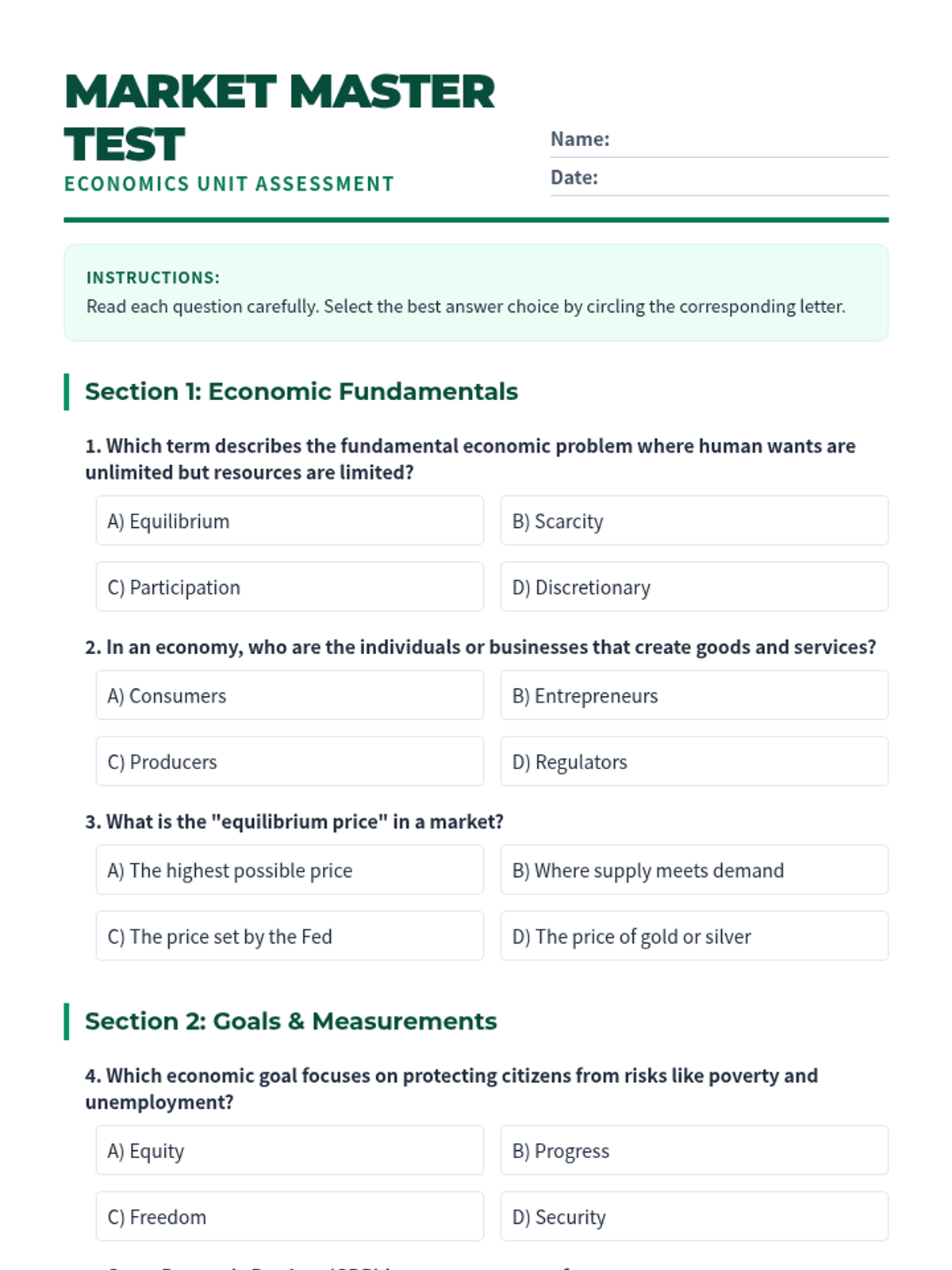
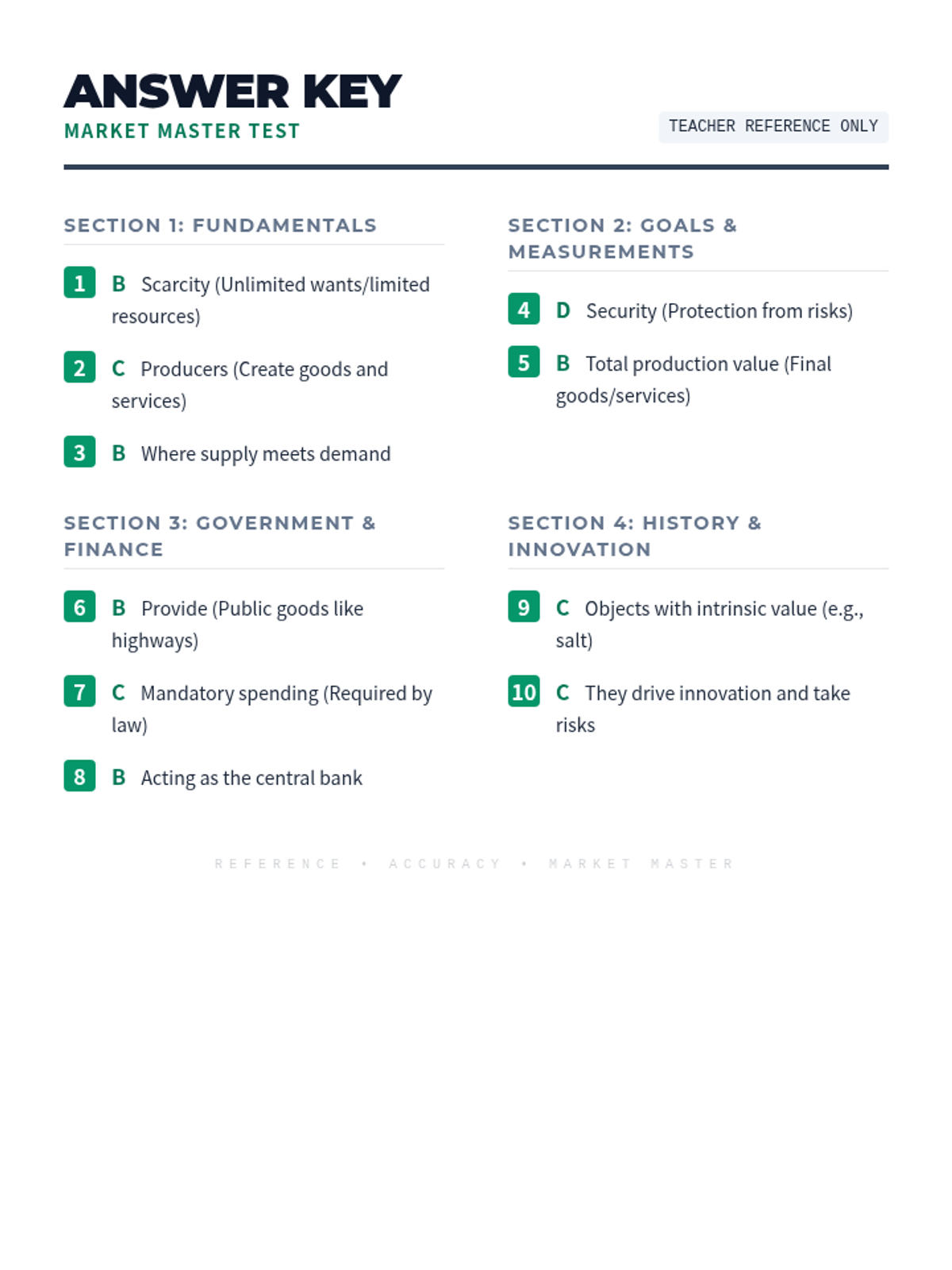
A comprehensive set of study materials covering fundamental economic concepts, government roles, the Federal Reserve, and the history of money.
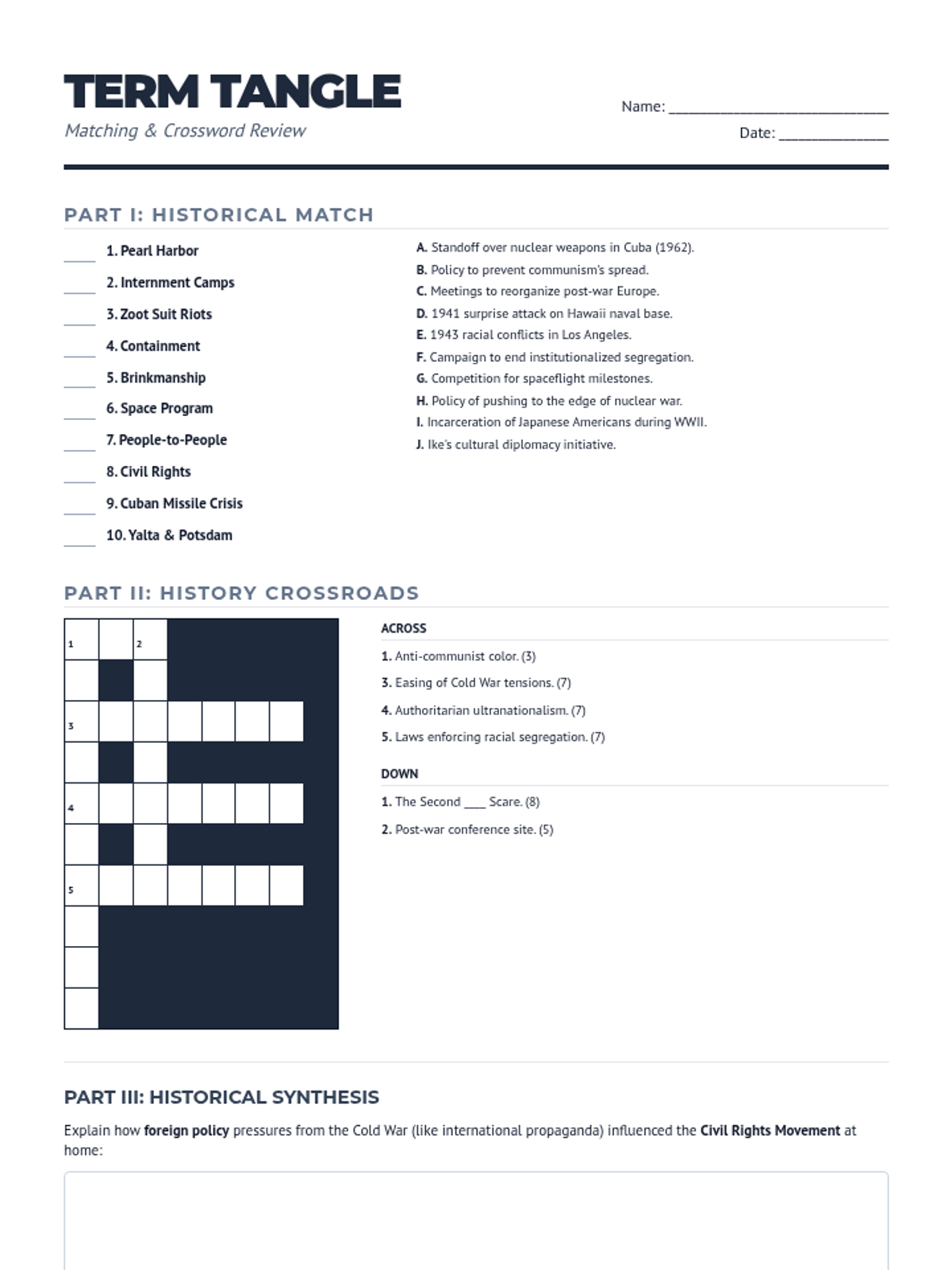
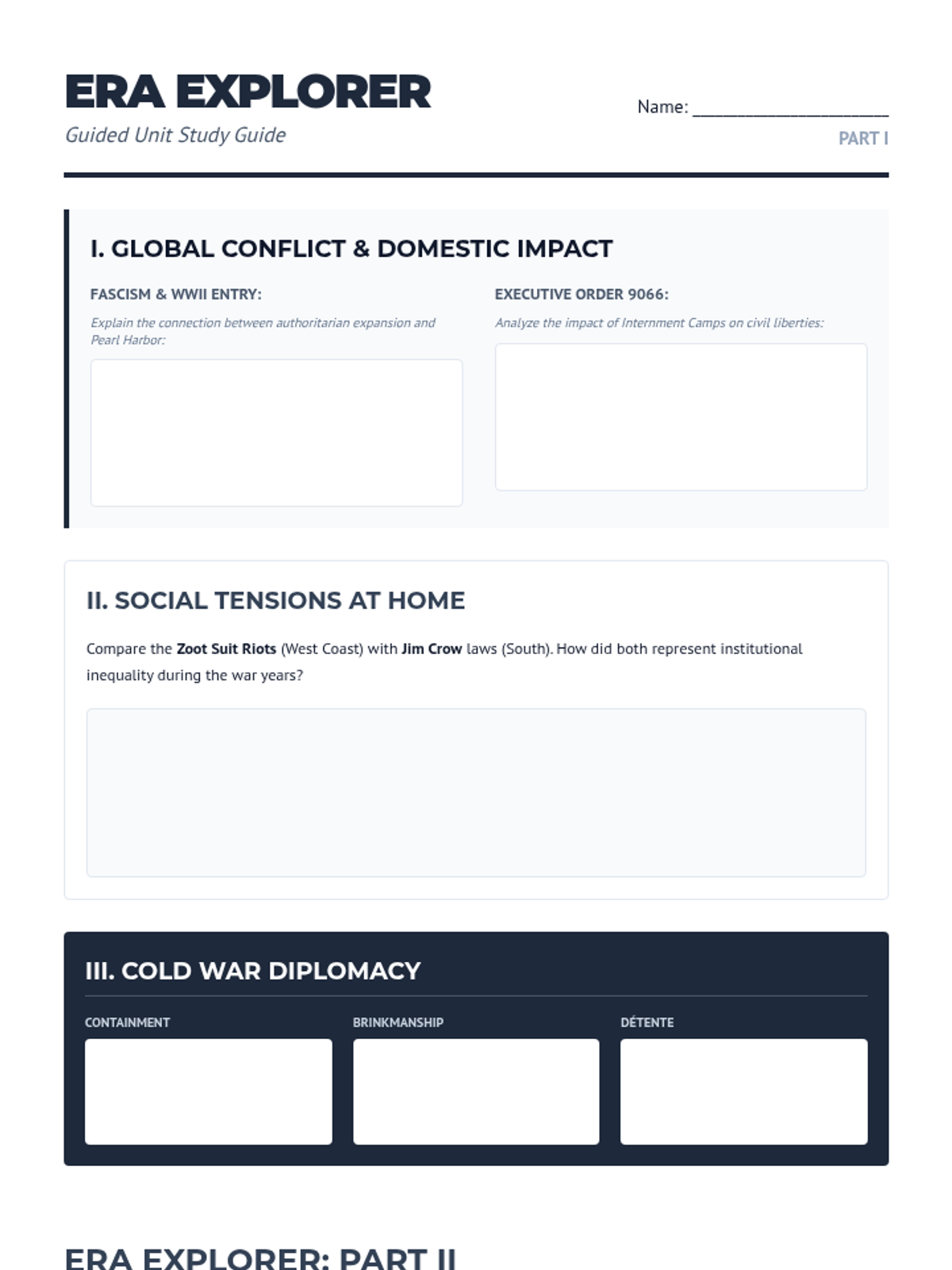
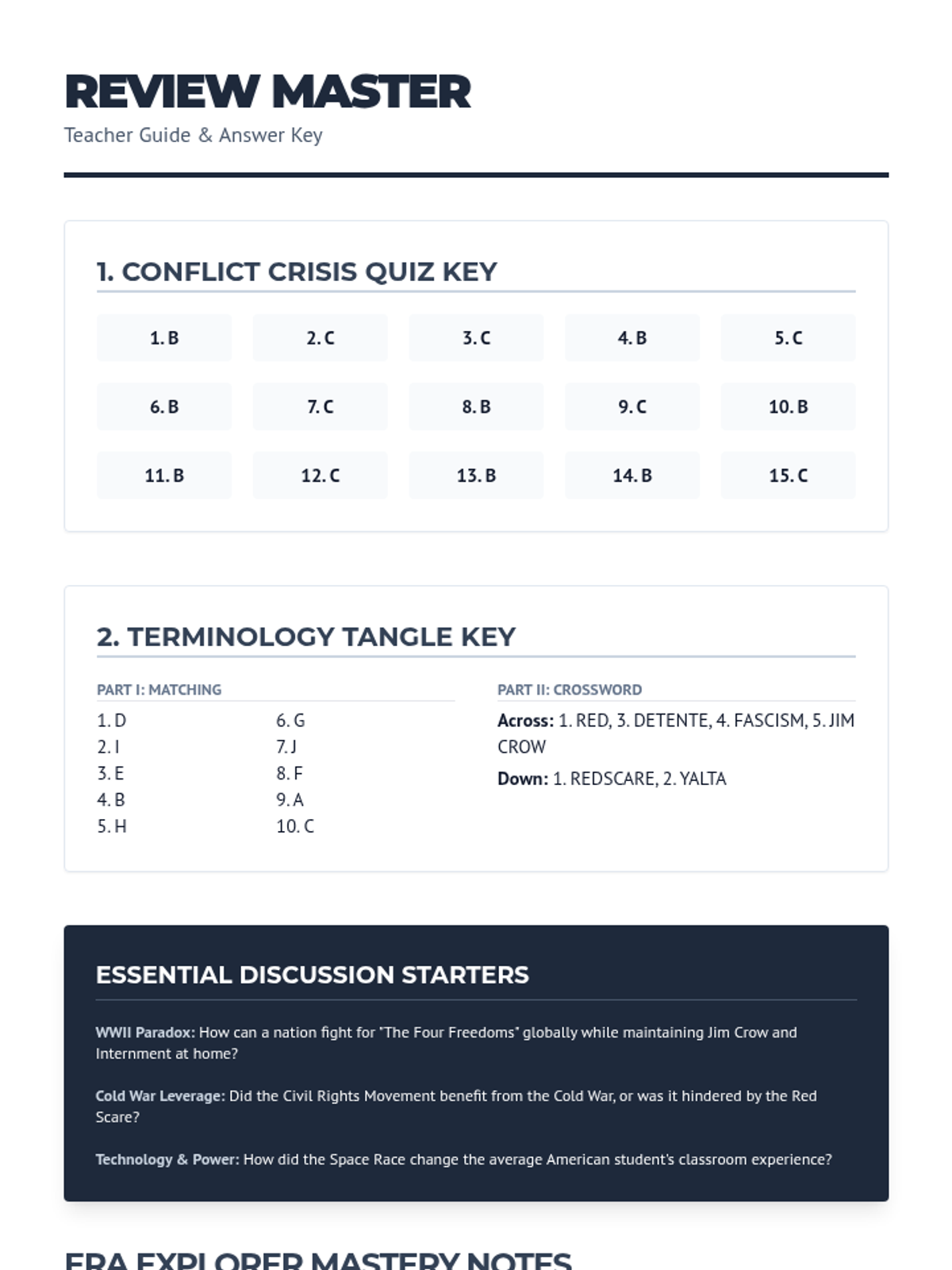
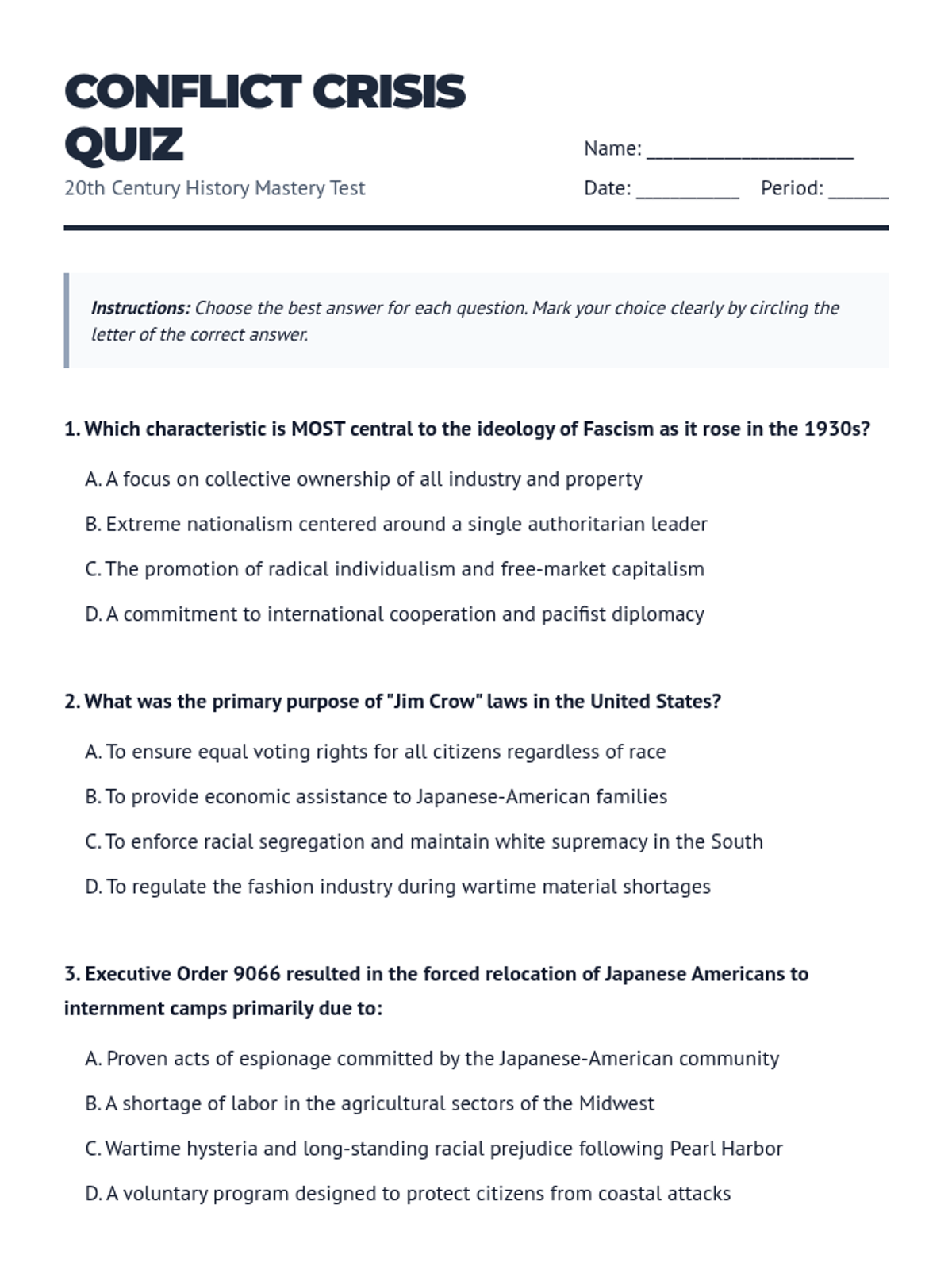
A comprehensive review lesson covering major 20th-century events from the rise of Fascism through the Civil Rights Movement and the Cold War. Students will engage with vocabulary, cause-and-effect relationships, and key historical facts through matching, crosswords, and guided study templates.
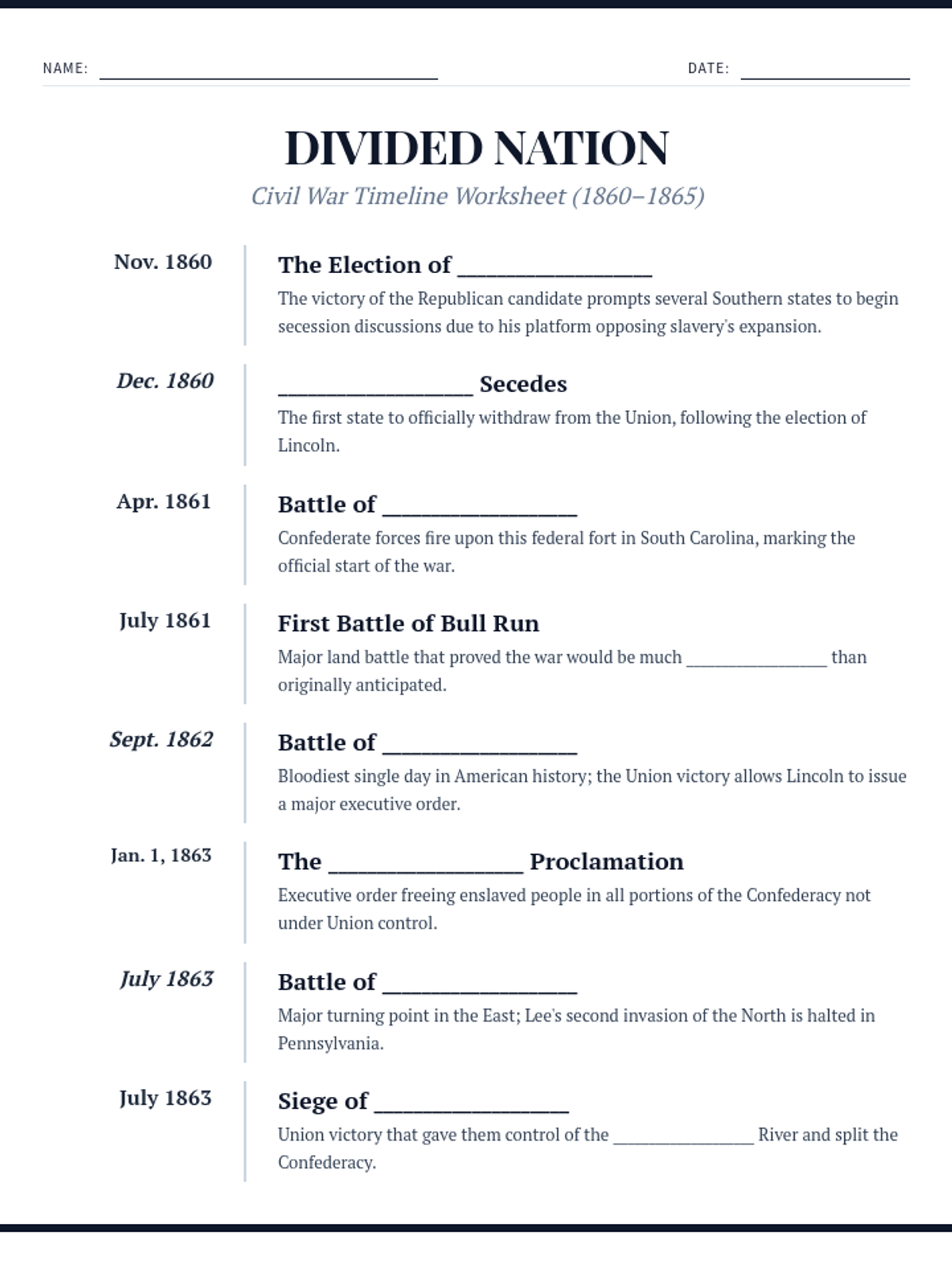
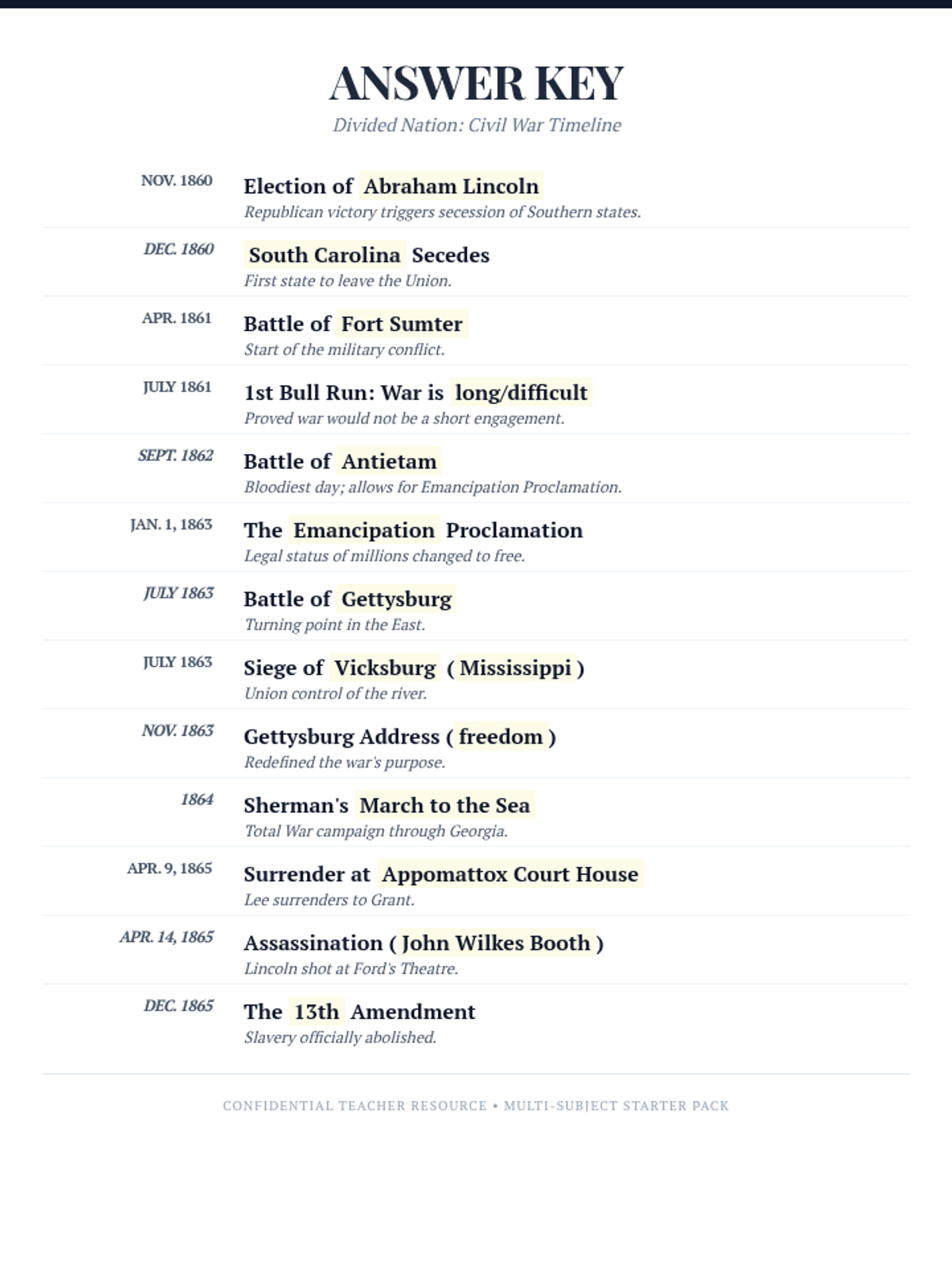
A comprehensive exploration of the American Civil War's key events through a detailed timeline activity for high school students.
An engaging visual guide to the process of photosynthesis, designed for 7th-grade life science students.
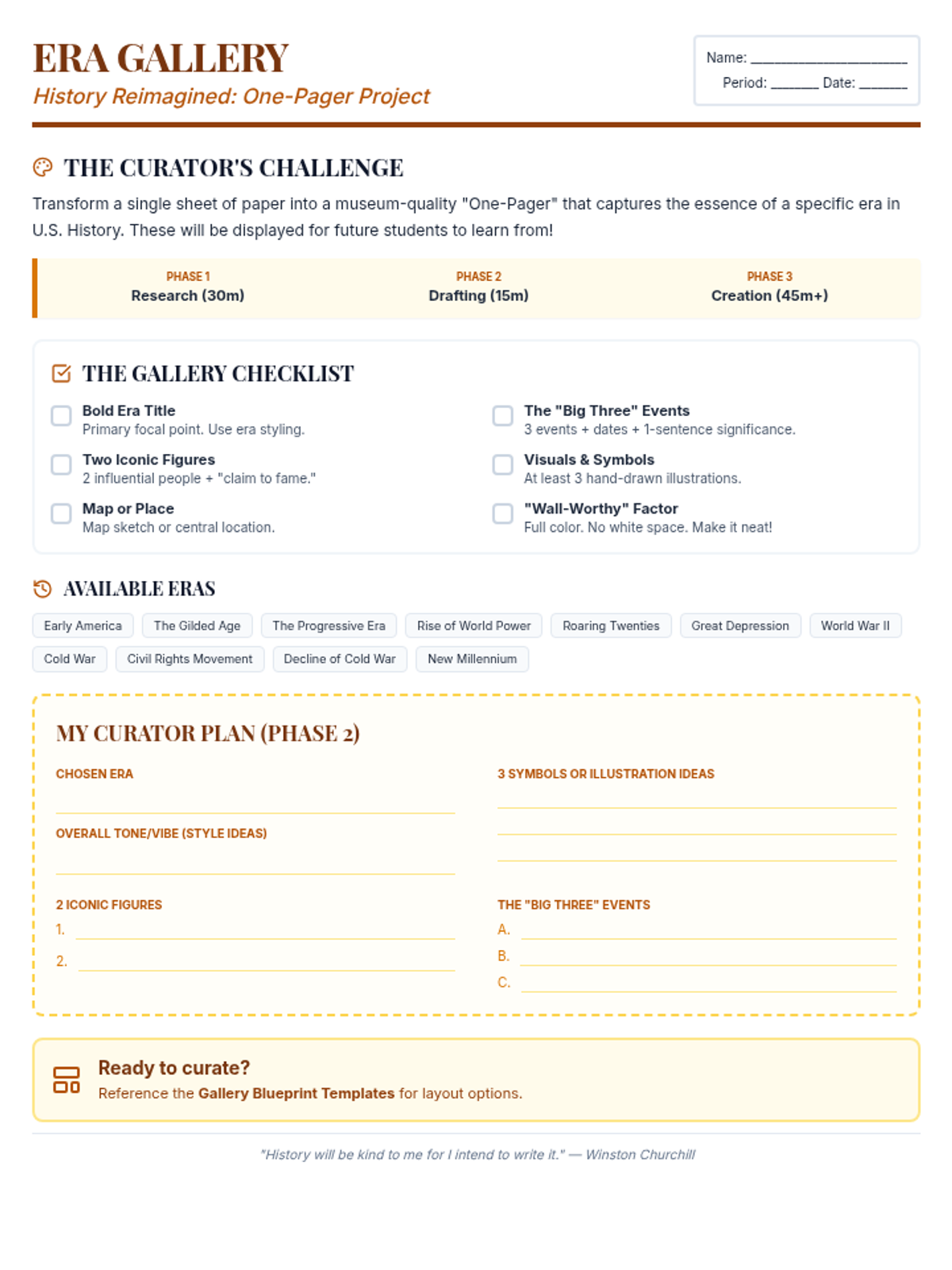
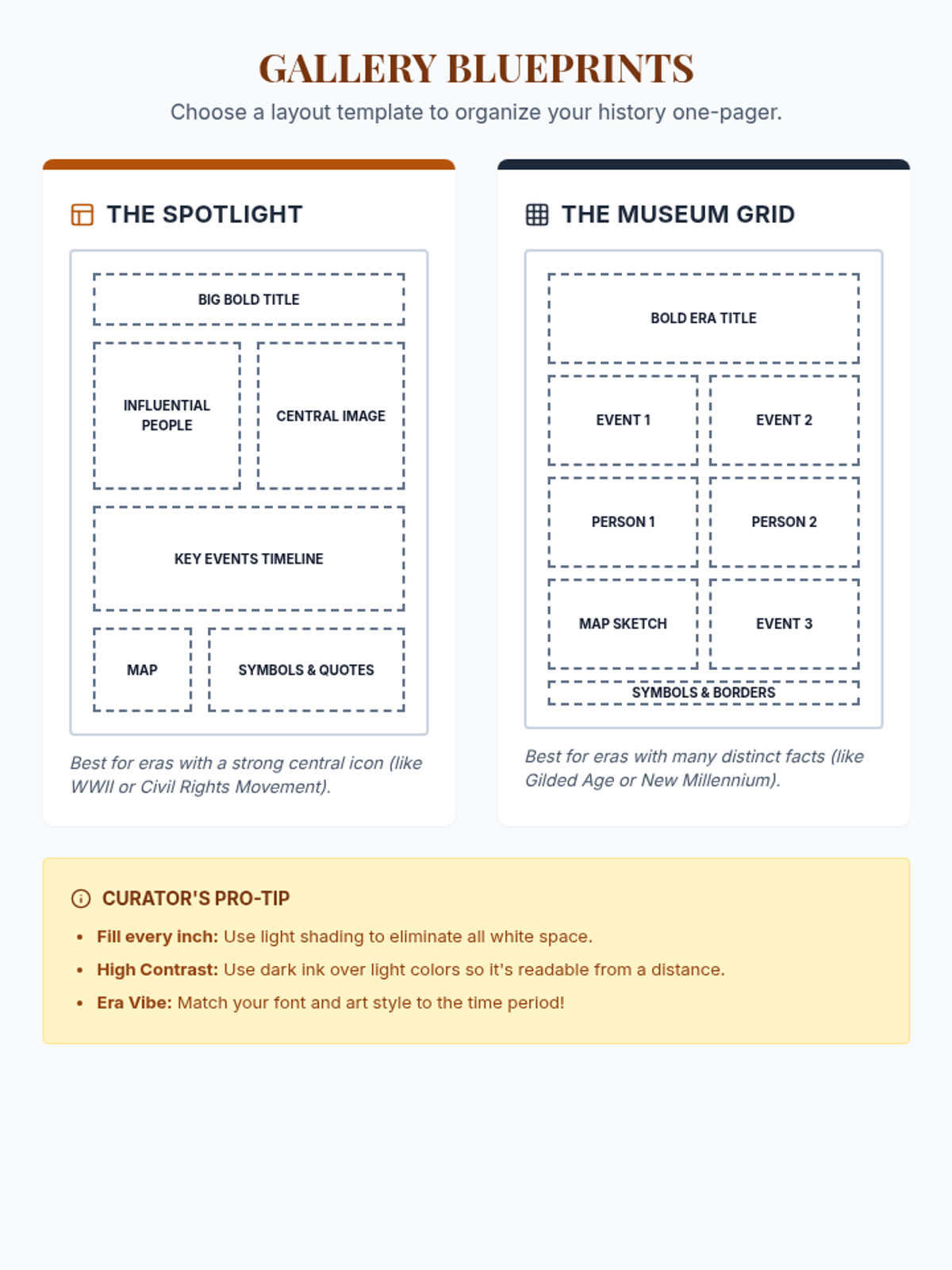
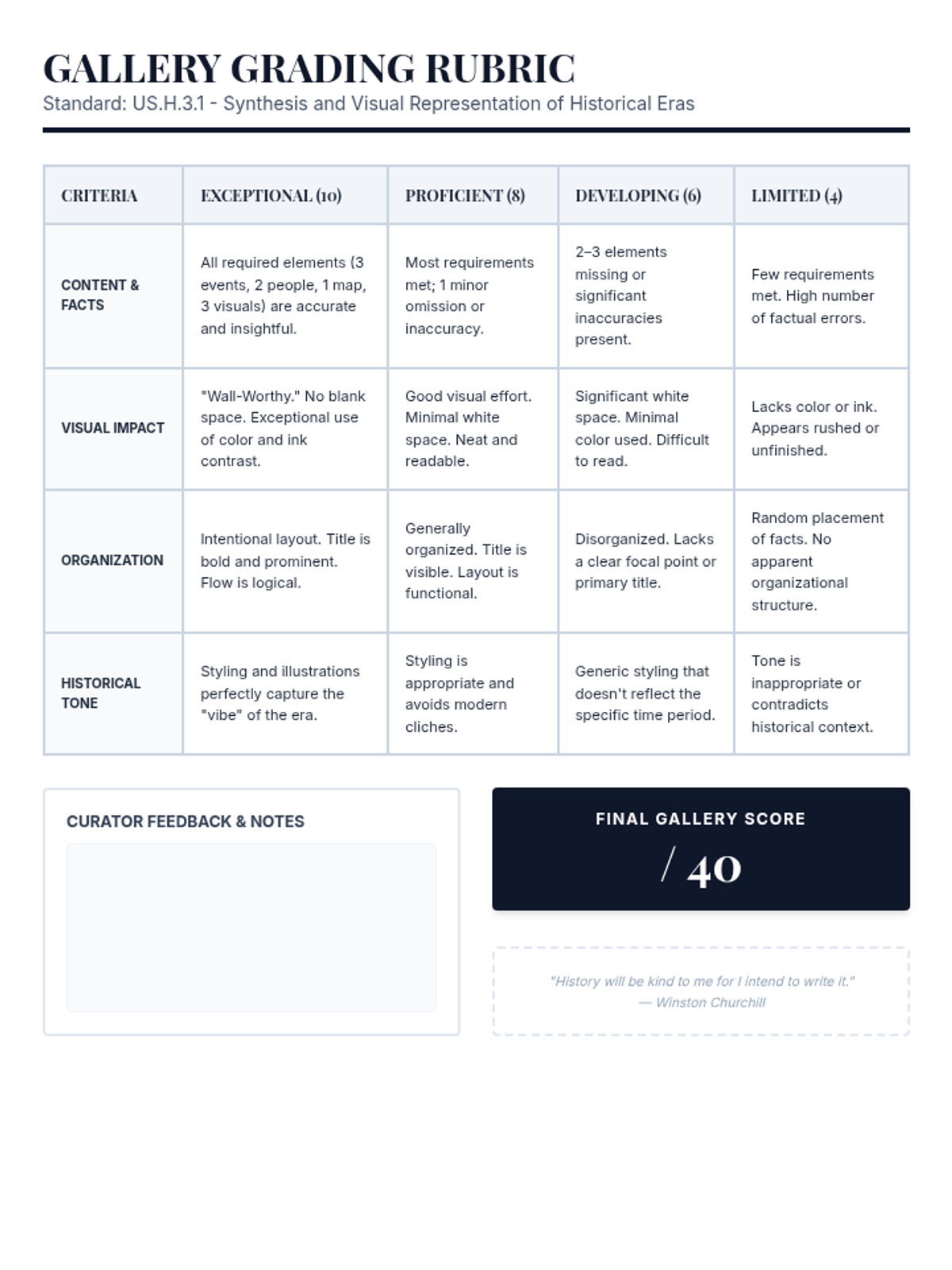
A fast-paced, creative project where students curate a visually stunning 'One-Pager' poster for a specific era of U.S. History, designed to be high-quality enough for classroom display.
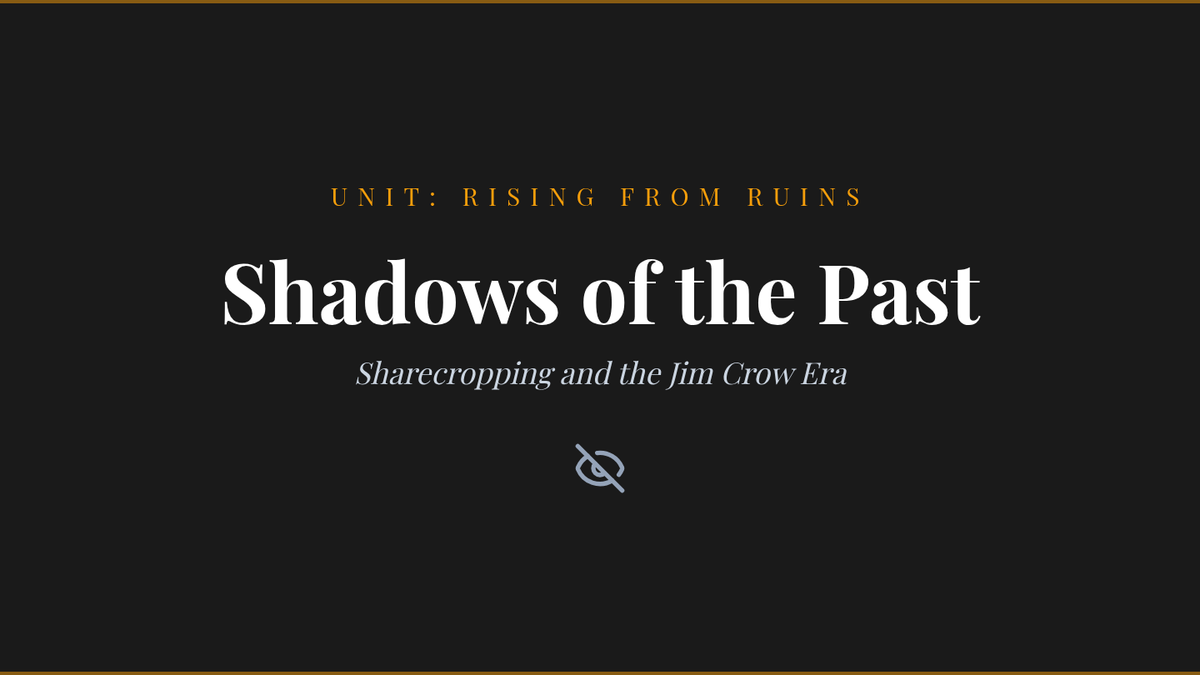
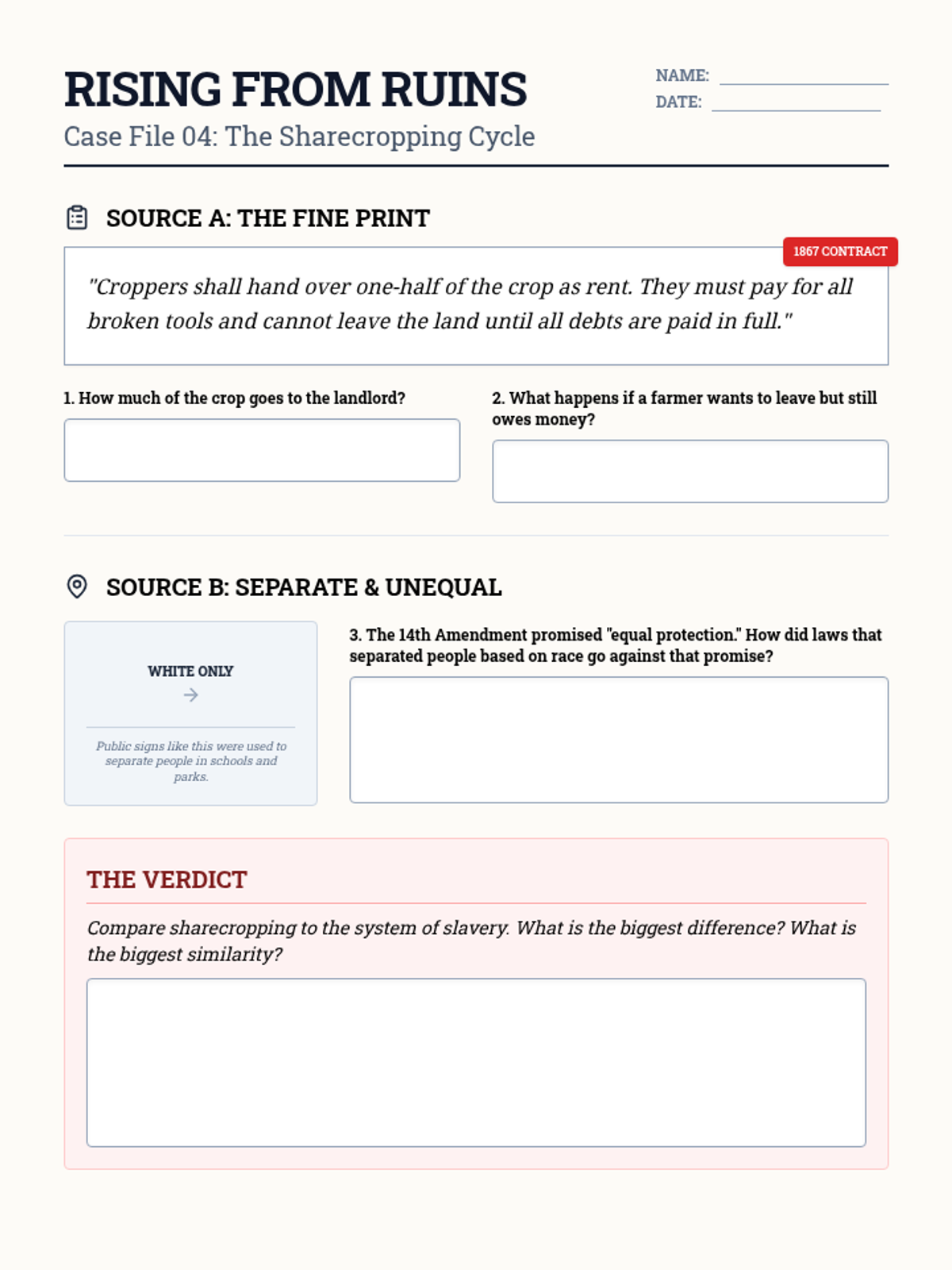
Students explore the limitations of Reconstruction through the lens of sharecropping and the emergence of Jim Crow laws.
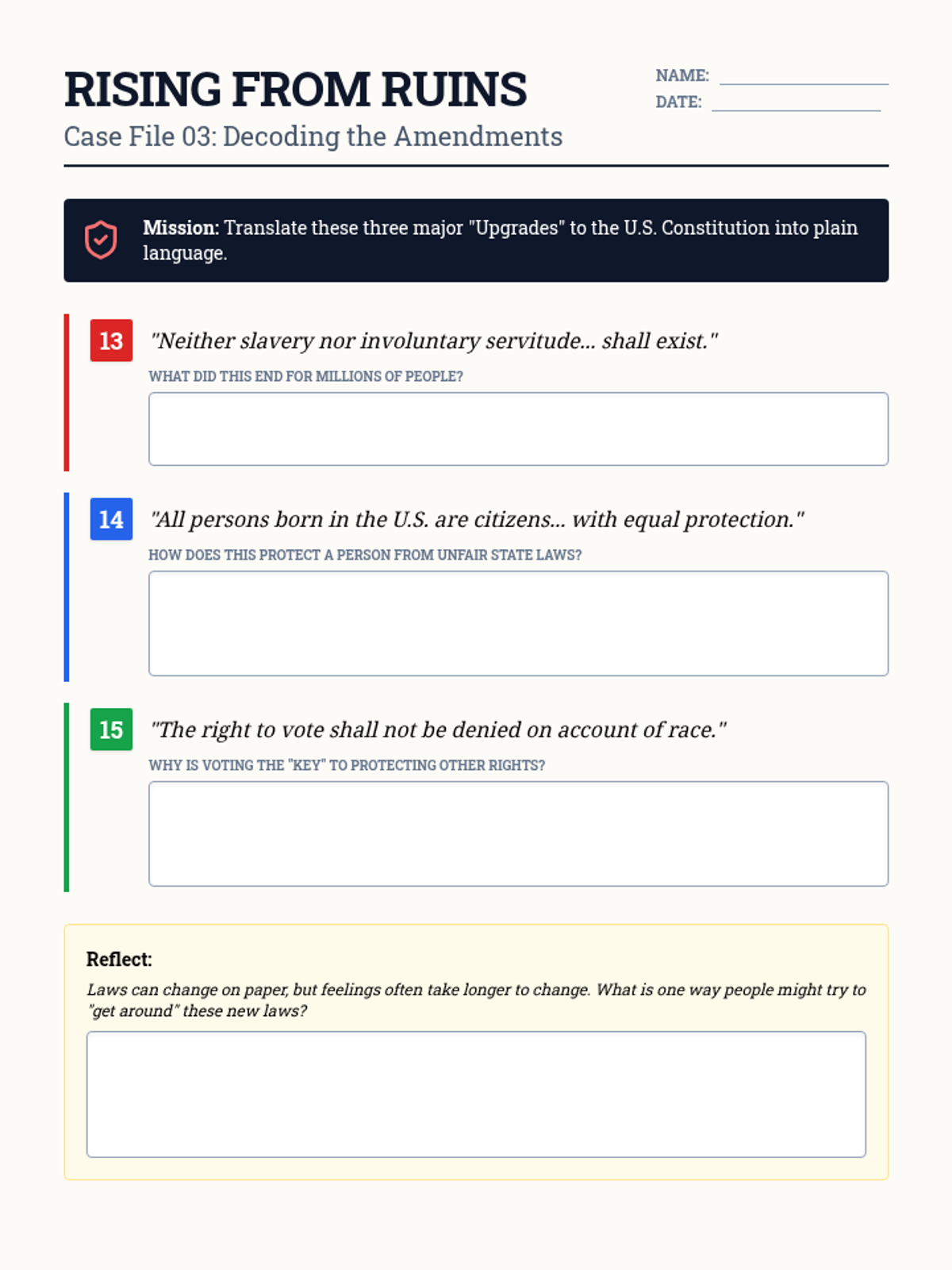
A deep dive into the 13th, 14th, and 15th Amendments and how they aimed to redefine American citizenship and rights.
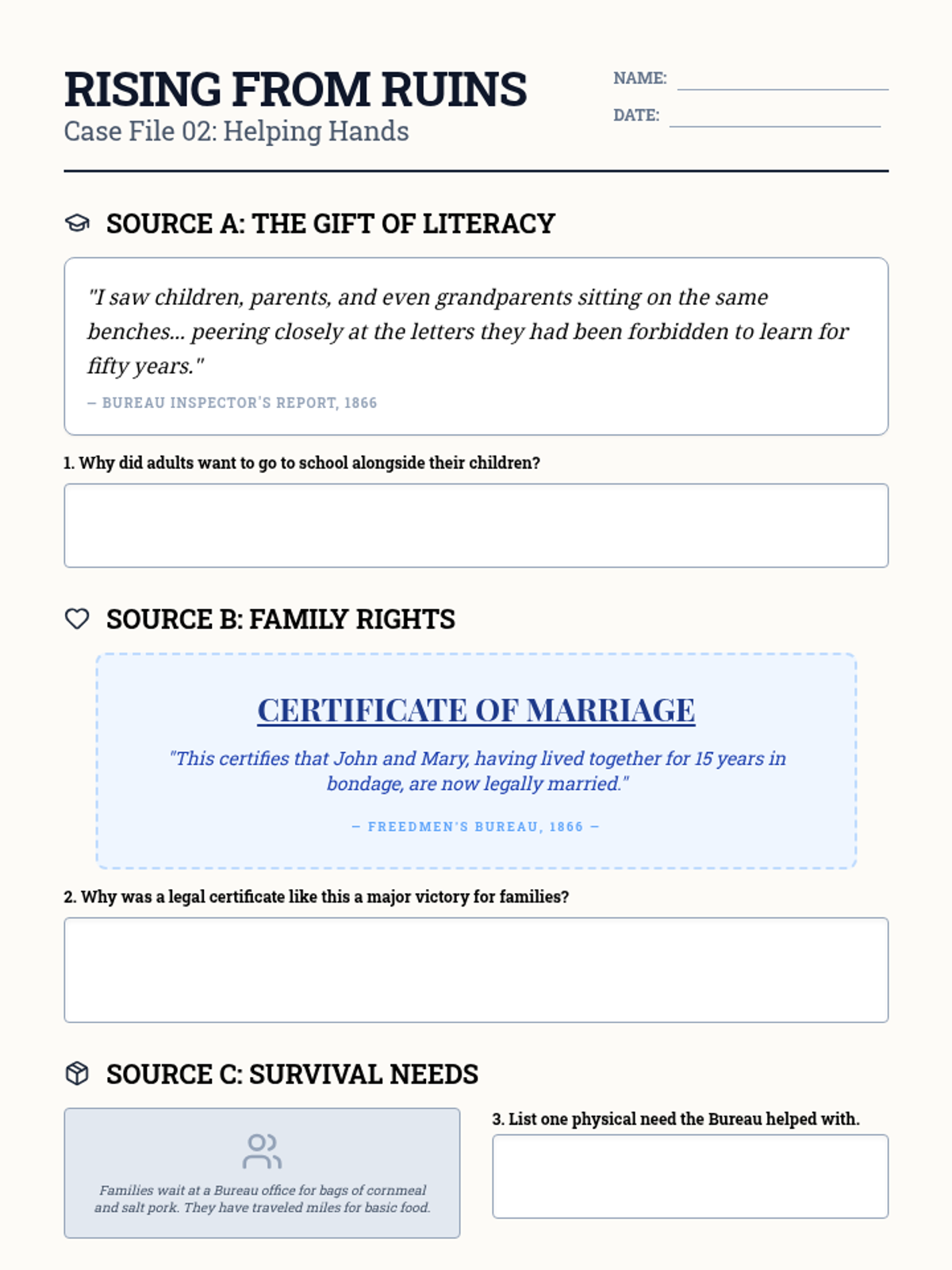
An investigation into the Freedmen's Bureau and its role in providing education, healthcare, and legal assistance to formerly enslaved people.
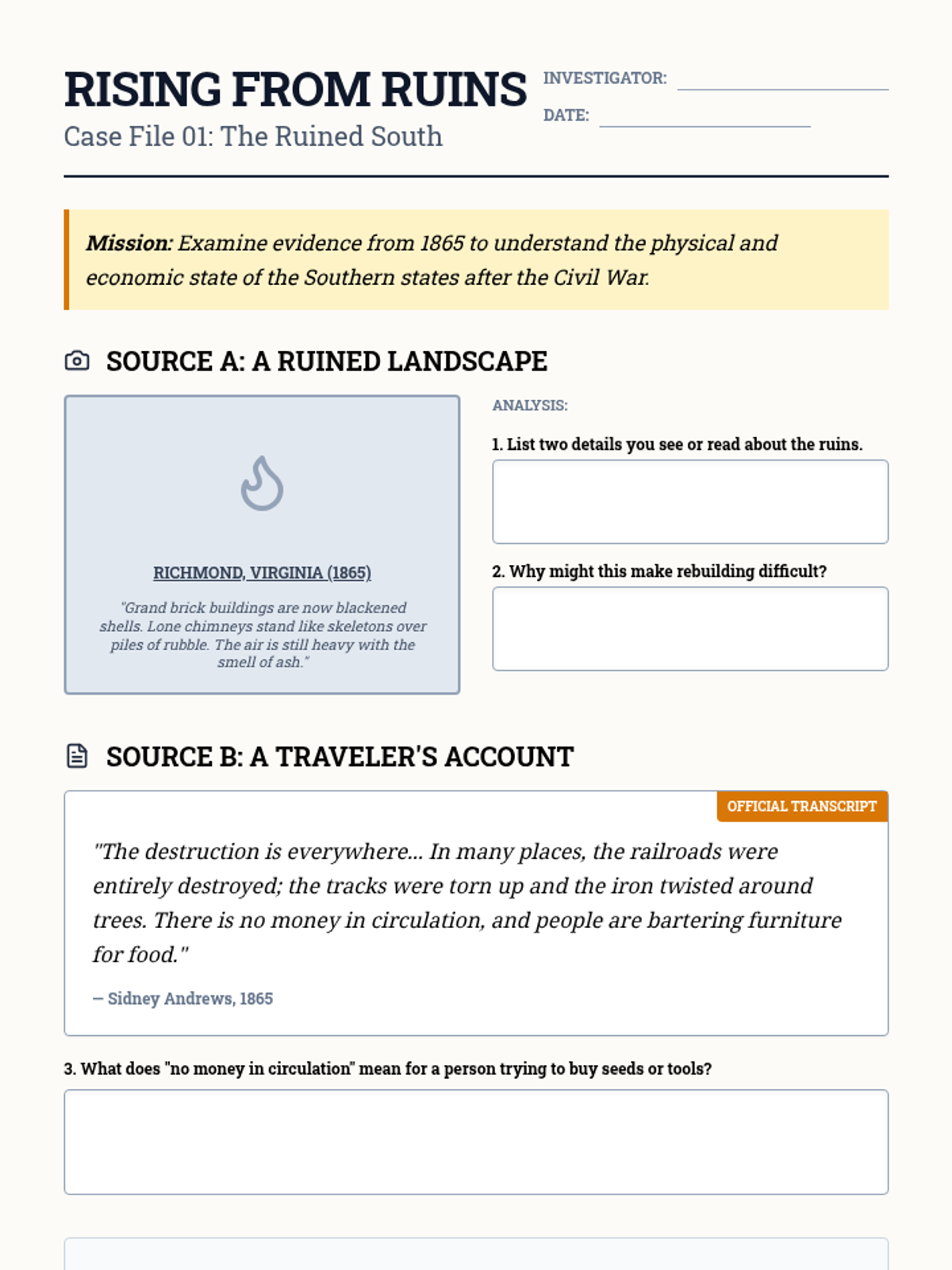
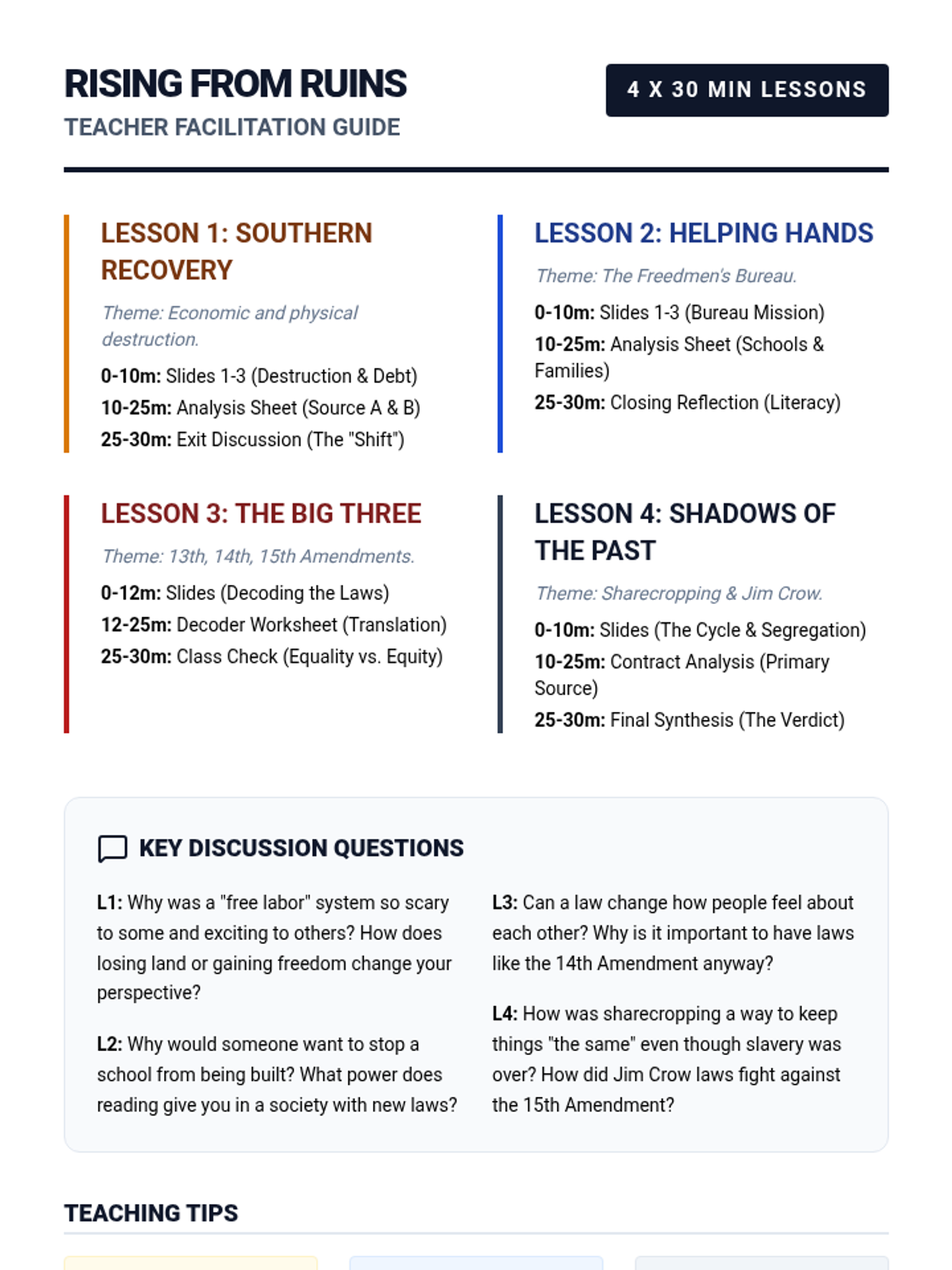
Students examine the physical and economic destruction of the South and the initial challenges of transitioning to a free labor system.
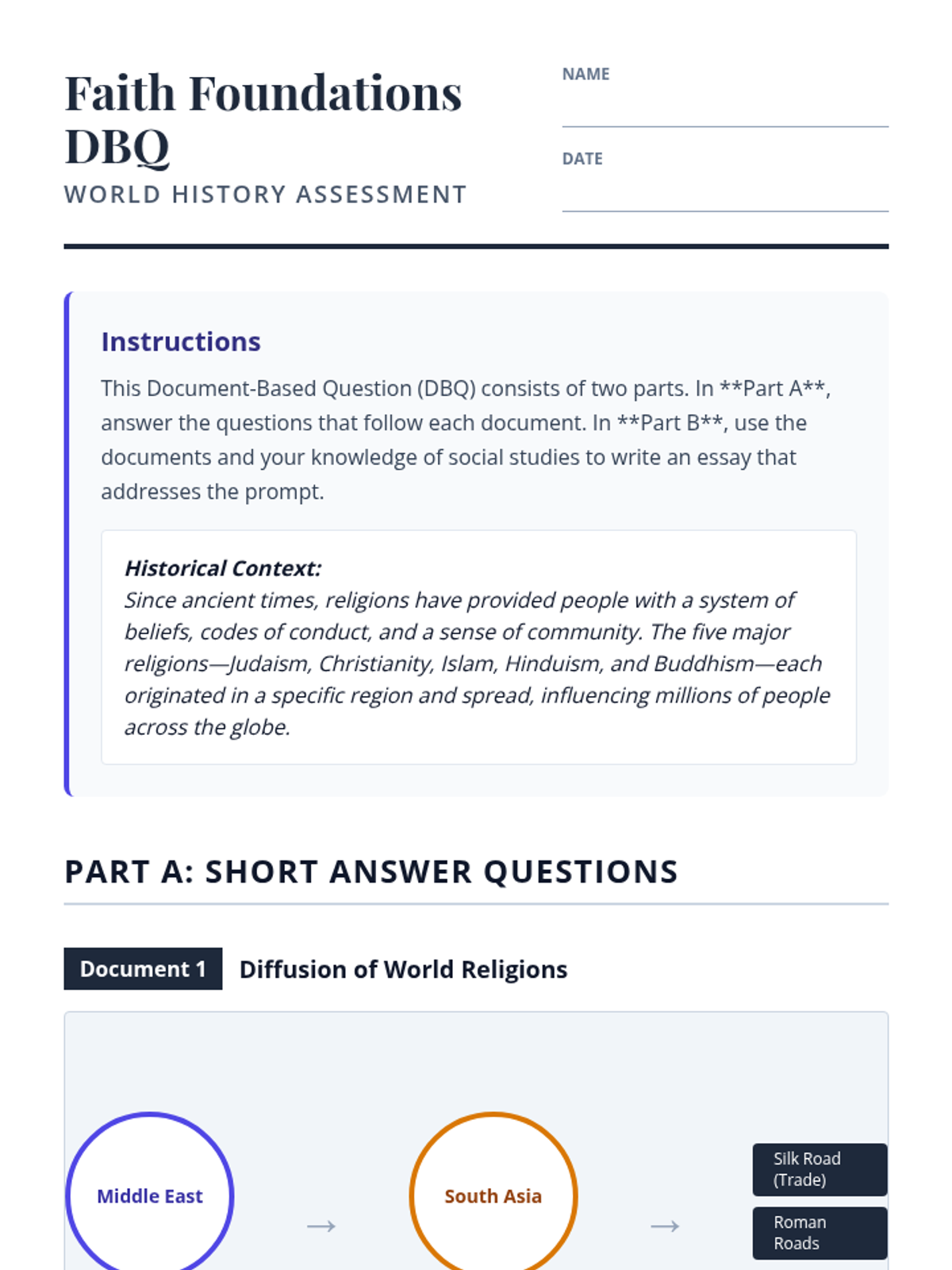
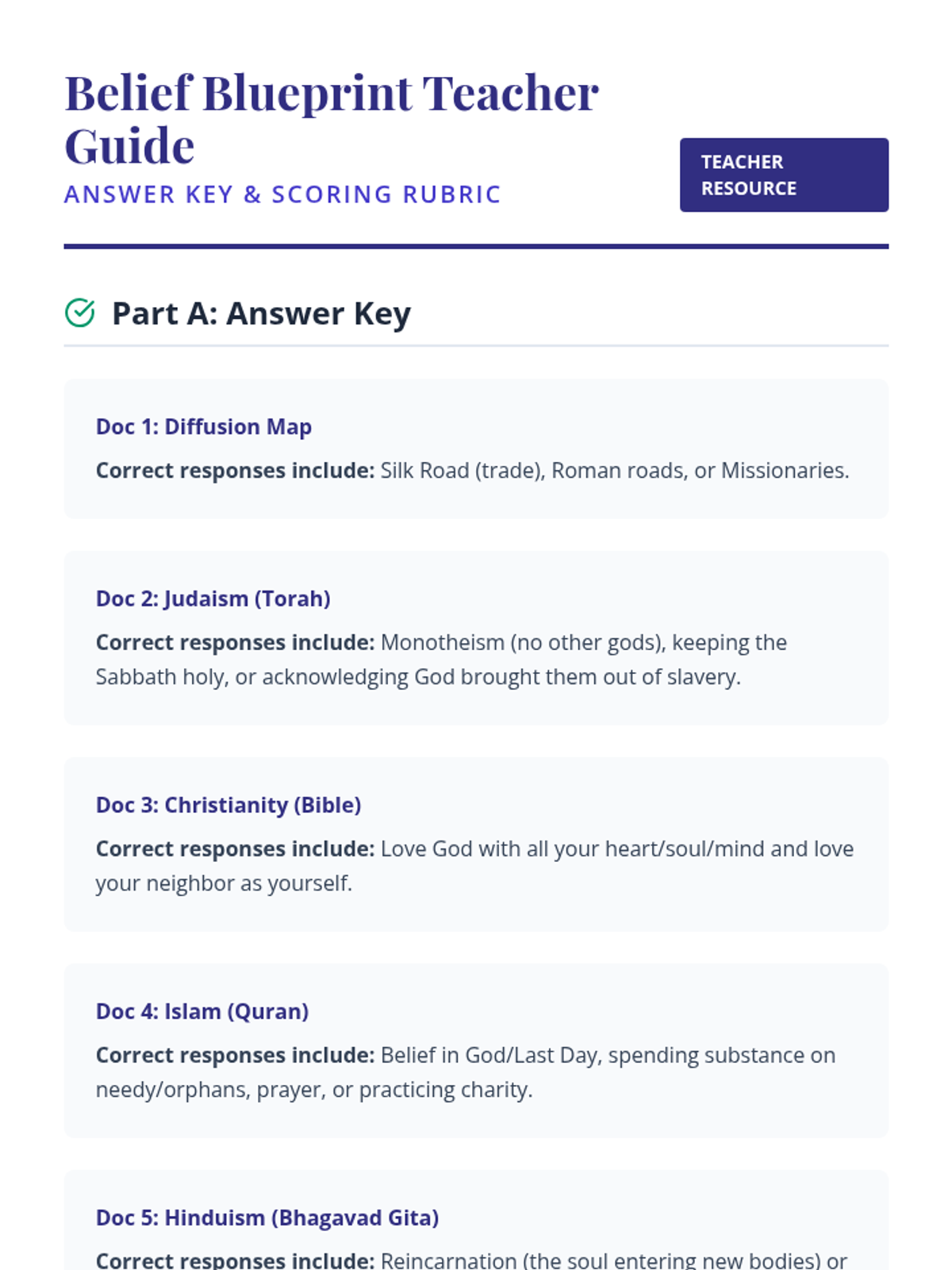
A comprehensive assessment package focused on the Five Major World Religions, utilizing a New York State Document-Based Question (DBQ) format with maps and sacred text analysis.
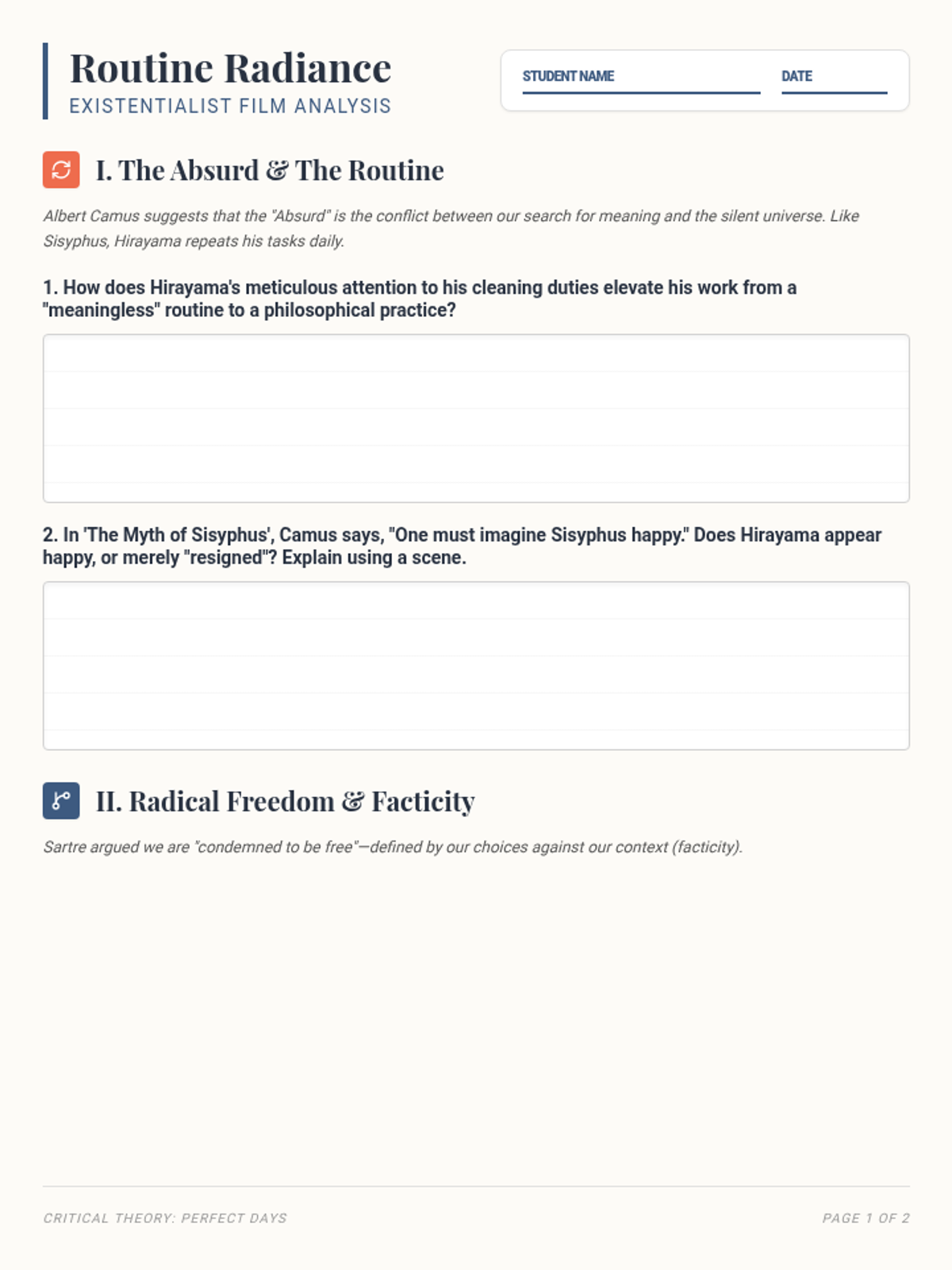
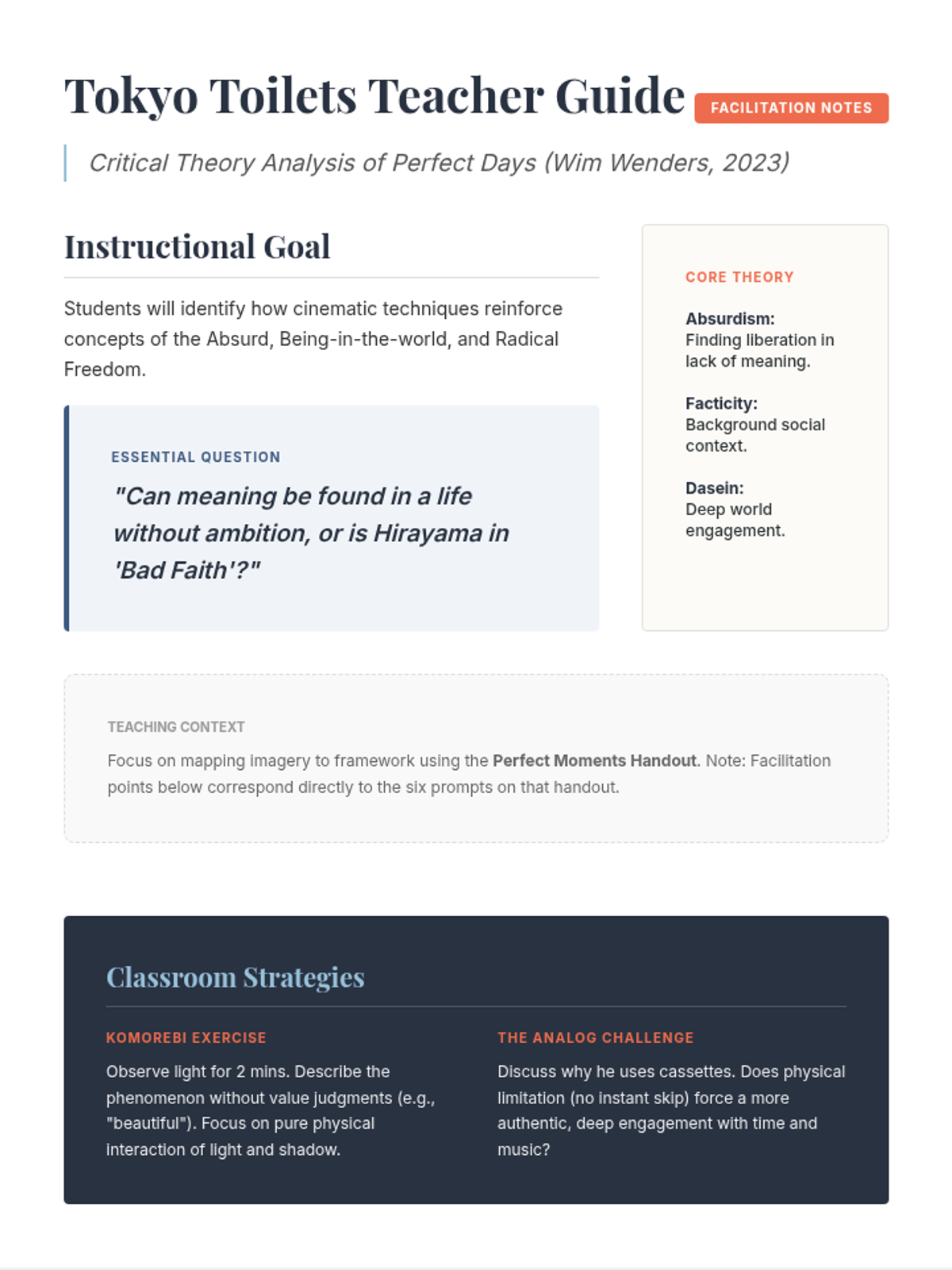
A deep dive into Wim Wenders' film 'Perfect Days' using existentialist philosophy to analyze the protagonist's repetitive routine and radical choices. Students explore themes of the absurd, authenticity, and 'komorebi' through critical theory.
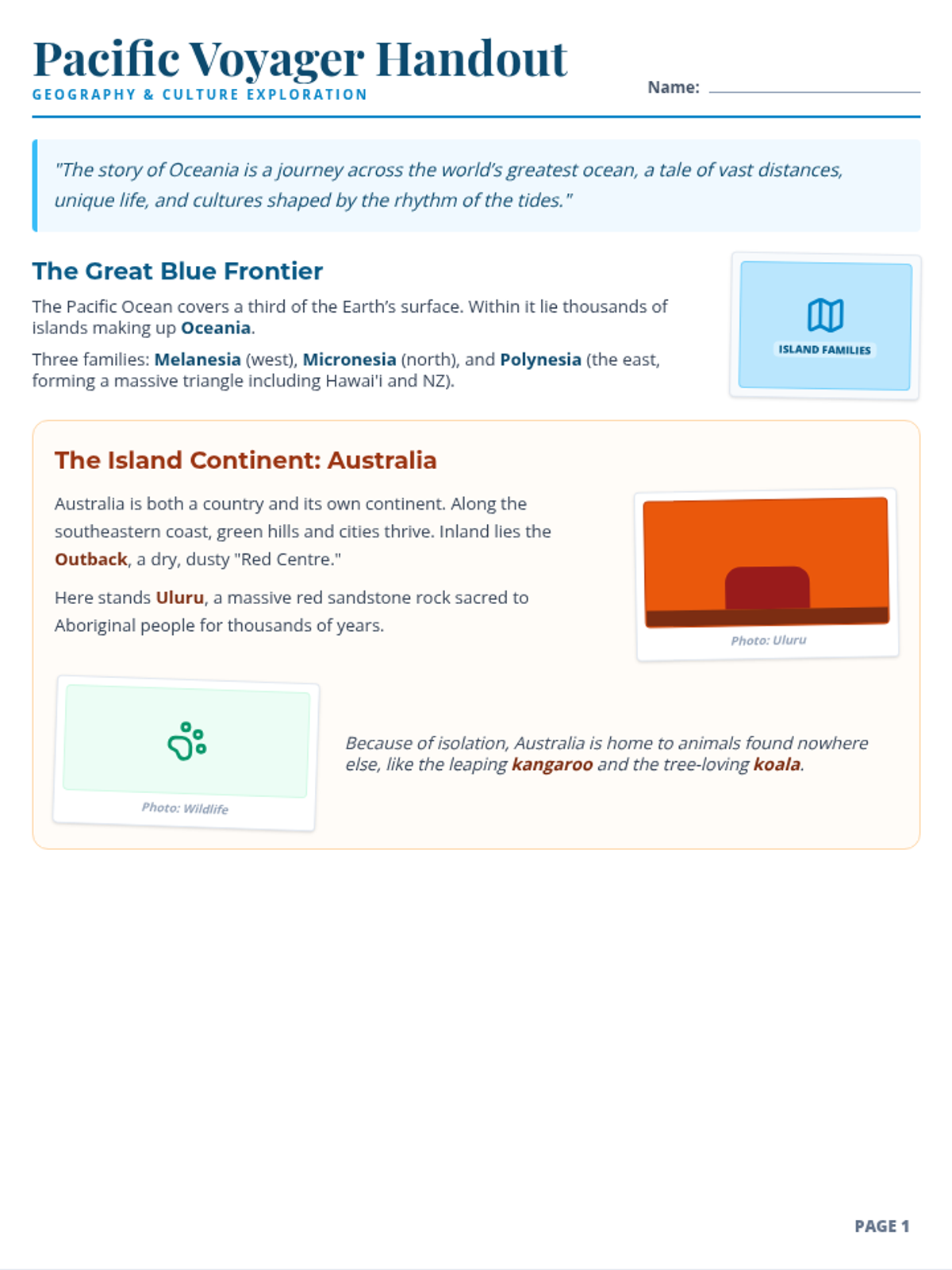
An introductory lesson on the geography, cultures, and unique wildlife of Oceania, covering Australia, New Zealand, and the Pacific island chains.
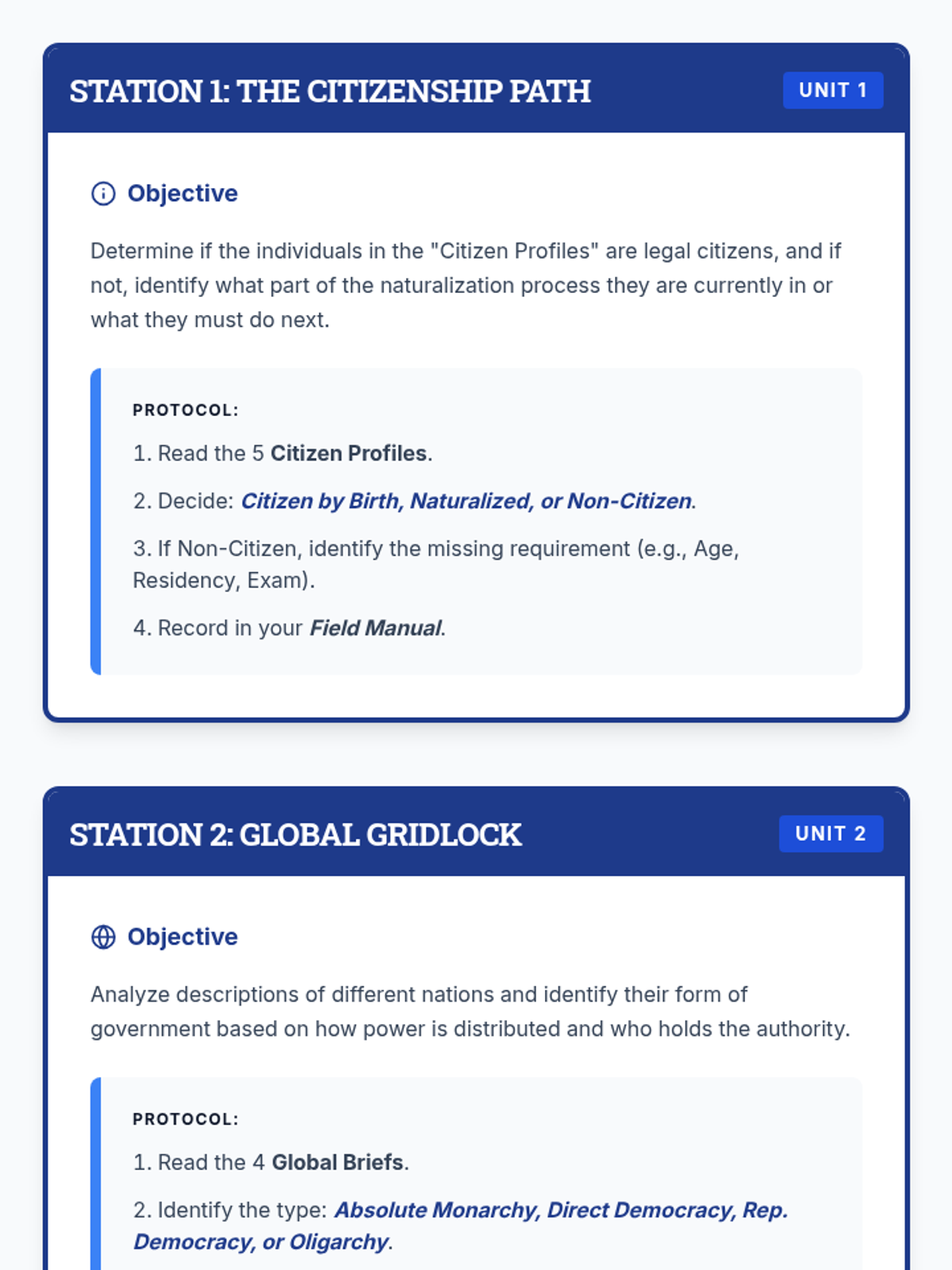
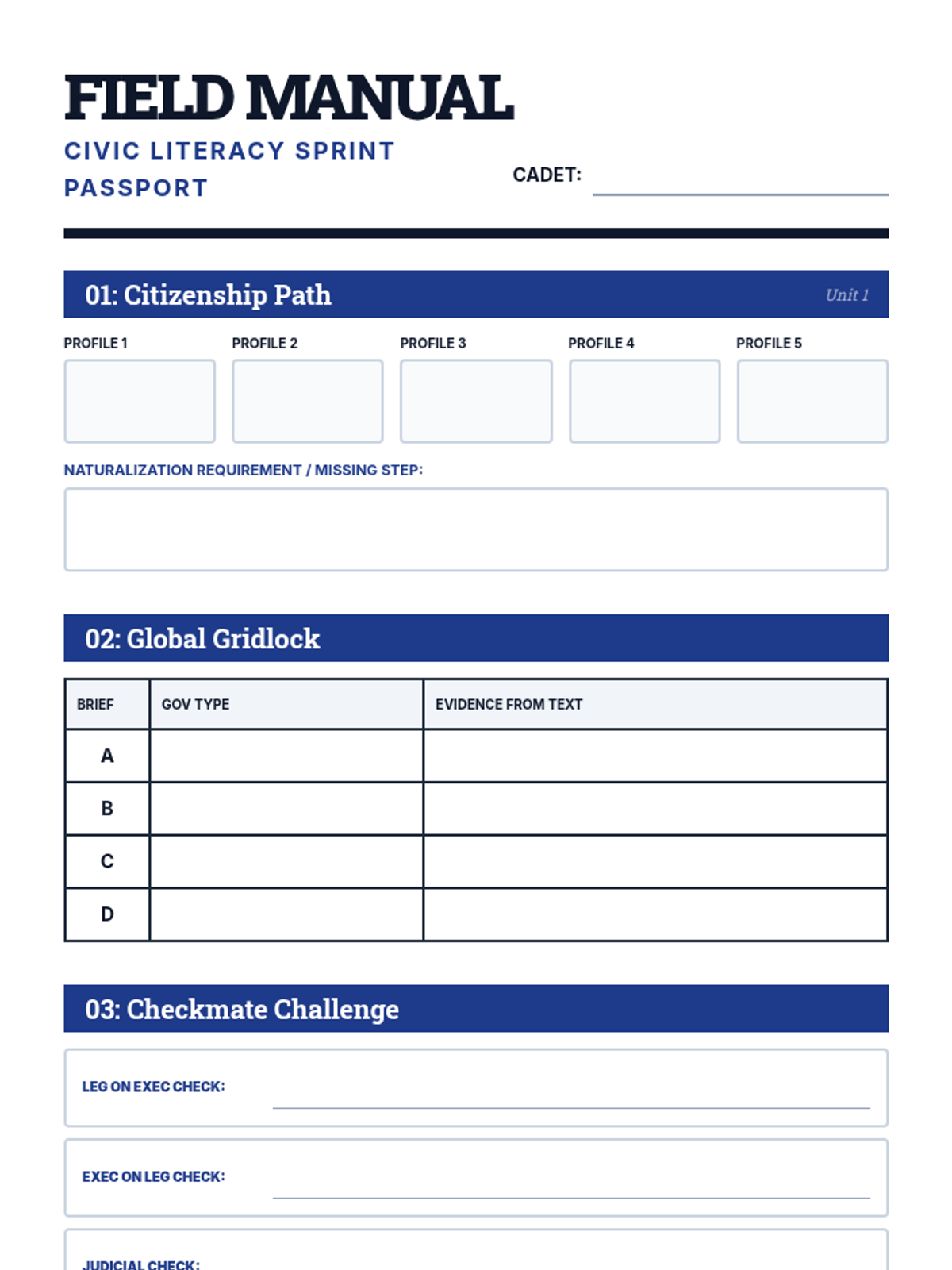
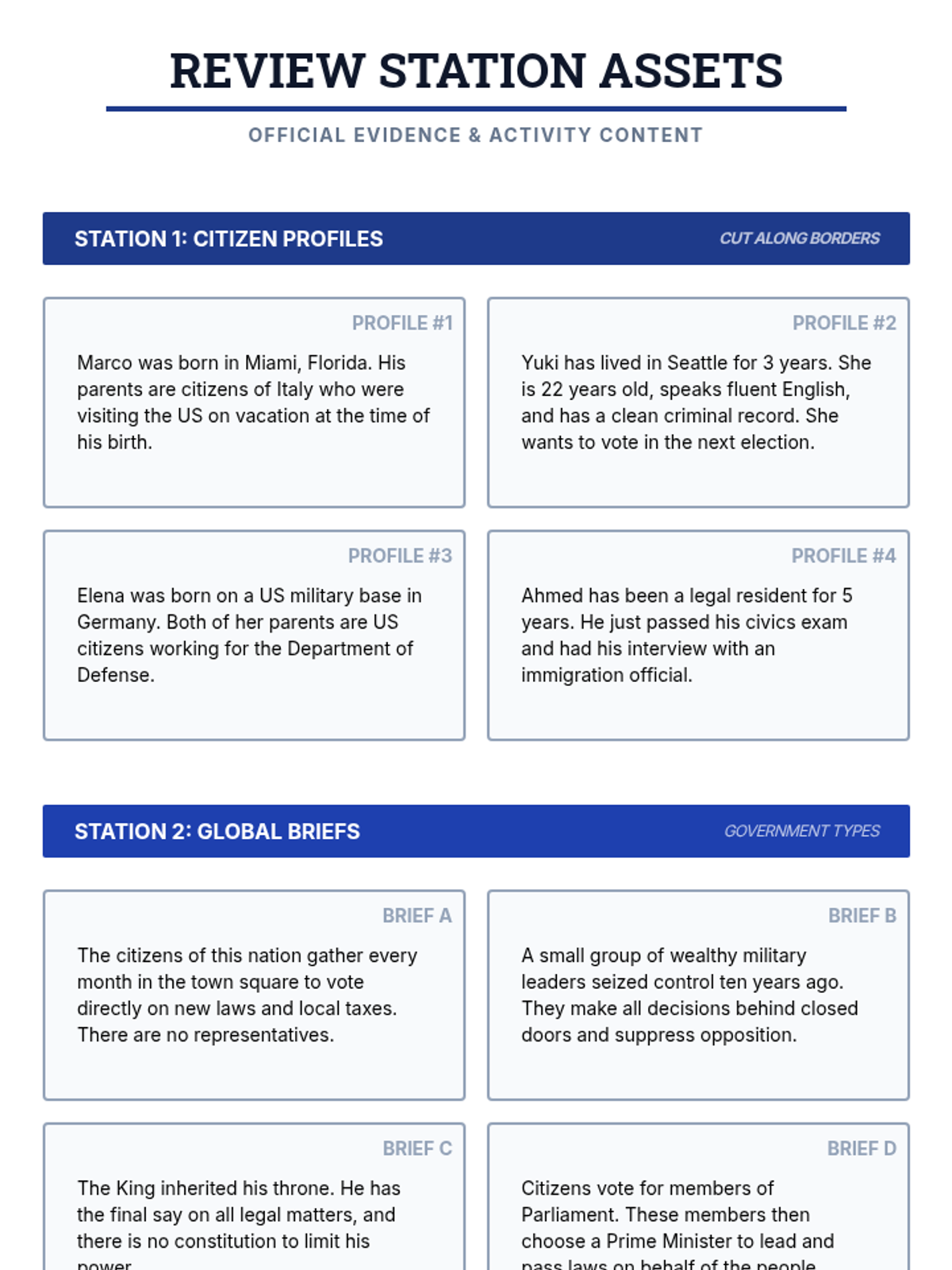
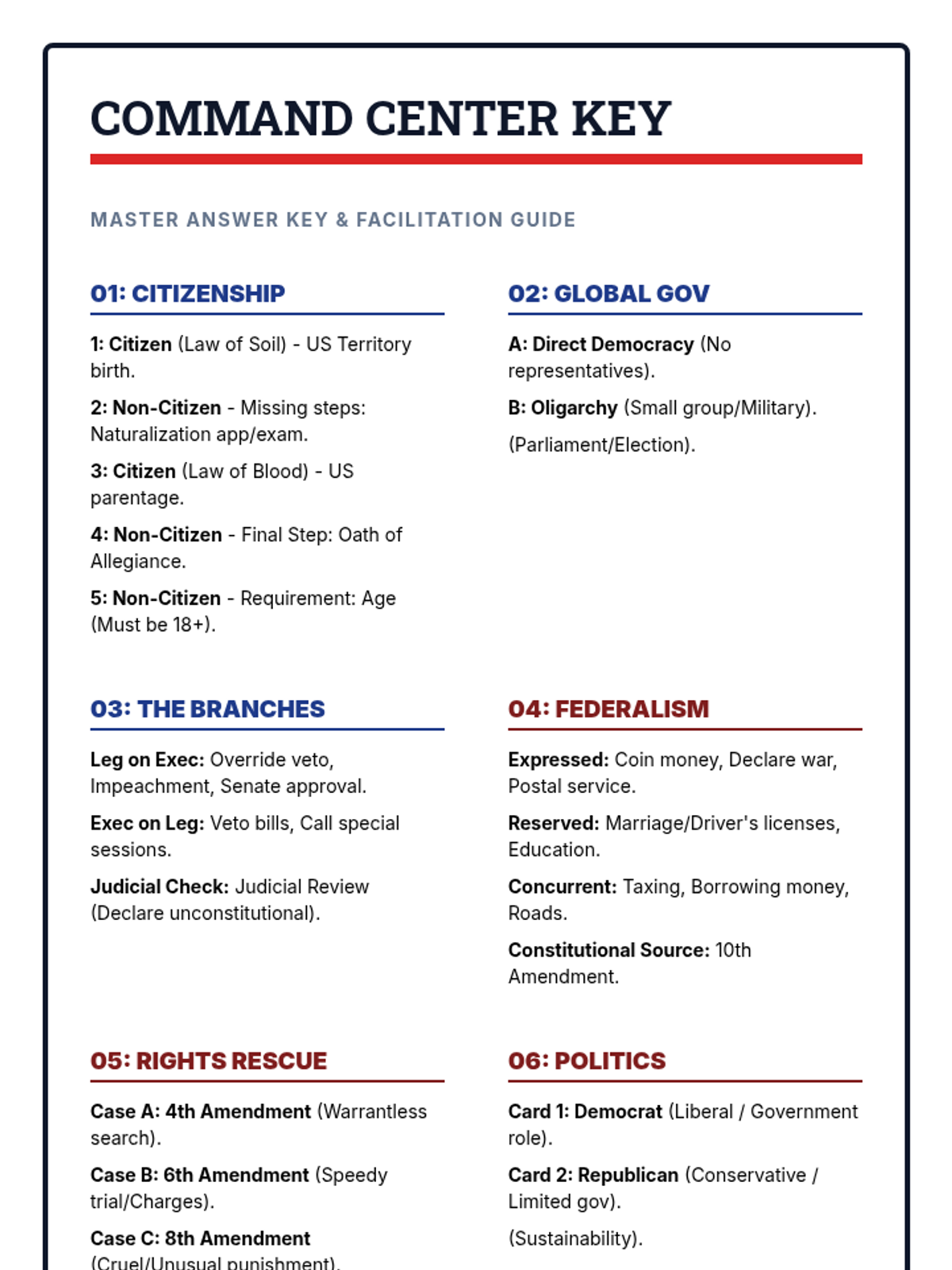
A high-energy, station-based review for the Civic Literacy Final Exam, covering key units from Citizenship to Political Parties. Students move through collaborative challenges to reinforce their understanding of government structure and civil rights.
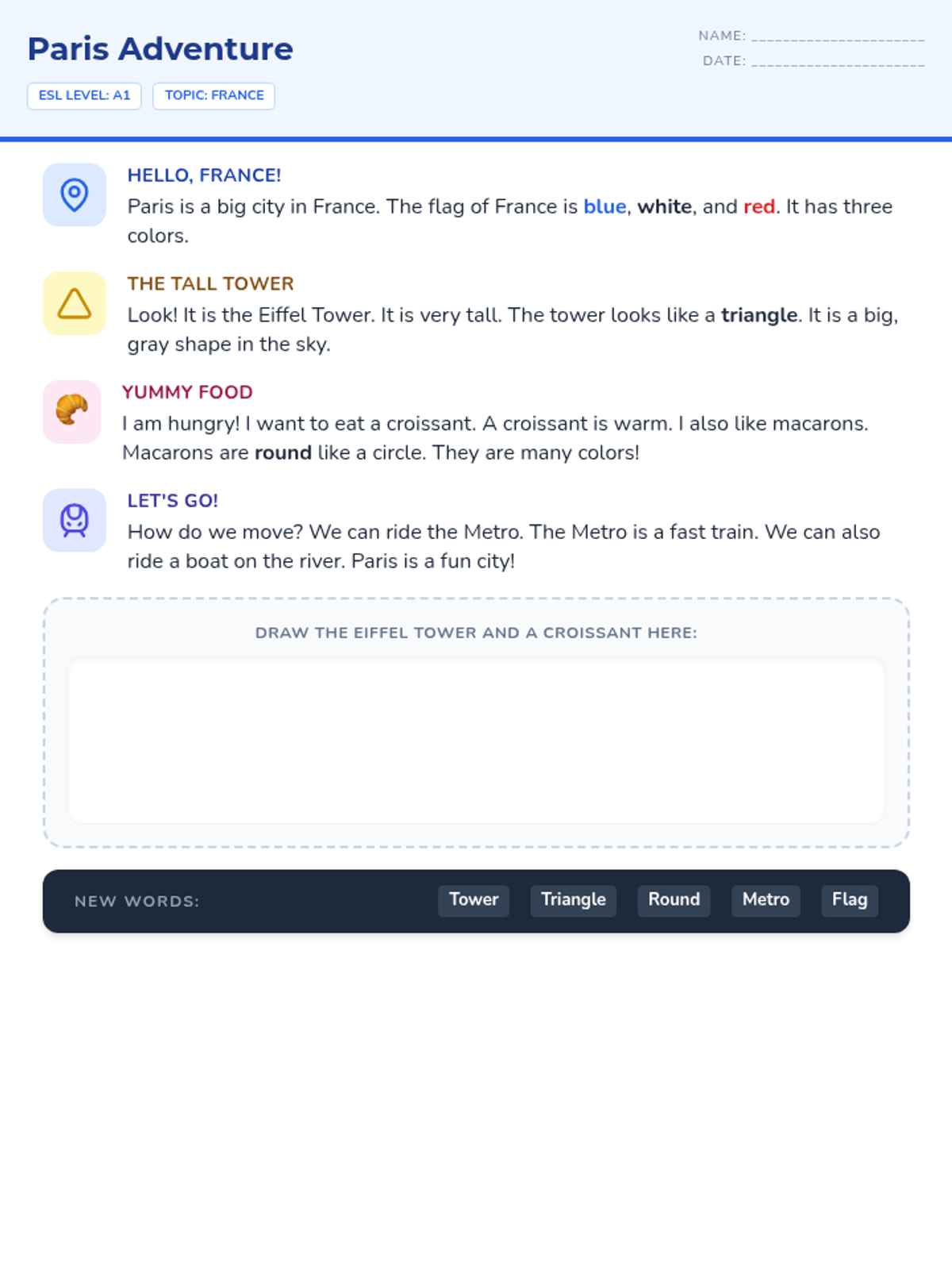
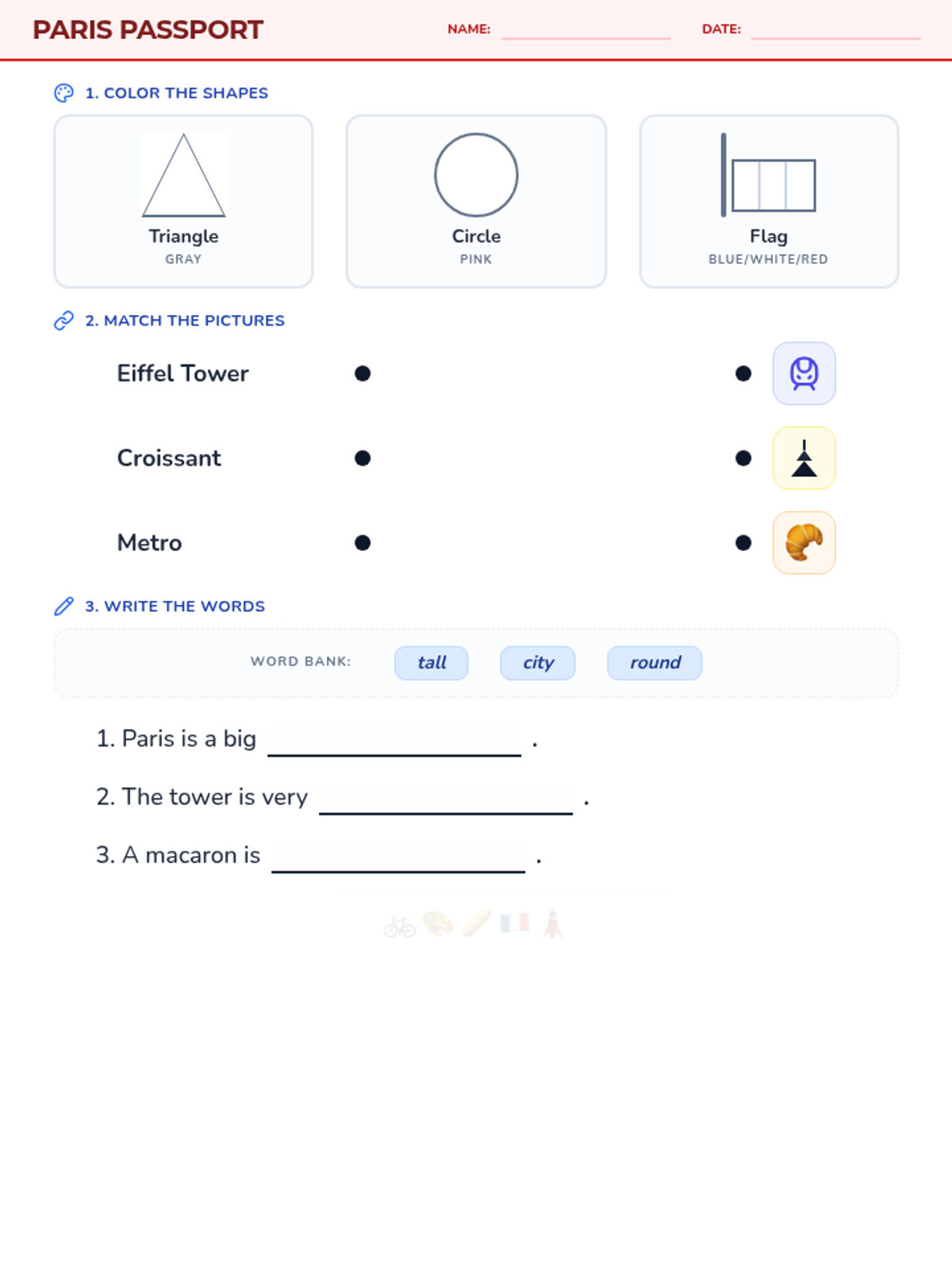
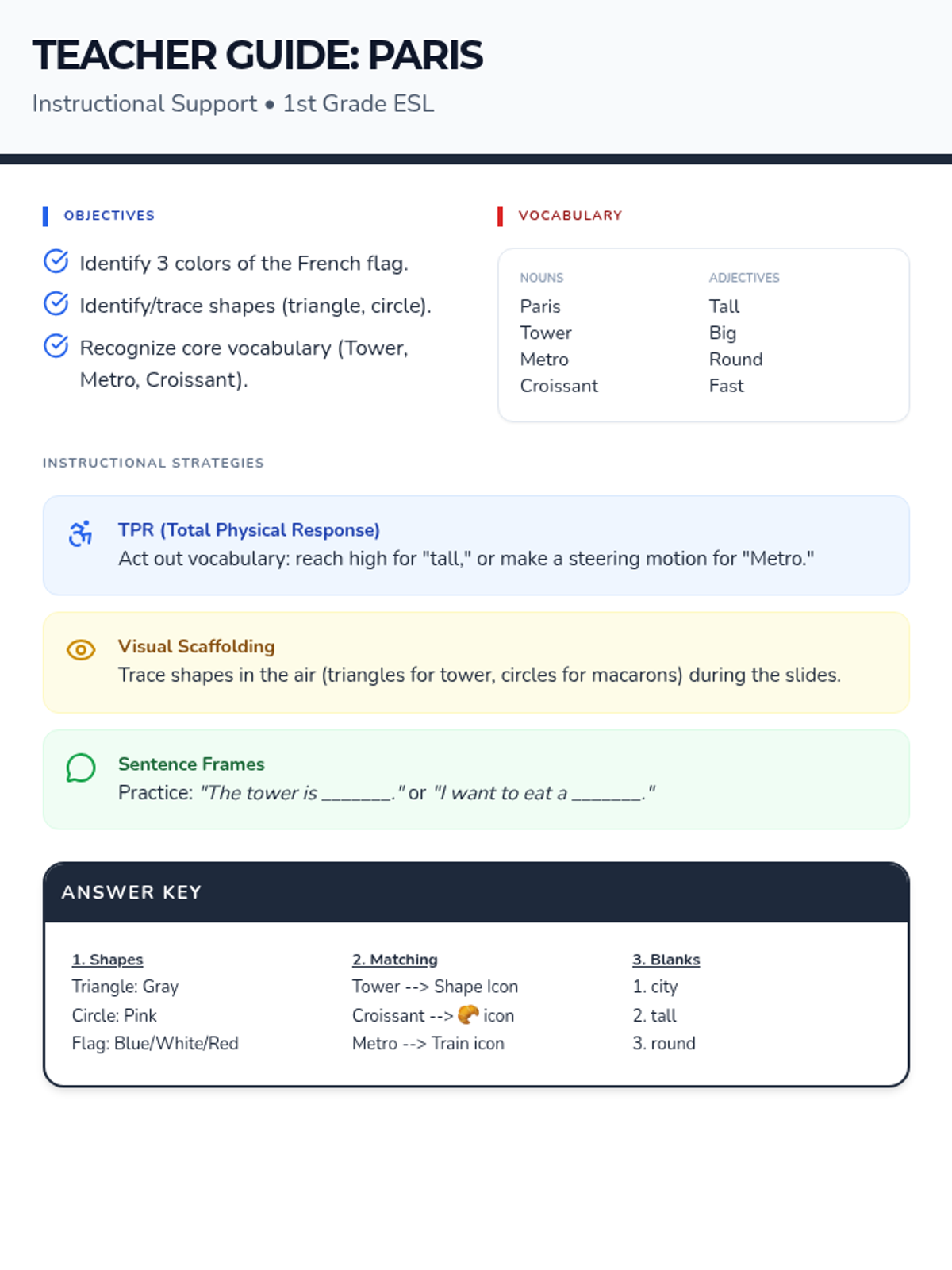
A beginner-friendly introduction to Paris, France, designed for 1st-grade ESL students. This lesson covers iconic landmarks, French food, basic colors, and modes of transportation through simple language and vibrant visuals.
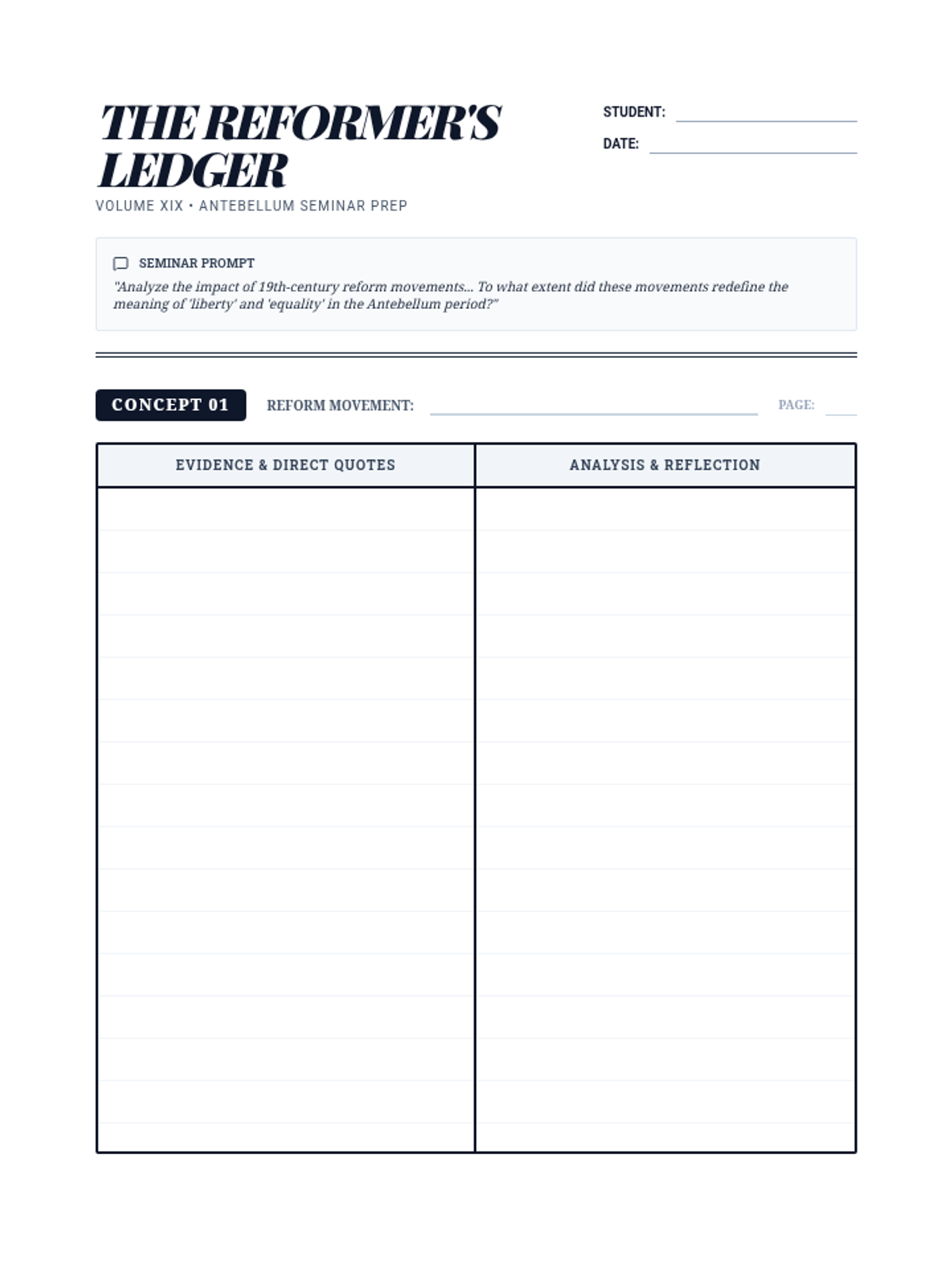
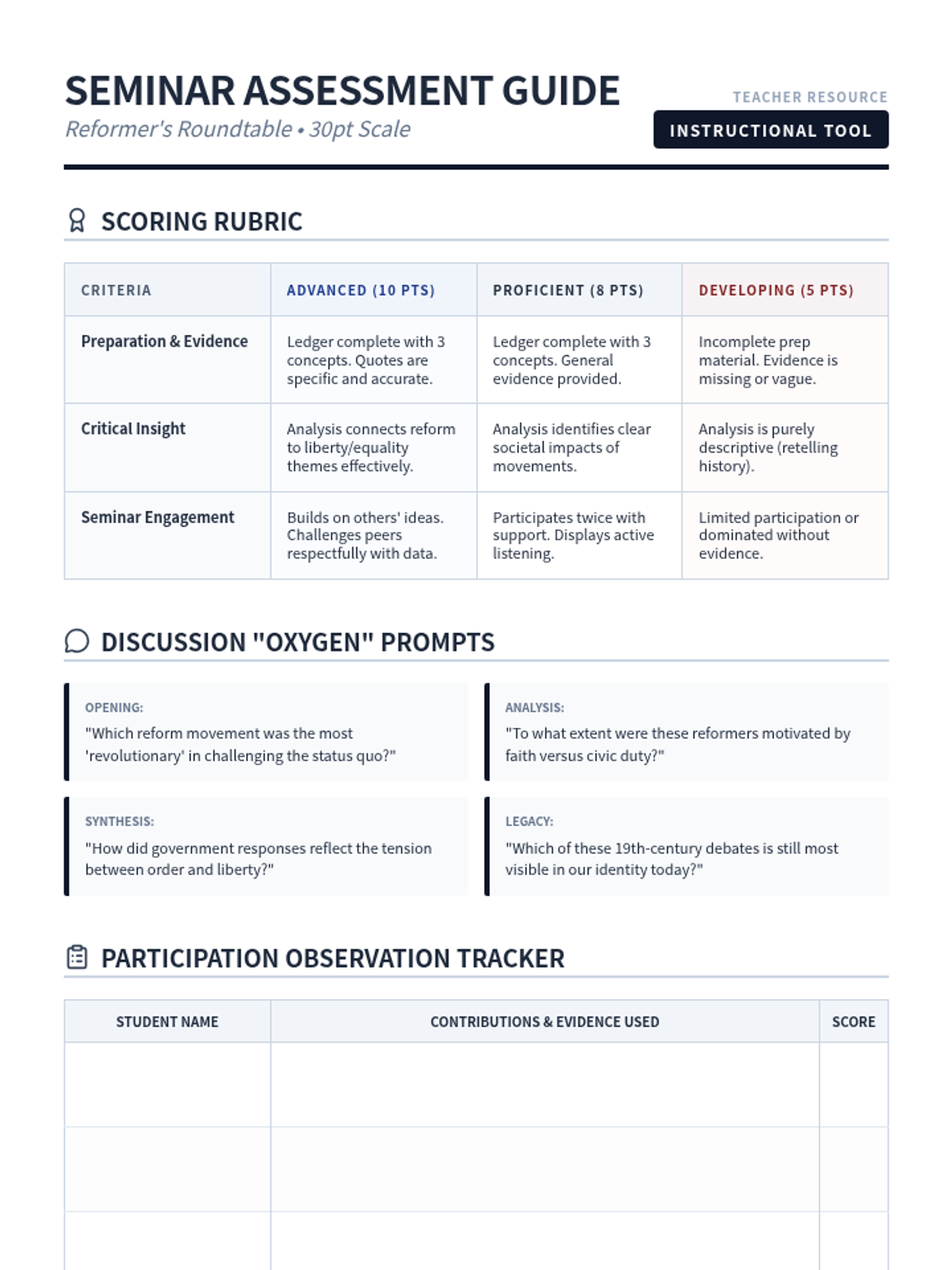
A Socratic Seminar preparation lesson focusing on 19th-century reform movements and their impact on American identity. Students analyze primary and secondary sources to evaluate how these movements redefined liberty and equality.
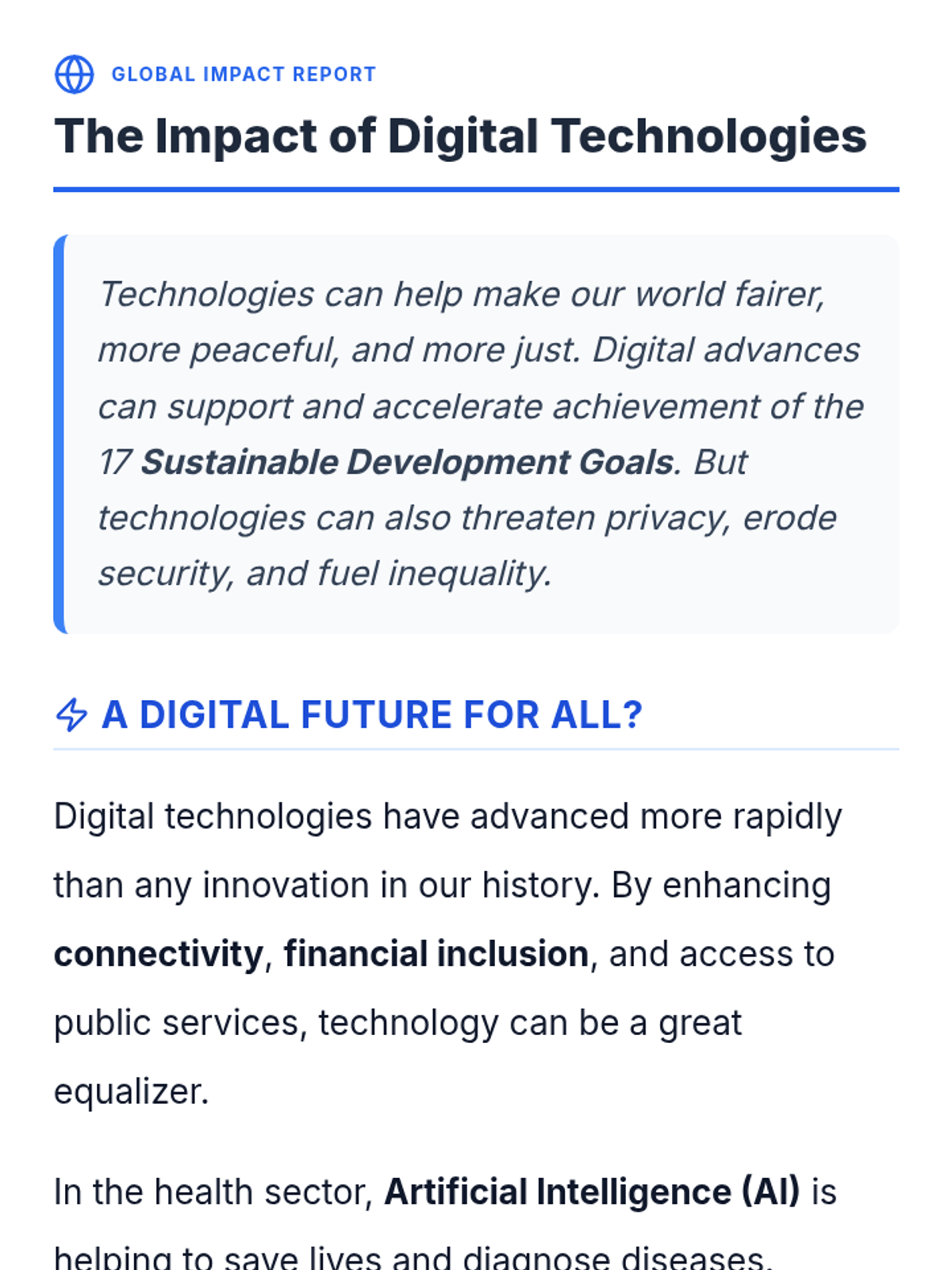
A lesson exploring the dual nature of digital advancements, focusing on their potential to either bridge social gaps or widen inequalities based on UN reports.
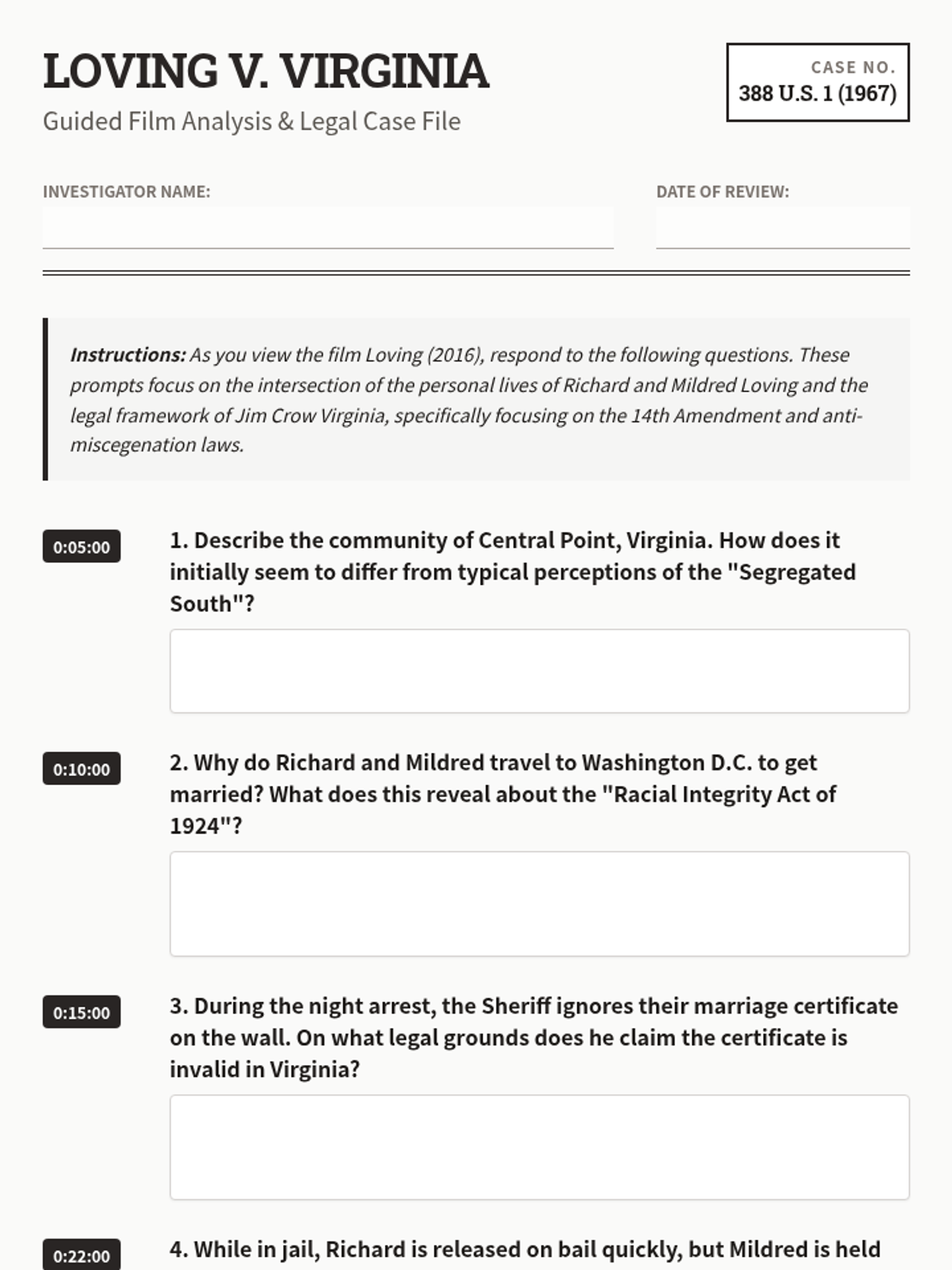
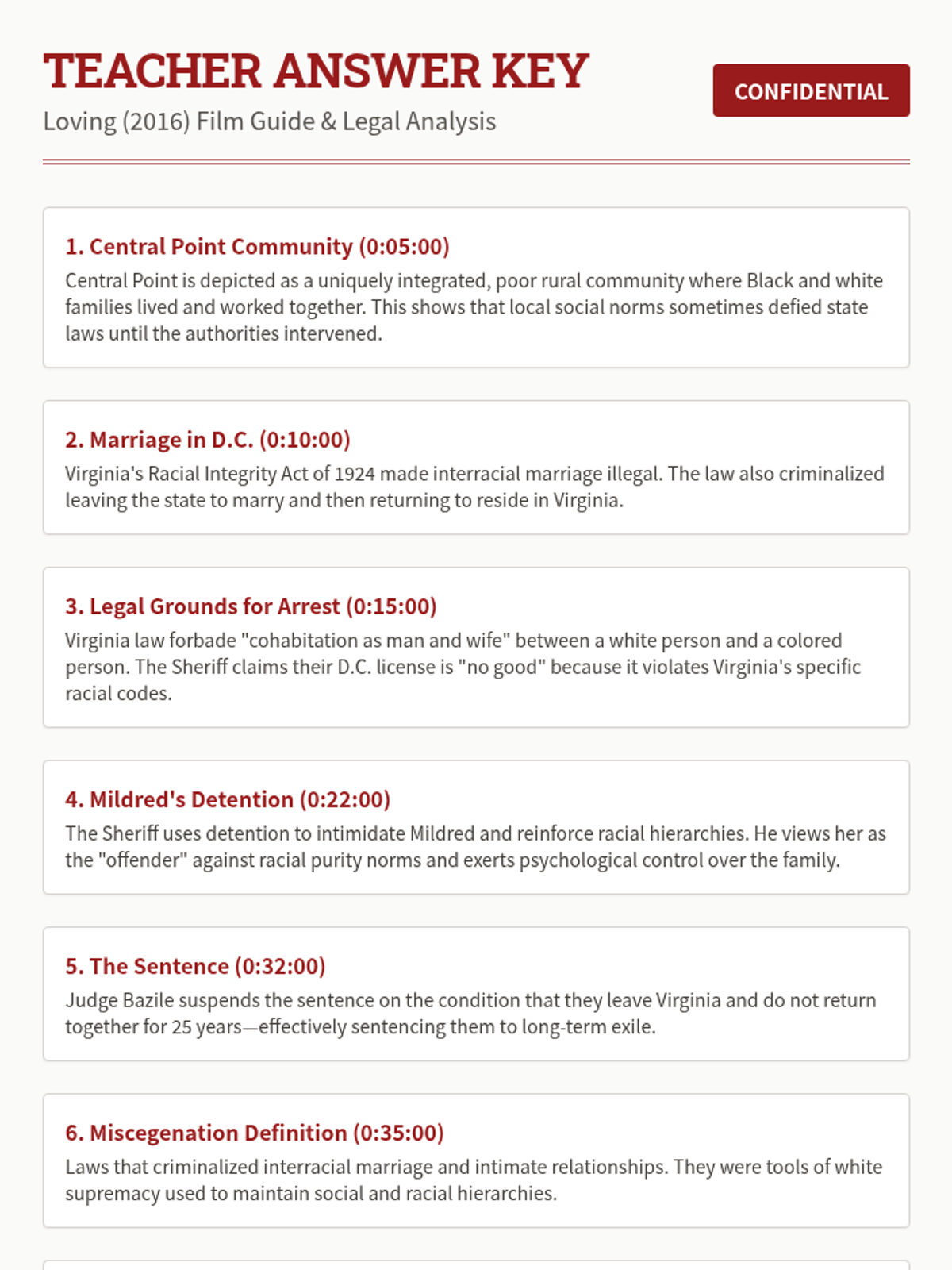
A guided exploration of the landmark Supreme Court case Loving v. Virginia through the lens of the 2016 film. Students analyze the 14th Amendment, Jim Crow laws, and the human impact of anti-miscegenation legislation.
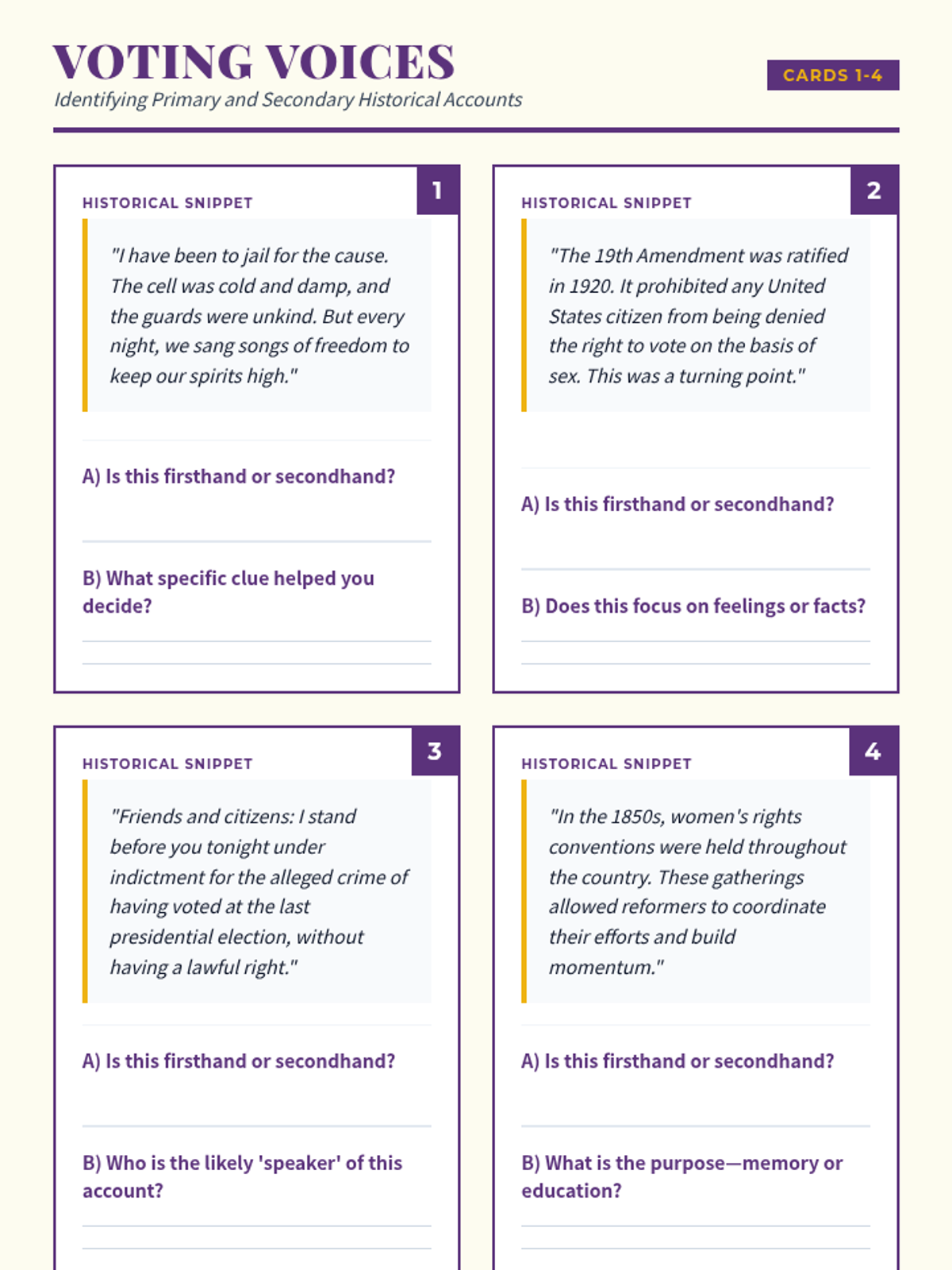
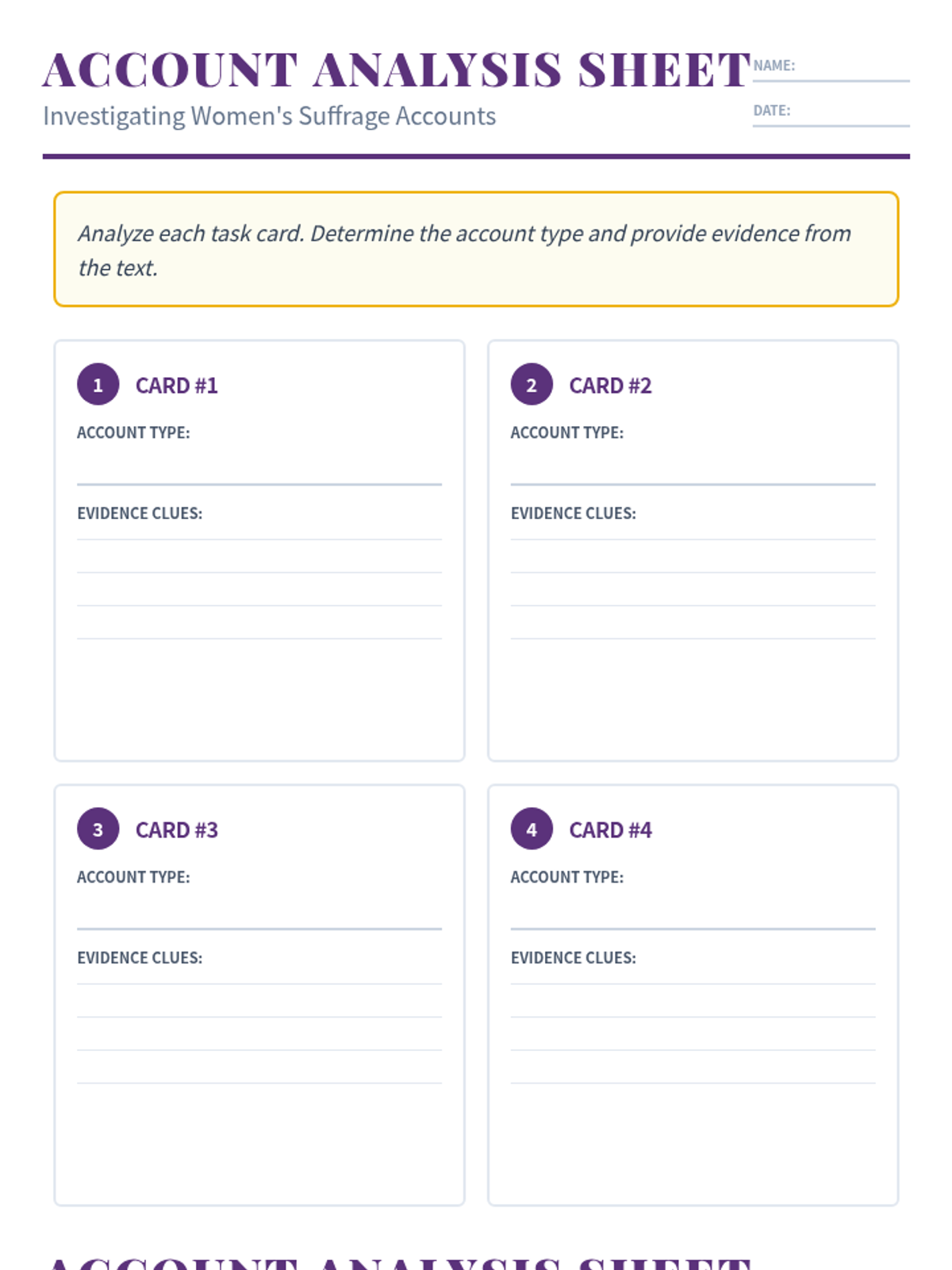
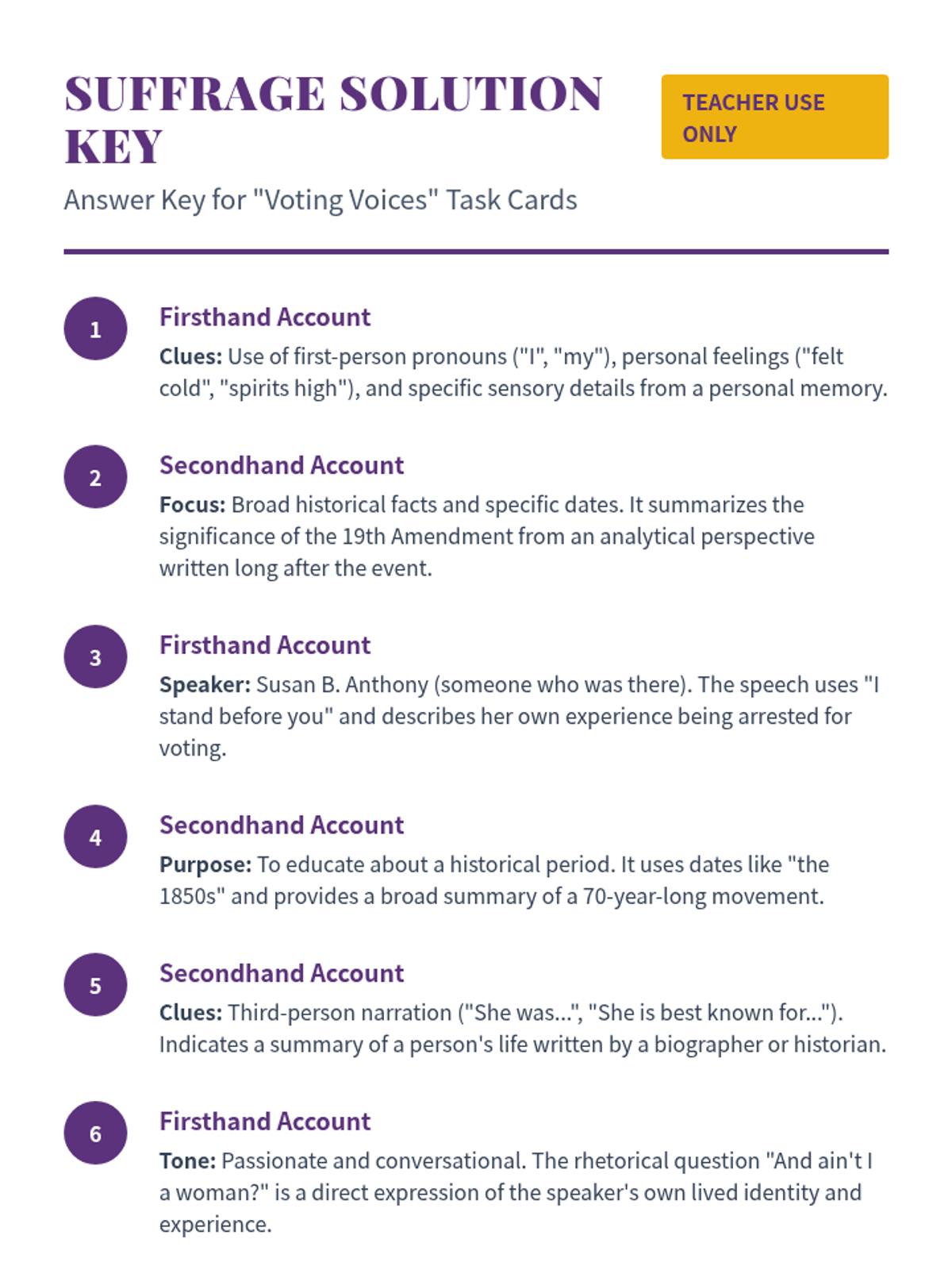
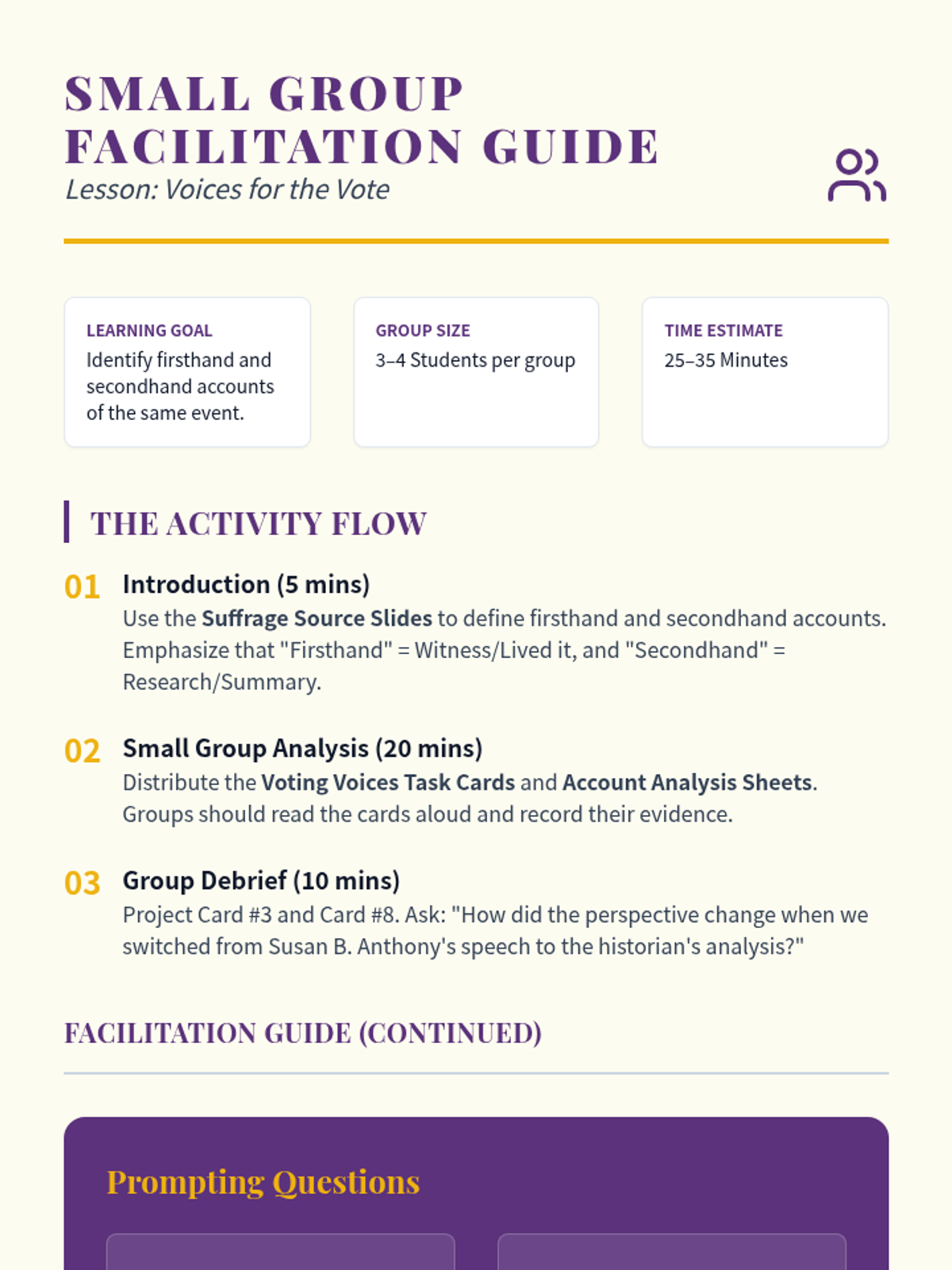
A lesson focused on distinguishing between firsthand and secondhand accounts through the lens of the Women's Suffrage Movement. Students will analyze primary and secondary sources to understand different perspectives and historical reporting.
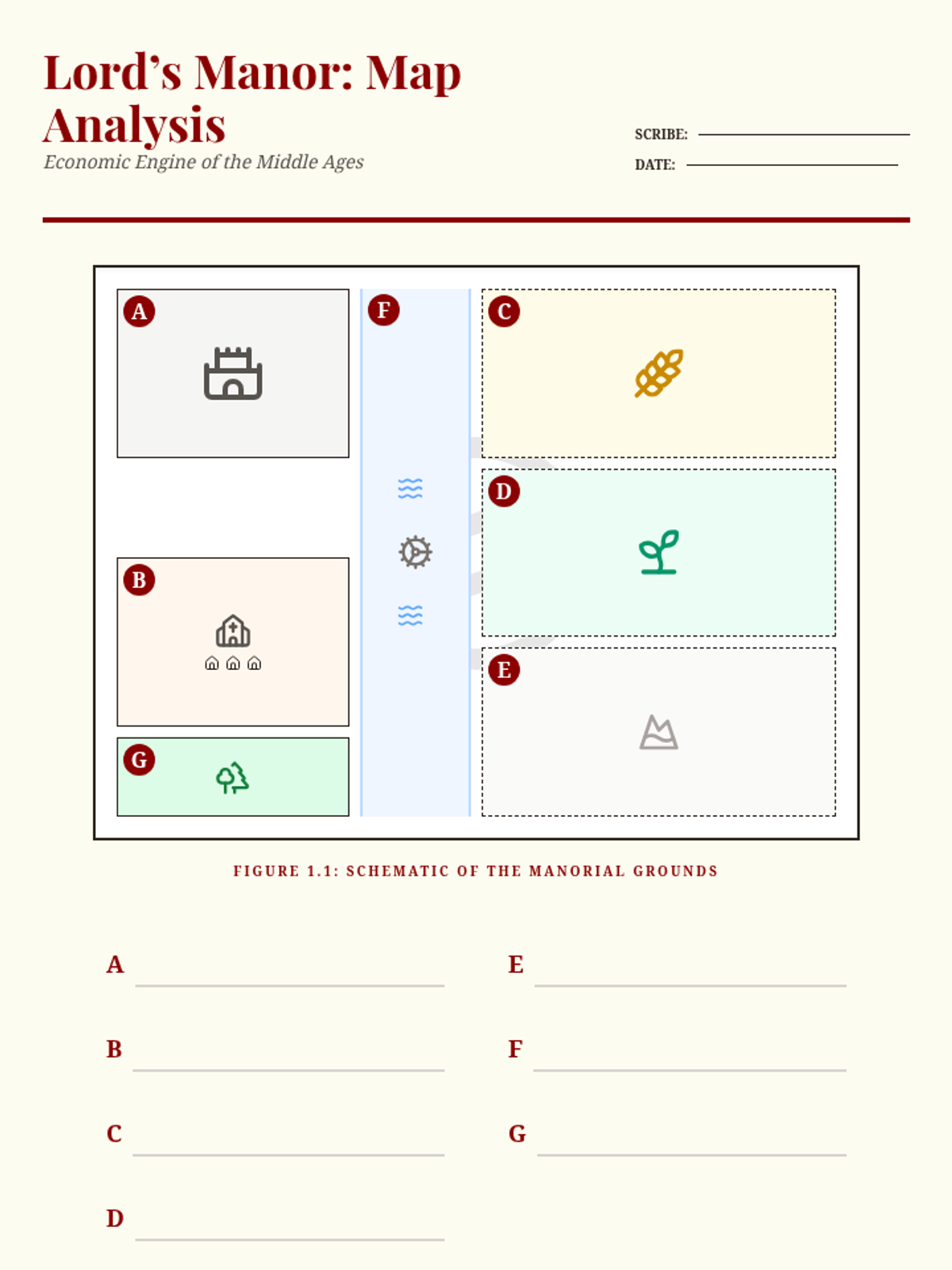
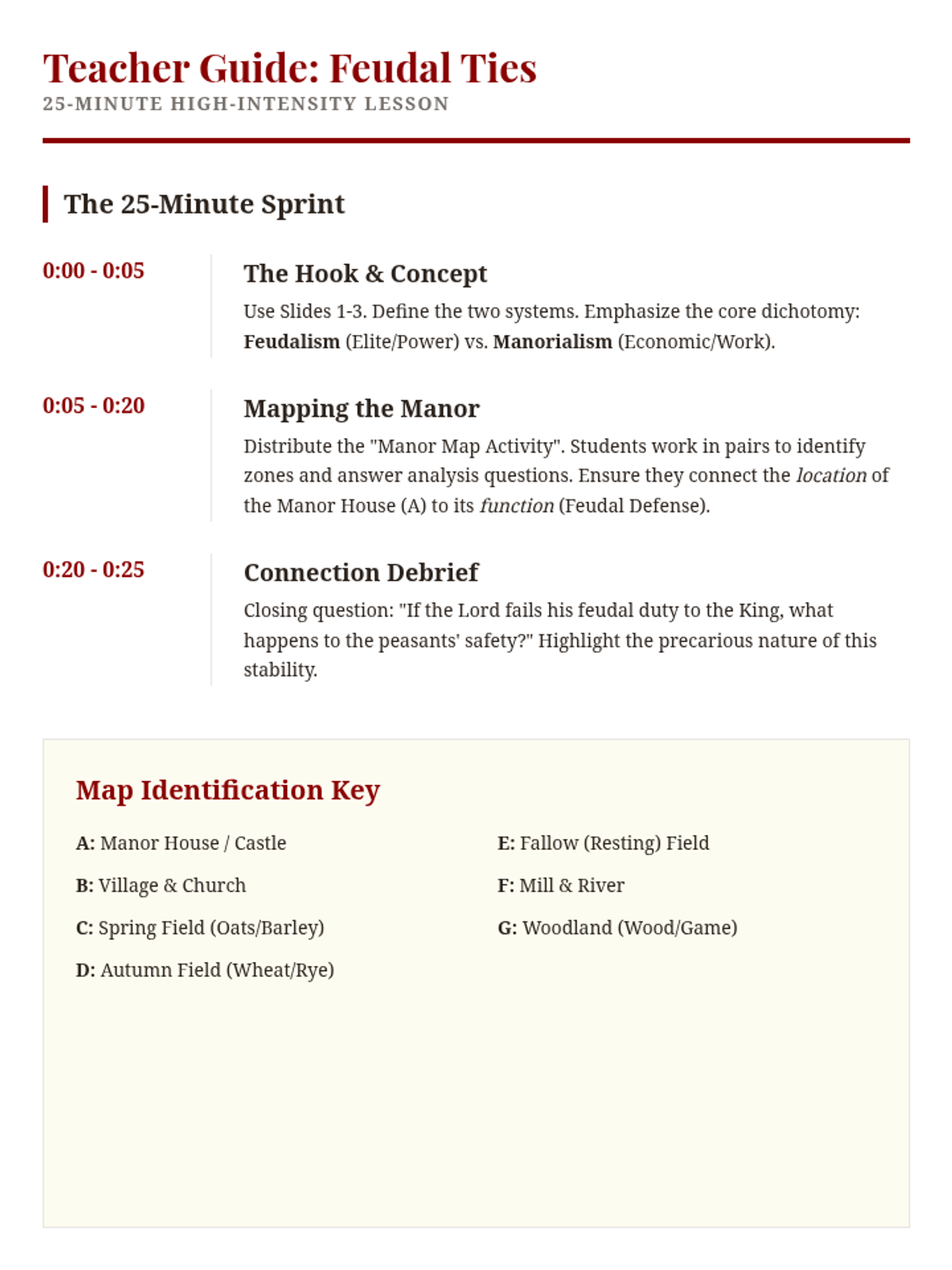
A high-intensity look at the interconnected systems of Feudalism and Manorialism, focusing on the physical and economic structure of the medieval manor.
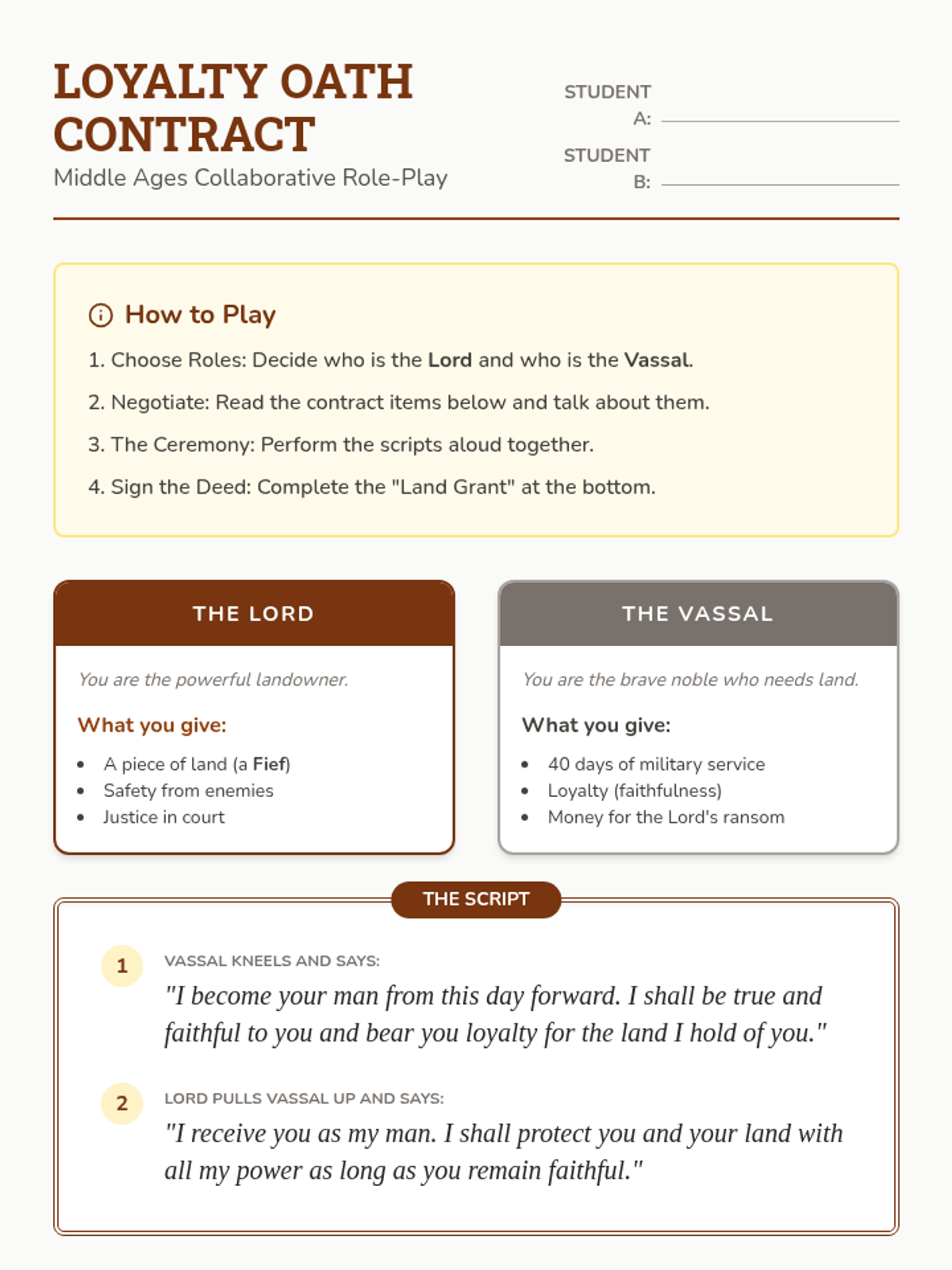
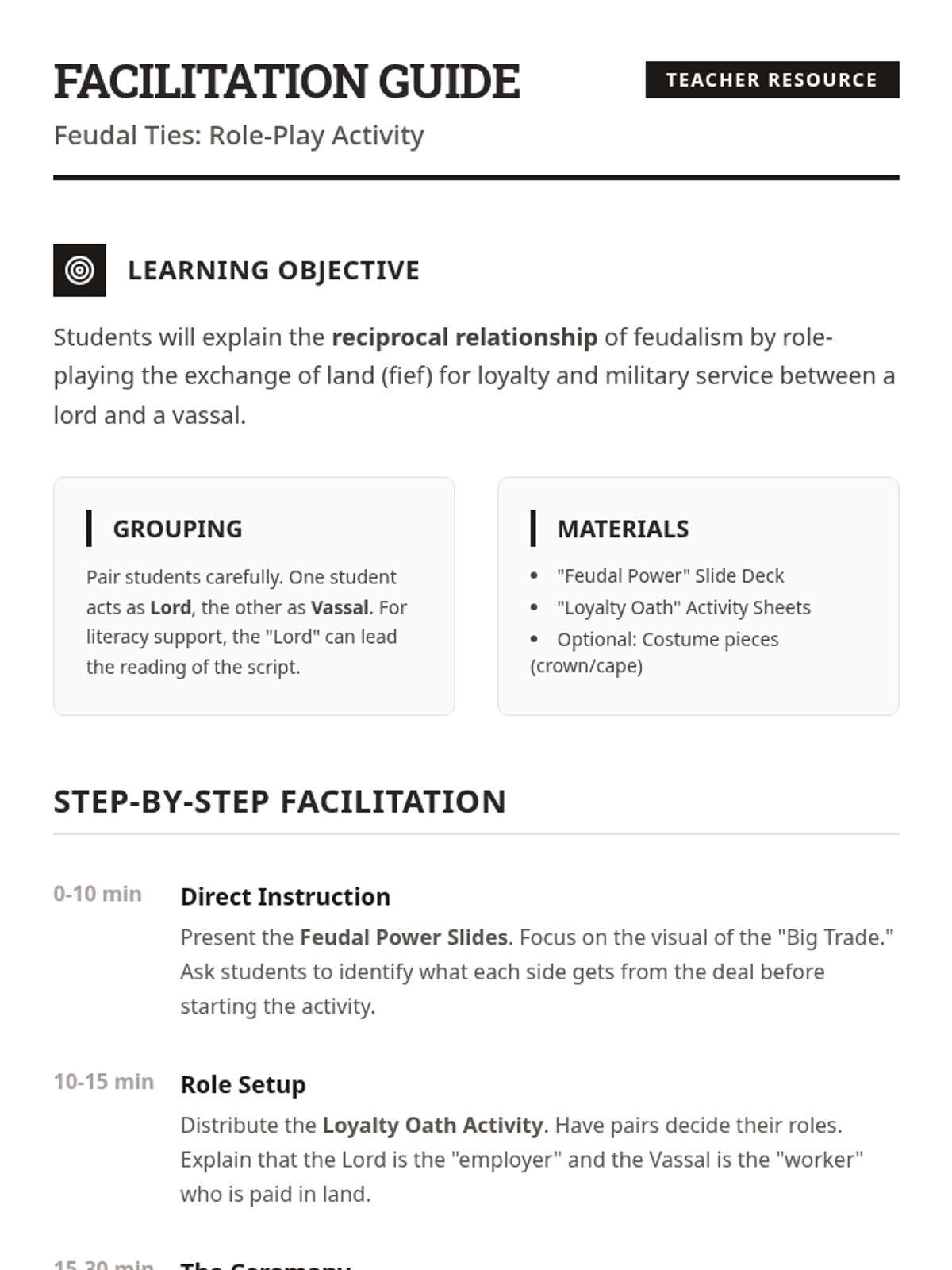
A collaborative lesson where students step into the roles of the medieval social hierarchy to understand the exchange of land for loyalty. Designed for two students with accessible language and clear role-play prompts.
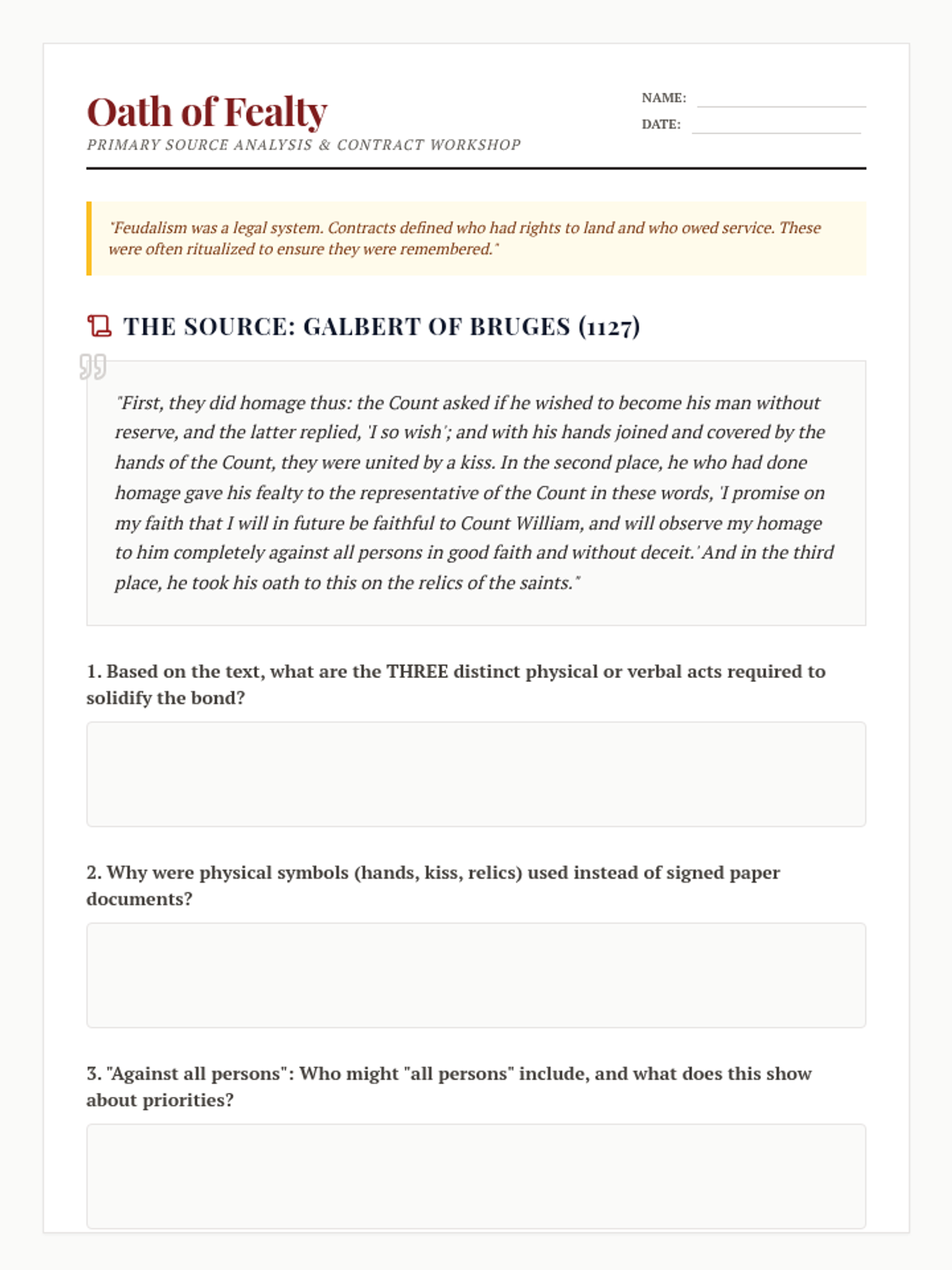
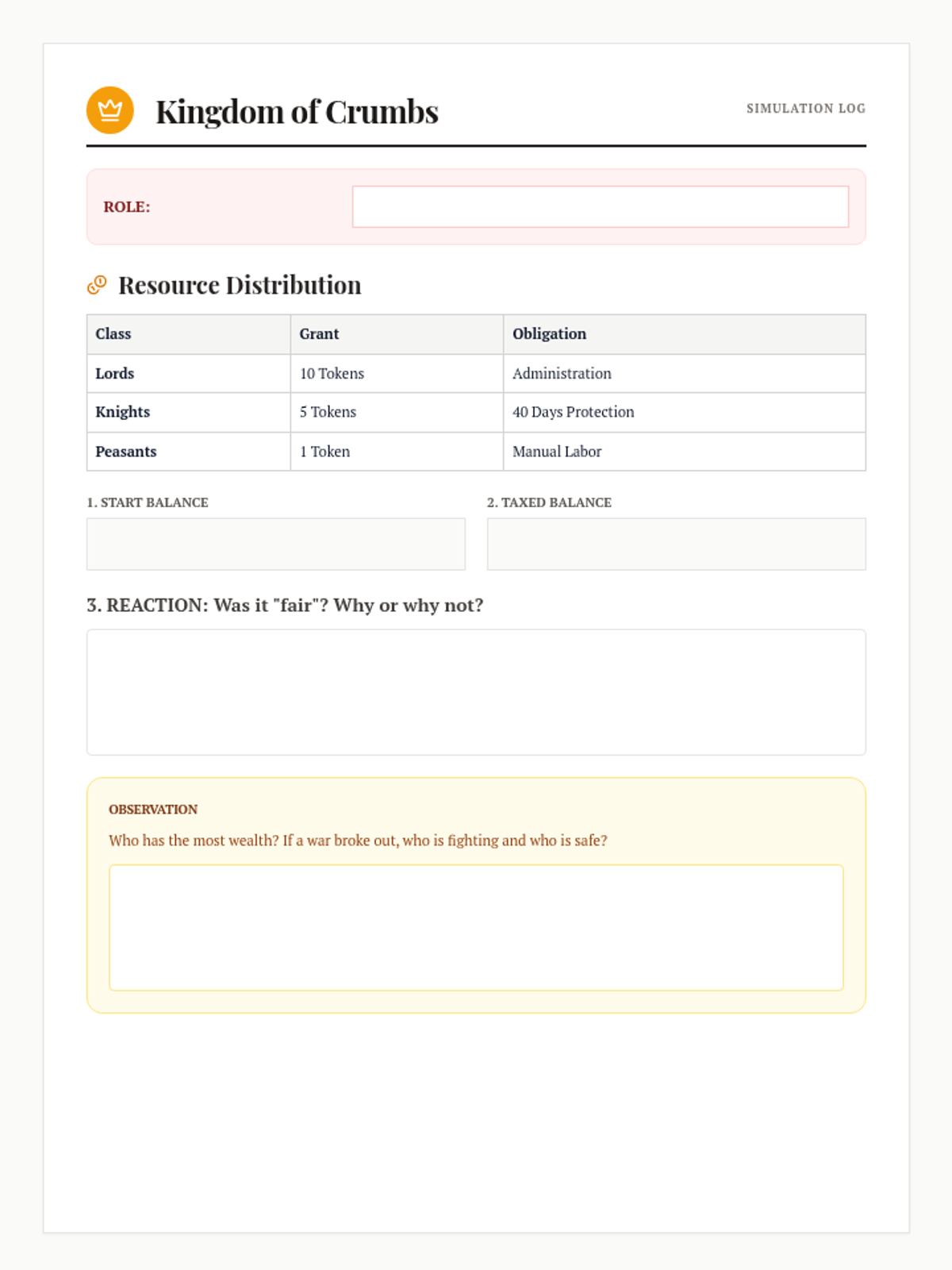
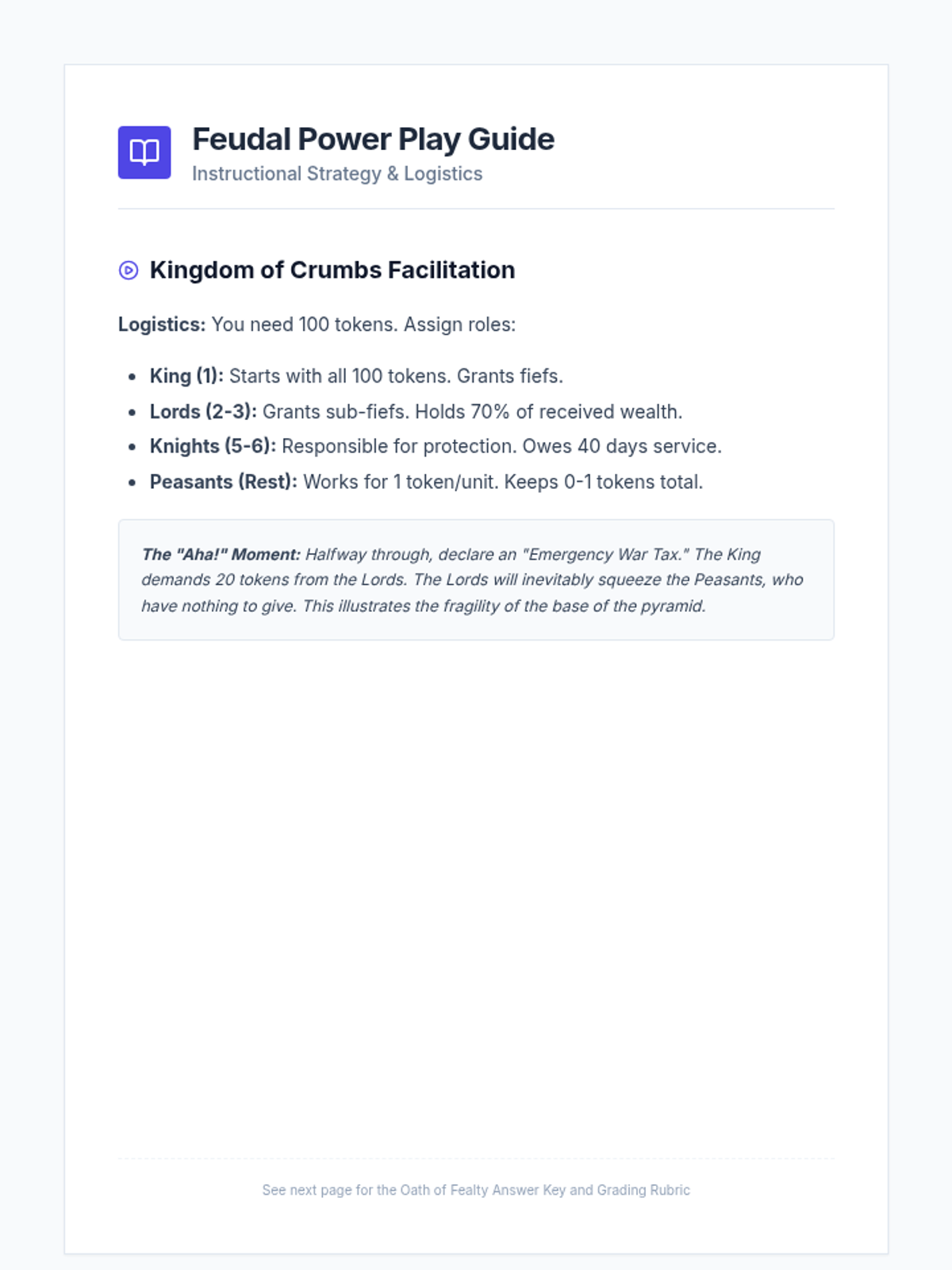
A deep dive into the reciprocal obligations of the feudal system through primary source analysis and a hands-on power dynamics simulation. Students explore how land, loyalty, and labor fueled the Middle Ages.
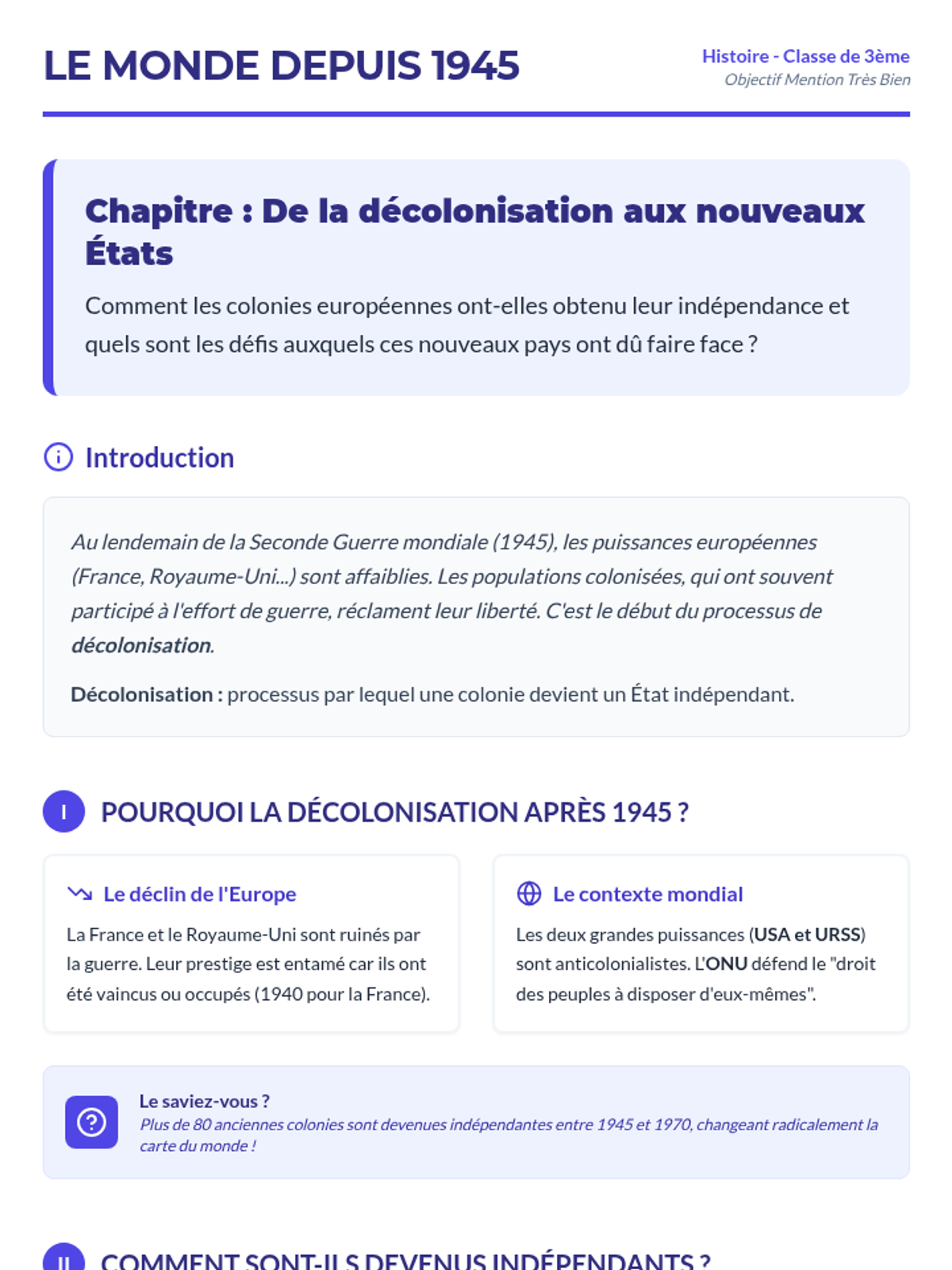
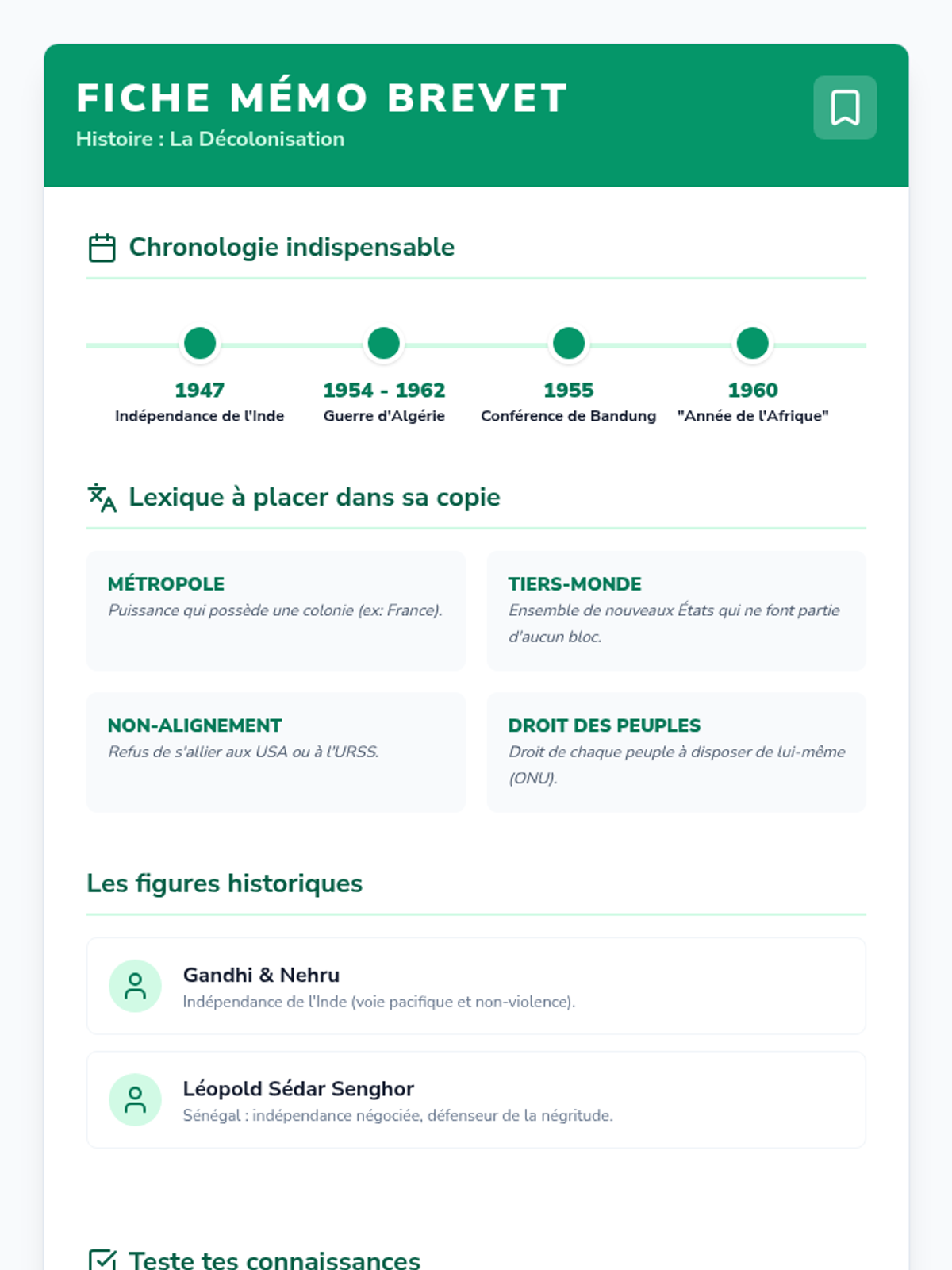
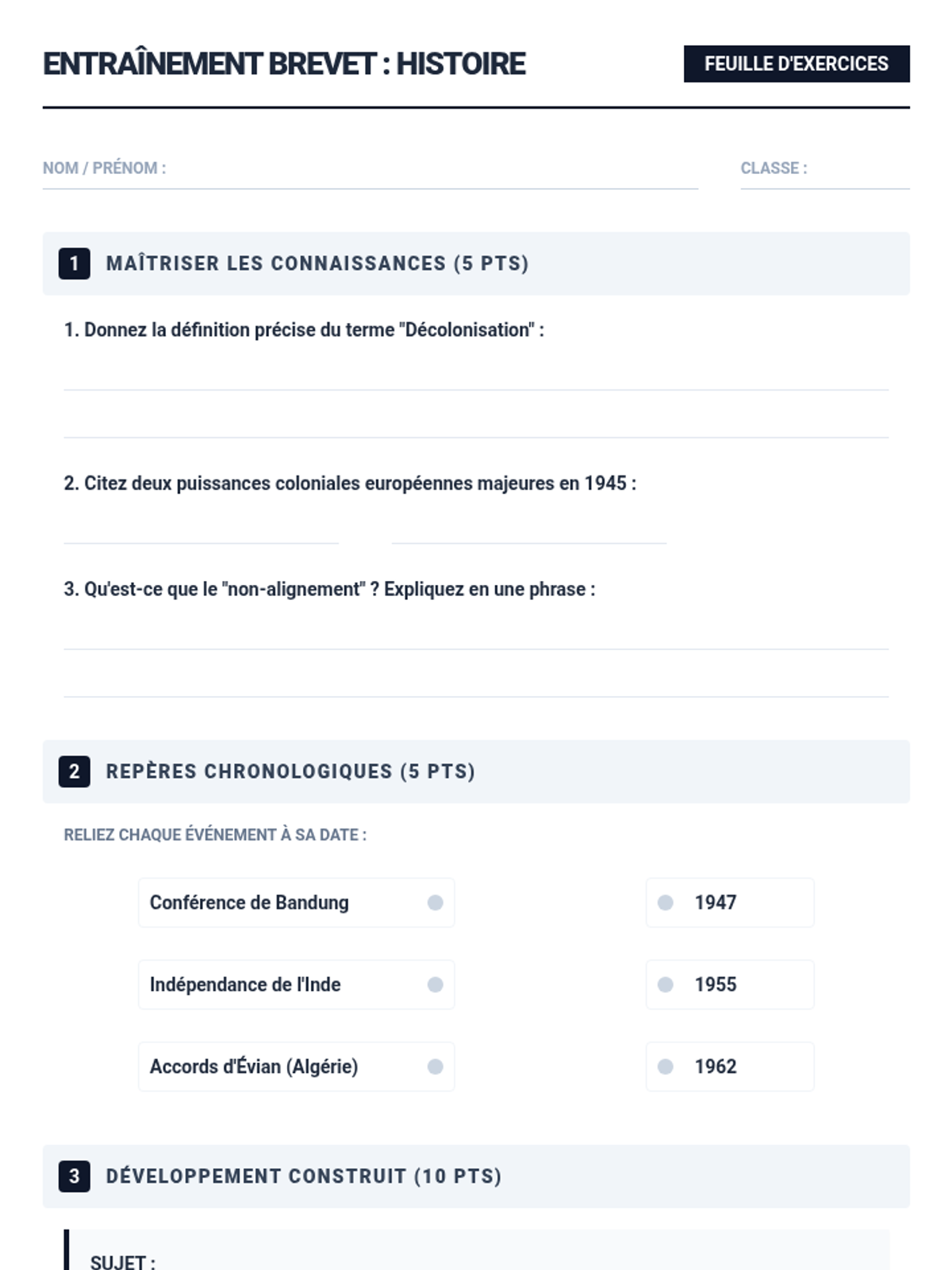
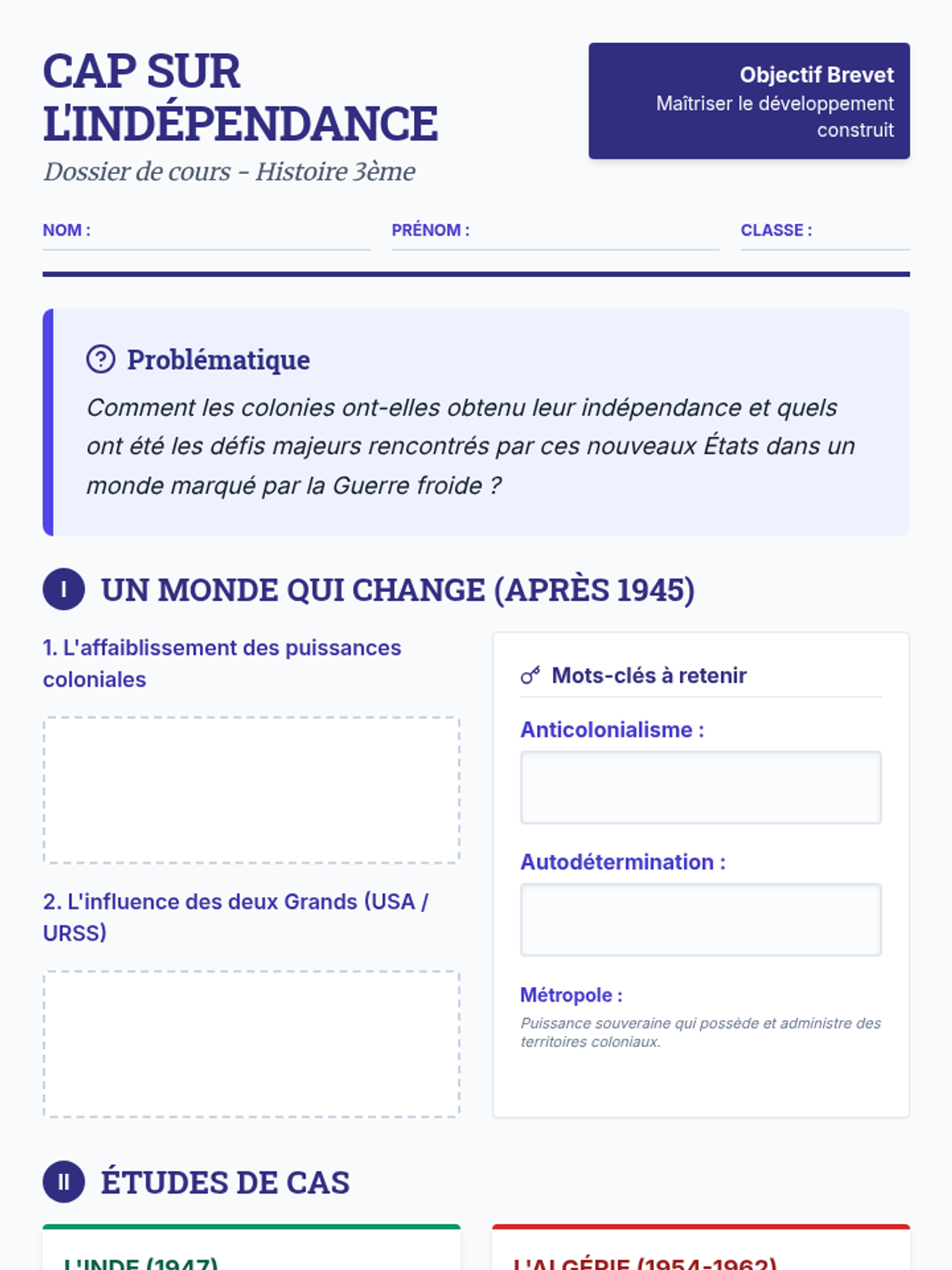
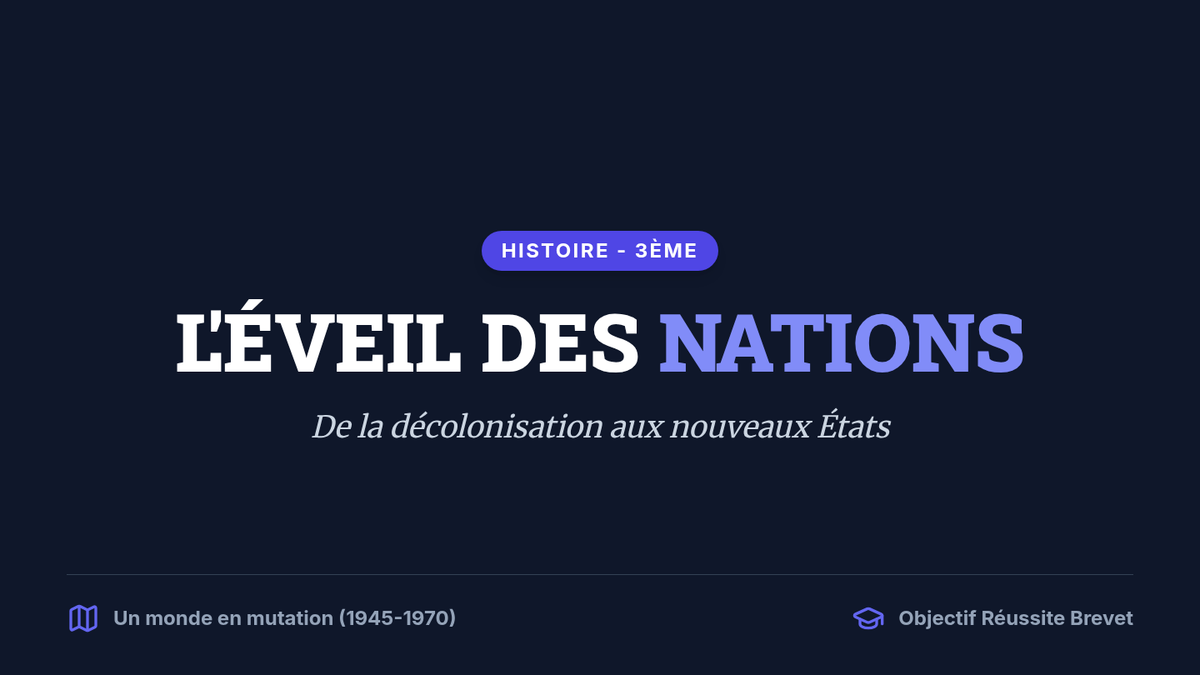
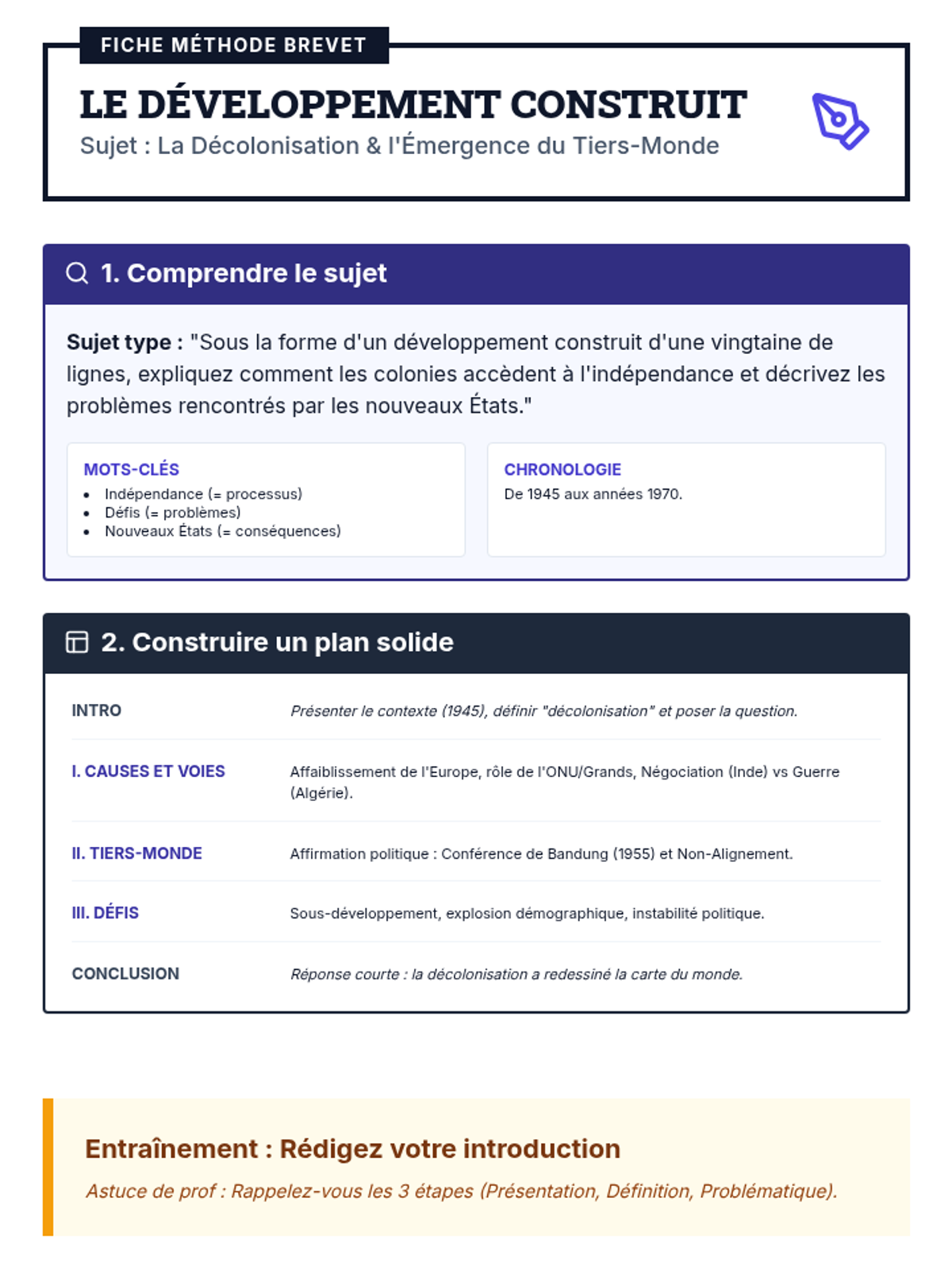
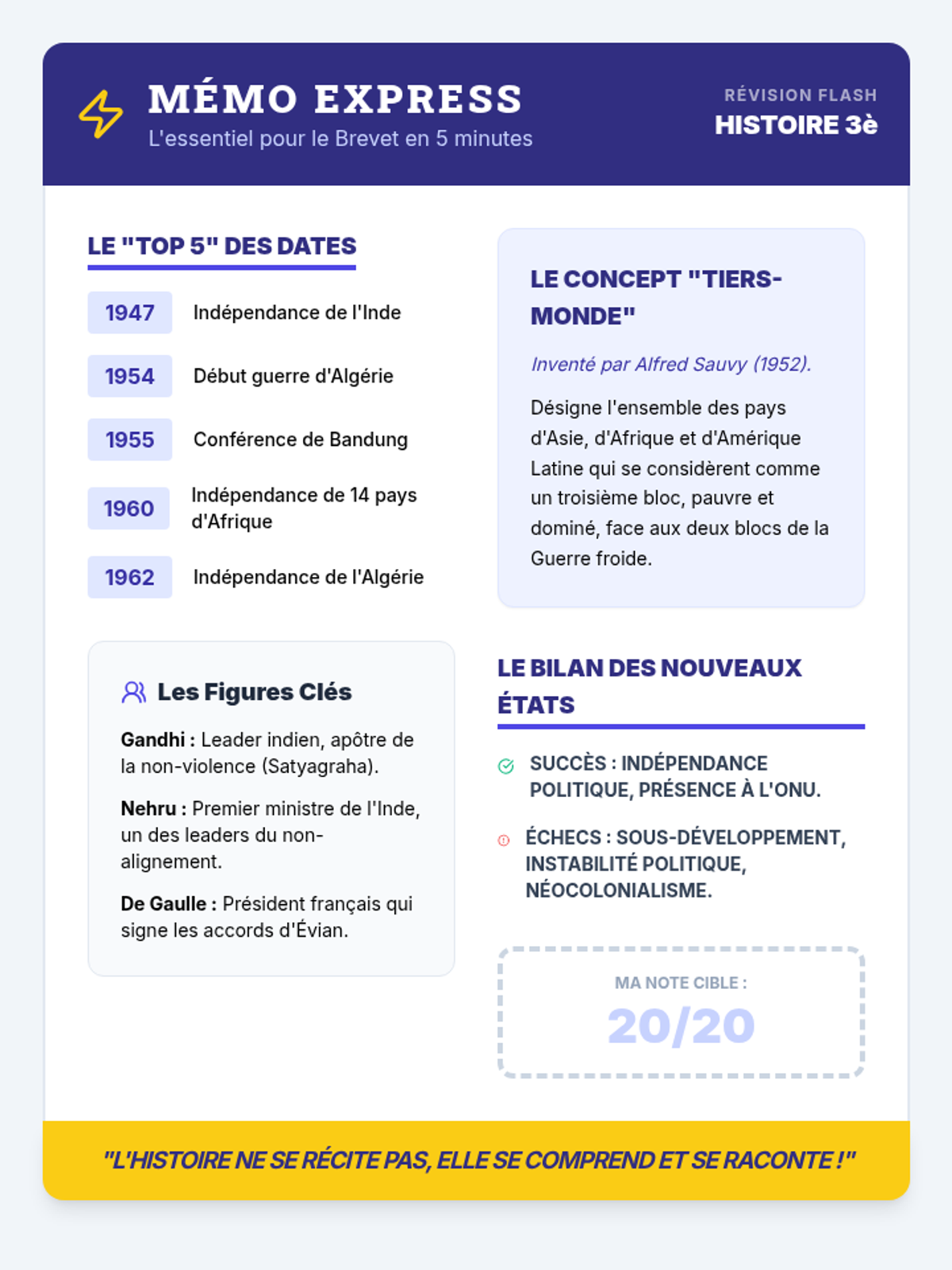
Un cours complet et une fiche de révision sur la décolonisation et l'émergence du tiers-monde, conçu pour la réussite au Brevet des collèges.
Cette leçon explore les causes de la décolonisation, compare les différentes voies vers l'indépendance (Inde et Algérie) et analyse la naissance du Tiers-Monde sur la scène internationale.
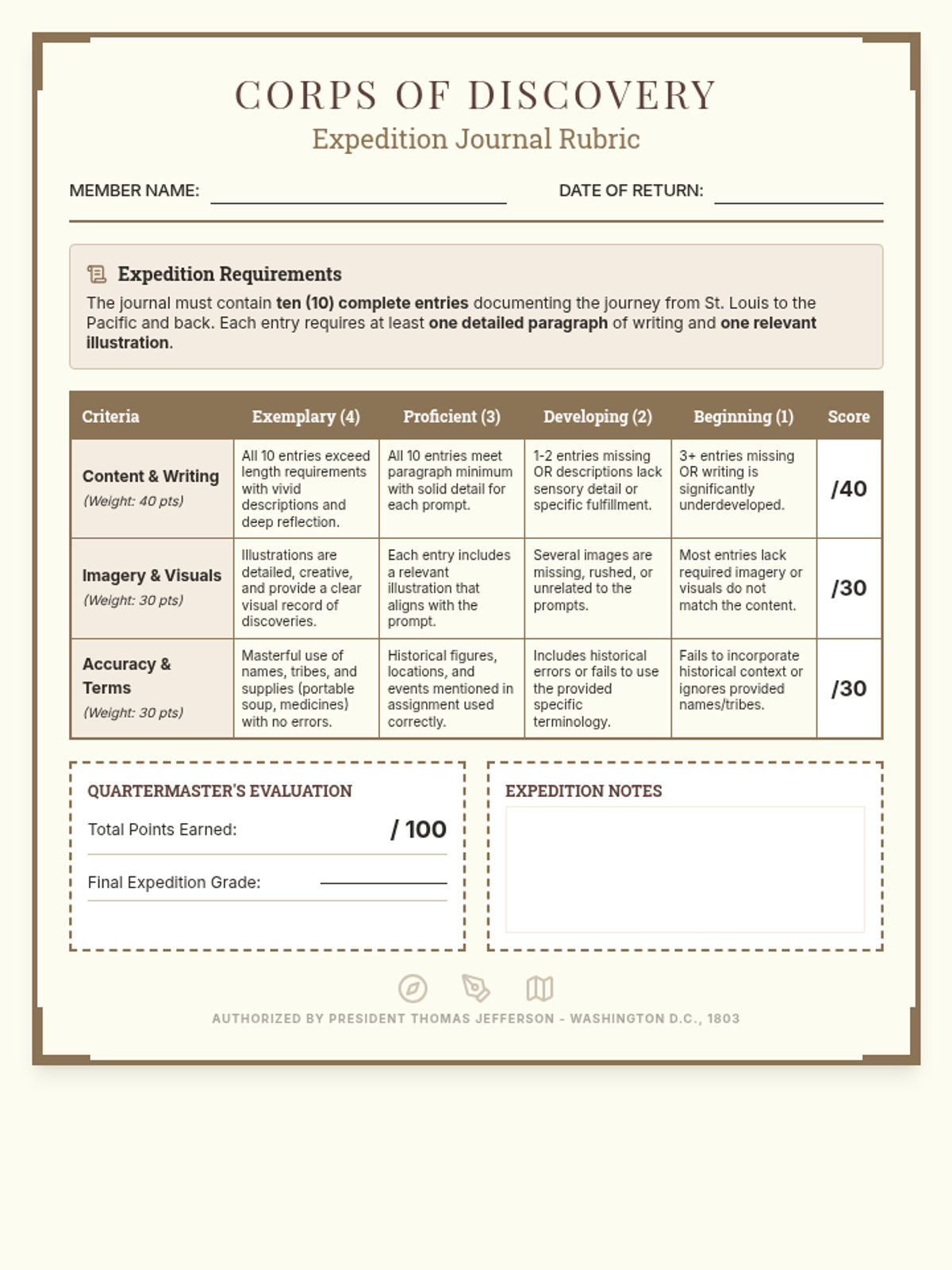
A rubric and assessment tool for the Lewis and Clark Road Trip journal assignment, focusing on content, imagery, and historical accuracy.
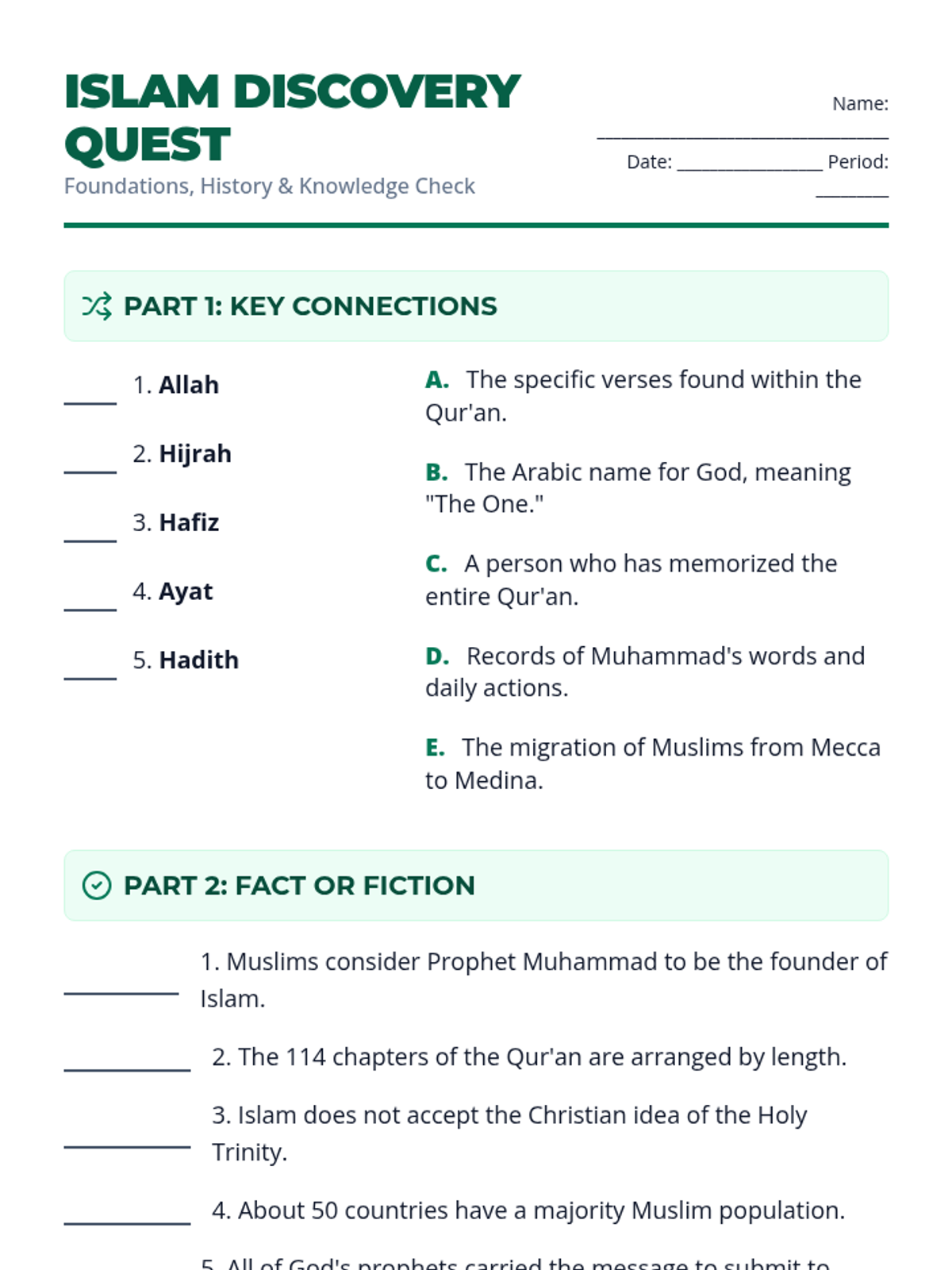
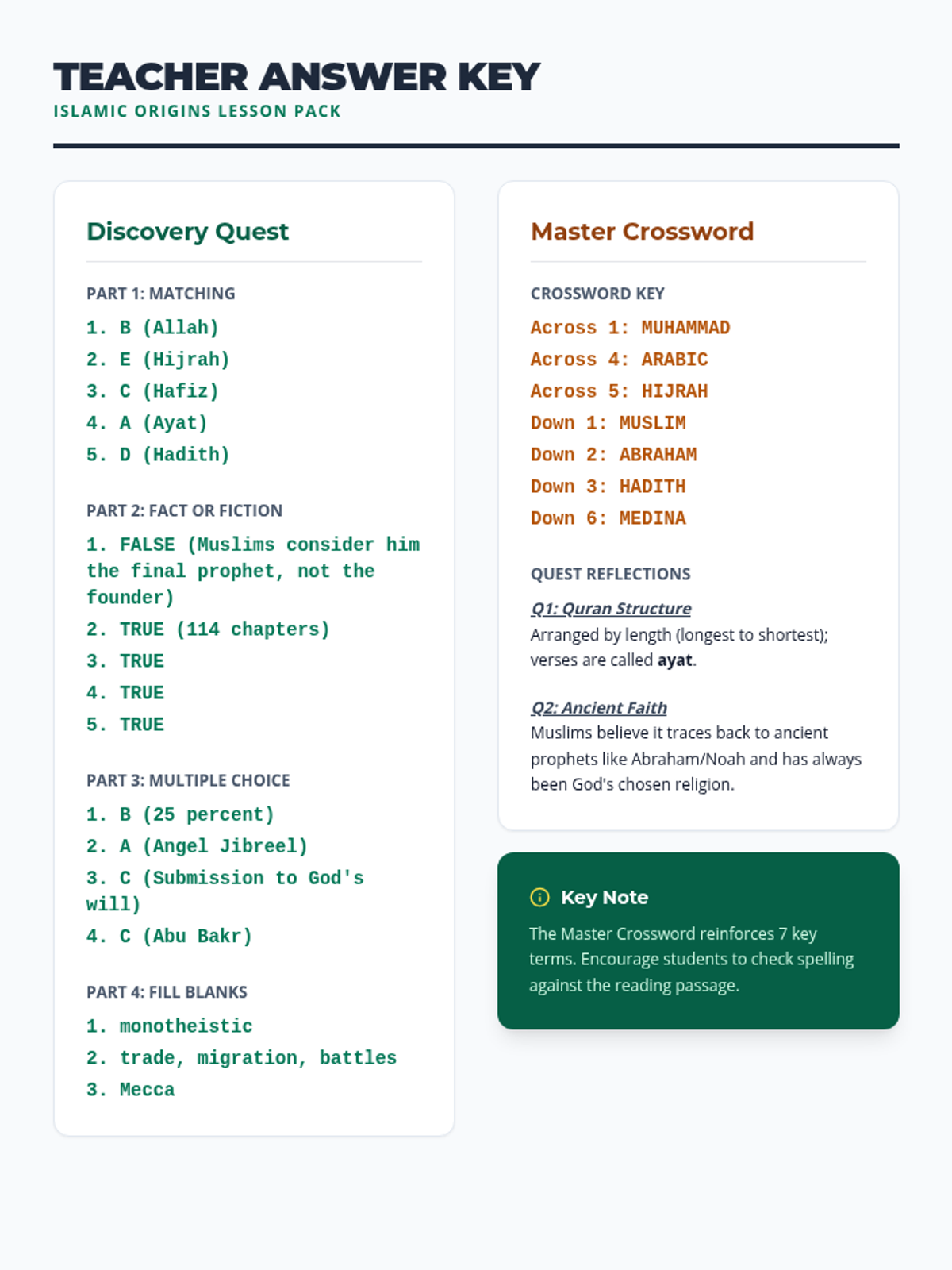
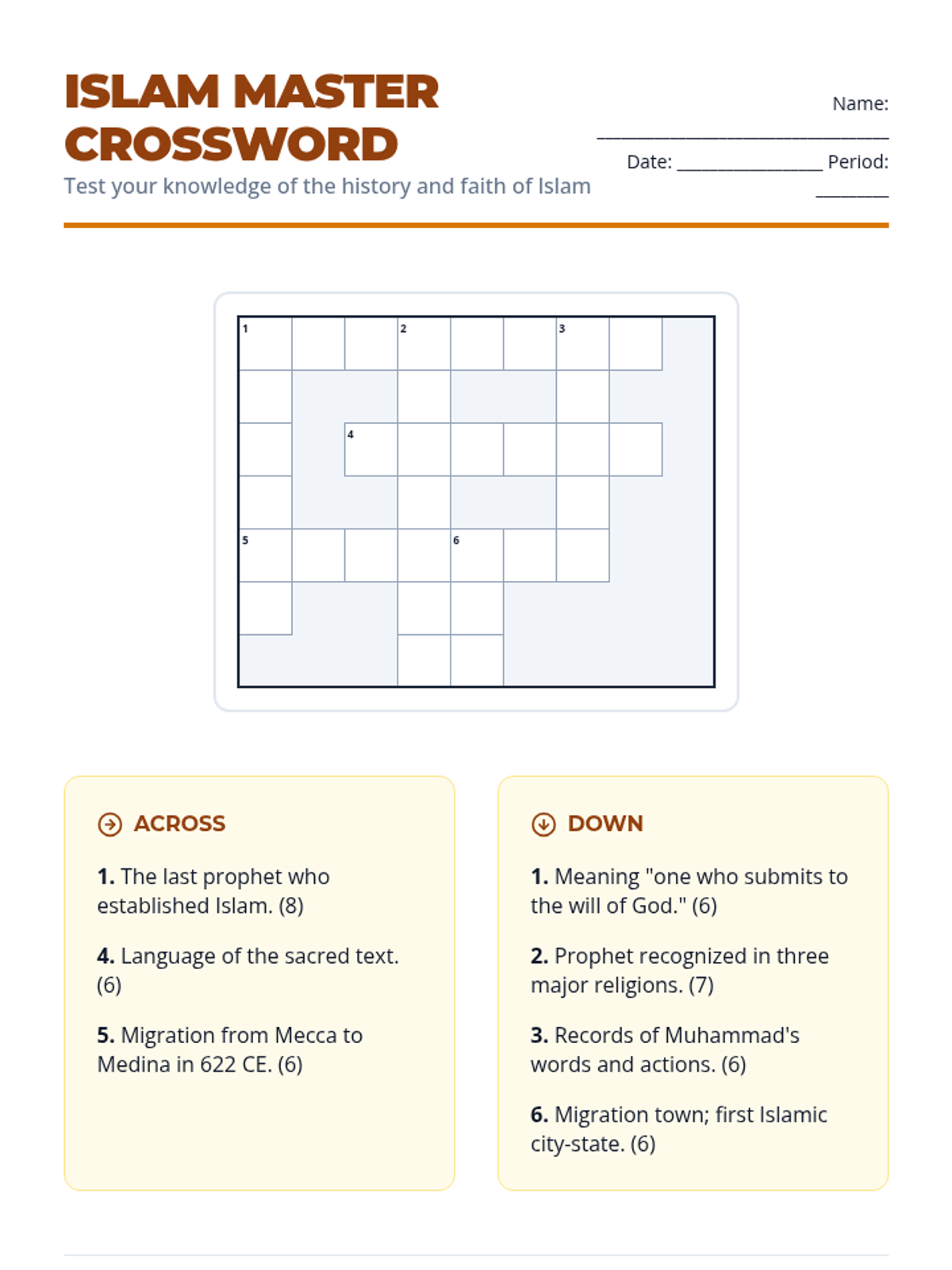
A foundational exploration of the origins of Islam, the life of Prophet Muhammad, the significance of the Quran, and the growth of the Islamic empire.
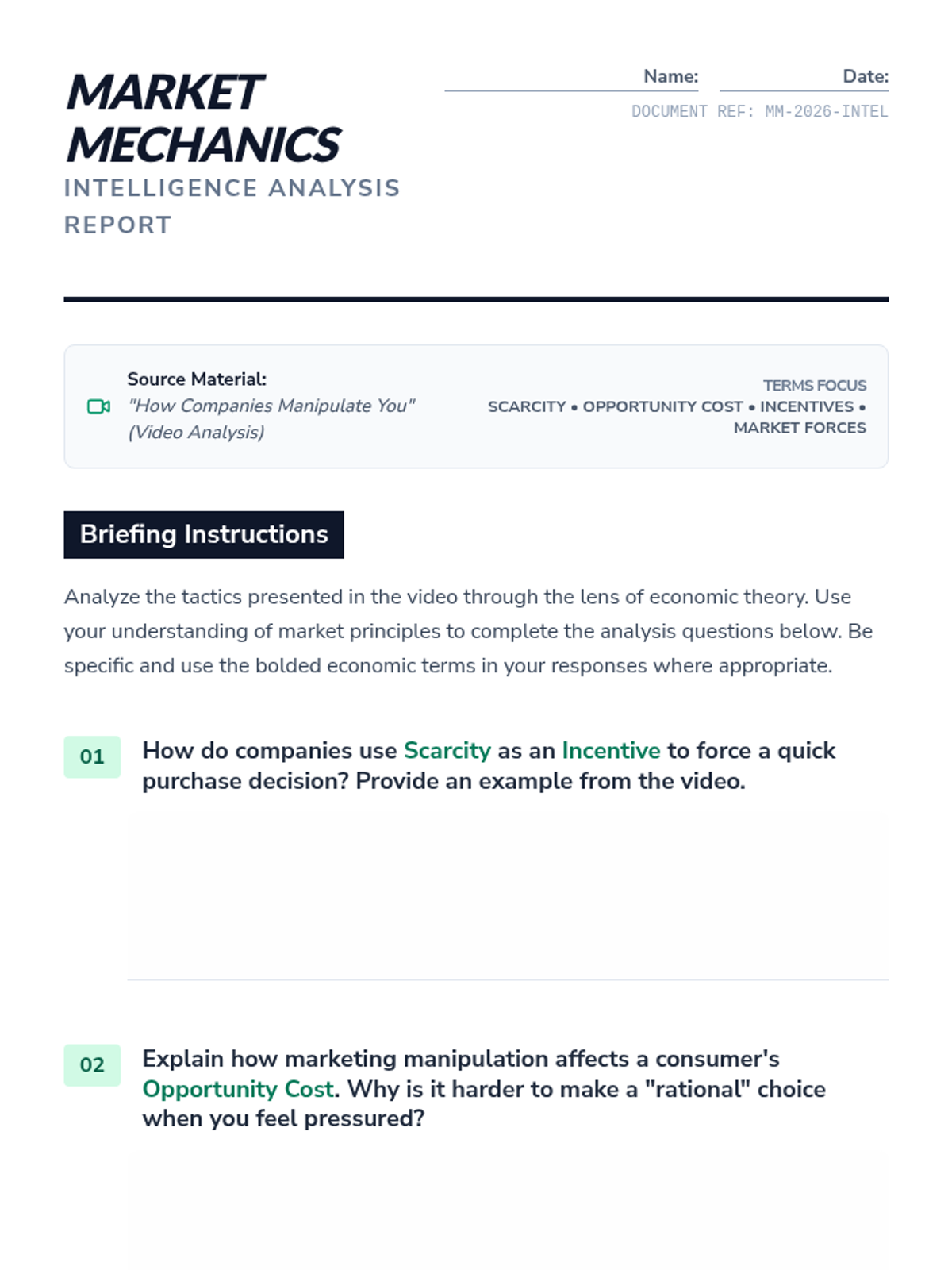
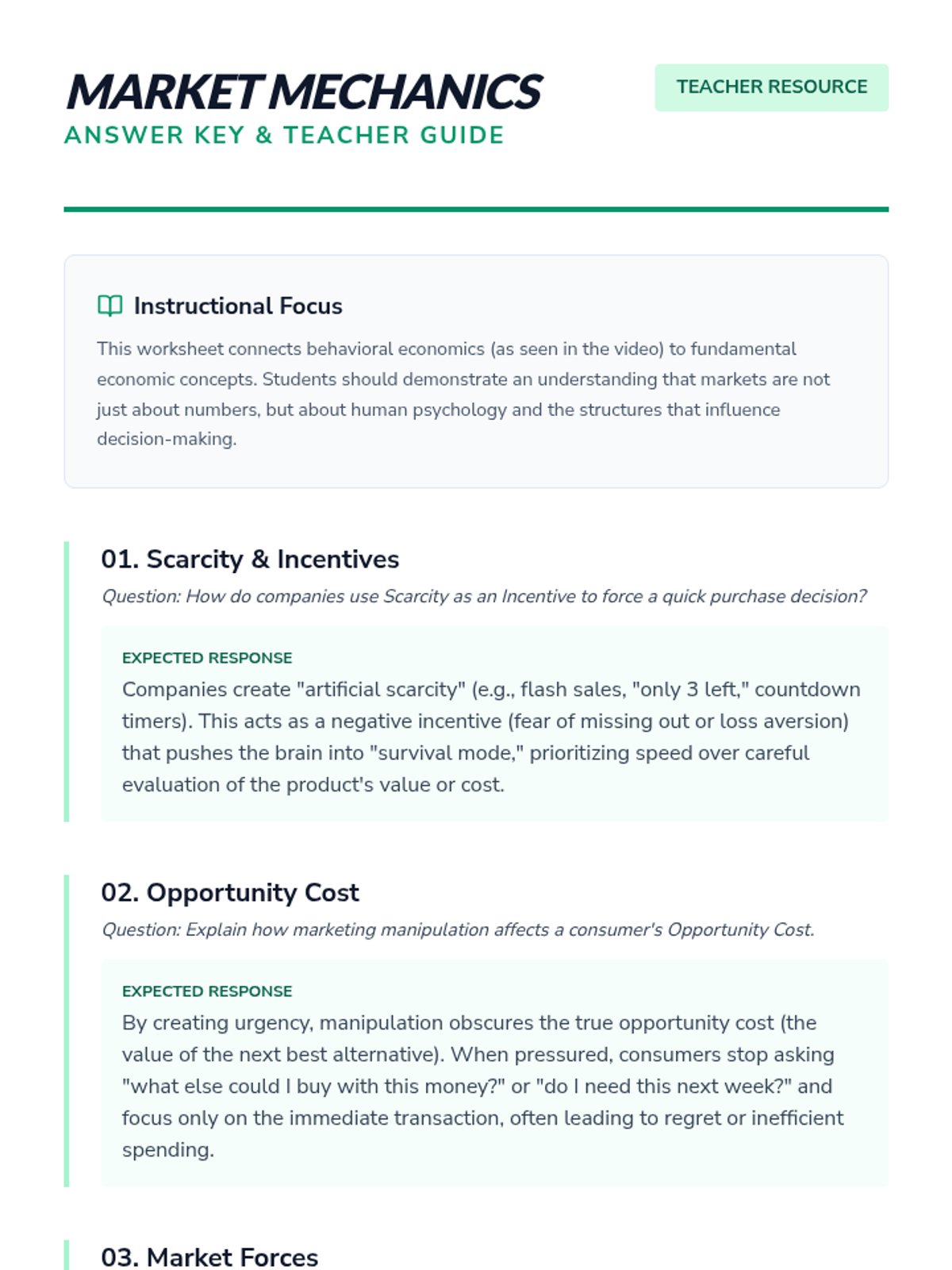
A deep dive into how economic principles like scarcity, incentives, and market forces shape consumer behavior and market structures. Students analyze real-world marketing tactics through the lens of economic theory.
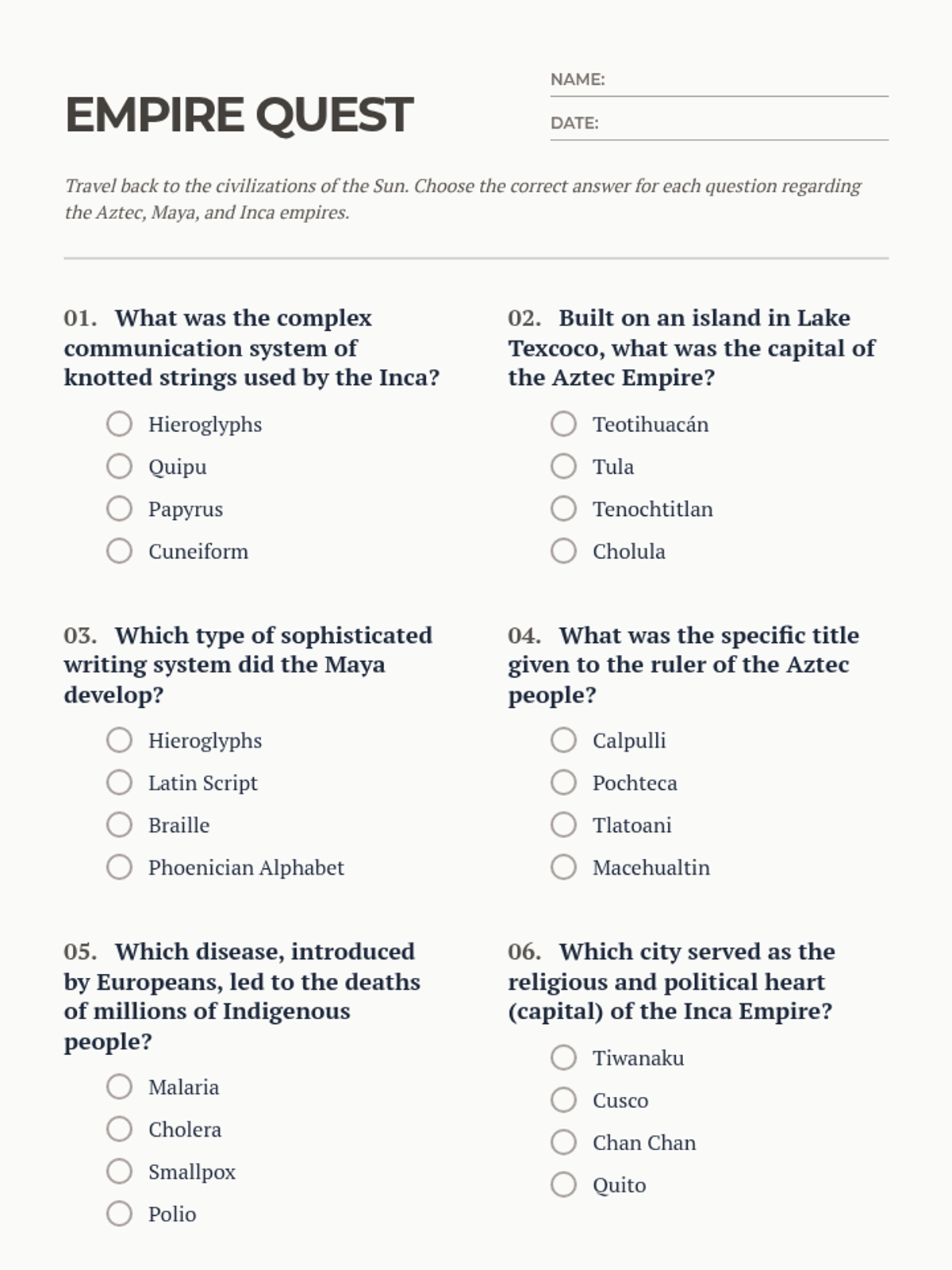
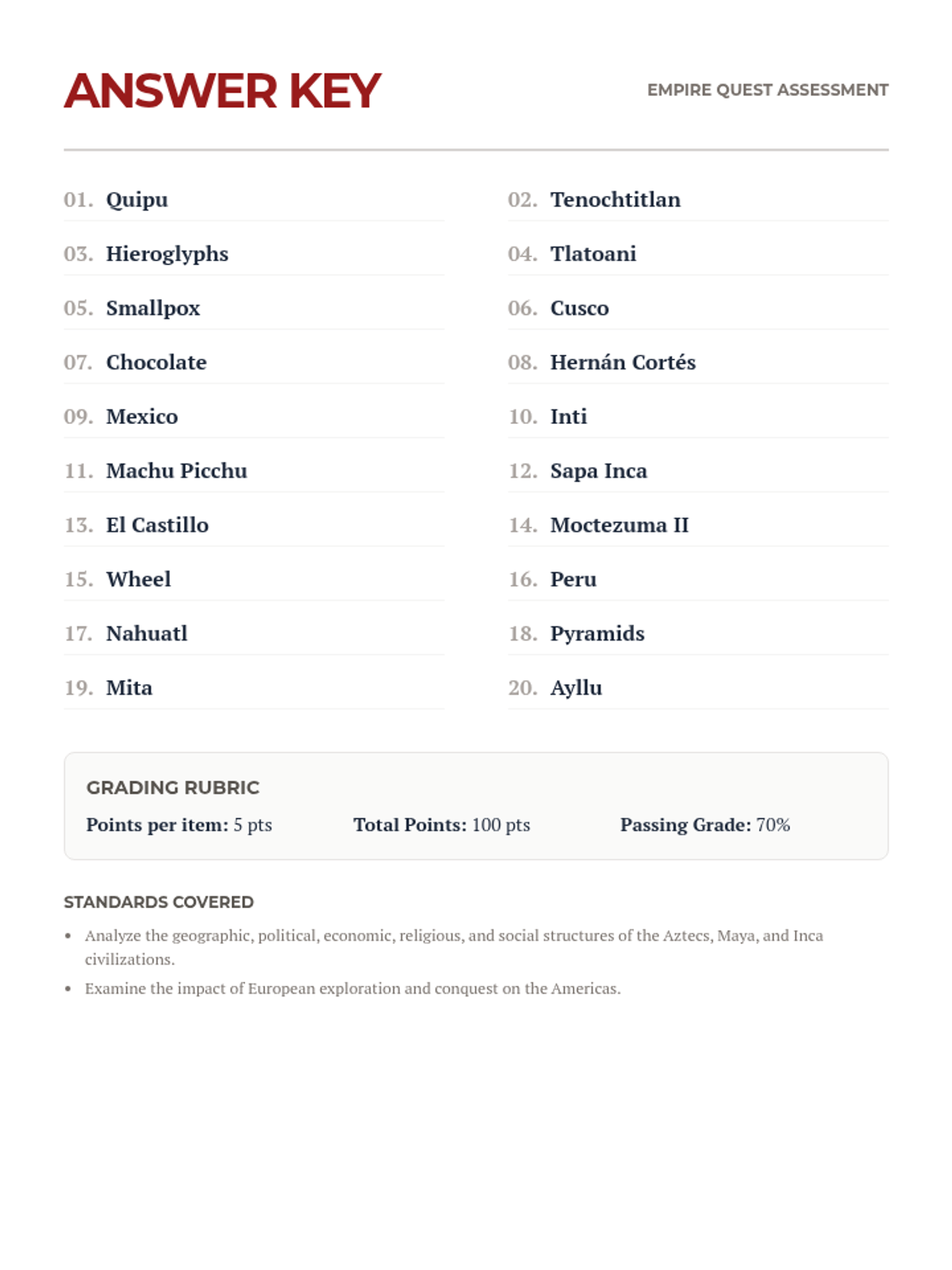
A comprehensive assessment and answer key covering the Aztec, Maya, and Inca civilizations, focusing on their culture, leadership, and eventual conquest.
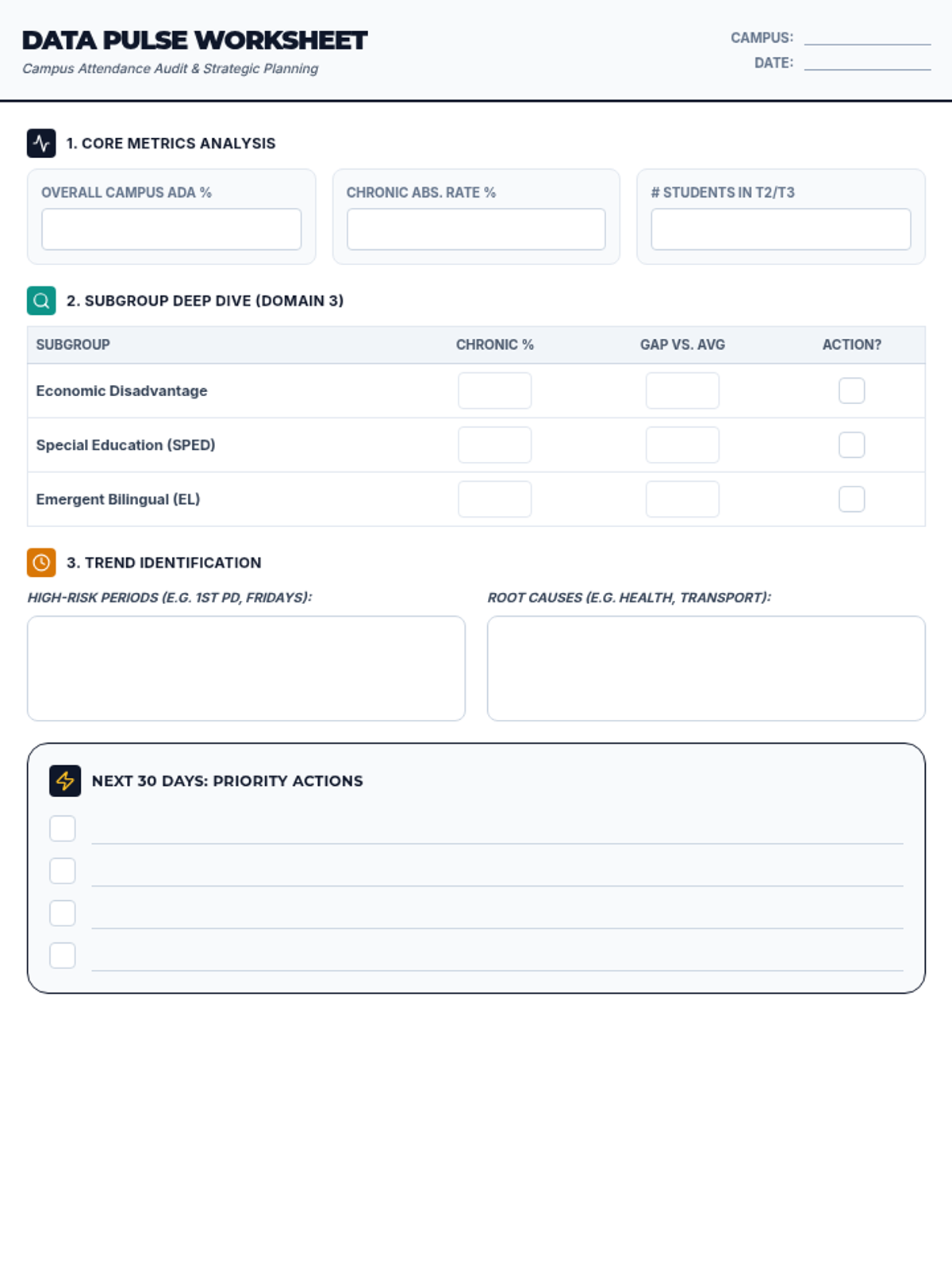
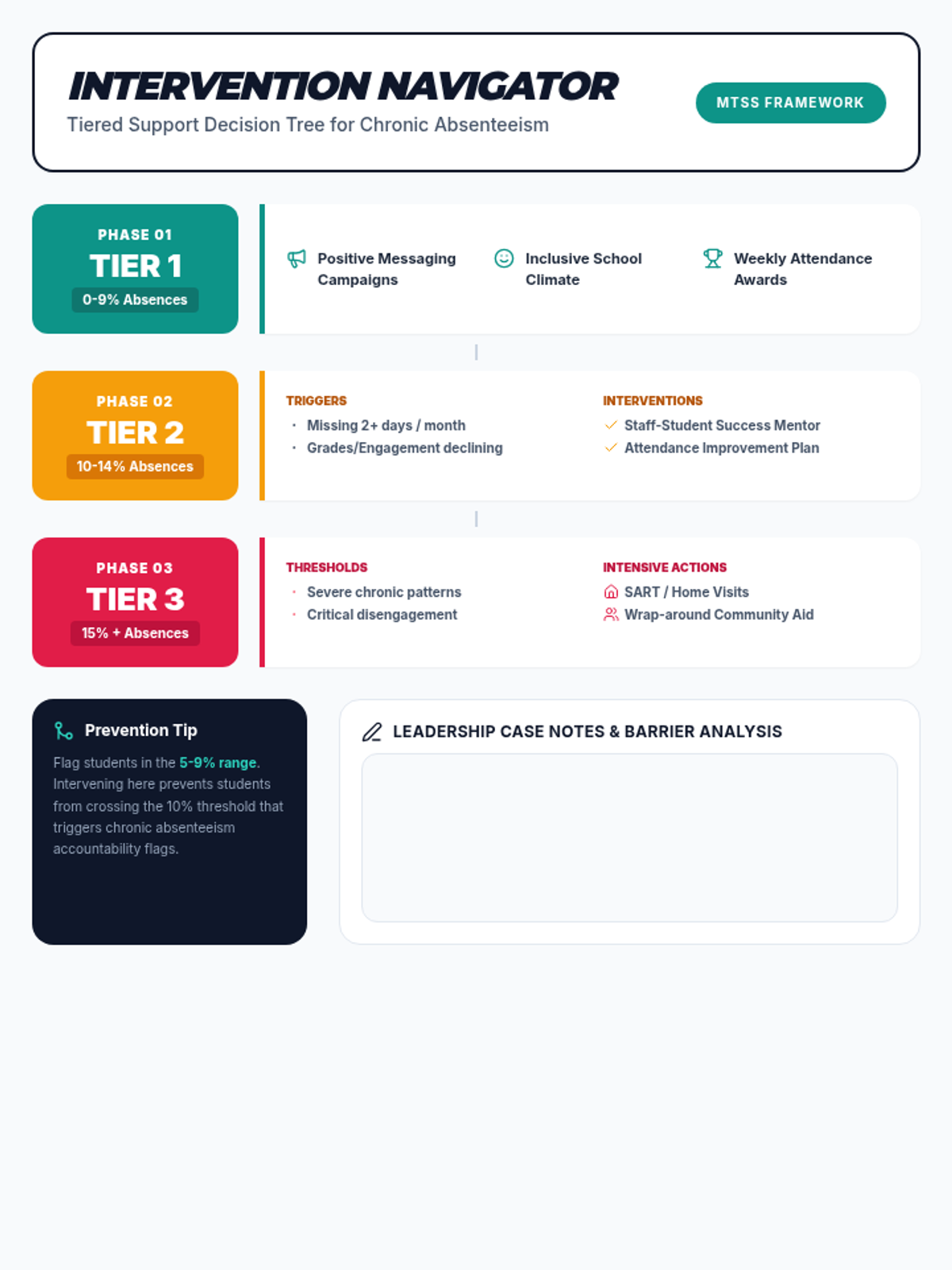
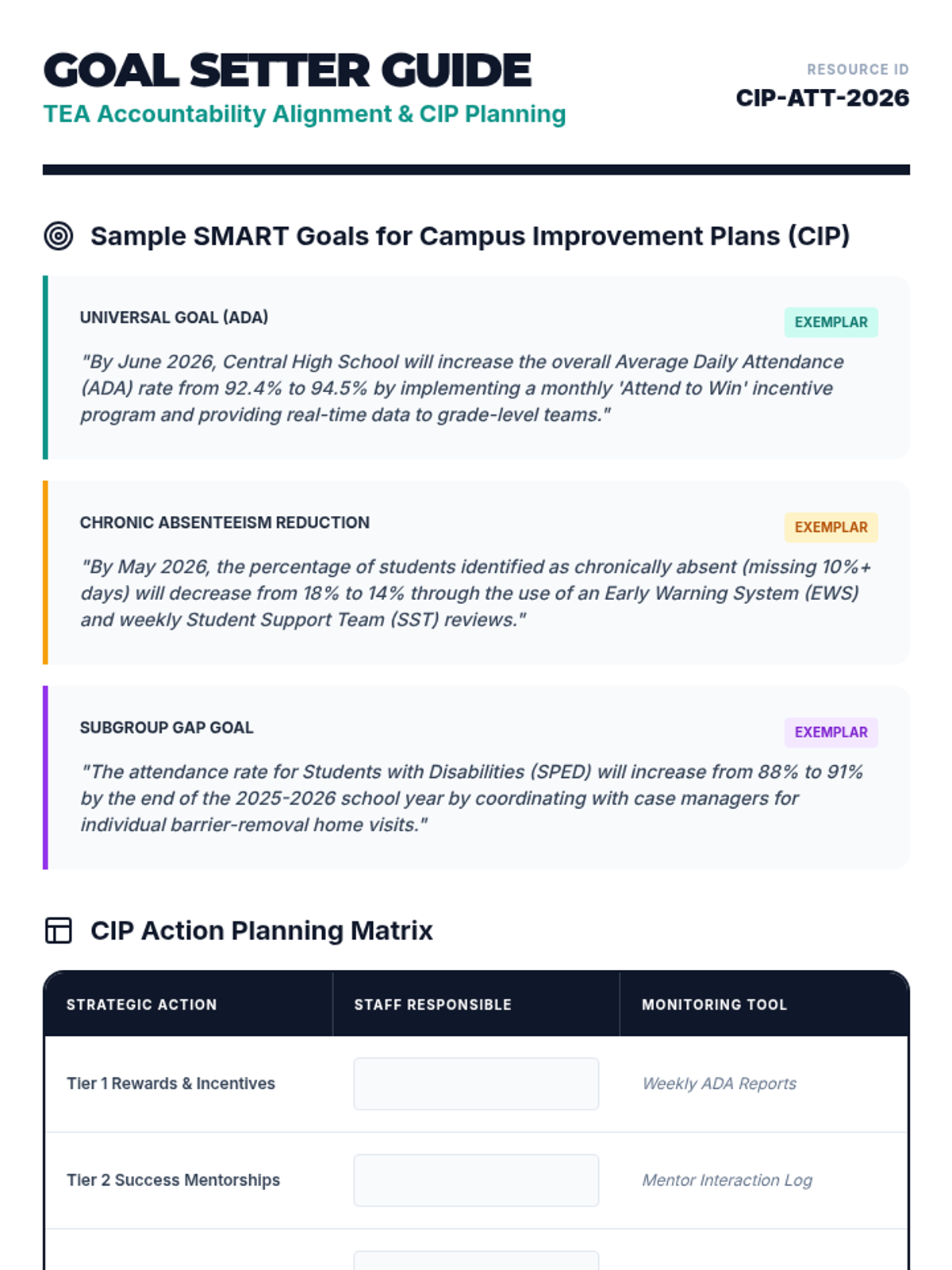
A comprehensive toolkit for high school leaders to analyze attendance data, distinguish chronic absenteeism from average daily attendance, and implement TEA-aligned tiered interventions to improve campus accountability.
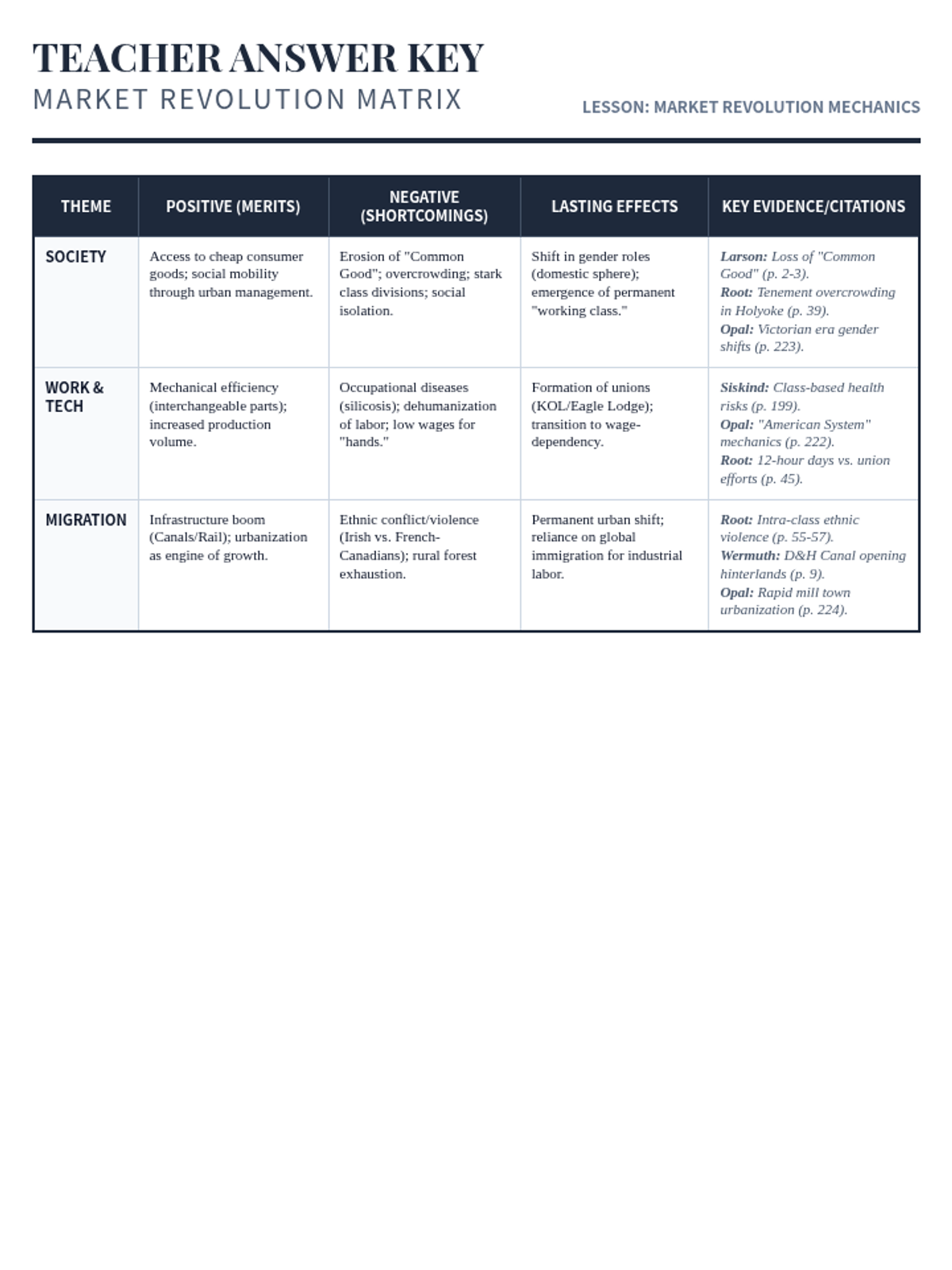
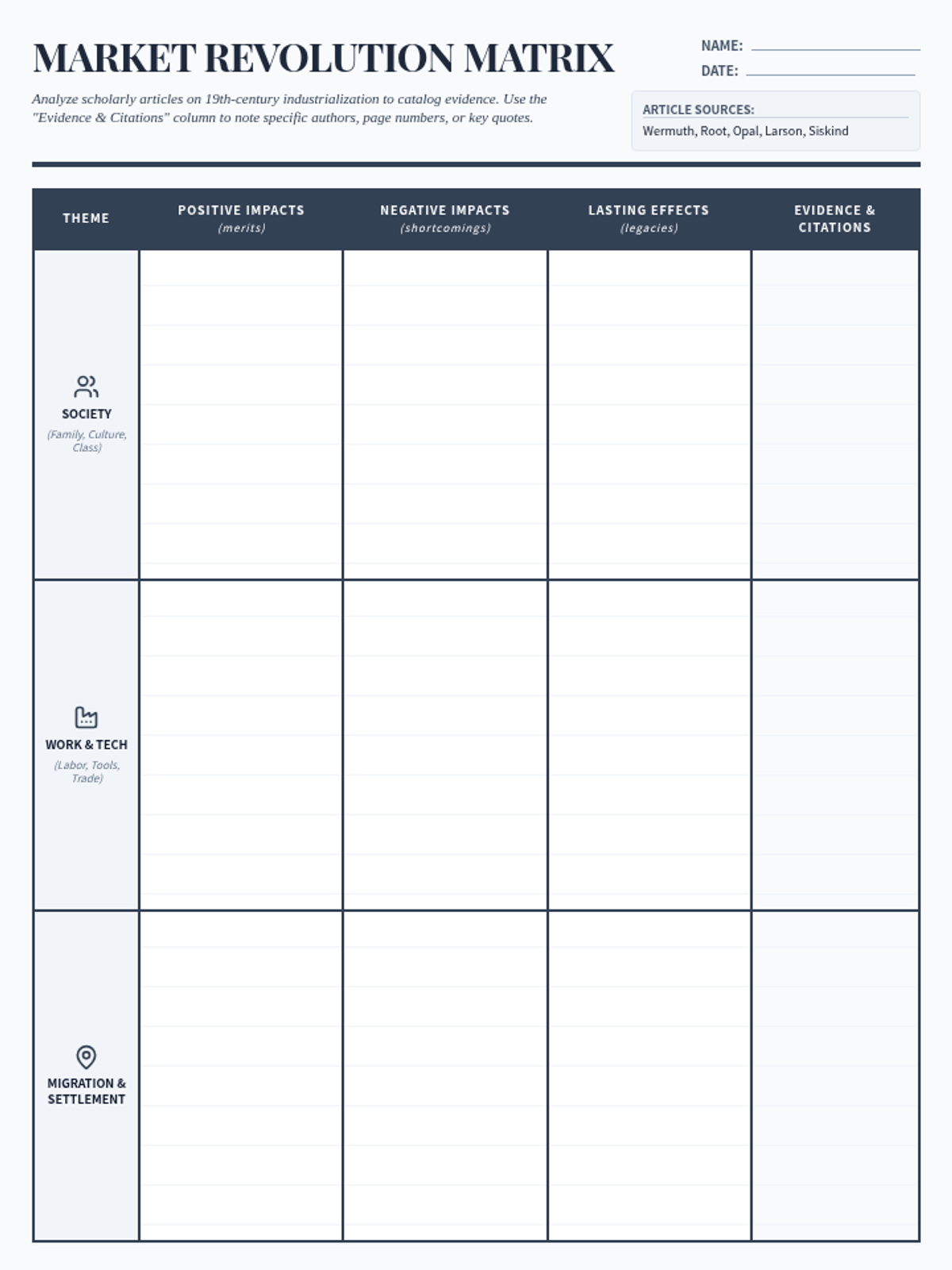
Students analyze the transformative period of industrialization and the market revolution in the 19th-century United States through scholarly articles, exploring the complex balance of economic progress against social and human costs.
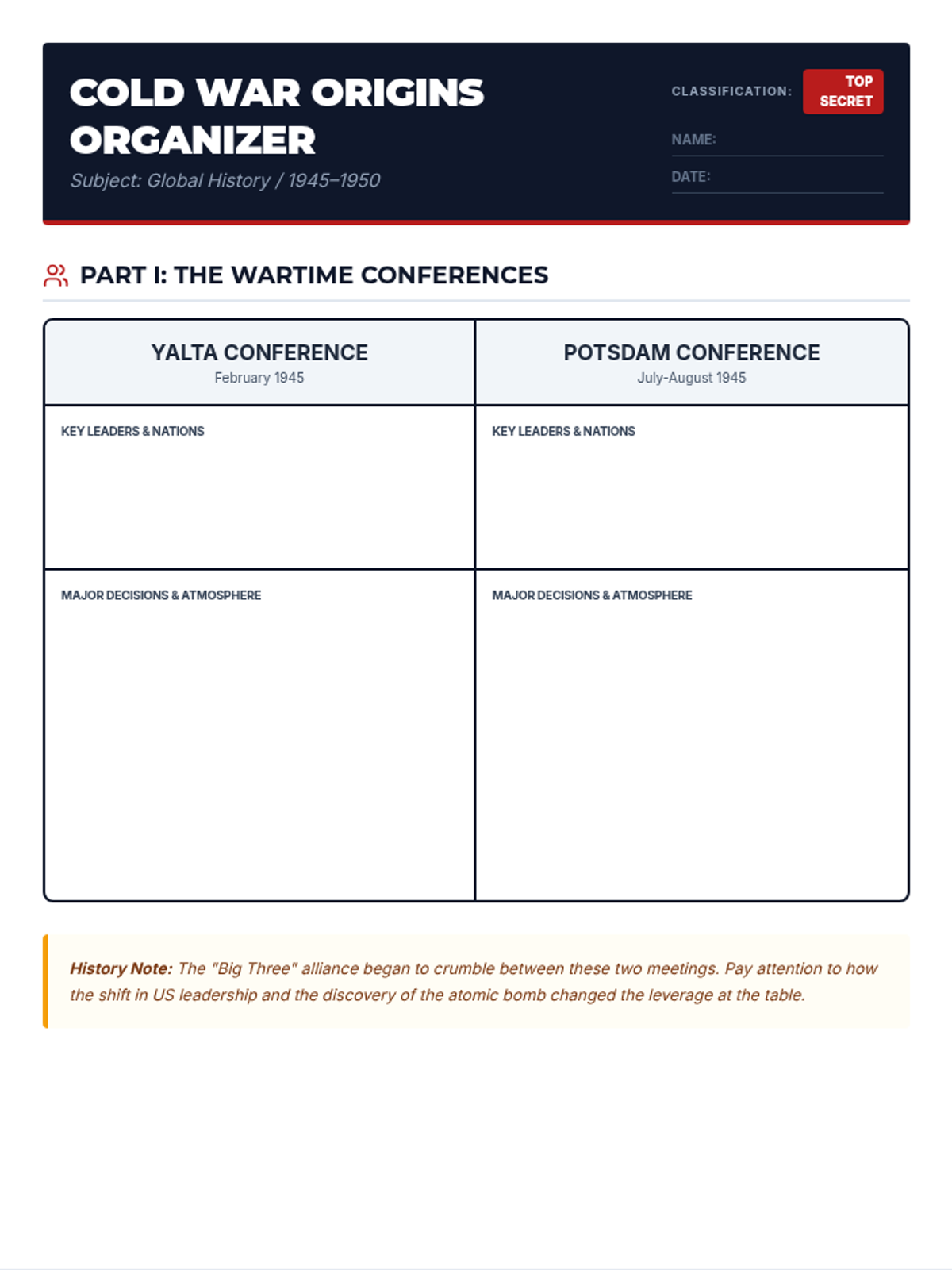
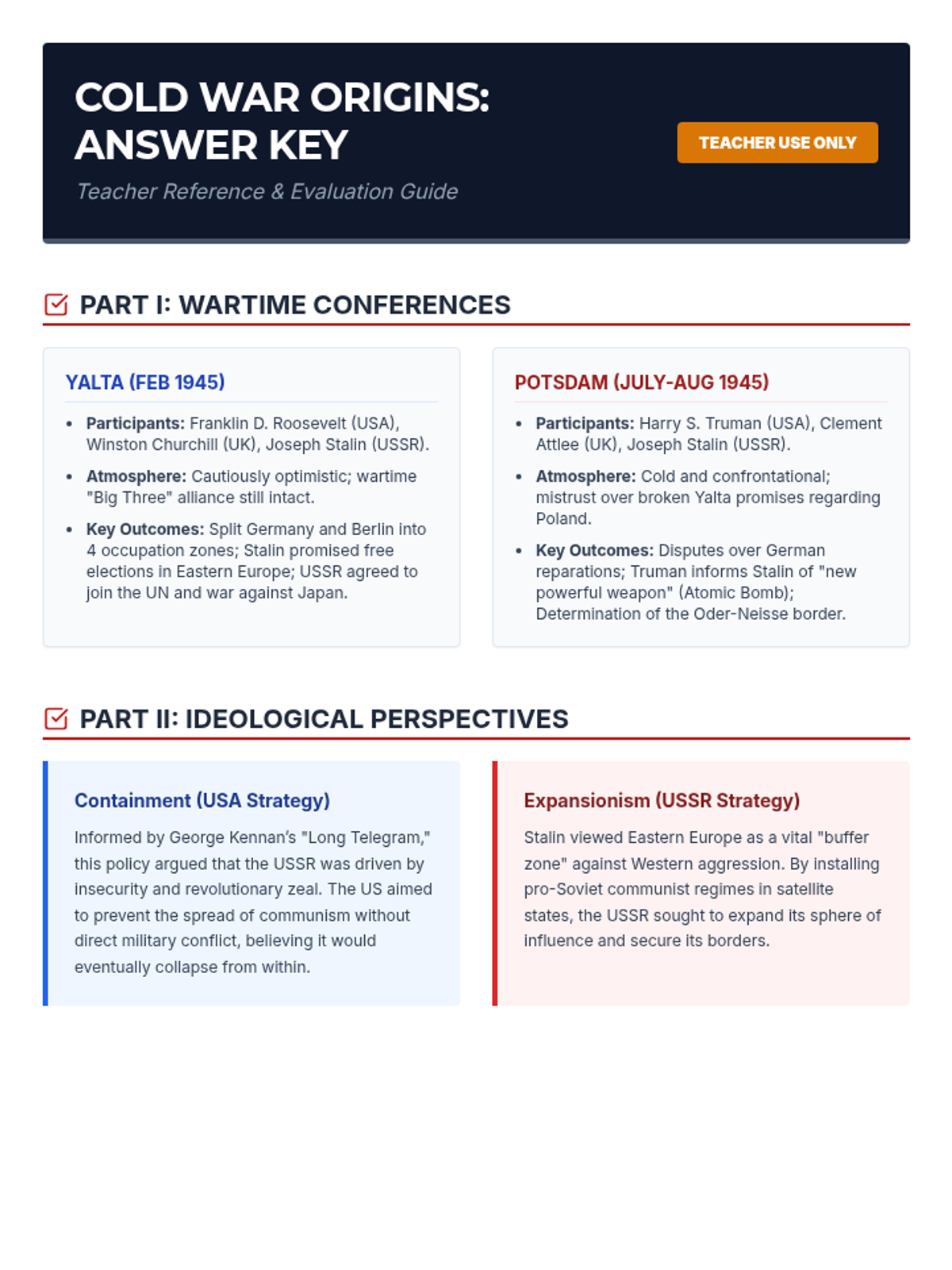
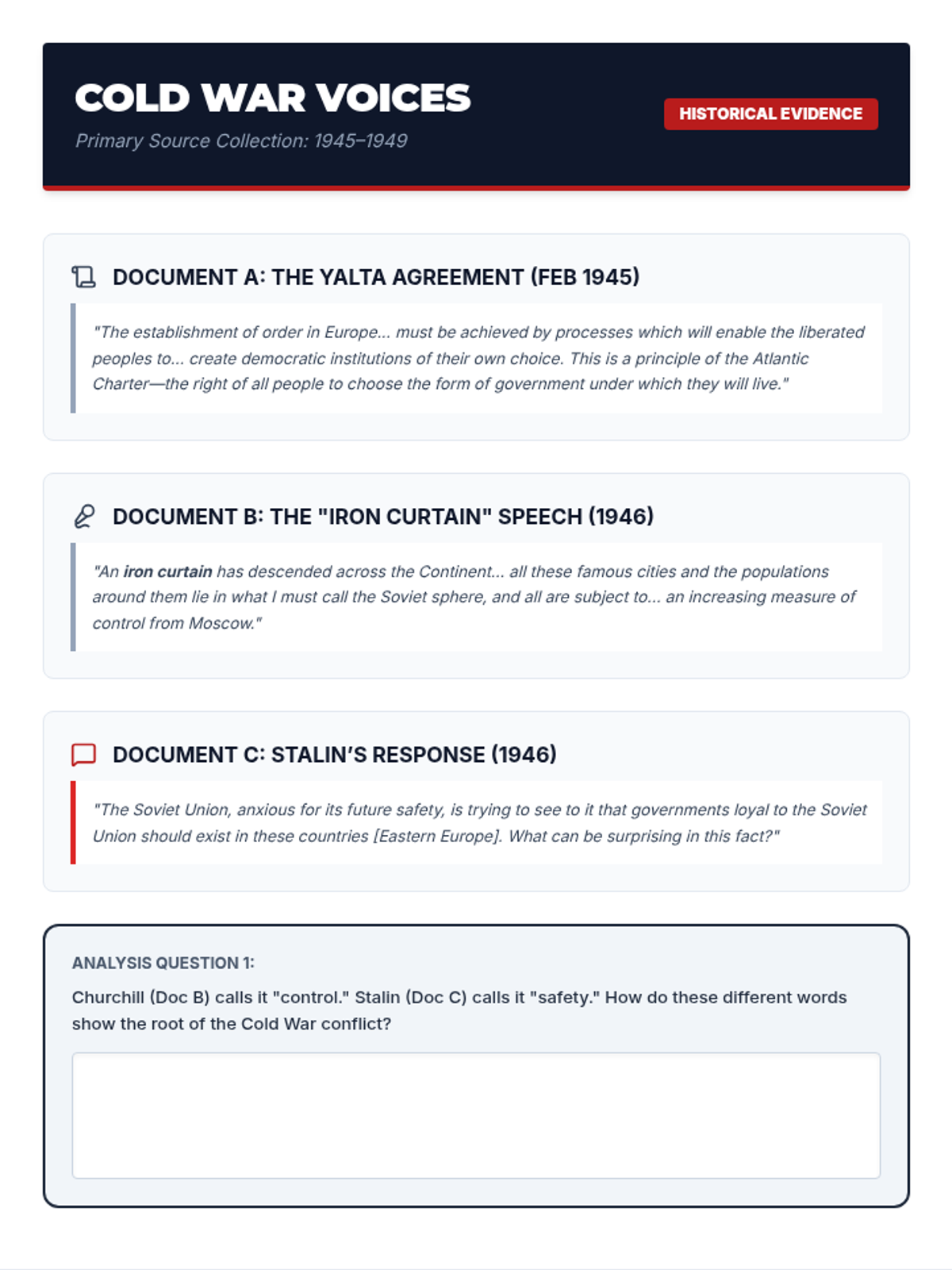
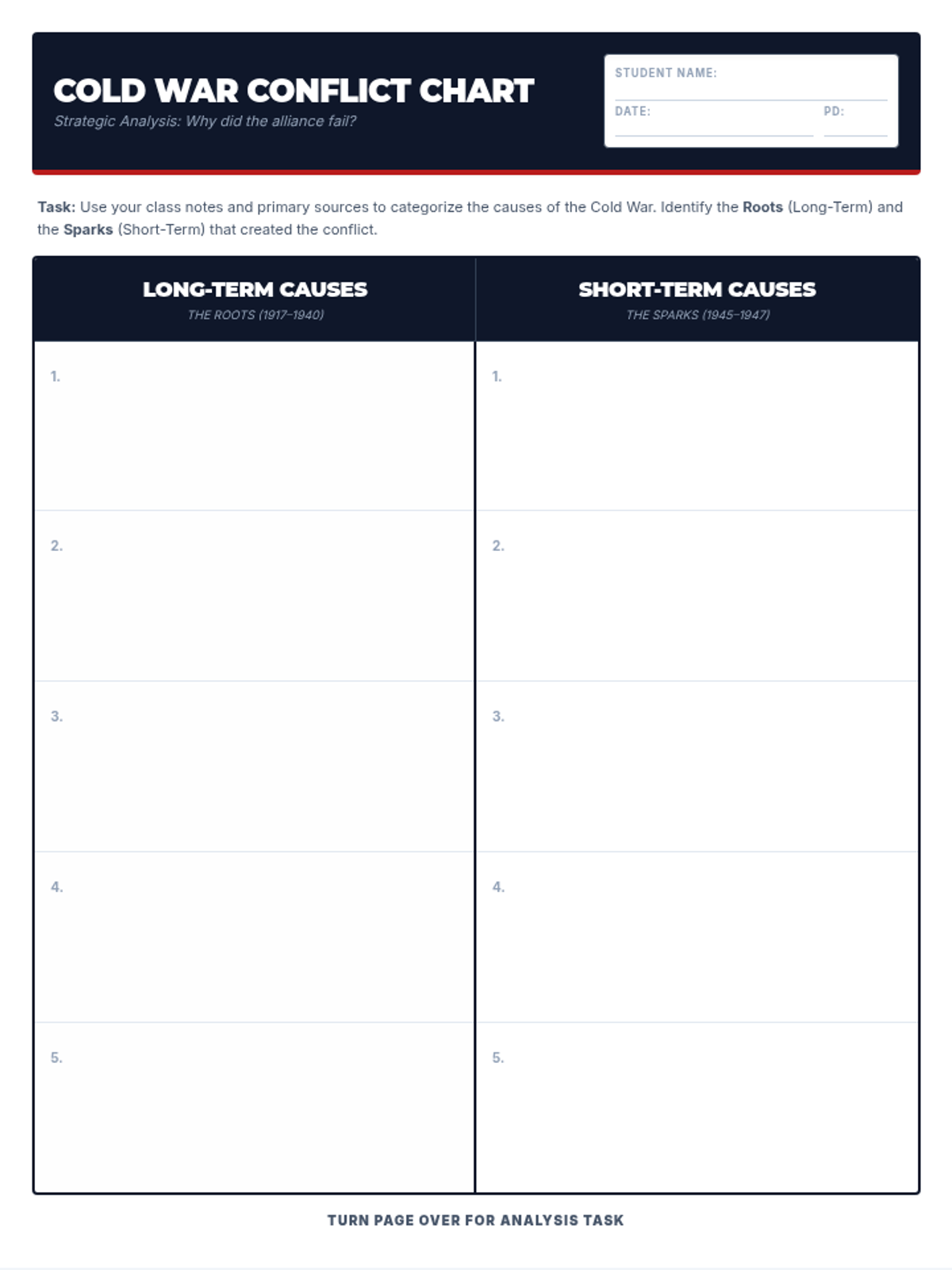
A lesson exploring the ideological, economic, and military causes of the Cold War, focusing on the shift from wartime cooperation to global rivalry.
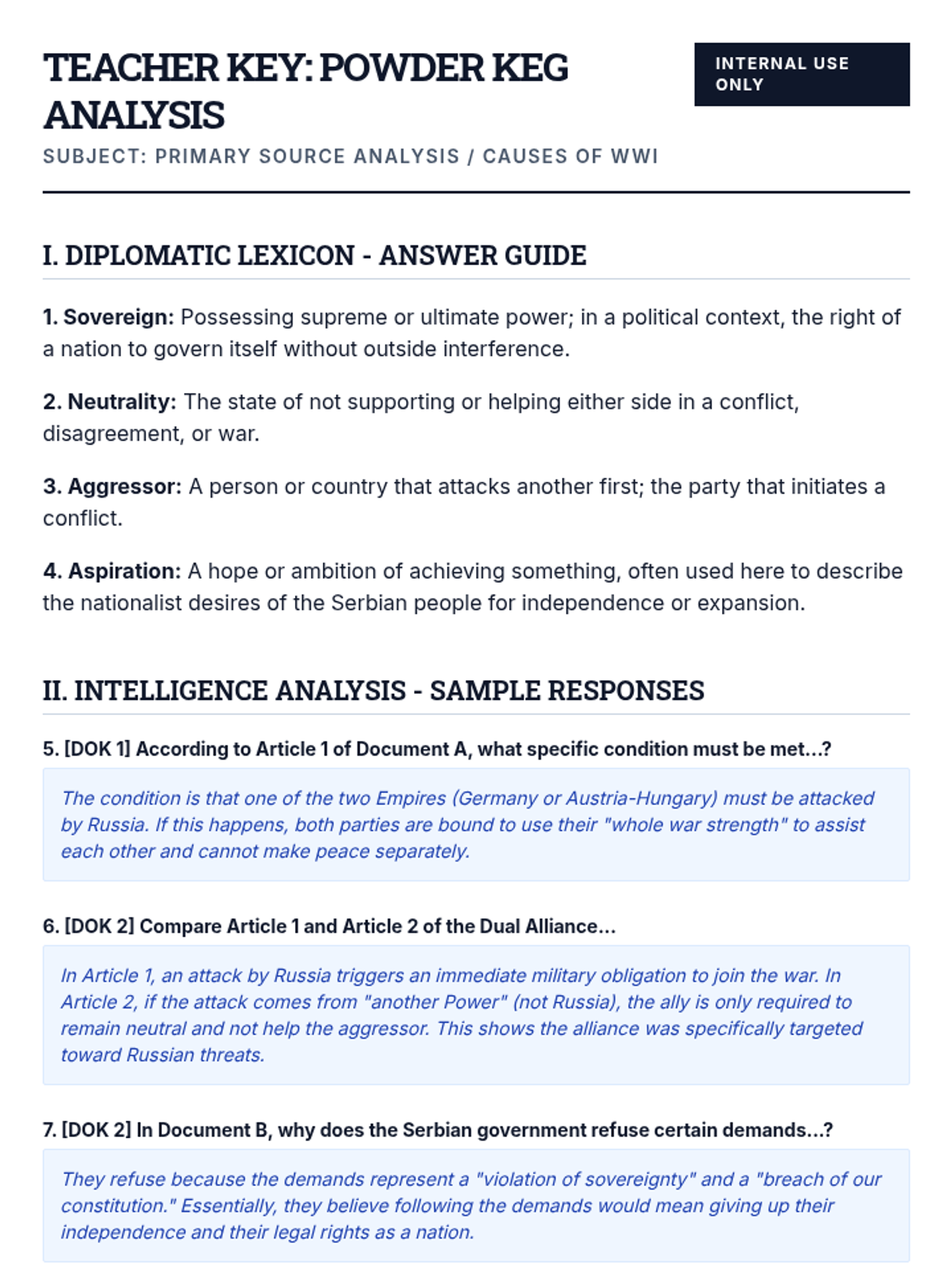
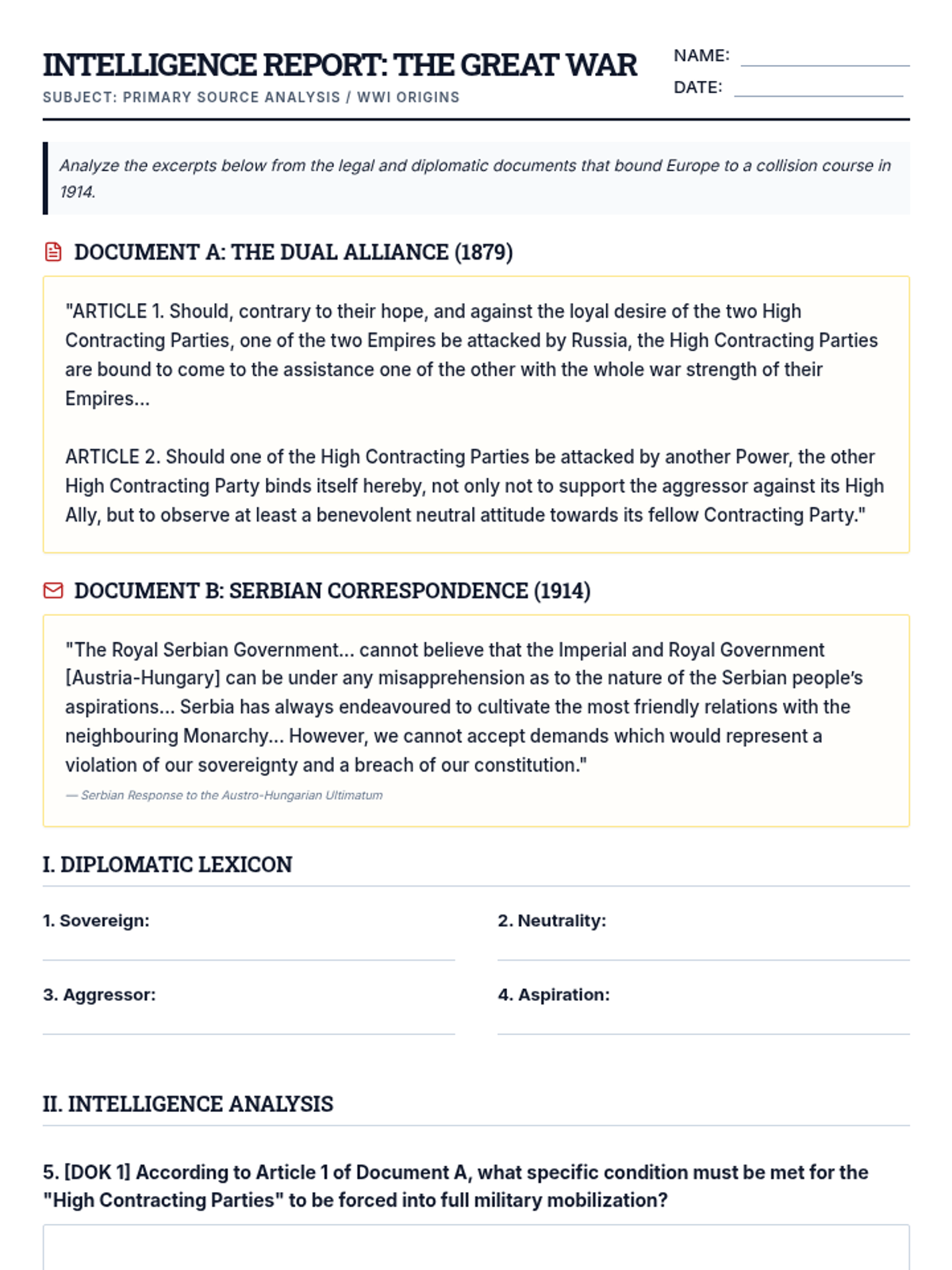
An in-depth look at the complex causes of World War I through the lens of primary source analysis, focusing on the alliance system and Balkan tensions.
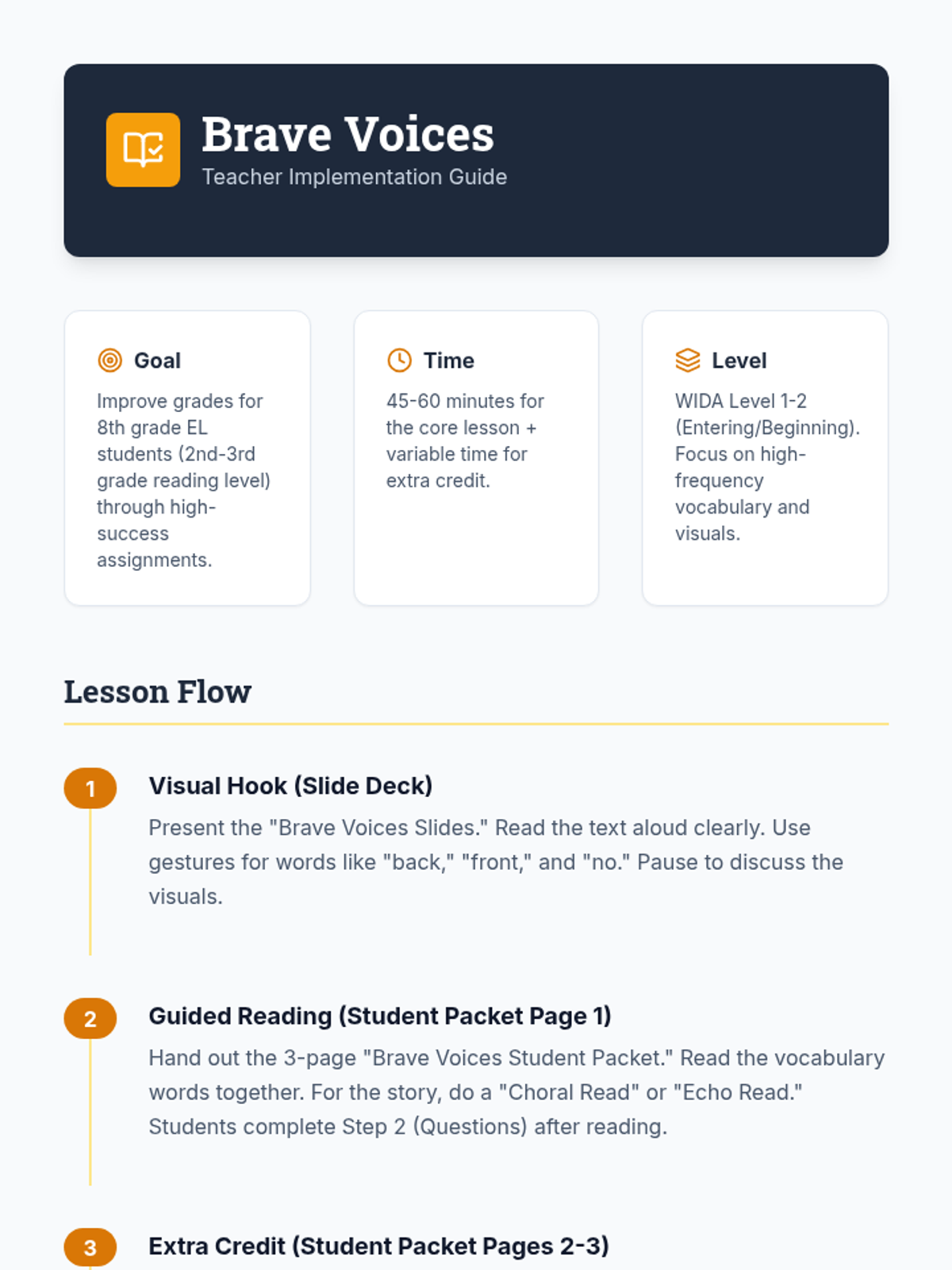
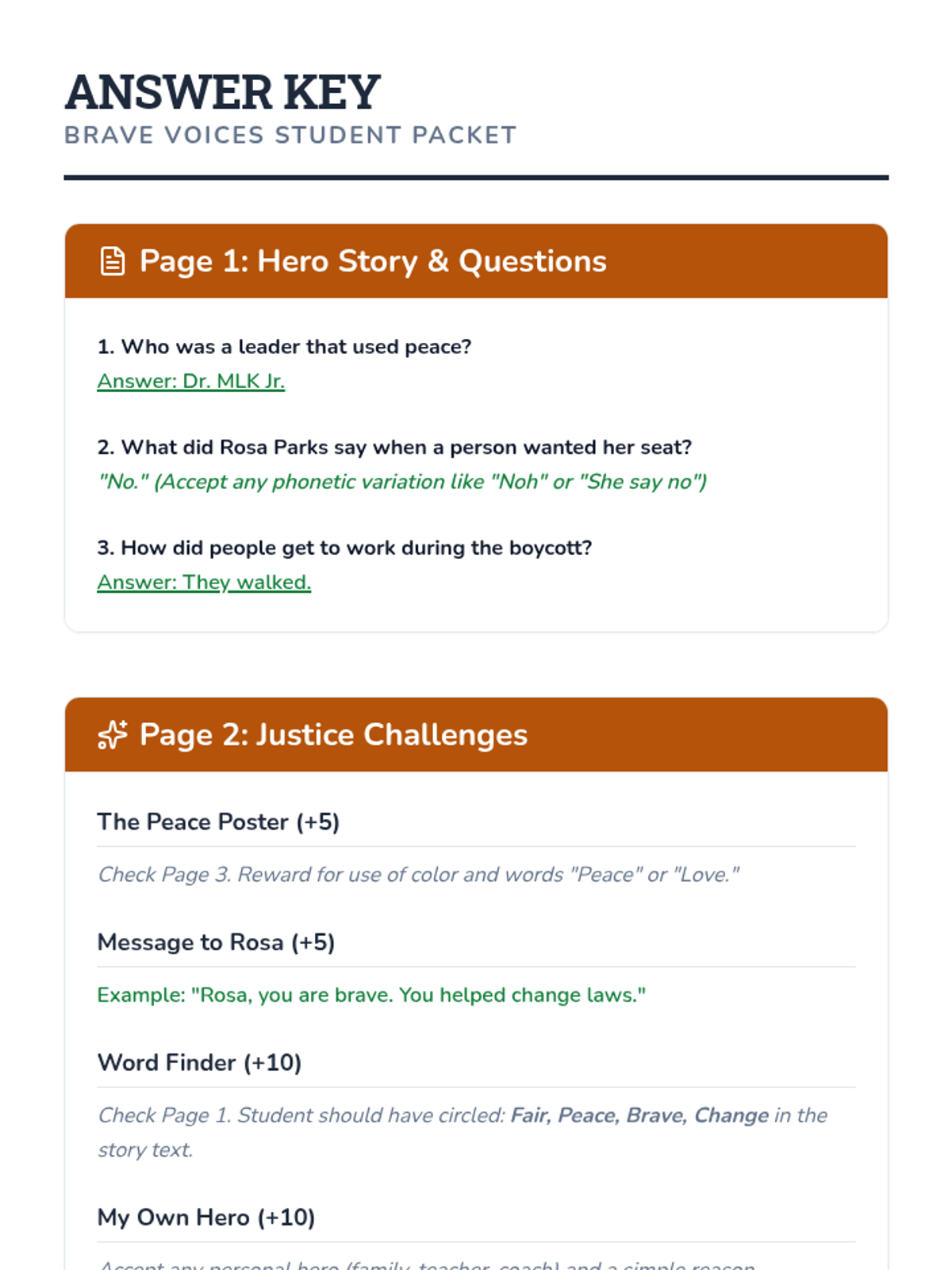
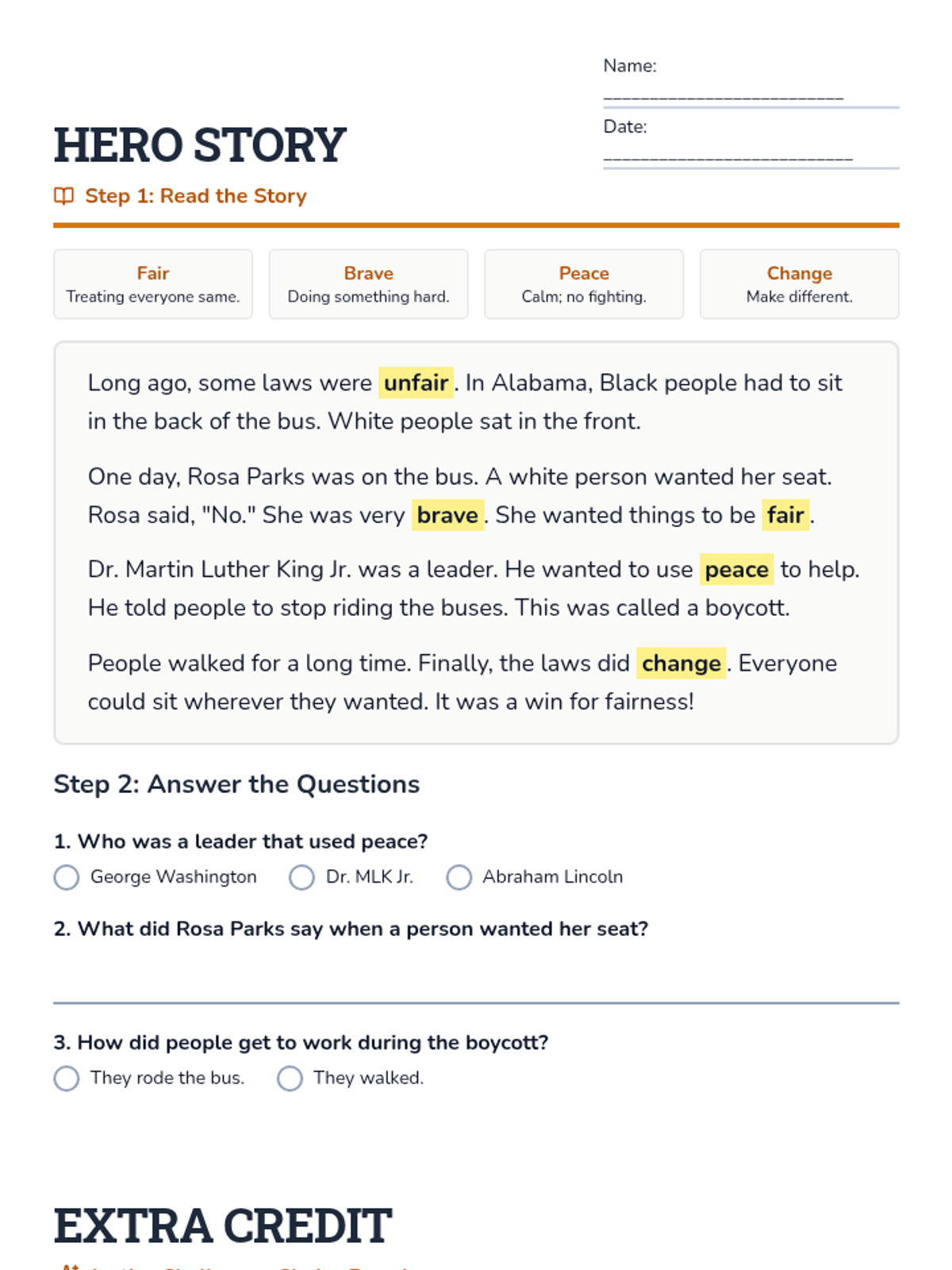
A lesson exploring the leadership of Martin Luther King Jr. and the collective action of the Montgomery Bus Boycott using simple language and structured activities.
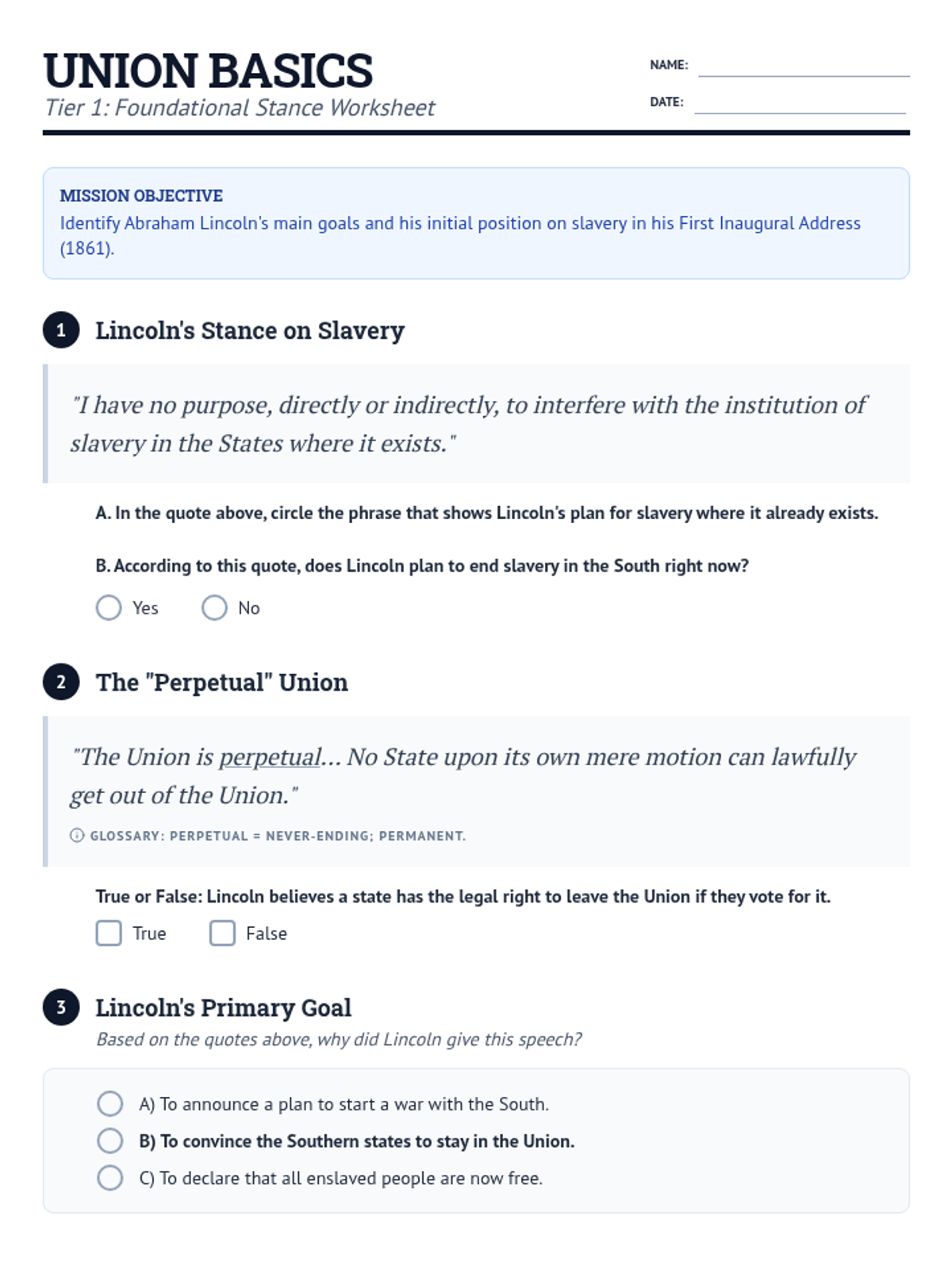
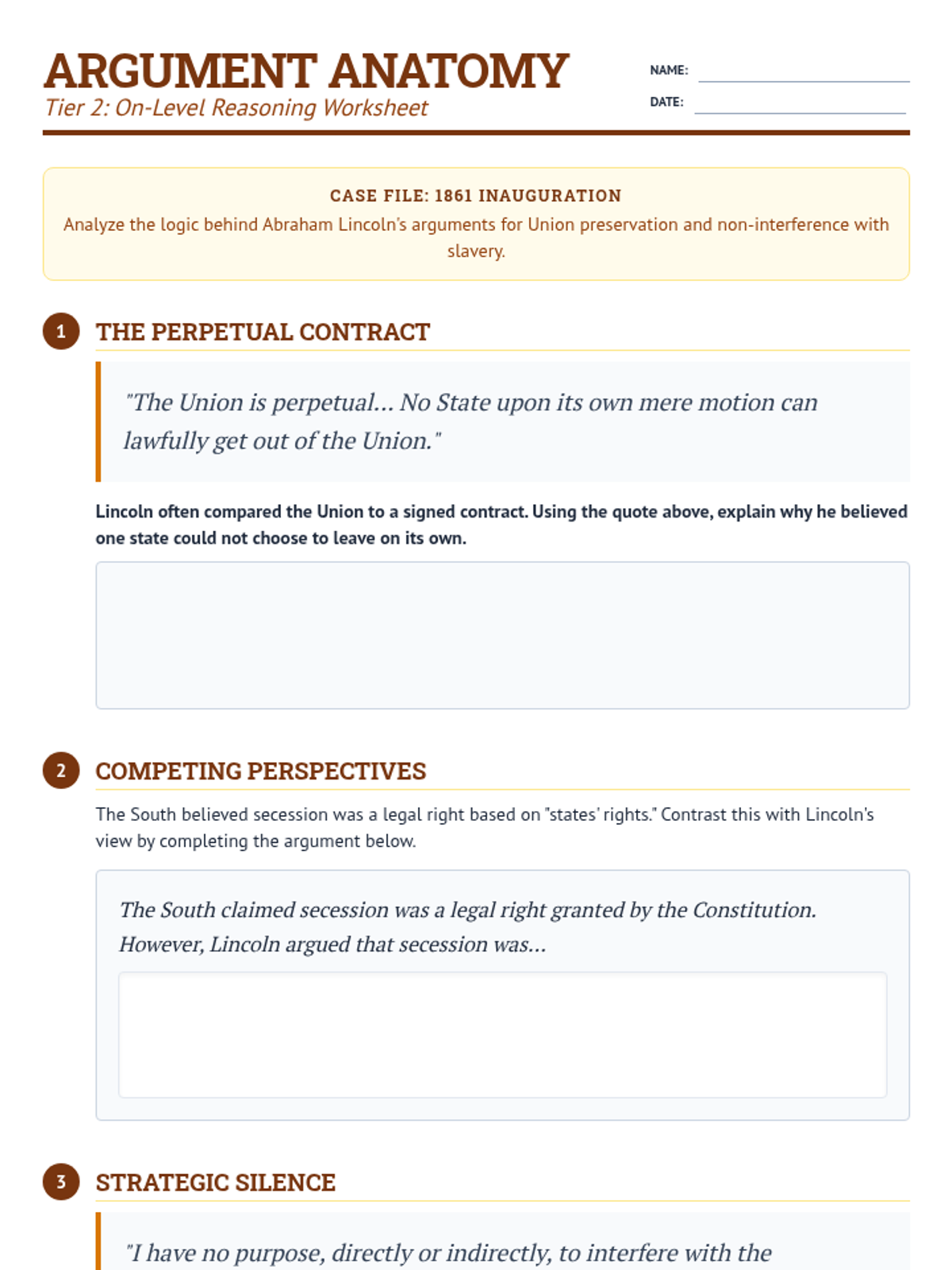
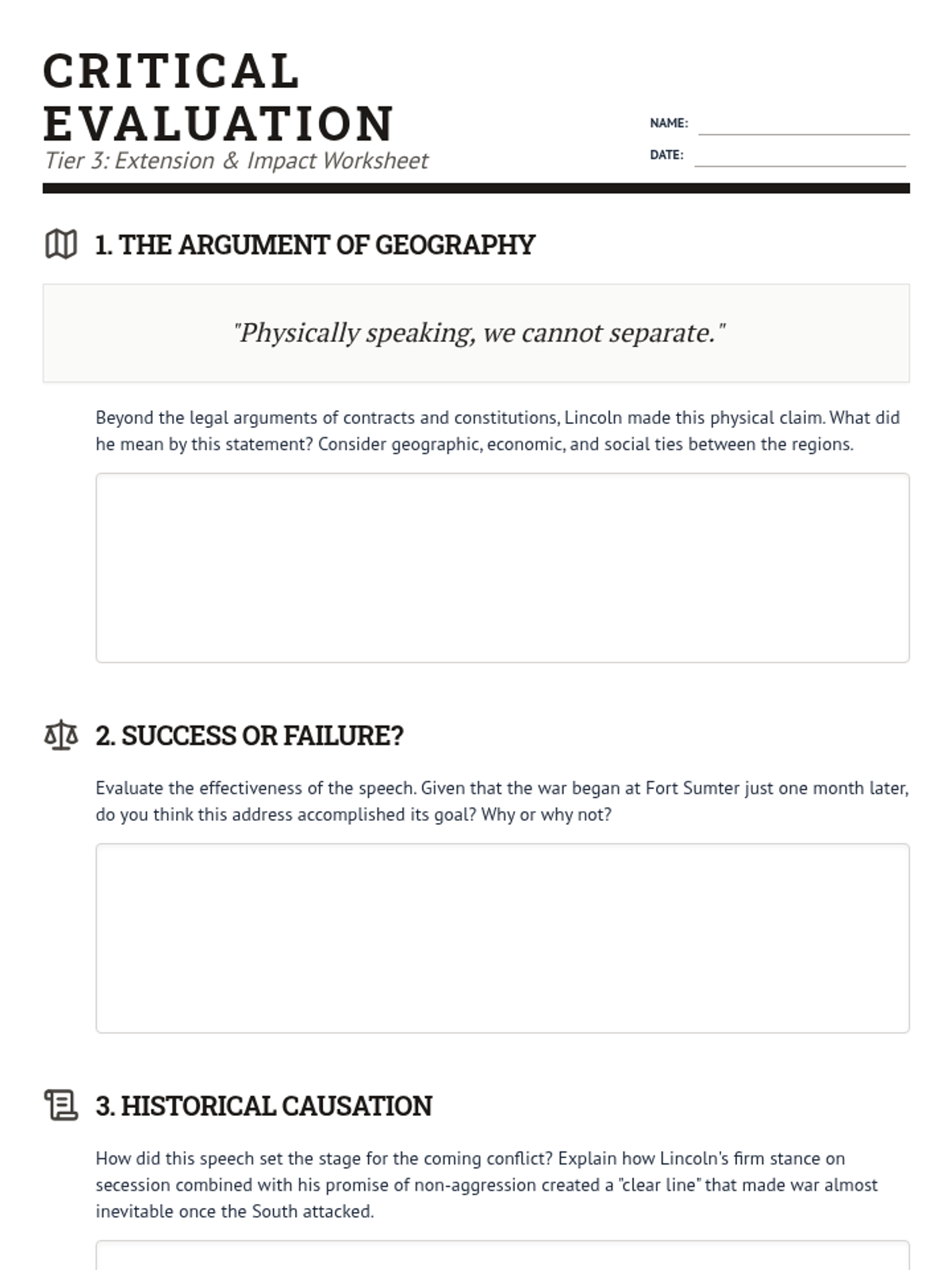
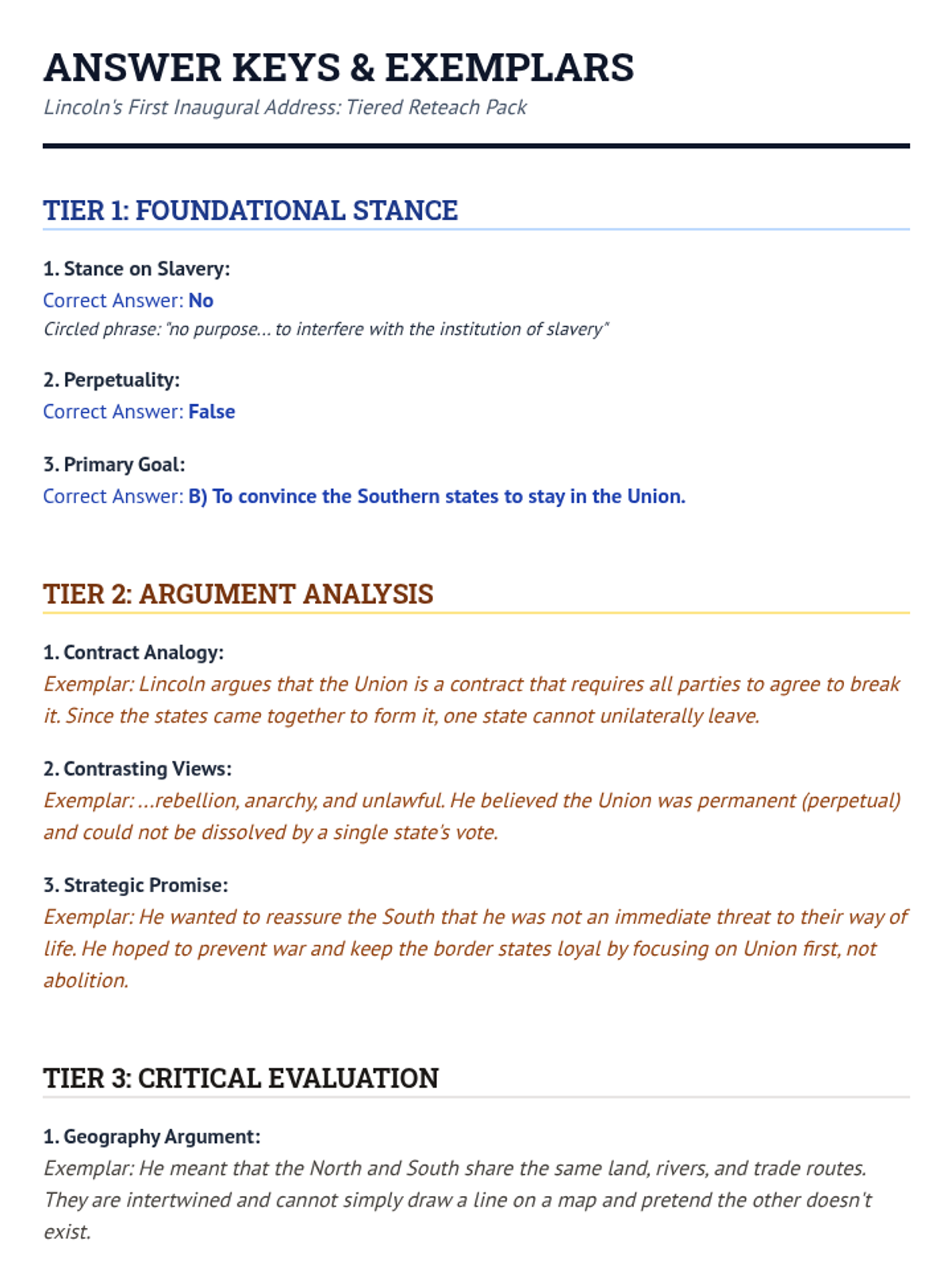
A targeted reteach lesson focused on correcting misconceptions about Abraham Lincoln's First Inaugural Address, specifically his initial stance on slavery, the legality of secession, and his intentions toward the South.
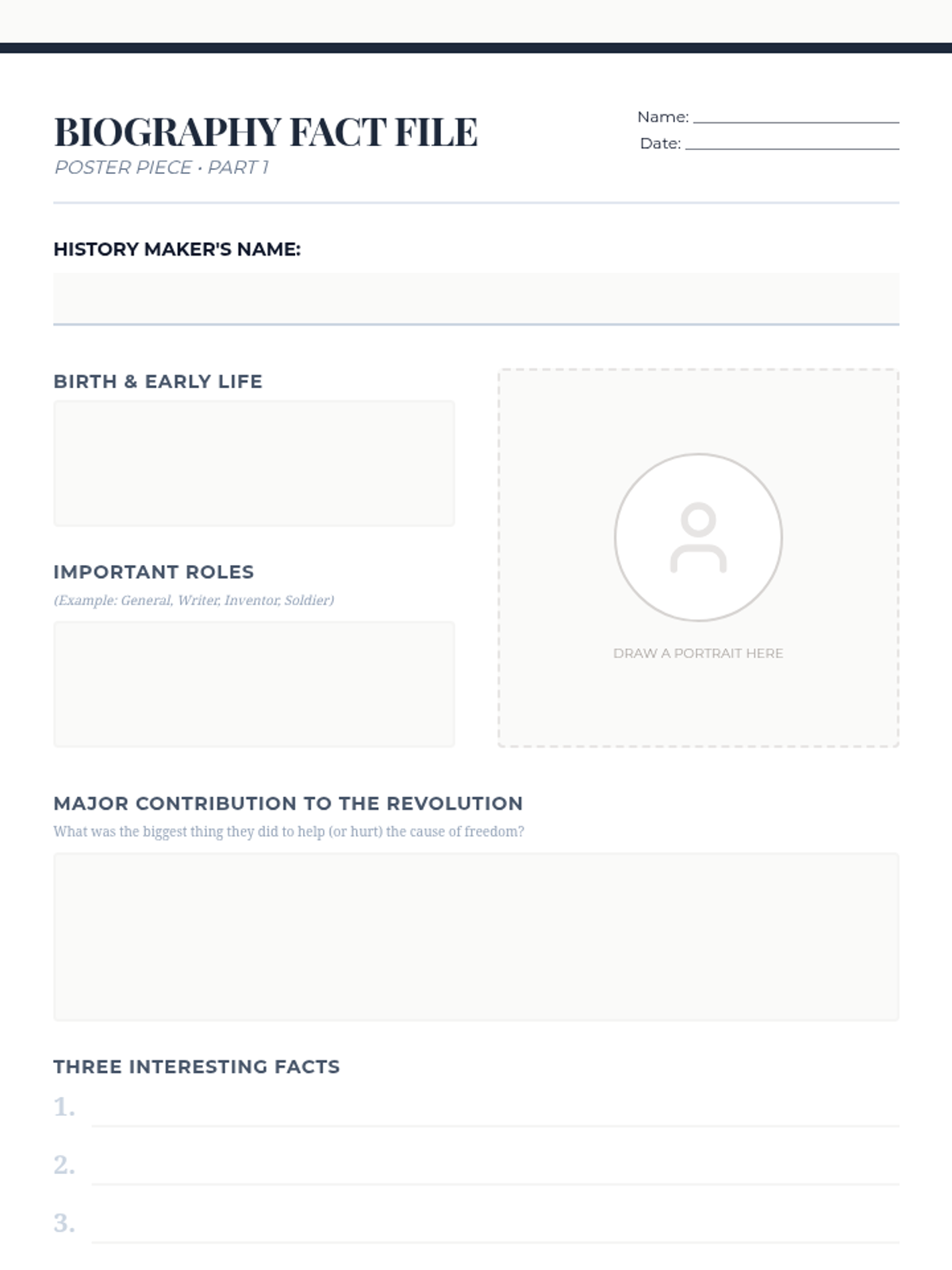
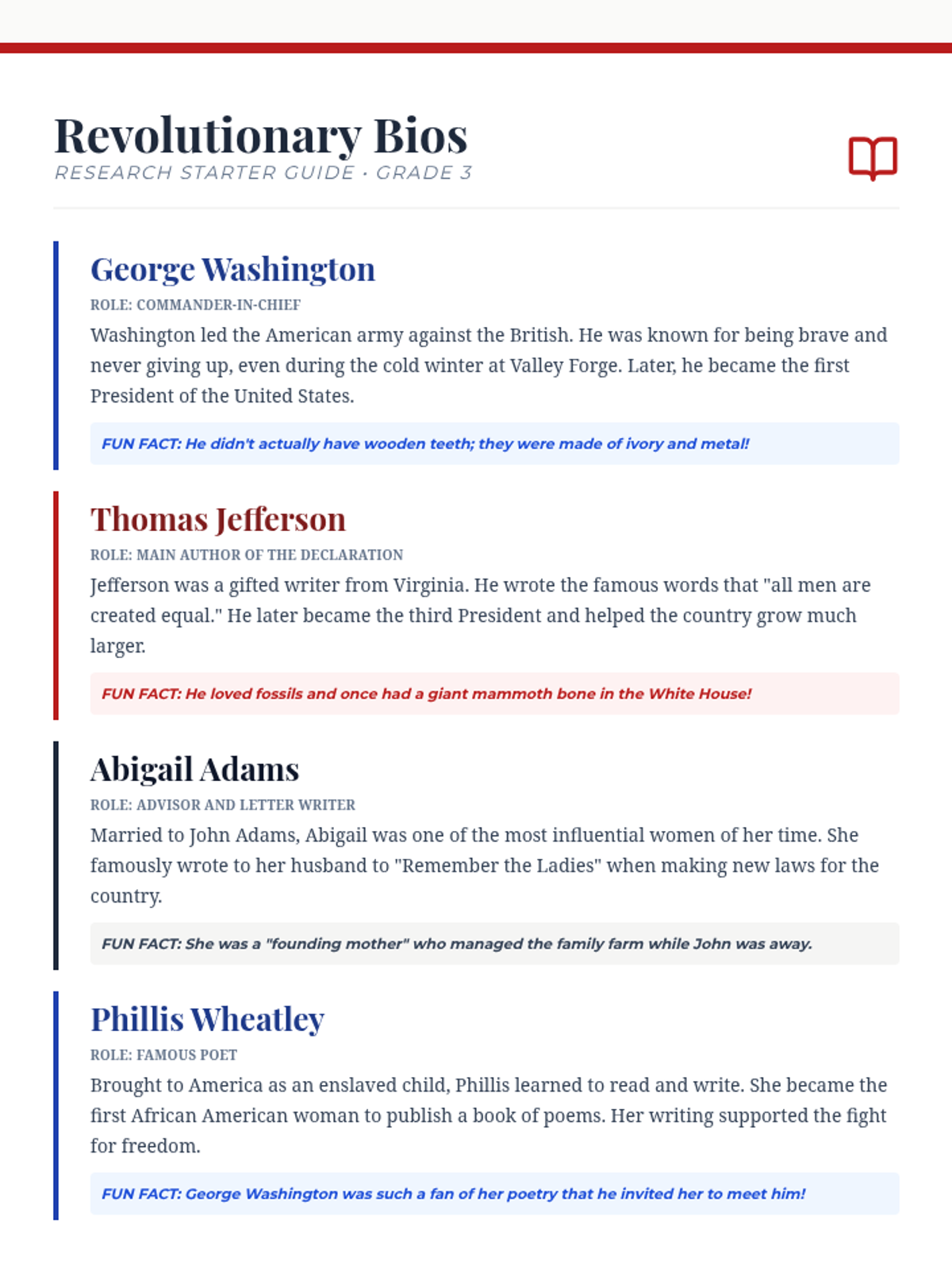
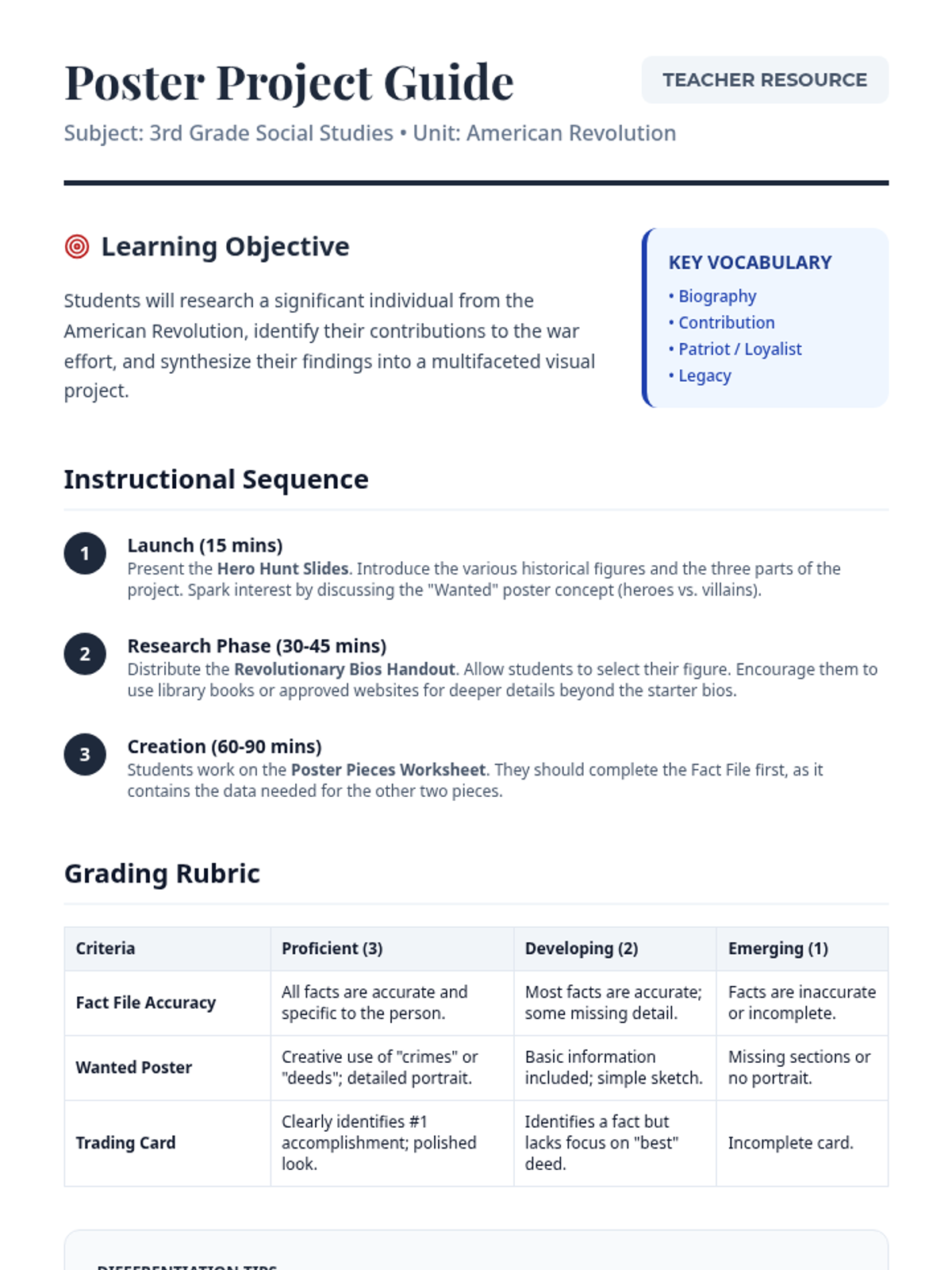
Students choose a historical figure from the American Revolution to research and represent through a fact file, a wanted poster, and a trading card.
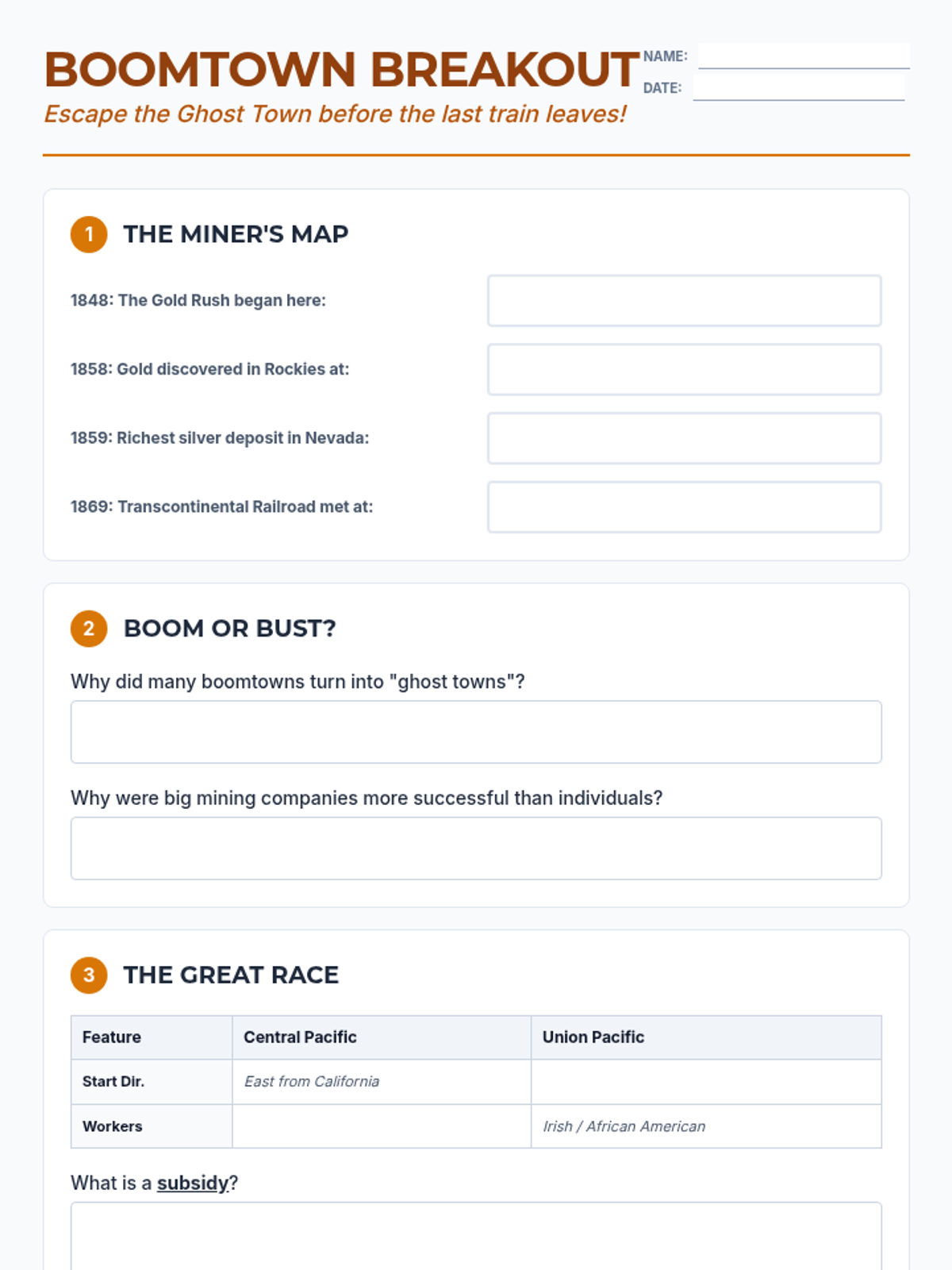
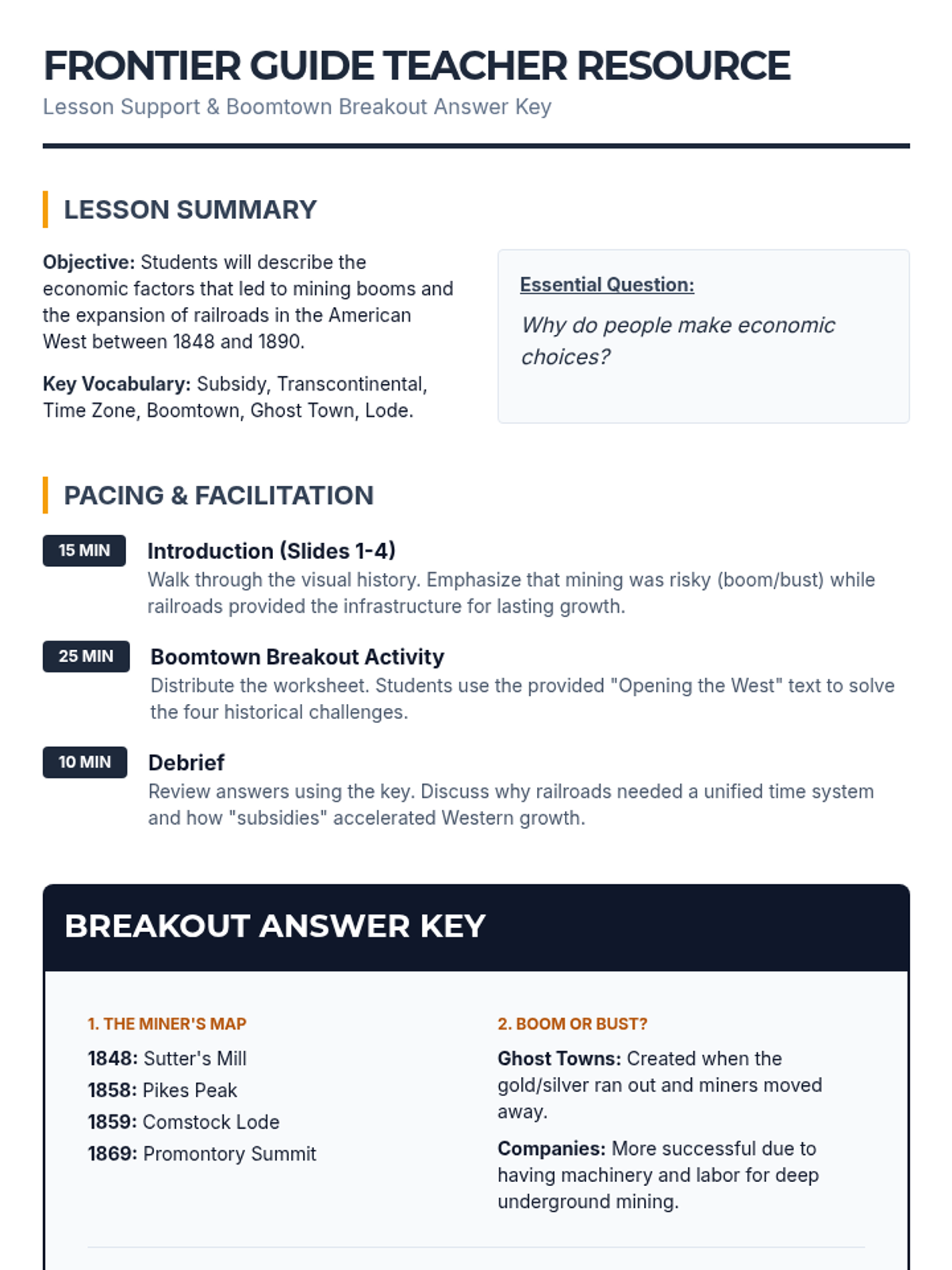
A high-energy lesson on the expansion of the American West, featuring an interactive escape room activity and a visual guide to the mining boom and railroad expansion.
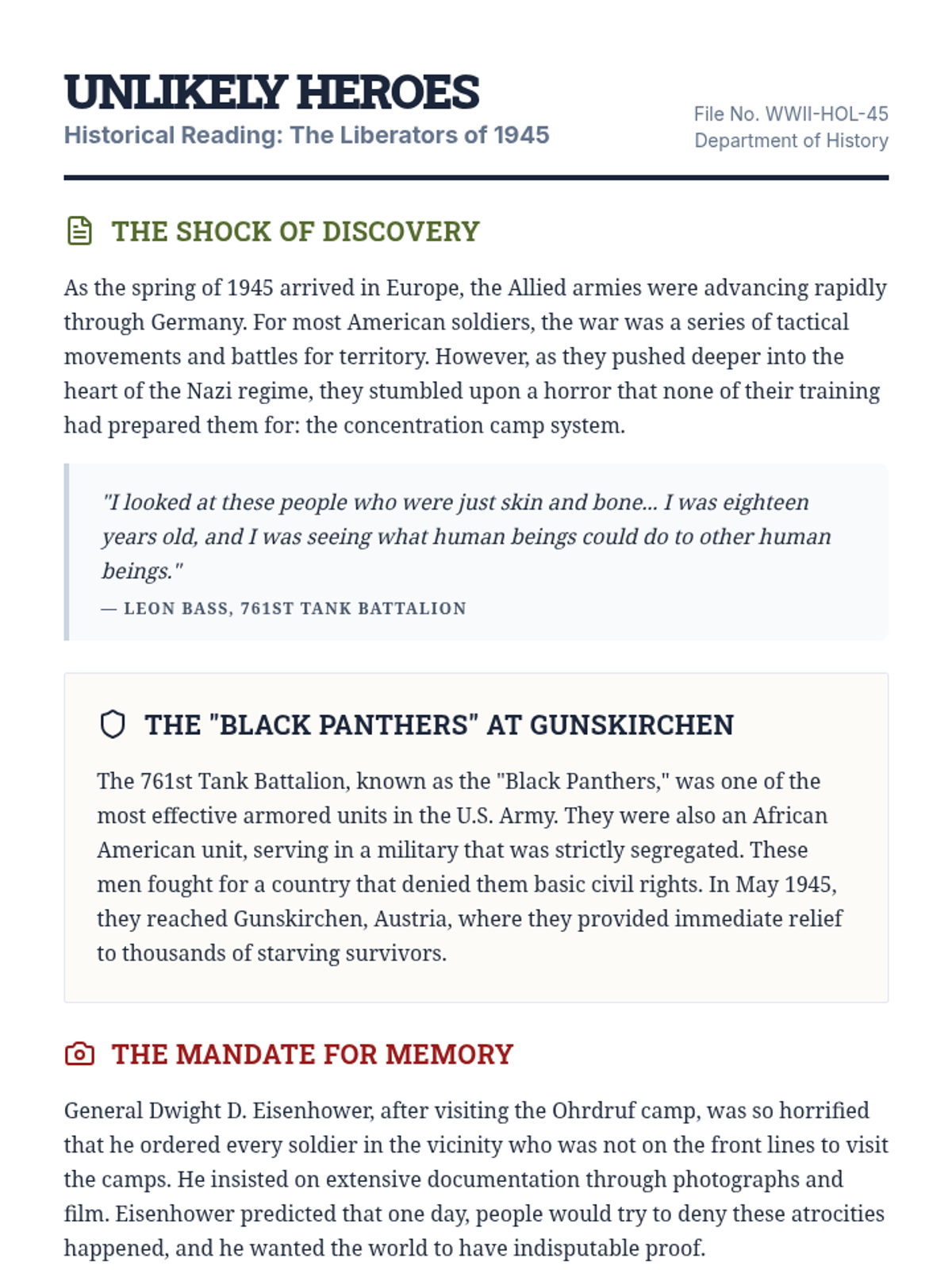
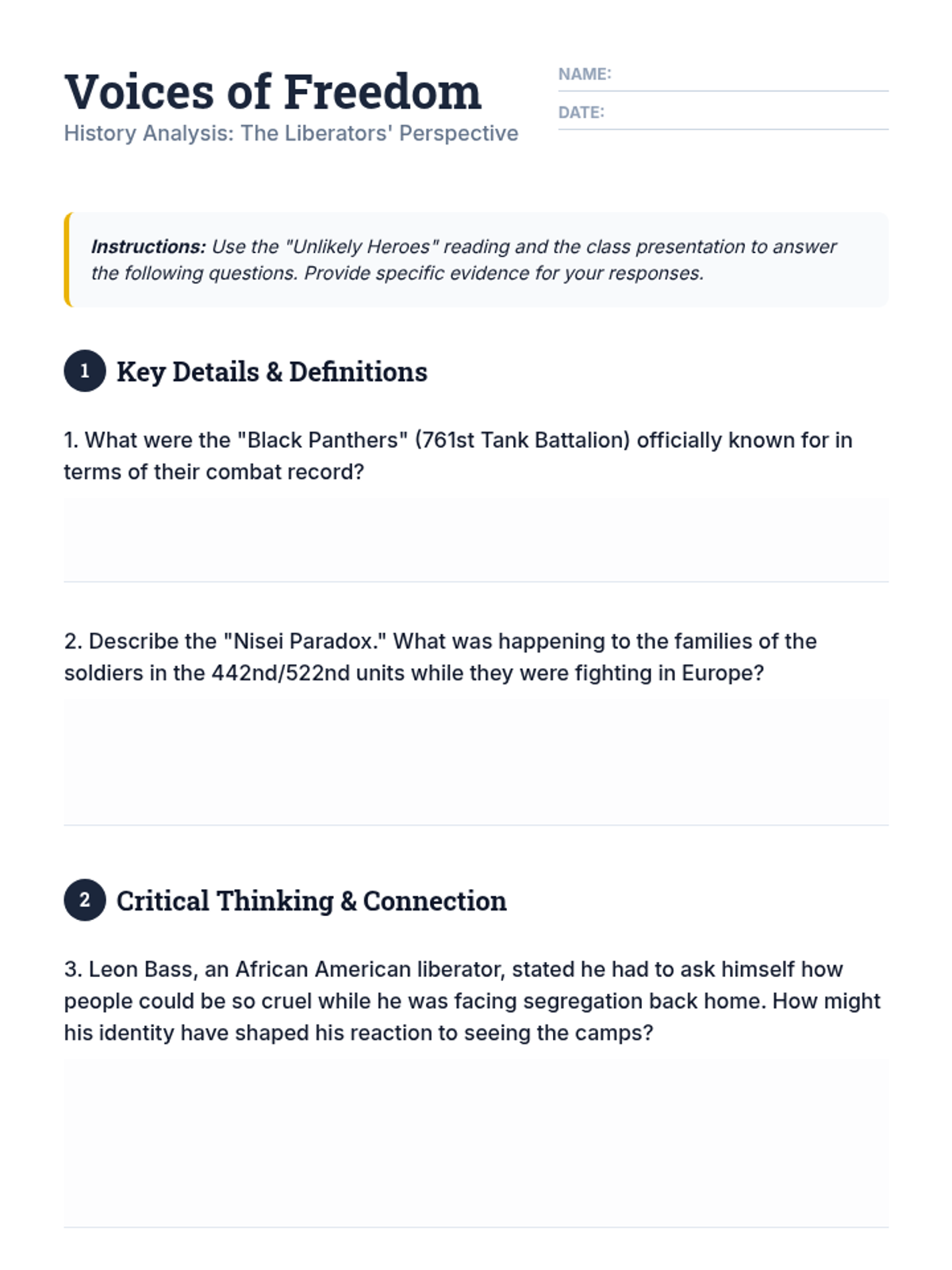
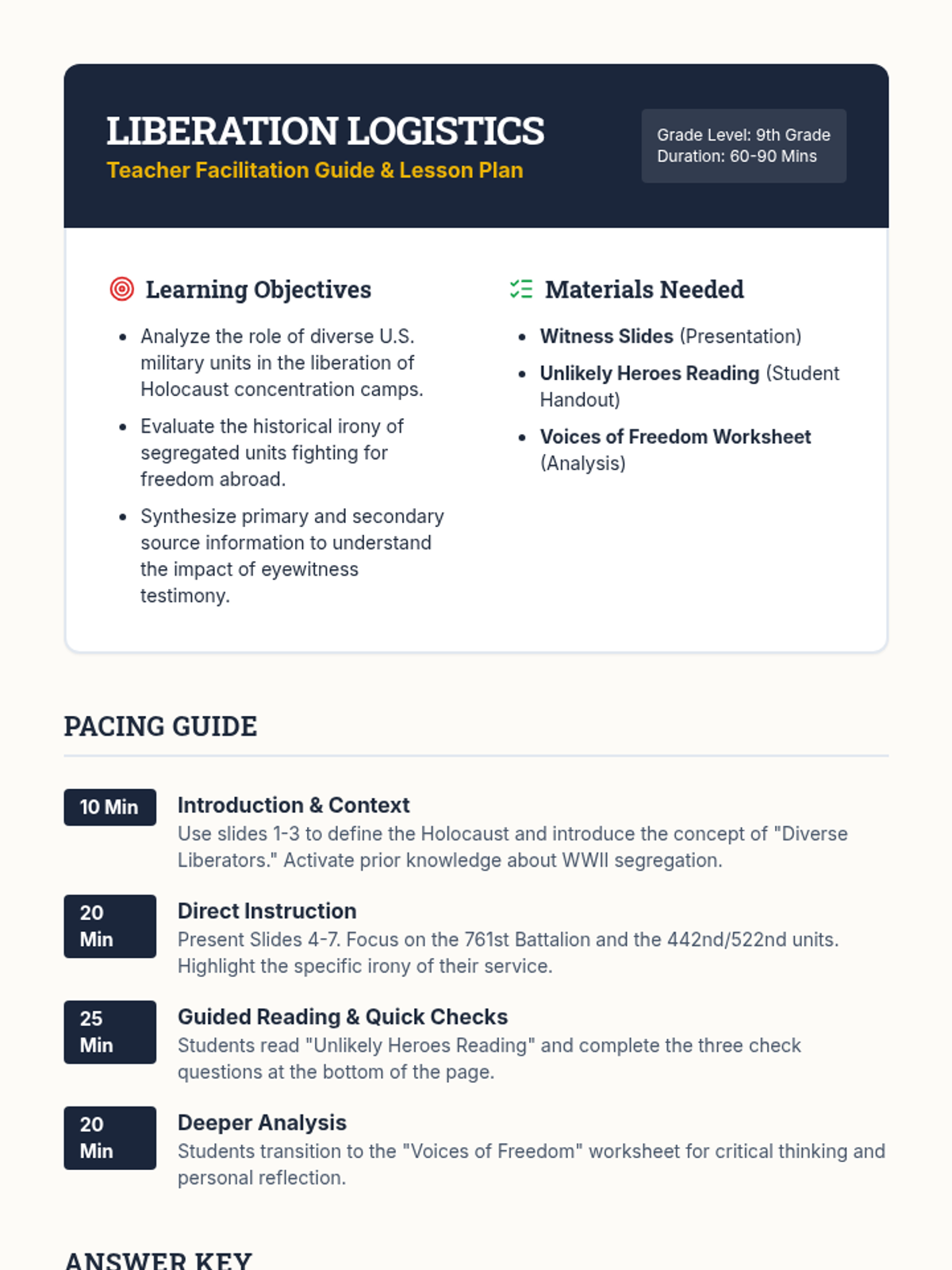
This lesson explores the Holocaust through the lens of the diverse American military units that liberated concentration camps. Students examine the contributions of segregated units, like the 761st Tank Battalion and Nisei soldiers, and reflect on the complex reality of fighting for freedom abroad while facing discrimination at home.
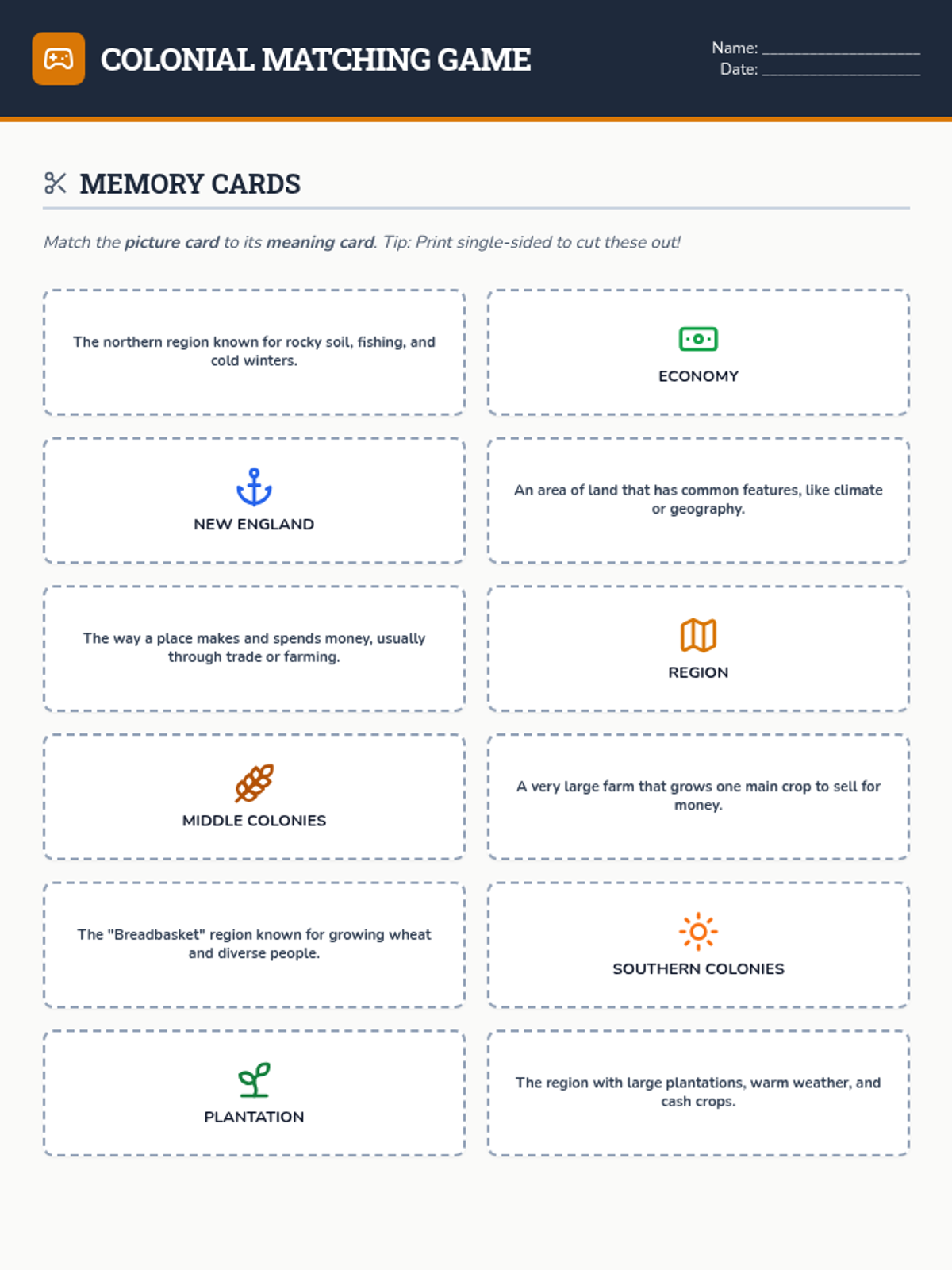
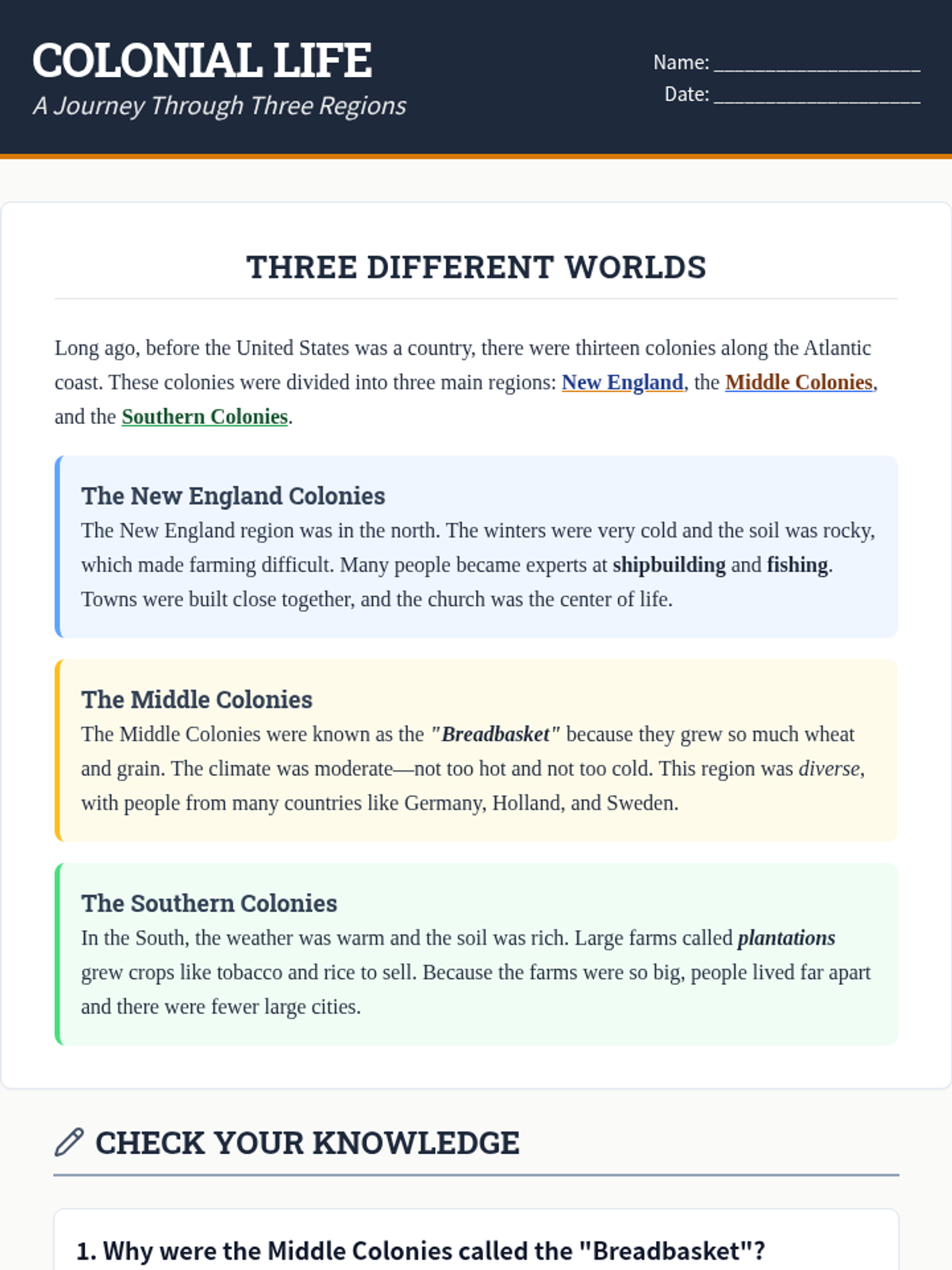
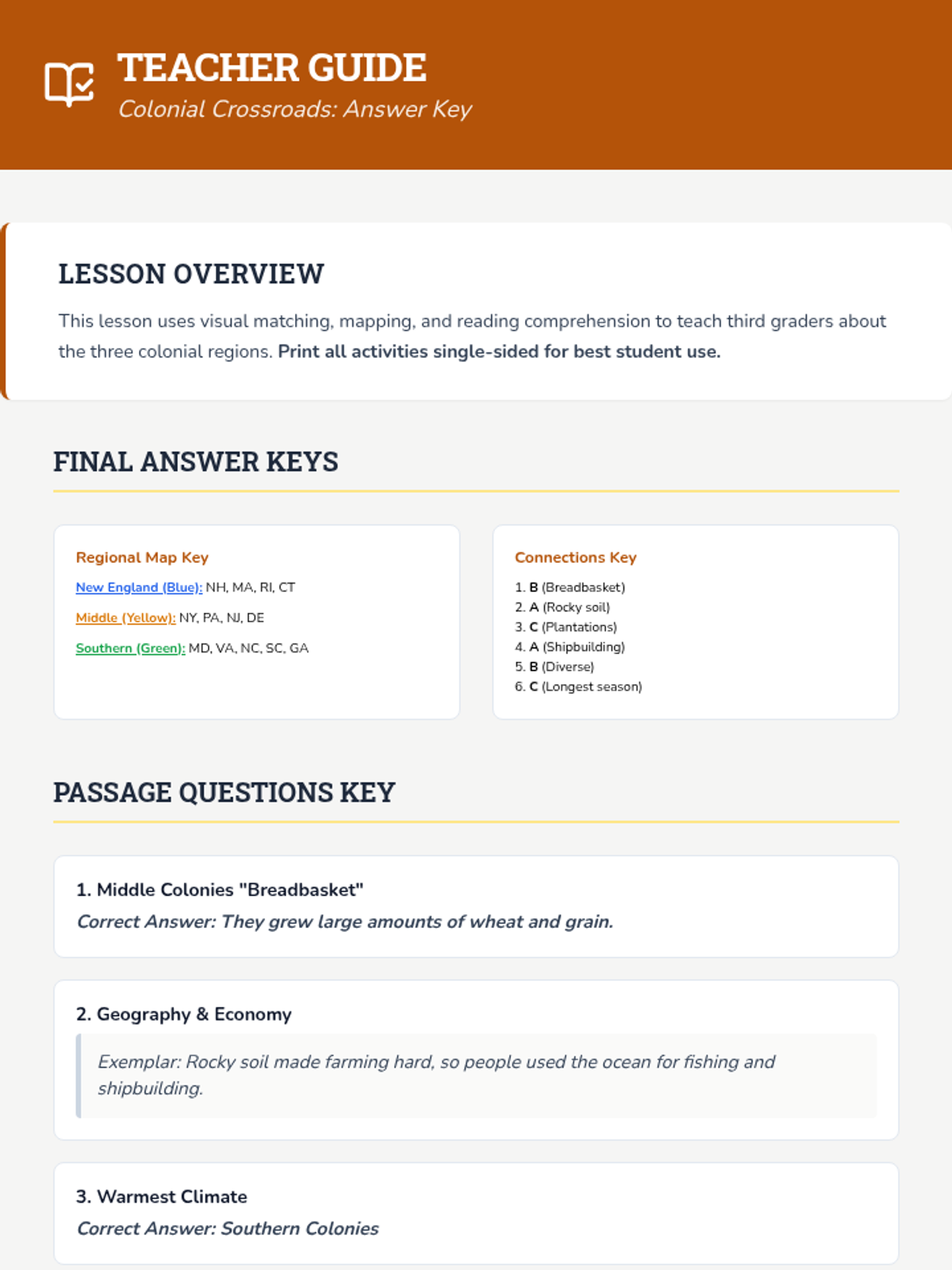
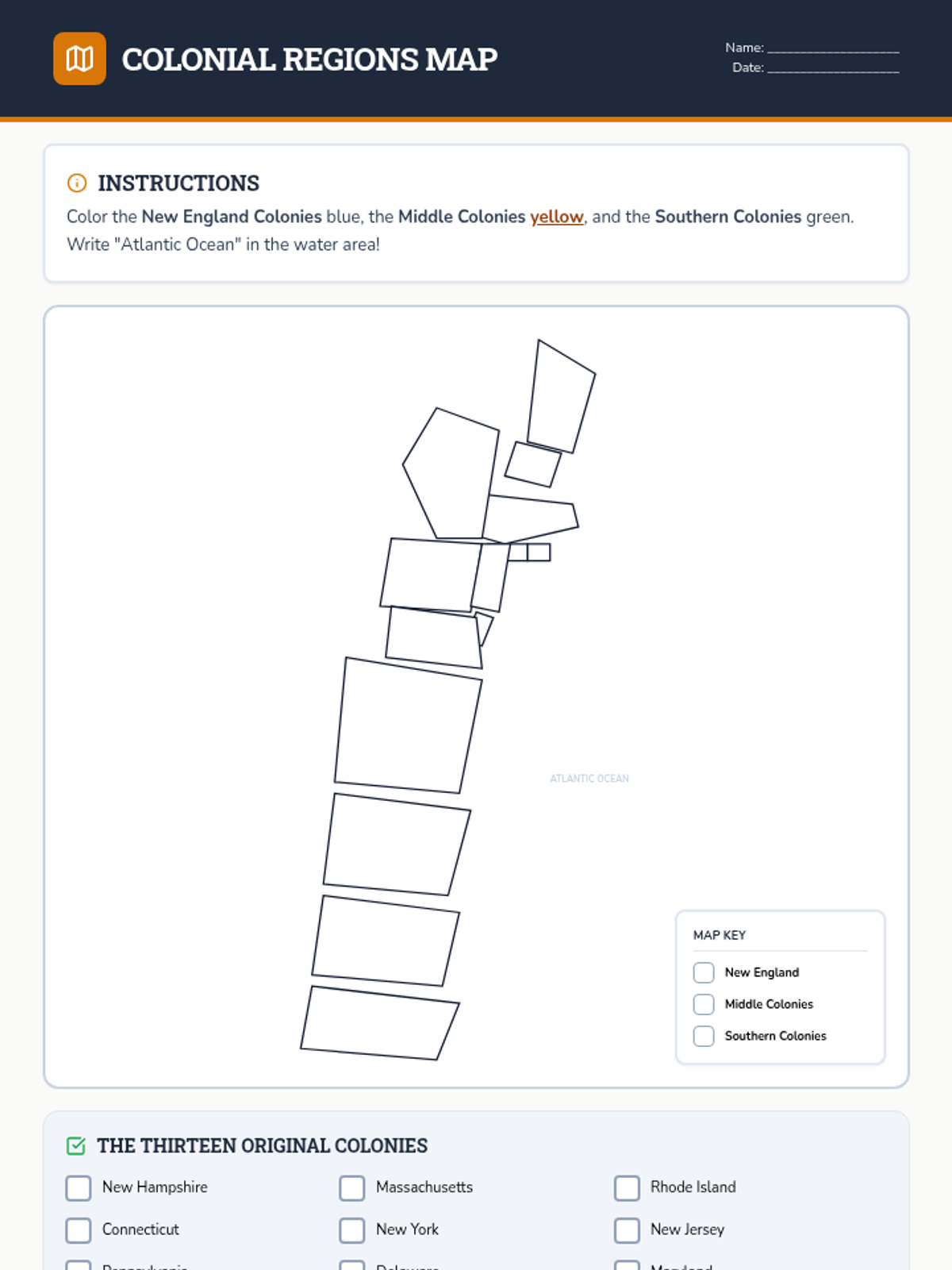
An introductory lesson for third graders to explore the distinct regions of the original thirteen colonies, focusing on geography, climate, and daily life.
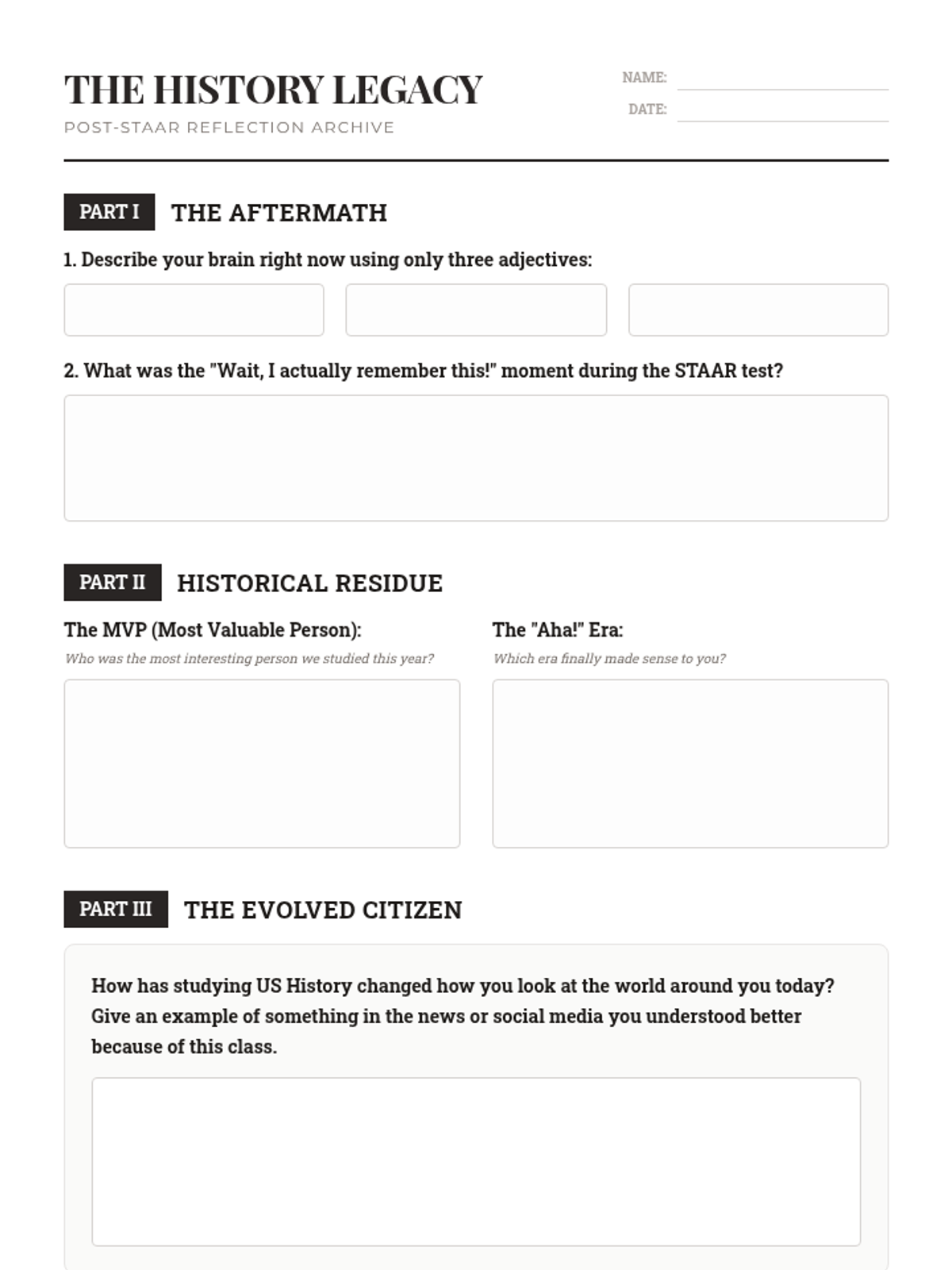
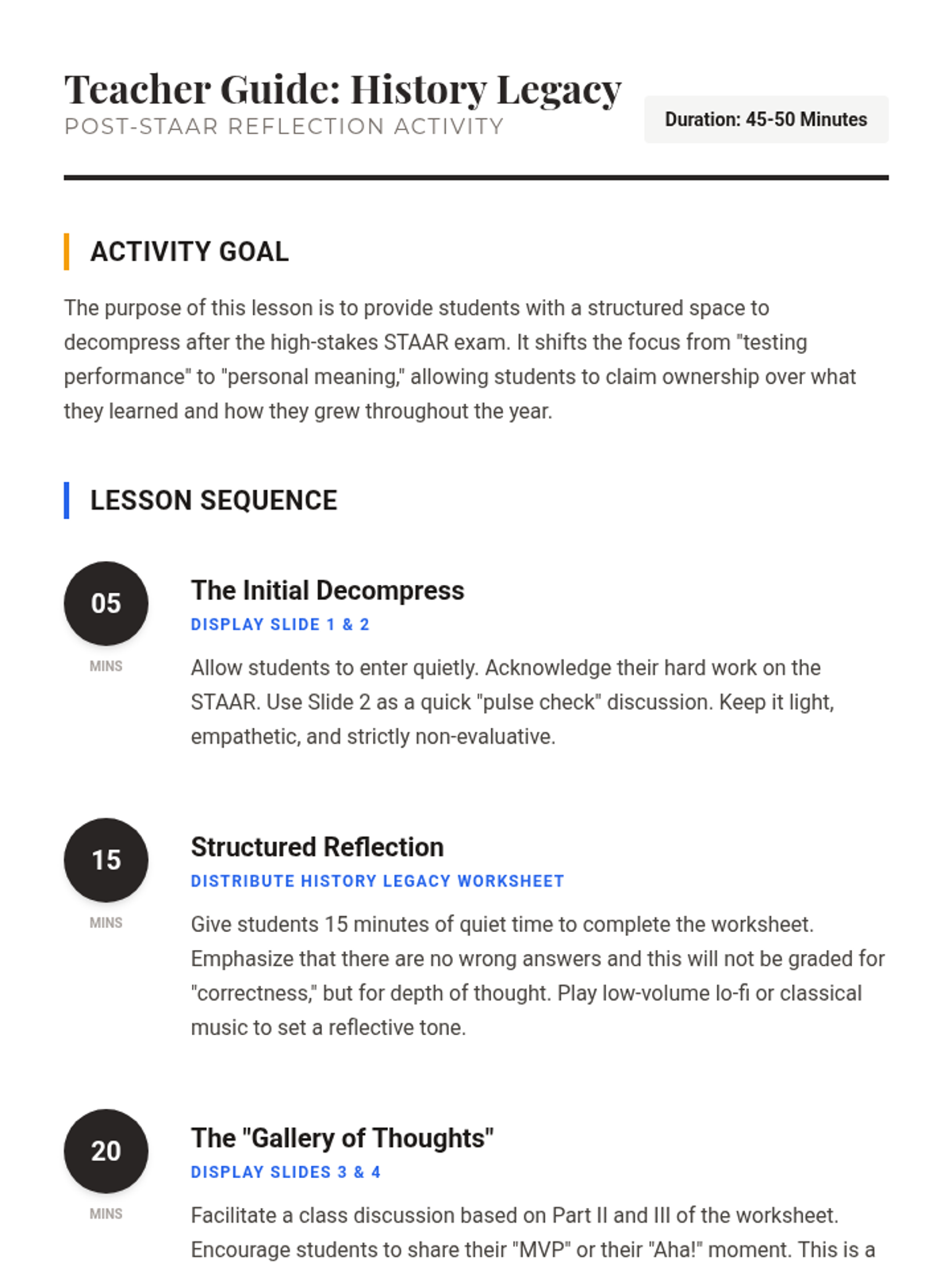
A one-period reflective experience for students to decompress after the US History STAAR exam, focusing on content mastery and personal growth.
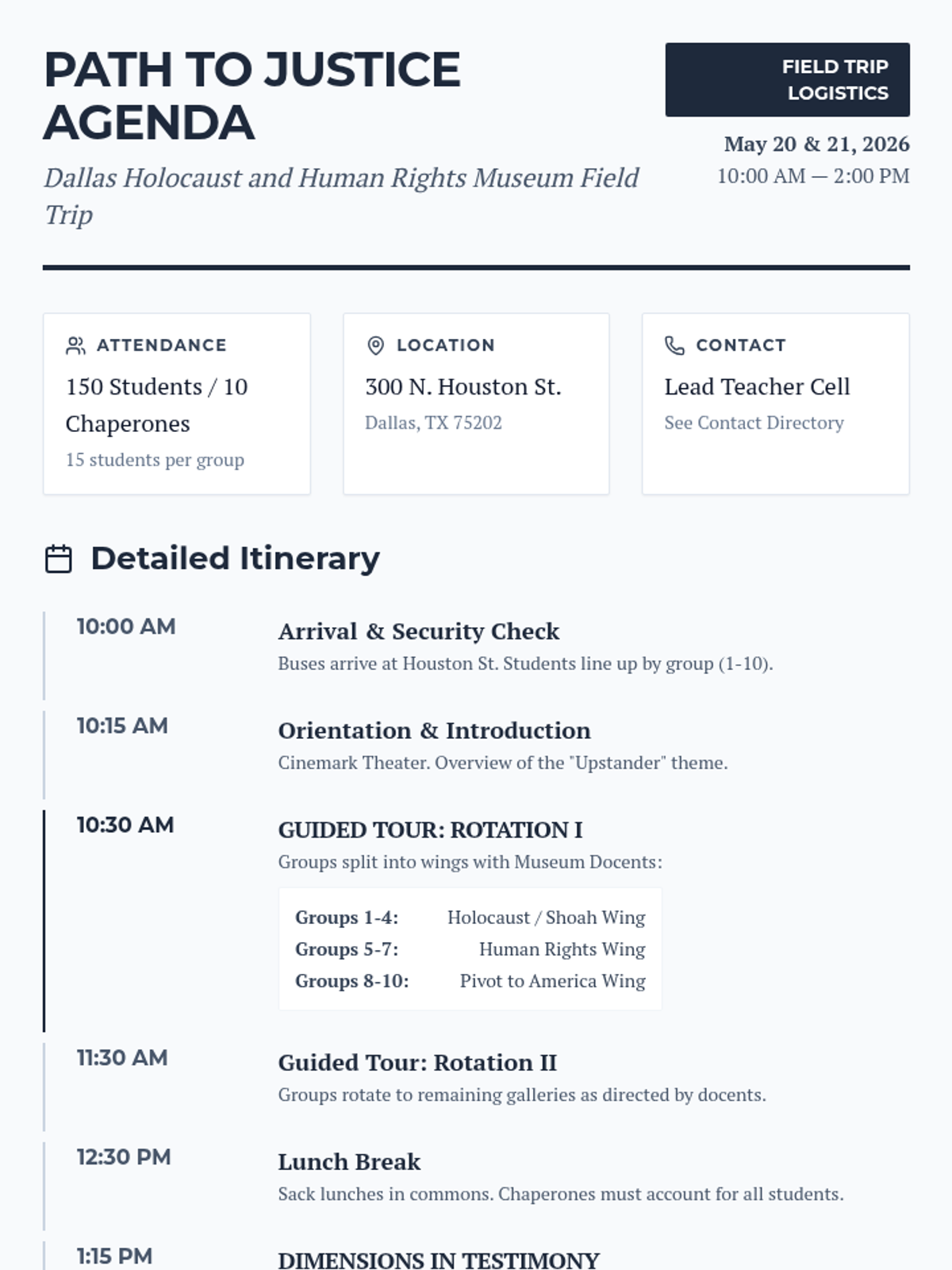
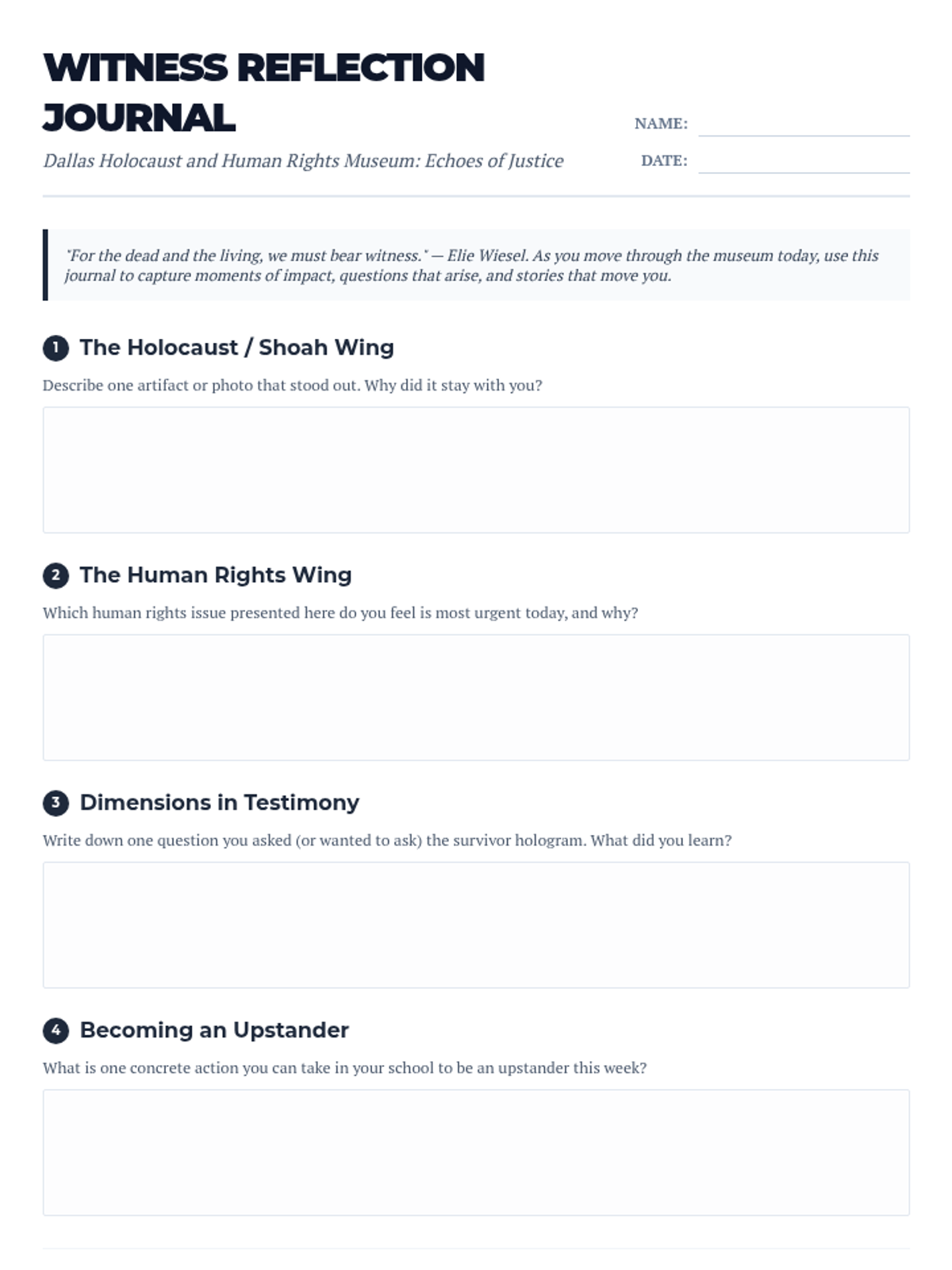
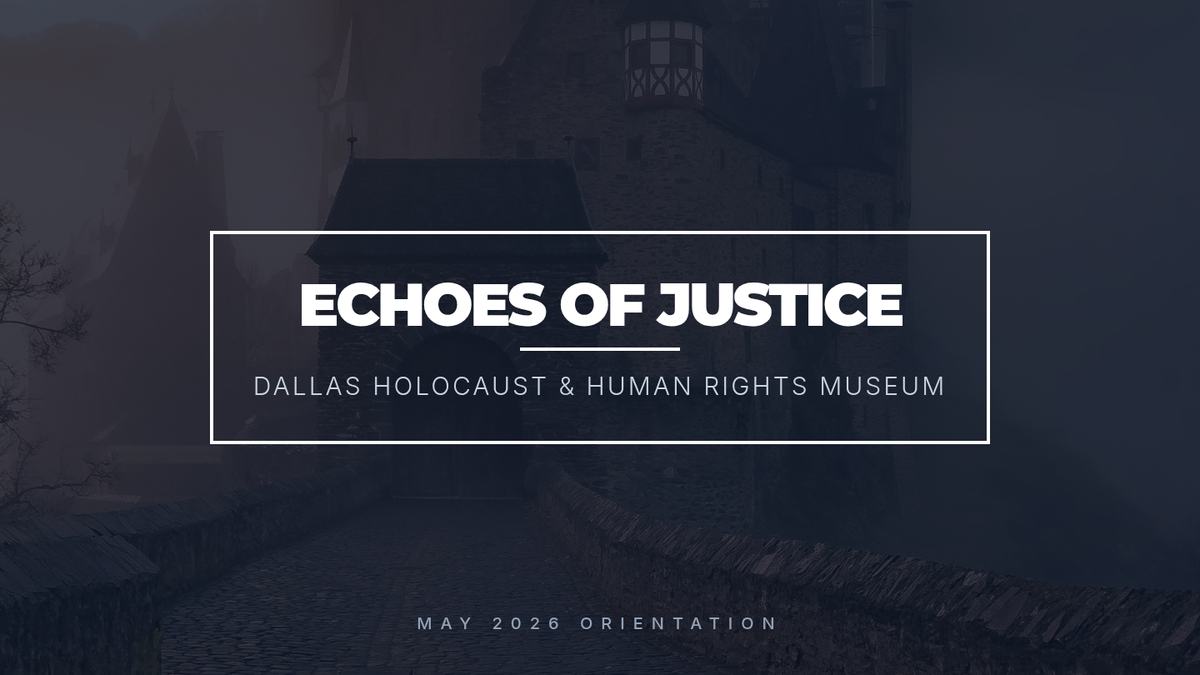
A comprehensive field trip plan for a visit to the Dallas Holocaust and Human Rights Museum, focusing on the history of the Holocaust, human rights struggles, and the importance of upstander behavior.
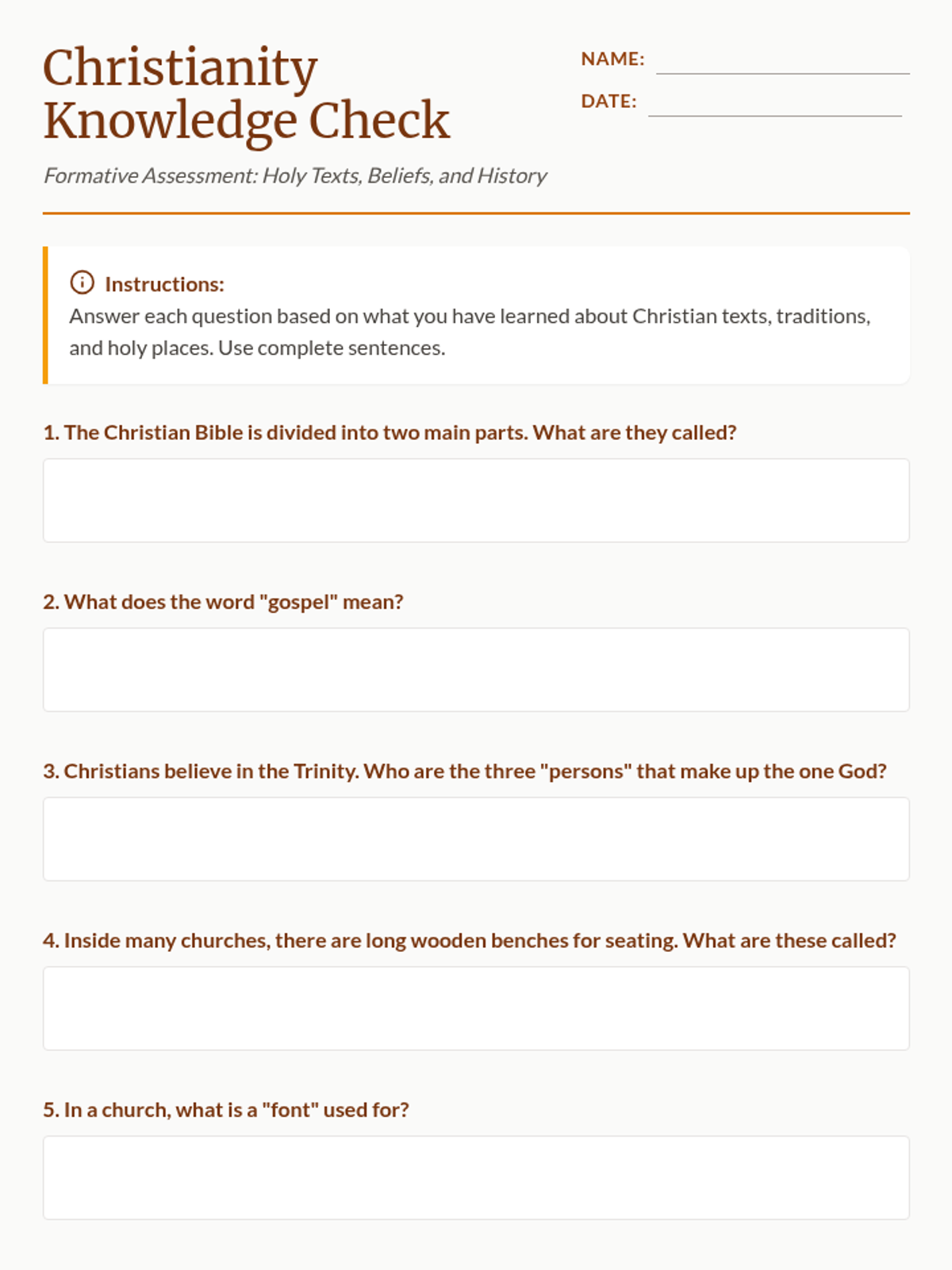
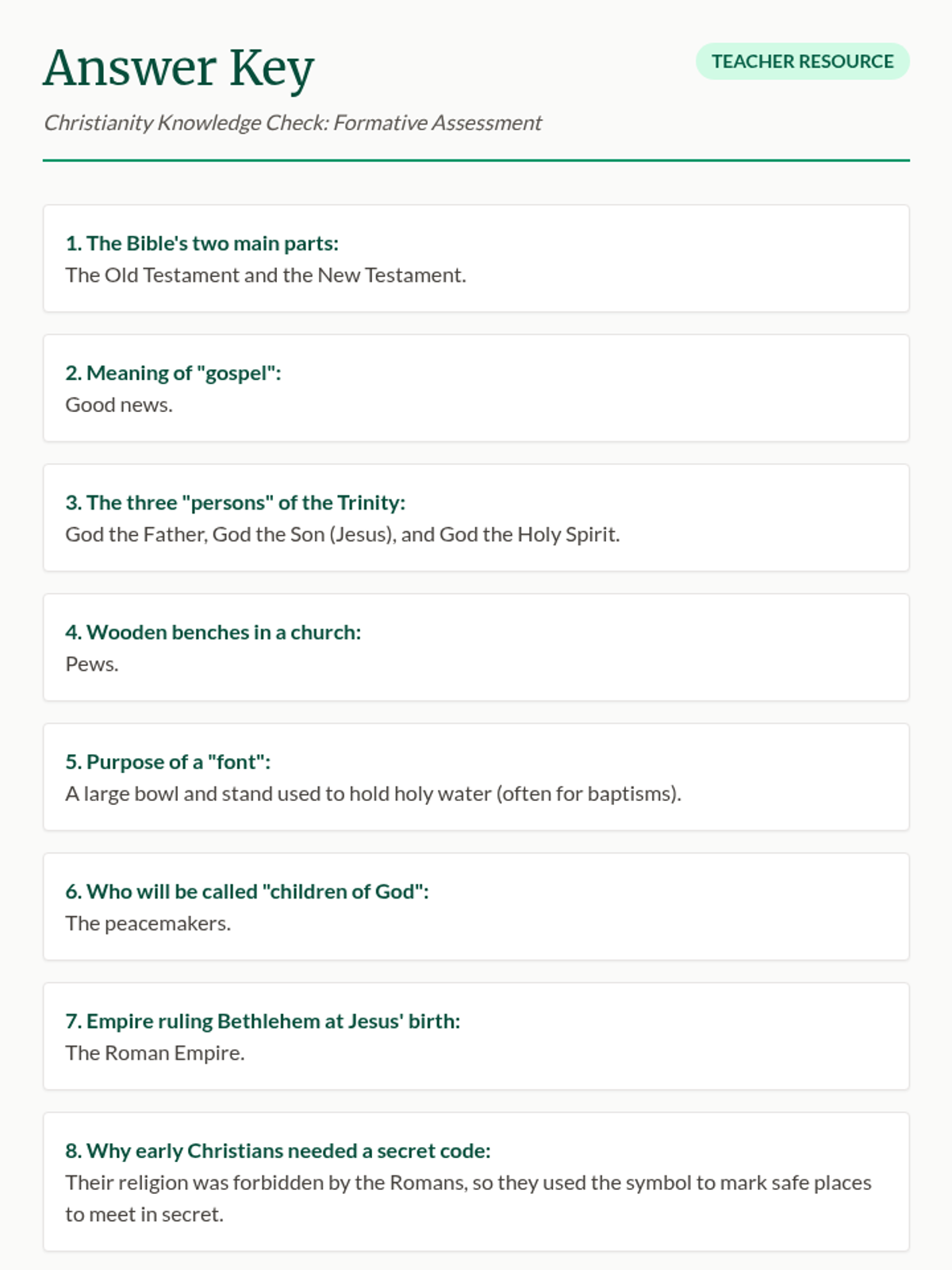
A lesson exploring the foundational texts, beliefs, and history of Christianity through the study of holy texts, sacred spaces, and key historical figures.
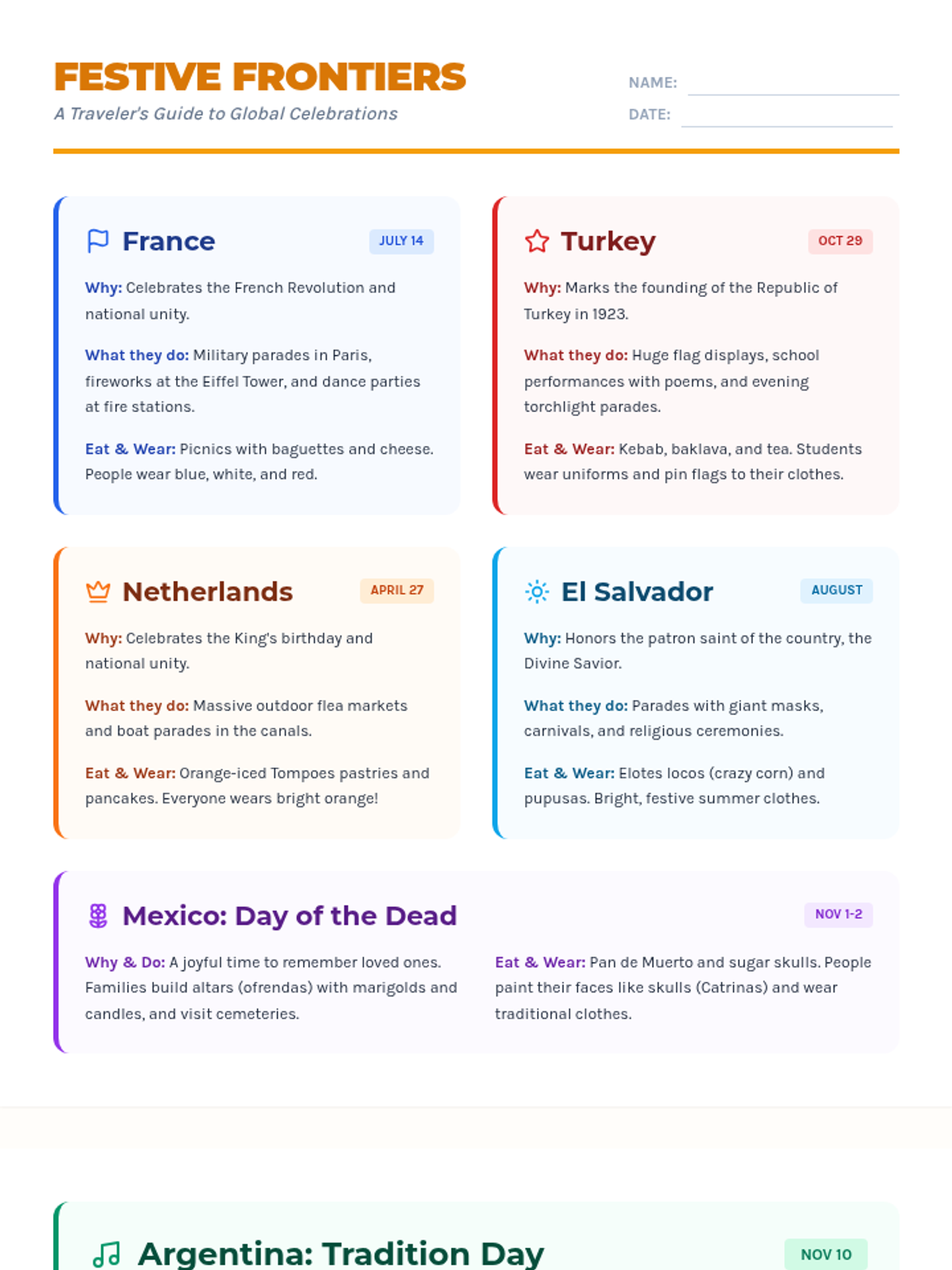
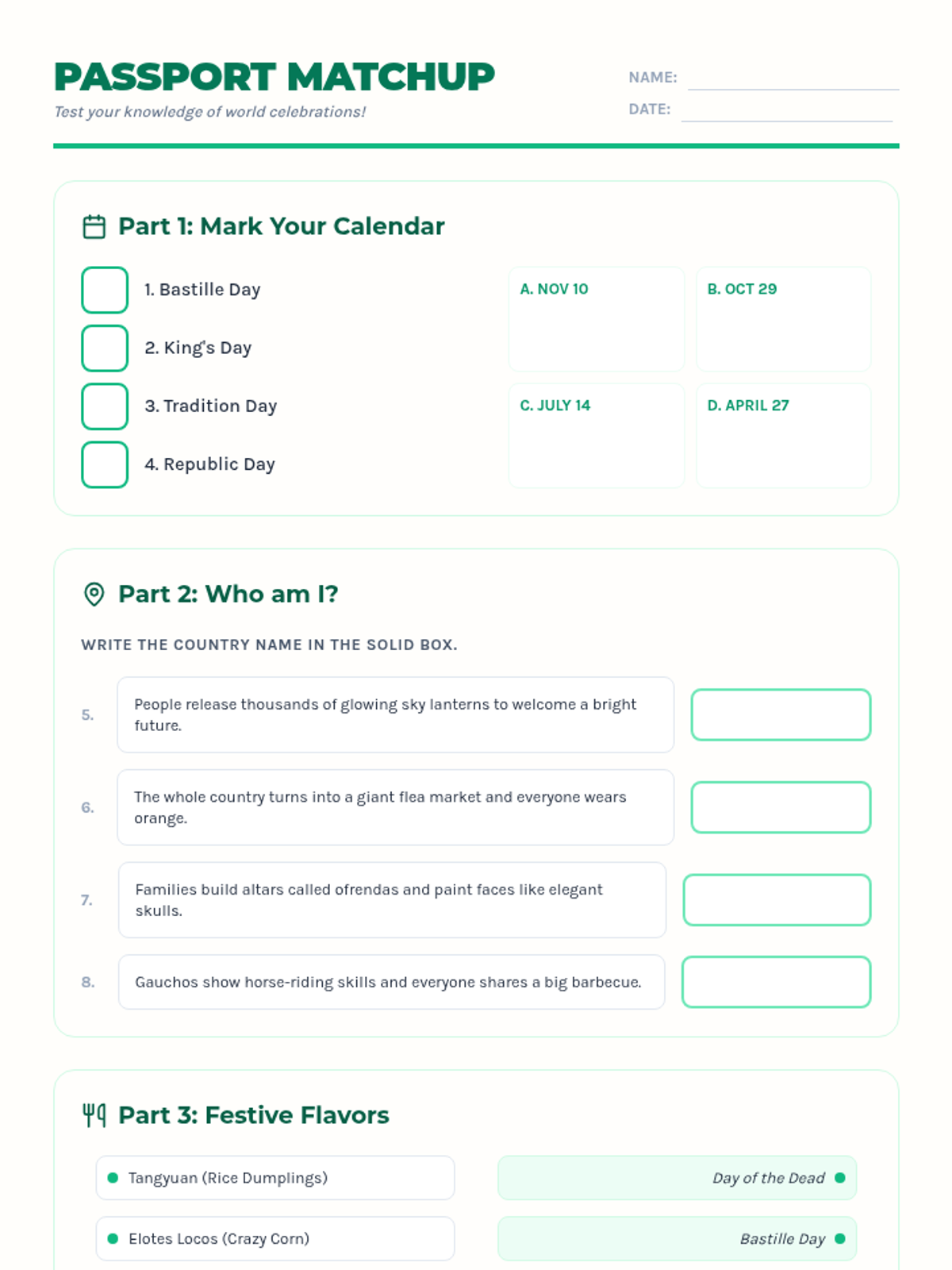
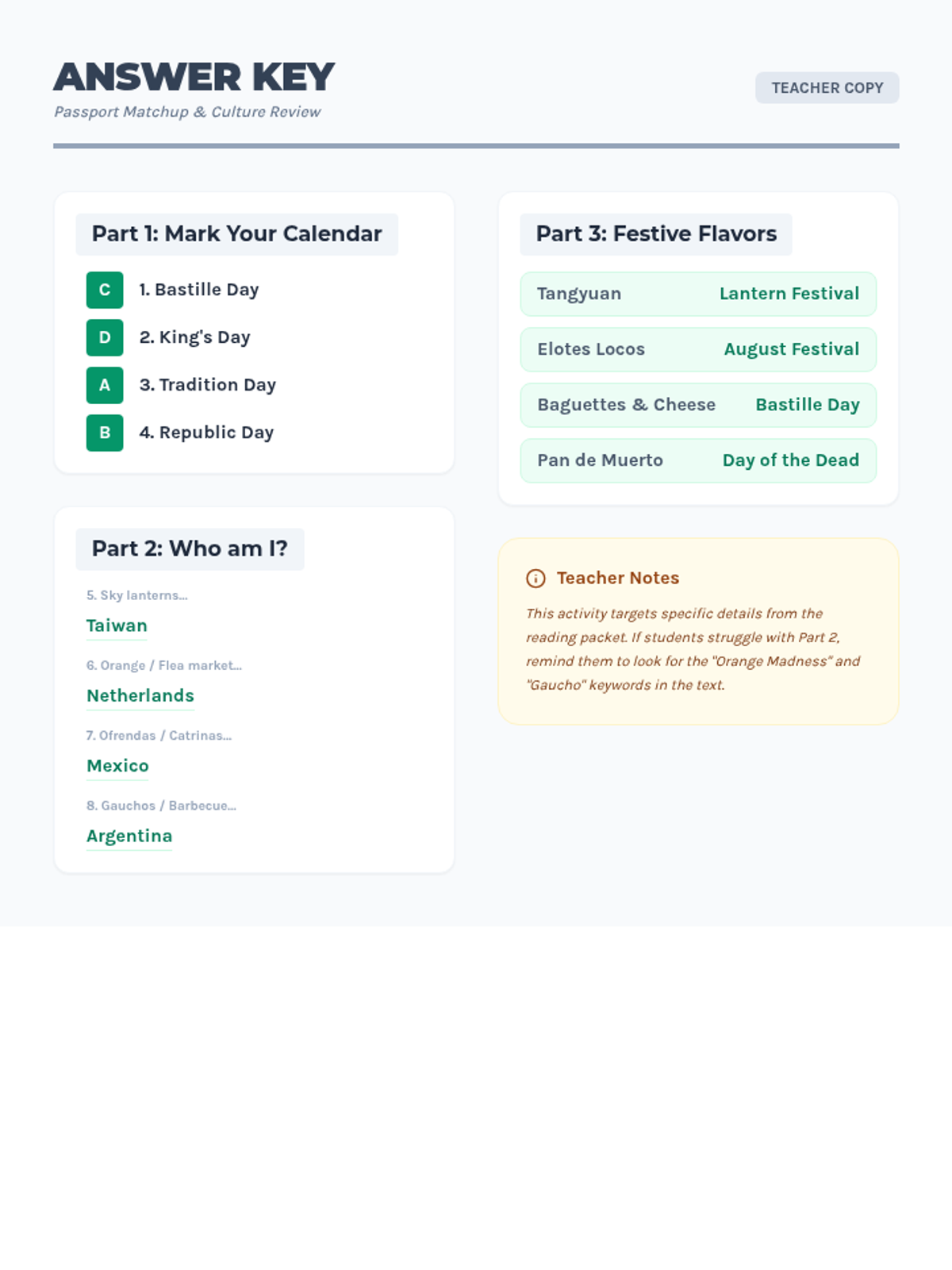
Explore traditional festivals from seven different countries through detailed reading passages and interactive matching activities designed for upper-intermediate ESL students.
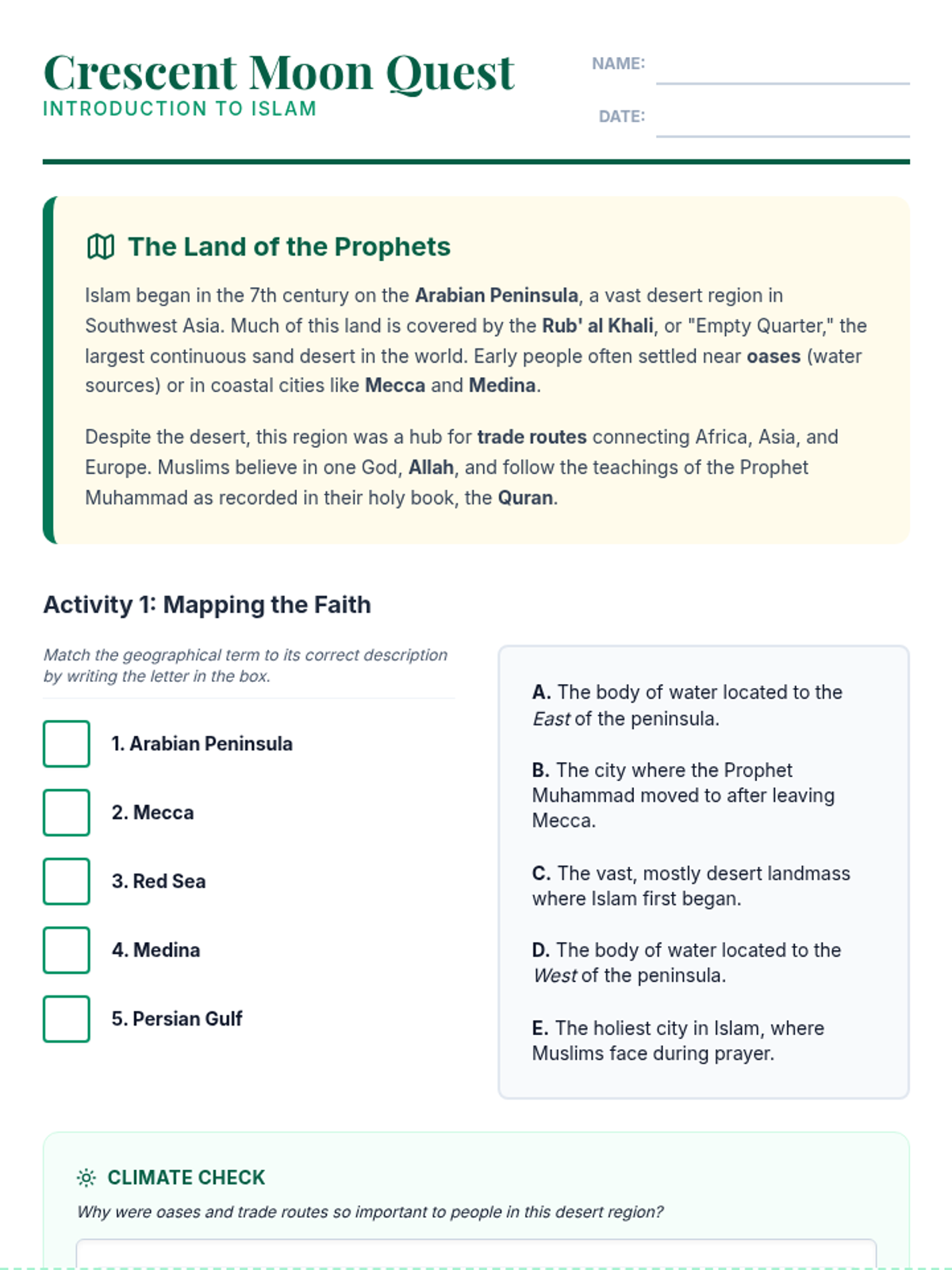
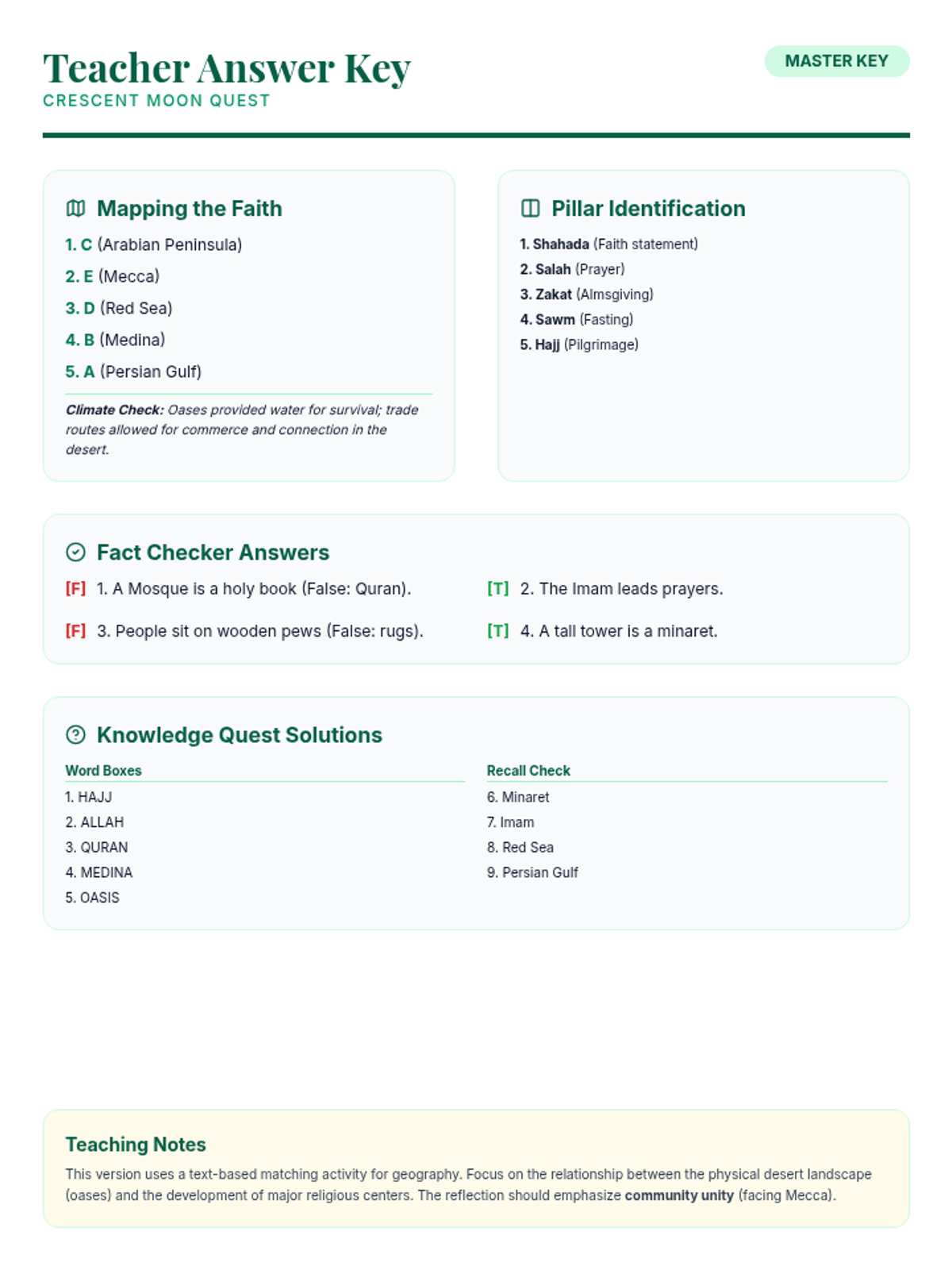
An introductory exploration of the foundations of Islam, covering the Five Pillars, geography, and practices of worship for 6th-grade students.
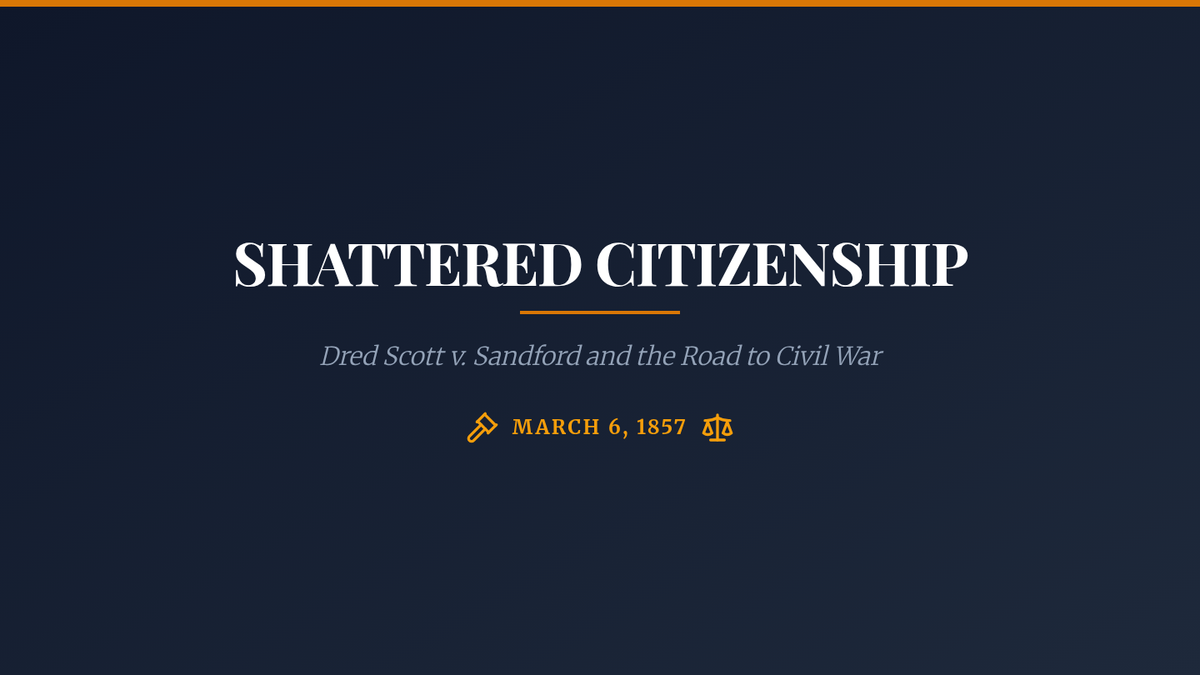
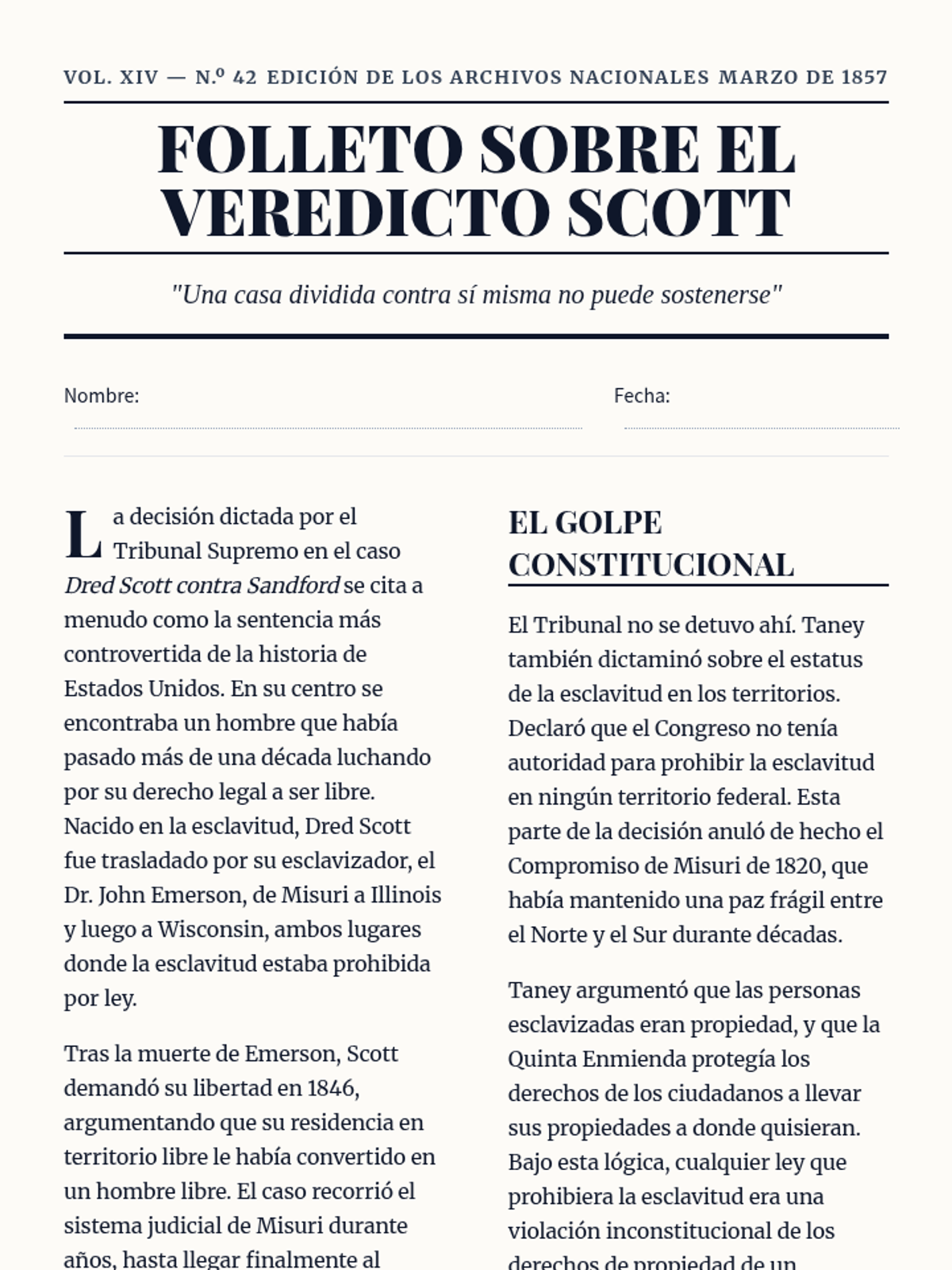
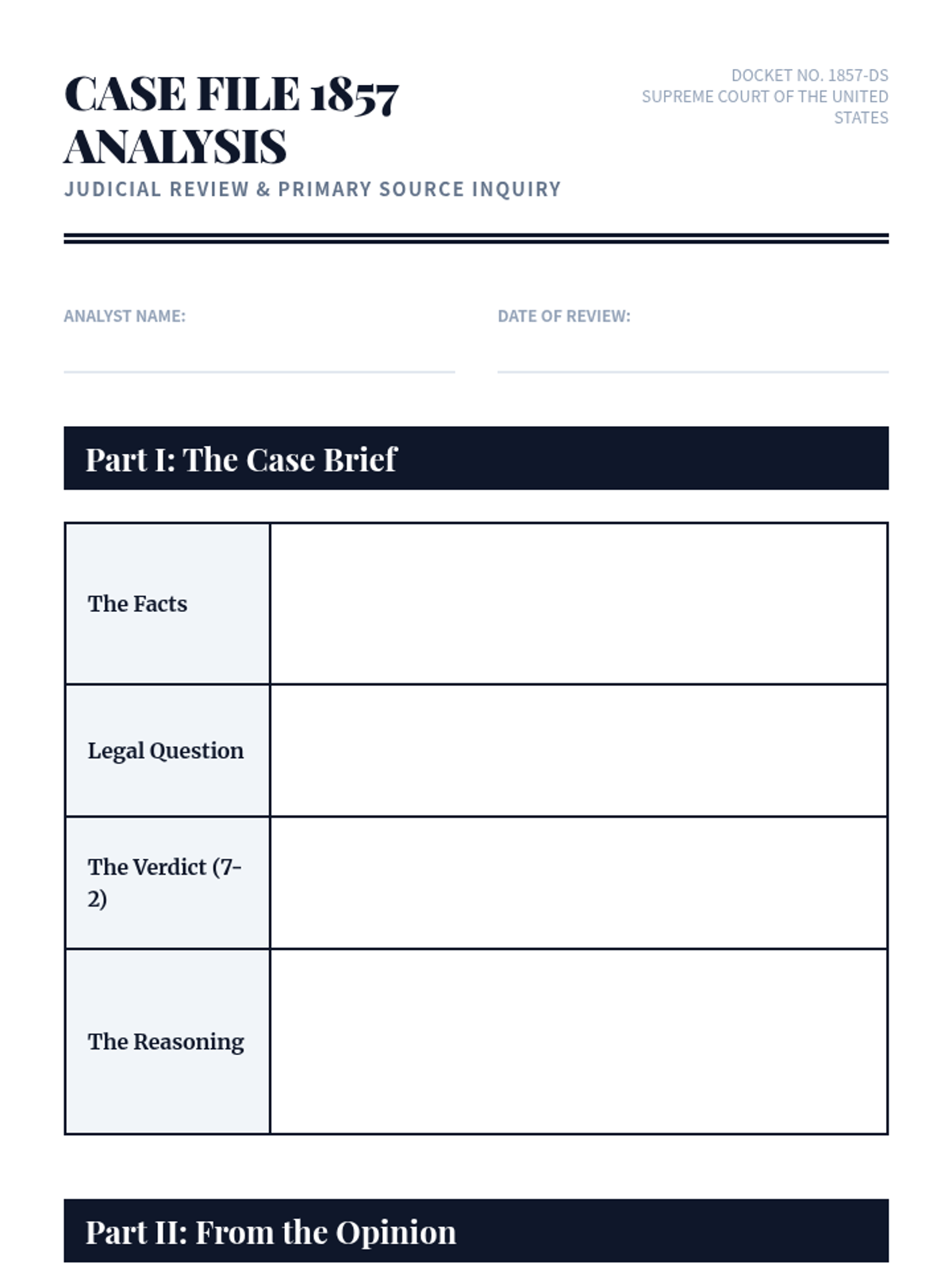
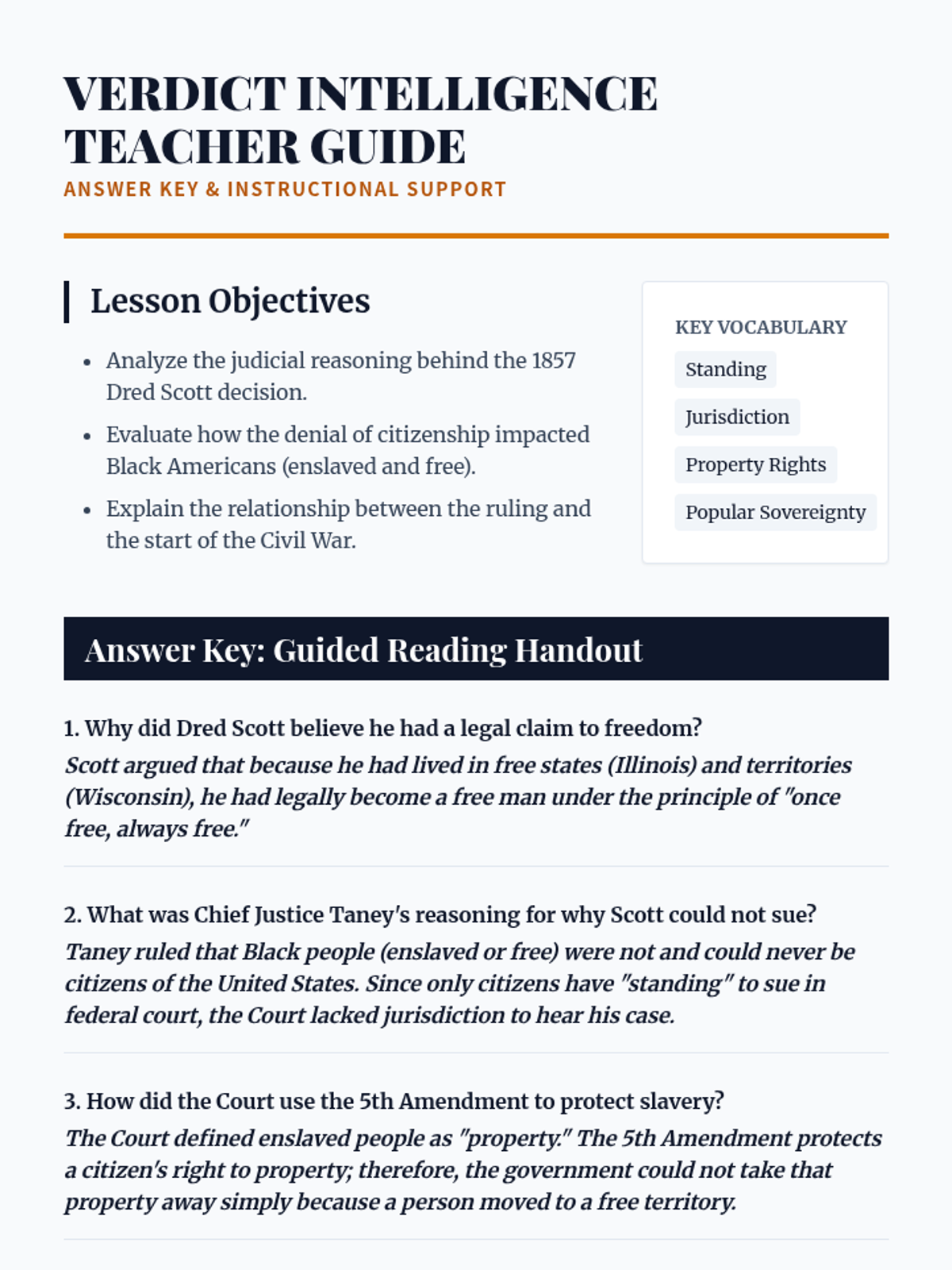
Explore the landmark Dred Scott v. Sandford case, focusing on the definition of American citizenship and the decision's role as a catalyst for the American Civil War. Students analyze primary source excerpts and the legal reasoning of the Taney Court.