A 5th-grade science lesson exploring how beavers act as ecosystem engineers by transforming their environments into wetlands. Students analyze a video segment, create a 'Before and After' drawing, and debate the ecological impacts of these changes.

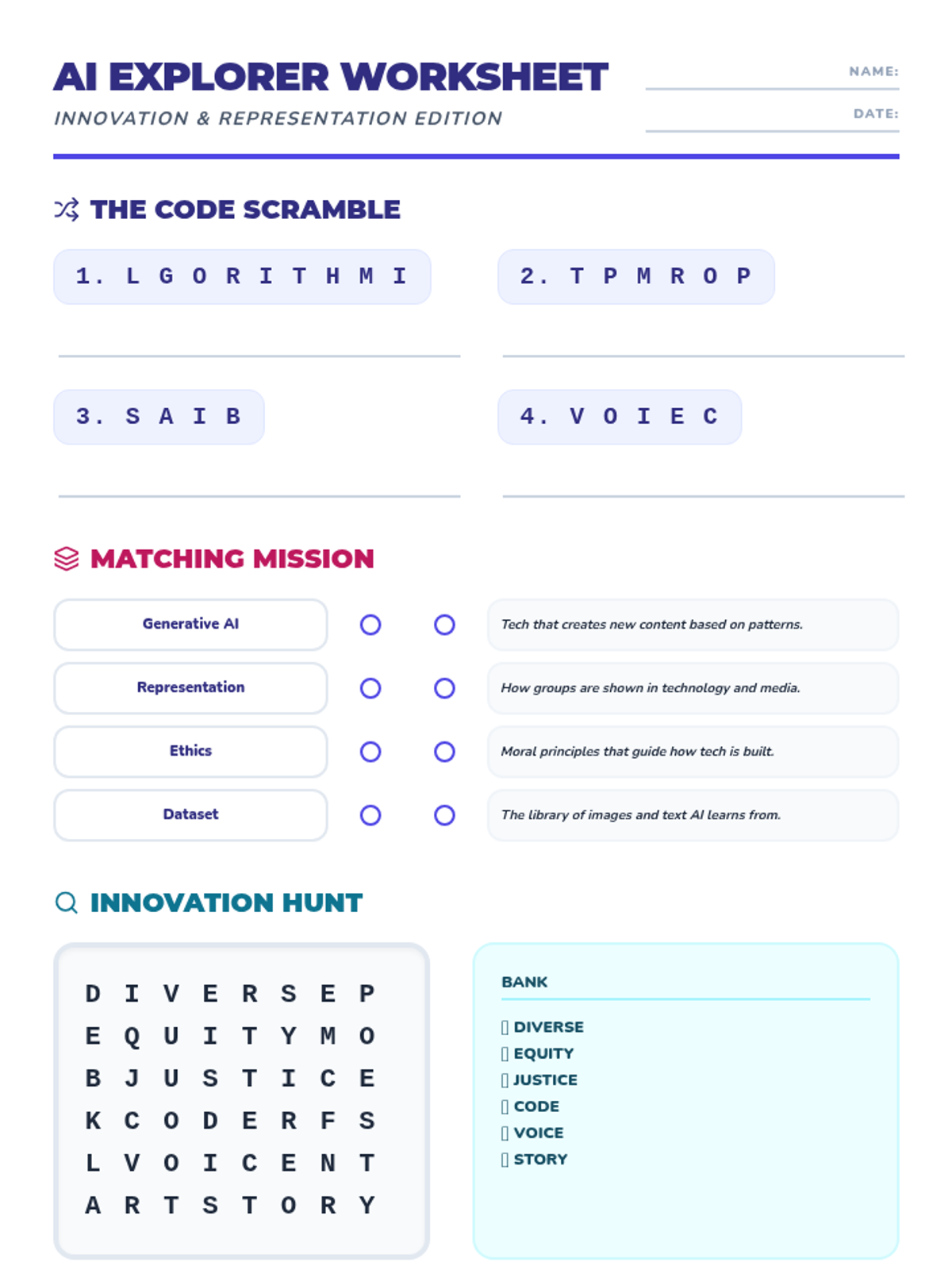
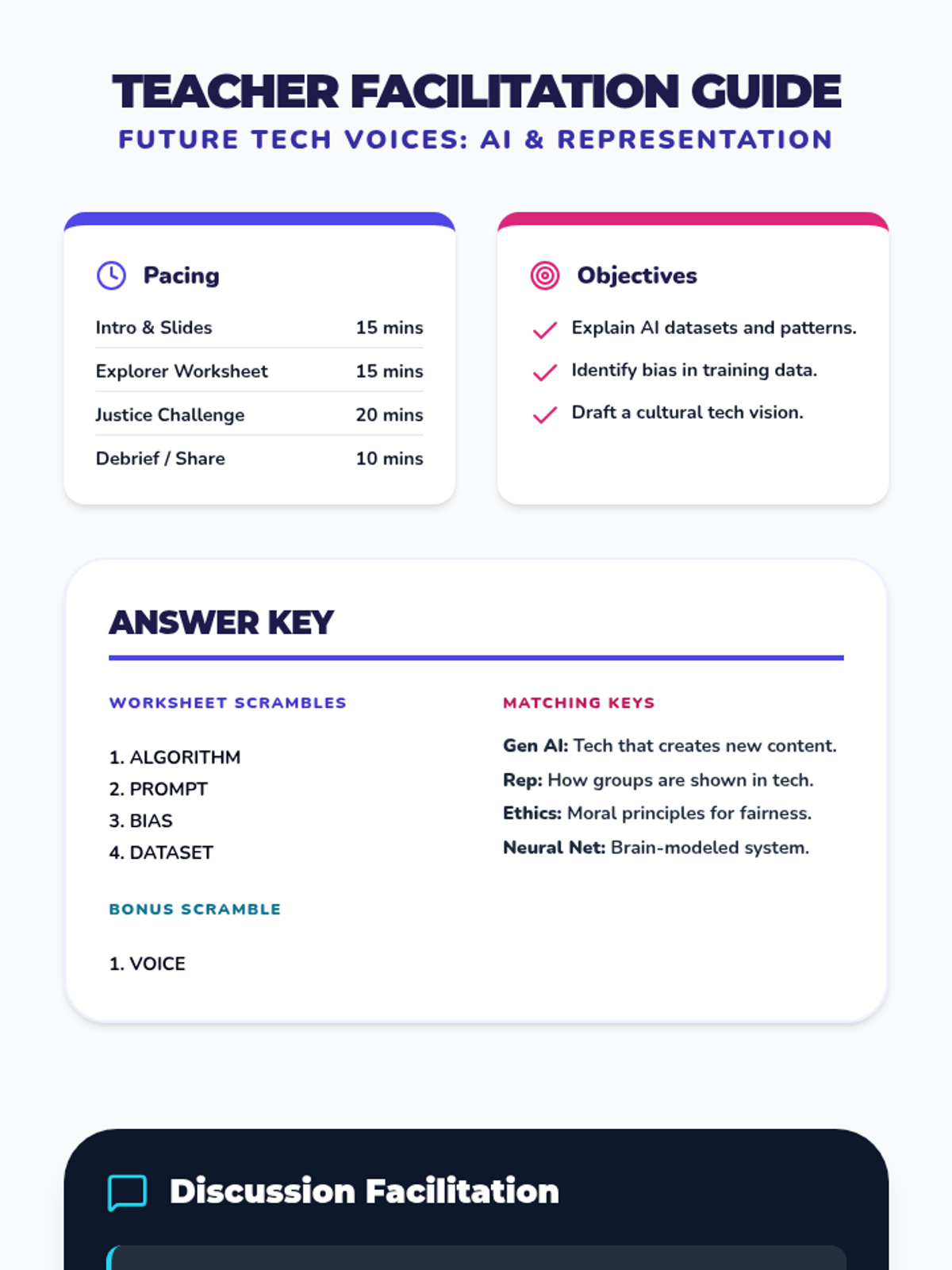
A lesson exploring the mechanics of AI generators and their social impact, specifically focusing on the experiences of young African Americans in tech and representation.
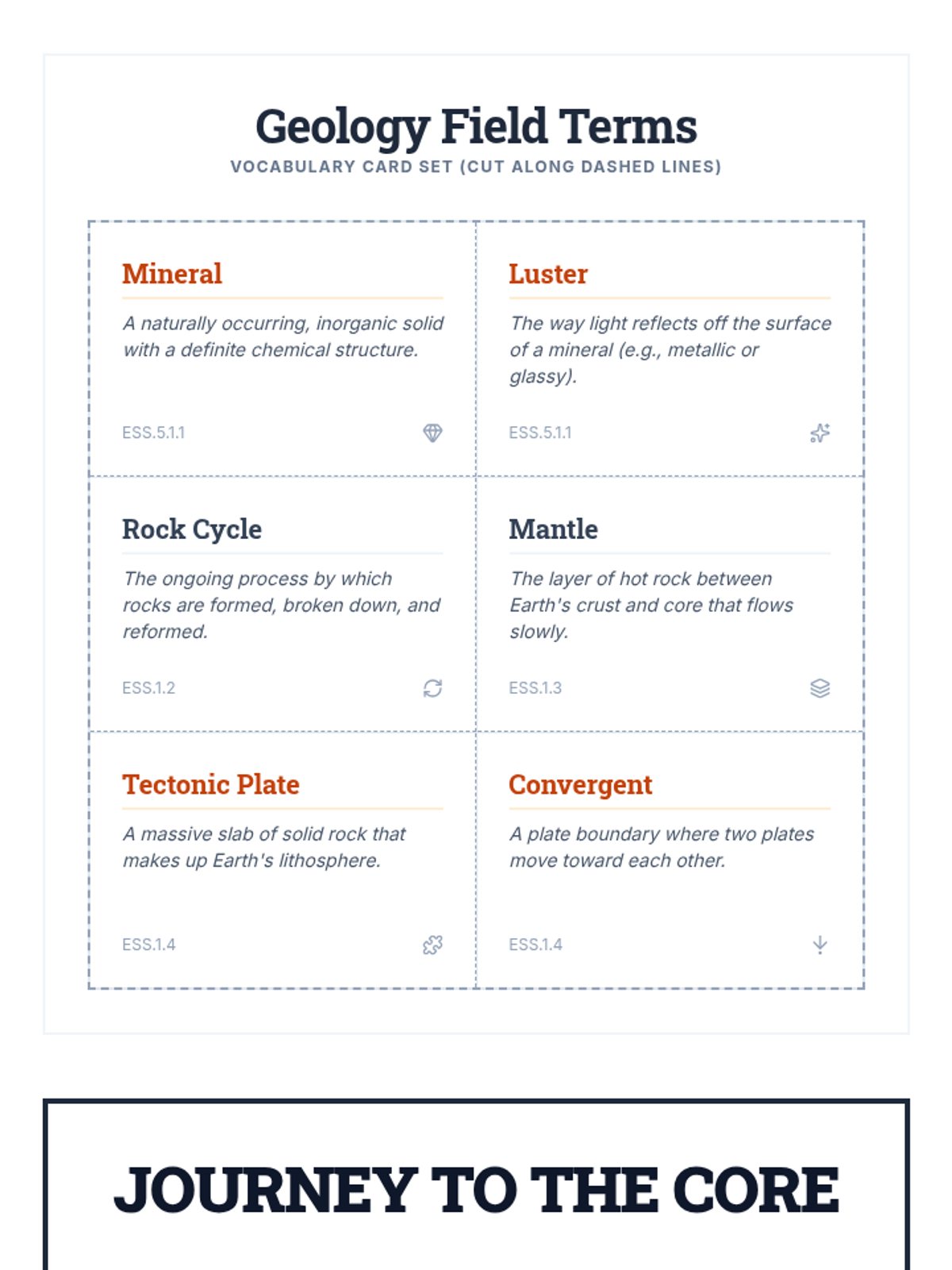
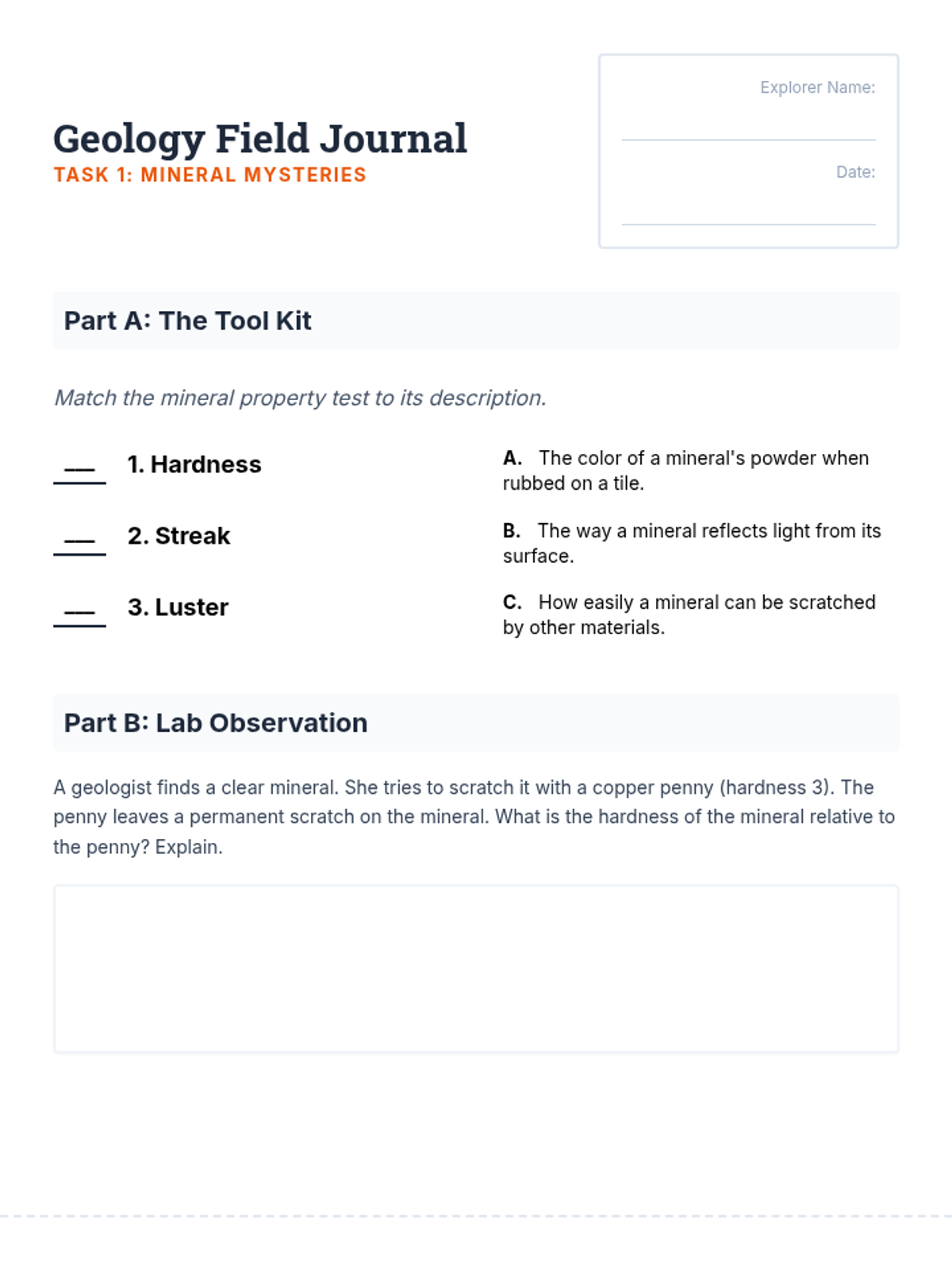
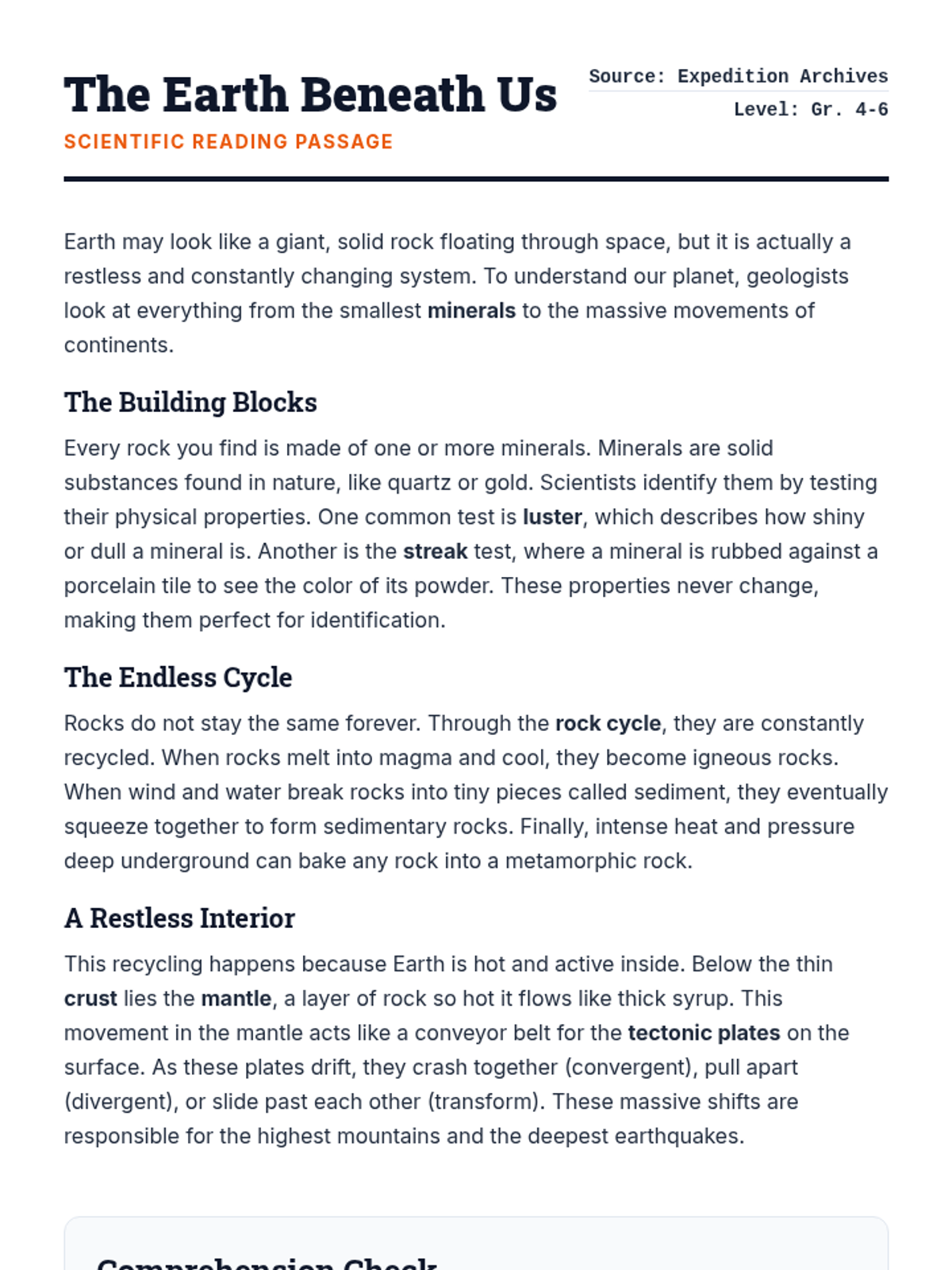
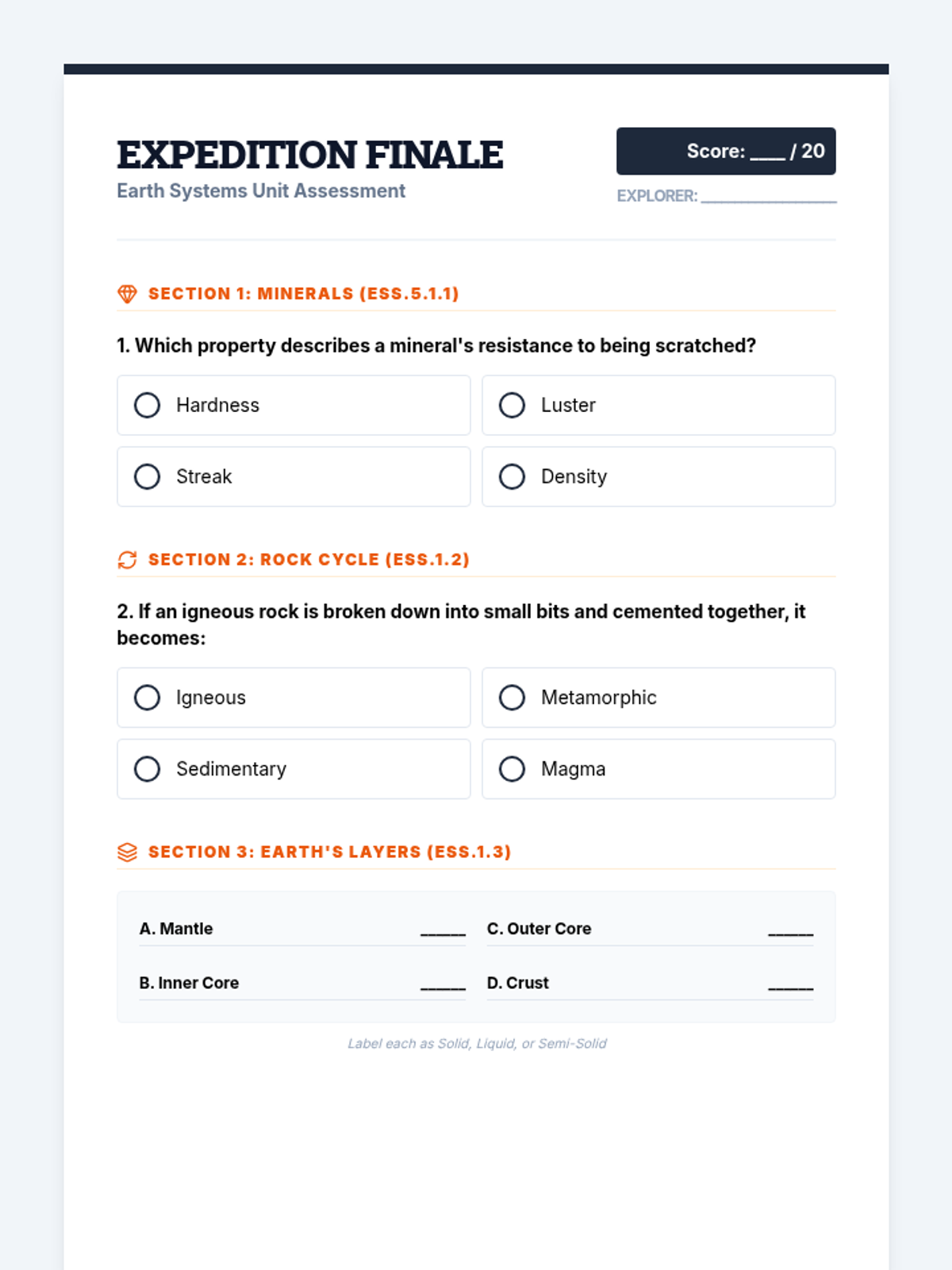
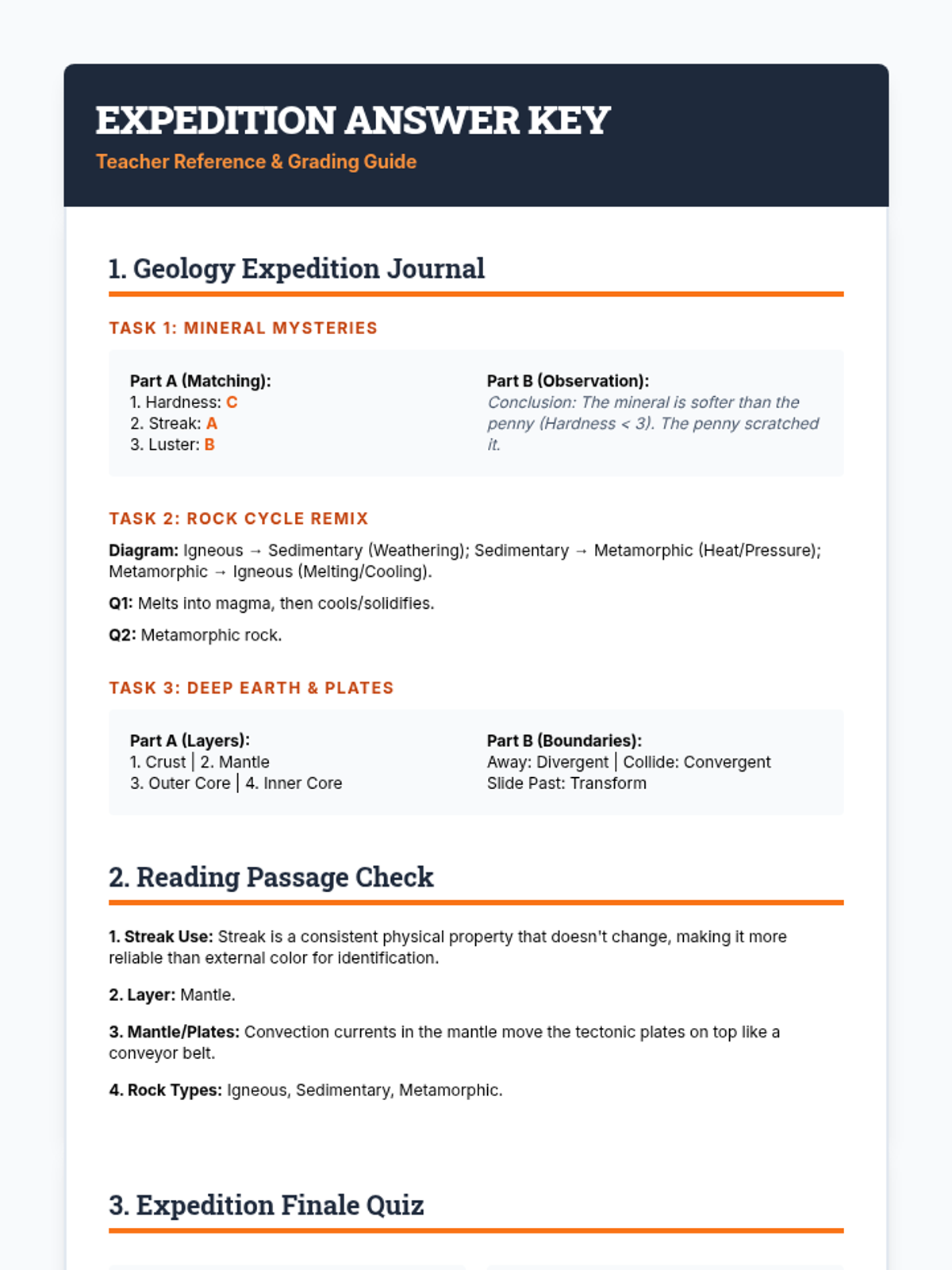
An integrated study of the four core Earth Science standards: properties of minerals, the rock cycle, Earth's layers, and plate tectonics. This lesson provides the instructional framework and student activities for a complete geology unit.
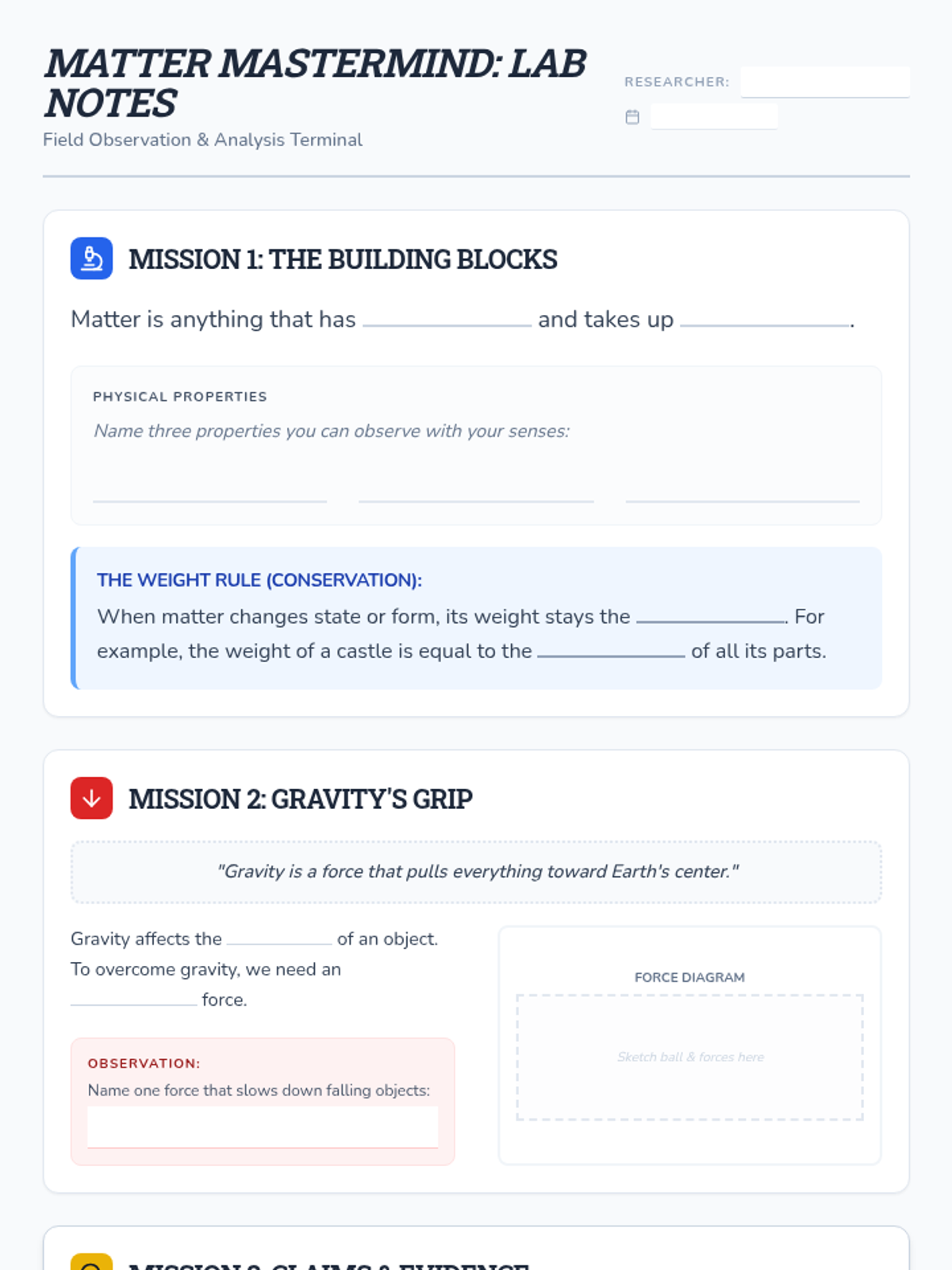
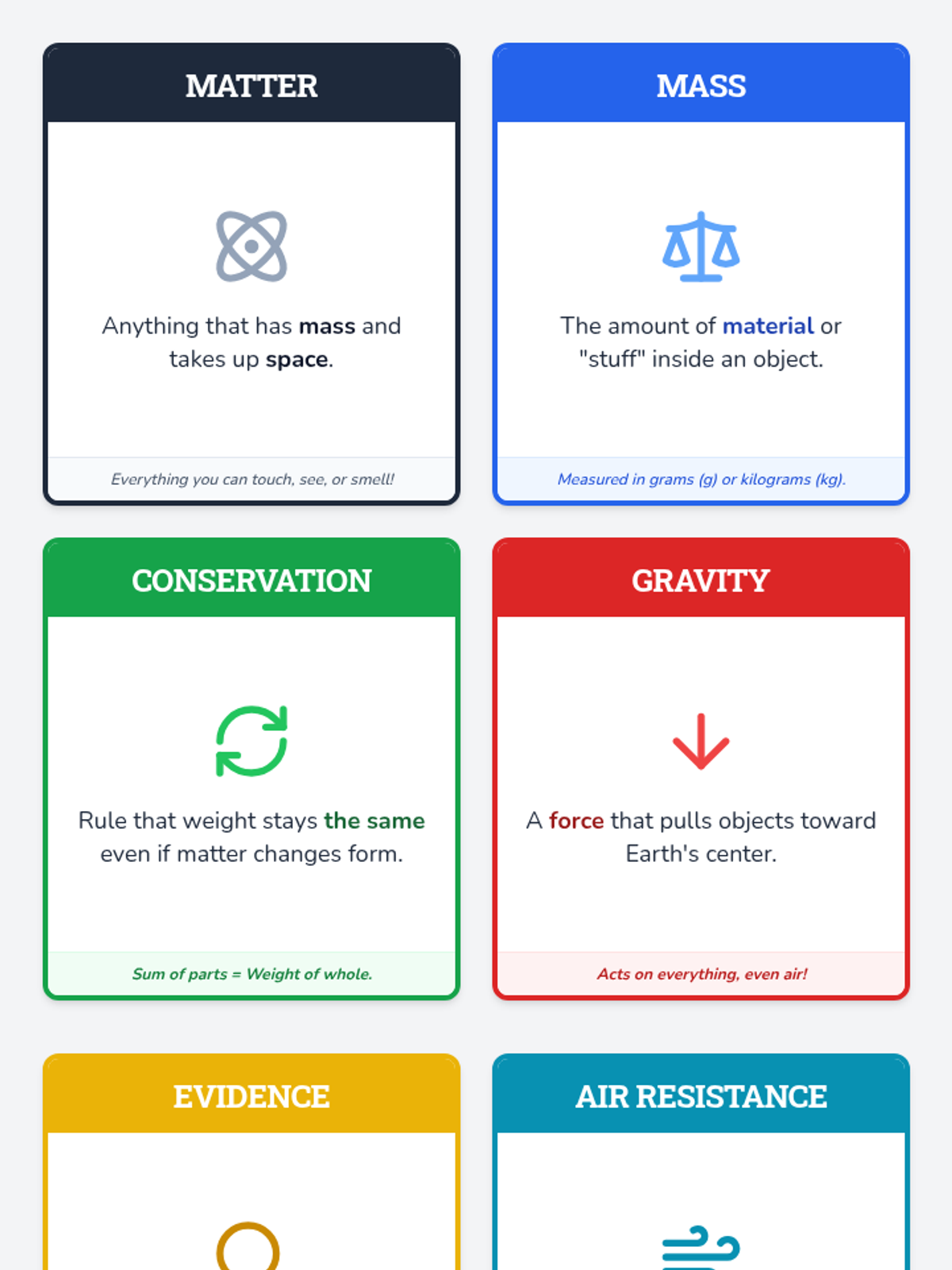
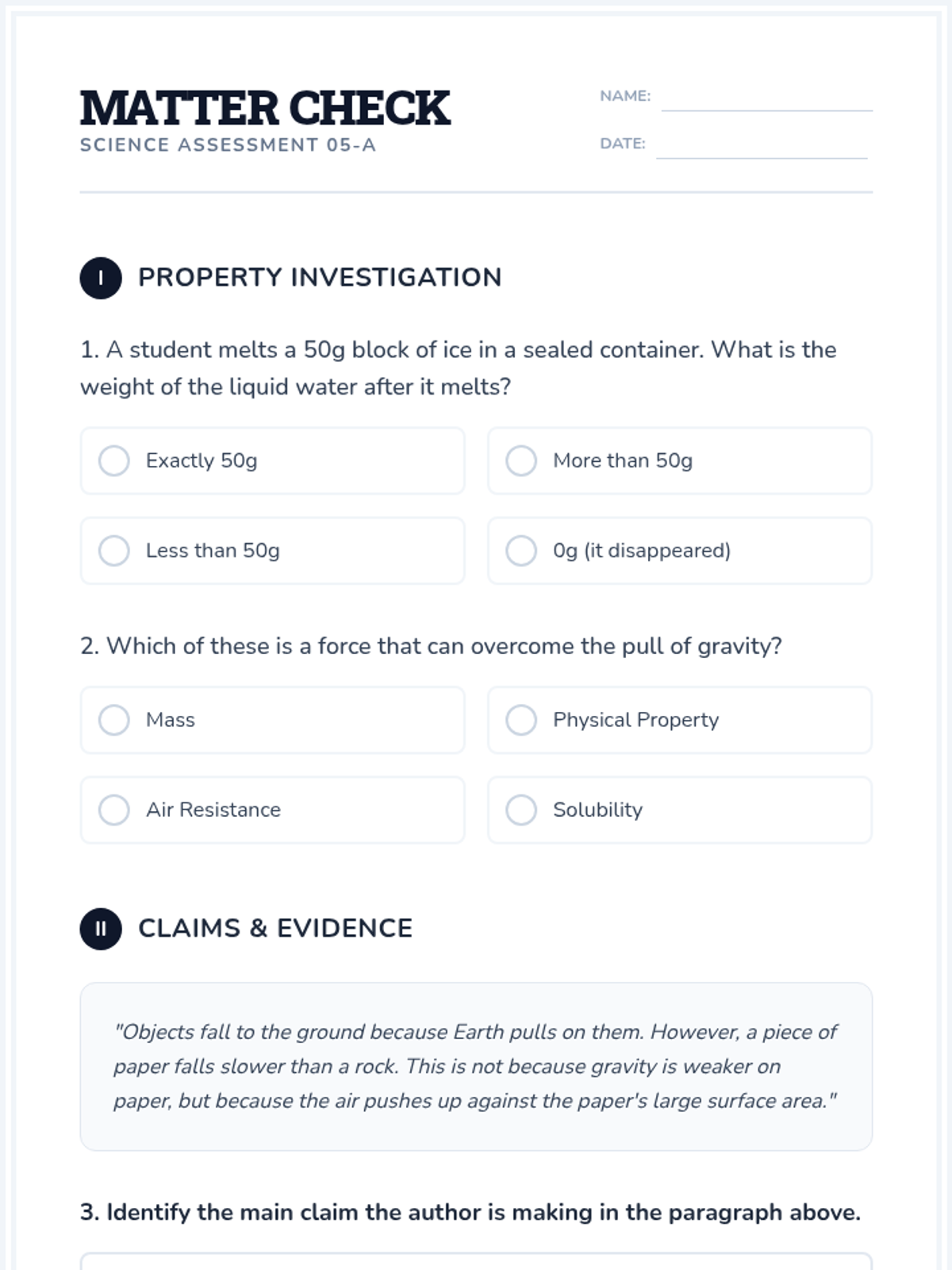
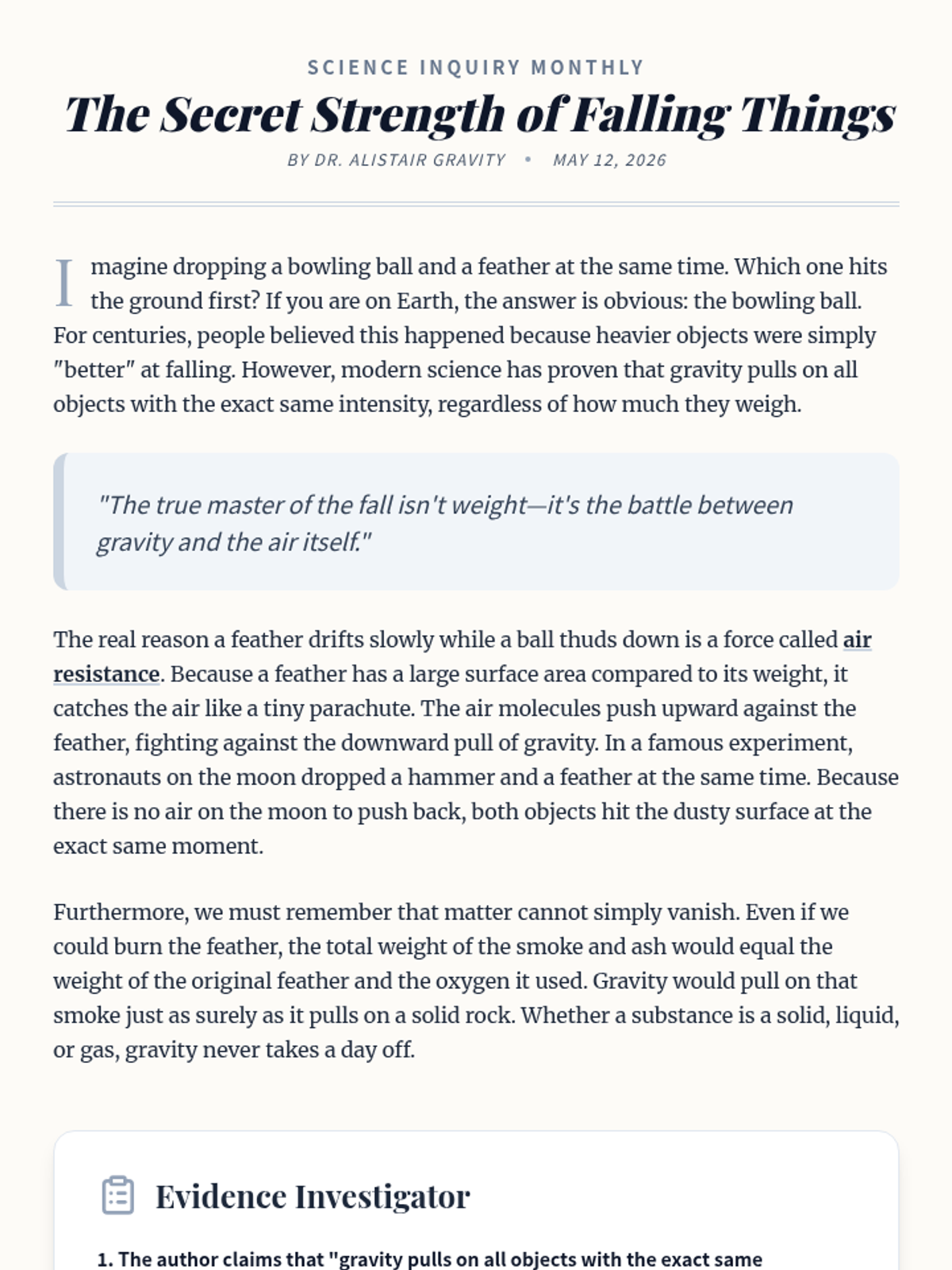
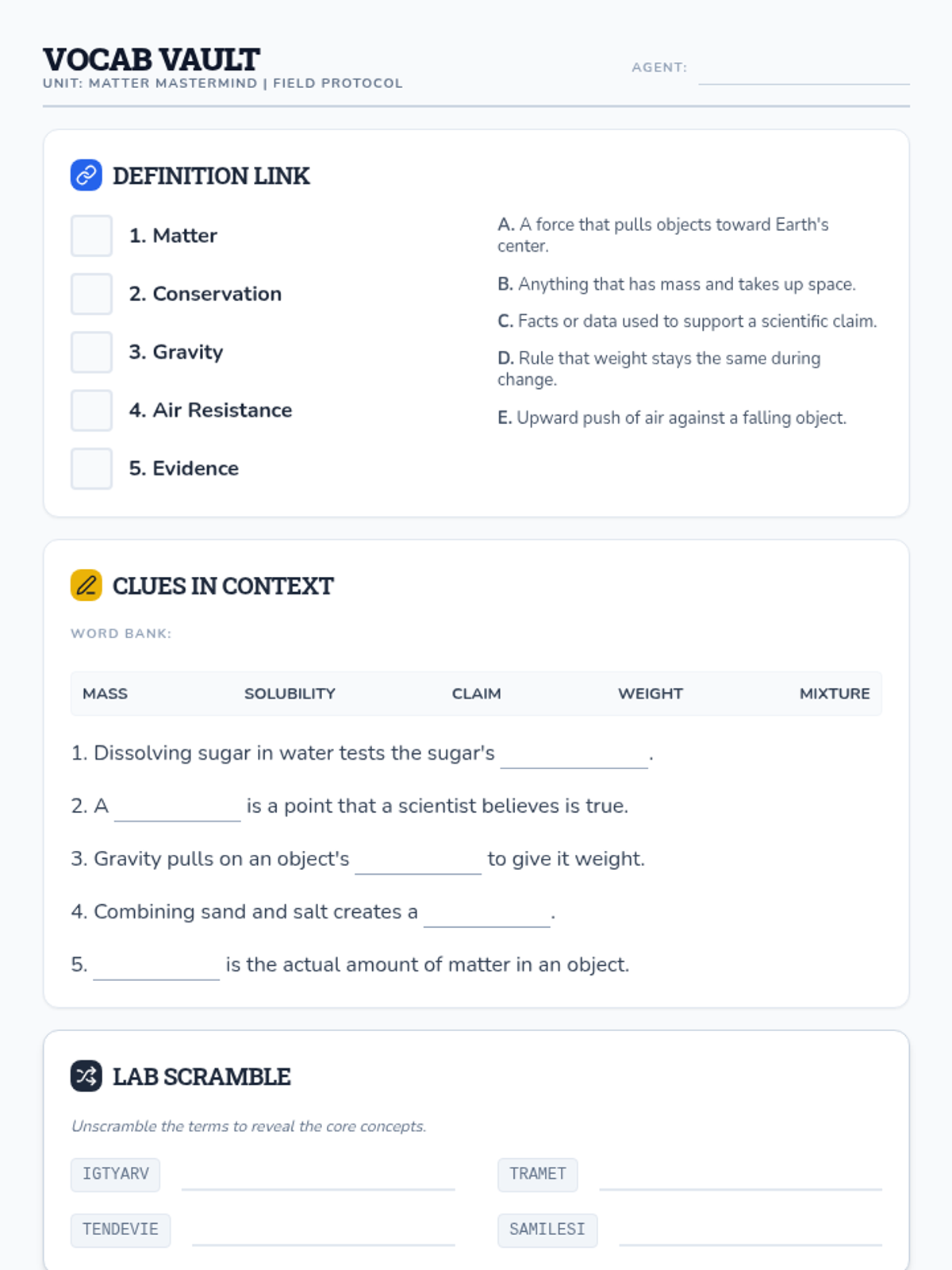
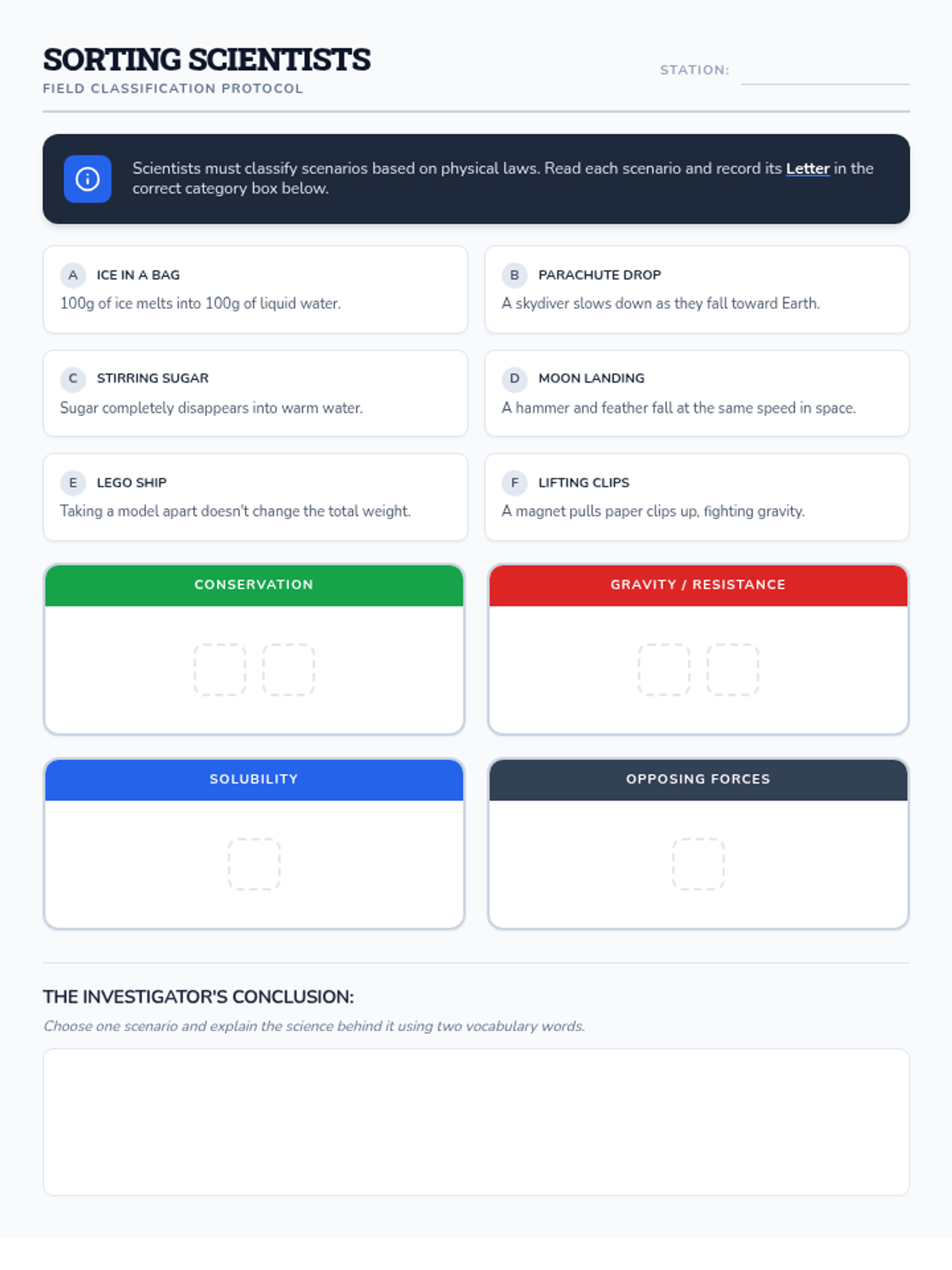
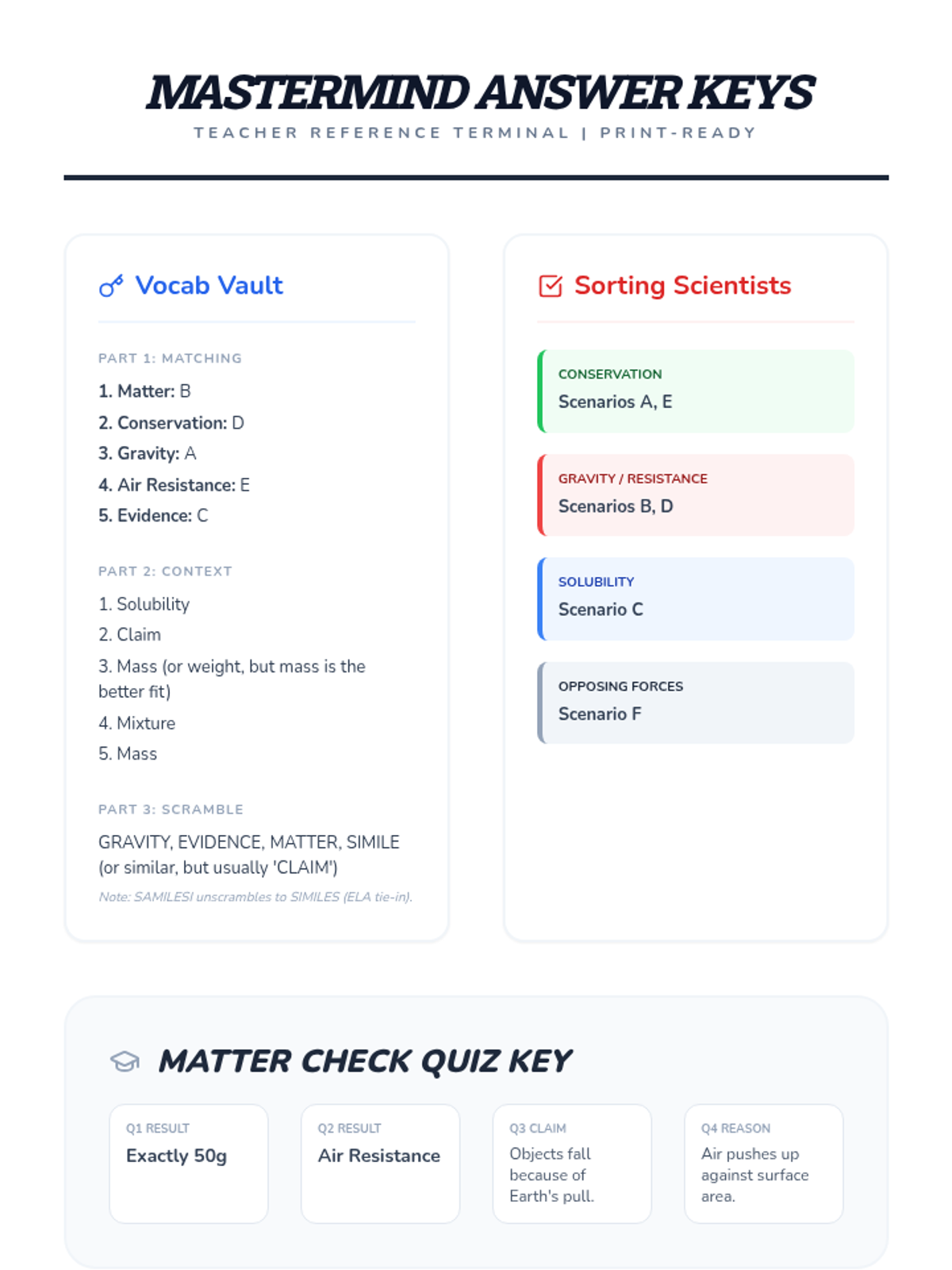
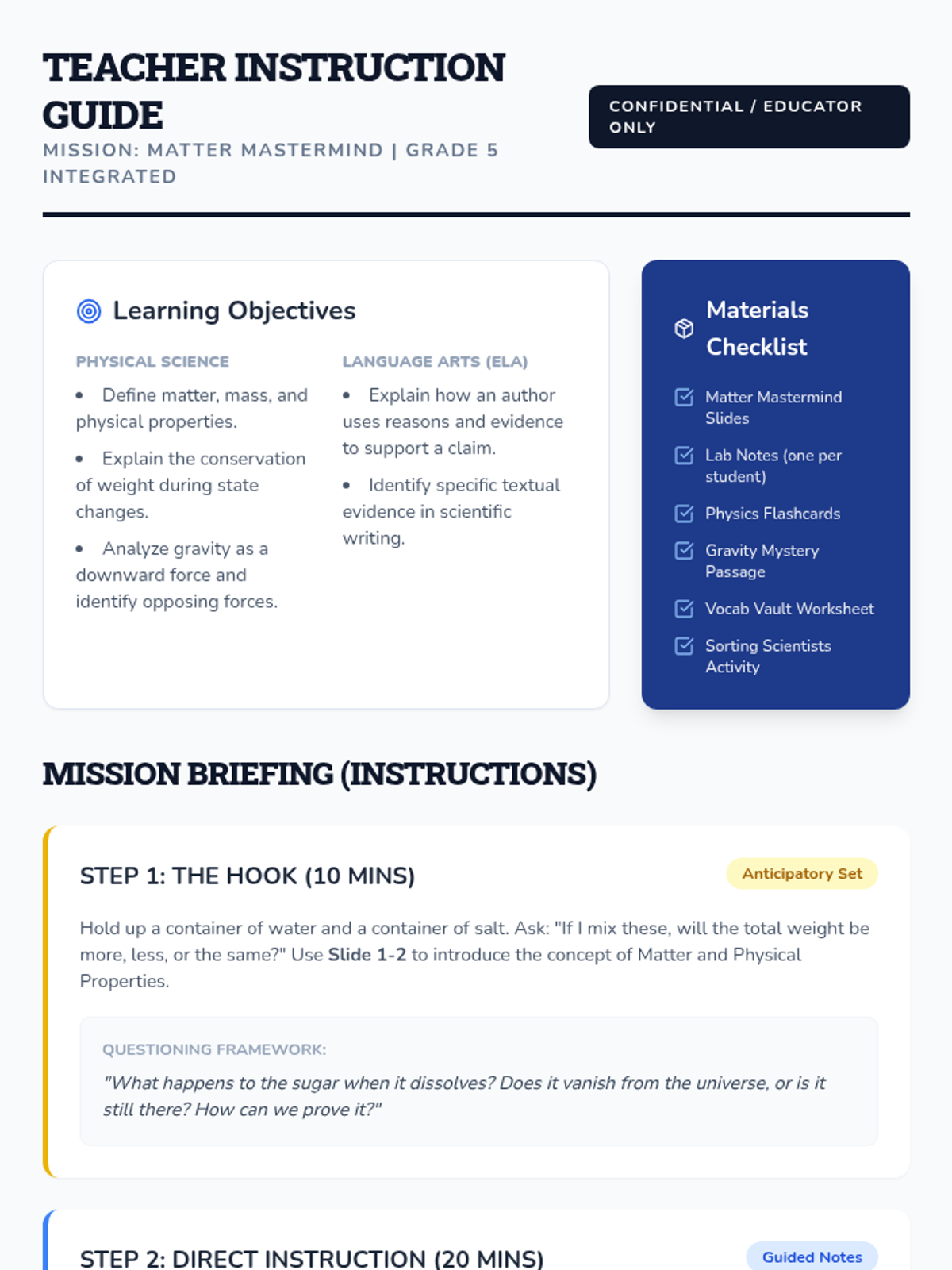
This integrated lesson explores the properties of matter and the forces of gravity. Students will analyze scientific claims by identifying the reasons and evidence used to support them, bridging physical science concepts with critical reading skills.
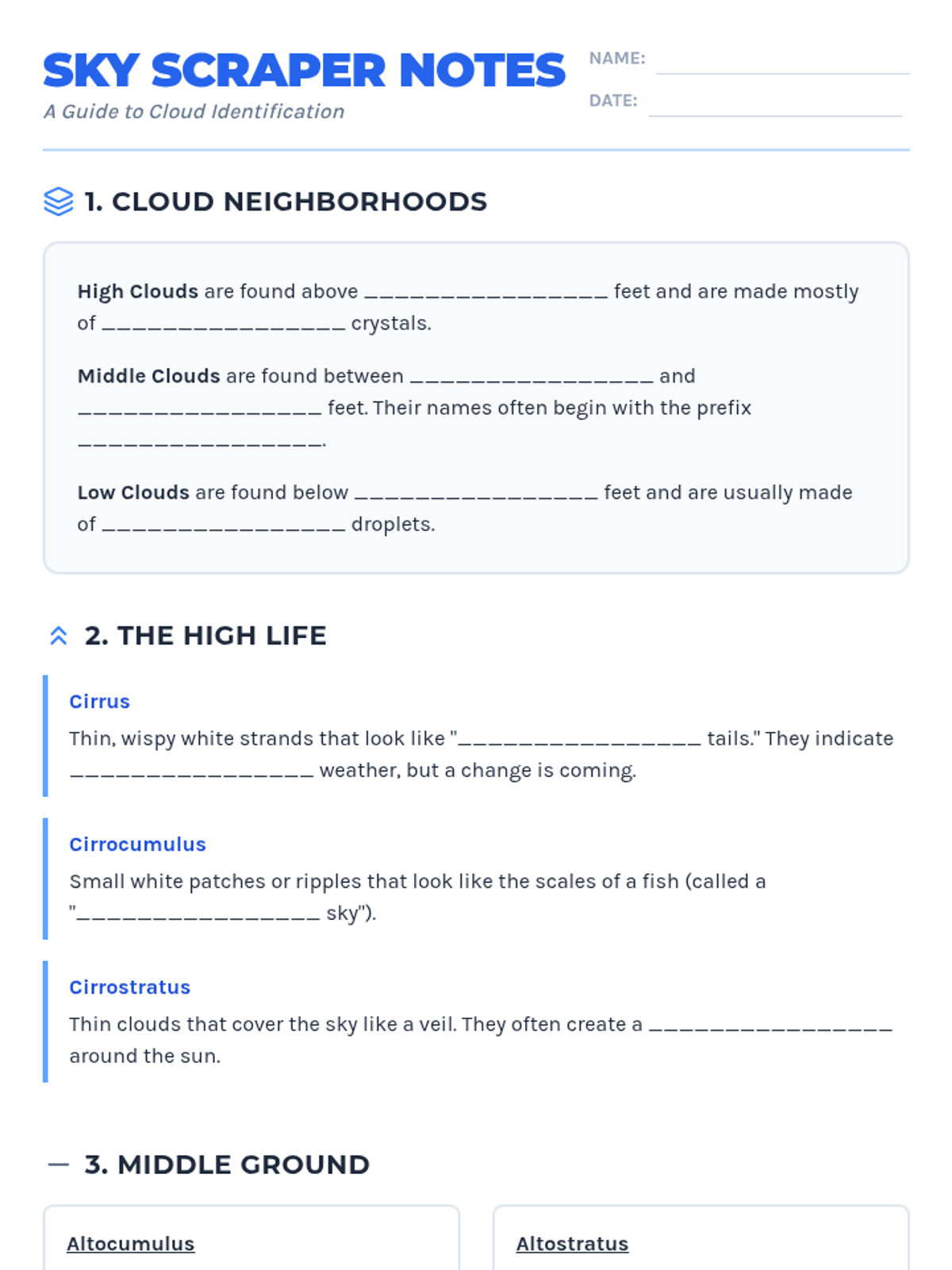
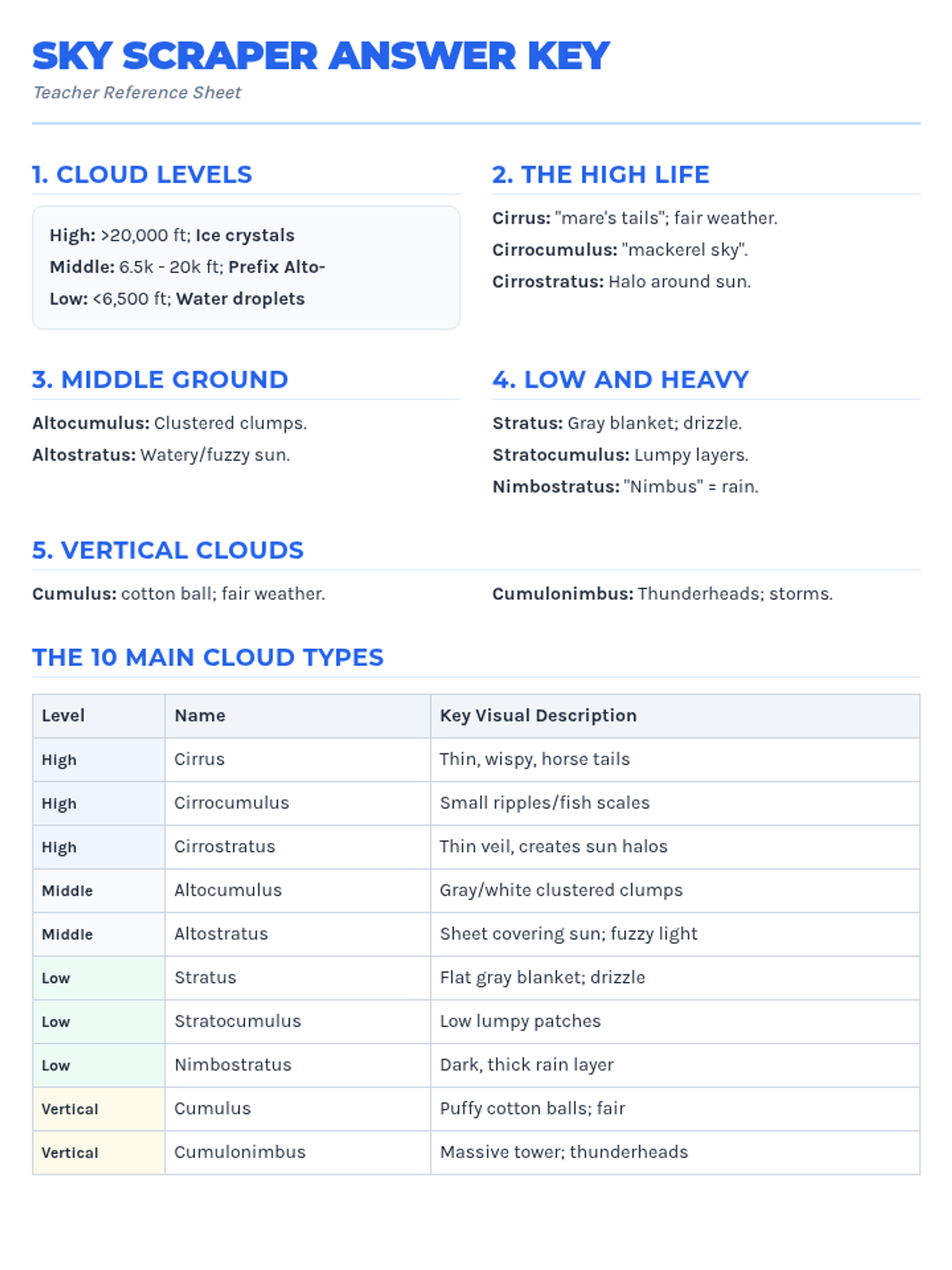
A comprehensive look at the 10 main cloud types, categorized by their altitude, with deep dives into Cirrus, Stratus, and Cumulus clouds.
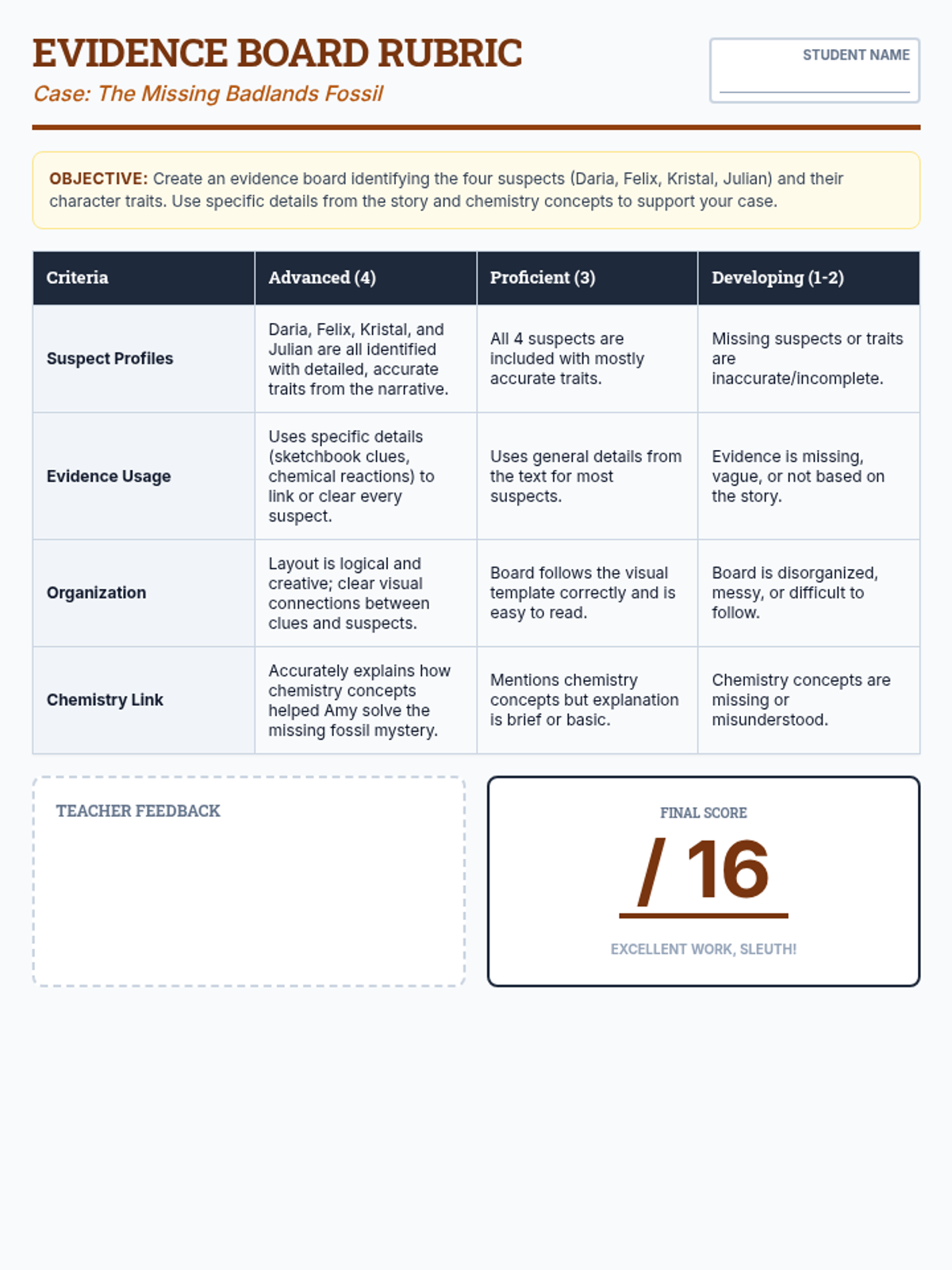
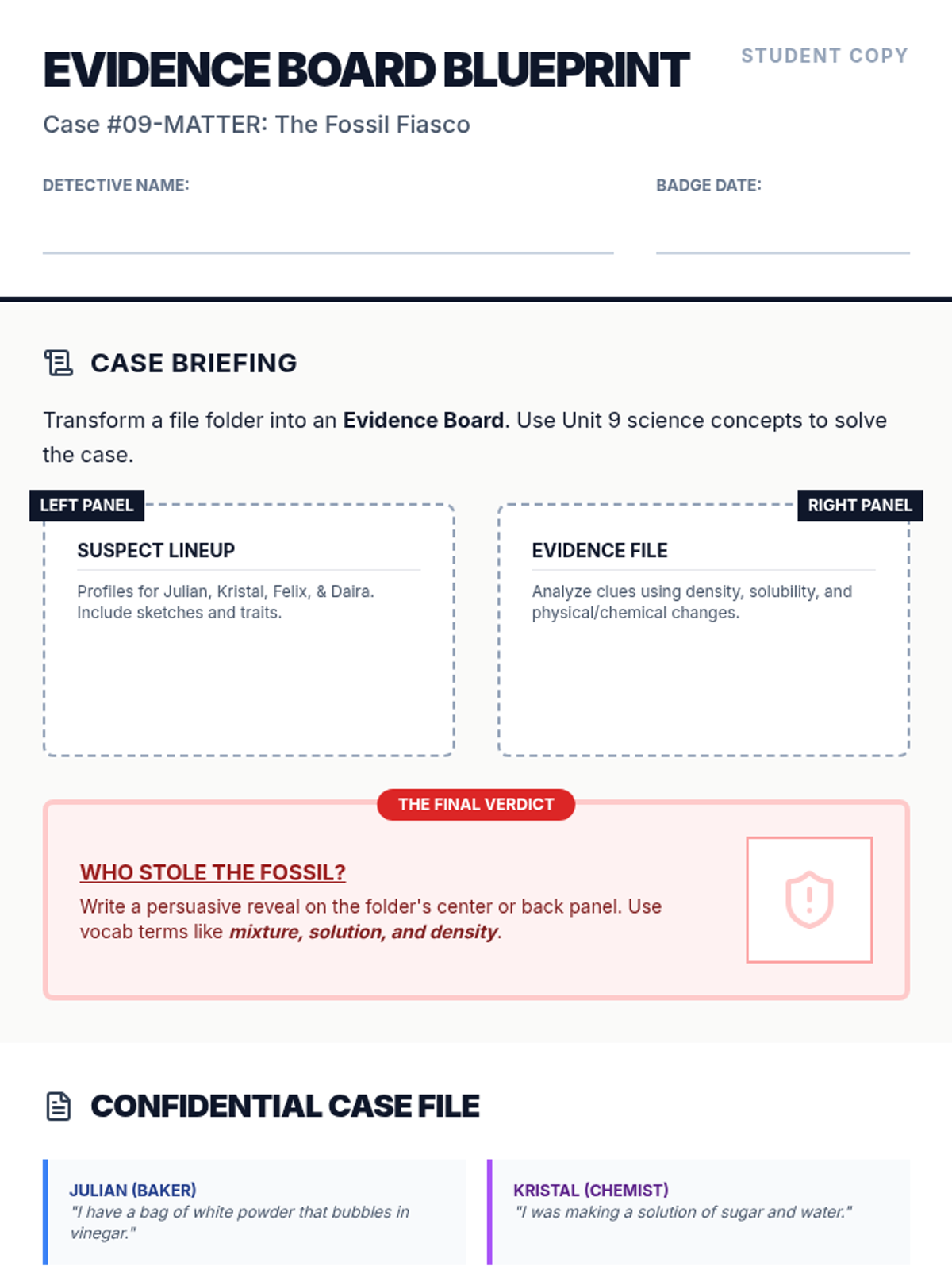
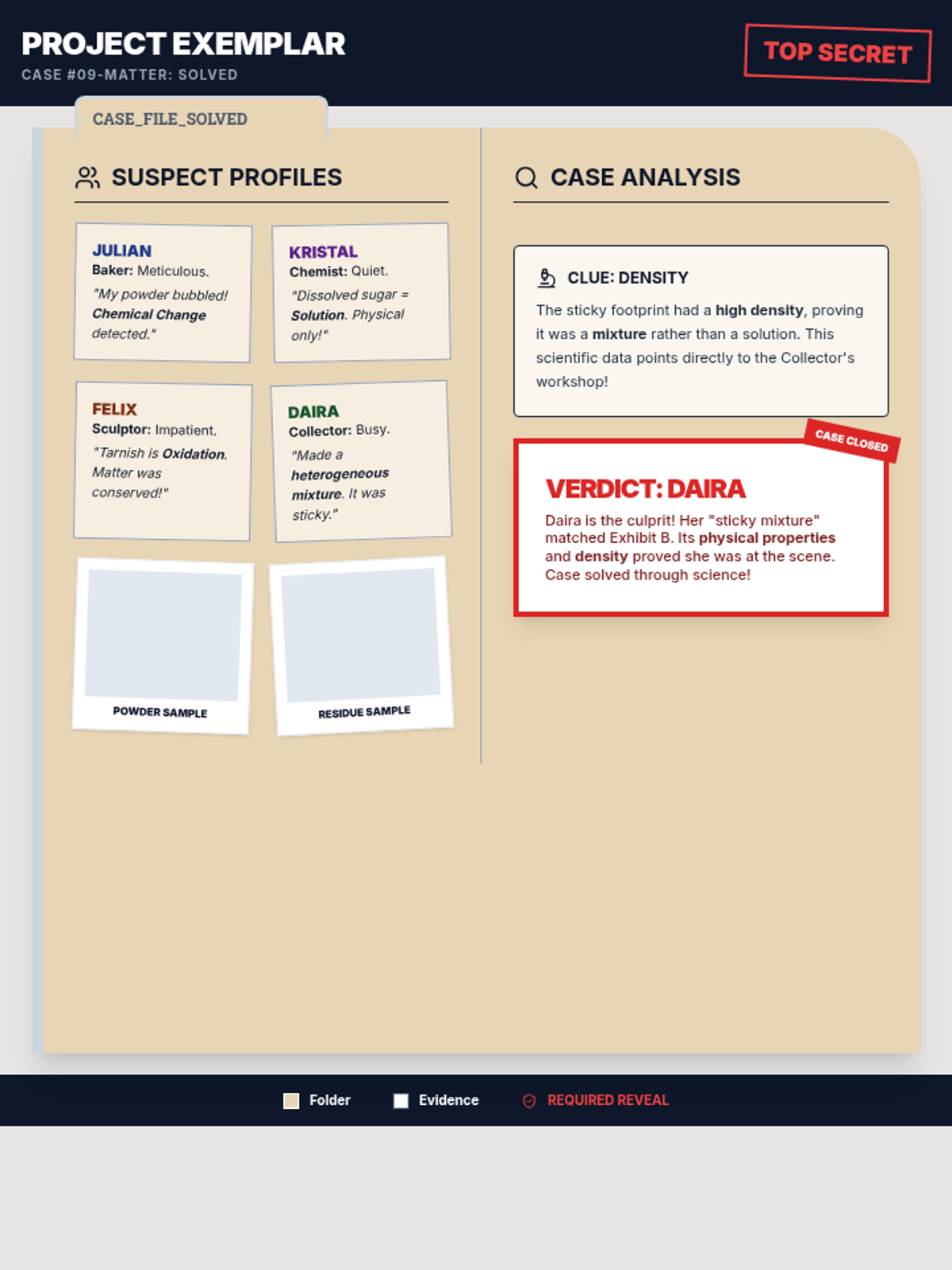
A hands-on activity where students use chemistry concepts and character analysis from 'The Badlands Sleuth' to construct evidence boards and identify a fossil thief.
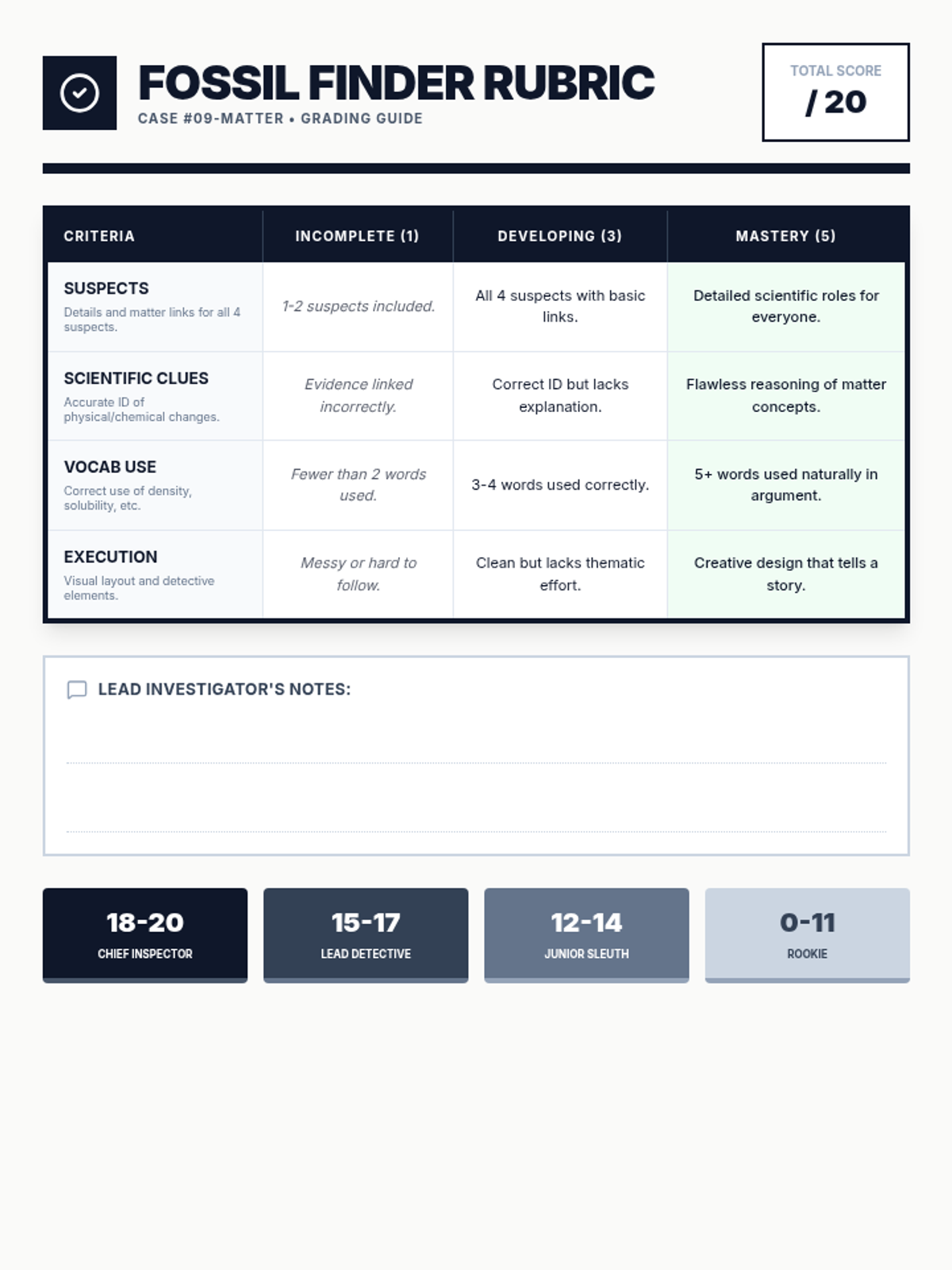
A detective-themed final project where students use their knowledge of chemical matter to solve the mystery of a missing fossil. Students create evidence boards on file folders to analyze suspects and identify the culprit using scientific evidence.
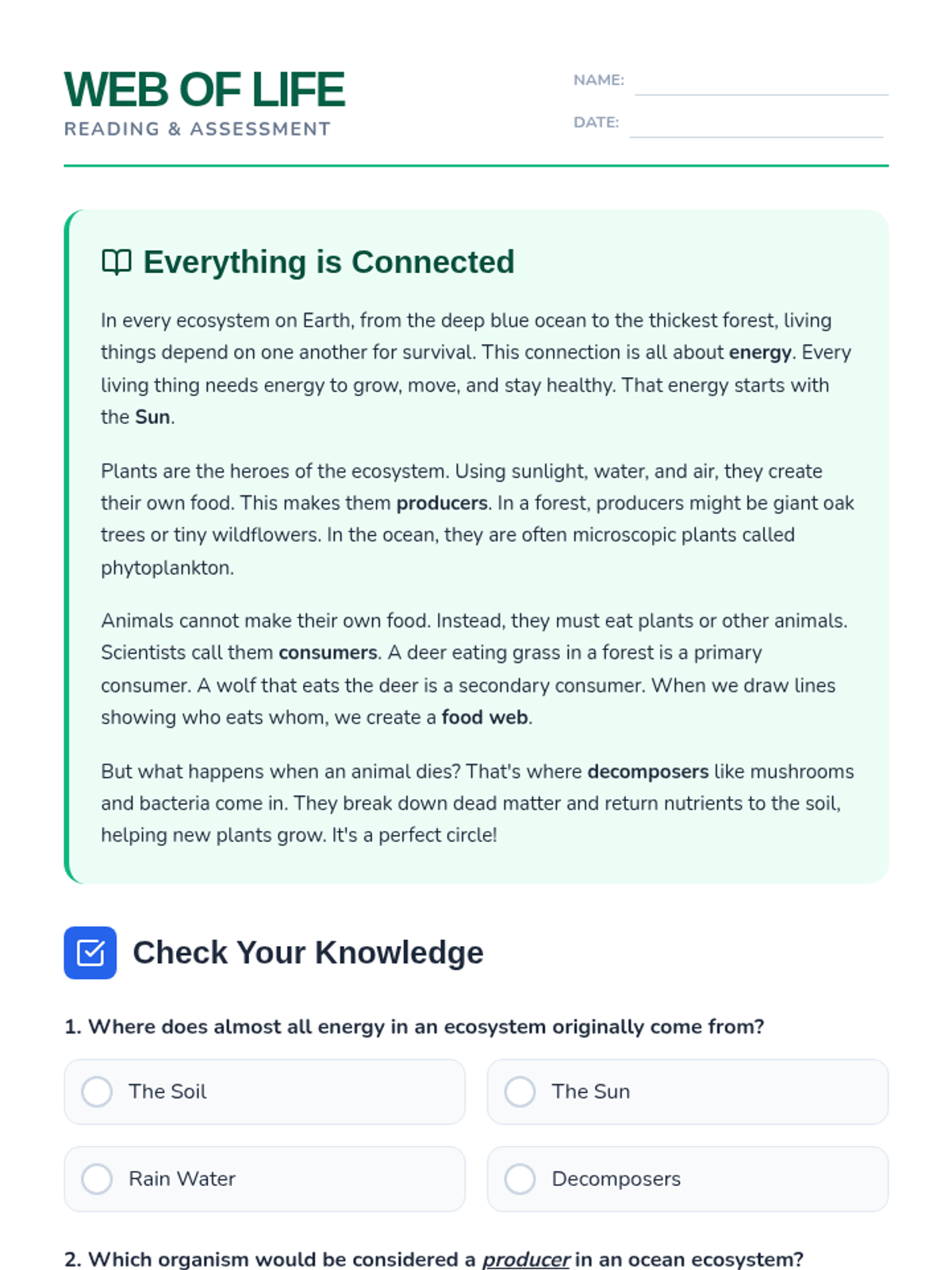
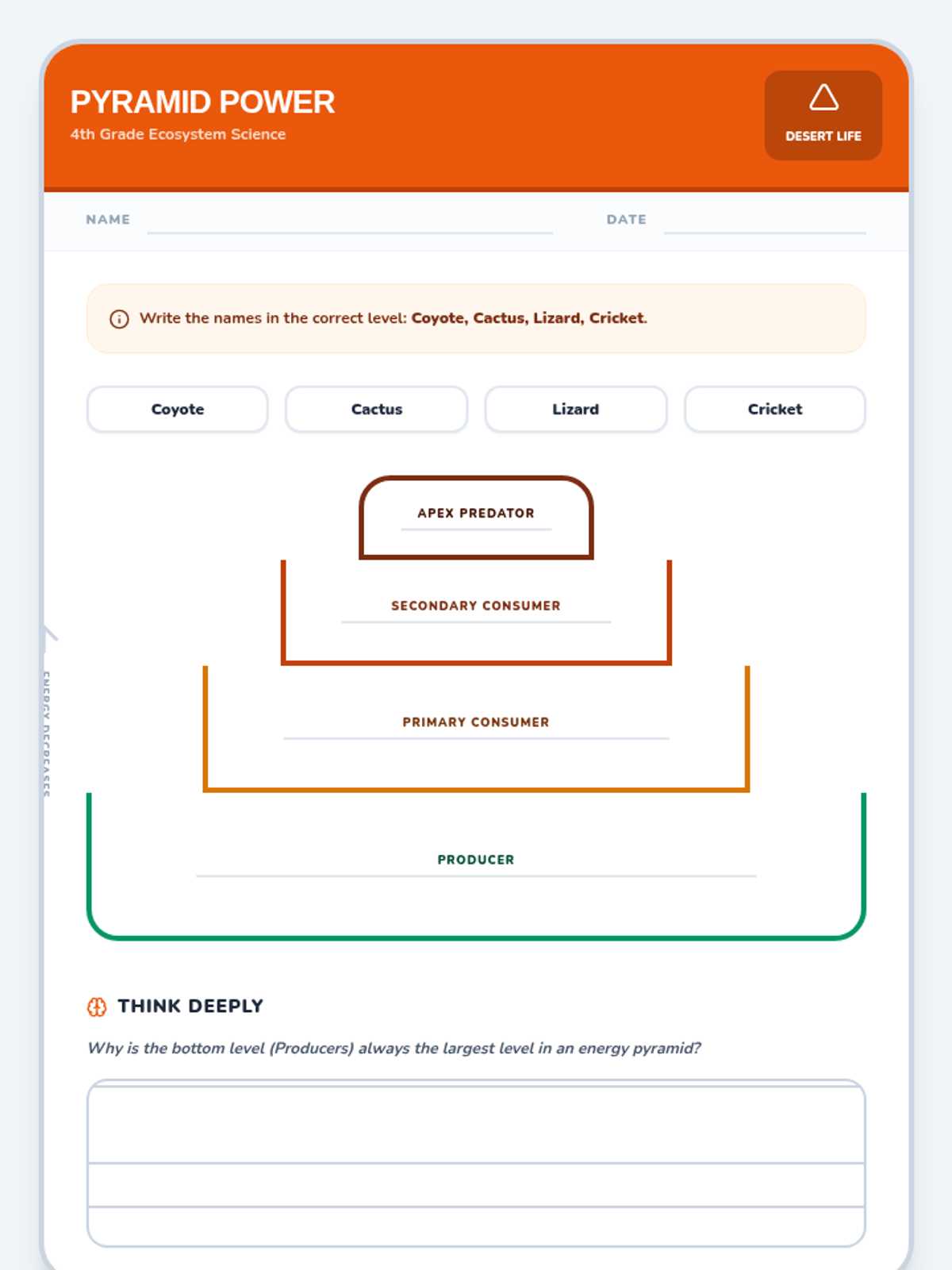
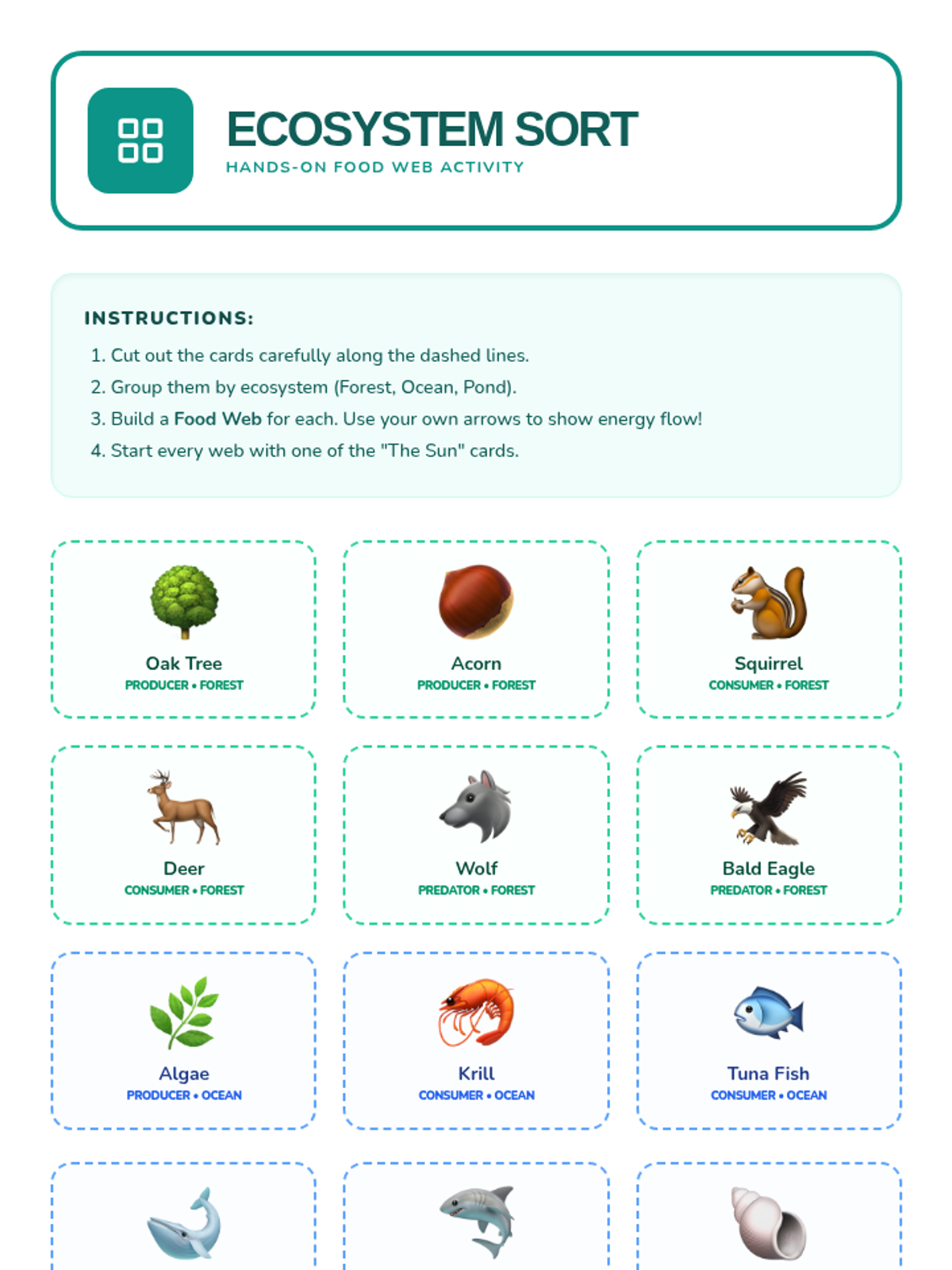
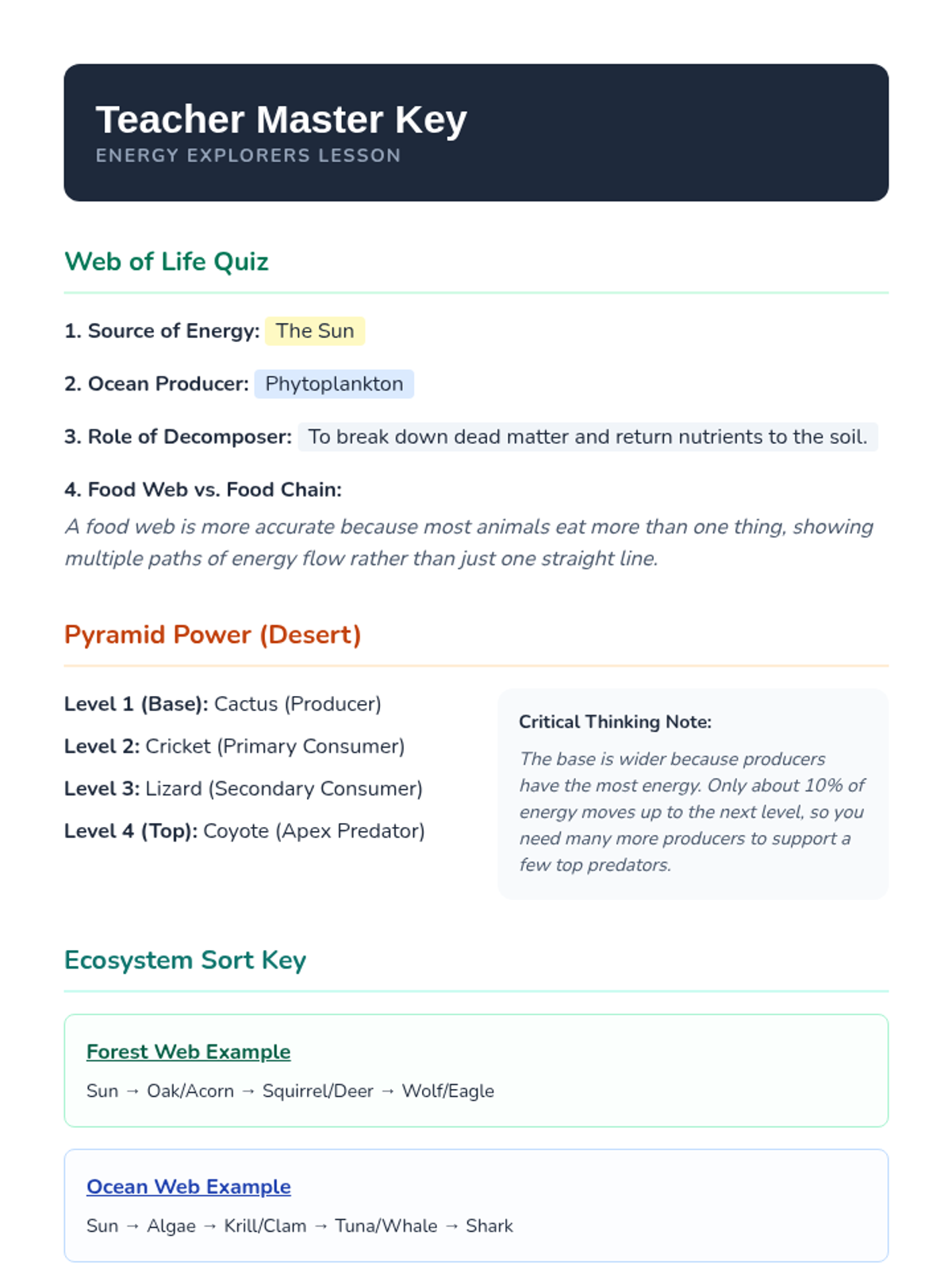
A comprehensive lesson on energy flow through ecosystems, covering food webs and energy pyramids in forest, ocean, desert, and pond habitats. Students will read, analyze, and physically sort organisms to understand their roles in nature.
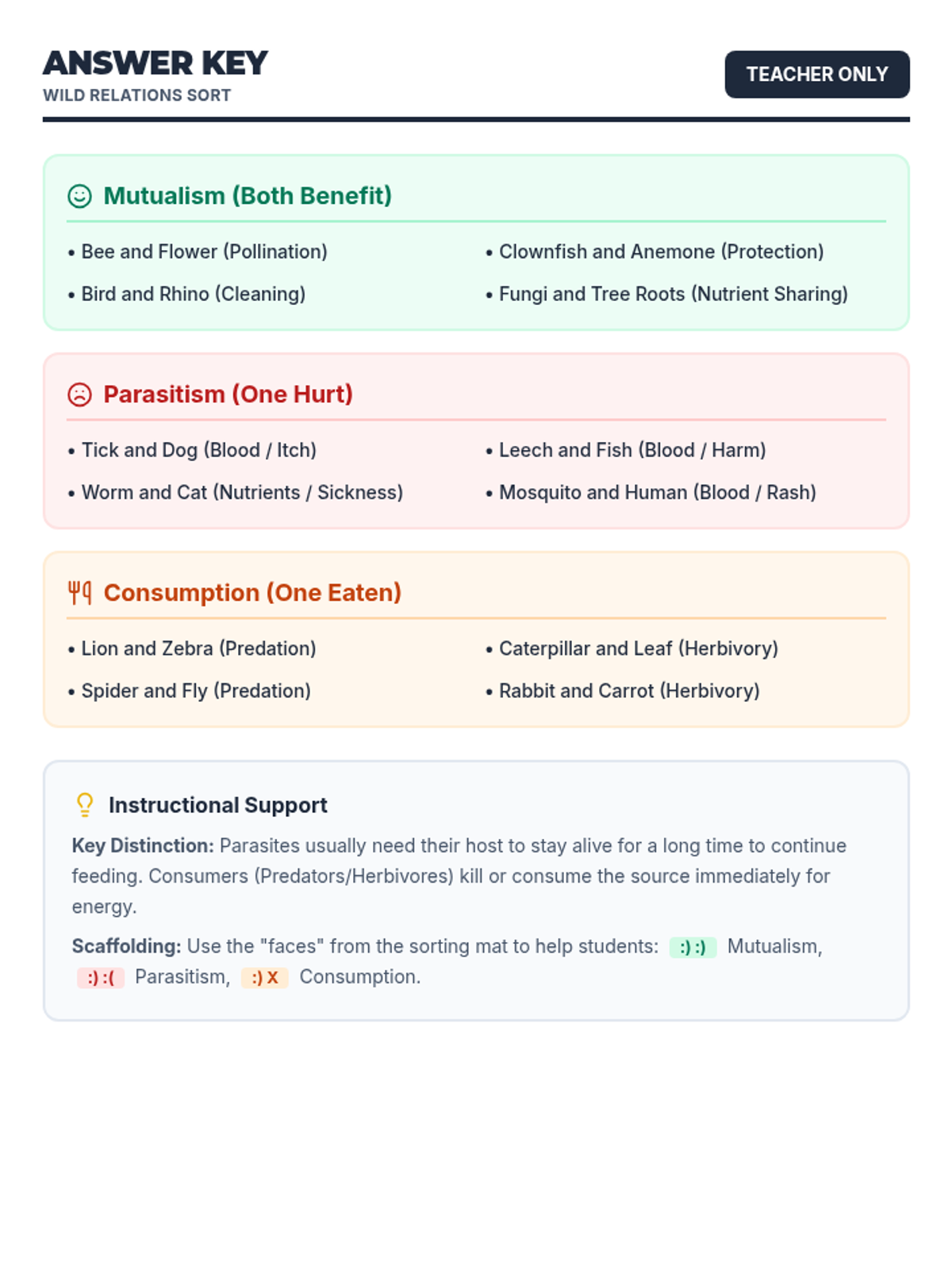
In this lesson, students explore the different ways organisms interact in nature. They will identify and categorize relationships into three types: mutualism, parasitism, and consumerism using visual examples and simple scenarios.
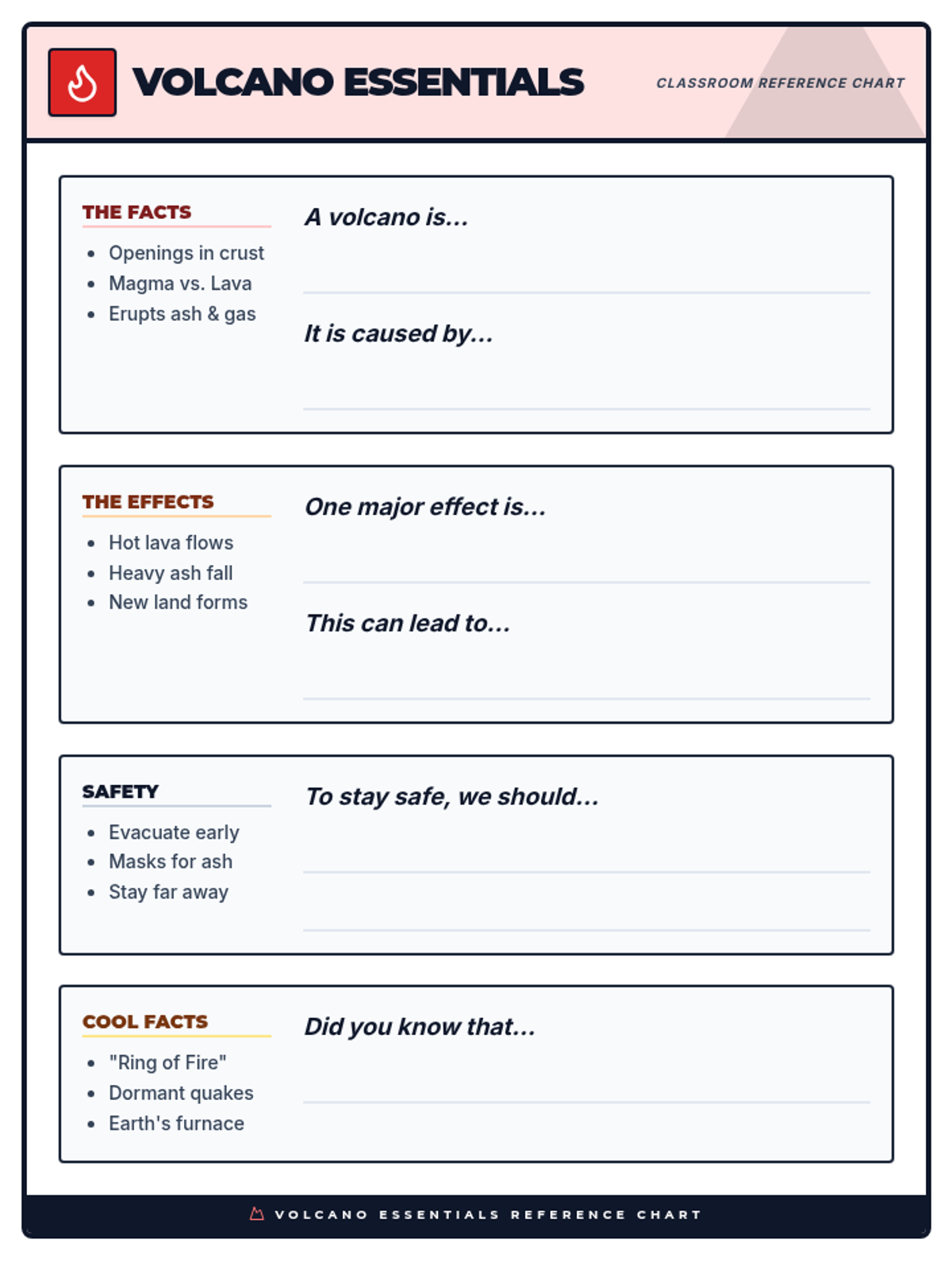
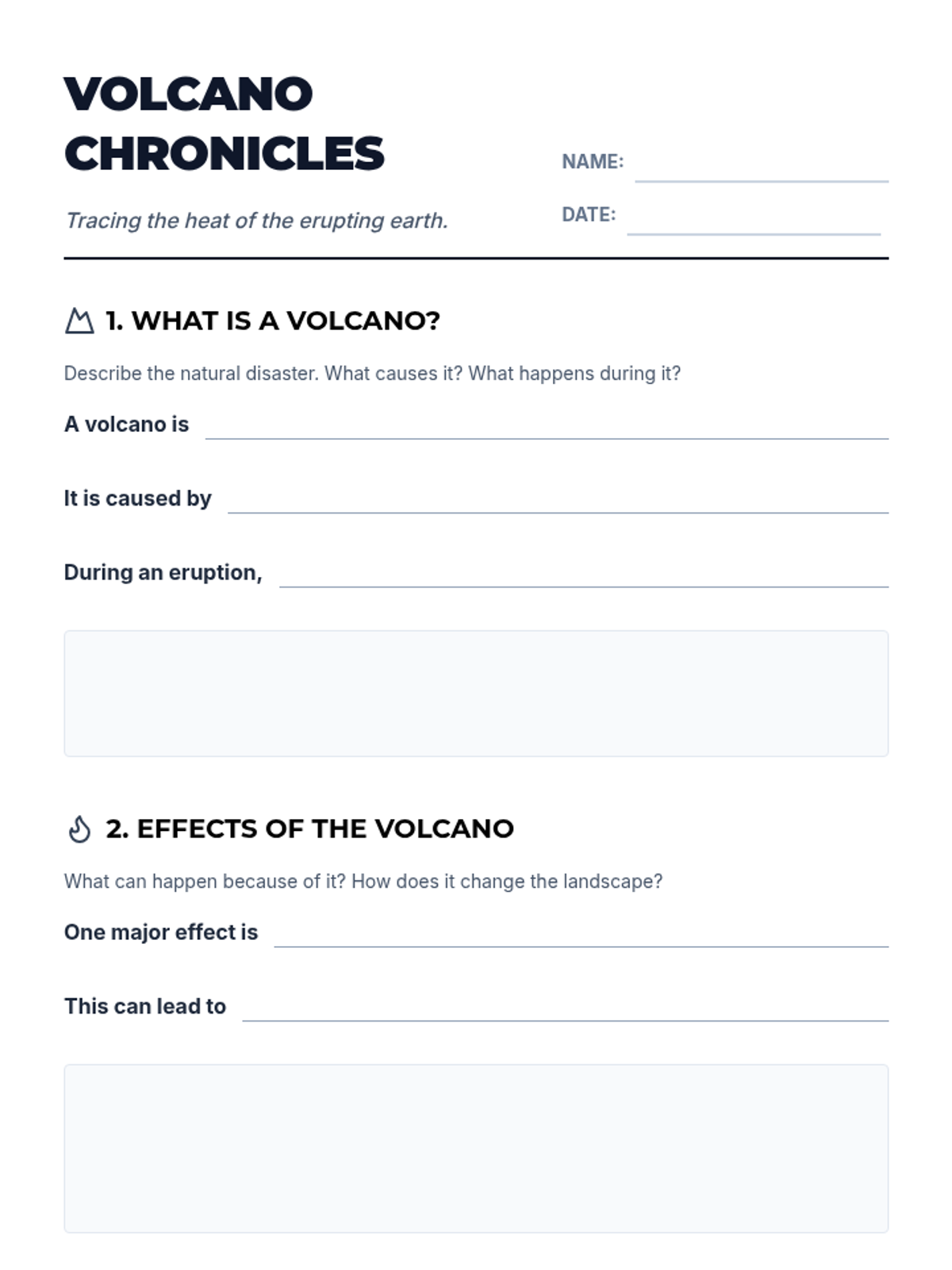
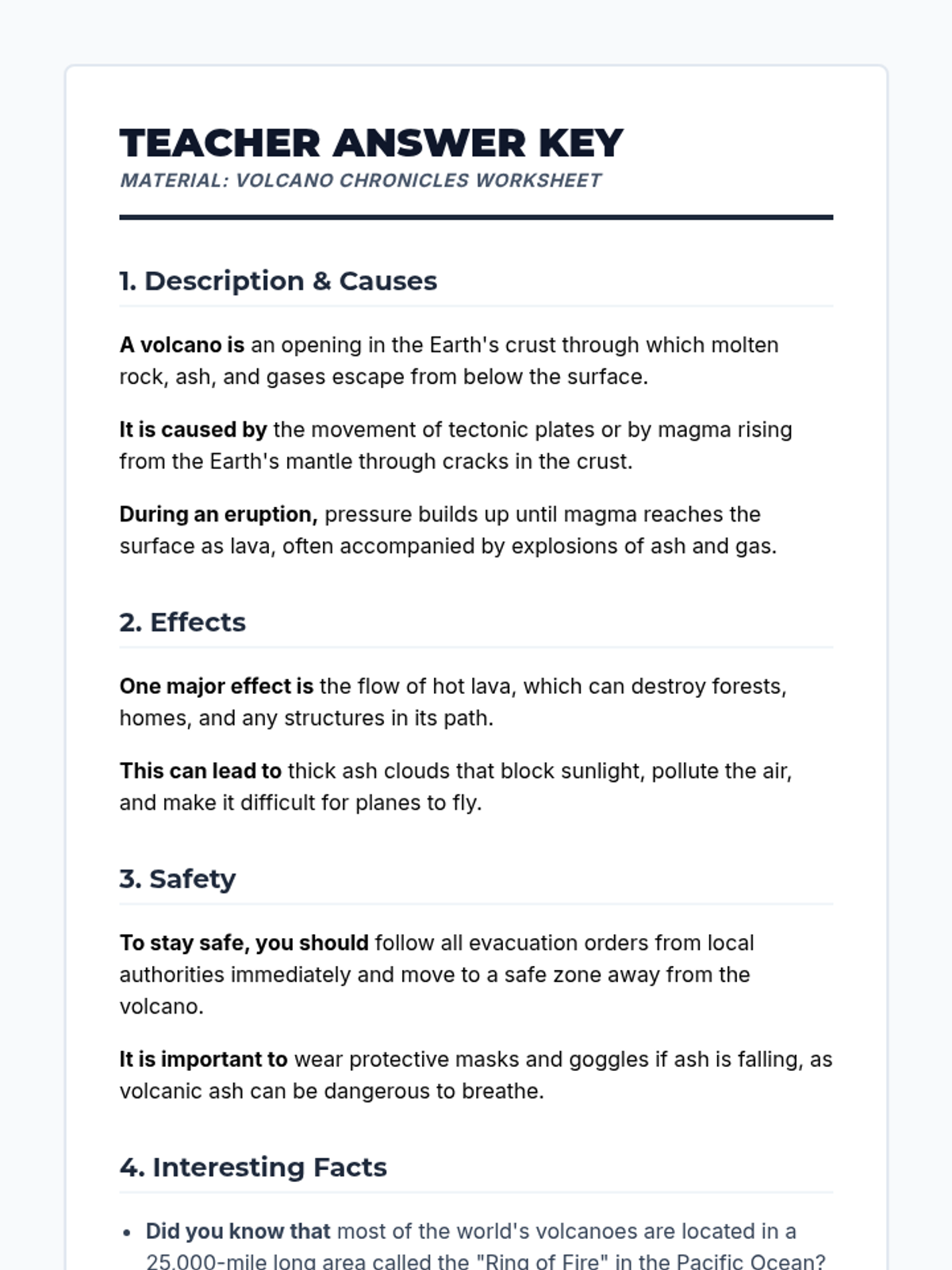
A comprehensive lesson on volcanoes, exploring magma and lava, eruption types, the impact of ash and lava flows, and critical evacuation safety protocols.
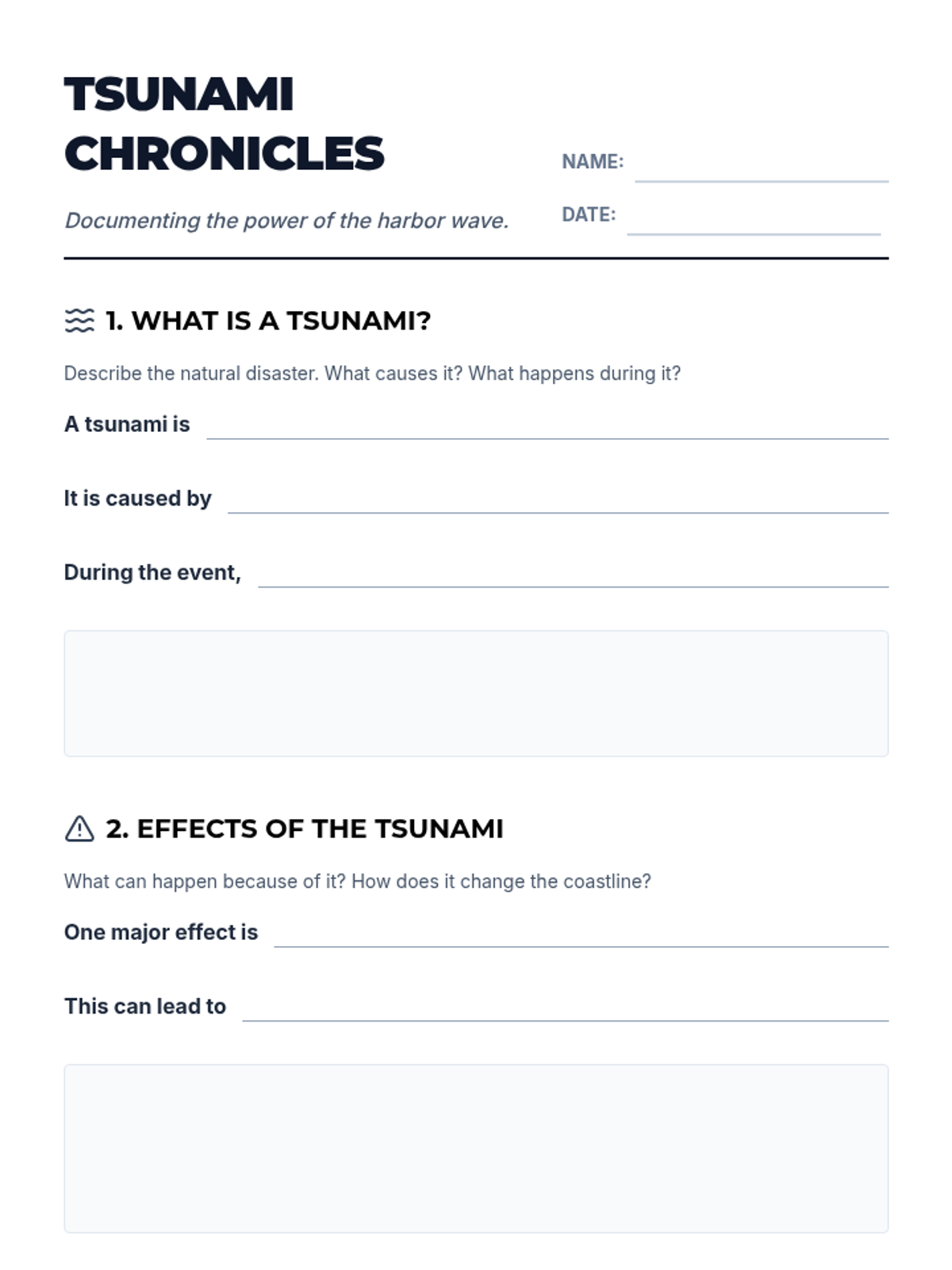
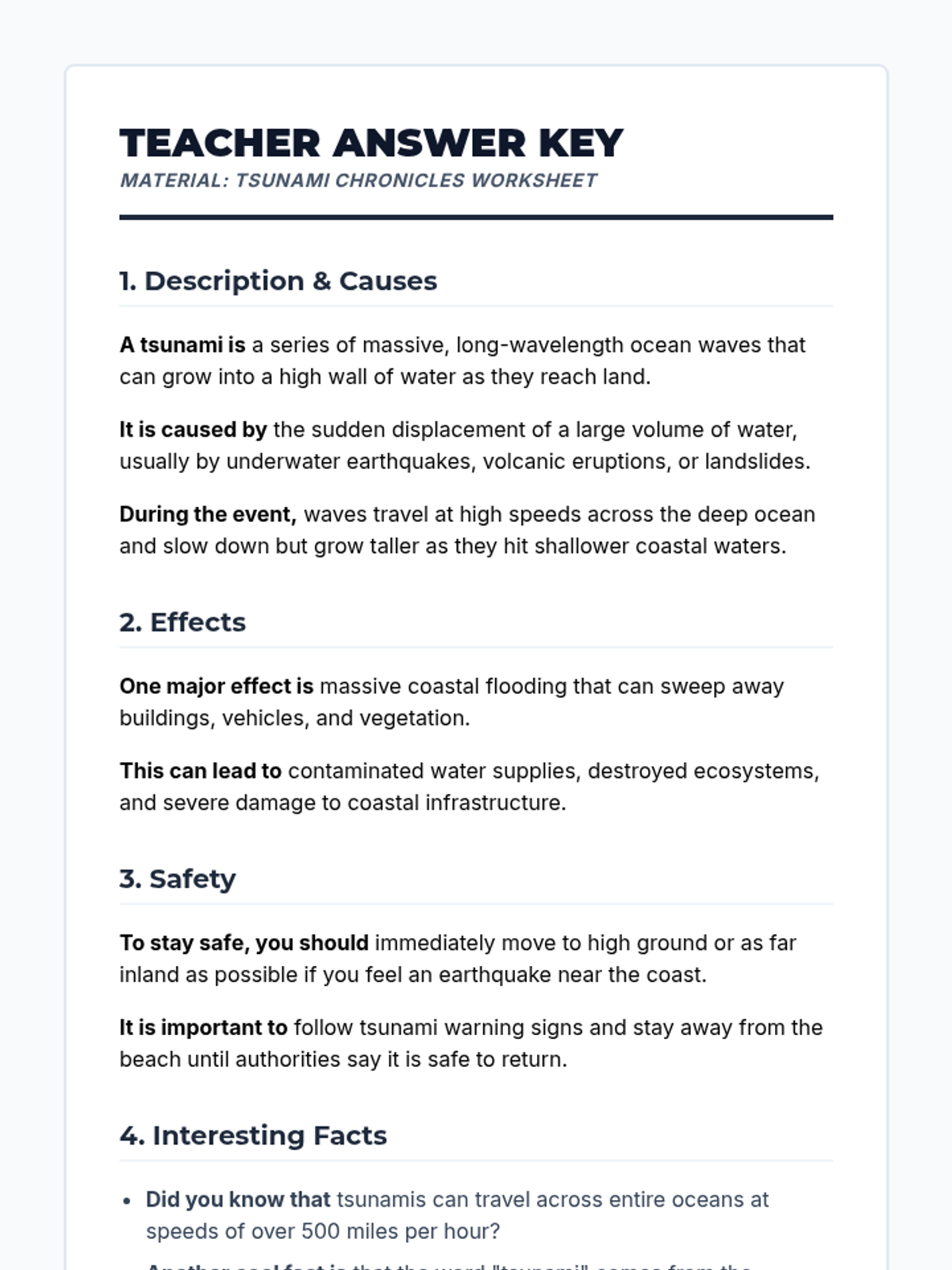
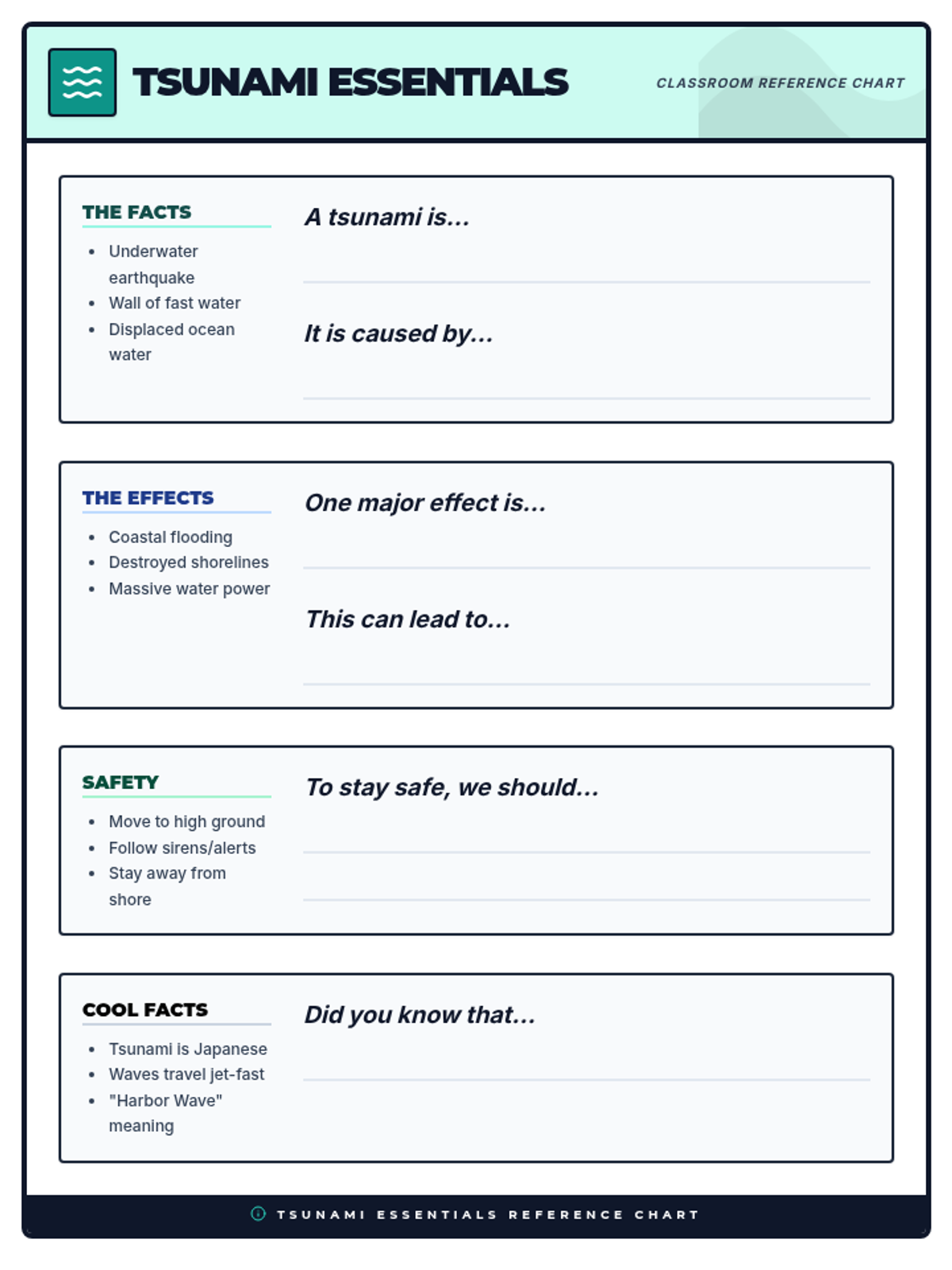
A comprehensive lesson on tsunamis, exploring their triggers like underwater earthquakes, the physics of wall-of-water waves, and critical coastal evacuation safety.
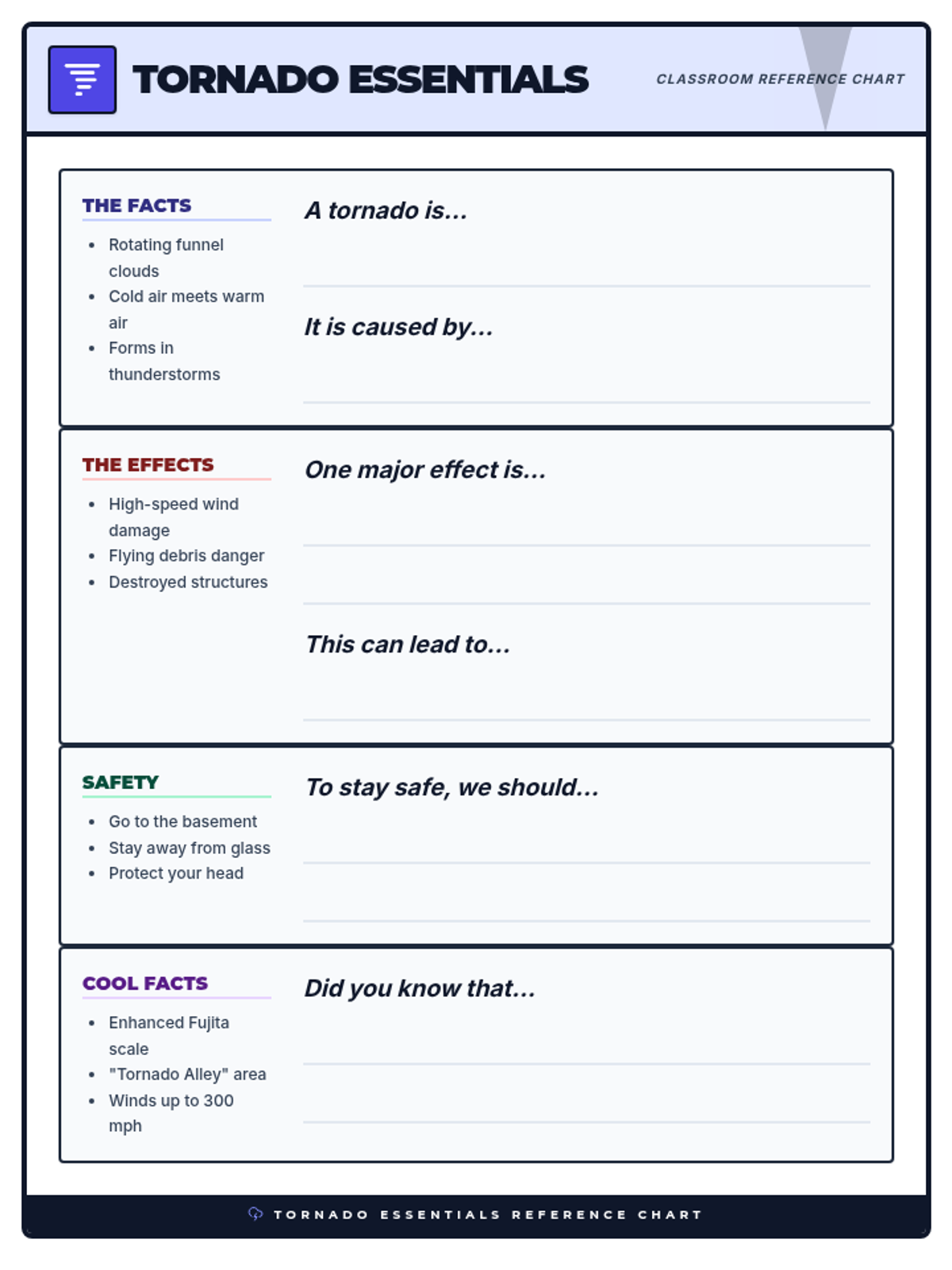
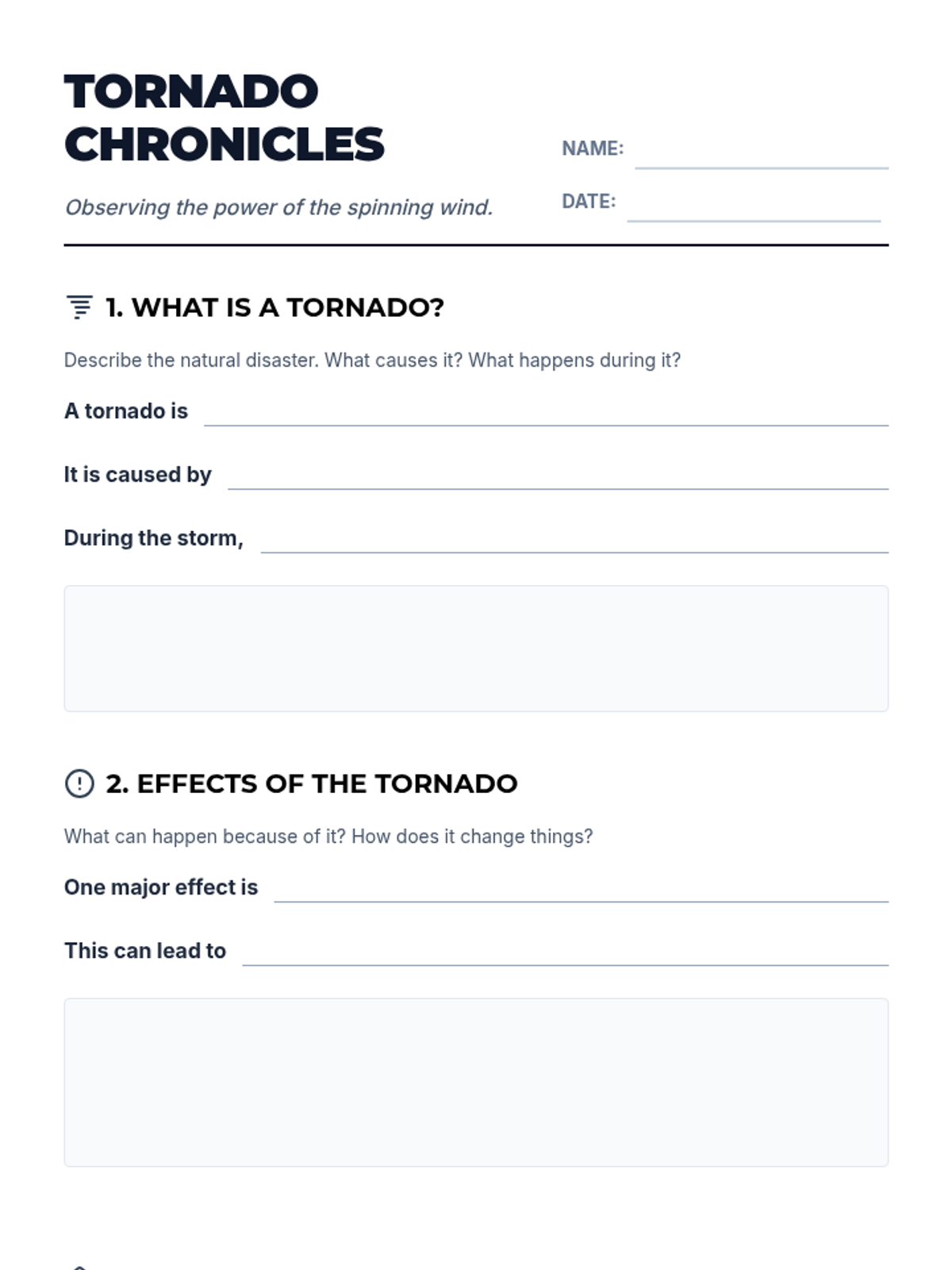
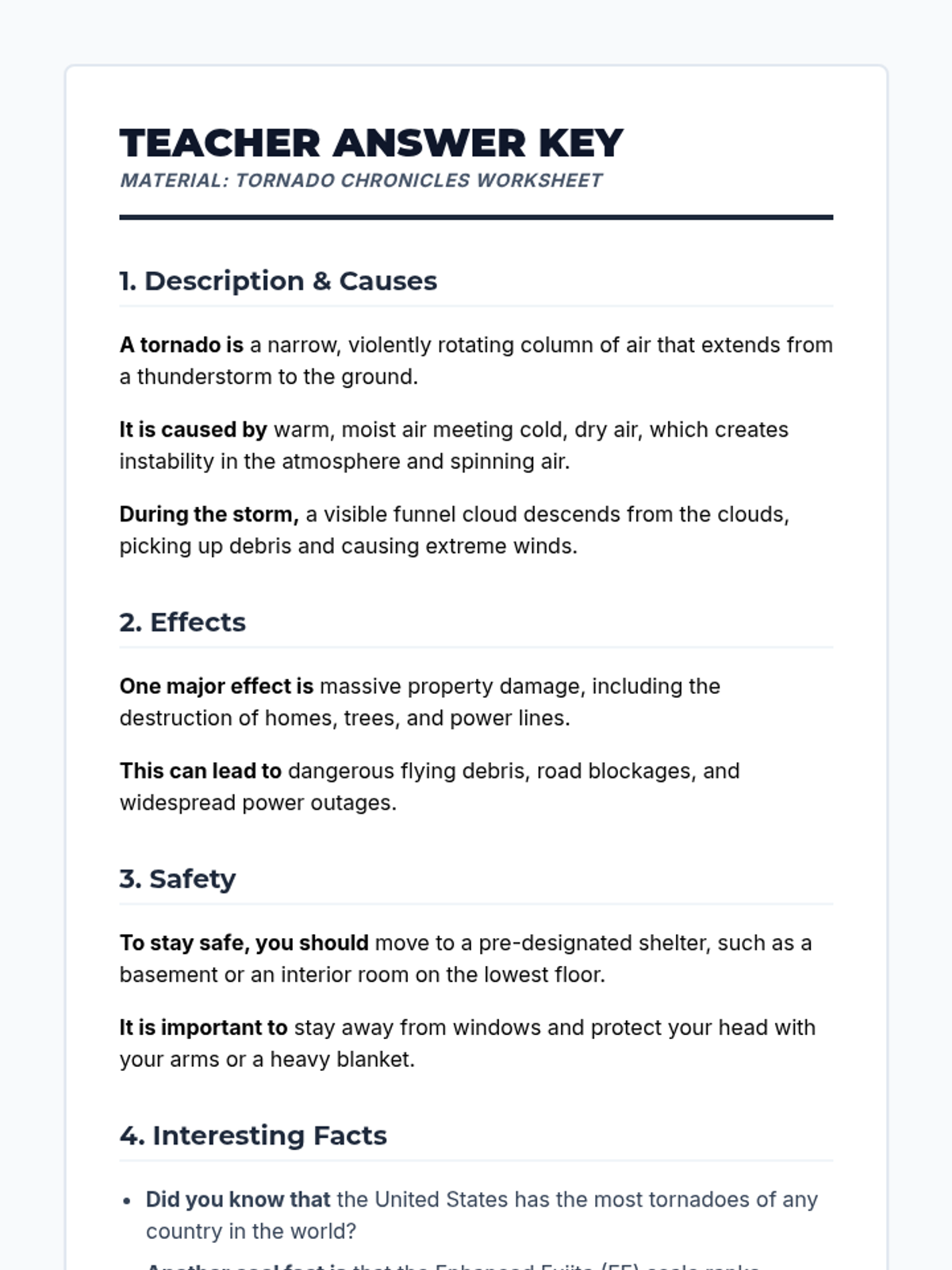
A comprehensive lesson on tornadoes, covering their formation from rotating thunderstorms, their devastating wind impacts, and critical "get low" safety protocols.
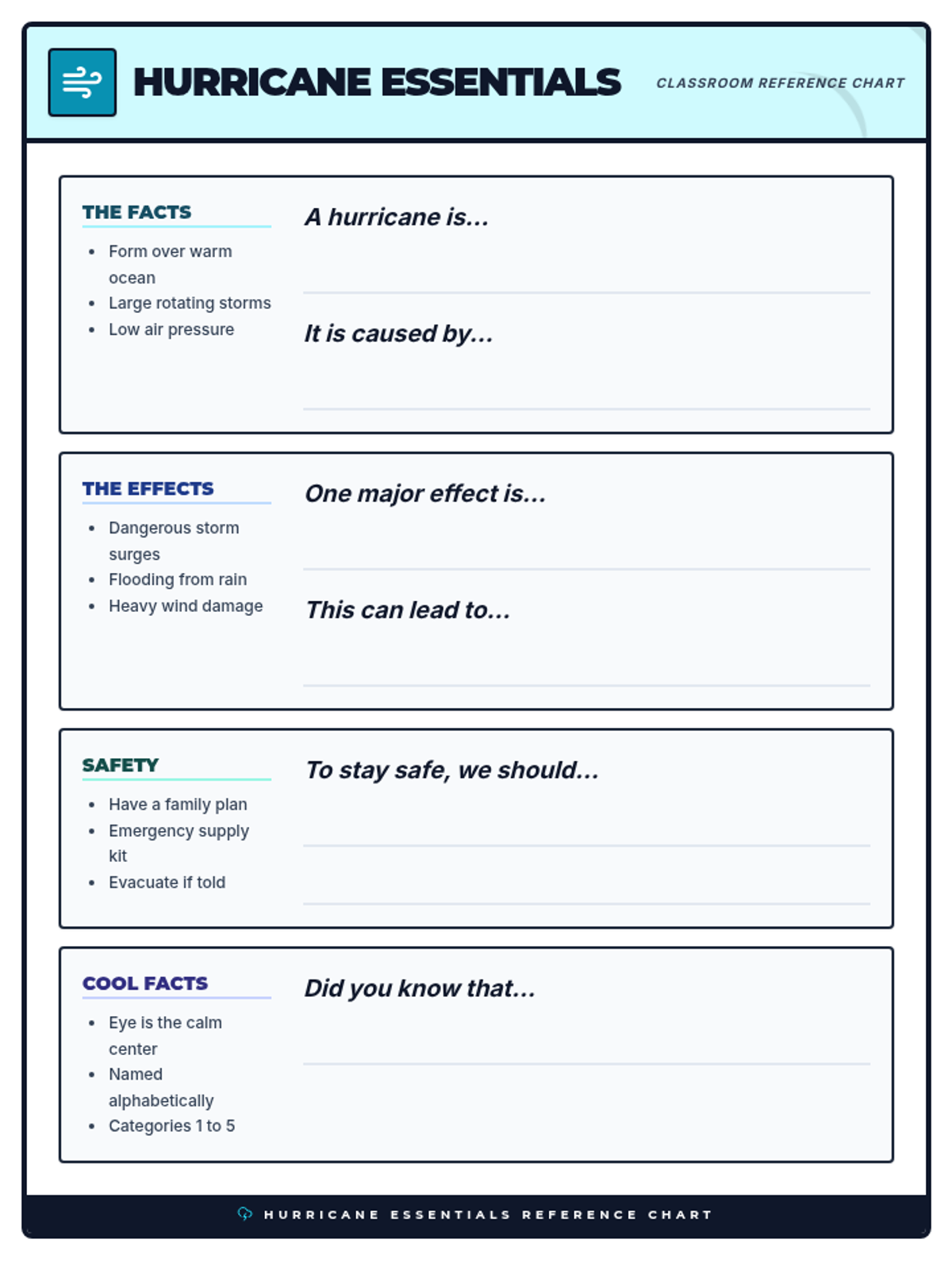
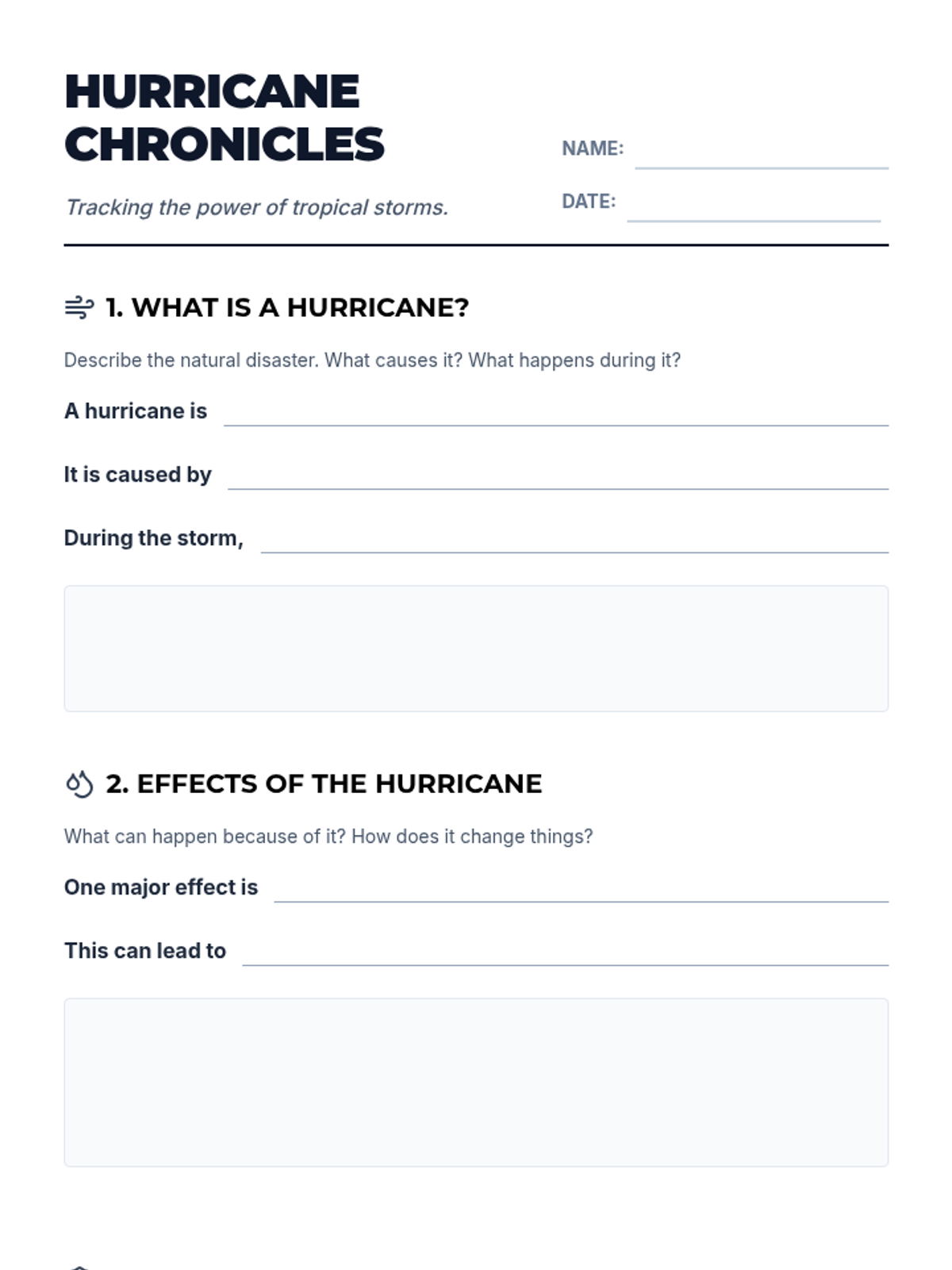
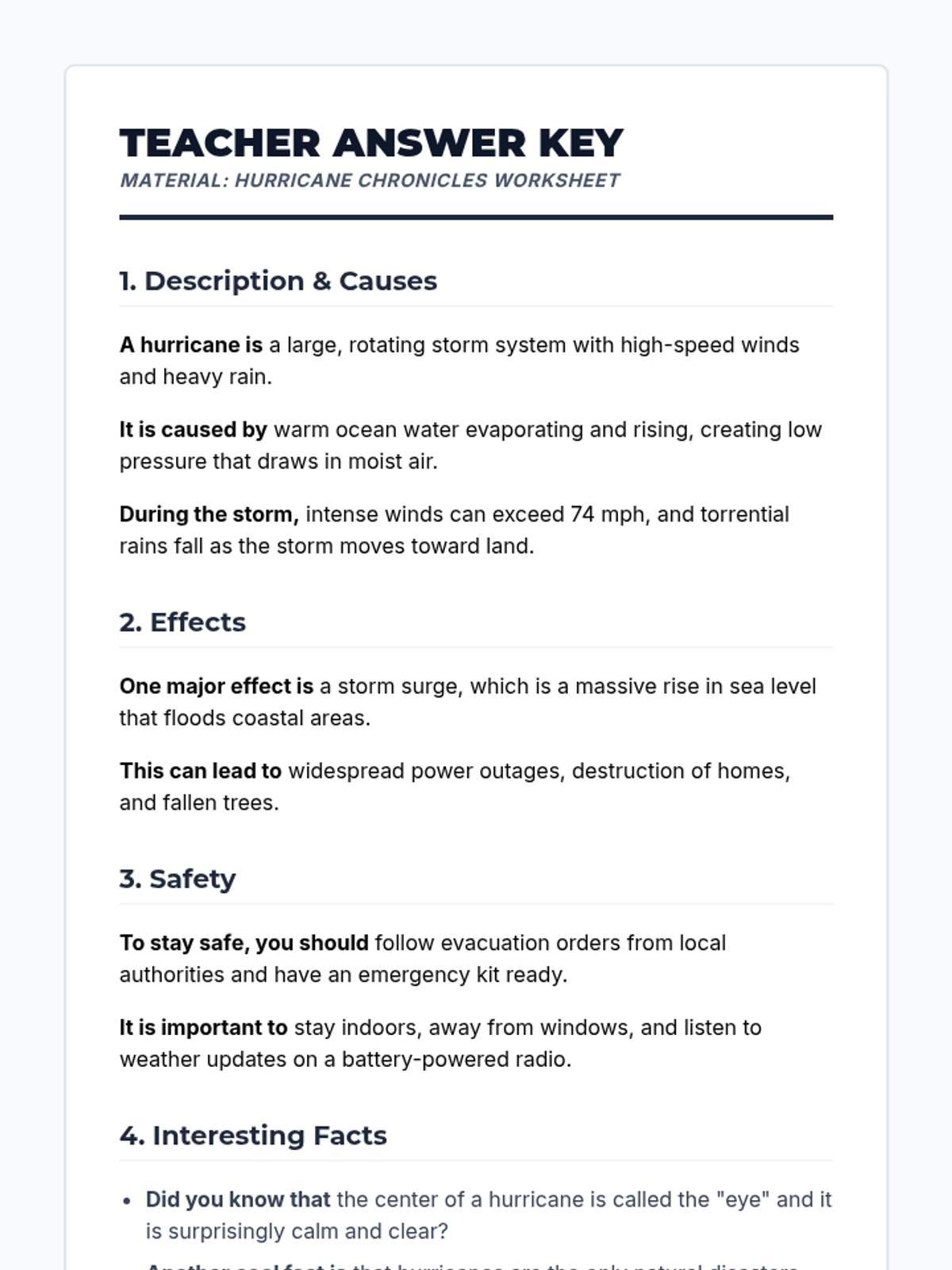
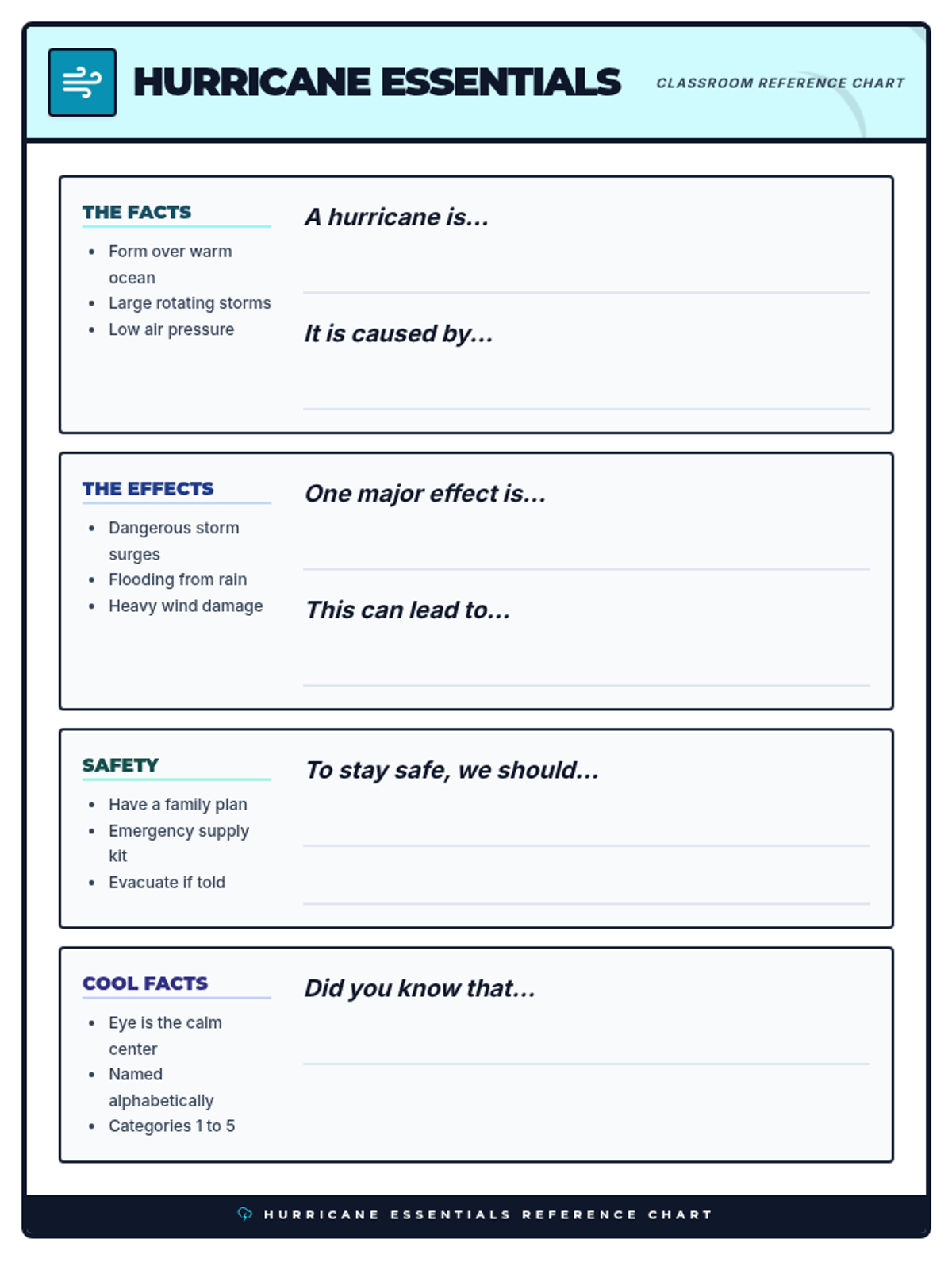
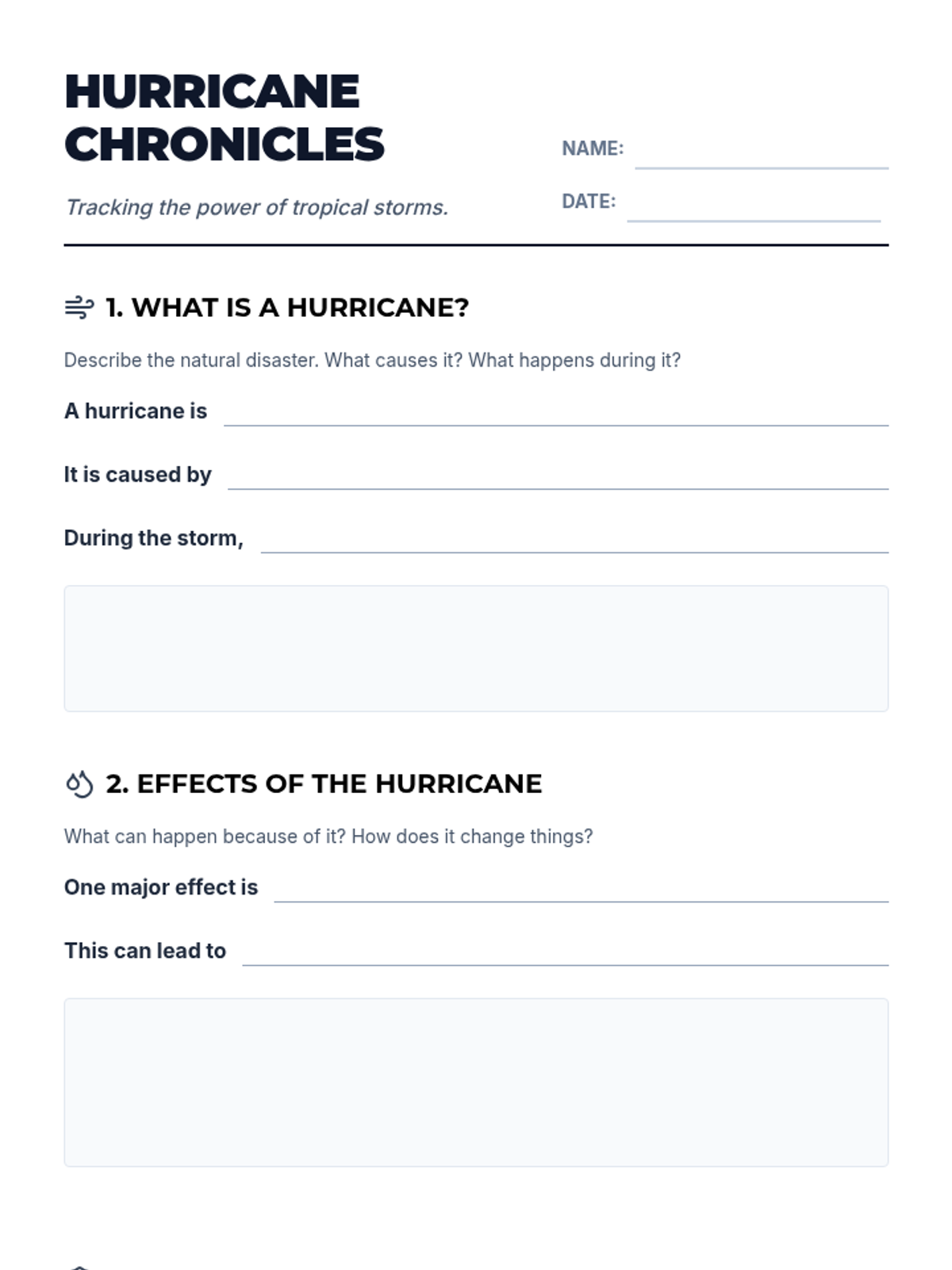
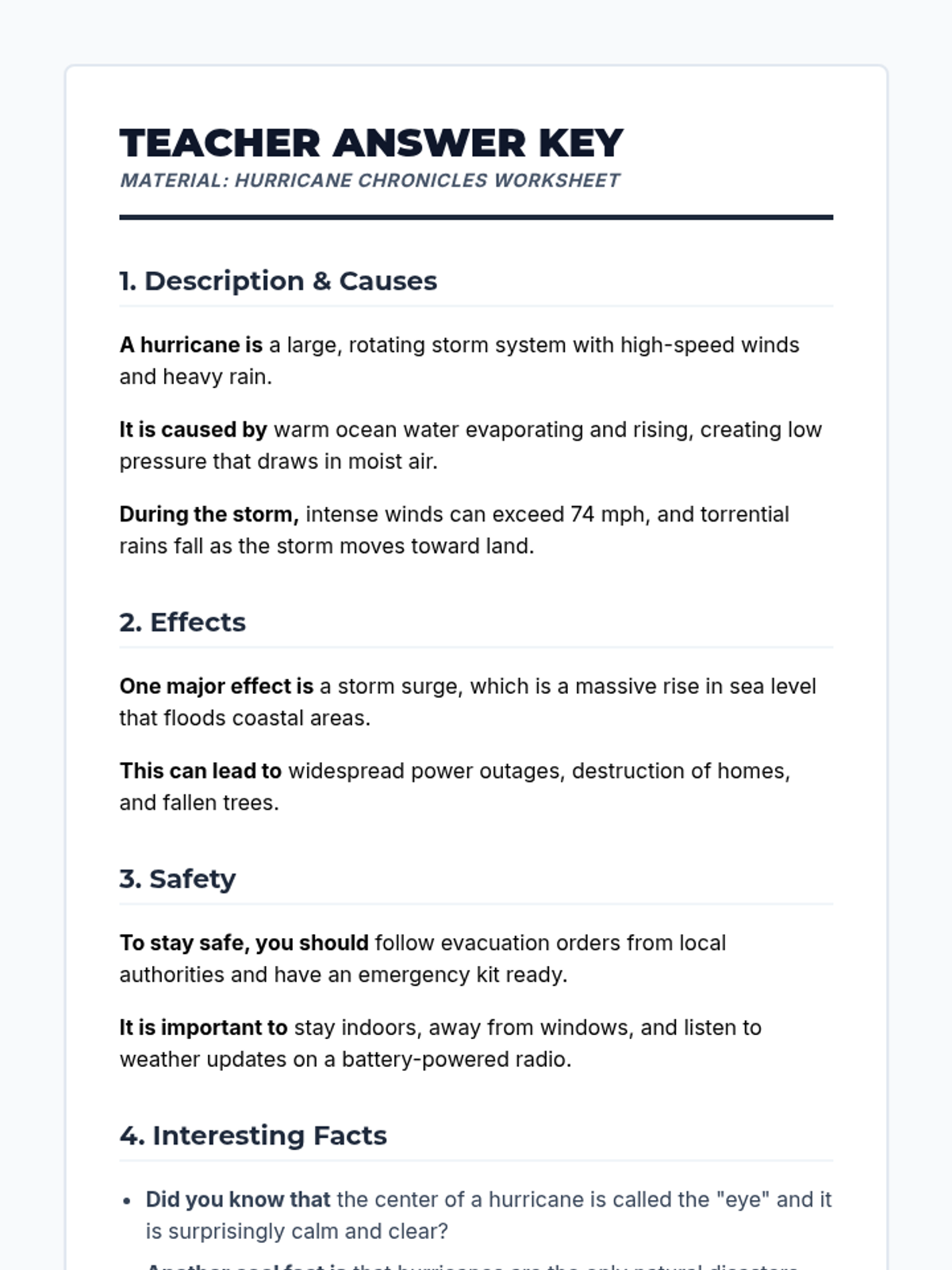
A comprehensive lesson on hurricanes, exploring their formation over warm oceans, their powerful effects like storm surges, and critical safety procedures.
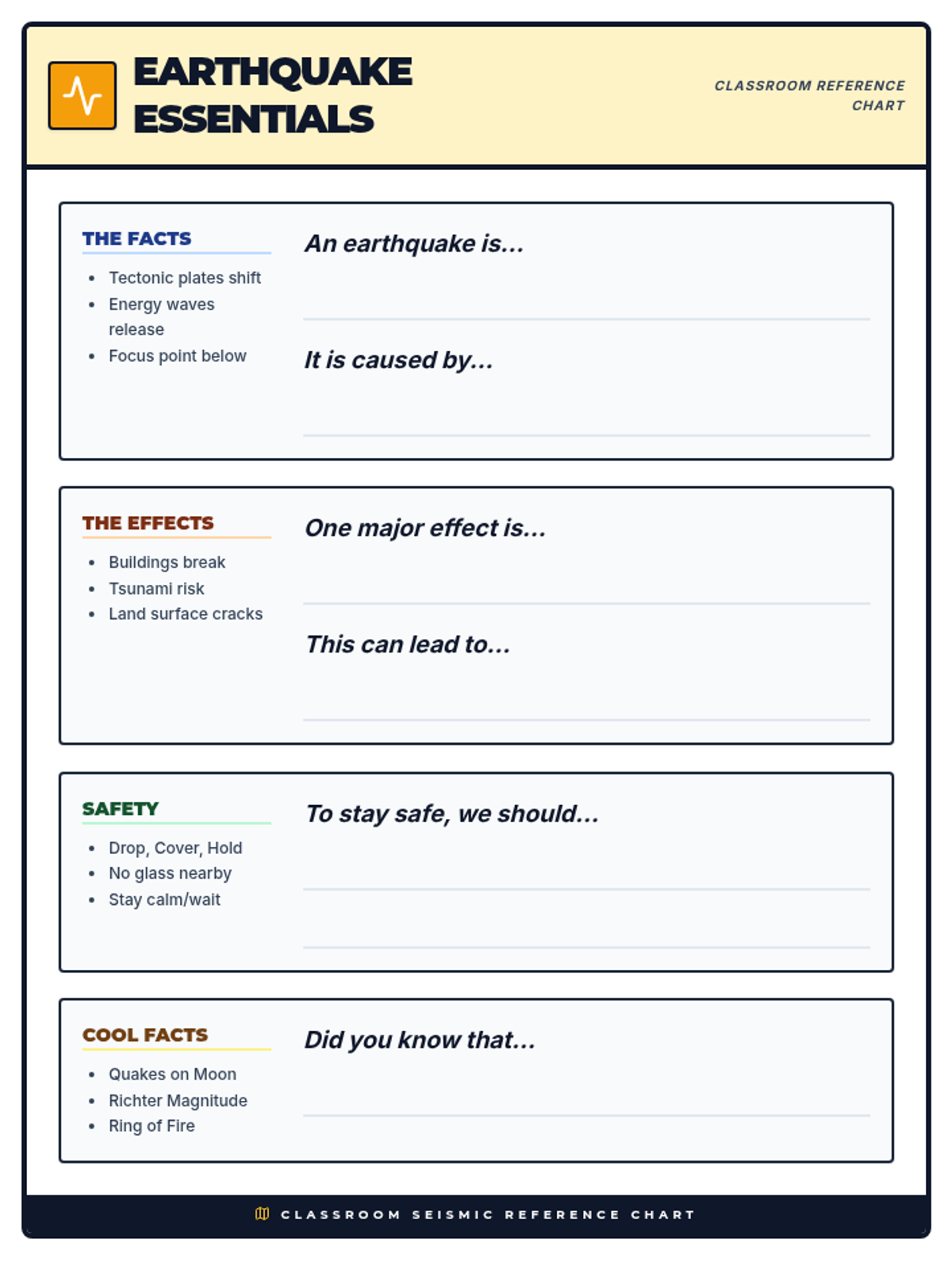
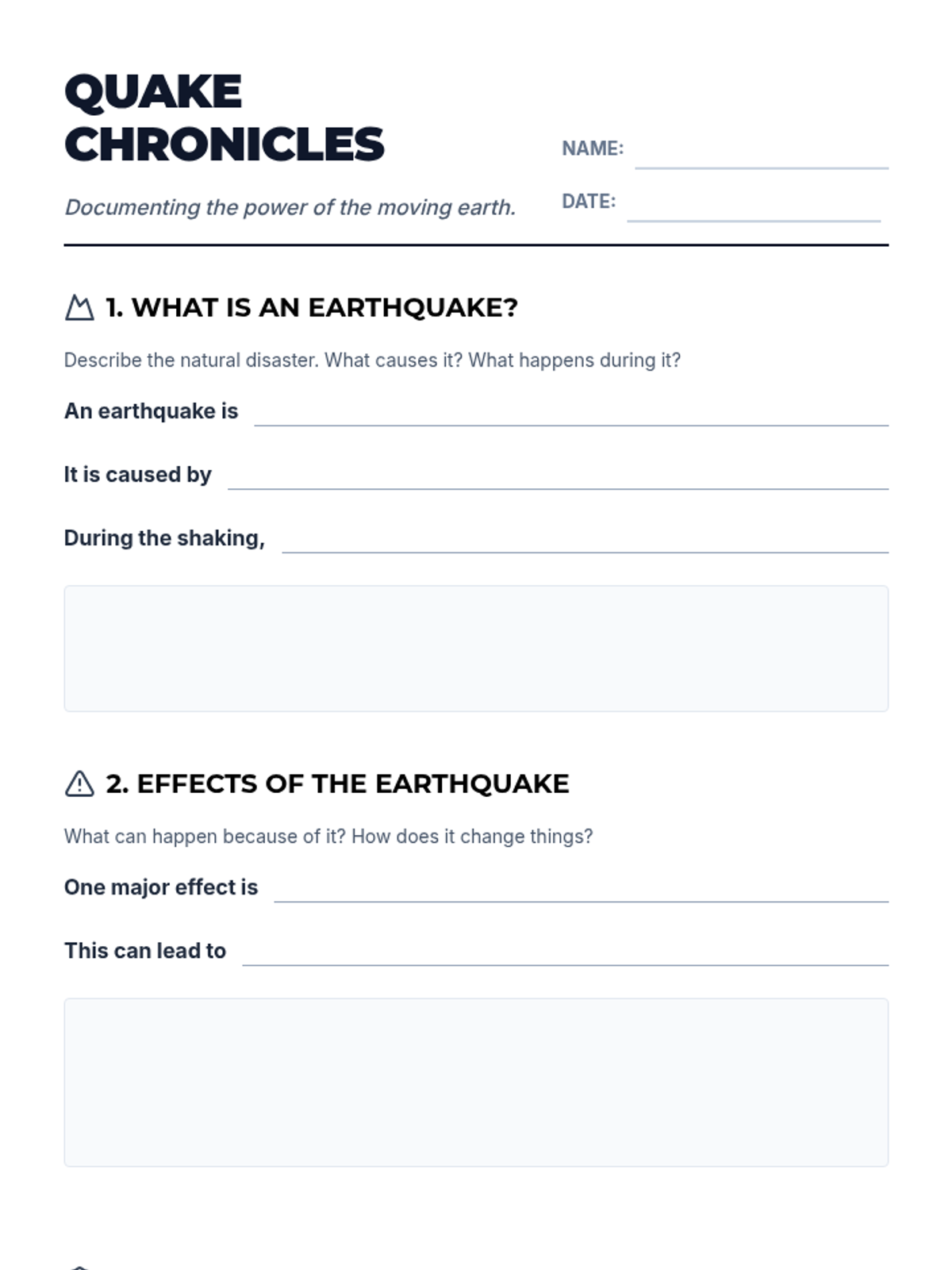
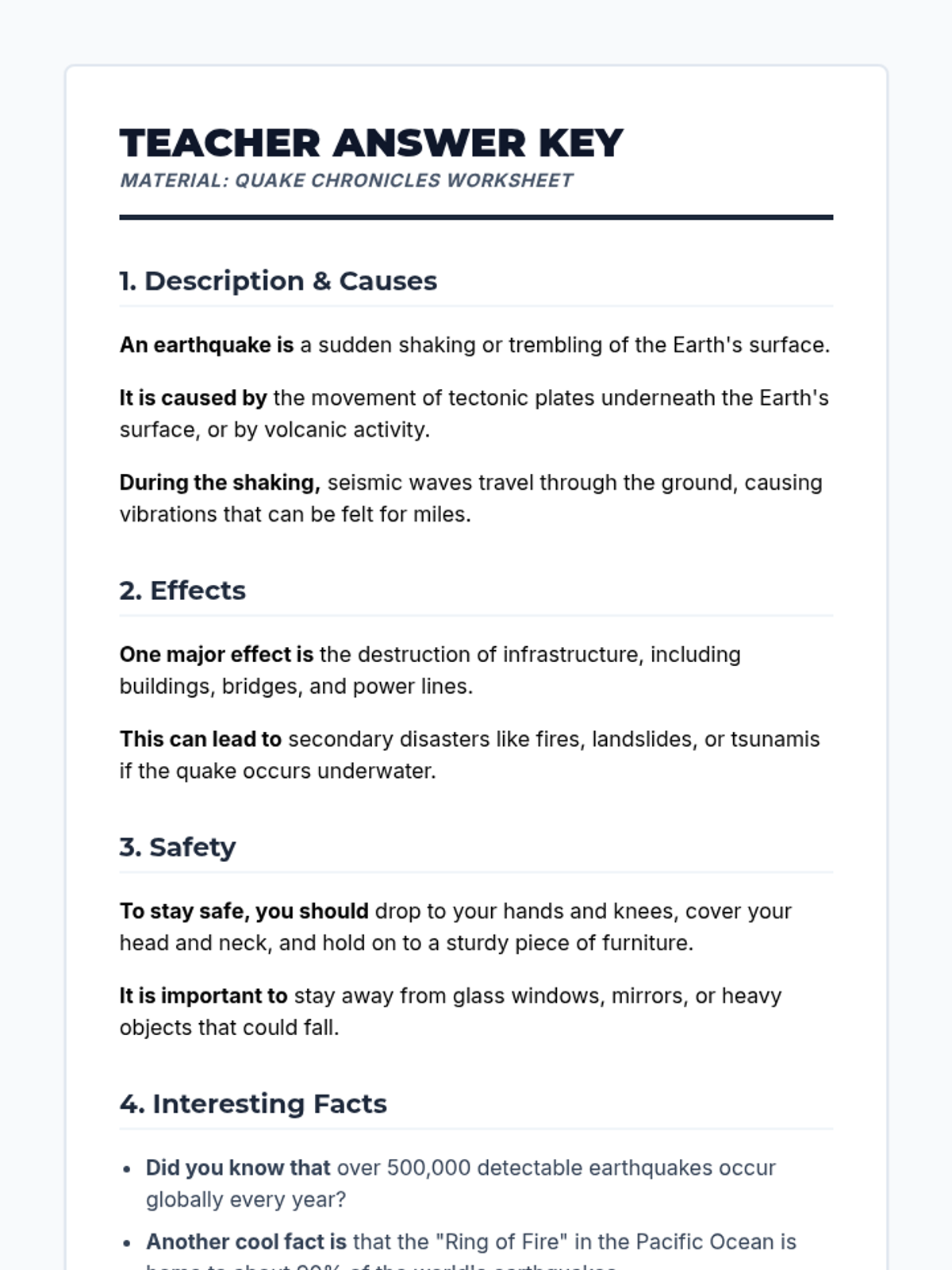
A comprehensive lesson on earthquakes, covering their causes, effects, safety protocols, and fascinating seismic facts using sentence starters to support student writing.
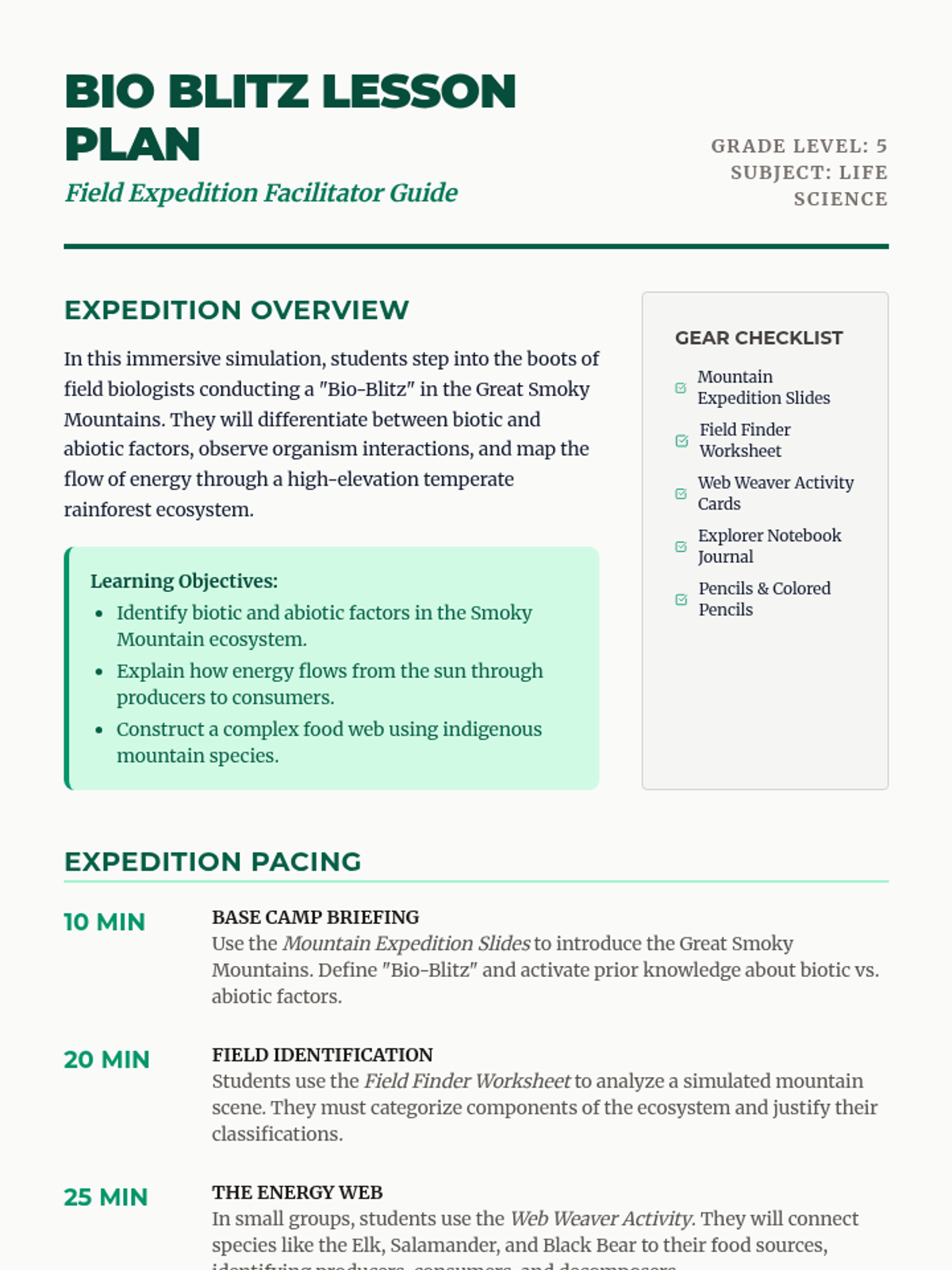
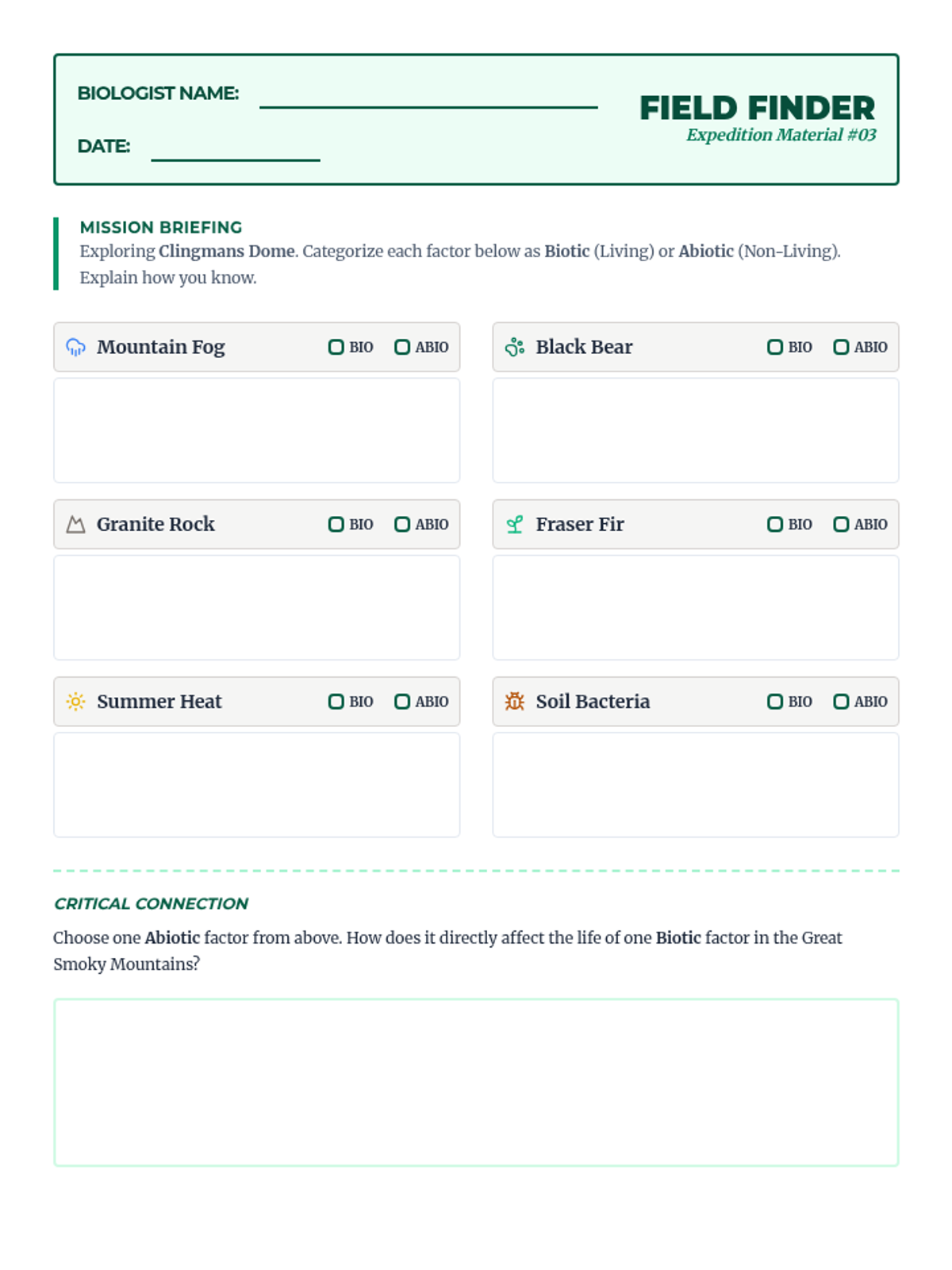
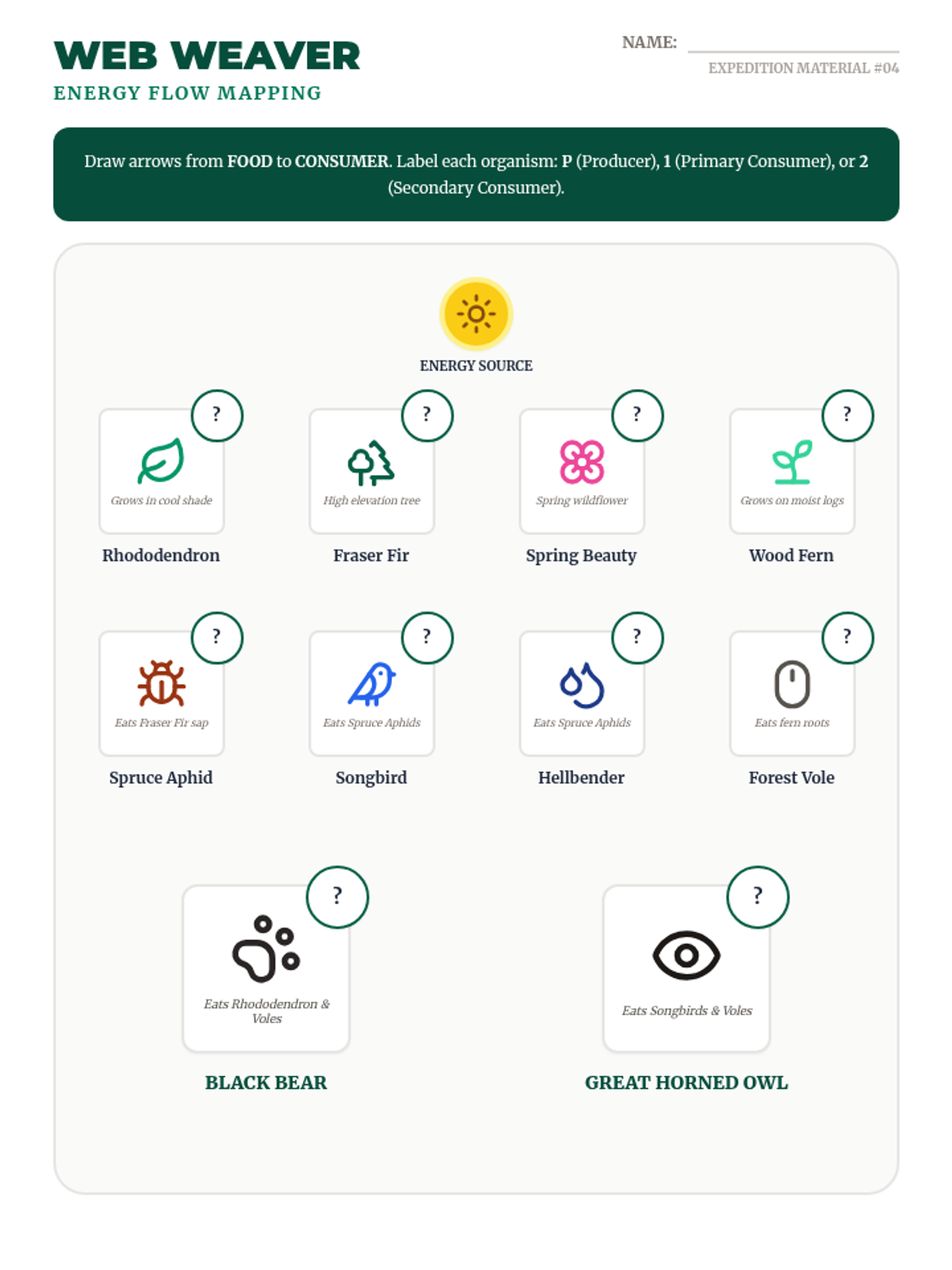
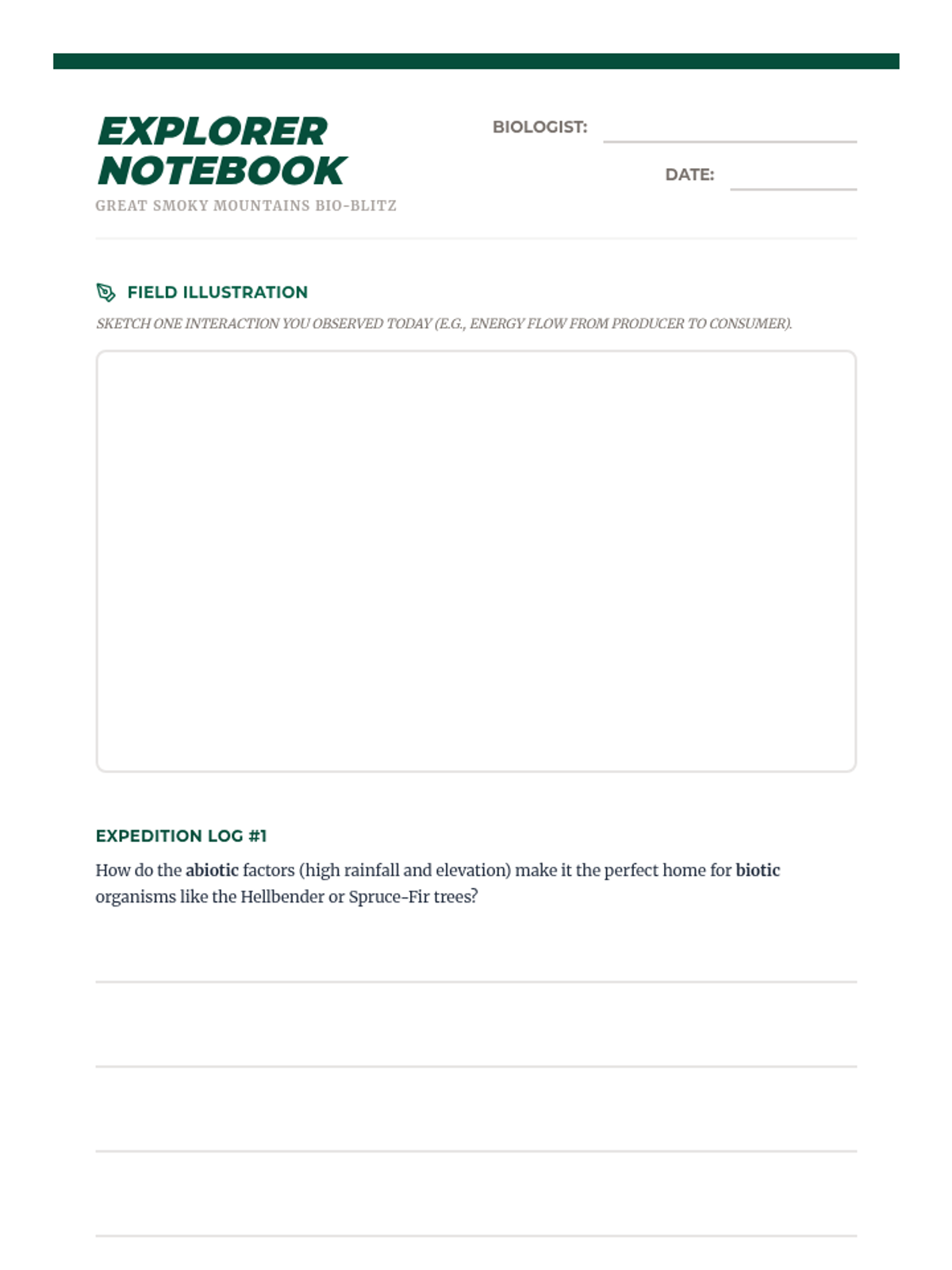
A comprehensive 5th-grade simulation where students identify biotic and abiotic factors and construct food webs within the Great Smoky Mountains ecosystem.
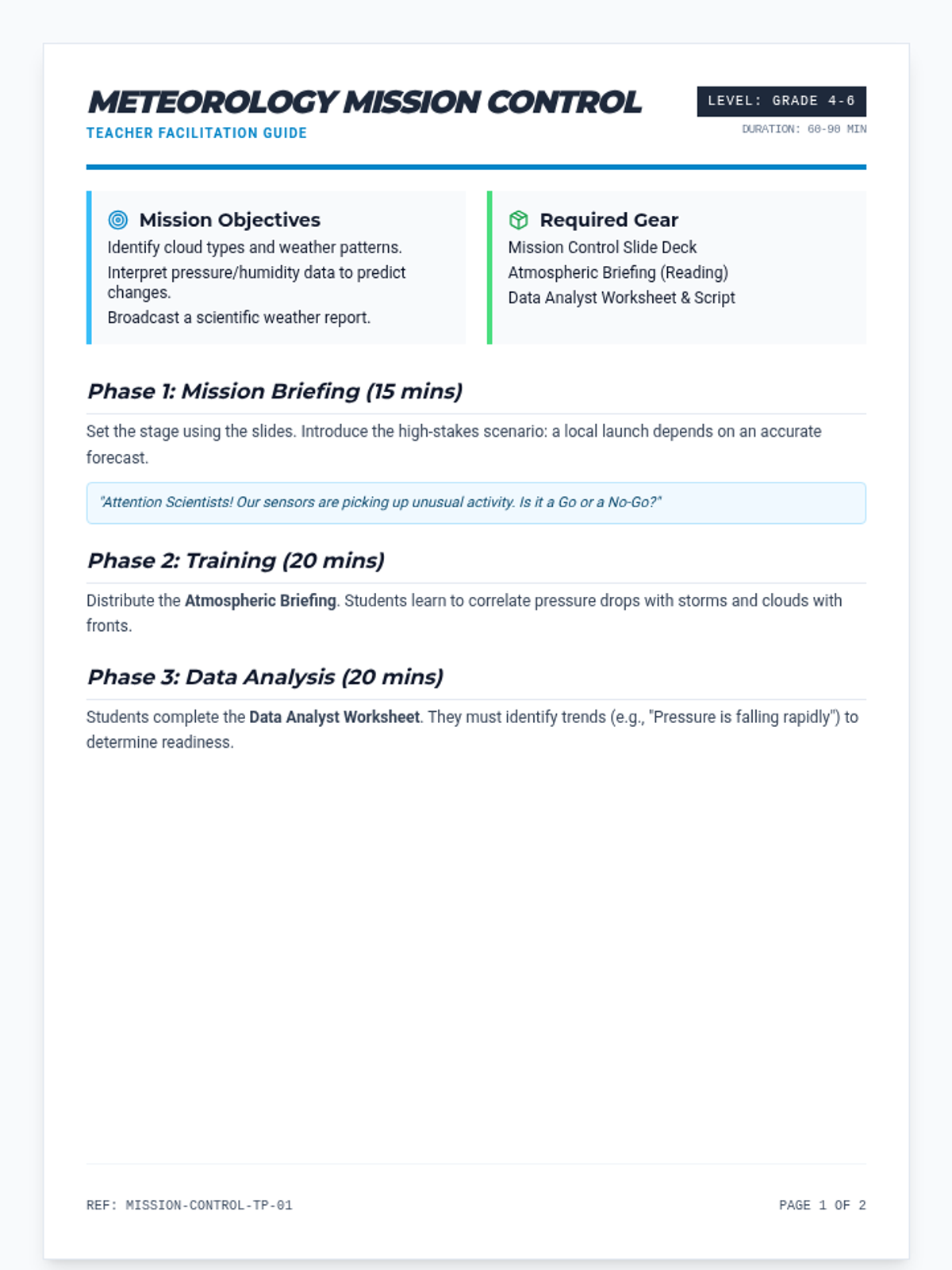
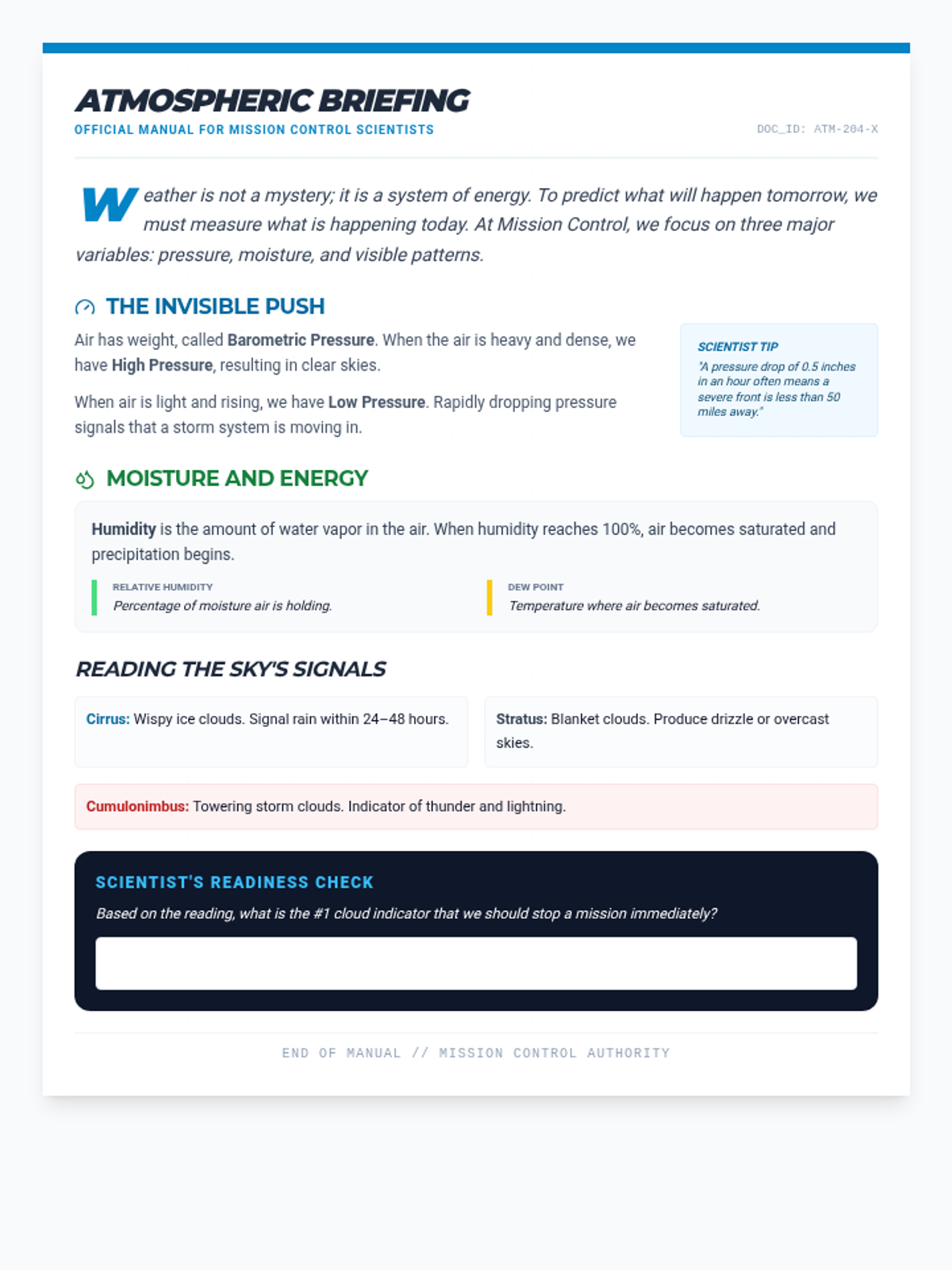
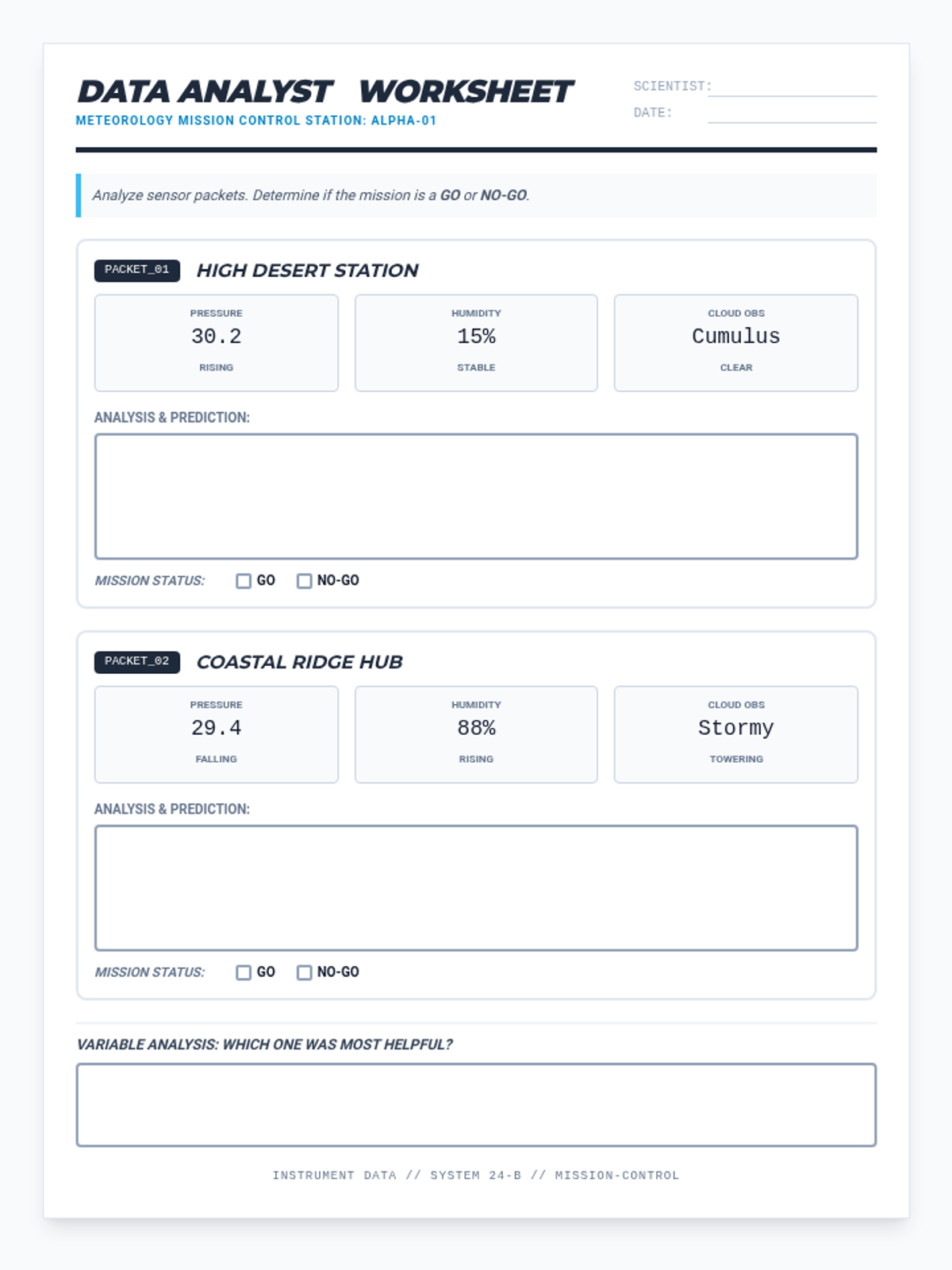
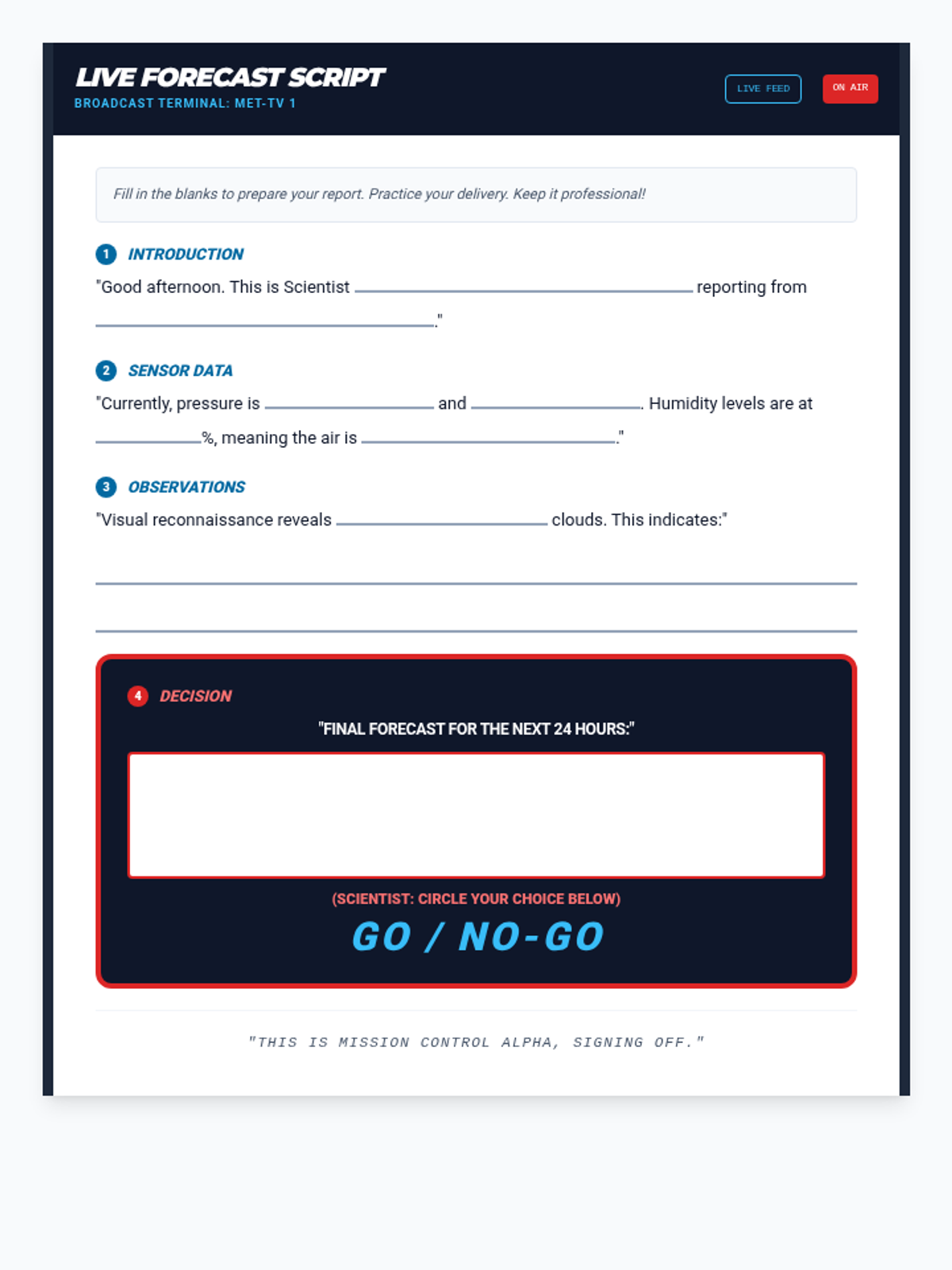
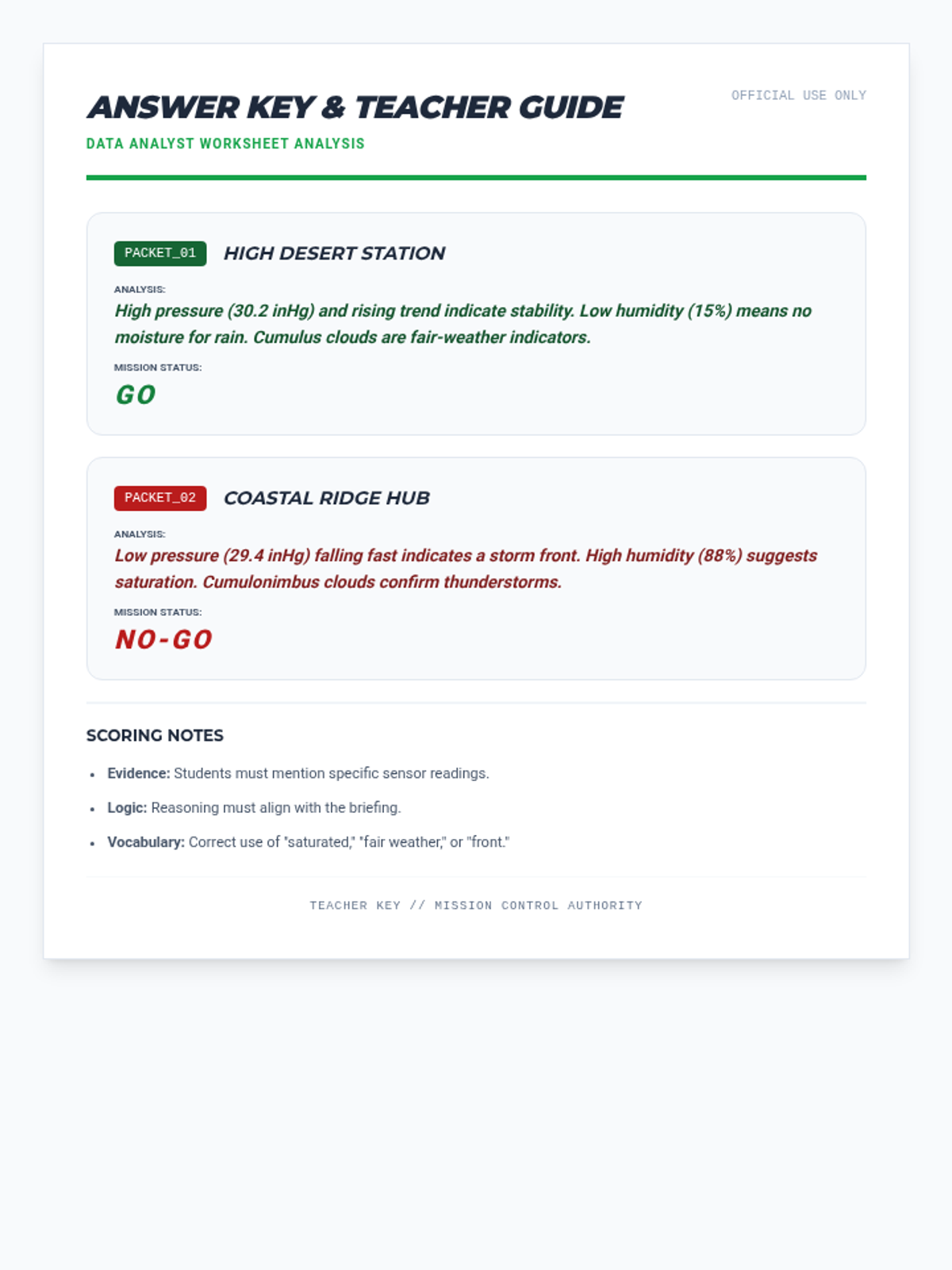
A high-energy meteorology lesson where students act as atmospheric scientists at a mission control center, analyzing real-world data and cloud patterns to broadcast a live weather forecast.
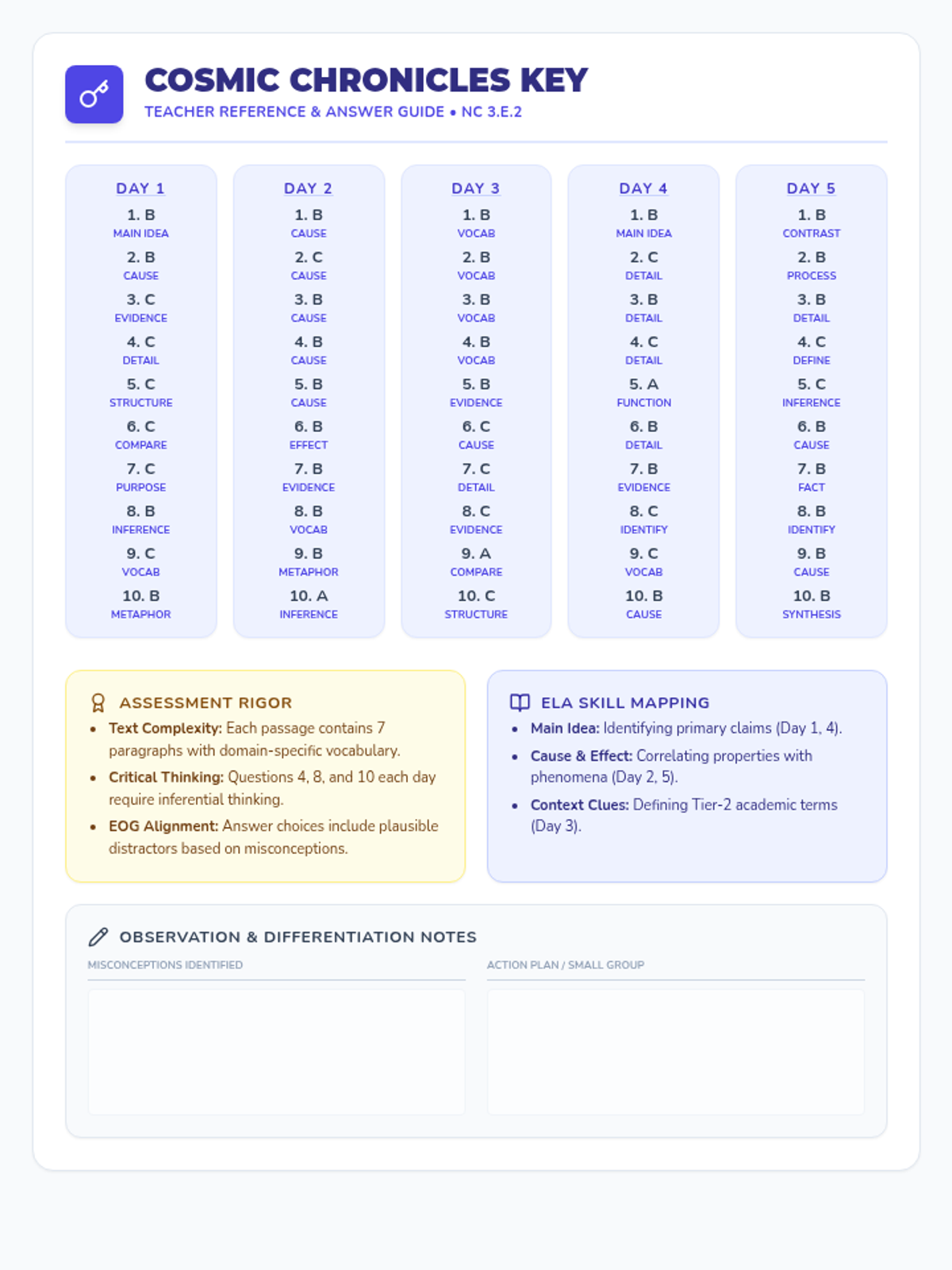
A week-long exploration of our solar system (NC 3.E.2) integrated with ELA skills like main idea, cause and effect, and context clues. Students will analyze the Earth, Moon, and planets through daily reading passages and 10-question assessments.
A comprehensive exploration of ecosystems and biomes, focusing on the interactions between biotic and abiotic factors, the flow of energy through food webs, and the impact of environmental changes on organism survival. Students will investigate how energy and matter move through nature's blueprint.