A middle school grammar lesson focusing on the Simple Aspect, helping students identify the 'bare minimum' requirements of verbs through a video-based challenge and writing activity.
A 6th-grade ELA lesson focused on developing inference skills through a locked-room school mystery. Students analyze clues, character motivations, and environmental details to solve a crime.
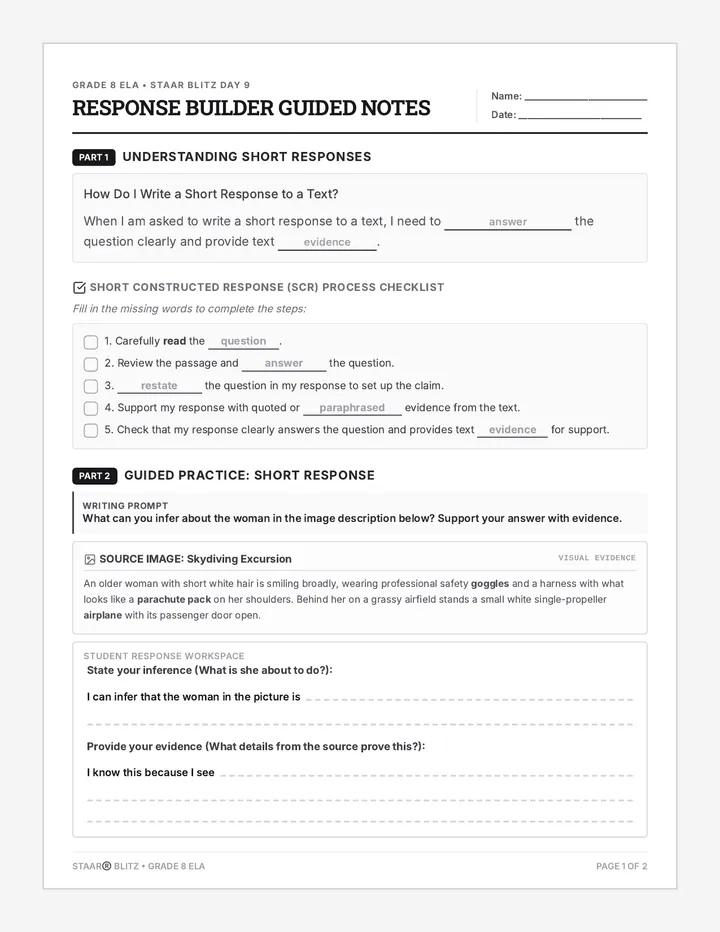
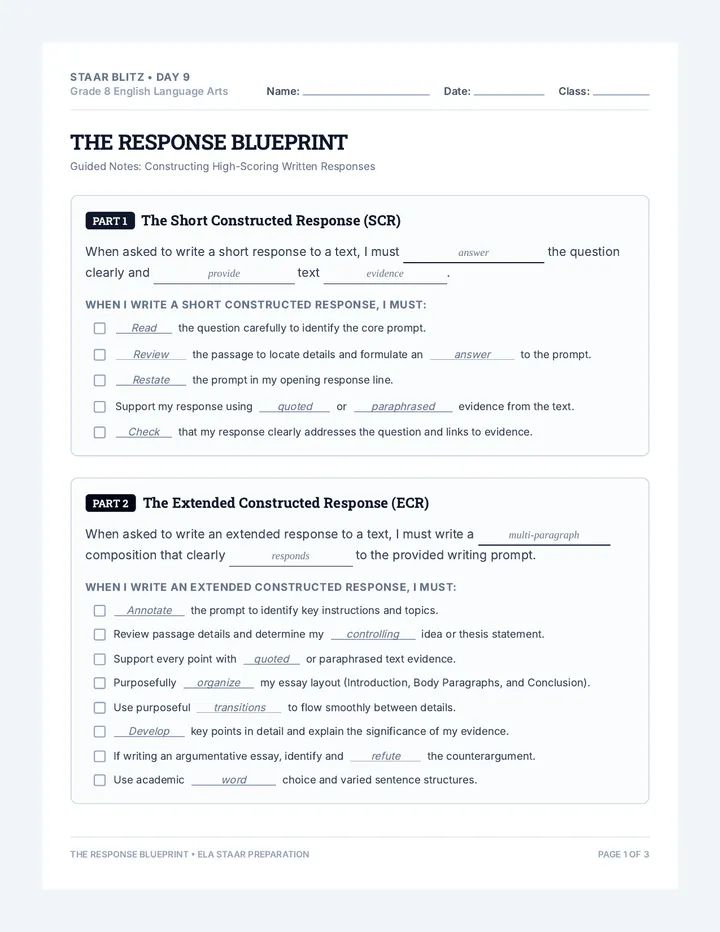
A lesson focused on analyzing and producing high-quality short responses for the NYS 8th Grade ELA exam using the topic of climate change. Students will compare exemplar and non-exemplar responses to understand rubric criteria.
This lesson teaches 6th-grade students how to summarize their research on Japan, Italy, and Portugal using the 5 W's strategy. Students will learn to distill complex information into concise summaries that capture the essence of their travel destinations.
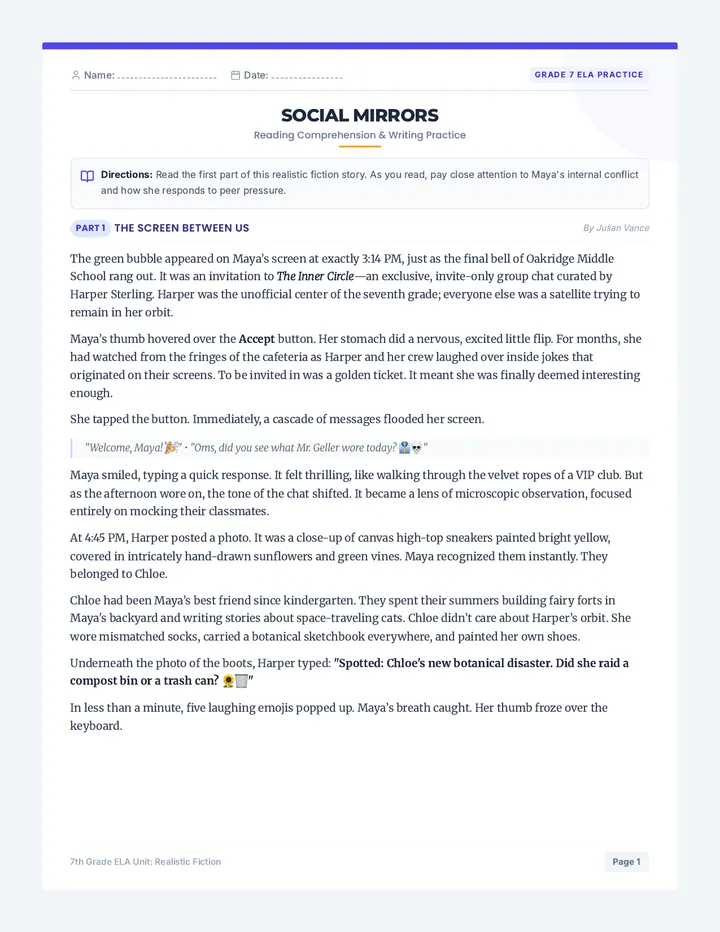
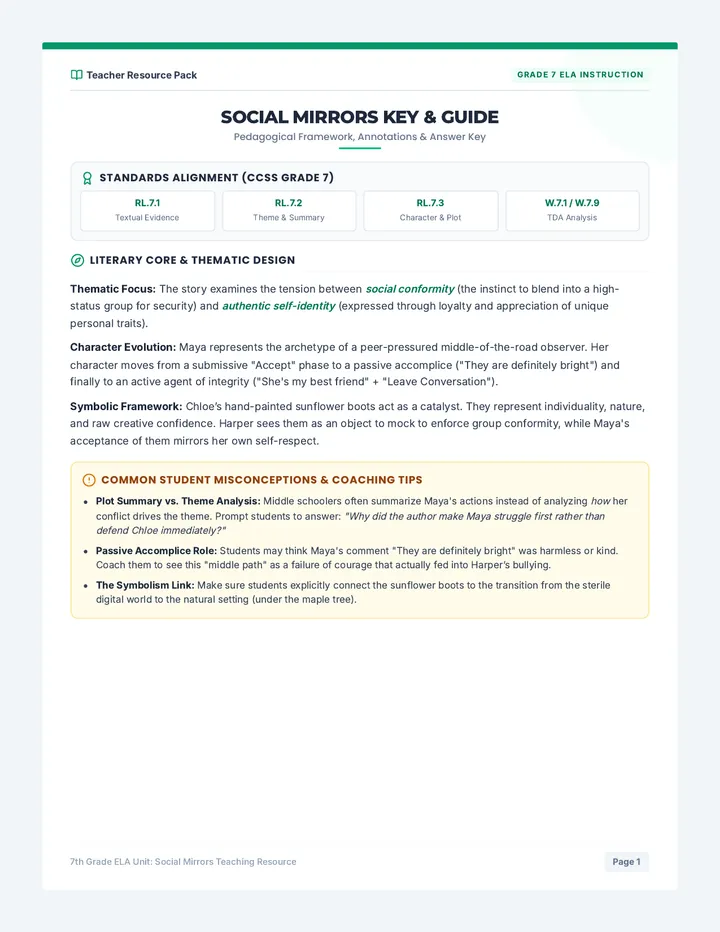
A comprehensive reading assessment based on a high-interest realistic fiction story, designed to measure literal, inferential, and evaluative comprehension through evidence-based responses.
A comprehensive lesson on mastering possessive nouns using apostrophes, focusing on singular and plural rules for 6th and 7th-grade students. This lesson uses a 'Property Patrol' detective theme to make grammar engaging and memorable.
Students explore over 30 local animals through tiered reading materials, focusing on identifying central ideas and supporting details in biological texts.
A high-level reading comprehension lesson focused on endangered species, specifically the snow leopard. Students will analyze complex text for main ideas, nuanced vocabulary, and figurative language.
A lesson focused on sentence construction, teaching students to transform fragments and simple sentences into sophisticated compound and complex sentences using a construction-themed framework.
In this lesson, students explore the intersection of visual art and grammar by analyzing graphic novels. They learn how punctuation and panel layout influence tone and pacing, eventually creating their own comic strips that demonstrate mastery of quotation marks and complex sentences.
An 8th-grade ELA lesson focused on identifying and evaluating an author's claim within a non-fiction text about social media's impact on teenagers. Students will analyze evidence, reasoning, and central arguments.
An archaeology-themed vocabulary review focusing on common Greek and Latin roots for 6th-grade students. Students will explore root meanings, decode complex words, and apply their knowledge through interactive slides and a practice worksheet.
An 8th-grade ESL lesson where students learn about journalism and create their own digital newspaper using guided templates and sentence frames.
A multi-day lesson where students research, interview, and write for a classroom newspaper, practicing various informational writing styles and media literacy.
This lesson focuses on helping students at a 6th-grade writing level expand their ideas and add specific details to a 5-paragraph essay. It uses visual strategies and structured templates to move beyond basic statements toward rich, descriptive writing.
A focused study on Chapters 9 and 10 of Gary Paulsen's 'Hatchet,' focusing on Brian's discovery of fire and turtle eggs, emphasizing recall, inference, and types of literary conflict.
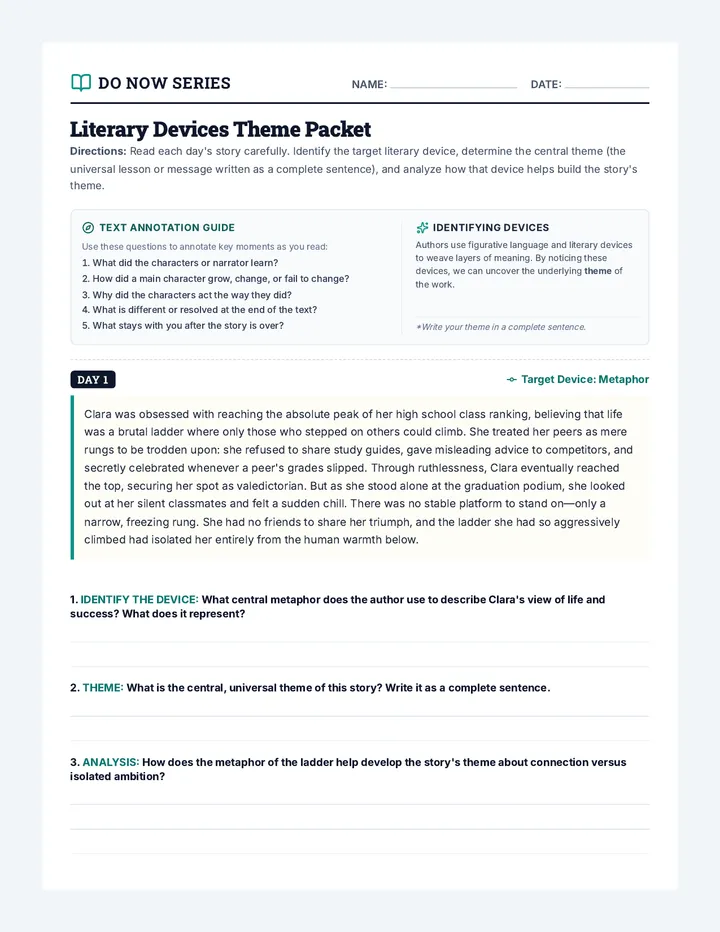
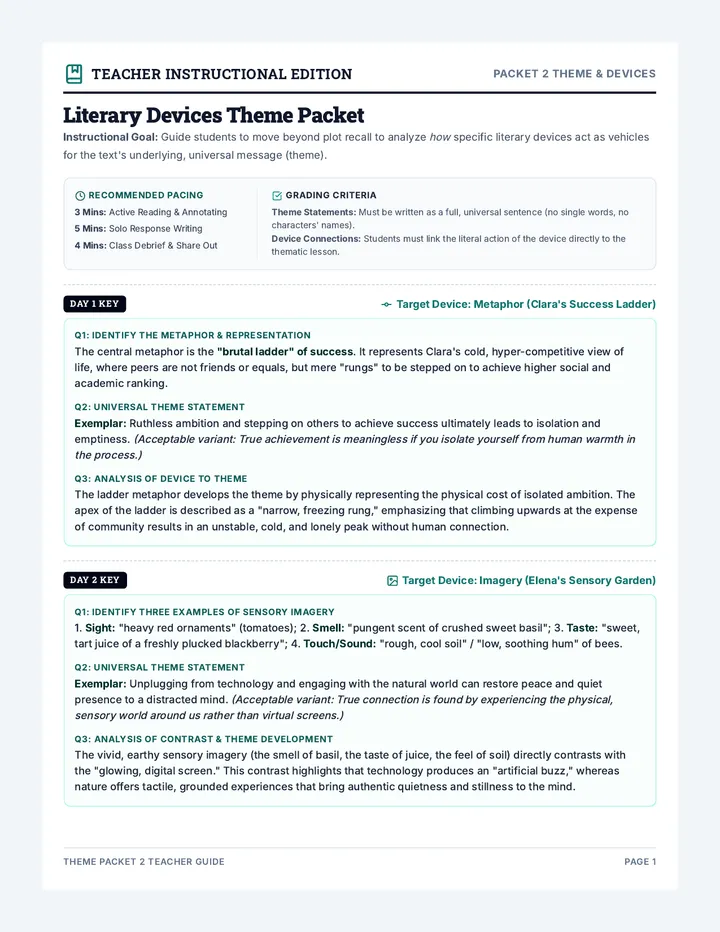
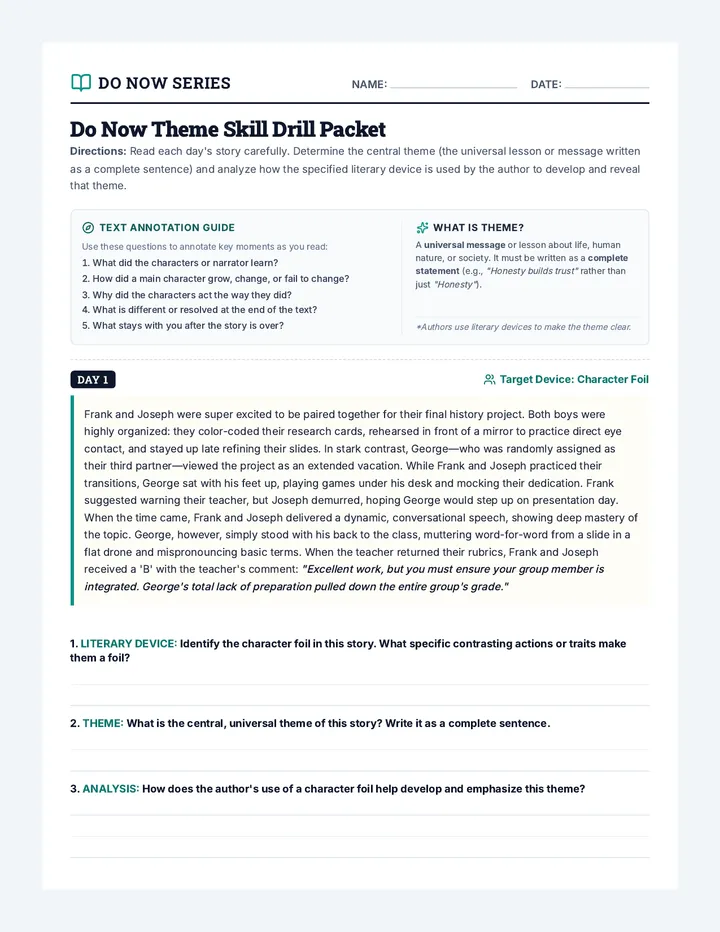
A 50-minute textual analysis lesson focusing on fluency, comprehension, and thematic development in Tupac Shakur's 'The Rose That Grew from Concrete'. Students analyze the central metaphor and identify how the author develops a theme of resilience.
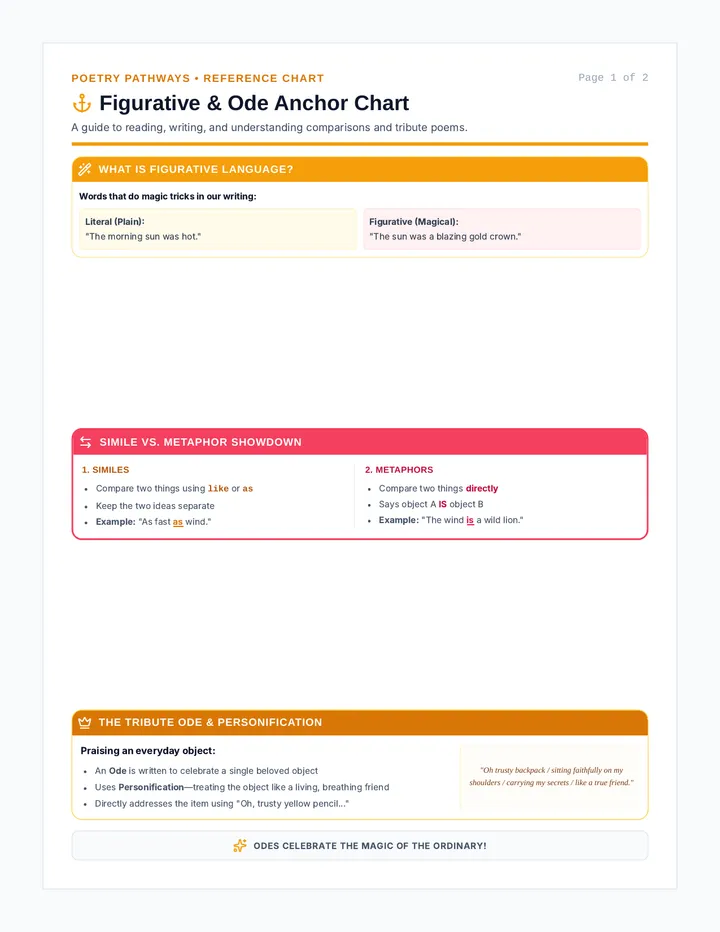
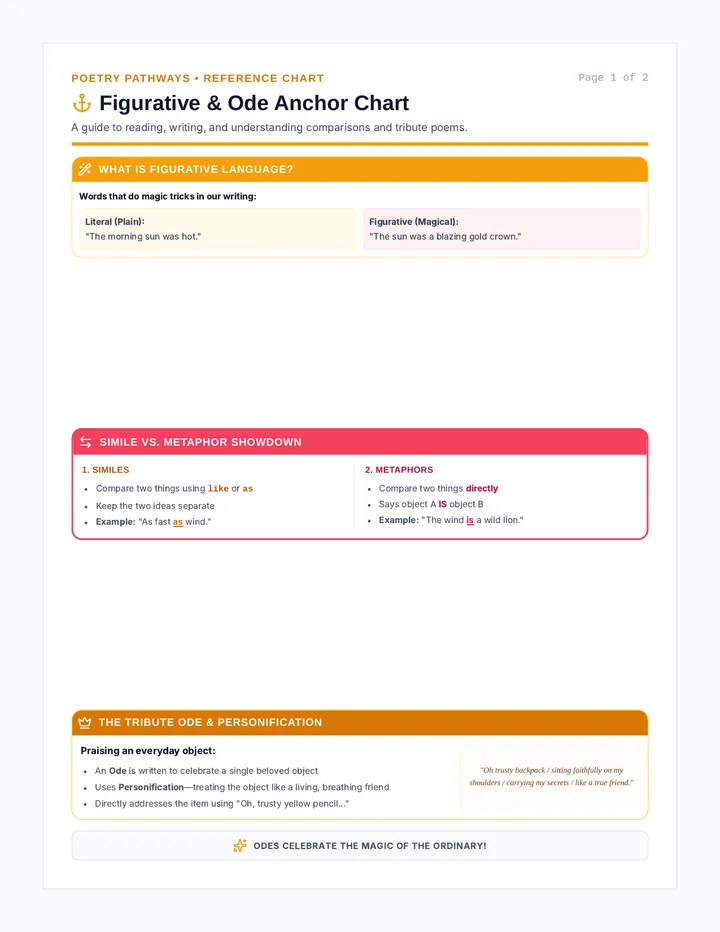
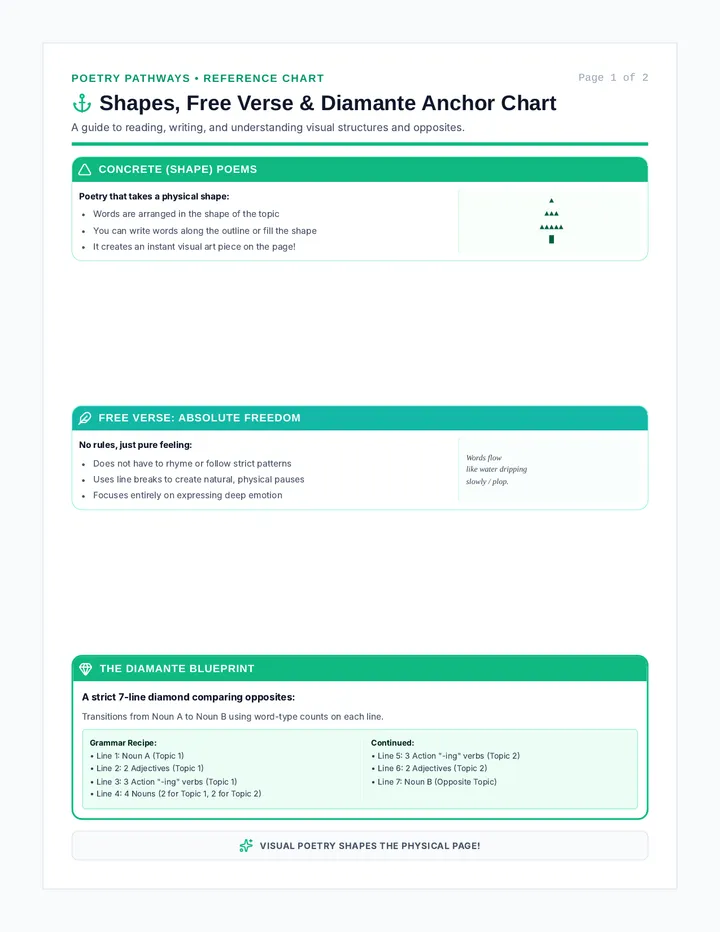
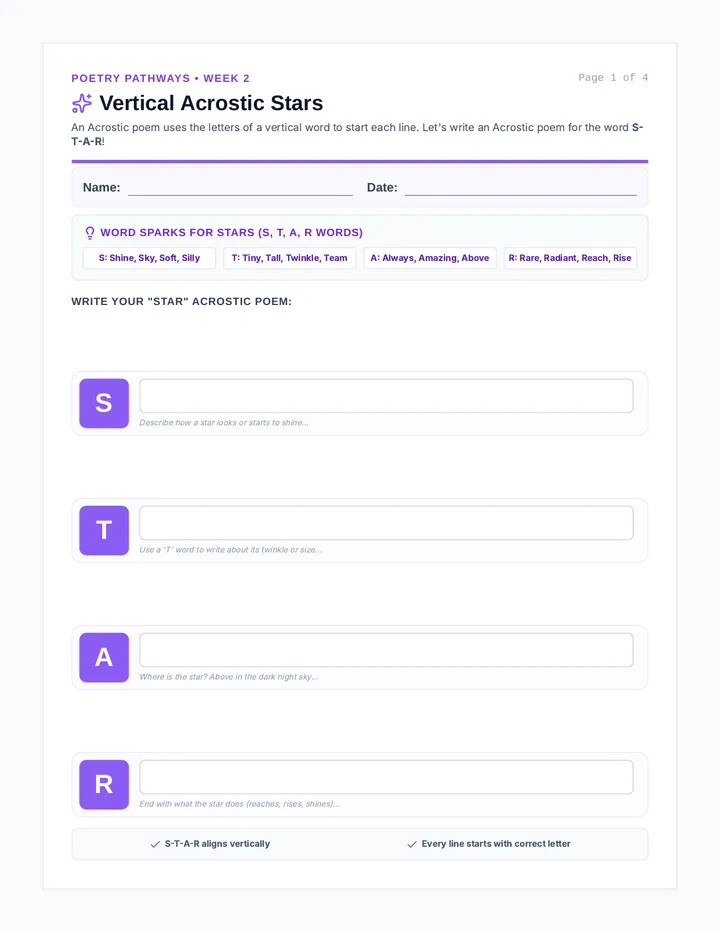
A guided poetry workshop where students use grammar concepts and figurative language to celebrate the arrival of spring.
Capstone simulation. Students apply all 11 strategies to solve a complex text-based 'Maze' and earn their Thought Tracker Mastery.
Metacognitive choice. Students practice deciding which 'Mind Tool' (Inference, Visualization, Questioning) is best for specific text challenges.