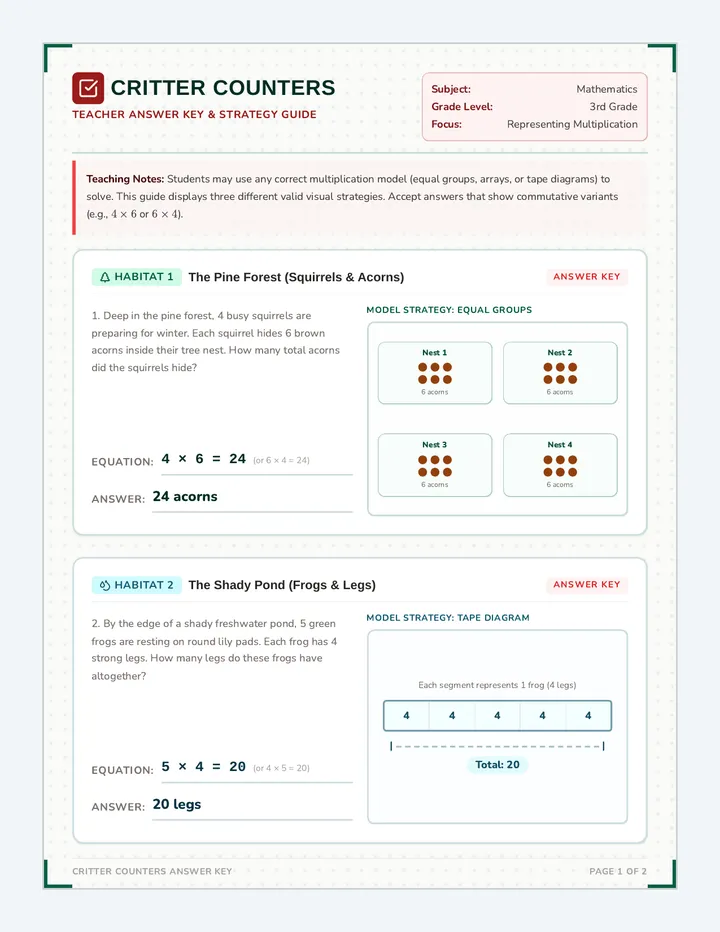
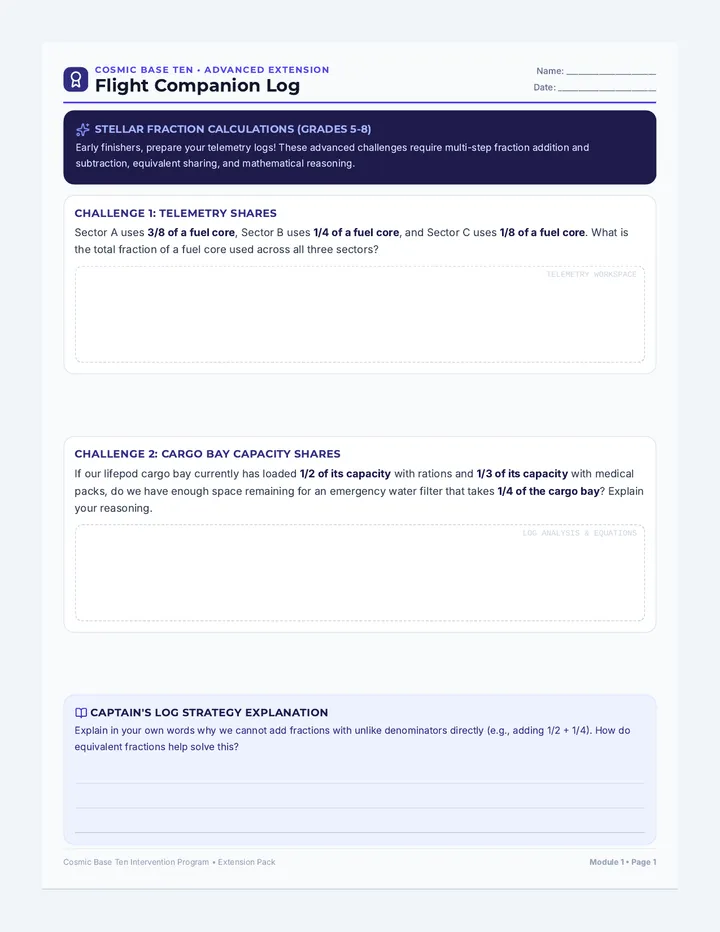
Students apply their knowledge of arrays to design a 'Multiplication City' skyline. This creative project integrates art with math modeling to demonstrate mastery of array-based multiplication.
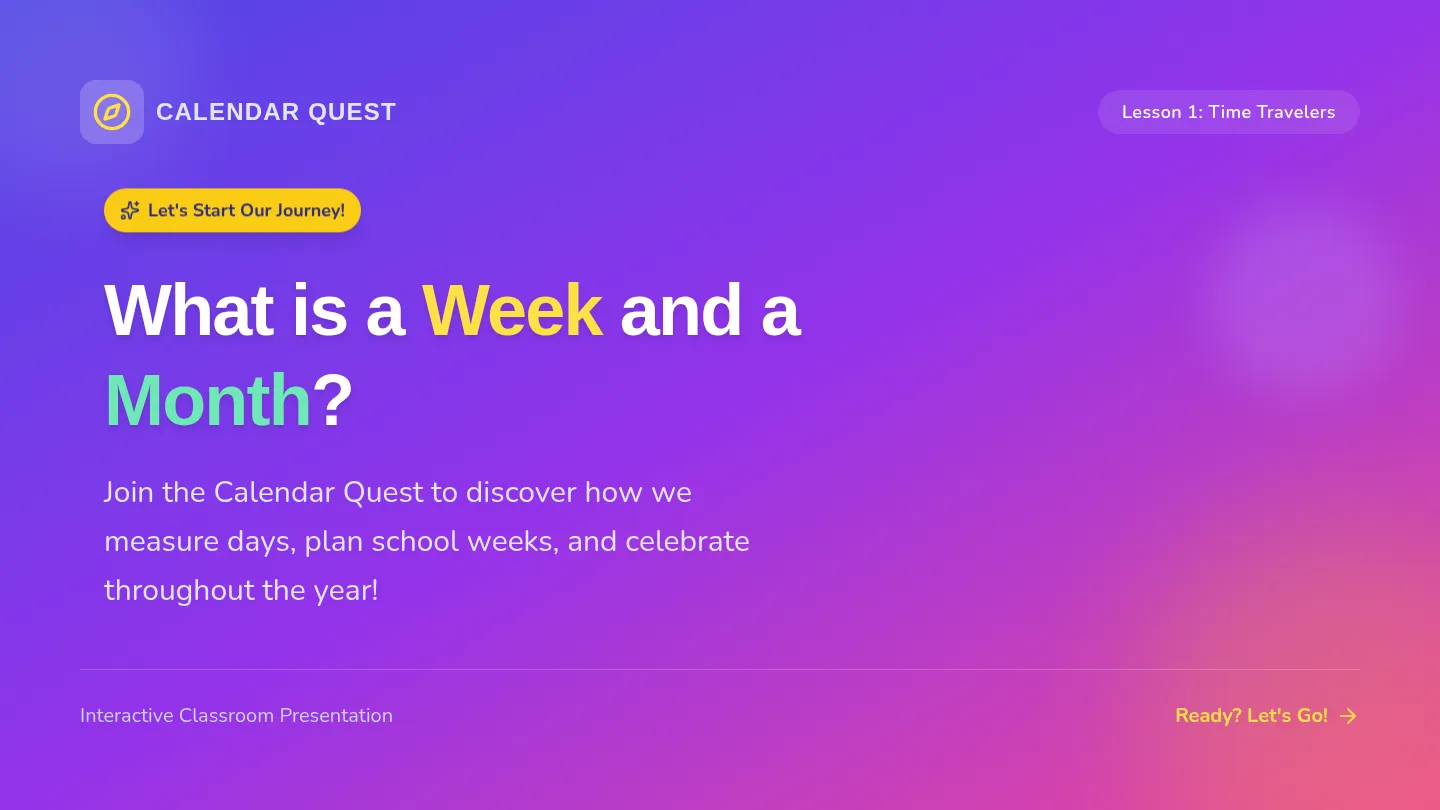
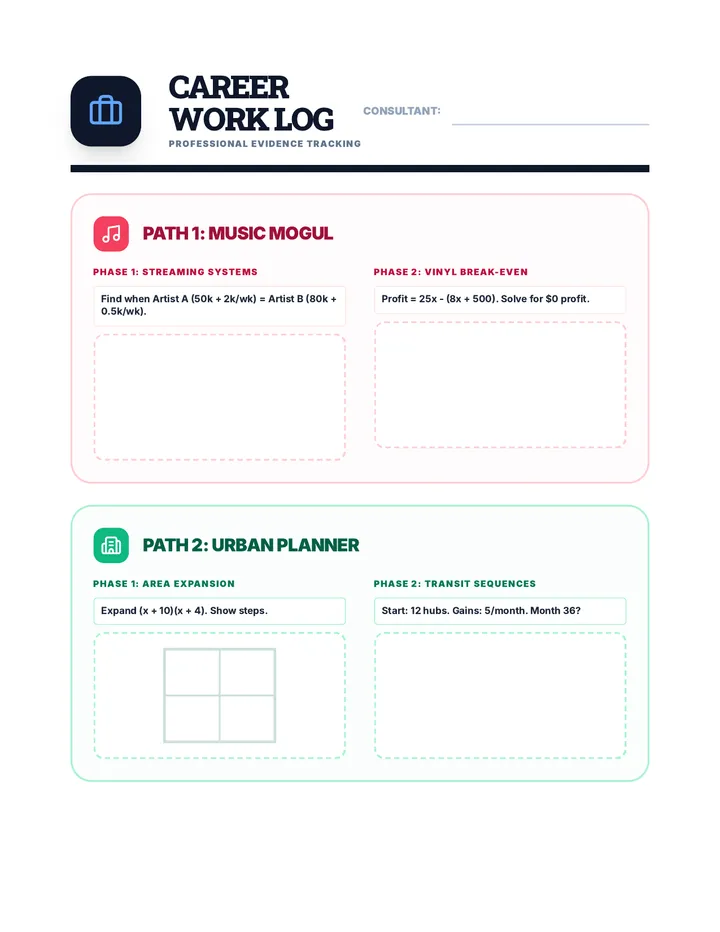
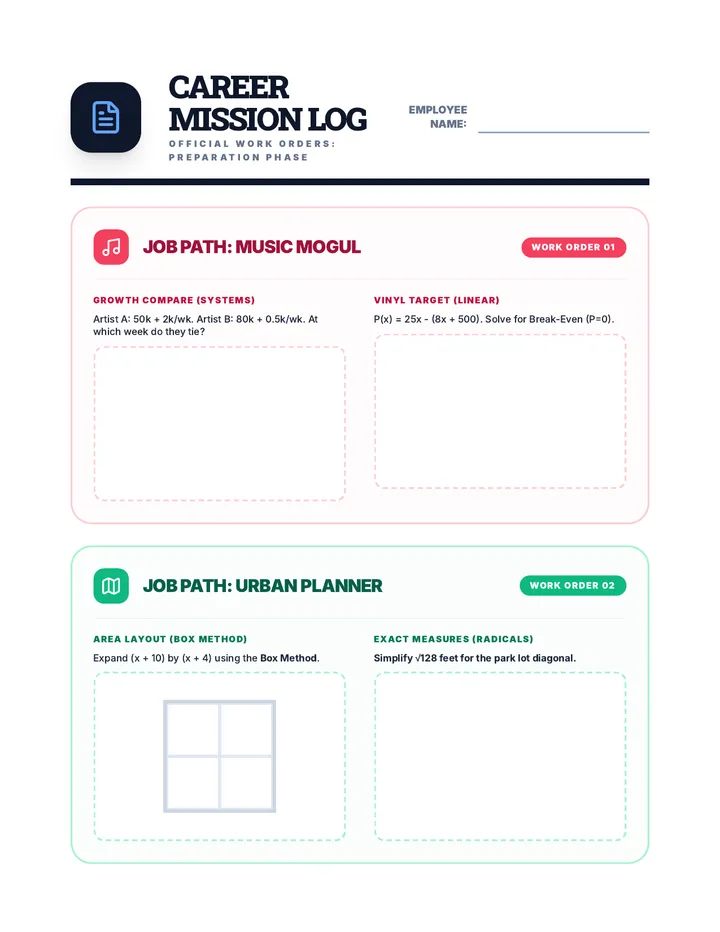
Students will learn to decompose numbers into prime factors, identify the greatest common factor between numbers, and apply these skills to factor simple algebraic expressions.
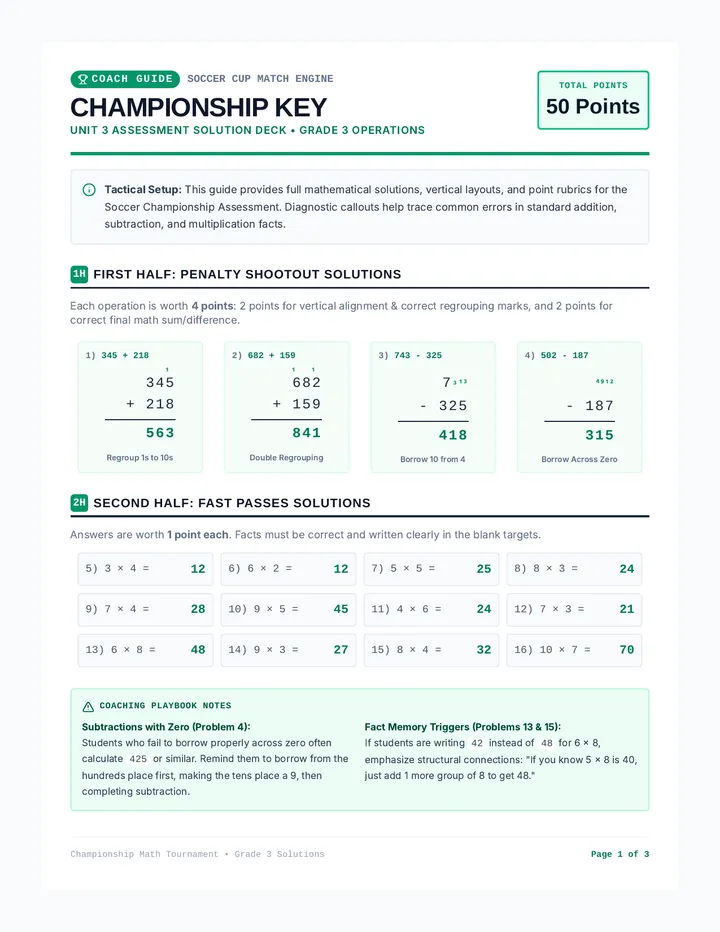
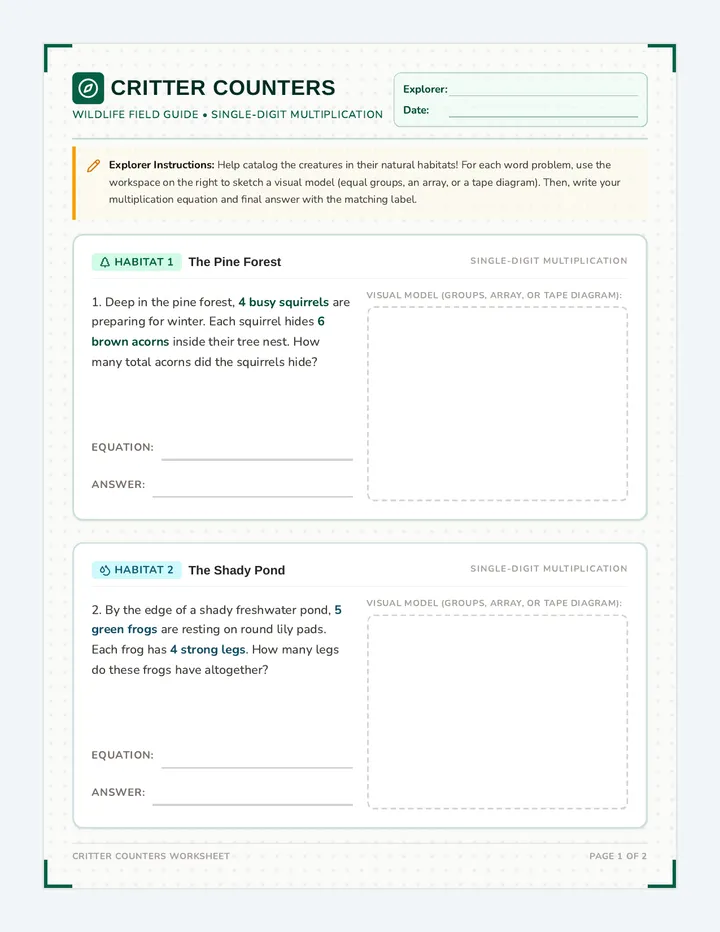
A comprehensive math review packet based on the 3rd Grade NYS Released Items, featuring multiple-choice and constructed-response questions across all key domains with a focus on multiplication and division.
A comprehensive 90-minute math lesson focused on organizing data into intervals and creating/interpreting histograms using test score data. Students act as 'Data Detectives' to uncover trends in numerical information.
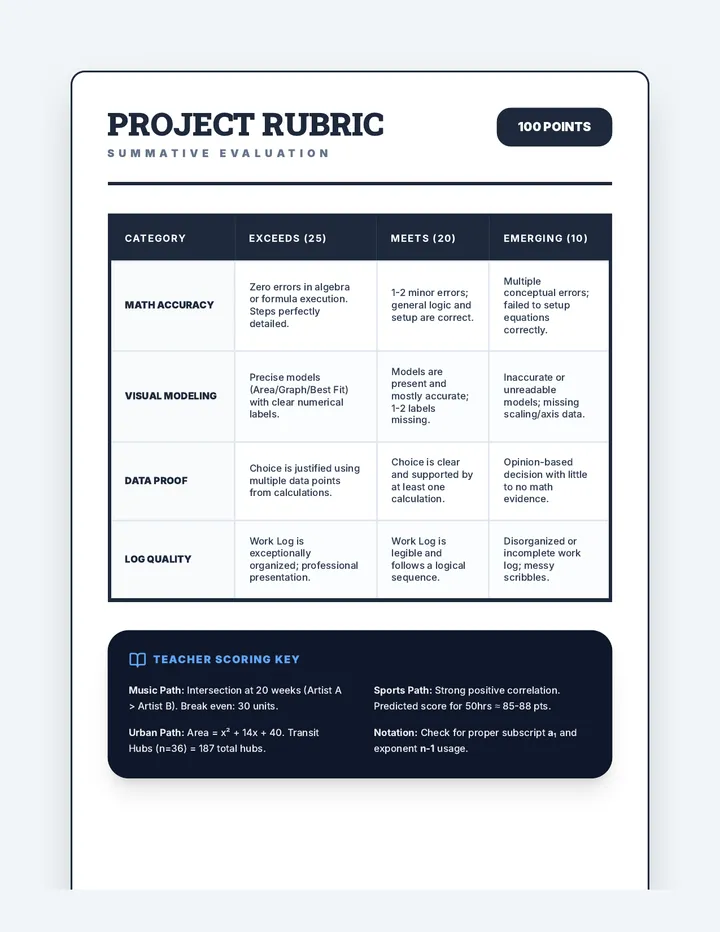
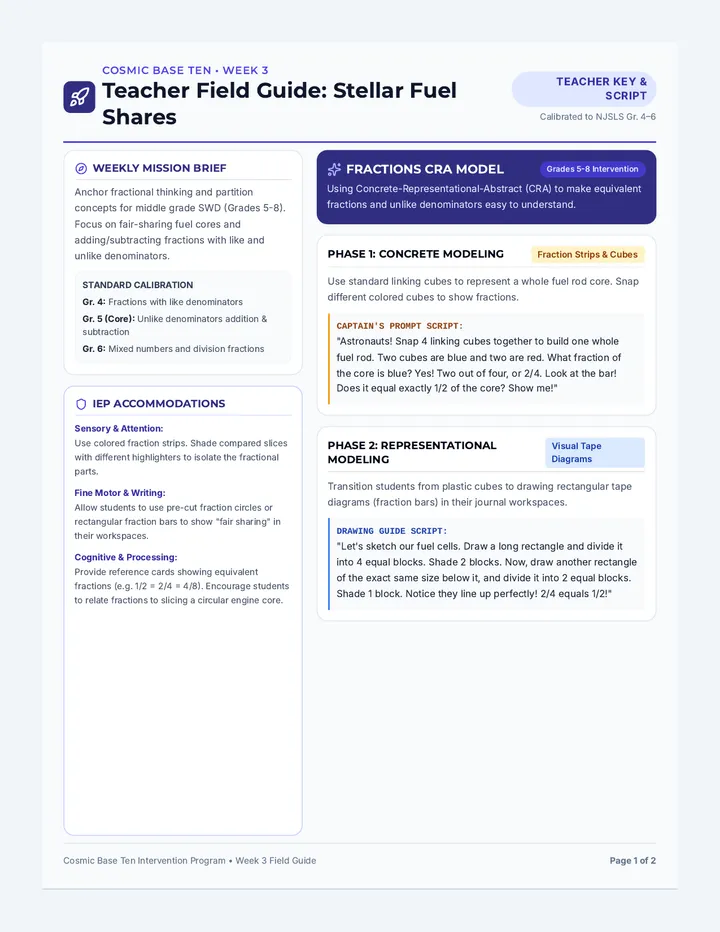
A focused practice session on identifying and creating equivalent fractions using visual area models, designed to mimic standardized testing formats.
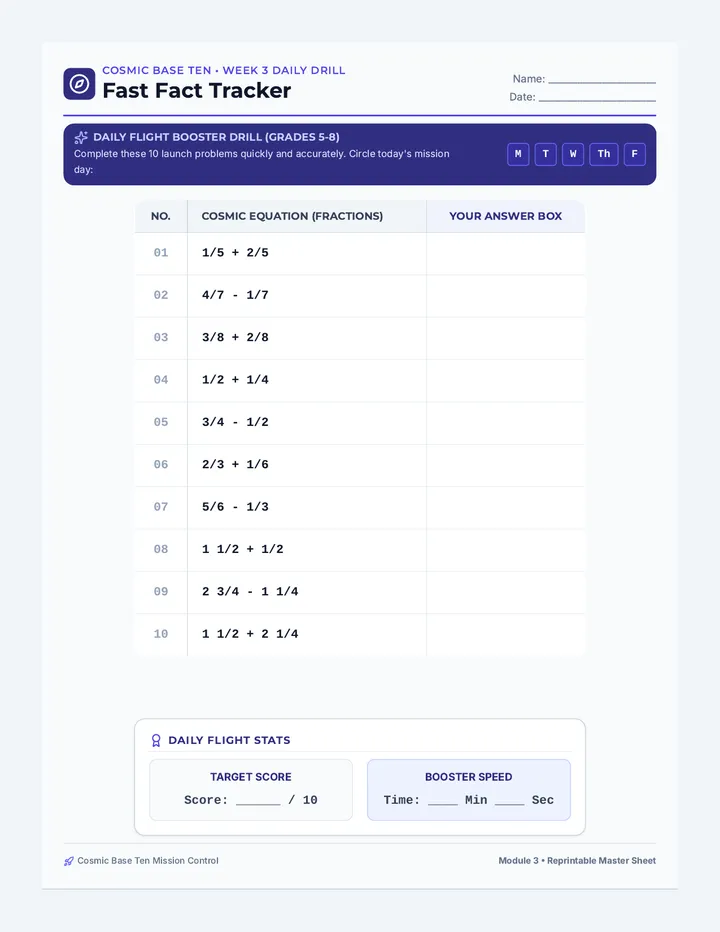
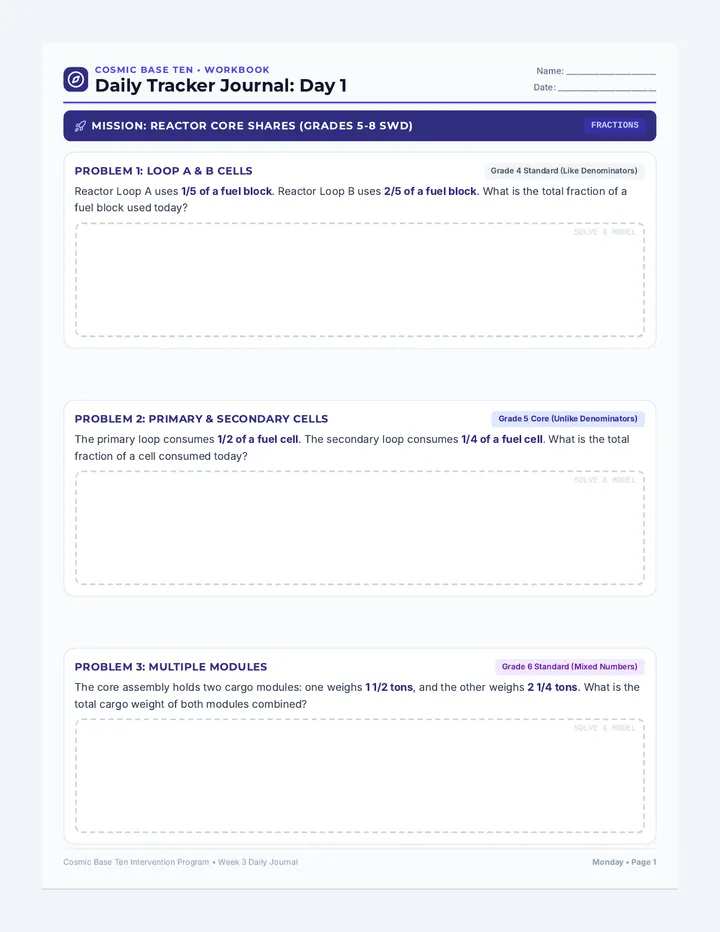
This lesson covers the fundamentals of comparing fractions with like and unlike denominators and the basics of simplifying fractions using common factors.
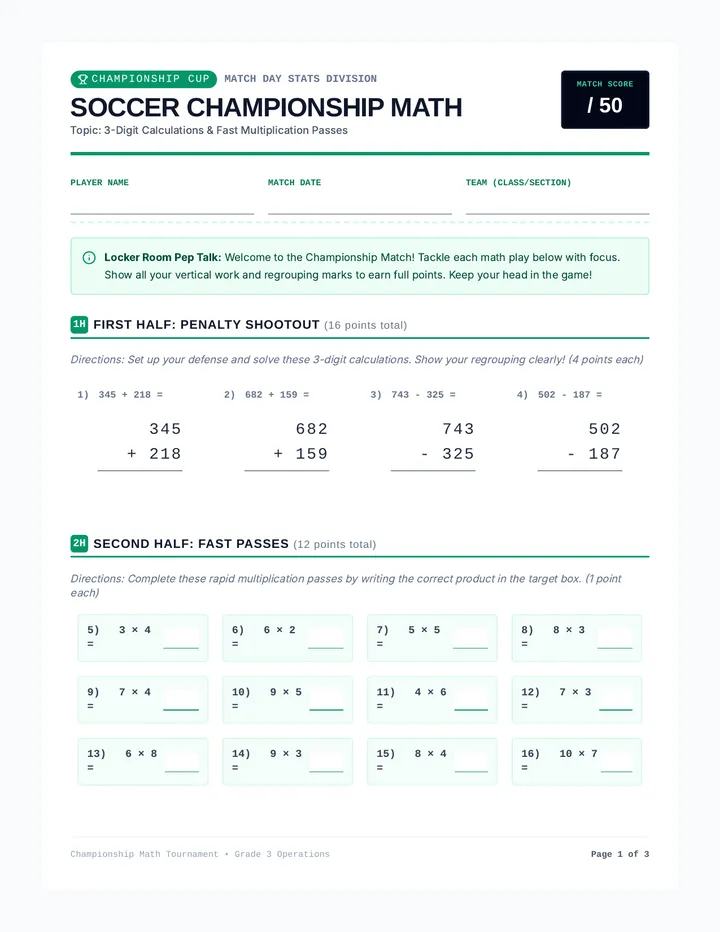
A focused lesson on 3-digit subtraction where students practice regrouping from the tens place to the ones place. includes a visual-heavy worksheet and an answer key.
A comprehensive introduction to 3D geometric shapes including cubes, spheres, rectangular prisms, cones, pyramids, and cylinders. Students will learn to identify these shapes, count their attributes (faces, edges, vertices), and find them in the real world.
A comprehensive math review lesson designed to reinforce key elementary math skills including logical ordering, 2-digit subtraction, geometric attributes, and equal parts/fractions. This lesson uses a repeated "at-bat" structure to build mastery through multiple variations of the same problem format.
A math lesson focused on identifying the correct operation (addition, subtraction, multiplication, or division) to solve arcade-themed word problems using double-digit numbers without regrouping.
A quick assessment focusing on solving quadratic equations that result in complex solutions using the Quadratic Formula and Completing the Square.
A 6th-grade math review lesson designed specifically for students with IEPs, focusing on foundational concepts in ratios, the number system, expressions, geometry, and statistics with visual scaffolds and simplified language.
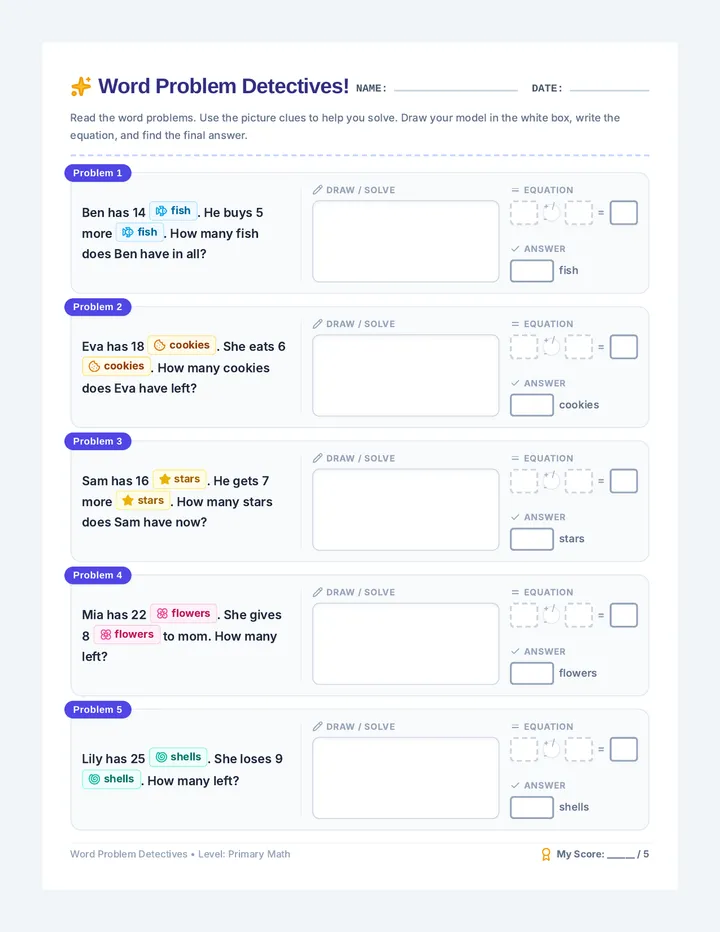
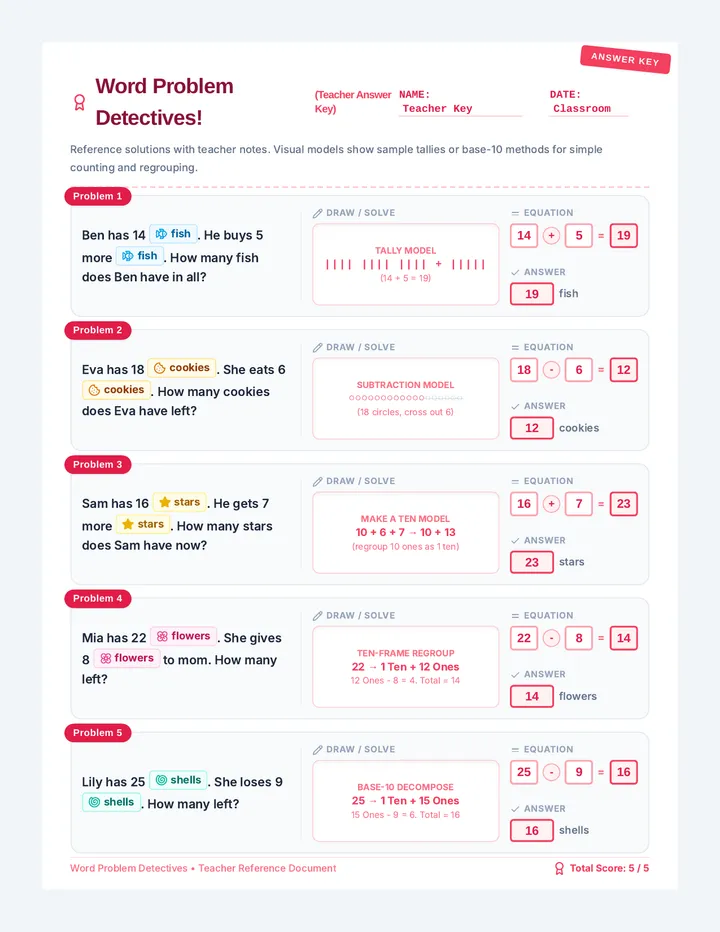
A comprehensive word problem review focusing on addition and subtraction within 200, featuring repetitive practice (at-bats) to build fluency and mastery.
A math review packet focusing on basic addition, subtraction, number combinations, and visual representation of groups, including a student worksheet and an answer key.
A lesson focusing on the practical application of the Distance Formula and the logical structure of SAS and ASA congruence proofs.
A foundational lesson on 3-digit addition focusing on composing (regrouping) across exactly one place value (either the ones or the tens). Students use a blueprint-themed packet to practice their architectural precision in mathematics.
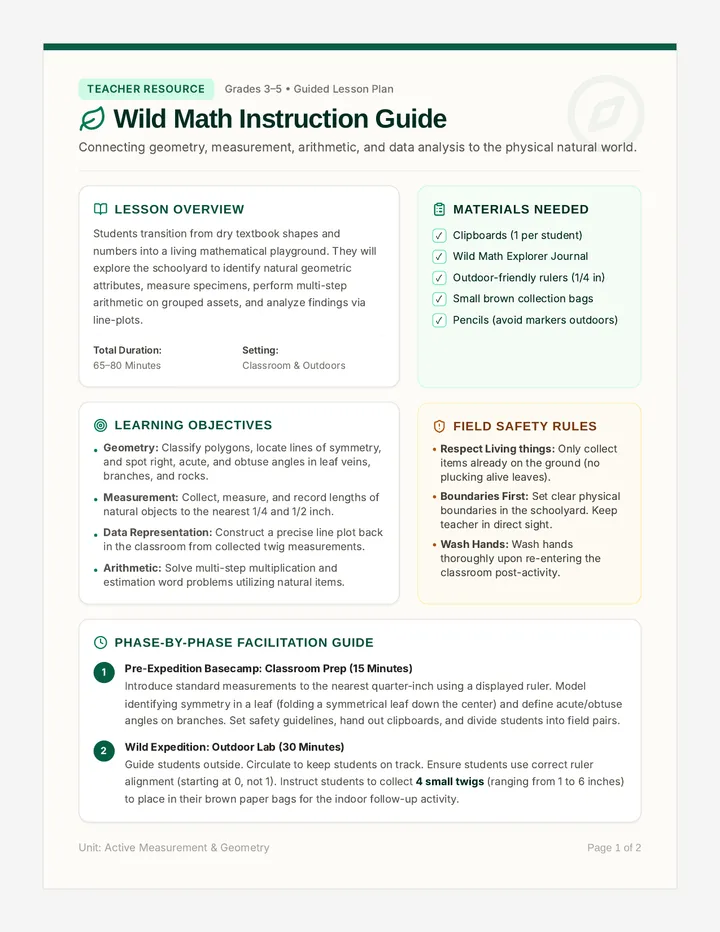
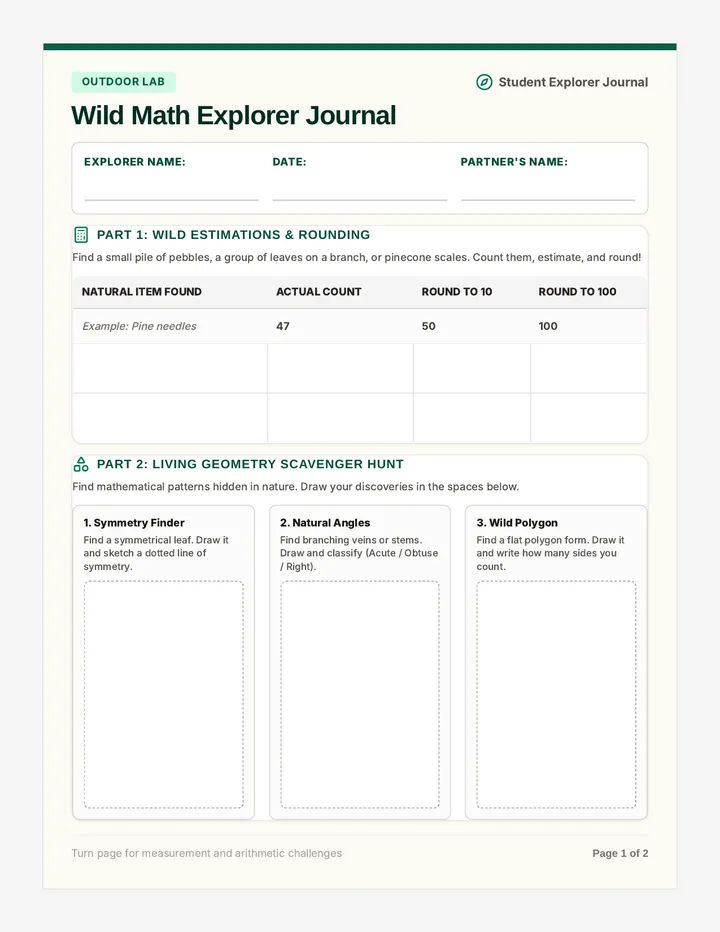
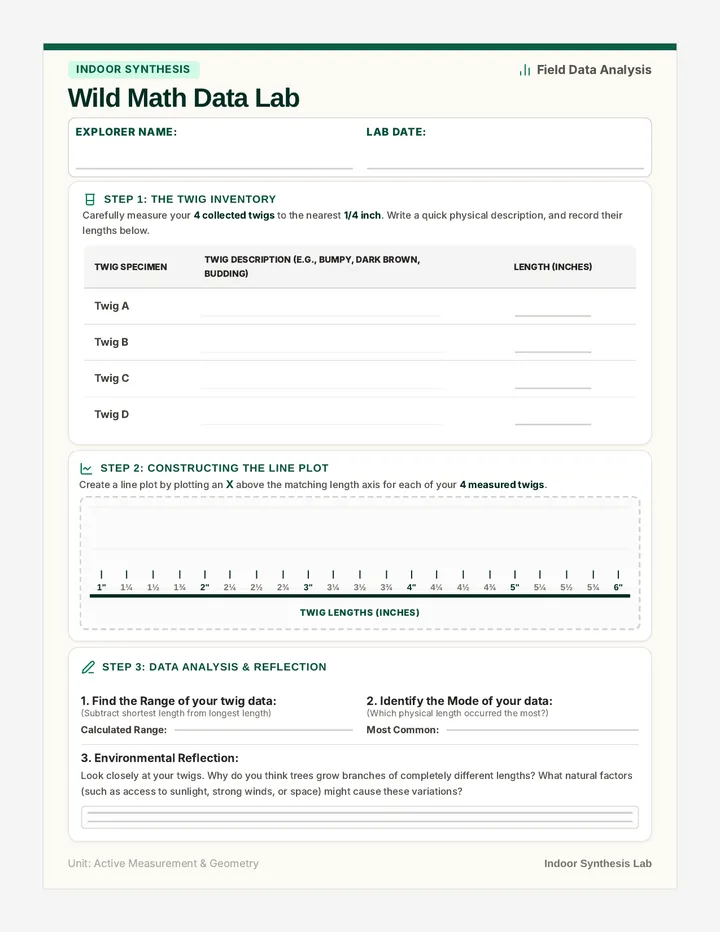
A comprehensive lesson on 3.MD.4 focusing on measuring to the nearest quarter inch and displaying that data on a line plot. Students measure their hand lengths to generate authentic data for analysis.
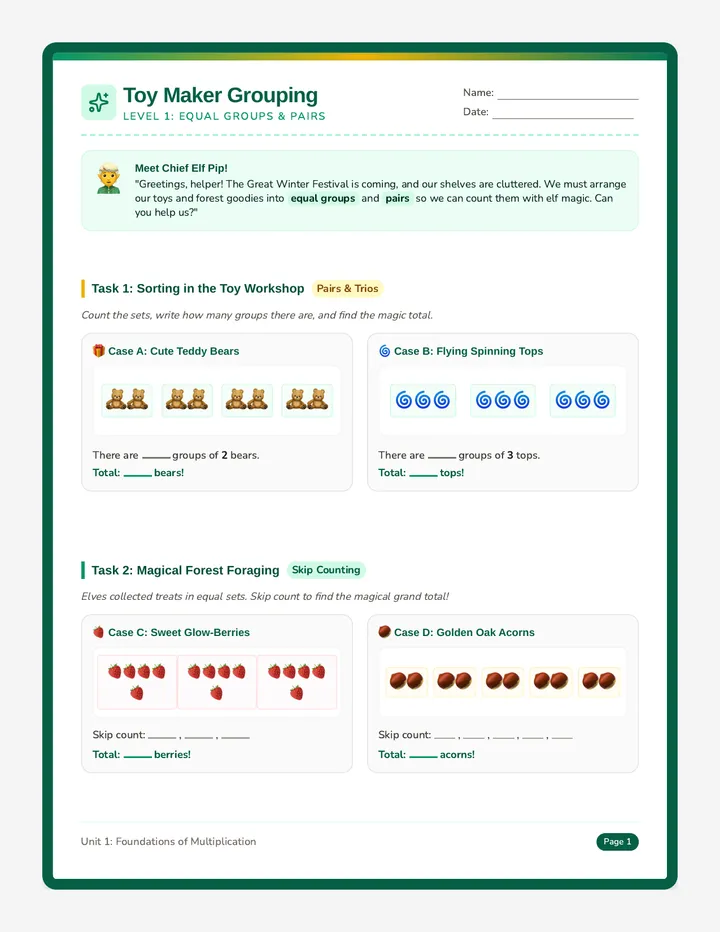
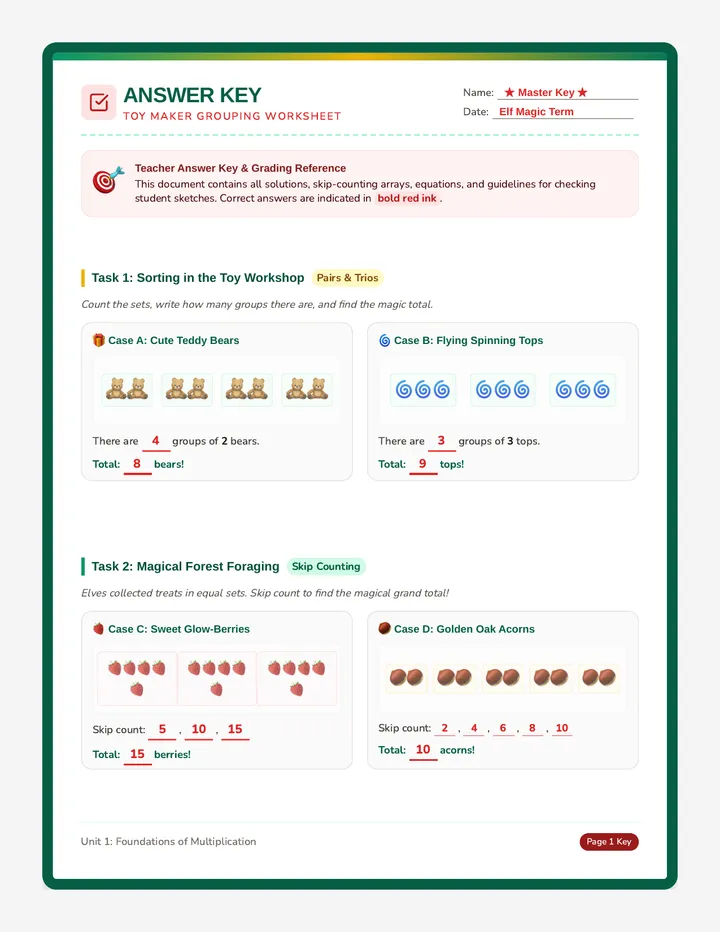
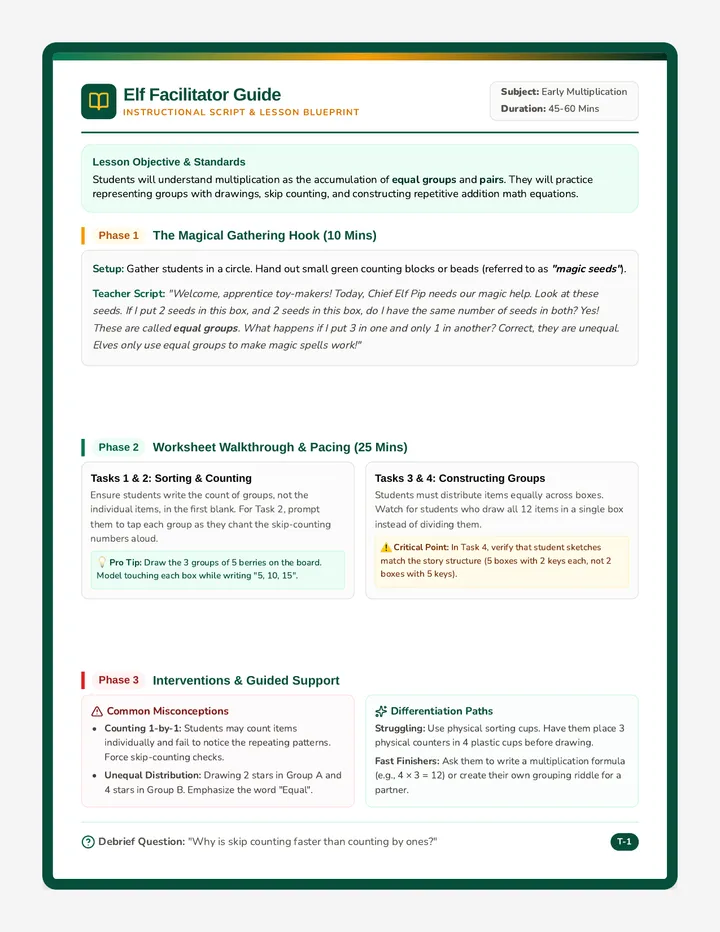
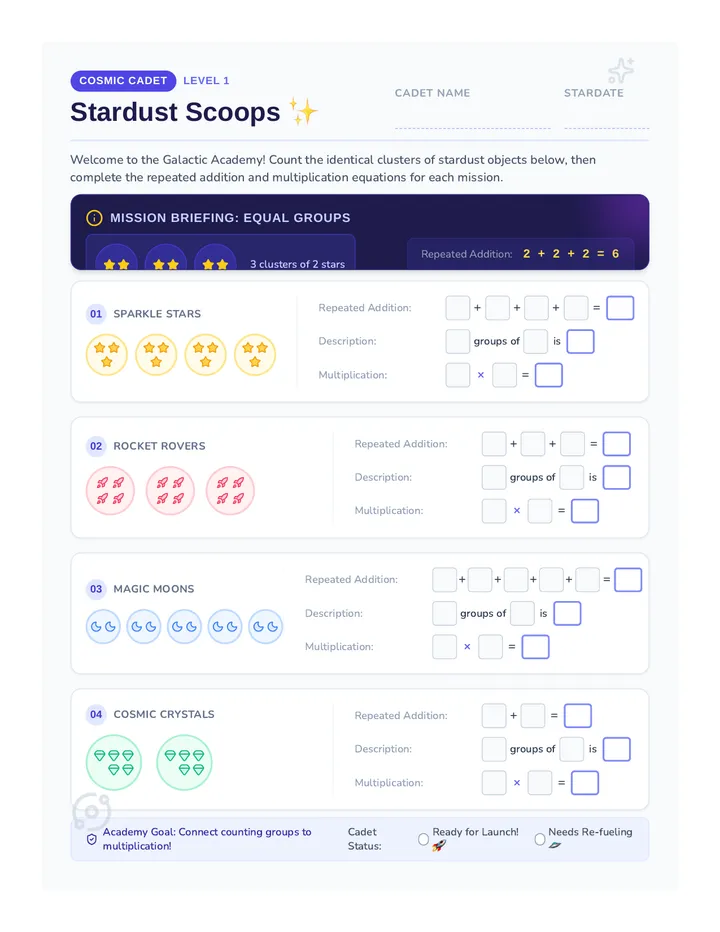
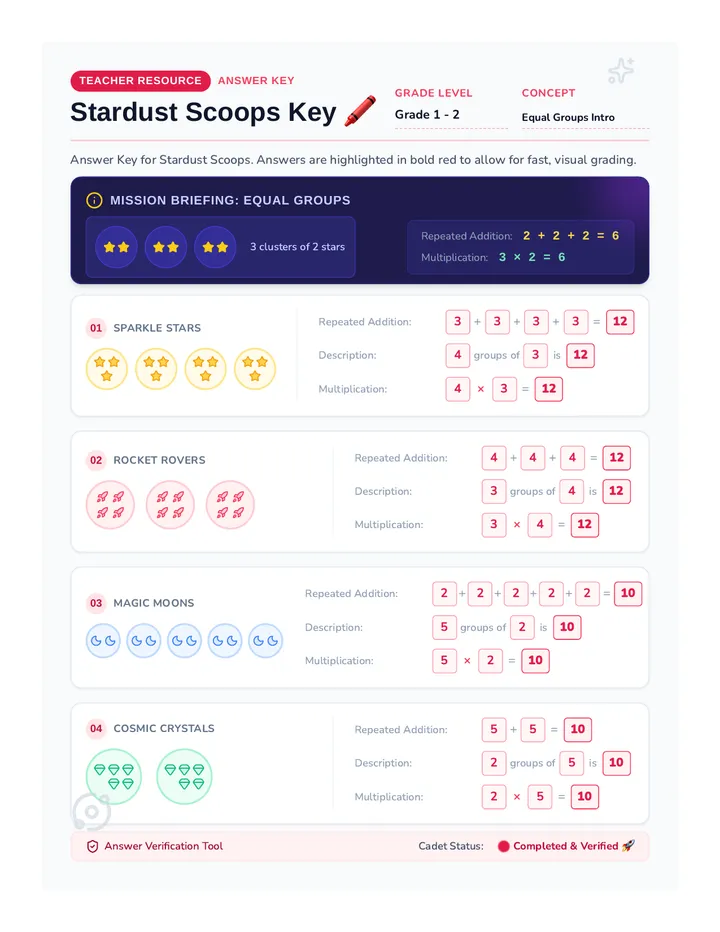
A foundation-level lesson introducing multiplication as equal groups, focusing on the numbers 2 and 10 through visual aids and hands-on flashcard practice.
A practice-focused lesson on identifying and creating equivalent fractions using multiplication and division strategies without visual aids.
A hands-on lesson for 3rd graders to understand area by tiling figures with unit squares, moving from counting to understanding the concept of square units.
A scaffolded introduction to the four-quadrant coordinate plane, using a navigation theme to help students master plotting points with visual aids and step-by-step guides.
Students will explore the concepts of big, medium, and small by comparing various objects in the museum exhibits, promoting vocabulary development and visual discrimination.
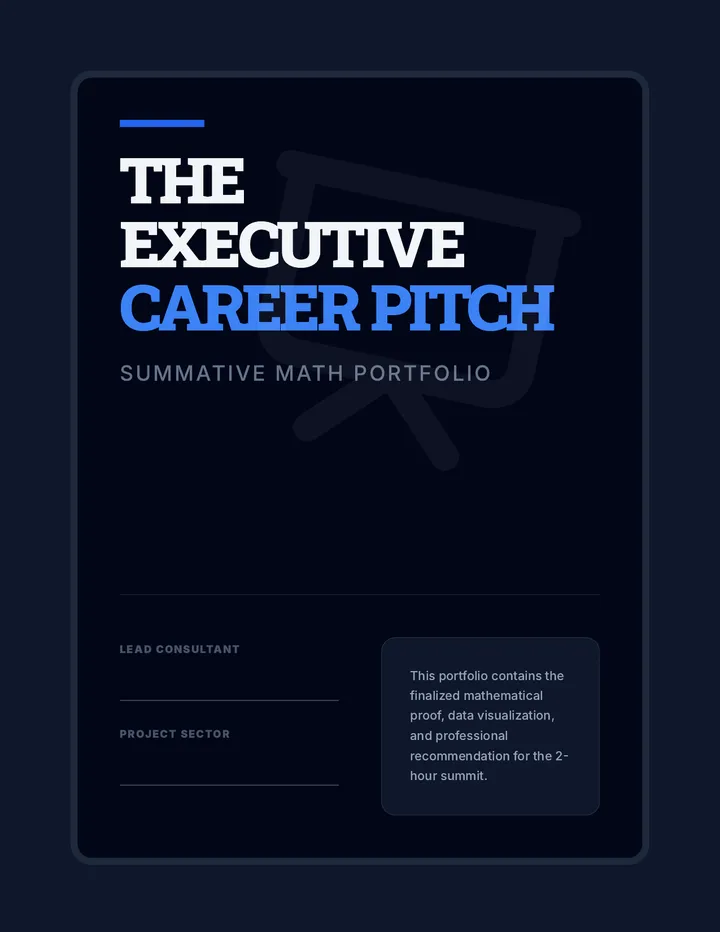
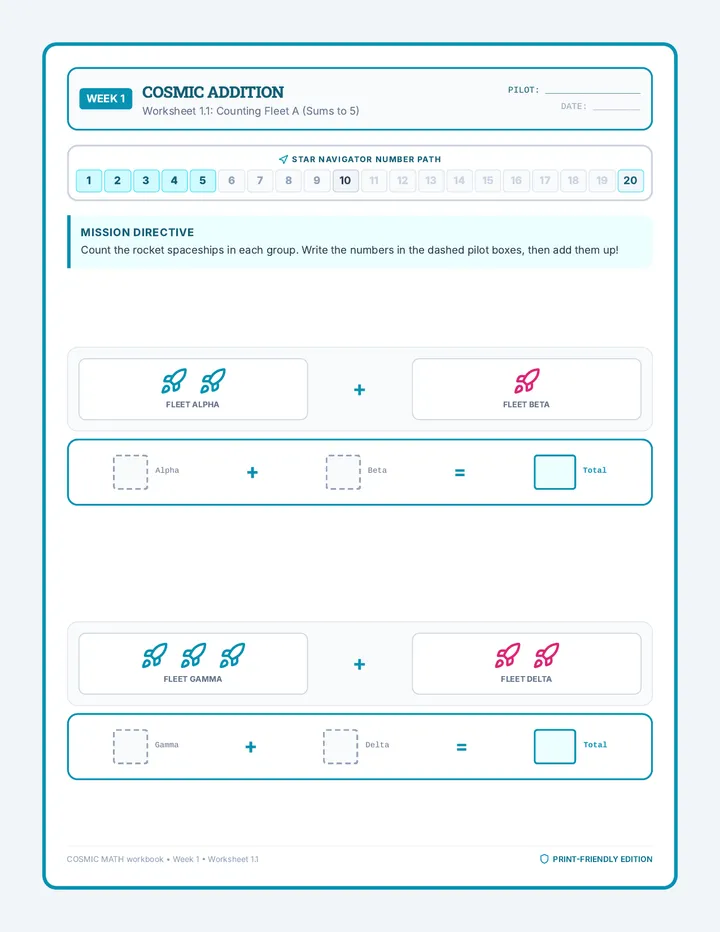
An introduction to simple addition by combining groups of museum objects, focusing on the concept of 'putting together' using visual aids and tactile play scenarios.
Students will practice identifying and counting numbers 1-10 using common items found in a play museum setting, such as grocery items, toy cars, and house windows.