A foundational lesson on polar bear anatomy and environment, focusing on how physical adaptations allow survival in the harsh Arctic habitat.
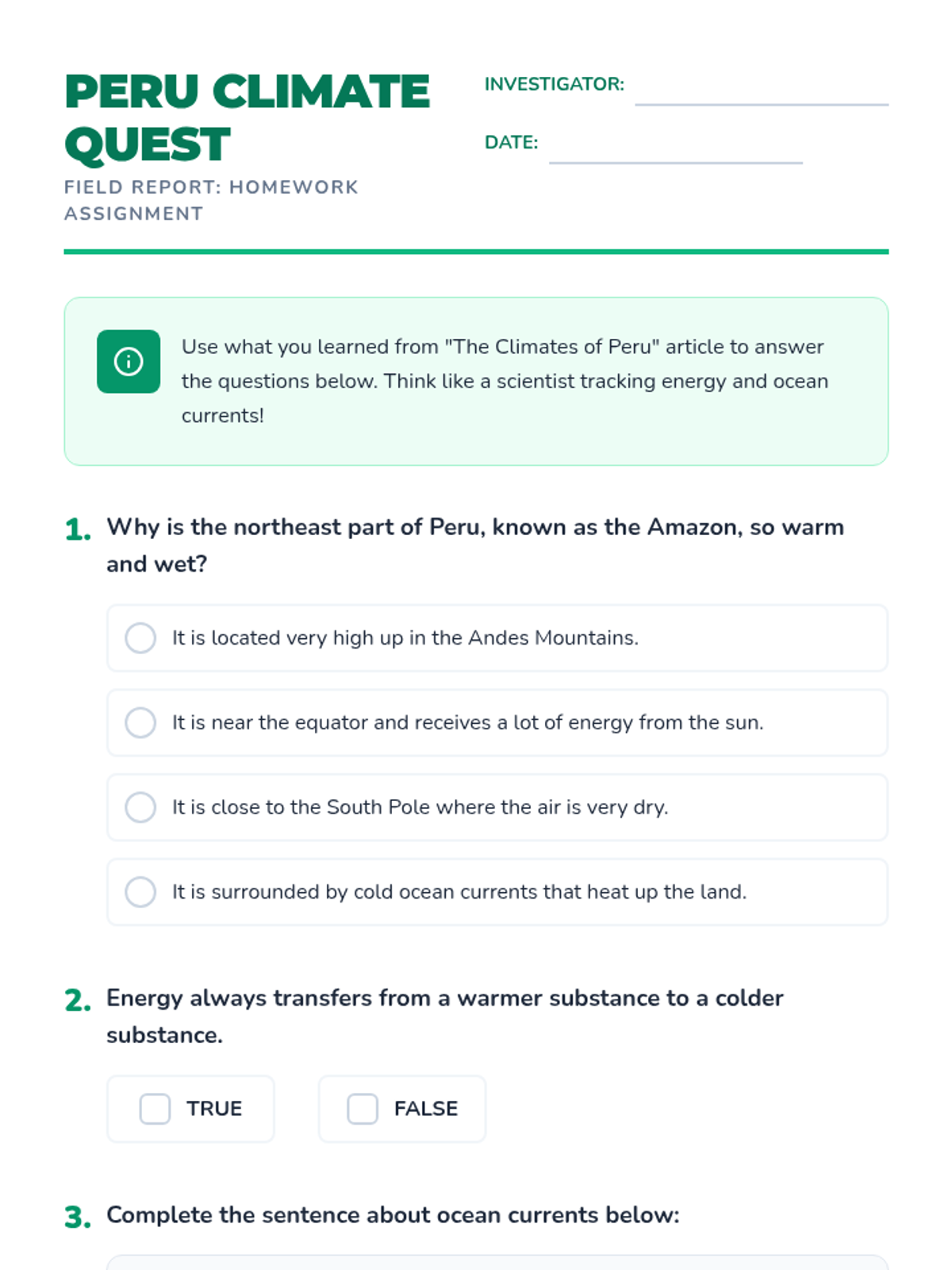
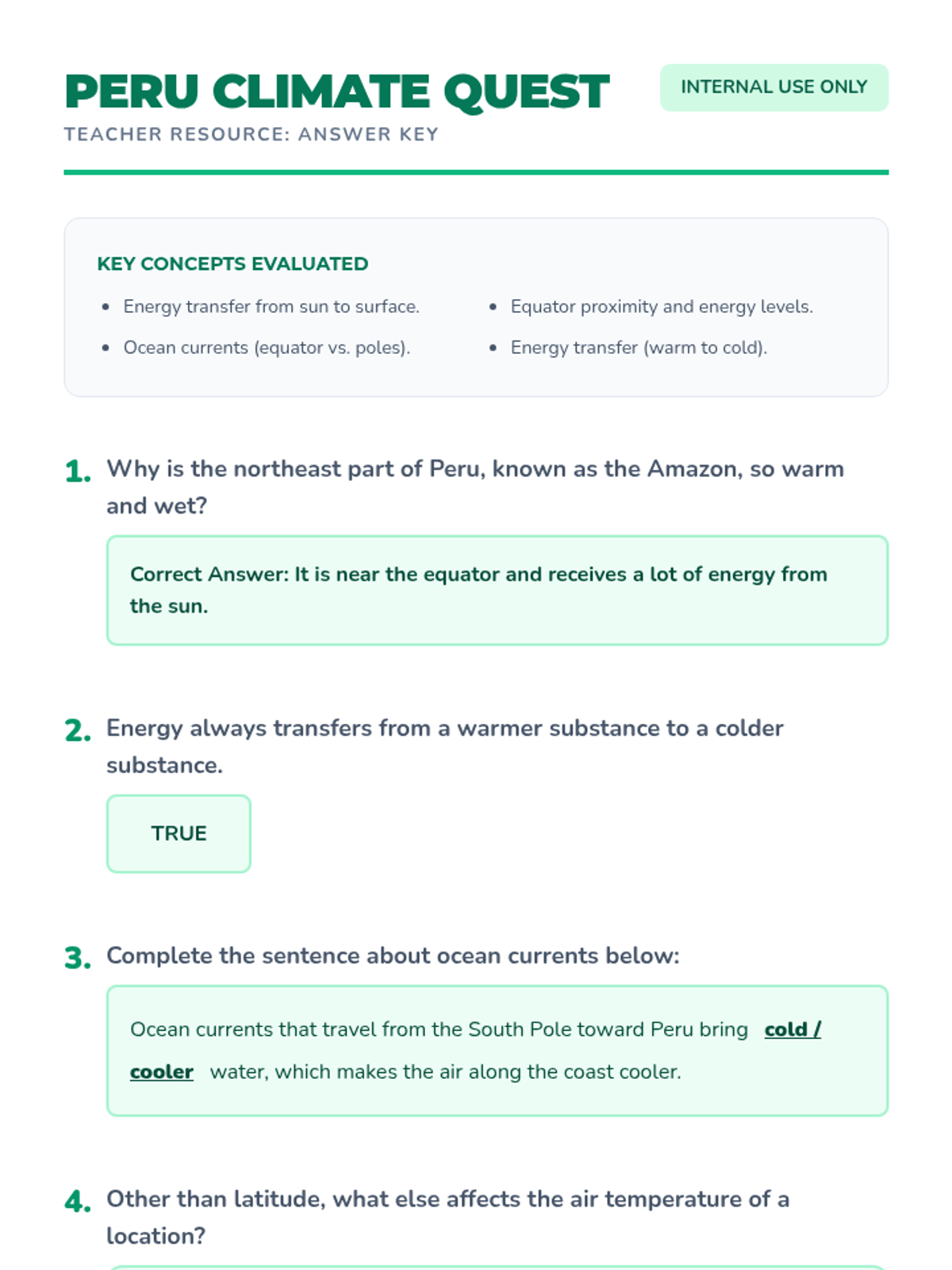
A lesson exploring how latitude and ocean currents influence the diverse climates of Peru, based on energy transfer principles.
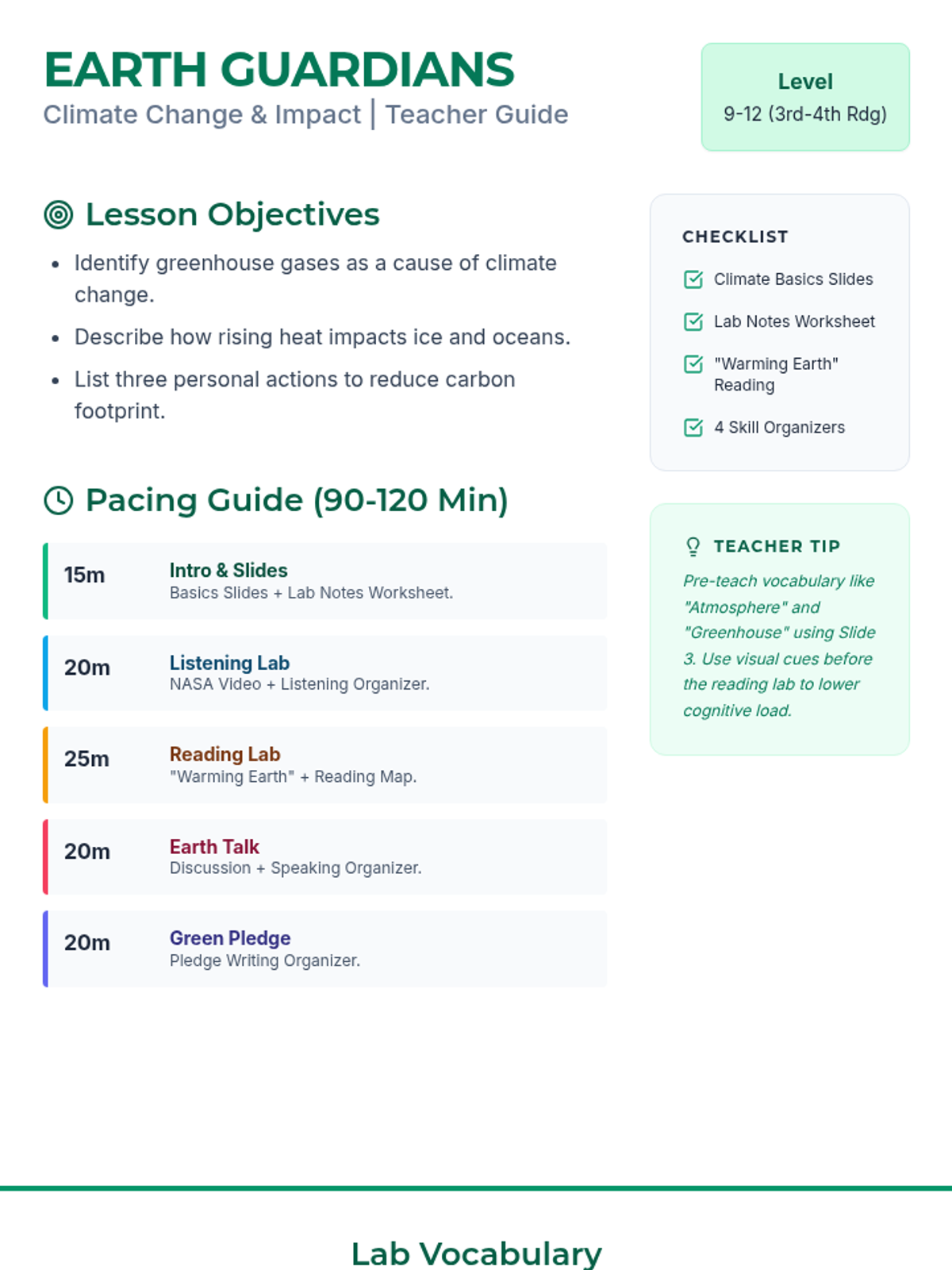
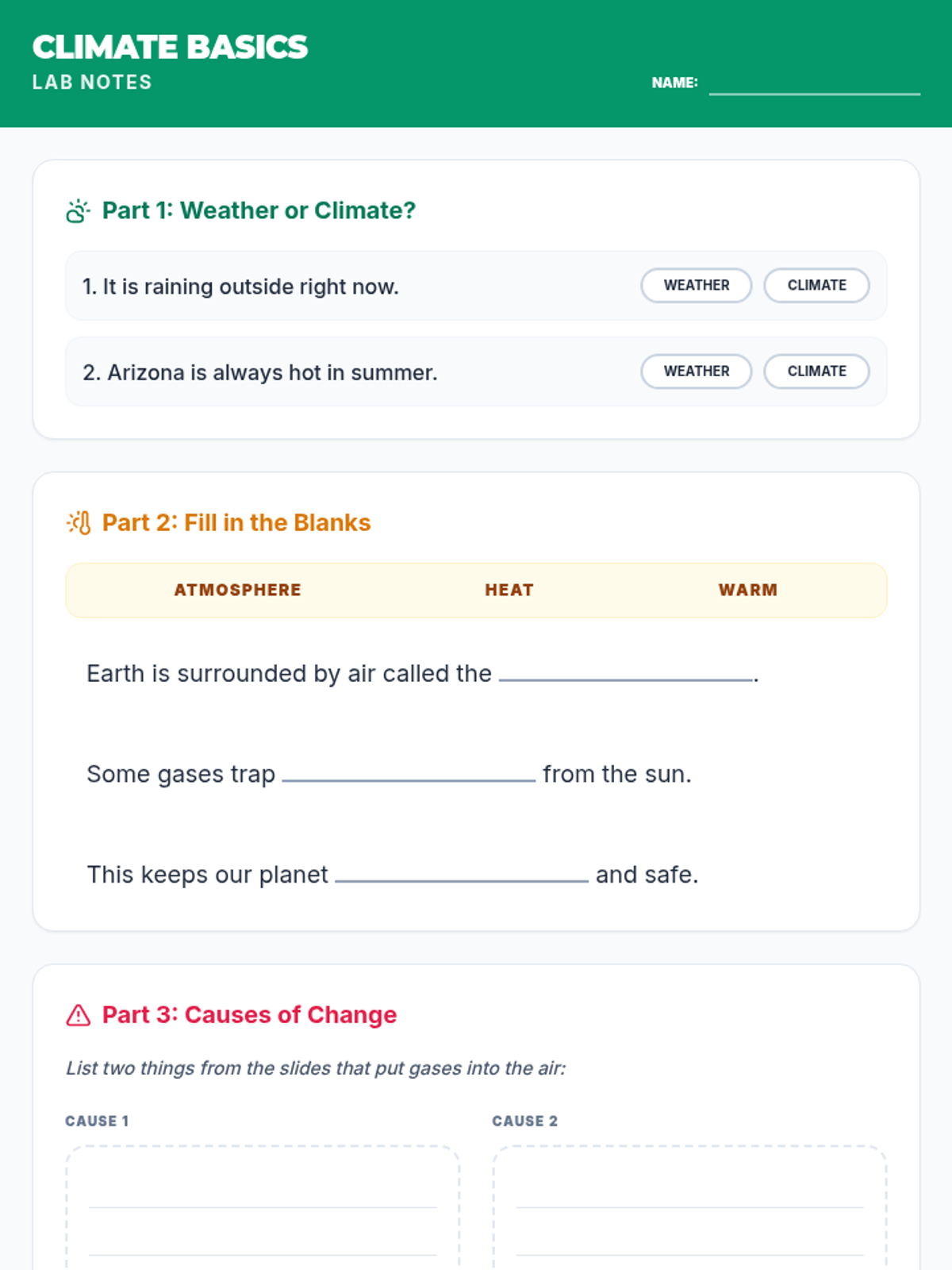
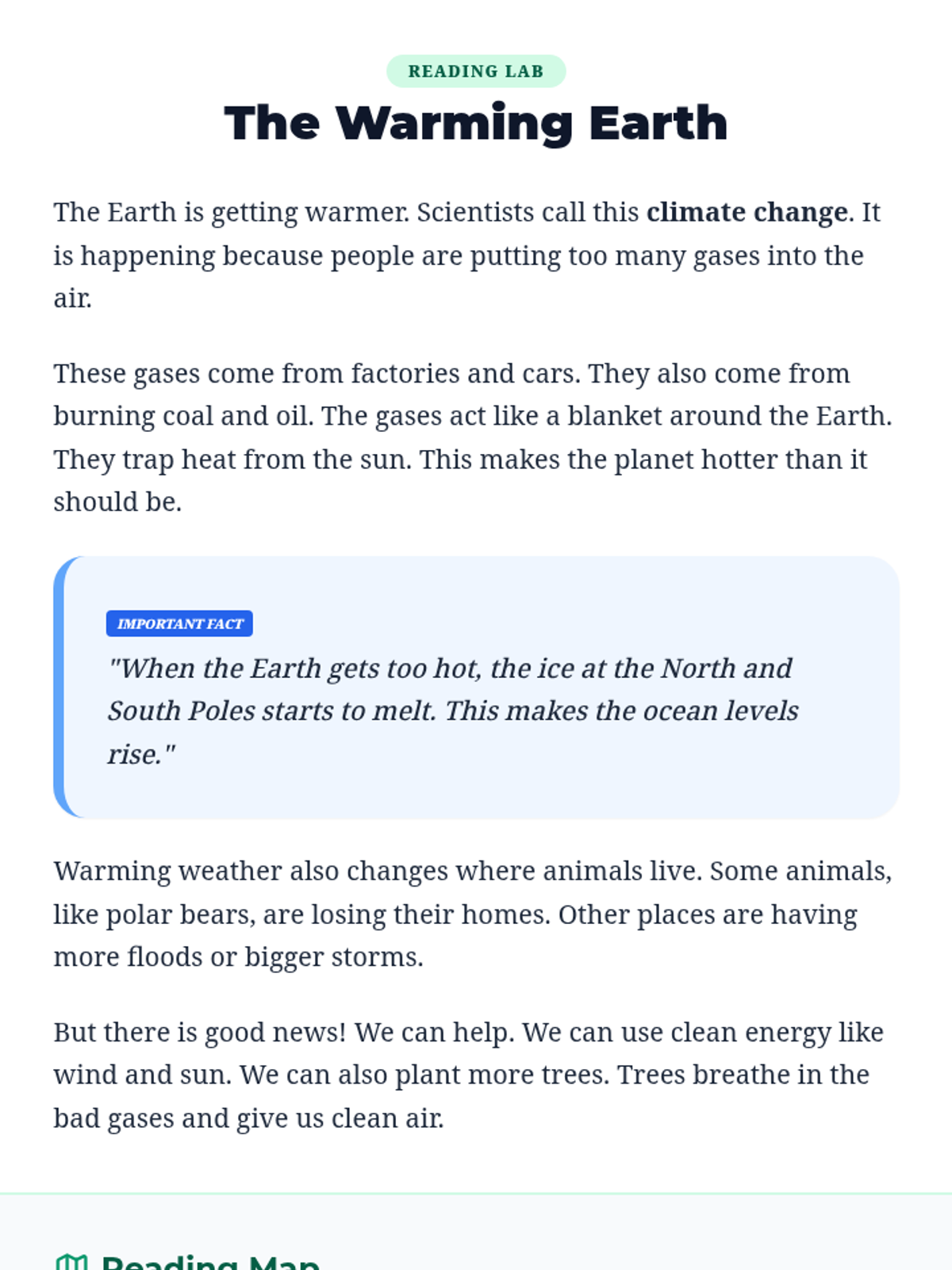
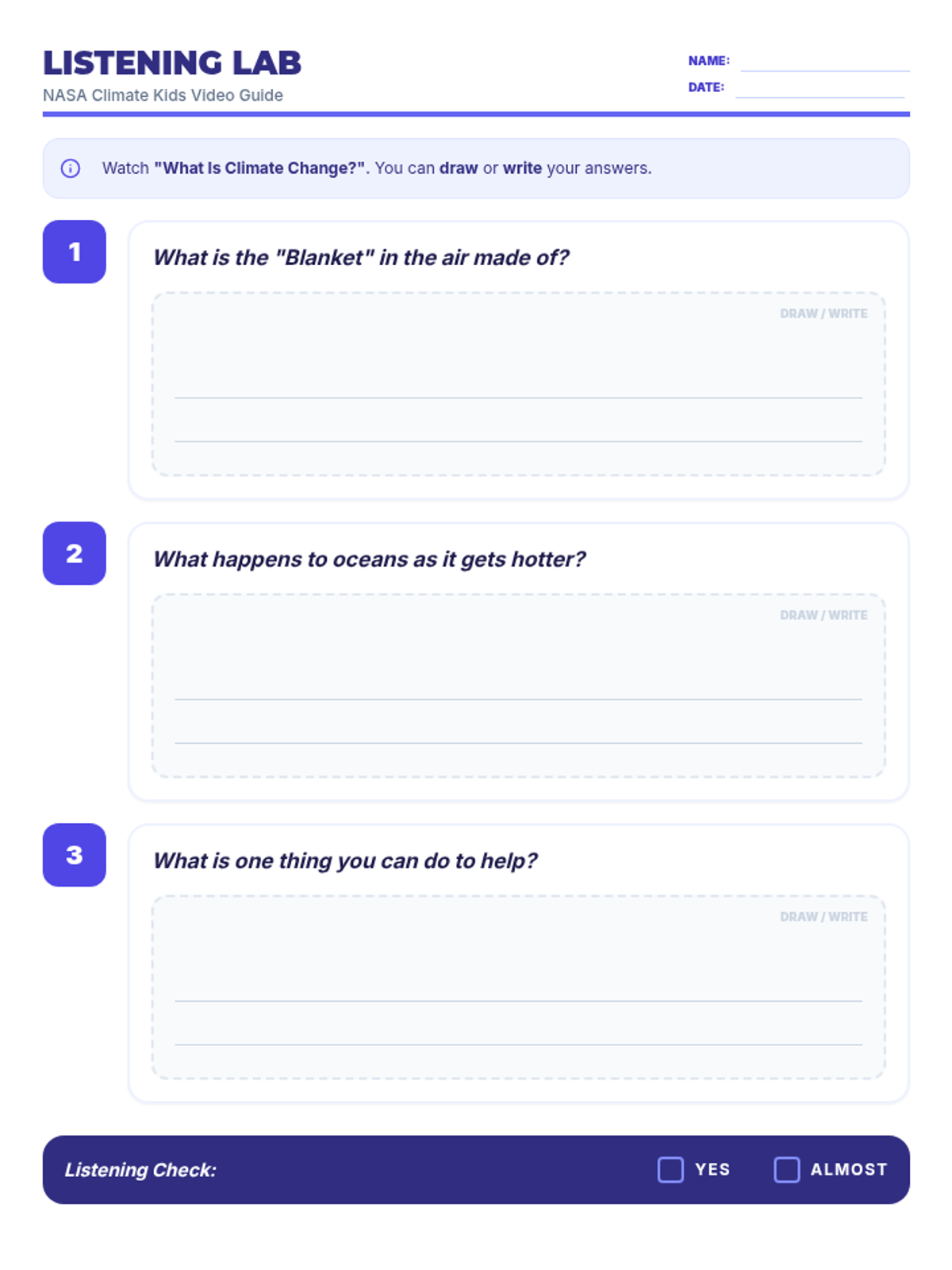
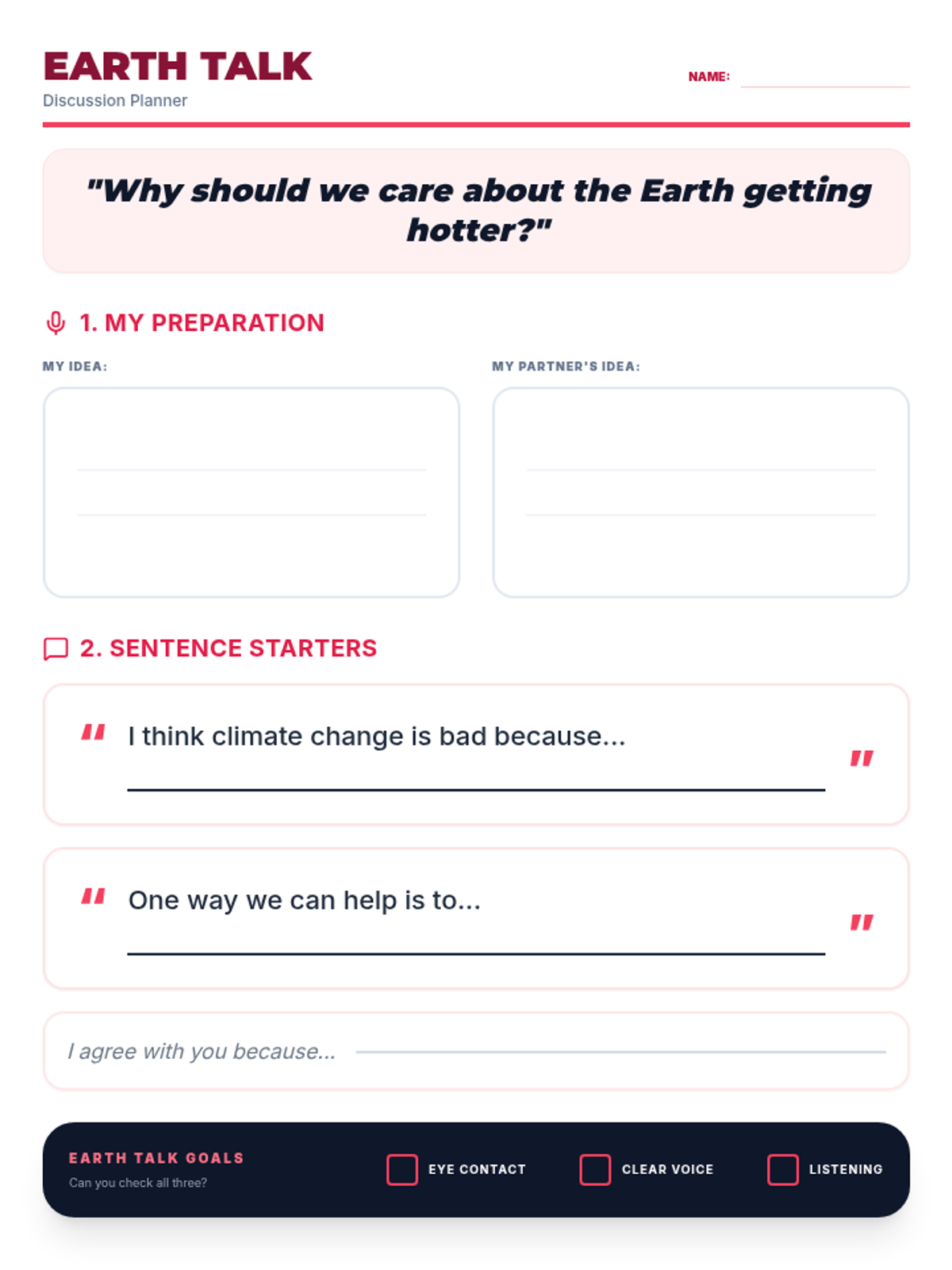
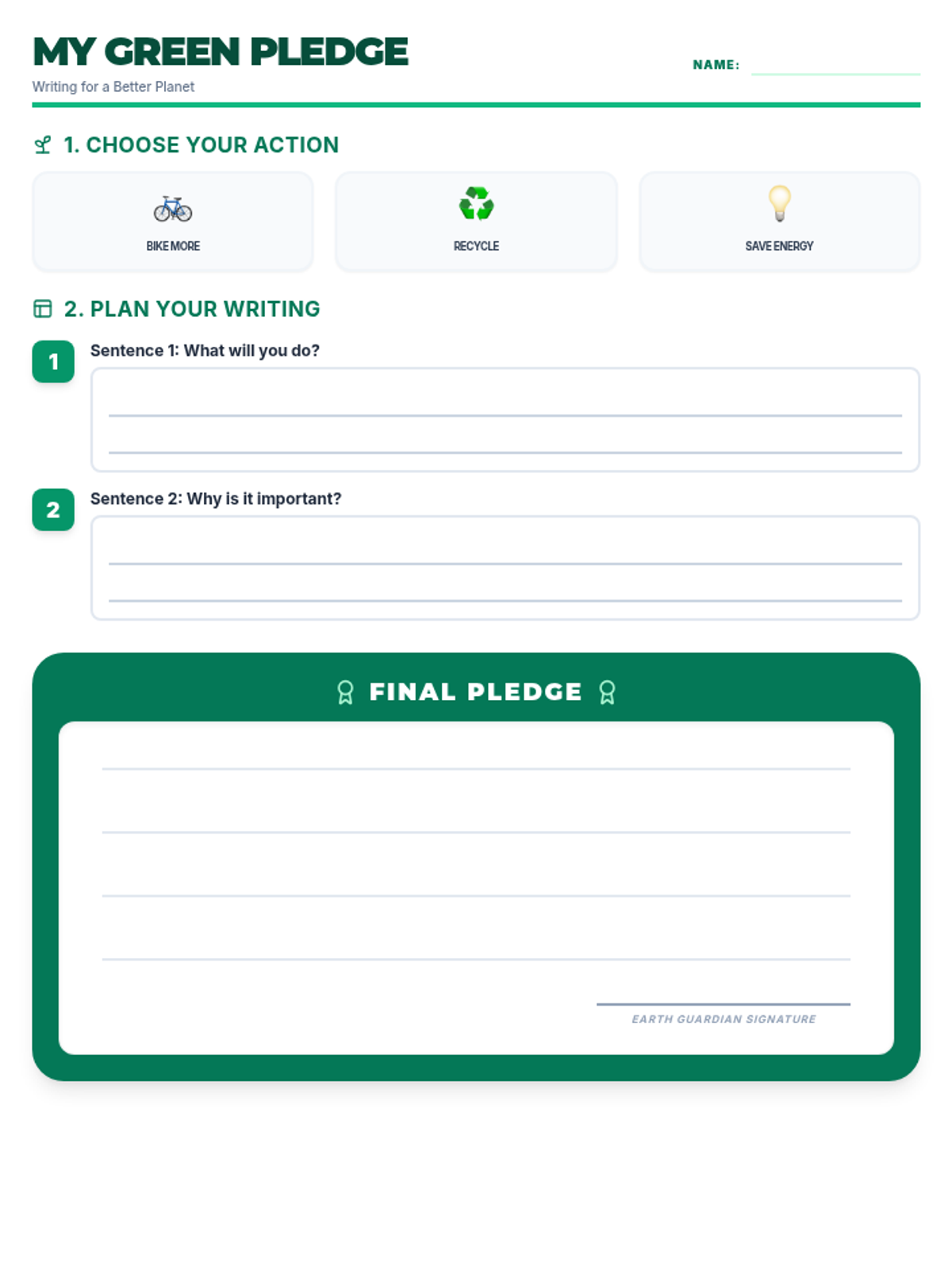
Students will explore the basics of climate change, the greenhouse effect, and how personal choices affect the planet. The lesson includes a presentation, guided notes, and specialized activities for reading, writing, listening, and speaking.
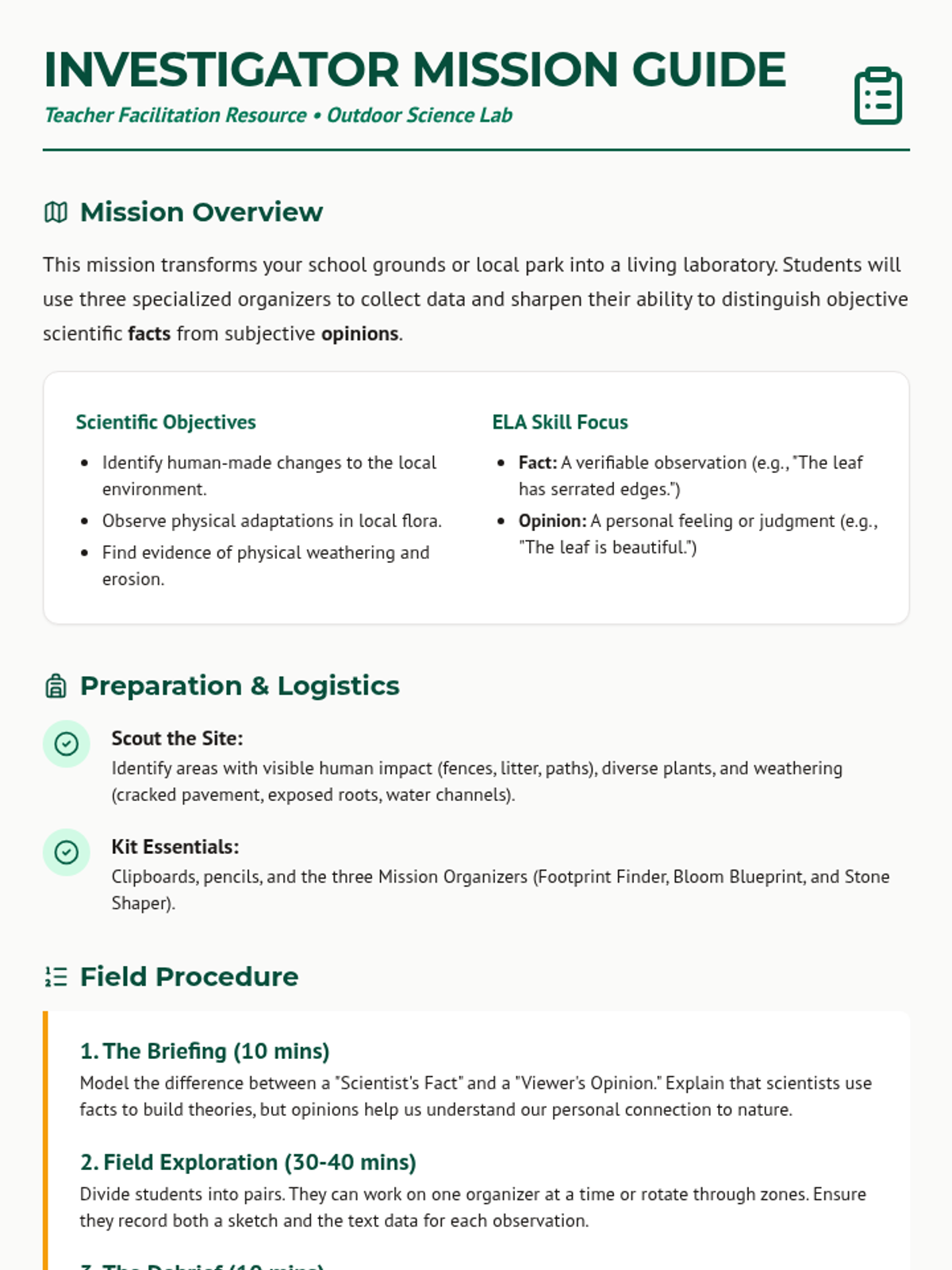
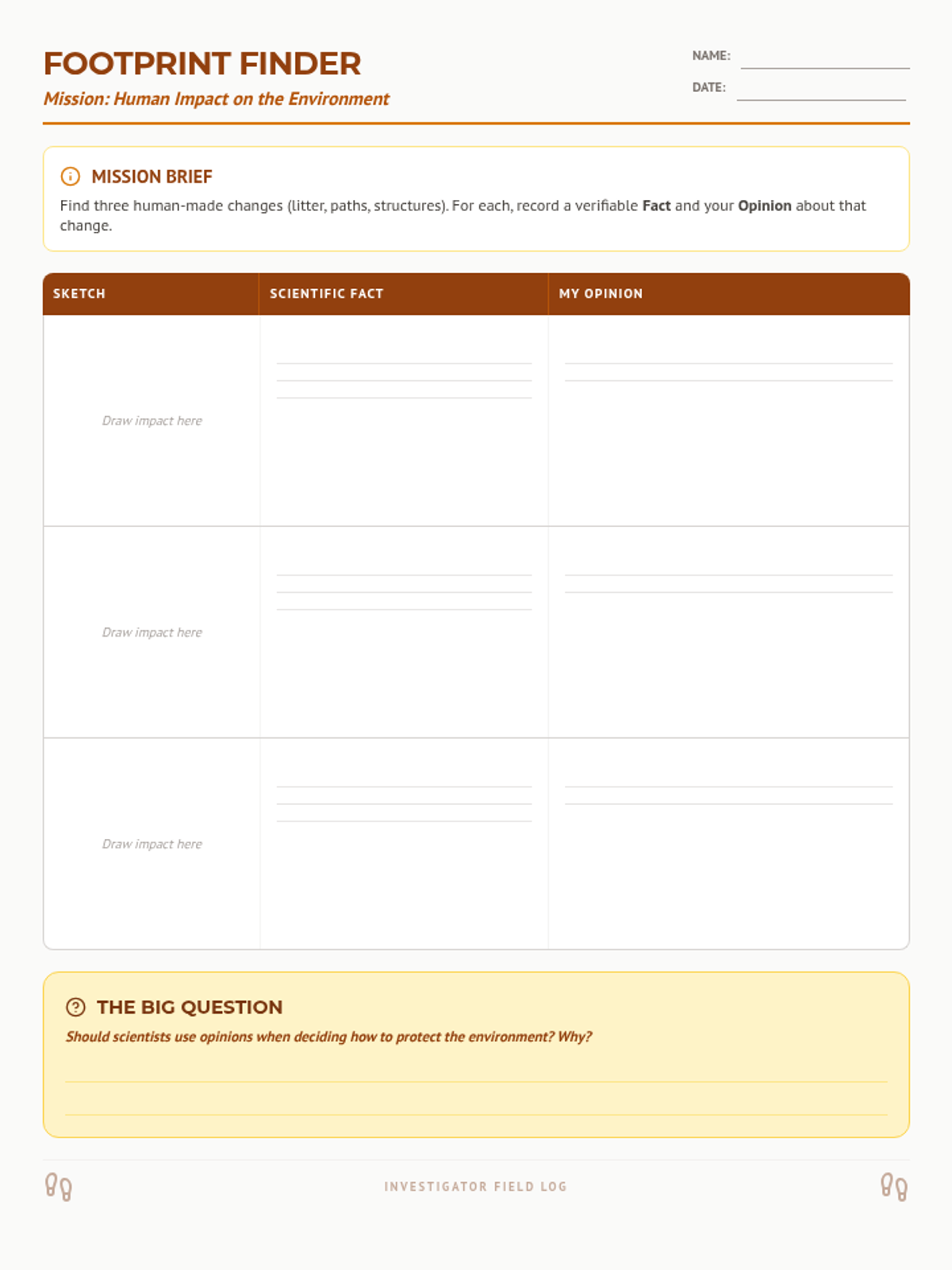
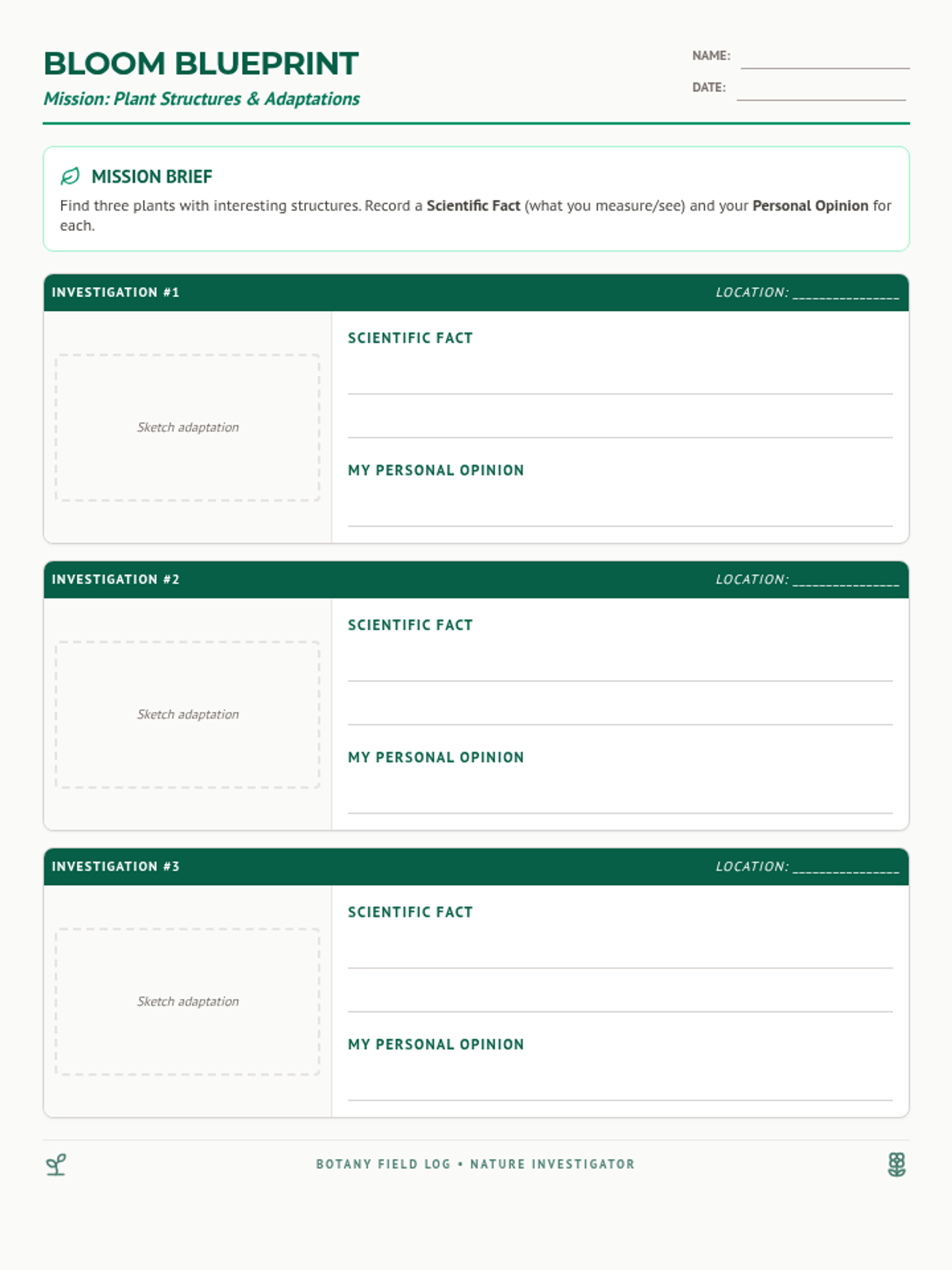
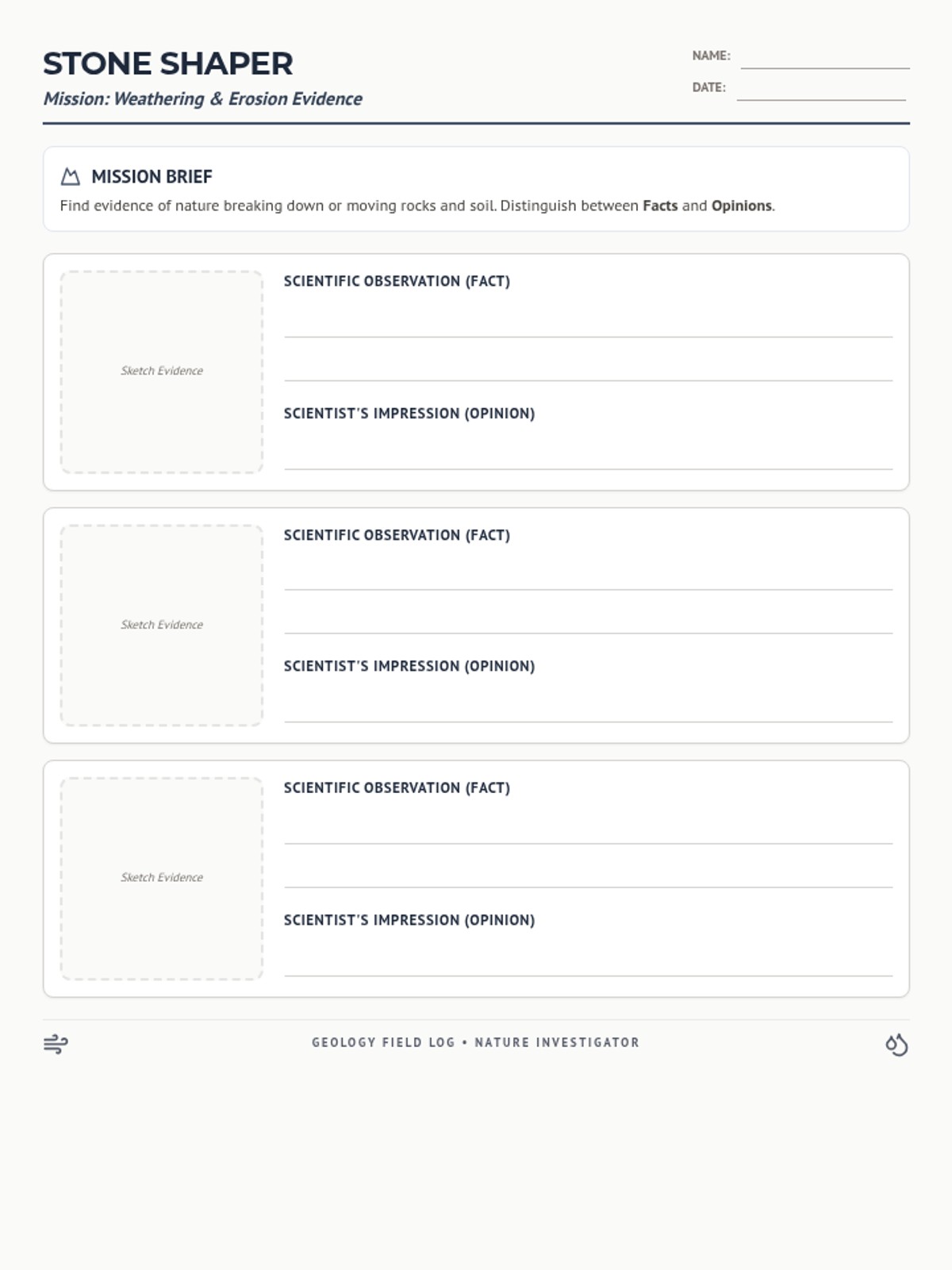
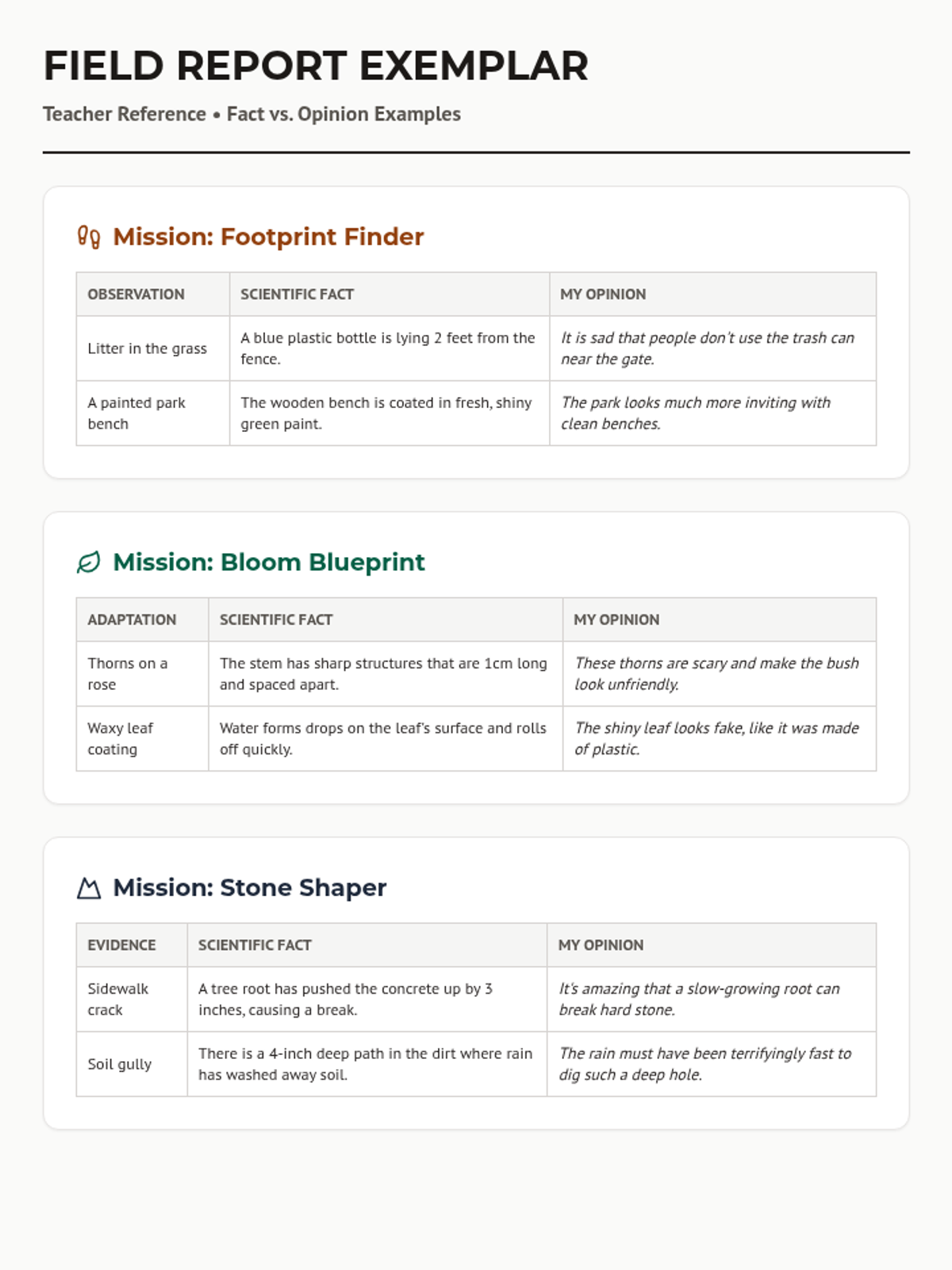
A series of outdoor observation activities where students explore human impact, plant adaptations, and geological changes while practicing the ELA skill of distinguishing between fact and opinion.
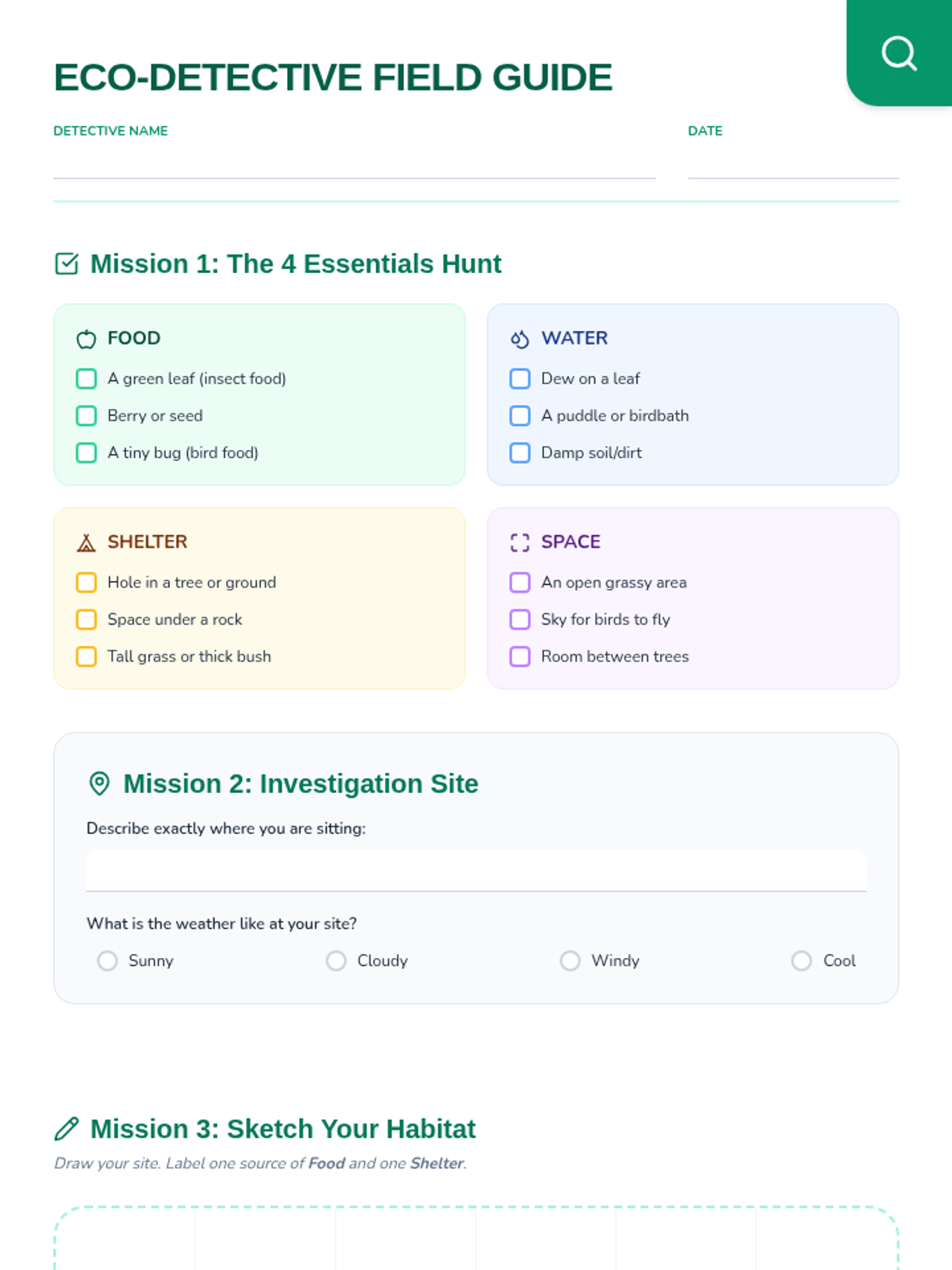
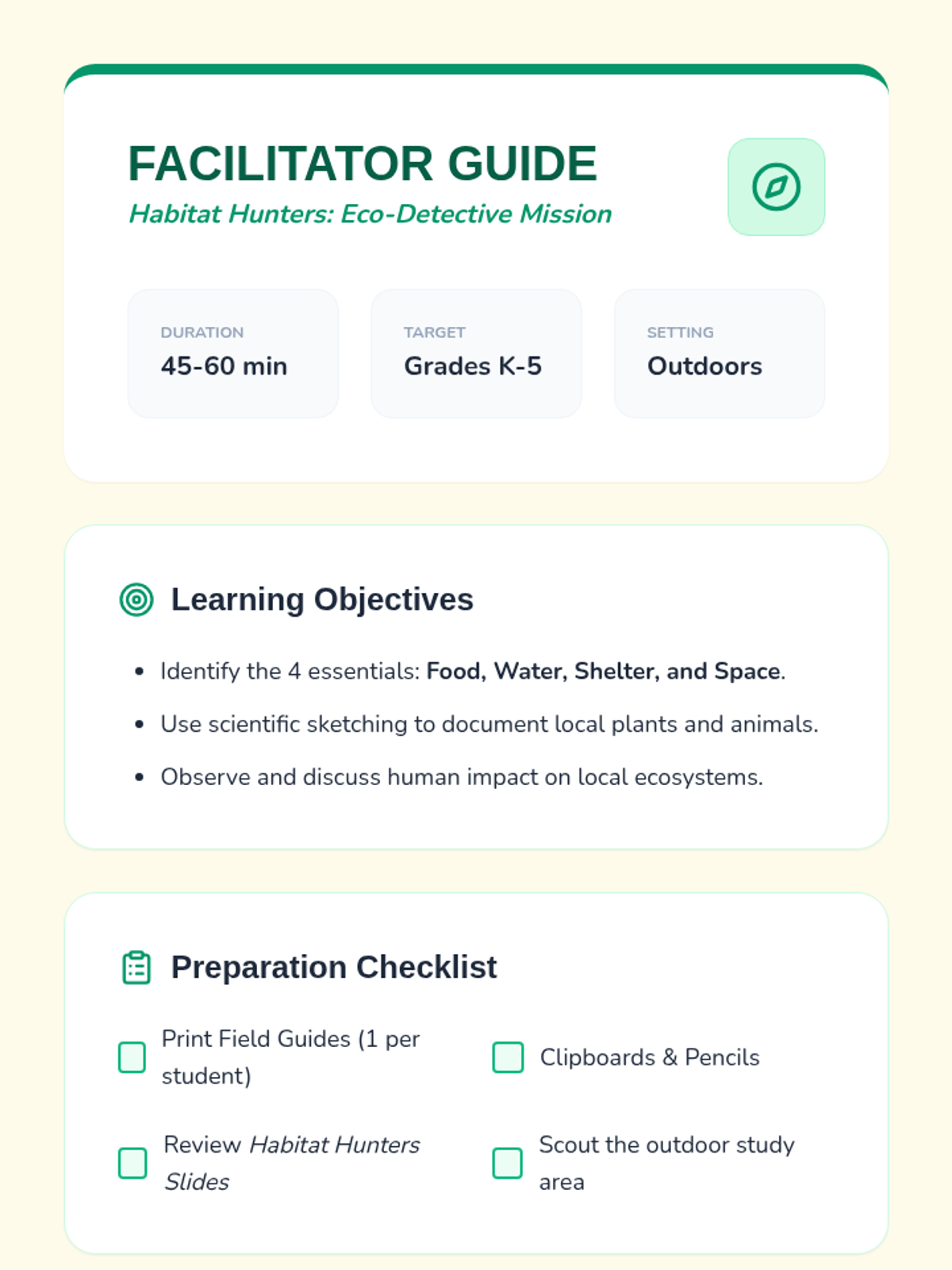
An immersive outdoor exploration where students become 'Eco-Detectives' to identify the essential components of local habitats through observation and sketching.
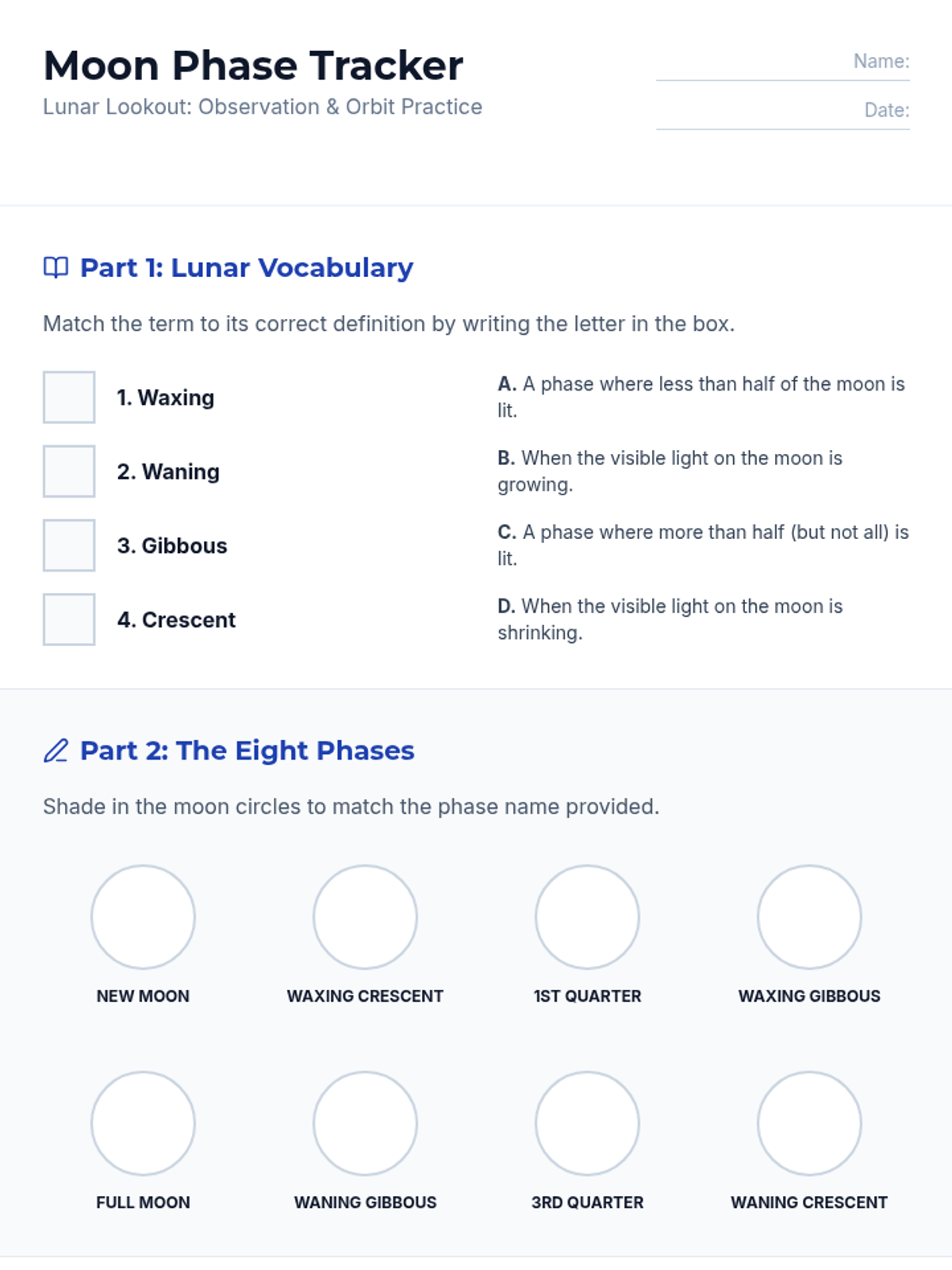
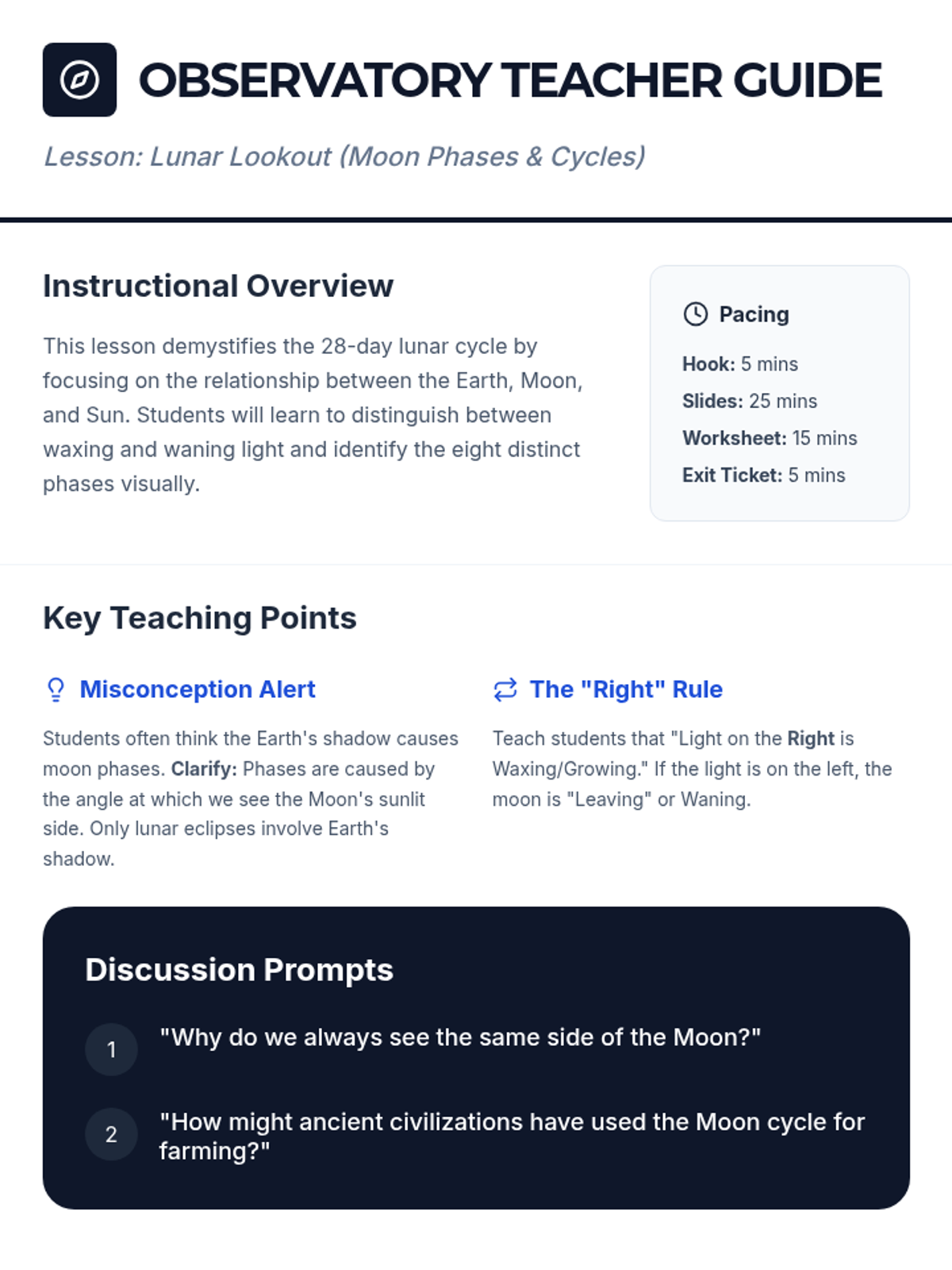
An interactive exploration of the Moon's 28-day cycle, terminology, and the eight distinct lunar phases through visual diagrams and observation exercises.
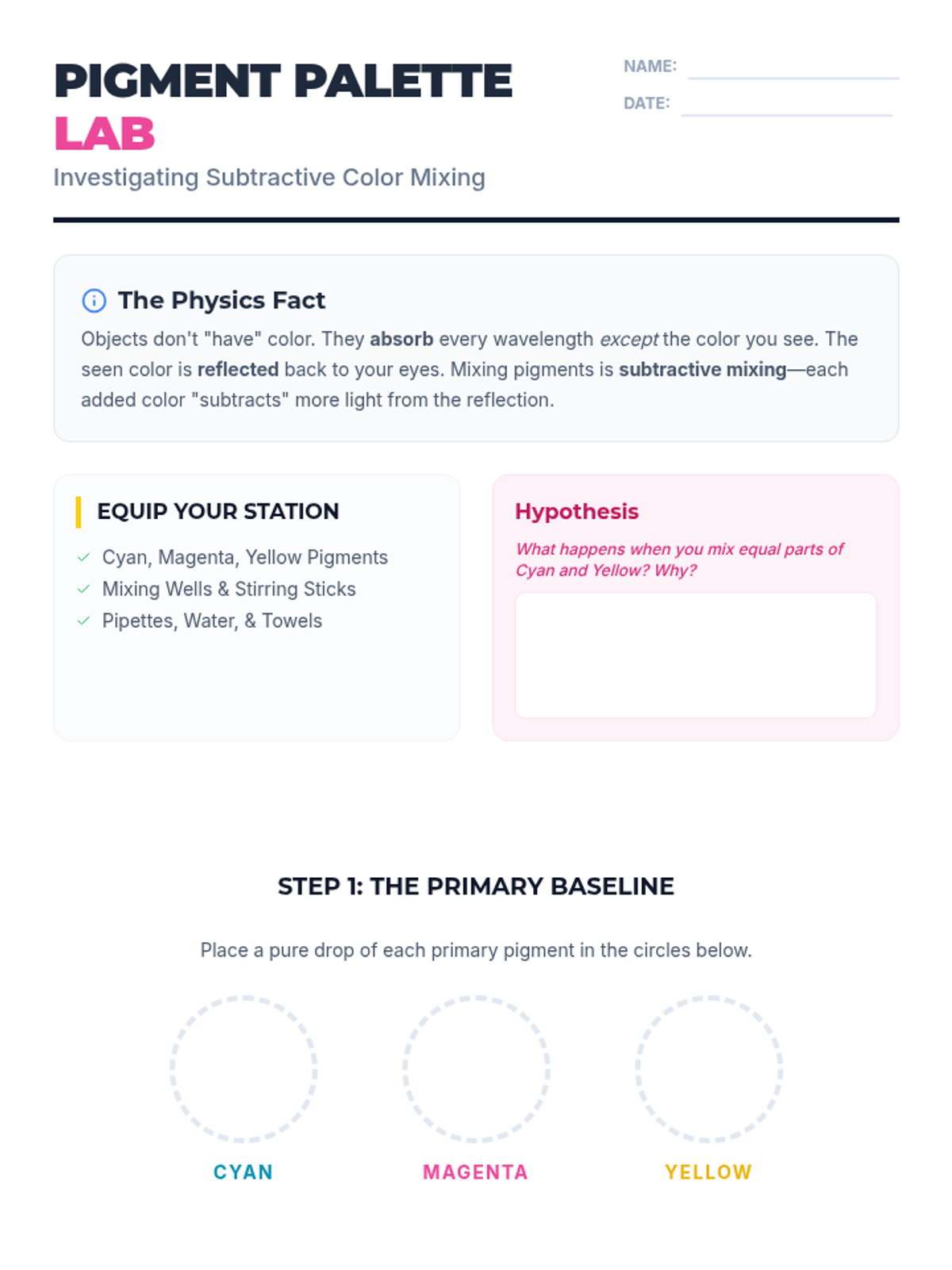
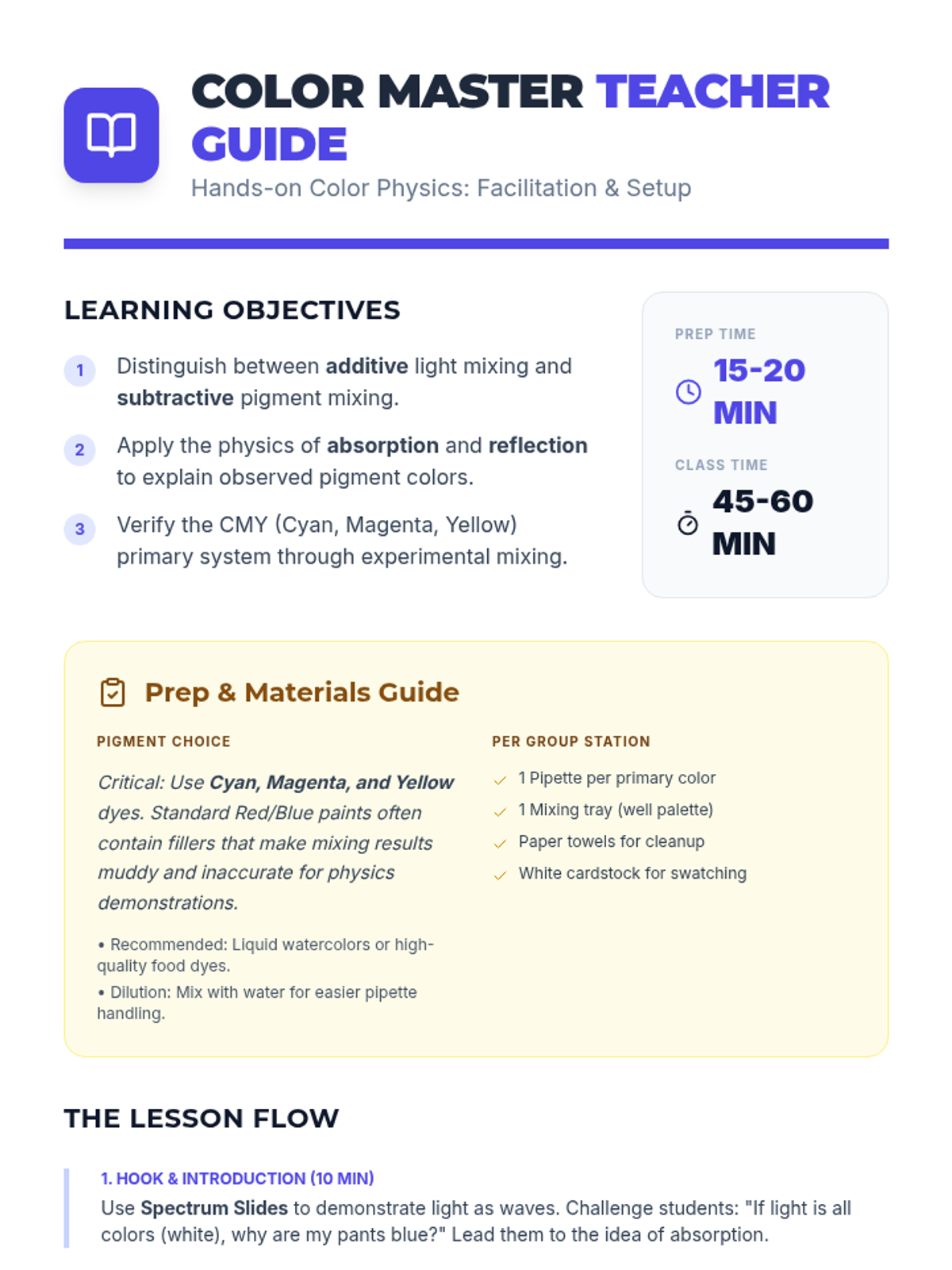
A hands-on exploration of the physics of color, focusing on additive light mixing and subtractive pigment mixing through experimentation.
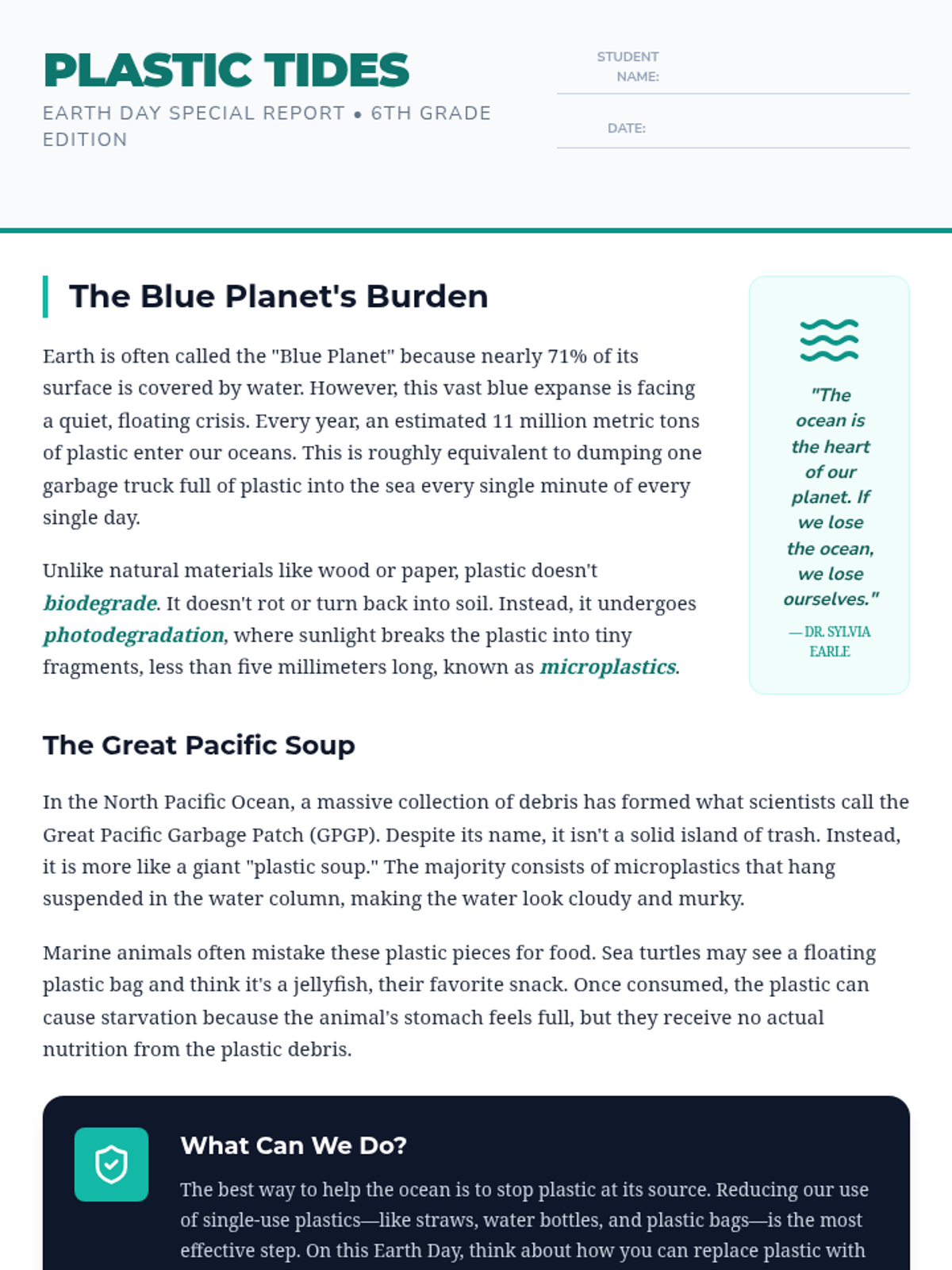
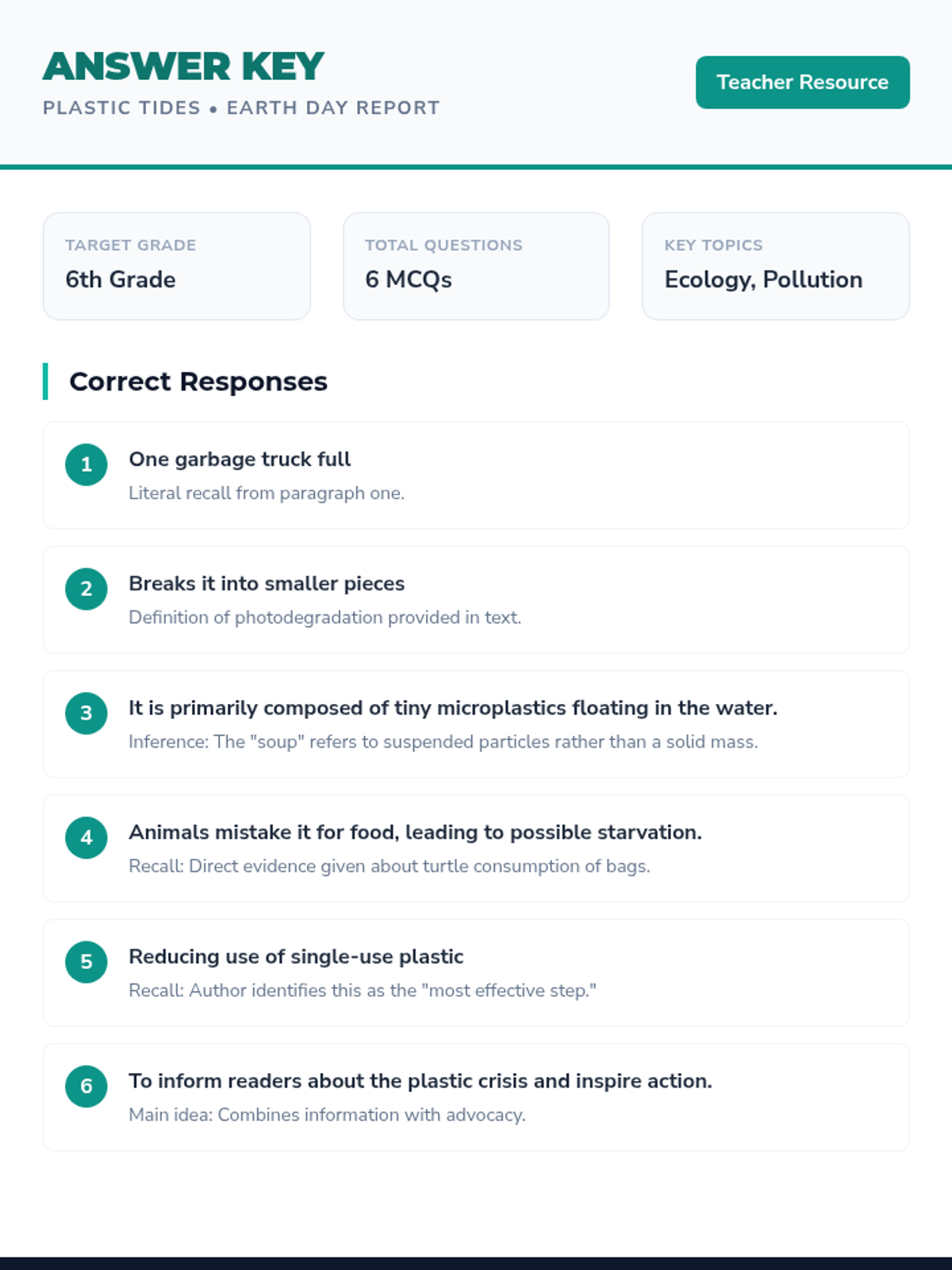
This lesson explores the impact of plastic pollution on marine ecosystems, focusing on the Great Pacific Garbage Patch and microplastics, while encouraging students to take action for Earth Day.
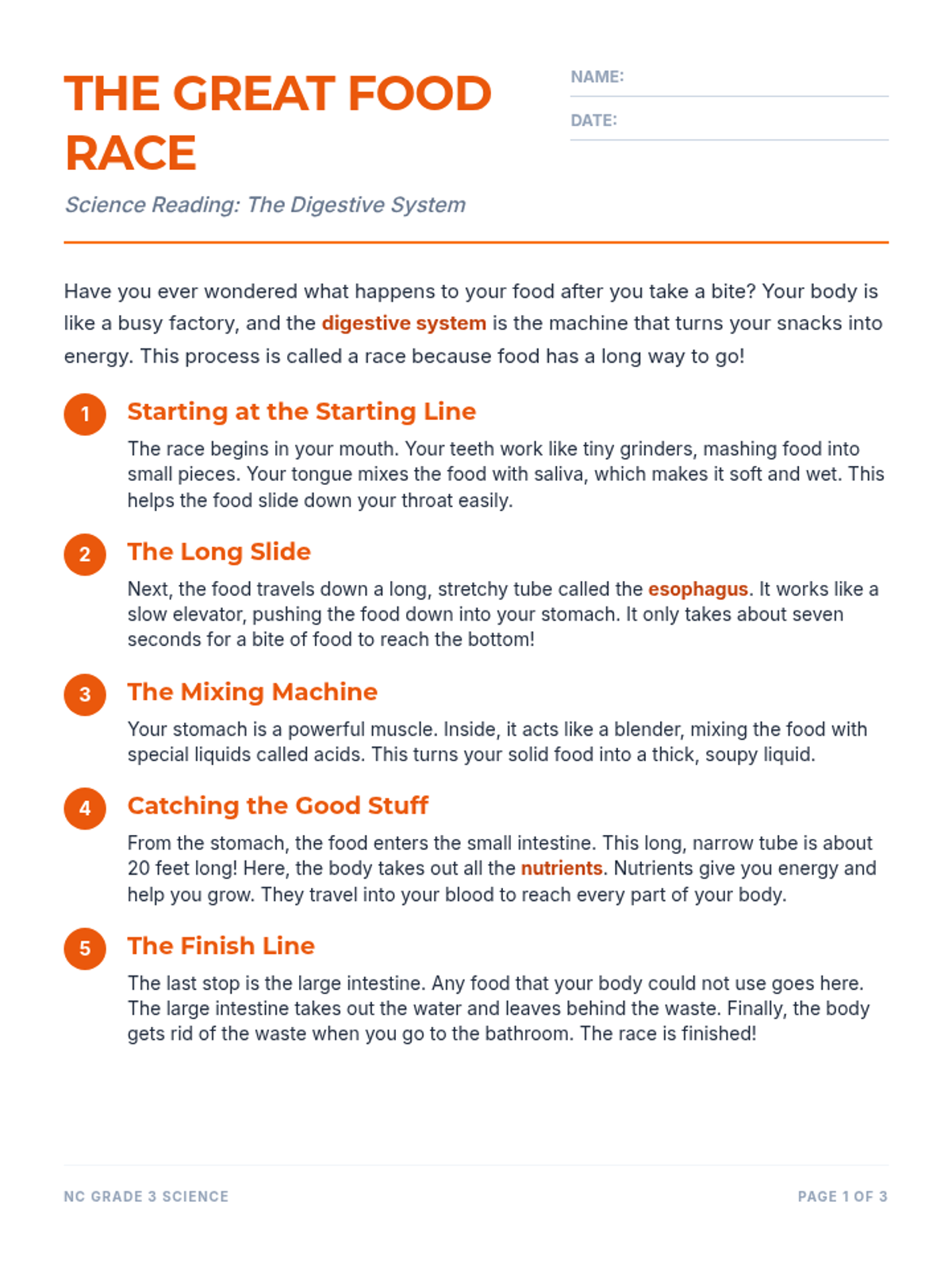
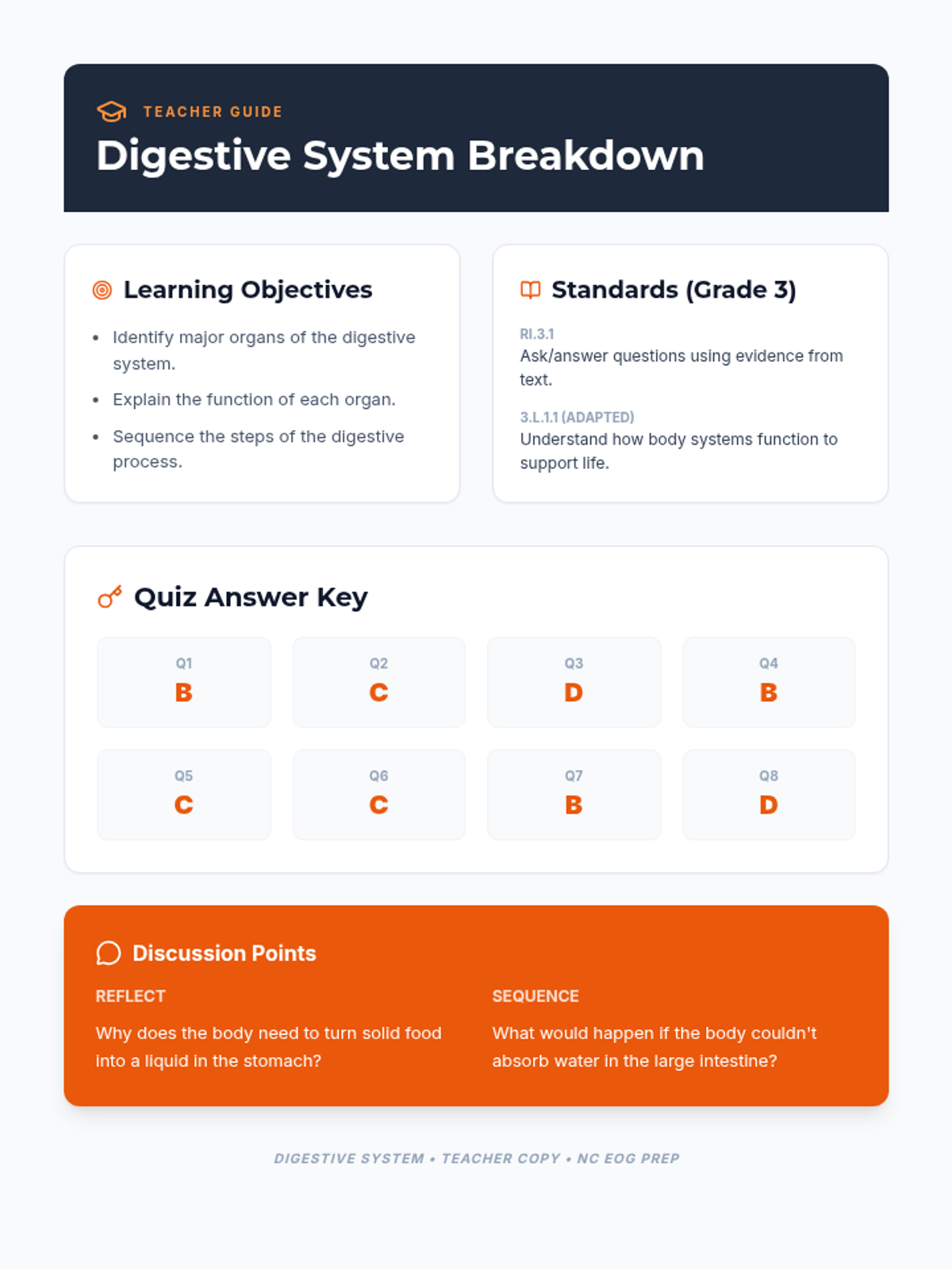
A comprehensive reading and assessment lesson focusing on the human digestive system, designed to meet NC 3rd grade reading levels and science concepts. Students will follow a piece of food through the 'Great Food Race' and demonstrate comprehension through EOG-style questioning.
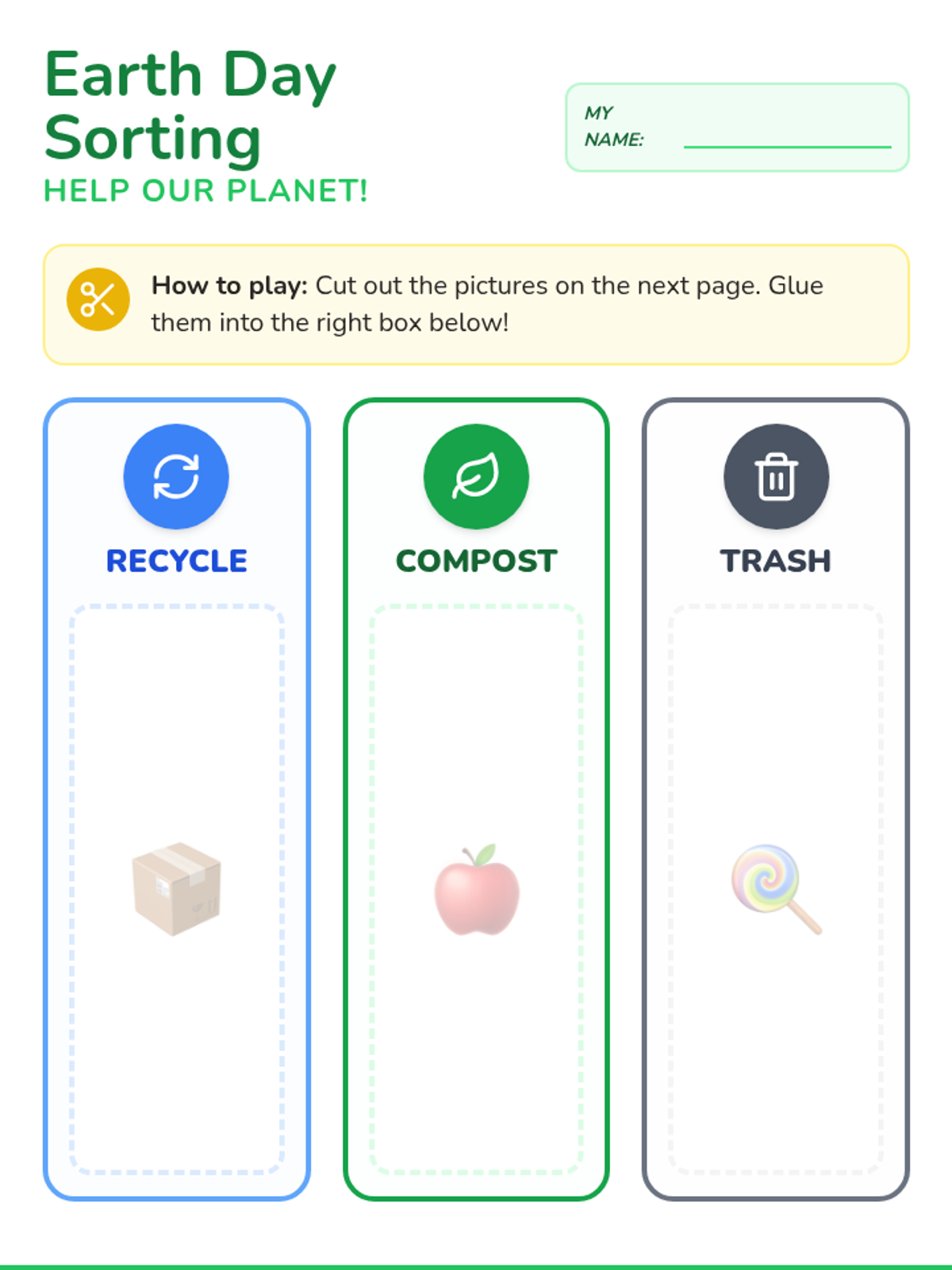
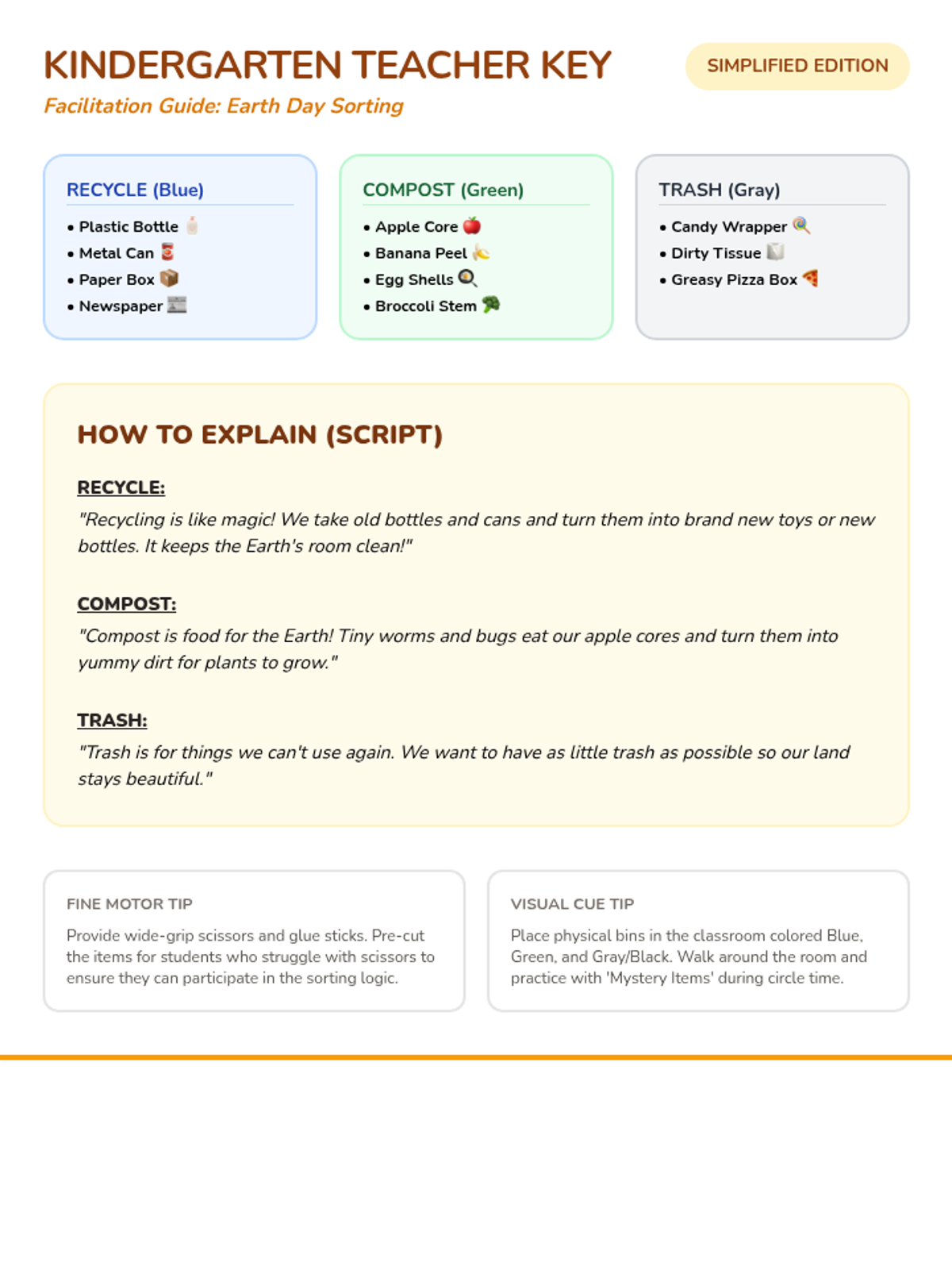
A hands-on lesson teaching students how to identify and sort different types of waste into recycling, compost, and landfill categories through visual activities.
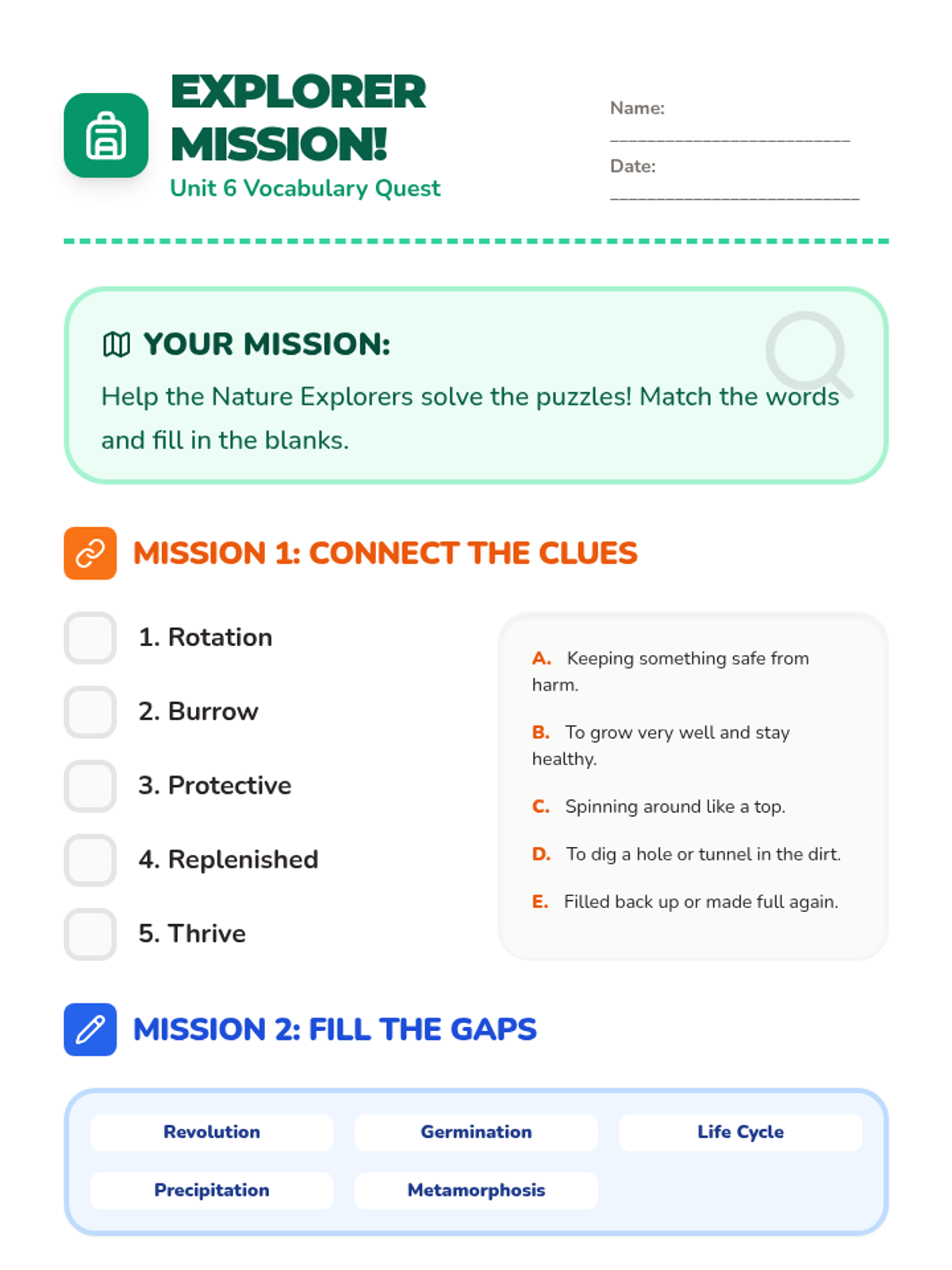
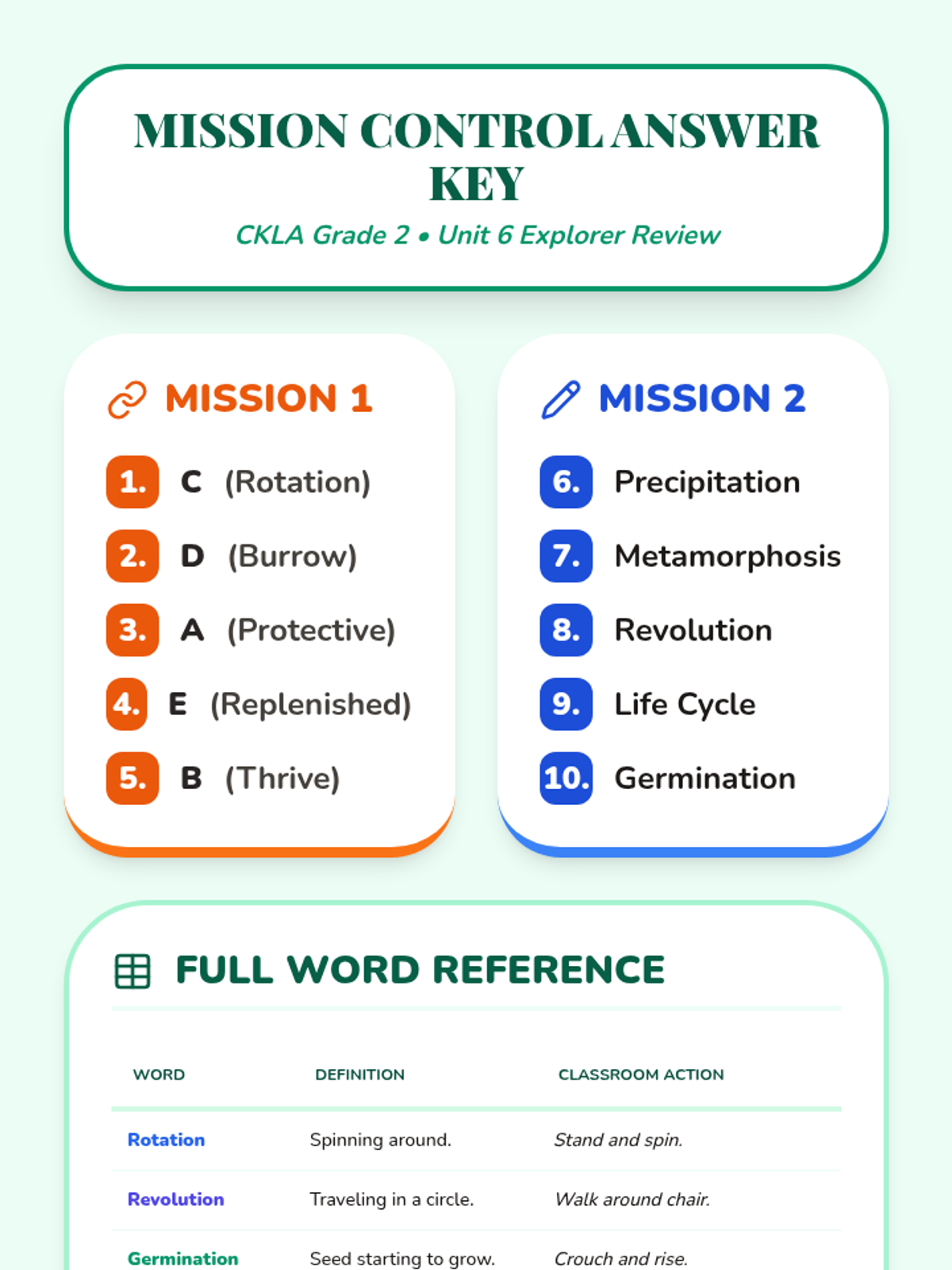
A comprehensive review of key vocabulary for the CKLA Grade 2 Unit 6 "Cycles in Nature" unit, preparing students for their vocabulary assessment.
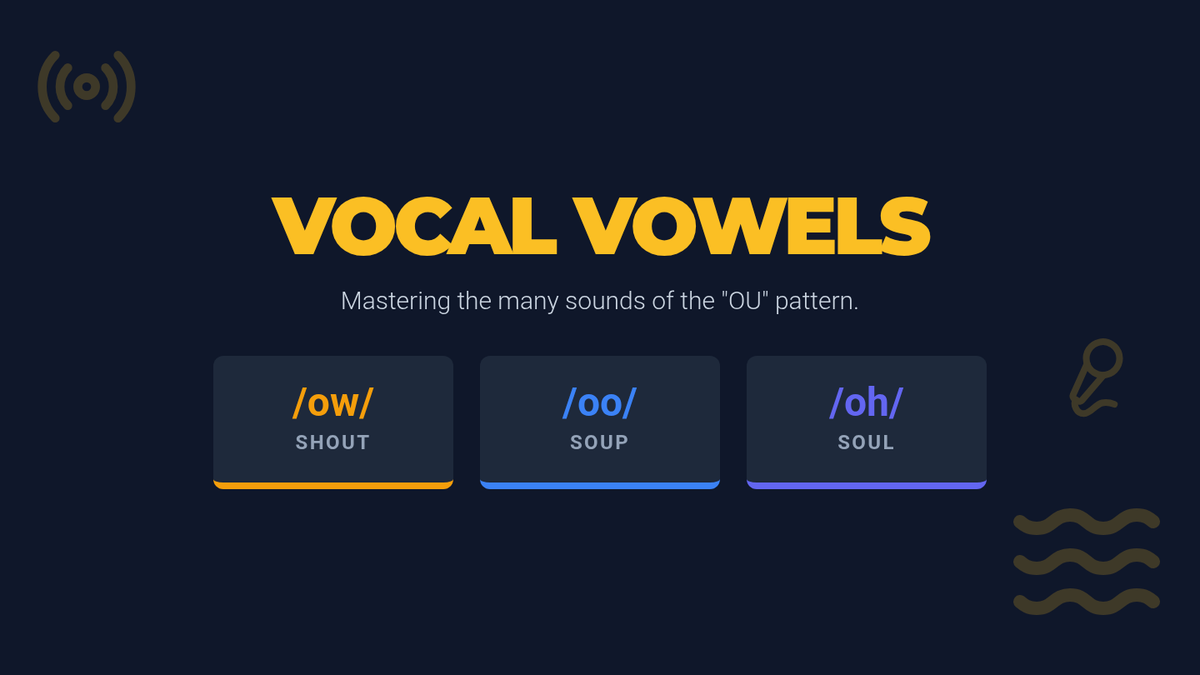
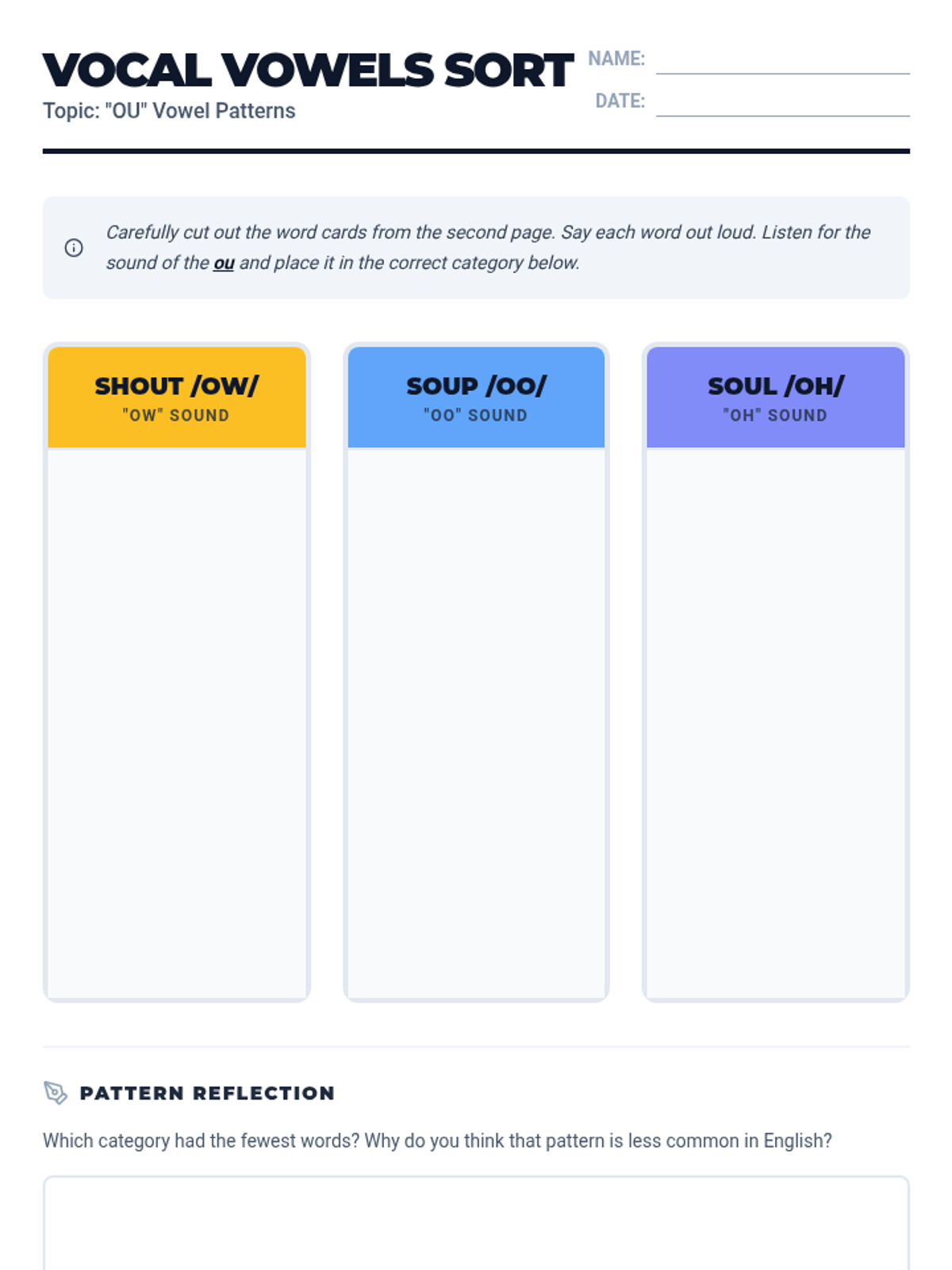
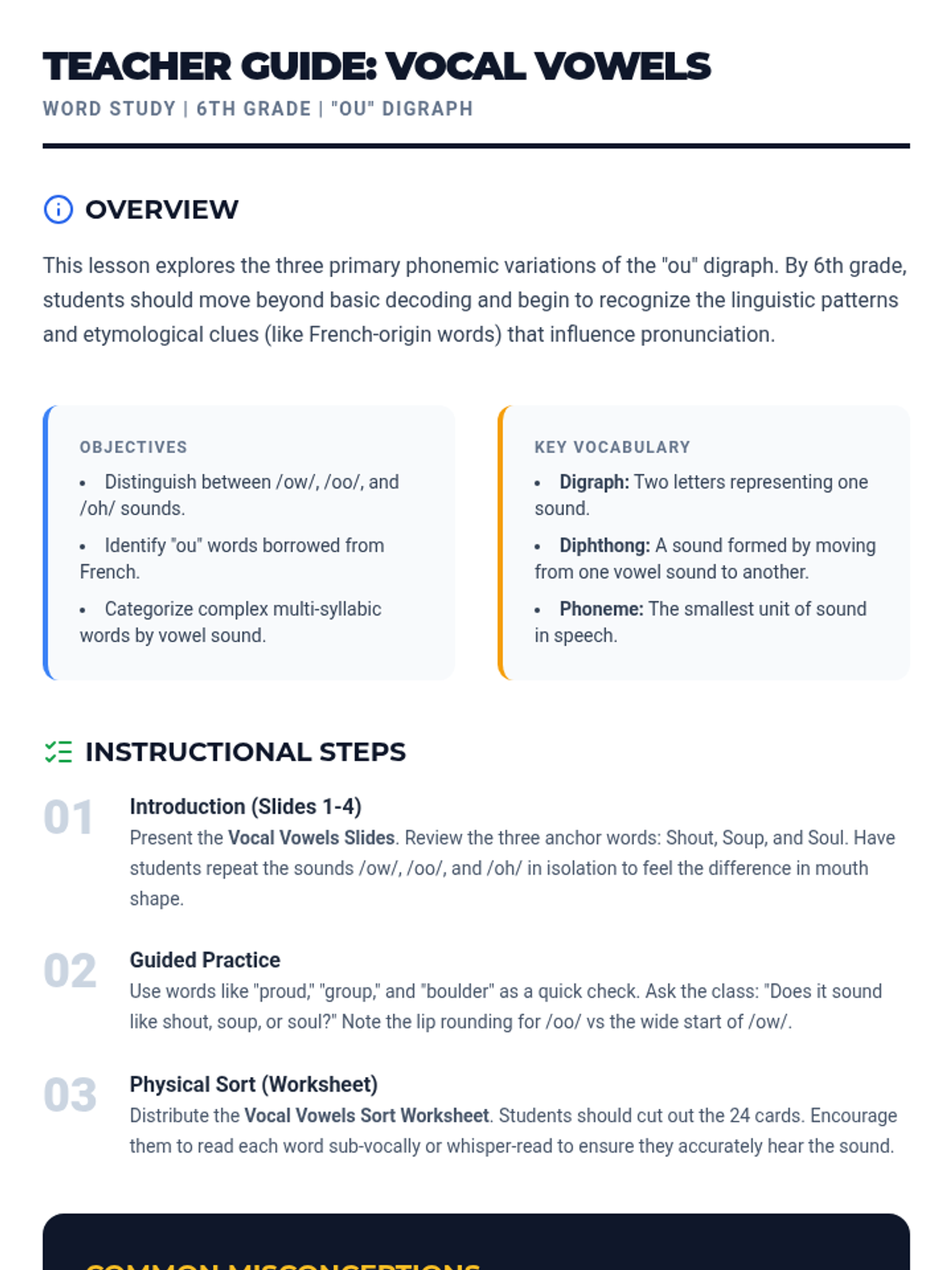
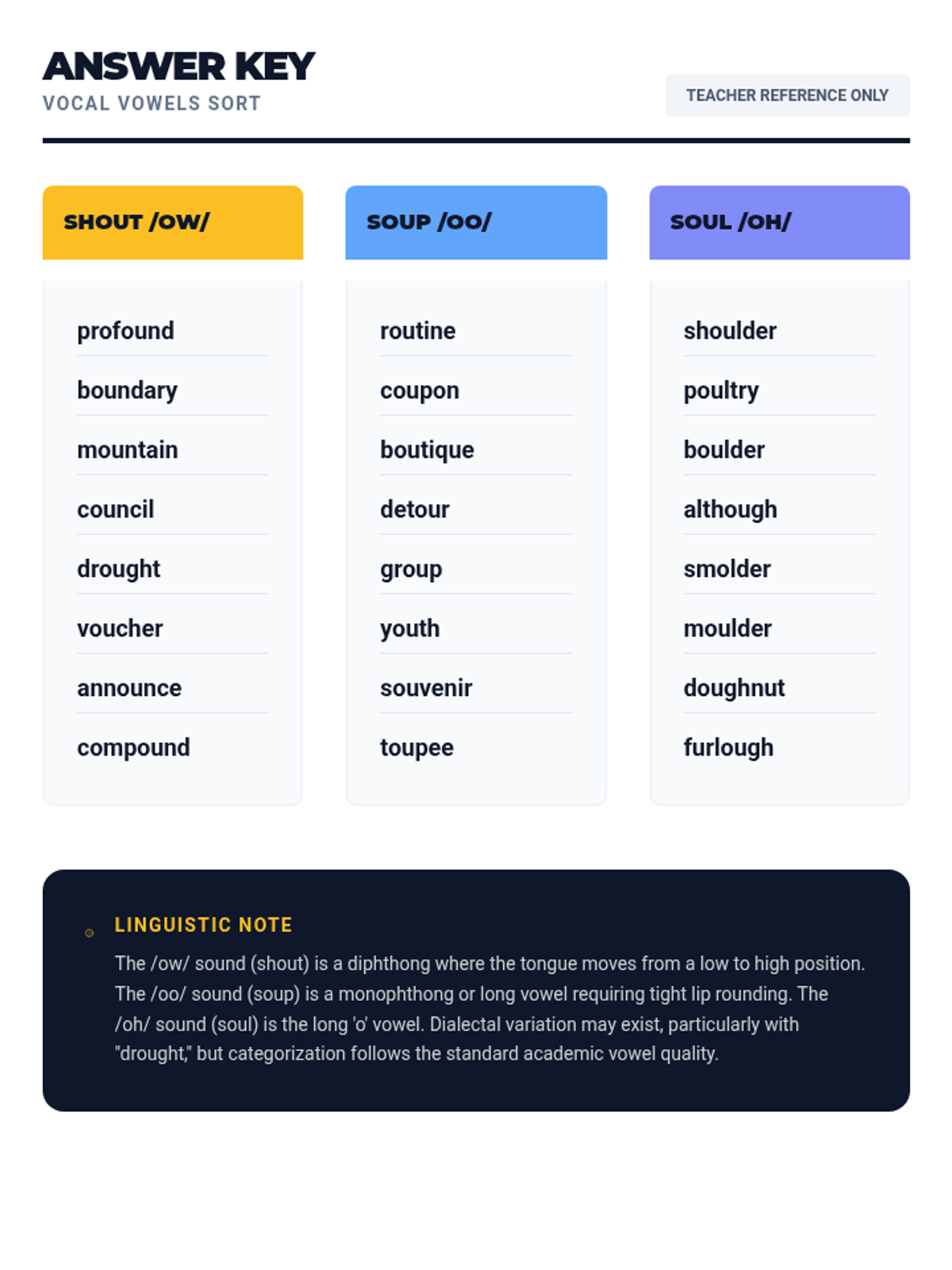
A word study lesson for 6th graders focusing on the three distinct sounds of the 'ou' vowel digraph: /aʊ/ as in shout, /uː/ as in soup, and /oʊ/ as in soul. Students will categorize words and identify patterns through a physical sorting activity.
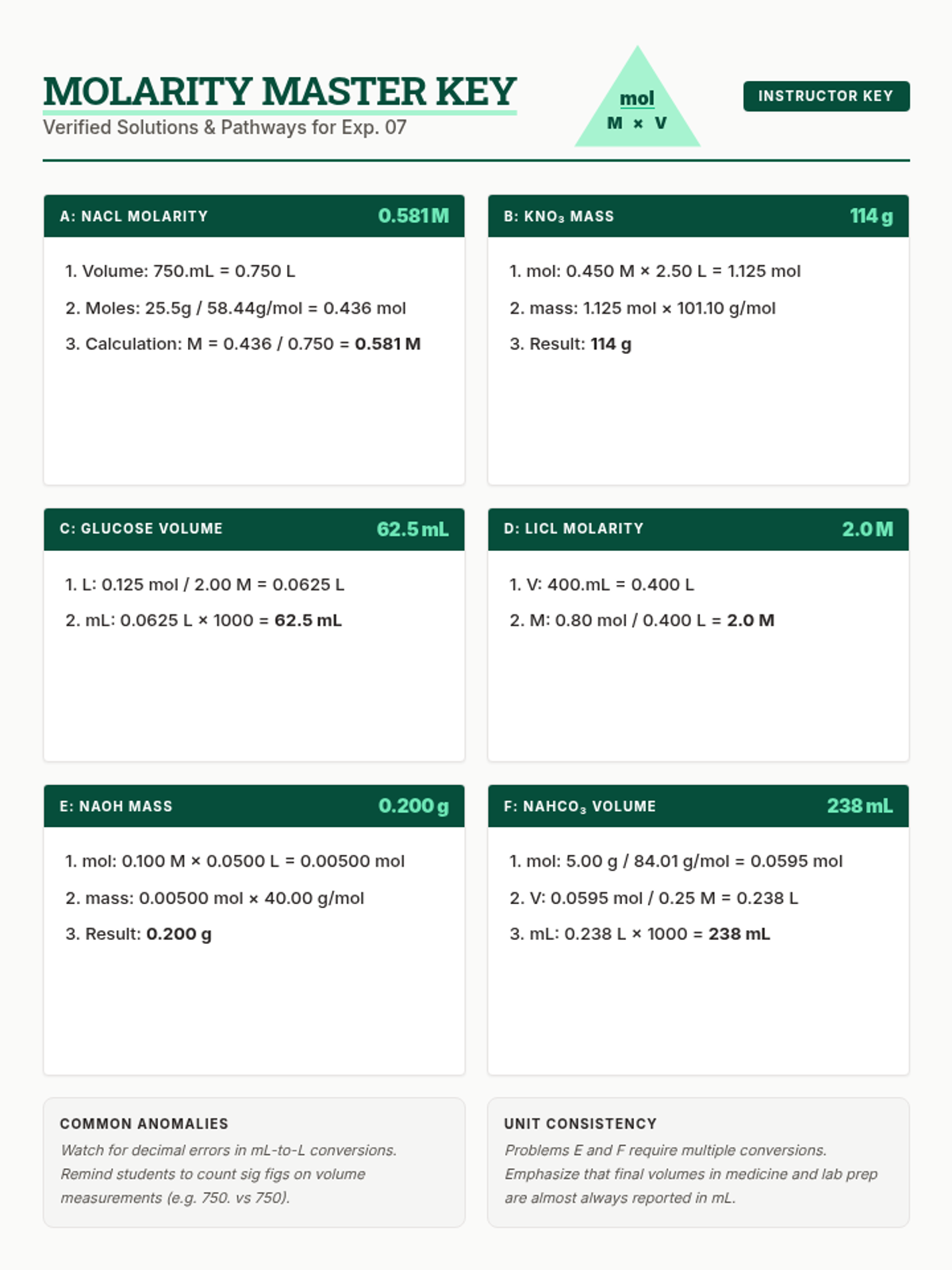
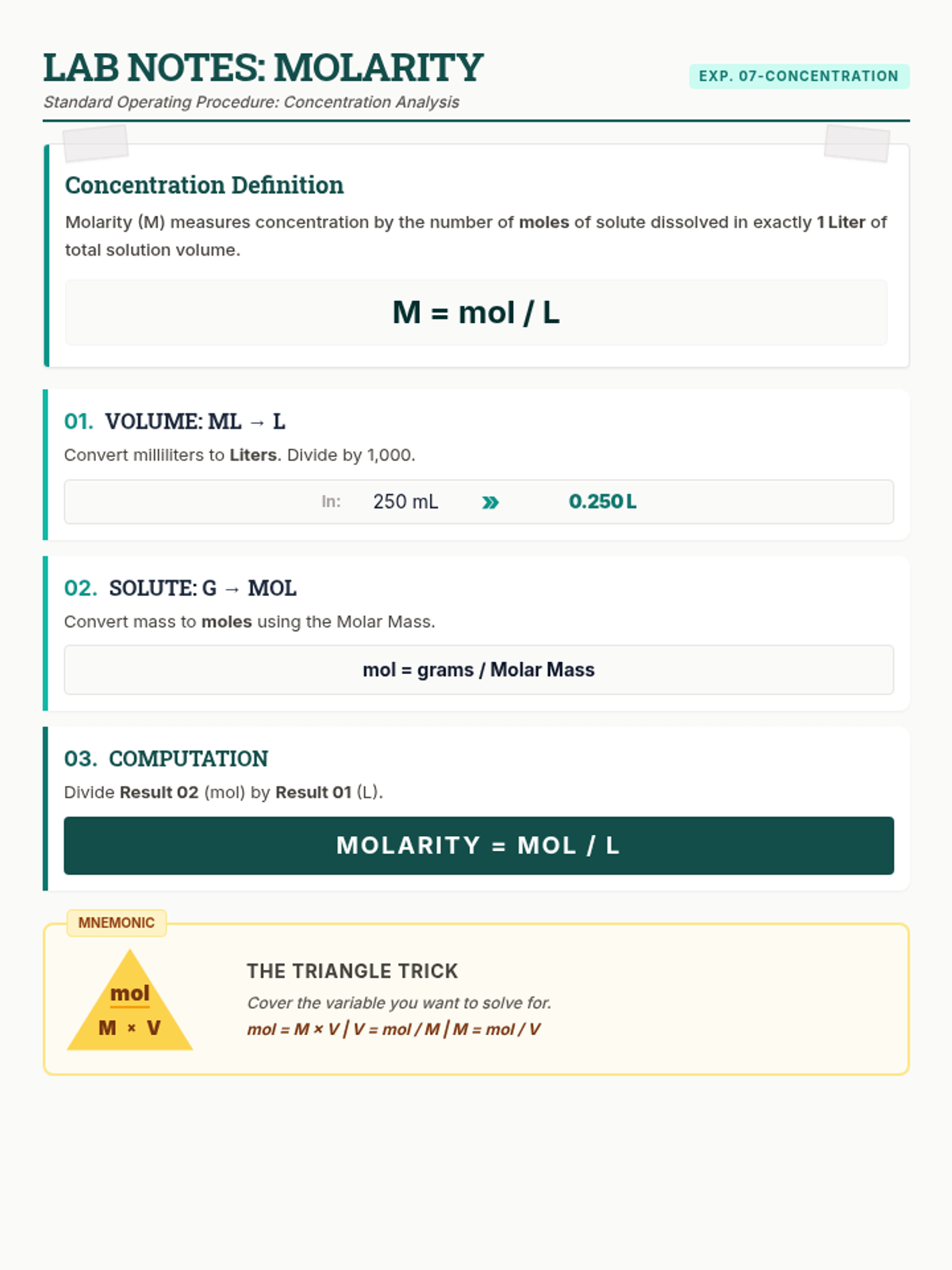
A lesson focused on calculating solution concentration using molarity, including necessary unit conversions for mass and volume.
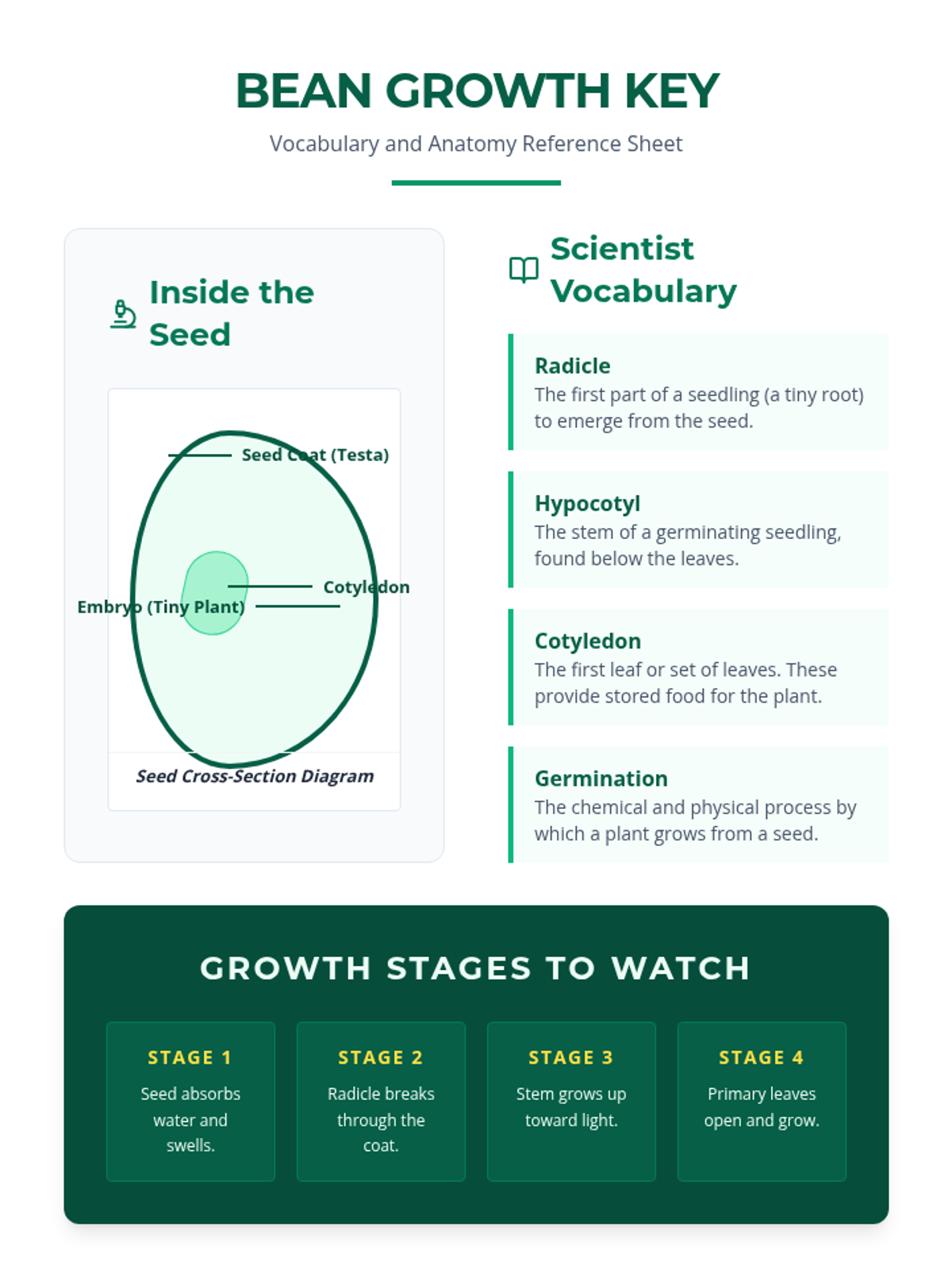
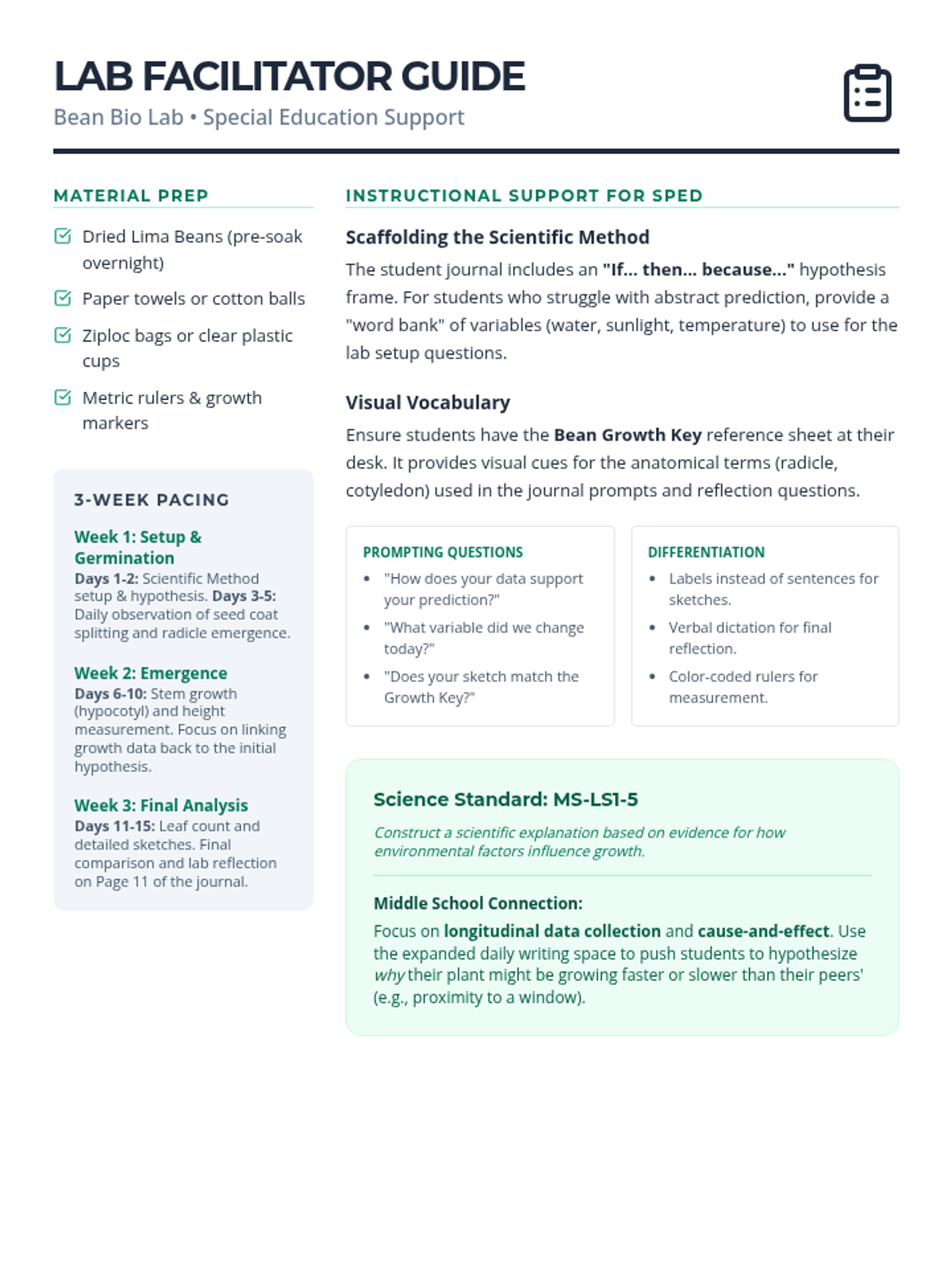
A 3-week hands-on biology investigation where students grow, observe, and document the life cycle of a lima bean, using a structured field journal to practice scientific observation and data recording.
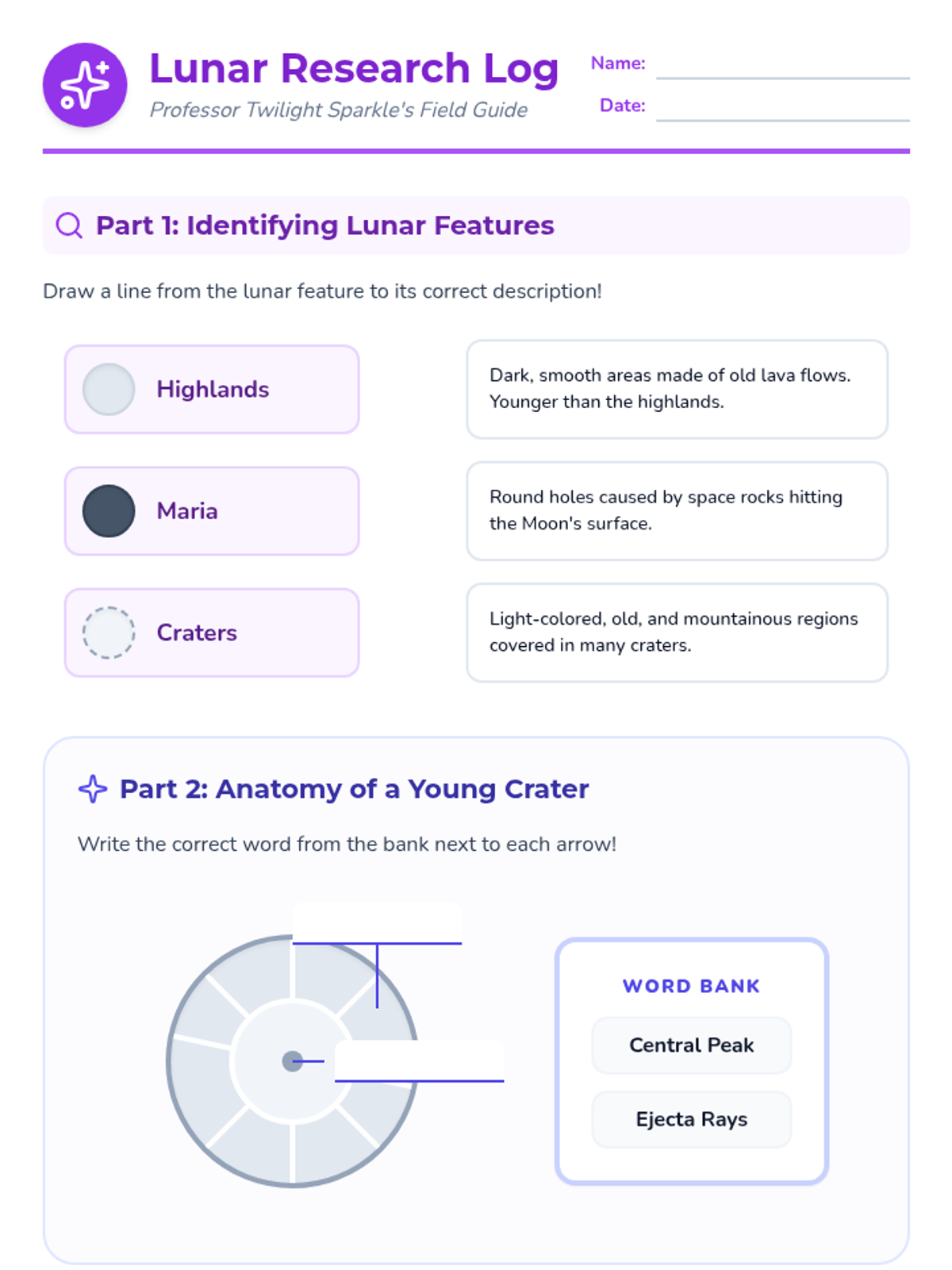
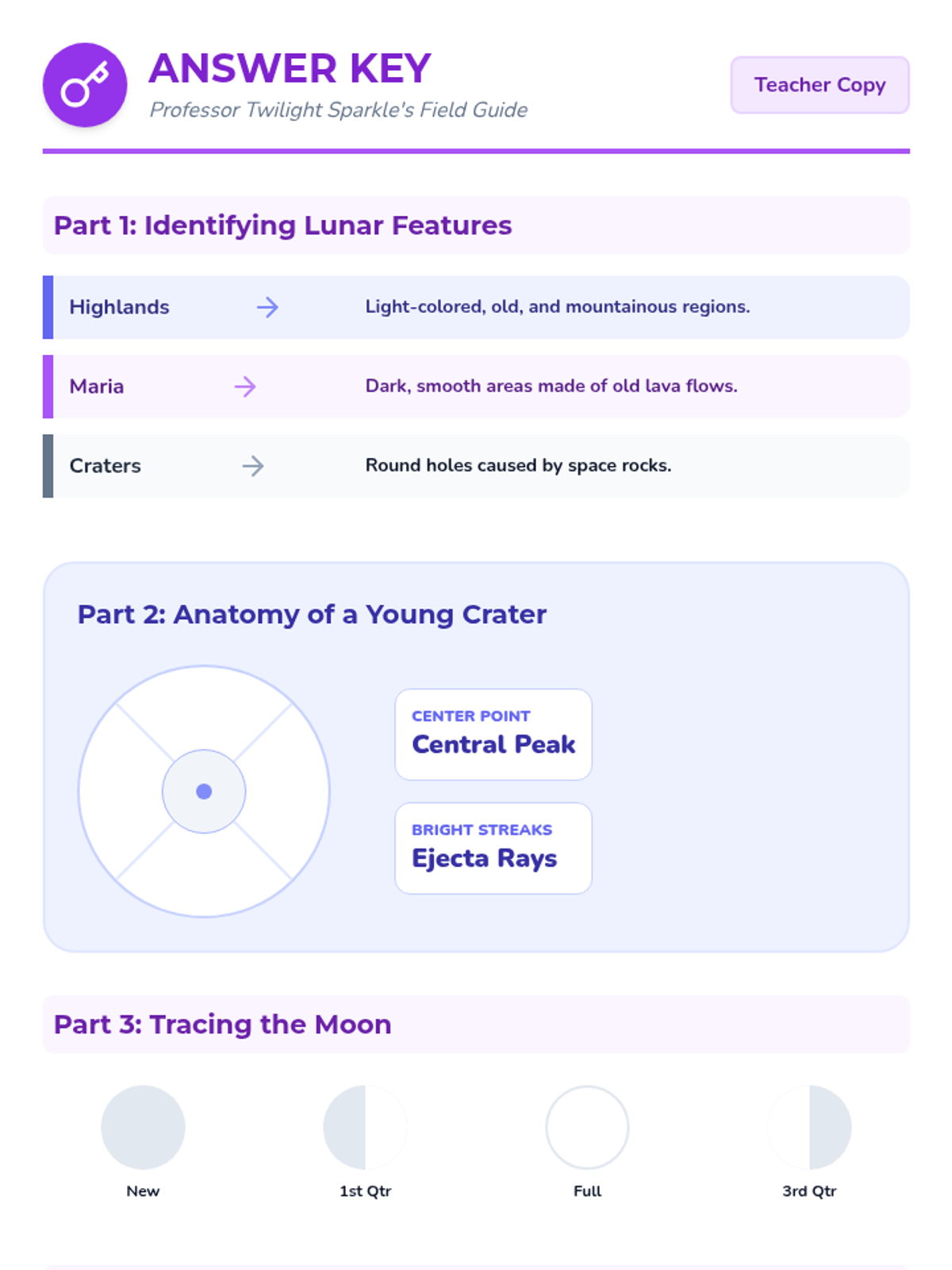
A magical journey through lunar geology and phases guided by Princess Twilight Sparkle, focusing on relative dating of lunar features, lunar highlands, and Apollo landing sites.
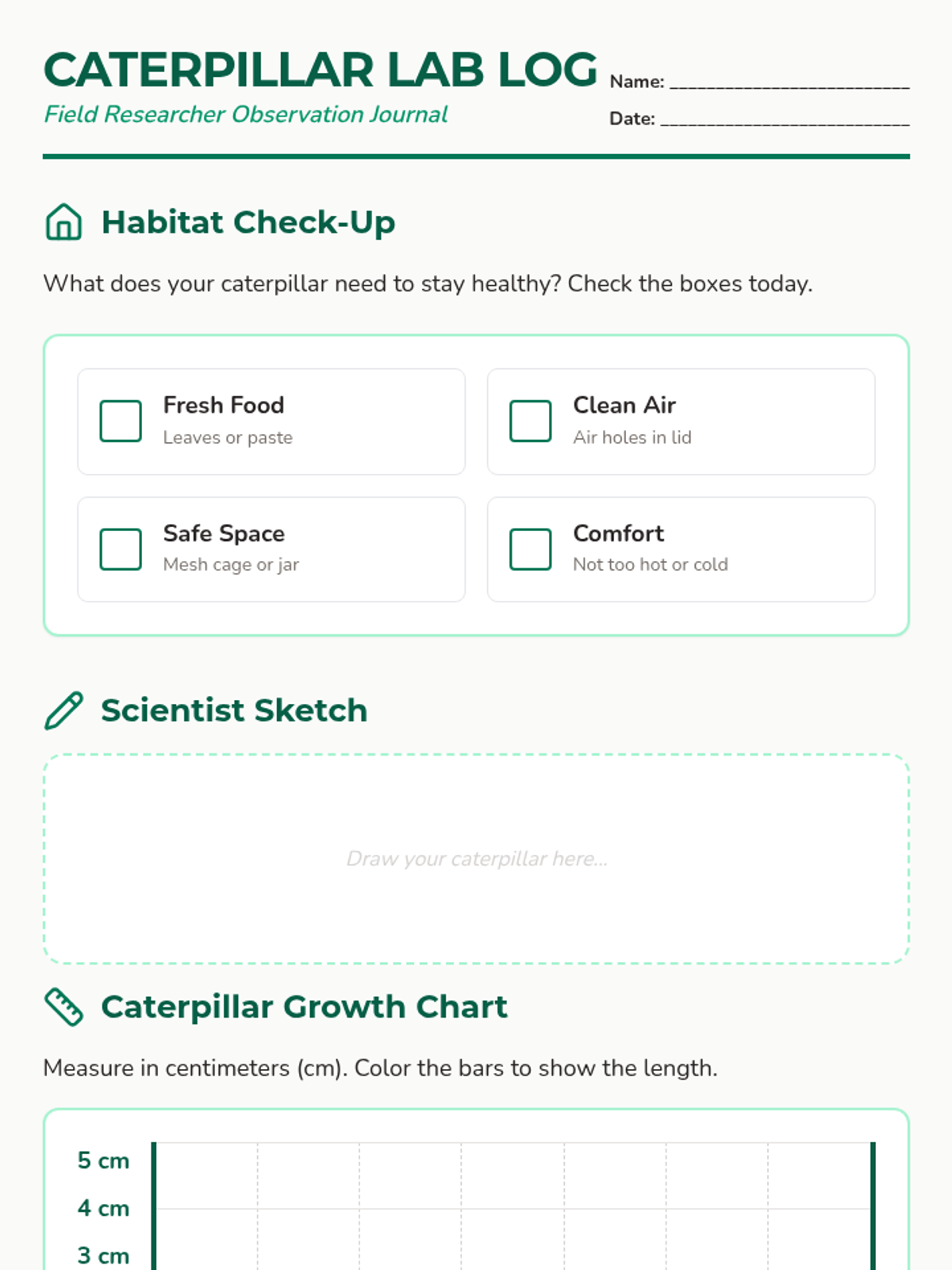
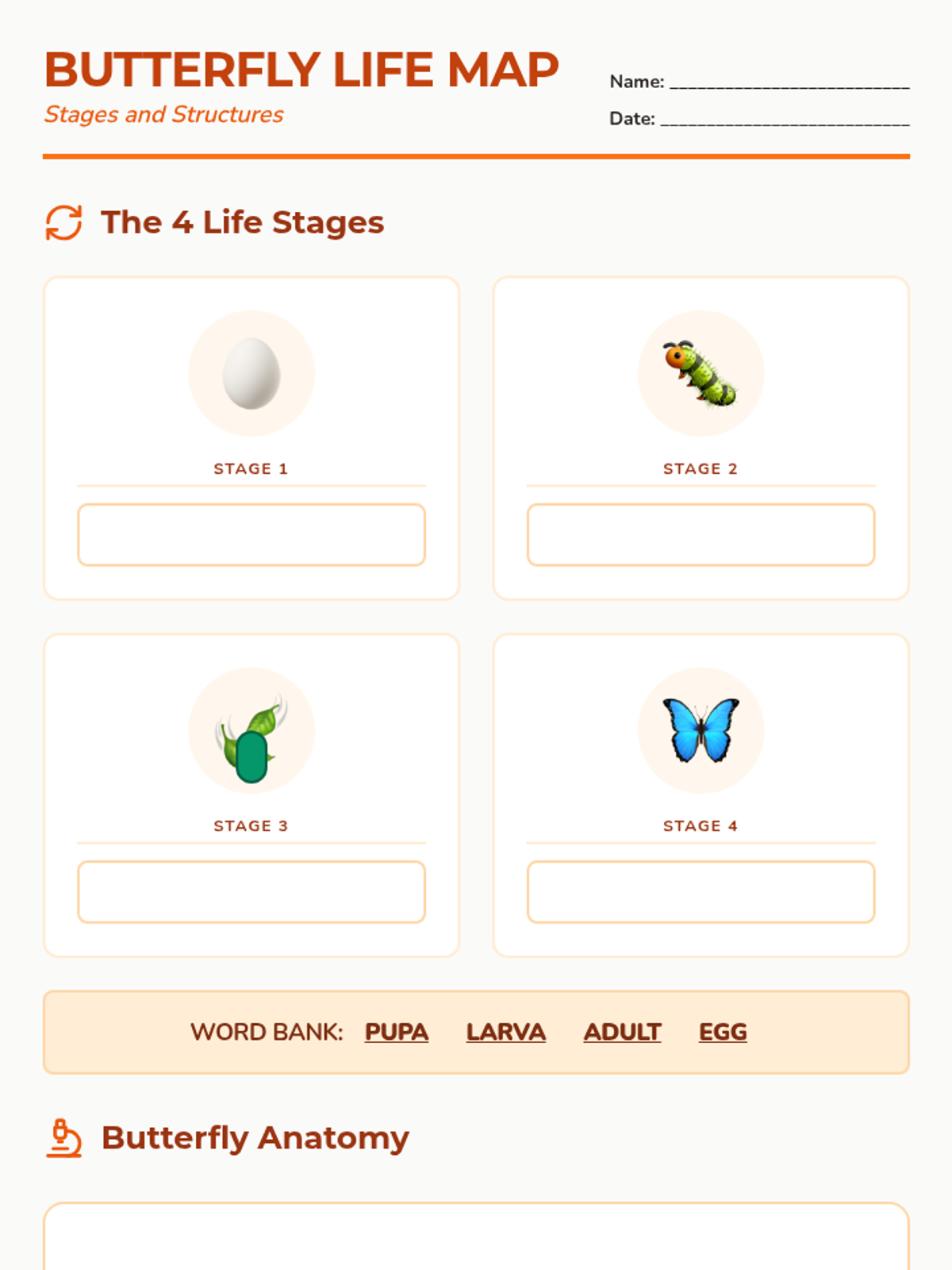
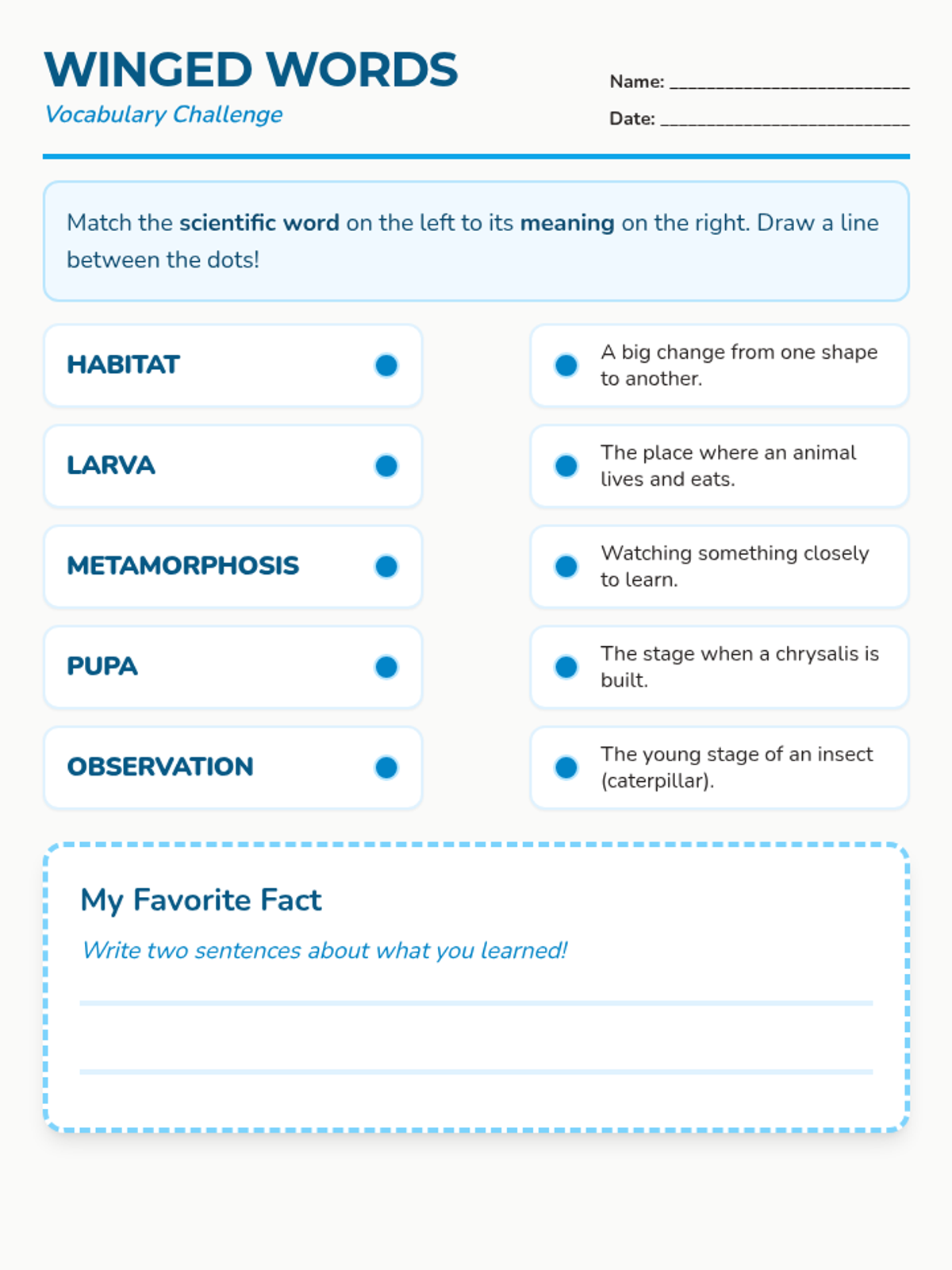
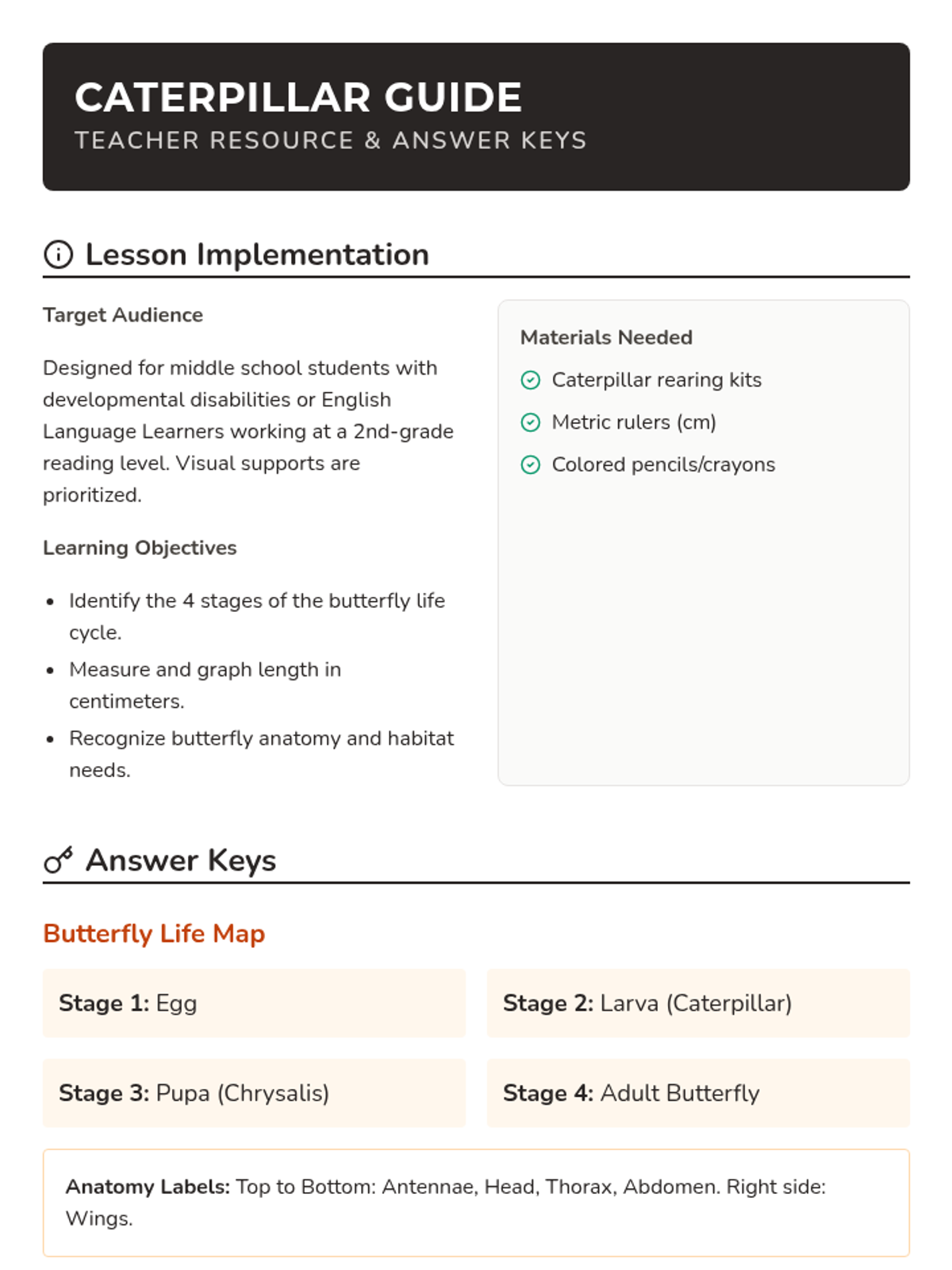
A hands-on experiment where students observe the transformation of caterpillars into butterflies, focusing on habitat, life cycles, and scientific measurement.
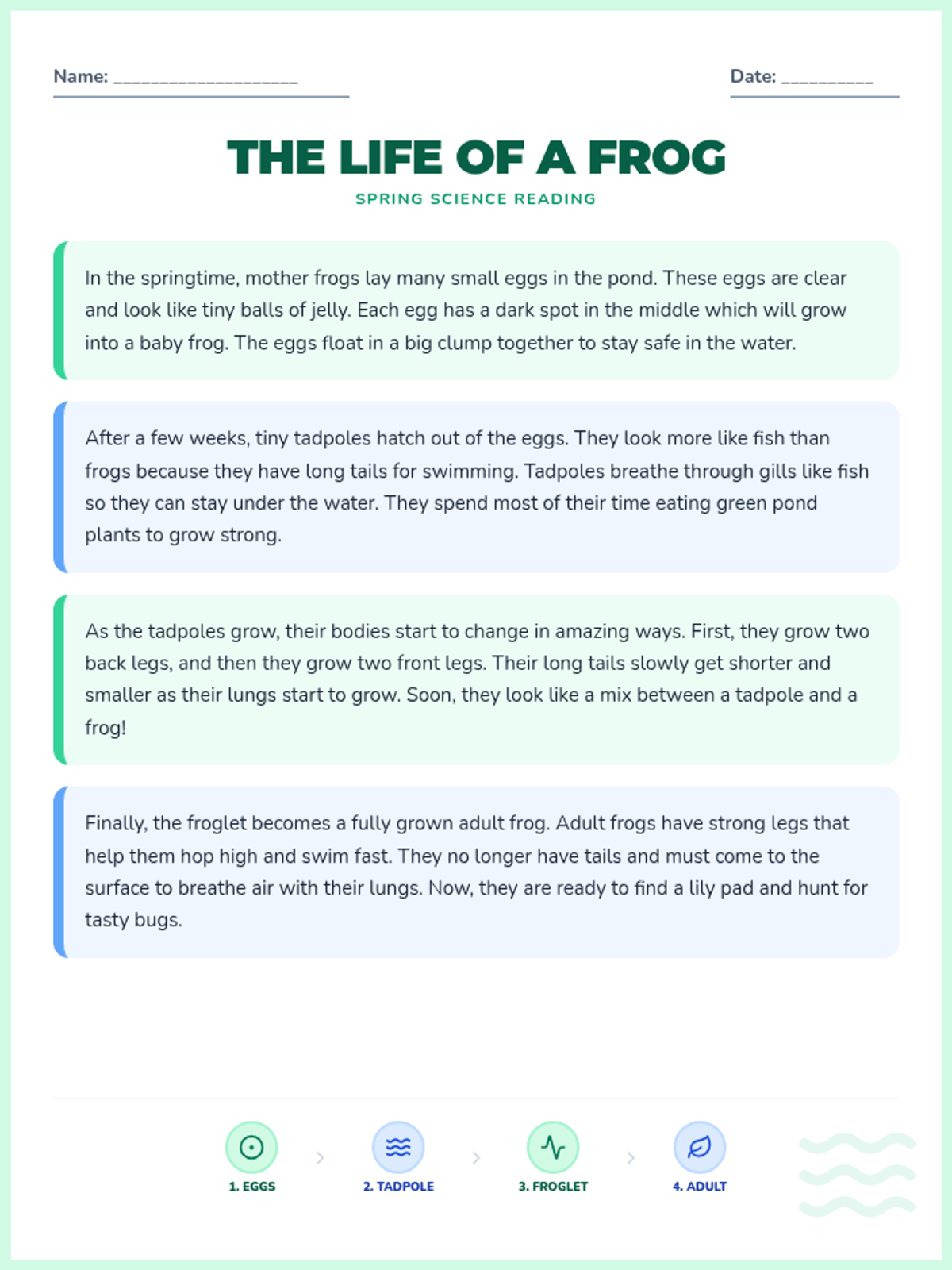
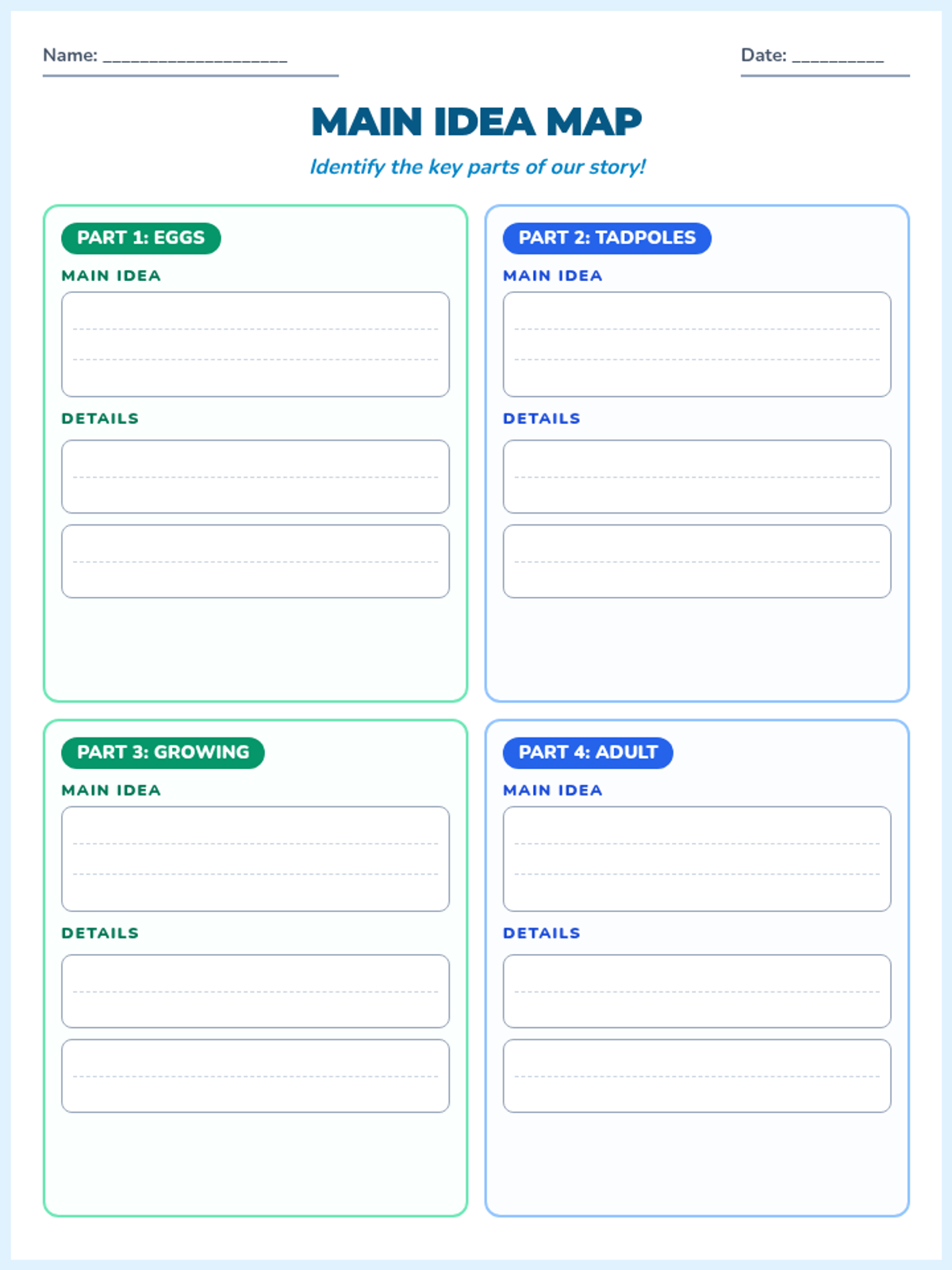
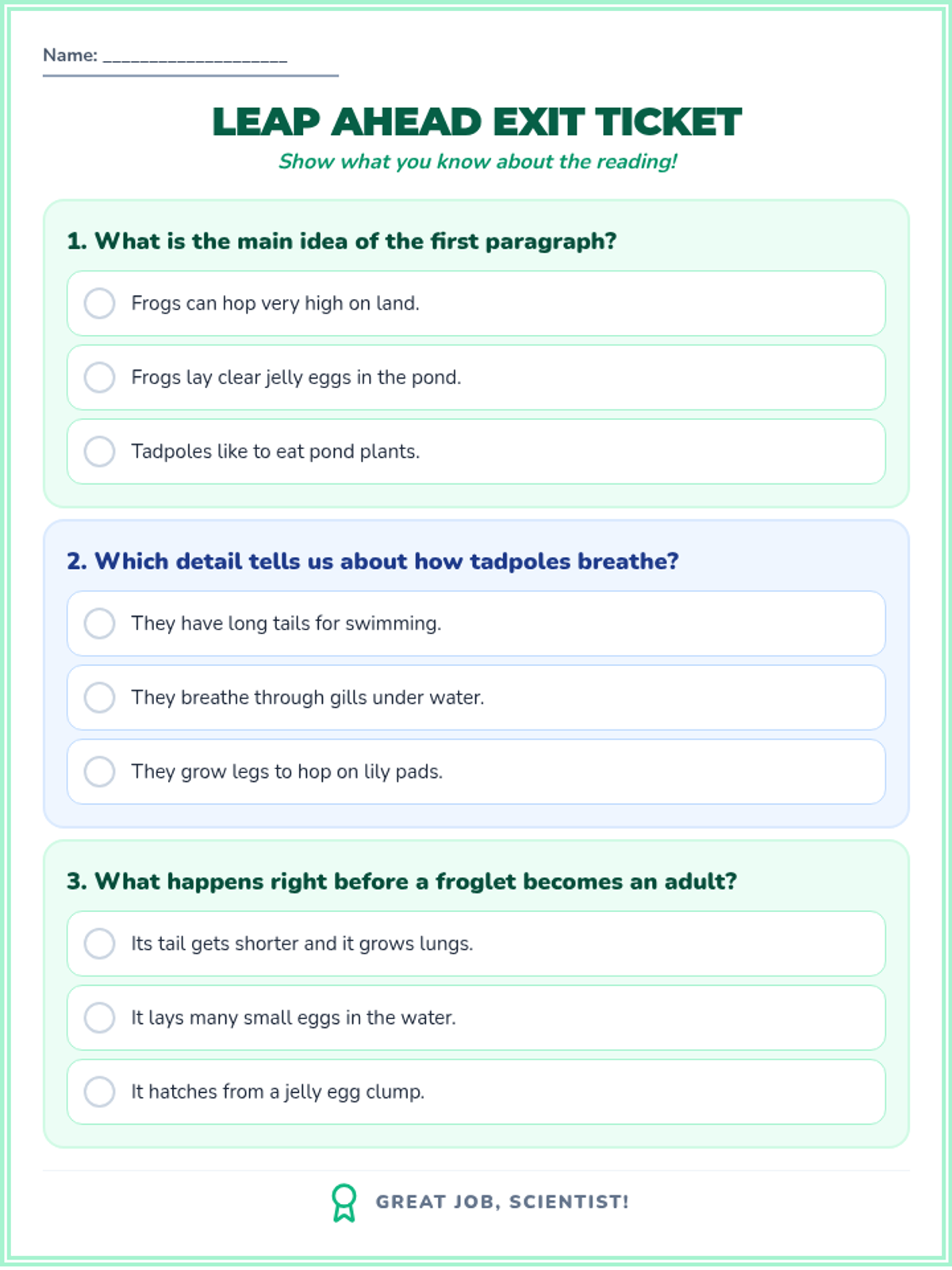
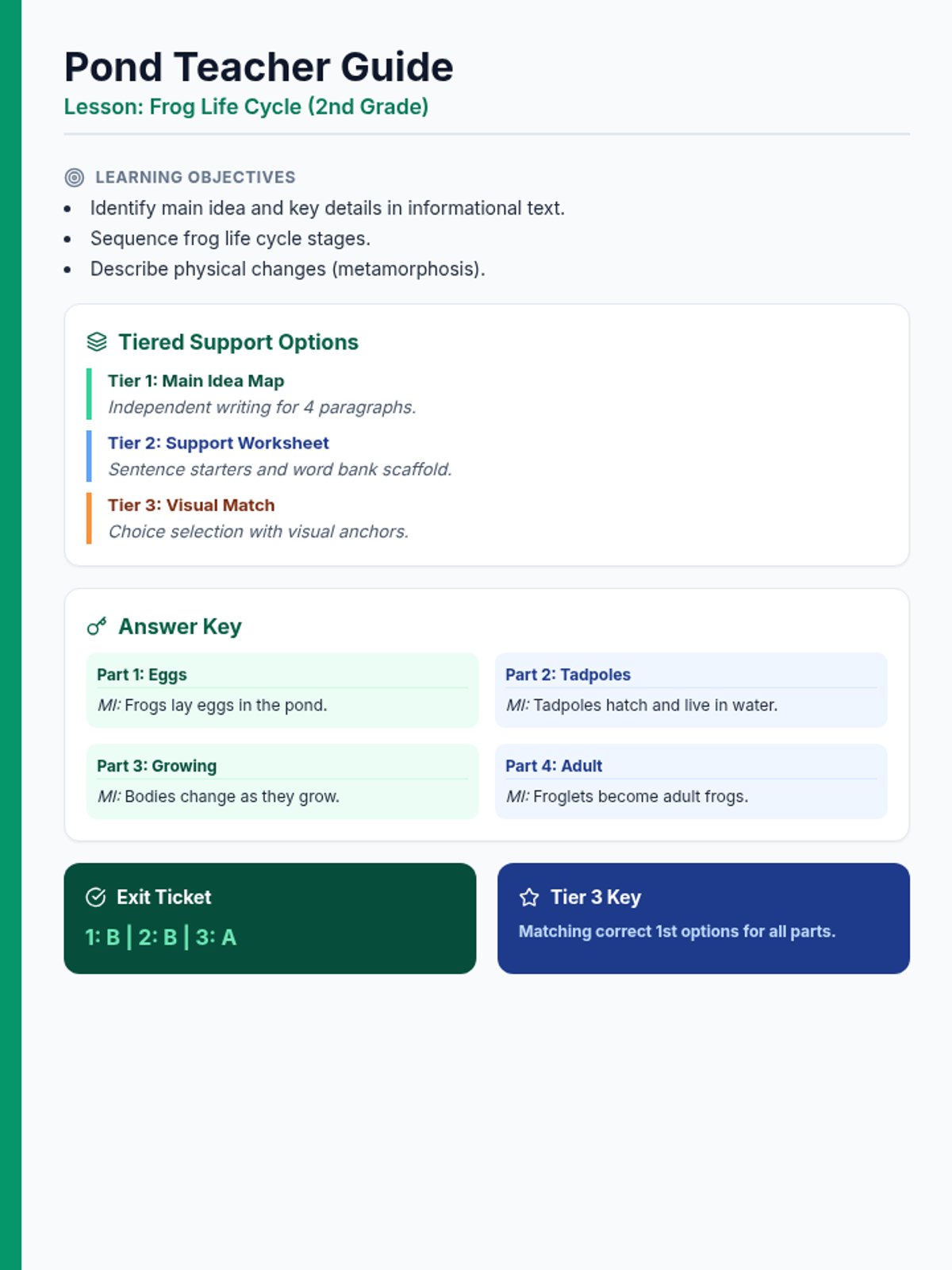
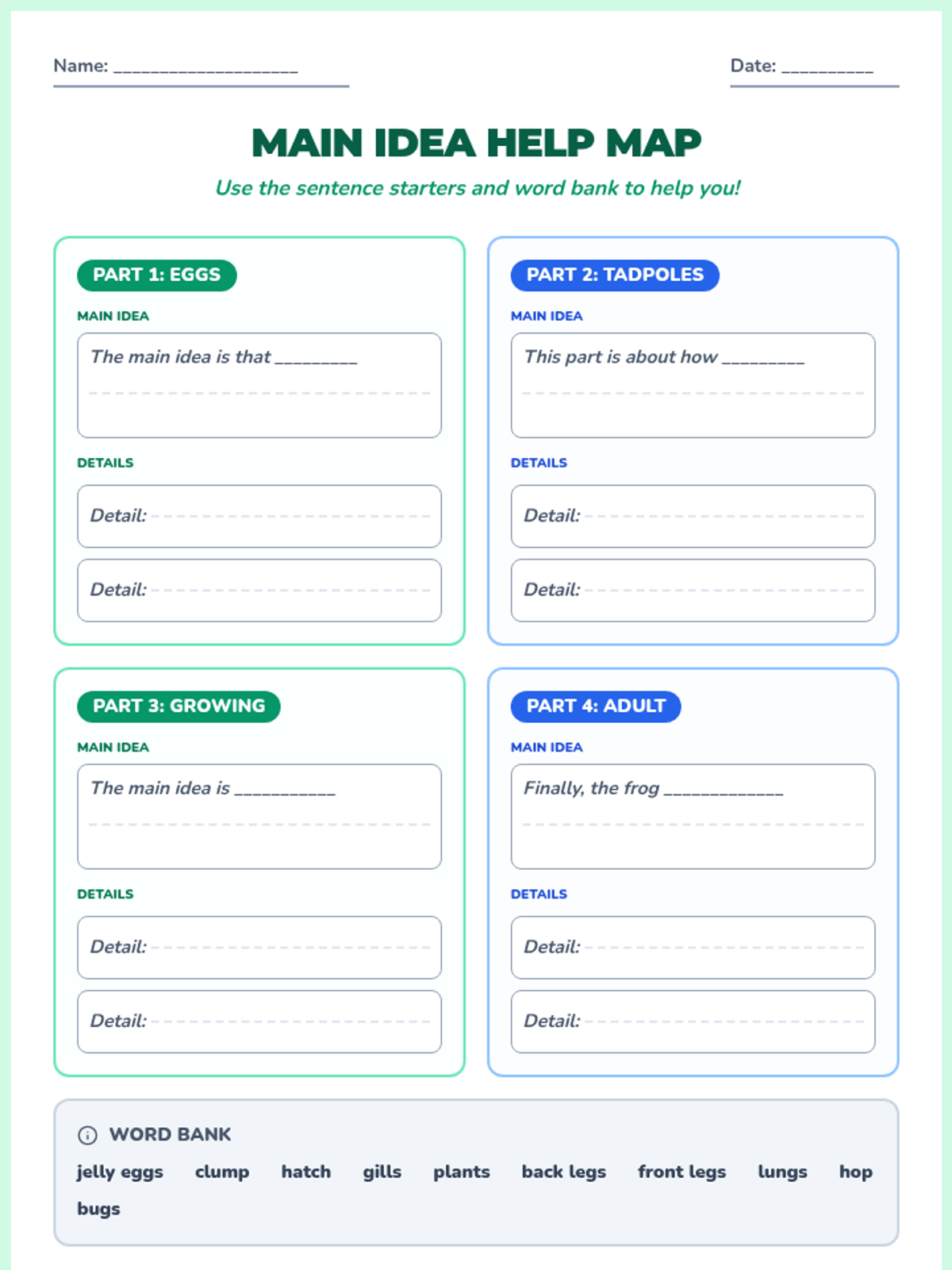
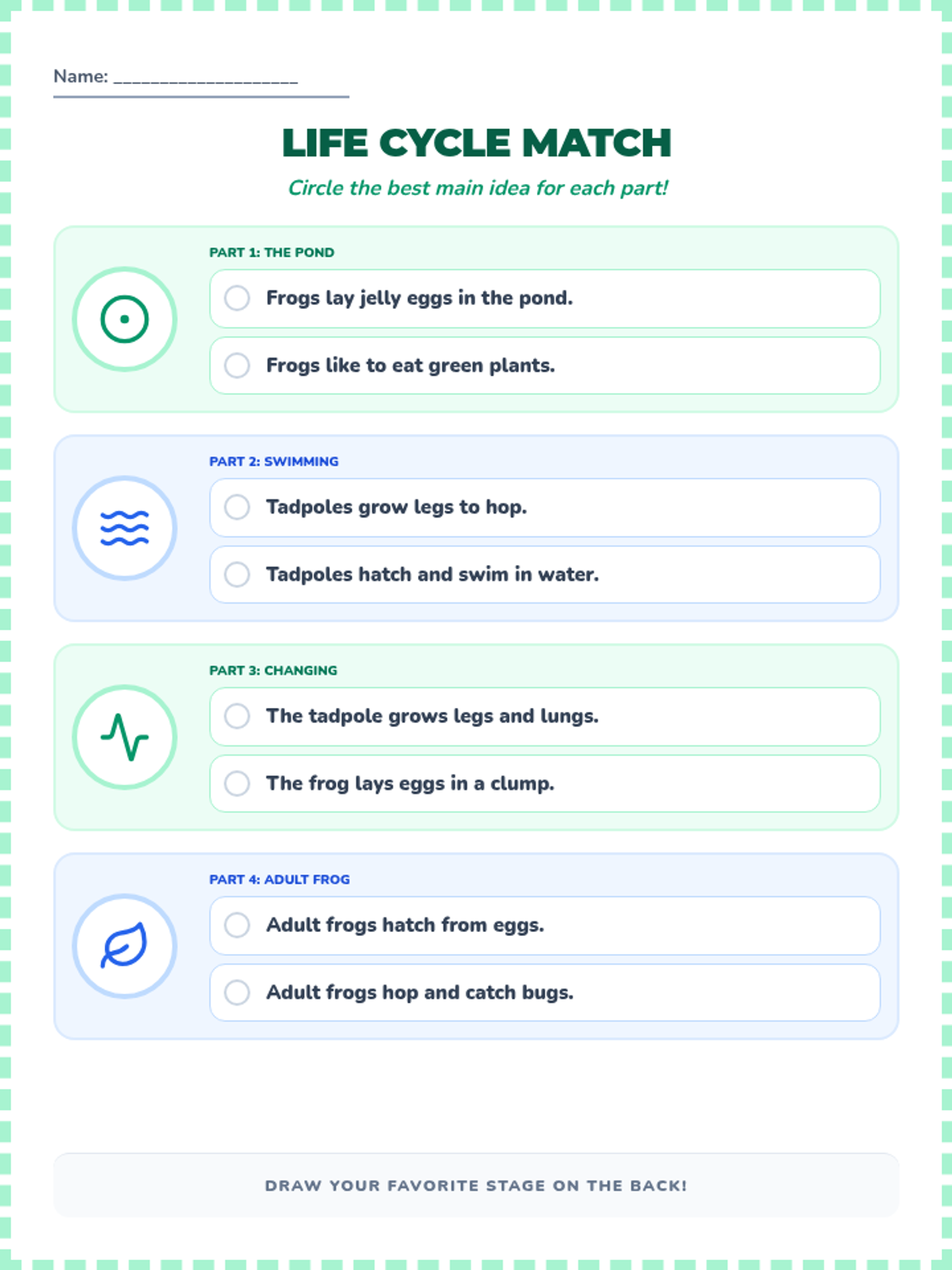
A science lesson for 2nd graders exploring the life cycle of a frog through reading, identifying main ideas, and interactive discussion. Students will learn the four key stages from egg to adult frog.
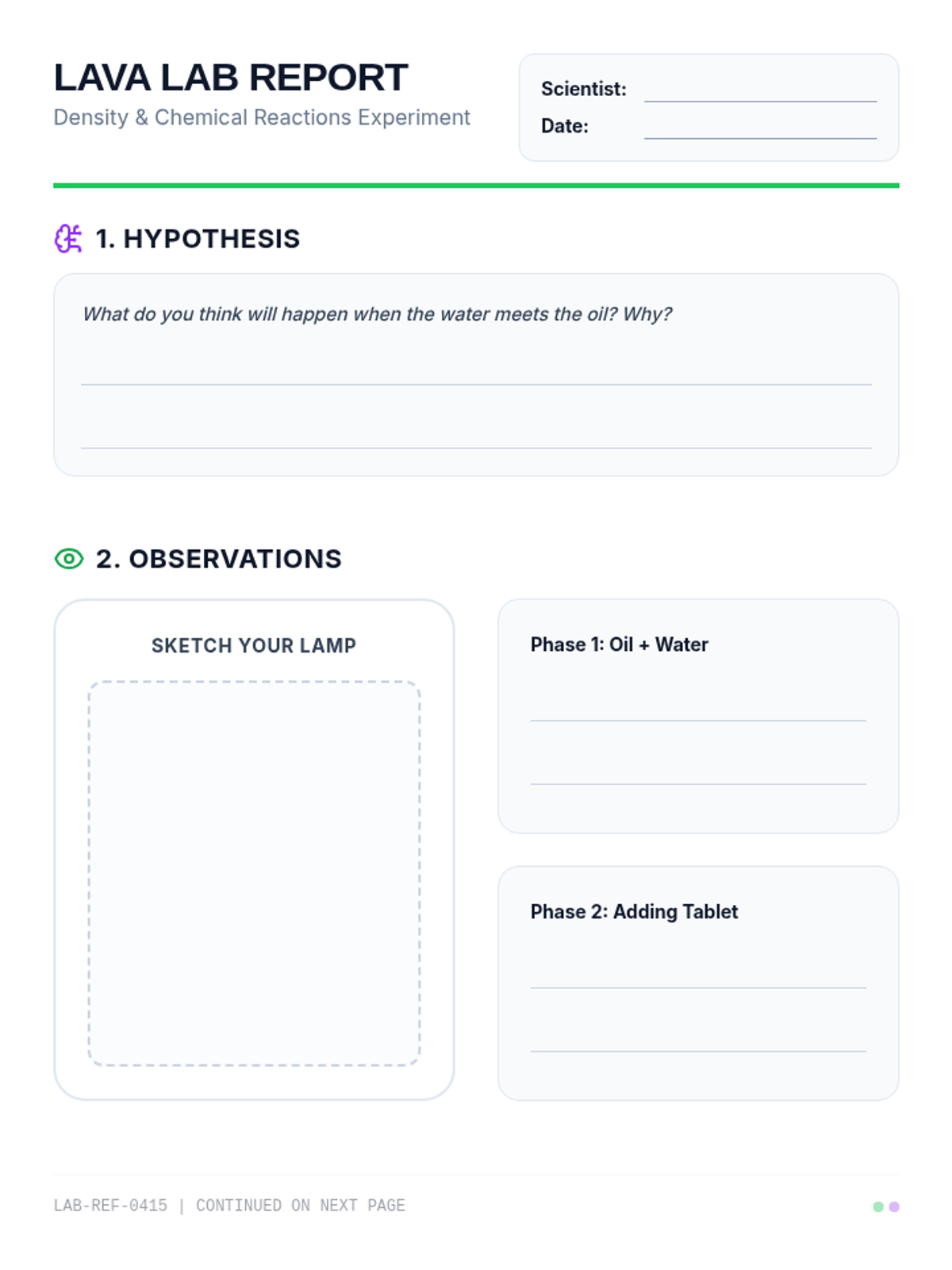
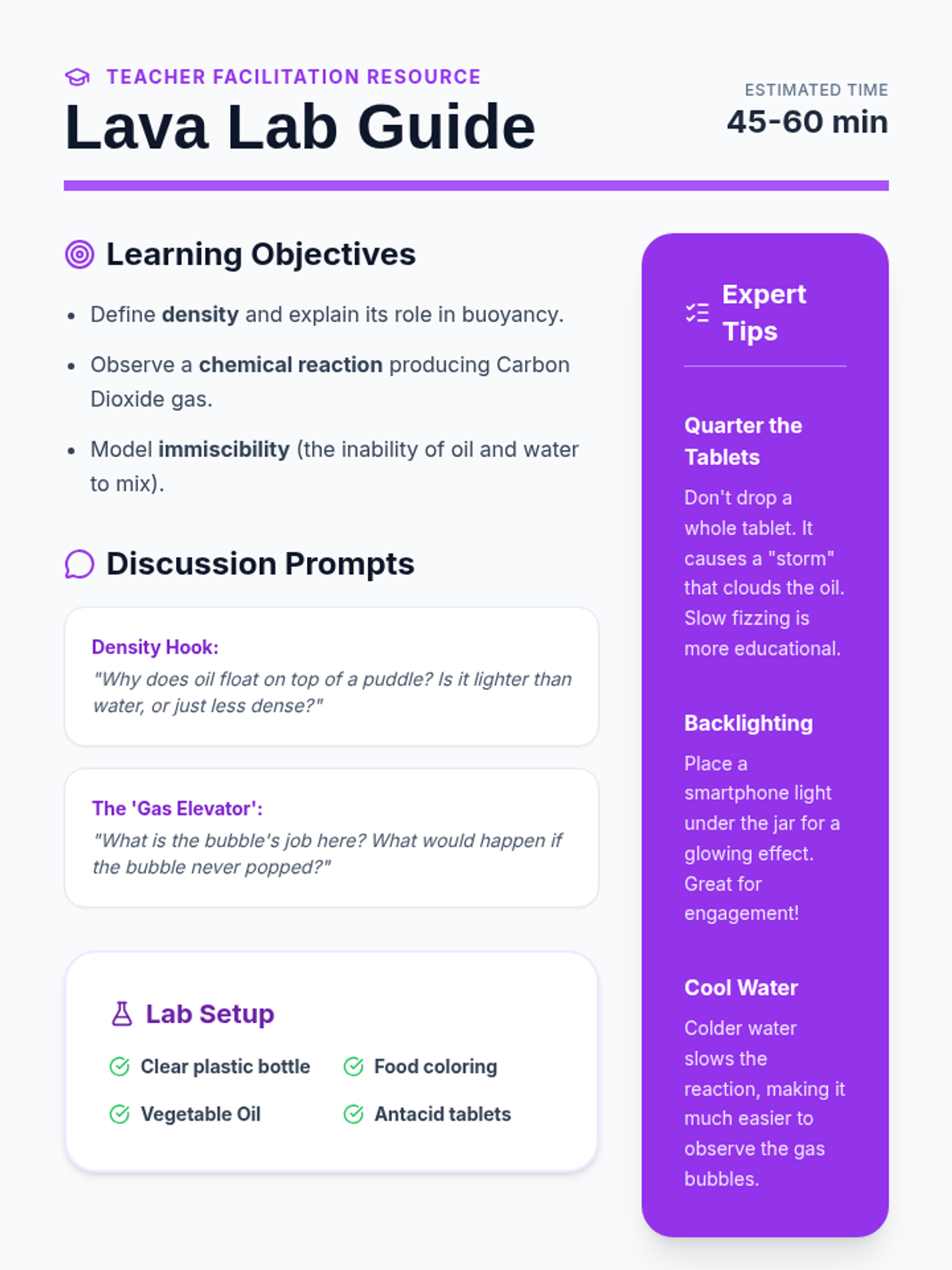
A hands-on science lesson exploring density and chemical reactions through the creation of a DIY lava lamp. Students will learn why oil and water don't mix and how gas bubbles transport liquids.