A 30-day beginning handwriting practice program for K-2 students focused on animal names and simple sight-word sentences. Features large primary ruled lines and short, engaging phrases.
No materials in this lesson yet.
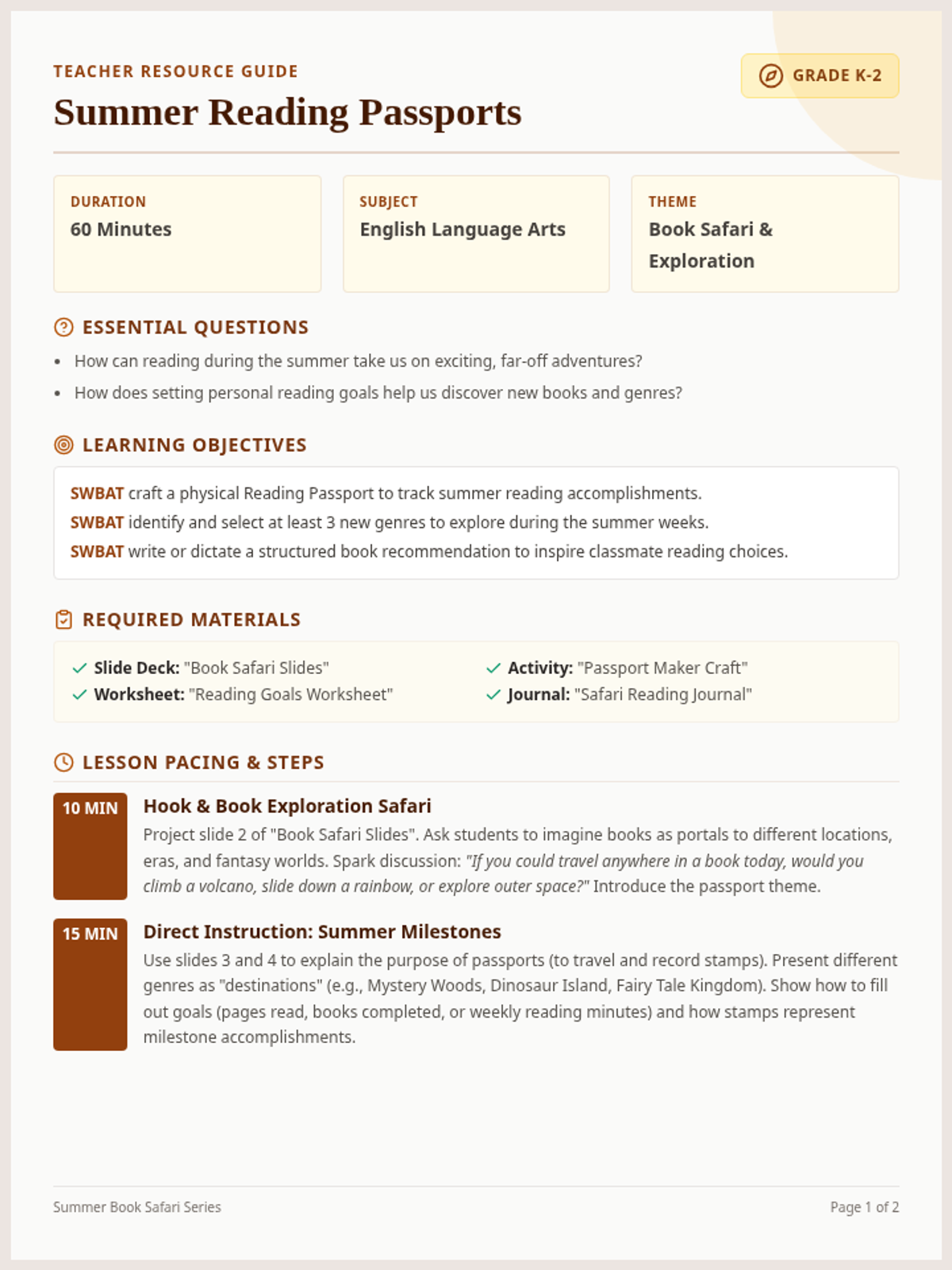
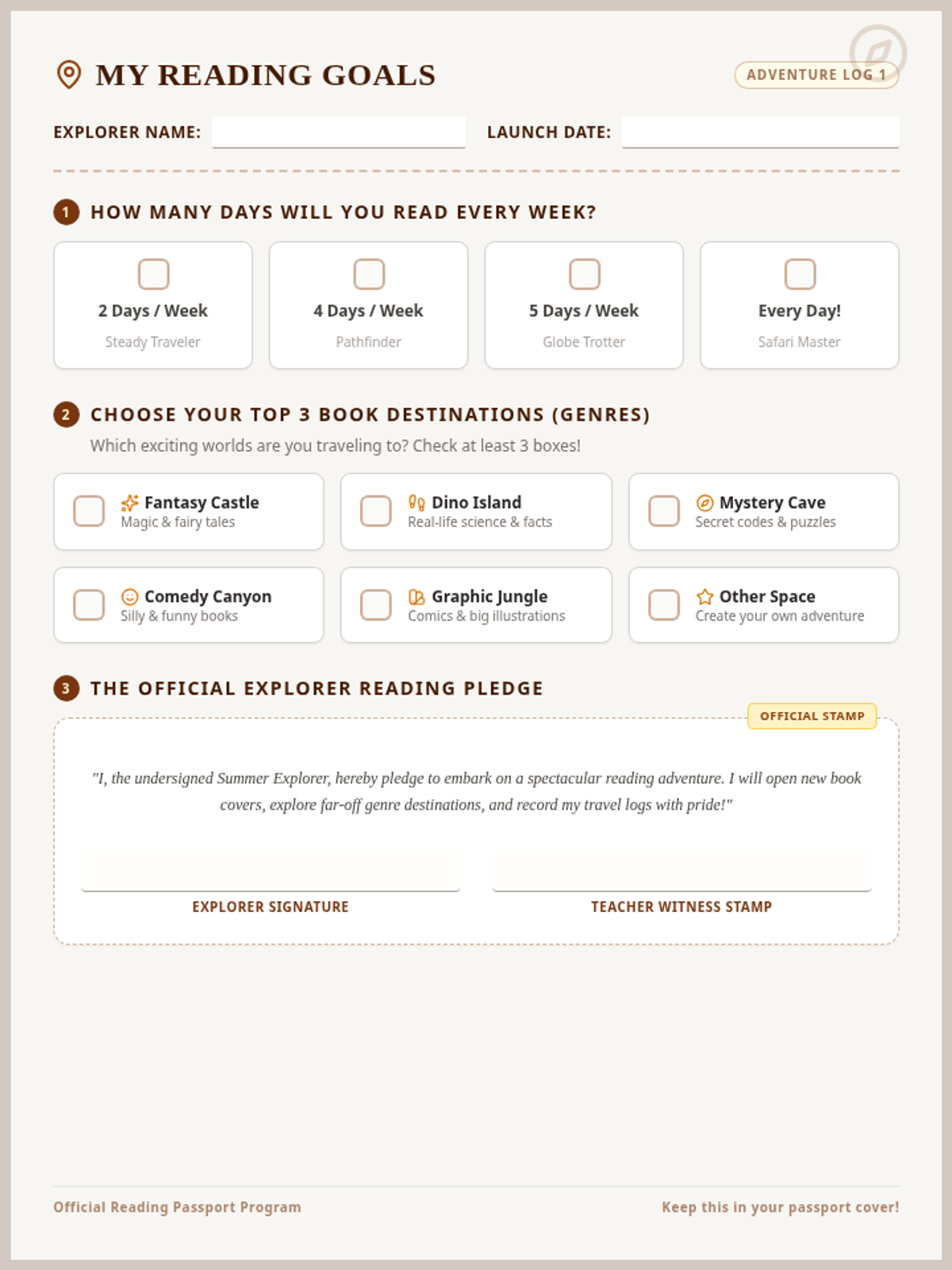
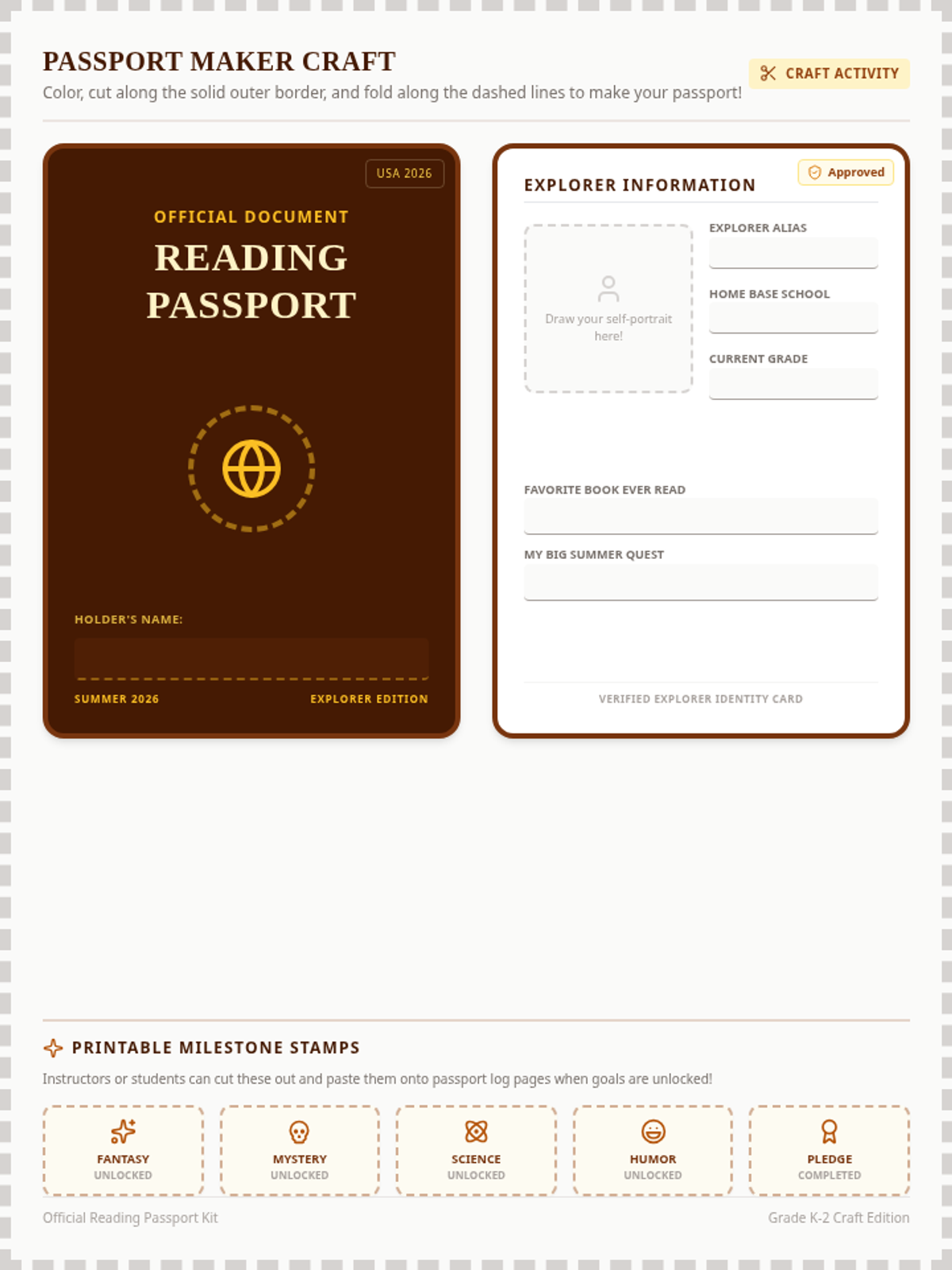
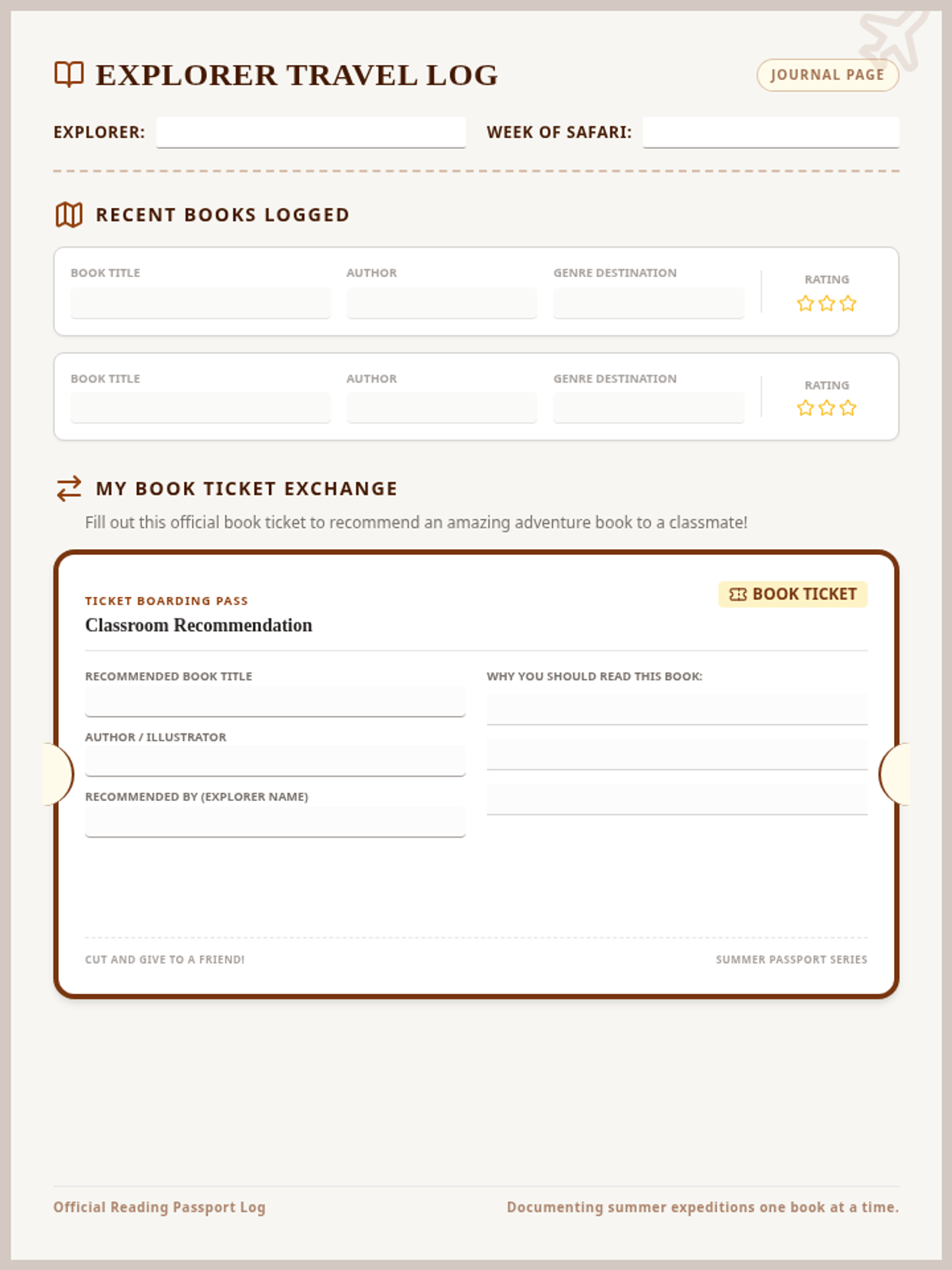
A fun, adventure-themed lesson where early elementary students design custom reading passports, set interactive summer reading goals, explore new genres, and practice recommending books to their peers to build a summer reading community.
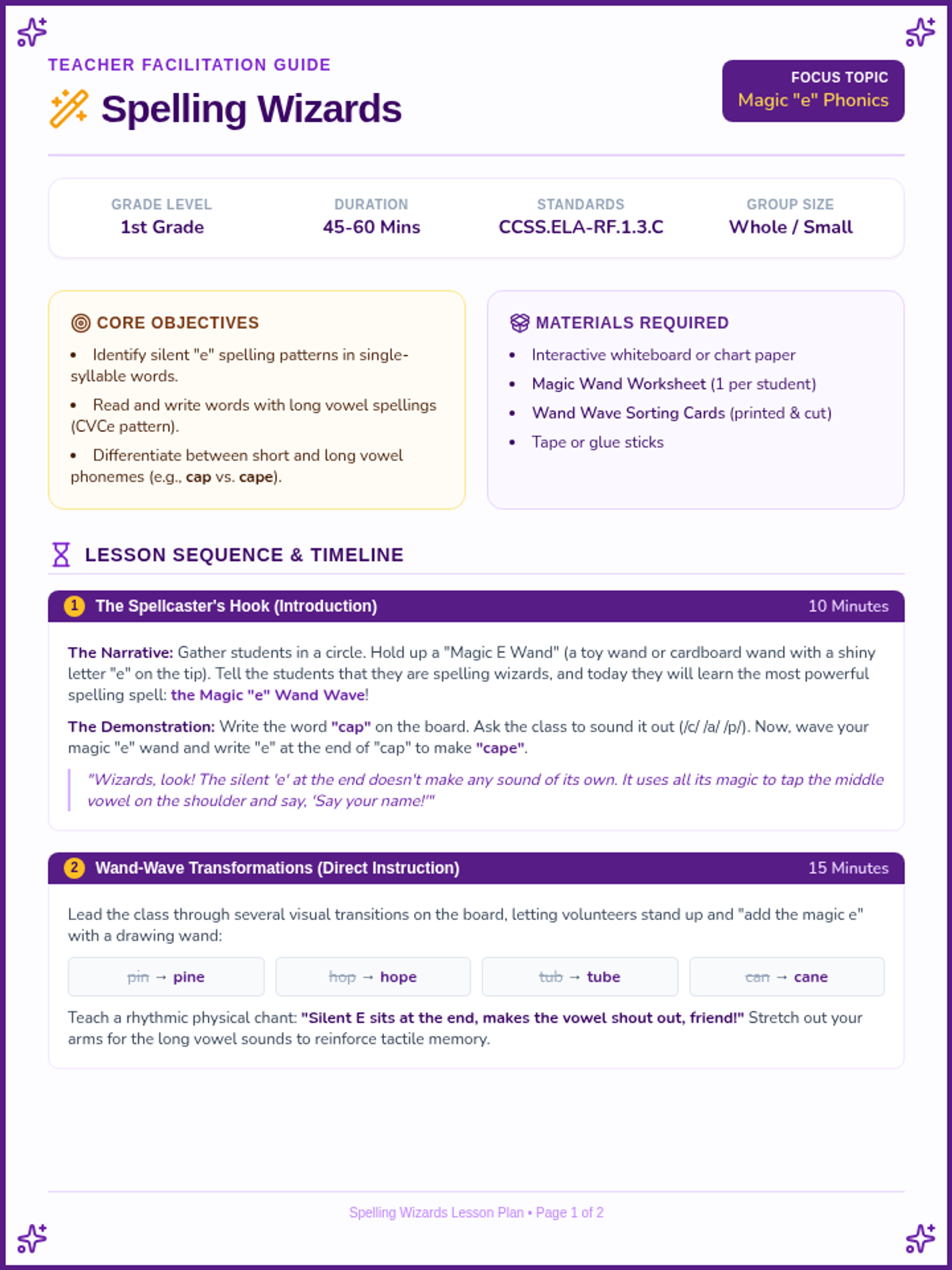
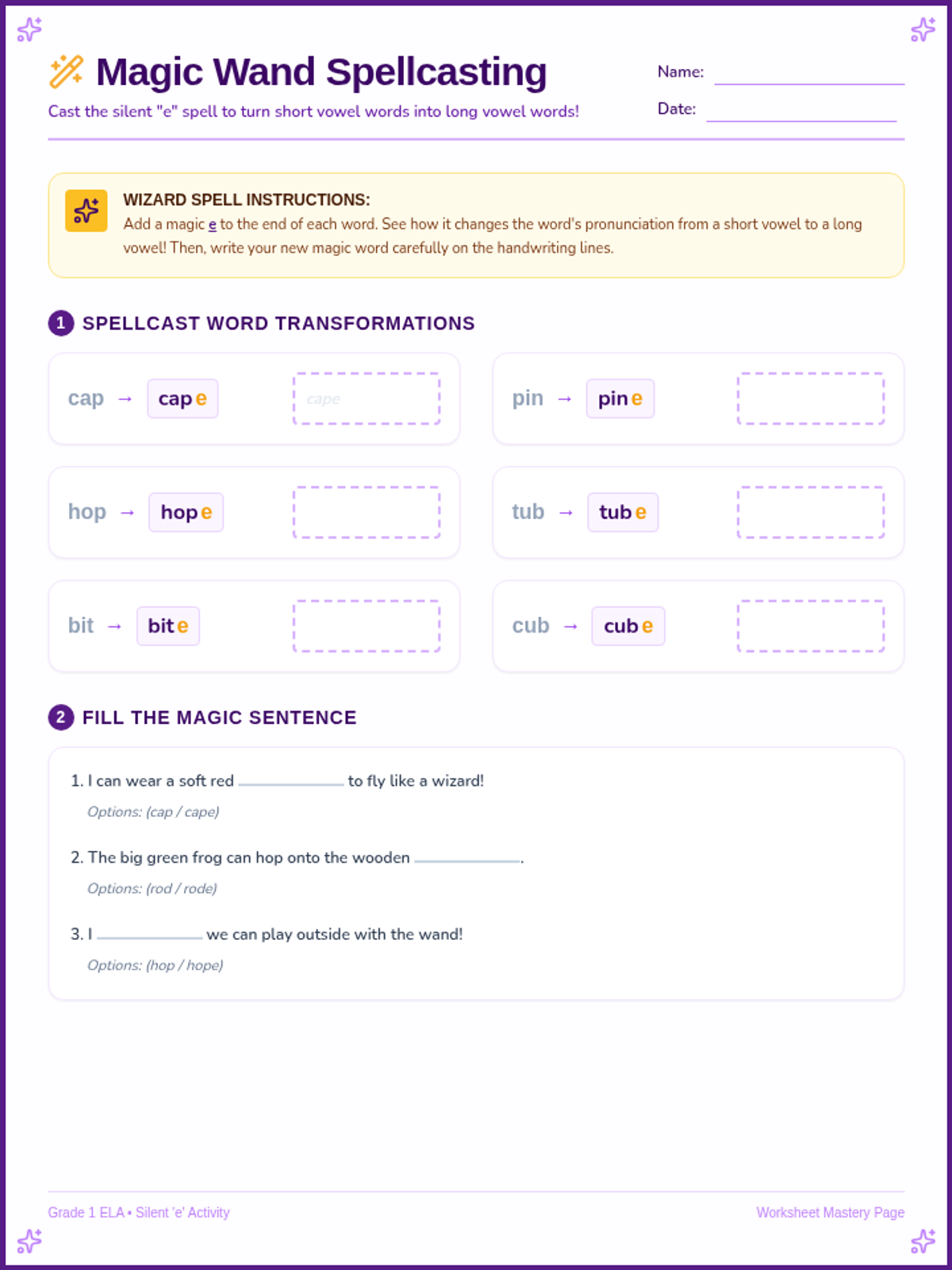
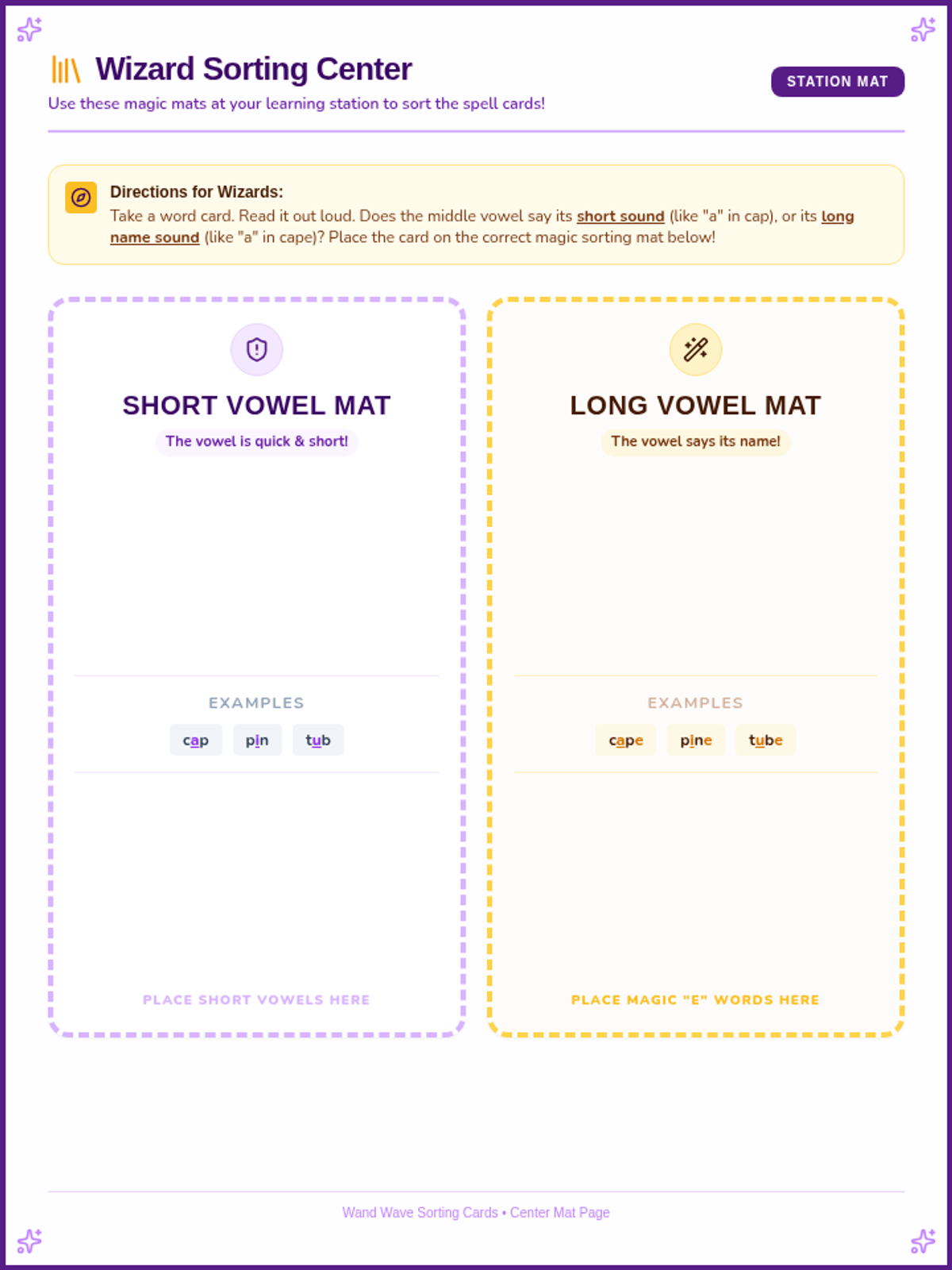
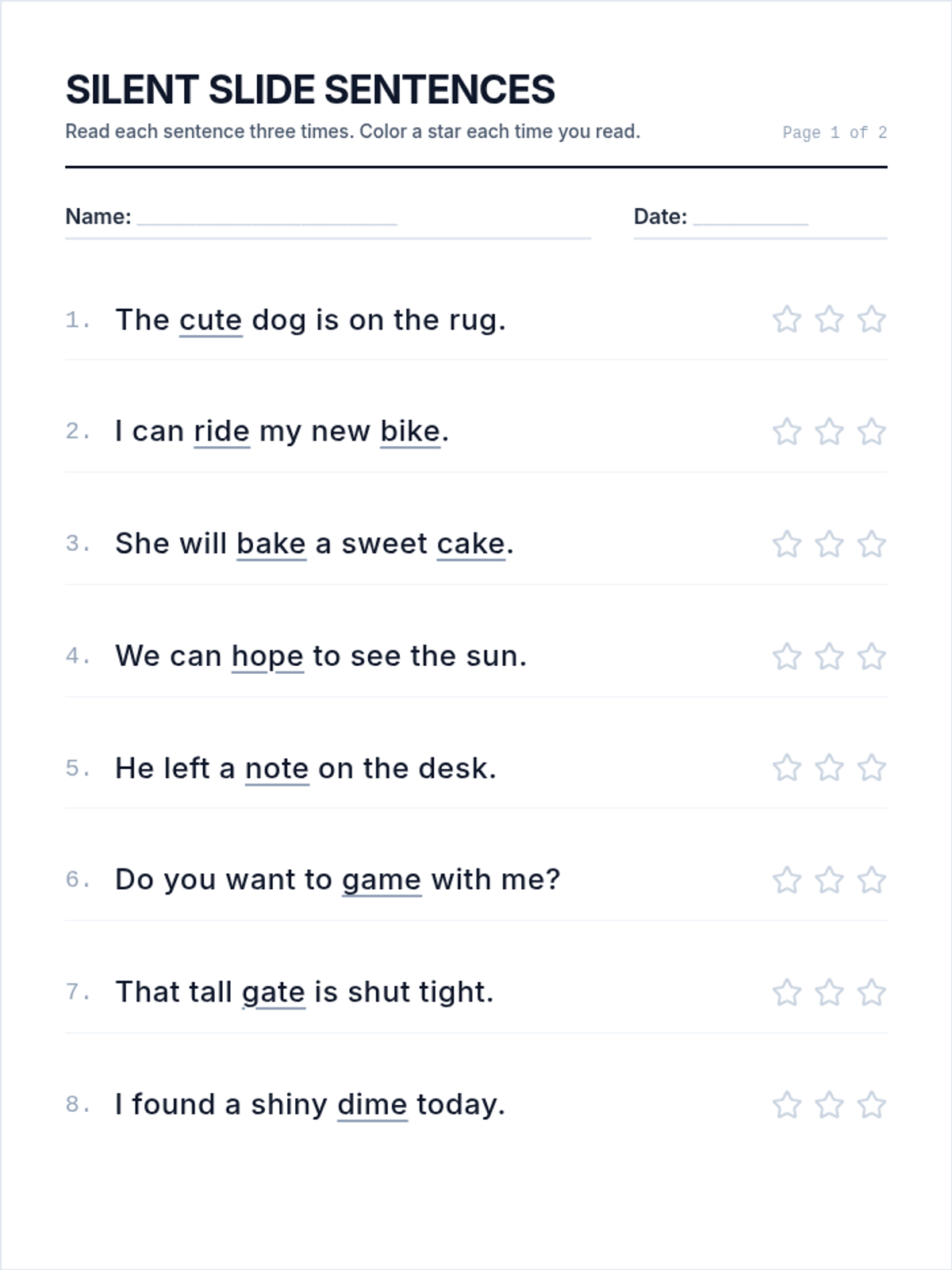
A whimsical first-grade ELA lesson teaching the power of silent 'e' through hands-on spelling wizard activities and guided practice.
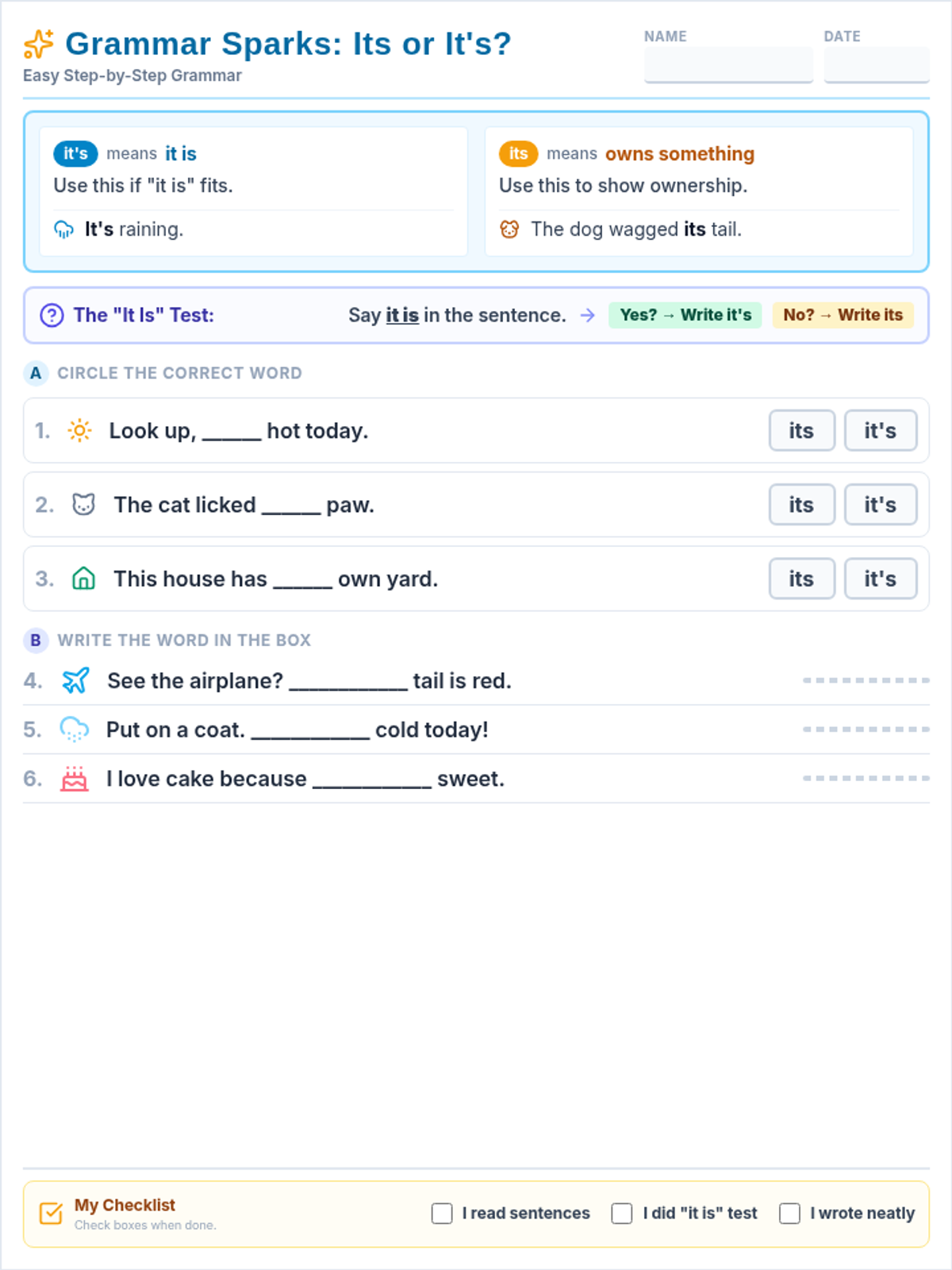
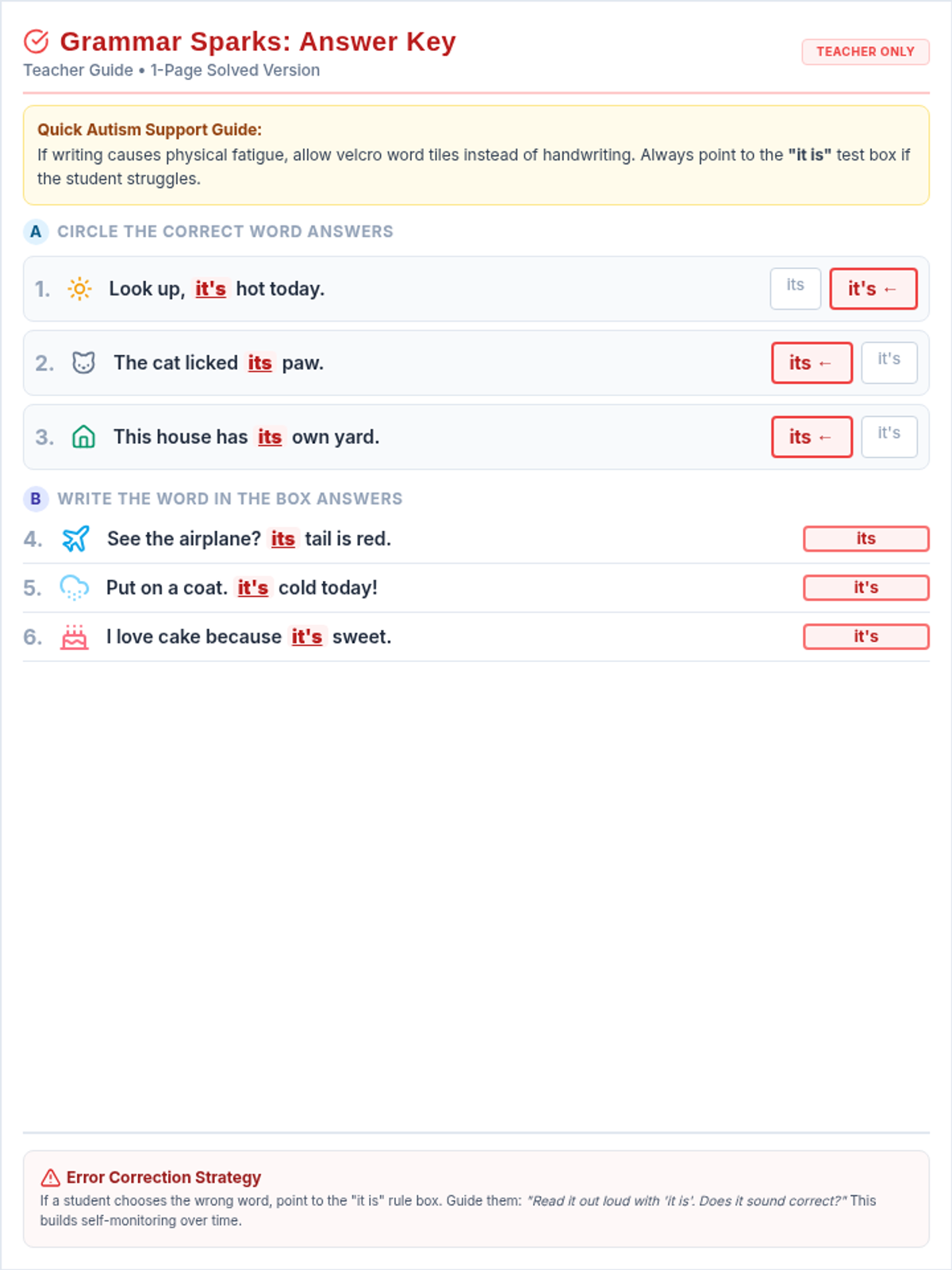
A highly structured grammar lesson focusing on the distinction between 'its' and 'it's', customized with visual icon supports, step-by-step rule scaffolding, and self-monitoring checklists for students who benefit from predictable layouts.
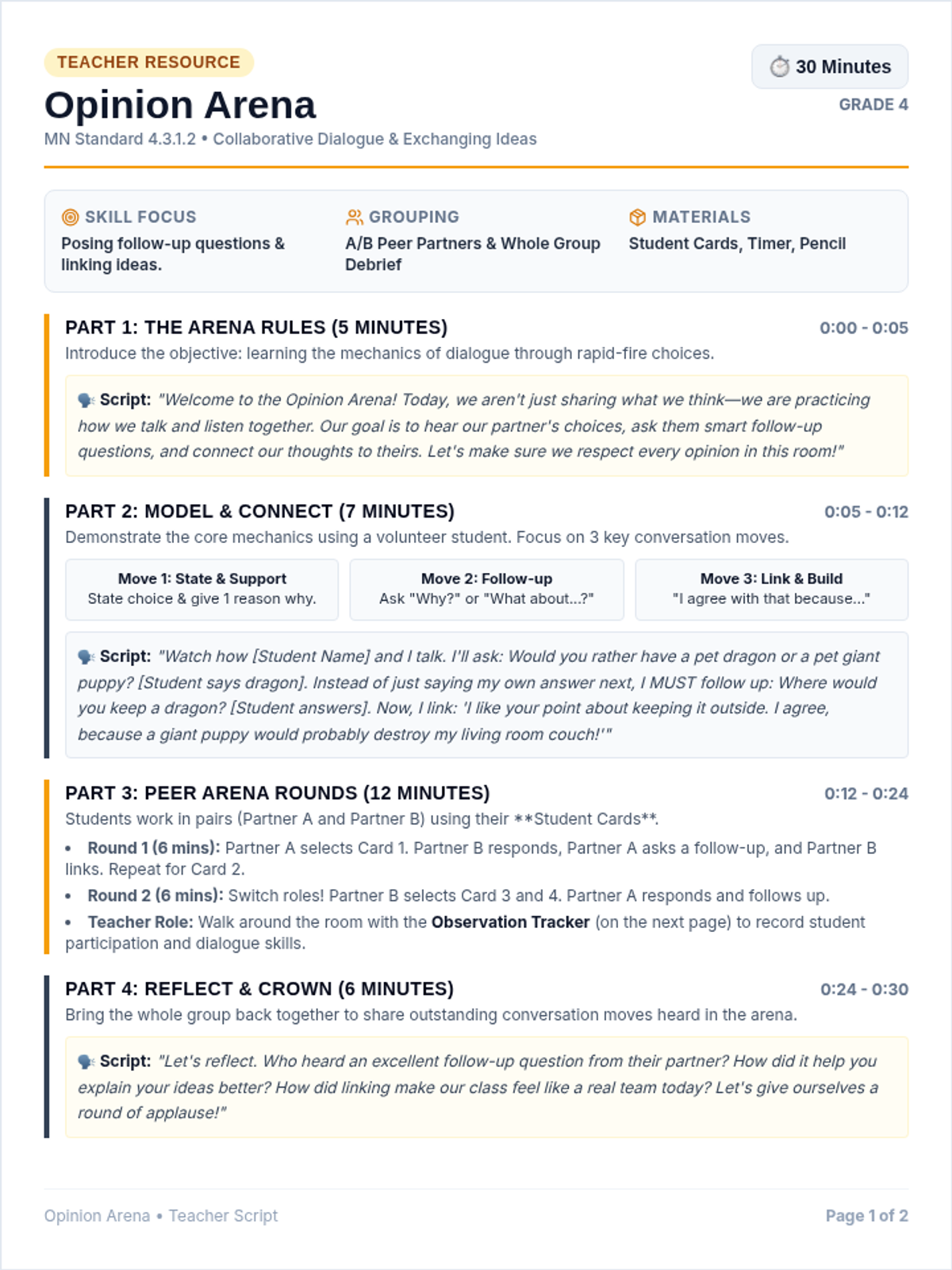
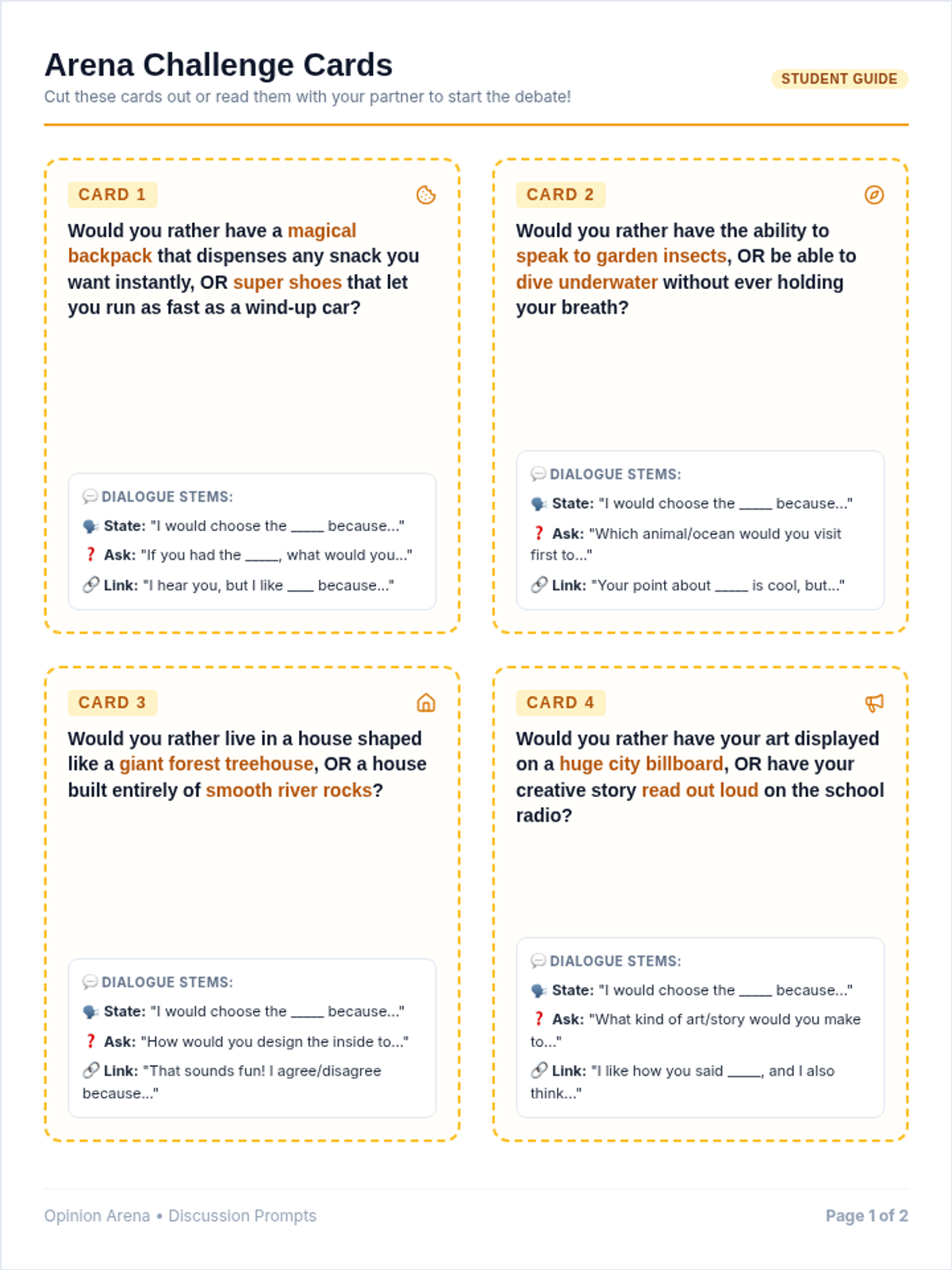
A high-energy, 30-minute lesson designed to teach 4th-grade students the mechanics of collaborative dialogue. Using creative 'Would You Rather' prompts, students practice active listening, responding to follow-up questions, and building on peer ideas.
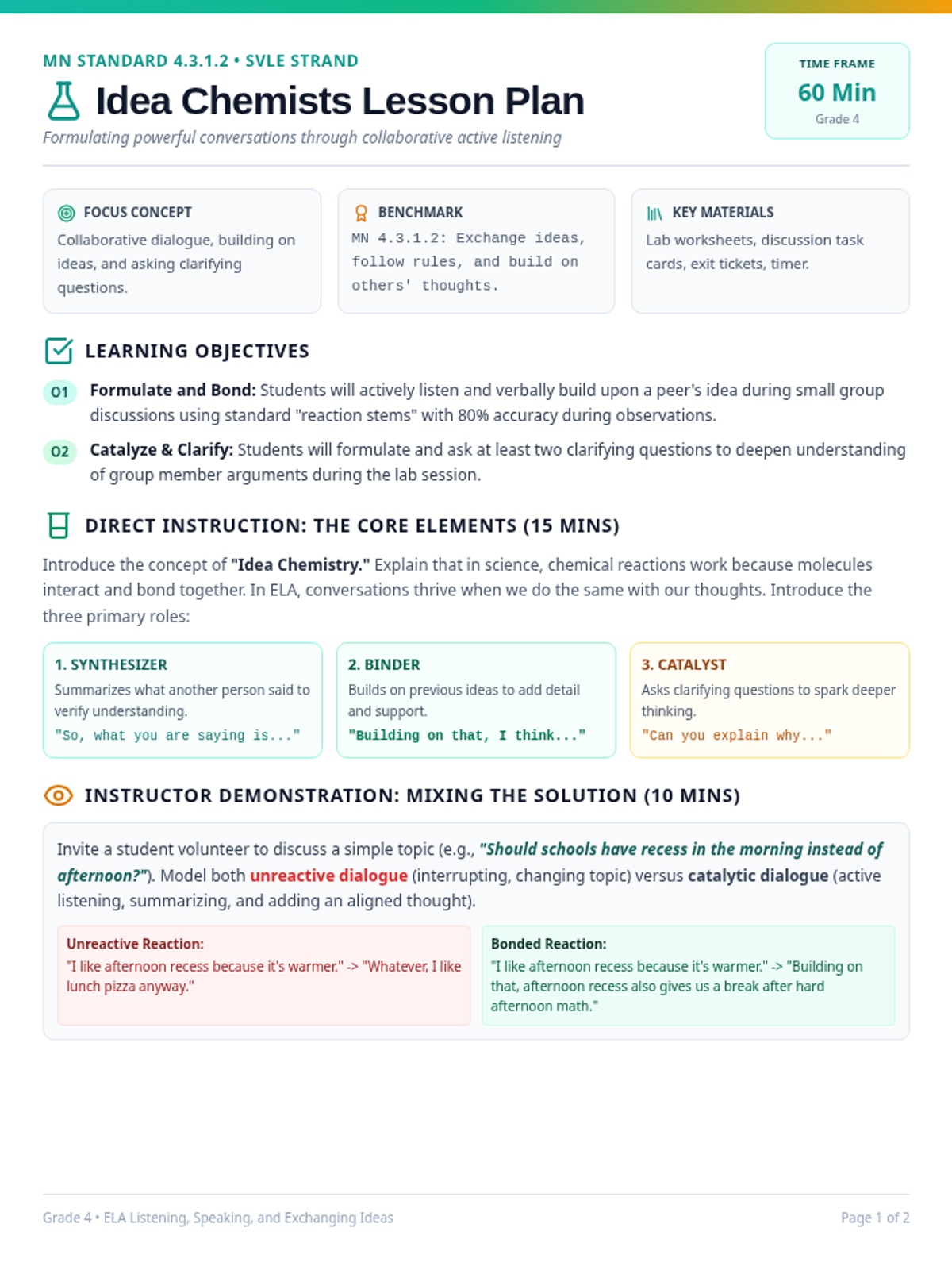
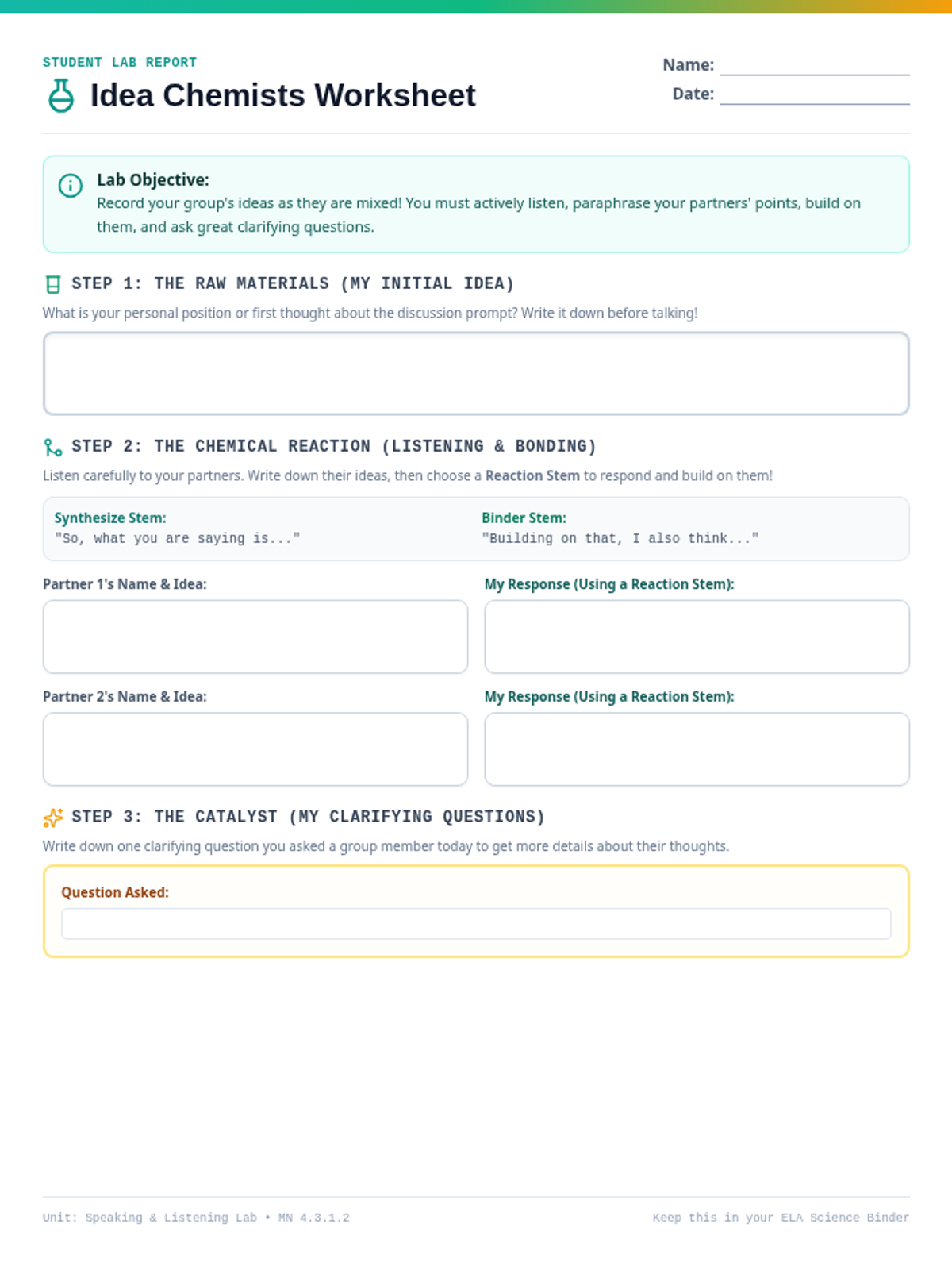
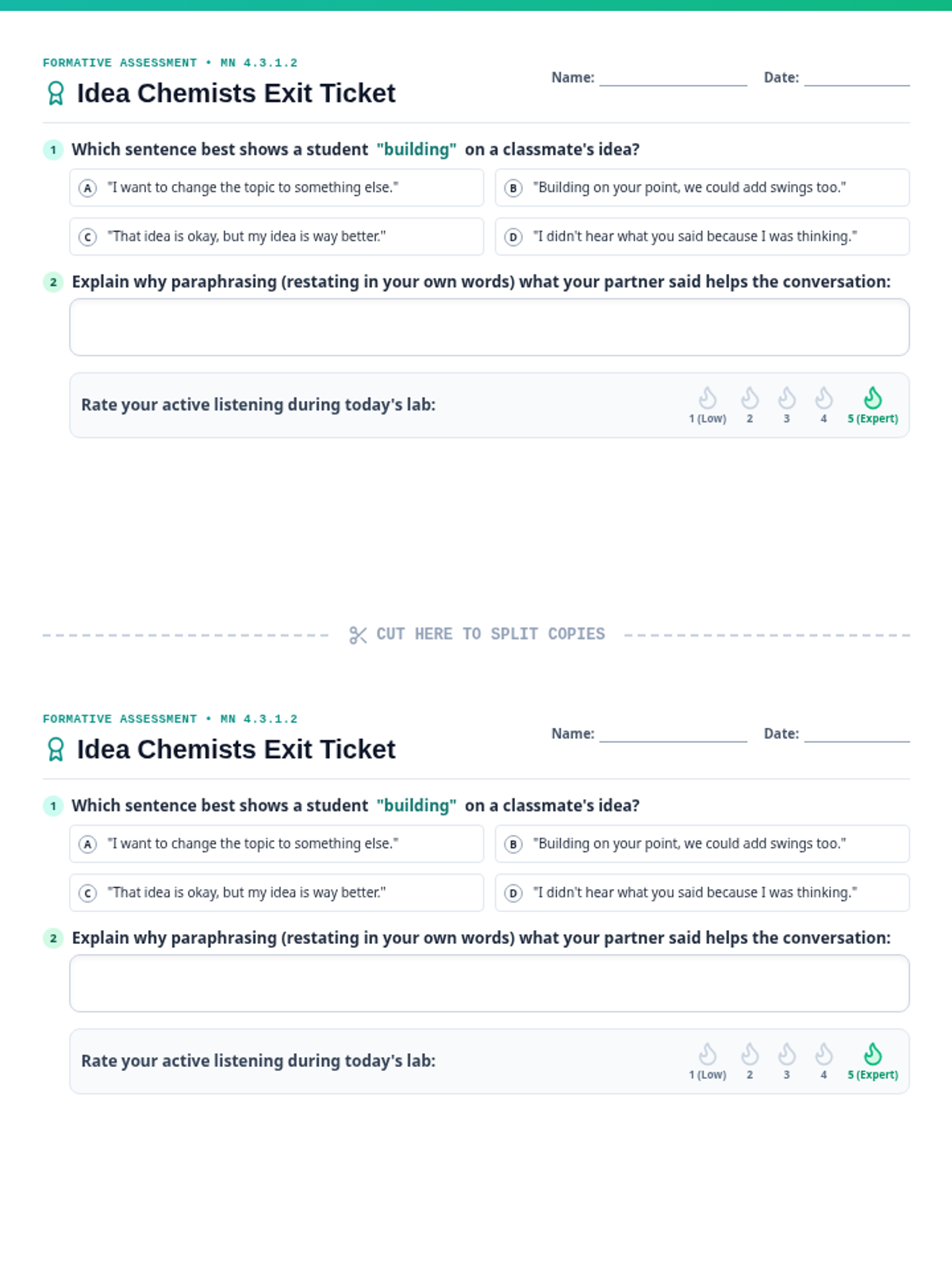
An interactive ELA lesson focused on collaborative discussion and active listening, aligned with MN State Standard 4.3.1.2. Students learn to build on others' ideas and ask clarifying questions using a fun chemistry lab theme.
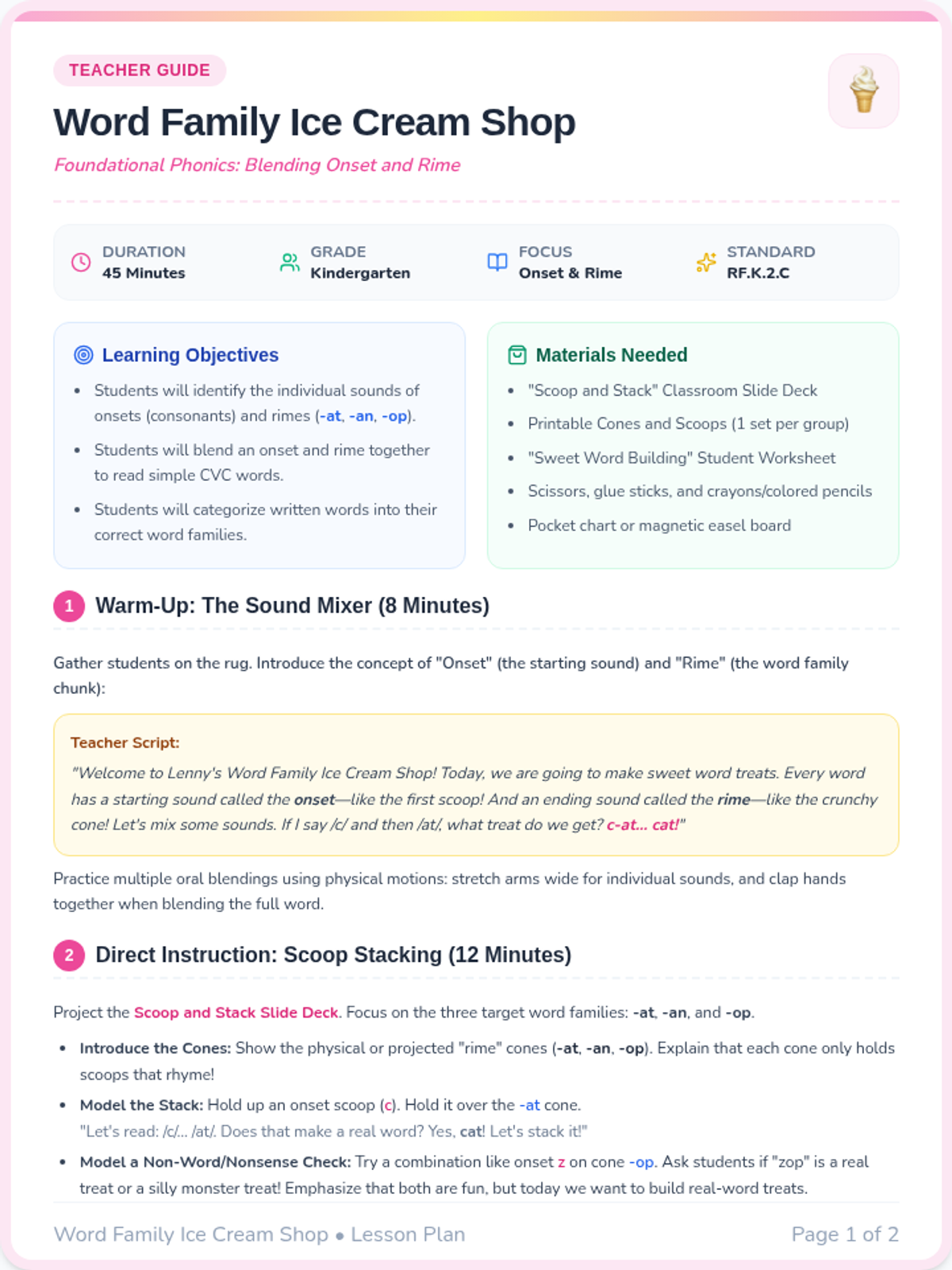
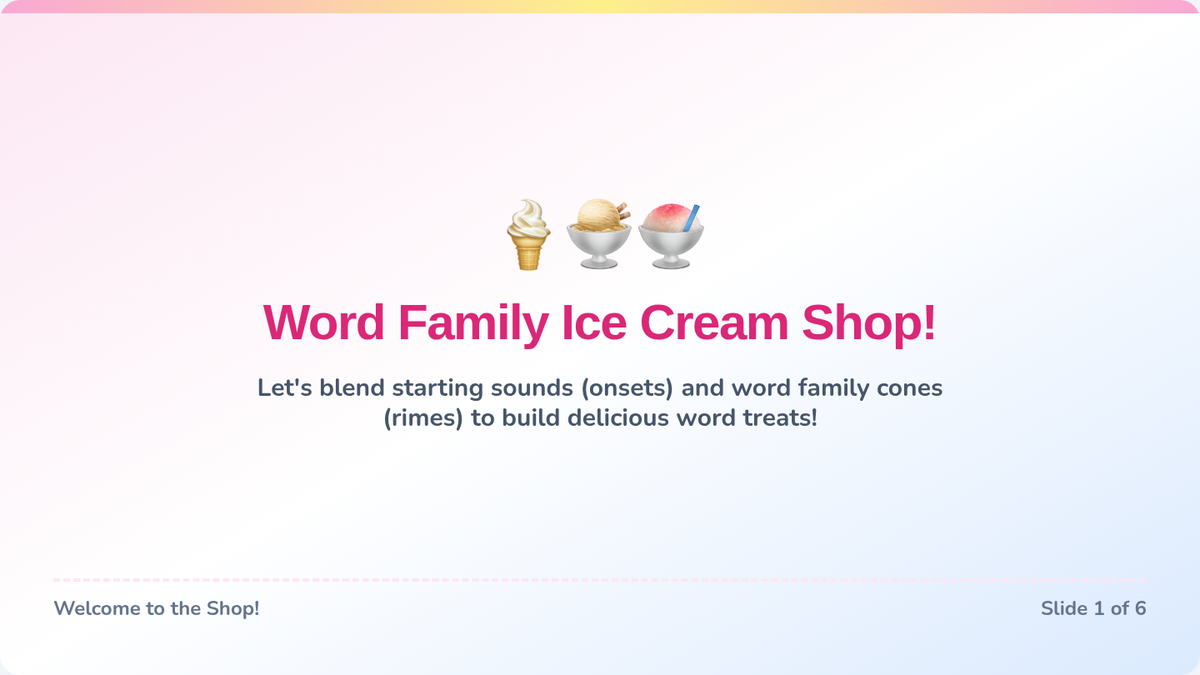
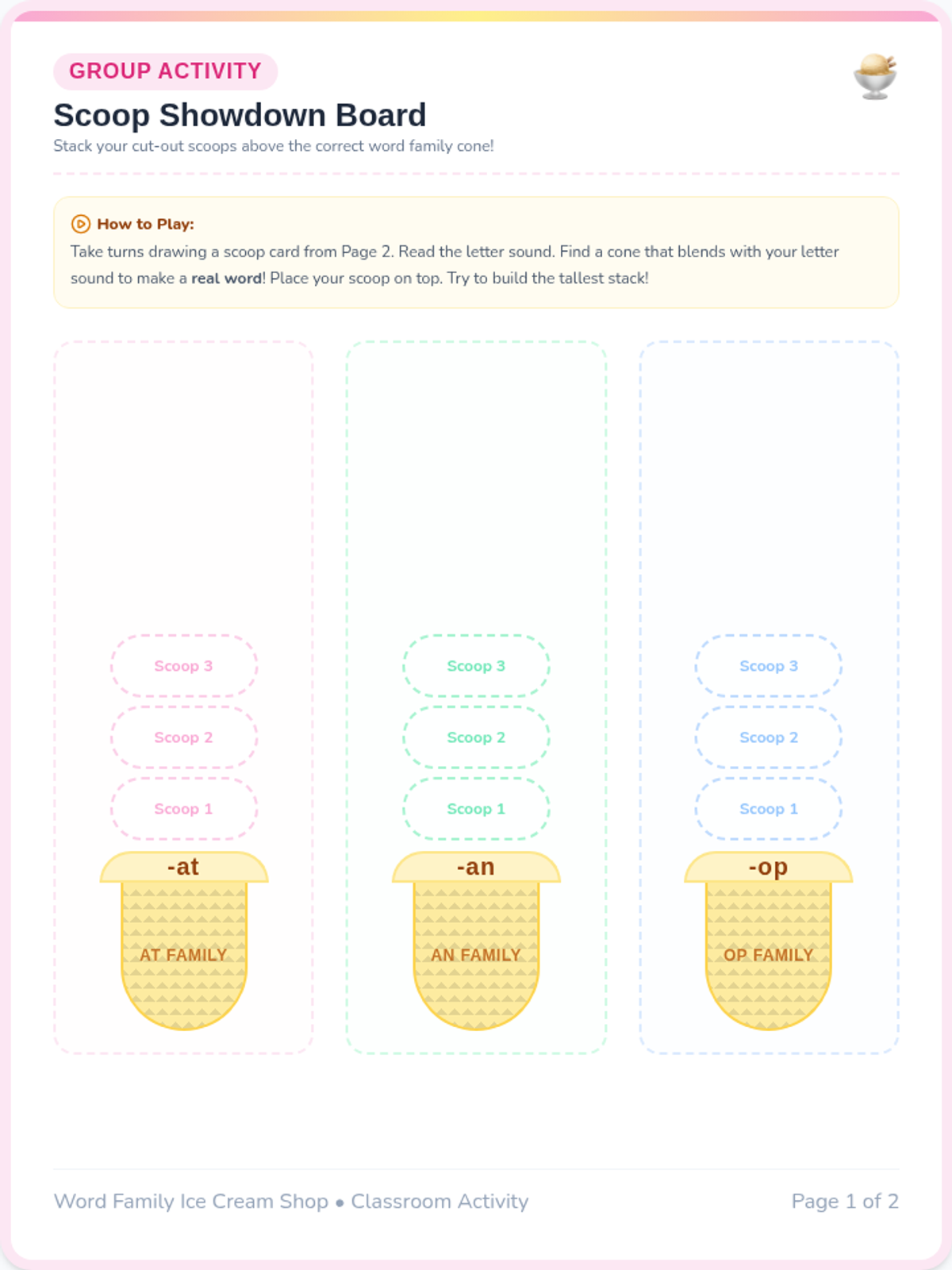
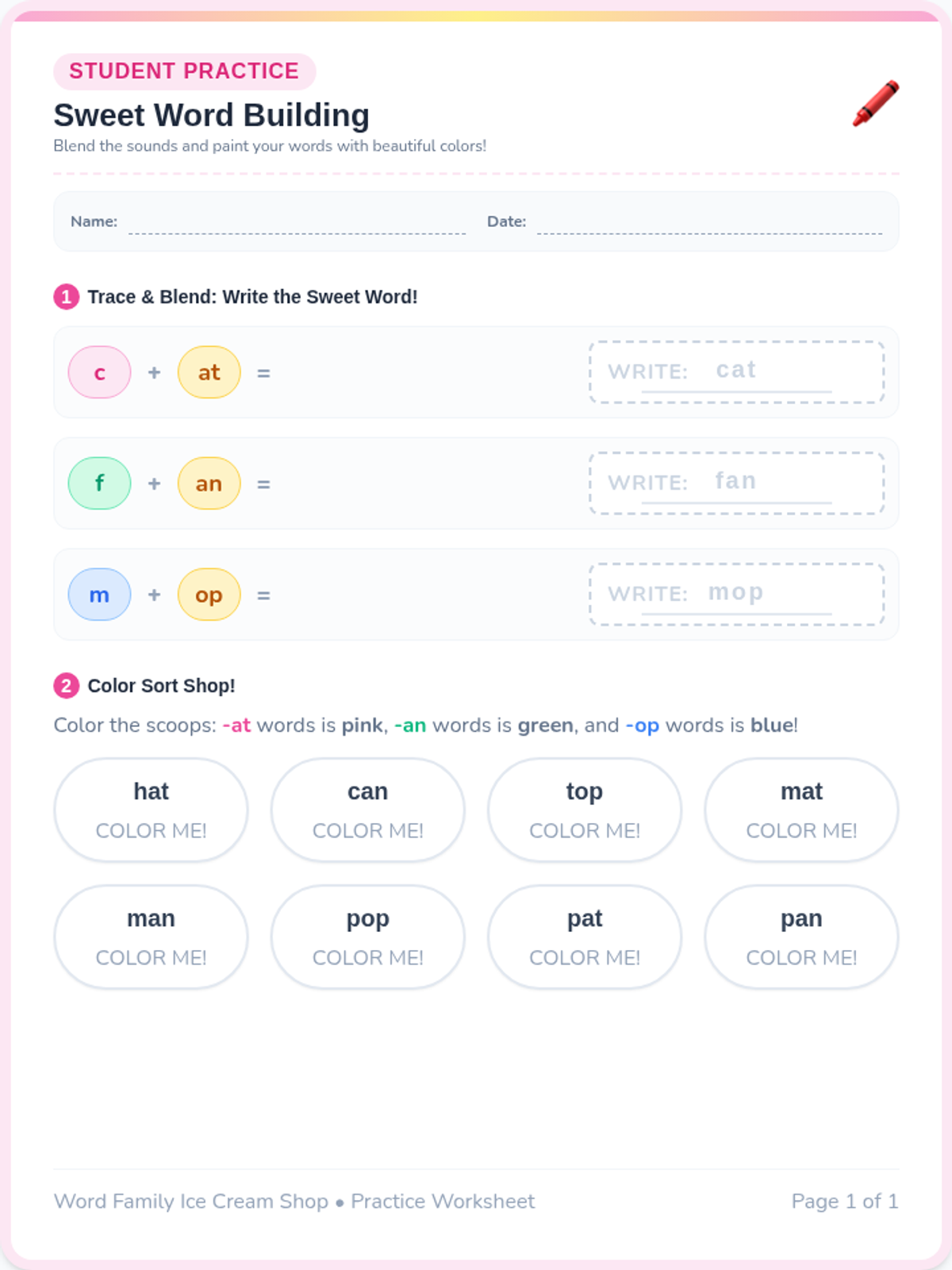
A playful kindergarten lesson where students blend onset and rime by building and stacking ice cream scoops to form words within common word families like -at, -an, and -op.
A comprehensive writing lesson focused on mastering introductions and conclusions for general essay writing. Students learn to build magnetic hooks, seamless bridges (transitions), and lasting final impressions using structural drafting formulas.
A third-grade interactive lesson where students decode literal and figurative meanings of idioms to complete a collaborative map-based treasure hunt.
A high-interest persuasive writing lesson where students analyze the impact of technology on society, select a stance on topics like social media limits or video game benefits, and construct a structured persuasive argument.
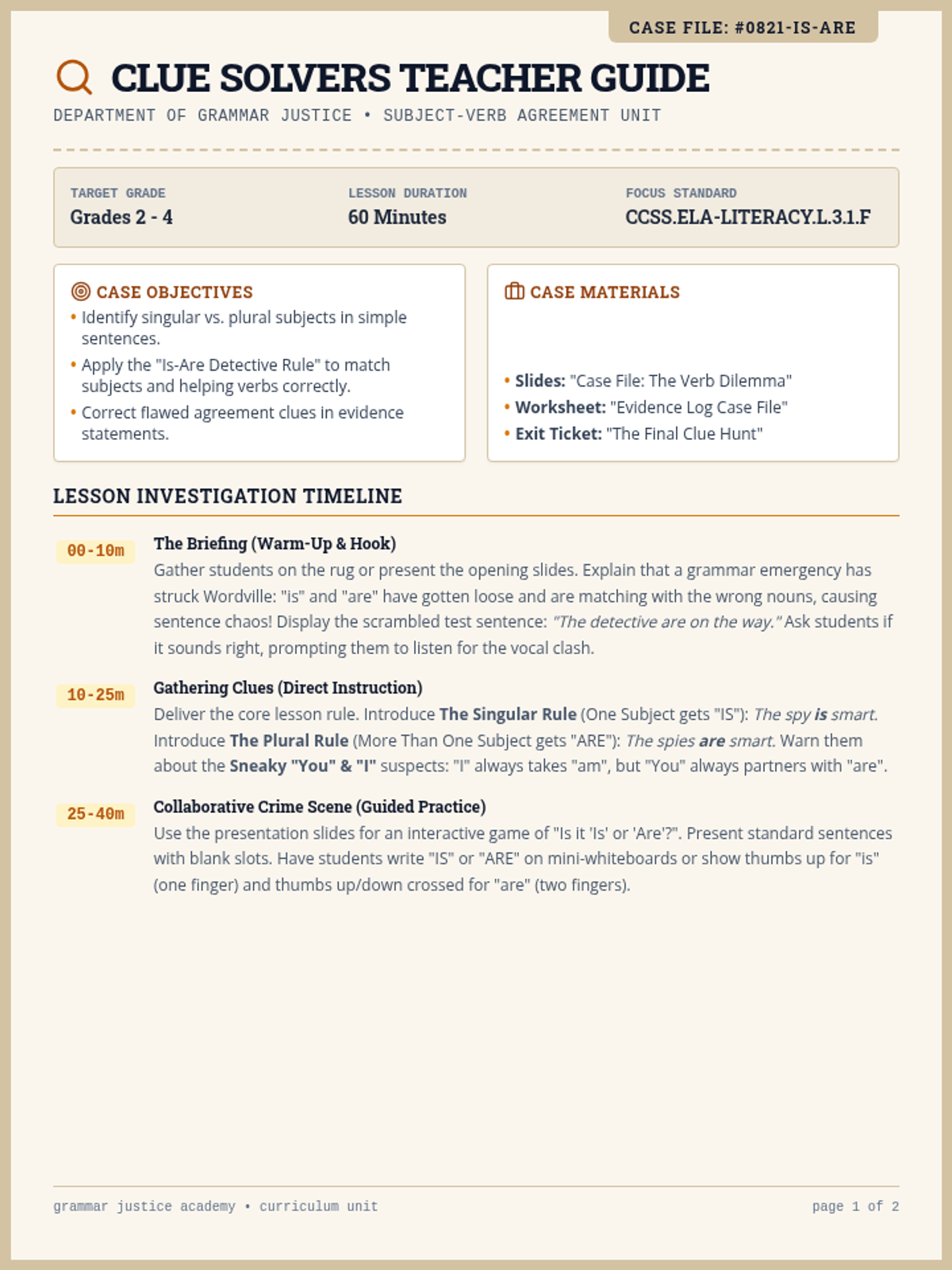
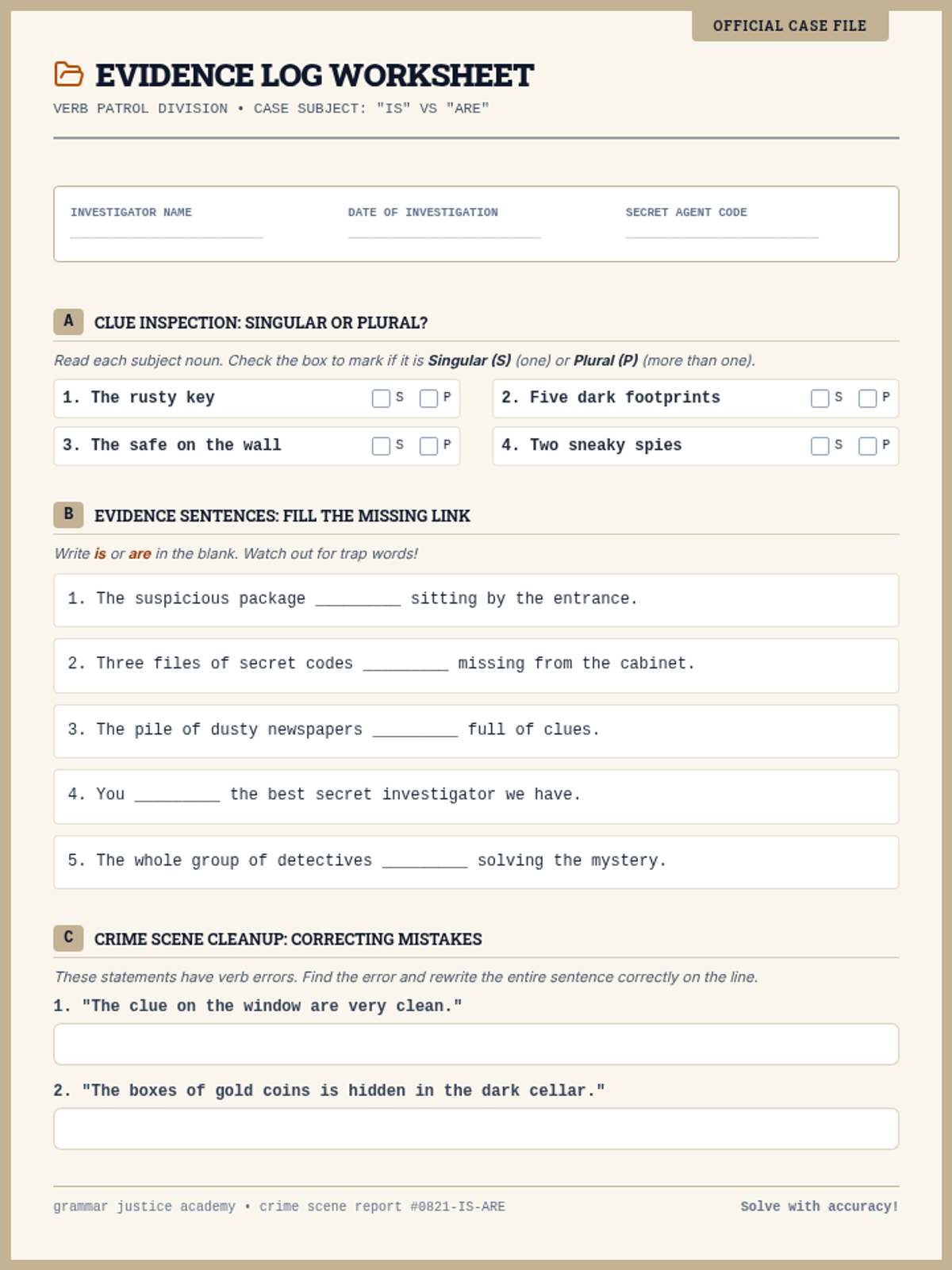
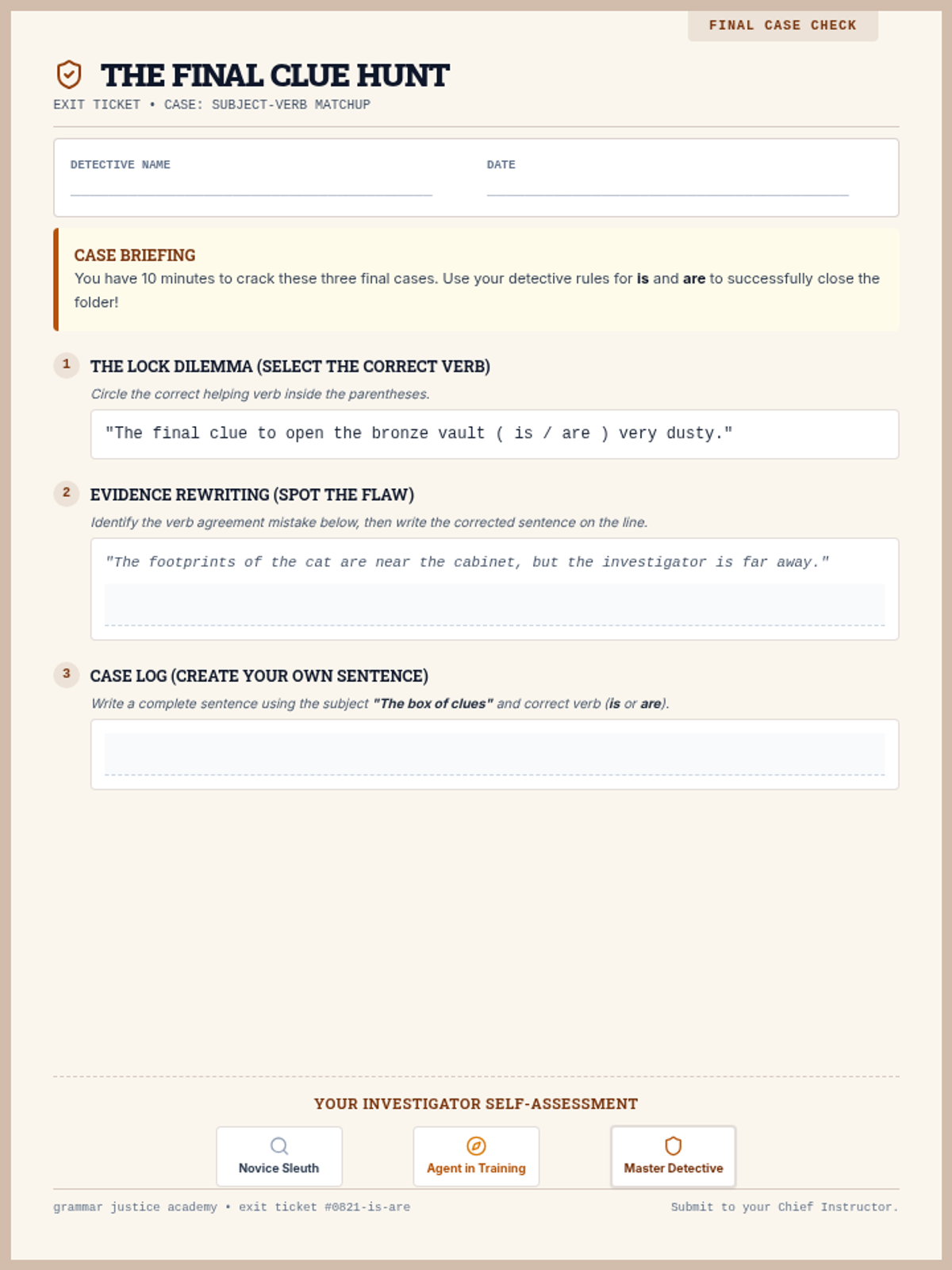
An immersive, detective-themed lesson guiding students to master subject-verb agreement for 'is' vs 'are'. Includes a detailed teacher guide, presentation slides, student case file worksheet, and a final clue hunt exit ticket.
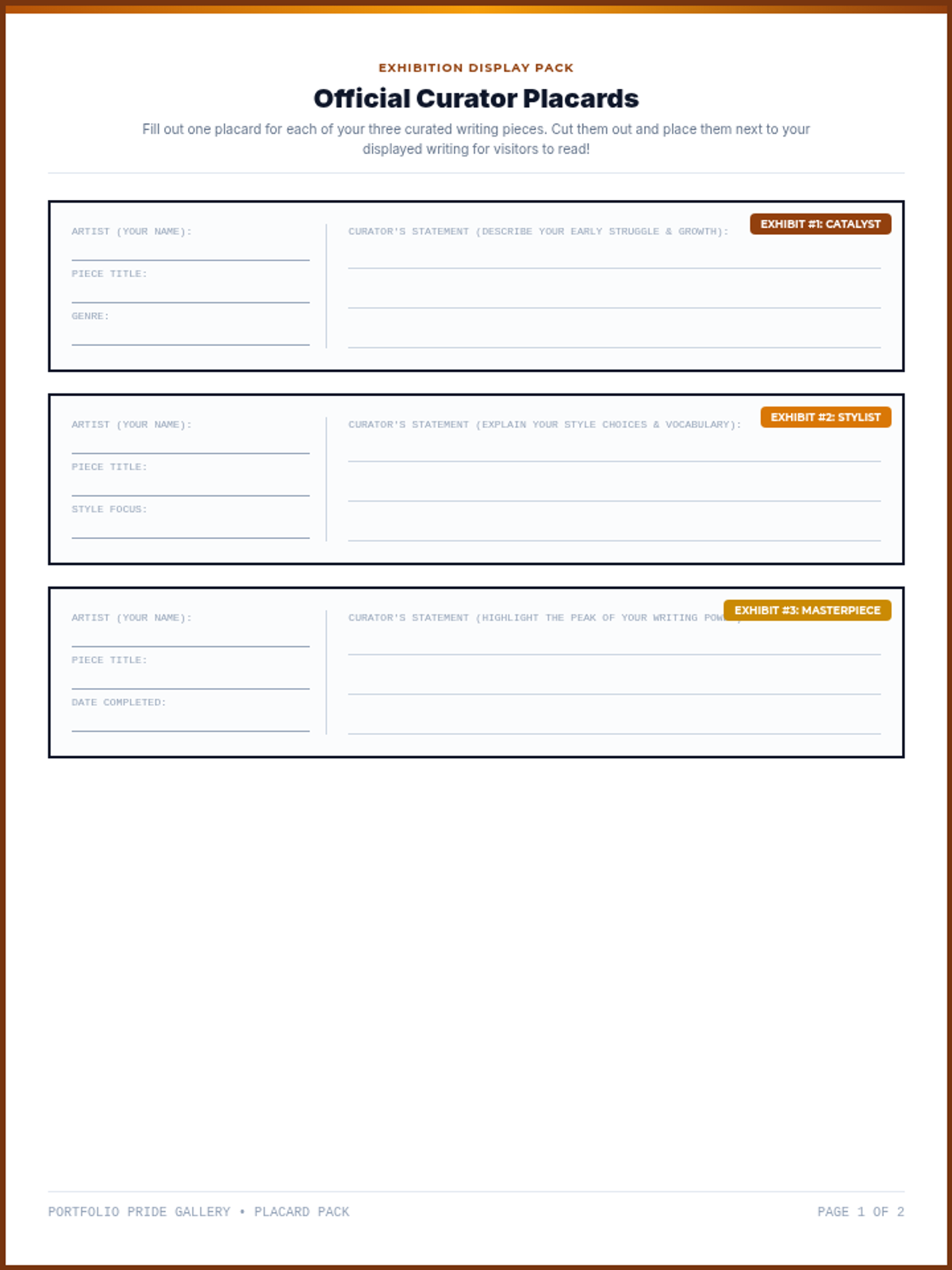
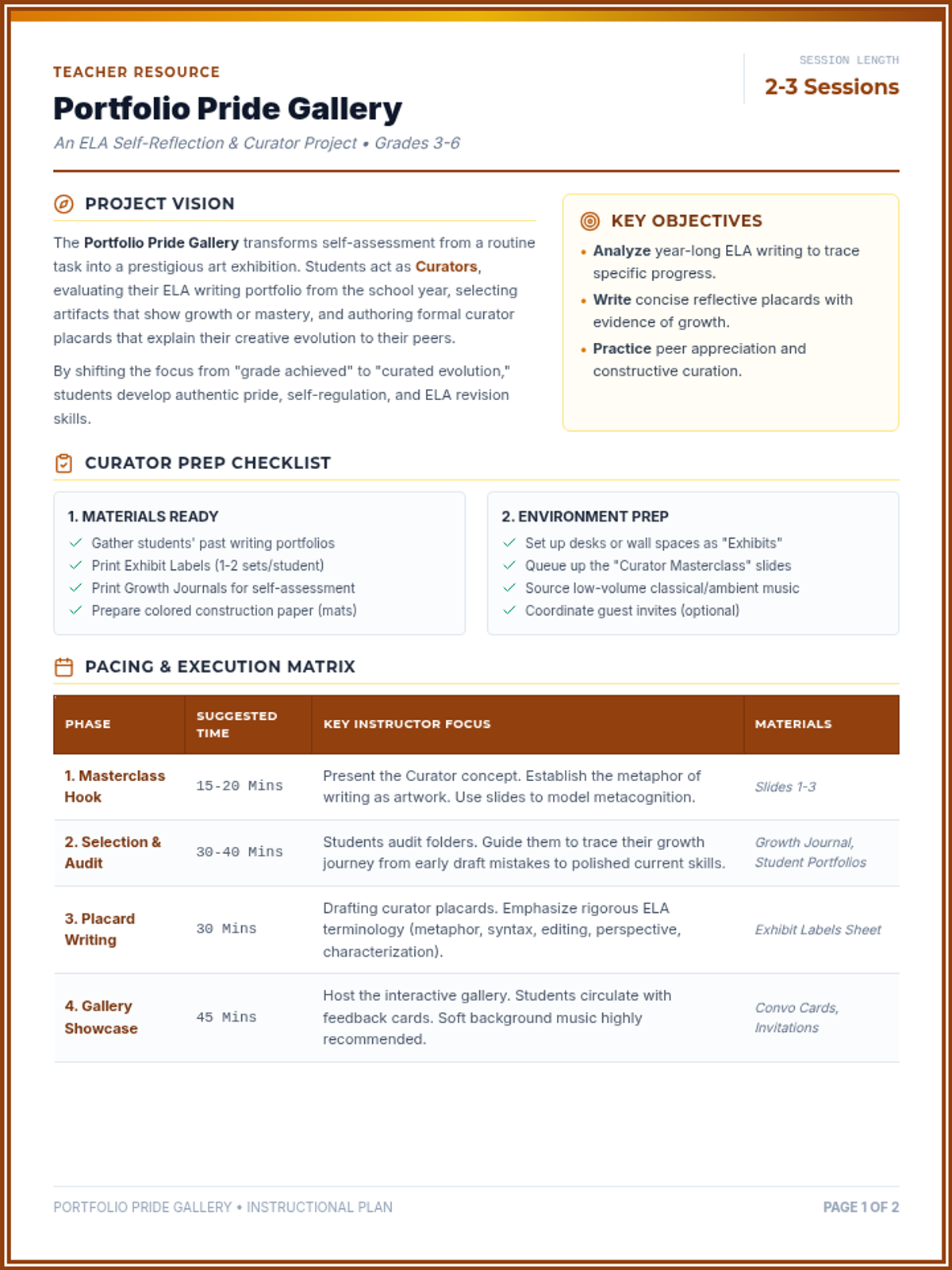
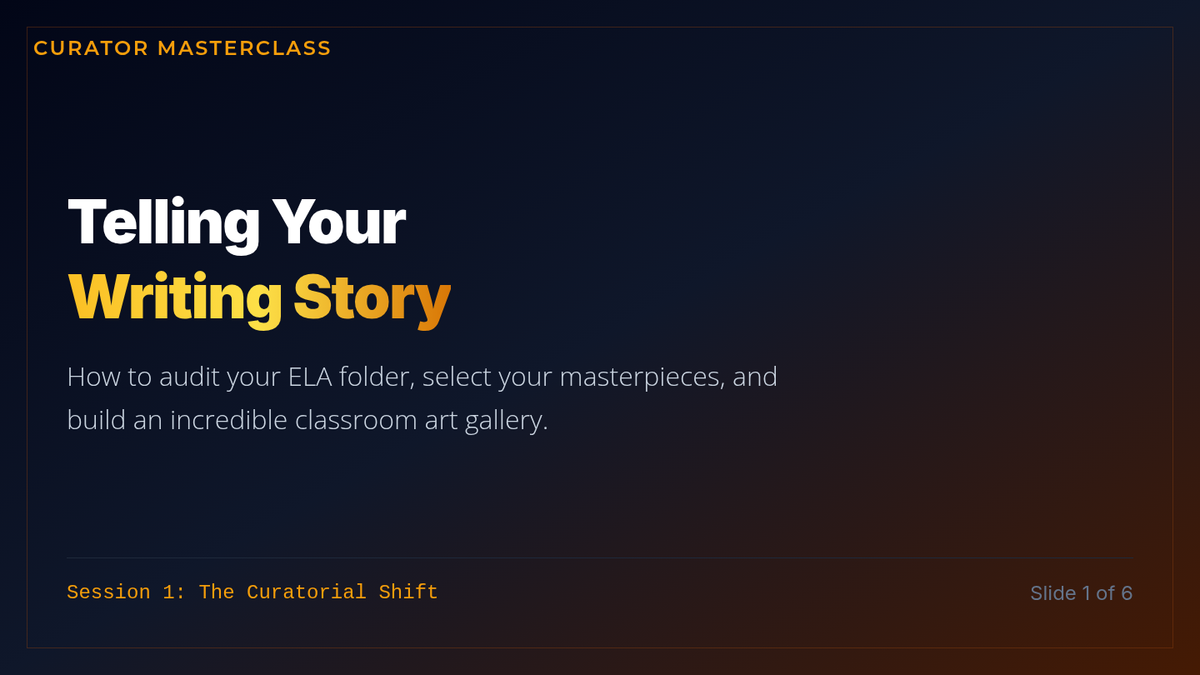
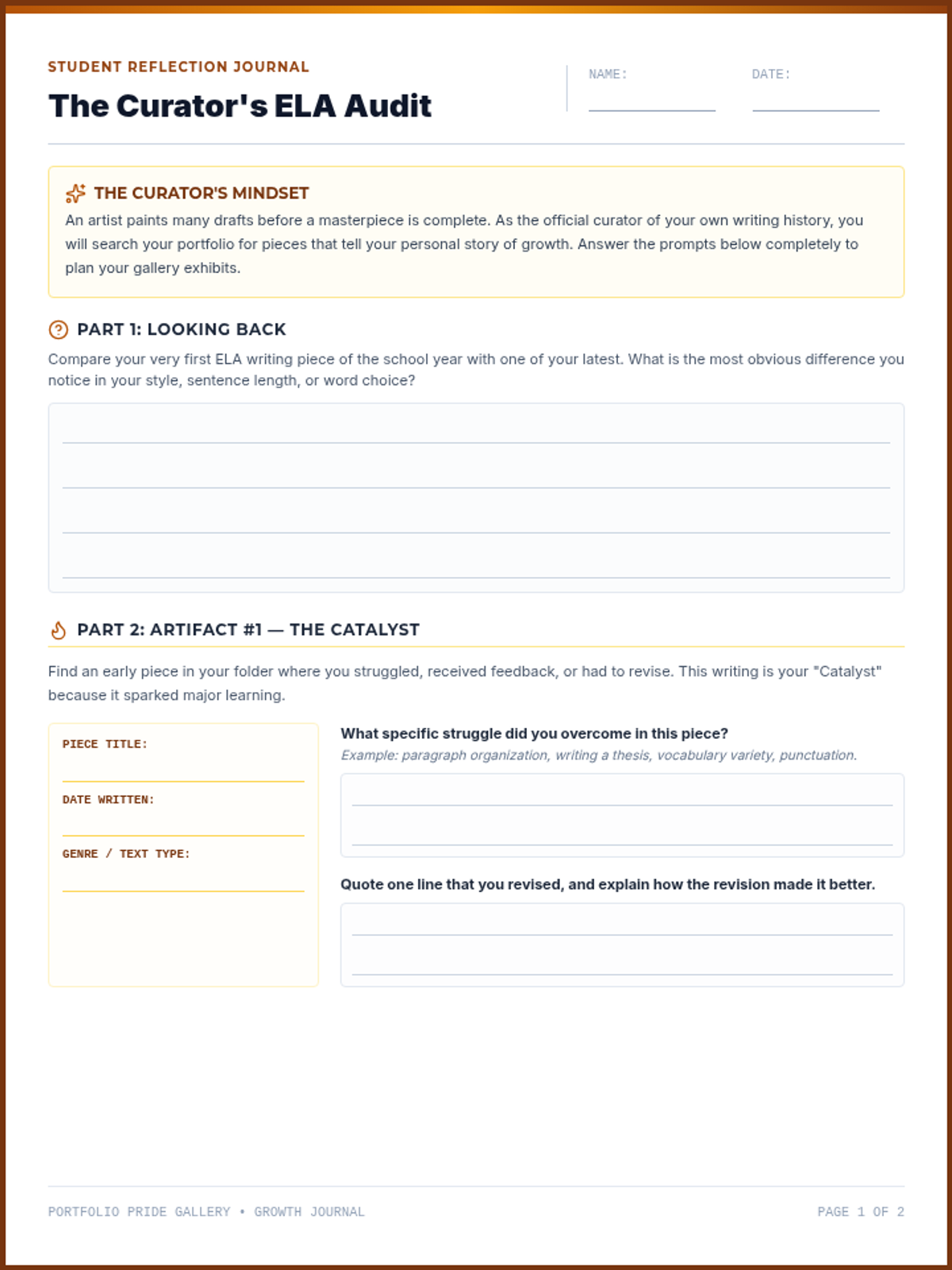
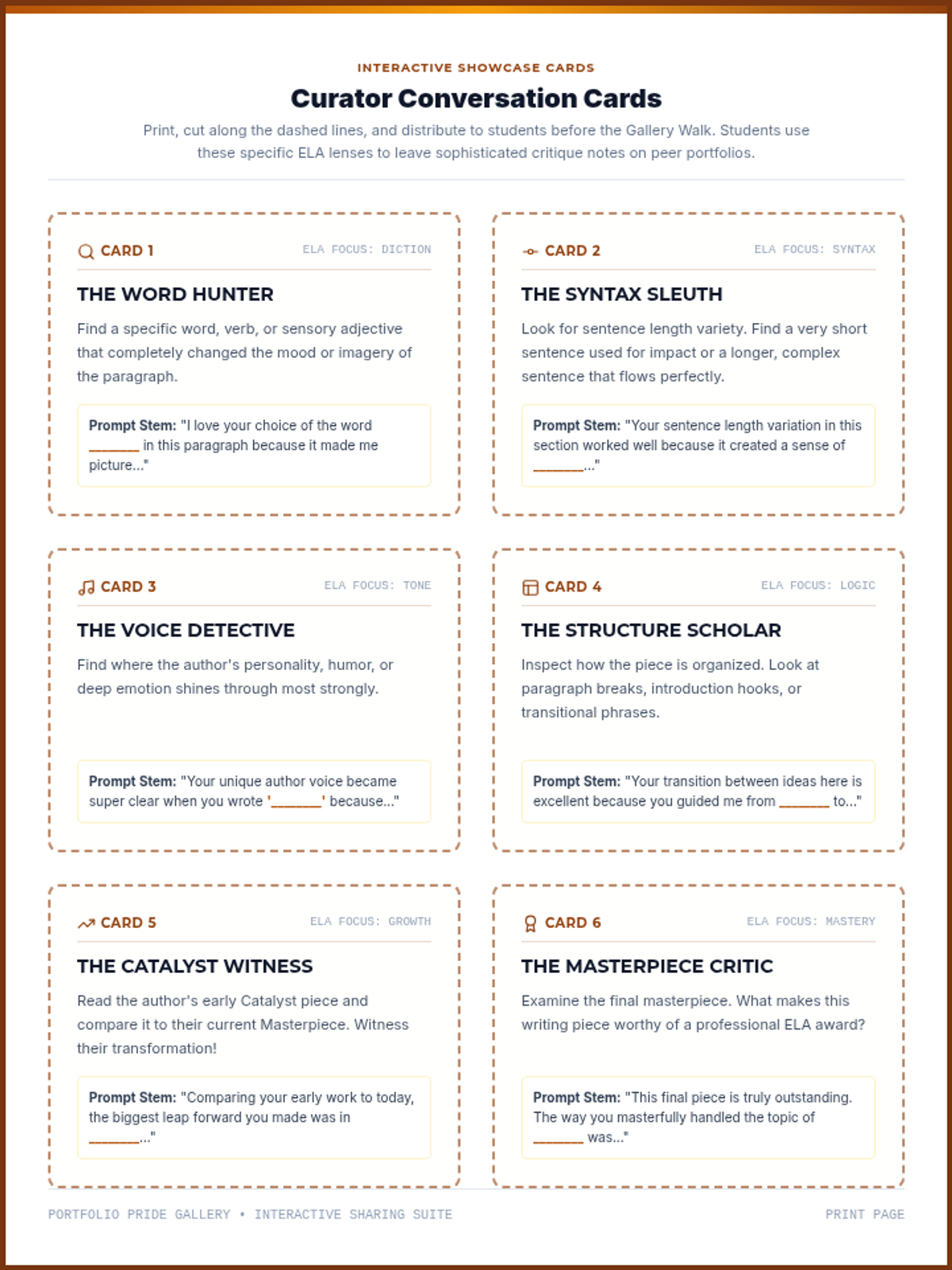
An ELA and self-reflection project where 3rd-6th grade students curate their year-long academic growth, select their best writing, and design an interactive art-gallery-style showcase of their progress.
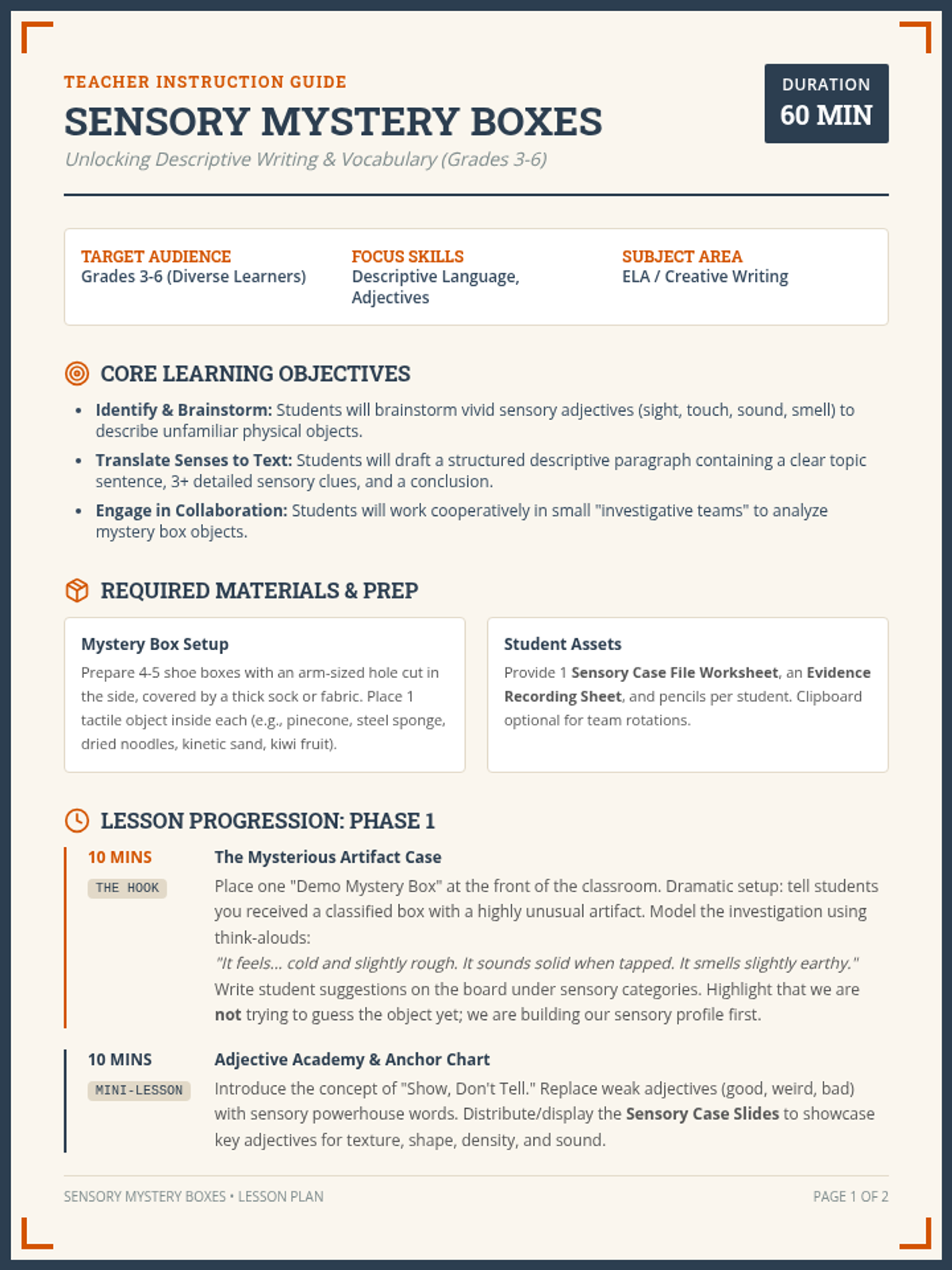
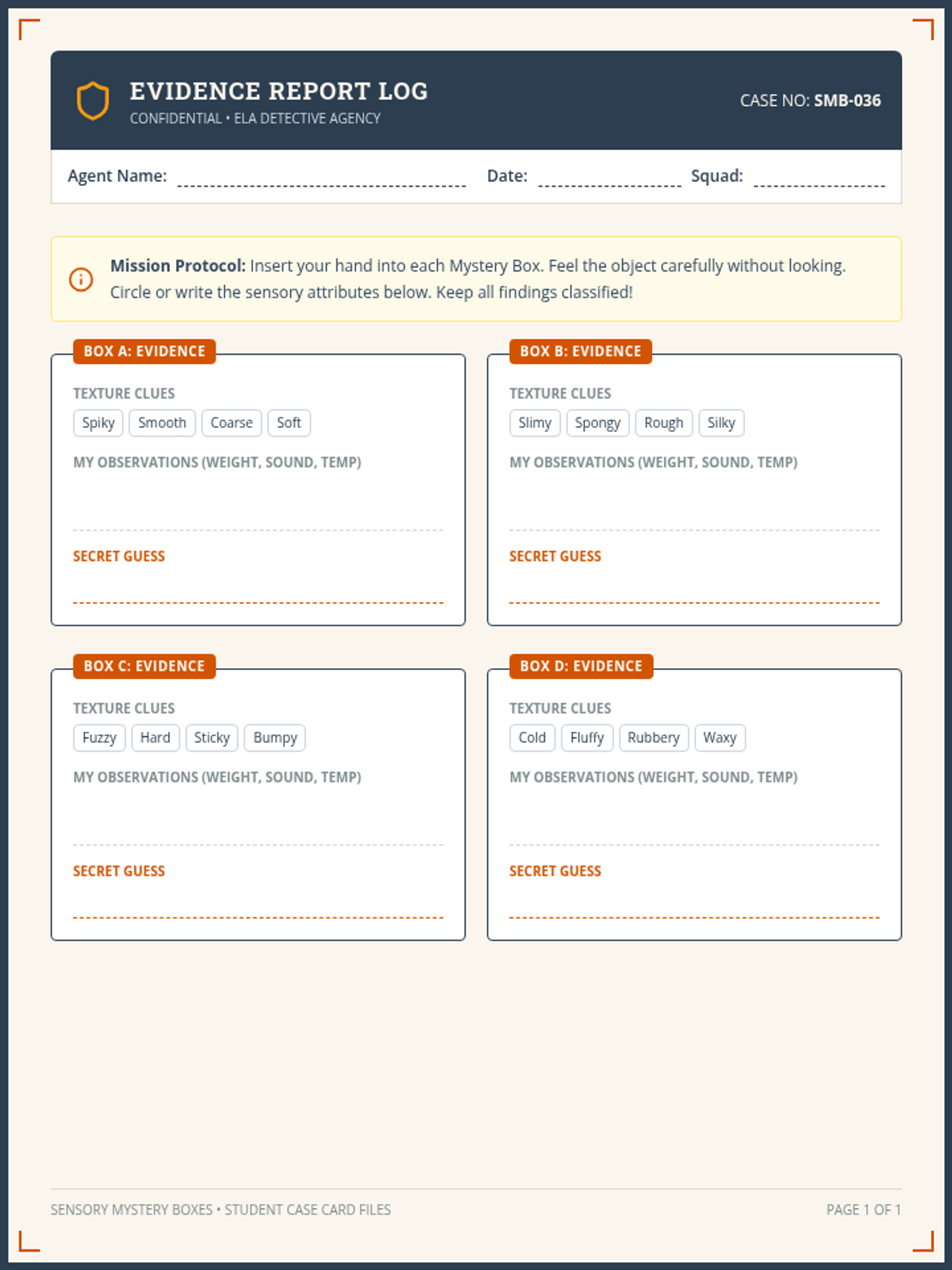
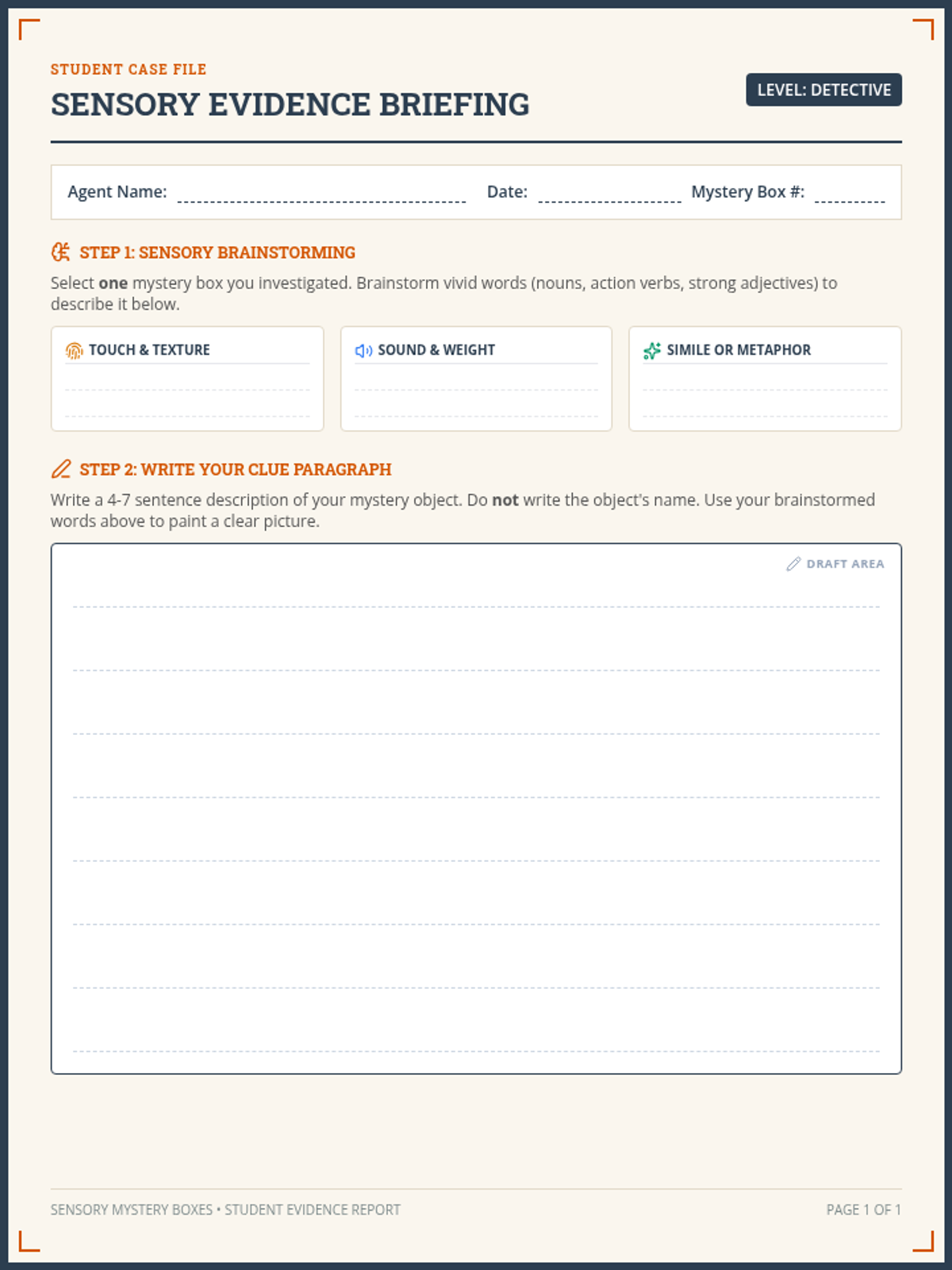
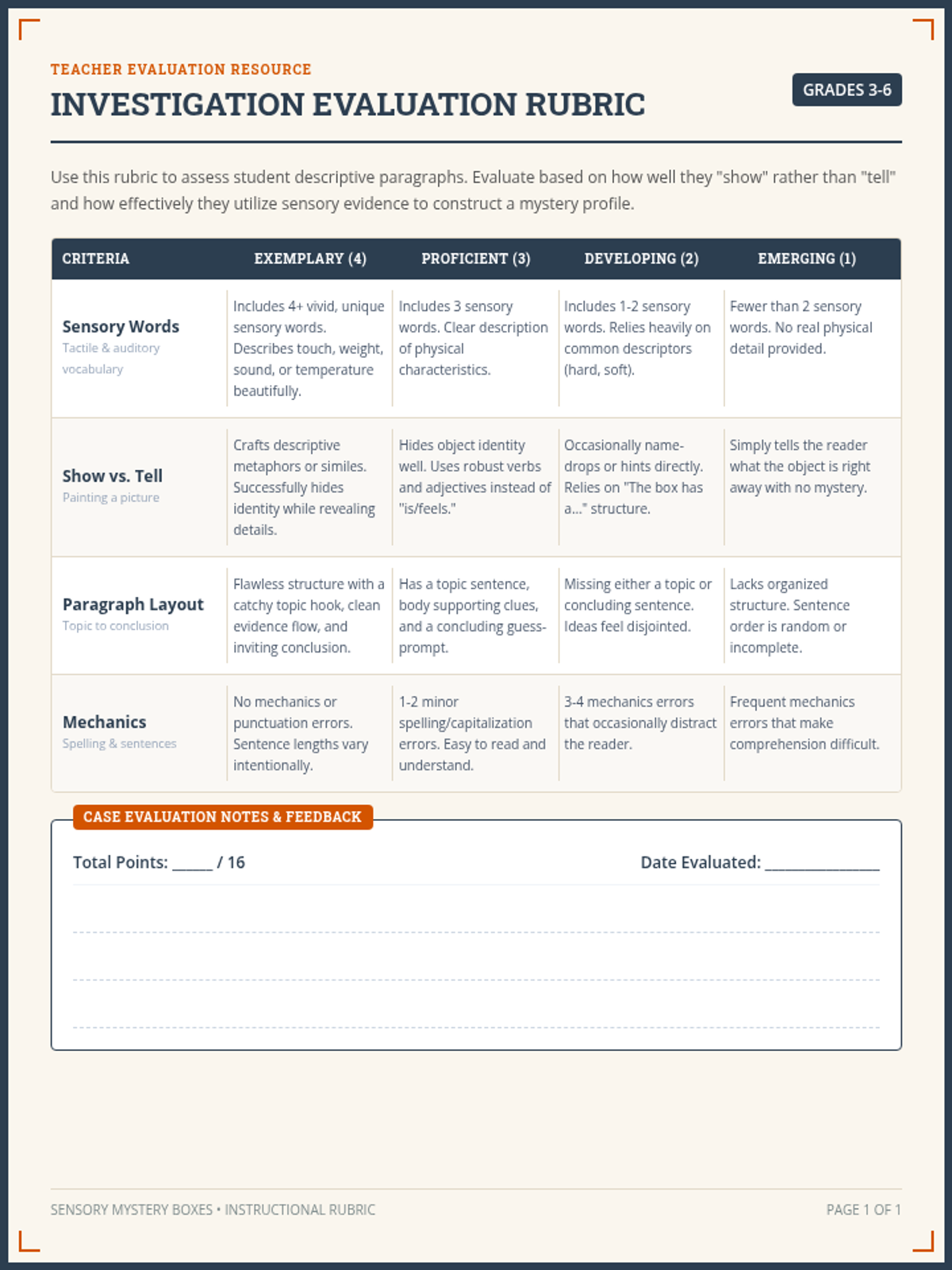
An immersive, multi-sensory ELA lesson designed for grades 3-6 to unlock descriptive writing. Students explore mystery tactile objects, build sensory vocabulary, and compose descriptive paragraphs.
A first-grade decoding lesson focused on reading and tracking simple sentences featuring vowel-consonant-e (silent e) words for fluency.
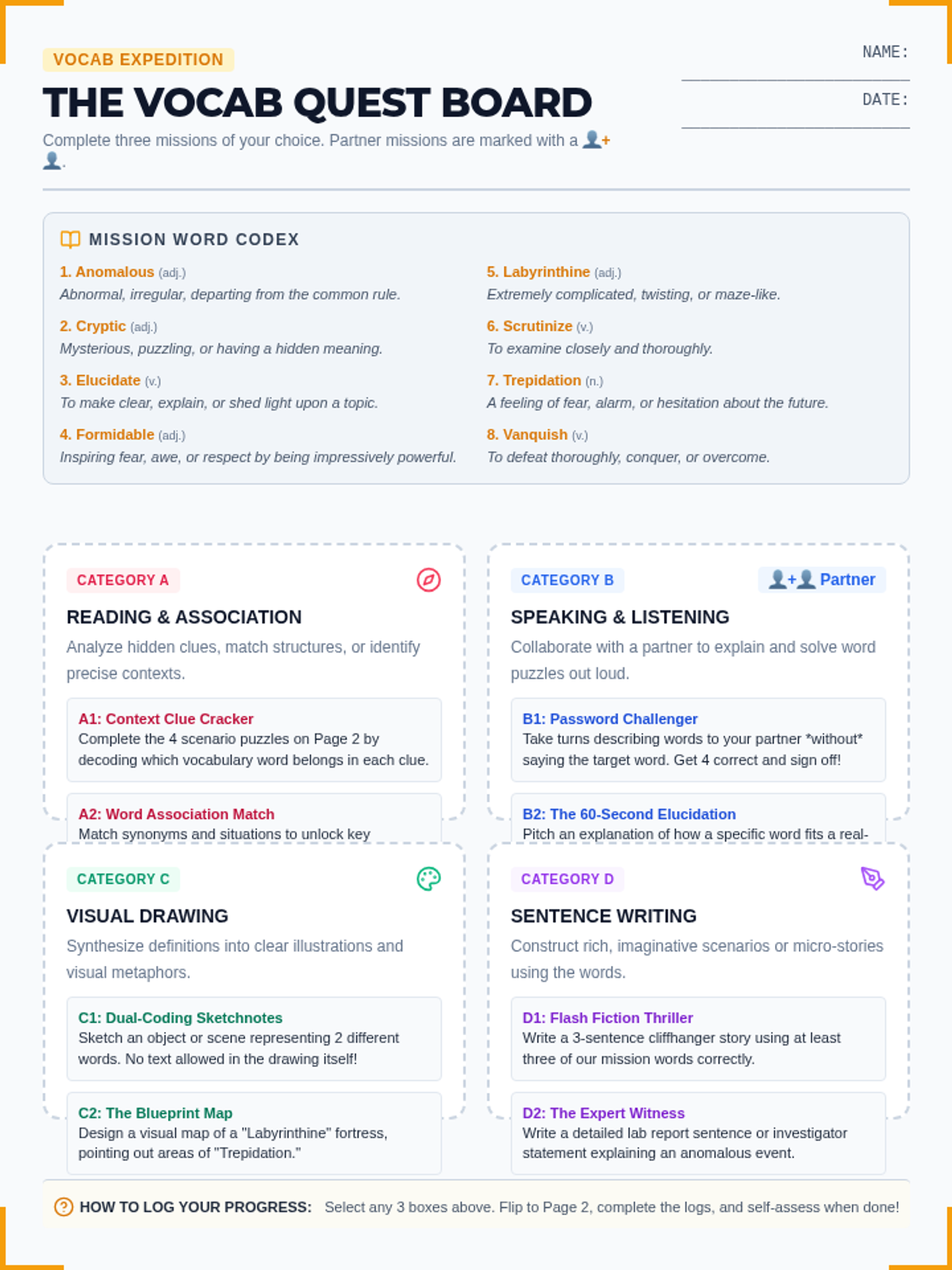
A vocabulary review lesson utilizing a thematic Choice Board Matrix, focusing on critical thinking, collaborative partner speaking, reading comprehension, visual sketching, and creative writing.
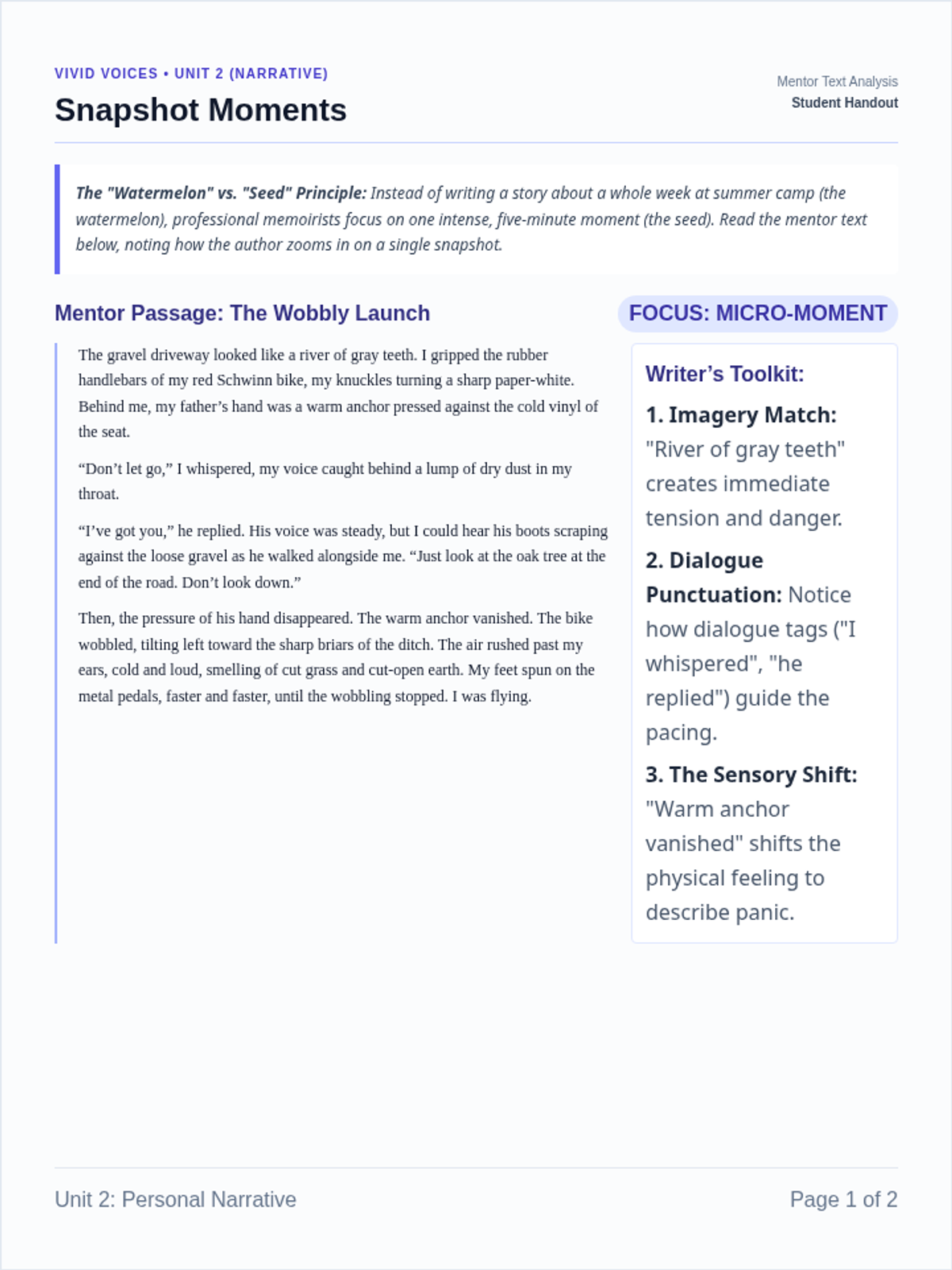
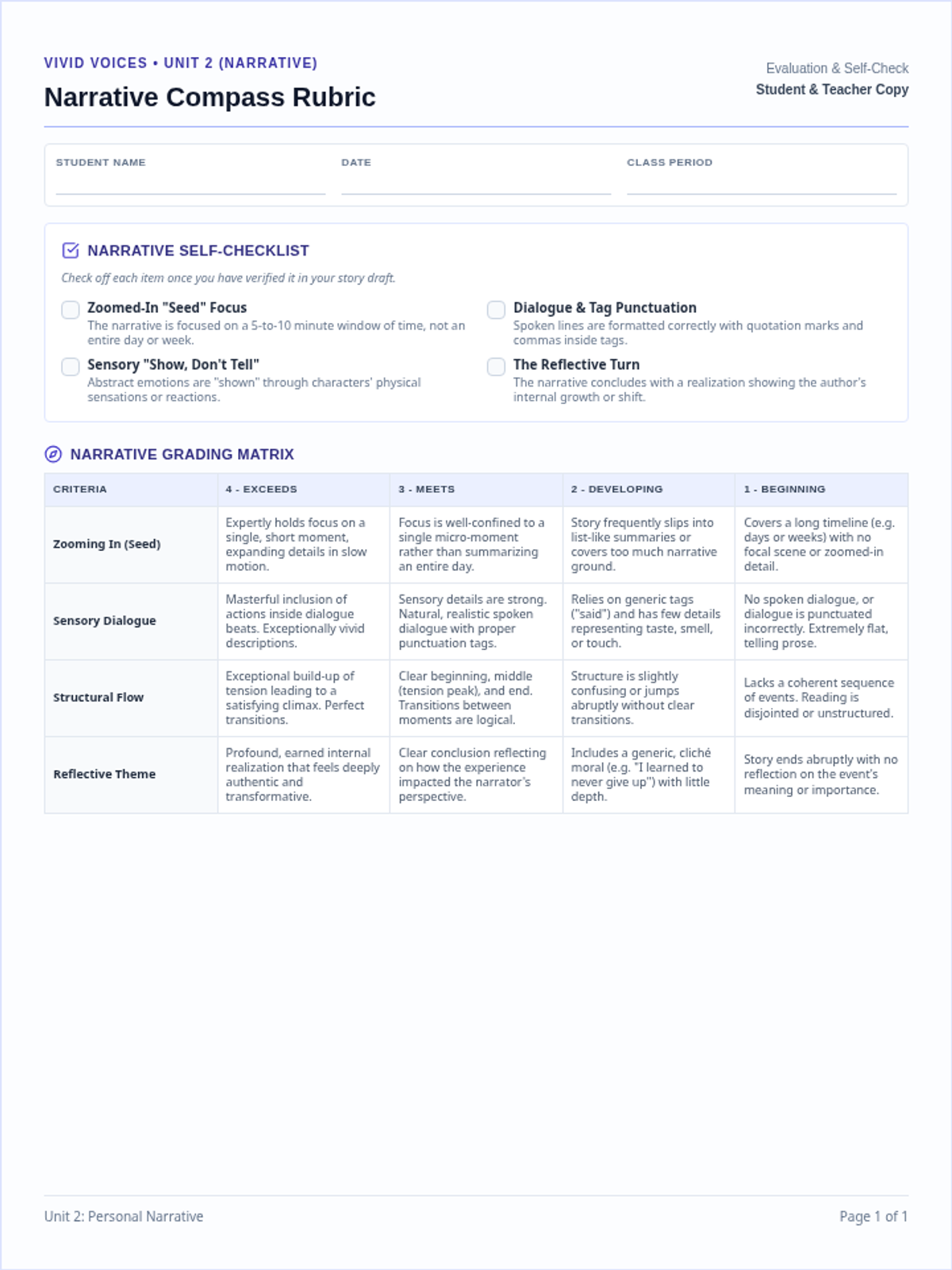
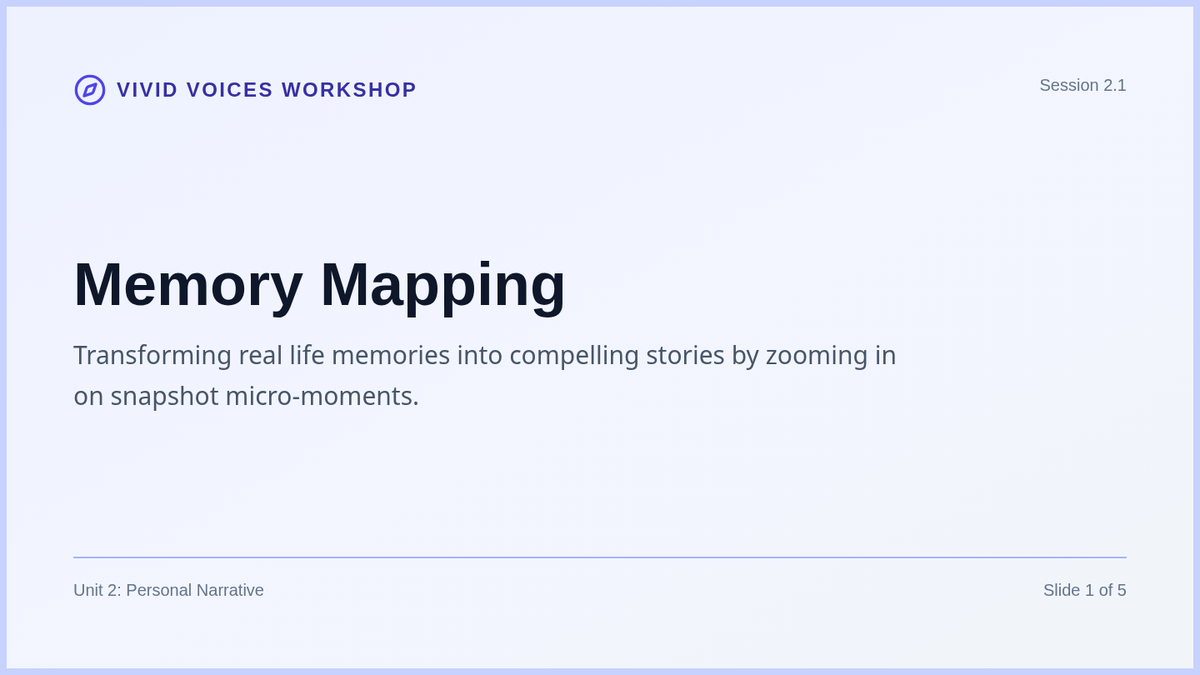
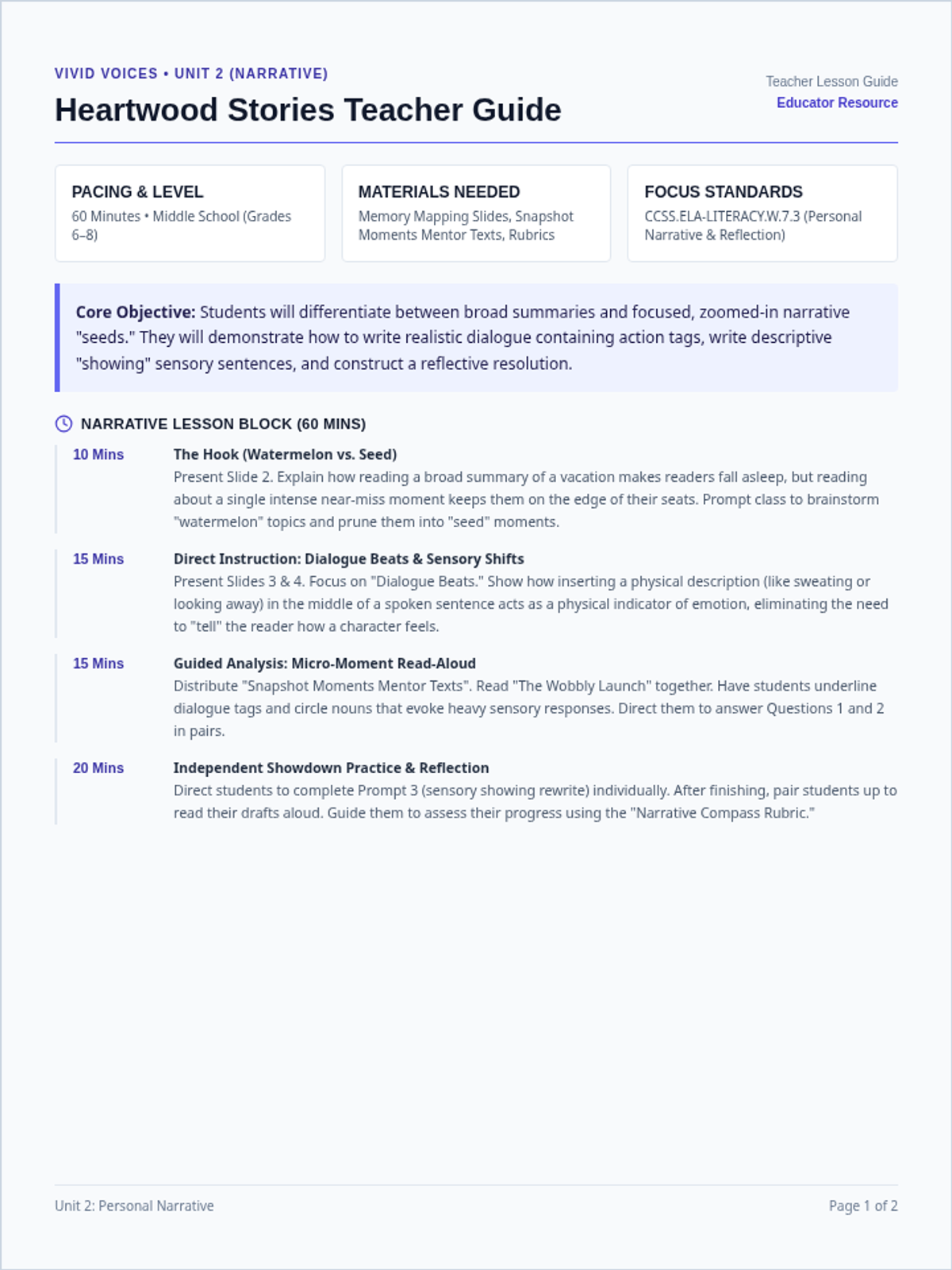
A journey into transforming real-life memories into vivid prose. Students practice zooming in on 'snapshot moments', writing realistic dialogue, and developing authentic reflective themes.
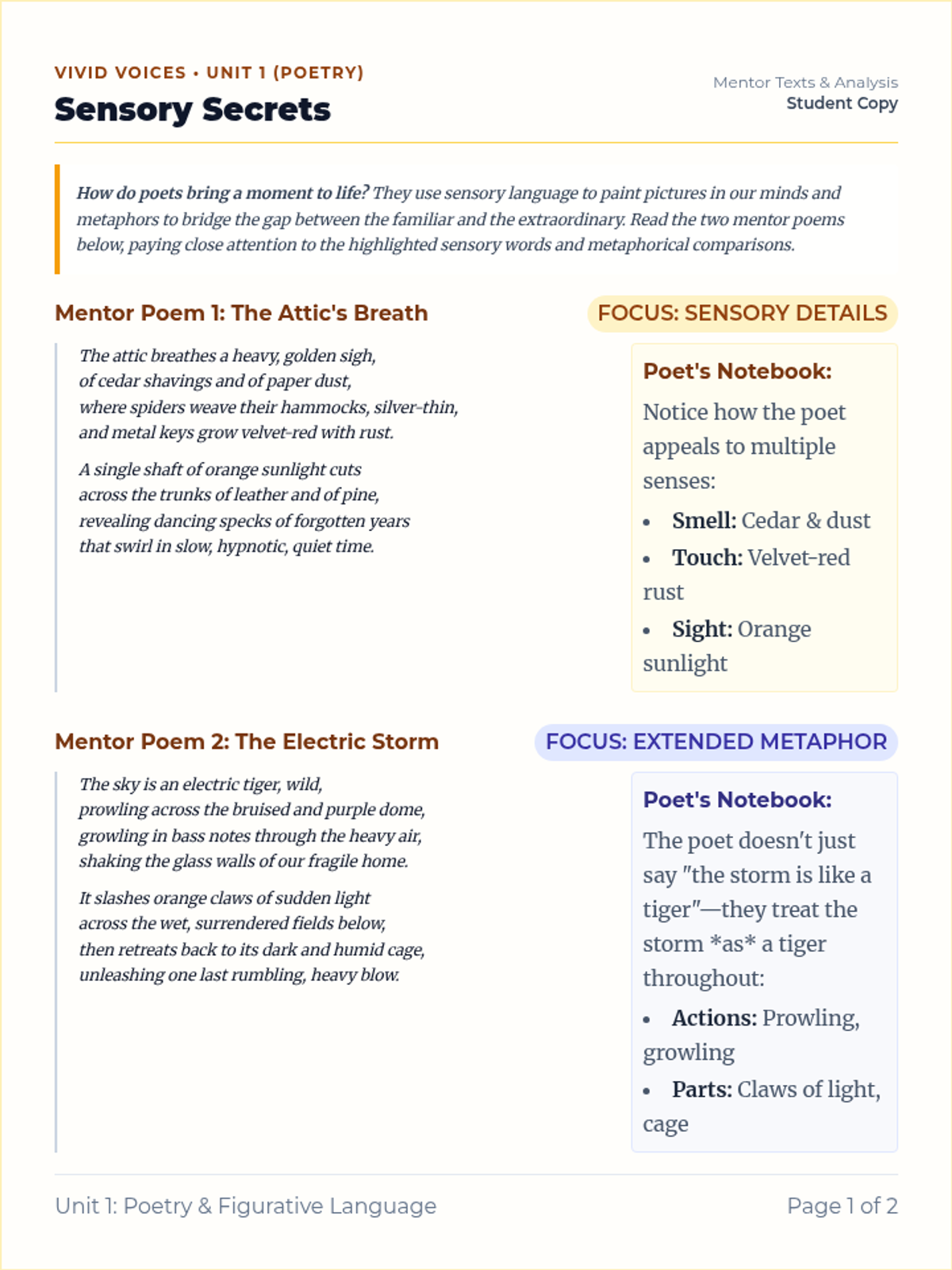
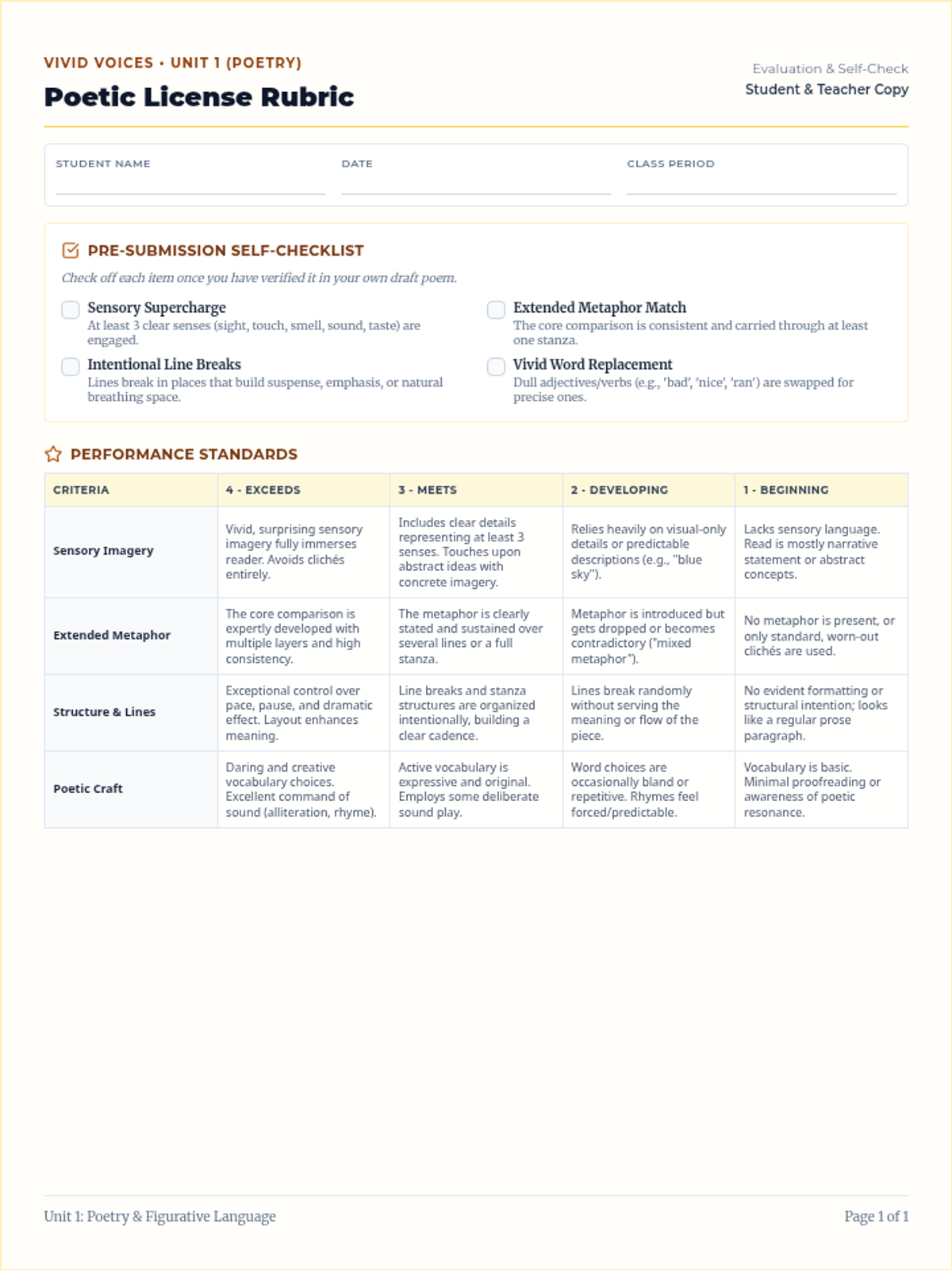
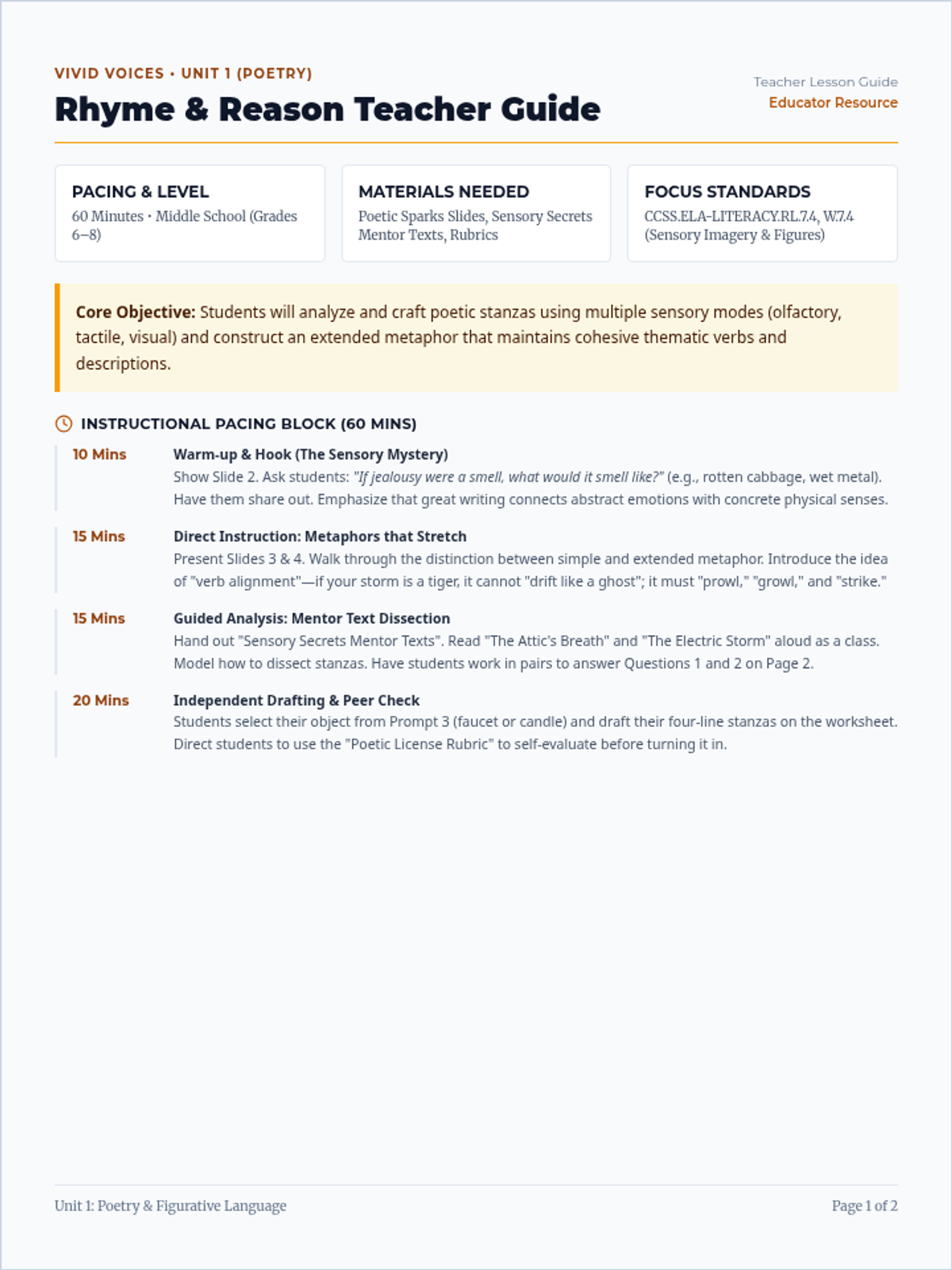
An immersive exploration of sensory imagery, metaphor, rhythm, and structure. Students examine classic and modern mentor poems and draft original pieces using figurative language.
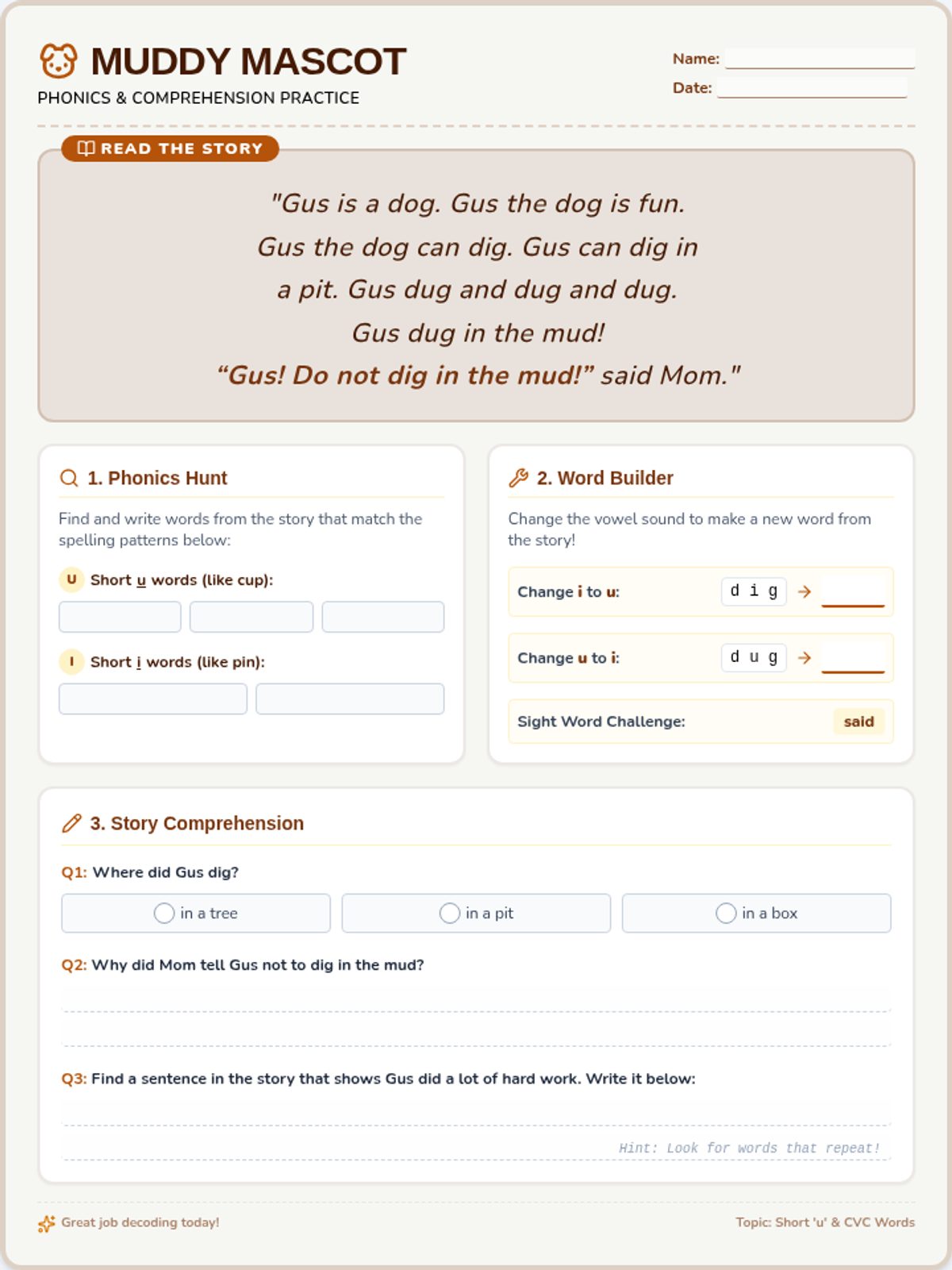
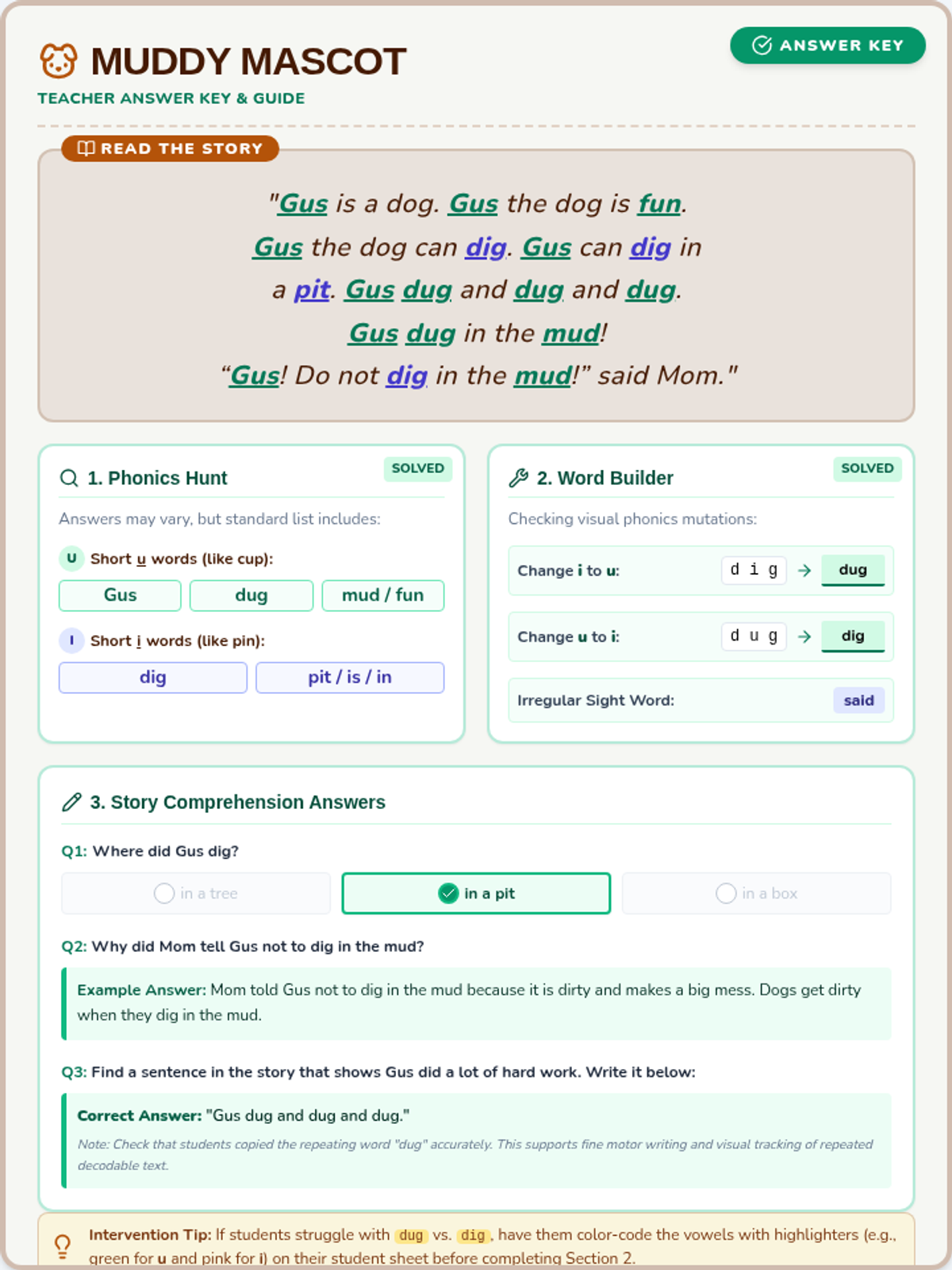
A phonics-focused reading comprehension lesson for Grade 3 reading intervention, centered on decoding CVC words, short 'u' sounds, and sight words through a story about a playful dog named Gus.
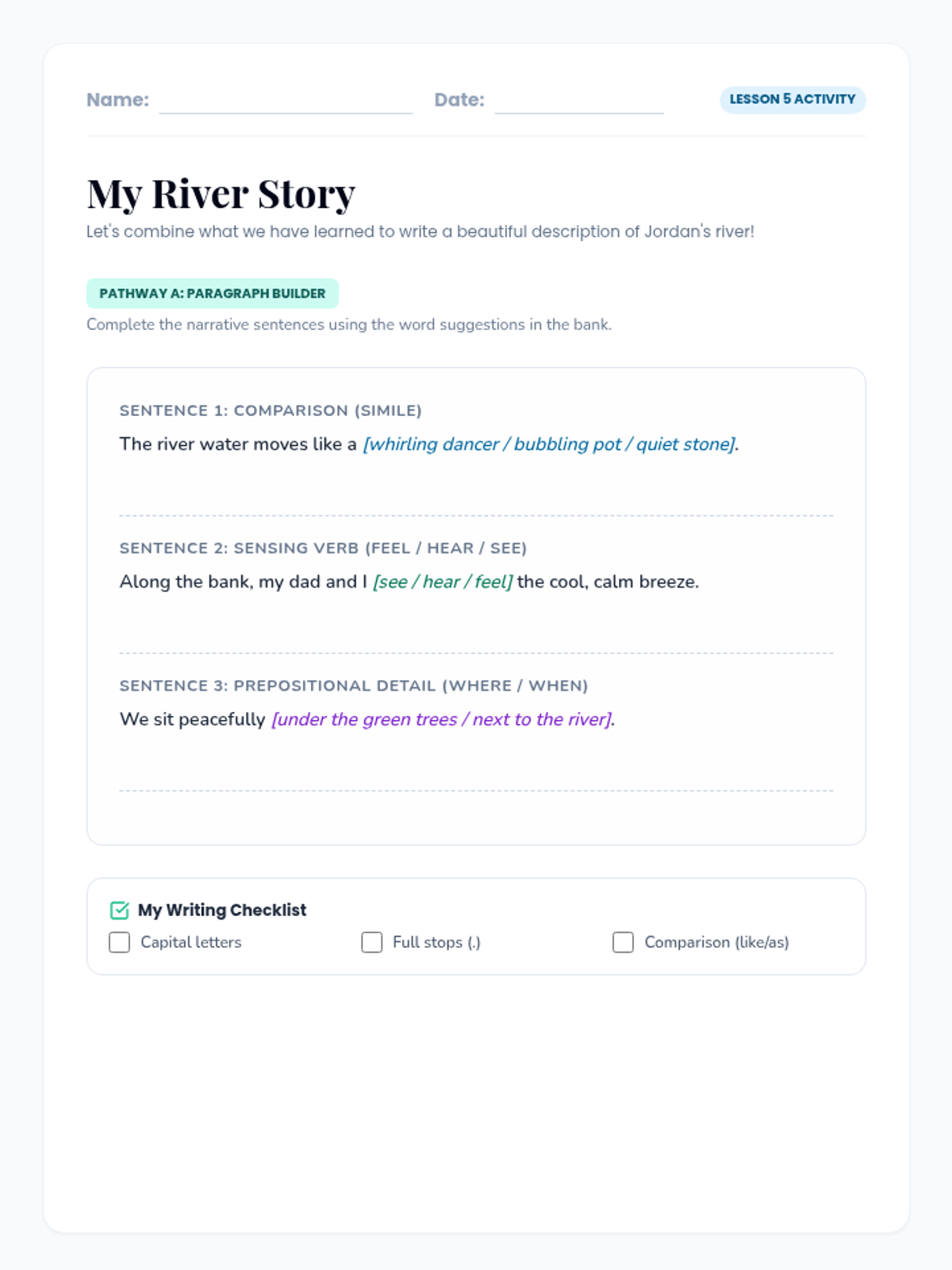
Students combine their cumulative learning of sensing verbs, prepositional phrases, and comparisons to co-construct and independently draft a descriptive paragraph about an outback landscape, utilizing a multi-tiered writing frame.
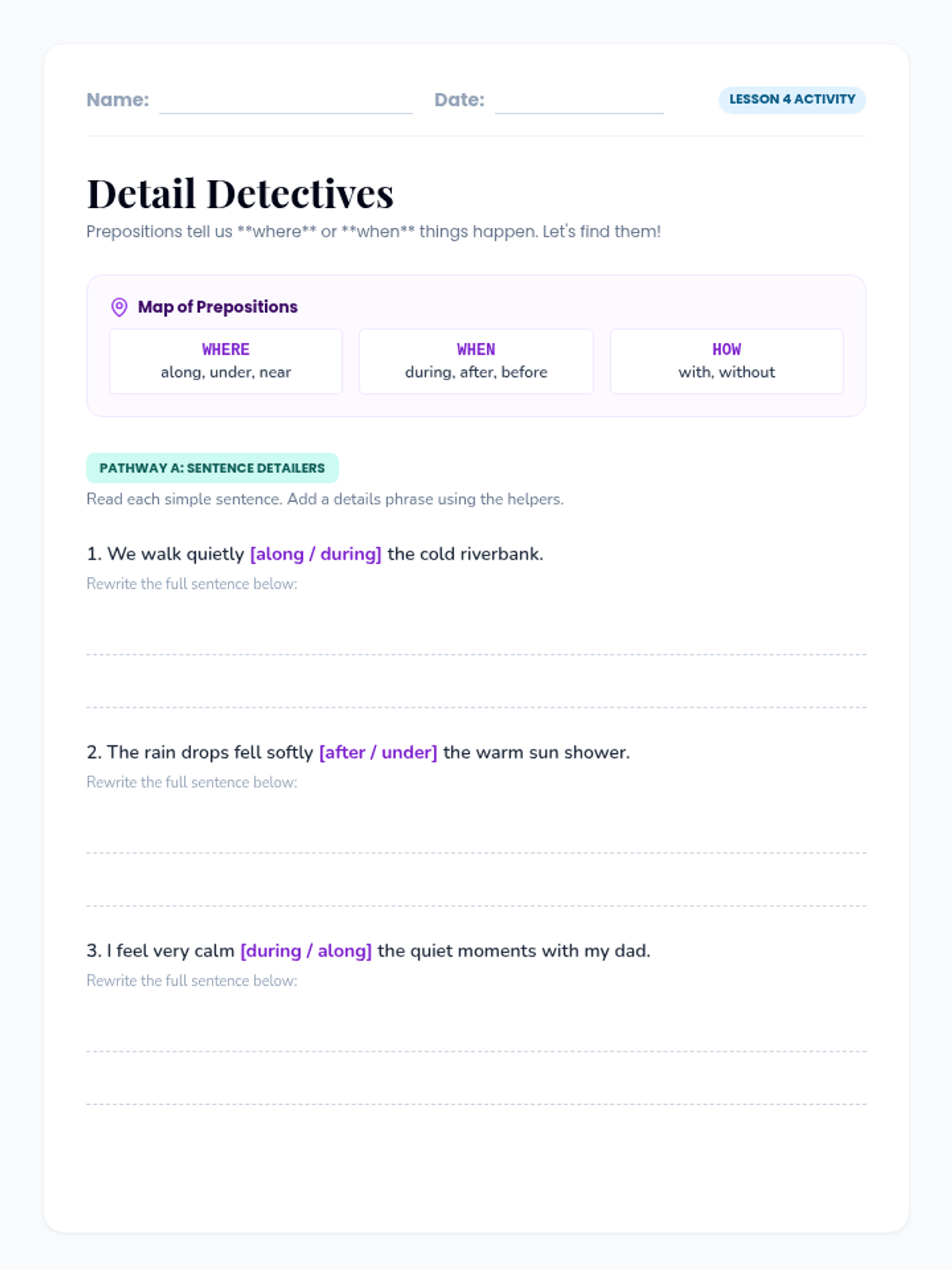
Students learn how prepositional phrases give information about 'where' and 'when' events occur, practicing adding them to simple sentences containing sensing verbs to build descriptive detail.
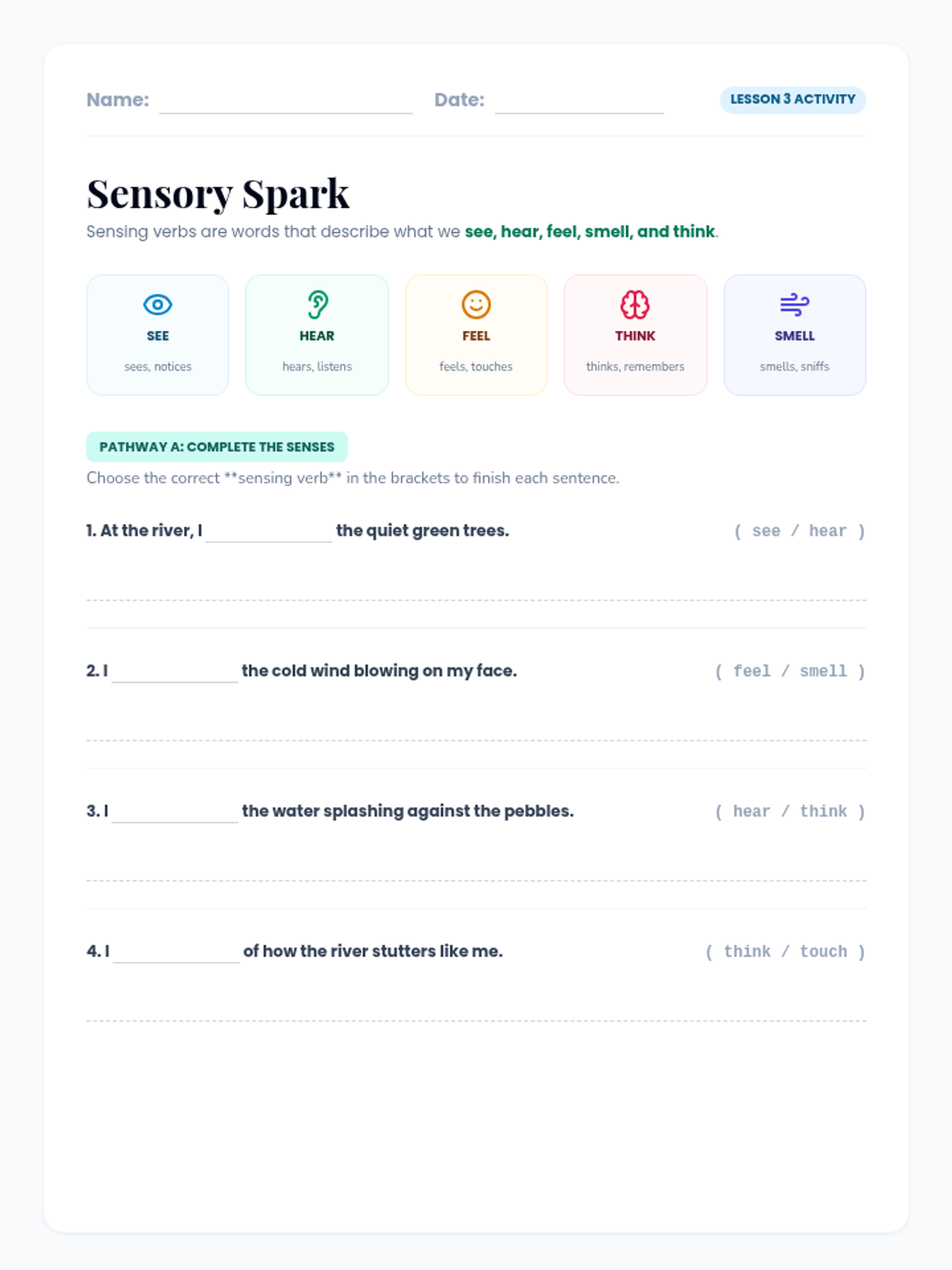
Students investigate sensing verbs related to the five senses, identifying how the author uses them to share how natural elements feel during drought, and brainstorming sensory details about the outback.
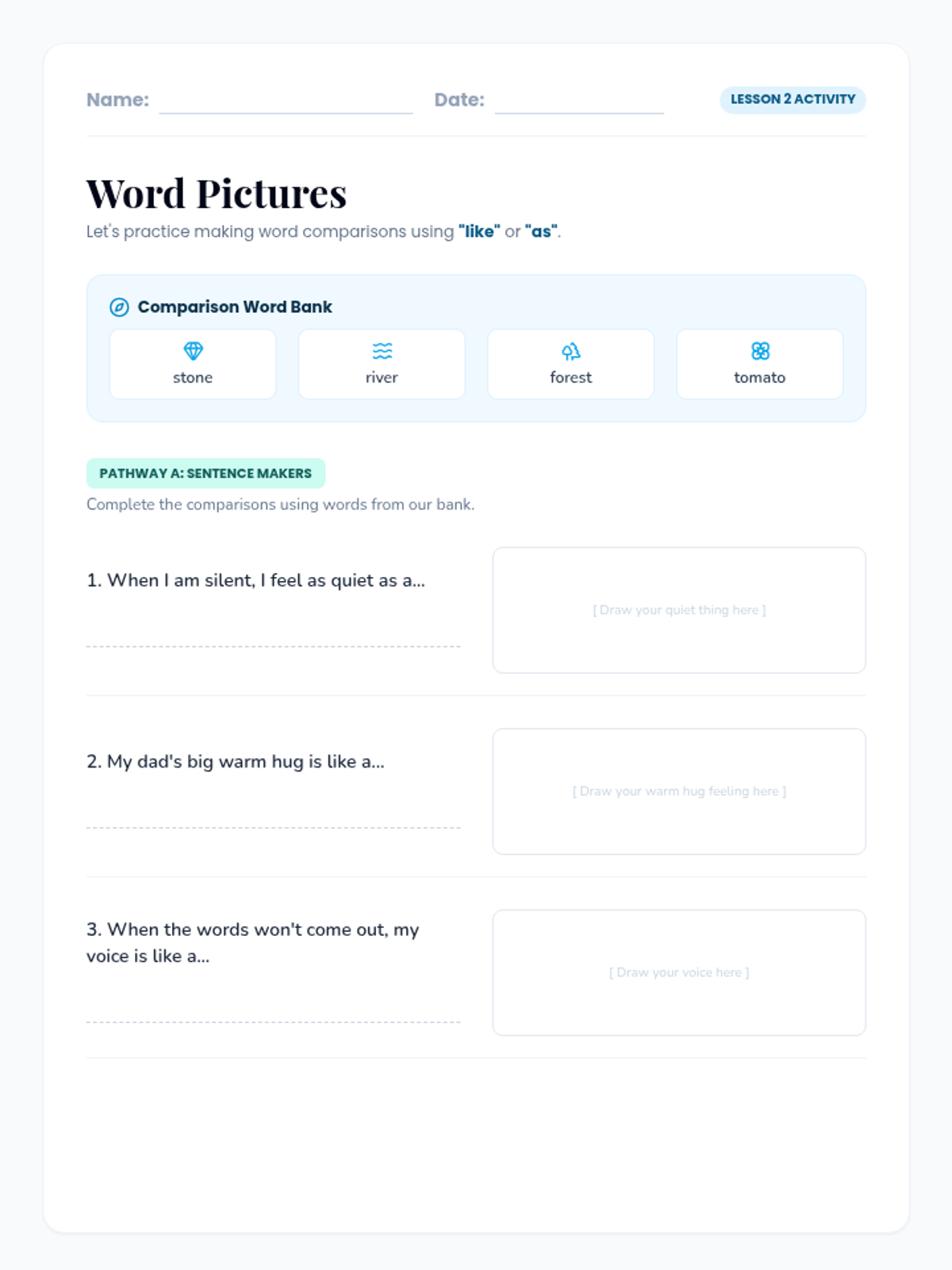
Students explore how authors use figurative language to paint 'word pictures' by identifying comparisons using 'like' and 'as' in the text, and co-constructing similes about the natural world.