A remedial math lesson focused on identifying acute, right, obtuse, and straight angles through visual association, physical movement, and interactive video exercises.
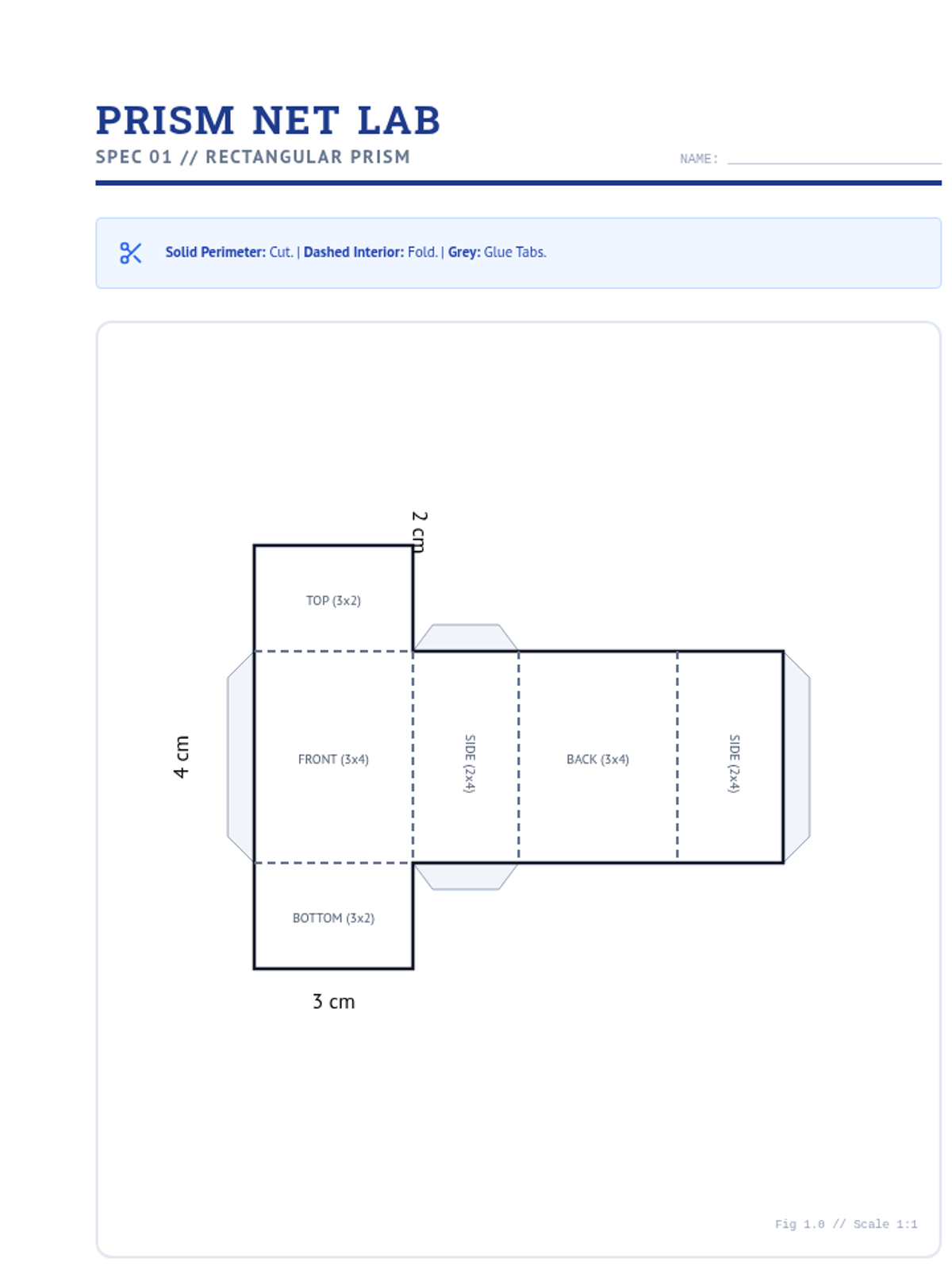
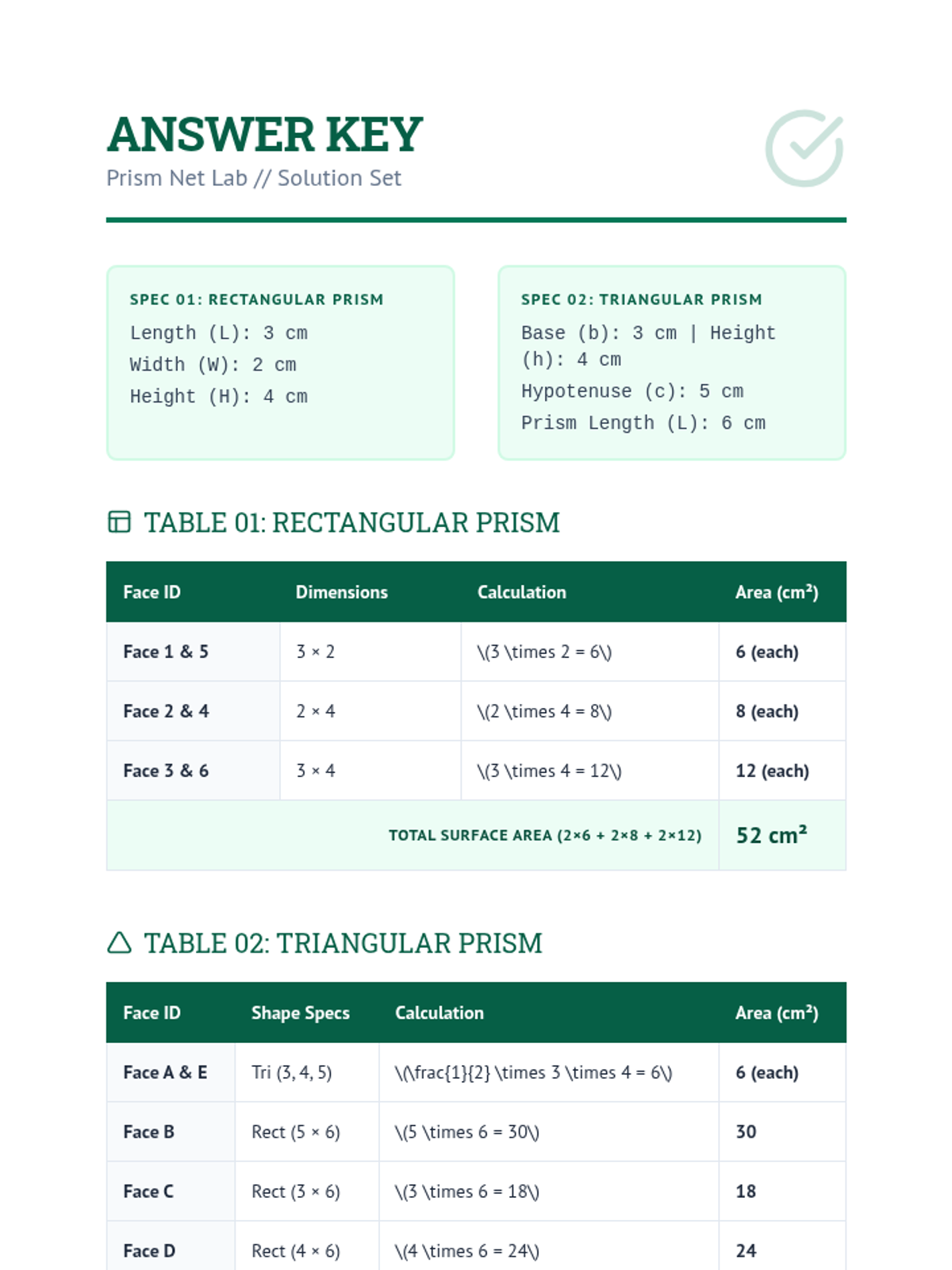
Students bridge the gap between 2D geometry and 3D space by constructing physical models of rectangular and triangular prisms. They identify faces, measure dimensions, and calculate total surface area through hands-on assembly.
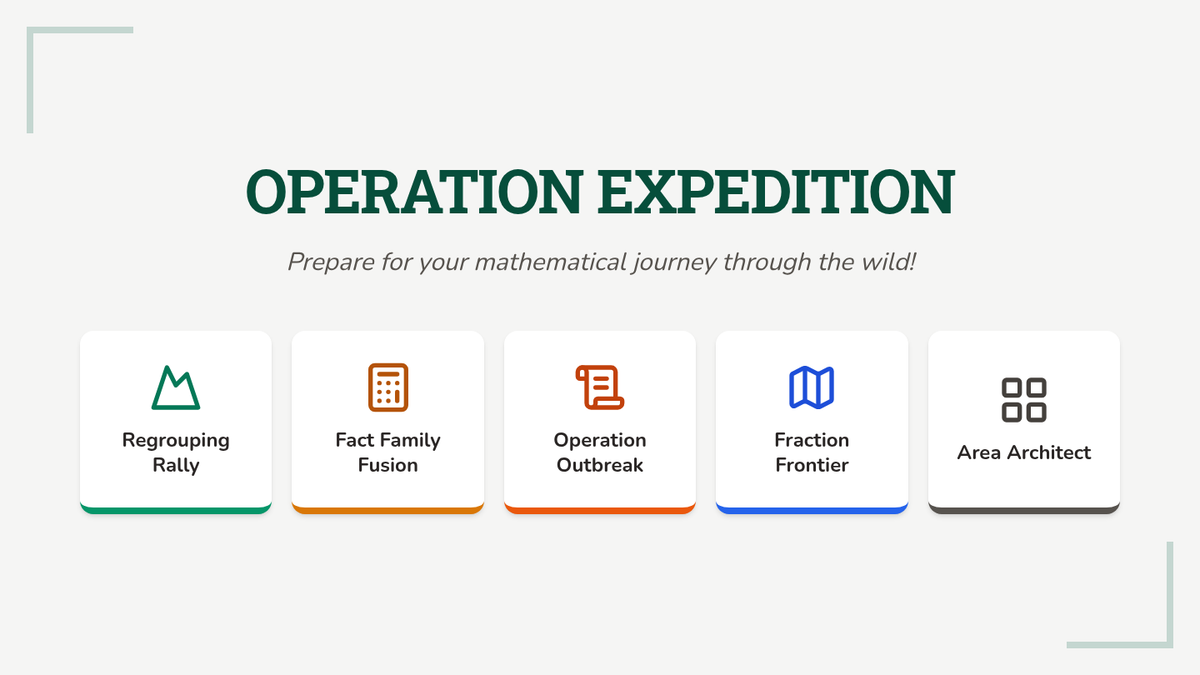
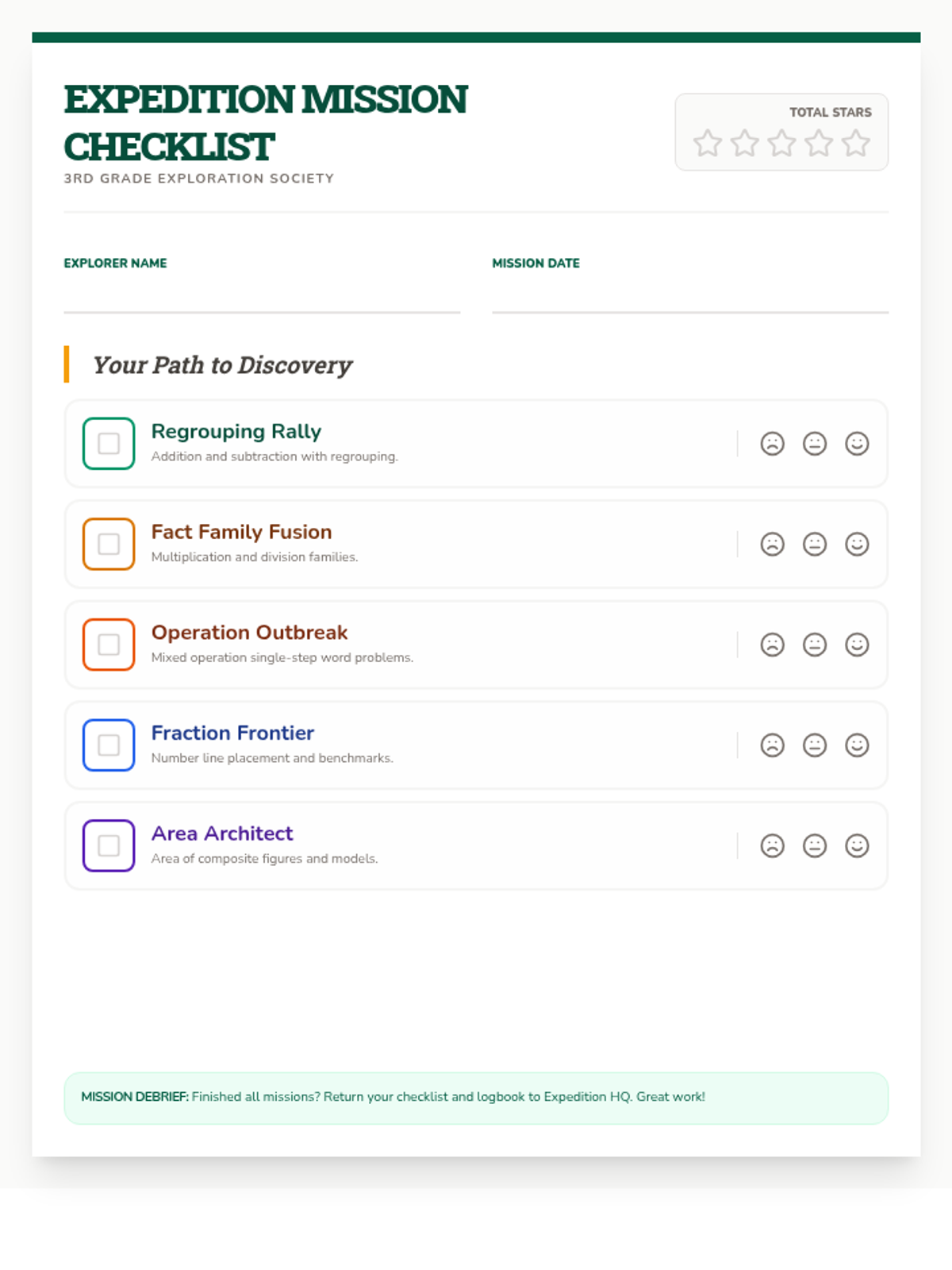
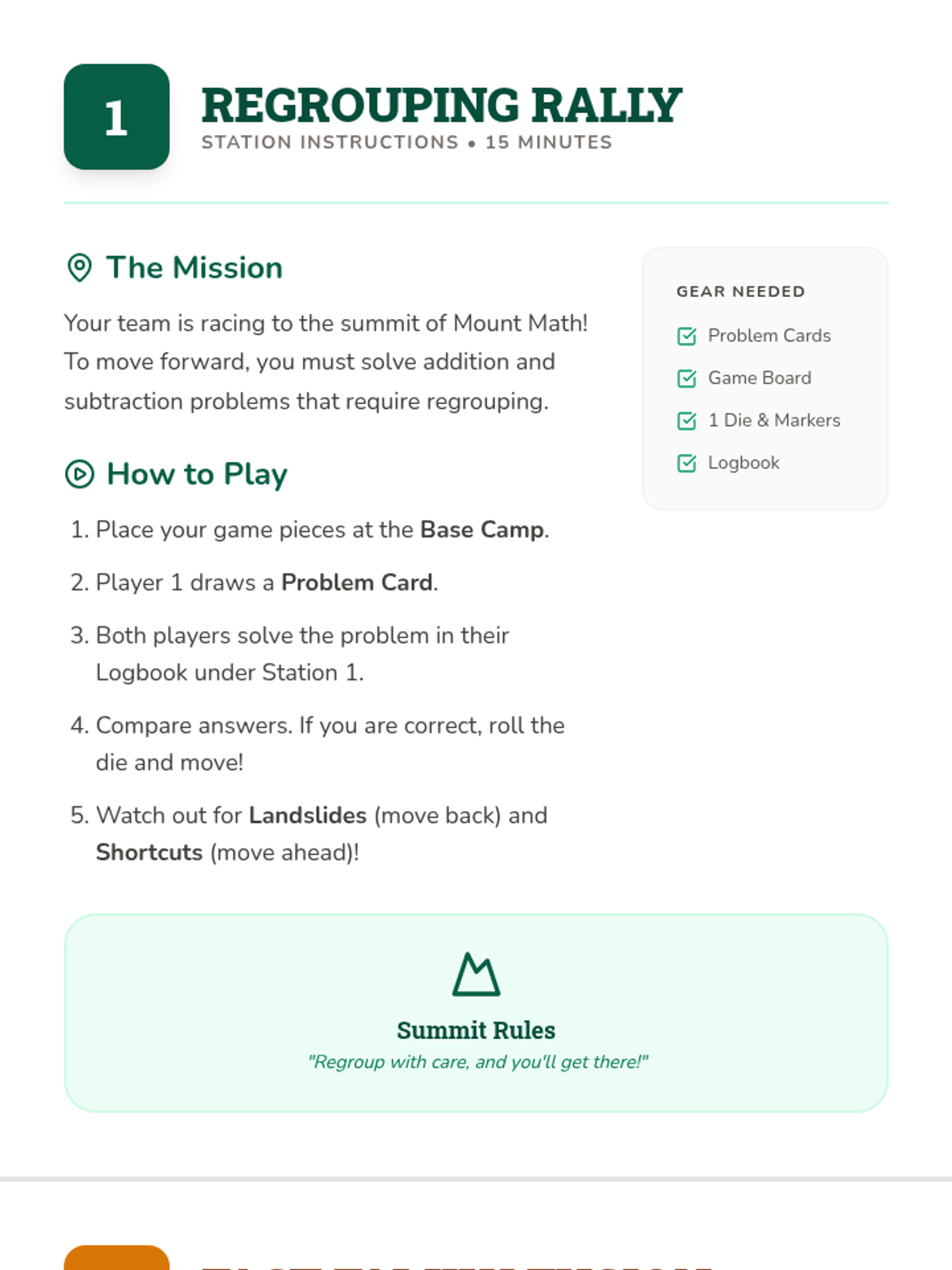
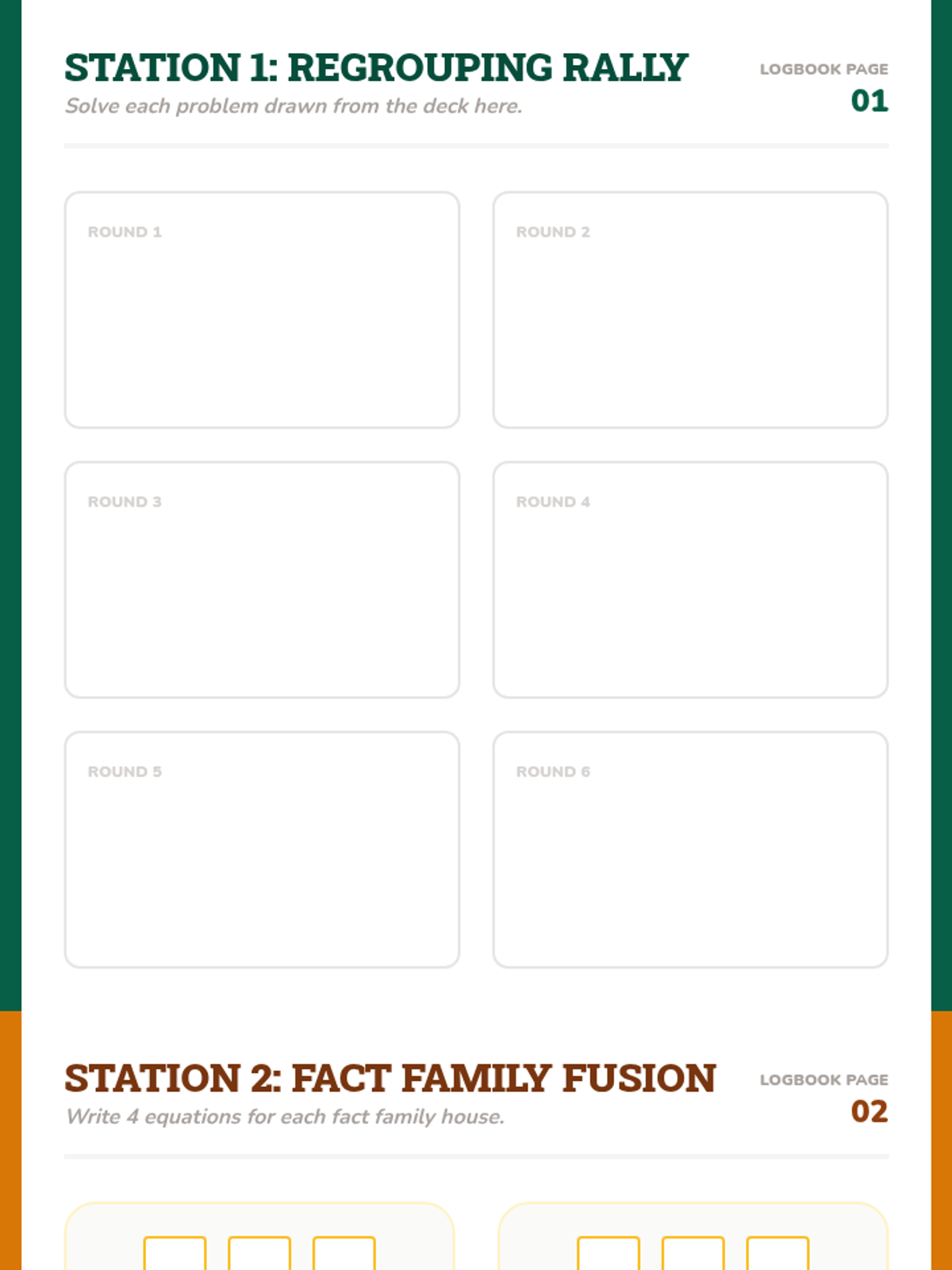
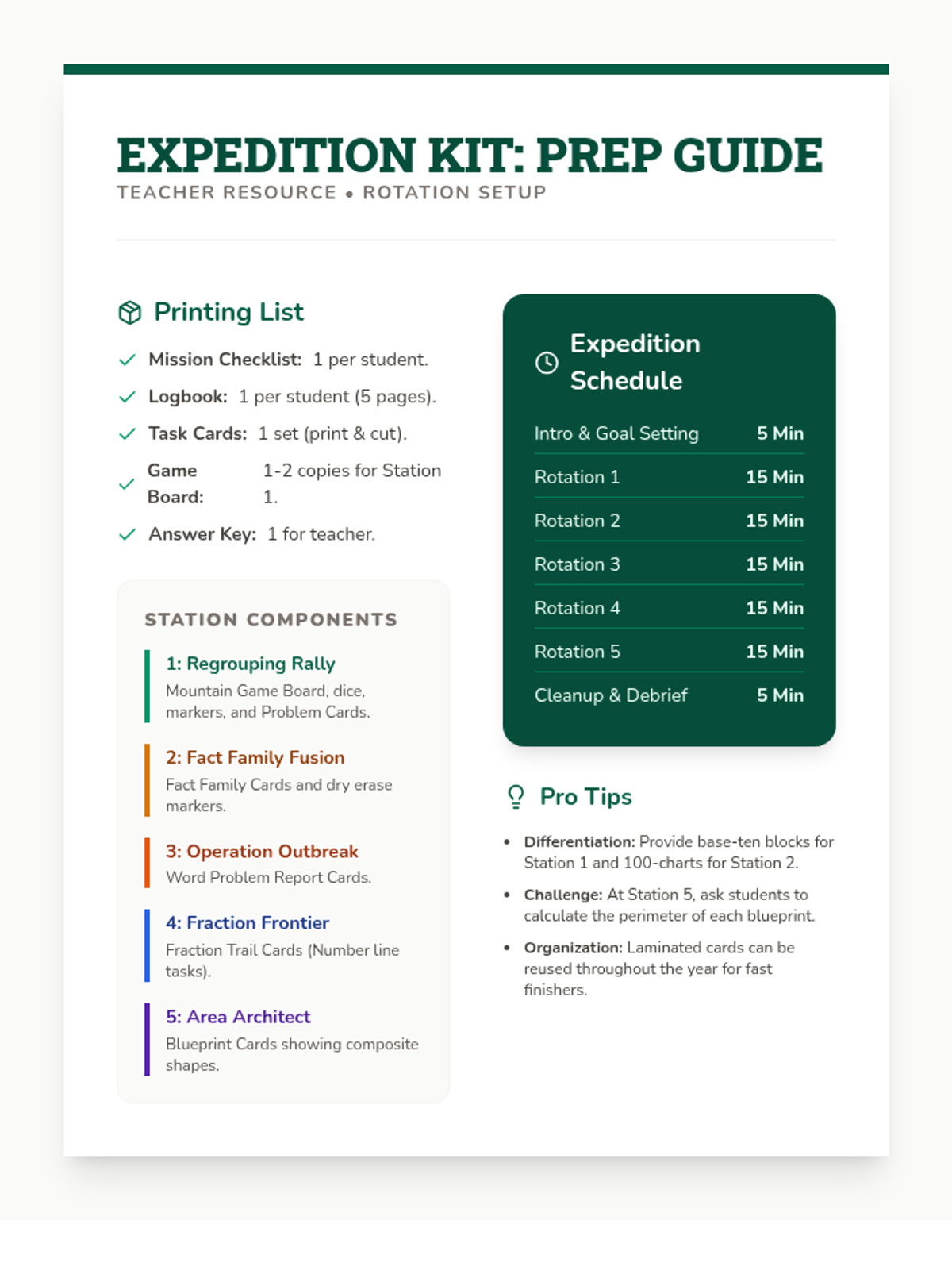
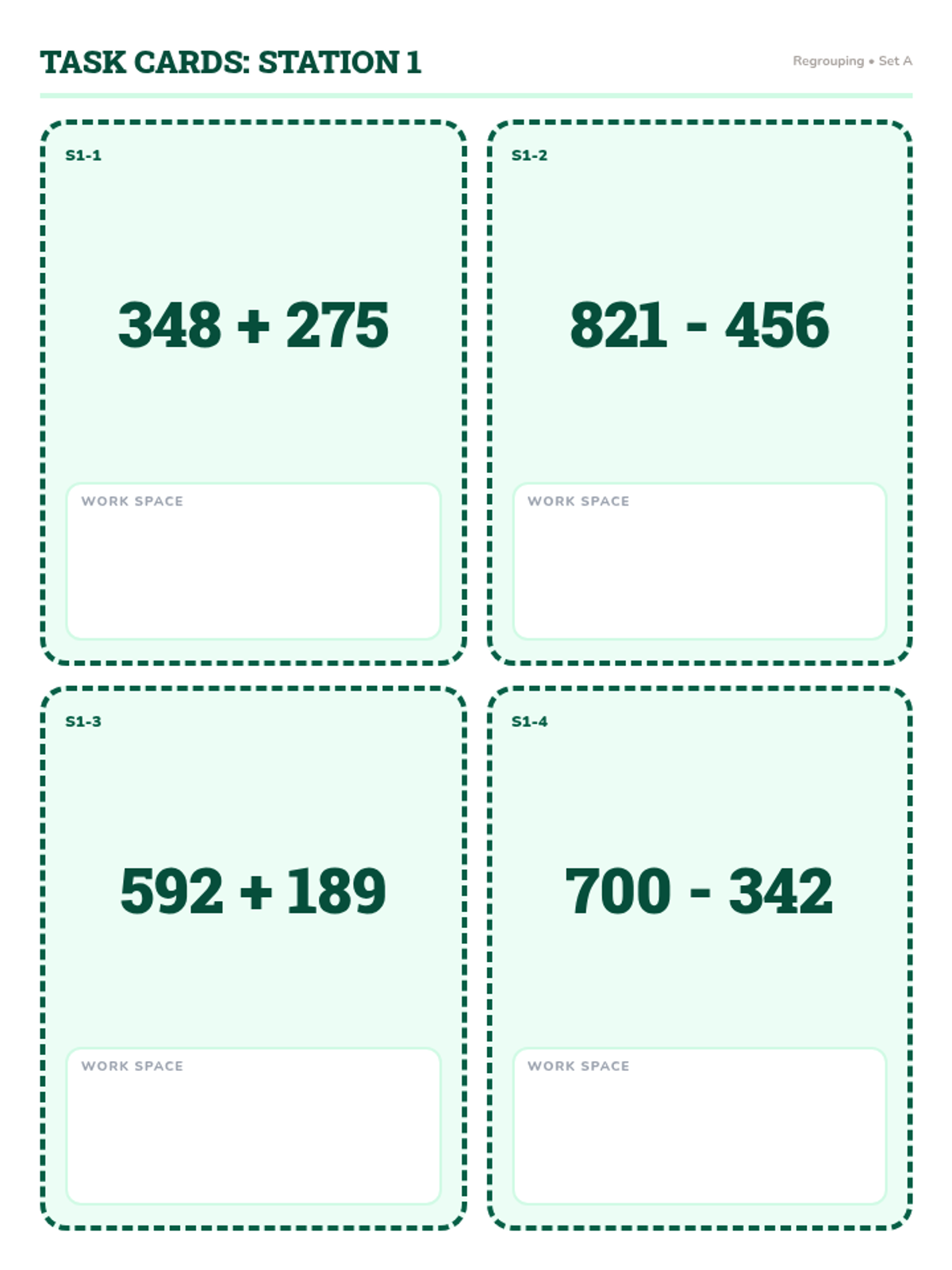
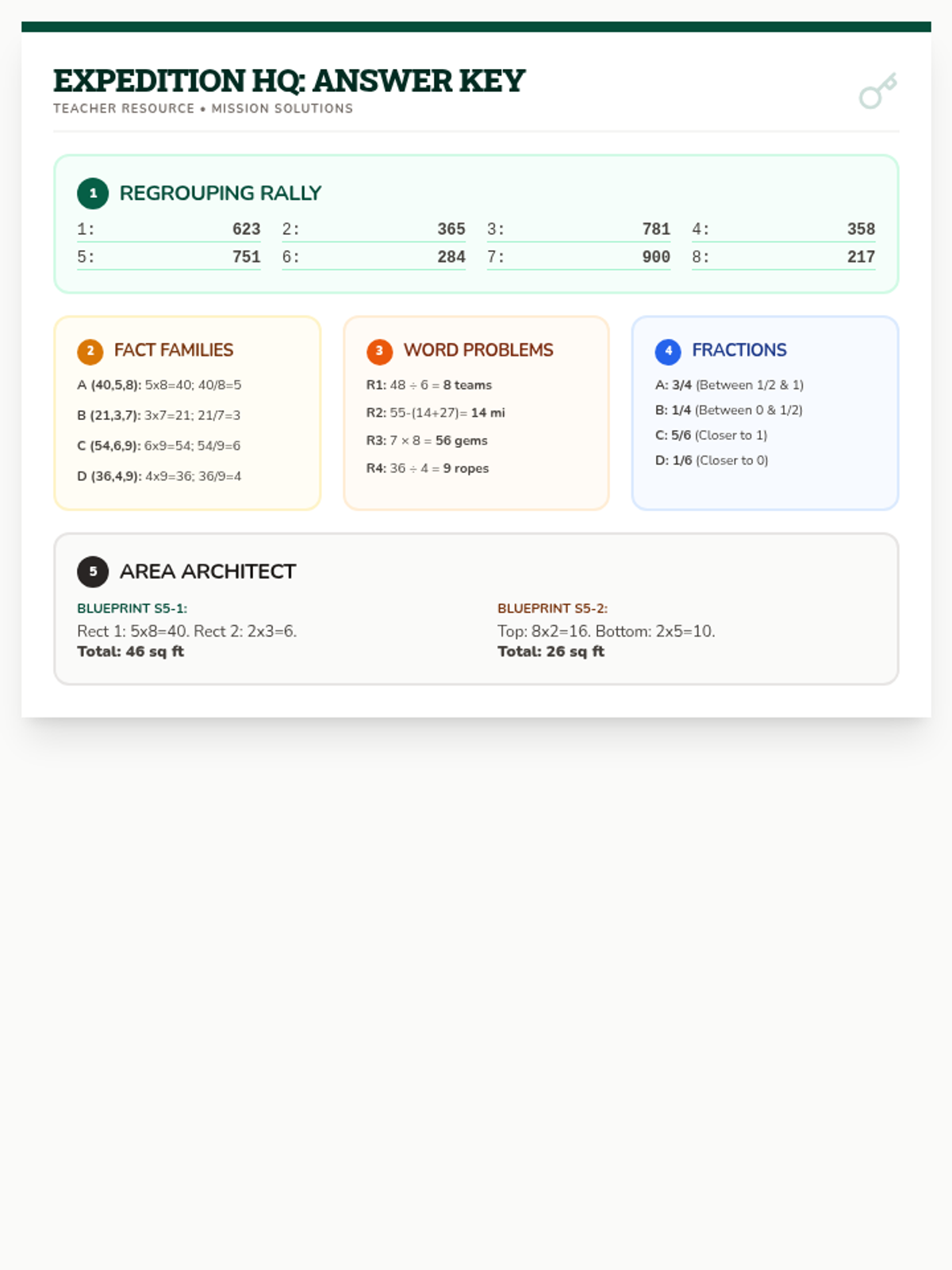
A comprehensive set of 5 math rotation stations including games, word problems, and geometry tasks. Each station is designed to be completed in 15 minutes by 3rd-grade students.
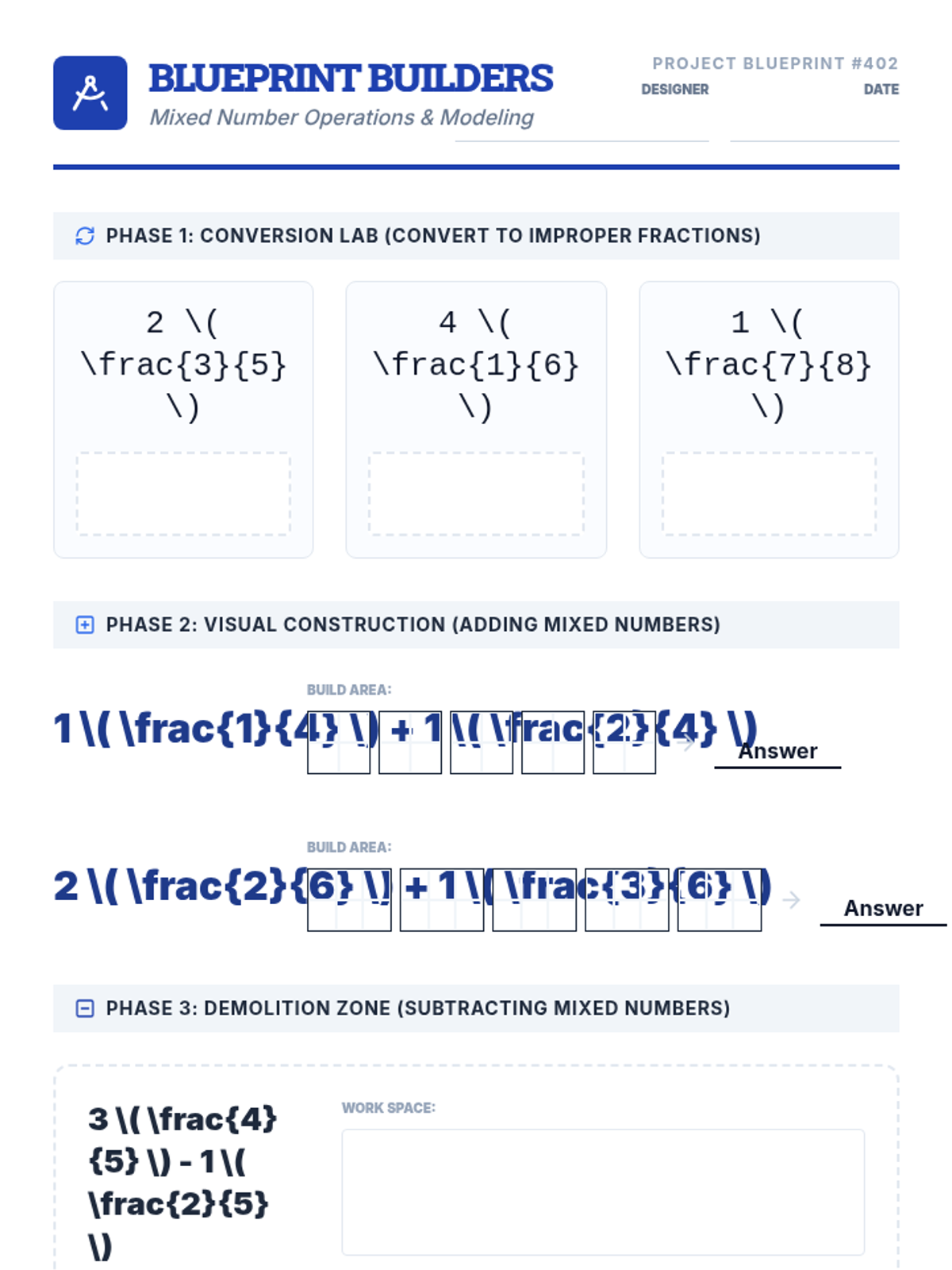
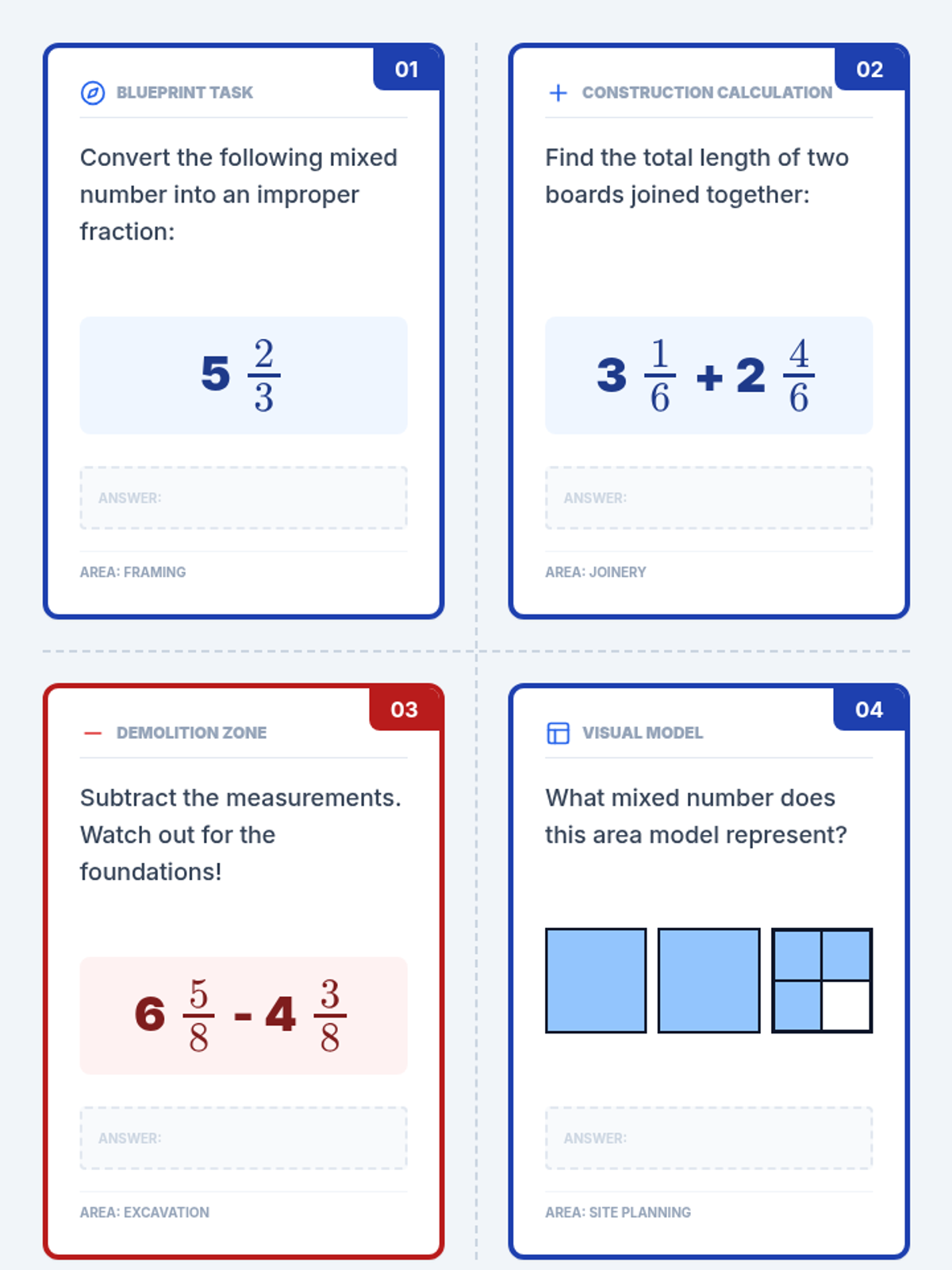
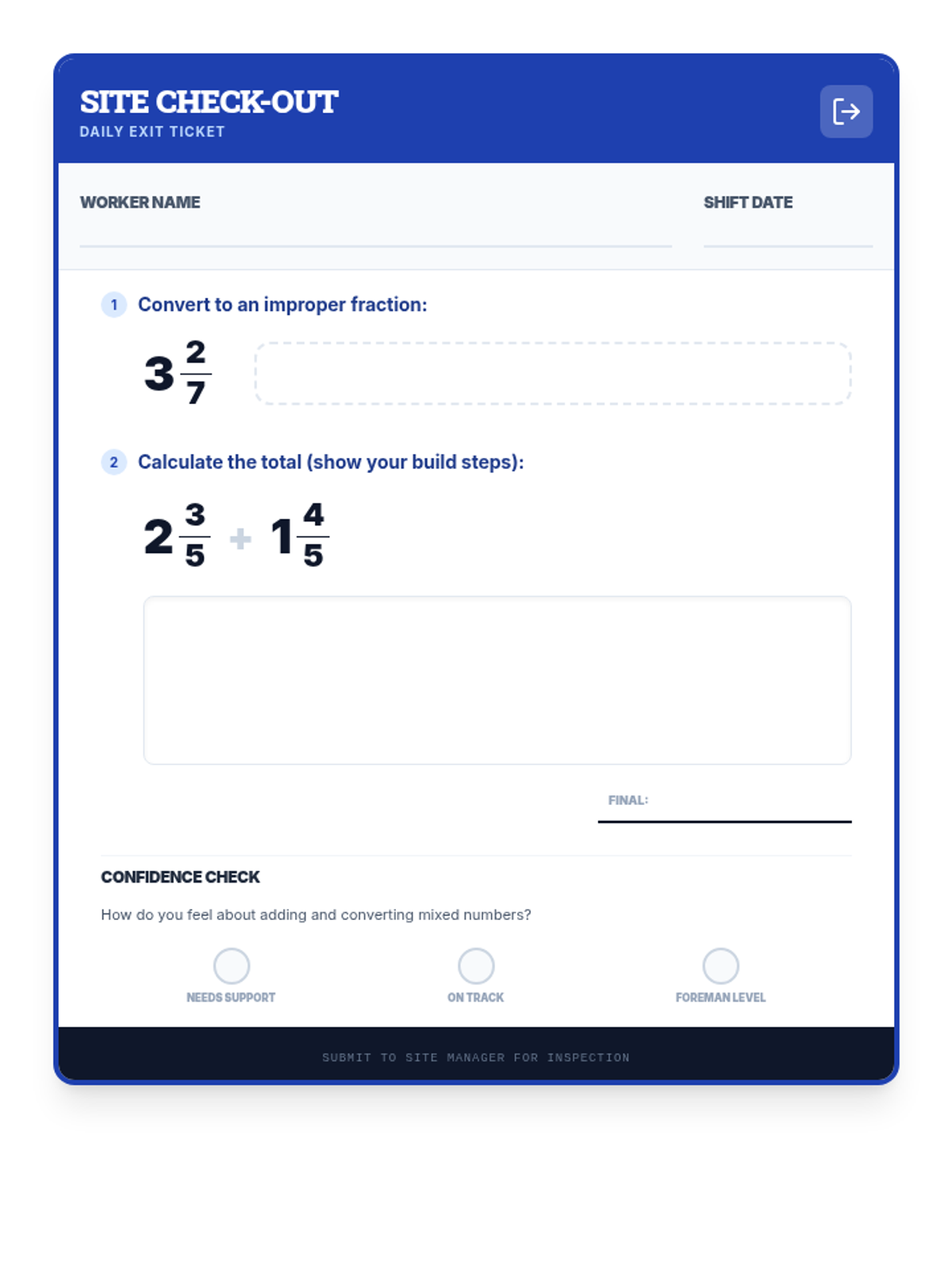
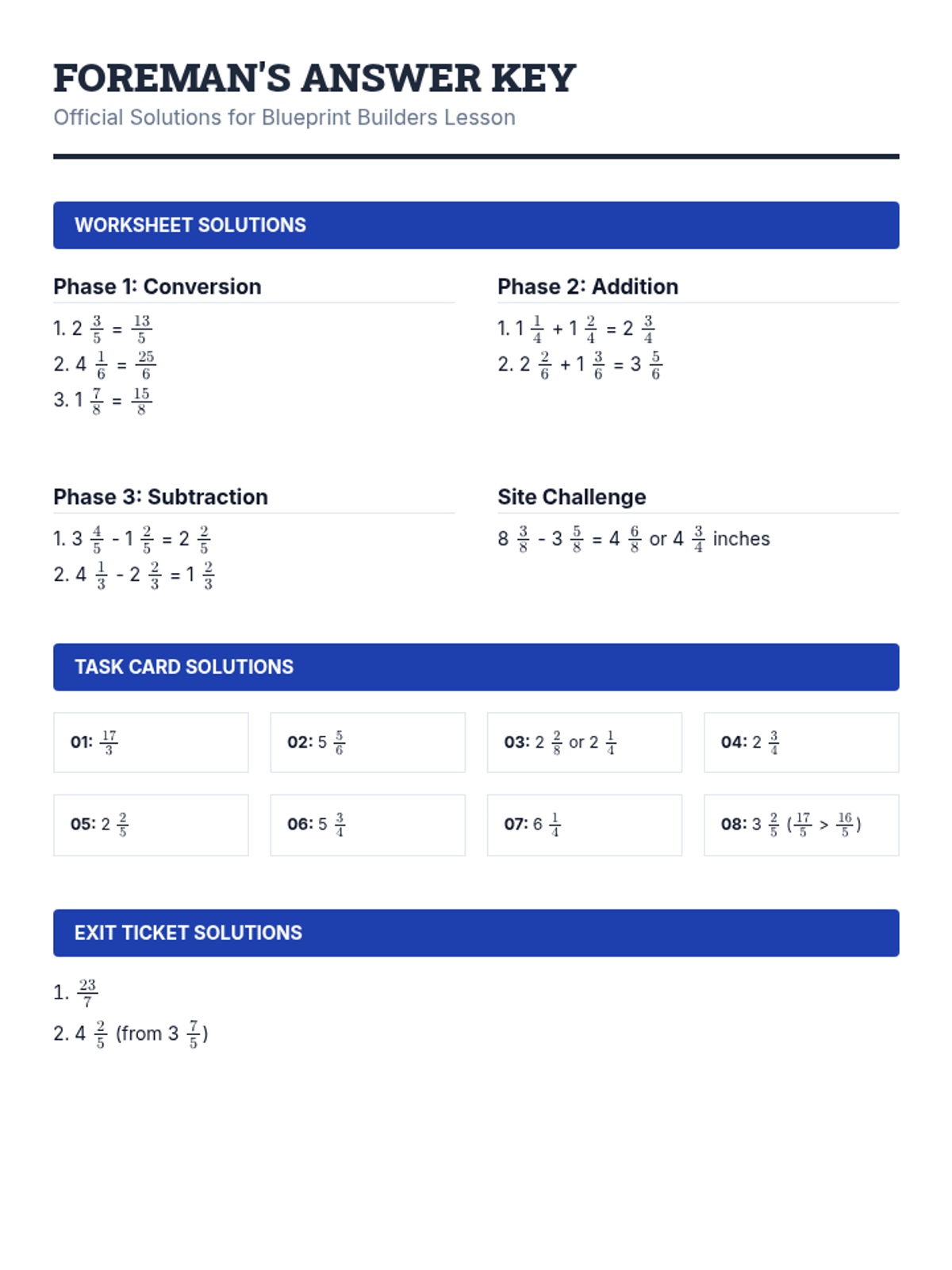
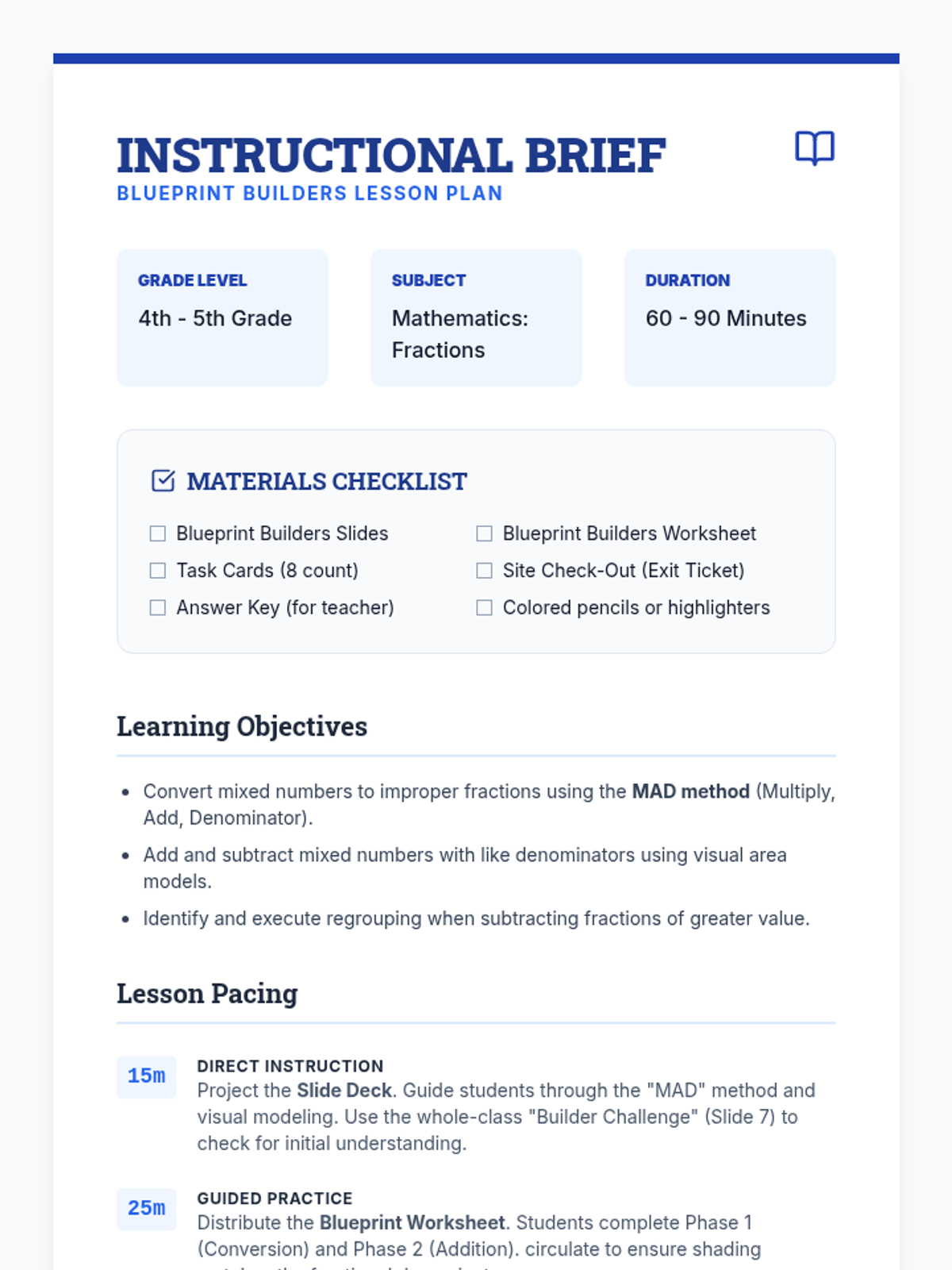
A comprehensive lesson on adding and subtracting mixed numbers using visual area models and improper fraction conversions, themed around architectural blueprints and construction.
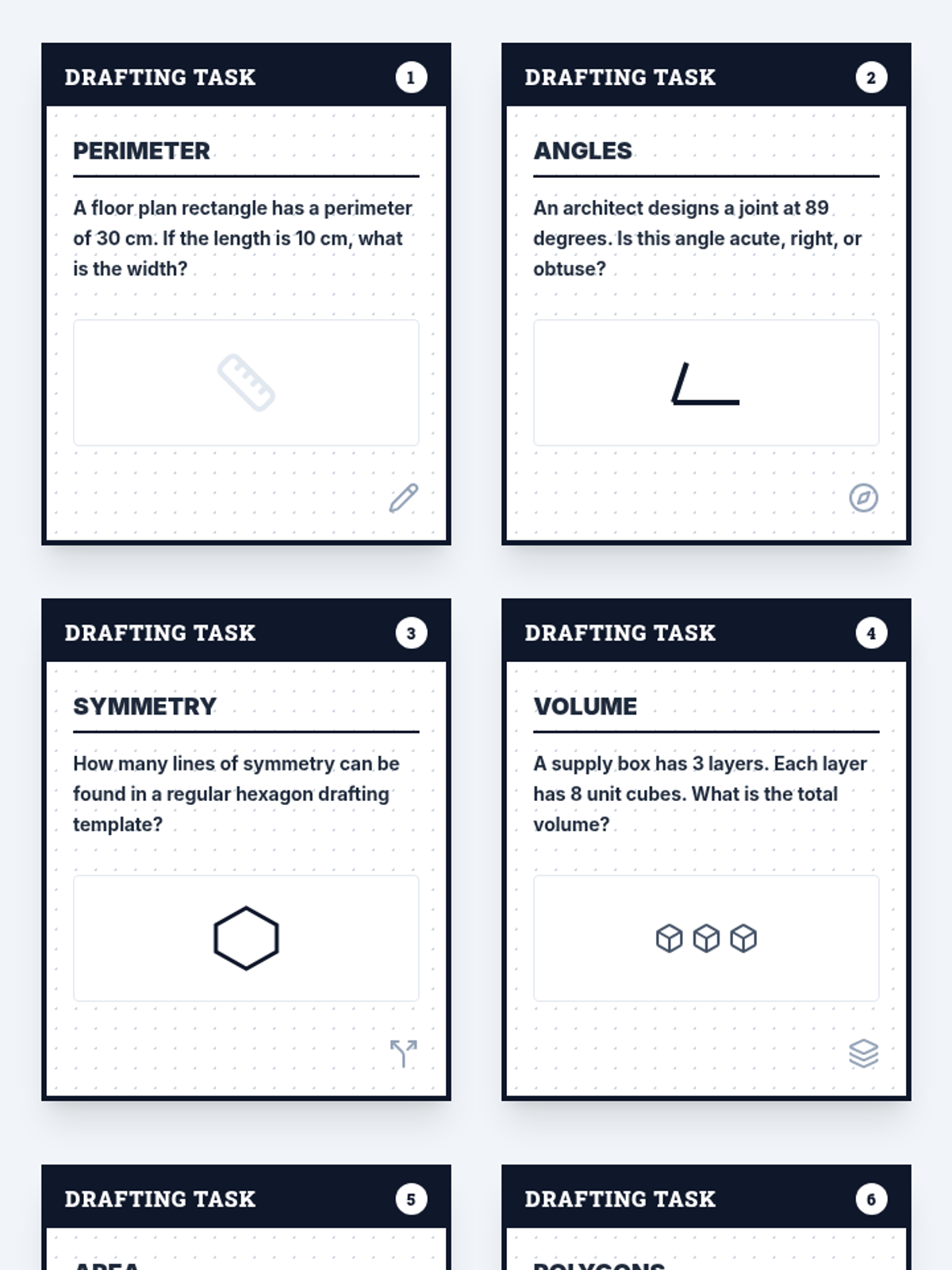
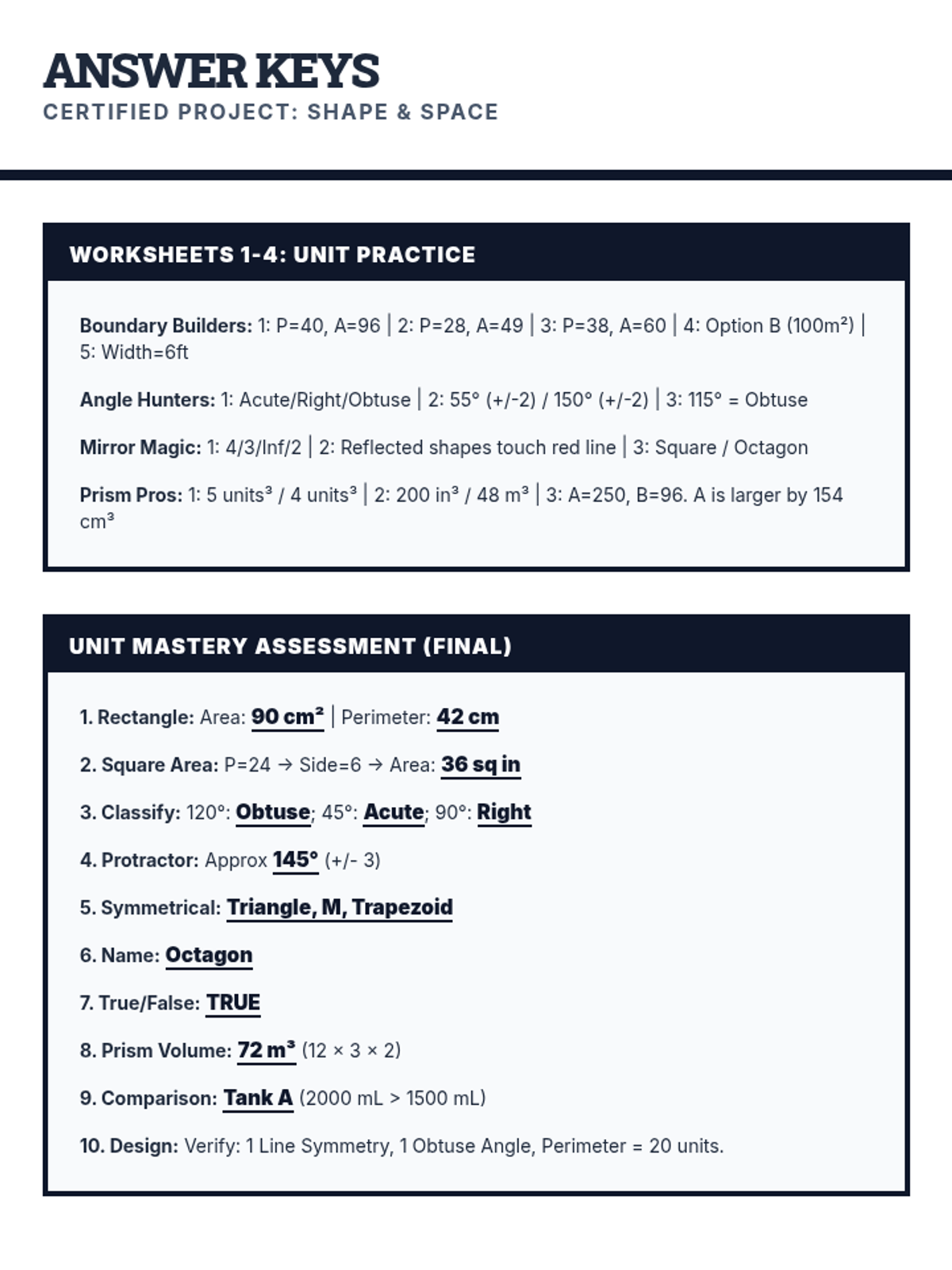
The culmination of the unit featuring comprehensive task cards for review and a final assessment to measure mastery across all topics.
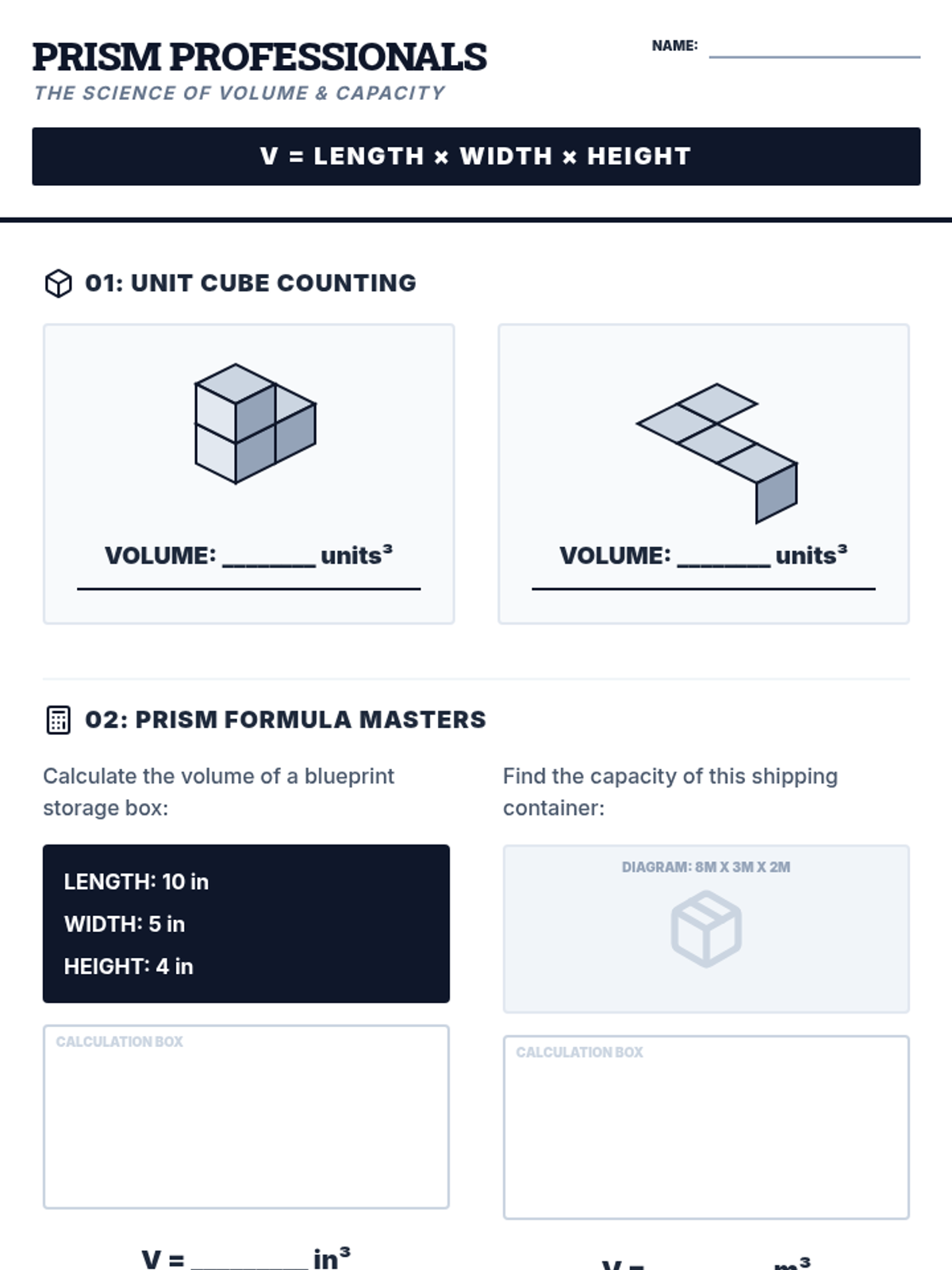
Introduces volume and capacity through the study of 3D objects and liquid measurements in real-world contexts.
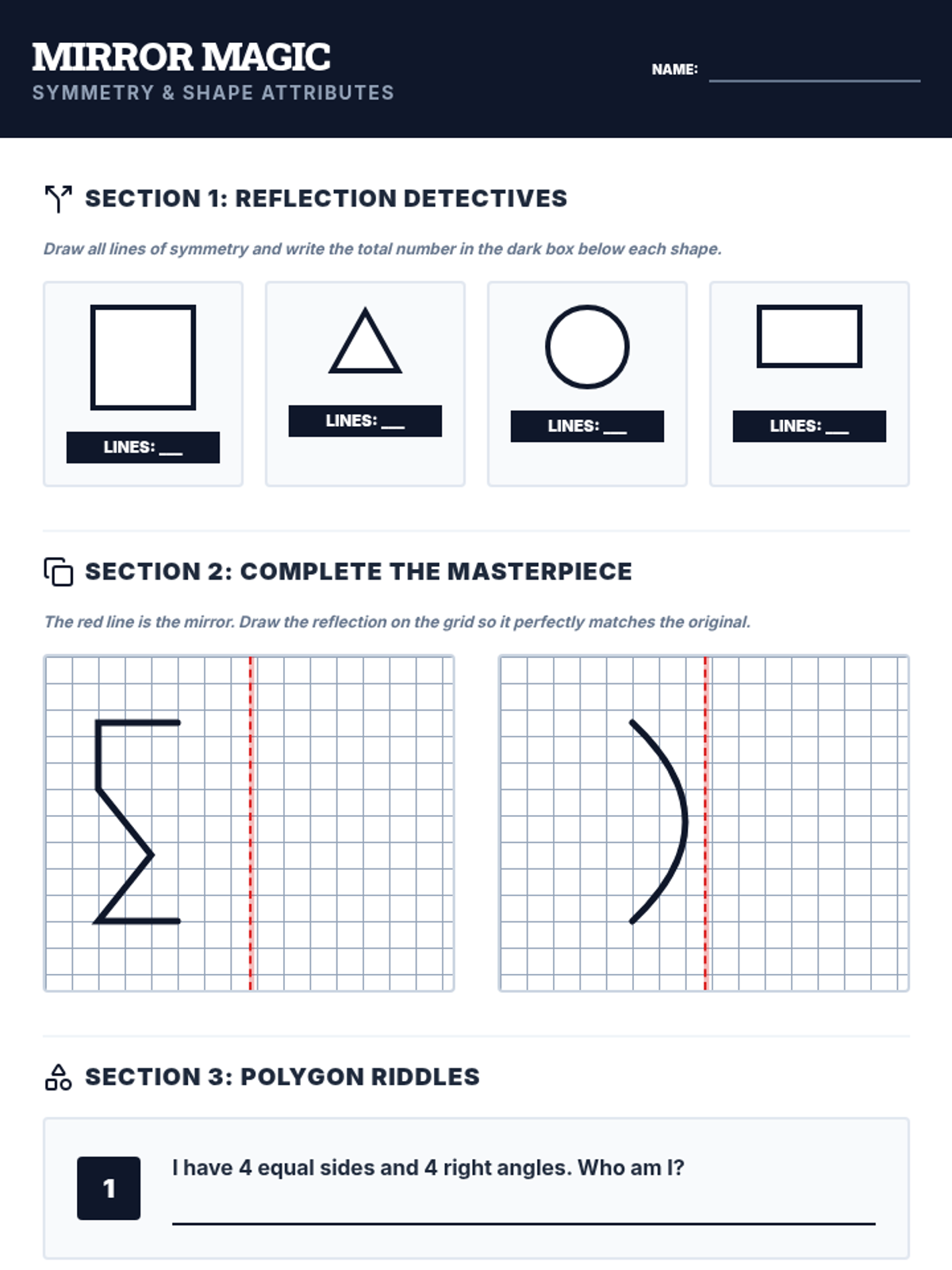
Focuses on identifying lines of symmetry and classifying 2D and 3D shapes based on their properties and attributes.
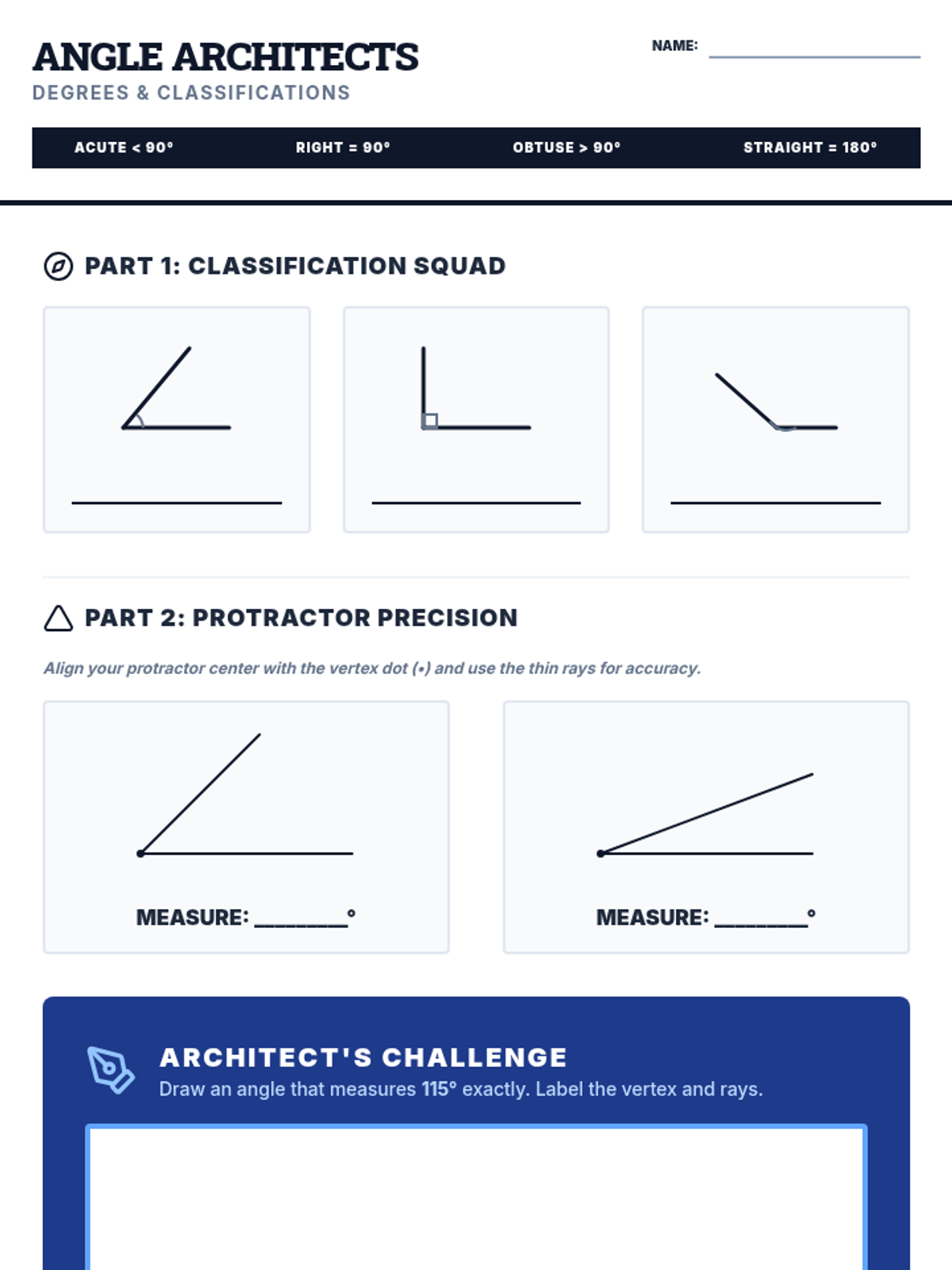
Students learn to identify, measure, and draw angles using protractors while understanding their role in geometric construction.
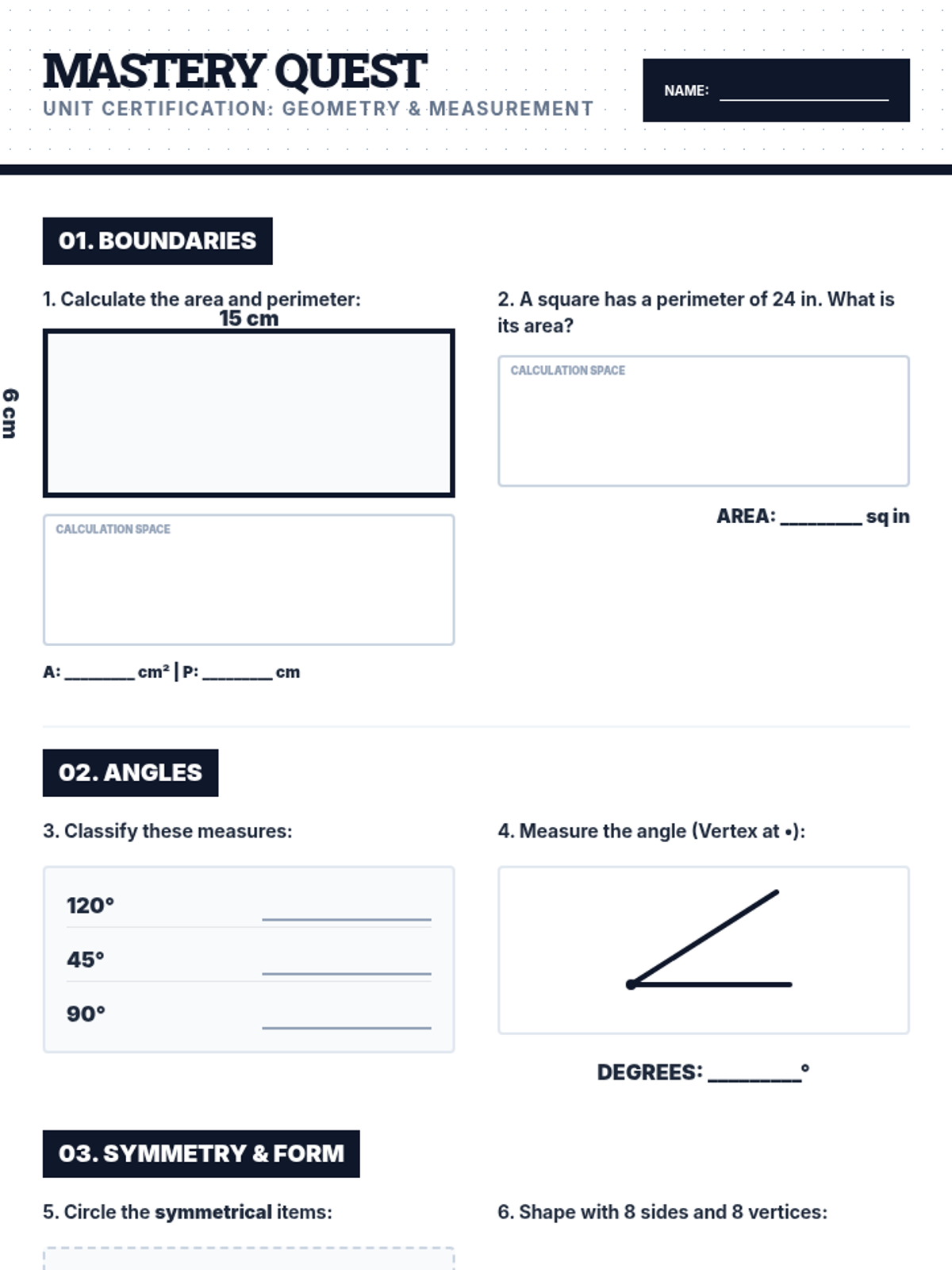
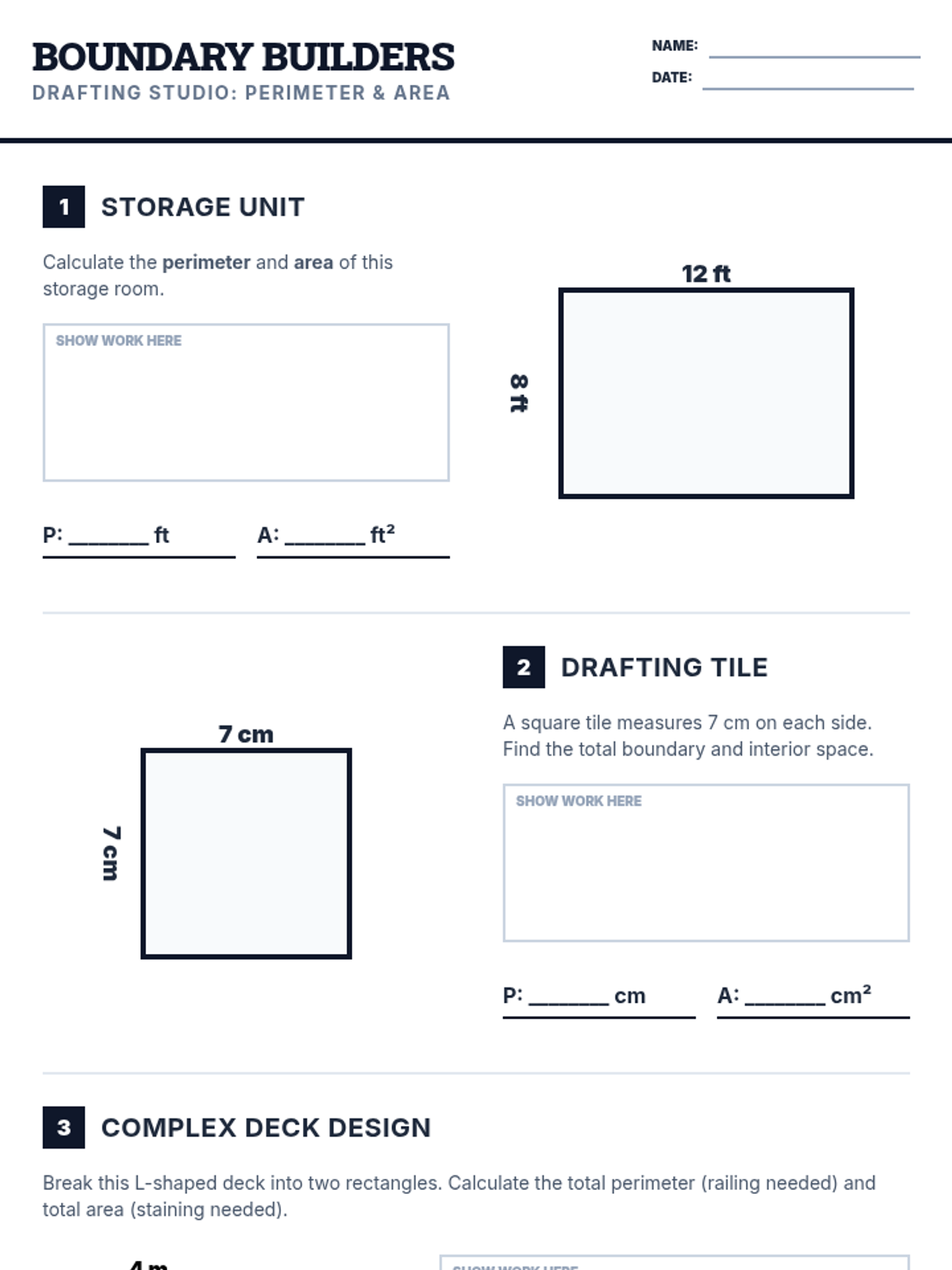
Students explore the relationships between perimeter and area through practical calculation and problem-solving on various polygons.
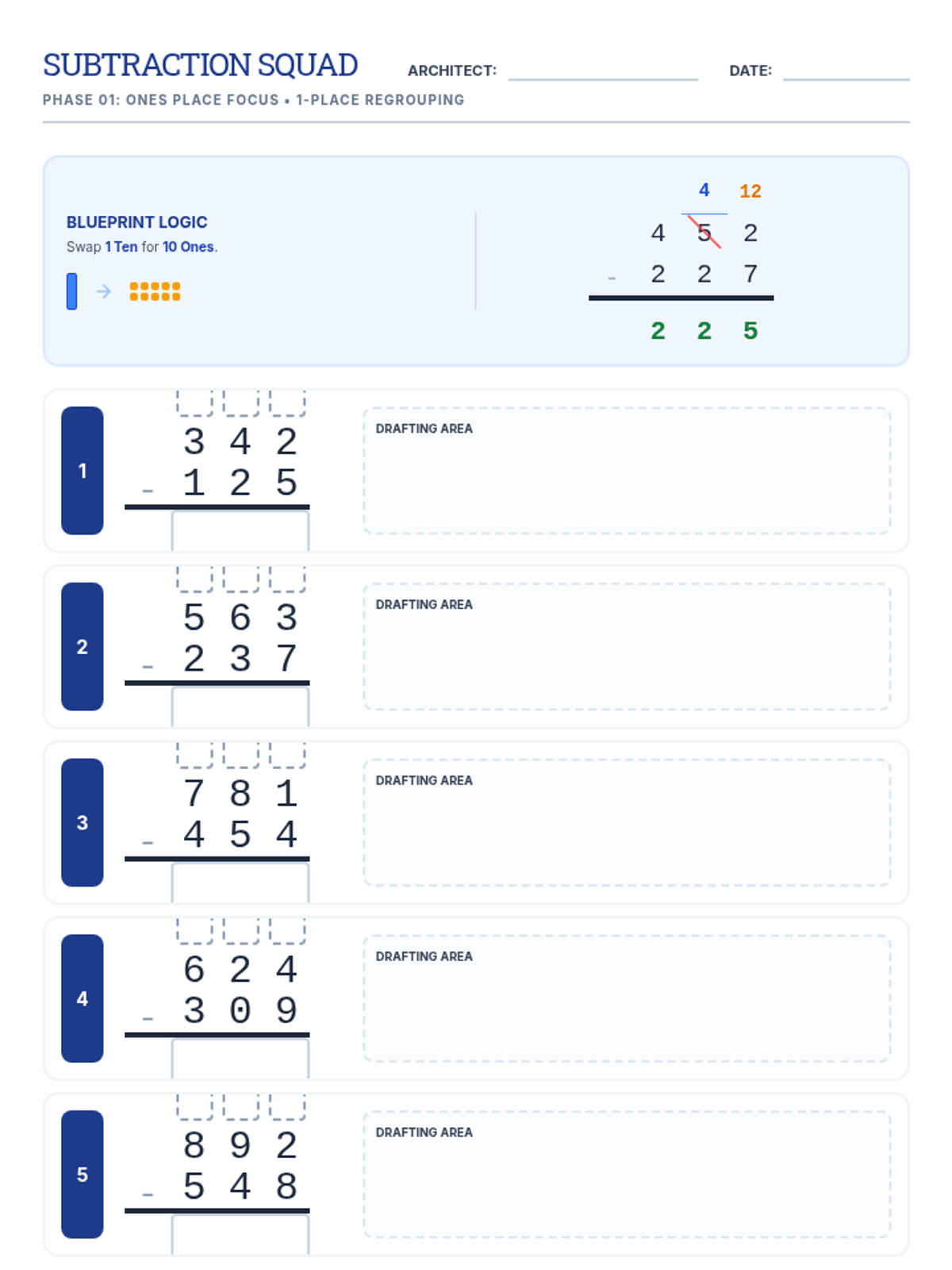
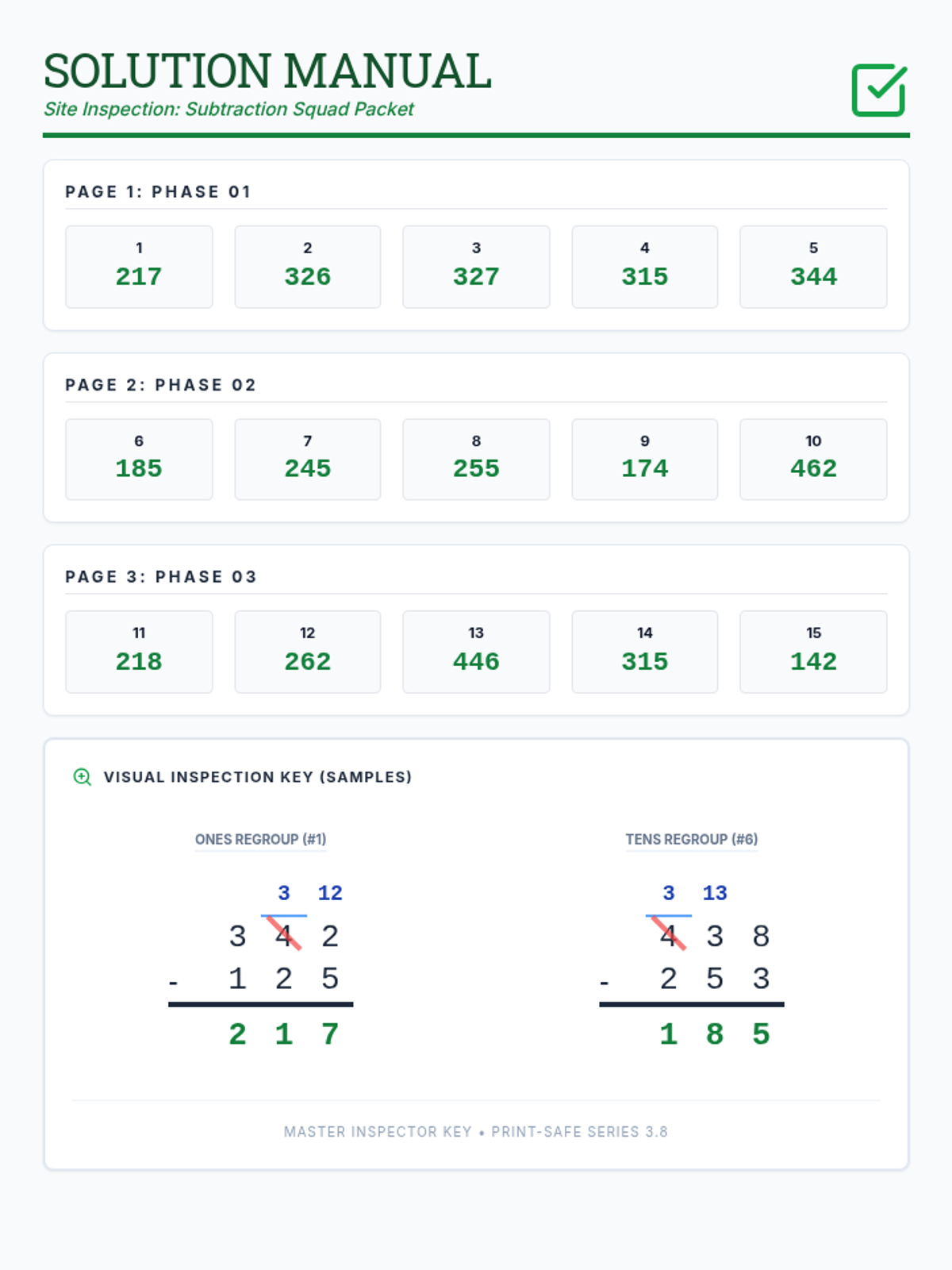
A focused set of materials for mastering 3-digit subtraction with regrouping across a single place value, featuring technical blueprint-style visuals and structured practice.
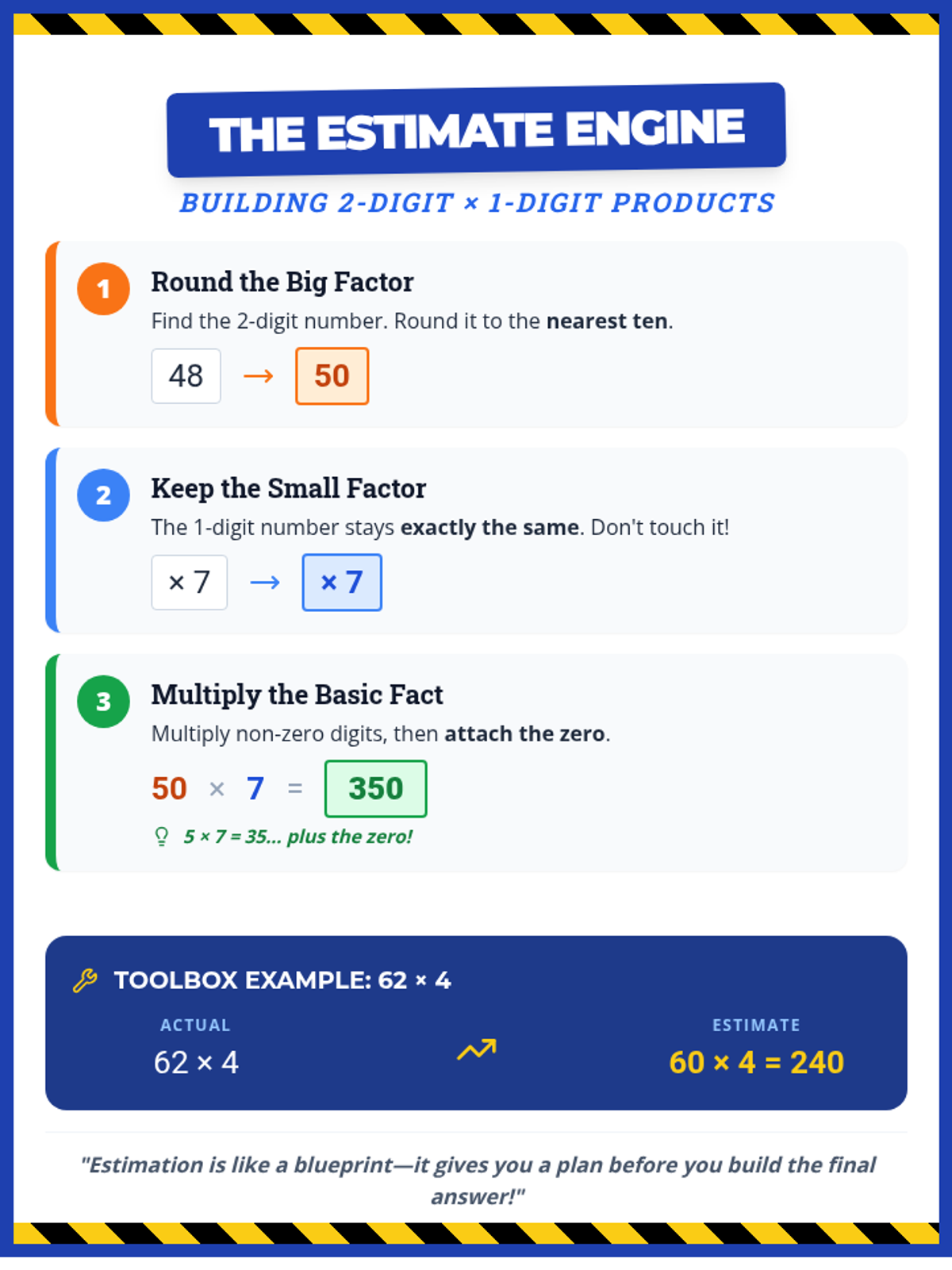
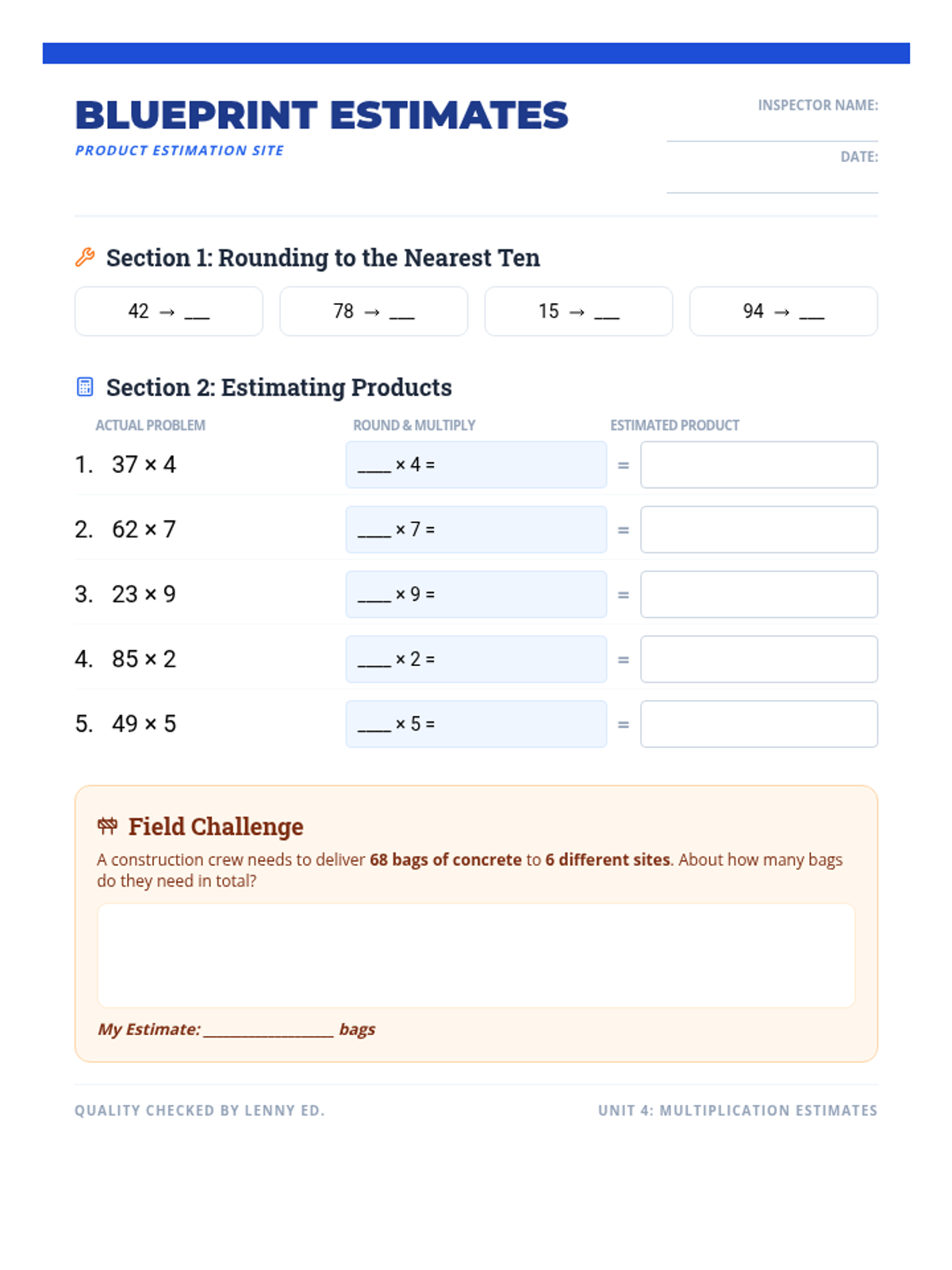
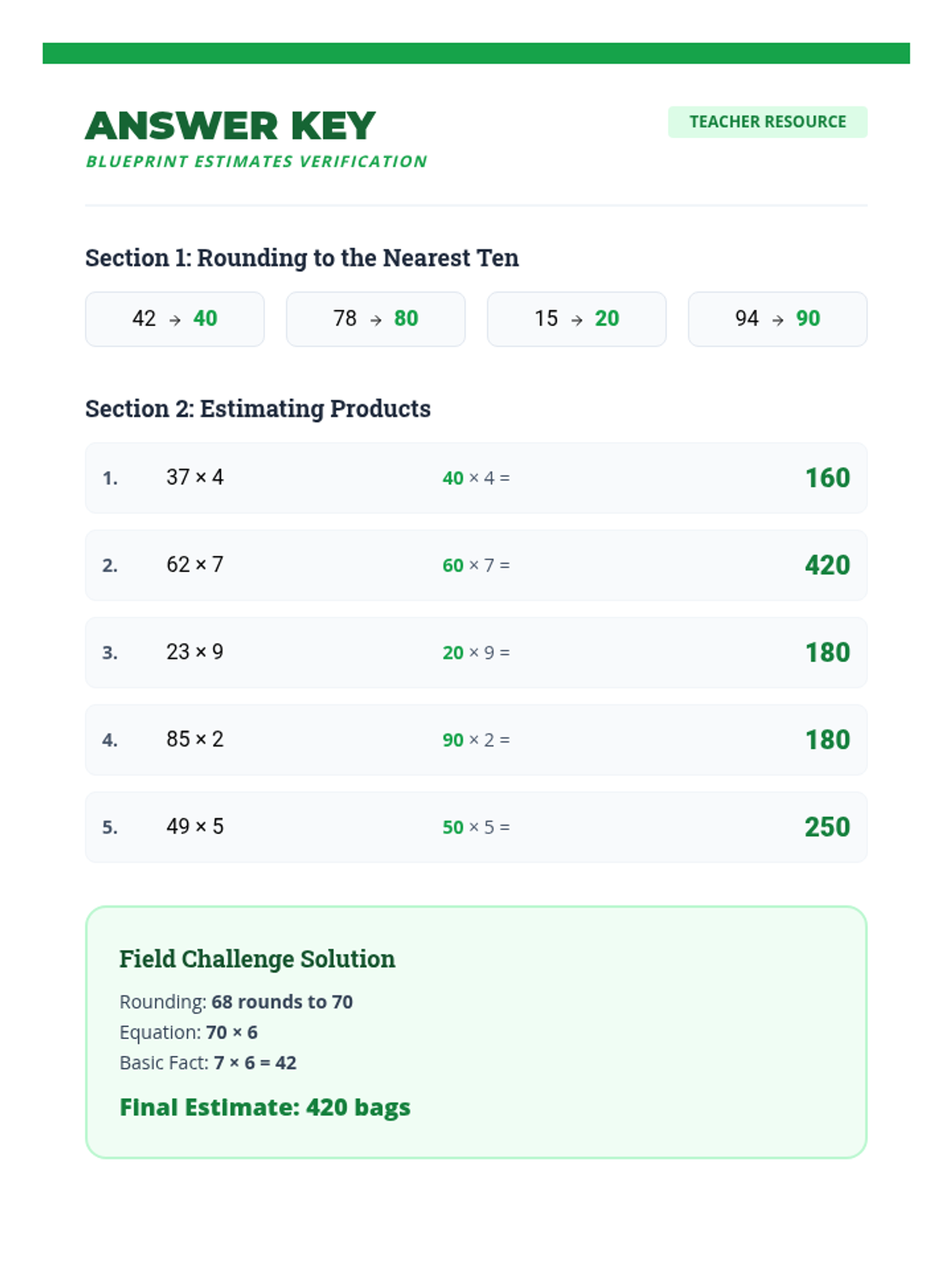
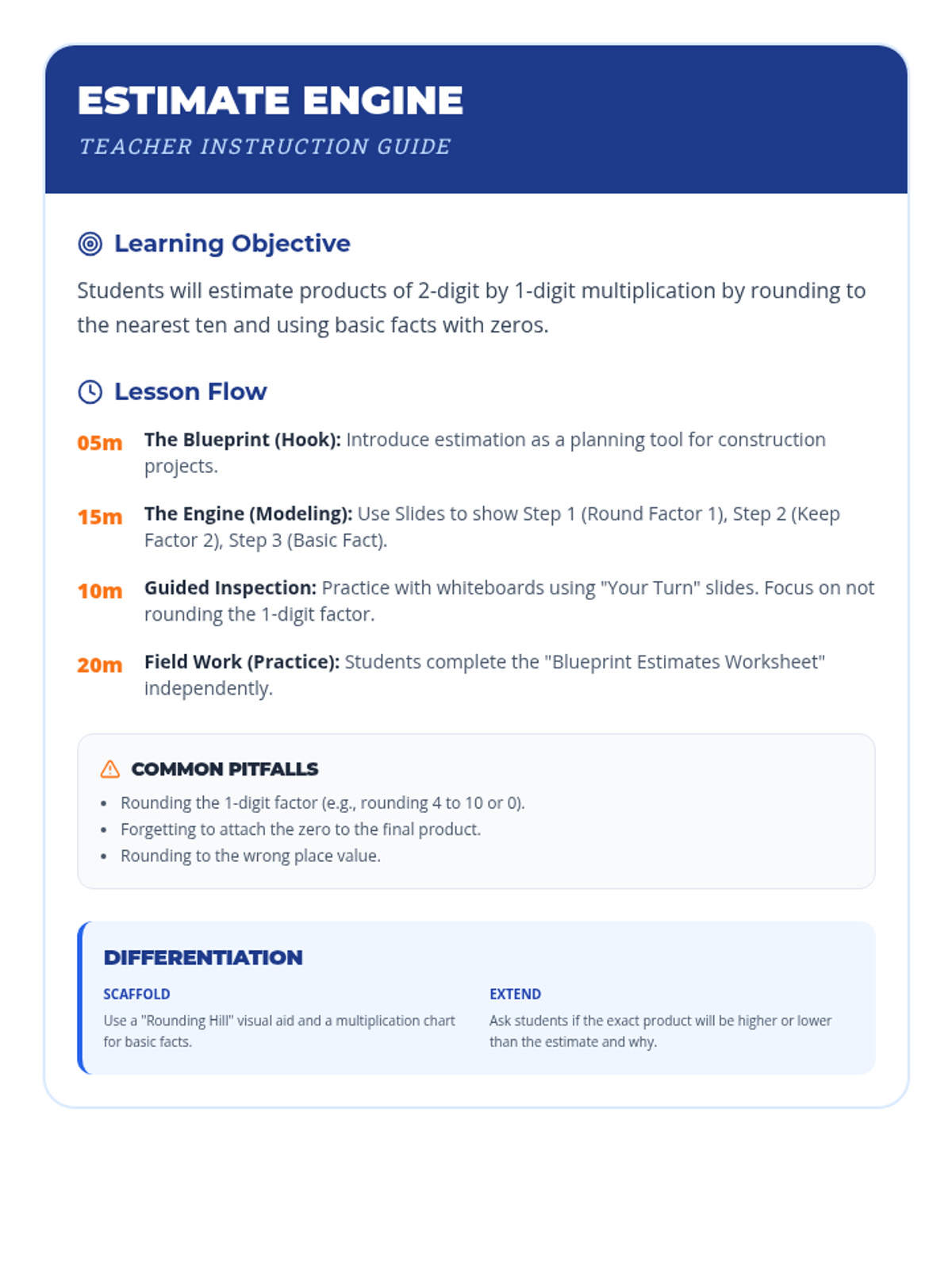
A comprehensive lesson on estimating products of 2-digit by 1-digit multiplication by rounding to the nearest ten, featuring a construction-themed approach to 'building' estimates.
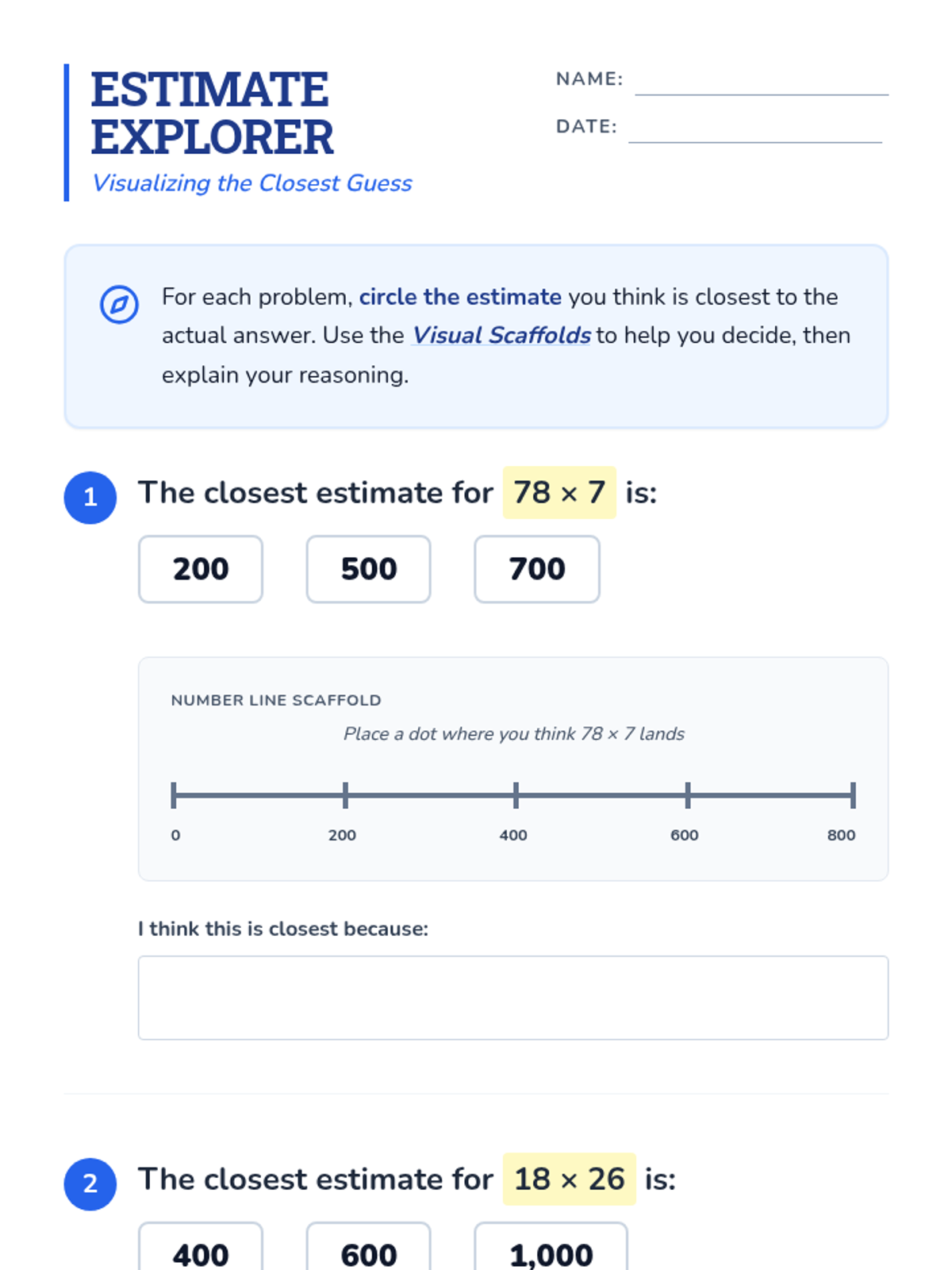
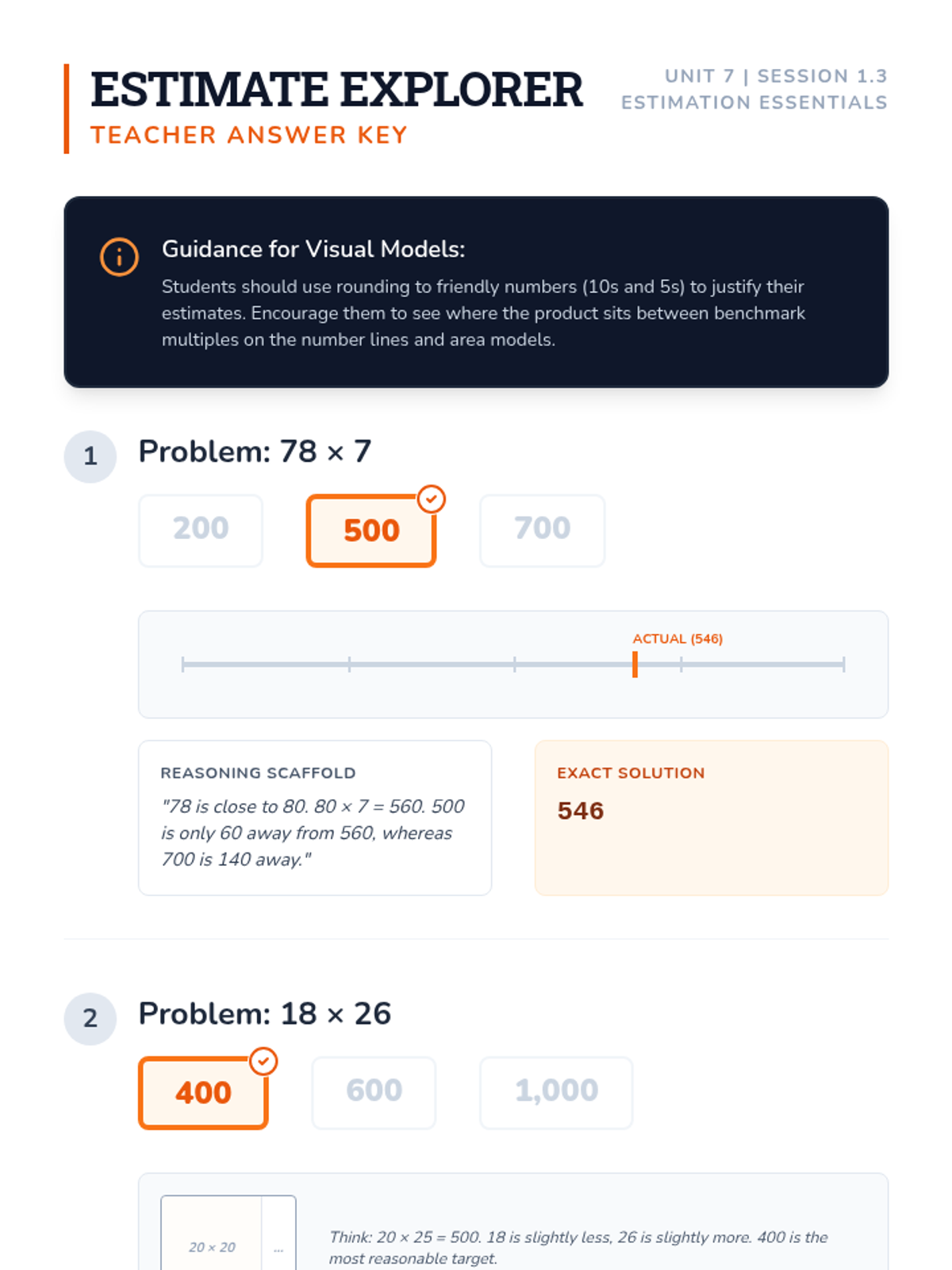
A lesson focused on developing estimation strategies for multiplication using visual models like number lines and area models to verify reasonableness.
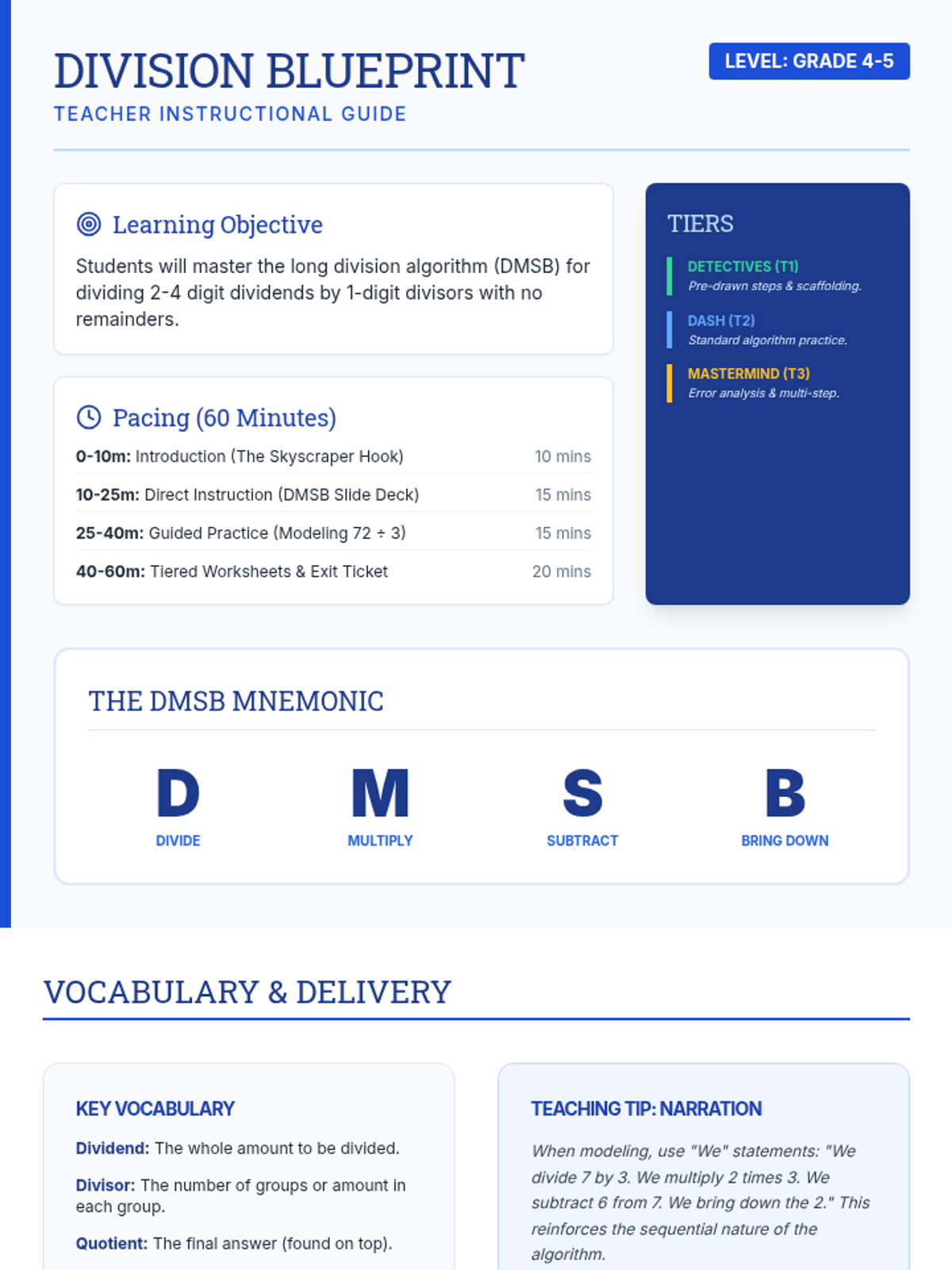
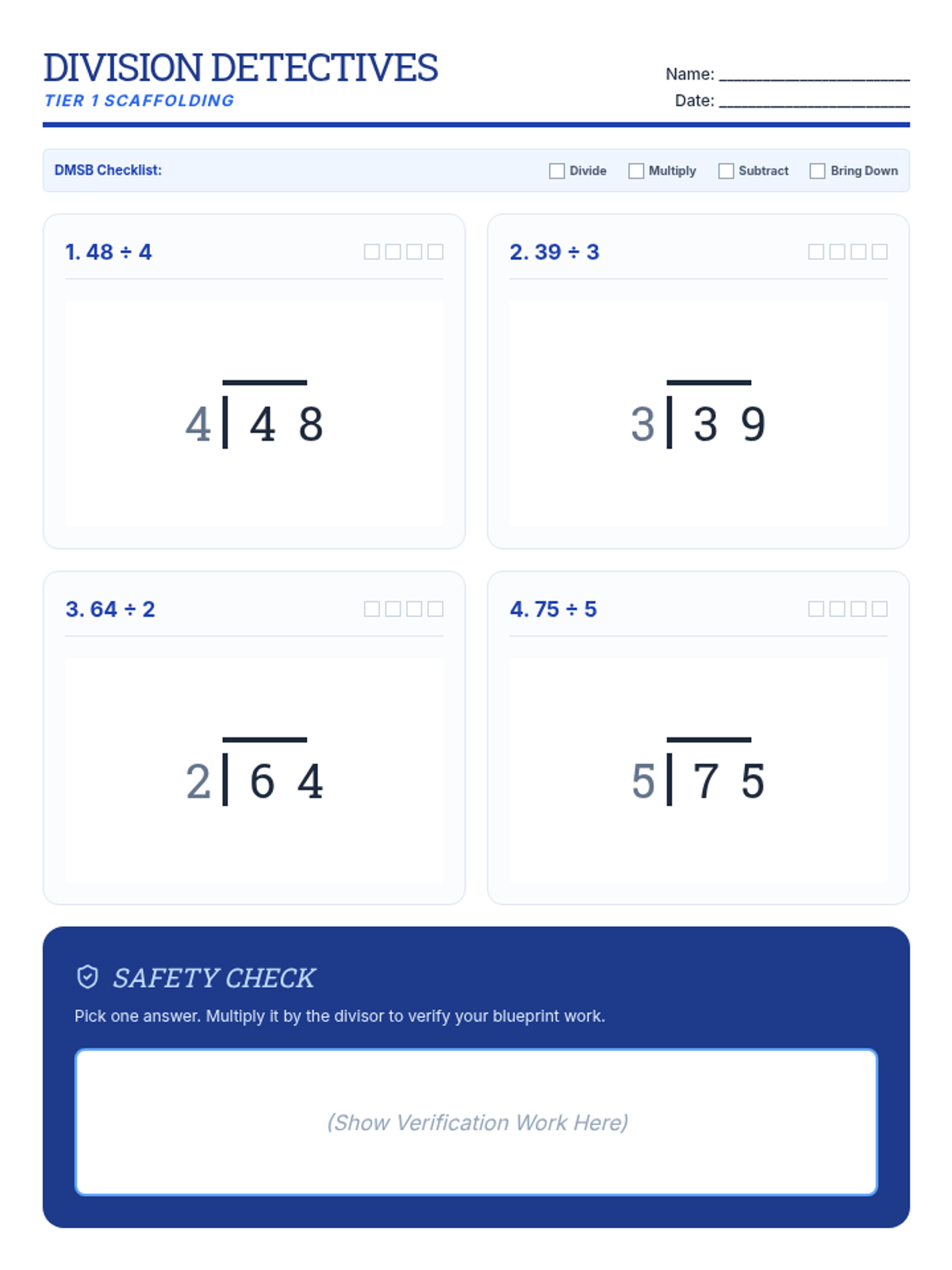
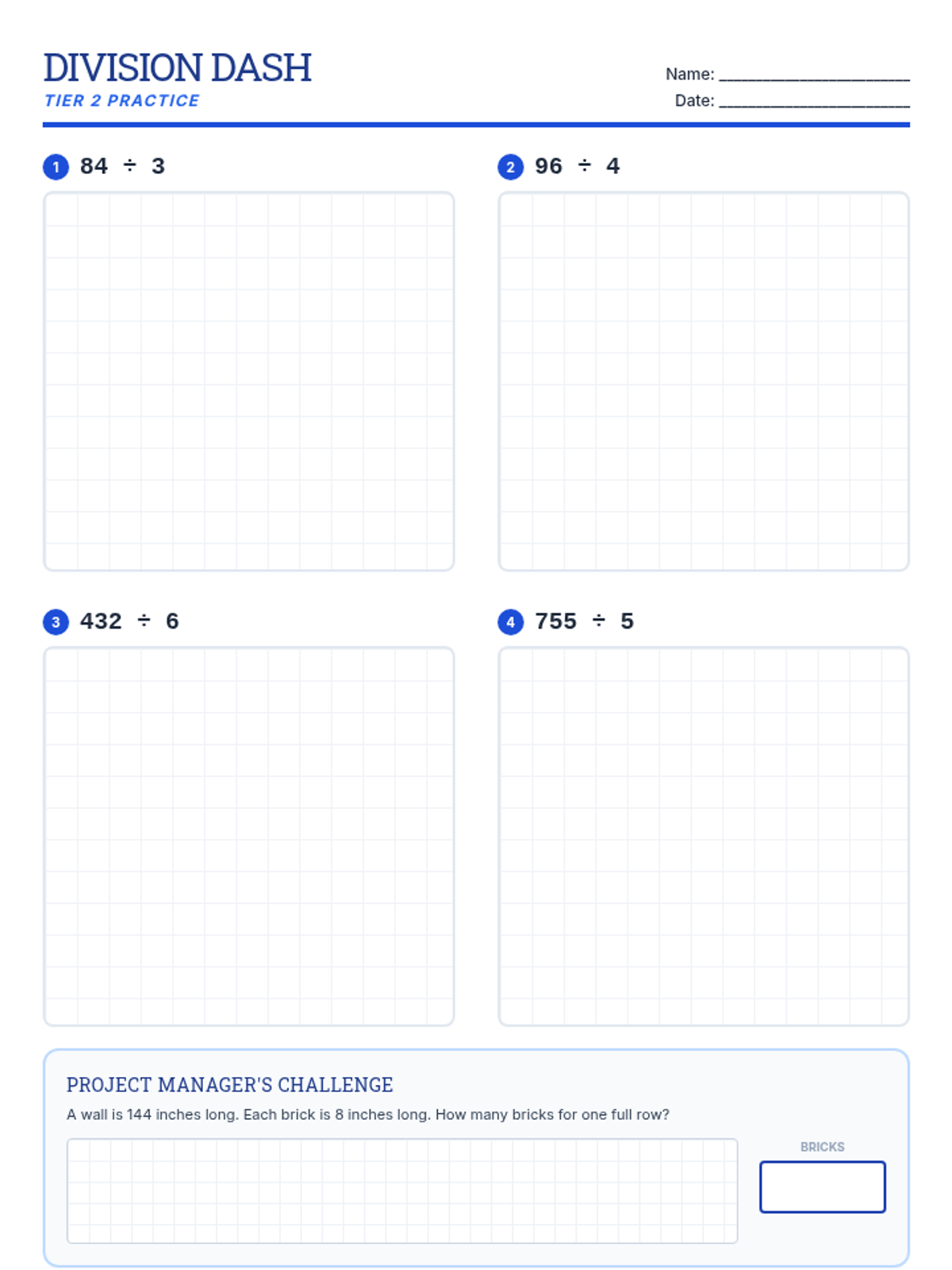
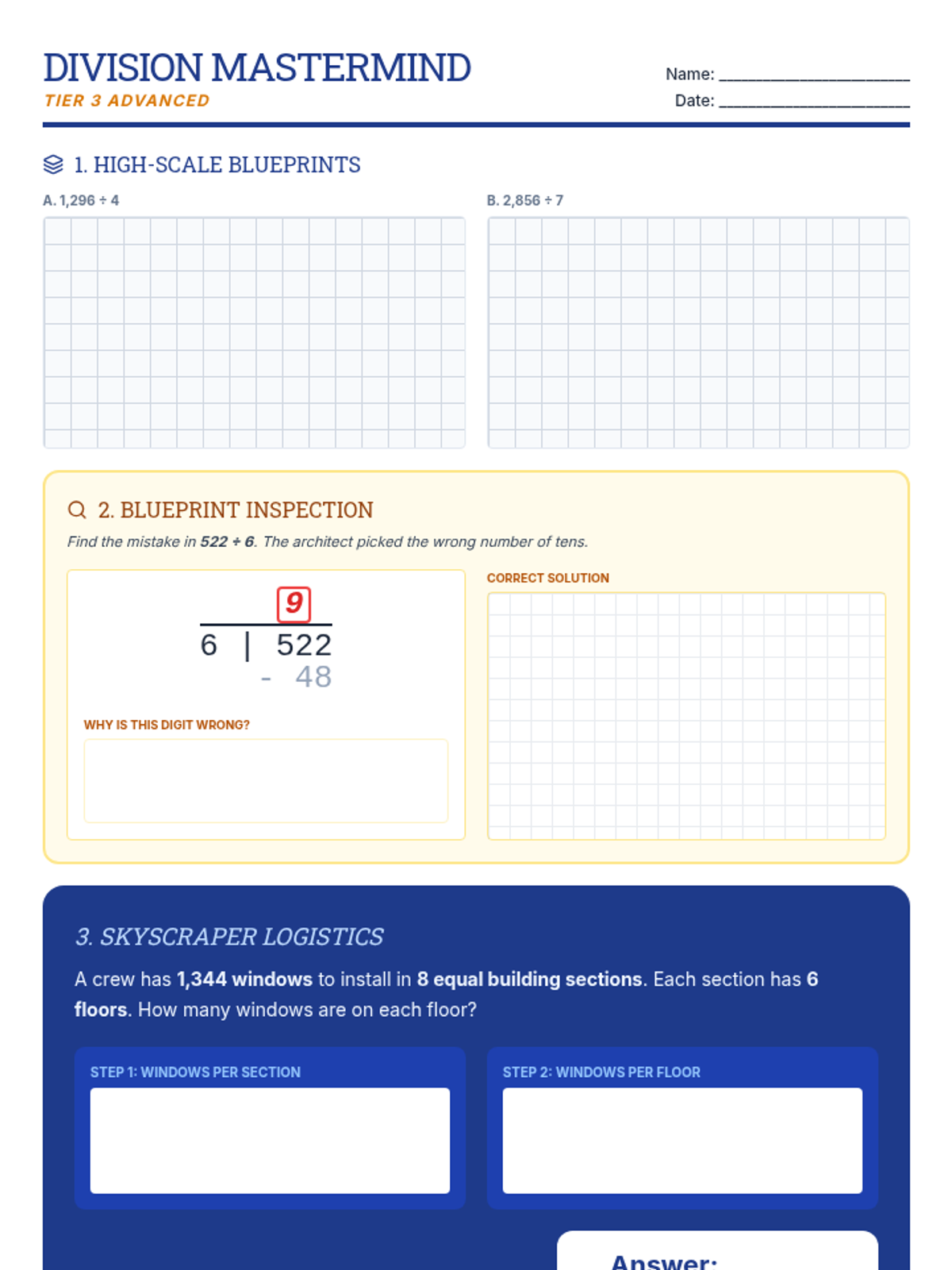
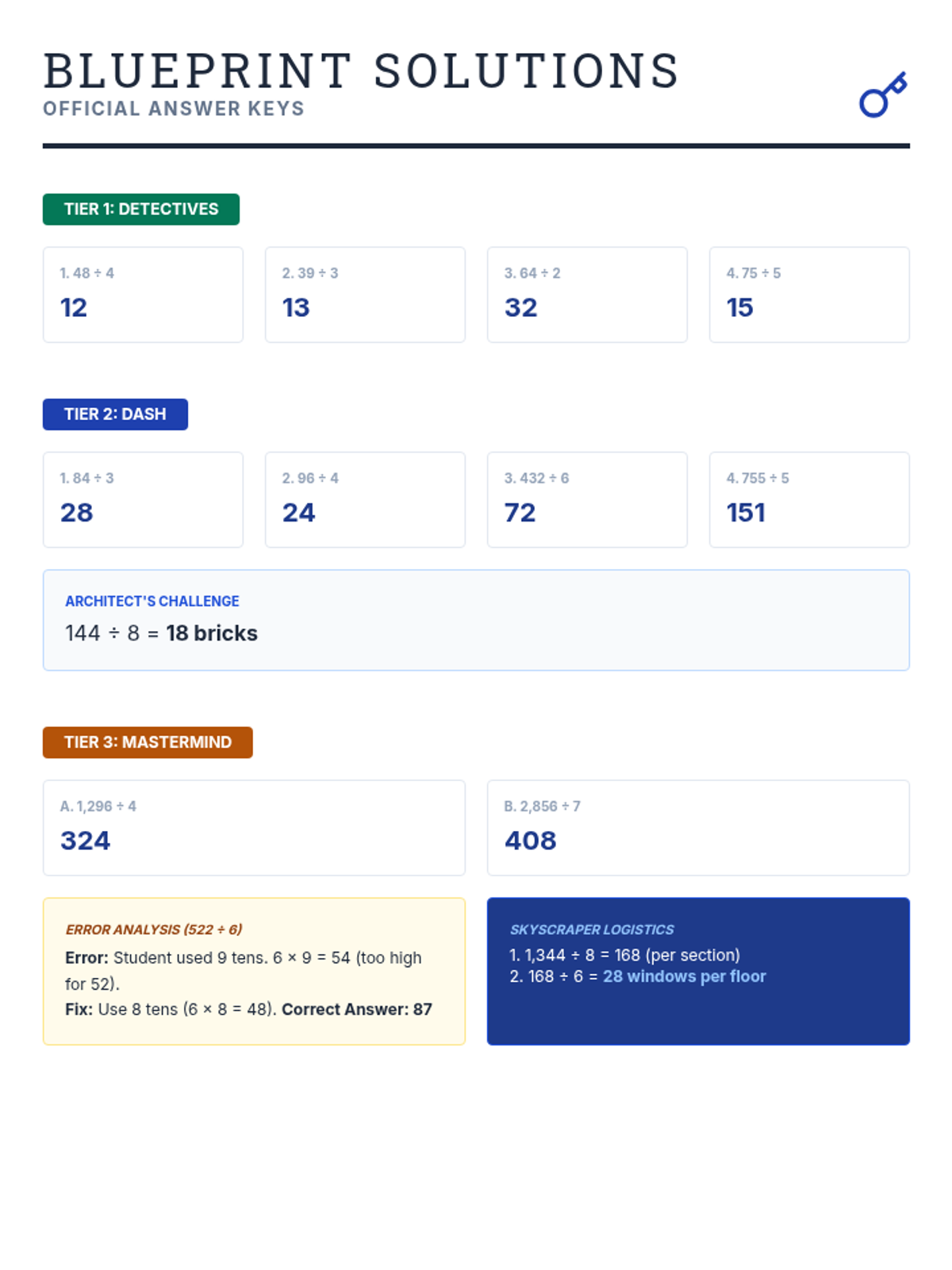
A comprehensive lesson on long division with no remainders, using the 'Divide, Multiply, Subtract, Bring Down' (DMSB) method. Includes scaffolded instruction, visual aids, and tiered practice materials to support all learners.
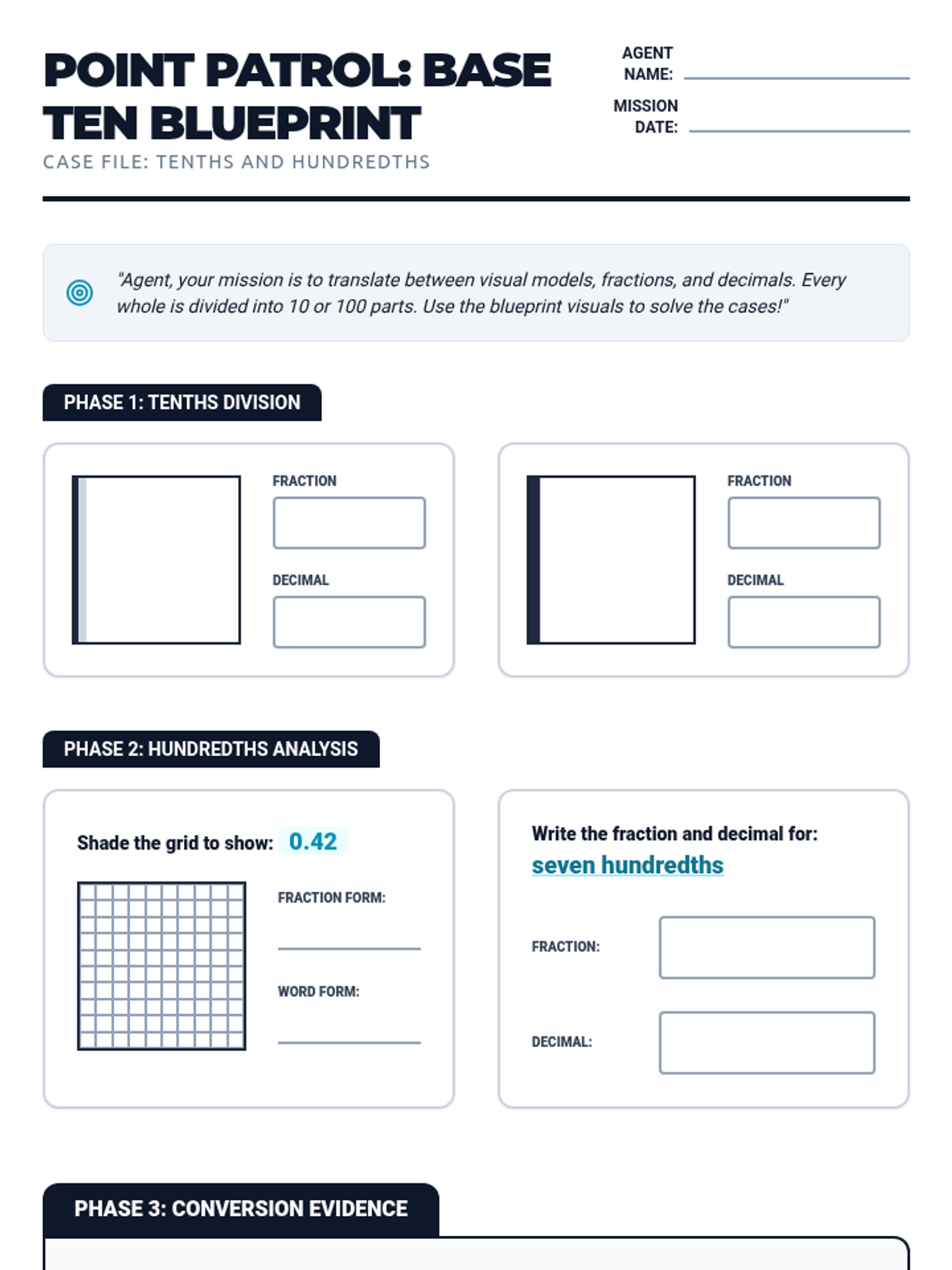
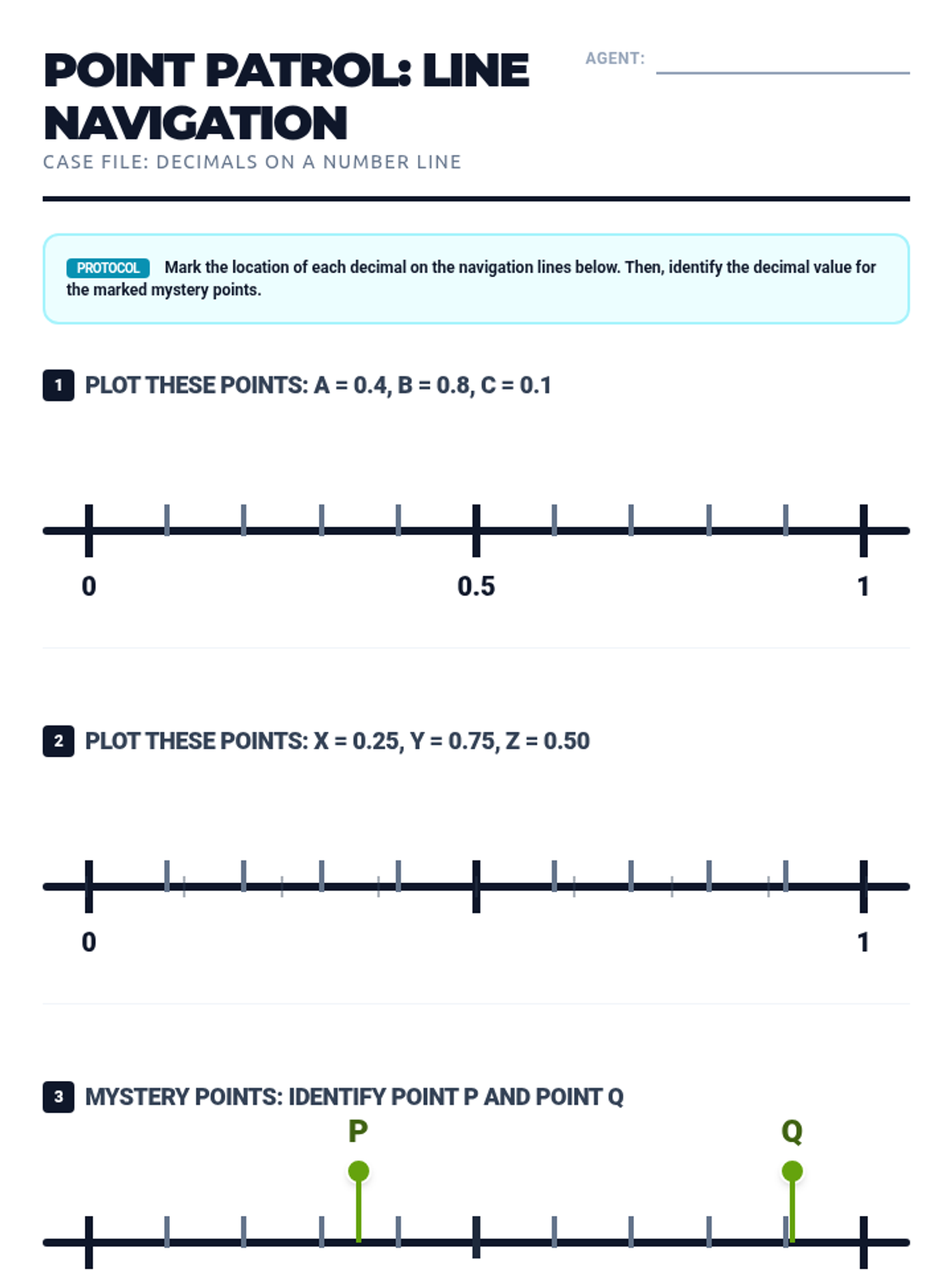
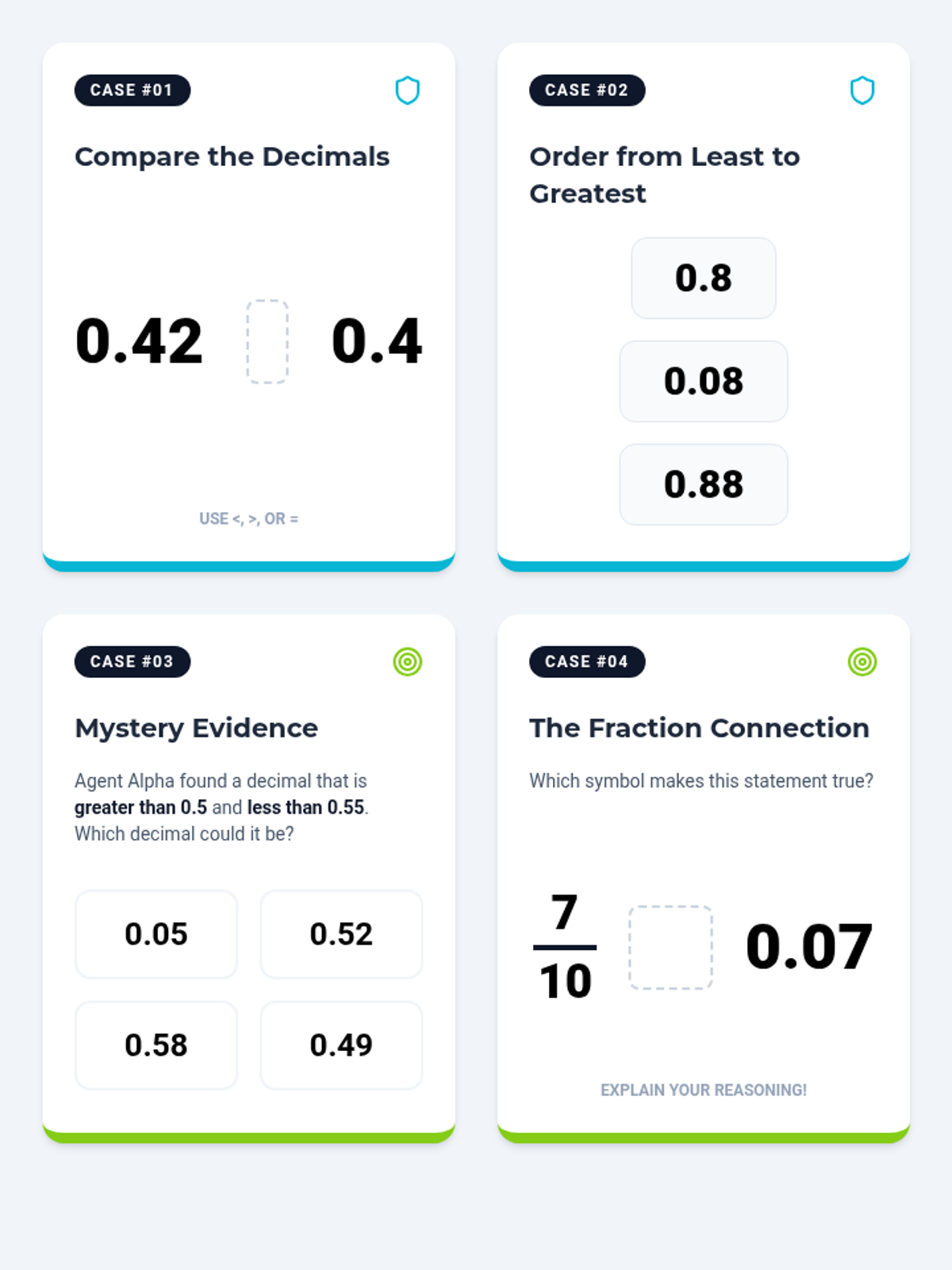
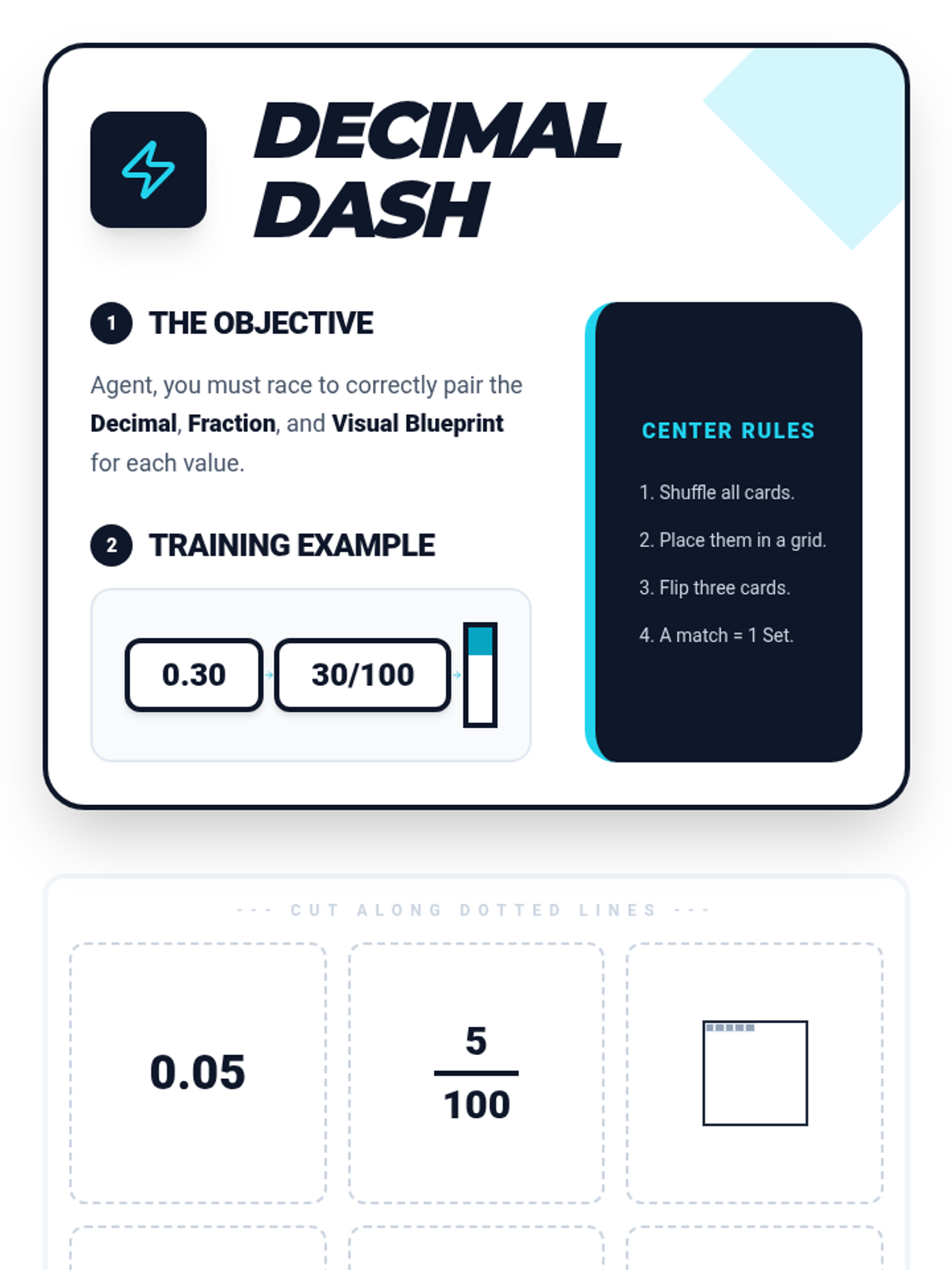
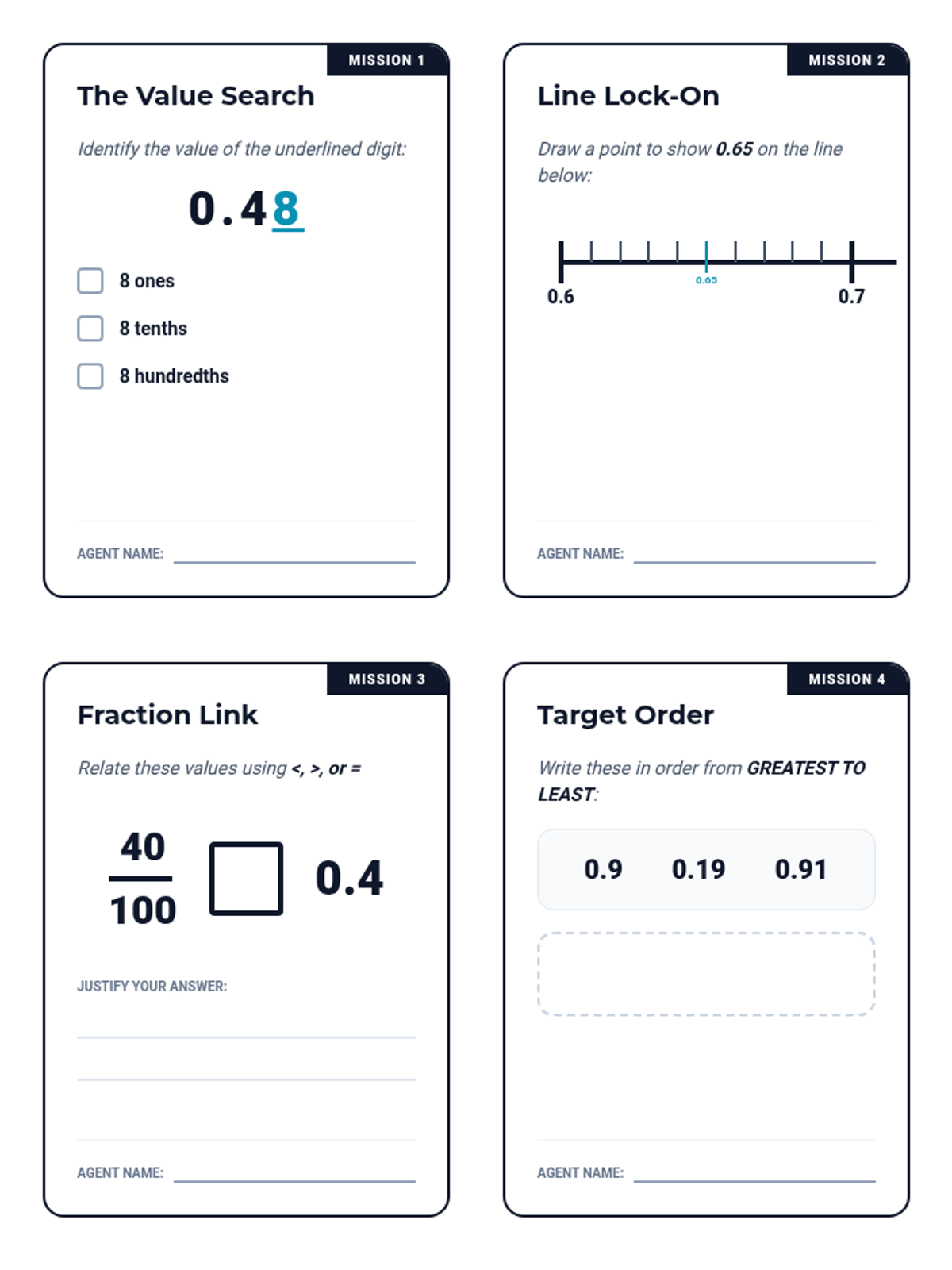
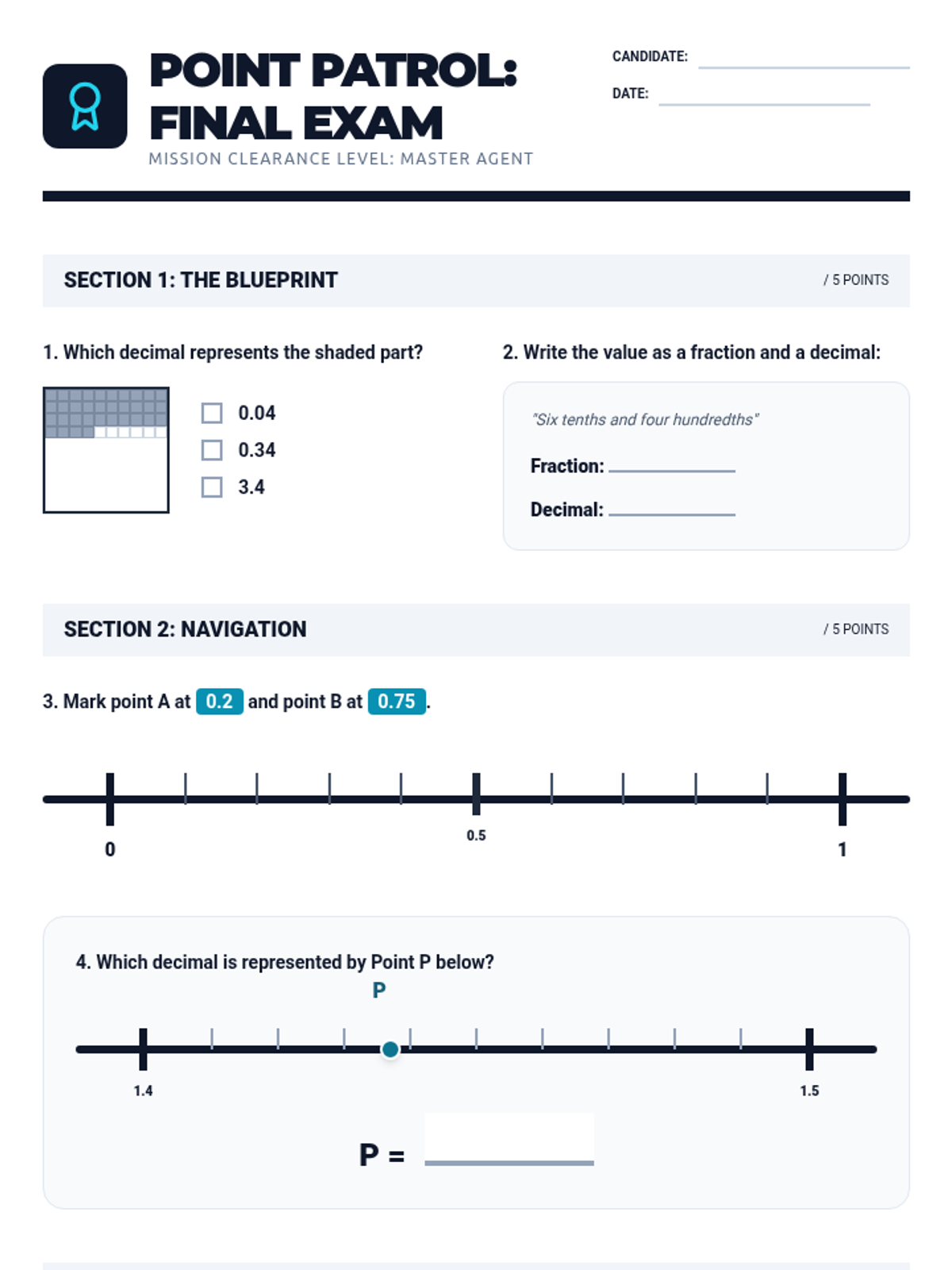
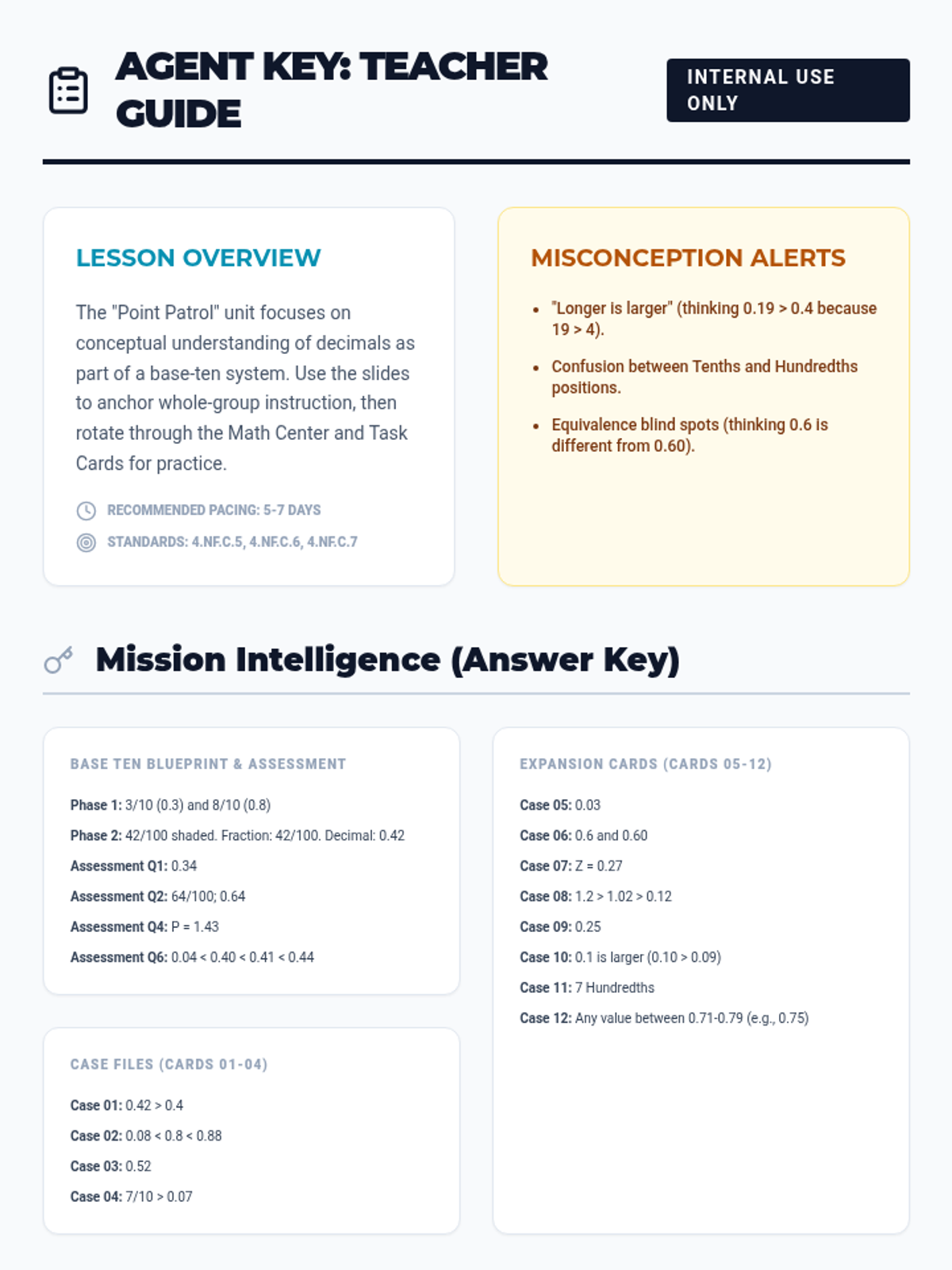
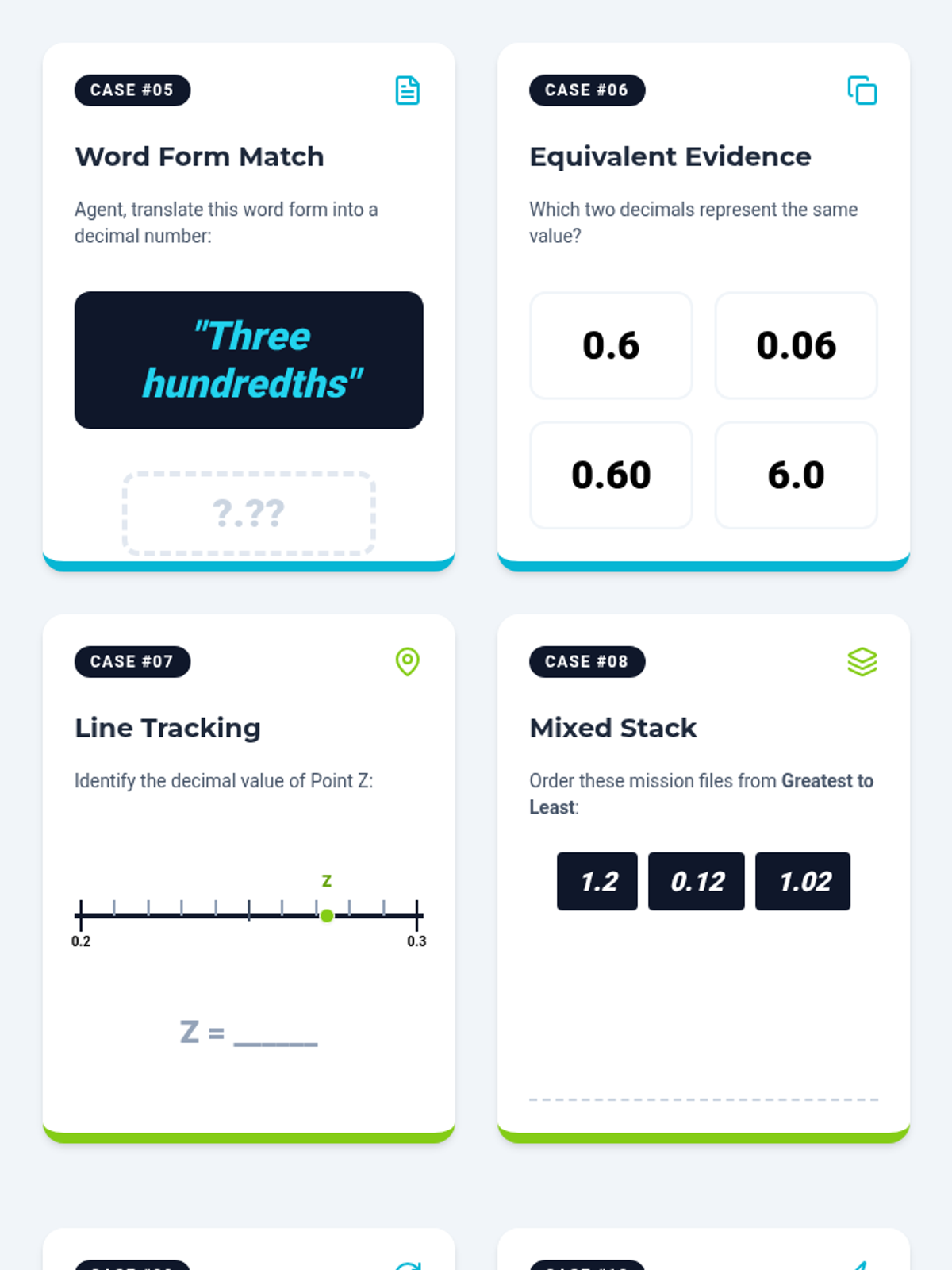
Students explore decimals to the hundredths place, visualizing them on number lines and comparing values while investigating their relationship to fractions.
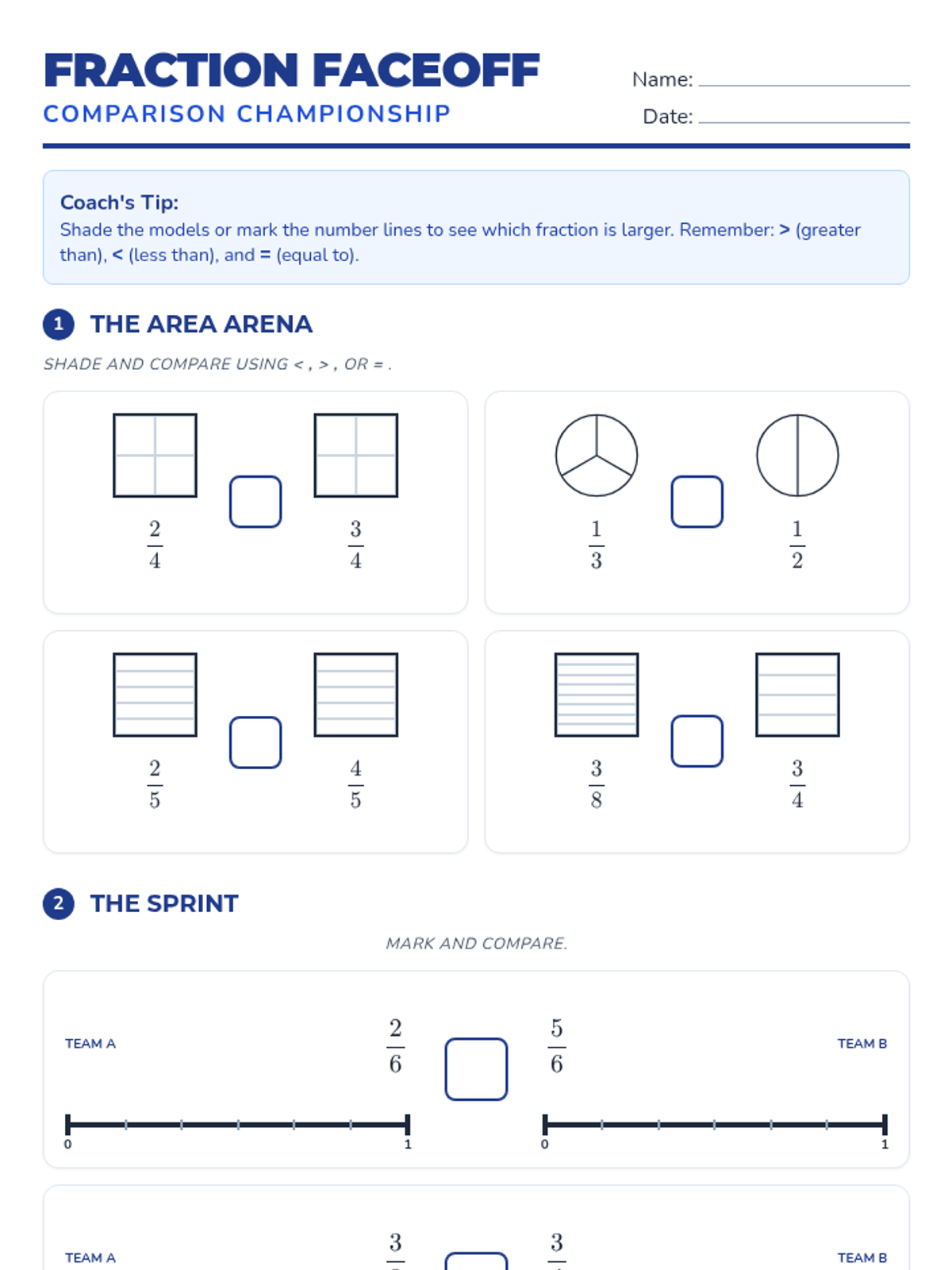
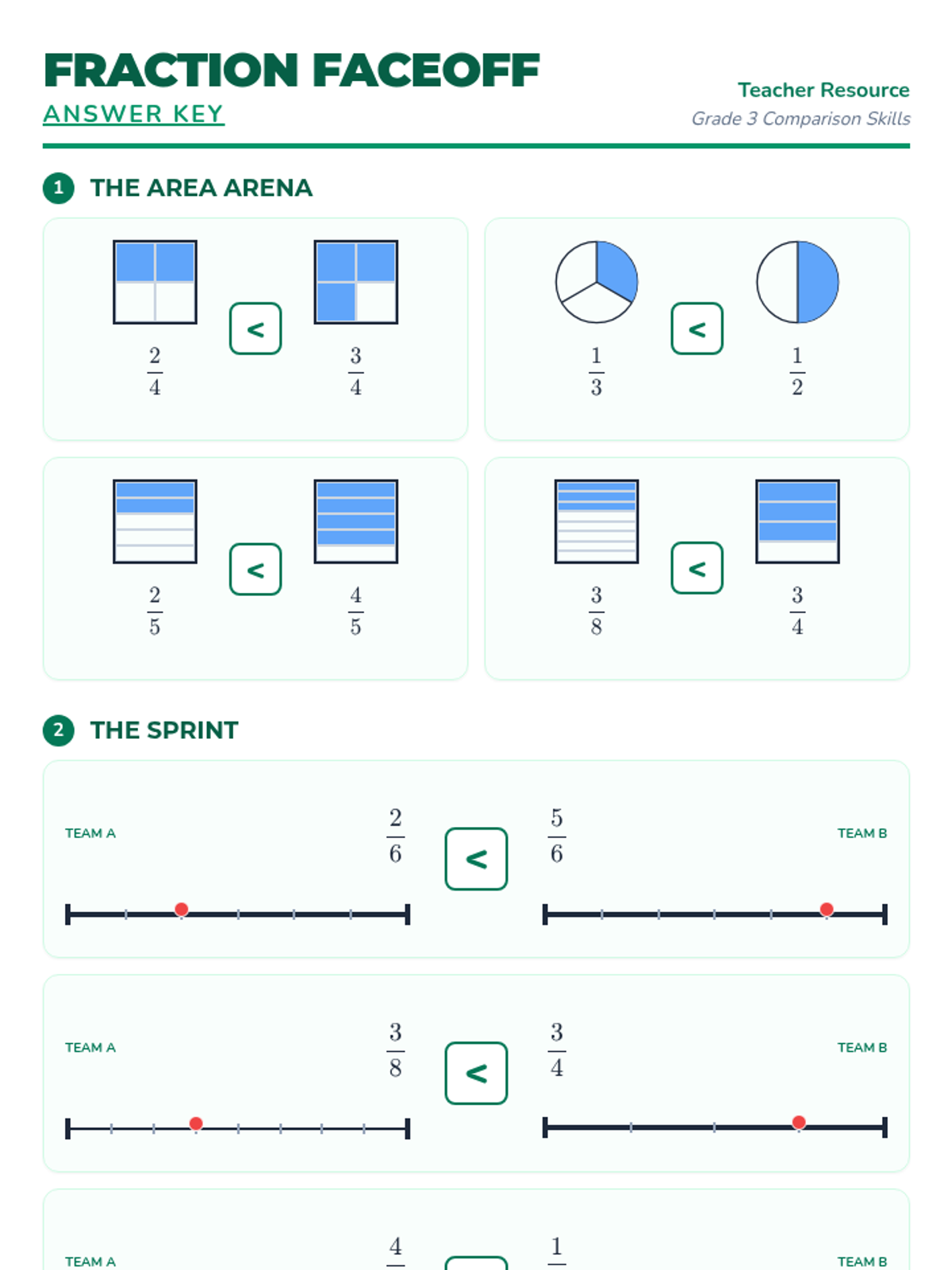
A lesson focused on comparing fractions with the same denominator or the same numerator using visual area models and number lines. Students will develop a conceptual understanding of fraction size through visual representation.
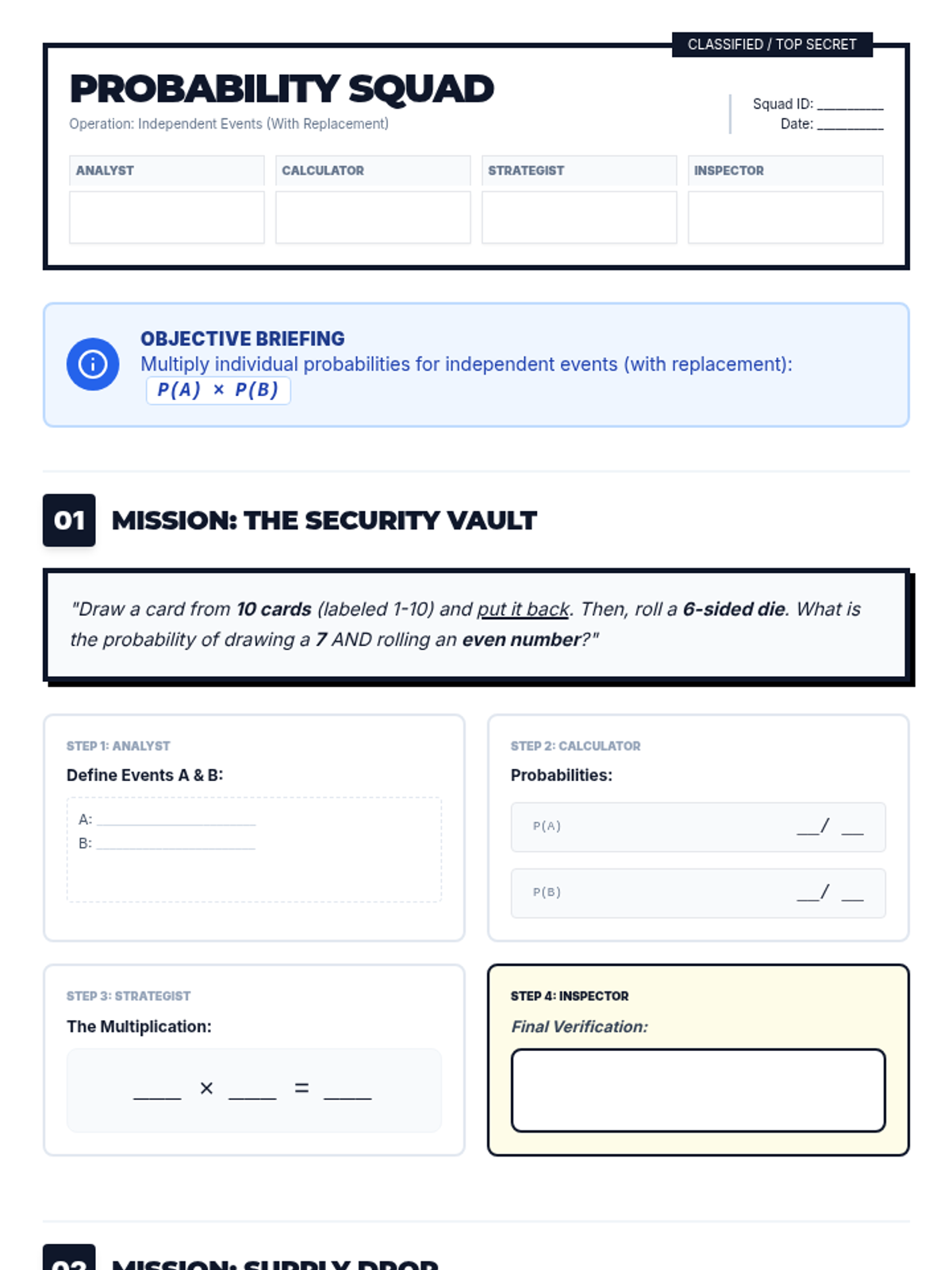
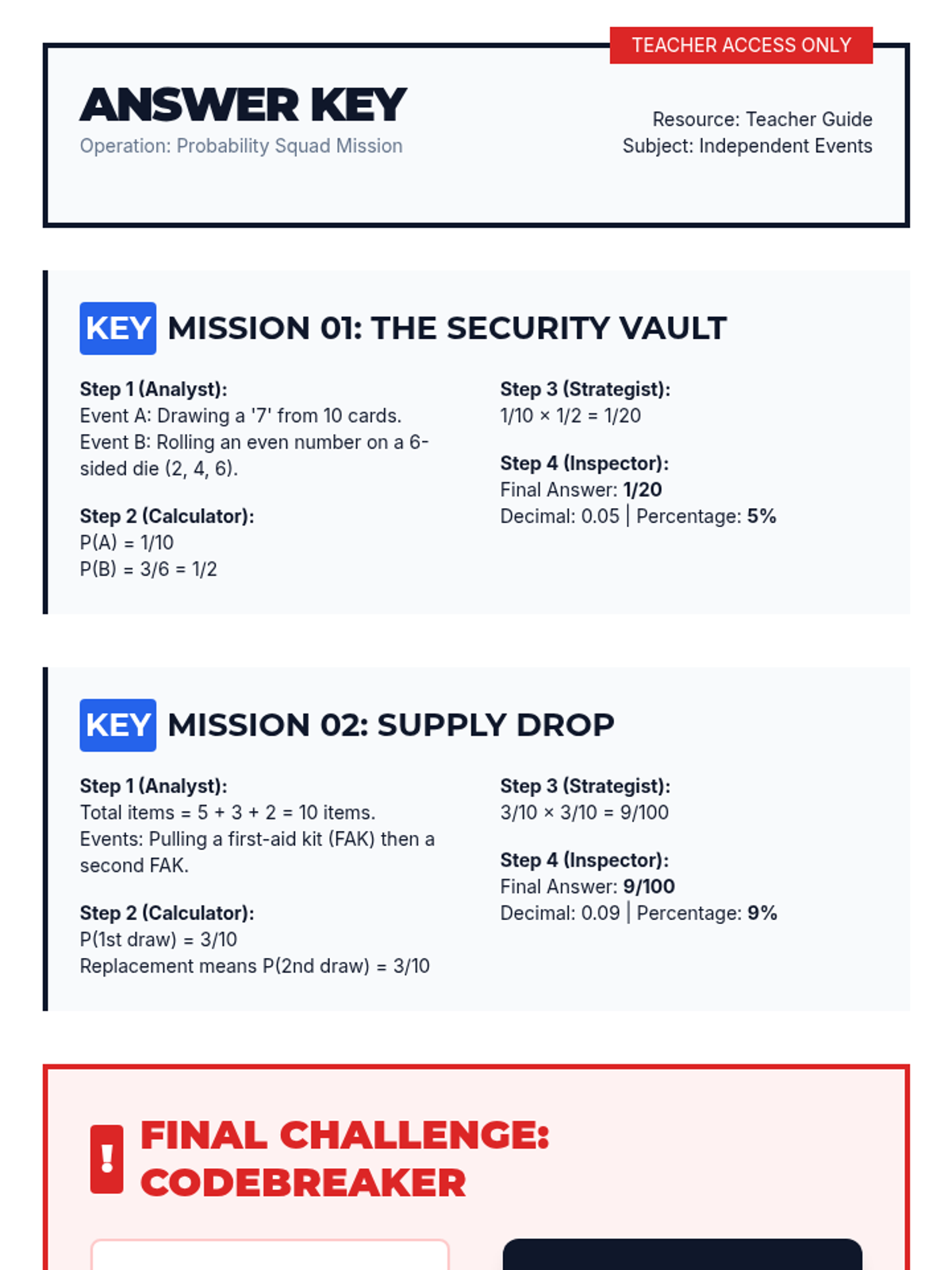
A collaborative lesson where students work in specialized roles to master compound probability of independent events with replacement through step-by-step mission scenarios.
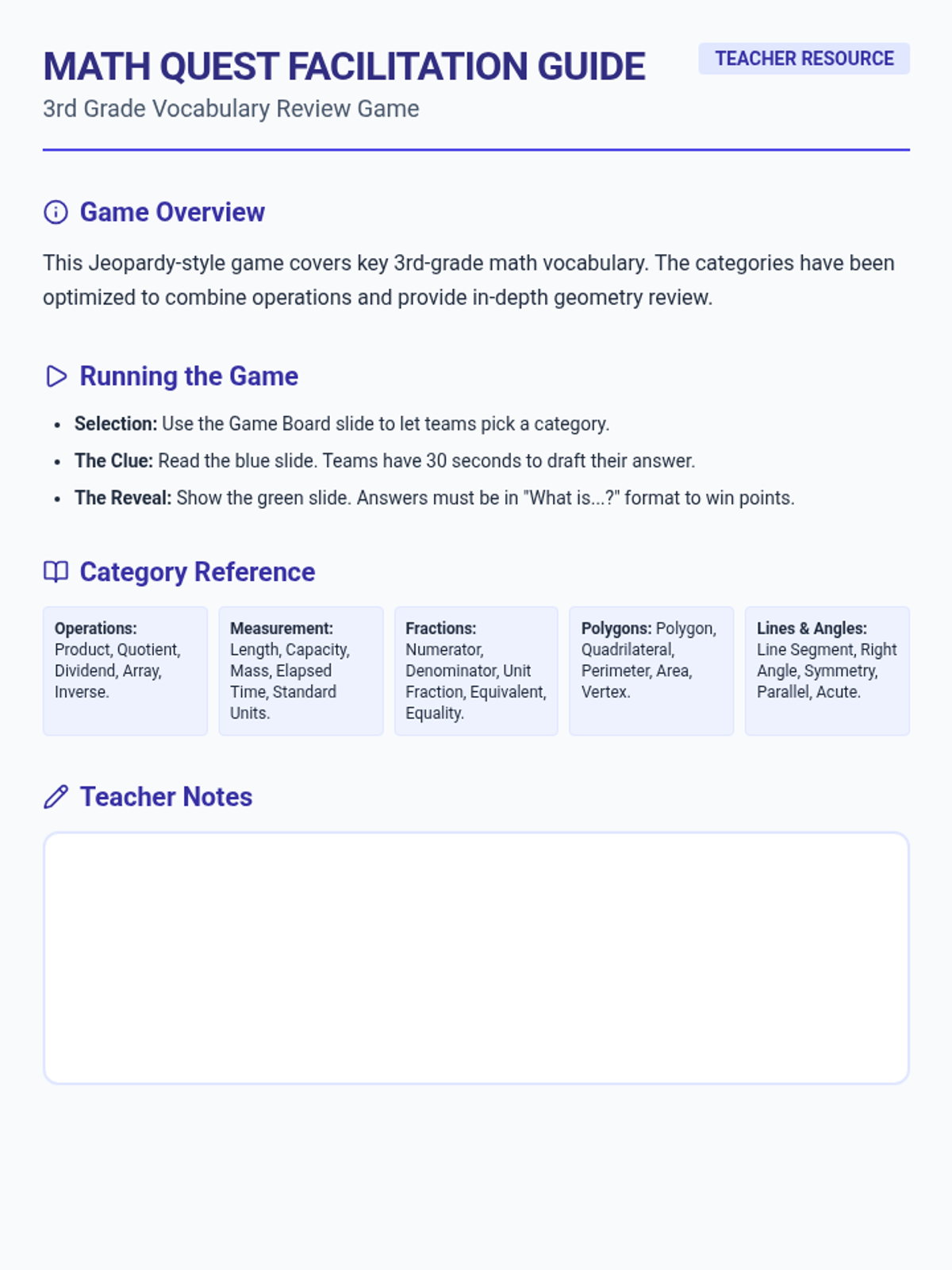
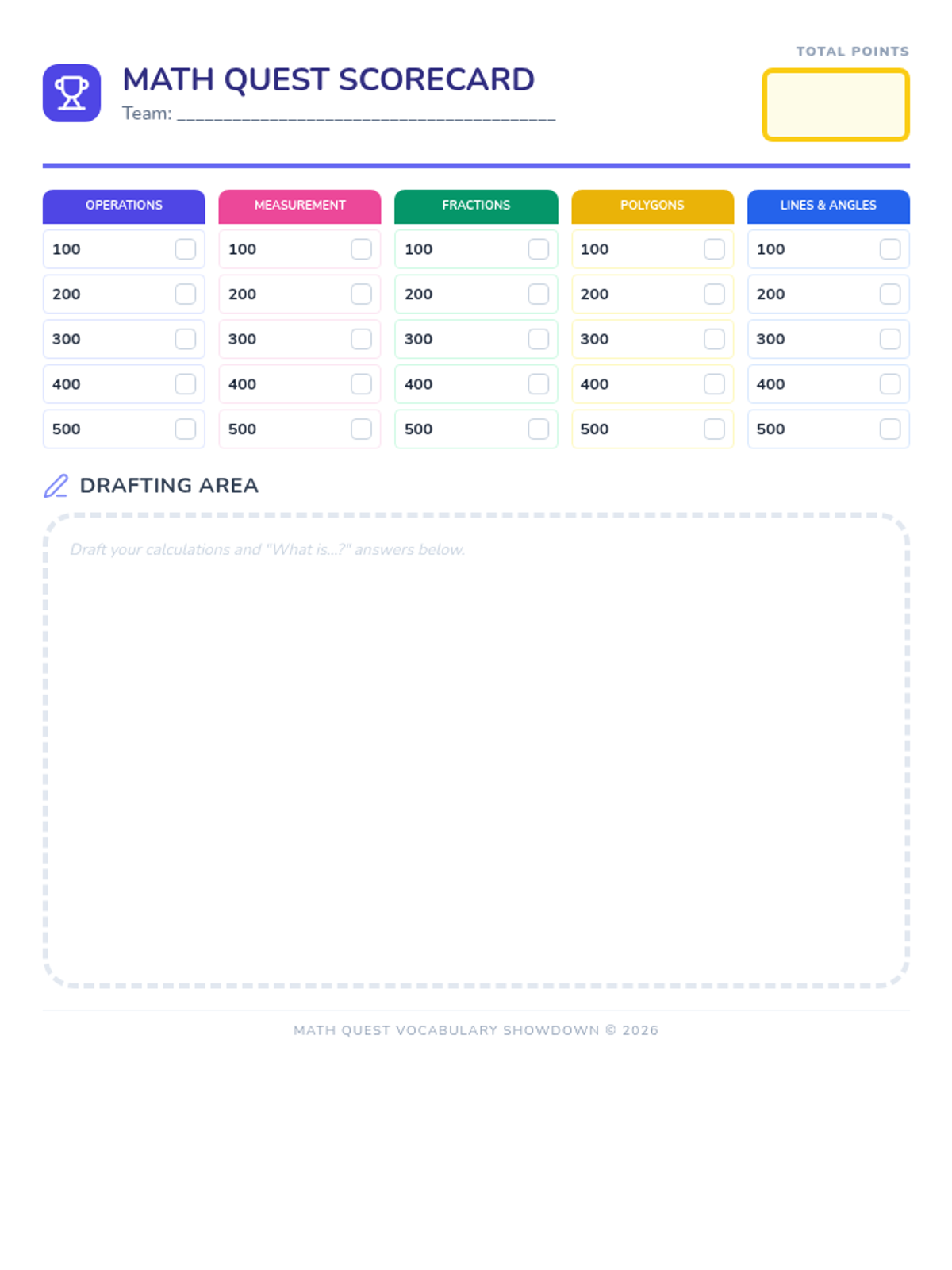
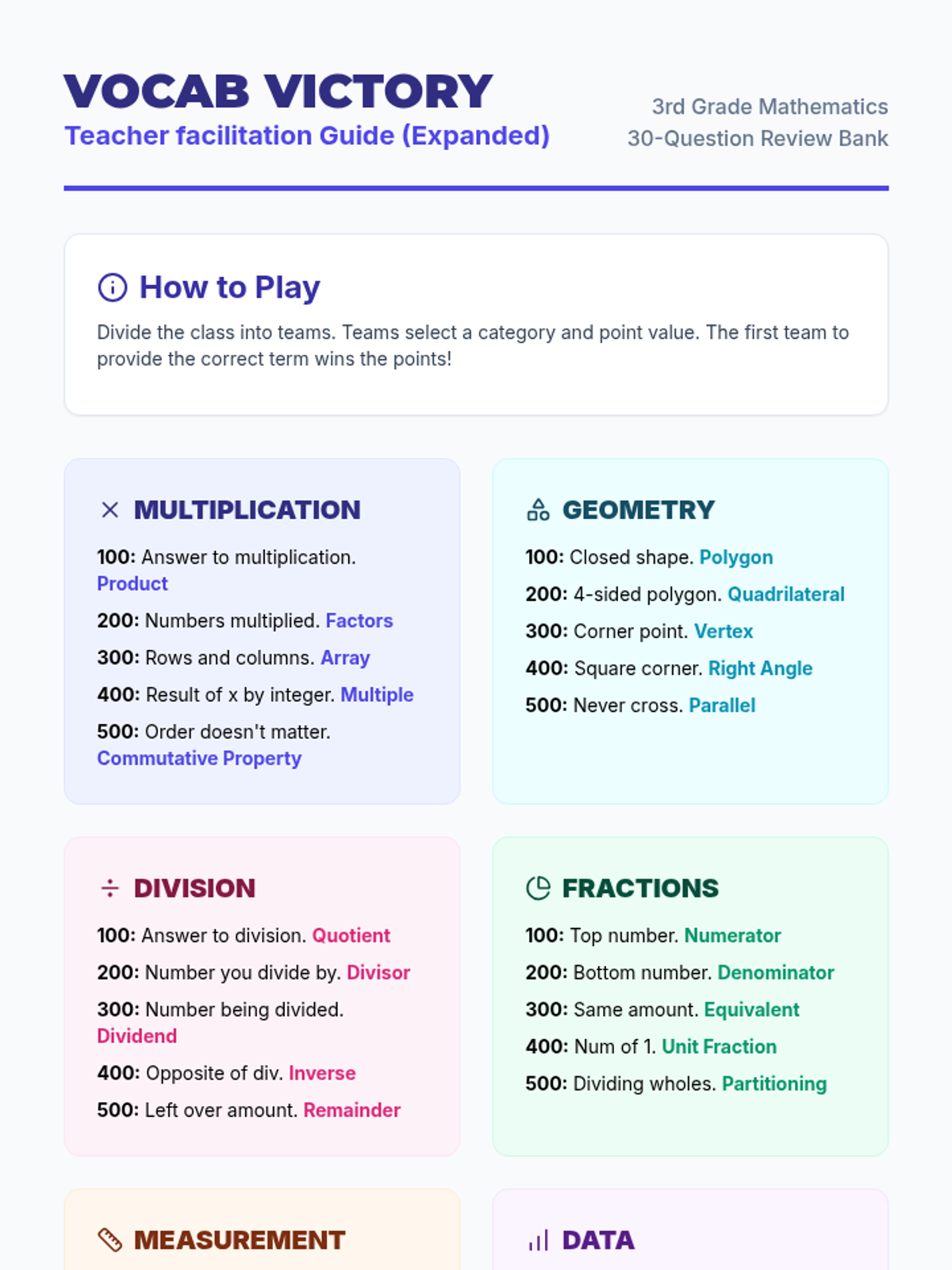
A high-energy math vocabulary review game designed for third graders. This lesson covers multiplication, division, measurement, fractions, and geometry through a Jeopardy-style competitive format.
Practice in estimating and measuring liquid volumes using liters and milliliters, with mental math exercises and scale reading.
Introduction to liquid volume and the liter as a standard metric unit, featuring container comparisons and visual estimations.
Introduction to weight, standard units (grams and kilograms), and estimation techniques using real-world objects and pets.
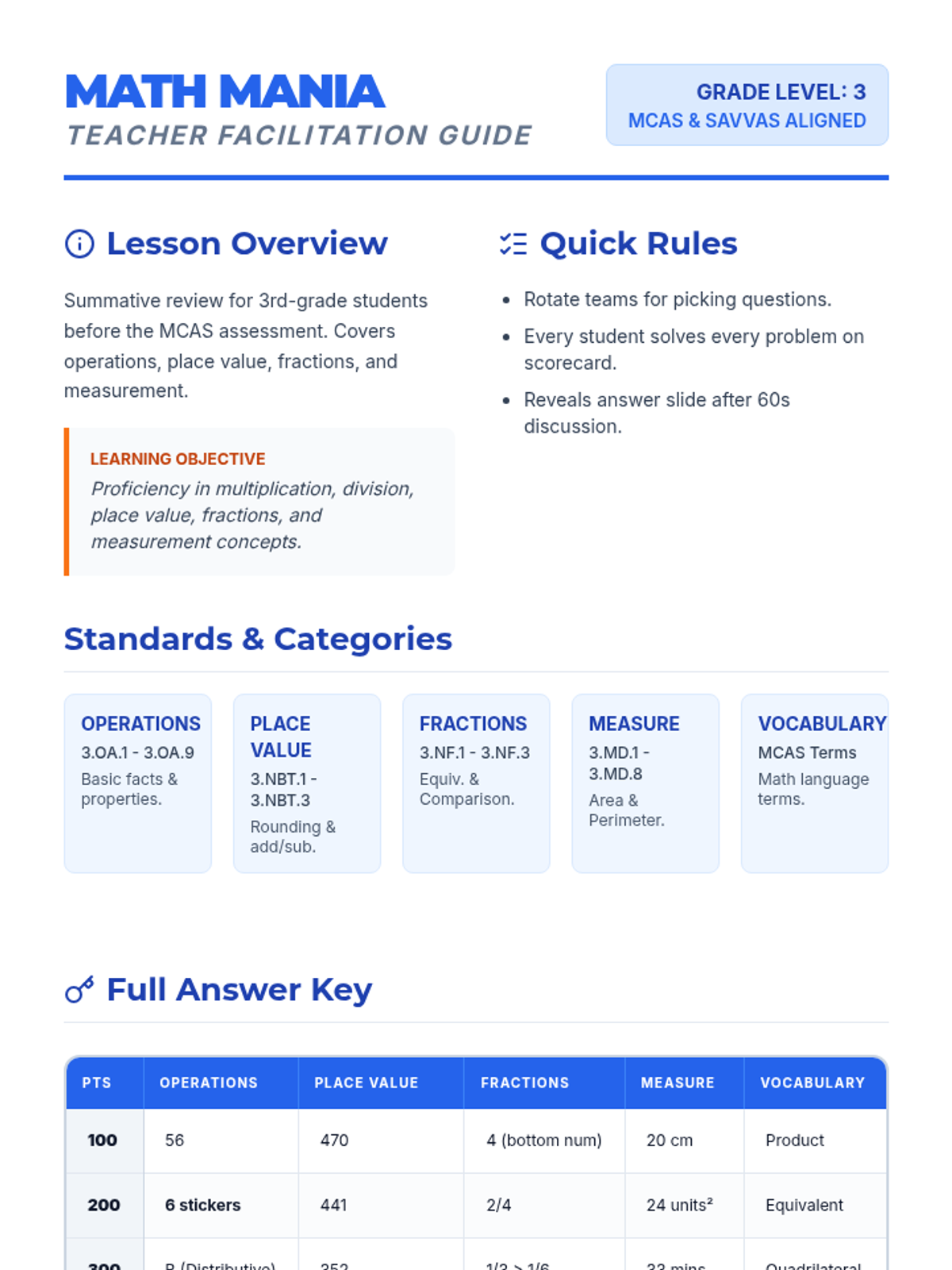
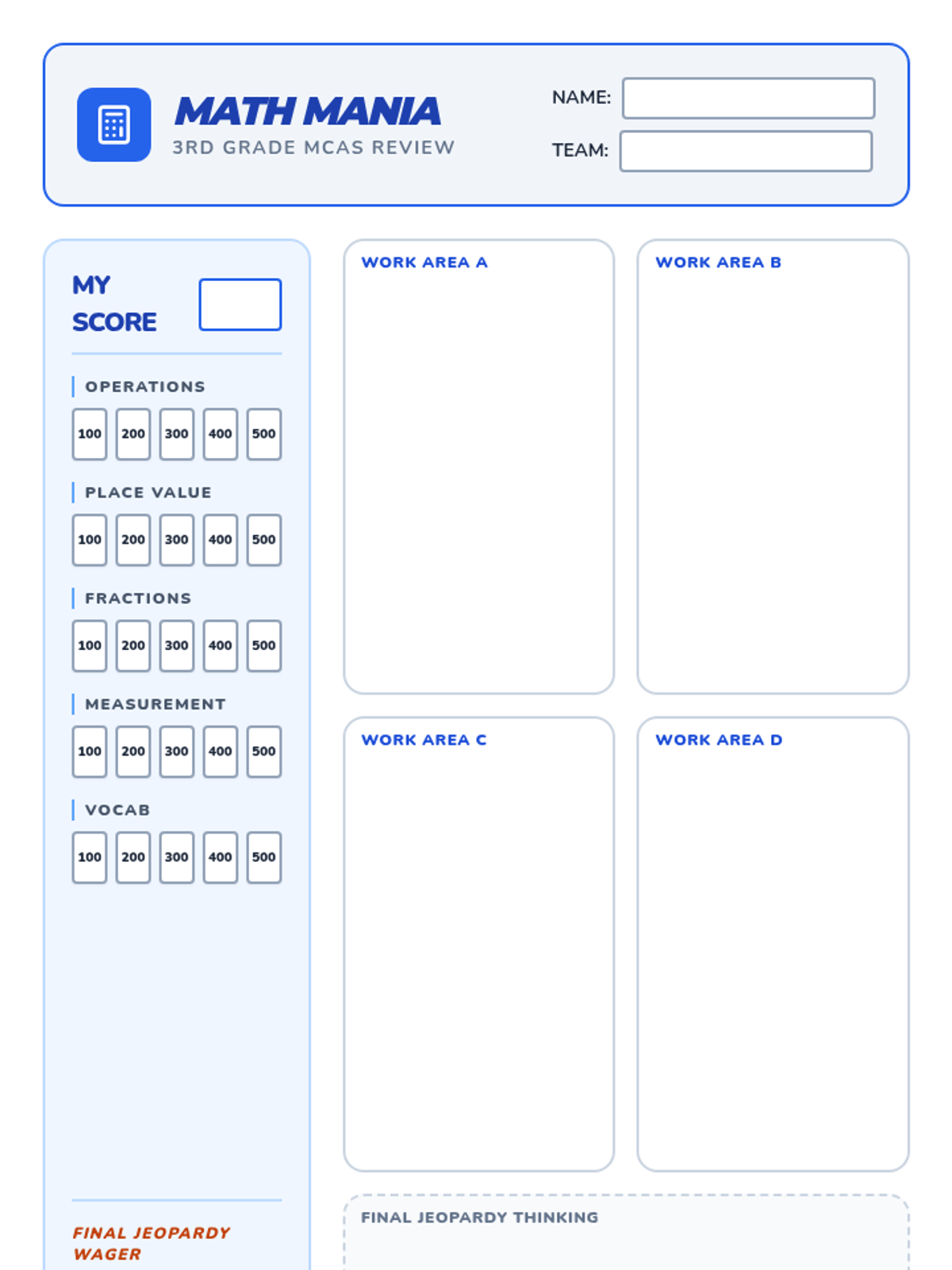
A comprehensive 3rd-grade math review game based on MCAS standards and Savvas curriculum, covering operations, place value, fractions, measurement, and vocabulary.
A high-energy Jeopardy-style review game focusing on essential third-grade mathematics vocabulary across six core domains, designed to reinforce terminology before assessments.
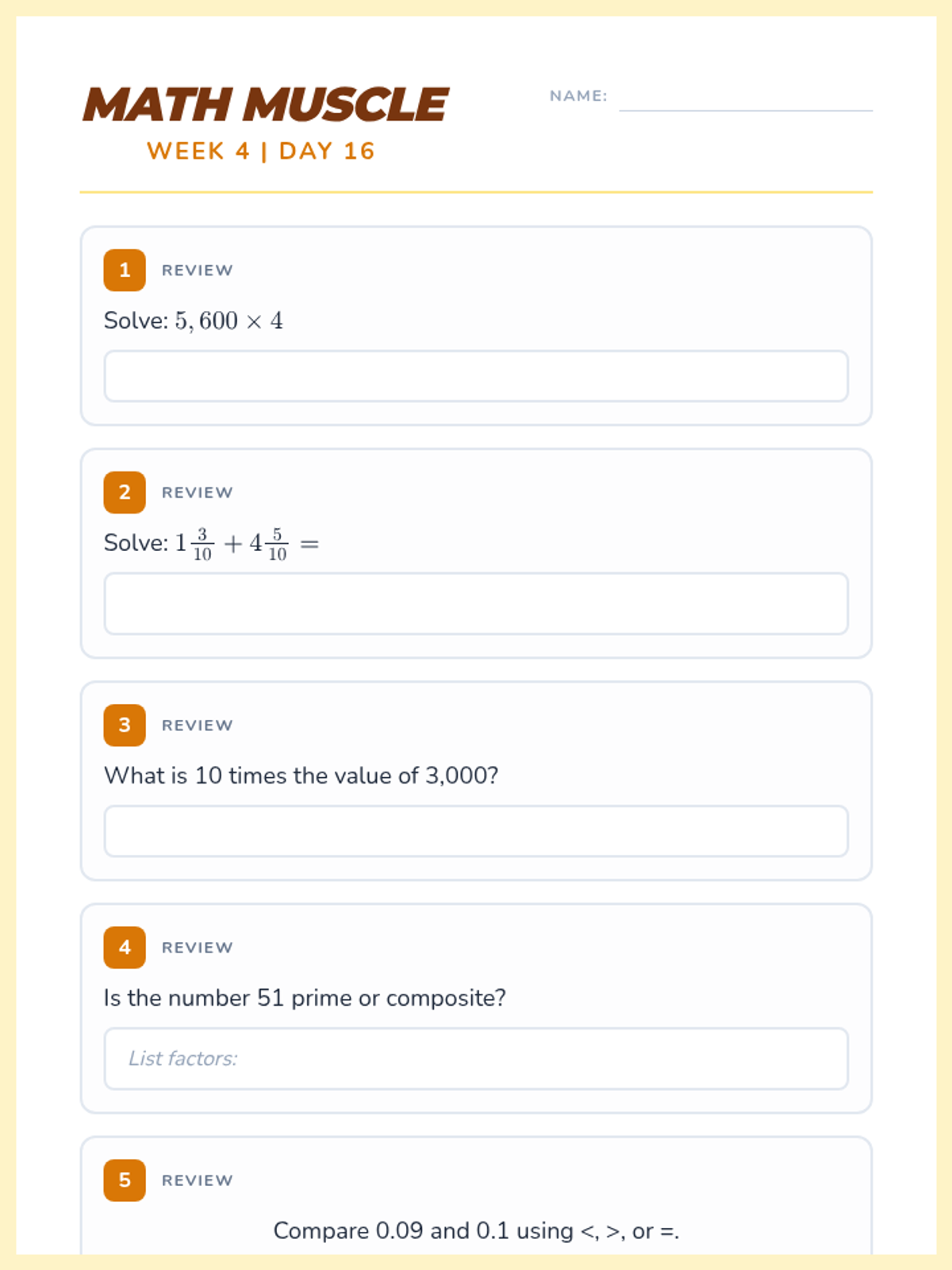
The final week reviews and integrates all concepts, preparing students for end-of-unit assessments with challenging multi-domain problems.
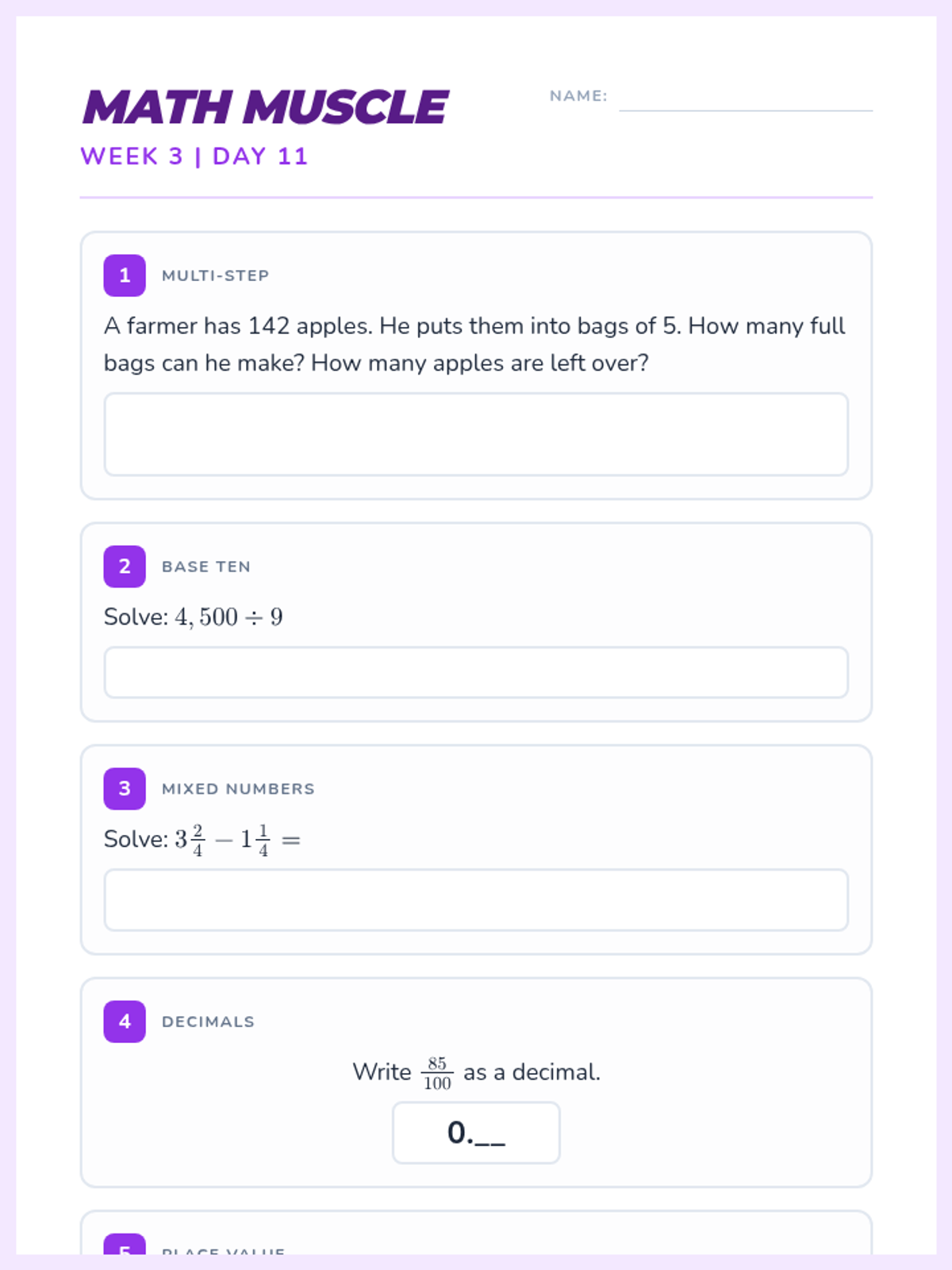
Week three tackles multi-step word problems, long division with remainders, comparing decimals to hundredths, and mixed number operations.
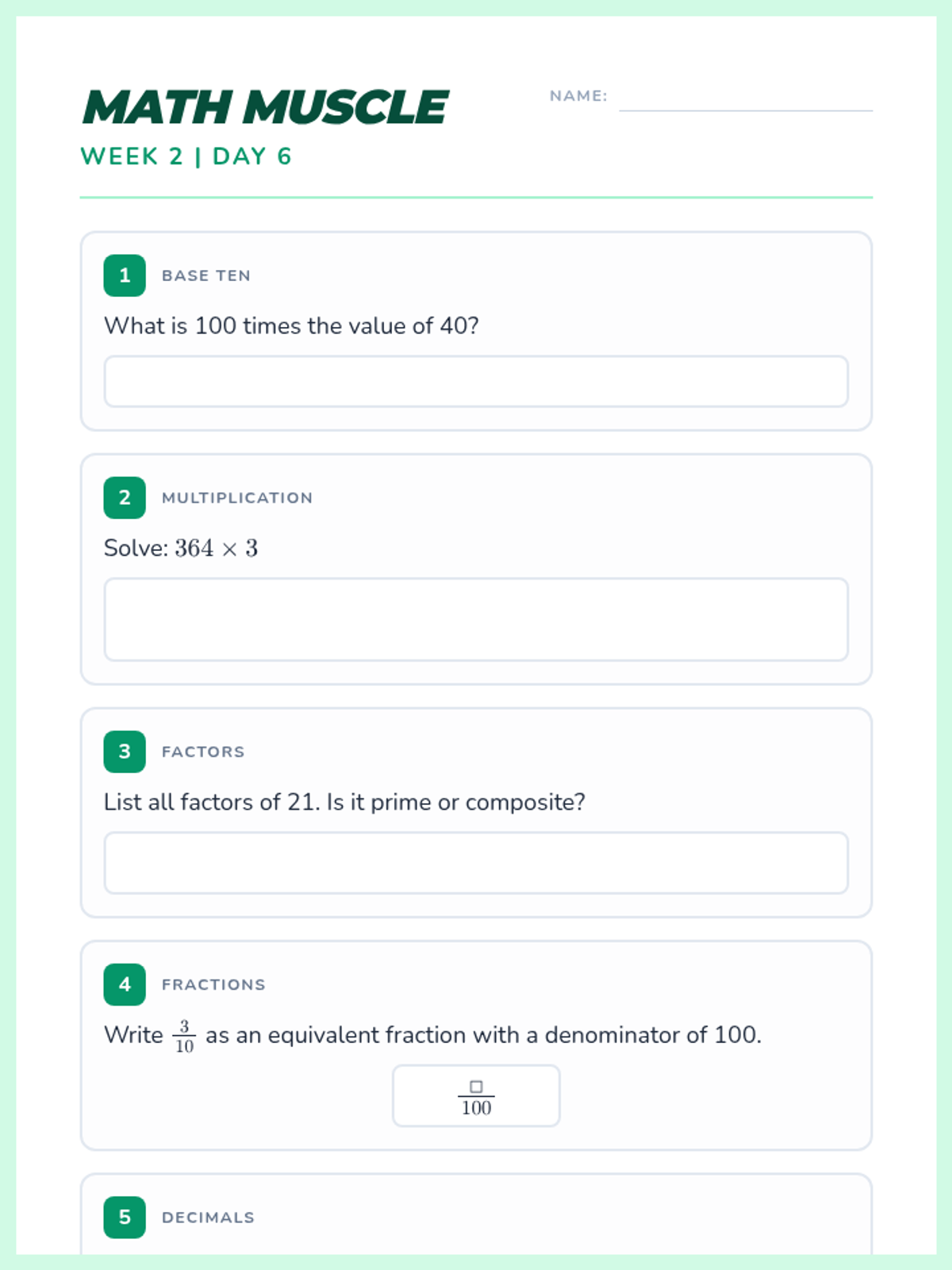
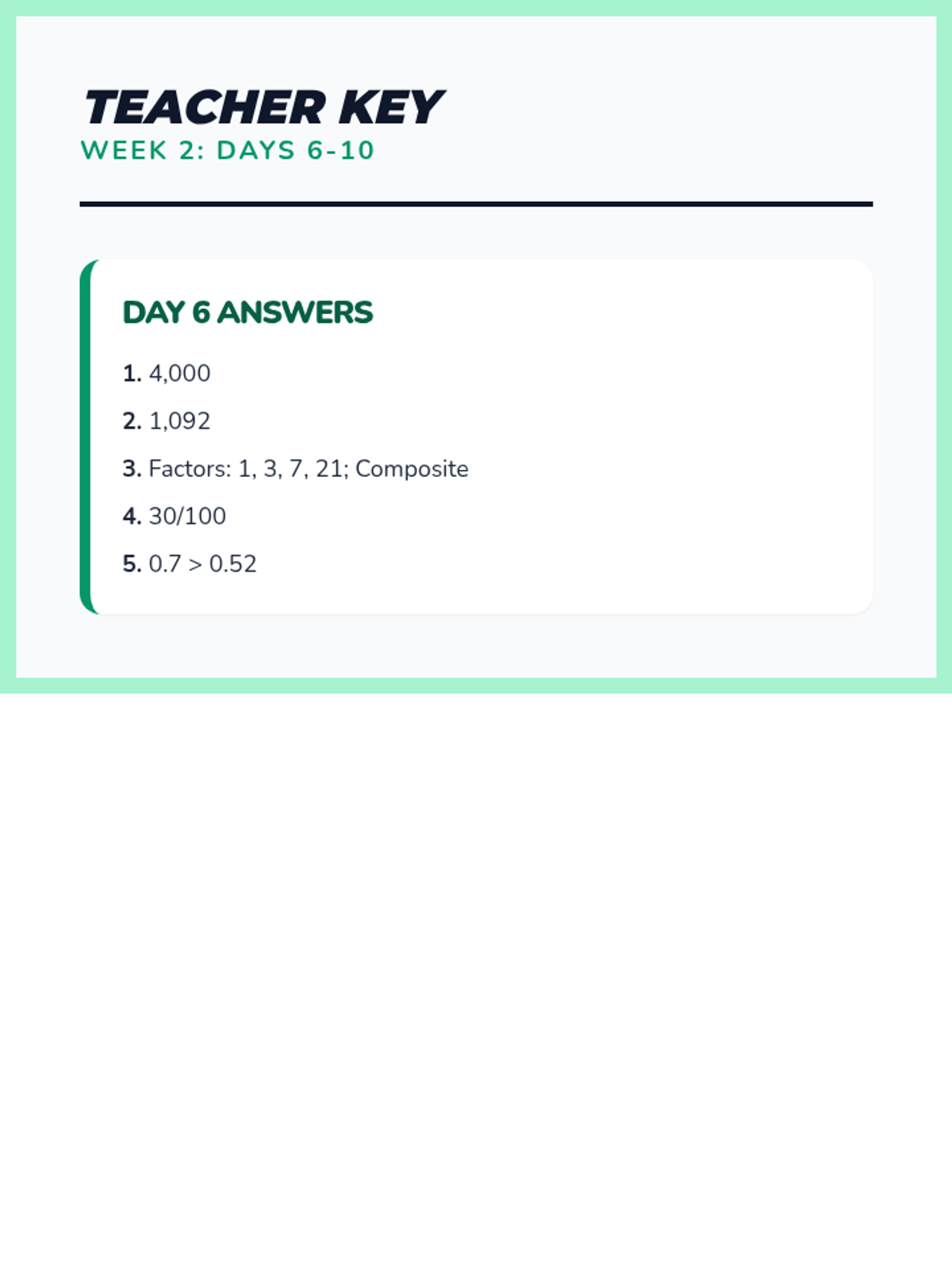
The second week increases complexity with multi-digit multiplication, factor pairs, prime/composite identification, and adding fractions with denominators of 10 and 100.
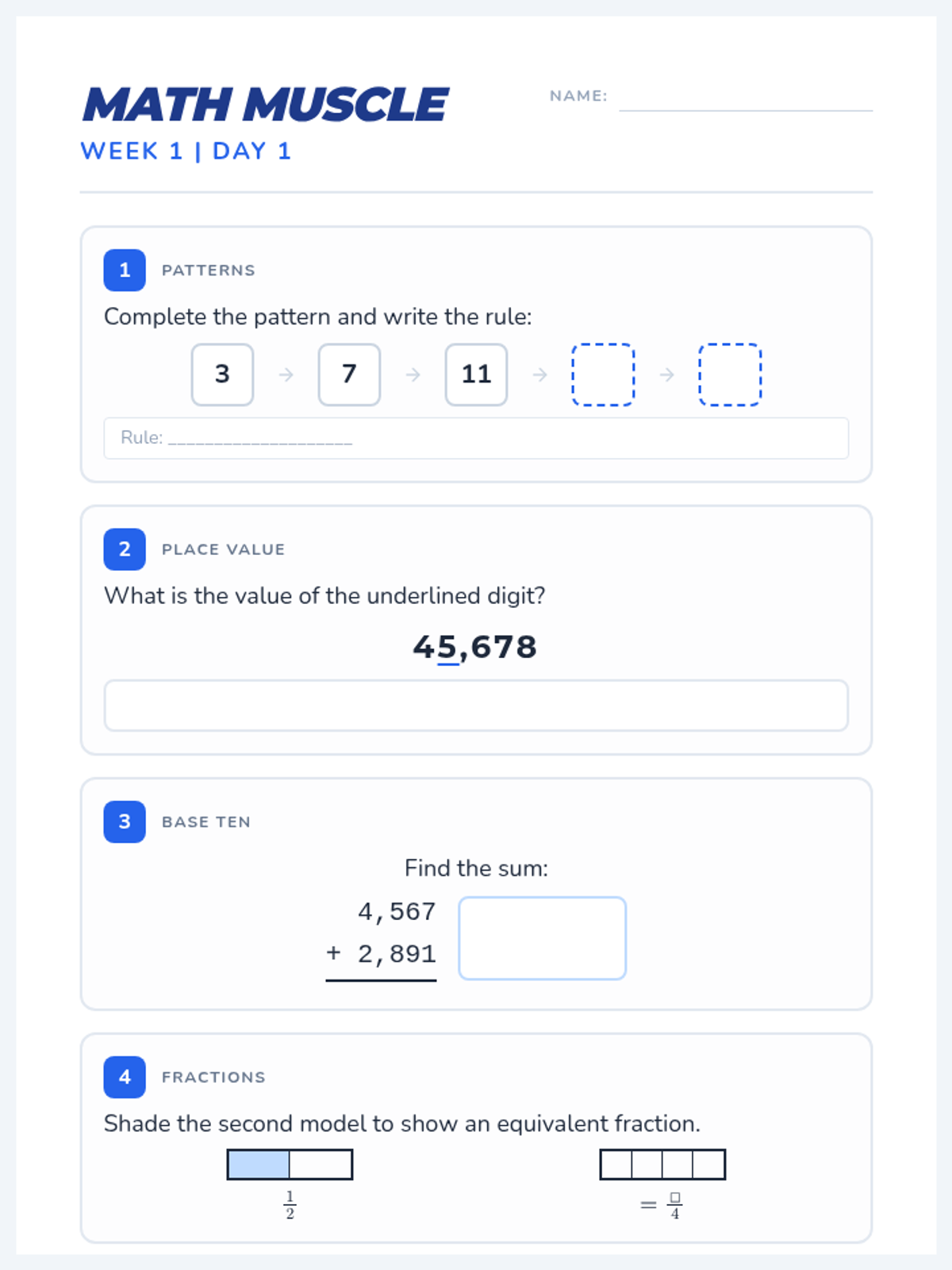
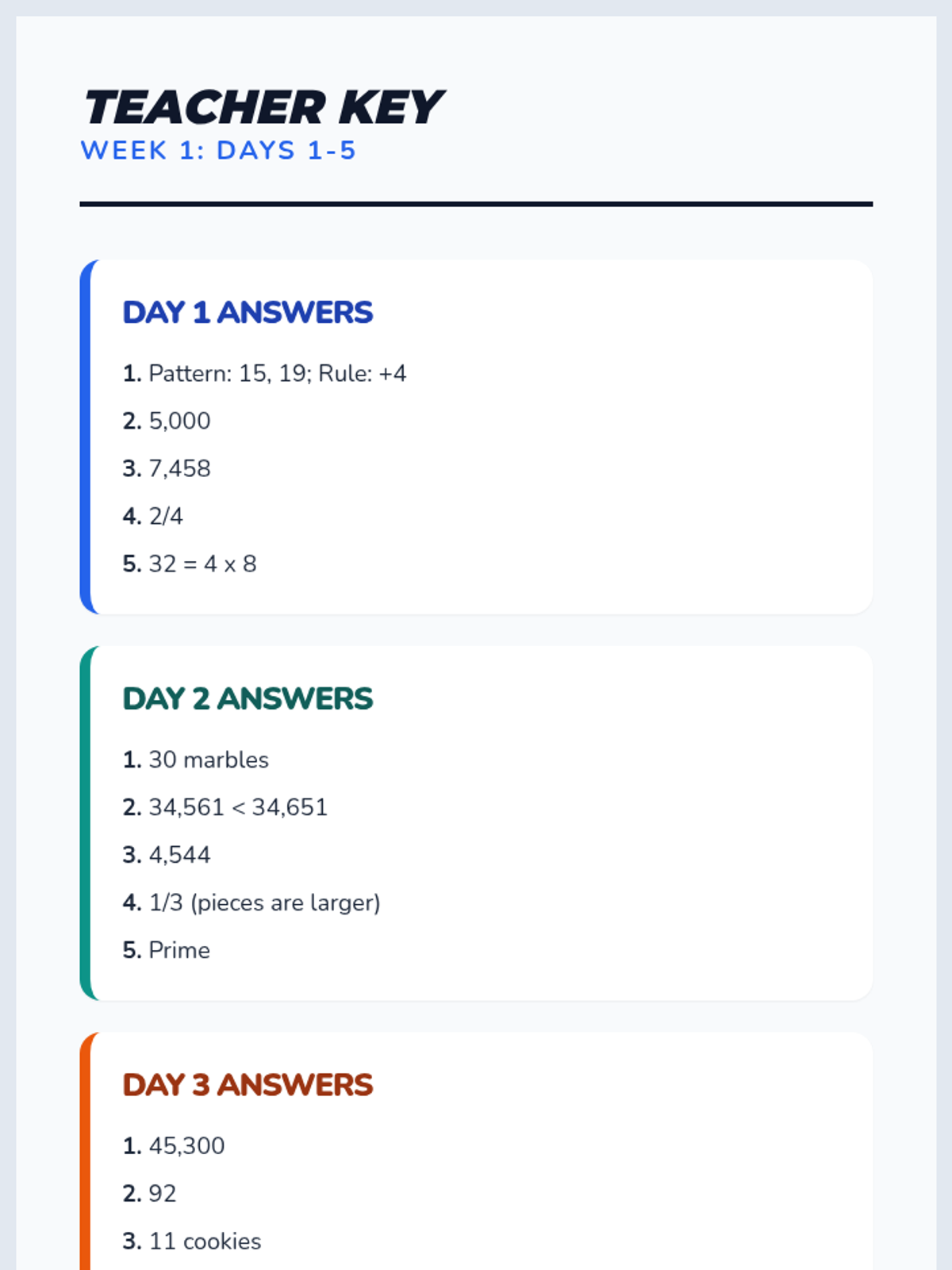
The first week focuses on foundational 4th-grade concepts including place value, rounding, multiplicative comparisons, and basic fraction equivalence.
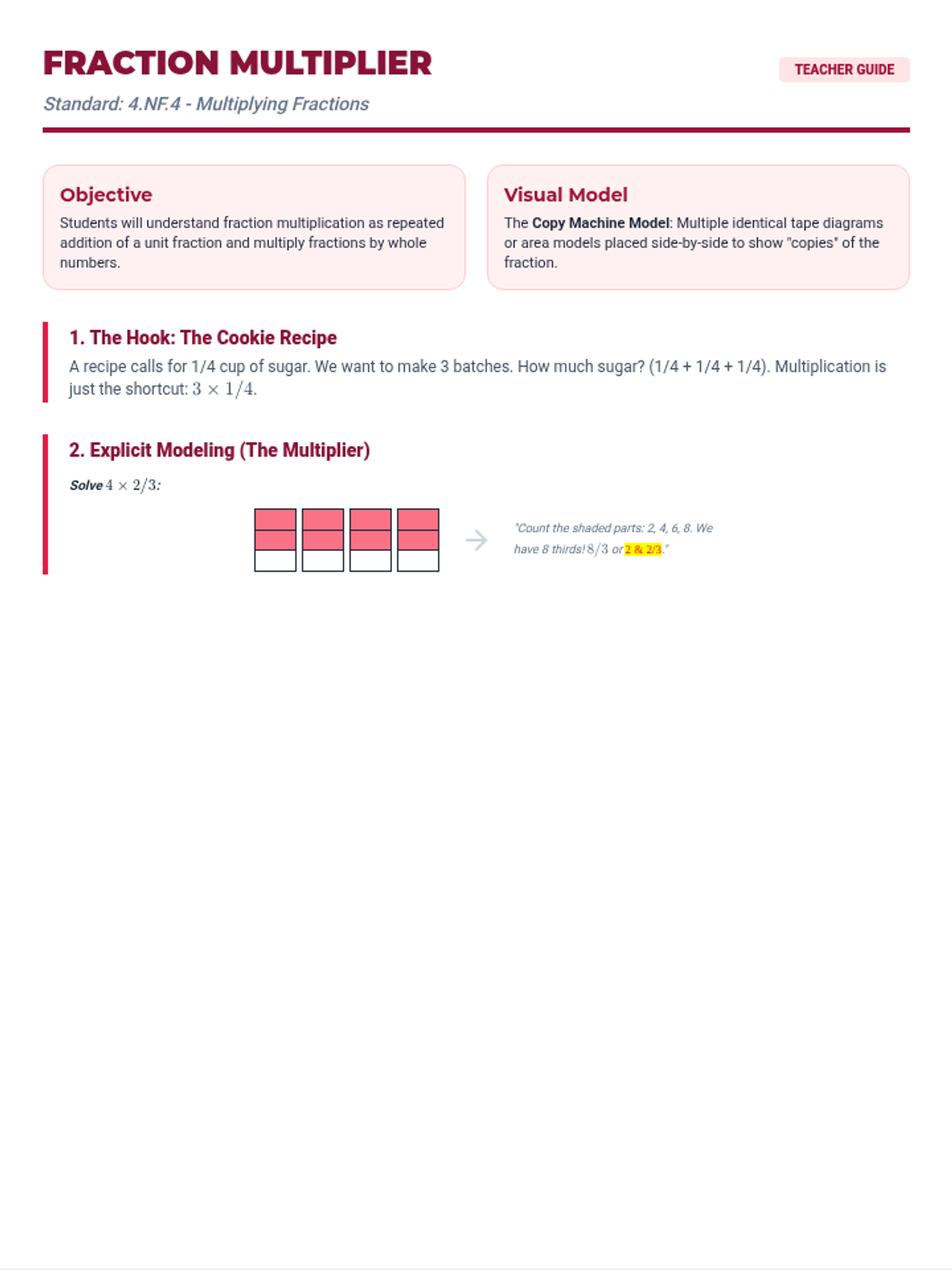
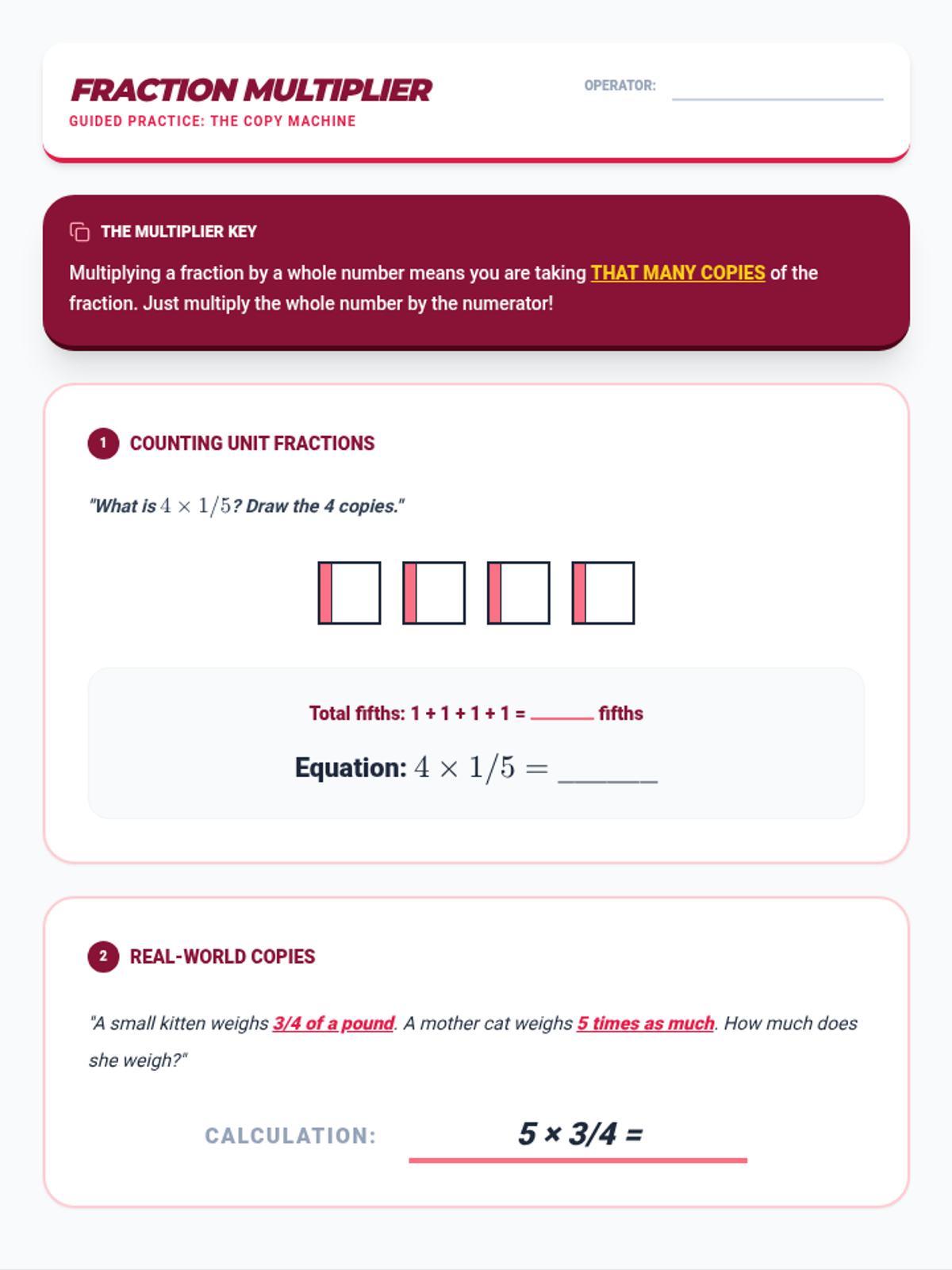
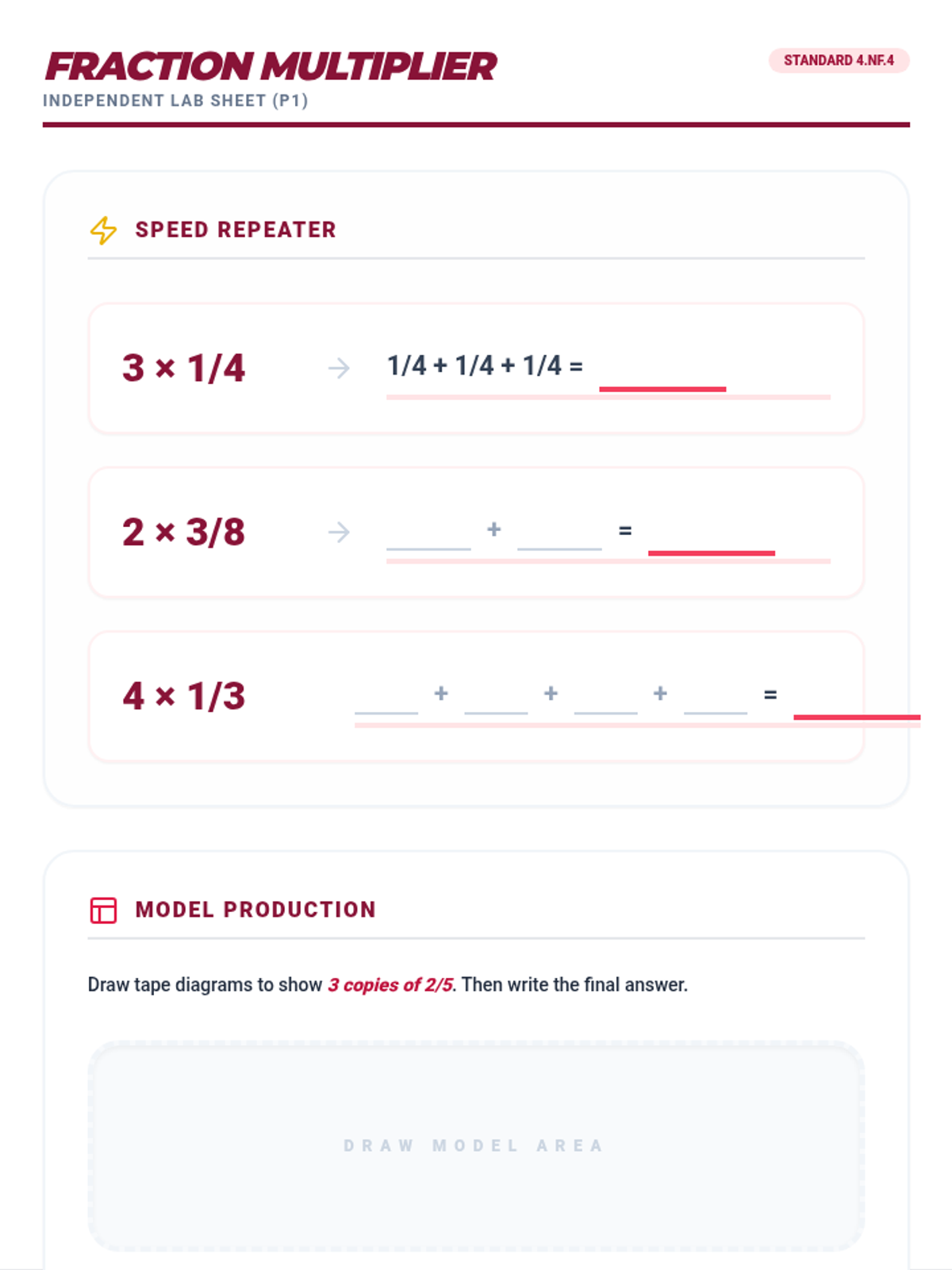
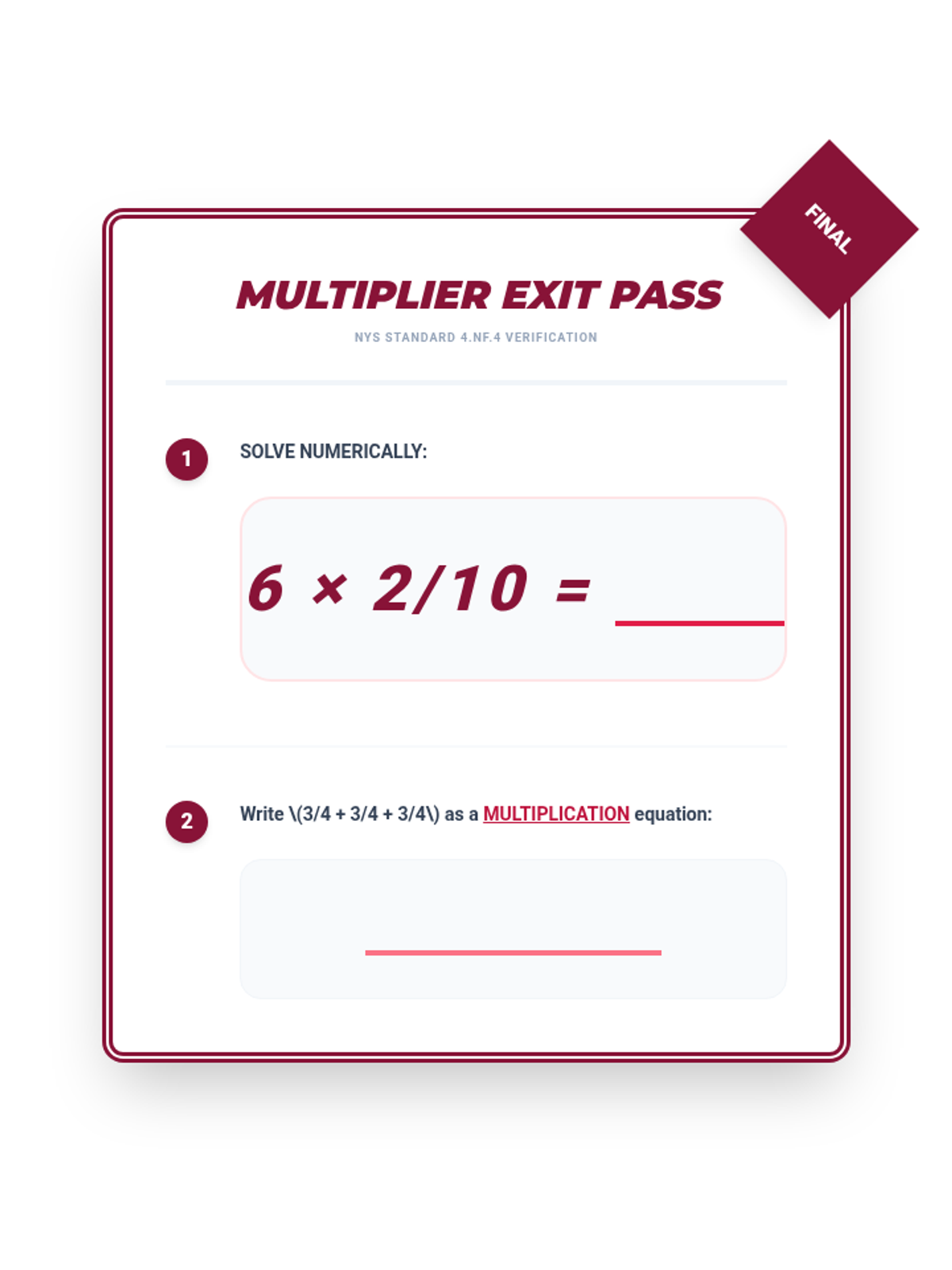
Tier 2 reteach for standard 4.NF.4: Apply and extend previous understandings of multiplication to multiply a fraction by a whole number.
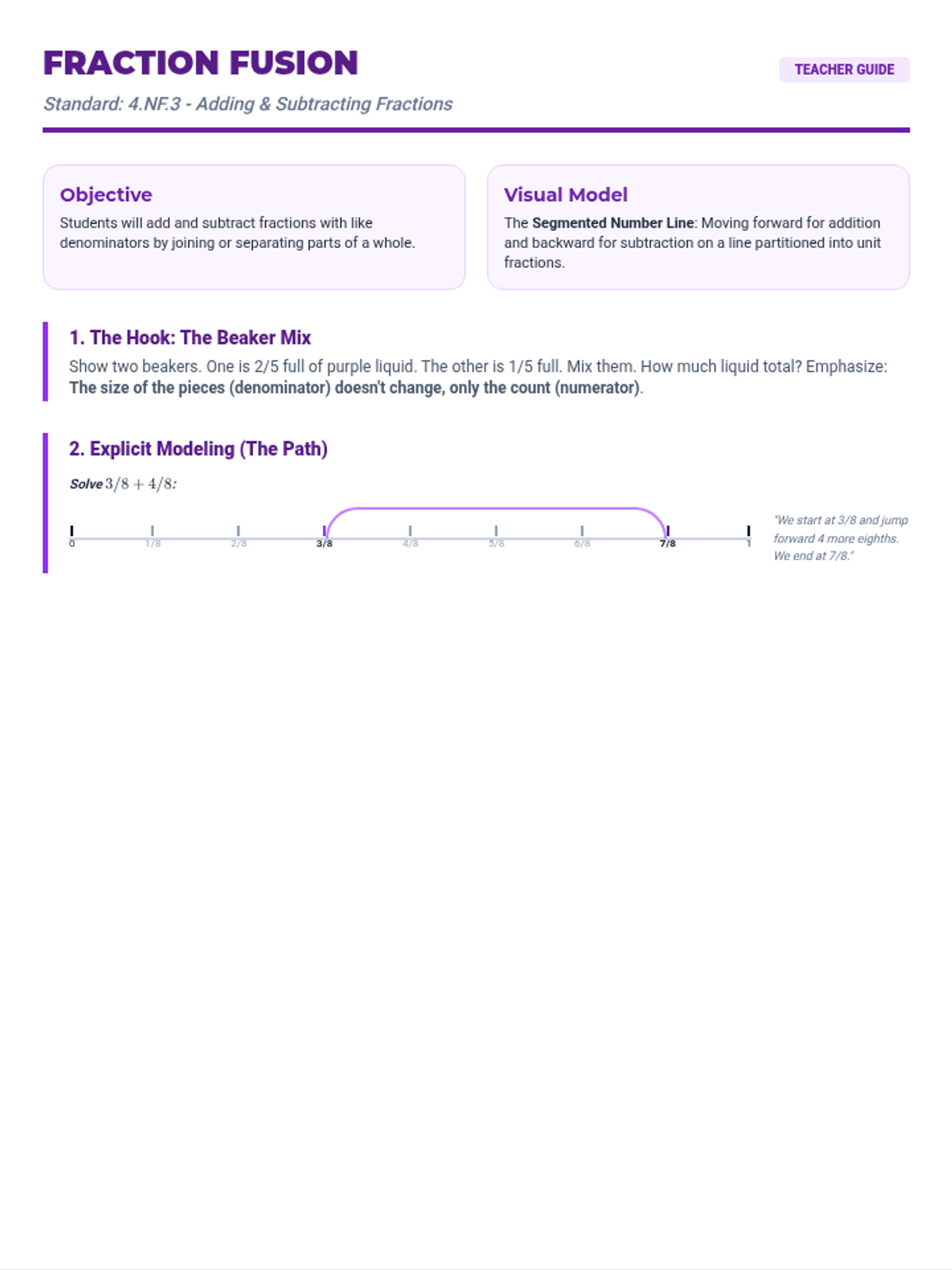
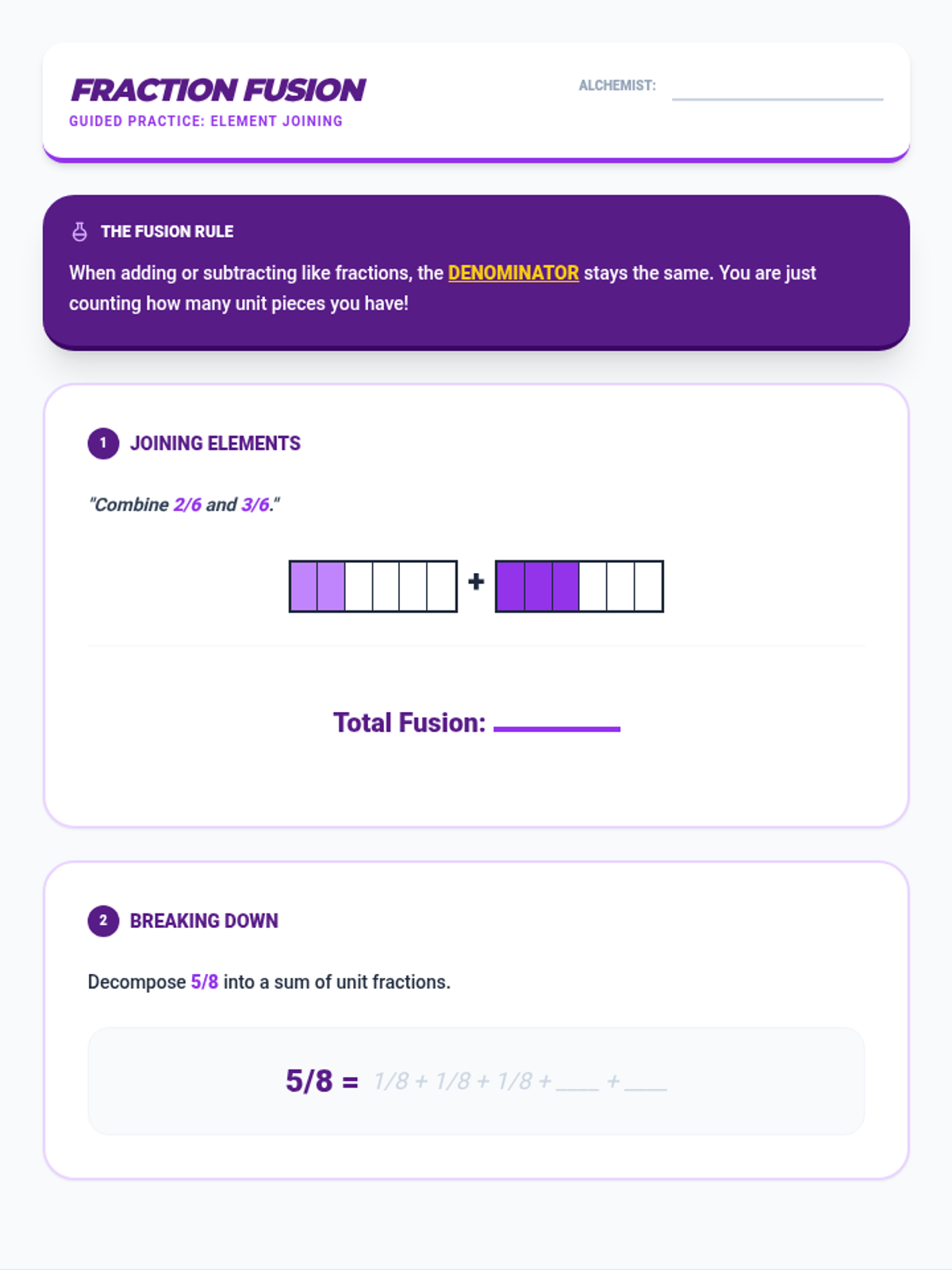
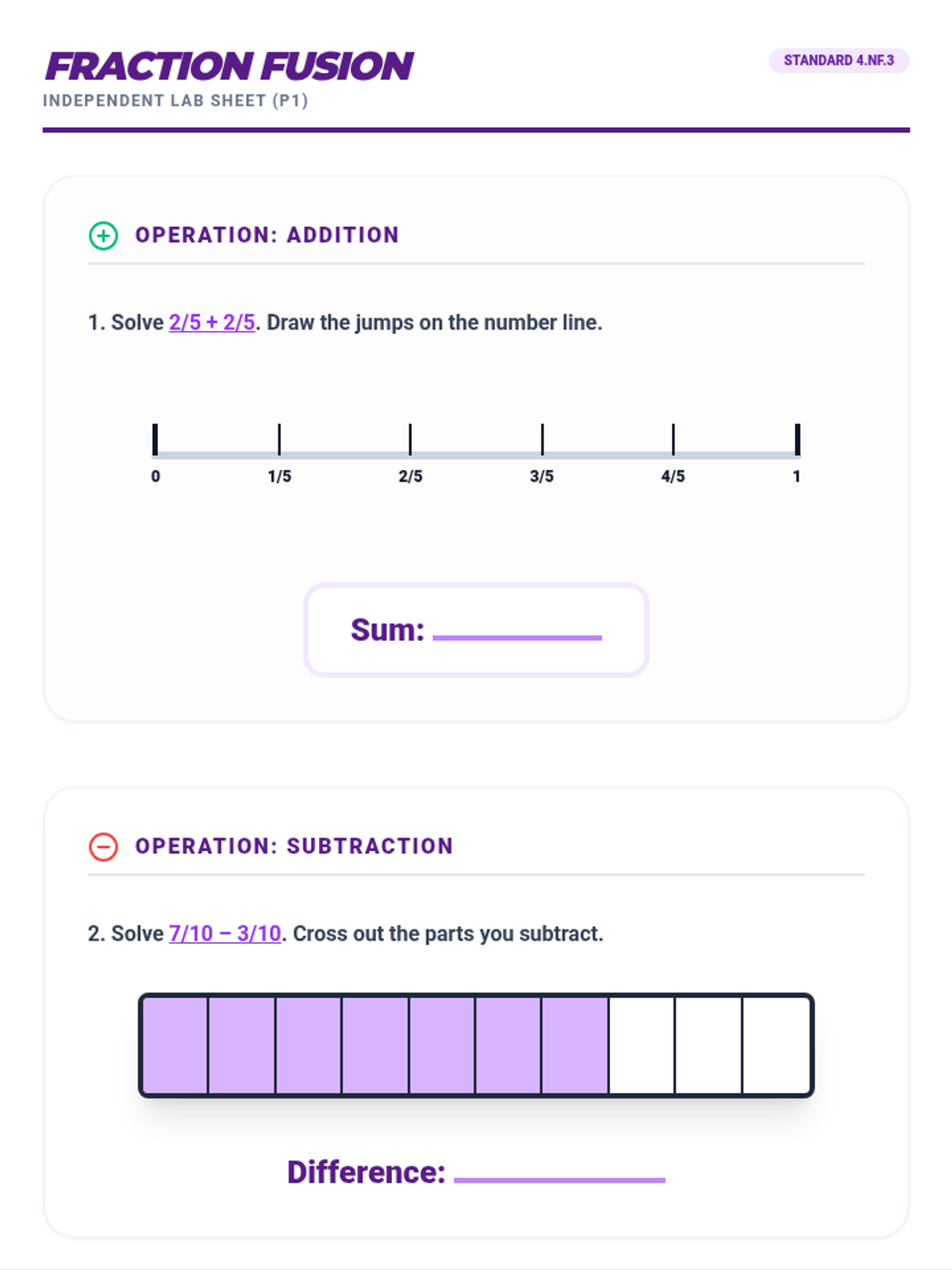
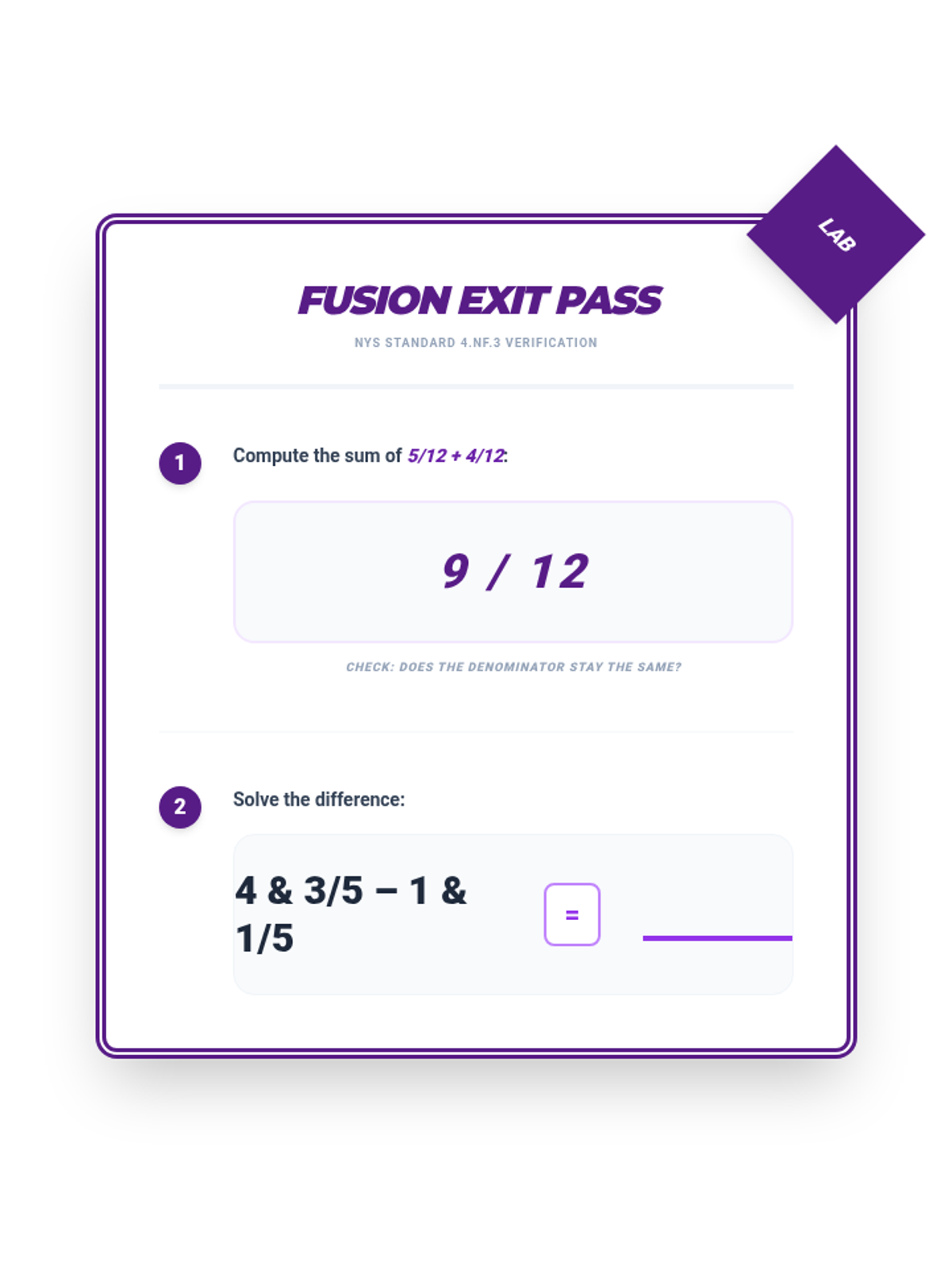
Tier 2 reteach for standard 4.NF.3: Understand addition and subtraction of fractions as joining and separating parts referring to the same whole. Focus on like denominators and mixed numbers.
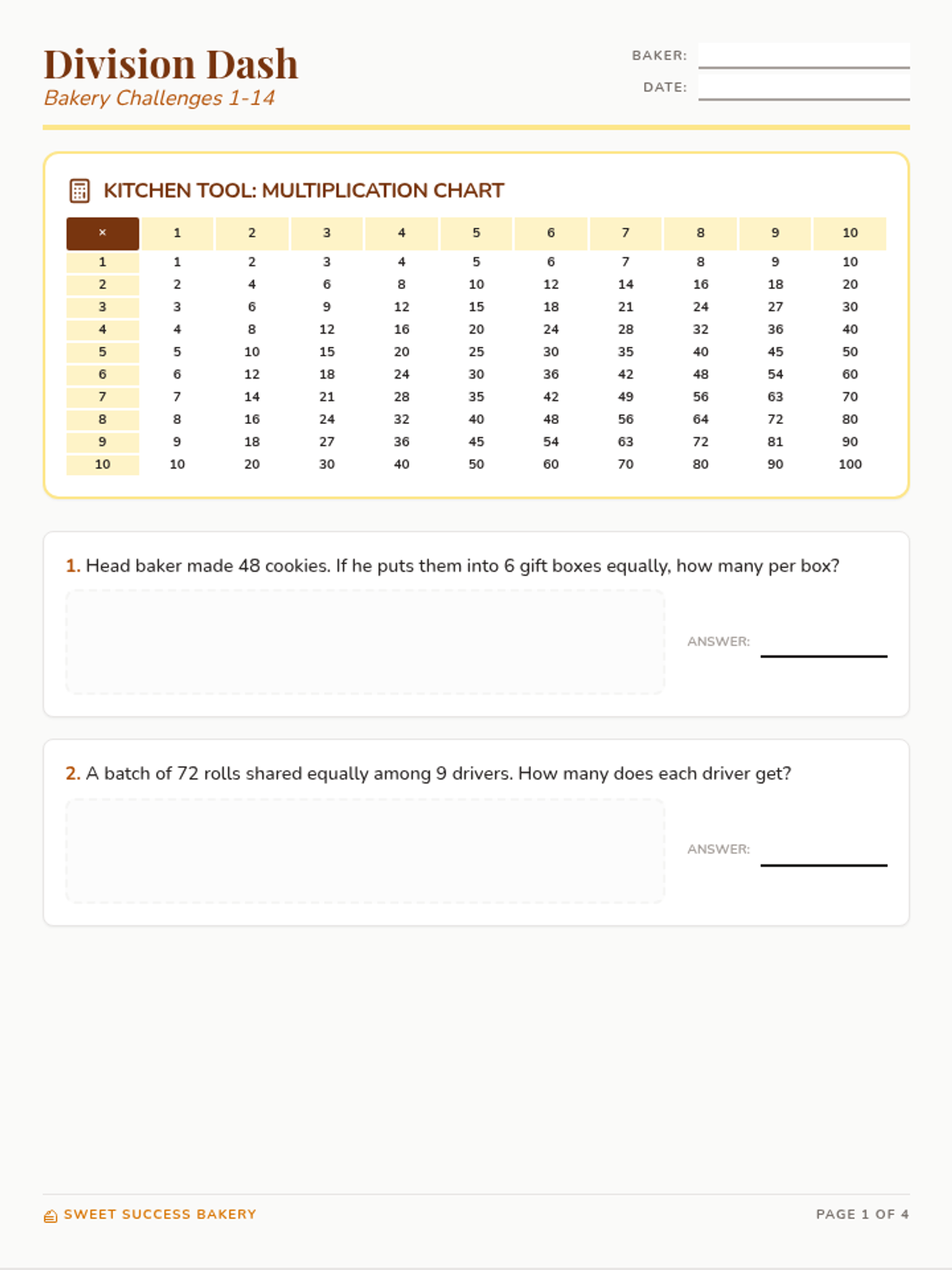
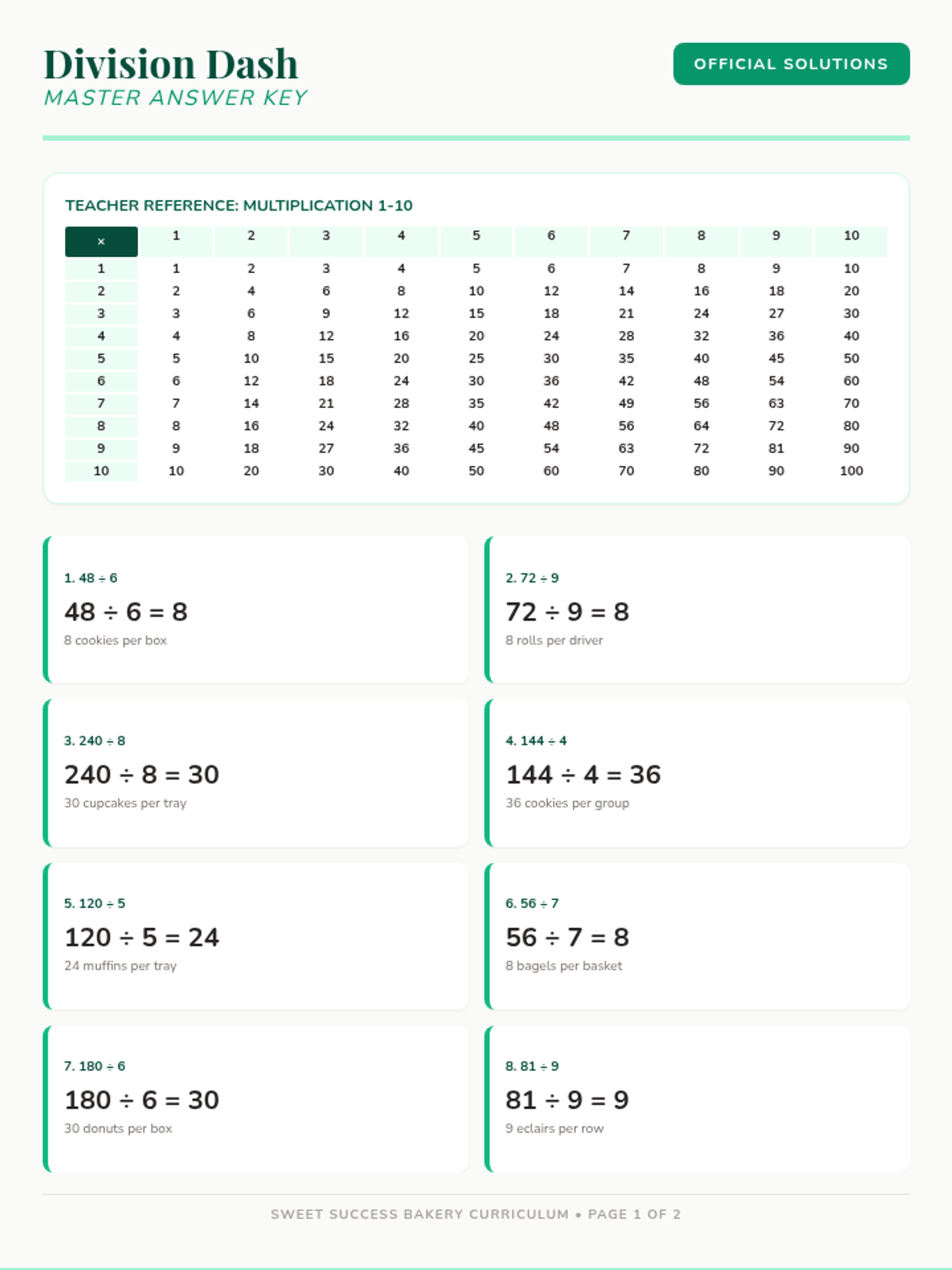
Students solve single-step division word problems using basic facts and larger numbers with 1-digit divisors, supported by a multiplication chart reference.
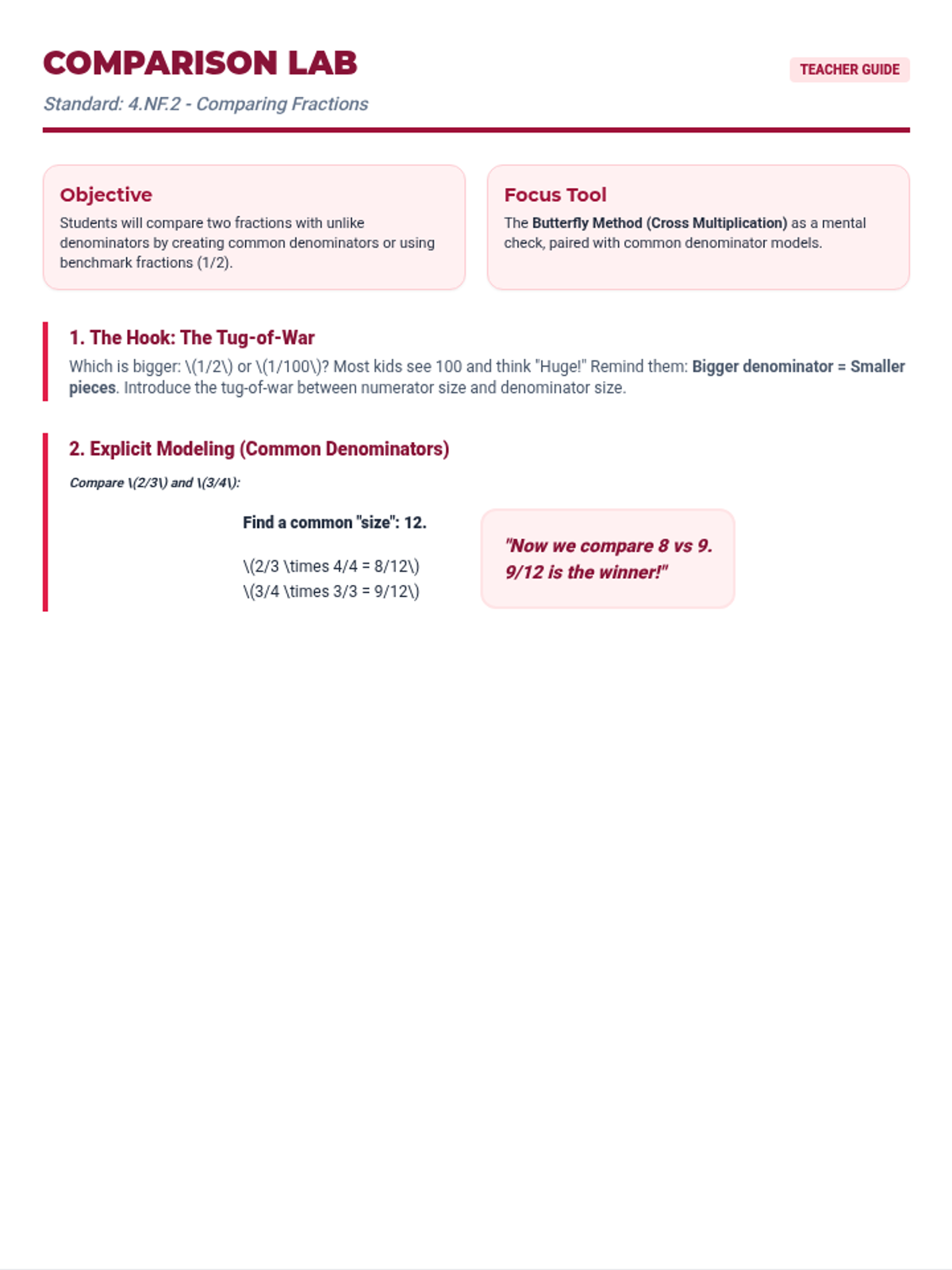
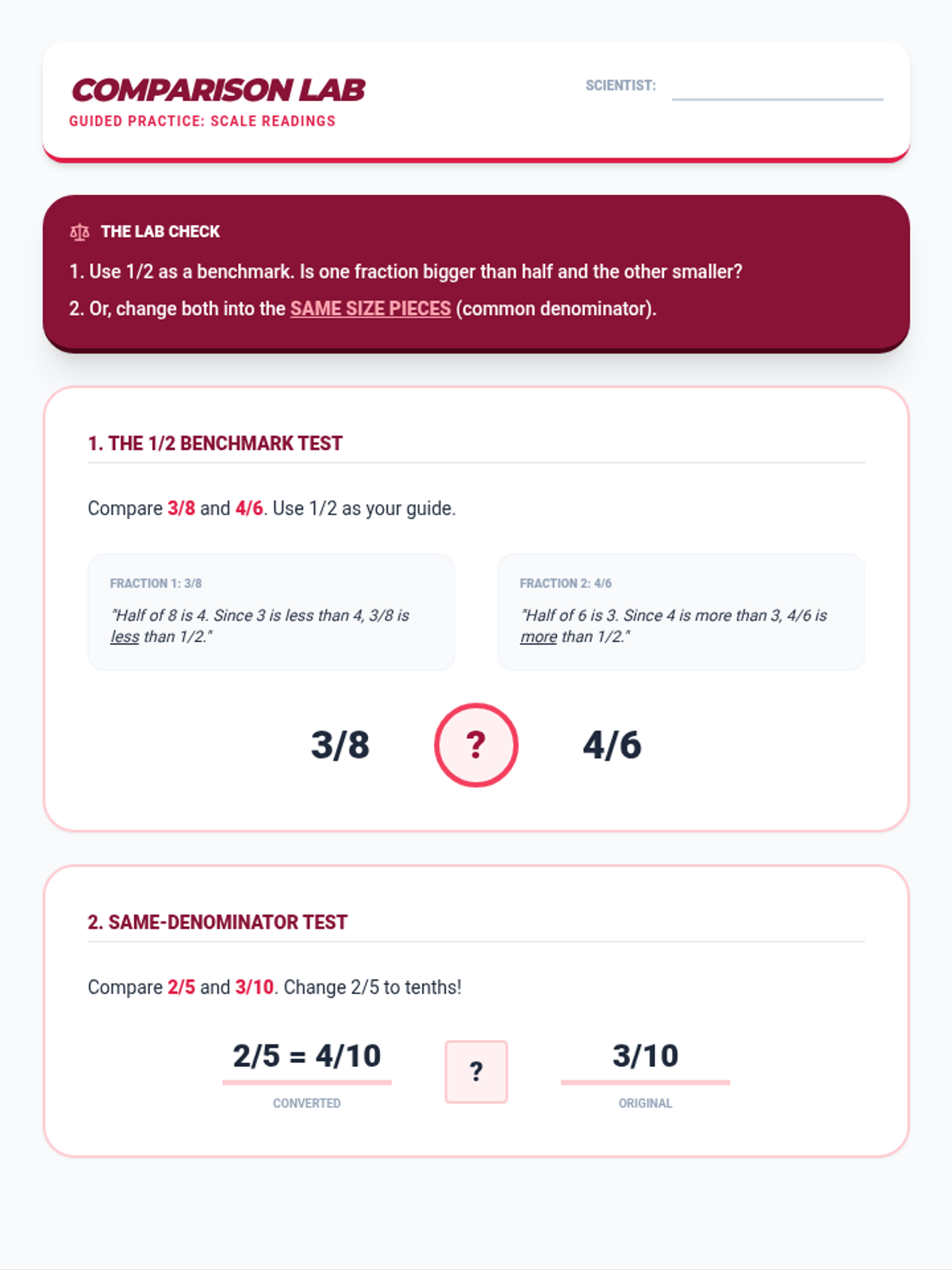
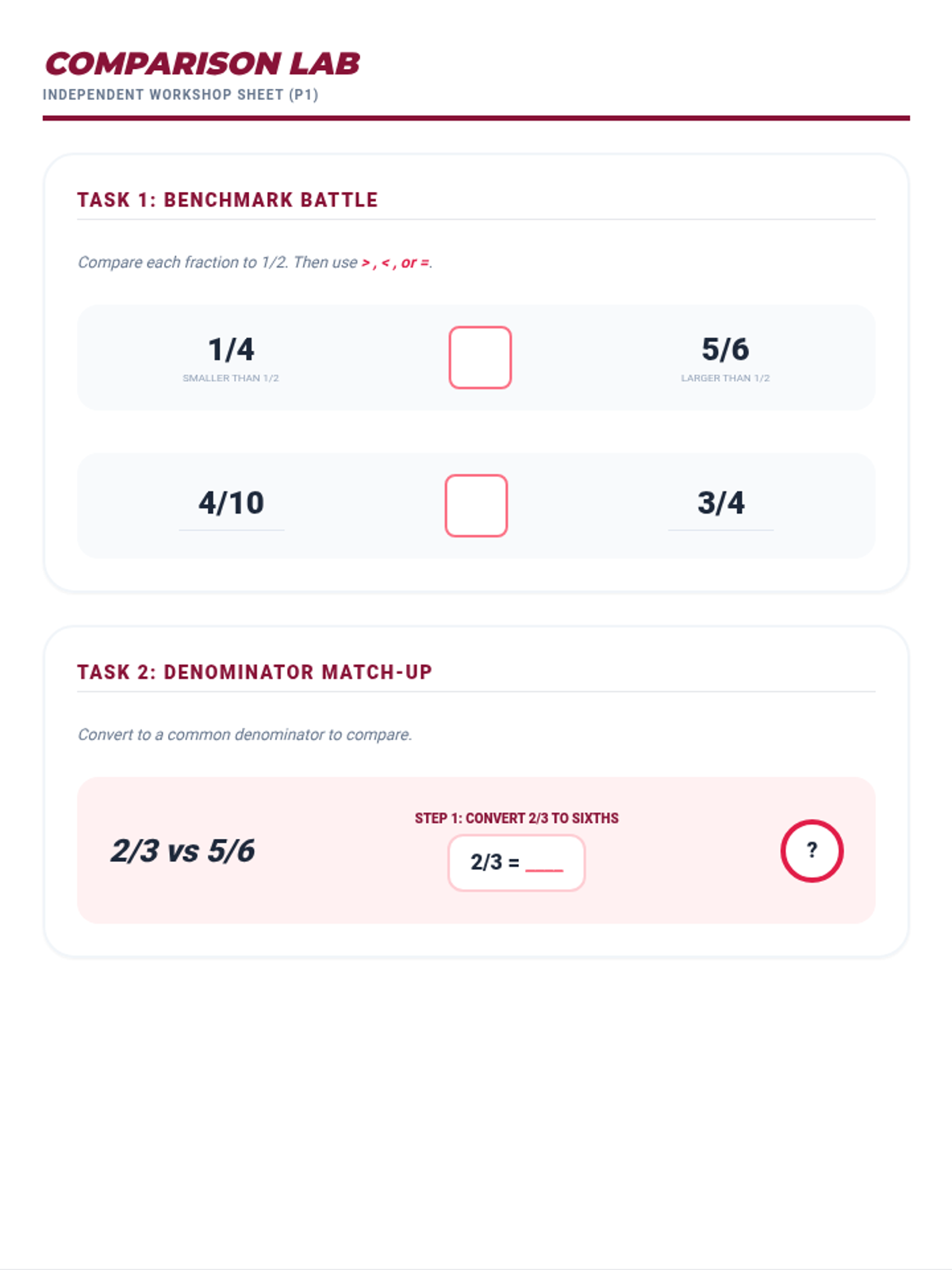
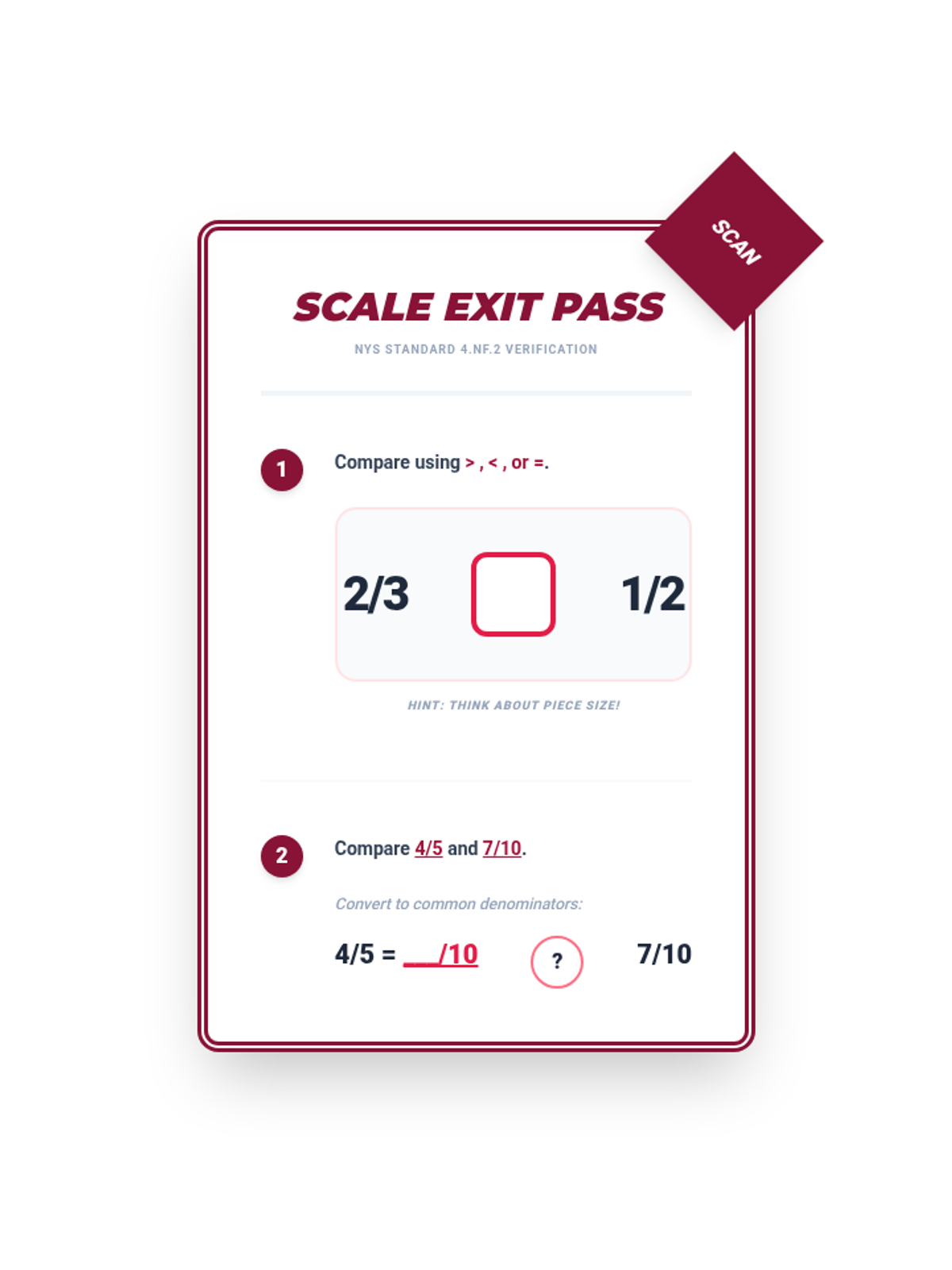
Tier 2 reteach for standard 4.NF.2: Compare two fractions with different numerators and different denominators. Focus on common denominators and benchmark fractions.
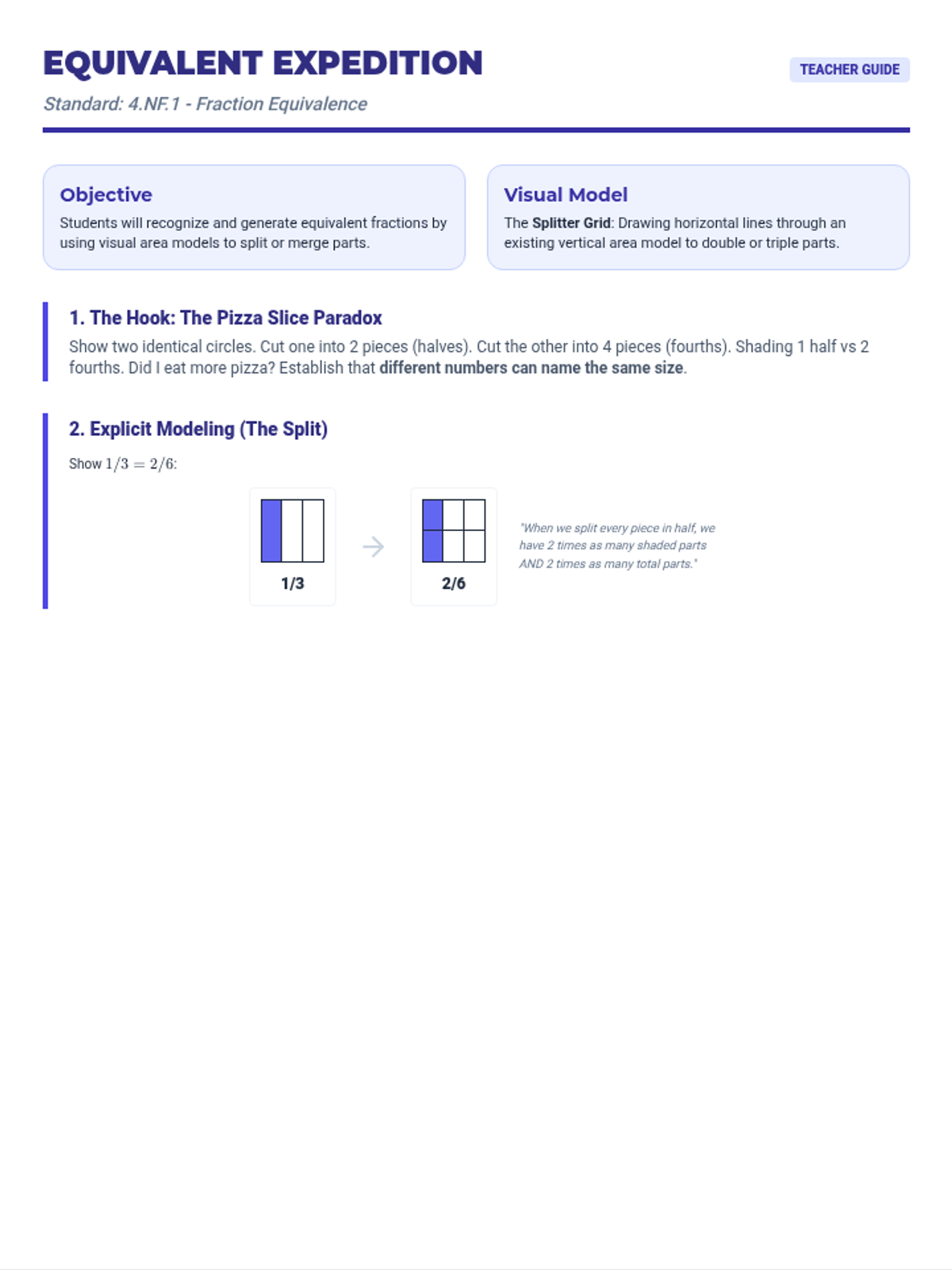
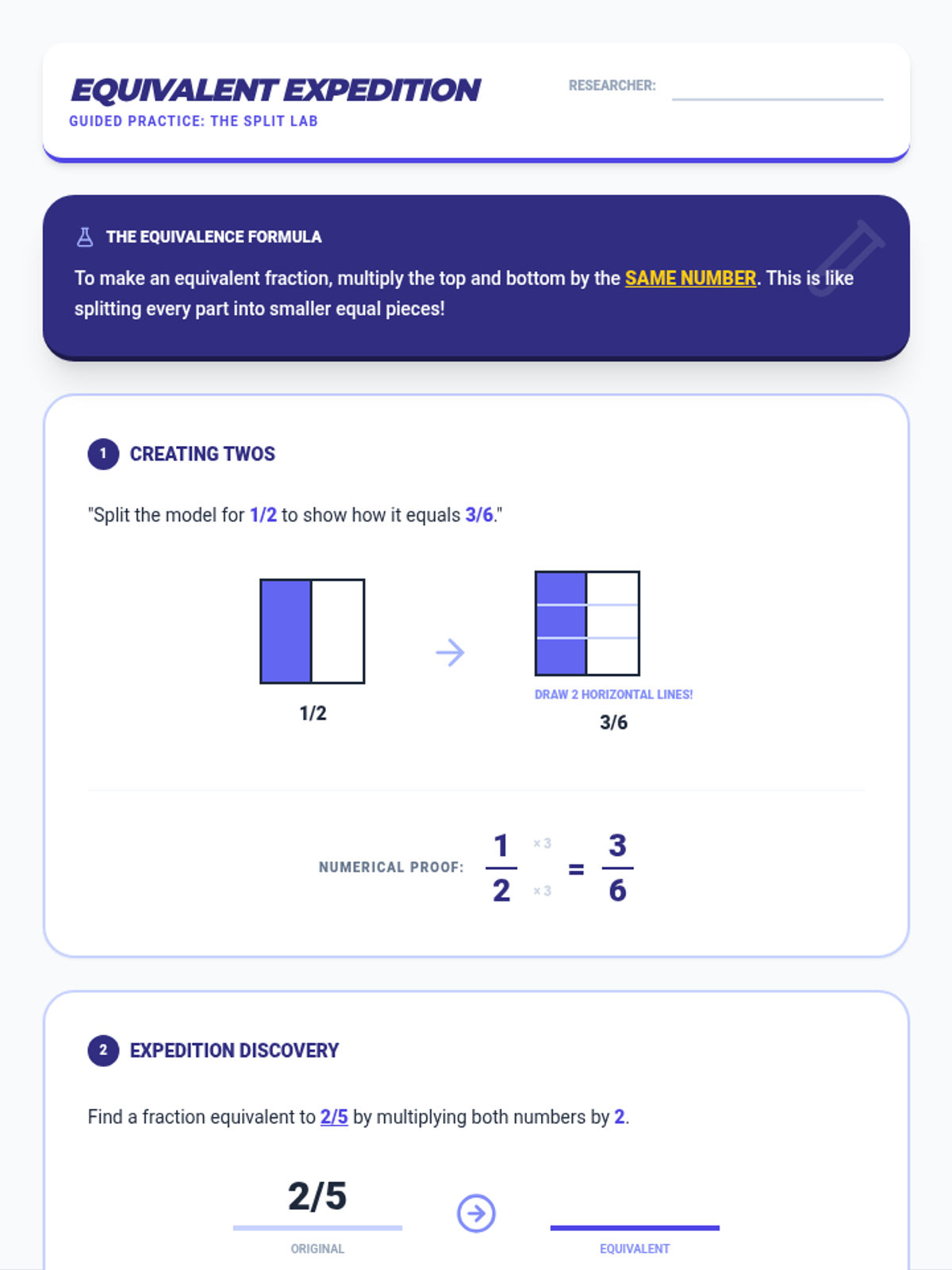
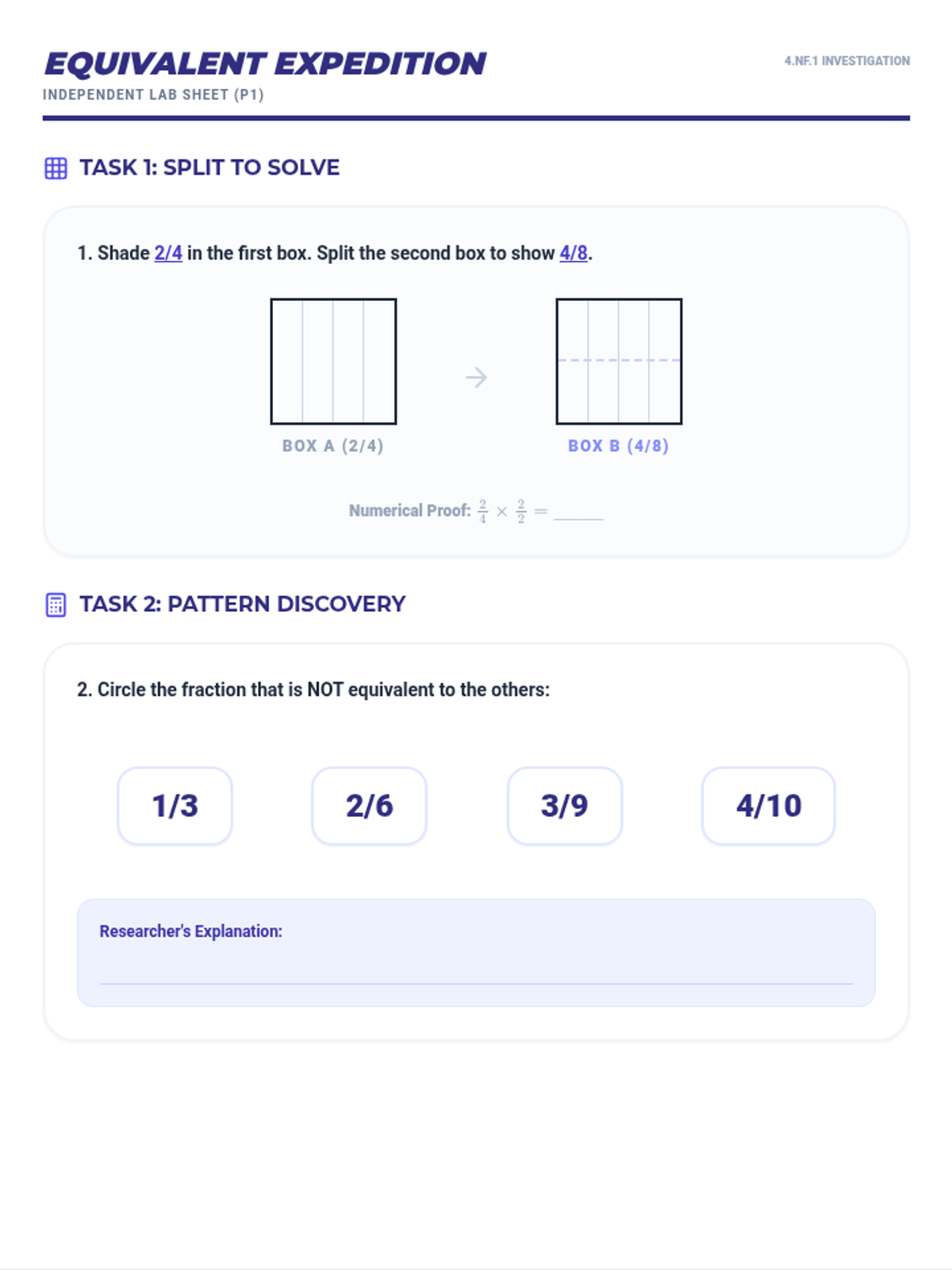
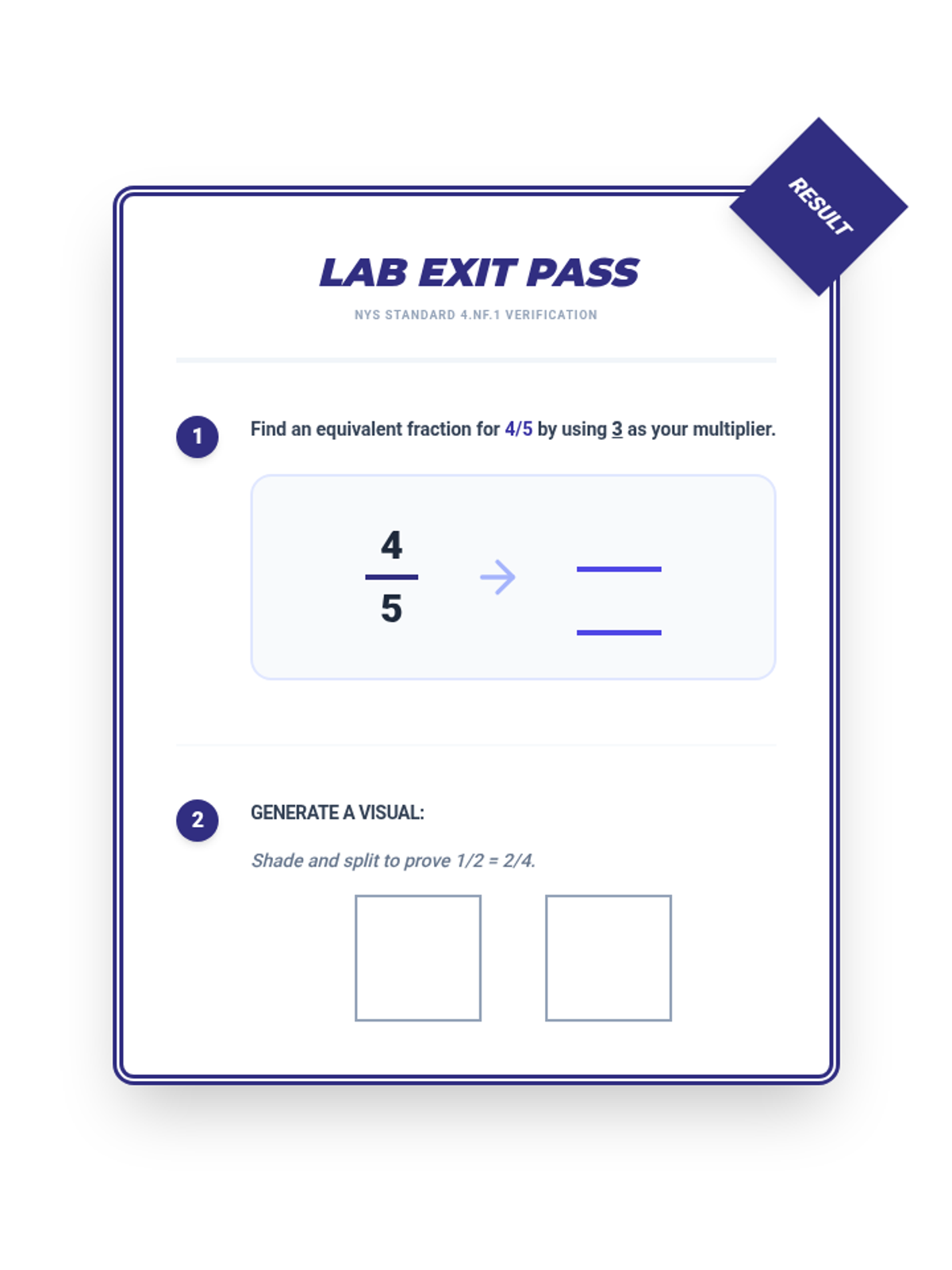
Tier 2 reteach for standard 4.NF.1: Explain why fractions are equivalent using visual fraction models. Focus on the "Splitting" and "Merging" strategies.
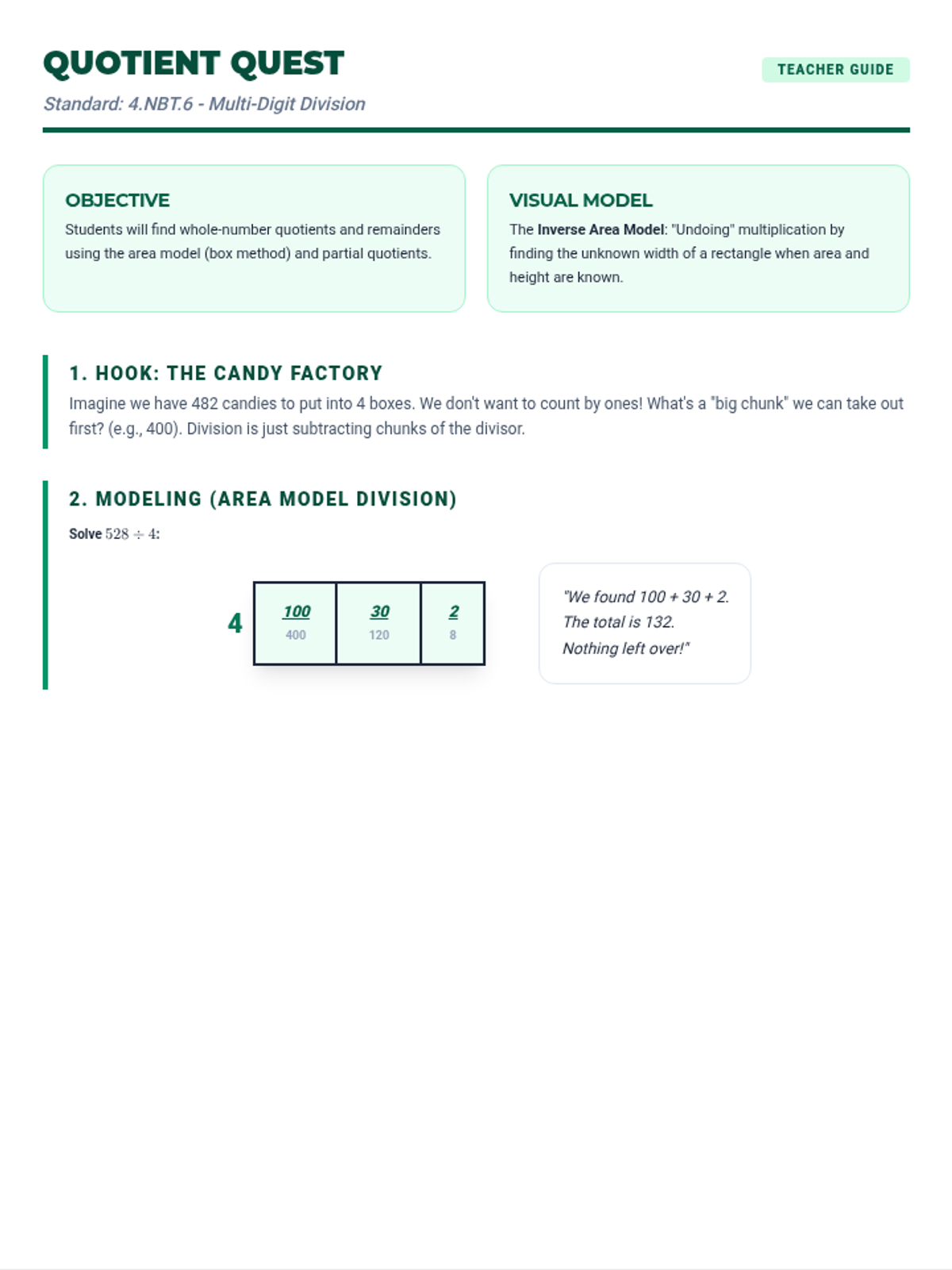
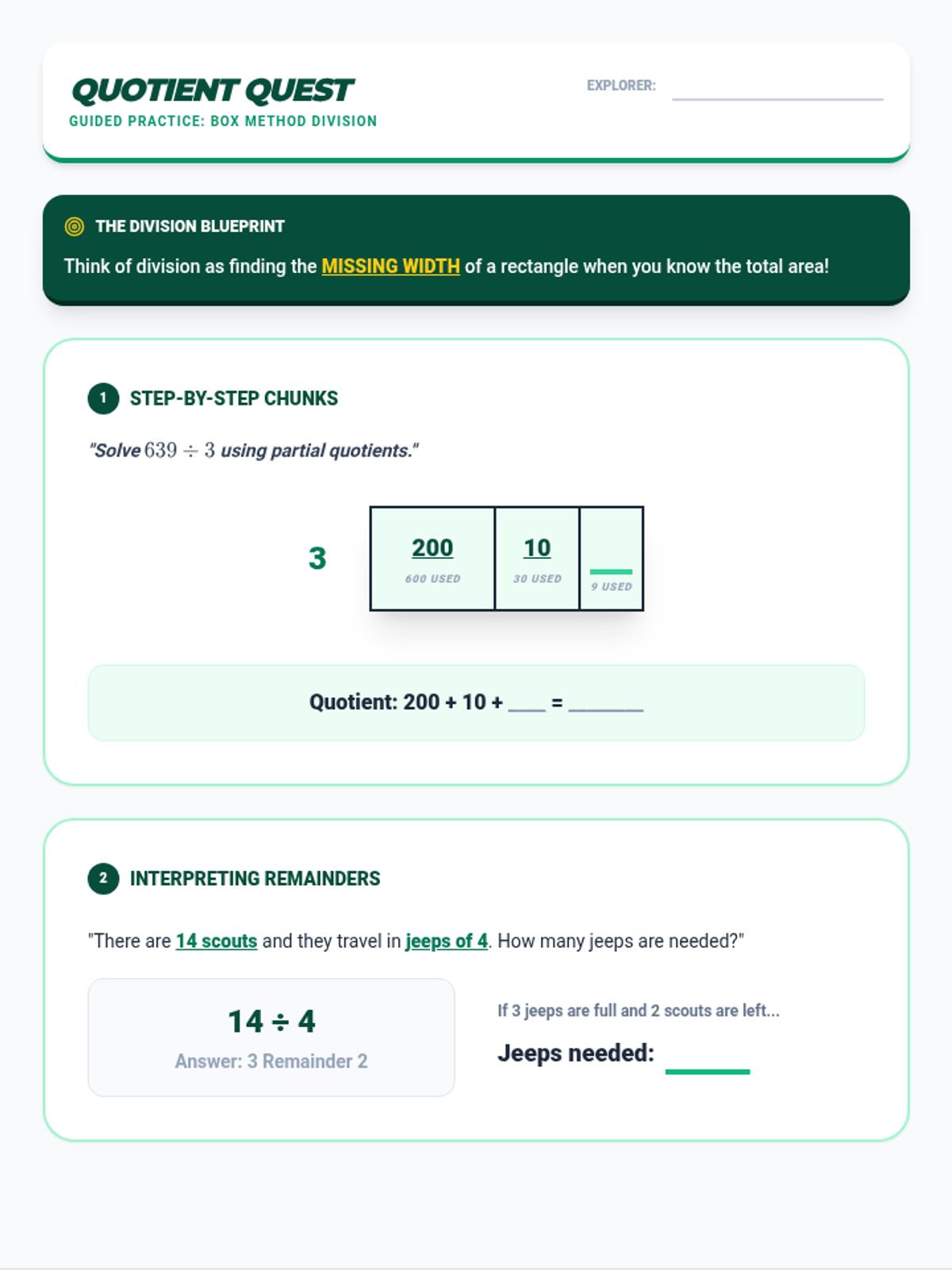
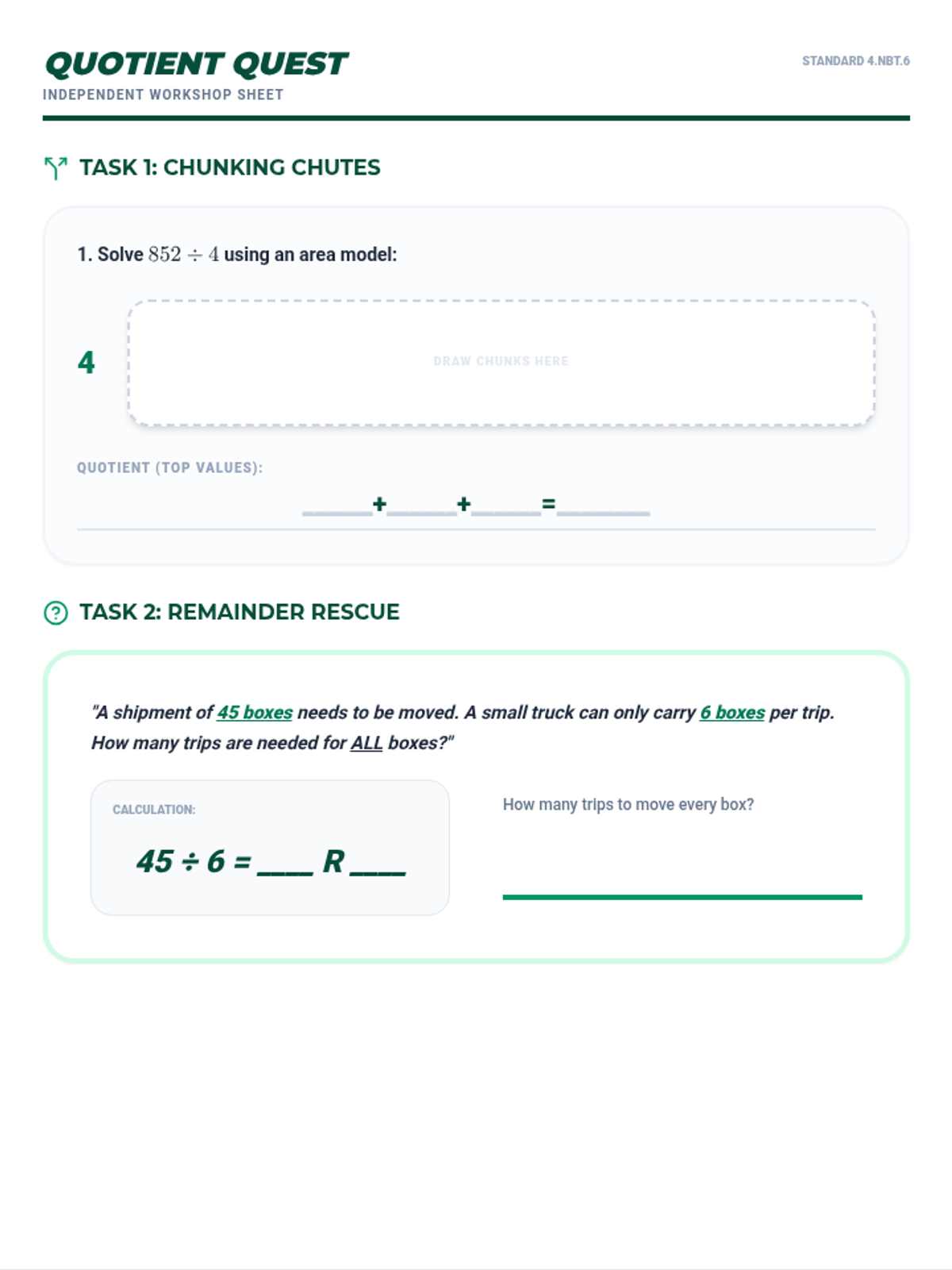
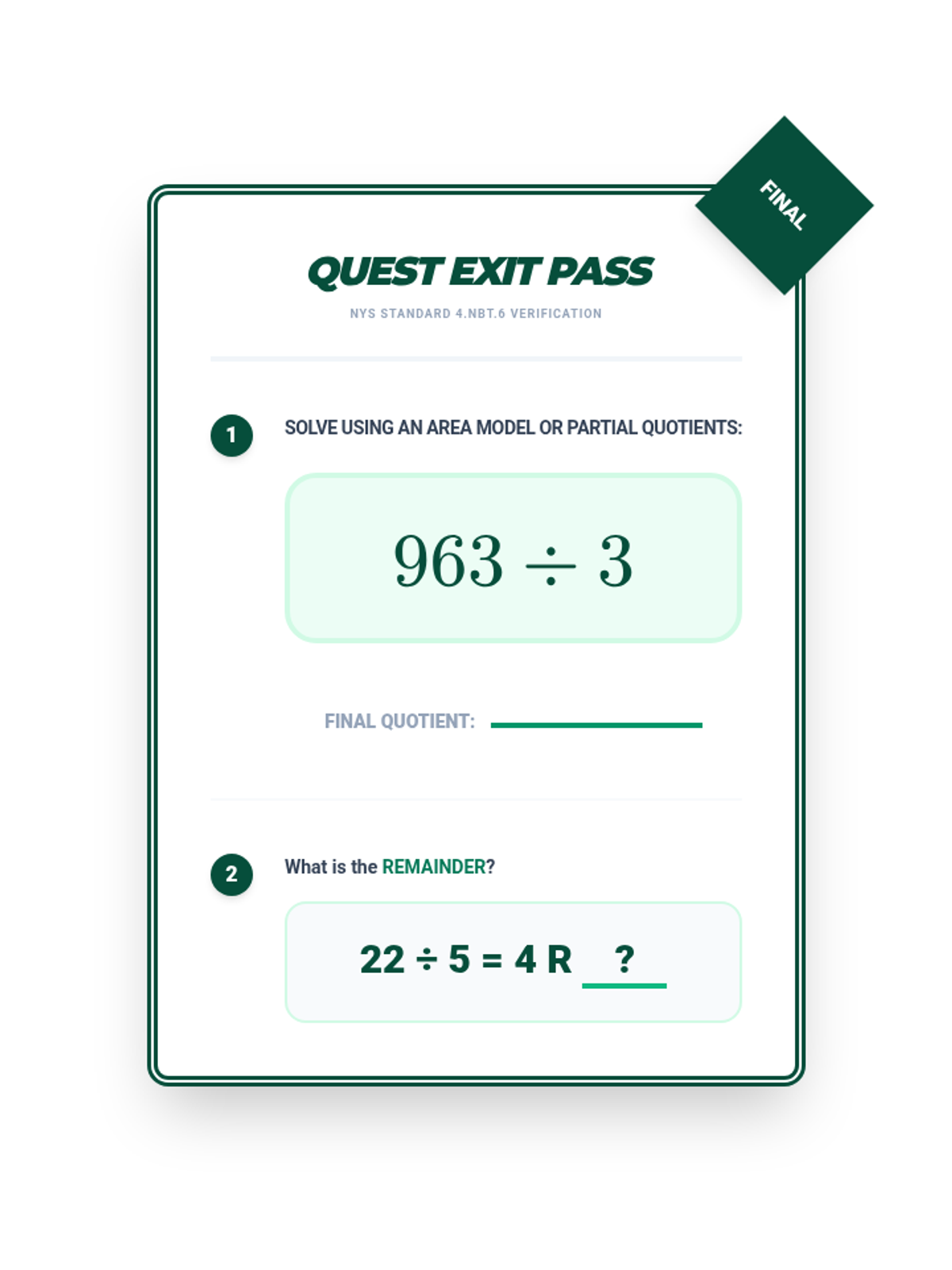
Tier 2 reteach for standard 4.NBT.6: Find whole-number quotients and remainders with up to four-digit dividends and one-digit divisors, using strategies based on place value.