Rebranding grading and feedback as a "debugging" process to identify where student logic breaks down.
An introductory session reframing Computer Science from "coding on screens" to a tool for problem-solving and organizing thought.
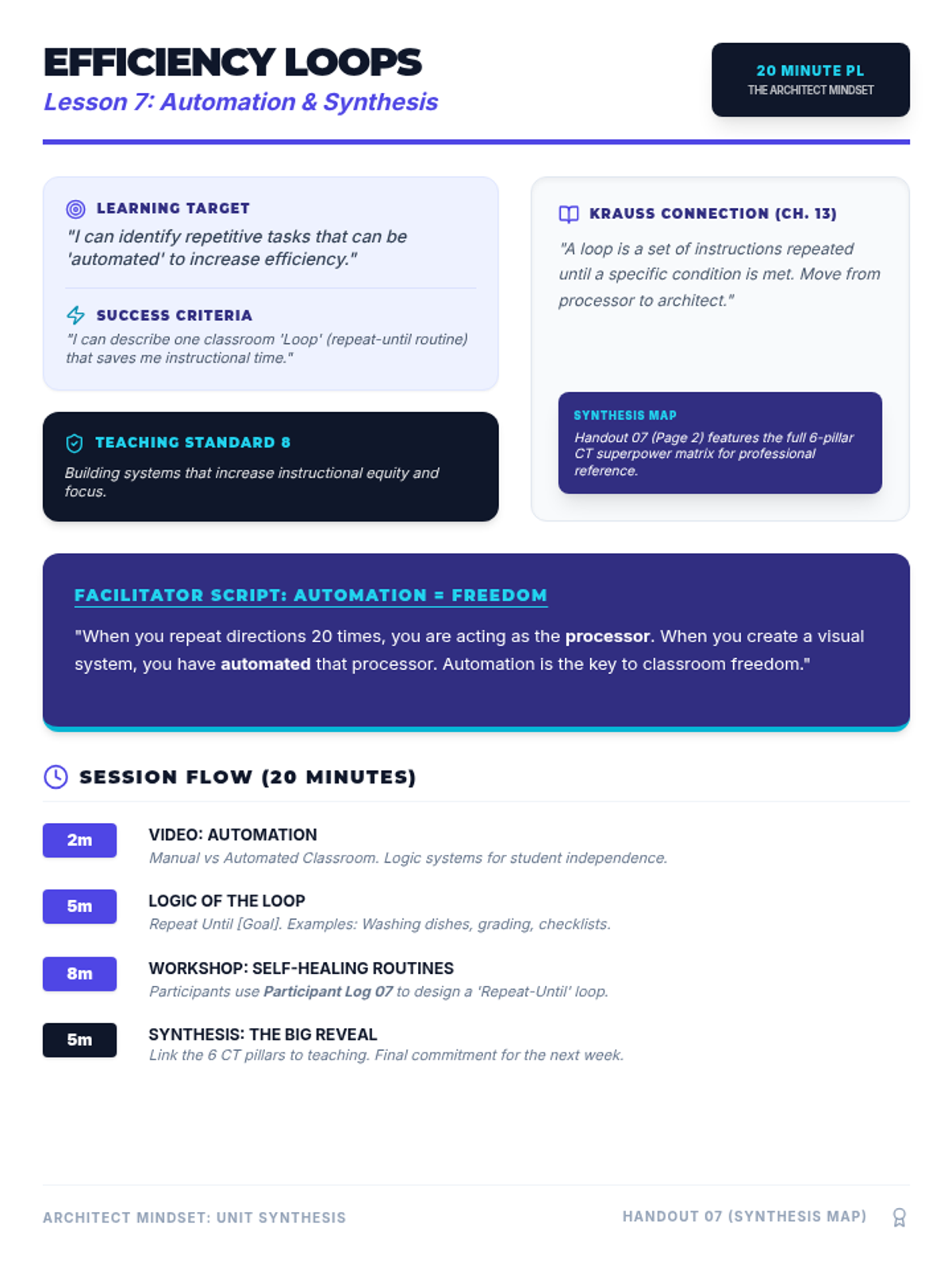
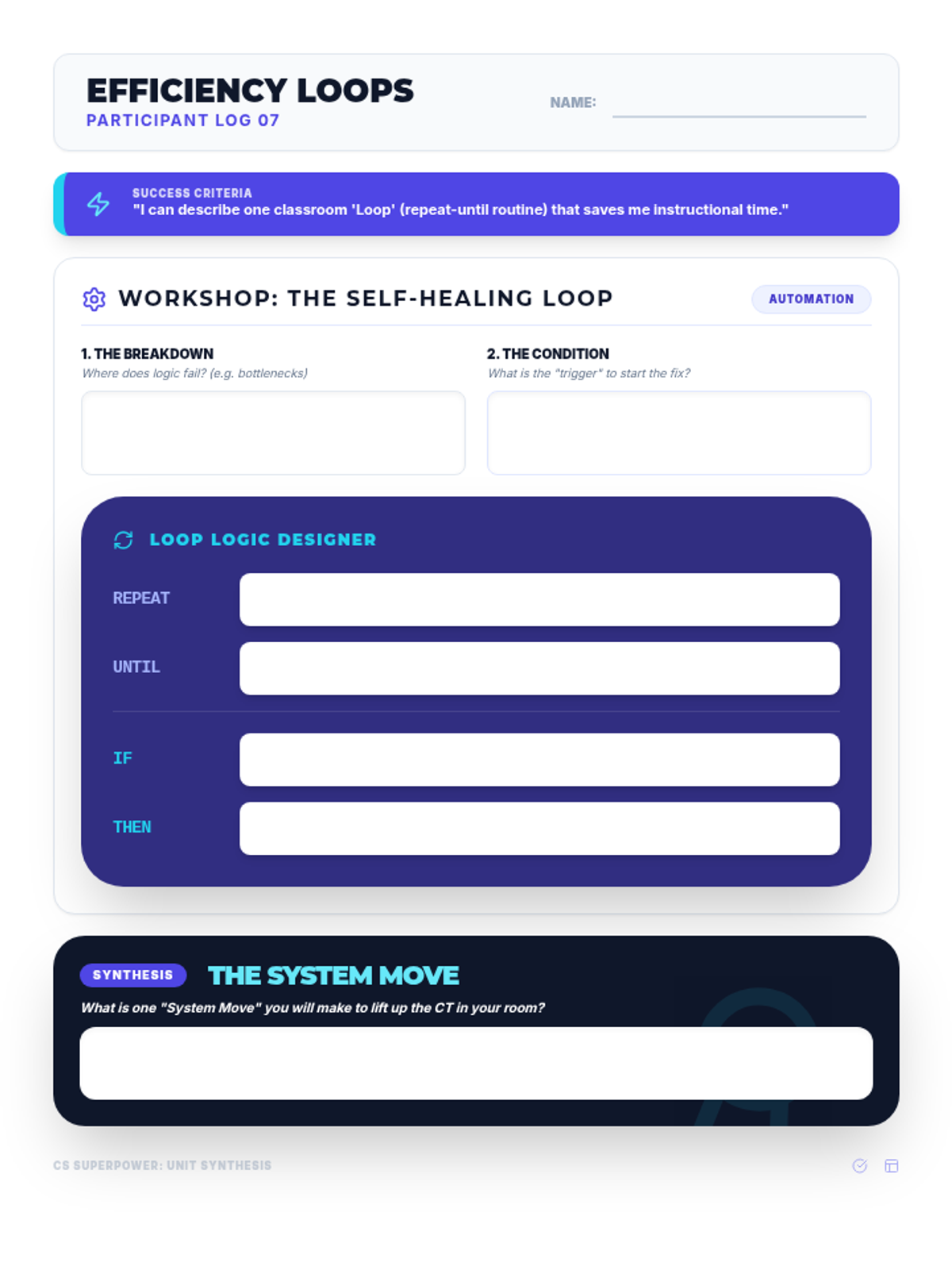
Identifying repetitive tasks that can be turned into "Loops" to increase classroom efficiency and teacher focus.
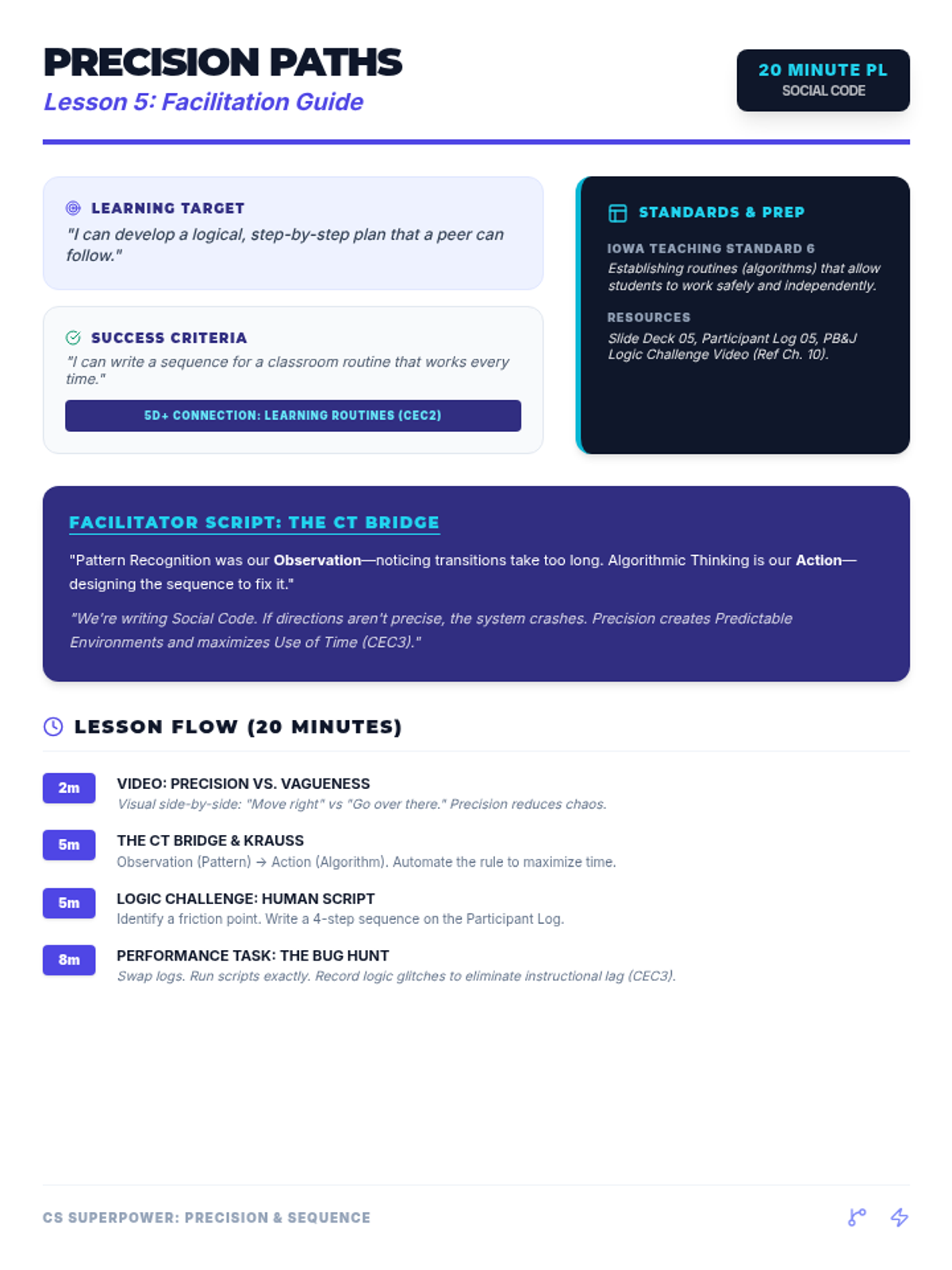
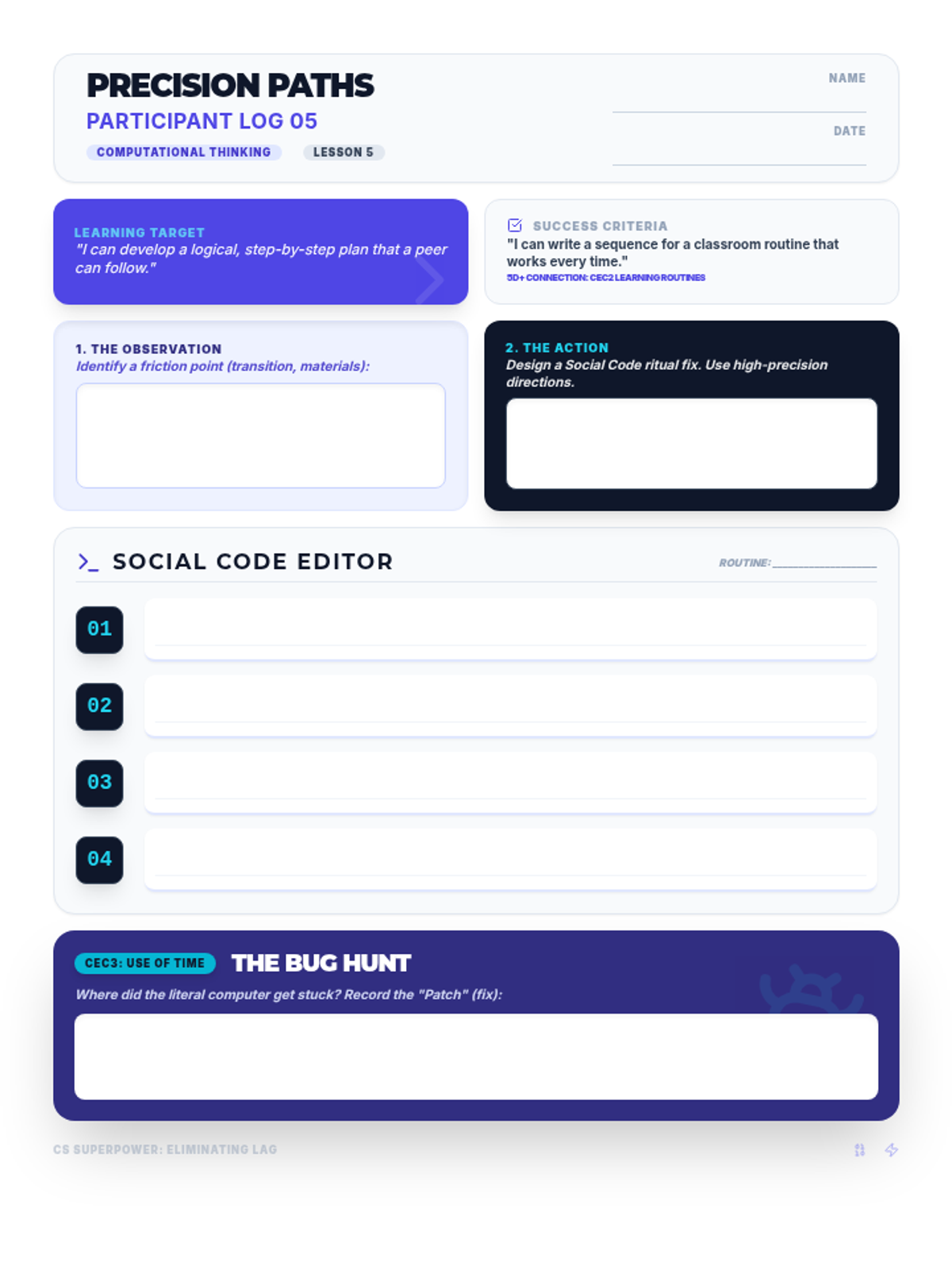
Developing logical, step-by-step plans (social code) that ensure precise and predictable classroom routines.
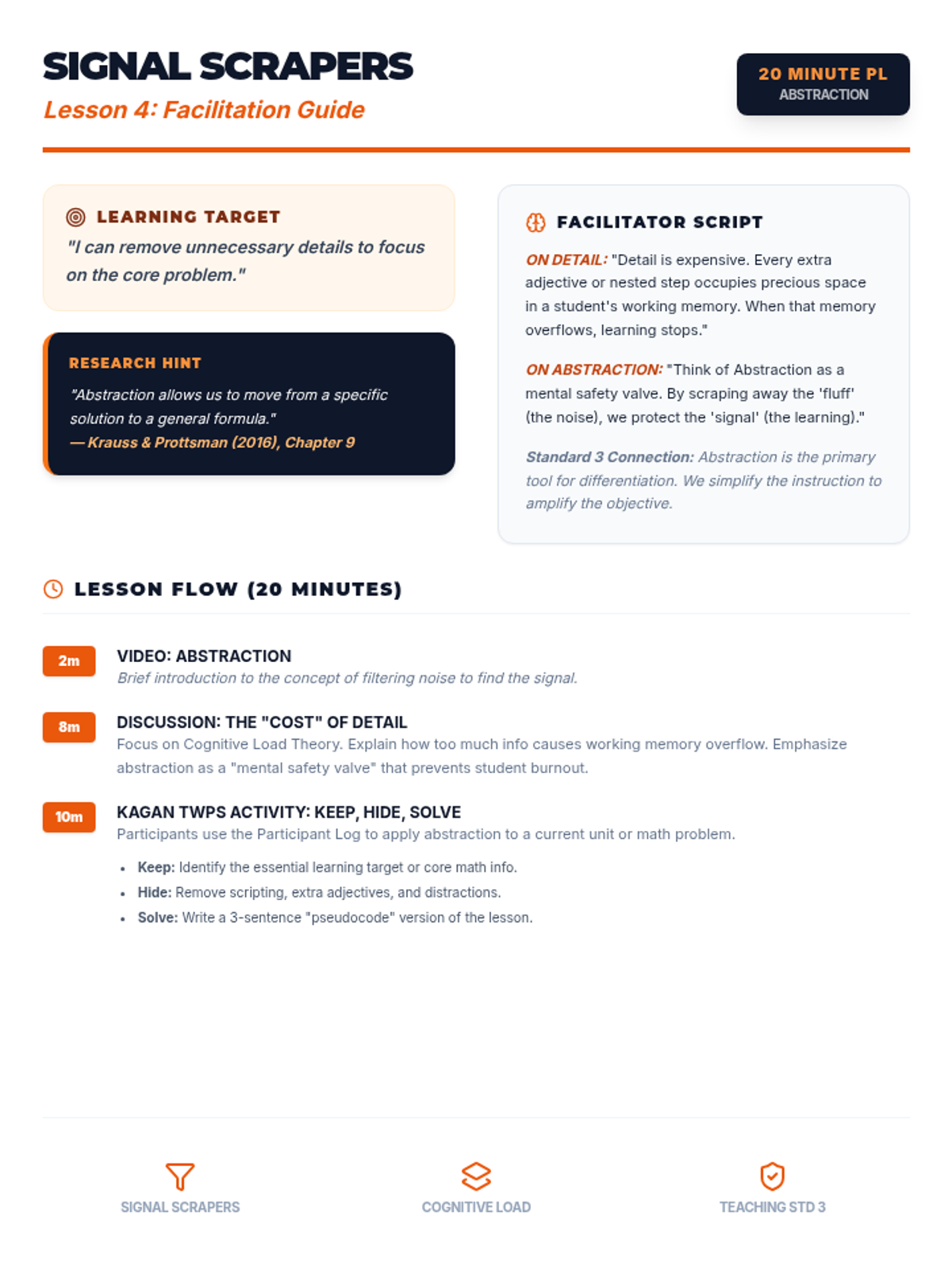
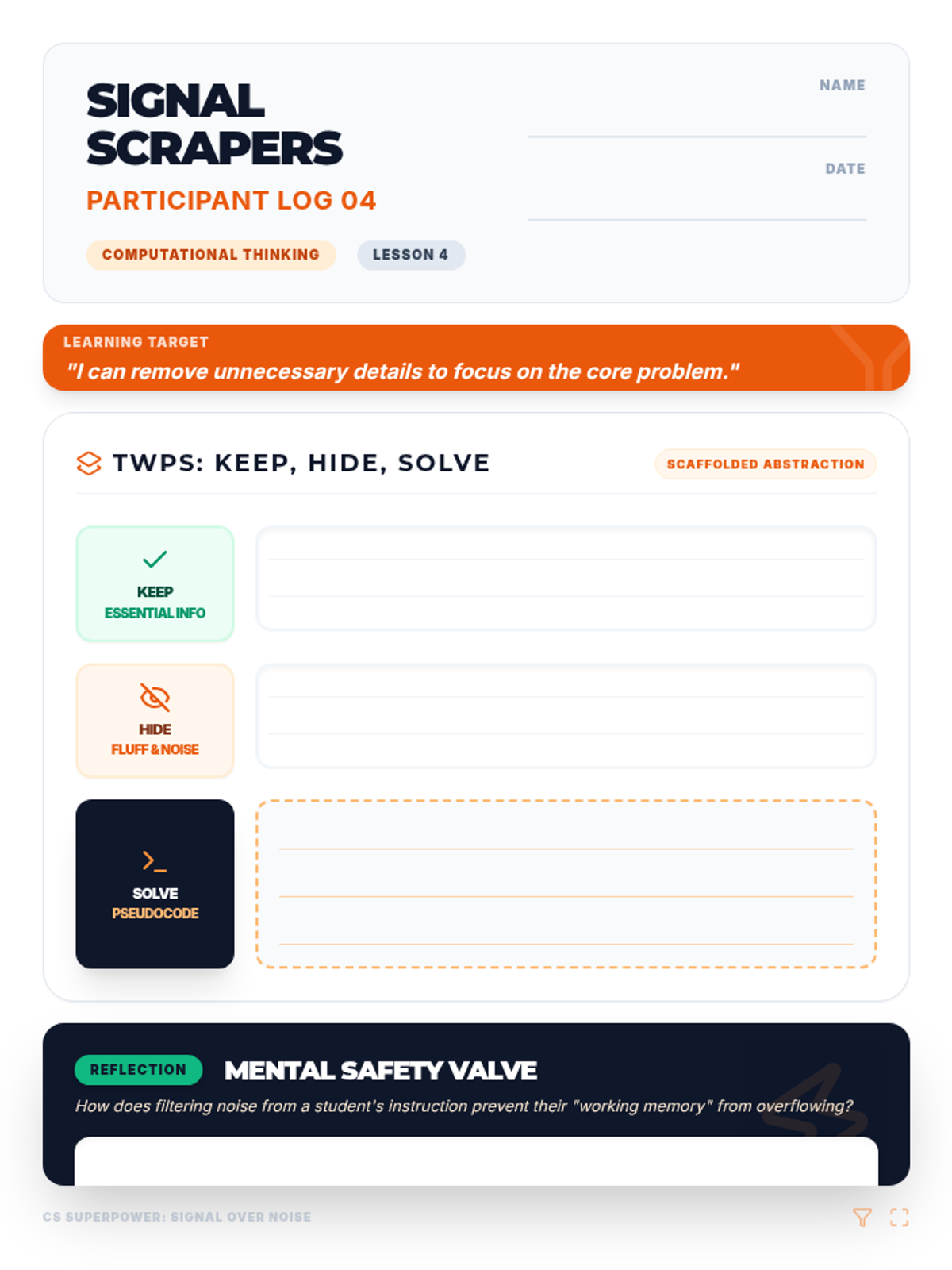
Teachers practice removing unnecessary details from lesson plans and instructions to focus on core learning objectives.
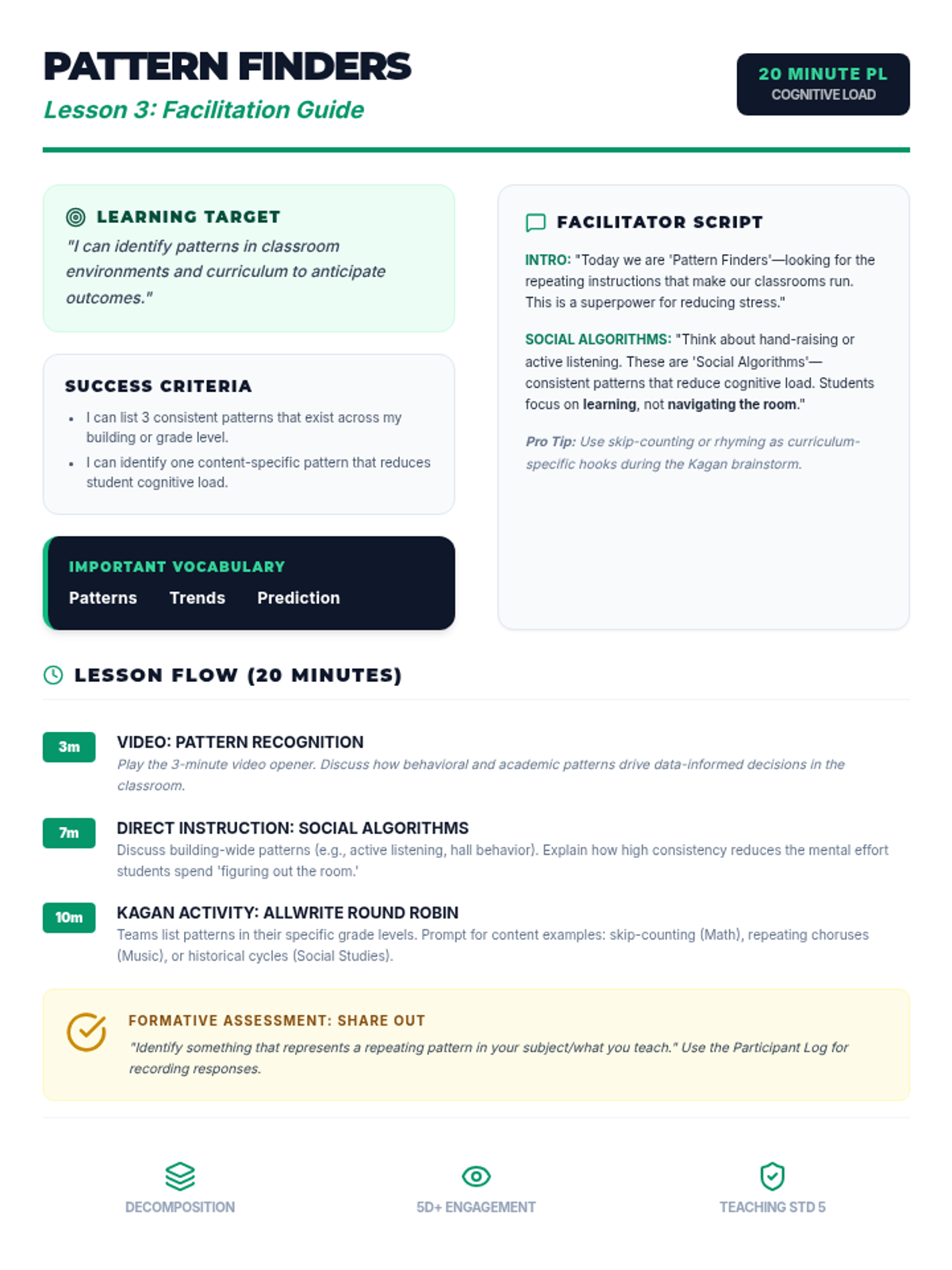
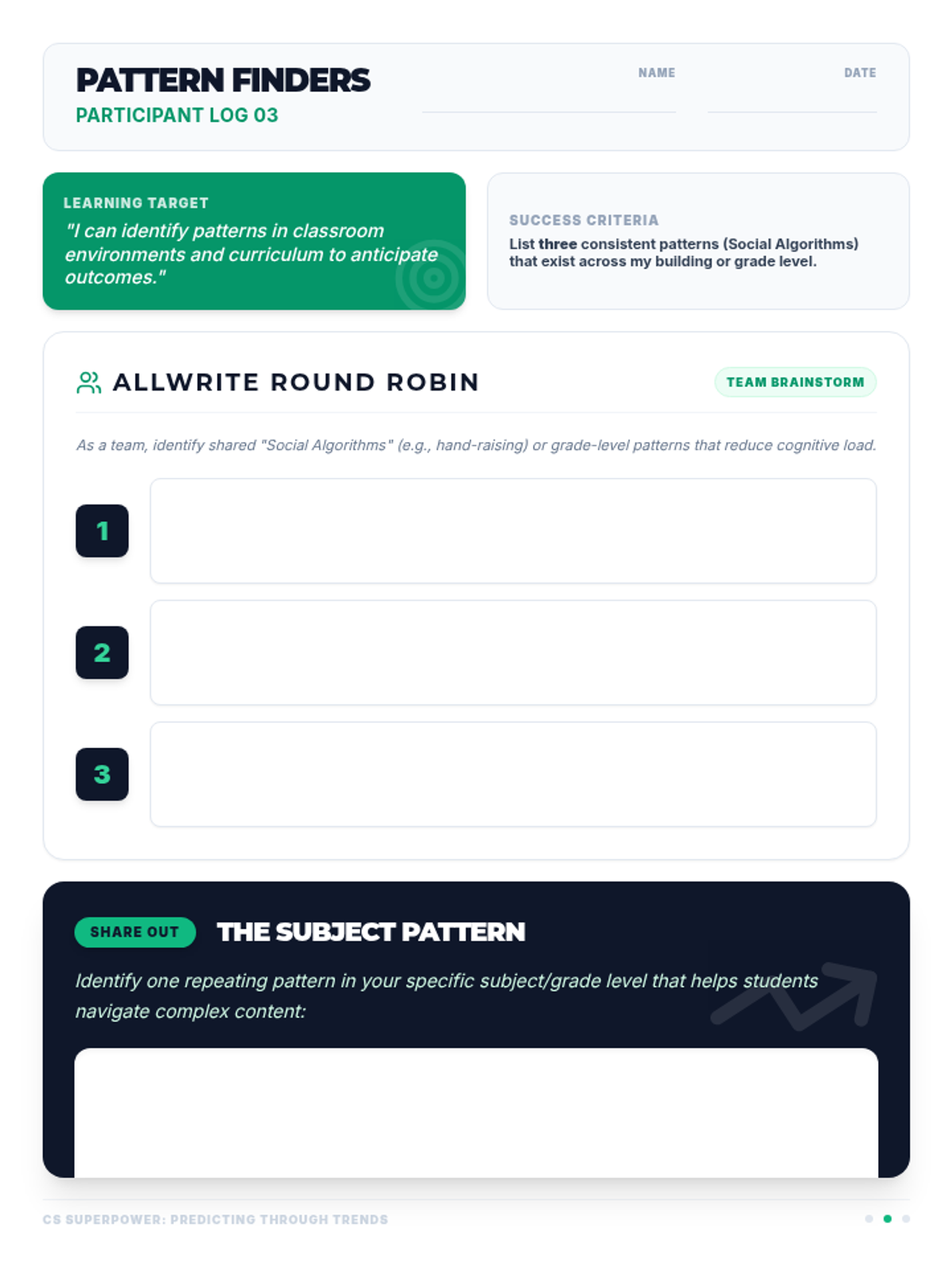
Explores how identifying patterns in classroom environments and curriculum helps anticipate outcomes and reduce cognitive load.
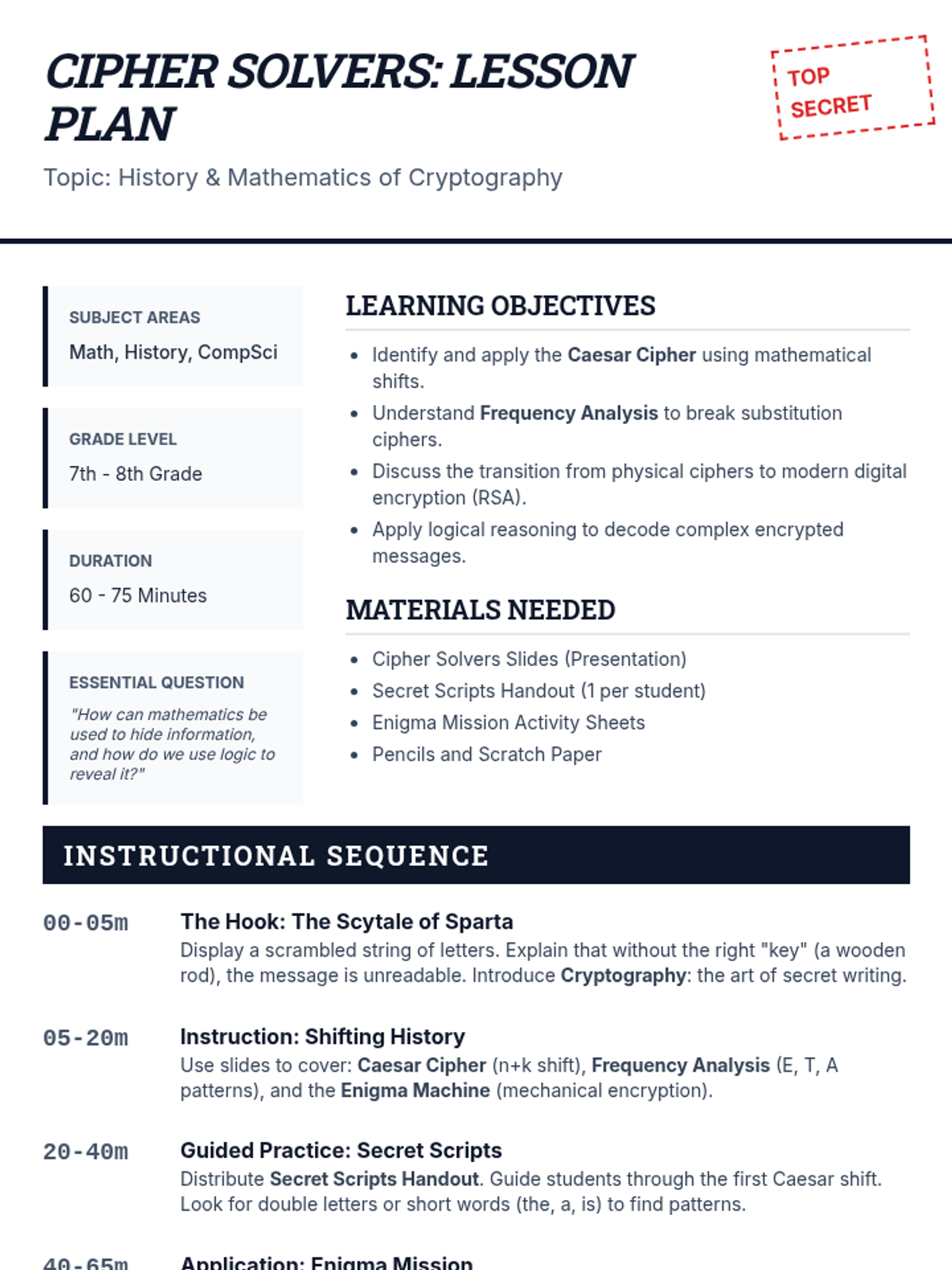
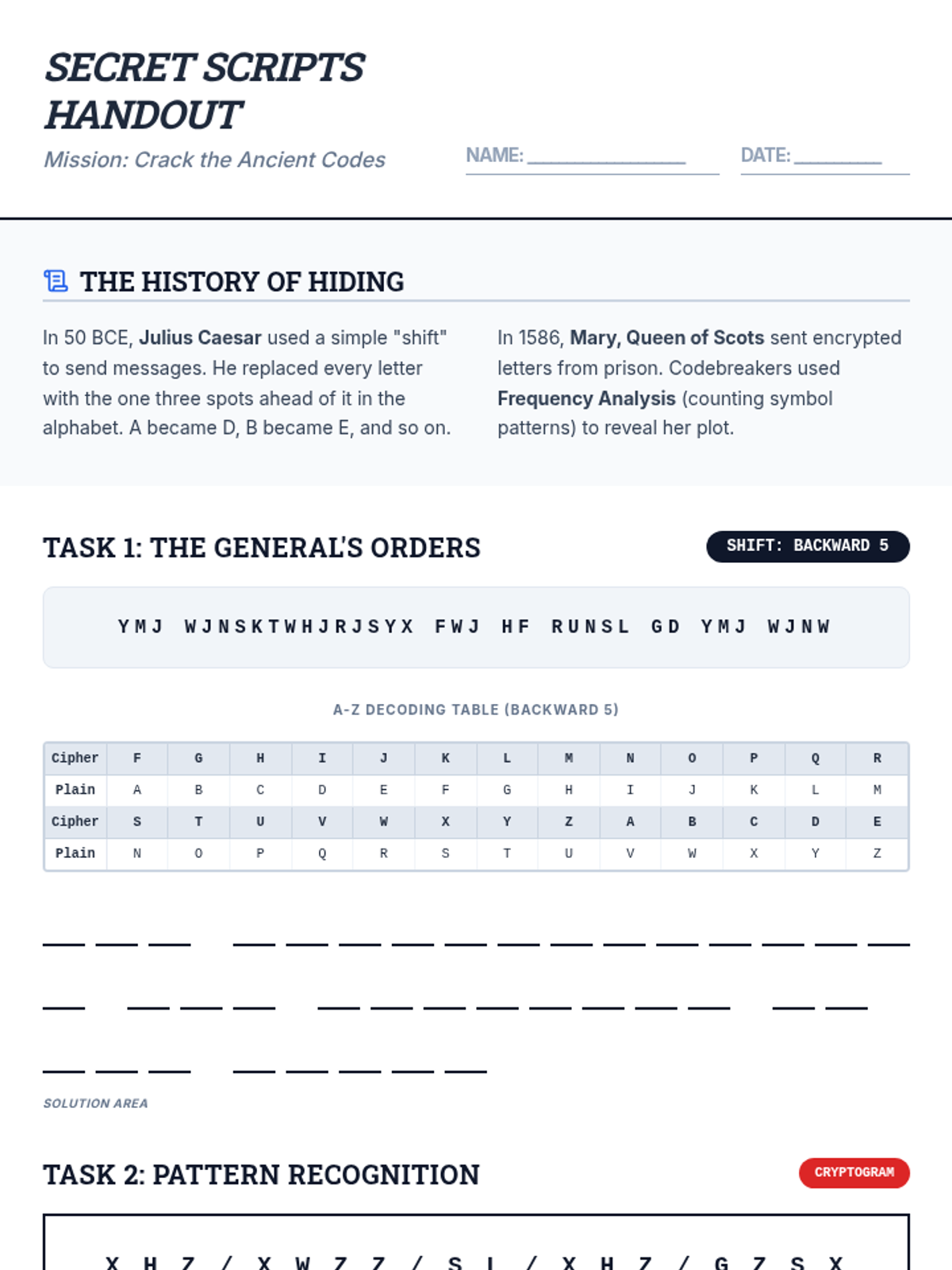
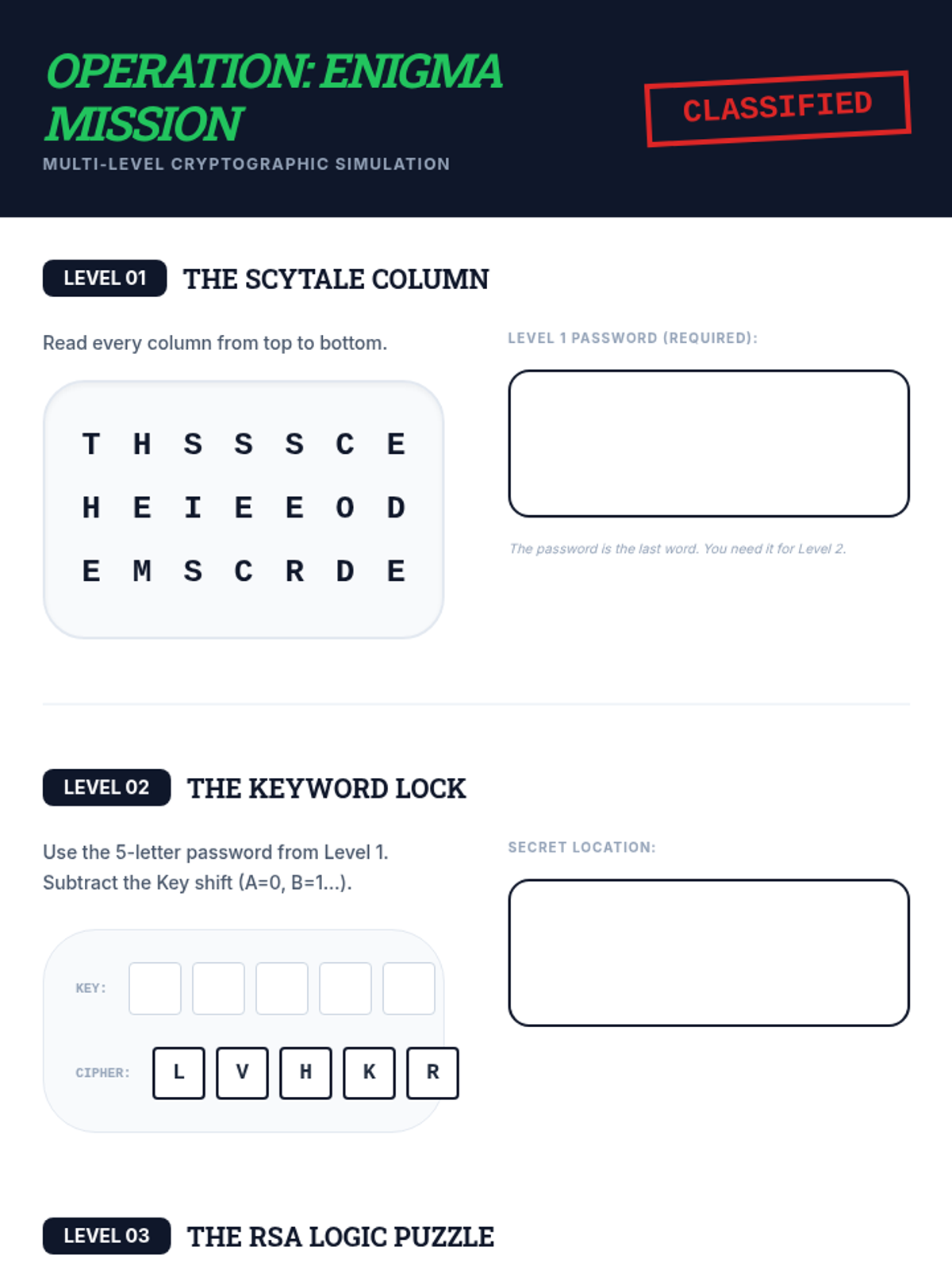
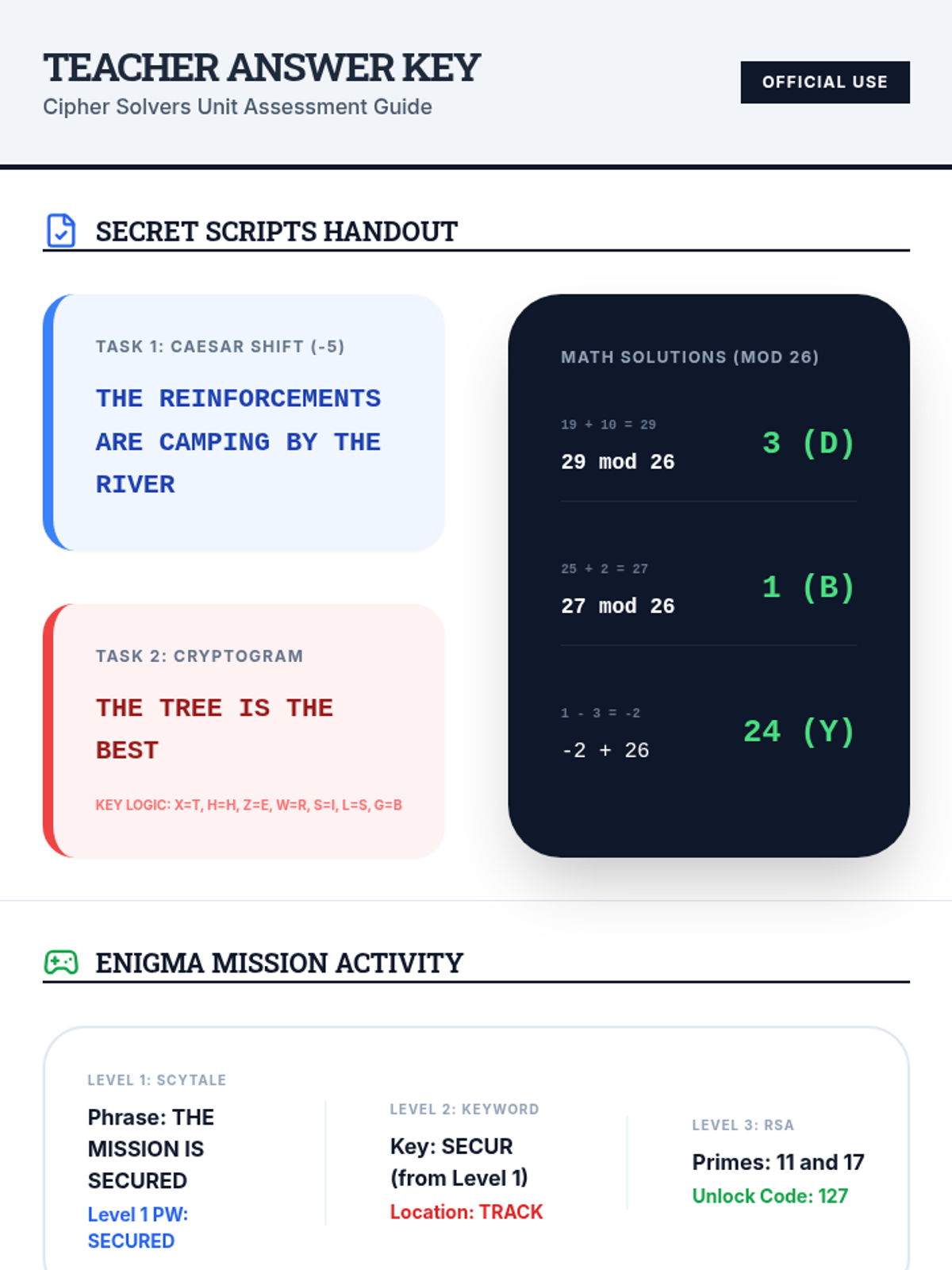
An immersive exploration of cryptography for middle schoolers, covering ancient substitution ciphers, the mathematics of frequency analysis, and the fundamentals of modern digital encryption. Students will analyze historical secret communication and apply logical reasoning to decode complex messages.
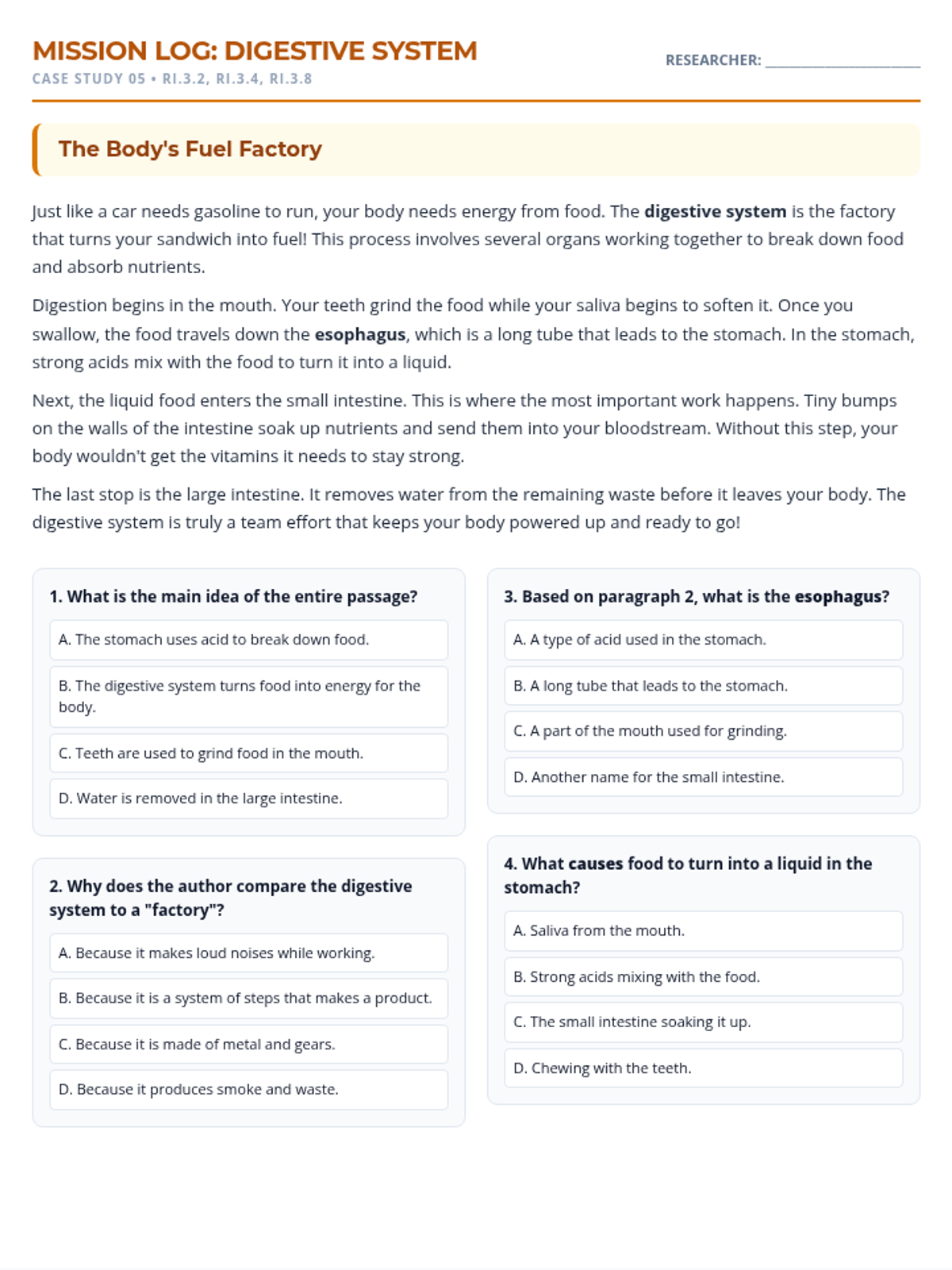
A review of the digestive system and how all body systems work together, synthesizing ELA skills from the week.
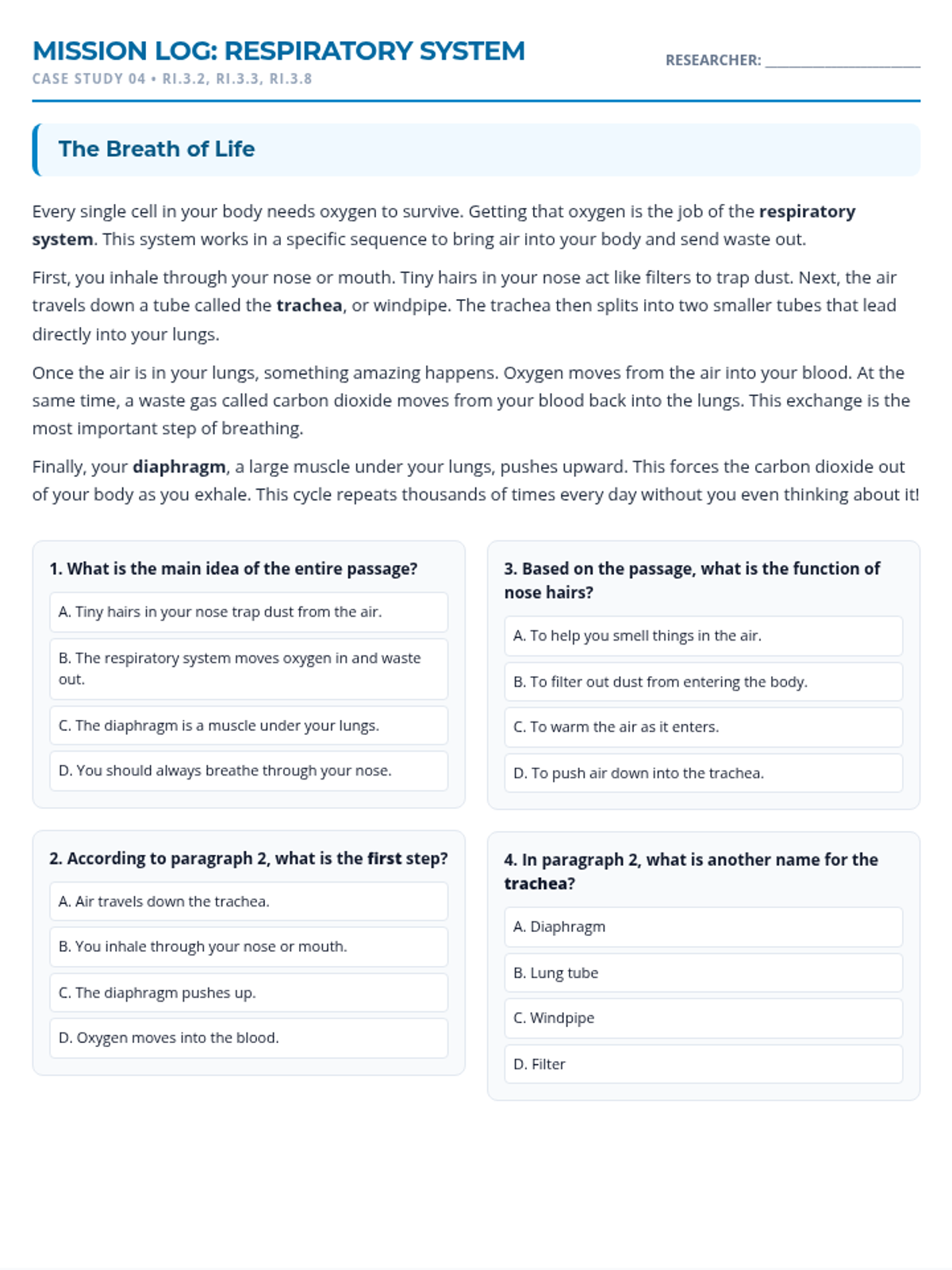
A deep dive into the respiratory system looking at the logical connections and sequence of how we breathe.
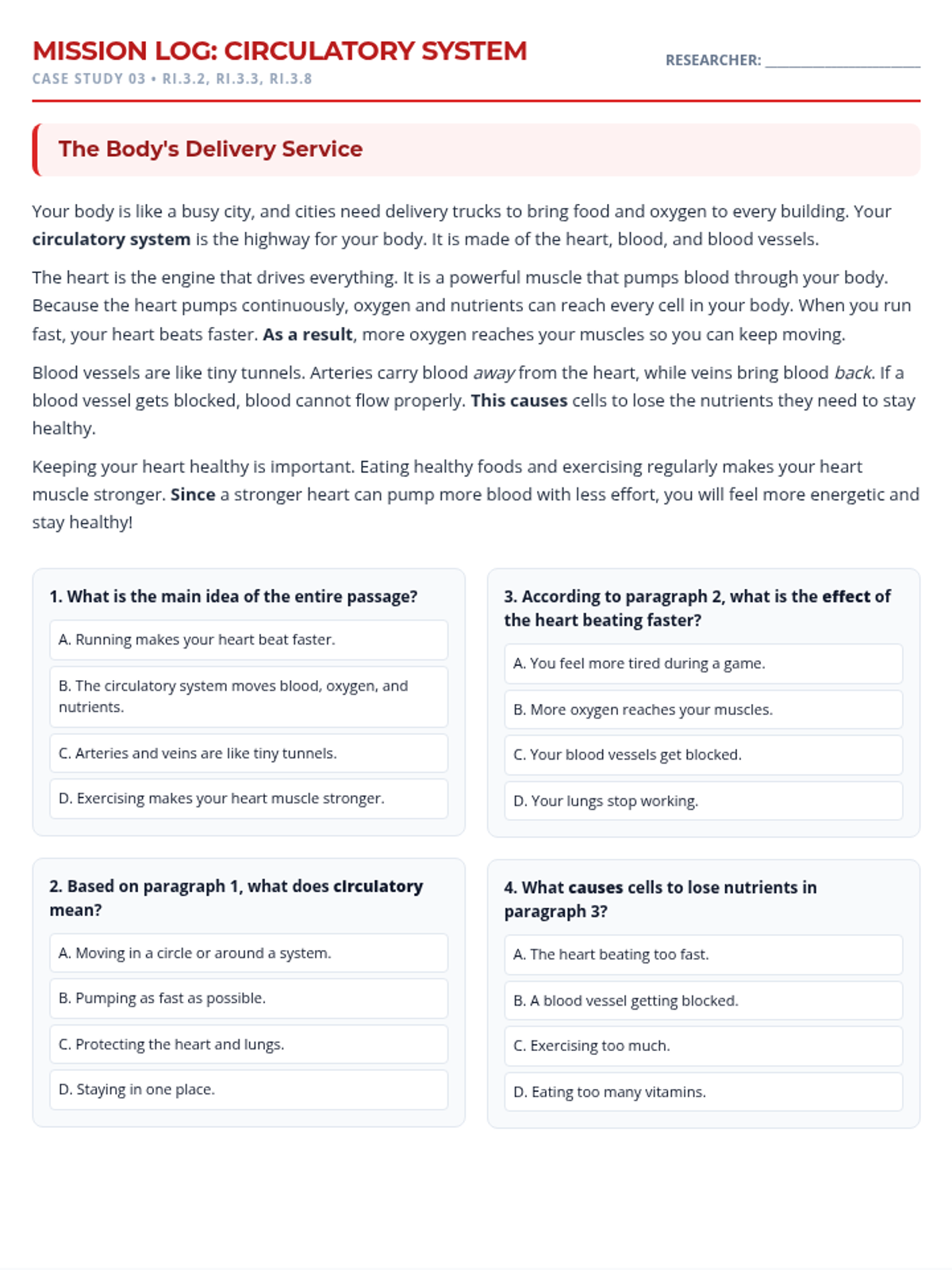
Exploring the heart and blood vessels with a specific focus on identifying cause-and-effect relationships within the body.
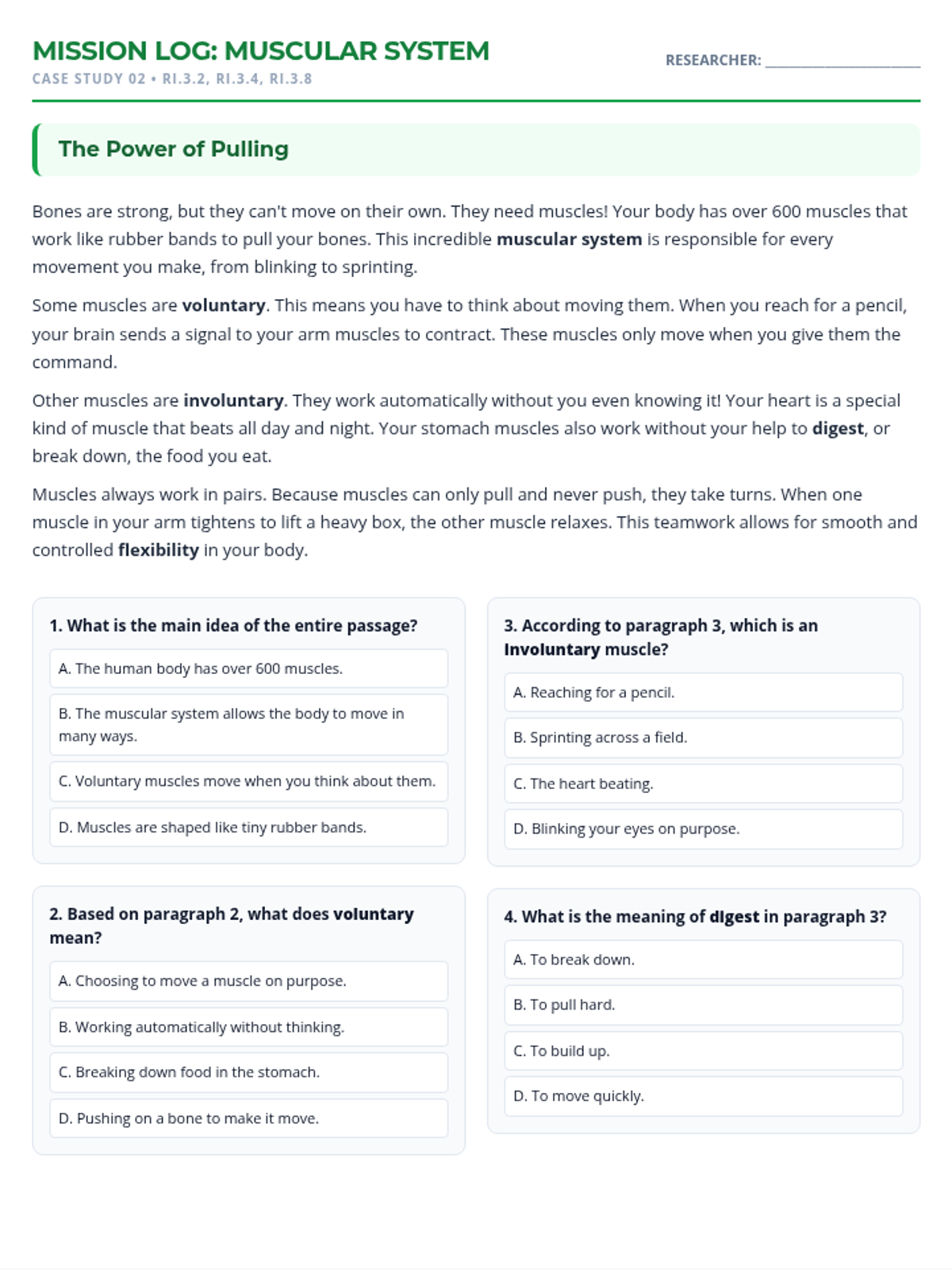
An investigation into the muscular system focusing on using context clues to define scientific vocabulary.
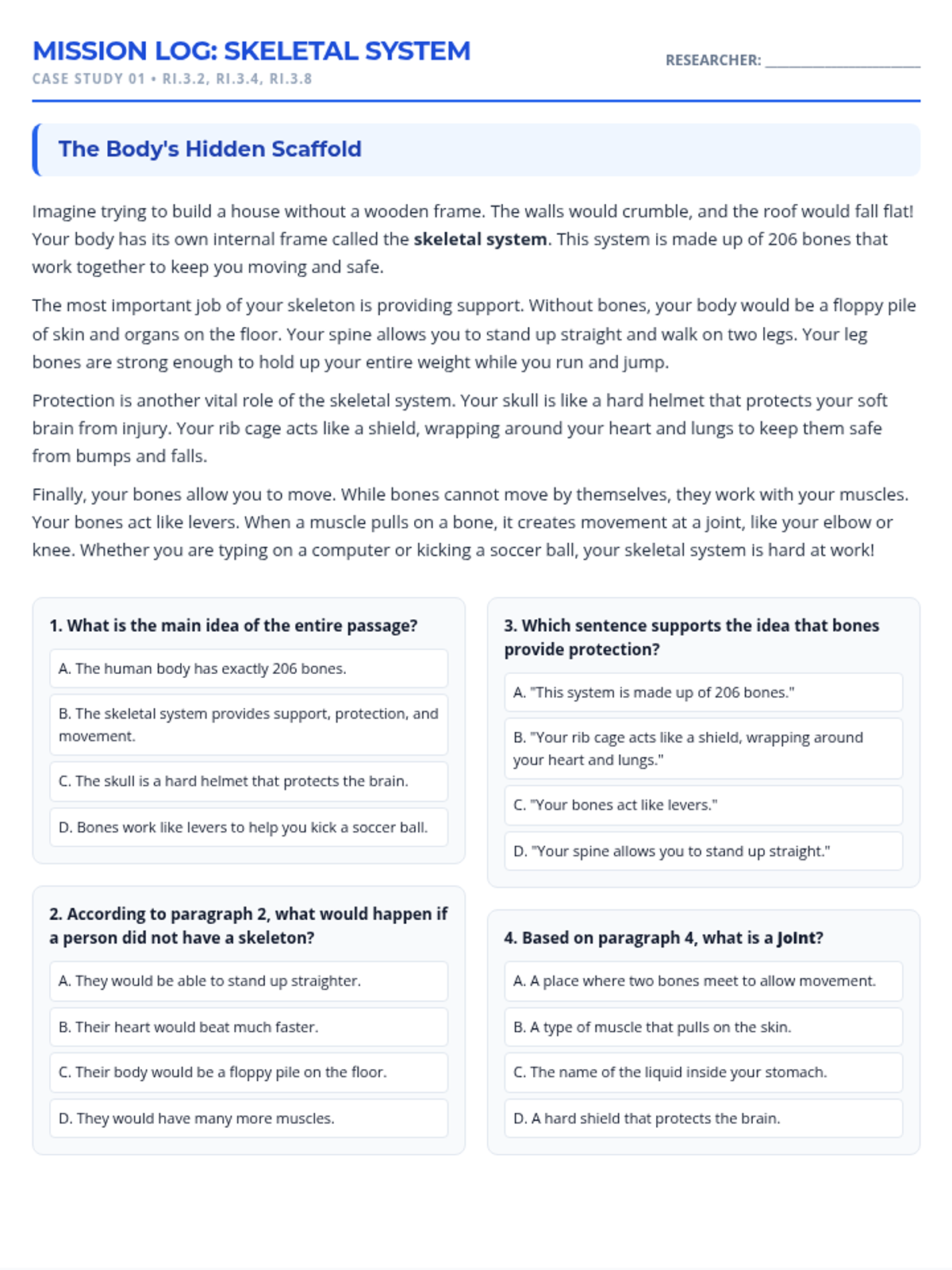
Students explore the skeletal system while practicing identifying the main idea and supporting details in informational text.
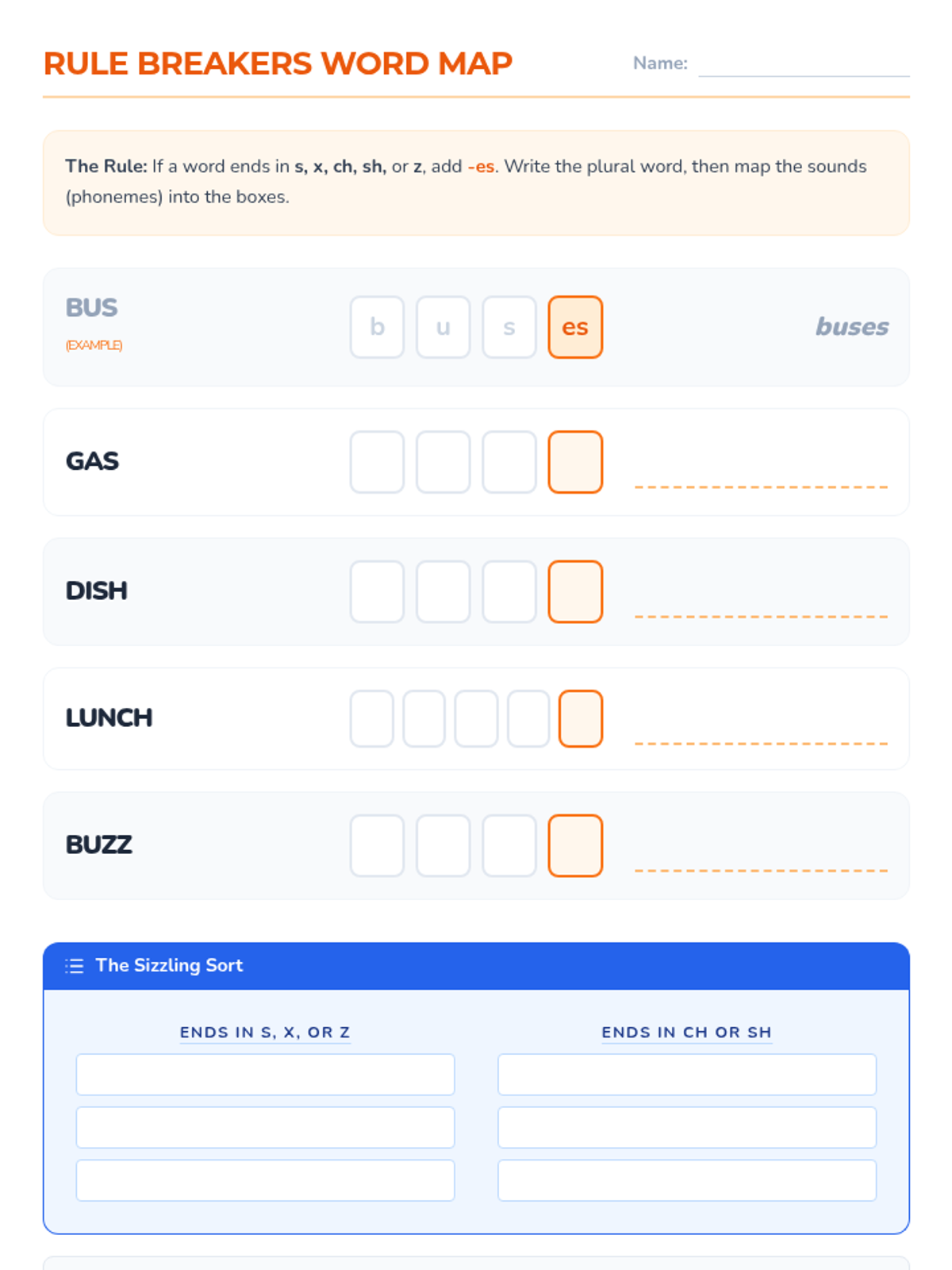
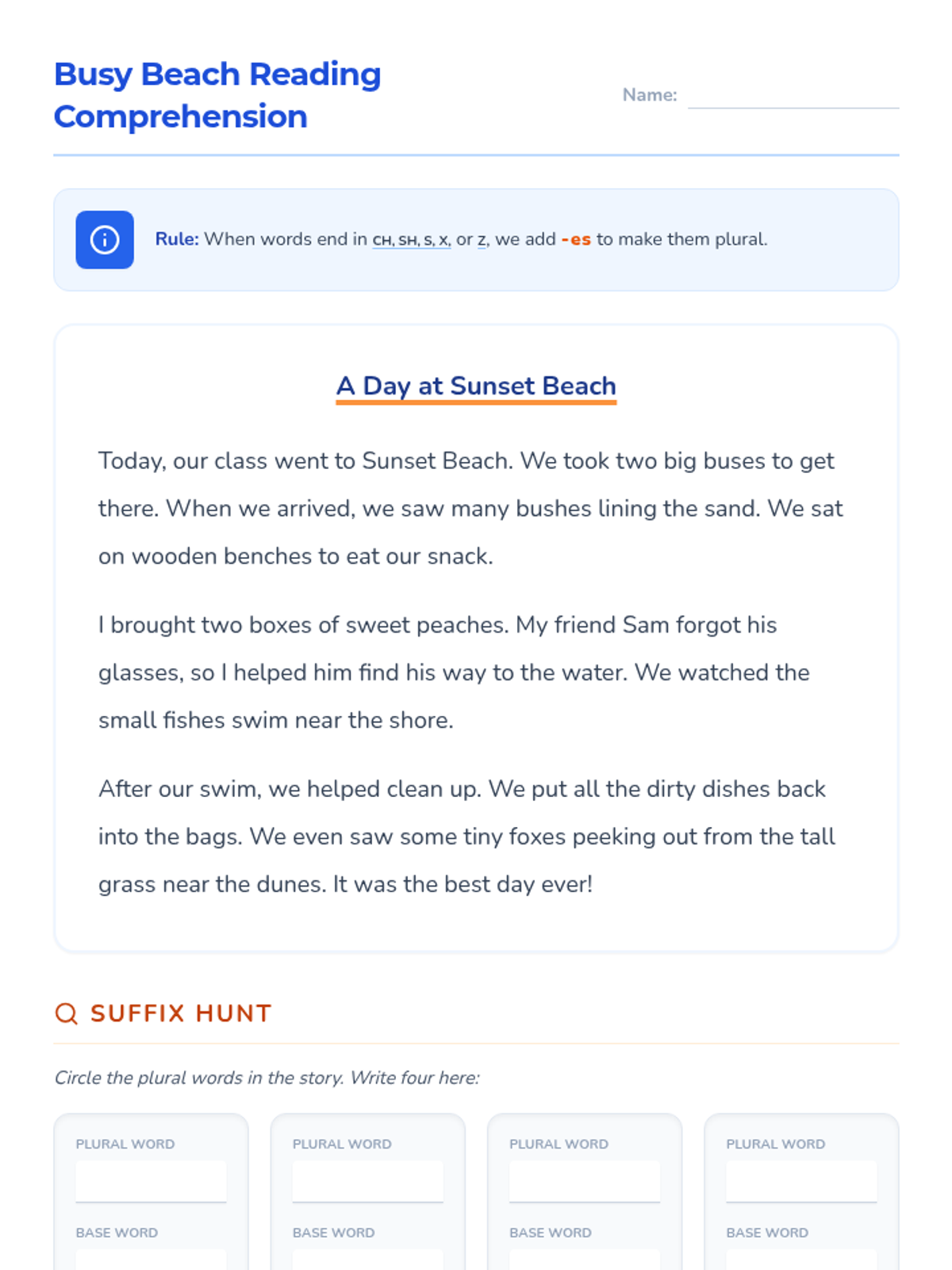
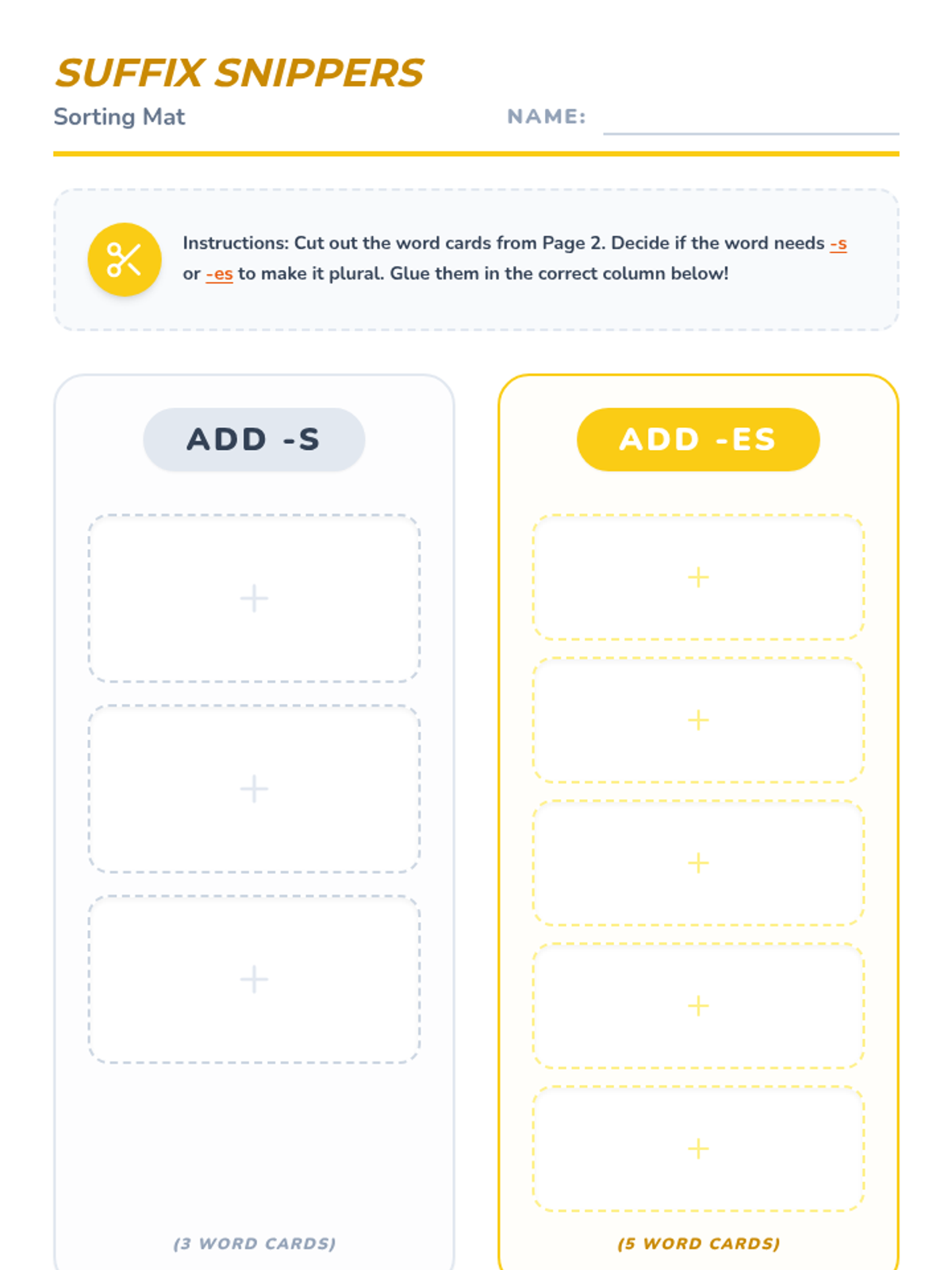
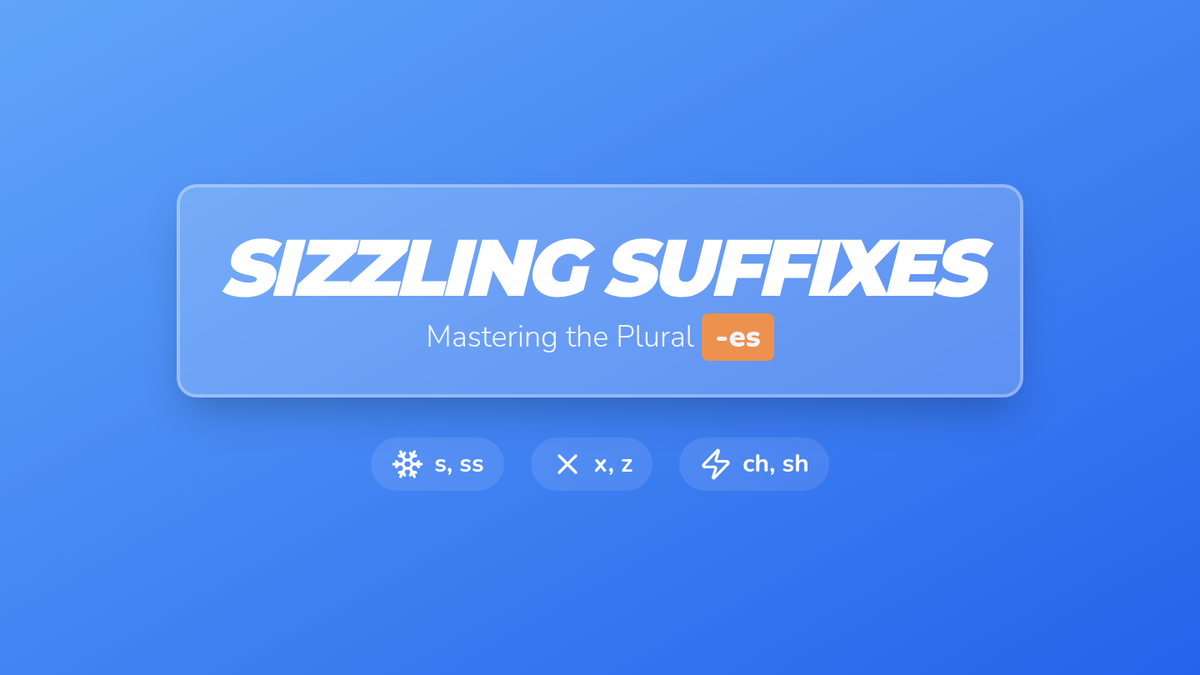
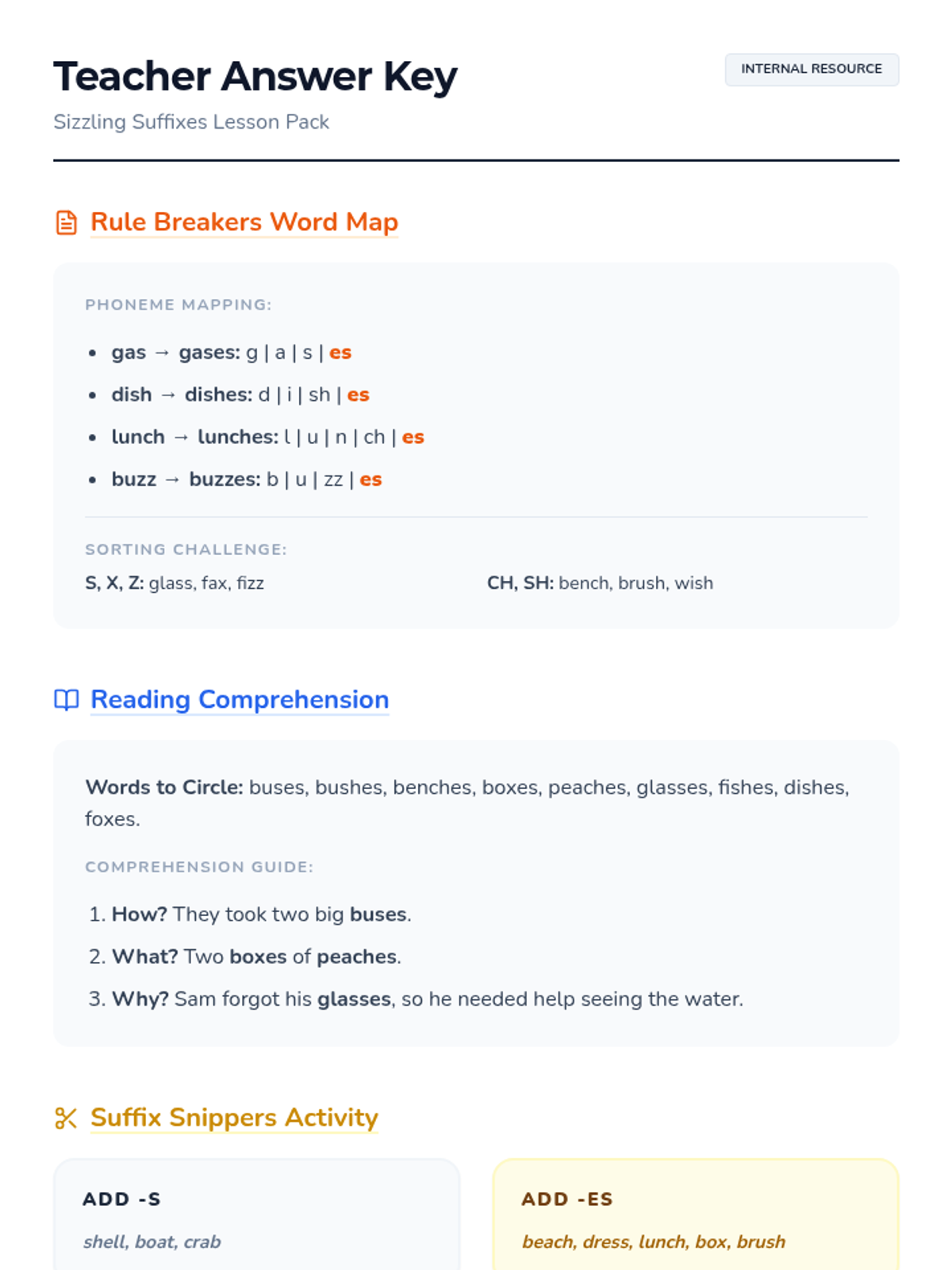
A comprehensive lesson on plurals ending in -es, covering base words ending in s, x, ch, sh, and z through multi-sensory activities.
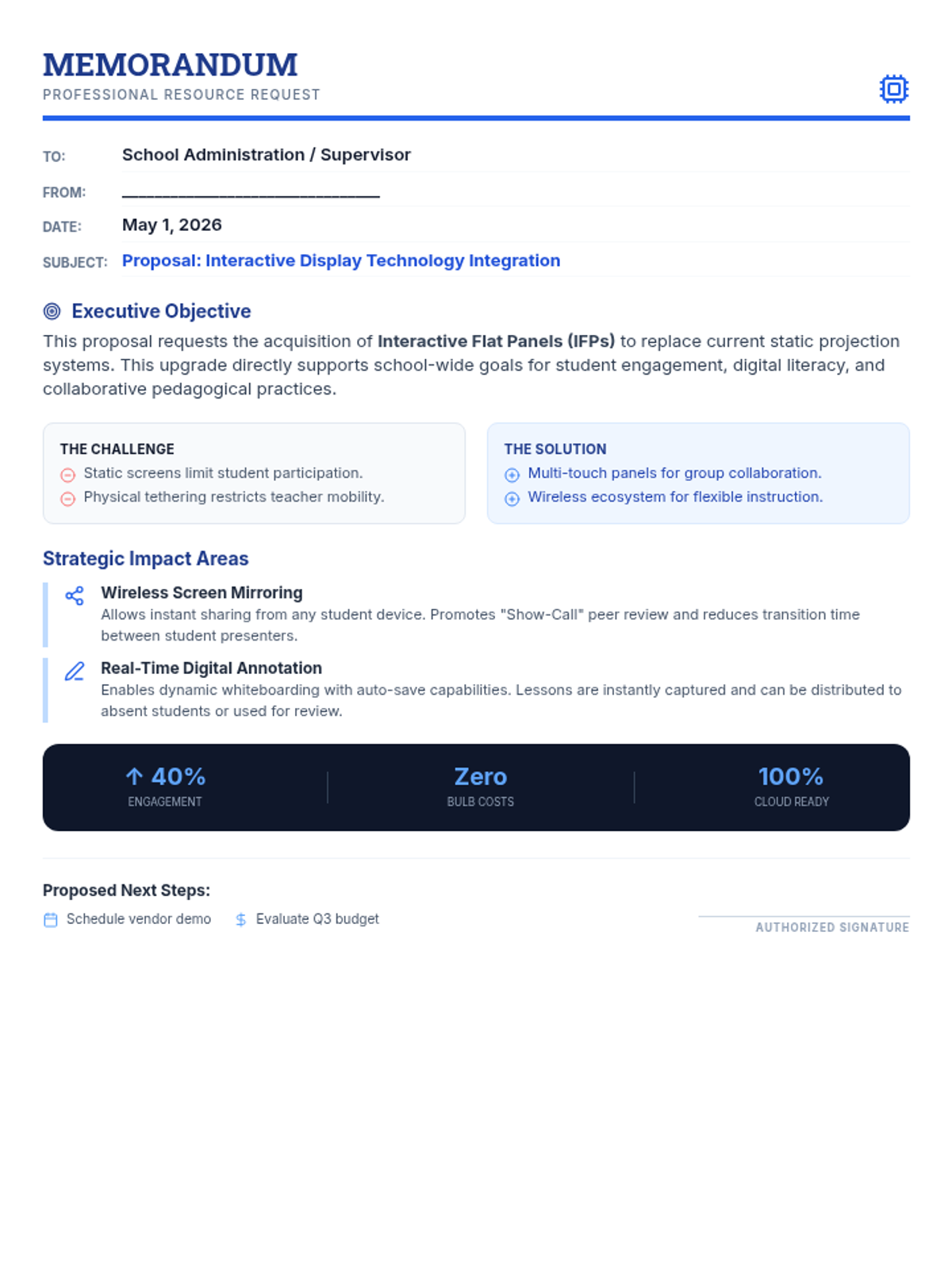
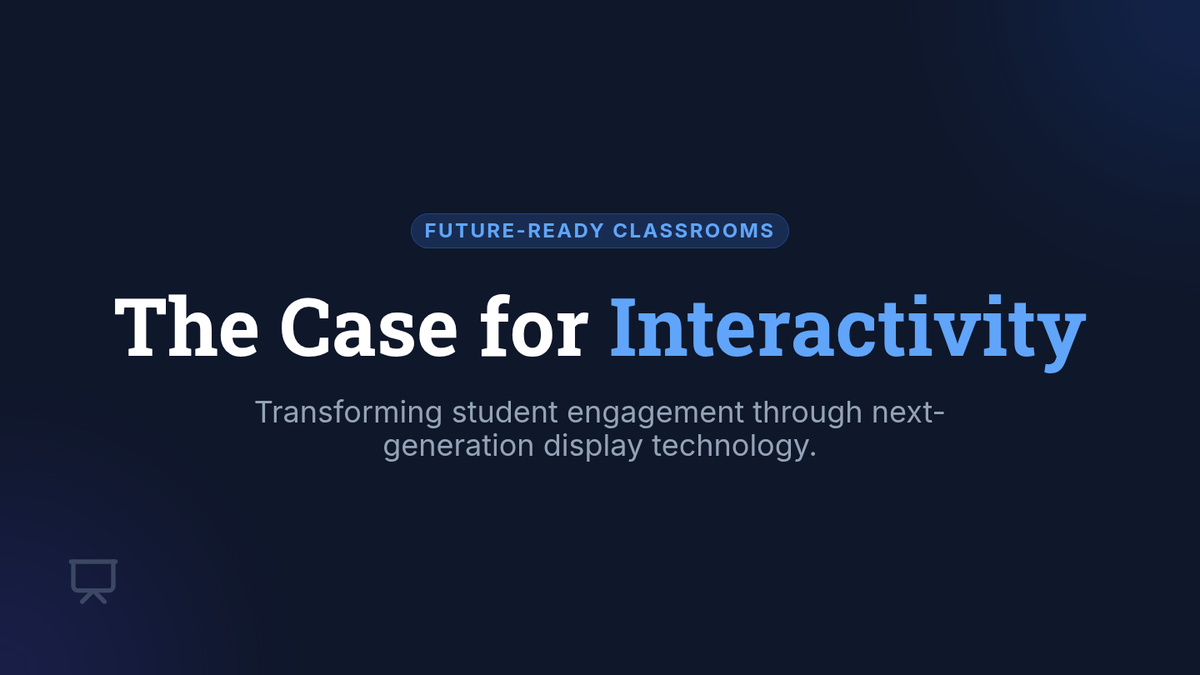
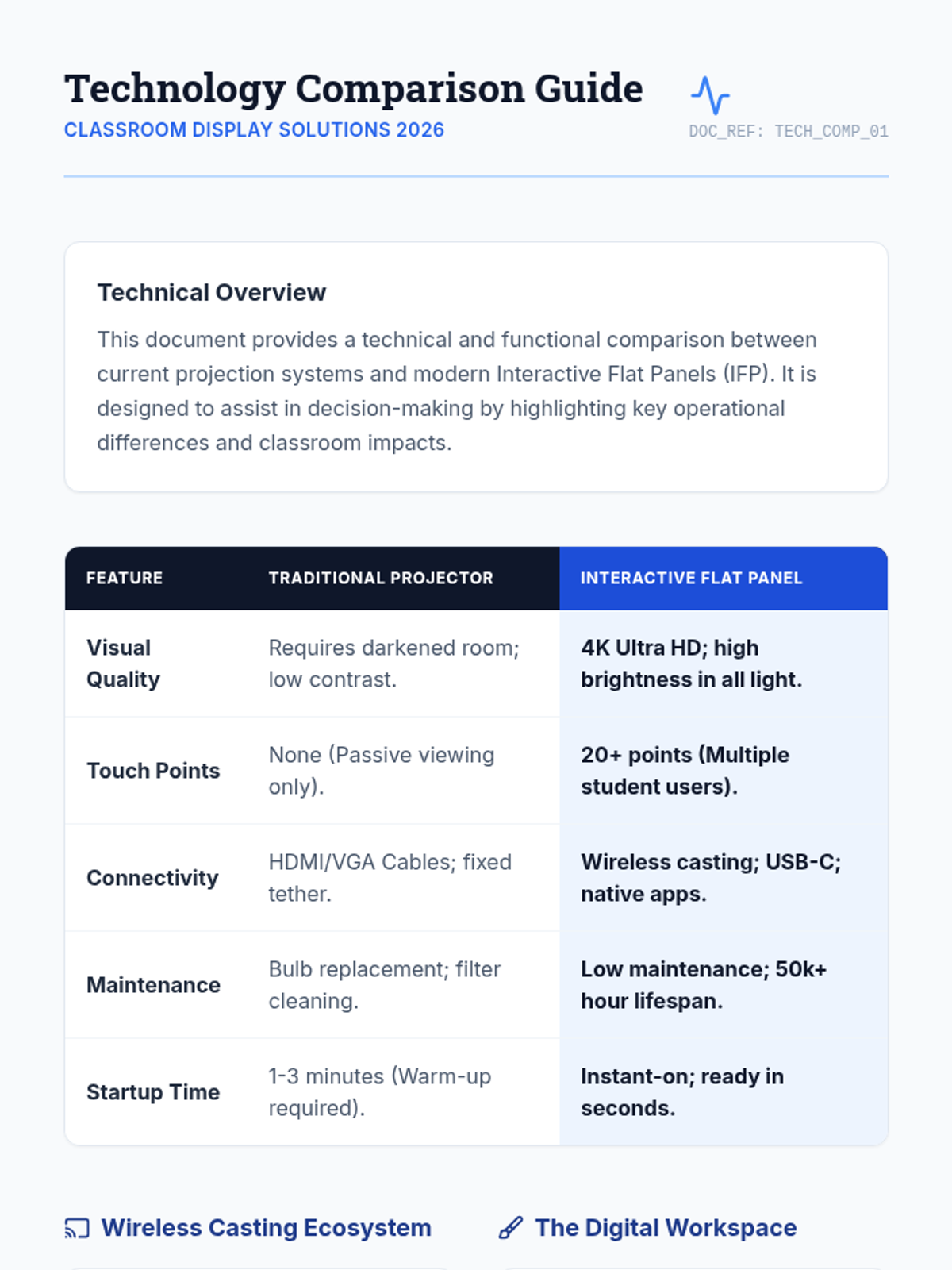
A suite of professional advocacy materials designed to help educators persuade administrators to invest in interactive classroom technology. Includes a formal memo, a visual presentation of benefits, and a technical comparison guide.
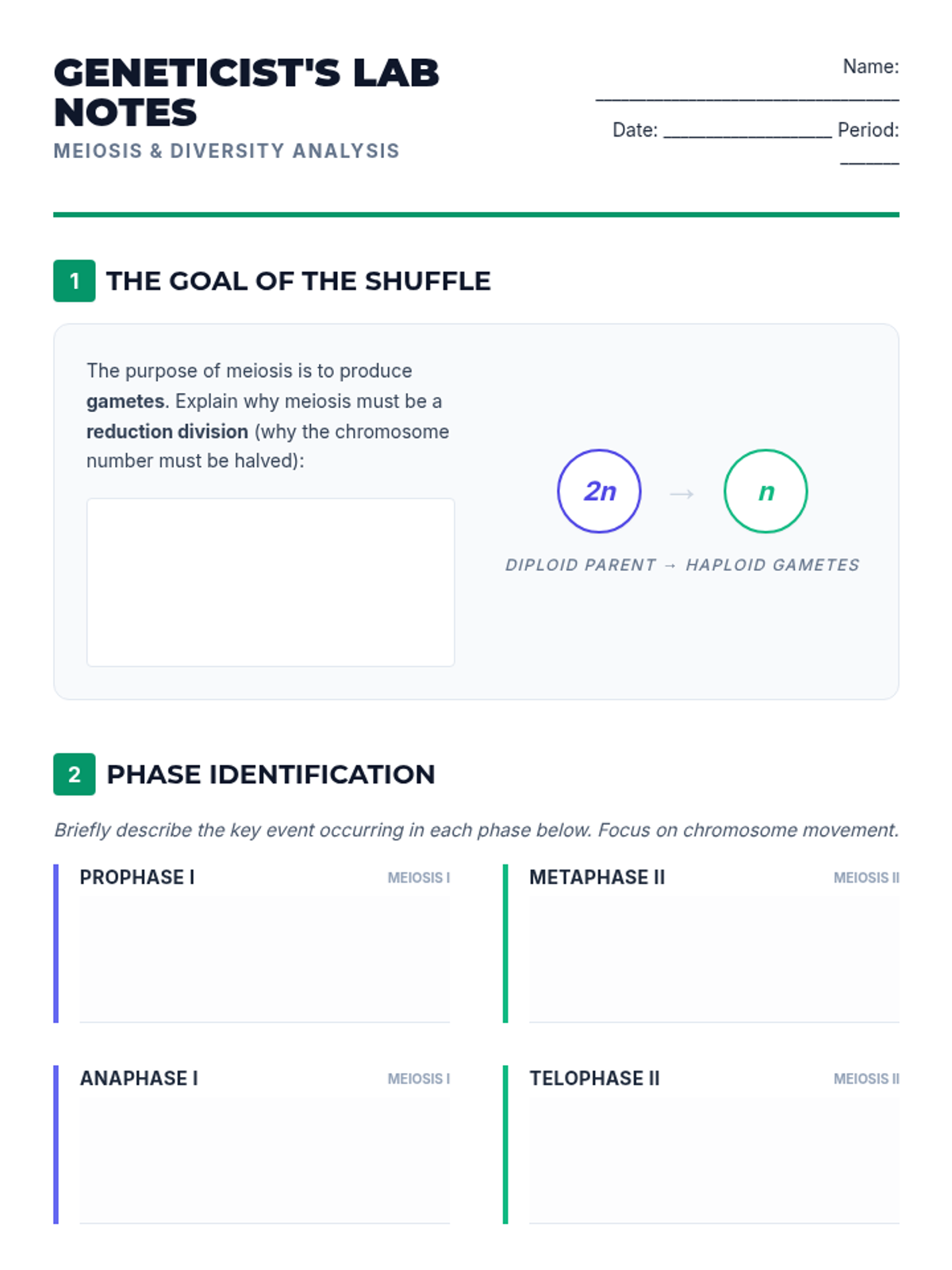
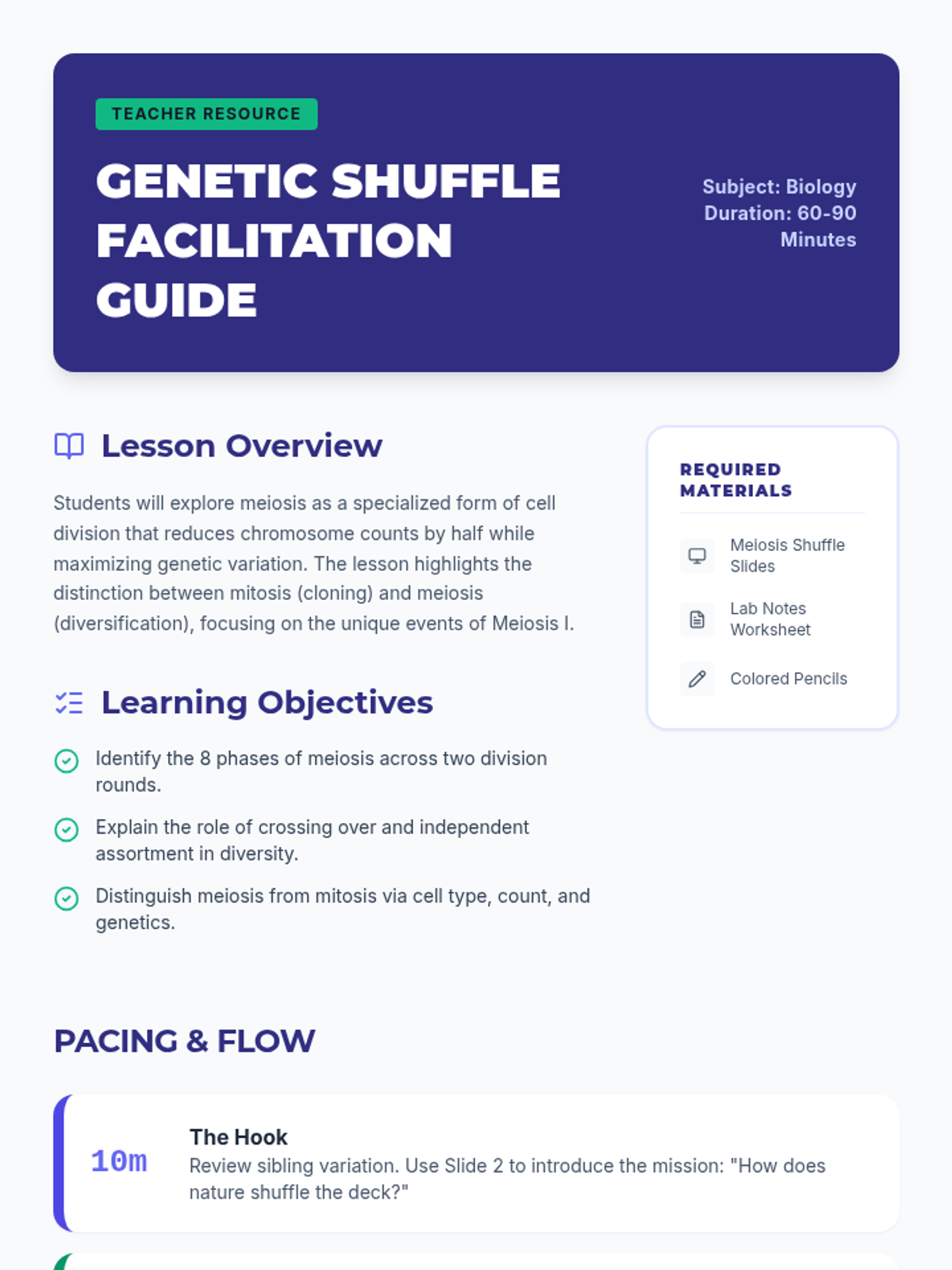
A comprehensive lesson on meiosis covering its phases, final products, and its critical role in genetic diversity compared to mitosis. Students will engage with visual models and comparative analysis.
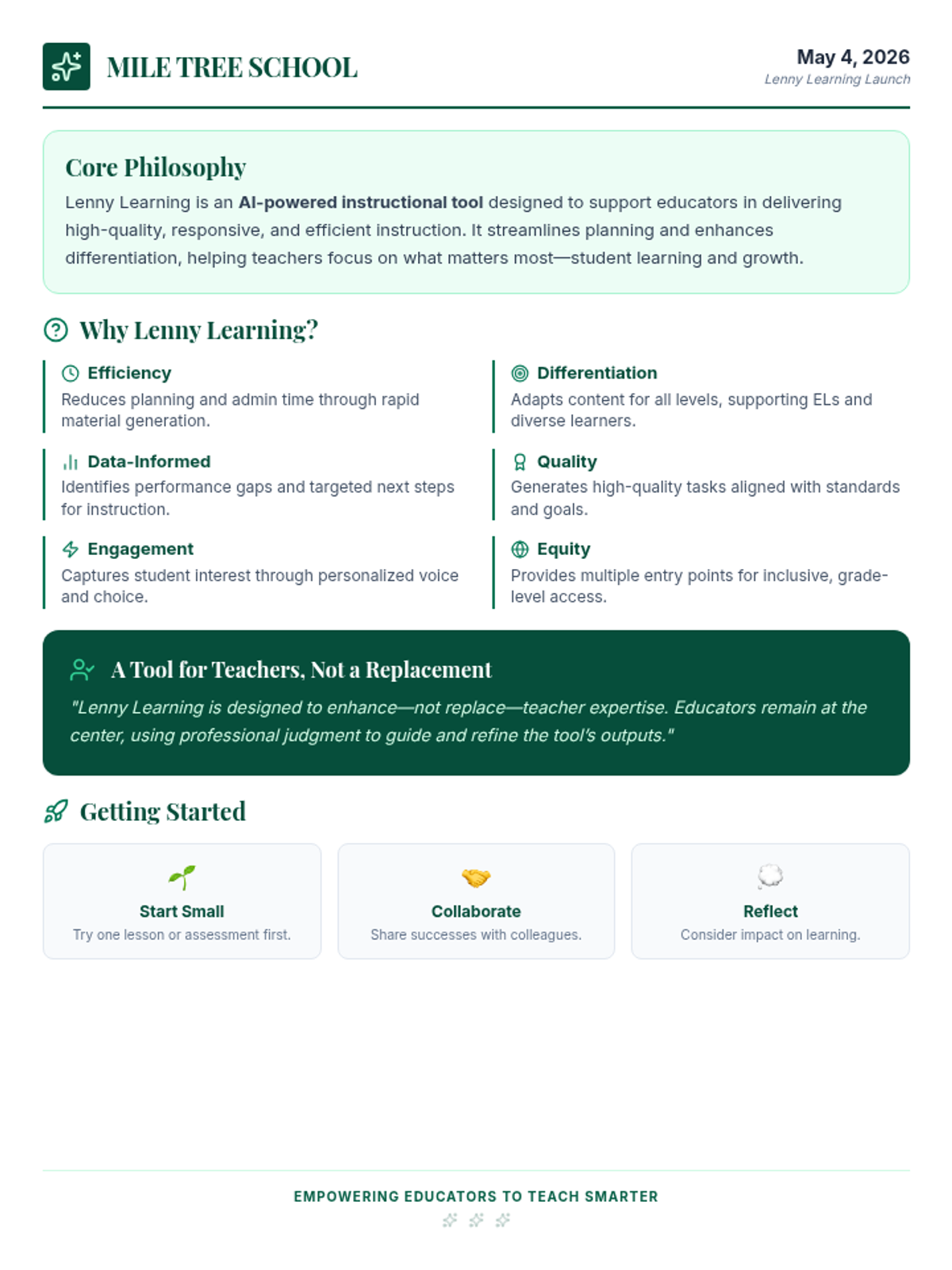
A professional staff presentation introducing Lenny Learning to educators at Mile Tree School, highlighting efficiency, differentiation, and student engagement.
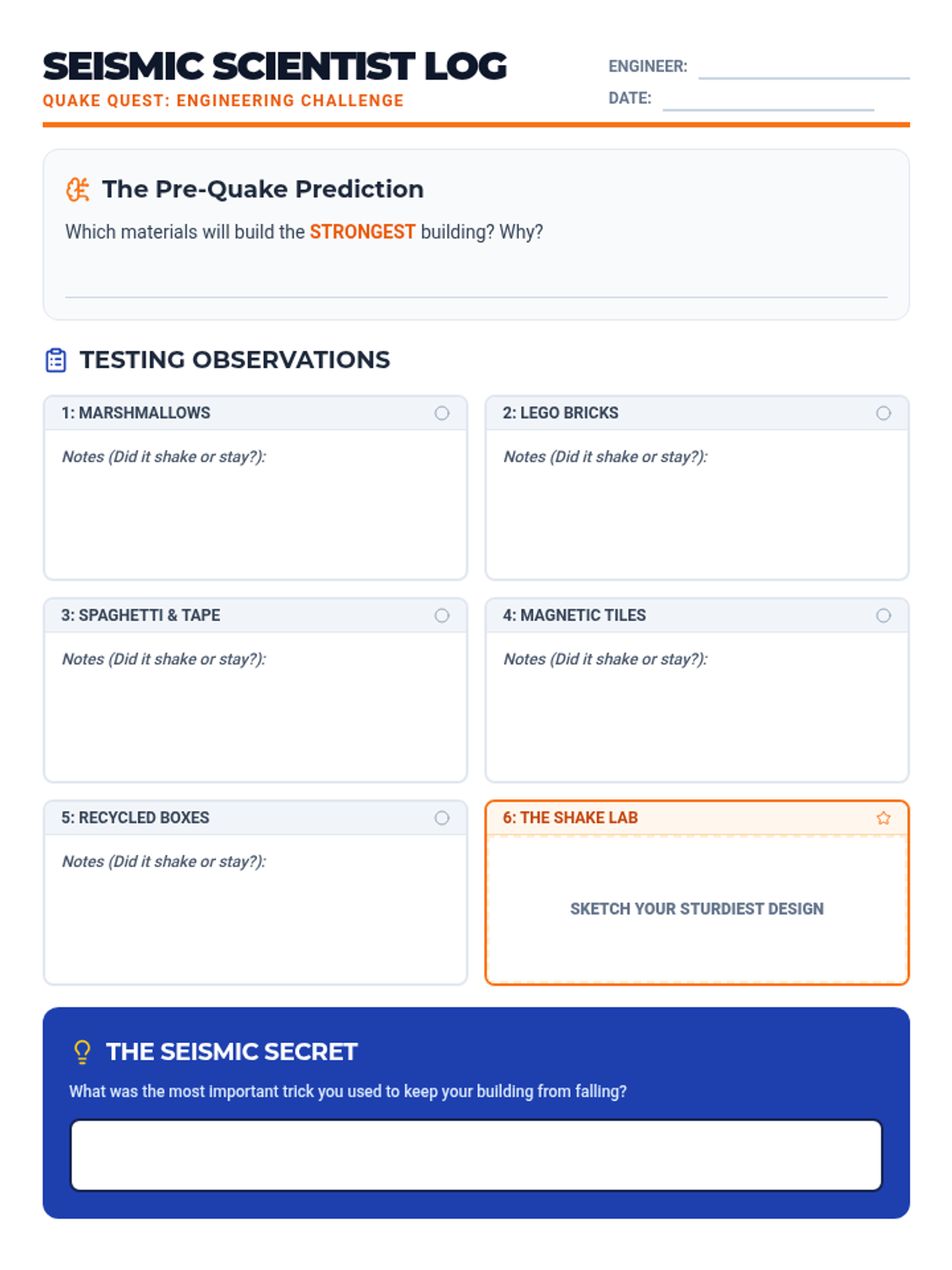
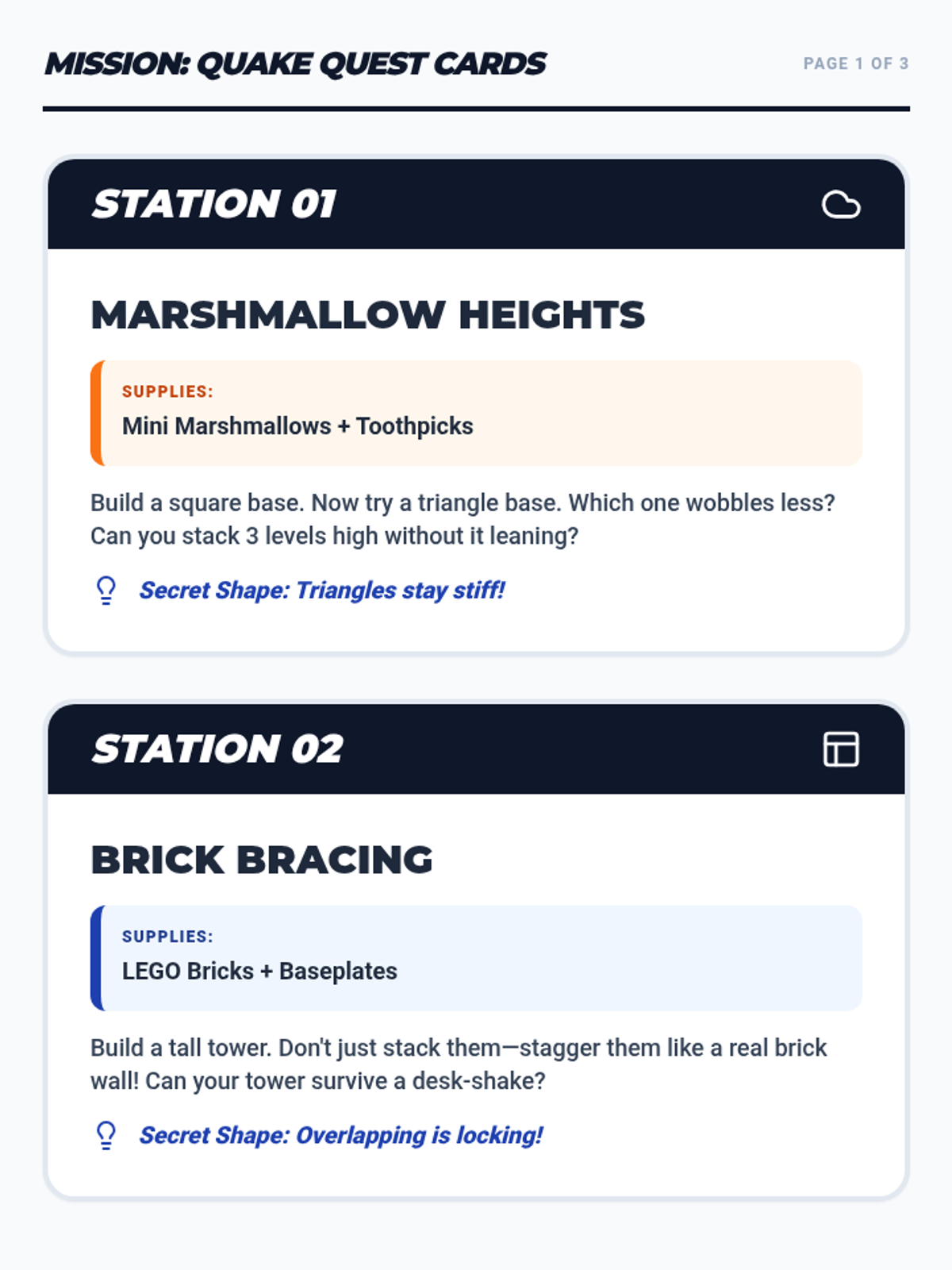
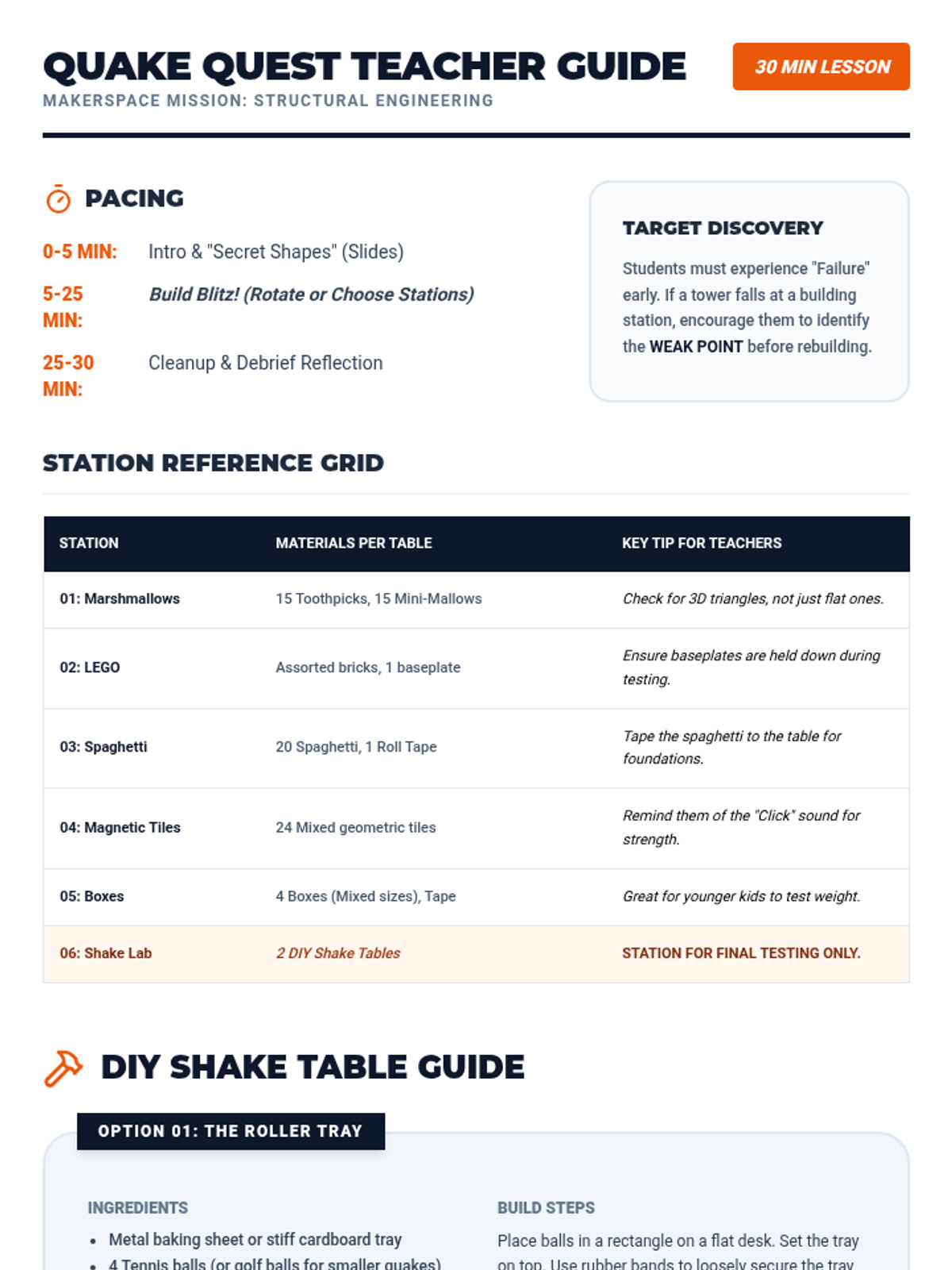
A 30-minute engineering challenge where students build and test structures using six different material stations to understand earthquake stability.
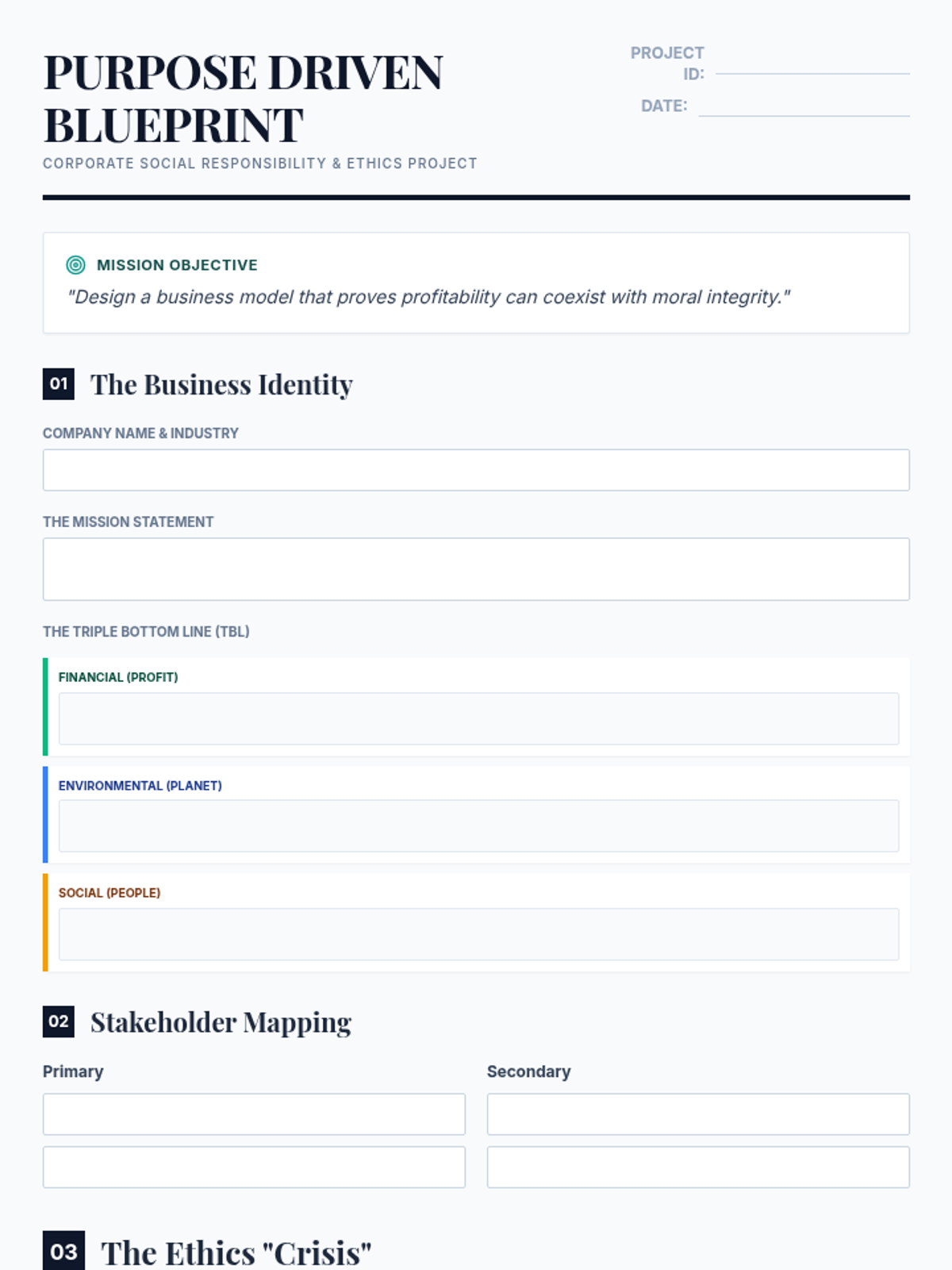
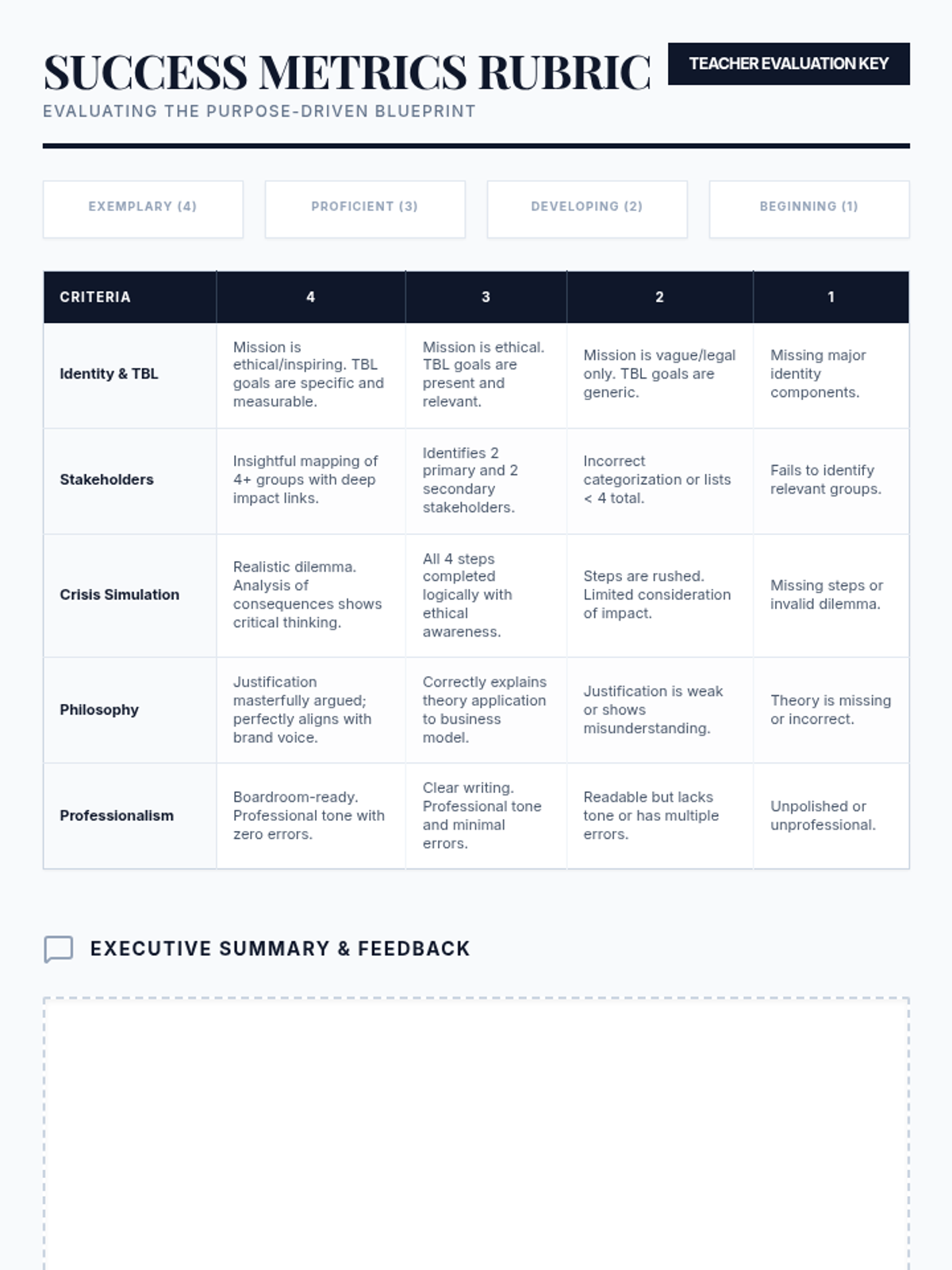
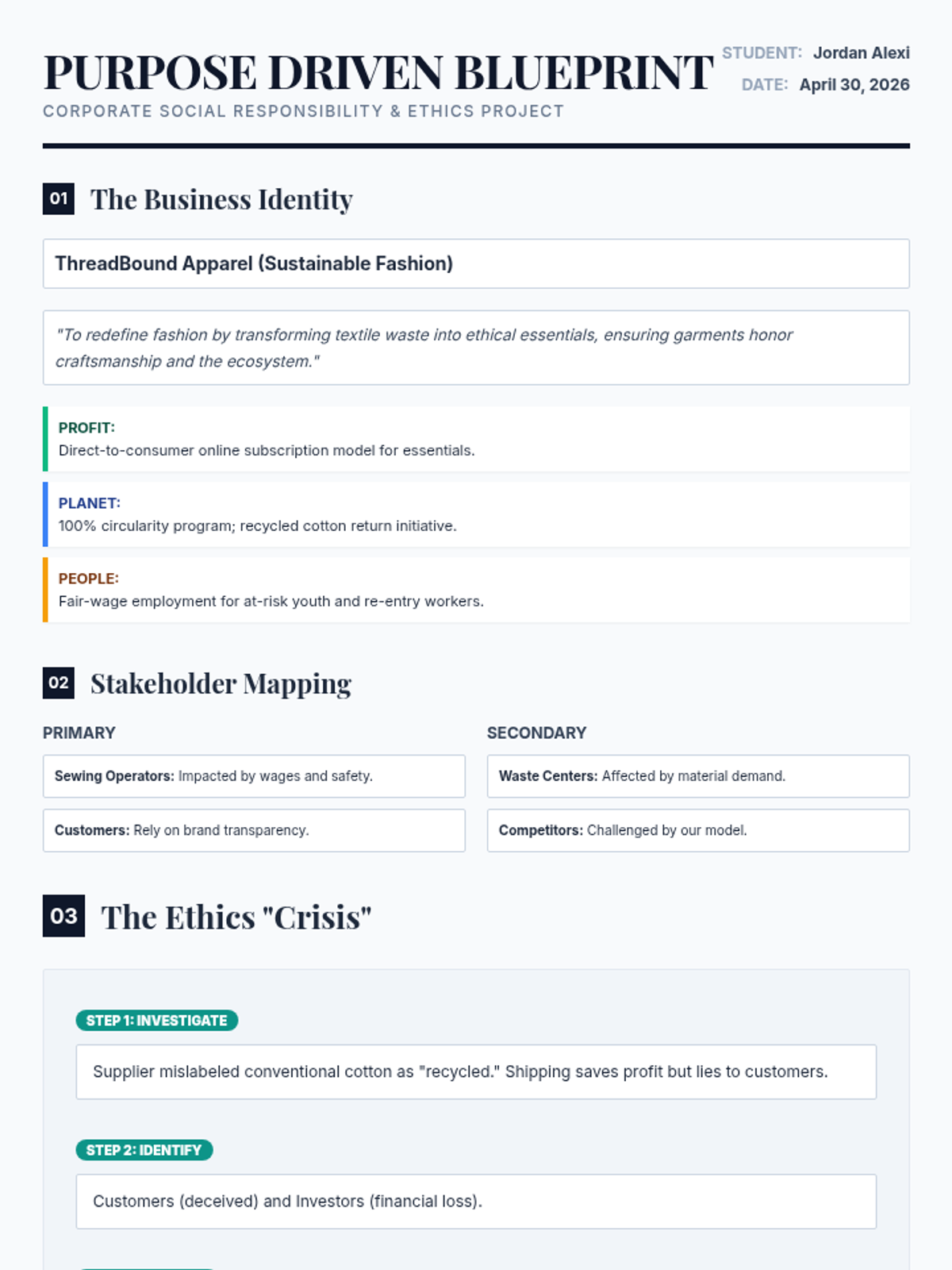
A comprehensive project where students design a socially responsible business from the ground up, focusing on the Triple Bottom Line, stakeholder mapping, and ethical decision-making.
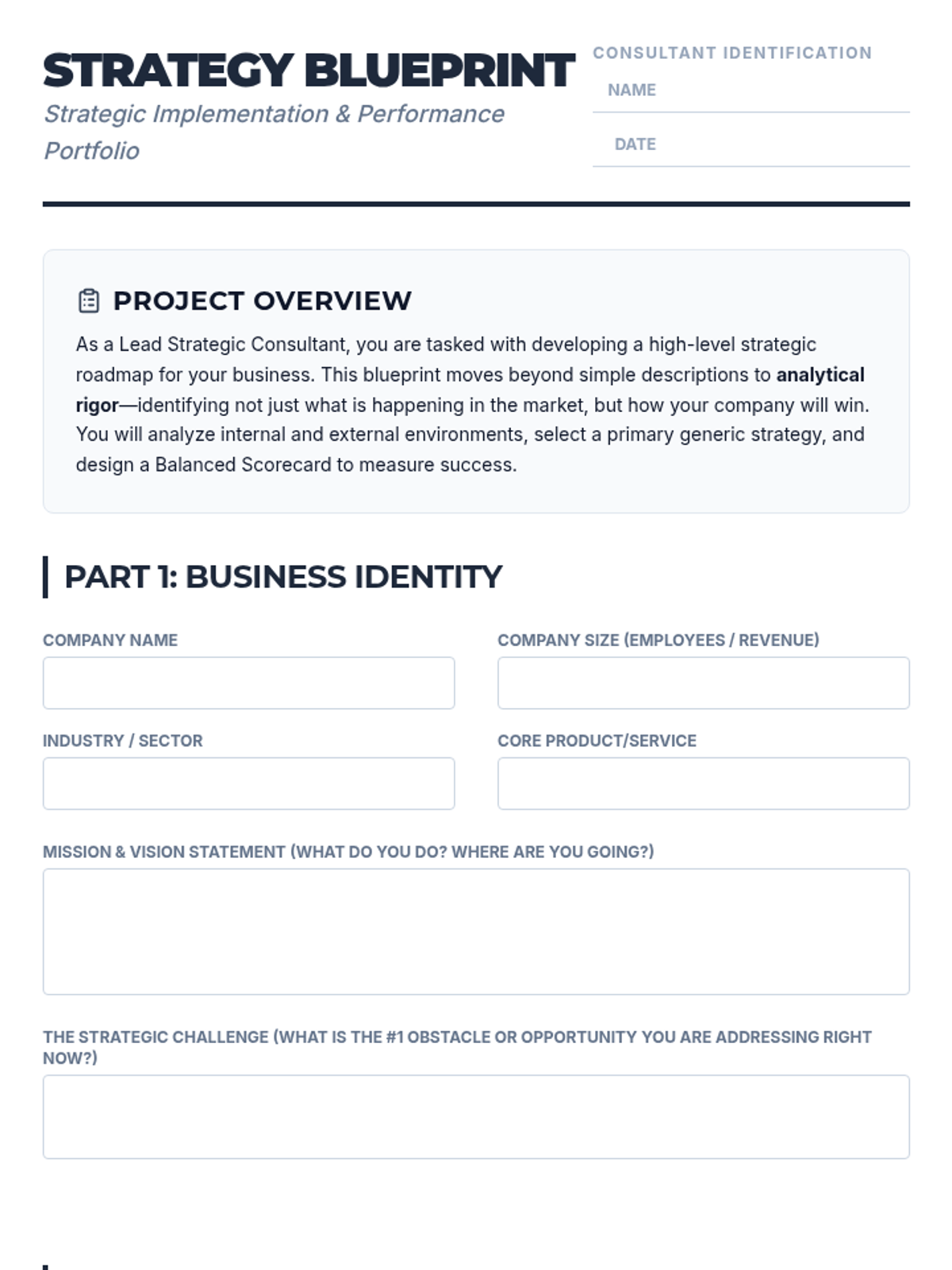
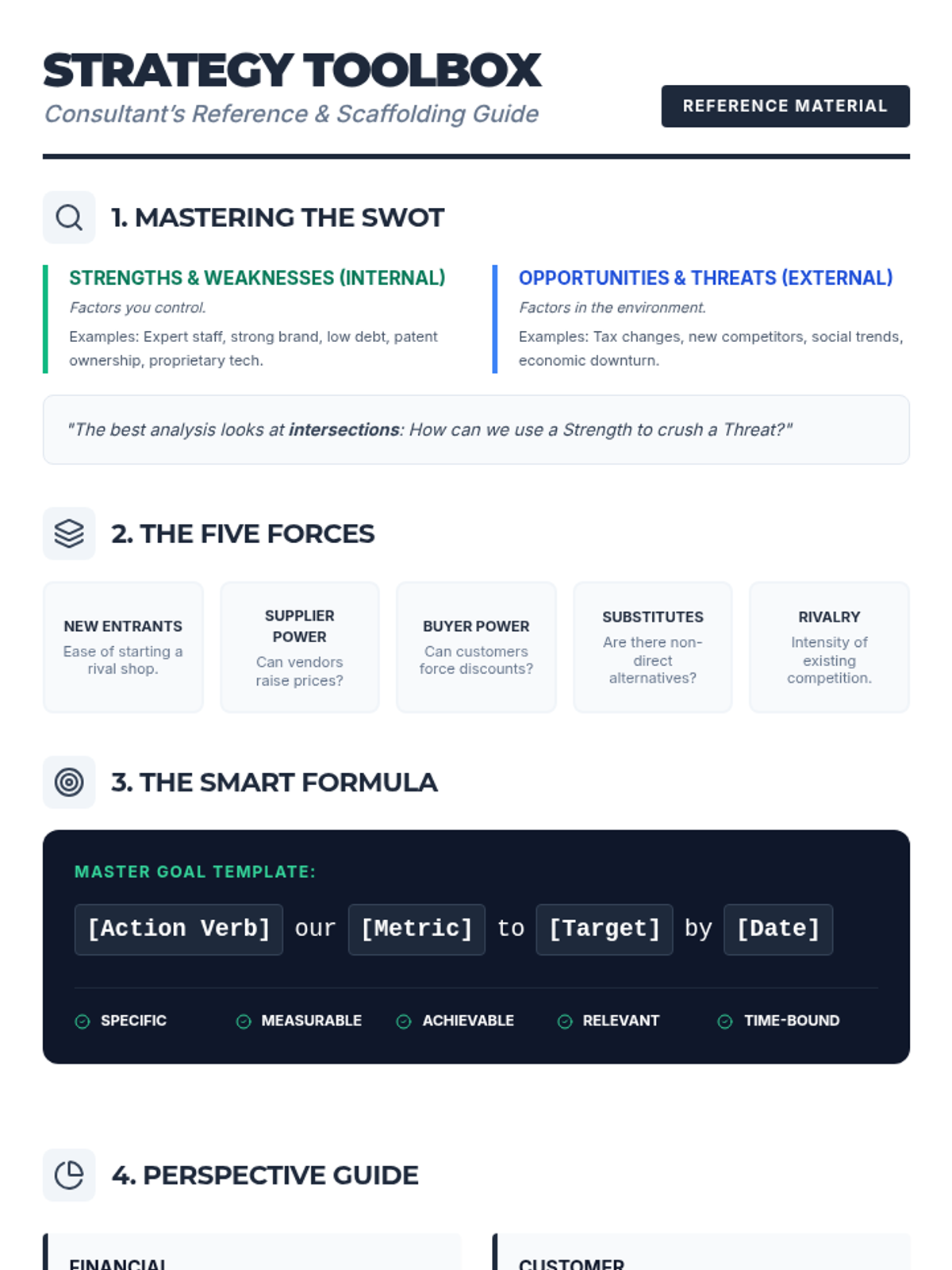
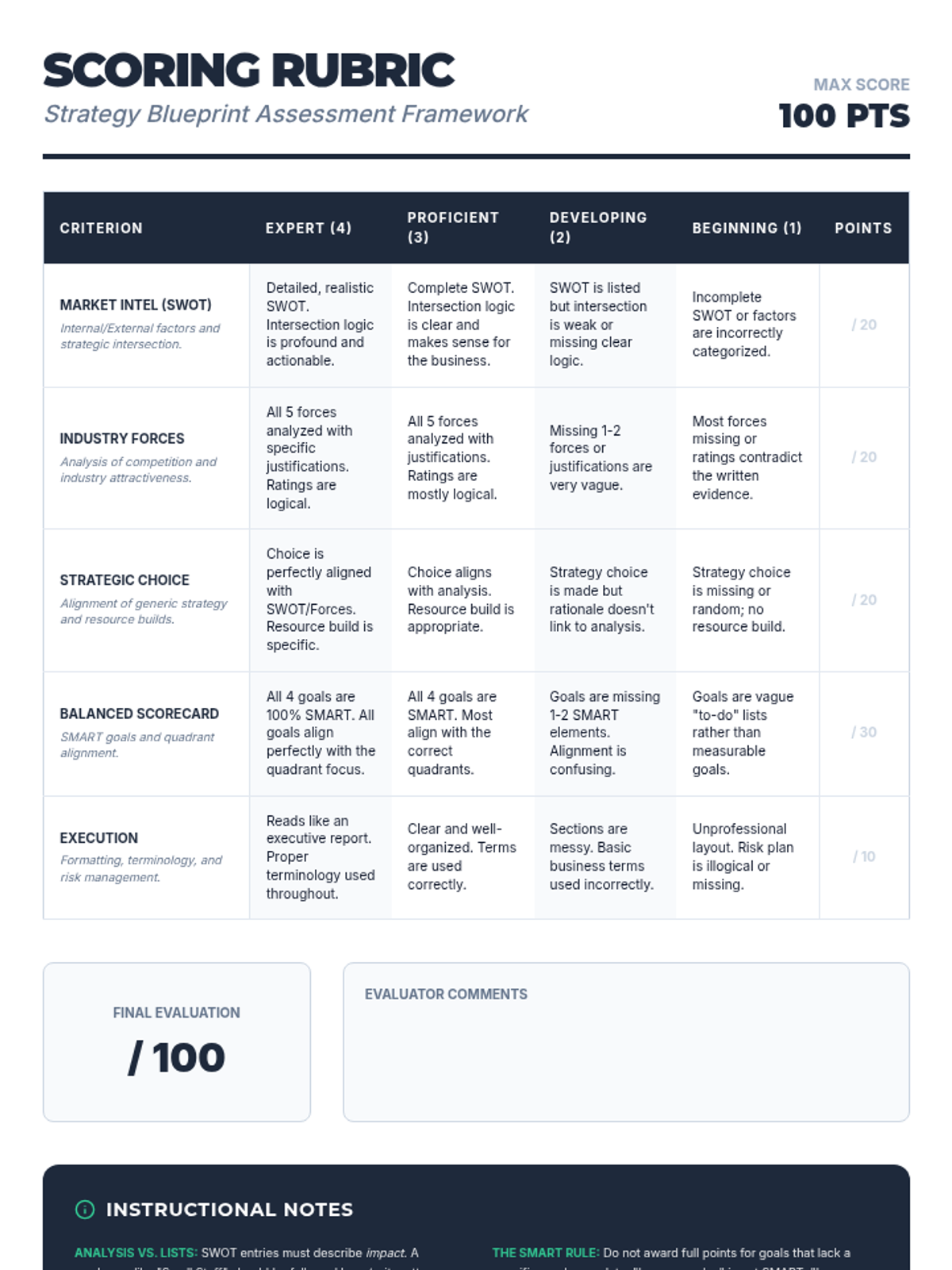
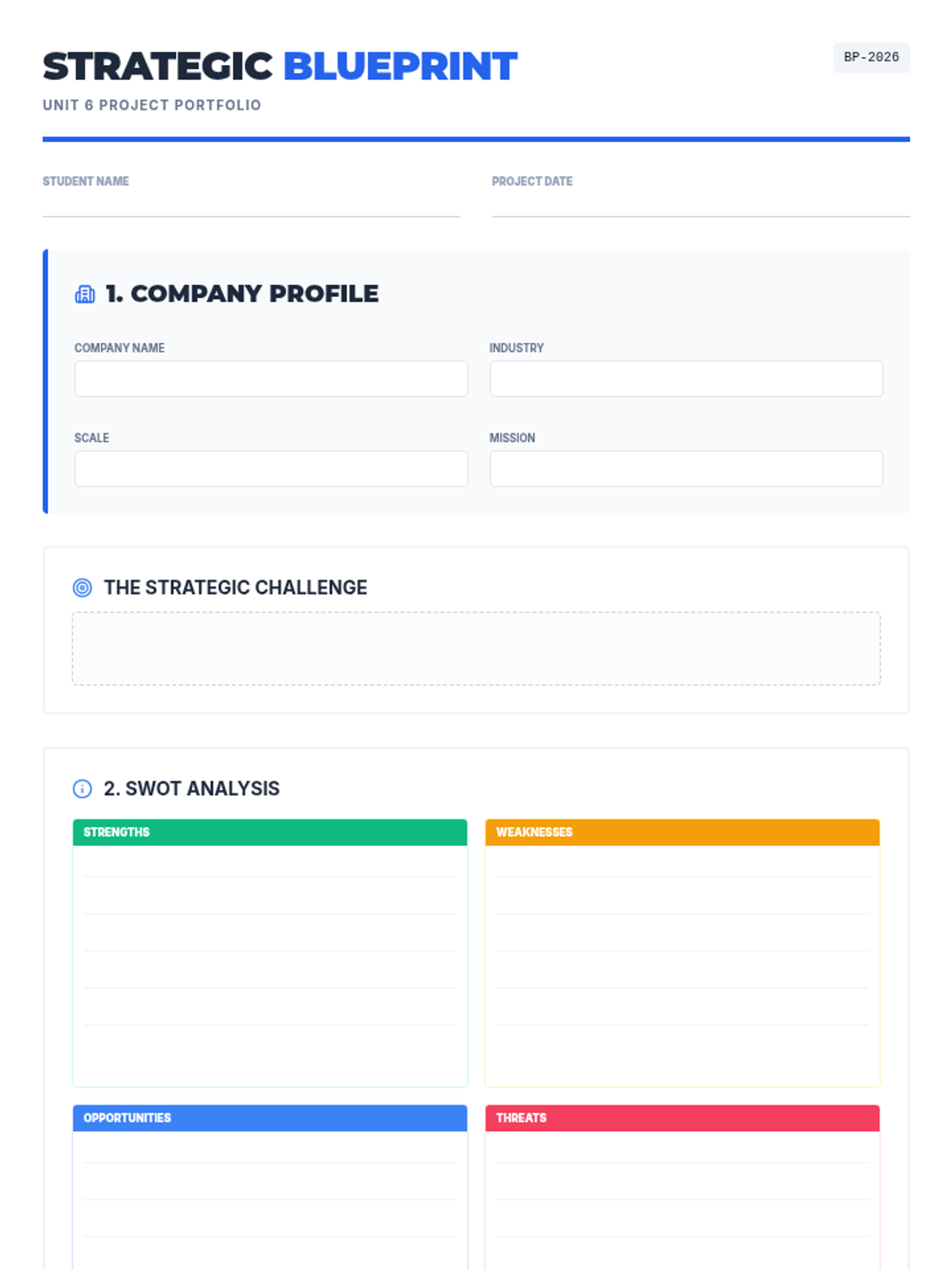
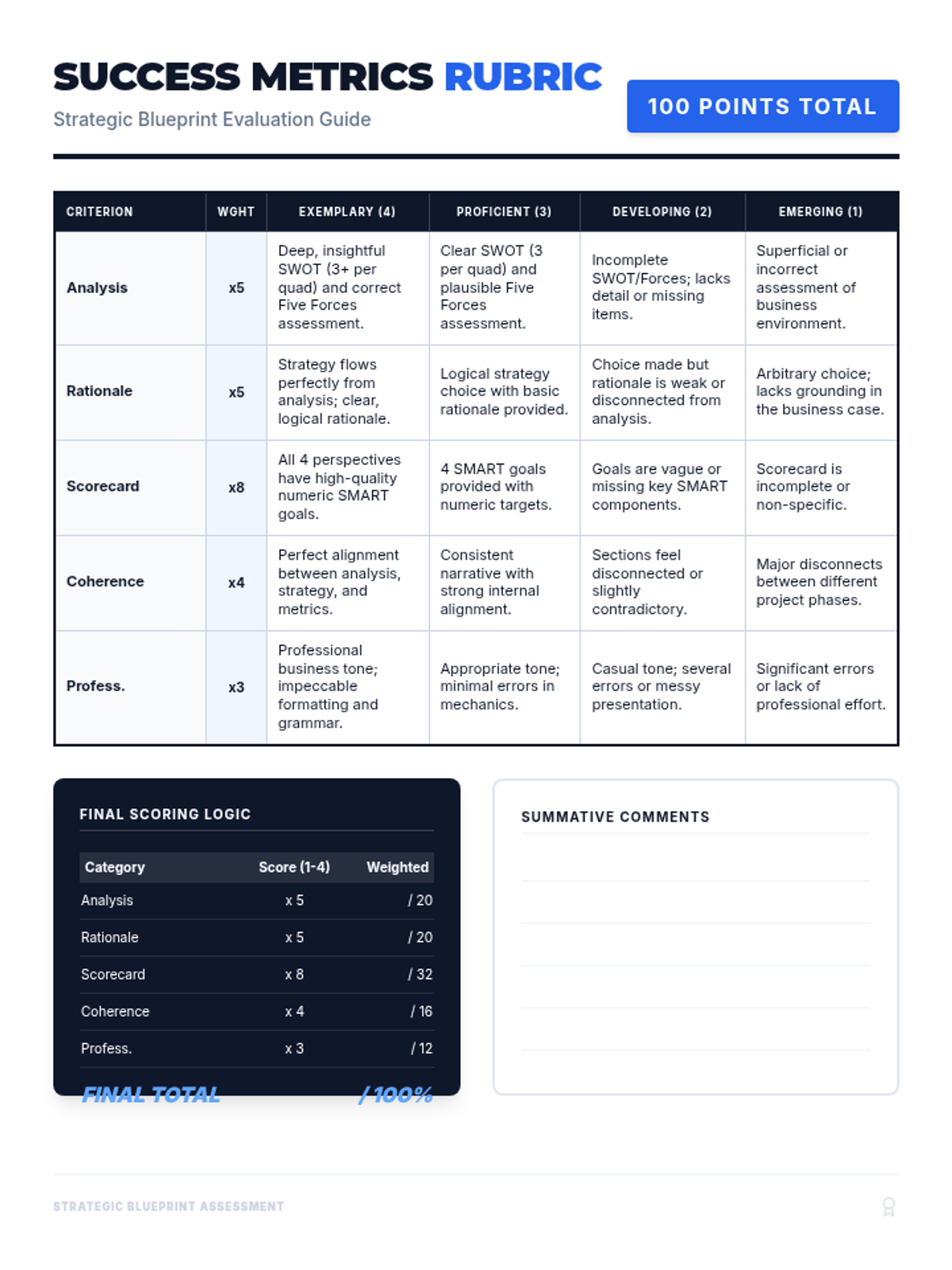
A comprehensive business strategy project where students act as consultants to develop a strategic plan and performance measurement system using SWOT analysis, Porter's Five Forces, and the Balanced Scorecard. This project includes scaffolded templates for analysis and a structured framework for goal setting.
A comprehensive project-based lesson where students develop a strategic plan and a Balanced Scorecard for a business, moving from situational analysis to actionable metrics.
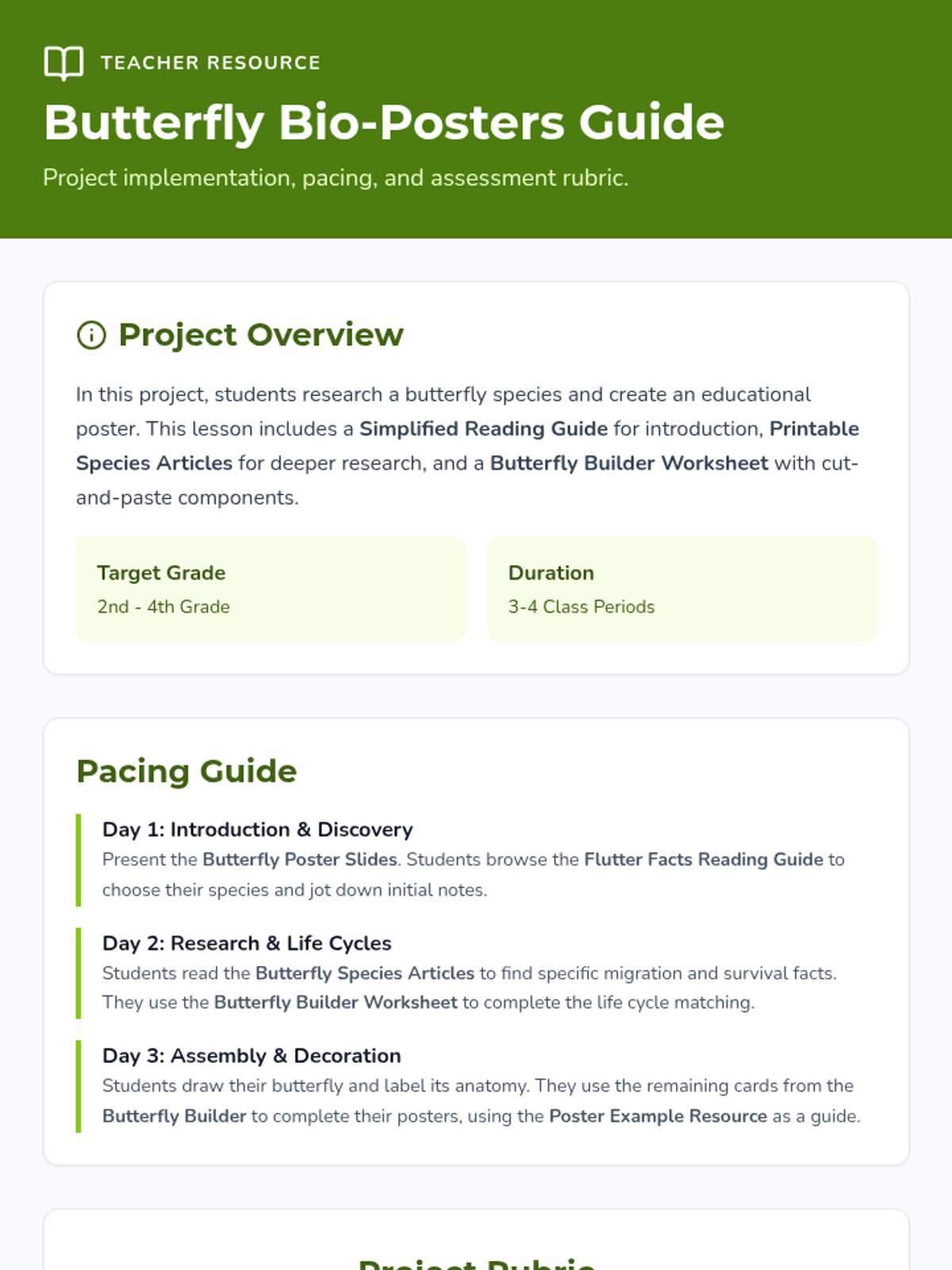
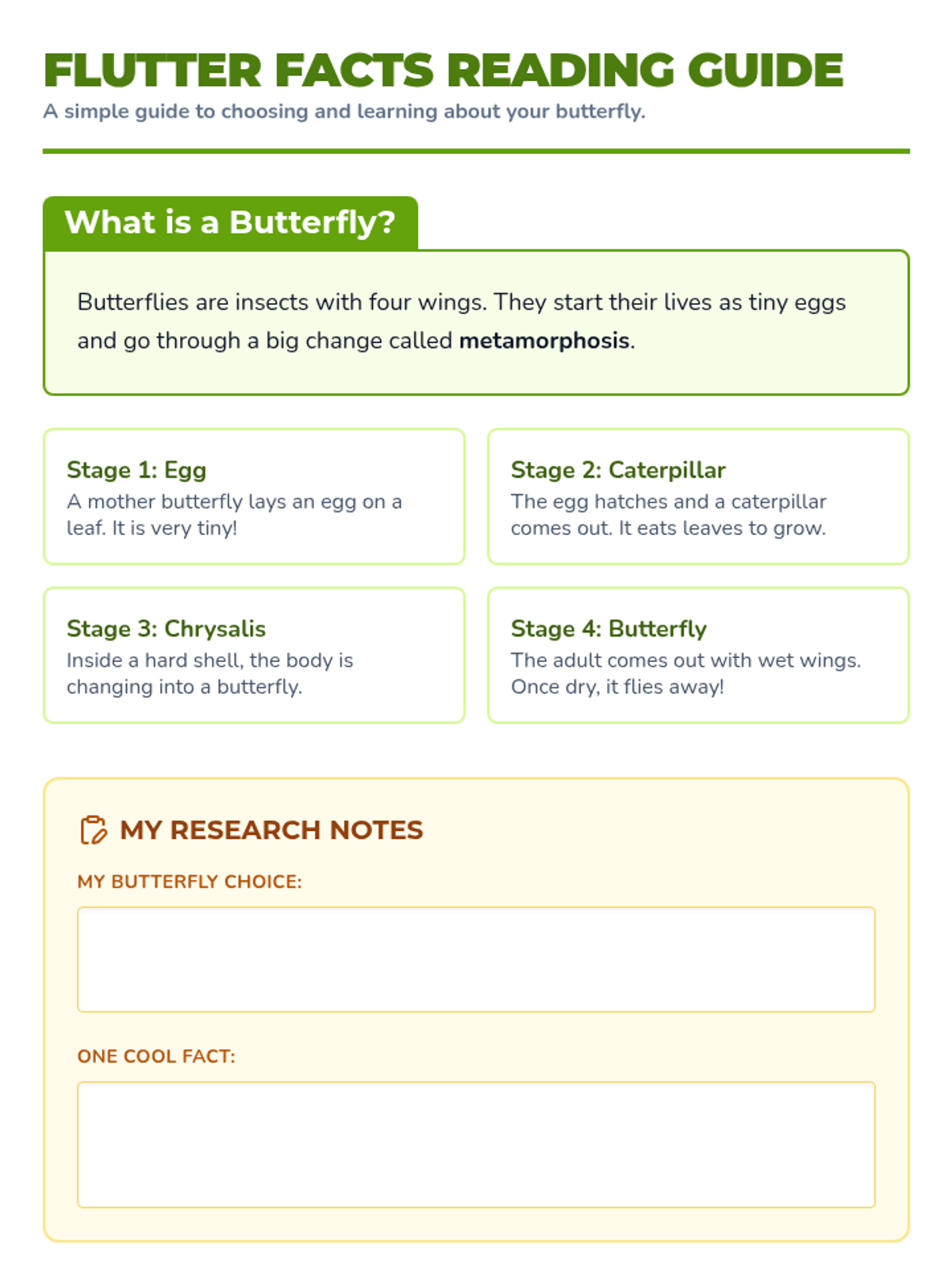
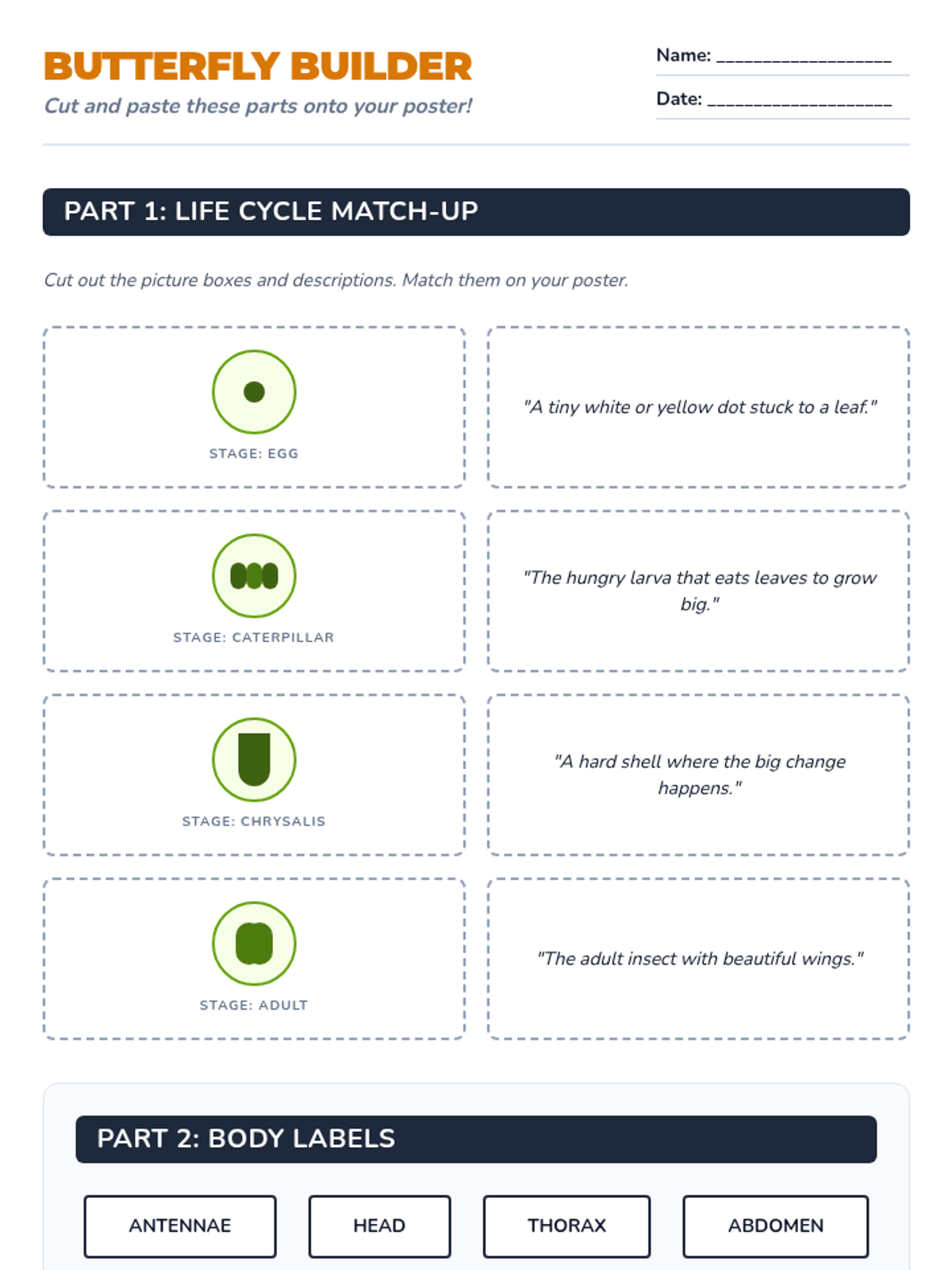
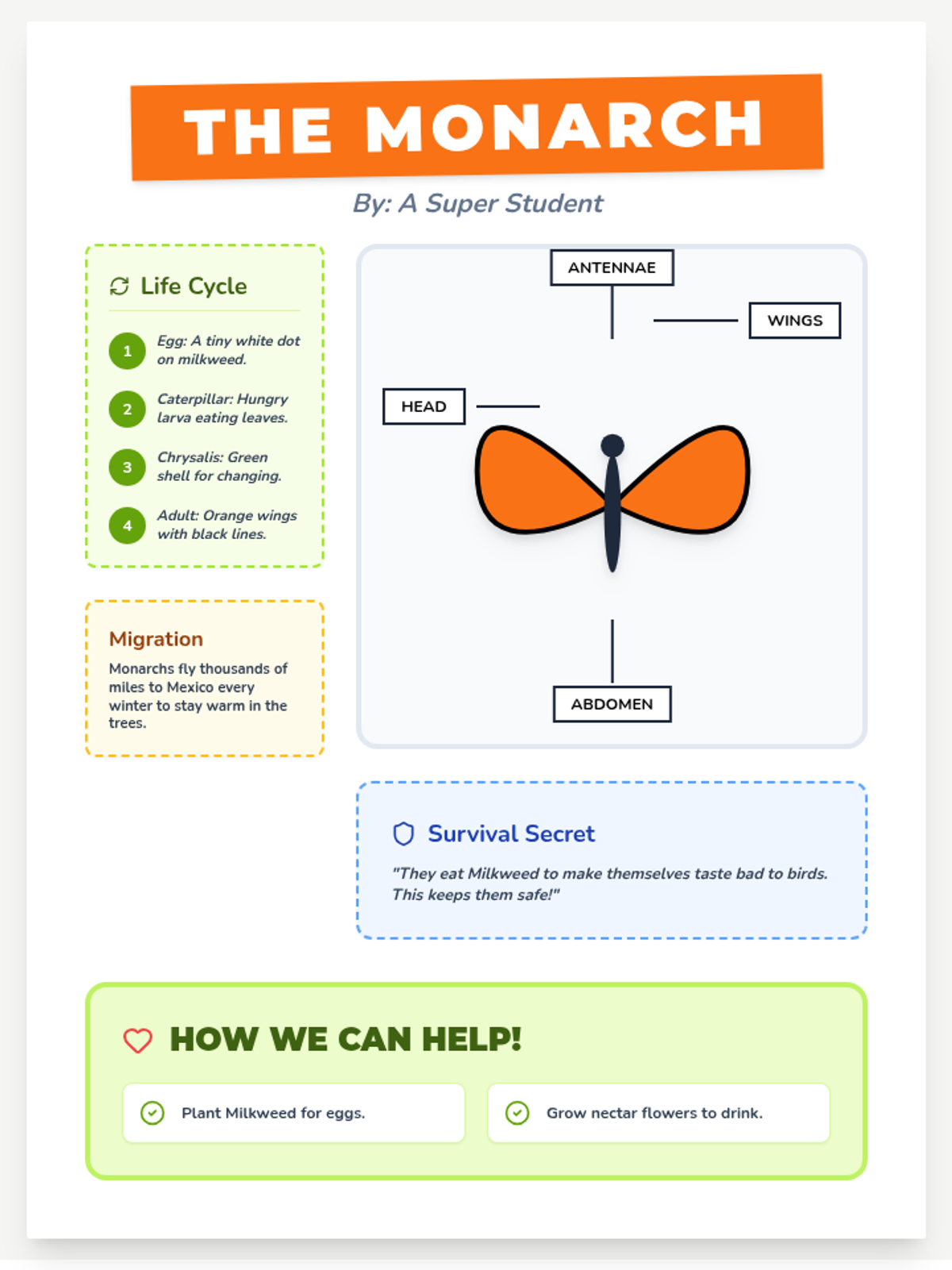
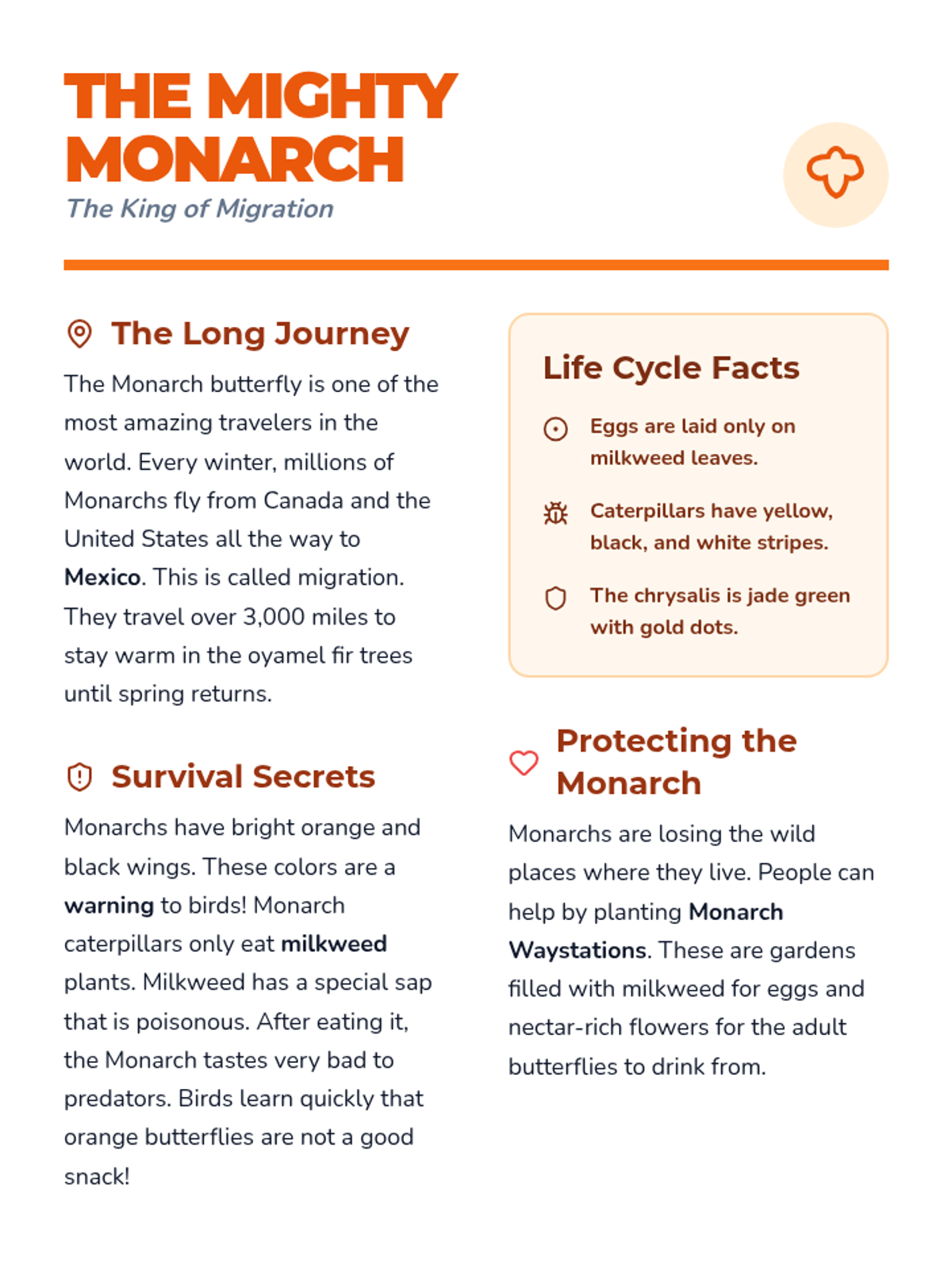
A creative science project where students research a butterfly species of their choice and design an informative poster. The lesson includes a simplified reading guide, cut-and-paste components, and a presentation to guide the project.
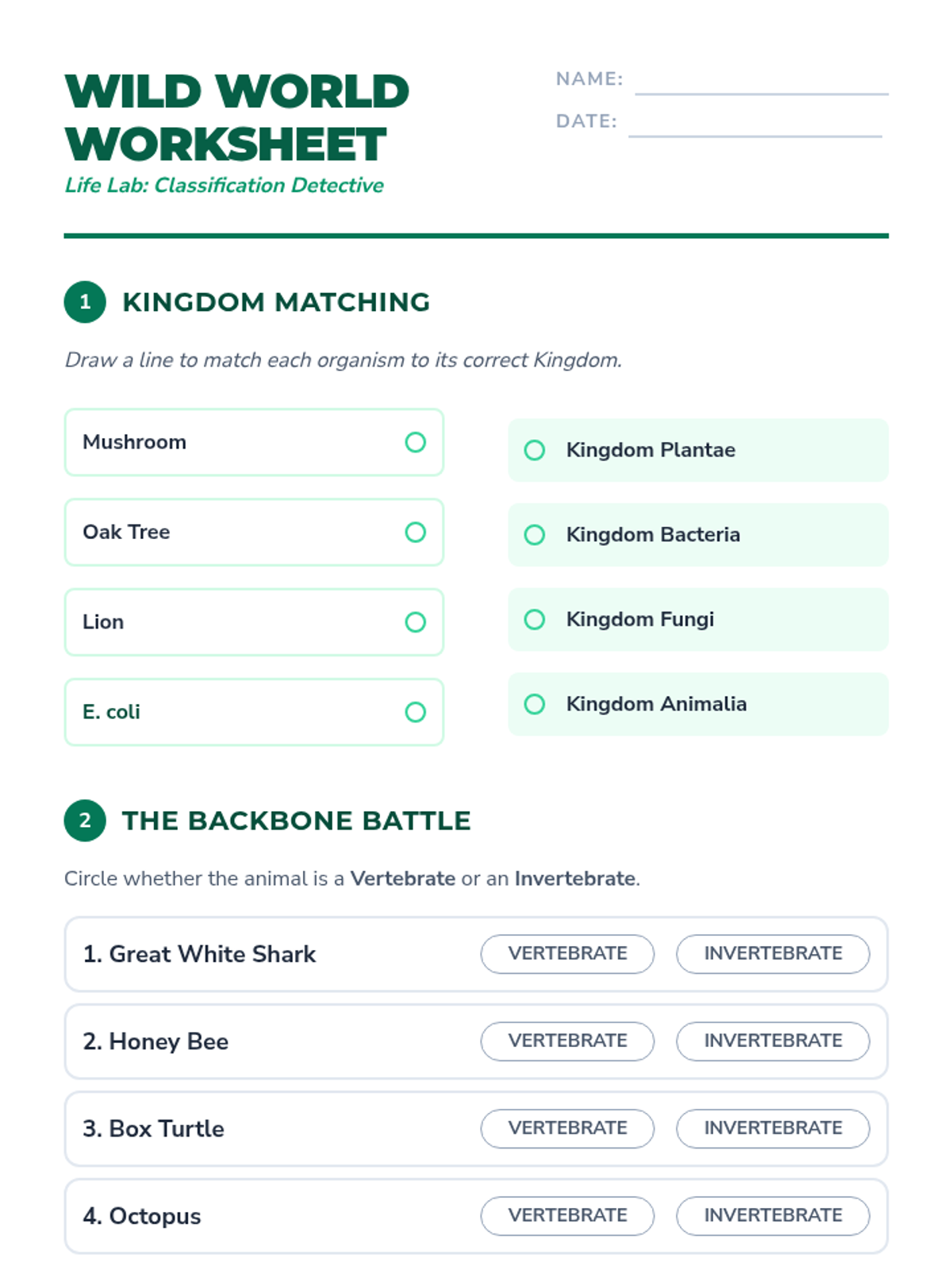
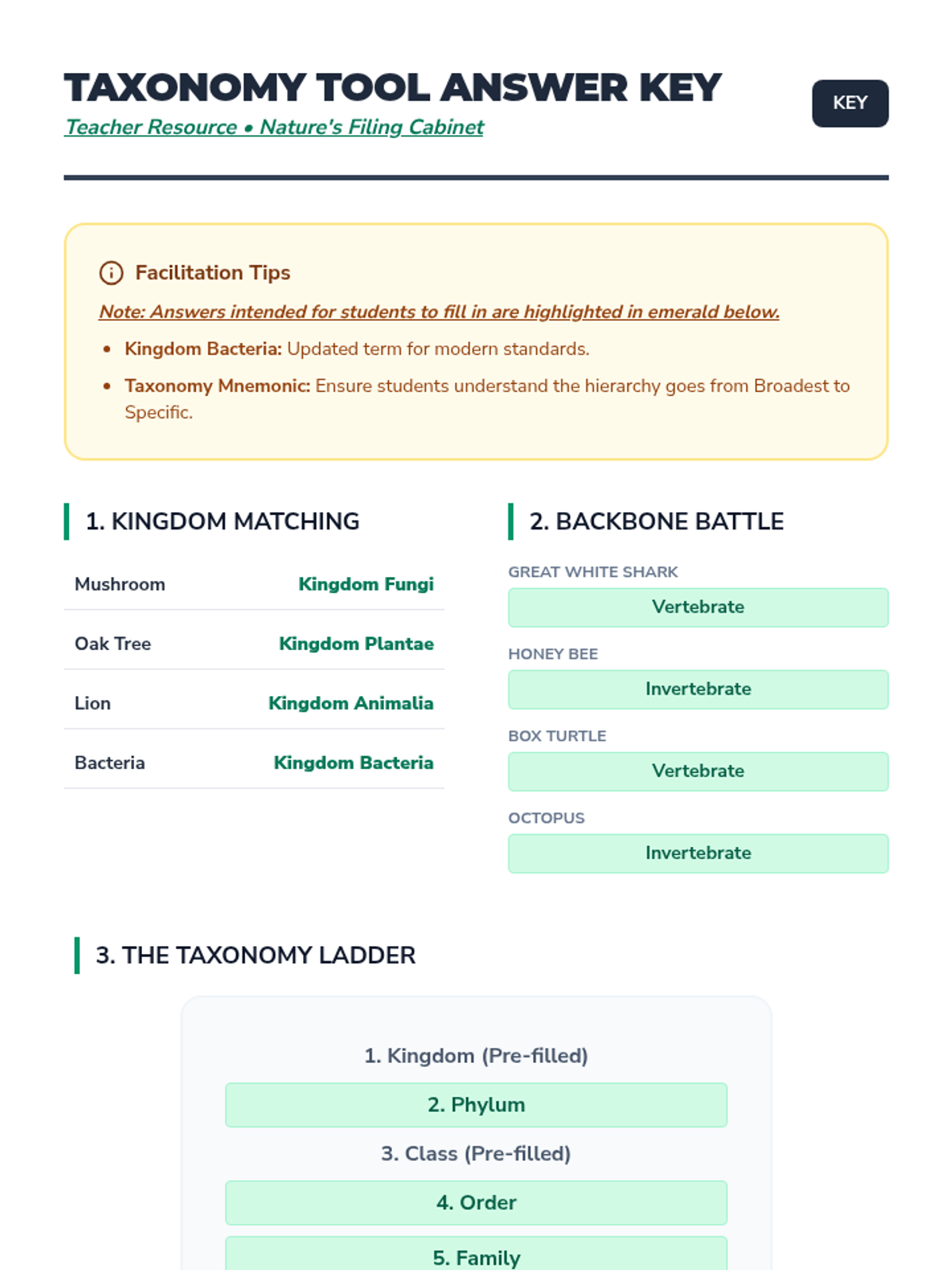
A foundational lesson exploring how scientists group living things using the Linnaean classification system, focusing on kingdoms and the distinction between vertebrates and invertebrates.
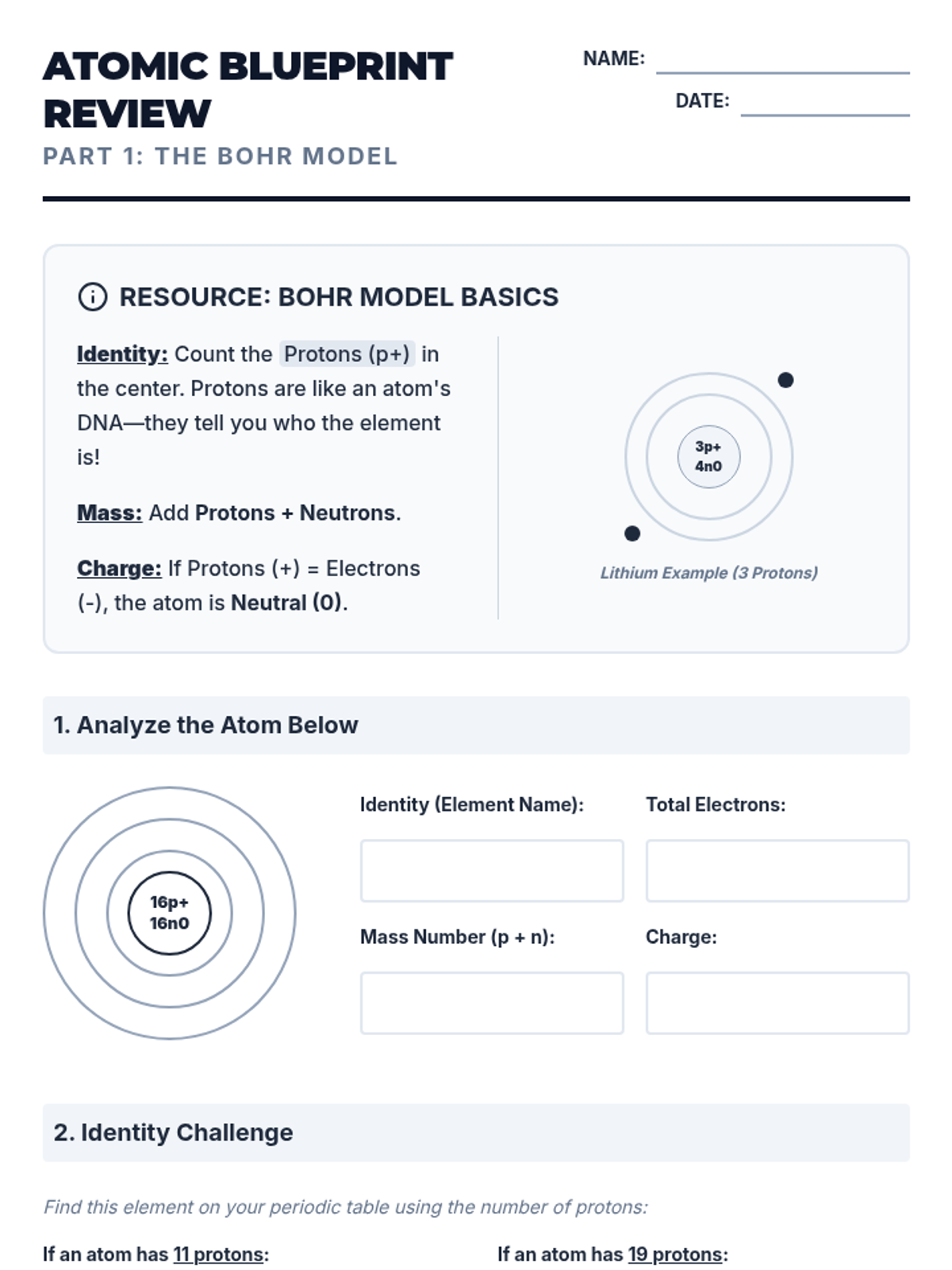
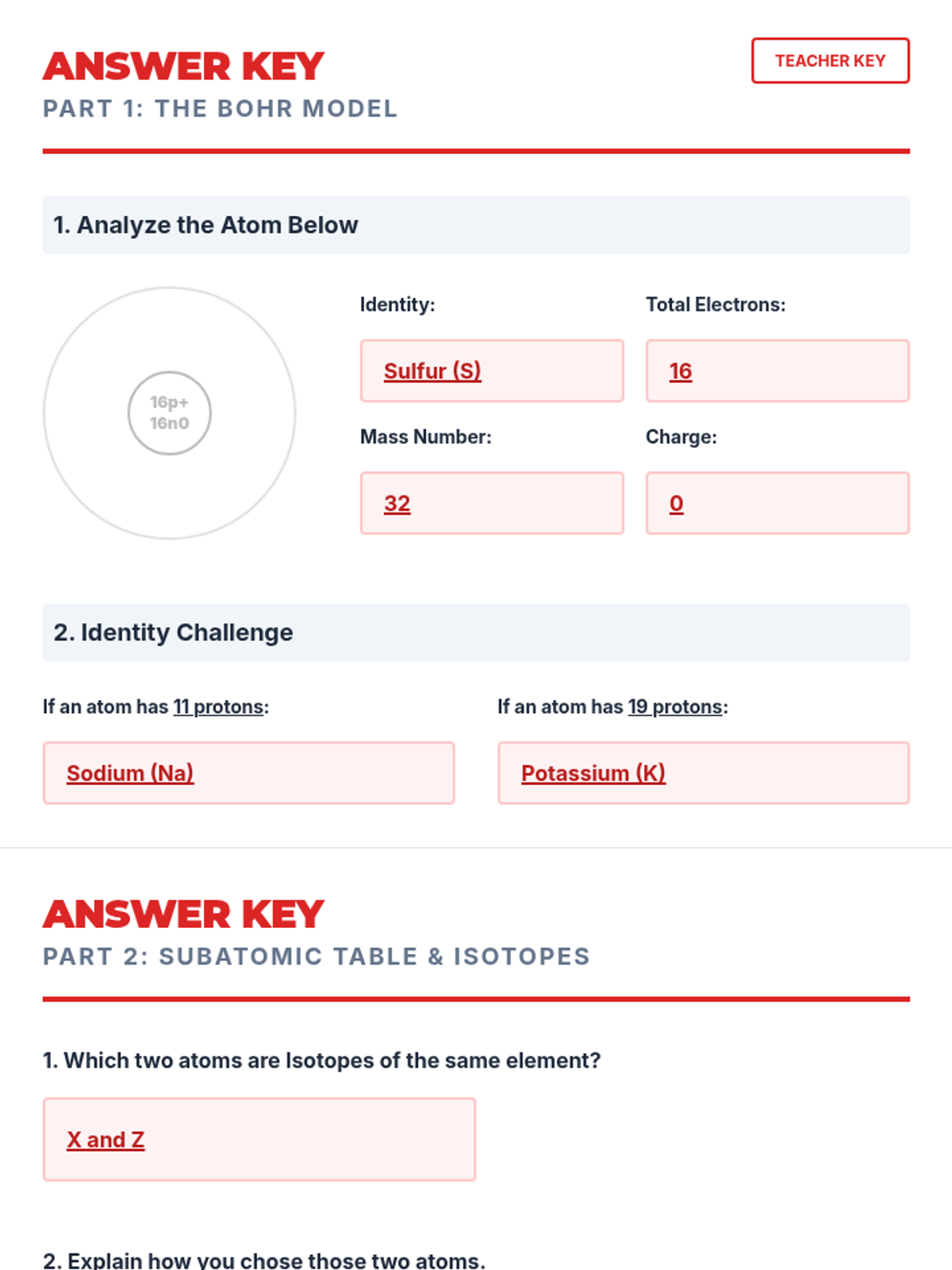
A comprehensive review sequence focusing on atomic structure, Bohr models, isotopes, and electron configurations designed for high school chemistry students.
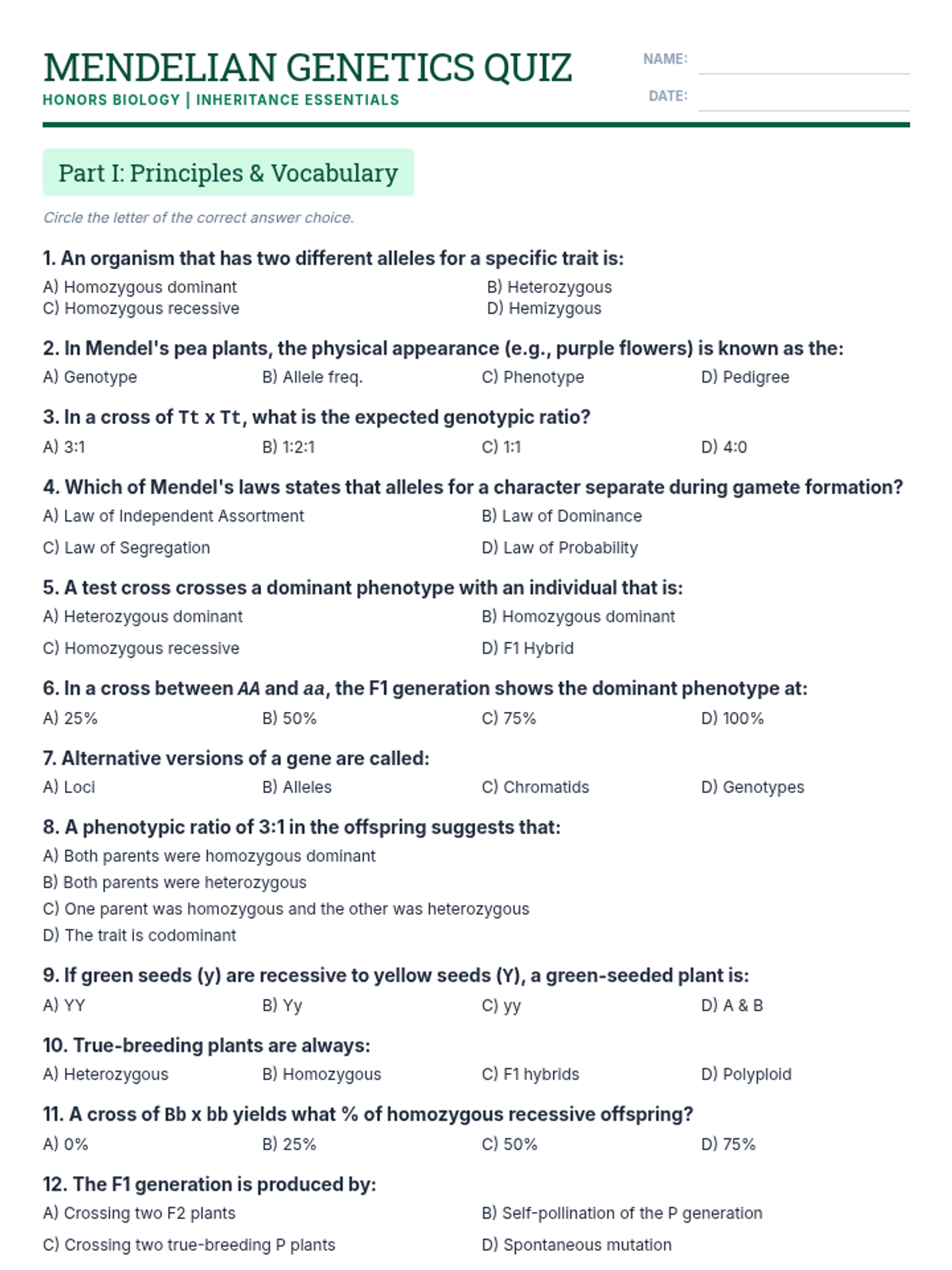
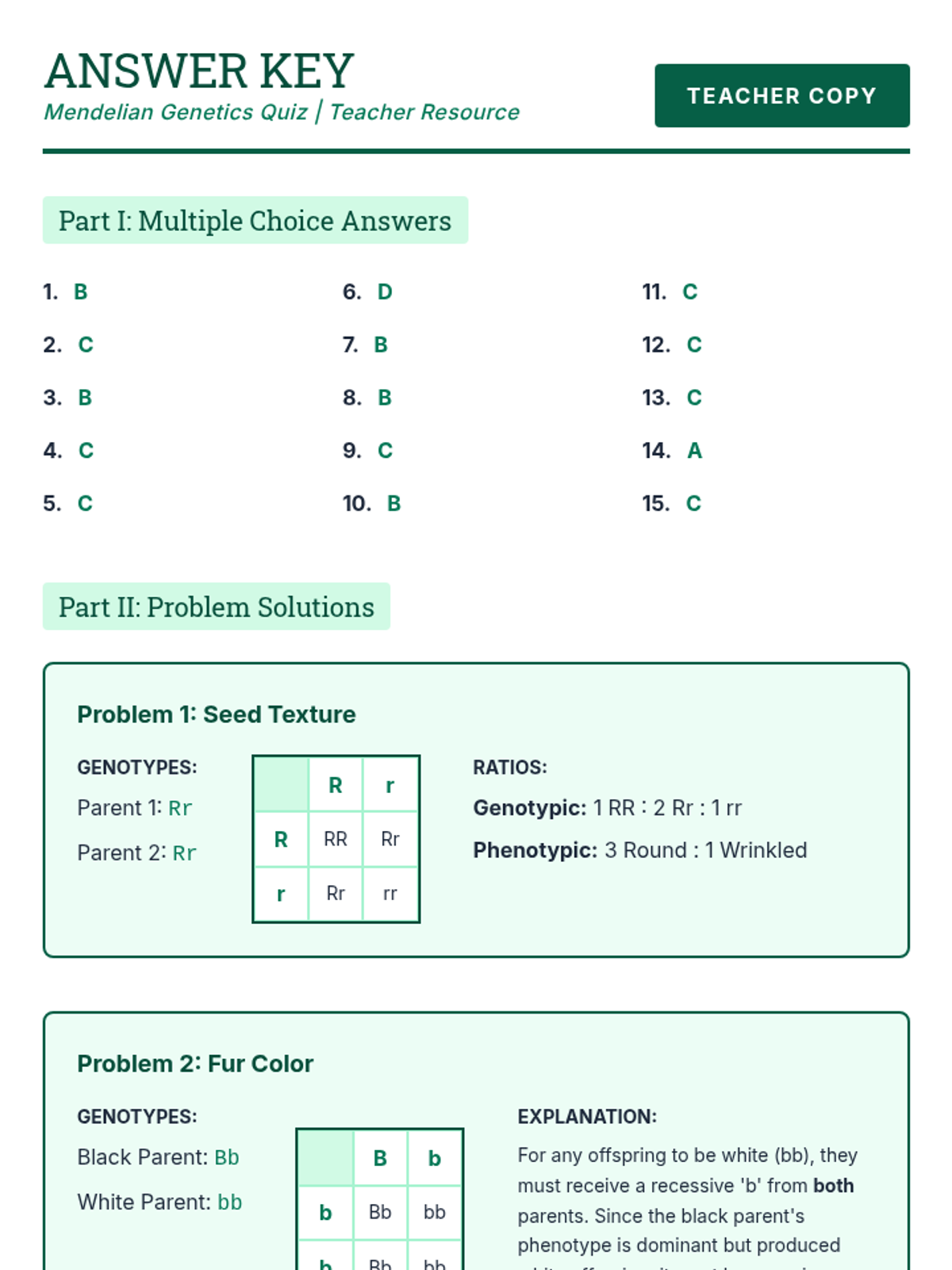
A rigorous assessment on the principles of Mendelian inheritance, covering monohybrid crosses, terminology, and probability ratios for honors biology students.
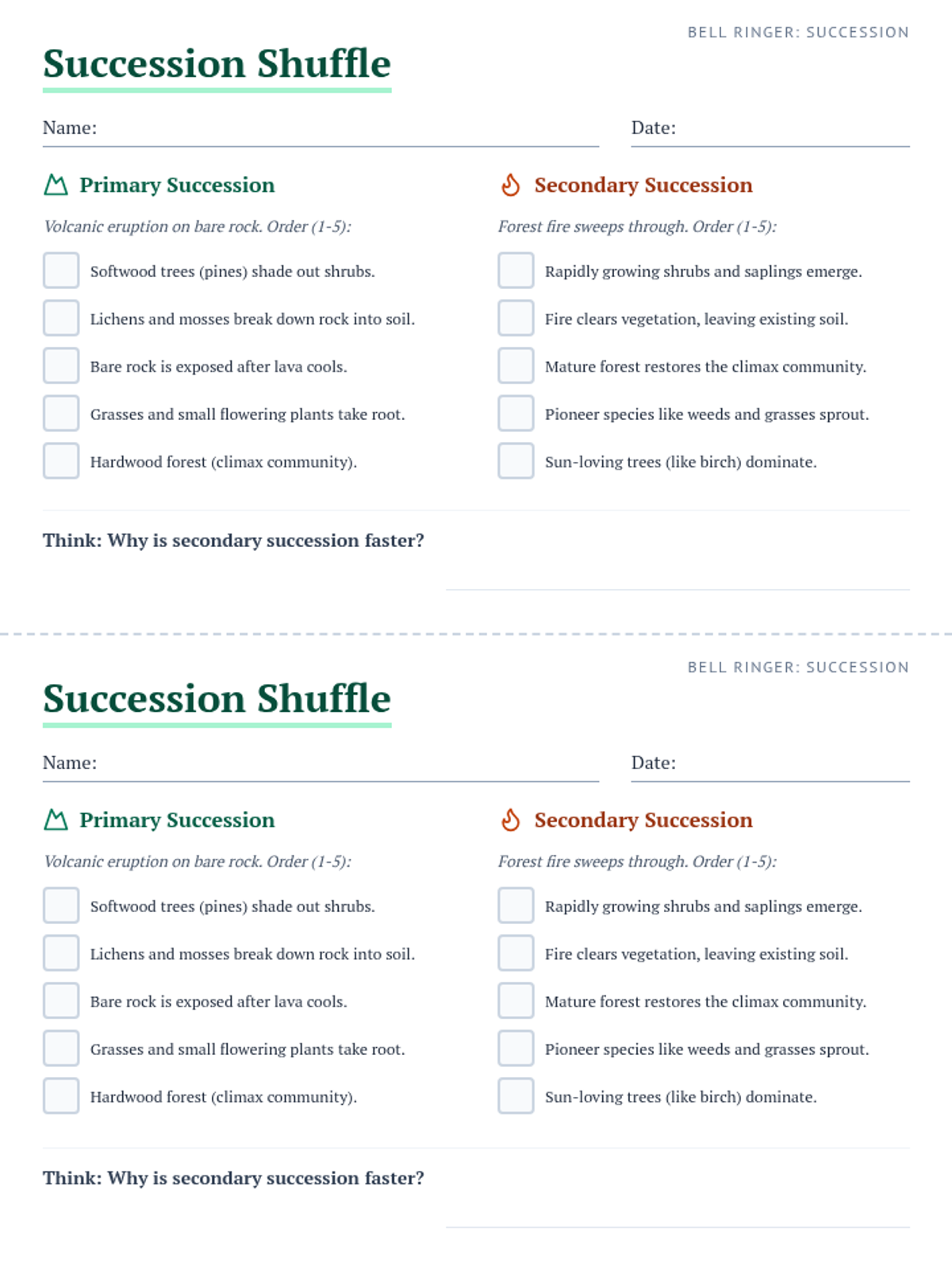
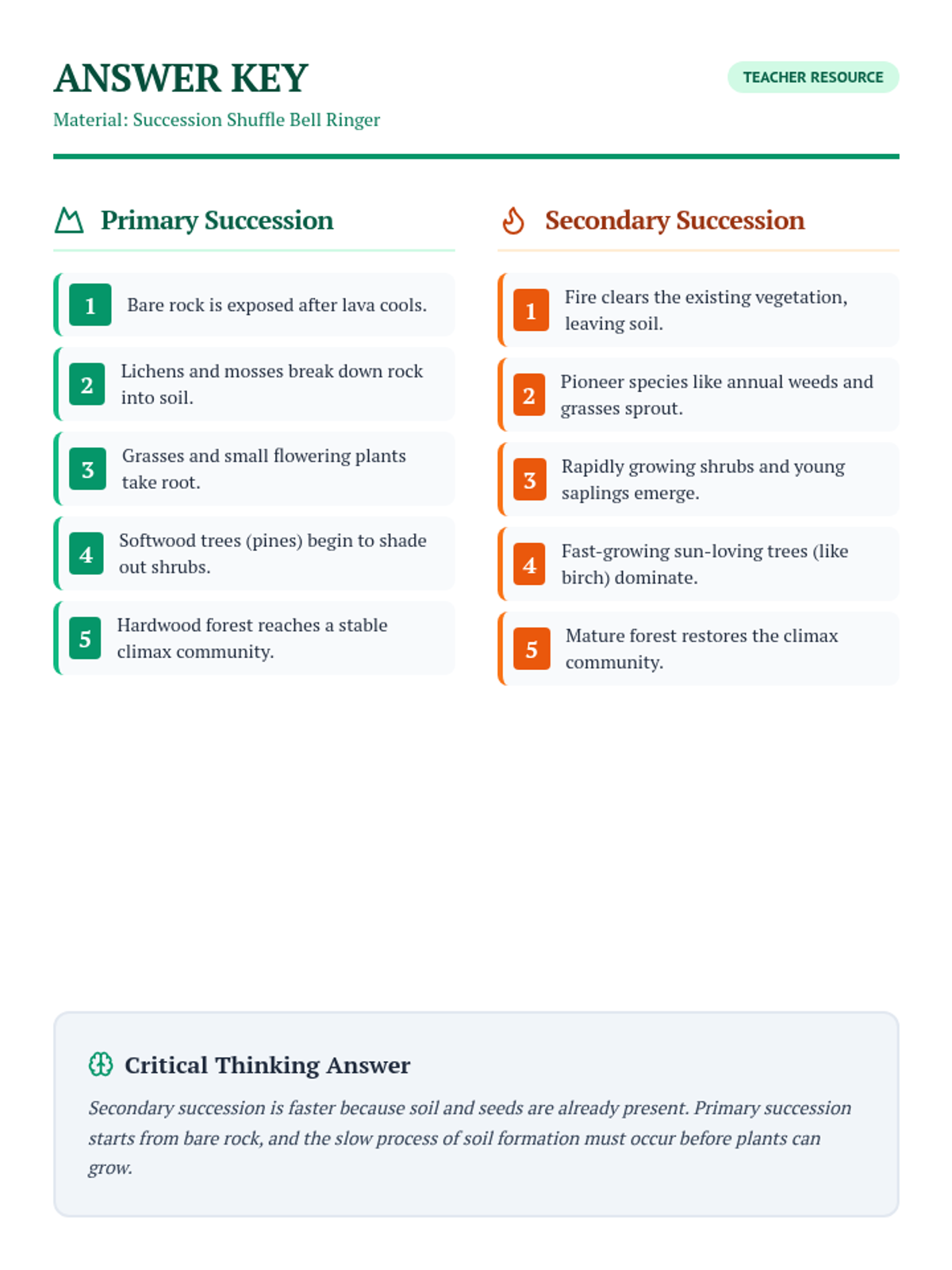
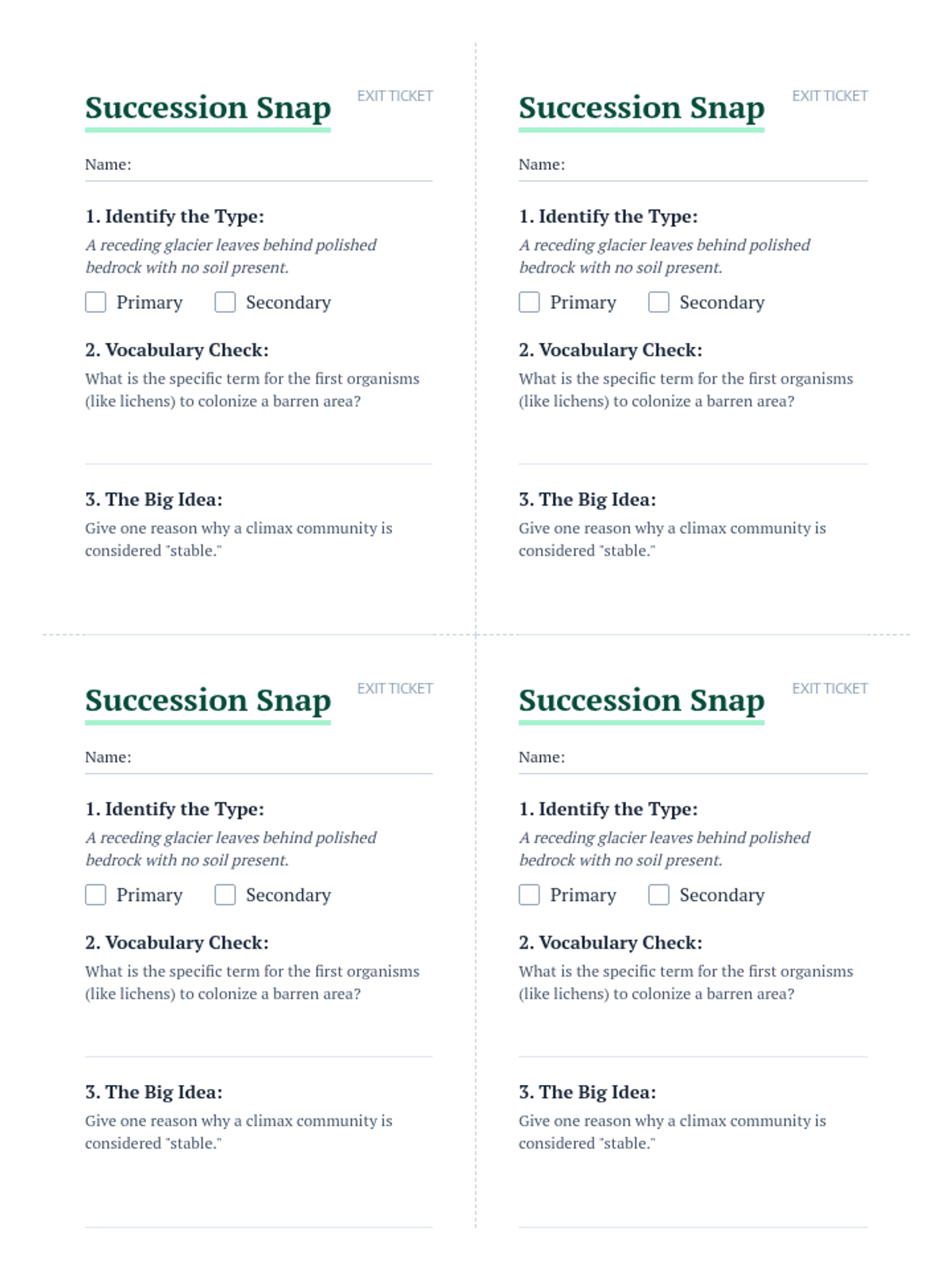
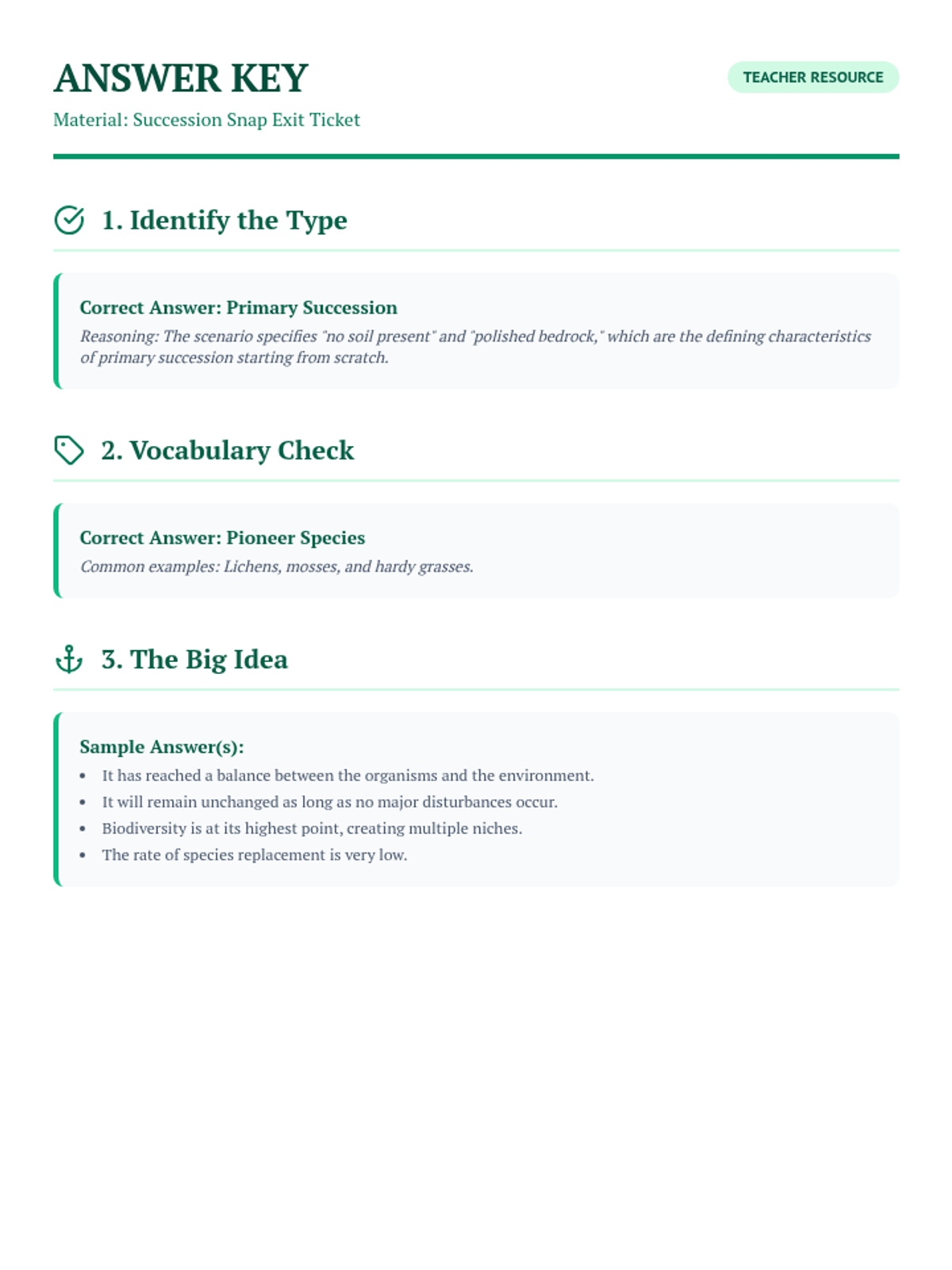
A quick, engaging bell ringer activity designed to review the stages of primary and secondary ecological succession through a sequence ordering task.
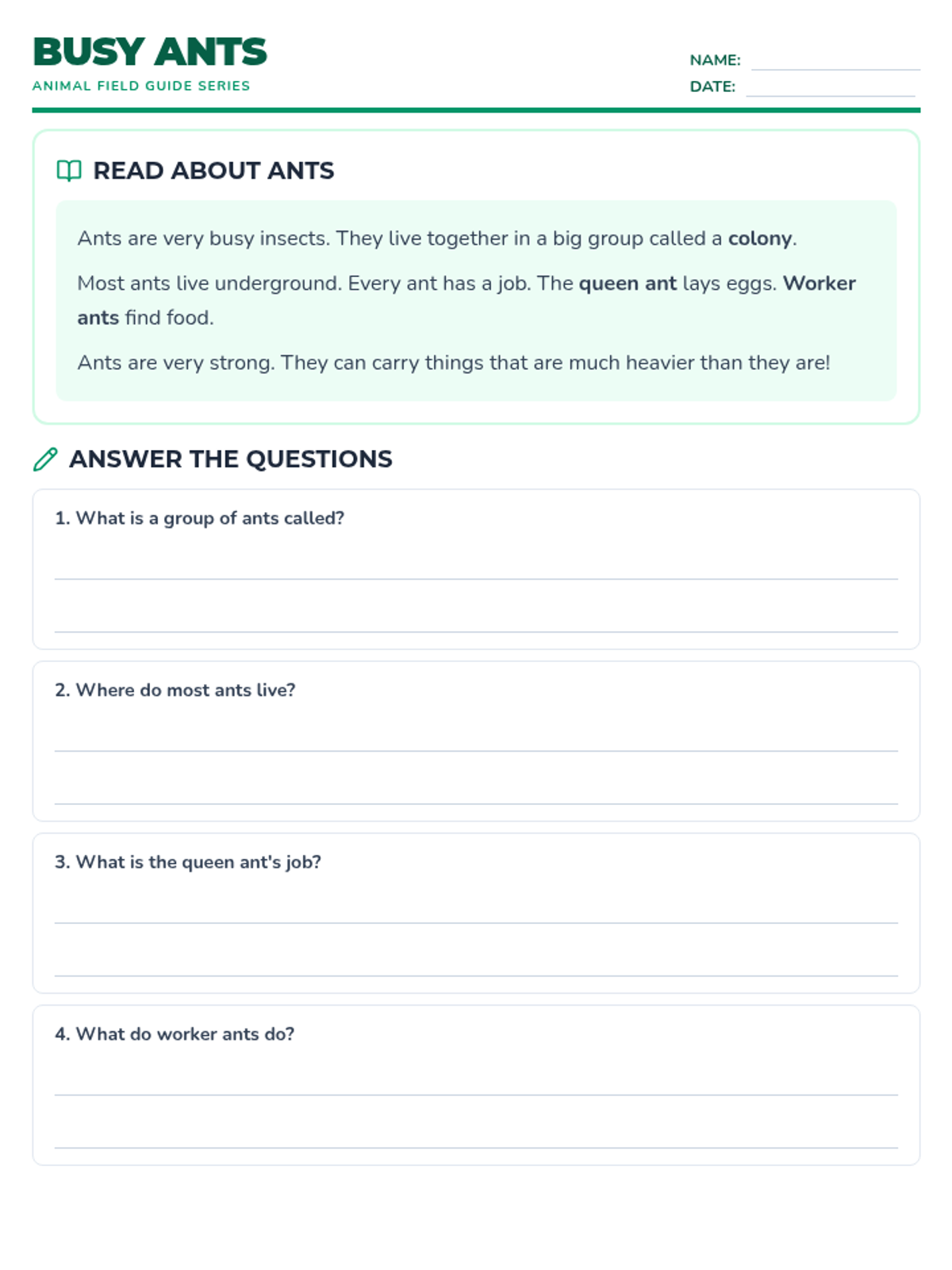
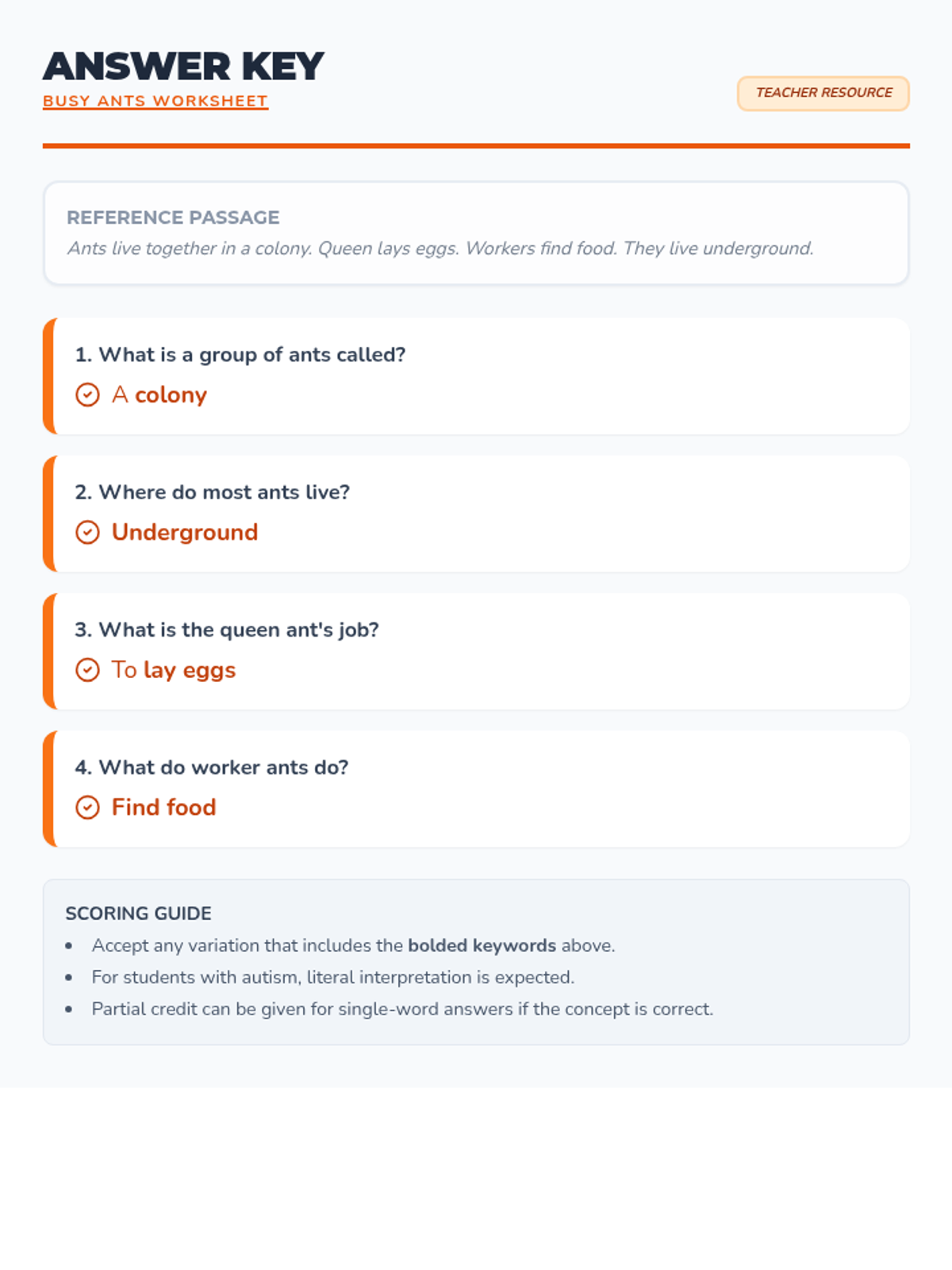
A focused reading comprehension lesson exploring the lives of ants, designed with clear structure and visual supports for 1st-2nd grade students.
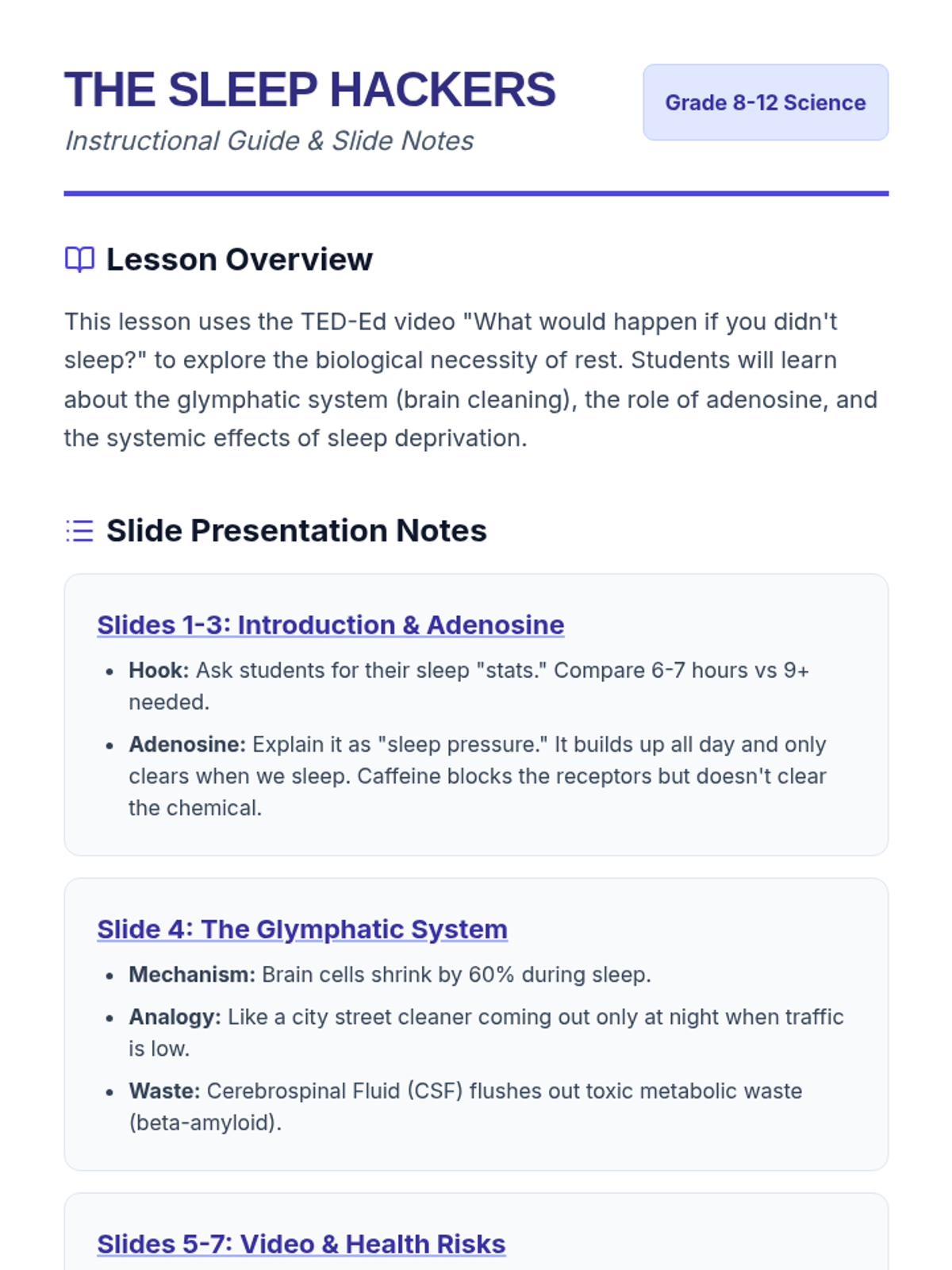
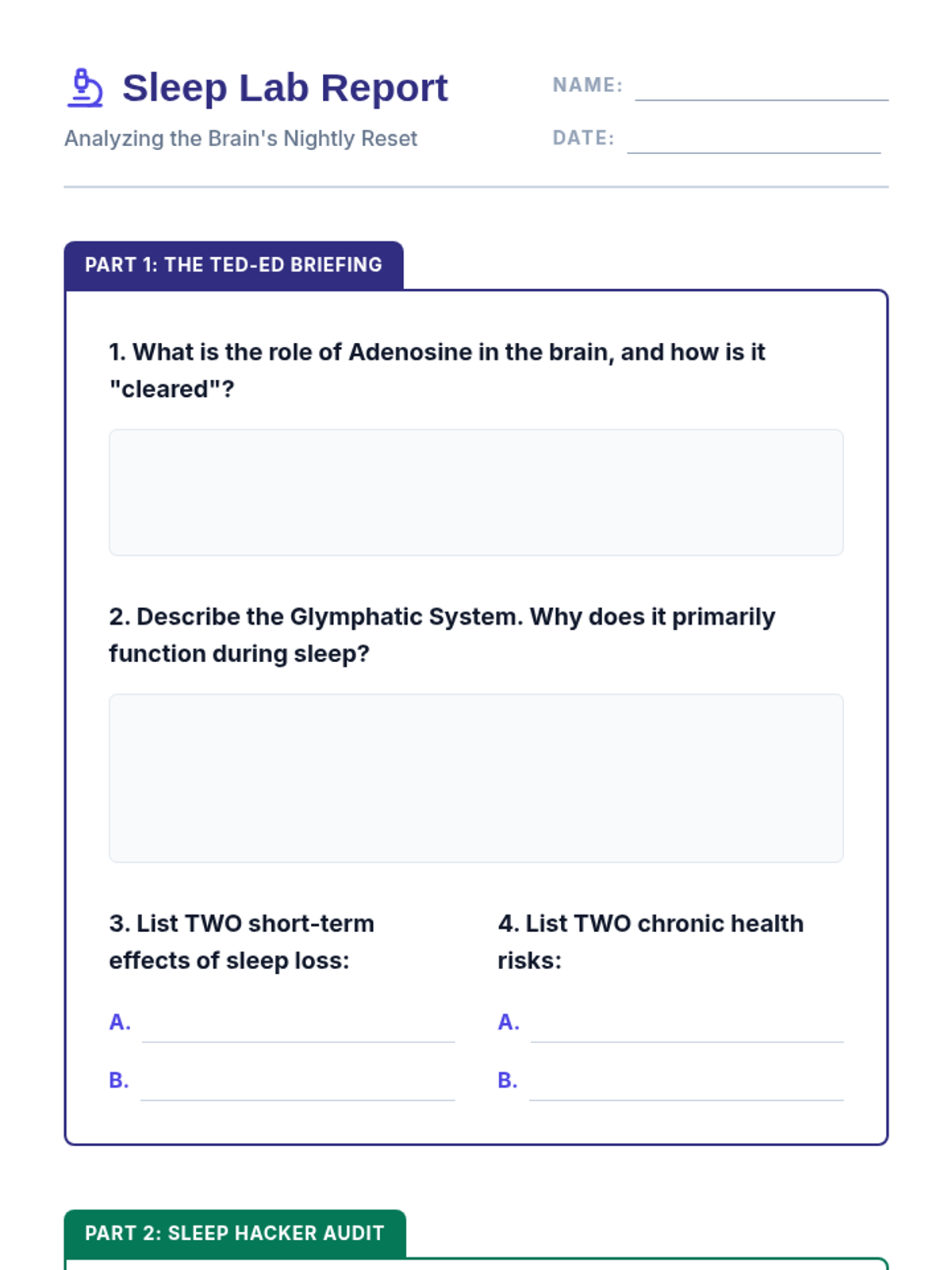
An exploration of the biological necessity of sleep, the mechanics of how the brain cleans itself during rest, and the physiological consequences of sleep deprivation.
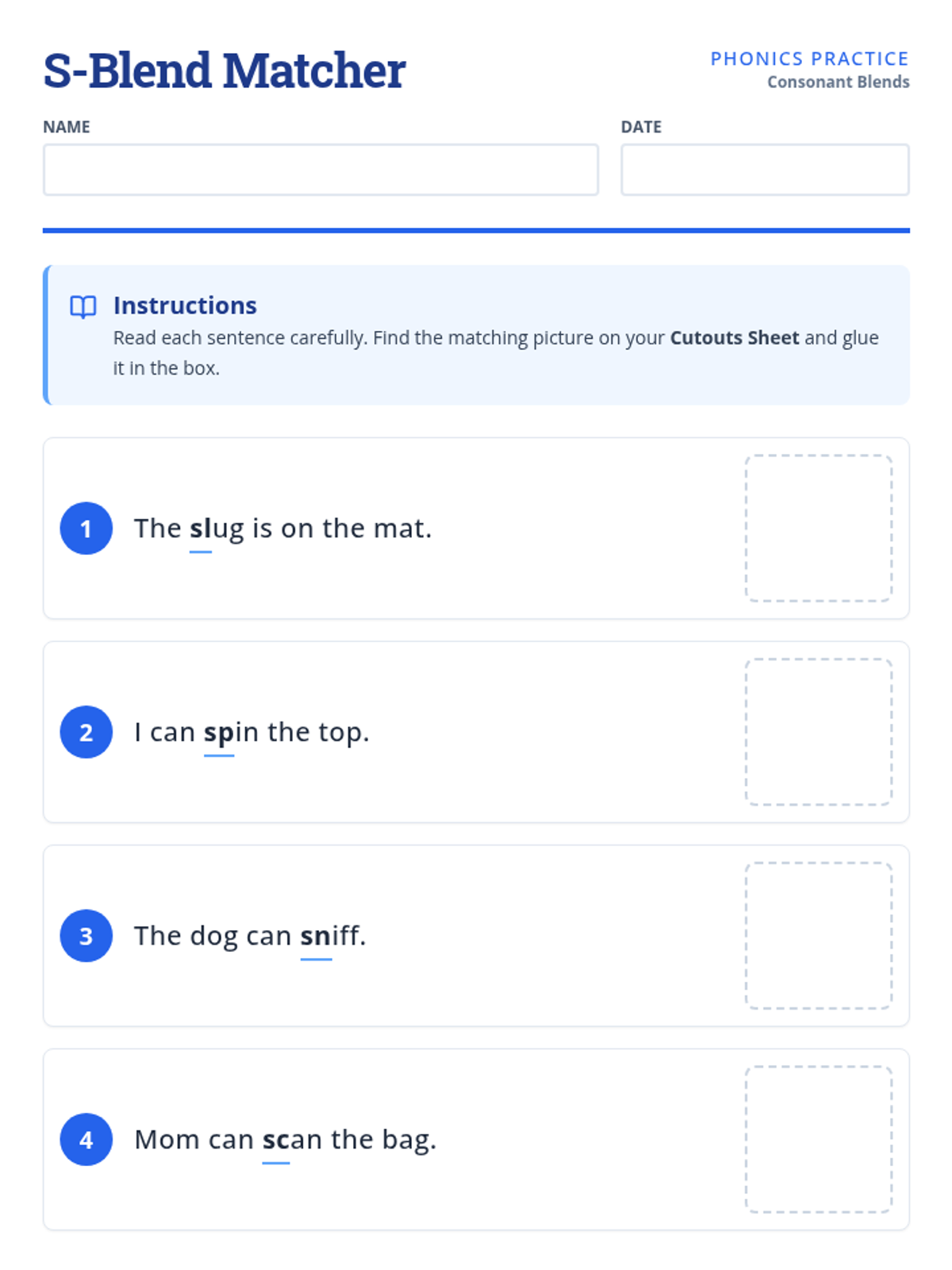
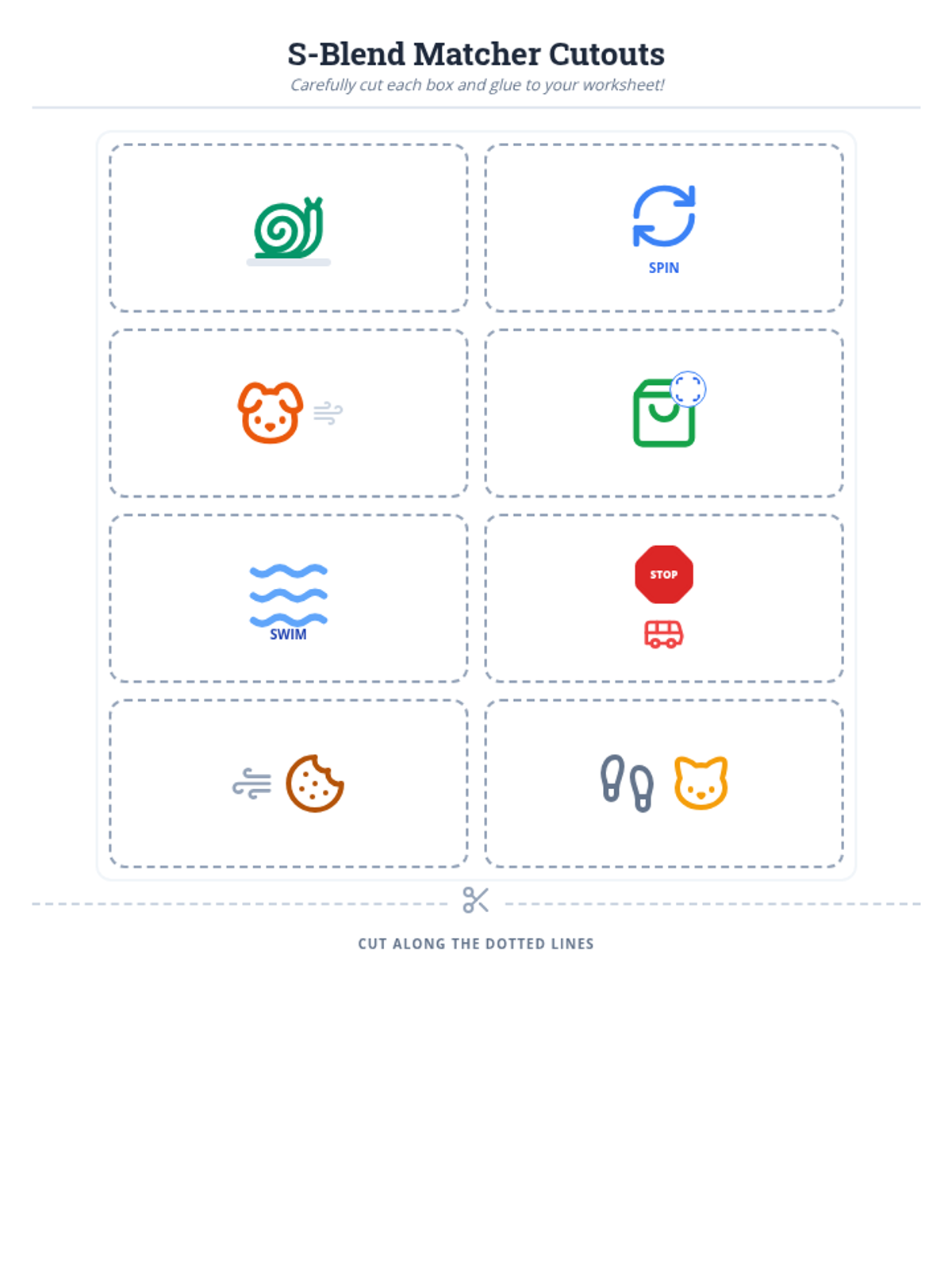
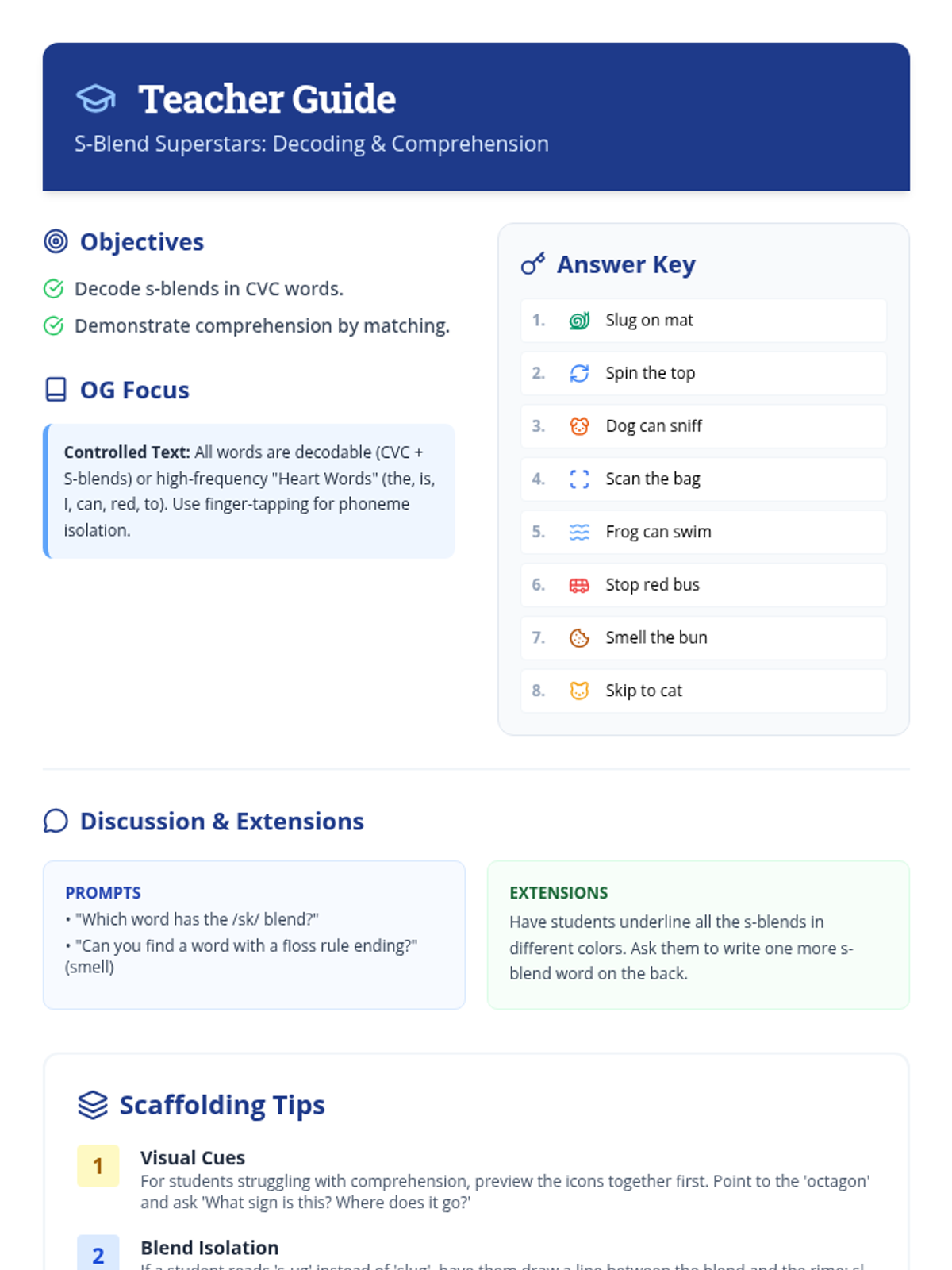
A phonics-focused lesson for kindergarteners to practice reading and comprehending initial s-blends through decodable sentences and visual matching.
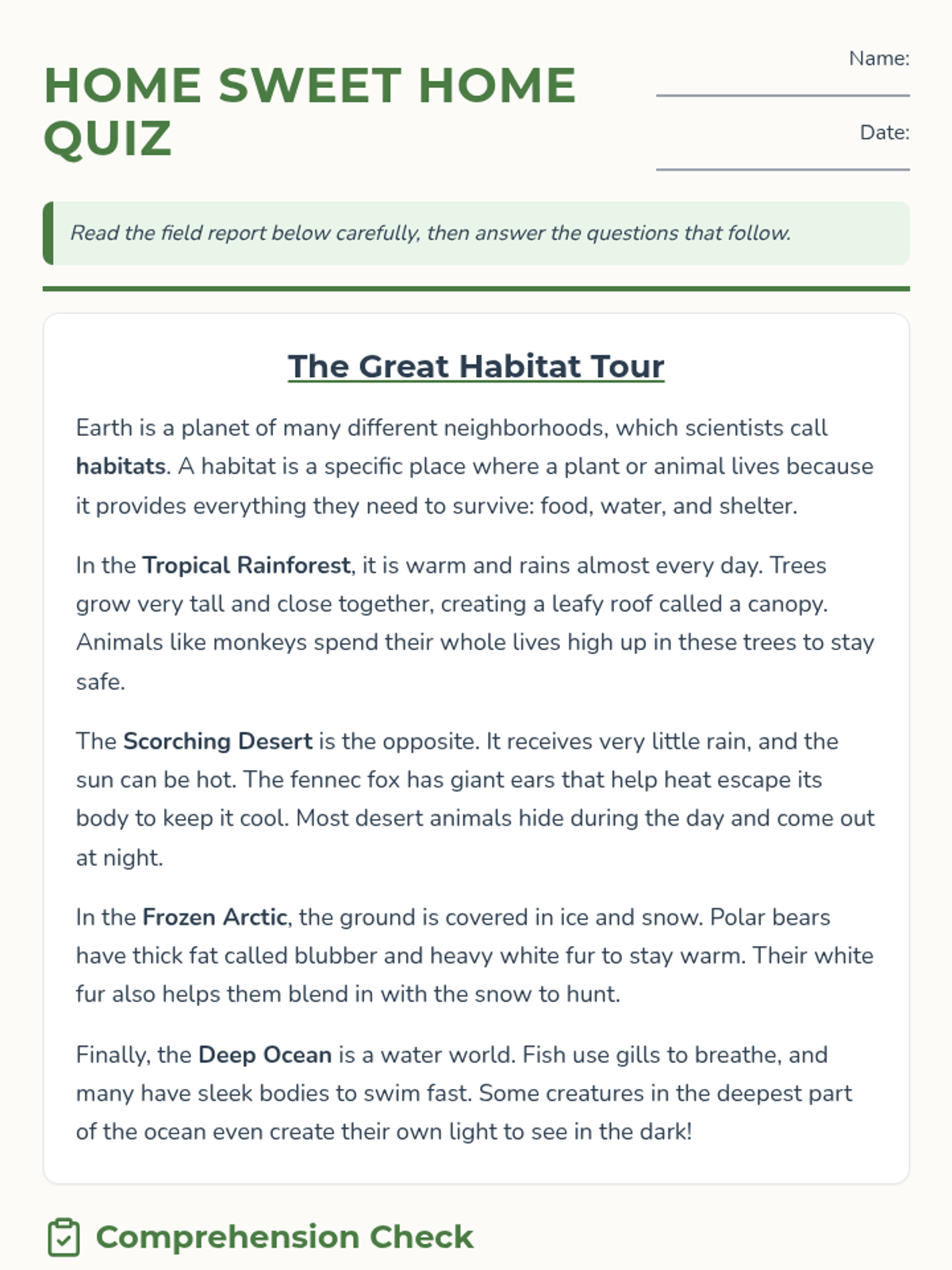
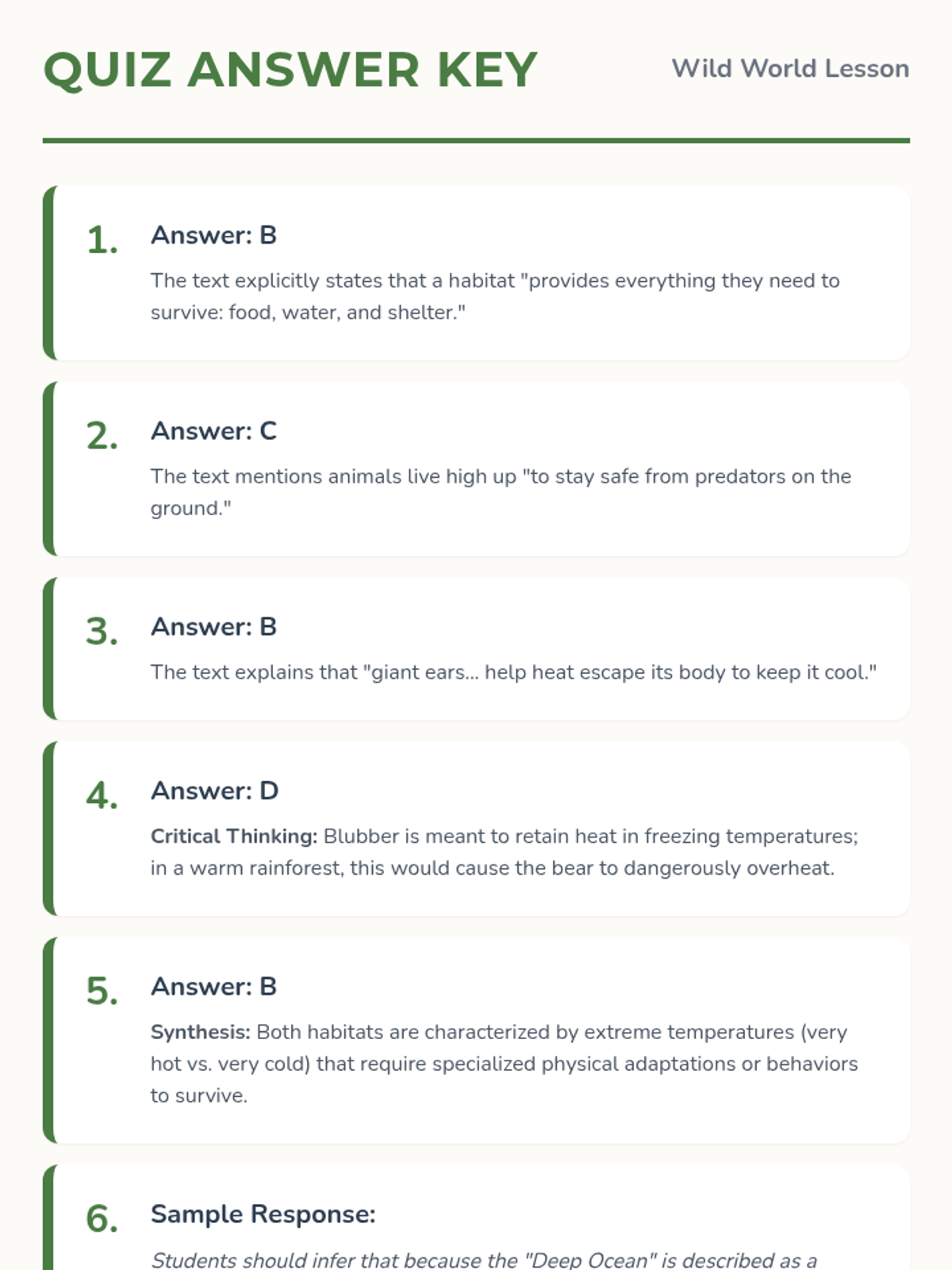
Students explore the diverse ecosystems of our planet through a non-fiction reading passage and an engaging class discussion focused on animal adaptations and survival.
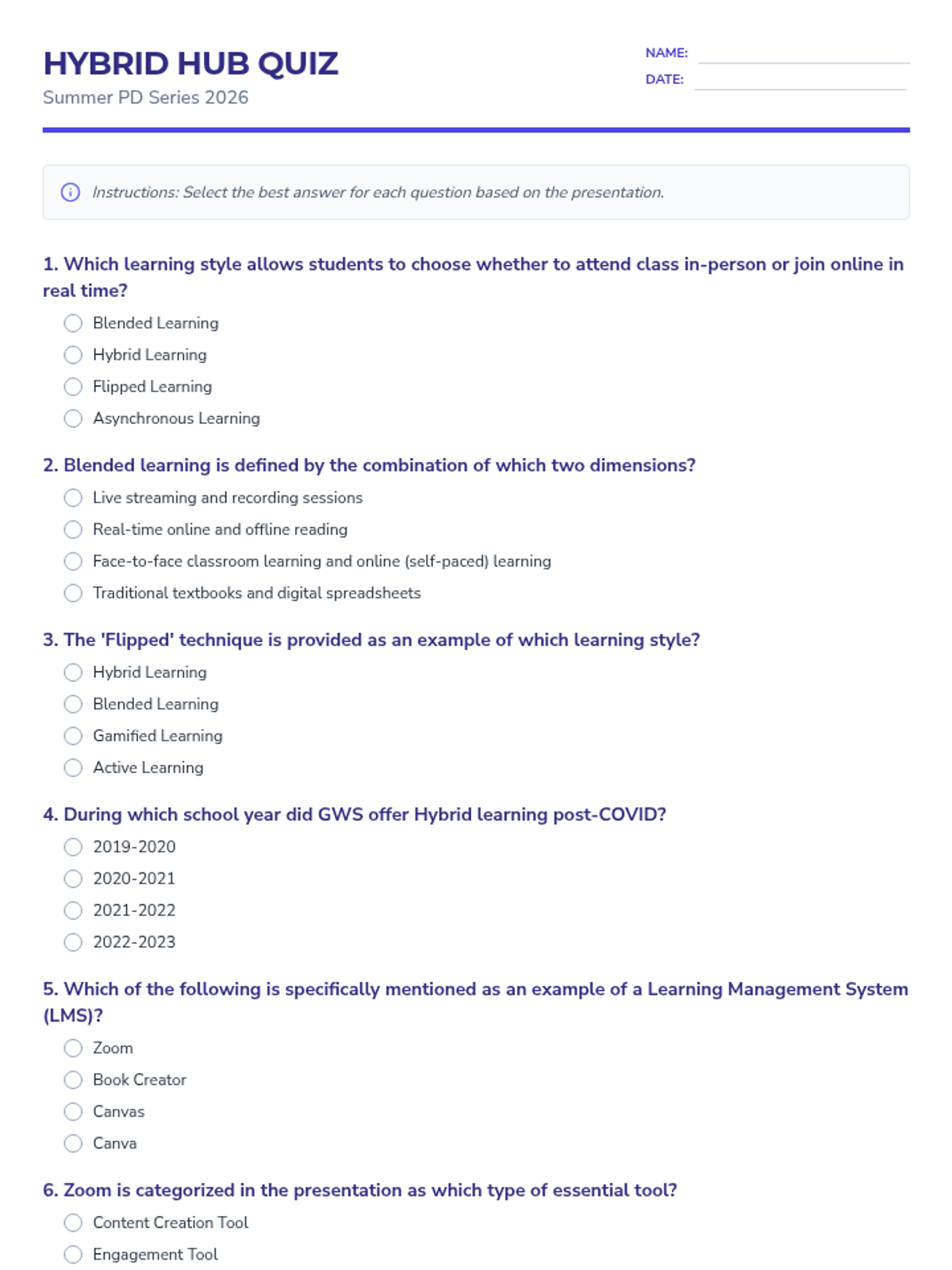
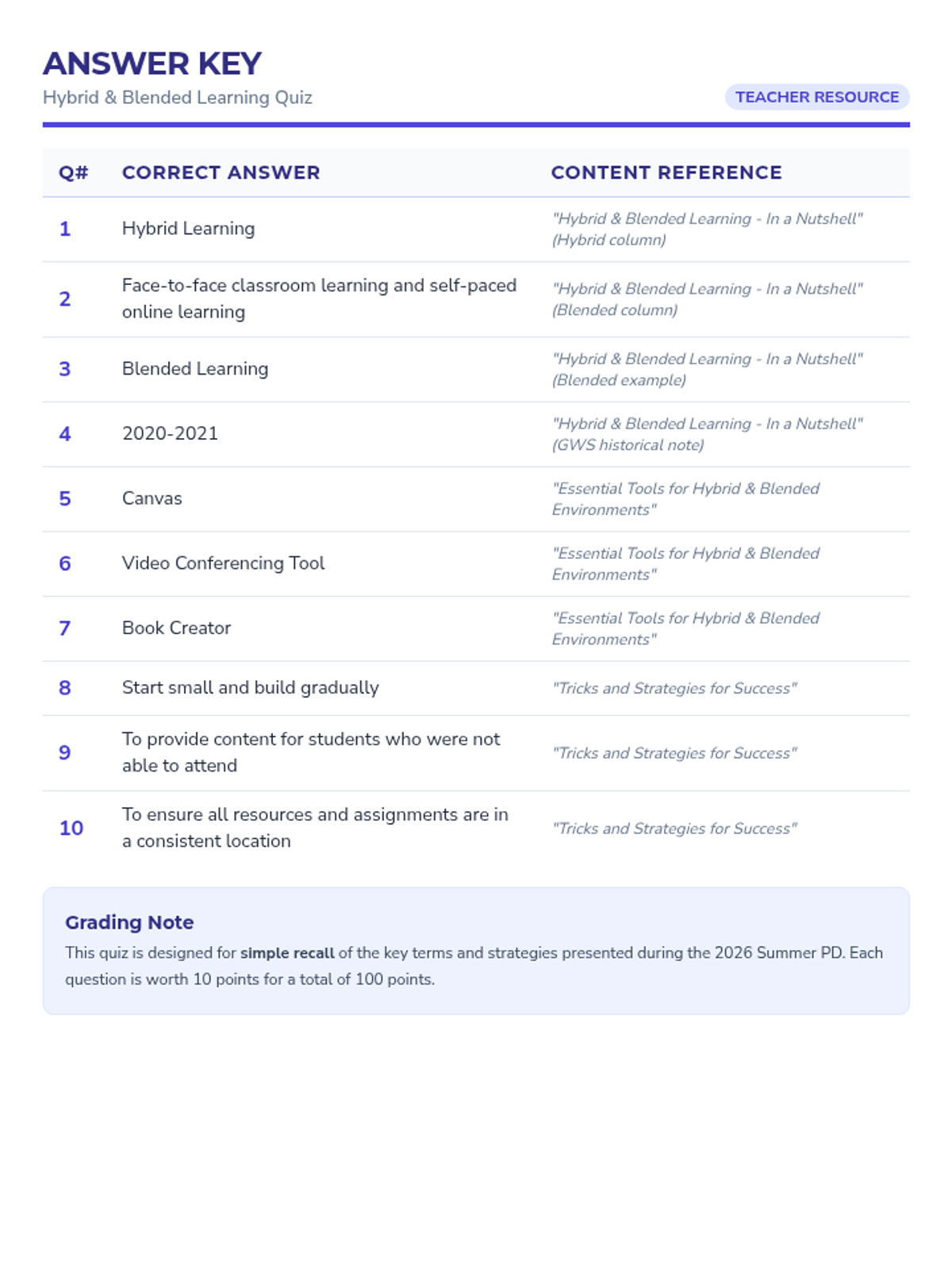
A professional development assessment designed to evaluate understanding of the differences between hybrid and blended learning models, essential tools, and instructional strategies.
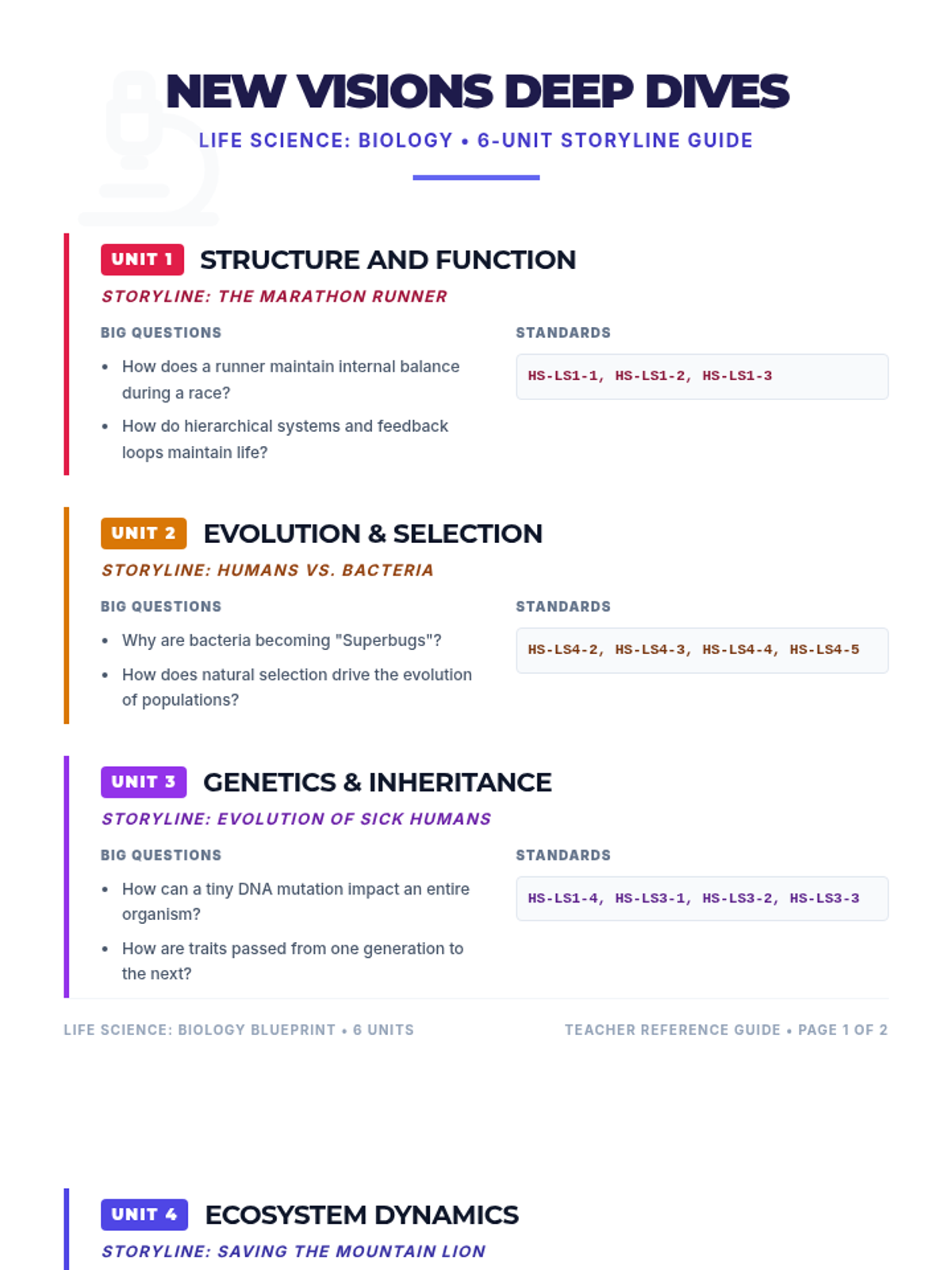
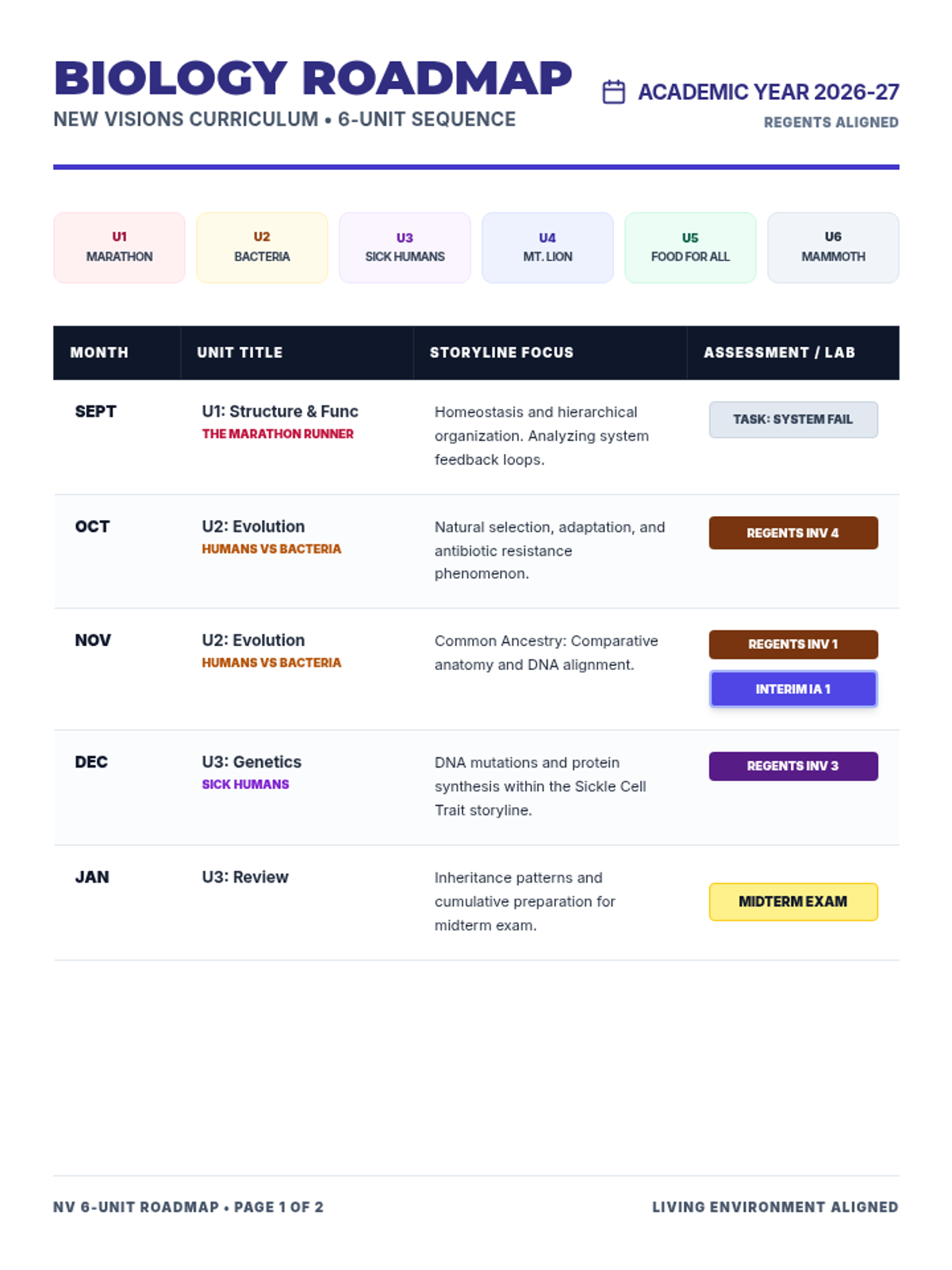
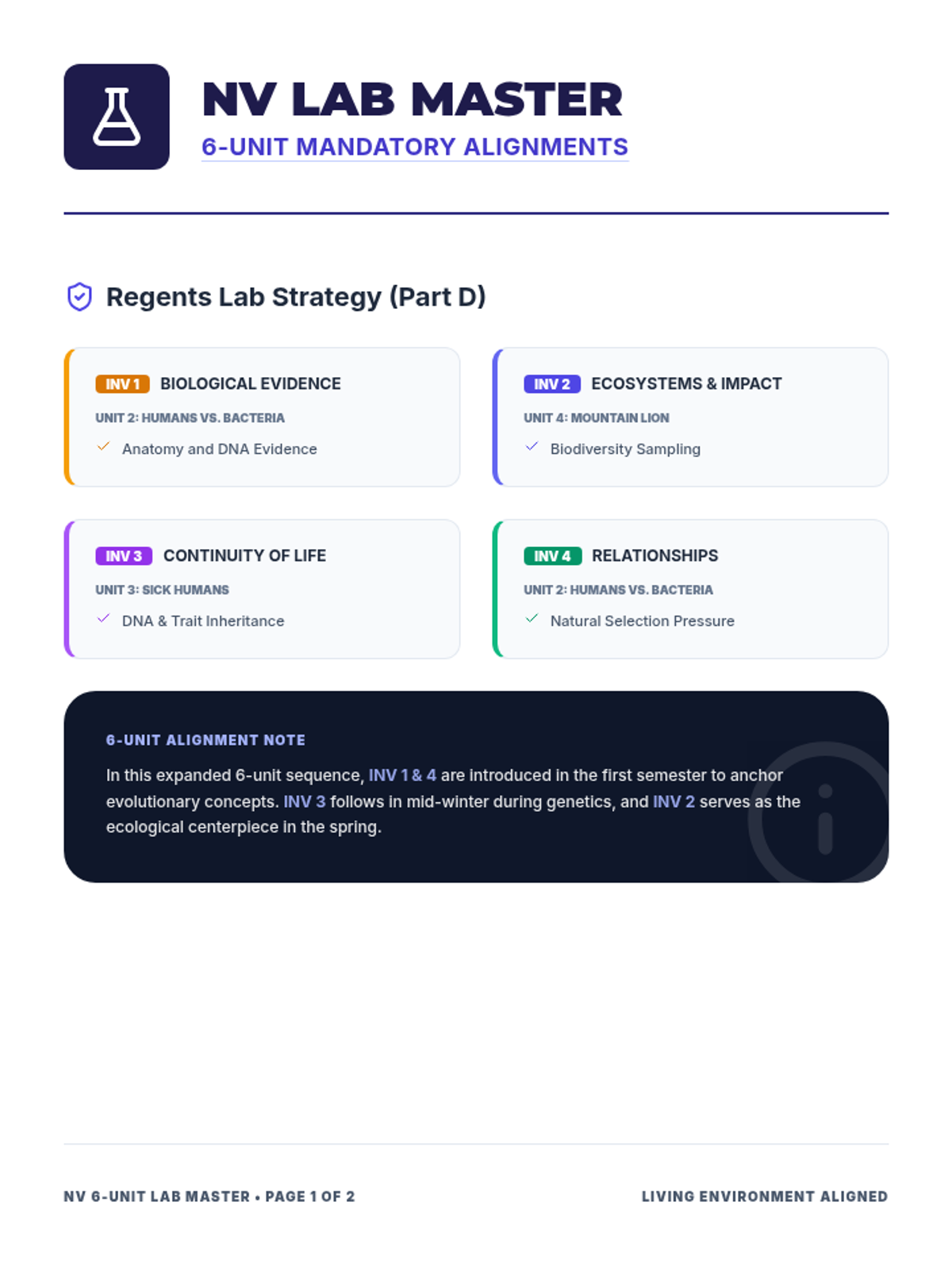
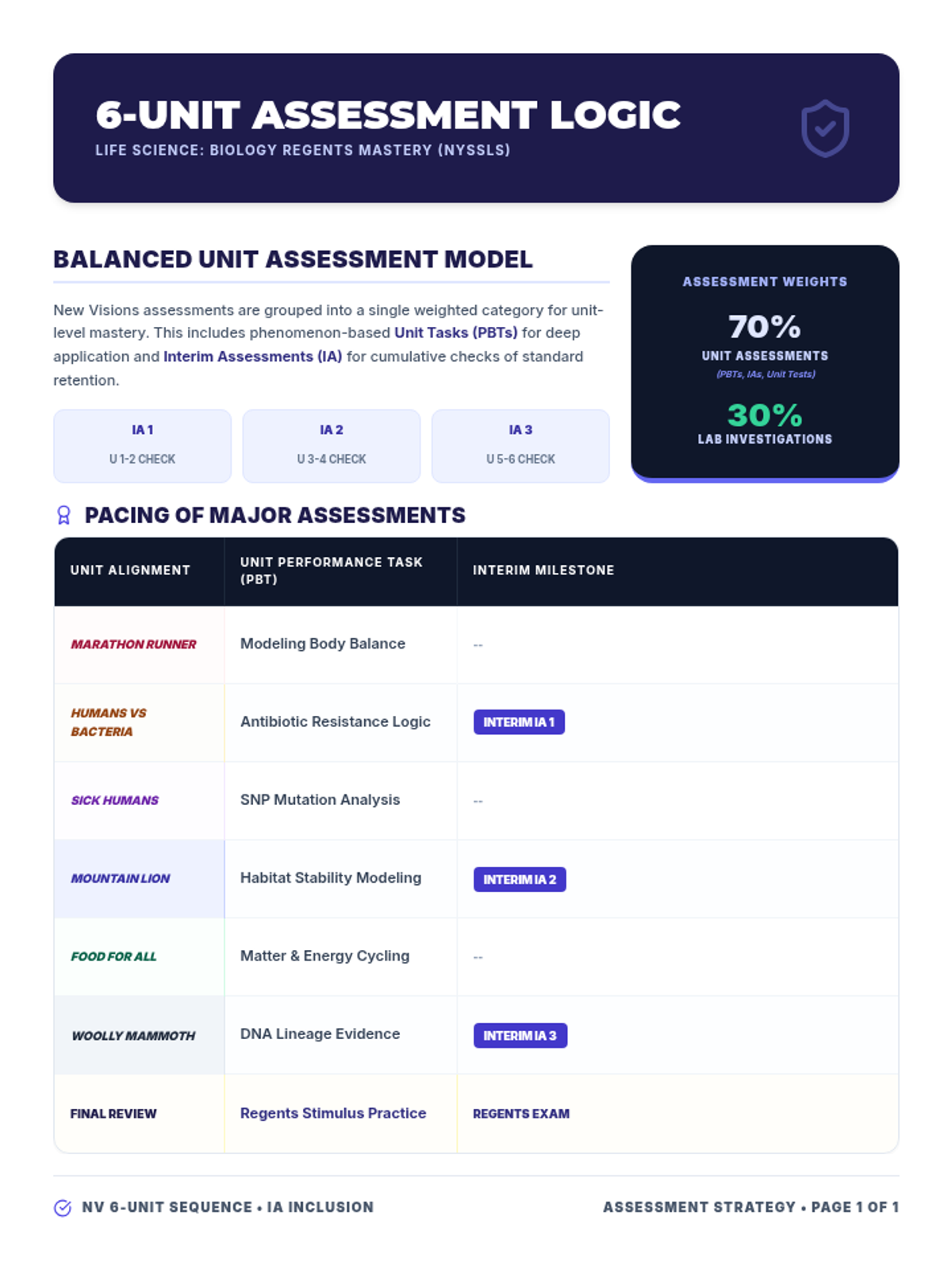
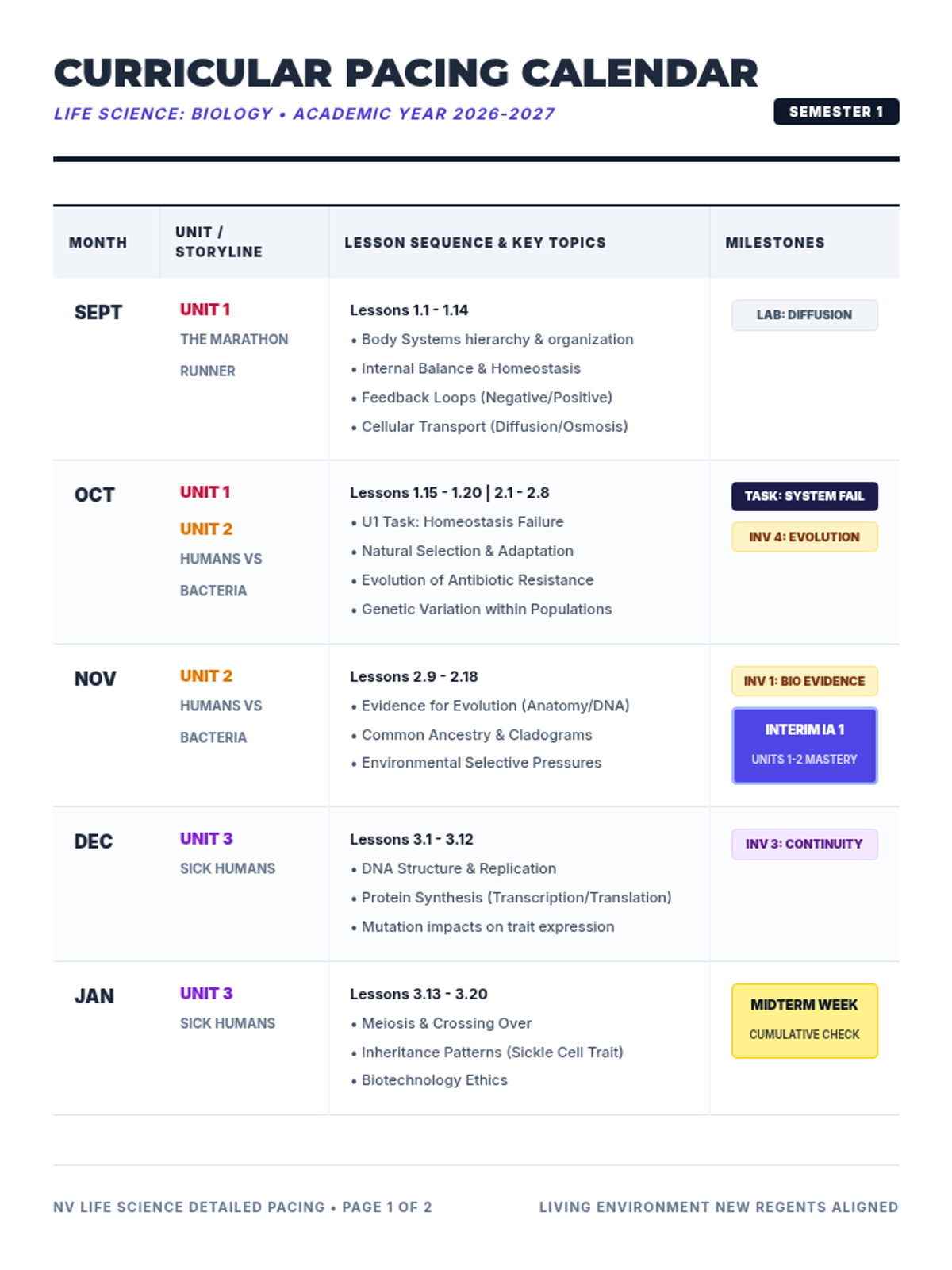
The foundational planning materials for the full-year Life Science: Biology curriculum, providing a high-level roadmap and detailed unit breakdowns.
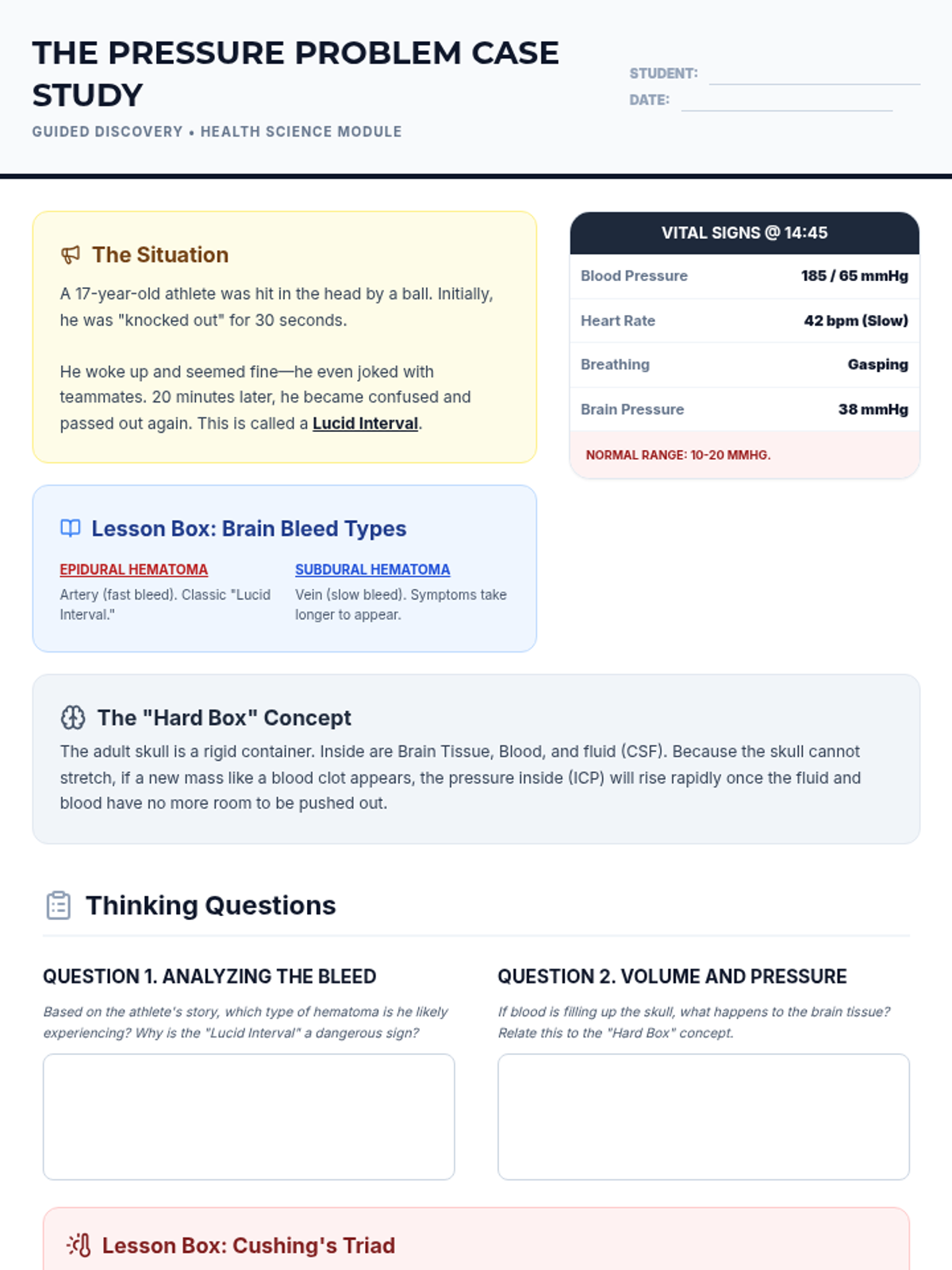
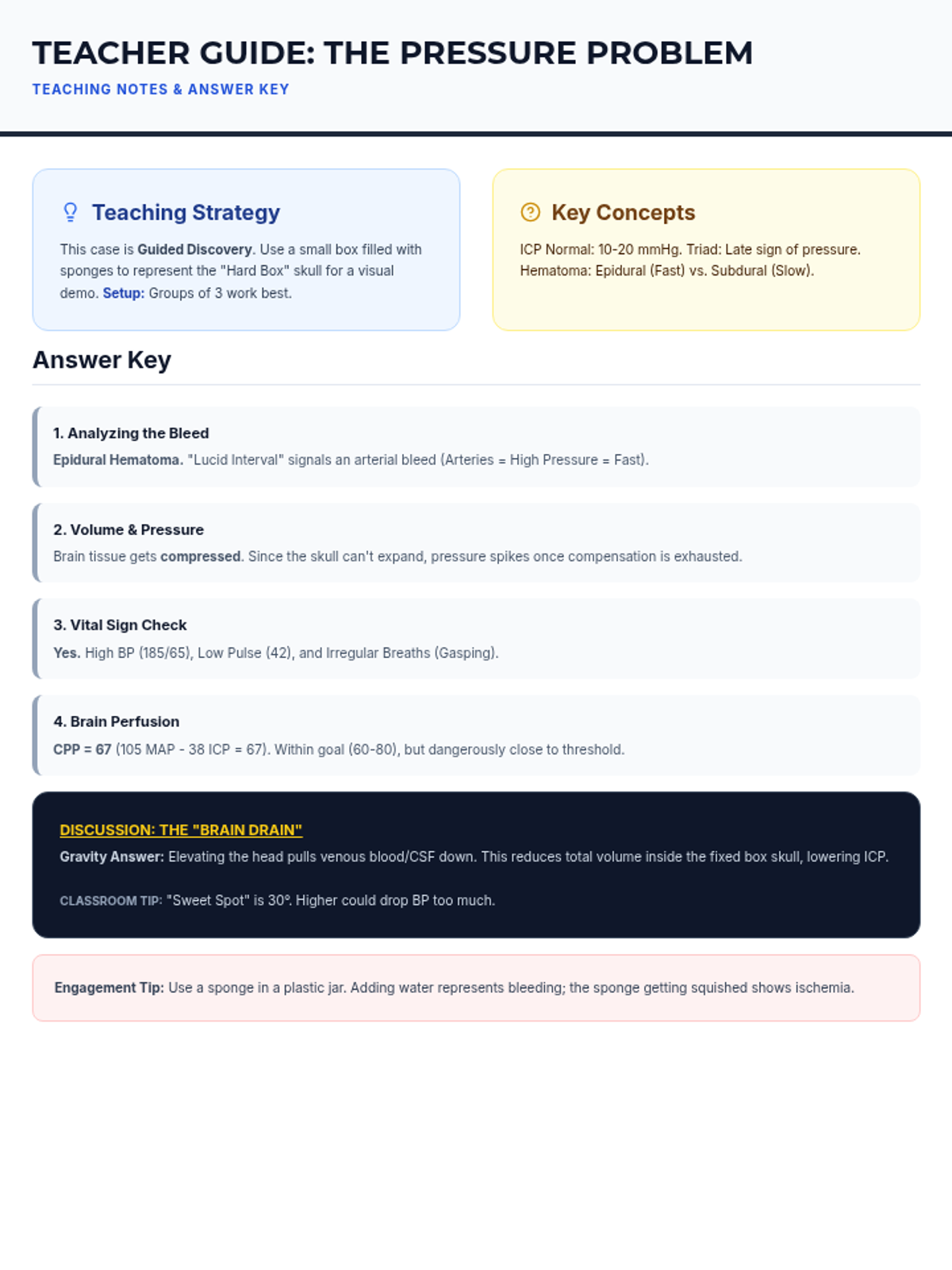
A health-science focused lesson on the anatomy, physiology, and clinical implications of increased intracranial pressure, featuring the Monro-Kellie doctrine and Cushing's Triad.
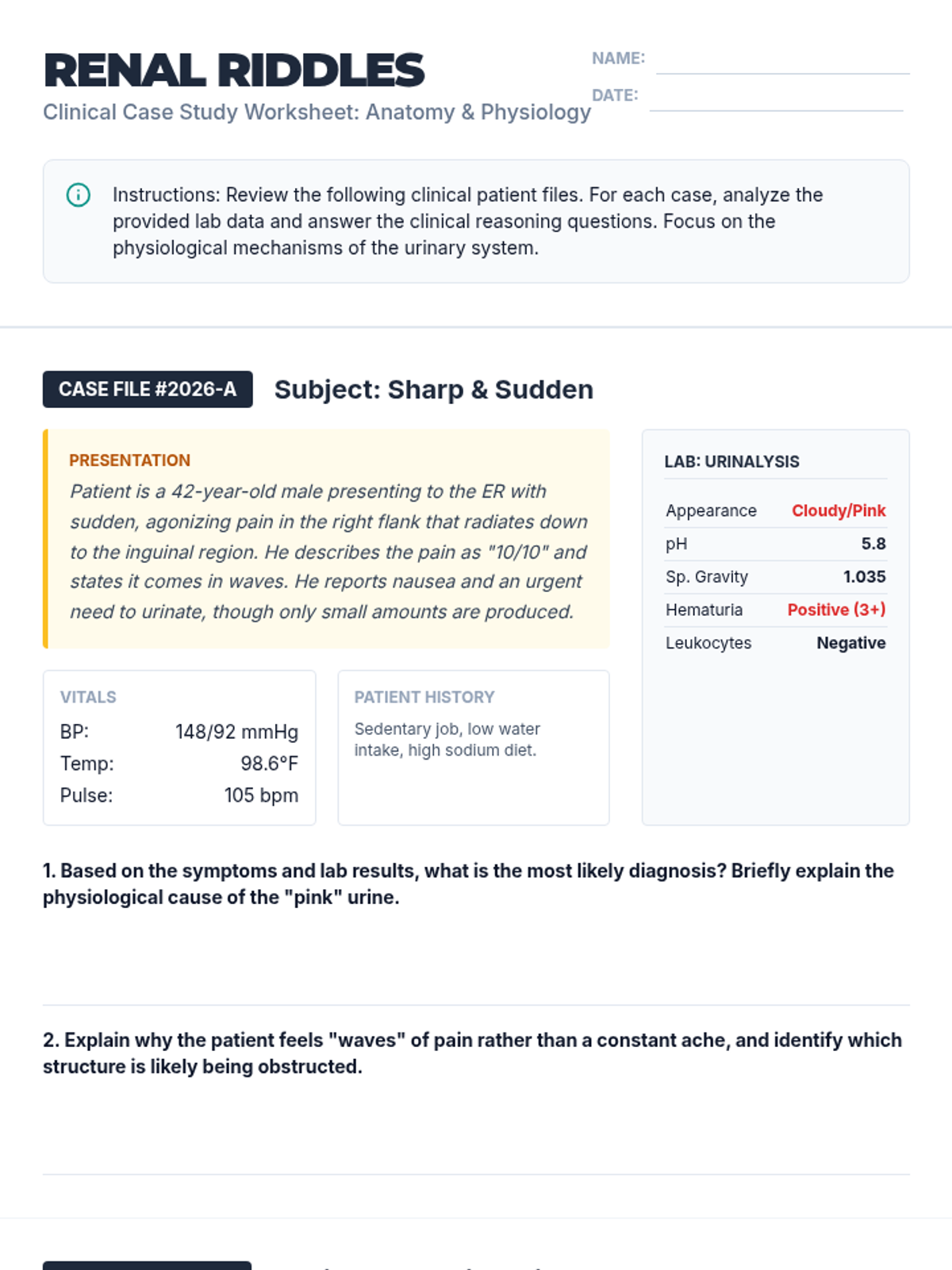
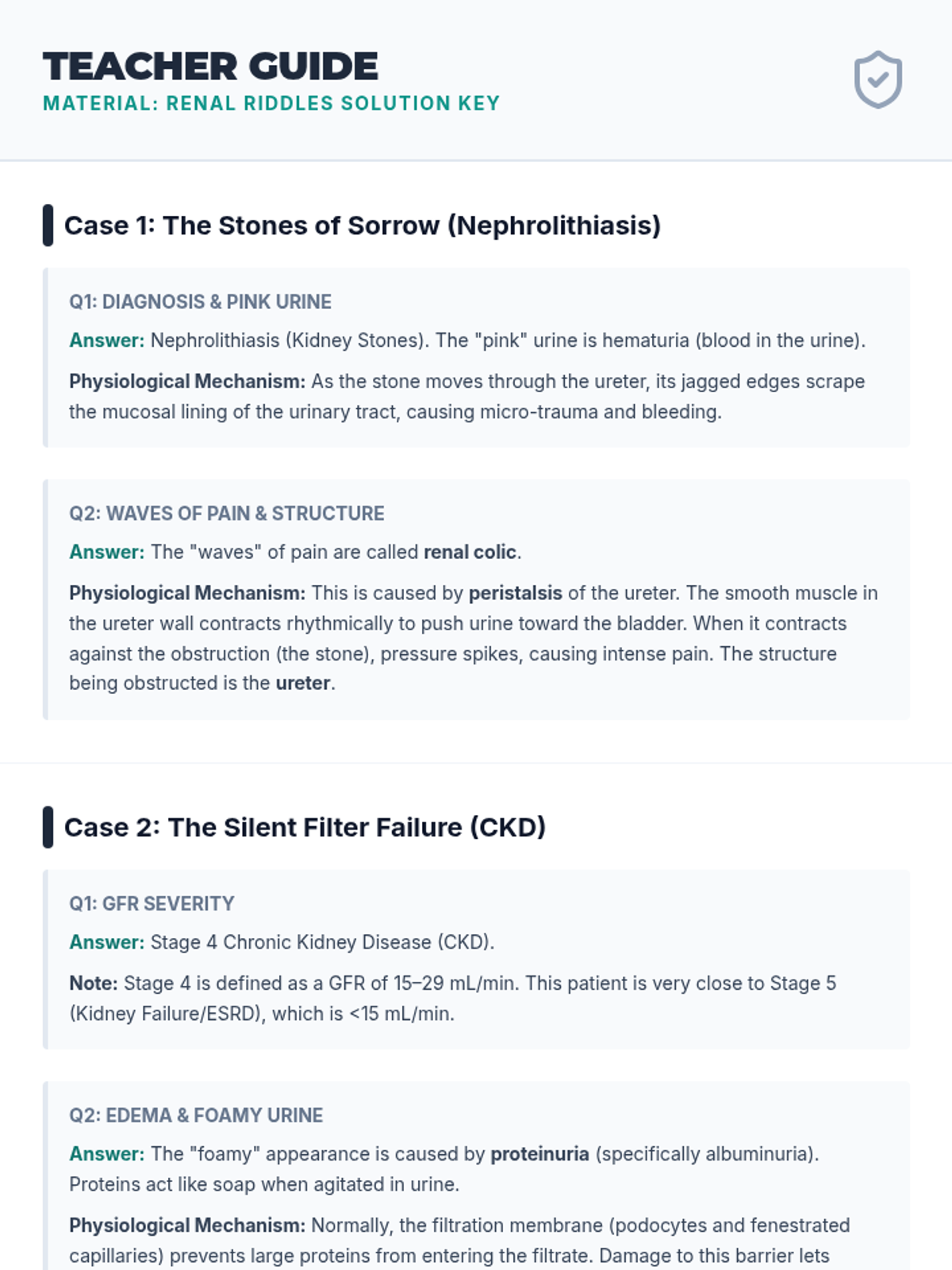
A series of clinical case studies exploring urinary system pathology, diagnostic testing, and physiological principles for advanced Anatomy & Physiology students.