Lenny LearningLenny
Create
Explore
Workspace
LoginSign up
MathEnglish Language ArtsScience & EngineeringSocial StudiesGlobal LanguagesHealth & Physical EducationSpecial EducationCounseling & Life SkillsArts & CreativityESL
Lenny LearningLenny
Lenny Learning
About
Training
Pricing
Support
Contact
© 2026 Lenny Learning Inc.
Social StudiesSocial Studies PracticesLocation WordsMapsOrder EventsChronology and CausationEvaluating SourcesHistorical ThinkingGeography, Humans, & the EnvironmentAmerican Symbols and LandmarksCitiesStatesState CapitalsRegions of the United StatesGeographic SkillsPhysical GeographyHuman GeographyRegional GeographyGeography of AfricaGeography of AsiaGeography of EuropeGeography of OceaniaGeography of the AmericasSociety and Environment of EuropeSociety and Environment of AsiaSociety and Environment of The AmericasSociety and Environment of the Middle EastSociety and Environment of AfricaHistoryPrehistoryComparing Ancient River CivilizationsAncient MesopotamiaAncient Egypt and KushAncient South AsiaEarly ChinaGreeceRome and the Byzantine EmpireAncient World HistoryNative Peoples of North AmericaNative Peoples of Mesoamerica and South AmericaAfrican EmpiresMedieval AsiaMedieval EuropeThe Silk RoadMedieval HistoryIslamic EmpiresWorld ReligionsRenaissance PeriodAge of ExplorationThe Thirteen ColoniesThe American RevolutionUS History Early RepublicFounding of the United StatesUS History AntebellumUS Civil WarReconstruction PeriodThe Gilded AgeUS ImperialismWorld ImperialismWorld War IUS History 1920sGreat DepressionWorld War IIThe Cold WarUS History 1950-60sUS History 1960s-70sWorld History 20th CenturyContemporary US HistoryContemporary World HistoryHolidaysCivics and GovernmentCitizenshipGovernment FoundationsThe ConstitutionUS ConstitutionExecutive BranchLegislative BranchJudicial BranchState and LocalPolitical ParticipationPublic PolicyPolitical SystemsPower and AuthoritySocial MovementsDefining DevianceTheories of DevianceCrime and Criminal JusticeEconomicsBasic Economic PrinciplesSupply and DemandWhat is MoneyEconomic FundamentalsMicroeconomicsMacroeconomicsBanking and FinanceEconomic SystemsGlobal EconomicsCorporations and PowerThe Changing WorkplaceUnemployment and LaborClass and InequalitySocial MobilityGlobal InequalityPsychologyHistory of PsychologyPsychology as a ScienceBrain and Nervous SystemNeuroscience and BehaviorGenetics and BehaviorSleep and ConsciousnessSensory ProcessesPerceptual OrganizationClassical ConditioningOperant ConditioningObservational LearningCognitive LearningMemory ProcessesThinking and Problem SolvingLanguage and CognitionTheories of MotivationStress and CopingPrenatal and Infant DevelopmentChildhood DevelopmentAdolescent DevelopmentAdulthood and AgingSelf and IdentitySocial CognitionSocial InfluenceAttraction and RelationshipsGroup BehaviorPrejudice and DiscriminationAnxiety and Mood DisordersClinical PsychologyForensic PsychologyPhilosophy & EthicsIntroduction to PhilosophyMajor Philosophers & IdeasMind and Body ProblemFree Will vs DeterminismEthics & MoralityReligion & PhilosophyPolitical Philosophy

History

SequencesLessonsMaterialsVideos
  1. Social Studies

History

SequencesLessonsMaterialsVideos

Chronological developments of global civilizations from prehistoric foundations to contemporary international relations. Examines ancient empires, medieval societies, and the socio-political evolution of the United States through various historical lenses.

PrehistoryHuman evolution, archaeological methods, and the transition from hunter-gatherer societies to settled agricultural communities. Examines tool development, cave art, and migration patterns throughout the Paleolithic and Neolithic eras.
Comparing Ancient River CivilizationsComparative analysis of the Fertile Crescent, Nile, Indus, and Yellow River valleys focusing on geographic impact and social hierarchies. Examines shared characteristics such as irrigation, centralized government, and early writing systems.
Ancient MesopotamiaDevelopment of city-states and agriculture in the Fertile Crescent. Examines cuneiform script, ziggurat construction, and early legal systems like the Code of Hammurabi.
Ancient Egypt and KushNile River civilizations, pharaohs, and pyramid construction. Examines the cultural exchange, trade networks, and military conflicts between the Egyptian and Kushite empires.
Ancient South AsiaArchaeological origins of the Indus Valley Civilization alongside the cultural shifts of the Vedic period. Examines the rise of early empires, the evolution of major world religions, and social structures across the subcontinent.
Early ChinaDevelopment of the Shang and Zhou dynasties alongside the core philosophies of Confucianism, Taoism, and Legalism. Examines agricultural societies along the Yellow River and the origins of the Mandate of Heaven.
GreeceAncient Greek mythology, philosophy, and the birth of democracy in city-states like Athens and Sparta. Examines historical impacts from the Bronze Age through the Hellenistic period.
Rome and the Byzantine EmpirePolitical structures of the Roman Republic and Empire alongside the cultural shift toward the Byzantine East. Addresses engineering achievements, legal foundations, and the rise of Orthodox Christianity.
Ancient World HistoryEvolution of early civilizations from Mesopotamia and Egypt through the classical eras of Greece, Rome, and Han China. Examines the development of social hierarchies, religious systems, and cross-cultural trade networks.
Native Peoples of North AmericaDiverse cultures, languages, and histories of Indigenous nations across North American regions. Analyzes traditional environmental adaptations, social structures, and the long-term impacts of European colonization.
Native Peoples of Mesoamerica and South AmericaSocial structures, agricultural systems, and architectural achievements of the Maya, Aztec, and Inca civilizations. Examines cultural legacies and environmental adaptations across Mesoamerica and the Andean region.
African EmpiresTrans-Saharan trade networks, the rise of the Ghana and Mali empires, and the cultural impact of Mansa Musa. Examines the maritime power of Aksum and the architectural engineering of Great Zimbabwe.
Medieval AsiaPolitical structures of the Tang, Song, and Ming dynasties alongside the rise of the Mongol Empire and feudal Japan. Examines cross-cultural exchange via the Silk Road and the spread of major religions across the continent.
Medieval EuropeFeudal social structures, religious authority, and the rise of monarchies from the 5th through 15th centuries. Examines the impact of the Crusades, the Black Death, and the transition toward early modern nation-states.
The Silk RoadAncient transcontinental trade networks linking East Asia with the Mediterranean. Examines the exchange of silk, spices, and cultural ideologies between diverse civilizations.
Medieval HistoryEuropean feudal structures, the expansion of Islamic caliphates, and the socio-economic impacts of the Black Death. Analyzes the transition from late antiquity to the early Renaissance through art, warfare, and religious shifts.
Islamic EmpiresExpansion and administration of the Umayyad, Abbasid, and Ottoman caliphates. Examines the Islamic Golden Age's contributions to science, philosophy, and global trade networks.
World ReligionsCore tenets, historical origins, and cultural practices of major global faiths including Hinduism, Buddhism, Judaism, Christianity, and Islam. Examines ethical frameworks and ritual traditions across diverse civilizations.
Renaissance PeriodHumanism, artistic techniques like linear perspective, and the revival of classical Greek and Roman philosophy. Examines the impact of the printing press on literacy and the cultural shifts spanning the 14th to 17th centuries.
Age of ExplorationEuropean maritime expansion and the development of global trade networks from the 15th to 17th centuries. Examines navigation advancements, the Columbian Exchange, and the socio-economic impacts of colonization on indigenous populations.
The Thirteen ColoniesRegional development of New England, Middle, and Southern settlements through economic, social, and political lenses. Examines colonial governance, trade patterns, and escalating tensions with the British Crown.
The American RevolutionColonial grievances, Enlightenment ideals, and major military engagements during the war for independence. Examines the social and political impacts of the Treaty of Paris and the formation of a sovereign republic.
US History Early RepublicPolitical, social, and economic developments from the ratification of the Constitution through the War of 1812. Examines the rise of the first party system, expansion of federal power, and early territorial growth.
Founding of the United StatesExamines the drafting of the Declaration of Independence, the Revolutionary War's impact, and the creation of the U.S. Constitution. Connects Enlightenment ideals to the development of early American democratic institutions and federalism.
US History AntebellumSectional tensions, westward expansion, and escalating conflicts over slavery between the War of 1812 and the Civil War. Examines legislative compromises, the abolitionist movement, and the economic divergence between the industrial North and agrarian South.
US Civil WarExamines secession origins, major military campaigns, and political leadership of the Union and Confederacy. Addresses the impact of the Emancipation Proclamation and early Reconstruction efforts.
Reconstruction PeriodExamines the political and social restructuring of the United States following the Civil War. Addresses the implementation of the 13th, 14th, and 15th Amendments, the role of the Freedmen's Bureau, and the eventual rise of Jim Crow laws.
The Gilded AgeRapid industrial expansion, urbanization, and political corruption in post-Civil War America. Analyzes the contrast between massive corporate wealth and the burgeoning labor movements and social inequality.
US ImperialismLate 19th-century expansionism, including the Spanish-American War, the annexation of Hawaii, and interventionist policies in Latin America and Asia. Examines the economic, strategic, and ideological motivations behind American territorial acquisition.
World ImperialismExamines the motives, mechanisms, and consequences of global colonial expansion during the 19th and 20th centuries. Analyzes the Scramble for Africa, resistance movements, and the enduring geopolitical impacts on colonized regions.
World War IGeopolitical tensions, trench warfare strategies, and the global impact of the Great War. Examines the Treaty of Versailles and the subsequent redrawing of international borders.
US History 1920sEconomic prosperity, social tensions, and cultural shifts defining the Roaring Twenties. Examines the Harlem Renaissance, Prohibition, the suffrage movement, and the impact of mass production on American life.
Great DepressionEconomic triggers of the 1929 stock market crash, systemic bank failures, and widespread social impacts like the Dust Bowl. Examines New Deal legislative responses and their role in reshaping the American federal government.
World War IIMilitary strategies, diplomatic alliances, and the humanitarian impact of the 1939-1945 global conflict. Analyzes the rise of totalitarian regimes, the Holocaust, and the dawn of the Atomic Age.
The Cold WarIdeological competition between capitalism and communism through nuclear deterrence, espionage, and proxy warfare. Examines the division of Europe, major proxy conflicts, and the eventual collapse of the Soviet Union.
US History 1950-60sCivil Rights milestones, Cold War containment strategies, and post-war economic expansion. Addresses the Space Race, Great Society programs, and social transformations of the mid-20th century.
US History 1960s-70sCivil Rights activism, Vietnam War policy, and counterculture movements that defined mid-century American life. Addresses Great Society programs, the space race, and political impacts of the Watergate scandal.
World History 20th CenturyAnalyzes the causes and consequences of major global conflicts including World War I, World War II, and the Cold War. Examines decolonization movements, ideological shifts, and the rise of international organizations.
Contemporary US HistoryAnalyzes American political, social, and economic developments from the mid-20th century to the present. Examines the Civil Rights Movement, Cold War dynamics, and modern globalization.
Contemporary World HistoryGeopolitical developments from 1945 to the present including the Cold War, decolonization, and regional conflicts. Analyzes the impact of globalization, technological shifts, and international organizations on modern society.
HolidaysHistorical origins and cultural traditions of global celebrations, including religious, secular, and seasonal events. Connects specific customs to their geographical, social, and historical contexts.
Video
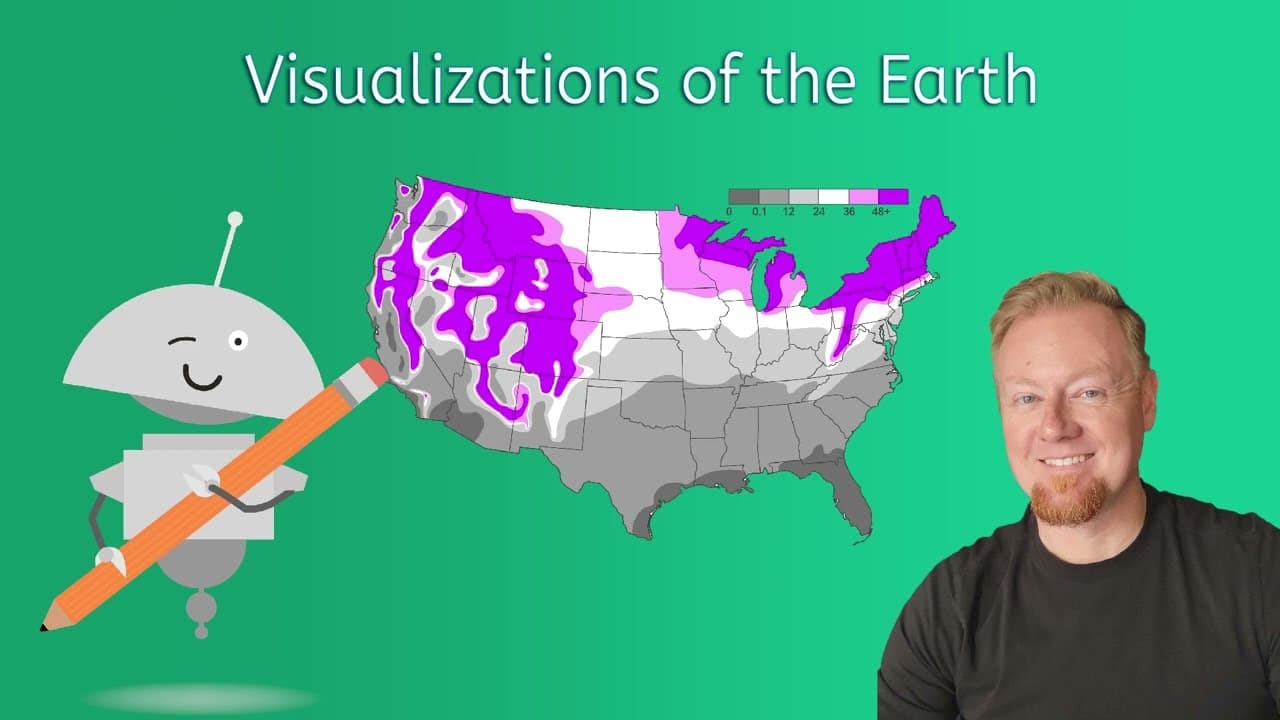
How Geography Shapes Global Food Security

How Geography Shapes Global Food Security

This educational video explores the complex field of agricultural geography, examining why food insecurity persists in a world that produces enough calories to feed everyone. Host Alizé Carrère guides viewers through the intricate web of historical, political, economic, and environmental factors that determine who has access to food. The narrative moves from local examples of farming to global systems, explaining how colonialism, the Columbian Exchange, and various agricultural revolutions have shaped our modern food landscape. The video covers critical themes including the distinction between subsistence and commercial farming, the shift from polyculture to monoculture, and the impact of the Green Revolution. It delves into the geography of hunger, explaining concepts like food deserts and the difference between food availability and food access. Significant attention is paid to how historical events, such as the triangular trade and colonization, disrupted indigenous food systems and established export-oriented economies that still influence global food distribution today. For educators, this resource serves as a powerful tool to connect geography, history, and economics. It moves beyond simple definitions to show students the systems thinking required to understand global challenges. The video provides excellent opportunities for classroom discussions on food justice, the environmental impacts of industrial agriculture, and the importance of biodiversity. It is particularly useful for units on human geography, economic development, and sustainability.

CrashCourseCrashCourse

11mins 32s

Video
Why the Bronze Age Civilizations Collapsed

Why the Bronze Age Civilizations Collapsed

In this episode of Crash Course World History, John Green explores the mysterious collapse of the Bronze Age civilizations in the Eastern Mediterranean around 1200 BCE. The video challenges the traditional narrative of separate, isolated civilizations by demonstrating how Egypt, the Hittites, the Mycenaeans, and others formed a highly interconnected international system defined by trade, diplomacy, and war. It examines the evidence for this interdependence, including the famous Uluburun shipwreck and the Amarna Letters.

CrashCourseCrashCourse

12mins 58s

Video
The Rise and Achievements of Ancient Babylonia

The Rise and Achievements of Ancient Babylonia

This educational video explores the rise and legacy of the ancient Babylonian Empire, tracing its emergence from the earlier civilizations of Sumer and Akkad. Hosted by Justin, the lesson explains how Babylonia became a dominant power through military strength, a unified government under an absolute monarch, and a robust economy driven by trade and sophisticated metalwork. It details how the Babylonians adapted and expanded upon previous cultural traditions, particularly in religion and governance. The video delves into the significant scientific and cultural achievements of Babylonia, highlighting their advanced understanding of astronomy which led to the creation of both lunar and solar calendars. It also showcases their architectural marvels, such as the Ishtar Gate and the legendary Hanging Gardens of Babylon. A major focus is placed on King Hammurabi and his famous Code of Laws, introducing students to concepts of justice, retributive punishment ("an eye for an eye"), and the presumption of innocence. Ideal for history and social studies classrooms, this resource helps students understand the characteristics of early empires and the lasting impact of Mesopotamian innovations. It connects ancient practices to modern concepts, such as timekeeping and constitutional law, making history relevant and engaging. The video includes built-in pauses for student reflection, encouraging critical thinking about rituals, the utility of science, and the ethics of ancient legal systems.

Miacademy & MiaPrep Learning ChannelMiacademy & MiaPrep Learning Channel

12mins 39s

Video
Mapping the World: History, Types, and Essential Skills

Mapping the World: History, Types, and Essential Skills

This comprehensive video introduces students to the fundamental concepts of cartography, tracing the evolution of mapmaking from ancient clay tablets to modern digital visualizations. It begins by exploring how ancient civilizations like the Babylonians, Indians, and Chinese first documented their surroundings to communicate spatial information. The narrative moves through significant historical milestones, including the "birth certificate of America" and the artistic "Leo Belgicus" map, while also sharing the fascinating story of "paper towns" used to catch copyright infringers. The video breaks down the technical aspects of geography by categorizing maps into three main types: physical, political, and special purpose. It provides clear definitions and visual examples for each category, helping students distinguish between maps that show natural features versus human-made boundaries. The instruction then shifts to essential map-reading skills, detailing critical components such as the compass rose, map keys (legends), scale ratios, and the global grid system of latitude and longitude. For educators, this resource serves as an excellent anchor for a geography unit. It combines historical context with practical skills, making it versatile for both social studies and STEM applications. Teachers can use the segment on "paper towns" to spark discussions about intellectual property, while the sections on scale and coordinates offer direct mathematical applications. The video effectively bridges the gap between viewing a map as a simple picture and understanding it as a complex data visualization tool.

Miacademy & MiaPrep Learning ChannelMiacademy & MiaPrep Learning Channel

10mins 25s

Video
The History of Money: Debt, Barter, and War

The History of Money: Debt, Barter, and War

Hosted by John Green, this episode of Crash Course World History challenges the traditional economic narrative that money evolved naturally from barter systems to solve logistical problems. Instead, it presents anthropologist David Graeber's theory that complex credit and debt systems existed long before coinage, and that physical money (coins) emerged primarily as a tool for states to fund wars and professional armies.

CrashCourseCrashCourse

14mins 4s

Video
Unlocking History Through the Five Themes of Geography

Unlocking History Through the Five Themes of Geography

This educational video provides a comprehensive introduction to the Five Themes of Geography—Location, Movement, Place, Region, and Human-Environment Interaction—and demonstrates their critical role in shaping human history. The host, Justin, moves beyond simple map-reading to explain geography as the study of the Earth and how humans interact with it. Using water as a central unifying concept, the video illustrates why early civilizations like Mesopotamia and Egypt developed where they did, emphasizing the necessity of fresh water for drinking, irrigation, and transportation. The video explores each theme individually while also highlighting their interconnected nature. It defines concepts such as absolute versus relative location, cultural diffusion through trade and war, and the distinction between adapting to and modifying the environment. Historical examples are woven throughout, including the construction of mud-brick homes in timber-scarce Mesopotamia, the spread of culture from the Olmecs to the Aztecs, and the shifting political boundaries of the Persian Empire and Alexander the Great's territory. Ideal for middle school social studies and geography curricula, this resource helps students transition from viewing geography as just memorizing capitals to understanding it as a dynamic force that drives historical development. It offers clear definitions, visual examples, and interactive pause points that encourage critical thinking about government structures and map analysis, making it a versatile tool for introducing units on ancient civilizations or world geography.

Miacademy & MiaPrep Learning ChannelMiacademy & MiaPrep Learning Channel

11mins 13s

Video
The Inventions and Innovations of Ancient Sumer

The Inventions and Innovations of Ancient Sumer

This engaging educational video explores the ancient civilization of Sumer, located in Mesopotamia, and its profound impact on human history. The video breaks down Sumerian society into five key categories of advancement: political, religious, cultural, economic, and technological. It explains how Sumer developed city-states, complex religious systems involving ziggurats and polytheism, the first writing system (cuneiform), and foundational economic practices like banking and trade networks. The content highlights specific inventions that revolutionized the world, such as the wheel, the plow, the sailboat, and a base-60 mathematical system still used for measuring time today. It also delves into the social structure of Sumer, examining the hierarchy from kings and priests down to farmers and enslaved people, as well as gender roles within the society. Designed for middle school history curriculums, this video provides a comprehensive overview of how Sumerian innovations laid the groundwork for future civilizations. It encourages students to recognize the enduring legacy of these ancient advancements in their modern lives, making connections between ancient history and contemporary systems of government, economy, and technology.

Miacademy & MiaPrep Learning ChannelMiacademy & MiaPrep Learning Channel

13mins 7s

Video
The Rise of Civilization in Mesopotamia: Writing, Taxes, and Empires

The Rise of Civilization in Mesopotamia: Writing, Taxes, and Empires

In this installment of Crash Course World History, John Green explores the rise of civilization in Mesopotamia, the 'land between two rivers.' The video examines how the geography of the Tigris and Euphrates valleys shaped the culture, religion, and politics of early city-states like Uruk and Babylon. It breaks down foundational developments including the invention of writing (cuneiform), the creation of early legal systems (Hammurabi's Code), and the evolution of political power from temple priests to kings.

CrashCourseCrashCourse

12mins 6s

Video
Building the First Empire: Sargon and the Rise of Assyria

Building the First Empire: Sargon and the Rise of Assyria

This educational video provides a comprehensive overview of the Akkadian Empire under Sargon the Great and the subsequent rise of the Assyrian Empire. It explores how Sargon established the world's first empire by uniting Mesopotamian city-states, implementing a centralized government with provinces and governors, and creating a professional standing army. The video details the political, cultural, and technological advancements of the era, including the establishment of Akkadian as a lingua franca, the standardization of weights and measures, and the preservation of Sumerian cuneiform.

Miacademy & MiaPrep Learning ChannelMiacademy & MiaPrep Learning Channel

9mins 58s

Video
The Persians and Greeks: Comparing Empires and Democracies

The Persians and Greeks: Comparing Empires and Democracies

In this episode of Crash Course World History, John Green challenges the traditional Western narrative that depicts the Persian Wars as a simple struggle between the 'good, democratic' Greeks and the 'bad, totalitarian' Persians. He explores the vast, efficient, and relatively tolerant Persian Empire under Cyrus and Darius, contrasting it with the fragmented, slave-dependent Greek city-states. The video dissects the concept of historical bias, particularly through the lens of the Greek historian Herodotus, often called the 'Father of History' (and the 'Father of Lies'). Key themes include the complexities of ancient governance, the definition of freedom versus security, and the origins of political realism. The video delves into the Persian administrative structure, Zoroastrianism, and their ban on slavery, while juxtaposing this with the Athenian 'Golden Age,' which produced incredible art and philosophy but was underpinned by slavery, the exclusion of women, and imperialist aggression towards other Greek states. The darker side of Athenian democracy is highlighted through the Melian Dialogue during the Peloponnesian War. For educators, this video is an excellent tool for teaching students how to critically analyze historical sources and question received wisdom. It provides a nuanced view of the ancient world that moves beyond binary moral judgments. Classroom applications include debates on the merits of different political systems, discussions on the role of bias in history, and ethical evaluations of the phrase 'the strong do what they can and the weak suffer what they must' in the context of international relations.

CrashCourseCrashCourse

11mins 39s

Video
How Geography Shaped the First Civilization: Mesopotamia Explained

How Geography Shaped the First Civilization: Mesopotamia Explained

This educational video explores the rise of the first civilization in Mesopotamia, located in modern-day Iraq between the Tigris and Euphrates rivers. It explains how geography played a crucial role in the development of human society, transforming nomadic hunter-gatherers into settled farmers through the fertile soil of the "Fertile Crescent." The narrator guides students through the transition from the Stone Age to the Bronze Age, highlighting key innovations like irrigation, the plow, and the domestication of animals. The video delves into the challenges posed by the region's geography, such as unpredictable flooding and lack of natural defenses, and how early humans engineered solutions like levees, canals, and city walls. It connects these environmental factors to the growth of urban centers, job specialization, and the creation of a stable food surplus, which are identified as the foundational elements of civilization. Finally, the concept of cultural diffusion is introduced to explain how Mesopotamian innovations in farming, writing, and government spread to other regions like Egypt. The video includes built-in pauses for critical thinking and prediction, making it an excellent tool for middle school social studies classrooms to introduce Ancient History, human-environment interaction, and the economic foundations of society.

Miacademy & MiaPrep Learning ChannelMiacademy & MiaPrep Learning Channel

7mins 43s

Video
Rethinking Civilization: Why People Fled to the Hills

Rethinking Civilization: Why People Fled to the Hills

This installment of Crash Course World History challenges the traditional narrative that human history is a linear progression from "primitive" hunter-gatherer societies to "advanced" civilizations. Host John Green introduces the work of anthropologist James Scott and his book "The Art of Not Being Governed," which argues that many so-called barbarian tribes were not people left behind by progress, but rather refugees who consciously fled to mountainous regions like Zomia to escape the coercion, taxation, and conscription of early states. The video explores the intrinsic link between settled agriculture, food surpluses, and the formation of states, explaining how early governments relied on concentrated populations for labor and taxes. It contrasts the life of valley-dwelling subjects with hill-dwelling "barbarians," suggesting that hill cultures often developed specific adaptations—such as lack of written records and shifting cultivation—to remain illegible to state powers. The content covers historical examples from the Han Dynasty, the Epic of Gilgamesh, and colonial Southeast Asia. Ideal for World History and Anthropology classes, this video serves as a powerful tool for teaching historiography and critical thinking. It prompts students to question who writes history and why, examining how the definition of "civilization" often privileges the state's perspective while marginalizing stateless peoples. It offers a complex view of human social organization, weighing the benefits of civilization (like the internet and antibiotics) against its costs (slavery, warfare, and disease).

CrashCourseCrashCourse

13mins 42s

Video
Exploring the Origins and Geography of Central and Southwest Asia

Exploring the Origins and Geography of Central and Southwest Asia

This educational video provides a comprehensive overview of the geography, history, and modern geopolitical landscape of Central and Southwest Asia. Hosted by Brian, the lesson begins by establishing the region's historical significance as the "birthplace of civilization" and the origin of three major world religions: Judaism, Christianity, and Islam. It traces the transition from the Agricultural Revolution to the rise of empires like the Ottomans, and explains how World War I and the subsequent protectorate system shaped modern national borders.

Miacademy & MiaPrep Learning ChannelMiacademy & MiaPrep Learning Channel

8mins 30s

Video
Why We Draw Lines: Understanding Political Boundaries

Why We Draw Lines: Understanding Political Boundaries

This engaging educational video explores the concept of political boundaries, using relatable analogies and historical examples to explain why humans draw lines on maps. Hosted by Justin, the lesson begins with a humorous comparison to siblings sharing a bedroom to introduce the basic idea of territory. It then travels back 4,500 years to ancient Sumer to examine the first recorded border conflict between the cities of Lagash and Umma, illustrating how resource competition and pride drive the creation of boundaries. The video breaks down the three main reasons for boundaries—resources, pride, and legal jurisdiction—using diverse examples ranging from Ancient Egypt to modern-day Russia and Ukraine. It categorizes boundaries into three types: Natural (like the Rio Grande), Geometric (like the straight lines in North Africa), and Cultural (illustrated by tribal groups that transcend political borders). Finally, the lesson clarifies complex political science terminology often confusing for students: the difference between a "Nation" (people), a "State" (political entity), and a "Nation-State," as well as the concept of "Sovereignty." Through clear definitions and real-world examples like the Kurds, the Lakota Sioux, and the dispute in the South China Sea, students gain a comprehensive understanding of political geography.

Miacademy & MiaPrep Learning ChannelMiacademy & MiaPrep Learning Channel

11mins 26s

Video
How Farming Transformed Human History

How Farming Transformed Human History

In this installment of Crash Course Big History, John Green and guest host Hank Green explore the monumental shift from foraging to agriculture—a transition that fundamentally altered human existence. The video examines the "Agrarian Era," questioning why humans would abandon the relatively leisurely lifestyle of foraging for the back-breaking labor of farming. It presents the "energy" perspective of history, framing agriculture as a method for humans to harness more solar energy via photosynthesis, leading to population explosions and complex societies.

CrashCourseCrashCourse

13mins 41s

Video
Understanding the Roots and Beliefs of Judaism

Understanding the Roots and Beliefs of Judaism

This engaging video lesson explores the origins, core beliefs, and enduring legacy of Judaism, one of the world's oldest monotheistic religions. Through a mix of humor, historical art, and clear comparative charts, the host breaks down complex theological concepts like the Covenant, the Torah, and the shift from ancient polytheism to monotheism. Students will learn how Judaism established unique moral codes and practices that differed significantly from surrounding ancient civilizations like Egypt and Mesopotamia.

Miacademy & MiaPrep Learning ChannelMiacademy & MiaPrep Learning Channel

10mins 26s

Video
How Humans Harnessed Energy to Build Civilization

How Humans Harnessed Energy to Build Civilization

Hosted by Stan Muller, this episode of Crash Course World History explores the fundamental history of human energy consumption based on Alfred Crosby's book "Children of the Sun." The video traces humanity's journey from relying solely on muscle power to mastering fire, domesticating plants and animals, and eventually unlocking the massive energy stores within fossil fuels. It explains how these advancements allowed for civilization building, from the pyramids to modern metropolises, while emphasizing that almost all energy sources ultimately originate from the sun. The video covers key historical turning points including the Agricultural Revolution, the Industrial Revolution, and the modern reliance on electricity and the internal combustion engine. It provides a balanced look at different fuel sources—wood, coal, oil, and nuclear power—analyzing their efficiency, historical impact, and downsides. Significant attention is given to the exponential increase in energy usage since 1850 and the geopolitical and environmental consequences of this shift. For educators, this resource bridges the gap between science and history, demonstrating how physical laws (thermodynamics) shape human progress. It is an excellent tool for discussing the Anthropocene, the trade-offs of technological advancement, and the complex challenge of sustainability. The video sets up discussions on climate change, resource management, and the future of energy, making it highly relevant for both social studies and environmental science curriculums.

CrashCourseCrashCourse

7mins 21s

Video
Exploring Africa: Geography, History, and Culture

Exploring Africa: Geography, History, and Culture

This comprehensive educational video provides a detailed overview of the African continent, structured into four main sections: physical characteristics, history, people and culture, and economic structures. Hosted by Taylor, the video begins with an engaging safari skit before diving into a structured lesson that uses maps, images, and statistics to paint a broad picture of the diverse continent. It covers major geographical features like the Sahara, the Nile, and the Great Rift Valley, while also addressing the rich history of civilizations from Ancient Egypt to the Kingdom of Mali. The narrative addresses complex topics such as the origins of humanity, the impact of the transatlantic slave trade, European colonization, and the challenges of modern independence. It connects historical events—like the drawing of colonial borders—to current issues such as political conflict and economic struggles. The video highlights the contrast between Africa's immense natural wealth in resources like gold and diamonds versus its economic challenges, including low GDP per capita and infrastructure issues. Ideally suited for middle and high school social studies classrooms, this resource serves as an excellent introduction to African geography and history. It encourages active learning by prompting students to use a physical map to locate features and engages critical thinking with questions about the legacy of colonialism and future economic prospects. Teachers can use this video to launch units on world geography, discuss the effects of imperialism, or analyze global economic disparities.

Miacademy & MiaPrep Learning ChannelMiacademy & MiaPrep Learning Channel

15mins 37s

Video
How the Indus Valley Civilization Rose and Fell

How the Indus Valley Civilization Rose and Fell

This engaging episode of Crash Course World History explores the Indus Valley Civilization, one of the largest and most mysterious ancient societies in human history. Host John Green guides viewers through the rise and fall of this Bronze Age culture, examining its sophisticated urban planning, extensive trade networks, and the puzzling lack of weapons or evidence of warfare. The video also tackles the broader historical concept of what defines a "civilization" and the inherent biases in how historians classify different human societies. Key themes include the relationship between geography and settlement, specifically the importance of reliable river flooding for agriculture; the role of archaeology in reconstructing history without decipherable written records; and the comparison of social structures across different ancient cultures. The video highlights specific artifacts like the famous animal seals and architectural marvels like the Great Bath of Mohenjo-Daro to illustrate the uniqueness of the Indus Valley people. For the classroom, this video is an excellent resource for introducing Ancient River Valley Civilizations or units on archaeology and historical inquiry. It models critical thinking by questioning established historical narratives—such as the definition of "barbarian"—and demonstrating how historians form theories based on physical evidence. The fast-paced, humorous delivery helps make complex anthropological concepts accessible and relevant to high school students.

CrashCourseCrashCourse

9mins 35s

Video
How Geography Shapes Global Food Security

How Geography Shapes Global Food Security

This educational video explores the complex field of agricultural geography, examining why food insecurity persists in a world that produces enough calories to feed everyone. Host Alizé Carrère guides viewers through the intricate web of historical, political, economic, and environmental factors that determine who has access to food. The narrative moves from local examples of farming to global systems, explaining how colonialism, the Columbian Exchange, and various agricultural revolutions have shaped our modern food landscape. The video covers critical themes including the distinction between subsistence and commercial farming, the shift from polyculture to monoculture, and the impact of the Green Revolution. It delves into the geography of hunger, explaining concepts like food deserts and the difference between food availability and food access. Significant attention is paid to how historical events, such as the triangular trade and colonization, disrupted indigenous food systems and established export-oriented economies that still influence global food distribution today. For educators, this resource serves as a powerful tool to connect geography, history, and economics. It moves beyond simple definitions to show students the systems thinking required to understand global challenges. The video provides excellent opportunities for classroom discussions on food justice, the environmental impacts of industrial agriculture, and the importance of biodiversity. It is particularly useful for units on human geography, economic development, and sustainability.

CrashCourseCrashCourse

11mins 32s

Video
Why the Bronze Age Civilizations Collapsed

Why the Bronze Age Civilizations Collapsed

In this episode of Crash Course World History, John Green explores the mysterious collapse of the Bronze Age civilizations in the Eastern Mediterranean around 1200 BCE. The video challenges the traditional narrative of separate, isolated civilizations by demonstrating how Egypt, the Hittites, the Mycenaeans, and others formed a highly interconnected international system defined by trade, diplomacy, and war. It examines the evidence for this interdependence, including the famous Uluburun shipwreck and the Amarna Letters.

CrashCourseCrashCourse

12mins 58s

Video
How Ancient Trade Routes Connected the World

How Ancient Trade Routes Connected the World

This video explores the concept of global interconnectedness long before the advent of the internet or modern transportation. Starting with a relatable family dinner scene, the narrator challenges viewers to consider the origins of their food and clothing, using this as a springboard to introduce the historical mechanism of trade. The video defines cultural diffusion and illustrates how ancient trade routes like the Silk Road, Indian Ocean maritime routes, Trans-Saharan network, and Mediterranean Sea served as the "superhighways" of the ancient world, linking distant civilizations. Key themes include the definition and impact of cultural diffusion, the geography of major ancient trade networks, and the specific exchange of goods, ideas, technologies, and religions. The video highlights how the Indian Ocean trade facilitated the spread of Islam, how the Trans-Saharan route moved gold and salt, and how the Mediterranean connected Europe to ancient wisdom. It also details the "Four Great Inventions" of Ancient China—paper, printing, the compass, and gunpowder—and their profound effects on global society. For educators, this video serves as an excellent introduction to units on World History, global trade, or ancient civilizations. It features built-in "pause points" that invite students to check the tags on their own clothes, brainstorm inventions, and reflect on historical impacts, making it highly interactive. By connecting the abstract concept of cultural diffusion to tangible items like spices and clothing, the video helps students visualize how historical economic activities shaped the political, religious, and technological landscape of the modern world.

Miacademy & MiaPrep Learning ChannelMiacademy & MiaPrep Learning Channel

11mins 42s

Video
The History of Money: Debt, Barter, and War

The History of Money: Debt, Barter, and War

Hosted by John Green, this episode of Crash Course World History challenges the traditional economic narrative that money evolved naturally from barter systems to solve logistical problems. Instead, it presents anthropologist David Graeber's theory that complex credit and debt systems existed long before coinage, and that physical money (coins) emerged primarily as a tool for states to fund wars and professional armies.

CrashCourseCrashCourse

14mins 4s

Video
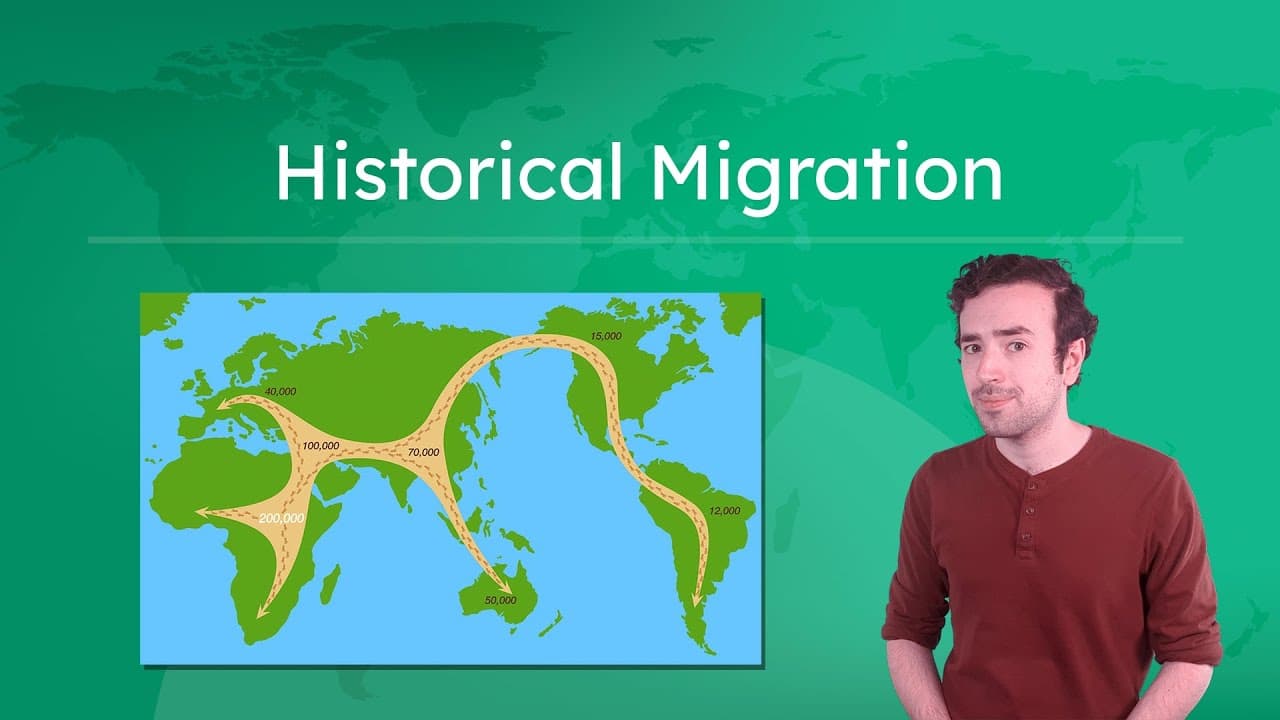
How Tacos Explain the History of Human Migration

How Tacos Explain the History of Human Migration

This engaging educational video uses the ingredients of a simple taco—corn tortillas, steak, and toppings—as a narrative framework to explore the entire history of human migration and globalization. Hosted by Justin, the video breaks down complex historical eras by tracing how these ingredients originated in different parts of the world and eventually came together. It covers major historical milestones including the "Out of Africa" theory, the Neolithic Revolution, the Age of Exploration, the Columbian Exchange, and the Industrial Revolution. The video explores key themes of geography and history, specifically focusing on the concept of "movement." It details the push and pull factors that have driven human migration throughout history, ranging from basic survival and the search for resources to trade routes, colonization, forced migration (slavery), and economic opportunities in industrializing cities. It addresses sensitive topics such as the devastation of indigenous populations and the Transatlantic Slave Trade within the context of global demographic shifts. For educators, this video serves as an excellent hook for World History or World Geography units. By grounding abstract historical forces in a relatable food item, it helps students understand how distant historical events directly shape their modern lives. It provides a structured timeline of human movement, defines academic terms like "nomadic" and "sedentary," and encourages critical thinking about the cultural blends that constitute modern societies.

Miacademy & MiaPrep Learning ChannelMiacademy & MiaPrep Learning Channel

11mins 3s

Video
Understanding Culture: Hearths, Traits, and Landscapes

Understanding Culture: Hearths, Traits, and Landscapes

This educational video provides a comprehensive introduction to the concept of culture from the perspective of human geography. It begins with an engaging historical anecdote about the naming of the Yucatan Peninsula to illustrate language barriers, before diving into the formal definition of culture. The video breaks down complex sociological concepts into digestible segments, exploring how culture is not just food and clothing, but a shared system of beliefs, behaviors, and institutions passed down through generations. Key themes include the origins of culture in "cultural hearths" (early river valley civilizations), the process of cultural diffusion through trade and conflict, and specific cultural traits such as language, religion, and social organization. The video uses diverse examples ranging from the Sanskrit word for war to the removal of Confederate statues in the modern US to illustrate how culture is dynamic and reflected in the physical landscape. For educators, this resource serves as an excellent anchor for units on Human Geography, Sociology, or World History. It includes built-in pause points that prompt students to connect abstract concepts to their own local communities, encouraging critical thinking about their own cultural environment. The visual aids, maps, and real-world examples help students visualize invisible concepts like social structures and belief systems.

Miacademy & MiaPrep Learning ChannelMiacademy & MiaPrep Learning Channel

10mins 52s

Video
How Water Engineered the Maya and Khmer Civilizations

How Water Engineered the Maya and Khmer Civilizations

In this episode of Crash Course World History, John Green explores the critical role of water management in the rise and fall of classical civilizations, shifting the focus from war and gold to hydraulic engineering. The video specifically examines the Maya civilization in the Yucatan Peninsula and the Khmer Empire in Southeast Asia, demonstrating how their mastery of water allowed them to flourish in difficult environments and how their reliance on these complex systems eventually contributed to their collapse.

CrashCourseCrashCourse

11mins 9s

Video
How Farming Transformed Human History

How Farming Transformed Human History

In this installment of Crash Course Big History, John Green and guest host Hank Green explore the monumental shift from foraging to agriculture—a transition that fundamentally altered human existence. The video examines the "Agrarian Era," questioning why humans would abandon the relatively leisurely lifestyle of foraging for the back-breaking labor of farming. It presents the "energy" perspective of history, framing agriculture as a method for humans to harness more solar energy via photosynthesis, leading to population explosions and complex societies.

CrashCourseCrashCourse

13mins 41s

Video
How the Silk Roads Spread Ideas and Religions

How the Silk Roads Spread Ideas and Religions

This educational video explores the concept of cultural diffusion through the historical lens of the Silk Roads. While often remembered for the trade of luxury goods like silk and spices, the video argues that the most significant exchange was actually invisible: the spread of ideas, worldviews, and religious beliefs. Host Alizé Carrère guides viewers through how religions like Buddhism, Islam, and Christianity spread and evolved across Asia, Africa, and Europe via these networks, illustrating complex geographic concepts such as relocation, expansion, contagion, and hierarchical diffusion.

CrashCourseCrashCourse

11mins 30s

Video
Exploring the Six Characteristics of a Civilization

Exploring the Six Characteristics of a Civilization

This educational video provides a comprehensive overview of the fundamental characteristics that define a civilization. Using an engaging "survival game" scenario as a hook, the narrator guides students through the six primary traits of civilization: political structure, urban areas, technology, shared communication, social structure, and monuments. The video also discusses religion as a significant, though debated, seventh characteristic, offering a complete framework for analyzing ancient and modern societies. The content moves beyond simple definitions to explore two critical concepts: interconnectedness and cultural diffusion. It explains how these characteristics do not exist in isolation; for example, advancements in technology (like irrigation) directly impact social structures by allowing for job specialization. Furthermore, the video illustrates how civilizations share and spread these traits through trade routes like the Silk Road, travel, and conquest, using historical examples like the spread of Egyptian culture in Africa and Greek culture through Alexander the Great's empire. Ideally suited for middle and early high school social studies curricula, this video serves as an excellent introduction to units on Ancient Mesopotamia, Egypt, or general World History. It helps students develop systems thinking by visualizing how geography, government, and economics are woven together. Teachers can use this resource to help students audit historical societies, understand the causal relationships between technological innovation and social change, and analyze the legacy of ancient monuments.

Miacademy & MiaPrep Learning ChannelMiacademy & MiaPrep Learning Channel

8mins 13s

Video
Exploring the Geography, History, and Culture of South Asia

Exploring the Geography, History, and Culture of South Asia

This comprehensive video provides a detailed introduction to the region of South Asia, covering its physical geography, rich history, diverse religious landscape, and modern economic developments. Narrated by Brian, the lesson guides viewers through the Indian subcontinent, exploring how physical features like the Himalayas and the Indus River have shaped civilization. It delves into the complex history of the region, from the ancient Indus Valley Civilization to British colonialism and the eventual partition of India and Pakistan. The video explores key themes such as the intersection of geography and culture, the impact of foreign rule, and the persistence of traditional social structures like the caste system alongside modern democratic governance. It highlights the religious diversity of the region—referencing Hinduism, Buddhism, Islam, and Sikhism—and examines the linguistic connections that bind South Asia to Europe through the Indo-European language family. The narrative also addresses contemporary issues, including economic growth through technology and outsourcing, as well as ongoing challenges like poverty and gender inequality. For educators, this video serves as an excellent anchor for a unit on World Geography or Asian History. It includes built-in critical thinking questions that prompt students to analyze the effects of physical barriers on migration, the social implications of legalizing the caste system, and the economic advantages of English proficiency in a global market. The content effectively bridges physical science concepts (like orogeny and monsoons) with social studies, making it a versatile tool for cross-curricular learning.

Miacademy & MiaPrep Learning ChannelMiacademy & MiaPrep Learning Channel

10mins 17s

Video
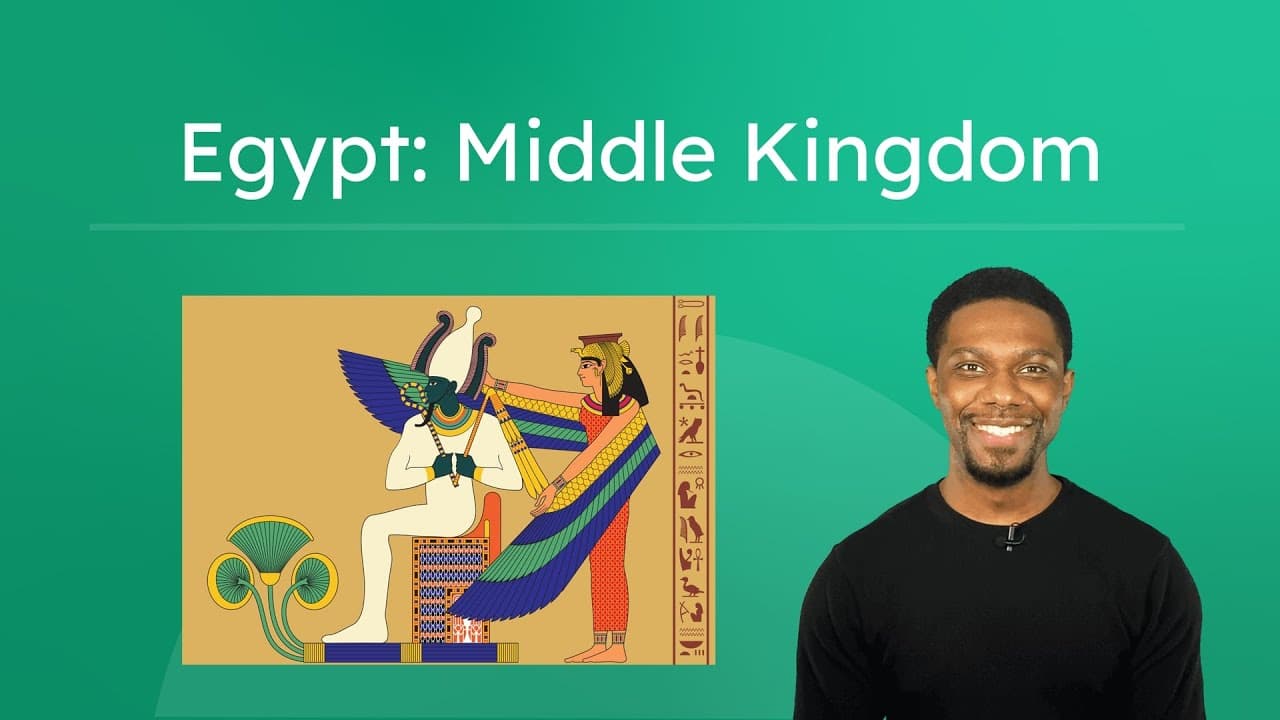
Exploring the Middle Kingdom: Egypt's Age of Unification and Innovation

Exploring the Middle Kingdom: Egypt's Age of Unification and Innovation

This engaging educational video explores the Middle Kingdom of Ancient Egypt, a pivotal period of reunification, cultural flourishing, and technological innovation. Hosted by an energetic narrator, the video begins by contrasting the heaviness of Mesopotamian clay tablets with the Egyptian invention of paper, setting the stage for a lesson on Egyptian advancements. It covers the rise of Mentuhotep II who ended the chaos of the First Intermediate Period, the expansion of trade networks, and the architectural marvels built during this era, including the impressive cliff-side Temple of Mentuhotep.

Miacademy & MiaPrep Learning ChannelMiacademy & MiaPrep Learning Channel

10mins 14s

Video
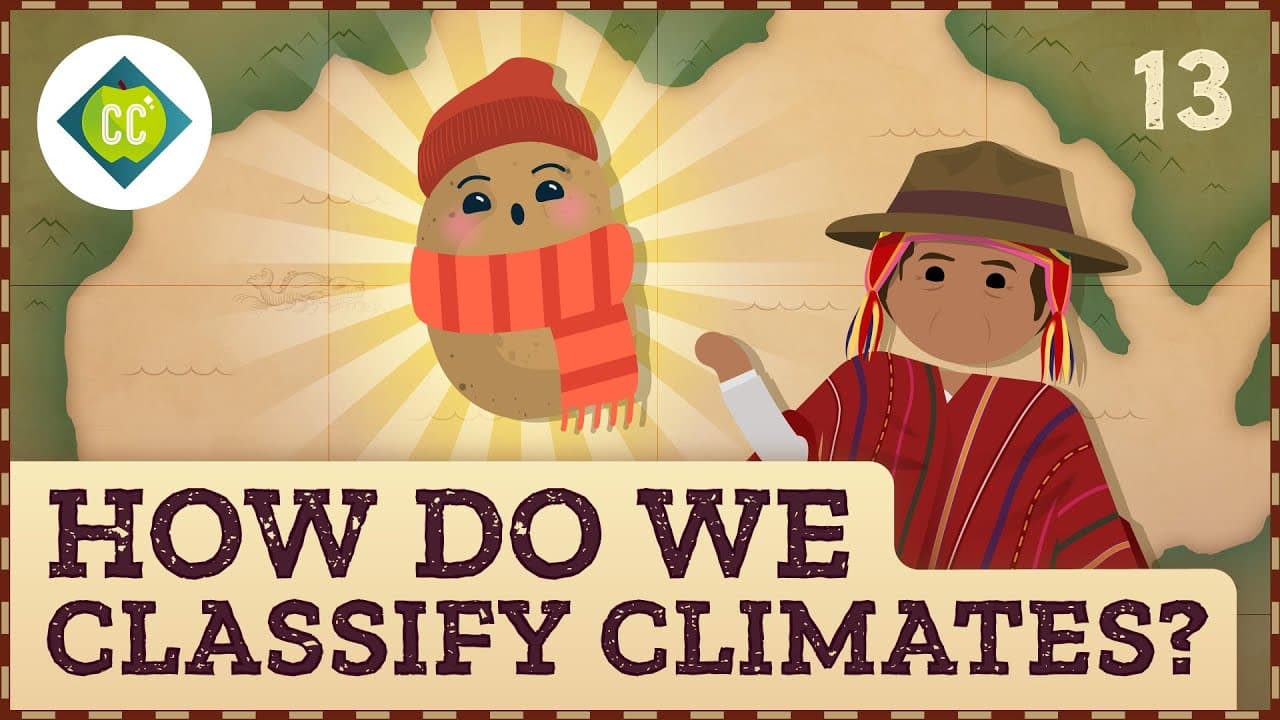
How Geography and Climate Shaped the Potato

How Geography and Climate Shaped the Potato

This engaging episode of Crash Course Geography explores the intricate relationship between physical geography, climate, and agriculture through the lens of the potato. The video begins by tracing the origins of the potato to the Andes Mountains, debunking common associations with Ireland or France. It uses the potato's journey to explain fundamental geographic concepts, specifically the difference between weather and climate, and how elevation impacts climate patterns through vertical zonation. The content dives deep into the specific climate zones of the Andes (Tierra Caliente, Templada, Fria, and Helada) and illustrates how ancient Andean farmers practiced "geo-literacy." It highlights how these farmers used astronomical observations of the Pleiades stars to predict El Niño patterns and manage their crops centuries before modern technology. The video also introduces the Köppen climate classification system, showing how vegetation is used to categorize global climate zones. For educators, this video is a powerful tool to bridge physical science and human history. It provides clear, memorable analogies for complex concepts like the lapse rate and climate classification while validating indigenous knowledge systems alongside modern science. It is excellent for units on South American geography, climatology, agricultural history, or introductory earth science.

CrashCourseCrashCourse

10mins 56s

Video
The Rise of Civilization in Mesopotamia: Writing, Taxes, and Empires

The Rise of Civilization in Mesopotamia: Writing, Taxes, and Empires

In this installment of Crash Course World History, John Green explores the rise of civilization in Mesopotamia, the 'land between two rivers.' The video examines how the geography of the Tigris and Euphrates valleys shaped the culture, religion, and politics of early city-states like Uruk and Babylon. It breaks down foundational developments including the invention of writing (cuneiform), the creation of early legal systems (Hammurabi's Code), and the evolution of political power from temple priests to kings.

CrashCourseCrashCourse

12mins 6s

Video
The Persians and Greeks: Comparing Empires and Democracies

The Persians and Greeks: Comparing Empires and Democracies

In this episode of Crash Course World History, John Green challenges the traditional Western narrative that depicts the Persian Wars as a simple struggle between the 'good, democratic' Greeks and the 'bad, totalitarian' Persians. He explores the vast, efficient, and relatively tolerant Persian Empire under Cyrus and Darius, contrasting it with the fragmented, slave-dependent Greek city-states. The video dissects the concept of historical bias, particularly through the lens of the Greek historian Herodotus, often called the 'Father of History' (and the 'Father of Lies'). Key themes include the complexities of ancient governance, the definition of freedom versus security, and the origins of political realism. The video delves into the Persian administrative structure, Zoroastrianism, and their ban on slavery, while juxtaposing this with the Athenian 'Golden Age,' which produced incredible art and philosophy but was underpinned by slavery, the exclusion of women, and imperialist aggression towards other Greek states. The darker side of Athenian democracy is highlighted through the Melian Dialogue during the Peloponnesian War. For educators, this video is an excellent tool for teaching students how to critically analyze historical sources and question received wisdom. It provides a nuanced view of the ancient world that moves beyond binary moral judgments. Classroom applications include debates on the merits of different political systems, discussions on the role of bias in history, and ethical evaluations of the phrase 'the strong do what they can and the weak suffer what they must' in the context of international relations.

CrashCourseCrashCourse

11mins 39s

Video
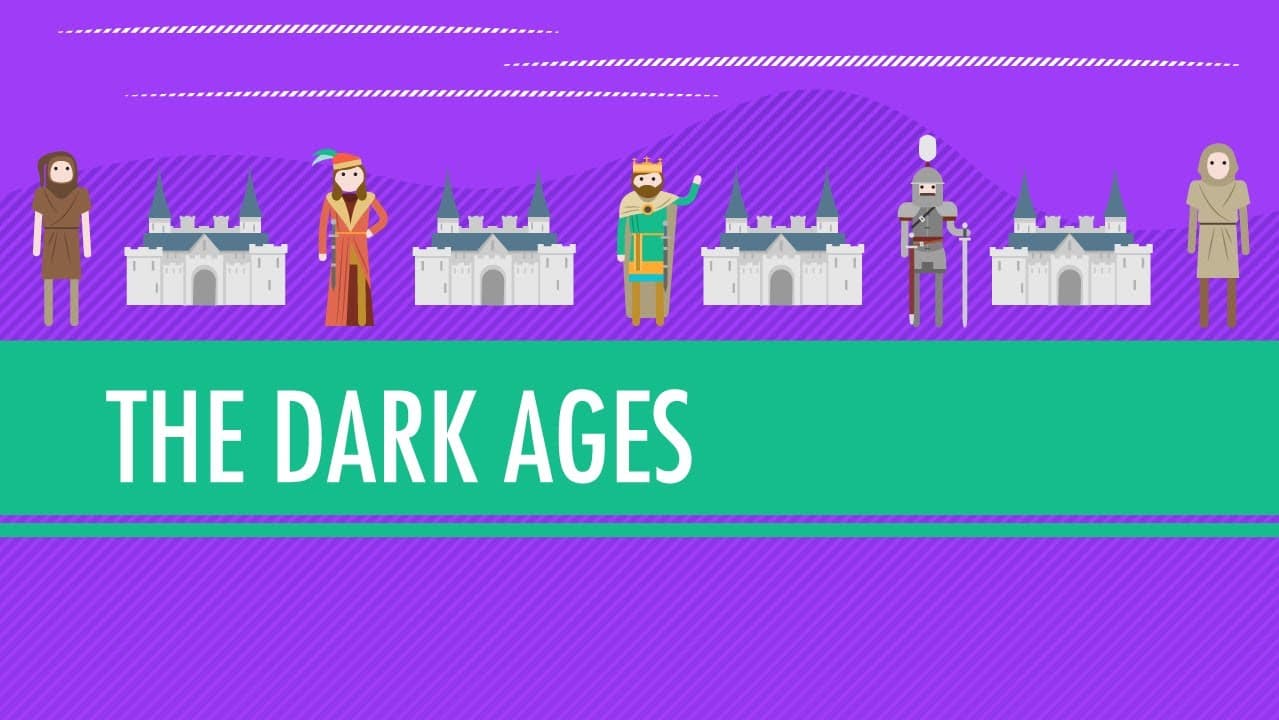
Rethinking the Dark Ages: Islam, China, and Medieval Europe

Rethinking the Dark Ages: Islam, China, and Medieval Europe

In this installment of Crash Course World History, John Green challenges the Eurocentric concept of the "Dark Ages," a period conventionally dated from the fall of Rome to the Renaissance. While admitting that Medieval Europe did experience a decline in trade, urbanization, and cultural output relative to the Roman Empire, the video argues that this darkness was local rather than global. Through rapid-fire humor and historical analysis, Green explains the structure of European feudalism—a decentralized system of lords, vassals, and peasants—and contrasts it with the thriving civilizations flourishing elsewhere during the same era. The video shifts focus to the Islamic Golden Age under the Umayyad and Abbasid Empires, highlighting Baghdad as a global center of learning where scholars preserved Greek philosophy and pioneered advancements in medicine, mathematics (algebra), and engineering. It also explores the achievements of the Tang and Song Dynasties in China, noting their inventions of gunpowder, paper money, and iron production techniques that far outpaced Europe. The narrative emphasizes how the Abbasid openness to foreign ideas and the meritocratic governance in China led to periods of immense prosperity and innovation. For educators, this video is an excellent tool for teaching comparative history and historiography. It helps students deconstruct historical labels and understand that history happens simultaneously across the globe. Teachers can use it to introduce the political mechanics of feudalism, the scientific contributions of the Islamic world, or the technological prowess of medieval China. The video serves as a perfect launchpad for discussions about how we name historical periods and the importance of looking beyond a single continent's narrative.

CrashCourseCrashCourse

12mins 8s

Video
Exploring the People and Settlement of Latin America

Exploring the People and Settlement of Latin America

This educational video provides a comprehensive overview of the human geography of Latin America, focusing on the diverse origins of its people and their unique settlement patterns. The narrator breaks down the population into three primary historical groups: Native peoples who migrated across Beringia, European colonizers (primarily Spanish and Portuguese), and Africans brought via the slave trade. It further explores how these groups mixed over centuries to create distinct cultural identities like Mestizo and Mulatto, explaining the historical context and modern implications of these terms. The second half of the video shifts to settlement geography, analyzing where people live and why. It highlights the traditional preference for coastal living due to trade and transportation, but also examines the unique high-altitude settlements of the Andes, such as La Paz and La Rinconada. A significant portion is dedicated to the concept of a "forward capital," using Brasília as a case study for how governments attempt to shift population density and economic opportunity inland from the coast. For educators, this video serves as an excellent resource for World Geography, Social Studies, and Latin American History units. It connects historical events (colonization, slavery) directly to modern demographics and urban planning. The content covers essential geography concepts like urbanization, migration push/pull factors, and human-environment interaction, making it a versatile tool for teaching how history shapes the physical distribution of people today.

Miacademy & MiaPrep Learning ChannelMiacademy & MiaPrep Learning Channel

8mins 55s

Video
Voyaging to Oceania and the Secrets of Antarctica

Voyaging to Oceania and the Secrets of Antarctica

This engaging video takes students on a geographic and historical journey through Oceania and Antarctica. It contrasts modern travel preparations with the incredible feats of ancient Austronesian navigators who used the stars and ocean currents to traverse thousands of miles of open ocean. The video highlights the settlement of diverse islands from Madagascar to Rapa Nui, emphasizing the skill and bravery of these early explorers. Key themes include the migration of Austronesian peoples, the unique biodiversity of Australia (Terra Australis Incognita), and the history of Antarctic exploration. The video specifically challenges traditional Eurocentric narratives by introducing Ui-Te-Rangiora, a Maori chieftain who likely encountered Antarctic waters centuries before European explorers. It also touches on modern scientific research in Antarctica. For educators, this video serves as an excellent launchpad for units on world geography, exploration history, or indigenous cultures. It is structured with built-in pause points that ask students to predict, hypothesize, and reflect, making it an interactive tool rather than a passive viewing experience. It effectively bridges geography, biology, and critical history skills.

Miacademy & MiaPrep Learning ChannelMiacademy & MiaPrep Learning Channel

6mins 40s

Video
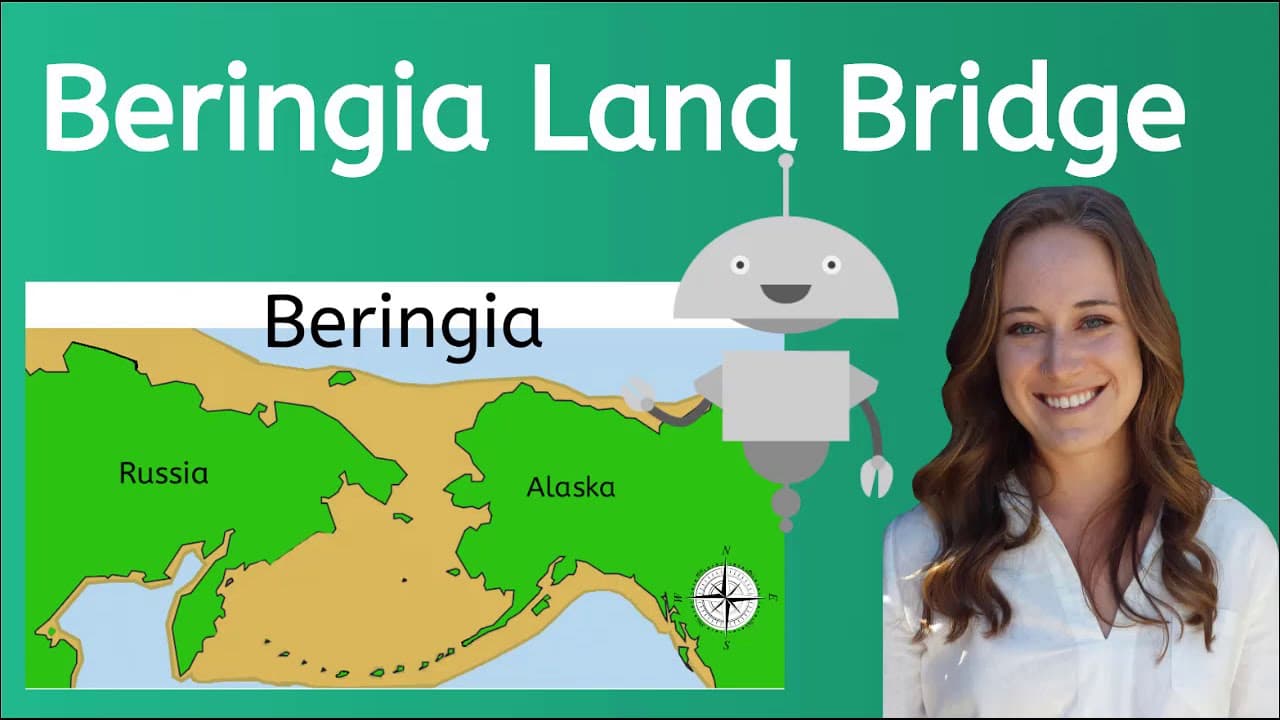
How the First People Migrated to the Americas

How the First People Migrated to the Americas

This educational video explores the scientific theory of how the first humans migrated to the Americas via the Beringia Land Bridge. It explains the geographical and climatic conditions of the Ice Age that lowered sea levels, exposing a land connection between present-day Russia and Alaska. The video details the migration routes taken by these early people as they moved through North America down to South America. The content covers key interdisciplinary concepts including geography, earth science, and anthropology. It defines important terms like "migration" and explains the push factors that cause populations to move, such as the search for food, resources, or safety. The video also introduces students to how scientists use evidence to reconstruct the past, specifically looking at how anthropologists use DNA analysis and how archaeologists use artifacts like bronze tools and jade masks to trace human origins. This resource is highly valuable for social studies and history classrooms studying early human civilizations or Native American history. It provides a clear visual representation of complex concepts like changing coastlines and migration patterns. Teachers can use this video to illustrate the intersection of geography and history, demonstrating how physical landscapes shape human movement and settlement patterns.

Miacademy & MiaPrep Learning ChannelMiacademy & MiaPrep Learning Channel

4mins 50s

Video
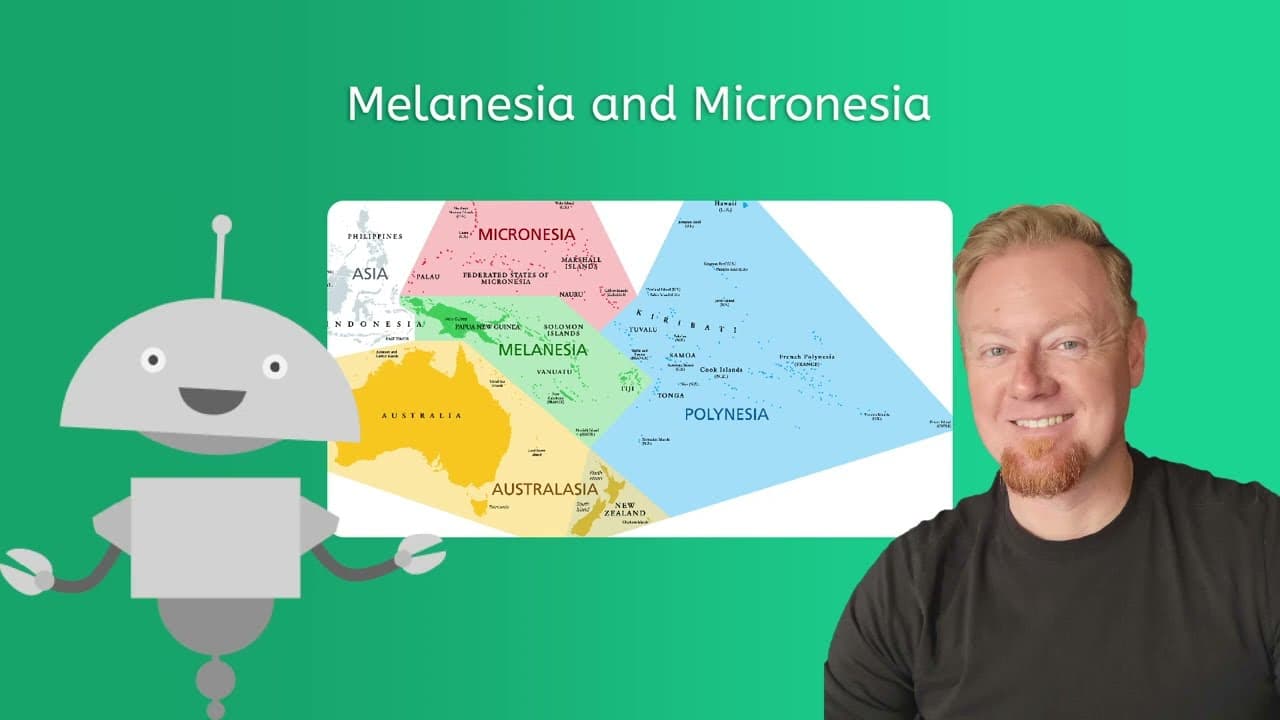
Exploring the Geography and Cultures of Melanesia and Micronesia

Exploring the Geography and Cultures of Melanesia and Micronesia

This educational video provides a comprehensive geographical and cultural tour of two major subregions of Oceania: Melanesia and Micronesia. Hosted by "Brian from Oceania Explorers," the video uses maps, historical context, and cultural facts to distinguish these regions from one another and from Polynesia. It covers the etymology of the region names, their geological history (Sahul), and the specific island nations contained within each, including Fiji, Papua New Guinea, the Solomon Islands, Vanuatu, the Federated States of Micronesia, Kiribati, the Marshall Islands, Nauru, and Palau. Key themes include the interplay between physical geography and human history, specifically how vast ocean distances influence culture and governance. The video delves into the genetic and linguistic origins of the indigenous populations, differentiating Melanesians (Papuan/Austronesian mix) from Micronesians (Austronesian/Taiwanese origins). It also addresses complex historical topics such as the "Cannibal Isles" stereotype of Fiji, the impact of colonialism, WWII battles like Guadalcanal, and the modern geopolitical significance of US territories and military bases in the region. For educators, this video is a valuable tool for World Geography and Social Studies classrooms. It moves beyond simple map identification to explore concepts like "perceptual vs. formal regions," "Exclusive Economic Zones" (EEZ), and matriarchal societies. The video includes built-in pause points with reflection questions, making it ready-to-use for structured lessons on Pacific history, indigenous migration theories, and the challenges of island governance.

Miacademy & MiaPrep Learning ChannelMiacademy & MiaPrep Learning Channel

10mins 23s

Video
Uncovering the Past: Sources, Artifacts, and Timelines

Uncovering the Past: Sources, Artifacts, and Timelines

This engaging educational video introduces students to the foundational methods historians use to study the past. Using a playful "breaking news" scenario involving a robot named Mia, the host clearly distinguishes between primary sources (first-hand accounts) and secondary sources (interpretations by others). The video explains how historians rely on these sources to construct accurate narratives of ancient civilizations.

Miacademy & MiaPrep Learning ChannelMiacademy & MiaPrep Learning Channel

12mins 37s

Video
How Humans Harnessed Energy to Build Civilization

How Humans Harnessed Energy to Build Civilization

Hosted by Stan Muller, this episode of Crash Course World History explores the fundamental history of human energy consumption based on Alfred Crosby's book "Children of the Sun." The video traces humanity's journey from relying solely on muscle power to mastering fire, domesticating plants and animals, and eventually unlocking the massive energy stores within fossil fuels. It explains how these advancements allowed for civilization building, from the pyramids to modern metropolises, while emphasizing that almost all energy sources ultimately originate from the sun. The video covers key historical turning points including the Agricultural Revolution, the Industrial Revolution, and the modern reliance on electricity and the internal combustion engine. It provides a balanced look at different fuel sources—wood, coal, oil, and nuclear power—analyzing their efficiency, historical impact, and downsides. Significant attention is given to the exponential increase in energy usage since 1850 and the geopolitical and environmental consequences of this shift. For educators, this resource bridges the gap between science and history, demonstrating how physical laws (thermodynamics) shape human progress. It is an excellent tool for discussing the Anthropocene, the trade-offs of technological advancement, and the complex challenge of sustainability. The video sets up discussions on climate change, resource management, and the future of energy, making it highly relevant for both social studies and environmental science curriculums.

CrashCourseCrashCourse

7mins 21s

Video
Why Democracy Feels Broken: Models, Critiques, and Theory

Why Democracy Feels Broken: Models, Critiques, and Theory

This educational video from Crash Course Political Theory explores the complex nature of democracy, addressing the common modern sentiment that democratic systems are "broken." Hosted by Dr. Ellie Anderson, the video investigates whether dissatisfaction with democracy is a new phenomenon or an inherent feature of the system. It traces critiques of democracy back to ancient philosophers like Plato, who worried about the chaos of "unmixed freedom," and contrasts historical Athenian practices with the egalitarian decision-making of indigenous hunter-gatherer societies.

CrashCourseCrashCourse

12mins 5s

Video
Unlocking History Through the Five Themes of Geography

Unlocking History Through the Five Themes of Geography

This educational video provides a comprehensive introduction to the Five Themes of Geography—Location, Movement, Place, Region, and Human-Environment Interaction—and demonstrates their critical role in shaping human history. The host, Justin, moves beyond simple map-reading to explain geography as the study of the Earth and how humans interact with it. Using water as a central unifying concept, the video illustrates why early civilizations like Mesopotamia and Egypt developed where they did, emphasizing the necessity of fresh water for drinking, irrigation, and transportation. The video explores each theme individually while also highlighting their interconnected nature. It defines concepts such as absolute versus relative location, cultural diffusion through trade and war, and the distinction between adapting to and modifying the environment. Historical examples are woven throughout, including the construction of mud-brick homes in timber-scarce Mesopotamia, the spread of culture from the Olmecs to the Aztecs, and the shifting political boundaries of the Persian Empire and Alexander the Great's territory. Ideal for middle school social studies and geography curricula, this resource helps students transition from viewing geography as just memorizing capitals to understanding it as a dynamic force that drives historical development. It offers clear definitions, visual examples, and interactive pause points that encourage critical thinking about government structures and map analysis, making it a versatile tool for introducing units on ancient civilizations or world geography.

Miacademy & MiaPrep Learning ChannelMiacademy & MiaPrep Learning Channel

11mins 13s

Video
Exploring Early North American Settlement and Indigenous Cultures

Exploring Early North American Settlement and Indigenous Cultures

This educational video provides a comprehensive overview of early North American settlement, tracing the migration of the first peoples across the Beringia land bridge through various developmental periods including the Paleoindian, Archaic, Woodland, and Mississippian eras. It explores how geography influenced the development of distinct cultures across different regions, from the Arctic Inuit to the Southwest Pueblo peoples, highlighting specific adaptations in shelter, food sources, and social structures. Key themes include human migration, environmental adaptation, and cultural diversity. The video breaks down the timeline of pre-contact history, distinguishing between nomadic bands and complex tribal societies. It also addresses important sociological concepts, such as the distinction between a "tribe" and a "band," and provides a nuanced discussion on the terminology of "Indigenous Peoples" versus "Native Americans," emphasizing the importance of using specific self-identifiers. For educators, this resource serves as an excellent introduction to pre-Columbian US History. It encourages critical thinking by asking students to consider the utility and limitations of historical generalizations. The video includes built-in pause points with guiding questions, making it ready-to-use for checking comprehension and sparking classroom discussions about identity, geography, and the deep history of the American continent.

Miacademy & MiaPrep Learning ChannelMiacademy & MiaPrep Learning Channel

10mins 26s

Video
Depend, Modify, Adapt: How Humans Change the Environment

Depend, Modify, Adapt: How Humans Change the Environment

This educational video explores the dynamic relationship between humans and the Earth through three distinct categories of interaction: depending on the environment, modifying the environment, and adapting to the environment. The host, Caroline, guides viewers through a chronological journey of human history to illustrate how these interactions have evolved from the days of early hunter-gatherers to modern industrialized society. The narrative emphasizes that while human needs have remained consistent, the scale and impact of our actions on the planet have grown exponentially alongside our population. The video is structured around three major historical eras: the Hunter-Gatherer society, the Agricultural Revolution, and the Industrial Revolution. It details specific characteristics of each period, such as the low-waste lifestyle of nomadic tribes versus the habitat destruction caused by early farming, and the technological advancements of the industrial age versus the resulting pollution and urbanization. Key concepts like selective breeding, crop rotation, and the extinction of megafauna due to overhunting are explained to show the complexity of human impact. For educators, this resource serves as an excellent bridge between social studies and environmental science. It provides a clear framework for analyzing history through an ecological lens, helping students understand the trade-offs inherent in human progress. The video encourages critical thinking about sustainability by asking students to weigh the benefits of societal advancement—like reliable food sources and medicine—against environmental costs like deforestation and resource depletion, ultimately empowering them to think about future solutions.

Miacademy & MiaPrep Learning ChannelMiacademy & MiaPrep Learning Channel

9mins 53s

Video
Introduction to Geography: From Ancient Maps to Modern Satellites

Introduction to Geography: From Ancient Maps to Modern Satellites

This engaging educational video introduces students to the study of geography, framing it as an expedition to understand our "wondrous and diverse" world. It begins by defining geography beyond simple textbook definitions, encouraging viewers to see it as a way to know, love, and care for the planet. The narrative transitions from the perspective of early humans facing an unknown world to the sophisticated methods used today, effectively bridging the gap between ancient curiosity and modern science. Key themes include the history of geographic thought, highlighting Eratosthenes' incredible calculation of the Earth's circumference using simple geometry and shadows. The video also explores the evolution of geographic tools, contrasting ancient travel-based data collection with modern technologies like Sonar, Satellites, GPS, and GIS (Geographic Information Systems). It emphasizes that while tools change, the fundamental human drive to map and understand our surroundings remains the same. For educators, this video serves as an excellent introduction to a geography unit or a social studies course. It provides concrete examples of how geography intersects with math (geometry), history, and environmental science. The built-in pause points and reflection questions make it an interactive tool for the classroom, prompting students to consider how geographic data is used for resource management, conservation, and urban planning in the real world.

Miacademy & MiaPrep Learning ChannelMiacademy & MiaPrep Learning Channel

10mins 12s

Video
How Geography Shaped the First Civilization: Mesopotamia Explained

How Geography Shaped the First Civilization: Mesopotamia Explained

This educational video explores the rise of the first civilization in Mesopotamia, located in modern-day Iraq between the Tigris and Euphrates rivers. It explains how geography played a crucial role in the development of human society, transforming nomadic hunter-gatherers into settled farmers through the fertile soil of the "Fertile Crescent." The narrator guides students through the transition from the Stone Age to the Bronze Age, highlighting key innovations like irrigation, the plow, and the domestication of animals. The video delves into the challenges posed by the region's geography, such as unpredictable flooding and lack of natural defenses, and how early humans engineered solutions like levees, canals, and city walls. It connects these environmental factors to the growth of urban centers, job specialization, and the creation of a stable food surplus, which are identified as the foundational elements of civilization. Finally, the concept of cultural diffusion is introduced to explain how Mesopotamian innovations in farming, writing, and government spread to other regions like Egypt. The video includes built-in pauses for critical thinking and prediction, making it an excellent tool for middle school social studies classrooms to introduce Ancient History, human-environment interaction, and the economic foundations of society.

Miacademy & MiaPrep Learning ChannelMiacademy & MiaPrep Learning Channel

7mins 43s

Video
Analyzing Cause and Effect in World History

Analyzing Cause and Effect in World History

This educational video introduces students to the historical thinking concept of "Cause and Effect" through a series of dramatic and interconnected historical case studies. It opens with a narrative hook about the "Summer of the Fire Ants" in 1518 Hispaniola to demonstrate how unintended consequences—specifically the introduction of plantains and aphids—can alter a region's history. The video establishes that nothing in history happens in a vacuum, using examples like Alexander the Great's education and Neolithic migrations to show how motivations and environmental changes drive human action. The core of the video analyzes the "Worst Year in History" (536 C.E.) to illustrate a complex chain of events. It details how a volcanic eruption (Krakatoa) led to global cooling, which destroyed food sources, causing the Avar migration and war, while simultaneously creating biological conditions that allowed the Bubonic Plague to decimate the Byzantine and Sasanian Empires. It breaks down the specific biological mechanism involving fleas and temperature to show how environmental factors influence major historical outcomes. This resource is highly valuable for middle and high school World History classrooms as it moves students beyond memorizing dates to understanding the "why" behind events. It models historical inquiry by connecting geography, biology, and human behavior, providing a framework for analyzing how small changes can trigger massive domino effects across civilizations.

Miacademy & MiaPrep Learning ChannelMiacademy & MiaPrep Learning Channel

10mins 51s

Video
How the Agricultural Revolution Transformed Human Society

How the Agricultural Revolution Transformed Human Society

In this fast-paced and engaging overview of early human history, John Green introduces students to the monumental shift from hunting and gathering to agriculture. Using the relatable example of a double cheeseburger, the video traces the complex supply chains and historical processes required to produce modern food, contrasting this with the 15,000-year history of human foraging. It challenges the common assumption that agricultural life was an immediate improvement over foraging, presenting evidence that early farmers often had poorer health and worked longer hours than their hunter-gatherer counterparts. The video explores key themes including the independent invention of agriculture across different global regions, the domestication of plants and animals, and the rise of pastoralism (herding) as an alternative lifestyle. It breaks down the advantages of farming—such as controllable food supplies and food surpluses that allow for specialization of labor—against the disadvantages, including environmental degradation, social inequality, and the necessity of hard labor. For educators, this resource serves as an excellent introduction to the Neolithic Revolution and the dawn of civilization. It prompts critical thinking about what "progress" actually means, asking students to consider whether the move to agriculture was a net positive or a "trap" that humanity couldn't escape. The video successfully links ancient history to modern life, making abstract concepts like specialization of labor and social stratification concrete and relevant for students.

CrashCourseCrashCourse

11mins 11s

Video
Why Humans Fight: The Evolutionary and Historical Roots of War

Why Humans Fight: The Evolutionary and Historical Roots of War

This video investigates the complex historical and philosophical question of why humans engage in war. Host John Green navigates the debate between two primary schools of thought: Thomas Hobbes's view of early human life as "nasty, brutish, and short," and Jean-Jacques Rousseau's concept of the peaceful "noble savage." The video examines anthropological evidence, archaeological findings, and evolutionary theories to determine if violence is an innate part of human nature or a cultural development. The content explores several key themes, including the distinction between biological imperatives (genes seeking to reproduce) and cultural behaviors. It delves into the role of resource scarcity—specifically food and mates—in driving early human conflict, which typically manifested as raiding rather than organized warfare. The video also touches on the psychology of soldiers, using powerful quotes from Vietnam veteran Karl Marlantes to discuss the "savage joy" and transcendence some find in combat, while balancing this with the concept of free will and the evolution of human institutions. For educators, this resource is a powerful tool to bridge history, biology, and philosophy. It challenges students to think critically about "inevitability" in history and encourages them to analyze how modern institutions have evolved to mitigate biological aggressive tendencies. It provides a nuanced look at the difference between interpersonal violence and state-sponsored war, making it an excellent launchpad for discussions on ethics, psychology, and the future of global conflict.

CrashCourseCrashCourse

10mins 37s

Video
From Farms to Factories: The Origins of the Industrial Revolution

From Farms to Factories: The Origins of the Industrial Revolution

This engaging educational video explores the origins and profound global impact of the Industrial Revolution, tracing its roots from prehistoric hunter-gatherer societies through the agrarian age to the explosion of industry in 18th-century England. The narrator uses vivid storytelling and direct address to help students visualize the dramatic shift in daily life, moving from self-sufficient farming to repetitive factory work. It breaks down complex economic and social changes into digestible concepts, explaining how the Enclosure Movement pushed peasants into cities and how technological innovations in textiles catalyzed a new world order. Key themes include the transition from agrarian to industrial societies, the specific geographic and political reasons why the revolution began in England, and the major technological inventions that drove mass production (like the Spinning Jenny and Water Frame). Crucially, the video does not shy away from the darker side of this progress, explicitly connecting the boom in English textile manufacturing to the entrenchment of slavery in the American South following the invention of the cotton gin. For educators, this video serves as a perfect anchor for a World History unit on industrialization. It is structured with built-in pause points and guiding questions that facilitate active learning and checking for understanding. By connecting English factories to American history, it also provides an excellent cross-curricular bridge between European and American history standards, illustrating early concepts of global economic interdependence.

Miacademy & MiaPrep Learning ChannelMiacademy & MiaPrep Learning Channel

13mins 56s

Video
How the Polynesians Migrated Across the Pacific

How the Polynesians Migrated Across the Pacific

This educational video provides a comprehensive overview of the Polynesian migration, explaining how ancient explorers traveled across the vast Pacific Ocean to settle within the Polynesian Triangle. It details the geographical boundaries of the region, identifying key islands like Hawaii, New Zealand, and Easter Island, and traces the ancestral roots of the Polynesian people back to Taiwan and Southeast Asia using linguistic and archaeological evidence.

Miacademy & MiaPrep Learning ChannelMiacademy & MiaPrep Learning Channel

4mins 37s

Video
How Tacos Explain the History of Human Migration

How Tacos Explain the History of Human Migration

This engaging educational video uses the ingredients of a simple taco—corn tortillas, steak, and toppings—as a narrative framework to explore the entire history of human migration and globalization. Hosted by Justin, the video breaks down complex historical eras by tracing how these ingredients originated in different parts of the world and eventually came together. It covers major historical milestones including the "Out of Africa" theory, the Neolithic Revolution, the Age of Exploration, the Columbian Exchange, and the Industrial Revolution. The video explores key themes of geography and history, specifically focusing on the concept of "movement." It details the push and pull factors that have driven human migration throughout history, ranging from basic survival and the search for resources to trade routes, colonization, forced migration (slavery), and economic opportunities in industrializing cities. It addresses sensitive topics such as the devastation of indigenous populations and the Transatlantic Slave Trade within the context of global demographic shifts. For educators, this video serves as an excellent hook for World History or World Geography units. By grounding abstract historical forces in a relatable food item, it helps students understand how distant historical events directly shape their modern lives. It provides a structured timeline of human movement, defines academic terms like "nomadic" and "sedentary," and encourages critical thinking about the cultural blends that constitute modern societies.

Miacademy & MiaPrep Learning ChannelMiacademy & MiaPrep Learning Channel

11mins 3s

Video
Island Hopping: A Journey Through Polynesian History and Culture

Island Hopping: A Journey Through Polynesian History and Culture

This educational video takes students on a comprehensive tour of Polynesia, exploring its geography, history, and rich cultural traditions. Hosted by an engaging narrator named Brian, the journey begins by defining the Polynesian Triangle—anchored by Hawaii, New Zealand, and Easter Island—and tracing the incredible maritime migration of the Lapita people thousands of years before European explorers. The video uses maps, historical photos, and animations to visualize the vast distances traveled by early settlers in outrigger canoes.

Miacademy & MiaPrep Learning ChannelMiacademy & MiaPrep Learning Channel

10mins 34s

Video
How Farming Transformed Human History

How Farming Transformed Human History

In this installment of Crash Course Big History, John Green and guest host Hank Green explore the monumental shift from foraging to agriculture—a transition that fundamentally altered human existence. The video examines the "Agrarian Era," questioning why humans would abandon the relatively leisurely lifestyle of foraging for the back-breaking labor of farming. It presents the "energy" perspective of history, framing agriculture as a method for humans to harness more solar energy via photosynthesis, leading to population explosions and complex societies.

CrashCourseCrashCourse

13mins 41s

Video
Exploring Africa: Geography, History, and Culture

Exploring Africa: Geography, History, and Culture

This comprehensive educational video provides a detailed overview of the African continent, structured into four main sections: physical characteristics, history, people and culture, and economic structures. Hosted by Taylor, the video begins with an engaging safari skit before diving into a structured lesson that uses maps, images, and statistics to paint a broad picture of the diverse continent. It covers major geographical features like the Sahara, the Nile, and the Great Rift Valley, while also addressing the rich history of civilizations from Ancient Egypt to the Kingdom of Mali. The narrative addresses complex topics such as the origins of humanity, the impact of the transatlantic slave trade, European colonization, and the challenges of modern independence. It connects historical events—like the drawing of colonial borders—to current issues such as political conflict and economic struggles. The video highlights the contrast between Africa's immense natural wealth in resources like gold and diamonds versus its economic challenges, including low GDP per capita and infrastructure issues. Ideally suited for middle and high school social studies classrooms, this resource serves as an excellent introduction to African geography and history. It encourages active learning by prompting students to use a physical map to locate features and engages critical thinking with questions about the legacy of colonialism and future economic prospects. Teachers can use this video to launch units on world geography, discuss the effects of imperialism, or analyze global economic disparities.

Miacademy & MiaPrep Learning ChannelMiacademy & MiaPrep Learning Channel

15mins 37s

Video
Imperialism in Western Asia and North Africa

Imperialism in Western Asia and North Africa

This educational video explores the history of European imperialism in Western Asia and North Africa during the 19th and early 20th centuries. It provides a detailed look at the decline of the Ottoman Empire and the subsequent power vacuum that led European powers, particularly Great Britain and Russia, to vie for control over strategic territories and resources. The video covers key historical events such as "The Great Game" over Afghanistan, the rise of economic imperialism in Persia (modern-day Iran), and the British occupation of Egypt following the construction of the Suez Canal. A central theme of the video is the distinction between direct military conquest and economic imperialism. It illustrates this through the example of the Anglo-Persian Oil Company and the Tobacco Regie concession in Persia, showing how foreign control of local industries sparked nationalist uprisings like the Persian Tobacco Boycott. The video also examines the modernization efforts in Egypt under Muhammad Ali and how the financial burden of the Suez Canal eventually led to the loss of Egyptian sovereignty. This resource is highly valuable for World History classrooms as it connects 19th-century imperialism to modern geopolitical tensions in the Middle East. By highlighting the long-term consequences of foreign intervention—such as the seeds of anti-Western sentiment and the "scars" of imperialism—it helps students understand current events through a historical lens. The video features clear definitions, maps, and guided questions, making it an effective tool for teaching complex concepts like spheres of influence and geopolitical strategy.

Miacademy & MiaPrep Learning ChannelMiacademy & MiaPrep Learning Channel

10mins 25s

Video
How Ancient Trade Routes Connected the World

How Ancient Trade Routes Connected the World

This video explores the concept of global interconnectedness long before the advent of the internet or modern transportation. Starting with a relatable family dinner scene, the narrator challenges viewers to consider the origins of their food and clothing, using this as a springboard to introduce the historical mechanism of trade. The video defines cultural diffusion and illustrates how ancient trade routes like the Silk Road, Indian Ocean maritime routes, Trans-Saharan network, and Mediterranean Sea served as the "superhighways" of the ancient world, linking distant civilizations. Key themes include the definition and impact of cultural diffusion, the geography of major ancient trade networks, and the specific exchange of goods, ideas, technologies, and religions. The video highlights how the Indian Ocean trade facilitated the spread of Islam, how the Trans-Saharan route moved gold and salt, and how the Mediterranean connected Europe to ancient wisdom. It also details the "Four Great Inventions" of Ancient China—paper, printing, the compass, and gunpowder—and their profound effects on global society. For educators, this video serves as an excellent introduction to units on World History, global trade, or ancient civilizations. It features built-in "pause points" that invite students to check the tags on their own clothes, brainstorm inventions, and reflect on historical impacts, making it highly interactive. By connecting the abstract concept of cultural diffusion to tangible items like spices and clothing, the video helps students visualize how historical economic activities shaped the political, religious, and technological landscape of the modern world.

Miacademy & MiaPrep Learning ChannelMiacademy & MiaPrep Learning Channel

11mins 42s

Video
Unlocking History Through the Five Themes of Geography

Unlocking History Through the Five Themes of Geography

This educational video provides a comprehensive introduction to the Five Themes of Geography—Location, Movement, Place, Region, and Human-Environment Interaction—and demonstrates their critical role in shaping human history. The host, Justin, moves beyond simple map-reading to explain geography as the study of the Earth and how humans interact with it. Using water as a central unifying concept, the video illustrates why early civilizations like Mesopotamia and Egypt developed where they did, emphasizing the necessity of fresh water for drinking, irrigation, and transportation. The video explores each theme individually while also highlighting their interconnected nature. It defines concepts such as absolute versus relative location, cultural diffusion through trade and war, and the distinction between adapting to and modifying the environment. Historical examples are woven throughout, including the construction of mud-brick homes in timber-scarce Mesopotamia, the spread of culture from the Olmecs to the Aztecs, and the shifting political boundaries of the Persian Empire and Alexander the Great's territory. Ideal for middle school social studies and geography curricula, this resource helps students transition from viewing geography as just memorizing capitals to understanding it as a dynamic force that drives historical development. It offers clear definitions, visual examples, and interactive pause points that encourage critical thinking about government structures and map analysis, making it a versatile tool for introducing units on ancient civilizations or world geography.

Miacademy & MiaPrep Learning ChannelMiacademy & MiaPrep Learning Channel

11mins 13s

Video
Exploring the Middle Kingdom: Egypt's Age of Unification and Innovation

Exploring the Middle Kingdom: Egypt's Age of Unification and Innovation

This engaging educational video explores the Middle Kingdom of Ancient Egypt, a pivotal period of reunification, cultural flourishing, and technological innovation. Hosted by an energetic narrator, the video begins by contrasting the heaviness of Mesopotamian clay tablets with the Egyptian invention of paper, setting the stage for a lesson on Egyptian advancements. It covers the rise of Mentuhotep II who ended the chaos of the First Intermediate Period, the expansion of trade networks, and the architectural marvels built during this era, including the impressive cliff-side Temple of Mentuhotep.

Miacademy & MiaPrep Learning ChannelMiacademy & MiaPrep Learning Channel

10mins 14s

Video
Touring the Seven Wonders of the World

Touring the Seven Wonders of the World

This educational video takes students on a virtual tour of seven of the most famous architectural and historical landmarks across the globe. Hosted by Kaleigh, the video provides a structured overview of the Roman Colosseum, Chichen Itza, the Pyramids of Giza, the Great Wall of China, Machu Picchu, Petra, and the Taj Mahal. For each location, the video highlights its geographical location on a world map, the dates of its construction, and its original historical purpose.

Miacademy & MiaPrep Learning ChannelMiacademy & MiaPrep Learning Channel

4mins 56s

Video
How War Shaped Civilization and State Building

How War Shaped Civilization and State Building

In this thought-provoking episode of Crash Course World History, John Green challenges the conventional wisdom that war is exclusively destructive. While acknowledging the tragic human cost of conflict, the video explores the counter-intuitive historical theory that war—or the threat of it—was a primary driver in the development of civilization itself. Green argues that the need for defense against raids may have spurred humans to congregate in walled cities even before the full development of agriculture, suggesting that war might be the mother of invention for the state itself. The video covers a sweeping timeline, moving from ancient hunter-gatherer societies to the Zulu Kingdom, the Roman Empire, and the Gunpowder Revolution of the early modern era. Key themes include the relationship between military technology and state bureaucracy (how cannons required taxes), the shift from citizen militias to mercenaries, and the eventual transition from conquest-based economies to trade-based economies. The episode examines how the rising cost of war and the mutual benefits of global trade have, in modern times, made large-scale conflict between major powers less economically viable. For educators, this video is an excellent tool for teaching AP World History concepts regarding state formation and the consolidation of power. It models high-level historical thinking by asking students to consider complex causality and the unintended consequences of historical events. It is particularly useful for units on the rise of empires, the development of political systems, or discussions about the economic motivations behind historical conflicts versus modern diplomacy.

CrashCourseCrashCourse

12mins 48s

Video
Exploring the Old Kingdom of Ancient Egypt

Exploring the Old Kingdom of Ancient Egypt

This educational video provides a comprehensive overview of the Old Kingdom of Ancient Egypt, serving as an engaging introduction to one of history's earliest major civilizations. The narrator guides students through the fundamental pillars of Egyptian society, starting with the critical role of the Nile River in agriculture, transportation, and trade. The video effectively breaks down complex societal structures, illustrating the hierarchy from the Pharaohs at the top down to the farmers and enslaved populations at the bottom.

Miacademy & MiaPrep Learning ChannelMiacademy & MiaPrep Learning Channel

12mins 2s

Video
Ancient Egypt: The Nile, Pharaohs, and Three Kingdoms

Ancient Egypt: The Nile, Pharaohs, and Three Kingdoms

In this fast-paced and humorous installment of Crash Course World History, John Green explores the vast history of Ancient Egypt, moving beyond the popular images of pyramids and mummies to understand the civilization's structure and longevity. The video posits that the geography of the Nile River was the primary architect of Egyptian worldview, contrasting its predictable, benevolent flooding with the volatile rivers of Mesopotamia. This geographical luck allowed for agricultural surpluses that supported massive public works projects and a generally optimistic outlook on the afterlife. The narrative breaks down Egyptian history into three distinct periods: the Old Kingdom, known for pyramid building and the establishment of divine kingship; the Middle Kingdom, characterized by outsiders from Nubia, new gods like Amun, and eventual conquest by the Hyksos; and the New Kingdom, an era of imperial expansion and military conquest. Specific pharaohs like Hatshepsut, Akhenaten, and the famous King Tutankhamun are highlighted to illustrate the shifting political and religious landscapes of this three-thousand-year-old civilization. For educators, this video serves as an excellent synthesis of geography, politics, and culture. It actively debunks common historical myths—such as the idea that slaves built the pyramids—and introduces students to the concept of historical lenses, encouraging them to look at history through various perspectives like resource distribution, gender, and political power. The video's engaging style helps make the overwhelming timeline of Ancient Egypt accessible and relevant to modern students.

CrashCourseCrashCourse

11mins 55s

Video
Exploring the True Diversity and History of Africa

Exploring the True Diversity and History of Africa

This comprehensive educational video serves as a nuanced introduction to the continent of Africa, designed to dispel common stereotypes and highlight the region's immense diversity. The presenter takes students on a journey that challenges the 'single story' narrative, emphasizing that Africa is a massive continent—three times the size of the United States—comprising 54 nations, over 3,000 ethnic groups, and 2,000 languages. The video moves beyond typical imagery to explore the complex realities of rural and urban life, various climates, and the rich cultural tapestries that define the continent. Key historical themes are explored in depth, including the ancient and medieval connections between Africa and Asia through trade routes, the devastating impact of both the Arab and Trans-Atlantic slave trades, and the lasting scars of the 'Scramble for Africa.' The video uses accessible analogies, such as sharing a pizza, to explain complex geopolitical events like European colonization and the drawing of arbitrary borders that ignored ethnic lines. It connects these historical events to modern-day challenges like political instability and corruption, while also celebrating African resilience and cultural values like the Kenyan motto 'Harambee.' For educators, this video is an excellent launchpad for units on World Geography, African History, or Global Studies. It features built-in pause points that facilitate active learning, asking students to reflect on their own biases and categorize their prior knowledge. The content supports standards related to understanding human systems, the effects of imperialism, and cultural diversity. By connecting historical cause-and-effect relationships—such as how the extraction of resources during colonialism links to modern poverty—the video encourages critical thinking and helps students develop a more sophisticated worldview.

Miacademy & MiaPrep Learning ChannelMiacademy & MiaPrep Learning Channel

13mins 14s

Video
Why the Bronze Age Civilizations Collapsed

Why the Bronze Age Civilizations Collapsed

In this episode of Crash Course World History, John Green explores the mysterious collapse of the Bronze Age civilizations in the Eastern Mediterranean around 1200 BCE. The video challenges the traditional narrative of separate, isolated civilizations by demonstrating how Egypt, the Hittites, the Mycenaeans, and others formed a highly interconnected international system defined by trade, diplomacy, and war. It examines the evidence for this interdependence, including the famous Uluburun shipwreck and the Amarna Letters.

CrashCourseCrashCourse

12mins 58s

Video
How Disease Shaped Human History

How Disease Shaped Human History

This episode of Crash Course World History explores the profound impact of disease on human history, challenging the traditional view that history is driven solely by human decisions and actions. Host John Green argues that microorganisms have often been more influential than emperors or generals, shaping the rise and fall of civilizations from ancient river valleys to the modern era. The video covers how the development of agriculture and cities created breeding grounds for epidemics and how trade networks facilitated their spread across continents. Key historical events analyzed include the Plague of Athens, the decline of the Roman Empire, and most notably, the Black Death in medieval Europe. The video details the biological origins of the bubonic plague, its transmission via the Silk Road, and its massive demographic, economic, and religious consequences. It also addresses the "Great Dying" in the Americas following the Columbian Exchange, highlighting the devastating effect of Old World diseases on indigenous populations. For educators, this video serves as an excellent tool for teaching historical causality, human-environment interaction, and the interconnectedness of world regions. It connects biological concepts with historical events, making it suitable for interdisciplinary lessons. The "Thought Bubble" segment provides a clear case study on how demographic shifts (mass death) can lead to economic restructuring (higher wages) and cultural changes, offering tangible examples for students to analyze.

CrashCourseCrashCourse

11mins 37s

Video
How Technology and Trade Drove 19th Century Imperialism

How Technology and Trade Drove 19th Century Imperialism

In this installment of Crash Course World History, John Green explores the complex dynamics of 19th-century imperialism, moving beyond the simple narrative of European conquest to examine the economic and technological drivers behind it. The video focuses primarily on two major case studies: the breakdown of Chinese sovereignty through the Opium Wars and the rapid colonization of Africa known as the "Scramble for Africa." It explains how the Industrial Revolution provided both the motive (resources and markets) and the means (steamboats, quinine, and machine guns) for European dominance. Key themes include the shift from trading post empires to full colonial control, the role of technology in overcoming historical barriers to colonization (like disease in Africa), and the concept of "indirect rule." The video emphasizes that imperialism was not a monolithic process; it involved complex interactions where local rulers often retained power as intermediaries. It also highlights the agency of colonized peoples, discussing various forms of resistance—from the Chinese banning of opium to the Ethiopian victory at Adwa—and the eventual failure of that resistance due to the technological gap. This video is an excellent resource for high school World History classrooms as it connects economic concepts (balance of trade, trade deficits) with political history. It helps students understand the structural causes of imperialism rather than just the military events. Teachers can use this to spark discussions on the ethical implications of the drug trade as foreign policy, the impact of technology on history, and the lingering economic legacies of colonialism in the modern world.

CrashCourseCrashCourse

13mins 46s

Video
The Global Consequences of European Expansion and Colonization

The Global Consequences of European Expansion and Colonization

This episode of Crash Course European History explores the profound and often devastating consequences of European expansion into the Americas. Hosted by John Green, the video details how the collision of the "Old" and "New" Worlds reshaped global economics, demographics, and cultures. It examines the mechanics of the Spanish empire, including the extraction of silver and gold, the implementation of the encomienda system, and the catastrophic impact of European diseases on indigenous populations. The narrative also covers the moral debates of the time, highlighting figures like Bartolomé de las Casas who advocated for the rights of indigenous people, while acknowledging the tragic rise of the Trans-Atlantic Slave Trade as a labor solution for colonial powers. Beyond the political and economic conquests, the video delves into the "Columbian Exchange," illustrating how the transfer of plants, animals, and goods between hemispheres fundamentally altered human life. Students will learn how New World crops like potatoes and corn fueled population growth in Europe, while Old World animals and diseases transformed the American landscape. The video explains cultural syncretism through the story of Our Lady of Guadalupe and analyzes how European rivalries, particularly between England and Spain, spurred the creation of joint-stock companies and fueled propaganda like the "Black Legend." For educators, this resource serves as a crucial synthesizer of the complex web of cause-and-effect that defined the early modern era. It connects abstract concepts like mercantilism and globalization to tangible examples, such as the history of the pumpkin or the banana. The video provides fertile ground for discussing historical bias, the ethics of colonization, and the origins of modern global inequality, making it an excellent anchor for units on the Age of Exploration, economic history, or human rights.

CrashCourseCrashCourse

16mins 34s

Video
Why We Draw Lines: Understanding Political Boundaries

Why We Draw Lines: Understanding Political Boundaries

This engaging educational video explores the concept of political boundaries, using relatable analogies and historical examples to explain why humans draw lines on maps. Hosted by Justin, the lesson begins with a humorous comparison to siblings sharing a bedroom to introduce the basic idea of territory. It then travels back 4,500 years to ancient Sumer to examine the first recorded border conflict between the cities of Lagash and Umma, illustrating how resource competition and pride drive the creation of boundaries. The video breaks down the three main reasons for boundaries—resources, pride, and legal jurisdiction—using diverse examples ranging from Ancient Egypt to modern-day Russia and Ukraine. It categorizes boundaries into three types: Natural (like the Rio Grande), Geometric (like the straight lines in North Africa), and Cultural (illustrated by tribal groups that transcend political borders). Finally, the lesson clarifies complex political science terminology often confusing for students: the difference between a "Nation" (people), a "State" (political entity), and a "Nation-State," as well as the concept of "Sovereignty." Through clear definitions and real-world examples like the Kurds, the Lakota Sioux, and the dispute in the South China Sea, students gain a comprehensive understanding of political geography.

Miacademy & MiaPrep Learning ChannelMiacademy & MiaPrep Learning Channel

11mins 26s

Video
The Rise and Legacy of Egypt's New Kingdom

The Rise and Legacy of Egypt's New Kingdom

Join an exciting virtual field trip to the Valley of the Kings to explore the New Kingdom of Ancient Egypt, a period known as the civilization's "Golden Age." This video guides students through the rise of the empire following the expulsion of the Hyksos, detailing the military innovations and political strategies that allowed Egypt to expand its territory from Nubia to Western Asia. It introduces key historical figures including Ahmose, the religious reformer Akhenaten, the famous "boy king" Tutankhamun, and the powerful female pharaoh Hatshepsut. The content delves into the significant advancements of the era across political, economic, and cultural domains. Students will learn about the centralization of power by pharaohs, the development of a complex bureaucracy for food storage, and the introduction of standardized measurements and banking systems that facilitated international trade. The video also highlights the shift in religious practices, the artistic evolution towards more realistic depictions, and the monumental architecture designed to project power and longevity. This resource is an excellent tool for middle school social studies and world history classrooms. It uses engaging visuals of tombs, artifacts, and maps to make ancient history tangible. Teachers can use this video to discuss themes of imperialism, religious conflict, economic standardization, and the lasting legacy of ancient civilizations on the modern world, making it a versatile asset for units on the Ancient Near East.

Miacademy & MiaPrep Learning ChannelMiacademy & MiaPrep Learning Channel

8mins 23s

Video
How Hinduism and Buddhism Shaped Ancient India

How Hinduism and Buddhism Shaped Ancient India

In this installment of Crash Course World History, John Green tackles the complex and vibrant history of India, focusing on the development of two major world religions: Hinduism and Buddhism. The video navigates the challenges of studying Indian history, such as the vast diversity of the subcontinent and the biases of British historians, before diving into the structural foundations of Indian society. Green explains the origins of the caste system through the Vedic myth of Purusha and connects it to the concepts of Dharma (duty), Karma (action/consequence), and Samsara (the cycle of rebirth), illustrating how these spiritual beliefs enforced social cohesion for millennia. The narrative then shifts to the story of Siddhartha Gautama and the birth of Buddhism as a reaction to the rigid social hierarchy of Hinduism. Green details the Four Noble Truths and the Eightfold Path, explaining Buddhism's appeal to lower-caste individuals. The video also covers the Mauryan Empire under Emperor Ashoka, a warrior-turned-pacifist who attempted to rule through Buddhist principles (Dhamma) after witnessing the devastation of war. Special attention is given to Ashoka's pillars and stupas as historical artifacts. For educators, this video is an invaluable tool for simplifying abstract religious and philosophical concepts. It provides a clear framework for comparing Hinduism and Buddhism, exploring how religious beliefs shape political structures, and discussing the concept of historical bias. The engaging animations and humor make difficult topics like the caste system and metaphysical ethics accessible to high school students, serving as a perfect launchpad for discussions on social stratification, religious syncretism, and ancient governance.

CrashCourseCrashCourse

12mins 17s

Video
Why and How People Move: The Geography of Migration

Why and How People Move: The Geography of Migration

This educational video from Crash Course Geography provides a comprehensive overview of human migration, using the vast Indian diaspora as a primary case study to illustrate key concepts. Hosted by Alizé Carrère, the video breaks down the "how" and "why" of human movement, moving beyond simple definitions to explore the complex historical, economic, and environmental drivers behind migration. It covers a wide range of migration types, from the historical indentured labor systems in Trinidad and Tobago to ancient monsoon-driven trade routes, and modern political displacements like the 1972 expulsion of Asians from Uganda.

CrashCourseCrashCourse

11mins 16s

Video
Mapping the World: History, Types, and Essential Skills

Mapping the World: History, Types, and Essential Skills

This comprehensive video introduces students to the fundamental concepts of cartography, tracing the evolution of mapmaking from ancient clay tablets to modern digital visualizations. It begins by exploring how ancient civilizations like the Babylonians, Indians, and Chinese first documented their surroundings to communicate spatial information. The narrative moves through significant historical milestones, including the "birth certificate of America" and the artistic "Leo Belgicus" map, while also sharing the fascinating story of "paper towns" used to catch copyright infringers. The video breaks down the technical aspects of geography by categorizing maps into three main types: physical, political, and special purpose. It provides clear definitions and visual examples for each category, helping students distinguish between maps that show natural features versus human-made boundaries. The instruction then shifts to essential map-reading skills, detailing critical components such as the compass rose, map keys (legends), scale ratios, and the global grid system of latitude and longitude. For educators, this resource serves as an excellent anchor for a geography unit. It combines historical context with practical skills, making it versatile for both social studies and STEM applications. Teachers can use the segment on "paper towns" to spark discussions about intellectual property, while the sections on scale and coordinates offer direct mathematical applications. The video effectively bridges the gap between viewing a map as a simple picture and understanding it as a complex data visualization tool.

Miacademy & MiaPrep Learning ChannelMiacademy & MiaPrep Learning Channel

10mins 25s

Video
Rethinking the Dark Ages: Islam, China, and Medieval Europe

Rethinking the Dark Ages: Islam, China, and Medieval Europe

In this installment of Crash Course World History, John Green challenges the Eurocentric concept of the "Dark Ages," a period conventionally dated from the fall of Rome to the Renaissance. While admitting that Medieval Europe did experience a decline in trade, urbanization, and cultural output relative to the Roman Empire, the video argues that this darkness was local rather than global. Through rapid-fire humor and historical analysis, Green explains the structure of European feudalism—a decentralized system of lords, vassals, and peasants—and contrasts it with the thriving civilizations flourishing elsewhere during the same era. The video shifts focus to the Islamic Golden Age under the Umayyad and Abbasid Empires, highlighting Baghdad as a global center of learning where scholars preserved Greek philosophy and pioneered advancements in medicine, mathematics (algebra), and engineering. It also explores the achievements of the Tang and Song Dynasties in China, noting their inventions of gunpowder, paper money, and iron production techniques that far outpaced Europe. The narrative emphasizes how the Abbasid openness to foreign ideas and the meritocratic governance in China led to periods of immense prosperity and innovation. For educators, this video is an excellent tool for teaching comparative history and historiography. It helps students deconstruct historical labels and understand that history happens simultaneously across the globe. Teachers can use it to introduce the political mechanics of feudalism, the scientific contributions of the Islamic world, or the technological prowess of medieval China. The video serves as a perfect launchpad for discussions about how we name historical periods and the importance of looking beyond a single continent's narrative.

CrashCourseCrashCourse

12mins 8s

Video
Beyond India: Exploring the Other Countries of South Asia

Beyond India: Exploring the Other Countries of South Asia

This educational video explores the geography, history, and culture of South Asian countries excluding India, specifically focusing on Pakistan, Afghanistan, Nepal, Bhutan, Bangladesh, Sri Lanka, and the Maldives. The narrator guides viewers through a comprehensive regional analysis, starting with physical characteristics like the Himalayas and river deltas, before moving into human geography, including population density and religious demographics. The video employs maps, aerial footage, and infographics to visualize the diverse landscapes and societies of the region. Key themes include the sharp contrast between the region's natural beauty and its political instability. The video discusses serious topics such as the history of conflict in Afghanistan (from the Soviet invasion to the Taliban), the Sri Lankan Civil War, and the struggle for girls' education highlighted by Malala Yousafzai. It also covers economic challenges like extreme poverty and the "brain drain" effect, while balancing this with cultural highlights like cricket, spicy cuisine, and tourism potential. For educators, this video serves as a robust introduction to South Asian geography and current events. It is structured with built-in pause points that pose critical thinking questions about public health education, the ethics of foreign intervention, and personal travel preferences. These prompts make it an excellent tool for sparking classroom discussions in social studies, world geography, and civics courses, allowing students to connect regional facts with broader global issues.

Miacademy & MiaPrep Learning ChannelMiacademy & MiaPrep Learning Channel

10mins 14s

Video
The History of Money: Debt, Barter, and War

The History of Money: Debt, Barter, and War

Hosted by John Green, this episode of Crash Course World History challenges the traditional economic narrative that money evolved naturally from barter systems to solve logistical problems. Instead, it presents anthropologist David Graeber's theory that complex credit and debt systems existed long before coinage, and that physical money (coins) emerged primarily as a tool for states to fund wars and professional armies.

CrashCourseCrashCourse

14mins 4s

Video
How the Silk Road Connected the Ancient World

How the Silk Road Connected the Ancient World

In this engaging installment of Crash Course World History, John Green explores the complex network of trade routes known as the Silk Road. He clarifies that it wasn't a single road nor made of silk, but rather a vast system linking the Mediterranean to East Asia that facilitated the exchange of goods, ideas, and culture. The video uses the journey of a modern t-shirt to illustrate the concept of global interconnectedness, drawing parallels between ancient trade and modern globalization. The video covers several key historical themes, including the pivotal role of nomadic peoples in Central Asia as facilitators of trade, the economic impact of silk production in China and Rome, and the significant cultural diffusion that occurred along these routes. specifically, it details how Buddhism spread and transformed into Mahayana Buddhism as it moved East. It also addresses the darker side of interconnection: the spread of devastating diseases like the Bubonic Plague. For educators, this resource is an excellent tool for visualizing the abstract concept of "cultural diffusion." It moves beyond simple maps to explain the mechanisms of trade (relay systems) and the unintended consequences of connectivity. The humor and fast-paced animations make complex economic and religious history accessible to high school students, while the "Open Letter to Billionaires" provides a springboard for discussing wealth distribution and the political power of the merchant class throughout history.

CrashCourseCrashCourse

10mins 31s

Video
Touring the Seven Wonders of the World

Touring the Seven Wonders of the World

This educational video takes students on a virtual tour of seven of the most famous architectural and historical landmarks across the globe. Hosted by Kaleigh, the video provides a structured overview of the Roman Colosseum, Chichen Itza, the Pyramids of Giza, the Great Wall of China, Machu Picchu, Petra, and the Taj Mahal. For each location, the video highlights its geographical location on a world map, the dates of its construction, and its original historical purpose.

Miacademy & MiaPrep Learning ChannelMiacademy & MiaPrep Learning Channel

4mins 56s

Video
How Human Choices Create Famines

How Human Choices Create Famines

This episode of Crash Course World History investigates the complex causes of famine, challenging the common misconception that mass starvation is solely the result of natural disasters like drought. Host John Green explores the intersection of weather patterns, economic systems, and government policies to explain why people starve even when food is available. The video specifically highlights the work of economist Amartya Sen, who argued that famine is fundamentally about a lack of access to resources rather than an absence of them. The video takes a deep dive into 19th-century India under British rule as a case study, examining how colonial tax policies, the shift to cash crops like cotton, and rigid adherence to free-market ideologies exacerbated the effects of El Niño droughts. It touches upon other major historical famines, including those caused by totalitarian regimes like Stalin's Soviet Union and Mao's China, comparing how different political ideologies—whether collectivist or laissez-faire capitalist—can lead to similar devastating outcomes when human welfare is deprioritized. For educators, this resource serves as a powerful tool to teach critical thinking about historical causality and social justice. It helps students move beyond simple explanations for historical events, encouraging them to analyze primary sources, economic theories, and the ethical responsibilities of governments. The content bridges geography, history, and economics, making it ideal for interdisciplinary units on imperialism, resource management, and global development.

CrashCourseCrashCourse

10mins 30s

Video
Exploring the Vedic Period and the Origins of Karma

Exploring the Vedic Period and the Origins of Karma

This educational video provides an engaging overview of Ancient India's Vedic Period (1500-500 BCE), a foundational era that shaped Indian culture and religion. The host introduces viewers to the origins of key Hindu concepts like Karma, Dharma, and Reincarnation, using relatable modern analogies to explain these complex spiritual ideas. The narrative explores how the Vedas—sacred texts written in Sanskrit—served as a "divine memo" that established religious rituals, sacrifices, and moral codes that persist to this day. Key themes include the migration of the Aryan people, the shift from urban to rural agrarian life, and the rigid social stratification known as the Caste System. The video details the four main castes (Brahmins, Kshatriyas, Vaishyas, Shudras) and the marginalized group known as Dalits or Untouchables, encouraging students to consider the ethical implications of such a hierarchy. It also touches on cultural traditions like arranged marriages and dowries that emerged during this time. For educators, this video is an excellent resource for World History or Comparative Religion units. It simplifies abstract theological concepts into student-friendly terms (comparing Karma to a report card) while tackling serious historical social structures. The built-in pause points for reflection allow for immediate classroom discussion on empathy, social justice, and the enduring impact of ancient beliefs on modern society.

Miacademy & MiaPrep Learning ChannelMiacademy & MiaPrep Learning Channel

10mins 40s

Video
Why the Industrial Revolution Started in Britain

Why the Industrial Revolution Started in Britain

In this fast-paced episode of Crash Course World History, John Green explores the Industrial Revolution, arguing that it was the most significant revolution in human history due to its profound impact on daily life. The video details how the shift from muscle power to machine power changed everything from life expectancy to where people live, contrasting the pre-industrial world of subsistence farming with the modern world of mass consumption and global interconnectedness. The narrative dives deep into the specific historical conditions that allowed the Industrial Revolution to begin in Great Britain around 1750. Green examines the technological innovations in the textile industry and the development of the steam engine, explaining the feedback loops that drove progress. Crucially, the video challenges Eurocentric explanations for why industrialization happened in Europe rather than China or India, debunking myths of cultural superiority. For educators, this video serves as an excellent tool to teach cause-and-effect in history and basic economic principles. It introduces the concept of economic incentives—specifically high wages and cheap fuel costs—as the primary drivers for technological innovation. By highlighting the global context, including the role of Indian textile production in spurring British competition, the video helps students understand history as a connected global system rather than isolated national stories.

CrashCourseCrashCourse

11mins 5s

Video
The Story of the Maurya Empire and India's Flag

The Story of the Maurya Empire and India's Flag

This educational video explores the history of Ancient India through the lens of the Maurya Empire, using the symbolism of the modern Indian flag as an engaging entry point. The host connects the blue wheel (Ashoka Chakra) in the center of India's flag to Emperor Ashoka, a ruler who unified much of the subcontinent. The narrative details the rise of the empire under Chandragupta Maurya, the administrative contributions of Chanakya, and the transformative reign of Ashoka, who shifted from conquest to governance based on peace and religious tolerance.

Miacademy & MiaPrep Learning ChannelMiacademy & MiaPrep Learning Channel

12mins 12s

Video
How Britain Took Control of India

How Britain Took Control of India

This educational video provides a comprehensive overview of British imperialism in India, tracing the history from early trade interactions in the 16th century to the establishment of direct British rule (the Raj) in the 19th century. The narrative begins with the economic motivations behind British interest, highlighting the role of the East India Company as a powerful corporate entity that transitioned from trading spices and textiles to governing vast territories. It details the military and political strategies used to gain control, including the exploitation of the crumbling Mughal Empire and the use of "puppet leaders" like Mir Jafar. The video delves into the cultural and economic friction that arose under British dominance, specifically addressing the destruction of India's local textile industry and the imposition of cash crops. A significant portion is dedicated to the Sepoy Mutiny (or First War of Indian Independence) of 1857, explaining the cultural insensitivity regarding rifle cartridges that sparked the rebellion. The consequences of this uprising—the shift from Company rule to direct Crown rule—are clearly outlined. Ideal for World History curriculums, this resource helps students understand the complex dynamics of colonialism, economic exploitation, and early nationalist movements. By presenting both the British perspective on modernization (railroads, sanitation) and the Indian perspective on subjugation and famine, it encourages critical thinking about historical narratives. The video is structured with clear pause points and guiding questions, making it a ready-to-use tool for classroom instruction.

Miacademy & MiaPrep Learning ChannelMiacademy & MiaPrep Learning Channel

9mins 48s

Video
The Struggle for Indian Independence: Gandhi and Partition

The Struggle for Indian Independence: Gandhi and Partition

This educational video explores the complex history of the Indian independence movement, detailing the transition from British colonial rule to the formation of two separate nations: India and Pakistan. It examines the catalysts for nationalism, including the broken promises following World War I and the horrific Amritsar Massacre, which galvanized the Indian public against the British Crown. The narrative highlights the pivotal role of Mohandas Gandhi, introducing students to his philosophy of Satyagraha (nonviolent resistance) and his strategic campaigns like the boycott of British textiles and the famous Salt March. The video delves into the internal challenges of the movement, specifically the growing religious divide between the Indian National Congress and the Muslim League. It explains how British policies, such as separate electorates, deepened these fissures, ultimately leading to the violent partition of the subcontinent in 1947. Viewers learn about the geopolitical and economic factors that finally forced Britain to relinquish control, including the aftermath of World War II and shifting global attitudes toward imperialism. For educators, this resource provides a clear, structured overview of decolonization in South Asia. It connects abstract political concepts like civil disobedience and sectarianism to concrete historical events. The video features built-in pause points with guiding questions, making it an excellent tool for active classroom viewing, serving as a springboard for discussions on the ethics of nonviolence, the impacts of colonialism, and the long-term consequences of political partition.

Miacademy & MiaPrep Learning ChannelMiacademy & MiaPrep Learning Channel

11mins 20s

Video
Exploring the Golden Age of India: The Gupta Dynasty

Exploring the Golden Age of India: The Gupta Dynasty

This educational video takes students on a virtual field trip to the National Museum in India to explore the Gupta Dynasty, often celebrated as the "Golden Age" of ancient India. Hosted by an engaging guide, the video examines artifacts and historical records that demonstrate the period's remarkable advancements in art, science, mathematics, literature, and political administration. It provides a comprehensive overview of how this dynasty shaped Indian culture and identity for centuries to come. The content covers a wide range of topics including the scientific discoveries of Aryabhata (such as the earth's rotation and the concept of zero), the literary masterpieces like the Panchatantra and Ramayana, and the architectural marvels of the time. It also delves into the political expansion of the empire under rulers like Chandragupta I and II, highlighting their use of both military might and diplomacy. Furthermore, the video offers a significant focus on the evolution of Hinduism during this era, explaining core concepts like Dharma, Karma, and the Bhakti movement. For educators, this video serves as an excellent core resource for units on Ancient Civilizations or World History. It effectively visualizes abstract historical concepts through museum artifacts, making ancient history tangible for students. The clear segmentation of topics allows teachers to focus on specific areas like the history of science, religious studies, or political geography, while the built-in pause points encourage active student participation and critical thinking about why civilizations experience "golden ages."

Miacademy & MiaPrep Learning ChannelMiacademy & MiaPrep Learning Channel

9mins 54s

Video
The Advanced Engineering of Ancient India's Harappan Civilization

The Advanced Engineering of Ancient India's Harappan Civilization

This engaging educational video introduces students to the Harappan civilization of the Indus Valley, one of the world's earliest urban societies. Beginning with a relatable hook about modern plumbing versus ancient outhouses, the narrator reveals that the Harappans developed sophisticated drainage systems thousands of years ago. The video covers the civilization's geography, emphasizing how the Indus River, Himalayas, and Thar Desert protected and isolated the region while providing fertile land for agriculture.

Miacademy & MiaPrep Learning ChannelMiacademy & MiaPrep Learning Channel

9mins 59s

Video
How the Indus Valley Civilization Rose and Fell

How the Indus Valley Civilization Rose and Fell

This engaging episode of Crash Course World History explores the Indus Valley Civilization, one of the largest and most mysterious ancient societies in human history. Host John Green guides viewers through the rise and fall of this Bronze Age culture, examining its sophisticated urban planning, extensive trade networks, and the puzzling lack of weapons or evidence of warfare. The video also tackles the broader historical concept of what defines a "civilization" and the inherent biases in how historians classify different human societies. Key themes include the relationship between geography and settlement, specifically the importance of reliable river flooding for agriculture; the role of archaeology in reconstructing history without decipherable written records; and the comparison of social structures across different ancient cultures. The video highlights specific artifacts like the famous animal seals and architectural marvels like the Great Bath of Mohenjo-Daro to illustrate the uniqueness of the Indus Valley people. For the classroom, this video is an excellent resource for introducing Ancient River Valley Civilizations or units on archaeology and historical inquiry. It models critical thinking by questioning established historical narratives—such as the definition of "barbarian"—and demonstrating how historians form theories based on physical evidence. The fast-paced, humorous delivery helps make complex anthropological concepts accessible and relevant to high school students.

CrashCourseCrashCourse

9mins 35s

Video
Exploring the Geography, History, and Culture of South Asia

Exploring the Geography, History, and Culture of South Asia

This comprehensive video provides a detailed introduction to the region of South Asia, covering its physical geography, rich history, diverse religious landscape, and modern economic developments. Narrated by Brian, the lesson guides viewers through the Indian subcontinent, exploring how physical features like the Himalayas and the Indus River have shaped civilization. It delves into the complex history of the region, from the ancient Indus Valley Civilization to British colonialism and the eventual partition of India and Pakistan. The video explores key themes such as the intersection of geography and culture, the impact of foreign rule, and the persistence of traditional social structures like the caste system alongside modern democratic governance. It highlights the religious diversity of the region—referencing Hinduism, Buddhism, Islam, and Sikhism—and examines the linguistic connections that bind South Asia to Europe through the Indo-European language family. The narrative also addresses contemporary issues, including economic growth through technology and outsourcing, as well as ongoing challenges like poverty and gender inequality. For educators, this video serves as an excellent anchor for a unit on World Geography or Asian History. It includes built-in critical thinking questions that prompt students to analyze the effects of physical barriers on migration, the social implications of legalizing the caste system, and the economic advantages of English proficiency in a global market. The content effectively bridges physical science concepts (like orogeny and monsoons) with social studies, making it a versatile tool for cross-curricular learning.

Miacademy & MiaPrep Learning ChannelMiacademy & MiaPrep Learning Channel

10mins 17s

Video
How the American Colonies Won Their Independence

How the American Colonies Won Their Independence

This educational video provides a comprehensive overview of the American Revolutionary War and the creation of the Declaration of Independence. It traces the journey of the American colonies from their initial dissatisfaction with British trade laws and taxes to the formation of the Continental Congress and the outbreak of war. The narrative details the escalating tensions, including the Boston Tea Party and the "No taxation without representation" movement, that eventually led to the colonies separating from British rule. Key historical themes explored include political representation, the economic impact of taxation, and the philosophical foundations of American independence. The video highlights significant historical figures such as George Washington, Thomas Jefferson, and Betsy Ross, while also covering major military turning points like the Battle of Saratoga and the surrender at Yorktown. It connects the ideological struggle for liberty with the practical realities of the war effort, including the crucial role of foreign alliances. For educators, this resource serves as an excellent introduction or review of the Revolutionary era. It effectively condenses complex historical timelines into an accessible narrative, making it easy for students to understand the cause-and-effect relationships between British policies and colonial reactions. The inclusion of primary source text from the Declaration of Independence provides a natural springboard for document analysis, while the clear timeline supports lessons on chronological thinking and historical sequence.

Miacademy & MiaPrep Learning ChannelMiacademy & MiaPrep Learning Channel

7mins 27s

Video
Understanding the U.S. Constitution and Bill of Rights

Understanding the U.S. Constitution and Bill of Rights

This engaging educational video provides a comprehensive and child-friendly introduction to the United States Constitution. It breaks down the document's structure into three main parts: the Preamble, the seven Articles, and the Amendments. The narrator simplifies complex civics concepts, explaining that the Constitution is the "highest law in the land" and establishes a government that is "for the people, by the people." A significant portion of the video is dedicated to the Bill of Rights, walking students through the first ten amendments with relatable examples and clear definitions of rights and freedoms. Key themes include the structure of the U.S. government, individual liberties, and the historical context of the nation's founding. The video highlights specific amendments, such as the freedom of speech (1st), the right to a speedy trial (6th), and the abolition of slavery (13th). It also covers the historical significance of the Constitutional Convention of 1787, introducing key figures like George Washington and James Madison, known as the "Father of the Constitution." The connection between Constitution Day and Citizenship Day is also explored, emphasizing the value of American citizenship. For educators, this video is a versatile tool for social studies and civics curricula. It transforms abstract political concepts into concrete examples students can understand, such as comparing the 4th Amendment to privacy in one's home or the 9th Amendment to the right to build a snowman. It serves as an excellent anchor for lessons on the three branches of government, the importance of laws, or commemorative activities for Constitution Day in September.

Homeschool PopHomeschool Pop

17mins 40s

Video
Exploring the People and Culture of Central America

Exploring the People and Culture of Central America

This educational video provides a comprehensive overview of the diverse demographics and rich cultural heritage of Central America. It explores the region's unique population blend, examining the distinct histories of African, Native American, European, and Mestizo communities. The narrator breaks down specific demographic data for countries like Belize, Panama, Guatemala, and Costa Rica, explaining historical reasons for these population distributions, such as the formation of Maroon communities by escaped slaves and indigenous groups.

Miacademy & MiaPrep Learning ChannelMiacademy & MiaPrep Learning Channel

8mins 39s

Video
The True History Behind July 4th Celebrations

The True History Behind July 4th Celebrations

In this engaging episode of Crash Course US History, John Green explores the history, myths, and traditions surrounding Independence Day in the United States. The video clarifies the confusion regarding the actual date of independence—distinguishing between the approval of the Lee Resolution on July 2nd, the adoption of the Declaration's text on July 4th, and the physical signing in August. It also traces the evolution of the holiday from early raucous celebrations involving bonfires and rum to modern traditions of fireworks, cookouts, and hot dog eating contests. Key themes include historical accuracy versus cultural memory, the evolution of national holidays, and the specific traditions that define American patriotism. The video highlights the contributions of Founding Fathers like John Adams and Richard Henry Lee, while also providing interesting trivia about presidents who died (or were born) on the holiday. It touches upon the tension between public celebration and public safety, referencing fireworks regulations and celebratory gunfire. For educators, this video serves as an excellent hook for units on the American Revolution or American culture. It models critical thinking by questioning established historical narratives and encourages students to analyze primary sources, such as John Adams' famous letter to his wife. Its fast-paced, humorous delivery makes it an effective tool for engaging students in a discussion about how and why we remember history the way we do.

CrashCourseCrashCourse

5mins 28s

Video
The Symbols and Meaning of the American Flag

The Symbols and Meaning of the American Flag

This engaging educational video introduces young learners to the American flag as a primary symbol of the United States. Through a friendly host and animated characters, the video breaks down the specific meanings behind the flag's colors (red for courage, white for purity, blue for justice) and its design elements (stars for the 50 states, stripes for the 13 original colonies). The video goes beyond just the physical description to explain abstract civics concepts in age-appropriate terms. It connects the flag to the concept of freedom—specifically the freedom to vote and practice religion—and briefly touches upon the historical sacrifices made for those freedoms. It also covers practical knowledge, such as where students might see the flag in their community (post offices, schools, the White House) and important dates like Flag Day. Ideal for early elementary social studies, this resource helps teachers explain national identity and symbolism. It includes a "man on the street" segment that models how different citizens interpret the flag's meaning, encouraging students to develop their own sense of civic pride and understanding. The video concludes with a brief introduction to the National Anthem, tying music and lyrics to the visual symbol of the flag.

Miacademy & MiaPrep Learning ChannelMiacademy & MiaPrep Learning Channel

6mins 10s

Video
The Indigenous Perspective: How European Exploration Changed the Americas

The Indigenous Perspective: How European Exploration Changed the Americas

This educational video explores the Age of Exploration from the perspective of the Indigenous peoples of the Americas. Moving beyond the traditional narrative of European discovery, it examines the profound and often devastating impacts of colonization on Native societies. The video categorizes these impacts into three main areas: the loss of land and culture, the loss of freedom through systems like the encomienda, and the catastrophic loss of life due to introduced diseases.

Miacademy & MiaPrep Learning ChannelMiacademy & MiaPrep Learning Channel

12mins 30s

Video
Why We Celebrate the 4th of July

Why We Celebrate the 4th of July

In this engaging episode of Clubhouse Social Studies, the host and his alien friend Plato explore the meaning and history behind the 4th of July. The video begins by explaining the concept of a birthday for a country, using Plato's confusion about personal birthdays as a humorous hook. It transitions into a simplified historical narrative explaining how the United States began, moving from being part of Great Britain to becoming a free and independent nation through the Declaration of Independence signed in 1776. The video highlights key themes of independence, freedom, and national identity. It introduces young learners to historical figures like King George and the Founding Fathers (visually represented through classic paintings) and explains the significance of the Declaration of Independence as a document that told the world America was free. The narrative connects past events to present-day traditions, illustrating how modern celebrations like parades, cookouts, and fireworks serve as a remembrance of the nation's "birthday." For educators, this video serves as an excellent introduction to American holidays and civics for early elementary students. It breaks down complex historical concepts like "independence" into age-appropriate analogies, such as a country having a birthday. The "Mia on the Move" segment provides diverse perspectives on how different community members celebrate, modeling how to ask questions and share traditions. This resource can spark discussions about family traditions, community events, and the basic history of the United States.

Miacademy & MiaPrep Learning ChannelMiacademy & MiaPrep Learning Channel

6mins 16s

Video
Exploring the People, Culture, and Traditions of Mexico

Exploring the People, Culture, and Traditions of Mexico

This educational video provides a comprehensive overview of Mexico's demographics, cultural heritage, and modern traditions. It breaks down the country's population composition, explaining the blend of Indigenous and European ancestries (Mestizo) while highlighting the diversity of indigenous groups that still thrive today. The video utilizes population pyramids to analyze demographic shifts, such as an aging population and a shrinking workforce, connecting statistical data to societal changes. Key themes include the rich linguistic diversity beyond Spanish (specifically Nahuatl and Maya), the dominance of Roman Catholicism alongside reviving indigenous spiritual practices, and regional variations in cuisine. The video also explores significant cultural markers like the Day of the Dead (Día de los Muertos), Quinceañeras, and the evolution of Mexican art from ancient carvings to modern murals by artists like Frida Kahlo and Diego Rivera. This resource is highly valuable for Social Studies, Geography, and Spanish classrooms. It moves beyond stereotypes to present a nuanced view of Mexican identity. Teachers can use the segments on population pyramids for cross-curricular math lessons, while the cultural sections provide excellent prompts for comparing traditions, understanding cultural syncretism, and exploring the geography of food.

Miacademy & MiaPrep Learning ChannelMiacademy & MiaPrep Learning Channel

6mins 42s

Video
How Ancient Trade Routes Connected the World

How Ancient Trade Routes Connected the World

This video explores the concept of global interconnectedness long before the advent of the internet or modern transportation. Starting with a relatable family dinner scene, the narrator challenges viewers to consider the origins of their food and clothing, using this as a springboard to introduce the historical mechanism of trade. The video defines cultural diffusion and illustrates how ancient trade routes like the Silk Road, Indian Ocean maritime routes, Trans-Saharan network, and Mediterranean Sea served as the "superhighways" of the ancient world, linking distant civilizations. Key themes include the definition and impact of cultural diffusion, the geography of major ancient trade networks, and the specific exchange of goods, ideas, technologies, and religions. The video highlights how the Indian Ocean trade facilitated the spread of Islam, how the Trans-Saharan route moved gold and salt, and how the Mediterranean connected Europe to ancient wisdom. It also details the "Four Great Inventions" of Ancient China—paper, printing, the compass, and gunpowder—and their profound effects on global society. For educators, this video serves as an excellent introduction to units on World History, global trade, or ancient civilizations. It features built-in "pause points" that invite students to check the tags on their own clothes, brainstorm inventions, and reflect on historical impacts, making it highly interactive. By connecting the abstract concept of cultural diffusion to tangible items like spices and clothing, the video helps students visualize how historical economic activities shaped the political, religious, and technological landscape of the modern world.

Miacademy & MiaPrep Learning ChannelMiacademy & MiaPrep Learning Channel

11mins 42s

Video
Why and How People Move: The Geography of Migration

Why and How People Move: The Geography of Migration

This educational video from Crash Course Geography provides a comprehensive overview of human migration, using the vast Indian diaspora as a primary case study to illustrate key concepts. Hosted by Alizé Carrère, the video breaks down the "how" and "why" of human movement, moving beyond simple definitions to explore the complex historical, economic, and environmental drivers behind migration. It covers a wide range of migration types, from the historical indentured labor systems in Trinidad and Tobago to ancient monsoon-driven trade routes, and modern political displacements like the 1972 expulsion of Asians from Uganda.

CrashCourseCrashCourse

11mins 16s

Video
How Trade and Learning Built the Empires of West Africa

How Trade and Learning Built the Empires of West Africa

This educational video explores the rich history of West African civilizations during the Middle Ages, specifically focusing on the empires of Ghana, Mali, and Songhai. It details how the trans-Saharan trade routes served as more than just economic arteries for gold and salt; they were superhighways for the exchange of ideas, religion, and technology. The narrative highlights the pivotal role of geography, specifically the Sahara Desert, and how overcoming its challenges led to prosperity and global connection. Themes include the economic mechanics of the gold-salt trade, the spread and impact of Islam, and the reverence for education in cities like Timbuktu. The video examines key historical figures such as Mansa Musa and Askia the Great, illustrating how their leadership styles and policies regarding trade and religion shaped their respective empires. It also delves into specific intellectual achievements in astronomy, mathematics, architecture, and medicine that flourished in centers of learning like the University of Sankore. For educators, this video is an excellent resource for World History units covering African civilizations or the Middle Ages. It moves beyond simple dates and names to explain the *causes* of the rise of these empires—specifically the interplay between economic control and cultural development. It provides natural pause points for critical thinking questions and connects historical events to tangible innovations that students can understand, making it a strong anchor for lessons on economic systems, cultural diffusion, or historical geography.

Miacademy & MiaPrep Learning ChannelMiacademy & MiaPrep Learning Channel

14mins 15s

Video
European Exploration: Empire, Trade, and Conquest

European Exploration: Empire, Trade, and Conquest

This installment of Crash Course European History explores the pivotal era of European exploration and expansion, contrasting the methods and motivations of the Portuguese and Spanish empires. Host John Green begins with the fall of Constantinople in 1453 as a catalyst for seeking new trade routes, detailing how Portugal established a trading post empire along the African coast and into the Indian Ocean, while Spain, following Columbus's voyages, developed a land-based colonial empire in the Americas. The video provides a nuanced look at the "God, Gold, and Glory" motivations, the technological advancements in navigation, and the economic shifts that moved the center of European power from the Mediterranean to the Atlantic. A central theme of the video is the importance of shifting perspectives. It challenges the traditional narrative of European dominance by highlighting the wealth and sophistication of African and Indigenous American civilizations prior to conquest. It examines the crucial role of local intermediaries, translators, and existing political rivalries that facilitated European expansion. The video also unflinchingly addresses the darker realities of this era, including the Atlantic slave trade, the devastation of indigenous populations through disease and violence, and the extraction of wealth that fueled European economies. For educators, this video serves as an excellent synthesis of the Age of Exploration, moving beyond simple timelines to analyze systems of power and exchange. It offers opportunities to discuss the differences between trading and settler colonialism, the impact of the Columbian Exchange, and the ethical complexities of historical narratives. The specific focus on technology (caravels, astrolabes) and the detailed maps make it a versatile tool for lessons on geography, economics, and world history.

CrashCourseCrashCourse

15mins 40s

Video
A Global Tour of the World in 1750

A Global Tour of the World in 1750

This educational video serves as a comprehensive introduction to the Early Modern period of World History, specifically setting the stage in the year 1750. Through the narrative device of a "time machine," the host transports viewers around the globe to examine the political, social, and economic conditions of major world powers before the onset of the Industrial Revolution. The video covers the dominance of absolute monarchies in Europe, the emerging democratic shifts in Great Britain, the expansion of Russia, the economic might of Asian empires like China and India, and the isolationist policies of Japan.

Miacademy & MiaPrep Learning ChannelMiacademy & MiaPrep Learning Channel

10mins 12s

Video
The Global Ripple Effect of the Renaissance

The Global Ripple Effect of the Renaissance

This educational video explores the global impact of the Renaissance using the metaphor of a "ripple effect." Moving beyond the traditional focus on European art, the narrator explains how Renaissance principles of realism, perspective, and humanism spread to the Americas, Africa, and Asia through trade, exploration, and the invention of the printing press. The video illustrates how these ideas blended with local traditions to create unique cultural syntheses in architecture, art, and science. The content highlights specific examples of this cultural exchange, such as the blending of indigenous and European styles in Mexican churches, the influence of realism on Benin bronzes in West Africa, and the scientific exchanges with the Ottoman, Mughal, and Chinese empires. It also delves into how the philosophy of humanism challenged traditional authority structures, influencing leaders like Mughal Emperor Akbar and eventually sparking political changes that led to democratic movements, including the American Revolution. For educators, this video serves as an excellent tool to teach World History beyond a Eurocentric lens. It connects disparate regions through the theme of globalization and cultural diffusion. Teachers can use the specific examples provided—like the Taj Mahal or the US Capitol building—to help students visualize how historical events in one region can shape the cultural and physical landscape of the entire world.

Miacademy & MiaPrep Learning ChannelMiacademy & MiaPrep Learning Channel

12mins 39s

Video
The Monsoon Marketplace: How Winds Shaped Indian Ocean Trade

The Monsoon Marketplace: How Winds Shaped Indian Ocean Trade

This fast-paced video from Crash Course World History explores the Indian Ocean Trade network, humorously dubbed "The Monsoon Marketplace." Host John Green explains how this maritime network, active between 700 and 1500 CE, was in many ways richer and more diverse than the famous Silk Road. The video details how predictable monsoon winds facilitated lower-risk travel, allowing for the transport of bulk goods like timber and foodstuffs, which transformed the global economy from a luxury-only market to a mass market. The content covers key themes including economic interdependence, the diffusion of technology (such as the magnetic compass, astrolabe, and lateen sail), and cultural exchange, specifically the spread of Islam to Indonesia. It also highlights the rise and fall of powerful merchant city-states like Srivijaya and the Swahili Coast, demonstrating how geography and trade routes can build empires without the need for vast conquering armies. For educators, this video is an excellent tool to teach the interconnectedness of the medieval world. It challenges the "Great Man" theory of history by focusing on systems and merchants rather than kings and wars. It provides a springboard for lessons on economic geography, the relationship between environment and history, and the peaceful spread of religion through commerce.

CrashCourseCrashCourse

10mins 15s

Video
Mansa Musa, Islam, and the Trade Empires of Africa

Mansa Musa, Islam, and the Trade Empires of Africa

In this energetic installment of Crash Course World History, John Green explores the rich history of Sub-Saharan Africa, debunking the common misconception that African history is undocumented or uncivilized. The video centers on the legendary figure of Mansa Musa, the King of Mali, whose pilgrimage to Mecca famously disrupted the economy of Alexandria with the sheer volume of gold he distributed. Through his story, the video illustrates the vast wealth, complex political structures, and deep connections West Africa had with the broader Islamic world. The narrative expands beyond West Africa to explore the Swahili civilization on the eastern coast. Green contrasts the centralized empires of the west (Ghana, Mali, Songhai) with the independent, trade-driven city-states of the east (like Zanzibar and Kilwa). Key themes include the spread of Islam via trade routes, the syncretism of Islamic and traditional African beliefs, and the reliability of oral versus written historical records. This video is an invaluable resource for World History classrooms as it challenges Eurocentric views of African history. It provides concrete examples of pre-colonial African sophistication in architecture, economics, and international trade. Teachers can use this video to discuss the mechanics of inflation, the impact of religion on state-building, and the critical importance of using diverse sources—including archaeology and oral tradition—to reconstruct the past.

CrashCourseCrashCourse

10mins 31s

Video
Exploring the True Diversity and History of Africa

Exploring the True Diversity and History of Africa

This comprehensive educational video serves as a nuanced introduction to the continent of Africa, designed to dispel common stereotypes and highlight the region's immense diversity. The presenter takes students on a journey that challenges the 'single story' narrative, emphasizing that Africa is a massive continent—three times the size of the United States—comprising 54 nations, over 3,000 ethnic groups, and 2,000 languages. The video moves beyond typical imagery to explore the complex realities of rural and urban life, various climates, and the rich cultural tapestries that define the continent. Key historical themes are explored in depth, including the ancient and medieval connections between Africa and Asia through trade routes, the devastating impact of both the Arab and Trans-Atlantic slave trades, and the lasting scars of the 'Scramble for Africa.' The video uses accessible analogies, such as sharing a pizza, to explain complex geopolitical events like European colonization and the drawing of arbitrary borders that ignored ethnic lines. It connects these historical events to modern-day challenges like political instability and corruption, while also celebrating African resilience and cultural values like the Kenyan motto 'Harambee.' For educators, this video is an excellent launchpad for units on World Geography, African History, or Global Studies. It features built-in pause points that facilitate active learning, asking students to reflect on their own biases and categorize their prior knowledge. The content supports standards related to understanding human systems, the effects of imperialism, and cultural diversity. By connecting historical cause-and-effect relationships—such as how the extraction of resources during colonialism links to modern poverty—the video encourages critical thinking and helps students develop a more sophisticated worldview.

Miacademy & MiaPrep Learning ChannelMiacademy & MiaPrep Learning Channel

13mins 14s

Video
The Seven Years War: The First Global Conflict

The Seven Years War: The First Global Conflict

In this fast-paced and engaging episode of Crash Course World History, John Green explores the Seven Years War, arguing that it was arguably the first true "World War." While often overshadowed by the American Revolution and Napoleonic Wars, this conflict (1756–1763) reshaped the global balance of power. Green details how the war was fought not just in Europe, but across North America, the Caribbean, West Africa, and India, involving major powers like Britain, France, Prussia, and Austria.

CrashCourseCrashCourse

12mins 20s

Video
The Islamic Golden Age: Cities, Leaders, and Innovations

The Islamic Golden Age: Cities, Leaders, and Innovations

This educational video explores the history and lasting impact of the Islamic Golden Age, a period of immense cultural, scientific, and political growth. It begins with the origins of Islam in the Arabian Peninsula 1,400 years ago, explaining the foundational beliefs surrounding the Prophet Mohammed and the Quran. The narrative then transitions to the rapid expansion of the religion, setting the stage for a "Golden Age" characterized by flourishing empires and intellectual exchange.

Miacademy & MiaPrep Learning ChannelMiacademy & MiaPrep Learning Channel

11mins 50s

Video
Journey Through Five Ancient African Kingdoms

Journey Through Five Ancient African Kingdoms

This engaging video takes students on a historical journey through the African continent to explore five major ancient civilizations beyond the well-known Ancient Egypt. It introduces viewers to the kingdoms of Nubia, Axum, Ghana, Mali, and Zimbabwe, highlighting their unique geographical locations, cultural achievements, and economic power. The narrator uses a friendly, "time-traveler" theme to break down complex historical concepts into accessible segments, making comparisons between these societies and their better-known neighbor, Egypt. The content focuses on key themes such as trade economics (specifically gold, salt, and ivory), architectural innovation (from Nubian pyramids to Zimbabwe's dry stone walls), and cultural developments like written languages and religious shifts. It emphasizes the interconnectedness of these civilizations through trade networks across the Mediterranean and Indian Ocean, while also celebrating their distinct local traditions, such as the Griot storytellers of Mali and the warrior queens of Nubia. For educators, this video serves as an excellent core resource for World History or Social Studies units on Ancient Africa. It challenges the common curriculum bias that focuses solely on Egypt by providing concrete examples of other advanced African societies. The video includes built-in review questions and pause points, making it ready-made for interactive classroom viewing. It provides a solid foundation for lessons on geography, economic history, and the analysis of primary sources like artifacts and architecture.

Miacademy & MiaPrep Learning ChannelMiacademy & MiaPrep Learning Channel

12mins 56s

Video
How Arbitrary Borders Create Conflict: The Tyranny of the Map

How Arbitrary Borders Create Conflict: The Tyranny of the Map

This video explores the concept of "The Tyranny of the Map," illustrating how political borders drawn by powerful figures often disregard the cultural, ethnic, and linguistic realities of the people living within them. Using the Berlin Conference of 1884 as a starting point, it explains how European colonial powers carved up Africa with straight lines that forced rival groups together and split united groups apart, creating a legacy of conflict that persists today. The video defines key political geography terms like state, nation, nation-state, and multinational state to help viewers understand the structural roots of these conflicts. The narrative focuses heavily on a case study of Mali, detailing how the arbitrary borders inherited from French colonialism have marginalized the Tuareg people of the north. It traces the history of the Mali and Songhai empires, the environmental divide between the Sahara and the savanna, and how these factors contributed to modern-day rebellions, coups, and instability. This specific example serves as a broader lesson on how state sovereignty and internal demographics interact. Finally, the video brings the concept of drawing lines to manipulate power into a context familiar to Western students by discussing gerrymandering in the United States. It connects the large-scale drawing of international borders with the local-scale drawing of voting districts, showing that map-making is inherently a political act. This resource is excellent for helping students understand that maps are not just objective representations of the world, but tools of power that shape human history and governance.

CrashCourseCrashCourse

11mins 16s

Video
Exploring Africa: Geography, History, and Culture

Exploring Africa: Geography, History, and Culture

This comprehensive educational video provides a detailed overview of the African continent, structured into four main sections: physical characteristics, history, people and culture, and economic structures. Hosted by Taylor, the video begins with an engaging safari skit before diving into a structured lesson that uses maps, images, and statistics to paint a broad picture of the diverse continent. It covers major geographical features like the Sahara, the Nile, and the Great Rift Valley, while also addressing the rich history of civilizations from Ancient Egypt to the Kingdom of Mali. The narrative addresses complex topics such as the origins of humanity, the impact of the transatlantic slave trade, European colonization, and the challenges of modern independence. It connects historical events—like the drawing of colonial borders—to current issues such as political conflict and economic struggles. The video highlights the contrast between Africa's immense natural wealth in resources like gold and diamonds versus its economic challenges, including low GDP per capita and infrastructure issues. Ideally suited for middle and high school social studies classrooms, this resource serves as an excellent introduction to African geography and history. It encourages active learning by prompting students to use a physical map to locate features and engages critical thinking with questions about the legacy of colonialism and future economic prospects. Teachers can use this video to launch units on world geography, discuss the effects of imperialism, or analyze global economic disparities.

Miacademy & MiaPrep Learning ChannelMiacademy & MiaPrep Learning Channel

15mins 37s

Video
The Scramble for Africa and the Struggle for South Africa

The Scramble for Africa and the Struggle for South Africa

This educational video provides a comprehensive overview of the "Scramble for Africa," explaining how European powers divided the African continent in the late 19th century without regard for existing ethnic or linguistic boundaries. The lesson begins with a relatable analogy of a stranger taking over one's house to help students empathize with the African experience of colonization. It then details the 1884-1885 Berlin Conference, the transition from subsistence farming to cash crops, and the exploitation of natural resources like diamonds and gold. The video specifically zooms in on the complex history of South Africa, detailing the conflicts between three main groups: the indigenous Zulu Kingdom, the Dutch settlers (Boers), and the British Empire. It covers key historical events including the Battle of Isandlwana, the Great Trek, and the Boer Wars. The narrative highlights the concepts of total war, guerilla warfare, and the establishment of concentration camps, while also acknowledging the often-overlooked role and suffering of Black South Africans during these European conflicts. For educators, this resource serves as an excellent core lesson for World History units on Imperialism. It simplifies complex geopolitical maneuvers using clear maps and analogies while encouraging critical thinking about the long-term impacts of colonization. The video includes built-in pause points with guiding questions, making it ready-to-use for checking understanding and facilitating classroom discussions about borders, sovereignty, and historical perspective.

Miacademy & MiaPrep Learning ChannelMiacademy & MiaPrep Learning Channel

10mins 5s

Video
Exploring the Geography, History, and Cultures of Southern Africa

Exploring the Geography, History, and Cultures of Southern Africa

This educational video provides a comprehensive overview of the countries in Southern Africa, excluding the nation of South Africa. It covers a wide range of topics including physical geography, history, economics, politics, and culture. The video uses maps, statistical data, and vibrant stock footage to illustrate the diversity and complexity of the region, touching upon nations like Angola, Botswana, Zimbabwe, Zambia, Mozambique, Namibia, Lesotho, and Eswatini (Swaziland). It breaks down complex geopolitical concepts into digestible segments suitable for middle and high school students. The content explores key themes such as the legacy of colonialism, the "resource curse" in economies heavily dependent on mining versus agriculture, and the struggle for political stability and democracy. It contrasts the development levels of different nations, highlighting Botswana's relative success compared to the challenges faced by countries like Zimbabwe and Angola. The video also delves into physical characteristics like the Kalahari Desert and Victoria Falls, as well as demographic trends, religious composition, and health statistics like life expectancy. For educators, this video serves as an excellent anchor for a unit on African geography or global studies. It provides distinct data points (GDP, Freedom House scores, population projections) that can be used for comparative analysis activities. The included discussion prompts about the relationship between agricultural employment and poverty, as well as the pros and cons of resource-based economies, offer immediate opportunities for critical thinking and classroom debate. The video's structured approach makes it easy to segment into lessons on geography, history, or economics.
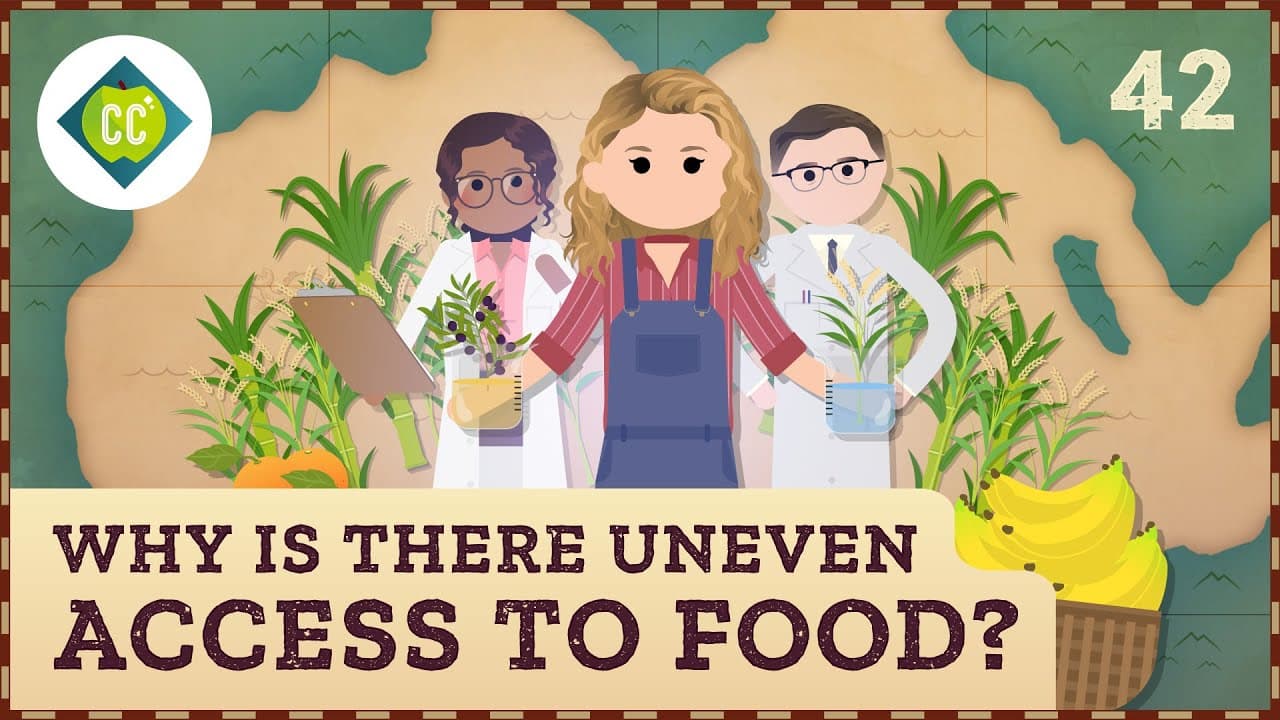
Miacademy & MiaPrep Learning ChannelMiacademy & MiaPrep Learning Channel

8mins 42s

Video
Defining Heroes and Traitors in American History

Defining Heroes and Traitors in American History

This educational video explores the complex and often subjective definitions of "hero" and "traitor" through three distinct case studies from American history. The narrator challenges students to look beyond simple definitions and consider how historical context, personal values, and perspective shape these labels. The video examines John Adams' controversial defense of British soldiers after the Boston Massacre, Colonel John Chivington's role in the horrific Sand Creek Massacre, and Carry Nation's radical "hatchetations" during the temperance movement. The video delves into deep ethical questions about justice, duty, and morality. It asks students to evaluate whether John Adams was a traitor to the colonial cause or a hero of justice for defending the enemy. It contrasts Chivington's self-proclaimed heroism in protecting settlers with the brutal reality of massacring peaceful Cheyenne and Arapaho people. Finally, it analyzes Carry Nation's crusade against alcohol, asking if her violent methods undermined her virtuous goals. Each segment includes pauses for reflection and specific guiding questions. Teachers can use this video to foster critical thinking and historical analysis skills. It serves as an excellent anchor for lessons on the American Revolution, Native American history, or the Prohibition era. By presenting historical figures who defy easy categorization, the video encourages students to engage with nuance and ambiguity. It is particularly useful for sparking debates about the rule of law, the ethics of war, and the validity of different protest methods.

Miacademy & MiaPrep Learning ChannelMiacademy & MiaPrep Learning Channel

11mins 30s

Video
How U.S. Foreign Policy Evolved: Isolationism to Imperialism

How U.S. Foreign Policy Evolved: Isolationism to Imperialism

This educational video explores the evolution of United States foreign policy throughout the 19th and early 20th centuries, using an engaging analogy of a teenager going through different life phases. The narrator breaks down complex political concepts into three main categories: Isolationism, Interventionism, and Imperialism. By comparing a nation's growth to human development, the video makes abstract historical strategies accessible and relatable for students.

Miacademy & MiaPrep Learning ChannelMiacademy & MiaPrep Learning Channel

12mins 18s

Video
Causes and Aftermath of the American Civil War

Causes and Aftermath of the American Civil War

This comprehensive educational video provides a detailed overview of the American Civil War, tracing its origins from deep-seated economic and political divisions between the North and South to the lasting impacts of the Reconstruction era. It uses a clear, inquiry-based structure centered around four guiding questions that explore the causes of the conflict, the specific events that triggered the outbreak of war, the human and financial toll of the fighting, and the major changes that occurred in the United States afterward. The content delves into complex historical themes, including the failure of political compromises like the Missouri Compromise and the Compromise of 1850, the legal ramifications of the Dred Scott decision, and the economic drivers behind slavery. It doesn't shy away from the harsh realities of the era, discussing the casualities of war, the assassination of President Lincoln, and the subsequent rise of Jim Crow laws that undermined the progress of the 13th Amendment. For educators, this video serves as an excellent anchor for a unit on the Civil War and Reconstruction. Its structured approach allows teachers to pause and discuss specific historical milestones, while the inclusion of maps, graphs, and primary source quotes offers multiple entry points for analysis. It effectively connects the political machinations of the 1850s to the social struggles of the post-war era, helping students understand the long-term consequences of this pivotal chapter in American history.

Miacademy & MiaPrep Learning ChannelMiacademy & MiaPrep Learning Channel

11mins 10s

Video
How Westward Expansion Divided America

How Westward Expansion Divided America

This educational video explores the complex history of Westward Expansion in the United States during the 19th century, linking the concept of Manifest Destiny to the eventual outbreak of the Civil War. It examines how the drive to settle the frontier was motivated by a desire for land, freedom, and the spread of democratic values, while simultaneously exposing deep hypocrisies regarding the treatment of Native Americans and the expansion of slavery. The narrator details the political mechanisms of statehood, such as the Northwest Ordinance, and explains how the addition of new territories upset the delicate balance of power in Congress. Key historical themes include the ideology of Manifest Destiny, the democratization of voting rights for white men, the forced removal of indigenous populations (Trail of Tears), and the economic entrenchment of slavery in the South. The video specifically highlights critical turning points like the Missouri Compromise of 1820 and the election of Abraham Lincoln, demonstrating how territorial growth fueled sectional tensions between the North and South. Ideally suited for middle and high school U.S. History curriculums, this video serves as an excellent primer on the causes of the Civil War. It encourages students to think critically about American values by contrasting the ideals of the Declaration of Independence with the realities of Indian Removal and slavery. Teachers can use the built-in guiding questions to facilitate class discussions on how geography shapes politics and how economic interests can drive social conflict.

Miacademy & MiaPrep Learning ChannelMiacademy & MiaPrep Learning Channel

11mins 23s

Video
How Sectionalism Divided America Before the Civil War

How Sectionalism Divided America Before the Civil War

This educational video provides a comprehensive analysis of the sectional differences between the Northern and Southern United States that precipitated the American Civil War. Moving beyond simple timelines, the narrator breaks down the conflict into three distinct categories: economic disparities, cultural divides, and conflicting political ideologies. The video uses the dramatic historical event of the caning of Senator Charles Sumner as a framing device to illustrate how deep the animosity had run by the 1850s. The content explores how the North's industrial economy, fueled by immigrant labor and government infrastructure, clashed with the South's agrarian, slave-based economy. It details how these economic realities created two distinct cultures: a mobile, urbanizing North versus a rigid, rural Southern hierarchy. Furthermore, it explains how these differences led to incompatible interpretations of the Constitution regarding state versus federal power and the rights of individuals. For educators, this video serves as an excellent foundational tool for a Civil War unit. It moves students beyond memorizing battles to understanding the structural causes of the war. The video includes built-in guiding questions and pause points, making it ready-made for interactive classroom viewing. It is particularly useful for teaching students how to categorize historical causes (economic, social, political) and analyze how regional differences can fracture a nation.

Miacademy & MiaPrep Learning ChannelMiacademy & MiaPrep Learning Channel

11mins 54s

Video
The History of Religion and Diversity in America

The History of Religion and Diversity in America

This educational video explores the evolution of the religious landscape in the United States, tracing the journey from a predominantly Protestant nation to a diverse "kaleidoscope" of faiths. The narrator guides students through three major historical phases: the dominance of Protestant Christianity reinforced by the Great Awakening, the diversification brought about by waves of immigration, and the challenges of discrimination faced by minority religious groups. Through clear definitions and historical examples, the video connects these past events to the modern cultural fabric of America. Key themes include the tension between religious freedom and societal discrimination, the impact of immigration on cultural demographics, and the role of religious revivals in American history. The video specifically highlights the Great Awakening's effect on Protestantism, the influx of Catholic and non-Christian immigrants in the 19th century, and a detailed case study on the antisemitism faced by Jewish immigrants. It emphasizes how legal protections like the First Amendment often conflicted with social realities. This resource is highly valuable for U.S. History and Civics classrooms. It provides a structured framework for understanding how American society became religiously diverse. Teachers can use the built-in pause points to facilitate analysis of primary sources (like Jonathan Edwards' sermons) or discuss the gap between constitutional ideals and historical practices. The video encourages critical thinking about tolerance, diversity, and the immigrant experience.

Miacademy & MiaPrep Learning ChannelMiacademy & MiaPrep Learning Channel

11mins 56s

Video
How Religion in America Evolved Through History

How Religion in America Evolved Through History

This educational video provides a comprehensive overview of the evolution of the religious landscape in the United States, tracing its roots from a predominantly Protestant colonial society to a diverse modern nation. The narrator uses relatable analogies to explain complex social dynamics before diving into key historical periods, specifically focusing on how the Great Awakening reinforced early Christian dominance and how subsequent waves of immigration introduced Catholicism, Judaism, and Eastern philosophies to the American cultural fabric. Key themes explored include the tension between the constitutional promise of religious freedom (the Free Exercise Clause) and the historical reality of discrimination faced by minority groups. The video presents case studies on Jewish immigrants fleeing antisemitism and Chinese immigrants arriving during the Gold Rush, highlighting both their contributions and the systemic barriers they encountered, such as the Immigration Act of 1924. It defines important concepts like "religious revival," "secularism," and "antisemitism" within their historical contexts. For educators, this video serves as an excellent resource for U.S. History and Civics units. It connects abstract constitutional rights to concrete historical events, allowing students to analyze demographic shifts and discuss the social impacts of immigration. The video features built-in pause points for document analysis activities, making it a ready-to-use tool for teaching about the First Amendment, the history of immigration policy, and the value of cultural diversity.

Miacademy & MiaPrep Learning ChannelMiacademy & MiaPrep Learning Channel

11mins 56s

Video
Women in the 19th Century: Reform and Rights

Women in the 19th Century: Reform and Rights

This fast-paced and informative history lesson explores the complex role of women in 19th-century United States history. Host John Green moves beyond the simple timeline of suffrage to examine the legal, social, and economic structures that defined women's lives, including the concepts of "coverture," "Republican Motherhood," and the "Cult of Domesticity." The video illustrates how American women, though legally barred from political participation, leveraged their perceived moral authority to drive massive social changes through reform movements like temperance and abolition. Key themes include the intersection of the abolitionist movement with the women's rights movement, the economic impact of the Market Revolution on gender roles, and the struggle against the legal doctrine of coverture. The video highlights key historical figures such as Elizabeth Cady Stanton, Lucretia Mott, Sojourner Truth, and the Grimké sisters, while explaining the strategic differences between various reform groups. For educators, this resource serves as an excellent synthesis of social history, connecting disparate events like the Seneca Falls Convention and the temperance movement into a cohesive narrative. It challenges students to understand historical agency, analyzing how disenfranchised groups found ways to exert political influence and reshape democratic institutions long before they secured the right to vote.

CrashCourseCrashCourse

13mins 11s

Video
Push and Pull: The Story of Internal Migration in the U.S.

Push and Pull: The Story of Internal Migration in the U.S.

This educational video explores the dynamics of internal migration within the United States during the 19th and 20th centuries through the lens of "push and pull" factors. The narrator uses a relatable opening scenario about moving for college to introduce the concepts of why people leave their homes (push factors) and what draws them to new locations (pull factors). The video then dives into three major historical case studies: the migration of the Latter-day Saints to Utah, the First Great Migration of Black Americans from the South to the North and West, and the Dust Bowl migration of "Okies and Arkies" to California. The content examines the specific social, economic, and political drivers for each group. For the Mormon migration, it highlights religious persecution and the search for a "promised land." For the Great Migration, it frankly discusses the impact of Jim Crow laws, KKK violence, and the economic allure of industrial jobs in the North, alongside cultural explosions like the Harlem Renaissance. Finally, it details the environmental and economic devastation of the Dust Bowl that forced families to travel Route 66 in search of agricultural work in the West. Teachers can use this video to help students understand that migration is rarely random; it is driven by specific historical forces. The video is particularly valuable for its interdisciplinary approach, connecting geography, sociology, and history. It encourages students to analyze primary sources, specifically highlighting the photography of Dorothea Lange, and fosters historical empathy by examining the human cost of displacement and the resilience required to start over.

Miacademy & MiaPrep Learning ChannelMiacademy & MiaPrep Learning Channel

10mins 49s

Video
Push, Pull, and Policy: The History of US Immigration

Push, Pull, and Policy: The History of US Immigration

This educational video provides a comprehensive historical overview of United States immigration and citizenship policies from the Early Republic through the mid-20th century. The narrator guides viewers through five distinct eras, examining how the definition of who belongs in America has evolved over time. The video begins with the etymology of the word "immigrate" and moves through key legislative milestones, including the Naturalization Act of 1790, the Chinese Exclusion Act of 1882, and the implementation of the quota system. The content explores complex themes such as push and pull factors for migration, the rise of industrialization, and the social backlashes known as nativism and xenophobia. It candidly discusses sensitive historical topics like the eugenics movement and how pseudoscientific racism influenced government policy, specifically through the biased Dillingham Commission. The video also highlights the contributions of immigrants to American culture and economy, balancing the narrative of restriction with one of opportunity and growth. For educators, this resource serves as an excellent anchor for units on US History, Civics, or Human Geography. It breaks down dense historical concepts into digestible segments using visual aids, primary source imagery, and clear definitions of academic vocabulary. The video encourages critical thinking about how historical definitions of race, ethnicity, and nationality were constructed and used to shape the demographics of the United States, providing a necessary context for understanding modern immigration debates.

Miacademy & MiaPrep Learning ChannelMiacademy & MiaPrep Learning Channel

11mins 56s

Video
How the Declaration of Independence Sparked a Continuous Revolution

How the Declaration of Independence Sparked a Continuous Revolution

This educational video explores the concept of the "unfinished revolution" in American history, arguing that the principles embedded in the Declaration of Independence created a framework for continuous social and political change. The narrator, Caroline, guides viewers through three major historical movements—the abolition of slavery, the labor movement, and the civil rights movement—demonstrating how each utilized the Declaration's ideals to challenge the status quo and expand democratic rights.

Miacademy & MiaPrep Learning ChannelMiacademy & MiaPrep Learning Channel

8mins 2s

Video
The Extraordinary Life and Legacy of Frederick Douglass

The Extraordinary Life and Legacy of Frederick Douglass

This episode of Crash Course Black American History explores the extraordinary life and legacy of Frederick Douglass, one of the most influential figures in American history. Hosted by Clint Smith, the video traces Douglass's journey from his birth into slavery in Maryland to his escape and subsequent rise as a world-renowned orator, writer, and abolitionist. It details the pivotal moments that shaped his worldview, including his covert education, his physical resistance against a "slave-breaker," and his escape to the North with the critical assistance of Anna Murray. The video delves into key themes such as the power of literacy as a tool for liberation, the strategic use of rhetoric to shift public opinion, and the complex political landscape of the mid-19th century. It highlights Douglass's career as an editor of *The North Star*, his advocacy for women's rights, and his influential relationship with Abraham Lincoln during the Civil War, where he pushed for Black enlistment as a path to citizenship. For educators, this resource serves as a powerful anchor for units on the Civil War, the abolitionist movement, or American literature. It humanizes a historical icon, moving beyond simple facts to explore his internal motivations, his partnership with his wife Anna, and his unwavering faith in the face of systemic oppression. The content naturally sparks discussions about resistance, the importance of education, and the definition of American citizenship.

CrashCourseCrashCourse

12mins 19s

Video
How Cotton Became King: The Economics of Slavery

How Cotton Became King: The Economics of Slavery

In this episode of Crash Course Black American History, Clint Smith explores the profound economic entanglement of the cotton industry and the institution of slavery in the United States. The video details how cotton became the first mass consumer commodity, transforming the U.S. into a global economic superpower while simultaneously entrenching the brutal system of chattel slavery. It explains how the invention of the cotton gin in 1793 by Eli Whitney inadvertently revitalized slavery by making cotton processing exponentially more efficient, leading to an insatiable demand for land and enslaved labor. The narrative expands beyond the Southern plantations to illustrate the complicity of the Northern United States and European powers, particularly Great Britain. Viewers learn that Northern banks, insurance companies, and textile mills were deeply invested in the cotton trade, debunking the myth that slavery was solely a Southern issue. The video highlights how the wealth generated by enslaved people fueled the Industrial Revolution and created economic disparities that persist today. Critically, the video connects historical events to modern sociological realities, specifically the racial wealth gap. Smith explains how centuries of unpaid labor, followed by systems like sharecropping and the denial of property rights, prevented Black families from building generational wealth. This resource is excellent for helping students understand the economic foundations of American history, the systemic nature of inequality, and the long-term consequences of historical policies on present-day society.

CrashCourseCrashCourse

12mins 11s

Video
The Evolution of American Political Parties

The Evolution of American Political Parties

This fast-paced educational video explores the history and evolution of political parties in the United States, breaking American history down into six distinct "party systems." Hosted by Craig Benzine, the video explains how the two major parties have constantly shifted their platforms, constituents, and identities over time, from the early Federalists and Democratic-Republicans to the modern Democratic and Republican parties. It highlights key historical elections that triggered major realignments, such as the election of 1860, 1896, 1932, and 1968. The content dives deep into the specific demographics that supported each party during different eras, explaining complex concepts like political realignment and the "New Deal Coalition." It clarifies why certain groups, such as African Americans and white Southerners, switched party allegiances during the 20th century. The video also discusses the role of third parties, noting that while they rarely win elections, they are crucial for introducing new policy ideas that are often later adopted by major parties. For educators, this video serves as an excellent tool for connecting US History with Government and Politics. It illustrates that current political divides are not static but are the result of historical contingencies. Classroom applications include analyzing electoral maps, discussing the impact of the Civil Rights Movement on politics, and evaluating the effectiveness of the two-party system compared to third-party movements.

CrashCourseCrashCourse

10mins 48s

Video
Using Revolutionary Traditions to Create Social Change

Using Revolutionary Traditions to Create Social Change

This educational video explores how the core principles of the United States' founding documents—the Declaration of Independence and the Constitution—created a "revolutionary tradition" that has been utilized by marginalized groups to effect social change. It defines key concepts like popular sovereignty, natural rights, and the distinction between suffrage (voting) and mass democracy (participation outside the voting booth). The video argues that these founding ideals provide a "measuring stick" against which society can be judged and improved.

Miacademy & MiaPrep Learning ChannelMiacademy & MiaPrep Learning Channel

12mins 18s

Video
How Slavery Caused the Civil War

How Slavery Caused the Civil War

This fast-paced educational video explores the complex causes leading up to the American Civil War, arguing definitively that slavery was the primary driver of the conflict. Host John Green breaks down the tumultuous decade of the 1850s, detailing how legislative attempts to manage the expansion of slavery—such as the Fugitive Slave Law and the Kansas-Nebraska Act—ultimately increased sectional tensions rather than resolving them. The video also examines the collapse of the existing political party system and the rise of the Republican Party. Key themes include the concept of "Slave Power" (the fear of a pro-slavery conspiracy in government), the failure of popular sovereignty, and the legal stripping of rights from African Americans through the Dred Scott decision. The narrative connects economic interests, such as the building of transcontinental railroads, to political decisions that inflamed the slavery debate. It also highlights the violent precursors to the war, specifically "Bleeding Kansas" and John Brown's raid on Harpers Ferry. For educators, this video serves as an excellent synthesis of the events between 1850 and 1860. It moves beyond simple timelines to explain *why* these events polarized the nation. It provides rich opportunities to discuss the role of the Supreme Court, the impact of third-party candidates in the election of 1860, and the moral versus political arguments regarding slavery. It is an ideal resource for reviewing the antebellum period or sparking debates about the inevitability of the war.

CrashCourseCrashCourse

14mins 16s

Video
The Dred Scott Decision: A Fight for Freedom and Citizenship

The Dred Scott Decision: A Fight for Freedom and Citizenship

This educational video from Crash Course Black American History provides an in-depth analysis of the landmark Supreme Court case *Dred Scott v. Sandford*. Hosted by Clint Smith, the video explores the life of Dred Scott, an enslaved man who sued for his freedom after living in free territories, and the complex legal battle that ensued. It details the journey of the case from local St. Louis courts to the highest court in the land, setting the stage for one of the most consequential legal decisions in American history. The video examines key themes including the definition of citizenship, the legal status of enslaved people, and the intense political tensions between free and slave states during the 1850s. It breaks down Chief Justice Roger Taney's infamous majority opinion, which not only denied Scott his freedom but also declared that Black people could not be citizens and that Congress had no authority to ban slavery in the territories. The narrative connects these legal rulings to the acceleration of the American Civil War and the lasting legacy of systemic racism. For educators, this resource serves as a crucial tool for teaching the causes of the Civil War, the history of the Supreme Court, and the evolution of civil rights in America. It helps students understand how legal precedents can shape social realities and offers a clear explanation of complex concepts like the Missouri Compromise and the 14th Amendment. The video concludes by connecting the 1857 ruling to broader sociological impacts on Black Americans and immigrants, providing rich material for classroom discussions on justice and equality.

CrashCourseCrashCourse

11mins 36s

Video
19th Century Reforms: Utopias, Temperance, and Abolition

19th Century Reforms: Utopias, Temperance, and Abolition

This fast-paced and engaging educational video explores the sweeping religious and social reform movements of 19th-century America. Host John Green connects the rapid economic shifts of the Market Revolution to the rise of the Second Great Awakening, explaining how religious fervor translated into attempts to perfect society. The video covers a wide array of topics including the emergence of Utopian communities like the Shakers and Mormons, the push for public education, the temperance movement against alcohol, and the building of asylums.

CrashCourseCrashCourse

14mins 47s

Video
How US Expansion Reshaped the Environment

How US Expansion Reshaped the Environment

This educational video explores the profound environmental consequences of United States westward expansion and industrial development from the 19th century through the 1930s. Using the dramatic backdrop of the Dust Bowl as a hook, the narrator guides viewers through a historical journey that examines how human settlement, farming practices, and resource extraction altered the physical landscape. The video connects historical events like the decimation of the bison population and the clearing of forests in the Pacific Northwest to ecological principles, illustrating the direct link between human activity and environmental health. Key themes include the interaction between humans and their environment, the unintended consequences of technological and agricultural progress, and the rise of the conservation movement. The video specifically highlights the causes of the Dust Bowl, the ecological role of keystone species like bison and bees, and the political response to environmental degradation led by figures like Theodore Roosevelt. It contrasts the destructive practices of the era with the establishment of the National Park system, fostering a discussion on stewardship and sustainability. For educators, this resource serves as an excellent bridge between Social Studies and Science curriculums. It effectively visualizes abstract historical concepts through primary source photography and engaging reenactments, making the environmental costs of expansion tangible for students. The built-in pause points and guiding questions provide ready-made opportunities for classroom discussion, checking for understanding, and critical thinking about how past environmental decisions continue to shape our world today.

Miacademy & MiaPrep Learning ChannelMiacademy & MiaPrep Learning Channel

11mins 57s

Video
Debunking Misconceptions About Indigenous History

Debunking Misconceptions About Indigenous History

This educational video critically examines and corrects persistent historical misconceptions regarding Indigenous civilizations in North America. It begins by contrasting 19th-century historian George Bancroft's dismissive view of Native Americans with archaeological evidence of complex societies. The host guides viewers through an analysis of how outdated textbooks have perpetuated the false ideas that Indigenous peoples lacked concepts of property ownership and social class, using specific examples from the Mississippian and Wampanoag cultures to demonstrate their sophisticated societal structures. The video delves into the historical patterns of colonization, specifically the cycle of treaty-making and breaking that facilitated westward expansion. Through detailed map analysis, it visualizes the rapid displacement of the Wampanoag people and later the Muscogee (Creek) Nation. The narrative explores the complex relationship between Indigenous groups and the U.S. government, highlighting the Creek War, the Battle of Horseshoe Bend, and the rhetoric used by figures like Andrew Jackson to justify forced removal and the Trail of Tears. Designed for middle and high school history classrooms, this resource serves as an excellent tool for teaching historical thinking skills and source analysis. It encourages students to question historical narratives, recognize bias in secondary sources, and understand the diversity and complexity of pre-colonial and colonial-era Indigenous cultures. The video provides a framework for discussing difficult topics like displacement and cultural erasure while emphasizing the resilience and sophisticated nature of Native American societies.

Miacademy & MiaPrep Learning ChannelMiacademy & MiaPrep Learning Channel

12mins 13s

Video
How Leadership Styles Shaped the Mughal Empire

How Leadership Styles Shaped the Mughal Empire

This educational video presents a comparative case study of two major emperors of the Mughal Empire in India: Akbar and Aurangzeb. It begins by contextualizing the Mughal Empire within the "First Global Age," mentioning contemporaries like the Ottomans, Ashanti, Tokugawa Shogunate, and Qing Dynasty. The narrative then focuses on how these two specific leaders managed the immense challenge of governing a vast, religiously and culturally diverse population. The video contrasts Akbar's policies of religious tolerance, cultural integration, and decentralized administration with Aurangzeb's later approach of strict centralization, religious orthodoxy, and relentless military expansion. Key themes explored include the impact of leadership styles on political stability, the role of religious tolerance in unifying diverse populations, and the economic consequences of continuous warfare. The video delves into specific historical examples, such as Akbar's "Divine Faith" discussions and tax reforms versus Aurangzeb's imposition of Islamic law and the reinstatement of taxes on non-Muslims. It highlights the direct correlation between these administrative choices and the empire's rise and eventual decline. For educators, this video serves as an excellent tool for teaching cause-and-effect in history and comparative governance. It transforms abstract political concepts into concrete examples by pitting two distinct ruling philosophies against one another. The content encourages critical thinking by asking students to evaluate which leadership style was more effective and why, making it highly applicable for units on World History, Asian Studies, or Civics. The clear visual aids, including maps and historical miniature paintings, help students visualize the geography and culture of the period.

Miacademy & MiaPrep Learning ChannelMiacademy & MiaPrep Learning Channel

9mins 50s

Video
Exploring the Geography and Cultures of East and Southeast Asia

Exploring the Geography and Cultures of East and Southeast Asia

This comprehensive educational video takes students on a geographic and cultural journey through East and Southeast Asia. The lesson begins by identifying the specific nations that make up these two distinct regions, from the steppes of Mongolia to the archipelagos of Indonesia. It provides a historical overview that touches on ancient civilizations, the Silk Road, European colonization, and the political shifts of the 20th century, including the rise of communism in China, North Korea, and Vietnam.

Miacademy & MiaPrep Learning ChannelMiacademy & MiaPrep Learning Channel

10mins 22s

Video
Introduction to South and East Asia: Following Marco Polo

Introduction to South and East Asia: Following Marco Polo

This engaging educational video serves as an introduction to a geography and history unit focused on South and East Asia. The presenter uses the historical narrative of Marco Polo's 24-year journey to frame the vastness and mystery of the region for students. By drawing a parallel between a student's first day at a new school and Marco Polo's encounter with foreign cultures, the video helps viewers empathize with the concept of "culture shock" and sensory overload, making distant historical events personally relatable.

Miacademy & MiaPrep Learning ChannelMiacademy & MiaPrep Learning Channel

4mins 57s

Video
How Humans Harnessed Energy to Build Civilization

How Humans Harnessed Energy to Build Civilization

Hosted by Stan Muller, this episode of Crash Course World History explores the fundamental history of human energy consumption based on Alfred Crosby's book "Children of the Sun." The video traces humanity's journey from relying solely on muscle power to mastering fire, domesticating plants and animals, and eventually unlocking the massive energy stores within fossil fuels. It explains how these advancements allowed for civilization building, from the pyramids to modern metropolises, while emphasizing that almost all energy sources ultimately originate from the sun. The video covers key historical turning points including the Agricultural Revolution, the Industrial Revolution, and the modern reliance on electricity and the internal combustion engine. It provides a balanced look at different fuel sources—wood, coal, oil, and nuclear power—analyzing their efficiency, historical impact, and downsides. Significant attention is given to the exponential increase in energy usage since 1850 and the geopolitical and environmental consequences of this shift. For educators, this resource bridges the gap between science and history, demonstrating how physical laws (thermodynamics) shape human progress. It is an excellent tool for discussing the Anthropocene, the trade-offs of technological advancement, and the complex challenge of sustainability. The video sets up discussions on climate change, resource management, and the future of energy, making it highly relevant for both social studies and environmental science curriculums.

CrashCourseCrashCourse

7mins 21s

Video
Comparing Mughal Emperors: Akbar vs. Aurangzeb

Comparing Mughal Emperors: Akbar vs. Aurangzeb

In this installment of Crash Course World History, John Green explores the history of the Mughal Empire in India, focusing specifically on the contrasting reigns and reputations of two of its most famous emperors: Akbar and Aurangzeb. The video moves beyond a simple timeline of events to examine how the empire was consolidated through administration, taxation, and military might, while also highlighting the cultural blending of Persian and Indian traditions that characterized the period. The core of the video is a historiographical analysis of how history is remembered versus how it actually happened. It challenges the traditional narrative that paints Akbar as the "good, tolerant" ruler and Aurangzeb as the "bad, intolerant" zealot who destroyed the empire. By presenting evidence that complicates these reputations—such as Akbar's brutality in war and Aurangzeb's pragmatic financial decisions—the video encourages viewers to question historical biases. This resource is highly valuable for teaching students not just about Indian history, but about the study of history itself. It demonstrates how modern political contexts (like anti-imperialism and Hindu nationalism) shape our understanding of the past. Teachers can use this video to introduce concepts of historiography, bias, and the complex nature of ruling a diverse empire.

CrashCourseCrashCourse

11mins 44s

Video
How the Scientific Revolution Changed the World

How the Scientific Revolution Changed the World

This educational video provides a comprehensive overview of the Scientific Revolution during the Renaissance, tracing its roots from the Islamic Golden Age to its profound impact on European society and the modern world. The narrative explains how the shift from relying on tradition and religious authority to using observation, experimentation, and reason transformed humanity's understanding of the universe. It highlights the interconnectedness of global history by acknowledging the crucial role Islamic scholars played in preserving and advancing Greek and Roman knowledge, which later fueled European scientific breakthroughs. The video profiles key historical figures including Ibn al-Haytham and Al-Khwarizmi from the Islamic world, and Copernicus, Galileo, and Isaac Newton from Europe. It details their specific contributions—from the development of algebra and optics to the heliocentric theory and the laws of gravity. Beyond the science, the video explores the ripple effects of these discoveries, explaining how the scientific method influenced navigation, global trade, economic power, and even political philosophies leading to democracy and human rights. This resource is highly valuable for World History, Science, and Social Studies classrooms. It encourages interdisciplinary learning by connecting scientific progress with political and social change. Teachers can use this video to teach the importance of critical thinking, the value of cross-cultural knowledge exchange, and the historical struggle between established authority and new evidence-based ideas.

Miacademy & MiaPrep Learning ChannelMiacademy & MiaPrep Learning Channel

12mins 40s

Video
Discovering the Golden Age of Ancient China

Discovering the Golden Age of Ancient China

This educational video explores the reunification and subsequent "Golden Age" of Ancient China under the Sui and Tang dynasties. Narrated by Mia, it takes students on a journey through a timeline of chaos following the Han Dynasty to the stability established by the Sui. The video details significant technological advancements, including the Four Great Inventions (gunpowder, paper, printing, and the compass) and the construction of the massive Grand Canal, highlighting how these innovations connected the world and fueled economic growth. The content dives deep into the cultural explosion of the Tang Dynasty, showcasing its poetry, landscape paintings, ceramics, music, and cuisine. It emphasizes the aesthetic and social values of the time, illustrating how art and daily life were intertwined. Furthermore, the video addresses the philosophical and religious landscape of the era, specifically examining how Buddhism and Confucianism coexisted and complemented one another to guide social behavior and spiritual life. This resource is highly valuable for World History curriculums, offering a clear, engaging overview of a complex historical period. It provides opportunities to discuss the impact of technology on society, the role of infrastructure in economic development, and the syncretism of religious beliefs. Teachers can use the embedded questions to check for understanding and the rich visuals of artifacts and maps to anchor lessons on geography and art history.

Miacademy & MiaPrep Learning ChannelMiacademy & MiaPrep Learning Channel

10mins 10s

Video
How Industrialization Revolutionized the World

How Industrialization Revolutionized the World

This educational video provides a comprehensive overview of how industrialization spread globally during the 19th century, focusing specifically on the United States, Germany, and Japan. It begins by defining the common characteristics of industrialization, such as technological innovation, urbanization, and the shift to manufacturing economies. The video then breaks down the mechanisms of how industrial knowledge transferred across borders, including immigration, foreign investment, and the threat of imperialism.

Miacademy & MiaPrep Learning ChannelMiacademy & MiaPrep Learning Channel

11mins 55s

Video
How Shoguns and Samurai Shaped Feudal Japan

How Shoguns and Samurai Shaped Feudal Japan

This educational video explores the history of Feudal Japan, focusing on the rise of the Shogunate and the pivotal roles played by samurai warriors and powerful military leaders. The video details the structure of Japanese feudal society, comparing it to European feudalism, and explains the hierarchy from the Emperor and Shogun down to the peasants. It specifically highlights the contributions of key historical figures like Oda Nobunaga and Tokugawa Ieyasu in unifying the country. The content covers essential historical concepts such as the Bushido code, the power dynamics between the Emperor and the Shogun, and the strategic military and economic reforms that transitioned Japan from a state of constant civil war to the peaceful Edo Period. Viewers learn about specific strategies used to consolidate power, such as the use of firearms, economic control over trade, and the 'alternate attendance' policy that kept regional lords in check. Teachers can use this video to introduce world history units on Japan, comparative government systems, or military strategy. The video includes built-in pause points with questions that encourage critical thinking about political structures and leadership. It serves as an excellent visual aid for explaining complex social hierarchies and provides a clear narrative of how Japan moved from fragmentation to unification.

Miacademy & MiaPrep Learning ChannelMiacademy & MiaPrep Learning Channel

12mins 2s

Video
How Absolutism Rose in Russia, India, and Japan

How Absolutism Rose in Russia, India, and Japan

This educational video explores the rise and structure of absolutist states in the East during the early modern period, offering a comparative analysis to the more commonly taught European absolute monarchies. It focuses on three major powers: Peter the Great's Russia, the Mughal Empire in India, and the Tokugawa Shogunate in Japan. The video examines how each of these empires centralized power, dealt with internal and external threats, and established unique forms of governance in the wake of the Mongol Empire's influence and local conflicts.

Miacademy & MiaPrep Learning ChannelMiacademy & MiaPrep Learning Channel

13mins 40s

Video
Touring the Seven Wonders of the World

Touring the Seven Wonders of the World

This educational video takes students on a virtual tour of seven of the most famous architectural and historical landmarks across the globe. Hosted by Kaleigh, the video provides a structured overview of the Roman Colosseum, Chichen Itza, the Pyramids of Giza, the Great Wall of China, Machu Picchu, Petra, and the Taj Mahal. For each location, the video highlights its geographical location on a world map, the dates of its construction, and its original historical purpose.

Miacademy & MiaPrep Learning ChannelMiacademy & MiaPrep Learning Channel

4mins 56s

Video
The Rise and Fall of the Mongol Empire in China

The Rise and Fall of the Mongol Empire in China

This educational video provides a comprehensive overview of the Mongol conquest of China, tracing the rise of the Mongol Empire from Genghis Khan's initial attacks on the Great Wall to the establishment of the Yuan Dynasty under Kublai Khan. It explores the military strategies used to breach Chinese defenses, the administrative innovations implemented to rule such a vast territory, and the eventual fall of the empire due to rebellion. The narrative highlights how a nomadic warrior culture adapted to govern a sophisticated civilization. Key themes include the synthesis of Mongol and Chinese cultures, the importance of infrastructure like the relay station system, and the revitalization of the Silk Road. The video details how Mongol rule facilitated a "Pax Mongolica" that allowed for unprecedented trade and cultural exchange between East and West, bringing Chinese inventions like paper money and gunpowder to Europe while introducing western goods and ideas to China. It also covers the pre-existing Tang and Song dynasties to provide historical context. For educators, this video serves as an excellent core resource for World History units on Ancient China or the Mongol Empire. It features built-in pause points with inquiry-based questions that encourage students to think critically about military strategy, governance, and the economic impact of global trade networks. The content bridges geography, economics, and history, making it suitable for interdisciplinary lessons on how infrastructure and tolerance can impact the success of an empire.

Miacademy & MiaPrep Learning ChannelMiacademy & MiaPrep Learning Channel

12mins 18s

Video
How Water Engineered the Maya and Khmer Civilizations

How Water Engineered the Maya and Khmer Civilizations

In this episode of Crash Course World History, John Green explores the critical role of water management in the rise and fall of classical civilizations, shifting the focus from war and gold to hydraulic engineering. The video specifically examines the Maya civilization in the Yucatan Peninsula and the Khmer Empire in Southeast Asia, demonstrating how their mastery of water allowed them to flourish in difficult environments and how their reliance on these complex systems eventually contributed to their collapse.

CrashCourseCrashCourse

11mins 9s

Video
How the Mandate of Heaven Shaped China

How the Mandate of Heaven Shaped China

This fast-paced educational video explores over 2,000 years of Chinese history, focusing on the continuity of the Chinese state through the dynastic system. Host John Green explains how China was the first modern state with a centralized government and bureaucratic corps, maintaining a similar structure from 150 BCE until 1911 CE. The video breaks down the concept of a dynasty, touches upon the exception of Empress Wu, and provides a rapid-fire timeline of the major Chinese dynasties from the Shang to the Qing.

CrashCourseCrashCourse

12mins 12s

Video
The Monsoon Marketplace: How Winds Shaped Indian Ocean Trade

The Monsoon Marketplace: How Winds Shaped Indian Ocean Trade

This fast-paced video from Crash Course World History explores the Indian Ocean Trade network, humorously dubbed "The Monsoon Marketplace." Host John Green explains how this maritime network, active between 700 and 1500 CE, was in many ways richer and more diverse than the famous Silk Road. The video details how predictable monsoon winds facilitated lower-risk travel, allowing for the transport of bulk goods like timber and foodstuffs, which transformed the global economy from a luxury-only market to a mass market. The content covers key themes including economic interdependence, the diffusion of technology (such as the magnetic compass, astrolabe, and lateen sail), and cultural exchange, specifically the spread of Islam to Indonesia. It also highlights the rise and fall of powerful merchant city-states like Srivijaya and the Swahili Coast, demonstrating how geography and trade routes can build empires without the need for vast conquering armies. For educators, this video is an excellent tool to teach the interconnectedness of the medieval world. It challenges the "Great Man" theory of history by focusing on systems and merchants rather than kings and wars. It provides a springboard for lessons on economic geography, the relationship between environment and history, and the peaceful spread of religion through commerce.

CrashCourseCrashCourse

10mins 15s

Video
The Rise and Fall of the Mongol Empire

The Rise and Fall of the Mongol Empire

This fast-paced, engaging video from Crash Course World History explores the rise, reign, and complex legacy of the Mongol Empire. Host John Green challenges common stereotypes of the Mongols as mere "barbarians" by examining their significant contributions to world history, including the revitalization of cross-Eurasian trade, the establishment of international communication systems, and their surprising religious tolerance. The video details the life of Genghis Khan, his military innovations, and how a group of nomadic pastoralists managed to conquer more territory in 25 years than the Romans did in 400 years. The narrative balances the Mongols' achievements with their brutality, offering a nuanced historical perspective. Key themes include the clash between nomadic and settled societies, the mechanics of empire-building, military strategy, and the unintended consequences of globalization, such as the spread of the Black Death. The video is structured around arguments for why the Mongols were "awesome" (modernizers) and arguments for why they were not (destruction and slaughter), encouraging critical thinking about how historians evaluate the past. For educators, this video serves as an excellent anchor for units on the Post-Classical era, the Silk Road, or empire-building. It provides a perfect setup for classroom debates regarding the morality of conquest versus the benefits of unified rule. The content moves quickly and uses humor and animation to make complex historical concepts accessible, making it an ideal tool for sparking student interest and deepening understanding of one of history's largest contiguous empires.

CrashCourseCrashCourse

11mins 31s

Video
How Japan Became an Imperial Power in the Meiji Era

How Japan Became an Imperial Power in the Meiji Era

This educational video provides a comprehensive overview of Japan's transformation during the Meiji Era, detailing how it evolved from an isolated feudal state into a major modern imperial power. It begins by exploring the cultural and political "Westernization" of Japan, including the adoption of Western constitutions, educational systems, and military technologies, symbolized by the creation of the national anthem "Kimigayo" and the construction of the Rokumeikan. The narrative explains the strategic decisions made by Emperor Meiji to modernize in order to compete with Western nations and avoid colonization. The video then shifts focus to Imperial Japan's aggressive expansion into Asia. It covers key historical events including the annexation of Okinawa and the forced assimilation of the Ryukyu people, the First Sino-Japanese War over control of Korea, and the Russo-Japanese War. The content highlights the motivations behind this expansion, such as the desire for resources, security, and international prestige, while also addressing the racial tensions of the era, specifically the concept of the "Yellow Peril" feared by Western powers. For educators, this resource serves as an excellent case study of non-Western industrialization and imperialism. It connects directly to curriculum standards regarding the rise of nation-states, the causes of global conflicts, and the impacts of colonialism. The video provides clear maps, historical photographs, and primary source references (like letters between monarchs) that can spark deep classroom discussions about modernization versus Westernization, the ethics of assimilation, and the geopolitical alliances that set the stage for World War I.

Miacademy & MiaPrep Learning ChannelMiacademy & MiaPrep Learning Channel

9mins 58s

Video
How the Opium Wars and Western Imperialism Transformed China

How the Opium Wars and Western Imperialism Transformed China

This educational video provides a comprehensive overview of China's turbulent history during the 19th century, focusing on the transition from isolationism to forced economic openness. It details the causes and consequences of the Opium Wars, illustrating how the British demand for tea and the Chinese demand for silver led to the illicit opium trade. The video further explores the internal instability caused by the Taiping Rebellion and the external pressures exerted by Western powers through spheres of influence and the Open Door Policy. Key historical themes include imperialism, global trade imbalances, the concept of "free trade" versus protectionism, and the rise of nationalism. The video analyzes the clash between China's traditional self-sufficiency and Europe's industrial expansion, highlighting major events like the Treaty of Nanjing and the Self-Strengthening Movement. It specifically connects these historical events to economic concepts like capitalism and socialism, providing a multidisciplinary perspective. For educators, this resource serves as an excellent anchor for units on New Imperialism or Asian History. It simplifies complex geopolitical relationships using clear maps and visual aids, making it accessible for middle and high school students. The video includes built-in pause points with guiding questions that encourage students to evaluate the ethical implications of the opium trade and the effectiveness of China's resistance strategies.

Miacademy & MiaPrep Learning ChannelMiacademy & MiaPrep Learning Channel

10mins 2s

Video
The Global Ripple Effect of the Renaissance

The Global Ripple Effect of the Renaissance

This educational video explores the global impact of the Renaissance using the metaphor of a "ripple effect." Moving beyond the traditional focus on European art, the narrator explains how Renaissance principles of realism, perspective, and humanism spread to the Americas, Africa, and Asia through trade, exploration, and the invention of the printing press. The video illustrates how these ideas blended with local traditions to create unique cultural syntheses in architecture, art, and science. The content highlights specific examples of this cultural exchange, such as the blending of indigenous and European styles in Mexican churches, the influence of realism on Benin bronzes in West Africa, and the scientific exchanges with the Ottoman, Mughal, and Chinese empires. It also delves into how the philosophy of humanism challenged traditional authority structures, influencing leaders like Mughal Emperor Akbar and eventually sparking political changes that led to democratic movements, including the American Revolution. For educators, this video serves as an excellent tool to teach World History beyond a Eurocentric lens. It connects disparate regions through the theme of globalization and cultural diffusion. Teachers can use the specific examples provided—like the Taj Mahal or the US Capitol building—to help students visualize how historical events in one region can shape the cultural and physical landscape of the entire world.

Miacademy & MiaPrep Learning ChannelMiacademy & MiaPrep Learning Channel

12mins 39s

Video
The Golden Age of Heian Japan and The Tale of Genji

The Golden Age of Heian Japan and The Tale of Genji

In this installment of Crash Course World History, John Green explores the Heian Period of Japan (782–1167 CE), a golden age of culture, art, and literature that stands in stark contrast to the feudal warrior culture often associated with medieval Japan. Rather than focusing on samurai and battles, the video delves into the lives of the 'ultra-elite' aristocracy who governed the country through rigorous ceremony and ritual while obsessing over aesthetics, poetry, and the impermanence of beauty. Special attention is given to the profound influence of Chinese culture and Buddhism on the Japanese court during this era. A significant portion of the video analyzes the unique role of women in Heian society, highlighting key literary figures like Murasaki Shikibu, author of 'The Tale of Genji', and Sei Shonagon. Green examines how, despite living in a strict patriarchy with severe physical constraints, these aristocratic women dominated the literary landscape and provided the primary historical lens through which we view the era. The video contrasts the political and economic inefficiencies of the Heian state—characterized by tax-free manors and a ceremonial government—with its enduring cultural achievements. This resource is highly valuable for World History and Literature classrooms. It challenges Eurocentric views of the 'Middle Ages' by presenting a sophisticated, non-Western society that flourished simultaneously. It provides an excellent case study for analyzing 'history through literature,' discussing how fictional narratives can reveal social truths about class, gender dynamics, and cultural values that official government records often omit. Teachers can use this video to discuss cultural diffusion, social hierarchies, and the concept of historiography.

CrashCourseCrashCourse

13mins 33s

Video
Causes and Global Consequences of the Great Depression

Causes and Global Consequences of the Great Depression

This educational video provides a comprehensive overview of the Great Depression, examining its root causes, the mechanisms of the economic collapse, and the subsequent global impact. It moves beyond the stock market crash to explore structural weaknesses in the 1920s economy, such as income inequality and agricultural overproduction, while explaining complex financial concepts like "buying on margin" in accessible terms. The video illustrates the cyclical nature of economic depression, showing how a downturn in one sector led to layoffs and reduced consumption, spiraling into a wider crisis. It also highlights the international scope of the Depression, connecting American bank failures to economic struggles in Europe, Asia, and Latin America. This global perspective helps students understand the interconnectedness of modern economies. Finally, the video compares how different nations responded to the crisis, contrasting the approaches of Great Britain and Scandinavia with Franklin D. Roosevelt's "New Deal" in the United States. This comparative analysis makes it an excellent resource for history and economics classrooms, offering teachers a solid foundation for discussing government intervention, economic policy, and the resilience of democratic institutions during times of crisis.

Miacademy & MiaPrep Learning ChannelMiacademy & MiaPrep Learning Channel

11mins 15s

Video
The Real Causes of the Great Depression

The Real Causes of the Great Depression

In this installment of Crash Course US History, John Green explores the complex causes and devastating effects of the Great Depression. The video challenges the common misconception that the Stock Market Crash of 1929 was the sole cause of the economic collapse, instead presenting it as a symptom of deeper structural issues. Green details the perfect storm of factors that led to the crisis, including America's weak banking system, the freezing of credit, massive agricultural overproduction, and the tangled web of international debt and reparations following World War I. The narrative examines the response of the Hoover administration, critiquing the inadequacy of relying on volunteerism and limited government intervention in the face of unprecedented economic failure. It explains difficult economic concepts like deflation and the gold standard in accessible terms, using analogies to help students grasp why the economy ground to a halt. The video also highlights the profound social impact of the Depression, discussing the rise of "Hoovervilles," the bonus marchers, and the disproportionate effect on minority communities. For educators, this video serves as a crucial resource for moving students beyond a superficial understanding of the 1930s. It provides a platform to discuss the role of government in stabilizing economies, the difference between correlation and causation in history, and the human cost of macroeconomic failure. The content bridges the gap between the Roaring Twenties and the New Deal, setting the stage for understanding the massive expansion of federal power that followed.

CrashCourseCrashCourse

14mins 27s

Video
Push and Pull: The Story of Internal Migration in the U.S.

Push and Pull: The Story of Internal Migration in the U.S.

This educational video explores the dynamics of internal migration within the United States during the 19th and 20th centuries through the lens of "push and pull" factors. The narrator uses a relatable opening scenario about moving for college to introduce the concepts of why people leave their homes (push factors) and what draws them to new locations (pull factors). The video then dives into three major historical case studies: the migration of the Latter-day Saints to Utah, the First Great Migration of Black Americans from the South to the North and West, and the Dust Bowl migration of "Okies and Arkies" to California. The content examines the specific social, economic, and political drivers for each group. For the Mormon migration, it highlights religious persecution and the search for a "promised land." For the Great Migration, it frankly discusses the impact of Jim Crow laws, KKK violence, and the economic allure of industrial jobs in the North, alongside cultural explosions like the Harlem Renaissance. Finally, it details the environmental and economic devastation of the Dust Bowl that forced families to travel Route 66 in search of agricultural work in the West. Teachers can use this video to help students understand that migration is rarely random; it is driven by specific historical forces. The video is particularly valuable for its interdisciplinary approach, connecting geography, sociology, and history. It encourages students to analyze primary sources, specifically highlighting the photography of Dorothea Lange, and fosters historical empathy by examining the human cost of displacement and the resilience required to start over.

Miacademy & MiaPrep Learning ChannelMiacademy & MiaPrep Learning Channel

10mins 49s

Video
How the New Deal Transformed the Role of Government

How the New Deal Transformed the Role of Government

In this installment of Crash Course US History, John Green explores the complex legacy of Franklin D. Roosevelt's New Deal. The video breaks down the massive set of government programs initiated during the Great Depression into two conceptual frameworks: the "Three Rs" (Relief, Recovery, and Reform) and the chronological division between the First and Second New Deals. It examines how these programs fundamentally shifted the relationship between the American citizenry and the federal government, moving from a laissez-faire approach to one where economic security became a guaranteed liberty.

CrashCourseCrashCourse

14mins 57s

Video
The History and Ethics of the Tuskegee Syphilis Study

The History and Ethics of the Tuskegee Syphilis Study

This educational video from Crash Course Black American History, hosted by Clint Smith, provides a comprehensive examination of the Tuskegee Syphilis Study (1932-1972). It details how the United States Public Health Service recruited 600 Black men in Macon County, Alabama, under the guise of receiving free health care, only to withhold life-saving treatment for syphilis to observe the disease's progression. The video explores the historical context of scientific racism that fueled the study, the specific unethical methodologies employed, and the devastating impact on the men, their families, and the broader Black community's trust in the medical system. The narrative delves into the complex layers of the study, including the role of the Great Depression and poverty in coercing participation, the lack of informed consent, and the involvement of Black medical professionals like Nurse Eunice Rivers. It highlights the eventual exposure of the study by whistleblower Peter Buxtun in 1972, the subsequent class-action lawsuit led by Fred Gray, and the resulting changes in medical ethics laws, including the National Research Act of 1974 and the establishment of Institutional Review Boards. For educators, this video is a powerful tool for teaching about bioethics, civil rights history, and systemic racism in healthcare. It connects historical events to contemporary issues, such as medical mistrust and health disparities, encouraging students to think critically about the responsibilities of scientific institutions. The video serves as a case study for understanding the importance of informed consent and the long-term sociological effects of unethical government actions.

CrashCourseCrashCourse

13mins 48s

Video
How the Declaration of Independence Sparked a Continuous Revolution

How the Declaration of Independence Sparked a Continuous Revolution

This educational video explores the concept of the "unfinished revolution" in American history, arguing that the principles embedded in the Declaration of Independence created a framework for continuous social and political change. The narrator, Caroline, guides viewers through three major historical movements—the abolition of slavery, the labor movement, and the civil rights movement—demonstrating how each utilized the Declaration's ideals to challenge the status quo and expand democratic rights.

Miacademy & MiaPrep Learning ChannelMiacademy & MiaPrep Learning Channel

8mins 2s

Video
How Labor Unions Fought for the 8-Hour Workday

How Labor Unions Fought for the 8-Hour Workday

This educational video provides a comprehensive overview of the history and impact of labor unions in the United States, specifically focusing on the movement for the eight-hour workday. It traces the journey from the harsh working conditions of the 19th century—where sixteen-hour days were common—to the federal legislation that established modern labor standards under the New Deal. The video explains key concepts such as collective bargaining, strikes, and the role of major organizations like the American Federation of Labor.

Miacademy & MiaPrep Learning ChannelMiacademy & MiaPrep Learning Channel

9mins 18s

Video
How World War II Transformed the American Home Front

How World War II Transformed the American Home Front

In this installment of Crash Course US History, John Green explores how World War II transformed the United States domestically, shifting the focus from the battlefields abroad to the dramatic social and economic changes occurring on the home front. The video details how the war acted as a catalyst for ending the Great Depression, vastly expanding the size and scope of the federal government, and fundamentally altering the American economy through massive spending, rationing, and industrial mobilization.

CrashCourseCrashCourse

14mins 23s

Video
How Conflict and Crisis Built the Modern American Economy

How Conflict and Crisis Built the Modern American Economy

This educational video provides a comprehensive overview of how three major global events—World War I, the Great Depression, and World War II—transformed the United States from a regional power into a global economic superpower. The narrative begins by contrasting daily life in 1915 versus 1945, highlighting the dramatic shifts in technology, education, and labor that occurred in just thirty years. It then systematically analyzes how wartime demands and economic crises forced the federal government to expand its role in the domestic economy, shifting from a laissez-faire approach to becoming a major employer, regulator, and consumer. The video explores key economic themes such as Gross Domestic Product (GDP), unemployment rates, and federal debt. It uses clear animated charts to visualize how government spending surged during wartime and the New Deal, effectively reducing unemployment and driving industrial growth. The content explains complex concepts like the military-industrial complex (without using the term explicitly, but describing the mechanism) and the connection between government funding for war research and modern consumer technologies like the internet and commercial aviation. For educators, this resource serves as an excellent bridge between units on military history and economics. It moves beyond just dates and battles to explain the structural changes in American society. The video includes built-in pause points with guiding questions, making it ready-to-use for checking understanding. It is particularly useful for explaining the origins of the modern American middle class, the concept of the "teenager," and the lasting impact of the New Deal and WWII on the federal government's size and scope.

Miacademy & MiaPrep Learning ChannelMiacademy & MiaPrep Learning Channel

13mins 35s

Video
Aggressive Expansion and the Failure of the League of Nations

Aggressive Expansion and the Failure of the League of Nations

This educational video examines the collapse of international peace in the 1930s through the aggressive expansionist policies of Japan, Italy, and Germany. It connects the aftermath of World War I and the Great Depression to the rise of militaristic regimes that sought national glory through territorial conquest. The narrative highlights the inability of the League of Nations and Western powers to effectively stop these aggressions, setting the stage for World War II. The content covers three specific case studies: Japan’s invasion of Manchuria and China, Italy’s invasion of Ethiopia, and Hitler’s defiance of the Treaty of Versailles culminating in the occupation of the Rhineland. It introduces key historical figures like Emperor Haile Selassie, Benito Mussolini, and Adolf Hitler, while explaining critical concepts such as "appeasement" and "sanctions." For educators, this video serves as an excellent overview of the geopolitical causes of WWII. It structures the complex history into three distinct segments, making it easy to compare and contrast the actions of different Axis powers. The video includes built-in pause points with guiding questions, making it ready-to-use for checking student understanding during a lecture or independent study session.

Miacademy & MiaPrep Learning ChannelMiacademy & MiaPrep Learning Channel

11mins 20s

Video
Exploring the Life and Legacy of Zora Neale Hurston

Exploring the Life and Legacy of Zora Neale Hurston

This installment of Crash Course Black American History explores the life, work, and enduring legacy of Zora Neale Hurston, a central figure of the Harlem Renaissance who broke literary barriers. Hosted by Clint Smith, the video traces Hurston's journey from her childhood in the all-Black town of Eatonville, Florida, through her education at Howard and Columbia Universities, to her rise as a uniquely anthropological storyteller. It examines how she utilized her training under Franz Boas to document Black Southern life and folklore with dignity and complexity, rather than using her characters merely as political symbols.

CrashCourseCrashCourse

10mins 4s

Video
How US Expansion Reshaped the Environment

How US Expansion Reshaped the Environment

This educational video explores the profound environmental consequences of United States westward expansion and industrial development from the 19th century through the 1930s. Using the dramatic backdrop of the Dust Bowl as a hook, the narrator guides viewers through a historical journey that examines how human settlement, farming practices, and resource extraction altered the physical landscape. The video connects historical events like the decimation of the bison population and the clearing of forests in the Pacific Northwest to ecological principles, illustrating the direct link between human activity and environmental health. Key themes include the interaction between humans and their environment, the unintended consequences of technological and agricultural progress, and the rise of the conservation movement. The video specifically highlights the causes of the Dust Bowl, the ecological role of keystone species like bison and bees, and the political response to environmental degradation led by figures like Theodore Roosevelt. It contrasts the destructive practices of the era with the establishment of the National Park system, fostering a discussion on stewardship and sustainability. For educators, this resource serves as an excellent bridge between Social Studies and Science curriculums. It effectively visualizes abstract historical concepts through primary source photography and engaging reenactments, making the environmental costs of expansion tangible for students. The built-in pause points and guiding questions provide ready-made opportunities for classroom discussion, checking for understanding, and critical thinking about how past environmental decisions continue to shape our world today.

Miacademy & MiaPrep Learning ChannelMiacademy & MiaPrep Learning Channel

11mins 57s

Video
How History and Economics Shaped American Architecture

How History and Economics Shaped American Architecture

This educational video explores the history of architecture in the United States by examining how historical events, cultural influences, and economic trends shaped the built environment. From the colonial influences in New Orleans and California to the industrial complexes of the Northeast and the skyscrapers of New York, the narrator guides students through a chronological journey. The video uses specific landmarks to illustrate broader historical concepts like colonialism, industrialization, consumerism, and the Great Depression. The content highlights several key themes: the impact of French and Spanish colonialism on regional styles, the shift from an agrarian to an industrial economy through the lens of textile mills, the rise of consumer culture manifested in department stores, and the symbolic power of skyscrapers during economic hardship. It also addresses social aspects, such as the forced labor of indigenous peoples in California missions and the lives of female factory workers in the Lowell system. For educators, this video serves as an excellent interdisciplinary tool connecting U.S. History, Geography, and Art. It moves beyond memorizing dates to helping students 'read' buildings as primary source artifacts. The video includes built-in pauses and annotation prompts, making it ready-to-use for interactive note-taking sessions or as a flipped classroom assignment. It effectively demonstrates how abstract economic terms like 'vertical integration' and 'consumer culture' physically manifest in the real world.

Miacademy & MiaPrep Learning ChannelMiacademy & MiaPrep Learning Channel

12mins 38s

Video
How Wealth and Housing Policies Shaped American Inequality

How Wealth and Housing Policies Shaped American Inequality

This educational video explores the historical and systemic roots of social status and class in the United States, using an accessible airline travel analogy to explain complex economic concepts. It examines how American society shifted from a European-style aristocracy based on titles to a system based on wealth accumulation and property rights. The narrator guides viewers through significant historical policies that have shaped inequality, including the restriction of women's property rights under coverture laws and the government-sanctioned practice of redlining in the housing market. The video provides a deep dive into how federal housing policies in the 1930s, specifically the creation of Home Owners' Loan Corporation (HOLC) maps, institutionalized racial and economic segregation. By analyzing maps of Philadelphia and Columbus, Ohio, the content illustrates how "redlining" systematically denied loans and investment to minority communities while subsidizing wealth creation in white suburban areas. It connects these historical decisions to the long-term generational wealth gaps seen today. This resource is highly valuable for Civics, U.S. History, and Economics classrooms as it makes abstract concepts like "social contract" and "systemic inequality" concrete. It offers clear definitions of key terms and uses primary source documents, such as the FHA Underwriting Manual, to demonstrate how government policy directly influences social mobility. Teachers can use this video to spark discussions about fairness, the economic impact of discrimination, and the ongoing work toward housing equity.

Miacademy & MiaPrep Learning ChannelMiacademy & MiaPrep Learning Channel

12mins 19s

Video
How the Indian Reorganization Act Changed Native Governance

How the Indian Reorganization Act Changed Native Governance

This episode of Crash Course Native American History explores the Indian Reorganization Act (IRA) of 1934, often called the "Indian New Deal." Host Che Jim examines how the U.S. government, led by John Collier, attempted to reverse the devastating effects of the allotment era by ending land sell-offs and encouraging tribal self-government. The video details the landmark Meriam Report that exposed the dire conditions on reservations and catalyzed these legislative changes. The narrative critically analyzes the complexities of the IRA, highlighting that while it was the first major legislation intended to help rather than destroy Native communities, it was not universally embraced. Viewers learn why many tribes, such as the Navajo, rejected it due to deep-seated mistrust and how others, like the Ute Mountain Ute, faced unintended cultural consequences despite economic gains. The video unpacks the tension between imposing American-style constitutional governments and preserving traditional Indigenous governance structures. For educators, this resource is invaluable for teaching the complexities of the New Deal era beyond general economic recovery. It provides a nuanced look at federal Indian policy, tribal sovereignty, and the difference between political intent and actual impact. The video serves as a powerful tool for discussions on government structures, assimilation, civil rights, and the ongoing journey of Native American self-determination.

CrashCourseCrashCourse

11mins 46s

Video
How Federalism Divides Power in the US Government

How Federalism Divides Power in the US Government

This educational video from Crash Course Government and Politics provides a comprehensive overview of Federalism in the United States, explaining how power is divided and shared between the national government and state governments. Host Craig Benzine breaks down the evolution of this relationship from the country's founding through the modern era, illustrating how the balance of power has shifted over time due to historical events like the New Deal and changing legal interpretations of the Constitution. The video explores key themes such as the distinction between Dual Federalism (Layer Cake) and Cooperative Federalism (Marble Cake), and the specific powers delegated to each level of government. It delves into the legal mechanisms that facilitate these relationships, including the Commerce Clause and the 10th Amendment. Additionally, the video explains the financial tools the federal government uses to influence state policy, such as Grants-in-Aid (Categorical and Block grants) and Unfunded Mandates. For educators, this resource is an invaluable tool for clarifying one of the most complex concepts in American Civics. It uses accessible analogies, humor, and clear visualizations to make abstract political science concepts concrete. The video is perfect for launching units on the Constitution, introducing the structure of US government, or analyzing the tension between state rights and federal authority in current events.

CrashCourseCrashCourse

9mins 15s

Video
Navigating Economic Crises in U.S. History

Navigating Economic Crises in U.S. History

This educational video explores how the United States government has historically intervened during times of significant economic crisis. Using an extended metaphor of a ship navigating through a storm, the host guides students through three distinct eras: the post-Revolutionary War debt crisis of 1789, the economic devastation of the South during Reconstruction (1865), and the Great Depression of the 1930s. The video examines the specific challenges of each era and the corresponding government policies enacted to stabilize the nation. Key themes include the balance between government intervention and free markets, the impact of war on national economies, and the evolution of the federal government's role in ensuring economic security. Specific historical topics covered include the Tariff Act of 1789, the transition from slavery to sharecropping, the Freedman's Bureau, the Stock Market Crash of 1929, and FDR's New Deal policies (Relief, Recovery, and Reform). This video is a valuable resource for U.S. History and Civics classrooms as it synthesizes complex economic history into an accessible narrative. It actively engages students by posing "guiding questions" and encouraging them to pause and predict government actions before the answers are revealed. This structure supports critical thinking and helps students connect historical precedents to broader economic concepts like tariffs, inflation, and social safety nets.

Miacademy & MiaPrep Learning ChannelMiacademy & MiaPrep Learning Channel

11mins 17s

Video
How the U.S. Expanded: Government Policy and Migration Patterns

How the U.S. Expanded: Government Policy and Migration Patterns

This educational video provides a comprehensive overview of United States territorial expansion and internal migration patterns from the late 18th through the 20th centuries. The lesson is divided into two main sections: the role of the government in expanding national borders and the motivations behind individual migration within those borders. It explores how the U.S. grew from the original 13 colonies to 50 states through various methods including purchases, treaties, military conquest, and annexation, while effectively using maps to visualize these changes over time. The video introduces key historical and geographical concepts, specifically distinguishing between "push factors" (reasons to leave) and "pull factors" (reasons to go). It covers significant historical events such as the Louisiana Purchase, the Mexican-American War, the Homestead Act, the Gold Rush, the Trail of Tears, the Great Migration, and the Dust Bowl. The content addresses sensitive historical topics, including the forced removal of Indigenous peoples and discrimination against minority groups, framing them within the context of migration causes. For educators, this video serves as an excellent foundational lesson for U.S. History or Geography units. It offers clear definitions of academic vocabulary like "annexation" and "internal migration" and includes built-in pauses for guided note-taking. The structure allows teachers to easily separate the content into a lesson on government policy (Manifest Destiny) and a lesson on human geography (migration dynamics), providing opportunities for students to analyze maps, evaluate historical ethics, and apply push/pull concepts to various historical scenarios.

Miacademy & MiaPrep Learning ChannelMiacademy & MiaPrep Learning Channel

11mins 55s

Video
How Fashion Trends Tell the Story of U.S. History

How Fashion Trends Tell the Story of U.S. History

This engaging educational video invites students on a virtual "field trip" to a museum of American fashion to explore how clothing trends have historically mirrored and catalyzed major societal shifts. Hosted by an energetic narrator named Mia, the video uses the lens of fashion to examine four distinct pillars of U.S. history: the environment, political change, the economy, and social change. Through specific artifacts like Levi's jeans, flapper dresses, flour sack clothing, and zoot suits, complex historical concepts are made tangible and relatable. Key themes include the relationship between natural resources and apparel (such as the impact of the feather trade on bird populations), the connection between women's suffrage and the liberation of female dress codes in the 1920s, and the stark contrast between the luxury of the Roaring Twenties and the resourcefulness required during the Great Depression. Additionally, the video delves into how fashion serves as cultural expression and a flashpoint for prejudice, specifically highlighting the Zoot Suit Riots and the Mexican-American experience during World War II. For educators, this resource offers a unique cross-disciplinary approach to teaching 20th-century American history. By anchoring abstract eras in concrete visual examples—like the transition from restrictive Victorian gowns to loose 1920s silhouettes—it helps students visualize the "spirit of the times." The video is structured with built-in pause points and guiding questions, making it an excellent tool for inquiry-based learning, prompting students to analyze how material culture reflects the values, struggles, and economics of the people who wear it.

Miacademy & MiaPrep Learning ChannelMiacademy & MiaPrep Learning Channel

11mins 30s

Video
How the Federal Bureaucracy Grew: From Trust-Busting to Modern Day

How the Federal Bureaucracy Grew: From Trust-Busting to Modern Day

This educational video traces the historical expansion of the United States federal bureaucracy from the Gilded Age to the 21st century. Hosted by a narrator who uses a time machine to visit key historical moments, the lesson explains how the role of the executive branch and federal agencies has grown significantly over time. It begins by examining the transition from a laissez-faire approach to the "trust-busting" activities of Theodore Roosevelt during the Progressive Era, highlighting the use of the Sherman Antitrust Act to break up monopolies like Standard Oil.

Miacademy & MiaPrep Learning ChannelMiacademy & MiaPrep Learning Channel

14mins 31s

Video
Exploring the Maya: Math, Pyramids, and Ancient Secrets

Exploring the Maya: Math, Pyramids, and Ancient Secrets

This engaging educational video explores the history, culture, and achievements of the ancient Maya civilization in Central America. Hosted by a narrator and his robot companion, Mia, the lesson introduces students to the unique Maya base-20 mathematics system, contrasting it with the modern base-10 system. It covers the timeline of the Maya civilization, from its early development parallel to the Olmecs to its Classic Period peak involving monumental architecture like pyramids and temples, and finally its mysterious decline.

Miacademy & MiaPrep Learning ChannelMiacademy & MiaPrep Learning Channel

11mins 16s

Video
Exploring Ethnic Diversity and Population Patterns in Latin America

Exploring Ethnic Diversity and Population Patterns in Latin America

This educational video provides a comprehensive overview of the ethnic diversity and demographic characteristics of Latin America. It begins by exploring the historical roots of the region's cultural mosaic, detailing the influences of Indigenous peoples, European colonizers (Spanish, French, British, German), African populations, and Asian immigrants. Specific case studies highlight unique cultural blends, such as the Afro-French culture of Haiti, the German influence on Mexican music and beer, and the Chinese heritage in Peru. The second half of the video shifts focus to human geography and demographics, utilizing population pyramids to analyze specific countries. It examines the aging population of Cuba due to healthcare and emigration, the youthful and growing Indigenous population of Bolivia, and the unique migration patterns visible in Belize's demographic data. The narrator explains how these population structures impact economies and future growth. Ideally suited for geography and social studies classrooms, this video connects history to contemporary culture and introduces students to demographic analysis. It provides concrete examples of cultural diffusion and push/pull factors in migration, making complex sociological concepts accessible through visual data and historical narrative. Teachers can use this resource to teach map skills, graph interpretation, and the lasting impacts of colonization.

Miacademy & MiaPrep Learning ChannelMiacademy & MiaPrep Learning Channel

8mins 17s

Video
Exploring the People and Settlement of Latin America

Exploring the People and Settlement of Latin America

This educational video provides a comprehensive overview of the human geography of Latin America, focusing on the diverse origins of its people and their unique settlement patterns. The narrator breaks down the population into three primary historical groups: Native peoples who migrated across Beringia, European colonizers (primarily Spanish and Portuguese), and Africans brought via the slave trade. It further explores how these groups mixed over centuries to create distinct cultural identities like Mestizo and Mulatto, explaining the historical context and modern implications of these terms. The second half of the video shifts to settlement geography, analyzing where people live and why. It highlights the traditional preference for coastal living due to trade and transportation, but also examines the unique high-altitude settlements of the Andes, such as La Paz and La Rinconada. A significant portion is dedicated to the concept of a "forward capital," using Brasília as a case study for how governments attempt to shift population density and economic opportunity inland from the coast. For educators, this video serves as an excellent resource for World Geography, Social Studies, and Latin American History units. It connects historical events (colonization, slavery) directly to modern demographics and urban planning. The content covers essential geography concepts like urbanization, migration push/pull factors, and human-environment interaction, making it a versatile tool for teaching how history shapes the physical distribution of people today.

Miacademy & MiaPrep Learning ChannelMiacademy & MiaPrep Learning Channel

8mins 55s

Video
Is History Everywhere? A Global Tour of Resistance and Remembrance

Is History Everywhere? A Global Tour of Resistance and Remembrance

In this engaging finale to a World History course, the narrator takes viewers on a virtual "world tour vacation" to demonstrate that history is present everywhere we look. Using a travel narrative framework, the video visits three distinct locations—Cusco, Peru; Isandlwana, South Africa; and Hiroshima, Japan—to explore how historical events shape modern landscapes and cultural identity. The video moves beyond a dry recitation of dates, instead focusing on the enduring legacy of resistance, conflict, and the universal desire for peace. The content highlights three specific historical moments: the rebellion of Túpac Amaru II against Spanish colonial rule in Peru, the Zulu victory over British forces at the Battle of Isandlwana, and the solemn remembrance of the atomic bombing at the Peace Memorial Park in Hiroshima. Through these examples, the video explores profound themes including indigenous resistance to colonialism, the fragility of imperial power, and the importance of historical memory in preventing future tragedies. This video serves as an excellent capstone for a World History unit or as a standalone lesson on historical significance. It demonstrates how to connect past events to present-day locations, encouraging students to look for history in their own surroundings. Educators can use the specific case studies to discuss the long-term impacts of imperialism and war, or use the video's framework to launch a "history is everywhere" inquiry project where students investigate local statues, battlefields, or memorials.

Miacademy & MiaPrep Learning ChannelMiacademy & MiaPrep Learning Channel

11mins 3s

Video
Exploring the People and Culture of Central America

Exploring the People and Culture of Central America

This educational video provides a comprehensive overview of the diverse demographics and rich cultural heritage of Central America. It explores the region's unique population blend, examining the distinct histories of African, Native American, European, and Mestizo communities. The narrator breaks down specific demographic data for countries like Belize, Panama, Guatemala, and Costa Rica, explaining historical reasons for these population distributions, such as the formation of Maroon communities by escaped slaves and indigenous groups.

Miacademy & MiaPrep Learning ChannelMiacademy & MiaPrep Learning Channel

8mins 39s

Video
How the First People Migrated to the Americas

How the First People Migrated to the Americas

This educational video explores the scientific theory of how the first humans migrated to the Americas via the Beringia Land Bridge. It explains the geographical and climatic conditions of the Ice Age that lowered sea levels, exposing a land connection between present-day Russia and Alaska. The video details the migration routes taken by these early people as they moved through North America down to South America. The content covers key interdisciplinary concepts including geography, earth science, and anthropology. It defines important terms like "migration" and explains the push factors that cause populations to move, such as the search for food, resources, or safety. The video also introduces students to how scientists use evidence to reconstruct the past, specifically looking at how anthropologists use DNA analysis and how archaeologists use artifacts like bronze tools and jade masks to trace human origins. This resource is highly valuable for social studies and history classrooms studying early human civilizations or Native American history. It provides a clear visual representation of complex concepts like changing coastlines and migration patterns. Teachers can use this video to illustrate the intersection of geography and history, demonstrating how physical landscapes shape human movement and settlement patterns.

Miacademy & MiaPrep Learning ChannelMiacademy & MiaPrep Learning Channel

4mins 50s

Video
The Columbian Exchange: How Plants, Animals, and People Changed the World

The Columbian Exchange: How Plants, Animals, and People Changed the World

This educational video explores the profound global impact of the Columbian Exchange, starting with a relatable hook about pizza ingredients to illustrate how interconnected our modern food sources are. The host defines the Columbian Exchange as the transfer of plants, animals, people, and ideas between the Old World (Europe, Africa, Asia) and the New World (the Americas) following Columbus's voyages. The narrative is structured around three main pillars of impact: environmental changes, social shifts, and economic transformations. The video delves deep into specific examples of exchange, detailing how Old World livestock like cattle and horses transformed landscapes and lifestyles in the Americas, while New World crops like maize and potatoes fueled population explosions in Europe, Africa, and Asia. It does not shy away from the darker consequences of this era, explicitly discussing the environmental degradation caused by plantation farming and the human tragedy of the Atlantic slave trade. The content connects these historical events to the formation of a true global economy. For educators, this video serves as an excellent anchor for units on the Age of Exploration, global trade, or agricultural history. It moves beyond simple lists of traded goods to analyze cause-and-effect relationships, such as how the potato famine-proofed parts of Europe or how the horse revolutionized Native American warfare. The clear structure allows teachers to segment the video for focused discussions on environmental science, economics, or social justice within a historical context.

Miacademy & MiaPrep Learning ChannelMiacademy & MiaPrep Learning Channel

13mins 52s

Video
How the Columbian Exchange Reshaped the World

How the Columbian Exchange Reshaped the World

In this installment of Crash Course World History, John Green explores the profound and lasting impact of the Columbian Exchange—the transfer of plants, animals, diseases, and people between the Old World and the New World following Columbus's voyages. The video moves beyond the traditional narrative of conquest to focus on the biological and ecological transformation of the planet, arguing that this exchange homogenized the world's biological landscape and fundamentally altered human history.

CrashCourseCrashCourse

12mins 9s

Video
How Simón Bolívar Liberated South America

How Simón Bolívar Liberated South America

This educational video provides a comprehensive overview of the life and legacy of Simón Bolívar, known as 'The Liberator' of South America. It contextualizes his work within the broader Age of Revolutions, connecting the Latin American independence movements to the American, French, and Haitian revolutions. The narrative follows Bolívar's journey from a wealthy Venezuelan creole to a revolutionary leader who played a crucial role in liberating six nations from Spanish rule. The video explores key historical themes including the rigid colonial social hierarchy (the caste system) that fueled resentment among creoles and mixed-race populations, the impact of Enlightenment ideals, and the geopolitical catalyst of Napoleon's invasion of Spain. It delves into the military and political struggles Bolívar faced, his partnership with Haiti, and the rise and eventual collapse of his dream of a unified Gran Colombia. For educators, this resource serves as an excellent case study for understanding the complexities of post-colonial nation-building. It highlights how social inequality drives revolution and illustrates the difficulties of establishing stable governance in diverse territories. The video uses maps, diagrams, and reenactments to make complex political history accessible, making it valuable for World History units on revolutions, Latin American history, or political science discussions on leadership and governance.

Miacademy & MiaPrep Learning ChannelMiacademy & MiaPrep Learning Channel

11mins 15s

Video
How Geography and Climate Shaped the Potato

How Geography and Climate Shaped the Potato

This engaging episode of Crash Course Geography explores the intricate relationship between physical geography, climate, and agriculture through the lens of the potato. The video begins by tracing the origins of the potato to the Andes Mountains, debunking common associations with Ireland or France. It uses the potato's journey to explain fundamental geographic concepts, specifically the difference between weather and climate, and how elevation impacts climate patterns through vertical zonation. The content dives deep into the specific climate zones of the Andes (Tierra Caliente, Templada, Fria, and Helada) and illustrates how ancient Andean farmers practiced "geo-literacy." It highlights how these farmers used astronomical observations of the Pleiades stars to predict El Niño patterns and manage their crops centuries before modern technology. The video also introduces the Köppen climate classification system, showing how vegetation is used to categorize global climate zones. For educators, this video is a powerful tool to bridge physical science and human history. It provides clear, memorable analogies for complex concepts like the lapse rate and climate classification while validating indigenous knowledge systems alongside modern science. It is excellent for units on South American geography, climatology, agricultural history, or introductory earth science.

CrashCourseCrashCourse

10mins 56s

Video
How Spanish Silver Shaped the World Economy

How Spanish Silver Shaped the World Economy

In this installment of Crash Course World History, John Green explores the immense global impact of the Spanish Empire during the 16th and 17th centuries. The video details how Spain's conquest of the Aztec and Inca empires led to the extraction of massive amounts of silver, specifically from the Potosí mines in modern-day Bolivia. Green explains how this influx of precious metals didn't just affect Spain, but created the first truly global market, linking the Americas, Europe, and China in a complex web of trade and economics. The video dives deep into the unintended economic consequences of this wealth, specifically the concept of inflation. It illustrates how Spain's mismanagement of its silver windfall, combined with endless wars funded by that silver, ultimately weakened the empire rather than strengthening it. Simultaneously, the narrative shifts to East Asia, explaining how a change in Chinese tax policy created a insatiable demand for silver that eventually destabilized the Ming Dynasty's economy as well. This resource is highly valuable for history and economics classrooms as it moves beyond simple narratives of conquest to analyze systemic global connections. It helps students understand complex economic principles like inflation and supply and demand within a historical context. By connecting the mita labor system of the Incas to Spanish mining practices and finally to Chinese silk markets, the video demonstrates how local decisions can have profound global ripples, a concept central to understanding modern globalization.

CrashCourseCrashCourse

10mins 46s

Video
Touring the Seven Wonders of the World

Touring the Seven Wonders of the World

This educational video takes students on a virtual tour of seven of the most famous architectural and historical landmarks across the globe. Hosted by Kaleigh, the video provides a structured overview of the Roman Colosseum, Chichen Itza, the Pyramids of Giza, the Great Wall of China, Machu Picchu, Petra, and the Taj Mahal. For each location, the video highlights its geographical location on a world map, the dates of its construction, and its original historical purpose.

Miacademy & MiaPrep Learning ChannelMiacademy & MiaPrep Learning Channel

4mins 56s

Video
How Latin America Gained Independence

How Latin America Gained Independence

This fast-paced educational video explores the complex history of Latin American independence movements in the 19th century. Hosted by John Green, it contrasts the relatively peaceful transition of power in Brazil with the violent and protracted struggles in Mexico and Venezuela. The narrative delves into the pre-revolutionary social structures, specifically the influence of the Spanish Crown, the Catholic Church, and the rigid patriarchy that governed colonial life.

CrashCourseCrashCourse

13mins 43s

Video
Inside Tenochtitlan: How the Aztecs Built an Empire on a Lake

Inside Tenochtitlan: How the Aztecs Built an Empire on a Lake

This engaging educational video explores the history, culture, and innovations of the Aztec civilization, focusing on their magnificent capital city, Tenochtitlan. It begins by recounting the legend of the eagle and the snake—now the symbol of Mexico—before transporting students back in time to explore the city built on a lake. The narrator guides viewers through Aztec engineering feats like causeways and chinampas (floating gardens), their social hierarchy, religious beliefs, and military prowess. Key themes include human adaptation to the environment, social stratification, and empire building. The video details how the Aztecs transformed a swampy island into a thriving metropolis through ingenuity, such as using adobe bricks for construction and developing a complex agricultural system to feed a growing population. It also covers the structure of their society, ranging from the emperor and high priests down to enslaved people, and explains the role of religion and warfare in maintaining their power. This video is an excellent resource for Social Studies and World History classrooms, particularly for units on Mesoamerican civilizations. It features built-in pause points with questions to check understanding and encourage critical thinking, comparing Tenochtitlan to other ancient cities like Rome and Athens. The clear visuals, including maps, artifacts, and reconstructions, help students visualize the grandeur of the Aztec empire and understand its lasting legacy in modern Mexico.

Miacademy & MiaPrep Learning ChannelMiacademy & MiaPrep Learning Channel

12mins 12s

Video
Exploring Environmental Challenges in Latin America

Exploring Environmental Challenges in Latin America

This educational video provides an in-depth overview of the historical and contemporary environmental challenges facing Latin America. It begins by tracing the lasting impacts of European colonization, including the massive demographic collapse of indigenous populations due to disease and the toxic legacy of silver and mercury mining. The narrative connects these historical events to modern environmental issues, demonstrating how colonial resource extraction set a precedent for current ecological struggles. The video explores three major modern themes: water management crises in Mexico City (too much water/sinking city) and Bolivia (drought/glacier loss), the deforestation of the Amazon rainforest, and the plight of indigenous peoples. It details specific statistics regarding mercury pollution, the rate of Amazonian deforestation, and the loss of biodiversity. A significant portion is dedicated to the social and political implications of these environmental changes, such as the Cochabamba Water War and the encroachment on uncontacted tribes. For educators, this resource serves as a powerful interdisciplinary tool linking World History, Geography, and Environmental Science. It explains complex concepts like 'amalgamation' in mining, the 'tipping point' of rainforest ecosystems, and the socio-economic drivers behind deforestation. The video challenges students to think critically about how historical decisions shape present-day realities and provides concrete examples of the intersection between human rights and environmental policy.

Miacademy & MiaPrep Learning ChannelMiacademy & MiaPrep Learning Channel

8mins 12s

Video
European Exploration: Empire, Trade, and Conquest

European Exploration: Empire, Trade, and Conquest

This installment of Crash Course European History explores the pivotal era of European exploration and expansion, contrasting the methods and motivations of the Portuguese and Spanish empires. Host John Green begins with the fall of Constantinople in 1453 as a catalyst for seeking new trade routes, detailing how Portugal established a trading post empire along the African coast and into the Indian Ocean, while Spain, following Columbus's voyages, developed a land-based colonial empire in the Americas. The video provides a nuanced look at the "God, Gold, and Glory" motivations, the technological advancements in navigation, and the economic shifts that moved the center of European power from the Mediterranean to the Atlantic. A central theme of the video is the importance of shifting perspectives. It challenges the traditional narrative of European dominance by highlighting the wealth and sophistication of African and Indigenous American civilizations prior to conquest. It examines the crucial role of local intermediaries, translators, and existing political rivalries that facilitated European expansion. The video also unflinchingly addresses the darker realities of this era, including the Atlantic slave trade, the devastation of indigenous populations through disease and violence, and the extraction of wealth that fueled European economies. For educators, this video serves as an excellent synthesis of the Age of Exploration, moving beyond simple timelines to analyze systems of power and exchange. It offers opportunities to discuss the differences between trading and settler colonialism, the impact of the Columbian Exchange, and the ethical complexities of historical narratives. The specific focus on technology (caravels, astrolabes) and the detailed maps make it a versatile tool for lessons on geography, economics, and world history.

CrashCourseCrashCourse

15mins 40s

Video
Exploring Spanish Colonization and the Conquistadors

Exploring Spanish Colonization and the Conquistadors

This comprehensive history lesson explores the era of Spanish colonization in the Americas, detailing the motivations, key figures, and lasting impacts of the Age of Exploration. Narrated by a host named Taylor, the video breaks down the concept of colonization and introduces the "Three Gs"—Gold, Glory, and God—that drove European expansion. It provides in-depth profiles of influential conquistadors including Hernán Cortés, Amerigo Vespucci, Juan Ponce de León, Vasco Núñez de Balboa, and Francisco Vázquez de Coronado, mapping their journeys and discoveries across North and South America. The content goes beyond simple biography by examining the complex interactions between European explorers and Indigenous civilizations, specifically the Aztec Empire. It visualizes the geography of the New World, from the floating gardens of Tenochtitlan to the coasts of Florida and the peaks of Panama. The video explains specific historical terms like "hierarchy," "chinampas," and "adobe," making advanced historical concepts accessible to students. Crucially, the lesson addresses the devastating consequences of colonization on Indigenous populations, including the introduction of European diseases and the implementation of the encomienda forced labor system. This balanced approach allows teachers to facilitate discussions on historical perspective, the clash of cultures, and the ethical implications of empire-building, making it an essential resource for units on World History, U.S. History, or Geography.

Miacademy & MiaPrep Learning ChannelMiacademy & MiaPrep Learning Channel

11mins 48s

Video
The Indigenous Perspective: How European Exploration Changed the Americas

The Indigenous Perspective: How European Exploration Changed the Americas

This educational video explores the Age of Exploration from the perspective of the Indigenous peoples of the Americas. Moving beyond the traditional narrative of European discovery, it examines the profound and often devastating impacts of colonization on Native societies. The video categorizes these impacts into three main areas: the loss of land and culture, the loss of freedom through systems like the encomienda, and the catastrophic loss of life due to introduced diseases.

Miacademy & MiaPrep Learning ChannelMiacademy & MiaPrep Learning Channel

12mins 30s

Video
Exploring the Southern Grasslands: Argentina, Uruguay, and Paraguay

Exploring the Southern Grasslands: Argentina, Uruguay, and Paraguay

This educational video provides an in-depth exploration of the Southern Grassland countries of South America: Argentina, Uruguay, and Paraguay. It begins by examining the distinct physical geography of the region, identifying five key sub-regions including the Rio de la Plata river basin, the Andean foothills, the tropical lowlands of the Gran Chaco, the wind-swept plateau of Patagonia, and the fertile Pampas grasslands. The narrator explains how these physical features influence the economy and lifestyle of the region, from the cattle ranching industries to the importance of river systems for trade. The video then transitions into a country-by-country analysis, comparing the political histories, economic statuses, and demographics of the three nations. It highlights Uruguay's stability, large middle class, and unique mandatory voting laws; Paraguay's agricultural economy and landlocked status; and Argentina's vast natural resources contrasted with its history of political instability and economic volatility. Special attention is paid to the shared European heritage and Spanish language dominance across the region, distinguishing it from the Andean nations to the north. Teachers can use this video to support lessons on Latin American geography, comparative economics, and political history. It offers excellent opportunities to discuss how physical geography dictates economic activity (such as the ranching in the Pampas) and to analyze the impact of political systems on national prosperity. The video effectively connects historical events, such as military dictatorships, to current economic realities, making it a valuable resource for fostering critical thinking in social studies classrooms.

Miacademy & MiaPrep Learning ChannelMiacademy & MiaPrep Learning Channel

10mins 59s

Video
How Urban Planning Shapes Our Cities and Lives

How Urban Planning Shapes Our Cities and Lives

This educational video from Crash Course Geography explores the complex world of urban planning and how the design of our cities reflects deeper social, political, and economic relationships. The host, Alizé Carrère, guides viewers through the concepts of 'built environments' and 'urban geography,' illustrating how cities are not just collections of buildings but physical manifestations of cultural values and power dynamics. The video uses specific models and historical examples to demonstrate how planning decisions impact residents' lives, often reinforcing existing inequalities. Key themes include the Latin American City Model, which highlights the lasting impact of colonialism on urban structure, and a detailed case study of Brasília, a planned city that aimed for a utopian future but encountered the messy reality of human growth. The video also tackles difficult topics in North American urban history, specifically addressing 'white flight,' the construction of the interstate highway system, redlining, and urban renewal. These segments explain how systemic racism was engineered into the physical landscape of American cities. For educators, this video is an invaluable resource for connecting physical geography to social justice and history. It provides concrete examples of abstract concepts like 'zones of disamenity' and 'eminent domain.' Teachers can use this video to spark critical discussions about how their own students' neighborhoods were designed, compare different models of urban living, and analyze how historical policies continue to shape current economic realities.

CrashCourseCrashCourse

11mins 17s

Video
Innovation, Mass Culture, and the Ethics of Progress (1880-1914)

Innovation, Mass Culture, and the Ethics of Progress (1880-1914)

This video explores the dynamic period between 1880 and 1914, often called the Progressive Era or the Belle Époque, examining the explosion of scientific and technological innovation that defined the age. It details how industrial powers like Britain, the United States, and Germany funded research and public health initiatives, highlighting key figures like Josephine Cochrane, George Soper, and Madame C.J. Walker. The narrative explains the shift from a survival-based economy to a consumer culture driven by mass media, advertising, and the rise of the middle class. The video delves into the complex relationship between capitalism, industrialization, and popular culture, illustrating how wealthy industrialists influenced scientific progress and how businesses shaped consumer desires. Crucially, it also addresses the darker side of this era, discussing the rise of pseudosciences like phrenology and eugenics. It explains how scientific language was misused to justify racism, oppression, and unethical experimentation, grounding these concepts in the historical context of Social Darwinism. For educators, this resource serves as an excellent synthesis of early modern history, connecting technological advancements with social and ethical questions. It challenges students to consider the moral implications of progress, asking the big-picture question: "Just because we can, does it mean we should?" It is particularly useful for World History and U.S. History units on the Industrial Revolution, providing diverse examples of inventors and prompting critical thinking about the double-edged sword of scientific discovery.

Miacademy & MiaPrep Learning ChannelMiacademy & MiaPrep Learning Channel

11mins 20s

Video
Evolution of US Foreign Policy: From Isolation to Superpower

Evolution of US Foreign Policy: From Isolation to Superpower

This educational video provides a comprehensive overview of United States foreign policy, tracing its evolution from the nation's founding to the modern era. It begins by establishing the Constitutional roles of the Executive, Legislative, and Judicial branches in crafting foreign policy, clarifying the balance of power between the President and Congress. The narrative then moves chronologically, highlighting George Washington's initial advice of isolationism and the shift toward interventionism through the Monroe Doctrine, territorial expansion, and the World Wars. The video explores the US's transition into a global superpower during the 20th century, covering the Cold War, the containment of communism, and post-9/11 military engagements. It also addresses contemporary issues such as foreign aid, trade deficits with nations like China, the rise of new economic powers like India, and global challenges like climate change and nuclear proliferation. The content emphasizes how historical events have shaped current diplomatic relationships and military presence worldwide. Designed for civics and history classrooms, this resource helps students connect historical precedents to current events. It concludes with a strong message about civic engagement, encouraging students to understand these complex issues so they can participate effectively in the democratic process through voting and debate. The video is an excellent tool for teaching the practical application of checks and balances and the history of America's role on the world stage.

Miacademy & MiaPrep Learning ChannelMiacademy & MiaPrep Learning Channel

9mins 54s

Video
The Rise of American Imperialism in Latin America

The Rise of American Imperialism in Latin America

This educational video provides a comprehensive overview of United States imperialism in Latin America during the late 19th and early 20th centuries. It explores the transition of the U.S. from a developing nation to a global imperial power, using the Spanish-American War of 1898 as a central turning point. The narrator connects everyday items like bananas and sugar to complex historical events, making the geopolitical motivations of the era accessible to students. Key themes include the economic and security motivations behind imperialism, the Monroe Doctrine, the concept of "Big Stick Diplomacy," and the Roosevelt Corollary. The video details specific historical events such as the explosion of the USS Maine, the acquisition of territories like Puerto Rico and the Philippines, and the political maneuvering behind the construction of the Panama Canal. It also addresses the influence of European expansion (the Scramble for Africa) on American foreign policy decisions. For educators, this video serves as an excellent anchor for units on US History or World History. It effectively breaks down the "why" behind historical events—linking business interests and national security to foreign intervention. The inclusion of guiding questions and clear definitions of terms like "Imperialism" and "Big Stick Diplomacy" makes it a ready-made resource for structuring classroom discussions and reinforcing vocabulary.

Miacademy & MiaPrep Learning ChannelMiacademy & MiaPrep Learning Channel

10mins 53s

Video
Exploring U.S. Territories and Citizenship Rights

Exploring U.S. Territories and Citizenship Rights

This educational video provides a comprehensive overview of United States territories, clarifying the legal and political distinctions between states and territories. Hosted by a presenter interacting with an animated character named Mia, the video explores the geography, history of acquisition, and cultural makeup of five major U.S. territories: Puerto Rico, Guam, the U.S. Virgin Islands, the Northern Mariana Islands, and American Samoa. It specifically addresses the complex issue of citizenship, explaining why people born in these territories are generally U.S. citizens but lack full voting rights in federal elections. A significant portion of the video is dedicated to the unique case of American Samoa, where residents are U.S. nationals rather than citizens. The video presents a balanced examination of the arguments for and against granting birthright citizenship to American Samoans, weighing civil rights principles against concerns over preserving traditional cultural land ownership and customs (Fa'a Samoa). This deep dive helps students understand that citizenship laws are nuanced and deeply intertwined with history and culture. This resource is highly valuable for Civics, U.S. Government, and U.S. History classrooms. It helps students dismantle the misconception that the U.S. ends at the borders of the 50 states and introduces critical concepts such as sovereignty, federal representation, and the rights of citizens versus nationals. The content is structured with clear pause points and guiding questions, making it an excellent tool for prompting classroom debates about democracy, equality, and cultural preservation.

Miacademy & MiaPrep Learning ChannelMiacademy & MiaPrep Learning Channel

11mins 39s

Video
How U.S. Foreign Policy Evolved: Isolationism to Imperialism

How U.S. Foreign Policy Evolved: Isolationism to Imperialism

This educational video explores the evolution of United States foreign policy throughout the 19th and early 20th centuries, using an engaging analogy of a teenager going through different life phases. The narrator breaks down complex political concepts into three main categories: Isolationism, Interventionism, and Imperialism. By comparing a nation's growth to human development, the video makes abstract historical strategies accessible and relatable for students.

Miacademy & MiaPrep Learning ChannelMiacademy & MiaPrep Learning Channel

12mins 18s

Video
How US Expansion Reshaped the Environment

How US Expansion Reshaped the Environment

This educational video explores the profound environmental consequences of United States westward expansion and industrial development from the 19th century through the 1930s. Using the dramatic backdrop of the Dust Bowl as a hook, the narrator guides viewers through a historical journey that examines how human settlement, farming practices, and resource extraction altered the physical landscape. The video connects historical events like the decimation of the bison population and the clearing of forests in the Pacific Northwest to ecological principles, illustrating the direct link between human activity and environmental health. Key themes include the interaction between humans and their environment, the unintended consequences of technological and agricultural progress, and the rise of the conservation movement. The video specifically highlights the causes of the Dust Bowl, the ecological role of keystone species like bison and bees, and the political response to environmental degradation led by figures like Theodore Roosevelt. It contrasts the destructive practices of the era with the establishment of the National Park system, fostering a discussion on stewardship and sustainability. For educators, this resource serves as an excellent bridge between Social Studies and Science curriculums. It effectively visualizes abstract historical concepts through primary source photography and engaging reenactments, making the environmental costs of expansion tangible for students. The built-in pause points and guiding questions provide ready-made opportunities for classroom discussion, checking for understanding, and critical thinking about how past environmental decisions continue to shape our world today.

Miacademy & MiaPrep Learning ChannelMiacademy & MiaPrep Learning Channel

11mins 57s

Video
How Economics Drove American Imperialism and Expansion

How Economics Drove American Imperialism and Expansion

In this installment of Crash Course US History, John Green explores the complex era of American Imperialism during the late 19th and early 20th centuries. The video challenges the notion that American expansion was purely accidental or solely benevolent, arguing instead that it was driven primarily by economic necessities—specifically the need for new markets to sell surplus American goods following the Panic of 1893. Green connects domestic economic crises to foreign policy decisions, illustrating how the search for consumers led the U.S. to acquire territories like Hawaii, the Philippines, and Puerto Rico. The video covers key historical events including the Spanish-American War, the annexation of Hawaii, and the brutal Philippine-American War. It introduces critical figures like Alfred Thayer Mahan, whose theories on naval power influenced strategy, and President William McKinley. The narrative also delves into the social and political debates of the time, highlighting the Anti-Imperialist League and the racial and democratic arguments against empire-building, while contrasting them with the pro-imperialist rhetoric of leaders like Senator Albert Beveridge. For educators, this resource serves as a powerful tool to teach the complexities of foreign policy and the disconnect that can occur between democratic ideals and international actions. It provides opportunities to discuss the role of economics in history, the power of the press (Yellow Journalism), and the constitutional questions surrounding citizenship in acquired territories—questions that remain relevant regarding places like Puerto Rico and Guam today.

CrashCourseCrashCourse

14mins 4s

Video
Exploring the Mexican-American War and Its Aftermath

Exploring the Mexican-American War and Its Aftermath

This educational video provides a comprehensive overview of 19th-century Mexican history, focusing specifically on the causes and consequences of the Mexican-American War. It explores how Mexico, initially a new nation struggling for stability after independence from Spain, faced external pressures from American expansionism known as Manifest Destiny. The narrative guides viewers through the loss of Texas, the subsequent border disputes, and the war that resulted in Mexico losing half its territory. The video delves deep into the post-war era, examining the internal and external crises Mexico faced, including crushing foreign debt, the War of Reforms, and the French intervention. It highlights key historical figures like Benito Juárez and Porfirio Díaz, analyzing how the latter's policies opened the door to American economic imperialism. Key themes include national sovereignty, the economic impact of foreign investment, and the complex relationship between the United States and Mexico. For educators, this video serves as an excellent resource for teaching multiple perspectives in history. It explicitly challenges students to "walk in Mexico's shoes," fostering historical empathy and critical thinking. It connects political events to economic realities—showing how war debt leads to loss of sovereignty—making it a valuable tool for social studies, geography, and economics lessons about imperialism and nation-building.

Miacademy & MiaPrep Learning ChannelMiacademy & MiaPrep Learning Channel

10mins 59s

Video
The Roots of American Imperialism: Why Nations Expand

The Roots of American Imperialism: Why Nations Expand

This educational video explores the rise of American imperialism in the late 19th and early 20th centuries, investigating why the United States chose to expand its influence beyond its continental borders. Through clear analogies and historical examples, the narrator defines imperialism and examines the complex motivations behind it, including economic business interests, national pride (jingoism), and controversial ideologies like Social Darwinism. The video specifically uses Hawaii as a primary case study to illustrate these concepts in action. The content dives deep into the ideological landscape of the era, contrasting the concept of Manifest Destiny with the emerging drive for overseas expansion. It highlights the fierce debate between expansionists, who argued for economic growth and military strength, and anti-expansionists, who raised ethical concerns about freedom, sovereignty, and the rights of native populations. The video takes a firm stance on historical ethics, explicitly identifying Social Darwinism as a racist and harmful ideology similar to the justifications used for slavery. For educators, this video serves as an excellent primer for units on U.S. foreign policy, the Spanish-American War, or the turn of the 20th century. It breaks down high-level vocabulary into accessible terms—like comparing imperialism to a game of chess—making abstract political concepts concrete for students. The built-in pause points and reflection questions allow teachers to facilitate immediate classroom discussions about power dynamics, ethics in international relations, and the legacy of historical decisions in the modern world.

Miacademy & MiaPrep Learning ChannelMiacademy & MiaPrep Learning Channel

10mins 42s

Video
How Imperialism Transformed the Pacific Rim

How Imperialism Transformed the Pacific Rim

This educational video explores the expansion of Western colonial powers into the Pacific Rim during the age of imperialism. It specifically examines three distinct case studies: the Dutch in the East Indies (modern-day Indonesia), the French in Indochina (specifically Vietnam), and the United States in Hawaii. The narrator guides students through the historical context of each region before colonization, the methods used by foreign powers to gain control, and the resulting economic and social shifts that occurred.

Miacademy & MiaPrep Learning ChannelMiacademy & MiaPrep Learning Channel

10mins 27s

Video
The Political History of Latin America: From Revolution to Intervention

The Political History of Latin America: From Revolution to Intervention

This video provides a comprehensive overview of the political history of Latin America, tracing its development from the colonial era through the Age of Revolutions to modern geopolitical challenges. It begins by establishing the four major causes of Latin American independence movements: social prejudice against Criollos, restrictive trade policies, inspiration from the American Revolution, and the distraction of European powers during the Napoleonic Wars. The narrative profiles key liberators like Toussaint L'Ouverture, Simón Bolívar, José de San Martin, and Miguel Hidalgo, explaining their specific roles in freeing nations across the Caribbean, South America, and Mexico. The video then critically examines the post-revolutionary reality, highlighting how independence often failed to bring social equity, as power merely shifted from Spanish-born Peninsulares to the wealthy Criollo elite. It explores the recurring theme of military dictatorships throughout the 19th and 20th centuries, discussing specific regimes in Nicaragua, Chile, Panama, and Haiti. A significant portion is dedicated to United States interventionism, detailing how policies like the Monroe Doctrine and Truman Doctrine influenced the region, often leading to U.S. support for authoritarian leaders in the name of anti-communism. Ideal for middle and high school social studies classrooms, this resource connects historical events to contemporary issues. It addresses complex topics such as the Cuban Revolution, the War on Drugs, and the history of U.S.-Mexico border policies (including the Bracero Program and DACA). By linking past colonial structures to current challenges like drug cartels and migration, the video helps students understand the deep historical roots of modern Latin American politics and international relations.

Miacademy & MiaPrep Learning ChannelMiacademy & MiaPrep Learning Channel

13mins 44s

Video
American Imperialism in Latin America: War and Diplomacy

American Imperialism in Latin America: War and Diplomacy

This educational video provides a comprehensive overview of American imperialism in Latin America at the turn of the 20th century. It begins by examining the role of "Yellow Journalism" in manipulating public opinion and catalyzing the Spanish-American War. The narrative follows the transition of the United States from a nation fighting for Cuban independence to an imperial power that annexed territories like Puerto Rico, Guam, and the Philippines, and established significant control over Cuba's political and economic systems.

Miacademy & MiaPrep Learning ChannelMiacademy & MiaPrep Learning Channel

11mins 20s

Video
How Native History Differs in Alaska and Hawai'i

How Native History Differs in Alaska and Hawai'i

This educational video explores the distinct and complex histories of Indigenous peoples in the two non-contiguous United States: Alaska and Hawai'i. It contrasts the legal status of Native tribes in both states, highlighting a stark statistic: while 40% of all federally recognized tribes in the U.S. are in Alaska, there are zero in Hawai'i. The host, Che Jim, guides viewers through the timeline of colonization for both regions—from Russian fur traders and the U.S. purchase of Alaska to the overthrow of the Hawaiian Kingdom by American businessmen. The video delves into key themes of sovereignty, land rights, and the lasting impacts of colonization. It explains the unique "corporation" model established by the Alaska Native Claims Settlement Act (ANCSA) and contrasts it with the reservation system found in the lower 48 states. For Hawai'i, it covers the cultural history of the Kānaka Maoli, the illegal overthrow of Queen Liliʻuokalani, and the ongoing debate within the Native Hawaiian community regarding federal recognition versus independence. For educators, this resource is invaluable for teaching U.S. History, Civics, and Indigenous Studies. It moves beyond the standard narrative of westward expansion to cover the specific legal and political mechanisms used to acquire these territories. It provides clear explanations of complex concepts like "subsistence lifestyles," "sovereignty," and "annexation," making it an excellent tool for stimulating high-level classroom discussions about government responsibility, indigenous rights, and historical justice.

CrashCourseCrashCourse

11mins 42s

Video
The Progressive Presidents: Roosevelt, Taft, and Wilson

The Progressive Presidents: Roosevelt, Taft, and Wilson

In this installment of Crash Course US History, John Green explores the Progressive Era through the lens of three key presidents: Theodore Roosevelt, William Howard Taft, and Woodrow Wilson. The video examines how the role of the federal government expanded significantly during the early 20th century, moving away from laissez-faire economics toward active regulation of big business and protection of social welfare. It contrasts the differing political philosophies of the time, such as Roosevelt's "New Nationalism" versus Wilson's "New Freedom," while highlighting the chaotic four-way election of 1912. The video delves deeply into the foreign policies of these presidents, challenging the notion that Progressivism was solely a domestic movement. It details the "Big Stick" diplomacy of Roosevelt, the "Dollar Diplomacy" of Taft, and the "Moral Diplomacy" of Wilson, showing how each led to increased U.S. intervention in Latin America and the Caribbean. Specific historical events like the construction of the Panama Canal, the occupation of Veracruz, and the pursuit of Pancho Villa are used to illustrate the contradictions between American ideals of freedom and its imperialistic actions abroad. This resource is highly valuable for high school history classrooms, particularly AP US History, as it synthesizes complex political and economic concepts into an engaging narrative. It provides concrete examples of federal legislation (like the Clayton Antitrust Act and the Federal Reserve Act) and constitutional amendments (16th, 17th, 18th, 19th) that reshaped American society. Teachers can use this video to spark discussions on the definition of the "modern presidency," the balance between liberty and government control, and the historical roots of American foreign policy.

CrashCourseCrashCourse

15mins 7s

Video
The Era of Assimilation: Boarding Schools and the Dawes Act

The Era of Assimilation: Boarding Schools and the Dawes Act

This episode of Crash Course Native American History explores the devastating era of forced assimilation policies enacted by the United States government in the late 19th and early 20th centuries. The video details how, after exhausting military and treaty-based strategies, the government pivoted to a policy of "killing the Indian to save the man." Host Che Jim explains the two main prongs of this strategy: the Indian Boarding School system designed to erase cultural identity in children, and the Dawes Act (General Allotment Act) designed to break up communal tribal lands and enforce private property ownership. The content delves into the harrowing realities of boarding schools like Carlisle, where children were stripped of their names, languages, and hair, and often subjected to abuse. It also unpacks the complex legal and economic mechanisms of the Dawes Act, including the introduction of "blood quantum" to determine competency and citizenship, leading to the massive loss of 90 million acres of Native land. The video highlights key historical figures who resisted these policies, such as Zitkala-Ša and Chief Big Elk, and discusses the long-term consequences like land fractionation and intergenerational trauma. For educators, this video serves as a crucial resource for teaching the "darker chapters" of US history often glossed over. It connects policy decisions to human impact, explaining how bureaucratic terms like "allotment" and "fee simple" translated to cultural genocide and poverty. It provides a foundation for discussions on human rights, the definition of citizenship, institutional racism, and the resilience of Indigenous peoples who are today reclaiming their languages and cultures.

CrashCourseCrashCourse

11mins 3s

Video
How the United States Annexed Hawaii

How the United States Annexed Hawaii

This educational video provides a comprehensive overview of American imperialism in the Pacific during the late 19th century, with a specific focus on the annexation of Hawaii. Through a balanced narrative, it explores the dual perspectives of the United States' expansionist goals and the Native Hawaiian experience. The video traces the timeline from early whaling and missionary contact to the rise of the sugar industry, the overthrow of Queen Liliuokalani, and the eventual annexation in 1898. It utilizes historical photographs, maps, and modern footage to illustrate the economic, military, and cultural shifts that occurred during this pivotal era. The content highlights key themes such as economic motivation behind imperialism (sugar and pineapple plantations), the strategic military importance of Pearl Harbor, and the concepts of sovereignty and cultural assimilation. It creates a framework for analyzing imperialism by evaluating whether it made the U.S. "richer, stronger, and safer," while contrasting this with the loss of self-rule, environmental degradation, and cultural suppression faced by the indigenous population. The video also emphasizes the resilience of Hawaiian culture and the preservation of traditions like hula and language in the face of colonization. For educators, this video serves as an excellent tool to teach the complexities of U.S. foreign policy and the human cost of expansion. It includes built-in pause points with critical thinking questions that ask students to step into the shoes of historical figures and evaluate the fairness of trade agreements and political actions. It effectively bridges economics, geography, and social studies, making it suitable for units on the Gilded Age, American Imperialism, or indigenous studies.

Miacademy & MiaPrep Learning ChannelMiacademy & MiaPrep Learning Channel

11mins 33s

Video
How Disease Shaped Human History

How Disease Shaped Human History

This episode of Crash Course World History explores the profound impact of disease on human history, challenging the traditional view that history is driven solely by human decisions and actions. Host John Green argues that microorganisms have often been more influential than emperors or generals, shaping the rise and fall of civilizations from ancient river valleys to the modern era. The video covers how the development of agriculture and cities created breeding grounds for epidemics and how trade networks facilitated their spread across continents. Key historical events analyzed include the Plague of Athens, the decline of the Roman Empire, and most notably, the Black Death in medieval Europe. The video details the biological origins of the bubonic plague, its transmission via the Silk Road, and its massive demographic, economic, and religious consequences. It also addresses the "Great Dying" in the Americas following the Columbian Exchange, highlighting the devastating effect of Old World diseases on indigenous populations. For educators, this video serves as an excellent tool for teaching historical causality, human-environment interaction, and the interconnectedness of world regions. It connects biological concepts with historical events, making it suitable for interdisciplinary lessons. The "Thought Bubble" segment provides a clear case study on how demographic shifts (mass death) can lead to economic restructuring (higher wages) and cultural changes, offering tangible examples for students to analyze.

CrashCourseCrashCourse

11mins 37s

Video
How Geography Shapes Global Food Security

How Geography Shapes Global Food Security

This educational video explores the complex field of agricultural geography, examining why food insecurity persists in a world that produces enough calories to feed everyone. Host Alizé Carrère guides viewers through the intricate web of historical, political, economic, and environmental factors that determine who has access to food. The narrative moves from local examples of farming to global systems, explaining how colonialism, the Columbian Exchange, and various agricultural revolutions have shaped our modern food landscape. The video covers critical themes including the distinction between subsistence and commercial farming, the shift from polyculture to monoculture, and the impact of the Green Revolution. It delves into the geography of hunger, explaining concepts like food deserts and the difference between food availability and food access. Significant attention is paid to how historical events, such as the triangular trade and colonization, disrupted indigenous food systems and established export-oriented economies that still influence global food distribution today. For educators, this resource serves as a powerful tool to connect geography, history, and economics. It moves beyond simple definitions to show students the systems thinking required to understand global challenges. The video provides excellent opportunities for classroom discussions on food justice, the environmental impacts of industrial agriculture, and the importance of biodiversity. It is particularly useful for units on human geography, economic development, and sustainability.

CrashCourseCrashCourse

11mins 32s

Video
How the Modern Revolution Shaped Our World

How the Modern Revolution Shaped Our World

In this episode of Crash Course Big History, John Green and Hank Green explore the Modern Revolution, a period of dramatic acceleration in human collective learning and complexity. The video defines the "modern" era, distinguishing between the Early Modern period (starting c. 1500) and the full Modern period (c. 1750), while analyzing the pivotal role of global unification. It details how the connecting of the four isolated world zones led to the exchange of goods, ideas, and crops, but also to horrific consequences like the trans-Atlantic slave trade and the devastation of indigenous populations by disease. The narrative then shifts to the Industrial Revolution, examining why it began in Great Britain rather than China. The hosts discuss the transition from muscle and wind power to fossil fuels, comparing this cultural explosion of innovation to the biological Cambrian Explosion. Key concepts such as the "Anthropocene" and the exponential rise in human complexity are introduced, framing human history within a cosmic perspective. This video is an excellent resource for World History, Geography, and Science classrooms. It helps students understand the interconnectedness of historical events, challenging Eurocentric narratives by highlighting global contributions to industrialization (such as Chinese gunpowder and Islamic mathematics). Teachers can use this to spark discussions on historical causality, the ethics of progress, and the environmental impact of human advancement.

CrashCourseCrashCourse

13mins 58s

Video
How Globalization Connects the World: Then and Now

How Globalization Connects the World: Then and Now

This engaging educational video explores the history and evolution of globalization, tracing human connection from ancient trade routes to the modern digital age. The narrator defines globalization as the process of increasing interconnectedness and dependence between people, businesses, and countries. The video contrasts early examples like the Silk Road, Indian Ocean trade networks, and the Columbian Exchange with today's high-speed, technology-driven global economy. It highlights three major catalysts for modern acceleration: technology, global supply chains, and international cooperation through supranational organizations.

Miacademy & MiaPrep Learning ChannelMiacademy & MiaPrep Learning Channel

10mins 35s

Video
Geography of Faith: How Religion Spreads and Shapes Culture

Geography of Faith: How Religion Spreads and Shapes Culture

This educational video explores the intricate relationship between geography, religion, and culture. Hosted by a narrator named Justin, the lesson begins by observing religious diversity in an urban setting before diving into the geographic origins of major world religions. It examines how faiths like Christianity, Islam, Hinduism, and Buddhism spread from their ancient cultural hearths through processes such as migration, trade, and colonization. The video introduces key human geography concepts, specifically focusing on 'cultural diffusion' and 'cultural integration.' It uses historical examples, such as the spread of Catholicism to Latin America and the subsequent blending with indigenous traditions (demonstrated through art analysis), to illustrate how religions evolve when they move to new regions. The content also addresses how religion influences modern society, shaping ethical codes, dietary restrictions, family structures, and even government systems through theocracies or religiously influenced laws. Teachers can use this video to introduce units on World Geography, Human Culture, or World Religions. It is particularly valuable for visualizing abstract concepts like cultural diffusion and integration. The video provides built-in pause points for classroom discussion on topics like migration effects and the ethics of colonization, making it an interactive tool for critical thinking about how belief systems shape the human experience across the globe.

Miacademy & MiaPrep Learning ChannelMiacademy & MiaPrep Learning Channel

12mins 31s

Video
How the Haitian Revolution Ended Slavery and Defeated Empires

How the Haitian Revolution Ended Slavery and Defeated Empires

This educational video provides a fast-paced and comprehensive overview of the Haitian Revolution, arguably the most successful slave rebellion in history. Host John Green explains the complex social and economic structures of the French colony Saint-Domingue, detailing how a hierarchy of wealthy white planters, free people of color, poor whites, and enslaved Africans created a powder keg that ignited alongside the French Revolution. The narrative traces the transition from a pirate outpost to the world's most valuable sugar colony, highlighting the brutal conditions of plantation slavery that necessitated constant importation of human lives.

CrashCourseCrashCourse

12mins 35s

Video
How Urban Planning Shapes Our Cities and Lives

How Urban Planning Shapes Our Cities and Lives

This educational video from Crash Course Geography explores the complex world of urban planning and how the design of our cities reflects deeper social, political, and economic relationships. The host, Alizé Carrère, guides viewers through the concepts of 'built environments' and 'urban geography,' illustrating how cities are not just collections of buildings but physical manifestations of cultural values and power dynamics. The video uses specific models and historical examples to demonstrate how planning decisions impact residents' lives, often reinforcing existing inequalities. Key themes include the Latin American City Model, which highlights the lasting impact of colonialism on urban structure, and a detailed case study of Brasília, a planned city that aimed for a utopian future but encountered the messy reality of human growth. The video also tackles difficult topics in North American urban history, specifically addressing 'white flight,' the construction of the interstate highway system, redlining, and urban renewal. These segments explain how systemic racism was engineered into the physical landscape of American cities. For educators, this video is an invaluable resource for connecting physical geography to social justice and history. It provides concrete examples of abstract concepts like 'zones of disamenity' and 'eminent domain.' Teachers can use this video to spark critical discussions about how their own students' neighborhoods were designed, compare different models of urban living, and analyze how historical policies continue to shape current economic realities.

CrashCourseCrashCourse

11mins 17s

Video
Exploring US Population: Immigration, Distribution, and Density

Exploring US Population: Immigration, Distribution, and Density

This comprehensive video explores the demographic history and current geography of the United States. It begins by tracing the four major waves of immigration that formed the nation, from early European settlers and the forced migration of enslaved Africans to modern influxes from Latin America and Asia. The narrative explains how these movements shaped the cultural and ethnic landscape of the country. The video then shifts focus to population distribution, identifying key "megalopolises" like the Northeast Corridor and Chicagoland, while analyzing the economic and geographic factors that drive growth in cities like Atlanta, Miami, and Los Angeles. It details specific urban challenges, including infrastructure strain, economic inequality, and environmental concerns like water scarcity in the West. Finally, the lesson covers population density and demographics, using population pyramids to explain birth rates, replacement rates, and the aging workforce. Teachers can use this video to illustrate concepts of human geography, urbanization, and the relationship between historical migration trends and modern economic centers.

Miacademy & MiaPrep Learning ChannelMiacademy & MiaPrep Learning Channel

18mins 59s

Video
The Real History of the Vikings: Trade, Exploration, and Sagas

The Real History of the Vikings: Trade, Exploration, and Sagas

In this fast-paced and humorous overview, John Green challenges the popular stereotypes of Vikings as merely bloodthirsty warriors wearing horned helmets. The video explores the historical reality of the Norse people between 750 and 1100 CE, revealing a complex society primarily driven by agriculture, trade, and settlement rather than just plunder. It examines how the Vikings expanded from Scandinavia to places as diverse as Kiev, Constantinople, Iceland, Greenland, and North America, establishing a massive trade network that connected the world.

CrashCourseCrashCourse

11mins 18s

Video
The True History of First Contact and Native American Resistance

The True History of First Contact and Native American Resistance

This episode of Crash Course Native American History challenges the traditional narrative of "First Contact" between Indigenous peoples and Europeans. Hosted by Che Jim, the video deconstructs the simplified story of Christopher Columbus's 1492 voyage, exposing the misconceptions surrounding his discovery and highlighting the devastating impact of colonization, including disease, enslavement, and genocide. It moves beyond the single moment of contact to explore a centuries-long process of interaction, resistance, and survival. The video explores complex historical themes such as the Doctrine of Discovery, which provided the legal justification for land seizure, and the "virgin soil" epidemic myth, arguing that disease was only one factor alongside war and starvation. It highlights specific events like the California Genocide during the Gold Rush, the strategic alliances formed by tribes during the colonial wars, and the legal battles of the Lakota Sioux regarding the Black Hills. The narrative emphasizes Indigenous agency, showing that Native peoples were not merely passive victims but active participants who utilized diplomacy, trade, and warfare to survive. For educators, this resource provides a critical lens for teaching U.S. History. It offers opportunities to analyze primary sources like Papal Bulls and government decrees, discuss the long-term impacts of historical labels (such as "extinct" populations), and connect history to modern science through the discussion of Taino DNA evidence. It is an essential tool for helping students understand the nuances of colonization and the resilience of Native American cultures.

CrashCourseCrashCourse

12mins 9s

Video
Exploring the Major Islands of Europe

Exploring the Major Islands of Europe

This educational video takes students on a comprehensive geographic tour of Europe's diverse islands, ranging from the icy Arctic to the sunny Mediterranean. Narrated by "Brian," the video frames the exploration as a quest to find the perfect "getaway," introducing viewers to major landmasses like Great Britain, Ireland, and Greenland, as well as smaller archipelagos with unique cultural and historical significance. The content covers physical geography, climate differences, political affiliations, and interesting historical anecdotes for each location. The video explores key themes of physical geography (volcanism, glaciation), climate zones (Arctic vs. Tropical/Mediterranean), and human-environment interaction. It highlights how geography influences culture, such as the distinct languages on the Isle of Man and the Faroe Islands, and the economic drivers of tourism and agriculture in places like Madeira and Sicily. The video also touches upon historical events, from Viking settlements to Napoleon's birthplace, and mythological connections in the Greek islands. For educators, this video serves as an excellent anchor for units on European geography, geology, or cultural studies. It provides a visual and narrative framework to help students distinguish between different European regions and understand the vast diversity within the continent. Teachers can use the video to spark discussions about how island isolation affects language development, the impact of tourism on local economies, or the geological forces that shape our world.

Miacademy & MiaPrep Learning ChannelMiacademy & MiaPrep Learning Channel

10mins 55s

Video
Why and How People Move: The Geography of Migration

Why and How People Move: The Geography of Migration

This educational video from Crash Course Geography provides a comprehensive overview of human migration, using the vast Indian diaspora as a primary case study to illustrate key concepts. Hosted by Alizé Carrère, the video breaks down the "how" and "why" of human movement, moving beyond simple definitions to explore the complex historical, economic, and environmental drivers behind migration. It covers a wide range of migration types, from the historical indentured labor systems in Trinidad and Tobago to ancient monsoon-driven trade routes, and modern political displacements like the 1972 expulsion of Asians from Uganda.

CrashCourseCrashCourse

11mins 16s

Video
How Brazil Gained Independence Through a Bloodless Revolution

How Brazil Gained Independence Through a Bloodless Revolution

This engaging world history video explores the unique path Brazil took to achieve independence from Portugal, distinguishing it from the violent revolutions that characterized much of the Americas. Using a relatable analogy of a teenager losing their driver's license, the host explains how Brazil went from a colony to the seat of the Portuguese Empire and finally to an independent nation. The video details the economic foundations of colonial Brazil, primarily relying on red dye from Brazilwood and plantation agriculture driven by the forced labor of millions of enslaved Africans.

Miacademy & MiaPrep Learning ChannelMiacademy & MiaPrep Learning Channel

10mins 47s

Video
Surviving the Middle Passage: Resistance and the Transatlantic Slave Trade

Surviving the Middle Passage: Resistance and the Transatlantic Slave Trade

This episode of Crash Course Black American History provides an in-depth examination of the Transatlantic Slave Trade, specifically focusing on the Middle Passage. Host Clint Smith guides viewers through the harrowing 400-year history of the trade, detailing the logistics of the Triangular Trade, the geographic distribution of enslaved Africans (debunking the misconception that most came directly to the US), and the brutal conditions faced aboard slave ships. The video balances high-level statistics with intimate primary source narratives, particularly from Olaudah Equiano, to humanize the millions of lives stolen and lost. The video explores complex themes including the definition of chattel slavery versus other forms of servitude, the role of European companies like the Royal African Company, and the specific history of Charleston, South Carolina, as a major port of entry. A significant portion of the analysis is dedicated to the concept of resistance, challenging the passive victim narrative by highlighting how enslaved people fought back through revolts, refusal to eat, and even suicide. The host also emphasizes the importance of language, advocating for the use of "enslaved person" over "slave" to center the humanity of the victims. For educators, this resource serves as a powerful tool for high school history curriculums. It addresses sensitive but critical aspects of American history, including torture and sexual violence, with necessary context and gravity. The video provides excellent opportunities for analyzing primary sources, understanding the economic drivers of historical events, and discussing the sociological concepts of "social death" and agency. It is essential for units on the Atlantic World, early American history, and Black history.

CrashCourseCrashCourse

13mins 8s

Video
Native American Cultures and Spanish Colonization

Native American Cultures and Spanish Colonization

This high-energy educational video serves as the introductory episode to US History, challenging traditional narratives about pre-Columbian America and early Spanish colonization. Host John Green deconstructs the concept of "primitive" versus "civilized" societies, arguing against the Eurocentric view that Native Americans were backward simply because they lacked specific technologies like the wheel or written language. The video provides a sweeping overview of the diverse and complex Native American cultures that existed before 1492, ranging from the Pueblo peoples of the Southwest to the Iroquois Confederacy in the Northeast, highlighting their sophisticated political structures, religious beliefs, and approaches to property ownership. The narrative transitions to the arrival of the Spanish, detailing their exploration and colonization efforts in Florida and the American Southwest. It covers key figures like Ponce de León and Cabeza de Vaca, the devastating impact of European diseases, and the imposition of the Encomienda system. A significant portion of the video is dedicated to the Pueblo Revolt of 1680, a successful indigenous uprising that forced the Spanish to retreat and subsequently alter their colonial policies. The episode concludes by introducing the "Black Legend"—the idea that the English exaggerated Spanish cruelty to justify their own imperial ambitions—and emphasizes the importance of recognizing historical biases inherent in written records. For educators, this video is an invaluable tool for launching a US History course because it immediately establishes critical thinking habits regarding historical perspective and historiography. It moves beyond rote memorization of explorers' names to explore deep cultural clashes regarding gender roles, religion, and land use. The content is specifically aligned with AP US History (Period 1) frameworks but is accessible to general high school audiences. It provides rich opportunities to discuss how history is constructed, who gets to tell the story, and the complexity of cultural interactions beyond simple conqueror/conquered narratives.

CrashCourseCrashCourse

11mins 20s

Video
The Rise, Rule, and Legacy of the Ottoman Empire

The Rise, Rule, and Legacy of the Ottoman Empire

This educational video provides a comprehensive overview of the Ottoman Empire, tracing its rise from a small state in Anatolia to a dominant global power that bridged Europe and Asia. The narrative begins with the pivotal conquest of Constantinople in 1453, detailing how this event marked the end of the Byzantine Empire and the beginning of a new era. It explores the empire's military strategies, cultural advancements in architecture and art, and its unique approach to governance through the Millet system. The content delves into key historical themes including the strategic importance of Istanbul, the empire's impact on global trade routes that spurred the European Age of Exploration, and the internal dynamics of the Islamic world. A significant portion of the video compares the Sunni Ottoman Empire with the neighboring Shia Safavid Empire, using this rivalry to explain the lasting sectarian divide in the Middle East. The video also draws parallels between this Islamic schism and the Christian Great Schism to help students make cross-cultural connections. Ideally suited for middle and high school World History curriculums, this resource helps teachers explain complex geopolitical concepts through clear maps, architectural examples, and historical comparisons. It offers opportunities to discuss religious tolerance as a political strategy, the relationship between geography and economic history, and how historical events from centuries ago continue to shape modern national borders and religious demographics today.

Miacademy & MiaPrep Learning ChannelMiacademy & MiaPrep Learning Channel

11mins 28s

Video
Christopher Columbus and the First Voyage to the Americas

Christopher Columbus and the First Voyage to the Americas

This educational video provides a comprehensive overview of Christopher Columbus's first voyage to the Americas in 1492. Narrated by Maya, it traces the journey from Columbus's initial ambitions to find a trade route to Asia, his successful petition to the Spanish monarchs King Ferdinand and Queen Isabella, and his eventual landing in the Bahamas. The narrative covers the logistics of the trip, including the names of his three ships and the timeline of the voyage across the Atlantic. The content explores key themes of exploration, cultural encounter, and the consequences of historical events. It details the initial interactions between the European explorers and the Native Americans (whom Columbus mistakenly called "Indians"), noting the trade of goods like food and tools. Crucially, the video addresses the darker side of this history, explicitly mentioning Columbus's mistreatment of Indigenous people, his attempts to enslave them, and his claiming of land that was already inhabited. For the classroom, this video serves as an excellent introduction to the Age of Exploration and early U.S. history. It simplifies complex geopolitical motivations into understandable concepts for elementary and middle school students while providing a balanced historical perspective that does not shy away from the negative impacts of colonization. Teachers can use this resource to spark discussions about geography, historical perspectives, and the lasting global impact of Columbus's voyages.

Miacademy & MiaPrep Learning ChannelMiacademy & MiaPrep Learning Channel

4mins 47s

Video
Exploring Spanish Colonization and the Conquistadors

Exploring Spanish Colonization and the Conquistadors

This comprehensive history lesson explores the era of Spanish colonization in the Americas, detailing the motivations, key figures, and lasting impacts of the Age of Exploration. Narrated by a host named Taylor, the video breaks down the concept of colonization and introduces the "Three Gs"—Gold, Glory, and God—that drove European expansion. It provides in-depth profiles of influential conquistadors including Hernán Cortés, Amerigo Vespucci, Juan Ponce de León, Vasco Núñez de Balboa, and Francisco Vázquez de Coronado, mapping their journeys and discoveries across North and South America. The content goes beyond simple biography by examining the complex interactions between European explorers and Indigenous civilizations, specifically the Aztec Empire. It visualizes the geography of the New World, from the floating gardens of Tenochtitlan to the coasts of Florida and the peaks of Panama. The video explains specific historical terms like "hierarchy," "chinampas," and "adobe," making advanced historical concepts accessible to students. Crucially, the lesson addresses the devastating consequences of colonization on Indigenous populations, including the introduction of European diseases and the implementation of the encomienda forced labor system. This balanced approach allows teachers to facilitate discussions on historical perspective, the clash of cultures, and the ethical implications of empire-building, making it an essential resource for units on World History, U.S. History, or Geography.

Miacademy & MiaPrep Learning ChannelMiacademy & MiaPrep Learning Channel

11mins 48s

Video
How Spanish Silver Shaped the World Economy

How Spanish Silver Shaped the World Economy

In this installment of Crash Course World History, John Green explores the immense global impact of the Spanish Empire during the 16th and 17th centuries. The video details how Spain's conquest of the Aztec and Inca empires led to the extraction of massive amounts of silver, specifically from the Potosí mines in modern-day Bolivia. Green explains how this influx of precious metals didn't just affect Spain, but created the first truly global market, linking the Americas, Europe, and China in a complex web of trade and economics. The video dives deep into the unintended economic consequences of this wealth, specifically the concept of inflation. It illustrates how Spain's mismanagement of its silver windfall, combined with endless wars funded by that silver, ultimately weakened the empire rather than strengthening it. Simultaneously, the narrative shifts to East Asia, explaining how a change in Chinese tax policy created a insatiable demand for silver that eventually destabilized the Ming Dynasty's economy as well. This resource is highly valuable for history and economics classrooms as it moves beyond simple narratives of conquest to analyze systemic global connections. It helps students understand complex economic principles like inflation and supply and demand within a historical context. By connecting the mita labor system of the Incas to Spanish mining practices and finally to Chinese silk markets, the video demonstrates how local decisions can have profound global ripples, a concept central to understanding modern globalization.

CrashCourseCrashCourse

10mins 46s

Video
The Rise and Fall of the Mongol Empire in China

The Rise and Fall of the Mongol Empire in China

This educational video provides a comprehensive overview of the Mongol conquest of China, tracing the rise of the Mongol Empire from Genghis Khan's initial attacks on the Great Wall to the establishment of the Yuan Dynasty under Kublai Khan. It explores the military strategies used to breach Chinese defenses, the administrative innovations implemented to rule such a vast territory, and the eventual fall of the empire due to rebellion. The narrative highlights how a nomadic warrior culture adapted to govern a sophisticated civilization. Key themes include the synthesis of Mongol and Chinese cultures, the importance of infrastructure like the relay station system, and the revitalization of the Silk Road. The video details how Mongol rule facilitated a "Pax Mongolica" that allowed for unprecedented trade and cultural exchange between East and West, bringing Chinese inventions like paper money and gunpowder to Europe while introducing western goods and ideas to China. It also covers the pre-existing Tang and Song dynasties to provide historical context. For educators, this video serves as an excellent core resource for World History units on Ancient China or the Mongol Empire. It features built-in pause points with inquiry-based questions that encourage students to think critically about military strategy, governance, and the economic impact of global trade networks. The content bridges geography, economics, and history, making it suitable for interdisciplinary lessons on how infrastructure and tolerance can impact the success of an empire.

Miacademy & MiaPrep Learning ChannelMiacademy & MiaPrep Learning Channel

12mins 18s

Video
Exploring the Geography and Cultures of East and Southeast Asia

Exploring the Geography and Cultures of East and Southeast Asia

This comprehensive educational video takes students on a geographic and cultural journey through East and Southeast Asia. The lesson begins by identifying the specific nations that make up these two distinct regions, from the steppes of Mongolia to the archipelagos of Indonesia. It provides a historical overview that touches on ancient civilizations, the Silk Road, European colonization, and the political shifts of the 20th century, including the rise of communism in China, North Korea, and Vietnam.

Miacademy & MiaPrep Learning ChannelMiacademy & MiaPrep Learning Channel

10mins 22s

Video
Early Imperial China: The Silk Road, Legalism, and the Qin Dynasty

Early Imperial China: The Silk Road, Legalism, and the Qin Dynasty

This educational video provides an engaging overview of Early Imperial China, focusing on the Qin and Han Dynasties. Hosted by an energetic presenter with a robot sidekick named Mia, the video breaks down complex historical concepts into accessible segments. It explores major technological advancements like paper-making and iron tools, explains the massive cultural and economic impact of the Silk Road, and introduces the strict political philosophy of Legalism that shaped the government structure. The narrative connects these historical events to modern concepts, using analogies like comparing the Silk Road to the internet to help students grasp the importance of cultural exchange. It covers key figures like Emperor Qin Shi Huang and his Terracotta Army, while also discussing the social mobility available through education in ancient China compared to other ancient civilizations. The video concludes by touching on the fall of the Han Dynasty and the subsequent Three Kingdoms period. Teachers can use this video as a core component of a World History unit on Ancient Civilizations. It offers excellent opportunities for classroom discussions on trade, government systems, and the difference between rule by strict law versus moral leadership. The clear pauses for questions make it interactive, allowing educators to check for understanding and encourage critical thinking about how ancient innovations and philosophies still influence the world today.

Miacademy & MiaPrep Learning ChannelMiacademy & MiaPrep Learning Channel

9mins 44s

Video
Mapping the World: History, Types, and Essential Skills

Mapping the World: History, Types, and Essential Skills

This comprehensive video introduces students to the fundamental concepts of cartography, tracing the evolution of mapmaking from ancient clay tablets to modern digital visualizations. It begins by exploring how ancient civilizations like the Babylonians, Indians, and Chinese first documented their surroundings to communicate spatial information. The narrative moves through significant historical milestones, including the "birth certificate of America" and the artistic "Leo Belgicus" map, while also sharing the fascinating story of "paper towns" used to catch copyright infringers. The video breaks down the technical aspects of geography by categorizing maps into three main types: physical, political, and special purpose. It provides clear definitions and visual examples for each category, helping students distinguish between maps that show natural features versus human-made boundaries. The instruction then shifts to essential map-reading skills, detailing critical components such as the compass rose, map keys (legends), scale ratios, and the global grid system of latitude and longitude. For educators, this resource serves as an excellent anchor for a geography unit. It combines historical context with practical skills, making it versatile for both social studies and STEM applications. Teachers can use the segment on "paper towns" to spark discussions about intellectual property, while the sections on scale and coordinates offer direct mathematical applications. The video effectively bridges the gap between viewing a map as a simple picture and understanding it as a complex data visualization tool.

Miacademy & MiaPrep Learning ChannelMiacademy & MiaPrep Learning Channel

10mins 25s

Video
How the Mongols and Ming Shaped China

How the Mongols and Ming Shaped China

This engaging educational video takes students on a journey through the later dynasties of China, specifically focusing on the Mongol invasion that established the Yuan Dynasty and the subsequent "Golden Age" of the Ming Dynasty. The narrator uses accessible analogies—like building blocks and "capture the flag"—to explain complex historical events such as Genghis Khan's conquest and the cyclical nature of dynastic rule. Viewers explore monumental achievements like the expansion of the Great Wall, the construction of the Forbidden City, and the voyages of Zheng He. The content highlights key themes including military conquest, cultural assimilation, economic prosperity, and the pivotal shift from global exploration to isolationism under the "Closed Door" policy. It emphasizes how China's culture, arts, and philosophies (like Confucianism and Taoism) influenced neighboring regions such as Japan and Korea, and how trade routes like the Silk Road connected China to the wider world. For educators, this video serves as an excellent anchor for units on Ancient World History or Asian Studies. It simplifies abstract concepts like "dynastic cycles" and "cultural diffusion" into relatable terms. The video's clear structure, with stated learning objectives and review summaries, makes it easy to integrate into lesson plans involving architectural study, historical debates on isolationism, or mapping exercises of ancient trade routes.

Miacademy & MiaPrep Learning ChannelMiacademy & MiaPrep Learning Channel

10mins 47s

Video
How Asian Intellectuals Responded to Western Imperialism

How Asian Intellectuals Responded to Western Imperialism

In this installment of Crash Course World History, John Green shifts the focus from the "Rise of the West" to the perspectives of those who experienced Western imperialism firsthand. Specifically examining East Asia and the Middle East, the video explores how Asian intellectuals and leaders analyzed the sources of Western power and debated how to respond. Rather than portraying Asian societies as passive victims, the video highlights the active intellectual work done by thinkers like Jamal al-Din al-Afghani, Liang Qichao, and Rabindranath Tagore. The video delves into key themes such as the adoption of Western military and educational models (Self-Strengthening), the rise of nationalism and the nation-state concept in Asia, and the eventual disillusionment with Western liberal democracy. It discusses how early admiration for Western efficiency often turned into a critique of Western materialism and hypocrisy, especially following World War I and the Treaty of Versailles. The content covers specific historical movements including the Tanzimat reforms in the Ottoman Empire, the Self-Strengthening Movement in China, and the complex nature of Indian nationalism. For educators, this video is an invaluable resource for teaching World History from a non-Eurocentric perspective. It challenges students to consider how historical events look different depending on who is telling the story. It provides a nuanced look at the tension between modernization and traditionalism and introduces students to primary source voices that are often omitted from standard textbooks, making it an excellent tool for developing historical empathy and critical thinking skills.

CrashCourseCrashCourse

12mins 55s

Video
Discovering the Golden Age of Ancient China

Discovering the Golden Age of Ancient China

This educational video explores the reunification and subsequent "Golden Age" of Ancient China under the Sui and Tang dynasties. Narrated by Mia, it takes students on a journey through a timeline of chaos following the Han Dynasty to the stability established by the Sui. The video details significant technological advancements, including the Four Great Inventions (gunpowder, paper, printing, and the compass) and the construction of the massive Grand Canal, highlighting how these innovations connected the world and fueled economic growth. The content dives deep into the cultural explosion of the Tang Dynasty, showcasing its poetry, landscape paintings, ceramics, music, and cuisine. It emphasizes the aesthetic and social values of the time, illustrating how art and daily life were intertwined. Furthermore, the video addresses the philosophical and religious landscape of the era, specifically examining how Buddhism and Confucianism coexisted and complemented one another to guide social behavior and spiritual life. This resource is highly valuable for World History curriculums, offering a clear, engaging overview of a complex historical period. It provides opportunities to discuss the impact of technology on society, the role of infrastructure in economic development, and the syncretism of religious beliefs. Teachers can use the embedded questions to check for understanding and the rich visuals of artifacts and maps to anchor lessons on geography and art history.

Miacademy & MiaPrep Learning ChannelMiacademy & MiaPrep Learning Channel

10mins 10s

Video
How Imperialism Triggered the Boxer Rebellion

How Imperialism Triggered the Boxer Rebellion

This educational video provides a comprehensive overview of the Boxer Rebellion, a pivotal anti-imperialist uprising in China at the turn of the 20th century. Beginning with a humorous skit to clarify that the rebellion was not about the sport of boxing, the video delves into the historical context of late Qing Dynasty China. It explores the deep-seated resentment caused by foreign imperialism, economic instability, and the weakening of central authority under Empress Dowager Cixi. The narrative traces the rise of the “Society of Righteous and Harmonious Fists,” their belief in martial arts invincibility, and their violent campaign against foreign missionaries and Chinese Christians. The video covers the key events of the rebellion, including the failure of the Hundred Days' Reform, the siege of the Legation Quarter in Beijing, and the subsequent military intervention by the Eight-Nation Alliance. It highlights the political maneuvering of the Qing court, specifically how Empress Cixi pivoted from suppressing to supporting the Boxers to deflect anger away from her own rule. The analysis includes a look at the devastating aftermath, including the harsh terms of the Boxer Protocol, heavy reparations, and the execution of officials, all of which further humiliated China and sowed the seeds for future revolution. For educators, this video serves as an excellent resource for teaching units on imperialism, Chinese history, and global conflicts. It simplifies complex geopolitical dynamics into an engaging narrative supported by maps, historical artwork, and guiding questions. The video encourages critical thinking about the causes of violent resistance, the impact of colonialism on indigenous populations, and how historical grievances shape modern national identities. It effectively bridges the gap between the decline of dynastic China and the rise of modern Chinese nationalism.

Miacademy & MiaPrep Learning ChannelMiacademy & MiaPrep Learning Channel

10mins 22s

Video
The History of Money: Debt, Barter, and War

The History of Money: Debt, Barter, and War

Hosted by John Green, this episode of Crash Course World History challenges the traditional economic narrative that money evolved naturally from barter systems to solve logistical problems. Instead, it presents anthropologist David Graeber's theory that complex credit and debt systems existed long before coinage, and that physical money (coins) emerged primarily as a tool for states to fund wars and professional armies.

CrashCourseCrashCourse

14mins 4s

Video
Population Growth, Famine, and Why Malthus Was Wrong

Population Growth, Famine, and Why Malthus Was Wrong

This episode of Crash Course World History explores the theories of Thomas Malthus regarding population growth and food supply. Host John Green breaks down Malthus's famous argument that human population grows geometrically while food production grows only arithmetically, inevitably leading to a "cycle of misery" characterized by famine and disease. The video uses historical examples to test this theory, specifically focusing on the tragic Irish Potato Famine as a case study where Malthusian thinking influenced British policy with devastating results. The video also analyzes why Malthus's dire predictions have not fully come to pass on a global scale. It highlights the Agricultural Revolutions in both China and Europe, explaining how innovations like selective breeding, crop rotation, and new farming technologies dramatically increased the earth's carrying capacity. The narrative examines the social costs of these revolutions, particularly the Enclosure Acts in England which privatized common land and displaced the rural poor, creating the misery Malthus observed. Finally, the lesson connects 19th-century theories to modern concerns about sustainability and climate change. It discusses the "Population Bomb" fears of the 1960s and contrasts them with current data on starvation and agricultural yields. Teachers can use this video to spark discussions on human geography, economic theory, the ethics of resource distribution, and the role of technology in solving environmental challenges.

CrashCourseCrashCourse

12mins 51s

Video
How Spanish Silver Shaped the World Economy

How Spanish Silver Shaped the World Economy

In this installment of Crash Course World History, John Green explores the immense global impact of the Spanish Empire during the 16th and 17th centuries. The video details how Spain's conquest of the Aztec and Inca empires led to the extraction of massive amounts of silver, specifically from the Potosí mines in modern-day Bolivia. Green explains how this influx of precious metals didn't just affect Spain, but created the first truly global market, linking the Americas, Europe, and China in a complex web of trade and economics. The video dives deep into the unintended economic consequences of this wealth, specifically the concept of inflation. It illustrates how Spain's mismanagement of its silver windfall, combined with endless wars funded by that silver, ultimately weakened the empire rather than strengthening it. Simultaneously, the narrative shifts to East Asia, explaining how a change in Chinese tax policy created a insatiable demand for silver that eventually destabilized the Ming Dynasty's economy as well. This resource is highly valuable for history and economics classrooms as it moves beyond simple narratives of conquest to analyze systemic global connections. It helps students understand complex economic principles like inflation and supply and demand within a historical context. By connecting the mita labor system of the Incas to Spanish mining practices and finally to Chinese silk markets, the video demonstrates how local decisions can have profound global ripples, a concept central to understanding modern globalization.

CrashCourseCrashCourse

10mins 46s

Video
Rethinking the Dark Ages: Islam, China, and Medieval Europe

Rethinking the Dark Ages: Islam, China, and Medieval Europe

In this installment of Crash Course World History, John Green challenges the Eurocentric concept of the "Dark Ages," a period conventionally dated from the fall of Rome to the Renaissance. While admitting that Medieval Europe did experience a decline in trade, urbanization, and cultural output relative to the Roman Empire, the video argues that this darkness was local rather than global. Through rapid-fire humor and historical analysis, Green explains the structure of European feudalism—a decentralized system of lords, vassals, and peasants—and contrasts it with the thriving civilizations flourishing elsewhere during the same era. The video shifts focus to the Islamic Golden Age under the Umayyad and Abbasid Empires, highlighting Baghdad as a global center of learning where scholars preserved Greek philosophy and pioneered advancements in medicine, mathematics (algebra), and engineering. It also explores the achievements of the Tang and Song Dynasties in China, noting their inventions of gunpowder, paper money, and iron production techniques that far outpaced Europe. The narrative emphasizes how the Abbasid openness to foreign ideas and the meritocratic governance in China led to periods of immense prosperity and innovation. For educators, this video is an excellent tool for teaching comparative history and historiography. It helps students deconstruct historical labels and understand that history happens simultaneously across the globe. Teachers can use it to introduce the political mechanics of feudalism, the scientific contributions of the Islamic world, or the technological prowess of medieval China. The video serves as a perfect launchpad for discussions about how we name historical periods and the importance of looking beyond a single continent's narrative.

CrashCourseCrashCourse

12mins 8s

Video
The Fall of Imperial China and the Rise of Nationalism

The Fall of Imperial China and the Rise of Nationalism

This educational video explores the dramatic transformation of China during the late 19th and early 20th centuries, tracing the collapse of the Qing Dynasty and the subsequent rise of Chinese nationalism. The narrative explains how external pressures from Western powers and internal instability forced the Qing government to attempt "Westernization" reforms, known as the New Deal, which paradoxically undermined traditional Confucian values and paved the way for revolution. It details the 1911 Revolution, the brief and unstable Warlord Era, and the pivotal role of World War I and the Treaty of Versailles in igniting the May Fourth Movement. The video highlights key historical themes such as imperialism, modernization versus tradition, and the birth of modern nation-states. It examines how new technologies and political ideas disrupted thousands of years of imperial rule, leading to significant cultural shifts—from changes in education and government structure to the abandonment of the traditional queue hairstyle and evolving roles for women. The content connects these historical events to the formation of the Kuomintang (Nationalist Party) and the Chinese Communist Party. For educators, this resource serves as an excellent case study for World History units on imperialism, decolonization, and the global impacts of World War I. It helps students understand the complex cause-and-effect relationships in history, specifically how international treaties like the Treaty of Versailles can have far-reaching consequences. The video engages students by connecting historical events to the modern world, encouraging them to see the legacy of history in everyday products and geopolitical boundaries.

Miacademy & MiaPrep Learning ChannelMiacademy & MiaPrep Learning Channel

11mins 47s

Video
How the Silk Road Connected the Ancient World

How the Silk Road Connected the Ancient World

In this engaging installment of Crash Course World History, John Green explores the complex network of trade routes known as the Silk Road. He clarifies that it wasn't a single road nor made of silk, but rather a vast system linking the Mediterranean to East Asia that facilitated the exchange of goods, ideas, and culture. The video uses the journey of a modern t-shirt to illustrate the concept of global interconnectedness, drawing parallels between ancient trade and modern globalization. The video covers several key historical themes, including the pivotal role of nomadic peoples in Central Asia as facilitators of trade, the economic impact of silk production in China and Rome, and the significant cultural diffusion that occurred along these routes. specifically, it details how Buddhism spread and transformed into Mahayana Buddhism as it moved East. It also addresses the darker side of interconnection: the spread of devastating diseases like the Bubonic Plague. For educators, this resource is an excellent tool for visualizing the abstract concept of "cultural diffusion." It moves beyond simple maps to explain the mechanisms of trade (relay systems) and the unintended consequences of connectivity. The humor and fast-paced animations make complex economic and religious history accessible to high school students, while the "Open Letter to Billionaires" provides a springboard for discussing wealth distribution and the political power of the merchant class throughout history.

CrashCourseCrashCourse

10mins 31s

Video
Exploring Ancient China: Geography, Dynasties, and Inventions

Exploring Ancient China: Geography, Dynasties, and Inventions

This engaging educational video takes students on a journey through the foundations of Ancient Chinese civilization. Beginning with a game-show style hook that reviews prerequisite knowledge about river valley civilizations, the video explores the diverse geography that shaped China's development, including the Yellow and Yangtze Rivers, the Himalayas, and the Gobi Desert. It then investigates the mysterious Xia Dynasty, presenting the historical debate over whether it was fact or myth, and encourages critical thinking about historical evidence. The content covers major advancements and cultural achievements, including the development of Hanzi (Chinese characters), the philosophies of Confucianism and Taoism, and inventions like paper, silk, and terrace farming. It explains the structure of early Chinese government, emphasizing the role of law and order under a central ruler. The video also details significant religious beliefs, specifically the importance of ancestor worship, oracle bones, and the political-religious concept of the "Mandate of Heaven." Ideally suited for upper elementary and middle school social studies curriculums, this video serves as an excellent introduction to Ancient China. It breaks down complex topics like the Mandate of Heaven into accessible concepts and uses visual artifacts to ground history in reality. Teachers can use the built-in pause points to facilitate discussions about historical evidence and compare Ancient China to other civilizations previously studied.

Miacademy & MiaPrep Learning ChannelMiacademy & MiaPrep Learning Channel

12mins 29s

Video
The Rise and Fall of the Mongol Empire in China

The Rise and Fall of the Mongol Empire in China

This educational video provides a comprehensive overview of the Mongol conquest of China, tracing the rise of the Mongol Empire from Genghis Khan's initial attacks on the Great Wall to the establishment of the Yuan Dynasty under Kublai Khan. It explores the military strategies used to breach Chinese defenses, the administrative innovations implemented to rule such a vast territory, and the eventual fall of the empire due to rebellion. The narrative highlights how a nomadic warrior culture adapted to govern a sophisticated civilization. Key themes include the synthesis of Mongol and Chinese cultures, the importance of infrastructure like the relay station system, and the revitalization of the Silk Road. The video details how Mongol rule facilitated a "Pax Mongolica" that allowed for unprecedented trade and cultural exchange between East and West, bringing Chinese inventions like paper money and gunpowder to Europe while introducing western goods and ideas to China. It also covers the pre-existing Tang and Song dynasties to provide historical context. For educators, this video serves as an excellent core resource for World History units on Ancient China or the Mongol Empire. It features built-in pause points with inquiry-based questions that encourage students to think critically about military strategy, governance, and the economic impact of global trade networks. The content bridges geography, economics, and history, making it suitable for interdisciplinary lessons on how infrastructure and tolerance can impact the success of an empire.

Miacademy & MiaPrep Learning ChannelMiacademy & MiaPrep Learning Channel

12mins 18s

Video
How the Mandate of Heaven Shaped China

How the Mandate of Heaven Shaped China

This fast-paced educational video explores over 2,000 years of Chinese history, focusing on the continuity of the Chinese state through the dynastic system. Host John Green explains how China was the first modern state with a centralized government and bureaucratic corps, maintaining a similar structure from 150 BCE until 1911 CE. The video breaks down the concept of a dynasty, touches upon the exception of Empress Wu, and provides a rapid-fire timeline of the major Chinese dynasties from the Shang to the Qing.

CrashCourseCrashCourse

12mins 12s

Video
Rethinking Civilization: Why People Fled to the Hills

Rethinking Civilization: Why People Fled to the Hills

This installment of Crash Course World History challenges the traditional narrative that human history is a linear progression from "primitive" hunter-gatherer societies to "advanced" civilizations. Host John Green introduces the work of anthropologist James Scott and his book "The Art of Not Being Governed," which argues that many so-called barbarian tribes were not people left behind by progress, but rather refugees who consciously fled to mountainous regions like Zomia to escape the coercion, taxation, and conscription of early states. The video explores the intrinsic link between settled agriculture, food surpluses, and the formation of states, explaining how early governments relied on concentrated populations for labor and taxes. It contrasts the life of valley-dwelling subjects with hill-dwelling "barbarians," suggesting that hill cultures often developed specific adaptations—such as lack of written records and shifting cultivation—to remain illegible to state powers. The content covers historical examples from the Han Dynasty, the Epic of Gilgamesh, and colonial Southeast Asia. Ideal for World History and Anthropology classes, this video serves as a powerful tool for teaching historiography and critical thinking. It prompts students to question who writes history and why, examining how the definition of "civilization" often privileges the state's perspective while marginalizing stateless peoples. It offers a complex view of human social organization, weighing the benefits of civilization (like the internet and antibiotics) against its costs (slavery, warfare, and disease).

CrashCourseCrashCourse

13mins 42s

Video
Why the Industrial Revolution Started in Britain

Why the Industrial Revolution Started in Britain

In this fast-paced episode of Crash Course World History, John Green explores the Industrial Revolution, arguing that it was the most significant revolution in human history due to its profound impact on daily life. The video details how the shift from muscle power to machine power changed everything from life expectancy to where people live, contrasting the pre-industrial world of subsistence farming with the modern world of mass consumption and global interconnectedness. The narrative dives deep into the specific historical conditions that allowed the Industrial Revolution to begin in Great Britain around 1750. Green examines the technological innovations in the textile industry and the development of the steam engine, explaining the feedback loops that drove progress. Crucially, the video challenges Eurocentric explanations for why industrialization happened in Europe rather than China or India, debunking myths of cultural superiority. For educators, this video serves as an excellent tool to teach cause-and-effect in history and basic economic principles. It introduces the concept of economic incentives—specifically high wages and cheap fuel costs—as the primary drivers for technological innovation. By highlighting the global context, including the role of Indian textile production in spurring British competition, the video helps students understand history as a connected global system rather than isolated national stories.

CrashCourseCrashCourse

11mins 5s

Video
Communists, Nationalists, and China's Revolutions

Communists, Nationalists, and China's Revolutions

This episode of Crash Course World History provides a fast-paced and comprehensive overview of China's tumultuous 20th-century history, focusing specifically on the transition from a dynastic empire to a communist state. John Green analyzes two major turning points: the 1911 Revolution that overthrew the Qing Dynasty, establishing a fragile republic, and the 1949 Communist Revolution that established the People's Republic of China under Mao Zedong. The video explores the chaotic interim period of warlords, the uneasy alliance and subsequent civil war between the Nationalists (Guomindang) and the Communists (CCP), and the impact of the Japanese invasion during WWII. Key themes include the struggle for modernization, the conflict between varying political ideologies (Nationalism vs. Communism), and the immense human cost of rapid industrialization. The video critically examines Mao Zedong's major policies, including the Five Year Plans, the disastrous Great Leap Forward, and the cultural and social upheaval of the Cultural Revolution. It also highlights the cyclical nature of Chinese history and how these modern revolutions attempted to break that cycle. For educators, this video serves as an excellent anchor for units on Modern World History, Asian Studies, or Political Science. It effectively condenses complex political maneuvering and military history into an understandable narrative. The video provides fertile ground for discussing the difference between political rhetoric (like the "People's Democratic Dictatorship") and historical reality, analyzing the efficacy of command economies, and debating the criteria for historical significance when comparing the revolutions of 1911 and 1949.

CrashCourseCrashCourse

12mins 11s

Video
How Disease Shaped Human History

How Disease Shaped Human History

This episode of Crash Course World History explores the profound impact of disease on human history, challenging the traditional view that history is driven solely by human decisions and actions. Host John Green argues that microorganisms have often been more influential than emperors or generals, shaping the rise and fall of civilizations from ancient river valleys to the modern era. The video covers how the development of agriculture and cities created breeding grounds for epidemics and how trade networks facilitated their spread across continents. Key historical events analyzed include the Plague of Athens, the decline of the Roman Empire, and most notably, the Black Death in medieval Europe. The video details the biological origins of the bubonic plague, its transmission via the Silk Road, and its massive demographic, economic, and religious consequences. It also addresses the "Great Dying" in the Americas following the Columbian Exchange, highlighting the devastating effect of Old World diseases on indigenous populations. For educators, this video serves as an excellent tool for teaching historical causality, human-environment interaction, and the interconnectedness of world regions. It connects biological concepts with historical events, making it suitable for interdisciplinary lessons. The "Thought Bubble" segment provides a clear case study on how demographic shifts (mass death) can lead to economic restructuring (higher wages) and cultural changes, offering tangible examples for students to analyze.

CrashCourseCrashCourse

11mins 37s

Video
The Civil War: A Chronological Timeline of Every Major Battle

The Civil War: A Chronological Timeline of Every Major Battle

In a departure from the series' usual focus on causes and effects, this rapid-fire episode of Crash Course US History chronicles the military timeline of the American Civil War. Host John Green attempts to cover every major battle fought between the Union and Confederacy from 1861 to 1865. The video moves chronologically, listing the victories, defeats, and stalemates that defined the four-year conflict, accompanied by maps and historical imagery.

CrashCourseCrashCourse

7mins 25s

Video
How the Declaration of Independence Sparked a Continuous Revolution

How the Declaration of Independence Sparked a Continuous Revolution

This educational video explores the concept of the "unfinished revolution" in American history, arguing that the principles embedded in the Declaration of Independence created a framework for continuous social and political change. The narrator, Caroline, guides viewers through three major historical movements—the abolition of slavery, the labor movement, and the civil rights movement—demonstrating how each utilized the Declaration's ideals to challenge the status quo and expand democratic rights.

Miacademy & MiaPrep Learning ChannelMiacademy & MiaPrep Learning Channel

8mins 2s

Video
The Extraordinary Life and Legacy of Frederick Douglass

The Extraordinary Life and Legacy of Frederick Douglass

This episode of Crash Course Black American History explores the extraordinary life and legacy of Frederick Douglass, one of the most influential figures in American history. Hosted by Clint Smith, the video traces Douglass's journey from his birth into slavery in Maryland to his escape and subsequent rise as a world-renowned orator, writer, and abolitionist. It details the pivotal moments that shaped his worldview, including his covert education, his physical resistance against a "slave-breaker," and his escape to the North with the critical assistance of Anna Murray. The video delves into key themes such as the power of literacy as a tool for liberation, the strategic use of rhetoric to shift public opinion, and the complex political landscape of the mid-19th century. It highlights Douglass's career as an editor of *The North Star*, his advocacy for women's rights, and his influential relationship with Abraham Lincoln during the Civil War, where he pushed for Black enlistment as a path to citizenship. For educators, this resource serves as a powerful anchor for units on the Civil War, the abolitionist movement, or American literature. It humanizes a historical icon, moving beyond simple facts to explore his internal motivations, his partnership with his wife Anna, and his unwavering faith in the face of systemic oppression. The content naturally sparks discussions about resistance, the importance of education, and the definition of American citizenship.

CrashCourseCrashCourse

12mins 19s

Video
How Westward Expansion Led to the Civil War

How Westward Expansion Led to the Civil War

This educational video provides a comprehensive overview of the political tensions and legislative compromises in the United States between the Revolutionary War and the Civil War. It uses the metaphor of holding a "wolf by the ears" to explain the nation's precarious relationship with slavery. The video details how westward expansion forced the country to repeatedly confront the issue of slavery, leading to a series of fragile compromises designed to maintain a balance of power between free and slave states in Congress. Key historical events and legislation are broken down chronologically, including the Northwest and Southwest Ordinances, the Missouri Compromise, the Wilmot Proviso, and the Kansas-Nebraska Act. The narration explains how these events shifted the political landscape from a debate over representation to a moral conflict over the institution of slavery itself. It also explores the constitutional arguments regarding states' rights versus federal authority and how these differing interpretations justified secession for the South and preservation of the Union for the North. Teachers can use this video to help students visualize the geographic polarization of the country through its use of historical maps and political cartoons. It is an excellent tool for explaining complex political concepts like popular sovereignty and sectionalism. The video includes built-in pause points with guiding questions, making it ready-made for interactive classroom discussion or independent study.

Miacademy & MiaPrep Learning ChannelMiacademy & MiaPrep Learning Channel

12mins 20s

Video
The Atlantic Slave Trade: History and Legacy

The Atlantic Slave Trade: History and Legacy

This educational video provides a comprehensive overview of the Atlantic Slave Trade, examining the staggering statistics, economic motivations, and brutal realities of the "peculiar institution." Host John Green details the movement of 10-12 million Africans to the Americas, debunking common misconceptions about where enslaved people were taken—highlighting that the vast majority went to the Caribbean and Brazil for sugar production, rather than the United States. The video explores the horrifying conditions on slave ships and the dangerous labor of sugar processing, framing slavery not just as a historical event but as an economic engine driven by consumer demand. Beyond the physical aspects, the video delves into the intellectual and legal history of slavery, defining "chattel slavery" and the concept of "social death." It traces the roots of these dehumanizing ideologies through history, referencing Greek philosophy (Aristotle), Roman plantation models (latifundia), Judeo-Christian justifications (the Curse of Ham), and the Arab slave trade. The analysis challenges viewers to understand how slavery was justified intellectually and legally for centuries. This resource is highly valuable for high school history classrooms as it connects historical events to broader themes of economics, human rights, and moral responsibility. It encourages critical thinking about how language is used (critiquing the casual use of the word "slave") and concludes with a powerful reflection on the shared human responsibility for this tragedy, warning against using history to blame specific groups while exonerating others.

CrashCourseCrashCourse

11mins 8s

Video
How the Civil War Ended Slavery and Transformed the Nation

How the Civil War Ended Slavery and Transformed the Nation

In this installment of Crash Course US History, John Green moves beyond the battles and generals of the Civil War to explore its profound political, social, and economic consequences. The video tackles complex questions surrounding Abraham Lincoln's role as the "Great Emancipator," analyzing the strategic and legal limitations of the Emancipation Proclamation while crediting Lincoln for his persistence in securing the 13th Amendment. It also examines how the war transformed the United States from a loose collection of states into a unified, industrialized nation-state. Key themes include the shift in the war's purpose from preserving the Union to ending slavery, the impact of new military technologies and photography on public perception, and the massive expansion of federal power. The video highlights significant legislation passed during the war, such as the Homestead Act and the Pacific Railway Act, which shaped the country's future development. It also discusses the "singularization" of the United States, marking a cultural shift from seeing the country as a plural collection of states ("the United States are") to a single entity ("the United States is"). This video is an excellent resource for high school history classrooms. It encourages critical thinking about historical memory, challenges simplified narratives about emancipation, and connects the events of the 1860s to modern American government and identity. Teachers can use it to spark discussions about the reliability of primary sources (via Matthew Brady's photography), the role of government during crises, and the nuances of historical leadership.

CrashCourseCrashCourse

10mins 54s

Video
How the US Grew: Westward Expansion and the Civil War

How the US Grew: Westward Expansion and the Civil War

This educational video provides a comprehensive overview of United States history from the late 1700s through the end of the Civil War in 1865. Narrated by Maya, the video chronicles the rapid growth of the nation, starting with immigration from Europe and the addition of new states, moving through major land acquisitions like the Louisiana Purchase, and detailing the conflicts that arose from this expansion, including the War of 1812 and the Mexican-American War. It explains how economic differences and the moral crisis of slavery drove a wedge between the North and South, leading to the secession of Southern states. Key historical themes include Westward Expansion, the displacement of Native Americans, the industrial revolution's impact (railroads, cotton, coal), and the political turmoil surrounding slavery. The video introduces critical figures such as Meriwether Lewis, William Clark, Abraham Lincoln, Ulysses S. Grant, and Robert E. Lee. It also covers significant events like the Gold Rush, the Oregon Trail, and the assassination of President Lincoln. For educators, this video serves as an excellent timeline anchor, helping students visualize the chronological progression of the 19th century. It connects geography to history by showing how physical expansion fueled political conflict. The content is well-suited for introducing a unit on the Civil War or Westward Expansion, providing a high-level summary that can be paused for deeper dives into specific topics like the treatment of Indigenous peoples or the economics of the plantation system.

Miacademy & MiaPrep Learning ChannelMiacademy & MiaPrep Learning Channel

8mins 18s

Video
Evaluating the Justification of Violence and Rebellion in U.S. History

Evaluating the Justification of Violence and Rebellion in U.S. History

This educational video explores the complex ethical question of whether violence and property destruction can ever be justified during protests, rebellions, or revolutions. Through the philosophical lens of "moral relativism," it examines how historical context, cultural values, and personal perspectives shape the judgment of violent acts. The lesson uses an introductory animated scenario of a modern protest to hook viewers before pivoting to a structured analysis of three pivotal case studies from United States history. The content covers three significant events in detail: Bacon's Rebellion (1676), the raid on Harpers Ferry (1859), and the Tulsa Race Massacre (1921). For each event, the narrator details the motivations of the perpetrators, the violent methods employed, and the drastically different public reactions at the time and in hindsight. Special attention is paid to the historical consequences of these events, such as Bacon's Rebellion leading to a hardening of racial slavery laws to divide the working class, and John Brown's raid accelerating the onset of the Civil War. For educators, this resource serves as an excellent tool for fostering critical thinking and historical analysis in high school social studies classrooms. It moves beyond rote memorization to ask students to evaluate the morality of historical figures and the long-term legacy of their actions. By connecting abstract ethical concepts to concrete historical examples, the video helps students understand why different groups may view the same event as either a heroic struggle for justice or a criminal act of terrorism.

Miacademy & MiaPrep Learning ChannelMiacademy & MiaPrep Learning Channel

12mins 27s

Video
Reconstruction: The Struggle for Freedom and the Bargain of 1877

Reconstruction: The Struggle for Freedom and the Bargain of 1877

This installment of Crash Course US History explores the tumultuous period of Reconstruction (1865-1877) following the American Civil War. Host John Green examines the competing visions for rebuilding the nation held by President Andrew Johnson and the Radical Republicans in Congress. The video details the significant legislative achievements of the era, including the 13th, 14th, and 15th Amendments, while contrasting these legal victories with the harsh economic reality of sharecropping that replaced slavery in the South. The narrative delves into the social and political upheavals of the time, highlighting the brief period of African American political participation and the subsequent violent backlash from white supremacist groups like the KKK. It addresses the "myths" of Reconstruction often perpetuated by popular culture, such as the film *Gone with the Wind*, and corrects misconceptions about corruption and governance during this era. Special attention is given to the Black Codes and the struggle for genuine economic independence among freed people. Teachers can use this video to help students understand the complexities of post-war peace, the origins of Jim Crow laws, and the critical role of the federal government in protecting civil rights. The video concludes with an in-depth look at the Election of 1876 and the "Bargain of 1877," which effectively ended Reconstruction, offering a springboard for discussions about the Electoral College, political compromise, and the long-term legacy of this incomplete revolution.

CrashCourseCrashCourse

13mins

Video
How Cotton Became King: The Economics of Slavery

How Cotton Became King: The Economics of Slavery

In this episode of Crash Course Black American History, Clint Smith explores the profound economic entanglement of the cotton industry and the institution of slavery in the United States. The video details how cotton became the first mass consumer commodity, transforming the U.S. into a global economic superpower while simultaneously entrenching the brutal system of chattel slavery. It explains how the invention of the cotton gin in 1793 by Eli Whitney inadvertently revitalized slavery by making cotton processing exponentially more efficient, leading to an insatiable demand for land and enslaved labor. The narrative expands beyond the Southern plantations to illustrate the complicity of the Northern United States and European powers, particularly Great Britain. Viewers learn that Northern banks, insurance companies, and textile mills were deeply invested in the cotton trade, debunking the myth that slavery was solely a Southern issue. The video highlights how the wealth generated by enslaved people fueled the Industrial Revolution and created economic disparities that persist today. Critically, the video connects historical events to modern sociological realities, specifically the racial wealth gap. Smith explains how centuries of unpaid labor, followed by systems like sharecropping and the denial of property rights, prevented Black families from building generational wealth. This resource is excellent for helping students understand the economic foundations of American history, the systemic nature of inequality, and the long-term consequences of historical policies on present-day society.

CrashCourseCrashCourse

12mins 11s

Video
The Life and Legacy of Abraham Lincoln

The Life and Legacy of Abraham Lincoln

This engaging educational video introduces students to the life and legacy of Abraham Lincoln, the 16th President of the United States. Starting from his humble beginnings in a log cabin in Kentucky, the narrator guides viewers through Lincoln's journey of self-education by candlelight, his hard work splitting wood and working on flatboats, and his eventual career as a lawyer known as "Honest Abe." The video highlights his unique habits, such as keeping important papers in his stovepipe hat, and touches on his family life before moving to his political career.

Miacademy & MiaPrep Learning ChannelMiacademy & MiaPrep Learning Channel

8mins 14s

Video
Causes and Aftermath of the American Civil War

Causes and Aftermath of the American Civil War

This comprehensive educational video provides a detailed overview of the American Civil War, tracing its origins from deep-seated economic and political divisions between the North and South to the lasting impacts of the Reconstruction era. It uses a clear, inquiry-based structure centered around four guiding questions that explore the causes of the conflict, the specific events that triggered the outbreak of war, the human and financial toll of the fighting, and the major changes that occurred in the United States afterward. The content delves into complex historical themes, including the failure of political compromises like the Missouri Compromise and the Compromise of 1850, the legal ramifications of the Dred Scott decision, and the economic drivers behind slavery. It doesn't shy away from the harsh realities of the era, discussing the casualities of war, the assassination of President Lincoln, and the subsequent rise of Jim Crow laws that undermined the progress of the 13th Amendment. For educators, this video serves as an excellent anchor for a unit on the Civil War and Reconstruction. Its structured approach allows teachers to pause and discuss specific historical milestones, while the inclusion of maps, graphs, and primary source quotes offers multiple entry points for analysis. It effectively connects the political machinations of the 1850s to the social struggles of the post-war era, helping students understand the long-term consequences of this pivotal chapter in American history.

Miacademy & MiaPrep Learning ChannelMiacademy & MiaPrep Learning Channel

11mins 10s

Video
The Evolution of American Political Parties

The Evolution of American Political Parties

This fast-paced educational video explores the history and evolution of political parties in the United States, breaking American history down into six distinct "party systems." Hosted by Craig Benzine, the video explains how the two major parties have constantly shifted their platforms, constituents, and identities over time, from the early Federalists and Democratic-Republicans to the modern Democratic and Republican parties. It highlights key historical elections that triggered major realignments, such as the election of 1860, 1896, 1932, and 1968. The content dives deep into the specific demographics that supported each party during different eras, explaining complex concepts like political realignment and the "New Deal Coalition." It clarifies why certain groups, such as African Americans and white Southerners, switched party allegiances during the 20th century. The video also discusses the role of third parties, noting that while they rarely win elections, they are crucial for introducing new policy ideas that are often later adopted by major parties. For educators, this video serves as an excellent tool for connecting US History with Government and Politics. It illustrates that current political divides are not static but are the result of historical contingencies. Classroom applications include analyzing electoral maps, discussing the impact of the Civil Rights Movement on politics, and evaluating the effectiveness of the two-party system compared to third-party movements.

CrashCourseCrashCourse

10mins 48s

Video
Exploring the History and Secrets of Mount Rushmore

Exploring the History and Secrets of Mount Rushmore

This engaging educational video explores the fascinating history, construction, and significance of Mount Rushmore National Memorial. The narrator takes viewers on a journey to the Black Hills of South Dakota to explain not only who is carved into the mountain but also the incredible engineering feats required to create it. From the original concept intended to attract tourists to the specific reasons why George Washington, Thomas Jefferson, Abraham Lincoln, and Theodore Roosevelt were chosen, the video provides a comprehensive look at this iconic American landmark. The content covers several key themes, including U.S. history and geography, the engineering challenges of carving a mountain, and the cultural complexity of the site. It addresses the naming of the mountain after a New York lawyer, the use of dynamite and the "honeycomb technique" for carving, and the existence of a secret "Hall of Records" behind Lincoln's head. Crucially, the video also presents the perspective of the Lakota Sioux, explaining the sacred nature of the Black Hills and introducing the nearby Crazy Horse Memorial as a counter-monument commissioned by Chief Standing Bear. For educators, this video is a versatile tool for social studies and history classrooms. It moves beyond simple facts to discuss symbolism, historical perspectives, and engineering. Teachers can use it to spark discussions about how we choose to honor history, the technical difficulties of large-scale art, and the importance of understanding multiple cultural viewpoints regarding historical sites. It serves as an excellent launchpad for lessons on the U.S. Presidents, westward expansion, or the preservation of natural and historical spaces.

Miacademy & MiaPrep Learning ChannelMiacademy & MiaPrep Learning Channel

17mins 53s

Video
The Strategic Breakdown of the American Civil War

The Strategic Breakdown of the American Civil War

John Green leads a fast-paced and comprehensive overview of the American Civil War, specifically focusing on the causes, strategic advantages, and political realities rather than just battle tactics. The video rigorously addresses the primary cause of the war—slavery—while debunking common alternative explanations like state's rights or economic differences, using primary sources and historical data to support the consensus view. It examines the profound differences in resources between the Union and the Confederacy, including population, manufacturing capabilities, and transportation infrastructure. The narrative moves beyond simple resource comparison to explore why the war lasted so long despite the Union's material superiority. It highlights the strategic shifts under Generals like Ulysses S. Grant and William Tecumseh Sherman, introducing the concept of total war and attrition. The video also dives into the motivations of individual soldiers, contrasting the lofty religious and political rhetoric with the gritty reality of conscription and peer pressure. For educators, this resource serves as an excellent anchor for units on the Civil War, offering opportunities to discuss historical causality, the importance of logistics in warfare, and the role of politics in military outcomes. It provides clear statistical data for analysis and critical turning points—specifically Gettysburg, Vicksburg, and the capture of Atlanta—that shifted public opinion and ensured Abraham Lincoln's reelection, ultimately sealing the fate of the Confederacy.

CrashCourseCrashCourse

12mins 1s

Video
Rebuilding America: Lincoln and the Start of Reconstruction

Rebuilding America: Lincoln and the Start of Reconstruction

This educational video provides a comprehensive introduction to the Reconstruction era immediately following the American Civil War, specifically focusing on Abraham Lincoln's presidency. It begins with a review of the Civil War's toll and the political landscape of a divided nation. The narrator details the specific challenges the United States faced in reintegrating the Southern states and defining the rights of newly freed Black Americans. The content explores two competing visions for Reconstruction: Lincoln's lenient "Ten Percent Plan," which prioritized healing and swift reunification, and the Radical Republicans' stricter "Wade-Davis Bill," which sought to punish the South and ensure stricter loyalty standards. The video highlights key achievements during this turbulent time, such as the passage of the 13th Amendment and the establishment of the Freedmen's Bureau, while also addressing the severe economic hardships and racial discrimination that persisted in the South. Designed for history classrooms, this video serves as an excellent primer for units on the post-Civil War era. It encourages critical thinking by asking students to evaluate different political strategies for national recovery. Teachers can use this resource to spark debates on justice versus mercy in politics, analyze primary source quotes like Lincoln's Second Inaugural Address, and help students understand the fragile state of the Union prior to Lincoln's assassination.

Miacademy & MiaPrep Learning ChannelMiacademy & MiaPrep Learning Channel

10mins 45s

Video
How Art Shapes Politics: From Plato to Modern Protest

How Art Shapes Politics: From Plato to Modern Protest

This educational video from Crash Course Political Theory explores the complex and enduring relationship between art and politics, tracing the debate from ancient philosophy to modern social movements. Host Ellie Anderson investigates whether art can ever truly be separated from politics, starting with Plato's concept of the "Ancient Quarrel" between rational philosophy and emotional art. The video examines how political regimes, specifically Nazi Germany, recognized the power of art to shape public consciousness and used it as a tool for propaganda while suppressing "degenerate" modernism. The narrative then shifts to how artists themselves engage with politics, contrasting two major theoretical approaches: "Committed Art" (represented by Bertolt Brecht), which places its political agenda front and center to spark critical thinking, and "Autonomous Art" (represented by Theodor Adorno), which argues that art is most political when it refuses to engage directly with political topics and remains obscure or avant-garde. The video also touches on Walter Benjamin's ideas about the democratization of art through mechanical reproduction. Finally, the video connects these theories to contemporary issues by analyzing the controversy surrounding Confederate monuments in Richmond, Virginia. It highlights artist Kehinde Wiley's "Rumors of War" sculpture as a powerful example of how modern art can reclaim public spaces and challenge historical narratives. This resource is excellent for helping students understand media literacy, the function of propaganda, the role of monuments in society, and the power of artistic expression in shaping political discourse.

CrashCourseCrashCourse

12mins 45s

Video
The History of Slavery in the United States

The History of Slavery in the United States

This educational video provides a comprehensive introduction to the history of slavery in the United States, designed for middle-grade students. It begins by defining slavery as a system where humans are treated as property without choice or pay, and traces the origins from the Trans-Atlantic Slave Trade beginning in 1619 to the abolition of slavery in 1865. The video does not shy away from the harsh realities of the era, discussing the brutal conditions of the Middle Passage, the trauma of slave auctions and family separation, and the physical violence used to enforce the system. The narrative covers the legal and social structures that maintained slavery, including the Slave Codes that prohibited literacy and gathering, and the economic reliance of the South on slave labor for cotton and tobacco production. It explains the political divide between Free States and Slave States that eventually led to the Civil War and the formation of the Confederacy. The video also highlights the distinct differences between field and house labor and the meager living conditions within slave quarters. Finally, the video extends beyond the Emancipation Proclamation to discuss the immediate aftermath of the Civil War. It introduces the concept of sharecropping, explaining how legal slavery was replaced by economic systems that continued to oppress Black Americans. This resource serves as a foundational tool for history classrooms, helping students understand the systemic nature of slavery and its lasting impact on American history.

Miacademy & MiaPrep Learning ChannelMiacademy & MiaPrep Learning Channel

9mins 8s

Video
How the 13th and 14th Amendments Define American Civil Rights

How the 13th and 14th Amendments Define American Civil Rights

This educational video provides a comprehensive overview of how civil rights in America were legally defined and expanded through the 13th and 14th Amendments. Narrated by a presenter named Caroline alongside a robot mascot, the video connects the foundational ideals of the Declaration of Independence with the harsh reality of slavery, explaining how the Civil War and Reconstruction era amendments sought to resolve this contradiction. It breaks down complex legal concepts like federalism, due process, and equal protection into accessible terms for students.

Miacademy & MiaPrep Learning ChannelMiacademy & MiaPrep Learning Channel

9mins 39s

Video
Black Americans and the Fight for Freedom in the Civil War

Black Americans and the Fight for Freedom in the Civil War

This educational video from Crash Course Black American History, hosted by Clint Smith, re-examines the American Civil War through the lens of Black Americans. Rather than focusing on well-trodden narratives of generals and battle tactics, the video centers on the agency, contributions, and experiences of Black people—both enslaved and free—during the conflict. It establishes slavery as the unequivocal cause of the war using primary source declarations from seceding states, dismantling arguments about state's rights or economics that ignore the central role of human chattel slavery. The video explores several key themes, including the political evolution of the war from preserving the Union to abolishing slavery, the strategic implementation of the Emancipation Proclamation, and the varied roles Black people played. It highlights the over 186,000 Black soldiers who fought for the Union, as well as the vital contributions of Black women like Harriet Tubman and Susie Baker King Taylor who served as spies, nurses, and teachers. It also addresses the concept of "contraband camps" and the legal mechanisms like the Confiscation Acts that allowed the Union to absorb runaway enslaved people. For educators, this resource is invaluable for teaching a more inclusive and accurate history of the Civil War. It challenges the "Lost Cause" narrative and provides students with concrete examples of Black resistance and participation. The video connects military service to claims for citizenship, referencing Frederick Douglass, and complicates the narrative of emancipation by discussing the uneven and violent process of ending slavery, culminating in Juneteenth. It is an excellent tool for stimulating discussions about historical memory, the definition of citizenship, and the strategic versus moral dimensions of political decision-making.

CrashCourseCrashCourse

14mins 12s

Video
The War on Terror: Balancing National Security and Civil Liberties

The War on Terror: Balancing National Security and Civil Liberties

This educational video provides a comprehensive overview of the United States' "War on Terror" following the September 11 attacks, utilizing a virtual museum tour format to explore complex historical and political themes. The video is structured around three main exhibits: defining the tactics of the War on Terror, examining foreign policy decisions in Afghanistan and Iraq, and analyzing domestic policy changes within the US. It breaks down key strategies such as counterterrorism, preemptive strikes, and intelligence sharing, while also addressing the controversial invasion of Iraq regarding Weapons of Mass Destruction and the hunt for Osama bin Laden.

Miacademy & MiaPrep Learning ChannelMiacademy & MiaPrep Learning Channel

12mins 15s

Video
How Religion in America Evolved Through History

How Religion in America Evolved Through History

This educational video provides a comprehensive overview of the evolution of the religious landscape in the United States, tracing its roots from a predominantly Protestant colonial society to a diverse modern nation. The narrator uses relatable analogies to explain complex social dynamics before diving into key historical periods, specifically focusing on how the Great Awakening reinforced early Christian dominance and how subsequent waves of immigration introduced Catholicism, Judaism, and Eastern philosophies to the American cultural fabric. Key themes explored include the tension between the constitutional promise of religious freedom (the Free Exercise Clause) and the historical reality of discrimination faced by minority groups. The video presents case studies on Jewish immigrants fleeing antisemitism and Chinese immigrants arriving during the Gold Rush, highlighting both their contributions and the systemic barriers they encountered, such as the Immigration Act of 1924. It defines important concepts like "religious revival," "secularism," and "antisemitism" within their historical contexts. For educators, this video serves as an excellent resource for U.S. History and Civics units. It connects abstract constitutional rights to concrete historical events, allowing students to analyze demographic shifts and discuss the social impacts of immigration. The video features built-in pause points for document analysis activities, making it a ready-to-use tool for teaching about the First Amendment, the history of immigration policy, and the value of cultural diversity.

Miacademy & MiaPrep Learning ChannelMiacademy & MiaPrep Learning Channel

11mins 56s

Video
How the Cold War Shaped America

How the Cold War Shaped America

This fast-paced educational video provides a comprehensive overview of the Cold War, framing it not just as a geopolitical struggle but as an era that fundamentally reshaped the United States between 1945 and 1990. Hosted by John Green, the video explores the origins of the conflict, contrasting the post-WWII positions of the United States and the Soviet Union. It explains the ideological battle between capitalism and communism and details key American strategies like the policy of containment, the Truman Doctrine, and the Marshall Plan, which aimed to stop the spread of Soviet influence in Europe and Asia. The narrative digs deep into how foreign policy decisions impacted domestic life in America. It covers the creation of the national security state (CIA, NSC), the nuclear arms race, and the cultural impact of living under the constant threat of annihilation. Significant attention is given to the "Red Scare" and McCarthyism, illustrating how the fear of communism led to loyalty oaths, espionage trials (the Rosenbergs), and a political climate where dissent was often equated with disloyalty. The video also highlights unintended domestic benefits, such as the construction of the interstate highway system and increased funding for education and science. For educators, this resource serves as an excellent anchor for units on 20th-century history, foreign policy, or civics. It challenges students to think critically about the definition of "war," the trade-offs between security and liberty, and how international relations can dictate domestic social agendas. The video includes primary source analysis (NSC-68) and connects historical events to modern concepts of freedom and government responsibility, making it a versatile tool for stimulating high-level classroom discussion and analysis.

CrashCourseCrashCourse

13mins 34s

Video
Push and Pull: The Story of Internal Migration in the U.S.

Push and Pull: The Story of Internal Migration in the U.S.

This educational video explores the dynamics of internal migration within the United States during the 19th and 20th centuries through the lens of "push and pull" factors. The narrator uses a relatable opening scenario about moving for college to introduce the concepts of why people leave their homes (push factors) and what draws them to new locations (pull factors). The video then dives into three major historical case studies: the migration of the Latter-day Saints to Utah, the First Great Migration of Black Americans from the South to the North and West, and the Dust Bowl migration of "Okies and Arkies" to California. The content examines the specific social, economic, and political drivers for each group. For the Mormon migration, it highlights religious persecution and the search for a "promised land." For the Great Migration, it frankly discusses the impact of Jim Crow laws, KKK violence, and the economic allure of industrial jobs in the North, alongside cultural explosions like the Harlem Renaissance. Finally, it details the environmental and economic devastation of the Dust Bowl that forced families to travel Route 66 in search of agricultural work in the West. Teachers can use this video to help students understand that migration is rarely random; it is driven by specific historical forces. The video is particularly valuable for its interdisciplinary approach, connecting geography, sociology, and history. It encourages students to analyze primary sources, specifically highlighting the photography of Dorothea Lange, and fosters historical empathy by examining the human cost of displacement and the resilience required to start over.

Miacademy & MiaPrep Learning ChannelMiacademy & MiaPrep Learning Channel

10mins 49s

Video
From Isolation to Intervention: How US Foreign Policy Changed After WWII

From Isolation to Intervention: How US Foreign Policy Changed After WWII

This educational video provides a comprehensive overview of the dramatic shift in United States domestic and foreign policy from the post-World War I era through the Cold War. It explores how the United States transitioned from a nation favoring isolationism and a small peacetime military to a global superpower with an interventionist foreign policy and a large standing army. The narrator explains the historical context behind these changes, highlighting how public opinion evolved due to the devastation of global wars, the rise of communism, and the threat of nuclear annihilation.

Miacademy & MiaPrep Learning ChannelMiacademy & MiaPrep Learning Channel

10mins 59s

Video
How Women Transformed the Progressive Era

How Women Transformed the Progressive Era

This installment of Crash Course US History explores the pivotal role of women during the Progressive Era, challenging the notion that the 19th Amendment was the sole achievement of the period. Host John Green argues that the years between 1890 and 1920, often called the "Women's Era," saw women actively reshaping the United States through participation in the workforce, consumer activism, and social reform movements like temperance and settlement houses. The video illustrates how economic independence and education were crucial prerequisites to political power. The content covers a wide range of topics including the Women's Christian Temperance Union (WCTU), the rise of mass consumerism and the National Consumers League, the birth control movement led by Margaret Sanger, and the diverse strategies within the suffrage movement itself. It highlights key figures such as Jane Addams, Florence Kelley, Charlotte Perkins Gilman, and Alice Paul, providing a nuanced look at the internal conflicts regarding race, class, and tactics (militant vs. moderate) that defined the struggle for equality. For educators, this video serves as an essential resource for teaching the complexity of social change. It moves beyond a simple timeline of voting rights to examine the intersectionality of labor, gender, and civil liberties. Teachers can use this video to spark discussions on how social movements build power, the concept of "private" vs. "public" spheres for women, and the historical context of modern debates surrounding reproductive rights and the Equal Rights Amendment.

CrashCourseCrashCourse

13mins 31s

Video
The History and Ethics of the Tuskegee Syphilis Study

The History and Ethics of the Tuskegee Syphilis Study

This educational video from Crash Course Black American History, hosted by Clint Smith, provides a comprehensive examination of the Tuskegee Syphilis Study (1932-1972). It details how the United States Public Health Service recruited 600 Black men in Macon County, Alabama, under the guise of receiving free health care, only to withhold life-saving treatment for syphilis to observe the disease's progression. The video explores the historical context of scientific racism that fueled the study, the specific unethical methodologies employed, and the devastating impact on the men, their families, and the broader Black community's trust in the medical system. The narrative delves into the complex layers of the study, including the role of the Great Depression and poverty in coercing participation, the lack of informed consent, and the involvement of Black medical professionals like Nurse Eunice Rivers. It highlights the eventual exposure of the study by whistleblower Peter Buxtun in 1972, the subsequent class-action lawsuit led by Fred Gray, and the resulting changes in medical ethics laws, including the National Research Act of 1974 and the establishment of Institutional Review Boards. For educators, this video is a powerful tool for teaching about bioethics, civil rights history, and systemic racism in healthcare. It connects historical events to contemporary issues, such as medical mistrust and health disparities, encouraging students to think critically about the responsibilities of scientific institutions. The video serves as a case study for understanding the importance of informed consent and the long-term sociological effects of unethical government actions.

CrashCourseCrashCourse

13mins 48s

Video
Beyond the President: The Vice President and Cabinet Explained

Beyond the President: The Vice President and Cabinet Explained

This educational video provides an in-depth look at the Executive Branch of the United States government, moving beyond the presidency to explore the critical roles of the Vice President and the Cabinet. It details the constitutional requirements, selection processes, and responsibilities associated with these positions, highlighting how the executive branch functions as a massive team rather than a one-person show. The video uses historical examples, such as George Washington's original cabinet and the relationship between early presidents and vice presidents, to illustrate how these roles have evolved over time. The content breaks down the specific duties of key Cabinet departments, including the \"Original Four\"—State, Treasury, Defense, and Justice—explaining how they support the President in managing national affairs. It also covers the Vice President's dual role as the President of the Senate and a key advisor, as well as the importance of other staff members like the Chief of Staff. The video clarifies the checks and balances involved, particularly the Senate's role in confirming appointments. For educators, this video serves as an excellent resource for Civics and U.S. History units. It transforms abstract government structures into concrete examples, making it easier for students to understand federal administration. The clear explanations of department functions and the visuals of historical figures help contextualize the scale of the executive branch, making it a perfect launchpad for lessons on government hierarchy, the separation of powers, and career exploration in public service.

Miacademy & MiaPrep Learning ChannelMiacademy & MiaPrep Learning Channel

9mins 26s

Video
The Global History of Non-Violent Resistance

The Global History of Non-Violent Resistance

This installment of Crash Course World History reframes the narrative of the 20th century, moving beyond the traditional focus on World Wars and genocide to explore the parallel rise of global non-violent resistance movements. John Green argues that while the century was undeniably violent, it also birthed a sophisticated, interconnected web of peace movements that spanned continents. The video traces the intellectual lineage of non-violence, connecting Leo Tolstoy's Christian anarchism to Mahatma Gandhi's Satyagraha, and demonstrating how these ideas flowed back to the West to influence the American Civil Rights Movement and anti-war activists. The video provides a comparative historical analysis of various non-violent struggles, including the Indian independence movement, anti-colonial efforts in Vietnam and Egypt, the Rosenstrasse protest in Nazi Germany, and the Prague Spring in Czechoslovakia. It highlights key concepts like 'ahimsa' (non-injury) and 'satyagraha' (truth-force) and examines the strategic logic behind civil disobedience. Significant attention is given to the cross-pollination of ideas, showing how activists like Bayard Rustin and Martin Luther King Jr. adapted Gandhian tactics for the American context. For educators, this resource serves as an excellent tool for teaching the global interconnectedness of historical events and political philosophies. It challenges students to analyze the efficacy of non-violence as a political tool against varying degrees of oppression. The video is particularly useful for units on the 20th century, human rights, decolonization, and civics, offering concrete case studies that allow for rich comparative analysis and discussion about the nature of power and resistance.

CrashCourseCrashCourse

12mins 49s

Video
How the New Deal Excluded Black Americans During the Great Depression

How the New Deal Excluded Black Americans During the Great Depression

This educational video from Crash Course Black American History examines the disparate impact of the Great Depression on Black Americans compared to the broader population. It provides a nuanced analysis of the New Deal, exploring how groundbreaking economic policies that built the white middle class frequently excluded Black citizens through specific legislative loopholes and local administration. The narrator, Clint Smith, connects these historical economic decisions to the persistent racial wealth gap seen in the United States today. The video covers several critical themes, including systemic economic inequality, the political strategy of the Roosevelt administration, and the specific mechanisms of exclusion within the Social Security Act and the Wagner Act. It also highlights Black agency and resilience, detailing the contributions of the "Black Cabinet," the cultural preservation work of Zora Neale Hurston through the WPA, and grassroots organizing led by figures like Ella Baker. For educators, this resource serves as an essential tool for teaching the complexities of the New Deal era beyond the traditional narrative of universal progress. It offers concrete examples of how "race-neutral" language in legislation can produce racially discriminatory outcomes, making it highly valuable for civics, government, and U.S. history classrooms. The video encourages critical thinking about government policy, historical compromise, and the long-term structural origins of economic disparity.

CrashCourseCrashCourse

11mins 53s

Video
Evolution of US Foreign Policy: From Isolation to Superpower

Evolution of US Foreign Policy: From Isolation to Superpower

This educational video provides a comprehensive overview of United States foreign policy, tracing its evolution from the nation's founding to the modern era. It begins by establishing the Constitutional roles of the Executive, Legislative, and Judicial branches in crafting foreign policy, clarifying the balance of power between the President and Congress. The narrative then moves chronologically, highlighting George Washington's initial advice of isolationism and the shift toward interventionism through the Monroe Doctrine, territorial expansion, and the World Wars. The video explores the US's transition into a global superpower during the 20th century, covering the Cold War, the containment of communism, and post-9/11 military engagements. It also addresses contemporary issues such as foreign aid, trade deficits with nations like China, the rise of new economic powers like India, and global challenges like climate change and nuclear proliferation. The content emphasizes how historical events have shaped current diplomatic relationships and military presence worldwide. Designed for civics and history classrooms, this resource helps students connect historical precedents to current events. It concludes with a strong message about civic engagement, encouraging students to understand these complex issues so they can participate effectively in the democratic process through voting and debate. The video is an excellent tool for teaching the practical application of checks and balances and the history of America's role on the world stage.

Miacademy & MiaPrep Learning ChannelMiacademy & MiaPrep Learning Channel

9mins 54s

Video
The Evolution of American Political Parties

The Evolution of American Political Parties

This fast-paced educational video explores the history and evolution of political parties in the United States, breaking American history down into six distinct "party systems." Hosted by Craig Benzine, the video explains how the two major parties have constantly shifted their platforms, constituents, and identities over time, from the early Federalists and Democratic-Republicans to the modern Democratic and Republican parties. It highlights key historical elections that triggered major realignments, such as the election of 1860, 1896, 1932, and 1968. The content dives deep into the specific demographics that supported each party during different eras, explaining complex concepts like political realignment and the "New Deal Coalition." It clarifies why certain groups, such as African Americans and white Southerners, switched party allegiances during the 20th century. The video also discusses the role of third parties, noting that while they rarely win elections, they are crucial for introducing new policy ideas that are often later adopted by major parties. For educators, this video serves as an excellent tool for connecting US History with Government and Politics. It illustrates that current political divides are not static but are the result of historical contingencies. Classroom applications include analyzing electoral maps, discussing the impact of the Civil Rights Movement on politics, and evaluating the effectiveness of the two-party system compared to third-party movements.

CrashCourseCrashCourse

10mins 48s

Video
Defining Culture and Belonging in American History

Defining Culture and Belonging in American History

This educational video explores the complex concepts of culture and identity within the context of United States history. It challenges the viewer to look beyond stereotypes when defining what it means to be "American," moving past legal citizenship to examine cultural belonging. The lesson introduces key sociological terms—culture, stereotypes, assimilation, and acculturation—and uses them as lenses to view historical events and social dynamics. The video provides specific historical case studies to illustrate these concepts. It contrasts the forced assimilation of Native American children in government-funded boarding schools with the voluntary acculturation observed in immigrant communities like San Francisco's Chinatown. Through these examples, the video demonstrates how marginalized groups have resiliently preserved their heritage while adapting to life in the United States. This resource is highly valuable for Social Studies and U.S. History classrooms as it helps students distinguish between similar but distinct concepts like assimilation and acculturation. It fosters critical thinking about diversity and inclusion, encouraging students to recognize that the definition of an American is fluid and expansive rather than static or singular. The content serves as an excellent primer for units on immigration, Native American history, or sociology.

Miacademy & MiaPrep Learning ChannelMiacademy & MiaPrep Learning Channel

12mins 28s

Video
Why Democracy Feels Broken: Models, Critiques, and Theory

Why Democracy Feels Broken: Models, Critiques, and Theory

This educational video from Crash Course Political Theory explores the complex nature of democracy, addressing the common modern sentiment that democratic systems are "broken." Hosted by Dr. Ellie Anderson, the video investigates whether dissatisfaction with democracy is a new phenomenon or an inherent feature of the system. It traces critiques of democracy back to ancient philosophers like Plato, who worried about the chaos of "unmixed freedom," and contrasts historical Athenian practices with the egalitarian decision-making of indigenous hunter-gatherer societies.

CrashCourseCrashCourse

12mins 5s

Video
How DNA Fingerprinting Revolutionized Criminal Justice in the 1980s

How DNA Fingerprinting Revolutionized Criminal Justice in the 1980s

This educational video explores the revolutionary development of DNA fingerprinting during the 1980s and its profound impact on the criminal justice system. Through a blend of historical documentary and a fictional interactive mystery, students learn how Dr. Alec Jeffreys discovered DNA profiling and how it transformed police investigations from relying on circumstantial evidence to utilizing scientific proof. The video highlights real-world historical cases, including Colin Pitchfork (the first conviction using DNA) and Kirk Bloodsworth (the first death-row exoneration via DNA), to illustrate the technology's power to both convict the guilty and exonerate the innocent. Key themes include the rapid technological progress of the 1980s, the evolution of forensic science, and the ethical dilemmas surrounding privacy versus public safety. The video explicitly addresses systemic issues in the justice system, noting how DNA evidence exposed racial biases and wrongful convictions. It also covers the legislative response, specifically the Federal DNA Identification Act of 1994, and the creation of databases like CODIS. Designed for middle and early high school classrooms, this resource is highly interactive, featuring a recurring fictional storyline where viewers help "Detective Jones" solve a burglary by analyzing evidence in a companion PDF. This dual structure—learning history while applying concepts to a simulated case—makes it an excellent tool for engaging students in civics, history, or introductory forensics lessons. It encourages critical thinking about the responsibility that comes with scientific power and the balance between civil liberties and law enforcement.

Miacademy & MiaPrep Learning ChannelMiacademy & MiaPrep Learning Channel

13mins 48s

Video
Reclaiming Sovereignty: The Land Back Movement Explained

Reclaiming Sovereignty: The Land Back Movement Explained

This episode of Crash Course Native American History explores the "Land Back" movement, a decentralized effort by Indigenous peoples to reclaim authority over stolen land and resources. Hosted by Che Jim, the video breaks down the concept beyond slogans and hashtags, defining it as a multifaceted approach to asserting tribal sovereignty. It examines various methods used to achieve these goals, ranging from legal battles and government settlements to voluntary "settler rent" and direct action protests like blockades.

CrashCourseCrashCourse

10mins 19s

Video
Push, Pull, and Policy: The History of US Immigration

Push, Pull, and Policy: The History of US Immigration

This educational video provides a comprehensive historical overview of United States immigration and citizenship policies from the Early Republic through the mid-20th century. The narrator guides viewers through five distinct eras, examining how the definition of who belongs in America has evolved over time. The video begins with the etymology of the word "immigrate" and moves through key legislative milestones, including the Naturalization Act of 1790, the Chinese Exclusion Act of 1882, and the implementation of the quota system. The content explores complex themes such as push and pull factors for migration, the rise of industrialization, and the social backlashes known as nativism and xenophobia. It candidly discusses sensitive historical topics like the eugenics movement and how pseudoscientific racism influenced government policy, specifically through the biased Dillingham Commission. The video also highlights the contributions of immigrants to American culture and economy, balancing the narrative of restriction with one of opportunity and growth. For educators, this resource serves as an excellent anchor for units on US History, Civics, or Human Geography. It breaks down dense historical concepts into digestible segments using visual aids, primary source imagery, and clear definitions of academic vocabulary. The video encourages critical thinking about how historical definitions of race, ethnicity, and nationality were constructed and used to shape the demographics of the United States, providing a necessary context for understanding modern immigration debates.

Miacademy & MiaPrep Learning ChannelMiacademy & MiaPrep Learning Channel

11mins 56s

Video
Jesse Jackson and the Rise of Operation PUSH

Jesse Jackson and the Rise of Operation PUSH

This episode of Crash Course Black American History explores the life and legacy of Reverend Jesse Jackson and the organization he founded, Operation PUSH (People United to Save Humanity). Hosted by Clint Smith, the video bridges the gap between the major Civil Rights victories of the 1960s and the economic and political struggles that followed in the 1970s and 80s. It details how the movement shifted from battling legal segregation to addressing economic disparities through grassroots organizing and political coalition building. The content provides a deep dive into the historical context surrounding the founding of PUSH, including the limitations of President Lyndon B. Johnson's "Great Society," the impact of "White Flight" on urban education, and the rise of Reaganomics in the 1980s. It traces Jackson's evolution from a young aide to Dr. Martin Luther King Jr. to a presidential candidate who championed the "Rainbow Coalition," a concept uniting diverse marginalized groups under a common banner of justice. For educators, this video is an invaluable resource for teaching the continuity of the Civil Rights movement beyond the 1960s. It offers clear explanations of complex economic policies, the strategy behind economic boycotts, and the importance of political rhetoric. It serves as an excellent tool for discussing the intersection of race, class, and politics in modern American history, helping students understand the roots of contemporary social activism.

CrashCourseCrashCourse

11mins 31s

Video
Who Can Become a Citizen? The History of U.S. Naturalization

Who Can Become a Citizen? The History of U.S. Naturalization

This educational video provides a comprehensive historical overview of United States citizenship, distinguishing it from immigration and exploring the legal frameworks that have defined who belongs in America. It begins by transporting viewers to Ellis Island in 1906 to set the scene, then clarifies the distinction between residency and citizenship. The narrator breaks down the three primary methods of acquiring citizenship: *jus sanguinis* (right of blood), *jus soli* (right of soil/birthright), and naturalization, explaining the legal origins and implications of each. The content dives deep into the historical barriers and challenges to citizenship faced by marginalized groups. It details the significance of the 14th Amendment and examines specific challenges to birthright citizenship, such as the Chinese Exclusion Act and the case of Wong Kim Ark, as well as the exclusion of Indigenous peoples until the Indian Citizenship Act of 1924. The video also critically examines the naturalization process for immigrants, highlighting how racial pseudoscience (like phrenology), fluctuating residency requirements, and arbitrary "good moral character" clauses were historically used to restrict access to citizenship. This resource is highly valuable for Civics and U.S. History classrooms as it helps students understand the evolving definition of "American." It directly addresses hard history, such as the use of pseudoscience to justify racism in policy-making and the specific exclusion of Chinese and Indigenous people. The video includes built-in pause points for reflection and note-taking, making it an interactive tool for exploring concepts of inclusion, exclusion, and the rights associated with citizenship.

Miacademy & MiaPrep Learning ChannelMiacademy & MiaPrep Learning Channel

11mins

Video
Why We Study US History: Context, Perspectives, and Themes

Why We Study US History: Context, Perspectives, and Themes

This introductory video for a U.S. History course establishes the fundamental reasons for studying history: to better understand the present, to contextualize events through multiple perspectives, and to develop the skills necessary for civic engagement. Hosted by Anthony with assistance from an animated robot named Mia, the lesson uses relatable analogies and historical examples to demystify abstract concepts like 'contextualization' and 'historical perspective.' It moves beyond memorizing dates to emphasize critical thinking and the application of historical knowledge to modern life. The video introduces three core themes that will guide the course: Community & Belonging, People & The Environment, and the Role of Government. Through specific examples—such as George Washington's mandate for smallpox inoculations during the Revolutionary War—the narrator demonstrates how understanding the circumstances surrounding a decision changes our interpretation of it. The lesson also distinguishes between learning 'about' history versus learning 'from' it, positioning the student as an active participant in society. Educators can use this video to launch a history curriculum by setting expectations for critical inquiry. It provides a perfect framework for teaching students how to analyze primary sources, consider bias, and understand historical empathy. The segment featuring different personas reacting to a single public policy statement is an excellent tool for introducing debate and perspective-taking in the classroom.

Miacademy & MiaPrep Learning ChannelMiacademy & MiaPrep Learning Channel

10mins 51s

Video
The U.S. Constitution and Bill of Rights Explained

The U.S. Constitution and Bill of Rights Explained

This educational video provides a comprehensive overview of the United States Constitution and the Bill of Rights, serving as an essential primer on American civics. It begins by establishing the historical context, explaining why the original Articles of Confederation were replaced and how the Founding Fathers convened in Philadelphia in 1787 to draft a stronger framework for government. The host, Maya, guides viewers through the structure of the Constitution, breaking down the Preamble and the seven Articles that define the three branches of government and federal relations. The video dedicates a significant portion of its runtime to the Bill of Rights, clarifying that these first ten amendments were added to protect individual liberties in response to citizen concerns. It lists each of the first ten amendments with clear, simplified explanations of the freedoms they secure, such as free speech, the right to bear arms, and protection against unreasonable searches. It also briefly touches upon later amendments, specifically highlighting voting rights changes in the 19th and 26th amendments. For educators, this resource is a valuable tool for introducing or reviewing the structure of the U.S. government. Its systematic breakdown of the Articles (I-VII) and the Bill of Rights (1-10) makes it ideal for note-taking exercises, memorization, and understanding the distinct roles of the Legislative, Executive, and Judicial branches. The clear visual aids and straightforward narration help demystify complex political terminology for students in upper elementary and middle school grades.

Miacademy & MiaPrep Learning ChannelMiacademy & MiaPrep Learning Channel

9mins 16s

Video
The History of Religion and Diversity in America

The History of Religion and Diversity in America

This educational video explores the evolution of the religious landscape in the United States, tracing the journey from a predominantly Protestant nation to a diverse "kaleidoscope" of faiths. The narrator guides students through three major historical phases: the dominance of Protestant Christianity reinforced by the Great Awakening, the diversification brought about by waves of immigration, and the challenges of discrimination faced by minority religious groups. Through clear definitions and historical examples, the video connects these past events to the modern cultural fabric of America. Key themes include the tension between religious freedom and societal discrimination, the impact of immigration on cultural demographics, and the role of religious revivals in American history. The video specifically highlights the Great Awakening's effect on Protestantism, the influx of Catholic and non-Christian immigrants in the 19th century, and a detailed case study on the antisemitism faced by Jewish immigrants. It emphasizes how legal protections like the First Amendment often conflicted with social realities. This resource is highly valuable for U.S. History and Civics classrooms. It provides a structured framework for understanding how American society became religiously diverse. Teachers can use the built-in pause points to facilitate analysis of primary sources (like Jonathan Edwards' sermons) or discuss the gap between constitutional ideals and historical practices. The video encourages critical thinking about tolerance, diversity, and the immigrant experience.

Miacademy & MiaPrep Learning ChannelMiacademy & MiaPrep Learning Channel

11mins 56s

Video
Defining Heroes and Traitors in American History

Defining Heroes and Traitors in American History

This educational video explores the complex and often subjective definitions of "hero" and "traitor" through three distinct case studies from American history. The narrator challenges students to look beyond simple definitions and consider how historical context, personal values, and perspective shape these labels. The video examines John Adams' controversial defense of British soldiers after the Boston Massacre, Colonel John Chivington's role in the horrific Sand Creek Massacre, and Carry Nation's radical "hatchetations" during the temperance movement. The video delves into deep ethical questions about justice, duty, and morality. It asks students to evaluate whether John Adams was a traitor to the colonial cause or a hero of justice for defending the enemy. It contrasts Chivington's self-proclaimed heroism in protecting settlers with the brutal reality of massacring peaceful Cheyenne and Arapaho people. Finally, it analyzes Carry Nation's crusade against alcohol, asking if her violent methods undermined her virtuous goals. Each segment includes pauses for reflection and specific guiding questions. Teachers can use this video to foster critical thinking and historical analysis skills. It serves as an excellent anchor for lessons on the American Revolution, Native American history, or the Prohibition era. By presenting historical figures who defy easy categorization, the video encourages students to engage with nuance and ambiguity. It is particularly useful for sparking debates about the rule of law, the ethics of war, and the validity of different protest methods.

Miacademy & MiaPrep Learning ChannelMiacademy & MiaPrep Learning Channel

11mins 30s

Video
Understanding the U.S. Constitution and Bill of Rights

Understanding the U.S. Constitution and Bill of Rights

This engaging educational video provides a comprehensive and child-friendly introduction to the United States Constitution. It breaks down the document's structure into three main parts: the Preamble, the seven Articles, and the Amendments. The narrator simplifies complex civics concepts, explaining that the Constitution is the "highest law in the land" and establishes a government that is "for the people, by the people." A significant portion of the video is dedicated to the Bill of Rights, walking students through the first ten amendments with relatable examples and clear definitions of rights and freedoms. Key themes include the structure of the U.S. government, individual liberties, and the historical context of the nation's founding. The video highlights specific amendments, such as the freedom of speech (1st), the right to a speedy trial (6th), and the abolition of slavery (13th). It also covers the historical significance of the Constitutional Convention of 1787, introducing key figures like George Washington and James Madison, known as the "Father of the Constitution." The connection between Constitution Day and Citizenship Day is also explored, emphasizing the value of American citizenship. For educators, this video is a versatile tool for social studies and civics curricula. It transforms abstract political concepts into concrete examples students can understand, such as comparing the 4th Amendment to privacy in one's home or the 9th Amendment to the right to build a snowman. It serves as an excellent anchor for lessons on the three branches of government, the importance of laws, or commemorative activities for Constitution Day in September.

Homeschool PopHomeschool Pop

17mins 40s

Video
Understanding Federalism and the Constitutional Debates

Understanding Federalism and the Constitutional Debates

This educational video introduces students to the concept of Federalism through the lens of the historical debates surrounding the ratification of the United States Constitution. Using a relatable analogy of a difficult classroom group project, the narrator explains the tension and compromise required during the Constitutional Convention. The video defines key political terms including federalism, ratification, and factions, while outlining the central conflict between the Federalists, who favored a strong national government, and the Anti-Federalists, who advocated for stronger state powers.

Miacademy & MiaPrep Learning ChannelMiacademy & MiaPrep Learning Channel

6mins 5s

Video
Beyond the President: The Vice President and Cabinet Explained

Beyond the President: The Vice President and Cabinet Explained

This educational video provides an in-depth look at the Executive Branch of the United States government, moving beyond the presidency to explore the critical roles of the Vice President and the Cabinet. It details the constitutional requirements, selection processes, and responsibilities associated with these positions, highlighting how the executive branch functions as a massive team rather than a one-person show. The video uses historical examples, such as George Washington's original cabinet and the relationship between early presidents and vice presidents, to illustrate how these roles have evolved over time. The content breaks down the specific duties of key Cabinet departments, including the \"Original Four\"—State, Treasury, Defense, and Justice—explaining how they support the President in managing national affairs. It also covers the Vice President's dual role as the President of the Senate and a key advisor, as well as the importance of other staff members like the Chief of Staff. The video clarifies the checks and balances involved, particularly the Senate's role in confirming appointments. For educators, this video serves as an excellent resource for Civics and U.S. History units. It transforms abstract government structures into concrete examples, making it easier for students to understand federal administration. The clear explanations of department functions and the visuals of historical figures help contextualize the scale of the executive branch, making it a perfect launchpad for lessons on government hierarchy, the separation of powers, and career exploration in public service.

Miacademy & MiaPrep Learning ChannelMiacademy & MiaPrep Learning Channel

9mins 26s

Video
How U.S. Foreign Policy Evolved: Isolationism to Imperialism

How U.S. Foreign Policy Evolved: Isolationism to Imperialism

This educational video explores the evolution of United States foreign policy throughout the 19th and early 20th centuries, using an engaging analogy of a teenager going through different life phases. The narrator breaks down complex political concepts into three main categories: Isolationism, Interventionism, and Imperialism. By comparing a nation's growth to human development, the video makes abstract historical strategies accessible and relatable for students.

Miacademy & MiaPrep Learning ChannelMiacademy & MiaPrep Learning Channel

12mins 18s

Video
How Debates Created the Bill of Rights

How Debates Created the Bill of Rights

This educational video explores the historical origins and necessity of the Bill of Rights, framing it through the intense debates between Federalists and Anti-Federalists during the ratification of the U.S. Constitution. Using a relatable analogy of a school group project, the narrator explains how conflict and compromise were essential to finalizing the Constitution. The video details the specific fears Anti-Federalists held regarding vague clauses like the Supremacy Clause and their concern that a strong federal government could become tyrannical without explicit protections for individuals and states.

Miacademy & MiaPrep Learning ChannelMiacademy & MiaPrep Learning Channel

5mins 22s

Video
How the US Two-Party System Began

How the US Two-Party System Began

This educational video explores the historical origins of the two-party political system in the United States, tracing its roots back to the ratification of the Constitution. It begins by acknowledging modern political frustrations—corruption, polarization, and protests—and reveals that these divisions have existed since the nation's founding. The narrator highlights George Washington's prescient warning against political factions in his Farewell Address before delving into the ideological split between Federalists and Anti-Federalists regarding the balance of power between federal and state governments. Key themes include the interpretation of the Constitution (strict vs. loose construction), the tension between the Supremacy Clause and the Tenth Amendment, and the specific rivalry between Alexander Hamilton and Thomas Jefferson. The video uses clear comparison charts to breakdown the opposing viewpoints on government authority, economic policy, and individual liberty. It also features a dramatized re-enactment of the famous "Dinner Table Bargain," illustrating how early political compromises shaped the nation's capital and financial system. This resource is highly valuable for middle and high school Civics and U.S. History classrooms. It clarifies complex constitutional concepts like "reserved powers" and "federal authority" through visual aids and historical narrative. Teachers can use the built-in pause points and guiding questions to facilitate discussions on why the U.S. settled into a two-party system and how early constitutional debates parallel modern political disagreements between liberals and conservatives.

Miacademy & MiaPrep Learning ChannelMiacademy & MiaPrep Learning Channel

12mins 34s

Video
The Evolution of American Political Parties

The Evolution of American Political Parties

This fast-paced educational video explores the history and evolution of political parties in the United States, breaking American history down into six distinct "party systems." Hosted by Craig Benzine, the video explains how the two major parties have constantly shifted their platforms, constituents, and identities over time, from the early Federalists and Democratic-Republicans to the modern Democratic and Republican parties. It highlights key historical elections that triggered major realignments, such as the election of 1860, 1896, 1932, and 1968. The content dives deep into the specific demographics that supported each party during different eras, explaining complex concepts like political realignment and the "New Deal Coalition." It clarifies why certain groups, such as African Americans and white Southerners, switched party allegiances during the 20th century. The video also discusses the role of third parties, noting that while they rarely win elections, they are crucial for introducing new policy ideas that are often later adopted by major parties. For educators, this video serves as an excellent tool for connecting US History with Government and Politics. It illustrates that current political divides are not static but are the result of historical contingencies. Classroom applications include analyzing electoral maps, discussing the impact of the Civil Rights Movement on politics, and evaluating the effectiveness of the two-party system compared to third-party movements.

CrashCourseCrashCourse

10mins 48s

Video
How Religious Freedom Shaped America's Founding

How Religious Freedom Shaped America's Founding

This educational video explores the significant role that religion and the concept of religious freedom played in the American Revolution and the founding of the United States. It begins by examining the Great Awakening, a series of religious revivals that swept through the colonies, fostering a spirit of individualism and skepticism toward traditional authority which eventually translated into political skepticism against British rule. The narrative connects these shifting social attitudes to the growing desire for self-governance and independence.

Miacademy & MiaPrep Learning ChannelMiacademy & MiaPrep Learning Channel

11mins 42s

Video
Understanding the War of 1812 and its Consequences

Understanding the War of 1812 and its Consequences

This fast-paced educational video explores the complexities, causes, and consequences of the War of 1812, often cited as America's first declared war. Host John Green breaks down the primary motivations behind the conflict, ranging from British impressment of American sailors and trade restrictions to the desire for Canadian land and the expansion into Native American territories. The video challenges the traditional narrative by highlighting that while the war ended in a military stalemate between the U.S. and Britain, it had devastating and permanent consequences for Native American tribes.

CrashCourseCrashCourse

12mins 43s

Video
The History and Meaning of the Bill of Rights

The History and Meaning of the Bill of Rights

This educational video provides a comprehensive overview of the United States Bill of Rights, exploring its historical origins, the political debates that led to its creation, and a detailed breakdown of the first ten amendments. It begins by contextualizing the document within the failure of the Articles of Confederation and the ratification of the Constitution, highlighting the tension between Federalists and Anti-Federalists. The narrator explains how the Bill of Rights was a fulfilled promise made to ensure the protection of individual liberties against a powerful central government. The content methodically examines each of the ten amendments, offering historical context for why specific rights were included. For example, it connects the Third Amendment's prohibition of quartering soldiers to colonial grievances against the British. It covers the "Five Freedoms" of the First Amendment, the rights of the accused (4th, 5th, 6th, 8th), and the structural amendments (9th and 10th) that define federalism and unlisted rights. Additionally, it touches upon interesting historical trivia, such as the delayed ratification of the 27th Amendment. For educators, this video serves as an excellent foundational resource for civics and American history units. It translates complex legal language into accessible concepts, making it easier for students to understand abstract ideas like "due process" and "search and seizure." The video concludes by encouraging students to consider how these centuries-old rules apply to modern life, providing a natural springboard for classroom discussions on current events, constitutional law, and civic responsibility.

Miacademy & MiaPrep Learning ChannelMiacademy & MiaPrep Learning Channel

8mins 28s

Video
Major Supreme Court Cases That Changed History

Major Supreme Court Cases That Changed History

This educational video provides a comprehensive overview of the United States Supreme Court's role within the federal government, specifically focusing on its power to interpret the Constitution and establish legal precedents. The video begins by explaining the concept of checks and balances and the separation of powers among the three branches of government. It then transitions into a detailed examination of several landmark court cases that have defined American law and civil liberties over the last two centuries.

Miacademy & MiaPrep Learning ChannelMiacademy & MiaPrep Learning Channel

8mins 7s

Video
Exploring the History and Secrets of Mount Rushmore

Exploring the History and Secrets of Mount Rushmore

This engaging educational video explores the fascinating history, construction, and significance of Mount Rushmore National Memorial. The narrator takes viewers on a journey to the Black Hills of South Dakota to explain not only who is carved into the mountain but also the incredible engineering feats required to create it. From the original concept intended to attract tourists to the specific reasons why George Washington, Thomas Jefferson, Abraham Lincoln, and Theodore Roosevelt were chosen, the video provides a comprehensive look at this iconic American landmark. The content covers several key themes, including U.S. history and geography, the engineering challenges of carving a mountain, and the cultural complexity of the site. It addresses the naming of the mountain after a New York lawyer, the use of dynamite and the "honeycomb technique" for carving, and the existence of a secret "Hall of Records" behind Lincoln's head. Crucially, the video also presents the perspective of the Lakota Sioux, explaining the sacred nature of the Black Hills and introducing the nearby Crazy Horse Memorial as a counter-monument commissioned by Chief Standing Bear. For educators, this video is a versatile tool for social studies and history classrooms. It moves beyond simple facts to discuss symbolism, historical perspectives, and engineering. Teachers can use it to spark discussions about how we choose to honor history, the technical difficulties of large-scale art, and the importance of understanding multiple cultural viewpoints regarding historical sites. It serves as an excellent launchpad for lessons on the U.S. Presidents, westward expansion, or the preservation of natural and historical spaces.

Miacademy & MiaPrep Learning ChannelMiacademy & MiaPrep Learning Channel

17mins 53s

Video
The Story of George Washington: First President

The Story of George Washington: First President

This engaging educational video introduces students to the life and legacy of George Washington, the first President of the United States. Through a mix of animated storytelling and historical imagery, the host guides viewers from Washington's childhood in Virginia—including the famous cherry tree legend—to his early careers as a land surveyor and soldier. The narrative explains his pivotal role in American history, leading the Continental Army during the Revolutionary War and guiding the young nation as its first elected leader. The video explores key themes of honesty, bravery, and leadership. It breaks down complex historical events like the French and Indian War, the signing of the Declaration of Independence, and the creation of the Constitution into age-appropriate concepts. Students will learn about the transition from thirteen colonies to a united country and how Washington's character traits influenced the presidency and the nation's values. Ideal for elementary social studies curricula, this video serves as a perfect introduction to American history and government. It helps students connect historical figures to their daily lives by pointing out Washington's presence on money (quarters and dollar bills) and in place names. The content provides excellent opportunities for discussions about the difference between legends and facts, the qualities of a good leader, and the symbols of American heritage.

Miacademy & MiaPrep Learning ChannelMiacademy & MiaPrep Learning Channel

9mins 2s

Video
Exploring US Population: Immigration, Distribution, and Density

Exploring US Population: Immigration, Distribution, and Density

This comprehensive video explores the demographic history and current geography of the United States. It begins by tracing the four major waves of immigration that formed the nation, from early European settlers and the forced migration of enslaved Africans to modern influxes from Latin America and Asia. The narrative explains how these movements shaped the cultural and ethnic landscape of the country. The video then shifts focus to population distribution, identifying key "megalopolises" like the Northeast Corridor and Chicagoland, while analyzing the economic and geographic factors that drive growth in cities like Atlanta, Miami, and Los Angeles. It details specific urban challenges, including infrastructure strain, economic inequality, and environmental concerns like water scarcity in the West. Finally, the lesson covers population density and demographics, using population pyramids to explain birth rates, replacement rates, and the aging workforce. Teachers can use this video to illustrate concepts of human geography, urbanization, and the relationship between historical migration trends and modern economic centers.

Miacademy & MiaPrep Learning ChannelMiacademy & MiaPrep Learning Channel

18mins 59s

Video
How Compromise Shaped the US Constitution

How Compromise Shaped the US Constitution

This educational video from Crash Course Government and Politics explores the origins of the United States Constitution, positioning it as a document born of necessity and defined by compromise. It begins by analyzing the failure of America's first government under the Articles of Confederation, highlighting its inability to levy taxes or enforce laws. The host, Craig Benzine, then guides viewers through the Constitutional Convention of 1787, detailing the conflicting interests between large and small states that threatened to derail the new government before it even began. The video provides an in-depth look at the critical compromises that shaped the American political system, specifically the Great Compromise (Connecticut Compromise) which established a bicameral legislature, and the infamous Three-Fifths Compromise regarding the counting of enslaved people for representation. It uses animated segments to visually explain these complex political maneuvers. Furthermore, the video dramatizes the ratification debate between Federalists and Anti-Federalists, effectively outlining the core arguments for and against a strong central government. For educators, this resource serves as an excellent tool for Civics and U.S. History classrooms. It moves beyond rote memorization of dates to explain *why* the government is structured the way it is. By framing the Constitution as a series of difficult negotiations rather than a perfect divine document, it helps students understand the practical realities of political science. The video naturally sparks discussions about the nature of representation, the historical legacy of slavery in American law, and the ongoing tension between federal power and individual liberty.

CrashCourseCrashCourse

8mins 57s

Video
From Pizza to Politics: Understanding the Articles of Confederation

From Pizza to Politics: Understanding the Articles of Confederation

This educational video provides a comprehensive overview of the Articles of Confederation, the first governing document of the United States. Through an accessible analogy involving friends trying to order pizza with limited funds, the narrator explains the core tension between "public good" and "individual will" that shaped the early American government. The video breaks down the philosophical roots of the Articles, including Classical Liberalism and the influence of Enlightenment thinkers like Adam Smith and Baruch Spinoza. The content offers a detailed examination of the structural components of the Articles of Confederation, describing the unicameral legislature and the high thresholds required for passing laws (9/13 votes) or amendments (13/13 votes). It clearly delineates the specific powers granted to the national government, such as declaring war and managing foreign relations, while highlighting the critical weaknesses that ultimately led to its failure—specifically the inability to tax, enforce laws, or regulate a unified currency. For educators, this resource serves as an excellent bridge between abstract political theory and historical reality. The use of the "pizza problem" metaphor makes the concept of competing interests tangible for students. The video is particularly useful for units on the foundations of American government, the Critical Period following the Revolutionary War, and the events leading up to the Constitutional Convention. It provides clear definitions of complex vocabulary like "specie," "unicameral," and "social contract."

Miacademy & MiaPrep Learning ChannelMiacademy & MiaPrep Learning Channel

8mins 28s

Video
Why the Articles of Confederation Failed: Money, Debt, and Rebellion

Why the Articles of Confederation Failed: Money, Debt, and Rebellion

This educational video explores the critical political and economic challenges facing the newly formed United States under the Articles of Confederation during the post-Revolutionary War era. Using an accessible "pizza party" analogy, the narrator explains complex concepts like the weakness of the central government and the difficulty of decision-making among the thirteen states. The video details specific economic hardships including rampant inflation, hyperinflation, and the lack of a unified banking system, helping students understand why the initial government structure was unsustainable. The content dives deep into the consequences of these economic failures, specifically focusing on the plight of Revolutionary War veterans and farmers who faced debt and imprisonment. It provides a clear, step-by-step breakdown of Shays' Rebellion, defining legal terms like "lien" and "foreclosure" to explain the motivations behind the uprising. The narrative effectively connects these historical events to the realization that a stronger national government was necessary, setting the stage for the Constitutional Convention. For educators, this video serves as an excellent bridge between the Revolutionary War and the drafting of the Constitution. The use of modern analogies (ordering pizza for a group) makes abstract political theory concrete for students. It is particularly useful for teaching the causes of the Constitution, basic economic principles like inflation and debt, and the specific historical significance of Shays' Rebellion as a catalyst for political change.

Miacademy & MiaPrep Learning ChannelMiacademy & MiaPrep Learning Channel

7mins 16s

Video
Mapping Europe: Physical Landscapes and Cultural Regions

Mapping Europe: Physical Landscapes and Cultural Regions

This educational video provides a comprehensive overview of Europe's regional geography, moving beyond simple political borders to explore "perceptual regions" defined by physical landscapes, history, and culture. The narrator, Brian, guides viewers through two main frameworks for understanding the continent: first by physical features like the Northern European Plain and Alpine Mountains, and then by cultural groupings such as Western, Eastern, and Central Europe. The video uses maps and historical context to explain why certain countries are grouped together, touching on the impact of the Cold War, the Roman Empire, and physical glaciation. Key themes include the distinction between physical and cultural geography, the lingering effects of the Cold War on European identity, and the specific characteristics of regions like Scandinavia, the Balkans, and the "Benelux" countries. It connects modern economic realities—such as the wealth of Western Europe or the tech industry in Northern Europe—to historical events and geographical advantages. The video also introduces important geographical terminology like "Balkanization," "uplands," and "breadbasket." For educators, this video serves as an excellent anchor for units on World Geography or European History. It helps students visualize abstract concepts like "perceptual regions" through clear map animations and concrete examples. Teachers can use the segment on the origin of "Bluetooth" to engage students with history, or leverage the discussion on the Iron Curtain to introduce geopolitical divides. It encourages critical thinking about how we categorize nations and how history shapes our mental maps of the world.

Miacademy & MiaPrep Learning ChannelMiacademy & MiaPrep Learning Channel

11mins 47s

Video
The Rise and Impact of Industrial Capitalism

The Rise and Impact of Industrial Capitalism

This educational video provides a comprehensive overview of capitalism's emergence during the Industrial Revolution, contrasting it with the preceding feudal system. It uses a modern-day analogy of a t-shirt business to explain complex economic concepts like profit, supply and demand, and market exchange before diving into the historical realities of Industrial England. The narrator introduces key figures like Adam Smith and concepts such as laissez-faire economics, explaining how the shift from subsistence farming to mass production fundamentally changed society. The video presents a balanced analysis of industrial-era capitalism by detailing both its significant benefits—such as self-determination, innovation, and massive economic growth (GDP)—and its severe drawbacks. These drawbacks include extreme wealth inequality, worker exploitation (including child labor and dangerous conditions), the rise of monopolies, and environmental degradation. The content highlights the complexities of the system, showing how it led to both unprecedented prosperity for some and difficult lives for others. For educators, this resource serves as an excellent primer for units on the Industrial Revolution, Economics, or World History. It effectively breaks down abstract economic terms into digestible examples and provides clear visual data (graphs on GDP and wages) that allow for quantitative analysis in the classroom. The video concludes by setting the stage for government regulation and the rise of labor unions, making it a perfect bridge to lessons on social reform movements.

Miacademy & MiaPrep Learning ChannelMiacademy & MiaPrep Learning Channel

17mins 35s

Video
Building Kingdoms on Promises: The Feudal System Explained

Building Kingdoms on Promises: The Feudal System Explained

This engaging educational video explores the structure and impact of the feudal system in Medieval Europe through the unique lens of "promises." The narrator explains how the entire society was built on a foundation of pledges—land in exchange for loyalty and protection. The video breaks down the social hierarchy of the Middle Ages, defining the roles of Kings, Nobles, Knights, and Peasants/Serfs, and illustrating how these groups relied on one another in a time of instability and isolation.

Miacademy & MiaPrep Learning ChannelMiacademy & MiaPrep Learning Channel

14mins 7s

Video
Discovering History Through Multiple Perspectives

Discovering History Through Multiple Perspectives

This engaging educational video introduces students to the critical historical concept of historiography—specifically, the importance of analyzing multiple perspectives to understand the past. Through a clever retelling of "Jack and the Beanstalk" from the Giant's point of view, the narrator demonstrates how changing the storyteller changes the story itself. The video transitions from this accessible analogy to real-world historical examples, showing how differently events are perceived depending on who is telling the tale.

Miacademy & MiaPrep Learning ChannelMiacademy & MiaPrep Learning Channel

11mins 43s

Video
How Disease Shaped Human History

How Disease Shaped Human History

This episode of Crash Course World History explores the profound impact of disease on human history, challenging the traditional view that history is driven solely by human decisions and actions. Host John Green argues that microorganisms have often been more influential than emperors or generals, shaping the rise and fall of civilizations from ancient river valleys to the modern era. The video covers how the development of agriculture and cities created breeding grounds for epidemics and how trade networks facilitated their spread across continents. Key historical events analyzed include the Plague of Athens, the decline of the Roman Empire, and most notably, the Black Death in medieval Europe. The video details the biological origins of the bubonic plague, its transmission via the Silk Road, and its massive demographic, economic, and religious consequences. It also addresses the "Great Dying" in the Americas following the Columbian Exchange, highlighting the devastating effect of Old World diseases on indigenous populations. For educators, this video serves as an excellent tool for teaching historical causality, human-environment interaction, and the interconnectedness of world regions. It connects biological concepts with historical events, making it suitable for interdisciplinary lessons. The "Thought Bubble" segment provides a clear case study on how demographic shifts (mass death) can lead to economic restructuring (higher wages) and cultural changes, offering tangible examples for students to analyze.

CrashCourseCrashCourse

11mins 37s

Video
From Absolute Kings to Constitutional Rights: The English Civil War

From Absolute Kings to Constitutional Rights: The English Civil War

This episode of Crash Course European History explores the tumultuous 17th-century struggle in Britain between the concept of the "Divine Right of Kings" and the rising power of Parliament. It details the reigns of the Stuart monarchs—James I, Charles I, Charles II, and James II—tracing how their attempts to enforce absolute rule and religious uniformity led to the English Civil War, the execution of a king, and a temporary military dictatorship under Oliver Cromwell. The video delves into the complex intersection of religion and politics, highlighting how conflicts between Catholics, Anglicans, and Puritans fueled social unrest, civil war, and eventually the "Glorious Revolution." It examines the pivotal transition from absolutism to constitutionalism, culminating in the English Bill of Rights of 1689, which established parliamentary sovereignty and limited monarchical power. For educators, this resource serves as an essential primer on the foundations of modern Western democracy. It connects historical events to the influential political philosophies of Thomas Hobbes and John Locke, demonstrating how the chaos of the 17th century birthed the concepts of natural rights—life, liberty, and property—that directly influenced the founding documents of the United States and other modern democracies.

CrashCourseCrashCourse

14mins 36s

Video
Was the Renaissance Real? Art, Money, and Humanism in Italy

Was the Renaissance Real? Art, Money, and Humanism in Italy

This video explores the European Renaissance, examining whether it was truly a distinct historical period or merely a continuation of the Middle Ages. Host John Green investigates the intellectual shift known as Humanism, which prioritized human potential and worldly concerns over the divine focus of the medieval era. The video details how the rediscovery of classical Greek and Roman texts influenced philosophy, education, and the arts, while also highlighting the economic boom in Italian city-states like Florence that fueled this cultural explosion through patronage.

CrashCourseCrashCourse

14mins 34s

Video
Knighthood, Chivalry, and the Medieval Code of Honor

Knighthood, Chivalry, and the Medieval Code of Honor

This engaging educational video explores the world of medieval knighthood by drawing parallels between knights and modern superheroes. The narrator guides students through the rigorous training process required to become a knight—from serving as a young page to training as a squire—and explains the Code of Chivalry that governed their behavior. The video emphasizes that being a knight was not just about combat skills, but also about character virtues like bravery, respect, and kindness. The content delves into the specific historical context of the Middle Ages, introducing three key historical figures who embodied different aspects of the era: Thomas Aquinas (representing intellect, faith, and reason), Richard the Lionheart (representing bravery and military leadership), and William Marshal (representing loyalty and tournament skill). It also touches upon the significance of the Magna Carta in limiting royal power and establishing rights. For educators, this video serves as an excellent introduction to the social structures of the Middle Ages. It connects historical concepts to social-emotional learning by asking students to reflect on how the values of chivalry—such as standing up for others and keeping promises—apply to their lives today. The "superhero" analogy makes the distant history of the Middle Ages relatable and accessible for upper elementary and middle school students.

Miacademy & MiaPrep Learning ChannelMiacademy & MiaPrep Learning Channel

10mins 57s

Video
The Great Schism: The Church's Historic Breakup

The Great Schism: The Church's Historic Breakup

This engaging world history video breaks down the Great Schism of 1054, framing the historic split between the Roman Catholic and Eastern Orthodox churches as a "dramatic breakup" between two empires. Using relatable analogies like sibling rivalries and arguments between best friends, the narrator explains complex historical concepts such as excommunication, the role of the Pope versus the Patriarch, and the theological disputes over religious icons. The video traces the history from the initial split of the Roman Empire through the rise of Christianity, leading up to the formal separation and its long-term consequences. The content explores key themes of political power versus religious authority, cultural divergence, and cause-and-effect in history. It details how the Roman and Byzantine Empires drifted apart due to language, geography, and leadership disputes, culminating in mutual excommunication. Furthermore, it connects this religious divide to significant geopolitical shifts, specifically the weakening of the Byzantine Empire, the Crusades, and the eventual fall of Constantinople to the Ottoman Empire. For educators, this video serves as an excellent introduction to the Middle Ages and Church history. It transforms a potentially dry topic into an accessible narrative by using a "mystery question" format that encourages active viewing. The video includes built-in pause points for student predictions and utilizes clear maps and animations to visualize the geographic divide. It effectively scaffolds vocabulary like "schism" and "excommunicate," making it a valuable tool for middle school social studies curriculums focusing on World History and geography.

Miacademy & MiaPrep Learning ChannelMiacademy & MiaPrep Learning Channel

11mins 25s

Video
How Joan of Arc Turned the Tide of the Hundred Years' War

How Joan of Arc Turned the Tide of the Hundred Years' War

This engaging educational video explores the life and legacy of Joan of Arc, a teenage peasant girl who became a pivotal figure in the Hundred Years' War between France and England. Through a mix of dramatic reenactments featuring Joan and Bishop Pierre Cauchon, alongside clear narration and animated graphics, the video breaks down the complex causes of the war, including the crisis of succession and the failing system of feudalism.

Miacademy & MiaPrep Learning ChannelMiacademy & MiaPrep Learning Channel

9mins 58s

Video
From Chaos to Control: The Rise of French Absolutism

From Chaos to Control: The Rise of French Absolutism

This engaging world history lesson explores the chaotic historical conditions in France that paved the way for the rise of Absolutism and King Louis XIV. By juxtaposing the modern romanticized view of France with the harsh realities of the 16th and 17th centuries, the video breaks down the complex political landscape into four understandable factors: feckless nobility, the immense power of the Catholic Church, rising skepticism among the populace, and the crushing economic burden on the peasantry. Key historical figures like Catherine de' Medici, Cardinal Richelieu, and Cardinal Mazarin are introduced as architects of the centralized state that Louis XIV would eventually inherit and master. The video details significant events such as the French Wars of Religion, the St. Bartholomew's Day Massacre, and the repeal of the Edict of Nantes, explaining how religious strife and weak leadership created a power vacuum that an absolute monarch could fill. Ideal for middle and high school history classrooms, this resource helps students understand political cause and effect. It moves beyond simple memorization of dates to explain the *why* behind historical shifts in government. The video is structured with built-in pause points for reflection and hypothesis generation, making it an excellent tool for interactive lessons on European history, government systems, and the pre-revolutionary era.

Miacademy & MiaPrep Learning ChannelMiacademy & MiaPrep Learning Channel

11mins 37s

Video
How the Black Death Reshaped Medieval Europe

How the Black Death Reshaped Medieval Europe

This educational video provides a comprehensive overview of the Black Death (Bubonic Plague) and its profound impact on medieval Europe. It traces the origins of the plague from Asia along the Silk Road, explains the biological transmission through fleas and rats, and details how trade routes facilitated its rapid spread across the continent. The narrative uses maps and animations to visualize the trajectory of the disease from coastal ports to inland cities. Beyond the biology and timeline, the video deeply explores the social, economic, and cultural transformations triggered by the pandemic. It examines how the massive loss of life paradoxically led to better wages and rights for peasants, shifted power from kings to local governments, and sparked advancements in medicine, sanitation, and education. The content addresses misconceptions of the time, such as the miasma theory, and connects these historical events to the eventual rise of the Renaissance. This resource is highly valuable for history and social studies classrooms as it moves beyond just the "horror" of the plague to analyze its long-term structural effects on civilization. It offers excellent opportunities to teach cause-and-effect relationships in history, the intersection of biology and geography, and basic economic principles like supply and demand in a labor shortage. The concluding comparison to modern healthcare challenges makes the history relevant to contemporary students.

Miacademy & MiaPrep Learning ChannelMiacademy & MiaPrep Learning Channel

12mins 34s

Video
How Feudalism Fell and Nations Rose in Early Modern Europe

How Feudalism Fell and Nations Rose in Early Modern Europe

This educational video explores the significant political transformations that occurred during the early modern period, focusing primarily on Europe's shift from feudalism to centralized nation-states. The narrator guides viewers through a historical investigation to answer the question: "What forces caused power to shift and governments to change in early modern Europe?" The lesson connects specific historical events—such as the Magna Carta, the Protestant Reformation, and the Peace of Westphalia—to broader trends in governance. The content analyzes three main drivers of change: cultural shifts like the Renaissance and Humanism, economic changes brought on by the Age of Exploration and the rise of the merchant class, and technological advancements such as the printing press and gunpowder. It explains how these factors collectively dismantled the feudal system, allowed monarchs to consolidate power through standing armies and bureaucracies, and eventually paved the way for modern democratic ideals. This video is an excellent resource for World History or European History classrooms. It helps students practice cause-and-effect reasoning by linking technological inventions (like cannons) directly to political outcomes (the decline of castle-based noble power). The video features built-in pause points with discussion questions, making it ready-to-use for interactive classroom learning or flipped classroom assignments.

Miacademy & MiaPrep Learning ChannelMiacademy & MiaPrep Learning Channel

12mins 22s

Video
How a List of Complaints Changed World History: The Protestant Reformation

How a List of Complaints Changed World History: The Protestant Reformation

This educational video explores the origins and impact of the Protestant Reformation, centering on Martin Luther and his 95 Theses. It begins by framing Luther's actions not just as religious dissent, but as a form of "complaint" that spiraled into a global movement. The narrative covers the sale of indulgences, the corruption within the Catholic Church, and how the printing press helped spread Luther's radical ideas about salvation by faith alone and the authority of the Bible over the Pope. The video details key historical events such as the Diet of Worms, where Luther famously refused to recant his beliefs, leading to his excommunication. It expands beyond Luther to introduce other reformers like John Calvin and the concept of predestination, as well as the social consequences of the Reformation, specifically the Peasants' War. The content highlights the tension between religious reform and social order, noting Luther's refusal to support violent uprisings despite his own rebellion against church authority. For educators, this video serves as an excellent primer on European history, religious conflict, and the power of the written word. It simplifies complex theological concepts like indulgences and predestination for younger audiences while maintaining historical accuracy. It encourages critical thinking about how challenging authority can lead to unintended consequences, making it a valuable tool for discussing cause-and-effect relationships in history.

Miacademy & MiaPrep Learning ChannelMiacademy & MiaPrep Learning Channel

10mins 47s

Video
Population Growth, Famine, and Why Malthus Was Wrong

Population Growth, Famine, and Why Malthus Was Wrong

This episode of Crash Course World History explores the theories of Thomas Malthus regarding population growth and food supply. Host John Green breaks down Malthus's famous argument that human population grows geometrically while food production grows only arithmetically, inevitably leading to a "cycle of misery" characterized by famine and disease. The video uses historical examples to test this theory, specifically focusing on the tragic Irish Potato Famine as a case study where Malthusian thinking influenced British policy with devastating results. The video also analyzes why Malthus's dire predictions have not fully come to pass on a global scale. It highlights the Agricultural Revolutions in both China and Europe, explaining how innovations like selective breeding, crop rotation, and new farming technologies dramatically increased the earth's carrying capacity. The narrative examines the social costs of these revolutions, particularly the Enclosure Acts in England which privatized common land and displaced the rural poor, creating the misery Malthus observed. Finally, the lesson connects 19th-century theories to modern concerns about sustainability and climate change. It discusses the "Population Bomb" fears of the 1960s and contrasts them with current data on starvation and agricultural yields. Teachers can use this video to spark discussions on human geography, economic theory, the ethics of resource distribution, and the role of technology in solving environmental challenges.

CrashCourseCrashCourse

12mins 51s

Video
Why Europe Hunted Witches: History and Context

Why Europe Hunted Witches: History and Context

This episode of Crash Course European History explores the complex and tragic history of witchcraft and witch hunting in Europe between the 15th and 18th centuries. Hosted by John Green, the video investigates why rational people in the early modern period believed in "unseen powers," how religious and political turmoil fueled paranoia, and the specific historical context that led to the execution of tens of thousands of people. It moves beyond stereotypes to examine the societal fears, print culture, and power dynamics that drove these persecutions. Key themes include the intersection of religion and magic, the role of the printing press (specifically the "Malleus Maleficarum") in standardizing and spreading fear, and the systemic misogyny that made women—particularly older women and those in healing professions—vulnerable targets. The video analyzes how the Reformation, the Counter-Reformation, and the lack of scientific explanation for natural disasters created a climate of anxiety where "witches" became scapegoats for societal misfortunes. For educators, this video offers a powerful opportunity to discuss "historical empathy"—understanding how people in the past made sense of their world without modern scientific knowledge. It provides a nuanced look at gender history, moving the narrative from simple folklore to a serious study of social control. The content is an excellent resource for AP European History or World History units, supporting critical thinking about how scapegoating functions in society and how belief systems shape historical events.

CrashCourseCrashCourse

15mins 33s

Video
How Disease, War, and Schism Transformed Medieval Europe

How Disease, War, and Schism Transformed Medieval Europe

This educational video from Crash Course, hosted by John Green, explores the tumultuous 14th and 15th centuries in Medieval Europe. It moves beyond the common myths of the "Dark Ages" to examine the complex realities of the time, specifically focusing on how massive disruptions—disease, war, and religious schism—reshaped the continent. The video details the devastating impact of the Black Death, the political upheaval of the Hundred Years' War between England and France, and the crisis of authority within the Catholic Church known as the Great Schism. Key themes include the interconnectedness of historical events, such as how the Bubonic Plague led to labor shortages that ultimately undermined the feudal system. It explores the tension between religious and secular power, illustrated by the conflict between Pope Boniface VIII and King Philip IV, and discusses the evolution of warfare with the introduction of the longbow and gunpowder. The narrative also highlights the rise of common people's power through peasant revolts and the contributions of figures like Joan of Arc and Catherine of Siena. For educators, this video serves as an excellent synthesis of late medieval history, connecting cause and effect across social, political, and biological domains. It provides a platform for discussing how crises can accelerate social change, the role of technology in shifting power structures, and the decline of medieval institutions that paved the way for the Renaissance. The fast-paced, humorous delivery makes complex topics like papal politics and feudal economics accessible and engaging for students.

CrashCourseCrashCourse

14mins 9s

Video
The Crusades: Holy War, Pilgrimage, and the Clash of Empires

The Crusades: Holy War, Pilgrimage, and the Clash of Empires

This installment of Crash Course World History explores the complex and often misunderstood era of the Crusades. Host John Green moves beyond the romanticized "knights in shining armor" narrative to examine the political, religious, and economic motivations behind these military expeditions. The video covers the timeline from the First Crusade's call to arms by Pope Urban II in 1095 through the disastrous Fourth Crusade that resulted in the sacking of Constantinople.

CrashCourseCrashCourse

11mins 33s

Video
The Origins of the Scientific Revolution

The Origins of the Scientific Revolution

This educational video provides a comprehensive overview of the origins of the Scientific Revolution, tracing the dramatic shift from the geocentric worldviews of the Middle Ages to the heliocentric discoveries of the early modern era. It explores how the Catholic Church maintained authority over knowledge during the medieval period and how the Renaissance, the Age of Discovery, and the invention of the printing press created the perfect conditions for new ideas to flourish. The narrative introduces key historical figures who challenged the status quo, including Nicolaus Copernicus, Tycho Brahe, Johannes Kepler, and Galileo Galilei. It details their specific contributions—from Copernicus's initial heliocentric theory to Kepler's elliptical orbits and Galileo's telescopic observations—while highlighting the personal risks they faced by challenging established Church doctrine. The video explains the scientific concepts of geocentrism versus heliocentrism clearly, using animations to demonstrate planetary motion. This resource is highly valuable for history and science classrooms as it connects scientific discovery with social and political history. It helps students understand that science does not happen in a vacuum but is influenced by culture, authority, and technology. The video includes built-in discussion pauses and questions, making it an interactive tool for exploring the Scientific Method, the nature of authority, and the courage required to pursue truth.

Miacademy & MiaPrep Learning ChannelMiacademy & MiaPrep Learning Channel

13mins 15s

Video
Rethinking the Dark Ages: Islam, China, and Medieval Europe

Rethinking the Dark Ages: Islam, China, and Medieval Europe

In this installment of Crash Course World History, John Green challenges the Eurocentric concept of the "Dark Ages," a period conventionally dated from the fall of Rome to the Renaissance. While admitting that Medieval Europe did experience a decline in trade, urbanization, and cultural output relative to the Roman Empire, the video argues that this darkness was local rather than global. Through rapid-fire humor and historical analysis, Green explains the structure of European feudalism—a decentralized system of lords, vassals, and peasants—and contrasts it with the thriving civilizations flourishing elsewhere during the same era. The video shifts focus to the Islamic Golden Age under the Umayyad and Abbasid Empires, highlighting Baghdad as a global center of learning where scholars preserved Greek philosophy and pioneered advancements in medicine, mathematics (algebra), and engineering. It also explores the achievements of the Tang and Song Dynasties in China, noting their inventions of gunpowder, paper money, and iron production techniques that far outpaced Europe. The narrative emphasizes how the Abbasid openness to foreign ideas and the meritocratic governance in China led to periods of immense prosperity and innovation. For educators, this video is an excellent tool for teaching comparative history and historiography. It helps students deconstruct historical labels and understand that history happens simultaneously across the globe. Teachers can use it to introduce the political mechanics of feudalism, the scientific contributions of the Islamic world, or the technological prowess of medieval China. The video serves as a perfect launchpad for discussions about how we name historical periods and the importance of looking beyond a single continent's narrative.

CrashCourseCrashCourse

12mins 8s

Video
Exploring the Origins and Geography of Central and Southwest Asia

Exploring the Origins and Geography of Central and Southwest Asia

This educational video provides a comprehensive overview of the geography, history, and modern geopolitical landscape of Central and Southwest Asia. Hosted by Brian, the lesson begins by establishing the region's historical significance as the "birthplace of civilization" and the origin of three major world religions: Judaism, Christianity, and Islam. It traces the transition from the Agricultural Revolution to the rise of empires like the Ottomans, and explains how World War I and the subsequent protectorate system shaped modern national borders.

Miacademy & MiaPrep Learning ChannelMiacademy & MiaPrep Learning Channel

8mins 30s

Video
The History of the Conflict in Israel and Palestine

The History of the Conflict in Israel and Palestine

This fast-paced educational video provides a comprehensive historical overview of the conflict between Israel and Palestine, challenging the common misconception that the struggle is the result of ancient religious hatreds. Narrated by John Green, the video traces the roots of the modern conflict back to the late 19th century, examining the rise of competing nationalisms—Zionism and Arab nationalism—under the Ottoman Empire and the subsequent British Mandate. It details the complex web of contradictory promises made by the British during World War I, the impact of the Holocaust and World War II, and the pivotal 1948 and 1967 wars that shaped the current geopolitical map. Key themes explored include the effects of colonialism and "divide and rule" policies, the role of international bodies like the United Nations, and the tension between security and sovereignty. The video covers critical events such as the UN Partition Plan, the Nakba, the Intifadas, the rise of the PLO and Hamas, and the failed peace processes of the 1990s and 2000s. It places significant emphasis on understanding the legitimacy of the historical narratives held by both sides, framing the conflict as a dispute over land and nationhood rather than purely theology. For educators, this video serves as an essential primer for High School World History or Current Events units. It models historical thinking by analyzing primary sources, maps, and shifting demographics. The content encourages students to move beyond polarizing headlines and understand the internal logic of both Israeli and Palestinian perspectives. It provides a neutral, fact-based foundation for discussing difficult topics like military occupation, terrorism, refugees, and the two-state solution, making it a powerful tool for fostering critical thinking and empathy.

CrashCourseCrashCourse

12mins 53s

Video
Who Was the Greatest Mariner of the 15th Century?

Who Was the Greatest Mariner of the 15th Century?

This fast-paced World History video compares and contrasts three major 15th-century mariners: China's Zheng He, Portugal's Vasco da Gama, and Spain's Christopher Columbus. It moves beyond the traditional Eurocentric narrative of exploration to examine the massive scale of Chinese naval expeditions and the aggressive trading tactics of the Portuguese in the Indian Ocean. The host, John Green, deconstructs common myths surrounding these figures, particularly focusing on the technological disparities between their fleets and their differing motivations—ranging from imperial prestige to religious zeal and economic extortion. The video explores key historical themes such as the 'Tribute System' of the Ming Dynasty, the concept of a 'Trading Post Empire' established by the Portuguese, and the misconceptions regarding Columbus's navigational skills and beliefs. It provides a detailed look at maritime technology, contrasting the gigantic Chinese treasure ships with the modest European vessels, and explains the geopolitical shifts that led nations to either embrace or abandon naval exploration. For educators, this resource serves as an excellent tool for teaching comparative history and critical thinking. It encourages students to evaluate historical "greatness" through different lenses—administrative competence, navigational daring, or long-term historical impact. The video is particularly useful for units on the Age of Exploration, Global Trade Networks, and the shift from regional to global history.

CrashCourseCrashCourse

10mins 38s

Video
Discovering History Through Multiple Perspectives

Discovering History Through Multiple Perspectives

This engaging educational video introduces students to the critical historical concept of historiography—specifically, the importance of analyzing multiple perspectives to understand the past. Through a clever retelling of "Jack and the Beanstalk" from the Giant's point of view, the narrator demonstrates how changing the storyteller changes the story itself. The video transitions from this accessible analogy to real-world historical examples, showing how differently events are perceived depending on who is telling the tale.

Miacademy & MiaPrep Learning ChannelMiacademy & MiaPrep Learning Channel

11mins 43s

Video
How Leadership Styles Shaped the Mughal Empire

How Leadership Styles Shaped the Mughal Empire

This educational video presents a comparative case study of two major emperors of the Mughal Empire in India: Akbar and Aurangzeb. It begins by contextualizing the Mughal Empire within the "First Global Age," mentioning contemporaries like the Ottomans, Ashanti, Tokugawa Shogunate, and Qing Dynasty. The narrative then focuses on how these two specific leaders managed the immense challenge of governing a vast, religiously and culturally diverse population. The video contrasts Akbar's policies of religious tolerance, cultural integration, and decentralized administration with Aurangzeb's later approach of strict centralization, religious orthodoxy, and relentless military expansion. Key themes explored include the impact of leadership styles on political stability, the role of religious tolerance in unifying diverse populations, and the economic consequences of continuous warfare. The video delves into specific historical examples, such as Akbar's "Divine Faith" discussions and tax reforms versus Aurangzeb's imposition of Islamic law and the reinstatement of taxes on non-Muslims. It highlights the direct correlation between these administrative choices and the empire's rise and eventual decline. For educators, this video serves as an excellent tool for teaching cause-and-effect in history and comparative governance. It transforms abstract political concepts into concrete examples by pitting two distinct ruling philosophies against one another. The content encourages critical thinking by asking students to evaluate which leadership style was more effective and why, making it highly applicable for units on World History, Asian Studies, or Civics. The clear visual aids, including maps and historical miniature paintings, help students visualize the geography and culture of the period.

Miacademy & MiaPrep Learning ChannelMiacademy & MiaPrep Learning Channel

9mins 50s

Video
Understanding the Iranian Revolution of 1979

Understanding the Iranian Revolution of 1979

In this episode of Crash Course World History, John Green explores the complex history of Iran, focusing specifically on the causes and consequences of the Iranian Revolution of 1979. The video dismantles common simplifications about the region, distinguishing Iranians (Persians) from Arabs and explaining the historical roots of Shia Islam. It traces the lineage of Iranian leadership from the Safavid and Qajar dynasties to the Pahlavi Shahs, setting the stage for the dramatic political shifts of the 20th century. The narrative examines the crucial role of foreign intervention, particularly the British and American involvement in the 1953 coup that overthrew Prime Minister Mohammad Mosaddegh, and how this fueled anti-Western sentiment. Green analyzes the Shah's "White Revolution," which brought economic modernization but also political repression, ultimately alienating both the clergy and the working class. The video details the rise of Ayatollah Khomeini and the transition from a monarchy to an Islamic Republic, highlighting the unique and contradictory government structure that blends theocratic authority with democratic elements. For educators, this video is an invaluable resource for teaching modern Middle Eastern history, the Cold War, and political science. It provides a nuanced look at how religious and secular motivations can intertwine in revolutionary movements. The content is excellent for sparking discussions on the long-term impacts of imperialism, the nature of theocracies versus democracies, and the complexities of US-Iran relations, helping students move beyond headlines to understand the deep historical context of current events.

CrashCourseCrashCourse

13mins 41s

Video
How to Read a Cultural Landscape in Cities

How to Read a Cultural Landscape in Cities

This educational video takes students on a virtual field trip to explore the concept of "cultural landscapes" through the lens of human geography. Hosted by a guide named Justin, the video uses Flushing Chinatown in Queens, New York, as a primary case study to demonstrate how human culture leaves visible imprints on the physical environment. Viewers learn to "read" a neighborhood by analyzing its built environment, land use patterns, signage, architecture, and cultural markers, revealing deep insights into the values and identity of the people who live there. The video delves into complex geographical concepts such as "sequent occupance"—the notion that successive societies leave their cultural imprints on a place, contributing to the cumulative cultural landscape. It traces the history of Queens from the indigenous Lenape people through European colonization, industrialization, and modern immigration. The lesson then shifts to Istanbul, Turkey, providing a comparative analysis of how history (Byzantine, Ottoman, and modern Turkey) is layered within the architecture of the Hagia Sophia. Ideal for geography and social studies classrooms, this resource transforms abstract definitions into concrete visual examples. It encourages students to become active observers of their own communities, prompting them to look for evidence of history, economy, and culture in their everyday surroundings. The video models critical thinking skills by asking students to make inferences based on visual evidence, making it a strong tool for developing visual literacy and geographical reasoning.

Miacademy & MiaPrep Learning ChannelMiacademy & MiaPrep Learning Channel

11mins 14s

Video
How the Scientific Revolution Changed the World

How the Scientific Revolution Changed the World

This educational video provides a comprehensive overview of the Scientific Revolution during the Renaissance, tracing its roots from the Islamic Golden Age to its profound impact on European society and the modern world. The narrative explains how the shift from relying on tradition and religious authority to using observation, experimentation, and reason transformed humanity's understanding of the universe. It highlights the interconnectedness of global history by acknowledging the crucial role Islamic scholars played in preserving and advancing Greek and Roman knowledge, which later fueled European scientific breakthroughs. The video profiles key historical figures including Ibn al-Haytham and Al-Khwarizmi from the Islamic world, and Copernicus, Galileo, and Isaac Newton from Europe. It details their specific contributions—from the development of algebra and optics to the heliocentric theory and the laws of gravity. Beyond the science, the video explores the ripple effects of these discoveries, explaining how the scientific method influenced navigation, global trade, economic power, and even political philosophies leading to democracy and human rights. This resource is highly valuable for World History, Science, and Social Studies classrooms. It encourages interdisciplinary learning by connecting scientific progress with political and social change. Teachers can use this video to teach the importance of critical thinking, the value of cross-cultural knowledge exchange, and the historical struggle between established authority and new evidence-based ideas.

Miacademy & MiaPrep Learning ChannelMiacademy & MiaPrep Learning Channel

12mins 40s

Video
How Disease, War, and Schism Transformed Medieval Europe

How Disease, War, and Schism Transformed Medieval Europe

This educational video from Crash Course, hosted by John Green, explores the tumultuous 14th and 15th centuries in Medieval Europe. It moves beyond the common myths of the "Dark Ages" to examine the complex realities of the time, specifically focusing on how massive disruptions—disease, war, and religious schism—reshaped the continent. The video details the devastating impact of the Black Death, the political upheaval of the Hundred Years' War between England and France, and the crisis of authority within the Catholic Church known as the Great Schism. Key themes include the interconnectedness of historical events, such as how the Bubonic Plague led to labor shortages that ultimately undermined the feudal system. It explores the tension between religious and secular power, illustrated by the conflict between Pope Boniface VIII and King Philip IV, and discusses the evolution of warfare with the introduction of the longbow and gunpowder. The narrative also highlights the rise of common people's power through peasant revolts and the contributions of figures like Joan of Arc and Catherine of Siena. For educators, this video serves as an excellent synthesis of late medieval history, connecting cause and effect across social, political, and biological domains. It provides a platform for discussing how crises can accelerate social change, the role of technology in shifting power structures, and the decline of medieval institutions that paved the way for the Renaissance. The fast-paced, humorous delivery makes complex topics like papal politics and feudal economics accessible and engaging for students.

CrashCourseCrashCourse

14mins 9s

Video
Defining Europe: From Physical Geography to Cultural Perceptions

Defining Europe: From Physical Geography to Cultural Perceptions

This educational video explores the complex geographical and cultural definitions of Europe, challenging the traditional view of continents by introducing the concept of Eurasia. It breaks down the distinction between physical geography and human perceptions, explaining how historical, cultural, and political factors have shaped the boundaries of what we consider "Europe." The narrator guides viewers through specific "gray areas" like Russia, Ukraine, Turkey, and the Caucasus, illustrating how shifting empires and political alliances influence geographical classification. The video covers key themes in human and physical geography, including formal versus perceptual regions, the impact of historical empires (Byzantine, Ottoman, Soviet) on modern borders, and the significance of the Prime Meridian. It also addresses climatology by explaining how the North Atlantic Current allows Europe to remain habitable despite its high northern latitude compared to similar latitudes in Canada. For educators, this resource serves as an excellent anchor for units on World Geography, Geopolitics, or European History. It moves beyond simple map memorization to foster critical thinking about how we define places. It provides a springboard for discussions on national identity, the arbitrary nature of some borders, and the interaction between physical environments and human settlement patterns.

Miacademy & MiaPrep Learning ChannelMiacademy & MiaPrep Learning Channel

9mins 49s

Video
The Crusades: Wars for the Holy Land and Their Global Impact

The Crusades: Wars for the Holy Land and Their Global Impact

This educational video provides a comprehensive overview of the Crusades, exploring the religious, political, and economic motivations behind these historic wars between Christian Europe and the Islamic Middle East. It begins by establishing the significance of the "Holy Land" (the Levant) to Judaism, Christianity, and Islam, using the metaphor of a treasure map to explain why this region was so coveted. The narrative details the rise of the Seljuk Turks, the call to arms by the Pope, and the complex series of conflicts that spanned over two centuries. The video breaks down the major Crusades, highlighting key figures like Richard the Lionheart and pivotal moments such as the capture of Jerusalem and the controversial Fourth Crusade where Christians attacked Constantinople. It addresses the irony of these conflicts and the deepening rift between the Eastern Orthodox and Roman Catholic churches known as the Great Schism. The content does not shy away from the failures of the Crusades in achieving their military goals but pivots to examine the unintended consequences. Teachers will find this video particularly valuable for explaining cultural diffusion and historical cause-and-effect. The final segment emphasizes how these wars, despite their brutality, facilitated a massive exchange of goods (spices, silk), ideas (mathematics, astronomy), and technologies between the East and West. It connects these exchanges directly to the end of the Middle Ages and the sparking of the Renaissance and Age of Exploration, offering a nuanced view of how conflict can inadvertently shape human progress.

Miacademy & MiaPrep Learning ChannelMiacademy & MiaPrep Learning Channel

12mins 42s

Video
The Rise, Rule, and Legacy of the Ottoman Empire

The Rise, Rule, and Legacy of the Ottoman Empire

This educational video provides a comprehensive overview of the Ottoman Empire, tracing its rise from a small state in Anatolia to a dominant global power that bridged Europe and Asia. The narrative begins with the pivotal conquest of Constantinople in 1453, detailing how this event marked the end of the Byzantine Empire and the beginning of a new era. It explores the empire's military strategies, cultural advancements in architecture and art, and its unique approach to governance through the Millet system. The content delves into key historical themes including the strategic importance of Istanbul, the empire's impact on global trade routes that spurred the European Age of Exploration, and the internal dynamics of the Islamic world. A significant portion of the video compares the Sunni Ottoman Empire with the neighboring Shia Safavid Empire, using this rivalry to explain the lasting sectarian divide in the Middle East. The video also draws parallels between this Islamic schism and the Christian Great Schism to help students make cross-cultural connections. Ideally suited for middle and high school World History curriculums, this resource helps teachers explain complex geopolitical concepts through clear maps, architectural examples, and historical comparisons. It offers opportunities to discuss religious tolerance as a political strategy, the relationship between geography and economic history, and how historical events from centuries ago continue to shape modern national borders and religious demographics today.

Miacademy & MiaPrep Learning ChannelMiacademy & MiaPrep Learning Channel

11mins 28s

Video
The Rise of Islam and the Growth of an Empire

The Rise of Islam and the Growth of an Empire

This fast-paced and engaging episode of Crash Course World History provides a comprehensive overview of the origins, beliefs, and early history of Islam. Hosted by John Green, the video traces the religion's beginnings in the 7th century Arabian Peninsula, contextualizing it within the tribal society of Mecca and the geopolitical struggle between the Byzantine and Sassanian Empires. It explores the life of the Prophet Muhammad, the revelations of the Quran, and the rapid expansion of the Islamic community (Ummah) from a small religious group to a major political empire. The video breaks down essential theological concepts, including the Five Pillars of Islam, the role of the Quran as the direct word of God, and the distinction between the Quran and supplementary texts like the Hadith. It also tackles complex historical topics such as the Sunni-Shia split following Muhammad's death, the succession of the "Rightly Guided Caliphs," and the subsequent Umayyad dynasty. Significant attention is paid to debunking common Western misconceptions, such as the idea that Islam spread solely "by the sword" or the myths surrounding the afterlife. For educators, this resource is invaluable for teaching World History, Comparative Religion, or Geography. It helps students navigate a topic that is often misunderstood in the West by focusing on historical facts, primary sources, and the intertwining of religious belief with political governance. The video offers opportunities to discuss the reliability of historical sources, the impact of geography on empire-building, and the lasting cultural and scientific contributions of the Islamic Golden Age.

CrashCourseCrashCourse

12mins 53s

Video
Exploring the Geography, History, and Culture of South Asia

Exploring the Geography, History, and Culture of South Asia

This comprehensive video provides a detailed introduction to the region of South Asia, covering its physical geography, rich history, diverse religious landscape, and modern economic developments. Narrated by Brian, the lesson guides viewers through the Indian subcontinent, exploring how physical features like the Himalayas and the Indus River have shaped civilization. It delves into the complex history of the region, from the ancient Indus Valley Civilization to British colonialism and the eventual partition of India and Pakistan. The video explores key themes such as the intersection of geography and culture, the impact of foreign rule, and the persistence of traditional social structures like the caste system alongside modern democratic governance. It highlights the religious diversity of the region—referencing Hinduism, Buddhism, Islam, and Sikhism—and examines the linguistic connections that bind South Asia to Europe through the Indo-European language family. The narrative also addresses contemporary issues, including economic growth through technology and outsourcing, as well as ongoing challenges like poverty and gender inequality. For educators, this video serves as an excellent anchor for a unit on World Geography or Asian History. It includes built-in critical thinking questions that prompt students to analyze the effects of physical barriers on migration, the social implications of legalizing the caste system, and the economic advantages of English proficiency in a global market. The content effectively bridges physical science concepts (like orogeny and monsoons) with social studies, making it a versatile tool for cross-curricular learning.

Miacademy & MiaPrep Learning ChannelMiacademy & MiaPrep Learning Channel

10mins 17s

Video
Exploring the Nations and History of Southwest Asia

Exploring the Nations and History of Southwest Asia

This educational video provides a comprehensive historical and geographical overview of Southwest Asia (often referred to as the Middle East), focusing on the distinction between a "nation" (a people group) and a "country" (a state). It explores the diverse ethnic and religious groups that have inhabited the region for millennia, including Jewish, Palestinian, Persian, Arab, Turkic, and Kurdish peoples. The content traces the rise and fall of major empires—from the Persians and Romans to the Islamic Caliphates and the Ottomans—and explains how these historical layers influence modern demographics.

Miacademy & MiaPrep Learning ChannelMiacademy & MiaPrep Learning Channel

10mins 44s

Video
How Absolutism Rose in Russia, India, and Japan

How Absolutism Rose in Russia, India, and Japan

This educational video explores the rise and structure of absolutist states in the East during the early modern period, offering a comparative analysis to the more commonly taught European absolute monarchies. It focuses on three major powers: Peter the Great's Russia, the Mughal Empire in India, and the Tokugawa Shogunate in Japan. The video examines how each of these empires centralized power, dealt with internal and external threats, and established unique forms of governance in the wake of the Mongol Empire's influence and local conflicts.

Miacademy & MiaPrep Learning ChannelMiacademy & MiaPrep Learning Channel

13mins 40s

Video
The History of the Caliphate and Rise of Islamism

The History of the Caliphate and Rise of Islamism

In this episode of Crash Course World History, John Green explores the complex history and modern political implications of the 'Caliphate' and the 'Islamic State.' The video deconstructs the rise of groups like ISIS within the context of Islamic history, distinguishing between the religious faith of Islam and the political ideology of Islamism. It traces the origins of the Caliphate from the death of Prophet Muhammad through the Rashidun, Umayyad, and Abbasid eras, examining how the concept of leadership evolved from a religious community to a vast empire.

CrashCourseCrashCourse

13mins 28s

Video
The Islamic Golden Age: Cities, Leaders, and Innovations

The Islamic Golden Age: Cities, Leaders, and Innovations

This educational video explores the history and lasting impact of the Islamic Golden Age, a period of immense cultural, scientific, and political growth. It begins with the origins of Islam in the Arabian Peninsula 1,400 years ago, explaining the foundational beliefs surrounding the Prophet Mohammed and the Quran. The narrative then transitions to the rapid expansion of the religion, setting the stage for a "Golden Age" characterized by flourishing empires and intellectual exchange.

Miacademy & MiaPrep Learning ChannelMiacademy & MiaPrep Learning Channel

11mins 50s

Video
What Sparked the Age of Exploration and Discovery

What Sparked the Age of Exploration and Discovery

This educational video provides a comprehensive overview of the Age of Discovery, also known as the Age of Exploration. It begins by introducing the "world history mystery" of what sparked this era, leading students through the primary motivations of European nations: God, Gold, and Glory. The video explains how the Crusades and the Ottoman conquest of Constantinople created a demand for new trade routes to Asia, setting the stage for maritime expansion. Key themes include the technological innovations that made transoceanic travel possible, such as the caravel ship, astrolabe, sextant, and improved cartography. The video specifically highlights the roles of Portugal and Spain as early leaders in exploration, discussing figures like Prince Henry the Navigator, Vasco da Gama, and Christopher Columbus. It also covers significant geopolitical events like the Treaty of Tordesillas, explaining how the world was divided between these two powers. For educators, this video serves as an excellent foundational resource for World History units. It clearly connects cause and effect—showing how economic necessity (blocked trade routes) and technological advancement led to global changes. The content encourages critical thinking about the impact of exploration on indigenous populations and the lasting legacy of colonization, making it a strong starting point for deeper classroom discussions about the complexities of this historical period.

Miacademy & MiaPrep Learning ChannelMiacademy & MiaPrep Learning Channel

13mins 37s

Video
The Global Ripple Effect of the Renaissance

The Global Ripple Effect of the Renaissance

This educational video explores the global impact of the Renaissance using the metaphor of a "ripple effect." Moving beyond the traditional focus on European art, the narrator explains how Renaissance principles of realism, perspective, and humanism spread to the Americas, Africa, and Asia through trade, exploration, and the invention of the printing press. The video illustrates how these ideas blended with local traditions to create unique cultural syntheses in architecture, art, and science. The content highlights specific examples of this cultural exchange, such as the blending of indigenous and European styles in Mexican churches, the influence of realism on Benin bronzes in West Africa, and the scientific exchanges with the Ottoman, Mughal, and Chinese empires. It also delves into how the philosophy of humanism challenged traditional authority structures, influencing leaders like Mughal Emperor Akbar and eventually sparking political changes that led to democratic movements, including the American Revolution. For educators, this video serves as an excellent tool to teach World History beyond a Eurocentric lens. It connects disparate regions through the theme of globalization and cultural diffusion. Teachers can use the specific examples provided—like the Taj Mahal or the US Capitol building—to help students visualize how historical events in one region can shape the cultural and physical landscape of the entire world.

Miacademy & MiaPrep Learning ChannelMiacademy & MiaPrep Learning Channel

12mins 39s

Video
Exploring the History and Forms of Democracy

Exploring the History and Forms of Democracy

This educational video provides a comprehensive overview of the history, definitions, and forms of democracy. It begins by tracing the roots of democratic government back to Ancient Athens, introducing key historical figures like Cleisthenes and explaining foundational Greek concepts such as the Boule and Ecclesia. The narration breaks down the etymology of the word "democracy" and connects ancient practices to modern civic responsibilities. The core of the video analyzes three distinct forms of democracy: Direct, Pluralist, and Representative. Using relatable analogies like a family vacation planning session, it explains how direct democracy functions versus the efficiency and challenges of representative systems. It also explores the concept of pluralism, where various interest groups compete to influence policy, and contrasts this with authoritarian or single-view systems. For educators, this resource serves as an excellent primer for Civics and Government units. It moves beyond simple definitions to explore the "how" and "why" of government structures. The video emphasizes the critical role of the citizen, encouraging students not just to understand the system, but to actively participate through voting, debating, and staying informed. It is particularly useful for introducing the concept of a Republic and the balance between government efficiency and individual accountability.

Miacademy & MiaPrep Learning ChannelMiacademy & MiaPrep Learning Channel

11mins 24s

Video
Why the Bronze Age Civilizations Collapsed

Why the Bronze Age Civilizations Collapsed

In this episode of Crash Course World History, John Green explores the mysterious collapse of the Bronze Age civilizations in the Eastern Mediterranean around 1200 BCE. The video challenges the traditional narrative of separate, isolated civilizations by demonstrating how Egypt, the Hittites, the Mycenaeans, and others formed a highly interconnected international system defined by trade, diplomacy, and war. It examines the evidence for this interdependence, including the famous Uluburun shipwreck and the Amarna Letters.

CrashCourseCrashCourse

12mins 58s

Video
Life and Government in Ancient Sparta

Life and Government in Ancient Sparta

This engaging educational video transports students back to Ancient Greece to explore the unique and rigorous society of Sparta. Unlike its neighbor Athens, which focused on arts and philosophy, Sparta is presented as a military-centric polis where life revolved around discipline, strength, and service to the state. The video breaks down the complex Spartan political structure, including its dual kingship and the powerful Ephors, while also detailing the rigid social hierarchy of Citizens, Perioikoi, and Helots. Key themes include the contrast between individual freedom and collective duty, the role of geography in shaping political alliances, and the cultural prioritization of military readiness. The narrative covers the intense upbringing of Spartan children, the formation of the Peloponnesian League, and the eventual conflict with Athens. Through animated characters and historical imagery, complex concepts like oligarchy and social stratification are made accessible. For educators, this video serves as an excellent resource for comparing Ancient Greek city-states. It provides clear definitions of specific historical terms and offers natural pause points for discussions about government types and social values. The content connects well with lessons on the Peloponnesian War, ancient political systems, and the diverse cultures within the ancient Mediterranean world.

Miacademy & MiaPrep Learning ChannelMiacademy & MiaPrep Learning Channel

9mins

Video
How History Defined Europe as a Functional Region

How History Defined Europe as a Functional Region

This educational video explores the concept of Europe as a "functional region," examining how its boundaries and influence have been defined not just by physical geography, but by historical connections, trade networks, and cultural legacies. The narrator guides viewers through a chronological journey, starting with the Greco-Roman era and moving through the Crusades, the Age of Exploration, the Scramble for Africa, the Cold War, and finally the modern European Union. The video explains how these events created networks of interaction that extended Europe's "functional" borders far beyond its physical continent. Key themes include the difference between formal and functional regions, the lasting impact of Roman infrastructure and language, the spread of religion (Christianity and Islam), the geopolitical consequences of colonization, and the role of economic integration in the modern era. It specifically addresses how political ideologies during the Cold War divided the continent into two distinct functional zones and how the EU has since worked to reintegrate them through trade and a common currency. For educators, this video serves as an excellent bridge between geography and history, demonstrating how spatial relationships change over time. It provides concrete examples of abstract geographic concepts like "functional regions" and "spheres of influence." Teachers can use this resource to help students understand complex topics such as why French Guiana is part of Europe, how the Roman Empire laid the groundwork for modern Western culture, and the economic rationale behind the European Union.

Miacademy & MiaPrep Learning ChannelMiacademy & MiaPrep Learning Channel

9mins 54s

Video
Why Democracy Feels Broken: Models, Critiques, and Theory

Why Democracy Feels Broken: Models, Critiques, and Theory

This educational video from Crash Course Political Theory explores the complex nature of democracy, addressing the common modern sentiment that democratic systems are "broken." Hosted by Dr. Ellie Anderson, the video investigates whether dissatisfaction with democracy is a new phenomenon or an inherent feature of the system. It traces critiques of democracy back to ancient philosophers like Plato, who worried about the chaos of "unmixed freedom," and contrasts historical Athenian practices with the egalitarian decision-making of indigenous hunter-gatherer societies.

CrashCourseCrashCourse

12mins 5s

Video
How War Shaped Civilization and State Building

How War Shaped Civilization and State Building

In this thought-provoking episode of Crash Course World History, John Green challenges the conventional wisdom that war is exclusively destructive. While acknowledging the tragic human cost of conflict, the video explores the counter-intuitive historical theory that war—or the threat of it—was a primary driver in the development of civilization itself. Green argues that the need for defense against raids may have spurred humans to congregate in walled cities even before the full development of agriculture, suggesting that war might be the mother of invention for the state itself. The video covers a sweeping timeline, moving from ancient hunter-gatherer societies to the Zulu Kingdom, the Roman Empire, and the Gunpowder Revolution of the early modern era. Key themes include the relationship between military technology and state bureaucracy (how cannons required taxes), the shift from citizen militias to mercenaries, and the eventual transition from conquest-based economies to trade-based economies. The episode examines how the rising cost of war and the mutual benefits of global trade have, in modern times, made large-scale conflict between major powers less economically viable. For educators, this video is an excellent tool for teaching AP World History concepts regarding state formation and the consolidation of power. It models high-level historical thinking by asking students to consider complex causality and the unintended consequences of historical events. It is particularly useful for units on the rise of empires, the development of political systems, or discussions about the economic motivations behind historical conflicts versus modern diplomacy.

CrashCourseCrashCourse

12mins 48s

Video
How Nationalism Shaped 19th Century Europe

How Nationalism Shaped 19th Century Europe

This educational video provides a comprehensive overview of nationalism in 19th-century Europe, using an accessible analogy of a college intramural sports team to explain complex political concepts. It explores how a shared sense of identity can act as a double-edged sword, serving as both a unifying force for scattered principalities and a divisive tool that tears multi-ethnic empires apart. The narrative covers three specific types of nationalist movements: unification, separation, and state-building, using historical examples like the formation of Germany and Italy, the Greek revolt against the Ottomans, and the shifting dynamics of the Austrian and Russian Empires. The video delves into key historical events, including the Austro-Prussian War, the Greek War of Independence, and the policy of Russification. It candidly addresses the darker side of nationalism, including the "us versus them" mentality that fueled ethnic cleansing, such as the Armenian Genocide, and eventually set the stage for World War I. By contrasting the rise of democratic self-rule with the dangers of persecution and authoritarianism, the content helps students understand the nuances of political ideology. For educators, this resource serves as an excellent anchor for World History units on the 19th century or political science lessons on ideology. It effectively simplifies abstract concepts through clear definitions, maps, and cause-and-effect analysis. The built-in guiding questions and pause points make it ready-made for interactive classroom viewing, encouraging students to weigh the benefits of national unity against the costs of exclusion and conflict.

Miacademy & MiaPrep Learning ChannelMiacademy & MiaPrep Learning Channel

14mins 18s

Video
The Persians and Greeks: Comparing Empires and Democracies

The Persians and Greeks: Comparing Empires and Democracies

In this episode of Crash Course World History, John Green challenges the traditional Western narrative that depicts the Persian Wars as a simple struggle between the 'good, democratic' Greeks and the 'bad, totalitarian' Persians. He explores the vast, efficient, and relatively tolerant Persian Empire under Cyrus and Darius, contrasting it with the fragmented, slave-dependent Greek city-states. The video dissects the concept of historical bias, particularly through the lens of the Greek historian Herodotus, often called the 'Father of History' (and the 'Father of Lies'). Key themes include the complexities of ancient governance, the definition of freedom versus security, and the origins of political realism. The video delves into the Persian administrative structure, Zoroastrianism, and their ban on slavery, while juxtaposing this with the Athenian 'Golden Age,' which produced incredible art and philosophy but was underpinned by slavery, the exclusion of women, and imperialist aggression towards other Greek states. The darker side of Athenian democracy is highlighted through the Melian Dialogue during the Peloponnesian War. For educators, this video is an excellent tool for teaching students how to critically analyze historical sources and question received wisdom. It provides a nuanced view of the ancient world that moves beyond binary moral judgments. Classroom applications include debates on the merits of different political systems, discussions on the role of bias in history, and ethical evaluations of the phrase 'the strong do what they can and the weak suffer what they must' in the context of international relations.

CrashCourseCrashCourse

11mins 39s

Video
How Weather and Climate Shape Our Lives

How Weather and Climate Shape Our Lives

This engaging educational video explores the fundamental differences between weather and climate, using clear analogies and real-world examples to distinguish between short-term atmospheric conditions and long-term patterns. Hosted by a narrator named Brian alongside a robot character, the video bridges the gap between Earth science and social studies by examining how these environmental factors have influenced human history, mythology, and daily life. From ancient civilizations praying to weather gods to modern meteorology, the content provides a holistic view of how humans interact with their environment. Key themes include the scientific definitions of weather and climate, the specific factors that influence climate (such as latitude, altitude, and terrain), and the profound impact these forces have on human culture. The video specifically highlights how regional climates dictate food sources (like rice in Vietnam versus cactus in the Sonoran Desert) and architectural styles (igloos in the Arctic versus thatched huts in Africa). It also touches upon human adaptation and the concept of geographic diversity leading to cultural diversity. For educators, this video is a versatile tool that connects science standards regarding Earth's systems with geography and history standards. It features built-in pause points with reflection questions, making it ready-made for interactive classroom viewing. The clear distinction made between "what you wear today" (weather) versus "what is in your closet" (climate) offers a memorable hook for students to grasp complex meteorological concepts.

Miacademy & MiaPrep Learning ChannelMiacademy & MiaPrep Learning Channel

7mins 59s

Video
Introduction to Geography: From Ancient Maps to Modern Satellites

Introduction to Geography: From Ancient Maps to Modern Satellites

This engaging educational video introduces students to the study of geography, framing it as an expedition to understand our "wondrous and diverse" world. It begins by defining geography beyond simple textbook definitions, encouraging viewers to see it as a way to know, love, and care for the planet. The narrative transitions from the perspective of early humans facing an unknown world to the sophisticated methods used today, effectively bridging the gap between ancient curiosity and modern science. Key themes include the history of geographic thought, highlighting Eratosthenes' incredible calculation of the Earth's circumference using simple geometry and shadows. The video also explores the evolution of geographic tools, contrasting ancient travel-based data collection with modern technologies like Sonar, Satellites, GPS, and GIS (Geographic Information Systems). It emphasizes that while tools change, the fundamental human drive to map and understand our surroundings remains the same. For educators, this video serves as an excellent introduction to a geography unit or a social studies course. It provides concrete examples of how geography intersects with math (geometry), history, and environmental science. The built-in pause points and reflection questions make it an interactive tool for the classroom, prompting students to consider how geographic data is used for resource management, conservation, and urban planning in the real world.

Miacademy & MiaPrep Learning ChannelMiacademy & MiaPrep Learning Channel

10mins 12s

Video
The Legend and Legacy of Alexander the Great

The Legend and Legacy of Alexander the Great

In this fast-paced and humorous installment of Crash Course World History, John Green explores the life, death, and enduring legacy of Alexander the Great. Rather than a simple biography, the video uses Alexander's story to interrogate the concept of "greatness" itself, comparing historical fame to modern celebrity culture. Green challenges the traditional "Great Man" theory of history, asking whether individuals shape history or if history shapes individuals, while covering the vast expansion of the Macedonian empire and the subsequent Hellenistic period. The video breaks down Alexander's significance through three distinct lenses: his military accomplishments (conquering the Persian Empire), his historical impact (spreading Greek culture and language, known as Hellenism), and his legend (the myths that surrounded him). It covers key historical figures like Philip II, King Darius, and Napoleon, and introduces concepts like absolute monarchy and the fragmentation of Alexander's empire into the Antigonid, Ptolemaic, and Seleucid kingdoms. For educators, this video is an excellent tool for moving students beyond rote memorization of dates and battles into higher-level historiographical thinking. It provides a perfect launching pad for discussions about how history is written, who gets remembered, and the biases inherent in historical narratives—specifically addressing the erasure of women in historical texts through an "Open Letter" segment. The video's modern analogies help make abstract concepts of legacy and fame relatable to high school students.

CrashCourseCrashCourse

11mins 2s

Video
How Alexander the Great Changed the World

How Alexander the Great Changed the World

This educational video provides a comprehensive overview of the life and legacy of Alexander the Great, one of history's most significant military leaders. It traces his journey from a young prince in Macedonia, tutored by Aristotle, to the conqueror of a vast empire stretching from Greece to India. The narrative details his education, his ascent to the throne after King Philip's assassination, and the specific military tactics—like the phalanx and cavalry—that allowed him to defeat the massive Persian Empire.

Miacademy & MiaPrep Learning ChannelMiacademy & MiaPrep Learning Channel

8mins 53s

Video
Exploring Citizenship and the Rise of the Nation-State

Exploring Citizenship and the Rise of the Nation-State

This educational video provides a comprehensive overview of two fundamental political concepts: citizenship and the nation-state. It explores the relationship between individuals and their government, defining citizenship not just as a legal status but as a collection of rights, privileges, and responsibilities. The narration breaks down complex political science terminology into accessible definitions, explaining how personal identity connects to broader local, state, and national communities. The video traces the historical evolution of these concepts, starting from the Greek city-states (polis) and Roman civic virtue, through the religious conflicts of the Thirty Years' War, to the Peace of Westphalia which established modern sovereignty. It distinguishes between the general definition of a nation-state based on shared ethnicity and culture, and the unique political culture that defines American national identity amidst its diversity. Ideal for Civics, Government, and World History classes, this resource helps students understand the structural foundations of the modern world map. It explains why countries have borders, what "sovereignty" actually means, and why being a citizen carries specific legal protections. The video uses humor, clear text overlays, and historical context to make abstract political theories concrete and relevant for students.

Miacademy & MiaPrep Learning ChannelMiacademy & MiaPrep Learning Channel

12mins 27s

Video
How Art Shapes Politics: From Plato to Modern Protest

How Art Shapes Politics: From Plato to Modern Protest

This educational video from Crash Course Political Theory explores the complex and enduring relationship between art and politics, tracing the debate from ancient philosophy to modern social movements. Host Ellie Anderson investigates whether art can ever truly be separated from politics, starting with Plato's concept of the "Ancient Quarrel" between rational philosophy and emotional art. The video examines how political regimes, specifically Nazi Germany, recognized the power of art to shape public consciousness and used it as a tool for propaganda while suppressing "degenerate" modernism. The narrative then shifts to how artists themselves engage with politics, contrasting two major theoretical approaches: "Committed Art" (represented by Bertolt Brecht), which places its political agenda front and center to spark critical thinking, and "Autonomous Art" (represented by Theodor Adorno), which argues that art is most political when it refuses to engage directly with political topics and remains obscure or avant-garde. The video also touches on Walter Benjamin's ideas about the democratization of art through mechanical reproduction. Finally, the video connects these theories to contemporary issues by analyzing the controversy surrounding Confederate monuments in Richmond, Virginia. It highlights artist Kehinde Wiley's "Rumors of War" sculpture as a powerful example of how modern art can reclaim public spaces and challenge historical narratives. This resource is excellent for helping students understand media literacy, the function of propaganda, the role of monuments in society, and the power of artistic expression in shaping political discourse.

CrashCourseCrashCourse

12mins 45s

Video
The History and Legacy of Ancient Athens

The History and Legacy of Ancient Athens

This engaging educational video takes students on a virtual field trip to Ancient Athens, exploring the city's profound impact on Western civilization. Through a mix of live-action narration, animated characters, and historical imagery, viewers learn about the city's cultural achievements, including the contributions of famous figures like Socrates, Pythagoras, and Hippocrates. The video breaks down complex historical concepts into accessible segments, covering everything from philosophy and theater to the architectural marvels atop the Acropolis. A significant portion of the video is dedicated to the political innovations of Athens, specifically the birth of democracy. It explains the mechanics of the Athenian government, such as the Assembly and the unique lottery system used to select officials, while encouraging students to draw parallels between ancient political structures and modern democratic societies. The narration emphasizes how radical the concept of "people power" was in the ancient world. Ideal for upper elementary and middle school social studies curriculums, this resource serves as an excellent introduction to Ancient Greece. It provides a holistic view of Athenian life, touching on education, religion, and the Delian League, while highlighting the enduring legacy of Athenian ideas. Teachers can use this video to spark discussions about the origins of government, the importance of questioning the world, and how ancient history shapes our modern lives.

Miacademy & MiaPrep Learning ChannelMiacademy & MiaPrep Learning Channel

8mins 31s

Video
Exploring Ancient Greece: From Troy to the Olympics

Exploring Ancient Greece: From Troy to the Olympics

This engaging educational video takes students on a comprehensive journey through the history, geography, and culture of Ancient Greece. Beginning with the legendary tale of the Trojan Horse, the narrator transitions into factual history, exploring how the geography of the region—islands, mountains, and seas—shaped the development of independent city-states. The video breaks down complex historical periods by introducing the "parents" of Greek civilization: the artistic Minoans on Crete and the warrior-like Mycenaeans on the mainland, explaining how their influences merged to form the foundation of Greek culture. Key themes include the relationship between geography and society, the concept of the "polis" (city-state), and the importance of shared cultural traditions like the Olympic Games and mythology. The video highlights specific cultural elements such as the Agora as a gathering place, the significance of the Olympic truce, and the roles of major deities like Zeus and Poseidon. It carefully distinguishes between myth (like the Minotaur) and historical evidence (archeological ruins), helping students understand how historians piece together the past. For the classroom, this video serves as an excellent anchor for a unit on Ancient Civilizations. It provides clear definitions of vocabulary like "polis," "polytheistic," and "agora," while using visuals like maps and artifacts to make abstract concepts concrete. Teachers can use this resource to spark discussions about how environment impacts lifestyle, compare ancient political structures to modern ones, or introduce a creative project on Greek mythology. The content is chunked into distinct sections, allowing educators to pause and check for understanding or focus on specific topics like geography or the Olympics.

Miacademy & MiaPrep Learning ChannelMiacademy & MiaPrep Learning Channel

11mins 22s

Video
How Disease Shaped Human History

How Disease Shaped Human History

This episode of Crash Course World History explores the profound impact of disease on human history, challenging the traditional view that history is driven solely by human decisions and actions. Host John Green argues that microorganisms have often been more influential than emperors or generals, shaping the rise and fall of civilizations from ancient river valleys to the modern era. The video covers how the development of agriculture and cities created breeding grounds for epidemics and how trade networks facilitated their spread across continents. Key historical events analyzed include the Plague of Athens, the decline of the Roman Empire, and most notably, the Black Death in medieval Europe. The video details the biological origins of the bubonic plague, its transmission via the Silk Road, and its massive demographic, economic, and religious consequences. It also addresses the "Great Dying" in the Americas following the Columbian Exchange, highlighting the devastating effect of Old World diseases on indigenous populations. For educators, this video serves as an excellent tool for teaching historical causality, human-environment interaction, and the interconnectedness of world regions. It connects biological concepts with historical events, making it suitable for interdisciplinary lessons. The "Thought Bubble" segment provides a clear case study on how demographic shifts (mass death) can lead to economic restructuring (higher wages) and cultural changes, offering tangible examples for students to analyze.

CrashCourseCrashCourse

11mins 37s

Video
How Venetian-Ottoman Trade Sparked the Renaissance

How Venetian-Ottoman Trade Sparked the Renaissance

This fast-paced World History video explores the surprising and mutually beneficial relationship between the Republic of Venice and the Ottoman Empire during the 15th and 16th centuries. It argues that this specific economic partnership was a primary driver for two of the most significant events in European history: the Renaissance and the Age of Exploration. By examining how trade transcended religious and political differences, the video challenges the traditional narrative of a continuous "clash of civilizations" between East and West. The content covers the geographical necessity that turned Venice into a maritime trading superpower and details the unique political and social structures of the Ottoman Empire, including the rule of Suleiman the Magnificent and the controversial Devshirme system (the "slave aristocracy"). It contrasts the Venetian Republic's elected Doge with the Ottoman Sultanate, highlighting how different political systems managed stability and succession. For educators, this video is an excellent tool for teaching economic cause-and-effect in history. It connects abstract concepts like trade monopolies and supply chains to concrete outcomes like Christopher Columbus's voyages and the artistic explosion in Italy. The video provides rich material for discussions on how economic incentives often override ideological differences and how the control of trade routes shapes global geopolitics.

CrashCourseCrashCourse

10mins 12s

Video
The Great Schism: The Church's Historic Breakup

The Great Schism: The Church's Historic Breakup

This engaging world history video breaks down the Great Schism of 1054, framing the historic split between the Roman Catholic and Eastern Orthodox churches as a "dramatic breakup" between two empires. Using relatable analogies like sibling rivalries and arguments between best friends, the narrator explains complex historical concepts such as excommunication, the role of the Pope versus the Patriarch, and the theological disputes over religious icons. The video traces the history from the initial split of the Roman Empire through the rise of Christianity, leading up to the formal separation and its long-term consequences. The content explores key themes of political power versus religious authority, cultural divergence, and cause-and-effect in history. It details how the Roman and Byzantine Empires drifted apart due to language, geography, and leadership disputes, culminating in mutual excommunication. Furthermore, it connects this religious divide to significant geopolitical shifts, specifically the weakening of the Byzantine Empire, the Crusades, and the eventual fall of Constantinople to the Ottoman Empire. For educators, this video serves as an excellent introduction to the Middle Ages and Church history. It transforms a potentially dry topic into an accessible narrative by using a "mystery question" format that encourages active viewing. The video includes built-in pause points for student predictions and utilizes clear maps and animations to visualize the geographic divide. It effectively scaffolds vocabulary like "schism" and "excommunicate," making it a valuable tool for middle school social studies curriculums focusing on World History and geography.

Miacademy & MiaPrep Learning ChannelMiacademy & MiaPrep Learning Channel

11mins 25s

Video
The History of Money: Debt, Barter, and War

The History of Money: Debt, Barter, and War

Hosted by John Green, this episode of Crash Course World History challenges the traditional economic narrative that money evolved naturally from barter systems to solve logistical problems. Instead, it presents anthropologist David Graeber's theory that complex credit and debt systems existed long before coinage, and that physical money (coins) emerged primarily as a tool for states to fund wars and professional armies.

CrashCourseCrashCourse

14mins 4s

Video
Why the Roman Empire Survived Until the 15th Century

Why the Roman Empire Survived Until the 15th Century

In this installment of Crash Course World History, John Green challenges the traditional narrative that the Roman Empire fell in 476 CE. Instead, he argues that the empire merely shifted its center of gravity eastward to Constantinople, where it survived and thrived as the Byzantine Empire for another thousand years. The video explores the strategic advantages of the East, the continuity of Roman law and culture, and the evolution of Christianity into the Eastern Orthodox tradition. Key themes include the fluidity of historical periodization, the intersection of religion and politics (specifically the concept of Caesaropapism), and the preservation of legal systems. The video highlights the reign of Emperor Justinian and Empress Theodora, detailing their contributions to Roman law through the Digest and Institutes, their massive building projects like the Hagia Sophia, and their handling of political unrest like the Nika Riots. For educators, this video serves as an excellent tool for AP World History or general high school history classes to discuss how historians define "empires" and "falls." It provides a clear contrast between the chaotic fragmentation of Western Europe and the centralized, wealthy stability of the Byzantine East. It also offers opportunities to discuss gender roles in history through the figure of Theodora and the long-term impact of Roman civil law on modern European legal systems.

CrashCourseCrashCourse

12mins 44s

Video
How History Defined Europe as a Functional Region

How History Defined Europe as a Functional Region

This educational video explores the concept of Europe as a "functional region," examining how its boundaries and influence have been defined not just by physical geography, but by historical connections, trade networks, and cultural legacies. The narrator guides viewers through a chronological journey, starting with the Greco-Roman era and moving through the Crusades, the Age of Exploration, the Scramble for Africa, the Cold War, and finally the modern European Union. The video explains how these events created networks of interaction that extended Europe's "functional" borders far beyond its physical continent. Key themes include the difference between formal and functional regions, the lasting impact of Roman infrastructure and language, the spread of religion (Christianity and Islam), the geopolitical consequences of colonization, and the role of economic integration in the modern era. It specifically addresses how political ideologies during the Cold War divided the continent into two distinct functional zones and how the EU has since worked to reintegrate them through trade and a common currency. For educators, this video serves as an excellent bridge between geography and history, demonstrating how spatial relationships change over time. It provides concrete examples of abstract geographic concepts like "functional regions" and "spheres of influence." Teachers can use this resource to help students understand complex topics such as why French Guiana is part of Europe, how the Roman Empire laid the groundwork for modern Western culture, and the economic rationale behind the European Union.

Miacademy & MiaPrep Learning ChannelMiacademy & MiaPrep Learning Channel

9mins 54s

Video
Exploring the Major Mountain Ranges of Europe

Exploring the Major Mountain Ranges of Europe

This comprehensive geography lesson takes students on a tour of the European continent's major mountain ranges and geological features. The video begins by explaining the scientific processes behind mountain formation, specifically orogeny (tectonic plate collision) and volcanism, before conducting a region-by-region breakdown of Europe's topography. The narrator uses maps, satellite imagery, and photographs to visually locate and describe key ranges including the Alps, Pyrenees, Carpathians, Urals, and more. Key themes include physical geography, plate tectonics, and the intersection of geography with history and culture. The video highlights how physical features define borders (like the Pyrenees and Urals), influence climate (like the rain shadow of the Scandinavian mountains), and impact human history (such as the destruction of Pompeii by Mt. Vesuvius). It also weaves in cultural folklore, connecting specific mountains to legends like Dracula and the Djinn. This resource is highly valuable for middle and high school social studies and earth science classrooms. It provides a clear visual framework for understanding European geography, moving beyond simple memorization to explain *why* the landscape looks the way it does. Teachers can use this video to support units on European geography, plate tectonics, or as a bridge between physical geography and European history lessons.

Miacademy & MiaPrep Learning ChannelMiacademy & MiaPrep Learning Channel

12mins 10s

Video
How to Read a Cultural Landscape in Cities

How to Read a Cultural Landscape in Cities

This educational video takes students on a virtual field trip to explore the concept of "cultural landscapes" through the lens of human geography. Hosted by a guide named Justin, the video uses Flushing Chinatown in Queens, New York, as a primary case study to demonstrate how human culture leaves visible imprints on the physical environment. Viewers learn to "read" a neighborhood by analyzing its built environment, land use patterns, signage, architecture, and cultural markers, revealing deep insights into the values and identity of the people who live there. The video delves into complex geographical concepts such as "sequent occupance"—the notion that successive societies leave their cultural imprints on a place, contributing to the cumulative cultural landscape. It traces the history of Queens from the indigenous Lenape people through European colonization, industrialization, and modern immigration. The lesson then shifts to Istanbul, Turkey, providing a comparative analysis of how history (Byzantine, Ottoman, and modern Turkey) is layered within the architecture of the Hagia Sophia. Ideal for geography and social studies classrooms, this resource transforms abstract definitions into concrete visual examples. It encourages students to become active observers of their own communities, prompting them to look for evidence of history, economy, and culture in their everyday surroundings. The video models critical thinking skills by asking students to make inferences based on visual evidence, making it a strong tool for developing visual literacy and geographical reasoning.

Miacademy & MiaPrep Learning ChannelMiacademy & MiaPrep Learning Channel

11mins 14s

Video
How Cultures Connect and Change

How Cultures Connect and Change

This educational video provides a comprehensive overview of how cultures evolve and interact through the processes of diffusion, convergence, and divergence. Opening with the historical anecdote of the "Crash at Crush" train collision as a metaphor for cultural encounters, the video breaks down complex anthropological concepts into digestible lessons. It explores the origins of cultural traits in "hearths" and examines the various mechanisms—trade, invasion, colonization, and communication technology—that facilitate the spread of ideas and behaviors across the globe. The content vividly illustrates these abstract concepts with diverse historical and modern examples. Students learn about the Silk Road, the Roman Empire, and Spanish colonization to understand diffusion and assimilation. The video then pivots to modern cultural convergence, using relatable examples like global sports fandom (Super Bowl vs. World Cup) and the international popularity of Anime and Manga. Finally, it addresses cultural divergence through the poignant history of the Maori and Moriori peoples in New Zealand, demonstrating how isolation and environment shape cultural development. This resource is highly valuable for Social Studies and Geography classrooms as it connects historical events to contemporary student interests. By asking direct questions and providing pause points, it encourages active engagement and critical thinking about how students' own lives are influenced by global cultural flows. The video effectively bridges the gap between ancient history and the digital age, helping learners analyze the role of technology in accelerating cultural exchange.

Miacademy & MiaPrep Learning ChannelMiacademy & MiaPrep Learning Channel

11mins 17s

Video
The Crusades: Holy War, Pilgrimage, and the Clash of Empires

The Crusades: Holy War, Pilgrimage, and the Clash of Empires

This installment of Crash Course World History explores the complex and often misunderstood era of the Crusades. Host John Green moves beyond the romanticized "knights in shining armor" narrative to examine the political, religious, and economic motivations behind these military expeditions. The video covers the timeline from the First Crusade's call to arms by Pope Urban II in 1095 through the disastrous Fourth Crusade that resulted in the sacking of Constantinople.

CrashCourseCrashCourse

11mins 33s

Video
How Venetian-Ottoman Trade Sparked the Renaissance

How Venetian-Ottoman Trade Sparked the Renaissance

This fast-paced World History video explores the surprising and mutually beneficial relationship between the Republic of Venice and the Ottoman Empire during the 15th and 16th centuries. It argues that this specific economic partnership was a primary driver for two of the most significant events in European history: the Renaissance and the Age of Exploration. By examining how trade transcended religious and political differences, the video challenges the traditional narrative of a continuous "clash of civilizations" between East and West. The content covers the geographical necessity that turned Venice into a maritime trading superpower and details the unique political and social structures of the Ottoman Empire, including the rule of Suleiman the Magnificent and the controversial Devshirme system (the "slave aristocracy"). It contrasts the Venetian Republic's elected Doge with the Ottoman Sultanate, highlighting how different political systems managed stability and succession. For educators, this video is an excellent tool for teaching economic cause-and-effect in history. It connects abstract concepts like trade monopolies and supply chains to concrete outcomes like Christopher Columbus's voyages and the artistic explosion in Italy. The video provides rich material for discussions on how economic incentives often override ideological differences and how the control of trade routes shapes global geopolitics.

CrashCourseCrashCourse

10mins 12s

Video
The Historical Origins and Spread of Christianity

The Historical Origins and Spread of Christianity

In this installment of Crash Course World History, John Green explores the historical origins of Christianity, tracing its roots from Judaism through the Roman occupation of Judea. The video distinguishes between the theological and historical aspects of Jesus of Nazareth, presenting him as a charismatic preacher whose message of peace, love, and justice challenged the established Roman authority. It examines the socio-political climate of the first century CE, including the various Jewish sects and the oppressive nature of Roman rule that set the stage for a messianic movement. The narrative analyzes the key factors that allowed a small Jewish sect to evolve into a global religion. Central to this transformation was the decision—championed by Paul of Tarsus—to open the faith to non-Jews without requiring adherence to strict Jewish laws like circumcision. The video also highlights how the infrastructure of the Roman Empire, including its roads and common language, ironically facilitated the spread of a religion that offered hope and a personal connection to God during a time of imperial decline. For educators, this resource serves as an excellent model for teaching the history of religion without proselytizing. It demonstrates how to analyze religious movements through a historical lens, examining cause-and-effect relationships such as the Jewish Diaspora and the conversion of Emperor Constantine. The video provides rich opportunities for discussing the intersection of politics, geography, and belief systems in shaping world history.

CrashCourseCrashCourse

11mins 37s

Video
Touring the Seven Wonders of the World

Touring the Seven Wonders of the World

This educational video takes students on a virtual tour of seven of the most famous architectural and historical landmarks across the globe. Hosted by Kaleigh, the video provides a structured overview of the Roman Colosseum, Chichen Itza, the Pyramids of Giza, the Great Wall of China, Machu Picchu, Petra, and the Taj Mahal. For each location, the video highlights its geographical location on a world map, the dates of its construction, and its original historical purpose.

Miacademy & MiaPrep Learning ChannelMiacademy & MiaPrep Learning Channel

4mins 56s

Video
The Rise, Rule, and Legacy of the Ottoman Empire

The Rise, Rule, and Legacy of the Ottoman Empire

This educational video provides a comprehensive overview of the Ottoman Empire, tracing its rise from a small state in Anatolia to a dominant global power that bridged Europe and Asia. The narrative begins with the pivotal conquest of Constantinople in 1453, detailing how this event marked the end of the Byzantine Empire and the beginning of a new era. It explores the empire's military strategies, cultural advancements in architecture and art, and its unique approach to governance through the Millet system. The content delves into key historical themes including the strategic importance of Istanbul, the empire's impact on global trade routes that spurred the European Age of Exploration, and the internal dynamics of the Islamic world. A significant portion of the video compares the Sunni Ottoman Empire with the neighboring Shia Safavid Empire, using this rivalry to explain the lasting sectarian divide in the Middle East. The video also draws parallels between this Islamic schism and the Christian Great Schism to help students make cross-cultural connections. Ideally suited for middle and high school World History curriculums, this resource helps teachers explain complex geopolitical concepts through clear maps, architectural examples, and historical comparisons. It offers opportunities to discuss religious tolerance as a political strategy, the relationship between geography and economic history, and how historical events from centuries ago continue to shape modern national borders and religious demographics today.

Miacademy & MiaPrep Learning ChannelMiacademy & MiaPrep Learning Channel

11mins 28s

Video
How Disease, War, and Schism Transformed Medieval Europe

How Disease, War, and Schism Transformed Medieval Europe

This educational video from Crash Course, hosted by John Green, explores the tumultuous 14th and 15th centuries in Medieval Europe. It moves beyond the common myths of the "Dark Ages" to examine the complex realities of the time, specifically focusing on how massive disruptions—disease, war, and religious schism—reshaped the continent. The video details the devastating impact of the Black Death, the political upheaval of the Hundred Years' War between England and France, and the crisis of authority within the Catholic Church known as the Great Schism. Key themes include the interconnectedness of historical events, such as how the Bubonic Plague led to labor shortages that ultimately undermined the feudal system. It explores the tension between religious and secular power, illustrated by the conflict between Pope Boniface VIII and King Philip IV, and discusses the evolution of warfare with the introduction of the longbow and gunpowder. The narrative also highlights the rise of common people's power through peasant revolts and the contributions of figures like Joan of Arc and Catherine of Siena. For educators, this video serves as an excellent synthesis of late medieval history, connecting cause and effect across social, political, and biological domains. It provides a platform for discussing how crises can accelerate social change, the role of technology in shifting power structures, and the decline of medieval institutions that paved the way for the Renaissance. The fast-paced, humorous delivery makes complex topics like papal politics and feudal economics accessible and engaging for students.

CrashCourseCrashCourse

14mins 9s

Video
Exploring Citizenship and the Rise of the Nation-State

Exploring Citizenship and the Rise of the Nation-State

This educational video provides a comprehensive overview of two fundamental political concepts: citizenship and the nation-state. It explores the relationship between individuals and their government, defining citizenship not just as a legal status but as a collection of rights, privileges, and responsibilities. The narration breaks down complex political science terminology into accessible definitions, explaining how personal identity connects to broader local, state, and national communities. The video traces the historical evolution of these concepts, starting from the Greek city-states (polis) and Roman civic virtue, through the religious conflicts of the Thirty Years' War, to the Peace of Westphalia which established modern sovereignty. It distinguishes between the general definition of a nation-state based on shared ethnicity and culture, and the unique political culture that defines American national identity amidst its diversity. Ideal for Civics, Government, and World History classes, this resource helps students understand the structural foundations of the modern world map. It explains why countries have borders, what "sovereignty" actually means, and why being a citizen carries specific legal protections. The video uses humor, clear text overlays, and historical context to make abstract political theories concrete and relevant for students.

Miacademy & MiaPrep Learning ChannelMiacademy & MiaPrep Learning Channel

12mins 27s

Video
How the Silk Road Connected the Ancient World

How the Silk Road Connected the Ancient World

In this engaging installment of Crash Course World History, John Green explores the complex network of trade routes known as the Silk Road. He clarifies that it wasn't a single road nor made of silk, but rather a vast system linking the Mediterranean to East Asia that facilitated the exchange of goods, ideas, and culture. The video uses the journey of a modern t-shirt to illustrate the concept of global interconnectedness, drawing parallels between ancient trade and modern globalization. The video covers several key historical themes, including the pivotal role of nomadic peoples in Central Asia as facilitators of trade, the economic impact of silk production in China and Rome, and the significant cultural diffusion that occurred along these routes. specifically, it details how Buddhism spread and transformed into Mahayana Buddhism as it moved East. It also addresses the darker side of interconnection: the spread of devastating diseases like the Bubonic Plague. For educators, this resource is an excellent tool for visualizing the abstract concept of "cultural diffusion." It moves beyond simple maps to explain the mechanisms of trade (relay systems) and the unintended consequences of connectivity. The humor and fast-paced animations make complex economic and religious history accessible to high school students, while the "Open Letter to Billionaires" provides a springboard for discussing wealth distribution and the political power of the merchant class throughout history.

CrashCourseCrashCourse

10mins 31s

Video
Rome vs. Persia and the Byzantine Legacy

Rome vs. Persia and the Byzantine Legacy

This educational video provides a dynamic overview of the transition from the Ancient Roman world to the Byzantine Empire, framing the geopolitical struggle between Rome and Persia as a "heavyweight bout" for historical supremacy. Through engaging visuals and energetic narration, students explore the centuries-long conflict between the Roman and Persian Empires, examining the cultural and economic motivations behind their wars, such as the control of lucrative trade routes connecting three continents.

Miacademy & MiaPrep Learning ChannelMiacademy & MiaPrep Learning Channel

9mins 45s

Video
The Rise and Fall of the Roman Republic Explained

The Rise and Fall of the Roman Republic Explained

This engaging educational video explores the rise, structure, and eventual fall of the Roman Republic, drawing clear parallels to modern democratic systems to help students understand complex political concepts. The video begins with a pop quiz comparing the Roman government to the United States, highlighting the origins of checks and balances, elected representation, and the veto power. It breaks down the key components of the Roman Republic, including the Senate, Consuls, and the Assembly, and explains how social struggles between Patricians and Plebeians led to written laws known as the Twelve Tables.

Miacademy & MiaPrep Learning ChannelMiacademy & MiaPrep Learning Channel

12mins 1s

Video
Defining Europe: From Physical Geography to Cultural Perceptions

Defining Europe: From Physical Geography to Cultural Perceptions

This educational video explores the complex geographical and cultural definitions of Europe, challenging the traditional view of continents by introducing the concept of Eurasia. It breaks down the distinction between physical geography and human perceptions, explaining how historical, cultural, and political factors have shaped the boundaries of what we consider "Europe." The narrator guides viewers through specific "gray areas" like Russia, Ukraine, Turkey, and the Caucasus, illustrating how shifting empires and political alliances influence geographical classification. The video covers key themes in human and physical geography, including formal versus perceptual regions, the impact of historical empires (Byzantine, Ottoman, Soviet) on modern borders, and the significance of the Prime Meridian. It also addresses climatology by explaining how the North Atlantic Current allows Europe to remain habitable despite its high northern latitude compared to similar latitudes in Canada. For educators, this resource serves as an excellent anchor for units on World Geography, Geopolitics, or European History. It moves beyond simple map memorization to foster critical thinking about how we define places. It provides a springboard for discussions on national identity, the arbitrary nature of some borders, and the interaction between physical environments and human settlement patterns.

Miacademy & MiaPrep Learning ChannelMiacademy & MiaPrep Learning Channel

9mins 49s

Video
Exploring the Origins of Ancient Rome: Myths and Geography

Exploring the Origins of Ancient Rome: Myths and Geography

This educational video provides an engaging introduction to the origins of Ancient Rome, blending mythology with historical geography and early political structures. It begins by recounting the famous legend of Romulus and Remus, the twin brothers raised by a she-wolf who supposedly founded the city. The narrator explores the distinction between legend and fact, explaining how this specific myth reflects key Roman values like strength, family loyalty, and the willingness to fight for one's rights.

Miacademy & MiaPrep Learning ChannelMiacademy & MiaPrep Learning Channel

10mins 18s

Video
Analyzing Cause and Effect in World History

Analyzing Cause and Effect in World History

This educational video introduces students to the historical thinking concept of "Cause and Effect" through a series of dramatic and interconnected historical case studies. It opens with a narrative hook about the "Summer of the Fire Ants" in 1518 Hispaniola to demonstrate how unintended consequences—specifically the introduction of plantains and aphids—can alter a region's history. The video establishes that nothing in history happens in a vacuum, using examples like Alexander the Great's education and Neolithic migrations to show how motivations and environmental changes drive human action. The core of the video analyzes the "Worst Year in History" (536 C.E.) to illustrate a complex chain of events. It details how a volcanic eruption (Krakatoa) led to global cooling, which destroyed food sources, causing the Avar migration and war, while simultaneously creating biological conditions that allowed the Bubonic Plague to decimate the Byzantine and Sasanian Empires. It breaks down the specific biological mechanism involving fleas and temperature to show how environmental factors influence major historical outcomes. This resource is highly valuable for middle and high school World History classrooms as it moves students beyond memorizing dates to understanding the "why" behind events. It models historical inquiry by connecting geography, biology, and human behavior, providing a framework for analyzing how small changes can trigger massive domino effects across civilizations.

Miacademy & MiaPrep Learning ChannelMiacademy & MiaPrep Learning Channel

10mins 51s

Video
How Propaganda and Prejudice Led to the Holocaust

How Propaganda and Prejudice Led to the Holocaust

This educational video provides a crucial historical overview of the conditions in Europe and Germany that precipitated the Holocaust. Opening with archival footage from the Nuremberg Trials, it defines the Holocaust as the systematic state-sponsored murder of six million Jews and millions of others by the Nazi regime. The video juxtaposes the vibrant, diverse, and integrated lives of Jewish Europeans before the war with the rising tide of antisemitism that Adolf Hitler and the Nazi Party weaponized to gain power. The content explores key historical themes including the history of antisemitism in Europe (referencing the Dreyfus Affair and pogroms), the economic and political instability of post-WWI Germany, and the systematic use of propaganda. It details how the Nazis used newspapers, posters, and films to dehumanize Jewish people, blaming them for Germany's loss in World War I and economic hardships. The video specifically analyzes the psychological mechanisms of scapegoating and how constant exposure to hateful messaging normalized prejudice among ordinary citizens. For educators, this resource serves as an essential foundation for a unit on World War II or the Holocaust. It moves beyond simple dates and battles to explain the *why* and *how* of genocide, focusing on the gradual erosion of democratic norms and the power of propaganda. It provides excellent opportunities to discuss media literacy, the dangers of stereotyping, and the fragility of civil rights, making it highly relevant for history, civics, and social emotional learning curriculums.

Miacademy & MiaPrep Learning ChannelMiacademy & MiaPrep Learning Channel

11mins 50s

Video
How Fashion Trends Tell the Story of U.S. History

How Fashion Trends Tell the Story of U.S. History

This engaging educational video invites students on a virtual "field trip" to a museum of American fashion to explore how clothing trends have historically mirrored and catalyzed major societal shifts. Hosted by an energetic narrator named Mia, the video uses the lens of fashion to examine four distinct pillars of U.S. history: the environment, political change, the economy, and social change. Through specific artifacts like Levi's jeans, flapper dresses, flour sack clothing, and zoot suits, complex historical concepts are made tangible and relatable. Key themes include the relationship between natural resources and apparel (such as the impact of the feather trade on bird populations), the connection between women's suffrage and the liberation of female dress codes in the 1920s, and the stark contrast between the luxury of the Roaring Twenties and the resourcefulness required during the Great Depression. Additionally, the video delves into how fashion serves as cultural expression and a flashpoint for prejudice, specifically highlighting the Zoot Suit Riots and the Mexican-American experience during World War II. For educators, this resource offers a unique cross-disciplinary approach to teaching 20th-century American history. By anchoring abstract eras in concrete visual examples—like the transition from restrictive Victorian gowns to loose 1920s silhouettes—it helps students visualize the "spirit of the times." The video is structured with built-in pause points and guiding questions, making it an excellent tool for inquiry-based learning, prompting students to analyze how material culture reflects the values, struggles, and economics of the people who wear it.

Miacademy & MiaPrep Learning ChannelMiacademy & MiaPrep Learning Channel

11mins 30s

Video
Evolution of US Foreign Policy: From Isolation to Superpower

Evolution of US Foreign Policy: From Isolation to Superpower

This educational video provides a comprehensive overview of United States foreign policy, tracing its evolution from the nation's founding to the modern era. It begins by establishing the Constitutional roles of the Executive, Legislative, and Judicial branches in crafting foreign policy, clarifying the balance of power between the President and Congress. The narrative then moves chronologically, highlighting George Washington's initial advice of isolationism and the shift toward interventionism through the Monroe Doctrine, territorial expansion, and the World Wars. The video explores the US's transition into a global superpower during the 20th century, covering the Cold War, the containment of communism, and post-9/11 military engagements. It also addresses contemporary issues such as foreign aid, trade deficits with nations like China, the rise of new economic powers like India, and global challenges like climate change and nuclear proliferation. The content emphasizes how historical events have shaped current diplomatic relationships and military presence worldwide. Designed for civics and history classrooms, this resource helps students connect historical precedents to current events. It concludes with a strong message about civic engagement, encouraging students to understand these complex issues so they can participate effectively in the democratic process through voting and debate. The video is an excellent tool for teaching the practical application of checks and balances and the history of America's role on the world stage.

Miacademy & MiaPrep Learning ChannelMiacademy & MiaPrep Learning Channel

9mins 54s

Video
From Isolation to Intervention: How US Foreign Policy Changed After WWII

From Isolation to Intervention: How US Foreign Policy Changed After WWII

This educational video provides a comprehensive overview of the dramatic shift in United States domestic and foreign policy from the post-World War I era through the Cold War. It explores how the United States transitioned from a nation favoring isolationism and a small peacetime military to a global superpower with an interventionist foreign policy and a large standing army. The narrator explains the historical context behind these changes, highlighting how public opinion evolved due to the devastation of global wars, the rise of communism, and the threat of nuclear annihilation.

Miacademy & MiaPrep Learning ChannelMiacademy & MiaPrep Learning Channel

10mins 59s

Video
The Rise of the Nazi Party: Origins and Ideology

The Rise of the Nazi Party: Origins and Ideology

This comprehensive educational video provides a detailed historical analysis of the origins and rise of the Nazi Party in post-World War I Germany. It examines the political turmoil following the Treaty of Versailles, the formation of paramilitaries, and Adolf Hitler's ascent from a military spy to the leader of the National Socialist German Workers' Party. The narrative covers key events such as the Beer Hall Putsch, the writing of 'Mein Kampf,' and the strategic rebranding of the party to appeal to the working class. The video breaks down Nazi ideology into five core pillars: Anti-Semitism, Aryanism, Nationalism, Lebensraum (living space), and Authoritarianism. It explores complex historical connections, illustrating how the Nazis drew upon and radicalized existing Western concepts like imperialism, social Darwinism, and historical anti-Semitism found in Europe and the Americas. The content challenges students to understand that these ideologies did not exist in a vacuum but were distortions of broader trends in Western civilization. For educators, this resource serves as a powerful tool for World History and Civics curriculums. It goes beyond a simple timeline to foster critical thinking about how extremism takes root during times of instability. The video explicitly connects historical prejudices—such as the Dreyfus Affair and American segregationist policies—to the formation of Nazi racial theories, offering a nuanced perspective that helps students identify the warning signs of authoritarianism and the importance of democratic institutions.

Miacademy & MiaPrep Learning ChannelMiacademy & MiaPrep Learning Channel

11mins 43s

Video
Is History Everywhere? A Global Tour of Resistance and Remembrance

Is History Everywhere? A Global Tour of Resistance and Remembrance

In this engaging finale to a World History course, the narrator takes viewers on a virtual "world tour vacation" to demonstrate that history is present everywhere we look. Using a travel narrative framework, the video visits three distinct locations—Cusco, Peru; Isandlwana, South Africa; and Hiroshima, Japan—to explore how historical events shape modern landscapes and cultural identity. The video moves beyond a dry recitation of dates, instead focusing on the enduring legacy of resistance, conflict, and the universal desire for peace. The content highlights three specific historical moments: the rebellion of Túpac Amaru II against Spanish colonial rule in Peru, the Zulu victory over British forces at the Battle of Isandlwana, and the solemn remembrance of the atomic bombing at the Peace Memorial Park in Hiroshima. Through these examples, the video explores profound themes including indigenous resistance to colonialism, the fragility of imperial power, and the importance of historical memory in preventing future tragedies. This video serves as an excellent capstone for a World History unit or as a standalone lesson on historical significance. It demonstrates how to connect past events to present-day locations, encouraging students to look for history in their own surroundings. Educators can use the specific case studies to discuss the long-term impacts of imperialism and war, or use the video's framework to launch a "history is everywhere" inquiry project where students investigate local statues, battlefields, or memorials.

Miacademy & MiaPrep Learning ChannelMiacademy & MiaPrep Learning Channel

11mins 3s

Video
Rebuilding the World: The Aftermath of World War II

Rebuilding the World: The Aftermath of World War II

This educational video provides a comprehensive overview of the global aftermath of World War II, focusing on the devastation in Europe and Japan, the pursuit of justice through war crime trials, and the geopolitical shifts that set the stage for the Cold War. It contrasts the immediate destruction and displacement of millions with the eventual recovery and modernization of nations like Japan. The narrative guides viewers through the physical and economic challenges faced by survivors, the political vacuums that led to the rise of new governments, and the ideological struggle between capitalism and communism.

Miacademy & MiaPrep Learning ChannelMiacademy & MiaPrep Learning Channel

11mins 25s

Video
How the Allied Powers Won the War in Europe

How the Allied Powers Won the War in Europe

This educational video provides a comprehensive overview of the strategic turning points that led to the Allied victory in the European theater of World War II. It begins by setting the geopolitical stage in 1942 and 1943, highlighting early shifts in momentum such as the Battle of Stalingrad and the invasion of Italy. The narrative then delves into the diplomatic complexities of the war, using a dramatized reenactment of the Tehran Conference to illustrate the negotiations between the 'Big Three'—Roosevelt, Churchill, and Stalin—regarding the opening of a Western Front.

Miacademy & MiaPrep Learning ChannelMiacademy & MiaPrep Learning Channel

11mins 10s

Video
Shaping the Post-War World: Human Rights and the Birth of Israel

Shaping the Post-War World: Human Rights and the Birth of Israel

This educational video examines the profound shift in United States foreign policy following World War II, specifically focusing on the emergence of international human rights. It connects the atrocities of the war, including the Holocaust and the use of atomic weapons, to the creation of new global institutions and legal frameworks intended to prevent future catastrophes. The narrative explains the founding of the United Nations, the drafting of the Universal Declaration of Human Rights, and the definition of genocide. The video also delves into the complex geopolitical landscape of the post-war era, covering the United States' role in the establishment of the State of Israel. It explores the competing motivations behind US support, ranging from humanitarian concerns and religious connections to Cold War strategy against Soviet influence. Crucially, the video presents multiple perspectives, acknowledging both the Jewish historical claim to the land and the Palestinian experience of displacement (the Nakba), as well as critiques regarding colonialism and self-determination. Designed for high school history classrooms, this resource serves as an excellent primer for units on the Cold War, international relations, or human rights. It encourages students to think critically about the tension between national sovereignty and international oversight, and how historical decisions continue to shape modern geopolitical conflicts. The inclusion of pause points and graphic organizer prompts makes it ready-made for interactive note-taking and classroom engagement.

Miacademy & MiaPrep Learning ChannelMiacademy & MiaPrep Learning Channel

12mins 1s

Video
Why We Study History: The Early Modern Era Explained

Why We Study History: The Early Modern Era Explained

This engaging educational video serves as a comprehensive introduction to an Early Modern World History course, covering the pivotal period from 1750 to 1950. The host begins by establishing the personal relevance of history, connecting students' current identities to the struggles, triumphs, and decisions of their ancestors. It moves beyond dates and facts to emphasize history as a tool for empathy, understanding societal changes, and learning from past mistakes to shape a better future. The video outlines the course structure in three distinct parts: (1) Absolutism to Revolution, exploring the Enlightenment and the shift from monarchies to democracies; (2) Industrialism to Imperialism, detailing how technological shifts led to global competition for resources and colonization; and (3) The World at War, covering the devastation of World war I and II. It also introduces critical historical thinking skills, such as analyzing primary sources, understanding cause and effect, and evaluating credibility. For educators, this video is an excellent course opener or unit introduction. It provides a "historian's toolbox" framework that teachers can reference throughout the year, encouraging students to "zoom out" for the big picture and "zoom in" for multiple perspectives. The content addresses difficult topics like slavery, oppression, and war with sensitivity, making it a strong launchpad for discussions about historical empathy and the ethical responsibilities of global citizens.

Miacademy & MiaPrep Learning ChannelMiacademy & MiaPrep Learning Channel

11mins 23s

Video
Life Under Stalin: Terror and Totalitarianism in the Soviet Union

Life Under Stalin: Terror and Totalitarianism in the Soviet Union

This educational video provides an in-depth exploration of life in the Soviet Union under Joseph Stalin's totalitarian rule. Using a mix of narration, historical photography, and clear definitions, the video explains how Stalin consolidated power after Lenin's death and transformed Russia into a police state. It covers the mechanisms of control used by the regime, including the secret police (NKVD), the Great Purge, the Gulag system, and the suppression of religion and free speech. The video also details Stalin's economic policies, specifically the command economy, Five-Year Plans, and the forced collectivization of agriculture. It highlights the stark contrast between the regime's propaganda of progress and the grim reality of famine, shortages, and the loss of millions of lives. The role of women in the workforce and the indoctrination of youth through the education system are also examined. This resource is highly valuable for World History classrooms as it breaks down complex political concepts like totalitarianism, command economies, and personality cults into accessible segments. It encourages critical thinking about the human cost of rapid industrialization and the dangers of unchecked government power. The video includes built-in pause points with guiding questions, making it an excellent tool for structured classroom discussions or independent study.

Miacademy & MiaPrep Learning ChannelMiacademy & MiaPrep Learning Channel

11mins 30s

Video
Communists, Nationalists, and China's Revolutions

Communists, Nationalists, and China's Revolutions

This episode of Crash Course World History provides a fast-paced and comprehensive overview of China's tumultuous 20th-century history, focusing specifically on the transition from a dynastic empire to a communist state. John Green analyzes two major turning points: the 1911 Revolution that overthrew the Qing Dynasty, establishing a fragile republic, and the 1949 Communist Revolution that established the People's Republic of China under Mao Zedong. The video explores the chaotic interim period of warlords, the uneasy alliance and subsequent civil war between the Nationalists (Guomindang) and the Communists (CCP), and the impact of the Japanese invasion during WWII. Key themes include the struggle for modernization, the conflict between varying political ideologies (Nationalism vs. Communism), and the immense human cost of rapid industrialization. The video critically examines Mao Zedong's major policies, including the Five Year Plans, the disastrous Great Leap Forward, and the cultural and social upheaval of the Cultural Revolution. It also highlights the cyclical nature of Chinese history and how these modern revolutions attempted to break that cycle. For educators, this video serves as an excellent anchor for units on Modern World History, Asian Studies, or Political Science. It effectively condenses complex political maneuvering and military history into an understandable narrative. The video provides fertile ground for discussing the difference between political rhetoric (like the "People's Democratic Dictatorship") and historical reality, analyzing the efficacy of command economies, and debating the criteria for historical significance when comparing the revolutions of 1911 and 1949.

CrashCourseCrashCourse

12mins 11s

Video
Turning the Tide: Strategy and Sacrifice in the Pacific War

Turning the Tide: Strategy and Sacrifice in the Pacific War

This educational video provides a comprehensive overview of the Pacific Theater during World War II, focusing on three major pillars: military strategy, the American home front, and the internment of Japanese Americans. It details the Allied "Island Hopping" strategy, key battles like Midway and Guadalcanal, and the logistical challenges of fighting in the vast Pacific Ocean. The narrative connects these military actions to the massive economic mobilization back in the United States, highlighting the shift from a peacetime to a wartime economy and the diversification of the workforce. The video explores key themes of strategic adaptation, economic resilience, and social justice. It contrasts the patriotic unity and industrial output of the "Arsenal of Democracy"—where women and minorities entered the workforce in record numbers—with the "dark side" of wartime hysteria that led to Executive Order 9066. The segment on Japanese American internment examines the violation of civil liberties and the resilience of those incarcerated, who maintained communities and even served in the military despite their treatment. For educators, this video serves as an excellent anchor for a unit on WWII. It moves beyond simple battle timelines to address complex questions about geography's role in war, the economic impact of global conflict, and the tension between national security and civil rights. The inclusion of guiding questions, primary source images (propaganda posters, maps, photos), and a "Big Picture" ethical question makes it a versatile tool for stimulating critical thinking and classroom discussion.

Miacademy & MiaPrep Learning ChannelMiacademy & MiaPrep Learning Channel

10mins 17s

Video
The Rise of Imperial Japan and the Pacific Theater

The Rise of Imperial Japan and the Pacific Theater

This educational video explores the rise of Imperial Japan and the specific events leading to the opening of the Pacific Theater in World War II. It begins with a unique hook connecting modern Japanese culture (manga and anime) to historical wartime propaganda, specifically the film 'Momotaro's Sea Eagles.' The narrative then transitions to the political climate of the 1930s, explaining the rise of ultranationalist factions like the Kodoha and the ideology of Shōwa Statism under Emperor Hirohito.

Miacademy & MiaPrep Learning ChannelMiacademy & MiaPrep Learning Channel

9mins 50s

Video
How Mao Zedong Led the Chinese Communist Revolution

How Mao Zedong Led the Chinese Communist Revolution

This educational video provides a comprehensive overview of the rise of the Chinese Communist Party (CCP) under Mao Zedong and the subsequent Chinese Civil War. Beginning with a playful game show segment to distinguish between Soviet and Chinese Communist symbols, the video transitions into a detailed historical narrative. It covers Mao's early life and influences, the formation of the CCP, the fragile alliances and violent conflicts with the Nationalist Party (Guomindang), the legendary Long March, and the impact of the Japanese invasion during World War II. Key themes explored include the ideological differences between the Nationalists and Communists, specifically Mao's adaptation of Marxism to fit China's agrarian society by focusing on the peasantry rather than the industrial proletariat. The video also examines the geopolitical struggles of the era, the Warlord Era, the role of foreign powers like the Soviet Union and the United States, and the ultimate victory of the CCP in 1949 that led to the establishment of the People's Republic of China. For educators, this video serves as an excellent resource for World History curriculums, specifically units on the Cold War, modern Asian history, or political ideologies. It breaks down complex political history into digestible segments supported by maps and visual aids. The content helps students understand the roots of modern China, the nature of civil war, and how different cultures can adapt similar political ideologies to fit their unique social structures.

Miacademy & MiaPrep Learning ChannelMiacademy & MiaPrep Learning Channel

12mins 33s

Video
The Rise of Fascism in Post-WWI Europe

The Rise of Fascism in Post-WWI Europe

This video provides a comprehensive historical overview of the rise of fascism in Europe during the interwar period, with a primary focus on Benito Mussolini's Italy. It begins by establishing the context of the 1920s—a time marked by economic despair, national disappointment over the Treaty of Versailles, and political instability—which created a fertile environment for extremist ideologies. The content clearly defines fascism, breaking it down into seven key characteristics, including militarism, extreme nationalism, and totalitarian control, while also offering a critical comparison between Fascism and Communism. The narrative details how Mussolini consolidated power by dismantling democratic institutions, rigging elections, and utilizing methods like secret police surveillance and youth indoctrination (the Balilla). It further explores the spread of fascist regimes across Eastern Europe, attributing this trend to the trauma of World War I, the Great Depression, and the weakness of young democracies. Historical examples, including Hungary and Poland, are used to illustrate the domino effect of authoritarianism in the region. For educators, this resource serves as an excellent core text for units on the Interwar Period, the Rise of Totalitarianism, or World War II causes. It simplifies complex political theories into digestible concepts and uses clear historical evidence to explain how dictators gain and maintain power. The video includes built-in guiding questions and pause points, making it a ready-made tool for fostering classroom discussions about the fragility of democracy and the appeal of authoritarianism in times of crisis.

Miacademy & MiaPrep Learning ChannelMiacademy & MiaPrep Learning Channel

11mins 56s

Video
Aggressive Expansion and the Failure of the League of Nations

Aggressive Expansion and the Failure of the League of Nations

This educational video examines the collapse of international peace in the 1930s through the aggressive expansionist policies of Japan, Italy, and Germany. It connects the aftermath of World War I and the Great Depression to the rise of militaristic regimes that sought national glory through territorial conquest. The narrative highlights the inability of the League of Nations and Western powers to effectively stop these aggressions, setting the stage for World War II. The content covers three specific case studies: Japan’s invasion of Manchuria and China, Italy’s invasion of Ethiopia, and Hitler’s defiance of the Treaty of Versailles culminating in the occupation of the Rhineland. It introduces key historical figures like Emperor Haile Selassie, Benito Mussolini, and Adolf Hitler, while explaining critical concepts such as "appeasement" and "sanctions." For educators, this video serves as an excellent overview of the geopolitical causes of WWII. It structures the complex history into three distinct segments, making it easy to compare and contrast the actions of different Axis powers. The video includes built-in pause points with guiding questions, making it ready-to-use for checking student understanding during a lecture or independent study session.

Miacademy & MiaPrep Learning ChannelMiacademy & MiaPrep Learning Channel

11mins 20s

Video
The Atomic Bomb and the End of World War II

The Atomic Bomb and the End of World War II

This educational video provides a comprehensive overview of the final stages of World War II in the Pacific Theater, focusing specifically on the development and use of the atomic bomb. It traces the military campaign from the island-hopping strategy and battles at Iwo Jima and Okinawa to the desperate measures of Kamikaze attacks, setting the stage for the difficult decision faced by President Truman. The narrative explains the scientific race of the Manhattan Project, the physics of nuclear fission, and the successful Trinity test that ushered in the nuclear age. The video details the bombings of Hiroshima and Nagasaki, examining both the immediate devastation and the long-term effects of radiation on human life and infrastructure. It connects these historical events to the subsequent surrender of Japan and the beginning of the Cold War nuclear arms race. Through archival footage, maps, and clear narration, it explores the ethical complexities of using such destructive weaponry and the geopolitical shifts that followed. For educators, this resource serves as a powerful tool to teach about the end of WWII, the intersection of science and warfare, and the moral dilemmas of military leadership. It invites students to critically analyze the justification for using atomic weapons, the human cost of war, and the lasting global anxiety regarding nuclear proliferation. The video includes built-in pause points with guiding questions, making it ready-to-use for fostering deep classroom discussions and critical thinking exercises.

Miacademy & MiaPrep Learning ChannelMiacademy & MiaPrep Learning Channel

12mins 9s

Video
The Red Summer of 1919: Racial Violence and Resilience

The Red Summer of 1919: Racial Violence and Resilience

In this episode of Crash Course Black American History, host Clint Smith explores the tragic and tumultuous events known as the 'Red Summer' of 1919. The video details a series of race riots and white supremacist terrorist attacks that erupted across the United States following the end of World War I. It examines the social and economic tensions resulting from the Great Migration and the return of Black veterans who, having fought for democracy abroad, returned home determined to fight for their civil rights in America. The content delves into specific historical events, including the Washington D.C. riots fueled by sensationalist press and the Chicago riot sparked by the drowning of teenager Eugene Williams at a segregated beach. Key themes include the paradox of Black military service, the rise of Black self-defense militias, the failure of anti-lynching legislation (specifically the Dyer Bill), and the role of art and culture in documenting trauma, highlighted by a discussion of the song 'Strange Fruit'. For educators, this video serves as a crucial resource for teaching the post-WWI era, the Jim Crow North, and the history of racial violence in America. It provides necessary context for understanding the Civil Rights Movement that would follow decades later. The video handles sensitive topics with pedagogical care, making it an excellent tool for stimulating discussions about systemic racism, media literacy, and the resilience of marginalized communities in the face of oppression.

CrashCourseCrashCourse

13mins 4s

Video
How US Foreign Policy Works and Who Decides It

How US Foreign Policy Works and Who Decides It

In this final episode of Crash Course Government and Politics, host Craig Benzine explores the complex and often paradoxical world of United States foreign policy. The video breaks down the primary goals of foreign policy—providing security, creating prosperity, and making the world a better place—and analyzes how these priorities have shifted from George Washington's era of isolationism to the modern doctrine of preemption and the war on terror. The content delves into the specific tools the U.S. uses to interact with other nations, including diplomacy, military force, trade agreements, and international organizations like the UN and NATO. It also examines the inherent tension between economic growth and environmental protection, as well as the balance between national sovereignty and international human rights commitments. Finally, the video explains the structural "who's who" of foreign policy creation, highlighting the dominant role of the President and the executive bureaucracy (State Department, CIA, Defense Department) versus the limited but significant check provided by Congress through funding and treaty ratification. This resource is excellent for high school government classes to help students understand how the U.S. interacts with the global community.

CrashCourseCrashCourse

10mins

Video
Shaping the Post-War World: Human Rights and the Birth of Israel

Shaping the Post-War World: Human Rights and the Birth of Israel

This educational video examines the profound shift in United States foreign policy following World War II, specifically focusing on the emergence of international human rights. It connects the atrocities of the war, including the Holocaust and the use of atomic weapons, to the creation of new global institutions and legal frameworks intended to prevent future catastrophes. The narrative explains the founding of the United Nations, the drafting of the Universal Declaration of Human Rights, and the definition of genocide. The video also delves into the complex geopolitical landscape of the post-war era, covering the United States' role in the establishment of the State of Israel. It explores the competing motivations behind US support, ranging from humanitarian concerns and religious connections to Cold War strategy against Soviet influence. Crucially, the video presents multiple perspectives, acknowledging both the Jewish historical claim to the land and the Palestinian experience of displacement (the Nakba), as well as critiques regarding colonialism and self-determination. Designed for high school history classrooms, this resource serves as an excellent primer for units on the Cold War, international relations, or human rights. It encourages students to think critically about the tension between national sovereignty and international oversight, and how historical decisions continue to shape modern geopolitical conflicts. The inclusion of pause points and graphic organizer prompts makes it ready-made for interactive note-taking and classroom engagement.

Miacademy & MiaPrep Learning ChannelMiacademy & MiaPrep Learning Channel

12mins 1s

Video
Exploring Central Asia: The Land of the Stans

Exploring Central Asia: The Land of the Stans

This educational video provides a comprehensive geographical and cultural overview of Central Asia, focusing on the five "Stan" countries: Kazakhstan, Kyrgyzstan, Tajikistan, Turkmenistan, and Uzbekistan. The narrator, Brian, guides viewers through the region's physical geography, including its towering mountain ranges, vast deserts, and the Caspian Sea, while also delving into the environmental challenges such as the shrinking Aral Sea. The video connects these physical features to the human experience, explaining how the landscape has shaped nomadic traditions and modern life. The content explores a wide range of topics including the etymology of the suffix "-stan," the region's history under the Soviet Union, and the current political and economic climates of these newly formed nations. It highlights key demographic data, religious practices, and unique cultural elements like eagle hunting, fermented mare's milk, and the ancient tradition of improvisational poetry battles. The video also touches on serious subjects like government corruption and economic reliance on commodities. For educators, this video serves as an excellent resource for World Geography, Social Studies, and History classes. It effectively illustrates the intersection of physical geography and human culture, offers a case study on environmental impact (the Aral Sea), and introduces students to a region often underrepresented in standard curricula. The mix of maps, data charts, and cultural footage provides multiple entry points for lesson activities ranging from map analysis to discussions on political freedom and environmental stewardship.

Miacademy & MiaPrep Learning ChannelMiacademy & MiaPrep Learning Channel

10mins 42s

Video
From Isolation to Intervention: How US Foreign Policy Changed After WWII

From Isolation to Intervention: How US Foreign Policy Changed After WWII

This educational video provides a comprehensive overview of the dramatic shift in United States domestic and foreign policy from the post-World War I era through the Cold War. It explores how the United States transitioned from a nation favoring isolationism and a small peacetime military to a global superpower with an interventionist foreign policy and a large standing army. The narrator explains the historical context behind these changes, highlighting how public opinion evolved due to the devastation of global wars, the rise of communism, and the threat of nuclear annihilation.

Miacademy & MiaPrep Learning ChannelMiacademy & MiaPrep Learning Channel

10mins 59s

Video
Understanding the Iranian Revolution of 1979

Understanding the Iranian Revolution of 1979

In this episode of Crash Course World History, John Green explores the complex history of Iran, focusing specifically on the causes and consequences of the Iranian Revolution of 1979. The video dismantles common simplifications about the region, distinguishing Iranians (Persians) from Arabs and explaining the historical roots of Shia Islam. It traces the lineage of Iranian leadership from the Safavid and Qajar dynasties to the Pahlavi Shahs, setting the stage for the dramatic political shifts of the 20th century. The narrative examines the crucial role of foreign intervention, particularly the British and American involvement in the 1953 coup that overthrew Prime Minister Mohammad Mosaddegh, and how this fueled anti-Western sentiment. Green analyzes the Shah's "White Revolution," which brought economic modernization but also political repression, ultimately alienating both the clergy and the working class. The video details the rise of Ayatollah Khomeini and the transition from a monarchy to an Islamic Republic, highlighting the unique and contradictory government structure that blends theocratic authority with democratic elements. For educators, this video is an invaluable resource for teaching modern Middle Eastern history, the Cold War, and political science. It provides a nuanced look at how religious and secular motivations can intertwine in revolutionary movements. The content is excellent for sparking discussions on the long-term impacts of imperialism, the nature of theocracies versus democracies, and the complexities of US-Iran relations, helping students move beyond headlines to understand the deep historical context of current events.

CrashCourseCrashCourse

13mins 41s

Video
How Geography Defines Development and Wealth

How Geography Defines Development and Wealth

This educational video explores the complex geographic and economic concept of "development," focusing on the Middle East and North Africa (MENA) region as a primary case study. Hosted by Alizé Carrère for Crash Course Geography, the video challenges traditional definitions of wealth and power by contrasting the resource-rich United Arab Emirates with Lebanon—a country with significant natural advantages but historical and political struggles. It delves into how historical narratives, particularly colonialism, have shaped modern perceptions of which countries are considered "developed" or "developing." Key themes include the evolution of terminology from "First/Third World" to "Global North/South," the limitations of using Gross Domestic Product (GDP) as the sole measure of success, and the impact of international debt and austerity measures on lower-income nations. The video introduces alternative metrics like the Human Development Index (HDI), Gender Inequality Index (GII), and Gross National Happiness, urging viewers to consider social well-being and sustainability alongside economic growth. For educators, this resource serves as an excellent tool for high school Geography, Economics, and World History classrooms. It encourages critical thinking about data and global inequality, asking students to question how we measure success and who gets to define it. The content seamlessly bridges physical geography (resources like oil and water) with human geography (politics, economics, and culture), making it ideal for units on global development, economic systems, or the modern Middle East.

CrashCourseCrashCourse

12mins 29s

Video
How History Defined Europe as a Functional Region

How History Defined Europe as a Functional Region

This educational video explores the concept of Europe as a "functional region," examining how its boundaries and influence have been defined not just by physical geography, but by historical connections, trade networks, and cultural legacies. The narrator guides viewers through a chronological journey, starting with the Greco-Roman era and moving through the Crusades, the Age of Exploration, the Scramble for Africa, the Cold War, and finally the modern European Union. The video explains how these events created networks of interaction that extended Europe's "functional" borders far beyond its physical continent. Key themes include the difference between formal and functional regions, the lasting impact of Roman infrastructure and language, the spread of religion (Christianity and Islam), the geopolitical consequences of colonization, and the role of economic integration in the modern era. It specifically addresses how political ideologies during the Cold War divided the continent into two distinct functional zones and how the EU has since worked to reintegrate them through trade and a common currency. For educators, this video serves as an excellent bridge between geography and history, demonstrating how spatial relationships change over time. It provides concrete examples of abstract geographic concepts like "functional regions" and "spheres of influence." Teachers can use this resource to help students understand complex topics such as why French Guiana is part of Europe, how the Roman Empire laid the groundwork for modern Western culture, and the economic rationale behind the European Union.

Miacademy & MiaPrep Learning ChannelMiacademy & MiaPrep Learning Channel

9mins 54s

Video
How Decolonization Reshaped the World After WWII

How Decolonization Reshaped the World After WWII

This educational video explores the complex and often violent process of decolonization that reshaped the world following World War II. It examines how European powers lost control of their empires in Asia and Africa, highlighting the distinct paths to independence taken by nations such as India, China, Kenya, and Algeria. The narrative contrasts negotiated transfers of power with brutal wars of liberation, providing specific historical examples of the human cost involved in these transitions. Key themes include the impact of the Cold War on emerging nations, the concept of neo-imperialism, and the psychological dimensions of colonization as articulated by thinkers like Frantz Fanon. The video also discusses the phenomenon of reverse migration, where colonized peoples moved to Europe to rebuild war-torn infrastructure, facing racism and discrimination in the process. It connects these historical events to cultural shifts, such as the rejection of Western dress codes and the influence of immigrant musicians on Western pop culture. For educators, this video serves as a powerful resource for teaching 20th-century World or European History. It moves beyond simple dates and maps to address the nuances of post-colonial infrastructure, the economic dependence created by foreign aid systems, and the lasting legacy of partition violence. The video provides graphic primary source quotes that can spark deep classroom discussions about human rights, the ethics of war, and the ongoing challenges faced by the Global South.

CrashCourseCrashCourse

13mins 23s

Video
How Containment Shaped the Cold War

How Containment Shaped the Cold War

This educational video provides a comprehensive overview of the origins of the Cold War, focusing specifically on the breakdown of the relationship between the United States and the Soviet Union following World War II. Using a "superhero vs. supervillain" analogy to explain the varying perspectives, the narrator details the ideological differences between Western capitalism and Soviet communism. The video traces how these differences led to mutual distrust, the division of Europe, and the emergence of the United States and the Soviet Union as rival superpowers competing for global influence. A significant portion of the video is dedicated to explaining the American foreign policy of "Containment." It breaks down key historical events and strategies implemented under this policy, including the Truman Doctrine, the Marshall Plan, the Berlin Airlift, and the formation of NATO. The narrator explains the strategic reasoning behind these decisions, such as the Domino Theory and the shift from American isolationism to global interventionism. The video also touches on the domestic impacts, such as the creation of the CIA and increased military spending. For educators, this video serves as an excellent foundational resource for a unit on the Cold War or 20th-century U.S. history. Its clear definitions of complex political terms, use of comparative charts, and maps make it accessible for middle and high school students. The inclusion of guiding questions and pauses creates natural opportunities for classroom discussion and checks for understanding, helping students connect specific historical events to broader foreign policy trends.

Miacademy & MiaPrep Learning ChannelMiacademy & MiaPrep Learning Channel

10mins 11s

Video
America in World War II: From Isolation to the Atomic Bomb

America in World War II: From Isolation to the Atomic Bomb

In this episode of Crash Course US History, John Green explores the complex role of the United States in World War II, challenging the common narrative of American isolationism prior to Pearl Harbor. The video details how the U.S. was deeply involved in global affairs through policy and trade long before officially entering the conflict. It provides a comprehensive overview of the two major theaters of the war—the Pacific and Europe—explaining strategic decisions like 'island hopping' and the eventual invasion of Normandy.

CrashCourseCrashCourse

13mins 27s

Video
How Authoritarian Socialism Controls Truth and Economies

How Authoritarian Socialism Controls Truth and Economies

This educational video provides a deep dive into the mechanisms of authoritarian socialism, exploring how these regimes control both information and economies. The narrator, Justin, begins by examining the psychological tools used by authoritarian systems, specifically propaganda and cognitive dissonance, to manipulate citizens' perception of reality. The video explains how truth is often subverted to maintain the status quo and the authority of the state, using the famous "2+2=5" analogy to illustrate how political pressure can force individuals to accept falsehoods.

Miacademy & MiaPrep Learning ChannelMiacademy & MiaPrep Learning Channel

12mins 18s

Video
The 1950s and the Rise of the Civil Rights Movement

The 1950s and the Rise of the Civil Rights Movement

This video provides a nuanced examination of the 1950s in the United States, challenging the nostalgic view of the decade as a simple "golden age" of consensus and prosperity. Host John Green explores the economic boom, the rise of suburbia, and the explosion of consumer culture that defined the era for many white Americans. He explains how the Cold War and economic affluence created a culture where criticism of the government was stifled, leading to a perceived uniformity in American life.

CrashCourseCrashCourse

11mins 58s

Video
Decoding Maps: How Cartography Shapes Our Reality

Decoding Maps: How Cartography Shapes Our Reality

This fast-paced and visually engaging video explores the complex world of cartography, moving beyond simple navigation to show how maps tell stories, display data, and influence our perception of reality. It breaks down the difference between reference maps and thematic maps, introducing specific types like choropleth, dot density, and cartograms. Through clear examples, the video demonstrates how each map type offers a unique "lens" on data while also possessing inherent limitations or distortions. The content delves into the subjectivity of map-making, explaining that every map is the result of human choices regarding projection, data selection, and design. It uses historical examples, such as Marshall Islands stick charts and Cold War-era propaganda maps, to illustrate how maps serve different cultural and political purposes. The video highlights how color, symbols, and projection choices (like the Mercator vs. Fuller projection) can manipulate how we view geopolitical power dynamics. For educators, this resource is an excellent tool for teaching geography, data literacy, and critical thinking. It encourages students to question who made a map and why, rather than accepting it as an objective truth. The video provides natural entry points for discussions about bias in media, the challenges of translating a 3D world to 2D surfaces, and the importance of recognizing indigenous histories and land rights in modern geography.

CrashCourseCrashCourse

10mins 30s

Video
The Atomic Bomb and the End of World War II

The Atomic Bomb and the End of World War II

This educational video provides a comprehensive overview of the final stages of World War II in the Pacific Theater, focusing specifically on the development and use of the atomic bomb. It traces the military campaign from the island-hopping strategy and battles at Iwo Jima and Okinawa to the desperate measures of Kamikaze attacks, setting the stage for the difficult decision faced by President Truman. The narrative explains the scientific race of the Manhattan Project, the physics of nuclear fission, and the successful Trinity test that ushered in the nuclear age. The video details the bombings of Hiroshima and Nagasaki, examining both the immediate devastation and the long-term effects of radiation on human life and infrastructure. It connects these historical events to the subsequent surrender of Japan and the beginning of the Cold War nuclear arms race. Through archival footage, maps, and clear narration, it explores the ethical complexities of using such destructive weaponry and the geopolitical shifts that followed. For educators, this resource serves as a powerful tool to teach about the end of WWII, the intersection of science and warfare, and the moral dilemmas of military leadership. It invites students to critically analyze the justification for using atomic weapons, the human cost of war, and the lasting global anxiety regarding nuclear proliferation. The video includes built-in pause points with guiding questions, making it ready-to-use for fostering deep classroom discussions and critical thinking exercises.

Miacademy & MiaPrep Learning ChannelMiacademy & MiaPrep Learning Channel

12mins 9s

Video
Post-War Europe: The Welfare State and the Rise of the European Union

Post-War Europe: The Welfare State and the Rise of the European Union

This video provides a comprehensive overview of European history in the immediate aftermath of World War II, specifically focusing on the period from 1945 to the 1970s. It contrasts the divergent paths taken by Western Europe and the Eastern Bloc regarding economic recovery, industrialization, and social organization. Host John Green explores how Western nations developed the "Welfare State" and moved toward economic integration through the European Economic Community (the precursor to the EU), while Eastern nations under Soviet influence pursued rapid industrialization and "Goulash Communism." The video delves into key themes such as the rise of consumer culture, the invention of the "teenager" as a demographic, and the philosophical shift toward Existentialism in response to the horrors of the war. It examines how ordinary life changed through the availability of household appliances and goods like Coca-Cola, symbolizing a new "democratized luxury." Additionally, it addresses the complex social issues of the time, including the changing roles of women, the lingering effects of anti-Semitism, and the incomplete reckoning with Nazi crimes. For educators, this resource serves as an excellent tool for teaching the Cold War not just as a geopolitical conflict, but as a clash of economic systems and lifestyles. It provides concrete examples of how macro-political decisions affected daily life, from the food people ate to the furniture they bought. The video effectively links economic history with cultural and philosophical history, making it valuable for interdisciplinary lessons connecting social studies, economics, and sociology.

CrashCourseCrashCourse

15mins 57s

Video
How the Cold War Shaped America

How the Cold War Shaped America

This fast-paced educational video provides a comprehensive overview of the Cold War, framing it not just as a geopolitical struggle but as an era that fundamentally reshaped the United States between 1945 and 1990. Hosted by John Green, the video explores the origins of the conflict, contrasting the post-WWII positions of the United States and the Soviet Union. It explains the ideological battle between capitalism and communism and details key American strategies like the policy of containment, the Truman Doctrine, and the Marshall Plan, which aimed to stop the spread of Soviet influence in Europe and Asia. The narrative digs deep into how foreign policy decisions impacted domestic life in America. It covers the creation of the national security state (CIA, NSC), the nuclear arms race, and the cultural impact of living under the constant threat of annihilation. Significant attention is given to the "Red Scare" and McCarthyism, illustrating how the fear of communism led to loyalty oaths, espionage trials (the Rosenbergs), and a political climate where dissent was often equated with disloyalty. The video also highlights unintended domestic benefits, such as the construction of the interstate highway system and increased funding for education and science. For educators, this resource serves as an excellent anchor for units on 20th-century history, foreign policy, or civics. It challenges students to think critically about the definition of "war," the trade-offs between security and liberty, and how international relations can dictate domestic social agendas. The video includes primary source analysis (NSC-68) and connects historical events to modern concepts of freedom and government responsibility, making it a versatile tool for stimulating high-level classroom discussion and analysis.

CrashCourseCrashCourse

13mins 34s

Video
Exploring Europe's Major Rivers and Waterways

Exploring Europe's Major Rivers and Waterways

This educational video provides a comprehensive tour of Europe's most significant river systems, exploring both their physical formation and their deep connections to human history. The narrator, Brian, begins by explaining the geological origins of European waterways, attributing their abundance to ancient glaciation that carved deep valleys and gorges about 20,000 years ago. The video then transitions into detailed profiles of seven major rivers: the Volga, Danube, Rhine, Rhone, Seine, Elbe, and Thames, utilizing maps and drone footage to illustrate their paths and geographic context.

Miacademy & MiaPrep Learning ChannelMiacademy & MiaPrep Learning Channel

9mins 37s

Video
Exploring US Population: Immigration, Distribution, and Density

Exploring US Population: Immigration, Distribution, and Density

This comprehensive video explores the demographic history and current geography of the United States. It begins by tracing the four major waves of immigration that formed the nation, from early European settlers and the forced migration of enslaved Africans to modern influxes from Latin America and Asia. The narrative explains how these movements shaped the cultural and ethnic landscape of the country. The video then shifts focus to population distribution, identifying key "megalopolises" like the Northeast Corridor and Chicagoland, while analyzing the economic and geographic factors that drive growth in cities like Atlanta, Miami, and Los Angeles. It details specific urban challenges, including infrastructure strain, economic inequality, and environmental concerns like water scarcity in the West. Finally, the lesson covers population density and demographics, using population pyramids to explain birth rates, replacement rates, and the aging workforce. Teachers can use this video to illustrate concepts of human geography, urbanization, and the relationship between historical migration trends and modern economic centers.

Miacademy & MiaPrep Learning ChannelMiacademy & MiaPrep Learning Channel

18mins 59s

Video
The Rise of Imperial Japan and the Pacific Theater

The Rise of Imperial Japan and the Pacific Theater

This educational video explores the rise of Imperial Japan and the specific events leading to the opening of the Pacific Theater in World War II. It begins with a unique hook connecting modern Japanese culture (manga and anime) to historical wartime propaganda, specifically the film 'Momotaro's Sea Eagles.' The narrative then transitions to the political climate of the 1930s, explaining the rise of ultranationalist factions like the Kodoha and the ideology of Shōwa Statism under Emperor Hirohito.

Miacademy & MiaPrep Learning ChannelMiacademy & MiaPrep Learning Channel

9mins 50s

Video
The Fall of the Berlin Wall and the End of the Cold War

The Fall of the Berlin Wall and the End of the Cold War

This educational video presents the history of the Berlin Wall through the format of a simulated live news broadcast hosted by animated robot characters. It covers the geopolitical division of Germany following World War II, explaining how West Germany and West Berlin became democratic and capitalist while East Germany and East Berlin became authoritarian and socialist. The narrative explains the construction of the wall in 1961 to stop mass migration and highlights the desperation of those trying to escape. The video delves into the specific political shifts that led to the wall's destruction, focusing on Mikhail Gorbachev's rise to power in the USSR and his introduction of democratic reforms. These reforms unintentionally sparked widespread protests across the Soviet bloc, culminating in the storming of the wall on November 9, 1989. The video connects these events to the broader collapse of the Soviet Union and the end of the Cold War. Designed for social studies classrooms, this resource effectively breaks down complex historical concepts like the Cold War, political ideologies, and international relations. It includes built-in pauses for reflection and a unique "man on the street" segment that encourages students to debate national priorities—such as military spending versus social programs—helping them connect historical events to civics and government policy.

Miacademy & MiaPrep Learning ChannelMiacademy & MiaPrep Learning Channel

12mins 51s

Video
Exploring 1950s America: Politics and the Cold War

Exploring 1950s America: Politics and the Cold War

This animated educational video transports students back to 1950s America through the eyes of a teenager named Alice. It explores how the Cold War influenced every aspect of American life, from political values and the popularity of President Eisenhower to social and economic policies. The narrative structure helps students understand abstract historical concepts by connecting them to the daily experiences of a relatable character, covering topics like the "Red Scare," the Space Race, and the rise of the suburbs.

Miacademy & MiaPrep Learning ChannelMiacademy & MiaPrep Learning Channel

12mins 9s

Video
Comparing Primary and Secondary Historical Sources

Comparing Primary and Secondary Historical Sources

This educational video uses the 1893 Chicago World's Fair as a case study to explain the critical difference between primary and secondary sources in historical analysis. The narrator breaks down definitions of each source type before presenting concrete examples: a first-hand letter written by a fair attendee in 1893 (primary) and a modern National Park Service article about the fair (secondary). Through this comparison, viewers learn how to distinguish between direct observation and retrospective analysis. The video explores key themes of historical perspective, bias, and the construction of historical narratives. It specifically highlights how primary sources capture immediate, subjective experiences (like the spectacle of the Egyptian exhibit), while secondary sources provide broader context and critical analysis that may be unavailable to contemporary witnesses (such as the structural sexism faced by women organizers). The video uses a Venn diagram to visually map out where these accounts overlap and diverge. For educators, this resource is an excellent tool for teaching historical thinking skills and source evaluation. It moves beyond simple definitions to demonstrate *how* historians use different sources to build a complete picture of the past. The video includes a built-in pause for student reflection and concludes with a powerful metaphor about history being a "conversation between the past and the present," helping students understand that history is an evolving interpretation rather than a static set of facts.

Khan AcademyKhan Academy

5mins 1s

Video
A Virtual Field Trip to Yellowstone National Park

A Virtual Field Trip to Yellowstone National Park

Take students on an immersive virtual field trip to Yellowstone, the world's first national park. This video provides a comprehensive overview of the park's history, geography, and stunning natural features, explaining that it was established by the US Congress in 1872 and spans across Wyoming, Montana, and Idaho. The narration effectively situates the park geographically while highlighting its immense size of nearly 9,000 square kilometers.

Next Generation ScienceNext Generation Science

2mins 42s

Video
How Monopolies Form and Impact the Economy

How Monopolies Form and Impact the Economy

This educational video uses a relatable grocery store analogy to explain the economic concept of monopolies. It breaks down complex business structures into digestible examples, starting with the basic definition of a monopoly as a single seller with no competition. The video details the specific mechanisms of how monopolies form, specifically distinguishing between horizontal integration (buying competitors) and vertical integration (owning the supply chain), while also introducing the historical concept of "trusts." The content presents a balanced view of the economic impact of monopolies by exploring both the arguments for and against them. It outlines potential benefits such as price stability, economies of scale, and technological investment, while contrasting these with significant drawbacks like price gouging, supply manipulation, and poor product quality. The narrator uses the recurring example of apple prices to make these abstract economic theories concrete for students. For educators, this video serves as an excellent foundational resource for units on Economics or U.S. History (specifically the Industrial Revolution and Gilded Age). It simplifies high-level vocabulary and concepts, making it easy to bridge into deeper discussions about antitrust laws, historical figures like Rockefeller and Carnegie, or modern-day debates about big tech companies. The clear definitions and visual diagrams provide strong scaffolding for visual learners.

Miacademy & MiaPrep Learning ChannelMiacademy & MiaPrep Learning Channel

8mins 27s

Video
Deconstructing the Wild West: Myth vs. Reality

Deconstructing the Wild West: Myth vs. Reality

In this episode of Crash Course US History, John Green explores the complex history of Westward Expansion in the late 19th century, deconstructing the romanticized myths of the "Wild West." He challenges the popular narrative of rugged individualism by highlighting the essential role of the federal government, railroads, and industrial capitalism in settling the frontier. The video examines Frederick Jackson Turner's "Frontier Thesis" and contrasts it with the reality of diverse settlers, including families, immigrants, and corporations, who relied heavily on government subsidies and military intervention. A significant portion of the video is dedicated to the tragic impact of expansion on Native American populations. It details the systematic removal of indigenous people, the destruction of the buffalo, the Indian Wars, and the shift from physical warfare to cultural assimilation policies like the Dawes Act and boarding schools. The lesson emphasizes that the "taming" of the West was not just a story of adventure, but one of displacement, cultural genocide, and economic consolidation. For educators, this video serves as an excellent tool for teaching AP US History or high school social studies. It connects the concept of the frontier to broader themes of industrialization and global markets, showing how Western farming and ranching were actually early forms of agribusiness. By connecting the cowboy myth to the reality of meatpacking industries and railroads, the video helps students understand the economic systems that underpinned American growth and encourages critical thinking about national mythology.

CrashCourseCrashCourse

12mins 44s

Video
Who Can Become a Citizen? The History of U.S. Naturalization

Who Can Become a Citizen? The History of U.S. Naturalization

This educational video provides a comprehensive historical overview of United States citizenship, distinguishing it from immigration and exploring the legal frameworks that have defined who belongs in America. It begins by transporting viewers to Ellis Island in 1906 to set the scene, then clarifies the distinction between residency and citizenship. The narrator breaks down the three primary methods of acquiring citizenship: *jus sanguinis* (right of blood), *jus soli* (right of soil/birthright), and naturalization, explaining the legal origins and implications of each. The content dives deep into the historical barriers and challenges to citizenship faced by marginalized groups. It details the significance of the 14th Amendment and examines specific challenges to birthright citizenship, such as the Chinese Exclusion Act and the case of Wong Kim Ark, as well as the exclusion of Indigenous peoples until the Indian Citizenship Act of 1924. The video also critically examines the naturalization process for immigrants, highlighting how racial pseudoscience (like phrenology), fluctuating residency requirements, and arbitrary "good moral character" clauses were historically used to restrict access to citizenship. This resource is highly valuable for Civics and U.S. History classrooms as it helps students understand the evolving definition of "American." It directly addresses hard history, such as the use of pseudoscience to justify racism in policy-making and the specific exclusion of Chinese and Indigenous people. The video includes built-in pause points for reflection and note-taking, making it an interactive tool for exploring concepts of inclusion, exclusion, and the rights associated with citizenship.

Miacademy & MiaPrep Learning ChannelMiacademy & MiaPrep Learning Channel

11mins

Video
Push, Pull, and Policy: The History of US Immigration

Push, Pull, and Policy: The History of US Immigration

This educational video provides a comprehensive historical overview of United States immigration and citizenship policies from the Early Republic through the mid-20th century. The narrator guides viewers through five distinct eras, examining how the definition of who belongs in America has evolved over time. The video begins with the etymology of the word "immigrate" and moves through key legislative milestones, including the Naturalization Act of 1790, the Chinese Exclusion Act of 1882, and the implementation of the quota system. The content explores complex themes such as push and pull factors for migration, the rise of industrialization, and the social backlashes known as nativism and xenophobia. It candidly discusses sensitive historical topics like the eugenics movement and how pseudoscientific racism influenced government policy, specifically through the biased Dillingham Commission. The video also highlights the contributions of immigrants to American culture and economy, balancing the narrative of restriction with one of opportunity and growth. For educators, this resource serves as an excellent anchor for units on US History, Civics, or Human Geography. It breaks down dense historical concepts into digestible segments using visual aids, primary source imagery, and clear definitions of academic vocabulary. The video encourages critical thinking about how historical definitions of race, ethnicity, and nationality were constructed and used to shape the demographics of the United States, providing a necessary context for understanding modern immigration debates.

Miacademy & MiaPrep Learning ChannelMiacademy & MiaPrep Learning Channel

11mins 56s

Video
The Evolution of American Political Parties

The Evolution of American Political Parties

This fast-paced educational video explores the history and evolution of political parties in the United States, breaking American history down into six distinct "party systems." Hosted by Craig Benzine, the video explains how the two major parties have constantly shifted their platforms, constituents, and identities over time, from the early Federalists and Democratic-Republicans to the modern Democratic and Republican parties. It highlights key historical elections that triggered major realignments, such as the election of 1860, 1896, 1932, and 1968. The content dives deep into the specific demographics that supported each party during different eras, explaining complex concepts like political realignment and the "New Deal Coalition." It clarifies why certain groups, such as African Americans and white Southerners, switched party allegiances during the 20th century. The video also discusses the role of third parties, noting that while they rarely win elections, they are crucial for introducing new policy ideas that are often later adopted by major parties. For educators, this video serves as an excellent tool for connecting US History with Government and Politics. It illustrates that current political divides are not static but are the result of historical contingencies. Classroom applications include analyzing electoral maps, discussing the impact of the Civil Rights Movement on politics, and evaluating the effectiveness of the two-party system compared to third-party movements.

CrashCourseCrashCourse

10mins 48s

Video
How Plessy v. Ferguson Legalized Segregation

How Plessy v. Ferguson Legalized Segregation

This educational video from Crash Course Black American History provides a comprehensive analysis of the landmark 1896 Supreme Court case, Plessy v. Ferguson. Hosted by Clint Smith, the video details the story of Homer Plessy, a mixed-race man from New Orleans who participated in a carefully orchestrated act of civil disobedience to challenge the Separate Car Act of 1890. It explains the legal arguments presented, the Supreme Court's 7-1 ruling that established the "separate but equal" doctrine, and the sole dissenting opinion that argued the Constitution should be colorblind. The video explores complex themes including the social construction of race, the "one-drop rule," and the strategic nature of civil rights activism. It highlights how the Committee of Citizens planned Plessy's arrest as a test case, debunking the myth that such events were random acts of defiance. Furthermore, it examines the devastating long-term impact of the ruling, which legalized racial segregation and ushered in the Jim Crow era that oppressed Black Americans for nearly seventy years. For educators, this resource is an invaluable tool for teaching U.S. History, Civics, and Government. It moves beyond a surface-level timeline of events to explore the mechanics of the judicial system and how laws can be used to both fight and perpetuate oppression. The video provides clear definitions of constitutional amendments and offers a nuanced look at the specific legal language used to justify segregation, making it an excellent anchor for discussions on systemic racism, legal precedent, and the history of civil rights in America.

CrashCourseCrashCourse

10mins 36s

Video
How Women Transformed the Progressive Era

How Women Transformed the Progressive Era

This installment of Crash Course US History explores the pivotal role of women during the Progressive Era, challenging the notion that the 19th Amendment was the sole achievement of the period. Host John Green argues that the years between 1890 and 1920, often called the "Women's Era," saw women actively reshaping the United States through participation in the workforce, consumer activism, and social reform movements like temperance and settlement houses. The video illustrates how economic independence and education were crucial prerequisites to political power. The content covers a wide range of topics including the Women's Christian Temperance Union (WCTU), the rise of mass consumerism and the National Consumers League, the birth control movement led by Margaret Sanger, and the diverse strategies within the suffrage movement itself. It highlights key figures such as Jane Addams, Florence Kelley, Charlotte Perkins Gilman, and Alice Paul, providing a nuanced look at the internal conflicts regarding race, class, and tactics (militant vs. moderate) that defined the struggle for equality. For educators, this video serves as an essential resource for teaching the complexity of social change. It moves beyond a simple timeline of voting rights to examine the intersectionality of labor, gender, and civil liberties. Teachers can use this video to spark discussions on how social movements build power, the concept of "private" vs. "public" spheres for women, and the historical context of modern debates surrounding reproductive rights and the Equal Rights Amendment.

CrashCourseCrashCourse

13mins 31s

Video
How Natural Resources and Innovation Built US Wealth

How Natural Resources and Innovation Built US Wealth

This educational video explores the primary factors that contributed to the United States becoming one of the wealthiest and most populous nations in the world. It provides a historical and geographical overview of how the country utilized its vast landscape and innovative spirit to build a global superpower. The narrative structure breaks down this growth into four distinct pillars: natural resources, transportation, communication technology, and the economic system of free enterprise. The video delves into specific historical details, ranging from the crops cultivated by Indigenous peoples (including forgotten plants like goosefoot and sumpweed) to the evolution of American industry from timber and coal to modern renewable energy. It traces the technological timeline from keelboats and steam engines to the internet, illustrating how shrinking travel and communication times accelerated economic growth. Finally, it examines the role of the American political and economic philosophy in fostering a competitive market. For educators, this video serves as an excellent synthesizer of geography, history, and economics. It helps students understand the causal links between physical resources (like rivers and mineral deposits) and human innovation (like canals and telegraphs). It is particularly useful for units on U.S. Geography, the Industrial Revolution, or Introduction to Economics, offering clear visual maps and data points that explain regional specializations within the United States.

Miacademy & MiaPrep Learning ChannelMiacademy & MiaPrep Learning Channel

9mins 27s

Video
The Rise of American Imperialism in Latin America

The Rise of American Imperialism in Latin America

This educational video provides a comprehensive overview of United States imperialism in Latin America during the late 19th and early 20th centuries. It explores the transition of the U.S. from a developing nation to a global imperial power, using the Spanish-American War of 1898 as a central turning point. The narrator connects everyday items like bananas and sugar to complex historical events, making the geopolitical motivations of the era accessible to students. Key themes include the economic and security motivations behind imperialism, the Monroe Doctrine, the concept of "Big Stick Diplomacy," and the Roosevelt Corollary. The video details specific historical events such as the explosion of the USS Maine, the acquisition of territories like Puerto Rico and the Philippines, and the political maneuvering behind the construction of the Panama Canal. It also addresses the influence of European expansion (the Scramble for Africa) on American foreign policy decisions. For educators, this video serves as an excellent anchor for units on US History or World History. It effectively breaks down the "why" behind historical events—linking business interests and national security to foreign intervention. The inclusion of guiding questions and clear definitions of terms like "Imperialism" and "Big Stick Diplomacy" makes it a ready-made resource for structuring classroom discussions and reinforcing vocabulary.

Miacademy & MiaPrep Learning ChannelMiacademy & MiaPrep Learning Channel

10mins 53s

Video
How the Progressive Era Changed America

How the Progressive Era Changed America

This fast-paced educational video explores the Progressive Era in the United States, a period of significant political and social reform aimed at addressing the problems caused by industrialization, urbanization, and political corruption. Host John Green explains how the era was defined by a tension between the desire for government by experts and the push for greater democratic participation, highlighting the complex and often contradictory nature of the movement. The video covers a wide array of topics including the rise of muckraking journalism with Upton Sinclair's 'The Jungle,' the labor movement and the IWW, the implementation of 'Taylorism' in workplaces, and the philosophical split between Booker T. Washington and W.E.B. Du Bois regarding civil rights. It critically examines how progressive reforms simultaneously expanded democracy through measures like the 17th Amendment while restricting it through Jim Crow laws and voter suppression tactics in the South. For educators, this resource serves as an excellent anchor for units on the Gilded Age and Progressive Era. It connects economic theory to social realities, illustrates the power of media in shaping public policy, and provides a nuanced view of American history that acknowledges both the achievements and failures of the progressive movement. The video encourages students to draw parallels between historical labor and social issues and contemporary debates about inequality and government intervention.

CrashCourseCrashCourse

15mins 1s

Video
The Industrial Economy: Railroads, Robber Barons, and Labor Unions

The Industrial Economy: Railroads, Robber Barons, and Labor Unions

In this fast-paced episode of Crash Course US History, John Green explores the explosive growth of the American industrial economy in the decades following the Civil War. The video breaks down how the United States transformed from an agrarian society into the world's leading industrial power, examining the crucial roles played by geography, demography, and the legal system. It provides a comprehensive overview of the era known as the Gilded Age, highlighting the massive changes in how Americans lived and worked. Key themes include the rise of the railroad industry as the first modern corporation, the emergence of "Captains of Industry" (or "Robber Barons") like Cornelius Vanderbilt, John D. Rockefeller, and Andrew Carnegie, and the consolidation of wealth through vertical and horizontal integration. The video also tackles the stark realities facing the working class, detailing the rise of labor unions like the Knights of Labor and the AFL, the violent strikes that defined the era, and the controversial philosophy of Social Darwinism used to justify inequality. For educators, this video serves as an excellent anchor for units on the Gilded Age, industrialization, or economic history. It naturally sparks debate on wealth distribution, the role of government in regulating business, and the ethics of capitalism. Teachers can use the specific examples of corporate tycoons to discuss business ethics, while the segments on labor unions provide a backdrop for understanding modern labor relations and the history of workers' rights.

CrashCourseCrashCourse

12mins 32s

Video
Innovation, Mass Culture, and the Ethics of Progress (1880-1914)

Innovation, Mass Culture, and the Ethics of Progress (1880-1914)

This video explores the dynamic period between 1880 and 1914, often called the Progressive Era or the Belle Époque, examining the explosion of scientific and technological innovation that defined the age. It details how industrial powers like Britain, the United States, and Germany funded research and public health initiatives, highlighting key figures like Josephine Cochrane, George Soper, and Madame C.J. Walker. The narrative explains the shift from a survival-based economy to a consumer culture driven by mass media, advertising, and the rise of the middle class. The video delves into the complex relationship between capitalism, industrialization, and popular culture, illustrating how wealthy industrialists influenced scientific progress and how businesses shaped consumer desires. Crucially, it also addresses the darker side of this era, discussing the rise of pseudosciences like phrenology and eugenics. It explains how scientific language was misused to justify racism, oppression, and unethical experimentation, grounding these concepts in the historical context of Social Darwinism. For educators, this resource serves as an excellent synthesis of early modern history, connecting technological advancements with social and ethical questions. It challenges students to consider the moral implications of progress, asking the big-picture question: "Just because we can, does it mean we should?" It is particularly useful for World History and U.S. History units on the Industrial Revolution, providing diverse examples of inventors and prompting critical thinking about the double-edged sword of scientific discovery.

Miacademy & MiaPrep Learning ChannelMiacademy & MiaPrep Learning Channel

11mins 20s

Video
How Labor Unions Fought for the 8-Hour Workday

How Labor Unions Fought for the 8-Hour Workday

This educational video provides a comprehensive overview of the history and impact of labor unions in the United States, specifically focusing on the movement for the eight-hour workday. It traces the journey from the harsh working conditions of the 19th century—where sixteen-hour days were common—to the federal legislation that established modern labor standards under the New Deal. The video explains key concepts such as collective bargaining, strikes, and the role of major organizations like the American Federation of Labor.

Miacademy & MiaPrep Learning ChannelMiacademy & MiaPrep Learning Channel

9mins 18s

Video
The Impact of Westward Expansion on Native American Tribes

The Impact of Westward Expansion on Native American Tribes

This educational video provides a comprehensive overview of the conflicts between Native American tribes and the expanding United States government during the late 19th century. It details the progression of federal policies from the Indian Removal Act to the reservation system and forced assimilation, highlighting the devastation of Indigenous cultures and ways of life. The narrative covers major events including the Nez Perce flight, the Battle of Little Bighorn, the Sand Creek and Wounded Knee massacres, and the near-extinction of the North American bison. The content explores key themes of resistance, displacement, and cultural erasure. It examines how the concept of Manifest Destiny and the discovery of resources like gold drove settlers onto treaty lands, leading to the "Indian Wars." The video also delves into the psychological and social impact of assimilation efforts, specifically the boarding school system and the Dawes Severalty Act, which aimed to dismantle tribal communal living in favor of individual land ownership. For educators, this video serves as a crucial resource for teaching the "Westward Expansion" unit from a balanced perspective that centers Indigenous experiences. It provides necessary historical context for understanding modern Native American issues and offers opportunities to discuss complex topics like government treaties, the definition of progress versus displacement, and the long-term effects of cultural assimilation policies on marginalized groups.

Miacademy & MiaPrep Learning ChannelMiacademy & MiaPrep Learning Channel

11mins 21s

Video
How Markets and Governments Fix Monopolies

How Markets and Governments Fix Monopolies

This video explores the complex economic problem of non-competitive markets—specifically monopolies and oligopolies—and the various solutions available to restore competition and protect consumer welfare. Using the airline industry as a primary case study, the narrator breaks down the negative impacts of limited competition, such as higher prices and poor customer service. The video contrasts two main approaches to solving these issues: private market solutions, like new competitors entering the market or public pressure from journalists and watchdog groups, and government interventions. The content dives deep into the specific tools the government uses to regulate markets when private solutions fail. It covers key concepts including subsidies to lower barriers to entry, regulations to enforce service standards, antitrust laws (referencing the Sherman and Clayton Acts) to block mergers or break up monopolies, and the rare measure of nationalization. Historical examples, such as Ida Tarbell's exposé on Standard Oil and Woodrow Wilson's nationalization of railroads during WWI, provide context for how these measures have been applied in the United States. For educators, this resource serves as an excellent bridge between economic theory and civics. It clearly articulates the tension between free-market principles and the necessity of government oversight to ensure fair play. The video includes built-in pause points with discussion questions, making it ready-to-use for checking student understanding. It effectively demonstrates how abstract economic policies directly impact daily life, from the price of medication to electricity bills and flight cancellations.

Miacademy & MiaPrep Learning ChannelMiacademy & MiaPrep Learning Channel

11mins 32s

Video
Labor Unions and the Rise of Social Reform

Labor Unions and the Rise of Social Reform

This educational video explores the rise of labor unions and social reform movements during the Industrial Revolution. Through the narrative of a fictional ten-year-old boy named Timmy living in 19th-century England, the video illustrates the harsh realities of factory life—including long hours, dangerous machinery, and child labor—that necessitated collective action. It explains how skilled workers first organized to demand higher wages, safer conditions, and reasonable hours, eventually leading to the formation of powerful groups like the American Federation of Labor.

Miacademy & MiaPrep Learning ChannelMiacademy & MiaPrep Learning Channel

11mins 3s

Video
How Businesses and Government Used Union Busting to Break the Pullman Strike

How Businesses and Government Used Union Busting to Break the Pullman Strike

This educational video provides a comprehensive overview of "union busting" in the United States during the late 19th century, utilizing the 1894 Pullman Strike as a primary case study. It explains the economic motivations behind the suppression of labor unions, detailing how business owners viewed unions as threats to their profits and property rights. The video breaks down the specific tactics employed by both private corporations and the federal government to weaken and dismantle organized labor movements during the Industrial Revolution. The content is structured into three main sections: methods used by businesses (low wages, scabs, blacklists, company towns), methods used by the government (anti-union laws, injunctions, military force), and a detailed walkthrough of the Pullman Strike. Special attention is given to analyzing primary sources, such as political cartoons that framed unionists as anarchists, and understanding legal concepts like court injunctions. The narrative explains how the collaboration between corporate interests and federal power created a formidable obstacle for early labor rights movements. For educators, this video serves as an excellent resource for U.S. History and Civics units on industrialization, labor history, and government power. It features built-in "guiding questions" and a "Case File" activity where students are prompted to identify union-busting methods as they appear in the narrative. This interactive element makes it highly effective for active listening exercises, helping students connect abstract concepts to concrete historical events while fostering critical thinking about the balance between economic stability and workers' rights.

Miacademy & MiaPrep Learning ChannelMiacademy & MiaPrep Learning Channel

9mins 14s

Video
Why Communities Form: Three Historical Case Studies

Why Communities Form: Three Historical Case Studies

This educational video explores the concept of "community" through the lens of United States history, using three distinct historical case studies to answer the essential question: "What purpose do communities serve?" The video begins with a relatable analogy of a summer camp to define a community as a group sharing common interests or circumstances. It then transitions into a detailed examination of three specific American communities that formed for different reasons: economic opportunity, safety and cultural identity, and religious freedom. The content covers Deadwood, South Dakota, formed during the Gold Rush despite treaties with the Lakota Sioux; Greenwood (Black Wall Street) in Tulsa, Oklahoma, formed as a safe haven and economic hub for African Americans amidst segregation; and the Amana Colonies in Iowa, established by Pietists seeking religious freedom and a communal lifestyle. Each segment analyzes why the community formed, how it was structured, and how it evolved over time, touching on significant historical events like the violation of the Treaty of Fort Laramie and the Tulsa Race Massacre. Teachers can use this video to introduce units on sociology, Westward Expansion, or Civil Rights. It provides a structured framework for comparing different types of societal organizations and introduces complex historical realities—such as the displacement of Indigenous peoples and racial violence—in an accessible, age-appropriate manner. The video includes built-in pause points with graphic organizer prompts, making it an excellent tool for guided note-taking and comparative analysis in the classroom.

Miacademy & MiaPrep Learning ChannelMiacademy & MiaPrep Learning Channel

12mins

Video
Understanding Culture: Hearths, Traits, and Landscapes

Understanding Culture: Hearths, Traits, and Landscapes

This educational video provides a comprehensive introduction to the concept of culture from the perspective of human geography. It begins with an engaging historical anecdote about the naming of the Yucatan Peninsula to illustrate language barriers, before diving into the formal definition of culture. The video breaks down complex sociological concepts into digestible segments, exploring how culture is not just food and clothing, but a shared system of beliefs, behaviors, and institutions passed down through generations. Key themes include the origins of culture in "cultural hearths" (early river valley civilizations), the process of cultural diffusion through trade and conflict, and specific cultural traits such as language, religion, and social organization. The video uses diverse examples ranging from the Sanskrit word for war to the removal of Confederate statues in the modern US to illustrate how culture is dynamic and reflected in the physical landscape. For educators, this resource serves as an excellent anchor for units on Human Geography, Sociology, or World History. It includes built-in pause points that prompt students to connect abstract concepts to their own local communities, encouraging critical thinking about their own cultural environment. The visual aids, maps, and real-world examples help students visualize invisible concepts like social structures and belief systems.

Miacademy & MiaPrep Learning ChannelMiacademy & MiaPrep Learning Channel

10mins 52s

Video
The Great Schism: The Church's Historic Breakup

The Great Schism: The Church's Historic Breakup

This engaging world history video breaks down the Great Schism of 1054, framing the historic split between the Roman Catholic and Eastern Orthodox churches as a "dramatic breakup" between two empires. Using relatable analogies like sibling rivalries and arguments between best friends, the narrator explains complex historical concepts such as excommunication, the role of the Pope versus the Patriarch, and the theological disputes over religious icons. The video traces the history from the initial split of the Roman Empire through the rise of Christianity, leading up to the formal separation and its long-term consequences. The content explores key themes of political power versus religious authority, cultural divergence, and cause-and-effect in history. It details how the Roman and Byzantine Empires drifted apart due to language, geography, and leadership disputes, culminating in mutual excommunication. Furthermore, it connects this religious divide to significant geopolitical shifts, specifically the weakening of the Byzantine Empire, the Crusades, and the eventual fall of Constantinople to the Ottoman Empire. For educators, this video serves as an excellent introduction to the Middle Ages and Church history. It transforms a potentially dry topic into an accessible narrative by using a "mystery question" format that encourages active viewing. The video includes built-in pause points for student predictions and utilizes clear maps and animations to visualize the geographic divide. It effectively scaffolds vocabulary like "schism" and "excommunicate," making it a valuable tool for middle school social studies curriculums focusing on World History and geography.

Miacademy & MiaPrep Learning ChannelMiacademy & MiaPrep Learning Channel

11mins 25s

Video
The French Revolution: From Liberty to Terror

The French Revolution: From Liberty to Terror

This fast-paced educational video provides a comprehensive overview of the French Revolution, tracing its origins from the financial and agricultural crises of the late 18th century to the rise of Napoleon Bonaparte. Hosted by John Green, the video explores how a nation ruled by an absolute monarchy transformed into a republic based on the principles of liberty, equality, and fraternity, before descending into the violence of the Terror. It examines the complex interplay between Enlightenment ideals, class struggle, and political radicalism. Key themes include the shift from subjects to citizens, the tension between liberty and order, the role of women in the revolution, and the birth of modern political ideologies (left vs. right). The video highlights pivotal moments like the Storming of the Bastille, the Women's March on Versailles, and the execution of Louis XVI, while also discussing the intellectual reactions from figures like Edmund Burke and Mary Wollstonecraft. For educators, this resource serves as an excellent anchor for units on European history, revolutions, or civics. It helps students understand the chaotic nature of political change and challenges them to evaluate the cost of progress. The video connects historical events to modern concepts of human rights and nationalism, providing numerous entry points for class debates on whether violent revolution is justified to achieve democratic ends.

CrashCourseCrashCourse

15mins 29s

Video
Why the Roman Empire Survived Until the 15th Century

Why the Roman Empire Survived Until the 15th Century

In this installment of Crash Course World History, John Green challenges the traditional narrative that the Roman Empire fell in 476 CE. Instead, he argues that the empire merely shifted its center of gravity eastward to Constantinople, where it survived and thrived as the Byzantine Empire for another thousand years. The video explores the strategic advantages of the East, the continuity of Roman law and culture, and the evolution of Christianity into the Eastern Orthodox tradition. Key themes include the fluidity of historical periodization, the intersection of religion and politics (specifically the concept of Caesaropapism), and the preservation of legal systems. The video highlights the reign of Emperor Justinian and Empress Theodora, detailing their contributions to Roman law through the Digest and Institutes, their massive building projects like the Hagia Sophia, and their handling of political unrest like the Nika Riots. For educators, this video serves as an excellent tool for AP World History or general high school history classes to discuss how historians define "empires" and "falls." It provides a clear contrast between the chaotic fragmentation of Western Europe and the centralized, wealthy stability of the Byzantine East. It also offers opportunities to discuss gender roles in history through the figure of Theodora and the long-term impact of Roman civil law on modern European legal systems.

CrashCourseCrashCourse

12mins 44s

Video
How Trade and Learning Built the Empires of West Africa

How Trade and Learning Built the Empires of West Africa

This educational video explores the rich history of West African civilizations during the Middle Ages, specifically focusing on the empires of Ghana, Mali, and Songhai. It details how the trans-Saharan trade routes served as more than just economic arteries for gold and salt; they were superhighways for the exchange of ideas, religion, and technology. The narrative highlights the pivotal role of geography, specifically the Sahara Desert, and how overcoming its challenges led to prosperity and global connection. Themes include the economic mechanics of the gold-salt trade, the spread and impact of Islam, and the reverence for education in cities like Timbuktu. The video examines key historical figures such as Mansa Musa and Askia the Great, illustrating how their leadership styles and policies regarding trade and religion shaped their respective empires. It also delves into specific intellectual achievements in astronomy, mathematics, architecture, and medicine that flourished in centers of learning like the University of Sankore. For educators, this video is an excellent resource for World History units covering African civilizations or the Middle Ages. It moves beyond simple dates and names to explain the *causes* of the rise of these empires—specifically the interplay between economic control and cultural development. It provides natural pause points for critical thinking questions and connects historical events to tangible innovations that students can understand, making it a strong anchor for lessons on economic systems, cultural diffusion, or historical geography.

Miacademy & MiaPrep Learning ChannelMiacademy & MiaPrep Learning Channel

14mins 15s

Video
How Ancient Trade Routes Connected the World

How Ancient Trade Routes Connected the World

This video explores the concept of global interconnectedness long before the advent of the internet or modern transportation. Starting with a relatable family dinner scene, the narrator challenges viewers to consider the origins of their food and clothing, using this as a springboard to introduce the historical mechanism of trade. The video defines cultural diffusion and illustrates how ancient trade routes like the Silk Road, Indian Ocean maritime routes, Trans-Saharan network, and Mediterranean Sea served as the "superhighways" of the ancient world, linking distant civilizations. Key themes include the definition and impact of cultural diffusion, the geography of major ancient trade networks, and the specific exchange of goods, ideas, technologies, and religions. The video highlights how the Indian Ocean trade facilitated the spread of Islam, how the Trans-Saharan route moved gold and salt, and how the Mediterranean connected Europe to ancient wisdom. It also details the "Four Great Inventions" of Ancient China—paper, printing, the compass, and gunpowder—and their profound effects on global society. For educators, this video serves as an excellent introduction to units on World History, global trade, or ancient civilizations. It features built-in "pause points" that invite students to check the tags on their own clothes, brainstorm inventions, and reflect on historical impacts, making it highly interactive. By connecting the abstract concept of cultural diffusion to tangible items like spices and clothing, the video helps students visualize how historical economic activities shaped the political, religious, and technological landscape of the modern world.

Miacademy & MiaPrep Learning ChannelMiacademy & MiaPrep Learning Channel

11mins 42s

Video
How Hinduism and Buddhism Shaped Ancient India

How Hinduism and Buddhism Shaped Ancient India

In this installment of Crash Course World History, John Green tackles the complex and vibrant history of India, focusing on the development of two major world religions: Hinduism and Buddhism. The video navigates the challenges of studying Indian history, such as the vast diversity of the subcontinent and the biases of British historians, before diving into the structural foundations of Indian society. Green explains the origins of the caste system through the Vedic myth of Purusha and connects it to the concepts of Dharma (duty), Karma (action/consequence), and Samsara (the cycle of rebirth), illustrating how these spiritual beliefs enforced social cohesion for millennia. The narrative then shifts to the story of Siddhartha Gautama and the birth of Buddhism as a reaction to the rigid social hierarchy of Hinduism. Green details the Four Noble Truths and the Eightfold Path, explaining Buddhism's appeal to lower-caste individuals. The video also covers the Mauryan Empire under Emperor Ashoka, a warrior-turned-pacifist who attempted to rule through Buddhist principles (Dhamma) after witnessing the devastation of war. Special attention is given to Ashoka's pillars and stupas as historical artifacts. For educators, this video is an invaluable tool for simplifying abstract religious and philosophical concepts. It provides a clear framework for comparing Hinduism and Buddhism, exploring how religious beliefs shape political structures, and discussing the concept of historical bias. The engaging animations and humor make difficult topics like the caste system and metaphysical ethics accessible to high school students, serving as a perfect launchpad for discussions on social stratification, religious syncretism, and ancient governance.

CrashCourseCrashCourse

12mins 17s

Video
How Religion in America Evolved Through History

How Religion in America Evolved Through History

This educational video provides a comprehensive overview of the evolution of the religious landscape in the United States, tracing its roots from a predominantly Protestant colonial society to a diverse modern nation. The narrator uses relatable analogies to explain complex social dynamics before diving into key historical periods, specifically focusing on how the Great Awakening reinforced early Christian dominance and how subsequent waves of immigration introduced Catholicism, Judaism, and Eastern philosophies to the American cultural fabric. Key themes explored include the tension between the constitutional promise of religious freedom (the Free Exercise Clause) and the historical reality of discrimination faced by minority groups. The video presents case studies on Jewish immigrants fleeing antisemitism and Chinese immigrants arriving during the Gold Rush, highlighting both their contributions and the systemic barriers they encountered, such as the Immigration Act of 1924. It defines important concepts like "religious revival," "secularism," and "antisemitism" within their historical contexts. For educators, this video serves as an excellent resource for U.S. History and Civics units. It connects abstract constitutional rights to concrete historical events, allowing students to analyze demographic shifts and discuss the social impacts of immigration. The video features built-in pause points for document analysis activities, making it a ready-to-use tool for teaching about the First Amendment, the history of immigration policy, and the value of cultural diversity.

Miacademy & MiaPrep Learning ChannelMiacademy & MiaPrep Learning Channel

11mins 56s

Video
How Cultures Spread and Change Around the World

How Cultures Spread and Change Around the World

This educational video explores the concept of cultural diffusion—the process by which cultural traits, ideas, and practices spread from one society to another. Hosted by Justin, the video begins in the diverse borough of Queens, New York, using a local night market as a tangible example of global cultures coexisting. It traces the origins of culture back to ancient "cultural hearths" like Mesopotamia and Egypt, explaining how early civilizations developed unique identities before spreading outward. The narrative then connects these historical foundations to the modern world, identifying contemporary cultural hearths like New York and Tokyo. The video breaks down the three primary mechanisms of cultural diffusion: migration, trade, and communication. It provides concrete examples for each, such as the spread of crops through ancient migration, the exchange of spices along the Silk Road, and the global reach of K-Pop and anime via modern technology. It also addresses complex historical topics, such as the forced diffusion resulting from colonization, and introduces the contrasting concepts of "cultural convergence" (cultures becoming similar, like global fashion) and "cultural divergence" (cultures resisting change, like the Amish). Ideal for geography and social studies classrooms, this resource helps students understand the forces of globalization that shape their daily lives. It encourages critical thinking about how cultures interact, the benefits of shared understanding, and the importance of preserving unique cultural identities in an increasingly interconnected world. The video includes built-in pause points with reflection questions, making it a ready-to-use tool for facilitating classroom discussions on human geography.

Miacademy & MiaPrep Learning ChannelMiacademy & MiaPrep Learning Channel

12mins 50s

Video
The Rise and Fall of the Reconstruction Era

The Rise and Fall of the Reconstruction Era

This educational video from Crash Course Black American History, hosted by Clint Smith, provides a comprehensive overview of the Reconstruction Era (1865-1877) in the United States. It explores the tumultuous period following the Civil War, examining how the nation attempted to rebuild and redefine itself without the institution of slavery. The video details the pivotal legislative achievements of the era, including the 13th, 14th, and 15th Amendments, while contrasting these legal victories with the harsh realities of sharecropping, racial violence, and systemic obstacles that Black Americans continued to face. The content dives deep into key historical themes such as the role of the Freedmen's Bureau, the surge of Black political power in the South, and the critical contributions of Black women to the fight for equality. It also addresses the violent white supremacist backlash, specifically the rise of the Ku Klux Klan and the political maneuvering of the Compromise of 1877 that ultimately ended Reconstruction. Smith challenges the historical narrative that Reconstruction was a failure of governance, arguing instead that it was a promising democratic experiment violently overthrown. For educators, this video serves as an essential resource for teaching US History, Civics, and Social Studies. It provides clear definitions of complex historical concepts like "40 acres and a mule" and the "prison labor loophole" in the 13th Amendment. The video is excellent for sparking classroom discussions about systemic racism, the fragility of democracy, and the long-lasting economic and political impacts of the post-Civil War era. It offers a nuanced perspective that helps students connect 19th-century history to contemporary conversations about incarceration, voting rights, and wealth inequality.

CrashCourseCrashCourse

13mins 59s

Video
Exploring the Geography and Cultures of East and Southeast Asia

Exploring the Geography and Cultures of East and Southeast Asia

This comprehensive educational video takes students on a geographic and cultural journey through East and Southeast Asia. The lesson begins by identifying the specific nations that make up these two distinct regions, from the steppes of Mongolia to the archipelagos of Indonesia. It provides a historical overview that touches on ancient civilizations, the Silk Road, European colonization, and the political shifts of the 20th century, including the rise of communism in China, North Korea, and Vietnam.

Miacademy & MiaPrep Learning ChannelMiacademy & MiaPrep Learning Channel

10mins 22s

Video
Geography of Faith: How Religion Spreads and Shapes Culture

Geography of Faith: How Religion Spreads and Shapes Culture

This educational video explores the intricate relationship between geography, religion, and culture. Hosted by a narrator named Justin, the lesson begins by observing religious diversity in an urban setting before diving into the geographic origins of major world religions. It examines how faiths like Christianity, Islam, Hinduism, and Buddhism spread from their ancient cultural hearths through processes such as migration, trade, and colonization. The video introduces key human geography concepts, specifically focusing on 'cultural diffusion' and 'cultural integration.' It uses historical examples, such as the spread of Catholicism to Latin America and the subsequent blending with indigenous traditions (demonstrated through art analysis), to illustrate how religions evolve when they move to new regions. The content also addresses how religion influences modern society, shaping ethical codes, dietary restrictions, family structures, and even government systems through theocracies or religiously influenced laws. Teachers can use this video to introduce units on World Geography, Human Culture, or World Religions. It is particularly valuable for visualizing abstract concepts like cultural diffusion and integration. The video provides built-in pause points for classroom discussion on topics like migration effects and the ethics of colonization, making it an interactive tool for critical thinking about how belief systems shape the human experience across the globe.

Miacademy & MiaPrep Learning ChannelMiacademy & MiaPrep Learning Channel

12mins 31s

Video
How Feudalism Fell and Nations Rose in Early Modern Europe

How Feudalism Fell and Nations Rose in Early Modern Europe

This educational video explores the significant political transformations that occurred during the early modern period, focusing primarily on Europe's shift from feudalism to centralized nation-states. The narrator guides viewers through a historical investigation to answer the question: "What forces caused power to shift and governments to change in early modern Europe?" The lesson connects specific historical events—such as the Magna Carta, the Protestant Reformation, and the Peace of Westphalia—to broader trends in governance. The content analyzes three main drivers of change: cultural shifts like the Renaissance and Humanism, economic changes brought on by the Age of Exploration and the rise of the merchant class, and technological advancements such as the printing press and gunpowder. It explains how these factors collectively dismantled the feudal system, allowed monarchs to consolidate power through standing armies and bureaucracies, and eventually paved the way for modern democratic ideals. This video is an excellent resource for World History or European History classrooms. It helps students practice cause-and-effect reasoning by linking technological inventions (like cannons) directly to political outcomes (the decline of castle-based noble power). The video features built-in pause points with discussion questions, making it ready-to-use for interactive classroom learning or flipped classroom assignments.

Miacademy & MiaPrep Learning ChannelMiacademy & MiaPrep Learning Channel

12mins 22s

Video
How the Reformation Transformed European Politics

How the Reformation Transformed European Politics

This episode of Crash Course European History explores the complex interplay between the spreading Protestant Reformation and the consolidation of state power in 16th-century Europe. Host John Green explains how religious reform didn't just change churches but fundamentally altered how monarchs governed, collected taxes, and waged war. The video details how leaders like Henry VIII and Henry IV of France manipulated religious allegiance to secure political authority, often leading to violent conflicts like the French Wars of Religion and the launch of the Spanish Armada. Key themes include the rise of centralized state power, the fragmentation of Protestantism into sects like Calvinism and Anabaptism, and the emergence of 'politiques'—rulers who prioritized political stability over religious uniformity. The video provides in-depth looks at John Calvin's theocracy in Geneva, the doctrine of predestination, the concept of iconoclasm, and the economic consequences of constant warfare and inflation caused by New World silver. For educators, this video is an excellent tool for teaching AP European History or World History units on the Reformation. It connects theological concepts to concrete political outcomes, offering clear definitions of complex terms like 'theocracy,' 'Gallicanism,' and 'iconoclasm.' The narrative structure helps students understand the shift from medieval feudalism to early modern nation-states, illustrating how religion acted as both a unifying and dividing force in European society.

CrashCourseCrashCourse

13mins 38s

Video
Exploring the Geography, History, and Culture of South Asia

Exploring the Geography, History, and Culture of South Asia

This comprehensive video provides a detailed introduction to the region of South Asia, covering its physical geography, rich history, diverse religious landscape, and modern economic developments. Narrated by Brian, the lesson guides viewers through the Indian subcontinent, exploring how physical features like the Himalayas and the Indus River have shaped civilization. It delves into the complex history of the region, from the ancient Indus Valley Civilization to British colonialism and the eventual partition of India and Pakistan. The video explores key themes such as the intersection of geography and culture, the impact of foreign rule, and the persistence of traditional social structures like the caste system alongside modern democratic governance. It highlights the religious diversity of the region—referencing Hinduism, Buddhism, Islam, and Sikhism—and examines the linguistic connections that bind South Asia to Europe through the Indo-European language family. The narrative also addresses contemporary issues, including economic growth through technology and outsourcing, as well as ongoing challenges like poverty and gender inequality. For educators, this video serves as an excellent anchor for a unit on World Geography or Asian History. It includes built-in critical thinking questions that prompt students to analyze the effects of physical barriers on migration, the social implications of legalizing the caste system, and the economic advantages of English proficiency in a global market. The content effectively bridges physical science concepts (like orogeny and monsoons) with social studies, making it a versatile tool for cross-curricular learning.

Miacademy & MiaPrep Learning ChannelMiacademy & MiaPrep Learning Channel

10mins 17s

Video
The Story of the Maurya Empire and India's Flag

The Story of the Maurya Empire and India's Flag

This educational video explores the history of Ancient India through the lens of the Maurya Empire, using the symbolism of the modern Indian flag as an engaging entry point. The host connects the blue wheel (Ashoka Chakra) in the center of India's flag to Emperor Ashoka, a ruler who unified much of the subcontinent. The narrative details the rise of the empire under Chandragupta Maurya, the administrative contributions of Chanakya, and the transformative reign of Ashoka, who shifted from conquest to governance based on peace and religious tolerance.

Miacademy & MiaPrep Learning ChannelMiacademy & MiaPrep Learning Channel

12mins 12s

Video
How the Silk Roads Spread Ideas and Religions

How the Silk Roads Spread Ideas and Religions

This educational video explores the concept of cultural diffusion through the historical lens of the Silk Roads. While often remembered for the trade of luxury goods like silk and spices, the video argues that the most significant exchange was actually invisible: the spread of ideas, worldviews, and religious beliefs. Host Alizé Carrère guides viewers through how religions like Buddhism, Islam, and Christianity spread and evolved across Asia, Africa, and Europe via these networks, illustrating complex geographic concepts such as relocation, expansion, contagion, and hierarchical diffusion.

CrashCourseCrashCourse

11mins 30s

Video
How Eastern Europe's Empires Rose and Fell

How Eastern Europe's Empires Rose and Fell

This educational video from Crash Course European History explores the political and social development of Eastern Europe during the 17th century, specifically focusing on the Polish-Lithuanian Commonwealth, the Ottoman Empire, and Tsarist Russia. Host John Green contrasts the different styles of governance that emerged in these regions: the decentralized, consensus-based constitutionalism of Poland-Lithuania versus the centralized, absolutist approaches of the Ottoman Sultans and Russian Tsars. The video delves into key historical themes such as religious toleration, the expansion of empires, and the consolidation of state power. It highlights how the Polish-Lithuanian Commonwealth offered a unique model of religious pluralism and limited royal power, while the Ottoman Empire built a stable, long-lasting state through a complex bureaucracy and the Janissary system. Simultaneously, it traces the rise of Russia under Ivan the Terrible and the Romanovs, examining how autocracy and serfdom became entrenched in Russian society. For educators, this resource provides a critical counter-narrative to Western-centric history by centering Eastern European powers. It effectively explains complex geopolitical shifts, such as the struggle for control over Ukraine and the expansion into Siberia. The video is an excellent tool for teaching AP European History students about the varieties of state-building, the consequences of political instability (like Russia's Time of Troubles), and the diverse religious landscapes of early modern Europe.

CrashCourseCrashCourse

15mins 18s

Video
The Origins of the Scientific Revolution

The Origins of the Scientific Revolution

This educational video provides a comprehensive overview of the origins of the Scientific Revolution, tracing the dramatic shift from the geocentric worldviews of the Middle Ages to the heliocentric discoveries of the early modern era. It explores how the Catholic Church maintained authority over knowledge during the medieval period and how the Renaissance, the Age of Discovery, and the invention of the printing press created the perfect conditions for new ideas to flourish. The narrative introduces key historical figures who challenged the status quo, including Nicolaus Copernicus, Tycho Brahe, Johannes Kepler, and Galileo Galilei. It details their specific contributions—from Copernicus's initial heliocentric theory to Kepler's elliptical orbits and Galileo's telescopic observations—while highlighting the personal risks they faced by challenging established Church doctrine. The video explains the scientific concepts of geocentrism versus heliocentrism clearly, using animations to demonstrate planetary motion. This resource is highly valuable for history and science classrooms as it connects scientific discovery with social and political history. It helps students understand that science does not happen in a vacuum but is influenced by culture, authority, and technology. The video includes built-in discussion pauses and questions, making it an interactive tool for exploring the Scientific Method, the nature of authority, and the courage required to pursue truth.

Miacademy & MiaPrep Learning ChannelMiacademy & MiaPrep Learning Channel

13mins 15s

Video
How Venetian-Ottoman Trade Sparked the Renaissance

How Venetian-Ottoman Trade Sparked the Renaissance

This fast-paced World History video explores the surprising and mutually beneficial relationship between the Republic of Venice and the Ottoman Empire during the 15th and 16th centuries. It argues that this specific economic partnership was a primary driver for two of the most significant events in European history: the Renaissance and the Age of Exploration. By examining how trade transcended religious and political differences, the video challenges the traditional narrative of a continuous "clash of civilizations" between East and West. The content covers the geographical necessity that turned Venice into a maritime trading superpower and details the unique political and social structures of the Ottoman Empire, including the rule of Suleiman the Magnificent and the controversial Devshirme system (the "slave aristocracy"). It contrasts the Venetian Republic's elected Doge with the Ottoman Sultanate, highlighting how different political systems managed stability and succession. For educators, this video is an excellent tool for teaching economic cause-and-effect in history. It connects abstract concepts like trade monopolies and supply chains to concrete outcomes like Christopher Columbus's voyages and the artistic explosion in Italy. The video provides rich material for discussions on how economic incentives often override ideological differences and how the control of trade routes shapes global geopolitics.

CrashCourseCrashCourse

10mins 12s

Video
Fighting for the Emerald Isle: The Story of Irish Home Rule

Fighting for the Emerald Isle: The Story of Irish Home Rule

This educational video provides a comprehensive overview of Ireland's long struggle for independence from British rule, tracing the historical relationship between the two nations from the 12th century to the modern day. It explores the origins of the cultural and religious divide between the Catholic Irish population and Protestant English settlers, detailing key events such as the Anglo-Norman invasion, Oliver Cromwell's conquest, and the implementation of the Penal Laws.

Miacademy & MiaPrep Learning ChannelMiacademy & MiaPrep Learning Channel

10mins 32s

Video
The Rise of Napoleon's Empire and the Haitian Revolution

The Rise of Napoleon's Empire and the Haitian Revolution

This educational video provides a comprehensive overview of Napoleon Bonaparte's imperial ambitions, contrasting his expansion in Europe with his failures in the Caribbean. It explores the complexities of empire-building, highlighting the tension between Enlightenment ideals and the realities of colonial slavery. The narrative focuses significantly on the Haitian Revolution, detailing how Toussaint L'Ouverture led a successful slave revolt in Saint-Domingue, forcing Napoleon to abandon his North American ambitions and sell the Louisiana Territory.

Miacademy & MiaPrep Learning ChannelMiacademy & MiaPrep Learning Channel

10mins 29s

Video
How Ancient Trade Routes Connected the World

How Ancient Trade Routes Connected the World

This video explores the concept of global interconnectedness long before the advent of the internet or modern transportation. Starting with a relatable family dinner scene, the narrator challenges viewers to consider the origins of their food and clothing, using this as a springboard to introduce the historical mechanism of trade. The video defines cultural diffusion and illustrates how ancient trade routes like the Silk Road, Indian Ocean maritime routes, Trans-Saharan network, and Mediterranean Sea served as the "superhighways" of the ancient world, linking distant civilizations. Key themes include the definition and impact of cultural diffusion, the geography of major ancient trade networks, and the specific exchange of goods, ideas, technologies, and religions. The video highlights how the Indian Ocean trade facilitated the spread of Islam, how the Trans-Saharan route moved gold and salt, and how the Mediterranean connected Europe to ancient wisdom. It also details the "Four Great Inventions" of Ancient China—paper, printing, the compass, and gunpowder—and their profound effects on global society. For educators, this video serves as an excellent introduction to units on World History, global trade, or ancient civilizations. It features built-in "pause points" that invite students to check the tags on their own clothes, brainstorm inventions, and reflect on historical impacts, making it highly interactive. By connecting the abstract concept of cultural diffusion to tangible items like spices and clothing, the video helps students visualize how historical economic activities shaped the political, religious, and technological landscape of the modern world.

Miacademy & MiaPrep Learning ChannelMiacademy & MiaPrep Learning Channel

11mins 42s

Video
Reform and Revolution in Post-Napoleonic Europe

Reform and Revolution in Post-Napoleonic Europe

This educational video explores the turbulent period of European history between the fall of Napoleon in 1815 and the widespread revolutions of 1848. It examines the tension between the conservative order established by the Congress of Vienna and the rising tides of liberalism, nationalism, and socialism. The narrative covers significant geopolitical shifts, including Latin American independence movements, the Decembrist Revolt in Russia, the Greek War of Independence, and the 1830 Revolution in France. Key themes include the struggle for popular sovereignty against absolutist monarchies, the impact of industrialization on social structures, and the emergence of new political ideologies like Utopian Socialism. The video details specific historical events such as the Peterloo Massacre in Britain and the passing of the Great Reform Act of 1832, illustrating how public pressure and activism began to force incremental changes in governance and voting rights across the continent. For educators, this video serves as an excellent overview of the "Age of Isms" and the political unrest that defined early 19th-century Europe. It connects complex political theories to tangible historical events, making abstract concepts accessible. The content is particularly useful for analyzing the causes of social unrest, the evolution of modern democracy, and the role of art and literature (via Romanticism) in shaping political movements.

CrashCourseCrashCourse

14mins 6s

Video
How Martin Luther Sparked the Protestant Reformation

How Martin Luther Sparked the Protestant Reformation

This fast-paced educational video explores the Protestant Reformation, a pivotal movement in European history initiated by Martin Luther in the 16th century. Hosted by John Green, the video details how religious grievances regarding the Catholic Church—specifically the sale of indulgences and the power of the Papacy—morphed into a theological revolution. It explains Luther's core doctrines of "Sola Fide" (faith alone) and "Sola Scriptura" (scripture alone), and how the printing press facilitated the rapid spread of these ideas beyond Germany to the rest of Europe. The video delves into the political and social consequences of the Reformation, including the Diet of Worms, the protection of Luther by German princes like Frederick the Wise, and the violent German Peasants' War. It also introduces other key reformers like Ulrich Zwingli and the radical Anabaptists, highlighting theological disagreements over rituals like the Eucharist and Baptism. The narrative covers the intersection of faith and politics, showing how leaders used religious reform to challenge the authority of the Holy Roman Emperor, Charles V. Ideal for high school history classrooms, this resource helps students understand the complexity of religious conflict. It moves beyond simple dates and names to explore the motivations behind the Reformation and its lasting impact on Western society. Teachers can use this video to discuss the relationship between technology (media) and social change, the distinction between religious and political power, and how historical figures can be both revolutionary and conservative in different contexts.

CrashCourseCrashCourse

15mins 44s

Video
How the Mongols Shaped Early Russia

How the Mongols Shaped Early Russia

This fast-paced educational video explores the origins of the Russian state, tracing its history from the Kievan Rus to the rise of Muscovite autocracy under Ivan the Terrible. Host John Green examines the debate surrounding the founding of Kiev, the significant impact of the Mongol conquest (the Golden Horde) on Russian political and social structures, and how the city of Moscow rose to prominence by collaborating with Mongol rulers. The narrative explains how geography, trade, and external threats shaped early Russian civilization. Key themes include the shift of power from Kiev to Moscow, the role of the Orthodox Church, the concept of "Appanage Russia," and the development of the absolute power of the Tsar. The video highlights specific historical figures like Prince Vladimir, Ivan the Great (III), and Ivan the Terrible (IV), analyzing how their decisions cemented the Russian political model of autocracy and isolation from the West. For educators, this video serves as an excellent engaging overview for World History units on the Middle Ages, Eastern Europe, or Empire building. It effectively illustrates complex concepts like the tributary system, the "Third Rome," and the consolidation of power against nobility (Boyars). It provides a critical framework for understanding Russia's historical identity as distinct from both Europe and Asia, offering context that is relevant even to modern geopolitical discussions.

CrashCourseCrashCourse

10mins 47s

Video
How the Study of History Has Evolved Over Time

How the Study of History Has Evolved Over Time

In the final episode of Crash Course European History, host John Green turns the lens inward to examine the discipline of history itself—a field known as historiography. Rather than recounting specific events, this video explores how the way we tell stories about the past has evolved over centuries. It traces the journey from history as a record of divine intervention and royal genealogy to the modern focus on social movements, everyday life, and global interconnectedness. The video highlights how the questions historians ask have shifted from "what did the King do?" to "how did ordinary people live, eat, and think?" Key themes include the professionalization of history in the 19th century, the role of history in legitimizing nation-states, and the crucial emergence of social history which incorporates the voices of women, the working class, and marginalized groups. It delves into complex concepts like historical revisionism—explaining it not as a distortion, but as a necessary process of updating narratives based on new evidence—and the inescapable nature of bias. The video also challenges traditional definitions of power, moving from top-down authority to a model of participatory power that flows through all members of society. For educators, this video is a powerful tool to teach critical thinking and media literacy. It helps students understand that history is not a static set of facts but an evolving argument constructed by people. It provides a framework for discussing why textbooks change, why different perspectives matter, and how students' own lives are part of the historical fabric. By introducing students to the "history of history," teachers can empower them to question sources, recognize ideology, and appreciate the complexity of the human experience.

CrashCourseCrashCourse

15mins 7s

Video
How the Romantic Movement Transformed Art and History

How the Romantic Movement Transformed Art and History

This educational video provides a comprehensive overview of the Romantic Movement in 19th-century Europe, exploring it as a direct reaction against the rationalism of the Enlightenment and the industrialization of society. The narrator explains how the political turbulence of the French Revolution and the technological shifts of the Industrial Revolution left people feeling alienated, leading artists and thinkers to seek meaning through emotion, nature, and individualism rather than cold logic.

Miacademy & MiaPrep Learning ChannelMiacademy & MiaPrep Learning Channel

10mins 13s

Video
The Rise of Austria and Prussia: Absolutism in Central Europe

The Rise of Austria and Prussia: Absolutism in Central Europe

This video explores the dramatic rise of two Central European powers, Austria and Prussia, in the wake of the Thirty Years' War. It details the shift from medieval feudalism to modern absolutism, explaining how devastation and power vacuums paved the way for strong, centralized monarchies. The narrative contrasts the militaristic rise of the Hohenzollern dynasty in Prussia with the dynastic challenges and reforms of the Habsburgs in Austria under Maria Theresa. Key historical themes include the concept of Absolutism versus Enlightened Absolutism, the role of militarism in state-building, and the geopolitical rivalries that shaped modern Europe. The video specifically covers critical events such as the Pragmatic Sanction, the War of the Austrian Succession, and the Seven Years' War, illustrating how personal rivalries between rulers like Frederick the Great and Maria Theresa escalated into global conflicts. For educators, this resource serves as an excellent case study in comparative government and political history. It breaks down complex dynastic politics into understandable narratives using maps, humor, and clear definitions. Teachers can use this video to discuss the impact of individual leadership styles on national development, the changing role of women in power, and the historical roots of German dualism.

Miacademy & MiaPrep Learning ChannelMiacademy & MiaPrep Learning Channel

11mins 55s

Video
Why the Roman Empire Survived Until the 15th Century

Why the Roman Empire Survived Until the 15th Century

In this installment of Crash Course World History, John Green challenges the traditional narrative that the Roman Empire fell in 476 CE. Instead, he argues that the empire merely shifted its center of gravity eastward to Constantinople, where it survived and thrived as the Byzantine Empire for another thousand years. The video explores the strategic advantages of the East, the continuity of Roman law and culture, and the evolution of Christianity into the Eastern Orthodox tradition. Key themes include the fluidity of historical periodization, the intersection of religion and politics (specifically the concept of Caesaropapism), and the preservation of legal systems. The video highlights the reign of Emperor Justinian and Empress Theodora, detailing their contributions to Roman law through the Digest and Institutes, their massive building projects like the Hagia Sophia, and their handling of political unrest like the Nika Riots. For educators, this video serves as an excellent tool for AP World History or general high school history classes to discuss how historians define "empires" and "falls." It provides a clear contrast between the chaotic fragmentation of Western Europe and the centralized, wealthy stability of the Byzantine East. It also offers opportunities to discuss gender roles in history through the figure of Theodora and the long-term impact of Roman civil law on modern European legal systems.

CrashCourseCrashCourse

12mins 44s

Video
The 17th Century Crisis and the Thirty Years' War

The 17th Century Crisis and the Thirty Years' War

This episode of Crash Course European History explores the tumultuous 17th century, often referred to as the "17th Century Crisis." Host John Green breaks down the converging catastrophes that defined the era: the climate shifts of the Little Ice Age, the economic turmoil of the Price Revolution, and the devastation of the Thirty Years' War. The video provides a comprehensive look at how environmental factors, economics, and religious conflict intersected to create one of the deadliest periods in European history. The content delves deep into the Thirty Years' War (1618–1648), detailing its origins in the Defenestration of Prague and tracking its four major phases: Bohemian, Danish, Swedish, and French. It highlights key historical figures like Ferdinand II, Gustavus Adolphus, and Albrecht von Wallenstein, while not shying away from the brutal reality of warfare, famine, and disease that decimated the Central European population. For educators, this video serves as a powerful tool to teach AP European History concepts, specifically the interaction between geography, politics, and religion. It illustrates how local religious disputes escalated into a continent-wide political conflict and challenges students to consider historical cause-and-effect relationships, particularly how climate and economy drive political instability.

CrashCourseCrashCourse

13mins 30s

Video
Why the 1848 Revolutions Swept Europe and Failed

Why the 1848 Revolutions Swept Europe and Failed

This educational video from Crash Course European History explores the tumultuous year of 1848, a time when a wave of revolutions swept across Europe. Narrated by John Green, the video dissects the complex web of causes behind these uprisings, ranging from the devastation of the Irish Potato Famine and the "Hungry Forties" to the social and economic dislocations caused by the Industrial Revolution. It explains how traditional agrarian systems were failing and how new political ideologies like liberalism, nationalism, and socialism began to challenge the established monarchical order. The video provides a detailed tour of the specific revolutionary movements in France, the German states, the Austrian Empire, Italy, and Poland. It introduces key historical figures such as Louis Napoleon, Klemens von Metternich, and Karl Marx, while explaining pivotal concepts like the "springtime of Nations" and the friction between different revolutionary classes. The narrative highlights how the initial successes of these revolutions were often undone by internal disunity between middle-class liberals and working-class radicals, allowing conservative forces to reassert control. For educators, this resource serves as an excellent synthesis of 19th-century European political history. It helps students understand the connection between economic hardship and political action, the difficulty of coalition-building in politics, and the origins of modern political spectrums. The video concludes by asking critical historical questions about the value of revolution, noting that while many political goals failed, the revolutions successfully ended serfdom in Austria, changing the lives of millions.

CrashCourseCrashCourse

16mins 25s

Video
Building Empires: The Rise of Russia and Prussia

Building Empires: The Rise of Russia and Prussia

In this installment of Crash Course European History, John Green explores the dramatic rise of two major European powers during the 17th and 18th centuries: Russia and Brandenburg-Prussia. The video details how these states transformed from relatively minor players into dominant empires through centralized state-building, military expansion, and modernization efforts. It specifically focuses on the reigns of Peter the Great in Russia and the Hohenzollern dynasty in Prussia, highlighting their strategies for consolidating power and the immense social costs associated with their ambitions. Key historical themes include the concept of absolute monarchy, the paradox of modernization, and the relationship between rulers and the ruled. The video examines Peter the Great's westernization of Russia—from the construction of St. Petersburg to the beard tax—and contrasts it with Prussia's unique development as a "large army with a small state attached." It also critically analyzes the institution of serfdom, explaining how noble power over the peasantry was often strengthened in exchange for service to the state, a process known as "re-feudation." This resource is highly valuable for history classrooms as it provides a clear comparative analysis of state-building in Eastern Europe versus Western Europe. It helps students understand the mechanisms of political power, the impact of geography on military strategy, and the human cost of empire-building. The video's engaging narrative and critical questions about the nature of progress and vulnerability make it an excellent tool for sparking discussions about historical ethics and the definition of a "modern" state.

CrashCourseCrashCourse

14mins 56s

Video
How History Defined Europe as a Functional Region

How History Defined Europe as a Functional Region

This educational video explores the concept of Europe as a "functional region," examining how its boundaries and influence have been defined not just by physical geography, but by historical connections, trade networks, and cultural legacies. The narrator guides viewers through a chronological journey, starting with the Greco-Roman era and moving through the Crusades, the Age of Exploration, the Scramble for Africa, the Cold War, and finally the modern European Union. The video explains how these events created networks of interaction that extended Europe's "functional" borders far beyond its physical continent. Key themes include the difference between formal and functional regions, the lasting impact of Roman infrastructure and language, the spread of religion (Christianity and Islam), the geopolitical consequences of colonization, and the role of economic integration in the modern era. It specifically addresses how political ideologies during the Cold War divided the continent into two distinct functional zones and how the EU has since worked to reintegrate them through trade and a common currency. For educators, this video serves as an excellent bridge between geography and history, demonstrating how spatial relationships change over time. It provides concrete examples of abstract geographic concepts like "functional regions" and "spheres of influence." Teachers can use this resource to help students understand complex topics such as why French Guiana is part of Europe, how the Roman Empire laid the groundwork for modern Western culture, and the economic rationale behind the European Union.

Miacademy & MiaPrep Learning ChannelMiacademy & MiaPrep Learning Channel

9mins 54s

Video
The Rise of Absolute Monarchy in Europe

The Rise of Absolute Monarchy in Europe

This engaging educational video explores the transition from feudal societies to absolute monarchies in Europe during the 16th and 17th centuries. It specifically focuses on the reigns of Louis XIV of France and Philip II of Spain to illustrate how monarchs consolidated power. The video breaks down complex political concepts through clear visual metaphors, contrasting the decentralized nature of feudalism with the centralized, bureaucratic control of absolutism. Key themes include the 'Divine Right of Kings,' the structure of feudal reciprocity versus absolute authority, the role of religious conflict in strengthening monarchical power, and the emergence of the modern nation-state. It delves into how absolute rulers managed economies, armies, and religious institutions to maintain control, using historical examples like the construction of Versailles and the Spanish Armada. For educators, this video serves as an excellent anchor for units on the Age of Absolutism or the transition from the Middle Ages to the Early Modern period. It offers built-in pause points with critical thinking questions, making it ready-made for classroom discussion. The content connects political theory with tangible historical events, helping students understand how the consolidation of power shaped national identities and modern geopolitical borders.

Miacademy & MiaPrep Learning ChannelMiacademy & MiaPrep Learning Channel

11mins 10s

Video
How Trade and Learning Built the Empires of West Africa

How Trade and Learning Built the Empires of West Africa

This educational video explores the rich history of West African civilizations during the Middle Ages, specifically focusing on the empires of Ghana, Mali, and Songhai. It details how the trans-Saharan trade routes served as more than just economic arteries for gold and salt; they were superhighways for the exchange of ideas, religion, and technology. The narrative highlights the pivotal role of geography, specifically the Sahara Desert, and how overcoming its challenges led to prosperity and global connection. Themes include the economic mechanics of the gold-salt trade, the spread and impact of Islam, and the reverence for education in cities like Timbuktu. The video examines key historical figures such as Mansa Musa and Askia the Great, illustrating how their leadership styles and policies regarding trade and religion shaped their respective empires. It also delves into specific intellectual achievements in astronomy, mathematics, architecture, and medicine that flourished in centers of learning like the University of Sankore. For educators, this video is an excellent resource for World History units covering African civilizations or the Middle Ages. It moves beyond simple dates and names to explain the *causes* of the rise of these empires—specifically the interplay between economic control and cultural development. It provides natural pause points for critical thinking questions and connects historical events to tangible innovations that students can understand, making it a strong anchor for lessons on economic systems, cultural diffusion, or historical geography.

Miacademy & MiaPrep Learning ChannelMiacademy & MiaPrep Learning Channel

14mins 15s

Video
From Chaos to Control: The Rise of French Absolutism

From Chaos to Control: The Rise of French Absolutism

This engaging world history lesson explores the chaotic historical conditions in France that paved the way for the rise of Absolutism and King Louis XIV. By juxtaposing the modern romanticized view of France with the harsh realities of the 16th and 17th centuries, the video breaks down the complex political landscape into four understandable factors: feckless nobility, the immense power of the Catholic Church, rising skepticism among the populace, and the crushing economic burden on the peasantry. Key historical figures like Catherine de' Medici, Cardinal Richelieu, and Cardinal Mazarin are introduced as architects of the centralized state that Louis XIV would eventually inherit and master. The video details significant events such as the French Wars of Religion, the St. Bartholomew's Day Massacre, and the repeal of the Edict of Nantes, explaining how religious strife and weak leadership created a power vacuum that an absolute monarch could fill. Ideal for middle and high school history classrooms, this resource helps students understand political cause and effect. It moves beyond simple memorization of dates to explain the *why* behind historical shifts in government. The video is structured with built-in pause points for reflection and hypothesis generation, making it an excellent tool for interactive lessons on European history, government systems, and the pre-revolutionary era.

Miacademy & MiaPrep Learning ChannelMiacademy & MiaPrep Learning Channel

11mins 37s

Video
The Rise and Impact of Industrial Capitalism

The Rise and Impact of Industrial Capitalism

This educational video provides a comprehensive overview of capitalism's emergence during the Industrial Revolution, contrasting it with the preceding feudal system. It uses a modern-day analogy of a t-shirt business to explain complex economic concepts like profit, supply and demand, and market exchange before diving into the historical realities of Industrial England. The narrator introduces key figures like Adam Smith and concepts such as laissez-faire economics, explaining how the shift from subsistence farming to mass production fundamentally changed society. The video presents a balanced analysis of industrial-era capitalism by detailing both its significant benefits—such as self-determination, innovation, and massive economic growth (GDP)—and its severe drawbacks. These drawbacks include extreme wealth inequality, worker exploitation (including child labor and dangerous conditions), the rise of monopolies, and environmental degradation. The content highlights the complexities of the system, showing how it led to both unprecedented prosperity for some and difficult lives for others. For educators, this resource serves as an excellent primer for units on the Industrial Revolution, Economics, or World History. It effectively breaks down abstract economic terms into digestible examples and provides clear visual data (graphs on GDP and wages) that allow for quantitative analysis in the classroom. The video concludes by setting the stage for government regulation and the rise of labor unions, making it a perfect bridge to lessons on social reform movements.

Miacademy & MiaPrep Learning ChannelMiacademy & MiaPrep Learning Channel

17mins 35s

Video
Rethinking the Dark Ages: Islam, China, and Medieval Europe

Rethinking the Dark Ages: Islam, China, and Medieval Europe

In this installment of Crash Course World History, John Green challenges the Eurocentric concept of the "Dark Ages," a period conventionally dated from the fall of Rome to the Renaissance. While admitting that Medieval Europe did experience a decline in trade, urbanization, and cultural output relative to the Roman Empire, the video argues that this darkness was local rather than global. Through rapid-fire humor and historical analysis, Green explains the structure of European feudalism—a decentralized system of lords, vassals, and peasants—and contrasts it with the thriving civilizations flourishing elsewhere during the same era. The video shifts focus to the Islamic Golden Age under the Umayyad and Abbasid Empires, highlighting Baghdad as a global center of learning where scholars preserved Greek philosophy and pioneered advancements in medicine, mathematics (algebra), and engineering. It also explores the achievements of the Tang and Song Dynasties in China, noting their inventions of gunpowder, paper money, and iron production techniques that far outpaced Europe. The narrative emphasizes how the Abbasid openness to foreign ideas and the meritocratic governance in China led to periods of immense prosperity and innovation. For educators, this video is an excellent tool for teaching comparative history and historiography. It helps students deconstruct historical labels and understand that history happens simultaneously across the globe. Teachers can use it to introduce the political mechanics of feudalism, the scientific contributions of the Islamic world, or the technological prowess of medieval China. The video serves as a perfect launchpad for discussions about how we name historical periods and the importance of looking beyond a single continent's narrative.

CrashCourseCrashCourse

12mins 8s

Video
Knighthood, Chivalry, and the Medieval Code of Honor

Knighthood, Chivalry, and the Medieval Code of Honor

This engaging educational video explores the world of medieval knighthood by drawing parallels between knights and modern superheroes. The narrator guides students through the rigorous training process required to become a knight—from serving as a young page to training as a squire—and explains the Code of Chivalry that governed their behavior. The video emphasizes that being a knight was not just about combat skills, but also about character virtues like bravery, respect, and kindness. The content delves into the specific historical context of the Middle Ages, introducing three key historical figures who embodied different aspects of the era: Thomas Aquinas (representing intellect, faith, and reason), Richard the Lionheart (representing bravery and military leadership), and William Marshal (representing loyalty and tournament skill). It also touches upon the significance of the Magna Carta in limiting royal power and establishing rights. For educators, this video serves as an excellent introduction to the social structures of the Middle Ages. It connects historical concepts to social-emotional learning by asking students to reflect on how the values of chivalry—such as standing up for others and keeping promises—apply to their lives today. The "superhero" analogy makes the distant history of the Middle Ages relatable and accessible for upper elementary and middle school students.

Miacademy & MiaPrep Learning ChannelMiacademy & MiaPrep Learning Channel

10mins 57s

Video
How Cultures Connect and Change

How Cultures Connect and Change

This educational video provides a comprehensive overview of how cultures evolve and interact through the processes of diffusion, convergence, and divergence. Opening with the historical anecdote of the "Crash at Crush" train collision as a metaphor for cultural encounters, the video breaks down complex anthropological concepts into digestible lessons. It explores the origins of cultural traits in "hearths" and examines the various mechanisms—trade, invasion, colonization, and communication technology—that facilitate the spread of ideas and behaviors across the globe. The content vividly illustrates these abstract concepts with diverse historical and modern examples. Students learn about the Silk Road, the Roman Empire, and Spanish colonization to understand diffusion and assimilation. The video then pivots to modern cultural convergence, using relatable examples like global sports fandom (Super Bowl vs. World Cup) and the international popularity of Anime and Manga. Finally, it addresses cultural divergence through the poignant history of the Maori and Moriori peoples in New Zealand, demonstrating how isolation and environment shape cultural development. This resource is highly valuable for Social Studies and Geography classrooms as it connects historical events to contemporary student interests. By asking direct questions and providing pause points, it encourages active engagement and critical thinking about how students' own lives are influenced by global cultural flows. The video effectively bridges the gap between ancient history and the digital age, helping learners analyze the role of technology in accelerating cultural exchange.

Miacademy & MiaPrep Learning ChannelMiacademy & MiaPrep Learning Channel

11mins 17s

Video
Designing Your Dream City: Urbanization Explained

Designing Your Dream City: Urbanization Explained

In this engaging educational video, viewers are "hired" as urban planners and tasked with designing a master plan for their own fictional dream city. The host, Justin, guides students through the fundamental principles of urban geography by exploring how cities have historically developed and what makes them successful today. The video uses a mix of historical context, such as early river valley civilizations, and modern examples like Japan's high-speed rail system to illustrate key concepts.

Miacademy & MiaPrep Learning ChannelMiacademy & MiaPrep Learning Channel

12mins 8s

Video
Discovering the Golden Age of Ancient China

Discovering the Golden Age of Ancient China

This educational video explores the reunification and subsequent "Golden Age" of Ancient China under the Sui and Tang dynasties. Narrated by Mia, it takes students on a journey through a timeline of chaos following the Han Dynasty to the stability established by the Sui. The video details significant technological advancements, including the Four Great Inventions (gunpowder, paper, printing, and the compass) and the construction of the massive Grand Canal, highlighting how these innovations connected the world and fueled economic growth. The content dives deep into the cultural explosion of the Tang Dynasty, showcasing its poetry, landscape paintings, ceramics, music, and cuisine. It emphasizes the aesthetic and social values of the time, illustrating how art and daily life were intertwined. Furthermore, the video addresses the philosophical and religious landscape of the era, specifically examining how Buddhism and Confucianism coexisted and complemented one another to guide social behavior and spiritual life. This resource is highly valuable for World History curriculums, offering a clear, engaging overview of a complex historical period. It provides opportunities to discuss the impact of technology on society, the role of infrastructure in economic development, and the syncretism of religious beliefs. Teachers can use the embedded questions to check for understanding and the rich visuals of artifacts and maps to anchor lessons on geography and art history.

Miacademy & MiaPrep Learning ChannelMiacademy & MiaPrep Learning Channel

10mins 10s

Video
How Trade and Learning Built the Empires of West Africa

How Trade and Learning Built the Empires of West Africa

This educational video explores the rich history of West African civilizations during the Middle Ages, specifically focusing on the empires of Ghana, Mali, and Songhai. It details how the trans-Saharan trade routes served as more than just economic arteries for gold and salt; they were superhighways for the exchange of ideas, religion, and technology. The narrative highlights the pivotal role of geography, specifically the Sahara Desert, and how overcoming its challenges led to prosperity and global connection. Themes include the economic mechanics of the gold-salt trade, the spread and impact of Islam, and the reverence for education in cities like Timbuktu. The video examines key historical figures such as Mansa Musa and Askia the Great, illustrating how their leadership styles and policies regarding trade and religion shaped their respective empires. It also delves into specific intellectual achievements in astronomy, mathematics, architecture, and medicine that flourished in centers of learning like the University of Sankore. For educators, this video is an excellent resource for World History units covering African civilizations or the Middle Ages. It moves beyond simple dates and names to explain the *causes* of the rise of these empires—specifically the interplay between economic control and cultural development. It provides natural pause points for critical thinking questions and connects historical events to tangible innovations that students can understand, making it a strong anchor for lessons on economic systems, cultural diffusion, or historical geography.

Miacademy & MiaPrep Learning ChannelMiacademy & MiaPrep Learning Channel

14mins 15s

Video
How the Silk Roads Spread Ideas and Religions

How the Silk Roads Spread Ideas and Religions

This educational video explores the concept of cultural diffusion through the historical lens of the Silk Roads. While often remembered for the trade of luxury goods like silk and spices, the video argues that the most significant exchange was actually invisible: the spread of ideas, worldviews, and religious beliefs. Host Alizé Carrère guides viewers through how religions like Buddhism, Islam, and Christianity spread and evolved across Asia, Africa, and Europe via these networks, illustrating complex geographic concepts such as relocation, expansion, contagion, and hierarchical diffusion.

CrashCourseCrashCourse

11mins 30s

Video
How the Black Death Reshaped Medieval Europe

How the Black Death Reshaped Medieval Europe

This educational video provides a comprehensive overview of the Black Death (Bubonic Plague) and its profound impact on medieval Europe. It traces the origins of the plague from Asia along the Silk Road, explains the biological transmission through fleas and rats, and details how trade routes facilitated its rapid spread across the continent. The narrative uses maps and animations to visualize the trajectory of the disease from coastal ports to inland cities. Beyond the biology and timeline, the video deeply explores the social, economic, and cultural transformations triggered by the pandemic. It examines how the massive loss of life paradoxically led to better wages and rights for peasants, shifted power from kings to local governments, and sparked advancements in medicine, sanitation, and education. The content addresses misconceptions of the time, such as the miasma theory, and connects these historical events to the eventual rise of the Renaissance. This resource is highly valuable for history and social studies classrooms as it moves beyond just the "horror" of the plague to analyze its long-term structural effects on civilization. It offers excellent opportunities to teach cause-and-effect relationships in history, the intersection of biology and geography, and basic economic principles like supply and demand in a labor shortage. The concluding comparison to modern healthcare challenges makes the history relevant to contemporary students.

Miacademy & MiaPrep Learning ChannelMiacademy & MiaPrep Learning Channel

12mins 34s

Video
Beyond India: Exploring the Other Countries of South Asia

Beyond India: Exploring the Other Countries of South Asia

This educational video explores the geography, history, and culture of South Asian countries excluding India, specifically focusing on Pakistan, Afghanistan, Nepal, Bhutan, Bangladesh, Sri Lanka, and the Maldives. The narrator guides viewers through a comprehensive regional analysis, starting with physical characteristics like the Himalayas and river deltas, before moving into human geography, including population density and religious demographics. The video employs maps, aerial footage, and infographics to visualize the diverse landscapes and societies of the region. Key themes include the sharp contrast between the region's natural beauty and its political instability. The video discusses serious topics such as the history of conflict in Afghanistan (from the Soviet invasion to the Taliban), the Sri Lankan Civil War, and the struggle for girls' education highlighted by Malala Yousafzai. It also covers economic challenges like extreme poverty and the "brain drain" effect, while balancing this with cultural highlights like cricket, spicy cuisine, and tourism potential. For educators, this video serves as a robust introduction to South Asian geography and current events. It is structured with built-in pause points that pose critical thinking questions about public health education, the ethics of foreign intervention, and personal travel preferences. These prompts make it an excellent tool for sparking classroom discussions in social studies, world geography, and civics courses, allowing students to connect regional facts with broader global issues.

Miacademy & MiaPrep Learning ChannelMiacademy & MiaPrep Learning Channel

10mins 14s

Video
How Ancient Trade Routes Connected the World

How Ancient Trade Routes Connected the World

This video explores the concept of global interconnectedness long before the advent of the internet or modern transportation. Starting with a relatable family dinner scene, the narrator challenges viewers to consider the origins of their food and clothing, using this as a springboard to introduce the historical mechanism of trade. The video defines cultural diffusion and illustrates how ancient trade routes like the Silk Road, Indian Ocean maritime routes, Trans-Saharan network, and Mediterranean Sea served as the "superhighways" of the ancient world, linking distant civilizations. Key themes include the definition and impact of cultural diffusion, the geography of major ancient trade networks, and the specific exchange of goods, ideas, technologies, and religions. The video highlights how the Indian Ocean trade facilitated the spread of Islam, how the Trans-Saharan route moved gold and salt, and how the Mediterranean connected Europe to ancient wisdom. It also details the "Four Great Inventions" of Ancient China—paper, printing, the compass, and gunpowder—and their profound effects on global society. For educators, this video serves as an excellent introduction to units on World History, global trade, or ancient civilizations. It features built-in "pause points" that invite students to check the tags on their own clothes, brainstorm inventions, and reflect on historical impacts, making it highly interactive. By connecting the abstract concept of cultural diffusion to tangible items like spices and clothing, the video helps students visualize how historical economic activities shaped the political, religious, and technological landscape of the modern world.

Miacademy & MiaPrep Learning ChannelMiacademy & MiaPrep Learning Channel

11mins 42s

Video
Introduction to South and East Asia: Following Marco Polo

Introduction to South and East Asia: Following Marco Polo

This engaging educational video serves as an introduction to a geography and history unit focused on South and East Asia. The presenter uses the historical narrative of Marco Polo's 24-year journey to frame the vastness and mystery of the region for students. By drawing a parallel between a student's first day at a new school and Marco Polo's encounter with foreign cultures, the video helps viewers empathize with the concept of "culture shock" and sensory overload, making distant historical events personally relatable.

Miacademy & MiaPrep Learning ChannelMiacademy & MiaPrep Learning Channel

4mins 57s

Video
The Rise and Fall of the Mongol Empire

The Rise and Fall of the Mongol Empire

This fast-paced, engaging video from Crash Course World History explores the rise, reign, and complex legacy of the Mongol Empire. Host John Green challenges common stereotypes of the Mongols as mere "barbarians" by examining their significant contributions to world history, including the revitalization of cross-Eurasian trade, the establishment of international communication systems, and their surprising religious tolerance. The video details the life of Genghis Khan, his military innovations, and how a group of nomadic pastoralists managed to conquer more territory in 25 years than the Romans did in 400 years. The narrative balances the Mongols' achievements with their brutality, offering a nuanced historical perspective. Key themes include the clash between nomadic and settled societies, the mechanics of empire-building, military strategy, and the unintended consequences of globalization, such as the spread of the Black Death. The video is structured around arguments for why the Mongols were "awesome" (modernizers) and arguments for why they were not (destruction and slaughter), encouraging critical thinking about how historians evaluate the past. For educators, this video serves as an excellent anchor for units on the Post-Classical era, the Silk Road, or empire-building. It provides a perfect setup for classroom debates regarding the morality of conquest versus the benefits of unified rule. The content moves quickly and uses humor and animation to make complex historical concepts accessible, making it an ideal tool for sparking student interest and deepening understanding of one of history's largest contiguous empires.

CrashCourseCrashCourse

11mins 31s

Video
Europe Reviewed: Geography, Culture, and the Bridge to Asia

Europe Reviewed: Geography, Culture, and the Bridge to Asia

This educational video serves as a comprehensive bridge between two major units of study: a review of European geography and history, followed by an engaging introduction to Southwest and Central Asia. The presenter begins by recapping key concepts regarding Europe's physical geography, the impact of colonization, the devastation of the World Wars and Cold War, and the formation of the European Union. The first half concludes with a cultural tour of Europe's famous landmarks and cuisines. The second half pivots to introduce the next region of study: Southwest and Central Asia. Through a series of "Believe it or not" style facts, the video hooks students' interest in the region's diverse characteristics—from being the birthplace of major world religions and agriculture to the ancient trade routes of the Silk Road. It highlights unique cultural elements like the sport of Buzkashi in Afghanistan and the contrast between modern engineering marvels in Dubai and traditional desert life. This resource is particularly valuable for World Geography or Social Studies teachers transitioning between units. It provides a high-energy review of Europe while simultaneously building anticipation for the complex history and geography of the Middle East and Central Asia. The video effectively uses maps, historical imagery, and definitions of key terms like "Constitutional Monarchy" and "Fertile Crescent" to reinforce academic vocabulary.

Miacademy & MiaPrep Learning ChannelMiacademy & MiaPrep Learning Channel

7mins 7s

Video
How Cultures Spread and Change Around the World

How Cultures Spread and Change Around the World

This educational video explores the concept of cultural diffusion—the process by which cultural traits, ideas, and practices spread from one society to another. Hosted by Justin, the video begins in the diverse borough of Queens, New York, using a local night market as a tangible example of global cultures coexisting. It traces the origins of culture back to ancient "cultural hearths" like Mesopotamia and Egypt, explaining how early civilizations developed unique identities before spreading outward. The narrative then connects these historical foundations to the modern world, identifying contemporary cultural hearths like New York and Tokyo. The video breaks down the three primary mechanisms of cultural diffusion: migration, trade, and communication. It provides concrete examples for each, such as the spread of crops through ancient migration, the exchange of spices along the Silk Road, and the global reach of K-Pop and anime via modern technology. It also addresses complex historical topics, such as the forced diffusion resulting from colonization, and introduces the contrasting concepts of "cultural convergence" (cultures becoming similar, like global fashion) and "cultural divergence" (cultures resisting change, like the Amish). Ideal for geography and social studies classrooms, this resource helps students understand the forces of globalization that shape their daily lives. It encourages critical thinking about how cultures interact, the benefits of shared understanding, and the importance of preserving unique cultural identities in an increasingly interconnected world. The video includes built-in pause points with reflection questions, making it a ready-to-use tool for facilitating classroom discussions on human geography.

Miacademy & MiaPrep Learning ChannelMiacademy & MiaPrep Learning Channel

12mins 50s

Video
The Rise and Fall of the Mongol Empire in China

The Rise and Fall of the Mongol Empire in China

This educational video provides a comprehensive overview of the Mongol conquest of China, tracing the rise of the Mongol Empire from Genghis Khan's initial attacks on the Great Wall to the establishment of the Yuan Dynasty under Kublai Khan. It explores the military strategies used to breach Chinese defenses, the administrative innovations implemented to rule such a vast territory, and the eventual fall of the empire due to rebellion. The narrative highlights how a nomadic warrior culture adapted to govern a sophisticated civilization. Key themes include the synthesis of Mongol and Chinese cultures, the importance of infrastructure like the relay station system, and the revitalization of the Silk Road. The video details how Mongol rule facilitated a "Pax Mongolica" that allowed for unprecedented trade and cultural exchange between East and West, bringing Chinese inventions like paper money and gunpowder to Europe while introducing western goods and ideas to China. It also covers the pre-existing Tang and Song dynasties to provide historical context. For educators, this video serves as an excellent core resource for World History units on Ancient China or the Mongol Empire. It features built-in pause points with inquiry-based questions that encourage students to think critically about military strategy, governance, and the economic impact of global trade networks. The content bridges geography, economics, and history, making it suitable for interdisciplinary lessons on how infrastructure and tolerance can impact the success of an empire.

Miacademy & MiaPrep Learning ChannelMiacademy & MiaPrep Learning Channel

12mins 18s

Video
Exploring Ancient China: Geography, Dynasties, and Inventions

Exploring Ancient China: Geography, Dynasties, and Inventions

This engaging educational video takes students on a journey through the foundations of Ancient Chinese civilization. Beginning with a game-show style hook that reviews prerequisite knowledge about river valley civilizations, the video explores the diverse geography that shaped China's development, including the Yellow and Yangtze Rivers, the Himalayas, and the Gobi Desert. It then investigates the mysterious Xia Dynasty, presenting the historical debate over whether it was fact or myth, and encourages critical thinking about historical evidence. The content covers major advancements and cultural achievements, including the development of Hanzi (Chinese characters), the philosophies of Confucianism and Taoism, and inventions like paper, silk, and terrace farming. It explains the structure of early Chinese government, emphasizing the role of law and order under a central ruler. The video also details significant religious beliefs, specifically the importance of ancestor worship, oracle bones, and the political-religious concept of the "Mandate of Heaven." Ideally suited for upper elementary and middle school social studies curriculums, this video serves as an excellent introduction to Ancient China. It breaks down complex topics like the Mandate of Heaven into accessible concepts and uses visual artifacts to ground history in reality. Teachers can use the built-in pause points to facilitate discussions about historical evidence and compare Ancient China to other civilizations previously studied.

Miacademy & MiaPrep Learning ChannelMiacademy & MiaPrep Learning Channel

12mins 29s

Video
The Impossible Empire of Charles V

The Impossible Empire of Charles V

This fast-paced educational video explores the complex history of the Holy Roman Empire through the lens of its most powerful ruler, Charles V. Host John Green breaks down the paradox of an empire that was, as Voltaire famously noted, neither holy, nor Roman, nor an empire. The video examines how Charles V attempted to rule a vast, disconnected collection of territories spanning Europe and the Americas, facing challenges ranging from the Protestant Reformation and rebellious German princes to the logistical nightmare of governing colonies across an ocean. The narrative delves into the specific mechanisms of Habsburg power, including strategic marriages that led to significant genetic consequences (the famous "Habsburg Jaw") and the immense debt accumulated to buy the imperial throne. It contrasts the decentralized structure of the Holy Roman Empire with the rising nation-states of France and England, offering a comparative analysis of political power in the 16th century. The video also critically examines the Spanish colonization of the Americas, the encomienda system, and Charles's failed attempts to protect indigenous populations from the conquistadors. For educators, this resource provides a rich case study in the limits of political power and the transition from feudalism to early modern statehood. It serves as an excellent launchpad for discussions on the intersection of religion and politics during the Reformation, the ethical implications of colonization, and the role of genetics in royal dynasties. The video concludes with a philosophical reflection on the nature of "failure" in history, encouraging students to look beyond binary judgments of historical figures.

CrashCourseCrashCourse

13mins 16s

Video
Was the Renaissance Real? Exploring the Myths and Global Connections

Was the Renaissance Real? Exploring the Myths and Global Connections

In this fast-paced installment of Crash Course World History, host John Green challenges the traditional Eurocentric narrative of the Renaissance. Rather than viewing it solely as a spontaneous European "rebirth" of Greek and Roman culture, Green argues that the Renaissance was deeply interconnected with the Islamic world. He explores how trade with the Ottoman Empire provided the wealth necessary to fund Italian art and how Muslim scholars preserved and expanded upon the classical texts that European humanists later studied. The video covers key aspects of the period including the rise of Humanism, the visual arts and architecture of Italy, and the economic engines of Venice and Florence. A significant portion is dedicated to specific economic examples, such as the alum trade, which demonstrates the complex relationship between Europe and the Ottoman Empire. Green also introduces the concept of historiography by questioning whether the Renaissance actually "happened" at all, noting that for the vast majority of the population, life remained unchanged from the Middle Ages. For educators, this video is an excellent tool for teaching critical thinking and historiography. It moves beyond memorizing dates and artists to understanding the economic and global conditions that make cultural flourishing possible. It helps students connect European history with World history, debunking the myth of European isolationism and encouraging a more nuanced view of the past.

CrashCourseCrashCourse

11mins 33s

Video
The Monsoon Marketplace: How Winds Shaped Indian Ocean Trade

The Monsoon Marketplace: How Winds Shaped Indian Ocean Trade

This fast-paced video from Crash Course World History explores the Indian Ocean Trade network, humorously dubbed "The Monsoon Marketplace." Host John Green explains how this maritime network, active between 700 and 1500 CE, was in many ways richer and more diverse than the famous Silk Road. The video details how predictable monsoon winds facilitated lower-risk travel, allowing for the transport of bulk goods like timber and foodstuffs, which transformed the global economy from a luxury-only market to a mass market. The content covers key themes including economic interdependence, the diffusion of technology (such as the magnetic compass, astrolabe, and lateen sail), and cultural exchange, specifically the spread of Islam to Indonesia. It also highlights the rise and fall of powerful merchant city-states like Srivijaya and the Swahili Coast, demonstrating how geography and trade routes can build empires without the need for vast conquering armies. For educators, this video is an excellent tool to teach the interconnectedness of the medieval world. It challenges the "Great Man" theory of history by focusing on systems and merchants rather than kings and wars. It provides a springboard for lessons on economic geography, the relationship between environment and history, and the peaceful spread of religion through commerce.

CrashCourseCrashCourse

10mins 15s

Video
How the Silk Road Connected the Ancient World

How the Silk Road Connected the Ancient World

In this engaging installment of Crash Course World History, John Green explores the complex network of trade routes known as the Silk Road. He clarifies that it wasn't a single road nor made of silk, but rather a vast system linking the Mediterranean to East Asia that facilitated the exchange of goods, ideas, and culture. The video uses the journey of a modern t-shirt to illustrate the concept of global interconnectedness, drawing parallels between ancient trade and modern globalization. The video covers several key historical themes, including the pivotal role of nomadic peoples in Central Asia as facilitators of trade, the economic impact of silk production in China and Rome, and the significant cultural diffusion that occurred along these routes. specifically, it details how Buddhism spread and transformed into Mahayana Buddhism as it moved East. It also addresses the darker side of interconnection: the spread of devastating diseases like the Bubonic Plague. For educators, this resource is an excellent tool for visualizing the abstract concept of "cultural diffusion." It moves beyond simple maps to explain the mechanisms of trade (relay systems) and the unintended consequences of connectivity. The humor and fast-paced animations make complex economic and religious history accessible to high school students, while the "Open Letter to Billionaires" provides a springboard for discussing wealth distribution and the political power of the merchant class throughout history.

CrashCourseCrashCourse

10mins 31s

Video
The Legend and Legacy of Alexander the Great

The Legend and Legacy of Alexander the Great

In this fast-paced and humorous installment of Crash Course World History, John Green explores the life, death, and enduring legacy of Alexander the Great. Rather than a simple biography, the video uses Alexander's story to interrogate the concept of "greatness" itself, comparing historical fame to modern celebrity culture. Green challenges the traditional "Great Man" theory of history, asking whether individuals shape history or if history shapes individuals, while covering the vast expansion of the Macedonian empire and the subsequent Hellenistic period. The video breaks down Alexander's significance through three distinct lenses: his military accomplishments (conquering the Persian Empire), his historical impact (spreading Greek culture and language, known as Hellenism), and his legend (the myths that surrounded him). It covers key historical figures like Philip II, King Darius, and Napoleon, and introduces concepts like absolute monarchy and the fragmentation of Alexander's empire into the Antigonid, Ptolemaic, and Seleucid kingdoms. For educators, this video is an excellent tool for moving students beyond rote memorization of dates and battles into higher-level historiographical thinking. It provides a perfect launching pad for discussions about how history is written, who gets remembered, and the biases inherent in historical narratives—specifically addressing the erasure of women in historical texts through an "Open Letter" segment. The video's modern analogies help make abstract concepts of legacy and fame relatable to high school students.

CrashCourseCrashCourse

11mins 2s

Video
How Disease Shaped Human History

How Disease Shaped Human History

This episode of Crash Course World History explores the profound impact of disease on human history, challenging the traditional view that history is driven solely by human decisions and actions. Host John Green argues that microorganisms have often been more influential than emperors or generals, shaping the rise and fall of civilizations from ancient river valleys to the modern era. The video covers how the development of agriculture and cities created breeding grounds for epidemics and how trade networks facilitated their spread across continents. Key historical events analyzed include the Plague of Athens, the decline of the Roman Empire, and most notably, the Black Death in medieval Europe. The video details the biological origins of the bubonic plague, its transmission via the Silk Road, and its massive demographic, economic, and religious consequences. It also addresses the "Great Dying" in the Americas following the Columbian Exchange, highlighting the devastating effect of Old World diseases on indigenous populations. For educators, this video serves as an excellent tool for teaching historical causality, human-environment interaction, and the interconnectedness of world regions. It connects biological concepts with historical events, making it suitable for interdisciplinary lessons. The "Thought Bubble" segment provides a clear case study on how demographic shifts (mass death) can lead to economic restructuring (higher wages) and cultural changes, offering tangible examples for students to analyze.

CrashCourseCrashCourse

11mins 37s

Video
How Native History Differs in Alaska and Hawai'i

How Native History Differs in Alaska and Hawai'i

This educational video explores the distinct and complex histories of Indigenous peoples in the two non-contiguous United States: Alaska and Hawai'i. It contrasts the legal status of Native tribes in both states, highlighting a stark statistic: while 40% of all federally recognized tribes in the U.S. are in Alaska, there are zero in Hawai'i. The host, Che Jim, guides viewers through the timeline of colonization for both regions—from Russian fur traders and the U.S. purchase of Alaska to the overthrow of the Hawaiian Kingdom by American businessmen. The video delves into key themes of sovereignty, land rights, and the lasting impacts of colonization. It explains the unique "corporation" model established by the Alaska Native Claims Settlement Act (ANCSA) and contrasts it with the reservation system found in the lower 48 states. For Hawai'i, it covers the cultural history of the Kānaka Maoli, the illegal overthrow of Queen Liliʻuokalani, and the ongoing debate within the Native Hawaiian community regarding federal recognition versus independence. For educators, this resource is invaluable for teaching U.S. History, Civics, and Indigenous Studies. It moves beyond the standard narrative of westward expansion to cover the specific legal and political mechanisms used to acquire these territories. It provides clear explanations of complex concepts like "subsistence lifestyles," "sovereignty," and "annexation," making it an excellent tool for stimulating high-level classroom discussions about government responsibility, indigenous rights, and historical justice.

CrashCourseCrashCourse

11mins 42s

Video
Why We Study US History: Context, Perspectives, and Themes

Why We Study US History: Context, Perspectives, and Themes

This introductory video for a U.S. History course establishes the fundamental reasons for studying history: to better understand the present, to contextualize events through multiple perspectives, and to develop the skills necessary for civic engagement. Hosted by Anthony with assistance from an animated robot named Mia, the lesson uses relatable analogies and historical examples to demystify abstract concepts like 'contextualization' and 'historical perspective.' It moves beyond memorizing dates to emphasize critical thinking and the application of historical knowledge to modern life. The video introduces three core themes that will guide the course: Community & Belonging, People & The Environment, and the Role of Government. Through specific examples—such as George Washington's mandate for smallpox inoculations during the Revolutionary War—the narrator demonstrates how understanding the circumstances surrounding a decision changes our interpretation of it. The lesson also distinguishes between learning 'about' history versus learning 'from' it, positioning the student as an active participant in society. Educators can use this video to launch a history curriculum by setting expectations for critical inquiry. It provides a perfect framework for teaching students how to analyze primary sources, consider bias, and understand historical empathy. The segment featuring different personas reacting to a single public policy statement is an excellent tool for introducing debate and perspective-taking in the classroom.

Miacademy & MiaPrep Learning ChannelMiacademy & MiaPrep Learning Channel

10mins 51s

Video
How the US Grew: Westward Expansion and the Civil War

How the US Grew: Westward Expansion and the Civil War

This educational video provides a comprehensive overview of United States history from the late 1700s through the end of the Civil War in 1865. Narrated by Maya, the video chronicles the rapid growth of the nation, starting with immigration from Europe and the addition of new states, moving through major land acquisitions like the Louisiana Purchase, and detailing the conflicts that arose from this expansion, including the War of 1812 and the Mexican-American War. It explains how economic differences and the moral crisis of slavery drove a wedge between the North and South, leading to the secession of Southern states. Key historical themes include Westward Expansion, the displacement of Native Americans, the industrial revolution's impact (railroads, cotton, coal), and the political turmoil surrounding slavery. The video introduces critical figures such as Meriwether Lewis, William Clark, Abraham Lincoln, Ulysses S. Grant, and Robert E. Lee. It also covers significant events like the Gold Rush, the Oregon Trail, and the assassination of President Lincoln. For educators, this video serves as an excellent timeline anchor, helping students visualize the chronological progression of the 19th century. It connects geography to history by showing how physical expansion fueled political conflict. The content is well-suited for introducing a unit on the Civil War or Westward Expansion, providing a high-level summary that can be paused for deeper dives into specific topics like the treatment of Indigenous peoples or the economics of the plantation system.

Miacademy & MiaPrep Learning ChannelMiacademy & MiaPrep Learning Channel

8mins 18s

Video
How the First People Migrated to the Americas

How the First People Migrated to the Americas

This educational video explores the scientific theory of how the first humans migrated to the Americas via the Beringia Land Bridge. It explains the geographical and climatic conditions of the Ice Age that lowered sea levels, exposing a land connection between present-day Russia and Alaska. The video details the migration routes taken by these early people as they moved through North America down to South America. The content covers key interdisciplinary concepts including geography, earth science, and anthropology. It defines important terms like "migration" and explains the push factors that cause populations to move, such as the search for food, resources, or safety. The video also introduces students to how scientists use evidence to reconstruct the past, specifically looking at how anthropologists use DNA analysis and how archaeologists use artifacts like bronze tools and jade masks to trace human origins. This resource is highly valuable for social studies and history classrooms studying early human civilizations or Native American history. It provides a clear visual representation of complex concepts like changing coastlines and migration patterns. Teachers can use this video to illustrate the intersection of geography and history, demonstrating how physical landscapes shape human movement and settlement patterns.

Miacademy & MiaPrep Learning ChannelMiacademy & MiaPrep Learning Channel

4mins 50s

Video
How Geography Shapes Global Food Security

How Geography Shapes Global Food Security

This educational video explores the complex field of agricultural geography, examining why food insecurity persists in a world that produces enough calories to feed everyone. Host Alizé Carrère guides viewers through the intricate web of historical, political, economic, and environmental factors that determine who has access to food. The narrative moves from local examples of farming to global systems, explaining how colonialism, the Columbian Exchange, and various agricultural revolutions have shaped our modern food landscape. The video covers critical themes including the distinction between subsistence and commercial farming, the shift from polyculture to monoculture, and the impact of the Green Revolution. It delves into the geography of hunger, explaining concepts like food deserts and the difference between food availability and food access. Significant attention is paid to how historical events, such as the triangular trade and colonization, disrupted indigenous food systems and established export-oriented economies that still influence global food distribution today. For educators, this resource serves as a powerful tool to connect geography, history, and economics. It moves beyond simple definitions to show students the systems thinking required to understand global challenges. The video provides excellent opportunities for classroom discussions on food justice, the environmental impacts of industrial agriculture, and the importance of biodiversity. It is particularly useful for units on human geography, economic development, and sustainability.

CrashCourseCrashCourse

11mins 32s

Video
Native American Cultures and Spanish Colonization

Native American Cultures and Spanish Colonization

This high-energy educational video serves as the introductory episode to US History, challenging traditional narratives about pre-Columbian America and early Spanish colonization. Host John Green deconstructs the concept of "primitive" versus "civilized" societies, arguing against the Eurocentric view that Native Americans were backward simply because they lacked specific technologies like the wheel or written language. The video provides a sweeping overview of the diverse and complex Native American cultures that existed before 1492, ranging from the Pueblo peoples of the Southwest to the Iroquois Confederacy in the Northeast, highlighting their sophisticated political structures, religious beliefs, and approaches to property ownership. The narrative transitions to the arrival of the Spanish, detailing their exploration and colonization efforts in Florida and the American Southwest. It covers key figures like Ponce de León and Cabeza de Vaca, the devastating impact of European diseases, and the imposition of the Encomienda system. A significant portion of the video is dedicated to the Pueblo Revolt of 1680, a successful indigenous uprising that forced the Spanish to retreat and subsequently alter their colonial policies. The episode concludes by introducing the "Black Legend"—the idea that the English exaggerated Spanish cruelty to justify their own imperial ambitions—and emphasizes the importance of recognizing historical biases inherent in written records. For educators, this video is an invaluable tool for launching a US History course because it immediately establishes critical thinking habits regarding historical perspective and historiography. It moves beyond rote memorization of explorers' names to explore deep cultural clashes regarding gender roles, religion, and land use. The content is specifically aligned with AP US History (Period 1) frameworks but is accessible to general high school audiences. It provides rich opportunities to discuss how history is constructed, who gets to tell the story, and the complexity of cultural interactions beyond simple conqueror/conquered narratives.

CrashCourseCrashCourse

11mins 20s

Video
The Fish Wars and the Fight for Native American Food Sovereignty

The Fish Wars and the Fight for Native American Food Sovereignty

This educational video explores the critical concept of "Food Sovereignty" within Native American history, using the dramatic story of Billy Frank Jr. and the Fish Wars as a central narrative. It details how Native nations in the Pacific Northwest fought to protect their treaty-guaranteed fishing rights against state encroachment, culminating in the landmark 1974 Boldt Decision. The host explains that food sovereignty is not just about nutrition, but about the legal and cultural right of Indigenous peoples to define their own food systems and manage the resources that have sustained them for millennia. The video covers several key historical and cultural themes, including the devastating impact of colonization on Indigenous food sources—most notably the mass slaughter of the buffalo to subjugate the Great Sioux Nation. It also examines the complicated history of frybread, tracing its origins to the rations provided during forced displacements like the Navajo Long Walk, and discussing its dual status today as both a symbol of resilience and a contributor to health disparities. The narrative connects these historical events to modern revitalization efforts, such as the "Three Sisters" agricultural projects and the rise of Indigenous chefs. For educators, this video serves as a powerful interdisciplinary tool connecting American history, civics, environmental science, and health. It provides concrete examples of civil disobedience and legal battles outside the typical Civil Rights Movement curriculum. Teachers can use it to spark discussions about the importance of treaties, the ecological relationship between people and the land, and how historical policies continue to shape modern health and economic realities for Native communities.

CrashCourseCrashCourse

10mins 56s

Video
Defining Heroes and Traitors in American History

Defining Heroes and Traitors in American History

This educational video explores the complex and often subjective definitions of "hero" and "traitor" through three distinct case studies from American history. The narrator challenges students to look beyond simple definitions and consider how historical context, personal values, and perspective shape these labels. The video examines John Adams' controversial defense of British soldiers after the Boston Massacre, Colonel John Chivington's role in the horrific Sand Creek Massacre, and Carry Nation's radical "hatchetations" during the temperance movement. The video delves into deep ethical questions about justice, duty, and morality. It asks students to evaluate whether John Adams was a traitor to the colonial cause or a hero of justice for defending the enemy. It contrasts Chivington's self-proclaimed heroism in protecting settlers with the brutal reality of massacring peaceful Cheyenne and Arapaho people. Finally, it analyzes Carry Nation's crusade against alcohol, asking if her violent methods undermined her virtuous goals. Each segment includes pauses for reflection and specific guiding questions. Teachers can use this video to foster critical thinking and historical analysis skills. It serves as an excellent anchor for lessons on the American Revolution, Native American history, or the Prohibition era. By presenting historical figures who defy easy categorization, the video encourages students to engage with nuance and ambiguity. It is particularly useful for sparking debates about the rule of law, the ethics of war, and the validity of different protest methods.

Miacademy & MiaPrep Learning ChannelMiacademy & MiaPrep Learning Channel

11mins 30s

Video
How to Read a Cultural Landscape in Cities

How to Read a Cultural Landscape in Cities

This educational video takes students on a virtual field trip to explore the concept of "cultural landscapes" through the lens of human geography. Hosted by a guide named Justin, the video uses Flushing Chinatown in Queens, New York, as a primary case study to demonstrate how human culture leaves visible imprints on the physical environment. Viewers learn to "read" a neighborhood by analyzing its built environment, land use patterns, signage, architecture, and cultural markers, revealing deep insights into the values and identity of the people who live there. The video delves into complex geographical concepts such as "sequent occupance"—the notion that successive societies leave their cultural imprints on a place, contributing to the cumulative cultural landscape. It traces the history of Queens from the indigenous Lenape people through European colonization, industrialization, and modern immigration. The lesson then shifts to Istanbul, Turkey, providing a comparative analysis of how history (Byzantine, Ottoman, and modern Turkey) is layered within the architecture of the Hagia Sophia. Ideal for geography and social studies classrooms, this resource transforms abstract definitions into concrete visual examples. It encourages students to become active observers of their own communities, prompting them to look for evidence of history, economy, and culture in their everyday surroundings. The video models critical thinking skills by asking students to make inferences based on visual evidence, making it a strong tool for developing visual literacy and geographical reasoning.

Miacademy & MiaPrep Learning ChannelMiacademy & MiaPrep Learning Channel

11mins 14s

Video
The Power, Resilience, and History of Native American Women

The Power, Resilience, and History of Native American Women

Hosted by Lily Gladstone, this episode of Crash Course Native American History explores the pivotal and diverse roles of Native women, Femmes, and Two-Spirit people from pre-contact times to the present day. It challenges the monolithic view of Native gender roles by highlighting the existence of matriarchal and matrilineal societies, such as the Diné (Navajo), where women hold significant economic and decision-making power. The video details historical figures like the warrior Buffalo Calf Road Woman and the diplomat Jikonsaseh, who helped found the Haudenosaunee Confederacy, illustrating that Native women have always served as leaders, healers, and protectors of their nations. The video also tackles the dark history of colonization and its specific targeting of Indigenous women to destabilize tribal societies. It addresses difficult topics including the imposition of European patriarchal values, the forced sterilization of thousands of Native women in the 1970s, and the ongoing crisis of Missing and Murdered Indigenous Women (MMIW). The narrative explains how settler colonialism disrupted traditional gender balances and how systemic failures in law enforcement continue to impact Native communities today. Despite these challenges, the video emphasizes resilience and modern activism. It profiles influential leaders like Elouise Cobell, who successfully sued the U.S. government for billions in mismanagement of funds, and Deb Haaland, the first Native American cabinet secretary. For the classroom, this resource is invaluable for teaching about gender studies, civil rights, and the complex legal and social history of Native Americans. It provides students with a nuanced understanding of how historical trauma and contemporary triumph coexist in Indigenous communities.

CrashCourseCrashCourse

13mins 42s

Video
Exploring Colonial America: Quakers, Rebellion, and Women's Roles

Exploring Colonial America: Quakers, Rebellion, and Women's Roles

In this installment of Crash Course US History, John Green explores the complex landscape of the American colonies beyond the typical stories of Jamestown and Plymouth. The video delves into the diverse origins of colonies like New Amsterdam (later New York) and Pennsylvania, highlighting the role of the Dutch and Quakers in shaping early American commerce and religious tolerance. It also examines the darker aspects of colonial expansion, including the 'Walking Purchase' fraud against the Lenape Indians and the establishment of a slavery-based economy in South Carolina.

CrashCourseCrashCourse

11mins 38s

Video
How Termination and Relocation Policies Threatened Native Sovereignty

How Termination and Relocation Policies Threatened Native Sovereignty

This episode of Crash Course Native American History explores the tumultuous "Relocation and Termination Era" (1953-1968), a period when the United States government sought to end its treaty obligations to Native nations. Host Che Jim explains how post-WWII economic pressures led to policies designed to assimilate Native Americans by moving them to urban centers and legally dissolving tribal governments. The video details the devastating economic and cultural impacts of these policies, specifically using the Menominee tribe of Wisconsin as a case study. The narrative examines the specifics of the Indian Relocation Act and the Termination Act, highlighting the gap between the government's promises of "freedom" and equality versus the reality of poverty, loss of land, and discrimination. It illustrates how tribes like the Menominee, who were economically self-sufficient, were targeted and subsequently plunged into financial ruin when their federal status was revoked. The video also touches on the experiences of those who moved to cities, facing systemic barriers and isolation. Critically, the video concludes with a story of resilience and civic action. It details how the Menominee, led by figures like Ada Deer and the organization DRUMS, successfully fought to reverse these policies and achieve the restoration of their tribal status in 1973. This video is an excellent resource for teaching about tribal sovereignty, the impacts of federal policy on marginalized groups, and the power of political organizing to effect change.

CrashCourseCrashCourse

12mins 8s

Video
From Grave Robbing to Repatriation: A History of Native American Archaeology

From Grave Robbing to Repatriation: A History of Native American Archaeology

This episode of Crash Course Native American History explores the complex and often dark relationship between the fields of anthropology and archaeology and Native American communities. Host Che Jim guides viewers through the history of how early scientific curiosity led to the widespread unethical treatment of Indigenous peoples, including the looting of graves, the collection of human remains for museums, and the pseudo-scientific racism used to justify these actions. The video highlights specific historical figures like Thomas Jefferson and Franz Boas, illustrating how even renowned thinkers contributed to these harmful practices under the guise of 'salvage anthropology.' The narrative shifts to the Civil Rights era, focusing on the American Indian Movement (AIM) and the fight for legal protections. It details key legislation such as the National Historic Preservation Act and the landmark Native American Graves Protection and Repatriation Act (NAGPRA) of 1990. The video explains the significance of repatriation—returning ancestors and artifacts to their tribes—and the ongoing challenges tribes face in reclaiming their heritage from institutions. Finally, the video concludes with a look at modern, decolonized archaeology. It contrasts the extractive methods of the past with collaborative projects like the excavation of the Ozette site with the Makah tribe. By showcasing how Indigenous knowledge and scientific methods can work together, the video offers a hopeful perspective on the future of the field, making it an excellent resource for discussing ethics in science, civil rights history, and the importance of cultural sovereignty.

CrashCourseCrashCourse

11mins 37s

Video
The True History of First Contact and Native American Resistance

The True History of First Contact and Native American Resistance

This episode of Crash Course Native American History challenges the traditional narrative of "First Contact" between Indigenous peoples and Europeans. Hosted by Che Jim, the video deconstructs the simplified story of Christopher Columbus's 1492 voyage, exposing the misconceptions surrounding his discovery and highlighting the devastating impact of colonization, including disease, enslavement, and genocide. It moves beyond the single moment of contact to explore a centuries-long process of interaction, resistance, and survival. The video explores complex historical themes such as the Doctrine of Discovery, which provided the legal justification for land seizure, and the "virgin soil" epidemic myth, arguing that disease was only one factor alongside war and starvation. It highlights specific events like the California Genocide during the Gold Rush, the strategic alliances formed by tribes during the colonial wars, and the legal battles of the Lakota Sioux regarding the Black Hills. The narrative emphasizes Indigenous agency, showing that Native peoples were not merely passive victims but active participants who utilized diplomacy, trade, and warfare to survive. For educators, this resource provides a critical lens for teaching U.S. History. It offers opportunities to analyze primary sources like Papal Bulls and government decrees, discuss the long-term impacts of historical labels (such as "extinct" populations), and connect history to modern science through the discussion of Taino DNA evidence. It is an essential tool for helping students understand the nuances of colonization and the resilience of Native American cultures.

CrashCourseCrashCourse

12mins 9s

Video
Exploring the Roots and Revolution of American Music

Exploring the Roots and Revolution of American Music

This engaging educational video takes students on a journey through the history and evolution of American music, framed as a virtual music festival called "Miapalooza." Hosted by an energetic narrator, the lesson explores how diverse cultural influences—particularly Indigenous, African American, and European traditions—blended to create uniquely American genres. The video covers key styles including Indigenous music, Folk, Country, Blues, Jazz, Rock and Roll, and Hip-Hop, while also discussing the commercial history of Tin Pan Alley. The content highlights the specific origins and characteristics of each genre, providing audio clips and historical context for famous artists like Woody Guthrie, Bessie Smith, Duke Ellington, and Chuck Berry. It explicitly connects musical evolution to broader historical themes, such as the African American experience during slavery giving rise to Spirituals and Blues, and the technological shifts from sheet music to recorded sound. The video emphasizes how marginalized groups, particularly African Americans, have had the most profound impact on America's global musical identity. For educators, this video serves as an excellent cross-curricular tool linking Social Studies, US History, and Music Appreciation. It provides structured pause points with guiding questions, making it ready-made for classroom interaction. The video helps students understand cultural synthesis, the geography of cultural movements (e.g., Mississippi Delta to Chicago), and how art reflects the social realities of its time.

Miacademy & MiaPrep Learning ChannelMiacademy & MiaPrep Learning Channel

13mins 14s

Video
How Broken Treaties Shaped Native American History

How Broken Treaties Shaped Native American History

This educational video from Crash Course Native American History provides a comprehensive overview of the complex history of treaties and reservations in the United States. Host Che Jim guides viewers through the timeline of Indigenous-U.S. relations, starting with the 1973 Wounded Knee Occupation and tracing its roots back to early colonial interactions. The video explains the legal and cultural misunderstandings that plagued early land deals, such as the sale of Manhattan, and details how the U.S. government shifted strategies from diplomatic treaties to forced removal and eventually to the reservation system. The content explores several critical eras: the Treaty Era, the Removal Era (including the Trail of Tears), and the Reservation Era. It highlights key legislative turning points like the Indian Removal Act of 1830 and the Indian Appropriations Act of 1871, which ended the practice of treaty-making. The narrative emphasizes the consistent pattern of broken promises and the resilience of Native nations, featuring historical figures like Red Cloud, John Ross, and Sitting Bull. For educators, this video serves as an essential resource for teaching U.S. History, Civics, and Government. It provides a nuanced look at Westward Expansion from an Indigenous perspective, challenging standard narratives about land acquisition. The video is particularly useful for helping students understand the legal frameworks behind tribal sovereignty, the concept of land ownership differences between cultures, and the direct line between historical policies and modern Indigenous activism like the Standing Rock protests.

CrashCourseCrashCourse

11mins 8s

Video
Understanding the War of 1812 and its Consequences

Understanding the War of 1812 and its Consequences

This fast-paced educational video explores the complexities, causes, and consequences of the War of 1812, often cited as America's first declared war. Host John Green breaks down the primary motivations behind the conflict, ranging from British impressment of American sailors and trade restrictions to the desire for Canadian land and the expansion into Native American territories. The video challenges the traditional narrative by highlighting that while the war ended in a military stalemate between the U.S. and Britain, it had devastating and permanent consequences for Native American tribes.

CrashCourseCrashCourse

12mins 43s

Video
Reclaiming Sovereignty: The Land Back Movement Explained

Reclaiming Sovereignty: The Land Back Movement Explained

This episode of Crash Course Native American History explores the "Land Back" movement, a decentralized effort by Indigenous peoples to reclaim authority over stolen land and resources. Hosted by Che Jim, the video breaks down the concept beyond slogans and hashtags, defining it as a multifaceted approach to asserting tribal sovereignty. It examines various methods used to achieve these goals, ranging from legal battles and government settlements to voluntary "settler rent" and direct action protests like blockades.

CrashCourseCrashCourse

10mins 19s

Video
How the Relocation Era Shaped Urban Native Identity

How the Relocation Era Shaped Urban Native Identity

This episode of Crash Course Native American History explores the complex legacy of the Relocation and Termination Era (1950s-1960s). It details the U.S. government's attempt to assimilate Native Americans by moving them from reservations to urban centers through the Bureau of Indian Affairs' relocation program. The video explains the motivations behind these policies, led by figures like Dillon S. Myer, and contrasts the government's promises of prosperity with the harsh realities of poverty and discrimination that many Native people faced in cities like Chicago, Denver, and Los Angeles. The video delves into the unintended consequences of these policies, specifically the rise of "Pan-Indianism" and the formation of intertribal activist groups like the American Indian Movement (AIM). It examines the demographic shifts that have led to a significant urban Native population today and discusses the challenges of census data and identity. The narrative highlights the resilience of Native communities who, instead of disappearing, created new support systems, cultural centers, and housing projects like Little Earth in Minneapolis. For educators, this video serves as a crucial resource for teaching modern Native American history, Civil Rights, and sociology. It challenges the stereotype that Native people only live on reservations and provides a nuanced look at government policy, identity politics, and community organizing. It connects historical events to contemporary issues, such as underfunding in urban Indian health services and the complexities of tribal enrollment versus self-identification on the U.S. Census.

CrashCourseCrashCourse

11mins 16s

Video
Exploring Early North American Settlement and Indigenous Cultures

Exploring Early North American Settlement and Indigenous Cultures

This educational video provides a comprehensive overview of early North American settlement, tracing the migration of the first peoples across the Beringia land bridge through various developmental periods including the Paleoindian, Archaic, Woodland, and Mississippian eras. It explores how geography influenced the development of distinct cultures across different regions, from the Arctic Inuit to the Southwest Pueblo peoples, highlighting specific adaptations in shelter, food sources, and social structures. Key themes include human migration, environmental adaptation, and cultural diversity. The video breaks down the timeline of pre-contact history, distinguishing between nomadic bands and complex tribal societies. It also addresses important sociological concepts, such as the distinction between a "tribe" and a "band," and provides a nuanced discussion on the terminology of "Indigenous Peoples" versus "Native Americans," emphasizing the importance of using specific self-identifiers. For educators, this resource serves as an excellent introduction to pre-Columbian US History. It encourages critical thinking by asking students to consider the utility and limitations of historical generalizations. The video includes built-in pause points with guiding questions, making it ready-to-use for checking comprehension and sparking classroom discussions about identity, geography, and the deep history of the American continent.

Miacademy & MiaPrep Learning ChannelMiacademy & MiaPrep Learning Channel

10mins 26s

Video
Why We Draw Lines: Understanding Political Boundaries

Why We Draw Lines: Understanding Political Boundaries

This engaging educational video explores the concept of political boundaries, using relatable analogies and historical examples to explain why humans draw lines on maps. Hosted by Justin, the lesson begins with a humorous comparison to siblings sharing a bedroom to introduce the basic idea of territory. It then travels back 4,500 years to ancient Sumer to examine the first recorded border conflict between the cities of Lagash and Umma, illustrating how resource competition and pride drive the creation of boundaries. The video breaks down the three main reasons for boundaries—resources, pride, and legal jurisdiction—using diverse examples ranging from Ancient Egypt to modern-day Russia and Ukraine. It categorizes boundaries into three types: Natural (like the Rio Grande), Geometric (like the straight lines in North Africa), and Cultural (illustrated by tribal groups that transcend political borders). Finally, the lesson clarifies complex political science terminology often confusing for students: the difference between a "Nation" (people), a "State" (political entity), and a "Nation-State," as well as the concept of "Sovereignty." Through clear definitions and real-world examples like the Kurds, the Lakota Sioux, and the dispute in the South China Sea, students gain a comprehensive understanding of political geography.

Miacademy & MiaPrep Learning ChannelMiacademy & MiaPrep Learning Channel

11mins 26s

Video
How Cultures Connect and Change

How Cultures Connect and Change

This educational video provides a comprehensive overview of how cultures evolve and interact through the processes of diffusion, convergence, and divergence. Opening with the historical anecdote of the "Crash at Crush" train collision as a metaphor for cultural encounters, the video breaks down complex anthropological concepts into digestible lessons. It explores the origins of cultural traits in "hearths" and examines the various mechanisms—trade, invasion, colonization, and communication technology—that facilitate the spread of ideas and behaviors across the globe. The content vividly illustrates these abstract concepts with diverse historical and modern examples. Students learn about the Silk Road, the Roman Empire, and Spanish colonization to understand diffusion and assimilation. The video then pivots to modern cultural convergence, using relatable examples like global sports fandom (Super Bowl vs. World Cup) and the international popularity of Anime and Manga. Finally, it addresses cultural divergence through the poignant history of the Maori and Moriori peoples in New Zealand, demonstrating how isolation and environment shape cultural development. This resource is highly valuable for Social Studies and Geography classrooms as it connects historical events to contemporary student interests. By asking direct questions and providing pause points, it encourages active engagement and critical thinking about how students' own lives are influenced by global cultural flows. The video effectively bridges the gap between ancient history and the digital age, helping learners analyze the role of technology in accelerating cultural exchange.

Miacademy & MiaPrep Learning ChannelMiacademy & MiaPrep Learning Channel

11mins 17s

Video
How the Study of History Has Evolved Over Time

How the Study of History Has Evolved Over Time

In the final episode of Crash Course European History, host John Green turns the lens inward to examine the discipline of history itself—a field known as historiography. Rather than recounting specific events, this video explores how the way we tell stories about the past has evolved over centuries. It traces the journey from history as a record of divine intervention and royal genealogy to the modern focus on social movements, everyday life, and global interconnectedness. The video highlights how the questions historians ask have shifted from "what did the King do?" to "how did ordinary people live, eat, and think?" Key themes include the professionalization of history in the 19th century, the role of history in legitimizing nation-states, and the crucial emergence of social history which incorporates the voices of women, the working class, and marginalized groups. It delves into complex concepts like historical revisionism—explaining it not as a distortion, but as a necessary process of updating narratives based on new evidence—and the inescapable nature of bias. The video also challenges traditional definitions of power, moving from top-down authority to a model of participatory power that flows through all members of society. For educators, this video is a powerful tool to teach critical thinking and media literacy. It helps students understand that history is not a static set of facts but an evolving argument constructed by people. It provides a framework for discussing why textbooks change, why different perspectives matter, and how students' own lives are part of the historical fabric. By introducing students to the "history of history," teachers can empower them to question sources, recognize ideology, and appreciate the complexity of the human experience.

CrashCourseCrashCourse

15mins 7s

Video
How Disease Shaped Human History

How Disease Shaped Human History

This episode of Crash Course World History explores the profound impact of disease on human history, challenging the traditional view that history is driven solely by human decisions and actions. Host John Green argues that microorganisms have often been more influential than emperors or generals, shaping the rise and fall of civilizations from ancient river valleys to the modern era. The video covers how the development of agriculture and cities created breeding grounds for epidemics and how trade networks facilitated their spread across continents. Key historical events analyzed include the Plague of Athens, the decline of the Roman Empire, and most notably, the Black Death in medieval Europe. The video details the biological origins of the bubonic plague, its transmission via the Silk Road, and its massive demographic, economic, and religious consequences. It also addresses the "Great Dying" in the Americas following the Columbian Exchange, highlighting the devastating effect of Old World diseases on indigenous populations. For educators, this video serves as an excellent tool for teaching historical causality, human-environment interaction, and the interconnectedness of world regions. It connects biological concepts with historical events, making it suitable for interdisciplinary lessons. The "Thought Bubble" segment provides a clear case study on how demographic shifts (mass death) can lead to economic restructuring (higher wages) and cultural changes, offering tangible examples for students to analyze.

CrashCourseCrashCourse

11mins 37s

Video
Exploring Ancient Israel and the History of the Hebrews

Exploring Ancient Israel and the History of the Hebrews

This educational video provides a comprehensive overview of Ancient Israel and the Levant, exploring how geography and history intertwined to shape the Hebrew civilization. The host uses engaging analogies, such as baking bread, to introduce the concept of the "Levant" as a rising region and a geographical crossroads between Europe, Africa, and Asia. The video details the physical landscape, including the importance of the Jordan River and the Dead Sea, and explains how early inhabitants adapted to the arid climate through innovations like cisterns.

Miacademy & MiaPrep Learning ChannelMiacademy & MiaPrep Learning Channel

10mins 40s

Video
Mapping the World: History, Types, and Essential Skills

Mapping the World: History, Types, and Essential Skills

This comprehensive video introduces students to the fundamental concepts of cartography, tracing the evolution of mapmaking from ancient clay tablets to modern digital visualizations. It begins by exploring how ancient civilizations like the Babylonians, Indians, and Chinese first documented their surroundings to communicate spatial information. The narrative moves through significant historical milestones, including the "birth certificate of America" and the artistic "Leo Belgicus" map, while also sharing the fascinating story of "paper towns" used to catch copyright infringers. The video breaks down the technical aspects of geography by categorizing maps into three main types: physical, political, and special purpose. It provides clear definitions and visual examples for each category, helping students distinguish between maps that show natural features versus human-made boundaries. The instruction then shifts to essential map-reading skills, detailing critical components such as the compass rose, map keys (legends), scale ratios, and the global grid system of latitude and longitude. For educators, this resource serves as an excellent anchor for a geography unit. It combines historical context with practical skills, making it versatile for both social studies and STEM applications. Teachers can use the segment on "paper towns" to spark discussions about intellectual property, while the sections on scale and coordinates offer direct mathematical applications. The video effectively bridges the gap between viewing a map as a simple picture and understanding it as a complex data visualization tool.

Miacademy & MiaPrep Learning ChannelMiacademy & MiaPrep Learning Channel

10mins 25s

Video
How the Indus Valley Civilization Rose and Fell

How the Indus Valley Civilization Rose and Fell

This engaging episode of Crash Course World History explores the Indus Valley Civilization, one of the largest and most mysterious ancient societies in human history. Host John Green guides viewers through the rise and fall of this Bronze Age culture, examining its sophisticated urban planning, extensive trade networks, and the puzzling lack of weapons or evidence of warfare. The video also tackles the broader historical concept of what defines a "civilization" and the inherent biases in how historians classify different human societies. Key themes include the relationship between geography and settlement, specifically the importance of reliable river flooding for agriculture; the role of archaeology in reconstructing history without decipherable written records; and the comparison of social structures across different ancient cultures. The video highlights specific artifacts like the famous animal seals and architectural marvels like the Great Bath of Mohenjo-Daro to illustrate the uniqueness of the Indus Valley people. For the classroom, this video is an excellent resource for introducing Ancient River Valley Civilizations or units on archaeology and historical inquiry. It models critical thinking by questioning established historical narratives—such as the definition of "barbarian"—and demonstrating how historians form theories based on physical evidence. The fast-paced, humorous delivery helps make complex anthropological concepts accessible and relevant to high school students.

CrashCourseCrashCourse

9mins 35s

Video
Uncovering the Past: Sources, Artifacts, and Timelines

Uncovering the Past: Sources, Artifacts, and Timelines

This engaging educational video introduces students to the foundational methods historians use to study the past. Using a playful "breaking news" scenario involving a robot named Mia, the host clearly distinguishes between primary sources (first-hand accounts) and secondary sources (interpretations by others). The video explains how historians rely on these sources to construct accurate narratives of ancient civilizations.

Miacademy & MiaPrep Learning ChannelMiacademy & MiaPrep Learning Channel

12mins 37s

Video
The History of Money: Debt, Barter, and War

The History of Money: Debt, Barter, and War

Hosted by John Green, this episode of Crash Course World History challenges the traditional economic narrative that money evolved naturally from barter systems to solve logistical problems. Instead, it presents anthropologist David Graeber's theory that complex credit and debt systems existed long before coinage, and that physical money (coins) emerged primarily as a tool for states to fund wars and professional armies.

CrashCourseCrashCourse

14mins 4s

Video
The Rise and Achievements of Ancient Babylonia

The Rise and Achievements of Ancient Babylonia

This educational video explores the rise and legacy of the ancient Babylonian Empire, tracing its emergence from the earlier civilizations of Sumer and Akkad. Hosted by Justin, the lesson explains how Babylonia became a dominant power through military strength, a unified government under an absolute monarch, and a robust economy driven by trade and sophisticated metalwork. It details how the Babylonians adapted and expanded upon previous cultural traditions, particularly in religion and governance. The video delves into the significant scientific and cultural achievements of Babylonia, highlighting their advanced understanding of astronomy which led to the creation of both lunar and solar calendars. It also showcases their architectural marvels, such as the Ishtar Gate and the legendary Hanging Gardens of Babylon. A major focus is placed on King Hammurabi and his famous Code of Laws, introducing students to concepts of justice, retributive punishment ("an eye for an eye"), and the presumption of innocence. Ideal for history and social studies classrooms, this resource helps students understand the characteristics of early empires and the lasting impact of Mesopotamian innovations. It connects ancient practices to modern concepts, such as timekeeping and constitutional law, making history relevant and engaging. The video includes built-in pauses for student reflection, encouraging critical thinking about rituals, the utility of science, and the ethics of ancient legal systems.

Miacademy & MiaPrep Learning ChannelMiacademy & MiaPrep Learning Channel

12mins 39s

Video
Why the Bronze Age Civilizations Collapsed

Why the Bronze Age Civilizations Collapsed

In this episode of Crash Course World History, John Green explores the mysterious collapse of the Bronze Age civilizations in the Eastern Mediterranean around 1200 BCE. The video challenges the traditional narrative of separate, isolated civilizations by demonstrating how Egypt, the Hittites, the Mycenaeans, and others formed a highly interconnected international system defined by trade, diplomacy, and war. It examines the evidence for this interdependence, including the famous Uluburun shipwreck and the Amarna Letters.

CrashCourseCrashCourse

12mins 58s

Video
Exploring the Power and Culture of the Persian Empire

Exploring the Power and Culture of the Persian Empire

This educational video provides a comprehensive overview of the Ancient Persian Empire, designed for middle school history students. Narrated by an engaging host, the lesson breaks down the empire's vast geography spanning three continents, its efficient government structure utilizing satraps, and its innovative economic systems including the Royal Road and the gold Daric coin. The video uses maps, historical imagery, and on-screen text to make these complex historical structures accessible.

Miacademy & MiaPrep Learning ChannelMiacademy & MiaPrep Learning Channel

9mins 3s

Video
Life and Government in Ancient Sparta

Life and Government in Ancient Sparta

This engaging educational video transports students back to Ancient Greece to explore the unique and rigorous society of Sparta. Unlike its neighbor Athens, which focused on arts and philosophy, Sparta is presented as a military-centric polis where life revolved around discipline, strength, and service to the state. The video breaks down the complex Spartan political structure, including its dual kingship and the powerful Ephors, while also detailing the rigid social hierarchy of Citizens, Perioikoi, and Helots. Key themes include the contrast between individual freedom and collective duty, the role of geography in shaping political alliances, and the cultural prioritization of military readiness. The narrative covers the intense upbringing of Spartan children, the formation of the Peloponnesian League, and the eventual conflict with Athens. Through animated characters and historical imagery, complex concepts like oligarchy and social stratification are made accessible. For educators, this video serves as an excellent resource for comparing Ancient Greek city-states. It provides clear definitions of specific historical terms and offers natural pause points for discussions about government types and social values. The content connects well with lessons on the Peloponnesian War, ancient political systems, and the diverse cultures within the ancient Mediterranean world.

Miacademy & MiaPrep Learning ChannelMiacademy & MiaPrep Learning Channel

9mins

Video
Discovering the Golden Age of Ancient China

Discovering the Golden Age of Ancient China

This educational video explores the reunification and subsequent "Golden Age" of Ancient China under the Sui and Tang dynasties. Narrated by Mia, it takes students on a journey through a timeline of chaos following the Han Dynasty to the stability established by the Sui. The video details significant technological advancements, including the Four Great Inventions (gunpowder, paper, printing, and the compass) and the construction of the massive Grand Canal, highlighting how these innovations connected the world and fueled economic growth. The content dives deep into the cultural explosion of the Tang Dynasty, showcasing its poetry, landscape paintings, ceramics, music, and cuisine. It emphasizes the aesthetic and social values of the time, illustrating how art and daily life were intertwined. Furthermore, the video addresses the philosophical and religious landscape of the era, specifically examining how Buddhism and Confucianism coexisted and complemented one another to guide social behavior and spiritual life. This resource is highly valuable for World History curriculums, offering a clear, engaging overview of a complex historical period. It provides opportunities to discuss the impact of technology on society, the role of infrastructure in economic development, and the syncretism of religious beliefs. Teachers can use the embedded questions to check for understanding and the rich visuals of artifacts and maps to anchor lessons on geography and art history.

Miacademy & MiaPrep Learning ChannelMiacademy & MiaPrep Learning Channel

10mins 10s

Video
Exploring Ancient Greece: From Troy to the Olympics

Exploring Ancient Greece: From Troy to the Olympics

This engaging educational video takes students on a comprehensive journey through the history, geography, and culture of Ancient Greece. Beginning with the legendary tale of the Trojan Horse, the narrator transitions into factual history, exploring how the geography of the region—islands, mountains, and seas—shaped the development of independent city-states. The video breaks down complex historical periods by introducing the "parents" of Greek civilization: the artistic Minoans on Crete and the warrior-like Mycenaeans on the mainland, explaining how their influences merged to form the foundation of Greek culture. Key themes include the relationship between geography and society, the concept of the "polis" (city-state), and the importance of shared cultural traditions like the Olympic Games and mythology. The video highlights specific cultural elements such as the Agora as a gathering place, the significance of the Olympic truce, and the roles of major deities like Zeus and Poseidon. It carefully distinguishes between myth (like the Minotaur) and historical evidence (archeological ruins), helping students understand how historians piece together the past. For the classroom, this video serves as an excellent anchor for a unit on Ancient Civilizations. It provides clear definitions of vocabulary like "polis," "polytheistic," and "agora," while using visuals like maps and artifacts to make abstract concepts concrete. Teachers can use this resource to spark discussions about how environment impacts lifestyle, compare ancient political structures to modern ones, or introduce a creative project on Greek mythology. The content is chunked into distinct sections, allowing educators to pause and check for understanding or focus on specific topics like geography or the Olympics.

Miacademy & MiaPrep Learning ChannelMiacademy & MiaPrep Learning Channel

11mins 22s

Video
Exploring the Nations and History of Southwest Asia

Exploring the Nations and History of Southwest Asia

This educational video provides a comprehensive historical and geographical overview of Southwest Asia (often referred to as the Middle East), focusing on the distinction between a "nation" (a people group) and a "country" (a state). It explores the diverse ethnic and religious groups that have inhabited the region for millennia, including Jewish, Palestinian, Persian, Arab, Turkic, and Kurdish peoples. The content traces the rise and fall of major empires—from the Persians and Romans to the Islamic Caliphates and the Ottomans—and explains how these historical layers influence modern demographics.

Miacademy & MiaPrep Learning ChannelMiacademy & MiaPrep Learning Channel

10mins 44s

Video
How Ancient Trade Routes Connected the World

How Ancient Trade Routes Connected the World

This video explores the concept of global interconnectedness long before the advent of the internet or modern transportation. Starting with a relatable family dinner scene, the narrator challenges viewers to consider the origins of their food and clothing, using this as a springboard to introduce the historical mechanism of trade. The video defines cultural diffusion and illustrates how ancient trade routes like the Silk Road, Indian Ocean maritime routes, Trans-Saharan network, and Mediterranean Sea served as the "superhighways" of the ancient world, linking distant civilizations. Key themes include the definition and impact of cultural diffusion, the geography of major ancient trade networks, and the specific exchange of goods, ideas, technologies, and religions. The video highlights how the Indian Ocean trade facilitated the spread of Islam, how the Trans-Saharan route moved gold and salt, and how the Mediterranean connected Europe to ancient wisdom. It also details the "Four Great Inventions" of Ancient China—paper, printing, the compass, and gunpowder—and their profound effects on global society. For educators, this video serves as an excellent introduction to units on World History, global trade, or ancient civilizations. It features built-in "pause points" that invite students to check the tags on their own clothes, brainstorm inventions, and reflect on historical impacts, making it highly interactive. By connecting the abstract concept of cultural diffusion to tangible items like spices and clothing, the video helps students visualize how historical economic activities shaped the political, religious, and technological landscape of the modern world.

Miacademy & MiaPrep Learning ChannelMiacademy & MiaPrep Learning Channel

11mins 42s

Video
The Rise and Legacy of Egypt's New Kingdom

The Rise and Legacy of Egypt's New Kingdom

Join an exciting virtual field trip to the Valley of the Kings to explore the New Kingdom of Ancient Egypt, a period known as the civilization's "Golden Age." This video guides students through the rise of the empire following the expulsion of the Hyksos, detailing the military innovations and political strategies that allowed Egypt to expand its territory from Nubia to Western Asia. It introduces key historical figures including Ahmose, the religious reformer Akhenaten, the famous "boy king" Tutankhamun, and the powerful female pharaoh Hatshepsut. The content delves into the significant advancements of the era across political, economic, and cultural domains. Students will learn about the centralization of power by pharaohs, the development of a complex bureaucracy for food storage, and the introduction of standardized measurements and banking systems that facilitated international trade. The video also highlights the shift in religious practices, the artistic evolution towards more realistic depictions, and the monumental architecture designed to project power and longevity. This resource is an excellent tool for middle school social studies and world history classrooms. It uses engaging visuals of tombs, artifacts, and maps to make ancient history tangible. Teachers can use this video to discuss themes of imperialism, religious conflict, economic standardization, and the lasting legacy of ancient civilizations on the modern world, making it a versatile asset for units on the Ancient Near East.

Miacademy & MiaPrep Learning ChannelMiacademy & MiaPrep Learning Channel

8mins 23s

Video
The Historical Origins and Spread of Christianity

The Historical Origins and Spread of Christianity

In this installment of Crash Course World History, John Green explores the historical origins of Christianity, tracing its roots from Judaism through the Roman occupation of Judea. The video distinguishes between the theological and historical aspects of Jesus of Nazareth, presenting him as a charismatic preacher whose message of peace, love, and justice challenged the established Roman authority. It examines the socio-political climate of the first century CE, including the various Jewish sects and the oppressive nature of Roman rule that set the stage for a messianic movement. The narrative analyzes the key factors that allowed a small Jewish sect to evolve into a global religion. Central to this transformation was the decision—championed by Paul of Tarsus—to open the faith to non-Jews without requiring adherence to strict Jewish laws like circumcision. The video also highlights how the infrastructure of the Roman Empire, including its roads and common language, ironically facilitated the spread of a religion that offered hope and a personal connection to God during a time of imperial decline. For educators, this resource serves as an excellent model for teaching the history of religion without proselytizing. It demonstrates how to analyze religious movements through a historical lens, examining cause-and-effect relationships such as the Jewish Diaspora and the conversion of Emperor Constantine. The video provides rich opportunities for discussing the intersection of politics, geography, and belief systems in shaping world history.

CrashCourseCrashCourse

11mins 37s

Video
The Rise of Civilization in Mesopotamia: Writing, Taxes, and Empires

The Rise of Civilization in Mesopotamia: Writing, Taxes, and Empires

In this installment of Crash Course World History, John Green explores the rise of civilization in Mesopotamia, the 'land between two rivers.' The video examines how the geography of the Tigris and Euphrates valleys shaped the culture, religion, and politics of early city-states like Uruk and Babylon. It breaks down foundational developments including the invention of writing (cuneiform), the creation of early legal systems (Hammurabi's Code), and the evolution of political power from temple priests to kings.

CrashCourseCrashCourse

12mins 6s

Video
How Religion in America Evolved Through History

How Religion in America Evolved Through History

This educational video provides a comprehensive overview of the evolution of the religious landscape in the United States, tracing its roots from a predominantly Protestant colonial society to a diverse modern nation. The narrator uses relatable analogies to explain complex social dynamics before diving into key historical periods, specifically focusing on how the Great Awakening reinforced early Christian dominance and how subsequent waves of immigration introduced Catholicism, Judaism, and Eastern philosophies to the American cultural fabric. Key themes explored include the tension between the constitutional promise of religious freedom (the Free Exercise Clause) and the historical reality of discrimination faced by minority groups. The video presents case studies on Jewish immigrants fleeing antisemitism and Chinese immigrants arriving during the Gold Rush, highlighting both their contributions and the systemic barriers they encountered, such as the Immigration Act of 1924. It defines important concepts like "religious revival," "secularism," and "antisemitism" within their historical contexts. For educators, this video serves as an excellent resource for U.S. History and Civics units. It connects abstract constitutional rights to concrete historical events, allowing students to analyze demographic shifts and discuss the social impacts of immigration. The video features built-in pause points for document analysis activities, making it a ready-to-use tool for teaching about the First Amendment, the history of immigration policy, and the value of cultural diversity.

Miacademy & MiaPrep Learning ChannelMiacademy & MiaPrep Learning Channel

11mins 56s

Video
Exploring the Life and Legacy of Zora Neale Hurston

Exploring the Life and Legacy of Zora Neale Hurston

This installment of Crash Course Black American History explores the life, work, and enduring legacy of Zora Neale Hurston, a central figure of the Harlem Renaissance who broke literary barriers. Hosted by Clint Smith, the video traces Hurston's journey from her childhood in the all-Black town of Eatonville, Florida, through her education at Howard and Columbia Universities, to her rise as a uniquely anthropological storyteller. It examines how she utilized her training under Franz Boas to document Black Southern life and folklore with dignity and complexity, rather than using her characters merely as political symbols.

CrashCourseCrashCourse

10mins 4s

Video
The History of Religion and Diversity in America

The History of Religion and Diversity in America

This educational video explores the evolution of the religious landscape in the United States, tracing the journey from a predominantly Protestant nation to a diverse "kaleidoscope" of faiths. The narrator guides students through three major historical phases: the dominance of Protestant Christianity reinforced by the Great Awakening, the diversification brought about by waves of immigration, and the challenges of discrimination faced by minority religious groups. Through clear definitions and historical examples, the video connects these past events to the modern cultural fabric of America. Key themes include the tension between religious freedom and societal discrimination, the impact of immigration on cultural demographics, and the role of religious revivals in American history. The video specifically highlights the Great Awakening's effect on Protestantism, the influx of Catholic and non-Christian immigrants in the 19th century, and a detailed case study on the antisemitism faced by Jewish immigrants. It emphasizes how legal protections like the First Amendment often conflicted with social realities. This resource is highly valuable for U.S. History and Civics classrooms. It provides a structured framework for understanding how American society became religiously diverse. Teachers can use the built-in pause points to facilitate analysis of primary sources (like Jonathan Edwards' sermons) or discuss the gap between constitutional ideals and historical practices. The video encourages critical thinking about tolerance, diversity, and the immigrant experience.

Miacademy & MiaPrep Learning ChannelMiacademy & MiaPrep Learning Channel

11mins 56s

Video
How Conflict and Crisis Built the Modern American Economy

How Conflict and Crisis Built the Modern American Economy

This educational video provides a comprehensive overview of how three major global events—World War I, the Great Depression, and World War II—transformed the United States from a regional power into a global economic superpower. The narrative begins by contrasting daily life in 1915 versus 1945, highlighting the dramatic shifts in technology, education, and labor that occurred in just thirty years. It then systematically analyzes how wartime demands and economic crises forced the federal government to expand its role in the domestic economy, shifting from a laissez-faire approach to becoming a major employer, regulator, and consumer. The video explores key economic themes such as Gross Domestic Product (GDP), unemployment rates, and federal debt. It uses clear animated charts to visualize how government spending surged during wartime and the New Deal, effectively reducing unemployment and driving industrial growth. The content explains complex concepts like the military-industrial complex (without using the term explicitly, but describing the mechanism) and the connection between government funding for war research and modern consumer technologies like the internet and commercial aviation. For educators, this resource serves as an excellent bridge between units on military history and economics. It moves beyond just dates and battles to explain the structural changes in American society. The video includes built-in pause points with guiding questions, making it ready-to-use for checking understanding. It is particularly useful for explaining the origins of the modern American middle class, the concept of the "teenager," and the lasting impact of the New Deal and WWII on the federal government's size and scope.

Miacademy & MiaPrep Learning ChannelMiacademy & MiaPrep Learning Channel

13mins 35s

Video
How Voting Rights Expanded in America

How Voting Rights Expanded in America

This video explores the history of expanding civil rights in the United States through the lens of voting rights amendments. It details the specific constitutional amendments (15th, 19th, 23rd, 24th, and 26th) that have broadened the electorate, moving the nation from exclusivity to inclusivity. The narrator, Juan, explains the concept of suffrage and how marginalized groups, particularly African Americans and women, have organized and fought to participate in democracy despite significant barriers like Jim Crow laws. Key themes include the definition of civil rights, the tension between state and federal powers regarding election management, and the philosophical views of Alexis de Tocqueville on the self-perpetuating nature of democratic expansion. It highlights the Voting Rights Act of 1965, specifically the concept of preclearance, and the 24th Amendment's ban on poll taxes. The video emphasizes the "revolutionary tradition"—the gap between American ideals and social reality—as a driving force for change. This resource is excellent for High School US History and Civics classes. It provides a clear timeline of voting rights legislation and explains complex political science concepts like disenfranchisement and federalism in an accessible way. Teachers can use this video to anchor discussions on the evolution of democracy, the importance of civic participation, and the specific legal mechanisms used to suppress or expand voting access throughout American history.

Miacademy & MiaPrep Learning ChannelMiacademy & MiaPrep Learning Channel

10mins 34s

Video
Evaluating the Justification of Violence and Rebellion in U.S. History

Evaluating the Justification of Violence and Rebellion in U.S. History

This educational video explores the complex ethical question of whether violence and property destruction can ever be justified during protests, rebellions, or revolutions. Through the philosophical lens of "moral relativism," it examines how historical context, cultural values, and personal perspectives shape the judgment of violent acts. The lesson uses an introductory animated scenario of a modern protest to hook viewers before pivoting to a structured analysis of three pivotal case studies from United States history. The content covers three significant events in detail: Bacon's Rebellion (1676), the raid on Harpers Ferry (1859), and the Tulsa Race Massacre (1921). For each event, the narrator details the motivations of the perpetrators, the violent methods employed, and the drastically different public reactions at the time and in hindsight. Special attention is paid to the historical consequences of these events, such as Bacon's Rebellion leading to a hardening of racial slavery laws to divide the working class, and John Brown's raid accelerating the onset of the Civil War. For educators, this resource serves as an excellent tool for fostering critical thinking and historical analysis in high school social studies classrooms. It moves beyond rote memorization to ask students to evaluate the morality of historical figures and the long-term legacy of their actions. By connecting abstract ethical concepts to concrete historical examples, the video helps students understand why different groups may view the same event as either a heroic struggle for justice or a criminal act of terrorism.

Miacademy & MiaPrep Learning ChannelMiacademy & MiaPrep Learning Channel

12mins 27s

Video
Defining Heroes and Traitors in American History

Defining Heroes and Traitors in American History

This educational video explores the complex and often subjective definitions of "hero" and "traitor" through three distinct case studies from American history. The narrator challenges students to look beyond simple definitions and consider how historical context, personal values, and perspective shape these labels. The video examines John Adams' controversial defense of British soldiers after the Boston Massacre, Colonel John Chivington's role in the horrific Sand Creek Massacre, and Carry Nation's radical "hatchetations" during the temperance movement. The video delves into deep ethical questions about justice, duty, and morality. It asks students to evaluate whether John Adams was a traitor to the colonial cause or a hero of justice for defending the enemy. It contrasts Chivington's self-proclaimed heroism in protecting settlers with the brutal reality of massacring peaceful Cheyenne and Arapaho people. Finally, it analyzes Carry Nation's crusade against alcohol, asking if her violent methods undermined her virtuous goals. Each segment includes pauses for reflection and specific guiding questions. Teachers can use this video to foster critical thinking and historical analysis skills. It serves as an excellent anchor for lessons on the American Revolution, Native American history, or the Prohibition era. By presenting historical figures who defy easy categorization, the video encourages students to engage with nuance and ambiguity. It is particularly useful for sparking debates about the rule of law, the ethics of war, and the validity of different protest methods.

Miacademy & MiaPrep Learning ChannelMiacademy & MiaPrep Learning Channel

11mins 30s

Video
Breaking Barriers: How Sports Changed American Society

Breaking Barriers: How Sports Changed American Society

This educational video explores the significant role sports played in influencing social reforms throughout 20th-century American history. Hosted from a virtual stadium called the "Mia-Olympics," the narrator guides students through the history of segregation and gender discrimination in athletics. The video highlights how sports mirrored societal prejudices while simultaneously serving as a battleground for civil rights and gender equality.

Miacademy & MiaPrep Learning ChannelMiacademy & MiaPrep Learning Channel

12mins 41s

Video
Exploring the Roots and Revolution of American Music

Exploring the Roots and Revolution of American Music

This engaging educational video takes students on a journey through the history and evolution of American music, framed as a virtual music festival called "Miapalooza." Hosted by an energetic narrator, the lesson explores how diverse cultural influences—particularly Indigenous, African American, and European traditions—blended to create uniquely American genres. The video covers key styles including Indigenous music, Folk, Country, Blues, Jazz, Rock and Roll, and Hip-Hop, while also discussing the commercial history of Tin Pan Alley. The content highlights the specific origins and characteristics of each genre, providing audio clips and historical context for famous artists like Woody Guthrie, Bessie Smith, Duke Ellington, and Chuck Berry. It explicitly connects musical evolution to broader historical themes, such as the African American experience during slavery giving rise to Spirituals and Blues, and the technological shifts from sheet music to recorded sound. The video emphasizes how marginalized groups, particularly African Americans, have had the most profound impact on America's global musical identity. For educators, this video serves as an excellent cross-curricular tool linking Social Studies, US History, and Music Appreciation. It provides structured pause points with guiding questions, making it ready-made for classroom interaction. The video helps students understand cultural synthesis, the geography of cultural movements (e.g., Mississippi Delta to Chicago), and how art reflects the social realities of its time.

Miacademy & MiaPrep Learning ChannelMiacademy & MiaPrep Learning Channel

13mins 14s

Video
The Roaring Twenties: Economics, Culture, and Contradictions

The Roaring Twenties: Economics, Culture, and Contradictions

This high-energy educational video deconstructs the popular mythology of the "Roaring Twenties" in American history. While acknowledging the era's famous jazz, flappers, and bootleggers, host John Green digs deeper into the economic and political realities that defined the decade. The video explores the dominance of laissez-faire capitalism, the pro-business policies of Republican presidents, and the explosion of consumer culture driven by credit and new technologies like the automobile and radio. Beyond economics, the video examines the profound cultural tensions of the 1920s. It covers the Harlem Renaissance and the Great Migration, highlighting the artistic and political resistance of Black Americans. Conversely, it addresses the reactionary backlash characterized by the resurgence of the Ku Klux Klan, severe immigration restrictions, and religious fundamentalism exemplified by the Scopes Monkey Trial. The narrative emphasizes the contradictions between increased civil liberties for some and rising intolerance for others. For educators, this resource serves as an excellent tool for teaching the complexities of the interwar period. It moves students beyond the surface-level glamour of the era to understand the structural economic weaknesses that led to the Great Depression and the cultural wars that mirror modern political divides. The video provides rich opportunities to discuss wealth inequality, the tension between science and religion, and the definition of "American" identity.

CrashCourseCrashCourse

13mins 12s

Video
The First Red Scare: Socialism, Communism, and Civil Liberties

The First Red Scare: Socialism, Communism, and Civil Liberties

This educational video provides a historical analysis of the First Red Scare in the United States, exploring the origins and definitions of socialism and communism and how American society reacted to these ideologies in the early 20th century. It begins by examining a 1962 anti-communist propaganda film to set the stage for understanding the intense fear and suspicion that characterized eras like the Red Scare. The narrator then breaks down the complex economic theories of Karl Marx and Friedrich Engels into accessible concepts using clear analogies, such as a soccer team, to differentiate between socialism and communism.

Miacademy & MiaPrep Learning ChannelMiacademy & MiaPrep Learning Channel

12mins 36s

Video
Labor Unions and the Rise of Social Reform

Labor Unions and the Rise of Social Reform

This educational video explores the rise of labor unions and social reform movements during the Industrial Revolution. Through the narrative of a fictional ten-year-old boy named Timmy living in 19th-century England, the video illustrates the harsh realities of factory life—including long hours, dangerous machinery, and child labor—that necessitated collective action. It explains how skilled workers first organized to demand higher wages, safer conditions, and reasonable hours, eventually leading to the formation of powerful groups like the American Federation of Labor.

Miacademy & MiaPrep Learning ChannelMiacademy & MiaPrep Learning Channel

11mins 3s

Video
Why Millions of Black Americans Left the South: The Great Migration

Why Millions of Black Americans Left the South: The Great Migration

In this episode of Crash Course Black American History, host Clint Smith explores the Great Migration, a pivotal demographic shift where approximately six million Black Americans moved from the rural South to the urban North and West between 1910 and 1970. The video examines the complex "push and pull" factors driving this movement, ranging from the economic traps of sharecropping and the devastation of the boll weevil to the lure of higher industrial wages in northern cities. The video provides a nuanced look at the realities of life in the South under Jim Crow, highlighting the systemic disenfranchisement and domestic terrorism—including lynching and riots—that forced many to flee as if they were refugees in their own country. It also frankly discusses the challenges migrants faced upon arrival in the North, such as segregated housing and new forms of discrimination, while acknowledging the cultural explosions (like the Harlem Renaissance) that resulted from these new urban communities. For educators, this resource is invaluable for teaching about agency, economic mobility, and systemic racism. It challenges students to reframe the Great Migration not just as a population shift, but as a deliberate act of resistance and self-determination by Black Americans seeking safety and citizenship. The video connects historical events to sociological concepts, making it a strong anchor for units on the early 20th century, Civil Rights, or human geography.

CrashCourseCrashCourse

12mins 40s

Video
How World War I Innovations Created Modern Consumer Culture

How World War I Innovations Created Modern Consumer Culture

This educational video explores the profound cultural and economic shifts that occurred in Western society following World War I, specifically focusing on the transition into the "Roaring Twenties." It connects the technological innovations and propaganda techniques developed during the war to the rise of modern consumer culture, mass marketing, and changing social norms. The narrator explains how wartime advancements in infrastructure, such as electricity and transportation, laid the groundwork for a boom in consumer goods, while psychological tactics used to sell the war were repurposed by figures like Edward Bernays to sell products.

Miacademy & MiaPrep Learning ChannelMiacademy & MiaPrep Learning Channel

11mins 1s

Video
Culture and Innovation in the Interwar Years

Culture and Innovation in the Interwar Years

This educational video provides a comprehensive overview of the Interwar Period (roughly 1918–1939), exploring the profound shifts in art, science, and society that occurred between World War I and World War II. It begins by examining the psychological impact of the "Great War," including shell shock and the disillusionment of the "Lost Generation." The narrative then guides viewers through major artistic movements of the era, such as Cubism, Surrealism, and Art Deco, while highlighting how art was used globally—from the Harlem Renaissance to Mexican Muralism—to express identity, nationalism, and anticolonialism.

Miacademy & MiaPrep Learning ChannelMiacademy & MiaPrep Learning Channel

11mins 3s

Video
Navigating Economic Crises in U.S. History

Navigating Economic Crises in U.S. History

This educational video explores how the United States government has historically intervened during times of significant economic crisis. Using an extended metaphor of a ship navigating through a storm, the host guides students through three distinct eras: the post-Revolutionary War debt crisis of 1789, the economic devastation of the South during Reconstruction (1865), and the Great Depression of the 1930s. The video examines the specific challenges of each era and the corresponding government policies enacted to stabilize the nation. Key themes include the balance between government intervention and free markets, the impact of war on national economies, and the evolution of the federal government's role in ensuring economic security. Specific historical topics covered include the Tariff Act of 1789, the transition from slavery to sharecropping, the Freedman's Bureau, the Stock Market Crash of 1929, and FDR's New Deal policies (Relief, Recovery, and Reform). This video is a valuable resource for U.S. History and Civics classrooms as it synthesizes complex economic history into an accessible narrative. It actively engages students by posing "guiding questions" and encouraging them to pause and predict government actions before the answers are revealed. This structure supports critical thinking and helps students connect historical precedents to broader economic concepts like tariffs, inflation, and social safety nets.

Miacademy & MiaPrep Learning ChannelMiacademy & MiaPrep Learning Channel

11mins 17s

Video
Politics and Activism During the Harlem Renaissance

Politics and Activism During the Harlem Renaissance

This episode of Crash Course Black American History shifts focus from the artistic achievements of the Harlem Renaissance to its profound political undercurrents. While the era is famous for jazz, poetry, and literature, host Clint Smith explains that the "New Negro" movement was fundamentally about demanding civil rights, economic equality, and political agency. The video explores how Black intellectuals and activists in the North fought against the systemic racism that persisted despite the Great Migration, moving beyond Booker T. Washington's philosophy of accommodation toward more radical demands for justice. The video contrasts two major approaches to Black liberation during the 1920s: the integrationist efforts of organizations like the NAACP and the National Urban League, and the separatist, Pan-Africanist movement led by Marcus Garvey and the UNIA. Viewers learn about key figures like A. Philip Randolph, James Weldon Johnson, Walter White, and Carter G. Woodson (the father of Black History Month), alongside a deep dive into the rise and fall of Marcus Garvey. For educators, this video is an essential tool for teaching the complexities of early 20th-century civil rights. It moves beyond a monolithic view of Black history to show the diverse and often conflicting strategies used to fight oppression. It offers rich opportunities to discuss the origins of Black Nationalism, the importance of economic independence, the role of Black press, and the nuanced legacy of controversial figures like Garvey.

CrashCourseCrashCourse

13mins 32s

Video
How History and Economics Shaped American Architecture

How History and Economics Shaped American Architecture

This educational video explores the history of architecture in the United States by examining how historical events, cultural influences, and economic trends shaped the built environment. From the colonial influences in New Orleans and California to the industrial complexes of the Northeast and the skyscrapers of New York, the narrator guides students through a chronological journey. The video uses specific landmarks to illustrate broader historical concepts like colonialism, industrialization, consumerism, and the Great Depression. The content highlights several key themes: the impact of French and Spanish colonialism on regional styles, the shift from an agrarian to an industrial economy through the lens of textile mills, the rise of consumer culture manifested in department stores, and the symbolic power of skyscrapers during economic hardship. It also addresses social aspects, such as the forced labor of indigenous peoples in California missions and the lives of female factory workers in the Lowell system. For educators, this video serves as an excellent interdisciplinary tool connecting U.S. History, Geography, and Art. It moves beyond memorizing dates to helping students 'read' buildings as primary source artifacts. The video includes built-in pauses and annotation prompts, making it ready-to-use for interactive note-taking sessions or as a flipped classroom assignment. It effectively demonstrates how abstract economic terms like 'vertical integration' and 'consumer culture' physically manifest in the real world.

Miacademy & MiaPrep Learning ChannelMiacademy & MiaPrep Learning Channel

12mins 38s

Video
How the Harlem Renaissance Shaped American Culture

How the Harlem Renaissance Shaped American Culture

This episode of Crash Course Black American History explores the Harlem Renaissance, a pivotal cultural movement spanning from the end of World War I through the mid-1930s. The video examines how the Great Migration and the political climate of the era created the conditions for an explosion of Black artistic expression in Harlem and other urban centers. It details how this period redefined how the world viewed African Americans and how African Americans viewed themselves. The content covers three main pillars of the Renaissance: visual arts, literature, and music. Viewers are introduced to key figures such as sculptor Richmond Barthé, photographer James VanDerZee, and literary giants like Langston Hughes, Zora Neale Hurston, and Claude McKay. The video also highlights the diverse philosophical approaches within the movement, contrasting artists who sought to portray "respectable" Black life with those who insisted on authentic, raw depictions of the working-class experience. This resource is invaluable for history and ELA classrooms as it connects social history with artistic output. It provides a framework for understanding how art serves as both a reflection of society and a tool for political change. Teachers can use this video to introduce the Roaring Twenties, explore the intersection of art and activism, or anchor units on African American literature and poetry.

CrashCourseCrashCourse

12mins 38s

Video
How Fashion Trends Tell the Story of U.S. History

How Fashion Trends Tell the Story of U.S. History

This engaging educational video invites students on a virtual "field trip" to a museum of American fashion to explore how clothing trends have historically mirrored and catalyzed major societal shifts. Hosted by an energetic narrator named Mia, the video uses the lens of fashion to examine four distinct pillars of U.S. history: the environment, political change, the economy, and social change. Through specific artifacts like Levi's jeans, flapper dresses, flour sack clothing, and zoot suits, complex historical concepts are made tangible and relatable. Key themes include the relationship between natural resources and apparel (such as the impact of the feather trade on bird populations), the connection between women's suffrage and the liberation of female dress codes in the 1920s, and the stark contrast between the luxury of the Roaring Twenties and the resourcefulness required during the Great Depression. Additionally, the video delves into how fashion serves as cultural expression and a flashpoint for prejudice, specifically highlighting the Zoot Suit Riots and the Mexican-American experience during World War II. For educators, this resource offers a unique cross-disciplinary approach to teaching 20th-century American history. By anchoring abstract eras in concrete visual examples—like the transition from restrictive Victorian gowns to loose 1920s silhouettes—it helps students visualize the "spirit of the times." The video is structured with built-in pause points and guiding questions, making it an excellent tool for inquiry-based learning, prompting students to analyze how material culture reflects the values, struggles, and economics of the people who wear it.

Miacademy & MiaPrep Learning ChannelMiacademy & MiaPrep Learning Channel

11mins 30s

Video
How the Seven Years War Led to the American Revolution

How the Seven Years War Led to the American Revolution

In this fast-paced and engaging episode of Crash Course US History, John Green explores the global conflict known as the Seven Years War (or the French and Indian War) and its pivotal role in setting the stage for the American Revolution. The video moves beyond simple dates and battles to examine the complex economic and social forces at play, specifically focusing on the economic theory of mercantilism and how the colonial drive for land and resources sparked a global conflagration.

CrashCourseCrashCourse

10mins 40s

Video
The Story of the Declaration of Independence

The Story of the Declaration of Independence

This engaging animated video provides a kid-friendly history of the Declaration of Independence, explaining its origins, purpose, and enduring legacy. It takes students on a journey from the National Archives Museum where the document is stored today back to 1776. The narration clearly outlines the context of the thirteen colonies, the conflict with Great Britain, and the decision to become a free nation. It highlights key figures like Thomas Jefferson and John Hancock, and explains significant locations like Independence Hall. Key historical themes explored include the Revolutionary War, the role of the Second Continental Congress, and the drafting process involving the "Committee of Five." The video clarifies important dates, distinguishing between when the document was presented (June 28), voted on (July 4), and signed. It also breaks down the document's original, much longer title and offers a close-up look at John Hancock's famous signature. For the classroom, this video serves as an excellent introduction to American Civics and History. It makes abstract historical events concrete by using clear visuals and approachable language. Teachers can use it to spark discussions about what it means to be independent, the risks the signers took, and the meaning behind the famous words "Life, Liberty and the pursuit of Happiness," which are read aloud at the end of the video.

Homeschool PopHomeschool Pop

7mins 45s

Video
How Slavery Was Created: The Legal Evolution in the Colonies

How Slavery Was Created: The Legal Evolution in the Colonies

This educational video from Crash Course Black American History provides a nuanced examination of how the institution of slavery took root and evolved in the American colonies. It moves beyond simple dates to explore the economic motivations behind slavery, specifically the concept of mercantilism and the desire to minimize production costs. The video details the transition from using indentured servants to the systemic enslavement of Africans, highlighting the specific legal and social shifts that codified slavery into law based on race.

CrashCourseCrashCourse

10mins 55s

Video
How Religion in America Evolved Through History

How Religion in America Evolved Through History

This educational video provides a comprehensive overview of the evolution of the religious landscape in the United States, tracing its roots from a predominantly Protestant colonial society to a diverse modern nation. The narrator uses relatable analogies to explain complex social dynamics before diving into key historical periods, specifically focusing on how the Great Awakening reinforced early Christian dominance and how subsequent waves of immigration introduced Catholicism, Judaism, and Eastern philosophies to the American cultural fabric. Key themes explored include the tension between the constitutional promise of religious freedom (the Free Exercise Clause) and the historical reality of discrimination faced by minority groups. The video presents case studies on Jewish immigrants fleeing antisemitism and Chinese immigrants arriving during the Gold Rush, highlighting both their contributions and the systemic barriers they encountered, such as the Immigration Act of 1924. It defines important concepts like "religious revival," "secularism," and "antisemitism" within their historical contexts. For educators, this video serves as an excellent resource for U.S. History and Civics units. It connects abstract constitutional rights to concrete historical events, allowing students to analyze demographic shifts and discuss the social impacts of immigration. The video features built-in pause points for document analysis activities, making it a ready-to-use tool for teaching about the First Amendment, the history of immigration policy, and the value of cultural diversity.

Miacademy & MiaPrep Learning ChannelMiacademy & MiaPrep Learning Channel

11mins 56s

Video
Exploring Colonial America: Quakers, Rebellion, and Women's Roles

Exploring Colonial America: Quakers, Rebellion, and Women's Roles

In this installment of Crash Course US History, John Green explores the complex landscape of the American colonies beyond the typical stories of Jamestown and Plymouth. The video delves into the diverse origins of colonies like New Amsterdam (later New York) and Pennsylvania, highlighting the role of the Dutch and Quakers in shaping early American commerce and religious tolerance. It also examines the darker aspects of colonial expansion, including the 'Walking Purchase' fraud against the Lenape Indians and the establishment of a slavery-based economy in South Carolina.

CrashCourseCrashCourse

11mins 38s

Video
How European Settlers Colonized North America

How European Settlers Colonized North America

This educational video provides a comprehensive overview of the early European colonization of the territory that would become the United States. It traces the timeline from Spanish settlements in the 1500s, through French exploration, to the establishment of permanent English colonies. The narrative focuses on key historical moments including the founding of St. Augustine, the struggles of Jamestown, the arrival of the Pilgrims at Plymouth, and the eventual formation of the 13 original colonies.

Miacademy & MiaPrep Learning ChannelMiacademy & MiaPrep Learning Channel

5mins 34s

Video
How the American Revolution Actually Happened

How the American Revolution Actually Happened

In this fast-paced and nuanced overview of the American Revolution, John Green moves beyond a simple timeline of battles to explore the complex causes and contradictory outcomes of the war. The video connects the end of the Seven Years' War and British debt to the imposition of taxes like the Stamp Act and Townshend Acts, explaining how these economic pressures catalyzed a desire for self-governance. It distinguishes between the "War for Independence" and the actual "Revolution," challenging viewers to consider how revolutionary the event truly was for different groups of people. Key themes include the intellectual roots of the revolution in the Enlightenment, specifically the ideas of John Locke and Immanuel Kant regarding liberty and property rights. The video critically examines the hypocrisy inherent in the founding era, contrasting the soaring rhetoric of "all men are created equal" with the reality of slavery and the exclusion of women and non-property owners from political power. It highlights that for many—especially slaves, women, and the poor—the power structure remained largely unchanged despite the overthrow of the monarchy. For educators, this video serves as an excellent tool for teaching critical historical analysis rather than just rote memorization. It prompts students to evaluate historical narratives, understand the difference between political independence and social revolution, and discuss the complexities of the Founding Fathers. The content supports lessons on the Declaration of Independence, the influence of philosophical movements on political action, and the evolution of American democratic ideals.

CrashCourseCrashCourse

11mins 27s

Video
The Atlantic Slave Trade: History and Legacy

The Atlantic Slave Trade: History and Legacy

This educational video provides a comprehensive overview of the Atlantic Slave Trade, examining the staggering statistics, economic motivations, and brutal realities of the "peculiar institution." Host John Green details the movement of 10-12 million Africans to the Americas, debunking common misconceptions about where enslaved people were taken—highlighting that the vast majority went to the Caribbean and Brazil for sugar production, rather than the United States. The video explores the horrifying conditions on slave ships and the dangerous labor of sugar processing, framing slavery not just as a historical event but as an economic engine driven by consumer demand. Beyond the physical aspects, the video delves into the intellectual and legal history of slavery, defining "chattel slavery" and the concept of "social death." It traces the roots of these dehumanizing ideologies through history, referencing Greek philosophy (Aristotle), Roman plantation models (latifundia), Judeo-Christian justifications (the Curse of Ham), and the Arab slave trade. The analysis challenges viewers to understand how slavery was justified intellectually and legally for centuries. This resource is highly valuable for high school history classrooms as it connects historical events to broader themes of economics, human rights, and moral responsibility. It encourages critical thinking about how language is used (critiquing the casual use of the word "slave") and concludes with a powerful reflection on the shared human responsibility for this tragedy, warning against using history to blame specific groups while exonerating others.

CrashCourseCrashCourse

11mins 8s

Video
The Truth About Jamestown, Pilgrims, and Puritans

The Truth About Jamestown, Pilgrims, and Puritans

This fast-paced and engaging history lesson dives into the complex realities of early English colonization in North America, moving beyond the simplified myths often taught in elementary school. Host John Green contrasts the two primary English settlements: the profit-driven, struggling colony of Jamestown in Virginia and the religiously motivated, family-oriented colonies of New England. The video explores how these distinct origins—one based on tobacco and indentured servitude, the other on religious community and subsistence farming—created deep-seated regional differences that would shape American history.

CrashCourseCrashCourse

12mins 26s

Video
How Slave Codes Enforced Racial Hierarchy in Colonial America

How Slave Codes Enforced Racial Hierarchy in Colonial America

In this episode of Crash Course Black American History, Clint Smith explores the origins and impact of "Slave Codes"—the set of laws passed in the American colonies to legally distinct Black people (both enslaved and free) from white colonists and to cement a racial hierarchy. The video details how these laws were not merely about labor management but were designed to protect the economic "investment" of enslavers by stripping Black people of basic rights, limiting their movement, and criminalizing their independence. The video examines specific historical statutes from colonies like Virginia, Maryland, South Carolina, and New York, illustrating how the legal system evolved to make slavery hereditary and permanent. Key concepts such as "partus sequitur ventrem" (the condition of the child follows the mother) are explained to show how the law was manipulated to ensure a perpetual labor force. The narrative highlights the hypocrisy of colonists demanding liberty from Britain while simultaneously constructing a legal framework to deny liberty to Black Americans. For educators, this video serves as a crucial resource for teaching the systemic nature of racism and slavery in the United States. It moves beyond the view of slavery as just a labor system and reveals it as a legal and social structure designed to oppress. It is an excellent tool for High School US History and Civics classrooms to spark discussions about how laws can be used to enforce inequality and how the legacy of these colonial codes influences modern legal and social disparities.

CrashCourseCrashCourse

8mins 30s

Video
How Elizabeth Key Sued for Her Freedom and Won

How Elizabeth Key Sued for Her Freedom and Won

This episode of Crash Course Black American History tells the remarkable true story of Elizabeth Key, a biracial woman born in 1630s Virginia who successfully sued for her freedom. Hosted by Clint Smith, the video explores the early colonial era when the legal distinctions between indentured servitude and slavery were not yet fully calcified. It details Key's background as the daughter of an enslaved mother and a white English father, her unjust imprisonment beyond her indentured term, and the groundbreaking legal battle she waged alongside her husband and lawyer, William Grinstead. The video delves into complex historical themes including the intersectionality of race, gender, and religion in colonial law. It breaks down the three specific legal arguments Key used to win her case: her father's status as a free white man, her baptism as a Christian, and the specific terms of her original indenture contract. The narrative highlights how colonial courts struggled with questions of lineage and status before the hardening of racialized slave codes later in the century. For educators, this video serves as a powerful case study for understanding the evolution of slavery in America. It moves beyond generalized narratives to show specific human agency and legal maneuvering. It is particularly useful for demonstrating that racial categories were constructed over time through legal systems. The video concludes with a critical reflection on justice, noting that while Key's story has a happy ending, it was the exception to the rule, prompting students to question the fairness of a legal system where freedom often depended on luck rather than justice.

CrashCourseCrashCourse

7mins 52s

Video
From Trade to War: Early English and Native American Relations

From Trade to War: Early English and Native American Relations

In this episode of Crash Course US History, John Green explores the complex and often tragic relationship between English settlers and Native Americans during the colonial period. The video moves beyond the simple myths of Thanksgiving and Pocahontas to examine the economic, cultural, and political dynamics that drove interactions in the Chesapeake and New England. It details the shift from initial mutually beneficial trade to violent conflict, highlighting how differing concepts of land ownership, livestock, and gender roles contributed to the deterioration of relations. The content covers significant historical events including the Powhatan Confederacy's interactions with Jamestown, the Massacre of 1622, the Pequot War, and the devastating King Philip's War. It provides a nuanced look at historical figures like John Smith, Chief Powhatan, and Metacom, while addressing the brutality enacted by both sides. The video challenges the narrative of passive Native American victimization by highlighting their active resistance and the genuine threat they posed to the colonial way of life. This resource is highly valuable for high school history classrooms as it uses primary sources and historiography to deepen students' understanding of early American history. It encourages critical thinking about historical narratives, the impact of colonization, and the enduring legacy of these early conflicts. Teachers can use this video to launch discussions on the clash of cultures, the reliability of historical sources, and the systemic issues that shaped the formation of the United States.

CrashCourseCrashCourse

11mins 27s

Video
The Stono Rebellion and the Fight for Liberty

The Stono Rebellion and the Fight for Liberty

This installment of Crash Course Black American History explores the Stono Rebellion of 1739, the largest enslaved uprising in the British mainland colonies prior to the American Revolution. Hosted by Clint Smith, the video details the specific conditions in South Carolina that led to the revolt, including a Black majority population, the influence of Spanish Florida's offers of freedom, and the military background of the rebellion's leader, Jemmy. The narrative moves beyond the event itself to examine the complex aftermath, including the implementation of draconian slave codes (the Negro Act of 1740) that restricted literacy, movement, and assembly. The video critically analyzes the tools of oppression used by the planter class, specifically focusing on the prohibition of literacy and the manipulation of religious instruction to enforce obedience. Smith connects these historical events to broader themes of agency and resistance, using Frederick Douglass's insights to explain why enslavers feared literate enslaved people. The episode challenges viewers to rethink definitions of "successful" rebellions, framing the Stono Rebellion as a significant act of courage and a precursor to the fight for liberty often celebrated in American history. For educators, this resource serves as a powerful case study for teaching Colonial America, the mechanics of the institution of slavery, and the history of Black resistance. It provides clear examples of cause-and-effect in history, showing how specific laws were reactionary measures to Black agency. The video is particularly useful for discussions about the intersection of law, race, and power, and for debunking the myth of passive acceptance of enslavement.

CrashCourseCrashCourse

12mins 1s

Video
The Complex History of Quakers and Slavery

The Complex History of Quakers and Slavery

This episode of Crash Course Black American History explores the complex and often contradictory relationship between Quakers (the Religious Society of Friends) and the institution of slavery in early America. Host Clint Smith navigates the nuance of a religious group that contained both wealthy slave owners who justified their actions through theology and the authors of one of the first formal abolitionist protests in the colonies. The video challenges the monolithic view of historical groups by highlighting how individuals within the same denomination held vastly different moral compasses regarding human bondage. Key historical events and figures are examined, including William Penn's ownership of enslaved people, George Fox's visit to Barbados where he focused on converting rather than freeing enslaved people, and the 1688 Germantown Petition. The narrative focuses heavily on the specific arguments used in the Germantown Petition, analyzing how four men used the "Golden Rule" and the concept of "stolen goods" to construct a moral argument against slavery that was centuries ahead of its time, even though it was rejected by their community leadership. For educators, this video serves as an excellent case study in historical complexity, analyzing primary sources, and understanding the evolution of abolitionist thought. It provides a perfect entry point for discussing how economic interests often override moral imperatives and how religious texts have been used to both support and dismantle systems of oppression. The video encourages critical thinking about how we generalize historical groups and the courage required to be a dissenting voice.

CrashCourseCrashCourse

10mins 51s

Video
Evaluating the Justification of Violence and Rebellion in U.S. History

Evaluating the Justification of Violence and Rebellion in U.S. History

This educational video explores the complex ethical question of whether violence and property destruction can ever be justified during protests, rebellions, or revolutions. Through the philosophical lens of "moral relativism," it examines how historical context, cultural values, and personal perspectives shape the judgment of violent acts. The lesson uses an introductory animated scenario of a modern protest to hook viewers before pivoting to a structured analysis of three pivotal case studies from United States history. The content covers three significant events in detail: Bacon's Rebellion (1676), the raid on Harpers Ferry (1859), and the Tulsa Race Massacre (1921). For each event, the narrator details the motivations of the perpetrators, the violent methods employed, and the drastically different public reactions at the time and in hindsight. Special attention is paid to the historical consequences of these events, such as Bacon's Rebellion leading to a hardening of racial slavery laws to divide the working class, and John Brown's raid accelerating the onset of the Civil War. For educators, this resource serves as an excellent tool for fostering critical thinking and historical analysis in high school social studies classrooms. It moves beyond rote memorization to ask students to evaluate the morality of historical figures and the long-term legacy of their actions. By connecting abstract ethical concepts to concrete historical examples, the video helps students understand why different groups may view the same event as either a heroic struggle for justice or a criminal act of terrorism.

Miacademy & MiaPrep Learning ChannelMiacademy & MiaPrep Learning Channel

12mins 27s

Video
How Religion Shaped the American Colonies

How Religion Shaped the American Colonies

This educational video provides an engaging overview of the complex relationship between religion and government in Colonial America. It explores how diverse religious views influenced the formation of colonial governments, laws, and social norms. The narrative contrasts restrictive colonies, such as the Puritan-controlled New England colonies and Anglican-dominated Southern colonies, with more tolerant examples like William Penn's Quaker-founded Pennsylvania. It breaks down difficult concepts like theocracy and the separation of church and state using historical examples and clear definitions. The video covers several key historical themes, including the motivations for European migration, the persecution of religious minorities, and the early roots of religious freedom in the United States. It specifically examines three case studies: the Puritans/Pilgrims (restrictive), the Anglicans (hierarchical and restrictive), and the Quakers (tolerant and egalitarian). Additionally, the video addresses the experiences of minority groups often left out of the main narrative, including Jewish communities, Native Americans, and enslaved Africans, highlighting their resilience in preserving their beliefs. For educators, this resource is an excellent tool for middle and high school Social Studies classrooms. It serves as a foundational lesson for understanding the First Amendment and the historical context of the separation of church and state. The video is structured with built-in guiding questions and review segments, making it perfect for interactive viewing. It encourages students to analyze cause-and-effect relationships between belief systems and political structures, fostering critical thinking about how history shapes modern society.

Miacademy & MiaPrep Learning ChannelMiacademy & MiaPrep Learning Channel

11mins 50s

Video
A Global Tour of the World in 1750

A Global Tour of the World in 1750

This educational video serves as a comprehensive introduction to the Early Modern period of World History, specifically setting the stage in the year 1750. Through the narrative device of a "time machine," the host transports viewers around the globe to examine the political, social, and economic conditions of major world powers before the onset of the Industrial Revolution. The video covers the dominance of absolute monarchies in Europe, the emerging democratic shifts in Great Britain, the expansion of Russia, the economic might of Asian empires like China and India, and the isolationist policies of Japan.

Miacademy & MiaPrep Learning ChannelMiacademy & MiaPrep Learning Channel

10mins 12s

Video
How Enlightenment Ideas Sparked the American Revolution

How Enlightenment Ideas Sparked the American Revolution

This educational video provides a comprehensive overview of the origins and key events of the American Revolution, connecting concrete historical milestones with the abstract philosophical shifts that drove them. Starting from the early struggles of the Jamestown settlement in 1607, the narrative traces the explosive population growth in the colonies and the economic engines of mercantilism and the transatlantic slave trade. It methodically explains how the relationship between Great Britain and its colonies deteriorated through a series of policy decisions—specifically taxation without representation following the Seven Years' War—leading to pivotal moments like the Boston Massacre and the Boston Tea Party. A significant portion of the video is dedicated to the intellectual underpinnings of the Revolution, specifically the influence of European Enlightenment thinkers like John Locke. It explores how concepts such as natural rights, the social contract, and the separation of powers were woven into the fabric of American revolutionary rhetoric by figures like Thomas Jefferson and Thomas Paine. Crucially, the video does not shy away from the historical contradictions of the era, encouraging critical thinking about how the ideals of "liberty and justice" coexisted with the brutal reality of chattel slavery and the exclusion of women and Native Americans from the narrative of equality. For educators, this resource offers a nuanced entry point into US History units. It goes beyond simple memorization of dates by framing the Revolution as a battle of ideas as much as a military conflict. The built-in review questions and "pause for reflection" moments make it an interactive tool for checking comprehension. It effectively sets the stage for discussions on civics, the purpose of government, and the complex legacy of the Founding Fathers, making it particularly useful for middle and high school social studies classrooms.

Miacademy & MiaPrep Learning ChannelMiacademy & MiaPrep Learning Channel

10mins 46s

Video
How Phillis Wheatley Used Poetry to Prove Black Humanity

How Phillis Wheatley Used Poetry to Prove Black Humanity

This episode of Crash Course Black American History explores the remarkable life and legacy of Phillis Wheatley, the first English-speaking Black person to publish a book. It details her journey from being kidnapped in West Africa as a child to becoming a celebrated poet in colonial Boston. The video examines how her literacy and literary success challenged the prevailing racist ideologies of the 18th century, which often denied the intellectual humanity of enslaved people. The narrative contextualizes Wheatley's work within the Great Awakening religious movement and the American Revolutionary era. It highlights the tension between her acclaim as a "poetic genius" and the harsh criticism from figures like Thomas Jefferson, who dismissed her talent to maintain theories of racial inferiority. The video also introduces other early Black authors and places Wheatley's work in conversation with the broader Western literary canon. For educators, this video serves as a powerful bridge between English Language Arts and History. It provides concrete examples of Black resilience and agency during the colonial era, moving beyond simple narratives of victimization. It offers opportunities to analyze primary source poetry, discuss the historical social construction of race and intelligence, and trace the lineage of Black literary tradition from the 18th century to modern hip-hop.

CrashCourseCrashCourse

11mins 56s

Video
Exploring US Population: Immigration, Distribution, and Density

Exploring US Population: Immigration, Distribution, and Density

This comprehensive video explores the demographic history and current geography of the United States. It begins by tracing the four major waves of immigration that formed the nation, from early European settlers and the forced migration of enslaved Africans to modern influxes from Latin America and Asia. The narrative explains how these movements shaped the cultural and ethnic landscape of the country. The video then shifts focus to population distribution, identifying key "megalopolises" like the Northeast Corridor and Chicagoland, while analyzing the economic and geographic factors that drive growth in cities like Atlanta, Miami, and Los Angeles. It details specific urban challenges, including infrastructure strain, economic inequality, and environmental concerns like water scarcity in the West. Finally, the lesson covers population density and demographics, using population pyramids to explain birth rates, replacement rates, and the aging workforce. Teachers can use this video to illustrate concepts of human geography, urbanization, and the relationship between historical migration trends and modern economic centers.

Miacademy & MiaPrep Learning ChannelMiacademy & MiaPrep Learning Channel

18mins 59s

Video
Exploring the Origins and Geography of Central and Southwest Asia

Exploring the Origins and Geography of Central and Southwest Asia

This educational video provides a comprehensive overview of the geography, history, and modern geopolitical landscape of Central and Southwest Asia. Hosted by Brian, the lesson begins by establishing the region's historical significance as the "birthplace of civilization" and the origin of three major world religions: Judaism, Christianity, and Islam. It traces the transition from the Agricultural Revolution to the rise of empires like the Ottomans, and explains how World War I and the subsequent protectorate system shaped modern national borders.

Miacademy & MiaPrep Learning ChannelMiacademy & MiaPrep Learning Channel

8mins 30s

Video
Investigating the Causes of World War I

Investigating the Causes of World War I

This engaging educational video adopts a creative "detective" persona to investigate the complex origins of World War I. Framed as a murder mystery solving the assassination of Archduke Franz Ferdinand, the video breaks down the long-term geopolitical tensions that turned a single event into a global conflict. It systematically explores the "facts," the "scene," and the "murder" to help students understand the causality of history. Key themes include the four main causes of the war: Nationalism, Imperialism, Militarism, and Alliances. The video provides detailed explanations of specific historical contexts, such as the Franco-Prussian War, the decline of the Ottoman Empire, the "Powder Keg" of the Balkans, and the web of secret treaties between European powers like Germany, Austria-Hungary, Russia, France, and Britain. It also profiles key figures like Otto von Bismarck, Kaiser Wilhelm II, and Gavrilo Princip. For educators, this video serves as an excellent anchor for a unit on WWI. Its unique narrative structure keeps students engaged while simplifying complex political concepts through clear definitions and map visualizations. The video includes built-in pause points for checking understanding and encourages critical thinking about how regional disputes can escalate into world-altering events.

Miacademy & MiaPrep Learning ChannelMiacademy & MiaPrep Learning Channel

10mins 9s

Video
Evolution of US Foreign Policy: From Isolation to Superpower

Evolution of US Foreign Policy: From Isolation to Superpower

This educational video provides a comprehensive overview of United States foreign policy, tracing its evolution from the nation's founding to the modern era. It begins by establishing the Constitutional roles of the Executive, Legislative, and Judicial branches in crafting foreign policy, clarifying the balance of power between the President and Congress. The narrative then moves chronologically, highlighting George Washington's initial advice of isolationism and the shift toward interventionism through the Monroe Doctrine, territorial expansion, and the World Wars. The video explores the US's transition into a global superpower during the 20th century, covering the Cold War, the containment of communism, and post-9/11 military engagements. It also addresses contemporary issues such as foreign aid, trade deficits with nations like China, the rise of new economic powers like India, and global challenges like climate change and nuclear proliferation. The content emphasizes how historical events have shaped current diplomatic relationships and military presence worldwide. Designed for civics and history classrooms, this resource helps students connect historical precedents to current events. It concludes with a strong message about civic engagement, encouraging students to understand these complex issues so they can participate effectively in the democratic process through voting and debate. The video is an excellent tool for teaching the practical application of checks and balances and the history of America's role on the world stage.

Miacademy & MiaPrep Learning ChannelMiacademy & MiaPrep Learning Channel

9mins 54s

Video
How World War I Innovations Created Modern Consumer Culture

How World War I Innovations Created Modern Consumer Culture

This educational video explores the profound cultural and economic shifts that occurred in Western society following World War I, specifically focusing on the transition into the "Roaring Twenties." It connects the technological innovations and propaganda techniques developed during the war to the rise of modern consumer culture, mass marketing, and changing social norms. The narrator explains how wartime advancements in infrastructure, such as electricity and transportation, laid the groundwork for a boom in consumer goods, while psychological tactics used to sell the war were repurposed by figures like Edward Bernays to sell products.

Miacademy & MiaPrep Learning ChannelMiacademy & MiaPrep Learning Channel

11mins 1s

Video
Why We Study History: The Early Modern Era Explained

Why We Study History: The Early Modern Era Explained

This engaging educational video serves as a comprehensive introduction to an Early Modern World History course, covering the pivotal period from 1750 to 1950. The host begins by establishing the personal relevance of history, connecting students' current identities to the struggles, triumphs, and decisions of their ancestors. It moves beyond dates and facts to emphasize history as a tool for empathy, understanding societal changes, and learning from past mistakes to shape a better future. The video outlines the course structure in three distinct parts: (1) Absolutism to Revolution, exploring the Enlightenment and the shift from monarchies to democracies; (2) Industrialism to Imperialism, detailing how technological shifts led to global competition for resources and colonization; and (3) The World at War, covering the devastation of World war I and II. It also introduces critical historical thinking skills, such as analyzing primary sources, understanding cause and effect, and evaluating credibility. For educators, this video is an excellent course opener or unit introduction. It provides a "historian's toolbox" framework that teachers can reference throughout the year, encouraging students to "zoom out" for the big picture and "zoom in" for multiple perspectives. The content addresses difficult topics like slavery, oppression, and war with sensitivity, making it a strong launchpad for discussions about historical empathy and the ethical responsibilities of global citizens.

Miacademy & MiaPrep Learning ChannelMiacademy & MiaPrep Learning Channel

11mins 23s

Video
WWI Home Front: Total War and the Peace of Paris

WWI Home Front: Total War and the Peace of Paris

This episode of Crash Course European History explores the concept of "Total War" during World War I, shifting the focus from the trenches to the "Home Front." John Green explains how the war mobilized entire populations, transforming economies and social structures. The video details how civilians, including women and children, became integral to the war effort through factory work, farming, and enduring rationing, while also examining the social tensions that arose regarding gender roles, inflation, and class inequality. The narrative broadens to cover the devastation on the Eastern Front, the plight of refugees, and the collapse of empires. It discusses the political truces that initially united nations and how hunger and hardship eventually eroded that unity, leading to revolutions. The video also covers the 1919 Paris Peace Conference, contrasting Woodrow Wilson's idealism with the punitive desires of European leaders, resulting in the Treaty of Versailles and a redrawn map of Europe. For educators, this video is an excellent resource for teaching the social impact of war, beyond just military strategy. It connects economic forces like inflation to social unrest and provides a nuanced look at the "peace" that followed WWI, setting the stage for WWII. It is particularly useful for discussing the changing roles of women, the concept of nationalism vs. internationalism, and the geopolitical restructuring of the 20th century.

CrashCourseCrashCourse

14mins 7s

Video
The First Red Scare: Socialism, Communism, and Civil Liberties

The First Red Scare: Socialism, Communism, and Civil Liberties

This educational video provides a historical analysis of the First Red Scare in the United States, exploring the origins and definitions of socialism and communism and how American society reacted to these ideologies in the early 20th century. It begins by examining a 1962 anti-communist propaganda film to set the stage for understanding the intense fear and suspicion that characterized eras like the Red Scare. The narrator then breaks down the complex economic theories of Karl Marx and Friedrich Engels into accessible concepts using clear analogies, such as a soccer team, to differentiate between socialism and communism.

Miacademy & MiaPrep Learning ChannelMiacademy & MiaPrep Learning Channel

12mins 36s

Video
Aggressive Expansion and the Failure of the League of Nations

Aggressive Expansion and the Failure of the League of Nations

This educational video examines the collapse of international peace in the 1930s through the aggressive expansionist policies of Japan, Italy, and Germany. It connects the aftermath of World War I and the Great Depression to the rise of militaristic regimes that sought national glory through territorial conquest. The narrative highlights the inability of the League of Nations and Western powers to effectively stop these aggressions, setting the stage for World War II. The content covers three specific case studies: Japan’s invasion of Manchuria and China, Italy’s invasion of Ethiopia, and Hitler’s defiance of the Treaty of Versailles culminating in the occupation of the Rhineland. It introduces key historical figures like Emperor Haile Selassie, Benito Mussolini, and Adolf Hitler, while explaining critical concepts such as "appeasement" and "sanctions." For educators, this video serves as an excellent overview of the geopolitical causes of WWII. It structures the complex history into three distinct segments, making it easy to compare and contrast the actions of different Axis powers. The video includes built-in pause points with guiding questions, making it ready-to-use for checking student understanding during a lecture or independent study session.

Miacademy & MiaPrep Learning ChannelMiacademy & MiaPrep Learning Channel

11mins 20s

Video
The Rise of Fascism in Post-WWI Europe

The Rise of Fascism in Post-WWI Europe

This video provides a comprehensive historical overview of the rise of fascism in Europe during the interwar period, with a primary focus on Benito Mussolini's Italy. It begins by establishing the context of the 1920s—a time marked by economic despair, national disappointment over the Treaty of Versailles, and political instability—which created a fertile environment for extremist ideologies. The content clearly defines fascism, breaking it down into seven key characteristics, including militarism, extreme nationalism, and totalitarian control, while also offering a critical comparison between Fascism and Communism. The narrative details how Mussolini consolidated power by dismantling democratic institutions, rigging elections, and utilizing methods like secret police surveillance and youth indoctrination (the Balilla). It further explores the spread of fascist regimes across Eastern Europe, attributing this trend to the trauma of World War I, the Great Depression, and the weakness of young democracies. Historical examples, including Hungary and Poland, are used to illustrate the domino effect of authoritarianism in the region. For educators, this resource serves as an excellent core text for units on the Interwar Period, the Rise of Totalitarianism, or World War II causes. It simplifies complex political theories into digestible concepts and uses clear historical evidence to explain how dictators gain and maintain power. The video includes built-in guiding questions and pause points, making it a ready-made tool for fostering classroom discussions about the fragility of democracy and the appeal of authoritarianism in times of crisis.

Miacademy & MiaPrep Learning ChannelMiacademy & MiaPrep Learning Channel

11mins 56s

Video
The Fall of Imperial China and the Rise of Nationalism

The Fall of Imperial China and the Rise of Nationalism

This educational video explores the dramatic transformation of China during the late 19th and early 20th centuries, tracing the collapse of the Qing Dynasty and the subsequent rise of Chinese nationalism. The narrative explains how external pressures from Western powers and internal instability forced the Qing government to attempt "Westernization" reforms, known as the New Deal, which paradoxically undermined traditional Confucian values and paved the way for revolution. It details the 1911 Revolution, the brief and unstable Warlord Era, and the pivotal role of World War I and the Treaty of Versailles in igniting the May Fourth Movement. The video highlights key historical themes such as imperialism, modernization versus tradition, and the birth of modern nation-states. It examines how new technologies and political ideas disrupted thousands of years of imperial rule, leading to significant cultural shifts—from changes in education and government structure to the abandonment of the traditional queue hairstyle and evolving roles for women. The content connects these historical events to the formation of the Kuomintang (Nationalist Party) and the Chinese Communist Party. For educators, this resource serves as an excellent case study for World History units on imperialism, decolonization, and the global impacts of World War I. It helps students understand the complex cause-and-effect relationships in history, specifically how international treaties like the Treaty of Versailles can have far-reaching consequences. The video engages students by connecting historical events to the modern world, encouraging them to see the legacy of history in everyday products and geopolitical boundaries.

Miacademy & MiaPrep Learning ChannelMiacademy & MiaPrep Learning Channel

11mins 47s

Video
The Red Summer of 1919: Racial Violence and Resilience

The Red Summer of 1919: Racial Violence and Resilience

In this episode of Crash Course Black American History, host Clint Smith explores the tragic and tumultuous events known as the 'Red Summer' of 1919. The video details a series of race riots and white supremacist terrorist attacks that erupted across the United States following the end of World War I. It examines the social and economic tensions resulting from the Great Migration and the return of Black veterans who, having fought for democracy abroad, returned home determined to fight for their civil rights in America. The content delves into specific historical events, including the Washington D.C. riots fueled by sensationalist press and the Chicago riot sparked by the drowning of teenager Eugene Williams at a segregated beach. Key themes include the paradox of Black military service, the rise of Black self-defense militias, the failure of anti-lynching legislation (specifically the Dyer Bill), and the role of art and culture in documenting trauma, highlighted by a discussion of the song 'Strange Fruit'. For educators, this video serves as a crucial resource for teaching the post-WWI era, the Jim Crow North, and the history of racial violence in America. It provides necessary context for understanding the Civil Rights Movement that would follow decades later. The video handles sensitive topics with pedagogical care, making it an excellent tool for stimulating discussions about systemic racism, media literacy, and the resilience of marginalized communities in the face of oppression.

CrashCourseCrashCourse

13mins 4s

Video
From Isolation to Intervention: How US Foreign Policy Changed After WWII

From Isolation to Intervention: How US Foreign Policy Changed After WWII

This educational video provides a comprehensive overview of the dramatic shift in United States domestic and foreign policy from the post-World War I era through the Cold War. It explores how the United States transitioned from a nation favoring isolationism and a small peacetime military to a global superpower with an interventionist foreign policy and a large standing army. The narrator explains the historical context behind these changes, highlighting how public opinion evolved due to the devastation of global wars, the rise of communism, and the threat of nuclear annihilation.

Miacademy & MiaPrep Learning ChannelMiacademy & MiaPrep Learning Channel

10mins 59s

Video
How Conflict and Crisis Built the Modern American Economy

How Conflict and Crisis Built the Modern American Economy

This educational video provides a comprehensive overview of how three major global events—World War I, the Great Depression, and World War II—transformed the United States from a regional power into a global economic superpower. The narrative begins by contrasting daily life in 1915 versus 1945, highlighting the dramatic shifts in technology, education, and labor that occurred in just thirty years. It then systematically analyzes how wartime demands and economic crises forced the federal government to expand its role in the domestic economy, shifting from a laissez-faire approach to becoming a major employer, regulator, and consumer. The video explores key economic themes such as Gross Domestic Product (GDP), unemployment rates, and federal debt. It uses clear animated charts to visualize how government spending surged during wartime and the New Deal, effectively reducing unemployment and driving industrial growth. The content explains complex concepts like the military-industrial complex (without using the term explicitly, but describing the mechanism) and the connection between government funding for war research and modern consumer technologies like the internet and commercial aviation. For educators, this resource serves as an excellent bridge between units on military history and economics. It moves beyond just dates and battles to explain the structural changes in American society. The video includes built-in pause points with guiding questions, making it ready-to-use for checking understanding. It is particularly useful for explaining the origins of the modern American middle class, the concept of the "teenager," and the lasting impact of the New Deal and WWII on the federal government's size and scope.

Miacademy & MiaPrep Learning ChannelMiacademy & MiaPrep Learning Channel

13mins 35s

Video
Exploring US Population: Immigration, Distribution, and Density

Exploring US Population: Immigration, Distribution, and Density

This comprehensive video explores the demographic history and current geography of the United States. It begins by tracing the four major waves of immigration that formed the nation, from early European settlers and the forced migration of enslaved Africans to modern influxes from Latin America and Asia. The narrative explains how these movements shaped the cultural and ethnic landscape of the country. The video then shifts focus to population distribution, identifying key "megalopolises" like the Northeast Corridor and Chicagoland, while analyzing the economic and geographic factors that drive growth in cities like Atlanta, Miami, and Los Angeles. It details specific urban challenges, including infrastructure strain, economic inequality, and environmental concerns like water scarcity in the West. Finally, the lesson covers population density and demographics, using population pyramids to explain birth rates, replacement rates, and the aging workforce. Teachers can use this video to illustrate concepts of human geography, urbanization, and the relationship between historical migration trends and modern economic centers.

Miacademy & MiaPrep Learning ChannelMiacademy & MiaPrep Learning Channel

18mins 59s

Video
How the Supreme Court Defines Free Speech: Rights and Limits

How the Supreme Court Defines Free Speech: Rights and Limits

This fast-paced and engaging video from Crash Course Government and Politics explores the complexities of Freedom of Speech as protected by the First Amendment of the U.S. Constitution. Host Craig Benzine breaks down the legal evolution of free speech, clarifying that while the amendment protects citizens from government censorship, it does not offer carte blanche protection from private consequences or employer actions. The video navigates through landmark Supreme Court cases that have defined, expanded, and limited this fundamental right over the last century. The content covers several critical categories of speech including political speech, symbolic speech, hate speech, and commercial speech. It examines the rigorous "strict scrutiny" applied to political speech and contrasts the legal standards of "clear and present danger" versus "imminent lawless action." Specific historical contexts are provided, such as anti-war protests, KKK rallies, and student expression in schools, to illustrate where the legal lines are drawn between protected expression and punishable acts like incitement or "fighting words." For educators, this video is an invaluable resource for Civics, Government, and U.S. History classrooms. It translates dense legal jargon into accessible concepts, helping students understand the nuances of civil liberties. It provides excellent opportunities to discuss the tension between individual rights and public safety, the difference between public and private sector rights, and how Supreme Court interpretations evolve over time to reflect changing societal norms.

CrashCourseCrashCourse

6mins 52s

Video
Why Prices Rise: Understanding Inflation and Stagflation

Why Prices Rise: Understanding Inflation and Stagflation

This educational video provides a comprehensive introduction to the economic concept of inflation. Using relatable examples like the rising cost of muffins and local services, the host explains the definition of inflation as a sustained increase in prices and a decrease in purchasing power. The video breaks down the two primary causes of inflation: rising production costs (cost-push) and increasing demand (demand-pull), detailing how factors of production like labor, natural resources, and global supply chains contribute to these shifts. The content moves beyond basic definitions to explore the nuances of economic health, discussing the relationship between wages and inflation rates. It examines how inflation impacts different demographics depending on whether price hikes affect staple foods or luxury goods. The video also introduces extreme economic scenarios, including hyperinflation (using post-WWI Germany as a case study) and stagflation (illustrated by the 1970s US oil embargo), explaining why the latter is particularly difficult for policymakers to solve. For educators, this video serves as an excellent foundational resource for economics and financial literacy units. It employs clear graphics, supply and demand curves, and interactive "check-in" questions that prompt critical thinking. Teachers can use this video to explain why prices change, how to interpret economic news, and to introduce complex concepts like market equilibrium and the trade-offs involved in economic policy-making.

Miacademy & MiaPrep Learning ChannelMiacademy & MiaPrep Learning Channel

13mins 54s

Video
Explaining the Complex Causes of World War I

Explaining the Complex Causes of World War I

This episode of Crash Course European History explores the complex web of causes leading to World War I, moving beyond the traditional "M.A.I.N." acronym (Militarism, Alliances, Imperialism, Nationalism) to examine the deep-seated social and cultural anxieties that primed Europe for conflict. Host John Green argues that Europe was essentially a battlefield before the war officially began, characterized by labor strikes, political assassinations, rising anti-Semitism, and brutal colonial violence. The video illustrates how rapid societal changes—shifting gender roles, scientific paradigm shifts, and economic disruption—created a climate of fear and disorientation that made war seem like a viable solution to many. The content covers critical historical events and figures, including the Dreyfus Affair in France, the naval arms race symbolized by Dreadnoughts, and the shifting alliance systems engineered by Otto von Bismarck and later destabilized by Kaiser Wilhelm II. It provides a detailed look at the geopolitical tensions in the Balkans, the decline of the Ottoman Empire, and the specific series of events on June 28, 1914, involving Archduke Franz Ferdinand and Gavrilo Princip. The narrative connects these high-level political maneuvers with the "history from below," showing how public sentiment and misinformation contributed to the catastrophe. For educators, this video is an invaluable resource for teaching historical complexity and the concept of causality. It moves students away from viewing history as a single inevitable timeline and encourages them to analyze how individual decisions, systemic pressures, and cultural climates interact. The video's discussion of misinformation and political polarization offers powerful parallels to modern current events, providing a rich basis for classroom debates about leadership, media literacy, and international relations.

CrashCourseCrashCourse

15mins 1s

Video
Europe Reviewed: Geography, Culture, and the Bridge to Asia

Europe Reviewed: Geography, Culture, and the Bridge to Asia

This educational video serves as a comprehensive bridge between two major units of study: a review of European geography and history, followed by an engaging introduction to Southwest and Central Asia. The presenter begins by recapping key concepts regarding Europe's physical geography, the impact of colonization, the devastation of the World Wars and Cold War, and the formation of the European Union. The first half concludes with a cultural tour of Europe's famous landmarks and cuisines. The second half pivots to introduce the next region of study: Southwest and Central Asia. Through a series of "Believe it or not" style facts, the video hooks students' interest in the region's diverse characteristics—from being the birthplace of major world religions and agriculture to the ancient trade routes of the Silk Road. It highlights unique cultural elements like the sport of Buzkashi in Afghanistan and the contrast between modern engineering marvels in Dubai and traditional desert life. This resource is particularly valuable for World Geography or Social Studies teachers transitioning between units. It provides a high-energy review of Europe while simultaneously building anticipation for the complex history and geography of the Middle East and Central Asia. The video effectively uses maps, historical imagery, and definitions of key terms like "Constitutional Monarchy" and "Fertile Crescent" to reinforce academic vocabulary.

Miacademy & MiaPrep Learning ChannelMiacademy & MiaPrep Learning Channel

7mins 7s

Video
From Tsar to USSR: The Russian Revolution and Civil War Explained

From Tsar to USSR: The Russian Revolution and Civil War Explained

This educational video from Crash Course European History provides a comprehensive overview of the Russian Revolution and the subsequent Civil War, set against the backdrop of World War I. Host John Green explains the collapse of the Romanov dynasty, beginning with the failures of Tsar Nicholas II and the immense suffering caused by the war. The narrative details the two distinct revolutions of 1917: the February Revolution, which established a Provisional Government, and the October Revolution, which brought the Bolsheviks to power under Vladimir Lenin.

CrashCourseCrashCourse

14mins 16s

Video
How World War I Changed America at Home

How World War I Changed America at Home

In this episode of Crash Course US History, John Green explores the complex relationship between the United States and World War I. Rather than focusing on military tactics or battles, the video examines how the war transformed American society, politics, and its role on the global stage. It details the reasons for America's late entry into the conflict, debunking common myths about the sinking of the Lusitania being the sole cause, and instead points to unrestricted submarine warfare and the Zimmerman Telegram. The video delves deeply into the domestic impact of the war, highlighting a massive expansion of federal government power through the Selective Service Act and various regulatory boards. A significant portion of the analysis focuses on the tension between national security and civil liberties, discussing the Espionage and Sedition Acts, the Supreme Court case Schenck v. United States, and the suppression of dissent. It also covers the social changes accelerated by the war, including the Great Migration of African Americans and the push for women's suffrage. This resource is highly valuable for high school history classrooms as it moves beyond simple dates and battles to foster critical thinking about the consequences of war. It challenges students to consider the trade-offs between freedom and security, the power of propaganda, and how international conflicts can drive domestic social change. The engaging, fast-paced format makes complex topics like the Treaty of Versailles and Wilson's 14 Points accessible and relevant to modern discussions about American foreign policy.

CrashCourseCrashCourse

13mins 40s

Video
Discovering History Through Multiple Perspectives

Discovering History Through Multiple Perspectives

This engaging educational video introduces students to the critical historical concept of historiography—specifically, the importance of analyzing multiple perspectives to understand the past. Through a clever retelling of "Jack and the Beanstalk" from the Giant's point of view, the narrator demonstrates how changing the storyteller changes the story itself. The video transitions from this accessible analogy to real-world historical examples, showing how differently events are perceived depending on who is telling the tale.

Miacademy & MiaPrep Learning ChannelMiacademy & MiaPrep Learning Channel

11mins 43s

Video
How the American Revolution Actually Happened

How the American Revolution Actually Happened

In this fast-paced and nuanced overview of the American Revolution, John Green moves beyond a simple timeline of battles to explore the complex causes and contradictory outcomes of the war. The video connects the end of the Seven Years' War and British debt to the imposition of taxes like the Stamp Act and Townshend Acts, explaining how these economic pressures catalyzed a desire for self-governance. It distinguishes between the "War for Independence" and the actual "Revolution," challenging viewers to consider how revolutionary the event truly was for different groups of people. Key themes include the intellectual roots of the revolution in the Enlightenment, specifically the ideas of John Locke and Immanuel Kant regarding liberty and property rights. The video critically examines the hypocrisy inherent in the founding era, contrasting the soaring rhetoric of "all men are created equal" with the reality of slavery and the exclusion of women and non-property owners from political power. It highlights that for many—especially slaves, women, and the poor—the power structure remained largely unchanged despite the overthrow of the monarchy. For educators, this video serves as an excellent tool for teaching critical historical analysis rather than just rote memorization. It prompts students to evaluate historical narratives, understand the difference between political independence and social revolution, and discuss the complexities of the Founding Fathers. The content supports lessons on the Declaration of Independence, the influence of philosophical movements on political action, and the evolution of American democratic ideals.

CrashCourseCrashCourse

11mins 27s

Video
Whose Independence? Diverse Responses to the Declaration

Whose Independence? Diverse Responses to the Declaration

This video provides a critical examination of the immediate aftermath of the signing of the Declaration of Independence, focusing specifically on the populations excluded from its promises. While popular narratives often depict a universal celebration, this lesson explores how the ideals of "life, liberty, and the pursuit of happiness" contrasted sharply with the reality for women, Native Americans, and enslaved and free Black people in the colonies. It highlights how these marginalized communities interpreted and utilized the language of the Declaration to advocate for their own rights, introducing key figures like Abigail Adams, Prince Hall, and Elizabeth Freeman. The content further expands the narrative scope by analyzing the reactions of the British Crown and American Loyalists. It details King George III's furious response, viewing the Declaration as treason, and the intellectual counter-arguments posed by Loyalists like John Lind. The video also touches upon the internal contradictions of the Founding Fathers, discussing the removal of the slavery clause to appease Southern colonies and the economic motivations of the wealthy signers. For educators, this resource serves as an excellent tool for teaching historical perspective and critical thinking. It moves beyond the "textbook" version of the Fourth of July to reveal a complex tapestry of reactions. Teachers can use this video to launch discussions about the gap between American ideals and historical realities, the agency of marginalized groups in early America, and the global ripple effects of the Declaration in places like France and Haiti.

Miacademy & MiaPrep Learning ChannelMiacademy & MiaPrep Learning Channel

11mins 28s

Video
How Economics and Property Shaped the Road to Revolution

How Economics and Property Shaped the Road to Revolution

This educational video provides an in-depth analysis of the economic and political factors that led to the American Revolution, specifically focusing on the relationship between property ownership and political power. The host explores the social hierarchy of colonial Virginia, illustrating how the gentry consolidated control through land ownership and voting restrictions, which eventually fueled internal conflicts like Bacon's Rebellion. The narrative then shifts to the 18th century, explaining how "salutary neglect" allowed a robust local economy to flourish, raising the standard of living for free colonists while simultaneously entrenching chattel slavery through racial codes.

Miacademy & MiaPrep Learning ChannelMiacademy & MiaPrep Learning Channel

13mins 11s

Video
Understanding the Declaration: Grievances, Rights, and Vision

Understanding the Declaration: Grievances, Rights, and Vision

This engaging video lesson breaks down the historical context, content, and lasting impact of the Declaration of Independence. Using an accessible analogy about persuading people to support a cause, the host transitions into the challenges the Founding Fathers faced in uniting the colonies against the British Crown. The video systematically categorizes the colonists' grievances—such as taxation without representation and lack of self-governance—and contrasts them with their specific demands for a new nation.

Miacademy & MiaPrep Learning ChannelMiacademy & MiaPrep Learning Channel

9mins 29s

Video
How the Seven Years War Led to the American Revolution

How the Seven Years War Led to the American Revolution

In this fast-paced and engaging episode of Crash Course US History, John Green explores the global conflict known as the Seven Years War (or the French and Indian War) and its pivotal role in setting the stage for the American Revolution. The video moves beyond simple dates and battles to examine the complex economic and social forces at play, specifically focusing on the economic theory of mercantilism and how the colonial drive for land and resources sparked a global conflagration.

CrashCourseCrashCourse

10mins 40s

Video
Causes of the American Revolution: Taxes, Tea, and Common Sense

Causes of the American Revolution: Taxes, Tea, and Common Sense

In this engaging installment of Crash Course US History, John Green explores the complex origins of the American Revolution, carefully distinguishing between the political revolution and the military War for Independence. The video traces the timeline of escalating tensions between Great Britain and the colonies following the Seven Years' War, explaining how British debt led to a series of unpopular taxes—the Sugar Act, Stamp Act, and Townshend Acts—and how the colonists' response evolved from disorganized grumbling to coordinated boycotts and unified political action. Key themes include the concept of "taxation without representation," the economic motivations behind colonial protests, and the philosophical shift from seeking rights as Englishmen to demanding natural rights as human beings. Green highlights crucial events like the Boston Massacre, the Boston Tea Party, and the convening of the Continental Congress, while also spotlighting influential figures like Thomas Paine, whose pamphlet "Common Sense" played a pivotal role in shifting public opinion toward independence. For educators, this video serves as an excellent overview of the causal chain leading to 1776. It moves beyond simple dates and battles to examine the ideological and economic drivers of the conflict. The content is ideal for analyzing cause-and-effect relationships in history, understanding the power of propaganda and political writing, and discussing the difference between legislative disputes and revolutionary change. The fast-paced narration is supported by animations and primary source analysis, making it a high-yield resource for secondary social studies classrooms.

CrashCourseCrashCourse

12mins 19s

Video
Why We Study US History: Context, Perspectives, and Themes

Why We Study US History: Context, Perspectives, and Themes

This introductory video for a U.S. History course establishes the fundamental reasons for studying history: to better understand the present, to contextualize events through multiple perspectives, and to develop the skills necessary for civic engagement. Hosted by Anthony with assistance from an animated robot named Mia, the lesson uses relatable analogies and historical examples to demystify abstract concepts like 'contextualization' and 'historical perspective.' It moves beyond memorizing dates to emphasize critical thinking and the application of historical knowledge to modern life. The video introduces three core themes that will guide the course: Community & Belonging, People & The Environment, and the Role of Government. Through specific examples—such as George Washington's mandate for smallpox inoculations during the Revolutionary War—the narrator demonstrates how understanding the circumstances surrounding a decision changes our interpretation of it. The lesson also distinguishes between learning 'about' history versus learning 'from' it, positioning the student as an active participant in society. Educators can use this video to launch a history curriculum by setting expectations for critical inquiry. It provides a perfect framework for teaching students how to analyze primary sources, consider bias, and understand historical empathy. The segment featuring different personas reacting to a single public policy statement is an excellent tool for introducing debate and perspective-taking in the classroom.

Miacademy & MiaPrep Learning ChannelMiacademy & MiaPrep Learning Channel

10mins 51s

Video
Defining Heroes and Traitors in American History

Defining Heroes and Traitors in American History

This educational video explores the complex and often subjective definitions of "hero" and "traitor" through three distinct case studies from American history. The narrator challenges students to look beyond simple definitions and consider how historical context, personal values, and perspective shape these labels. The video examines John Adams' controversial defense of British soldiers after the Boston Massacre, Colonel John Chivington's role in the horrific Sand Creek Massacre, and Carry Nation's radical "hatchetations" during the temperance movement. The video delves into deep ethical questions about justice, duty, and morality. It asks students to evaluate whether John Adams was a traitor to the colonial cause or a hero of justice for defending the enemy. It contrasts Chivington's self-proclaimed heroism in protecting settlers with the brutal reality of massacring peaceful Cheyenne and Arapaho people. Finally, it analyzes Carry Nation's crusade against alcohol, asking if her violent methods undermined her virtuous goals. Each segment includes pauses for reflection and specific guiding questions. Teachers can use this video to foster critical thinking and historical analysis skills. It serves as an excellent anchor for lessons on the American Revolution, Native American history, or the Prohibition era. By presenting historical figures who defy easy categorization, the video encourages students to engage with nuance and ambiguity. It is particularly useful for sparking debates about the rule of law, the ethics of war, and the validity of different protest methods.

Miacademy & MiaPrep Learning ChannelMiacademy & MiaPrep Learning Channel

11mins 30s

Video
The Social Contract: How Three Philosophers Shaped Democracy

The Social Contract: How Three Philosophers Shaped Democracy

This educational video explores the foundational ideas of the Enlightenment by examining the lives and philosophies of three key thinkers: Thomas Hobbes, John Locke, and Jean-Jacques Rousseau. Using an engaging "game show" format, the video first presents biographical clues to help students understand the historical contexts—such as the English Civil War and the democratic traditions of Geneva—that shaped each philosopher's worldview. It then reveals their identities and connects their personal experiences to their seminal theories on human nature and government. The content delves deep into the concept of the "State of Nature" and the "Social Contract," contrasting Hobbes' belief in the necessity of an absolute ruler to prevent chaos with Locke's advocacy for natural rights and Rousseau's focus on popular sovereignty and equality. The video further extends these concepts by introducing later Enlightenment figures like Voltaire, Montesquieu, and Beccaria, illustrating how their ideas on free speech, separation of powers, and justice reform built upon earlier works. This resource is highly valuable for World History, Civics, and Government classrooms. It simplifies abstract political philosophy into accessible narratives and visual analogies, making complex texts like *Leviathan* and *Two Treatises of Government* understandable for students. The video features built-in pause points for reflection and prediction, turning passive viewing into an active learning experience that helps students trace the intellectual roots of modern democracy and the American Revolution.

Miacademy & MiaPrep Learning ChannelMiacademy & MiaPrep Learning Channel

12mins 41s

Video
How Religious Freedom Shaped America's Founding

How Religious Freedom Shaped America's Founding

This educational video explores the significant role that religion and the concept of religious freedom played in the American Revolution and the founding of the United States. It begins by examining the Great Awakening, a series of religious revivals that swept through the colonies, fostering a spirit of individualism and skepticism toward traditional authority which eventually translated into political skepticism against British rule. The narrative connects these shifting social attitudes to the growing desire for self-governance and independence.

Miacademy & MiaPrep Learning ChannelMiacademy & MiaPrep Learning Channel

11mins 42s

Video
Global Wars and Colonial Rebellions of the 18th Century

Global Wars and Colonial Rebellions of the 18th Century

This fast-paced educational video explores the complex landscape of 18th-century warfare, moving beyond European borders to examine how conflicts became truly global events. Host John Green explains how the century began with dynastic struggles like the War of Austrian Succession before evolving into the first true "world wars," such as the Seven Years' War, which was fought across continents from North America to India. The narrative connects these military endeavors to their domestic consequences, specifically illustrating how the massive financial burden of constant warfare led monarchs to increase taxation, directly fueling social unrest and revolutionary movements.

CrashCourseCrashCourse

14mins 59s

Video
The Story of George Washington: First President

The Story of George Washington: First President

This engaging educational video introduces students to the life and legacy of George Washington, the first President of the United States. Through a mix of animated storytelling and historical imagery, the host guides viewers from Washington's childhood in Virginia—including the famous cherry tree legend—to his early careers as a land surveyor and soldier. The narrative explains his pivotal role in American history, leading the Continental Army during the Revolutionary War and guiding the young nation as its first elected leader. The video explores key themes of honesty, bravery, and leadership. It breaks down complex historical events like the French and Indian War, the signing of the Declaration of Independence, and the creation of the Constitution into age-appropriate concepts. Students will learn about the transition from thirteen colonies to a united country and how Washington's character traits influenced the presidency and the nation's values. Ideal for elementary social studies curricula, this video serves as a perfect introduction to American history and government. It helps students connect historical figures to their daily lives by pointing out Washington's presence on money (quarters and dollar bills) and in place names. The content provides excellent opportunities for discussions about the difference between legends and facts, the qualities of a good leader, and the symbols of American heritage.

Miacademy & MiaPrep Learning ChannelMiacademy & MiaPrep Learning Channel

9mins 2s

Video
How State Constitutions Shaped the US Government

How State Constitutions Shaped the US Government

This educational video explores the foundational role of state governments in the American political system, specifically focusing on how early state constitutions served as blueprints for the U.S. Constitution. It traces the historical transition from colonies to states, noting that some colonies drafted constitutions even before the Declaration of Independence. The video breaks down the evolution of state government structure, emphasizing the creation of three co-equal branches—legislative, executive, and judicial—and the early implementation of checks and balances. Key themes include the principles of republican government such as the rule of law, popular sovereignty, and federalism. The narrator explains complex civics vocabulary like "bicameral legislature" and "power of the purse" using accessible analogies, such as comparing government documents to house blueprints. The video also highlights the protection of individual rights through state Bills of Rights, which predated the federal Bill of Rights. For educators, this video is an excellent resource for Civics and U.S. History units. It provides a clear framework for understanding the relationship between state and federal power, helping students grasp why the U.S. system looks the way it does. The content includes built-in assessment questions ("Show What You Know") that allow teachers to check for understanding throughout the viewing experience, making it a ready-to-use tool for introducing constitutional concepts.

Miacademy & MiaPrep Learning ChannelMiacademy & MiaPrep Learning Channel

8mins 1s

Video
How Phillis Wheatley Used Poetry to Prove Black Humanity

How Phillis Wheatley Used Poetry to Prove Black Humanity

This episode of Crash Course Black American History explores the remarkable life and legacy of Phillis Wheatley, the first English-speaking Black person to publish a book. It details her journey from being kidnapped in West Africa as a child to becoming a celebrated poet in colonial Boston. The video examines how her literacy and literary success challenged the prevailing racist ideologies of the 18th century, which often denied the intellectual humanity of enslaved people. The narrative contextualizes Wheatley's work within the Great Awakening religious movement and the American Revolutionary era. It highlights the tension between her acclaim as a "poetic genius" and the harsh criticism from figures like Thomas Jefferson, who dismissed her talent to maintain theories of racial inferiority. The video also introduces other early Black authors and places Wheatley's work in conversation with the broader Western literary canon. For educators, this video serves as a powerful bridge between English Language Arts and History. It provides concrete examples of Black resilience and agency during the colonial era, moving beyond simple narratives of victimization. It offers opportunities to analyze primary source poetry, discuss the historical social construction of race and intelligence, and trace the lineage of Black literary tradition from the 18th century to modern hip-hop.

CrashCourseCrashCourse

11mins 56s

Video
How the U.S. Expanded: Government Policy and Migration Patterns

How the U.S. Expanded: Government Policy and Migration Patterns

This educational video provides a comprehensive overview of United States territorial expansion and internal migration patterns from the late 18th through the 20th centuries. The lesson is divided into two main sections: the role of the government in expanding national borders and the motivations behind individual migration within those borders. It explores how the U.S. grew from the original 13 colonies to 50 states through various methods including purchases, treaties, military conquest, and annexation, while effectively using maps to visualize these changes over time. The video introduces key historical and geographical concepts, specifically distinguishing between "push factors" (reasons to leave) and "pull factors" (reasons to go). It covers significant historical events such as the Louisiana Purchase, the Mexican-American War, the Homestead Act, the Gold Rush, the Trail of Tears, the Great Migration, and the Dust Bowl. The content addresses sensitive historical topics, including the forced removal of Indigenous peoples and discrimination against minority groups, framing them within the context of migration causes. For educators, this video serves as an excellent foundational lesson for U.S. History or Geography units. It offers clear definitions of academic vocabulary like "annexation" and "internal migration" and includes built-in pauses for guided note-taking. The structure allows teachers to easily separate the content into a lesson on government policy (Manifest Destiny) and a lesson on human geography (migration dynamics), providing opportunities for students to analyze maps, evaluate historical ethics, and apply push/pull concepts to various historical scenarios.

Miacademy & MiaPrep Learning ChannelMiacademy & MiaPrep Learning Channel

11mins 55s

Video
How Enlightenment Ideas Sparked the American Revolution

How Enlightenment Ideas Sparked the American Revolution

This educational video provides a comprehensive overview of the origins and key events of the American Revolution, connecting concrete historical milestones with the abstract philosophical shifts that drove them. Starting from the early struggles of the Jamestown settlement in 1607, the narrative traces the explosive population growth in the colonies and the economic engines of mercantilism and the transatlantic slave trade. It methodically explains how the relationship between Great Britain and its colonies deteriorated through a series of policy decisions—specifically taxation without representation following the Seven Years' War—leading to pivotal moments like the Boston Massacre and the Boston Tea Party. A significant portion of the video is dedicated to the intellectual underpinnings of the Revolution, specifically the influence of European Enlightenment thinkers like John Locke. It explores how concepts such as natural rights, the social contract, and the separation of powers were woven into the fabric of American revolutionary rhetoric by figures like Thomas Jefferson and Thomas Paine. Crucially, the video does not shy away from the historical contradictions of the era, encouraging critical thinking about how the ideals of "liberty and justice" coexisted with the brutal reality of chattel slavery and the exclusion of women and Native Americans from the narrative of equality. For educators, this resource offers a nuanced entry point into US History units. It goes beyond simple memorization of dates by framing the Revolution as a battle of ideas as much as a military conflict. The built-in review questions and "pause for reflection" moments make it an interactive tool for checking comprehension. It effectively sets the stage for discussions on civics, the purpose of government, and the complex legacy of the Founding Fathers, making it particularly useful for middle and high school social studies classrooms.

Miacademy & MiaPrep Learning ChannelMiacademy & MiaPrep Learning Channel

10mins 46s

Video
The Global Ripple Effect of the Renaissance

The Global Ripple Effect of the Renaissance

This educational video explores the global impact of the Renaissance using the metaphor of a "ripple effect." Moving beyond the traditional focus on European art, the narrator explains how Renaissance principles of realism, perspective, and humanism spread to the Americas, Africa, and Asia through trade, exploration, and the invention of the printing press. The video illustrates how these ideas blended with local traditions to create unique cultural syntheses in architecture, art, and science. The content highlights specific examples of this cultural exchange, such as the blending of indigenous and European styles in Mexican churches, the influence of realism on Benin bronzes in West Africa, and the scientific exchanges with the Ottoman, Mughal, and Chinese empires. It also delves into how the philosophy of humanism challenged traditional authority structures, influencing leaders like Mughal Emperor Akbar and eventually sparking political changes that led to democratic movements, including the American Revolution. For educators, this video serves as an excellent tool to teach World History beyond a Eurocentric lens. It connects disparate regions through the theme of globalization and cultural diffusion. Teachers can use the specific examples provided—like the Taj Mahal or the US Capitol building—to help students visualize how historical events in one region can shape the cultural and physical landscape of the entire world.

Miacademy & MiaPrep Learning ChannelMiacademy & MiaPrep Learning Channel

12mins 39s

Video
Exploring the American Revolution: Battles, Ideas, and Contradictions

Exploring the American Revolution: Battles, Ideas, and Contradictions

This fast-paced and engaging educational video dives deep into the American Revolution, moving beyond simple battle tactics to explore the complex social and political shifts—and stagnations—of the era. Host John Green challenges students to consider whether the American Revolution was truly "revolutionary" by examining who actually benefited from the war. While covering key military turning points like Saratoga and Yorktown, the narrative places equal weight on the experiences of soldiers, women, Native Americans, and enslaved people, offering a more nuanced view of the founding era than traditional textbooks often provide. Key themes include the contrast between the war's idealistic rhetoric and the reality of life for marginalized groups. The video tackles the "hypocrisy of liberty" by discussing how the Founding Fathers fought for freedom while maintaining a system of slavery. It introduces critical historical concepts such as "Republican Motherhood," the strategic differences between the British and Continental armies, and the varying motivations for different groups to join the fight. The role of international intervention, specifically from France, is also highlighted as a decisive factor in the war's outcome. For educators, this resource is an excellent tool for high school U.S. History and Civics classrooms. It serves as a powerful springboard for discussions about historical memory, the definition of freedom, and the long-term impacts of the Revolution on American society. Teachers can use the video's analysis to help students critique primary sources, understand historical irony, and evaluate the complexities of the founding documents in the context of the late 18th century.

CrashCourseCrashCourse

12mins 41s

Video
Why We Celebrate the 4th of July

Why We Celebrate the 4th of July

In this engaging episode of Clubhouse Social Studies, the host and his alien friend Plato explore the meaning and history behind the 4th of July. The video begins by explaining the concept of a birthday for a country, using Plato's confusion about personal birthdays as a humorous hook. It transitions into a simplified historical narrative explaining how the United States began, moving from being part of Great Britain to becoming a free and independent nation through the Declaration of Independence signed in 1776. The video highlights key themes of independence, freedom, and national identity. It introduces young learners to historical figures like King George and the Founding Fathers (visually represented through classic paintings) and explains the significance of the Declaration of Independence as a document that told the world America was free. The narrative connects past events to present-day traditions, illustrating how modern celebrations like parades, cookouts, and fireworks serve as a remembrance of the nation's "birthday." For educators, this video serves as an excellent introduction to American holidays and civics for early elementary students. It breaks down complex historical concepts like "independence" into age-appropriate analogies, such as a country having a birthday. The "Mia on the Move" segment provides diverse perspectives on how different community members celebrate, modeling how to ask questions and share traditions. This resource can spark discussions about family traditions, community events, and the basic history of the United States.

Miacademy & MiaPrep Learning ChannelMiacademy & MiaPrep Learning Channel

6mins 16s

Video
From the Wheel to the Web: How Technology Drives Globalization

From the Wheel to the Web: How Technology Drives Globalization

This video provides an engaging historical overview of how technology has driven globalization from ancient times to the present day. Hosted by an energetic narrator, the lesson breaks down technological progress into three main eras: early tools of connection like the wheel and compass, the "Age of Acceleration" featuring the telephone and airplane, and the modern Digital Web. Through these stages, the video illustrates how inventions have progressively shrunk the world, facilitating the rapid exchange of goods, people, and ideas. Key themes include the concept of globalization, cultural diffusion, and the societal impact of mass communication. The video uses specific historical examples—such as the Protestant Reformation fueled by the printing press and the Arab Spring organized via social media—to show how technology doesn't just change how we communicate, but fundamental aspects of culture, politics, and daily life. It also touches on modern concepts like global supply chains and the digital divide. For educators, this video is an excellent tool for Social Studies, Geography, and History classrooms. It effectively bridges the gap between ancient history and students' digital lives, making abstract concepts like "cultural diffusion" concrete through relatable examples like sushi and K-pop. The clear segmentation of the video allows teachers to pause and focus on specific technologies, while the built-in discussion questions provide ready-made opportunities for checking understanding and critical thinking.

Miacademy & MiaPrep Learning ChannelMiacademy & MiaPrep Learning Channel

11mins 12s

Video
The Protestant Reformation: Luther, Politics, and the Printing Press

The Protestant Reformation: Luther, Politics, and the Printing Press

In this fast-paced and engaging episode of Crash Course World History, John Green explores the Protestant Reformation, a pivotal moment in European history that fundamentally shifted religious and political power. The video details how a monk named Martin Luther, armed with new ideas about faith and the aid of the printing press, challenged the immense authority of the Catholic Church. It explains the theological disputes over indulgences and salvation that spiraled into a revolution, creating new denominations and permanently fragmenting Western Christendom. Beyond the theology, the video delves into the political and social dimensions of the Reformation. It highlights how monarchs and princes, such as Albert of Prussia, used the movement to seize Church wealth and consolidate their own power. The narrative also covers the unintended consequences of Luther’s ideas, such as the violent German Peasants' Revolt, which Luther condemned, illustrating the tension between spiritual liberty and social order. For educators, this video serves as an excellent synthesizer of complex historical threads, linking religious belief, technological innovation, and political opportunism. It provides opportunities to discuss how ideas spread, the difference between religious and political revolutions, and the lasting legacy of 'protest' and 'reform' in modern civil rights movements.

CrashCourseCrashCourse

15mins 7s

Video
Women of the Enlightenment: Salons, Coffeehouses, and Satire

Women of the Enlightenment: Salons, Coffeehouses, and Satire

This educational video explores the paradoxical role of women during the Enlightenment, highlighting how they utilized salons and coffeehouses to influence intellectual discourse despite being largely excluded from formal education and political power. The host, Brian, begins with a satirical introduction to demonstrate the chauvinistic attitudes of the 18th century before revealing the reality: that women were pivotal in facilitating the exchange of revolutionary ideas. The video distinguishes between French Salons (private gatherings in homes) and English Coffeehouses (public meeting places), explaining how these venues allowed social classes to mix and ideas to flourish.

Miacademy & MiaPrep Learning ChannelMiacademy & MiaPrep Learning Channel

10mins 48s

Video
The Northern Renaissance: Books, Politics, and Radical Ideas

The Northern Renaissance: Books, Politics, and Radical Ideas

This educational video explores the spread of Renaissance ideas from Italy to Northern Europe, examining how the movement transformed as it crossed the Alps. It begins by identifying the printing press as the technological catalyst that democratized knowledge, allowing ideas to travel faster and reach wider audiences than ever before. The narrative then delves into how Northern Humanists adapted Italian concepts to fit their own cultural and religious contexts, often focusing more on religious reform and social ethics than the aesthetic glorification of the individual seen in Italy. The content profiles four pivotal thinkers who shaped Western political and social thought: Desiderius Erasmus, the "Prince of the Humanists" who advocated for a middle path of religious reform; Niccolò Machiavelli, whose treatise "The Prince" established modern political realism; Thomas More, whose "Utopia" imagined an idealistic communal society; and Christine de Pizan, an early feminist who challenged the misogyny of her time. Through these figures, the video illustrates the tension between idealism and realism that defined the era. For the classroom, this video serves as an excellent bridge between the artistic Renaissance and the political/religious upheavals of the Reformation. It provides rich opportunities to discuss the impact of media technology on society, debate the ethics of political power (is it better to be loved or feared?), and analyze how historical context shapes philosophical outlooks. The video effectively demonstrates how the Renaissance was not a monolith but a diverse movement with conflicting values and visions for the future.

CrashCourseCrashCourse

14mins 2s

Video
How Renaissance Art and Literature Changed the World

How Renaissance Art and Literature Changed the World

This educational video takes students on a journey through a virtual museum to explore the profound cultural shifts of the Renaissance. It contrasts the art and literature of the Middle Ages—characterized by religious themes and flat, stylized figures—with the explosion of Realism, Humanism, and Individualism during the Renaissance. Through detailed analyses of masterpieces by Leonardo da Vinci, Michelangelo, and Raphael, the video demonstrates how artists used techniques like linear perspective and shading to celebrate the human form and experience. The video also examines the literary revolution led by figures like Dante Alighieri and William Shakespeare. It highlights the shift from Latin to vernacular languages, making literature accessible to the common person, and the move toward exploring complex human emotions and everyday experiences rather than just religious doctrine. Key concepts such as Secularism—the separation of institutions from religious beliefs—are defined and applied to show how society began questioning authority and valuing individual potential. Ideal for World History and Art History classes, this video serves as an engaging multimedia text. It helps students visualize abstract historical concepts through famous works of art. Teachers can use this video to anchor discussions on how cultural values are reflected in art, the importance of the printing press and vernacular language in spreading ideas, and the lasting impact of Renaissance thinking on modern views of human potential and individuality.

Miacademy & MiaPrep Learning ChannelMiacademy & MiaPrep Learning Channel

12mins

Video
The Rise of Austria and Prussia: Absolutism in Central Europe

The Rise of Austria and Prussia: Absolutism in Central Europe

This video explores the dramatic rise of two Central European powers, Austria and Prussia, in the wake of the Thirty Years' War. It details the shift from medieval feudalism to modern absolutism, explaining how devastation and power vacuums paved the way for strong, centralized monarchies. The narrative contrasts the militaristic rise of the Hohenzollern dynasty in Prussia with the dynastic challenges and reforms of the Habsburgs in Austria under Maria Theresa. Key historical themes include the concept of Absolutism versus Enlightened Absolutism, the role of militarism in state-building, and the geopolitical rivalries that shaped modern Europe. The video specifically covers critical events such as the Pragmatic Sanction, the War of the Austrian Succession, and the Seven Years' War, illustrating how personal rivalries between rulers like Frederick the Great and Maria Theresa escalated into global conflicts. For educators, this resource serves as an excellent case study in comparative government and political history. It breaks down complex dynastic politics into understandable narratives using maps, humor, and clear definitions. Teachers can use this video to discuss the impact of individual leadership styles on national development, the changing role of women in power, and the historical roots of German dualism.

Miacademy & MiaPrep Learning ChannelMiacademy & MiaPrep Learning Channel

11mins 55s

Video
The Origins of the Scientific Revolution

The Origins of the Scientific Revolution

This educational video provides a comprehensive overview of the origins of the Scientific Revolution, tracing the dramatic shift from the geocentric worldviews of the Middle Ages to the heliocentric discoveries of the early modern era. It explores how the Catholic Church maintained authority over knowledge during the medieval period and how the Renaissance, the Age of Discovery, and the invention of the printing press created the perfect conditions for new ideas to flourish. The narrative introduces key historical figures who challenged the status quo, including Nicolaus Copernicus, Tycho Brahe, Johannes Kepler, and Galileo Galilei. It details their specific contributions—from Copernicus's initial heliocentric theory to Kepler's elliptical orbits and Galileo's telescopic observations—while highlighting the personal risks they faced by challenging established Church doctrine. The video explains the scientific concepts of geocentrism versus heliocentrism clearly, using animations to demonstrate planetary motion. This resource is highly valuable for history and science classrooms as it connects scientific discovery with social and political history. It helps students understand that science does not happen in a vacuum but is influenced by culture, authority, and technology. The video includes built-in discussion pauses and questions, making it an interactive tool for exploring the Scientific Method, the nature of authority, and the courage required to pursue truth.

Miacademy & MiaPrep Learning ChannelMiacademy & MiaPrep Learning Channel

13mins 15s

Video
The Rise of Absolute Monarchy in Europe

The Rise of Absolute Monarchy in Europe

This engaging educational video explores the transition from feudal societies to absolute monarchies in Europe during the 16th and 17th centuries. It specifically focuses on the reigns of Louis XIV of France and Philip II of Spain to illustrate how monarchs consolidated power. The video breaks down complex political concepts through clear visual metaphors, contrasting the decentralized nature of feudalism with the centralized, bureaucratic control of absolutism. Key themes include the 'Divine Right of Kings,' the structure of feudal reciprocity versus absolute authority, the role of religious conflict in strengthening monarchical power, and the emergence of the modern nation-state. It delves into how absolute rulers managed economies, armies, and religious institutions to maintain control, using historical examples like the construction of Versailles and the Spanish Armada. For educators, this video serves as an excellent anchor for units on the Age of Absolutism or the transition from the Middle Ages to the Early Modern period. It offers built-in pause points with critical thinking questions, making it ready-made for classroom discussion. The content connects political theory with tangible historical events, helping students understand how the consolidation of power shaped national identities and modern geopolitical borders.

Miacademy & MiaPrep Learning ChannelMiacademy & MiaPrep Learning Channel

11mins 10s

Video
How Feudalism Fell and Nations Rose in Early Modern Europe

How Feudalism Fell and Nations Rose in Early Modern Europe

This educational video explores the significant political transformations that occurred during the early modern period, focusing primarily on Europe's shift from feudalism to centralized nation-states. The narrator guides viewers through a historical investigation to answer the question: "What forces caused power to shift and governments to change in early modern Europe?" The lesson connects specific historical events—such as the Magna Carta, the Protestant Reformation, and the Peace of Westphalia—to broader trends in governance. The content analyzes three main drivers of change: cultural shifts like the Renaissance and Humanism, economic changes brought on by the Age of Exploration and the rise of the merchant class, and technological advancements such as the printing press and gunpowder. It explains how these factors collectively dismantled the feudal system, allowed monarchs to consolidate power through standing armies and bureaucracies, and eventually paved the way for modern democratic ideals. This video is an excellent resource for World History or European History classrooms. It helps students practice cause-and-effect reasoning by linking technological inventions (like cannons) directly to political outcomes (the decline of castle-based noble power). The video features built-in pause points with discussion questions, making it ready-to-use for interactive classroom learning or flipped classroom assignments.

Miacademy & MiaPrep Learning ChannelMiacademy & MiaPrep Learning Channel

12mins 22s

Video
Population Growth, Famine, and Why Malthus Was Wrong

Population Growth, Famine, and Why Malthus Was Wrong

This episode of Crash Course World History explores the theories of Thomas Malthus regarding population growth and food supply. Host John Green breaks down Malthus's famous argument that human population grows geometrically while food production grows only arithmetically, inevitably leading to a "cycle of misery" characterized by famine and disease. The video uses historical examples to test this theory, specifically focusing on the tragic Irish Potato Famine as a case study where Malthusian thinking influenced British policy with devastating results. The video also analyzes why Malthus's dire predictions have not fully come to pass on a global scale. It highlights the Agricultural Revolutions in both China and Europe, explaining how innovations like selective breeding, crop rotation, and new farming technologies dramatically increased the earth's carrying capacity. The narrative examines the social costs of these revolutions, particularly the Enclosure Acts in England which privatized common land and displaced the rural poor, creating the misery Malthus observed. Finally, the lesson connects 19th-century theories to modern concerns about sustainability and climate change. It discusses the "Population Bomb" fears of the 1960s and contrasts them with current data on starvation and agricultural yields. Teachers can use this video to spark discussions on human geography, economic theory, the ethics of resource distribution, and the role of technology in solving environmental challenges.

CrashCourseCrashCourse

12mins 51s

Video
How Venetian-Ottoman Trade Sparked the Renaissance

How Venetian-Ottoman Trade Sparked the Renaissance

This fast-paced World History video explores the surprising and mutually beneficial relationship between the Republic of Venice and the Ottoman Empire during the 15th and 16th centuries. It argues that this specific economic partnership was a primary driver for two of the most significant events in European history: the Renaissance and the Age of Exploration. By examining how trade transcended religious and political differences, the video challenges the traditional narrative of a continuous "clash of civilizations" between East and West. The content covers the geographical necessity that turned Venice into a maritime trading superpower and details the unique political and social structures of the Ottoman Empire, including the rule of Suleiman the Magnificent and the controversial Devshirme system (the "slave aristocracy"). It contrasts the Venetian Republic's elected Doge with the Ottoman Sultanate, highlighting how different political systems managed stability and succession. For educators, this video is an excellent tool for teaching economic cause-and-effect in history. It connects abstract concepts like trade monopolies and supply chains to concrete outcomes like Christopher Columbus's voyages and the artistic explosion in Italy. The video provides rich material for discussions on how economic incentives often override ideological differences and how the control of trade routes shapes global geopolitics.

CrashCourseCrashCourse

10mins 12s

Video
How Enlightenment Ideas Sparked the American Revolution

How Enlightenment Ideas Sparked the American Revolution

This educational video provides a comprehensive overview of the origins and key events of the American Revolution, connecting concrete historical milestones with the abstract philosophical shifts that drove them. Starting from the early struggles of the Jamestown settlement in 1607, the narrative traces the explosive population growth in the colonies and the economic engines of mercantilism and the transatlantic slave trade. It methodically explains how the relationship between Great Britain and its colonies deteriorated through a series of policy decisions—specifically taxation without representation following the Seven Years' War—leading to pivotal moments like the Boston Massacre and the Boston Tea Party. A significant portion of the video is dedicated to the intellectual underpinnings of the Revolution, specifically the influence of European Enlightenment thinkers like John Locke. It explores how concepts such as natural rights, the social contract, and the separation of powers were woven into the fabric of American revolutionary rhetoric by figures like Thomas Jefferson and Thomas Paine. Crucially, the video does not shy away from the historical contradictions of the era, encouraging critical thinking about how the ideals of "liberty and justice" coexisted with the brutal reality of chattel slavery and the exclusion of women and Native Americans from the narrative of equality. For educators, this resource offers a nuanced entry point into US History units. It goes beyond simple memorization of dates by framing the Revolution as a battle of ideas as much as a military conflict. The built-in review questions and "pause for reflection" moments make it an interactive tool for checking comprehension. It effectively sets the stage for discussions on civics, the purpose of government, and the complex legacy of the Founding Fathers, making it particularly useful for middle and high school social studies classrooms.

Miacademy & MiaPrep Learning ChannelMiacademy & MiaPrep Learning Channel

10mins 46s

Video
Why Europe Hunted Witches: History and Context

Why Europe Hunted Witches: History and Context

This episode of Crash Course European History explores the complex and tragic history of witchcraft and witch hunting in Europe between the 15th and 18th centuries. Hosted by John Green, the video investigates why rational people in the early modern period believed in "unseen powers," how religious and political turmoil fueled paranoia, and the specific historical context that led to the execution of tens of thousands of people. It moves beyond stereotypes to examine the societal fears, print culture, and power dynamics that drove these persecutions. Key themes include the intersection of religion and magic, the role of the printing press (specifically the "Malleus Maleficarum") in standardizing and spreading fear, and the systemic misogyny that made women—particularly older women and those in healing professions—vulnerable targets. The video analyzes how the Reformation, the Counter-Reformation, and the lack of scientific explanation for natural disasters created a climate of anxiety where "witches" became scapegoats for societal misfortunes. For educators, this video offers a powerful opportunity to discuss "historical empathy"—understanding how people in the past made sense of their world without modern scientific knowledge. It provides a nuanced look at gender history, moving the narrative from simple folklore to a serious study of social control. The content is an excellent resource for AP European History or World History units, supporting critical thinking about how scapegoating functions in society and how belief systems shape historical events.

CrashCourseCrashCourse

15mins 33s

Video
How a List of Complaints Changed World History: The Protestant Reformation

How a List of Complaints Changed World History: The Protestant Reformation

This educational video explores the origins and impact of the Protestant Reformation, centering on Martin Luther and his 95 Theses. It begins by framing Luther's actions not just as religious dissent, but as a form of "complaint" that spiraled into a global movement. The narrative covers the sale of indulgences, the corruption within the Catholic Church, and how the printing press helped spread Luther's radical ideas about salvation by faith alone and the authority of the Bible over the Pope. The video details key historical events such as the Diet of Worms, where Luther famously refused to recant his beliefs, leading to his excommunication. It expands beyond Luther to introduce other reformers like John Calvin and the concept of predestination, as well as the social consequences of the Reformation, specifically the Peasants' War. The content highlights the tension between religious reform and social order, noting Luther's refusal to support violent uprisings despite his own rebellion against church authority. For educators, this video serves as an excellent primer on European history, religious conflict, and the power of the written word. It simplifies complex theological concepts like indulgences and predestination for younger audiences while maintaining historical accuracy. It encourages critical thinking about how challenging authority can lead to unintended consequences, making it a valuable tool for discussing cause-and-effect relationships in history.

Miacademy & MiaPrep Learning ChannelMiacademy & MiaPrep Learning Channel

10mins 47s

Video
How the Reformation Transformed European Politics

How the Reformation Transformed European Politics

This episode of Crash Course European History explores the complex interplay between the spreading Protestant Reformation and the consolidation of state power in 16th-century Europe. Host John Green explains how religious reform didn't just change churches but fundamentally altered how monarchs governed, collected taxes, and waged war. The video details how leaders like Henry VIII and Henry IV of France manipulated religious allegiance to secure political authority, often leading to violent conflicts like the French Wars of Religion and the launch of the Spanish Armada. Key themes include the rise of centralized state power, the fragmentation of Protestantism into sects like Calvinism and Anabaptism, and the emergence of 'politiques'—rulers who prioritized political stability over religious uniformity. The video provides in-depth looks at John Calvin's theocracy in Geneva, the doctrine of predestination, the concept of iconoclasm, and the economic consequences of constant warfare and inflation caused by New World silver. For educators, this video is an excellent tool for teaching AP European History or World History units on the Reformation. It connects theological concepts to concrete political outcomes, offering clear definitions of complex terms like 'theocracy,' 'Gallicanism,' and 'iconoclasm.' The narrative structure helps students understand the shift from medieval feudalism to early modern nation-states, illustrating how religion acted as both a unifying and dividing force in European society.

CrashCourseCrashCourse

13mins 38s

Video
Was the Renaissance Real? Art, Money, and Humanism in Italy

Was the Renaissance Real? Art, Money, and Humanism in Italy

This video explores the European Renaissance, examining whether it was truly a distinct historical period or merely a continuation of the Middle Ages. Host John Green investigates the intellectual shift known as Humanism, which prioritized human potential and worldly concerns over the divine focus of the medieval era. The video details how the rediscovery of classical Greek and Roman texts influenced philosophy, education, and the arts, while also highlighting the economic boom in Italian city-states like Florence that fueled this cultural explosion through patronage.

CrashCourseCrashCourse

14mins 34s

Video
How Eastern Europe's Empires Rose and Fell

How Eastern Europe's Empires Rose and Fell

This educational video from Crash Course European History explores the political and social development of Eastern Europe during the 17th century, specifically focusing on the Polish-Lithuanian Commonwealth, the Ottoman Empire, and Tsarist Russia. Host John Green contrasts the different styles of governance that emerged in these regions: the decentralized, consensus-based constitutionalism of Poland-Lithuania versus the centralized, absolutist approaches of the Ottoman Sultans and Russian Tsars. The video delves into key historical themes such as religious toleration, the expansion of empires, and the consolidation of state power. It highlights how the Polish-Lithuanian Commonwealth offered a unique model of religious pluralism and limited royal power, while the Ottoman Empire built a stable, long-lasting state through a complex bureaucracy and the Janissary system. Simultaneously, it traces the rise of Russia under Ivan the Terrible and the Romanovs, examining how autocracy and serfdom became entrenched in Russian society. For educators, this resource provides a critical counter-narrative to Western-centric history by centering Eastern European powers. It effectively explains complex geopolitical shifts, such as the struggle for control over Ukraine and the expansion into Siberia. The video is an excellent tool for teaching AP European History students about the varieties of state-building, the consequences of political instability (like Russia's Time of Troubles), and the diverse religious landscapes of early modern Europe.

CrashCourseCrashCourse

15mins 18s

Video
From Chaos to Control: The Rise of French Absolutism

From Chaos to Control: The Rise of French Absolutism

This engaging world history lesson explores the chaotic historical conditions in France that paved the way for the rise of Absolutism and King Louis XIV. By juxtaposing the modern romanticized view of France with the harsh realities of the 16th and 17th centuries, the video breaks down the complex political landscape into four understandable factors: feckless nobility, the immense power of the Catholic Church, rising skepticism among the populace, and the crushing economic burden on the peasantry. Key historical figures like Catherine de' Medici, Cardinal Richelieu, and Cardinal Mazarin are introduced as architects of the centralized state that Louis XIV would eventually inherit and master. The video details significant events such as the French Wars of Religion, the St. Bartholomew's Day Massacre, and the repeal of the Edict of Nantes, explaining how religious strife and weak leadership created a power vacuum that an absolute monarch could fill. Ideal for middle and high school history classrooms, this resource helps students understand political cause and effect. It moves beyond simple memorization of dates to explain the *why* behind historical shifts in government. The video is structured with built-in pause points for reflection and hypothesis generation, making it an excellent tool for interactive lessons on European history, government systems, and the pre-revolutionary era.

Miacademy & MiaPrep Learning ChannelMiacademy & MiaPrep Learning Channel

11mins 37s

Video
The Global Ripple Effect of the Renaissance

The Global Ripple Effect of the Renaissance

This educational video explores the global impact of the Renaissance using the metaphor of a "ripple effect." Moving beyond the traditional focus on European art, the narrator explains how Renaissance principles of realism, perspective, and humanism spread to the Americas, Africa, and Asia through trade, exploration, and the invention of the printing press. The video illustrates how these ideas blended with local traditions to create unique cultural syntheses in architecture, art, and science. The content highlights specific examples of this cultural exchange, such as the blending of indigenous and European styles in Mexican churches, the influence of realism on Benin bronzes in West Africa, and the scientific exchanges with the Ottoman, Mughal, and Chinese empires. It also delves into how the philosophy of humanism challenged traditional authority structures, influencing leaders like Mughal Emperor Akbar and eventually sparking political changes that led to democratic movements, including the American Revolution. For educators, this video serves as an excellent tool to teach World History beyond a Eurocentric lens. It connects disparate regions through the theme of globalization and cultural diffusion. Teachers can use the specific examples provided—like the Taj Mahal or the US Capitol building—to help students visualize how historical events in one region can shape the cultural and physical landscape of the entire world.

Miacademy & MiaPrep Learning ChannelMiacademy & MiaPrep Learning Channel

12mins 39s

Video
Was the Renaissance Real? Exploring the Myths and Global Connections

Was the Renaissance Real? Exploring the Myths and Global Connections

In this fast-paced installment of Crash Course World History, host John Green challenges the traditional Eurocentric narrative of the Renaissance. Rather than viewing it solely as a spontaneous European "rebirth" of Greek and Roman culture, Green argues that the Renaissance was deeply interconnected with the Islamic world. He explores how trade with the Ottoman Empire provided the wealth necessary to fund Italian art and how Muslim scholars preserved and expanded upon the classical texts that European humanists later studied. The video covers key aspects of the period including the rise of Humanism, the visual arts and architecture of Italy, and the economic engines of Venice and Florence. A significant portion is dedicated to specific economic examples, such as the alum trade, which demonstrates the complex relationship between Europe and the Ottoman Empire. Green also introduces the concept of historiography by questioning whether the Renaissance actually "happened" at all, noting that for the vast majority of the population, life remained unchanged from the Middle Ages. For educators, this video is an excellent tool for teaching critical thinking and historiography. It moves beyond memorizing dates and artists to understanding the economic and global conditions that make cultural flourishing possible. It helps students connect European history with World history, debunking the myth of European isolationism and encouraging a more nuanced view of the past.

CrashCourseCrashCourse

11mins 33s

Video
The Reconstruction Amendments and Their Legacy

The Reconstruction Amendments and Their Legacy

This educational video provides a comprehensive analysis of the Reconstruction Amendments—the 13th, 14th, and 15th Amendments to the U.S. Constitution—passed in the wake of the Civil War. It explains the legal intent of these amendments: abolishing slavery, establishing citizenship and equal protection, and granting voting rights. The video breaks down complex legal concepts like "due process" and "birthright citizenship" using historical examples and court cases. The narrative critically examines how these constitutional advancements were undermined by state and local actions following the end of Reconstruction. It explores the loopholes and lack of enforcement that allowed for the rise of Jim Crow laws, Black Codes, and discriminatory practices like debt peonage and vagrancy laws. The video highlights specific Supreme Court cases, such as *Yick Wo v. Hopkins* and *Buck v. Bell*, to demonstrate how the amendments were applied (or ignored) regarding immigrants and those deemed "mentally deficient." This resource is highly valuable for U.S. History and Civics classrooms. It moves beyond a surface-level definition of the amendments to explore the nuanced reality of their historical application. Teachers can use this video to spark discussions about systemic inequality, the difference between written law and enforcement, and the evolution of civil rights in America. It connects historical events to broader themes of citizenship, immigration, and bioethics.

Miacademy & MiaPrep Learning ChannelMiacademy & MiaPrep Learning Channel

12mins 33s

Video
How Plessy v. Ferguson Legalized Segregation

How Plessy v. Ferguson Legalized Segregation

This educational video from Crash Course Black American History provides a comprehensive analysis of the landmark 1896 Supreme Court case, Plessy v. Ferguson. Hosted by Clint Smith, the video details the story of Homer Plessy, a mixed-race man from New Orleans who participated in a carefully orchestrated act of civil disobedience to challenge the Separate Car Act of 1890. It explains the legal arguments presented, the Supreme Court's 7-1 ruling that established the "separate but equal" doctrine, and the sole dissenting opinion that argued the Constitution should be colorblind. The video explores complex themes including the social construction of race, the "one-drop rule," and the strategic nature of civil rights activism. It highlights how the Committee of Citizens planned Plessy's arrest as a test case, debunking the myth that such events were random acts of defiance. Furthermore, it examines the devastating long-term impact of the ruling, which legalized racial segregation and ushered in the Jim Crow era that oppressed Black Americans for nearly seventy years. For educators, this resource is an invaluable tool for teaching U.S. History, Civics, and Government. It moves beyond a surface-level timeline of events to explore the mechanics of the judicial system and how laws can be used to both fight and perpetuate oppression. The video provides clear definitions of constitutional amendments and offers a nuanced look at the specific legal language used to justify segregation, making it an excellent anchor for discussions on systemic racism, legal precedent, and the history of civil rights in America.

CrashCourseCrashCourse

10mins 36s

Video
How Constitutional Amendments Expanded Citizen Rights

How Constitutional Amendments Expanded Citizen Rights

This educational video provides a comprehensive overview of the United States Constitutional amendments that expand citizen rights beyond the original Bill of Rights. Narrated by a student host named Caroline alongside an animated robot character, the video systematically categorizes these amendments into logical groups: the Ninth Amendment (unenumerated rights), Post-Civil War Amendments (13, 14, 15), Voting Rights Amendments (17, 19, 23, 24, 26), and Prohibition Amendments (18, 21). The content connects historical events to legal changes, explaining how the Civil War led to the abolition of slavery and definitions of citizenship, how the women's suffrage movement achieved the 19th Amendment, and how the Vietnam War influenced lowering the voting age to 18. It also tackles the unique case of Prohibition—the only time an amendment restricted rights and was subsequently repealed. The video utilizes historical photographs, maps, and clear text overlays to make complex constitutional history accessible. Teachers can use this video to help students understand the living nature of the Constitution and the specific struggles that led to the expansion of American democracy. It is an excellent resource for Civics and U.S. History units, offering clear definitions of key amendments while highlighting the ongoing importance of voting and civic participation.

Miacademy & MiaPrep Learning ChannelMiacademy & MiaPrep Learning Channel

8mins

Video
The Battle Over Reconstruction: Johnson vs. Congress

The Battle Over Reconstruction: Johnson vs. Congress

This educational video provides a comprehensive overview of the early Reconstruction era following the assassination of Abraham Lincoln, focusing on the tumultuous presidency of Andrew Johnson. It details the ideological and political conflict between President Johnson, a Southern Democrat who favored leniency toward the former Confederacy, and the Radical Republicans in Congress who sought to secure rights for formerly enslaved people. The narrative covers key events such as the passing of Black Codes, the Civil Rights Act of 1866, the 14th Amendment, and the Military Reconstruction Acts. The video explores central themes of executive versus legislative power, systemic racism, and the definition of citizenship. It highlights the struggle to define the status of freed people through the lens of Johnson's white supremacist policies and Congress's legislative counterattacks, culminating in Johnson's impeachment. The content explains how these historical decisions shaped the trajectory of American civil rights and the reintegration of Southern states. For educators, this video serves as an excellent resource for teaching the complexities of the Reconstruction era beyond just dates and battles. It clearly defines difficult concepts like impeachment, vetoes, and constitutional amendments while providing context for the rise of Jim Crow laws through the explanation of Black Codes. The video is well-suited for sparking discussions about checks and balances, the enduring impact of policy on social justice, and the difficulties of national reunification after civil war.

Miacademy & MiaPrep Learning ChannelMiacademy & MiaPrep Learning Channel

10mins 7s

Video
The Extraordinary Life and Legacy of Frederick Douglass

The Extraordinary Life and Legacy of Frederick Douglass

This episode of Crash Course Black American History explores the extraordinary life and legacy of Frederick Douglass, one of the most influential figures in American history. Hosted by Clint Smith, the video traces Douglass's journey from his birth into slavery in Maryland to his escape and subsequent rise as a world-renowned orator, writer, and abolitionist. It details the pivotal moments that shaped his worldview, including his covert education, his physical resistance against a "slave-breaker," and his escape to the North with the critical assistance of Anna Murray. The video delves into key themes such as the power of literacy as a tool for liberation, the strategic use of rhetoric to shift public opinion, and the complex political landscape of the mid-19th century. It highlights Douglass's career as an editor of *The North Star*, his advocacy for women's rights, and his influential relationship with Abraham Lincoln during the Civil War, where he pushed for Black enlistment as a path to citizenship. For educators, this resource serves as a powerful anchor for units on the Civil War, the abolitionist movement, or American literature. It humanizes a historical icon, moving beyond simple facts to explore his internal motivations, his partnership with his wife Anna, and his unwavering faith in the face of systemic oppression. The content naturally sparks discussions about resistance, the importance of education, and the definition of American citizenship.

CrashCourseCrashCourse

12mins 19s

Video
Using Revolutionary Traditions to Create Social Change

Using Revolutionary Traditions to Create Social Change

This educational video explores how the core principles of the United States' founding documents—the Declaration of Independence and the Constitution—created a "revolutionary tradition" that has been utilized by marginalized groups to effect social change. It defines key concepts like popular sovereignty, natural rights, and the distinction between suffrage (voting) and mass democracy (participation outside the voting booth). The video argues that these founding ideals provide a "measuring stick" against which society can be judged and improved.

Miacademy & MiaPrep Learning ChannelMiacademy & MiaPrep Learning Channel

12mins 18s

Video
How Voting Rights Expanded in America

How Voting Rights Expanded in America

This video explores the history of expanding civil rights in the United States through the lens of voting rights amendments. It details the specific constitutional amendments (15th, 19th, 23rd, 24th, and 26th) that have broadened the electorate, moving the nation from exclusivity to inclusivity. The narrator, Juan, explains the concept of suffrage and how marginalized groups, particularly African Americans and women, have organized and fought to participate in democracy despite significant barriers like Jim Crow laws. Key themes include the definition of civil rights, the tension between state and federal powers regarding election management, and the philosophical views of Alexis de Tocqueville on the self-perpetuating nature of democratic expansion. It highlights the Voting Rights Act of 1965, specifically the concept of preclearance, and the 24th Amendment's ban on poll taxes. The video emphasizes the "revolutionary tradition"—the gap between American ideals and social reality—as a driving force for change. This resource is excellent for High School US History and Civics classes. It provides a clear timeline of voting rights legislation and explains complex political science concepts like disenfranchisement and federalism in an accessible way. Teachers can use this video to anchor discussions on the evolution of democracy, the importance of civic participation, and the specific legal mechanisms used to suppress or expand voting access throughout American history.

Miacademy & MiaPrep Learning ChannelMiacademy & MiaPrep Learning Channel

10mins 34s

Video
Causes and Aftermath of the American Civil War

Causes and Aftermath of the American Civil War

This comprehensive educational video provides a detailed overview of the American Civil War, tracing its origins from deep-seated economic and political divisions between the North and South to the lasting impacts of the Reconstruction era. It uses a clear, inquiry-based structure centered around four guiding questions that explore the causes of the conflict, the specific events that triggered the outbreak of war, the human and financial toll of the fighting, and the major changes that occurred in the United States afterward. The content delves into complex historical themes, including the failure of political compromises like the Missouri Compromise and the Compromise of 1850, the legal ramifications of the Dred Scott decision, and the economic drivers behind slavery. It doesn't shy away from the harsh realities of the era, discussing the casualities of war, the assassination of President Lincoln, and the subsequent rise of Jim Crow laws that undermined the progress of the 13th Amendment. For educators, this video serves as an excellent anchor for a unit on the Civil War and Reconstruction. Its structured approach allows teachers to pause and discuss specific historical milestones, while the inclusion of maps, graphs, and primary source quotes offers multiple entry points for analysis. It effectively connects the political machinations of the 1850s to the social struggles of the post-war era, helping students understand the long-term consequences of this pivotal chapter in American history.

Miacademy & MiaPrep Learning ChannelMiacademy & MiaPrep Learning Channel

11mins 10s

Video
Comparing the Philosophies of Booker T. Washington and W.E.B. Du Bois

Comparing the Philosophies of Booker T. Washington and W.E.B. Du Bois

This episode of Crash Course Black American History explores the ideological rivalry between two titans of African American history: Booker T. Washington and W.E.B. Du Bois. The video unpacks their contrasting philosophies on how Black Americans should achieve progress in the post-Civil War era. It details Washington's advocacy for industrial education, economic self-sufficiency, and social segregation (the "Atlanta Compromise"), contrasting it with Du Bois's demand for immediate civil rights, higher education, and political power (the "Talented Tenth" and the Niagara Movement). The video delves into key historical themes such as the rise of Jim Crow laws, the prevalence of lynching, and the concept of "Double Consciousness." It provides crucial biographical context, explaining how Washington's experience being born into slavery in the South and Du Bois's upbringing as a free person in the North shaped their divergent worldviews. The narrative emphasizes that while their methods differed, both men were ultimately striving for the upliftment and protection of Black communities during a dangerous era. For educators, this video is an invaluable resource for teaching the complexities of Black political thought. It moves beyond a simple "good vs. bad" binary, encouraging students to understand the strategic reasons behind each leader's position. The content offers rich opportunities for analyzing primary source quotes, discussing the impact of historical context on philosophy, and connecting historical debates about education and social justice to contemporary issues.

CrashCourseCrashCourse

11mins 23s

Video
How Ida B. Wells Used Journalism to Fight Lynching

How Ida B. Wells Used Journalism to Fight Lynching

This episode of Crash Course Black American History profiles the life and legacy of Ida B. Wells-Barnett, a pioneering journalist and activist who dedicated her life to exposing the truth about lynching in the American South. Hosted by Clint Smith, the video traces Wells' journey from her birth into slavery in Mississippi to her emergence as an international anti-lynching crusader. It details her early career as a teacher and journalist, her legal battles against segregation on trains, and the pivotal tragedy at the People's Grocery in Memphis that catalyzed her lifelong mission. The narrative highlights how Wells used investigative reporting and statistical data to dismantle white supremacist narratives, specifically the "rape myth" used to justify mob violence. The video explores several key historical themes, including the rise of Historically Black Colleges and Universities (HBCUs) during Reconstruction, the use of lynching as a tool of social and economic control during the Jim Crow era, and the intersectionality of Black women's activism. It examines the specific strategies Wells employed, such as publishing under a pseudonym to ensure her safety, taking her campaign internationally to Great Britain to pressure the U.S. government, and co-founding major organizations like the NAACP and the National Association of Colored Women. The video also touches on the personal costs of activism and the constant threat of violence faced by those who challenged the status quo. For educators, this video serves as a powerful resource for teaching about the post-Reconstruction era, media literacy, and the history of civil rights activism before the 1950s. It provides a nuanced look at how historical narratives are constructed and deconstructed, showing students the power of data and journalism in fighting injustice. The video connects historical events to modern movements, illustrating the continuity of the struggle for racial justice. It is particularly useful for discussions on the specific mechanisms of systemic racism and the courage required to document and speak truth to power.

CrashCourseCrashCourse

11mins 34s

Video
How the Constitution Separates and Balances Power

How the Constitution Separates and Balances Power

This comprehensive civics video breaks down the fundamental structures of the United States government established by the Constitution. It begins by using a relatable family analogy to explain the concept of separation of powers before diving into the specific roles of the Executive, Legislative, and Judicial branches. The video details how the system of checks and balances functions to prevent tyranny, using the specific mechanics of vetoes, overrides, and judicial review. The narrative effectively anchors abstract political concepts in American history by analyzing the Dred Scott v. Sandford case. It illustrates how the Supreme Court used its power to declare the Missouri Compromise unconstitutional—a check on the legislature—and how the nation eventually 'checked' that decision through the Civil War and the ratification of the 13th and 14th Amendments. This historical case study helps students understand that constitutional law is dynamic and has real-world consequences. Finally, the video explores other essential constitutional principles including the separation of church and state (Article 6 and the First Amendment), the Rule of Law, and Federalism (10th Amendment). It emphasizes the Constitution as a 'living document' designed to balance individual protections with the public good. This resource is excellent for Middle and High School social studies classrooms as it connects structural government concepts with historical events and civil rights.

Miacademy & MiaPrep Learning ChannelMiacademy & MiaPrep Learning Channel

9mins 17s

Video
Navigating Economic Crises in U.S. History

Navigating Economic Crises in U.S. History

This educational video explores how the United States government has historically intervened during times of significant economic crisis. Using an extended metaphor of a ship navigating through a storm, the host guides students through three distinct eras: the post-Revolutionary War debt crisis of 1789, the economic devastation of the South during Reconstruction (1865), and the Great Depression of the 1930s. The video examines the specific challenges of each era and the corresponding government policies enacted to stabilize the nation. Key themes include the balance between government intervention and free markets, the impact of war on national economies, and the evolution of the federal government's role in ensuring economic security. Specific historical topics covered include the Tariff Act of 1789, the transition from slavery to sharecropping, the Freedman's Bureau, the Stock Market Crash of 1929, and FDR's New Deal policies (Relief, Recovery, and Reform). This video is a valuable resource for U.S. History and Civics classrooms as it synthesizes complex economic history into an accessible narrative. It actively engages students by posing "guiding questions" and encouraging them to pause and predict government actions before the answers are revealed. This structure supports critical thinking and helps students connect historical precedents to broader economic concepts like tariffs, inflation, and social safety nets.

Miacademy & MiaPrep Learning ChannelMiacademy & MiaPrep Learning Channel

11mins 17s

Video
The History of Slavery in the United States

The History of Slavery in the United States

This educational video provides a comprehensive introduction to the history of slavery in the United States, designed for middle-grade students. It begins by defining slavery as a system where humans are treated as property without choice or pay, and traces the origins from the Trans-Atlantic Slave Trade beginning in 1619 to the abolition of slavery in 1865. The video does not shy away from the harsh realities of the era, discussing the brutal conditions of the Middle Passage, the trauma of slave auctions and family separation, and the physical violence used to enforce the system. The narrative covers the legal and social structures that maintained slavery, including the Slave Codes that prohibited literacy and gathering, and the economic reliance of the South on slave labor for cotton and tobacco production. It explains the political divide between Free States and Slave States that eventually led to the Civil War and the formation of the Confederacy. The video also highlights the distinct differences between field and house labor and the meager living conditions within slave quarters. Finally, the video extends beyond the Emancipation Proclamation to discuss the immediate aftermath of the Civil War. It introduces the concept of sharecropping, explaining how legal slavery was replaced by economic systems that continued to oppress Black Americans. This resource serves as a foundational tool for history classrooms, helping students understand the systemic nature of slavery and its lasting impact on American history.

Miacademy & MiaPrep Learning ChannelMiacademy & MiaPrep Learning Channel

9mins 8s

Video
Rebuilding America: Lincoln and the Start of Reconstruction

Rebuilding America: Lincoln and the Start of Reconstruction

This educational video provides a comprehensive introduction to the Reconstruction era immediately following the American Civil War, specifically focusing on Abraham Lincoln's presidency. It begins with a review of the Civil War's toll and the political landscape of a divided nation. The narrator details the specific challenges the United States faced in reintegrating the Southern states and defining the rights of newly freed Black Americans. The content explores two competing visions for Reconstruction: Lincoln's lenient "Ten Percent Plan," which prioritized healing and swift reunification, and the Radical Republicans' stricter "Wade-Davis Bill," which sought to punish the South and ensure stricter loyalty standards. The video highlights key achievements during this turbulent time, such as the passage of the 13th Amendment and the establishment of the Freedmen's Bureau, while also addressing the severe economic hardships and racial discrimination that persisted in the South. Designed for history classrooms, this video serves as an excellent primer for units on the post-Civil War era. It encourages critical thinking by asking students to evaluate different political strategies for national recovery. Teachers can use this resource to spark debates on justice versus mercy in politics, analyze primary source quotes like Lincoln's Second Inaugural Address, and help students understand the fragile state of the Union prior to Lincoln's assassination.

Miacademy & MiaPrep Learning ChannelMiacademy & MiaPrep Learning Channel

10mins 45s

Video
The History and Revitalization of Native American Languages

The History and Revitalization of Native American Languages

This episode of Crash Course Native American History, hosted by Che Jim, explores the critical importance of Indigenous languages as the foundation of culture and the historical efforts to erase them. The video begins by highlighting the link between language and worldview, demonstrating how specific grammatical structures in Native American languages reflect cultural values of kinship and harmony with nature—concepts that often get lost in translation to English. It defines "linguicide" and "assimilation," providing a necessary but sensitive look at how Federal Indian Boarding Schools systematically attempted to destroy these languages through abuse and forced separation. Key historical events and policies are examined, including the rise of boarding schools in the late 19th century, the punishment of students for speaking their native tongues, and the long-term generational trauma that resulted. The video presents sobering statistics regarding the decline of fluent speakers and the endangered status of many languages today. It features personal testimony from boarding school survivors to humanize the statistics and illustrates the profound loss of identity that accompanies the loss of one's name and language. Despite this dark history, the video shifts to a hopeful narrative of resilience and revitalization. It showcases modern methods of language preservation, such as the video game "Never Alone" (Kisima Inŋitchuŋa), language immersion schools in Hawaii and Arizona, and the integration of Native languages into popular culture like music and movies (Star Wars, Prey). Teachers can use this video to facilitate discussions on cultural identity, the impact of colonization, and the creative ways communities are reclaiming their heritage today.

CrashCourseCrashCourse

10mins 7s

Video
How the Supreme Court Protects Civil Rights

How the Supreme Court Protects Civil Rights

This educational video explores the critical role of the United States Supreme Court in defining and protecting civil rights. It begins with an engaging analogy set on the fictional planet of Xylophia to illustrate the concept of discrimination and the need for legal protection. The host then transitions to the U.S. context, explaining how the Constitution and Bill of Rights serve as the foundation for civil liberties and how the Supreme Court interprets these documents to ensure equal treatment under the law. The video provides detailed examinations of two landmark Supreme Court cases: Silverthorne Lumber Co. v. United States (1920) and Strauder v. West Virginia (1880). Through the Silverthorne case, students learn about the Fourth Amendment, protection against unreasonable search and seizure, and the "fruit of the poisonous tree" doctrine. The Strauder case introduces the Fourteenth Amendment's Equal Protection Clause and the importance of being judged by a jury of one's peers, highlighting early legal battles against racial discrimination in the justice system. Ideal for civics and U.S. history classrooms, this resource helps students connect abstract legal principles to concrete historical events. It encourages critical thinking about how judicial precedents impact modern life, privacy rights, and the ongoing pursuit of a fair and equitable society. The video includes built-in pause points with guiding questions, making it ready-made for interactive classroom discussions.

Miacademy & MiaPrep Learning ChannelMiacademy & MiaPrep Learning Channel

9mins 12s

Video
Reconstruction: The Struggle for Freedom and the Bargain of 1877

Reconstruction: The Struggle for Freedom and the Bargain of 1877

This installment of Crash Course US History explores the tumultuous period of Reconstruction (1865-1877) following the American Civil War. Host John Green examines the competing visions for rebuilding the nation held by President Andrew Johnson and the Radical Republicans in Congress. The video details the significant legislative achievements of the era, including the 13th, 14th, and 15th Amendments, while contrasting these legal victories with the harsh economic reality of sharecropping that replaced slavery in the South. The narrative delves into the social and political upheavals of the time, highlighting the brief period of African American political participation and the subsequent violent backlash from white supremacist groups like the KKK. It addresses the "myths" of Reconstruction often perpetuated by popular culture, such as the film *Gone with the Wind*, and corrects misconceptions about corruption and governance during this era. Special attention is given to the Black Codes and the struggle for genuine economic independence among freed people. Teachers can use this video to help students understand the complexities of post-war peace, the origins of Jim Crow laws, and the critical role of the federal government in protecting civil rights. The video concludes with an in-depth look at the Election of 1876 and the "Bargain of 1877," which effectively ended Reconstruction, offering a springboard for discussions about the Electoral College, political compromise, and the long-term legacy of this incomplete revolution.

CrashCourseCrashCourse

13mins

Video
The Rise and Fall of the Reconstruction Era

The Rise and Fall of the Reconstruction Era

This educational video from Crash Course Black American History, hosted by Clint Smith, provides a comprehensive overview of the Reconstruction Era (1865-1877) in the United States. It explores the tumultuous period following the Civil War, examining how the nation attempted to rebuild and redefine itself without the institution of slavery. The video details the pivotal legislative achievements of the era, including the 13th, 14th, and 15th Amendments, while contrasting these legal victories with the harsh realities of sharecropping, racial violence, and systemic obstacles that Black Americans continued to face. The content dives deep into key historical themes such as the role of the Freedmen's Bureau, the surge of Black political power in the South, and the critical contributions of Black women to the fight for equality. It also addresses the violent white supremacist backlash, specifically the rise of the Ku Klux Klan and the political maneuvering of the Compromise of 1877 that ultimately ended Reconstruction. Smith challenges the historical narrative that Reconstruction was a failure of governance, arguing instead that it was a promising democratic experiment violently overthrown. For educators, this video serves as an essential resource for teaching US History, Civics, and Social Studies. It provides clear definitions of complex historical concepts like "40 acres and a mule" and the "prison labor loophole" in the 13th Amendment. The video is excellent for sparking classroom discussions about systemic racism, the fragility of democracy, and the long-lasting economic and political impacts of the post-Civil War era. It offers a nuanced perspective that helps students connect 19th-century history to contemporary conversations about incarceration, voting rights, and wealth inequality.

CrashCourseCrashCourse

13mins 59s

Video
How the 13th and 14th Amendments Define American Civil Rights

How the 13th and 14th Amendments Define American Civil Rights

This educational video provides a comprehensive overview of how civil rights in America were legally defined and expanded through the 13th and 14th Amendments. Narrated by a presenter named Caroline alongside a robot mascot, the video connects the foundational ideals of the Declaration of Independence with the harsh reality of slavery, explaining how the Civil War and Reconstruction era amendments sought to resolve this contradiction. It breaks down complex legal concepts like federalism, due process, and equal protection into accessible terms for students.

Miacademy & MiaPrep Learning ChannelMiacademy & MiaPrep Learning Channel

9mins 39s

Video
Who Can Become a Citizen? The History of U.S. Naturalization

Who Can Become a Citizen? The History of U.S. Naturalization

This educational video provides a comprehensive historical overview of United States citizenship, distinguishing it from immigration and exploring the legal frameworks that have defined who belongs in America. It begins by transporting viewers to Ellis Island in 1906 to set the scene, then clarifies the distinction between residency and citizenship. The narrator breaks down the three primary methods of acquiring citizenship: *jus sanguinis* (right of blood), *jus soli* (right of soil/birthright), and naturalization, explaining the legal origins and implications of each. The content dives deep into the historical barriers and challenges to citizenship faced by marginalized groups. It details the significance of the 14th Amendment and examines specific challenges to birthright citizenship, such as the Chinese Exclusion Act and the case of Wong Kim Ark, as well as the exclusion of Indigenous peoples until the Indian Citizenship Act of 1924. The video also critically examines the naturalization process for immigrants, highlighting how racial pseudoscience (like phrenology), fluctuating residency requirements, and arbitrary "good moral character" clauses were historically used to restrict access to citizenship. This resource is highly valuable for Civics and U.S. History classrooms as it helps students understand the evolving definition of "American." It directly addresses hard history, such as the use of pseudoscience to justify racism in policy-making and the specific exclusion of Chinese and Indigenous people. The video includes built-in pause points for reflection and note-taking, making it an interactive tool for exploring concepts of inclusion, exclusion, and the rights associated with citizenship.

Miacademy & MiaPrep Learning ChannelMiacademy & MiaPrep Learning Channel

11mins

Video
The Power, Resilience, and History of Native American Women

The Power, Resilience, and History of Native American Women

Hosted by Lily Gladstone, this episode of Crash Course Native American History explores the pivotal and diverse roles of Native women, Femmes, and Two-Spirit people from pre-contact times to the present day. It challenges the monolithic view of Native gender roles by highlighting the existence of matriarchal and matrilineal societies, such as the Diné (Navajo), where women hold significant economic and decision-making power. The video details historical figures like the warrior Buffalo Calf Road Woman and the diplomat Jikonsaseh, who helped found the Haudenosaunee Confederacy, illustrating that Native women have always served as leaders, healers, and protectors of their nations. The video also tackles the dark history of colonization and its specific targeting of Indigenous women to destabilize tribal societies. It addresses difficult topics including the imposition of European patriarchal values, the forced sterilization of thousands of Native women in the 1970s, and the ongoing crisis of Missing and Murdered Indigenous Women (MMIW). The narrative explains how settler colonialism disrupted traditional gender balances and how systemic failures in law enforcement continue to impact Native communities today. Despite these challenges, the video emphasizes resilience and modern activism. It profiles influential leaders like Elouise Cobell, who successfully sued the U.S. government for billions in mismanagement of funds, and Deb Haaland, the first Native American cabinet secretary. For the classroom, this resource is invaluable for teaching about gender studies, civil rights, and the complex legal and social history of Native Americans. It provides students with a nuanced understanding of how historical trauma and contemporary triumph coexist in Indigenous communities.

CrashCourseCrashCourse

13mins 42s

Video
How the 1950s Created the Modern American Consumer

How the 1950s Created the Modern American Consumer

This educational video explores the dramatic economic and social shifts in the United States during the 1950s that led to the rise of a massive consumer economy. It details how post-war government policies, technological innovations, and the expansion of credit transformed American life, creating a booming middle class. The narrator explains the economic cycle where higher wages and union membership fueled spending, which in turn created more jobs, establishing a self-sustaining loop of prosperity for many Americans.

Miacademy & MiaPrep Learning ChannelMiacademy & MiaPrep Learning Channel

12mins 10s

Video
How Students Led the Civil Rights Movement

How Students Led the Civil Rights Movement

This educational video from Crash Course Black American History explores the pivotal role that students and young people played in the Civil Rights Movement. While historical narratives often focus on singular charismatic leaders like Dr. Martin Luther King Jr., this episode highlights how the courage, organization, and persistence of ordinary high school and college students drove significant social change. The video specifically examines three major student-led initiatives: the integration of Central High School by the Little Rock Nine, the lunch counter sit-ins sparked by the Greensboro Four, and the Freedom Rides organized by groups like SNCC (Student Non-Violent Coordinating Committee). The video delves into the specific strategies of "non-violent direct action," explaining that it was not passive but an active, disciplined, and dangerous tactic that required immense self-control. It details the harrowing experiences of the Little Rock Nine facing mob violence and the National Guard, the rapid spread of the sit-in movement across 55 cities, and the violence faced by Freedom Riders in Alabama. The narrative connects these historical events to the organizational genius of figures like Ella Baker, who empowered students to form their own independent leadership structures. For educators, this video serves as a powerful tool to engage students by showing them historical figures their own age who shaped American history. It moves beyond the "Great Man" theory of history to show grassroots organizing in action. It provides clear definitions of key organizations (NAACP, SCLC, SNCC, CORE) and legal contexts (Brown v. Board of Education) while inviting students to reflect on their own agency and capacity to effect change in their communities today.

CrashCourseCrashCourse

13mins 27s

Video
How Constitutional Amendments Expanded Citizen Rights

How Constitutional Amendments Expanded Citizen Rights

This educational video provides a comprehensive overview of the United States Constitutional amendments that expand citizen rights beyond the original Bill of Rights. Narrated by a student host named Caroline alongside an animated robot character, the video systematically categorizes these amendments into logical groups: the Ninth Amendment (unenumerated rights), Post-Civil War Amendments (13, 14, 15), Voting Rights Amendments (17, 19, 23, 24, 26), and Prohibition Amendments (18, 21). The content connects historical events to legal changes, explaining how the Civil War led to the abolition of slavery and definitions of citizenship, how the women's suffrage movement achieved the 19th Amendment, and how the Vietnam War influenced lowering the voting age to 18. It also tackles the unique case of Prohibition—the only time an amendment restricted rights and was subsequently repealed. The video utilizes historical photographs, maps, and clear text overlays to make complex constitutional history accessible. Teachers can use this video to help students understand the living nature of the Constitution and the specific struggles that led to the expansion of American democracy. It is an excellent resource for Civics and U.S. History units, offering clear definitions of key amendments while highlighting the ongoing importance of voting and civic participation.

Miacademy & MiaPrep Learning ChannelMiacademy & MiaPrep Learning Channel

8mins

Video
How Urban Planning Shapes Our Cities and Lives

How Urban Planning Shapes Our Cities and Lives

This educational video from Crash Course Geography explores the complex world of urban planning and how the design of our cities reflects deeper social, political, and economic relationships. The host, Alizé Carrère, guides viewers through the concepts of 'built environments' and 'urban geography,' illustrating how cities are not just collections of buildings but physical manifestations of cultural values and power dynamics. The video uses specific models and historical examples to demonstrate how planning decisions impact residents' lives, often reinforcing existing inequalities. Key themes include the Latin American City Model, which highlights the lasting impact of colonialism on urban structure, and a detailed case study of Brasília, a planned city that aimed for a utopian future but encountered the messy reality of human growth. The video also tackles difficult topics in North American urban history, specifically addressing 'white flight,' the construction of the interstate highway system, redlining, and urban renewal. These segments explain how systemic racism was engineered into the physical landscape of American cities. For educators, this video is an invaluable resource for connecting physical geography to social justice and history. It provides concrete examples of abstract concepts like 'zones of disamenity' and 'eminent domain.' Teachers can use this video to spark critical discussions about how their own students' neighborhoods were designed, compare different models of urban living, and analyze how historical policies continue to shape current economic realities.

CrashCourseCrashCourse

11mins 17s

Video
Jesse Jackson and the Rise of Operation PUSH

Jesse Jackson and the Rise of Operation PUSH

This episode of Crash Course Black American History explores the life and legacy of Reverend Jesse Jackson and the organization he founded, Operation PUSH (People United to Save Humanity). Hosted by Clint Smith, the video bridges the gap between the major Civil Rights victories of the 1960s and the economic and political struggles that followed in the 1970s and 80s. It details how the movement shifted from battling legal segregation to addressing economic disparities through grassroots organizing and political coalition building. The content provides a deep dive into the historical context surrounding the founding of PUSH, including the limitations of President Lyndon B. Johnson's "Great Society," the impact of "White Flight" on urban education, and the rise of Reaganomics in the 1980s. It traces Jackson's evolution from a young aide to Dr. Martin Luther King Jr. to a presidential candidate who championed the "Rainbow Coalition," a concept uniting diverse marginalized groups under a common banner of justice. For educators, this video is an invaluable resource for teaching the continuity of the Civil Rights movement beyond the 1960s. It offers clear explanations of complex economic policies, the strategy behind economic boycotts, and the importance of political rhetoric. It serves as an excellent tool for discussing the intersection of race, class, and politics in modern American history, helping students understand the roots of contemporary social activism.

CrashCourseCrashCourse

11mins 31s

Video
Understanding Culture: Hearths, Traits, and Landscapes

Understanding Culture: Hearths, Traits, and Landscapes

This educational video provides a comprehensive introduction to the concept of culture from the perspective of human geography. It begins with an engaging historical anecdote about the naming of the Yucatan Peninsula to illustrate language barriers, before diving into the formal definition of culture. The video breaks down complex sociological concepts into digestible segments, exploring how culture is not just food and clothing, but a shared system of beliefs, behaviors, and institutions passed down through generations. Key themes include the origins of culture in "cultural hearths" (early river valley civilizations), the process of cultural diffusion through trade and conflict, and specific cultural traits such as language, religion, and social organization. The video uses diverse examples ranging from the Sanskrit word for war to the removal of Confederate statues in the modern US to illustrate how culture is dynamic and reflected in the physical landscape. For educators, this resource serves as an excellent anchor for units on Human Geography, Sociology, or World History. It includes built-in pause points that prompt students to connect abstract concepts to their own local communities, encouraging critical thinking about their own cultural environment. The visual aids, maps, and real-world examples help students visualize invisible concepts like social structures and belief systems.

Miacademy & MiaPrep Learning ChannelMiacademy & MiaPrep Learning Channel

10mins 52s

Video
How the Red Scare Challenged American Freedom

How the Red Scare Challenged American Freedom

This educational video provides a comprehensive overview of the Second Red Scare in the United States, exploring the widespread fear of communism that gripped the nation during the late 1940s and 1950s. It uses the metaphor of a spider web to illustrate how paranoia trapped American society, examining the causes of this hysteria including the spread of communism abroad and the Soviet Union's development of nuclear weapons. The narrator explains how these external threats translated into internal suspicion, leading neighbors to turn against neighbors and the government to implement aggressive investigation tactics. The video details the government's significant role in fueling the Red Scare through specific mechanisms like President Truman's Loyalty Order, the House Un-American Activities Committee (HUAC), and the rise of Senator Joseph McCarthy. It defines key terms such as McCarthyism and explains high-profile events like the trial of Alger Hiss and the blacklisting of the Hollywood Ten. The narrative critically examines how these government actions aimed at national security often violated fundamental civil liberties. Designed for the classroom, this resource is structured around essential guiding questions that prompt students to evaluate the balance between freedom and security. It specifically breaks down how four key freedoms—speech, association, press, and privacy—were compromised during this era. The video encourages critical thinking about historical patterns of fear and the fragility of constitutional rights during times of crisis, making it an excellent tool for U.S. History and Civics lessons.

Miacademy & MiaPrep Learning ChannelMiacademy & MiaPrep Learning Channel

13mins 24s

Video
The History and Ethics of the Tuskegee Syphilis Study

The History and Ethics of the Tuskegee Syphilis Study

This educational video from Crash Course Black American History, hosted by Clint Smith, provides a comprehensive examination of the Tuskegee Syphilis Study (1932-1972). It details how the United States Public Health Service recruited 600 Black men in Macon County, Alabama, under the guise of receiving free health care, only to withhold life-saving treatment for syphilis to observe the disease's progression. The video explores the historical context of scientific racism that fueled the study, the specific unethical methodologies employed, and the devastating impact on the men, their families, and the broader Black community's trust in the medical system. The narrative delves into the complex layers of the study, including the role of the Great Depression and poverty in coercing participation, the lack of informed consent, and the involvement of Black medical professionals like Nurse Eunice Rivers. It highlights the eventual exposure of the study by whistleblower Peter Buxtun in 1972, the subsequent class-action lawsuit led by Fred Gray, and the resulting changes in medical ethics laws, including the National Research Act of 1974 and the establishment of Institutional Review Boards. For educators, this video is a powerful tool for teaching about bioethics, civil rights history, and systemic racism in healthcare. It connects historical events to contemporary issues, such as medical mistrust and health disparities, encouraging students to think critically about the responsibilities of scientific institutions. The video serves as a case study for understanding the importance of informed consent and the long-term sociological effects of unethical government actions.

CrashCourseCrashCourse

13mins 48s

Video
The Life and Evolution of Malcolm X

The Life and Evolution of Malcolm X

This video provides a comprehensive biography of Malcolm X, moving beyond the simplified narrative that often portrays him merely as a violent foil to Dr. Martin Luther King Jr. It traces his life from his tumultuous childhood marked by white supremacist violence and the loss of his parents, through his incarceration and transformation within the Nation of Islam, to his pilgrimage to Mecca and final evolution as a human rights leader. The video emphasizes his intellectual journey, highlighting how self-education and personal experience constantly reshaped his philosophy. The content explores complex themes including Black Nationalism, self-determination, systemic racism, and the psychological impact of oppression. It details the philosophy of the Nation of Islam, the concept of "Black is Beautiful," and the specific critiques Malcolm X leveled against the mainstream civil rights movement's focus on desegregation. It also covers the internal politics that led to his assassination, including his split from Elijah Muhammad and FBI surveillance. For educators, this resource is invaluable for teaching the Civil Rights Movement with necessary nuance. It helps students understand the diversity of thought within Black activism, the importance of economic independence in civil rights struggles, and the global context of the movement (connecting to decolonization in Africa). The video serves as an excellent prompt for discussions on how historical figures evolve, the role of literacy in liberation, and the difference between civil rights and human rights.

CrashCourseCrashCourse

14mins 25s

Video
How the Declaration of Independence Sparked a Continuous Revolution

How the Declaration of Independence Sparked a Continuous Revolution

This educational video explores the concept of the "unfinished revolution" in American history, arguing that the principles embedded in the Declaration of Independence created a framework for continuous social and political change. The narrator, Caroline, guides viewers through three major historical movements—the abolition of slavery, the labor movement, and the civil rights movement—demonstrating how each utilized the Declaration's ideals to challenge the status quo and expand democratic rights.

Miacademy & MiaPrep Learning ChannelMiacademy & MiaPrep Learning Channel

8mins 2s

Video
How the Relocation Era Shaped Urban Native Identity

How the Relocation Era Shaped Urban Native Identity

This episode of Crash Course Native American History explores the complex legacy of the Relocation and Termination Era (1950s-1960s). It details the U.S. government's attempt to assimilate Native Americans by moving them from reservations to urban centers through the Bureau of Indian Affairs' relocation program. The video explains the motivations behind these policies, led by figures like Dillon S. Myer, and contrasts the government's promises of prosperity with the harsh realities of poverty and discrimination that many Native people faced in cities like Chicago, Denver, and Los Angeles. The video delves into the unintended consequences of these policies, specifically the rise of "Pan-Indianism" and the formation of intertribal activist groups like the American Indian Movement (AIM). It examines the demographic shifts that have led to a significant urban Native population today and discusses the challenges of census data and identity. The narrative highlights the resilience of Native communities who, instead of disappearing, created new support systems, cultural centers, and housing projects like Little Earth in Minneapolis. For educators, this video serves as a crucial resource for teaching modern Native American history, Civil Rights, and sociology. It challenges the stereotype that Native people only live on reservations and provides a nuanced look at government policy, identity politics, and community organizing. It connects historical events to contemporary issues, such as underfunding in urban Indian health services and the complexities of tribal enrollment versus self-identification on the U.S. Census.

CrashCourseCrashCourse

11mins 16s

Video
The Evolution of American Political Parties

The Evolution of American Political Parties

This fast-paced educational video explores the history and evolution of political parties in the United States, breaking American history down into six distinct "party systems." Hosted by Craig Benzine, the video explains how the two major parties have constantly shifted their platforms, constituents, and identities over time, from the early Federalists and Democratic-Republicans to the modern Democratic and Republican parties. It highlights key historical elections that triggered major realignments, such as the election of 1860, 1896, 1932, and 1968. The content dives deep into the specific demographics that supported each party during different eras, explaining complex concepts like political realignment and the "New Deal Coalition." It clarifies why certain groups, such as African Americans and white Southerners, switched party allegiances during the 20th century. The video also discusses the role of third parties, noting that while they rarely win elections, they are crucial for introducing new policy ideas that are often later adopted by major parties. For educators, this video serves as an excellent tool for connecting US History with Government and Politics. It illustrates that current political divides are not static but are the result of historical contingencies. Classroom applications include analyzing electoral maps, discussing the impact of the Civil Rights Movement on politics, and evaluating the effectiveness of the two-party system compared to third-party movements.

CrashCourseCrashCourse

10mins 48s

Video
How Voting Rights Expanded in America

How Voting Rights Expanded in America

This video explores the history of expanding civil rights in the United States through the lens of voting rights amendments. It details the specific constitutional amendments (15th, 19th, 23rd, 24th, and 26th) that have broadened the electorate, moving the nation from exclusivity to inclusivity. The narrator, Juan, explains the concept of suffrage and how marginalized groups, particularly African Americans and women, have organized and fought to participate in democracy despite significant barriers like Jim Crow laws. Key themes include the definition of civil rights, the tension between state and federal powers regarding election management, and the philosophical views of Alexis de Tocqueville on the self-perpetuating nature of democratic expansion. It highlights the Voting Rights Act of 1965, specifically the concept of preclearance, and the 24th Amendment's ban on poll taxes. The video emphasizes the "revolutionary tradition"—the gap between American ideals and social reality—as a driving force for change. This resource is excellent for High School US History and Civics classes. It provides a clear timeline of voting rights legislation and explains complex political science concepts like disenfranchisement and federalism in an accessible way. Teachers can use this video to anchor discussions on the evolution of democracy, the importance of civic participation, and the specific legal mechanisms used to suppress or expand voting access throughout American history.

Miacademy & MiaPrep Learning ChannelMiacademy & MiaPrep Learning Channel

10mins 34s

Video
The Hidden Origins of the March on Washington Movement

The Hidden Origins of the March on Washington Movement

This episode of Crash Course Black American History explores the often-overlooked origins of the March on Washington, revealing that the famous 1963 event was actually the culmination of a movement that began decades earlier. Host Clint Smith introduces students to A. Philip Randolph, a pivotal labor leader who first proposed a march in 1941 to protest racial discrimination in the defense industries during World War II. The video details how this threat of mass protest forced President Franklin D. Roosevelt to issue Executive Order 8802, banning discriminatory employment practices by federal agencies and all unions and companies engaged in war-related work. The narrative connects the labor movement to the civil rights movement, highlighting the Brotherhood of Sleeping Car Porters and the struggle for fair wages and dignity. It significantly features Bayard Rustin, a key organizer and advisor to Martin Luther King Jr., discussing his critical role in nonviolent organizing. The video addresses the concept of "respectability politics" and explains how Rustin was often marginalized within the movement leadership because he was an openly gay man, offering a nuanced look at the internal dynamics of civil rights activism. For educators, this resource provides a rich opportunity to teach about the intersection of economic rights and racial justice. It moves beyond the standard "I Have a Dream" narrative to show the logistical and political organizing that makes such moments possible. It serves as an excellent tool for discussing long-term political strategy, the role of labor unions in social justice, and the complexities of inclusion and exclusion within historical movements themselves.

CrashCourseCrashCourse

12mins 50s

Video
The Civil Rights Movement in the 1960s: Priorities, Strategies, and Challenges

The Civil Rights Movement in the 1960s: Priorities, Strategies, and Challenges

This educational video provides a comprehensive overview of the Civil Rights Movement during the 1960s, analyzing how the struggle for equality evolved from the previous decade. It details the shifting priorities of organizers, moving beyond desegregation and voting rights to encompass economic justice, police reform, and the concept of intersectionality. The narrative highlights the vital role of key figures like Martin Luther King Jr. as well as the emergence of youth-led organizations like the Student Nonviolent Coordinating Committee (SNCC). The video systematically breaks down the methods and strategies used to effect change, contrasting traditional nonviolent civil disobedience and sit-ins with newer approaches like the strategic use of mass media and the development of African American studies programs. It explores how activists leveraged television coverage to gain national sympathy and international support, connecting their local struggles to global movements against oppression. Finally, the content addresses the significant challenges the movement faced, including persistent white supremacist violence, resistance from local governments, police brutality, and negative media framing of events like the Watts Riots. By examining both the legislative victories, such as the Civil Rights Act of 1964, and the enduring societal obstacles, the video offers students a nuanced understanding of the complexity and resilience required to drive social progress.

Miacademy & MiaPrep Learning ChannelMiacademy & MiaPrep Learning Channel

12mins 41s

Video
The 1950s and the Rise of the Civil Rights Movement

The 1950s and the Rise of the Civil Rights Movement

This video provides a nuanced examination of the 1950s in the United States, challenging the nostalgic view of the decade as a simple "golden age" of consensus and prosperity. Host John Green explores the economic boom, the rise of suburbia, and the explosion of consumer culture that defined the era for many white Americans. He explains how the Cold War and economic affluence created a culture where criticism of the government was stifled, leading to a perceived uniformity in American life.

CrashCourseCrashCourse

11mins 58s

Video
Proxy Wars and Containment: U.S. Foreign Policy in the 1950s

Proxy Wars and Containment: U.S. Foreign Policy in the 1950s

This educational video provides a detailed examination of United States foreign policy during the 1950s, focusing on the strategy of containment and the use of proxy wars during the Cold War. Using a clear analogy of medieval kings to explain the concept of proxy warfare, the narrator guides students through three significant case studies: the Korean War, the CIA-backed coup in Iran, and the intervention in Guatemala. The video highlights how the U.S. sought to curb the spread of communism and protect its economic and political interests abroad without engaging in direct nuclear conflict with the Soviet Union. The content explores key historical themes such as the Domino Theory, the role of intelligence agencies like the CIA, and the intersection of corporate interests with national policy. It introduces major historical figures including Kim Il-Sung, Syngman Rhee, Mohammad Mossadegh, the Shah of Iran, and Jacobo Árbenz. Specific events like the division of Korea at the 38th parallel, the nationalization of Iranian oil, and the agrarian reforms in Guatemala are dissected to show the cause-and-effect relationships of U.S. intervention. This video is an excellent resource for U.S. History and civics classrooms. It helps students move beyond simple dates and battles to understand the complex motivations behind Cold War geopolitics. By presenting three distinct types of intervention—military assistance in Korea, a covert political coup in Iran, and a corporate-driven overthrow in Guatemala—it allows teachers to facilitate deep discussions about the ethics of foreign intervention, the definition of national security, and the long-term legacies of these actions in current global politics.

Miacademy & MiaPrep Learning ChannelMiacademy & MiaPrep Learning Channel

10mins 15s

Video
How the Supreme Court Decides Civil Rights Cases

How the Supreme Court Decides Civil Rights Cases

This educational video explores the complexities of the Equal Protection Clause of the 14th Amendment, distinguishing between civil liberties and civil rights. It delves into how the Supreme Court evaluates discrimination cases through different levels of judicial scrutiny, specifically focusing on strict scrutiny for protected classes and the rational basis test for other government actions. The host explains the legal frameworks used to determine when discrimination is unconstitutional and when it is legally permissible. The content breaks down the "levels of scrutiny"—strict, intermediate, and rational basis—that courts apply to laws targeting specific groups. It uses the "Thought Bubble" segment to explain the concept of "discrete and insular minorities" and why the judicial system offers them special protection. The video also analyzes key historical Supreme Court cases, including Plessy v. Ferguson, Korematsu v. United States, and the landmark Brown v. Board of Education decision, explaining the shift from legal precedents to sociological arguments in ending segregation. For educators, this video provides a robust framework for teaching constitutional law, the judicial process, and the history of civil rights in the United States. It offers clear definitions of complex legal terms and tests, making it an excellent resource for AP Government, Civics, and American History classes. The video facilitates discussions on the role of the judiciary in protecting minority rights and how legal interpretations of equality have evolved over time.

CrashCourseCrashCourse

8mins 16s

Video
Breaking Barriers: How Sports Changed American Society

Breaking Barriers: How Sports Changed American Society

This educational video explores the significant role sports played in influencing social reforms throughout 20th-century American history. Hosted from a virtual stadium called the "Mia-Olympics," the narrator guides students through the history of segregation and gender discrimination in athletics. The video highlights how sports mirrored societal prejudices while simultaneously serving as a battleground for civil rights and gender equality.

Miacademy & MiaPrep Learning ChannelMiacademy & MiaPrep Learning Channel

12mins 41s

Video
How the Haitian Revolution Ended Slavery and Defeated Empires

How the Haitian Revolution Ended Slavery and Defeated Empires

This educational video provides a fast-paced and comprehensive overview of the Haitian Revolution, arguably the most successful slave rebellion in history. Host John Green explains the complex social and economic structures of the French colony Saint-Domingue, detailing how a hierarchy of wealthy white planters, free people of color, poor whites, and enslaved Africans created a powder keg that ignited alongside the French Revolution. The narrative traces the transition from a pirate outpost to the world's most valuable sugar colony, highlighting the brutal conditions of plantation slavery that necessitated constant importation of human lives.

CrashCourseCrashCourse

12mins 35s

Video
The History of Conflict in the Congo and Africa's World War

The History of Conflict in the Congo and Africa's World War

This educational video provides a comprehensive historical analysis of the Democratic Republic of Congo (DRC) from its decolonization in 1960 through the devastating conflicts known as "Africa's World War." Hosted by John Green, the video explores the structural challenges left by Belgian colonialism, the rise of the dictator Mobutu Sese Seko, and the complex geopolitical web that led to the First and Second Congo Wars. It specifically connects the Rwandan Genocide to the destabilization of the Congo, illustrating how regional ethnic tensions and refugee crises sparked continent-wide warfare. The content delves into key themes such as the "resource curse," examining how the Congo's vast mineral wealth (gold, diamonds, coltan) has paradoxically fueled violence and corruption rather than prosperity. It also analyzes the concepts of kleptocracy and clientelism under Mobutu, the impact of Cold War politics on African leadership, and the shifting dynamics of international intervention, ranging from Western financial institutions like the IMF to recent infrastructure deals with China. For educators, this resource is invaluable for teaching modern World History, African Studies, and Geopolitics. It helps students move beyond stereotypes of "backwardness" to understand the specific historical, economic, and political drivers of instability in Central Africa. The video provides a rigorous framework for discussing difficult topics like genocide, neo-colonialism, and the ethics of global supply chains, making it highly relevant for high school and undergraduate classrooms dealing with post-colonial history and international relations.

CrashCourseCrashCourse

12mins 57s

Video
Island Hopping: A Journey Through Polynesian History and Culture

Island Hopping: A Journey Through Polynesian History and Culture

This educational video takes students on a comprehensive tour of Polynesia, exploring its geography, history, and rich cultural traditions. Hosted by an engaging narrator named Brian, the journey begins by defining the Polynesian Triangle—anchored by Hawaii, New Zealand, and Easter Island—and tracing the incredible maritime migration of the Lapita people thousands of years before European explorers. The video uses maps, historical photos, and animations to visualize the vast distances traveled by early settlers in outrigger canoes.

Miacademy & MiaPrep Learning ChannelMiacademy & MiaPrep Learning Channel

10mins 34s

Video
Exploring the Geography, History, and Cultures of Southern Africa

Exploring the Geography, History, and Cultures of Southern Africa

This educational video provides a comprehensive overview of the countries in Southern Africa, excluding the nation of South Africa. It covers a wide range of topics including physical geography, history, economics, politics, and culture. The video uses maps, statistical data, and vibrant stock footage to illustrate the diversity and complexity of the region, touching upon nations like Angola, Botswana, Zimbabwe, Zambia, Mozambique, Namibia, Lesotho, and Eswatini (Swaziland). It breaks down complex geopolitical concepts into digestible segments suitable for middle and high school students. The content explores key themes such as the legacy of colonialism, the "resource curse" in economies heavily dependent on mining versus agriculture, and the struggle for political stability and democracy. It contrasts the development levels of different nations, highlighting Botswana's relative success compared to the challenges faced by countries like Zimbabwe and Angola. The video also delves into physical characteristics like the Kalahari Desert and Victoria Falls, as well as demographic trends, religious composition, and health statistics like life expectancy. For educators, this video serves as an excellent anchor for a unit on African geography or global studies. It provides distinct data points (GDP, Freedom House scores, population projections) that can be used for comparative analysis activities. The included discussion prompts about the relationship between agricultural employment and poverty, as well as the pros and cons of resource-based economies, offer immediate opportunities for critical thinking and classroom debate. The video's structured approach makes it easy to segment into lessons on geography, history, or economics.
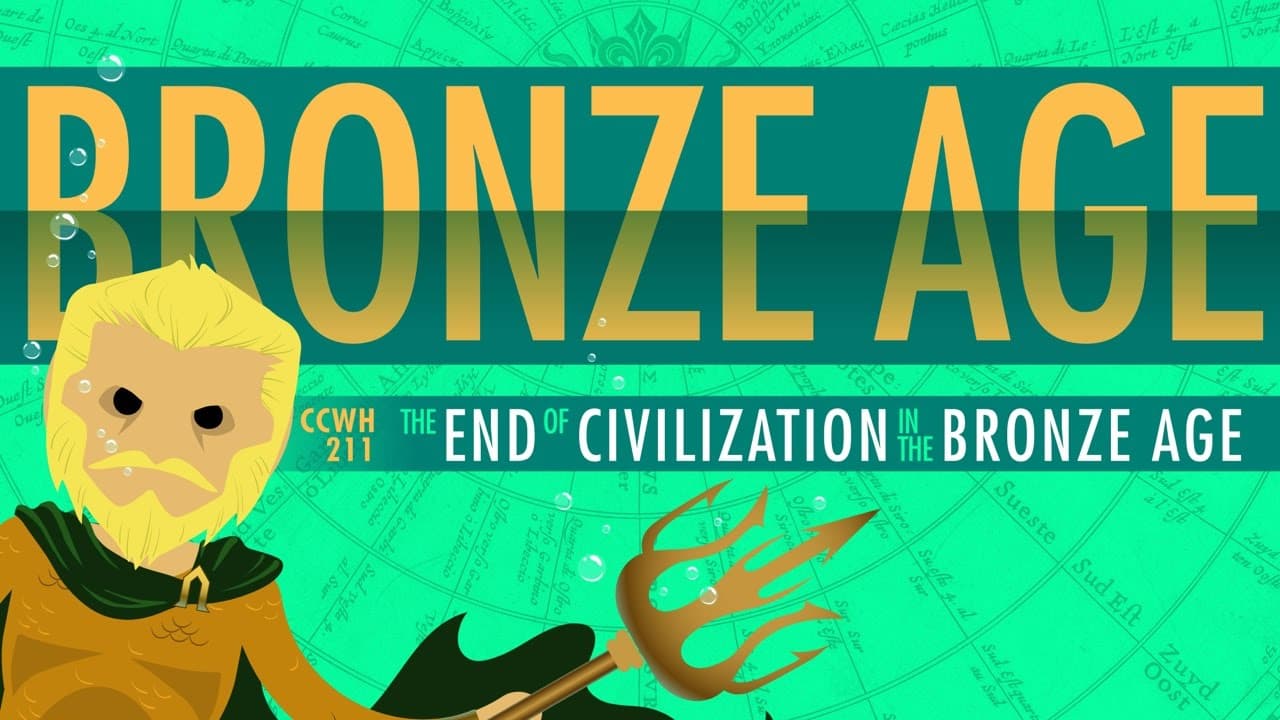
Miacademy & MiaPrep Learning ChannelMiacademy & MiaPrep Learning Channel

8mins 42s

Video
The Rise of American Imperialism in Latin America

The Rise of American Imperialism in Latin America

This educational video provides a comprehensive overview of United States imperialism in Latin America during the late 19th and early 20th centuries. It explores the transition of the U.S. from a developing nation to a global imperial power, using the Spanish-American War of 1898 as a central turning point. The narrator connects everyday items like bananas and sugar to complex historical events, making the geopolitical motivations of the era accessible to students. Key themes include the economic and security motivations behind imperialism, the Monroe Doctrine, the concept of "Big Stick Diplomacy," and the Roosevelt Corollary. The video details specific historical events such as the explosion of the USS Maine, the acquisition of territories like Puerto Rico and the Philippines, and the political maneuvering behind the construction of the Panama Canal. It also addresses the influence of European expansion (the Scramble for Africa) on American foreign policy decisions. For educators, this video serves as an excellent anchor for units on US History or World History. It effectively breaks down the "why" behind historical events—linking business interests and national security to foreign intervention. The inclusion of guiding questions and clear definitions of terms like "Imperialism" and "Big Stick Diplomacy" makes it a ready-made resource for structuring classroom discussions and reinforcing vocabulary.

Miacademy & MiaPrep Learning ChannelMiacademy & MiaPrep Learning Channel

10mins 53s

Video
Exploring Africa: Geography, History, and Culture

Exploring Africa: Geography, History, and Culture

This comprehensive educational video provides a detailed overview of the African continent, structured into four main sections: physical characteristics, history, people and culture, and economic structures. Hosted by Taylor, the video begins with an engaging safari skit before diving into a structured lesson that uses maps, images, and statistics to paint a broad picture of the diverse continent. It covers major geographical features like the Sahara, the Nile, and the Great Rift Valley, while also addressing the rich history of civilizations from Ancient Egypt to the Kingdom of Mali. The narrative addresses complex topics such as the origins of humanity, the impact of the transatlantic slave trade, European colonization, and the challenges of modern independence. It connects historical events—like the drawing of colonial borders—to current issues such as political conflict and economic struggles. The video highlights the contrast between Africa's immense natural wealth in resources like gold and diamonds versus its economic challenges, including low GDP per capita and infrastructure issues. Ideally suited for middle and high school social studies classrooms, this resource serves as an excellent introduction to African geography and history. It encourages active learning by prompting students to use a physical map to locate features and engages critical thinking with questions about the legacy of colonialism and future economic prospects. Teachers can use this video to launch units on world geography, discuss the effects of imperialism, or analyze global economic disparities.

Miacademy & MiaPrep Learning ChannelMiacademy & MiaPrep Learning Channel

15mins 37s

Video
How the Cold War Shaped America

How the Cold War Shaped America

This fast-paced educational video provides a comprehensive overview of the Cold War, framing it not just as a geopolitical struggle but as an era that fundamentally reshaped the United States between 1945 and 1990. Hosted by John Green, the video explores the origins of the conflict, contrasting the post-WWII positions of the United States and the Soviet Union. It explains the ideological battle between capitalism and communism and details key American strategies like the policy of containment, the Truman Doctrine, and the Marshall Plan, which aimed to stop the spread of Soviet influence in Europe and Asia. The narrative digs deep into how foreign policy decisions impacted domestic life in America. It covers the creation of the national security state (CIA, NSC), the nuclear arms race, and the cultural impact of living under the constant threat of annihilation. Significant attention is given to the "Red Scare" and McCarthyism, illustrating how the fear of communism led to loyalty oaths, espionage trials (the Rosenbergs), and a political climate where dissent was often equated with disloyalty. The video also highlights unintended domestic benefits, such as the construction of the interstate highway system and increased funding for education and science. For educators, this resource serves as an excellent anchor for units on 20th-century history, foreign policy, or civics. It challenges students to think critically about the definition of "war," the trade-offs between security and liberty, and how international relations can dictate domestic social agendas. The video includes primary source analysis (NSC-68) and connects historical events to modern concepts of freedom and government responsibility, making it a versatile tool for stimulating high-level classroom discussion and analysis.

CrashCourseCrashCourse

13mins 34s

Video
Exploring the Geography and Cultures of East and Southeast Asia

Exploring the Geography and Cultures of East and Southeast Asia

This comprehensive educational video takes students on a geographic and cultural journey through East and Southeast Asia. The lesson begins by identifying the specific nations that make up these two distinct regions, from the steppes of Mongolia to the archipelagos of Indonesia. It provides a historical overview that touches on ancient civilizations, the Silk Road, European colonization, and the political shifts of the 20th century, including the rise of communism in China, North Korea, and Vietnam.

Miacademy & MiaPrep Learning ChannelMiacademy & MiaPrep Learning Channel

10mins 22s

Video
How Geography Shapes Global Food Security

How Geography Shapes Global Food Security

This educational video explores the complex field of agricultural geography, examining why food insecurity persists in a world that produces enough calories to feed everyone. Host Alizé Carrère guides viewers through the intricate web of historical, political, economic, and environmental factors that determine who has access to food. The narrative moves from local examples of farming to global systems, explaining how colonialism, the Columbian Exchange, and various agricultural revolutions have shaped our modern food landscape. The video covers critical themes including the distinction between subsistence and commercial farming, the shift from polyculture to monoculture, and the impact of the Green Revolution. It delves into the geography of hunger, explaining concepts like food deserts and the difference between food availability and food access. Significant attention is paid to how historical events, such as the triangular trade and colonization, disrupted indigenous food systems and established export-oriented economies that still influence global food distribution today. For educators, this resource serves as a powerful tool to connect geography, history, and economics. It moves beyond simple definitions to show students the systems thinking required to understand global challenges. The video provides excellent opportunities for classroom discussions on food justice, the environmental impacts of industrial agriculture, and the importance of biodiversity. It is particularly useful for units on human geography, economic development, and sustainability.

CrashCourseCrashCourse

11mins 32s

Video
How Decolonization Reshaped the World After WWII

How Decolonization Reshaped the World After WWII

This educational video explores the complex and often violent process of decolonization that reshaped the world following World War II. It examines how European powers lost control of their empires in Asia and Africa, highlighting the distinct paths to independence taken by nations such as India, China, Kenya, and Algeria. The narrative contrasts negotiated transfers of power with brutal wars of liberation, providing specific historical examples of the human cost involved in these transitions. Key themes include the impact of the Cold War on emerging nations, the concept of neo-imperialism, and the psychological dimensions of colonization as articulated by thinkers like Frantz Fanon. The video also discusses the phenomenon of reverse migration, where colonized peoples moved to Europe to rebuild war-torn infrastructure, facing racism and discrimination in the process. It connects these historical events to cultural shifts, such as the rejection of Western dress codes and the influence of immigrant musicians on Western pop culture. For educators, this video serves as a powerful resource for teaching 20th-century World or European History. It moves beyond simple dates and maps to address the nuances of post-colonial infrastructure, the economic dependence created by foreign aid systems, and the lasting legacy of partition violence. The video provides graphic primary source quotes that can spark deep classroom discussions about human rights, the ethics of war, and the ongoing challenges faced by the Global South.

CrashCourseCrashCourse

13mins 23s

Video
How Economics Drove American Imperialism and Expansion

How Economics Drove American Imperialism and Expansion

In this installment of Crash Course US History, John Green explores the complex era of American Imperialism during the late 19th and early 20th centuries. The video challenges the notion that American expansion was purely accidental or solely benevolent, arguing instead that it was driven primarily by economic necessities—specifically the need for new markets to sell surplus American goods following the Panic of 1893. Green connects domestic economic crises to foreign policy decisions, illustrating how the search for consumers led the U.S. to acquire territories like Hawaii, the Philippines, and Puerto Rico. The video covers key historical events including the Spanish-American War, the annexation of Hawaii, and the brutal Philippine-American War. It introduces critical figures like Alfred Thayer Mahan, whose theories on naval power influenced strategy, and President William McKinley. The narrative also delves into the social and political debates of the time, highlighting the Anti-Imperialist League and the racial and democratic arguments against empire-building, while contrasting them with the pro-imperialist rhetoric of leaders like Senator Albert Beveridge. For educators, this resource serves as a powerful tool to teach the complexities of foreign policy and the disconnect that can occur between democratic ideals and international actions. It provides opportunities to discuss the role of economics in history, the power of the press (Yellow Journalism), and the constitutional questions surrounding citizenship in acquired territories—questions that remain relevant regarding places like Puerto Rico and Guam today.

CrashCourseCrashCourse

14mins 4s

Video
How Geography Defines Development and Wealth

How Geography Defines Development and Wealth

This educational video explores the complex geographic and economic concept of "development," focusing on the Middle East and North Africa (MENA) region as a primary case study. Hosted by Alizé Carrère for Crash Course Geography, the video challenges traditional definitions of wealth and power by contrasting the resource-rich United Arab Emirates with Lebanon—a country with significant natural advantages but historical and political struggles. It delves into how historical narratives, particularly colonialism, have shaped modern perceptions of which countries are considered "developed" or "developing." Key themes include the evolution of terminology from "First/Third World" to "Global North/South," the limitations of using Gross Domestic Product (GDP) as the sole measure of success, and the impact of international debt and austerity measures on lower-income nations. The video introduces alternative metrics like the Human Development Index (HDI), Gender Inequality Index (GII), and Gross National Happiness, urging viewers to consider social well-being and sustainability alongside economic growth. For educators, this resource serves as an excellent tool for high school Geography, Economics, and World History classrooms. It encourages critical thinking about data and global inequality, asking students to question how we measure success and who gets to define it. The content seamlessly bridges physical geography (resources like oil and water) with human geography (politics, economics, and culture), making it ideal for units on global development, economic systems, or the modern Middle East.

CrashCourseCrashCourse

12mins 29s

Video
Is History Everywhere? A Global Tour of Resistance and Remembrance

Is History Everywhere? A Global Tour of Resistance and Remembrance

In this engaging finale to a World History course, the narrator takes viewers on a virtual "world tour vacation" to demonstrate that history is present everywhere we look. Using a travel narrative framework, the video visits three distinct locations—Cusco, Peru; Isandlwana, South Africa; and Hiroshima, Japan—to explore how historical events shape modern landscapes and cultural identity. The video moves beyond a dry recitation of dates, instead focusing on the enduring legacy of resistance, conflict, and the universal desire for peace. The content highlights three specific historical moments: the rebellion of Túpac Amaru II against Spanish colonial rule in Peru, the Zulu victory over British forces at the Battle of Isandlwana, and the solemn remembrance of the atomic bombing at the Peace Memorial Park in Hiroshima. Through these examples, the video explores profound themes including indigenous resistance to colonialism, the fragility of imperial power, and the importance of historical memory in preventing future tragedies. This video serves as an excellent capstone for a World History unit or as a standalone lesson on historical significance. It demonstrates how to connect past events to present-day locations, encouraging students to look for history in their own surroundings. Educators can use the specific case studies to discuss the long-term impacts of imperialism and war, or use the video's framework to launch a "history is everywhere" inquiry project where students investigate local statues, battlefields, or memorials.

Miacademy & MiaPrep Learning ChannelMiacademy & MiaPrep Learning Channel

11mins 3s

Video
The Atlantic Slave Trade: History and Legacy

The Atlantic Slave Trade: History and Legacy

This educational video provides a comprehensive overview of the Atlantic Slave Trade, examining the staggering statistics, economic motivations, and brutal realities of the "peculiar institution." Host John Green details the movement of 10-12 million Africans to the Americas, debunking common misconceptions about where enslaved people were taken—highlighting that the vast majority went to the Caribbean and Brazil for sugar production, rather than the United States. The video explores the horrifying conditions on slave ships and the dangerous labor of sugar processing, framing slavery not just as a historical event but as an economic engine driven by consumer demand. Beyond the physical aspects, the video delves into the intellectual and legal history of slavery, defining "chattel slavery" and the concept of "social death." It traces the roots of these dehumanizing ideologies through history, referencing Greek philosophy (Aristotle), Roman plantation models (latifundia), Judeo-Christian justifications (the Curse of Ham), and the Arab slave trade. The analysis challenges viewers to understand how slavery was justified intellectually and legally for centuries. This resource is highly valuable for high school history classrooms as it connects historical events to broader themes of economics, human rights, and moral responsibility. It encourages critical thinking about how language is used (critiquing the casual use of the word "slave") and concludes with a powerful reflection on the shared human responsibility for this tragedy, warning against using history to blame specific groups while exonerating others.

CrashCourseCrashCourse

11mins 8s

Video
Understanding the Iranian Revolution of 1979

Understanding the Iranian Revolution of 1979

In this episode of Crash Course World History, John Green explores the complex history of Iran, focusing specifically on the causes and consequences of the Iranian Revolution of 1979. The video dismantles common simplifications about the region, distinguishing Iranians (Persians) from Arabs and explaining the historical roots of Shia Islam. It traces the lineage of Iranian leadership from the Safavid and Qajar dynasties to the Pahlavi Shahs, setting the stage for the dramatic political shifts of the 20th century. The narrative examines the crucial role of foreign intervention, particularly the British and American involvement in the 1953 coup that overthrew Prime Minister Mohammad Mosaddegh, and how this fueled anti-Western sentiment. Green analyzes the Shah's "White Revolution," which brought economic modernization but also political repression, ultimately alienating both the clergy and the working class. The video details the rise of Ayatollah Khomeini and the transition from a monarchy to an Islamic Republic, highlighting the unique and contradictory government structure that blends theocratic authority with democratic elements. For educators, this video is an invaluable resource for teaching modern Middle Eastern history, the Cold War, and political science. It provides a nuanced look at how religious and secular motivations can intertwine in revolutionary movements. The content is excellent for sparking discussions on the long-term impacts of imperialism, the nature of theocracies versus democracies, and the complexities of US-Iran relations, helping students move beyond headlines to understand the deep historical context of current events.

CrashCourseCrashCourse

13mins 41s

Video
The Rise of the Nazi Party: Origins and Ideology

The Rise of the Nazi Party: Origins and Ideology

This comprehensive educational video provides a detailed historical analysis of the origins and rise of the Nazi Party in post-World War I Germany. It examines the political turmoil following the Treaty of Versailles, the formation of paramilitaries, and Adolf Hitler's ascent from a military spy to the leader of the National Socialist German Workers' Party. The narrative covers key events such as the Beer Hall Putsch, the writing of 'Mein Kampf,' and the strategic rebranding of the party to appeal to the working class. The video breaks down Nazi ideology into five core pillars: Anti-Semitism, Aryanism, Nationalism, Lebensraum (living space), and Authoritarianism. It explores complex historical connections, illustrating how the Nazis drew upon and radicalized existing Western concepts like imperialism, social Darwinism, and historical anti-Semitism found in Europe and the Americas. The content challenges students to understand that these ideologies did not exist in a vacuum but were distortions of broader trends in Western civilization. For educators, this resource serves as a powerful tool for World History and Civics curriculums. It goes beyond a simple timeline to foster critical thinking about how extremism takes root during times of instability. The video explicitly connects historical prejudices—such as the Dreyfus Affair and American segregationist policies—to the formation of Nazi racial theories, offering a nuanced perspective that helps students identify the warning signs of authoritarianism and the importance of democratic institutions.

Miacademy & MiaPrep Learning ChannelMiacademy & MiaPrep Learning Channel

11mins 43s

Video
Why and How People Move: The Geography of Migration

Why and How People Move: The Geography of Migration

This educational video from Crash Course Geography provides a comprehensive overview of human migration, using the vast Indian diaspora as a primary case study to illustrate key concepts. Hosted by Alizé Carrère, the video breaks down the "how" and "why" of human movement, moving beyond simple definitions to explore the complex historical, economic, and environmental drivers behind migration. It covers a wide range of migration types, from the historical indentured labor systems in Trinidad and Tobago to ancient monsoon-driven trade routes, and modern political displacements like the 1972 expulsion of Asians from Uganda.

CrashCourseCrashCourse

11mins 16s

Video
Global Conflict and Total War: The End of World War I

Global Conflict and Total War: The End of World War I

This educational video provides a comprehensive overview of the latter half of World War I, detailing how a European conflict expanded into a global war involving Africa, Asia, and North America. It explains the strategic importance of colonies for resources, the entry of major powers like the United States and the Ottoman Empire, and the disastrous Gallipoli campaign. The narrative transitions into the concept of "Total War," illustrating how the conflict reshaped civilian life through mass mobilization, women entering the workforce, economic rationing, and government propaganda. The video explores several key historical themes including imperialism, the definition and impact of total war, the role of propaganda and censorship in shaping public opinion, and the geopolitical shifts that occurred as empires collapsed. It covers significant events such as the sinking of the Lusitania, the Russian Revolution, and the signing of the Treaty of Versailles. The content highlights the staggering human and economic costs of the war and foreshadows the rise of totalitarian regimes. For educators, this video serves as an excellent anchor for a unit on the Great War. It features clear definitions of complex terms like "Total War," "Price Controls," and "Armistice," supported by historical photographs and animated maps. The video structure, which includes built-in pauses for guiding questions, allows teachers to easily segment the lesson for note-taking and class discussion. It effectively connects military history with social history, making it valuable for exploring both the battlefield and the home front.

Miacademy & MiaPrep Learning ChannelMiacademy & MiaPrep Learning Channel

10mins 52s

Video
Imperialism in Western Asia and North Africa

Imperialism in Western Asia and North Africa

This educational video explores the history of European imperialism in Western Asia and North Africa during the 19th and early 20th centuries. It provides a detailed look at the decline of the Ottoman Empire and the subsequent power vacuum that led European powers, particularly Great Britain and Russia, to vie for control over strategic territories and resources. The video covers key historical events such as "The Great Game" over Afghanistan, the rise of economic imperialism in Persia (modern-day Iran), and the British occupation of Egypt following the construction of the Suez Canal. A central theme of the video is the distinction between direct military conquest and economic imperialism. It illustrates this through the example of the Anglo-Persian Oil Company and the Tobacco Regie concession in Persia, showing how foreign control of local industries sparked nationalist uprisings like the Persian Tobacco Boycott. The video also examines the modernization efforts in Egypt under Muhammad Ali and how the financial burden of the Suez Canal eventually led to the loss of Egyptian sovereignty. This resource is highly valuable for World History classrooms as it connects 19th-century imperialism to modern geopolitical tensions in the Middle East. By highlighting the long-term consequences of foreign intervention—such as the seeds of anti-Western sentiment and the "scars" of imperialism—it helps students understand current events through a historical lens. The video features clear definitions, maps, and guided questions, making it an effective tool for teaching complex concepts like spheres of influence and geopolitical strategy.

Miacademy & MiaPrep Learning ChannelMiacademy & MiaPrep Learning Channel

10mins 25s

Video
World War II: The Battle for Food and Resources

World War II: The Battle for Food and Resources

This episode of Crash Course World History takes a unique approach to World War II by examining it not through the traditional lens of "Good vs. Evil" or military strategy, but as a battle for resources—specifically food. John Green argues that the quest for "autarky," or self-sufficiency, drove the expansionist policies of Germany and Japan, who sought agricultural land to feed their populations and insulate themselves from trade blockades. The video explores how these motivations influenced major strategic decisions, such as Hitler's invasion of the Soviet Union and Japan's colonization of Korea and Formosa. The narrative delves into the devastating human consequences of this resource war, highlighting that more people died from starvation and hunger-related diseases than from military combat. It provides shocking statistics regarding the Bengal Famine, the starvation of Japanese soldiers, and the caloric deficits faced by civilians in the USSR and China. The video also contrasts these hardships with the relatively well-fed status of American and British troops, illustrating how logistics and supply chains determined the war's outcome as much as firepower. For educators, this video offers a powerful tool to teach economic causes of conflict and the civilian impact of total war. It moves beyond battle maps to discuss the concept of "Lebensraum" (living space) as an agricultural necessity and introduces students to the complex ethics of colonial resource extraction during wartime. It serves as an excellent prompt for discussions on global interdependence versus isolationism, the logistics of warfare, and how resource scarcity continues to drive global conflict today.

CrashCourseCrashCourse

11mins 2s

Video
How 21st Century Economics and Identity Shaped Modern Europe

How 21st Century Economics and Identity Shaped Modern Europe

This educational video from Crash Course European History explores the tumultuous first two decades of the 21st century in Europe. Host John Green contrasts the initial optimism of the new millennium—characterized by EU expansion and technological innovation—with the series of economic and social shocks that followed. The narrative covers the global impact of financial crises starting in the 1990s, the Great Recession of 2008, and how economic instability fueled social unrest and identity politics across the continent. The video provides a critical examination of the rise of populism and authoritarianism in modern Europe, specifically profiling Vladimir Putin in Russia and Viktor Orbán in Hungary. It connects these political shifts to the refugee crisis triggered by the Syrian Civil War and the subsequent rise in xenophobia and nationalism, culminating in the Brexit vote. The content also highlights cultural shifts, discussing how globalization and migration have diversified European society, influencing everything from sports to literature. For educators, this resource serves as a vital tool for connecting contemporary current events with historical trends. It helps students understand complex concepts like "illiberal democracy," the domino effects of global economics, and the distinction between patriotism and nationalism. By presenting modern history through both macro-economic lenses and individual human stories (via Nobel Prize winner Svetlana Alexievich), the video encourages students to analyze how systemic shocks influence human behavior and political systems.

CrashCourseCrashCourse

12mins 46s

Video
How Leadership Styles Shaped the Mughal Empire

How Leadership Styles Shaped the Mughal Empire

This educational video presents a comparative case study of two major emperors of the Mughal Empire in India: Akbar and Aurangzeb. It begins by contextualizing the Mughal Empire within the "First Global Age," mentioning contemporaries like the Ottomans, Ashanti, Tokugawa Shogunate, and Qing Dynasty. The narrative then focuses on how these two specific leaders managed the immense challenge of governing a vast, religiously and culturally diverse population. The video contrasts Akbar's policies of religious tolerance, cultural integration, and decentralized administration with Aurangzeb's later approach of strict centralization, religious orthodoxy, and relentless military expansion. Key themes explored include the impact of leadership styles on political stability, the role of religious tolerance in unifying diverse populations, and the economic consequences of continuous warfare. The video delves into specific historical examples, such as Akbar's "Divine Faith" discussions and tax reforms versus Aurangzeb's imposition of Islamic law and the reinstatement of taxes on non-Muslims. It highlights the direct correlation between these administrative choices and the empire's rise and eventual decline. For educators, this video serves as an excellent tool for teaching cause-and-effect in history and comparative governance. It transforms abstract political concepts into concrete examples by pitting two distinct ruling philosophies against one another. The content encourages critical thinking by asking students to evaluate which leadership style was more effective and why, making it highly applicable for units on World History, Asian Studies, or Civics. The clear visual aids, including maps and historical miniature paintings, help students visualize the geography and culture of the period.

Miacademy & MiaPrep Learning ChannelMiacademy & MiaPrep Learning Channel

9mins 50s

Video
How the World Wide Web Transformed the 90s

How the World Wide Web Transformed the 90s

This educational video takes students on a time-traveling adventure back to the 1990s to explore the invention and profound impact of the World Wide Web. Through a narrative frame where the host, Anthony, and his robot companion, Mia, get trapped inside a computer, viewers meet 'Webster,' a guide to the digital past. The video breaks down the history of the internet versus the World Wide Web, introducing key milestones like the 1989 invention by a British scientist and the explosion of usage by the late 90s. The content is structured around three primary pillars of impact: Social, Economic, and Political. Socially, it covers the shift from physical libraries to search engines (Ask Jeeves, Google), the birth of instant communication (AIM, Email), and the rise of social media and misinformation. Economically, it explains the 'Dot Com' boom, the birth of e-commerce giants like Amazon and eBay, and new career paths in tech. Politically, it discusses how the 1992 election utilized email for the first time and how digital platforms revolutionized voter engagement and activism. This resource is highly valuable for Social Studies and History classrooms as it connects recent history to students' current digital lives. It effectively contrasts life 'before' and 'after' the web, helping students appreciate the technological conveniences they often take for granted while critically analyzing the double-edged sword of instant information. The video includes built-in pause points with discussion questions, making it ready-to-use for interactive classroom instruction.

Miacademy & MiaPrep Learning ChannelMiacademy & MiaPrep Learning Channel

13mins 4s

Video
How Simón Bolívar Liberated South America

How Simón Bolívar Liberated South America

This educational video provides a comprehensive overview of the life and legacy of Simón Bolívar, known as 'The Liberator' of South America. It contextualizes his work within the broader Age of Revolutions, connecting the Latin American independence movements to the American, French, and Haitian revolutions. The narrative follows Bolívar's journey from a wealthy Venezuelan creole to a revolutionary leader who played a crucial role in liberating six nations from Spanish rule. The video explores key historical themes including the rigid colonial social hierarchy (the caste system) that fueled resentment among creoles and mixed-race populations, the impact of Enlightenment ideals, and the geopolitical catalyst of Napoleon's invasion of Spain. It delves into the military and political struggles Bolívar faced, his partnership with Haiti, and the rise and eventual collapse of his dream of a unified Gran Colombia. For educators, this resource serves as an excellent case study for understanding the complexities of post-colonial nation-building. It highlights how social inequality drives revolution and illustrates the difficulties of establishing stable governance in diverse territories. The video uses maps, diagrams, and reenactments to make complex political history accessible, making it valuable for World History units on revolutions, Latin American history, or political science discussions on leadership and governance.

Miacademy & MiaPrep Learning ChannelMiacademy & MiaPrep Learning Channel

11mins 15s

Video
How the Cold War Shaped America

How the Cold War Shaped America

This fast-paced educational video provides a comprehensive overview of the Cold War, framing it not just as a geopolitical struggle but as an era that fundamentally reshaped the United States between 1945 and 1990. Hosted by John Green, the video explores the origins of the conflict, contrasting the post-WWII positions of the United States and the Soviet Union. It explains the ideological battle between capitalism and communism and details key American strategies like the policy of containment, the Truman Doctrine, and the Marshall Plan, which aimed to stop the spread of Soviet influence in Europe and Asia. The narrative digs deep into how foreign policy decisions impacted domestic life in America. It covers the creation of the national security state (CIA, NSC), the nuclear arms race, and the cultural impact of living under the constant threat of annihilation. Significant attention is given to the "Red Scare" and McCarthyism, illustrating how the fear of communism led to loyalty oaths, espionage trials (the Rosenbergs), and a political climate where dissent was often equated with disloyalty. The video also highlights unintended domestic benefits, such as the construction of the interstate highway system and increased funding for education and science. For educators, this resource serves as an excellent anchor for units on 20th-century history, foreign policy, or civics. It challenges students to think critically about the definition of "war," the trade-offs between security and liberty, and how international relations can dictate domestic social agendas. The video includes primary source analysis (NSC-68) and connects historical events to modern concepts of freedom and government responsibility, making it a versatile tool for stimulating high-level classroom discussion and analysis.

CrashCourseCrashCourse

13mins 34s

Video
Is History Everywhere? A Global Tour of Resistance and Remembrance

Is History Everywhere? A Global Tour of Resistance and Remembrance

In this engaging finale to a World History course, the narrator takes viewers on a virtual "world tour vacation" to demonstrate that history is present everywhere we look. Using a travel narrative framework, the video visits three distinct locations—Cusco, Peru; Isandlwana, South Africa; and Hiroshima, Japan—to explore how historical events shape modern landscapes and cultural identity. The video moves beyond a dry recitation of dates, instead focusing on the enduring legacy of resistance, conflict, and the universal desire for peace. The content highlights three specific historical moments: the rebellion of Túpac Amaru II against Spanish colonial rule in Peru, the Zulu victory over British forces at the Battle of Isandlwana, and the solemn remembrance of the atomic bombing at the Peace Memorial Park in Hiroshima. Through these examples, the video explores profound themes including indigenous resistance to colonialism, the fragility of imperial power, and the importance of historical memory in preventing future tragedies. This video serves as an excellent capstone for a World History unit or as a standalone lesson on historical significance. It demonstrates how to connect past events to present-day locations, encouraging students to look for history in their own surroundings. Educators can use the specific case studies to discuss the long-term impacts of imperialism and war, or use the video's framework to launch a "history is everywhere" inquiry project where students investigate local statues, battlefields, or memorials.

Miacademy & MiaPrep Learning ChannelMiacademy & MiaPrep Learning Channel

11mins 3s

Video
The History of the Mexican Revolution and Civil War

The History of the Mexican Revolution and Civil War

This educational video provides a comprehensive overview of the Mexican Revolution, tracing its origins from the dictatorship of Porfirio Díaz through the chaotic civil war and concluding with the establishment of the PRI's long-standing political dominance. It explores the complex web of alliances and betrayals among key figures like Francisco Madero, Pancho Villa, Emiliano Zapata, Venustiano Carranza, and Álvaro Obregón, explaining how their conflicting visions for Mexico led to a decade of bloodshed and political upheaval. The content highlights key historical themes such as the struggle for land reform, the tension between foreign investment and national sovereignty, and the difficulty of transitioning from military revolution to stable governance. It specifically breaks down the significance of the Constitution of 1917, detailing its progressive reforms regarding labor rights, education, and land ownership, while noting the gap between these written ideals and their actual enforcement during the period. For educators, this video serves as an excellent anchor for World History or Latin American Studies units. It helps students navigate the confusing timeline of the revolution by breaking it into distinct phases: the initial overthrow of Díaz, the counter-revolution against Madero, the civil war between revolutionary factions, and the eventual institutionalization of the revolution. The video uses guiding questions and pause points to encourage critical thinking about the definition of a successful revolution and the costs of political stability.

Miacademy & MiaPrep Learning ChannelMiacademy & MiaPrep Learning Channel

10mins 21s

Video
How the Study of History Has Evolved Over Time

How the Study of History Has Evolved Over Time

In the final episode of Crash Course European History, host John Green turns the lens inward to examine the discipline of history itself—a field known as historiography. Rather than recounting specific events, this video explores how the way we tell stories about the past has evolved over centuries. It traces the journey from history as a record of divine intervention and royal genealogy to the modern focus on social movements, everyday life, and global interconnectedness. The video highlights how the questions historians ask have shifted from "what did the King do?" to "how did ordinary people live, eat, and think?" Key themes include the professionalization of history in the 19th century, the role of history in legitimizing nation-states, and the crucial emergence of social history which incorporates the voices of women, the working class, and marginalized groups. It delves into complex concepts like historical revisionism—explaining it not as a distortion, but as a necessary process of updating narratives based on new evidence—and the inescapable nature of bias. The video also challenges traditional definitions of power, moving from top-down authority to a model of participatory power that flows through all members of society. For educators, this video is a powerful tool to teach critical thinking and media literacy. It helps students understand that history is not a static set of facts but an evolving argument constructed by people. It provides a framework for discussing why textbooks change, why different perspectives matter, and how students' own lives are part of the historical fabric. By introducing students to the "history of history," teachers can empower them to question sources, recognize ideology, and appreciate the complexity of the human experience.

CrashCourseCrashCourse

15mins 7s

Video
How World War II Transformed the American Home Front

How World War II Transformed the American Home Front

In this installment of Crash Course US History, John Green explores how World War II transformed the United States domestically, shifting the focus from the battlefields abroad to the dramatic social and economic changes occurring on the home front. The video details how the war acted as a catalyst for ending the Great Depression, vastly expanding the size and scope of the federal government, and fundamentally altering the American economy through massive spending, rationing, and industrial mobilization.

CrashCourseCrashCourse

14mins 23s

Video
How Globalization Connects the World: Then and Now

How Globalization Connects the World: Then and Now

This engaging educational video explores the history and evolution of globalization, tracing human connection from ancient trade routes to the modern digital age. The narrator defines globalization as the process of increasing interconnectedness and dependence between people, businesses, and countries. The video contrasts early examples like the Silk Road, Indian Ocean trade networks, and the Columbian Exchange with today's high-speed, technology-driven global economy. It highlights three major catalysts for modern acceleration: technology, global supply chains, and international cooperation through supranational organizations.

Miacademy & MiaPrep Learning ChannelMiacademy & MiaPrep Learning Channel

10mins 35s

Video
How Propaganda and Prejudice Led to the Holocaust

How Propaganda and Prejudice Led to the Holocaust

This educational video provides a crucial historical overview of the conditions in Europe and Germany that precipitated the Holocaust. Opening with archival footage from the Nuremberg Trials, it defines the Holocaust as the systematic state-sponsored murder of six million Jews and millions of others by the Nazi regime. The video juxtaposes the vibrant, diverse, and integrated lives of Jewish Europeans before the war with the rising tide of antisemitism that Adolf Hitler and the Nazi Party weaponized to gain power. The content explores key historical themes including the history of antisemitism in Europe (referencing the Dreyfus Affair and pogroms), the economic and political instability of post-WWI Germany, and the systematic use of propaganda. It details how the Nazis used newspapers, posters, and films to dehumanize Jewish people, blaming them for Germany's loss in World War I and economic hardships. The video specifically analyzes the psychological mechanisms of scapegoating and how constant exposure to hateful messaging normalized prejudice among ordinary citizens. For educators, this resource serves as an essential foundation for a unit on World War II or the Holocaust. It moves beyond simple dates and battles to explain the *why* and *how* of genocide, focusing on the gradual erosion of democratic norms and the power of propaganda. It provides excellent opportunities to discuss media literacy, the dangers of stereotyping, and the fragility of civil rights, making it highly relevant for history, civics, and social emotional learning curriculums.

Miacademy & MiaPrep Learning ChannelMiacademy & MiaPrep Learning Channel

11mins 50s

Video
Exploring Ancient Israel and the History of the Hebrews

Exploring Ancient Israel and the History of the Hebrews

This educational video provides a comprehensive overview of Ancient Israel and the Levant, exploring how geography and history intertwined to shape the Hebrew civilization. The host uses engaging analogies, such as baking bread, to introduce the concept of the "Levant" as a rising region and a geographical crossroads between Europe, Africa, and Asia. The video details the physical landscape, including the importance of the Jordan River and the Dead Sea, and explains how early inhabitants adapted to the arid climate through innovations like cisterns.

Miacademy & MiaPrep Learning ChannelMiacademy & MiaPrep Learning Channel

10mins 40s

Video
Understanding the Iranian Revolution of 1979

Understanding the Iranian Revolution of 1979

In this episode of Crash Course World History, John Green explores the complex history of Iran, focusing specifically on the causes and consequences of the Iranian Revolution of 1979. The video dismantles common simplifications about the region, distinguishing Iranians (Persians) from Arabs and explaining the historical roots of Shia Islam. It traces the lineage of Iranian leadership from the Safavid and Qajar dynasties to the Pahlavi Shahs, setting the stage for the dramatic political shifts of the 20th century. The narrative examines the crucial role of foreign intervention, particularly the British and American involvement in the 1953 coup that overthrew Prime Minister Mohammad Mosaddegh, and how this fueled anti-Western sentiment. Green analyzes the Shah's "White Revolution," which brought economic modernization but also political repression, ultimately alienating both the clergy and the working class. The video details the rise of Ayatollah Khomeini and the transition from a monarchy to an Islamic Republic, highlighting the unique and contradictory government structure that blends theocratic authority with democratic elements. For educators, this video is an invaluable resource for teaching modern Middle Eastern history, the Cold War, and political science. It provides a nuanced look at how religious and secular motivations can intertwine in revolutionary movements. The content is excellent for sparking discussions on the long-term impacts of imperialism, the nature of theocracies versus democracies, and the complexities of US-Iran relations, helping students move beyond headlines to understand the deep historical context of current events.

CrashCourseCrashCourse

13mins 41s

Video
Global Conflict and Total War: The End of World War I

Global Conflict and Total War: The End of World War I

This educational video provides a comprehensive overview of the latter half of World War I, detailing how a European conflict expanded into a global war involving Africa, Asia, and North America. It explains the strategic importance of colonies for resources, the entry of major powers like the United States and the Ottoman Empire, and the disastrous Gallipoli campaign. The narrative transitions into the concept of "Total War," illustrating how the conflict reshaped civilian life through mass mobilization, women entering the workforce, economic rationing, and government propaganda. The video explores several key historical themes including imperialism, the definition and impact of total war, the role of propaganda and censorship in shaping public opinion, and the geopolitical shifts that occurred as empires collapsed. It covers significant events such as the sinking of the Lusitania, the Russian Revolution, and the signing of the Treaty of Versailles. The content highlights the staggering human and economic costs of the war and foreshadows the rise of totalitarian regimes. For educators, this video serves as an excellent anchor for a unit on the Great War. It features clear definitions of complex terms like "Total War," "Price Controls," and "Armistice," supported by historical photographs and animated maps. The video structure, which includes built-in pauses for guiding questions, allows teachers to easily segment the lesson for note-taking and class discussion. It effectively connects military history with social history, making it valuable for exploring both the battlefield and the home front.

Miacademy & MiaPrep Learning ChannelMiacademy & MiaPrep Learning Channel

10mins 52s

Video
How the Mongols Shaped Early Russia

How the Mongols Shaped Early Russia

This fast-paced educational video explores the origins of the Russian state, tracing its history from the Kievan Rus to the rise of Muscovite autocracy under Ivan the Terrible. Host John Green examines the debate surrounding the founding of Kiev, the significant impact of the Mongol conquest (the Golden Horde) on Russian political and social structures, and how the city of Moscow rose to prominence by collaborating with Mongol rulers. The narrative explains how geography, trade, and external threats shaped early Russian civilization. Key themes include the shift of power from Kiev to Moscow, the role of the Orthodox Church, the concept of "Appanage Russia," and the development of the absolute power of the Tsar. The video highlights specific historical figures like Prince Vladimir, Ivan the Great (III), and Ivan the Terrible (IV), analyzing how their decisions cemented the Russian political model of autocracy and isolation from the West. For educators, this video serves as an excellent engaging overview for World History units on the Middle Ages, Eastern Europe, or Empire building. It effectively illustrates complex concepts like the tributary system, the "Third Rome," and the consolidation of power against nobility (Boyars). It provides a critical framework for understanding Russia's historical identity as distinct from both Europe and Asia, offering context that is relevant even to modern geopolitical discussions.

CrashCourseCrashCourse

10mins 47s

Video
The Real Causes of the Great Depression

The Real Causes of the Great Depression

In this installment of Crash Course US History, John Green explores the complex causes and devastating effects of the Great Depression. The video challenges the common misconception that the Stock Market Crash of 1929 was the sole cause of the economic collapse, instead presenting it as a symptom of deeper structural issues. Green details the perfect storm of factors that led to the crisis, including America's weak banking system, the freezing of credit, massive agricultural overproduction, and the tangled web of international debt and reparations following World War I. The narrative examines the response of the Hoover administration, critiquing the inadequacy of relying on volunteerism and limited government intervention in the face of unprecedented economic failure. It explains difficult economic concepts like deflation and the gold standard in accessible terms, using analogies to help students grasp why the economy ground to a halt. The video also highlights the profound social impact of the Depression, discussing the rise of "Hoovervilles," the bonus marchers, and the disproportionate effect on minority communities. For educators, this video serves as a crucial resource for moving students beyond a superficial understanding of the 1930s. It provides a platform to discuss the role of government in stabilizing economies, the difference between correlation and causation in history, and the human cost of macroeconomic failure. The content bridges the gap between the Roaring Twenties and the New Deal, setting the stage for understanding the massive expansion of federal power that followed.

CrashCourseCrashCourse

14mins 27s

Video
The History and Future of the World's Deadliest Disease

The History and Future of the World's Deadliest Disease

This comprehensive educational video explores the biological, historical, and sociological impact of Tuberculosis (TB), the deadliest infectious disease in human history. Hosted by John Green, the lecture bridges the gap between science and the humanities, explaining not only the pathology of the Mycobacterium tuberculosis bacterium but also how human culture has interpreted, romanticized, and stigmatized the disease over centuries. It traces the journey of TB from the "romantic" consumption of 19th-century poets to its modern status as a disease of poverty and inequality. The content delves into deep themes including the social construction of illness, the history of medicine, and systemic racism in public health. It examines how TB was once dubbed the "White Man's Plague" and associated with creative genius, only to be later weaponized as a mark of racial inferiority and filth once it became prevalent in marginalized communities. The video also covers the biological mechanisms of antibiotic resistance, the co-epidemic with HIV/AIDS, and the political economics of pharmaceutical development. For educators, this video serves as a powerful interdisciplinary tool. In biology classrooms, it illustrates bacterial growth, latency, and antibiotic resistance. In history and social studies, it provides a case study on how industrialization, colonialism, and prejudice shape public health outcomes. The narrative arc challenges students to consider who gets access to life-saving medical care and why, making it an excellent anchor for discussions on global health equity and bioethics.

CrashCourseCrashCourse

49mins 57s

Video
How Mexico Won Independence From Spain

How Mexico Won Independence From Spain

This engaging educational video provides a comprehensive overview of the Mexican War of Independence, tracing its roots from the Spanish conquest of the Aztec Empire to the final establishment of an independent Mexican nation. It explores the complex social and political factors that fueled the revolution, specifically focusing on the rigid caste system of New Spain that created deep resentment among Criollos, Mestizos, and Indigenous populations. The narrative follows key figures like Miguel Hidalgo, José María Morelos, and Agustín de Iturbide, explaining their unique roles in the struggle for freedom. The video delves into key themes such as colonialism, social stratification, and the influence of Enlightenment ideas on revolutionary movements. It breaks down the specific grievances of different social classes—from the land-dispossessed Indigenous peoples to the politically sidelined Criollos—helping students understand that revolutions are often driven by a convergence of different motivations. The video also clarifies common historical misconceptions, such as the difference between Mexico's Independence Day and Cinco de Mayo. For educators, this resource serves as an excellent anchor for units on Latin American history, world revolutions, or social justice. It connects historical events to broader questions about identity and justice, asking students to consider how personal experiences shape political ideology. The visual aids, including maps and social hierarchy pyramids, make complex sociopolitical structures accessible, while the narrative pacing keeps students engaged with the dramatic arc of the war.

Miacademy & MiaPrep Learning ChannelMiacademy & MiaPrep Learning Channel

11mins 12s

Video
Student Protests, Prague Spring, and the Rise of Feminism in 1968

Student Protests, Prague Spring, and the Rise of Feminism in 1968

This educational video explores the turbulent year of 1968 and the surrounding era of protest in Europe, examining both Western student movements and Eastern resistance to Soviet rule. It contrasts the "30 Glorious Years" of post-war economic growth with the rising dissatisfaction among students and workers who criticized consumerism, imperialism, and structural inequality. The narrative covers key events including the student strikes in Paris, the Prague Spring in Czechoslovakia, and the subsequent Soviet invasion. The video delves deeply into specific social movements, highlighting the role of technology and media in internationalizing protests against the Vietnam War and colonial injustices. It provides a nuanced look at the "Prague Spring" under Alexander Dubček and the tragic protest of Jan Palach. Furthermore, it addresses the rise of second-wave feminism in Europe, critiquing the sexism present even within revolutionary student organizations and discussing the concept of the "second shift" for working women. For educators, this resource serves as an excellent case study in civil unrest, political ideology, and social change. It connects abstract political theories (Marxism, liberalism) to concrete historical events and human stories. Teachers can use the video to spark discussions on the effectiveness of different protest strategies, the role of youth in politics, and the contrasting struggles for freedom in democratic versus communist societies during the Cold War.

CrashCourseCrashCourse

12mins 28s

Video
The Rise of the Nazi Party: Origins and Ideology

The Rise of the Nazi Party: Origins and Ideology

This comprehensive educational video provides a detailed historical analysis of the origins and rise of the Nazi Party in post-World War I Germany. It examines the political turmoil following the Treaty of Versailles, the formation of paramilitaries, and Adolf Hitler's ascent from a military spy to the leader of the National Socialist German Workers' Party. The narrative covers key events such as the Beer Hall Putsch, the writing of 'Mein Kampf,' and the strategic rebranding of the party to appeal to the working class. The video breaks down Nazi ideology into five core pillars: Anti-Semitism, Aryanism, Nationalism, Lebensraum (living space), and Authoritarianism. It explores complex historical connections, illustrating how the Nazis drew upon and radicalized existing Western concepts like imperialism, social Darwinism, and historical anti-Semitism found in Europe and the Americas. The content challenges students to understand that these ideologies did not exist in a vacuum but were distortions of broader trends in Western civilization. For educators, this resource serves as a powerful tool for World History and Civics curriculums. It goes beyond a simple timeline to foster critical thinking about how extremism takes root during times of instability. The video explicitly connects historical prejudices—such as the Dreyfus Affair and American segregationist policies—to the formation of Nazi racial theories, offering a nuanced perspective that helps students identify the warning signs of authoritarianism and the importance of democratic institutions.

Miacademy & MiaPrep Learning ChannelMiacademy & MiaPrep Learning Channel

11mins 43s

Video
Beyond the President: The Vice President and Cabinet Explained

Beyond the President: The Vice President and Cabinet Explained

This educational video provides an in-depth look at the Executive Branch of the United States government, moving beyond the presidency to explore the critical roles of the Vice President and the Cabinet. It details the constitutional requirements, selection processes, and responsibilities associated with these positions, highlighting how the executive branch functions as a massive team rather than a one-person show. The video uses historical examples, such as George Washington's original cabinet and the relationship between early presidents and vice presidents, to illustrate how these roles have evolved over time. The content breaks down the specific duties of key Cabinet departments, including the \"Original Four\"—State, Treasury, Defense, and Justice—explaining how they support the President in managing national affairs. It also covers the Vice President's dual role as the President of the Senate and a key advisor, as well as the importance of other staff members like the Chief of Staff. The video clarifies the checks and balances involved, particularly the Senate's role in confirming appointments. For educators, this video serves as an excellent resource for Civics and U.S. History units. It transforms abstract government structures into concrete examples, making it easier for students to understand federal administration. The clear explanations of department functions and the visuals of historical figures help contextualize the scale of the executive branch, making it a perfect launchpad for lessons on government hierarchy, the separation of powers, and career exploration in public service.

Miacademy & MiaPrep Learning ChannelMiacademy & MiaPrep Learning Channel

9mins 26s

Video
Slavery and the Constitution: America's Founding Paradox

Slavery and the Constitution: America's Founding Paradox

This video investigates the profound contradiction at the heart of the United States' founding: the coexistence of the institution of slavery within a nation declared to be the "land of the free." It examines why the Constitution specifically avoided using the word "slavery," analyzing the tension between the revolutionary ideals of equality asserted in the Declaration of Independence and the economic pragmatism that drove the Constitutional Convention. The narration guides students through the uncomfortable realities of the era, distinguishing between the idealistic "Founding Fathers" and the system-building "Framers." Key themes explored include the economic interdependence of Northern merchants and Southern planters on slave labor, the dehumanizing logic behind the Three-Fifths Compromise, and the geographic shift of the slave trade from the Old South to the Deep South. The video features significant historical analysis of Thomas Jefferson's famous "wolf by the ears" metaphor and explains how the framers' inability to resolve the slavery issue necessitated a Civil War decades later. For educators, this video serves as a powerful tool to teach the Constitution not as a static, perfect text, but as a "living document" designed to evolve with society. It provides crucial context for understanding the structural roots of American inequality and the mechanisms of compromise in government. By connecting the 1787 debates directly to the inevitable conflict of the 1860s, it helps students grasp cause-and-effect in history and the complexity of building a democracy.

Miacademy & MiaPrep Learning ChannelMiacademy & MiaPrep Learning Channel

8mins 38s

Video
The Federalism Championship: States' Rights vs. Federal Power

The Federalism Championship: States' Rights vs. Federal Power

This engaging educational video introduces the complex concept of Federalism through a creative boxing match metaphor, pitting "States' Rights" against "Federal Power" in a battle for the direction of the nation. The host, Caroline, serves as the ring announcer and educator, guiding students through the definitions of strict versus loose interpretations of the U.S. Constitution and how these opposing views shape American governance. The video serves as both a review of foundational political principles and an introduction to the structure of the U.S. federal system. Key themes explored include the balance of power between national and state governments, the historical context of the Federalist vs. Anti-Federalist debates, and the structure of the three branches of government at both levels. The video emphasizes that conflict and debate are not negative side effects but intentional features of the system designed to limit government overreach and ensure liberty through checks and balances. For educators, this video is a high-utility resource for Civics and Government units. It simplifies abstract political science concepts using visual analogies and humor. The video is structurally designed for classroom use, featuring explicit "Show What You Know" pause points where questions appear on screen, allowing teachers to stop the video and facilitate immediate formative assessment without any extra preparation.

Miacademy & MiaPrep Learning ChannelMiacademy & MiaPrep Learning Channel

7mins 41s

Video
Using Revolutionary Traditions to Create Social Change

Using Revolutionary Traditions to Create Social Change

This educational video explores how the core principles of the United States' founding documents—the Declaration of Independence and the Constitution—created a "revolutionary tradition" that has been utilized by marginalized groups to effect social change. It defines key concepts like popular sovereignty, natural rights, and the distinction between suffrage (voting) and mass democracy (participation outside the voting booth). The video argues that these founding ideals provide a "measuring stick" against which society can be judged and improved.

Miacademy & MiaPrep Learning ChannelMiacademy & MiaPrep Learning Channel

12mins 18s

Video
Why We Study US History: Context, Perspectives, and Themes

Why We Study US History: Context, Perspectives, and Themes

This introductory video for a U.S. History course establishes the fundamental reasons for studying history: to better understand the present, to contextualize events through multiple perspectives, and to develop the skills necessary for civic engagement. Hosted by Anthony with assistance from an animated robot named Mia, the lesson uses relatable analogies and historical examples to demystify abstract concepts like 'contextualization' and 'historical perspective.' It moves beyond memorizing dates to emphasize critical thinking and the application of historical knowledge to modern life. The video introduces three core themes that will guide the course: Community & Belonging, People & The Environment, and the Role of Government. Through specific examples—such as George Washington's mandate for smallpox inoculations during the Revolutionary War—the narrator demonstrates how understanding the circumstances surrounding a decision changes our interpretation of it. The lesson also distinguishes between learning 'about' history versus learning 'from' it, positioning the student as an active participant in society. Educators can use this video to launch a history curriculum by setting expectations for critical inquiry. It provides a perfect framework for teaching students how to analyze primary sources, consider bias, and understand historical empathy. The segment featuring different personas reacting to a single public policy statement is an excellent tool for introducing debate and perspective-taking in the classroom.

Miacademy & MiaPrep Learning ChannelMiacademy & MiaPrep Learning Channel

10mins 51s

Video
How Debates Created the Bill of Rights

How Debates Created the Bill of Rights

This educational video explores the historical origins and necessity of the Bill of Rights, framing it through the intense debates between Federalists and Anti-Federalists during the ratification of the U.S. Constitution. Using a relatable analogy of a school group project, the narrator explains how conflict and compromise were essential to finalizing the Constitution. The video details the specific fears Anti-Federalists held regarding vague clauses like the Supremacy Clause and their concern that a strong federal government could become tyrannical without explicit protections for individuals and states.

Miacademy & MiaPrep Learning ChannelMiacademy & MiaPrep Learning Channel

5mins 22s

Video
Whose Independence? Diverse Responses to the Declaration

Whose Independence? Diverse Responses to the Declaration

This video provides a critical examination of the immediate aftermath of the signing of the Declaration of Independence, focusing specifically on the populations excluded from its promises. While popular narratives often depict a universal celebration, this lesson explores how the ideals of "life, liberty, and the pursuit of happiness" contrasted sharply with the reality for women, Native Americans, and enslaved and free Black people in the colonies. It highlights how these marginalized communities interpreted and utilized the language of the Declaration to advocate for their own rights, introducing key figures like Abigail Adams, Prince Hall, and Elizabeth Freeman. The content further expands the narrative scope by analyzing the reactions of the British Crown and American Loyalists. It details King George III's furious response, viewing the Declaration as treason, and the intellectual counter-arguments posed by Loyalists like John Lind. The video also touches upon the internal contradictions of the Founding Fathers, discussing the removal of the slavery clause to appease Southern colonies and the economic motivations of the wealthy signers. For educators, this resource serves as an excellent tool for teaching historical perspective and critical thinking. It moves beyond the "textbook" version of the Fourth of July to reveal a complex tapestry of reactions. Teachers can use this video to launch discussions about the gap between American ideals and historical realities, the agency of marginalized groups in early America, and the global ripple effects of the Declaration in places like France and Haiti.

Miacademy & MiaPrep Learning ChannelMiacademy & MiaPrep Learning Channel

11mins 28s

Video
Why the Anti-Federalists Opposed the U.S. Constitution

Why the Anti-Federalists Opposed the U.S. Constitution

This educational video provides a comprehensive overview of the Anti-Federalist movement during the ratification of the United States Constitution. It explores the demographics, key leaders, and core arguments of the faction that opposed a strong central government, highlighting their fears that the new system would lead to tyranny similar to the British monarchy they had just fought against. The narration breaks down complex political concepts into understandable segments, defining key terms along the way. The video details the specific constitutional clauses that alarmed the Anti-Federalists, including the Supremacy Clause, the Elastic Clause (Necessary and Proper Clause), and the powers of the executive branch. It introduces significant primary source documents like the Anti-Federalist Papers, referencing specific arguments made by figures like George Mason and the pseudonymous writers "Brutus" and "A Federal Republican." The content connects these historical grievances to the eventual compromise that led to the ratification of the Constitution: the addition of the Bill of Rights. For educators, this resource serves as an excellent tool for teaching the ratification debates and the origins of the Bill of Rights. It employs visual aids, vocabulary alerts, and clear summaries to help students grasp abstract political theory and historical context. The video is particularly useful for helping students understand that the Constitution was not universally accepted and was the product of intense debate and compromise, fostering critical thinking about the balance of power in government.

Miacademy & MiaPrep Learning ChannelMiacademy & MiaPrep Learning Channel

8mins 50s

Video
Exploring the Second and Third Amendments: Rights and Origins

Exploring the Second and Third Amendments: Rights and Origins

This video provides an in-depth educational look at the Second and Third Amendments of the United States Constitution, contextualizing them within the history of the American Revolution. Hosted by Caroline, the lesson explains how British policies like the Quartering Acts and the confiscation of colonial weapons directly influenced James Madison and the Founding Fathers to include these specific protections in the Bill of Rights. The video breaks down the text of each amendment, translating 18th-century legal language into accessible concepts for students.

Miacademy & MiaPrep Learning ChannelMiacademy & MiaPrep Learning Channel

7mins 44s

Video
How the Civil War Ended Slavery and Transformed the Nation

How the Civil War Ended Slavery and Transformed the Nation

In this installment of Crash Course US History, John Green moves beyond the battles and generals of the Civil War to explore its profound political, social, and economic consequences. The video tackles complex questions surrounding Abraham Lincoln's role as the "Great Emancipator," analyzing the strategic and legal limitations of the Emancipation Proclamation while crediting Lincoln for his persistence in securing the 13th Amendment. It also examines how the war transformed the United States from a loose collection of states into a unified, industrialized nation-state. Key themes include the shift in the war's purpose from preserving the Union to ending slavery, the impact of new military technologies and photography on public perception, and the massive expansion of federal power. The video highlights significant legislation passed during the war, such as the Homestead Act and the Pacific Railway Act, which shaped the country's future development. It also discusses the "singularization" of the United States, marking a cultural shift from seeing the country as a plural collection of states ("the United States are") to a single entity ("the United States is"). This video is an excellent resource for high school history classrooms. It encourages critical thinking about historical memory, challenges simplified narratives about emancipation, and connects the events of the 1860s to modern American government and identity. Teachers can use it to spark discussions about the reliability of primary sources (via Matthew Brady's photography), the role of government during crises, and the nuances of historical leadership.

CrashCourseCrashCourse

10mins 54s

Video
Understanding the Declaration: Grievances, Rights, and Vision

Understanding the Declaration: Grievances, Rights, and Vision

This engaging video lesson breaks down the historical context, content, and lasting impact of the Declaration of Independence. Using an accessible analogy about persuading people to support a cause, the host transitions into the challenges the Founding Fathers faced in uniting the colonies against the British Crown. The video systematically categorizes the colonists' grievances—such as taxation without representation and lack of self-governance—and contrasts them with their specific demands for a new nation.

Miacademy & MiaPrep Learning ChannelMiacademy & MiaPrep Learning Channel

9mins 29s

Video
Exploring the History and Forms of Democracy

Exploring the History and Forms of Democracy

This educational video provides a comprehensive overview of the history, definitions, and forms of democracy. It begins by tracing the roots of democratic government back to Ancient Athens, introducing key historical figures like Cleisthenes and explaining foundational Greek concepts such as the Boule and Ecclesia. The narration breaks down the etymology of the word "democracy" and connects ancient practices to modern civic responsibilities. The core of the video analyzes three distinct forms of democracy: Direct, Pluralist, and Representative. Using relatable analogies like a family vacation planning session, it explains how direct democracy functions versus the efficiency and challenges of representative systems. It also explores the concept of pluralism, where various interest groups compete to influence policy, and contrasts this with authoritarian or single-view systems. For educators, this resource serves as an excellent primer for Civics and Government units. It moves beyond simple definitions to explore the "how" and "why" of government structures. The video emphasizes the critical role of the citizen, encouraging students not just to understand the system, but to actively participate through voting, debating, and staying informed. It is particularly useful for introducing the concept of a Republic and the balance between government efficiency and individual accountability.

Miacademy & MiaPrep Learning ChannelMiacademy & MiaPrep Learning Channel

11mins 24s

Video
How Slavery Was Written Into the US Constitution

How Slavery Was Written Into the US Constitution

This educational video from Crash Course Black American History provides a critical examination of the United States Constitution's relationship with slavery. Host Clint Smith explores the disconnect between the nation's founding ideals of liberty and the reality of the legal structures created in 1787. The video utilizes a personal metaphor about identity to help students understand how a nation can claim to be one thing while practicing another, specifically addressing how the Constitution entrenched a racial caste system despite never explicitly using the word "slave." The content focuses deeply on two specific constitutional mechanisms: the Three-Fifths Compromise and the Slave Trade Clause (Article 1, Section 9). It breaks down the political mathematics behind the Three-Fifths Compromise, explaining how it artificially inflated Southern political power in the House of Representatives and the Electoral College. Furthermore, it analyzes the economic motivations behind the Slave Trade Clause, which prevented federal restriction of the international slave trade for twenty years, highlighting the complicity of both Northern and Southern states in the economics of slavery. For educators, this video serves as a powerful tool for teaching US Government, Civics, and American History. It moves beyond a superficial reverence for the Founding Fathers to a nuanced analysis of historical complexity, encouraging students to "hold multiple truths" simultaneously: that the Founders created a framework for democracy while also protecting the institution of slavery. This resource is excellent for sparking debates about political compromise, historical memory, and the long-term impacts of these founding decisions on American society.

CrashCourseCrashCourse

10mins 26s

Video
How Religion in America Evolved Through History

How Religion in America Evolved Through History

This educational video provides a comprehensive overview of the evolution of the religious landscape in the United States, tracing its roots from a predominantly Protestant colonial society to a diverse modern nation. The narrator uses relatable analogies to explain complex social dynamics before diving into key historical periods, specifically focusing on how the Great Awakening reinforced early Christian dominance and how subsequent waves of immigration introduced Catholicism, Judaism, and Eastern philosophies to the American cultural fabric. Key themes explored include the tension between the constitutional promise of religious freedom (the Free Exercise Clause) and the historical reality of discrimination faced by minority groups. The video presents case studies on Jewish immigrants fleeing antisemitism and Chinese immigrants arriving during the Gold Rush, highlighting both their contributions and the systemic barriers they encountered, such as the Immigration Act of 1924. It defines important concepts like "religious revival," "secularism," and "antisemitism" within their historical contexts. For educators, this video serves as an excellent resource for U.S. History and Civics units. It connects abstract constitutional rights to concrete historical events, allowing students to analyze demographic shifts and discuss the social impacts of immigration. The video features built-in pause points for document analysis activities, making it a ready-to-use tool for teaching about the First Amendment, the history of immigration policy, and the value of cultural diversity.

Miacademy & MiaPrep Learning ChannelMiacademy & MiaPrep Learning Channel

11mins 56s

Video
Causes of the American Revolution: Taxes, Tea, and Common Sense

Causes of the American Revolution: Taxes, Tea, and Common Sense

In this engaging installment of Crash Course US History, John Green explores the complex origins of the American Revolution, carefully distinguishing between the political revolution and the military War for Independence. The video traces the timeline of escalating tensions between Great Britain and the colonies following the Seven Years' War, explaining how British debt led to a series of unpopular taxes—the Sugar Act, Stamp Act, and Townshend Acts—and how the colonists' response evolved from disorganized grumbling to coordinated boycotts and unified political action. Key themes include the concept of "taxation without representation," the economic motivations behind colonial protests, and the philosophical shift from seeking rights as Englishmen to demanding natural rights as human beings. Green highlights crucial events like the Boston Massacre, the Boston Tea Party, and the convening of the Continental Congress, while also spotlighting influential figures like Thomas Paine, whose pamphlet "Common Sense" played a pivotal role in shifting public opinion toward independence. For educators, this video serves as an excellent overview of the causal chain leading to 1776. It moves beyond simple dates and battles to examine the ideological and economic drivers of the conflict. The content is ideal for analyzing cause-and-effect relationships in history, understanding the power of propaganda and political writing, and discussing the difference between legislative disputes and revolutionary change. The fast-paced narration is supported by animations and primary source analysis, making it a high-yield resource for secondary social studies classrooms.

CrashCourseCrashCourse

12mins 19s

Video
The Story of the Declaration of Independence

The Story of the Declaration of Independence

This engaging animated video provides a kid-friendly history of the Declaration of Independence, explaining its origins, purpose, and enduring legacy. It takes students on a journey from the National Archives Museum where the document is stored today back to 1776. The narration clearly outlines the context of the thirteen colonies, the conflict with Great Britain, and the decision to become a free nation. It highlights key figures like Thomas Jefferson and John Hancock, and explains significant locations like Independence Hall. Key historical themes explored include the Revolutionary War, the role of the Second Continental Congress, and the drafting process involving the "Committee of Five." The video clarifies important dates, distinguishing between when the document was presented (June 28), voted on (July 4), and signed. It also breaks down the document's original, much longer title and offers a close-up look at John Hancock's famous signature. For the classroom, this video serves as an excellent introduction to American Civics and History. It makes abstract historical events concrete by using clear visuals and approachable language. Teachers can use it to spark discussions about what it means to be independent, the risks the signers took, and the meaning behind the famous words "Life, Liberty and the pursuit of Happiness," which are read aloud at the end of the video.

Homeschool PopHomeschool Pop

7mins 45s

Video
Civics Simulation: United States v. Mia and the Limits of Free Speech

Civics Simulation: United States v. Mia and the Limits of Free Speech

This educational video presents a fictional Supreme Court case, "United States v. Mia," to teach students about the First Amendment and the complexities of freedom of speech. Through a mock trial format, viewers explore whether a student's viral digital artwork, which criticized a government law and sparked civil disobedience, is protected speech or criminal incitement. The video encourages students to act as Supreme Court justices, weighing arguments from both the defense and the prosecution. The narrative serves as a practical application of four major historical legal precedents: Tinker v. Des Moines, Texas v. Johnson, Schenck v. United States, and Brandenburg v. Ohio. By applying these real-world rulings to a hypothetical scenario involving social media and digital protests, the video makes abstract constitutional concepts concrete and relevant to modern students. This resource is highly valuable for Civics and U.S. Government classrooms. It moves beyond simple definitions of rights to the higher-order skill of legal analysis. Teachers can use this video to structure a classroom debate, introduce the judicial process, or help students understand the nuanced boundaries between protected expression and dangerous speech in the digital age.

Miacademy & MiaPrep Learning ChannelMiacademy & MiaPrep Learning Channel

9mins 54s

Video
From Pizza to Politics: Understanding the Articles of Confederation

From Pizza to Politics: Understanding the Articles of Confederation

This educational video provides a comprehensive overview of the Articles of Confederation, the first governing document of the United States. Through an accessible analogy involving friends trying to order pizza with limited funds, the narrator explains the core tension between "public good" and "individual will" that shaped the early American government. The video breaks down the philosophical roots of the Articles, including Classical Liberalism and the influence of Enlightenment thinkers like Adam Smith and Baruch Spinoza. The content offers a detailed examination of the structural components of the Articles of Confederation, describing the unicameral legislature and the high thresholds required for passing laws (9/13 votes) or amendments (13/13 votes). It clearly delineates the specific powers granted to the national government, such as declaring war and managing foreign relations, while highlighting the critical weaknesses that ultimately led to its failure—specifically the inability to tax, enforce laws, or regulate a unified currency. For educators, this resource serves as an excellent bridge between abstract political theory and historical reality. The use of the "pizza problem" metaphor makes the concept of competing interests tangible for students. The video is particularly useful for units on the foundations of American government, the Critical Period following the Revolutionary War, and the events leading up to the Constitutional Convention. It provides clear definitions of complex vocabulary like "specie," "unicameral," and "social contract."

Miacademy & MiaPrep Learning ChannelMiacademy & MiaPrep Learning Channel

8mins 28s

Video
From Absolute Kings to Constitutional Rights: The English Civil War

From Absolute Kings to Constitutional Rights: The English Civil War

This episode of Crash Course European History explores the tumultuous 17th-century struggle in Britain between the concept of the "Divine Right of Kings" and the rising power of Parliament. It details the reigns of the Stuart monarchs—James I, Charles I, Charles II, and James II—tracing how their attempts to enforce absolute rule and religious uniformity led to the English Civil War, the execution of a king, and a temporary military dictatorship under Oliver Cromwell. The video delves into the complex intersection of religion and politics, highlighting how conflicts between Catholics, Anglicans, and Puritans fueled social unrest, civil war, and eventually the "Glorious Revolution." It examines the pivotal transition from absolutism to constitutionalism, culminating in the English Bill of Rights of 1689, which established parliamentary sovereignty and limited monarchical power. For educators, this resource serves as an essential primer on the foundations of modern Western democracy. It connects historical events to the influential political philosophies of Thomas Hobbes and John Locke, demonstrating how the chaos of the 17th century birthed the concepts of natural rights—life, liberty, and property—that directly influenced the founding documents of the United States and other modern democracies.

CrashCourseCrashCourse

14mins 36s

Video
How Different Visions Shaped the Early United States

How Different Visions Shaped the Early United States

This educational video introduces a history unit titled "Visions for the United States," exploring how diverse perspectives shaped the early development of the nation. The narrator uses an analogy of planning a summer vacation to explain the concept of a national "vision"—an ambitious yet realistic plan for the future based on goals and values. The video breaks down the complexity of American history by examining the competing interests of various groups during the colonial era, including British colonists, the British Parliament, competing European powers, Native Americans, enslaved Africans, and women. The content is structured around three main guiding questions focusing on perspectives, time periods, and skills. It provides a detailed overview of the distinct characteristics of the New England, Middle, and Southern colonies, explaining how geography and economy influenced their specific goals. The video also outlines the timeline for the unit, covering the Colonial, Revolutionary, and Post-Revolutionary periods, while introducing key civics concepts like economy, political structure, and social values. For educators, this video serves as an excellent hook or introduction to a US History course covering the 17th and 18th centuries. It explicitly teaches historical thinking skills such as comparing perspectives, identifying bias, and analyzing persuasive language. By highlighting the often-conflicting goals of different historical actors, the video helps students move beyond a monolithic view of history to understand the negotiation and compromise involved in nation-building.

Miacademy & MiaPrep Learning ChannelMiacademy & MiaPrep Learning Channel

12mins 6s

Video
Mapping Europe: Physical Landscapes and Cultural Regions

Mapping Europe: Physical Landscapes and Cultural Regions

This educational video provides a comprehensive overview of Europe's regional geography, moving beyond simple political borders to explore "perceptual regions" defined by physical landscapes, history, and culture. The narrator, Brian, guides viewers through two main frameworks for understanding the continent: first by physical features like the Northern European Plain and Alpine Mountains, and then by cultural groupings such as Western, Eastern, and Central Europe. The video uses maps and historical context to explain why certain countries are grouped together, touching on the impact of the Cold War, the Roman Empire, and physical glaciation. Key themes include the distinction between physical and cultural geography, the lingering effects of the Cold War on European identity, and the specific characteristics of regions like Scandinavia, the Balkans, and the "Benelux" countries. It connects modern economic realities—such as the wealth of Western Europe or the tech industry in Northern Europe—to historical events and geographical advantages. The video also introduces important geographical terminology like "Balkanization," "uplands," and "breadbasket." For educators, this video serves as an excellent anchor for units on World Geography or European History. It helps students visualize abstract concepts like "perceptual regions" through clear map animations and concrete examples. Teachers can use the segment on the origin of "Bluetooth" to engage students with history, or leverage the discussion on the Iron Curtain to introduce geopolitical divides. It encourages critical thinking about how we categorize nations and how history shapes our mental maps of the world.

Miacademy & MiaPrep Learning ChannelMiacademy & MiaPrep Learning Channel

11mins 47s

Video
Restoring Order After Napoleon: The Congress of Vienna

Restoring Order After Napoleon: The Congress of Vienna

This educational video from Crash Course European History explores the aftermath of the French Revolution and the Napoleonic Wars, focusing on the Congress of Vienna in 1815. Host John Green explains how major European powers—Britain, Prussia, Russia, Austria, and a defeated France—convened to redraw the map of Europe and restore the "old order" of monarchy and aristocracy. The video details the political maneuvering of key figures like Klemens von Metternich and Charles Maurice de Talleyrand, illustrating how they established a "Balance of Power" intended to prevent future massive conflicts and check the expansion of nations like Russia. The video also delves deeply into the ideological and cultural shifts of the time. It contrasts the conservative political backlash, championed by thinkers like Edmund Burke who valued tradition and stability, against the lingering revolutionary spirit. Significant attention is given to the rise of Romanticism as a cultural reaction against Enlightenment rationality. Through examples in literature (Mary Shelley, Alexander Pushkin) and art, the video highlights how the era began to prioritize emotion, nature, and the past over reason and industrialization. For educators, this video serves as an excellent bridge between the age of revolutions and the modern era. It provides crucial context for understanding 19th-century geopolitics, the concept of the "Concert of Europe," and the tension between conservative institutions and rising liberal/nationalist movements. The juxtaposition of political history with art and literature offers interdisciplinary opportunities to discuss how cultural movements reflect and react to political realities, making it highly valuable for World History, European History, and Humanities curriculums.

CrashCourseCrashCourse

14mins 1s

Video
Life Under Stalin: Terror and Totalitarianism in the Soviet Union

Life Under Stalin: Terror and Totalitarianism in the Soviet Union

This educational video provides an in-depth exploration of life in the Soviet Union under Joseph Stalin's totalitarian rule. Using a mix of narration, historical photography, and clear definitions, the video explains how Stalin consolidated power after Lenin's death and transformed Russia into a police state. It covers the mechanisms of control used by the regime, including the secret police (NKVD), the Great Purge, the Gulag system, and the suppression of religion and free speech. The video also details Stalin's economic policies, specifically the command economy, Five-Year Plans, and the forced collectivization of agriculture. It highlights the stark contrast between the regime's propaganda of progress and the grim reality of famine, shortages, and the loss of millions of lives. The role of women in the workforce and the indoctrination of youth through the education system are also examined. This resource is highly valuable for World History classrooms as it breaks down complex political concepts like totalitarianism, command economies, and personality cults into accessible segments. It encourages critical thinking about the human cost of rapid industrialization and the dangers of unchecked government power. The video includes built-in pause points with guiding questions, making it an excellent tool for structured classroom discussions or independent study.

Miacademy & MiaPrep Learning ChannelMiacademy & MiaPrep Learning Channel

11mins 30s

Video
How Mexico Won Independence From Spain

How Mexico Won Independence From Spain

This engaging educational video provides a comprehensive overview of the Mexican War of Independence, tracing its roots from the Spanish conquest of the Aztec Empire to the final establishment of an independent Mexican nation. It explores the complex social and political factors that fueled the revolution, specifically focusing on the rigid caste system of New Spain that created deep resentment among Criollos, Mestizos, and Indigenous populations. The narrative follows key figures like Miguel Hidalgo, José María Morelos, and Agustín de Iturbide, explaining their unique roles in the struggle for freedom. The video delves into key themes such as colonialism, social stratification, and the influence of Enlightenment ideas on revolutionary movements. It breaks down the specific grievances of different social classes—from the land-dispossessed Indigenous peoples to the politically sidelined Criollos—helping students understand that revolutions are often driven by a convergence of different motivations. The video also clarifies common historical misconceptions, such as the difference between Mexico's Independence Day and Cinco de Mayo. For educators, this resource serves as an excellent anchor for units on Latin American history, world revolutions, or social justice. It connects historical events to broader questions about identity and justice, asking students to consider how personal experiences shape political ideology. The visual aids, including maps and social hierarchy pyramids, make complex sociopolitical structures accessible, while the narrative pacing keeps students engaged with the dramatic arc of the war.

Miacademy & MiaPrep Learning ChannelMiacademy & MiaPrep Learning Channel

11mins 12s

Video
Comparing North and South Korea: A Geographic and Political Analysis

Comparing North and South Korea: A Geographic and Political Analysis

This educational video provides a comprehensive comparative analysis of North and South Korea, exploring how a single peninsula inhabited by a homogenous ethnic group evolved into two vastly different nations. The video begins with a historical hook about the origins of Taekwondo before diving into a structured geographic and sociopolitical breakdown. It covers the physical geography, climate differences, population demographics, and the historical events leading to the division along the 38th parallel following World War II and the Korean War. Key themes include the sharp contrast between the two nations' political and economic systems. The video examines North Korea's isolationist, military-focused communist dictatorship under the Kim family, highlighting issues like famine and nuclear armament. In contrast, it details South Korea's transformation into a democratic "Asian Tiger" economy, focusing on its technological advancements, educational systems, and high standard of living. The video also touches on demographic challenges faced by both nations, such as declining birth rates, though for different reasons. This resource is highly valuable for social studies classrooms as a case study in comparative politics and economic geography. It encourages critical thinking by asking students to complete a Venn diagram throughout the viewing, identifying similarities (ethnicity, history, geography) and differences (government, economy, lifestyle). The video's clear structure, use of maps and population pyramids, and built-in pause points for reflection make it an excellent tool for teaching about the Korean Peninsula, the Cold War's legacy, and different systems of government.

Miacademy & MiaPrep Learning ChannelMiacademy & MiaPrep Learning Channel

12mins 23s

Video
The Global History of Non-Violent Resistance

The Global History of Non-Violent Resistance

This installment of Crash Course World History reframes the narrative of the 20th century, moving beyond the traditional focus on World Wars and genocide to explore the parallel rise of global non-violent resistance movements. John Green argues that while the century was undeniably violent, it also birthed a sophisticated, interconnected web of peace movements that spanned continents. The video traces the intellectual lineage of non-violence, connecting Leo Tolstoy's Christian anarchism to Mahatma Gandhi's Satyagraha, and demonstrating how these ideas flowed back to the West to influence the American Civil Rights Movement and anti-war activists. The video provides a comparative historical analysis of various non-violent struggles, including the Indian independence movement, anti-colonial efforts in Vietnam and Egypt, the Rosenstrasse protest in Nazi Germany, and the Prague Spring in Czechoslovakia. It highlights key concepts like 'ahimsa' (non-injury) and 'satyagraha' (truth-force) and examines the strategic logic behind civil disobedience. Significant attention is given to the cross-pollination of ideas, showing how activists like Bayard Rustin and Martin Luther King Jr. adapted Gandhian tactics for the American context. For educators, this resource serves as an excellent tool for teaching the global interconnectedness of historical events and political philosophies. It challenges students to analyze the efficacy of non-violence as a political tool against varying degrees of oppression. The video is particularly useful for units on the 20th century, human rights, decolonization, and civics, offering concrete case studies that allow for rich comparative analysis and discussion about the nature of power and resistance.

CrashCourseCrashCourse

12mins 49s

Video
From the Wheel to the Web: How Technology Drives Globalization

From the Wheel to the Web: How Technology Drives Globalization

This video provides an engaging historical overview of how technology has driven globalization from ancient times to the present day. Hosted by an energetic narrator, the lesson breaks down technological progress into three main eras: early tools of connection like the wheel and compass, the "Age of Acceleration" featuring the telephone and airplane, and the modern Digital Web. Through these stages, the video illustrates how inventions have progressively shrunk the world, facilitating the rapid exchange of goods, people, and ideas. Key themes include the concept of globalization, cultural diffusion, and the societal impact of mass communication. The video uses specific historical examples—such as the Protestant Reformation fueled by the printing press and the Arab Spring organized via social media—to show how technology doesn't just change how we communicate, but fundamental aspects of culture, politics, and daily life. It also touches on modern concepts like global supply chains and the digital divide. For educators, this video is an excellent tool for Social Studies, Geography, and History classrooms. It effectively bridges the gap between ancient history and students' digital lives, making abstract concepts like "cultural diffusion" concrete through relatable examples like sushi and K-pop. The clear segmentation of the video allows teachers to pause and focus on specific technologies, while the built-in discussion questions provide ready-made opportunities for checking understanding and critical thinking.

Miacademy & MiaPrep Learning ChannelMiacademy & MiaPrep Learning Channel

11mins 12s

Video
How Geography Defines Development and Wealth

How Geography Defines Development and Wealth

This educational video explores the complex geographic and economic concept of "development," focusing on the Middle East and North Africa (MENA) region as a primary case study. Hosted by Alizé Carrère for Crash Course Geography, the video challenges traditional definitions of wealth and power by contrasting the resource-rich United Arab Emirates with Lebanon—a country with significant natural advantages but historical and political struggles. It delves into how historical narratives, particularly colonialism, have shaped modern perceptions of which countries are considered "developed" or "developing." Key themes include the evolution of terminology from "First/Third World" to "Global North/South," the limitations of using Gross Domestic Product (GDP) as the sole measure of success, and the impact of international debt and austerity measures on lower-income nations. The video introduces alternative metrics like the Human Development Index (HDI), Gender Inequality Index (GII), and Gross National Happiness, urging viewers to consider social well-being and sustainability alongside economic growth. For educators, this resource serves as an excellent tool for high school Geography, Economics, and World History classrooms. It encourages critical thinking about data and global inequality, asking students to question how we measure success and who gets to define it. The content seamlessly bridges physical geography (resources like oil and water) with human geography (politics, economics, and culture), making it ideal for units on global development, economic systems, or the modern Middle East.

CrashCourseCrashCourse

12mins 29s

Video
The History of Conflict in the Congo and Africa's World War

The History of Conflict in the Congo and Africa's World War

This educational video provides a comprehensive historical analysis of the Democratic Republic of Congo (DRC) from its decolonization in 1960 through the devastating conflicts known as "Africa's World War." Hosted by John Green, the video explores the structural challenges left by Belgian colonialism, the rise of the dictator Mobutu Sese Seko, and the complex geopolitical web that led to the First and Second Congo Wars. It specifically connects the Rwandan Genocide to the destabilization of the Congo, illustrating how regional ethnic tensions and refugee crises sparked continent-wide warfare. The content delves into key themes such as the "resource curse," examining how the Congo's vast mineral wealth (gold, diamonds, coltan) has paradoxically fueled violence and corruption rather than prosperity. It also analyzes the concepts of kleptocracy and clientelism under Mobutu, the impact of Cold War politics on African leadership, and the shifting dynamics of international intervention, ranging from Western financial institutions like the IMF to recent infrastructure deals with China. For educators, this resource is invaluable for teaching modern World History, African Studies, and Geopolitics. It helps students move beyond stereotypes of "backwardness" to understand the specific historical, economic, and political drivers of instability in Central Africa. The video provides a rigorous framework for discussing difficult topics like genocide, neo-colonialism, and the ethics of global supply chains, making it highly relevant for high school and undergraduate classrooms dealing with post-colonial history and international relations.

CrashCourseCrashCourse

12mins 57s

Video
Post-War Europe: The Welfare State and the Rise of the European Union

Post-War Europe: The Welfare State and the Rise of the European Union

This video provides a comprehensive overview of European history in the immediate aftermath of World War II, specifically focusing on the period from 1945 to the 1970s. It contrasts the divergent paths taken by Western Europe and the Eastern Bloc regarding economic recovery, industrialization, and social organization. Host John Green explores how Western nations developed the "Welfare State" and moved toward economic integration through the European Economic Community (the precursor to the EU), while Eastern nations under Soviet influence pursued rapid industrialization and "Goulash Communism." The video delves into key themes such as the rise of consumer culture, the invention of the "teenager" as a demographic, and the philosophical shift toward Existentialism in response to the horrors of the war. It examines how ordinary life changed through the availability of household appliances and goods like Coca-Cola, symbolizing a new "democratized luxury." Additionally, it addresses the complex social issues of the time, including the changing roles of women, the lingering effects of anti-Semitism, and the incomplete reckoning with Nazi crimes. For educators, this resource serves as an excellent tool for teaching the Cold War not just as a geopolitical conflict, but as a clash of economic systems and lifestyles. It provides concrete examples of how macro-political decisions affected daily life, from the food people ate to the furniture they bought. The video effectively links economic history with cultural and philosophical history, making it valuable for interdisciplinary lessons connecting social studies, economics, and sociology.

CrashCourseCrashCourse

15mins 57s

Video
The Atomic Bomb and the End of World War II

The Atomic Bomb and the End of World War II

This educational video provides a comprehensive overview of the final stages of World War II in the Pacific Theater, focusing specifically on the development and use of the atomic bomb. It traces the military campaign from the island-hopping strategy and battles at Iwo Jima and Okinawa to the desperate measures of Kamikaze attacks, setting the stage for the difficult decision faced by President Truman. The narrative explains the scientific race of the Manhattan Project, the physics of nuclear fission, and the successful Trinity test that ushered in the nuclear age. The video details the bombings of Hiroshima and Nagasaki, examining both the immediate devastation and the long-term effects of radiation on human life and infrastructure. It connects these historical events to the subsequent surrender of Japan and the beginning of the Cold War nuclear arms race. Through archival footage, maps, and clear narration, it explores the ethical complexities of using such destructive weaponry and the geopolitical shifts that followed. For educators, this resource serves as a powerful tool to teach about the end of WWII, the intersection of science and warfare, and the moral dilemmas of military leadership. It invites students to critically analyze the justification for using atomic weapons, the human cost of war, and the lasting global anxiety regarding nuclear proliferation. The video includes built-in pause points with guiding questions, making it ready-to-use for fostering deep classroom discussions and critical thinking exercises.

Miacademy & MiaPrep Learning ChannelMiacademy & MiaPrep Learning Channel

12mins 9s

Video
How History Defined Europe as a Functional Region

How History Defined Europe as a Functional Region

This educational video explores the concept of Europe as a "functional region," examining how its boundaries and influence have been defined not just by physical geography, but by historical connections, trade networks, and cultural legacies. The narrator guides viewers through a chronological journey, starting with the Greco-Roman era and moving through the Crusades, the Age of Exploration, the Scramble for Africa, the Cold War, and finally the modern European Union. The video explains how these events created networks of interaction that extended Europe's "functional" borders far beyond its physical continent. Key themes include the difference between formal and functional regions, the lasting impact of Roman infrastructure and language, the spread of religion (Christianity and Islam), the geopolitical consequences of colonization, and the role of economic integration in the modern era. It specifically addresses how political ideologies during the Cold War divided the continent into two distinct functional zones and how the EU has since worked to reintegrate them through trade and a common currency. For educators, this video serves as an excellent bridge between geography and history, demonstrating how spatial relationships change over time. It provides concrete examples of abstract geographic concepts like "functional regions" and "spheres of influence." Teachers can use this resource to help students understand complex topics such as why French Guiana is part of Europe, how the Roman Empire laid the groundwork for modern Western culture, and the economic rationale behind the European Union.

Miacademy & MiaPrep Learning ChannelMiacademy & MiaPrep Learning Channel

9mins 54s

Video
How Your T-Shirt Explains the Global Economy

How Your T-Shirt Explains the Global Economy

In this energetic installment of Crash Course World History, John Green tackles the complex subject of globalization by focusing primarily on international trade and cultural exchange. Using the lifecycle of a simple cotton t-shirt as a central case study, the video illustrates how economic interdependence connects farmers in the US, textile workers in low-wage countries, and consumers worldwide. It breaks down the drivers of modern globalization, including multinational corporations, cheap shipping, and reduced government regulations. The video explores both the benefits and drawbacks of this interconnected system. It highlights how globalization has lifted hundreds of millions out of poverty in developing nations through manufacturing jobs, while simultaneously disrupting industries in developed nations and raising questions about environmental sustainability and labor conditions. The narrative also touches on cultural globalization, discussing migration, remittances, and the blending of global cultures through food, media, and sports. For educators, this video serves as an excellent primer for units on modern economics, human geography, or contemporary history. It provides concrete examples that make abstract economic concepts tangible for students. The "Journey of a T-Shirt" segment offers a perfect launchpad for classroom activities involving supply chain mapping, while the discussion on cultural homogenization versus diversification provides rich material for debates and essays.

CrashCourseCrashCourse

11mins 51s

Video
Building Empires: The Rise of Russia and Prussia

Building Empires: The Rise of Russia and Prussia

In this installment of Crash Course European History, John Green explores the dramatic rise of two major European powers during the 17th and 18th centuries: Russia and Brandenburg-Prussia. The video details how these states transformed from relatively minor players into dominant empires through centralized state-building, military expansion, and modernization efforts. It specifically focuses on the reigns of Peter the Great in Russia and the Hohenzollern dynasty in Prussia, highlighting their strategies for consolidating power and the immense social costs associated with their ambitions. Key historical themes include the concept of absolute monarchy, the paradox of modernization, and the relationship between rulers and the ruled. The video examines Peter the Great's westernization of Russia—from the construction of St. Petersburg to the beard tax—and contrasts it with Prussia's unique development as a "large army with a small state attached." It also critically analyzes the institution of serfdom, explaining how noble power over the peasantry was often strengthened in exchange for service to the state, a process known as "re-feudation." This resource is highly valuable for history classrooms as it provides a clear comparative analysis of state-building in Eastern Europe versus Western Europe. It helps students understand the mechanisms of political power, the impact of geography on military strategy, and the human cost of empire-building. The video's engaging narrative and critical questions about the nature of progress and vulnerability make it an excellent tool for sparking discussions about historical ethics and the definition of a "modern" state.

CrashCourseCrashCourse

14mins 56s

Video
How Humans Harnessed Energy to Build Civilization

How Humans Harnessed Energy to Build Civilization

Hosted by Stan Muller, this episode of Crash Course World History explores the fundamental history of human energy consumption based on Alfred Crosby's book "Children of the Sun." The video traces humanity's journey from relying solely on muscle power to mastering fire, domesticating plants and animals, and eventually unlocking the massive energy stores within fossil fuels. It explains how these advancements allowed for civilization building, from the pyramids to modern metropolises, while emphasizing that almost all energy sources ultimately originate from the sun. The video covers key historical turning points including the Agricultural Revolution, the Industrial Revolution, and the modern reliance on electricity and the internal combustion engine. It provides a balanced look at different fuel sources—wood, coal, oil, and nuclear power—analyzing their efficiency, historical impact, and downsides. Significant attention is given to the exponential increase in energy usage since 1850 and the geopolitical and environmental consequences of this shift. For educators, this resource bridges the gap between science and history, demonstrating how physical laws (thermodynamics) shape human progress. It is an excellent tool for discussing the Anthropocene, the trade-offs of technological advancement, and the complex challenge of sustainability. The video sets up discussions on climate change, resource management, and the future of energy, making it highly relevant for both social studies and environmental science curriculums.

CrashCourseCrashCourse

7mins 21s

Video
How Trade Barriers Impact the Global Economy

How Trade Barriers Impact the Global Economy

This educational video provides a comprehensive overview of trade barriers and their impact on the global economy. Using the relatable example of the denim jean industry, the narrator explains complex economic concepts like tariffs, quotas, subsidies, and product standards. The video explores how governments use these tools to protect domestic industries while also examining the unintended consequences such as higher consumer prices and trade wars. The content dives deep into the mechanisms of international trade, illustrating how policies intended to help local manufacturers can lead to market inefficiencies and retaliation from trading partners. It balances economic theory with real-world historical examples, such as the US textile industry in the 1800s, Cold War embargoes against the Soviet Union, and sanctions against South Africa during the apartheid era. Ideal for high school economics and social studies classrooms, this resource helps students understand the delicate balance between protectionism and free trade. It features interactive 'check-in' moments that prompt viewers to apply what they've learned to new scenarios, fostering critical thinking about government policy, national security, and consumer rights.

Miacademy & MiaPrep Learning ChannelMiacademy & MiaPrep Learning Channel

14mins 44s

Video
Understanding the Events and Impact of September 11, 2001

Understanding the Events and Impact of September 11, 2001

This educational video provides a comprehensive and sensitive timeline of the events of September 11, 2001. Narrated with a focus on historical accuracy and emotional resonance, the video reconstructs the morning's tragic events minute-by-minute, tracking the four hijacked flights: American Airlines Flight 11, United Airlines Flight 175, American Airlines Flight 77, and United Airlines Flight 93. It utilizes primary source audio from Air Traffic Control, archival news footage from major networks, and maps to visualize the unfolding crisis, taking students from the routine start of the day to the collapse of the Twin Towers and the attack on the Pentagon. Beyond the timeline of destruction, the video emphasizes themes of resilience, heroism, and national unity. It highlights the bravery of the passengers on Flight 93, the tireless efforts of first responders at Ground Zero, and the immediate outpouring of patriotism and global solidarity that followed. The narrative shifts from the confusion and horror of the attacks to the human spirit's capacity to endure and rebuild, featuring President George W. Bush's iconic "bullhorn speech" at Ground Zero as a pivotal moment of resolve. For educators, this resource serves as a foundational tool for teaching modern U.S. history. It includes a thoughtful content warning and emotional check-in, making it a safe entry point for discussing difficult topics. The inclusion of real-time media coverage helps students understand the confusion and "fog of war" experienced by the nation, while the focus on first responders and community support offers constructive angles for civic learning and social-emotional discussions about handling tragedy.

Miacademy & MiaPrep Learning ChannelMiacademy & MiaPrep Learning Channel

16mins 3s

Video
Exploring the Geography, History, and Cultures of Southern Africa

Exploring the Geography, History, and Cultures of Southern Africa

This educational video provides a comprehensive overview of the countries in Southern Africa, excluding the nation of South Africa. It covers a wide range of topics including physical geography, history, economics, politics, and culture. The video uses maps, statistical data, and vibrant stock footage to illustrate the diversity and complexity of the region, touching upon nations like Angola, Botswana, Zimbabwe, Zambia, Mozambique, Namibia, Lesotho, and Eswatini (Swaziland). It breaks down complex geopolitical concepts into digestible segments suitable for middle and high school students. The content explores key themes such as the legacy of colonialism, the "resource curse" in economies heavily dependent on mining versus agriculture, and the struggle for political stability and democracy. It contrasts the development levels of different nations, highlighting Botswana's relative success compared to the challenges faced by countries like Zimbabwe and Angola. The video also delves into physical characteristics like the Kalahari Desert and Victoria Falls, as well as demographic trends, religious composition, and health statistics like life expectancy. For educators, this video serves as an excellent anchor for a unit on African geography or global studies. It provides distinct data points (GDP, Freedom House scores, population projections) that can be used for comparative analysis activities. The included discussion prompts about the relationship between agricultural employment and poverty, as well as the pros and cons of resource-based economies, offer immediate opportunities for critical thinking and classroom debate. The video's structured approach makes it easy to segment into lessons on geography, history, or economics.
Miacademy & MiaPrep Learning ChannelMiacademy & MiaPrep Learning Channel

8mins 42s

Video
How Decolonization Reshaped the World After WWII

How Decolonization Reshaped the World After WWII

This educational video explores the complex and often violent process of decolonization that reshaped the world following World War II. It examines how European powers lost control of their empires in Asia and Africa, highlighting the distinct paths to independence taken by nations such as India, China, Kenya, and Algeria. The narrative contrasts negotiated transfers of power with brutal wars of liberation, providing specific historical examples of the human cost involved in these transitions. Key themes include the impact of the Cold War on emerging nations, the concept of neo-imperialism, and the psychological dimensions of colonization as articulated by thinkers like Frantz Fanon. The video also discusses the phenomenon of reverse migration, where colonized peoples moved to Europe to rebuild war-torn infrastructure, facing racism and discrimination in the process. It connects these historical events to cultural shifts, such as the rejection of Western dress codes and the influence of immigrant musicians on Western pop culture. For educators, this video serves as a powerful resource for teaching 20th-century World or European History. It moves beyond simple dates and maps to address the nuances of post-colonial infrastructure, the economic dependence created by foreign aid systems, and the lasting legacy of partition violence. The video provides graphic primary source quotes that can spark deep classroom discussions about human rights, the ethics of war, and the ongoing challenges faced by the Global South.

CrashCourseCrashCourse

13mins 23s

Video
Evolution of US Foreign Policy: From Isolation to Superpower

Evolution of US Foreign Policy: From Isolation to Superpower

This educational video provides a comprehensive overview of United States foreign policy, tracing its evolution from the nation's founding to the modern era. It begins by establishing the Constitutional roles of the Executive, Legislative, and Judicial branches in crafting foreign policy, clarifying the balance of power between the President and Congress. The narrative then moves chronologically, highlighting George Washington's initial advice of isolationism and the shift toward interventionism through the Monroe Doctrine, territorial expansion, and the World Wars. The video explores the US's transition into a global superpower during the 20th century, covering the Cold War, the containment of communism, and post-9/11 military engagements. It also addresses contemporary issues such as foreign aid, trade deficits with nations like China, the rise of new economic powers like India, and global challenges like climate change and nuclear proliferation. The content emphasizes how historical events have shaped current diplomatic relationships and military presence worldwide. Designed for civics and history classrooms, this resource helps students connect historical precedents to current events. It concludes with a strong message about civic engagement, encouraging students to understand these complex issues so they can participate effectively in the democratic process through voting and debate. The video is an excellent tool for teaching the practical application of checks and balances and the history of America's role on the world stage.

Miacademy & MiaPrep Learning ChannelMiacademy & MiaPrep Learning Channel

9mins 54s

Video
How the Declaration of Independence Sparked a Continuous Revolution

How the Declaration of Independence Sparked a Continuous Revolution

This educational video explores the concept of the "unfinished revolution" in American history, arguing that the principles embedded in the Declaration of Independence created a framework for continuous social and political change. The narrator, Caroline, guides viewers through three major historical movements—the abolition of slavery, the labor movement, and the civil rights movement—demonstrating how each utilized the Declaration's ideals to challenge the status quo and expand democratic rights.

Miacademy & MiaPrep Learning ChannelMiacademy & MiaPrep Learning Channel

8mins 2s

Video
The Fish Wars and the Fight for Native American Food Sovereignty

The Fish Wars and the Fight for Native American Food Sovereignty

This educational video explores the critical concept of "Food Sovereignty" within Native American history, using the dramatic story of Billy Frank Jr. and the Fish Wars as a central narrative. It details how Native nations in the Pacific Northwest fought to protect their treaty-guaranteed fishing rights against state encroachment, culminating in the landmark 1974 Boldt Decision. The host explains that food sovereignty is not just about nutrition, but about the legal and cultural right of Indigenous peoples to define their own food systems and manage the resources that have sustained them for millennia. The video covers several key historical and cultural themes, including the devastating impact of colonization on Indigenous food sources—most notably the mass slaughter of the buffalo to subjugate the Great Sioux Nation. It also examines the complicated history of frybread, tracing its origins to the rations provided during forced displacements like the Navajo Long Walk, and discussing its dual status today as both a symbol of resilience and a contributor to health disparities. The narrative connects these historical events to modern revitalization efforts, such as the "Three Sisters" agricultural projects and the rise of Indigenous chefs. For educators, this video serves as a powerful interdisciplinary tool connecting American history, civics, environmental science, and health. It provides concrete examples of civil disobedience and legal battles outside the typical Civil Rights Movement curriculum. Teachers can use it to spark discussions about the importance of treaties, the ecological relationship between people and the land, and how historical policies continue to shape modern health and economic realities for Native communities.

CrashCourseCrashCourse

10mins 56s

Video
The Stonewall Rebellion and the Activism of Marsha P. Johnson

The Stonewall Rebellion and the Activism of Marsha P. Johnson

This episode of Crash Course Black American History explores the Stonewall Rebellion and the life of one of its most iconic figures, Marsha P. Johnson. Hosted by Clint Smith, the video details the systemic police harassment and criminalization of the LGBTQ+ community in the 1960s that led to the uprising at the Stonewall Inn in June 1969. It examines the myths and realities surrounding the rebellion, including the debated role of Johnson herself during the initial outbreak of resistance. The narrative broadens to cover the aftermath, including the first Pride parades and the formation of activist organizations like the Gay Liberation Front. The video provides a deep dive into the biography of Marsha P. Johnson, a Black transgender woman who navigated homelessness, sex work, and severe mental health struggles while becoming a tireless advocate for gay rights. It highlights her friendship with Sylvia Rivera and their co-founding of STAR (Street Transvestite Action Revolutionaries) to support homeless transgender youth. The content addresses the complexities of historical figures, urging viewers to see Johnson not just as a two-dimensional hero, but as a complex human being who faced significant trauma, including sexual assault and institutionalization, yet remained a pivotal force for change. For educators, this video serves as a powerful resource for teaching the intersections of Civil Rights and LGBTQ+ history. It provides critical opportunities to discuss how laws and societal norms affect marginalized groups, the evolution of social justice movements from spontaneous protests to organized political action, and the importance of intersectionality in activism. The video also opens the door for nuanced discussions about historical memory, the reliability of oral histories versus written records, and how society chooses to remember its icons.

CrashCourseCrashCourse

11mins 59s

Video
The Power, Resilience, and History of Native American Women

The Power, Resilience, and History of Native American Women

Hosted by Lily Gladstone, this episode of Crash Course Native American History explores the pivotal and diverse roles of Native women, Femmes, and Two-Spirit people from pre-contact times to the present day. It challenges the monolithic view of Native gender roles by highlighting the existence of matriarchal and matrilineal societies, such as the Diné (Navajo), where women hold significant economic and decision-making power. The video details historical figures like the warrior Buffalo Calf Road Woman and the diplomat Jikonsaseh, who helped found the Haudenosaunee Confederacy, illustrating that Native women have always served as leaders, healers, and protectors of their nations. The video also tackles the dark history of colonization and its specific targeting of Indigenous women to destabilize tribal societies. It addresses difficult topics including the imposition of European patriarchal values, the forced sterilization of thousands of Native women in the 1970s, and the ongoing crisis of Missing and Murdered Indigenous Women (MMIW). The narrative explains how settler colonialism disrupted traditional gender balances and how systemic failures in law enforcement continue to impact Native communities today. Despite these challenges, the video emphasizes resilience and modern activism. It profiles influential leaders like Elouise Cobell, who successfully sued the U.S. government for billions in mismanagement of funds, and Deb Haaland, the first Native American cabinet secretary. For the classroom, this resource is invaluable for teaching about gender studies, civil rights, and the complex legal and social history of Native Americans. It provides students with a nuanced understanding of how historical trauma and contemporary triumph coexist in Indigenous communities.

CrashCourseCrashCourse

13mins 42s

Video
The History and Ethics of the Tuskegee Syphilis Study

The History and Ethics of the Tuskegee Syphilis Study

This educational video from Crash Course Black American History, hosted by Clint Smith, provides a comprehensive examination of the Tuskegee Syphilis Study (1932-1972). It details how the United States Public Health Service recruited 600 Black men in Macon County, Alabama, under the guise of receiving free health care, only to withhold life-saving treatment for syphilis to observe the disease's progression. The video explores the historical context of scientific racism that fueled the study, the specific unethical methodologies employed, and the devastating impact on the men, their families, and the broader Black community's trust in the medical system. The narrative delves into the complex layers of the study, including the role of the Great Depression and poverty in coercing participation, the lack of informed consent, and the involvement of Black medical professionals like Nurse Eunice Rivers. It highlights the eventual exposure of the study by whistleblower Peter Buxtun in 1972, the subsequent class-action lawsuit led by Fred Gray, and the resulting changes in medical ethics laws, including the National Research Act of 1974 and the establishment of Institutional Review Boards. For educators, this video is a powerful tool for teaching about bioethics, civil rights history, and systemic racism in healthcare. It connects historical events to contemporary issues, such as medical mistrust and health disparities, encouraging students to think critically about the responsibilities of scientific institutions. The video serves as a case study for understanding the importance of informed consent and the long-term sociological effects of unethical government actions.

CrashCourseCrashCourse

13mins 48s

Video
How the Government Manages the Economy

How the Government Manages the Economy

This engaging episode of Crash Course Government and Politics explores the complex relationship between the United States government and the economy. Host Craig Benzine breaks down the four primary goals of government economic policy: promoting stable markets, fostering economic prosperity, encouraging business development, and protecting consumers and employees. Through humor and fast-paced examples, the video illustrates how the government uses tools like regulations, subsidies, and federal agencies to achieve these objectives. The video also provides a historical overview of economic regulation in the US, tracing the shift from 19th-century laissez-faire policies to the rise of the administrative state. It covers key historical turning points, such as the regulation of railroads in the 1880s, the anti-trust laws of the Gilded Age, the New Deal under FDR, and the expansion of regulatory agencies like the EPA and OSHA in the 1970s. The narrative explains how the government's role has evolved from minimal interference to becoming an active participant in managing the nation's economic health. For educators, this video is an excellent resource for Civics, Government, and Economics classrooms. It simplifies abstract macroeconomic concepts and connects them to real-world government agencies that students may recognize, such as the FDA and the Federal Reserve. The content serves as a perfect springboard for discussions on the balance between free enterprise and government intervention, the efficacy of subsidies, and the historical context of modern economic debates.

CrashCourseCrashCourse

9mins 49s

Video
How 1970s Pop Culture Reflected American Society

How 1970s Pop Culture Reflected American Society

This educational video explores how popular culture in the 1970s served as a mirror for the significant societal changes occurring in the United States. Through a framing narrative of a boy named Jordie exploring his grandmother's attic, the video examines three specific cultural touchstones: the Star Wars franchise, the rise of home video game consoles, and the emergence of sensationalized television news coverage. It connects these entertainment forms to real-world historical events like the Women's Liberation Movement, the Vietnam War, the proliferation of television sets, and the spike in violent crime during the decade. Key themes include the use of film as political allegory (specifically George Lucas's comparison of the Empire to the U.S. during Vietnam), the shattering of traditional gender roles through characters like Princess Leia, the technological shift that brought gaming into living rooms, and the ethical dilemmas surrounding "infotainment" and true crime reporting. The video defines important terms such as "infotainment" and "guerrilla warfare" within these contexts. This resource is highly valuable for Social Studies and U.S. History classrooms as it demonstrates that art and entertainment do not exist in a vacuum. It provides teachers with an engaging way to discuss complex topics like the Vietnam War and media literacy by linking them to familiar pop culture icons. The video encourages students to look critically at the media they consume today to identify similar reflections of current societal issues.

Miacademy & MiaPrep Learning ChannelMiacademy & MiaPrep Learning Channel

11mins 52s

Video
Exploring 1960s Community Organizations: The Black Panthers and SDS

Exploring 1960s Community Organizations: The Black Panthers and SDS

This educational video examines the rise and impact of community organizations during the turbulent 1960s in the United states. It moves beyond the mainstream Civil Rights movement to explore how grassroots groups like the Black Panther Party and Students for a Democratic Society (SDS) redefined civic engagement. The lesson distinguishes between two primary strategies used by these groups: "mass mobilization" (public protests and boycotts) and "direct action" (creating independent community programs like food pantries and clinics). The content provides a structured analysis of both the Black Panthers and the SDS, breaking down the specific societal issues they sought to address, the methods they employed, and the significant backlash they faced from both the public and the government. Key historical events, such as the FBI's investigation into community programs and the tragic Kent State shootings in 1970, are discussed to illustrate the intense friction between these activist groups and established authority figures. For educators, this video serves as an excellent resource for U.S. History and Civics curricula, particularly when teaching about the 1960s counterculture, social movements, and civic responsibility. It offers a balanced look at controversial historical topics, encouraging students to analyze the efficacy of different forms of protest and the complexities of community leadership. The clear structure—defining concepts first, then applying them to case studies—makes it ideal for note-taking and comparative analysis activities.

Miacademy & MiaPrep Learning ChannelMiacademy & MiaPrep Learning Channel

12mins 16s

Video
How the Rise of Conservatism Reshaped the US

How the Rise of Conservatism Reshaped the US

This episode of Crash Course US History explores the rise of the conservative movement in American politics during the 1960s and 1970s, challenging the common perception of the era as solely defined by liberal counterculture. John Green explains how the Republican Party began to gain a foothold in the traditionally Democratic South through the "Southern Strategy" and the appeal of candidates like Barry Goldwater and Richard Nixon. The video details the ideological fusion of free-market libertarians and moral conservatives who united against communism and "big government," setting the stage for the modern political landscape. Key themes include the political realignment of the Deep South following the Civil Rights Act, the significance of the 1964 and 1968 elections, and the emergence of the "Silent Majority." The video also covers the backlash against the sexual revolution and the feminist movement, specifically discussing the defeat of the Equal Rights Amendment (ERA) and the impact of Roe v. Wade. Additionally, it examines the paradox of Richard Nixon's presidency—marked by conservative rhetoric but surprisingly liberal domestic policies like the creation of the EPA—before concluding with the Watergate scandal. For educators, this video is an excellent resource for teaching political realignment, the complexity of the Nixon administration, and the origins of the "Culture Wars." It helps students understand that historical eras are rarely monolithic; while hippies and war protestors garnered headlines, a powerful conservative undercurrent was simultaneously reshaping American politics. The content provides a nuanced look at how trust in the federal government eroded during this period, culminating in the resignation of a president.
CrashCourseCrashCourse

14mins 51s

Video
How Society Shaped 1970s Fashion Trends

How Society Shaped 1970s Fashion Trends

This educational video explores the dynamic social, political, and economic landscape of the United States in the 1970s through the unique lens of fashion. Hosted by an engaging narrator, the lesson frames fashion not just as clothing, but as a direct reflection of societal changes. The video features four interview segments with fictionalized characters representing different archetypes of the era: a vintage store owner, a hippie environmentalist, an artist, and a professor. Each interview sheds light on a specific factor that influenced 1970s trends, ranging from economic inflation necessitating cheaper fabrics like polyester to the Black Power movement using style as a form of resistance and pride.

Miacademy & MiaPrep Learning ChannelMiacademy & MiaPrep Learning Channel

10mins 50s

Video
The Civil Rights Movement in the 1960s: Priorities, Strategies, and Challenges

The Civil Rights Movement in the 1960s: Priorities, Strategies, and Challenges

This educational video provides a comprehensive overview of the Civil Rights Movement during the 1960s, analyzing how the struggle for equality evolved from the previous decade. It details the shifting priorities of organizers, moving beyond desegregation and voting rights to encompass economic justice, police reform, and the concept of intersectionality. The narrative highlights the vital role of key figures like Martin Luther King Jr. as well as the emergence of youth-led organizations like the Student Nonviolent Coordinating Committee (SNCC). The video systematically breaks down the methods and strategies used to effect change, contrasting traditional nonviolent civil disobedience and sit-ins with newer approaches like the strategic use of mass media and the development of African American studies programs. It explores how activists leveraged television coverage to gain national sympathy and international support, connecting their local struggles to global movements against oppression. Finally, the content addresses the significant challenges the movement faced, including persistent white supremacist violence, resistance from local governments, police brutality, and negative media framing of events like the Watts Riots. By examining both the legislative victories, such as the Civil Rights Act of 1964, and the enduring societal obstacles, the video offers students a nuanced understanding of the complexity and resilience required to drive social progress.

Miacademy & MiaPrep Learning ChannelMiacademy & MiaPrep Learning Channel

12mins 41s

Video
Understanding Stagflation and the 1970s Economic Shift

Understanding Stagflation and the 1970s Economic Shift

In this installment of Crash Course US History, John Green explores the complex and often maligned decade of the 1970s. Moving beyond the disco era stereotypes, the video delves into the profound economic shifts that defined the period, specifically the phenomenon of "stagflation"—a combination of stagnant economic growth and high inflation that perplexed economists and policymakers alike. It examines the decline of American manufacturing, the rise of global competition, and the energy crises that shocked the American way of life. The video provides detailed coverage of the presidencies of Gerald Ford and Jimmy Carter, analyzing their domestic policies and struggles to manage the struggling economy. Key topics include the end of the post-WWII economic boom, the impact of the oil shocks, the Camp David Accords, the Iran Hostage Crisis, and the shifting geopolitical landscape of the Cold War. The narrative connects these events to a broader "crisis of confidence" in American institutions. For educators, this video serves as an excellent resource for explaining the transition from the New Deal era to the rise of conservatism in the 1980s. It offers clear explanations of difficult economic concepts like stagflation and the misery index, while providing primary source analysis through Carter's "Malaise" speech. The content helps students understand the roots of modern political debates surrounding energy, regulation, and America's role in the Middle East.

CrashCourseCrashCourse

13mins 23s

Video
Exploring the New Frontier and Great Society

Exploring the New Frontier and Great Society

This educational video explores the significant shifts in American economic policy during the 1960s, specifically examining President John F. Kennedy's "New Frontier" and President Lyndon B. Johnson's "Great Society." While the 1950s were characterized by suburban prosperity, the video highlights how the 1960s marked a pivot toward addressing systemic poverty, inequality, and stagnation in rural and inner-city areas. The host guides viewers through the specific goals and legislative acts of both administrations, using graphic organizers to categorize how these policies aimed to create jobs, end discrimination, and expand the social safety net. Key themes include the intersection of civil rights and economics, the role of government in social welfare, and the specific mechanisms used to combat poverty, such as tax cuts, education funding, and fair housing laws. The video details landmark legislation like the Equal Pay Act of 1963, the Civil Rights Act of 1964, and the creation of Medicare and Medicaid. It explains the economic reasoning behind these policies, such as the theory that tax cuts would stimulate spending and that better education leads to higher wages and a stronger middle class. For educators, this video serves as an excellent anchor for units on the 1960s, US domestic policy, or the Civil Rights Movement. It simplifies complex legislative history into clear, digestible goals (reducing poverty, increasing education access, ending inequality). The built-in pause points for graphic organizer note-taking make it an interactive tool for classroom use, allowing students to actively synthesize information rather than passively watch. It connects historical events to concepts relevant today, such as the gender pay gap and student loans.

Miacademy & MiaPrep Learning ChannelMiacademy & MiaPrep Learning Channel

9mins 50s

Video
How the Supreme Court Checks Power: Judicial Review

How the Supreme Court Checks Power: Judicial Review

This episode of Crash Course Government and Politics explores the concept of Judicial Review, the primary power of the United States Supreme Court to check the other branches of government. Host Craig Benzine explains that while this power allows the Court to declare laws and actions unconstitutional, it is not explicitly granted in the Constitution. The video details the four main areas where federal courts exercise this review: congressional laws, state actions, federal bureaucratic agencies, and presidential actions. The content dives deep into the historical origins of this power through the landmark case Marbury v. Madison. Utilizing animations, the video illustrates the political genius of Chief Justice John Marshall, who established the Court's authority to strike down laws while seemingly limiting its own power. The narrative then shifts to why these rulings endure, introducing the legal principle of stare decisis (precedent) and how appellate decisions effectively become law for lower courts. For educators, this video is an invaluable tool for teaching Civics, U.S. Government, and History. It clarifies complex legal terminology like appellate jurisdiction and the Supremacy Clause while providing concrete examples such as Brown v. Board of Education and Miranda v. Arizona. It serves as an excellent primer for discussions on separation of powers, the evolution of the judiciary, and the tension between unelected judges and democratic representation.

CrashCourseCrashCourse

8mins 1s

Video
Shirley Chisholm's Historic Run for President

Shirley Chisholm's Historic Run for President

This educational video from the Crash Course Black American History series explores the life and political legacy of Shirley Chisholm, the first Black woman to be elected to the United States Congress and the first to seek the presidential nomination from a major political party. Host Clint Smith contextualizes Chisholm's rise within the broader social and economic shifts of the 1970s, including the Civil Rights Movement, the Women's Movement, and the impact of the Voting Rights Act of 1965.

CrashCourseCrashCourse

11mins 46s

Video
How Communities Created Safety in the 1970s

How Communities Created Safety in the 1970s

This video explores the complex social landscape of the United States during the 1970s, focusing on how different groups defined and sought safety amidst rising crime rates and social upheaval. It contrasts the federal government's "top-down" approaches—such as the War on Drugs and the Gun Control Act of 1968—with the "bottom-up" grassroots efforts organized by local communities. The narrative highlights how marginalized groups, particularly in Black and Latino neighborhoods, responded to both crime and police brutality by creating their own support systems, such as neighborhood watches, youth mentorship programs, and community centers. The video also delves into the immigrant experience during this decade, specifically examining the influx of Cuban and Vietnamese refugees. It explains the political and social drivers behind these migrations, such as the Cuban Revolution and the Vietnam War, and illustrates how these groups formed ethnic enclaves like Little Havana and Little Saigon. These communities are presented not just as places of residence, but as vital support networks that allowed refugees to preserve their cultural heritage while navigating integration into American society. For educators, this resource serves as an excellent tool for teaching the social history of the late 20th century. It moves beyond simple political timelines to look at civic engagement and social history. Teachers can use the video to spark discussions on the effectiveness of government policy versus community organizing, the history of mass incarceration, the nuances of the refugee experience, and the evolution of American demographics. It encourages students to think critically about what "safety" means to different people and how communities mobilize to protect themselves.
Miacademy & MiaPrep Learning ChannelMiacademy & MiaPrep Learning Channel

10mins 5s

Video
Major Supreme Court Cases That Changed History

Major Supreme Court Cases That Changed History

This educational video provides a comprehensive overview of the United States Supreme Court's role within the federal government, specifically focusing on its power to interpret the Constitution and establish legal precedents. The video begins by explaining the concept of checks and balances and the separation of powers among the three branches of government. It then transitions into a detailed examination of several landmark court cases that have defined American law and civil liberties over the last two centuries.
Miacademy & MiaPrep Learning ChannelMiacademy & MiaPrep Learning Channel

8mins 7s

Video
The 1990s Tech Boom and the Dot-Com Bubble Explained

The 1990s Tech Boom and the Dot-Com Bubble Explained

This video explores the transformative era of the 1990s technology boom and the subsequent dot-com bubble through the narrative of a fictional character named Malcolm. It traces the evolution of the tech sector from the early days of personal computing hardware and software to the explosion of the internet and e-commerce. The video explains how these innovations dramatically increased economic productivity and changed daily life for workers and consumers alike. The content breaks down complex economic concepts by using relatable analogies, such as a lemonade stand to explain an economic bubble. Key themes include the distinctions between hardware, software, and internet companies, the relationship between technology and workplace productivity, and the cycle of economic growth, speculation, and recession. It specifically highlights how the "Wild West" mentality of early internet startups led to inflated stock values based on hype rather than profit. For educators, this video serves as an excellent tool for connecting U.S. history with economics and computer science. It provides a clear, visual explanation of the "New Economy" of the 90s, helping students understand the origins of today's digital world while learning foundational financial literacy concepts like stock market speculation, bubbles, and business cycles.

Miacademy & MiaPrep Learning ChannelMiacademy & MiaPrep Learning Channel

12mins 57s

Video
The History and Legacy of the Black Panther Party

The History and Legacy of the Black Panther Party

This installment of Crash Course Black American History explores the rise, impact, and eventual dissolution of the Black Panther Party. Hosted by Clint Smith, the video details the organization's founding by Huey P. Newton and Bobby Seale in Oakland, California, in 1966. It explains their initial motivation—self-defense against police brutality—and how their ideology evolved to incorporate Marxist theory, anti-colonialism, and a connection to global liberation movements. The video provides an in-depth look at the Party's "Ten-Point Program," which demanded full employment, decent housing, education, and an end to police brutality, alongside their implementation of community survival programs like free breakfast for children and health clinics. It also unflinchingly examines the controversies surrounding the group, including armed conflicts with law enforcement, internal violence, and the problematic views of leaders like Eldridge Cleaver regarding women. The narrative covers the government's response, specifically the FBI's COINTELPRO operation under J. Edgar Hoover, which targeted the Panthers as a threat to national security. Educators can use this video to teach students about the complexities of the Civil Rights and Black Power eras. It moves beyond the simplified narratives of the time, highlighting the tension between the Panthers' militant tactics and their humanitarian community work. The video serves as a powerful tool for discussing government surveillance, the diversity of tactics in social movements, and the role of women in political leadership despite internal sexism.
CrashCourseCrashCourse

13mins 48s

Video
How Constitutional Amendments Expanded Citizen Rights

How Constitutional Amendments Expanded Citizen Rights

This educational video provides a comprehensive overview of the United States Constitutional amendments that expand citizen rights beyond the original Bill of Rights. Narrated by a student host named Caroline alongside an animated robot character, the video systematically categorizes these amendments into logical groups: the Ninth Amendment (unenumerated rights), Post-Civil War Amendments (13, 14, 15), Voting Rights Amendments (17, 19, 23, 24, 26), and Prohibition Amendments (18, 21). The content connects historical events to legal changes, explaining how the Civil War led to the abolition of slavery and definitions of citizenship, how the women's suffrage movement achieved the 19th Amendment, and how the Vietnam War influenced lowering the voting age to 18. It also tackles the unique case of Prohibition—the only time an amendment restricted rights and was subsequently repealed. The video utilizes historical photographs, maps, and clear text overlays to make complex constitutional history accessible. Teachers can use this video to help students understand the living nature of the Constitution and the specific struggles that led to the expansion of American democracy. It is an excellent resource for Civics and U.S. History units, offering clear definitions of key amendments while highlighting the ongoing importance of voting and civic participation.

Miacademy & MiaPrep Learning ChannelMiacademy & MiaPrep Learning Channel

8mins