An inquiry-driven physics sequence exploring visible light, refraction, color theory, spectroscopy, and optics. Students investigate how light interacts with matter and how these interactions shape our perception of reality.
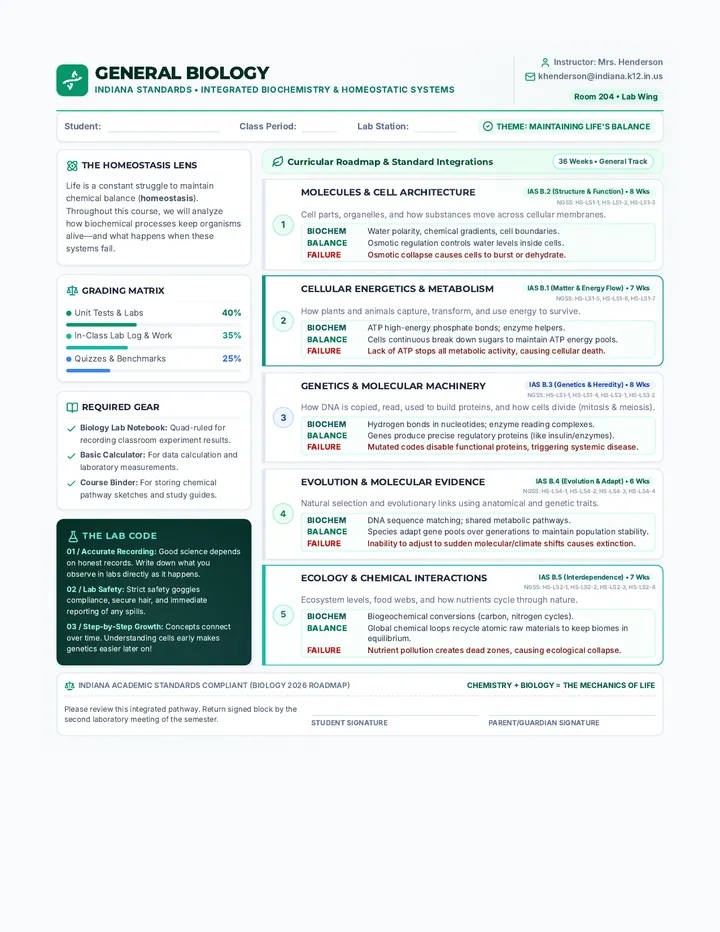
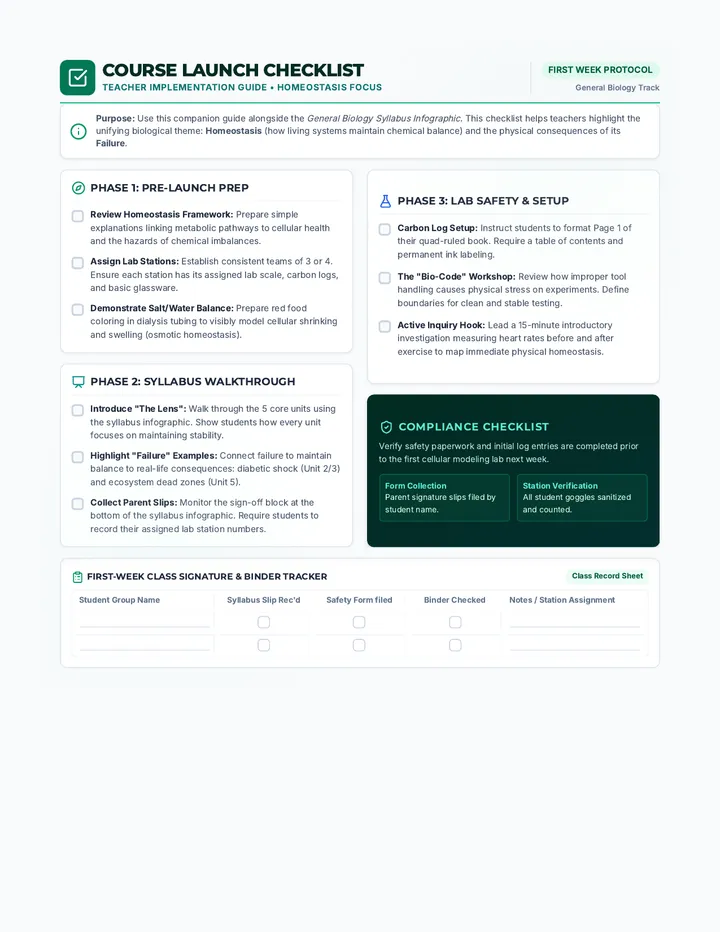
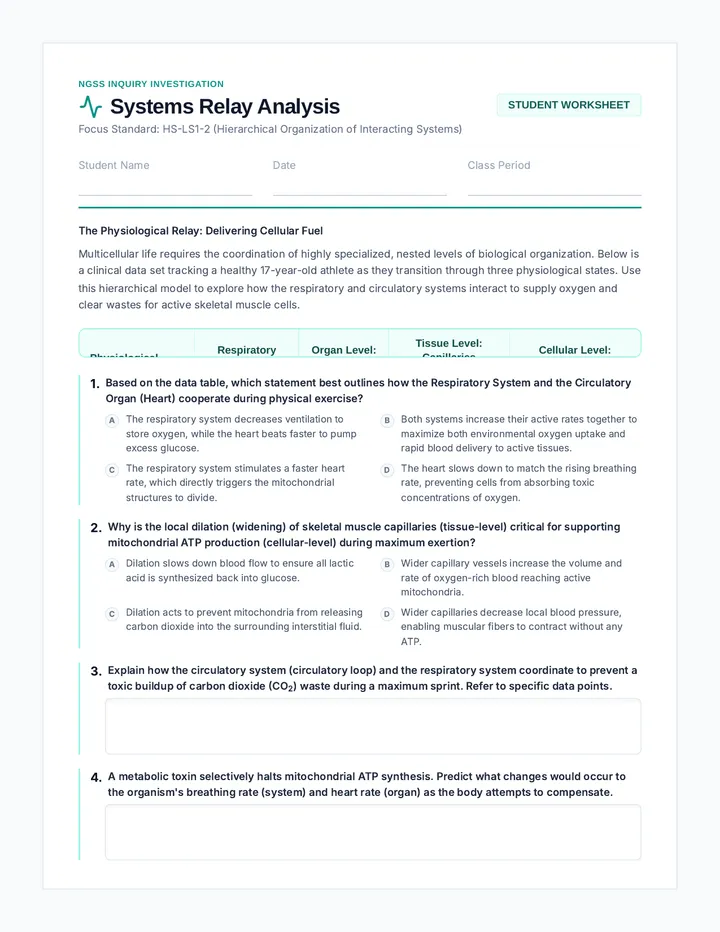
A comprehensive high school biology unit covering plant and animal systems, focusing on structure, transport, reproduction, and response through anchoring phenomena and hands-on labs.
A high school biology sequence focused on the neuroscience of addiction, specifically analyzing how chemical structure and speed of delivery influence the brain's reward system. Students explore the biological mechanisms of tolerance, dependence, and the blood-brain barrier through graphing and comparative analysis.
A specialized AP Biology unit exploring the intersection of neuroscience and psychology, focusing on the biological mechanisms of mental health disorders and the pharmacology of their treatments.
A high school biology lesson sequence exploring the biological basis of perception, focused on how external substances and chemical imbalances alter neurotransmitters to cause psychosis and hallucinations.
A comprehensive unit on the fundamentals of forensic science and criminal investigation, culminating in a hands-on murder mystery simulation. Students learn about evidence collection, witness psychology, and deductive reasoning.
A comprehensive 5-week sequence exploring the physical properties of water, the engineering of water filtration, and the complex systems of Virginia's watersheds. Students move from hands-on engineering to chemical properties and finally to large-scale environmental systems.
A comprehensive project-based learning unit where high school students apply design thinking to solve real-world problems, from initial discovery to final prototyping and pitching.
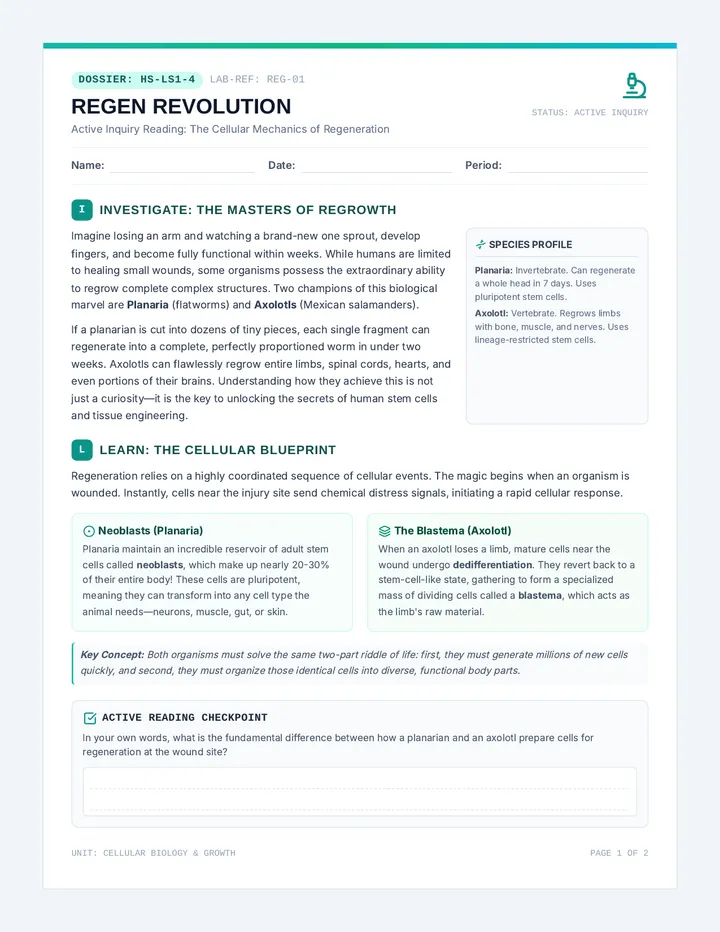
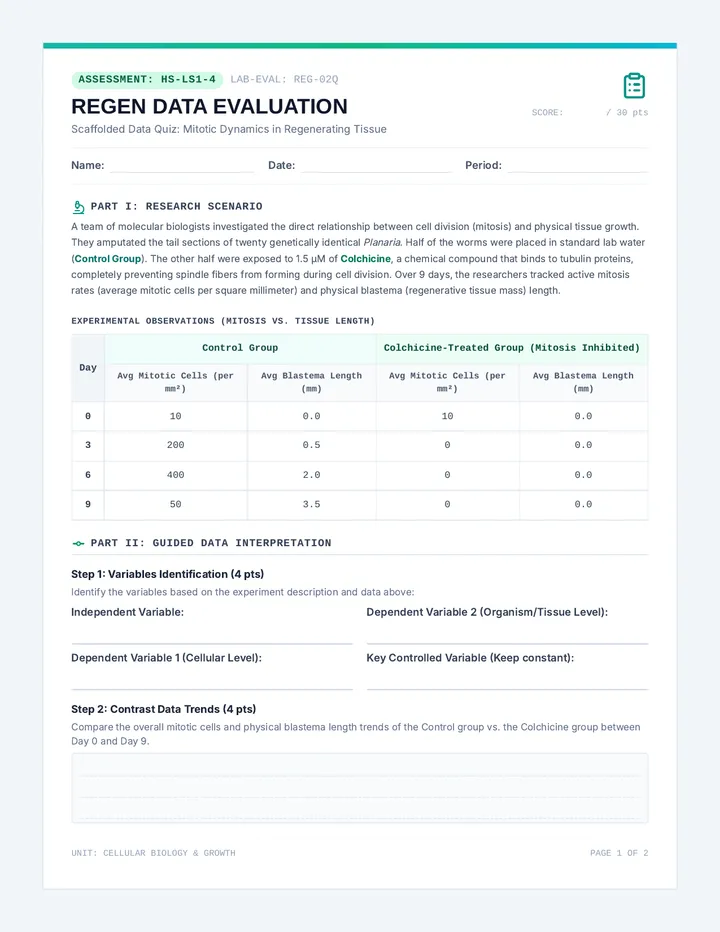
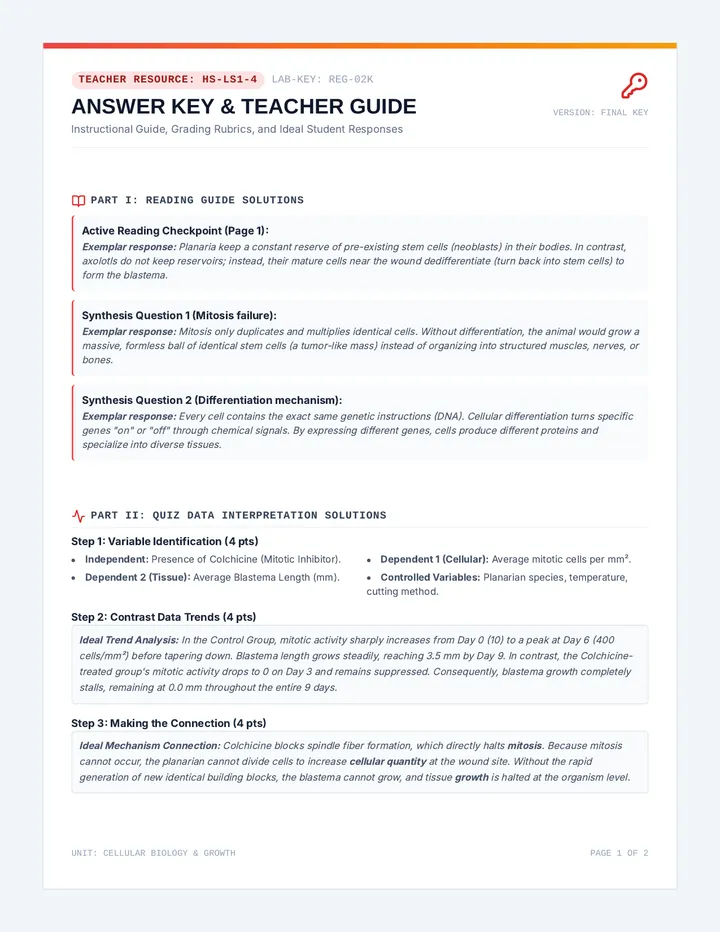
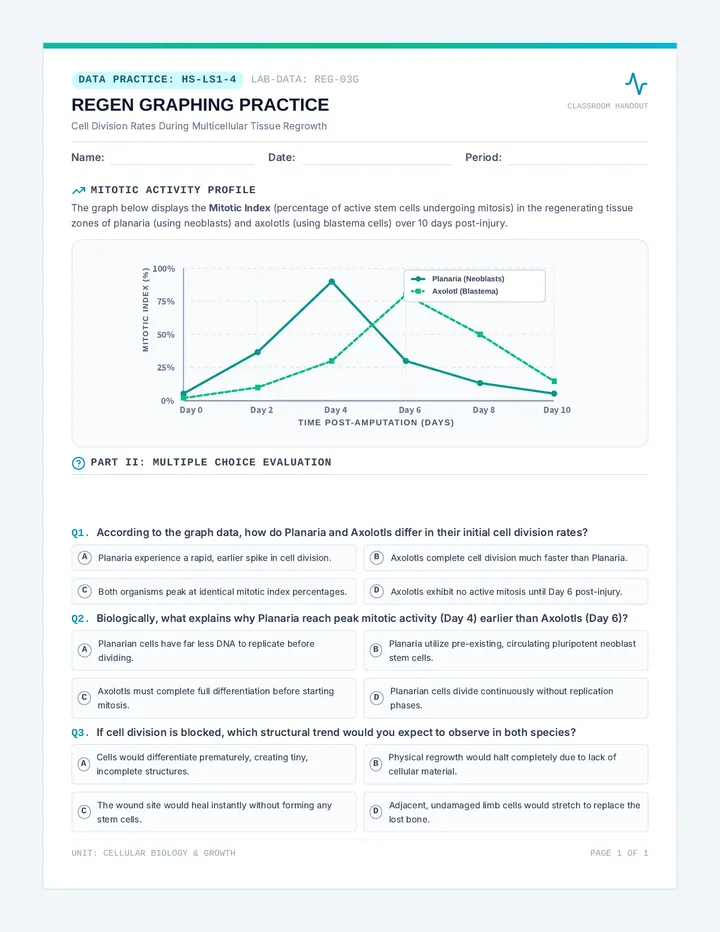
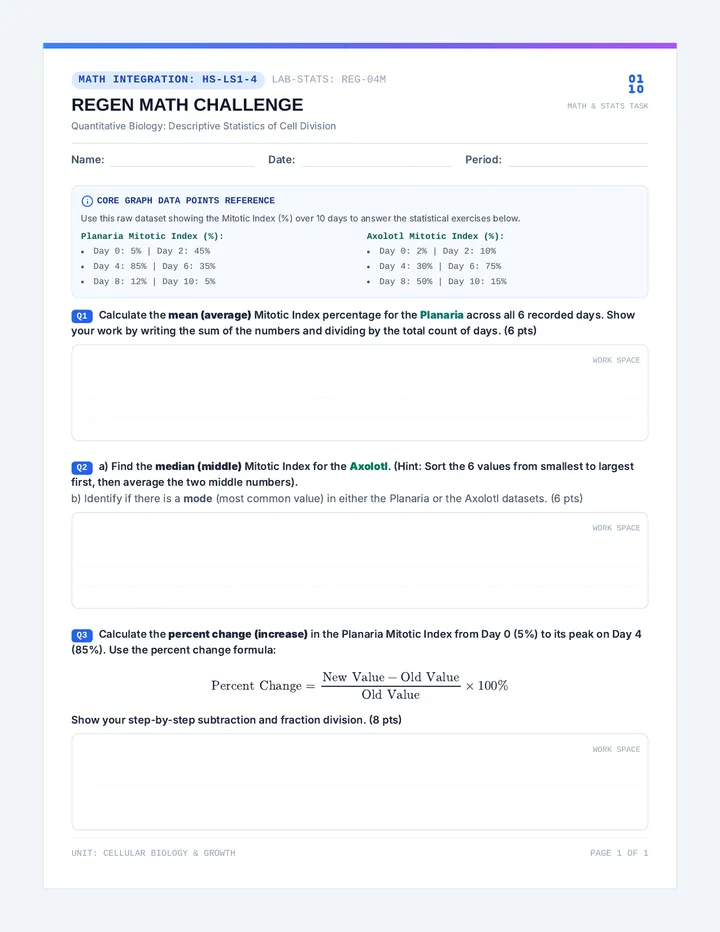
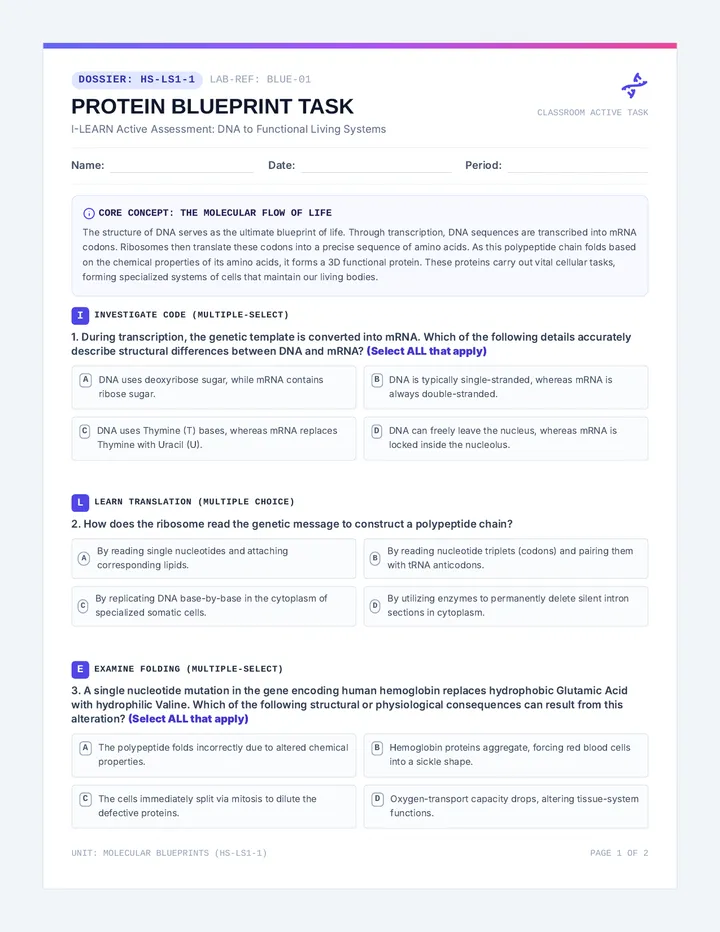
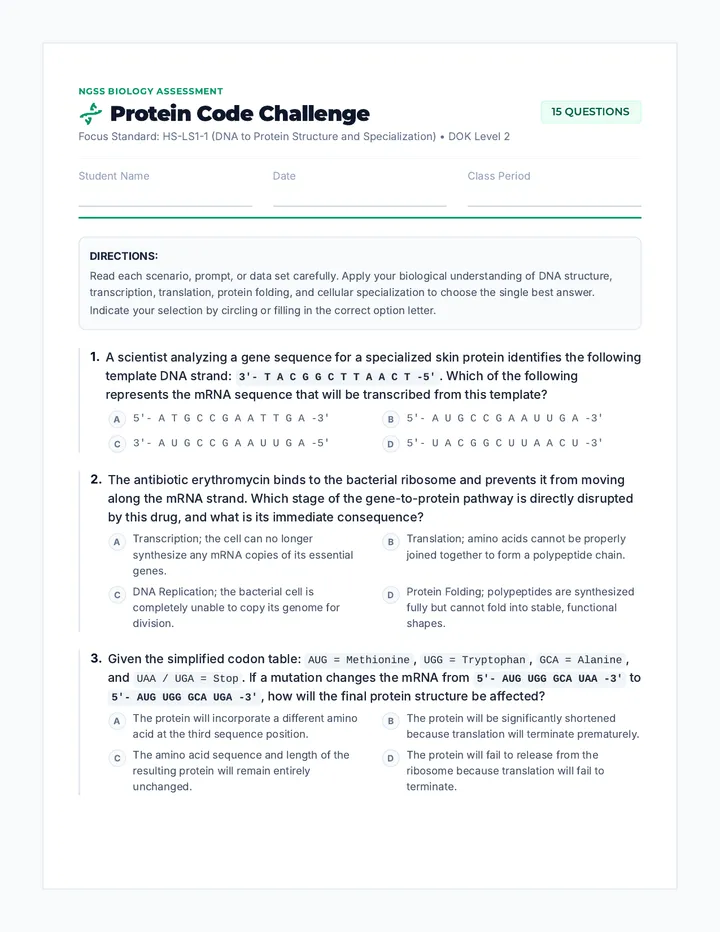
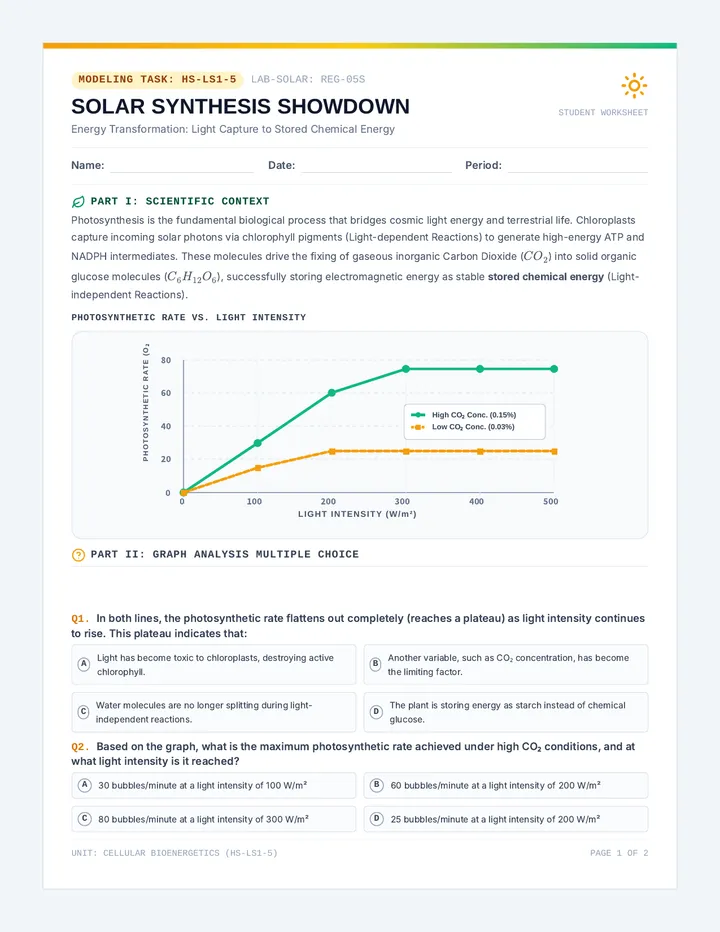
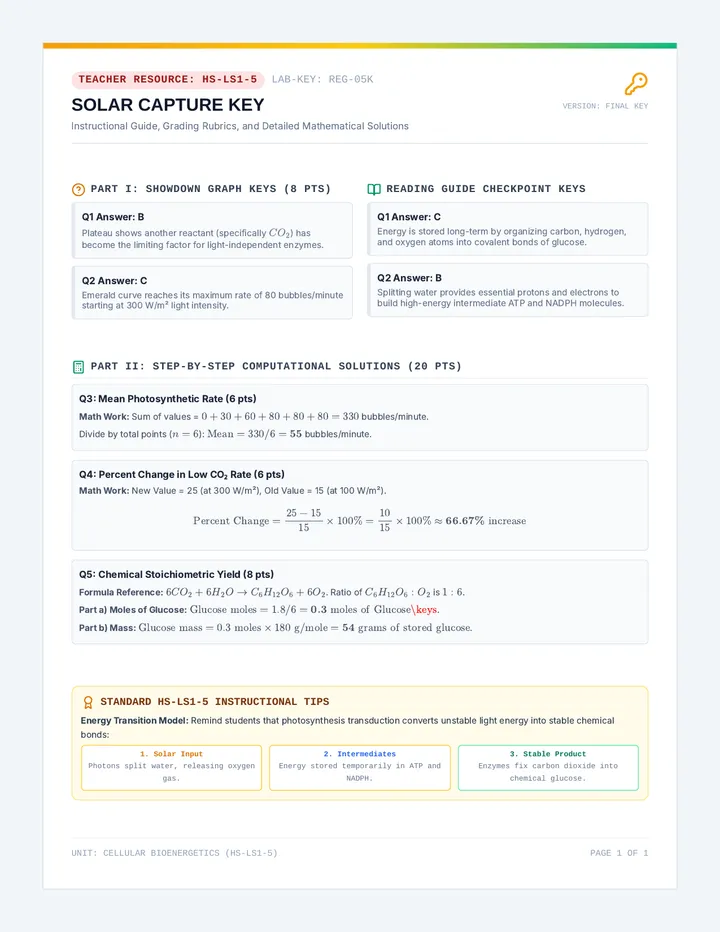
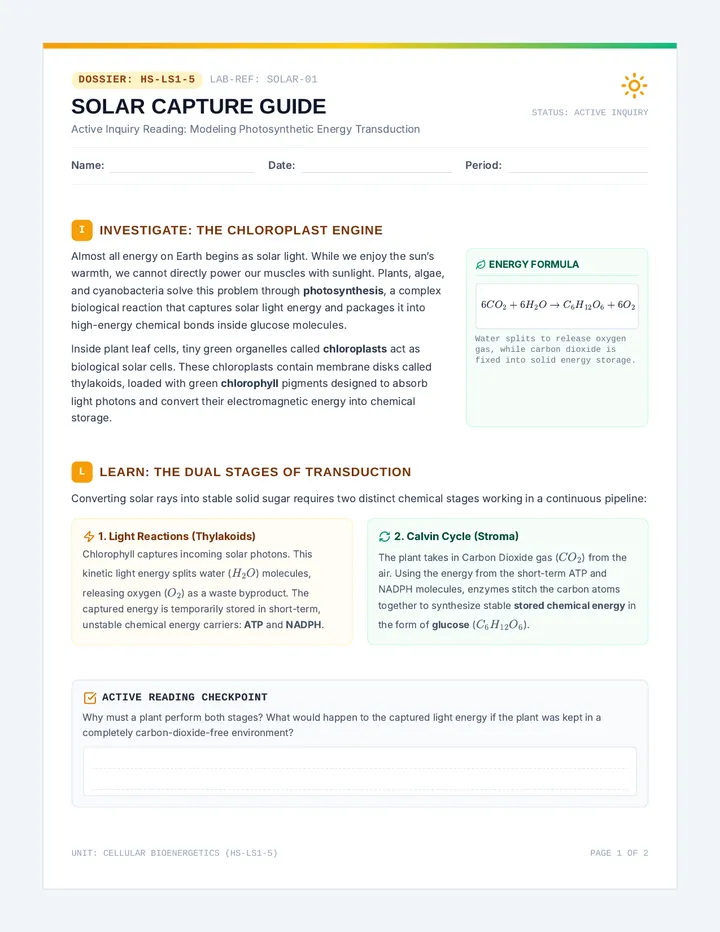
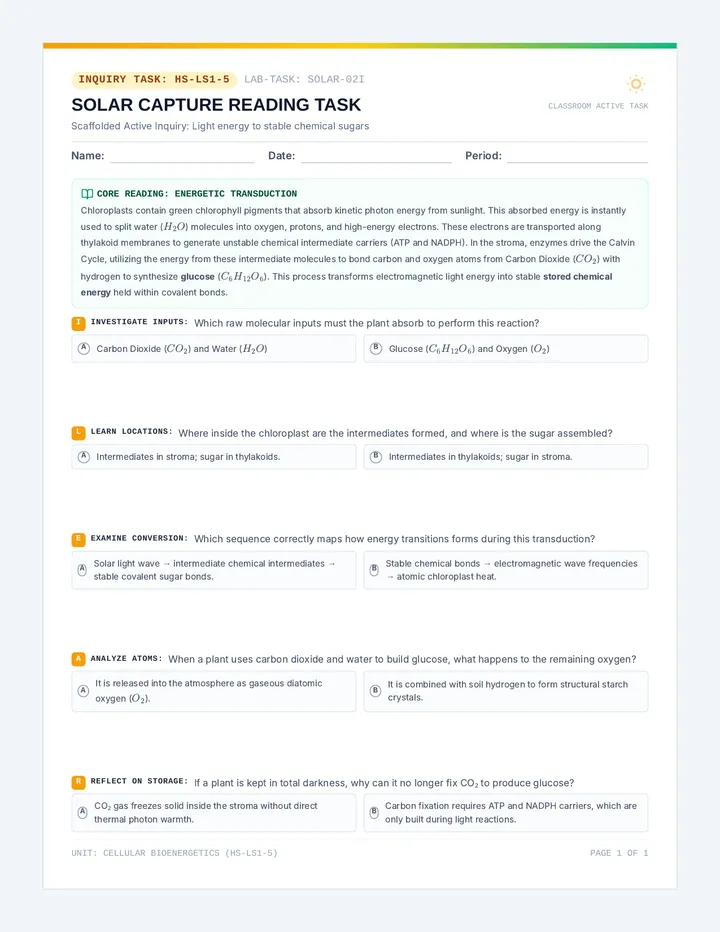
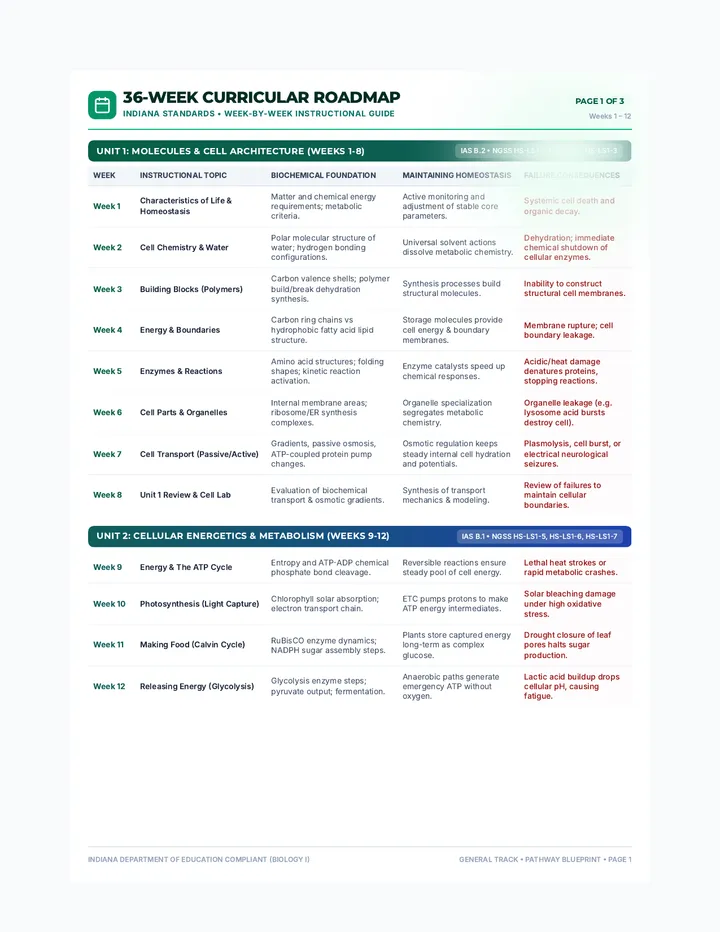
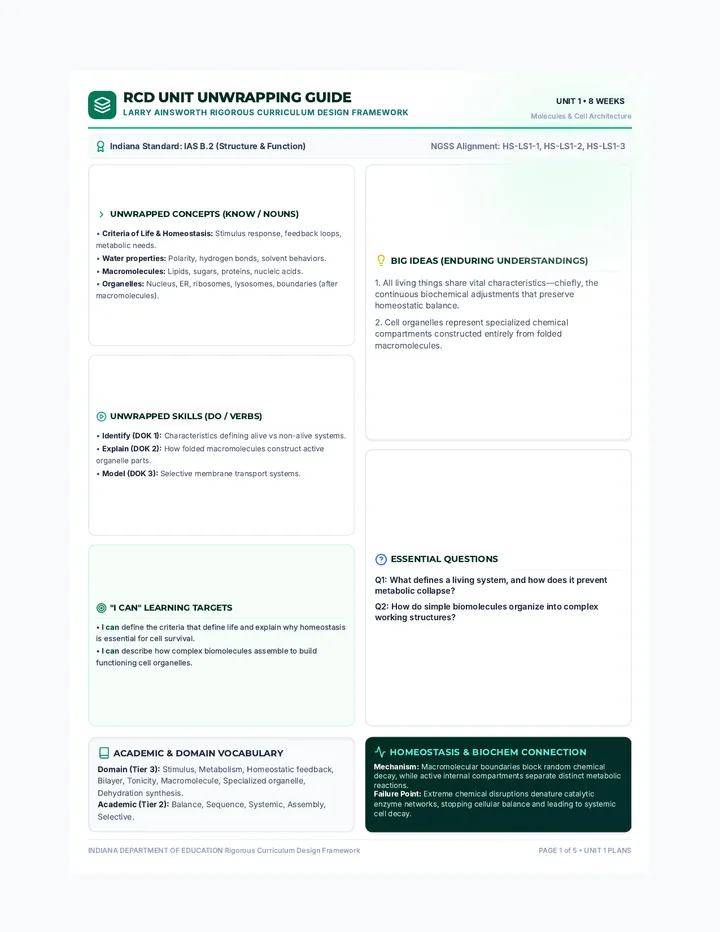
A unit exploring the microscopic machines that keep living things running, from building cells to breaking down food.
A high-engagement sequence on plant systems (Reproduction, Transport, and Response) designed for talkative students. It uses collaborative, discussion-based activities to channel social energy into scientific inquiry.
A comprehensive 2-week unit for high school biology students exploring the interconnectedness of life, from microscopic organisms to the global biosphere. Students will investigate biomes, energy flow, and population dynamics through hands-on activities and creative projects.
A unit exploring the biological origins of humanity, focusing on evolutionary biology, phylogeny, and the development of complex traits like bipedalism and collective learning.
A high school entrepreneurship lesson evaluating the trade-offs between business specialization and diversification. Students analyze the 'Joe's Lawn Care' scenario, explore economies of scale, and engage in a structured debate.
A comprehensive sequence on how Earth's surface is transformed through the processes of weathering and erosion, focusing on the specific agents that shape our landscapes.
A lesson sequence focused on the scientific method, using a mystery box activity to practice observation, hypothesis formation, and experimentation. Students explore the historical roots of the method and apply it to solve physical puzzles.
A high-school level exploration of thermodynamics, focusing on the connection between entropy, enthalpy, and Gibbs Free Energy to predict chemical spontaneity.
A lesson focused on Galileo's gravitational experiments and the mathematical resolution of the 'gravity paradox,' where mass cancels out in the calculation of acceleration. Students conduct a hands-on lab using bottles of different masses to test empirical results against theoretical models.
A series focused on local environmental action and urban air quality solutions, guiding students from observation to advocacy.
A lesson sequence focused on the classification and structure of galaxies, introducing students to Edwin Hubble's classification system and the unique characteristics of our own Milky Way.
A comprehensive biology sequence exploring the intricate ways species interact, from basic symbiosis to complex ecosystem dynamics and population growth.
A sequence exploring sustainable agricultural practices, focusing on how biodiversity and ecological principles can solve modern farming challenges like pest control and soil health.
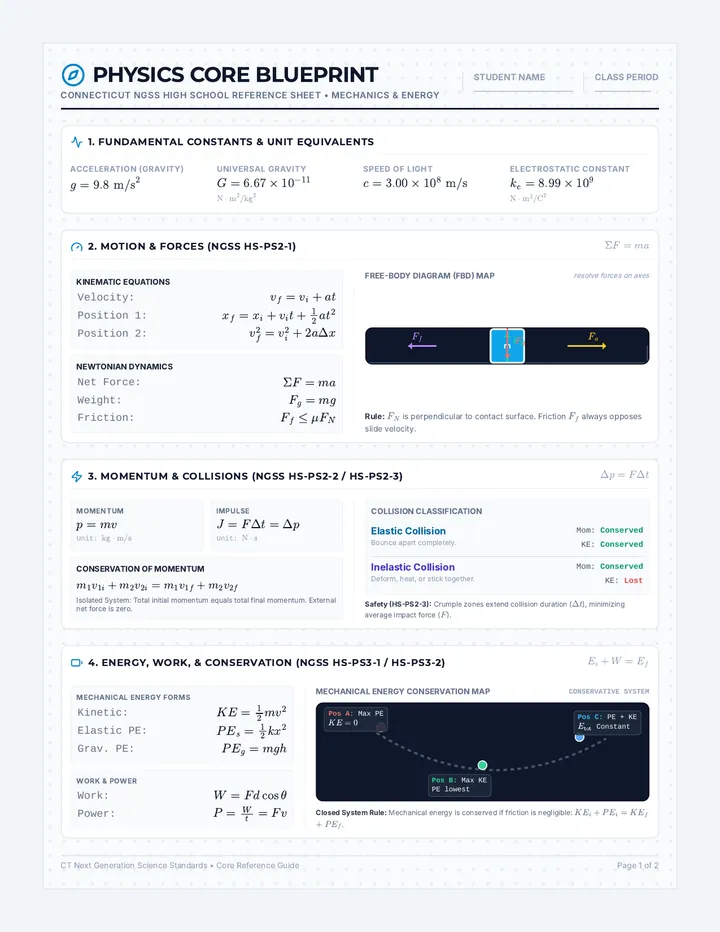
A physics-focused unit exploring the relationship between mass, weight, and force, emphasizing mathematical modeling and unit conversions.
A middle school science unit exploring energy forms, transformations, and the fundamental laws governing the physical world.
This inquiry-based sequence bridges biology and behavioral science, exploring the neurobiological roots of agitation. Students investigate the 'why' behind physiological changes during escalation to foster an objective, science-based approach to behavioral support.
A game-based sequence where 8th-grade students master responsive web design. They progress from fluid units to Flexbox and Media Queries, culminating in a responsive card layout project.
A comprehensive unit where 8th-grade students learn the technical and ethical requirements of web publishing. Students move from local development to a live portfolio, covering file management, copyright law, hosting infrastructure, SEO, and long-term maintenance.
This sequence shifts focus from writing code to designing for human needs through User Experience (UX) and User Interface (UI) principles. Students adopt the role of UX researchers, analyzing existing sites for usability and accessibility failures before they write a single line of code.
A comprehensive guide to the operational side of web development, covering DNS, hosting types, FTP, CMS deployment, SEO, and site security. Students learn the technical requirements for establishing and maintaining a professional digital presence.
A comprehensive introduction to web development, focusing on semantic HTML5 structure and CSS styling. Students progress from analyzing existing websites to hand-coding a multi-page static site with professional standards.
A comprehensive sequence for high school seniors to plan, design, and build a professional digital portfolio. Students move from brand strategy and content curation to high-fidelity coding and peer-led usability testing.
A comprehensive unit on modern web design, focusing on User Experience (UX), flexible layout systems (Flexbox and CSS Grid), and responsive design principles using a mobile-first philosophy.
Students transition from basic HTML to CSS, learning how to style web pages with colors, fonts, and layouts. The sequence covers CSS syntax, color theory, typography, and the box model, culminating in a personal profile design project.
A comprehensive capstone unit where 9th-grade students synthesize HTML and CSS skills to build, publish, and maintain a professional personal portfolio website while managing their digital footprint.
A comprehensive unit on User Experience (UX) and Web Accessibility (A11y) for 9th-grade students. Students move from understanding user needs through persona creation to planning inclusive digital spaces using wireframes and WCAG standards.
A comprehensive introduction to CSS for 9th-grade students, focusing on selectors, the box model, typography, flexbox layouts, and responsive design through hands-on coding challenges and visual theory.
A foundational unit for 9th-grade students to master HTML syntax, text hierarchy, hyperlinks, media embedding, and semantic layout containers. Through hands-on coding and source code analysis, students learn to build structurally sound web documents from scratch.
This sequence establishes the foundational skills necessary for objective behavioral analysis, moving students from casual observation to professional data collection. Students master operational definitions, the ABC model, quantitative measurement techniques, and data visualization while exploring ethical reporting and bias.
A comprehensive inquiry-based sequence for 9th-grade students exploring the foundational psychological theories behind behavior modification, specifically focusing on B.F. Skinner’s operant conditioning and the application of positive reinforcement.
Students explore automation and the future of work by adopting the role of inventors and designers. They investigate how robots and software automate tasks, analyze shifting job markets, and apply design thinking to create beneficial future technology concepts.
A comprehensive sequence on the physics and chemistry of chromatography, covering stationary and mobile phases, Rf value calculations, polarity, and forensic applications. Students progress from basic paper chromatography to thin-layer chromatography (TLC) in a series of inquiry-based labs.