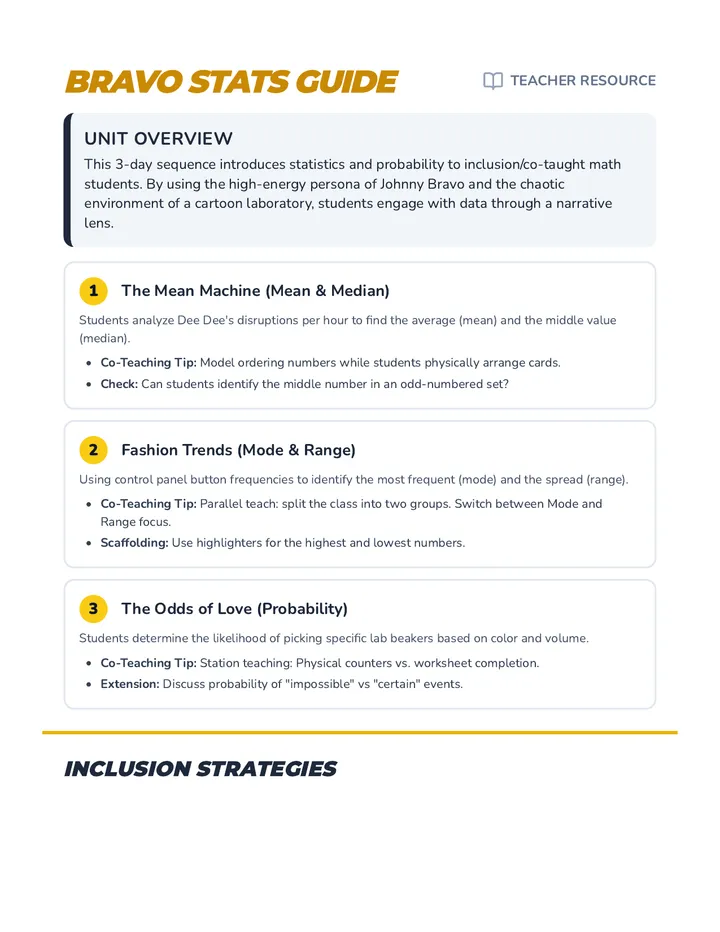
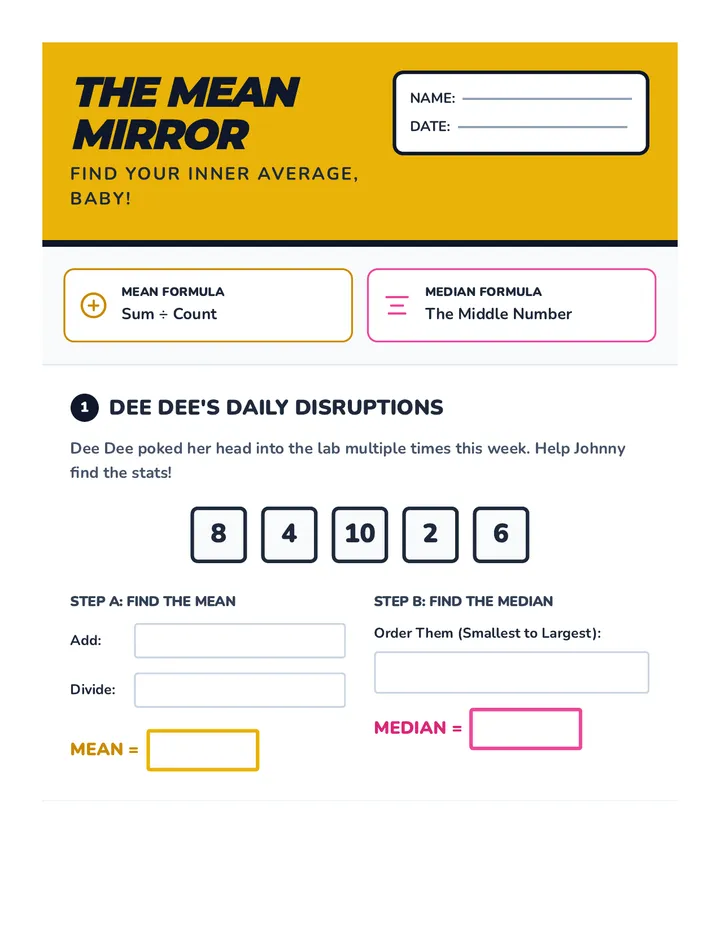
This inquiry-based sequence introduces 6th grade students to statistical variability, starting with distinguishing question types and progressing to visualizing data on dot plots and quantifying spread using range.
A tier 2 intervention sequence for 6th-grade students focused on 6.EE.B (Equations and Inequalities). Built on All Learners Network (ALN) High Leverage Practices, this unit uses a 'Blueprint' theme to help students conceptually understand balancing equations, using variables, and representing constraints with inequalities.
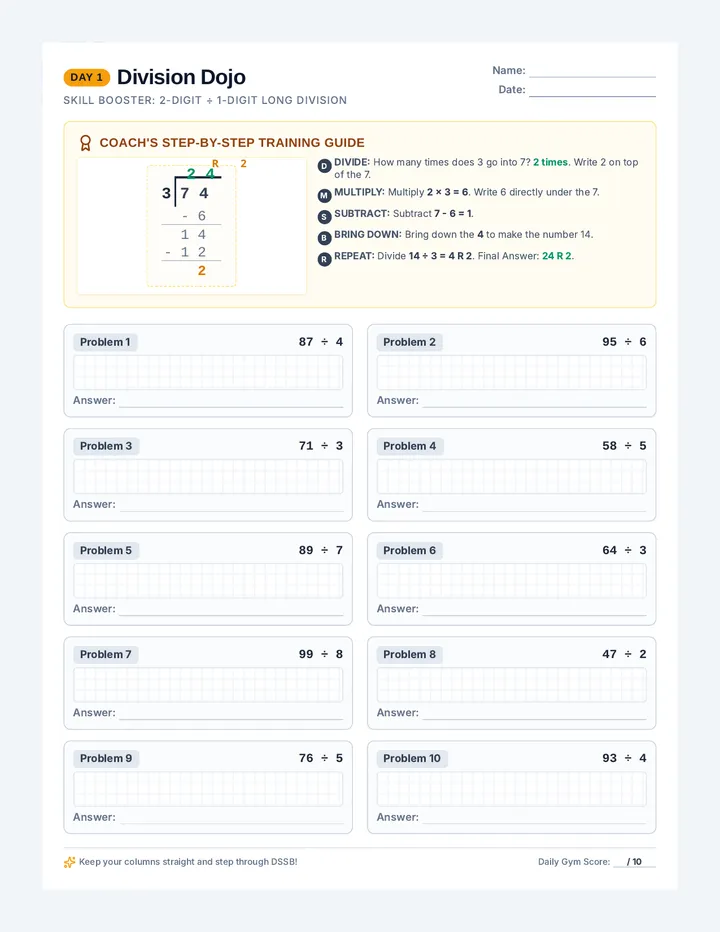
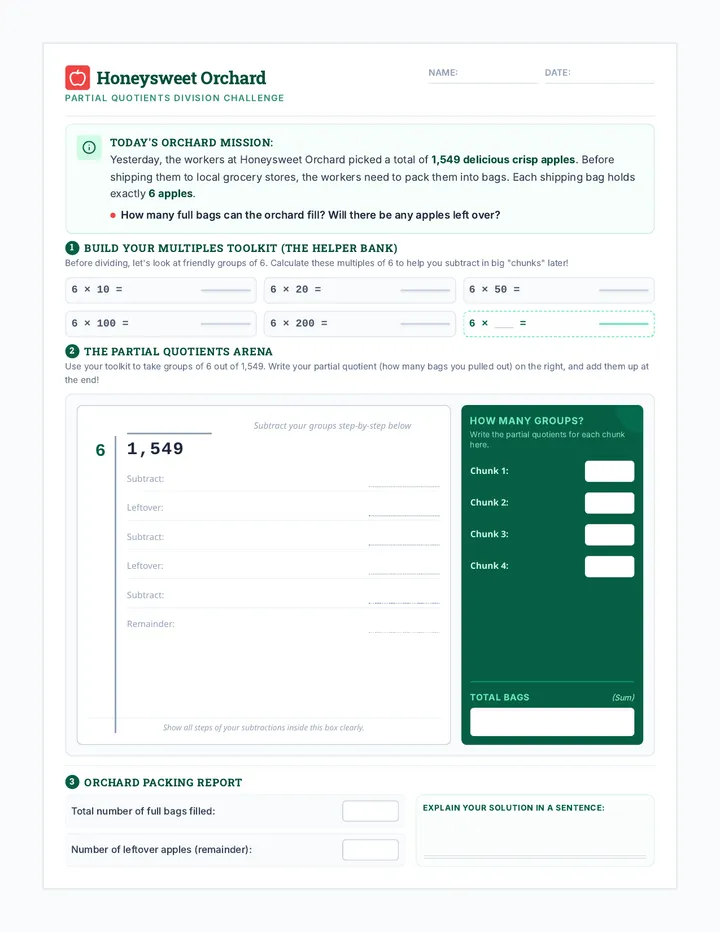
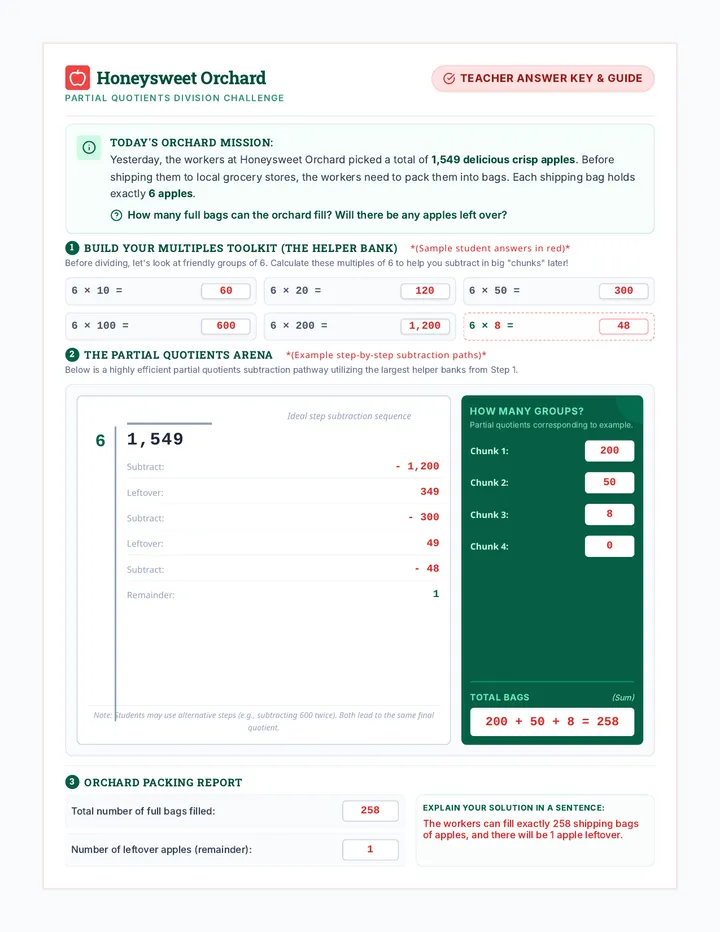
A 12-lesson Tier 2 intervention sequence for 6th-grade students struggling with multi-digit division. This sequence uses the Illustrative Mathematics approach (area models and partial quotients) and aligns with the All Learners Network's High Leverage Concepts to build deep conceptual understanding of the relationship between multiplication and division.
A 12-lesson Tier 2 intervention unit for 6th-grade students focusing on the properties of operations (Commutative, Associative, and Distributive). Students learn to use these properties as "tools" in an "Operation Lab" to simplify multiplication and division tasks, progressing from visual models to mental math applications.
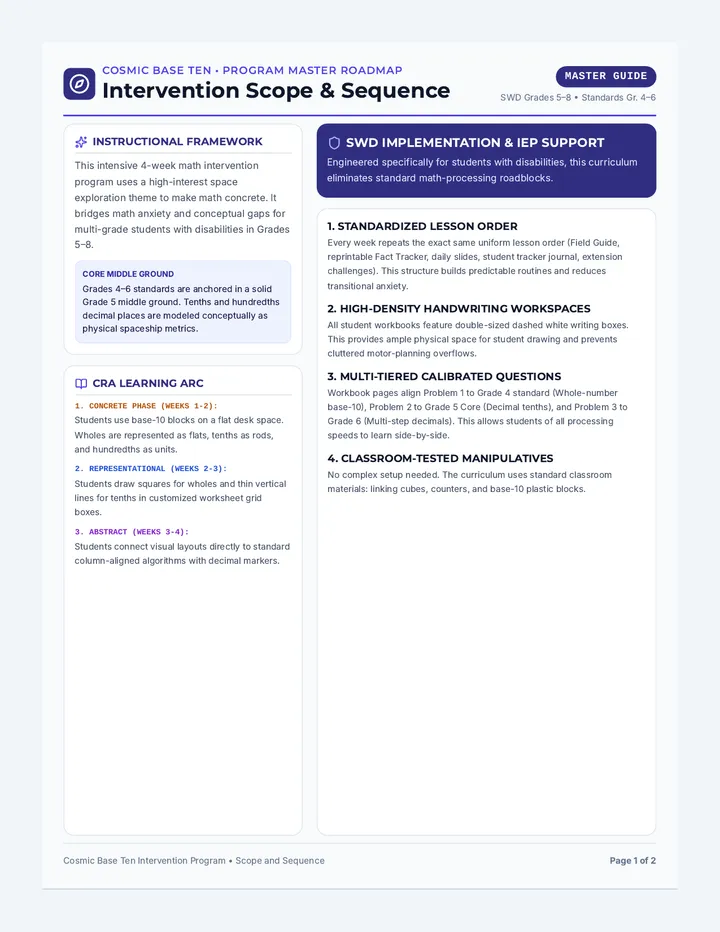
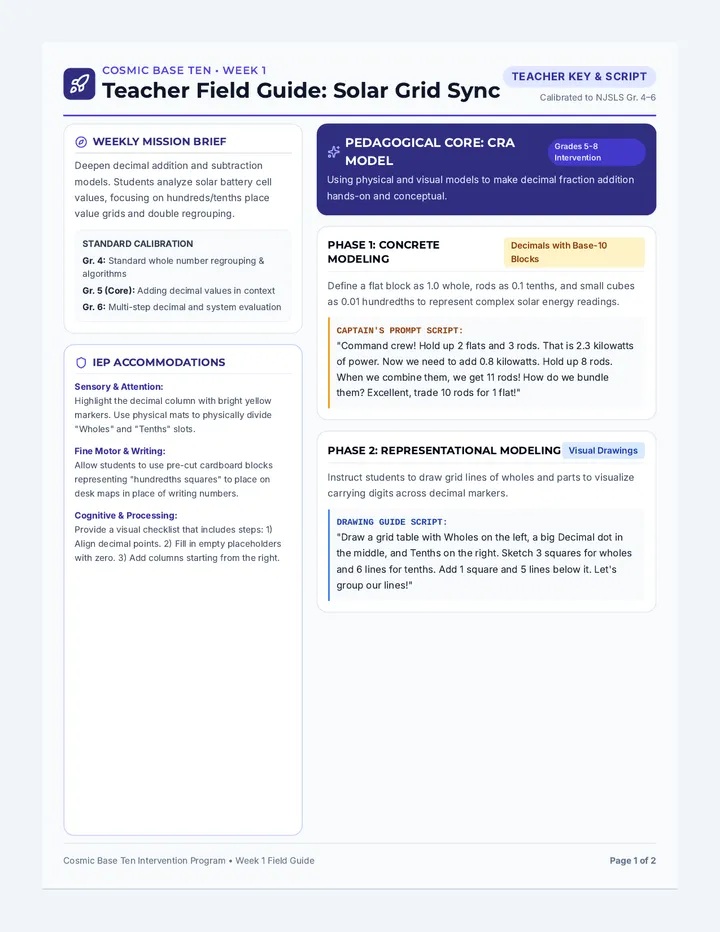
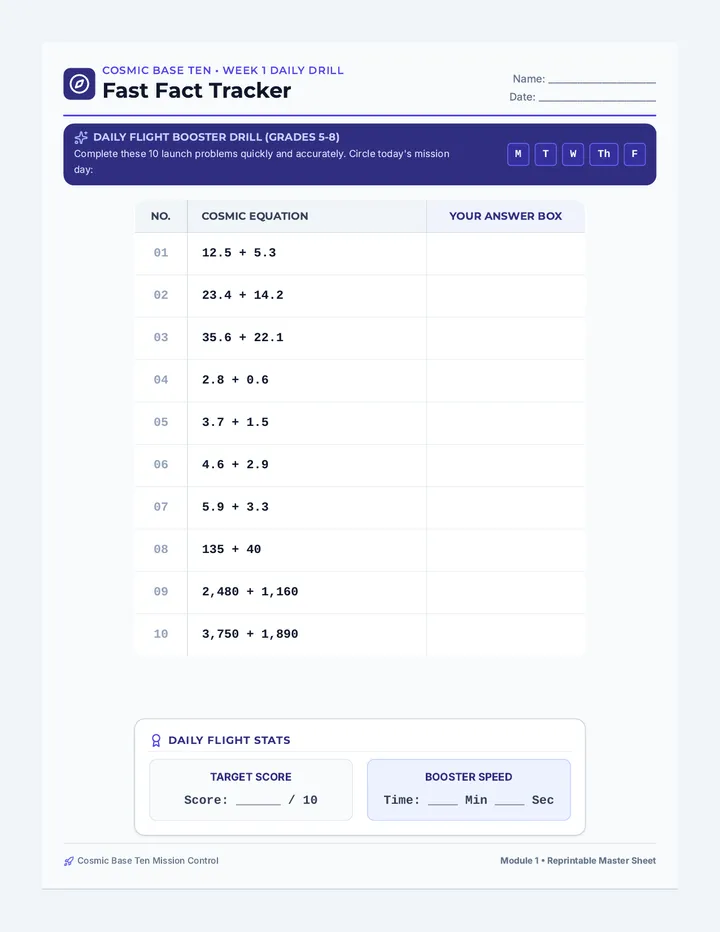
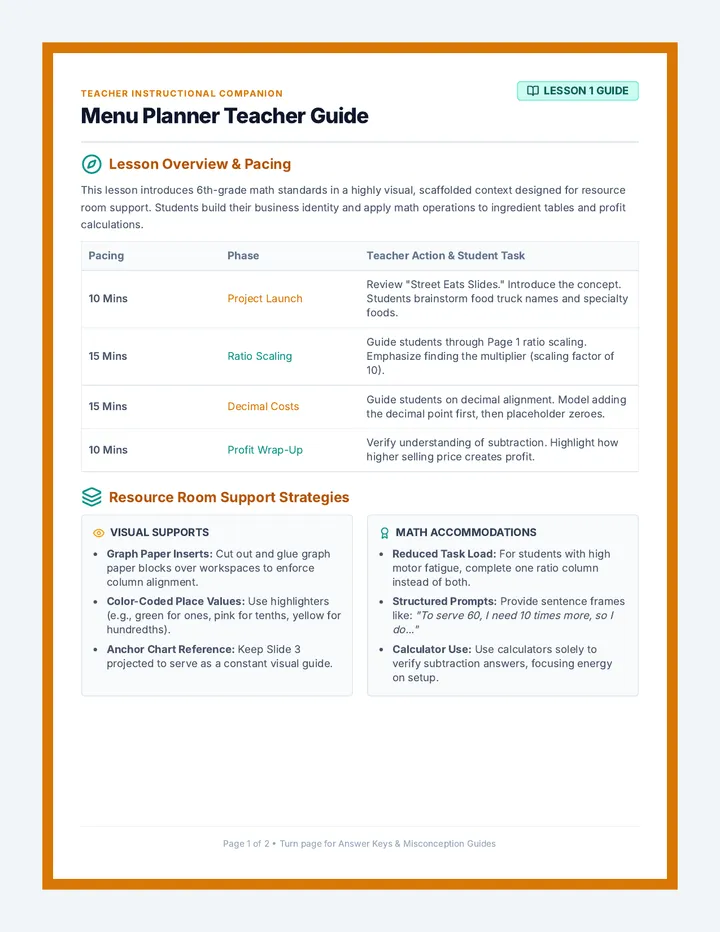
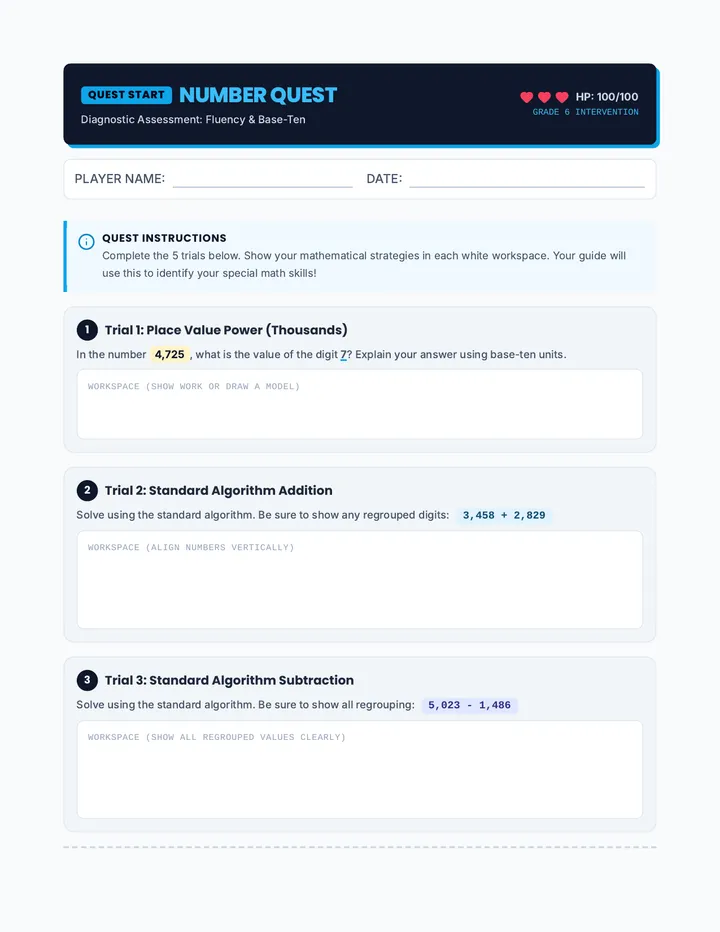
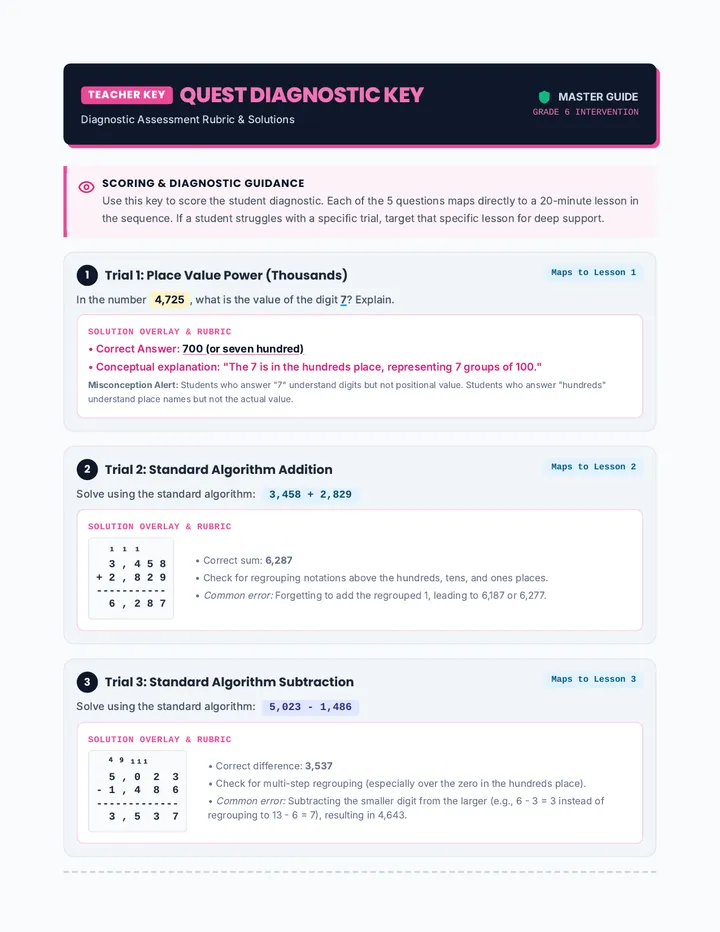
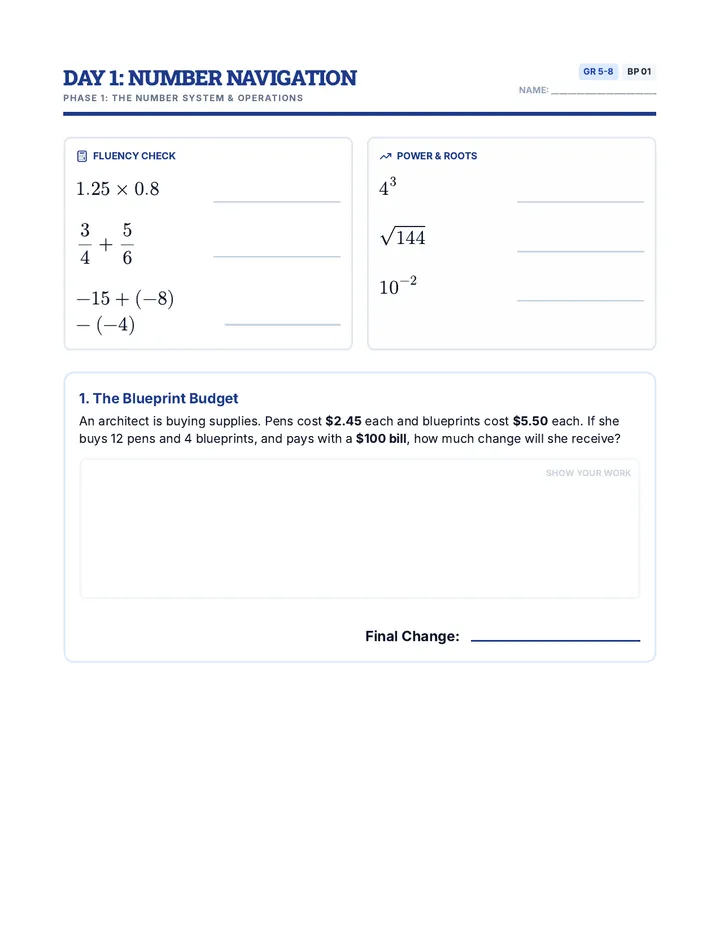
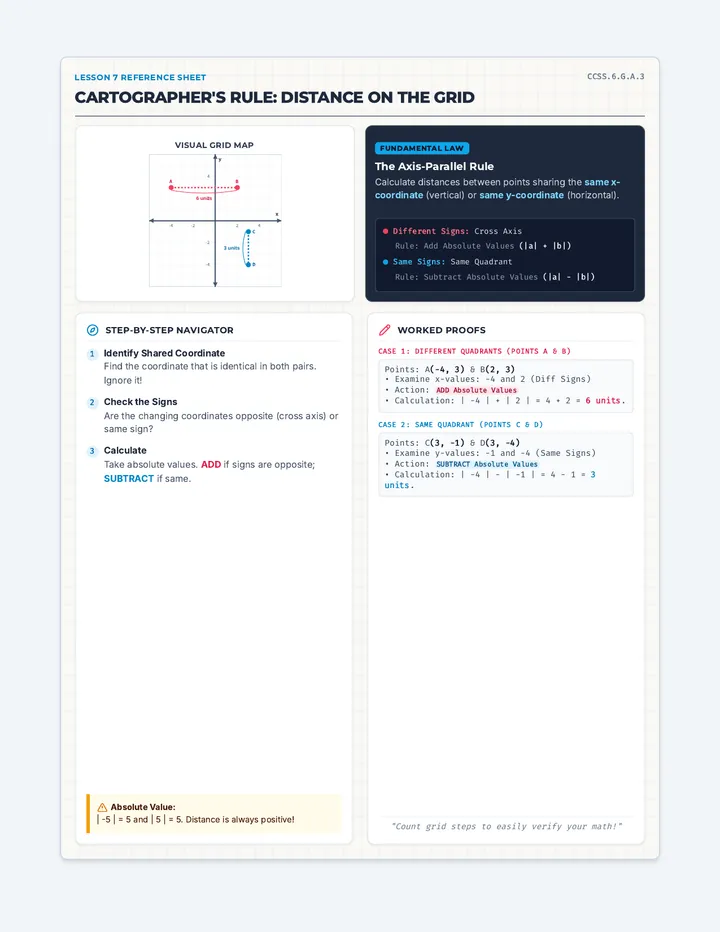
A 12-lesson Tier 2 intervention sequence for 6th-grade students focused on computational fluency with decimals and the system of rational numbers. The sequence follows the All Learner Network High Leverage Concepts, moving from multi-digit decimal operations to complex coordinate plane navigation.
A 6-lesson intervention sequence for 6th-grade students focusing on multi-digit decimal operations and rational number concepts on the number line and coordinate plane. Designed for small-group instruction using High Leverage Concepts.
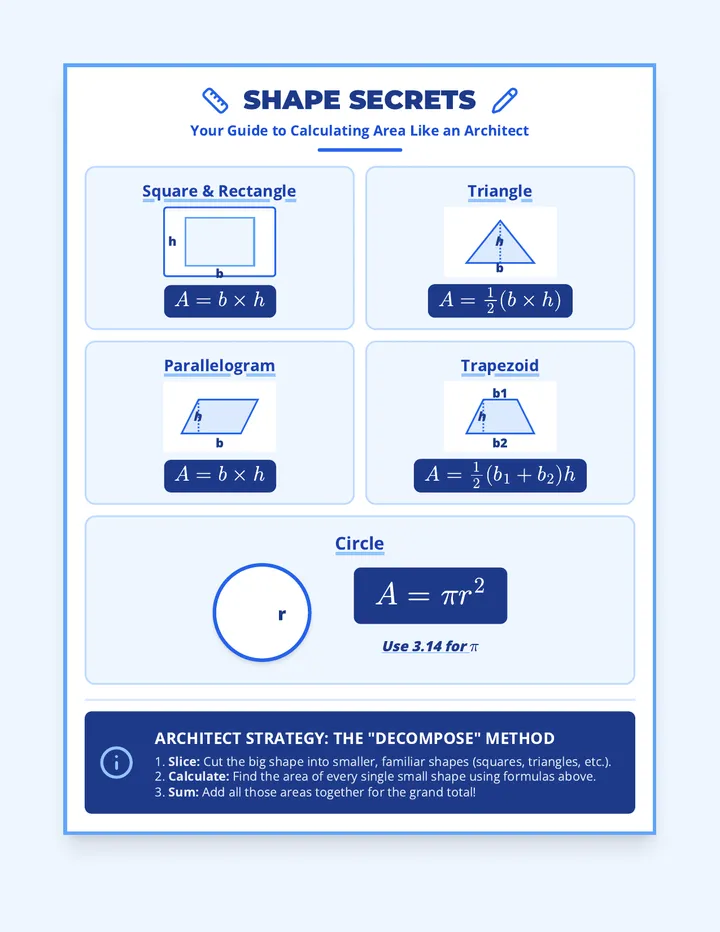
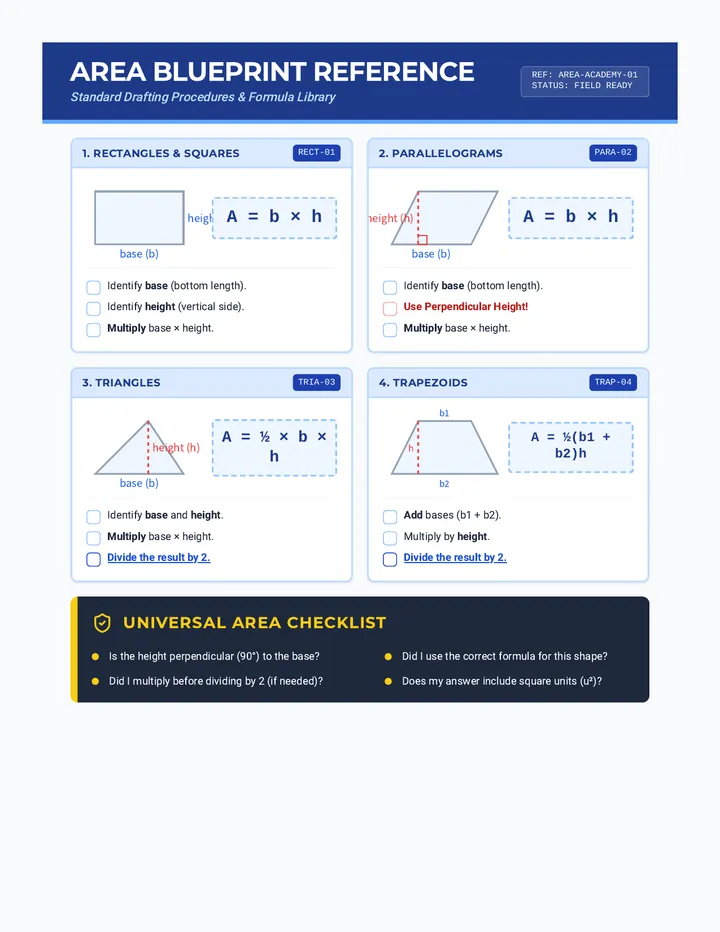
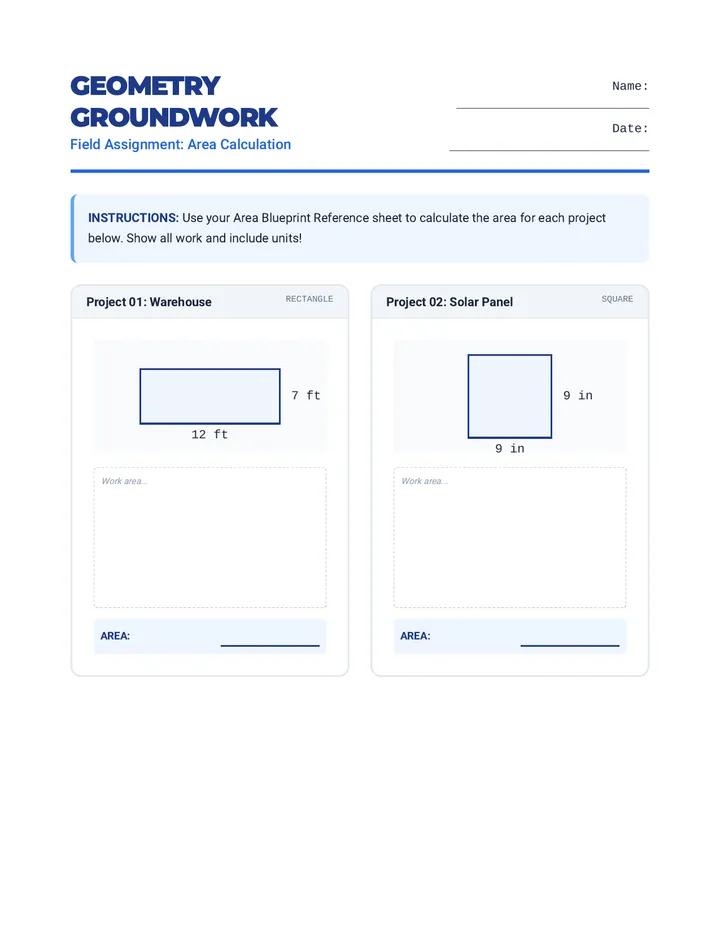
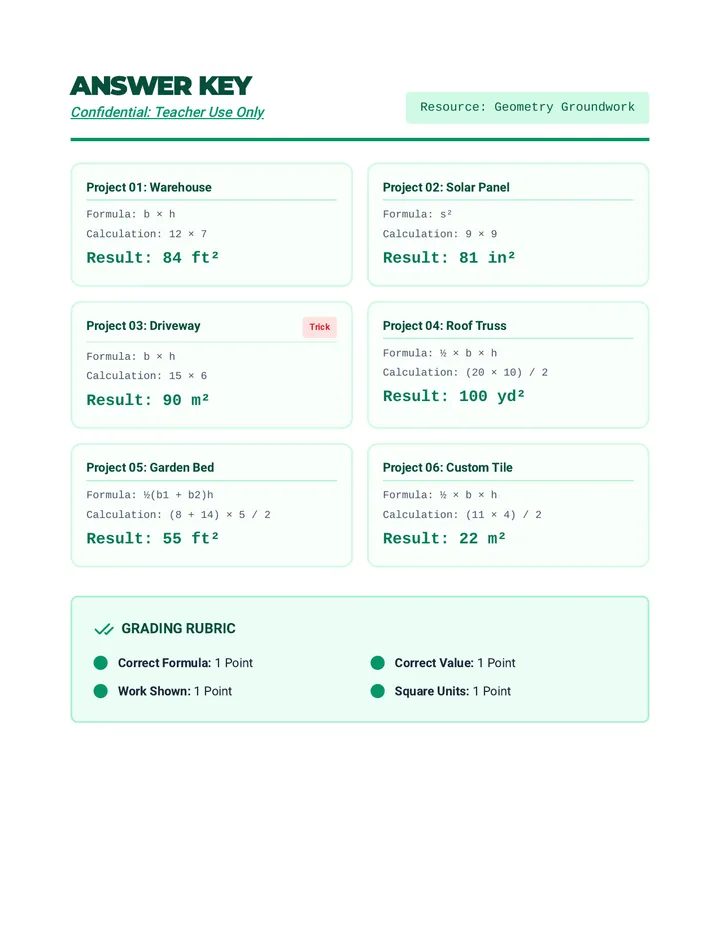
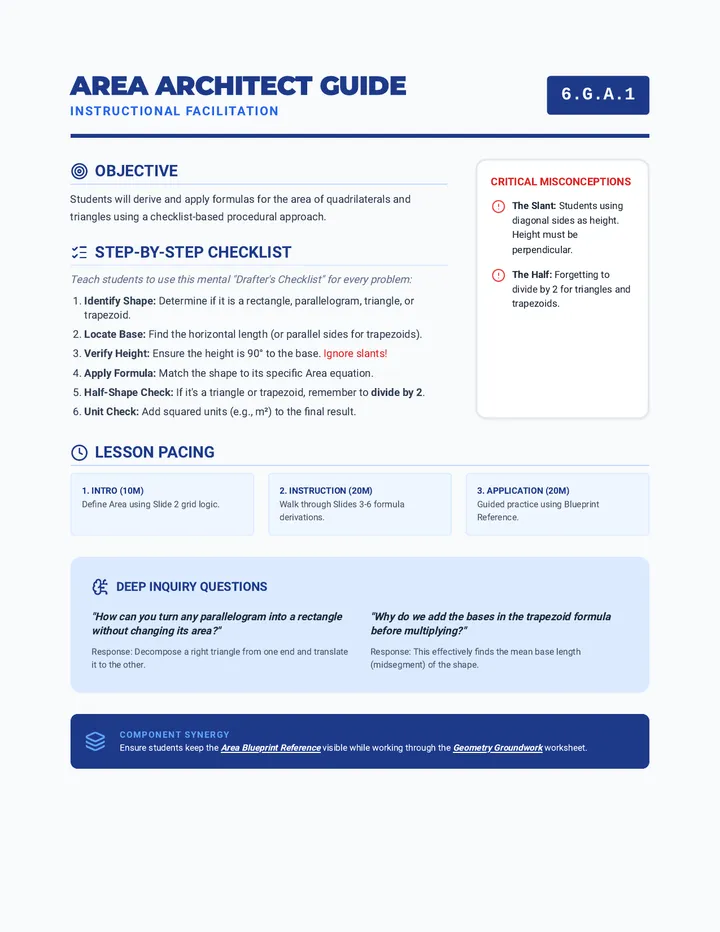
A 12-lesson Tier 2 intervention sequence focused on developing conceptual understanding of area and volume for 6th-grade students. Using the All Learners Network High Leverage Concepts, students move from concrete tiling to decomposing shapes and finally calculating volume with fractional edges and surface area with nets.
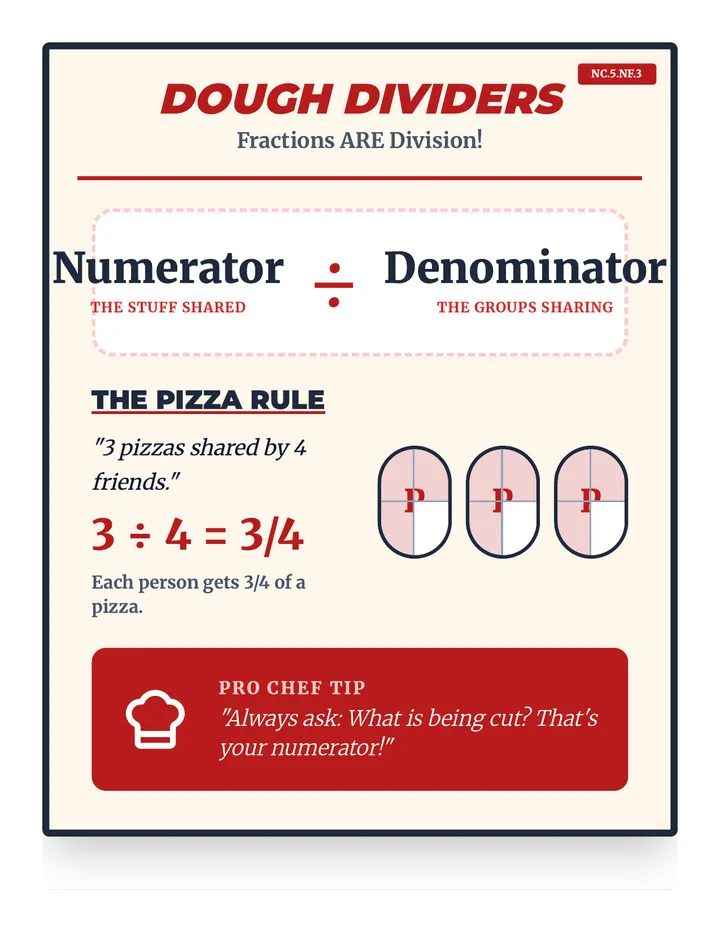
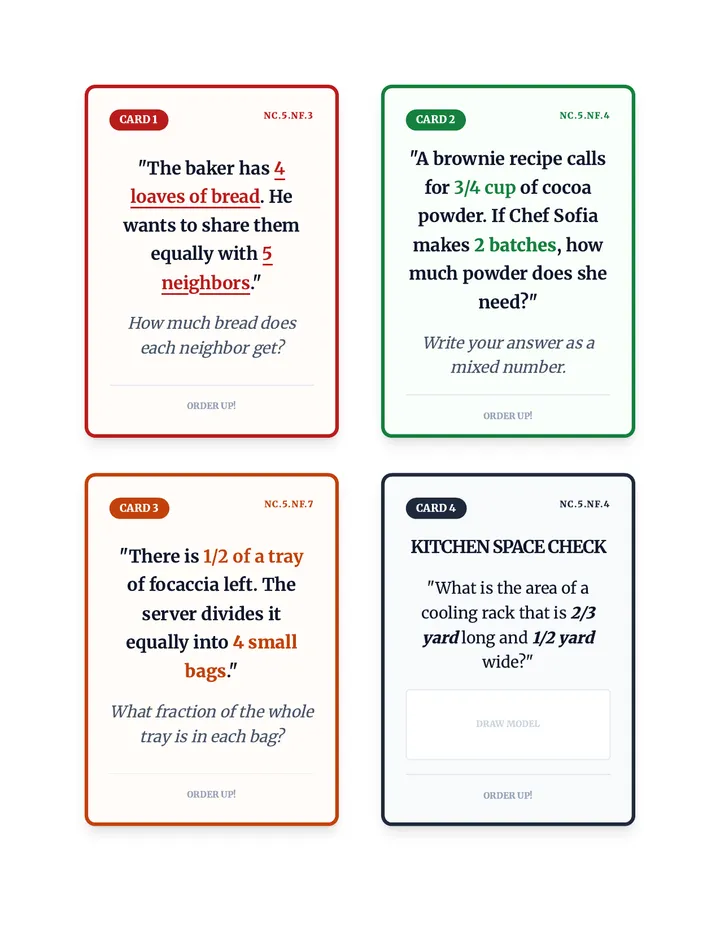
A 12-session tier 2 intervention sequence designed to build conceptual mastery of fraction division. Grounded in All Learners Network (ALN) principles, students progress from visual measurement models to the common denominator strategy and eventually the standard algorithm through deep reasoning and high-leverage concepts.
A comprehensive week-long math unit focused on identifying coin values and performing addition and subtraction of money up to $20 using a calculator in real-world contexts.
A 12-lesson Tier 2 intervention series focused on 6th-grade Expressions and Equations. Using the All Learners Network (ALN) High Leverage Concepts, students build conceptual understanding of variables, equality as balance, and the structure of expressions through number sense routines and low-floor, high-ceiling tasks.
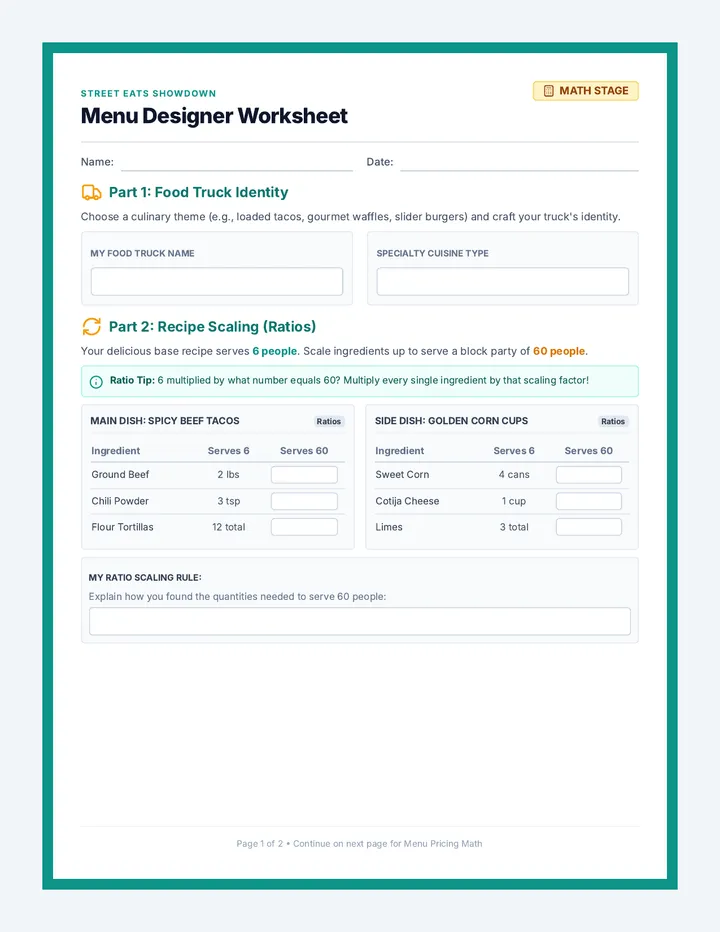
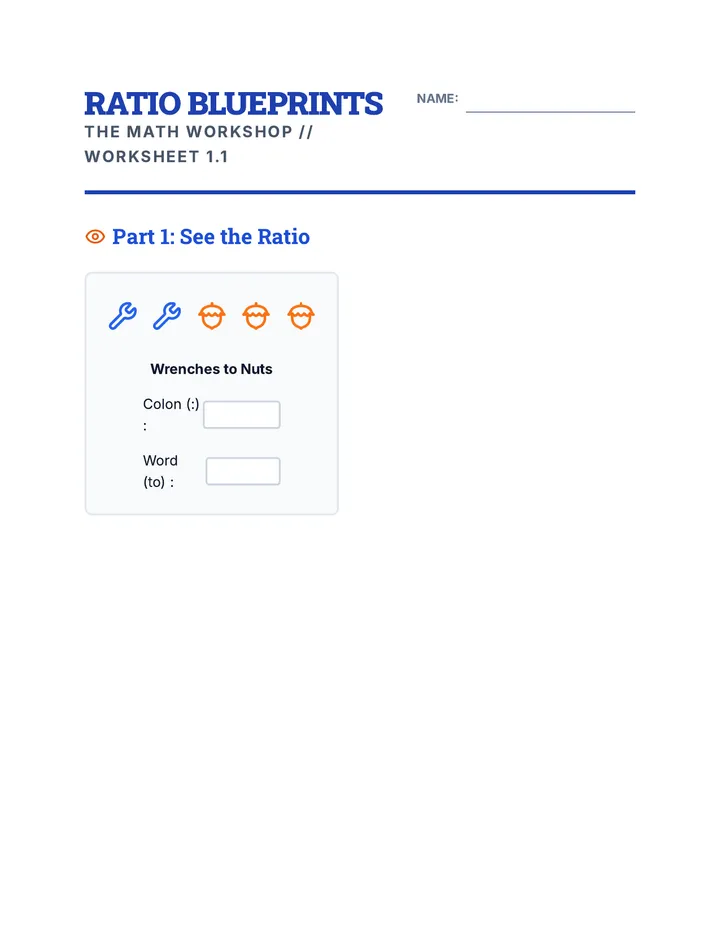
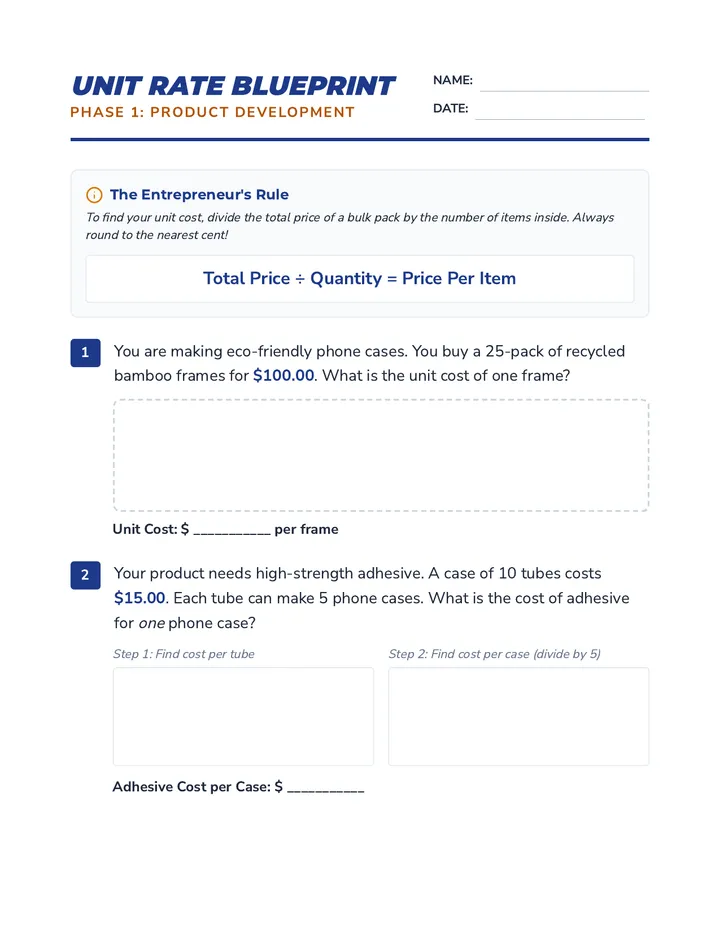
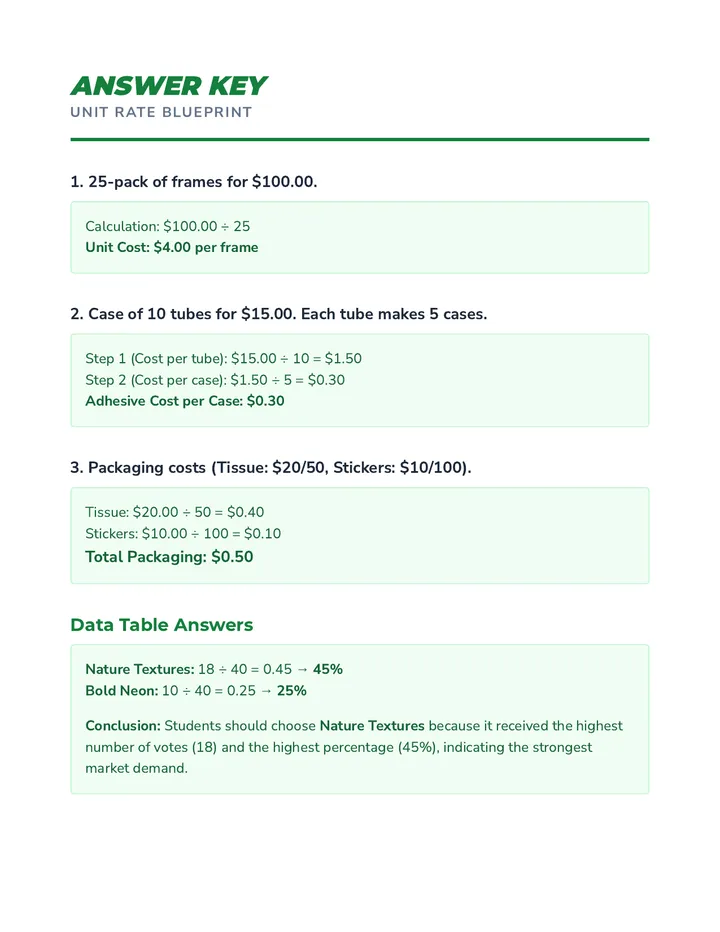
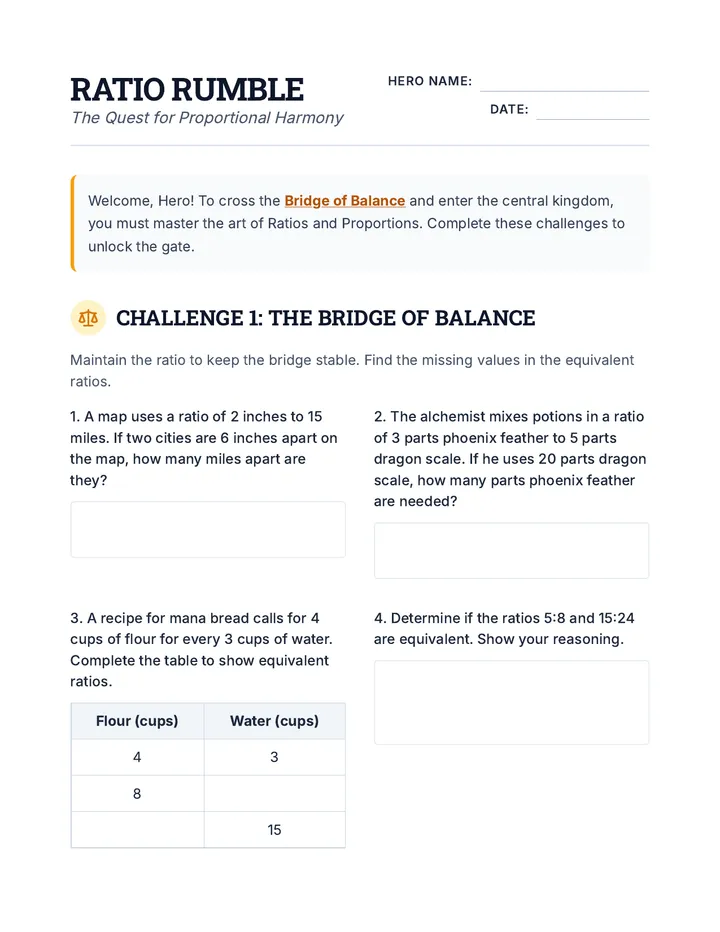
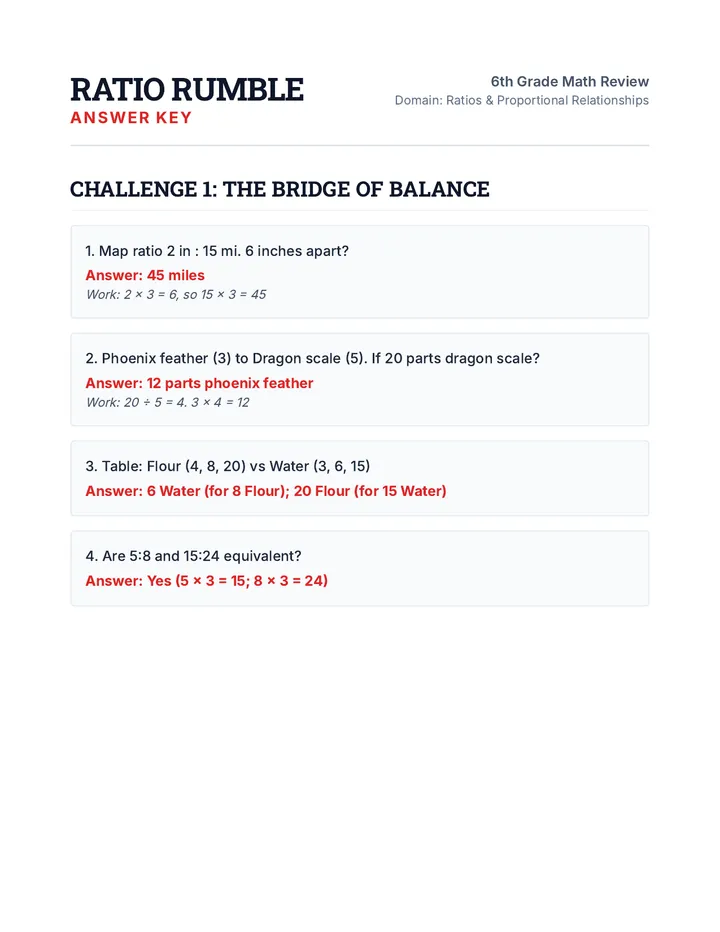
A comprehensive 12-lesson Tier 2 intervention sequence focused on 6th-grade ratio and proportion standards. Using High Leverage Concept strategies from the All Learners Network, this sequence moves from basic ratio language to complex unit rate and percent problems using visual models like tape diagrams and ratio tables.
A 5-lesson Tier 2 intervention series designed for 6th-grade small group instruction, focusing on the conceptual understanding and procedural fluency of comparing, ordering, and converting fractions, decimals, and percentages.
A comprehensive math intervention sequence for 6th-grade students, focusing on four key domains: Numbers & Operations, Algebraic Thinking, Measurement & Data, and Geometry. This sequence uses high-leverage strategies from the All Learners Network (ALN) and aligns with i-Ready prerequisite modules to bridge conceptual gaps.
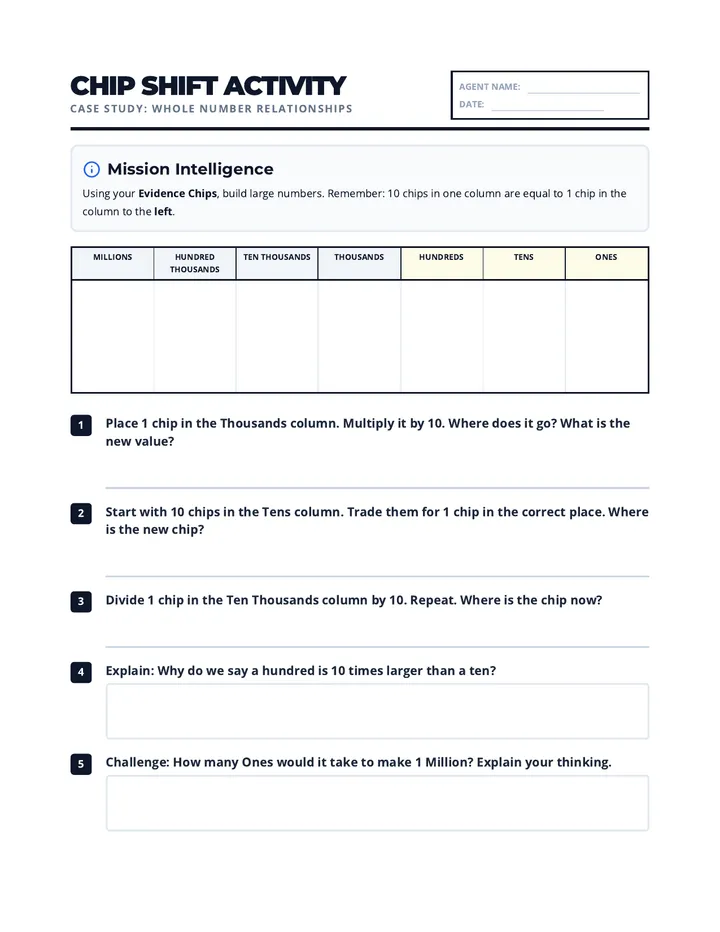
A 12-lesson intervention sequence focused on building flexible thinking with place value and fractions for 6th-grade students performing at 4th-6th grade levels. The sequence uses a 'Number Navigators' theme to explore decimal relationships, fractional equivalence, and the bridge between the two.
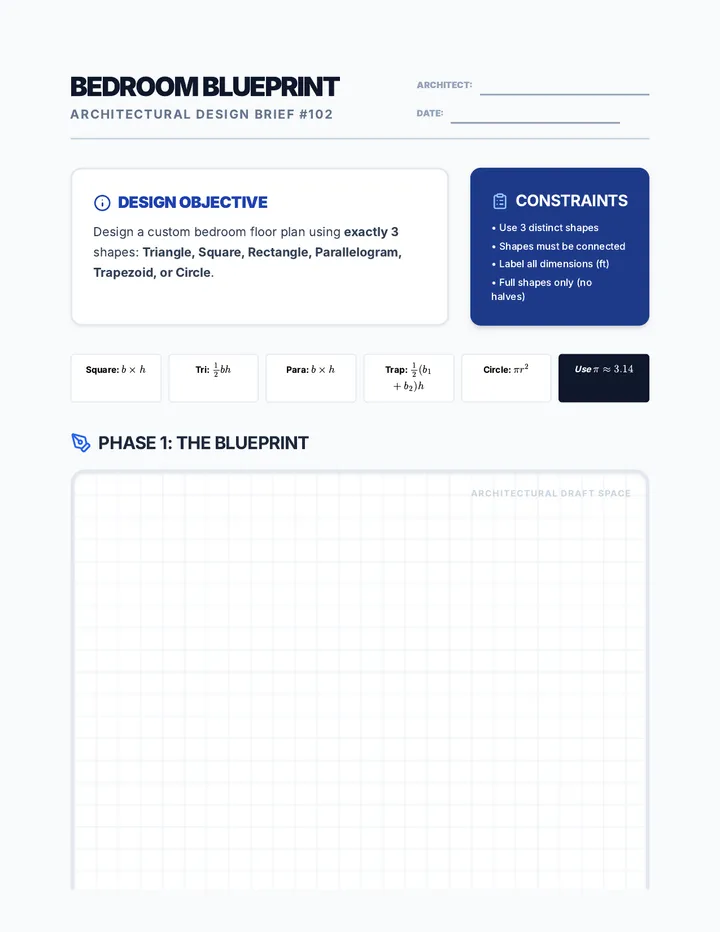
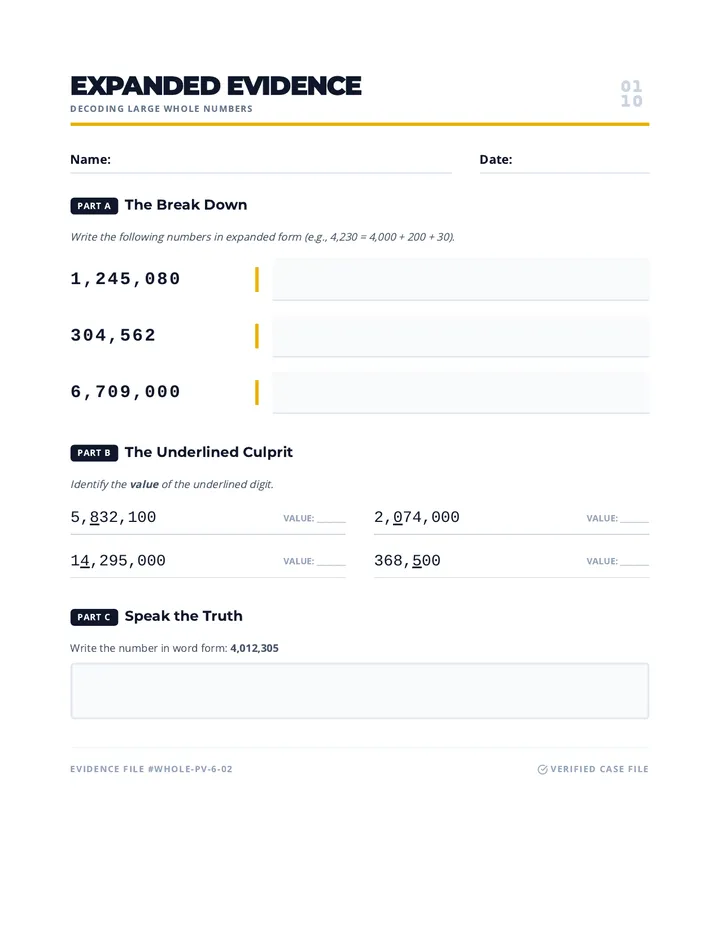
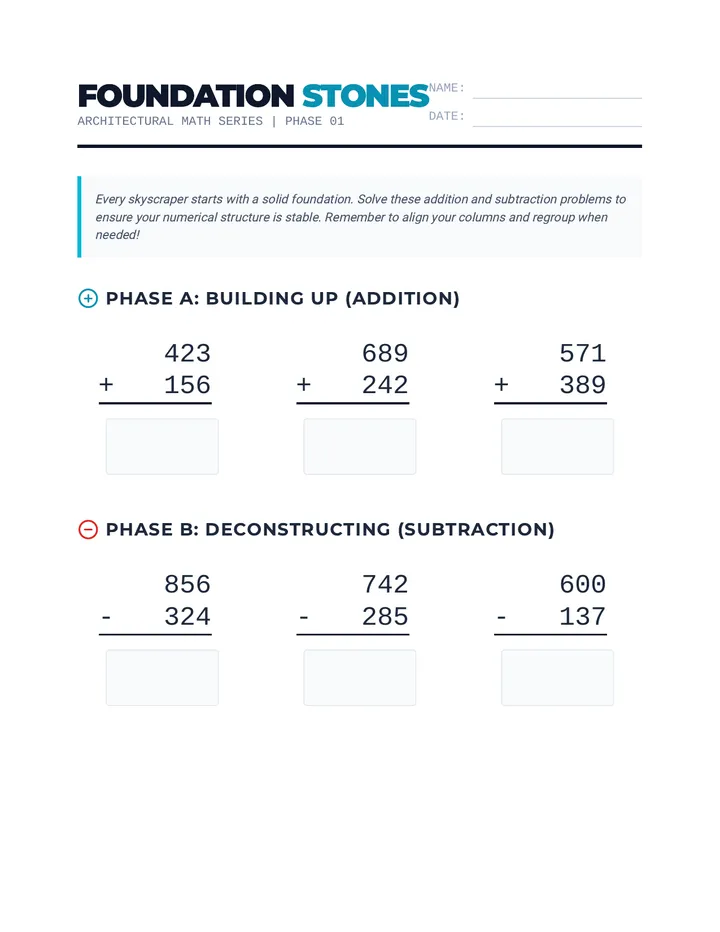
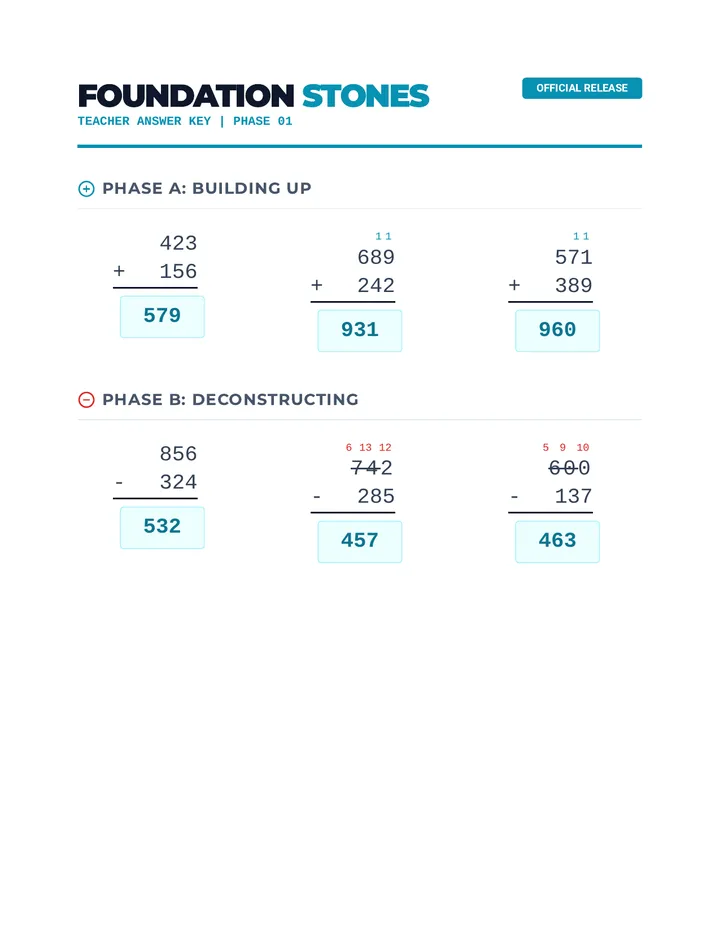
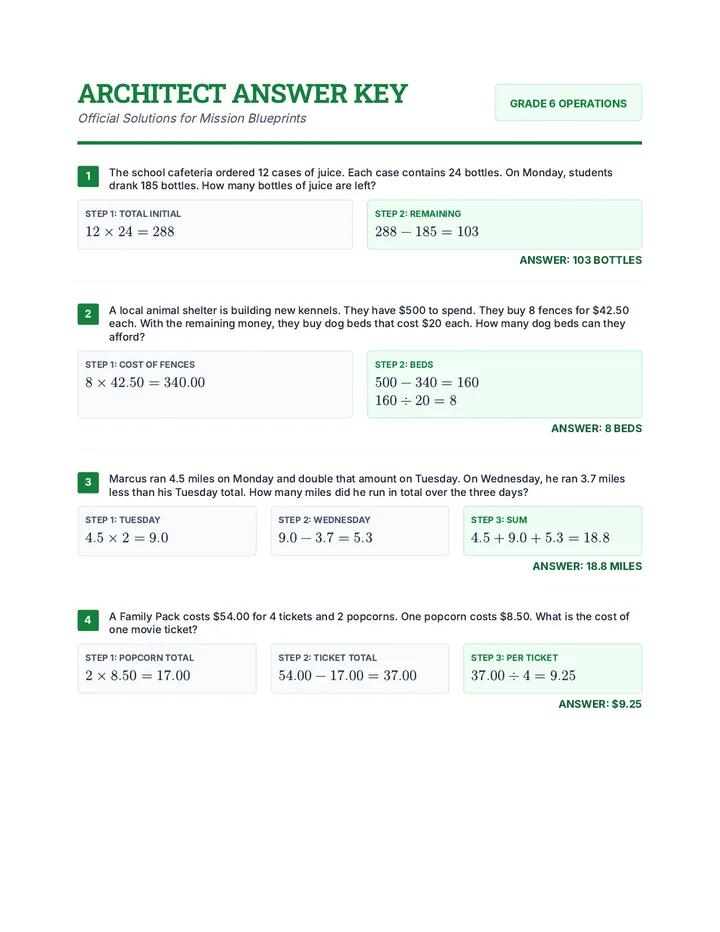
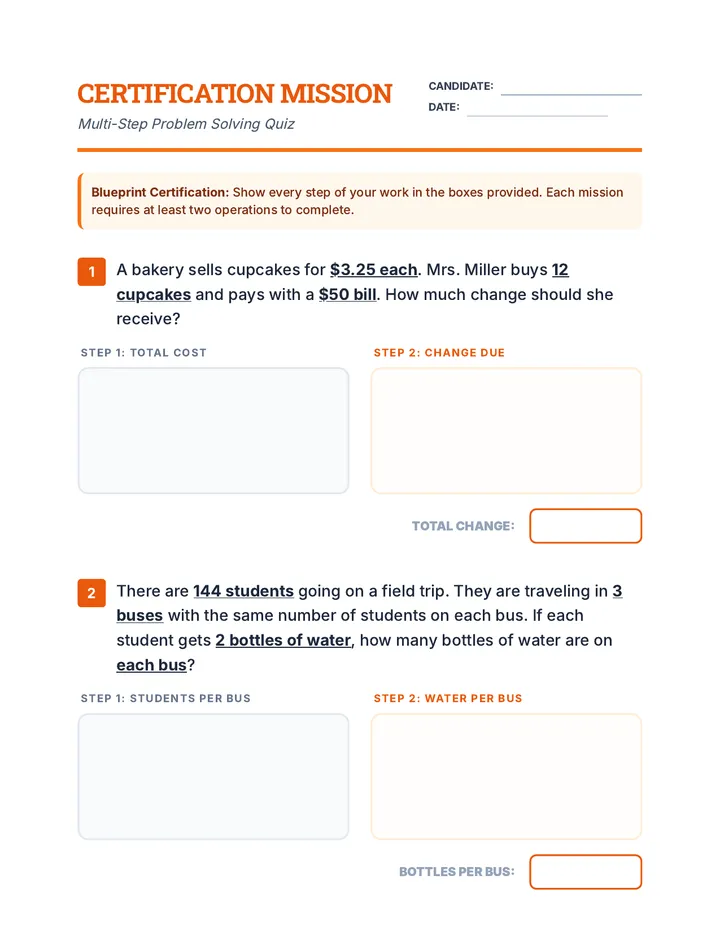
A 6-week comprehensive practice program focusing on 6+ digit addition and subtraction. Includes weekly homework assignments with increasing complexity and a final summative assessment, all featuring an architectural blueprint theme to emphasize precision and structure.
A week-long daily multiplication fluency program designed to build rapid recall of facts from 0-12 through repeated, varied practice.
A 10-day math practice sequence focused on 6-digit addition and subtraction. Each week features a blueprint-themed worksheet with 10 problems to reinforce place value and regrouping skills.
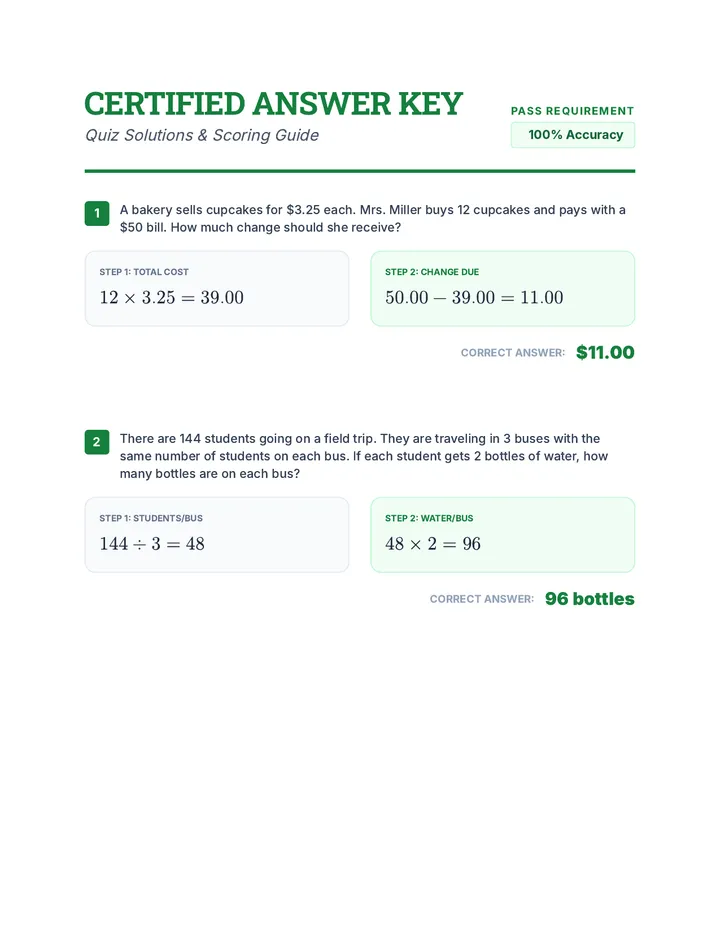
A comprehensive math unit focusing on applying percentage calculations, sales tax, and multi-step budgeting to real-world scenarios. students act as event planners to manage a fixed budget while accounting for specific tax rates.
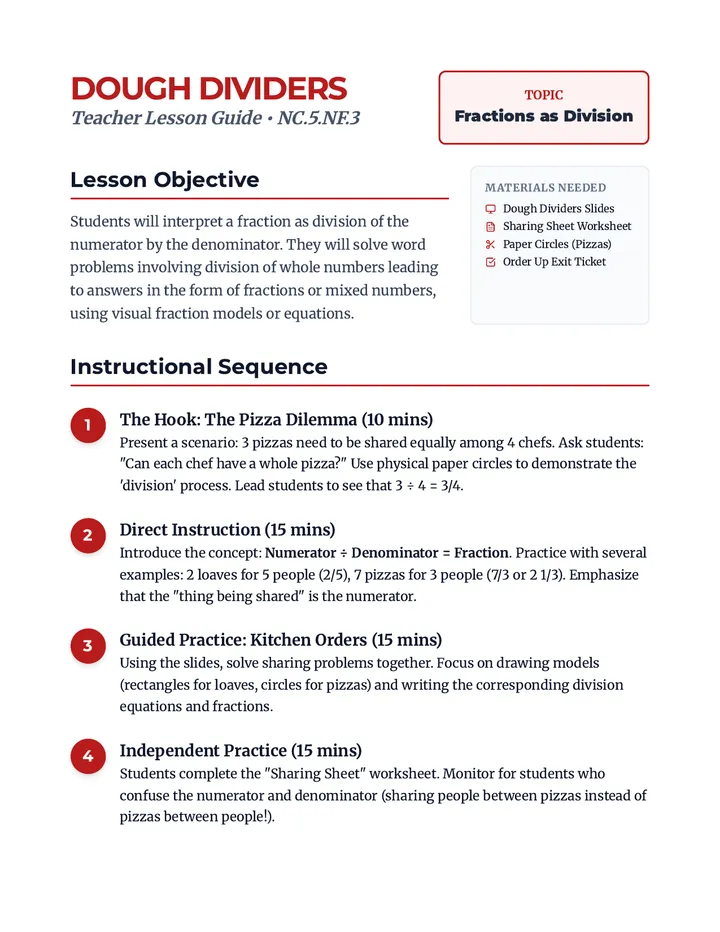
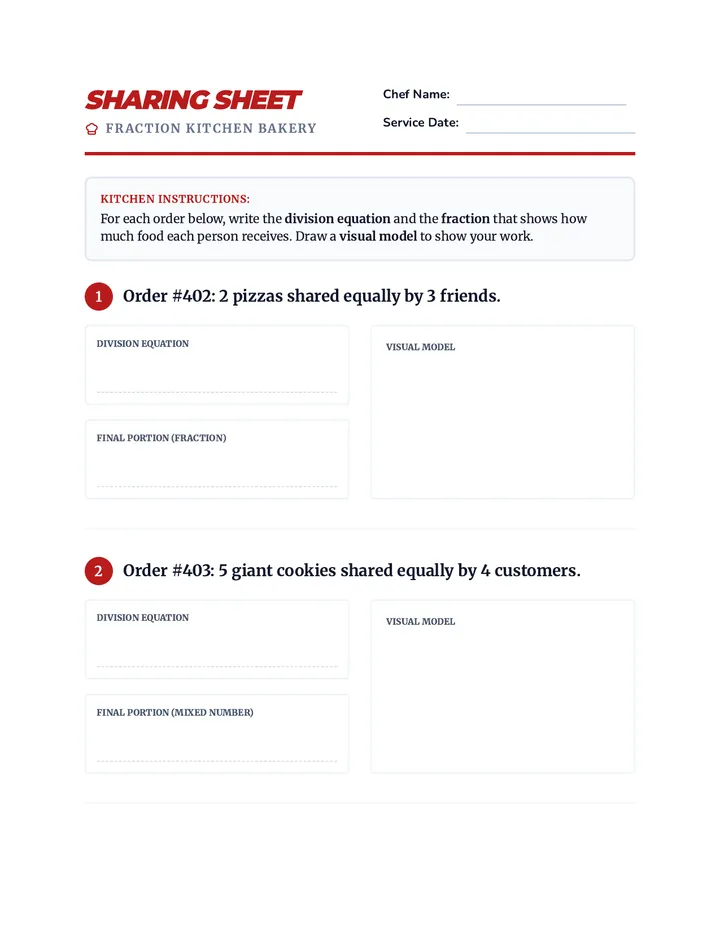
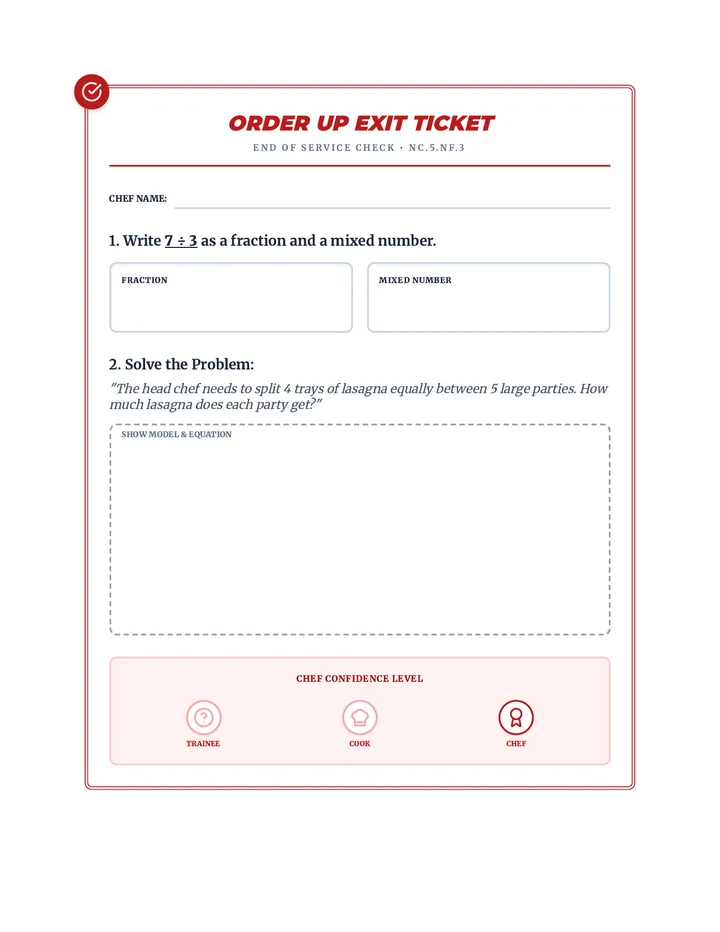
A series of lessons designed for remedial 5th/6th grade students to master fraction operations through visual modeling, manipulatives, and conceptual understanding.
A math unit focused on understanding and applying ratios and proportions through visual methods, mental math strategies, and algorithmic problem-solving.
A math unit focused on mastering decimal operations through problem-solving, visual modeling, and critical thinking.
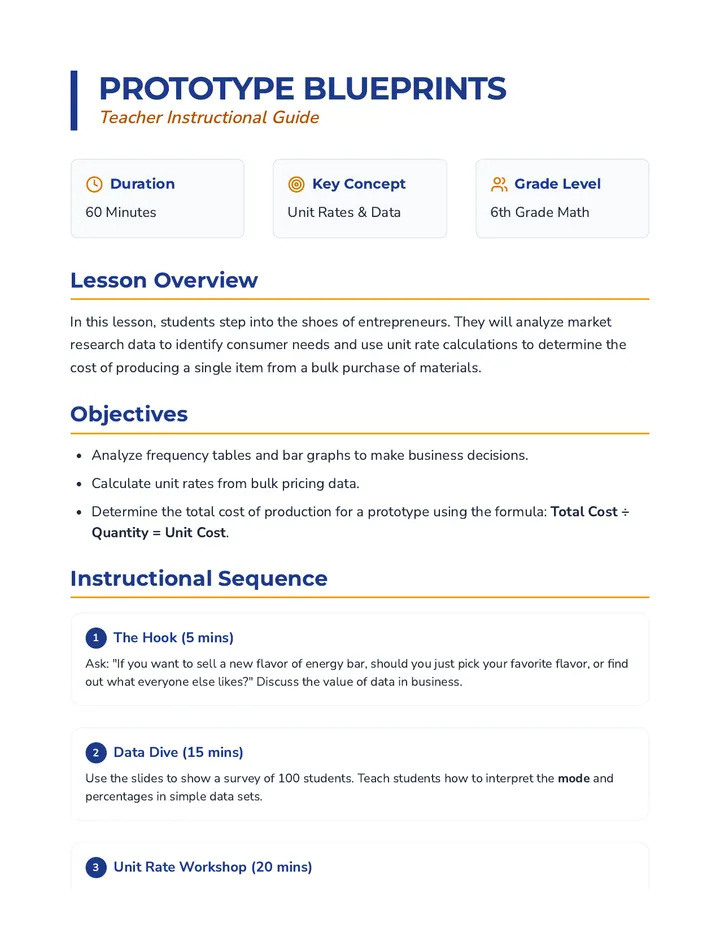
A targeted math intervention sequence focused on remediating GCF gaps using a visual, color-coded prime factorization strategy. This sequence emphasizes the efficiency of prime factorization over listing factors for larger numbers.
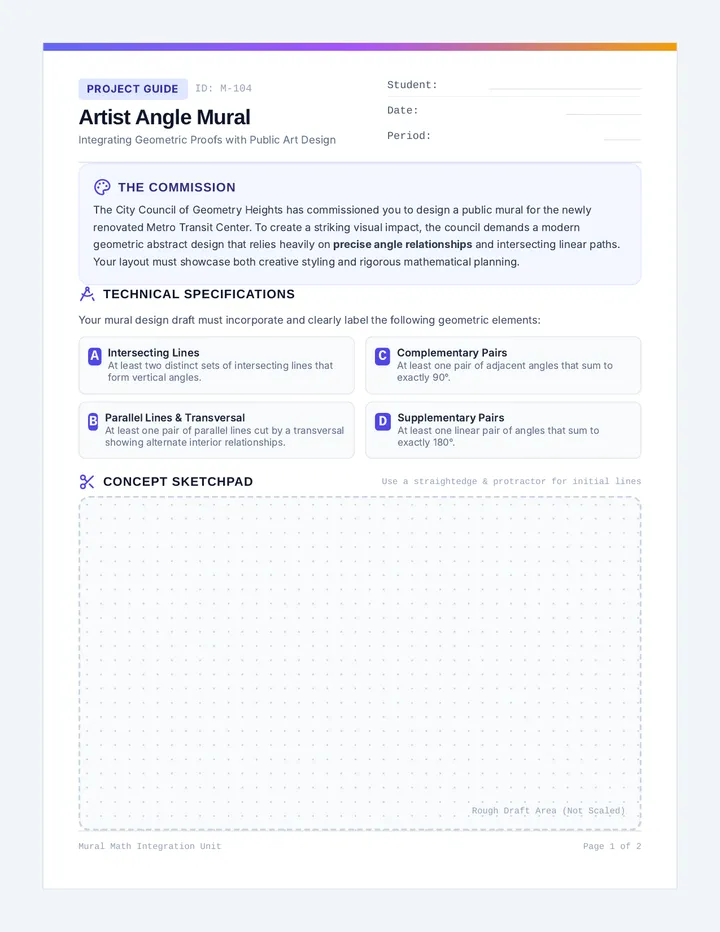
A lesson sequence focusing on geometry and proportions, specifically how side lengths and perimeters change according to a scale factor (enlargement ratio).
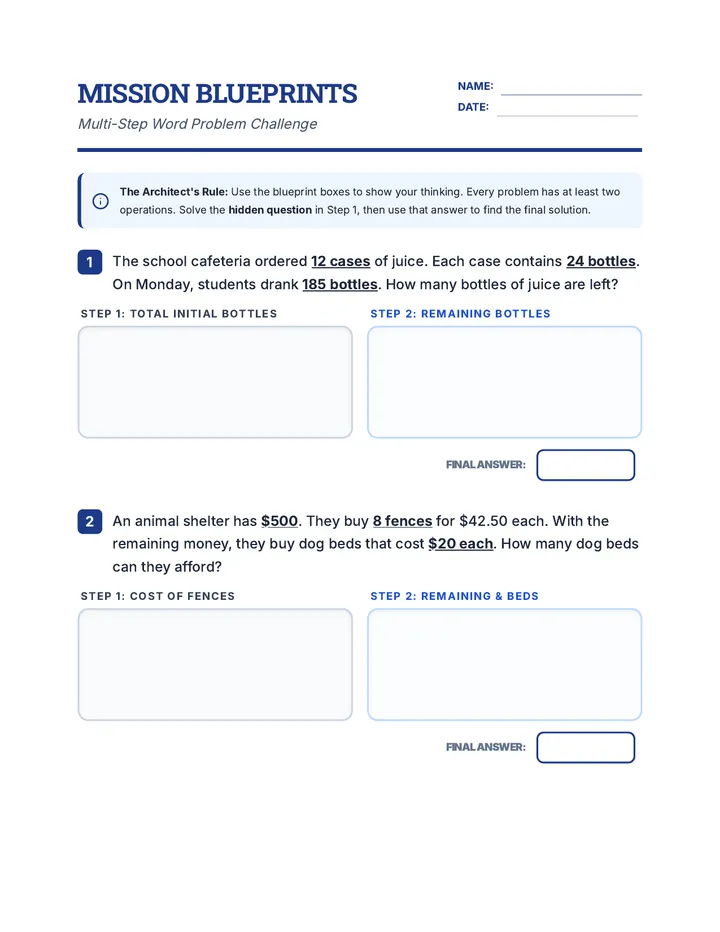
A comprehensive math lesson focused on solving multi-step real-world problems involving standard measurement unit conversions using a 'Maker Lab' theme.
A focused unit on fraction operations, moving from basic multiplication to division using reciprocals and algorithmic shortcuts.
A unit focused on applying percentages to real-world financial contexts, including discounts, markups, and interest.
A 6th-grade math sequence focused on building mental math fluency with percentages. Students learn to decompose percentages into friendly numbers (10%, 5%, 1%) to estimate discounts and calculate real-world values like tips and sales prices.
A collaborative mathematics lesson focusing on adding mixed numbers with regrouping. Students work in teams to master the regrouping algorithm through a relay-style activity after analyzing instructional video content.
A middle school algebra lesson focused on identifying terms, combining like terms, and recognizing equivalent expressions through video analysis and a matching card game.
A lesson sequence focusing on financial literacy and the practical application of percentage decrease through real-world shopping scenarios and discount calculations.
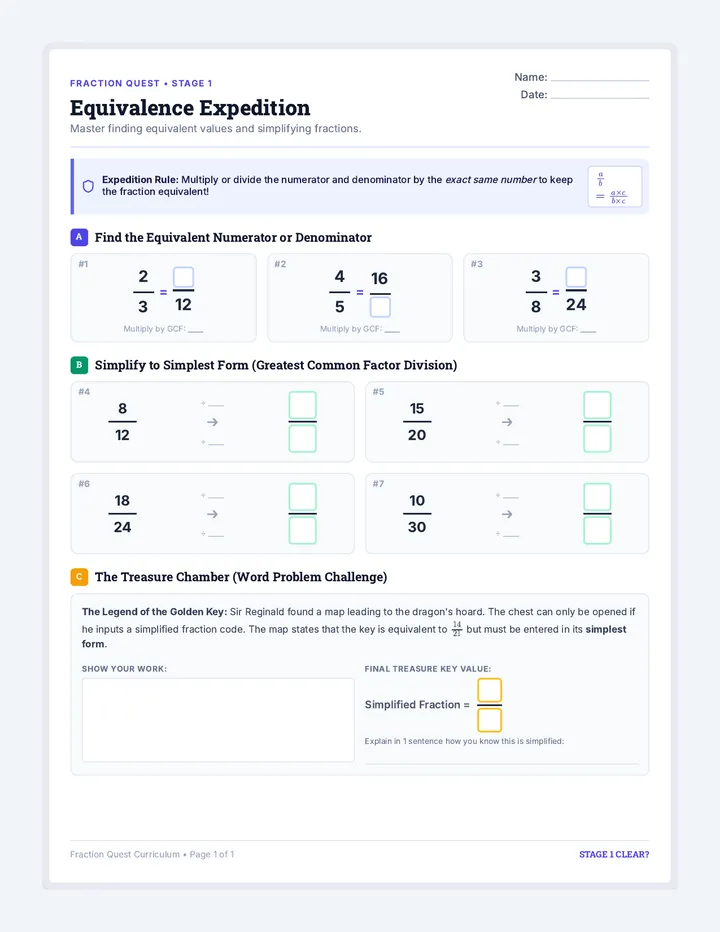
A series of lessons focused on mastering algebraic and numerical fractions through visual strategies and structural simplification.
A unit focusing on algebraic foundations, moving from basic definitions of variables to solving multi-step equations and real-world applications.
A music and math integration lesson where students learn algebraic concepts through rap and create their own math-themed mnemonics or rhymes.
A sequence focused on the practical application of percent error in real-world scenarios, emphasizing accuracy and relative scale.
A comprehensive sequence focused on mastering mixed number operations through visual modeling, hands-on manipulatives, and algorithmic fluency.
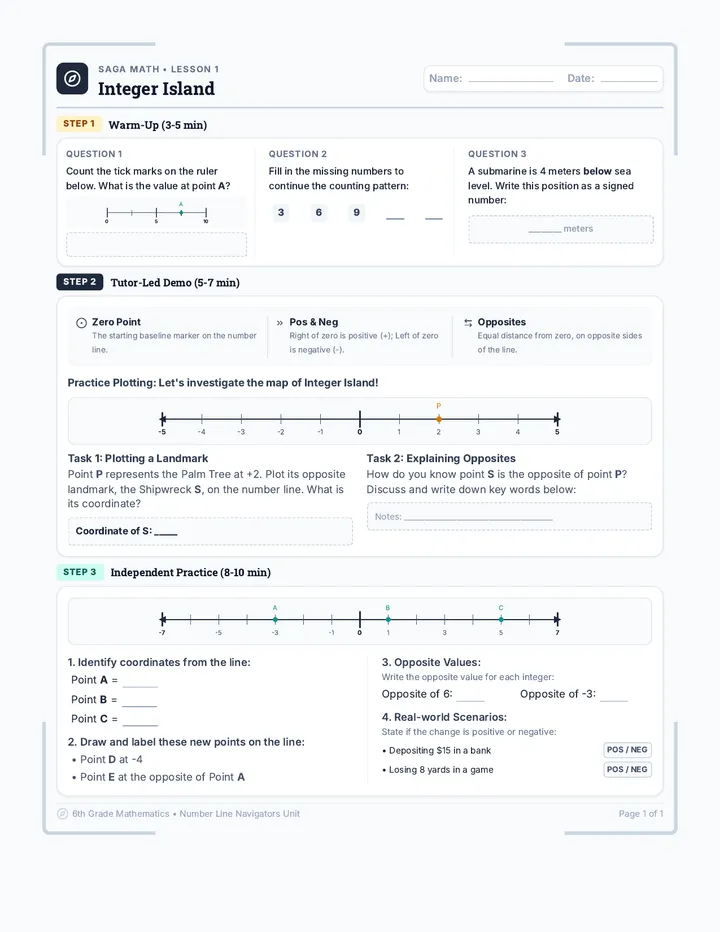
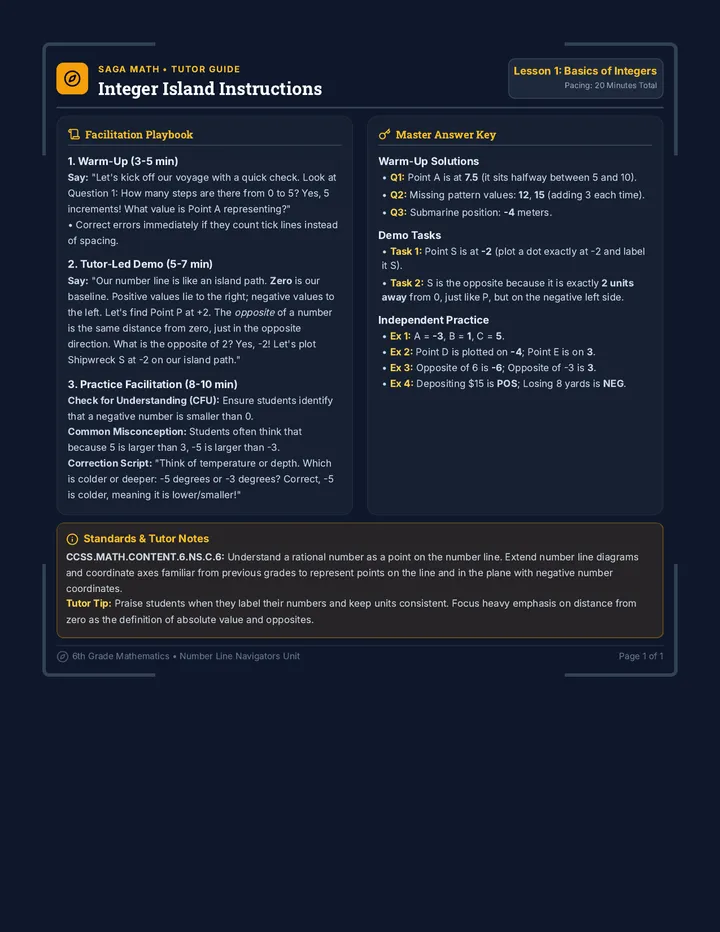
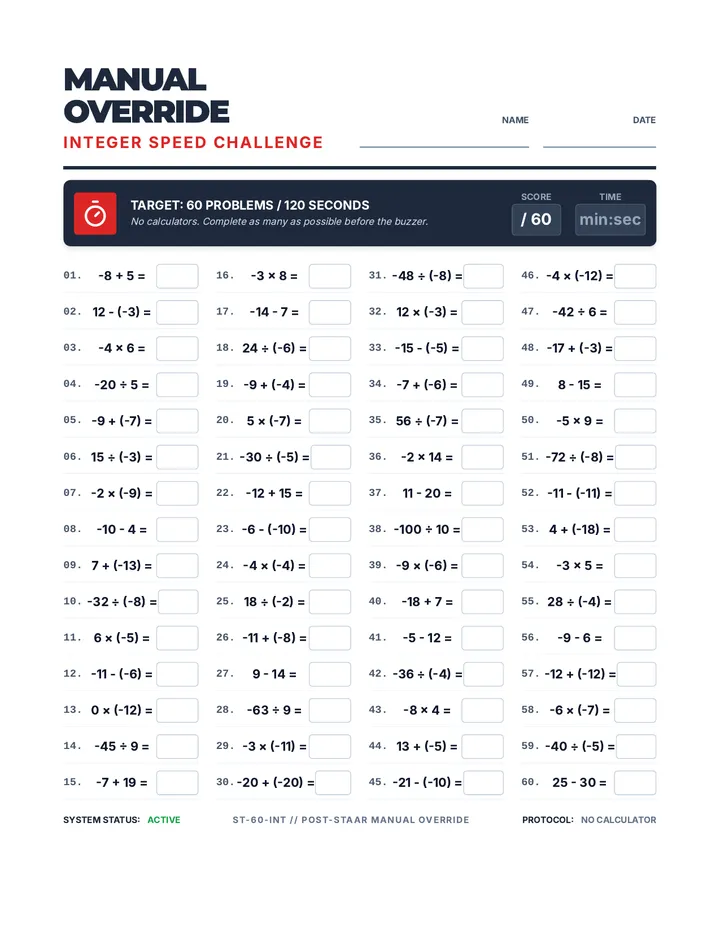
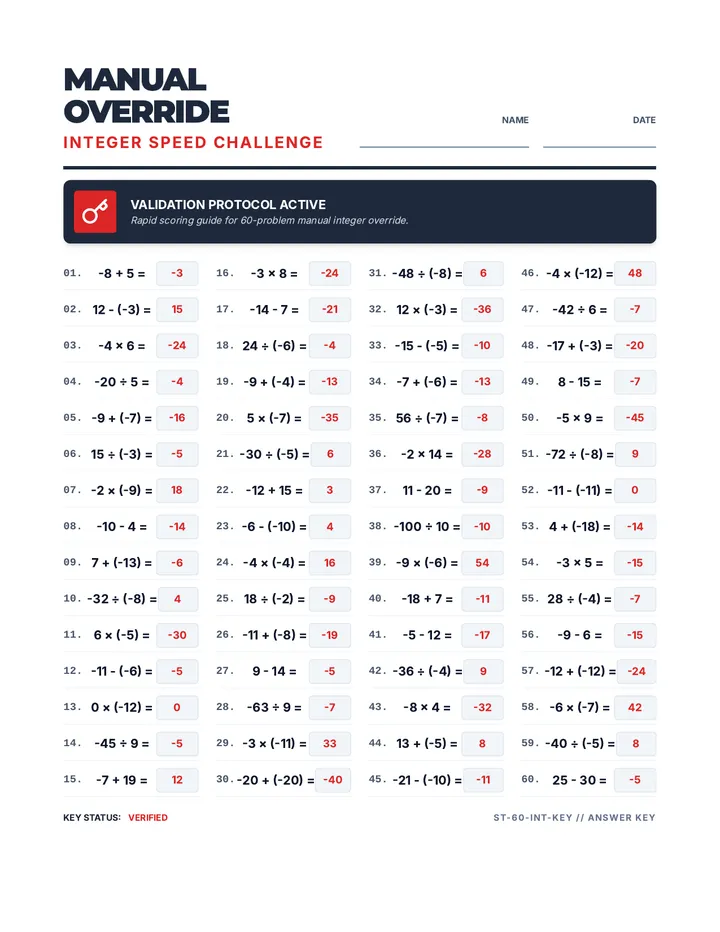
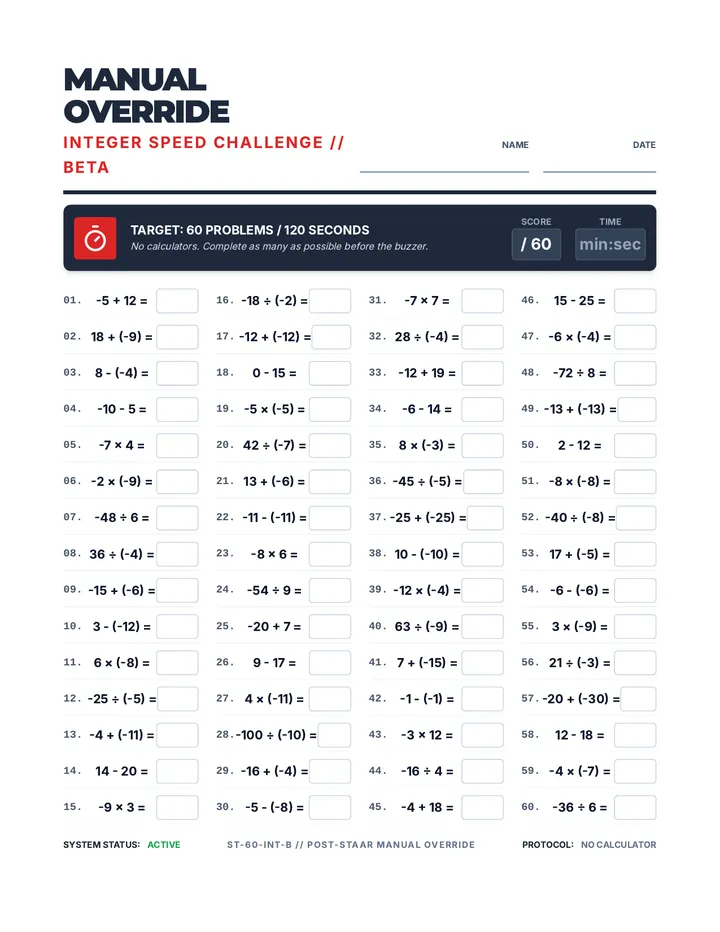
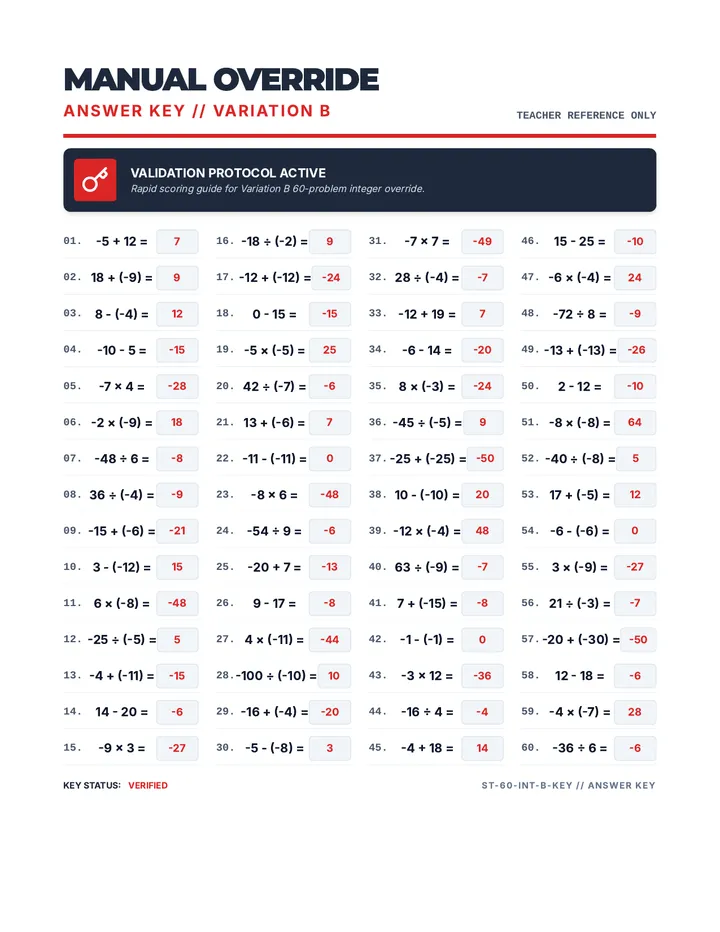
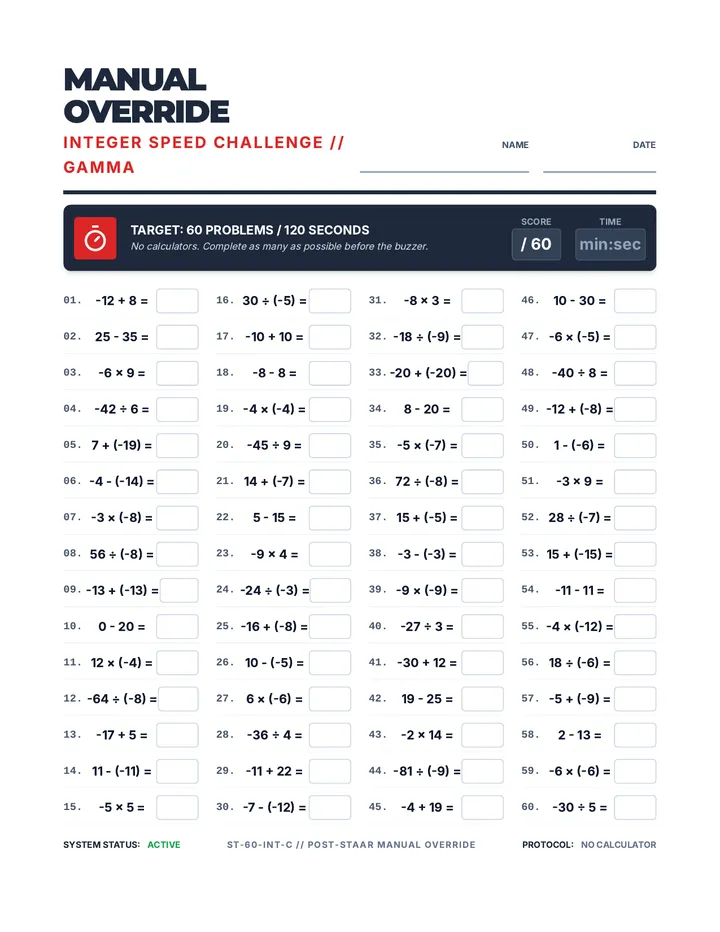
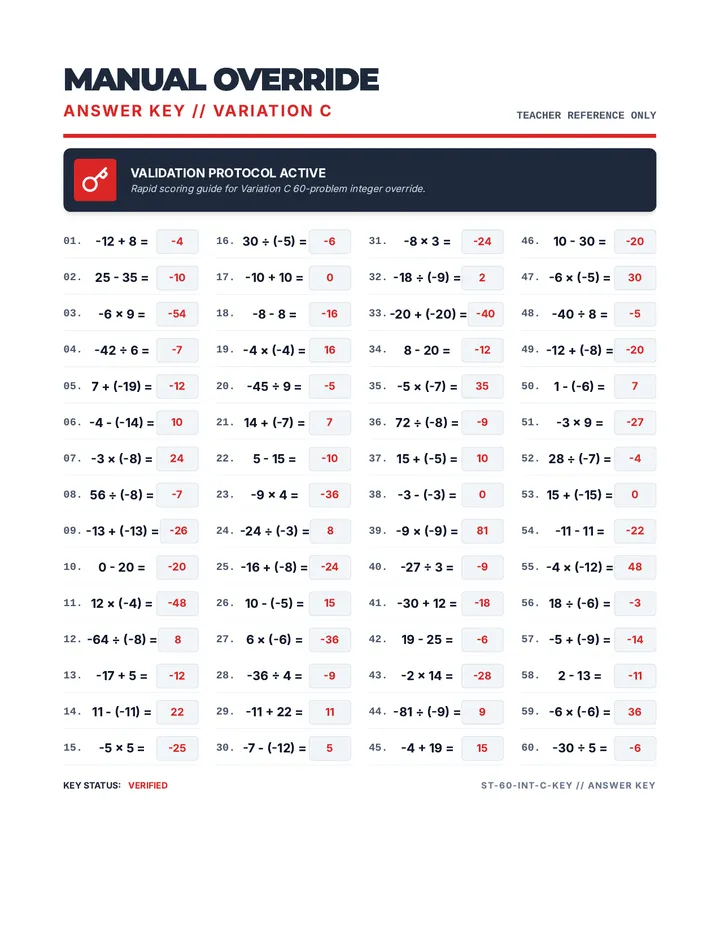
A unit focused on mastering the number system, starting with integer basics and moving toward complex operations and coordinate planes.
A remedial math sequence focused on mastering inequalities and negative numbers on a number line through visual and kinesthetic learning.
A unit focused on identifying and applying mathematical patterns to solve complex problems with ease, specifically targeting multiplication and division of large numbers.
A mathematics sequence focusing on geometry, circles, and the calculation of circumference and area for middle school students.
A lesson sequence focused on applying mixed number subtraction to real-world scenarios through collaborative problem-solving and blueprint-themed activities.
A series of lessons exploring the foundations of algebra, focusing on variables, expressions, and basic problem-solving.
A 6th-grade math sequence exploring different strategies for calculating percentages of numbers, specifically comparing fractional and decimal methods.
A lesson sequence focused on the order of operations, specifically the left-to-right convention for equal-priority operations (multiplication/division and addition/subtraction). It utilizes real-world analogies and collaborative activities to solidify the concept of mathematical hierarchy.
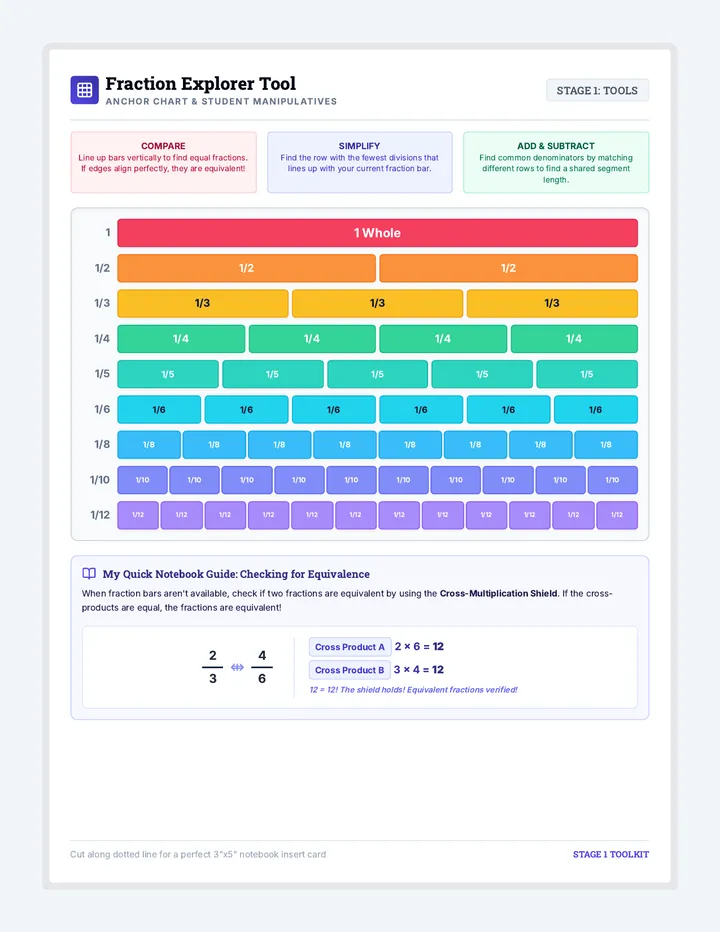
A hands-on sequence designed for students needing academic support to master fraction equivalence and operations through concrete modeling. Students use physical manipulatives like towers, blocks, and overlays to bridge the gap between abstract symbols and conceptual understanding.
This sequence uses the Concrete-Representational-Abstract (CRA) framework to teach decimal place value through the lens of financial literacy. Students move from manipulating physical currency to drawing models and finally using standard algorithms to manage budgets.
This sequence uses two-color counters and algebra tiles to help students understand integer operations and basic algebraic equations through concrete modeling. Students progress from physical manipulation to symbolic representation, focusing on the concept of 'zero pairs'.
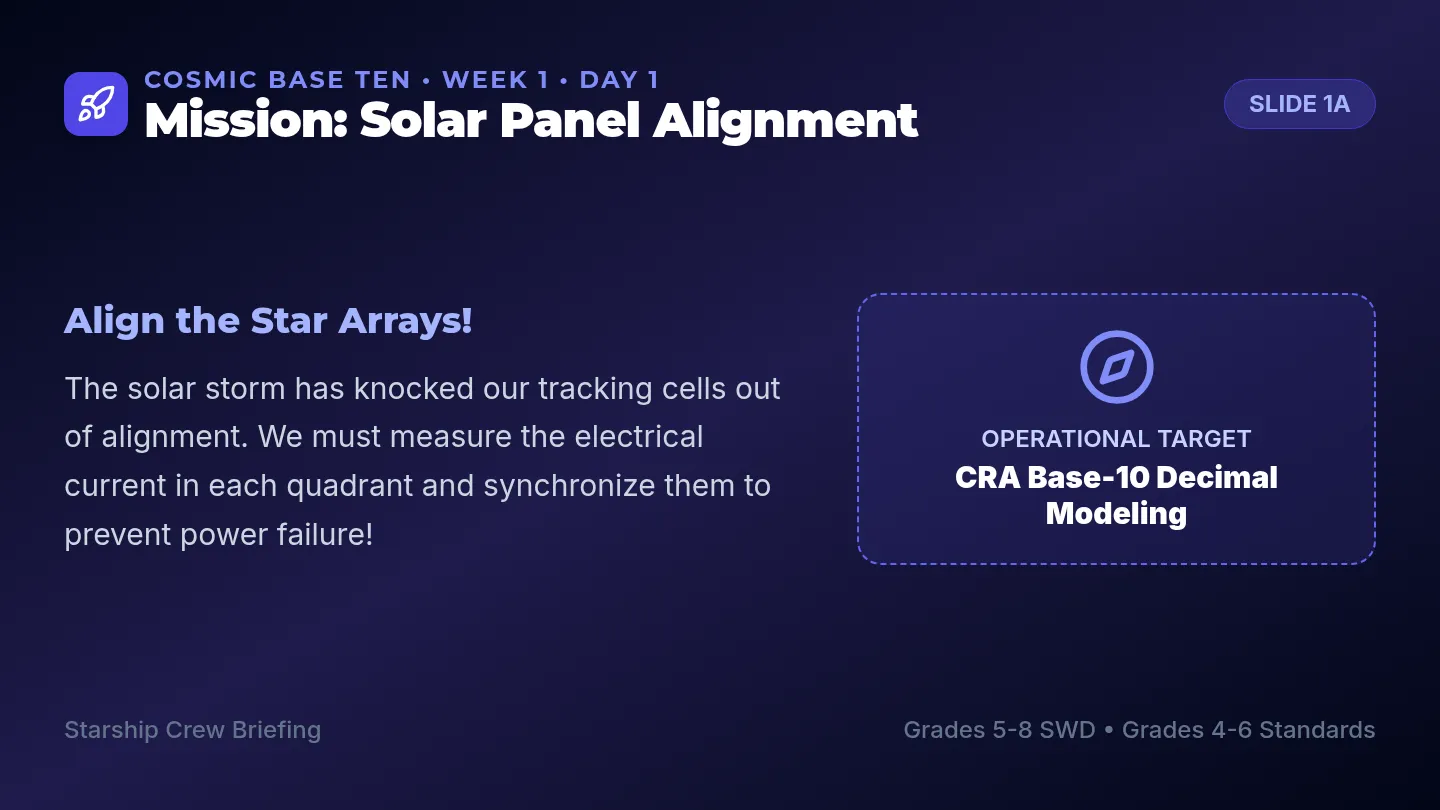
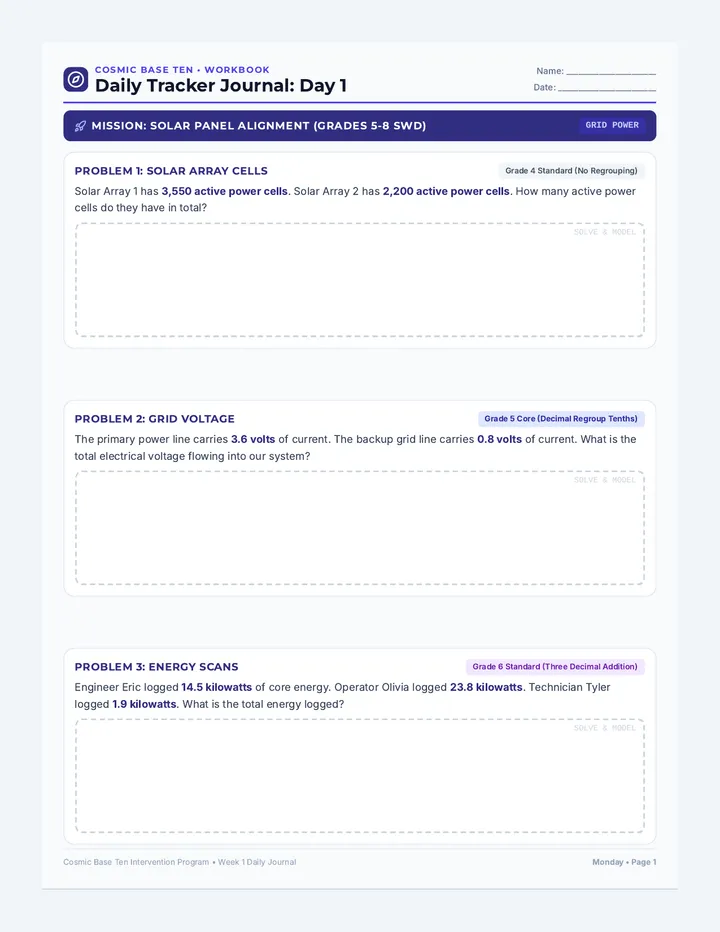
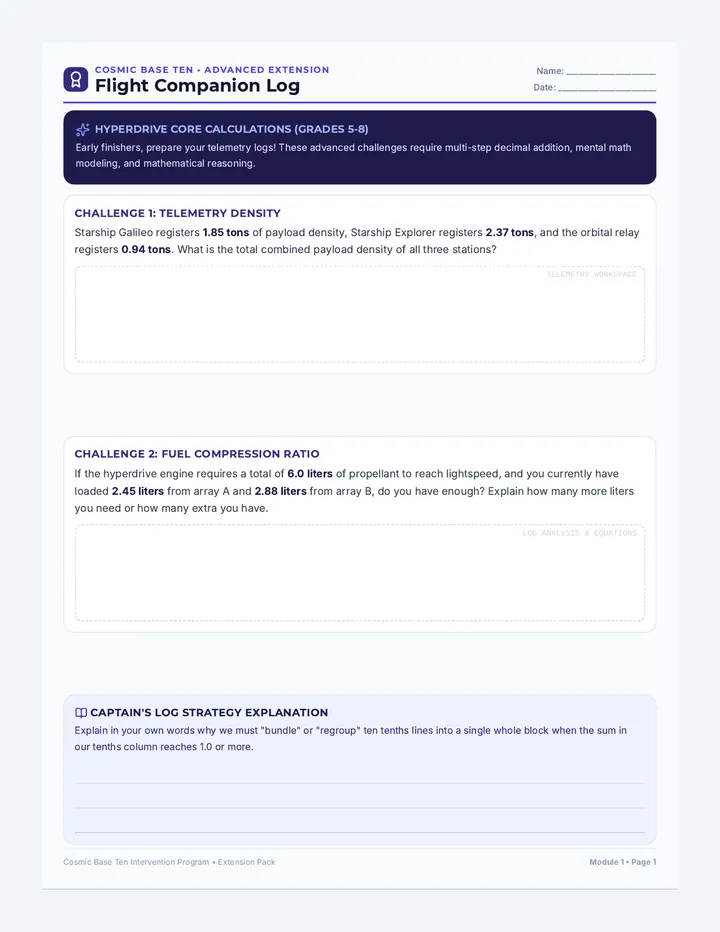
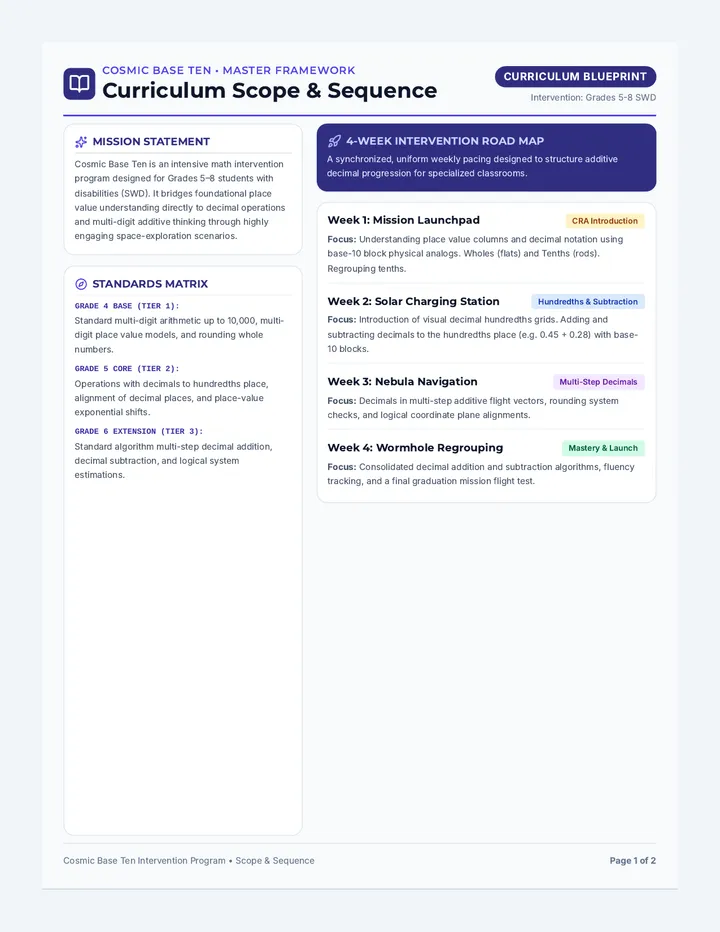
This sequence uses the Concrete-Representational-Abstract (CRA) framework to teach decimal operations through the lens of financial literacy. Students move from physical base-ten blocks representing currency to visual grid models and finally to standard algorithms for real-world budgeting.
A concrete introduction to algebraic thinking using algebra tiles. Students move from representing variables to solving one-step equations by balancing and partitioning physical models.
This 5-lesson sequence uses the Concrete-Representational-Abstract (CRA) framework to teach integer operations to 6th-grade students with academic support needs. Students utilize two-color counters to model positive and negative values, master the concept of zero pairs, and eventually transition to number line representations and symbolic computation.
A specialized sequence for 6th-grade academic support focused on visual and concrete understanding of fraction division. Students use fraction towers and pattern blocks to move from the concept of 'how many fit' to the standard algorithm, with a heavy emphasis on interpreting remainders.
A sequence focused on visual representations of integers, absolute value, and inequalities using vertical and horizontal number lines to support 6th-grade academic support students.