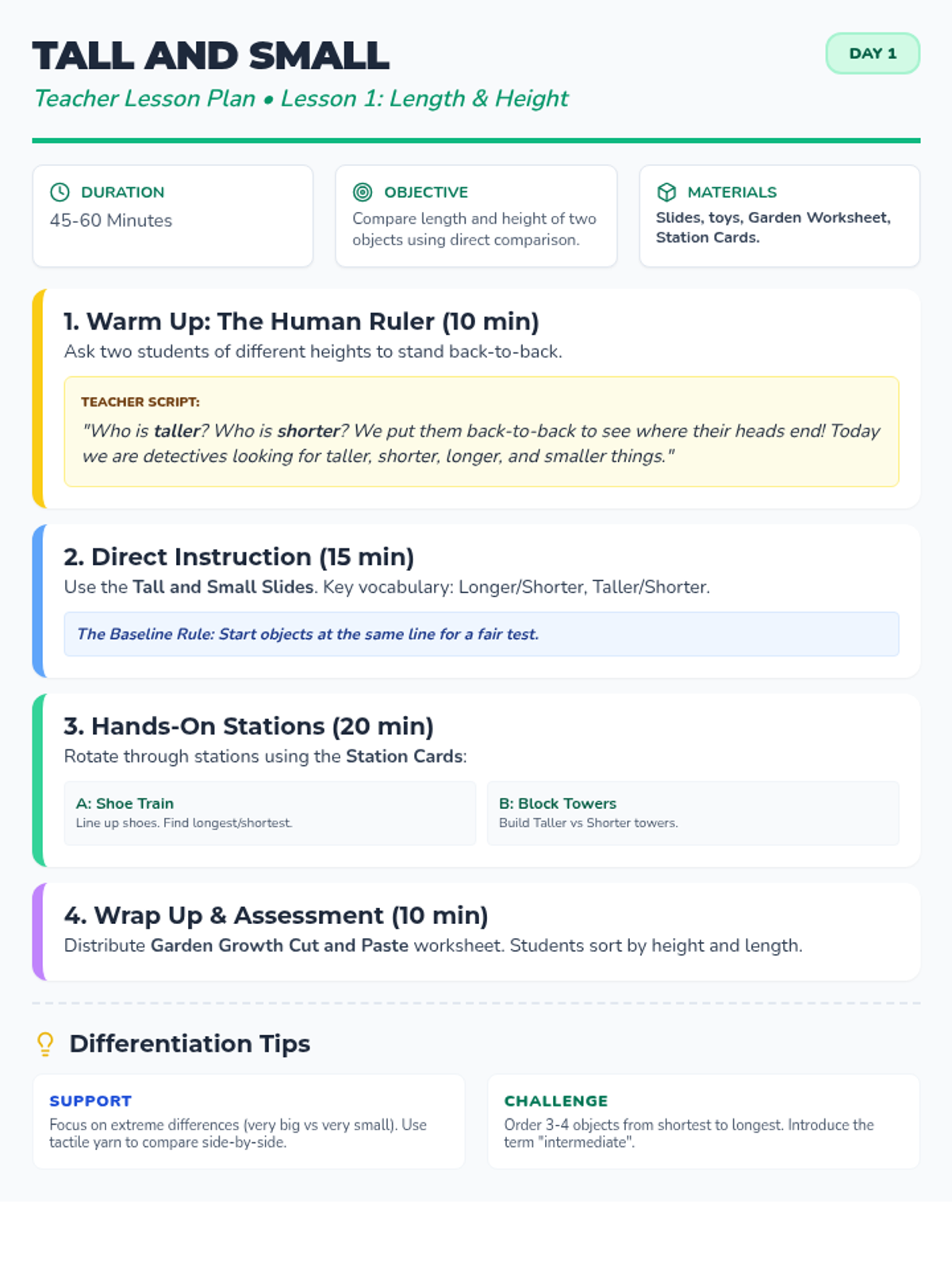
A hands-on introduction to three-dimensional solids for Pre-K students. Children explore spheres, cubes, cylinders, and cones through tactile play, movement, and real-world observation to understand volume and basic physical properties.
A 12-session tier 2 intervention sequence designed to build conceptual mastery of fraction division. Grounded in All Learners Network (ALN) principles, students progress from visual measurement models to the common denominator strategy and eventually the standard algorithm through deep reasoning and high-leverage concepts.
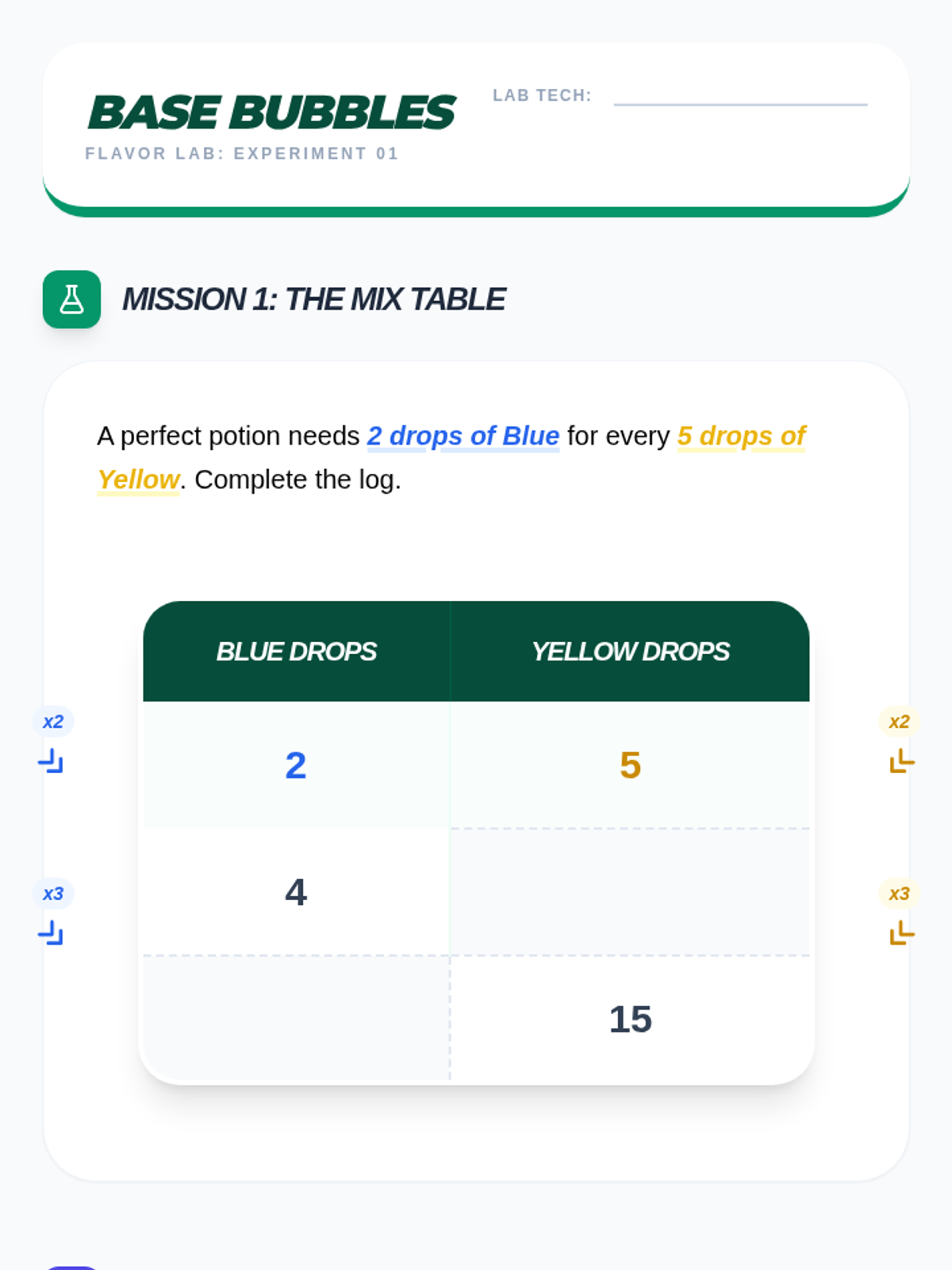
A comprehensive 12-lesson Tier 2 intervention sequence focused on 6th-grade ratio and proportion standards. Using High Leverage Concept strategies from the All Learners Network, this sequence moves from basic ratio language to complex unit rate and percent problems using visual models like tape diagrams and ratio tables.
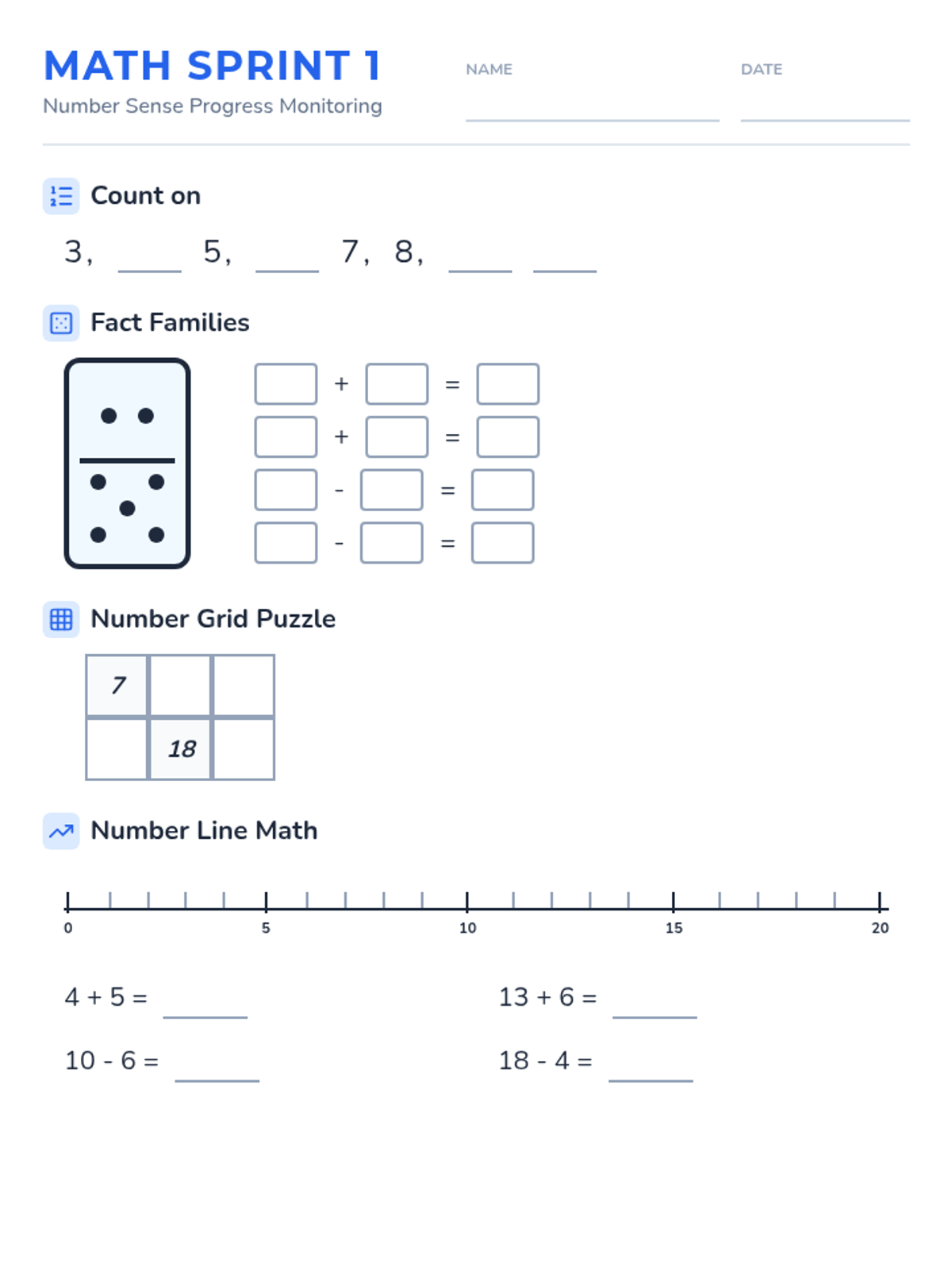
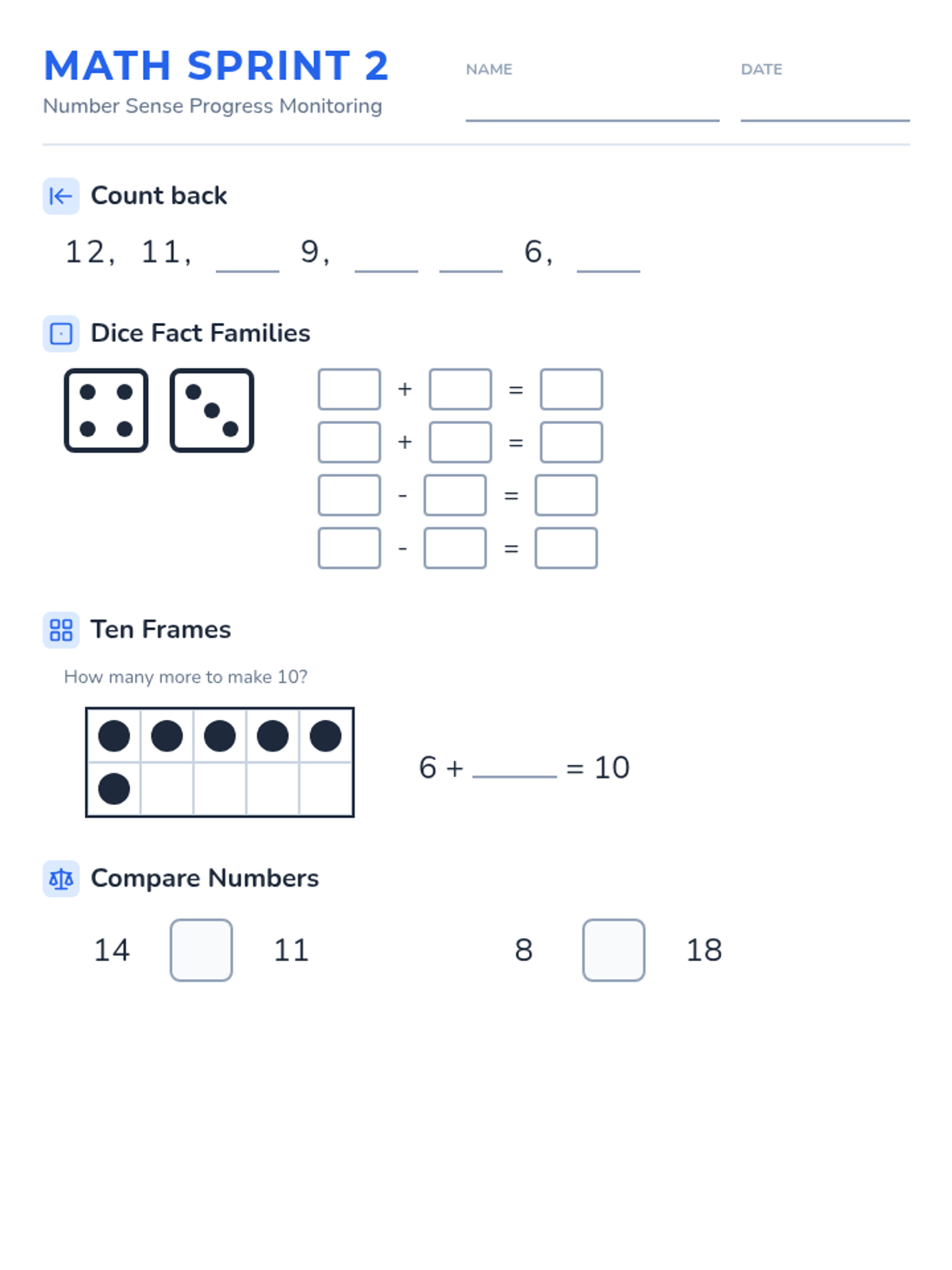
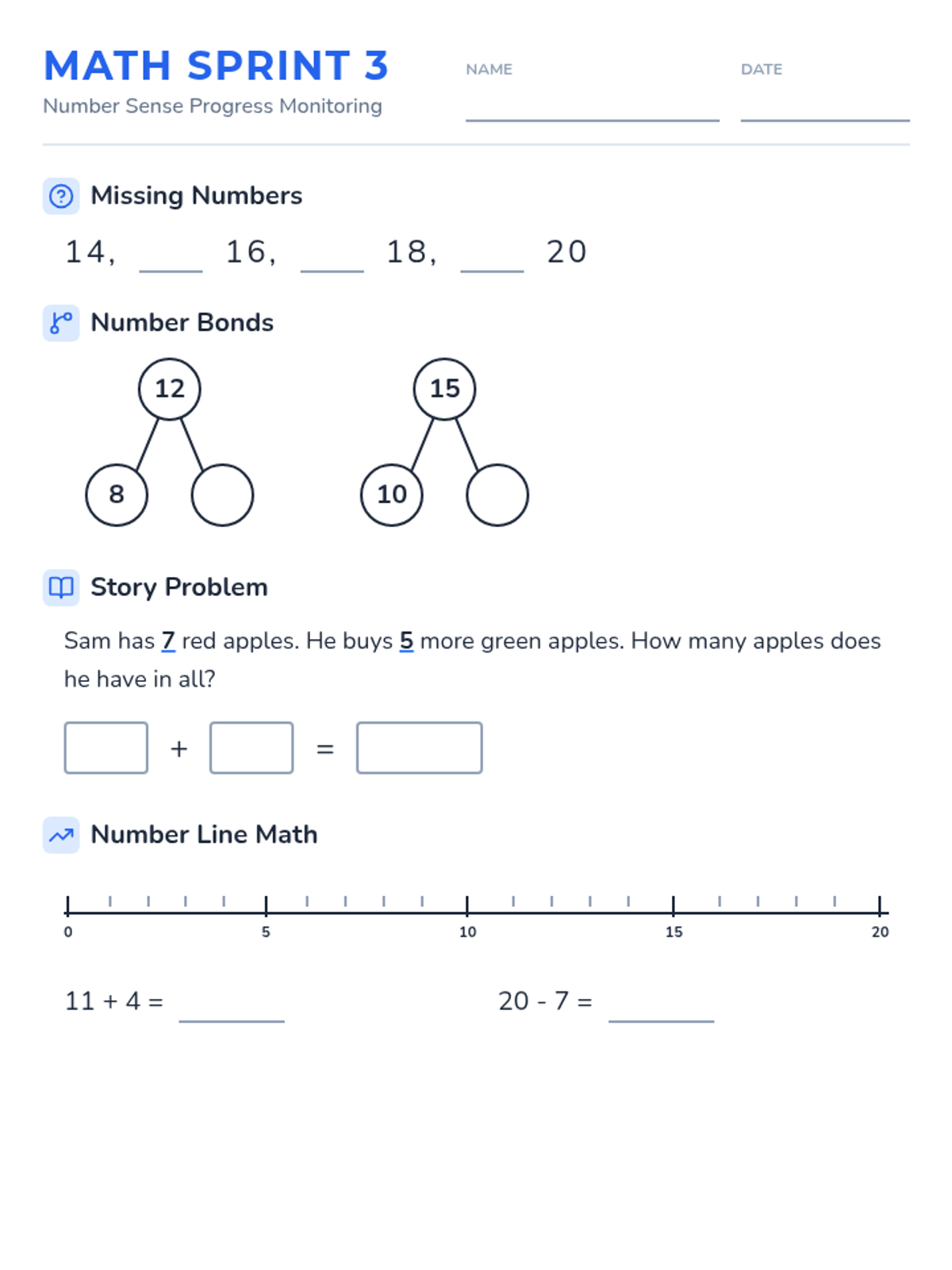
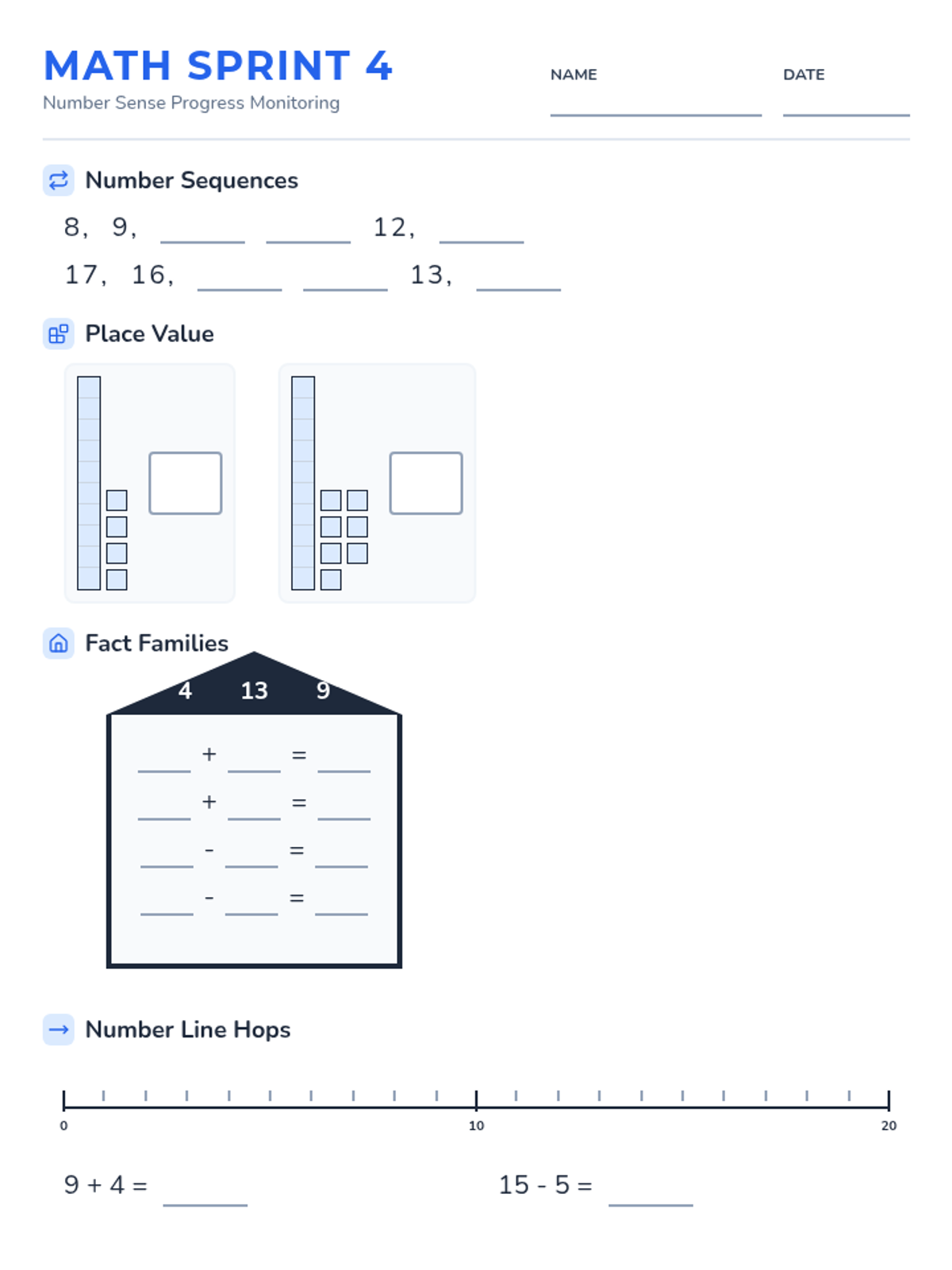
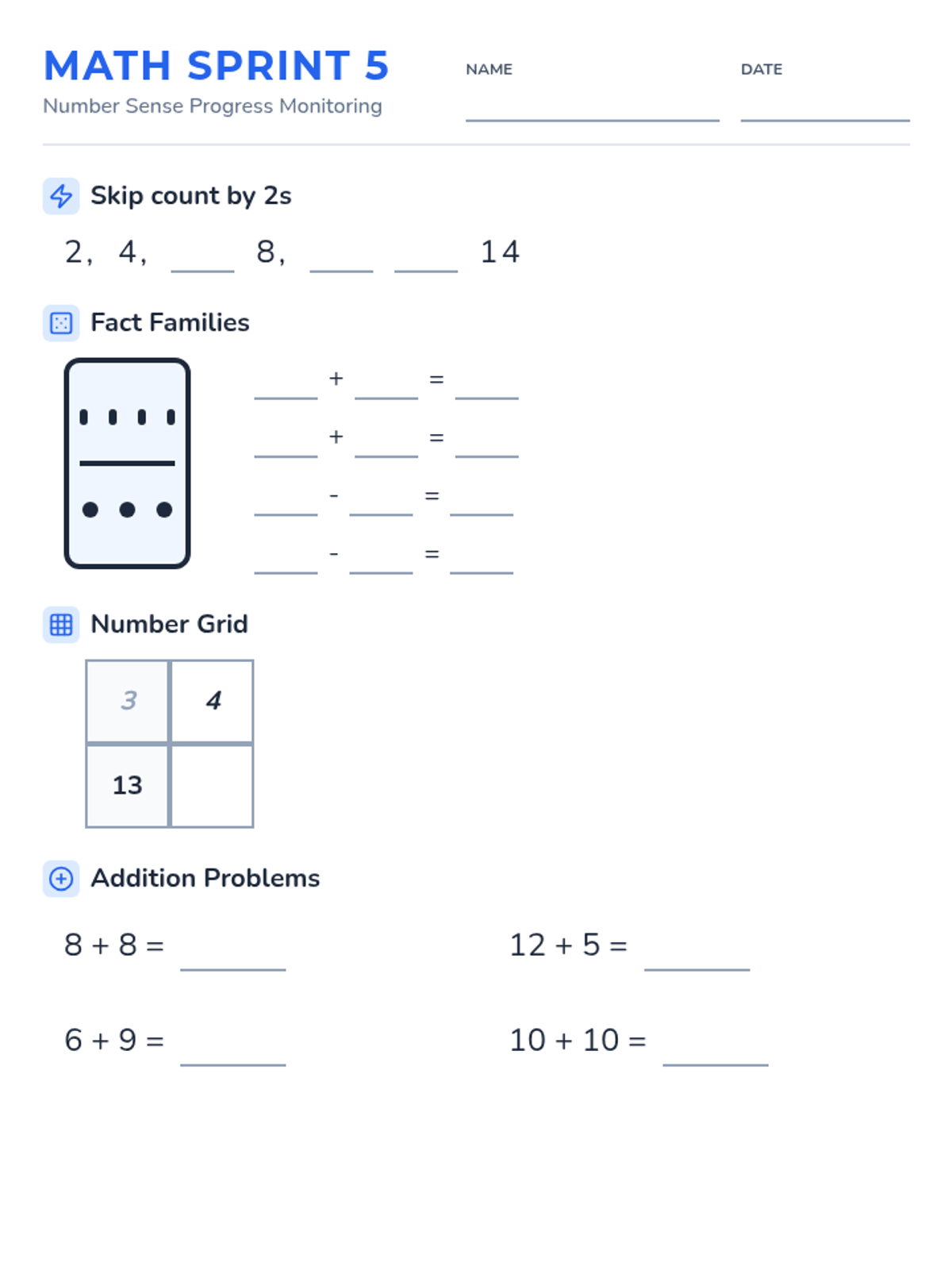
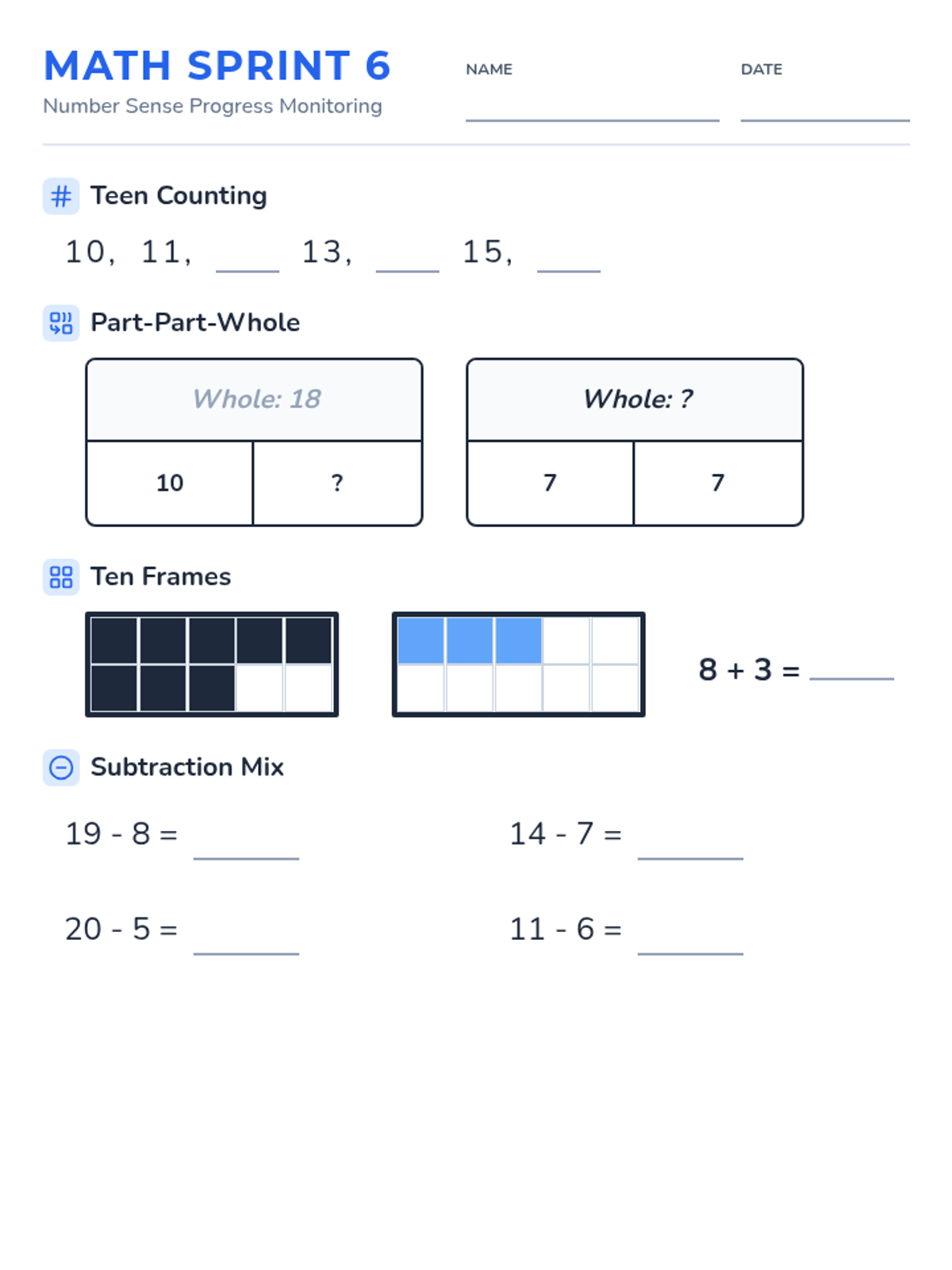
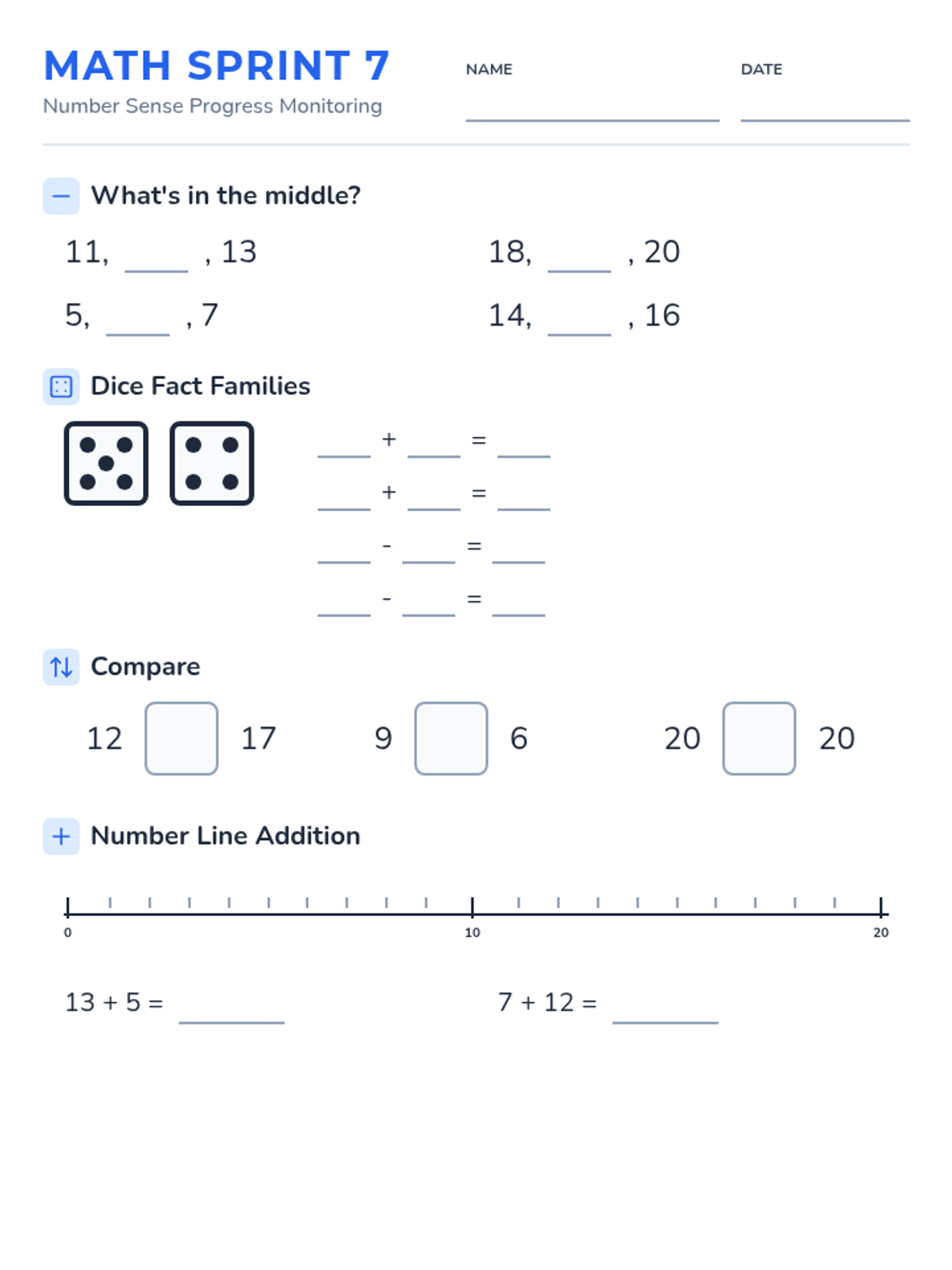
A 12-lesson intervention sequence focused on numeral identification, forward/backward sequences, and number lines for 1st-grade Tier 2 support, utilizing High Leverage Concepts from All Learners Network.
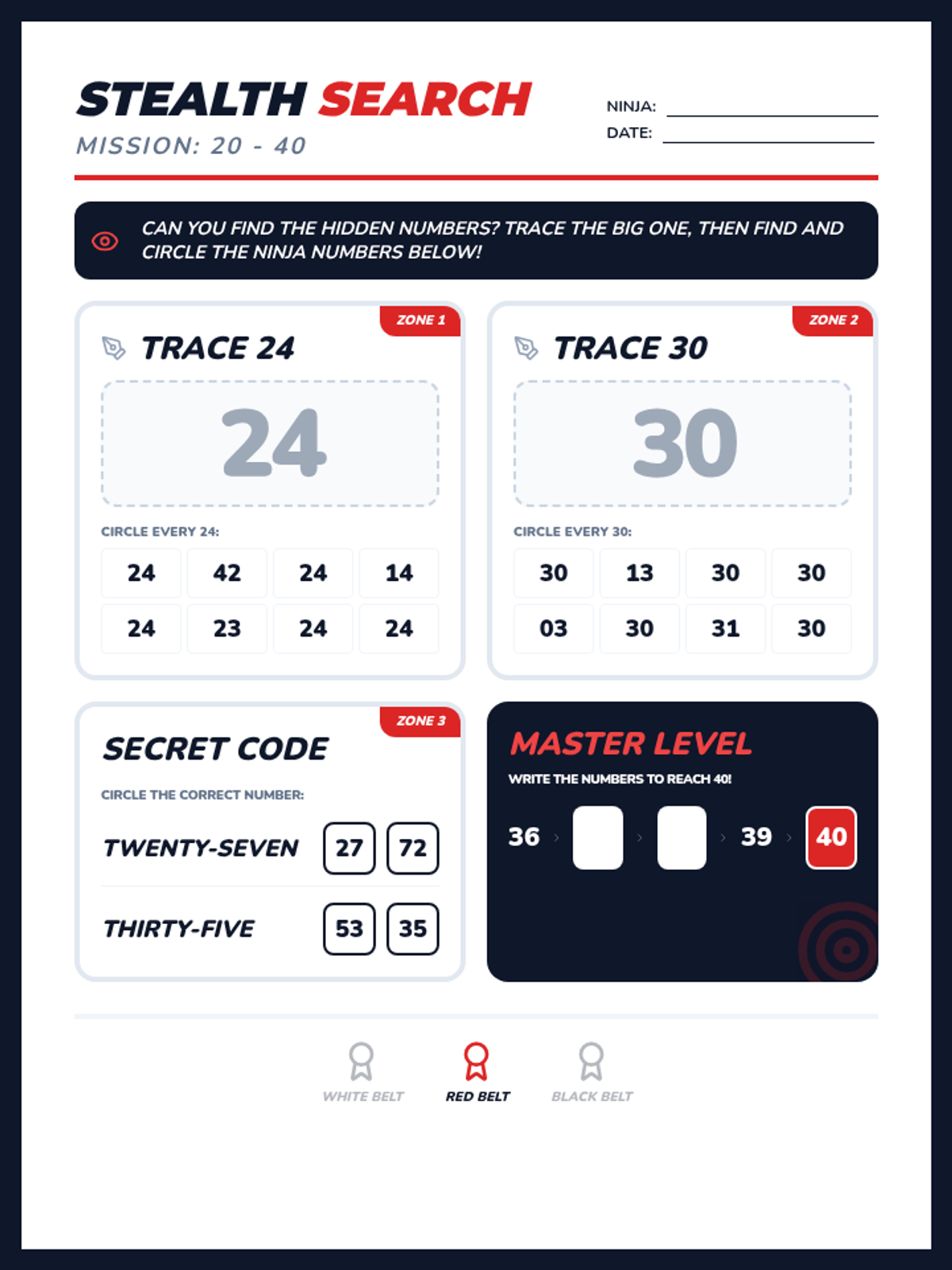
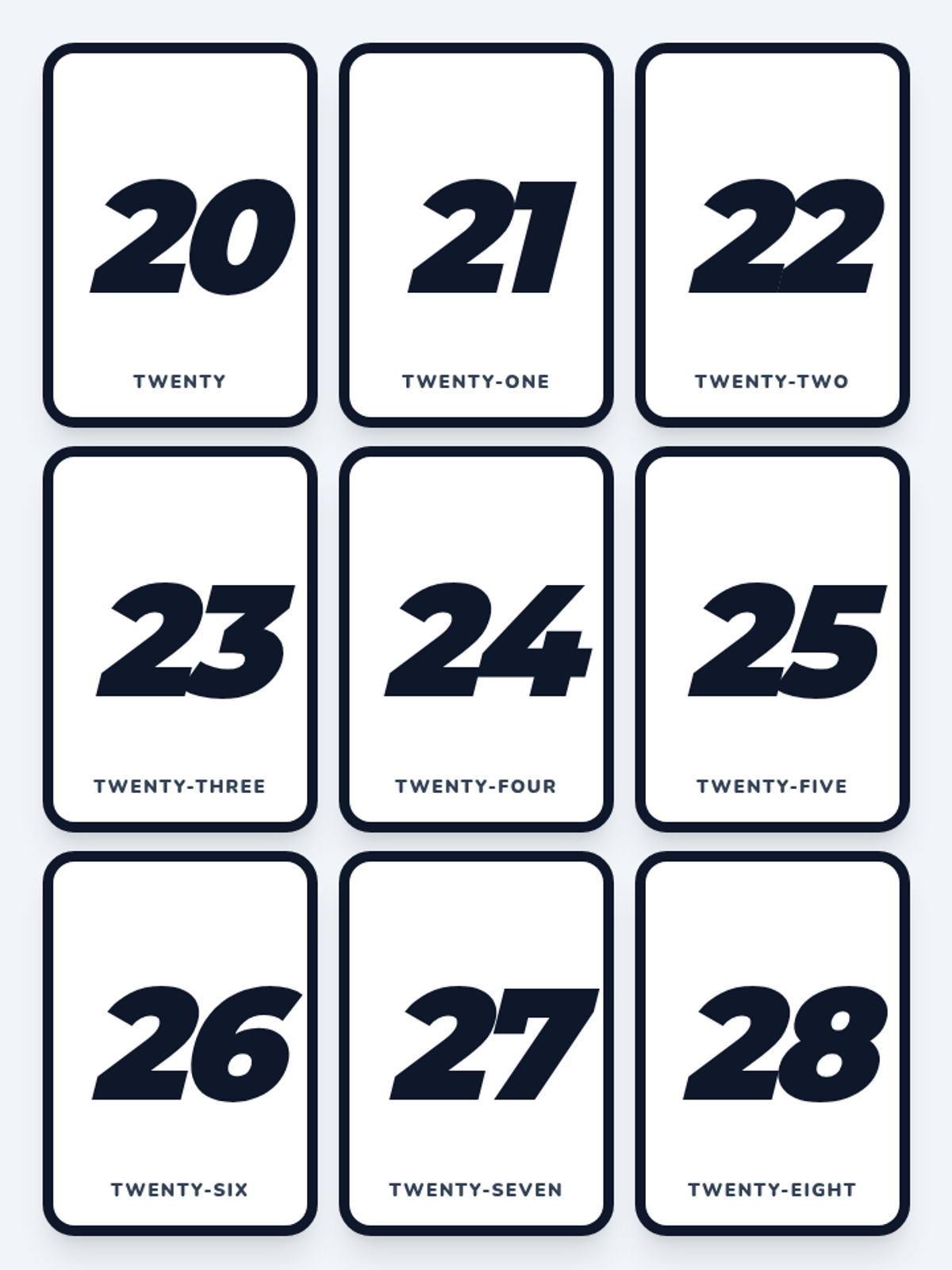
A comprehensive week-long unit for Early Childhood students focusing on number recognition and counting from 1 to 20 using movement-based beanbag activities. Each day introduces a new set of numbers through active play, visual aids, and simple recording tasks.
A sequence of lessons helping 4th-grade students with autism master division word problems through structured visual supports and familiar daily scenarios at school and in the community.
A comprehensive sequence for kindergarteners to master counting and writing numbers 1-20 through a fun jungle-themed exploration.
A Kindergarten math sequence focused on understanding place value through the composition of teen numbers as 'ten and some more'. Students use physical manipulatives and music to reinforce the pattern of adding ones to a base of ten.
A Pre-Algebra unit focused on understanding the nature of linear equations and their solutions. Students explore how the structure of an equation determines whether it has one, none, or infinite solutions, connecting algebraic results to geometric representations.
A math remediation sequence for 3rd and 4th graders focused on place value concepts, specifically periods (units and thousands) and the structural role of commas in large numbers.
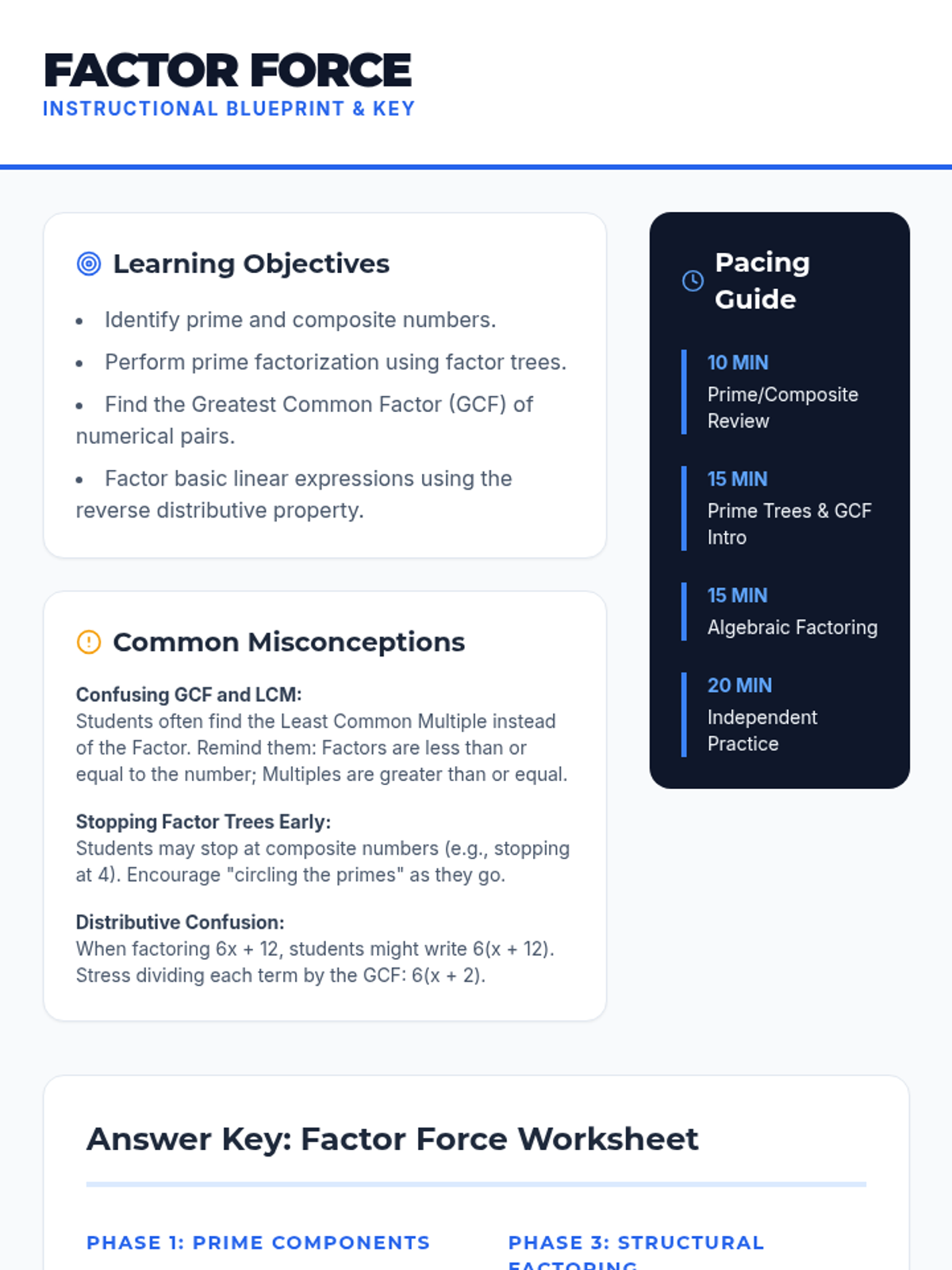
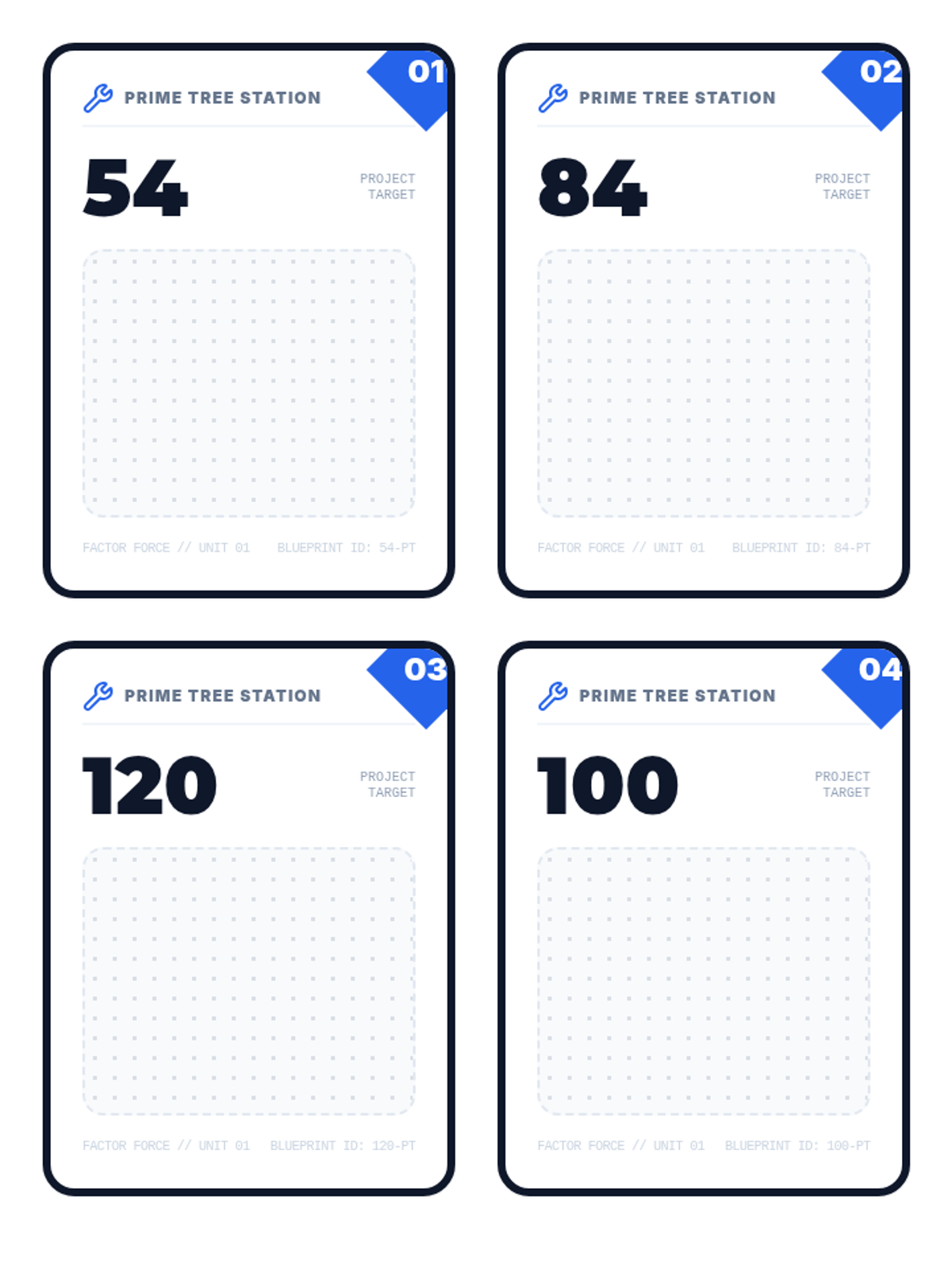
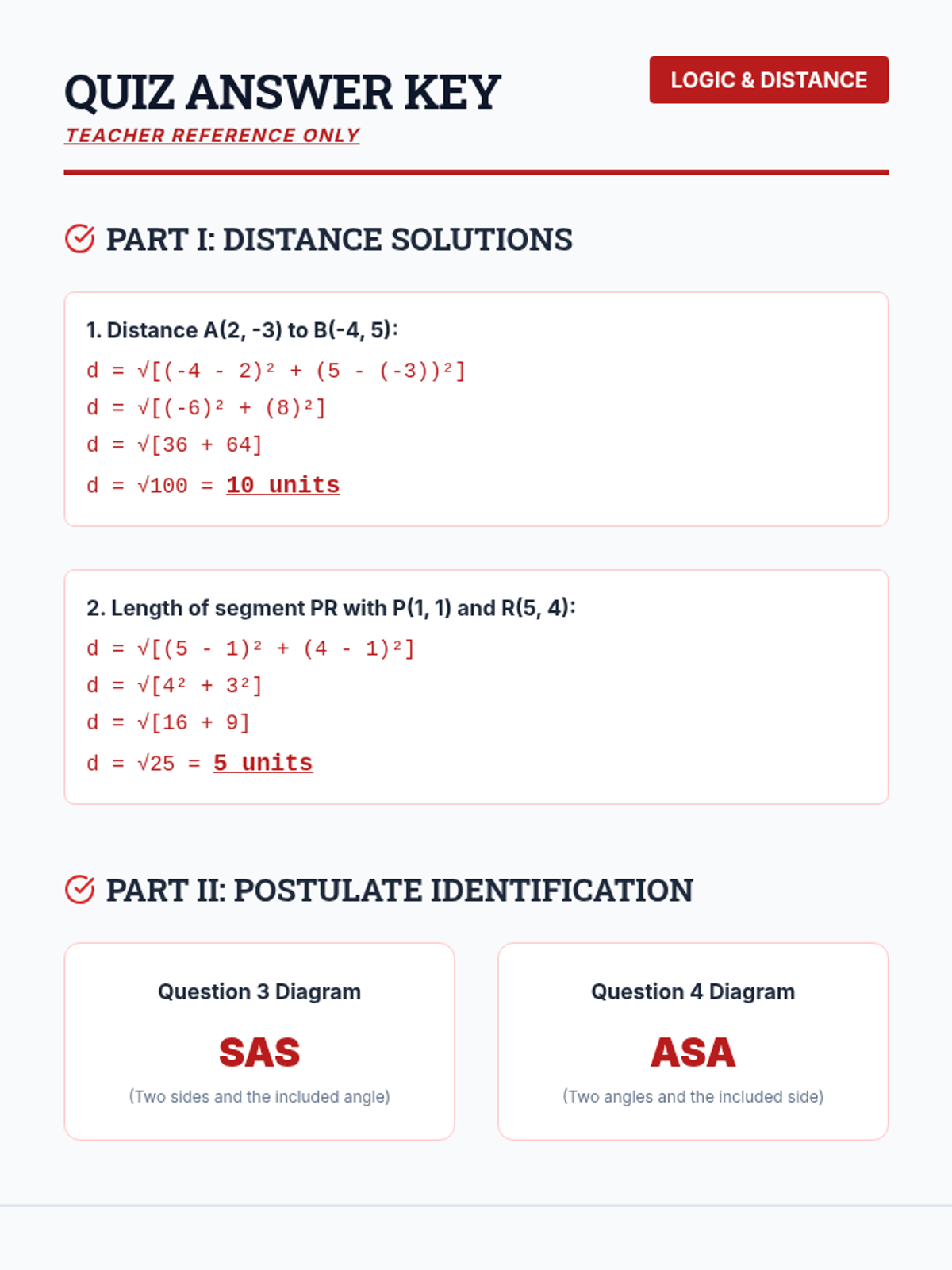
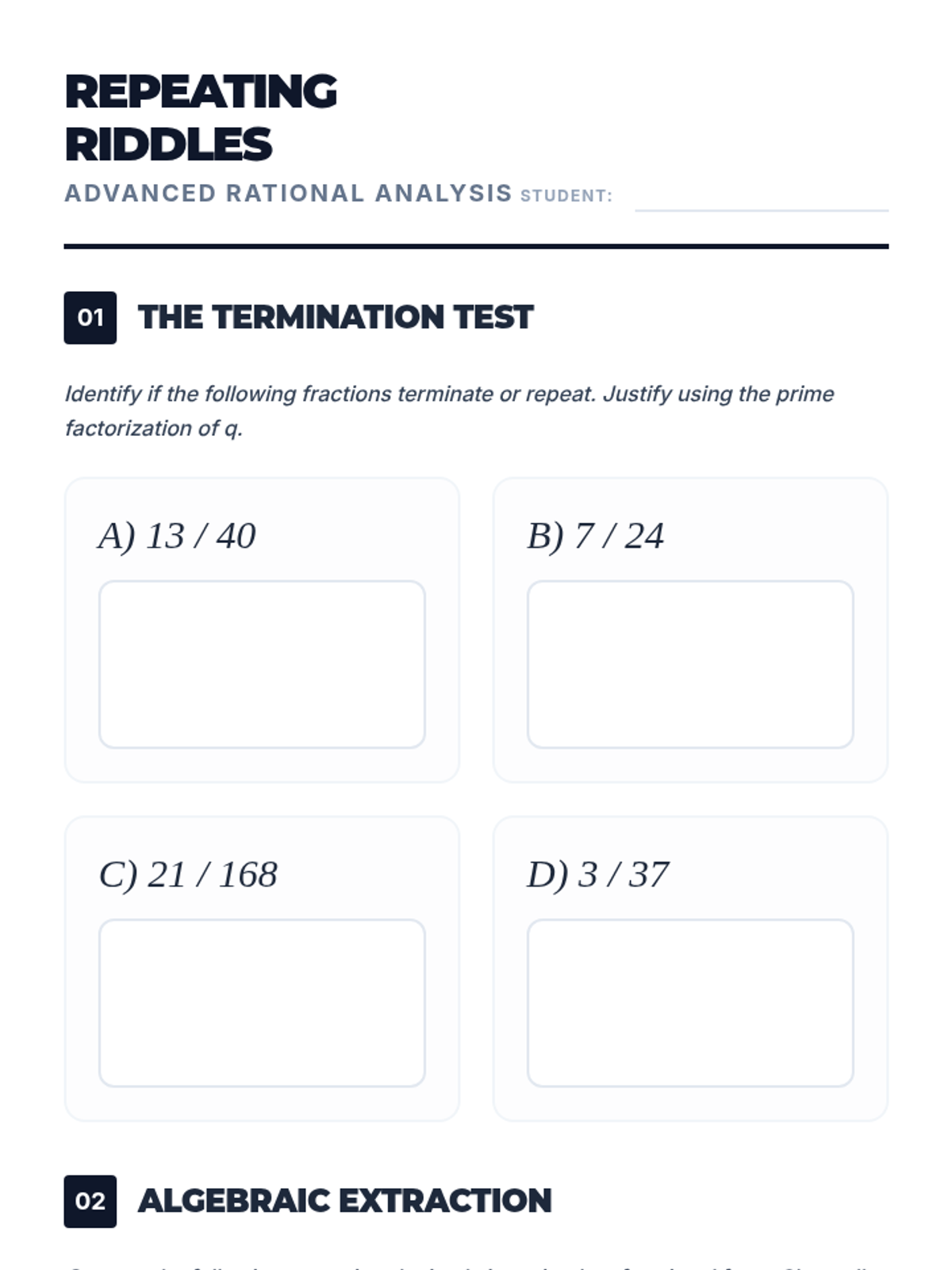
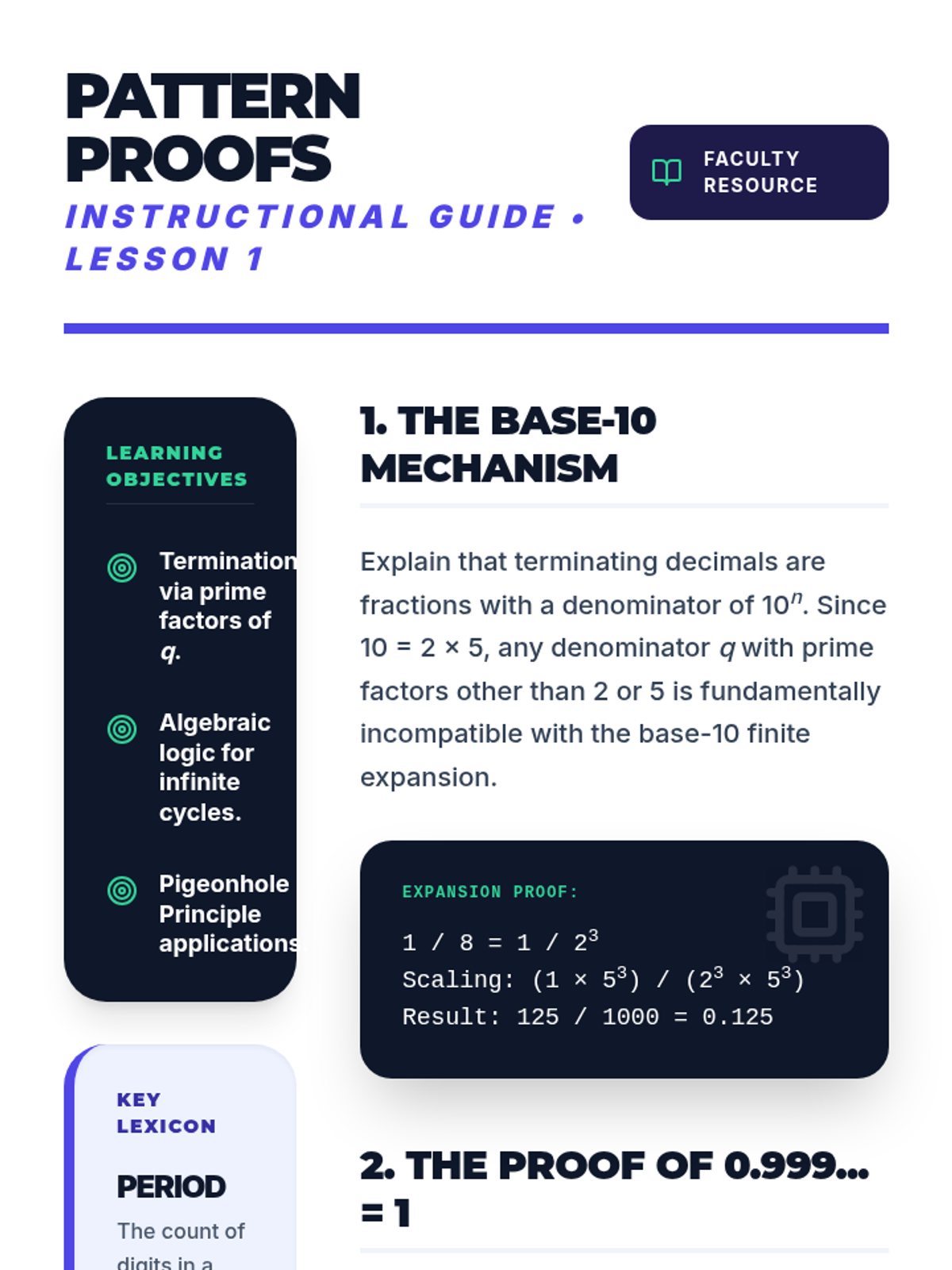
A targeted math intervention sequence focused on remediating GCF gaps using a visual, color-coded prime factorization strategy. This sequence emphasizes the efficiency of prime factorization over listing factors for larger numbers.
This 8th Grade Math sequence explores the properties of triangles, focusing on the Triangle Angle Sum Theorem and its applications in algebraic problem-solving. Students progress from hands-on measurement to complex multi-step relay challenges.
A remedial math sequence focused on clarifying misconceptions between integer addition and multiplication rules through conceptual visualization and active sorting.
A comprehensive math lesson for 5th graders focused on adding mixed numbers with regrouping, themed around baking a 'Giant Cookie' for a bakery. Includes visual instruction via video, hands-on recipe calculation, and reflection.
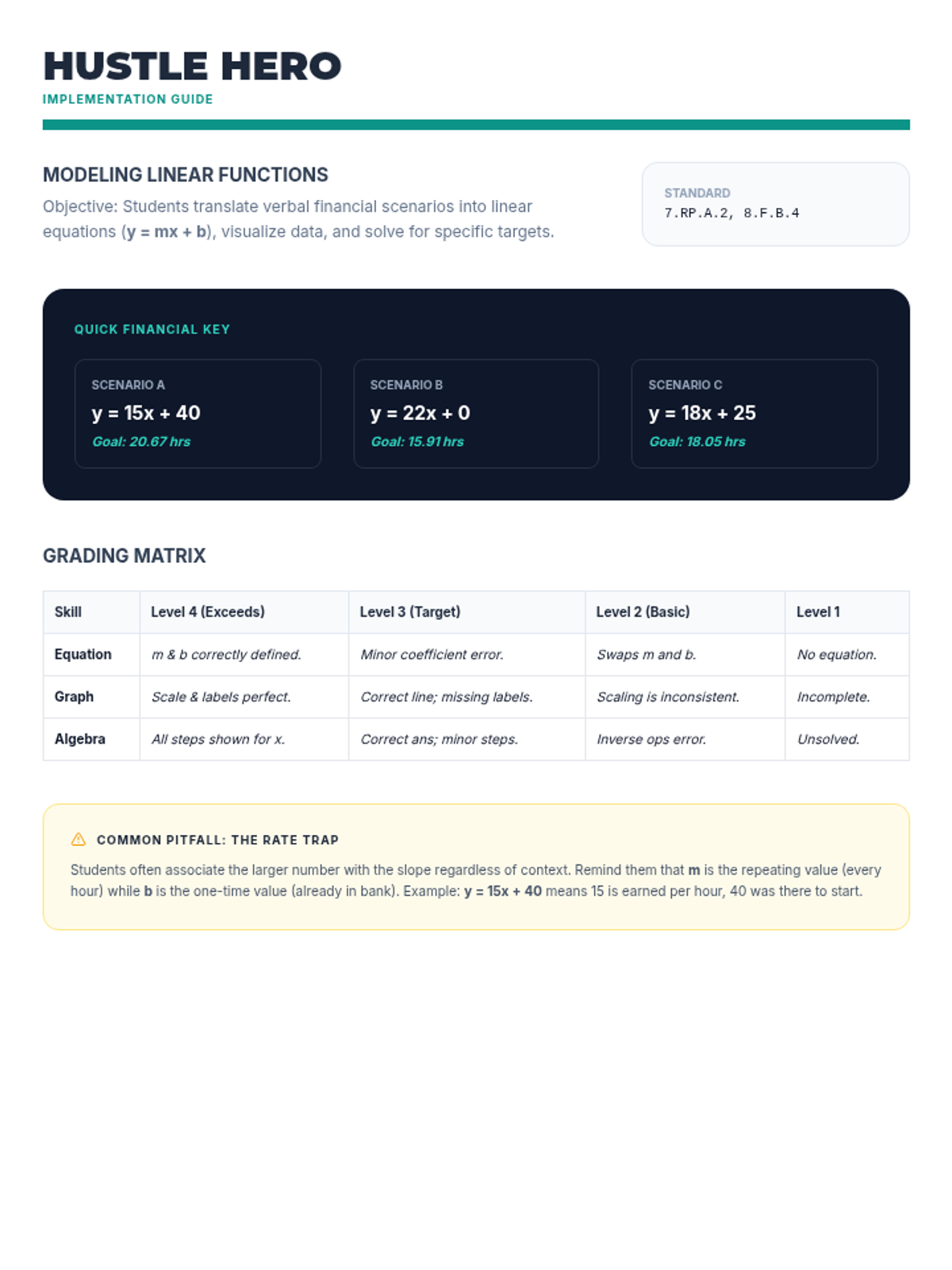
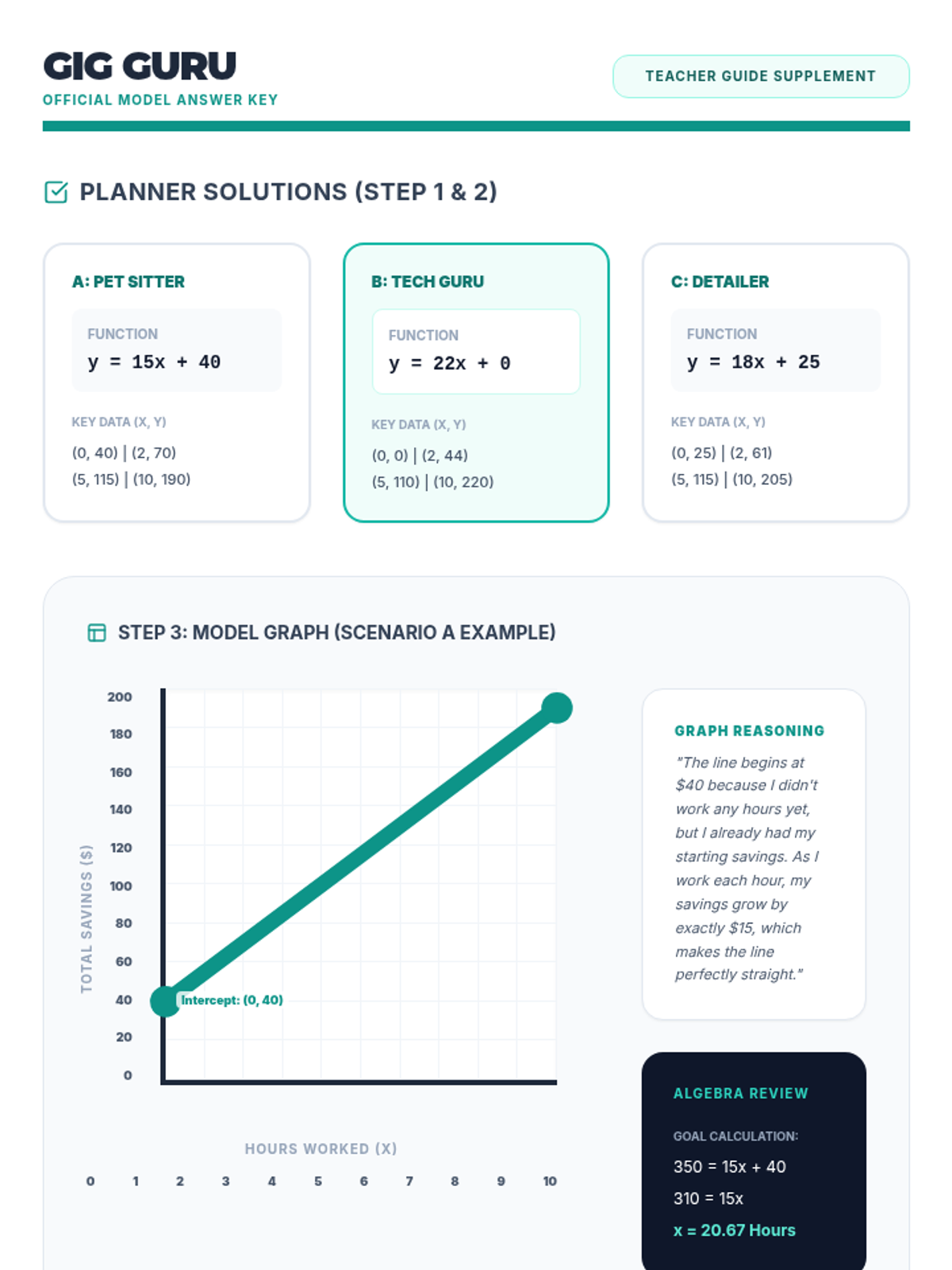
A lesson sequence focusing on financial literacy and the practical application of percentage decrease through real-world shopping scenarios and discount calculations.
A hands-on introduction to probability and chance for early elementary students using the concepts of will, won't, and might.
A unit focusing on algebraic foundations, moving from basic definitions of variables to solving multi-step equations and real-world applications.
A sequence focused on using music, rhythm, and rhyme to master foundational mathematical concepts like addition and skip counting.
A unit focused on mastering polynomial operations, from long division to advanced shortcuts like the Remainder and Factor Theorems. Students move from laborious calculation to strategic evaluation.
A comprehensive sequence focused on mastering mixed number operations through visual modeling, hands-on manipulatives, and algorithmic fluency.
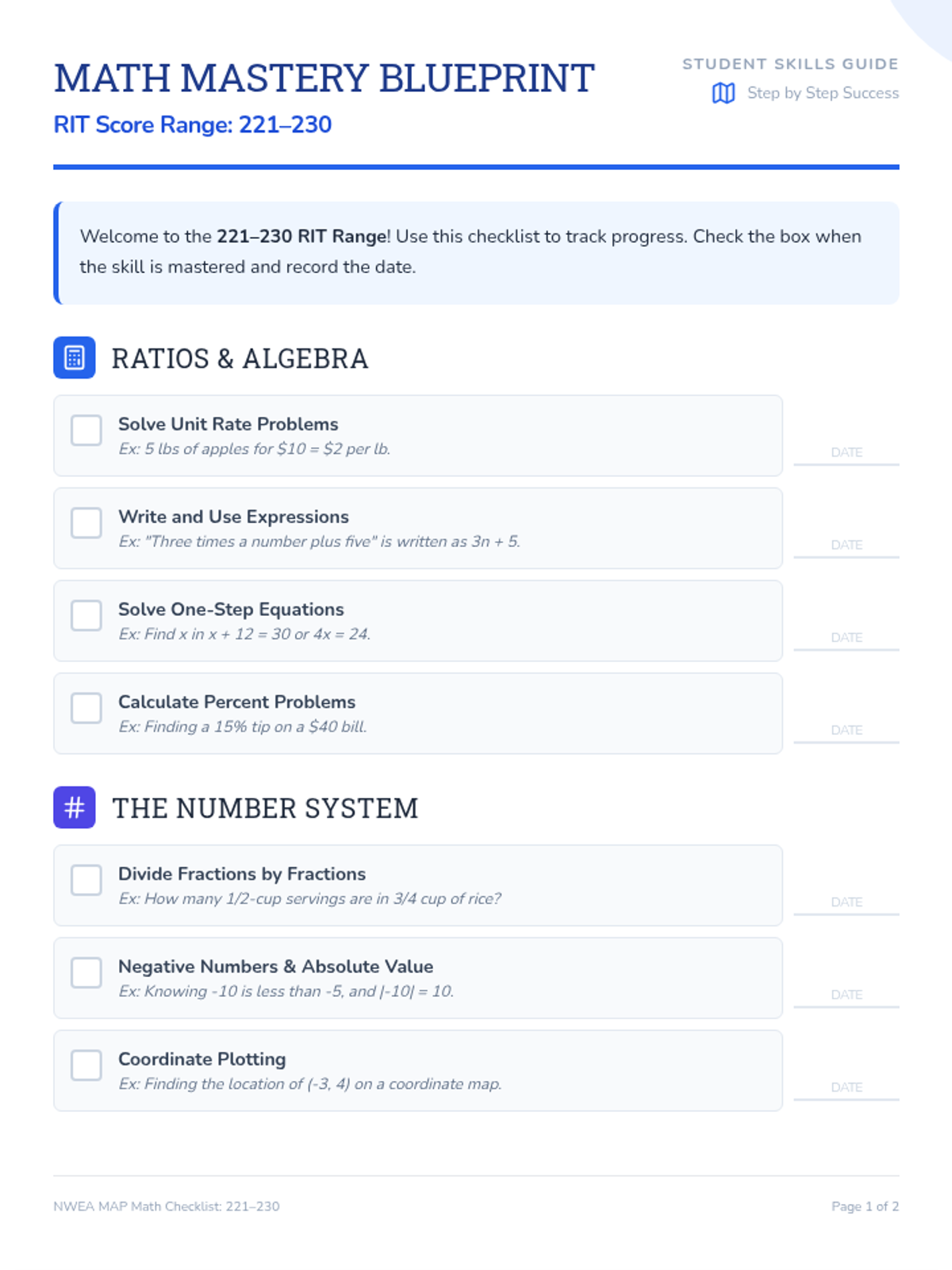
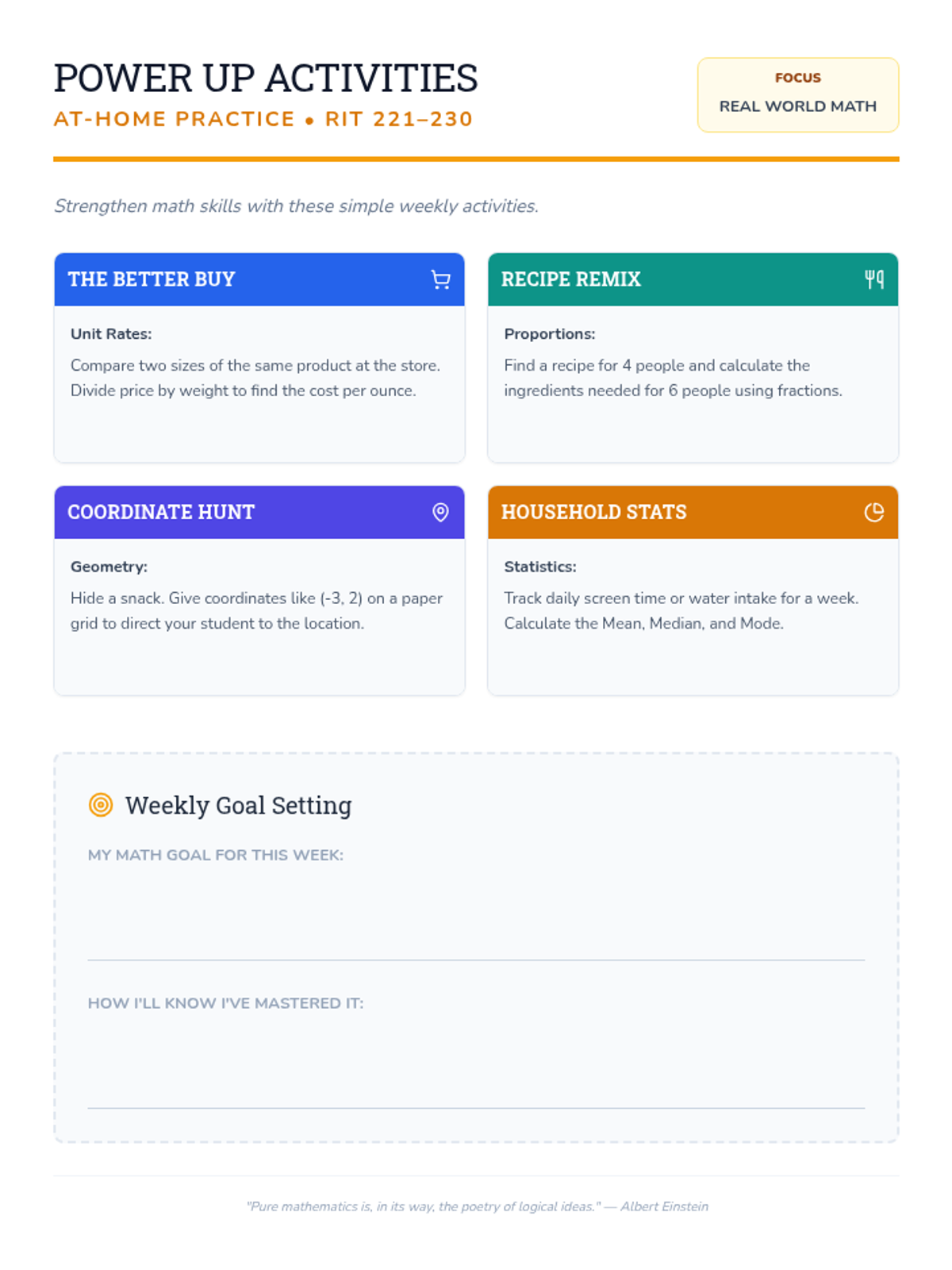
A middle school mathematics unit focused on proportional reasoning, ratio analysis, and multi-representation of numerical relationships.
A unit focused on mastering the number system, starting with integer basics and moving toward complex operations and coordinate planes.
A remedial math sequence focused on mastering inequalities and negative numbers on a number line through visual and kinesthetic learning.
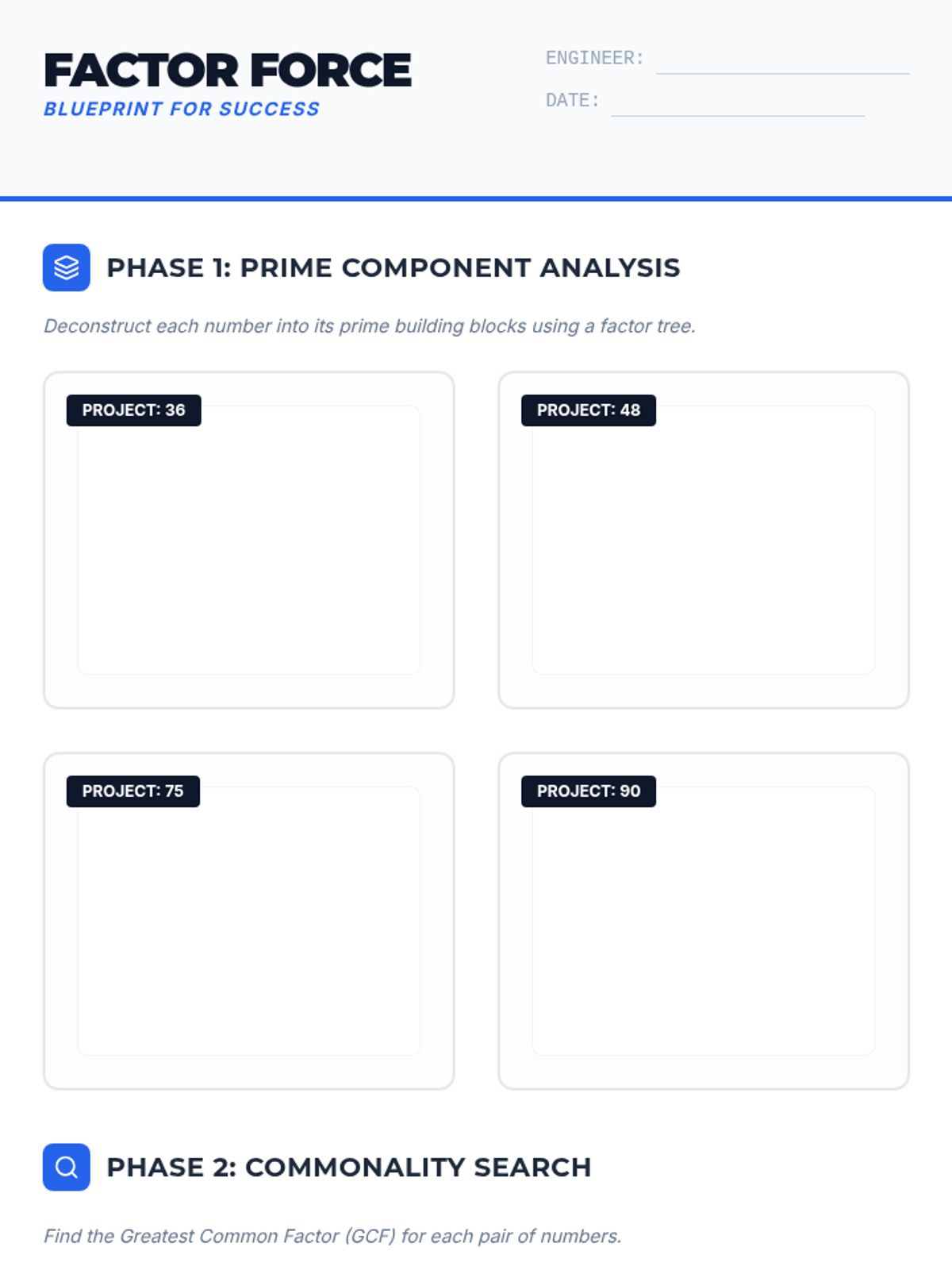
A professional development sequence designed to bridge the gap between traditional and modern math instruction for parents and guardians. This sequence focuses on visual strategies like prime factorization and factor trees to build deep conceptual understanding and algebraic thinking.
A series of parent engagement workshops designed to bridge the gap between classroom instruction and home support for early elementary mathematics. Each session focuses on a specific conceptual strategy to empower parents as learning partners.
A short sequence introducing 2nd-grade students to the concept of estimation and rounding, focusing on when to use approximate numbers versus exact ones.
A comprehensive lesson sequence for 12th Grade Pre-Calculus/Calculus students on solving and visualizing systems of nonlinear equations involving conic sections. Students move from sketching predictions to algebraic verification and creative system design.
A series of lessons focused on geometry and spatial reasoning, where students explore the properties of 2D shapes, symmetry, and patterns.
A comprehensive unit exploring circle geometry, vocabulary, arcs, angles, and properties through visual and hands-on investigation.
A Kindergarten math sequence for ELL students focused on comparing quantities using the concepts of more, less, and same. Students move from concrete visual comparisons to interactive sorting and hands-on station work.
A scaffolded sequence for 10th-grade academic support, focusing on using two-color counters and algebra tiles to master integer operations and transition to algebraic reasoning. This sequence moves from concrete manipulation to representational drawing and finally to abstract procedural fluency.
A sequence designed for 11th-grade academic support students to master integer operations and linear equations using two-color counters and algebra tiles. This tactile approach builds conceptual understanding through zero pairs and balance models, eventually transitioning students to abstract algebraic notation.
A specialized math sequence for 9th-grade academic support, focusing on fraction mastery through concrete manipulatives and visual models. It follows the CRA framework to bridge gaps in foundational understanding for high school success.
This sequence uses two-color counters and algebra tiles to help students understand integer operations and basic algebraic equations through concrete modeling. Students progress from physical manipulation to symbolic representation, focusing on the concept of 'zero pairs'.
A concrete introduction to algebraic thinking using algebra tiles. Students move from representing variables to solving one-step equations by balancing and partitioning physical models.
A 5-lesson sequence designed to help 5th-grade students master fraction operations through concrete manipulatives. Students move from physical towers to abstract algorithms, building a deep conceptual understanding of why common denominators are essential for addition and subtraction.
A 7th-grade math support sequence focusing on proportional reasoning through the use of counters and tape diagrams. This tactile-to-visual approach helps students bridge the gap between physical grouping and abstract multiplicative thinking.
This 8th-grade sequence focuses on fundamental math fluency using manipulatives. Students redefine base-10 blocks for decimals, engage in regrouping simulations, visualize division, and perform error analysis to solidify their understanding of place value and operations.
A foundational multiplication and division sequence for 3rd-grade students requiring academic support. This unit uses counters and arrays to help students visualize multiplication as repeated addition and division as fair sharing, providing physical anchors for abstract concepts.
A Kindergarten math sequence focusing on teen numbers (11-19) using hands-on manipulatives. Students progress from physical bundling to ten-frames and base-ten blocks, establishing a solid foundation for place value.
This Kindergarten math sequence uses the Concrete-Representational-Abstract (CRA) framework to teach composing and decomposing numbers. Students progress from tactile manipulation of physical objects to visual representations and early symbolic equations, specifically supporting diverse learners through sensory-rich mathematical exploration.
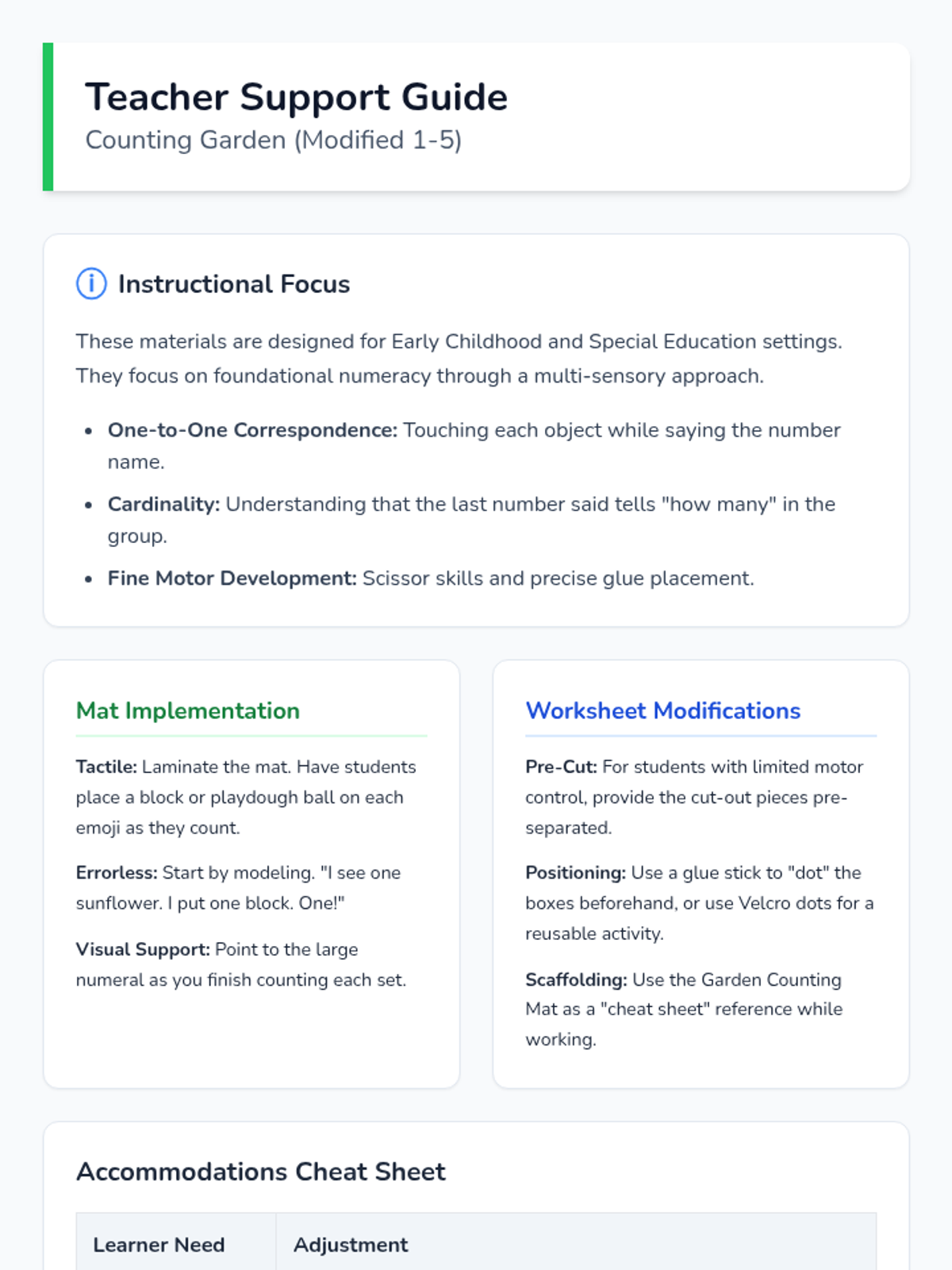
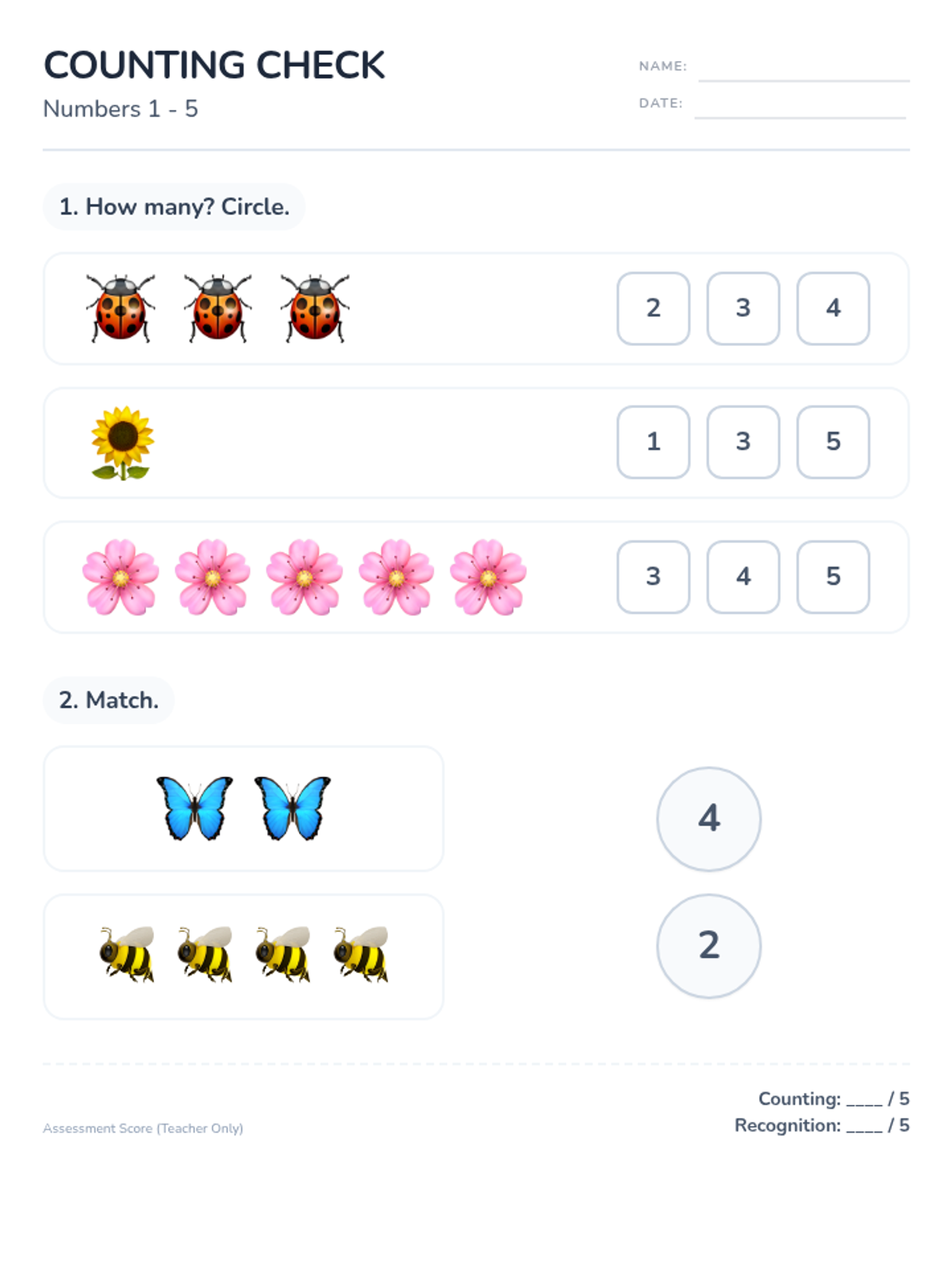
A foundational math sequence for Kindergarten students requiring academic support. This unit uses tactile manipulatives (counters, cubes) to build one-to-one correspondence, cardinality, and number conservation through high-engagement 'Counting Critter' activities.
A 4th-grade math sequence focusing on division and remainders using physical and virtual manipulatives. Students progress from basic sharing/grouping concepts to interpreting remainders in word problems and scaffolding the long division algorithm.
A 4th-grade financial literacy sequence exploring the journey from gross pay to net pay, investigating taxes, and creating realistic budgets. Students use inquiry-based math to demystify paychecks and understand how community services are funded.