A 1st-grade writing sequence that teaches students how to use prepositional phrases to expand simple sentences, focusing on 'where' and 'when' details.
A week-long ELA homework series centered around a narrative about a squirrel's search for a rare acorn. The materials are differentiated for Kindergarten, 2nd Grade, and 4th Grade learners.
A foundational writing sequence for early learners focused on developing opinion writing skills. Students progress from stating simple preferences to supporting their opinions with reasons and descriptive details using 'I like' and 'because'.
A comprehensive baseline reading assessment sequence designed for virtual tutoring environments. It includes tools for phonics screening, fluency checks, and comprehension evaluation to establish a student's starting point.
A comprehensive book study for Roscoe Riley Rules #1: Never Glue Your Friends to Chairs. Students will explore character traits, cause and effect, and story elements while building vocabulary and comprehension skills.
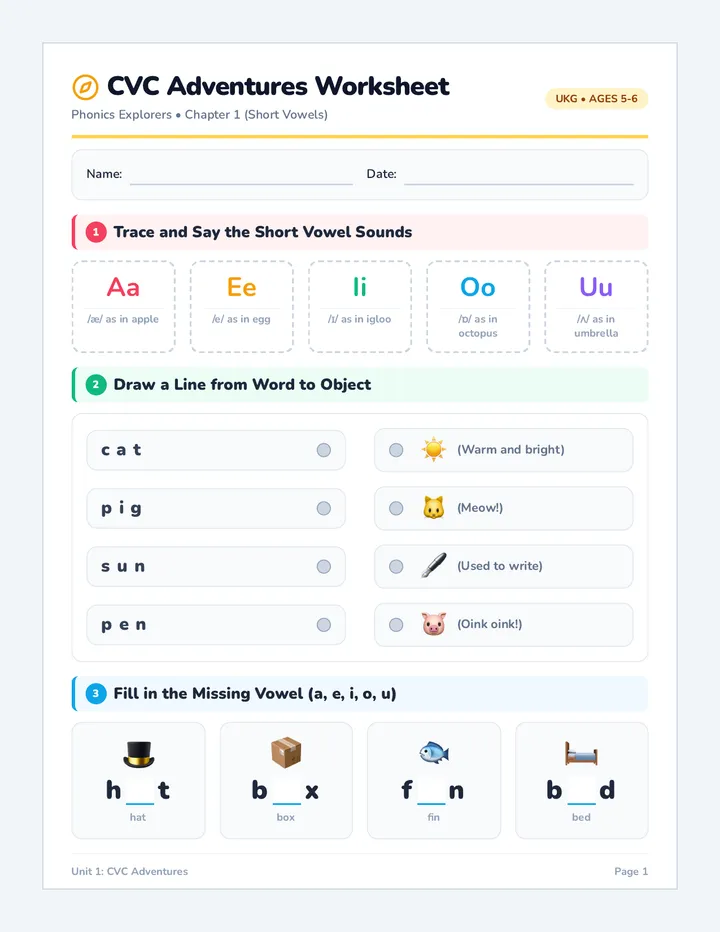
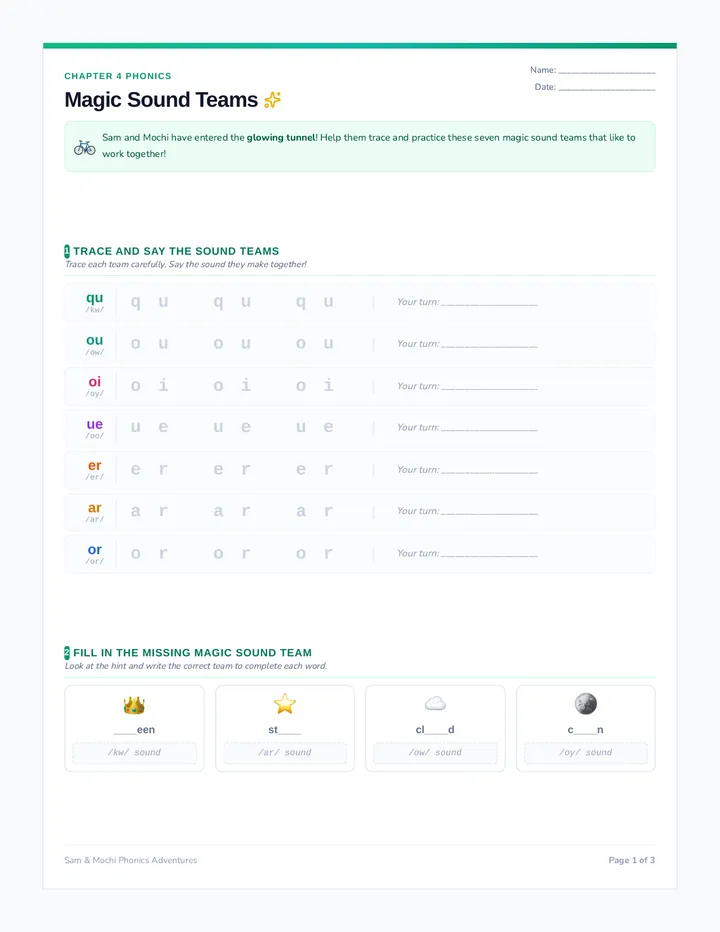
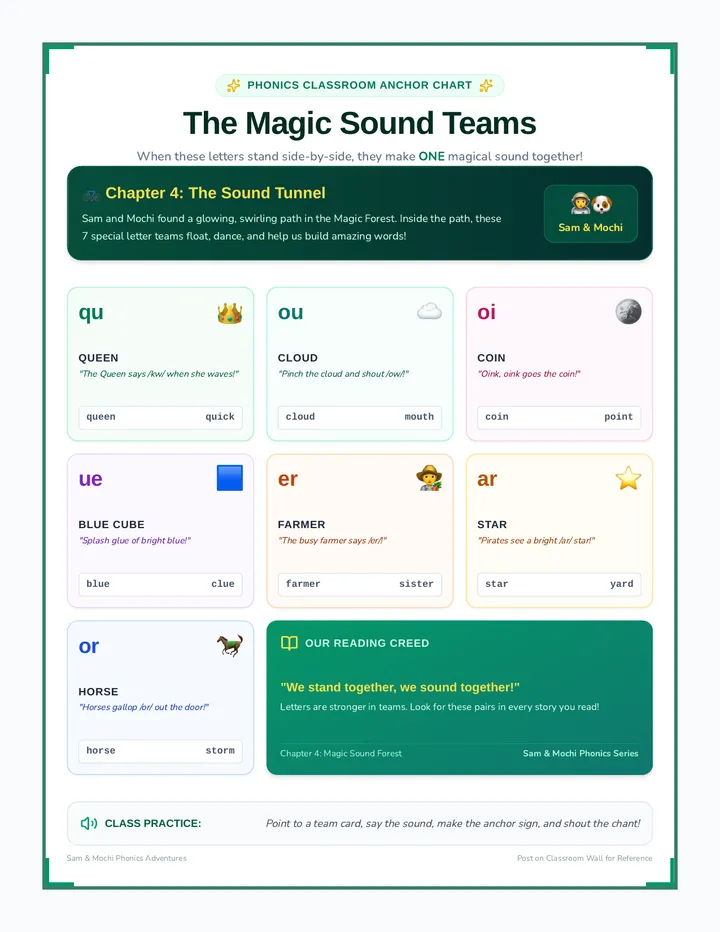
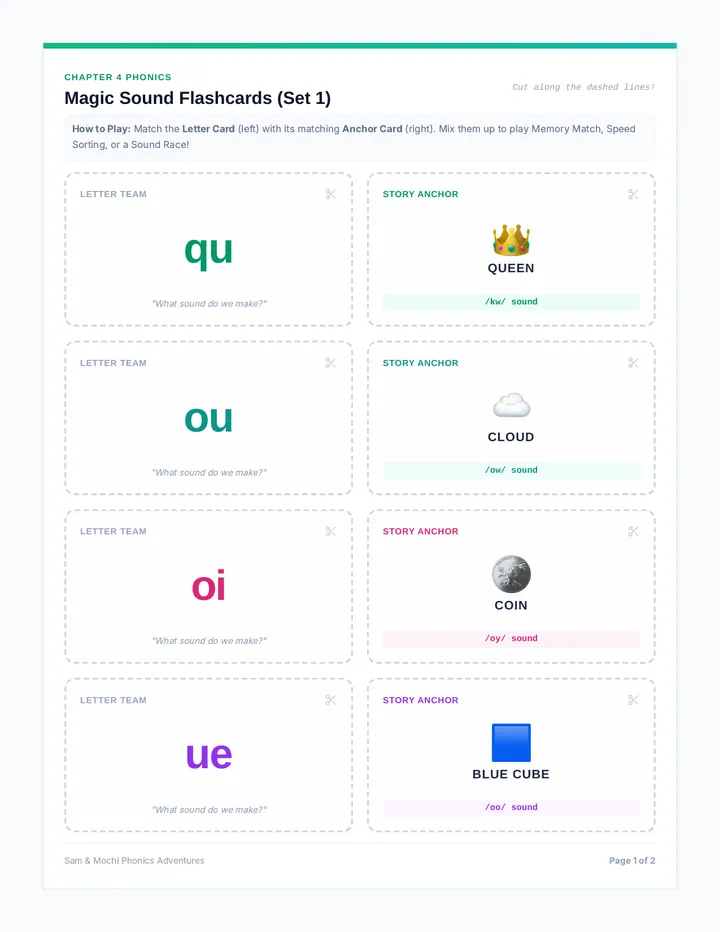
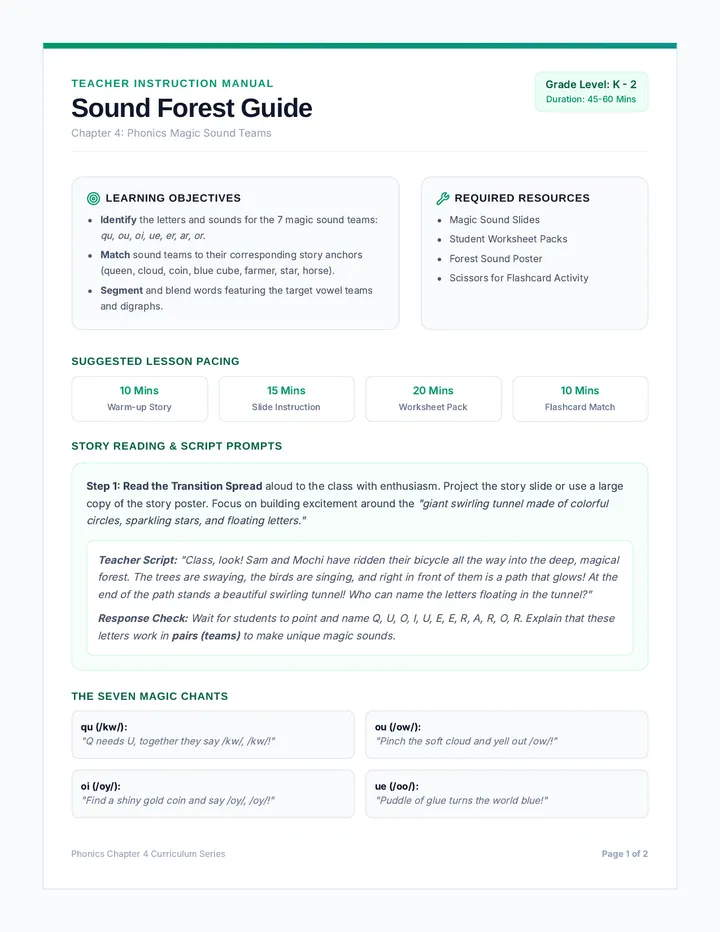
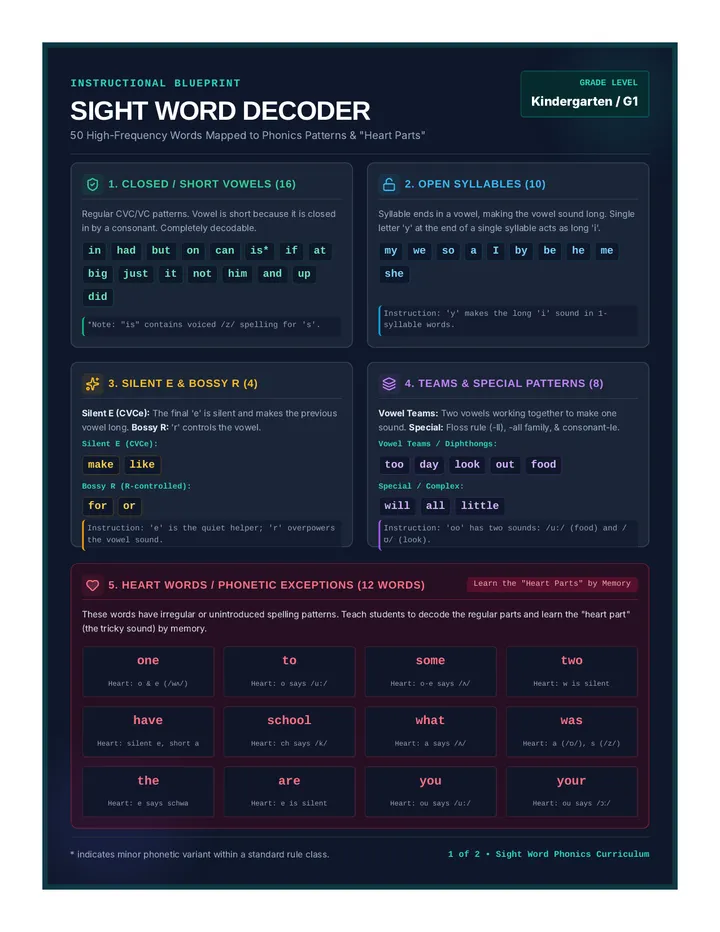
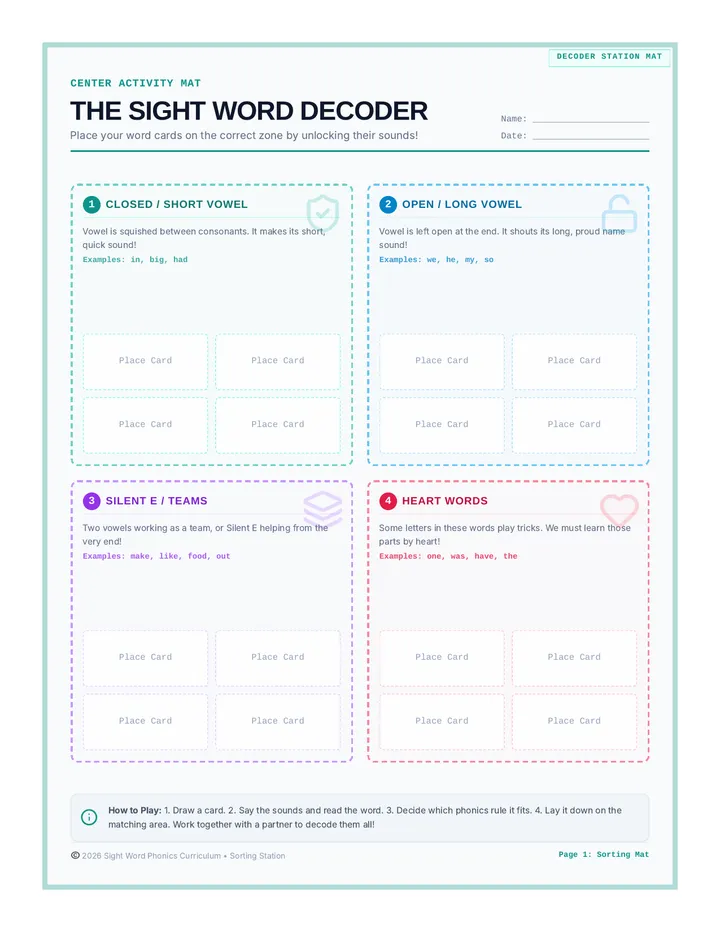
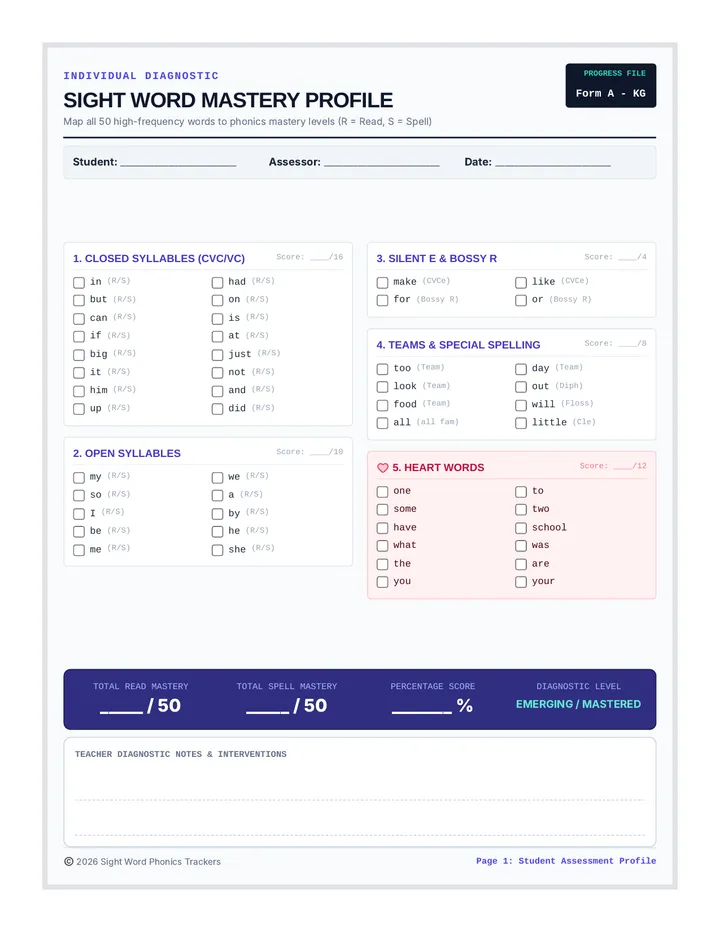
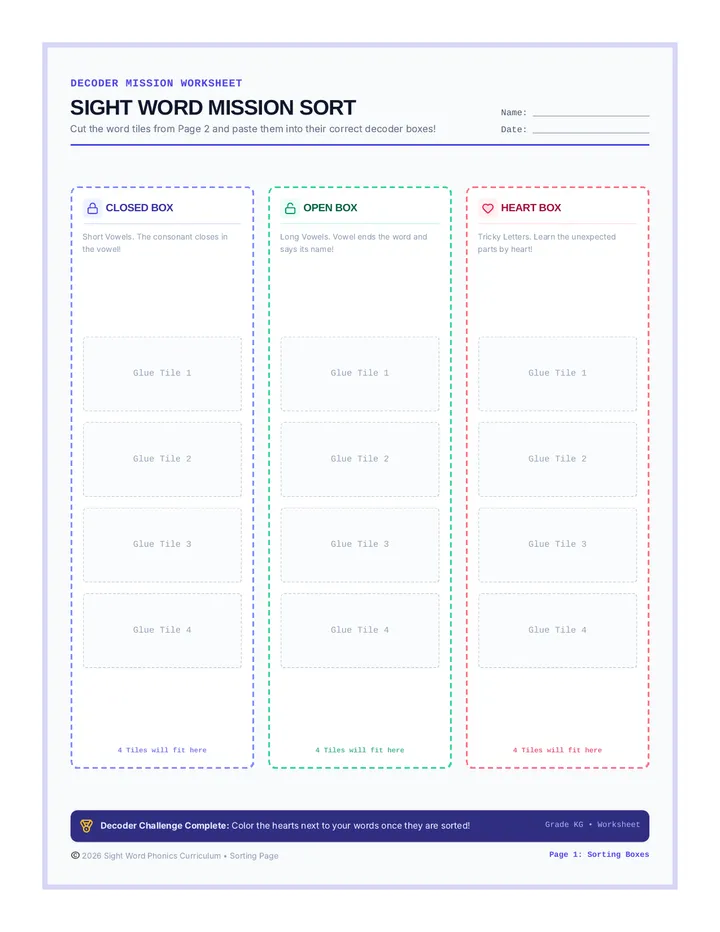
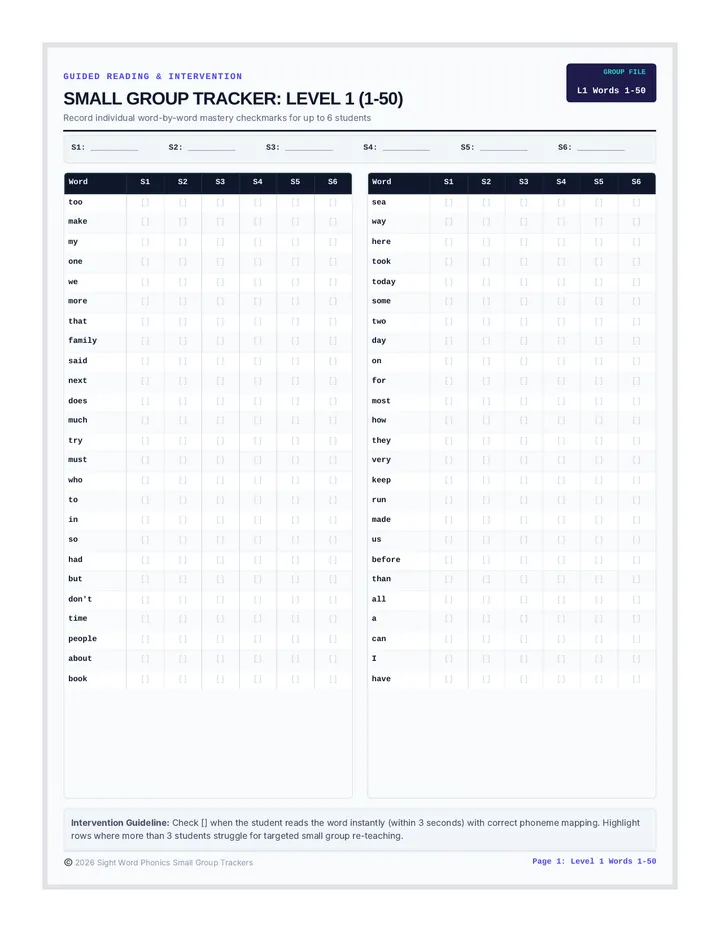
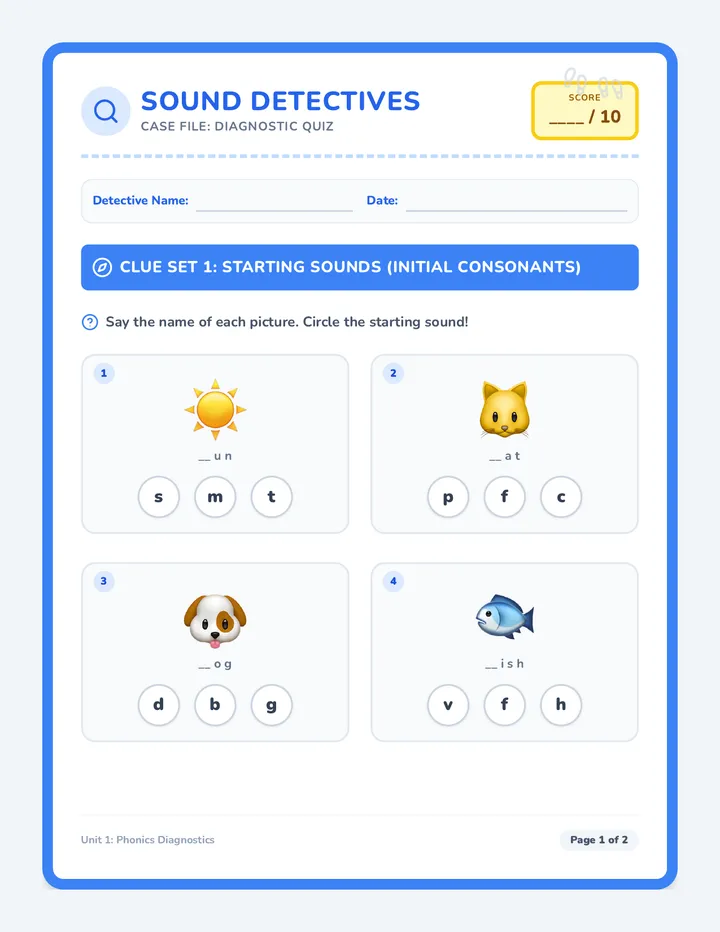
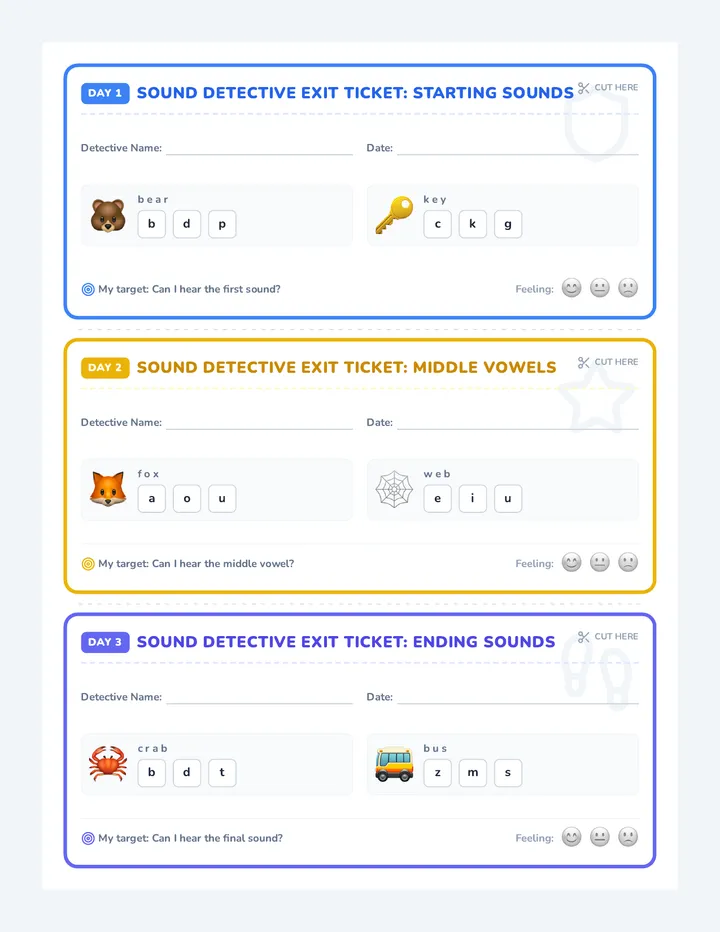
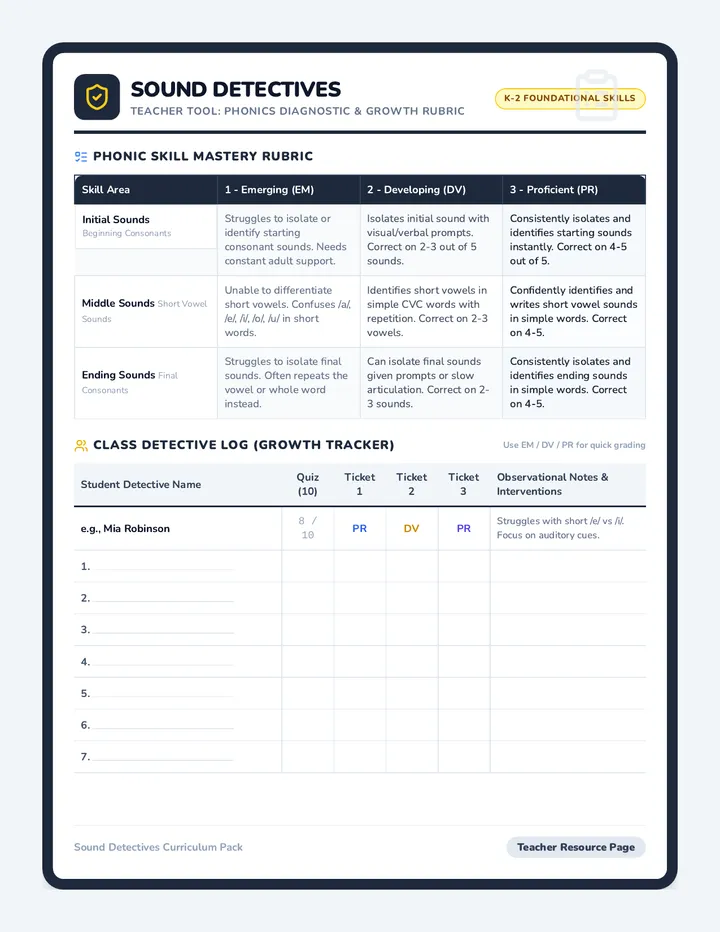
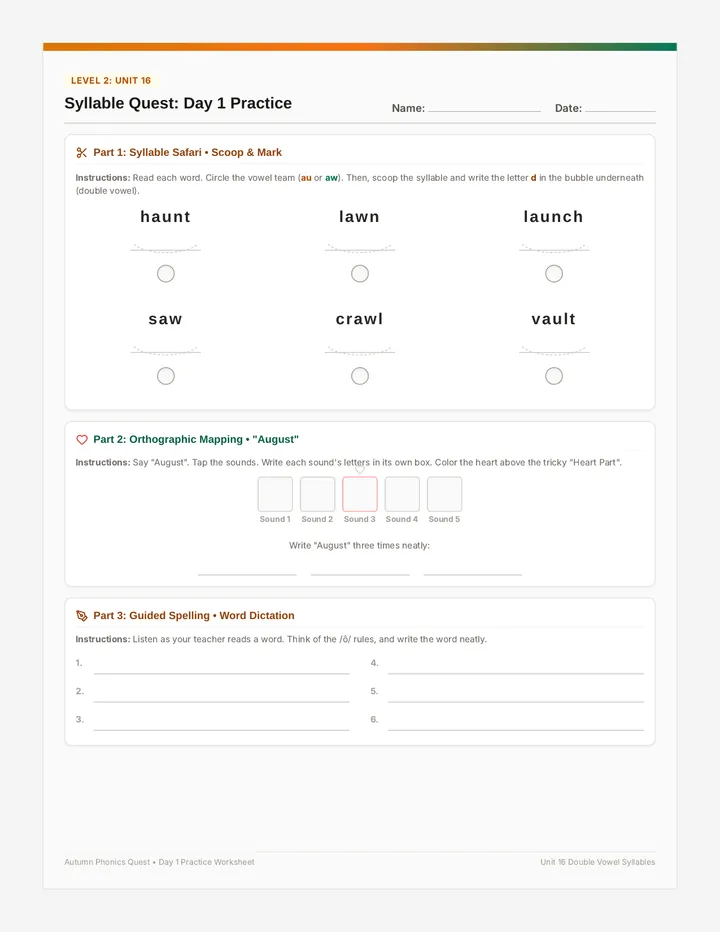
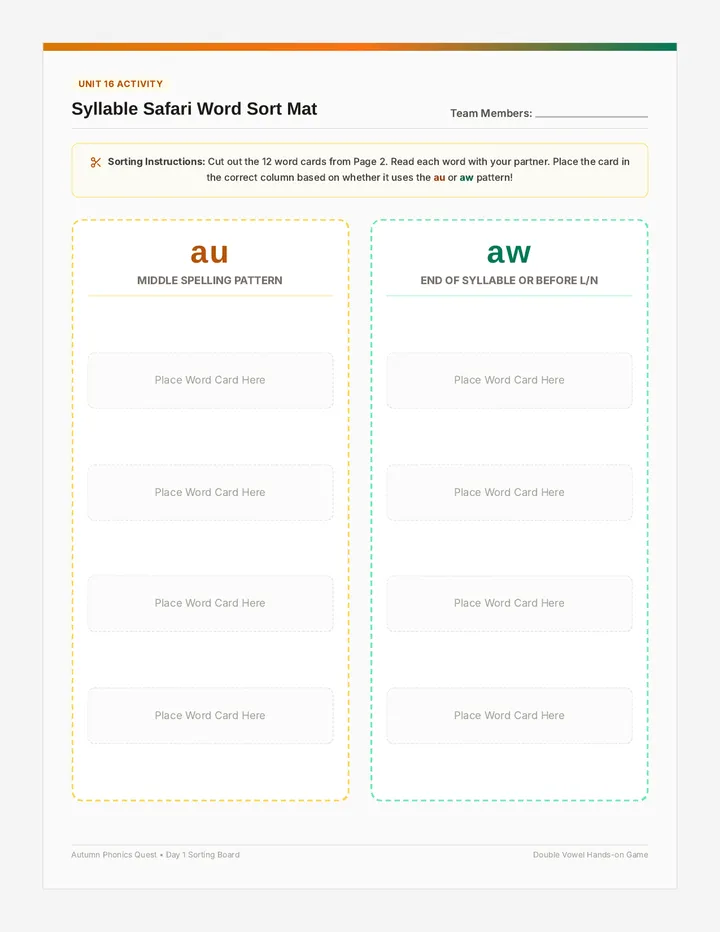
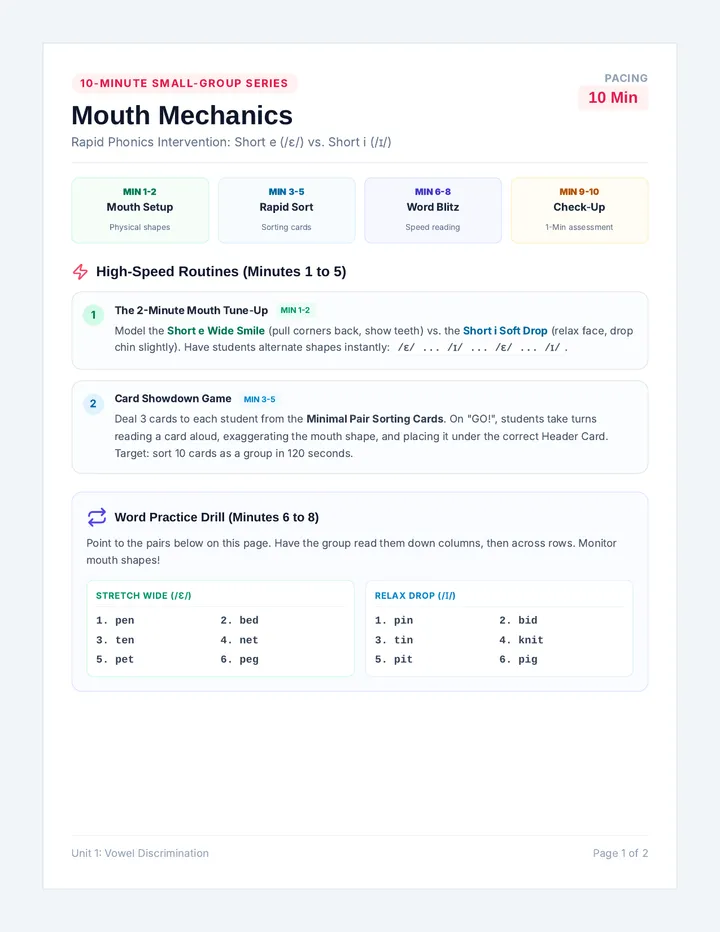
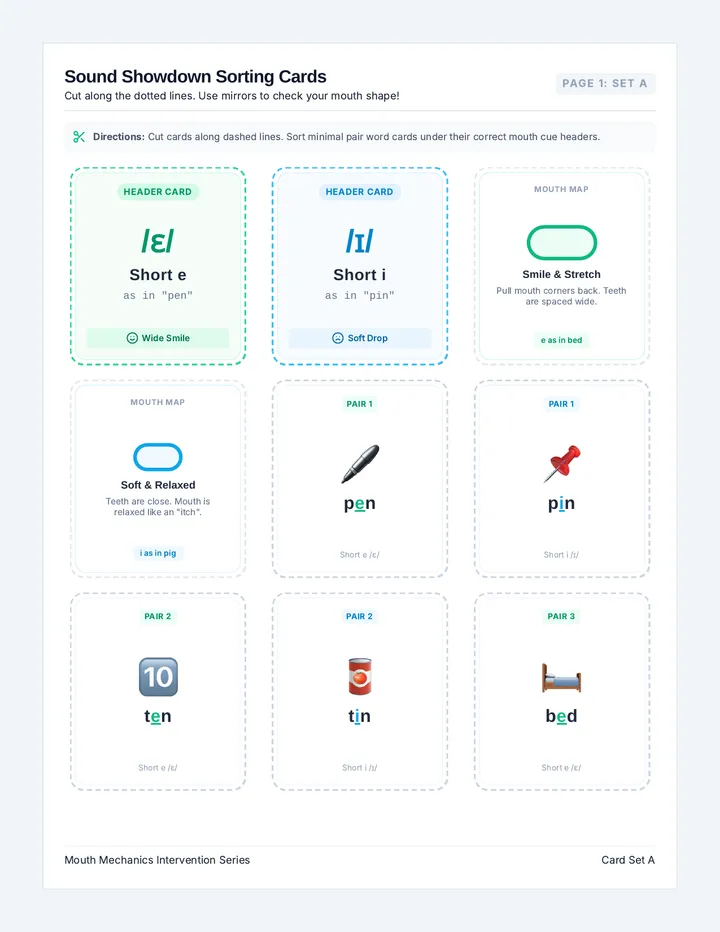
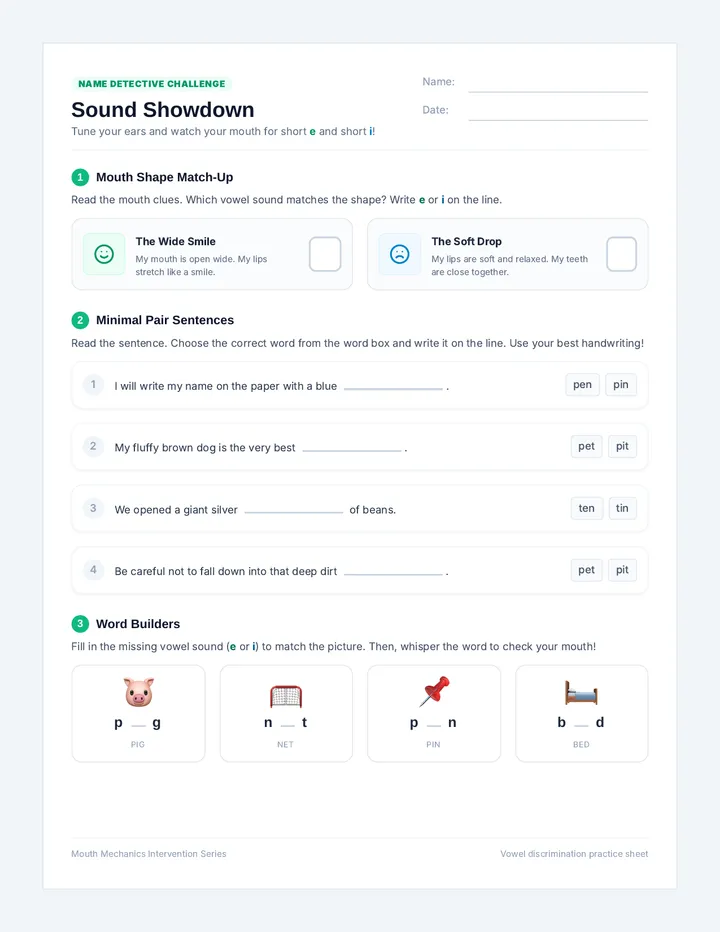
A series of lessons focused on foundational phonics skills for first-grade learners.
A thematic unit centered on winter and snow, exploring grammar, functional language, and descriptive comparison skills.
A 3-week literacy intervention program for grades K-5 focused on phonics, vocabulary, and comprehension with a space exploration theme. Each week features 30-minute daily sessions including interactive games and hands-on activities.
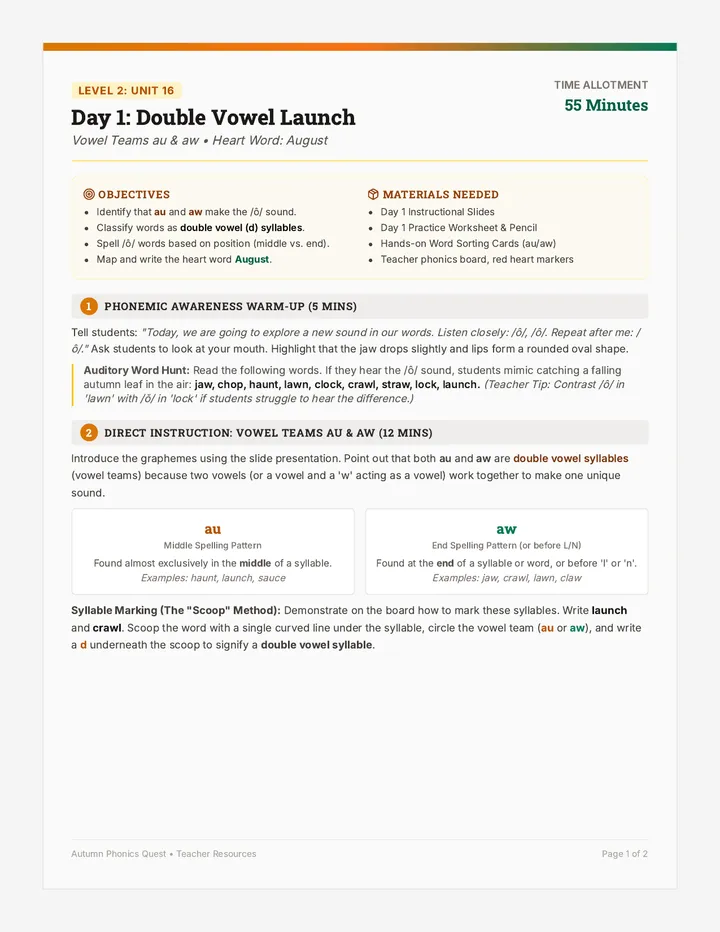
A foundational phonics unit focused on vowel teams and alternative spellings for the Long A sound, culminating in a collaborative classroom visual aid.
A series of foundational literacy lessons designed to introduce young learners to the alphabet, phonics, and writing forms.
This sequence focuses on the cognitive planning required before activating the microphone, bridging the gap between thought and oral expression. Students explore how to organize their ideas using graphic organizers and bullet points to prevent rambling during dictation.
This sequence focuses on character analysis, helping students infer internal traits, motivations, and emotions based on external dialogue and actions. It moves from identifying temporary emotions to predicting long-term behavior based on established character traits.
A specialized reading intervention sequence designed for 8th-grade students to master visualization strategies for expository and informational texts. Students move from visualizing simple procedural steps to constructing complex mental models of cause-effect relationships and conceptual hierarchies.
A 1st-grade sequence focused on teaching visualization strategies through the metaphor of a 'Mind Movie'. Students learn to cast characters, build settings, monitor comprehension, and retell stories using mental imagery.
This sequence introduces 1st Grade students to procedural writing using flowcharts. It focuses on breaking down tasks into three distinct steps (First, Next, Last) through physical movement, visual organizers, action verbs, and scaffolded sentence writing.
A 1st-grade writing sequence focused on opinion writing through structured graphic organizers. Students learn to distinguish facts from opinions, use a 'because' bridge to link ideas, and use sentence frames to draft complete opinion statements.
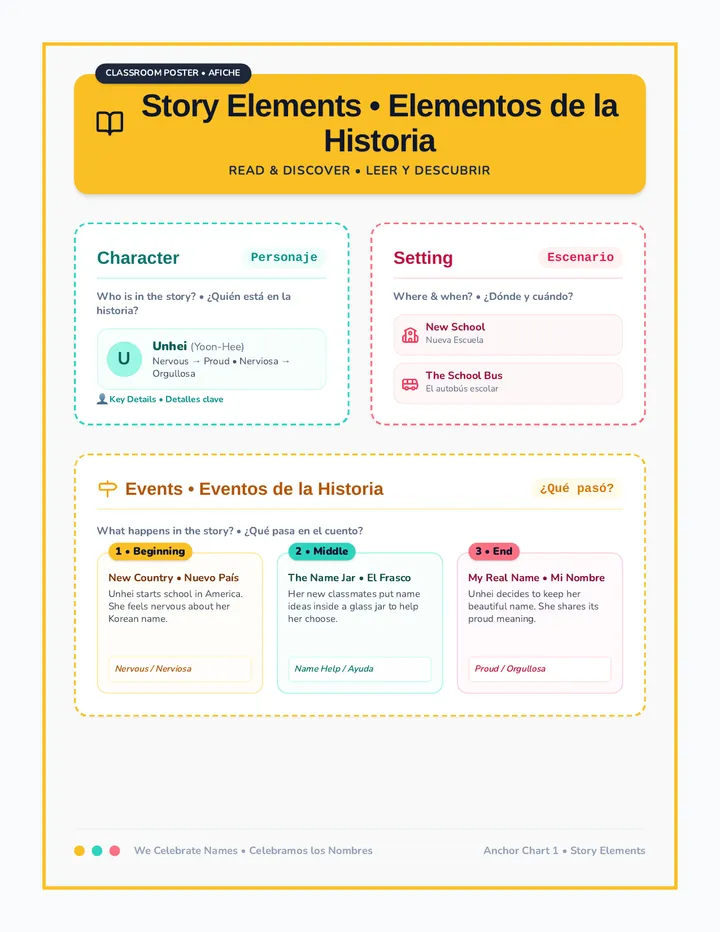
This sequence introduces 1st-grade students to narrative structure using a visual 'Beginning, Middle, End' framework. It uses a 'Story Builders' theme to help students segment storytelling into manageable chunks, moving from identification to oral rehearsal and finally to written production.
A first-grade sequence that introduces cause and effect through physical exploration, narrative analysis, and informational texts, concluding with a creative comic project. Students learn to use signal words like 'because' and 'so' to connect events and outcomes.
A 1st-grade grammar sequence exploring conditional and subjunctive moods through the lens of imagination. Students learn to use 'If/Then' structures, express wishes with 'I wish I were', and use helper verbs to describe possibilities and hypothetical worlds.
A 1st Grade ELA sequence focused on the interrogative mood. Students learn to distinguish between statements and questions, use the 5 Ws, manipulate sentence structure to form questions, and conduct peer interviews.