A comprehensive 3rd-grade unit on stratigraphy and geologic history, teaching students how to read rock layers like pages in a book to understand Earth's past environments and the Law of Superposition.
A series of lessons exploring genetics and protein synthesis through the lens of spider silk production for medical use. Adapted for 3rd-grade reading levels while maintaining 6th-grade science concepts.
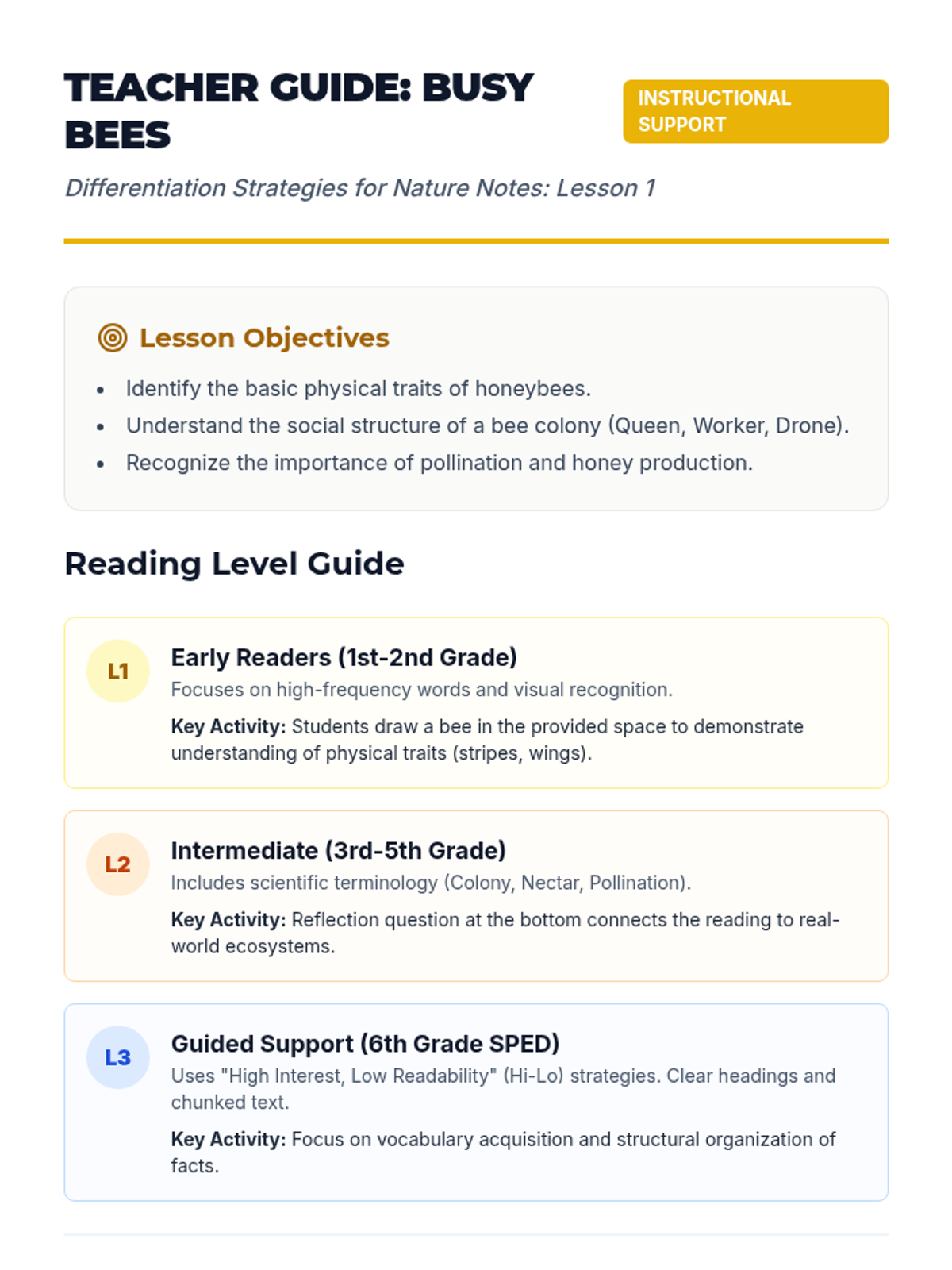
A comprehensive unit exploring inherited traits, talents, and character analysis through the lens of Kamal's story. Students will distinguish between genetic traits and learned talents, analyze character motivations, and document their own unique 'code'.
A comprehensive project-based unit where students explore the vital role of pollinators, research local species, and design solutions to protect their habitats.
A comprehensive unit exploring the fundamentals of electricity, magnetism, and how they combine in circuits, focusing on energy transformations and hands-on visuals.
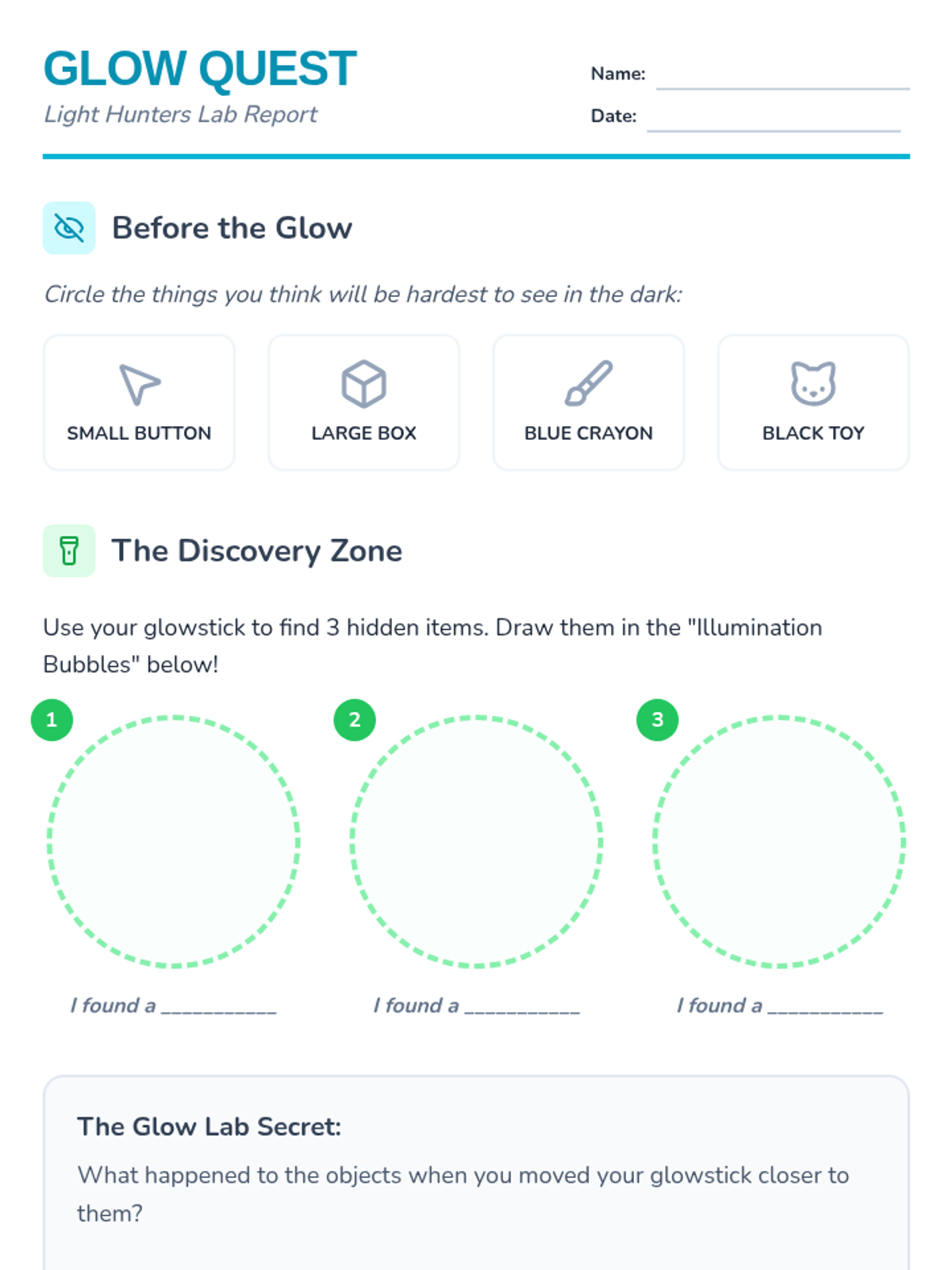
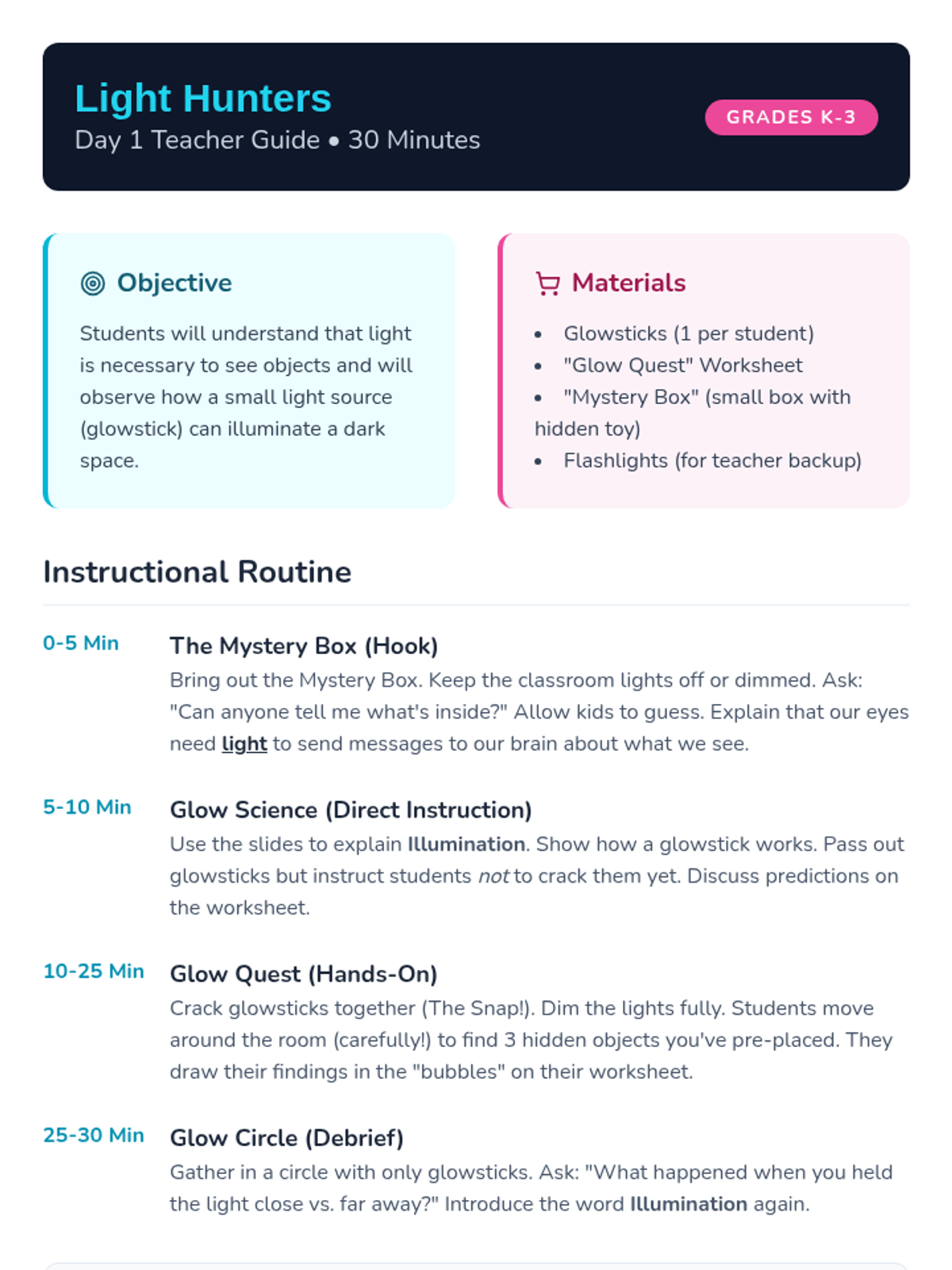
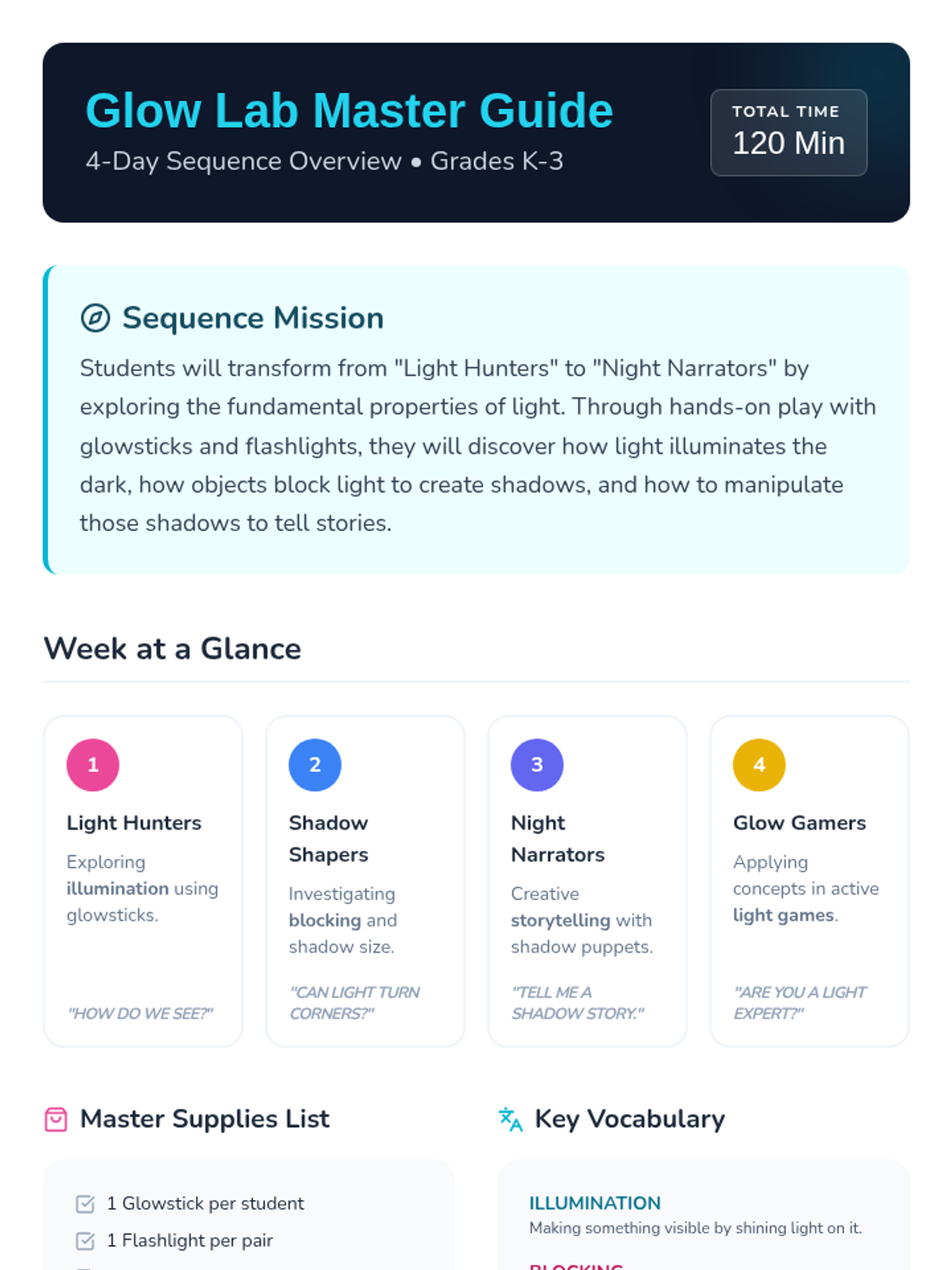
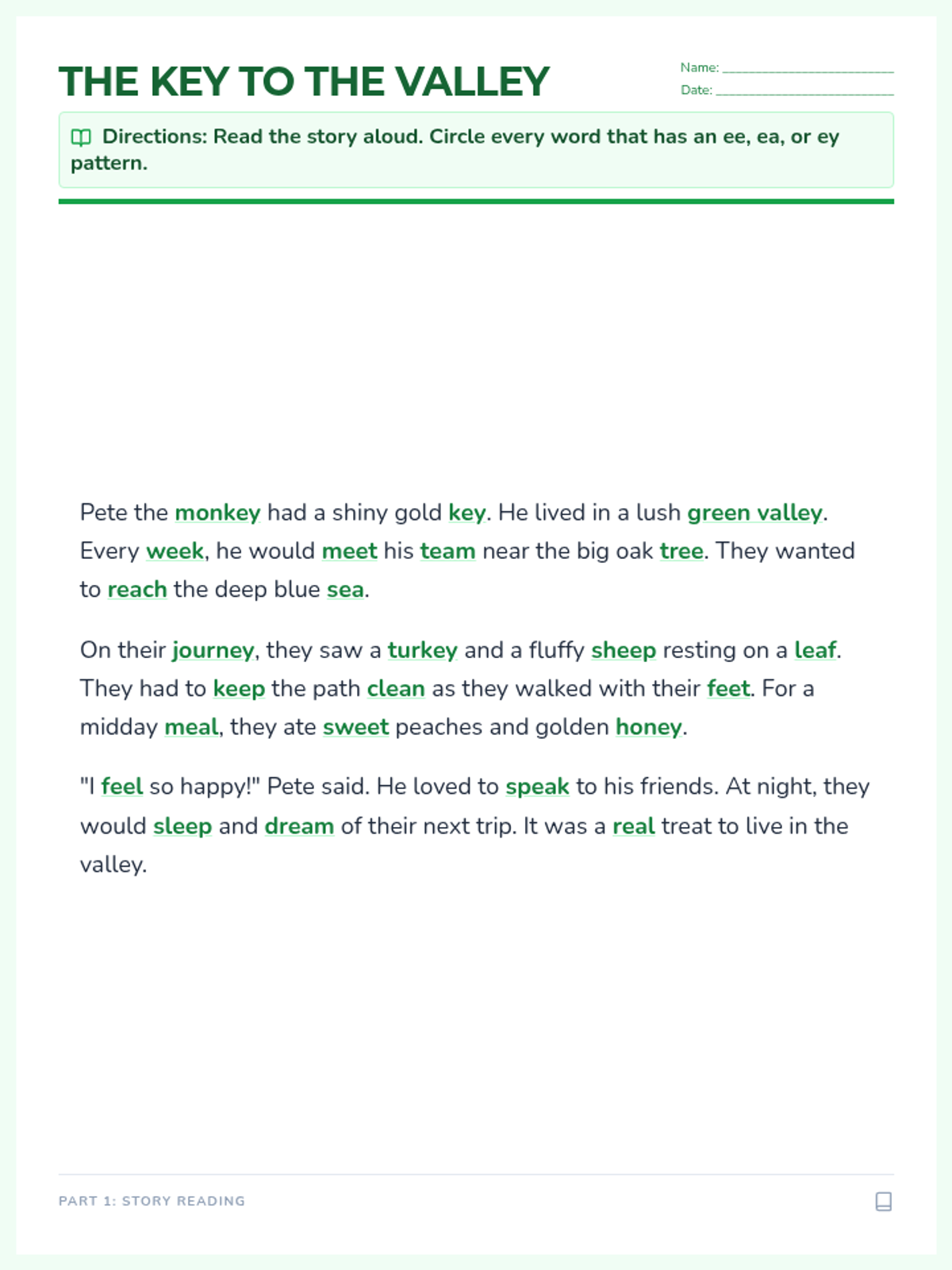
A collection of science and phonics resources designed for hands-on classroom activities.
A lesson sequence exploring the science of involuntary reflexes and reaction time through hands-on lab experiments and interactive discussions. Students learn to distinguish between voluntary and involuntary actions using the body's natural response systems.
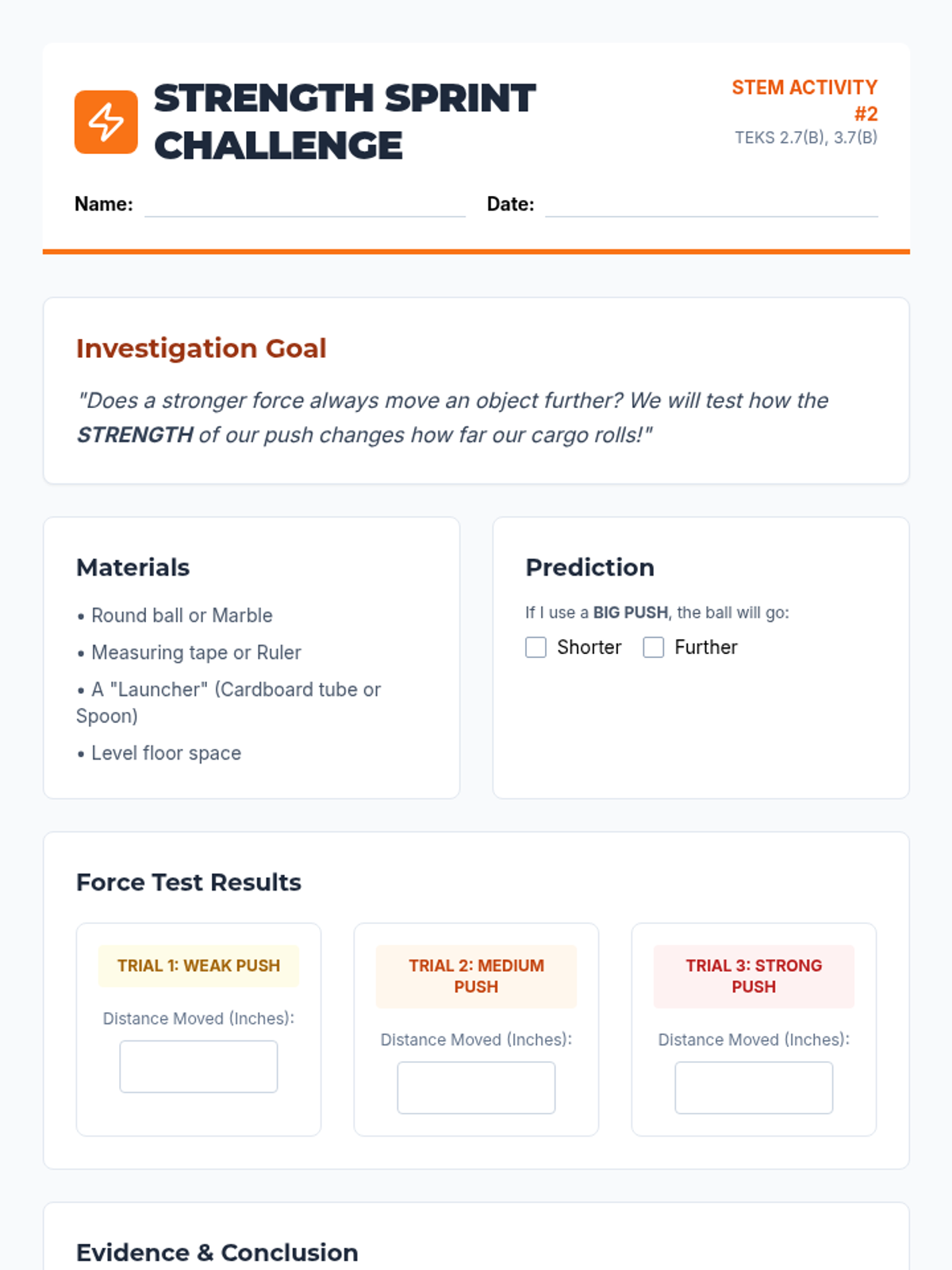
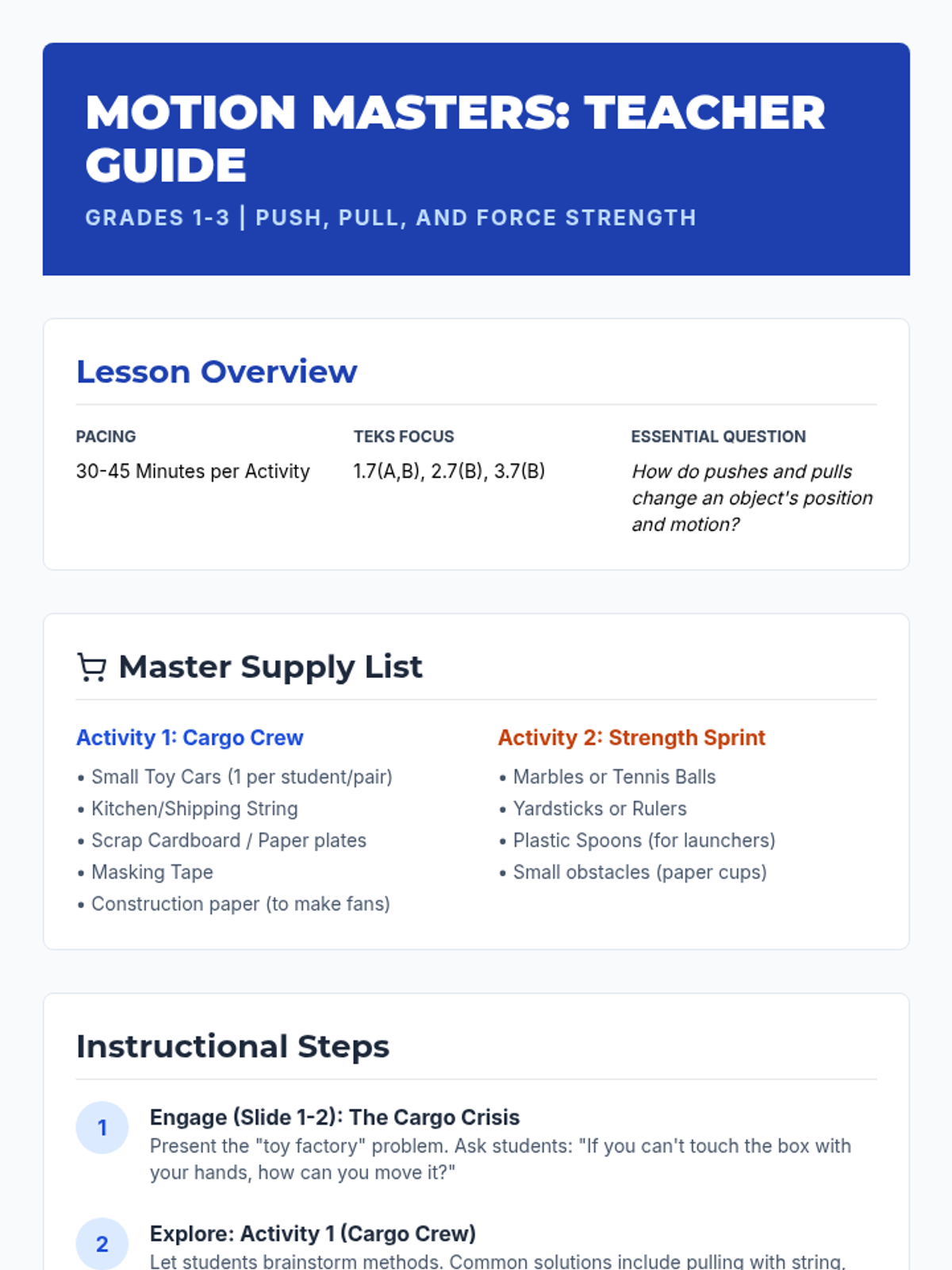
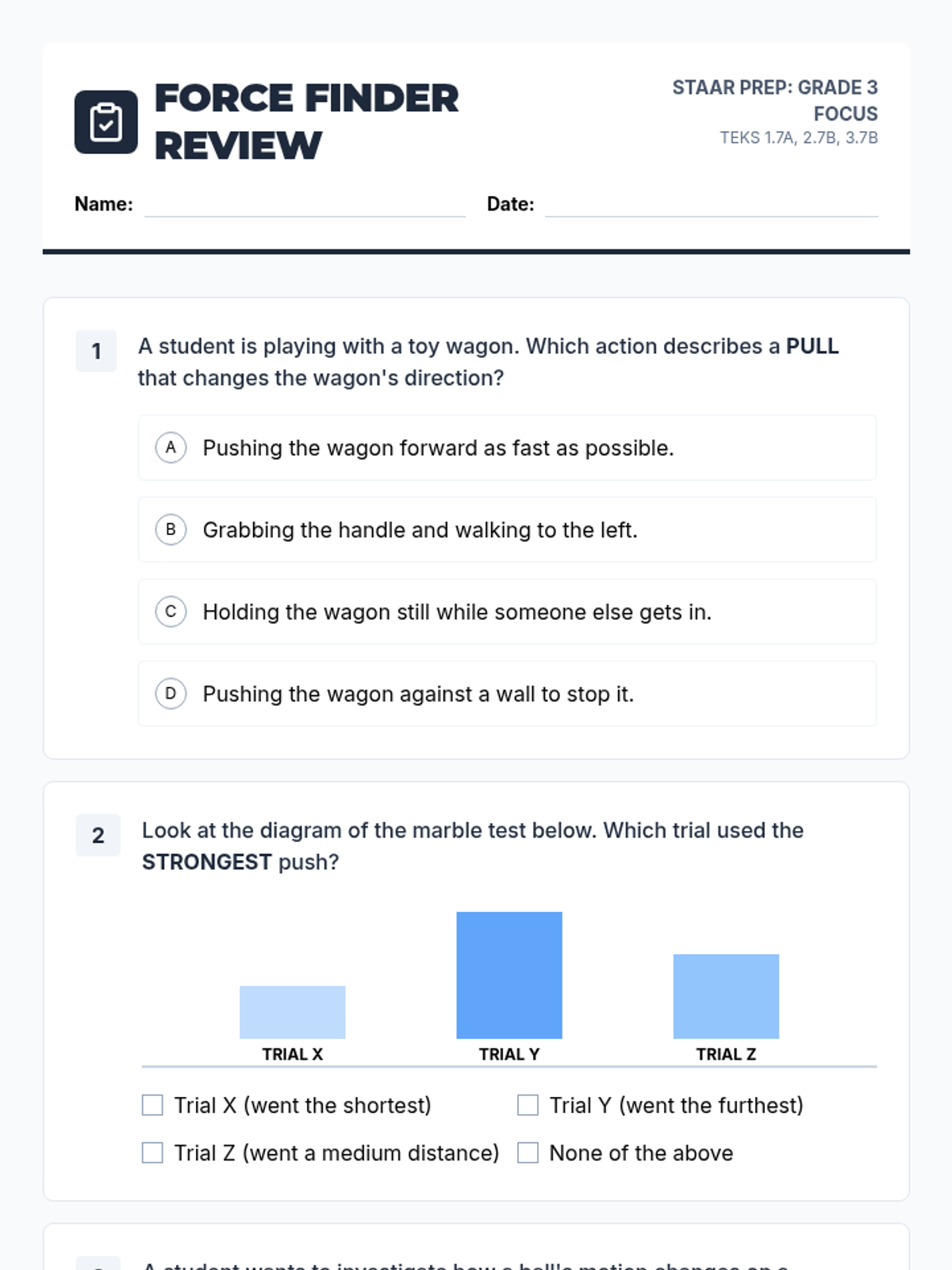
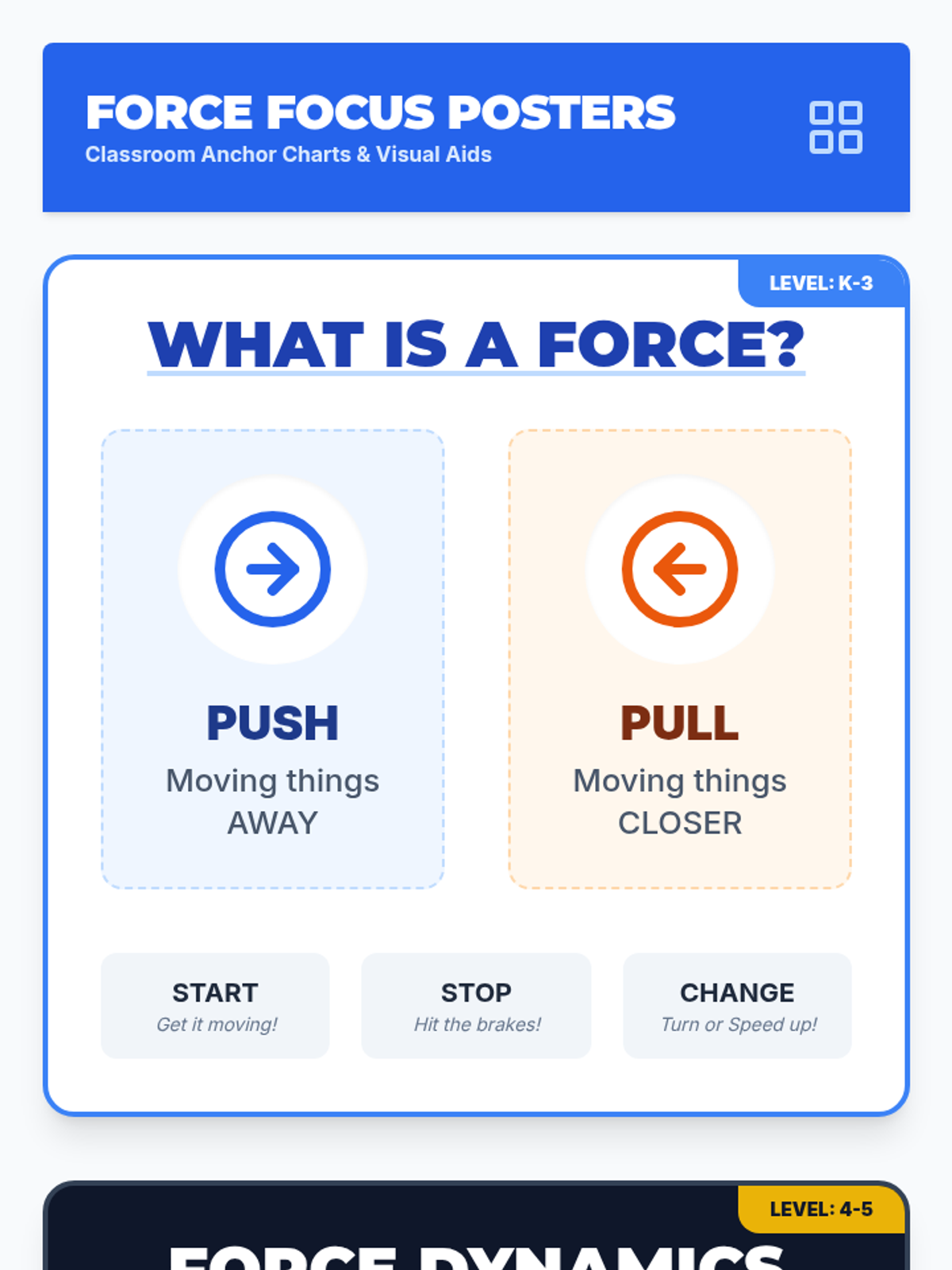
A foundational science unit for early elementary students exploring the concepts of energy, force, and gravity through hands-on investigation and real-world observation.
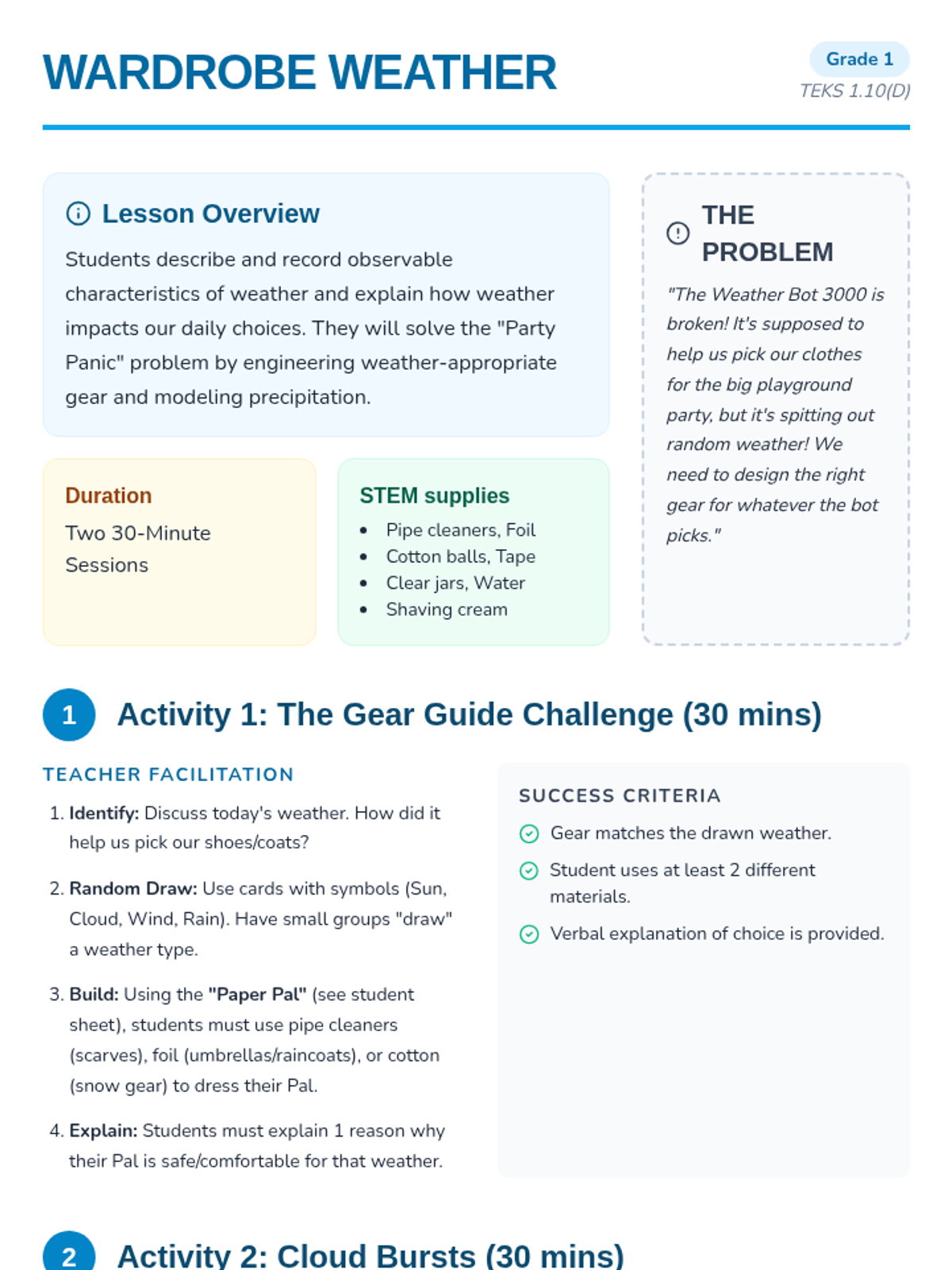
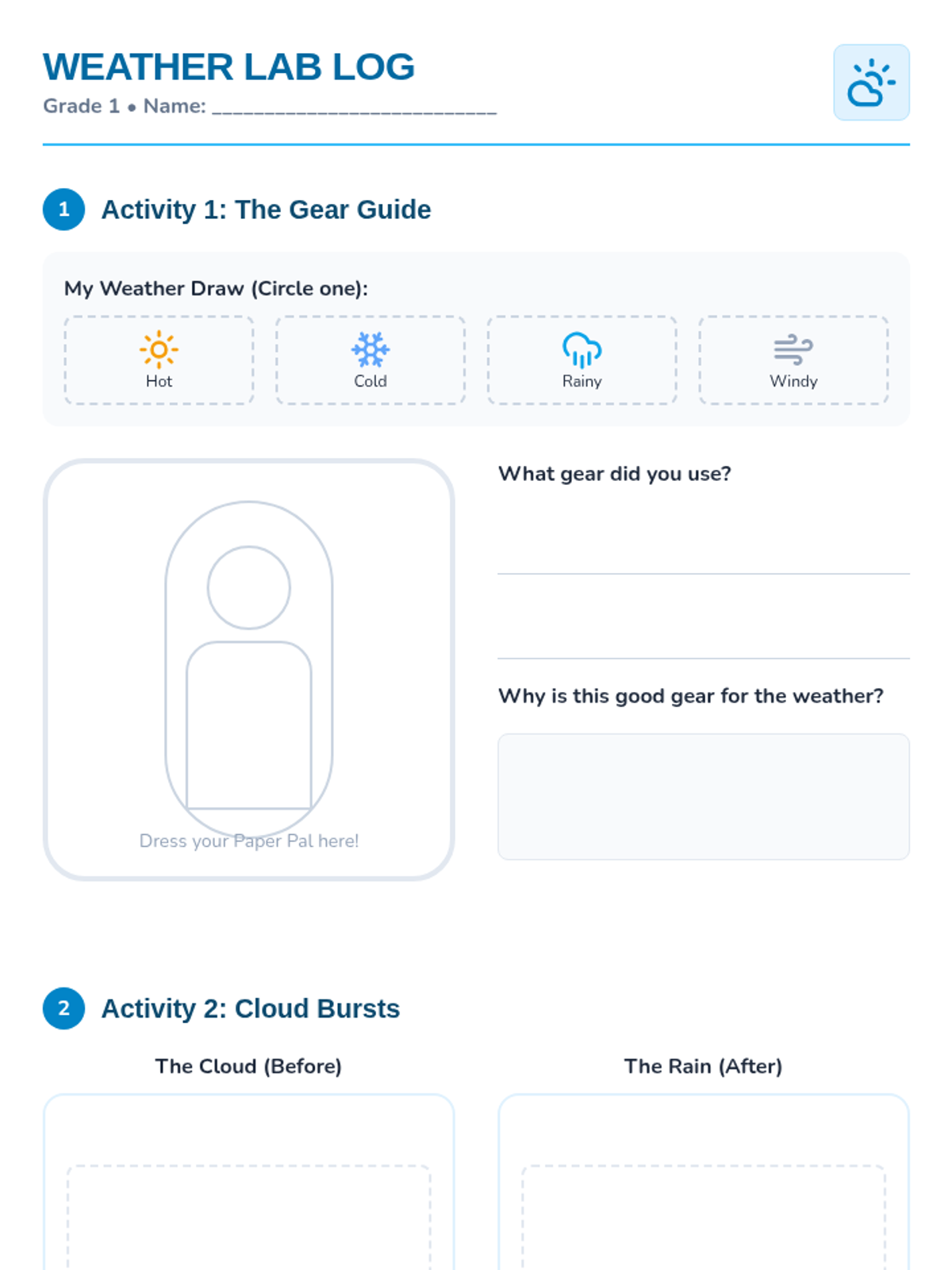
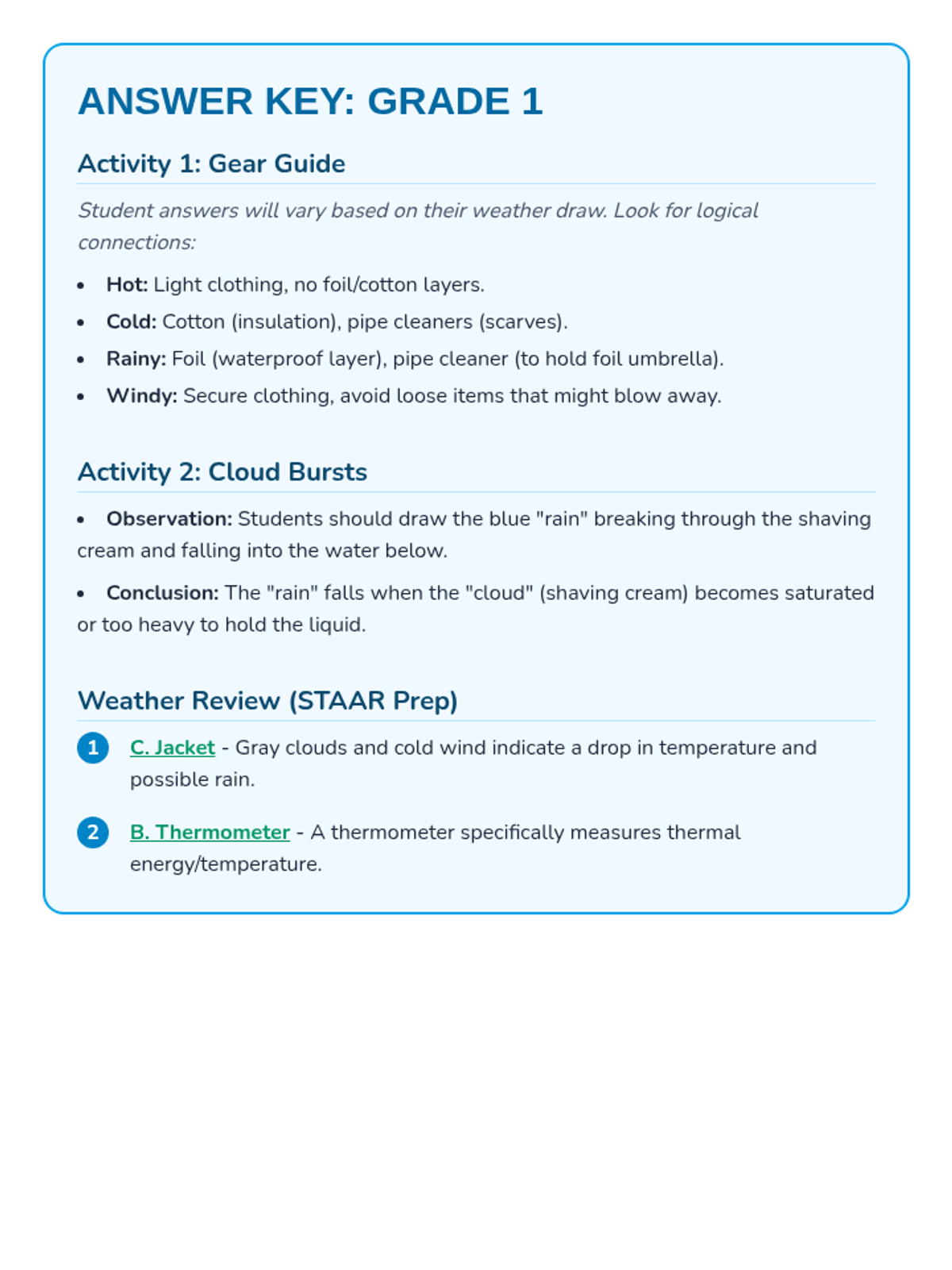
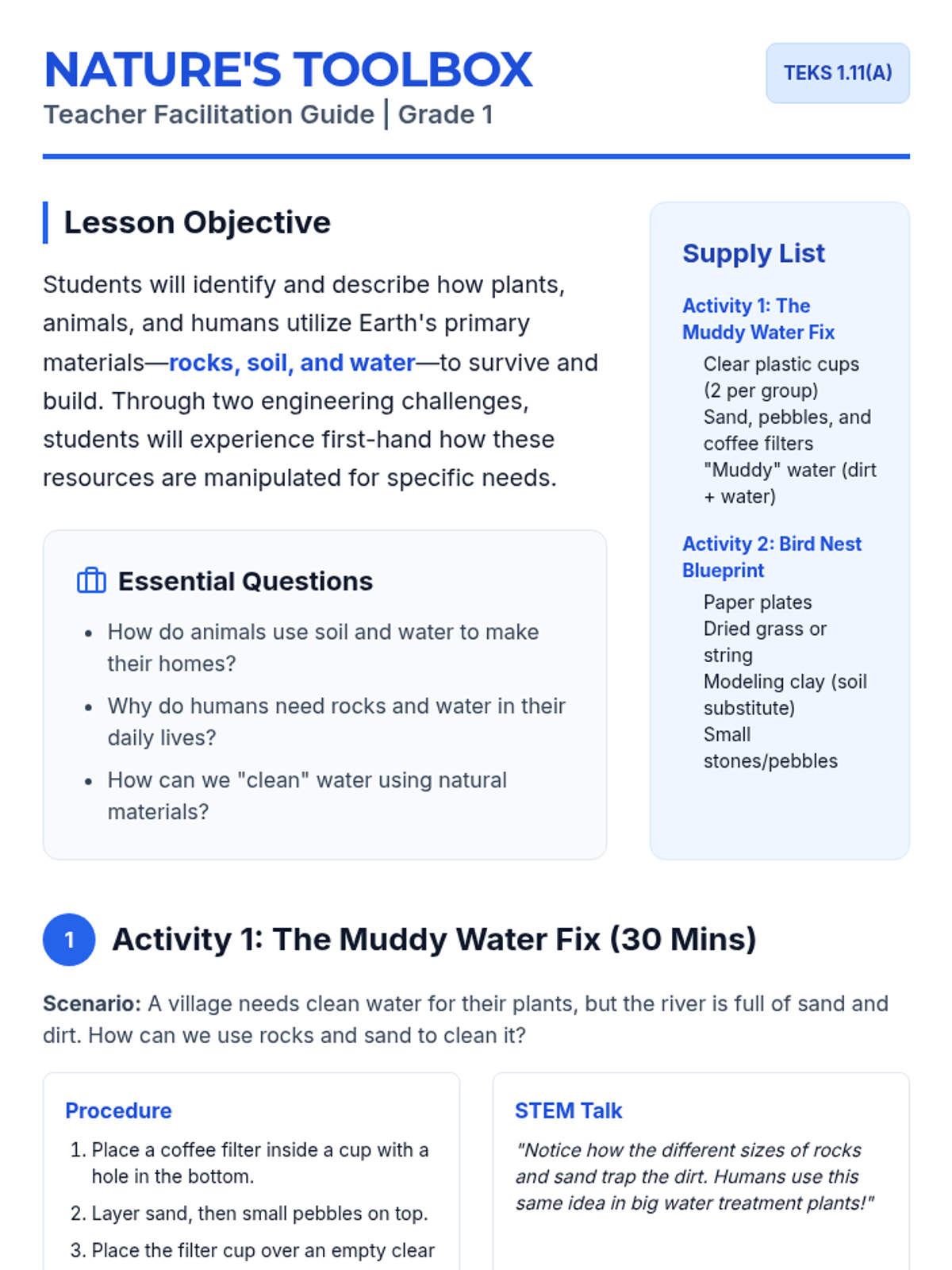
A short, engaging unit focused on the unique biological adaptations of bats, specifically their status as the only flying mammals and their specialized wing anatomy. Students explore classification, anatomy, and behavior through hands-on modeling.
A hands-on introductory sequence where 3rd-grade students explore the relationship between electricity and magnetism by building their own electromagnets.
A short sequence for lower elementary students exploring how humans adapt farming techniques to grow food in challenging environments like crowded cities and outer space without using soil.
A fun, science-based lesson for K-3 students and their parents to explore pet hygiene, the mystery of 'wet dog smell,' and responsible animal care through a SciShow Kids video and a creative brochure activity.
A technology and computer science unit exploring the history of computing, how hardware and software work together, and the future of digital innovation. Students move from understanding basic components to imagining the next generation of technology.
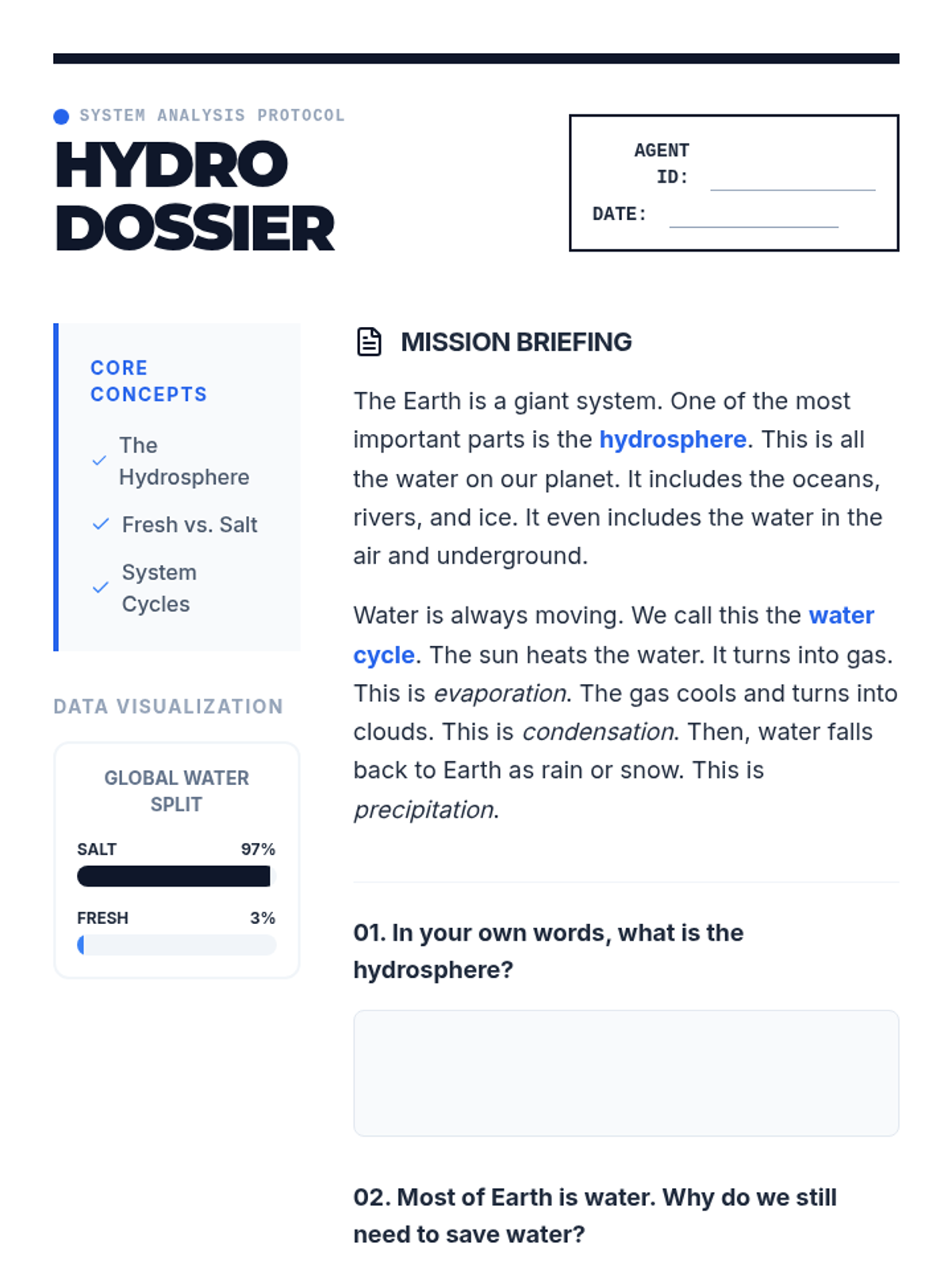
A technology and computer science unit for 3rd graders focused on understanding how computers follow instructions, the role of software/apps, and the basics of input and output.
A comprehensive lesson sequence for 3rd-5th graders to identify and define the characteristics of living things (organisms) using video observation, field research, and critical thinking.
A lesson sequence exploring how volcanoes grow through the accumulation and cooling of lava layers, featuring hands-on modeling and visual analysis.
A short, engaging science sequence for 3rd graders focused on identifying and distinguishing between butterflies and moths through physical and behavioral characteristics.
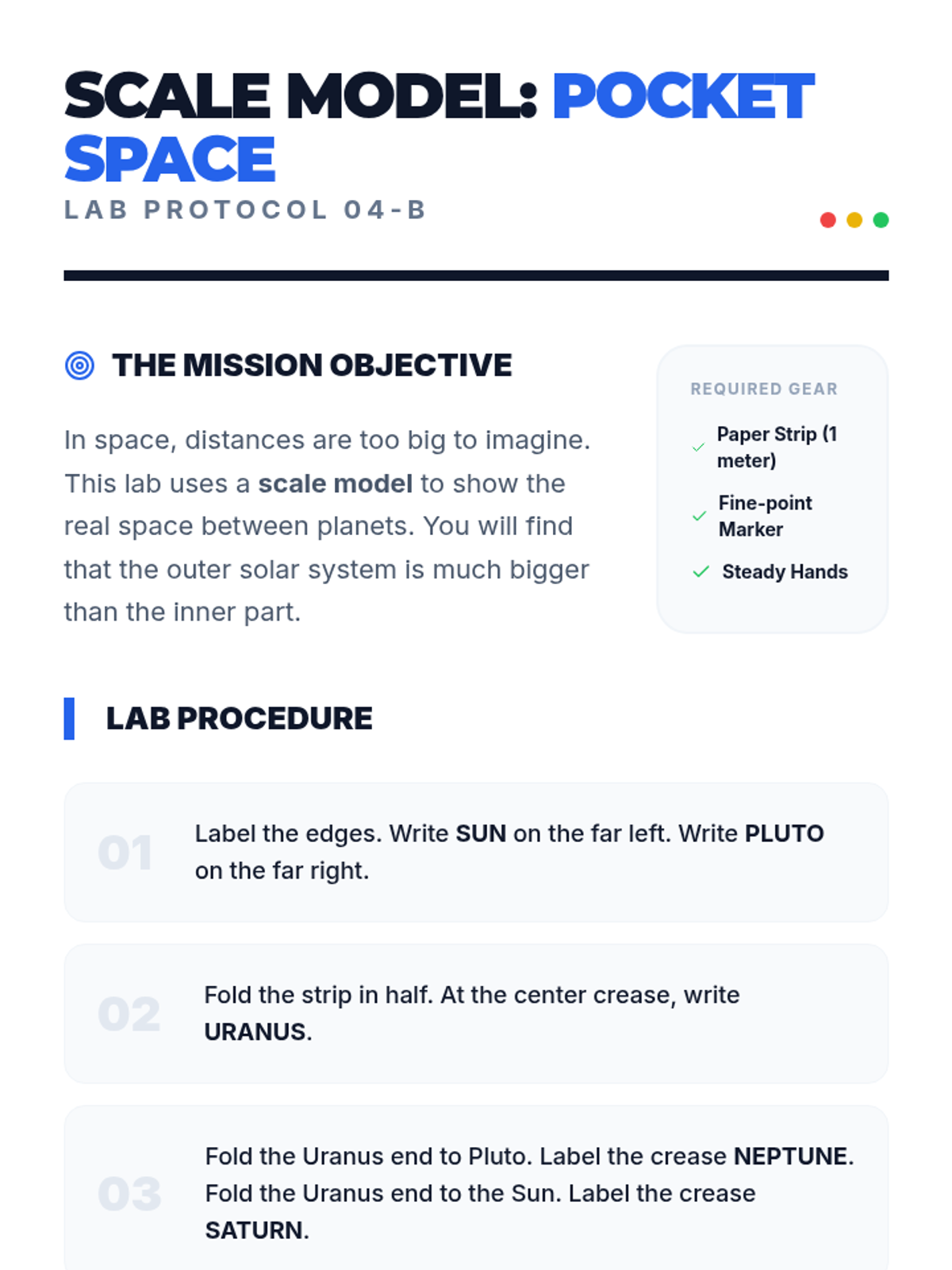
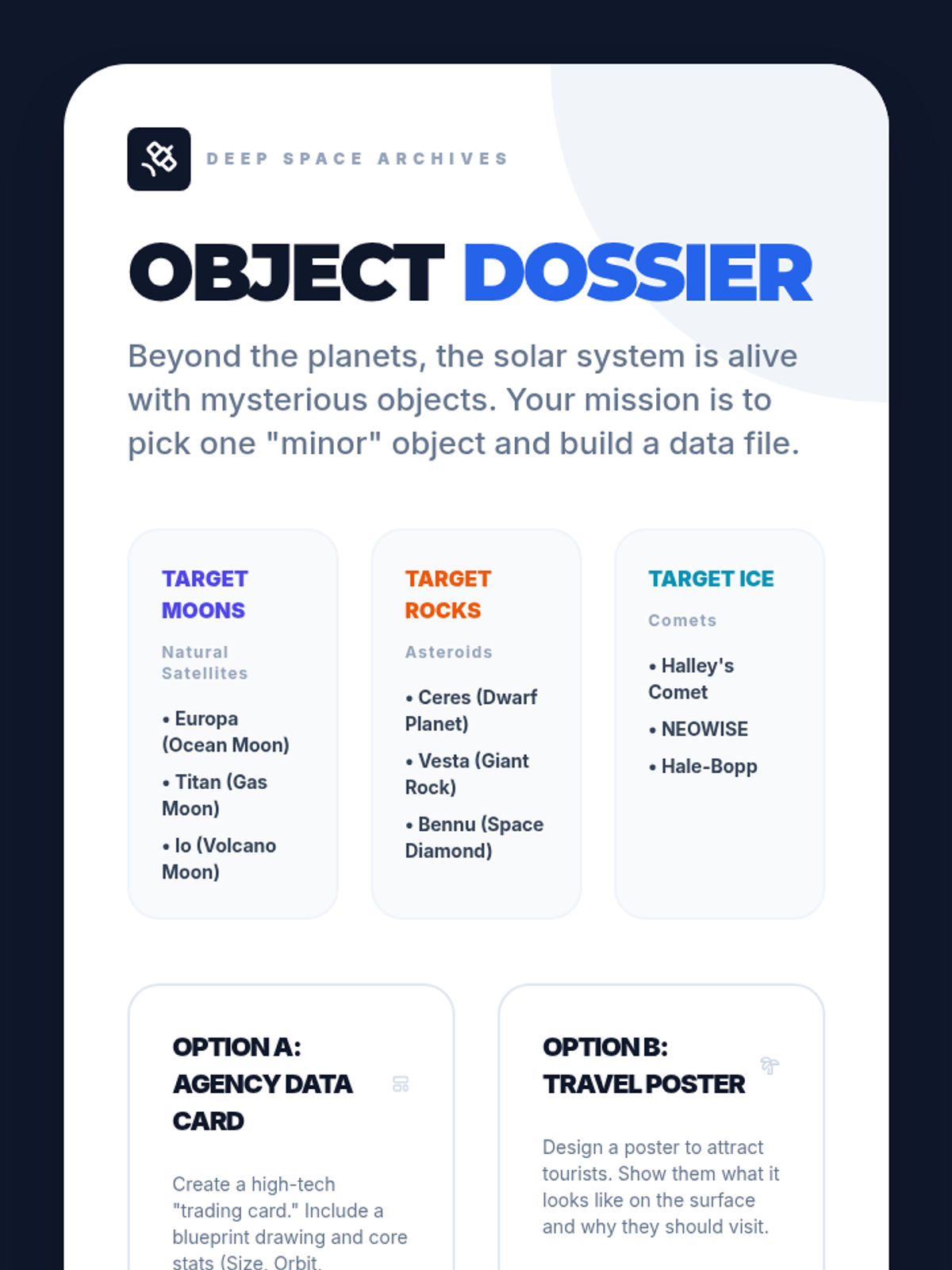
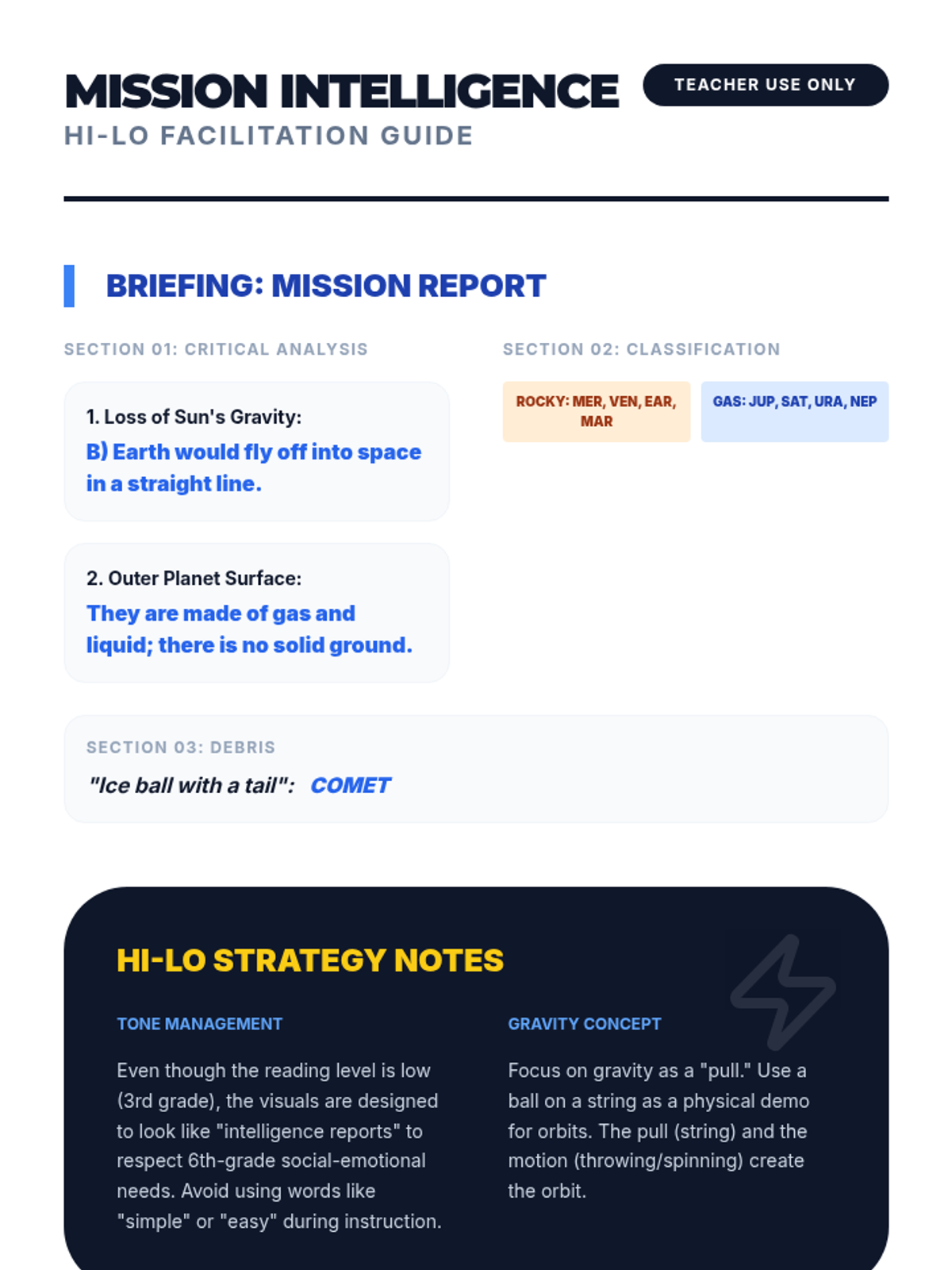
A sequence focused on understanding the origins and structure of our solar system, starting with the formation of the sun and planets from a cloud of dust and gas.
A lesson sequence exploring the different types of adaptations animals use to survive in their habitats, focusing on physical vs. behavioral traits.
A series of lessons exploring animal adaptations, survival strategies, and the clever ways nature tricks our eyes.
A 3rd-grade science lesson focusing on animal adaptations for survival, featuring the Wooly Mammoth as a primary example and a hands-on 'Blubber Glove' experiment.
This lesson sequence explores the evolutionary biology of taste, focusing on how our five basic tastes (sweet, sour, salty, bitter, and umami) helped our ancestors survive by identifying calorie-rich foods and avoiding toxins. Students will watch an instructional video, categorize natural items based on survival logic, and reflect on the protective nature of 'gross' tastes.
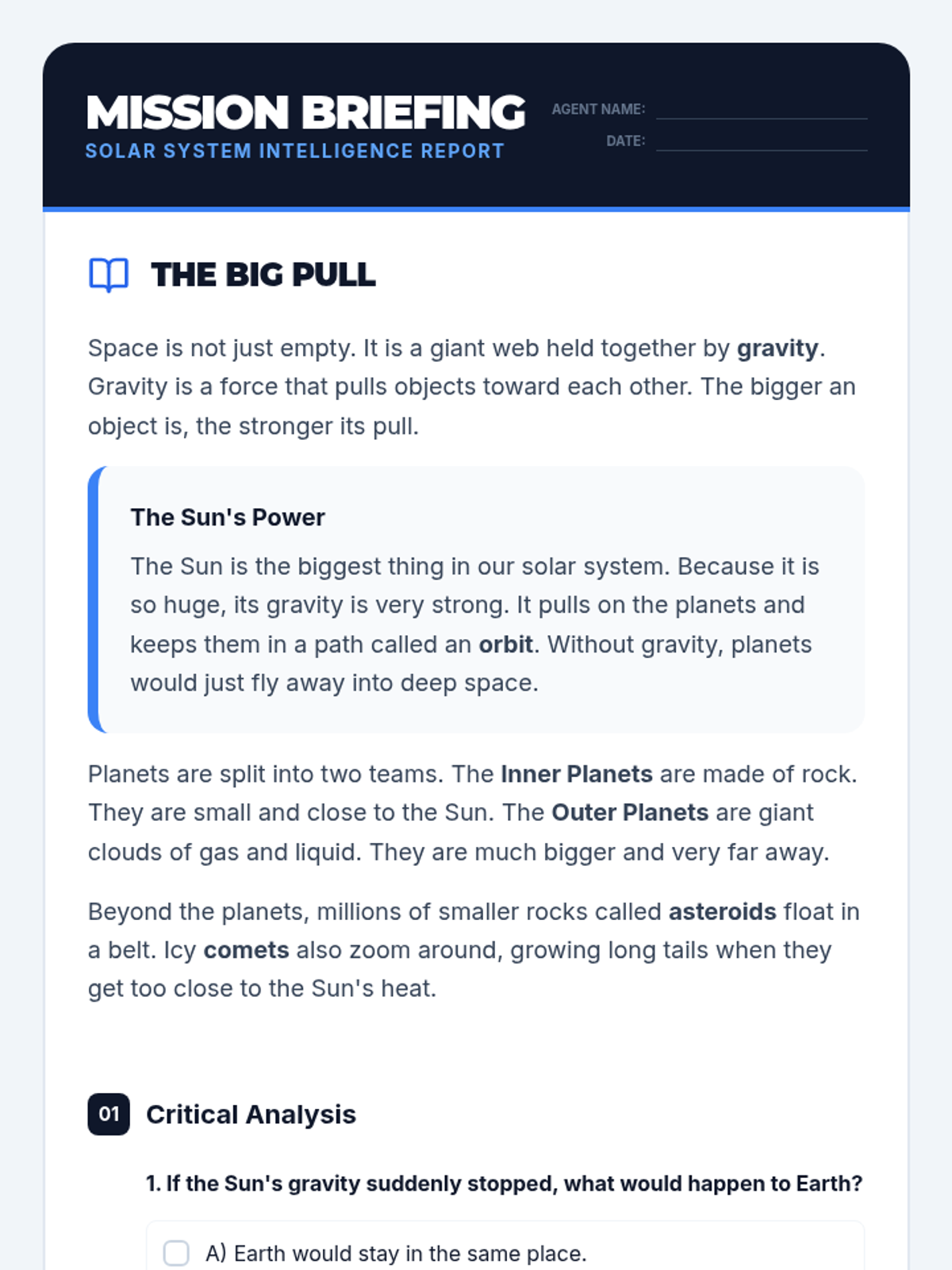
A comprehensive lesson sequence exploring gravity as an invisible pull force, featuring hands-on experiments, video analysis, and historical context.
A series of integrated PE and Science lessons exploring the physics of human movement, biomechanics, and exercise physiology for early elementary students.
A short series of lessons exploring prehistoric life and the Mega-fauna that once roamed the Earth. Students learn about adaptations, extinction, and the tools paleontologists use to study the past.
A 5-lesson unit for 3rd graders on spreadsheets and digital organization. Students act as 'Data Detectives' to learn cell navigation, data entry, sorting, basic charting, and cloud file management through hands-on simulations.
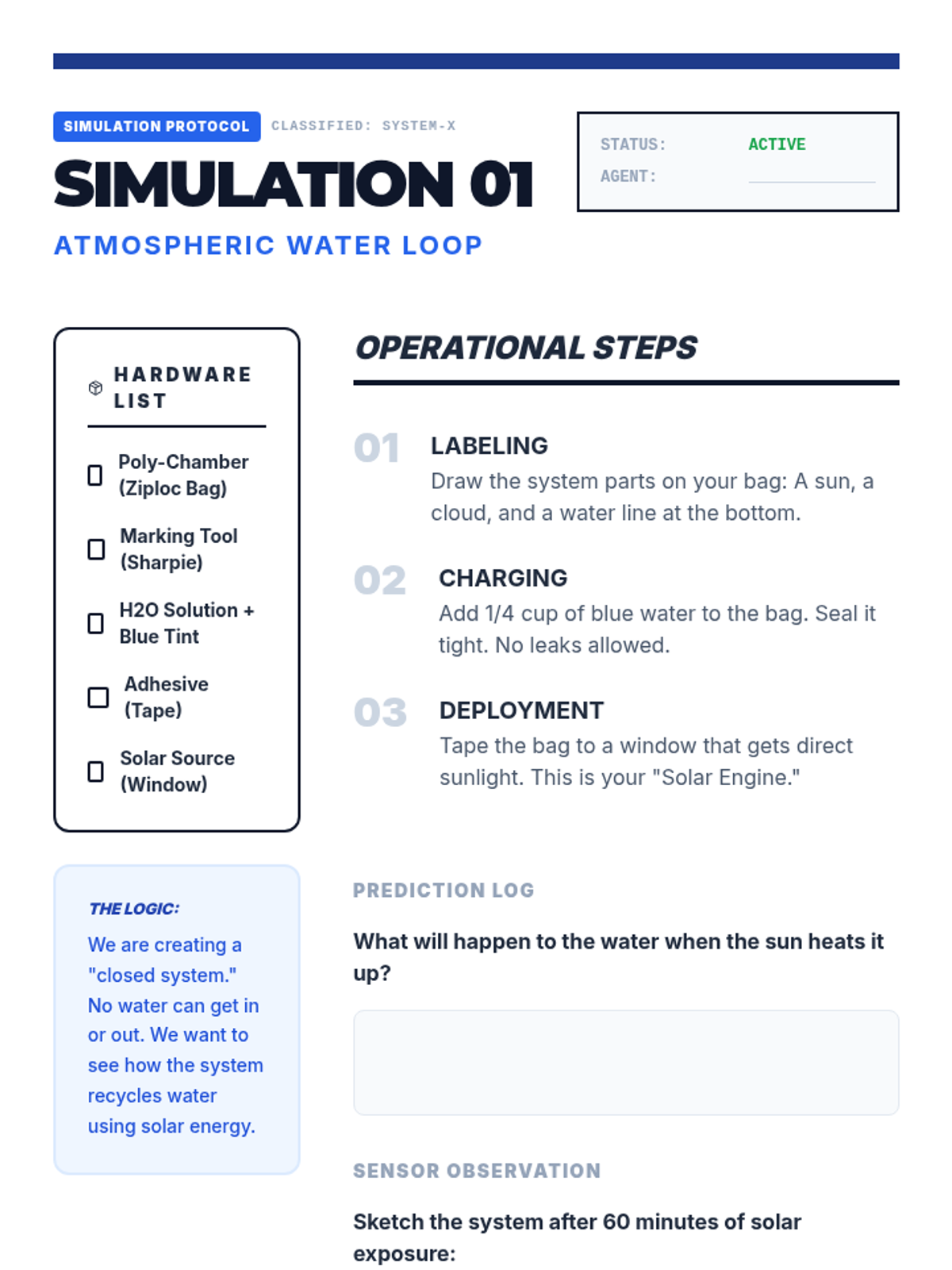
A 5-lesson series for 3rd-grade students focused on mastering keyboard shortcuts for text navigation, selection, and editing. Students progress from basic cursor movement to complex formatting and duplication tasks, building digital literacy and efficiency.
This sequence introduces 3rd-grade students to foundational keyboard navigation skills, focusing on using arrow keys, Tab, Enter, Escape, and Shift+Tab to navigate digital interfaces without a mouse. Students develop spatial awareness and logical progression through interactive simulations and challenges.
This sequence introduces 3rd-grade students to the mechanics of speech-to-text technology, focusing on clear articulation, hardware operation, and basic voice commands for punctuation and formatting. Students progress from simple word recognition to dictating complete paragraphs through skill-building exercises and interactive games.
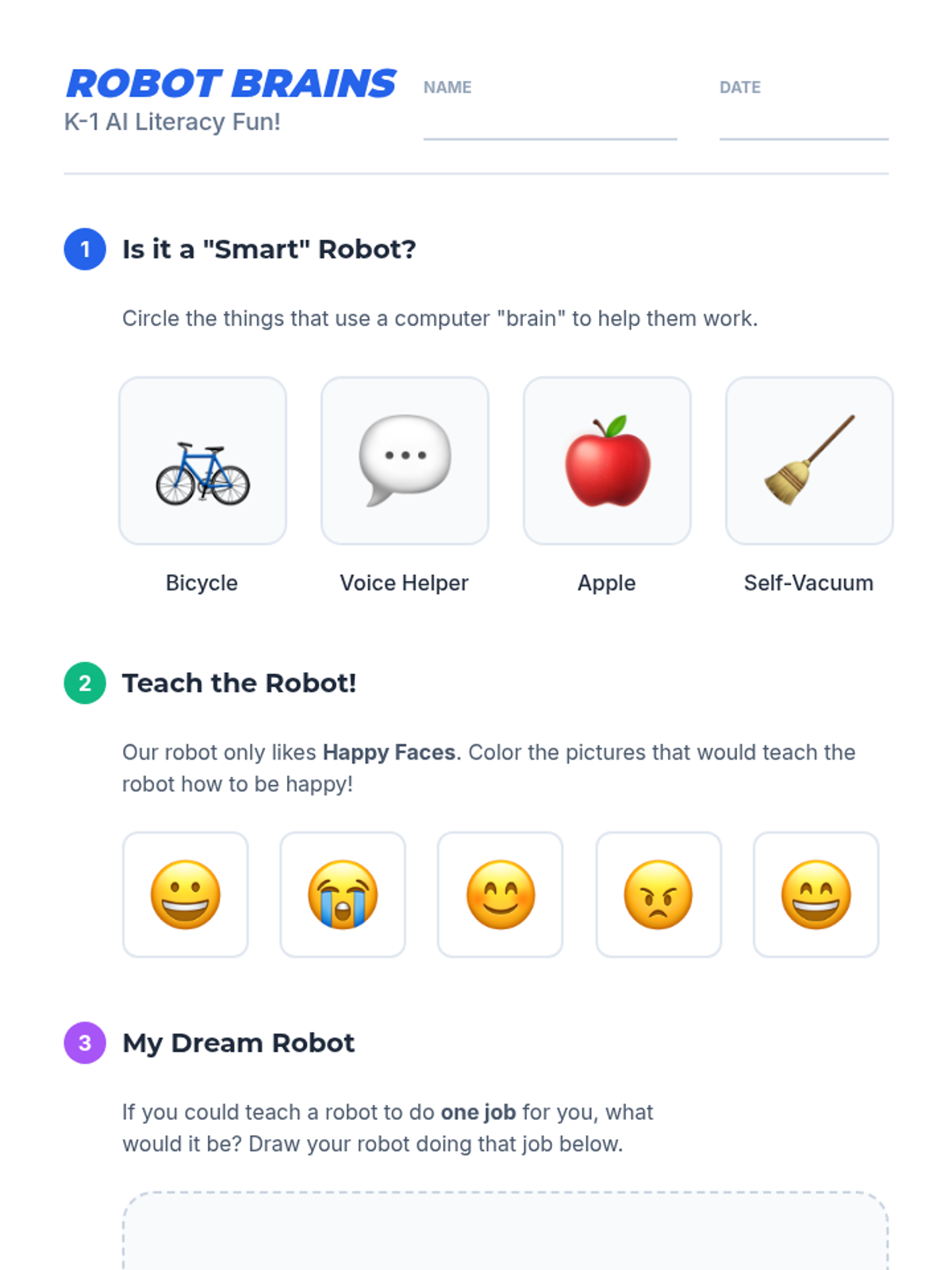
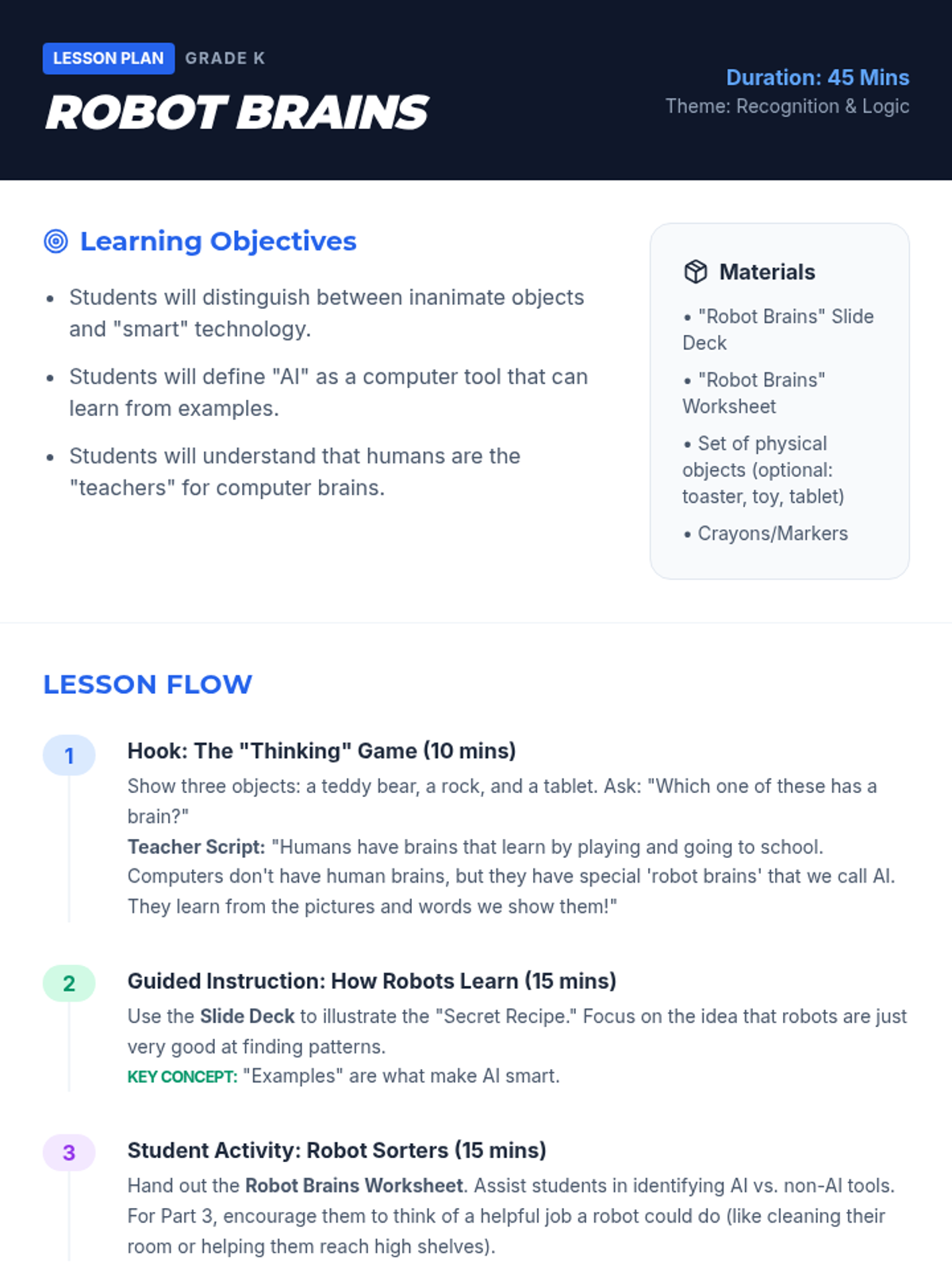
Students demystify Artificial Intelligence and Machine Learning through hands-on training, pattern recognition, and ethical analysis. They move from understanding basic coding differences to identifying real-world AI applications and recognizing the importance of unbiased data.
A comprehensive introduction to computer hardware for 3rd graders, covering identification, connectivity, ergonomics, troubleshooting, and device care. Students become 'Hardware Heroes' as they learn to navigate and maintain technology independently.
A comprehensive sequence for 3rd graders to master digital organization, covering everything from basic desktop navigation to complex folder structures and file retrieval techniques.
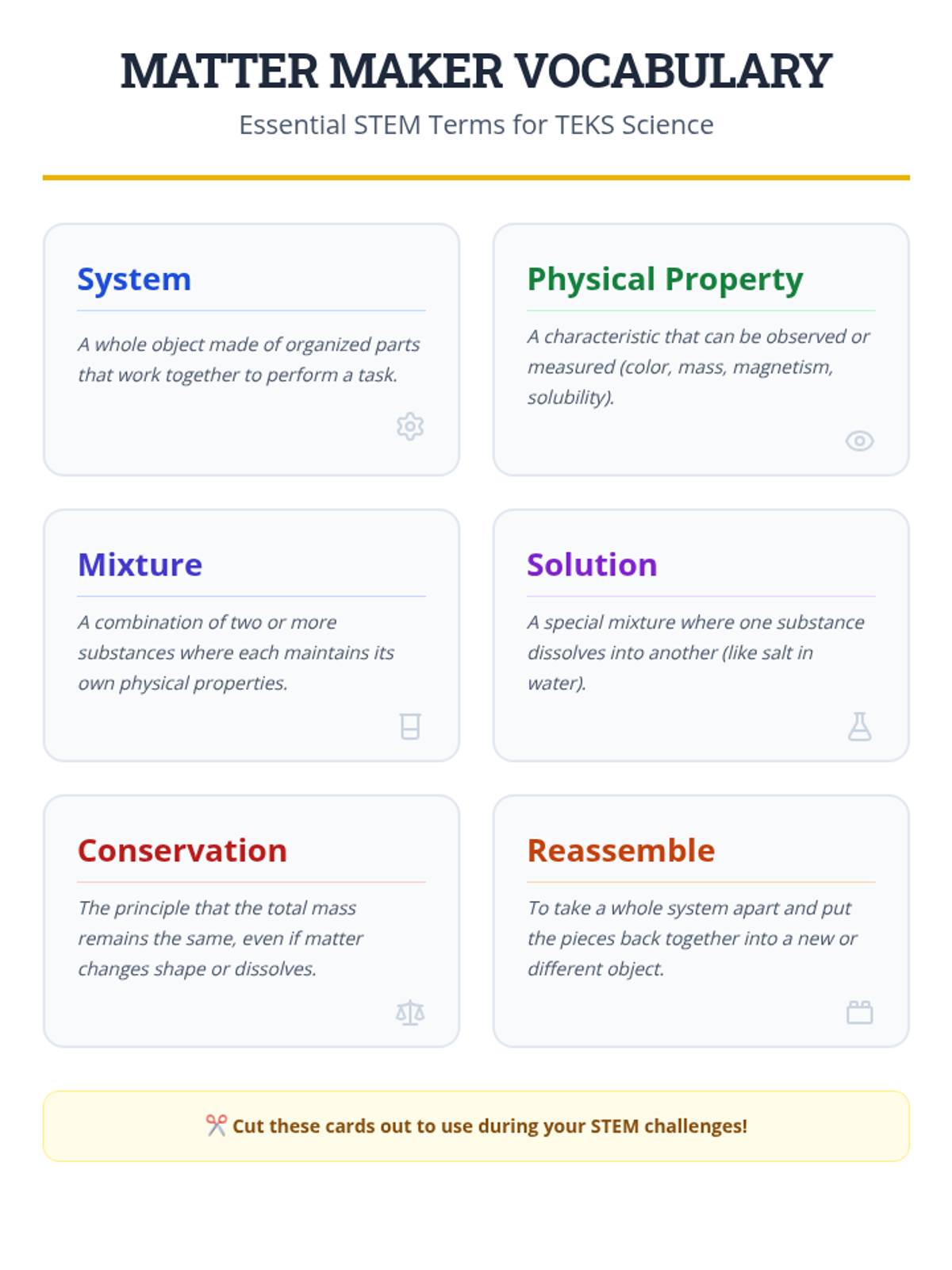
Students become 'Ink Investigators' to explore the science of mixtures through chromatography. They discover that black ink is often a combination of many colors and learn about solubility by testing different markers.
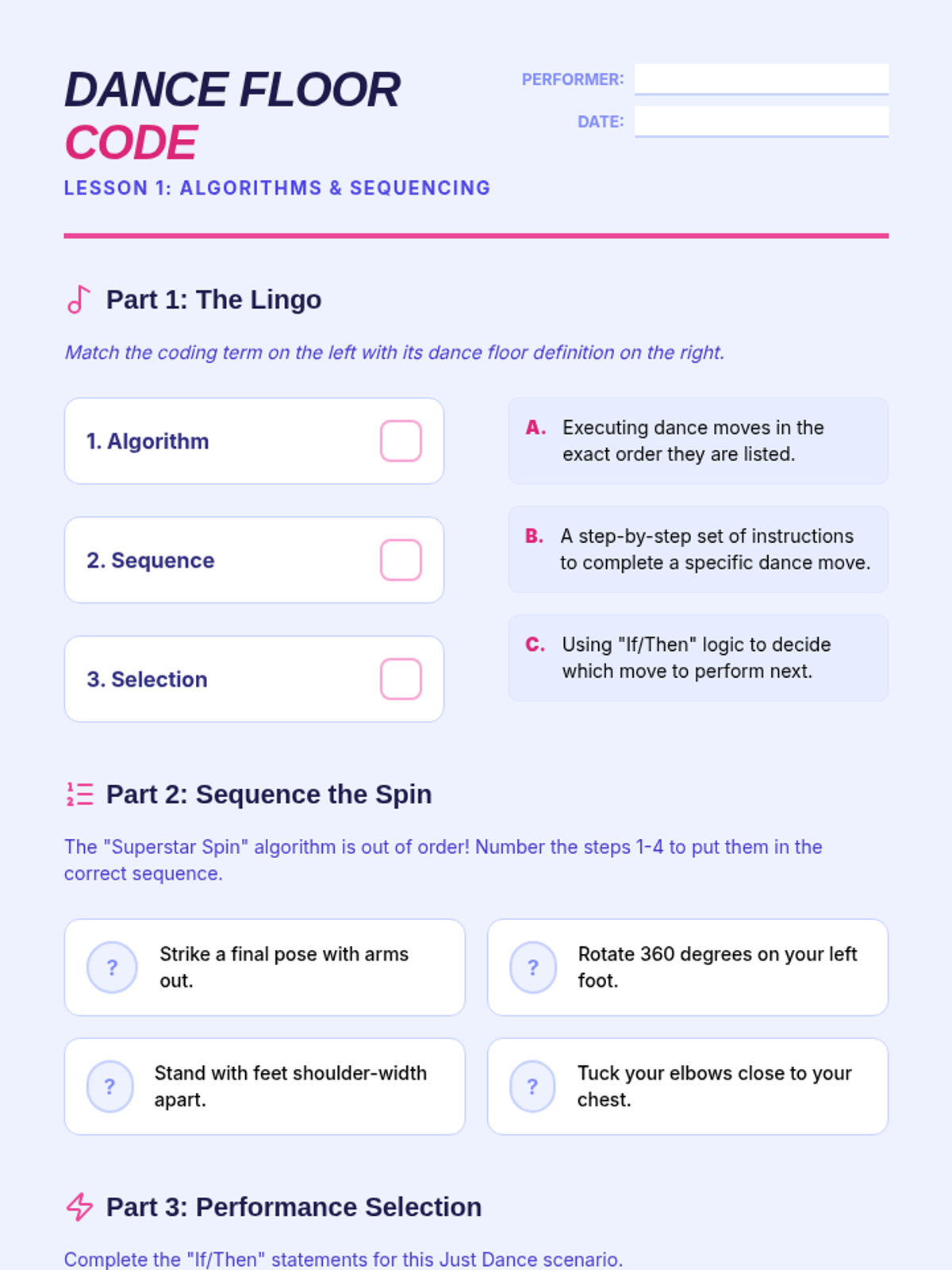
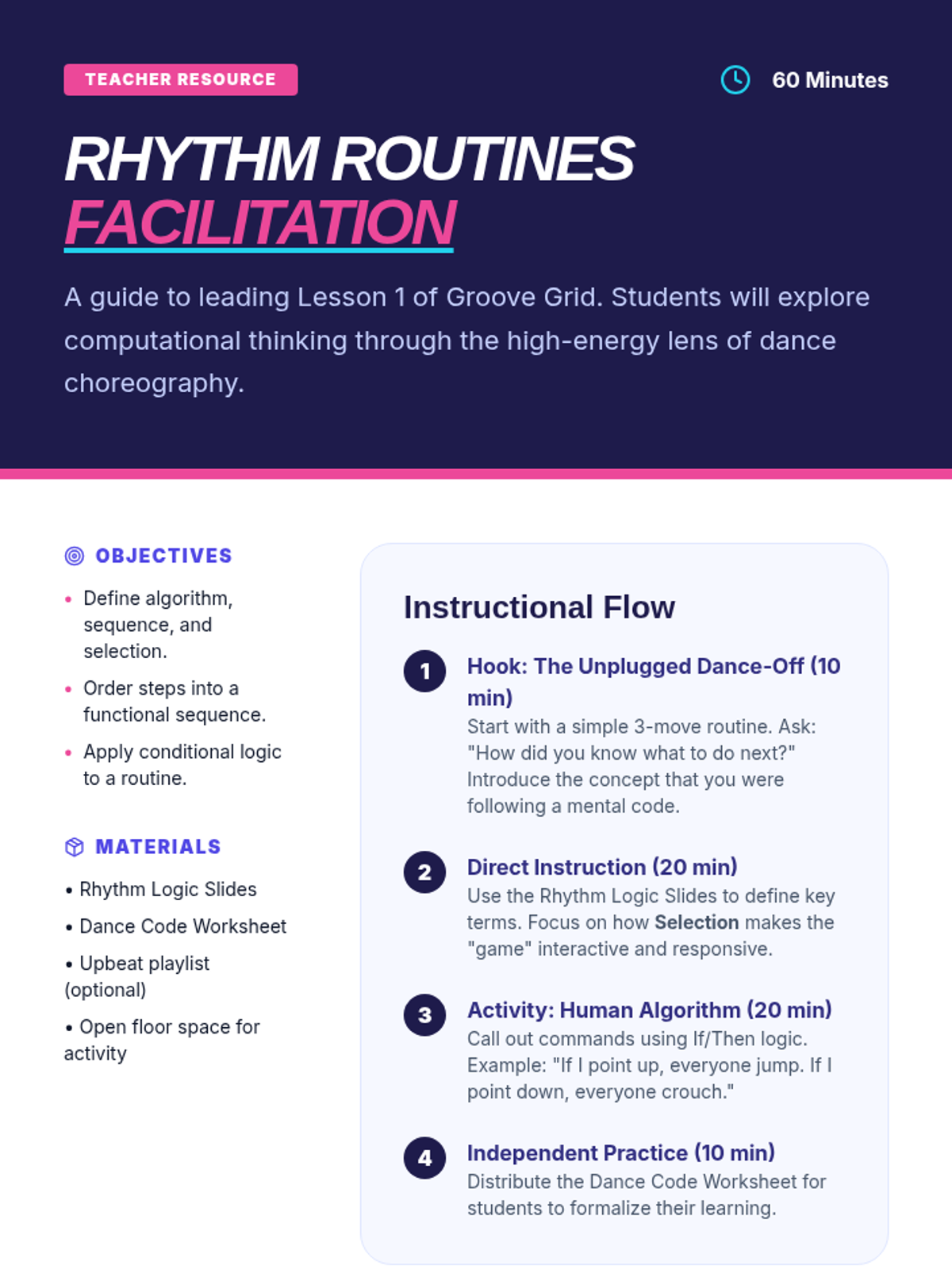
A comprehensive introduction to block-based programming for 3rd graders, covering algorithms, syntax, events, loops, debugging, and project design through a 'Code Lab' theme.
A comprehensive 3rd-grade exploration of biodiversity, moving from local schoolyard observations to global habitat comparisons, ecosystem interdependence, and active conservation design. Students develop scientific observation skills and environmental stewardship.
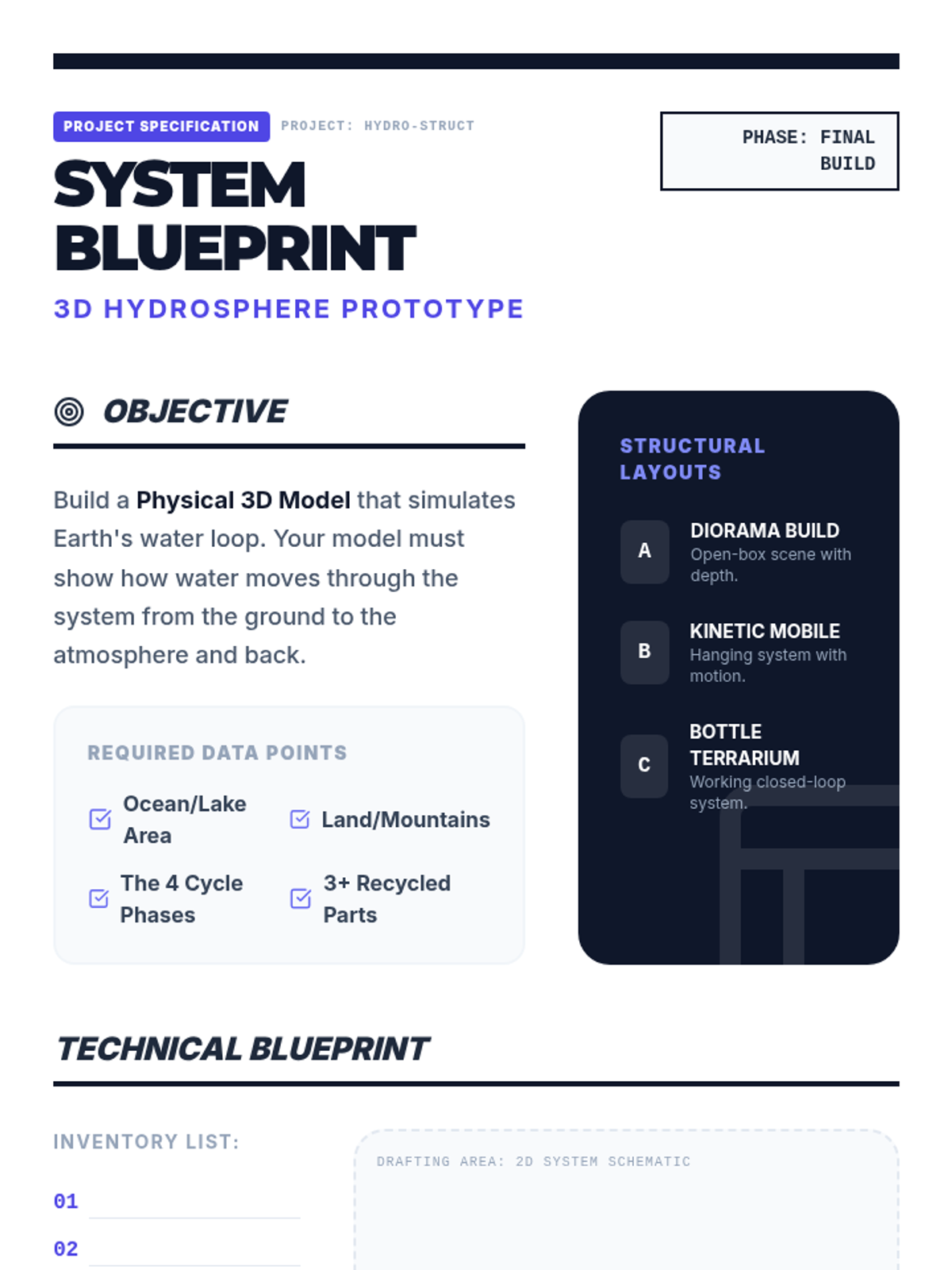
A comprehensive 3rd-grade unit exploring the 4.6 billion-year history of Earth. Students journey from the vast stretches of geologic time through the eras of ancient sea creatures and dinosaurs, investigating the causes of mass extinctions and the eventual rise of mammals and modern adaptations.
Students become fossil detectives to reconstruct ancient environments, using fossil evidence to understand how Earth's surface and climate have changed over millions of years.