This sequence introduces chemical equations through the analogy of sandwiches and snacks. Students learn about reactants, products, coefficients, and limiting reagents by following and writing 'recipe codes' to fill customer orders.
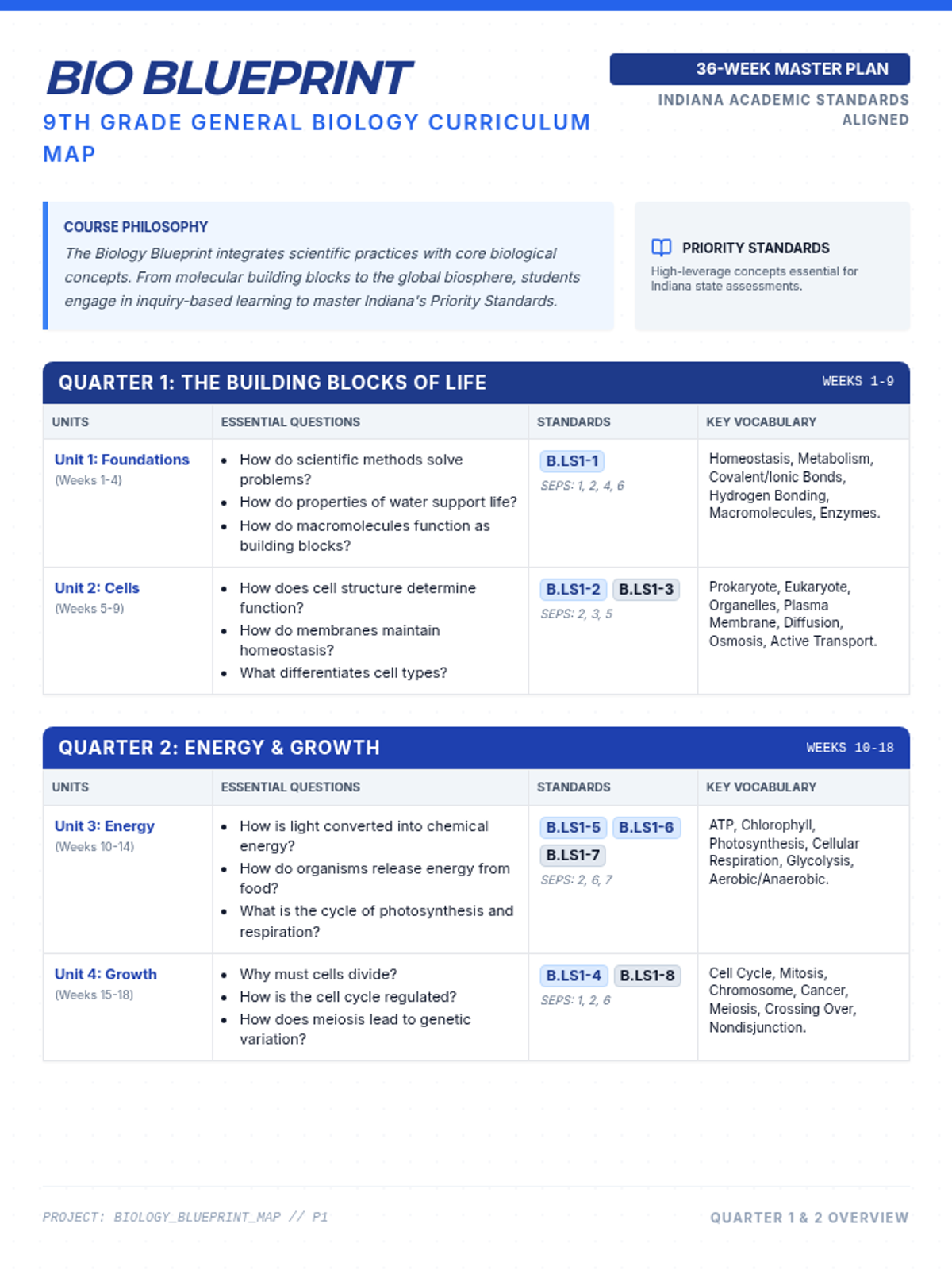
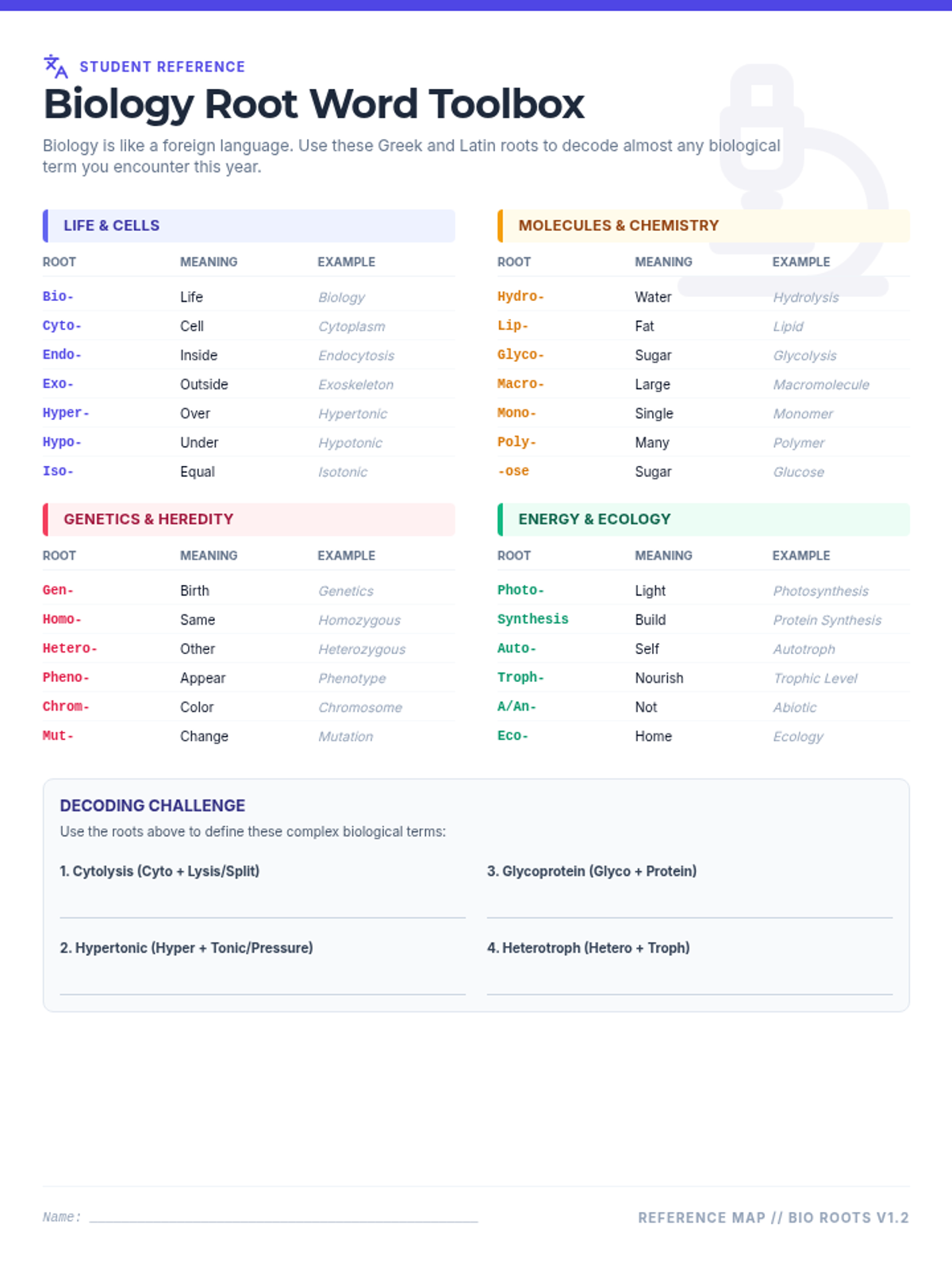
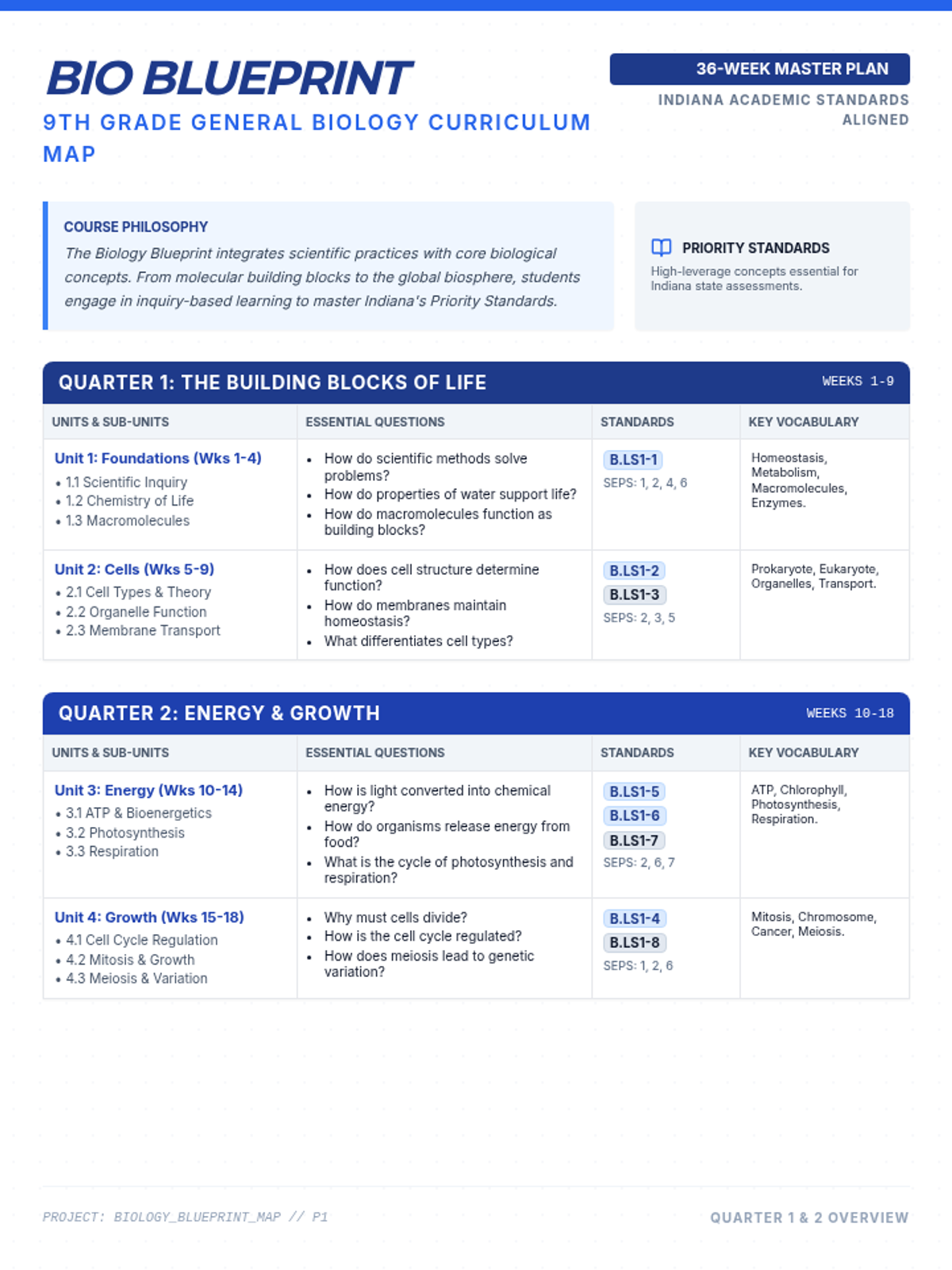
A complete 36-week high school biology curriculum designed for 9th-grade students, aligned with Indiana Academic Standards for Biology. This course progresses from microscopic biochemical foundations to macroscopic ecological systems.
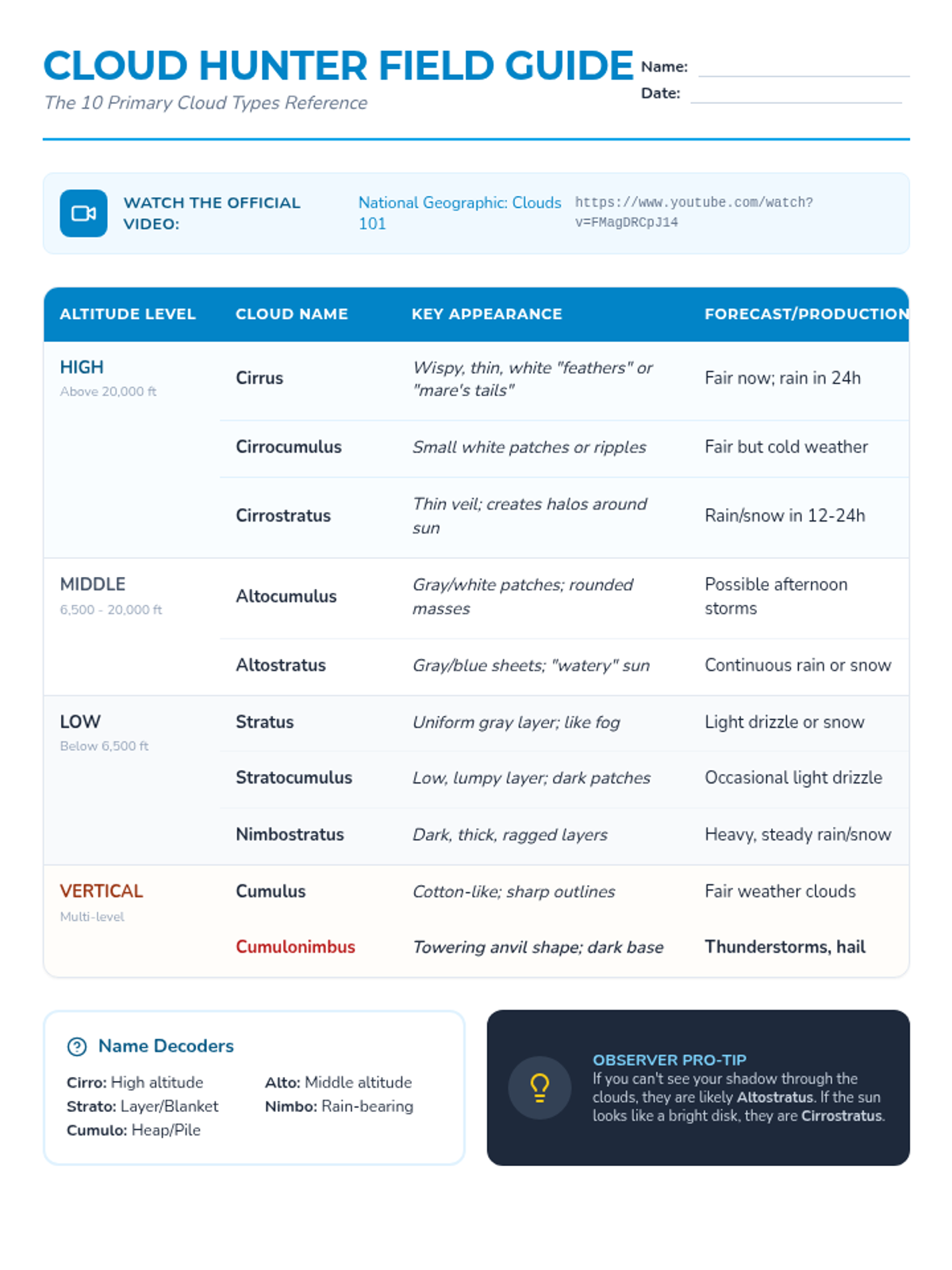
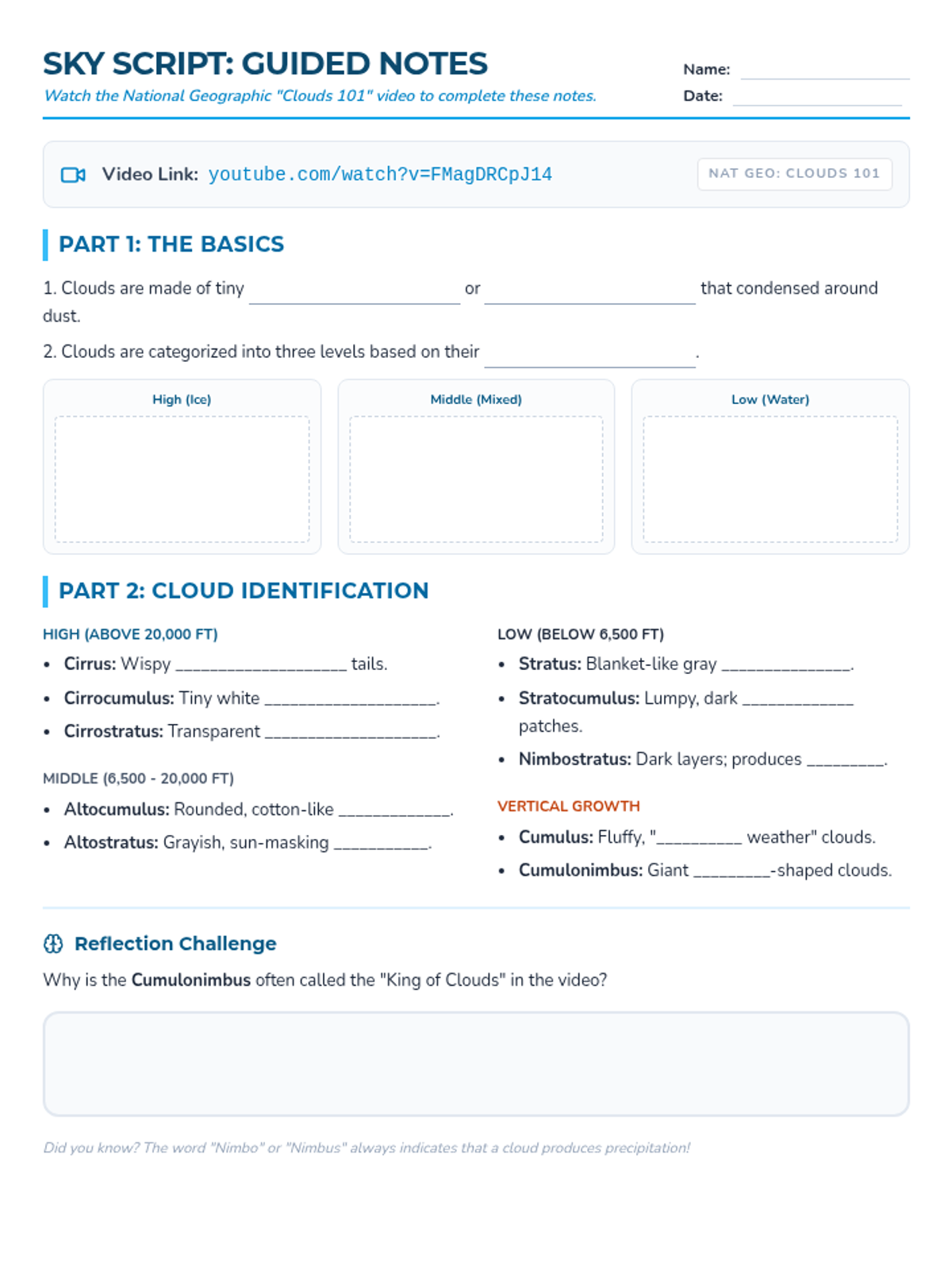
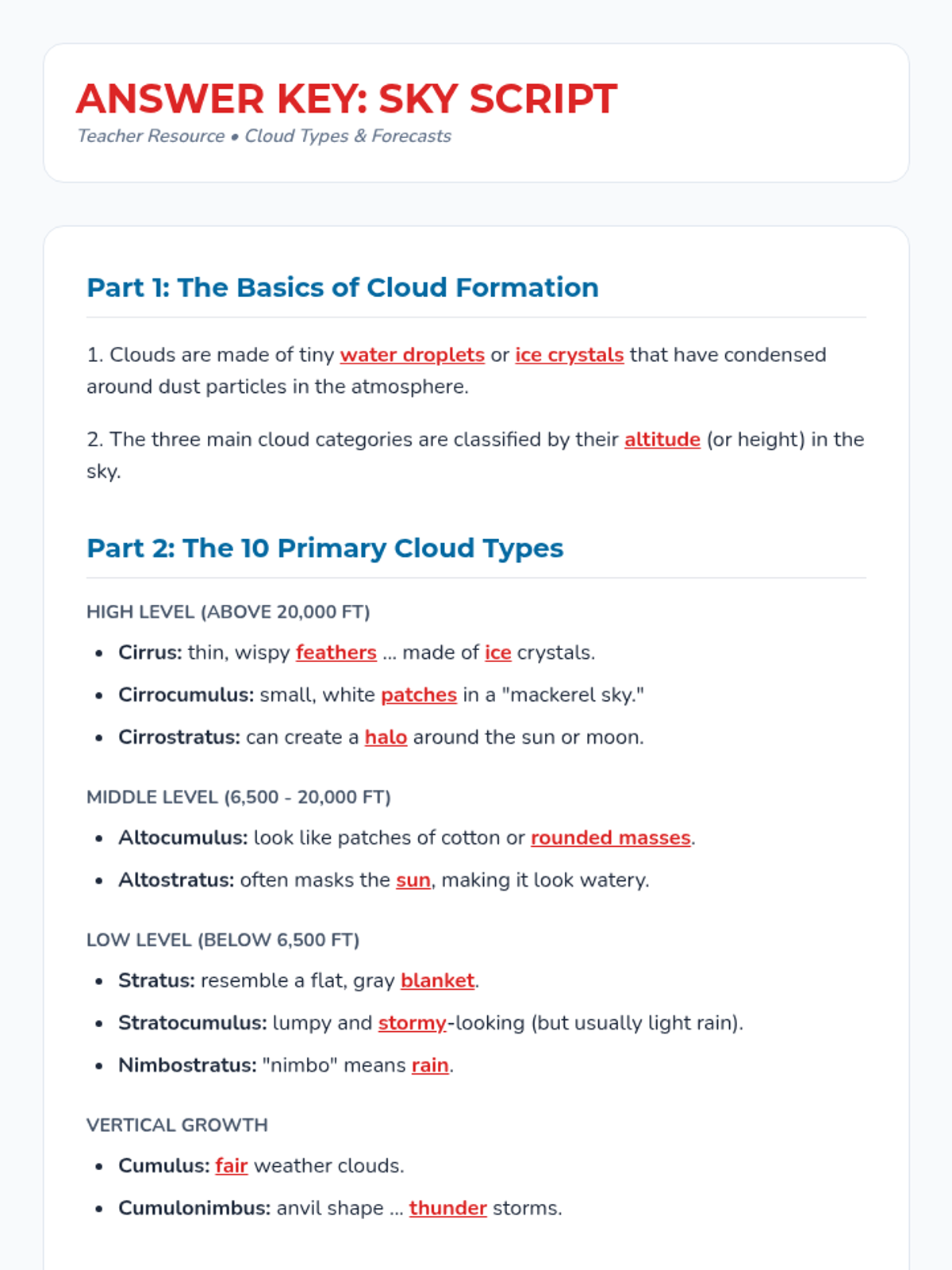
A comprehensive introduction to meteorology focused on identifying and understanding the ten primary cloud types and their impact on weather patterns.
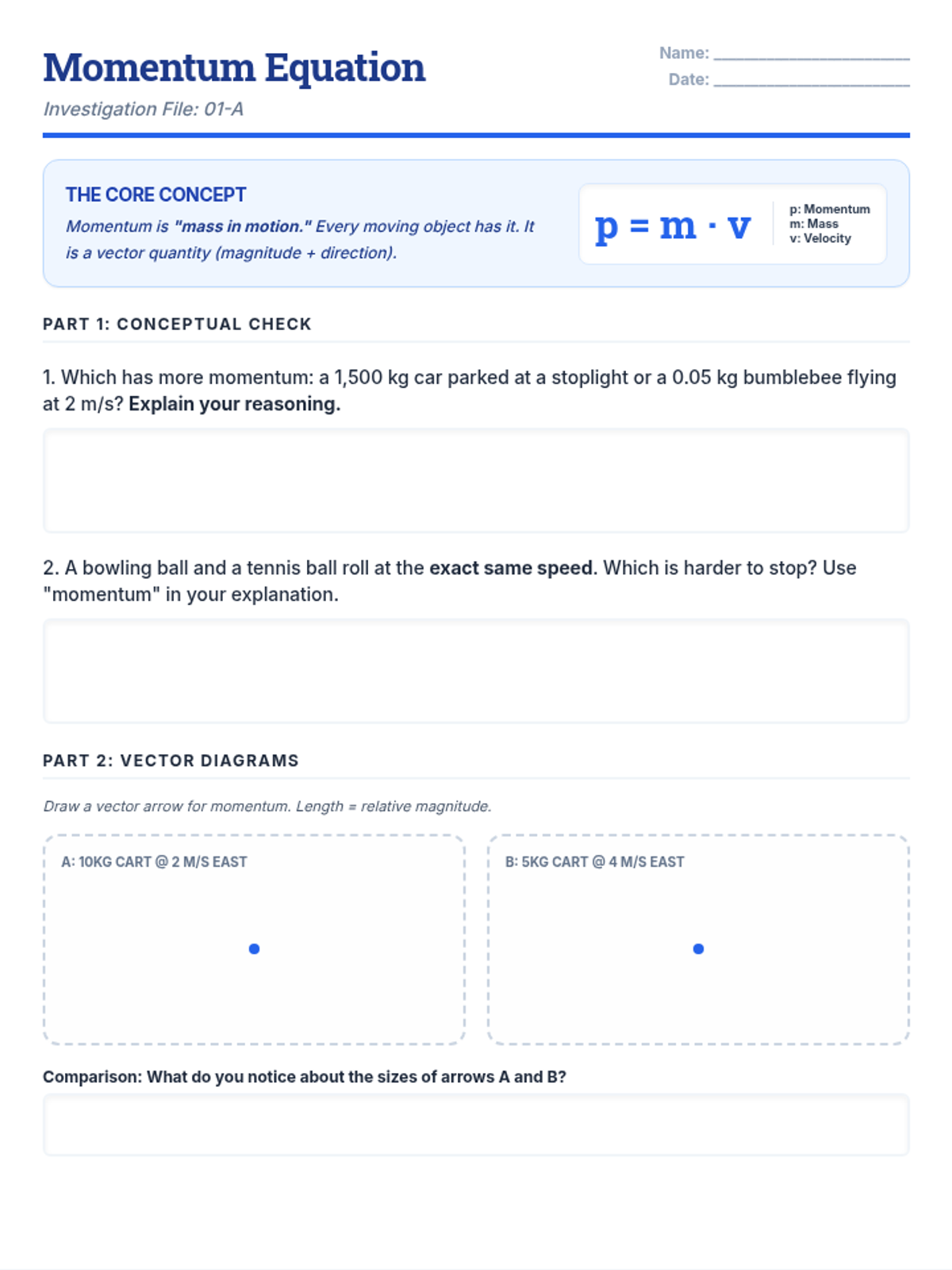
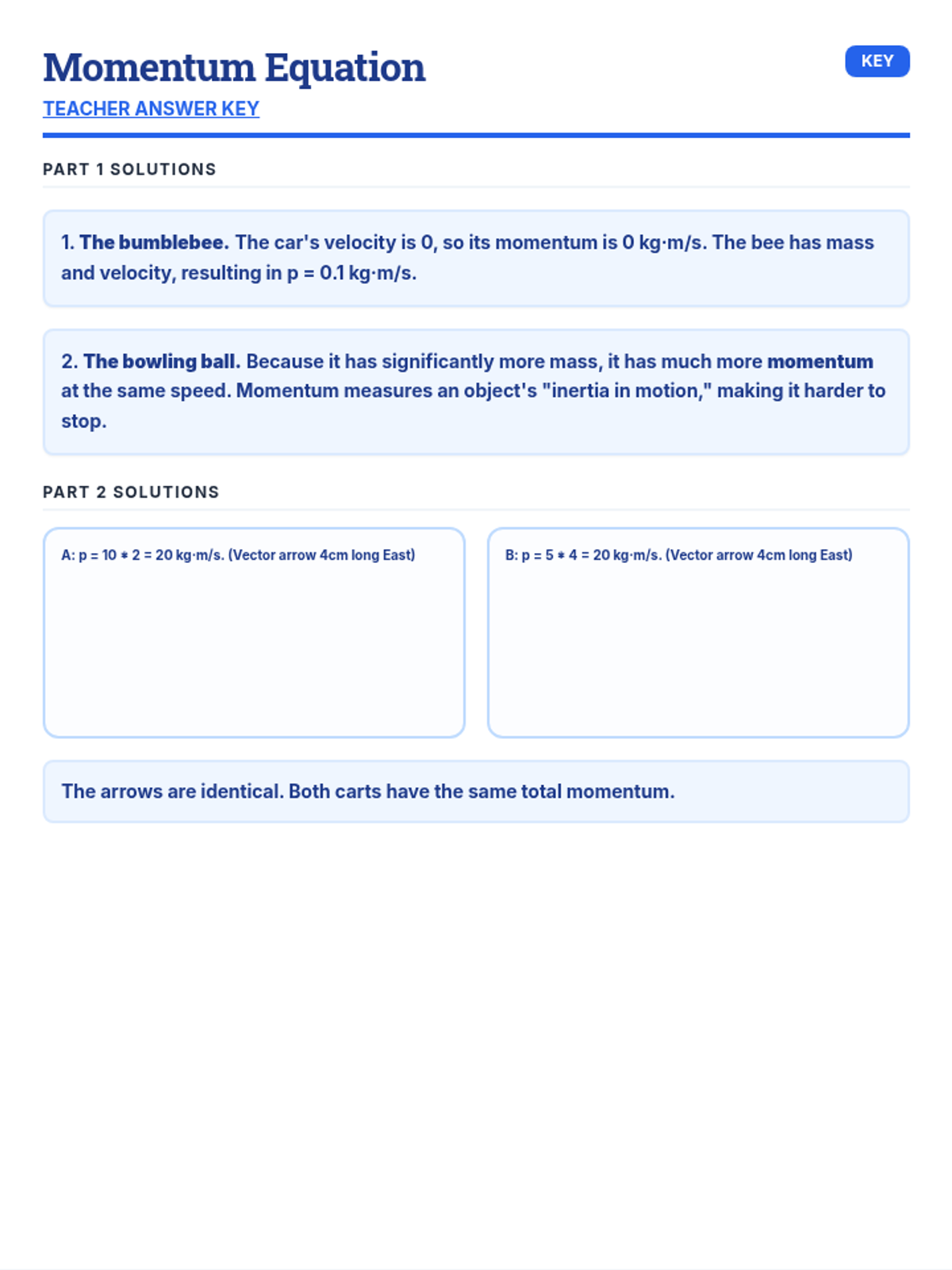
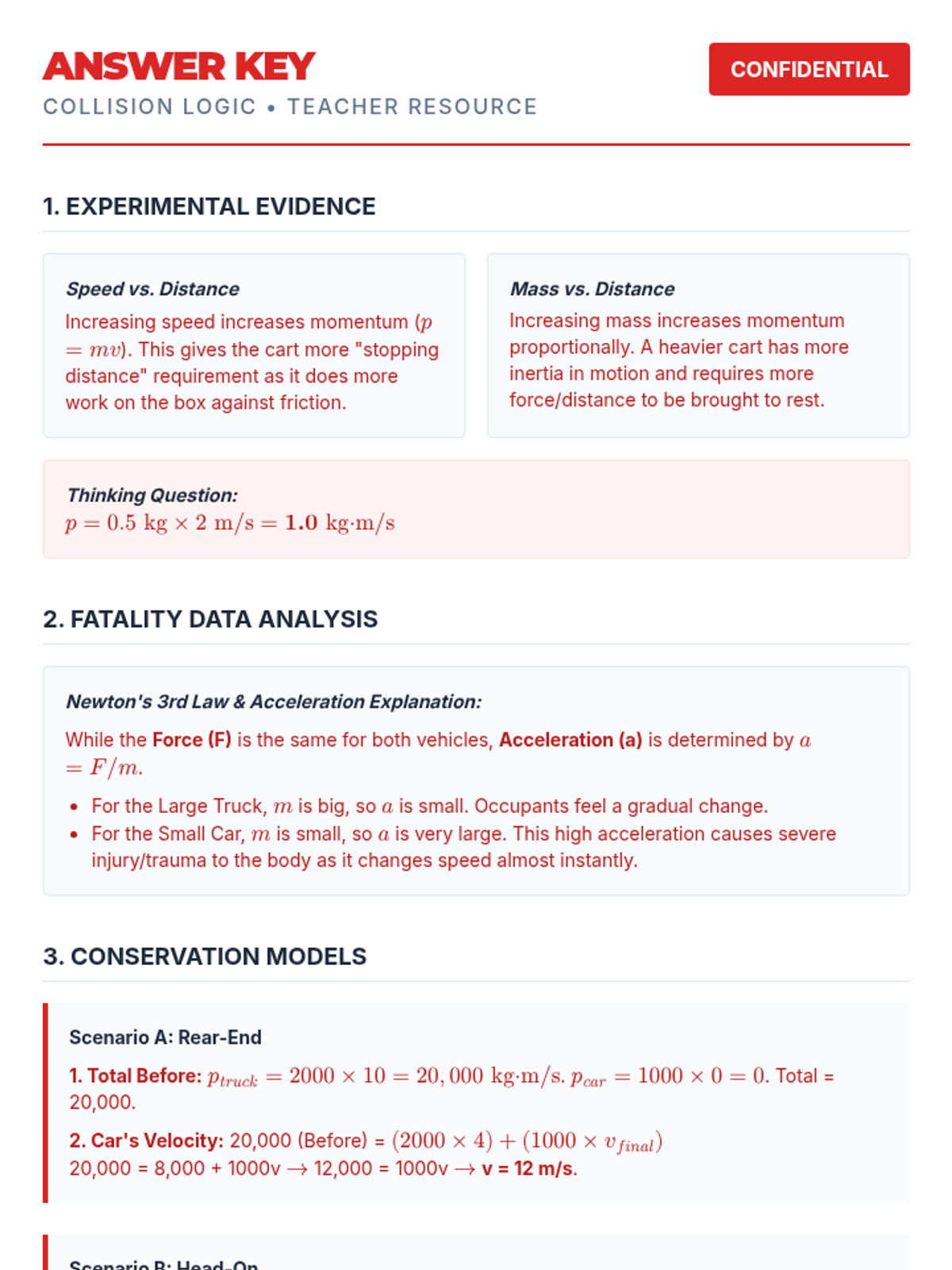
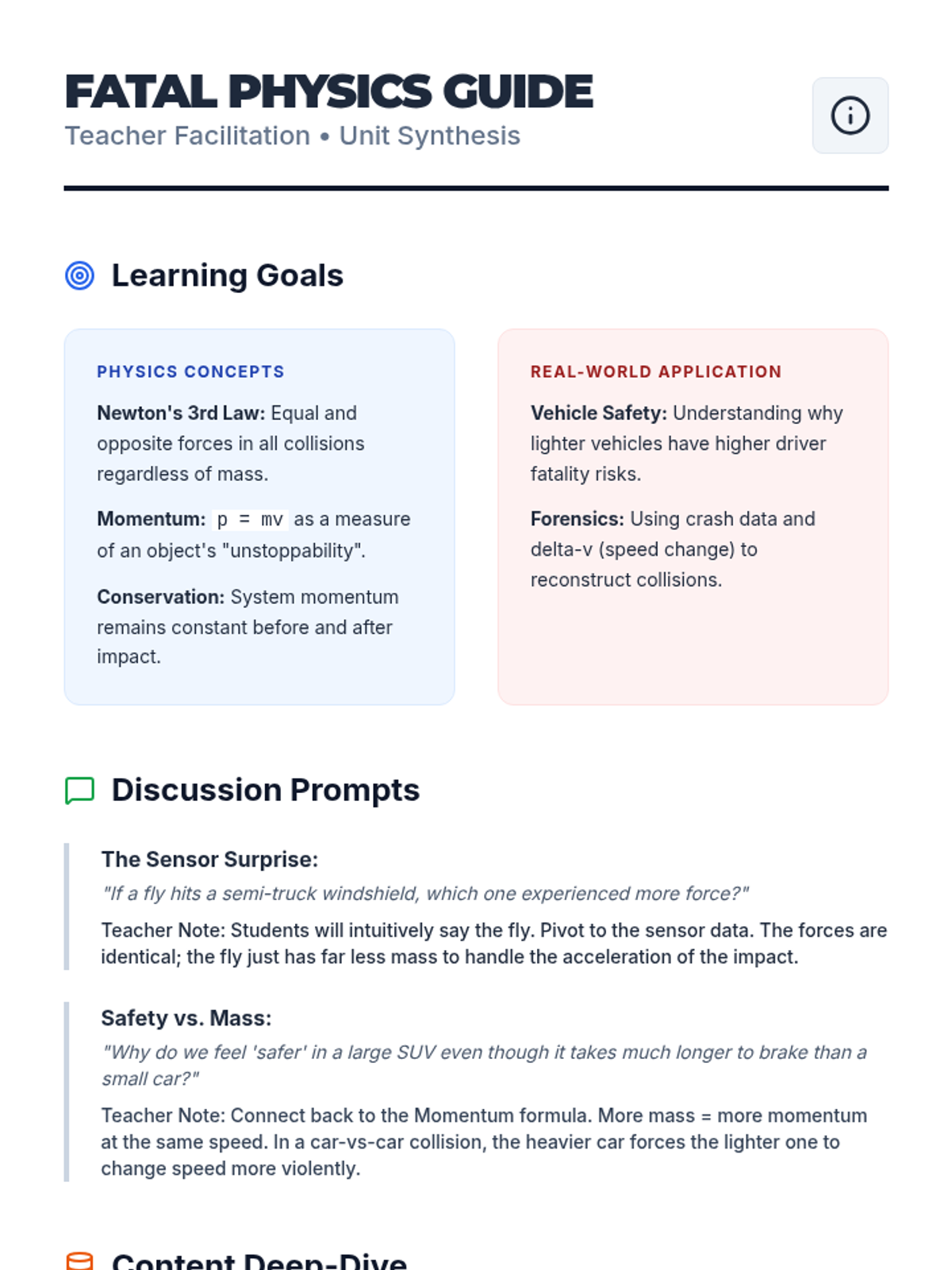
A comprehensive unit on momentum and collisions for 9th grade physics, covering the basic equation, collision types, conservation laws, and Newton's Third Law through real-world examples like vehicle safety and sports.
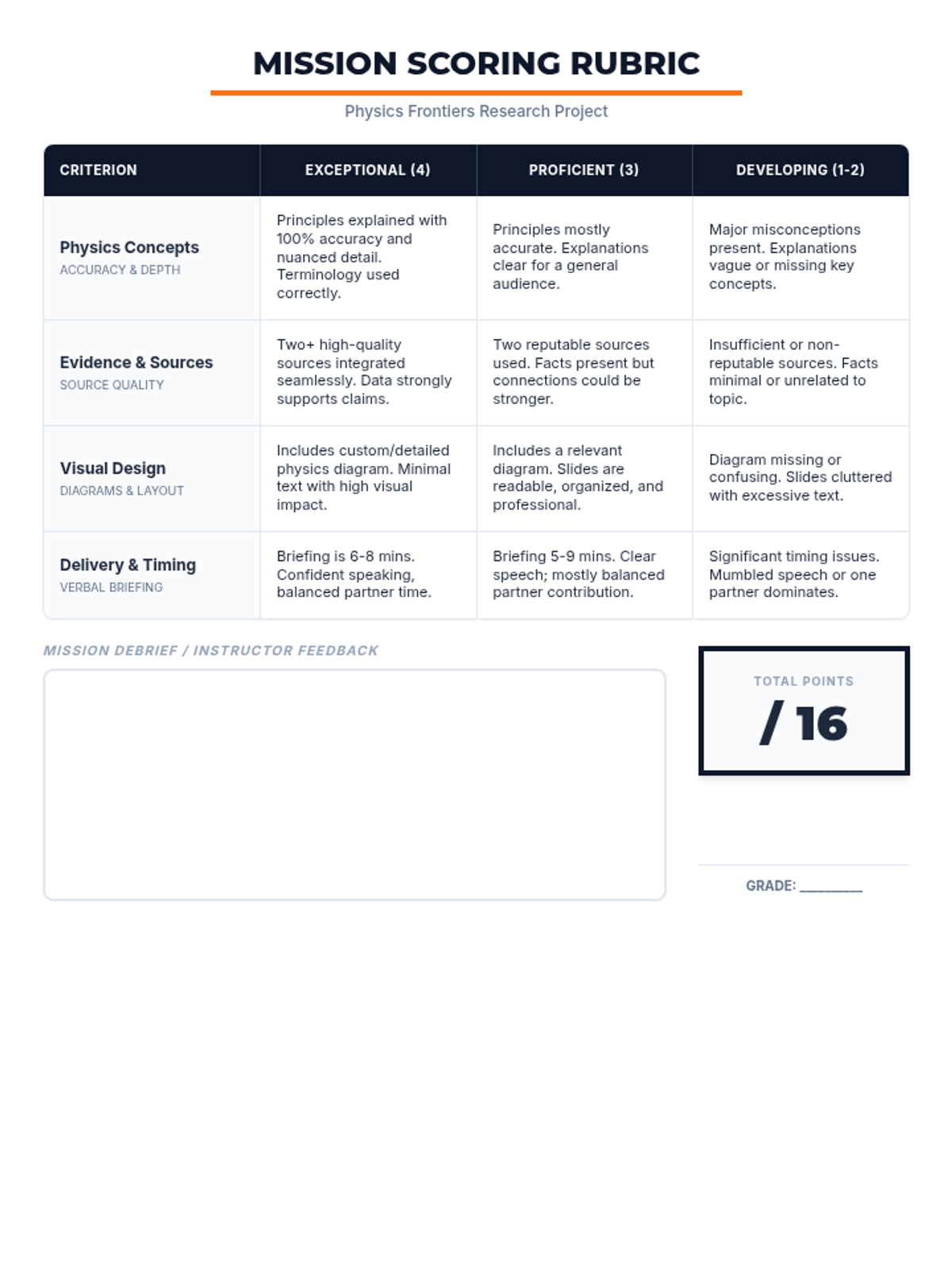
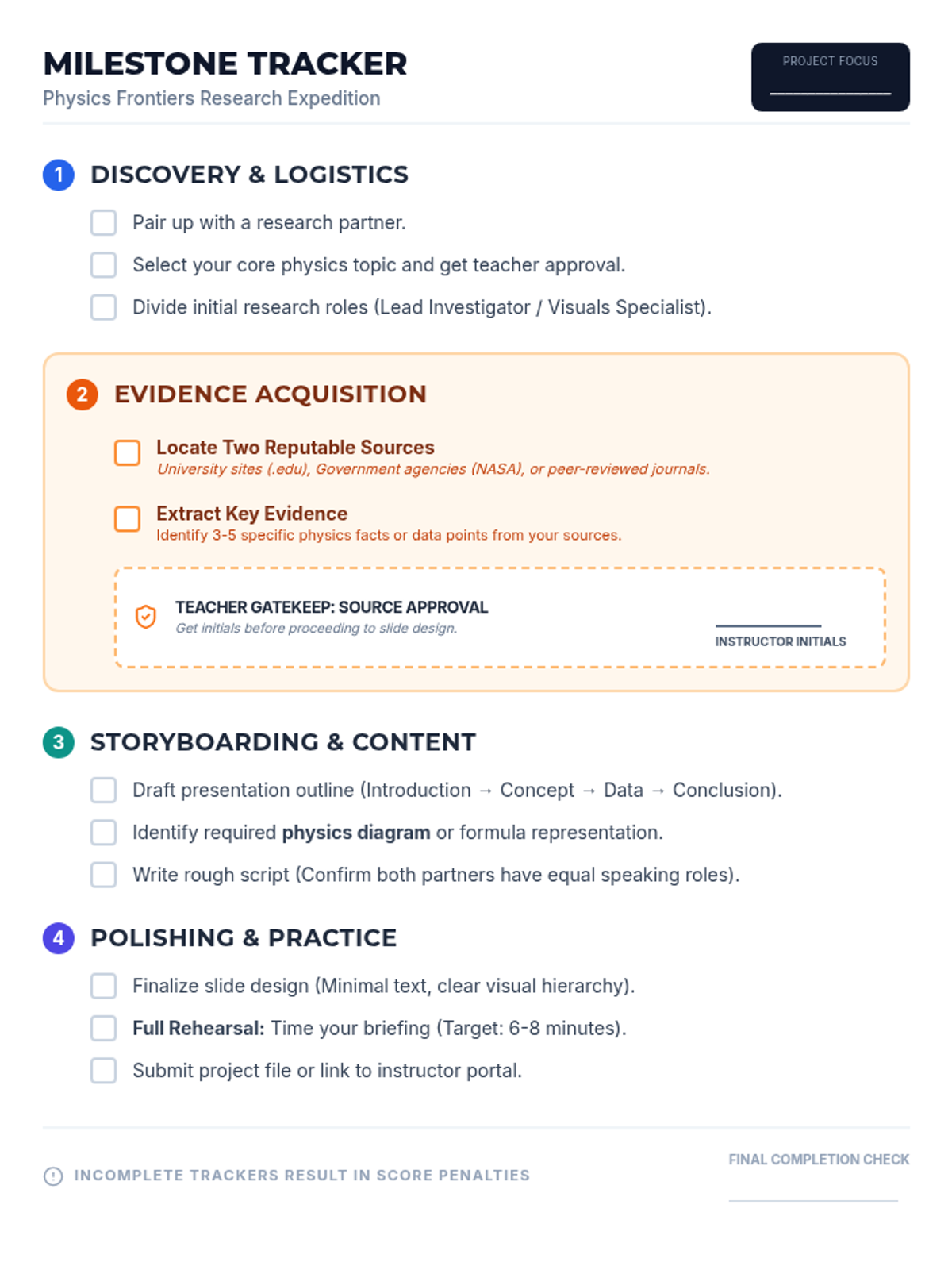
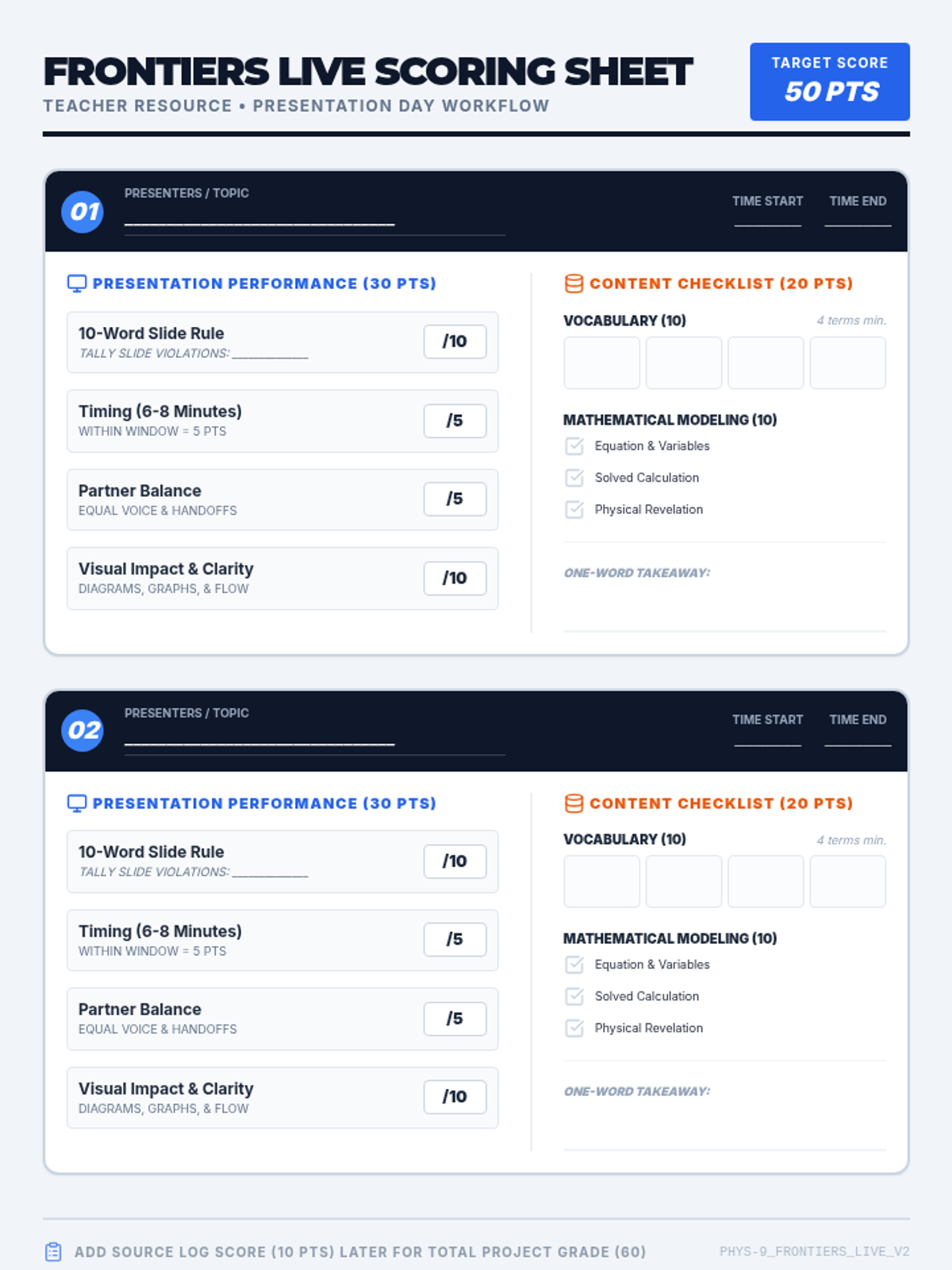
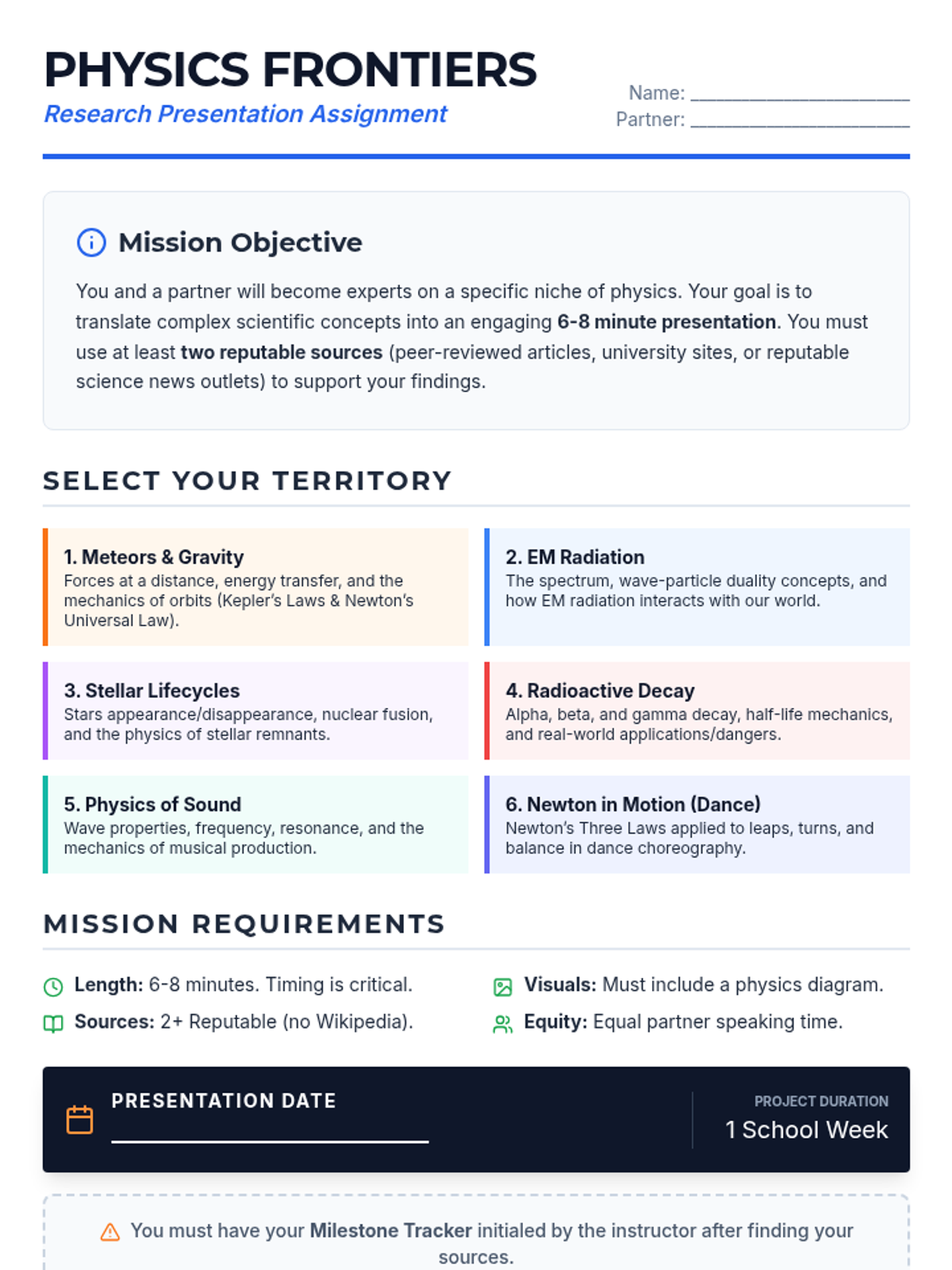
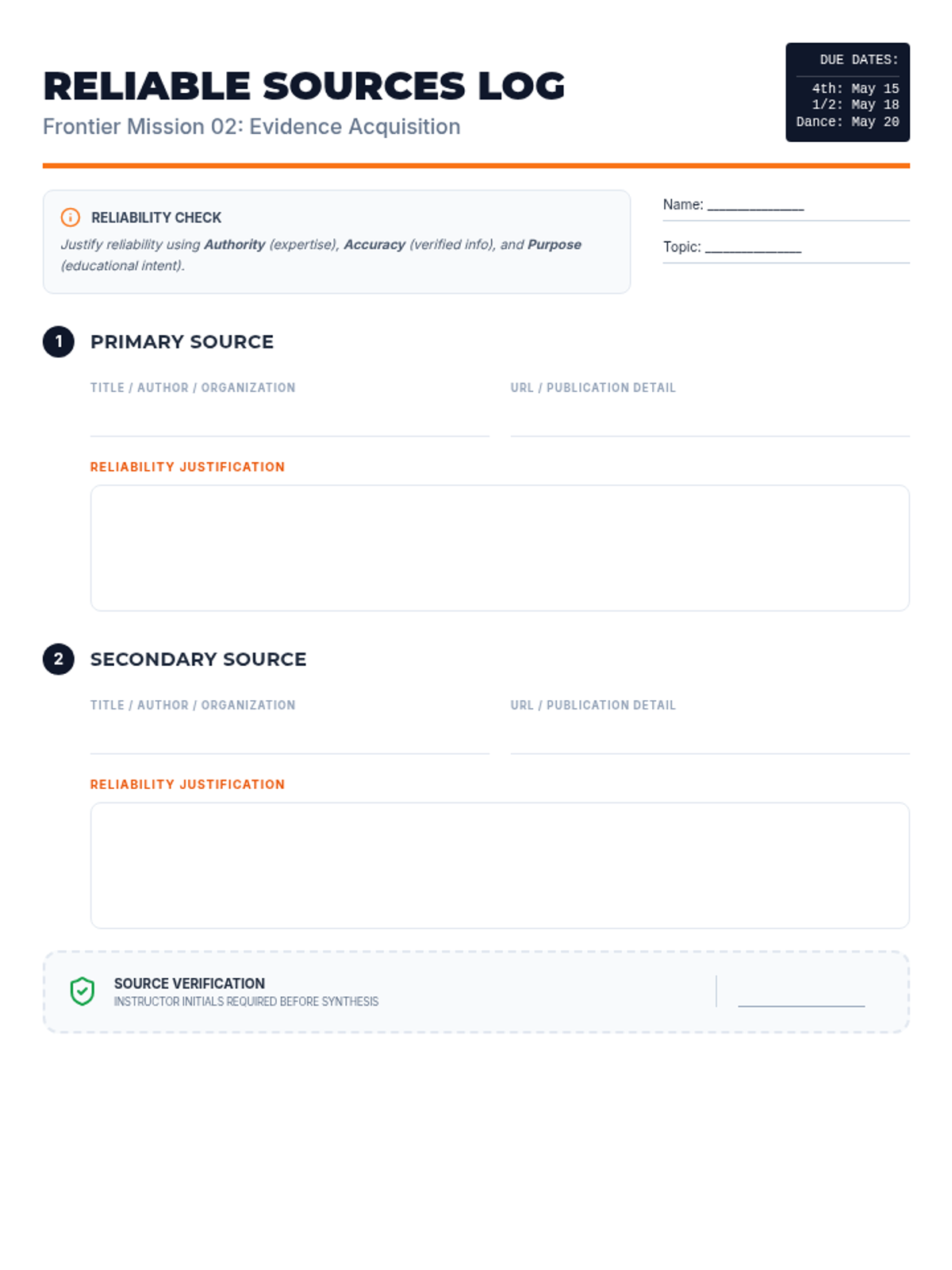
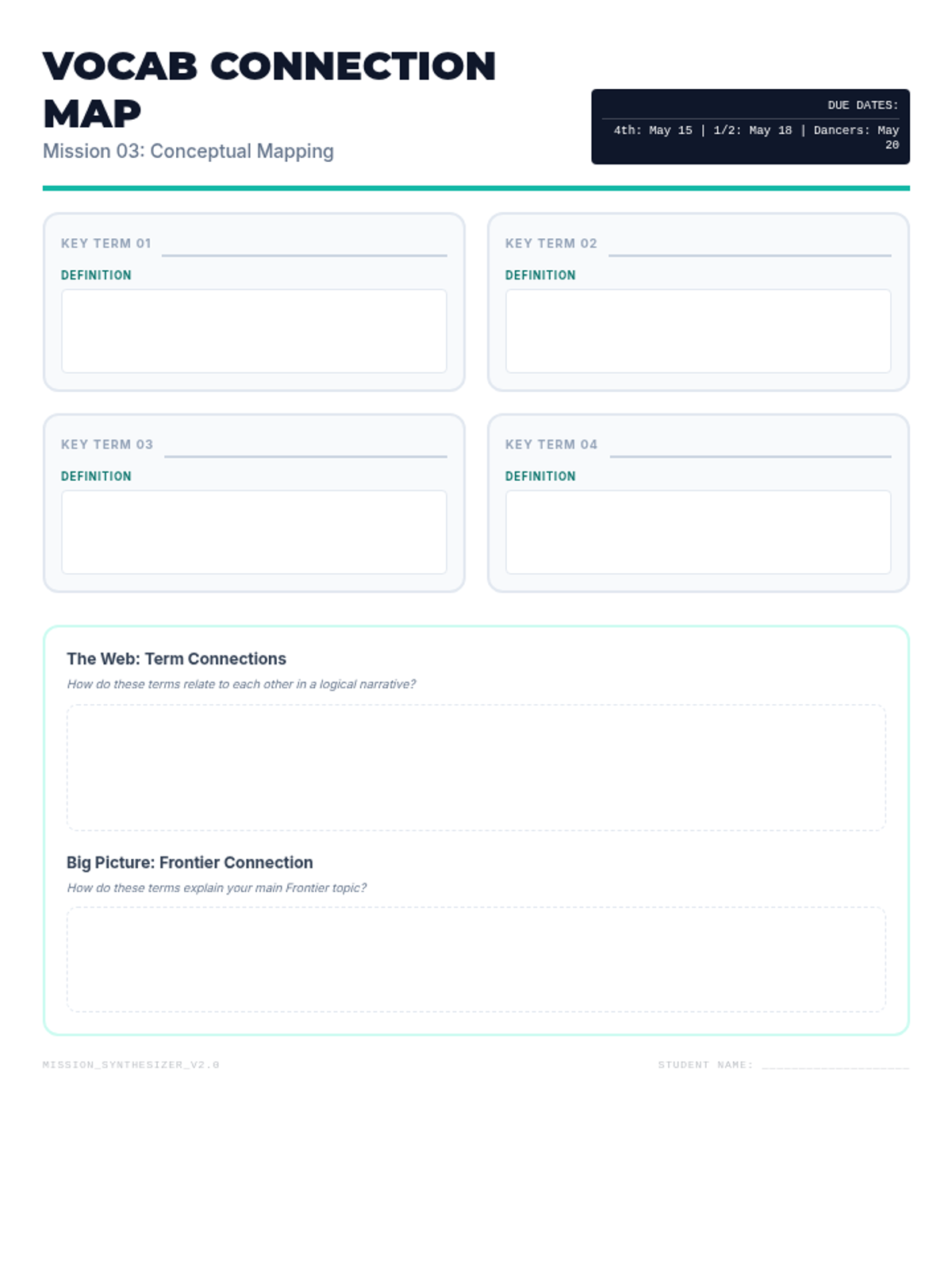
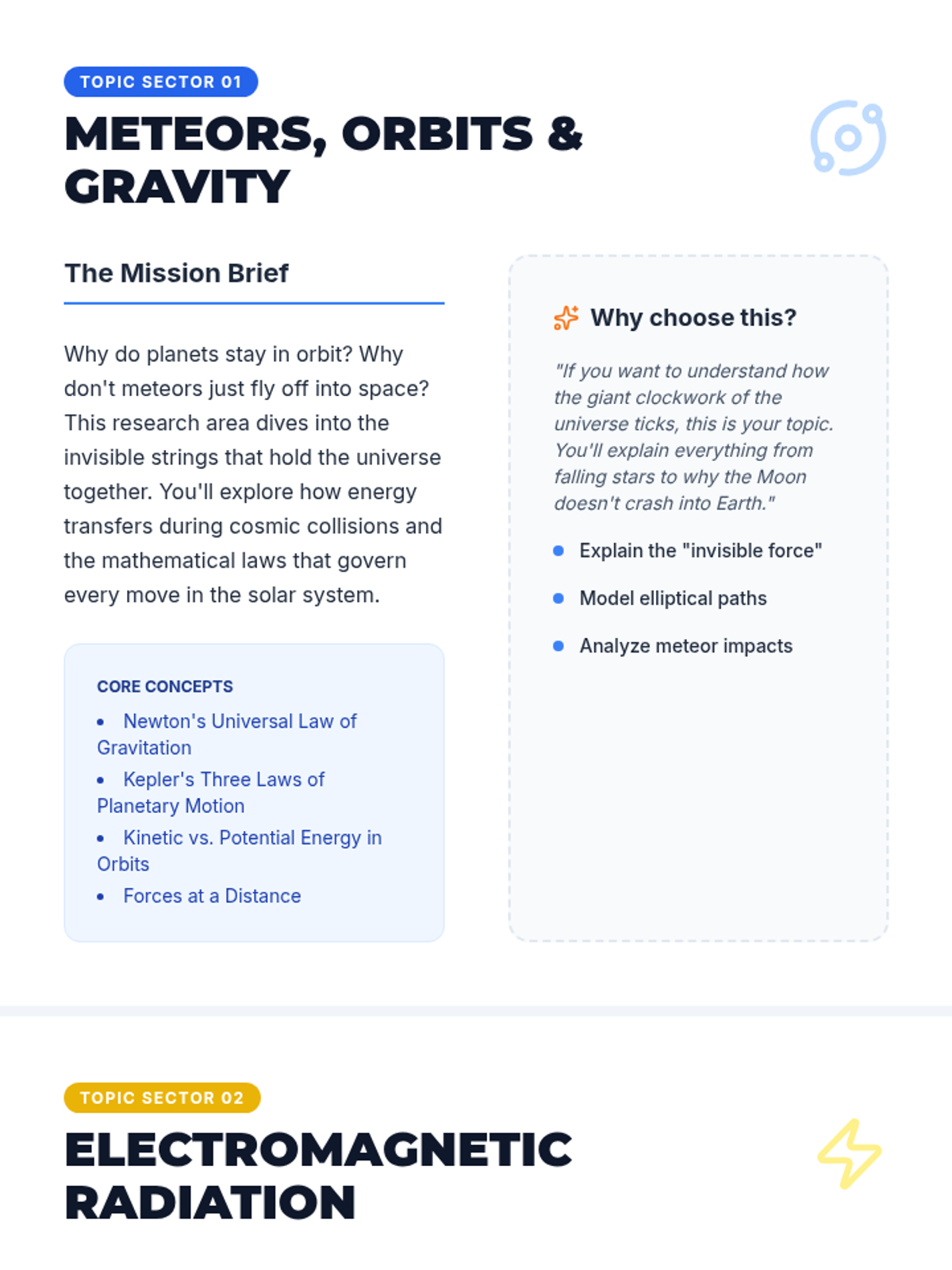
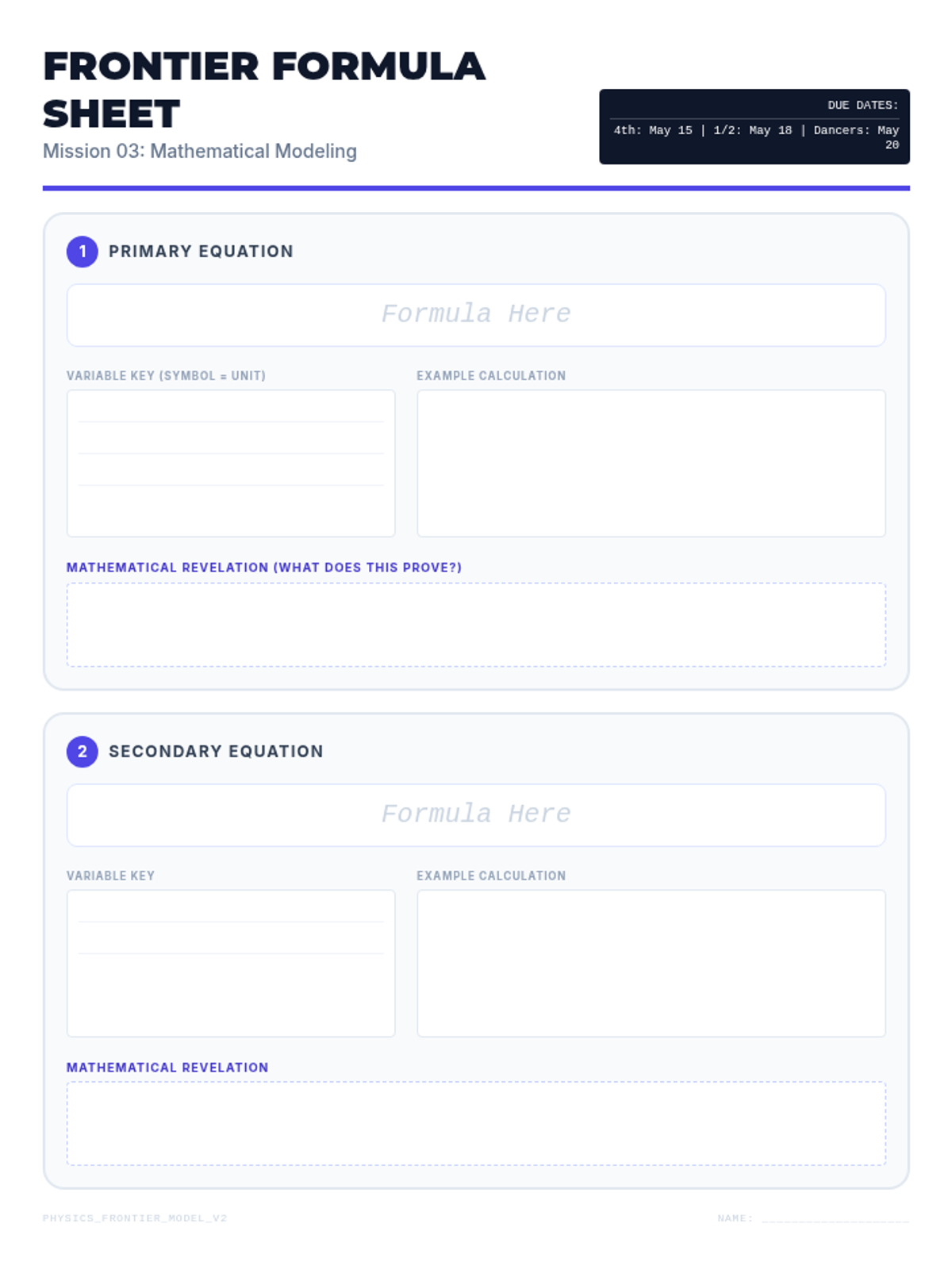
A partner-based research project for 9th-grade conceptual physics students focusing on diverse topics from celestial mechanics to the physics of dance. Students move through a structured research process with mandatory teacher checkpoints for source reliability.
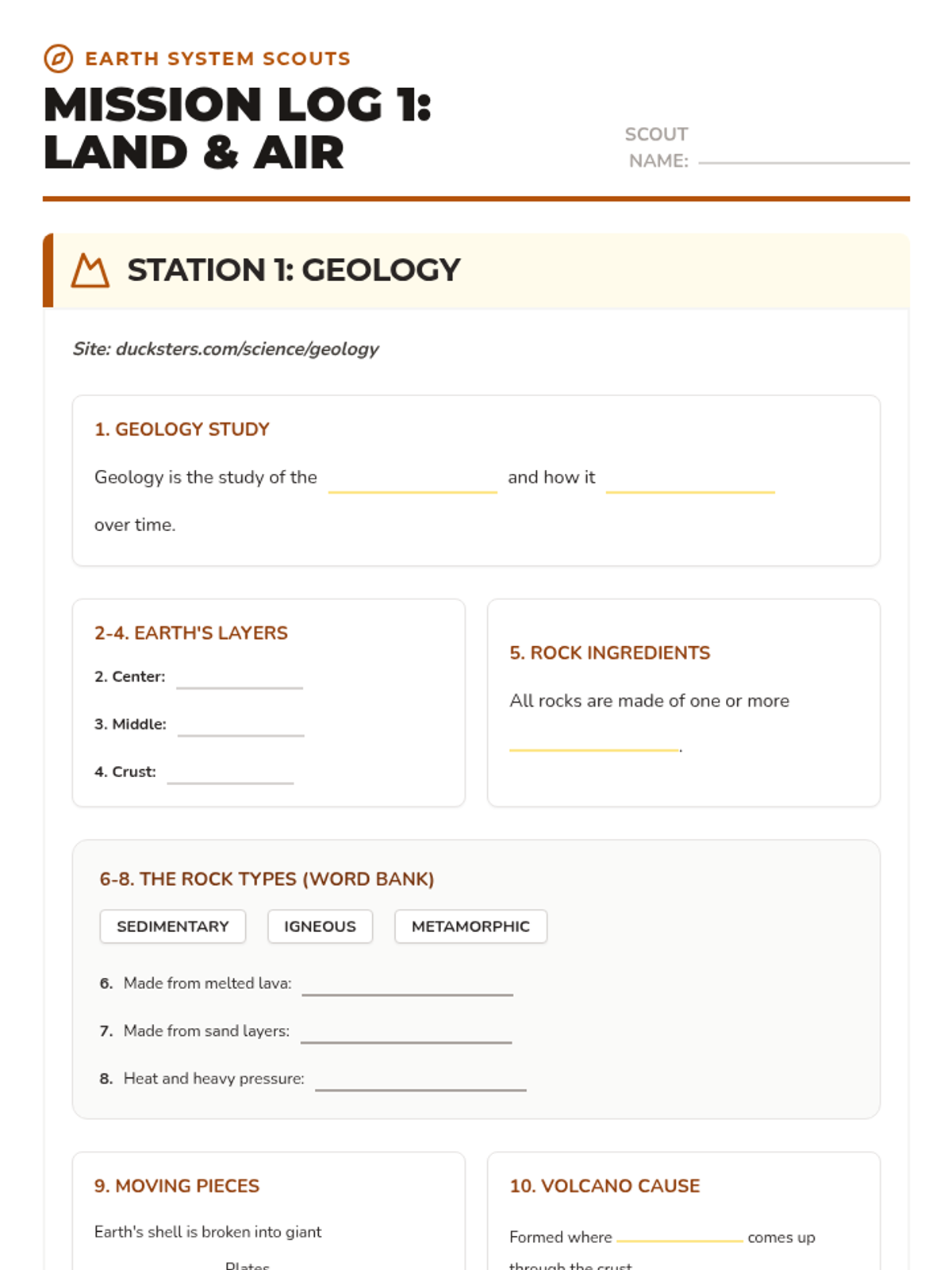
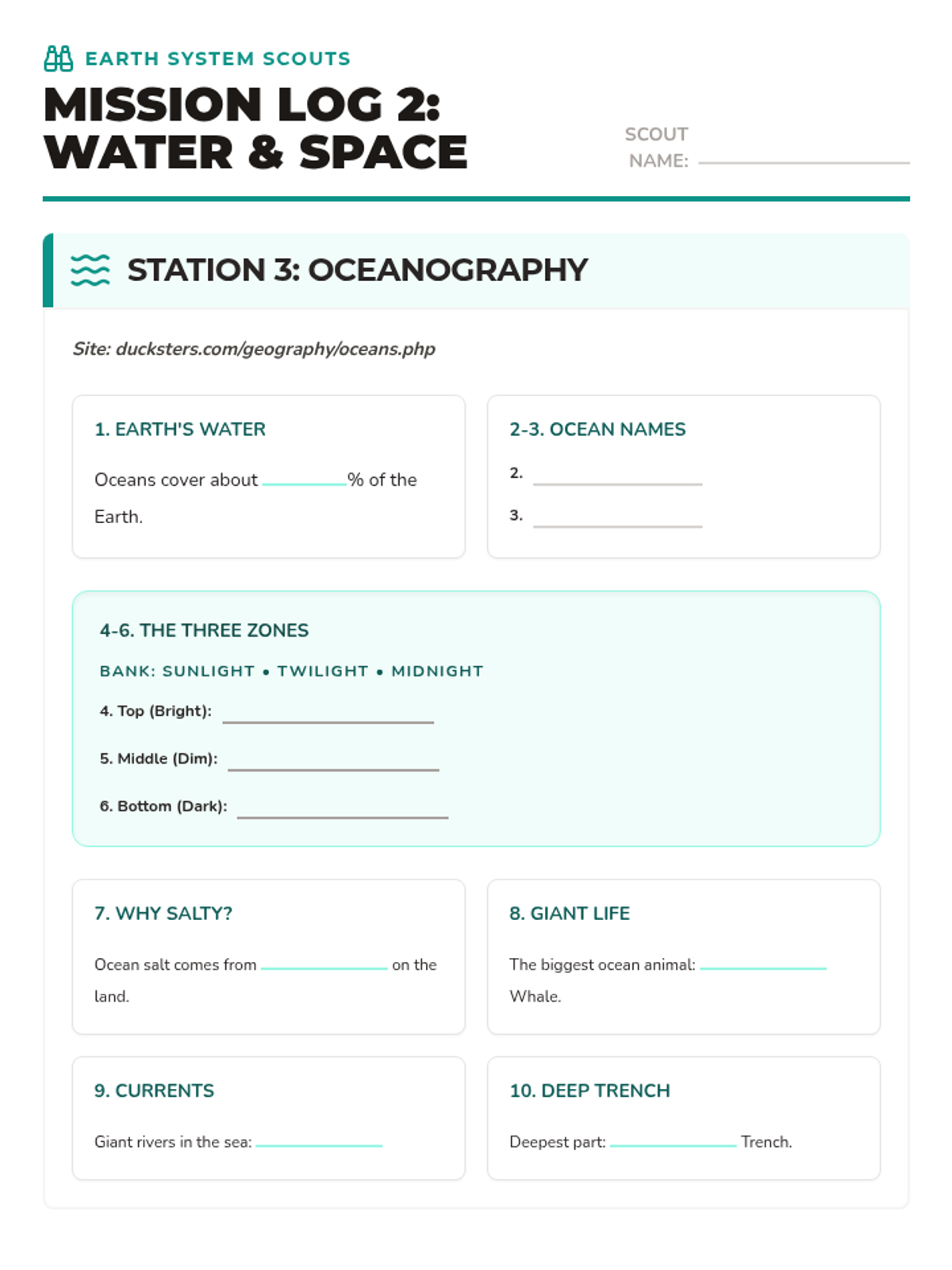
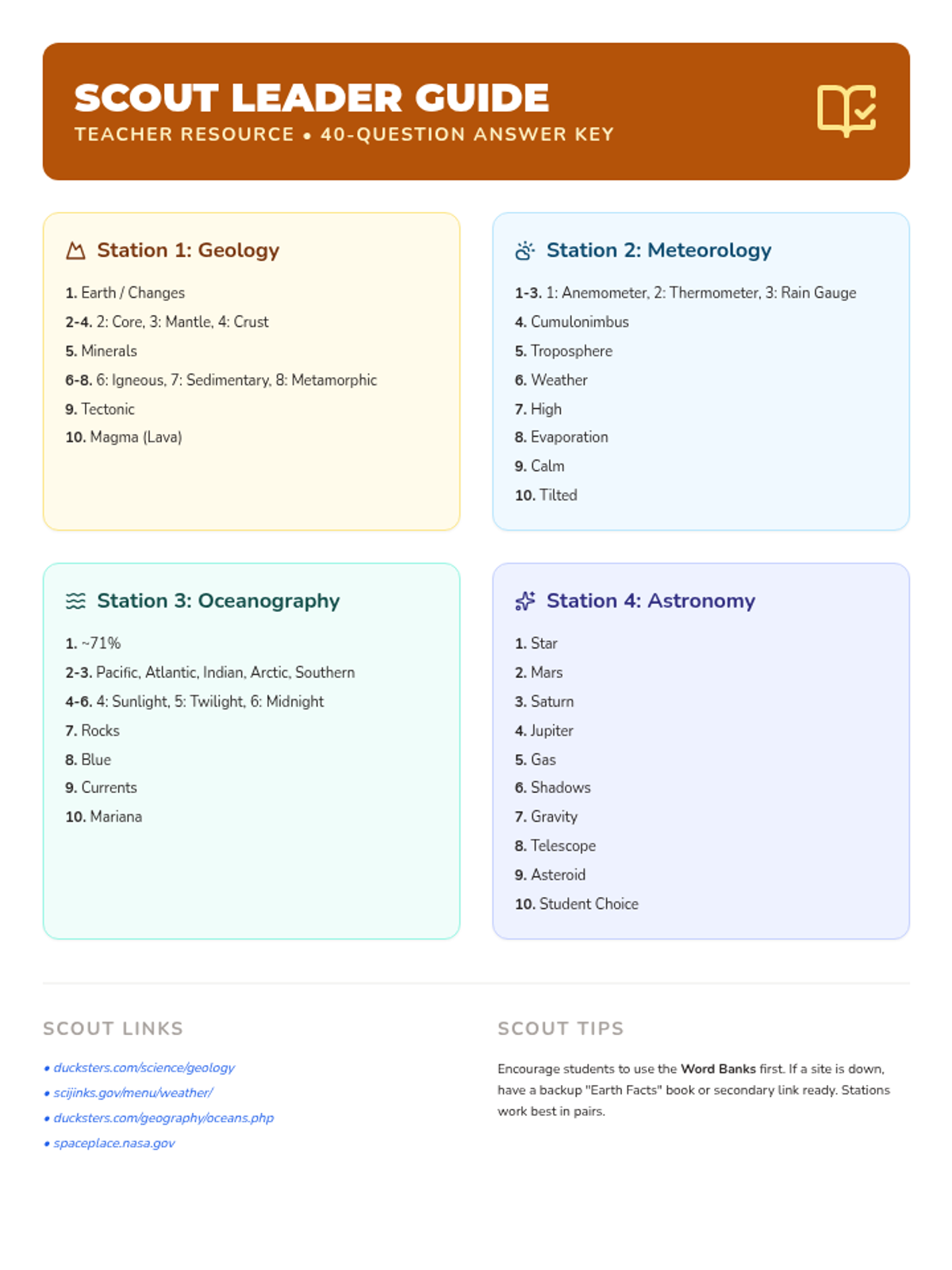
A foundational exploration of the four main branches of Earth Science through a multi-day digital scavenger hunt designed for accessibility and engagement.
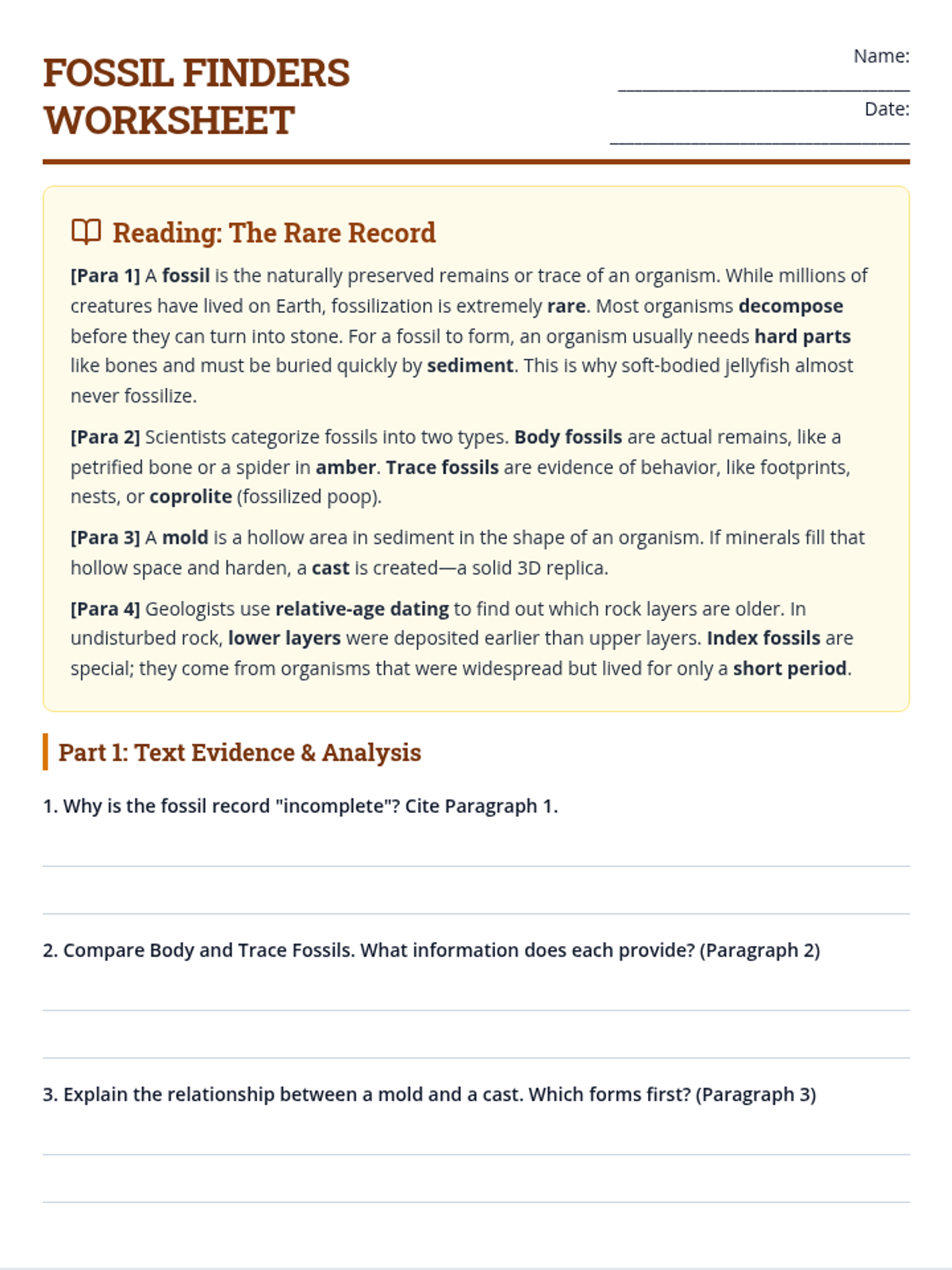
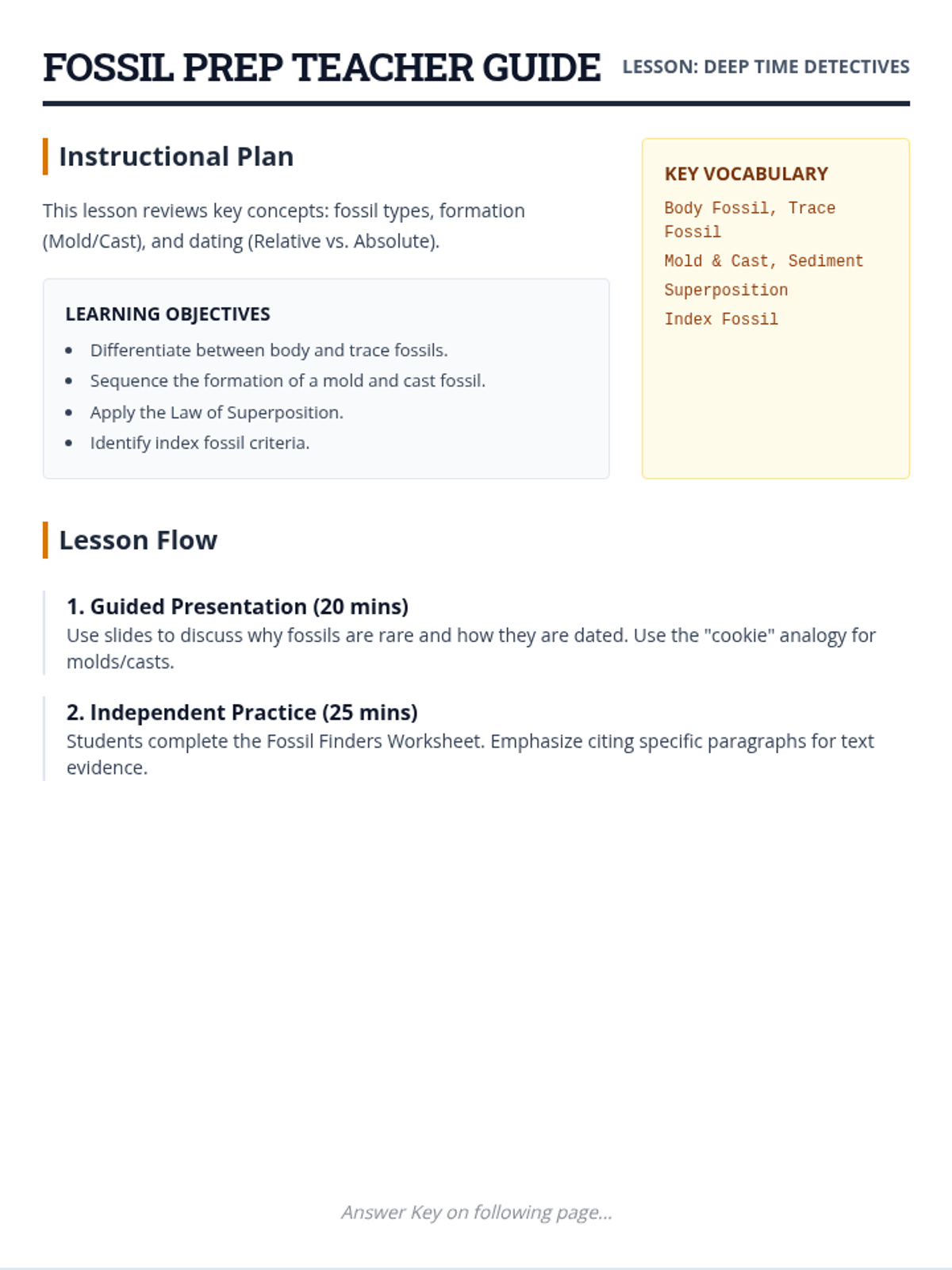
A comprehensive unit exploring how fossils form, how they are dated, and what they reveal about Earth's biological and geological history.
This sequence guides 7th-grade students through the scientific criteria used to define life, moving from intuitive observations to biological analysis of metabolism, cellular structure, and homeostasis. Students explore ambiguous examples and conduct experiments to build a robust definition of what it means to be alive.
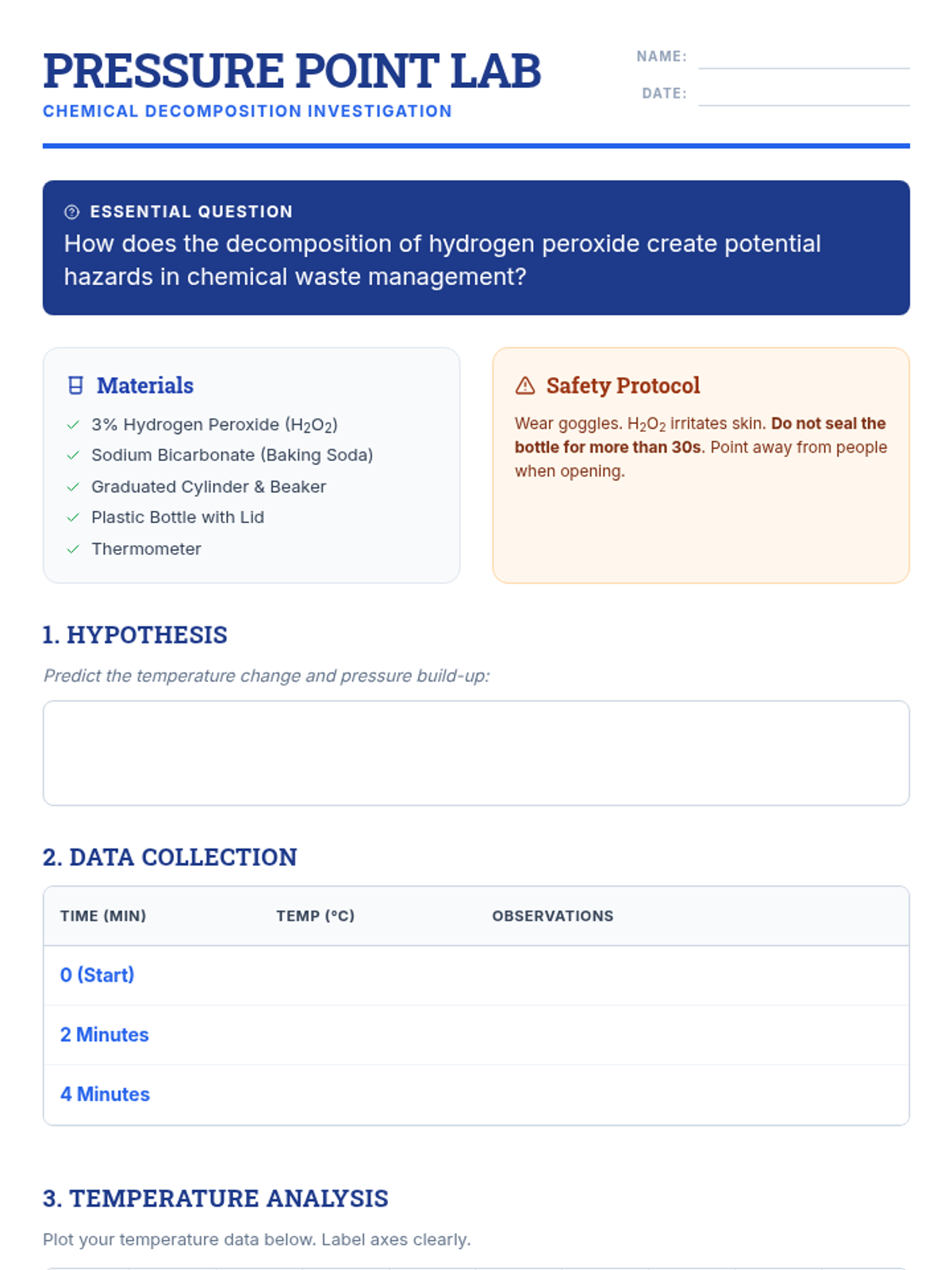
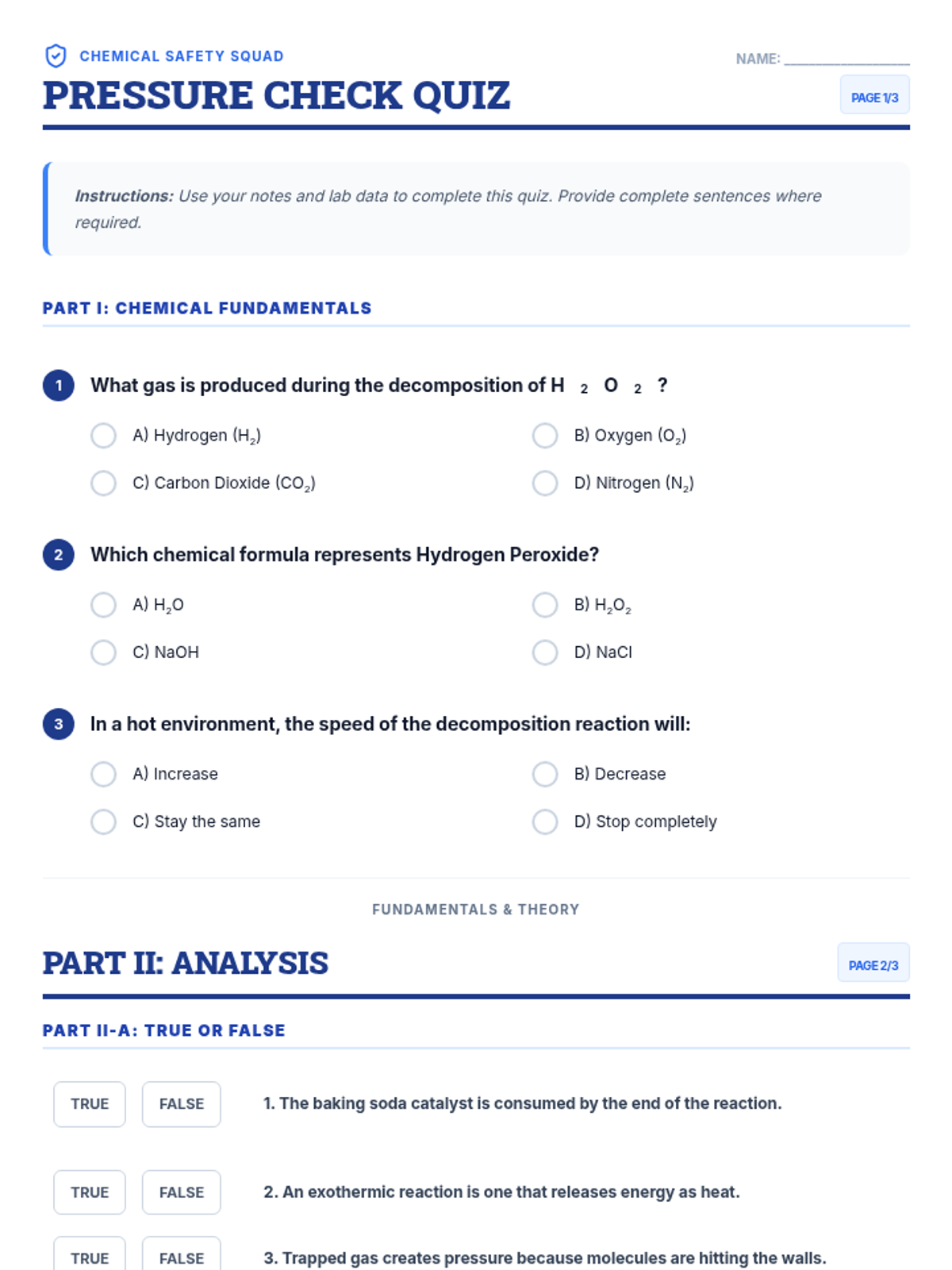
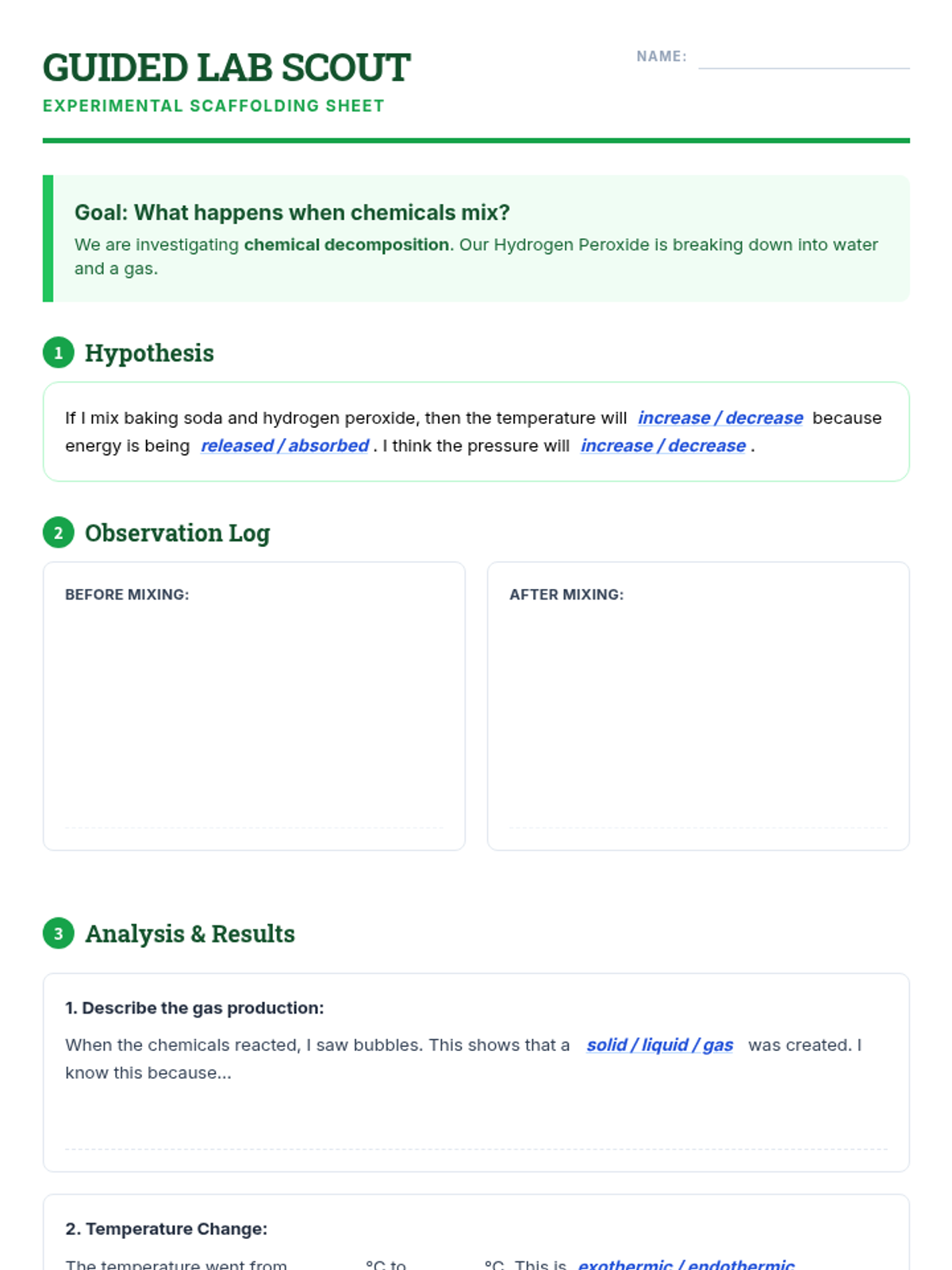
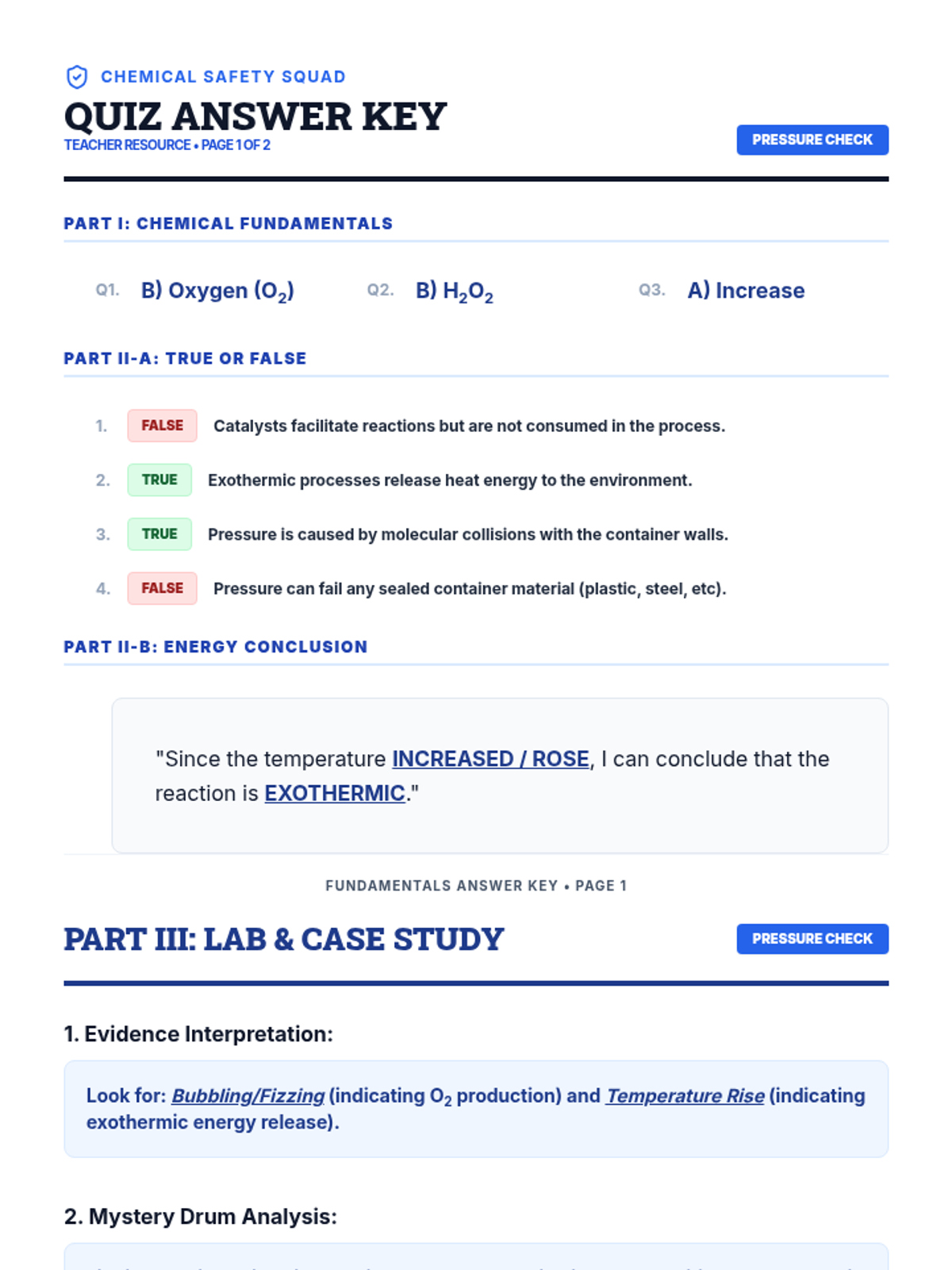
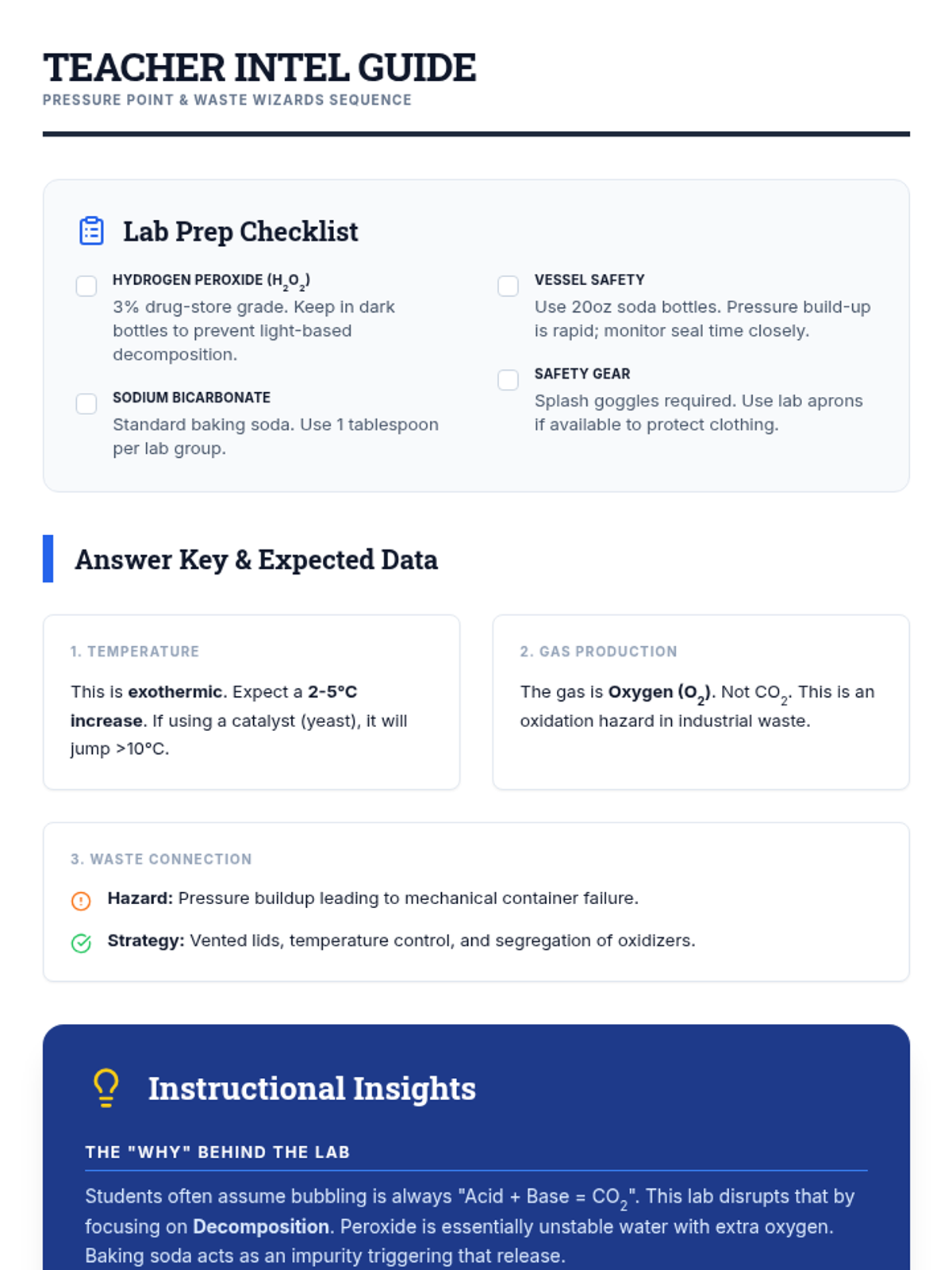
A 2-day science investigation exploring the chemical decomposition of hydrogen peroxide and baking soda, focusing on gas production, pressure, and its real-world implications for waste management and chemical safety.
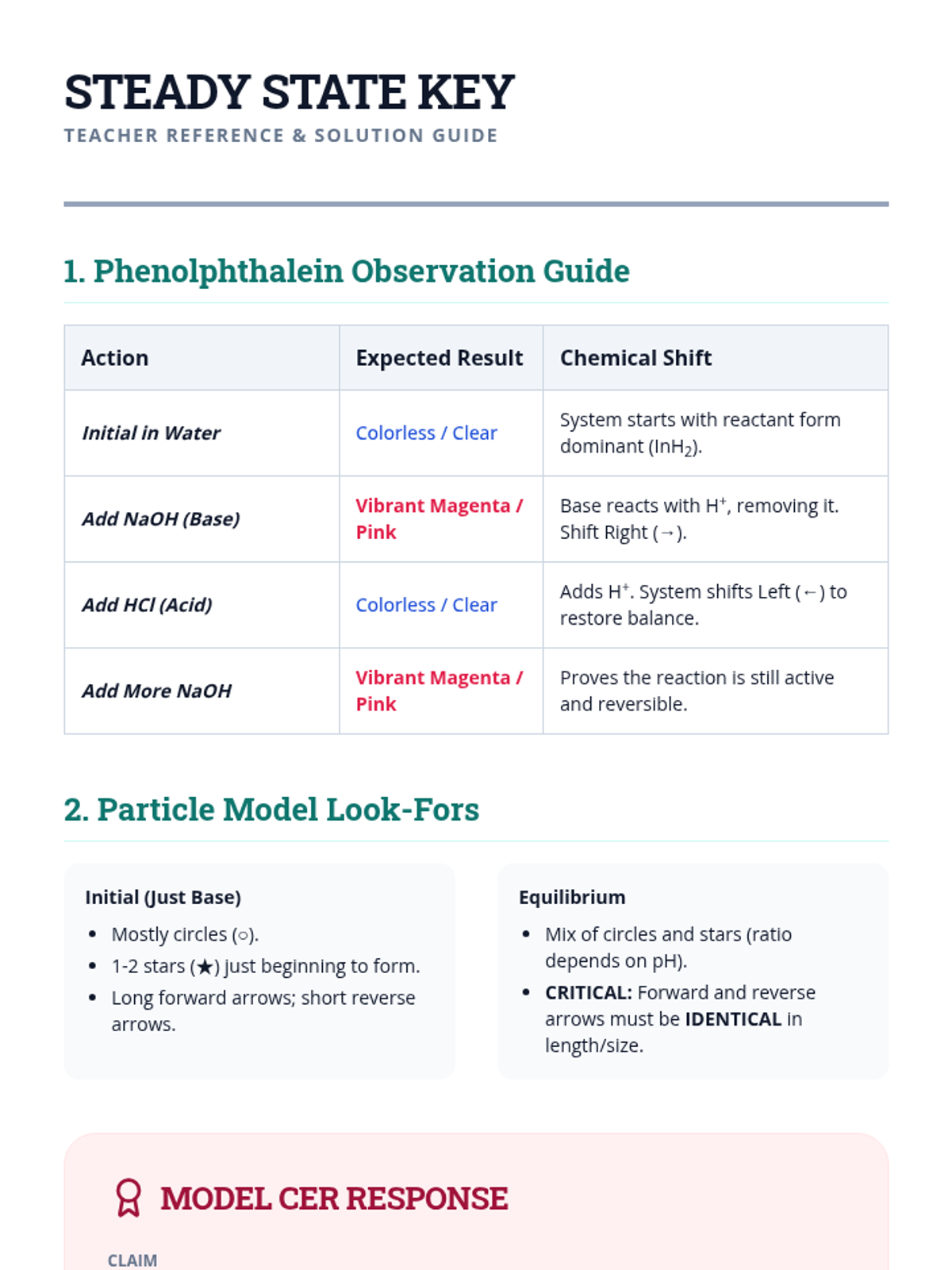
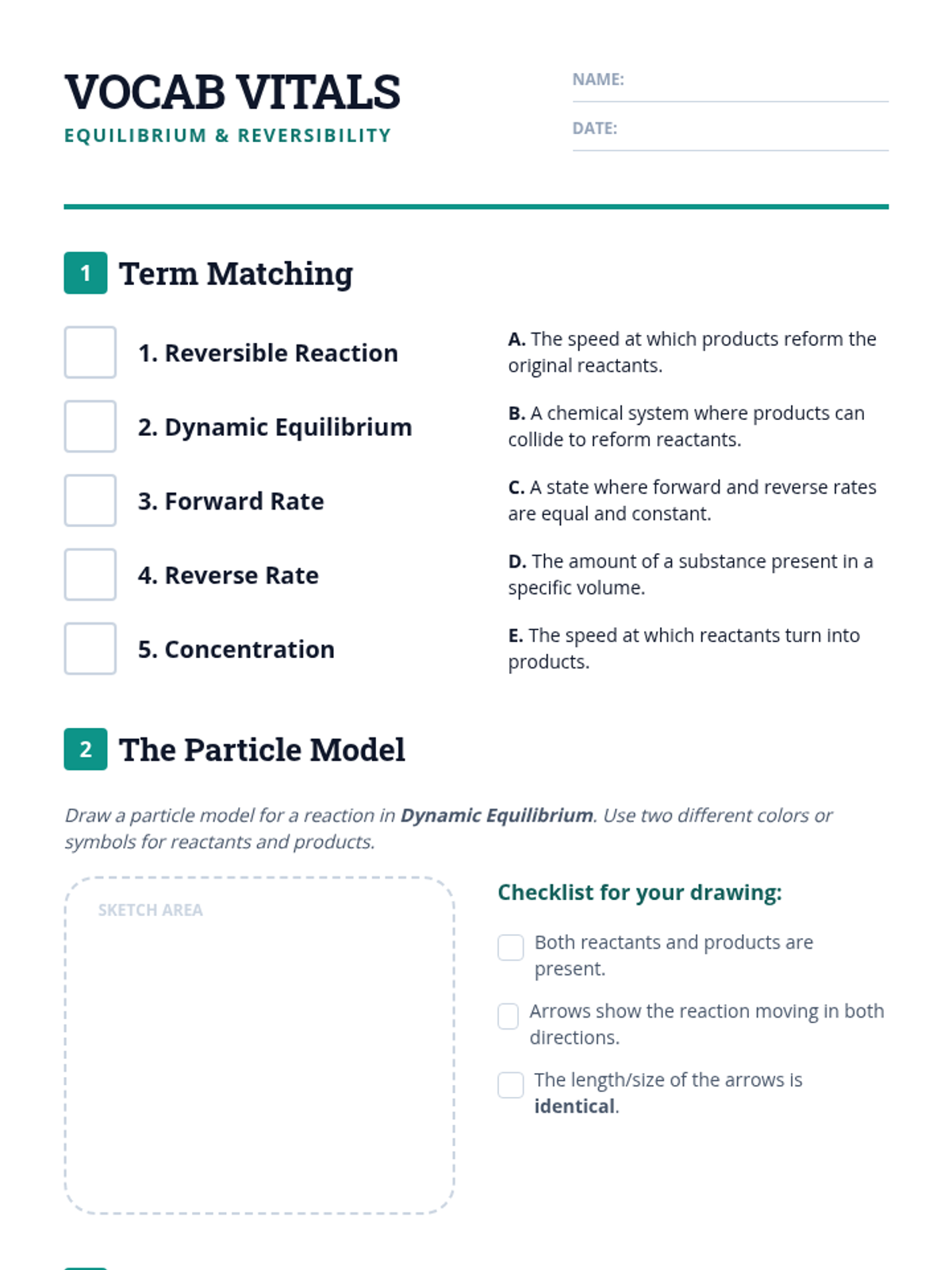
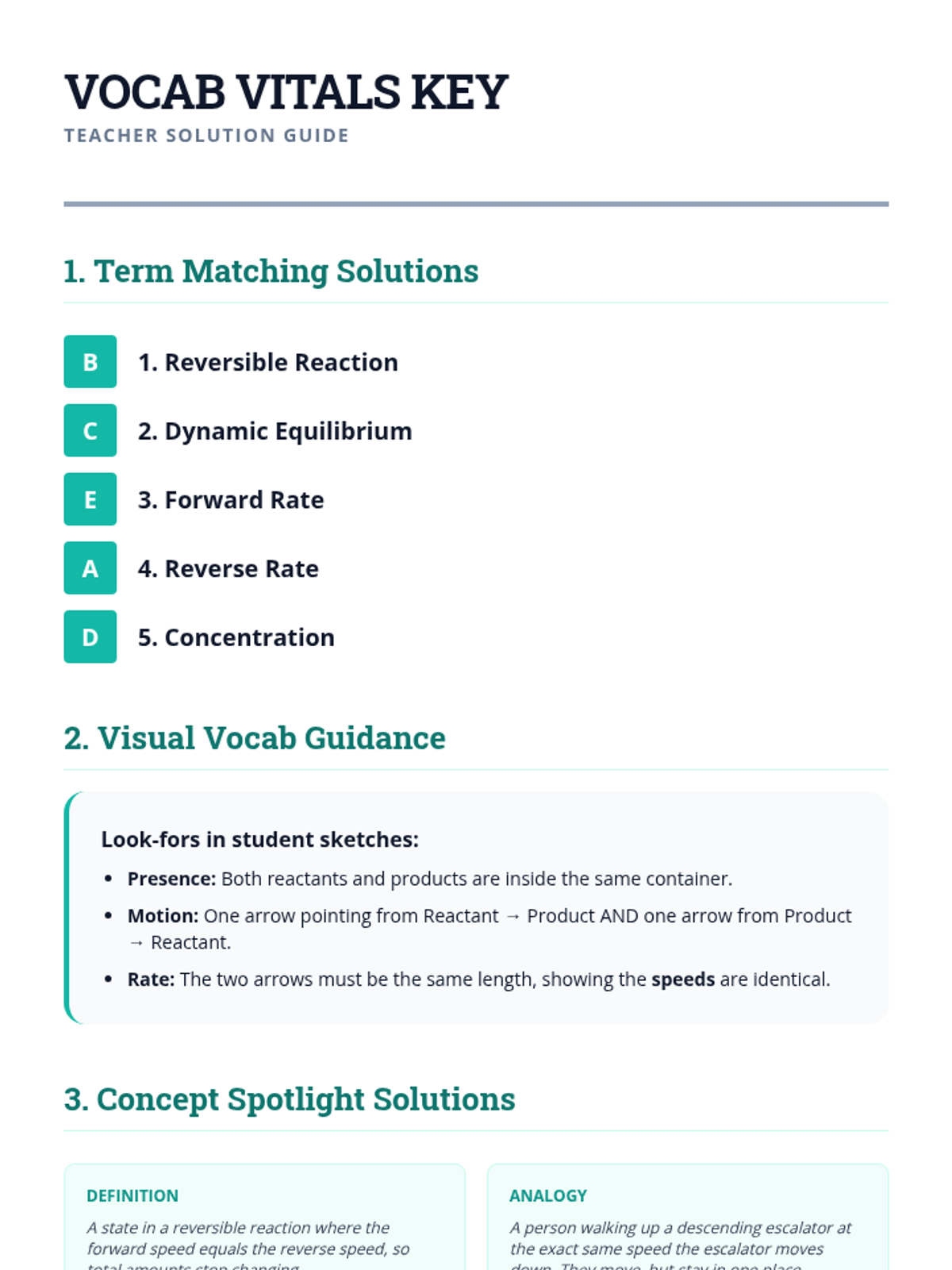
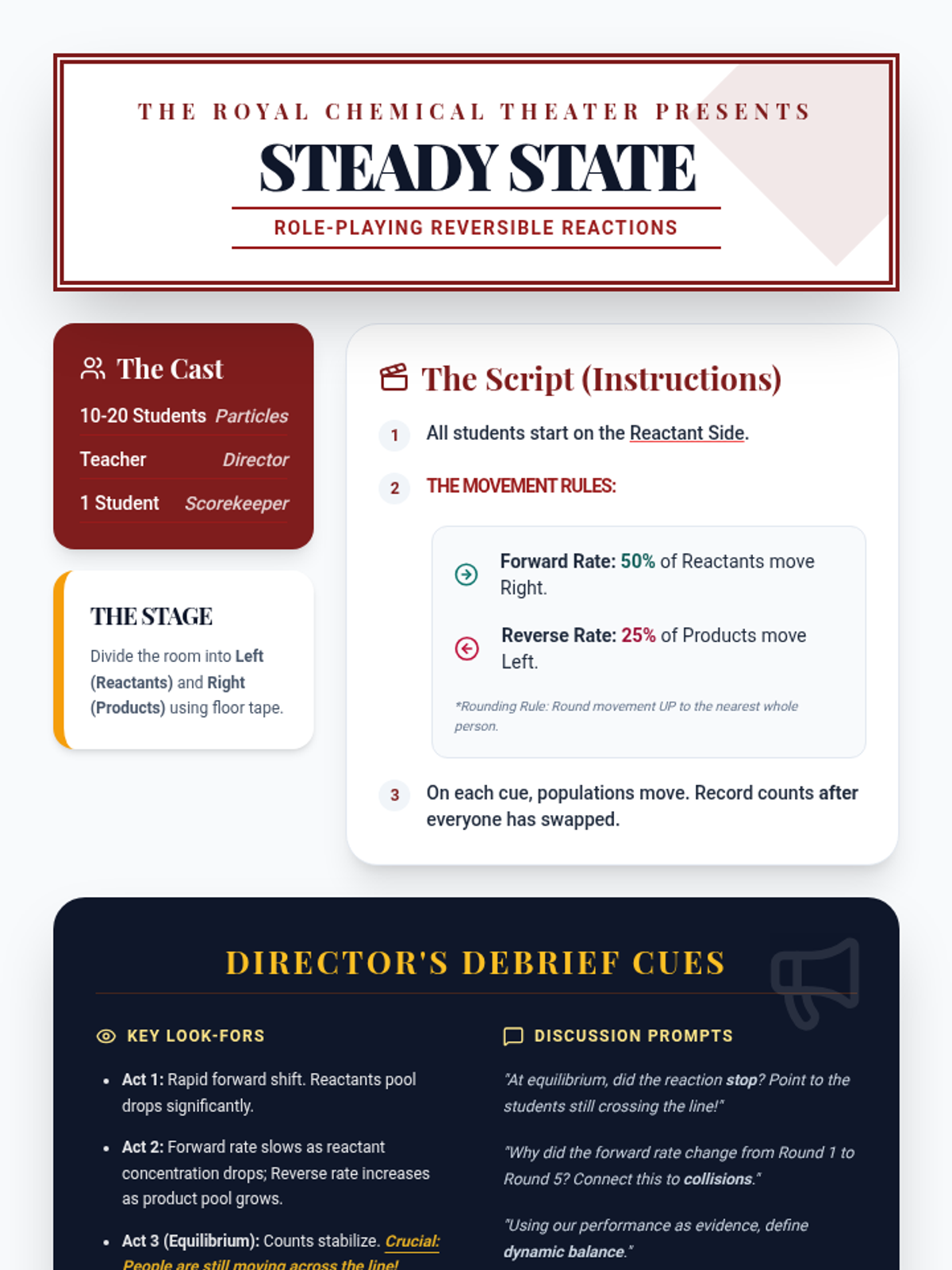
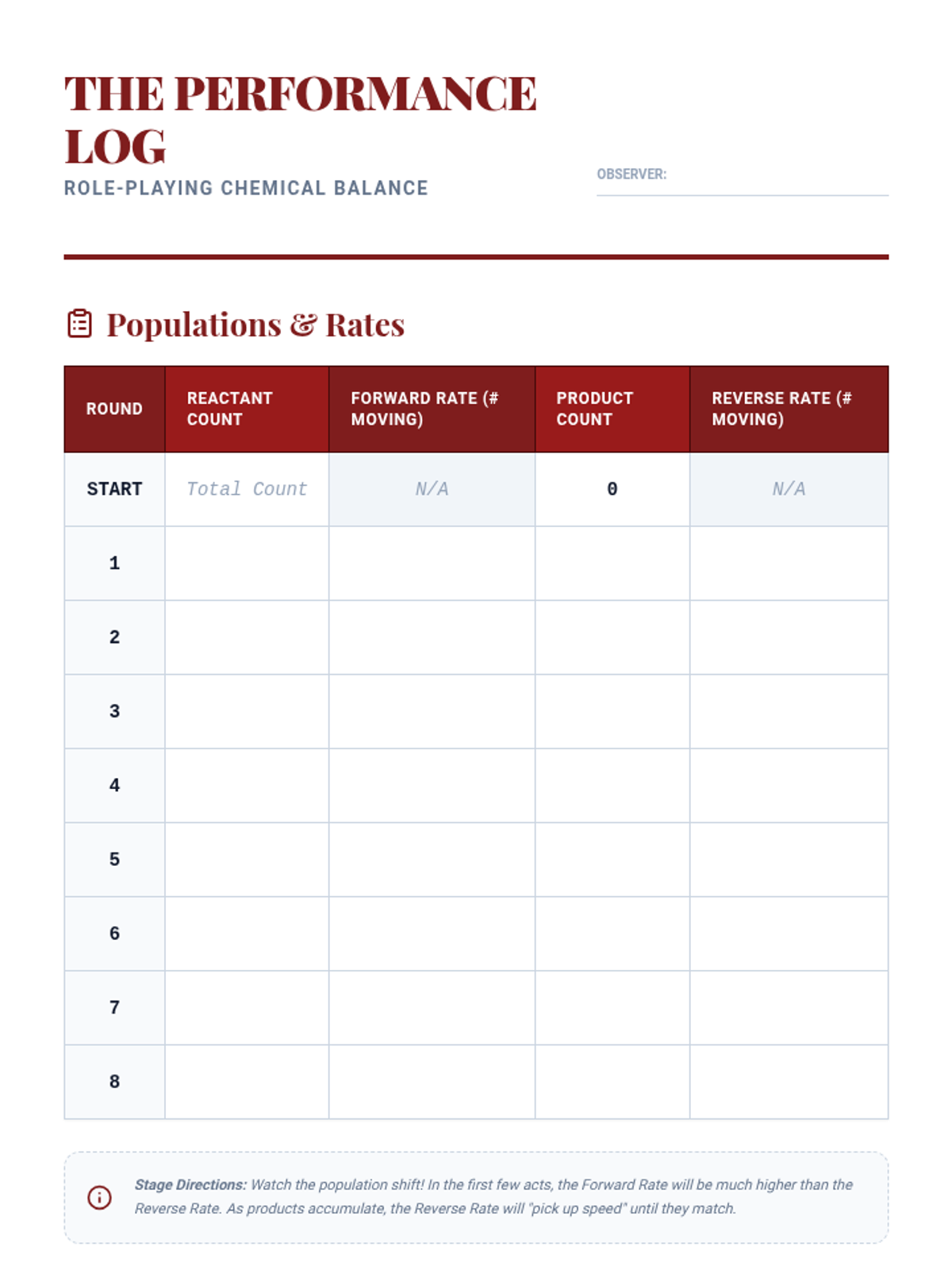
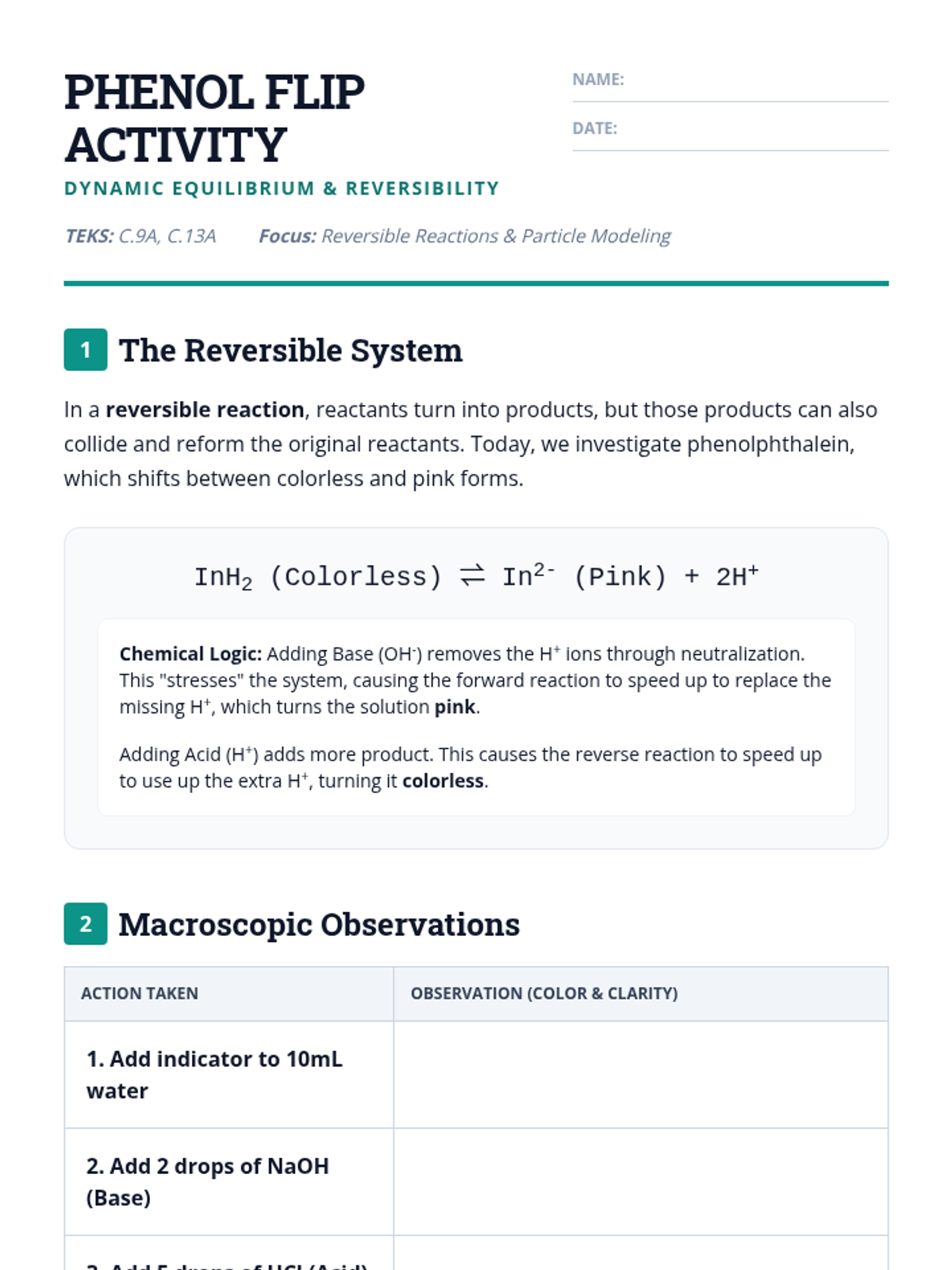
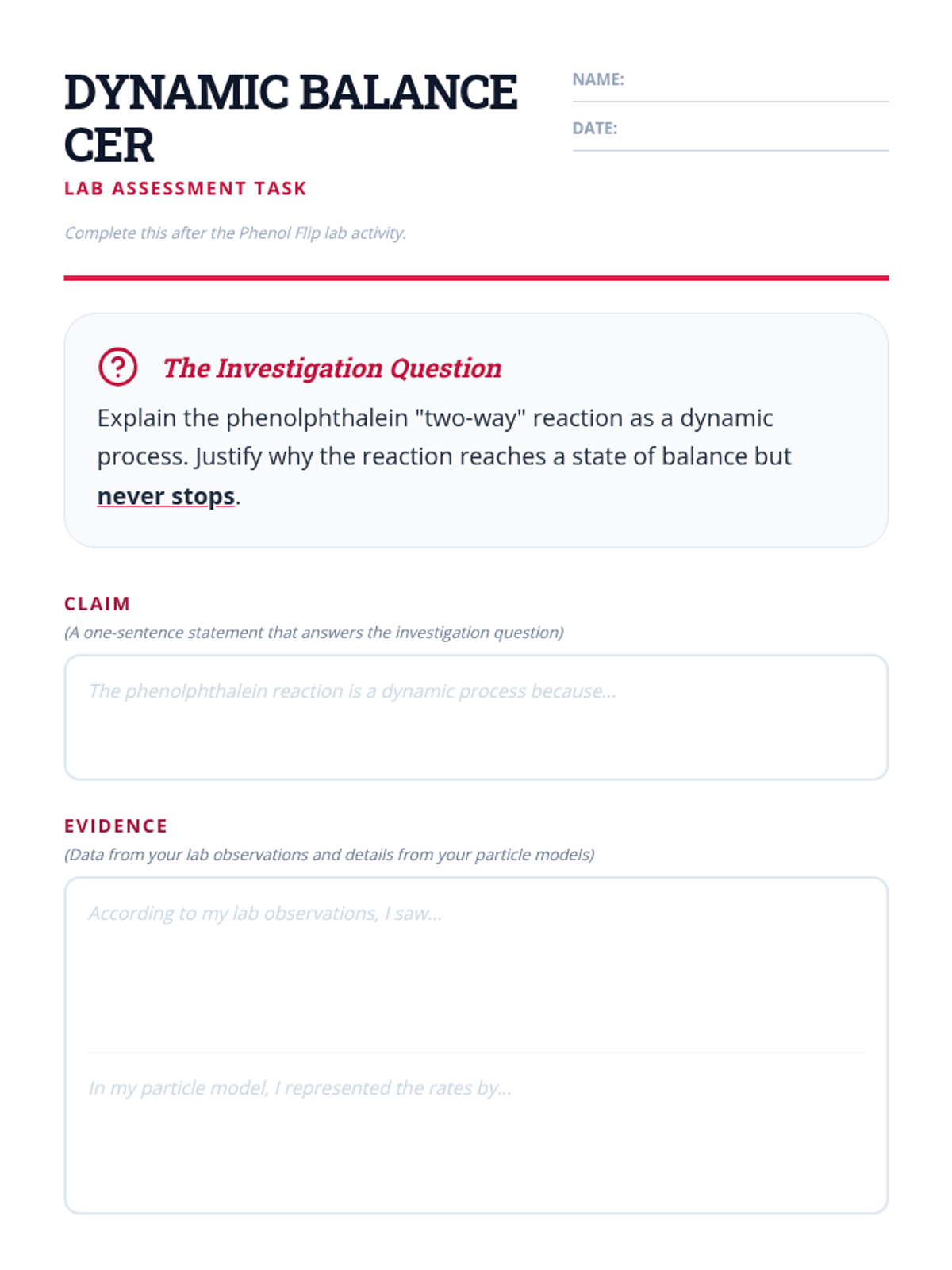
This unit explores how chemical reactions occur and how they reach a state of balance. Students investigate reaction kinetics, energy changes, and the principles of dynamic equilibrium through modeling and laboratory investigation.
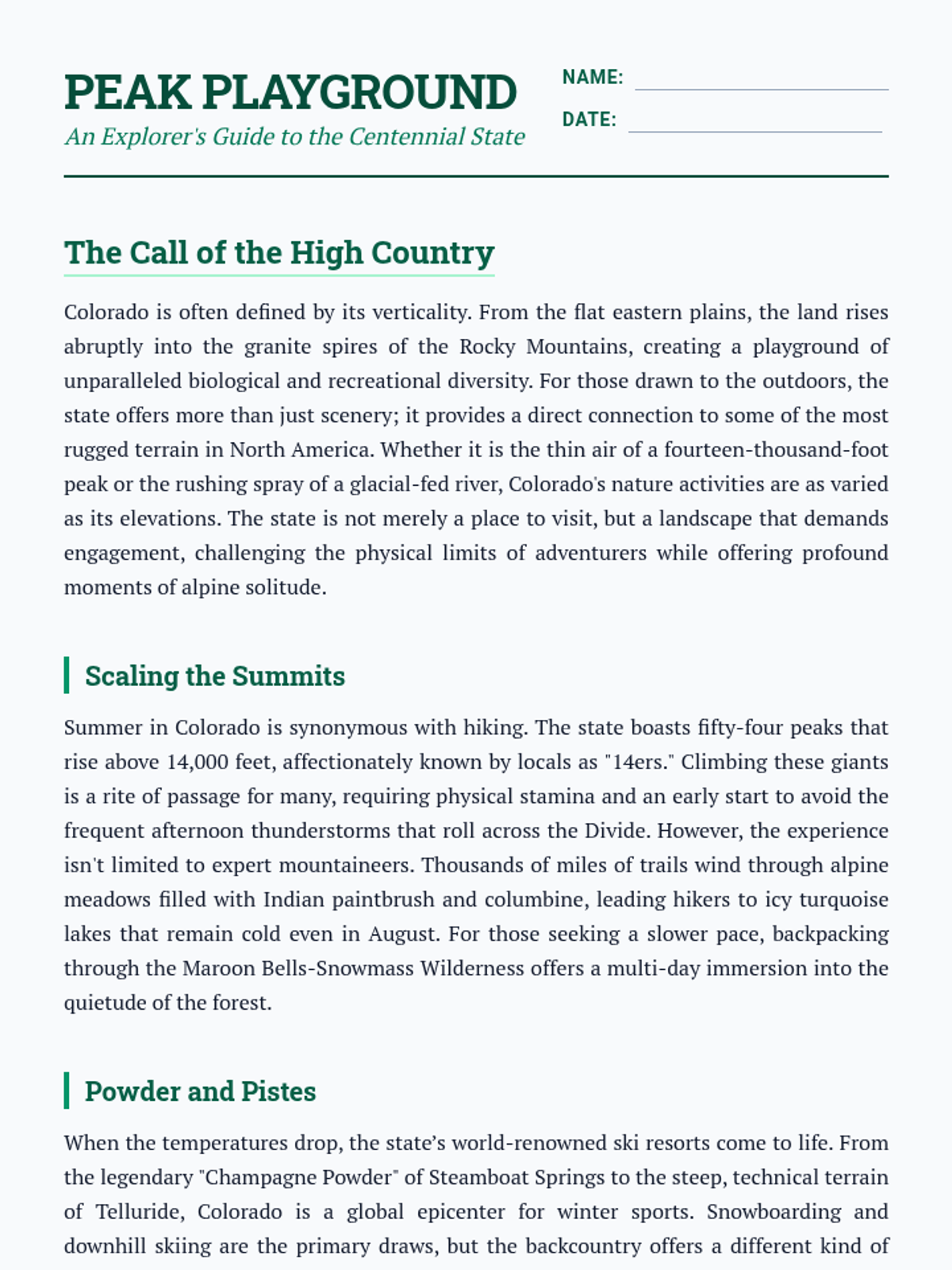
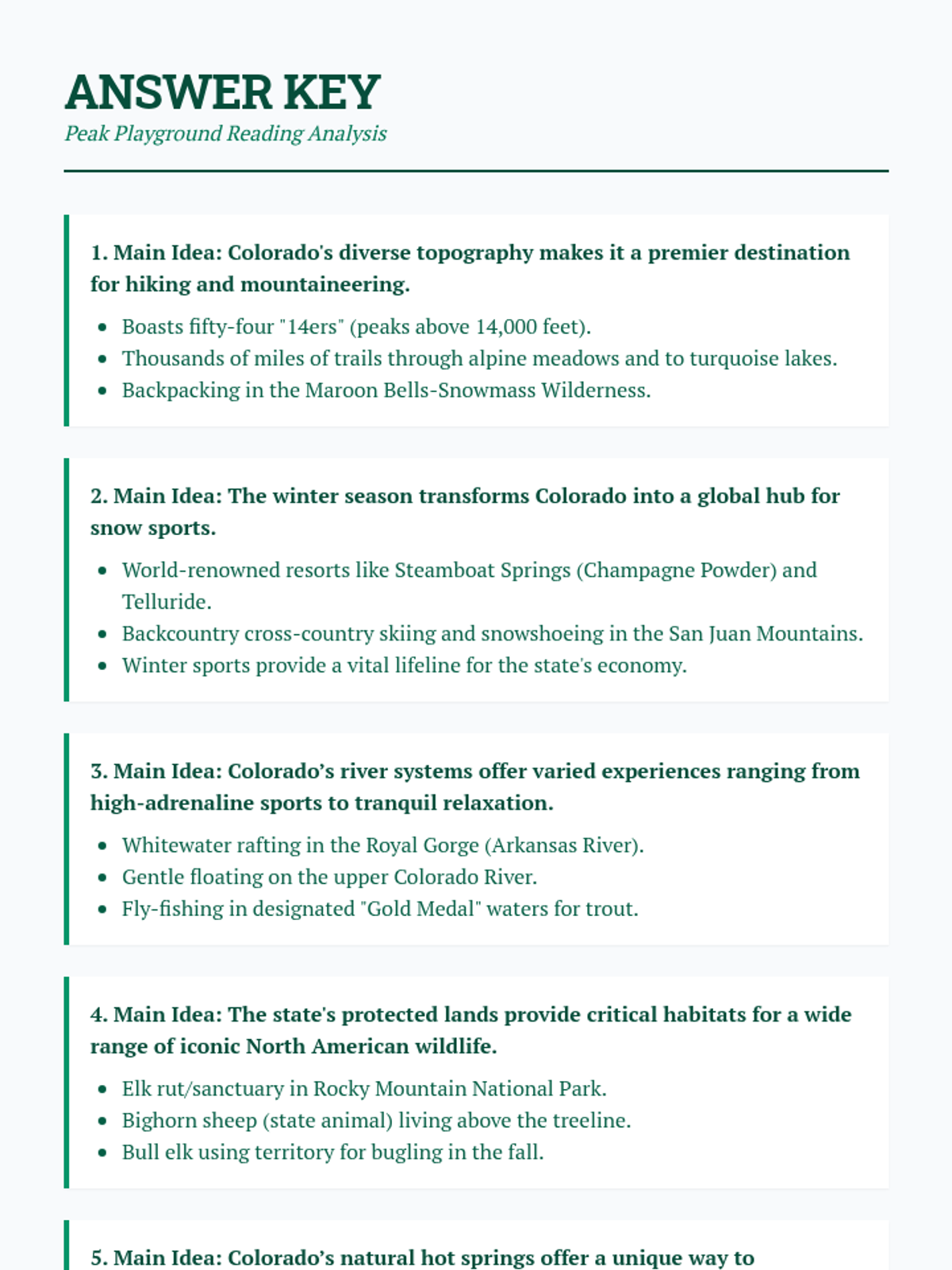
A three-lesson sequence exploring the physical geography, wildlife ecology, and environmental conservation of the Rocky Mountain region, using Colorado as a primary case study.
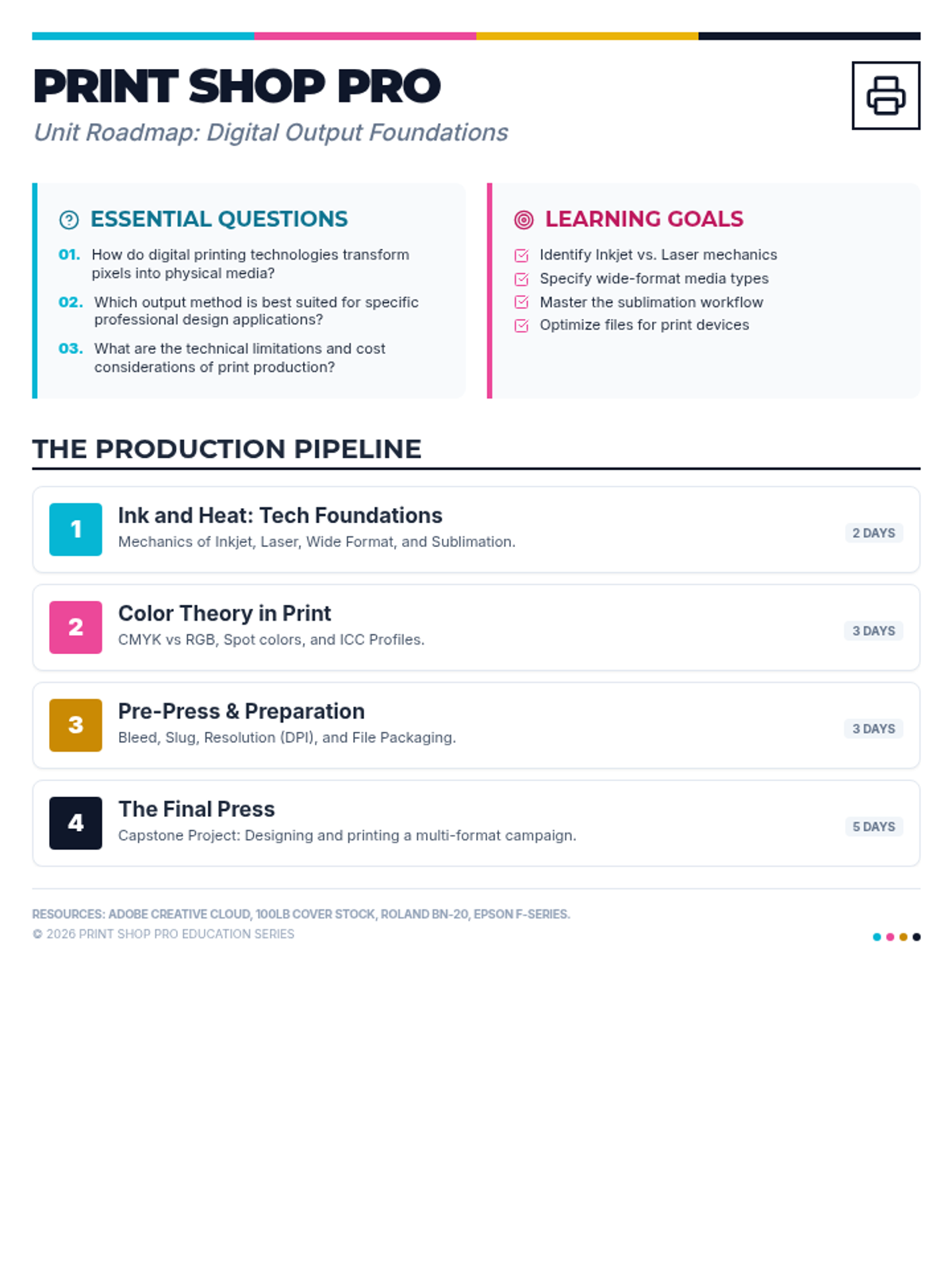
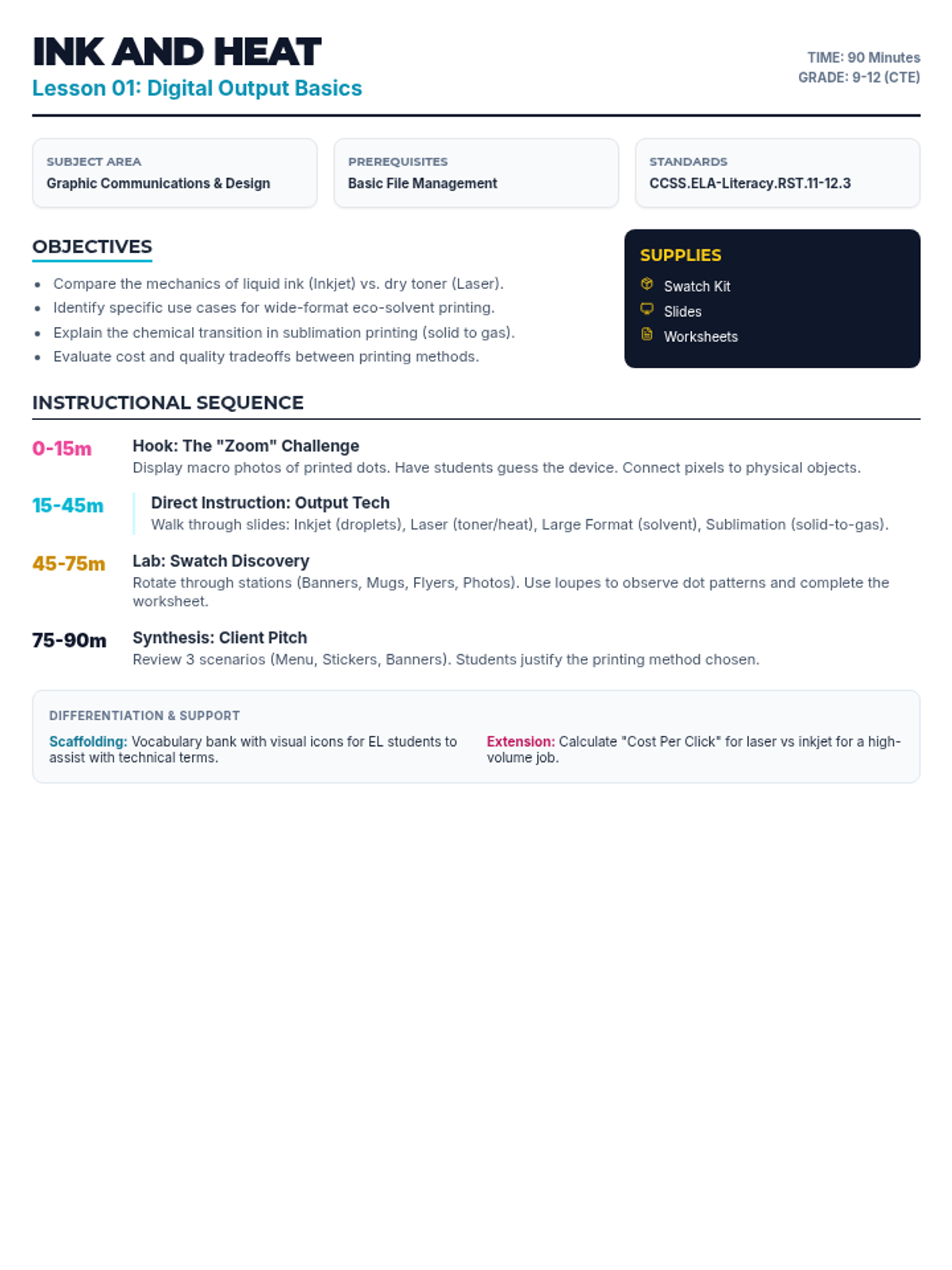
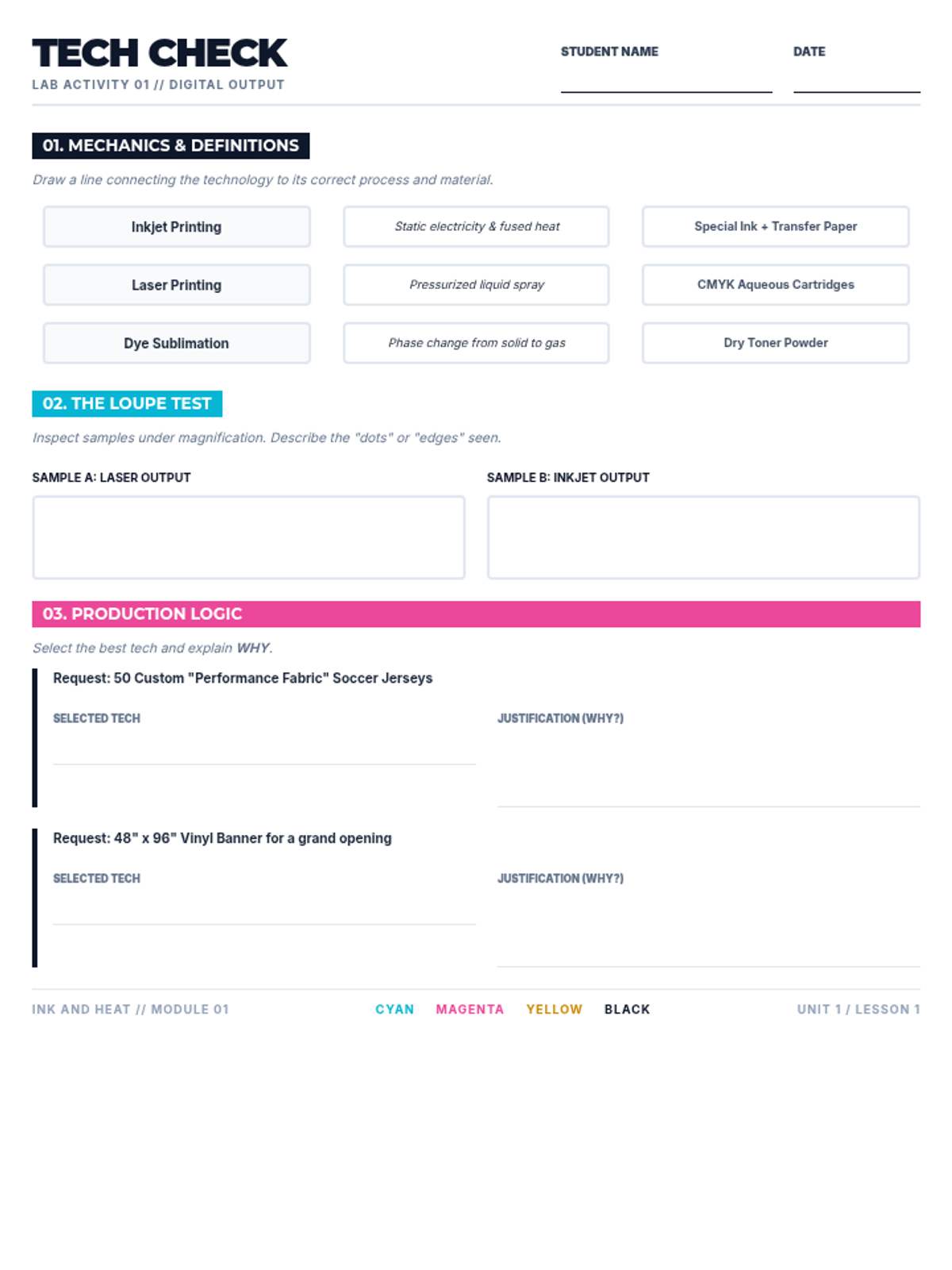
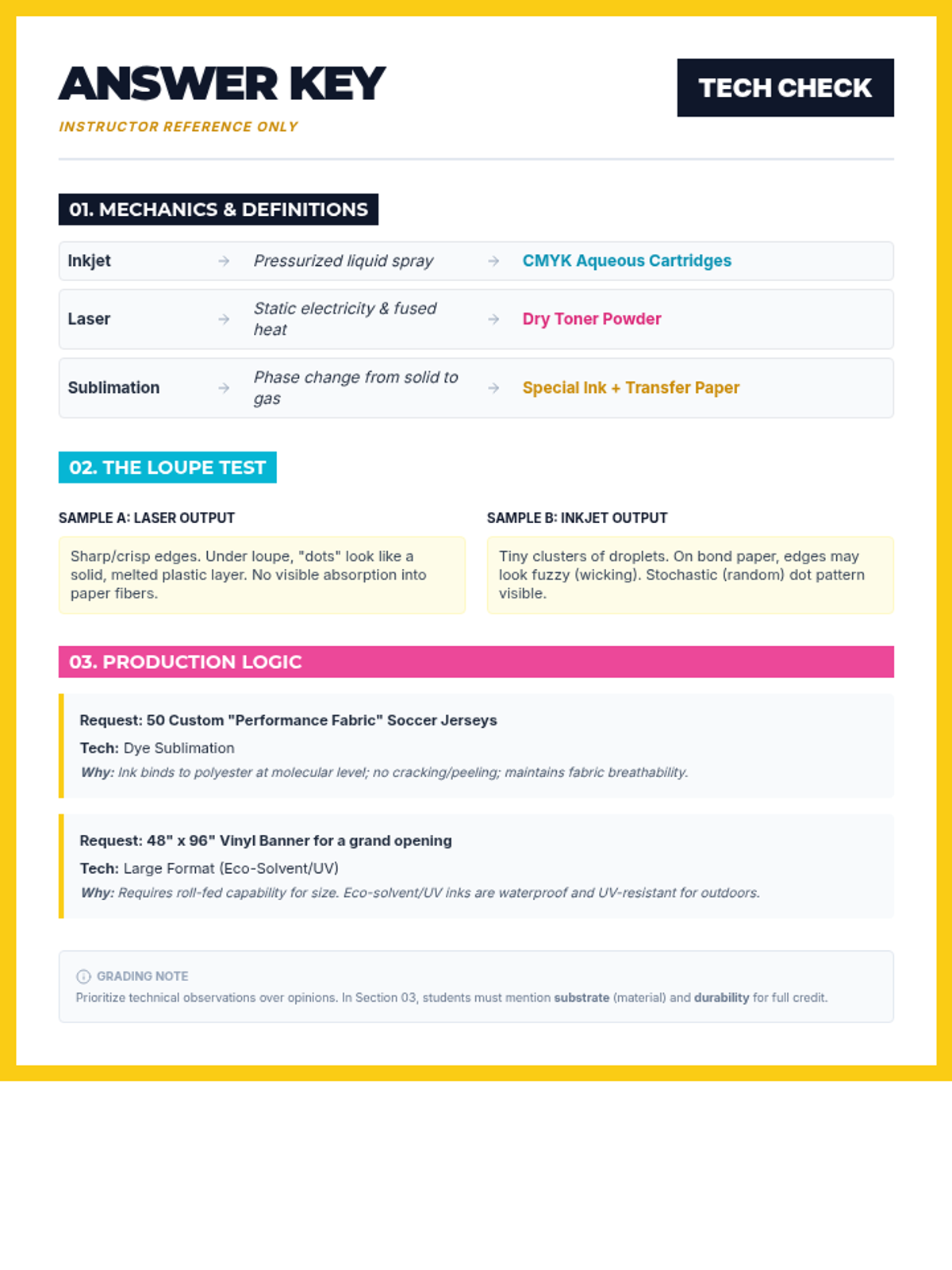
A comprehensive unit exploring the world of digital printing, from desktop publishing to industrial wide-format and specialty sublimation techniques. Students gain technical knowledge and practical design skills for print production.
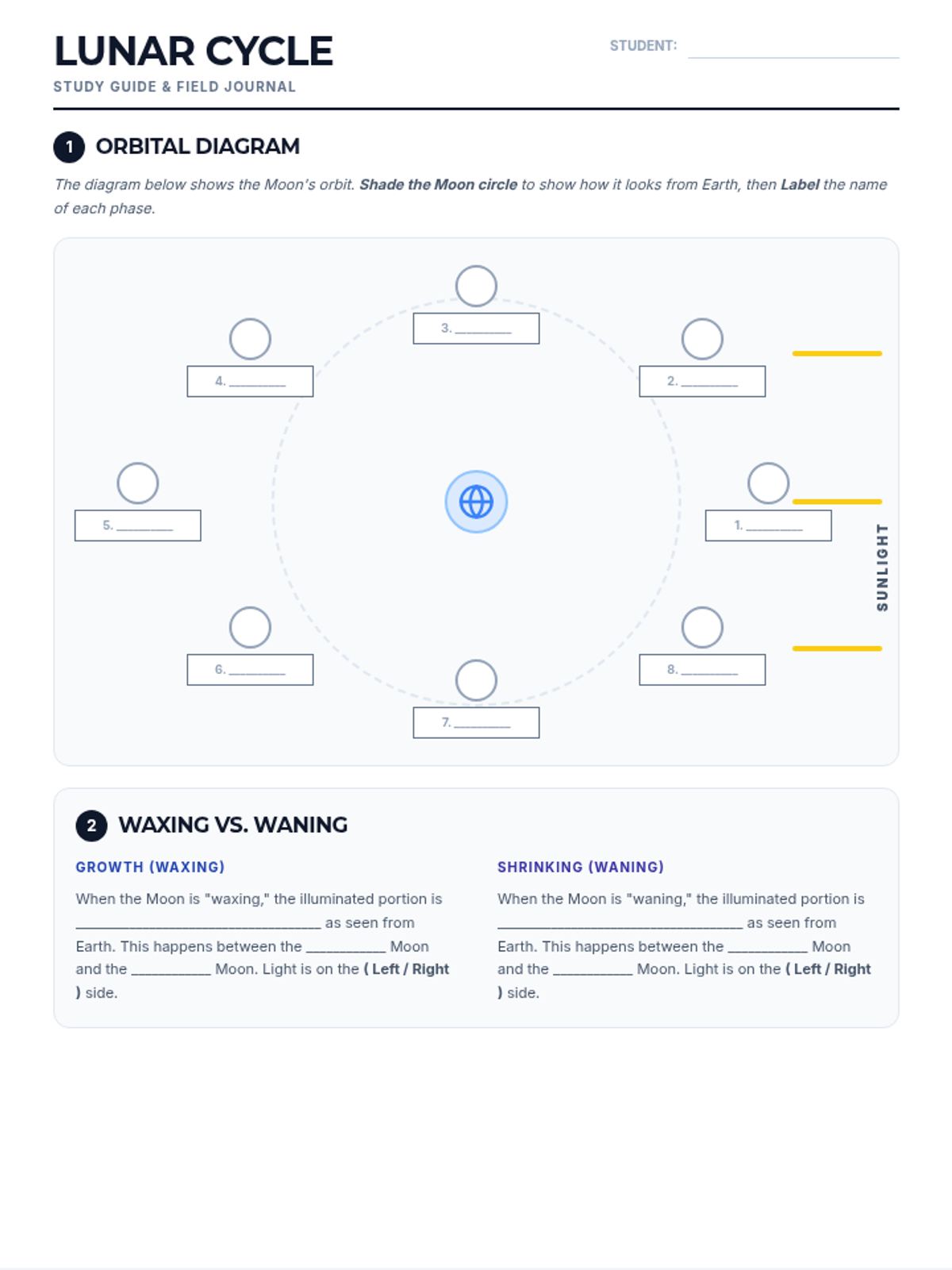
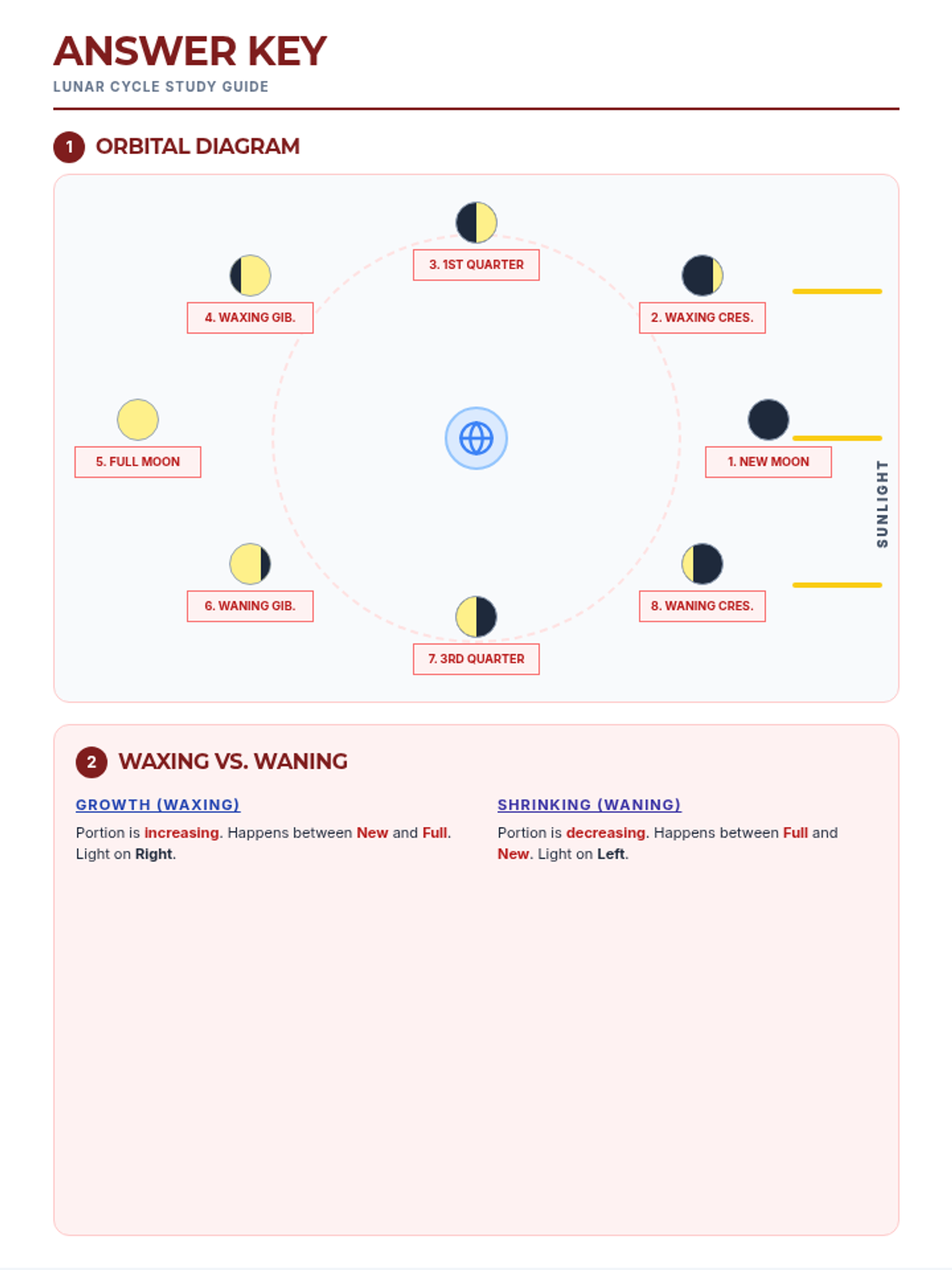
An astronomy unit focused on the Earth-Moon-Sun system and celestial patterns.
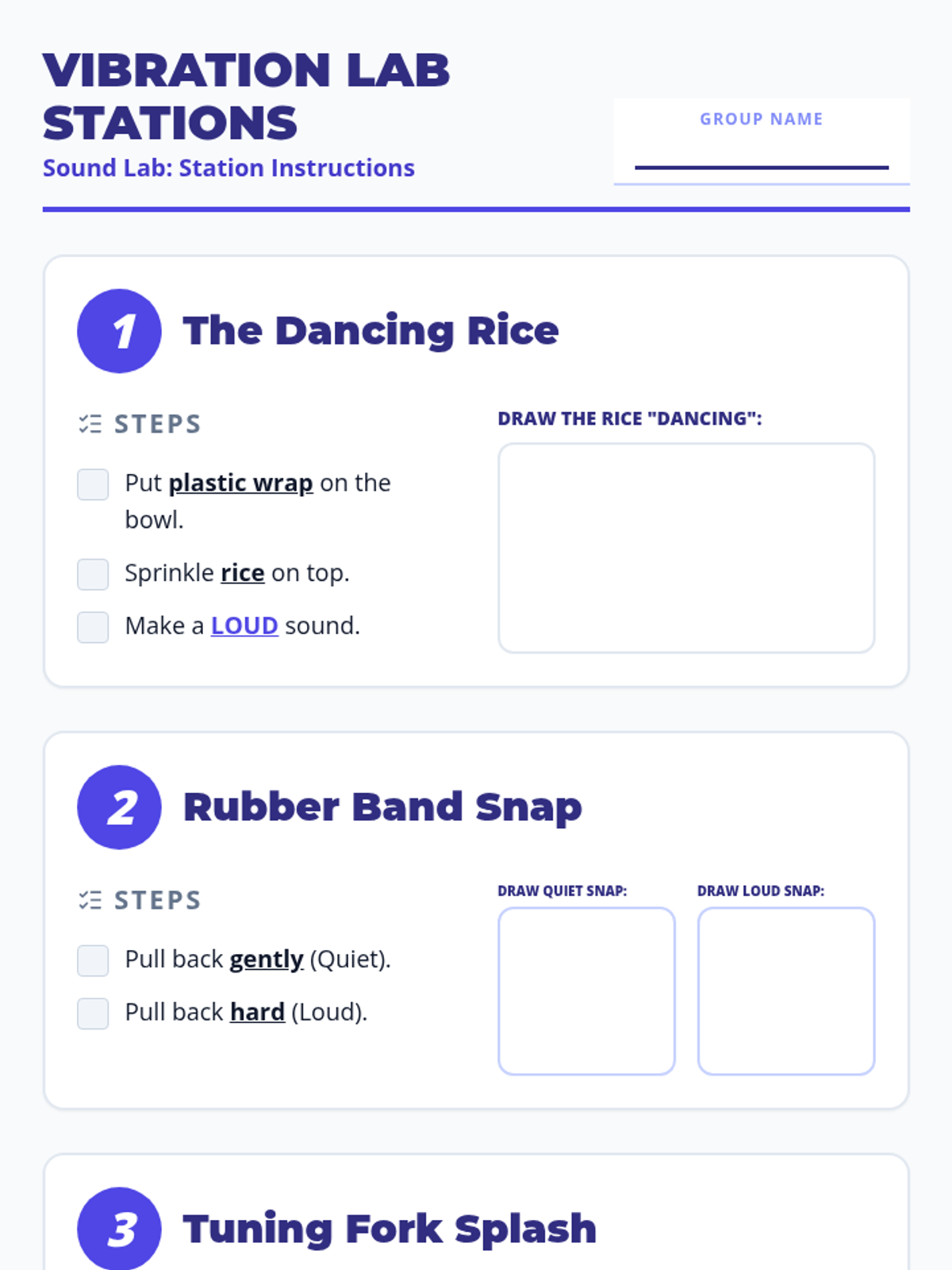
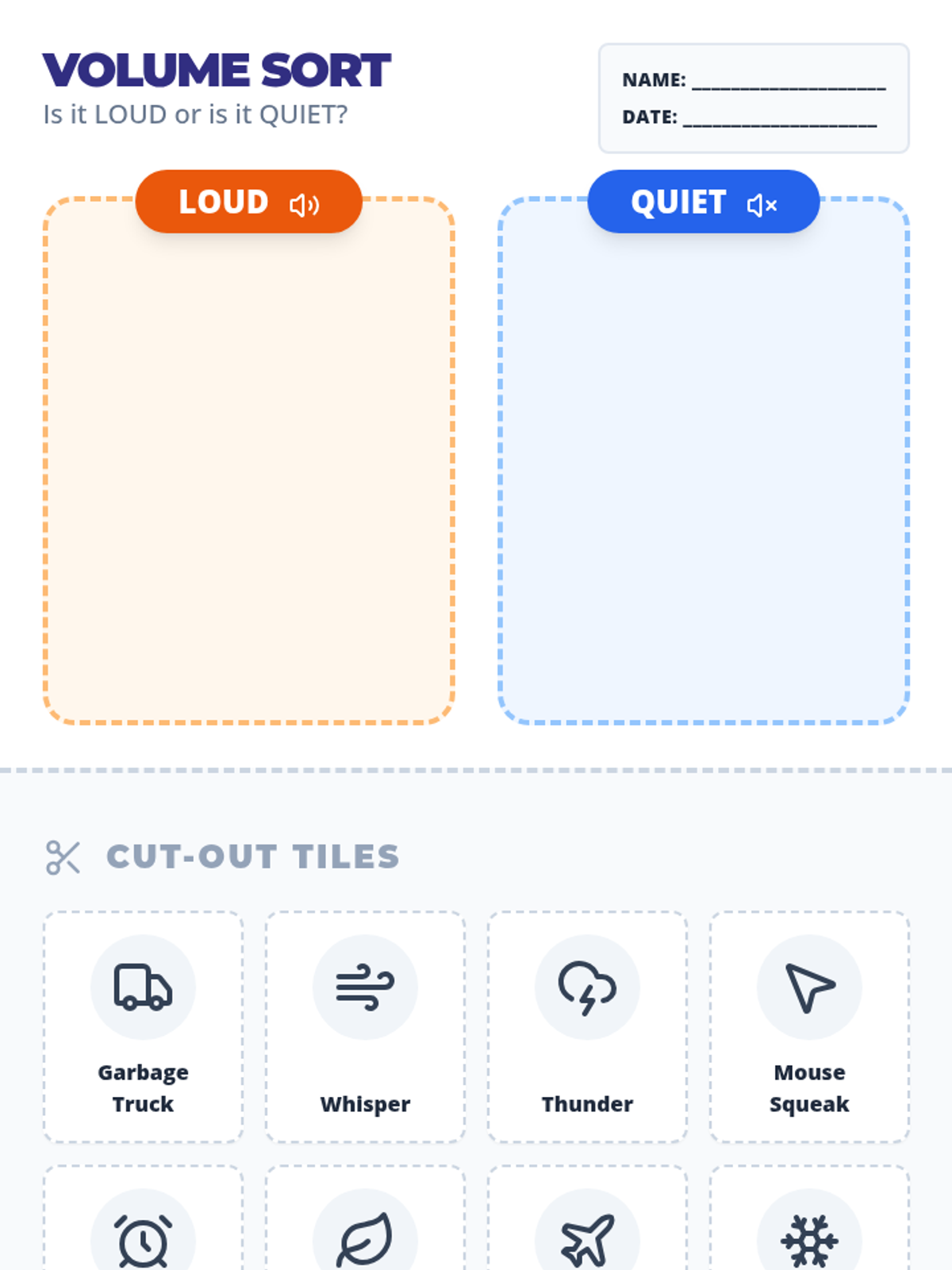
A comprehensive four-lesson unit on sound exploration designed for high school Essential Skills students. This unit covers vibration, volume, source, direction, pitch, and frequency through highly visual and hands-on activities.
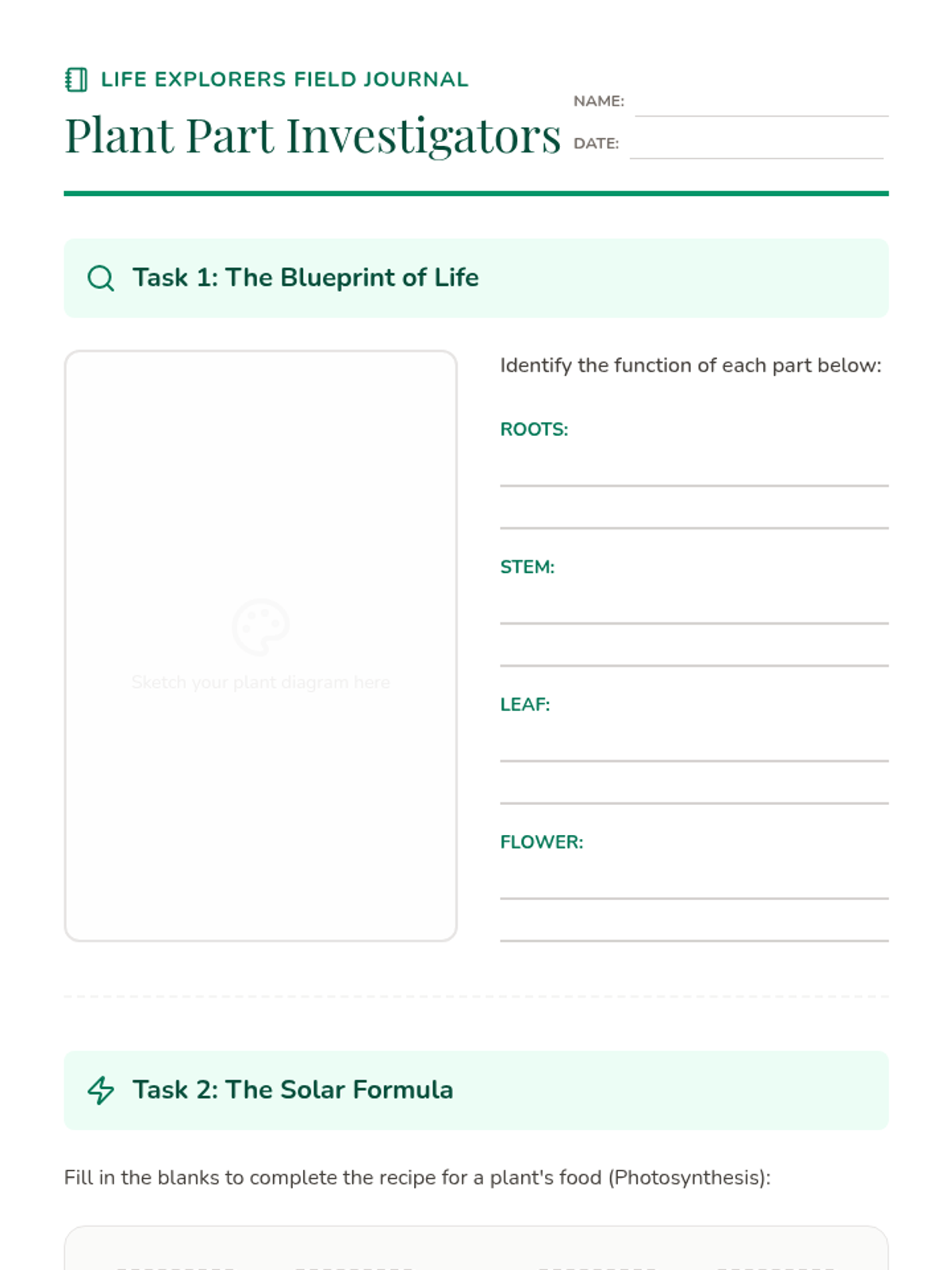
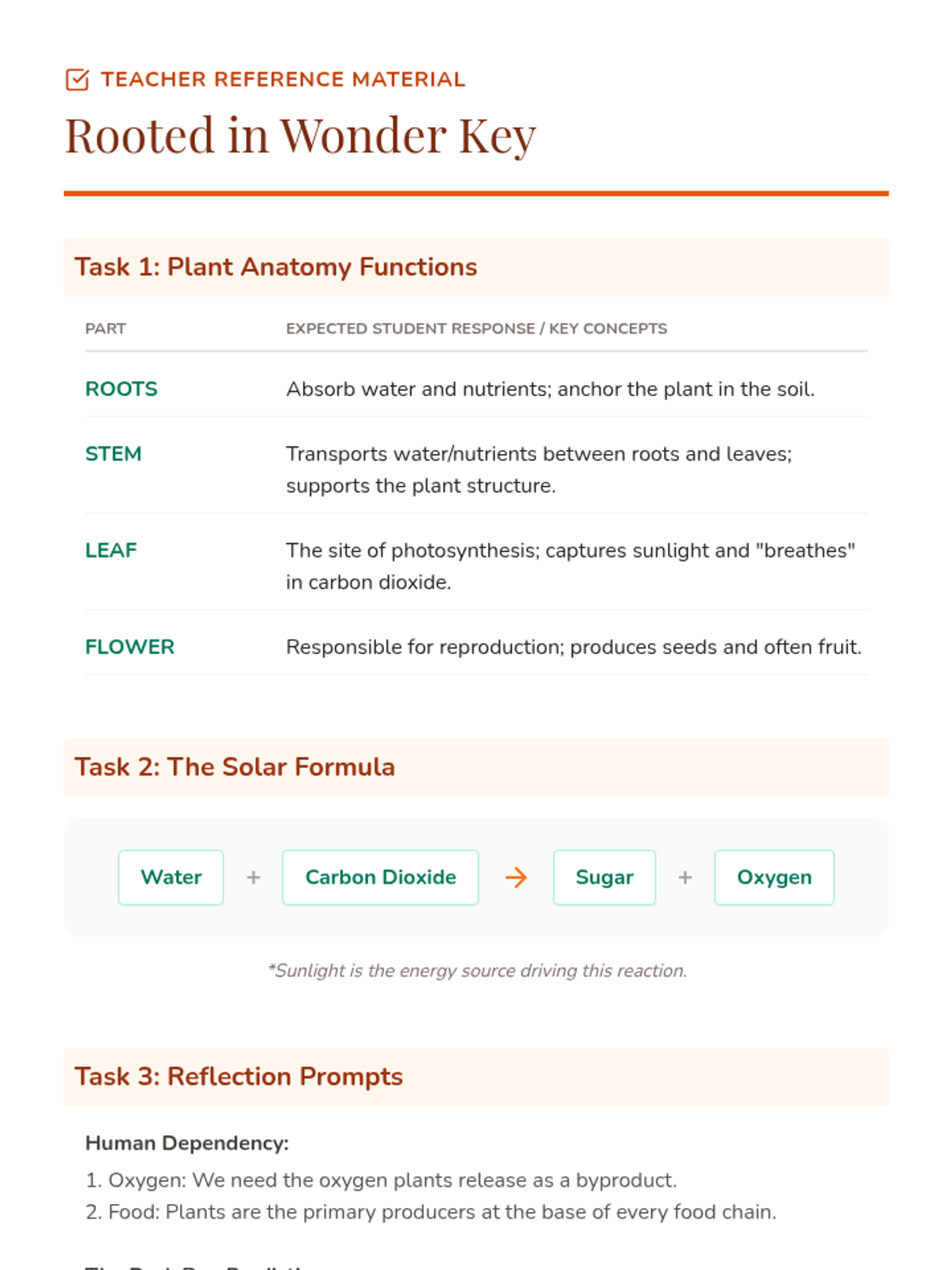
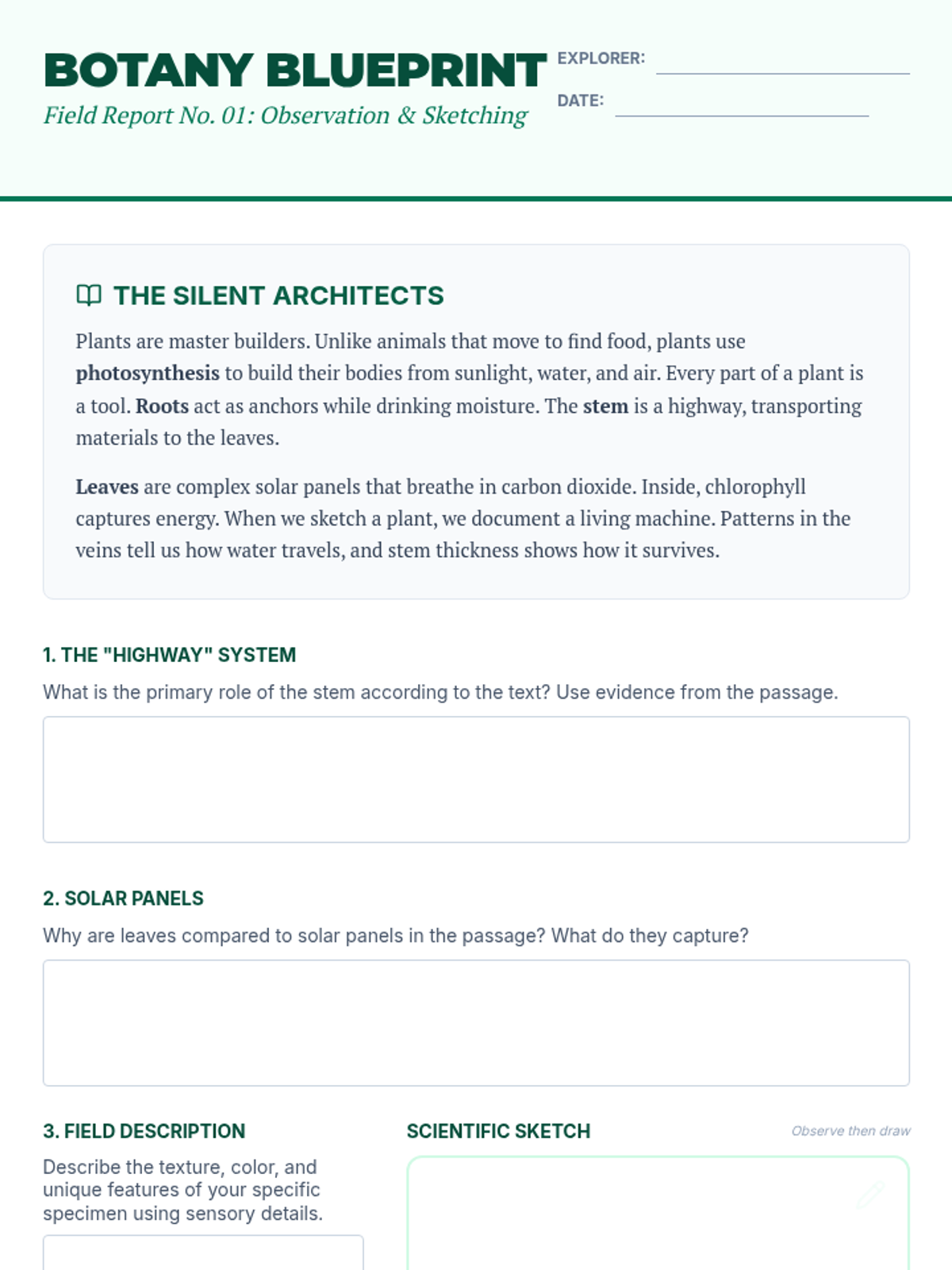
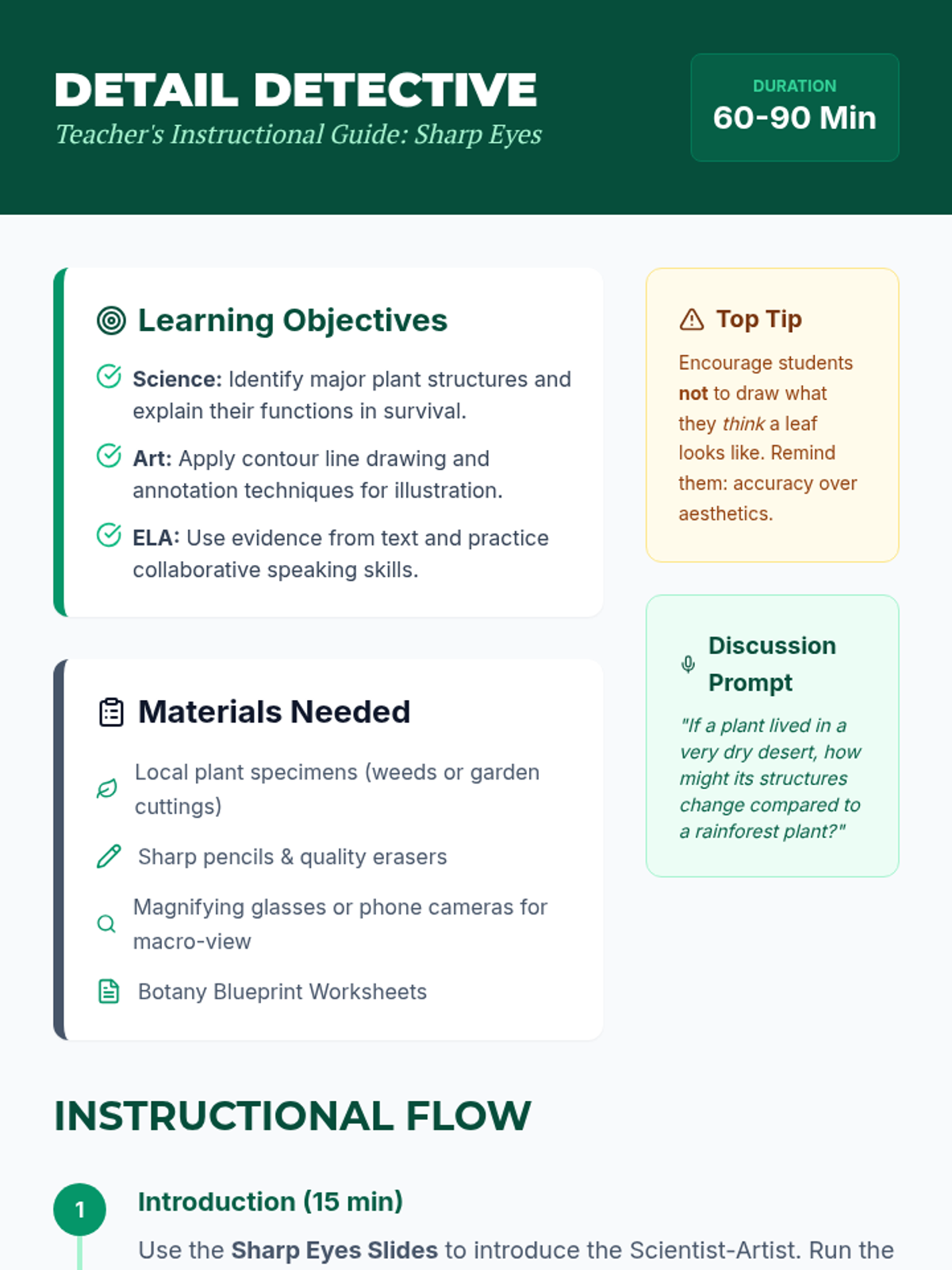
A comprehensive life science sequence exploring plant biology, animal adaptations, and ecosystem dynamics through the lens of a field explorer. Students investigate the natural world, documenting their findings like real scientists.
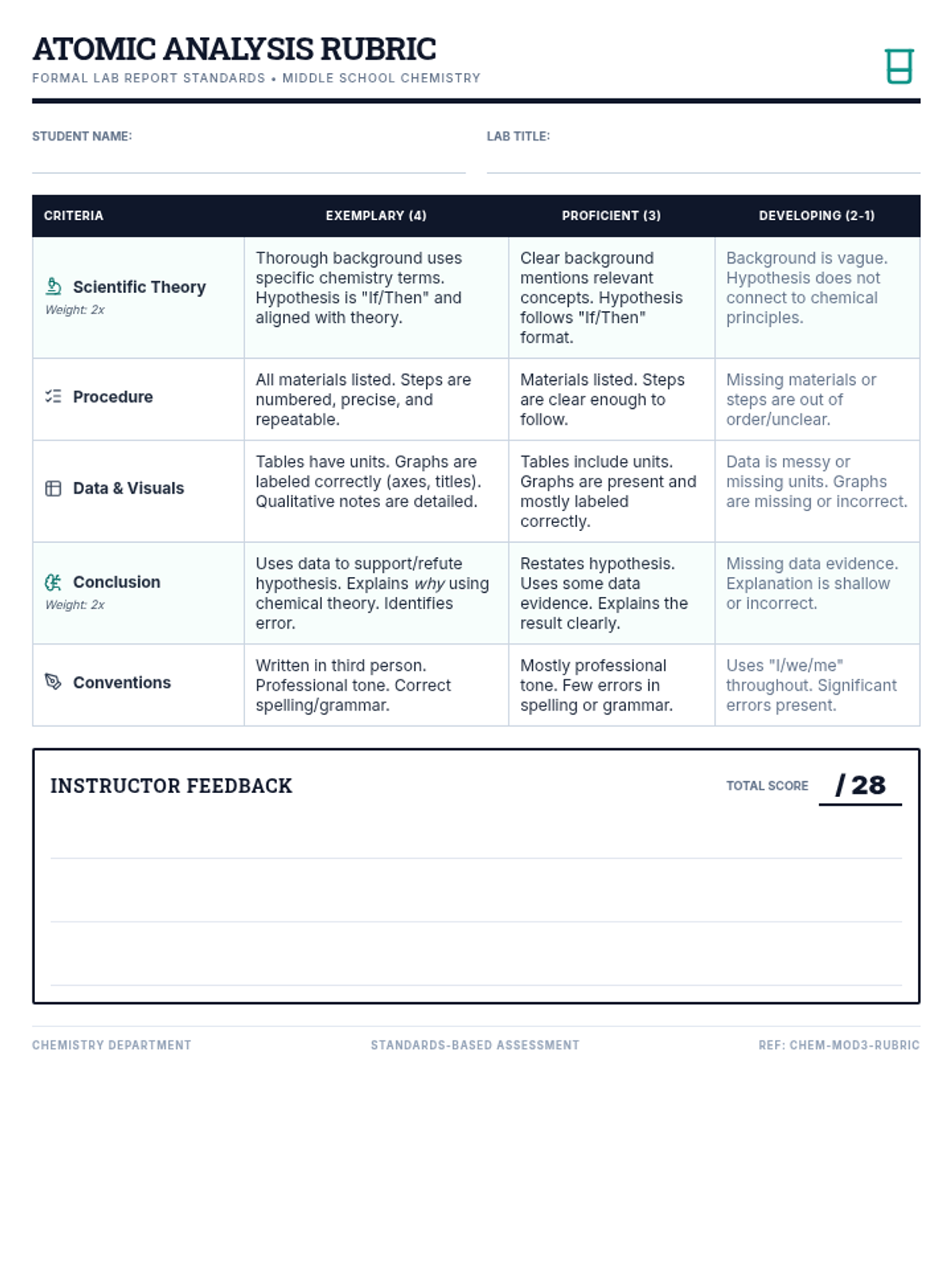
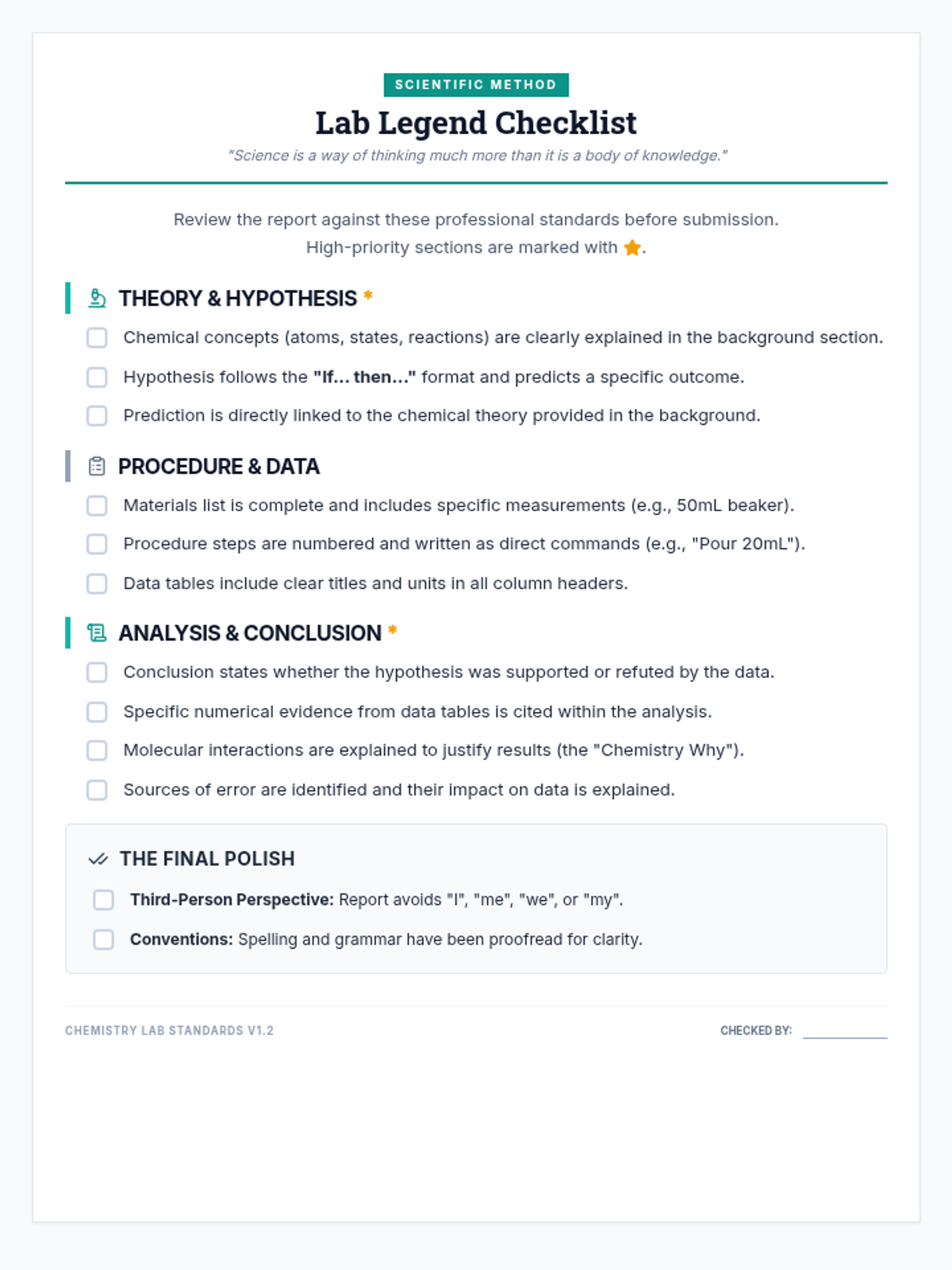
A comprehensive set of tools for middle school chemistry students to master the formal scientific method in their lab reports.
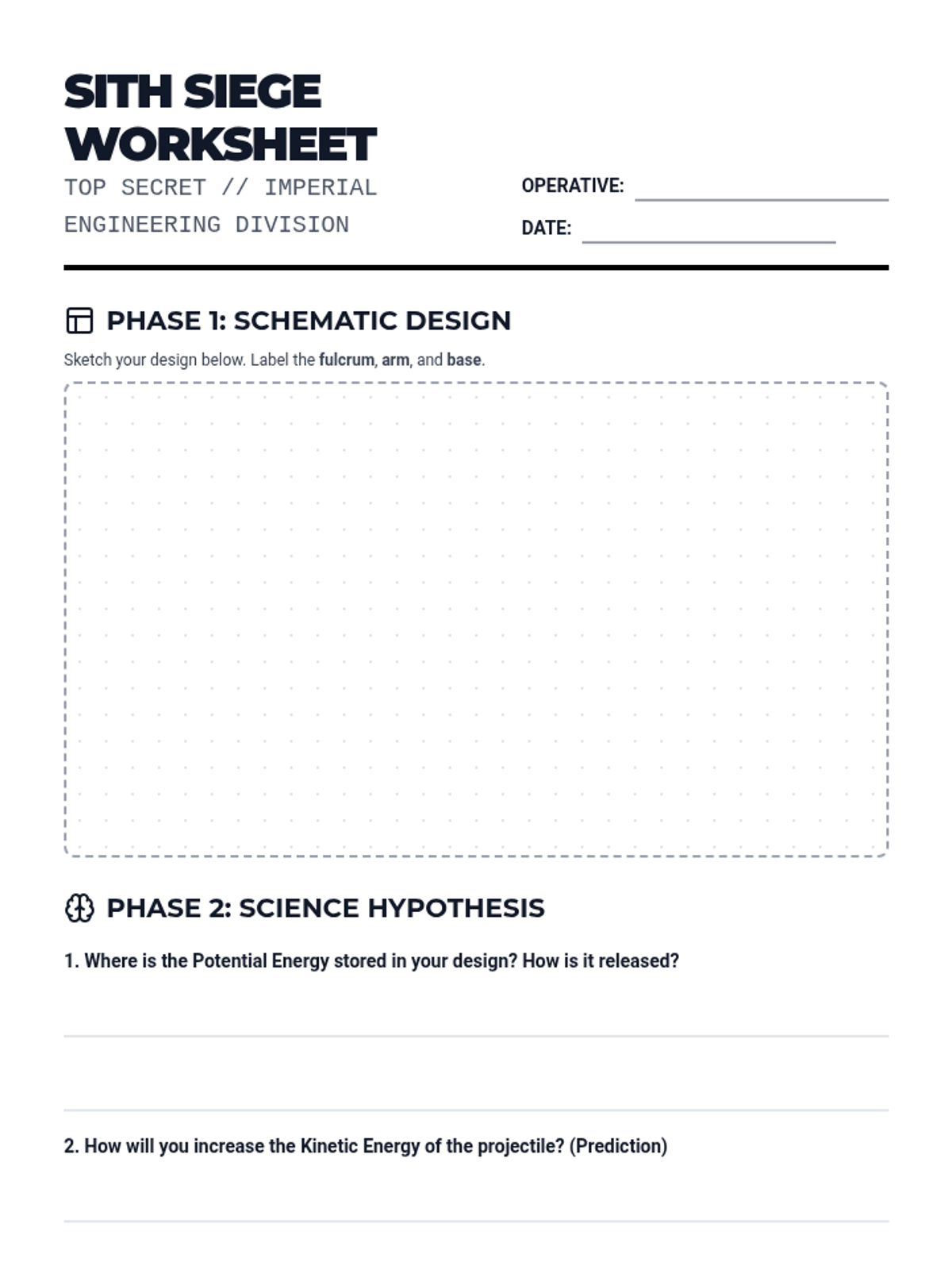
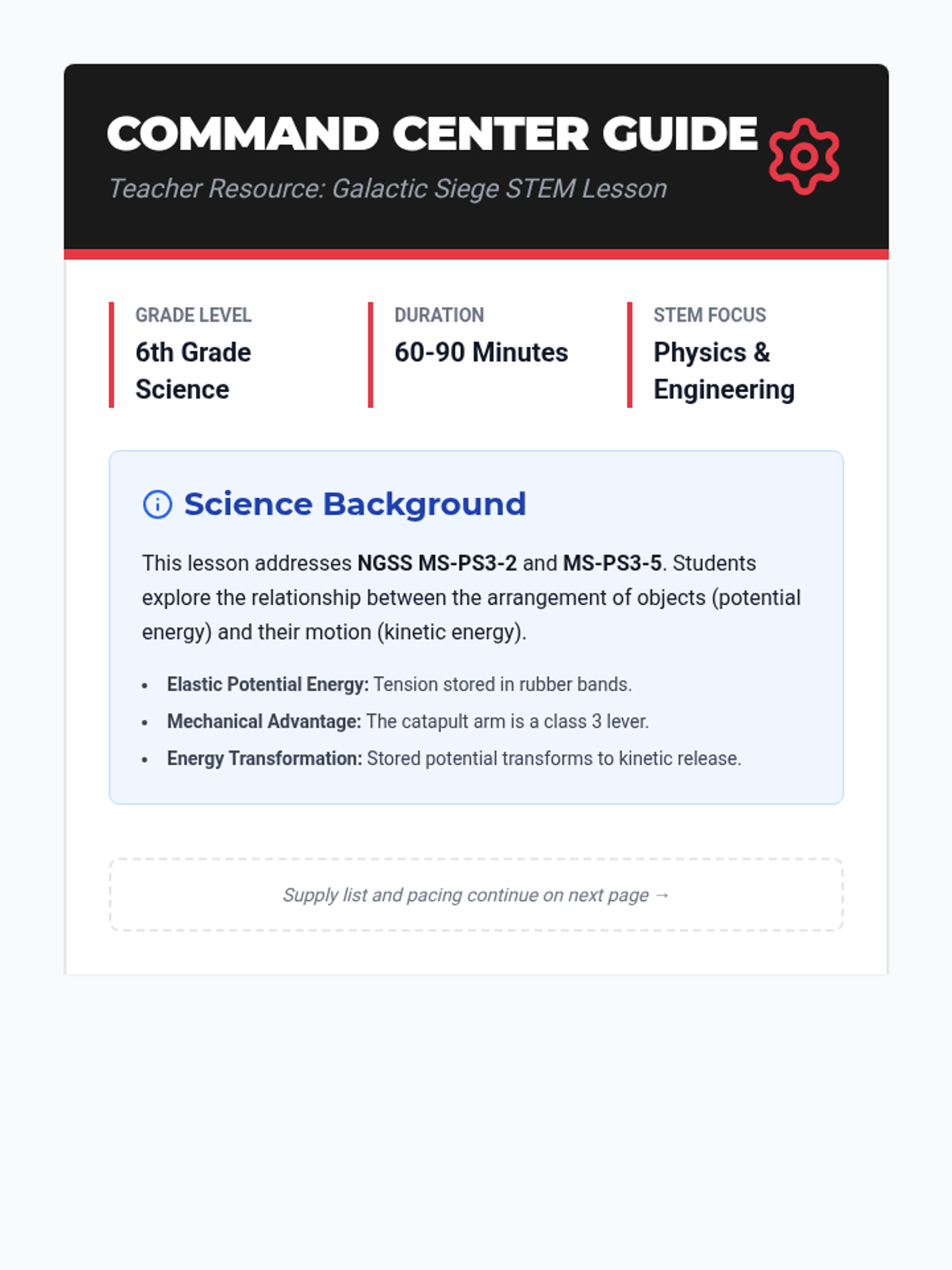
A high-energy STEM unit focusing on energy transformation and engineering design, themed around the 'Revenge of the Sixth'. Students explore potential and kinetic energy by building and testing galactic siege engines.
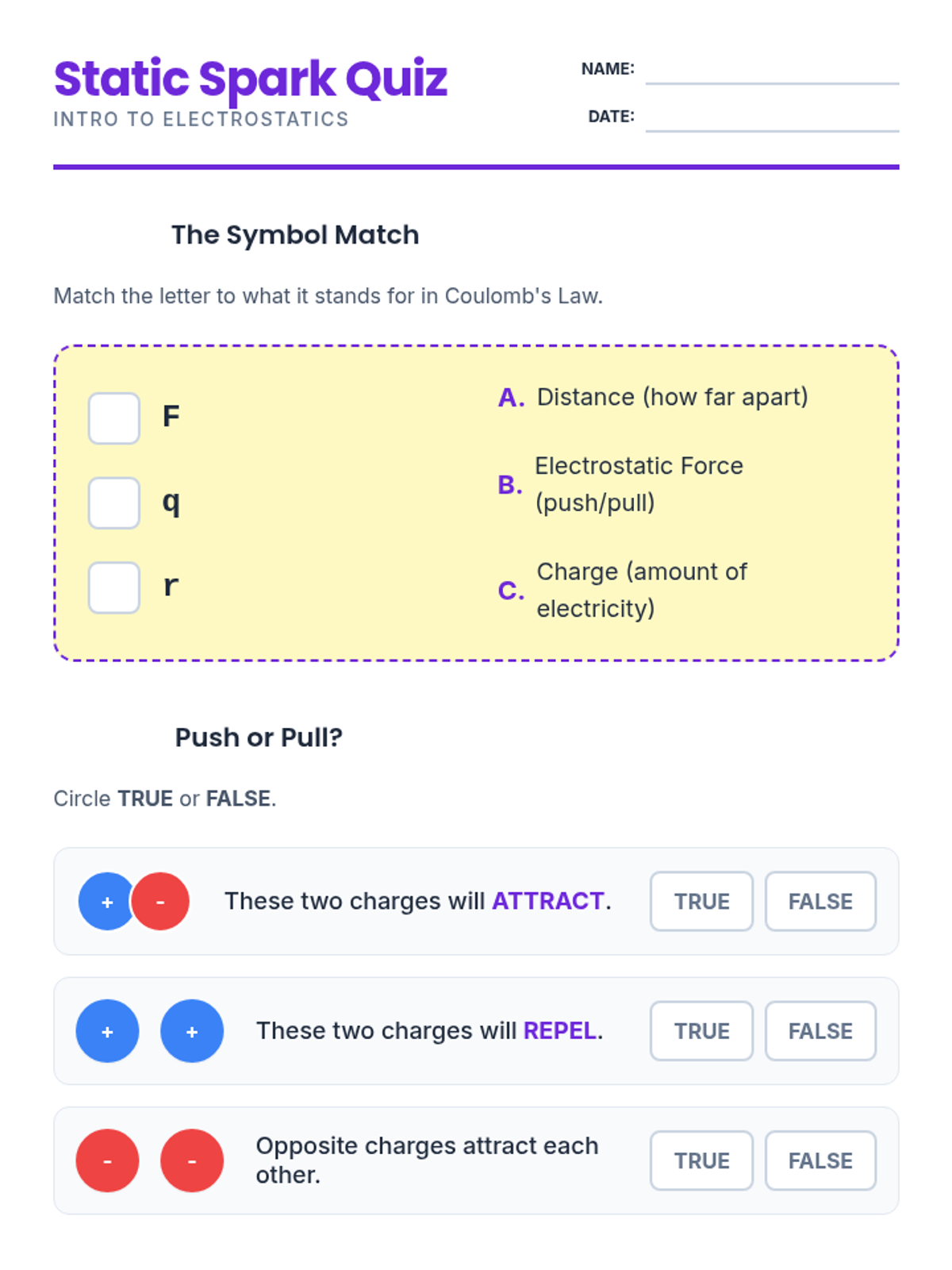
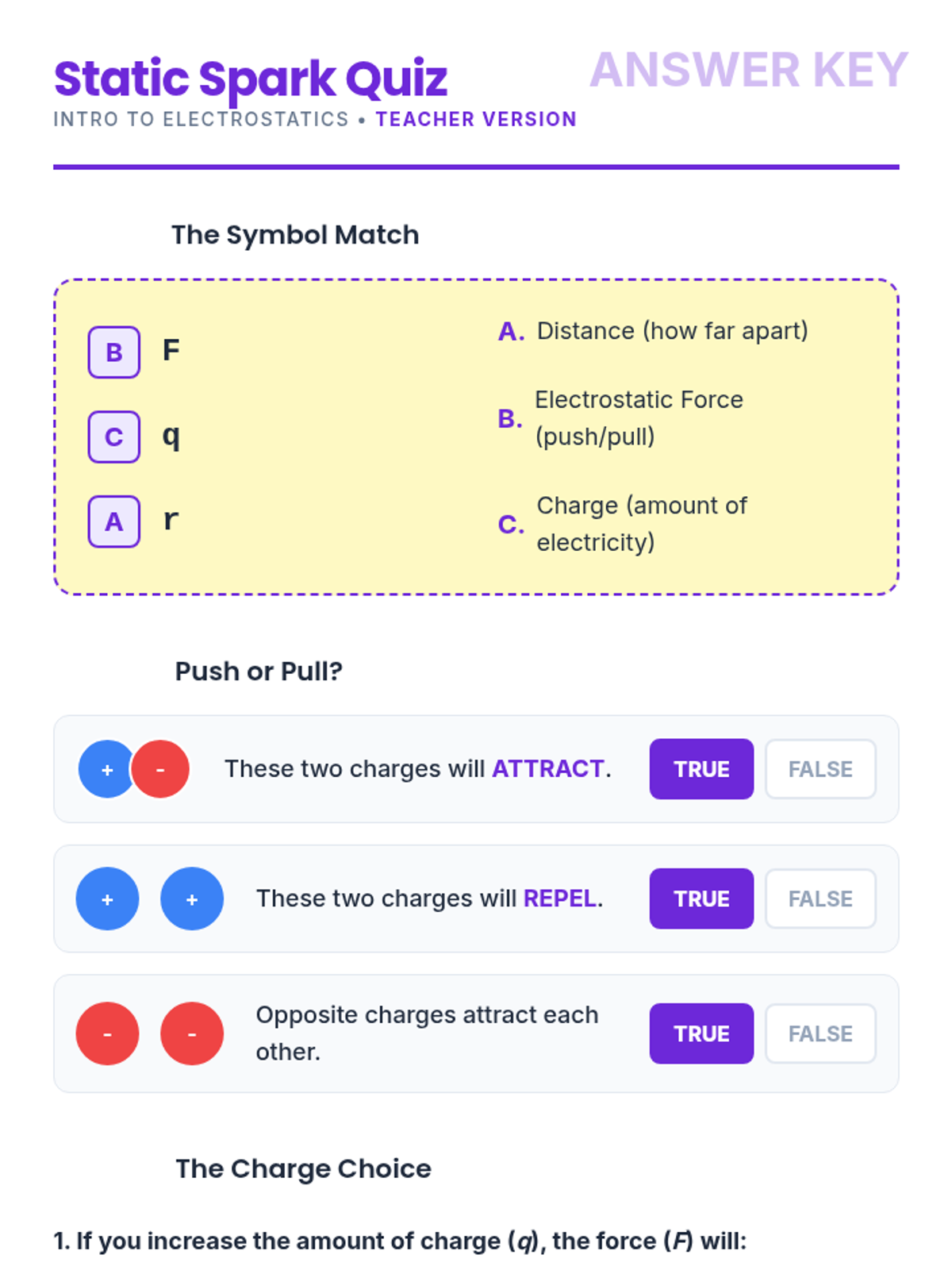
A short sequence introducing students to the fundamental concepts of electricity and magnetism.
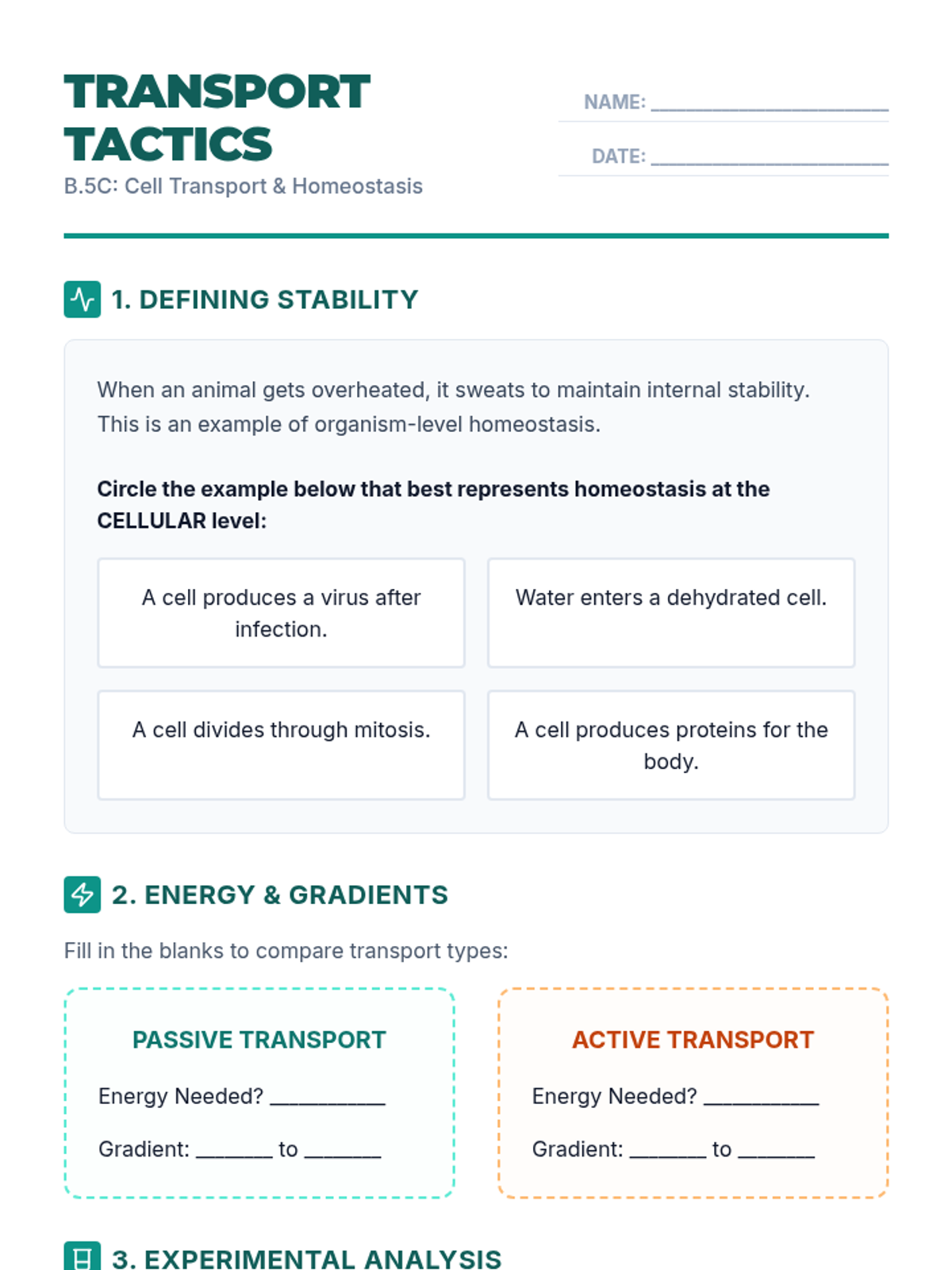
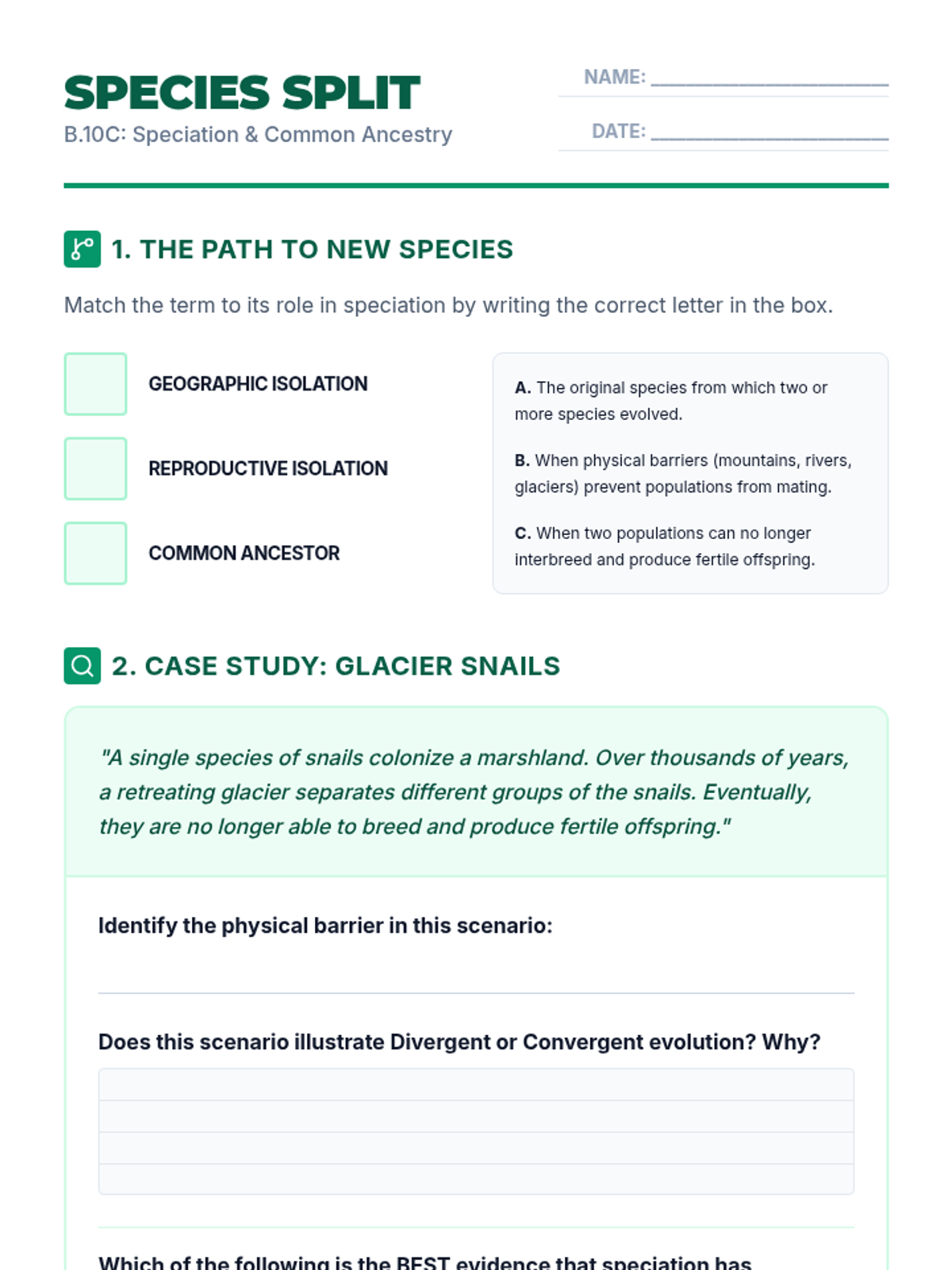
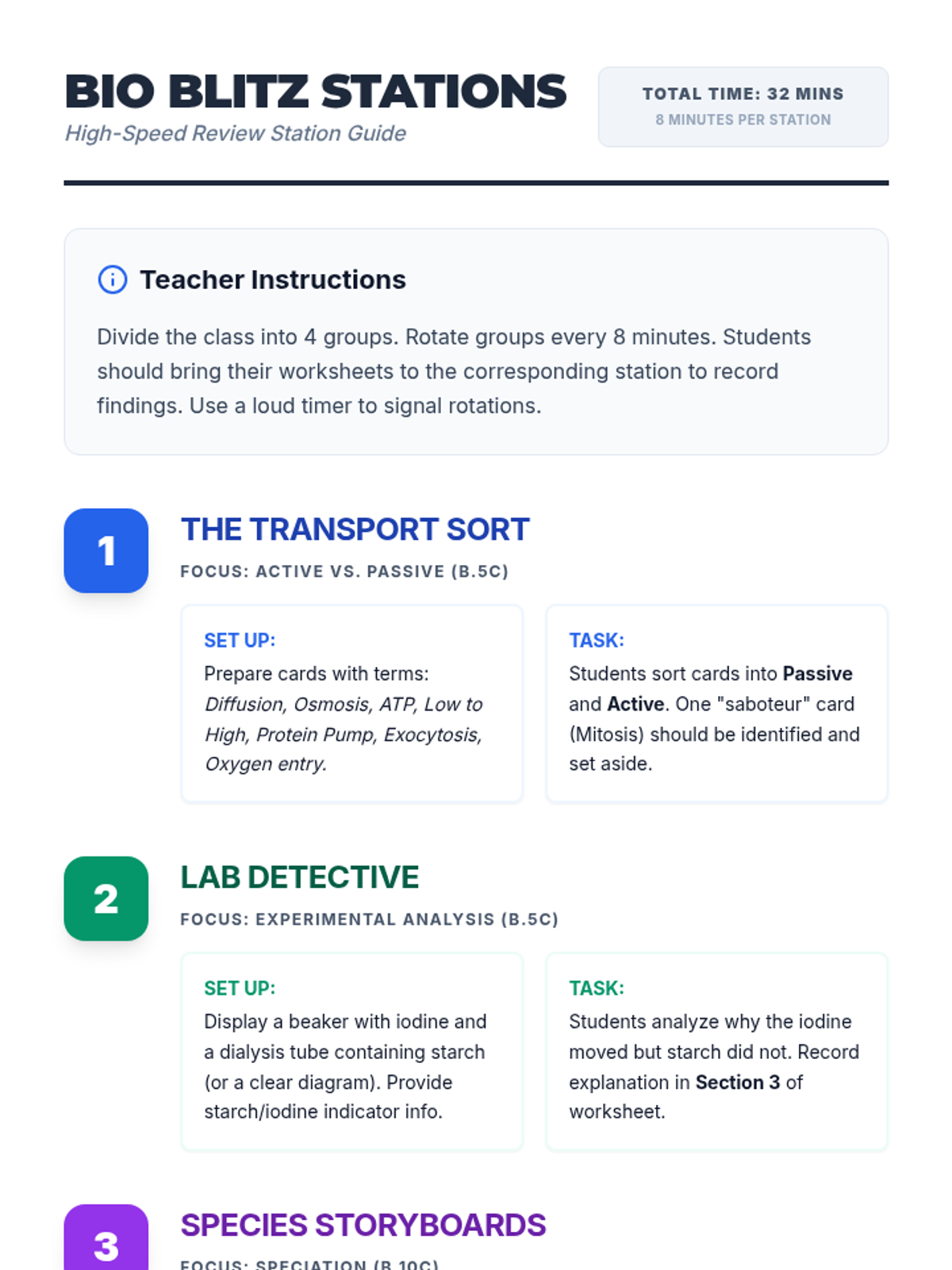
A fast-paced review sequence focused on cell transport, homeostasis, and speciation to prepare students for biology assessments.
A cross-curricular journey where students blend scientific observation with artistic expression, developing ELA skills through field notes, procedural writing, and narrative storytelling.
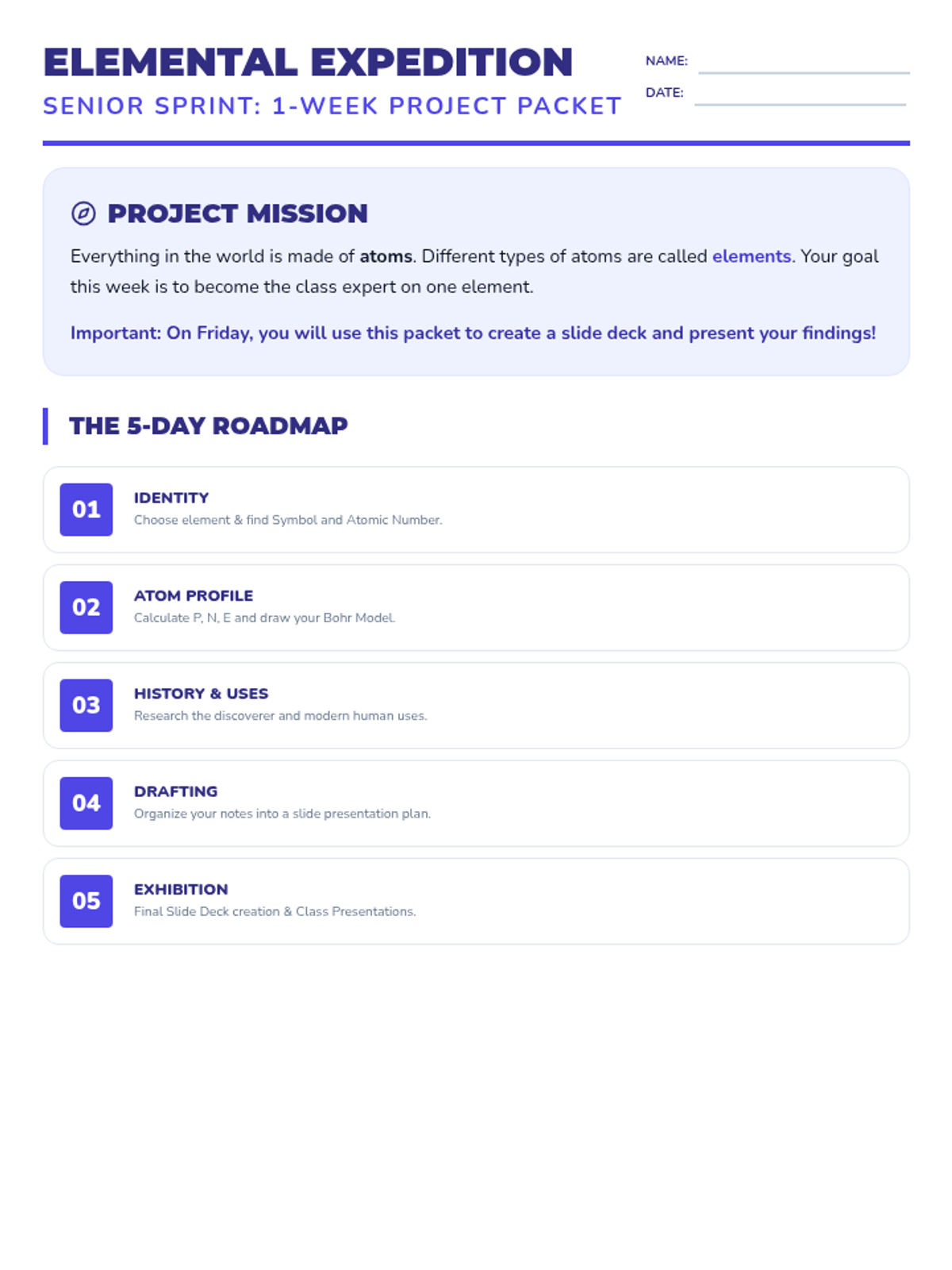
A chemistry research project focused on individual elements of the periodic table, designed for special education students. It includes two tracks: a one-week 'Senior Sprint' for graduating students and a two-week 'Junior Journey' for in-depth exploration.
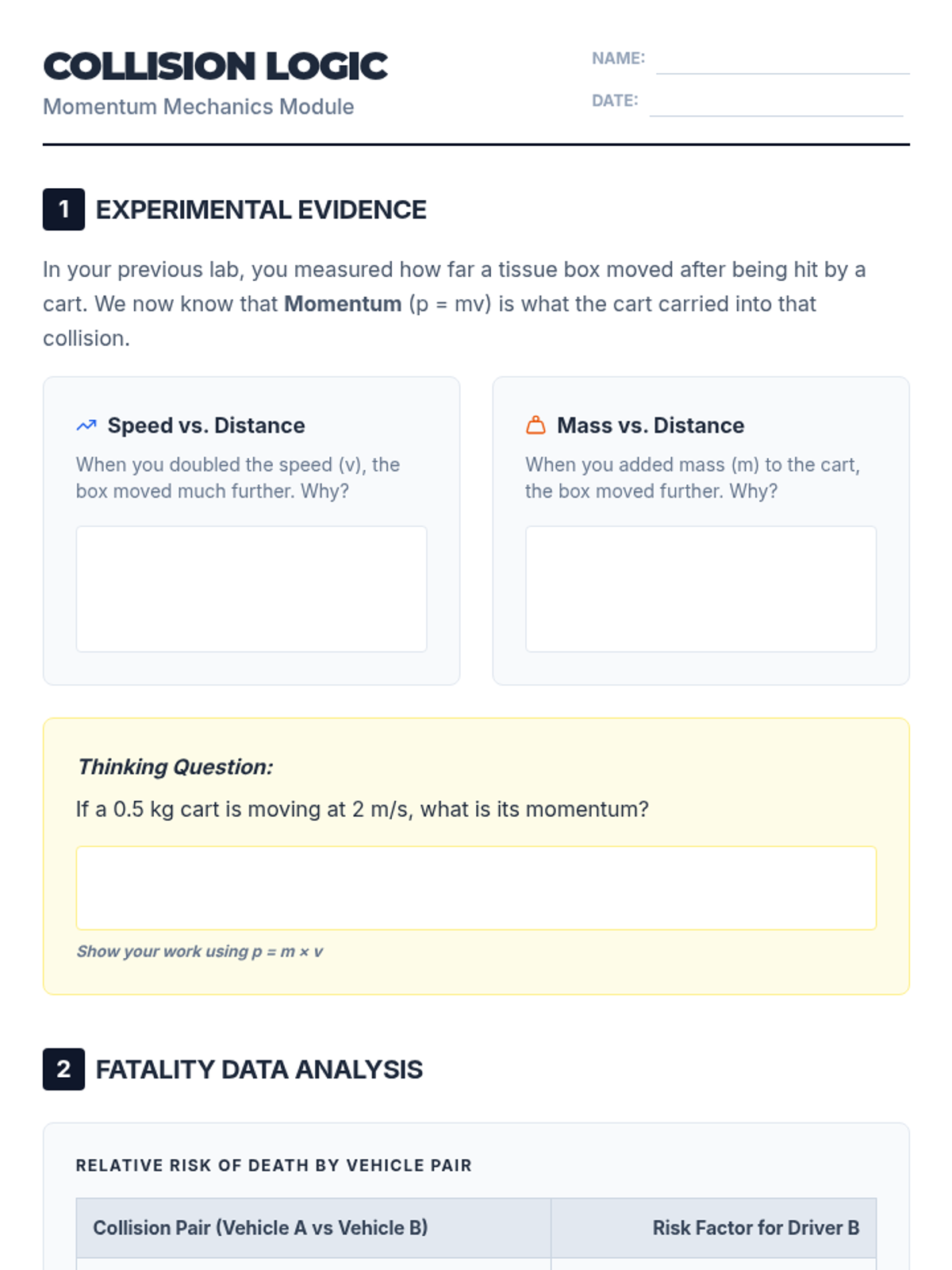
A physics unit wrap-up focusing on collisions, momentum, and vehicle safety engineering. This sequence transitions from hands-on lab investigation to independent data analysis and mathematical modeling.
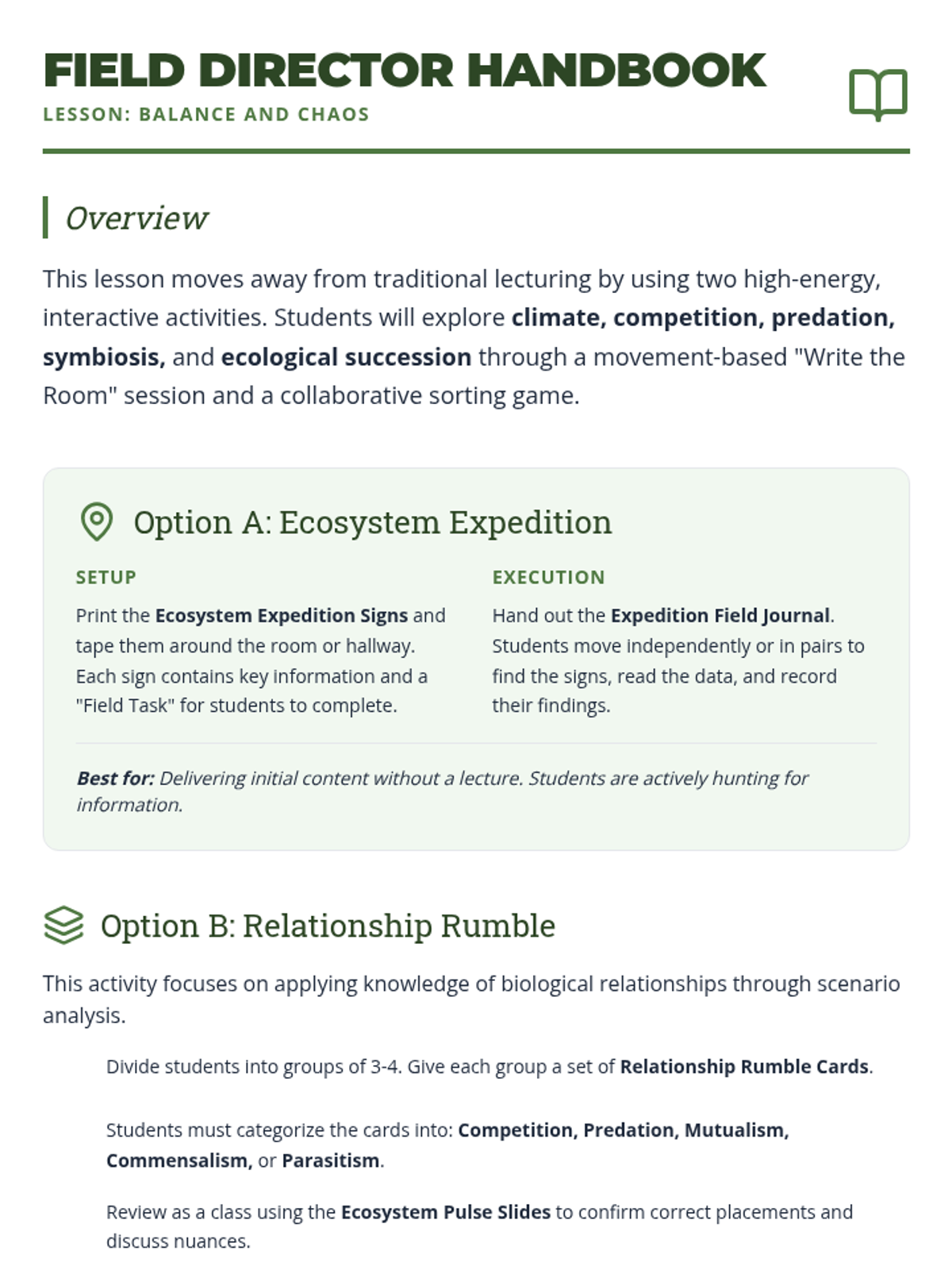
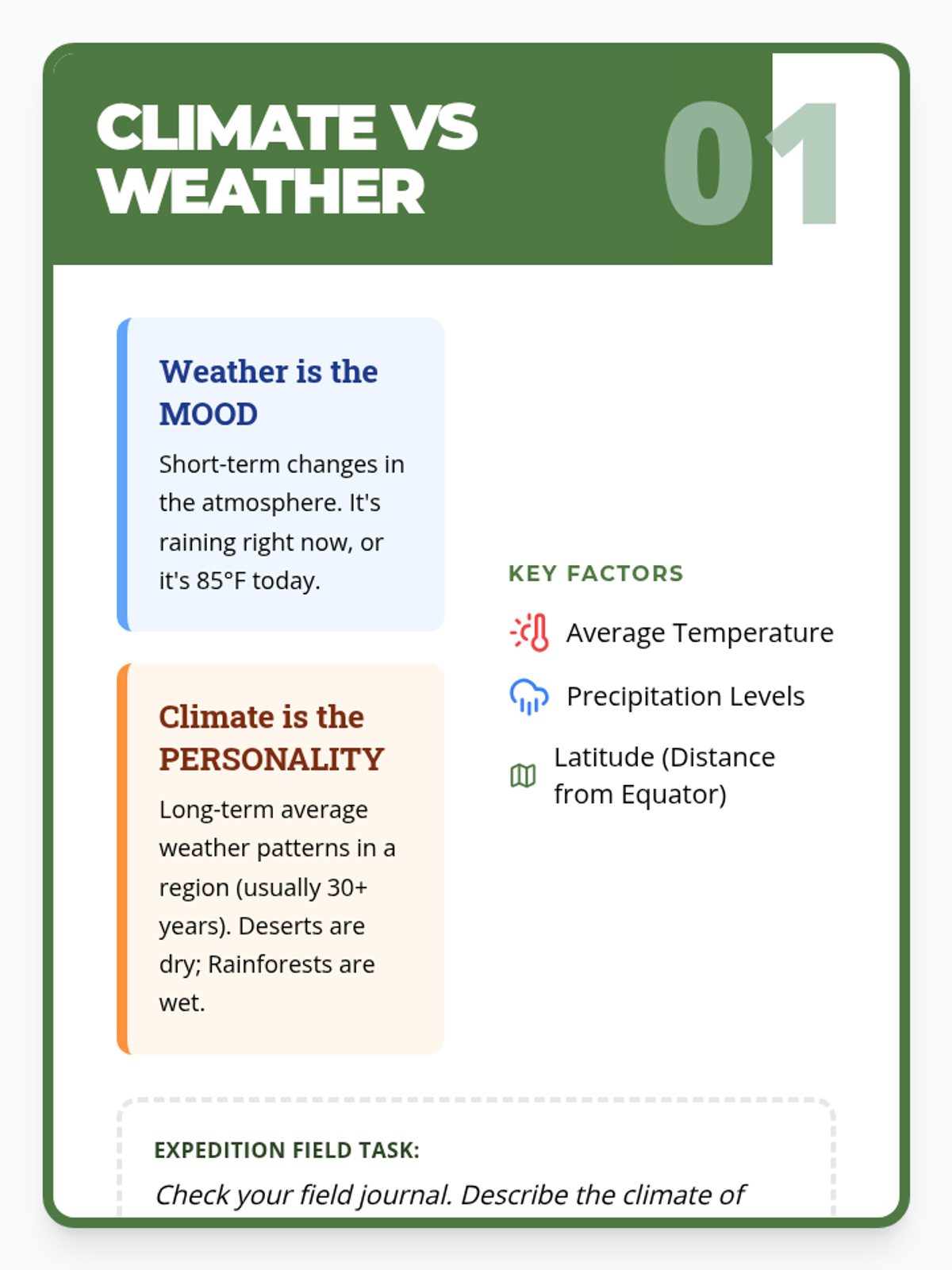
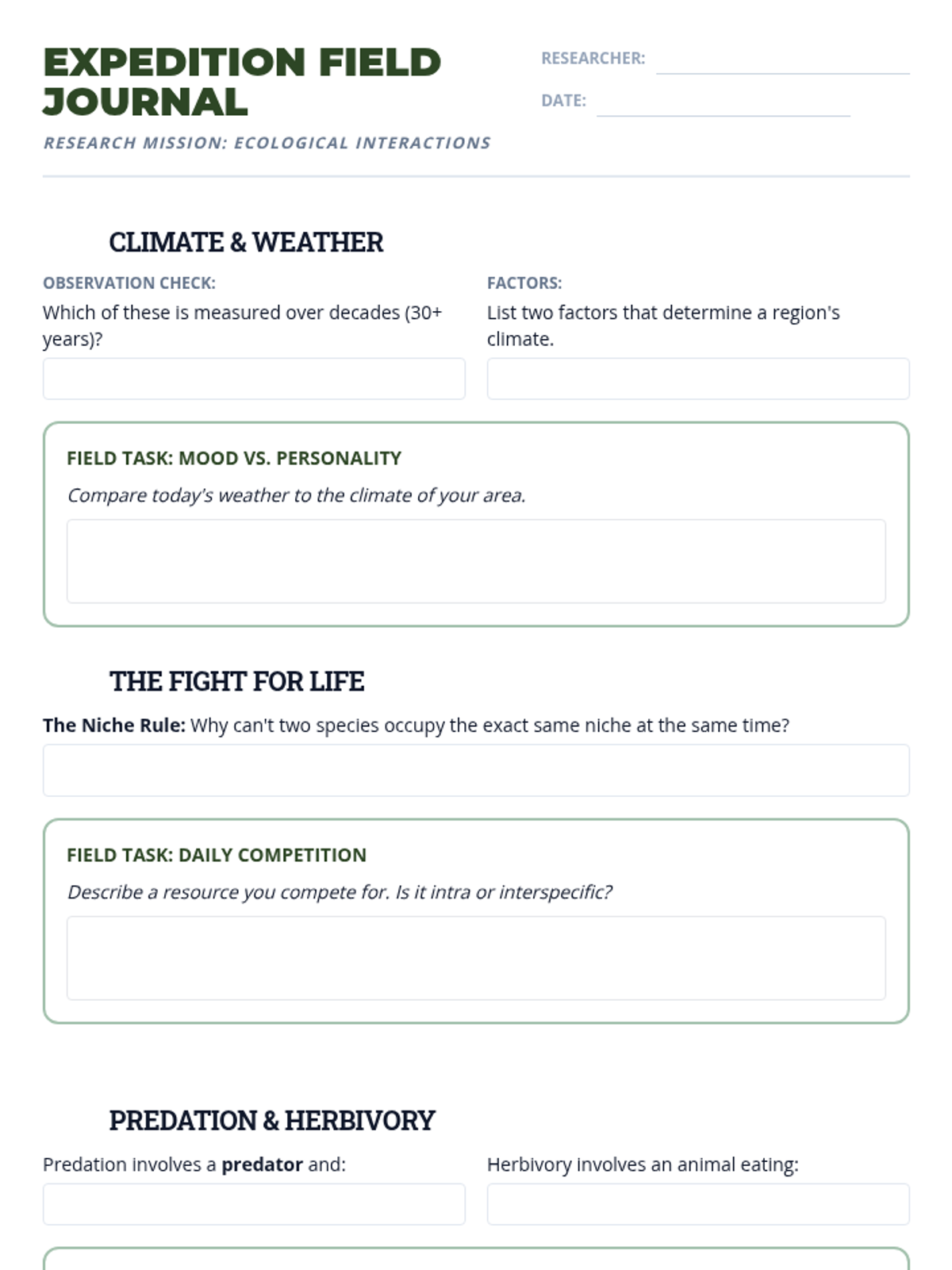
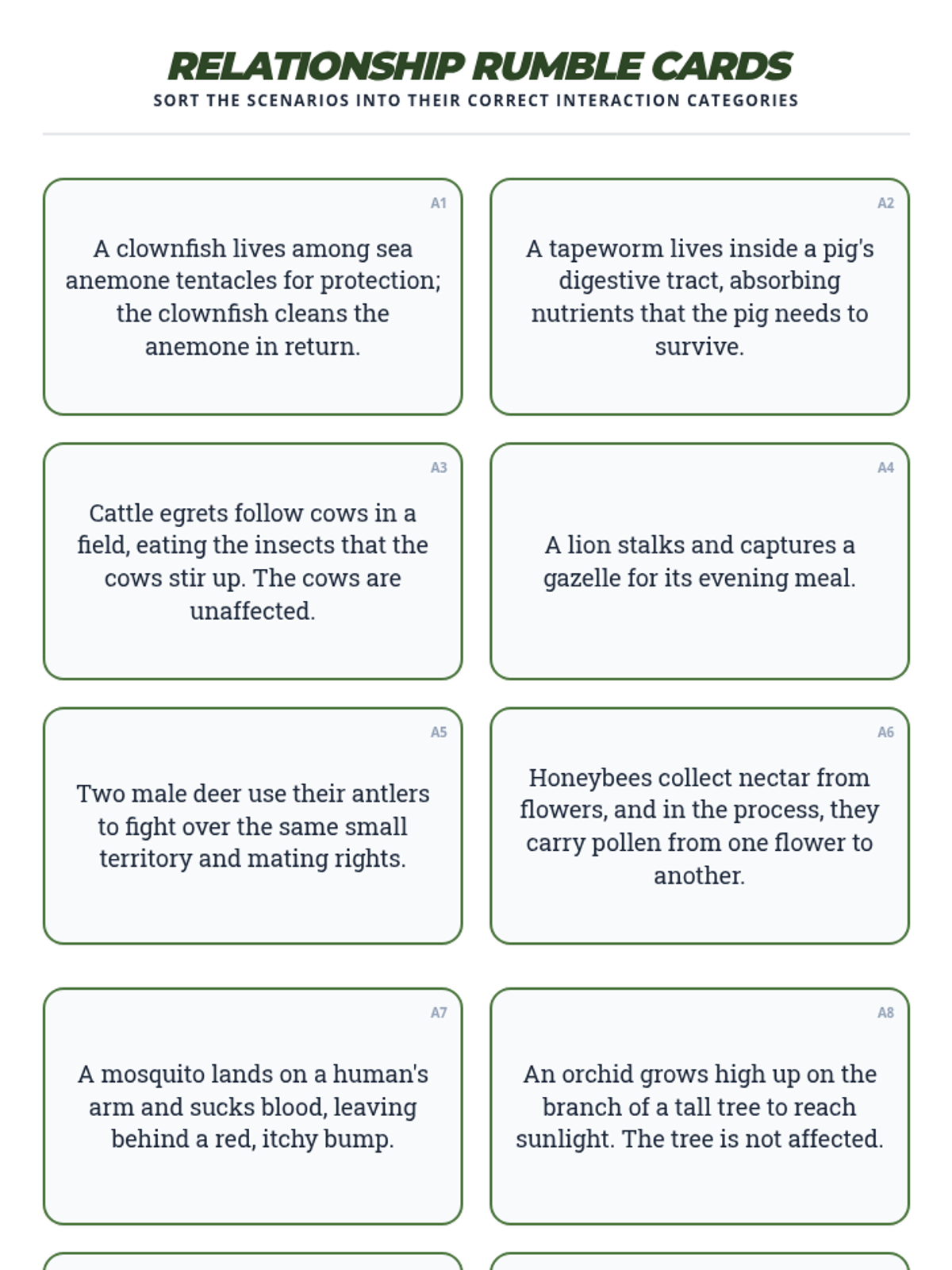
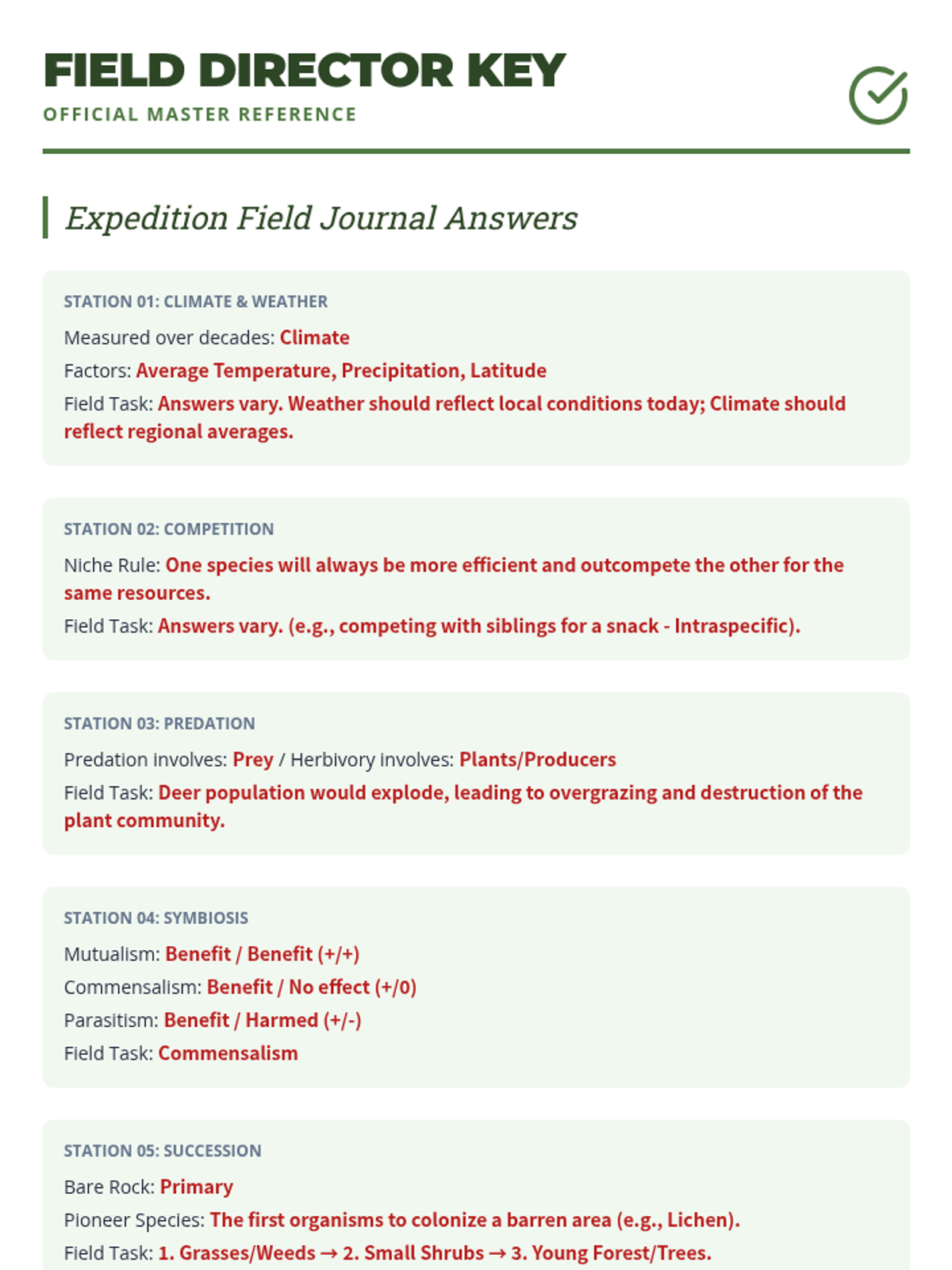
A comprehensive unit exploring the intricate webs of life, focusing on the relationships and environmental factors that shape ecosystems.
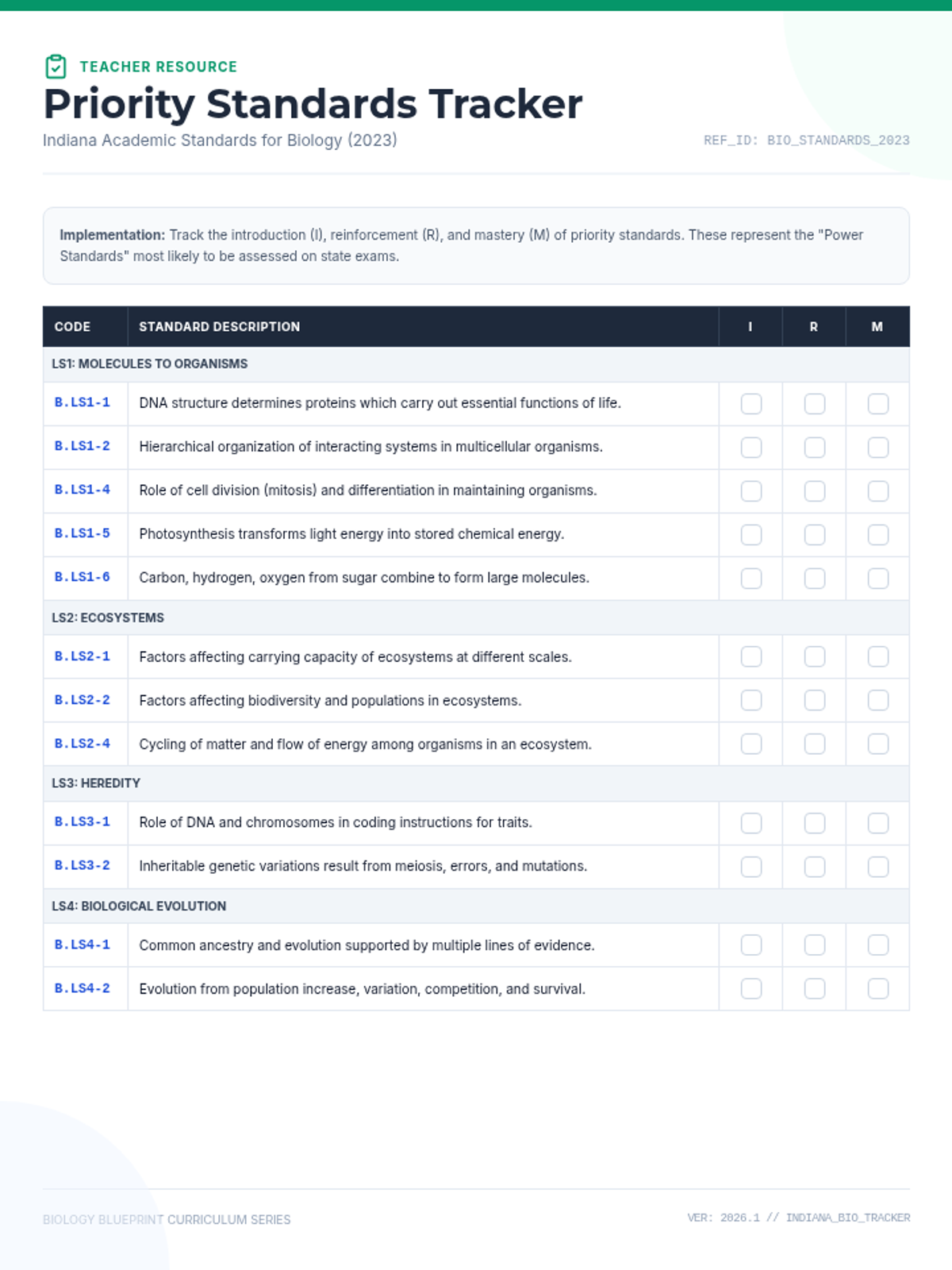
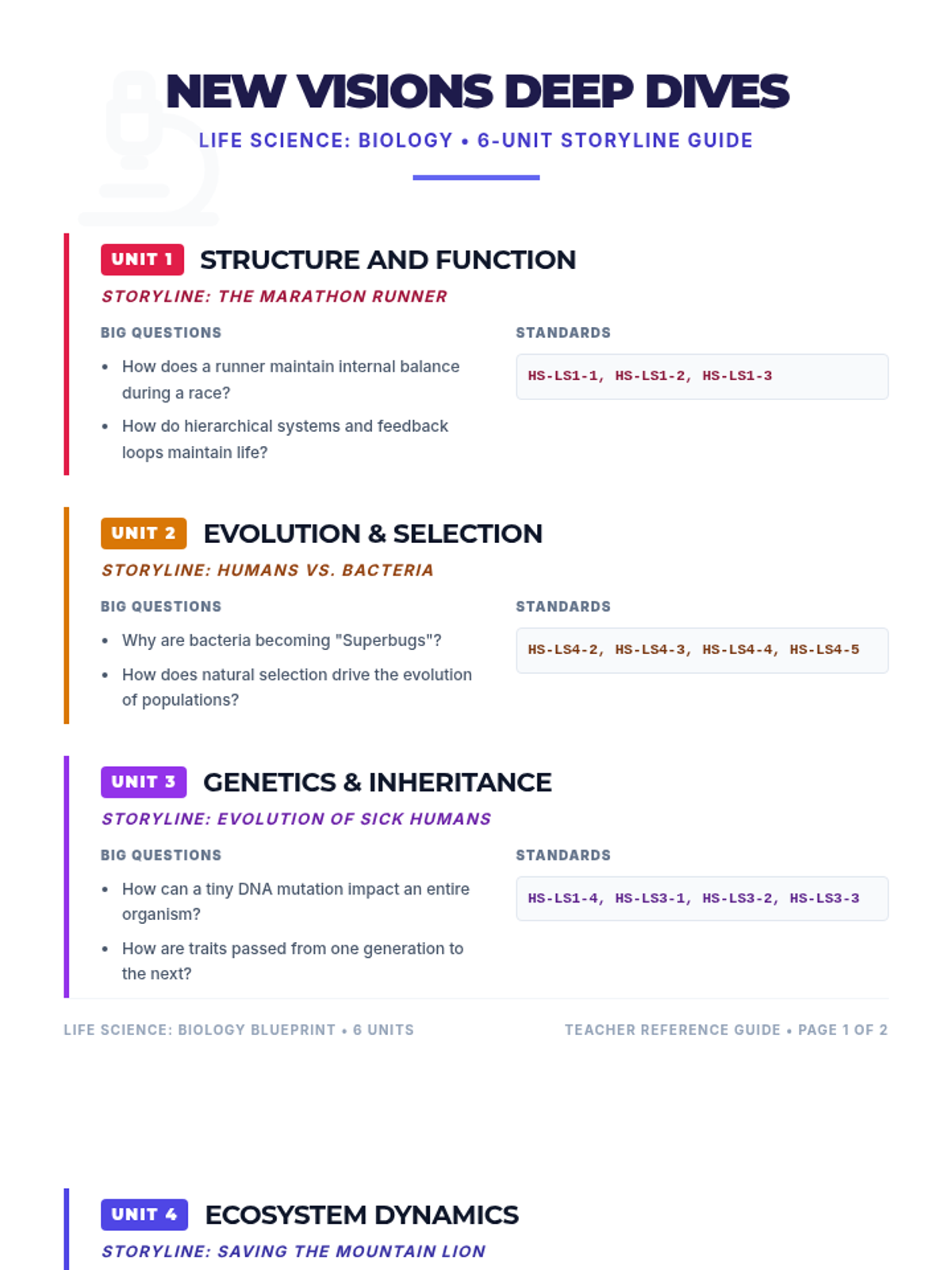
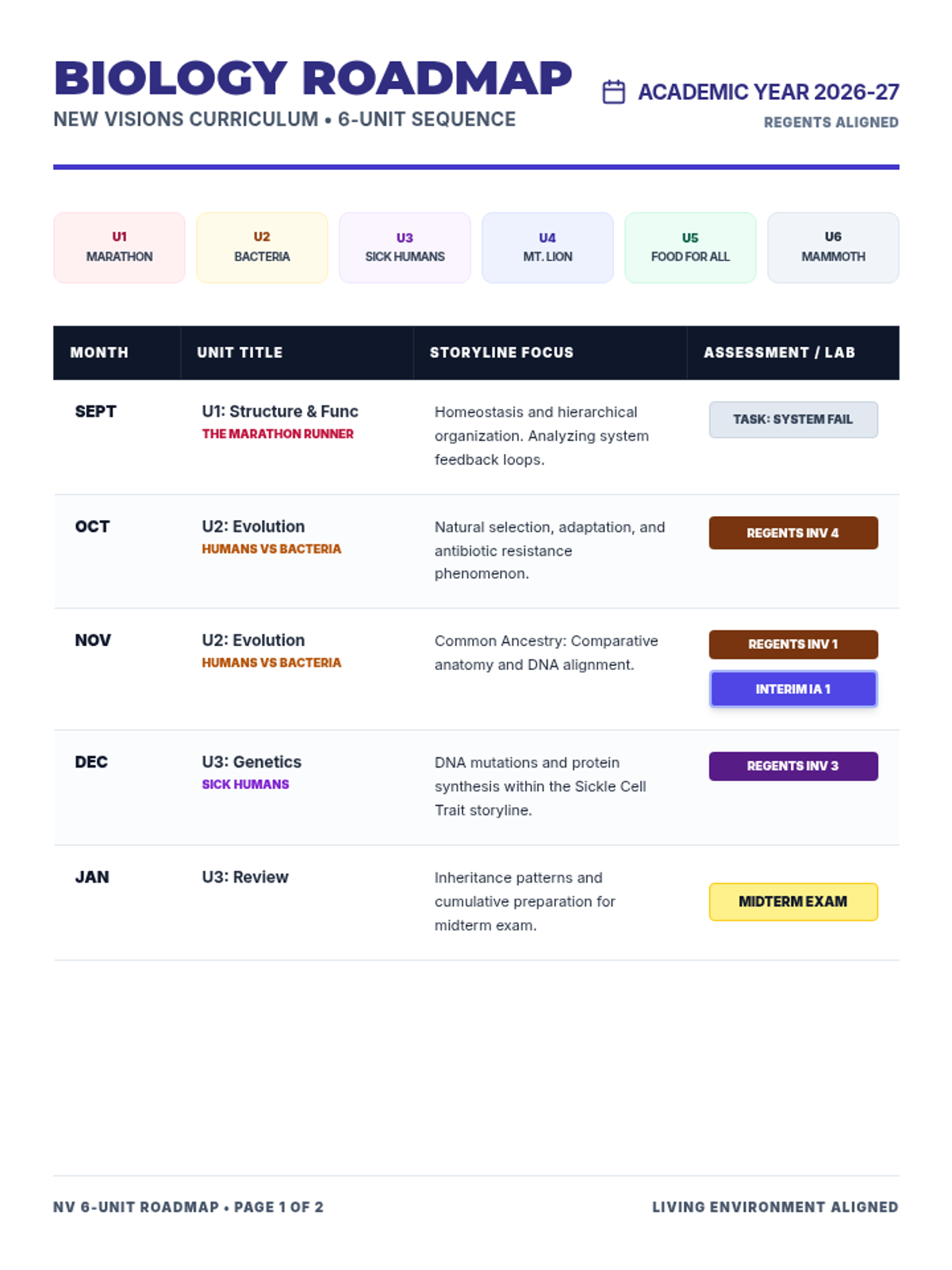
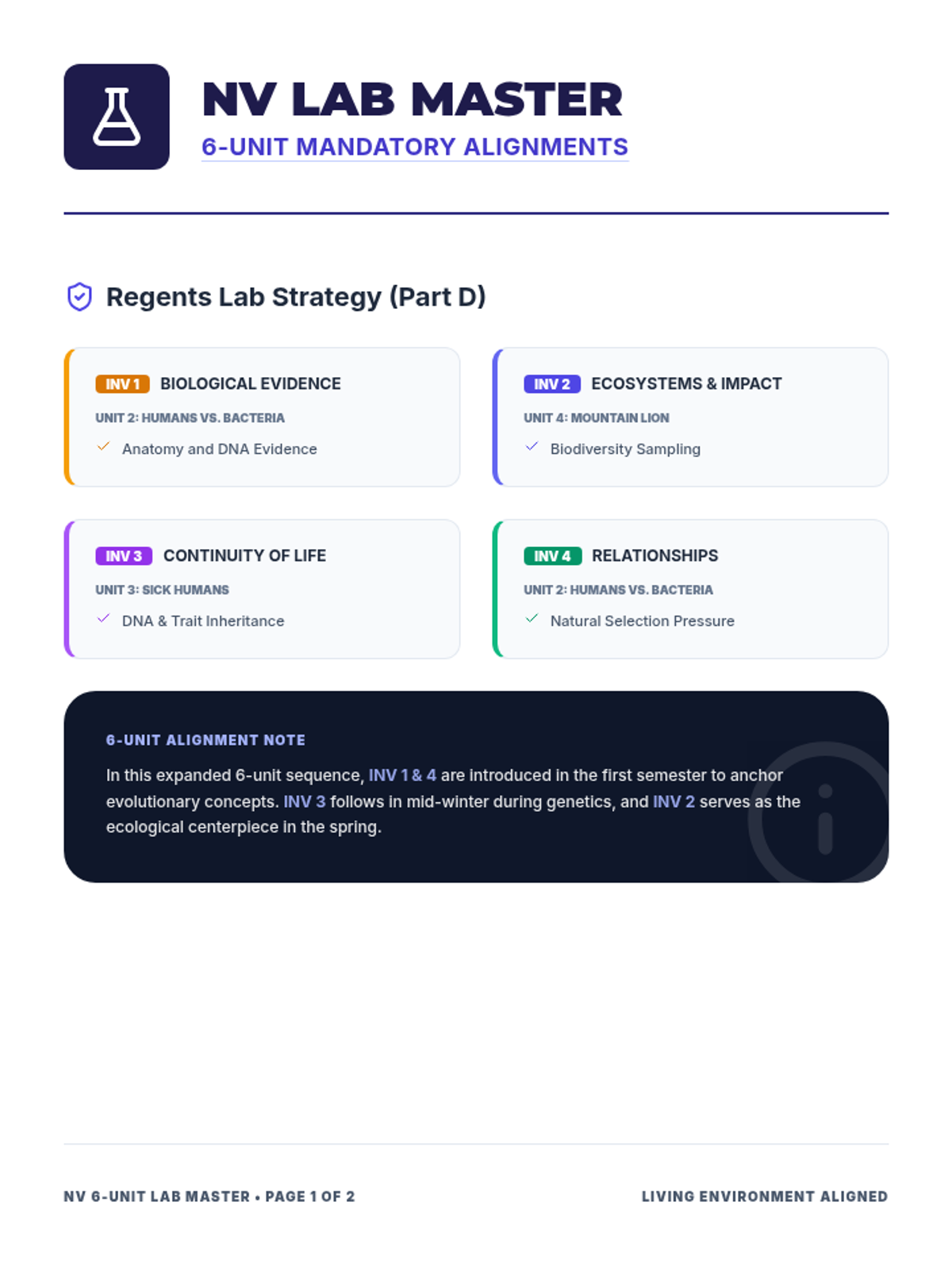
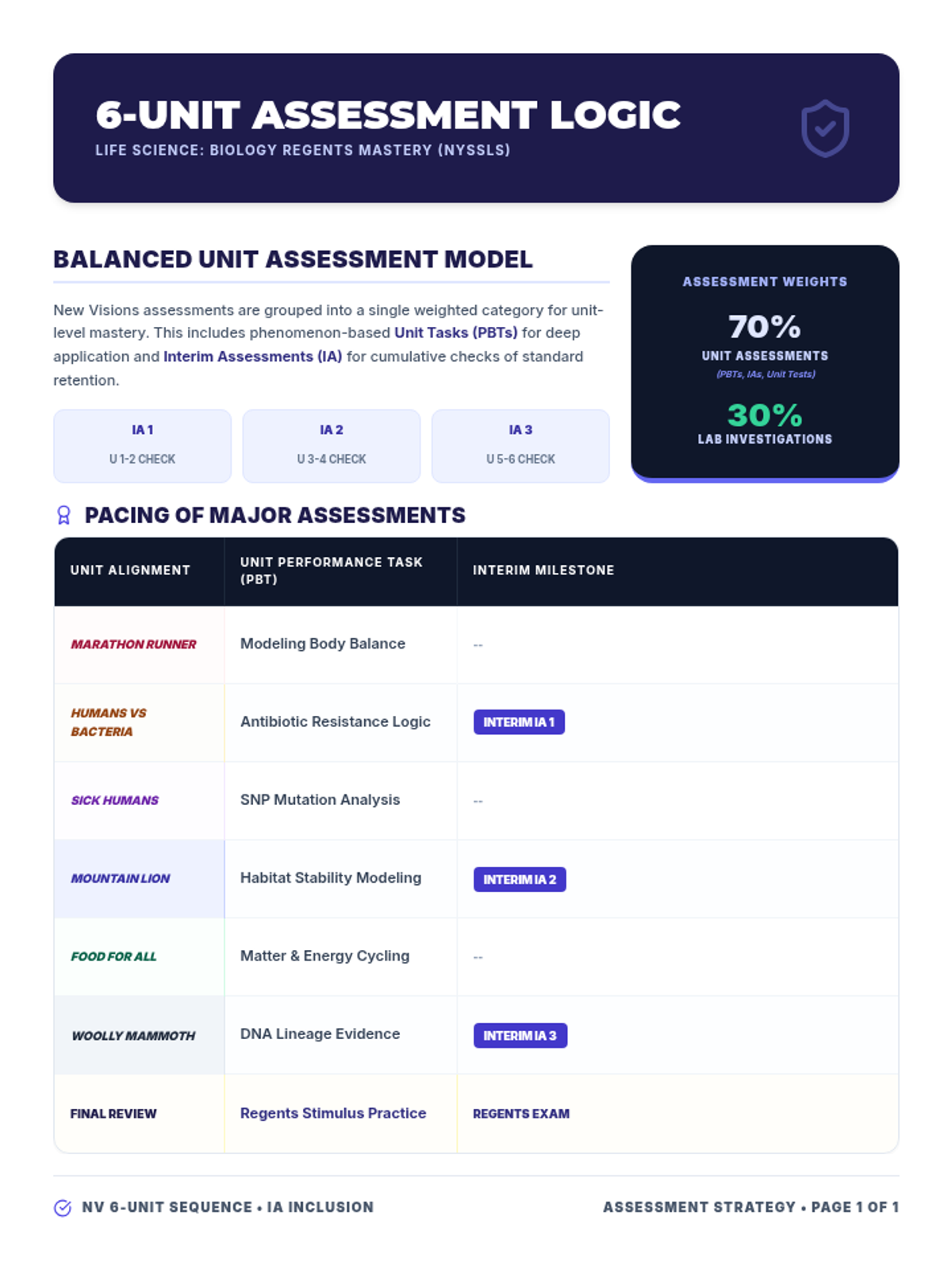
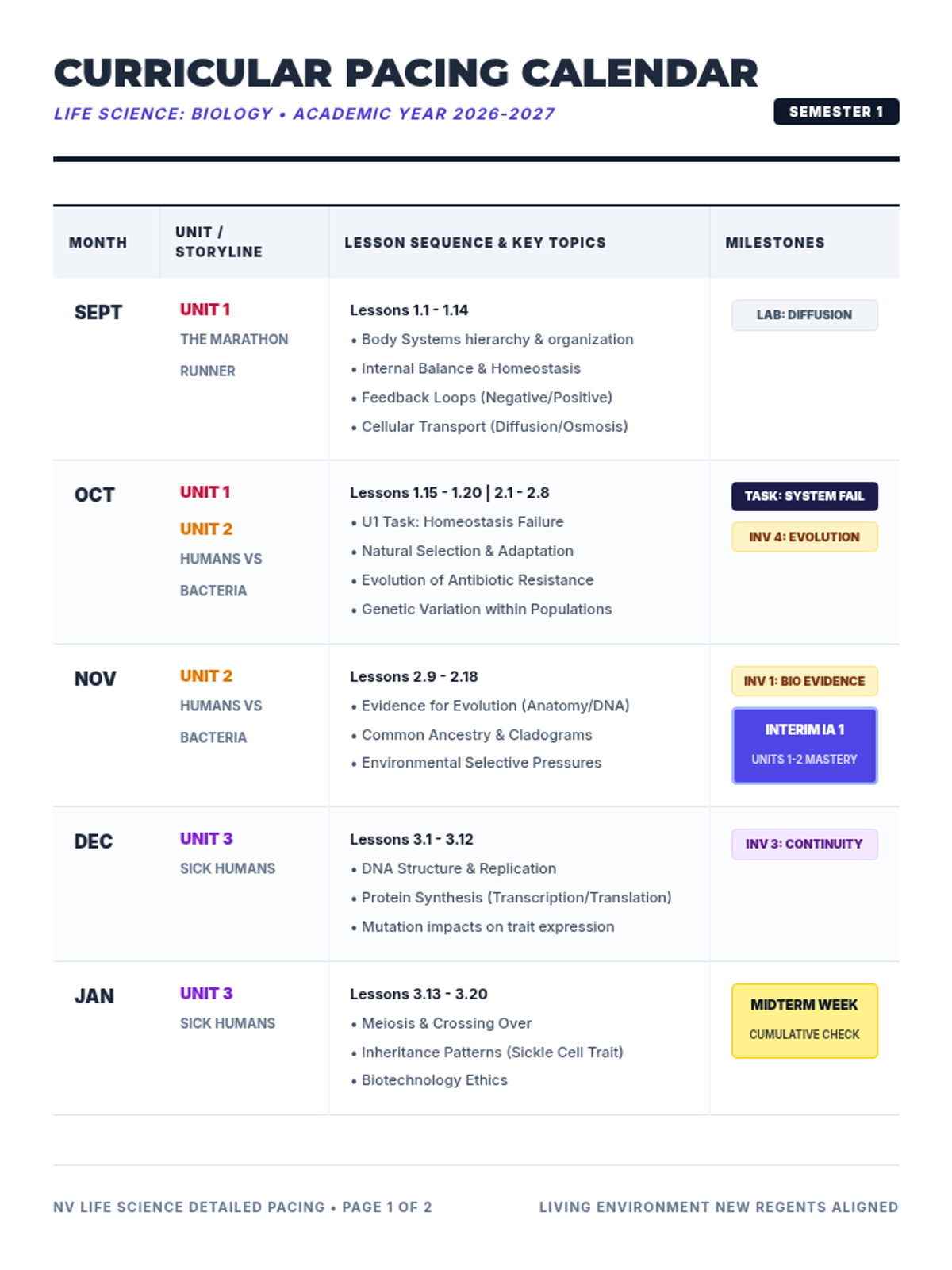
A comprehensive full-year planning framework for high school Life Science: Biology, including pacing, unit objectives, lab requirements, and assessment strategies.
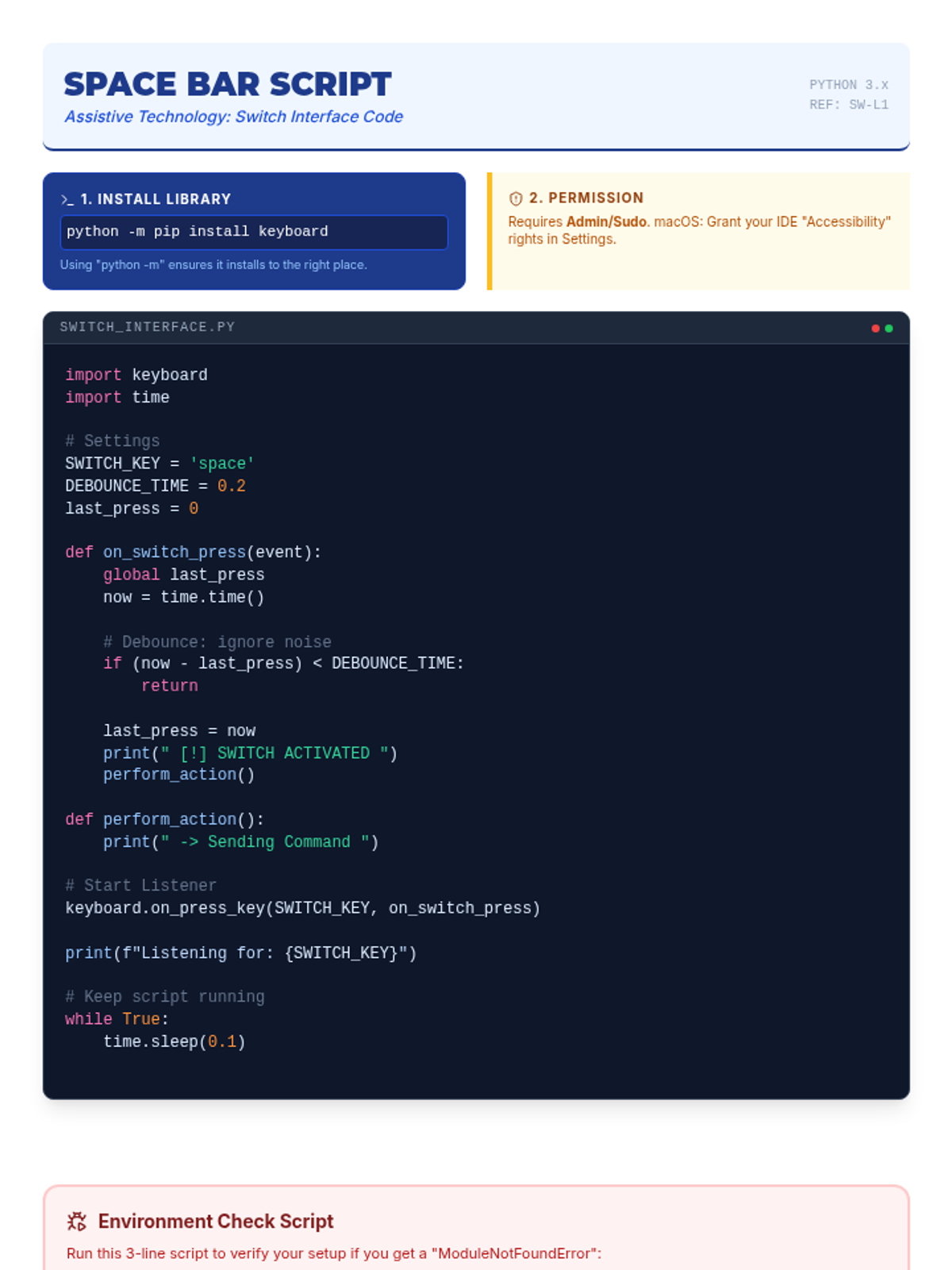
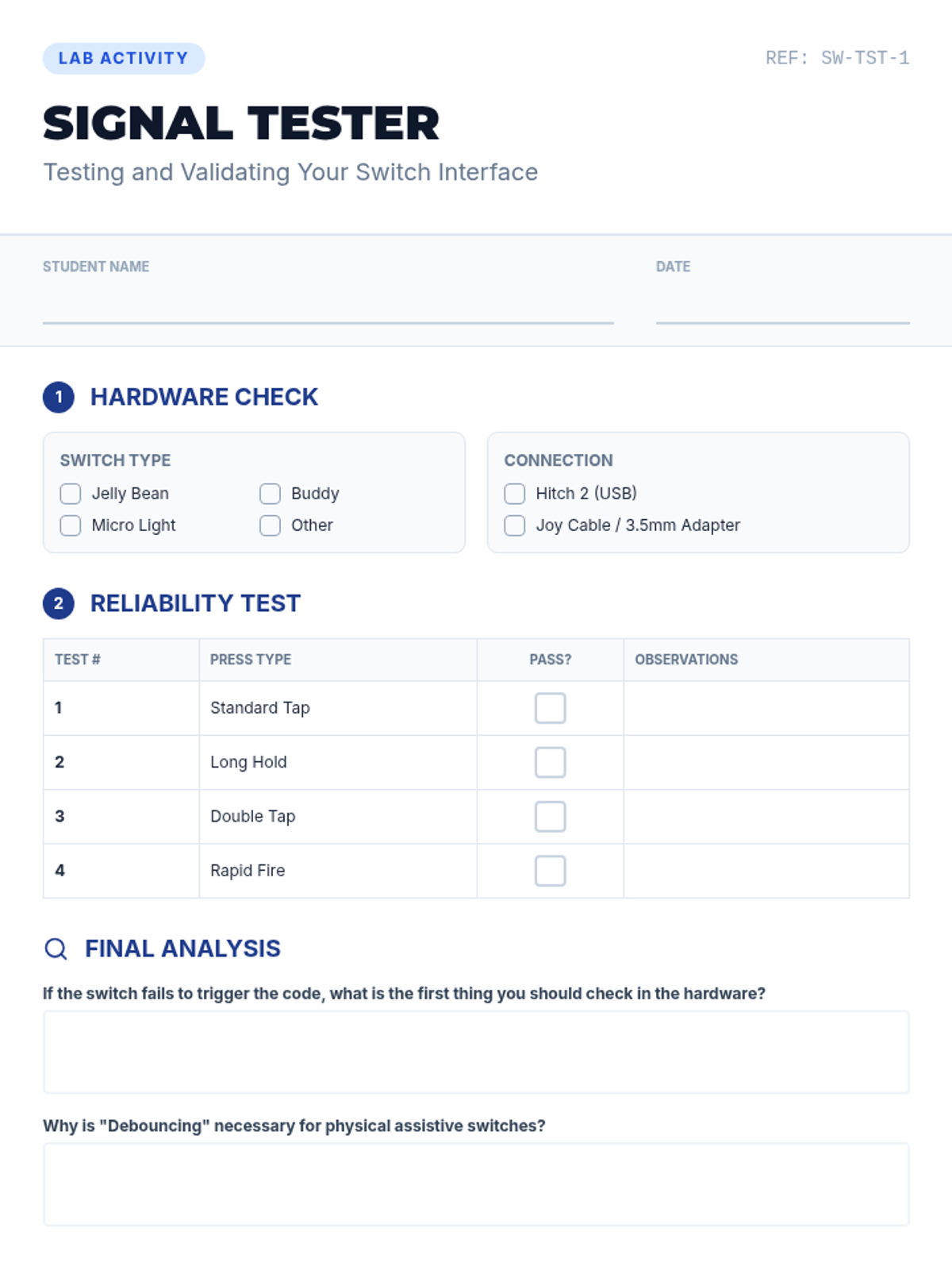
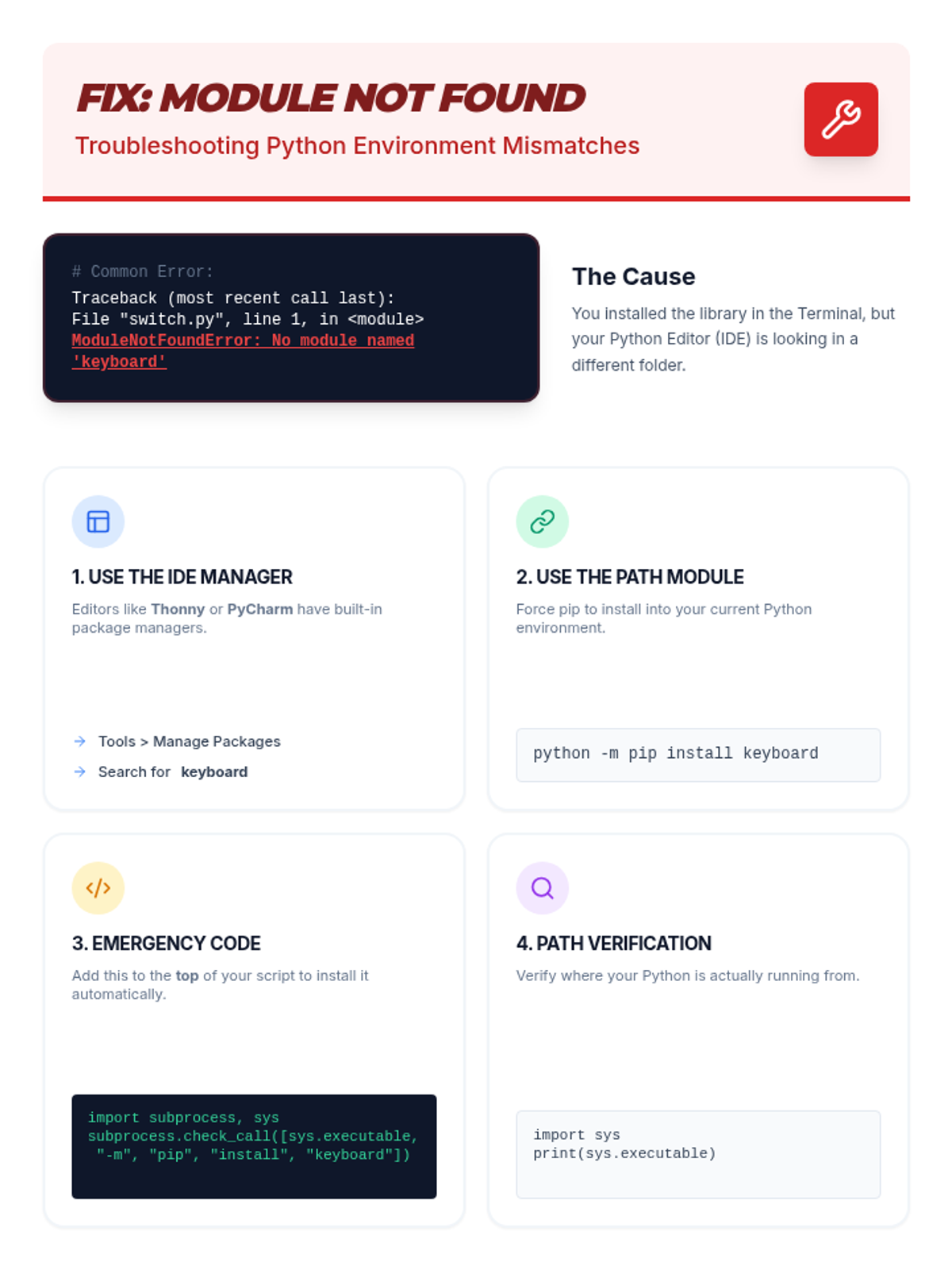
A series of materials focused on building and programming assistive technology interfaces, specifically switch-based controls for accessibility.
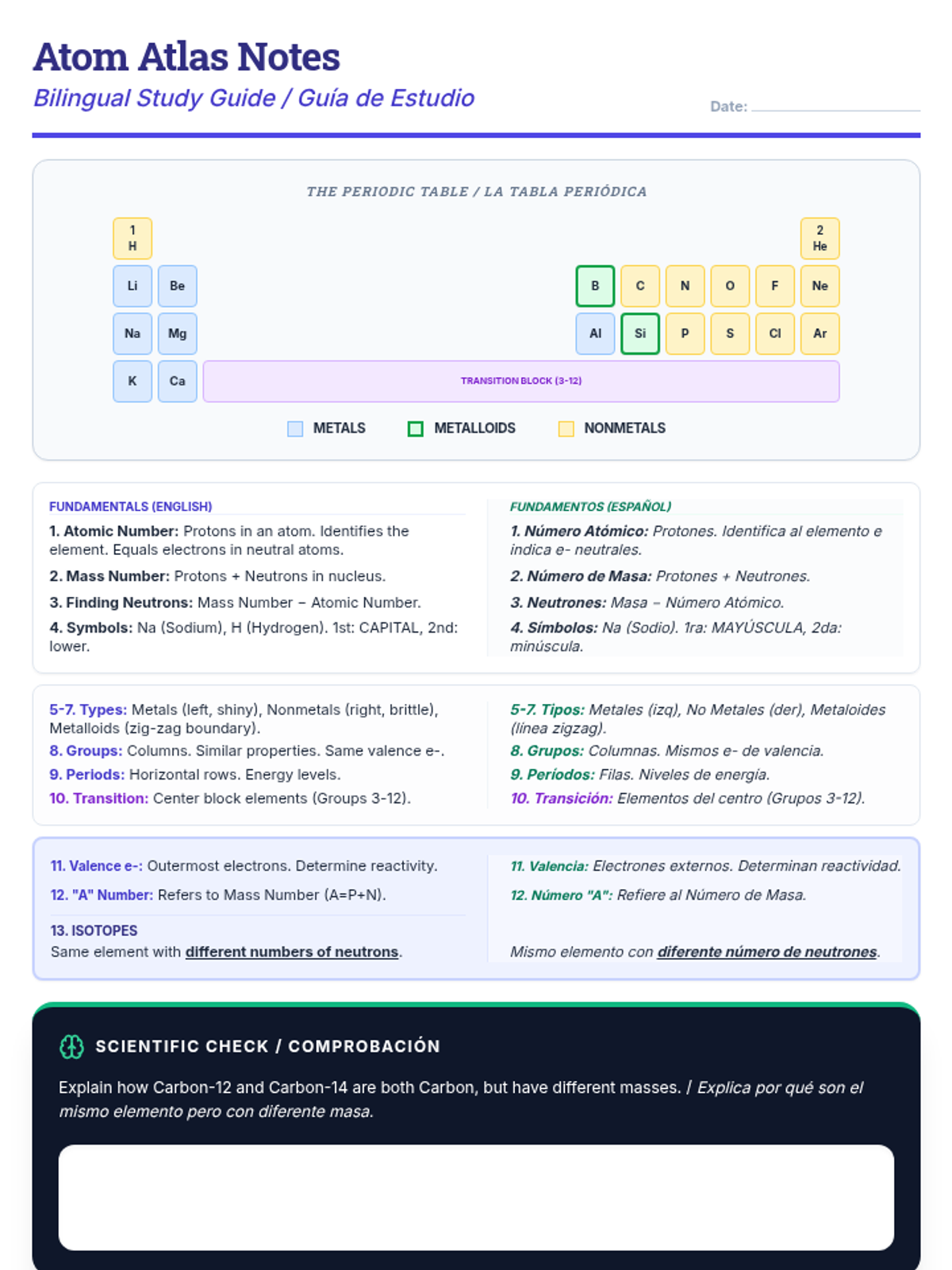
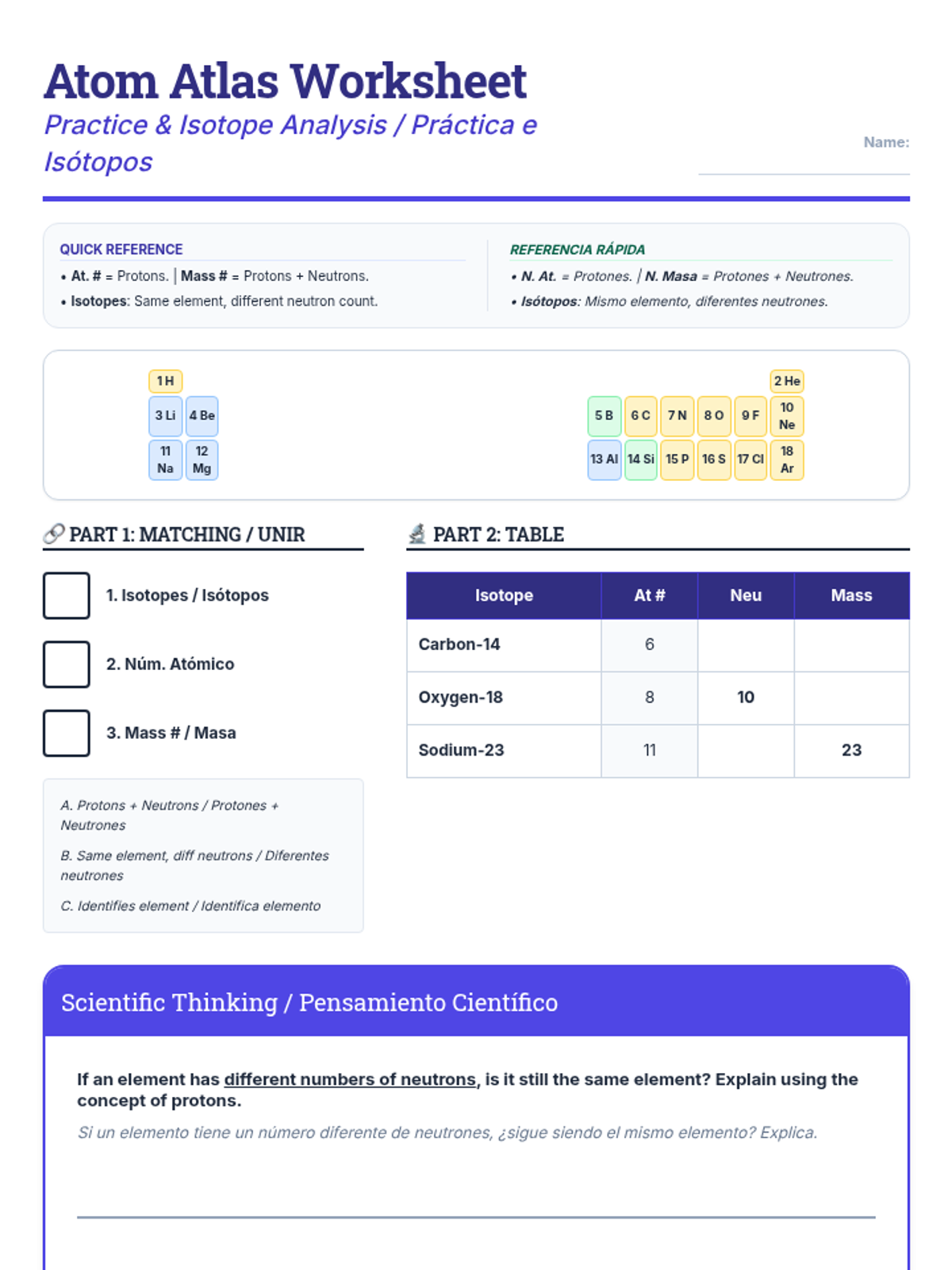
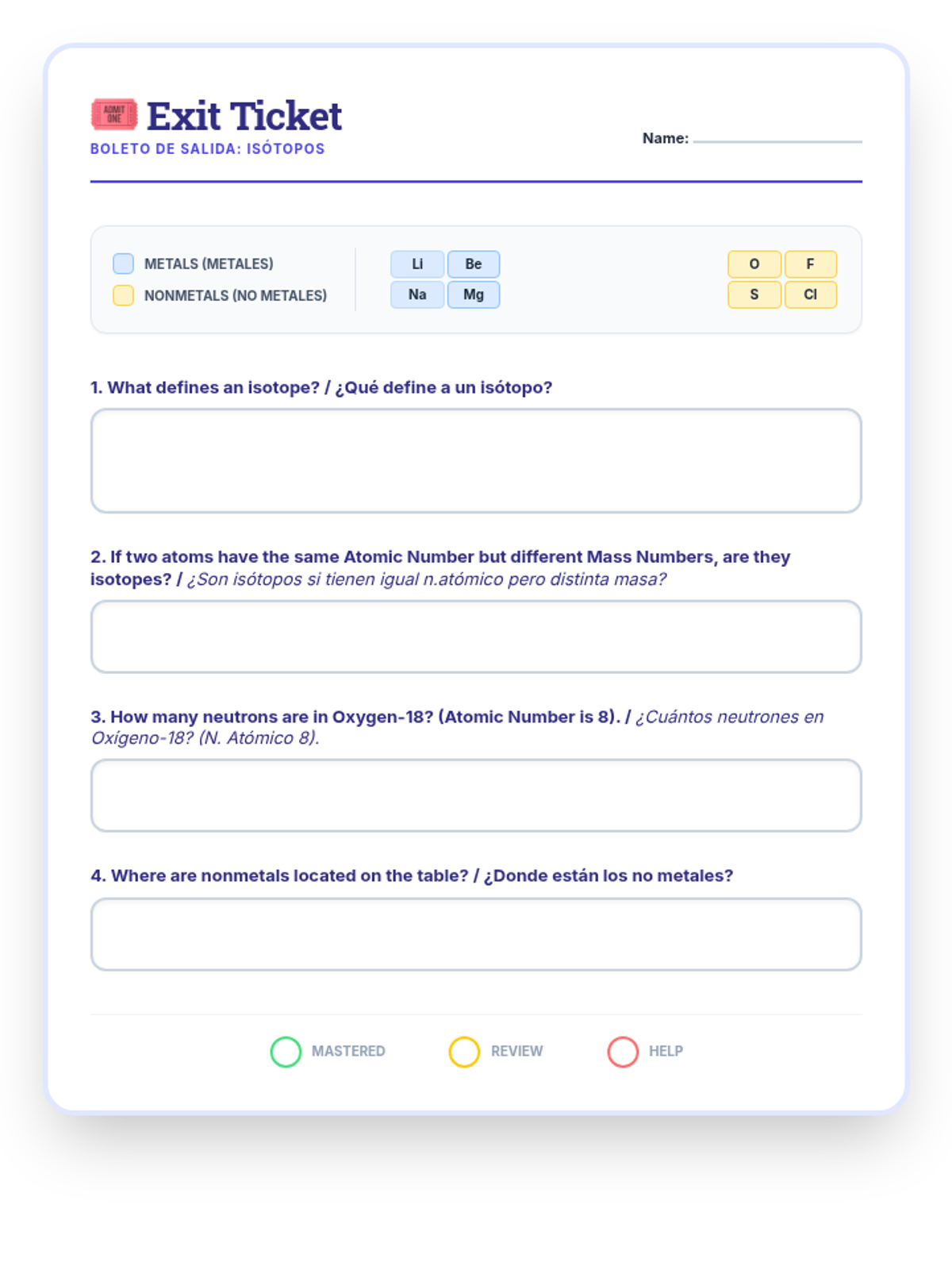
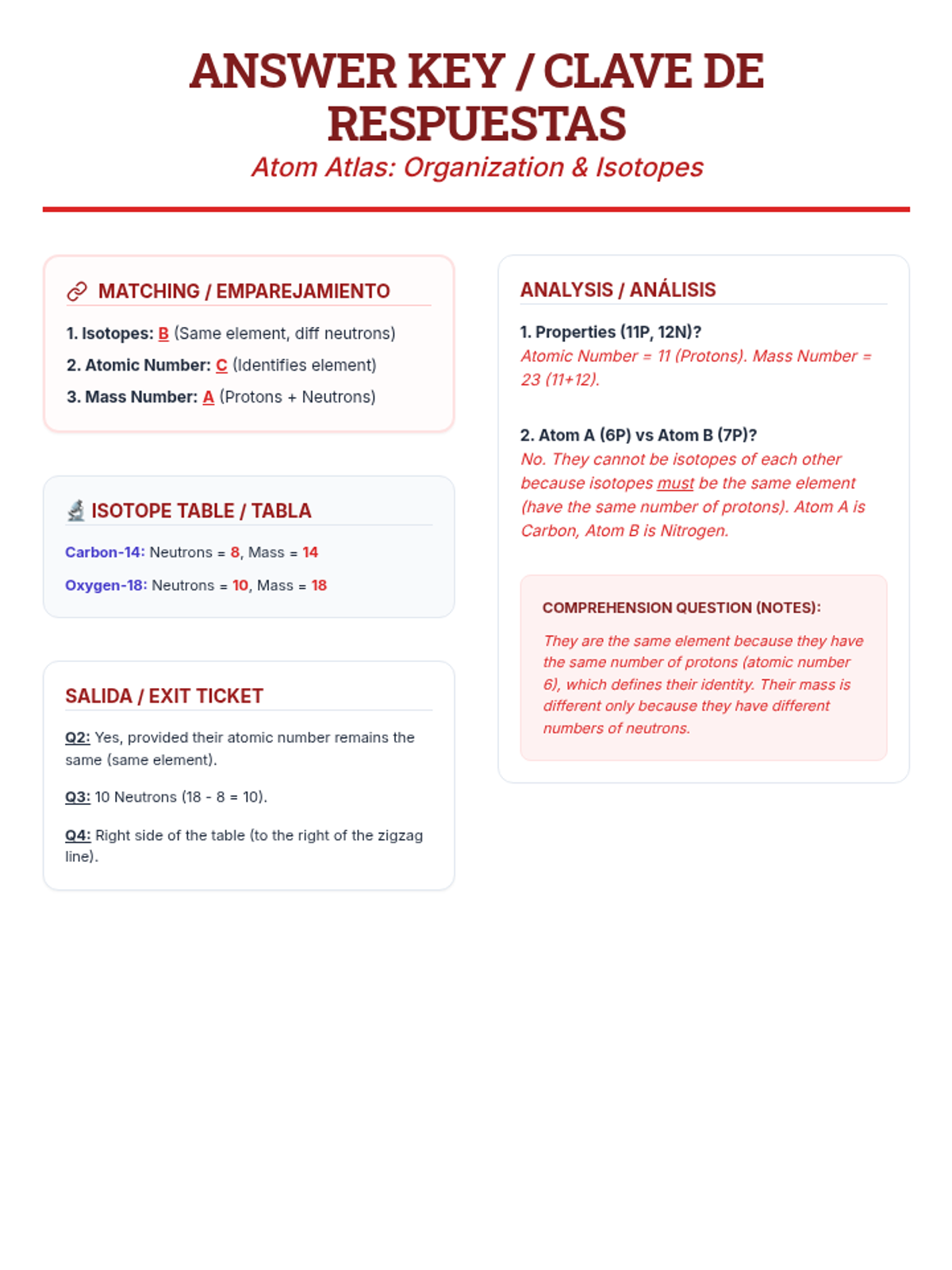
A bilingual (English/Spanish) unit exploring the structure and organization of the periodic table, focusing on atomic properties and element classification.
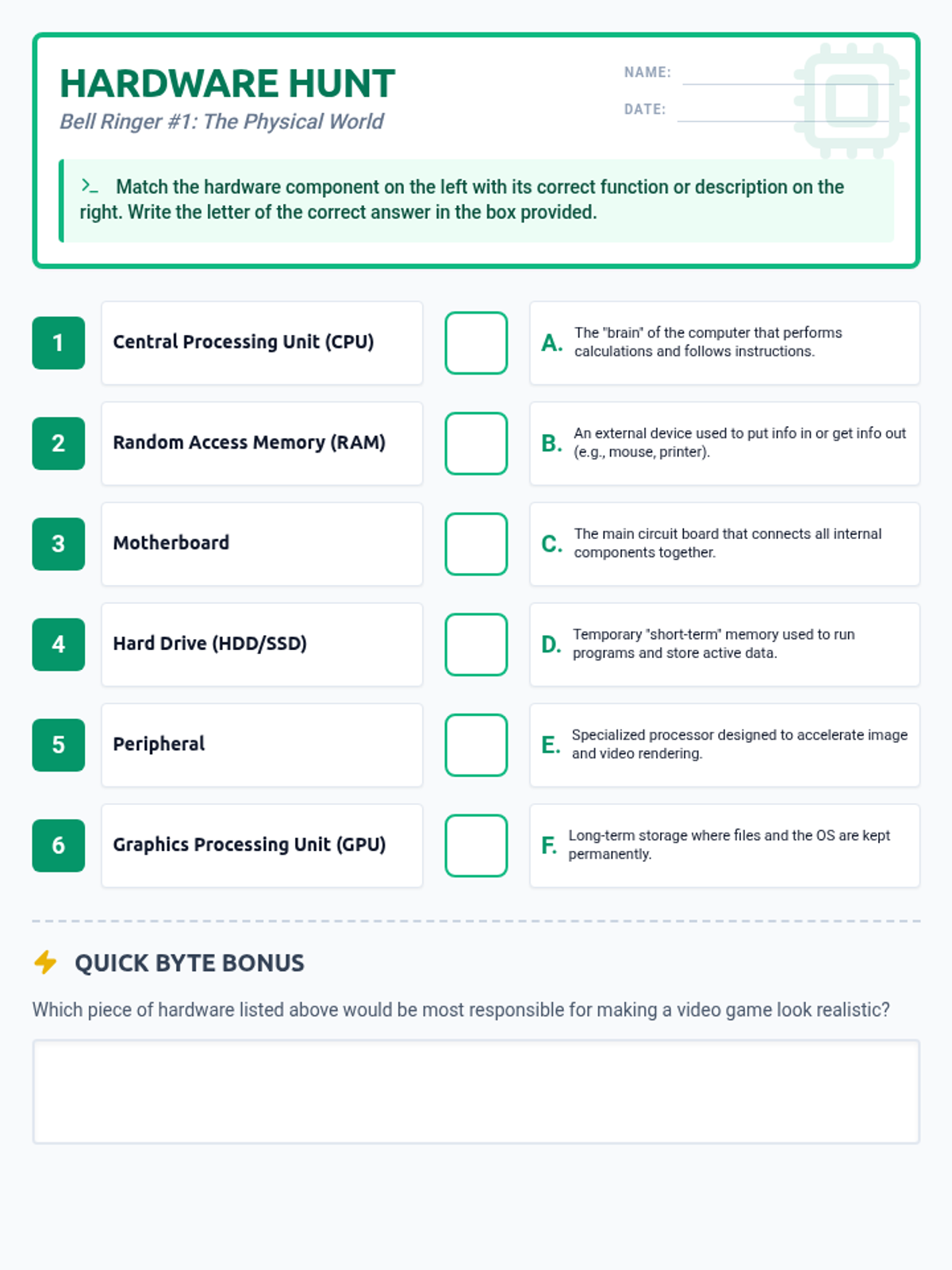
A series of quick, engaging bell-ringer activities focused on building technical vocabulary and understanding computer-related terminology through matching exercises.
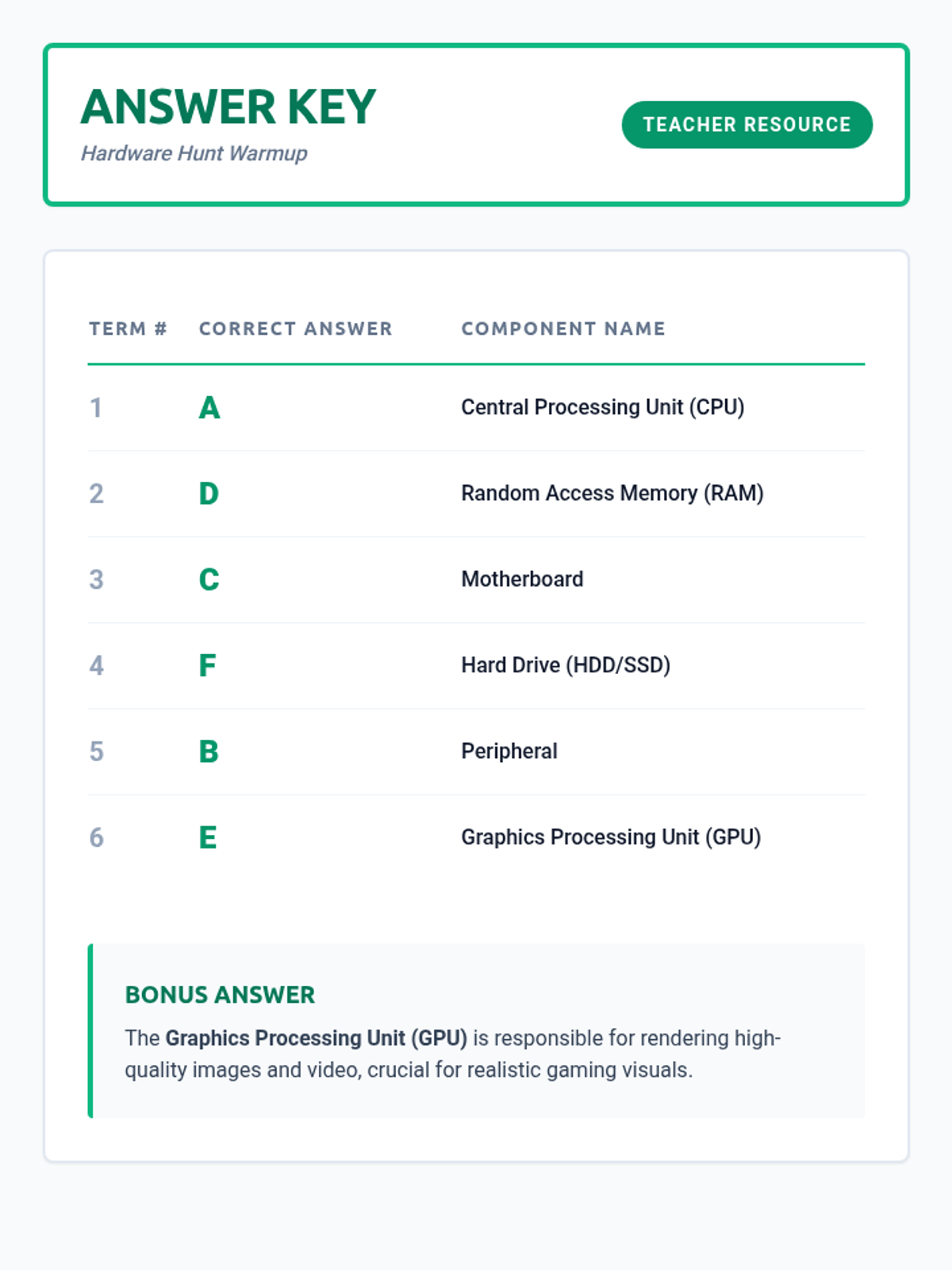
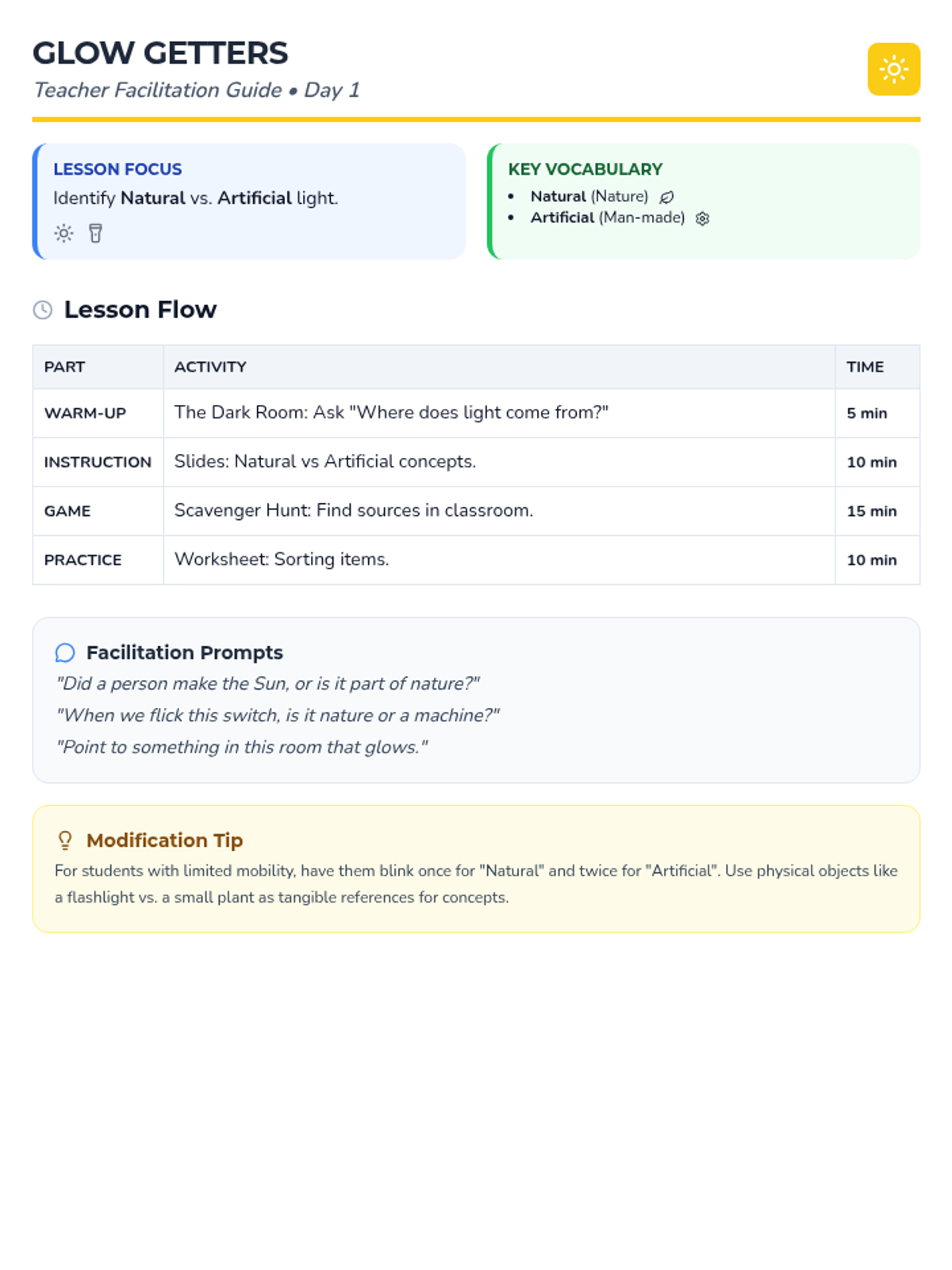
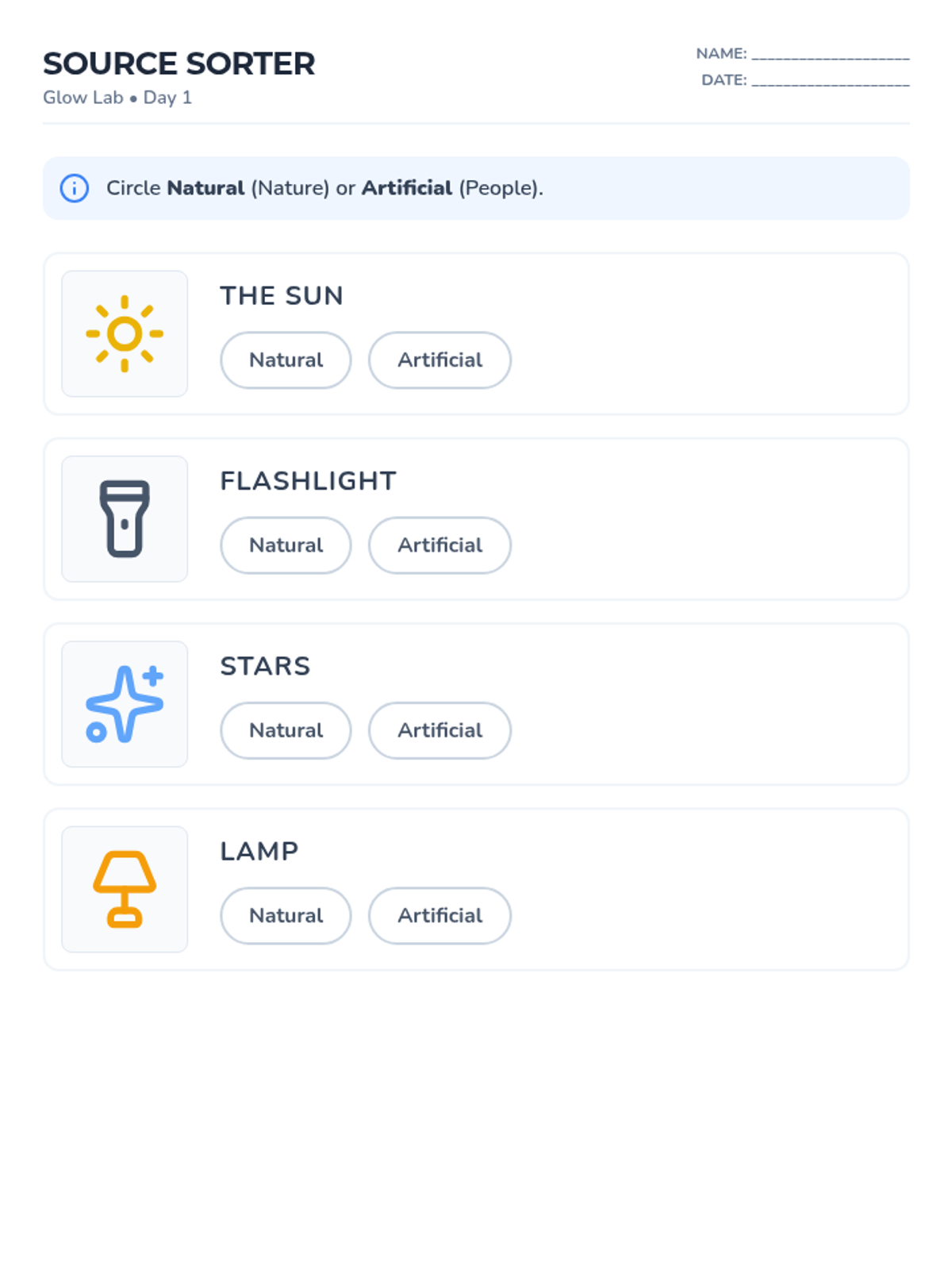
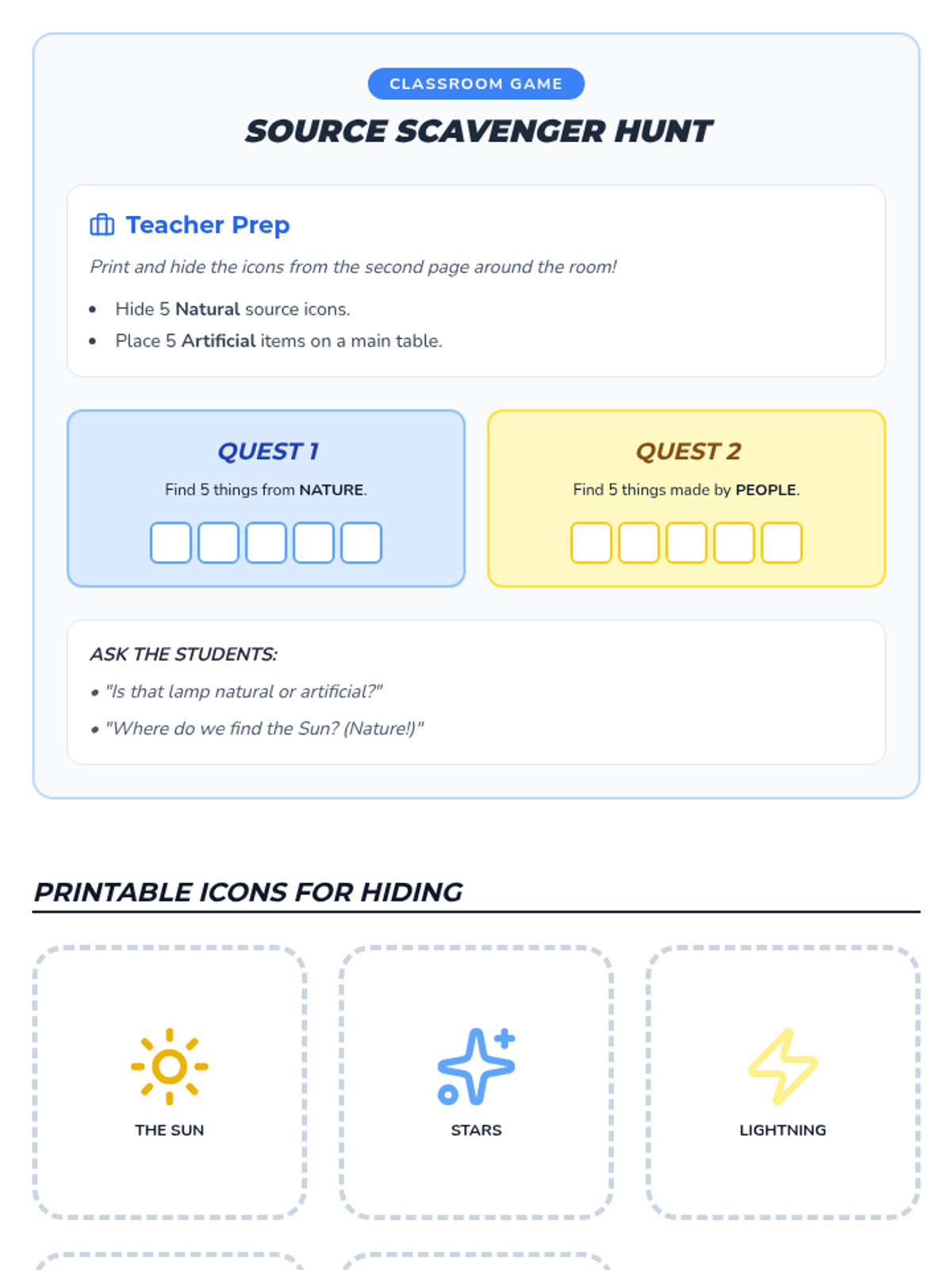
A 4-day science unit for high school Essential Skills students exploring light sources, movement, reflection, shadows, and the visible spectrum. Each day includes visual slides, hands-on activities, and simplified assessments designed for accessibility and engagement.
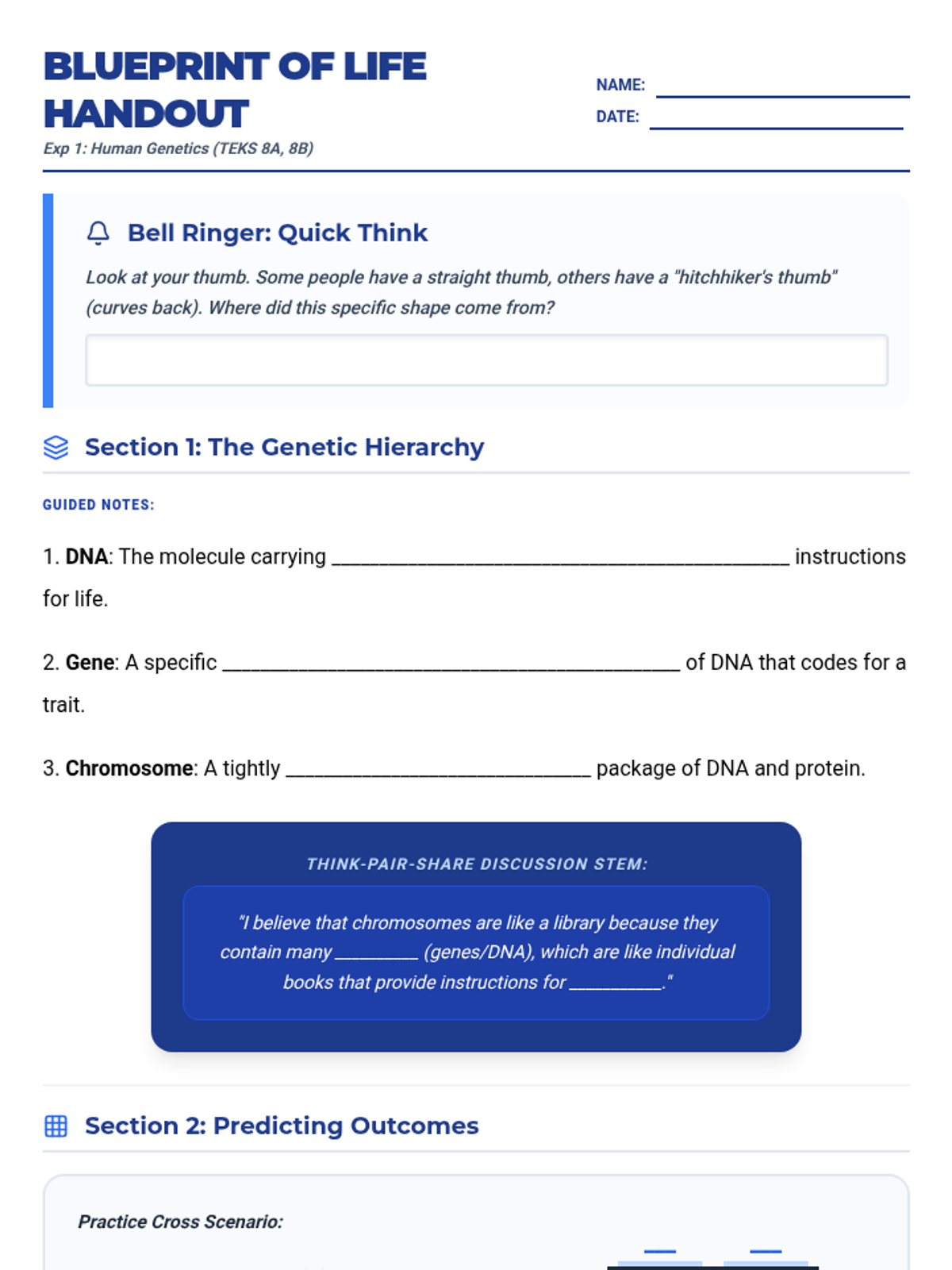
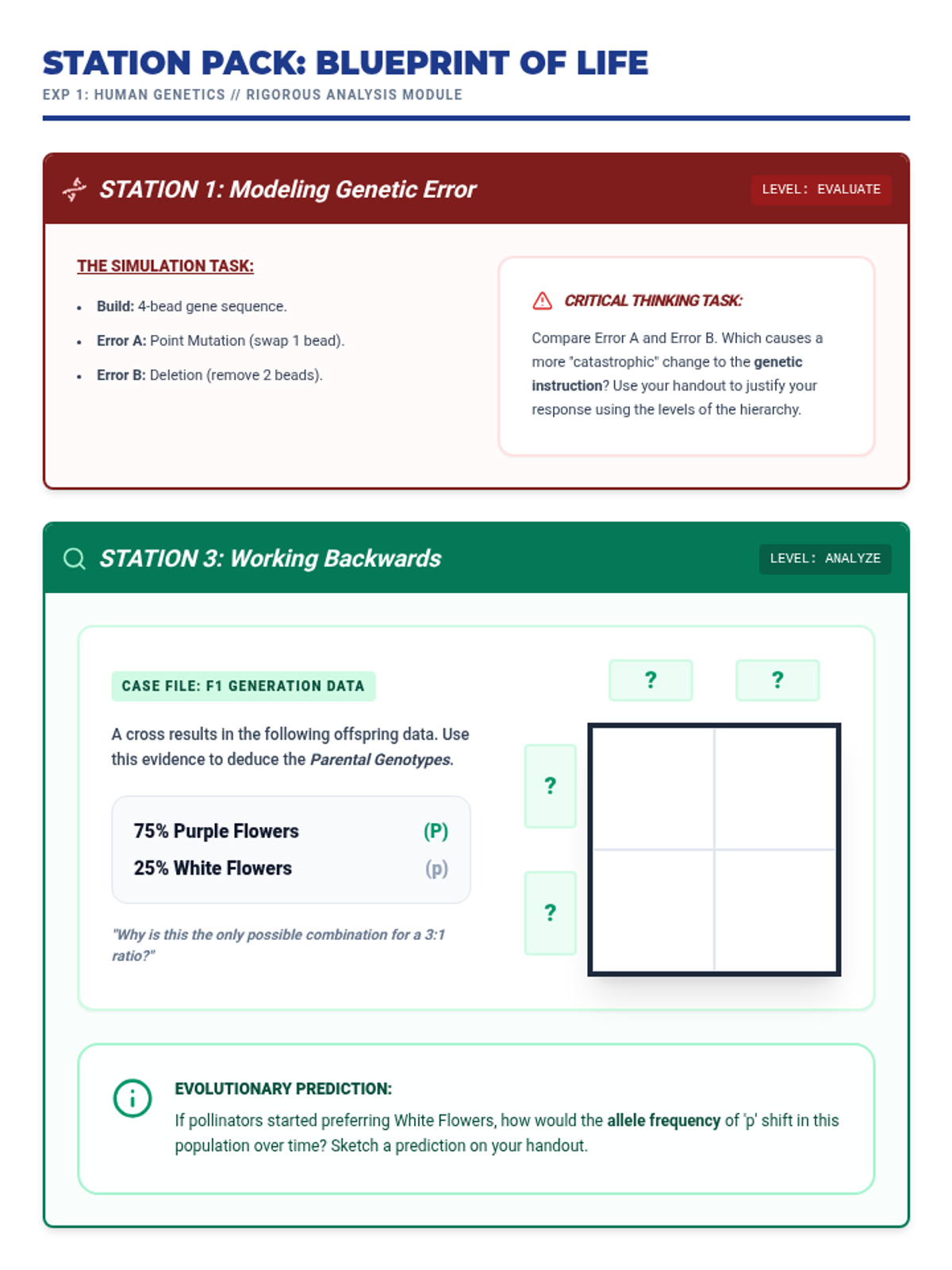
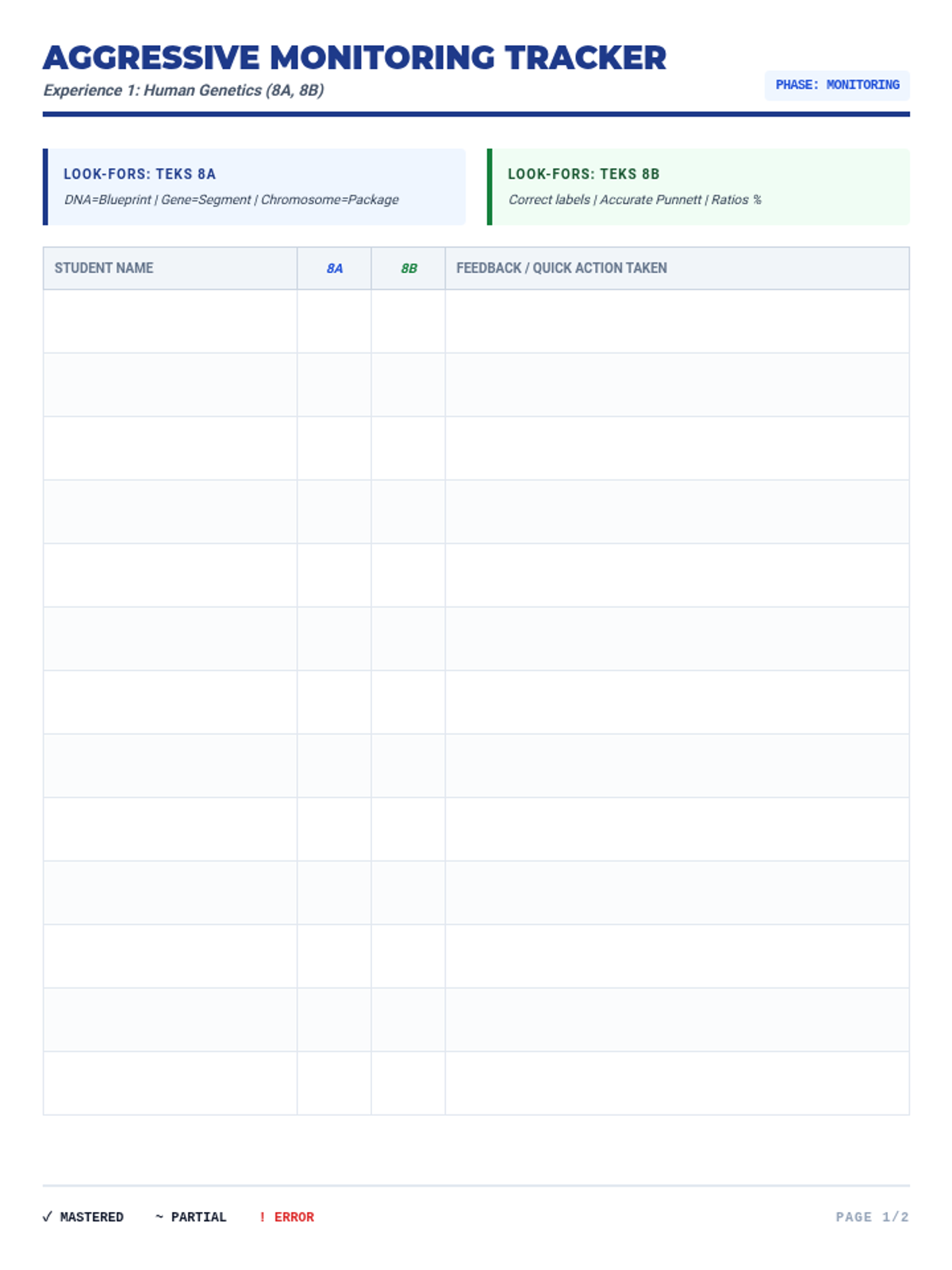
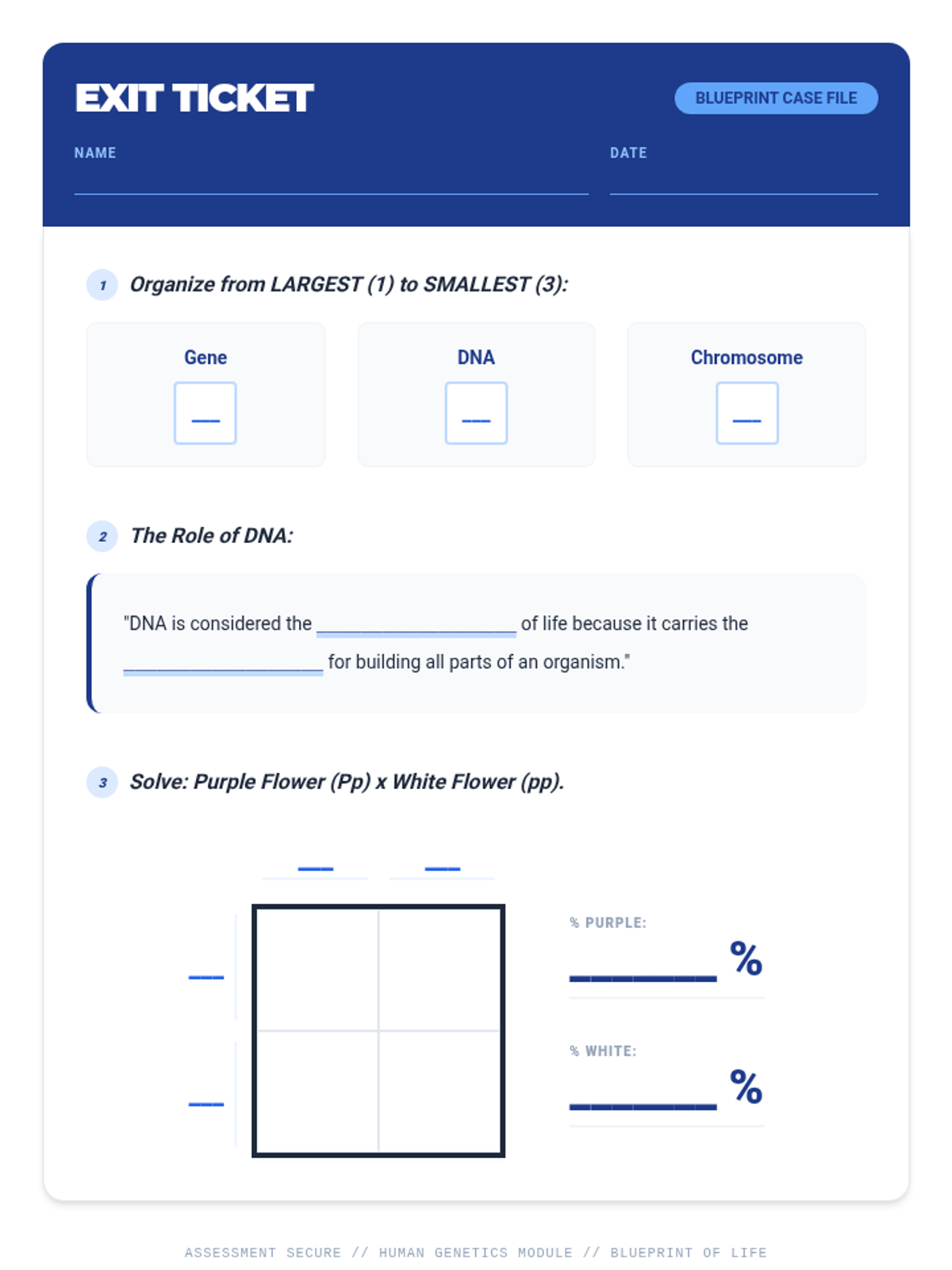
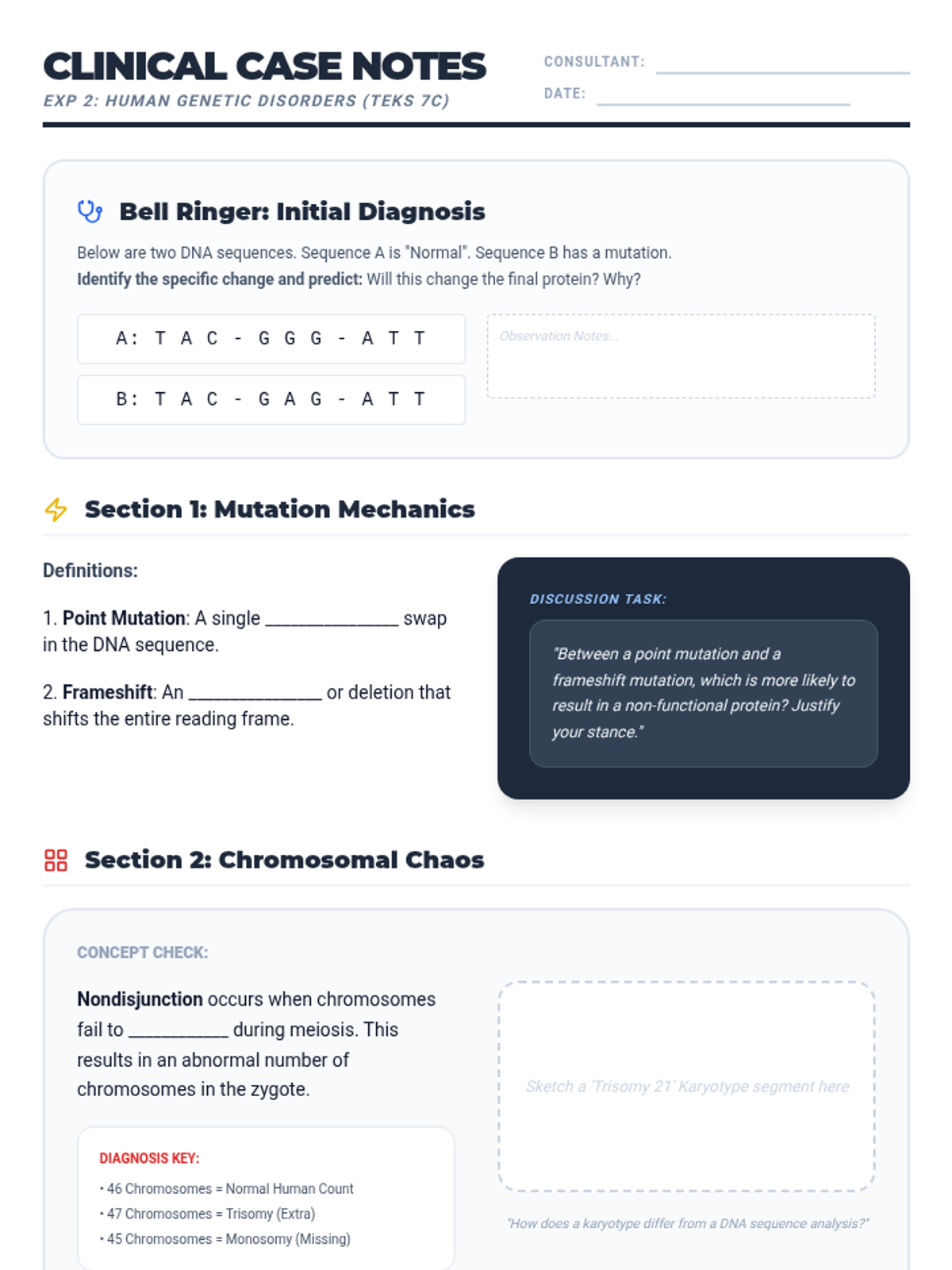
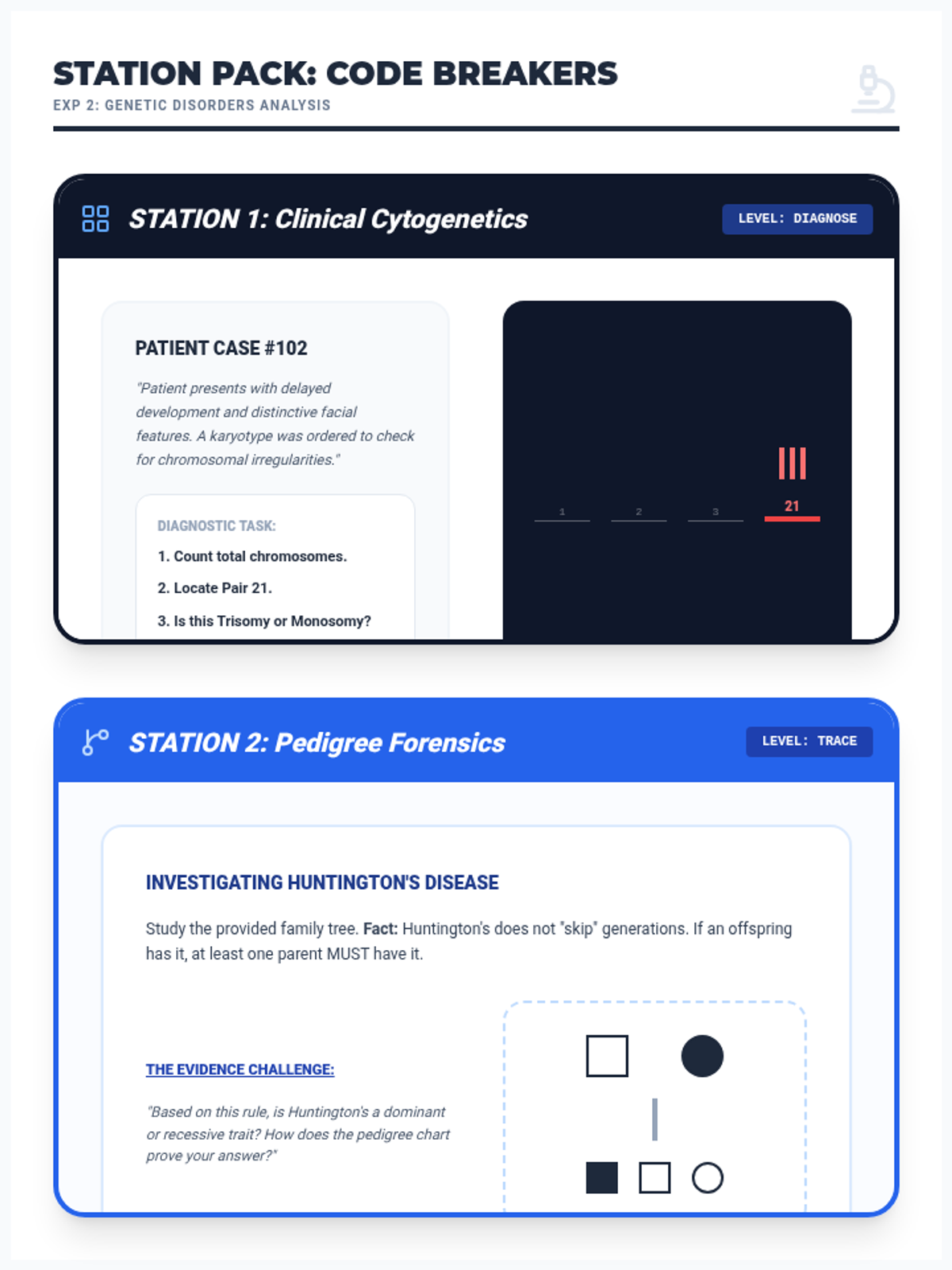
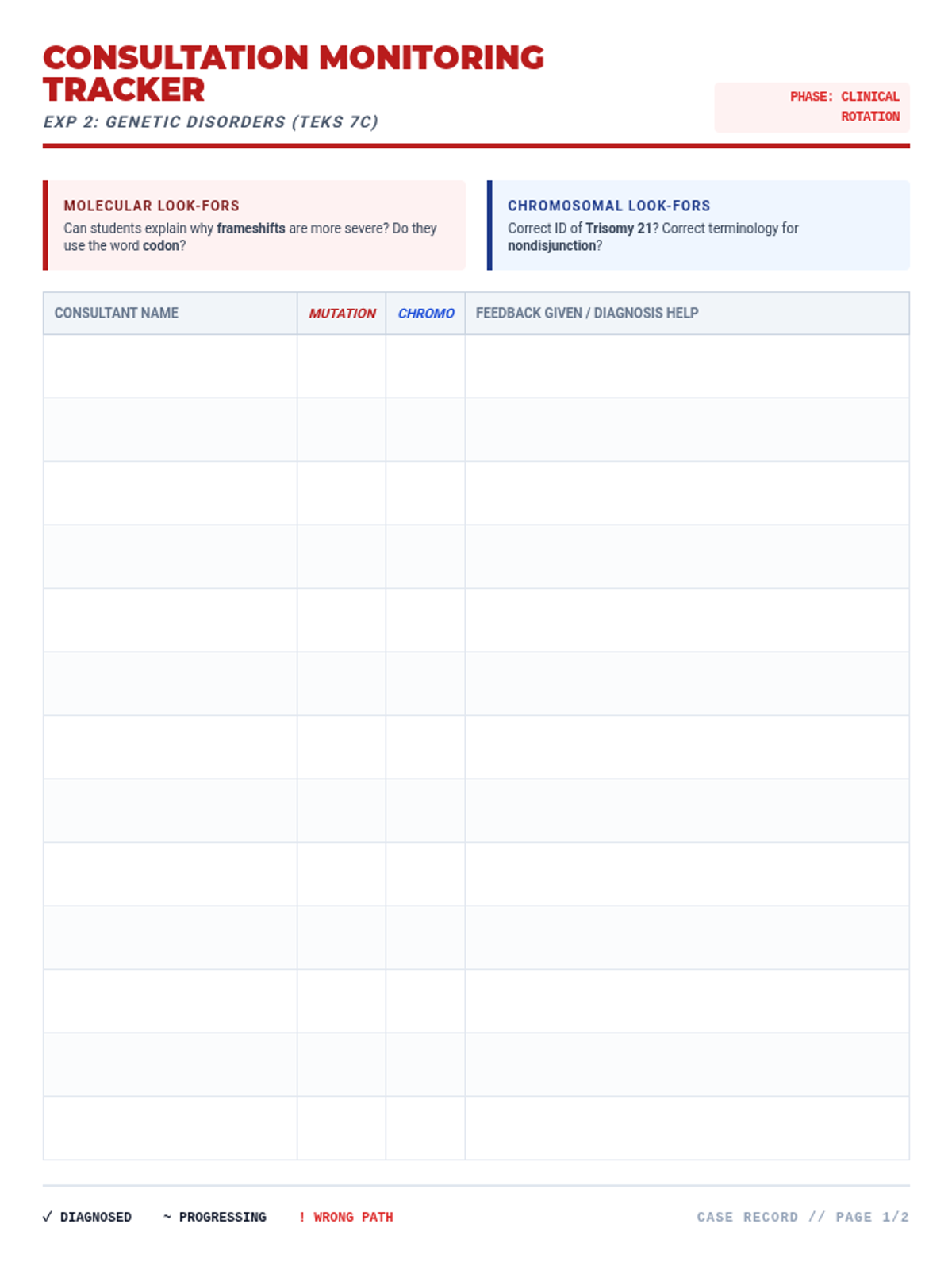
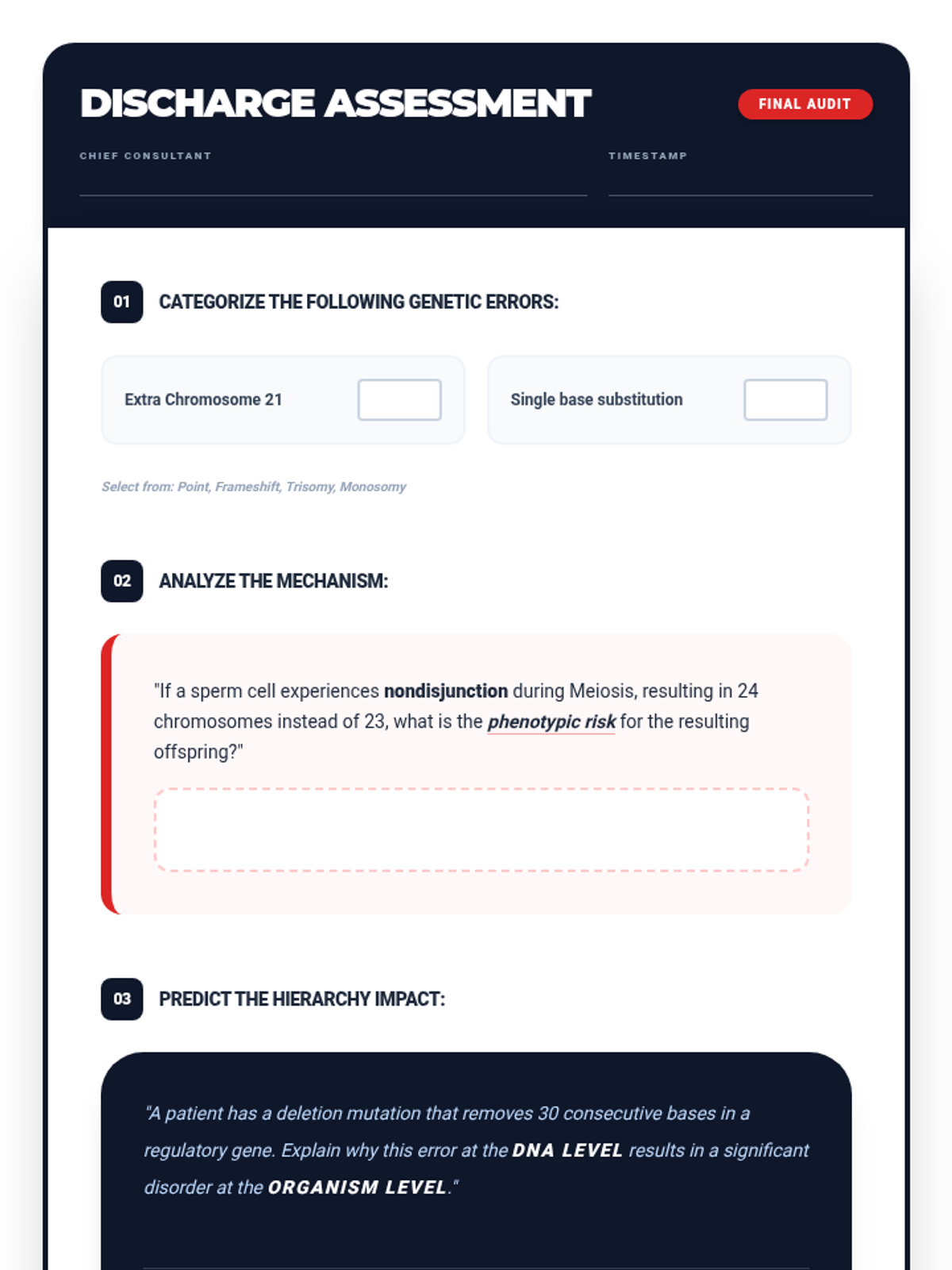
A series of high-impact biology lessons exploring the foundations of genetics, clinical genetic disorders, and genome mapping. Each lesson features chunked instruction, interactive stations, and rigorous monitoring.
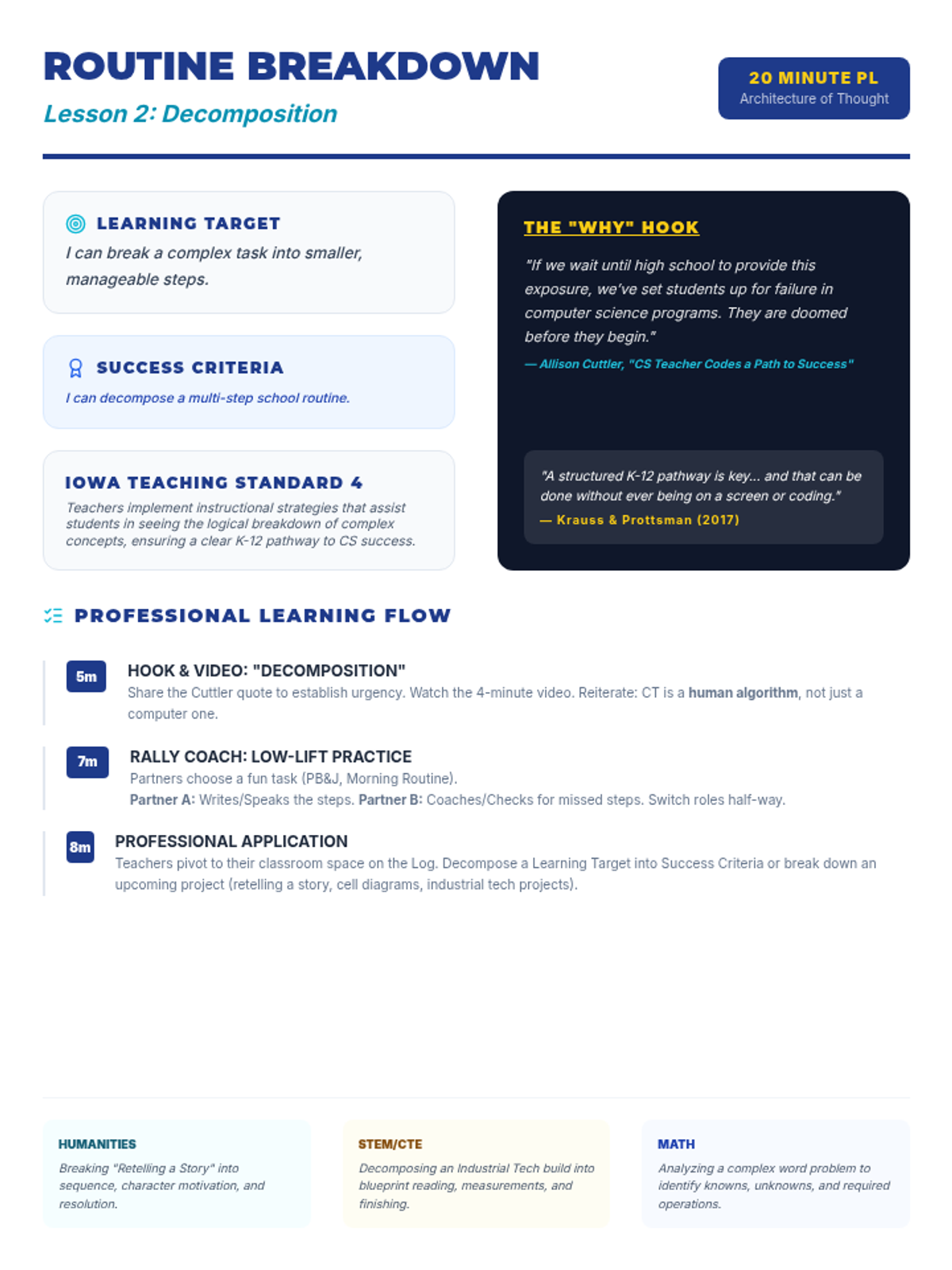
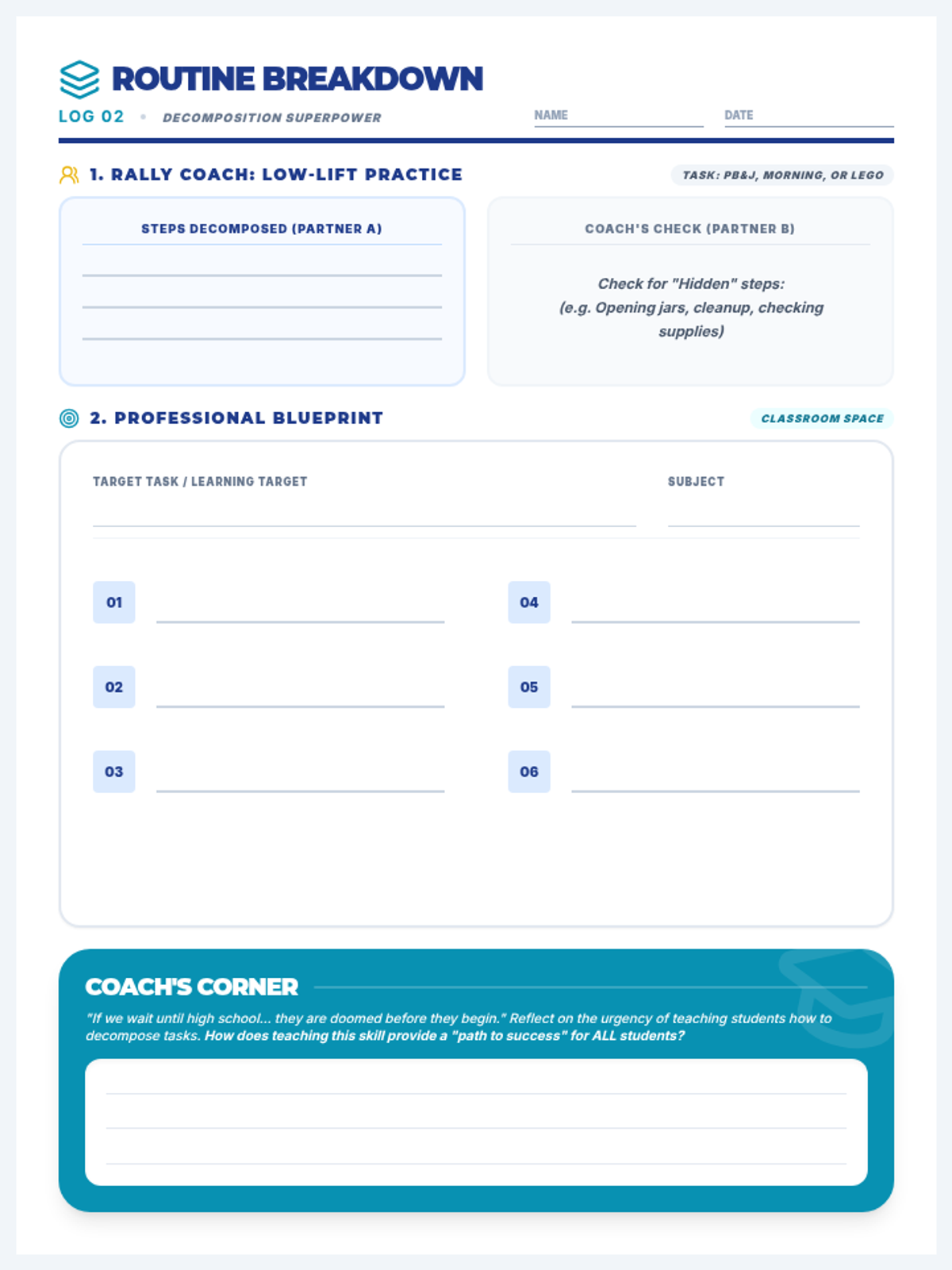
A professional development series for PreK-12 educators that reframes Computer Science as a "Superpower" through Computational Thinking. Teachers explore how CS concepts like decomposition, abstraction, and automation are already present in their daily instructional practices and Iowa Core content.
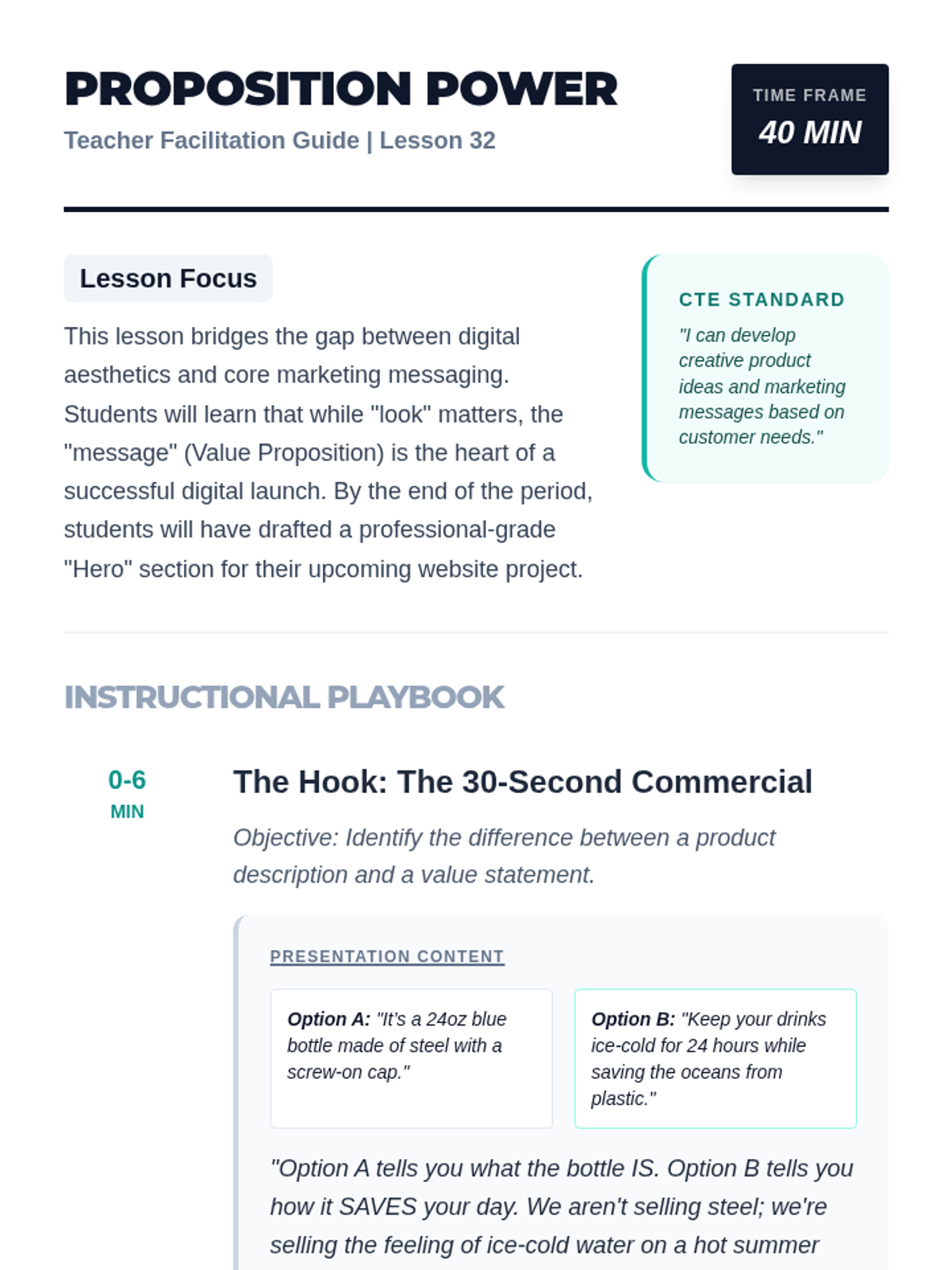
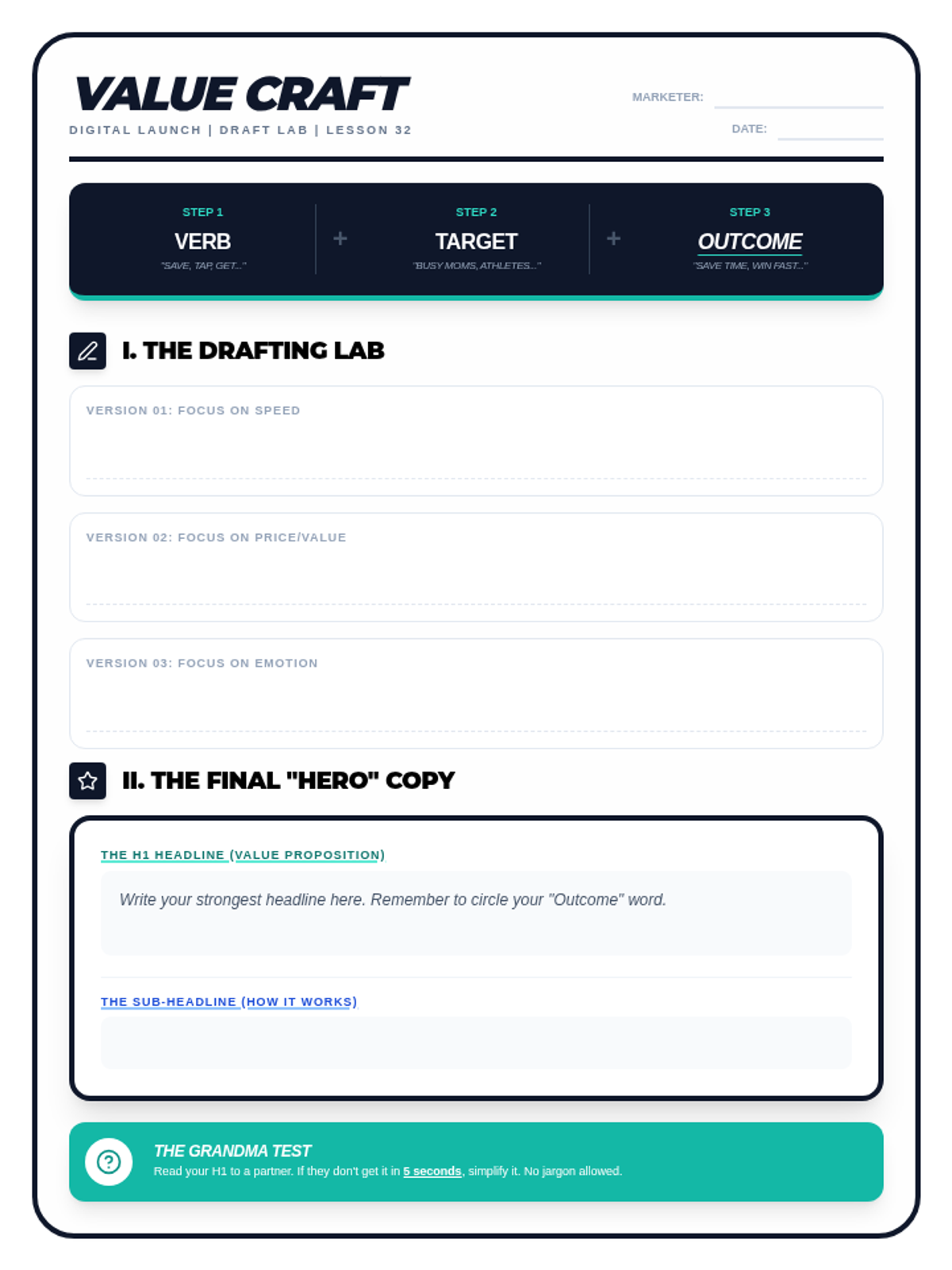
A comprehensive unit focused on the digital launch of marketing campaigns, bridging the gap between design and messaging to create persuasive online presences.
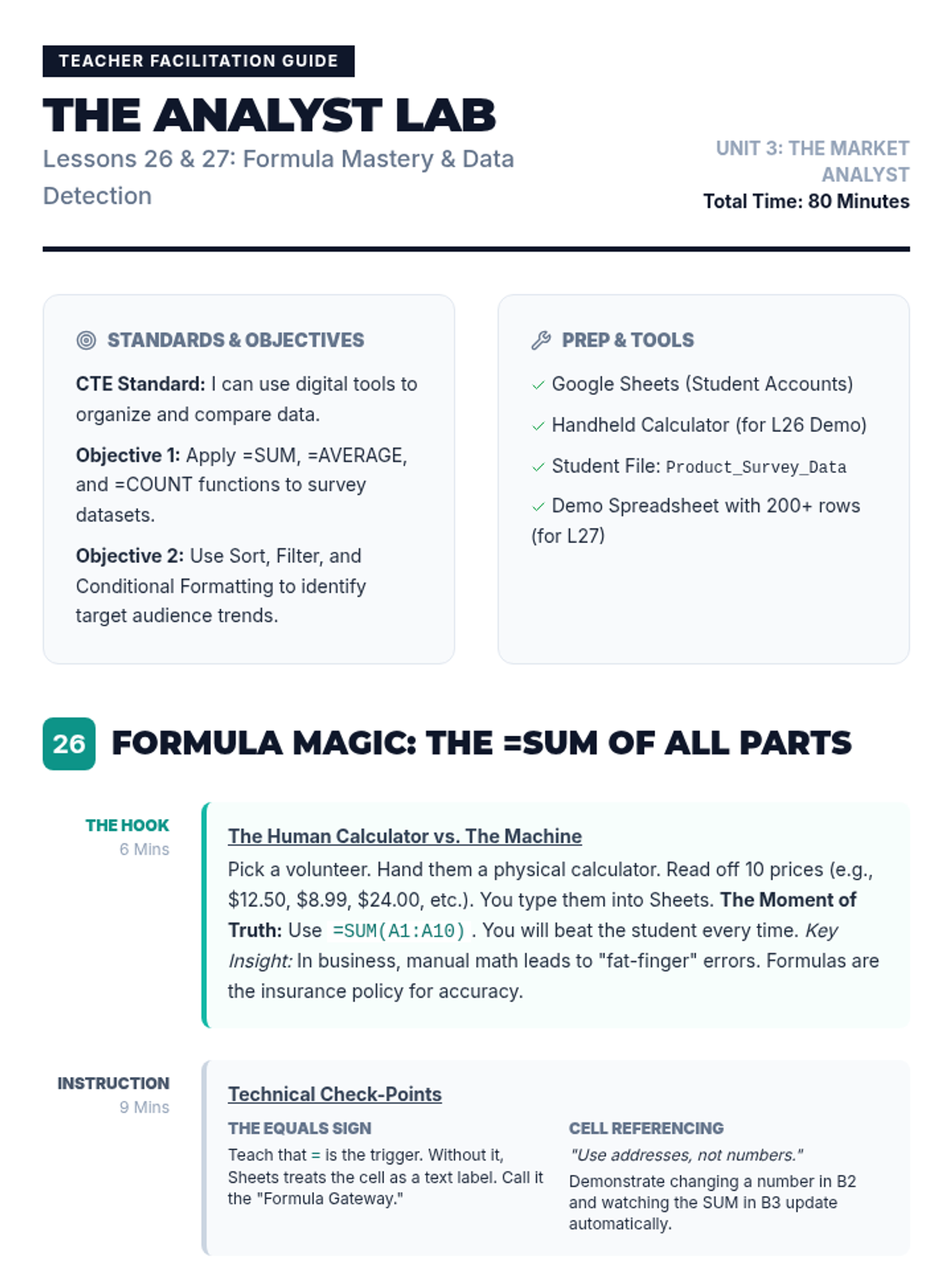
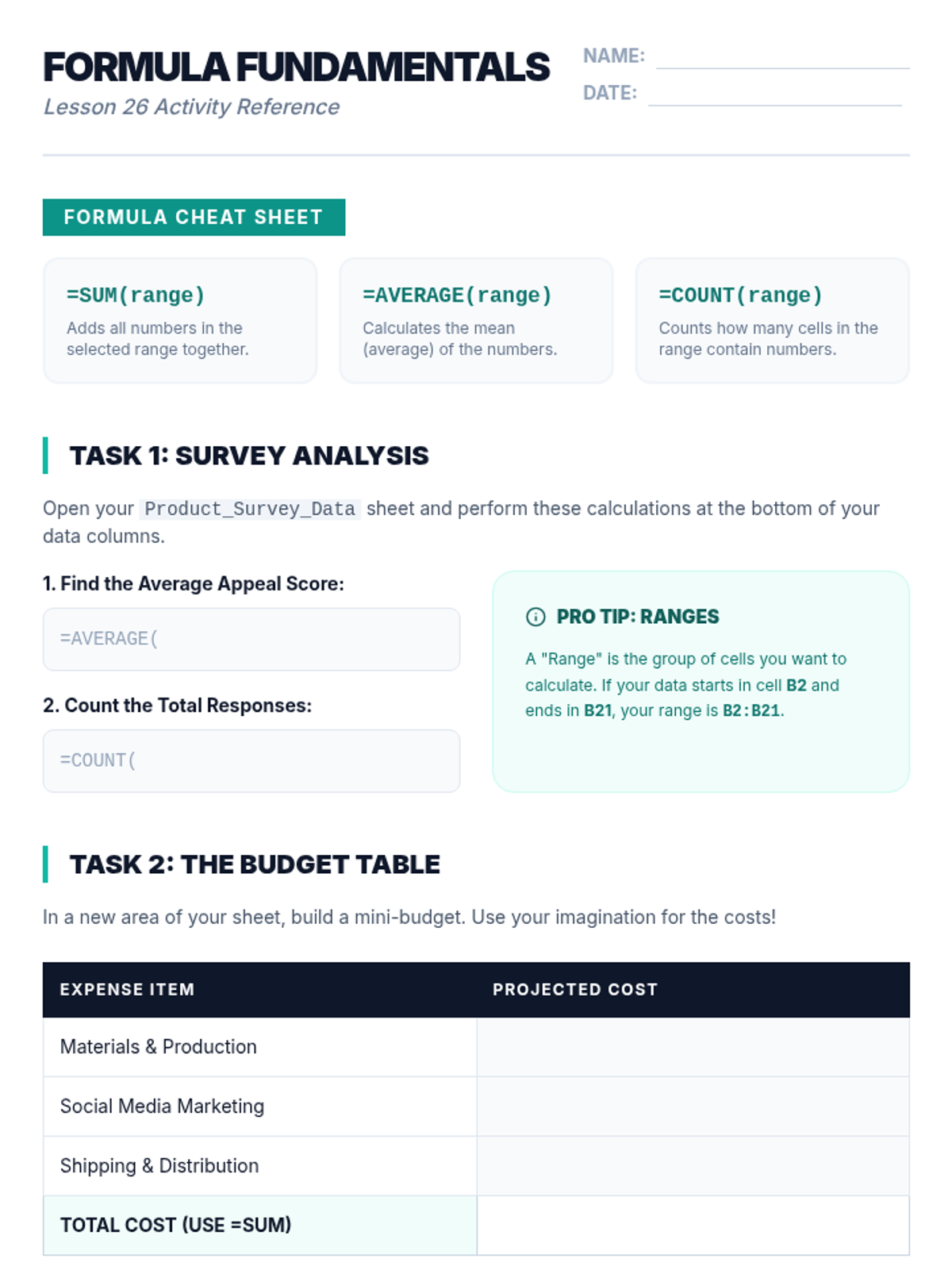
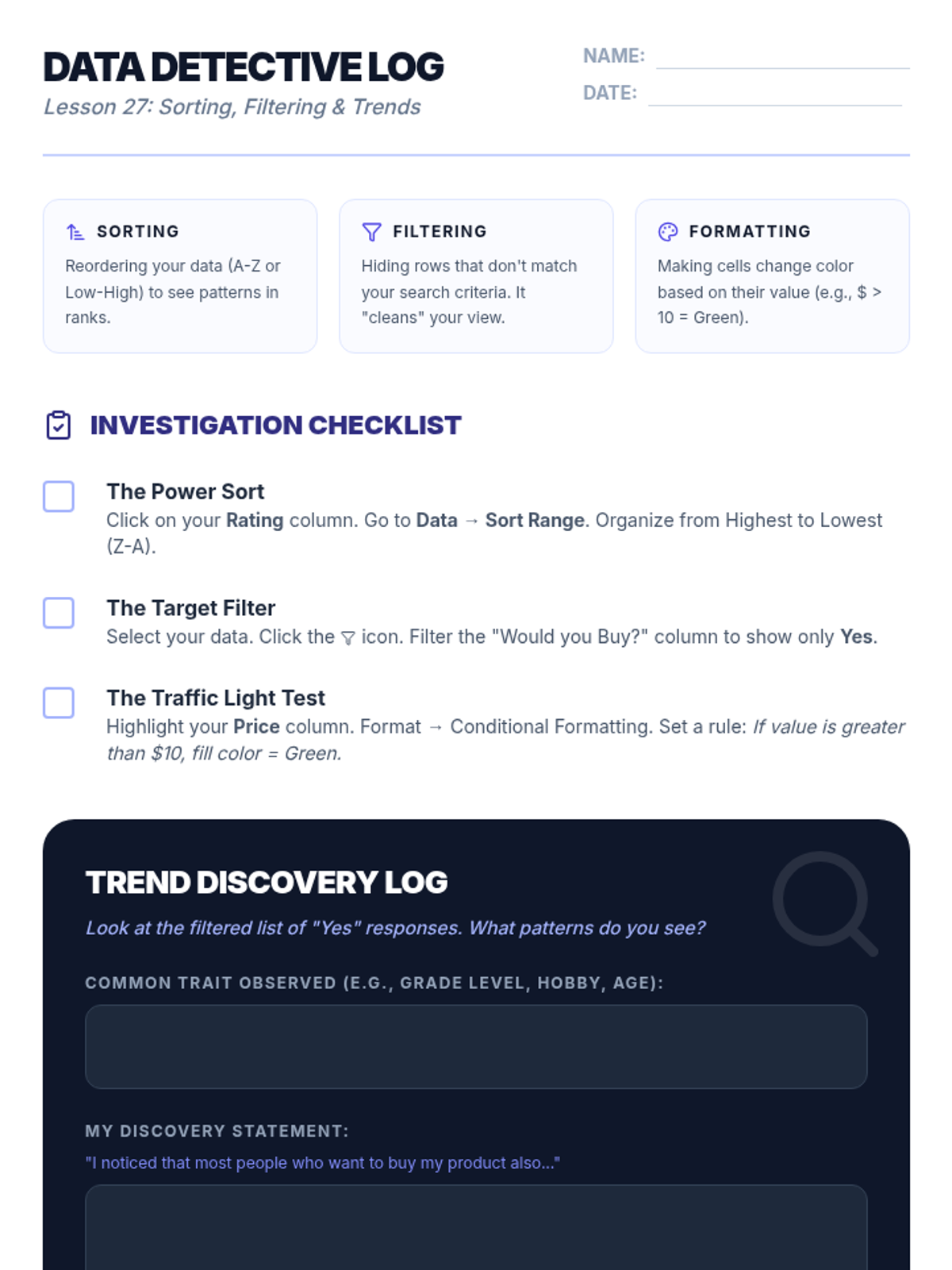
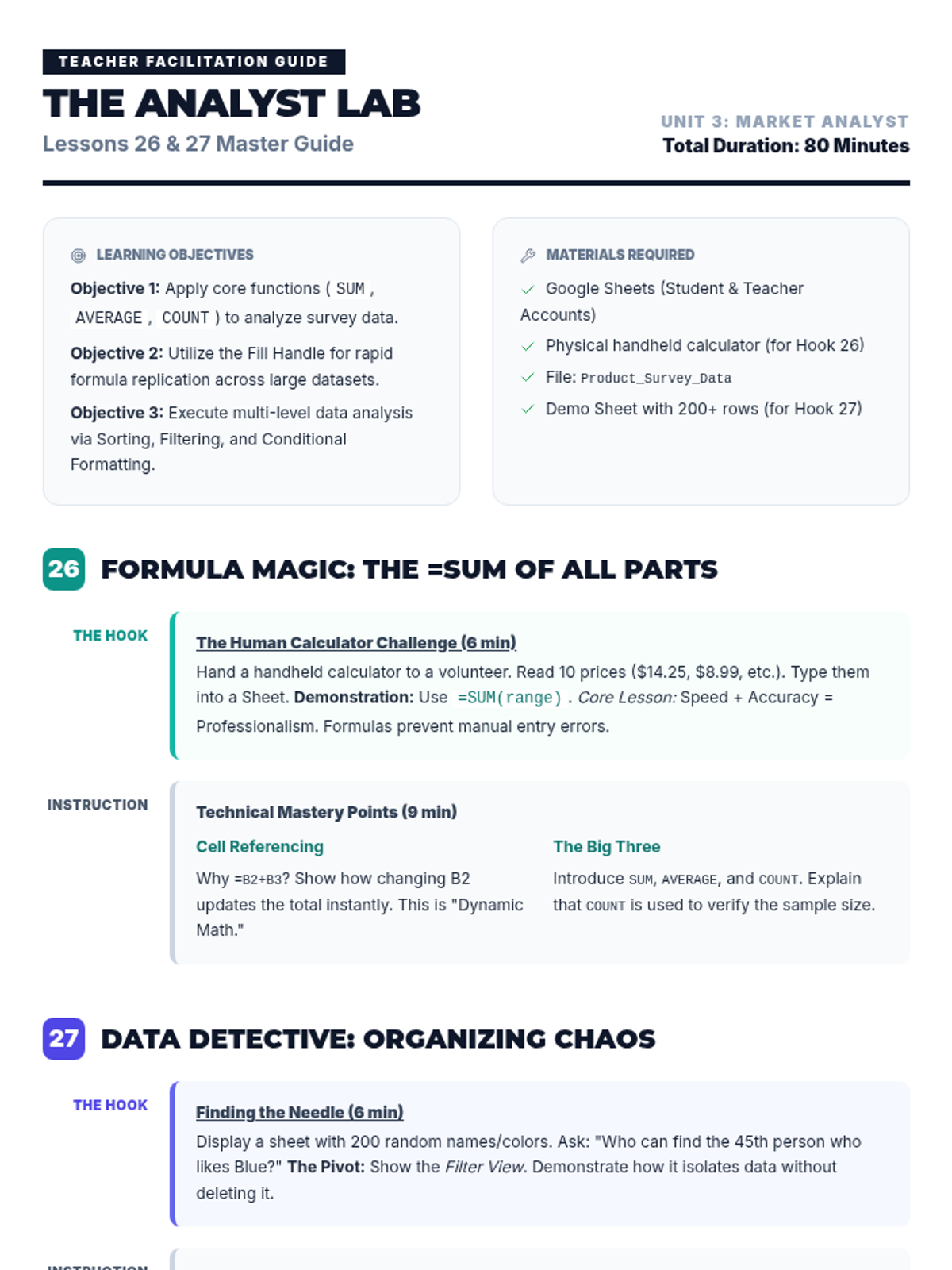
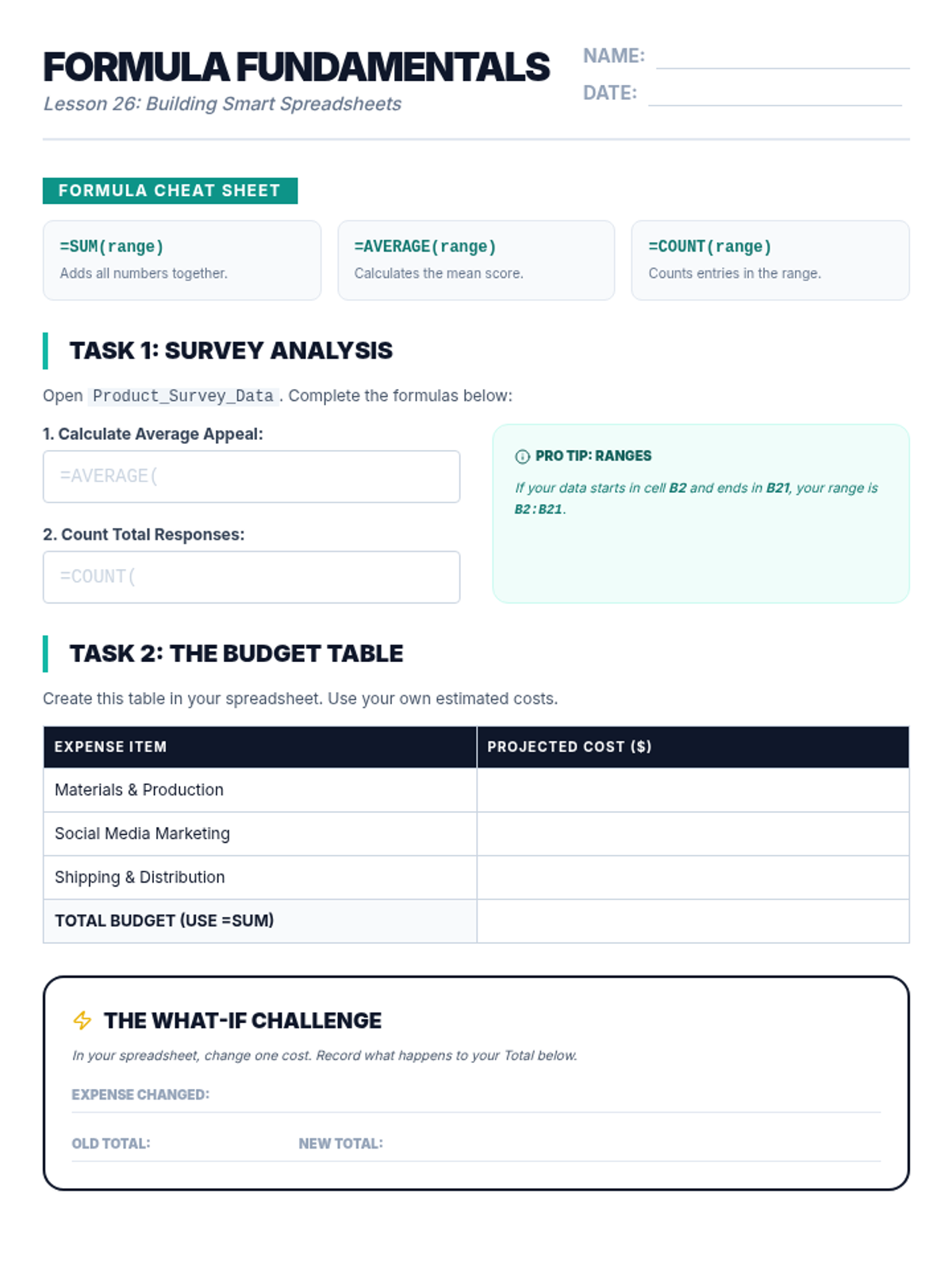
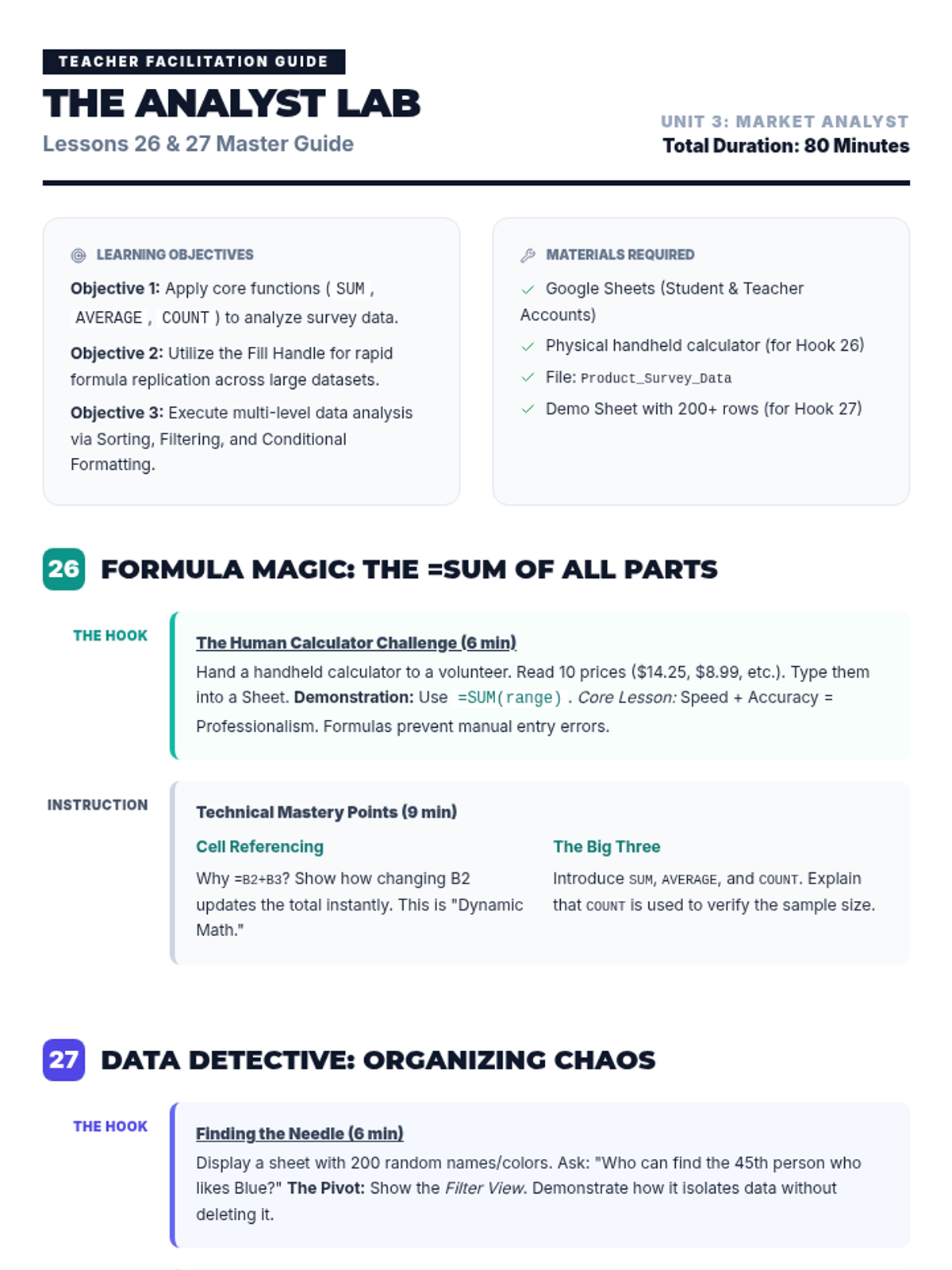
Students learn to use digital tools to organize, compare, and analyze market data using advanced spreadsheet techniques like formulas, sorting, and filtering.
A unit focused on the visual principles of brand identity, moving from theory (color, type) to creation using vector-based tools like Google Drawing.
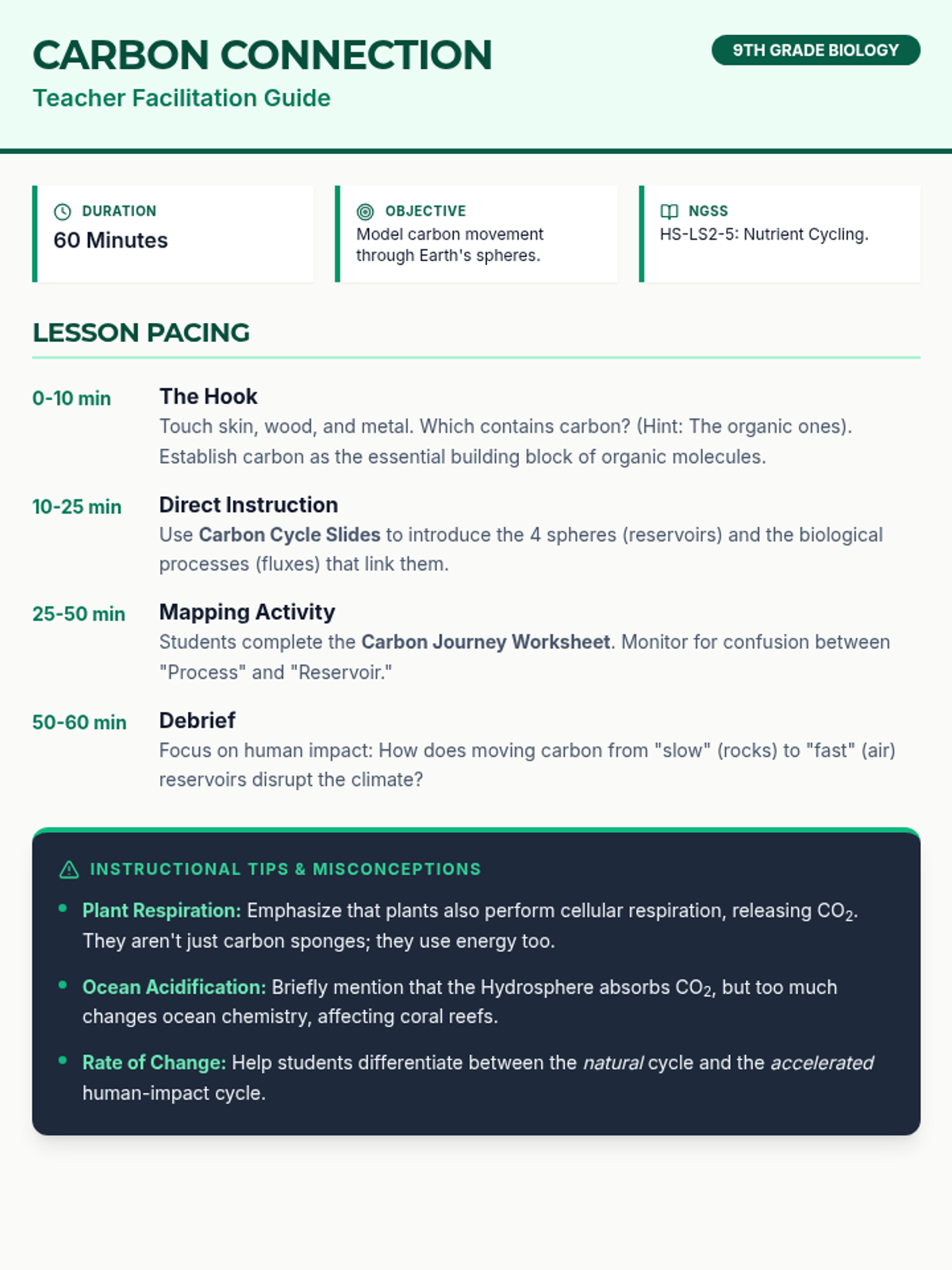
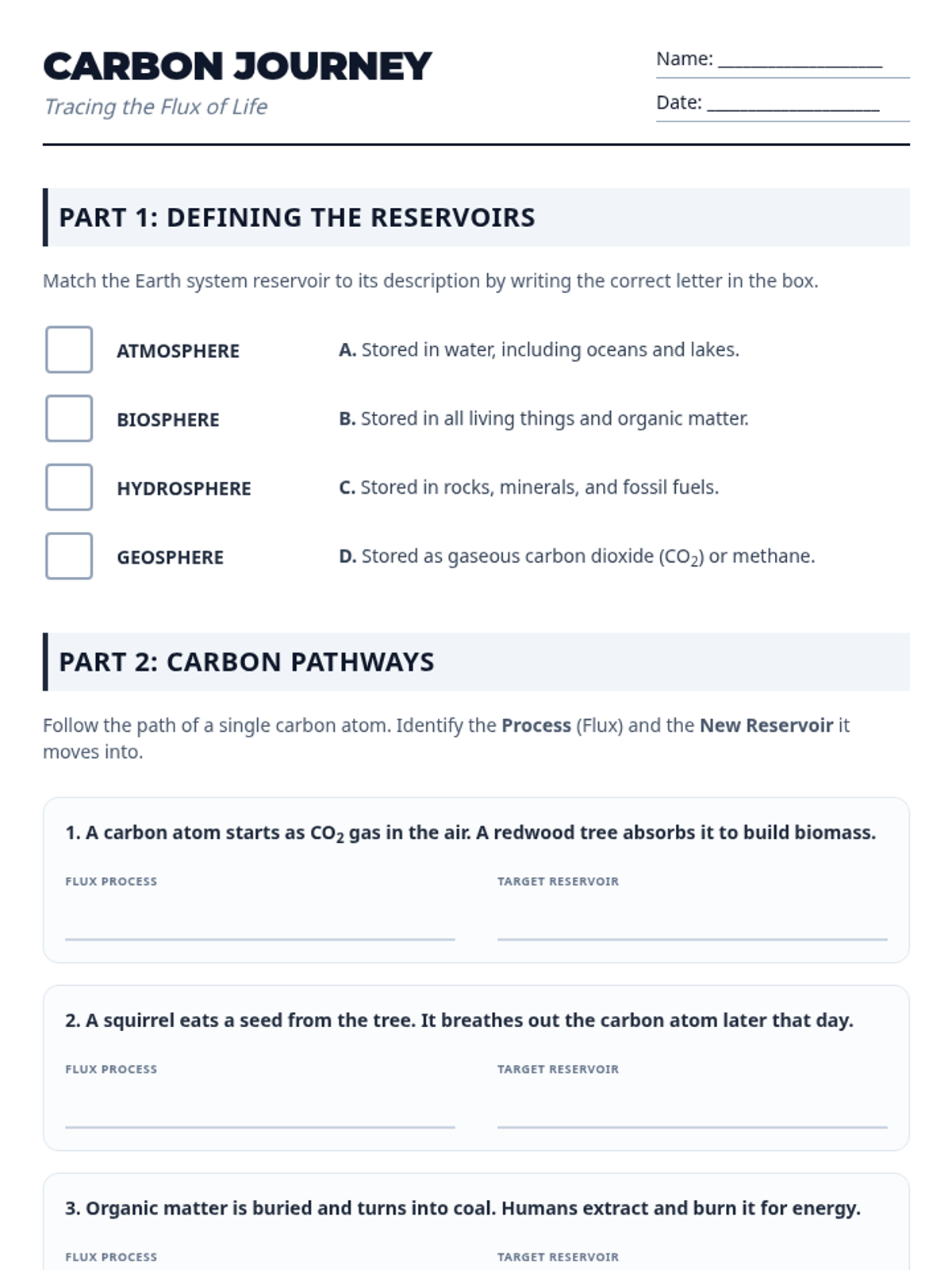
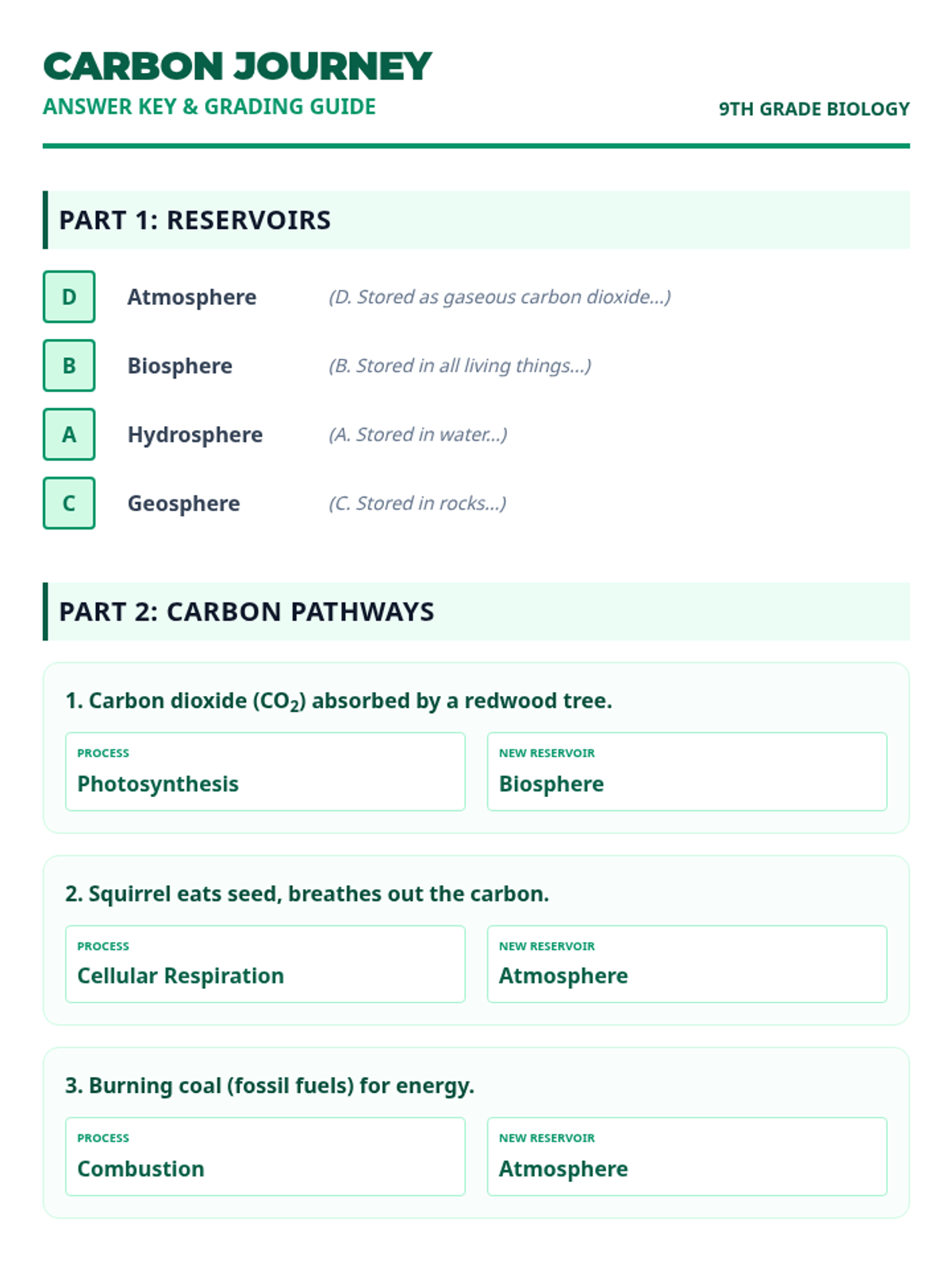
A series of lessons exploring how Earth's chemical and physical systems support life, focusing on nutrient cycling and the biosphere's delicate balance.
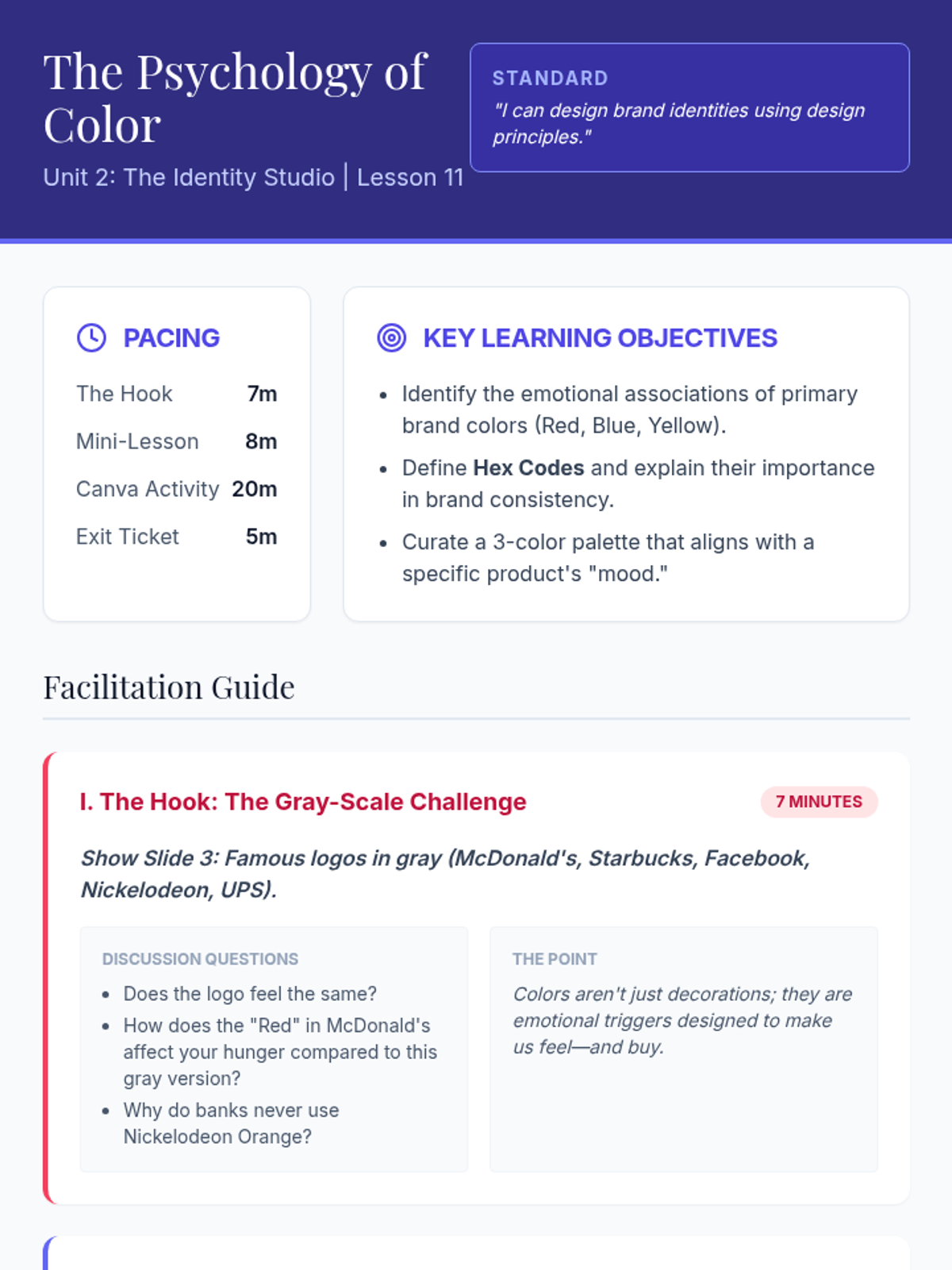
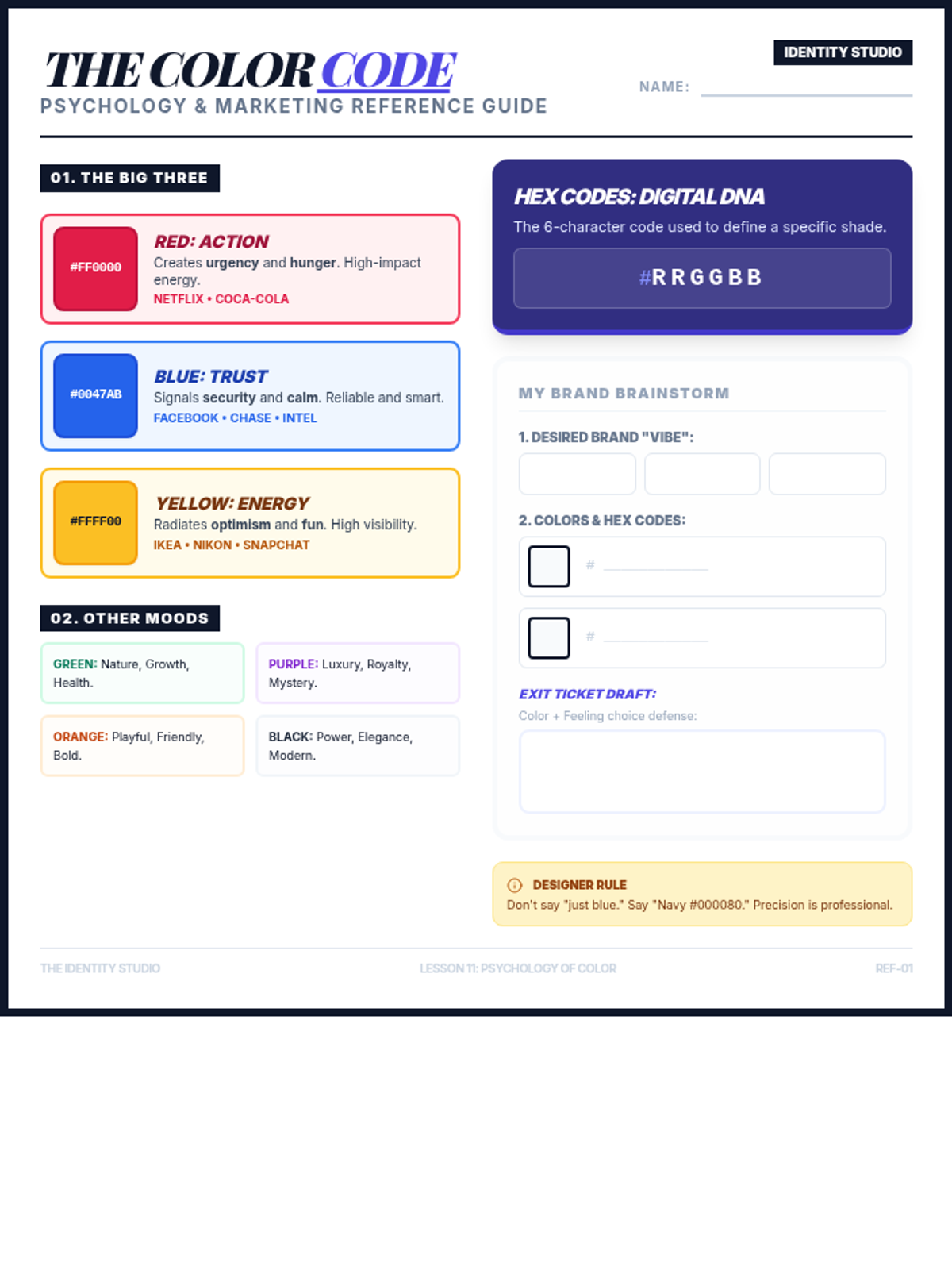
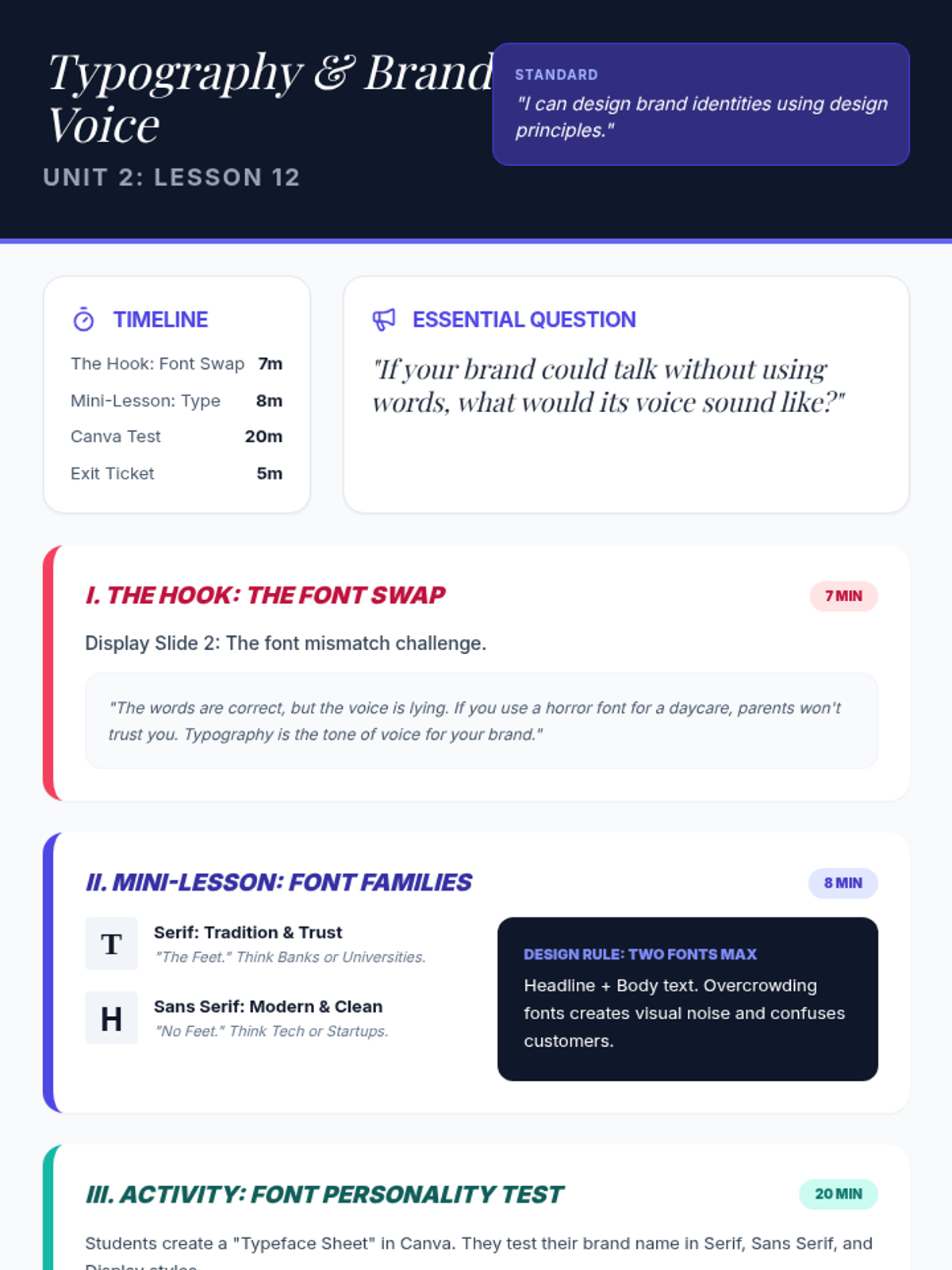
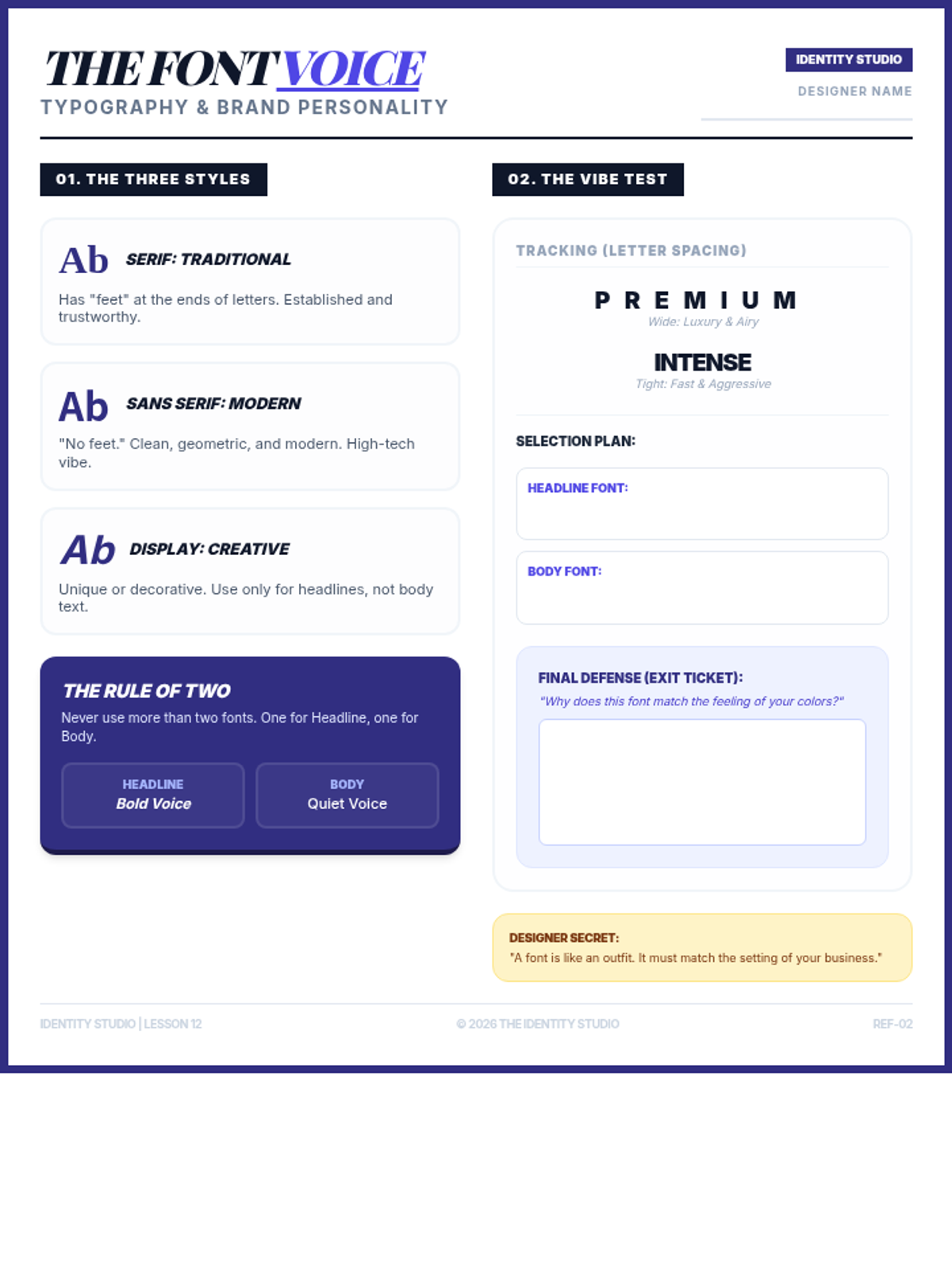
A comprehensive identity design unit where students explore the psychological and visual elements of branding, including color theory, typography, and logo composition.
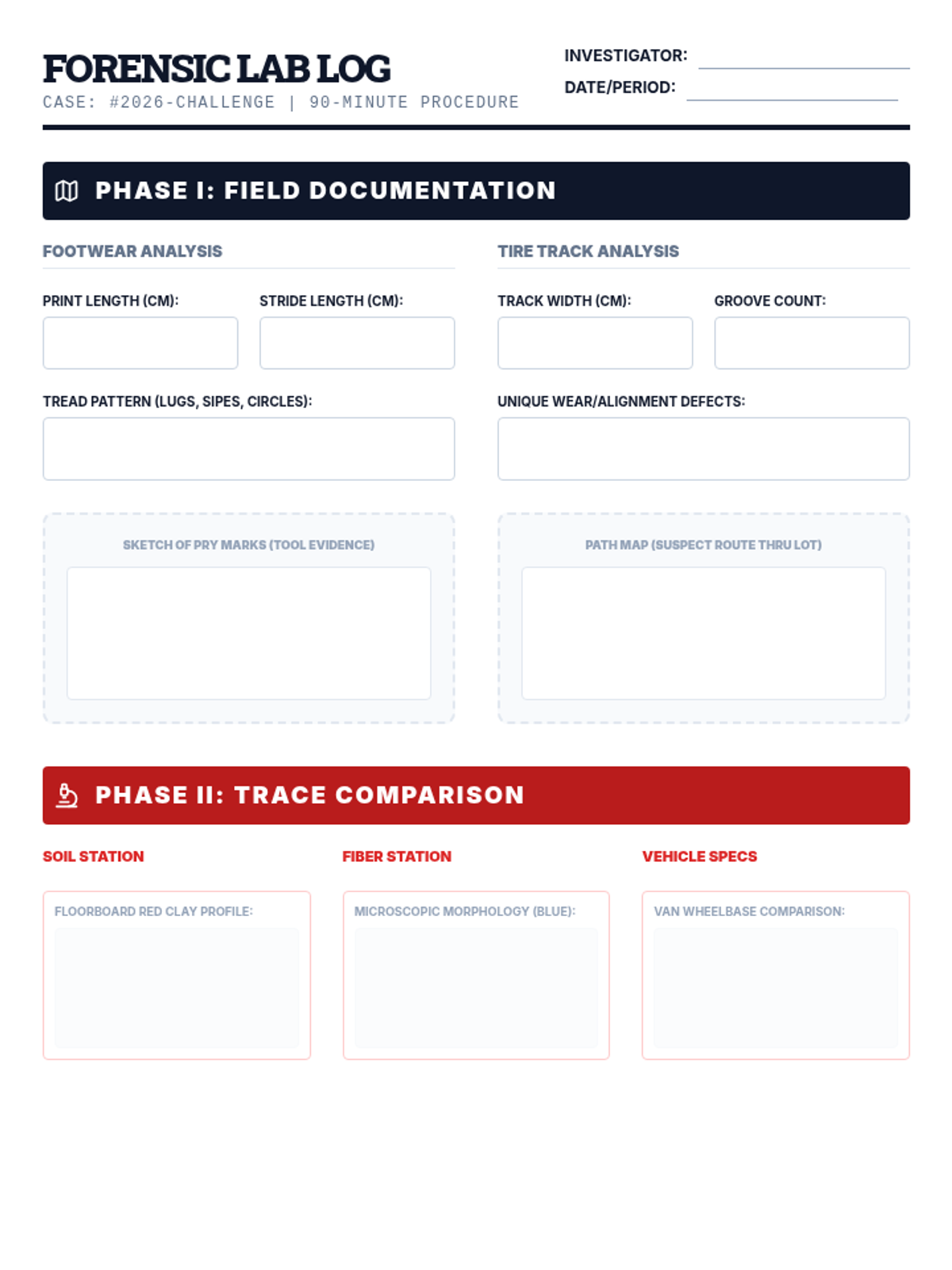
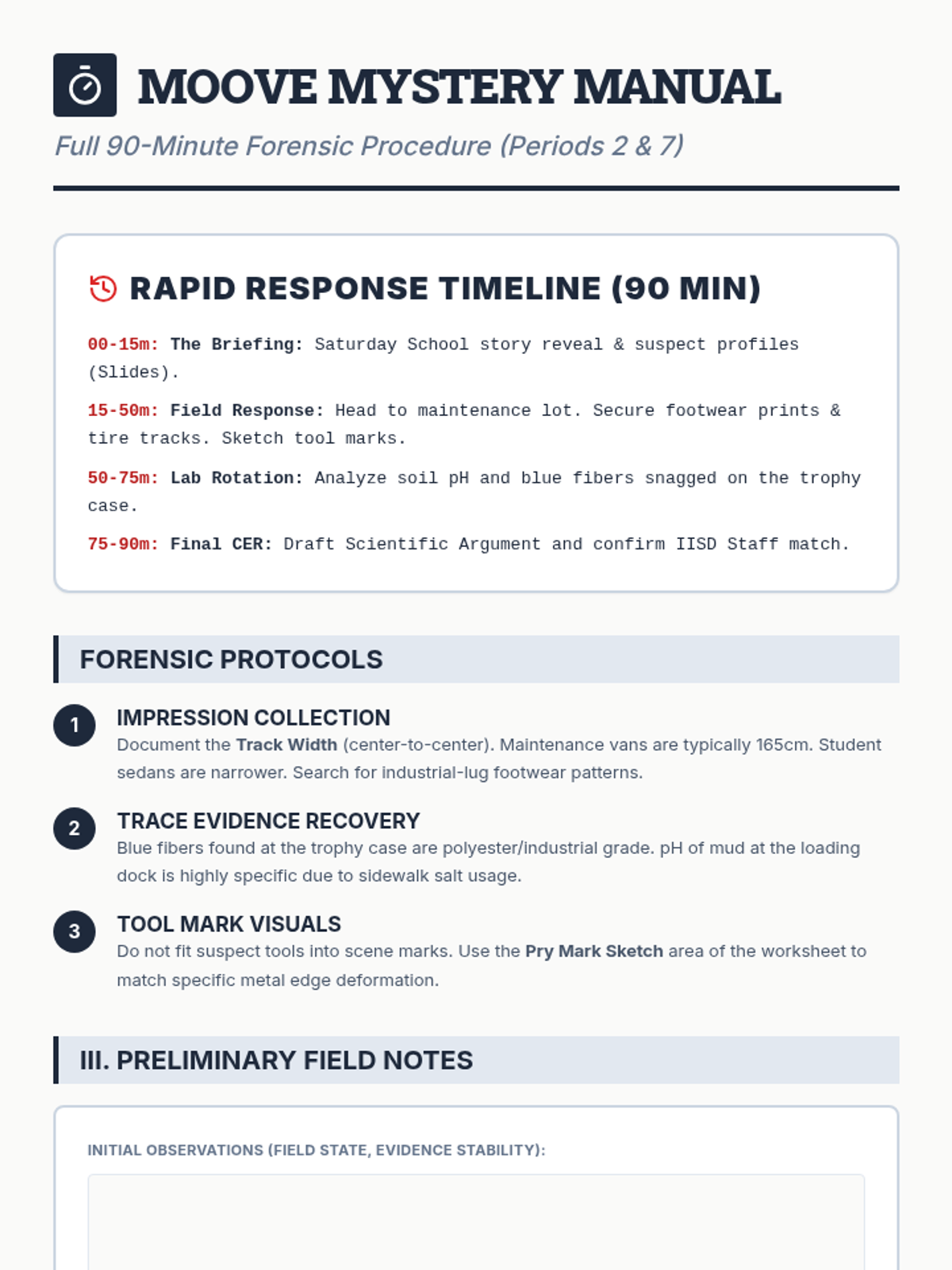
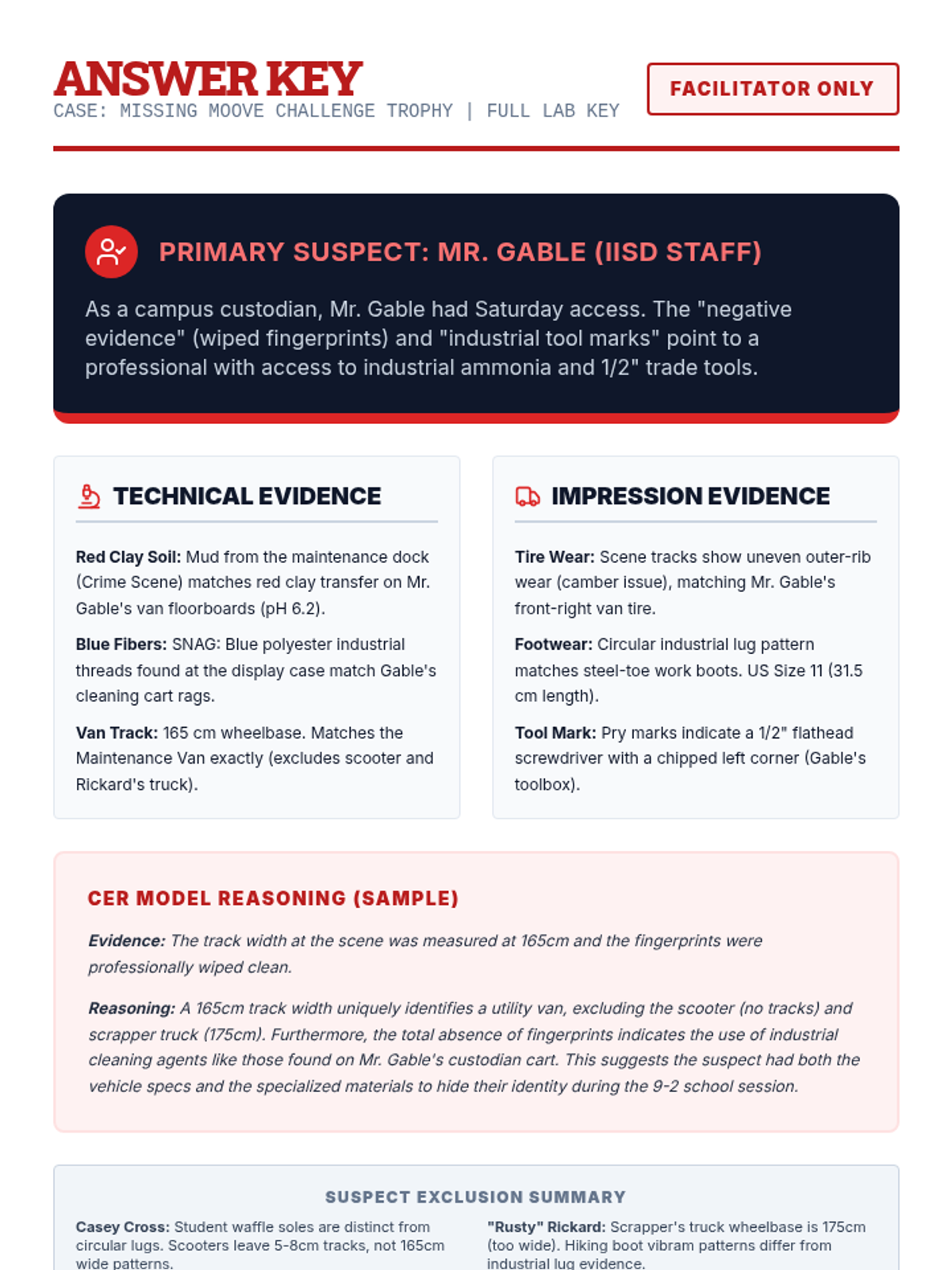
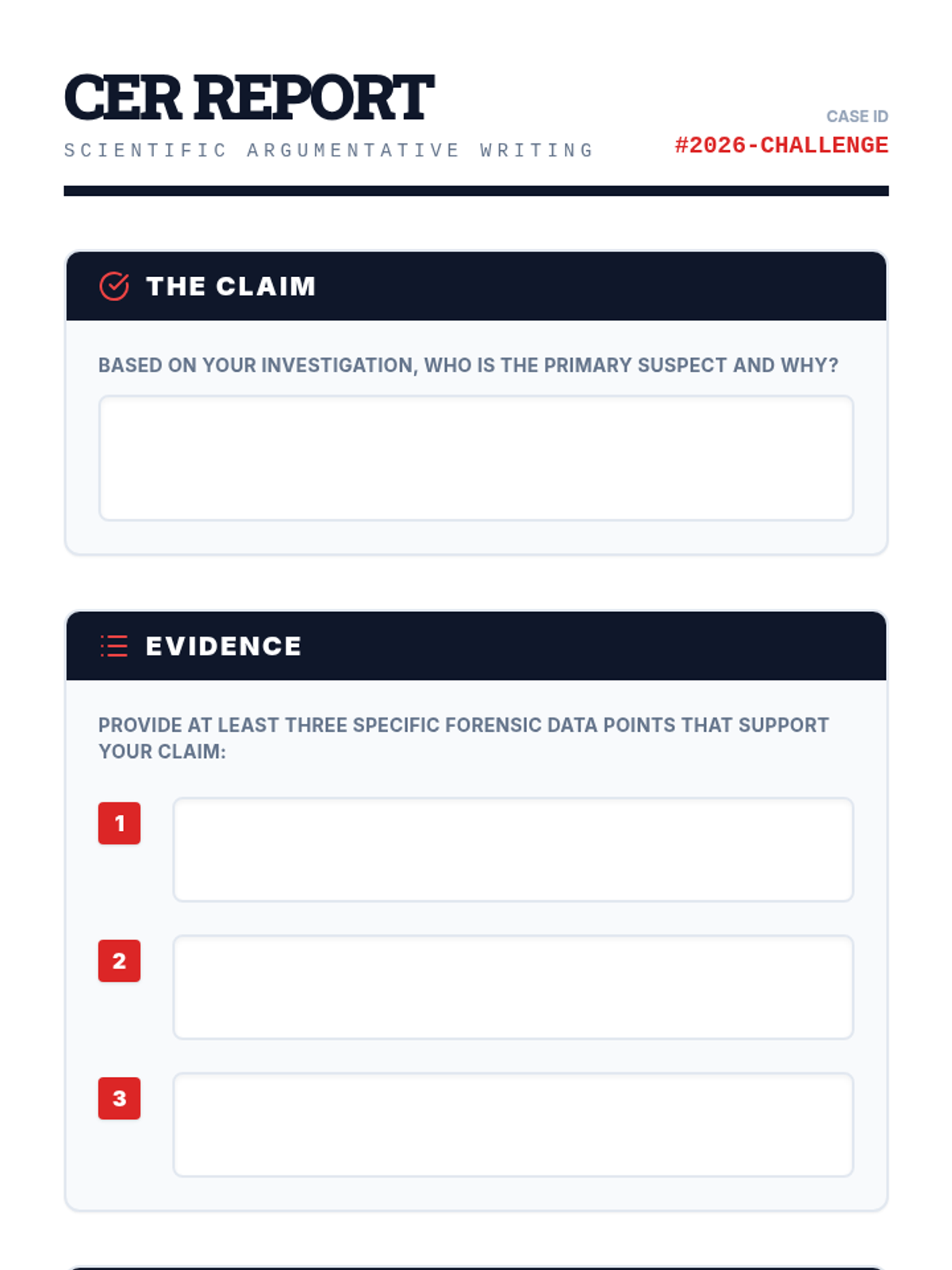
A unit focused on forensic science techniques, specifically focusing on the collection and analysis of physical evidence from crime scenes.