This sequence establishes the foundational mechanics of Mandarin Chinese pronunciation through intensive workshop-style practice, focusing on the Pinyin system, tones, and articulation rules.
A cultural exploration of the Dominican Republic, focusing on geography, history, and traditions while developing CER writing skills in Spanish.
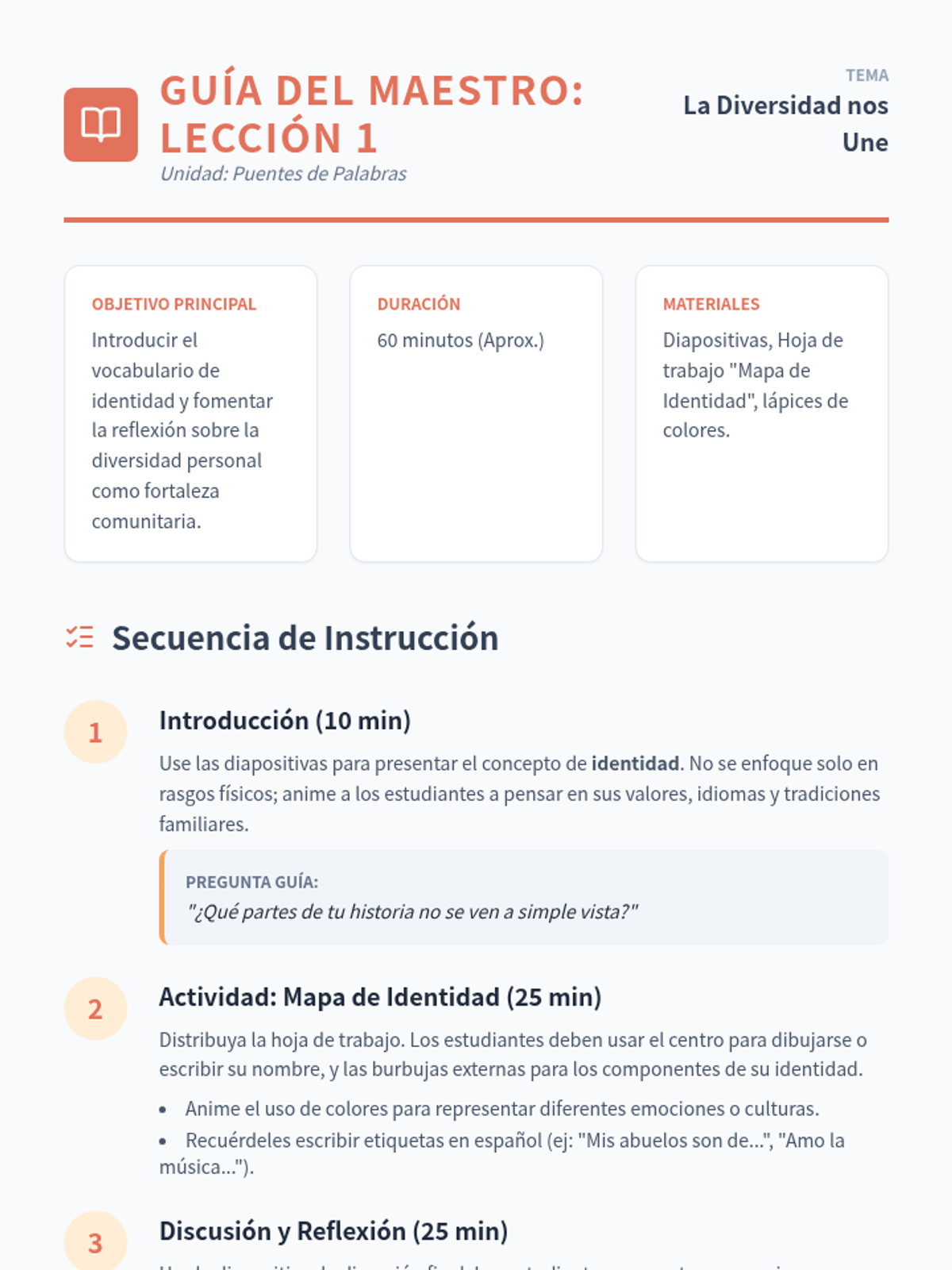
A specialized lesson sequence designed for 9th-grade English Language Learners to explore the life and legacy of Cesar Chavez through the four domains of language acquisition: Reading, Writing, Speaking, and Listening. The materials are aligned with TELPAS criteria and emphasize civil rights history and labor activism.
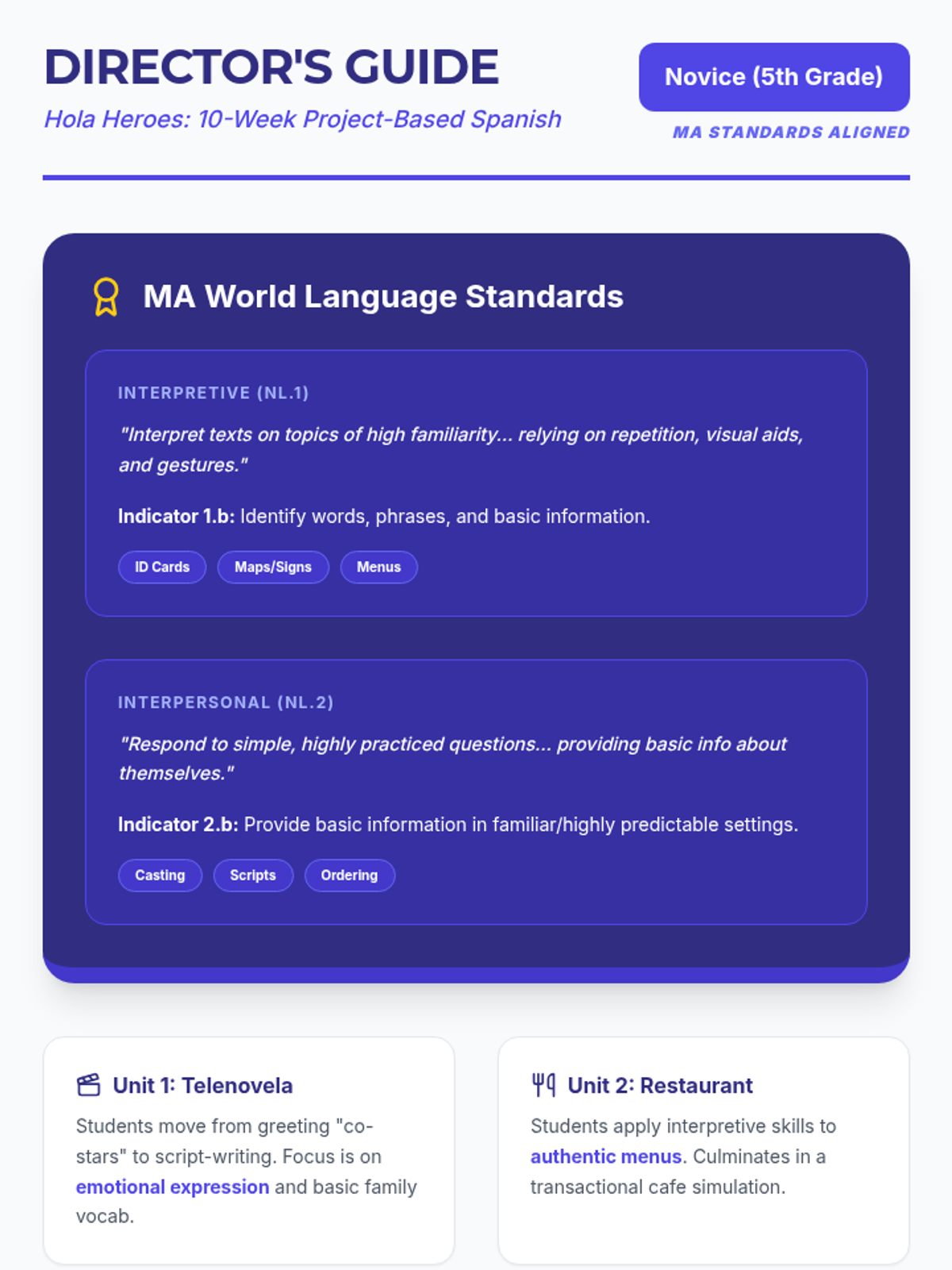
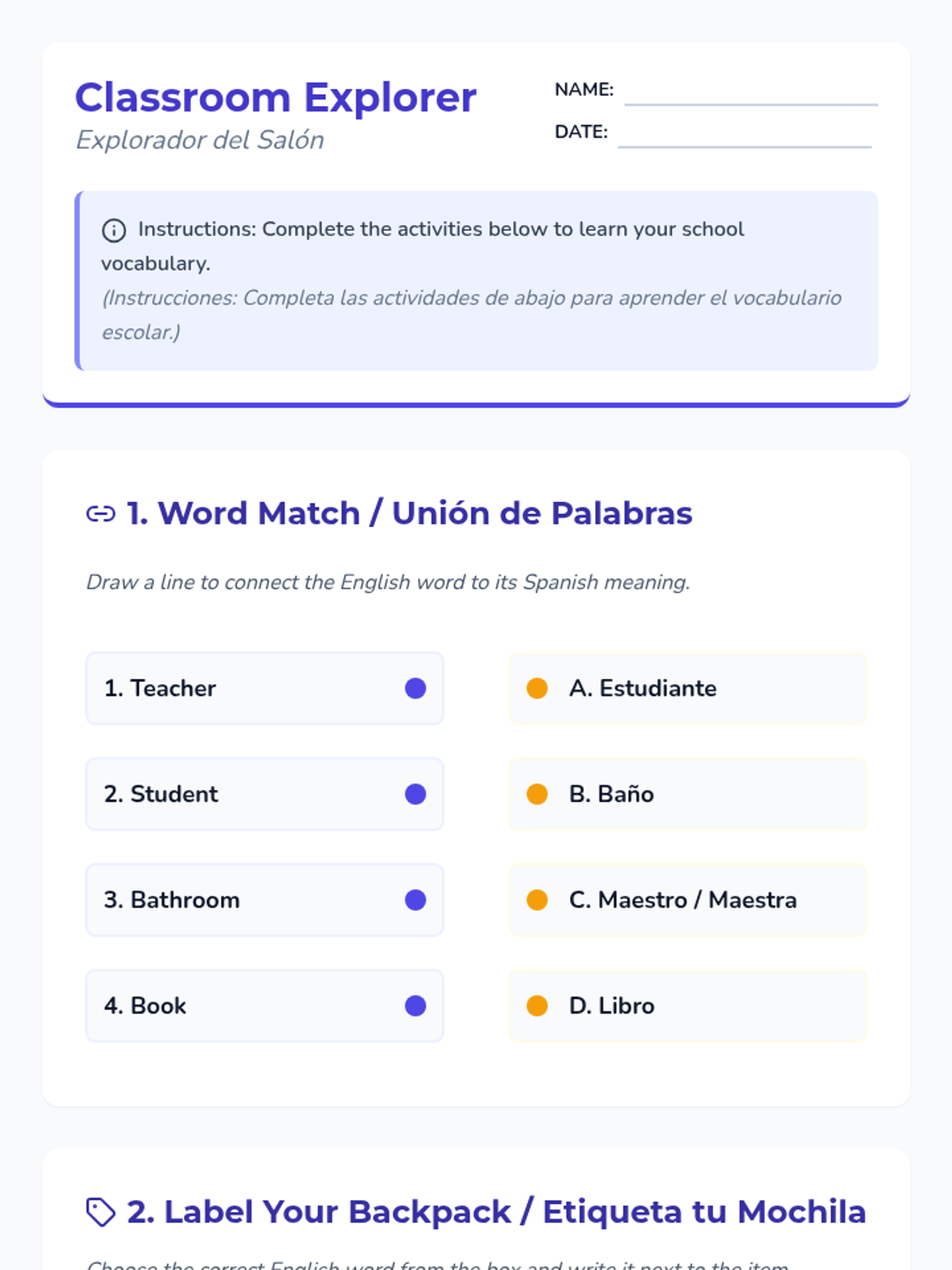
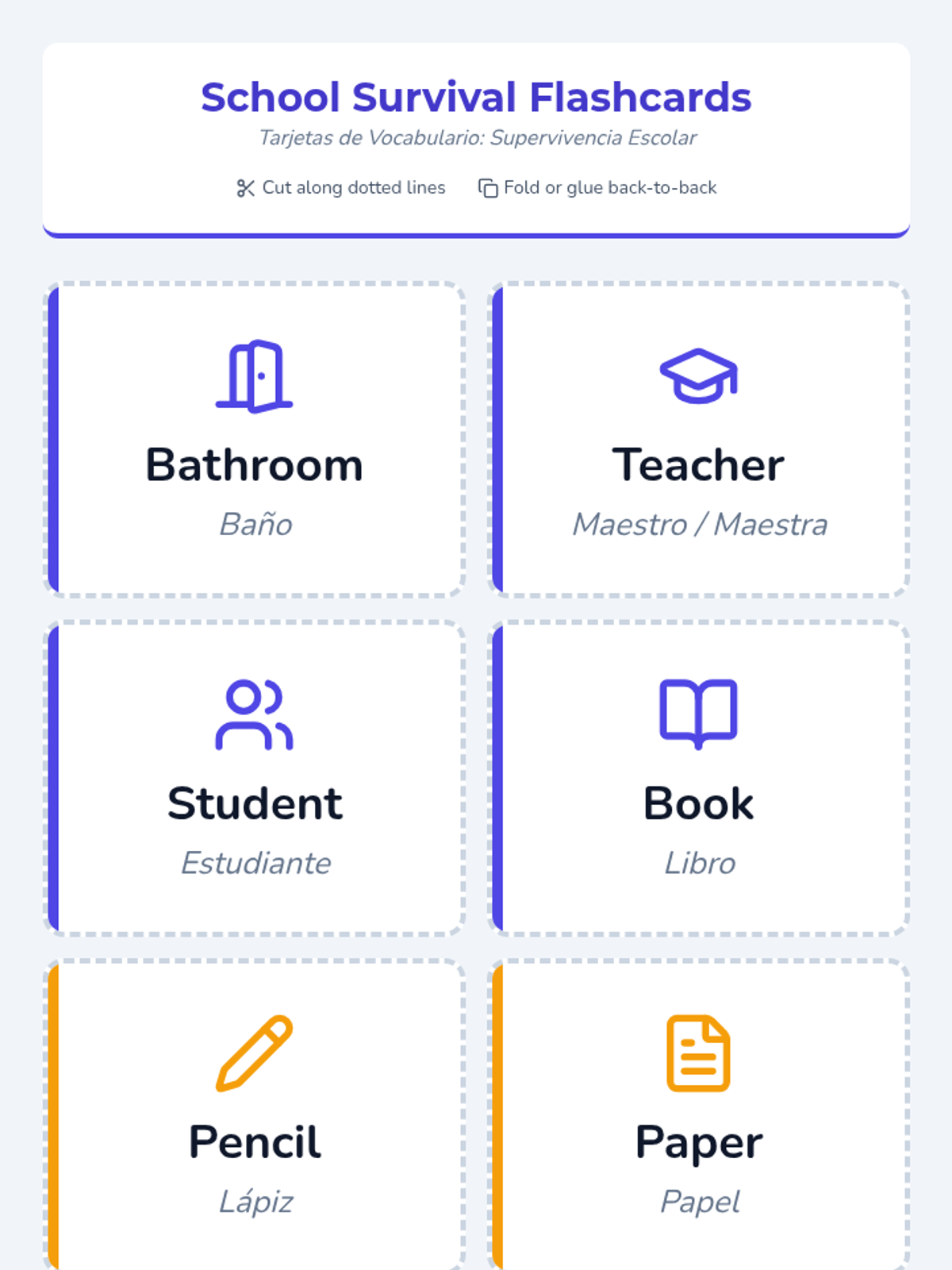
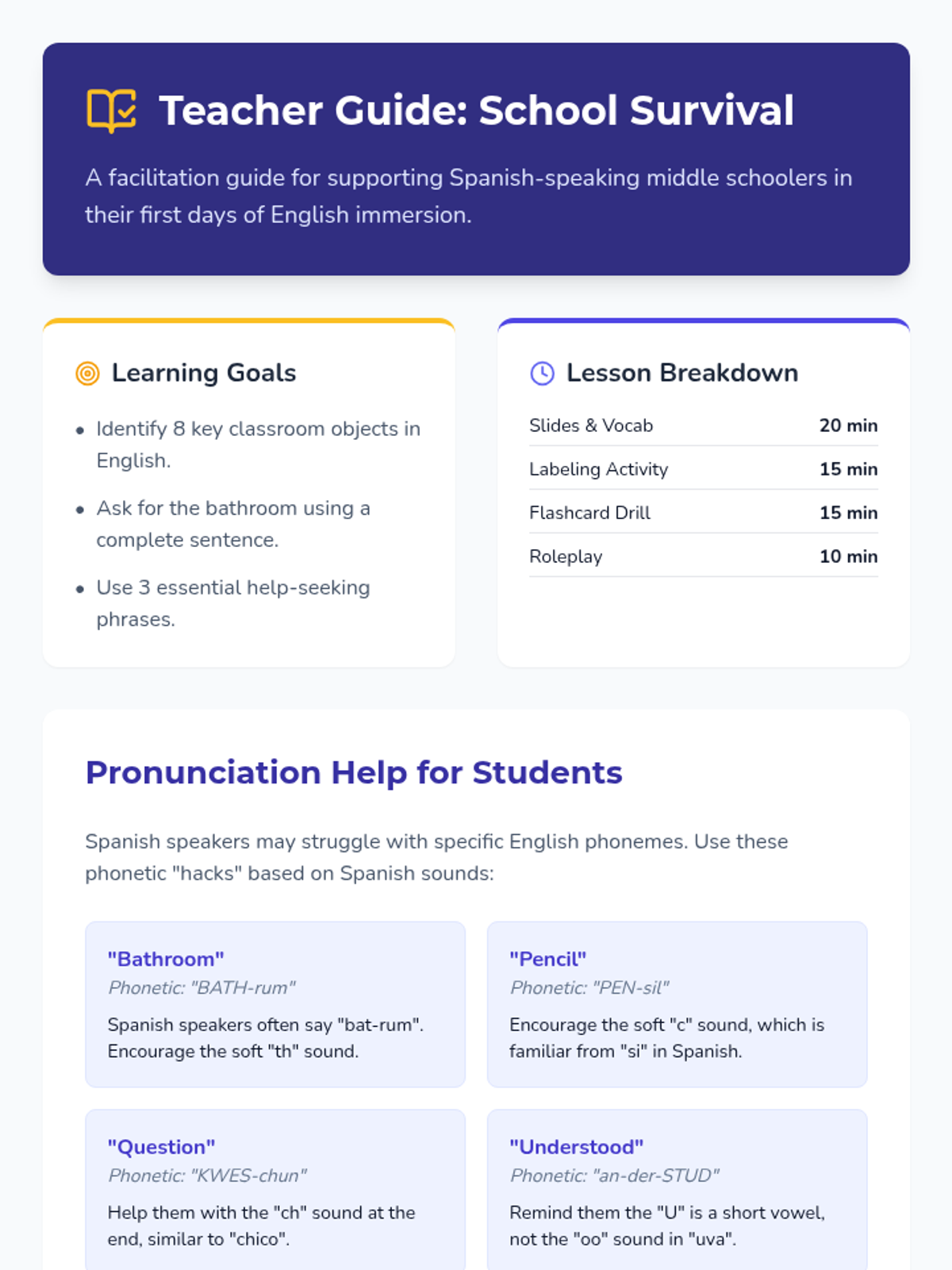
An immersive listening sequence designed for elementary-age beginner ESL students. This unit helps young learners navigate the routines, spaces, and social expectations of a primary school classroom, moving from basic imperative commands to understanding daily schedules and peer introductions.
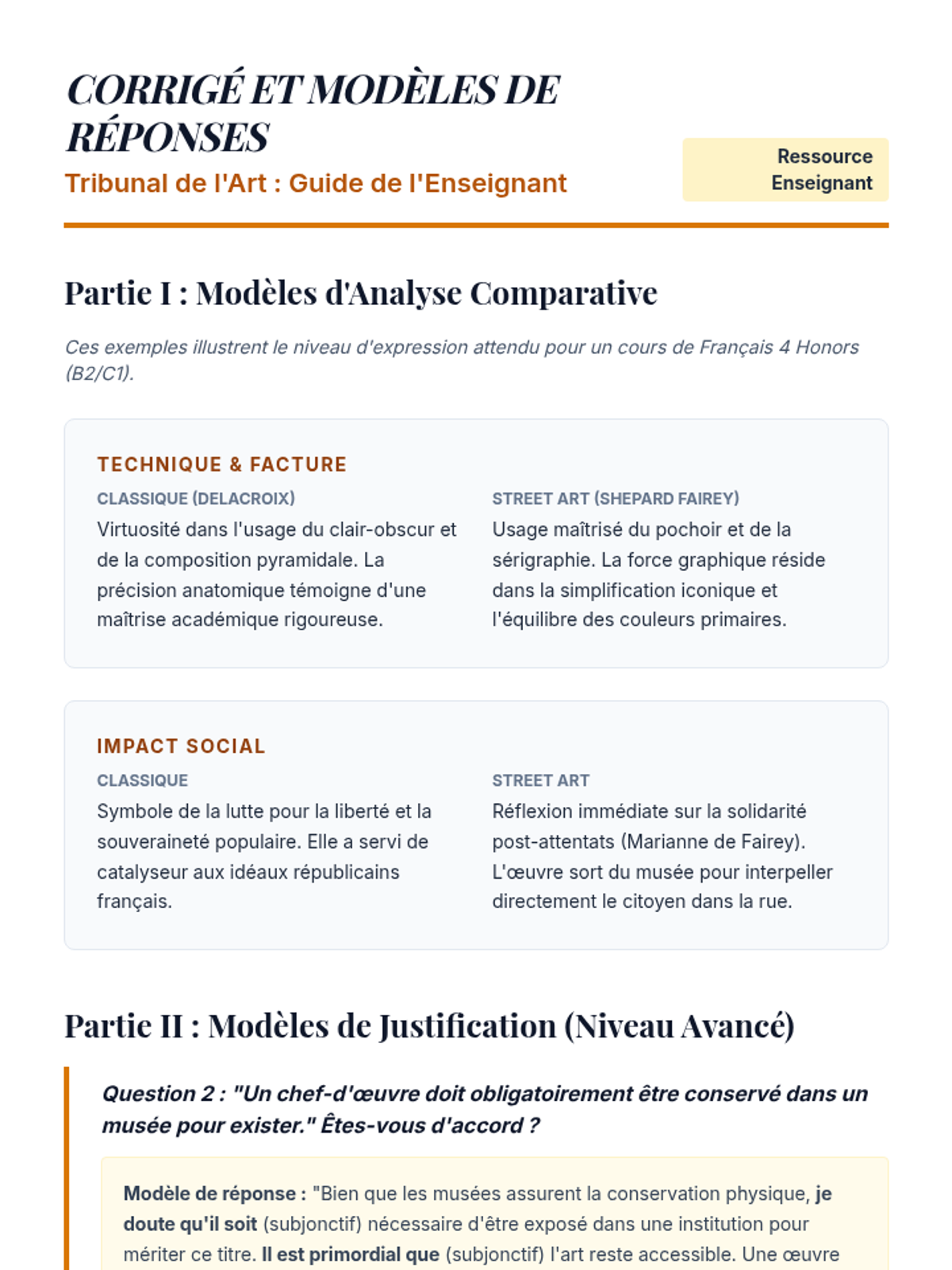
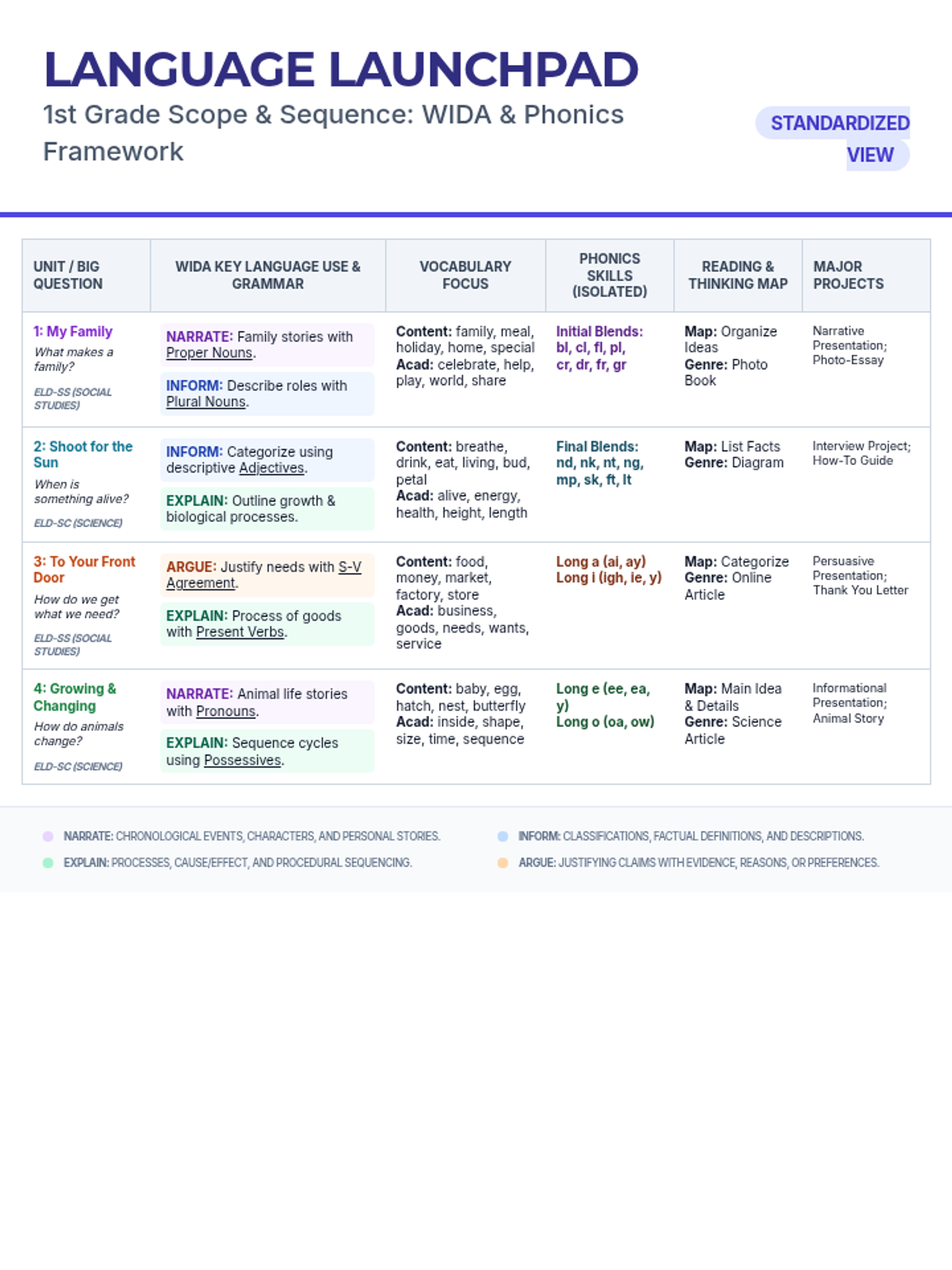
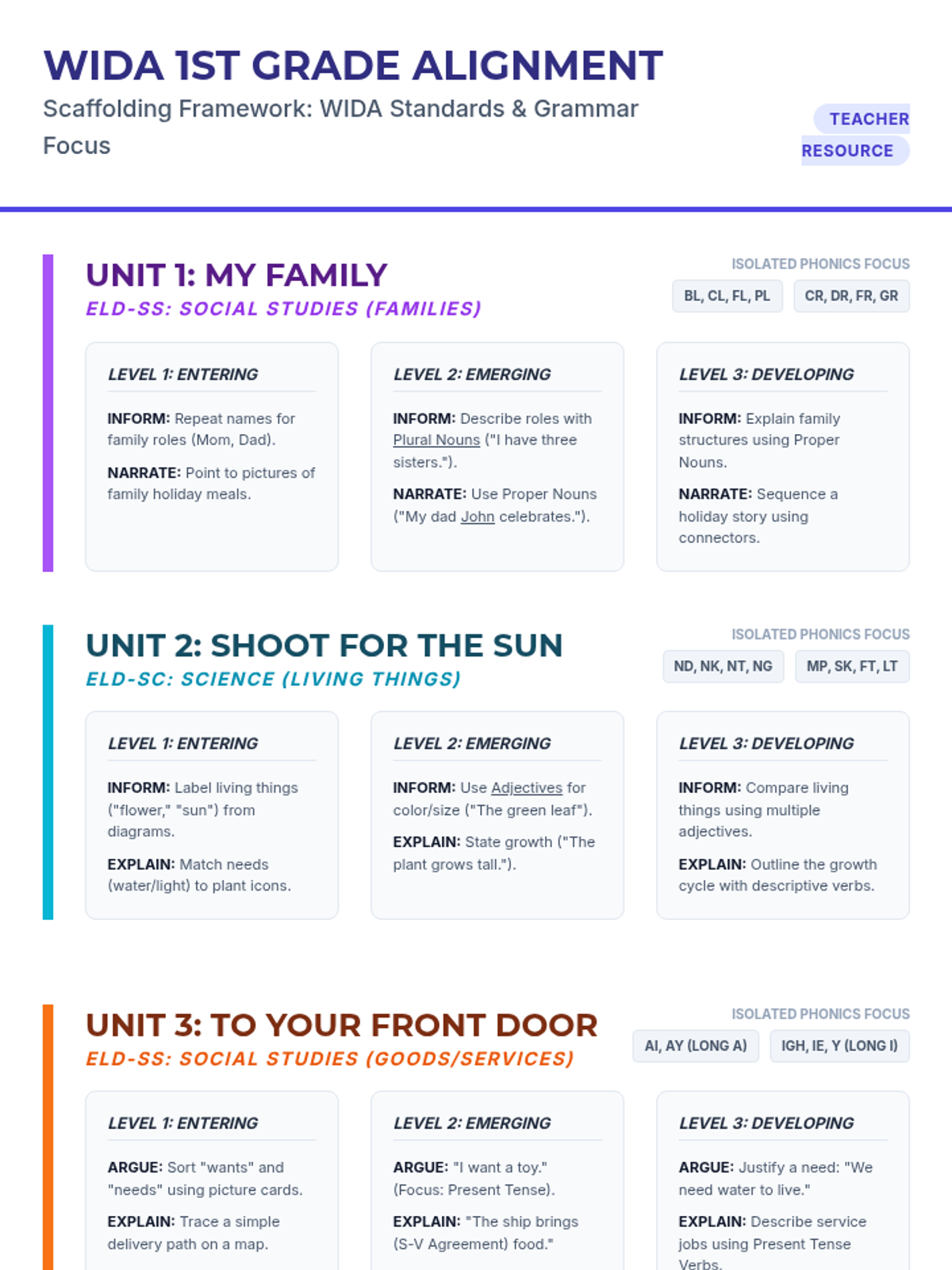
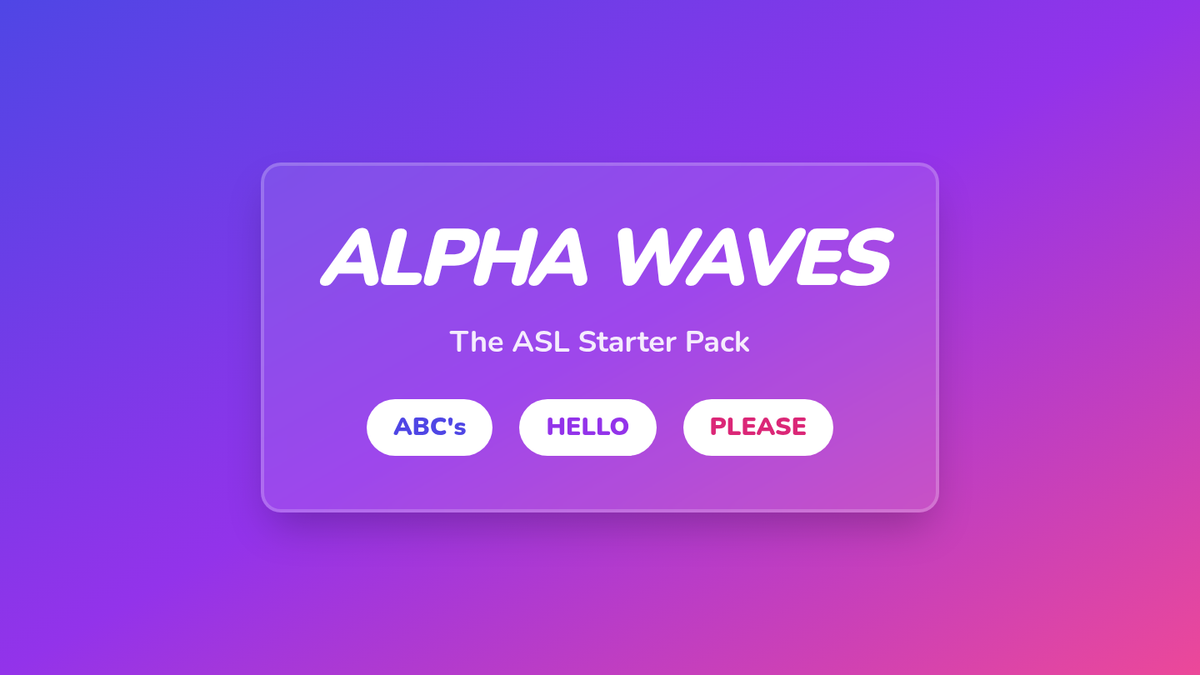
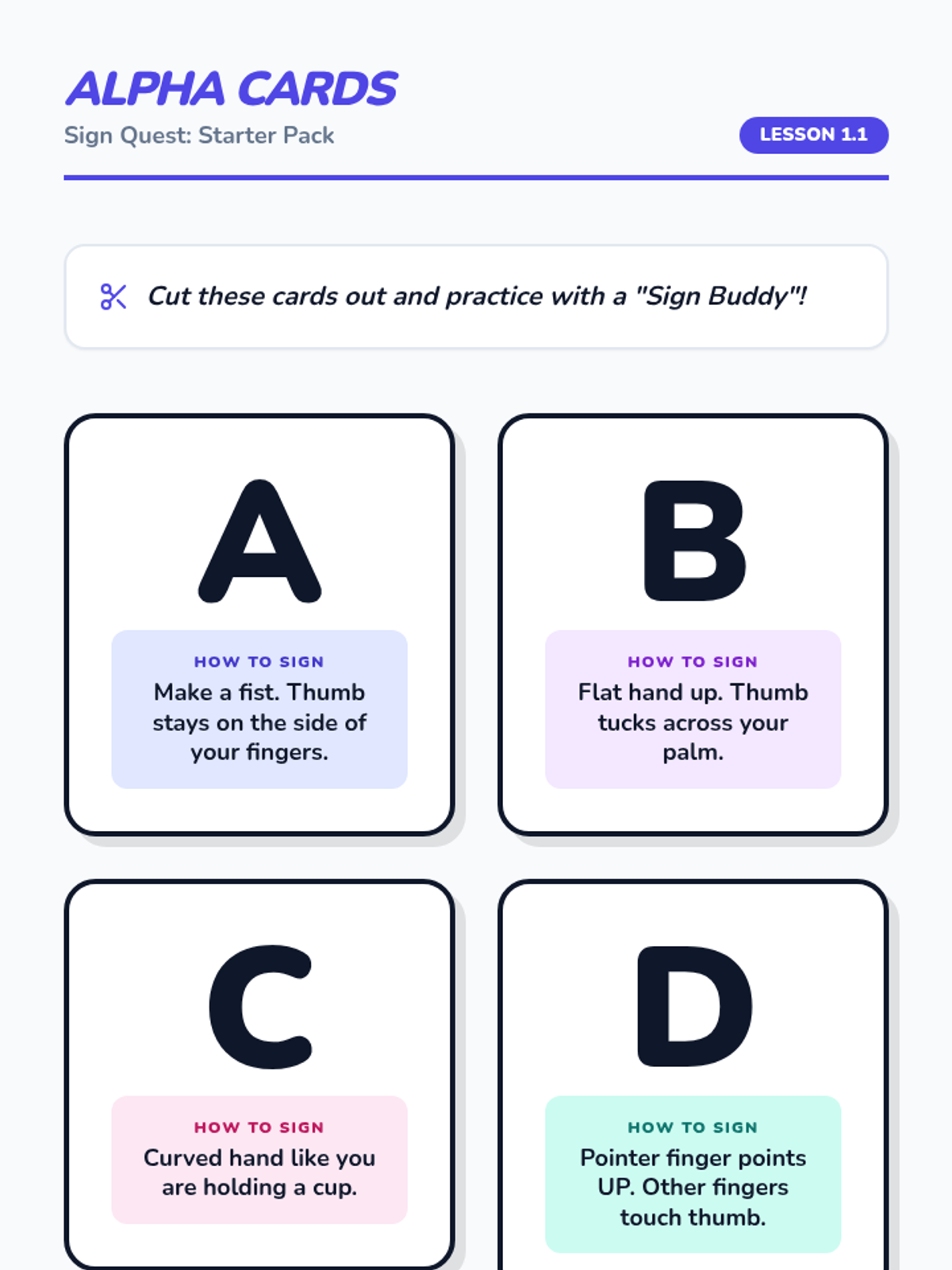
A comprehensive one-week Spanish homework packet designed to improve student letter formation through tracing exercises. The sequence focuses on individual letters, words, and full sentences with common sight words, featuring engaging illustrations of animals and school supplies.
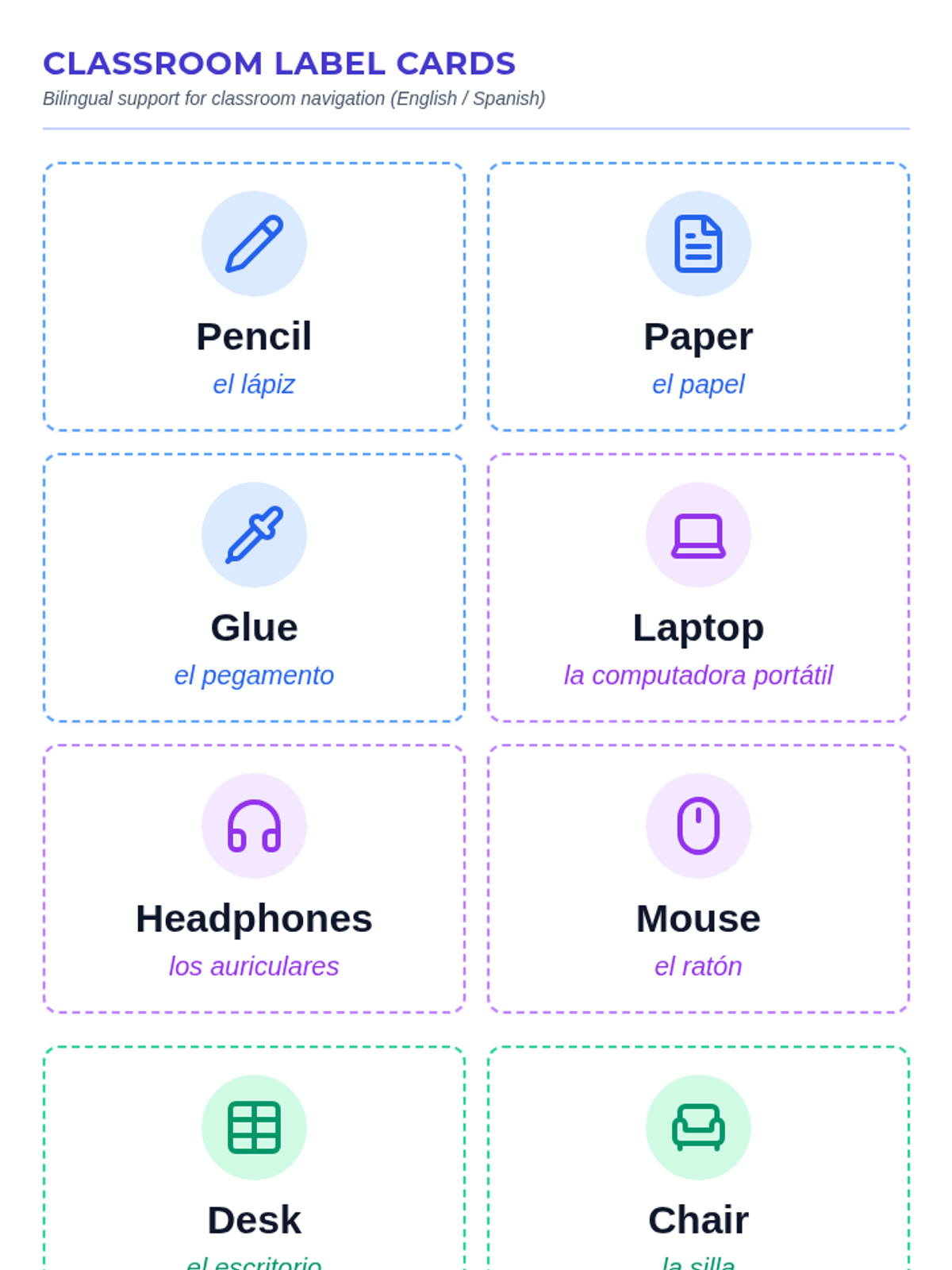
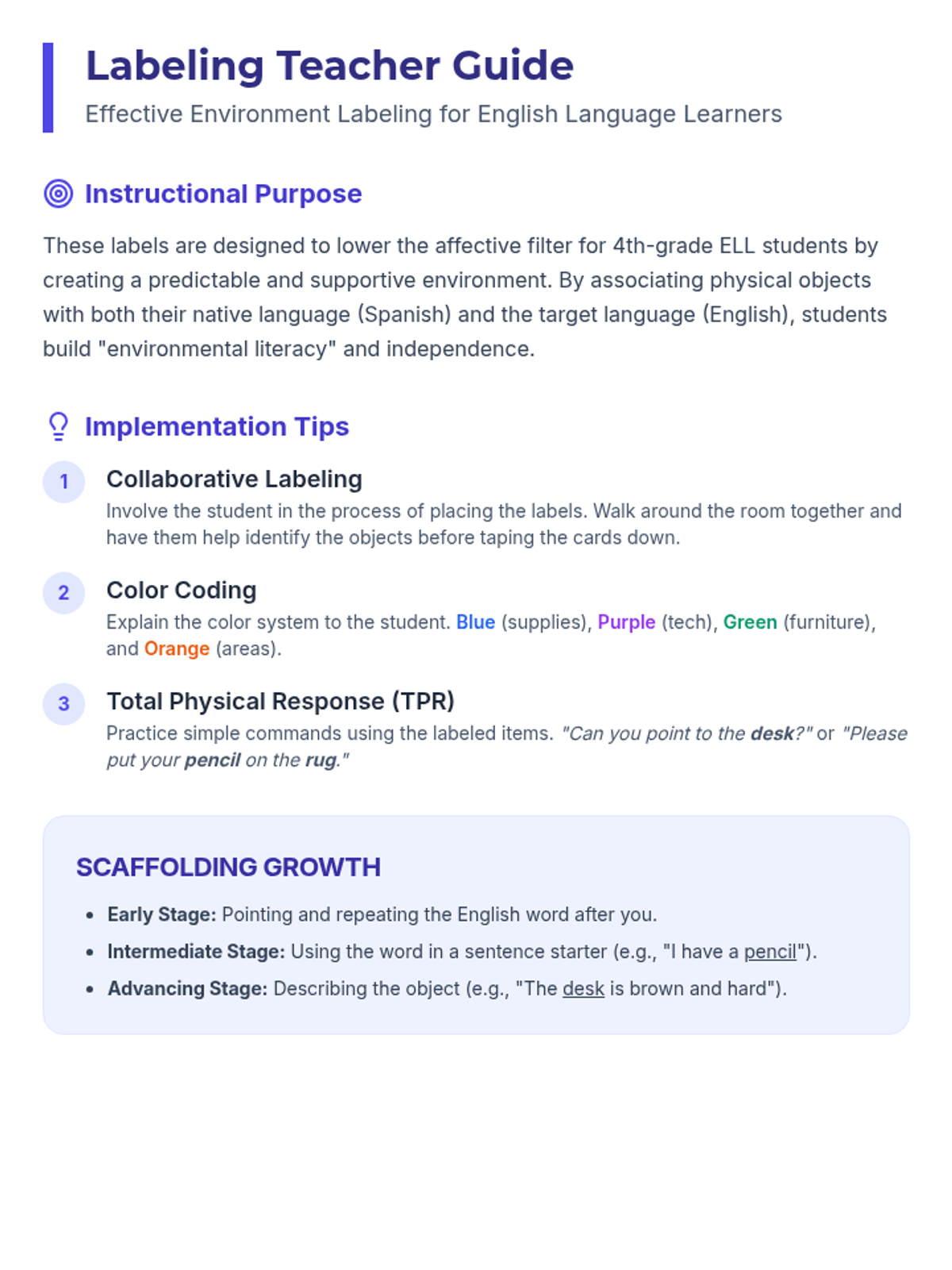
A comprehensive TELPAS prep sequence designed for 9th-grade students, featuring five high-intensity stations covering reading, writing, listening, and speaking with built-in scaffolds like chunking and sentence stems.
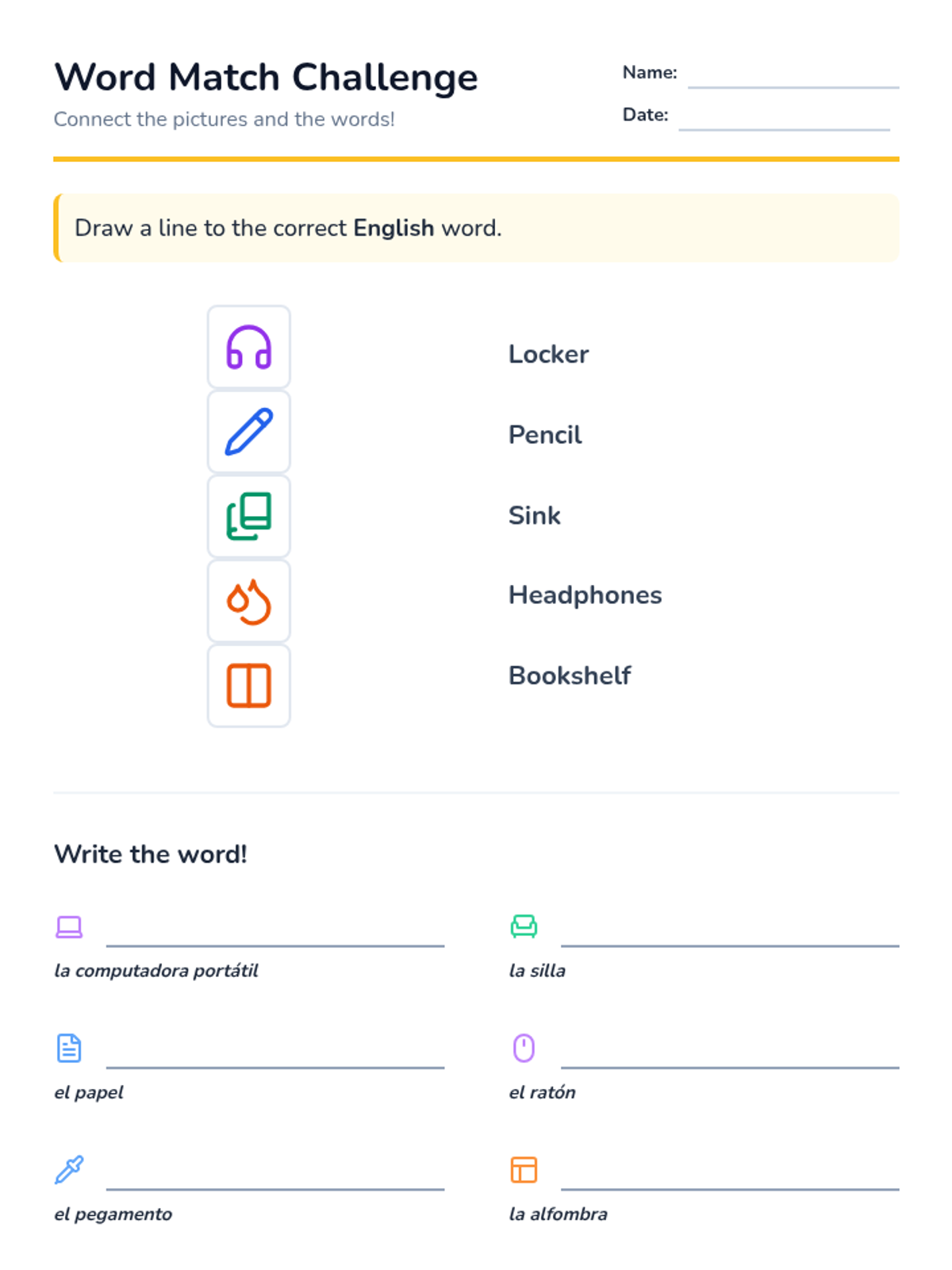
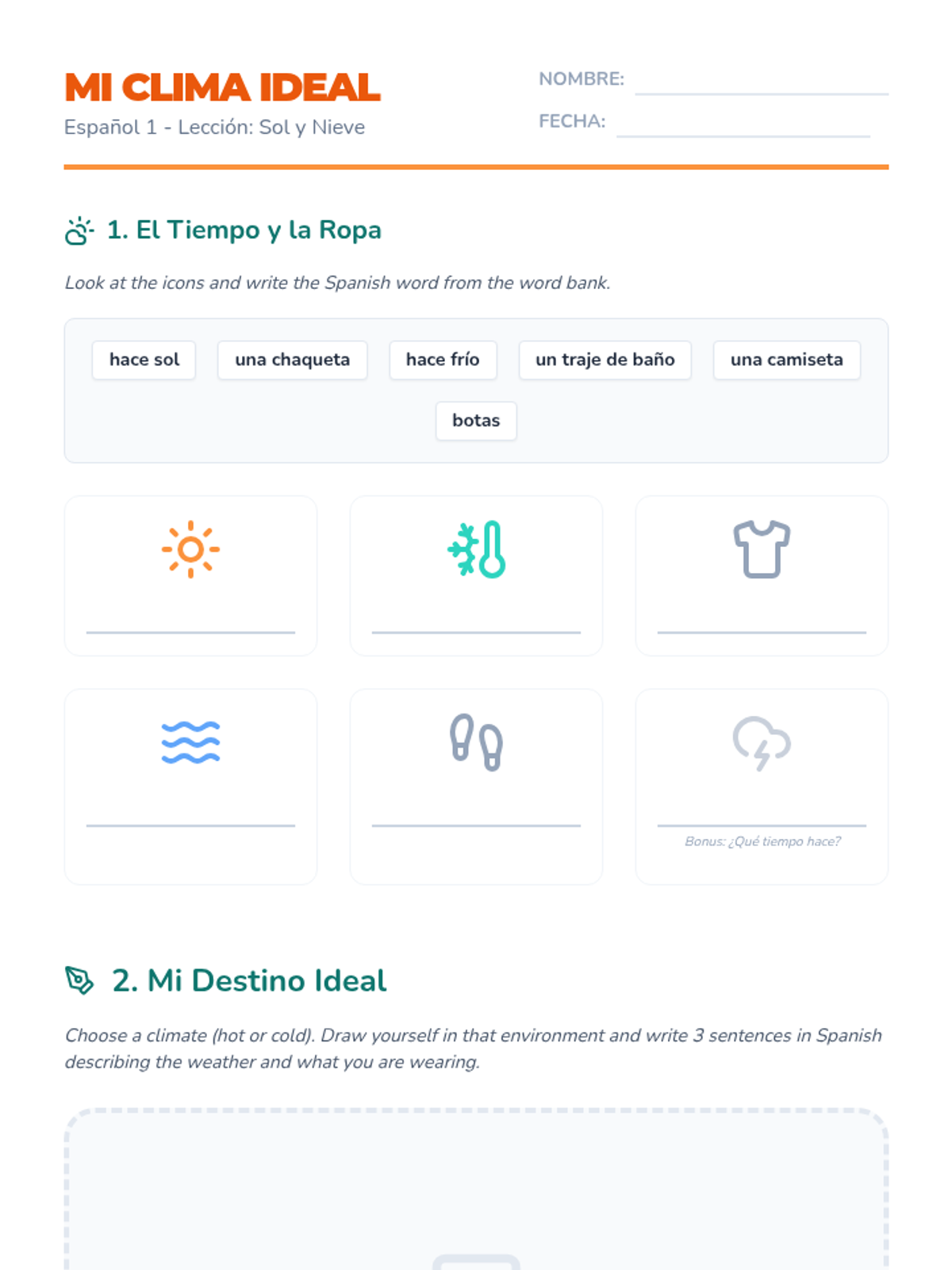
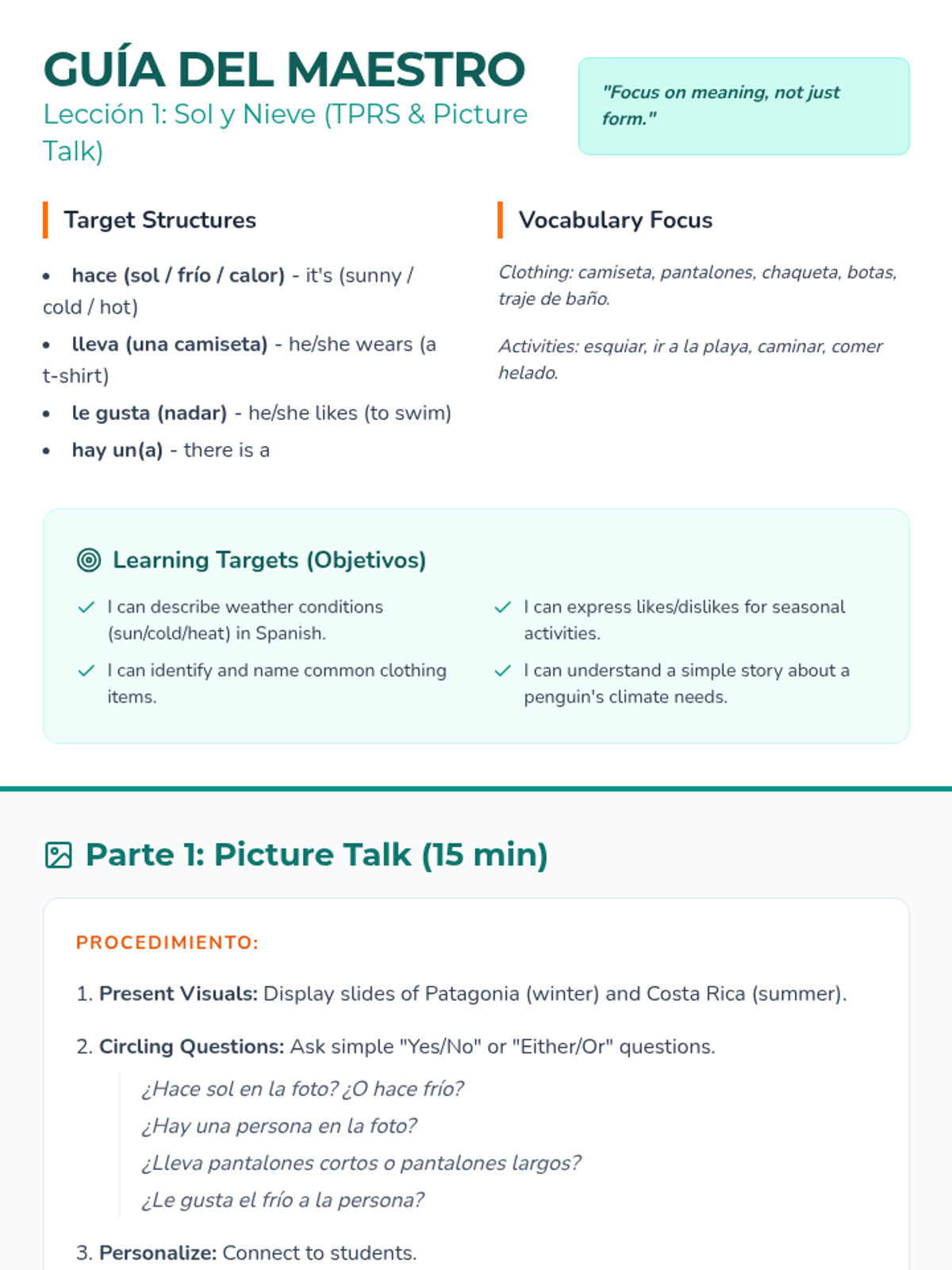
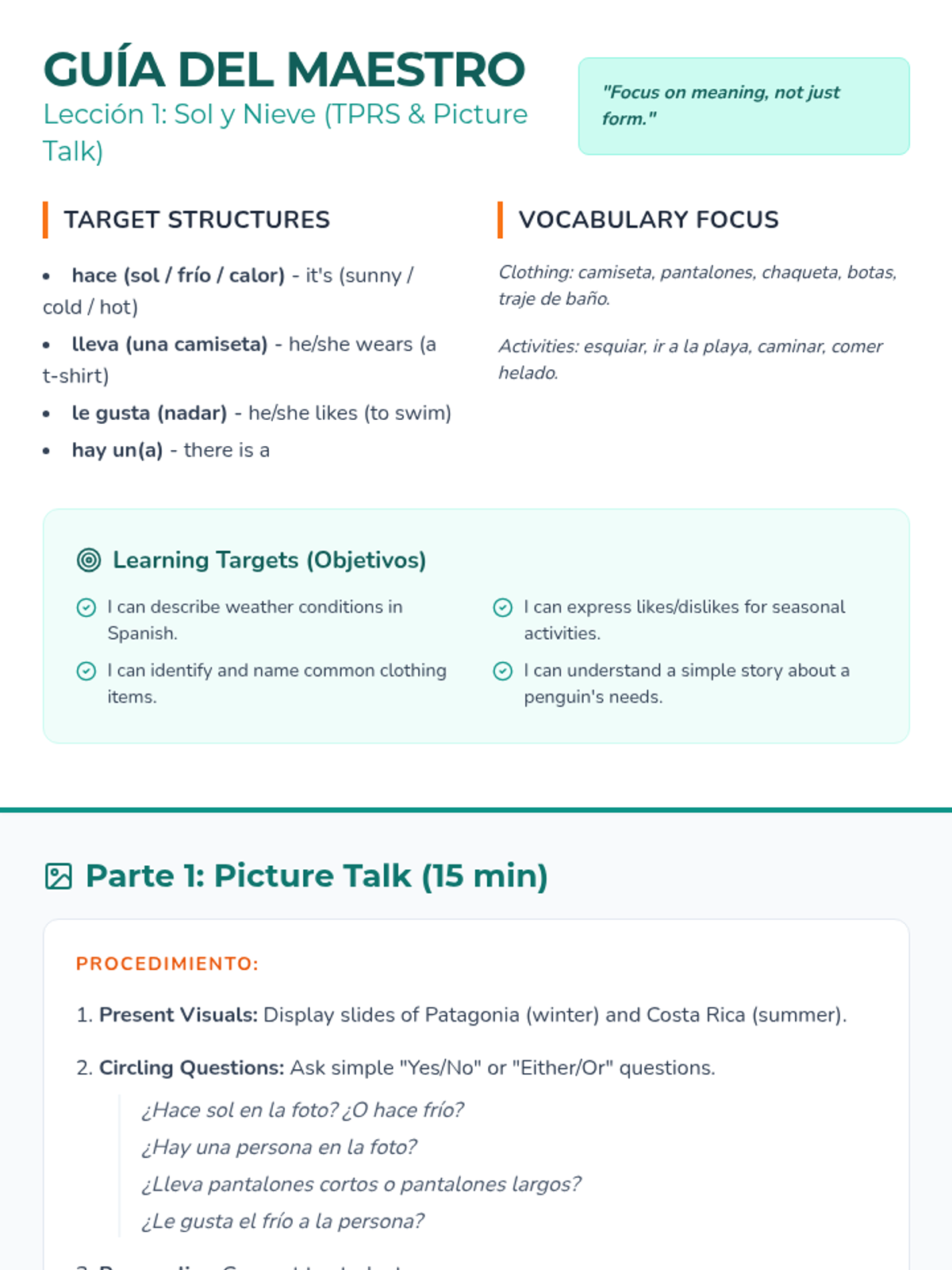
A unit covering animal vocabulary, descriptions, and likes/dislikes in Spanish, designed for Level 1 learners to build foundational communication skills about the natural world.
A comprehensive unit for the novel Pobre Ana, exploring character development, cultural comparisons, and narrative comprehension for Spanish 1 students.
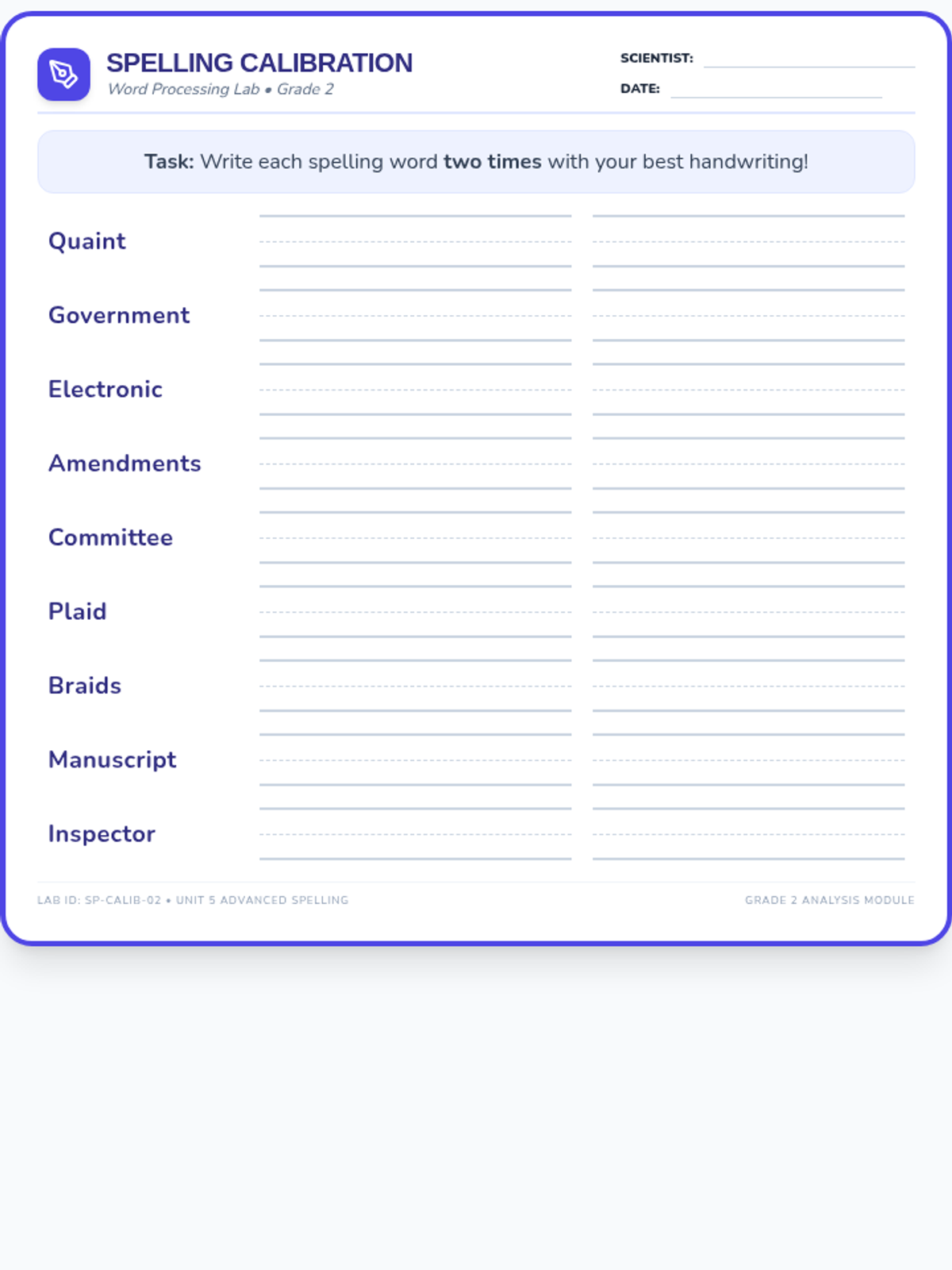
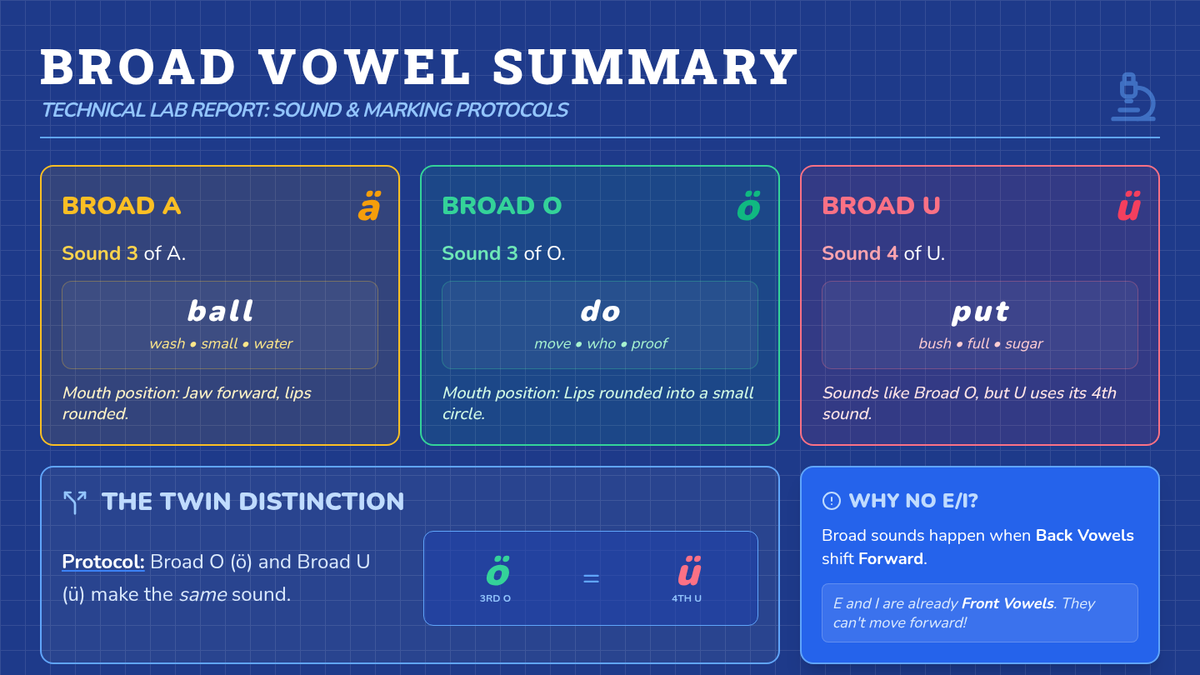
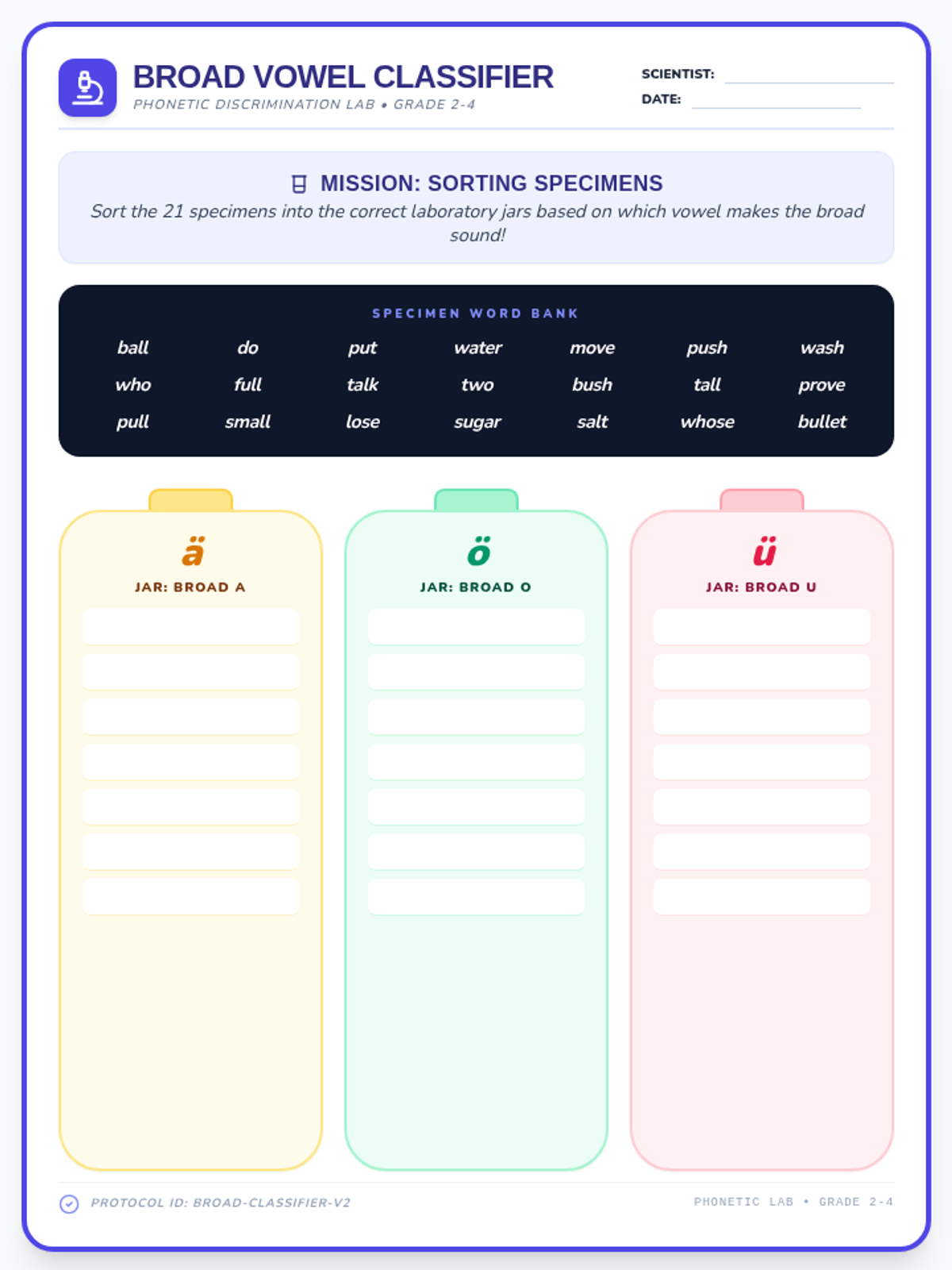
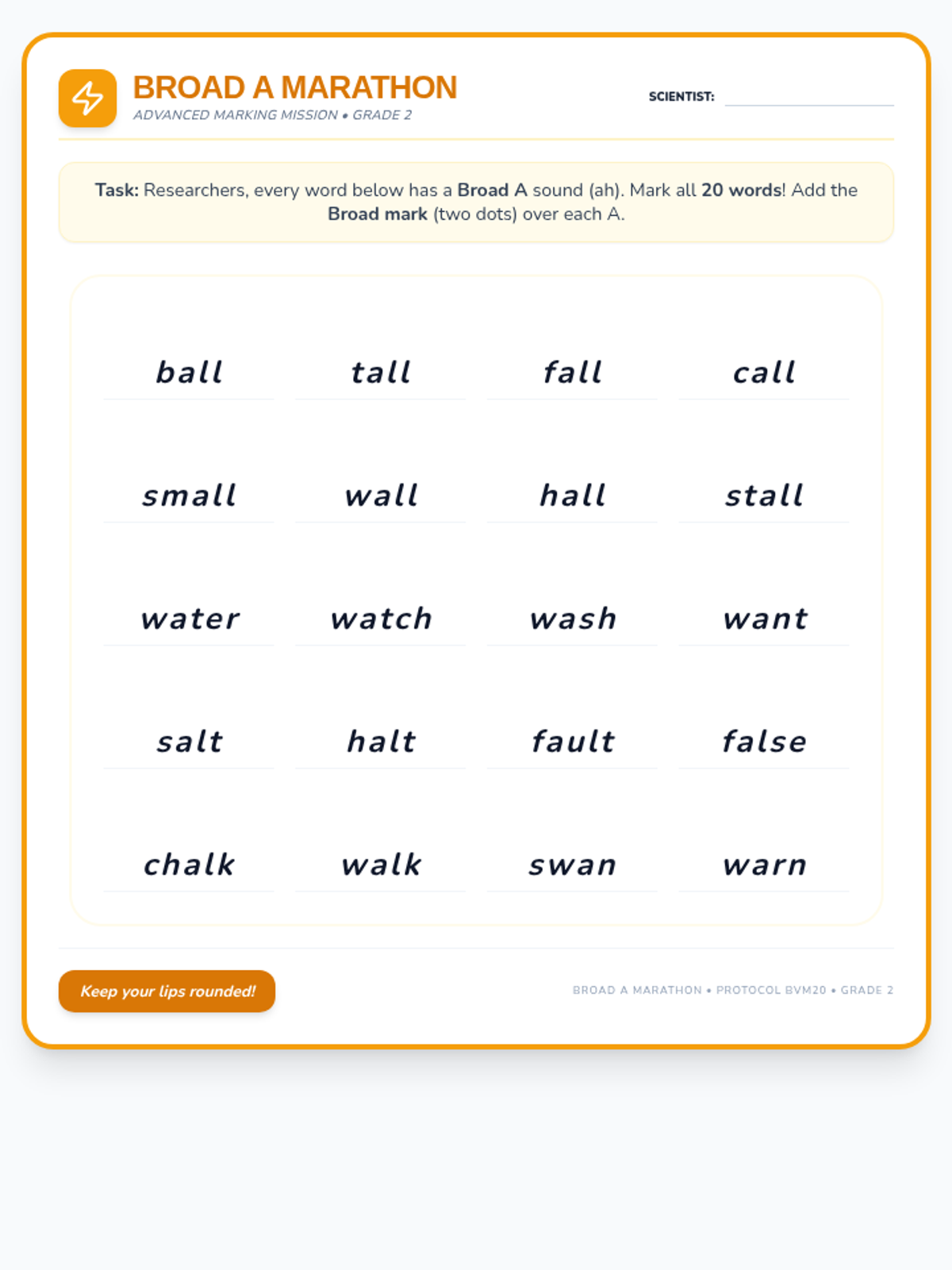
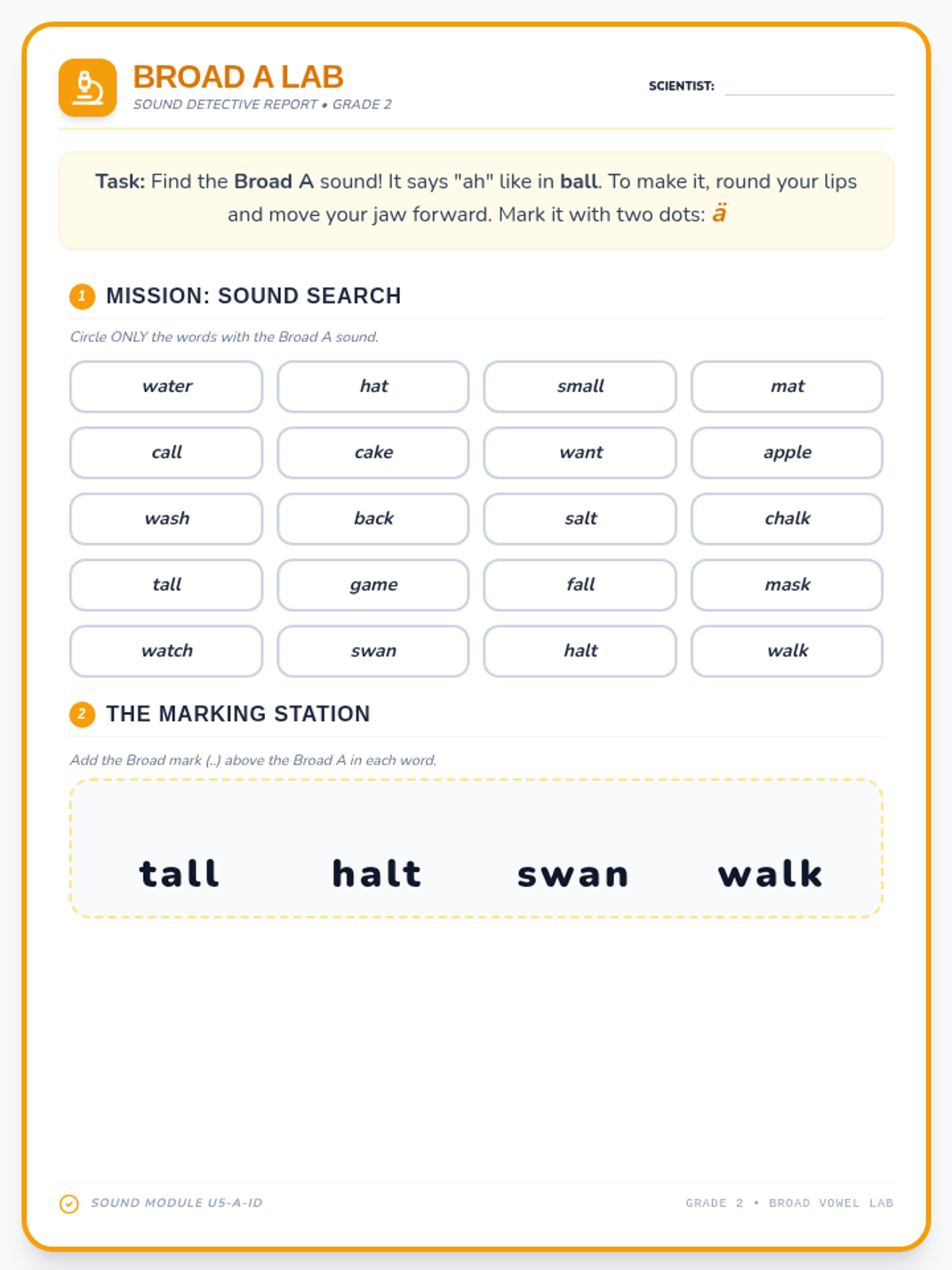
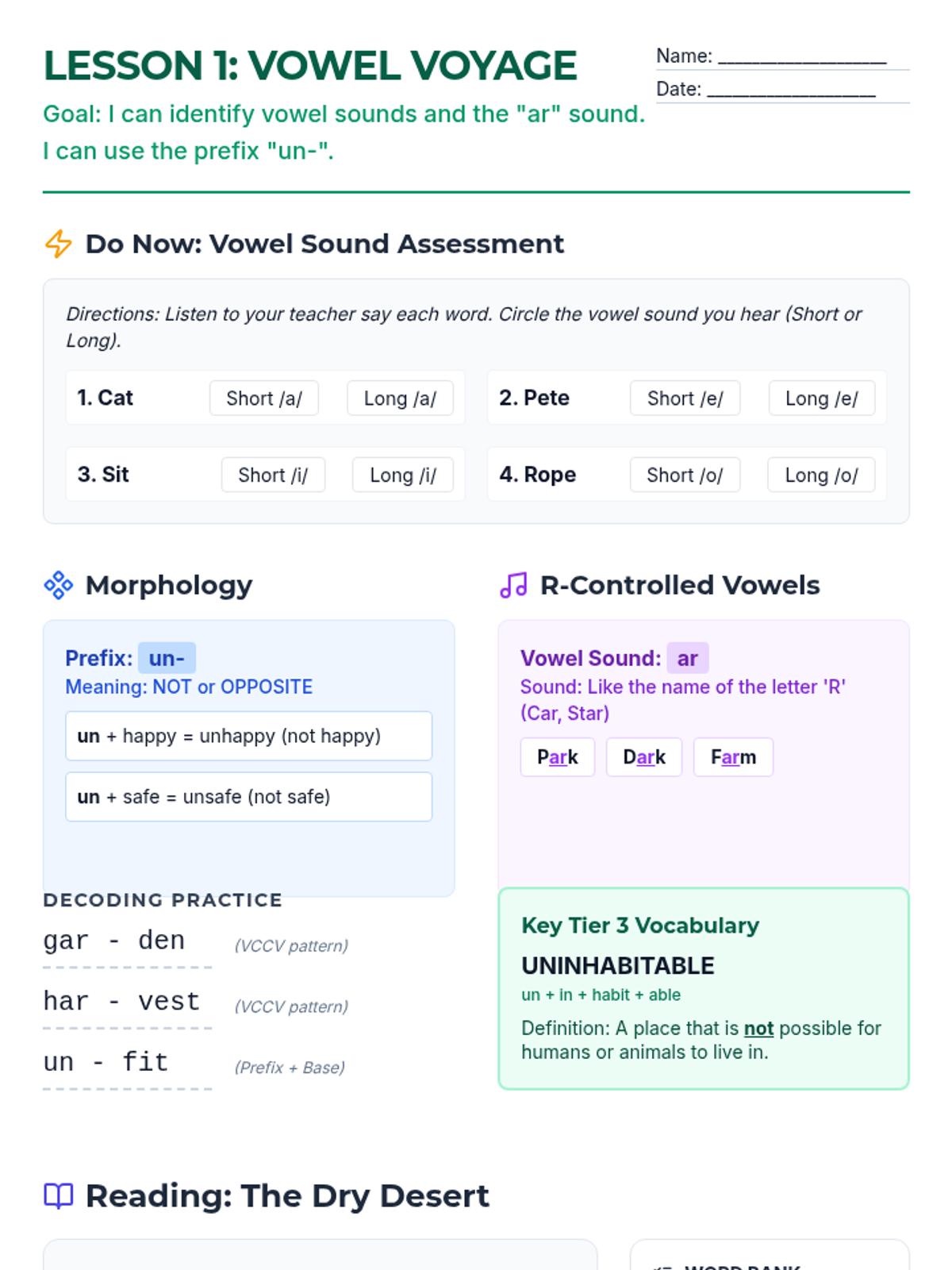
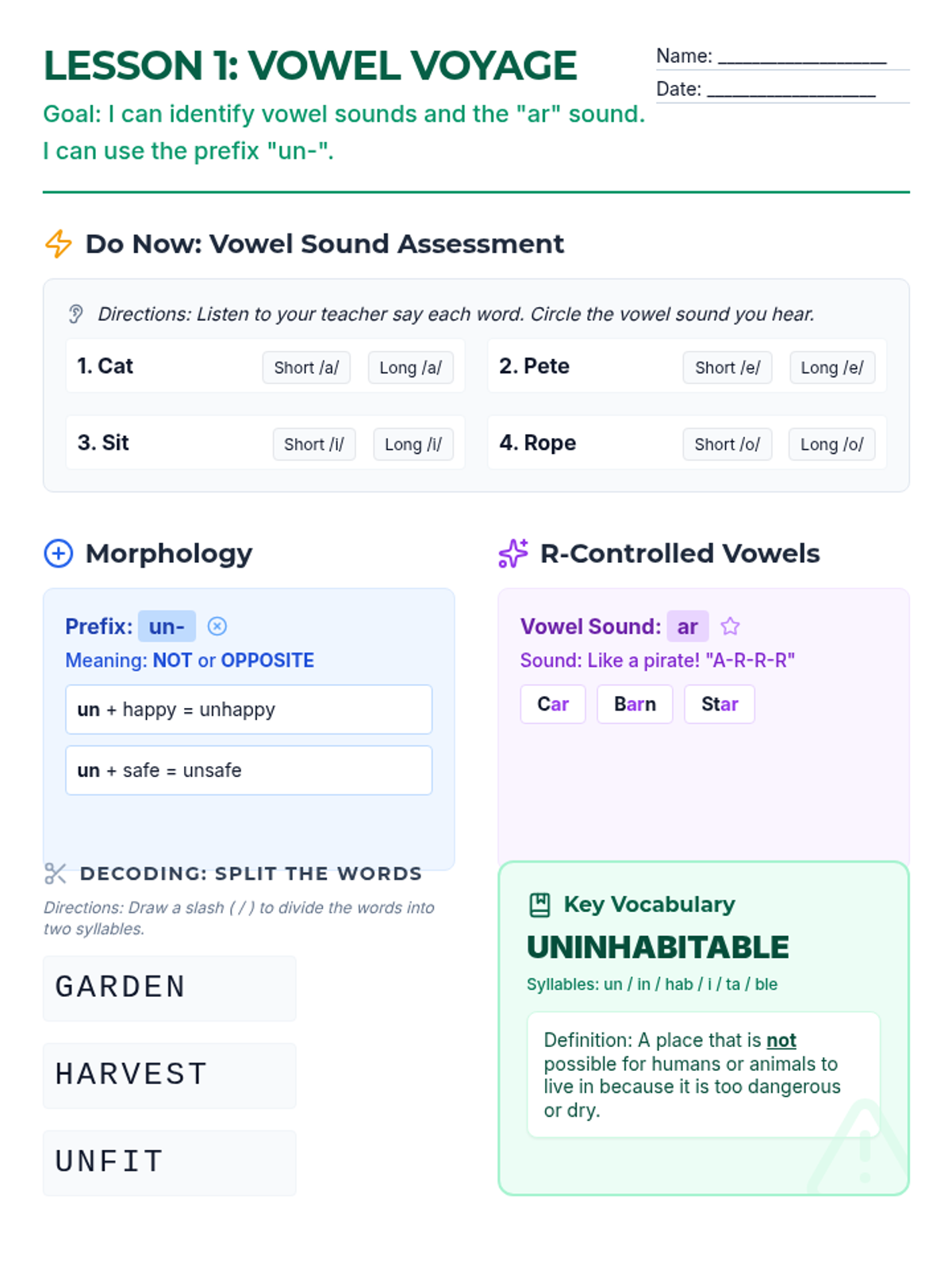
A phonics sequence for 2nd graders to master open and closed syllables, moving from single-syllable recognition to decoding multi-syllabic words and improving reading fluency.
A comprehensive Earth Day lesson for 9th-10th grade ELs based on The Lorax, focusing on TELPAS domains: listening, speaking, reading, and writing through sensory language.
A sequence focused on leveraging digital translation tools for language self-assessment and speech improvement. Students learn to use Google Translate not just for translation, but as a 'mirror' for their own pronunciation, grammar, and fluency.
A 3-session English sequence for CAP Cuisine/Restaurant students returning from their internship, focusing on describing roles and daily tasks in a professional kitchen or dining room.
A collection of resources for Multilingual Learners, featuring a reading comprehension unit on phobias for 5th grade and a beginner-level guessing game for 2nd grade.
A specialized English sequence for CAP AAGA students focusing on vocabulary for elderly care professions and daily responsibilities. The sequence uses visual aids and simple structures tailored for lower-level learners.
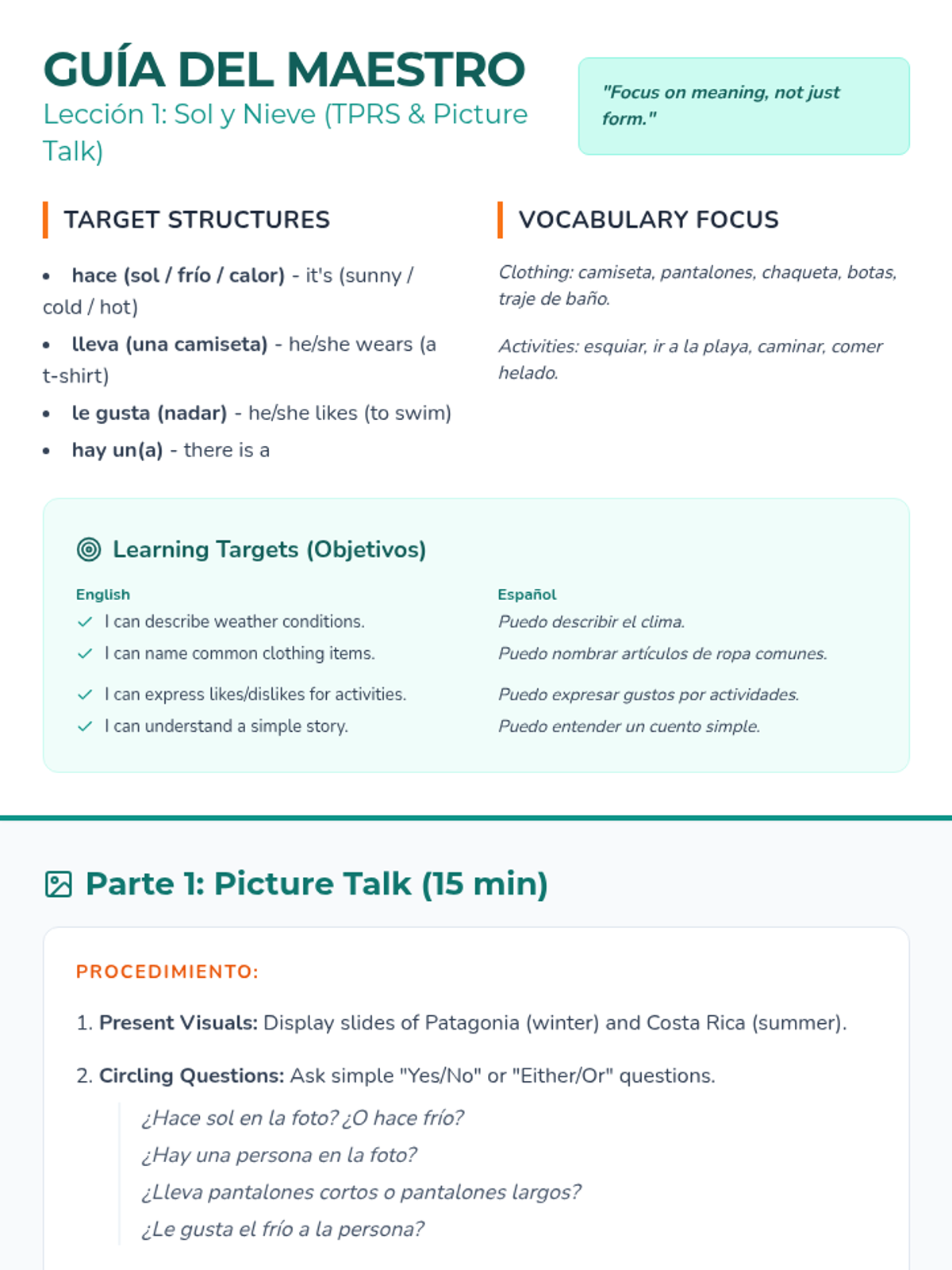
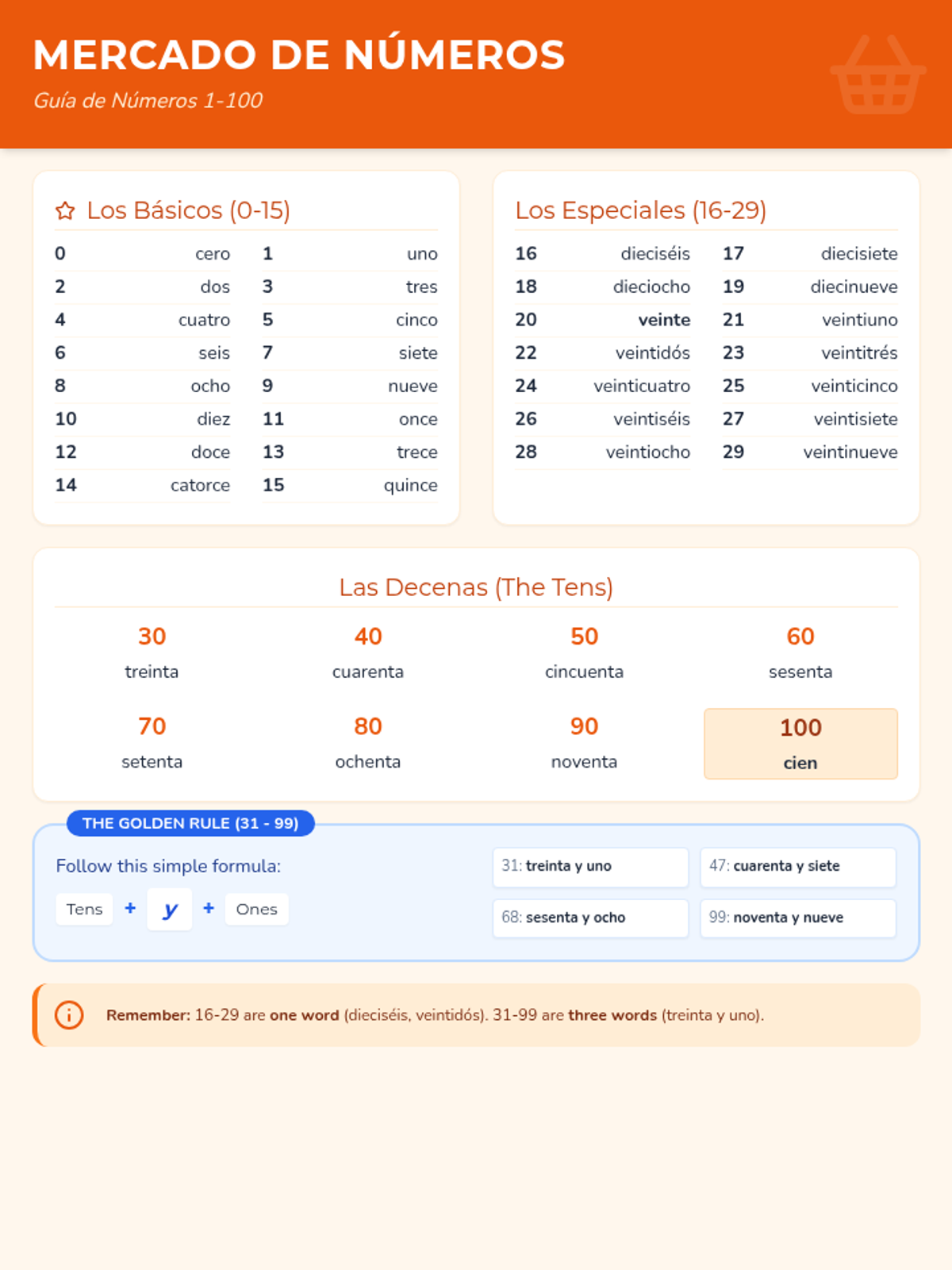
A comprehensive sequence for Bac Pro Terminale students focused on implementing sustainable practices (Reduce, Reuse, Recycle) in the restaurant industry, culminating in a professional proposal for a local business.
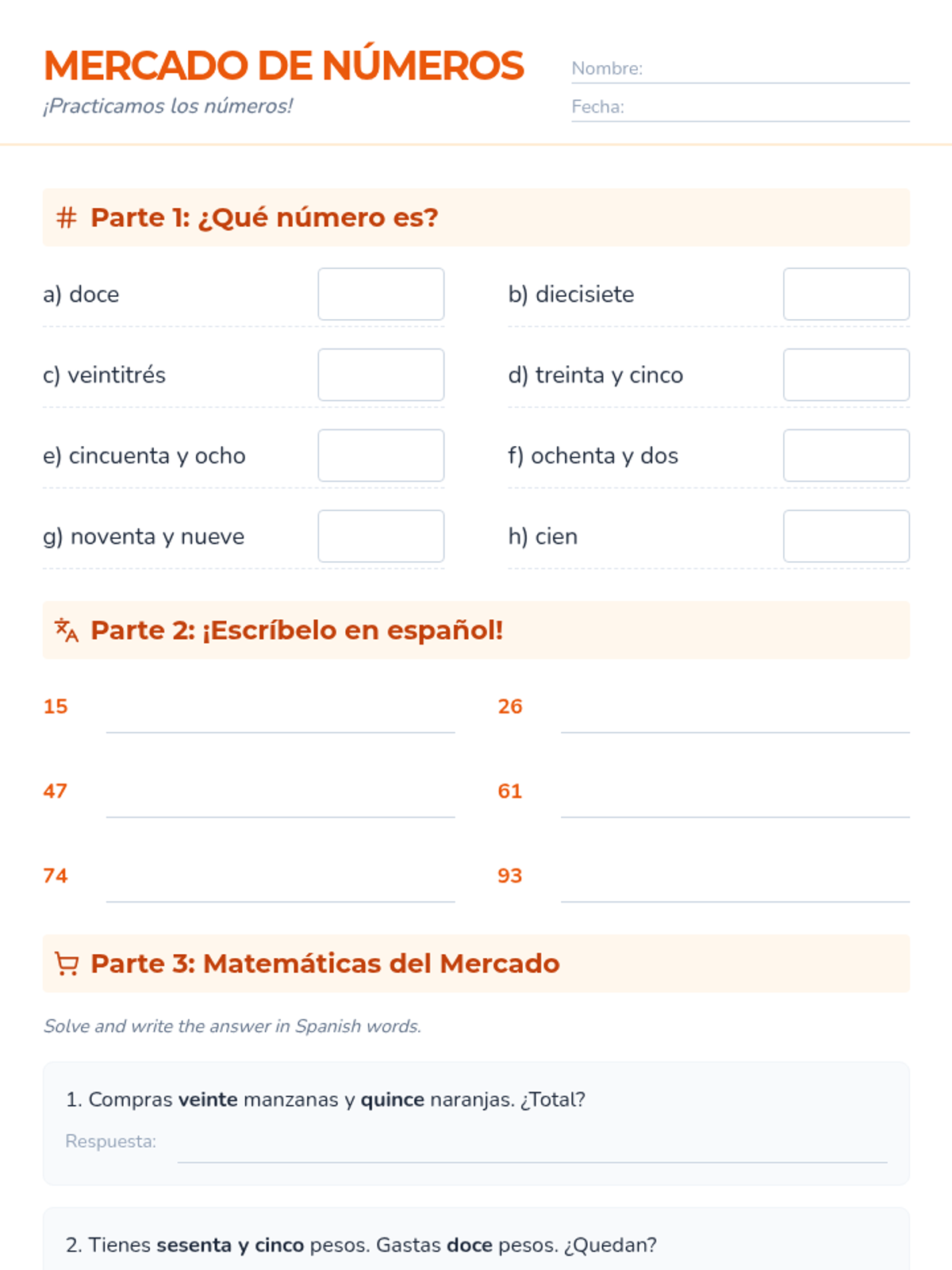
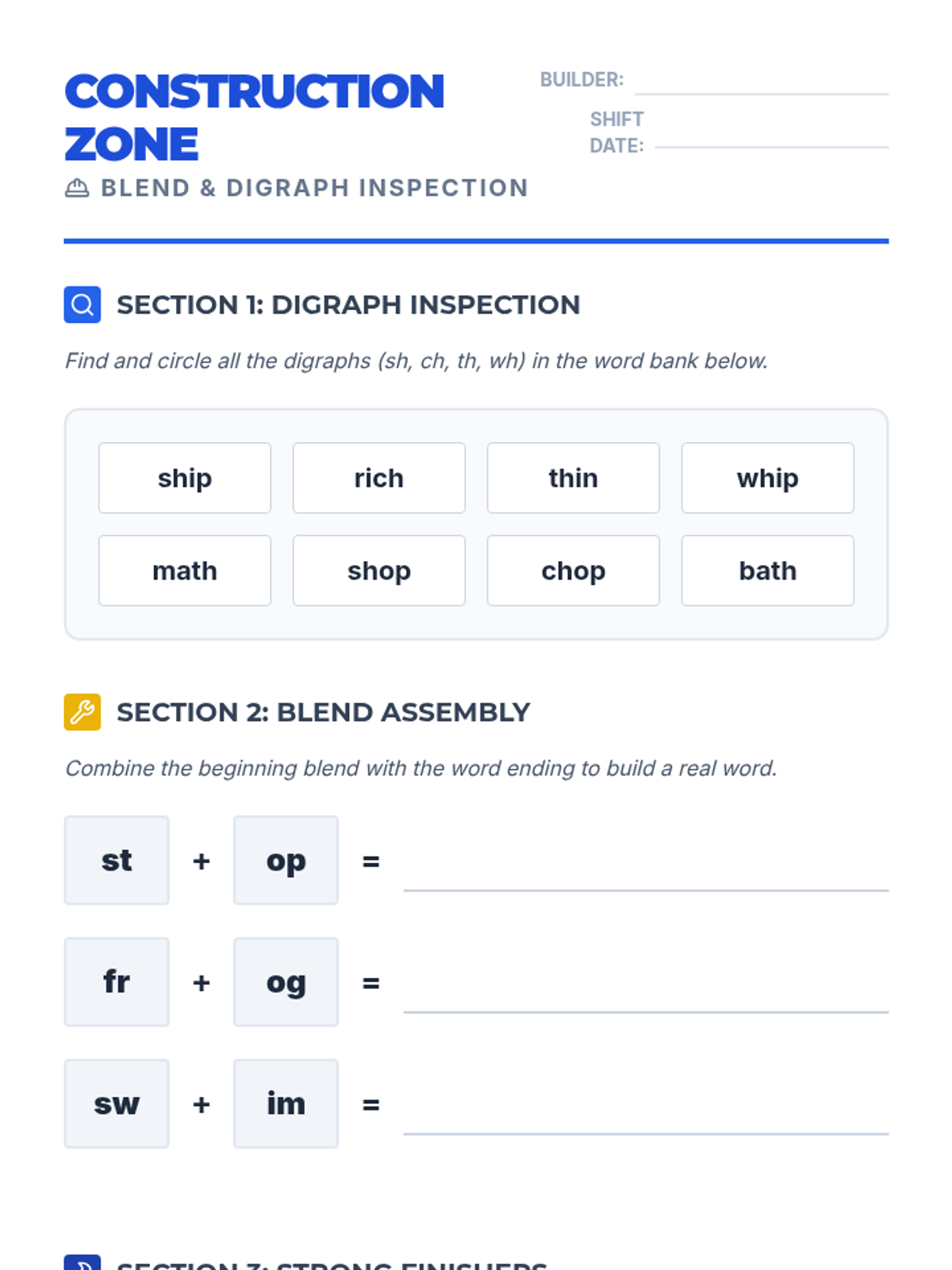
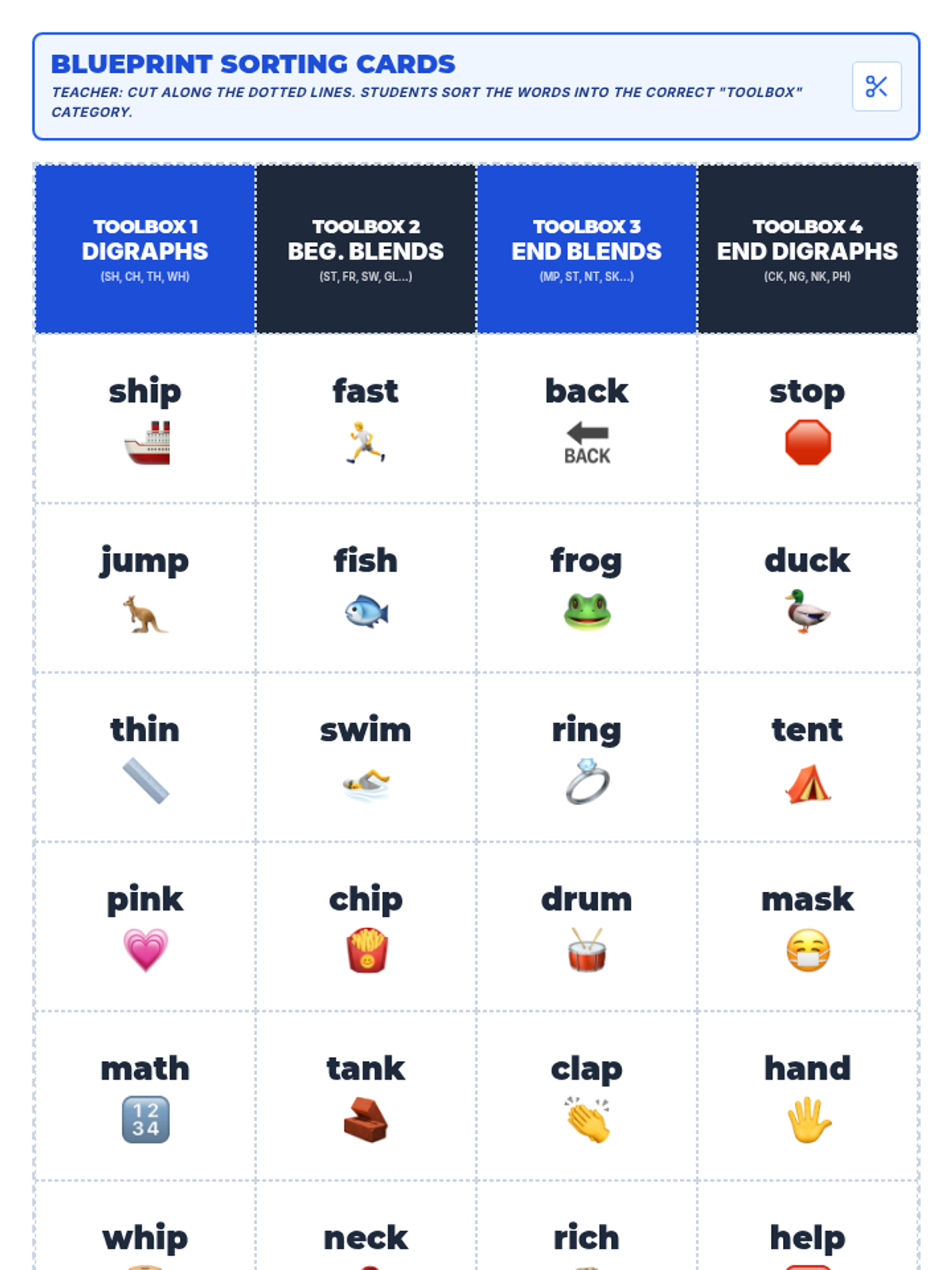
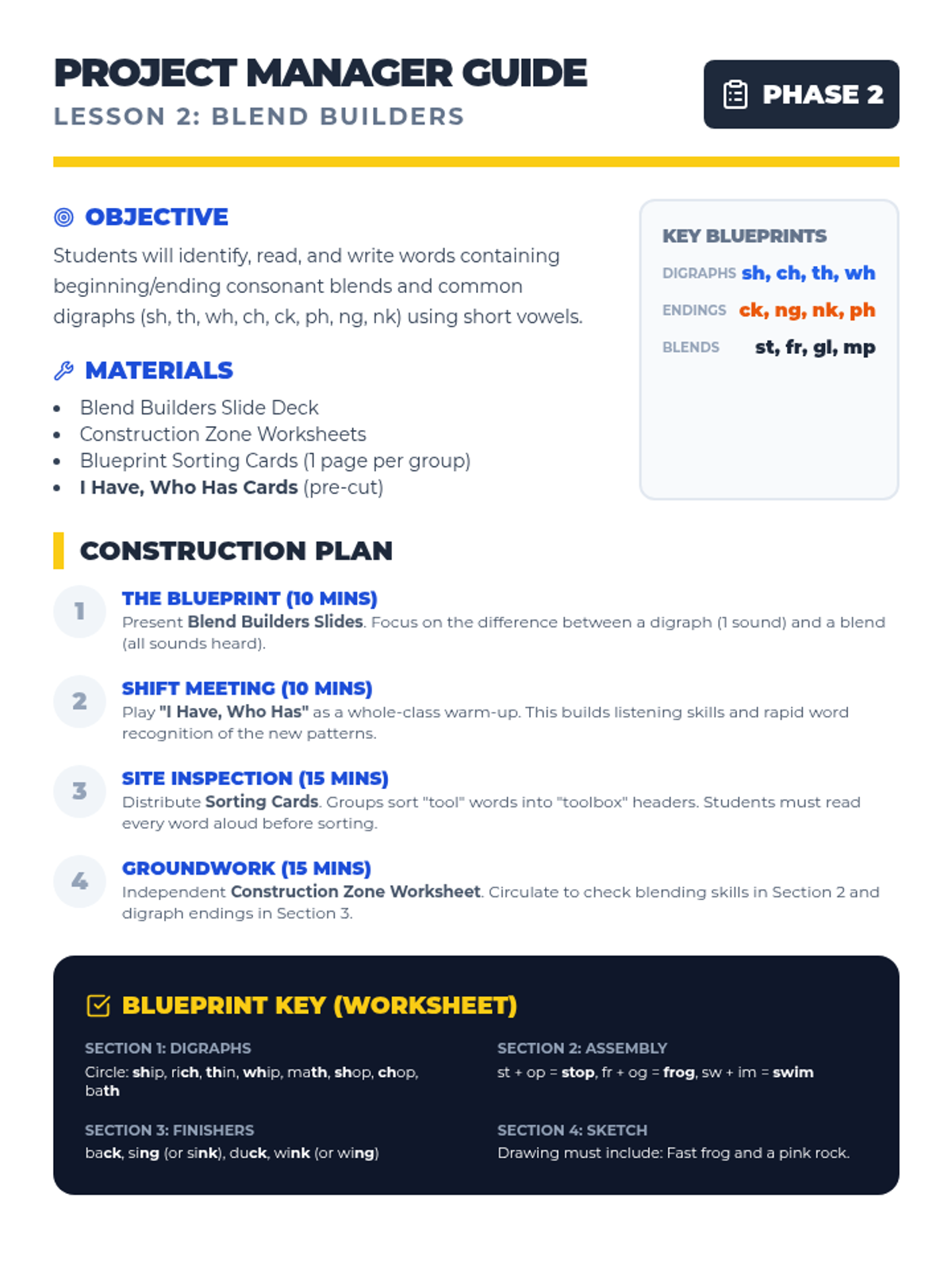
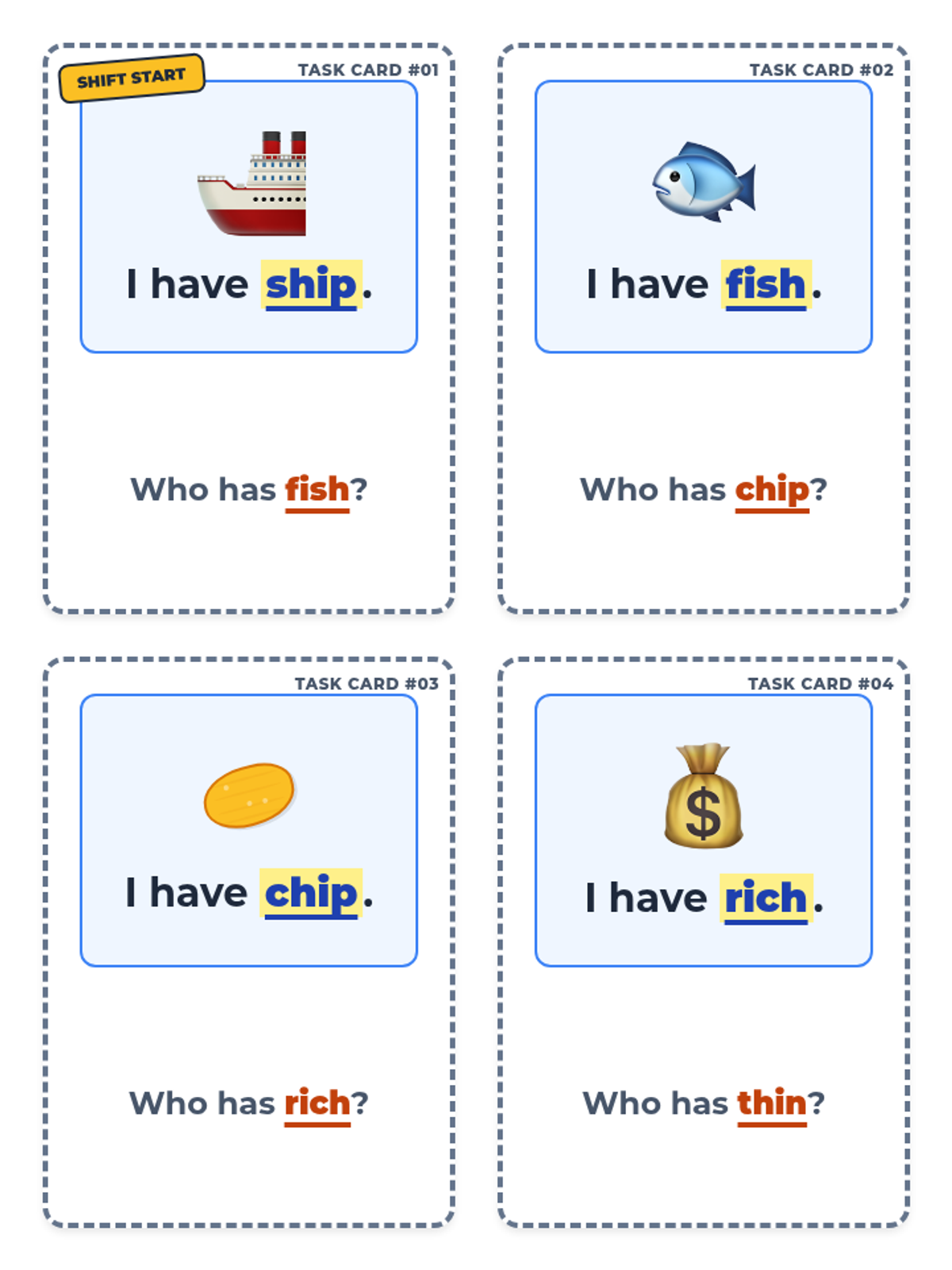
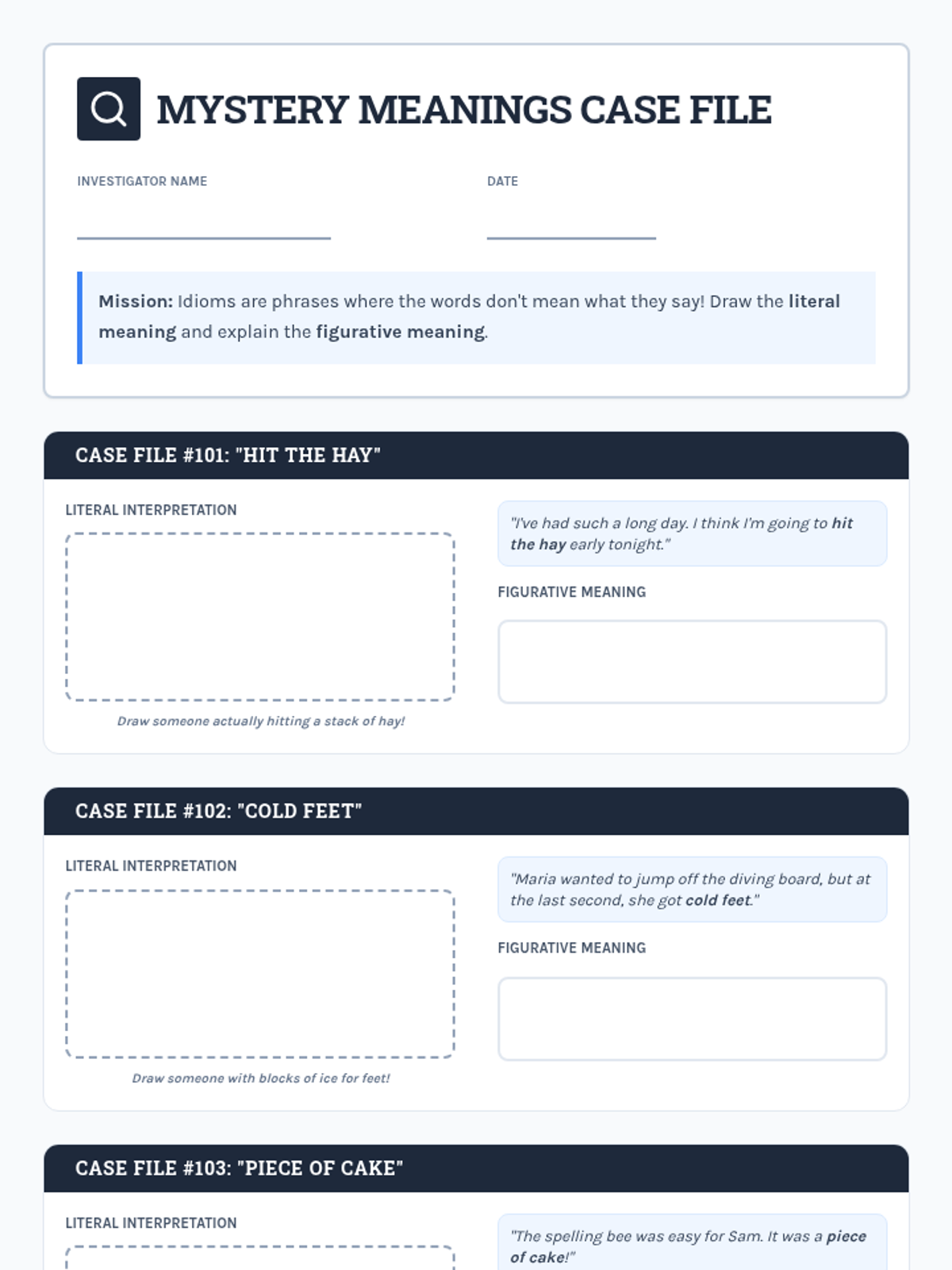
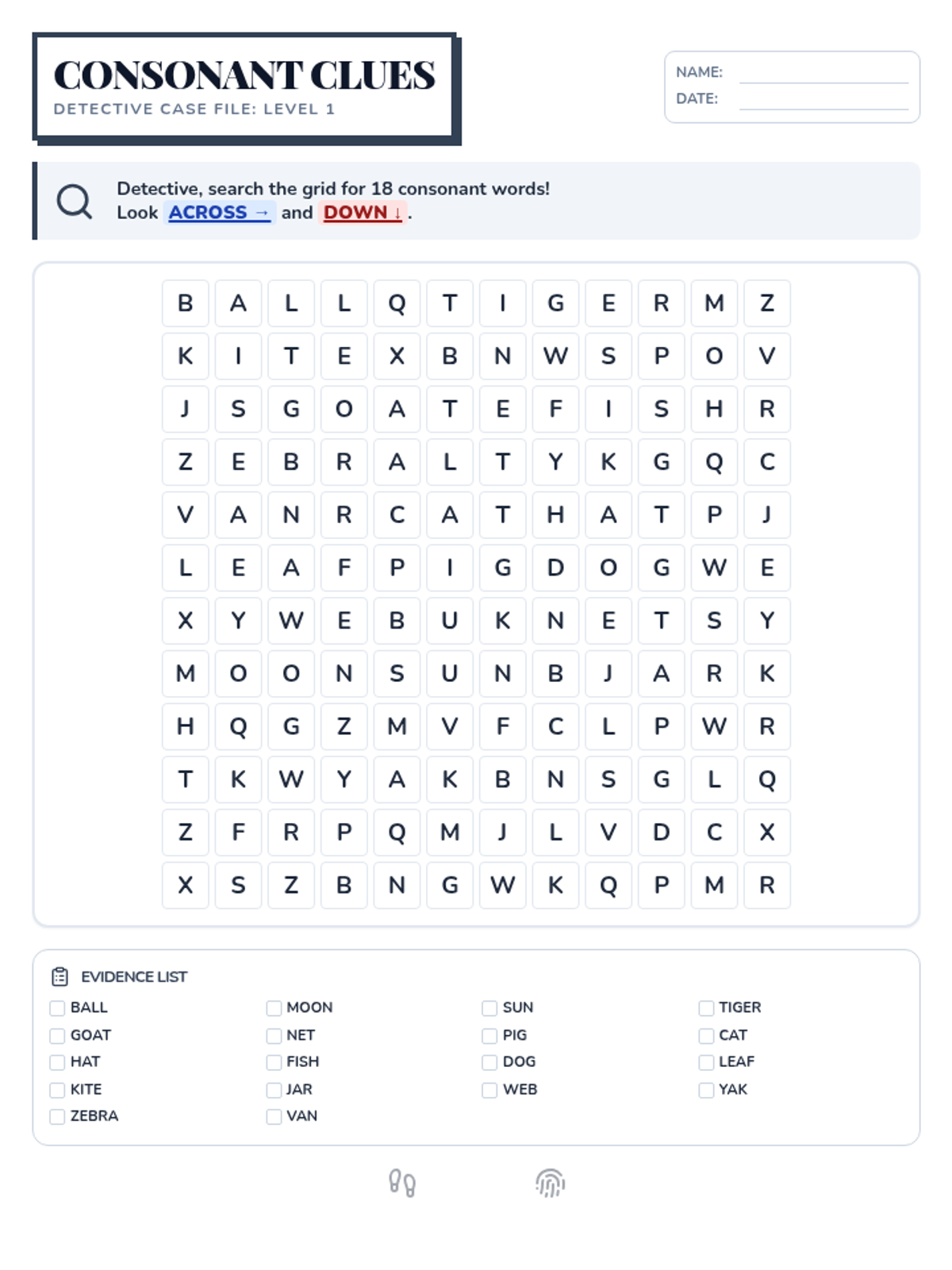
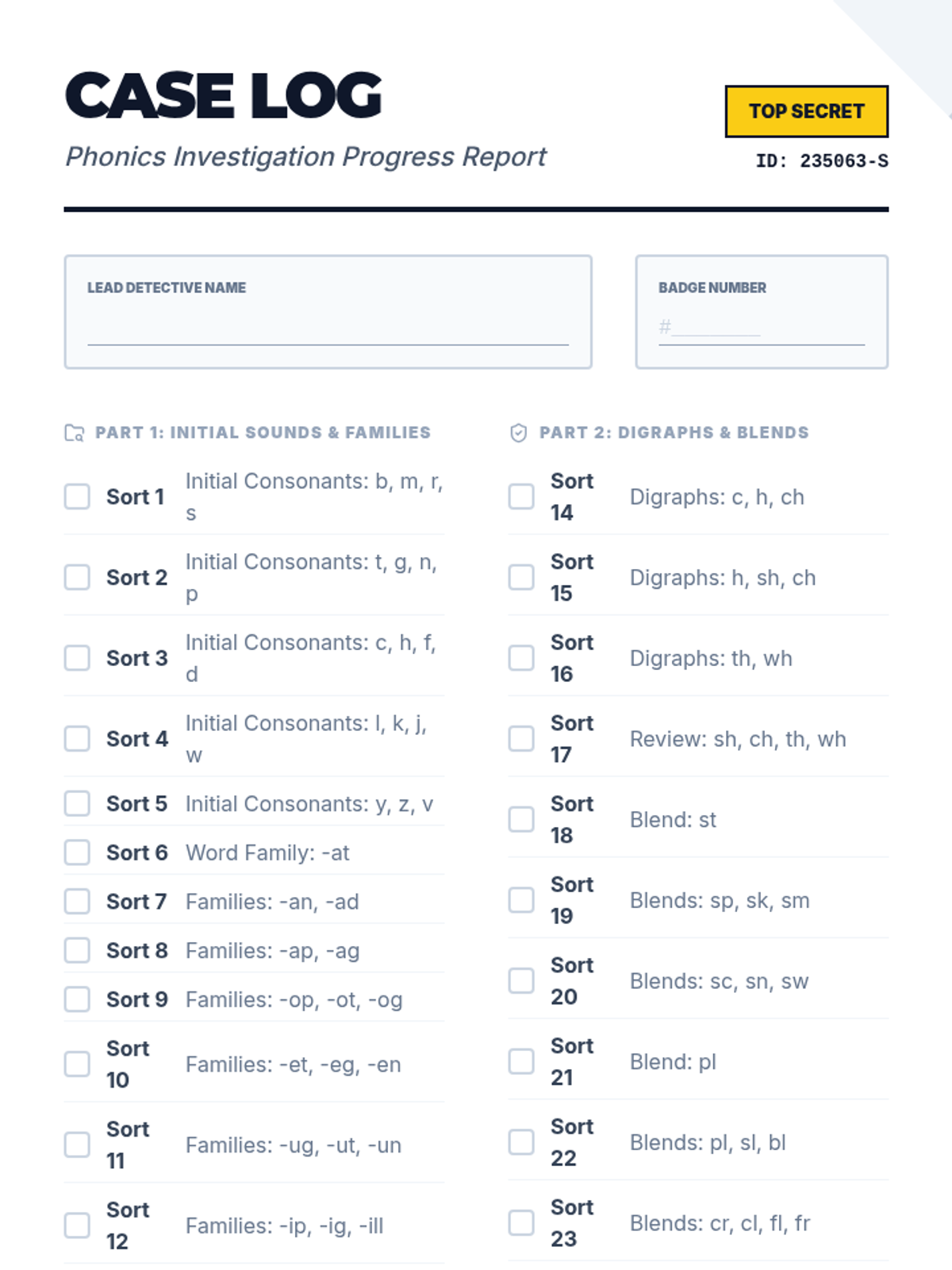
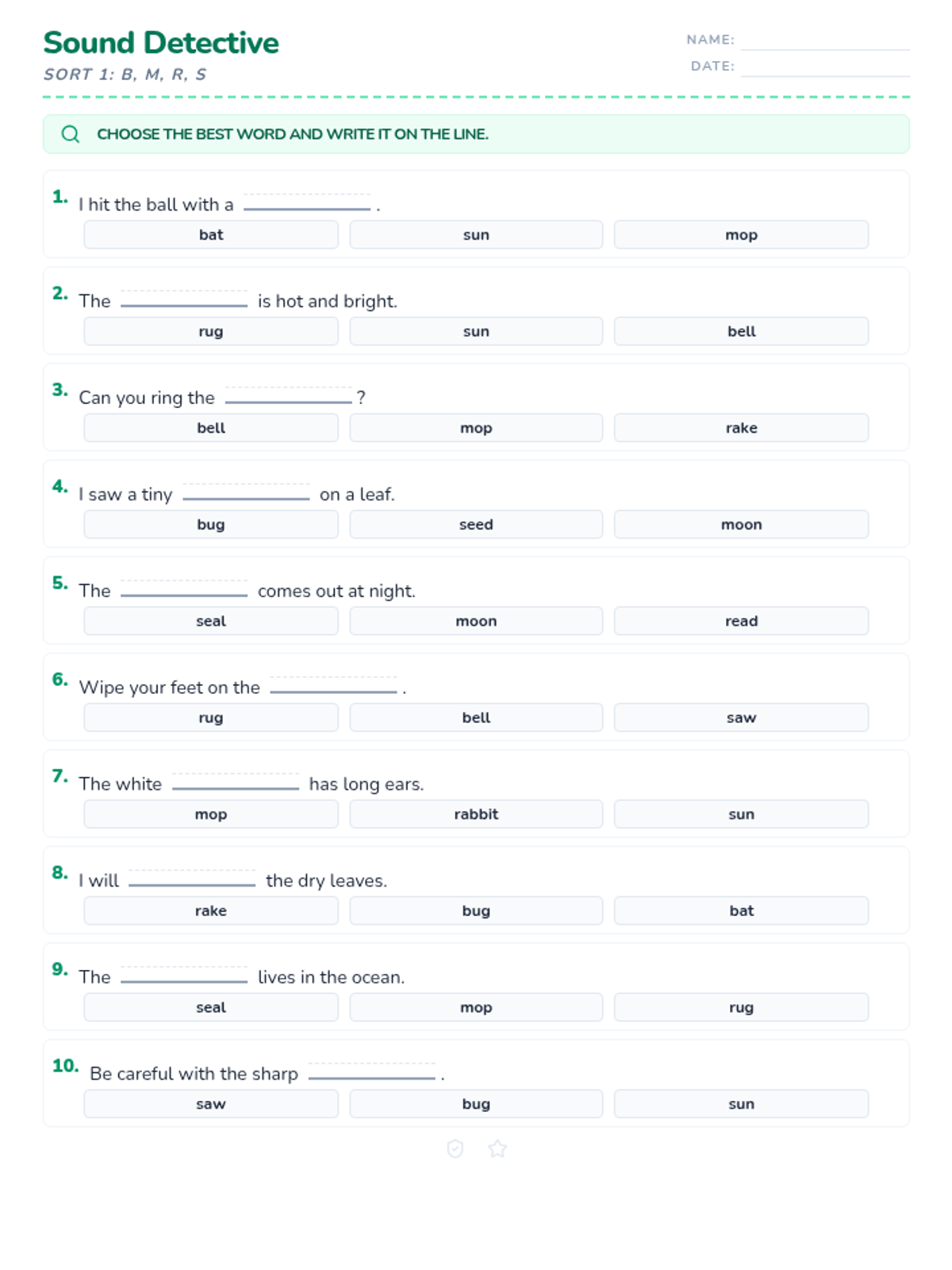
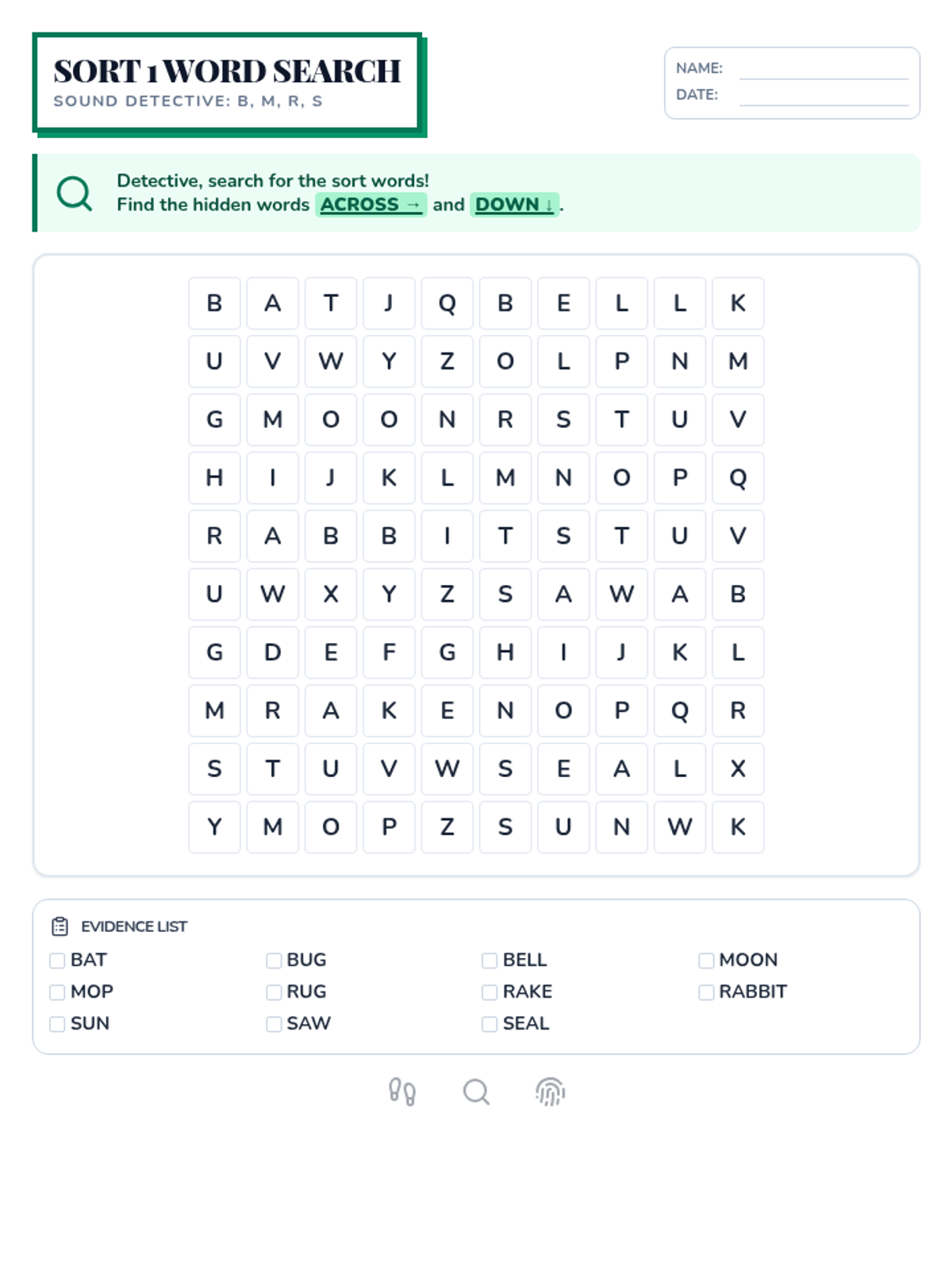
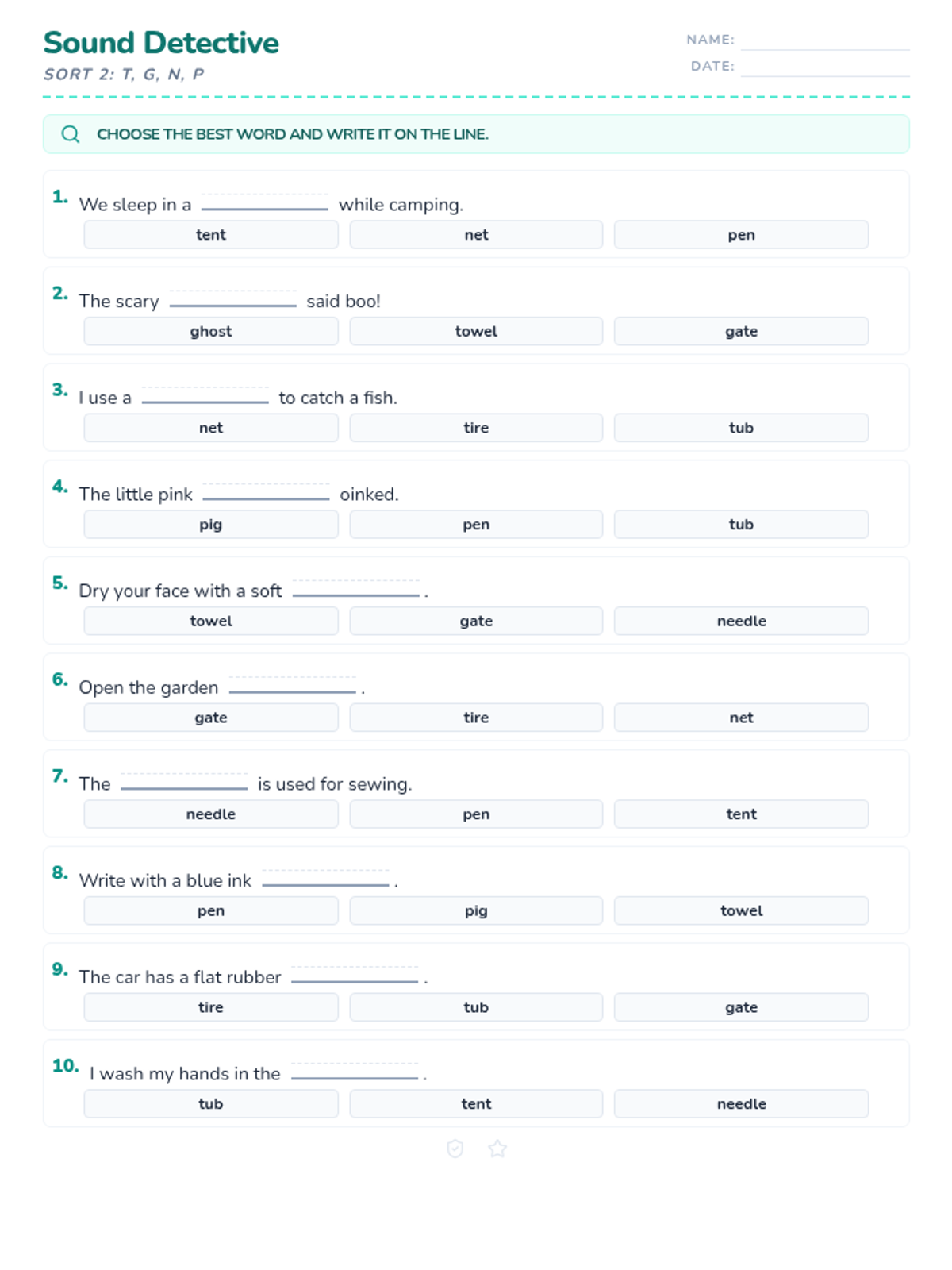
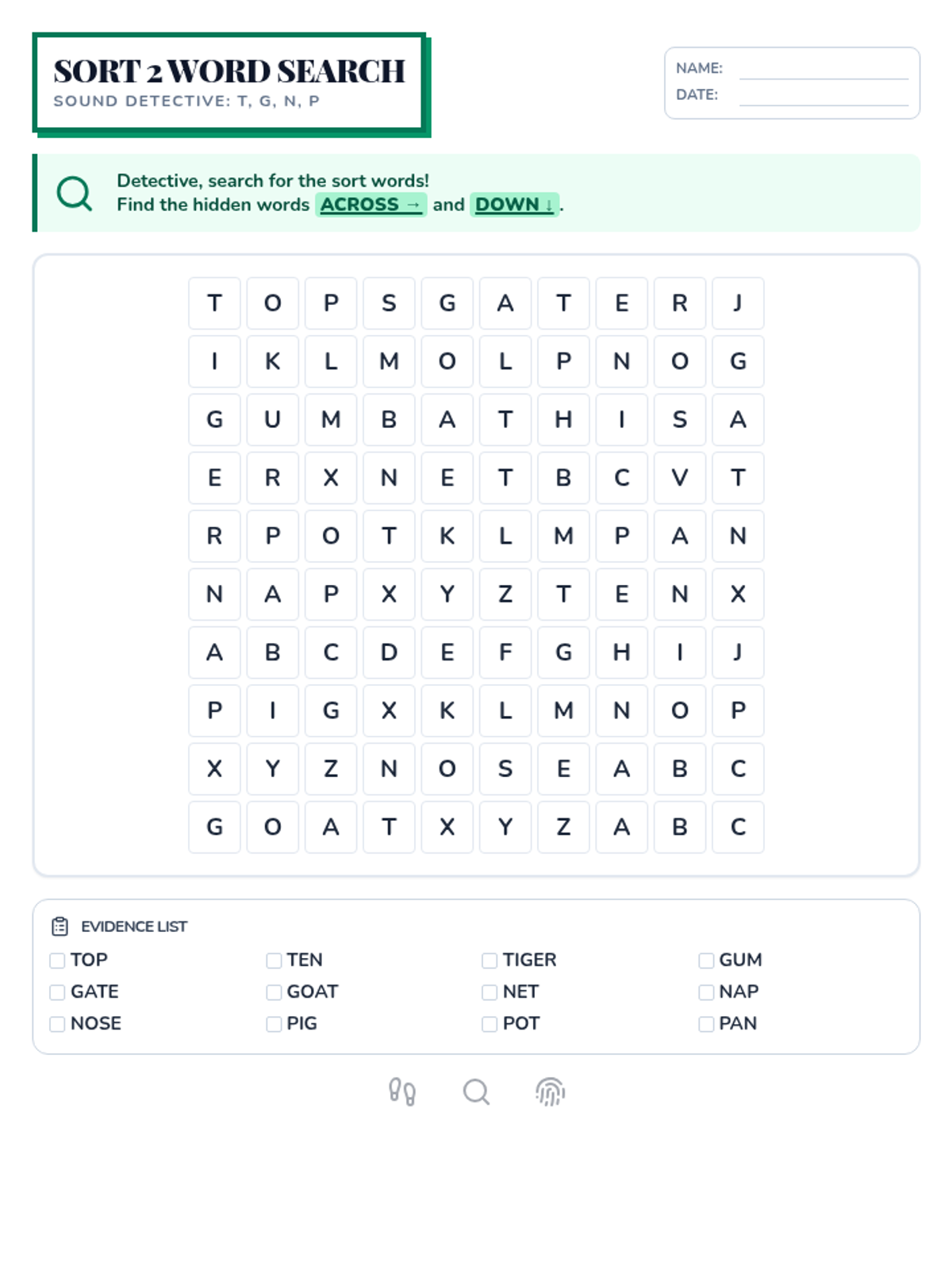
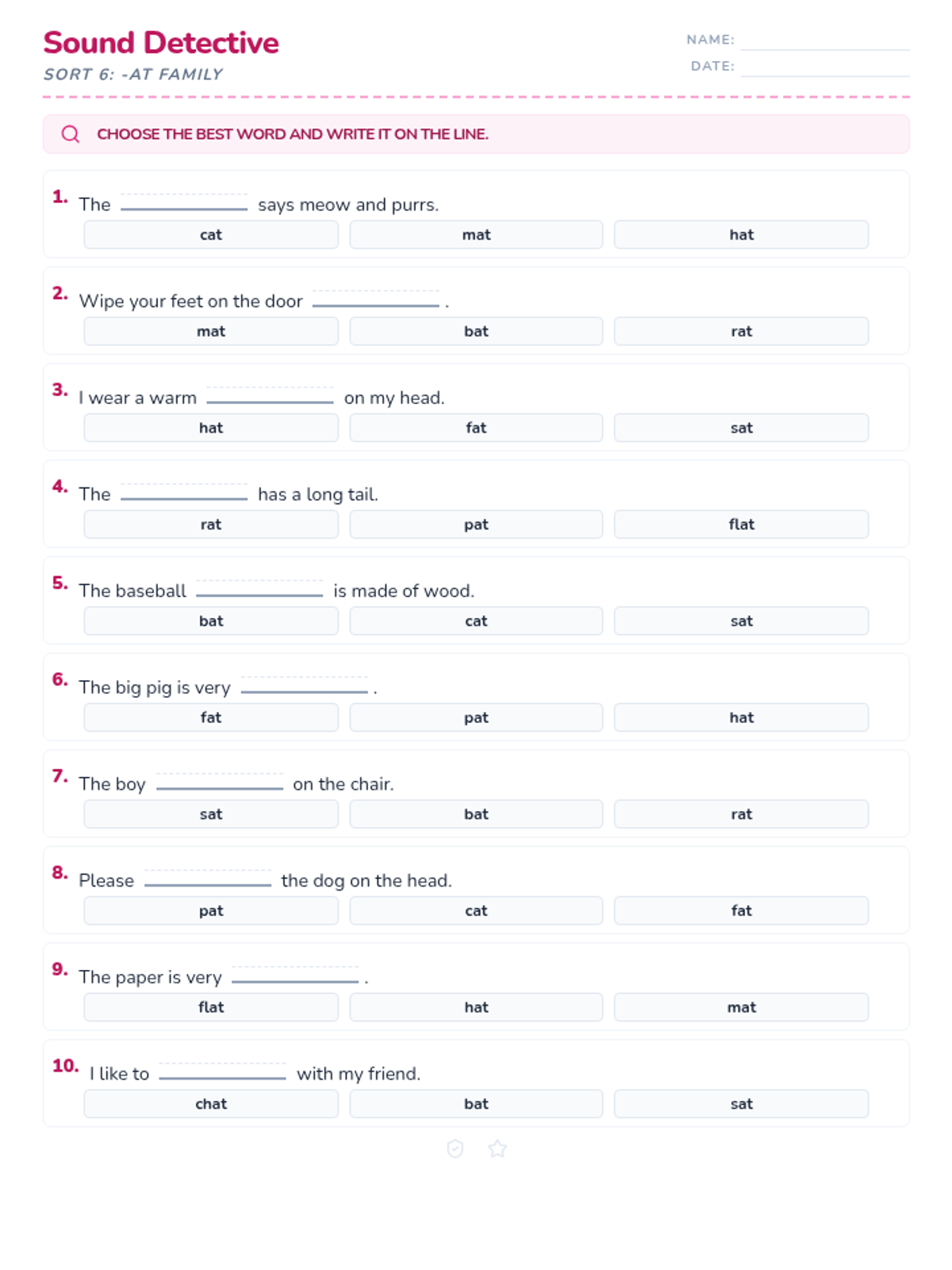
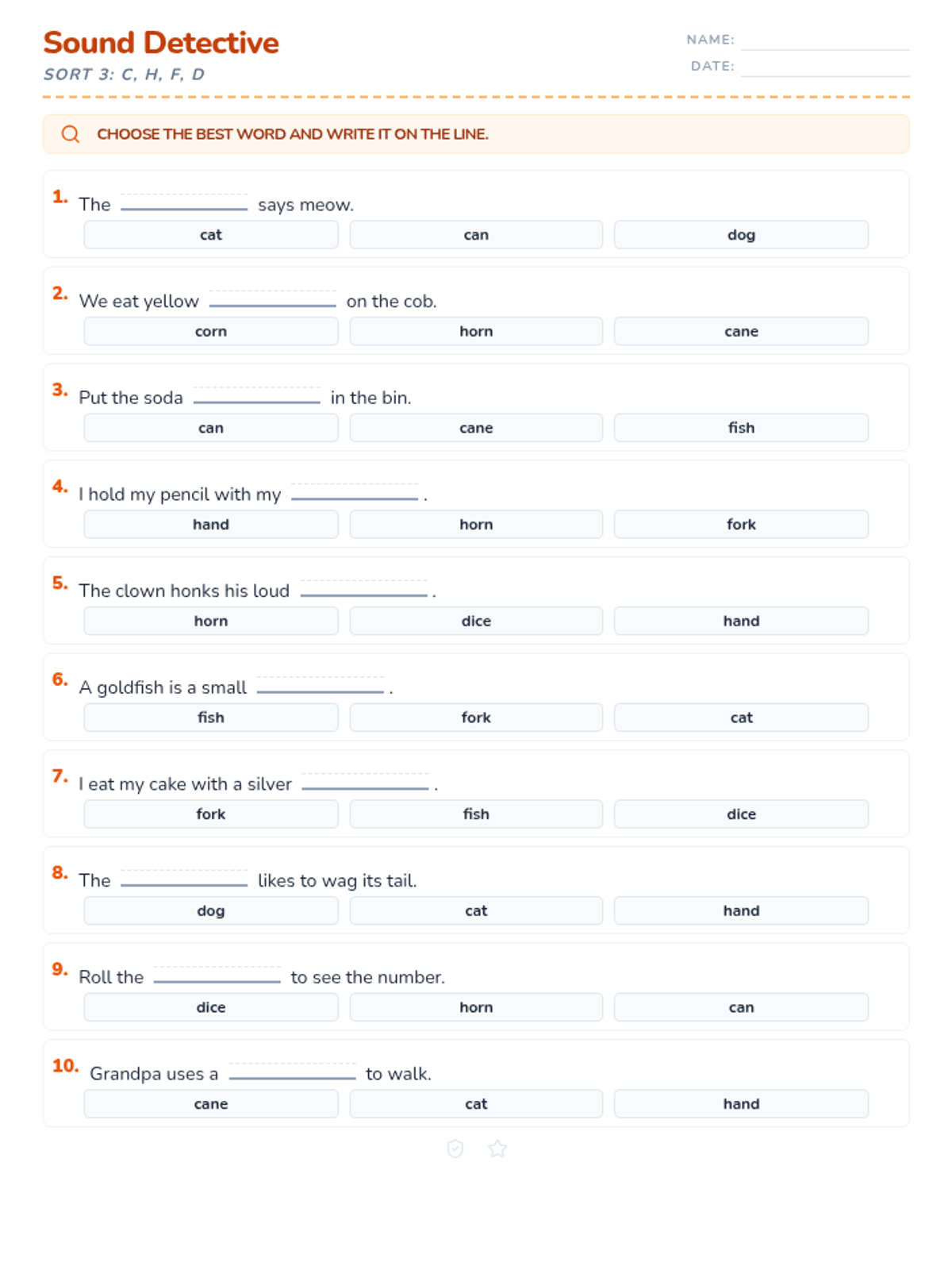
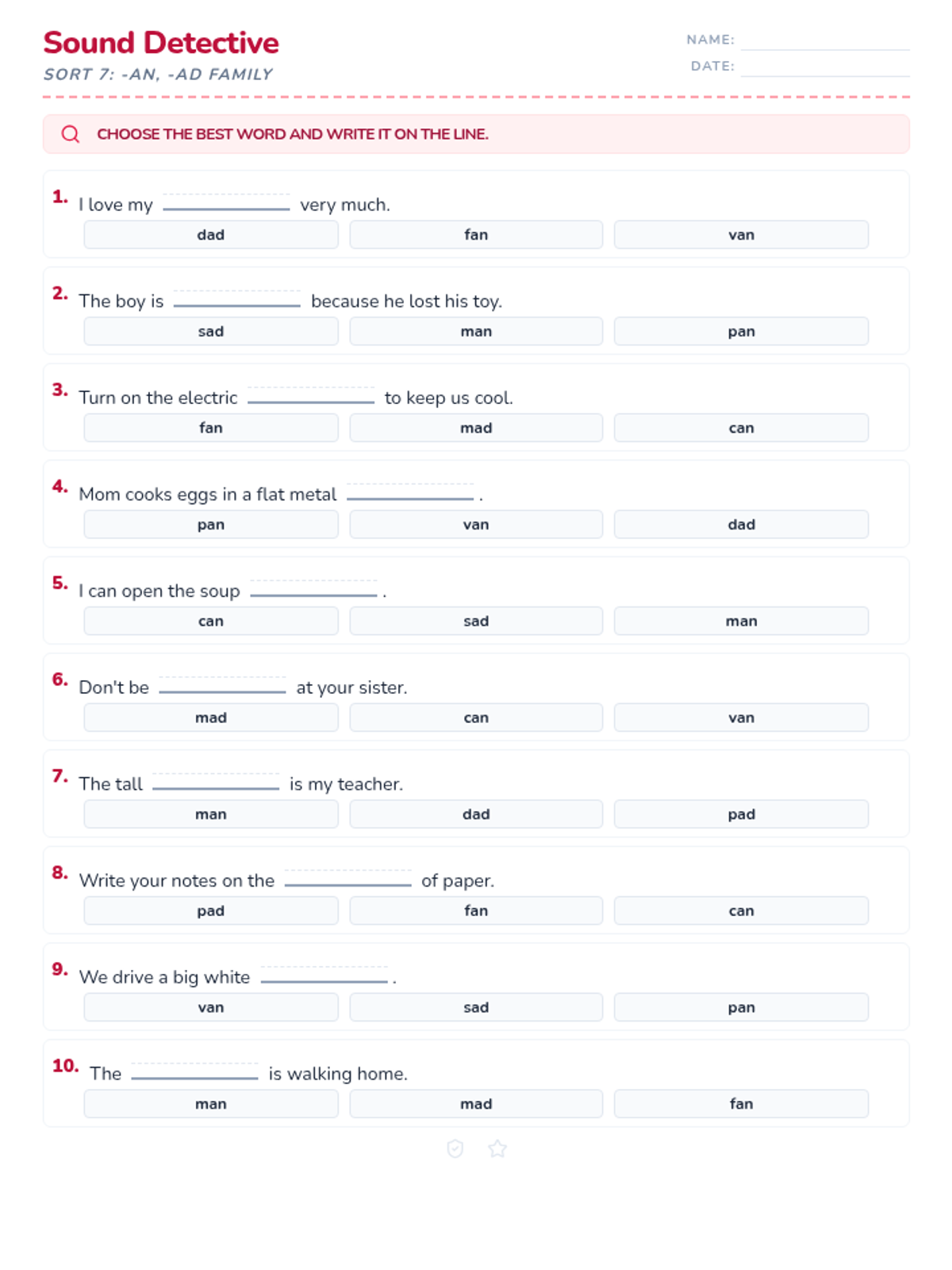
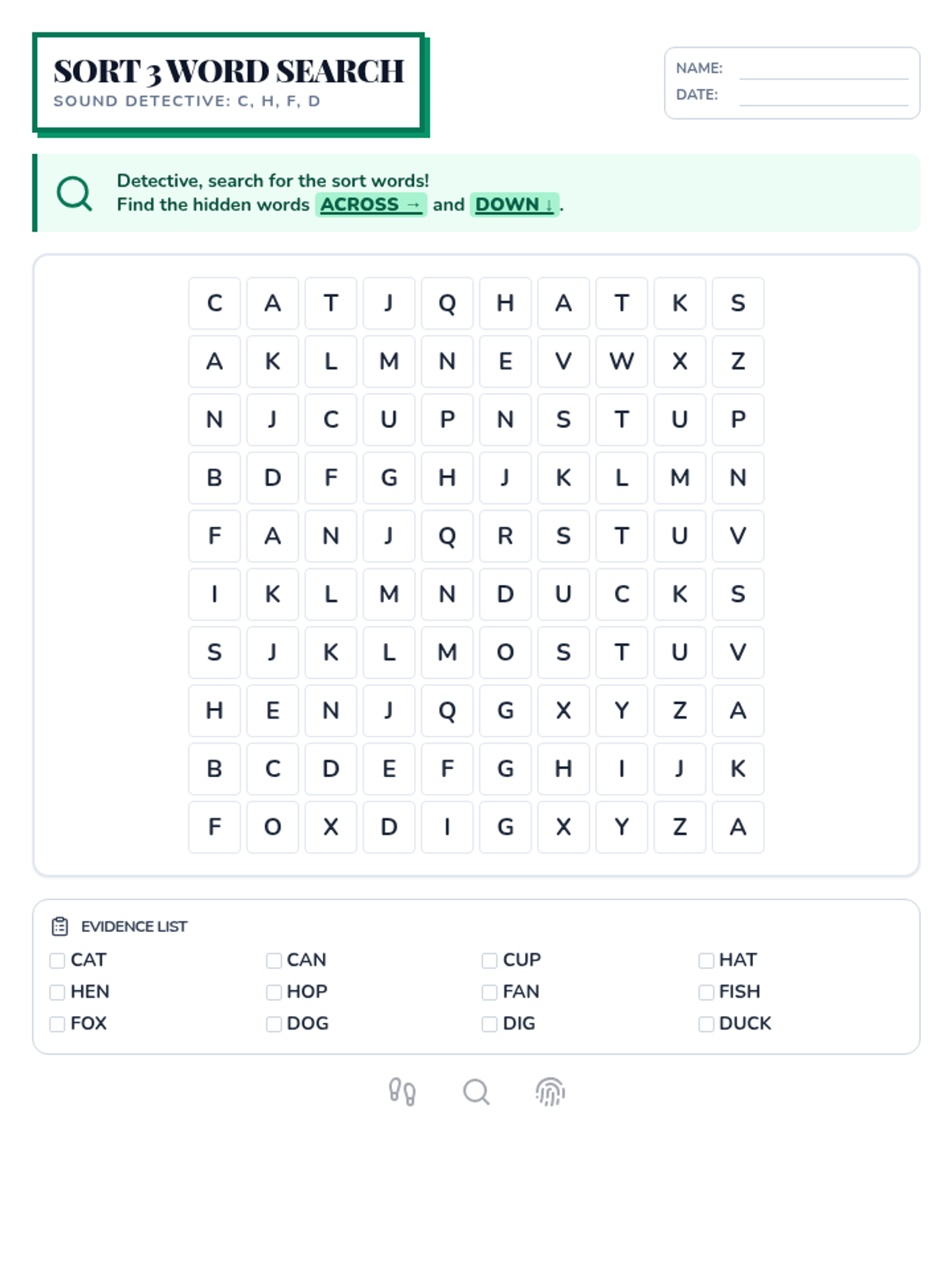
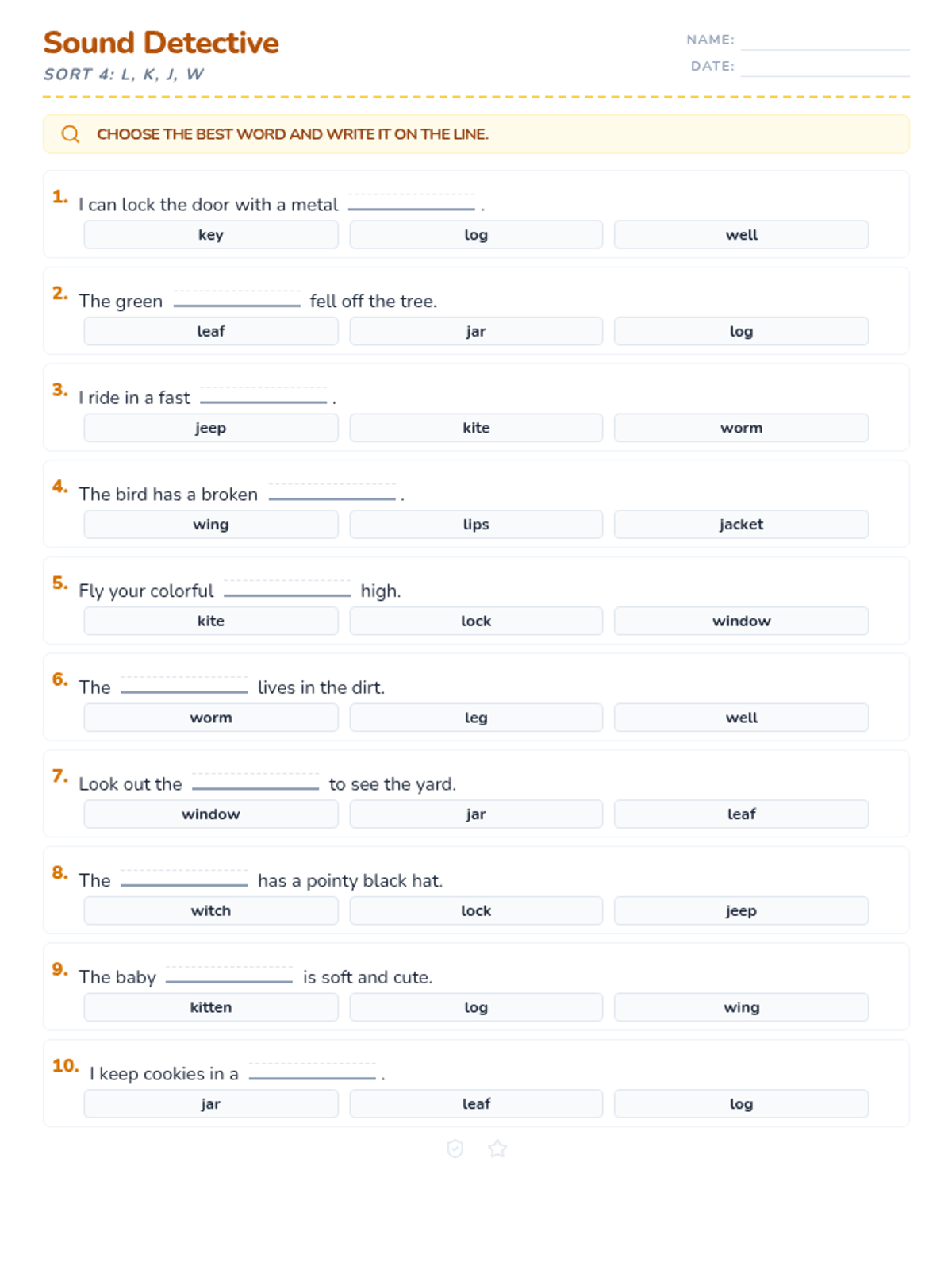
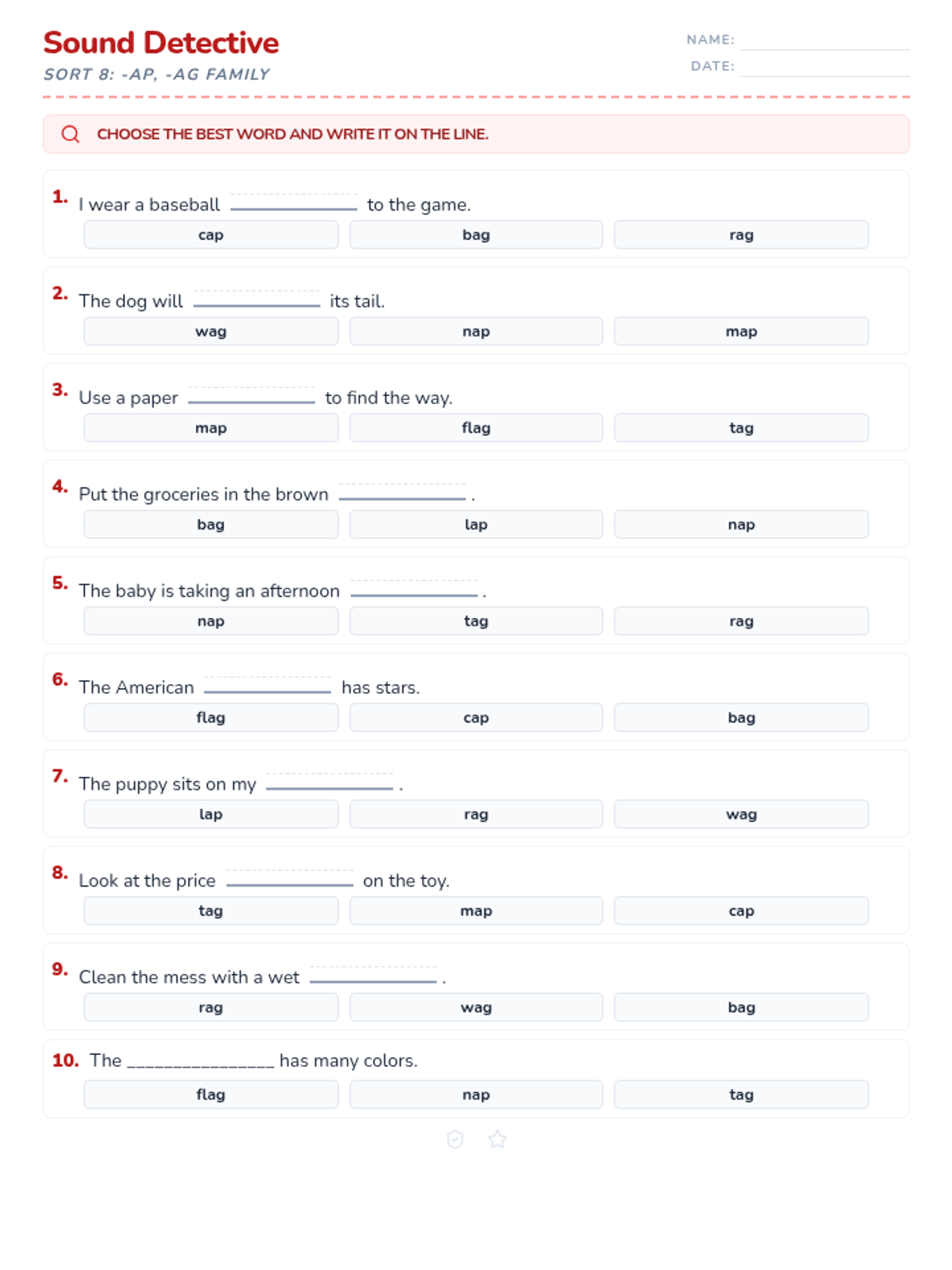
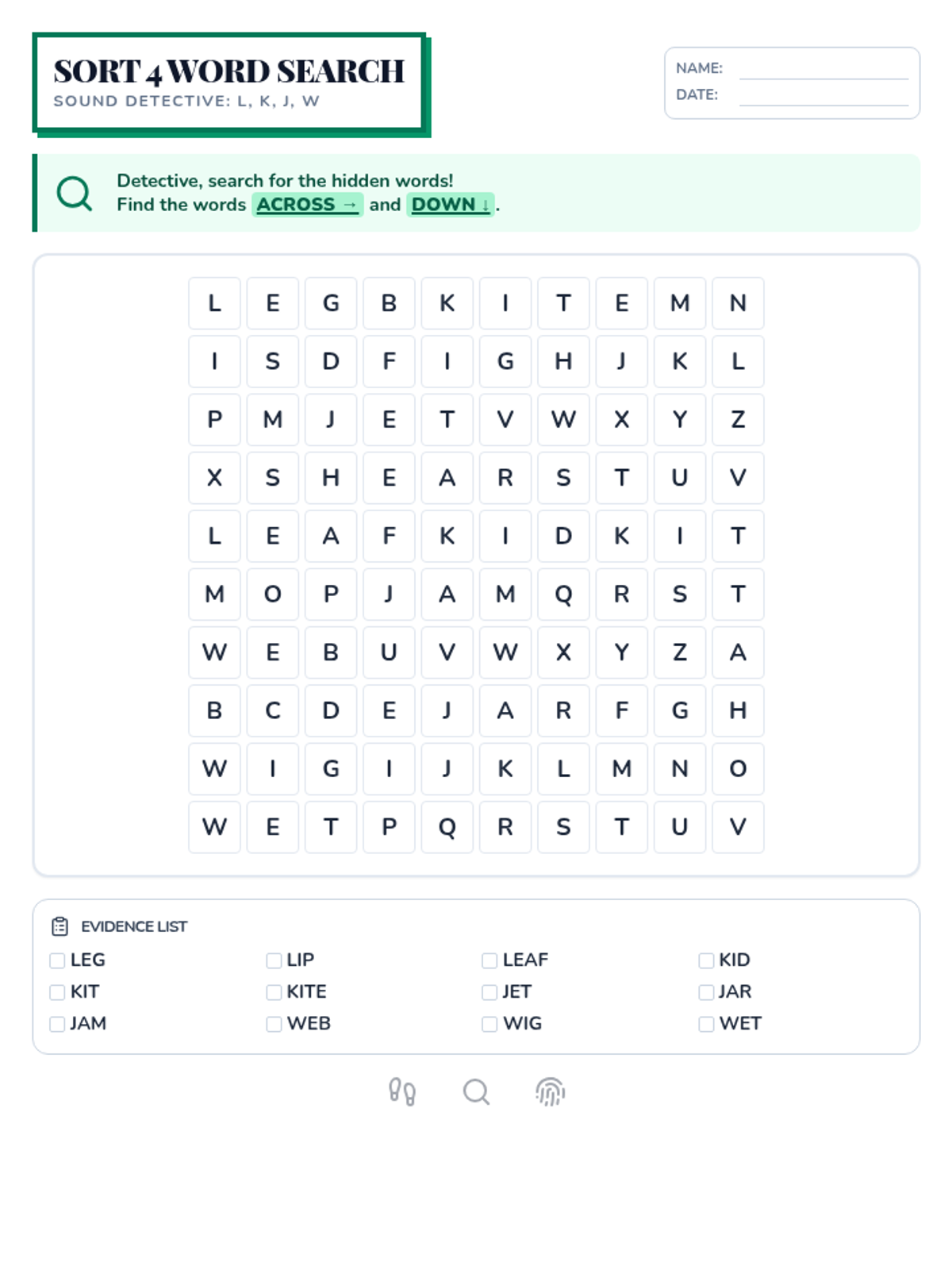
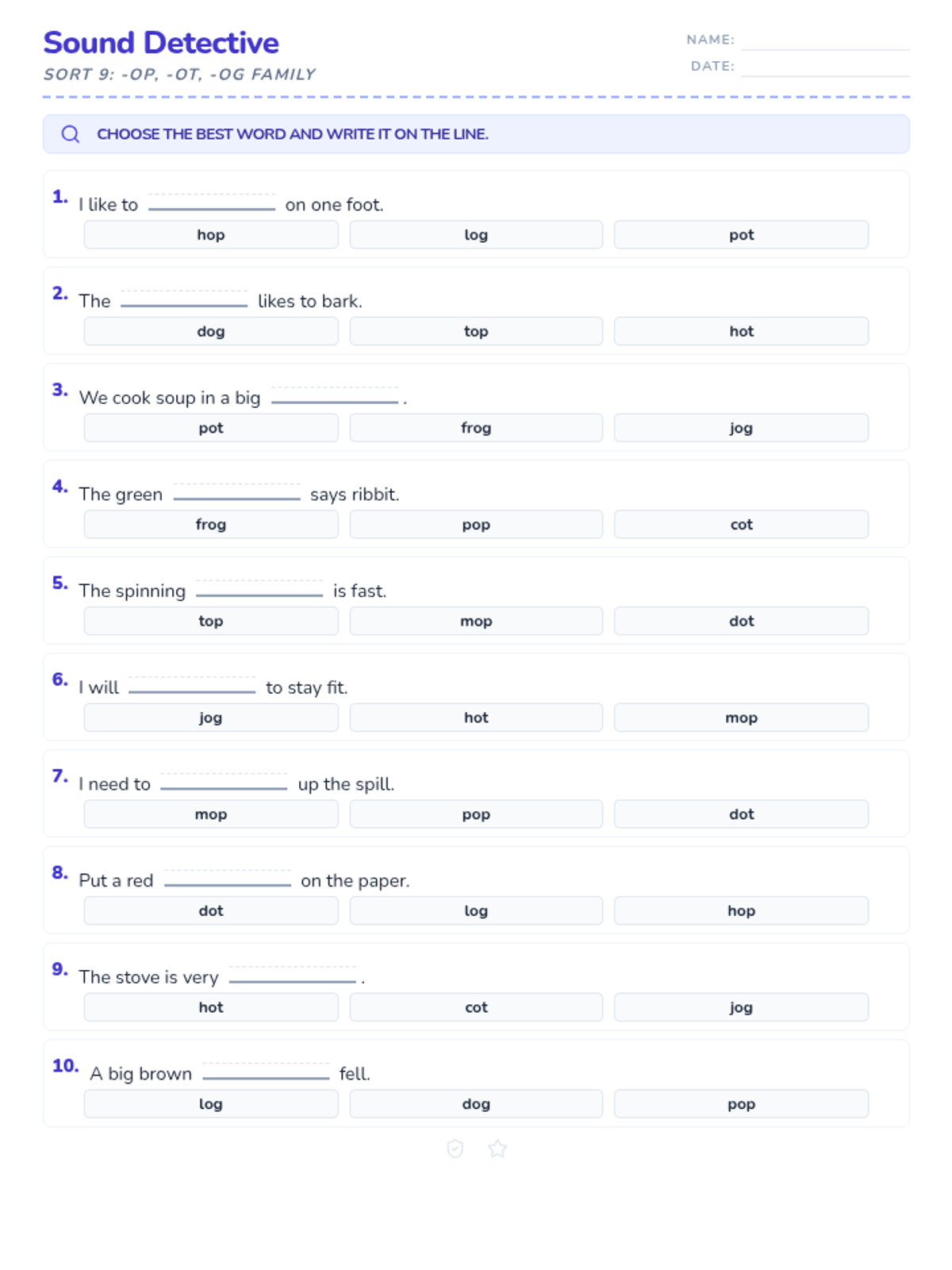
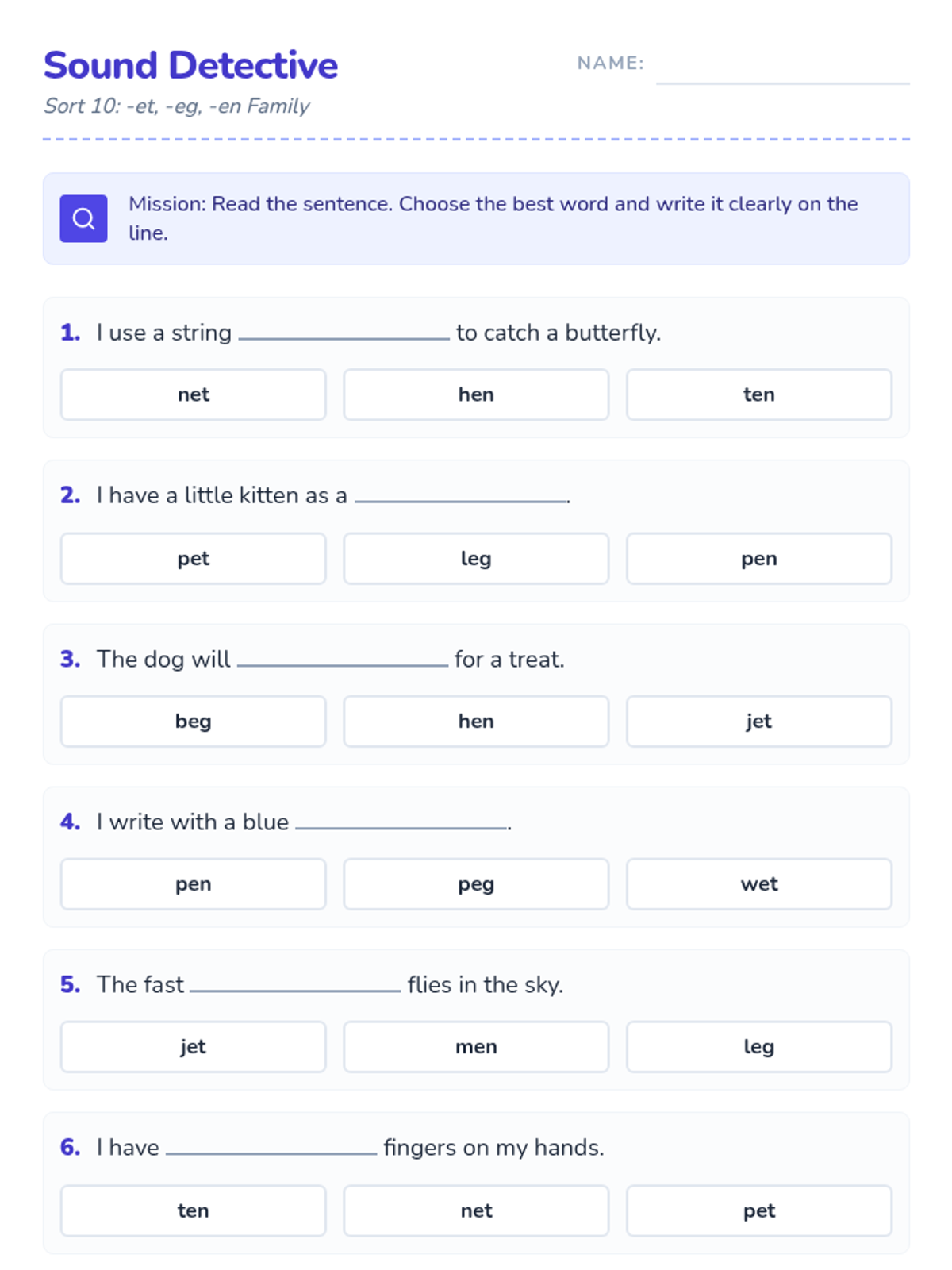
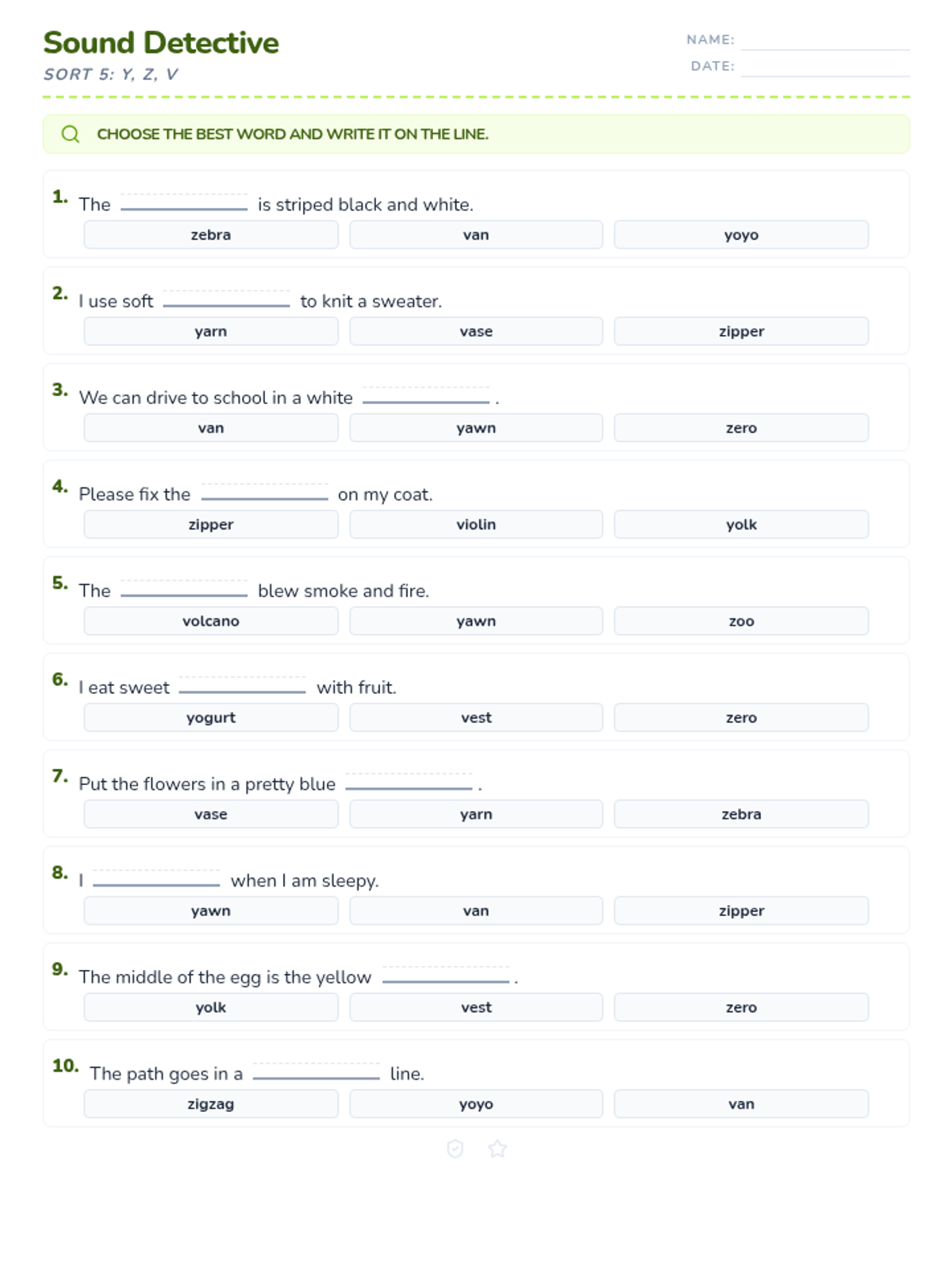
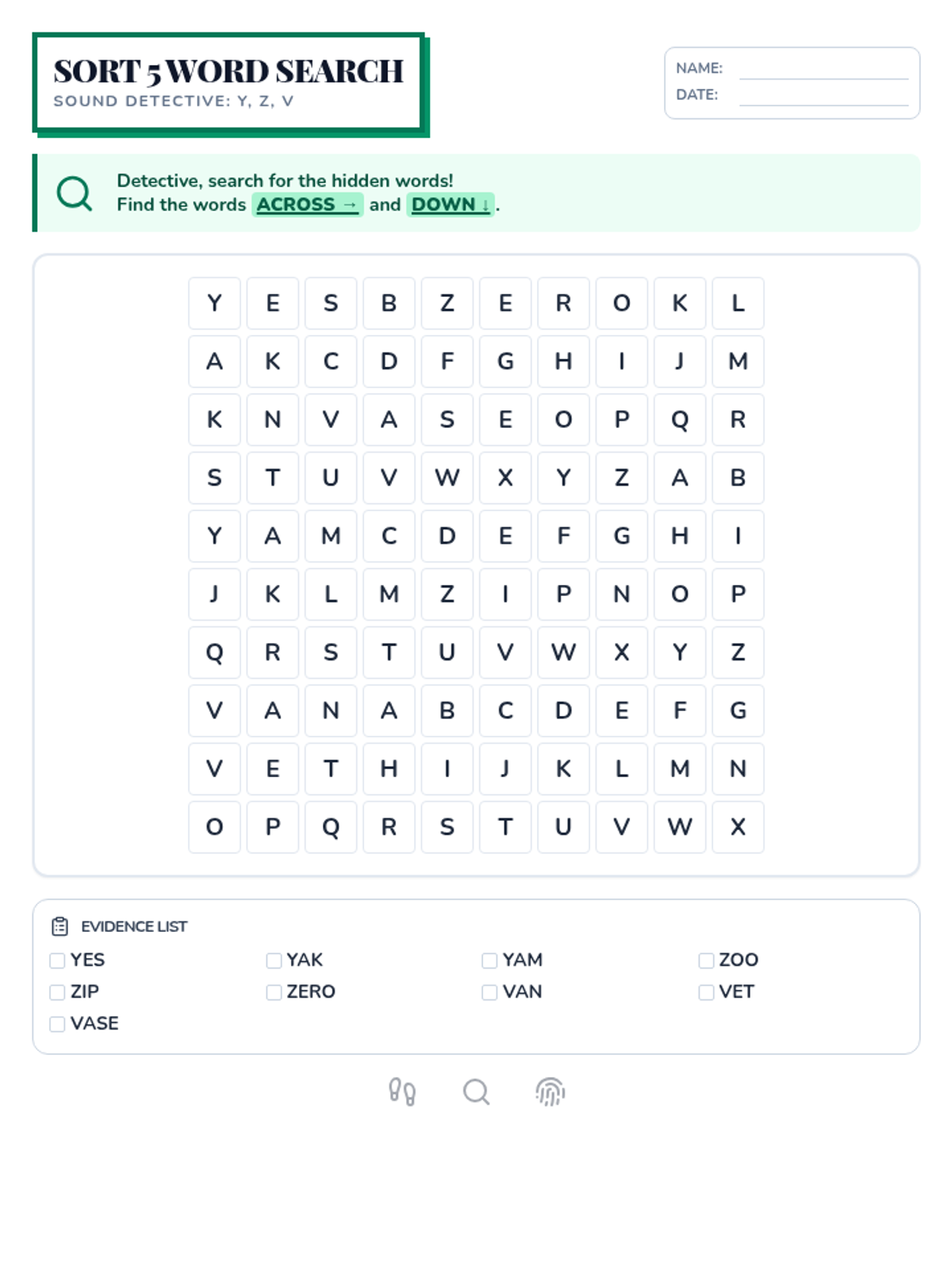
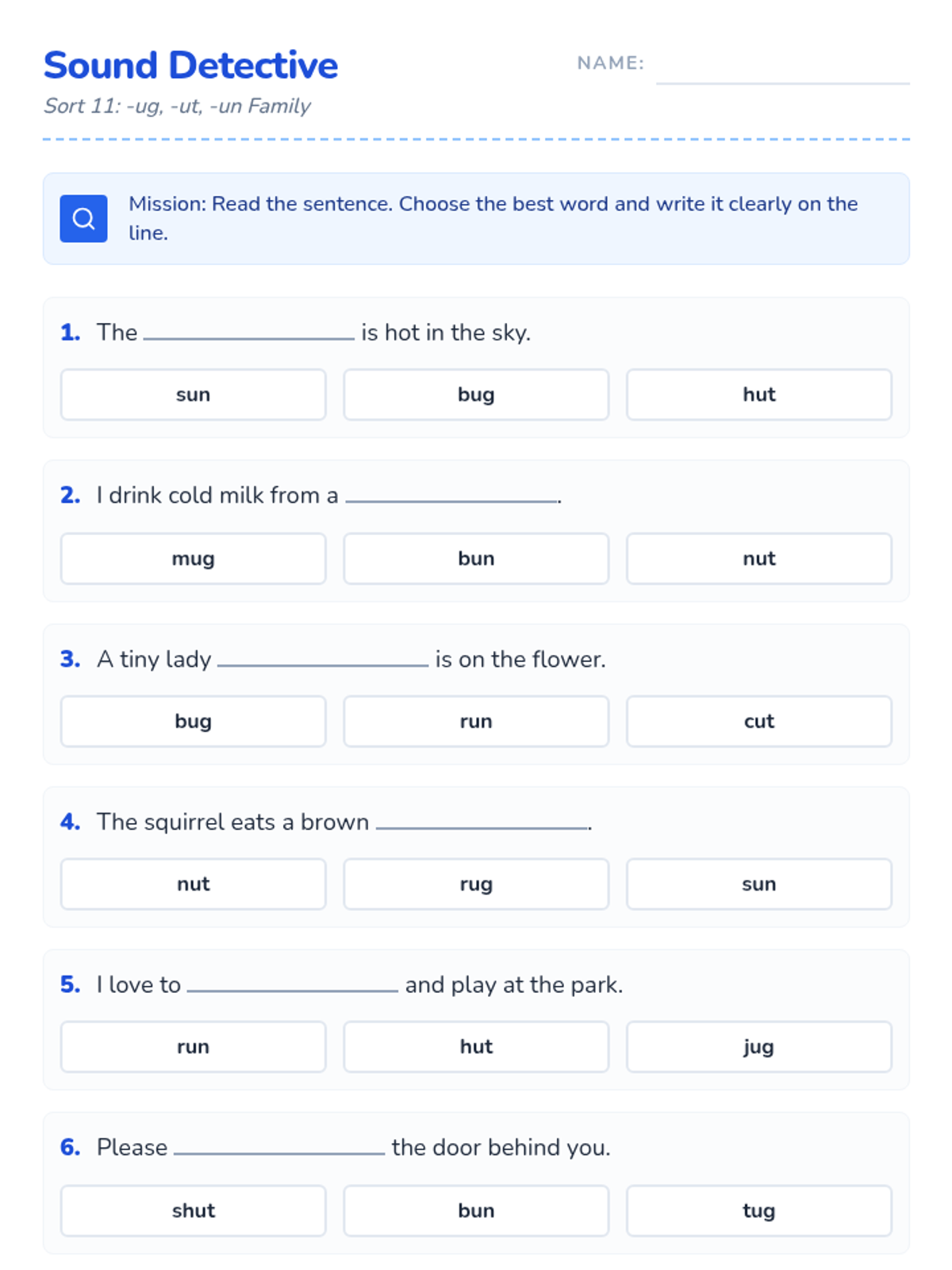
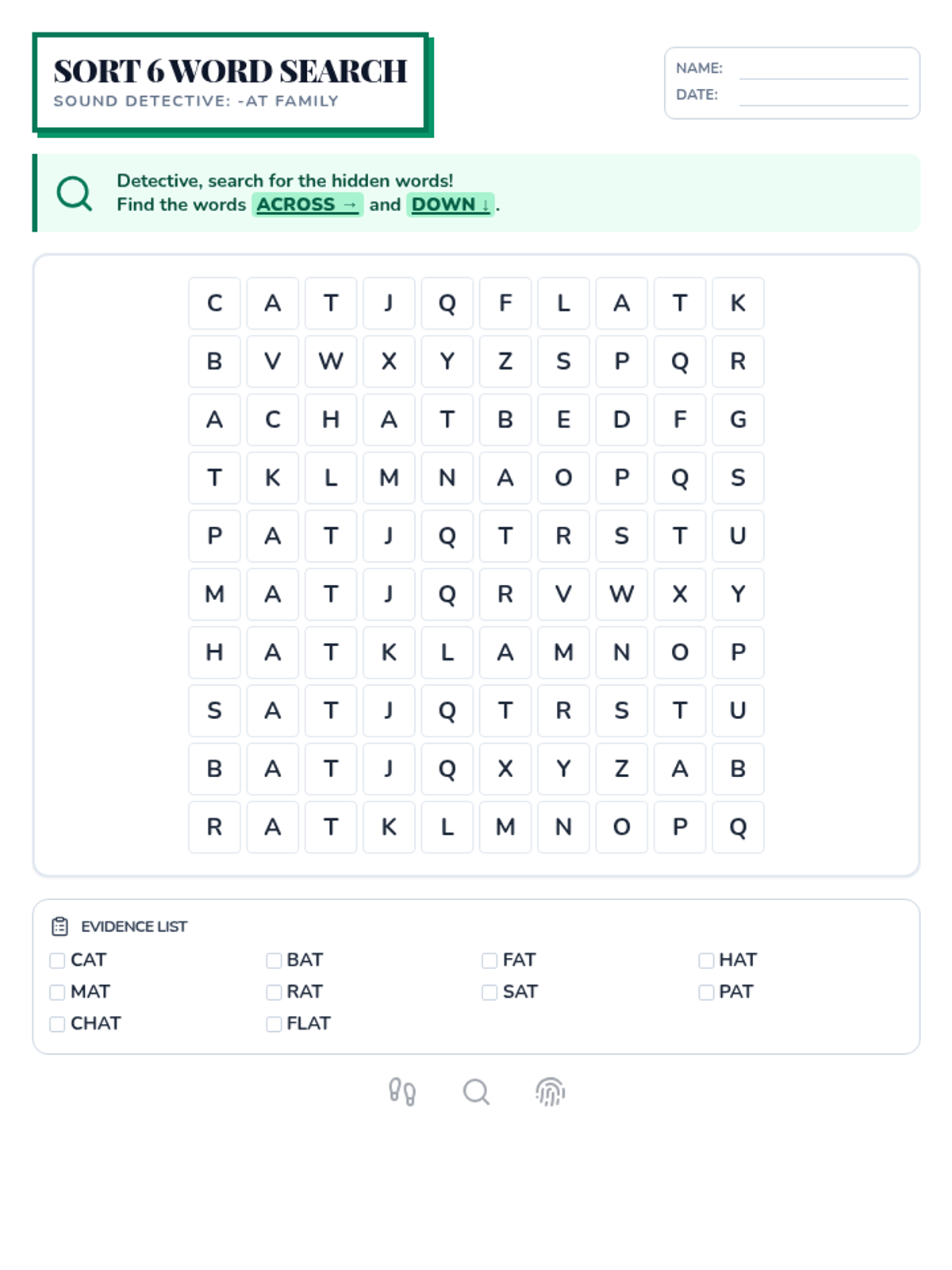
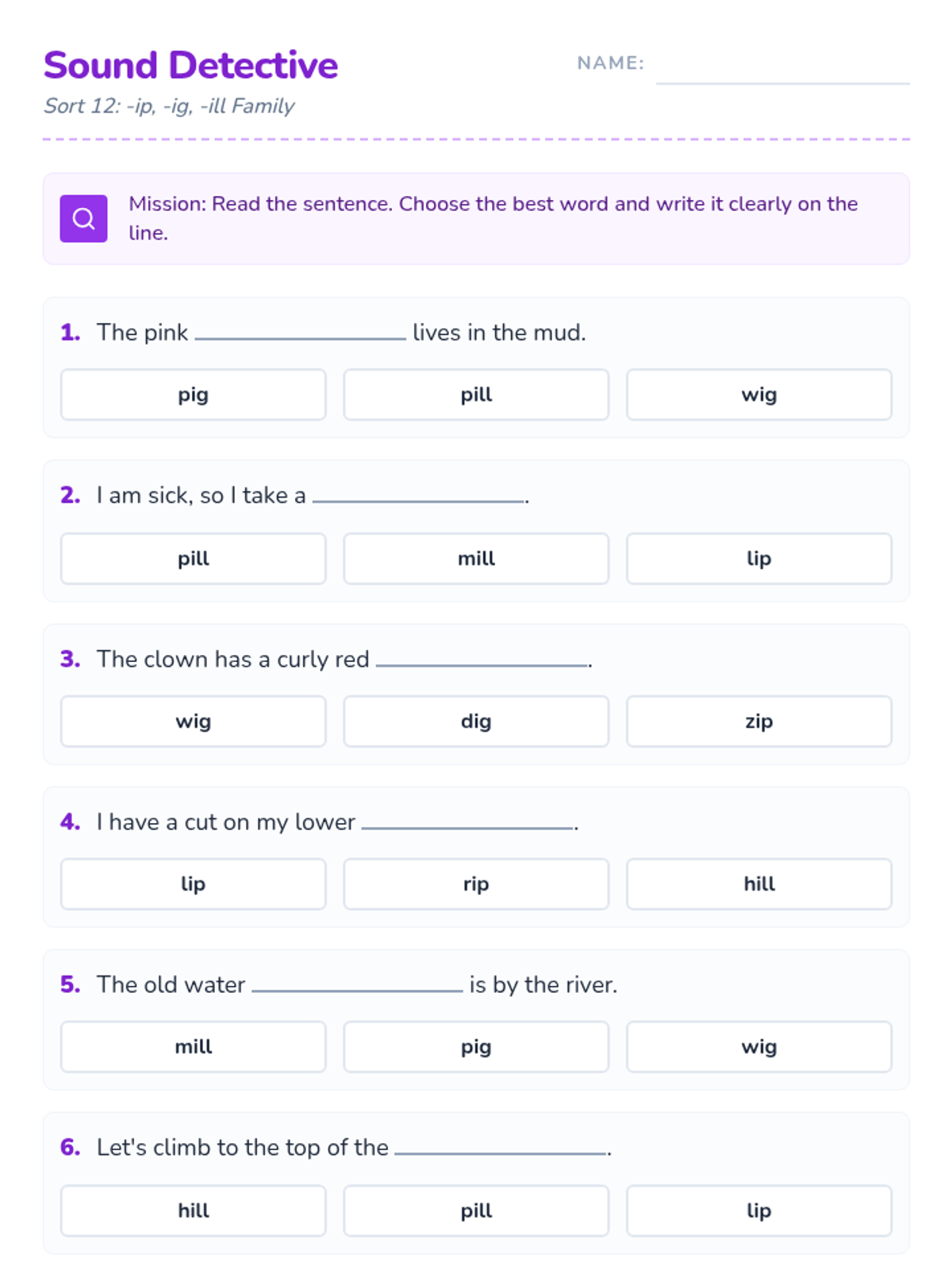
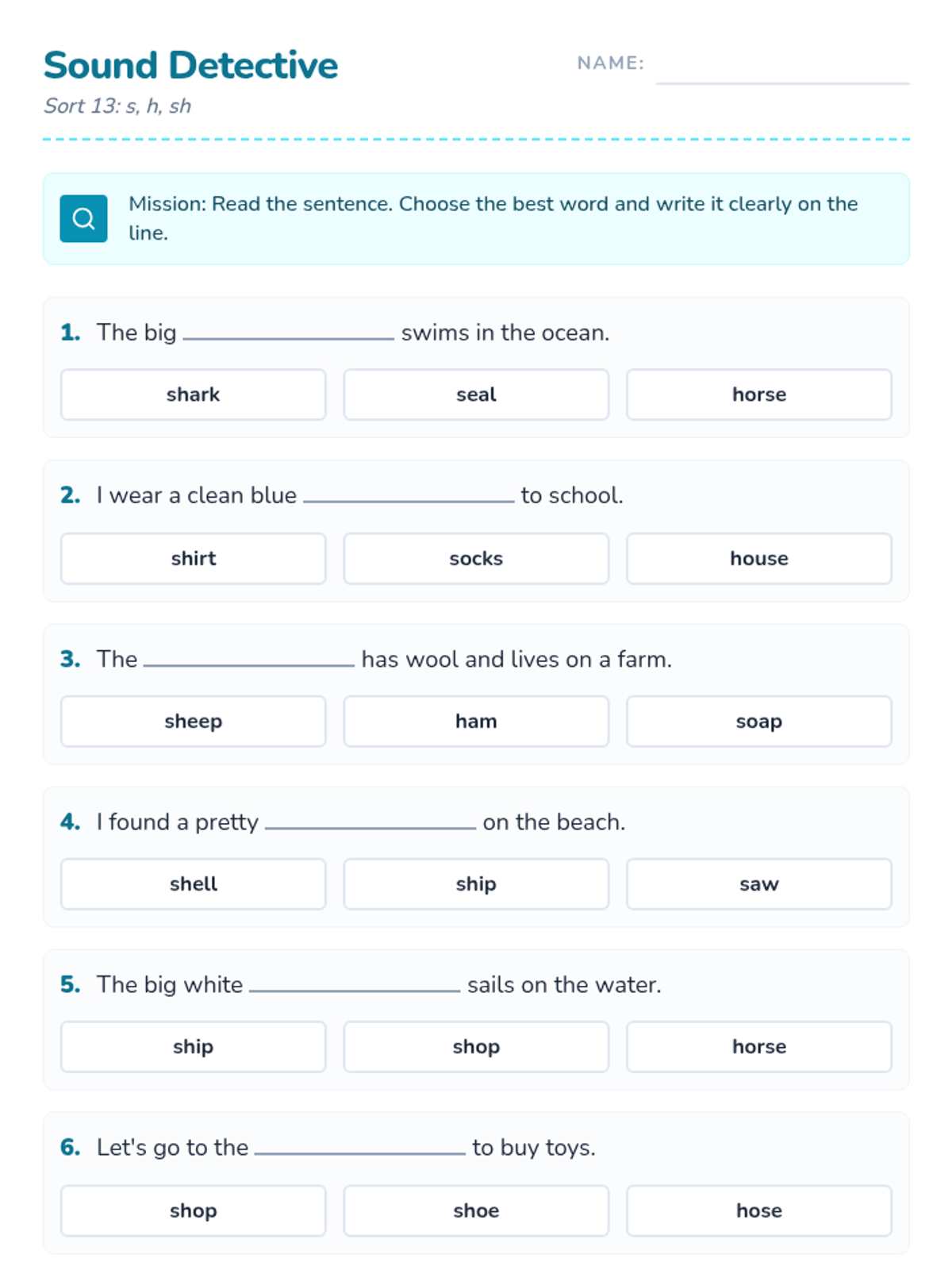
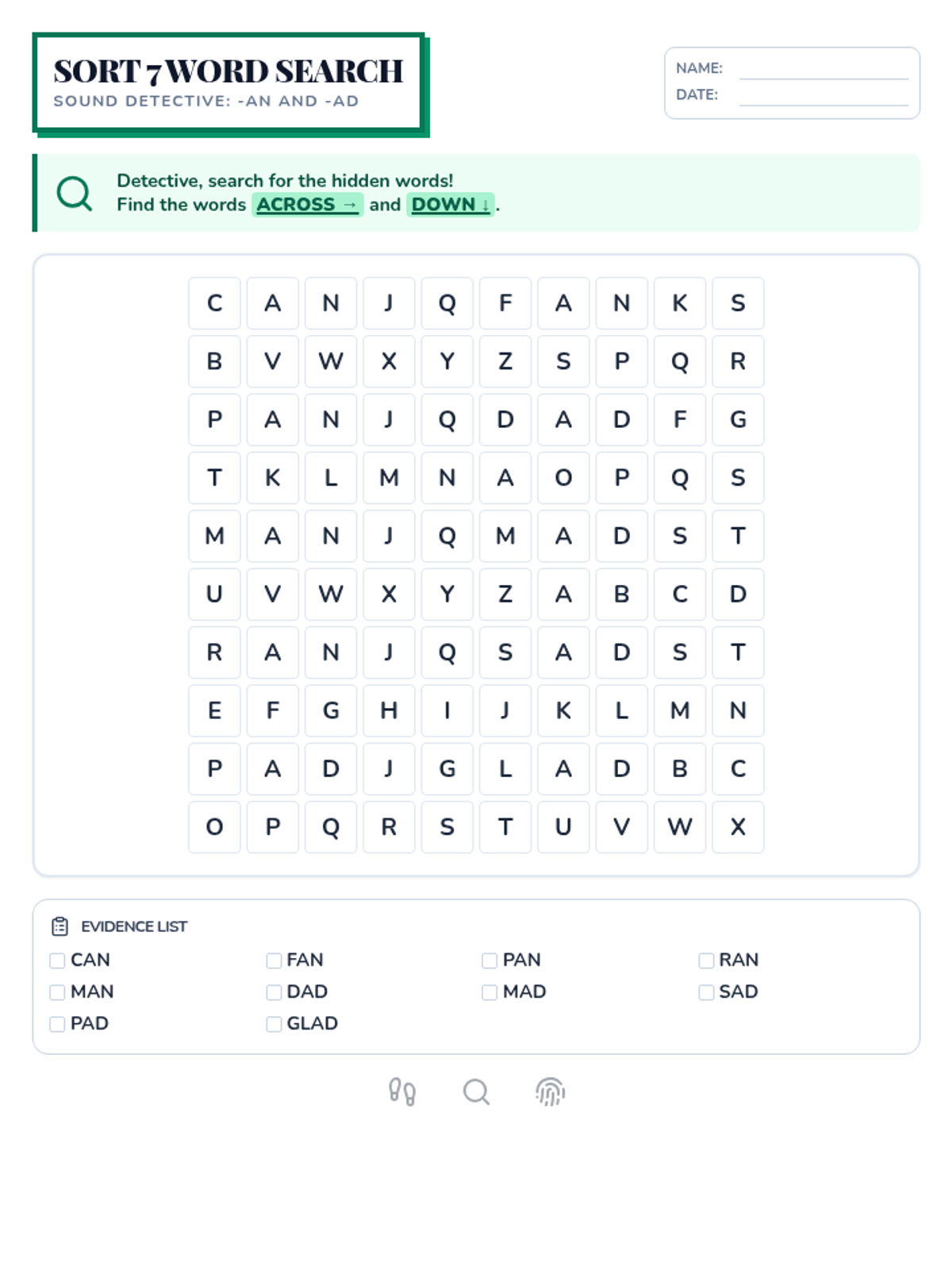
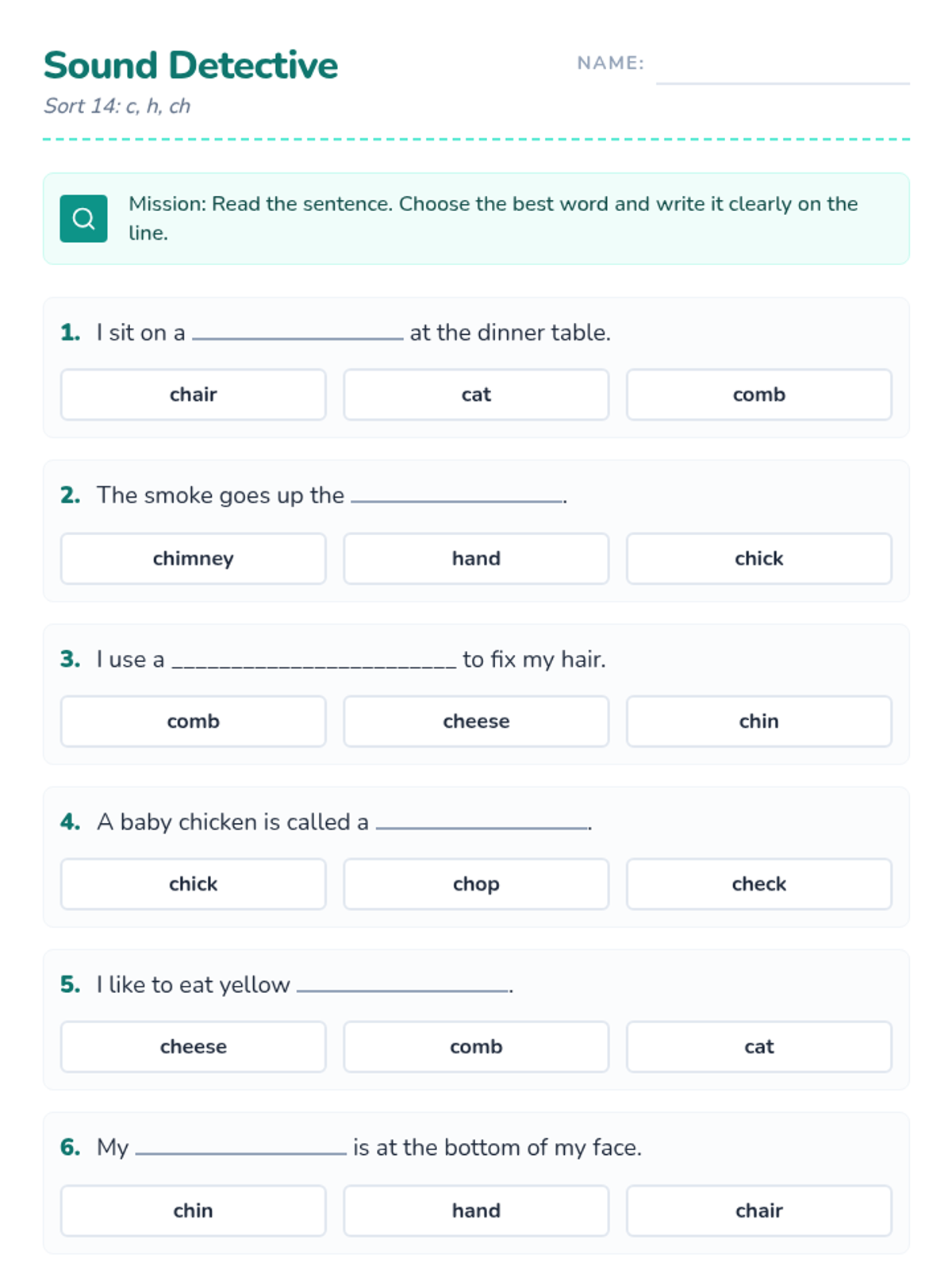
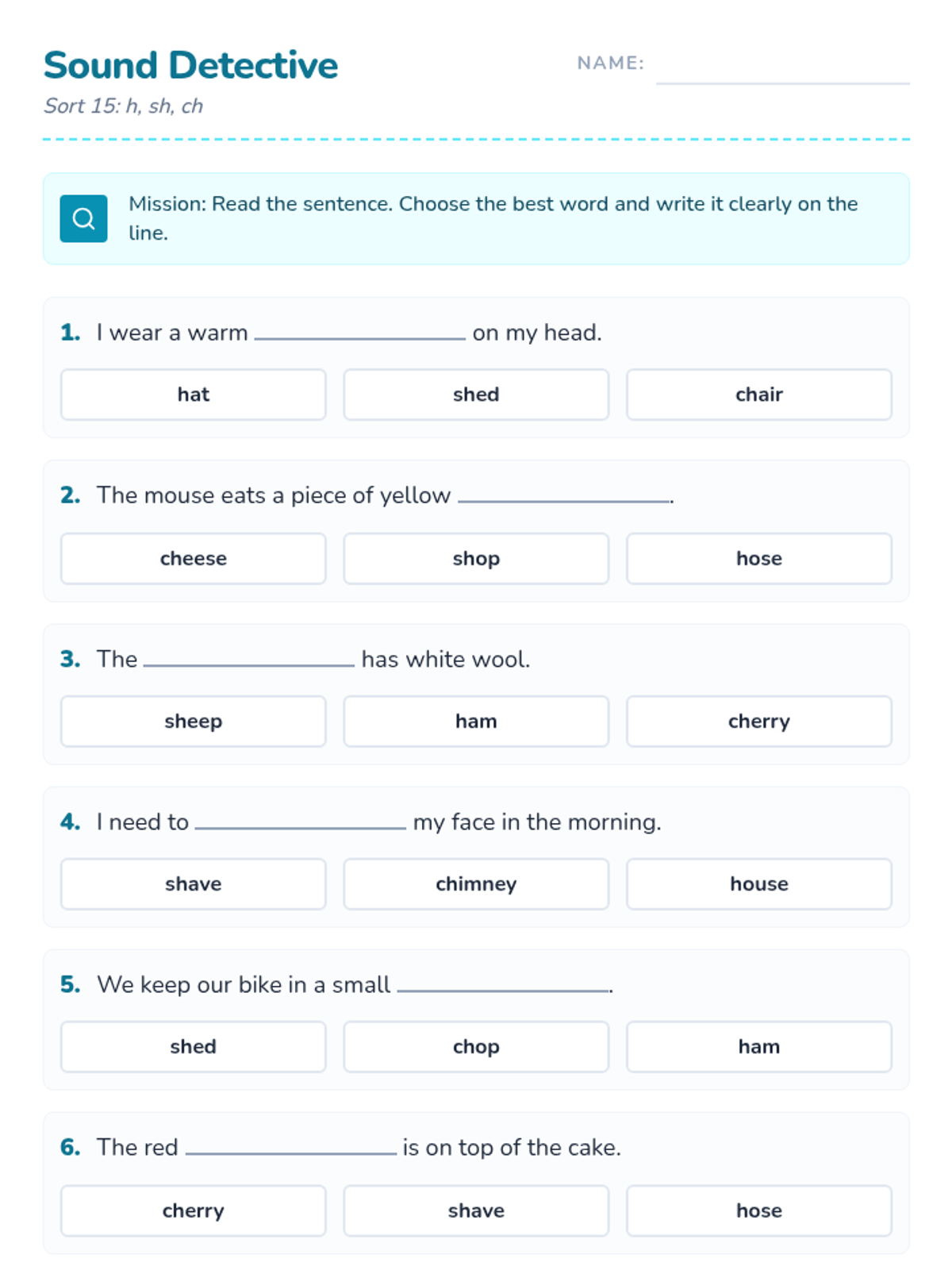
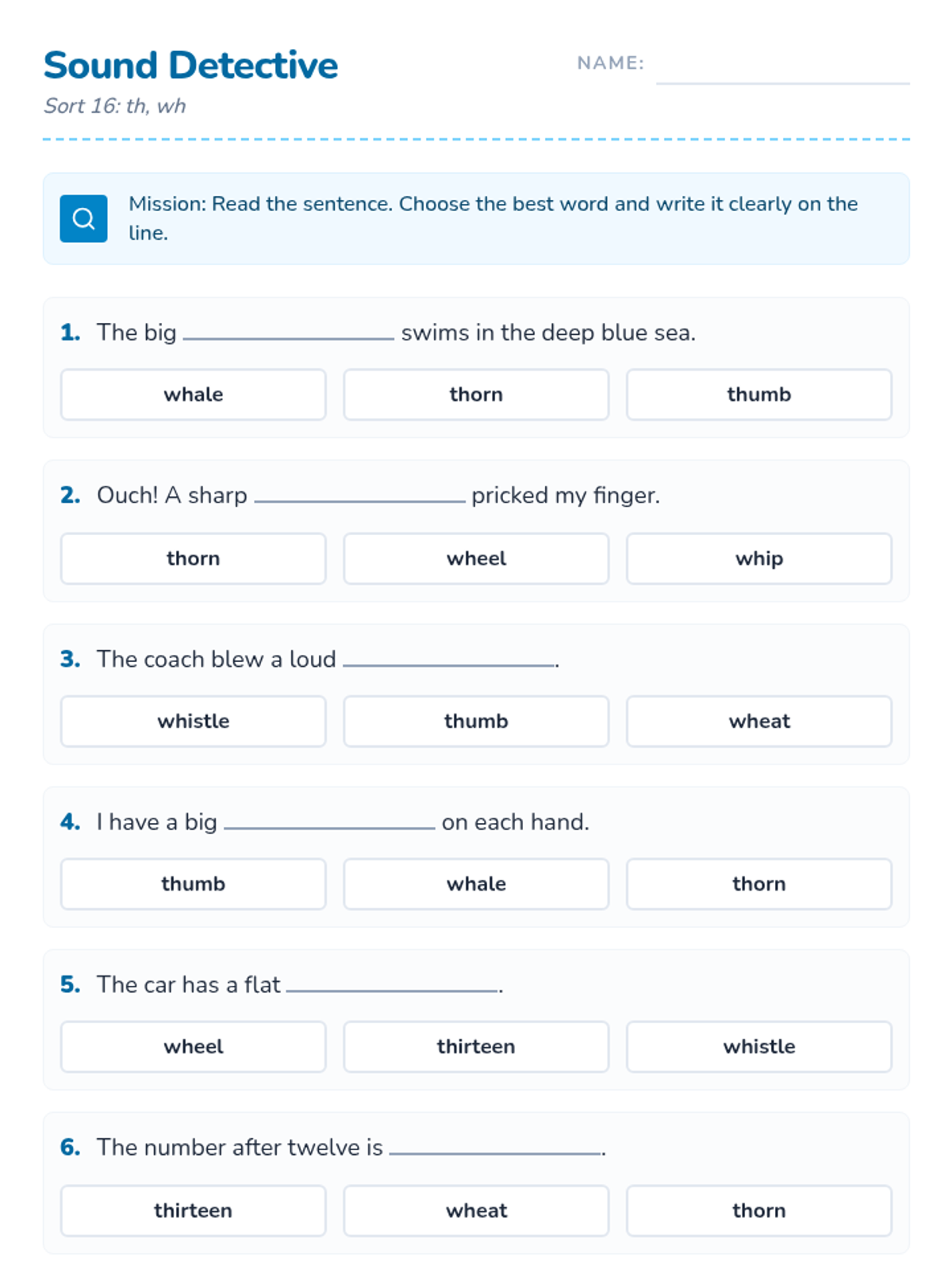
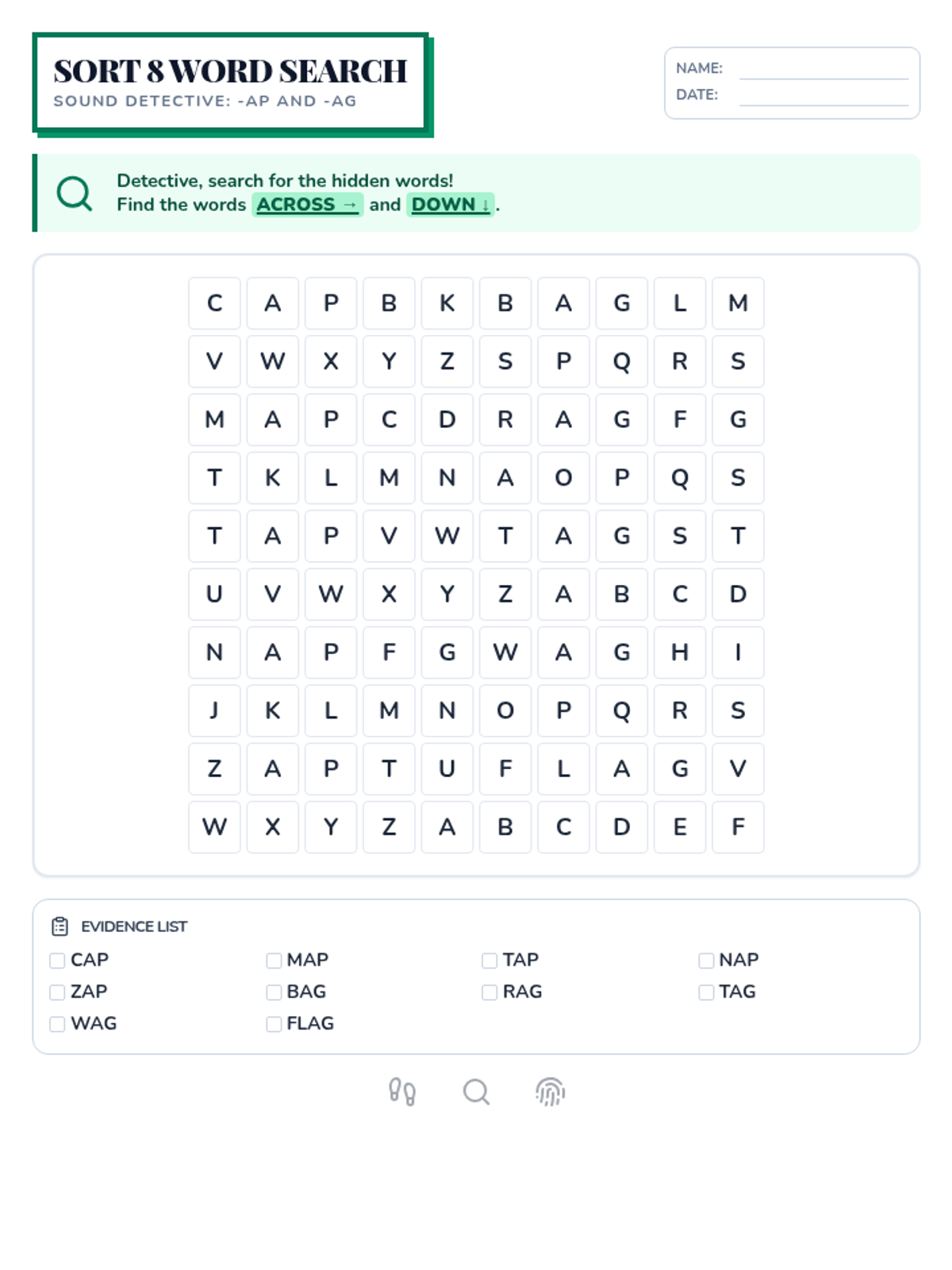
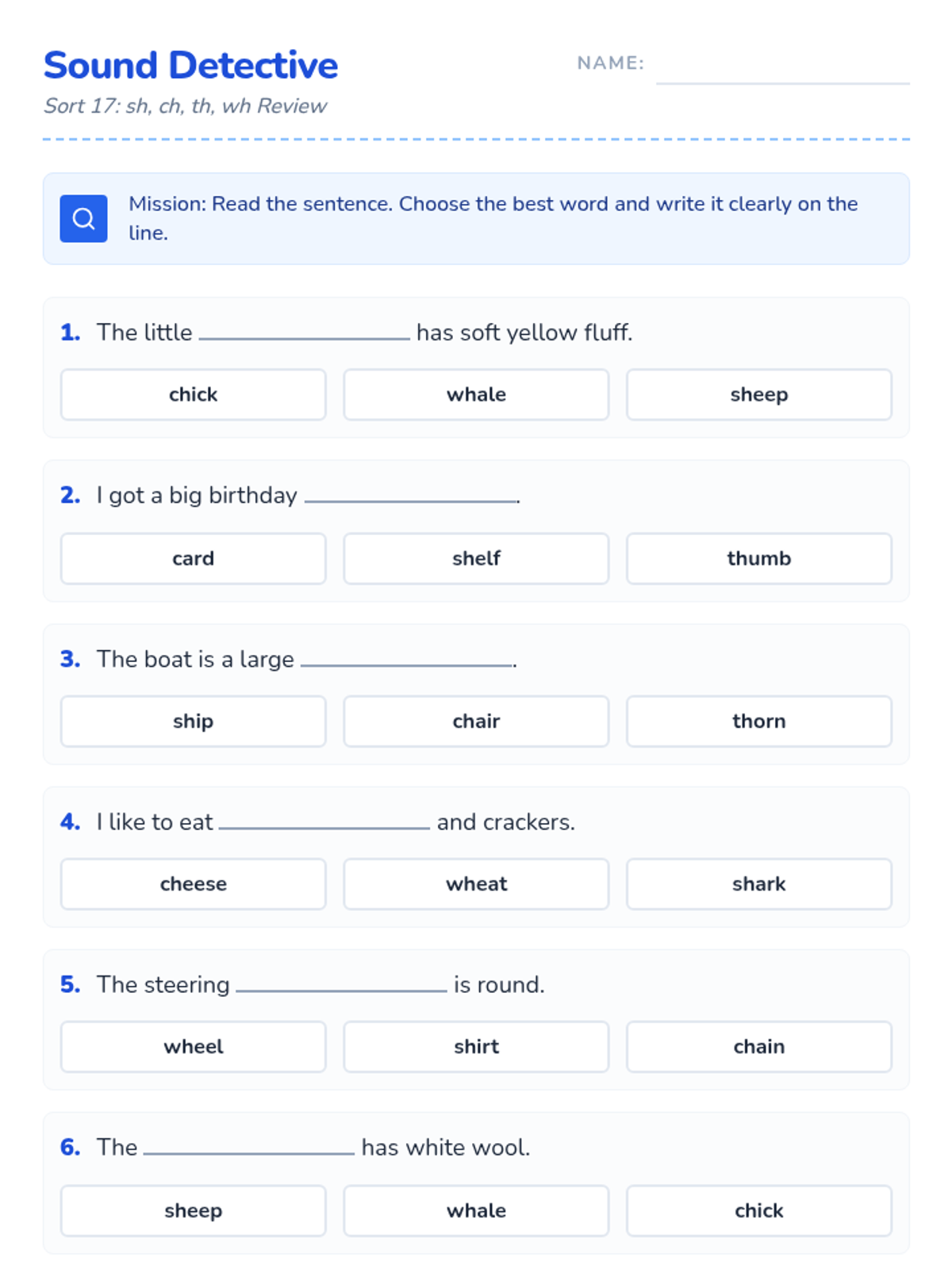
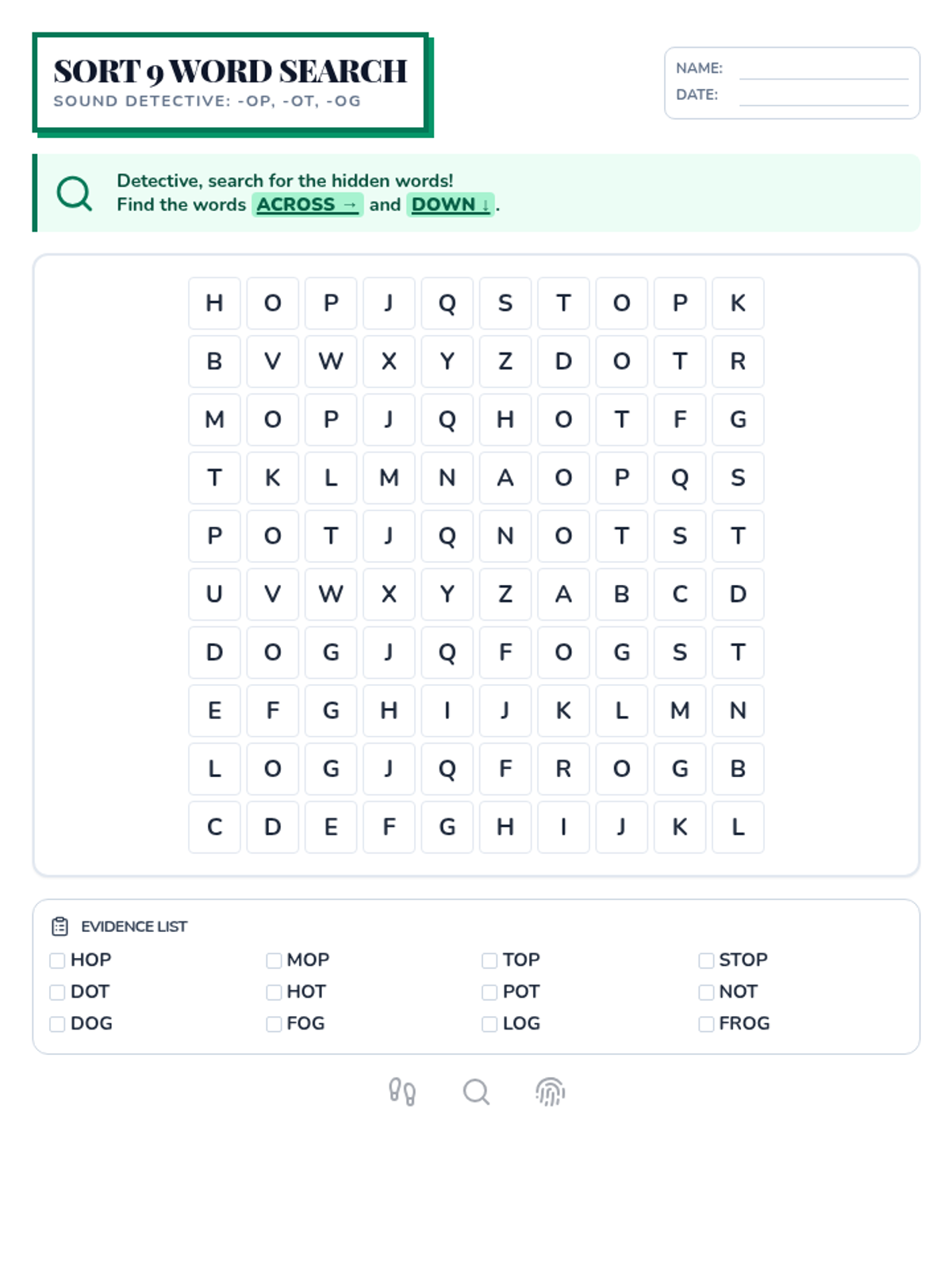
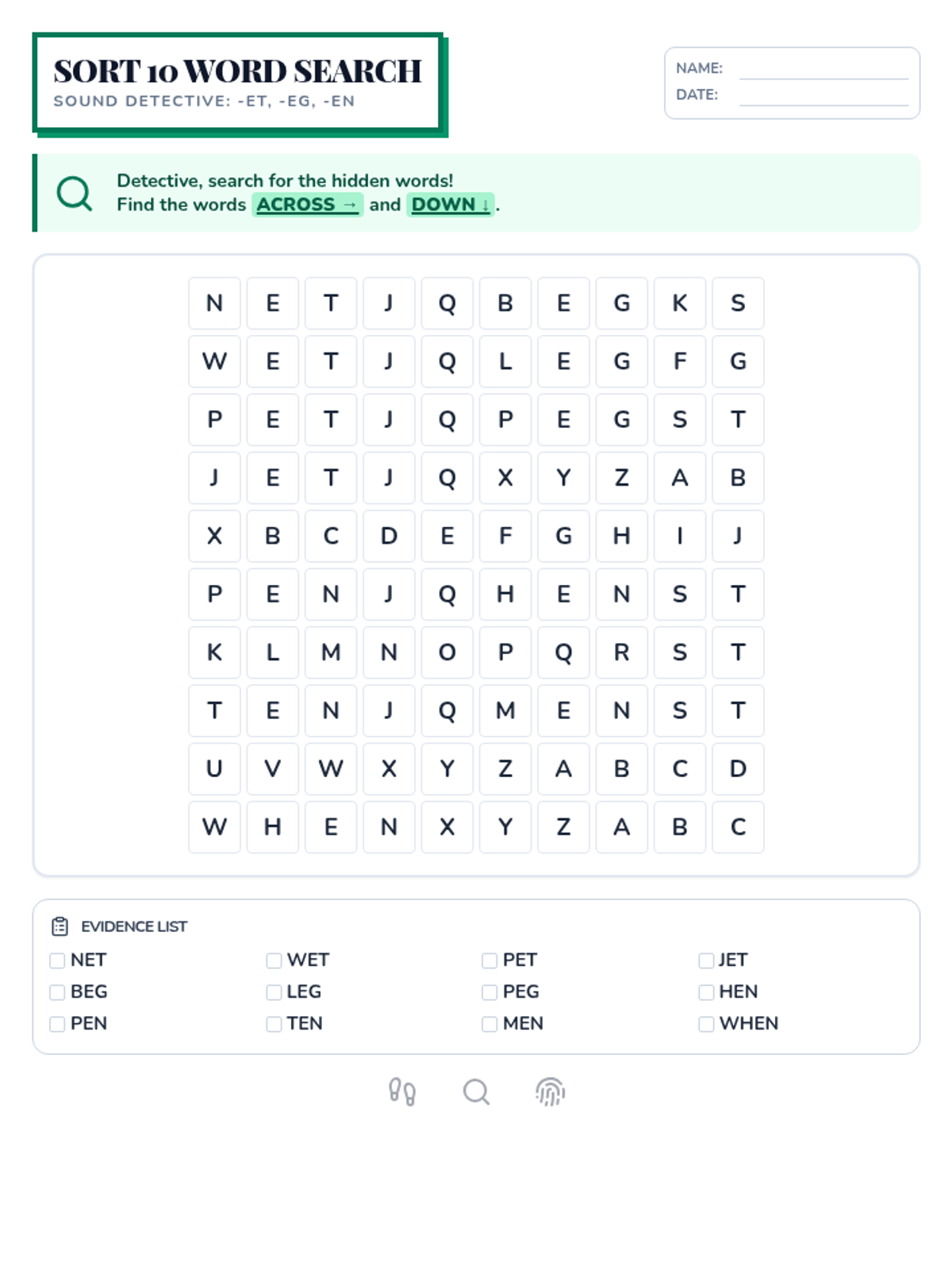
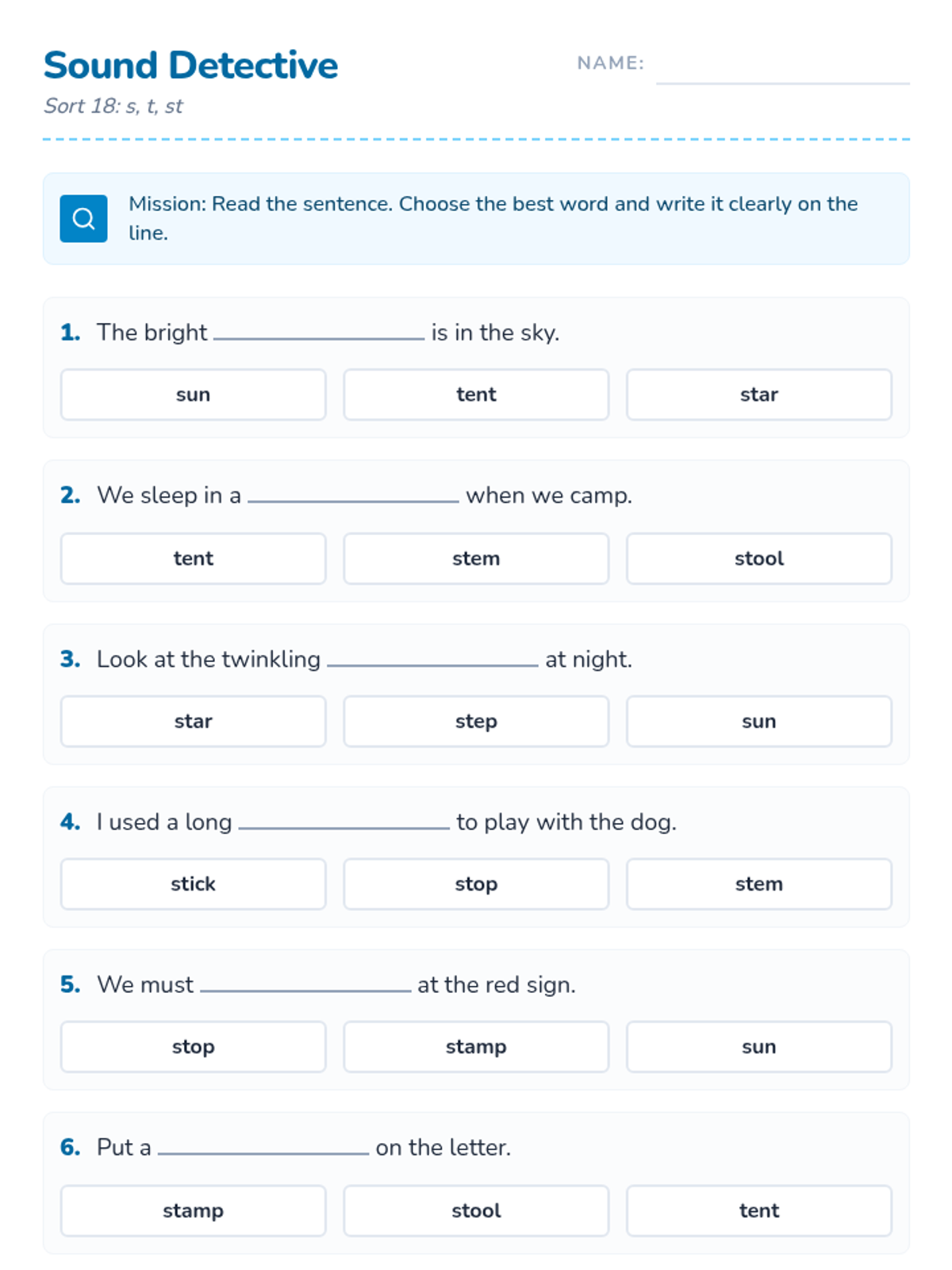
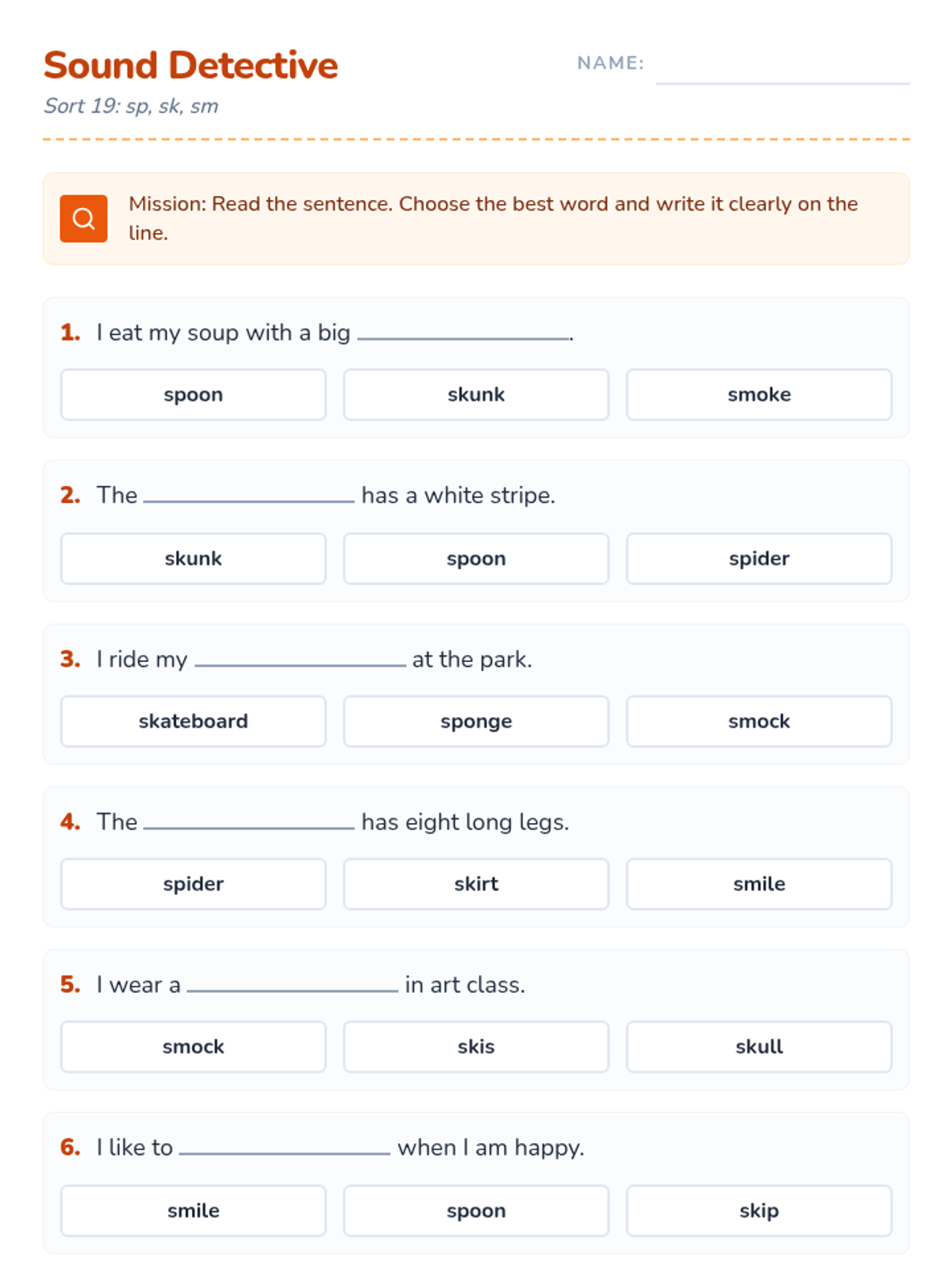
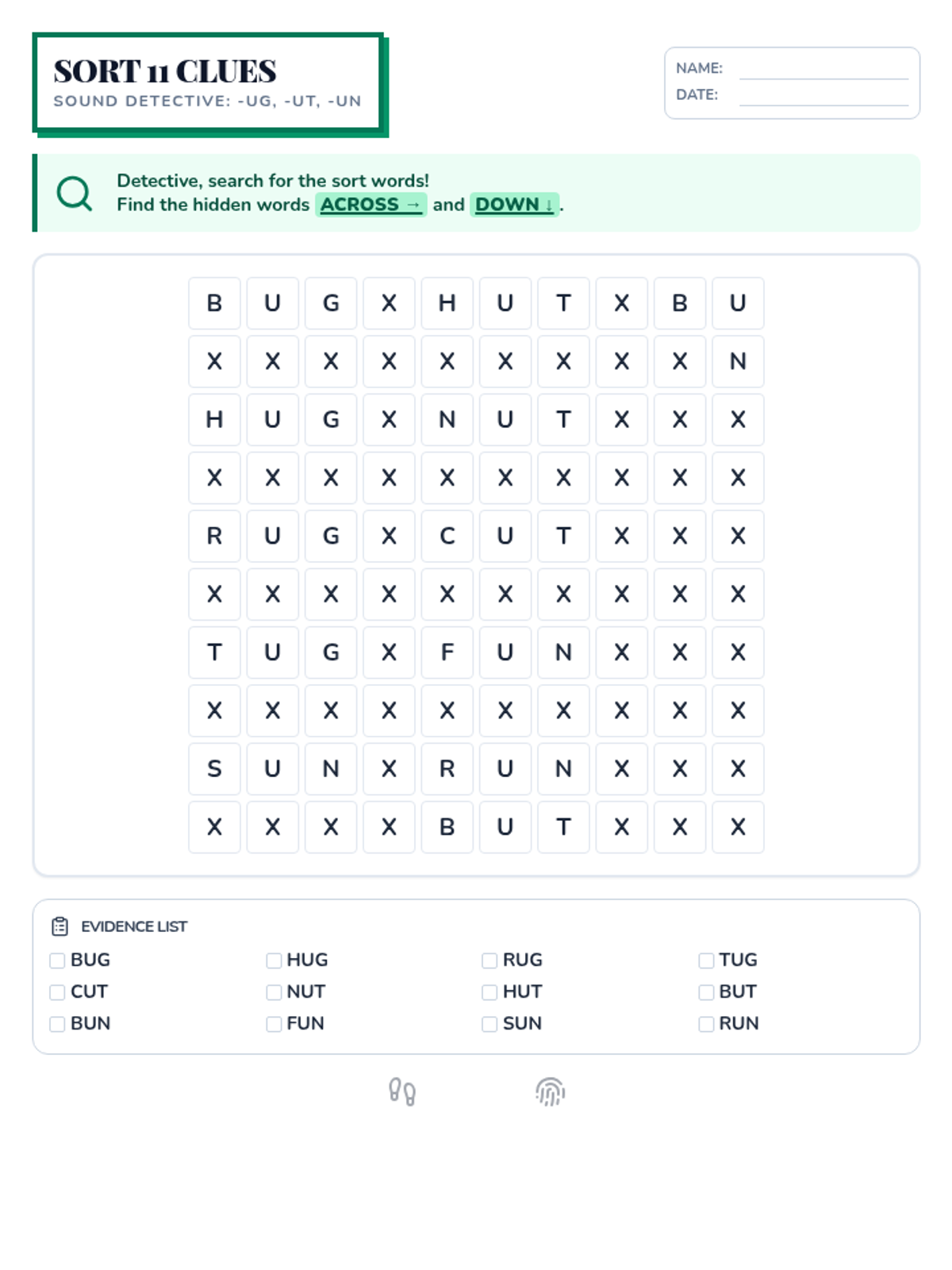
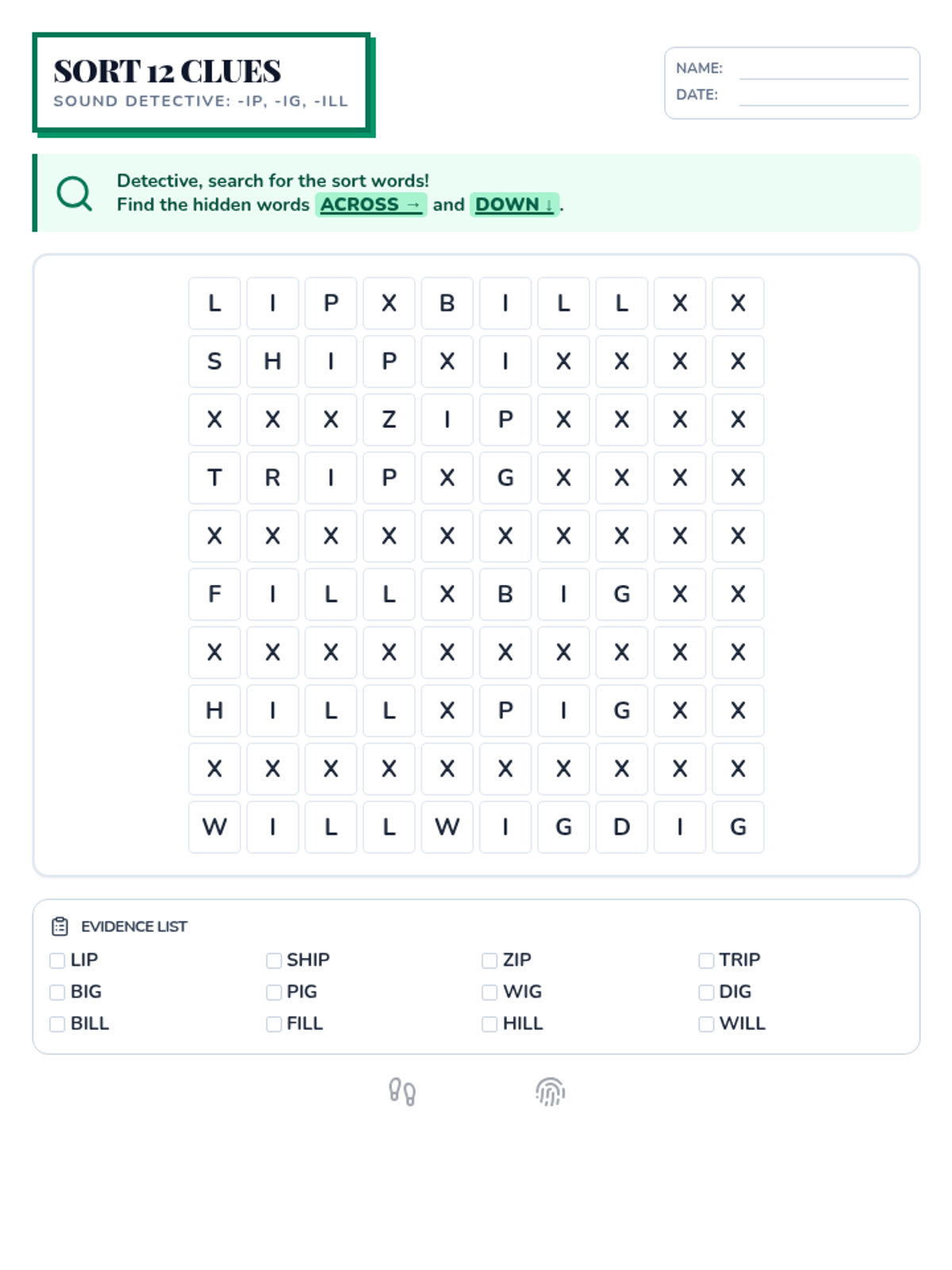
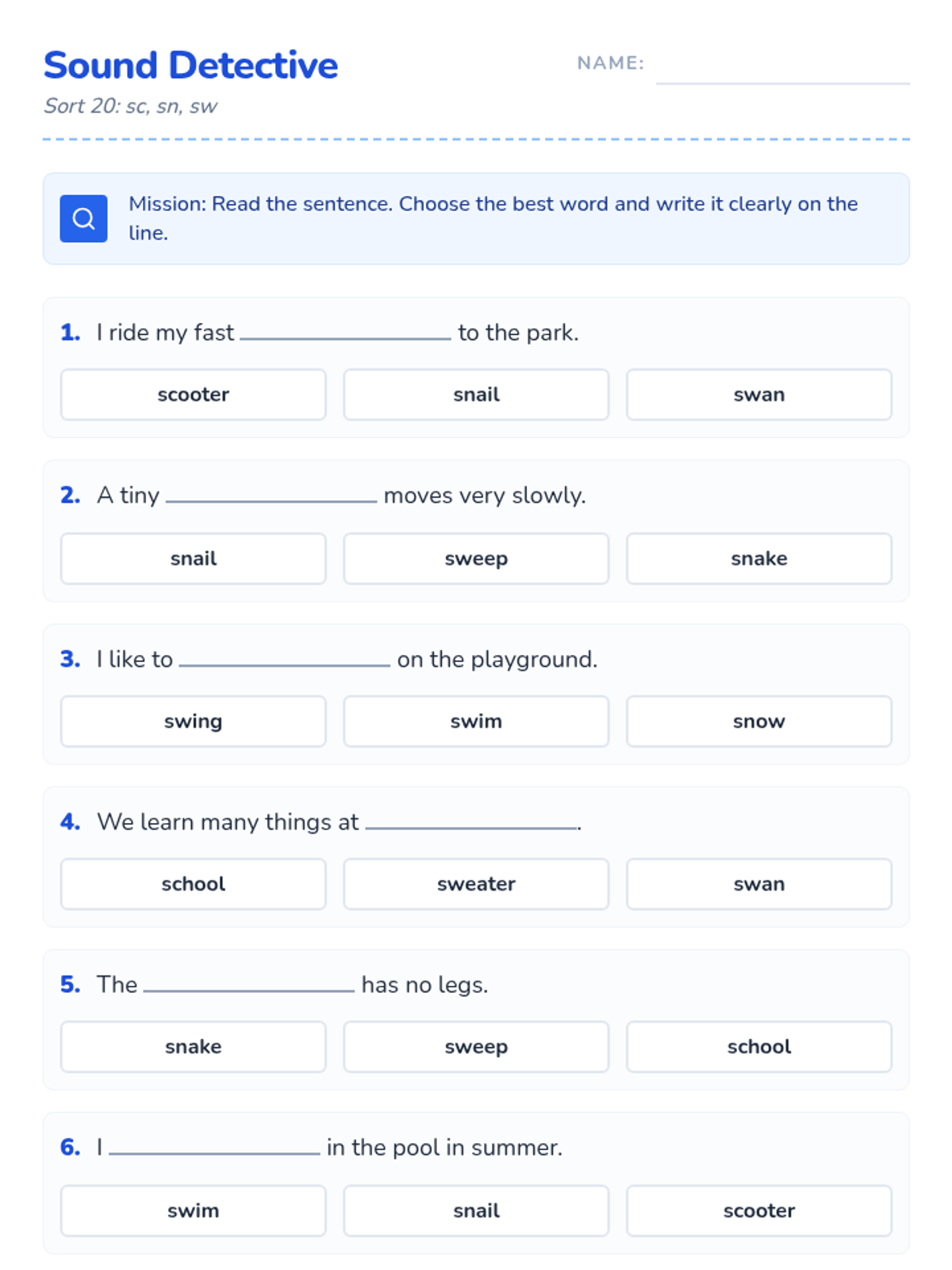
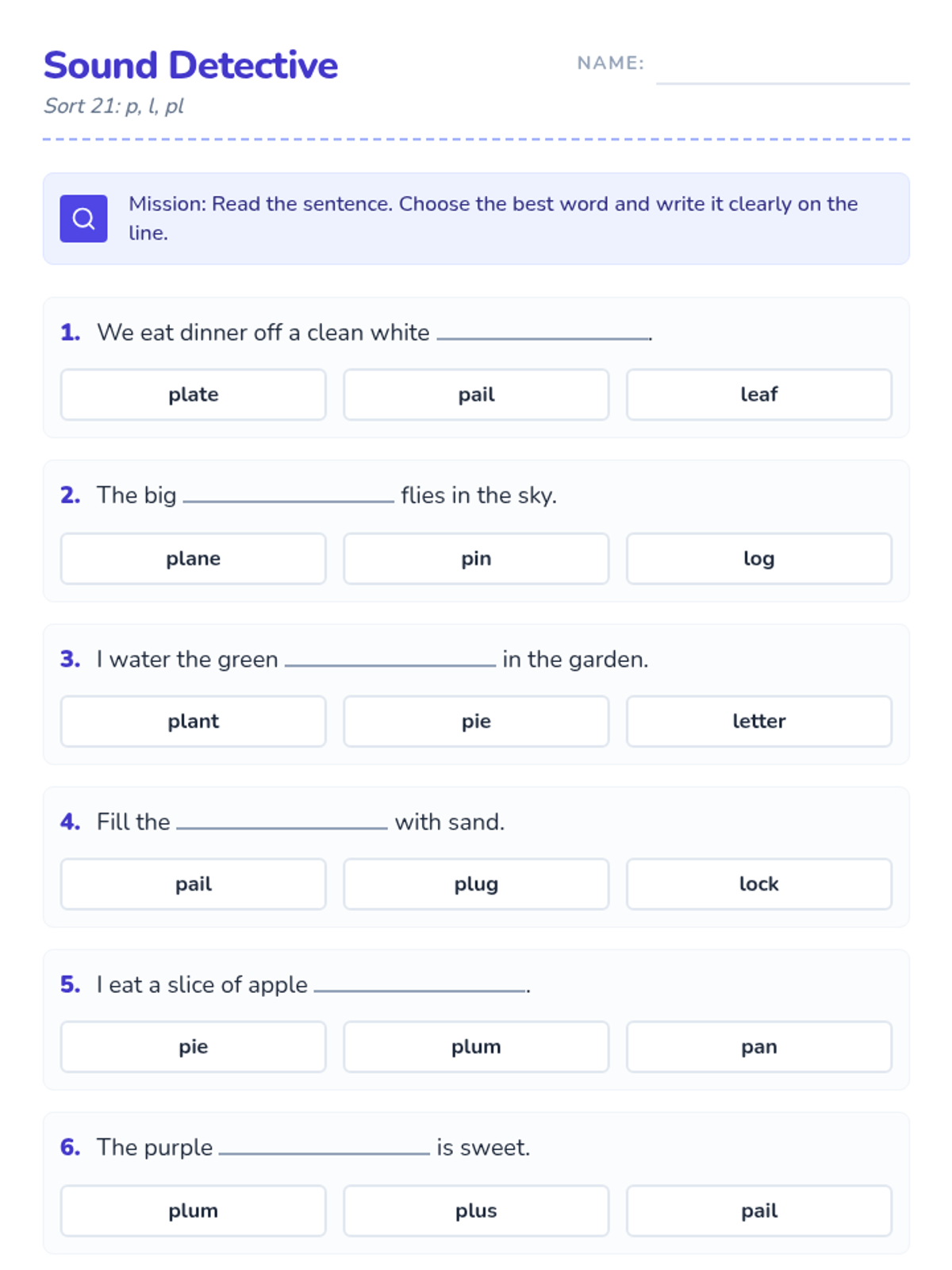
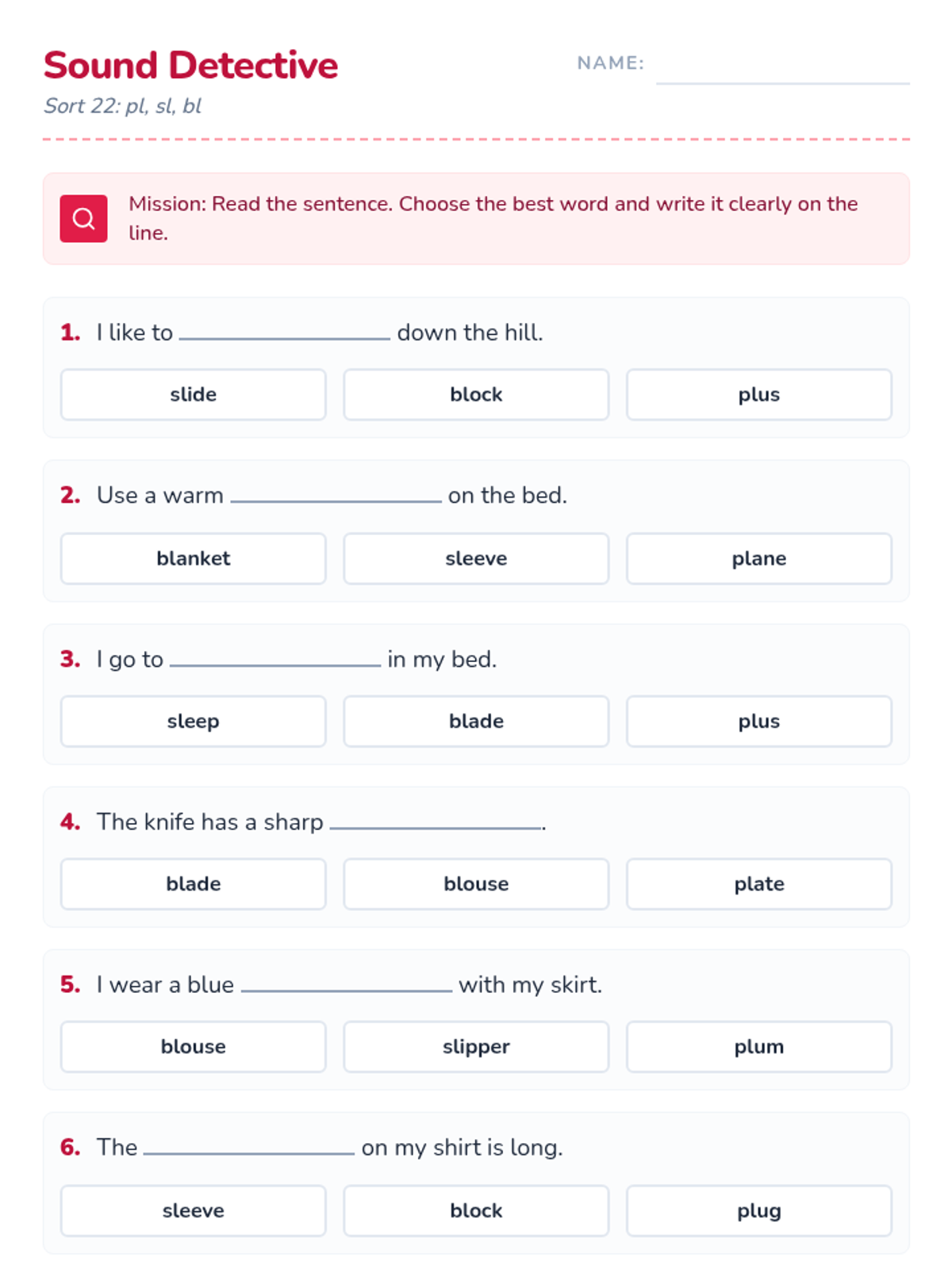
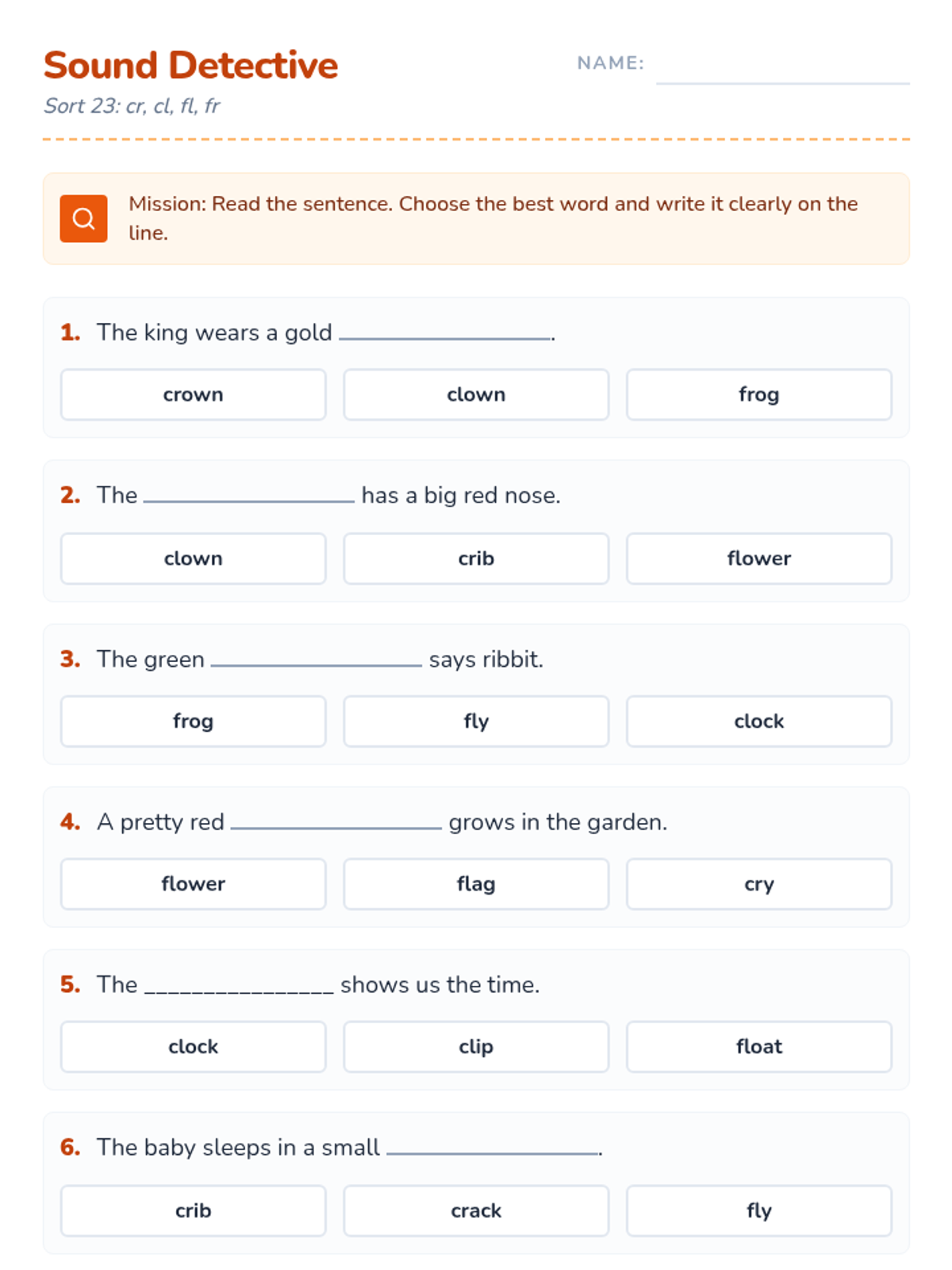
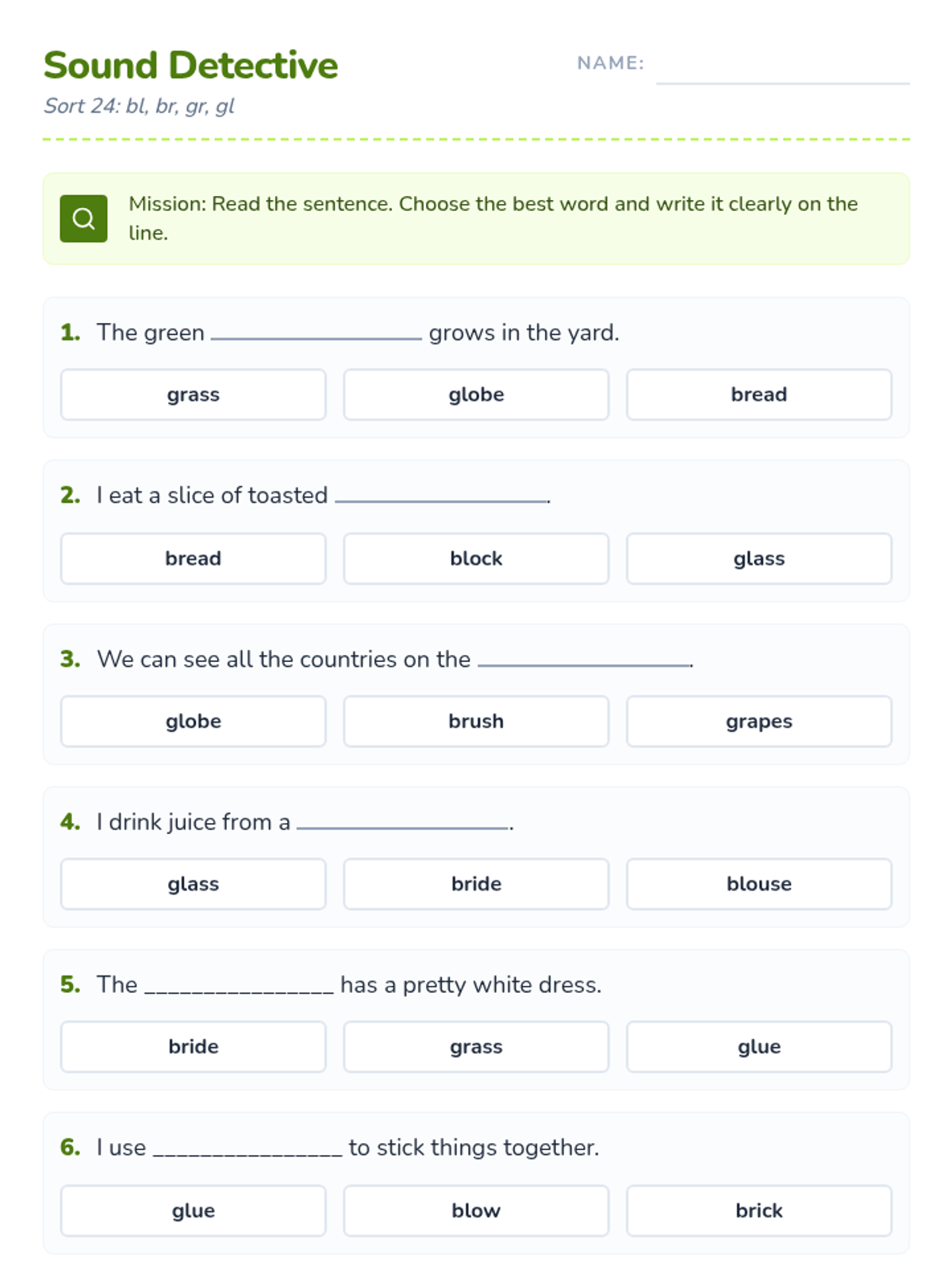
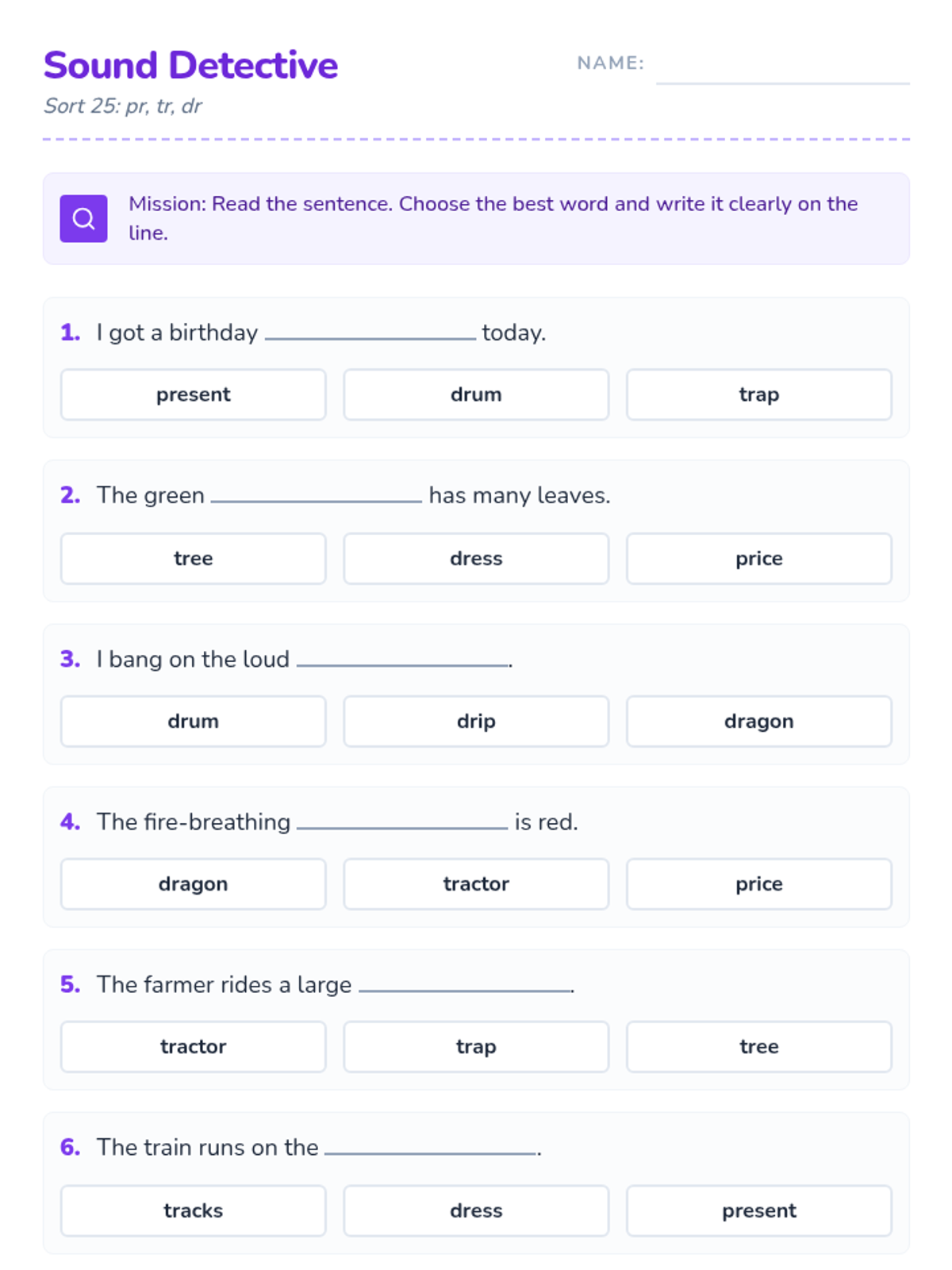
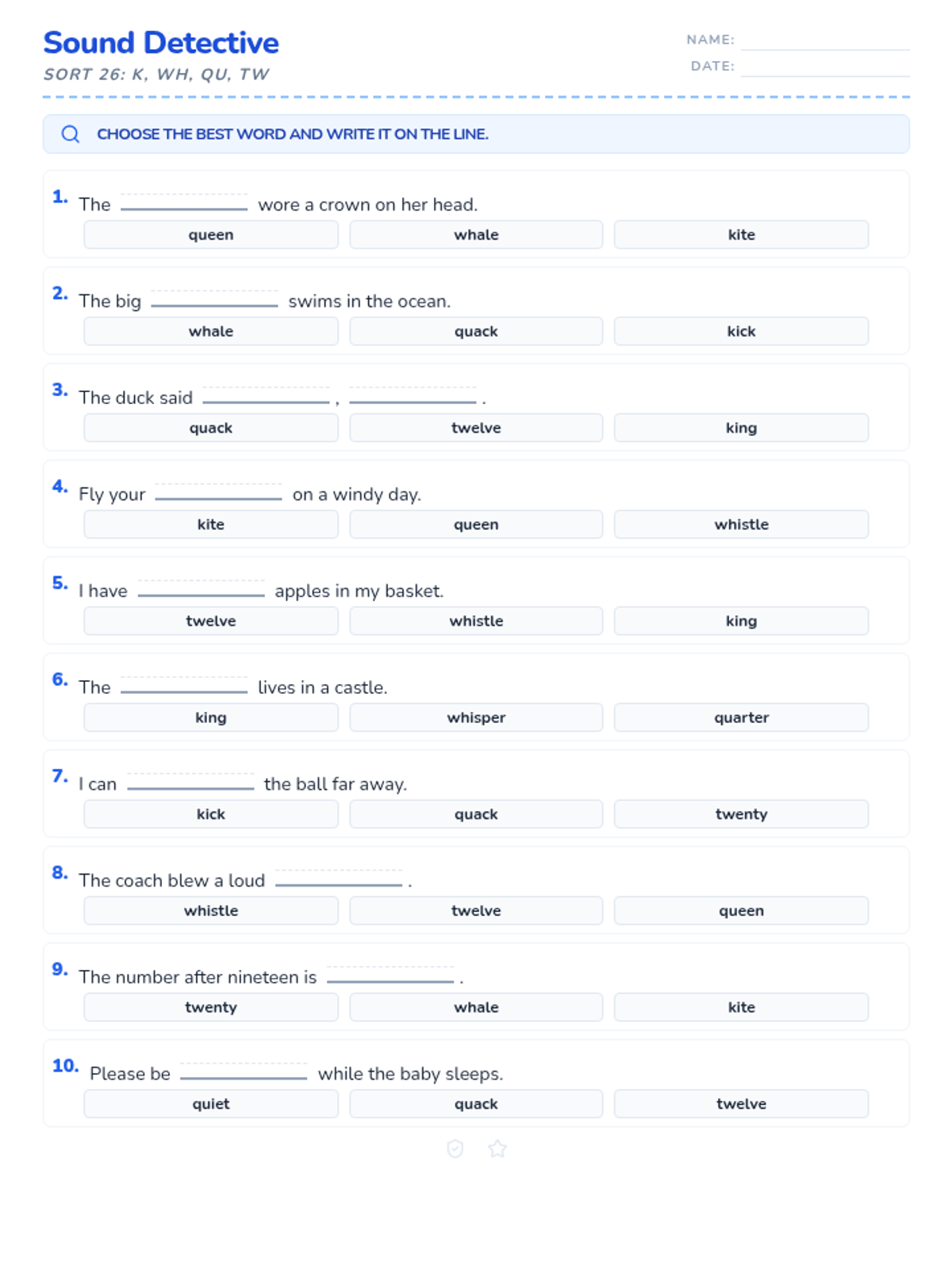
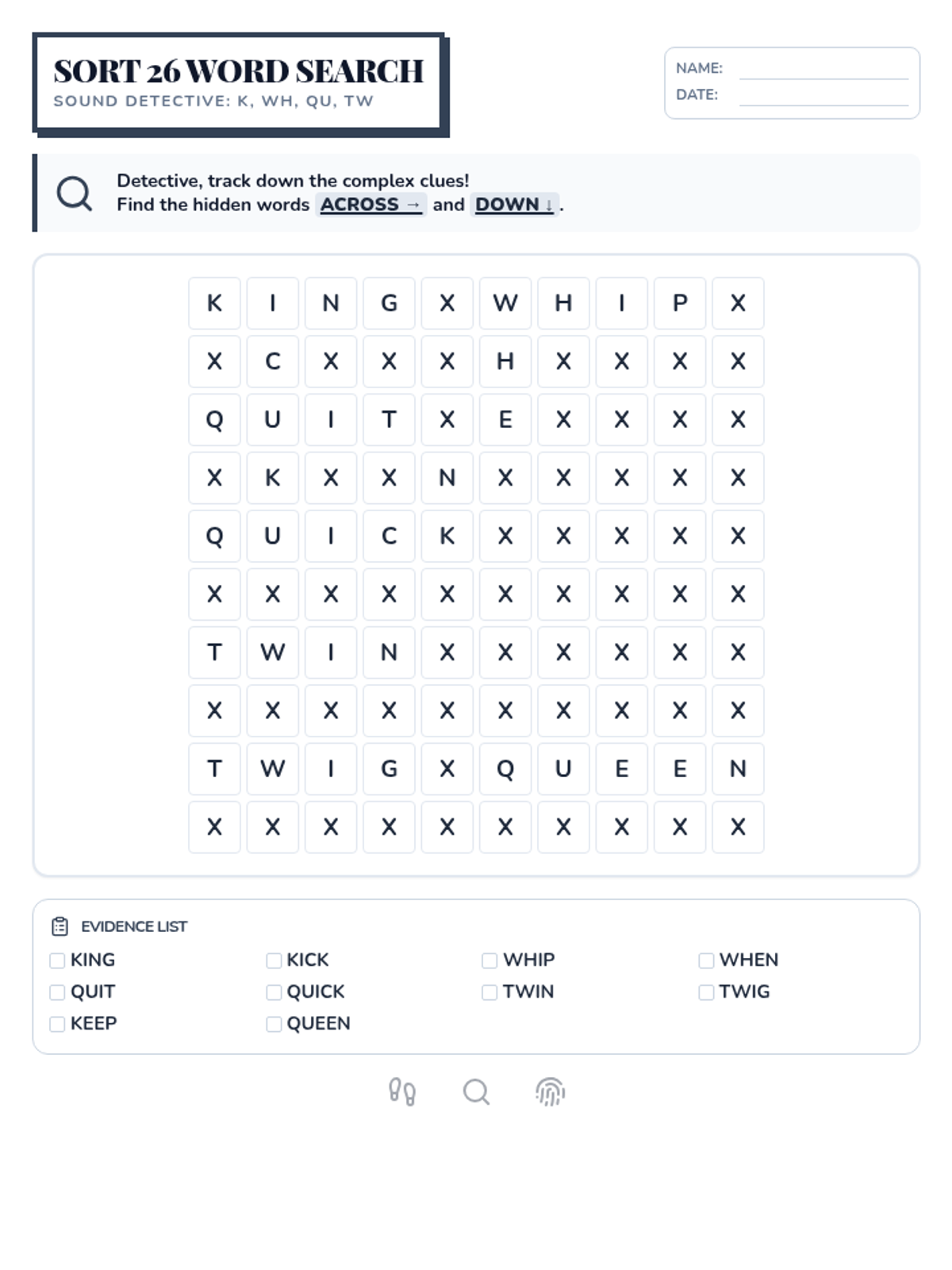
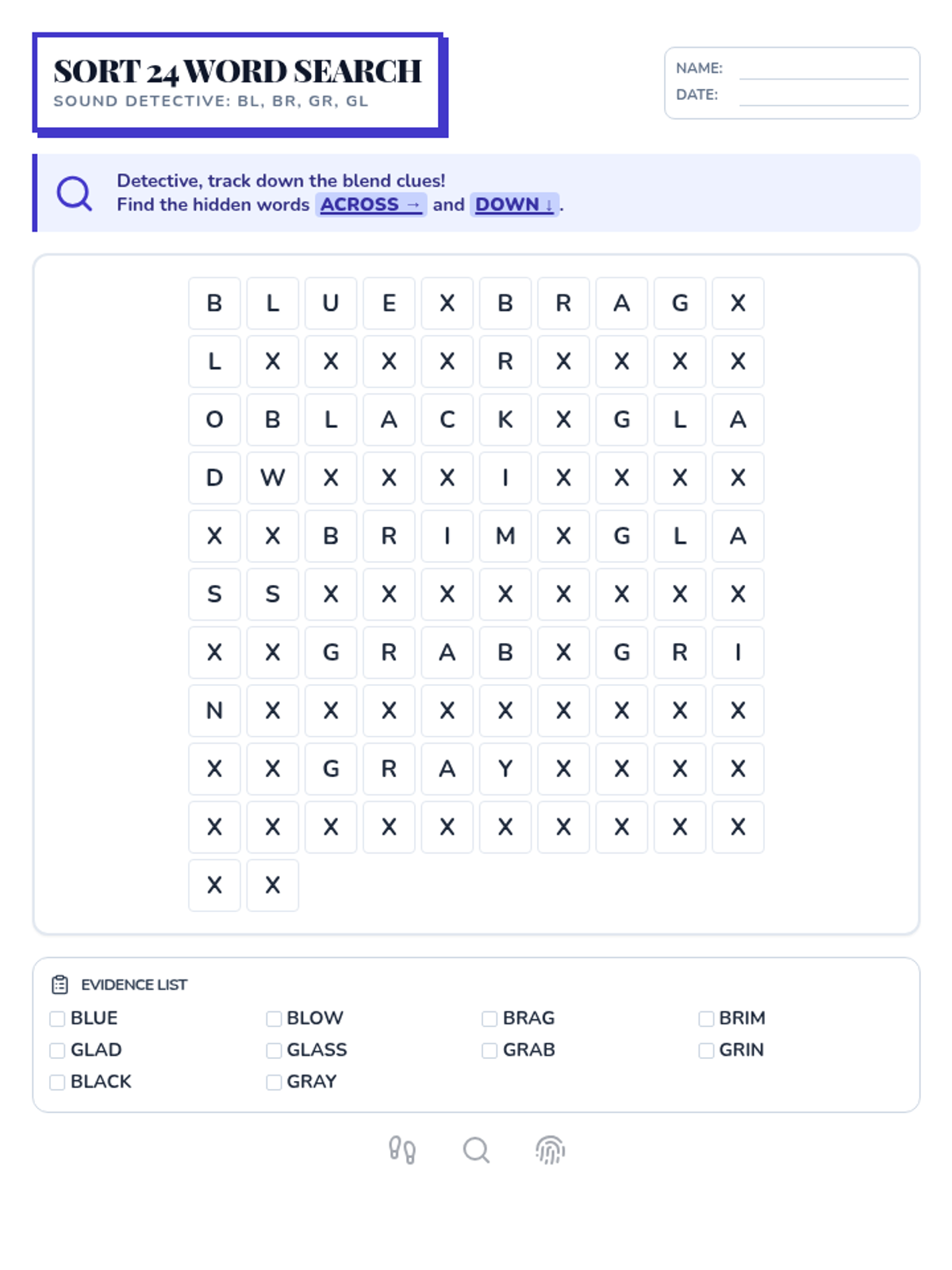
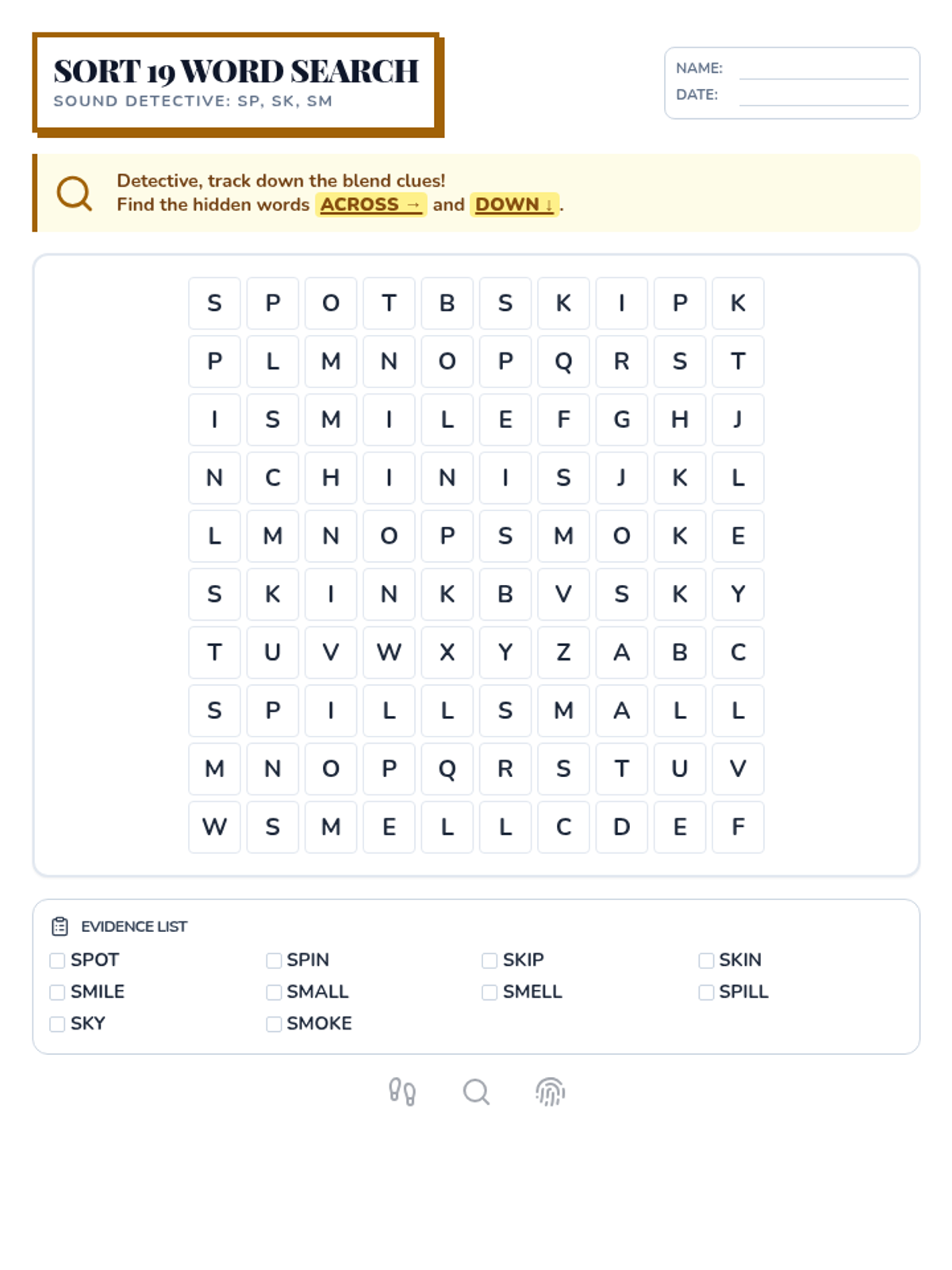
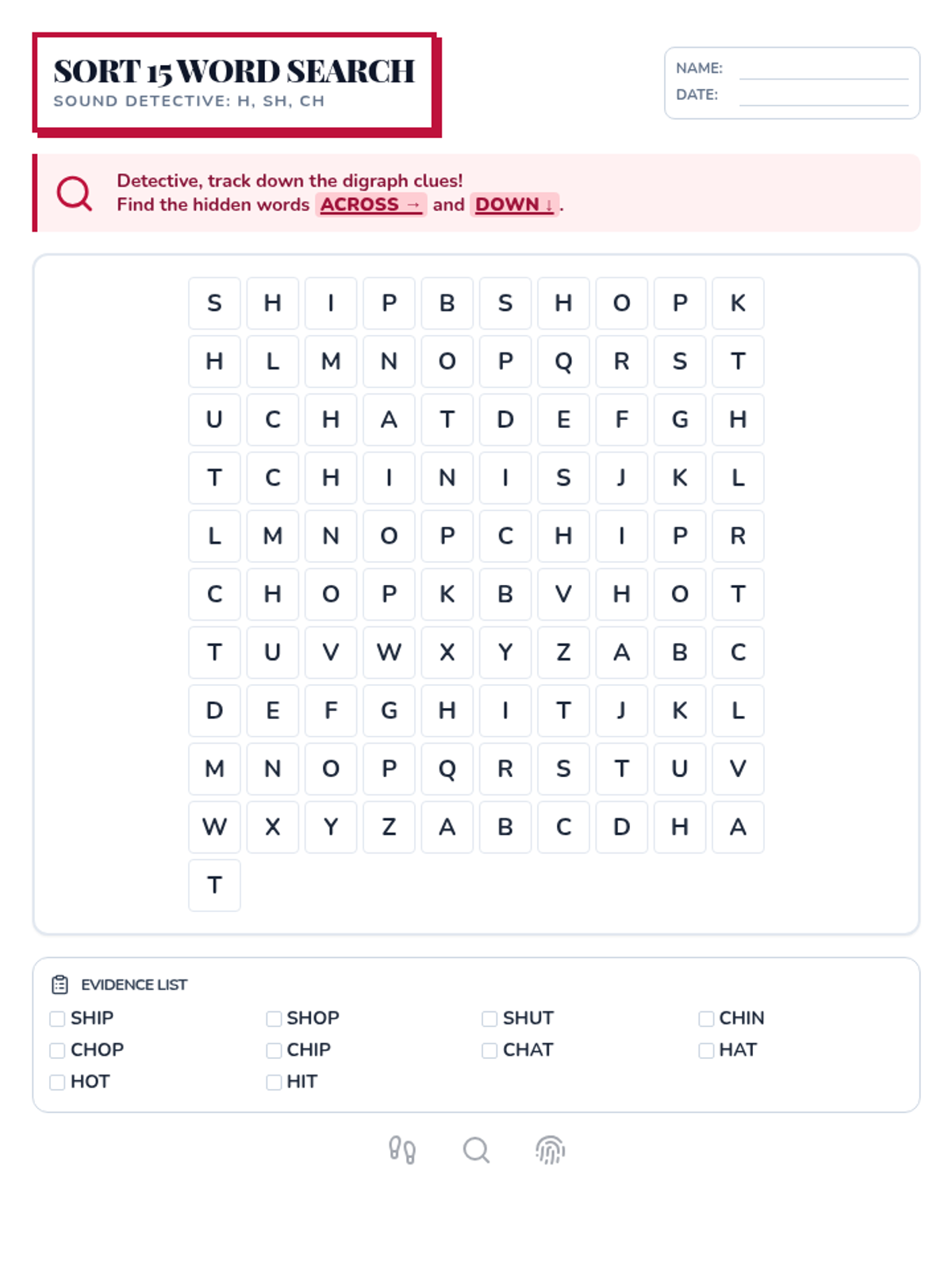
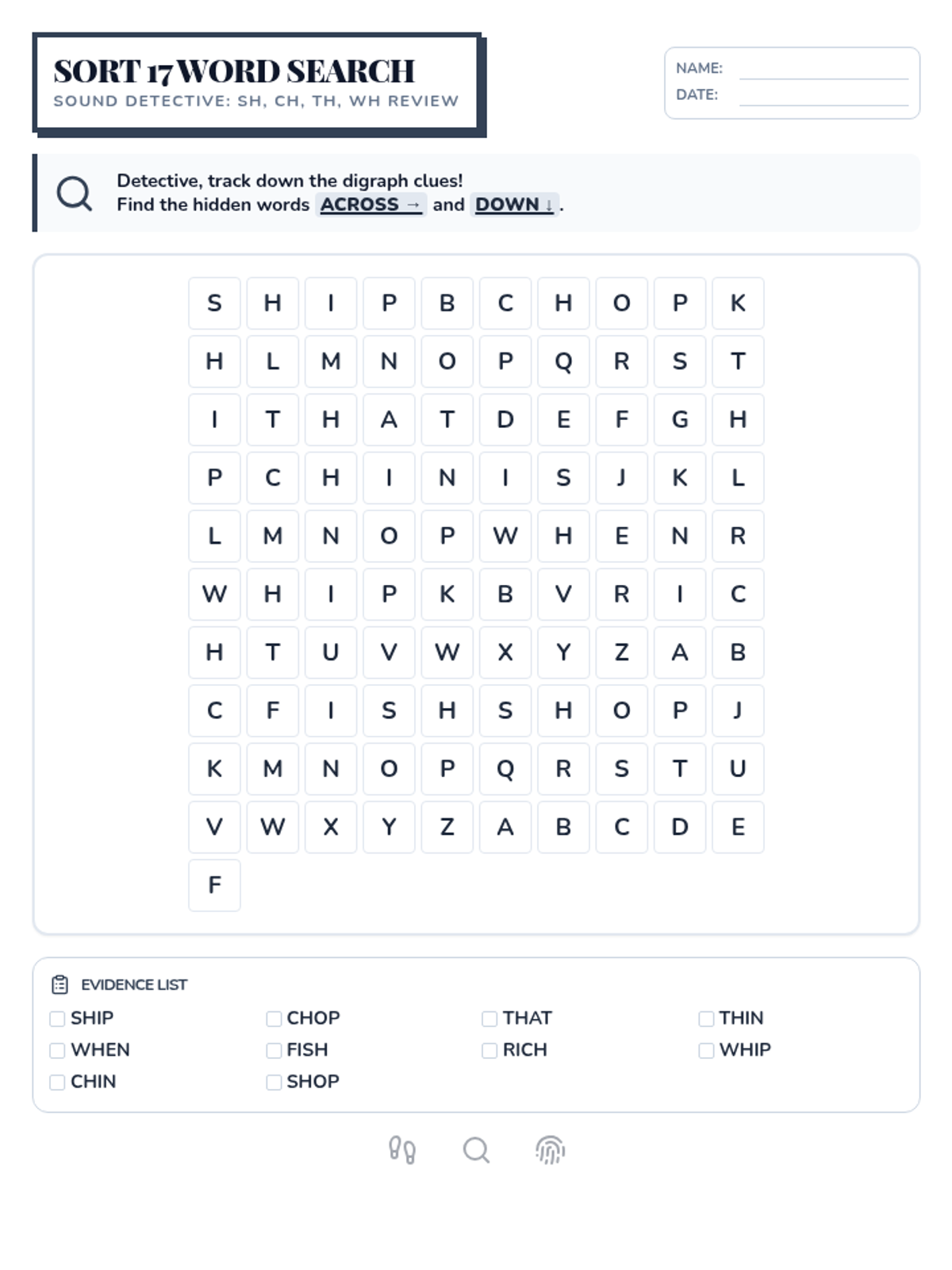
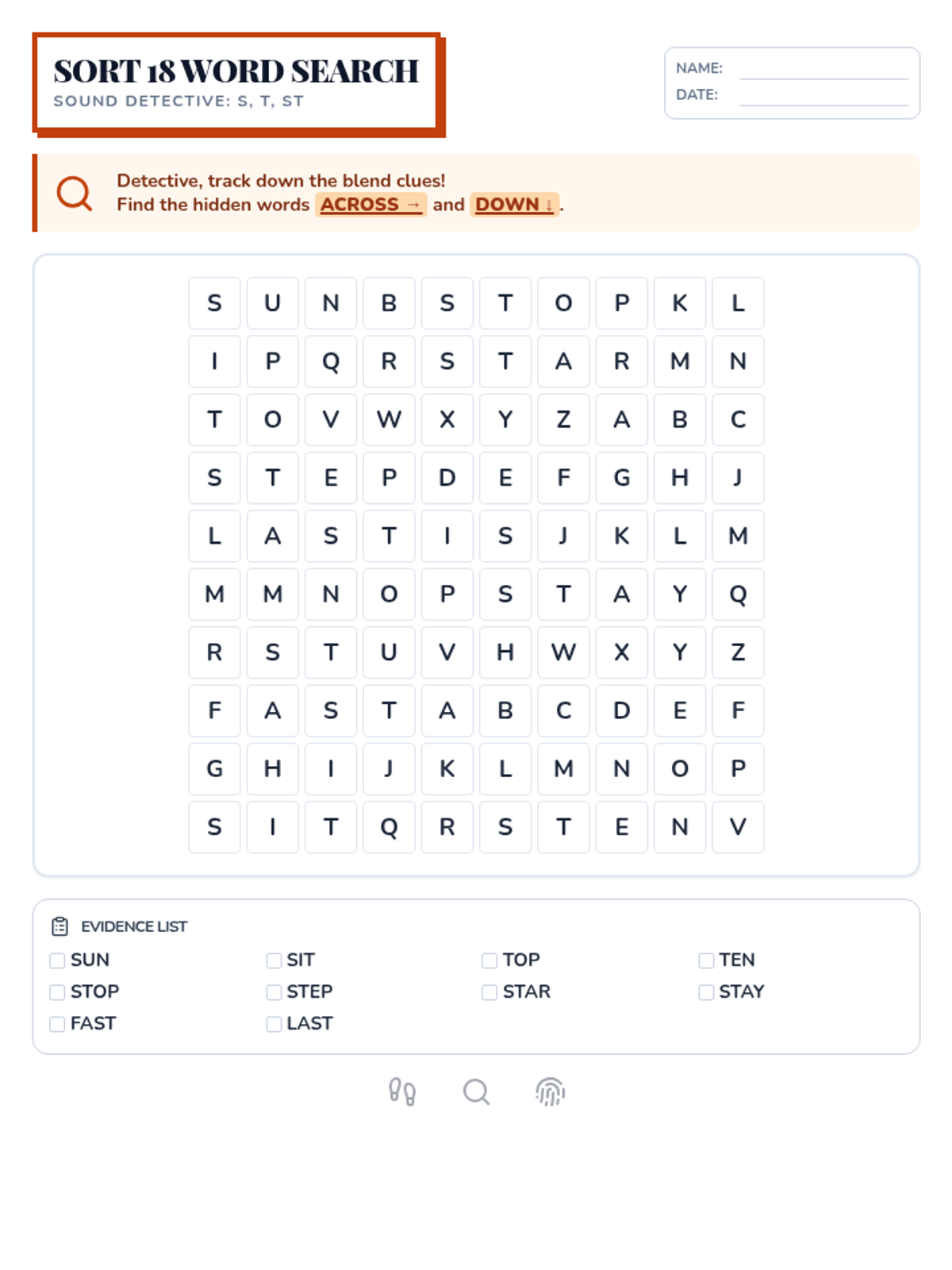
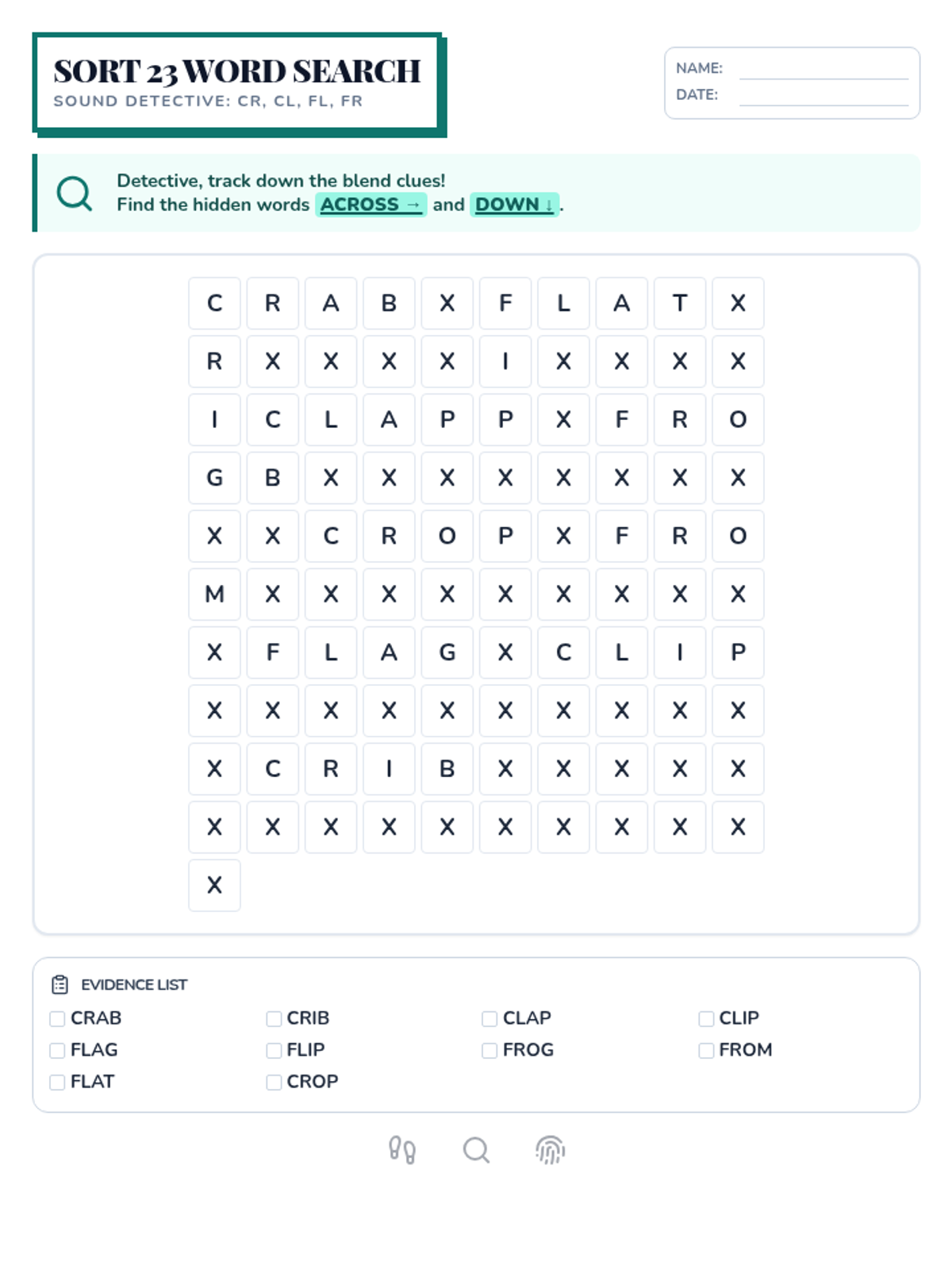
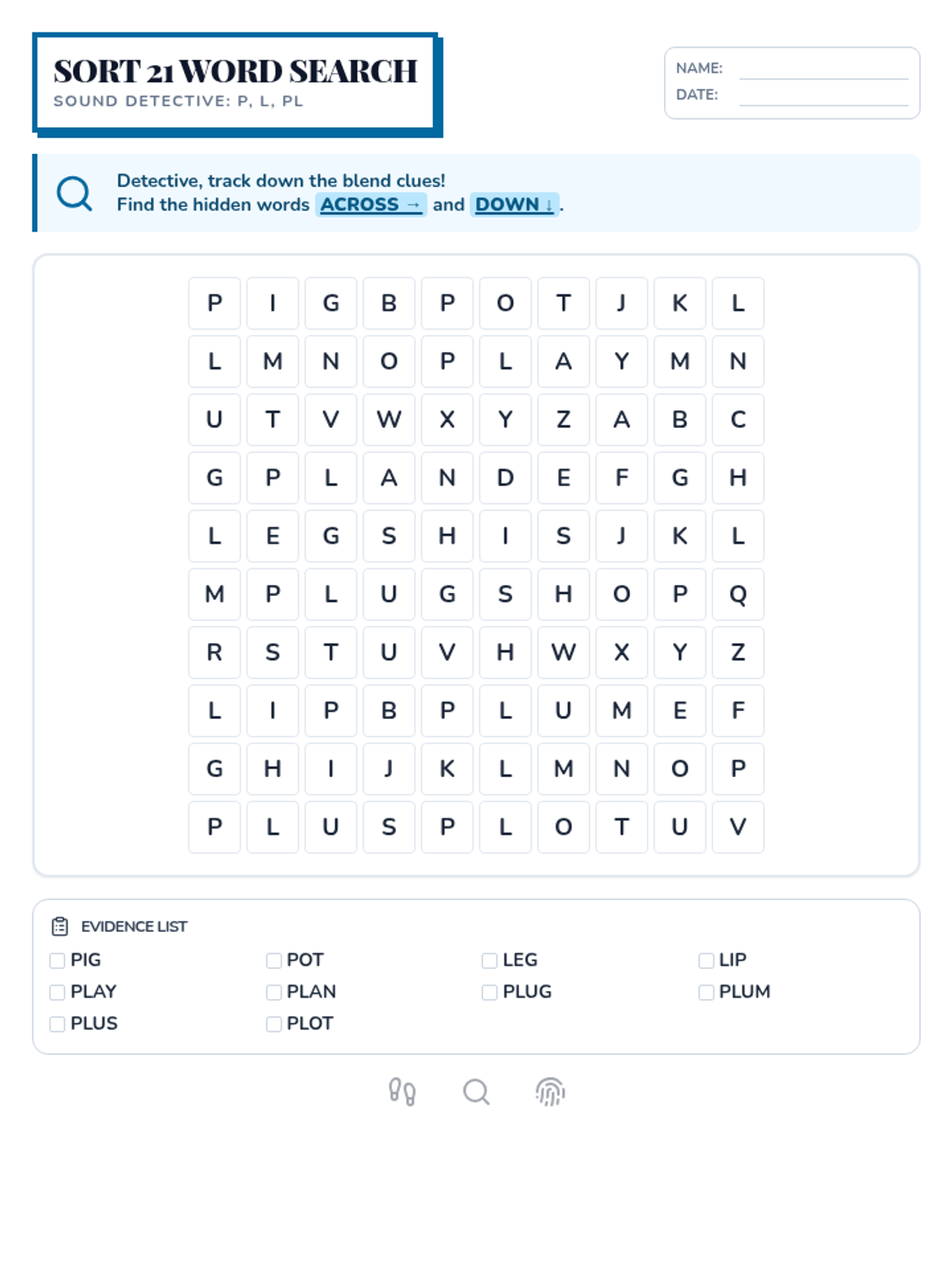
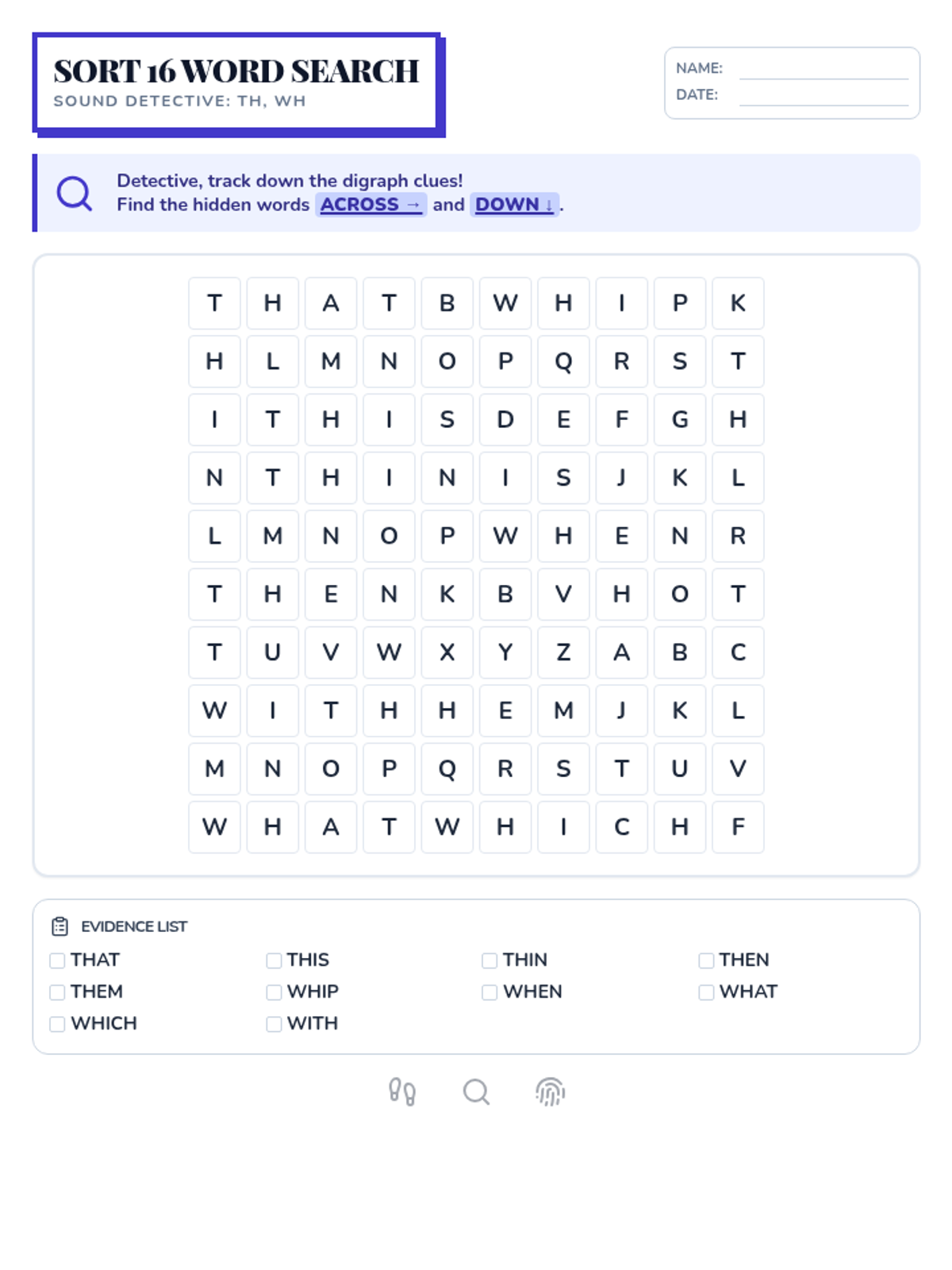
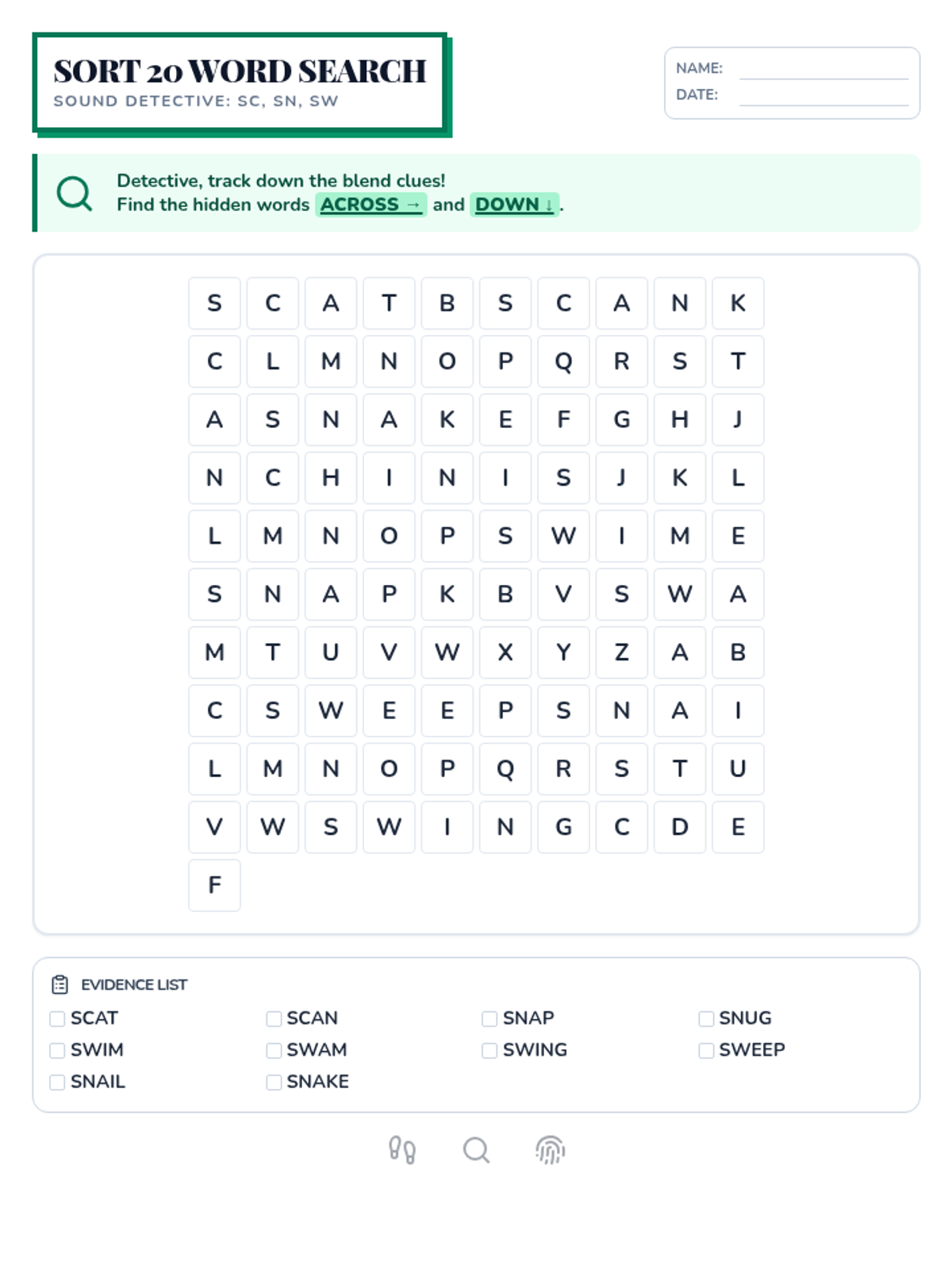
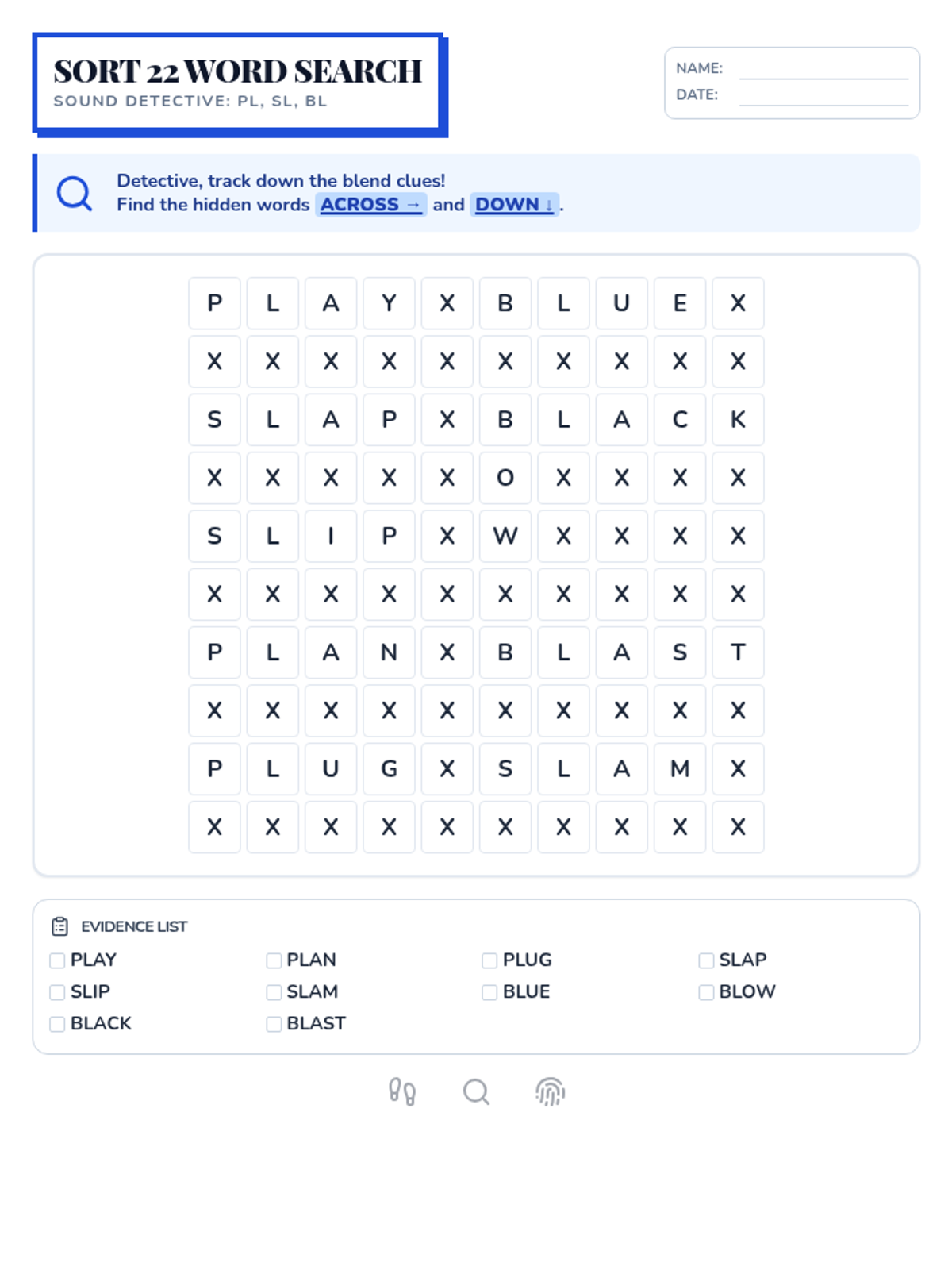
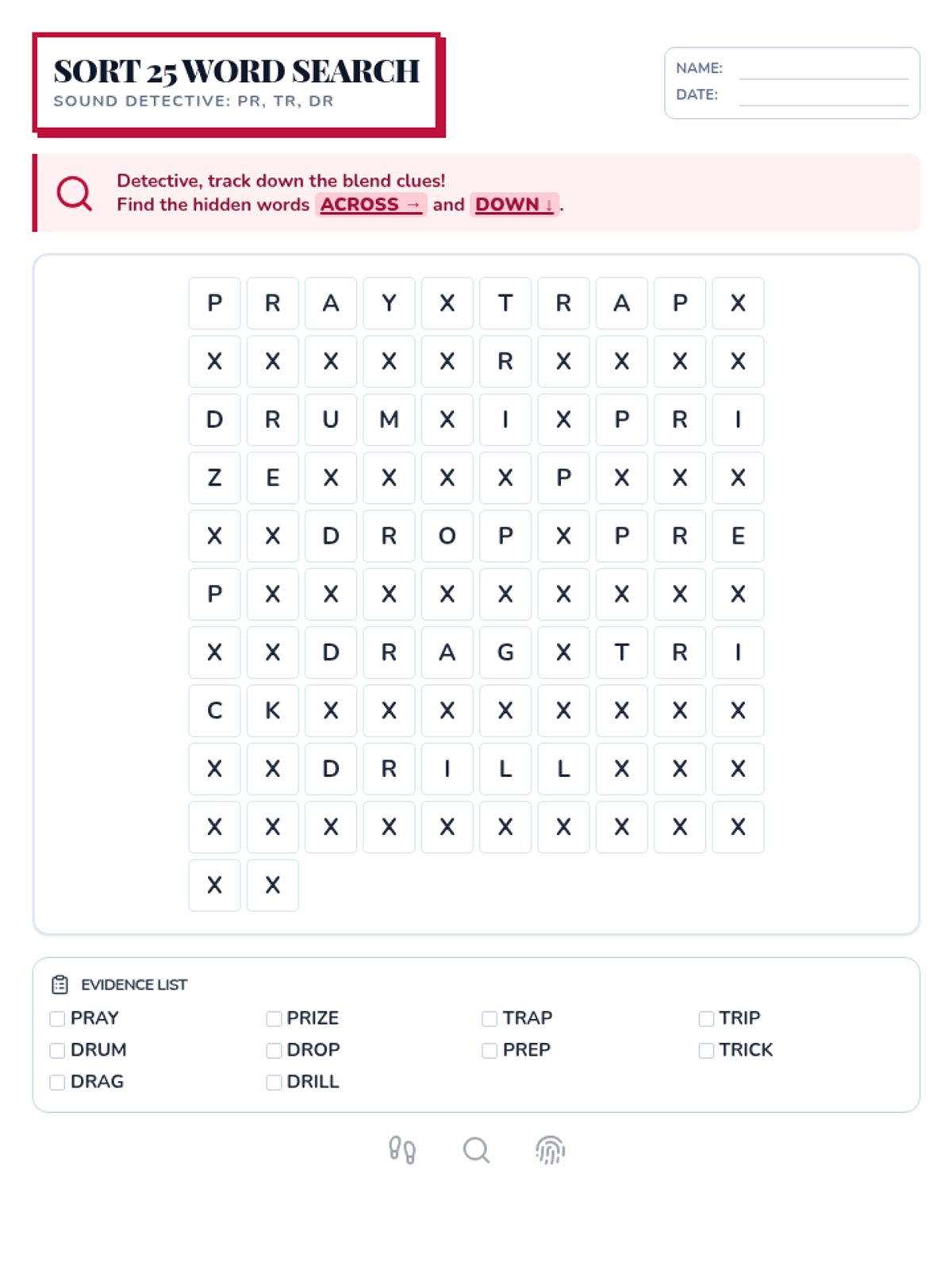
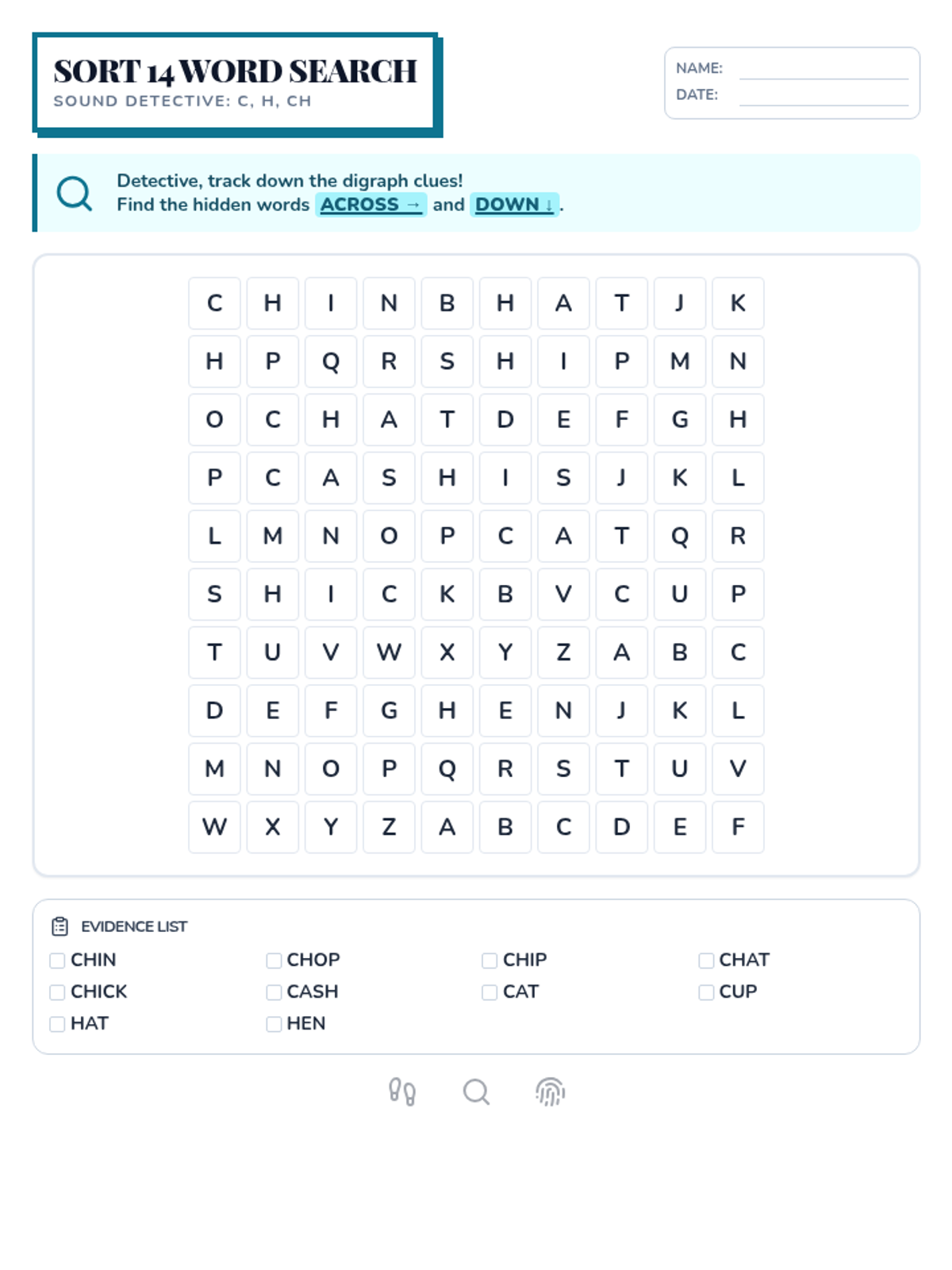
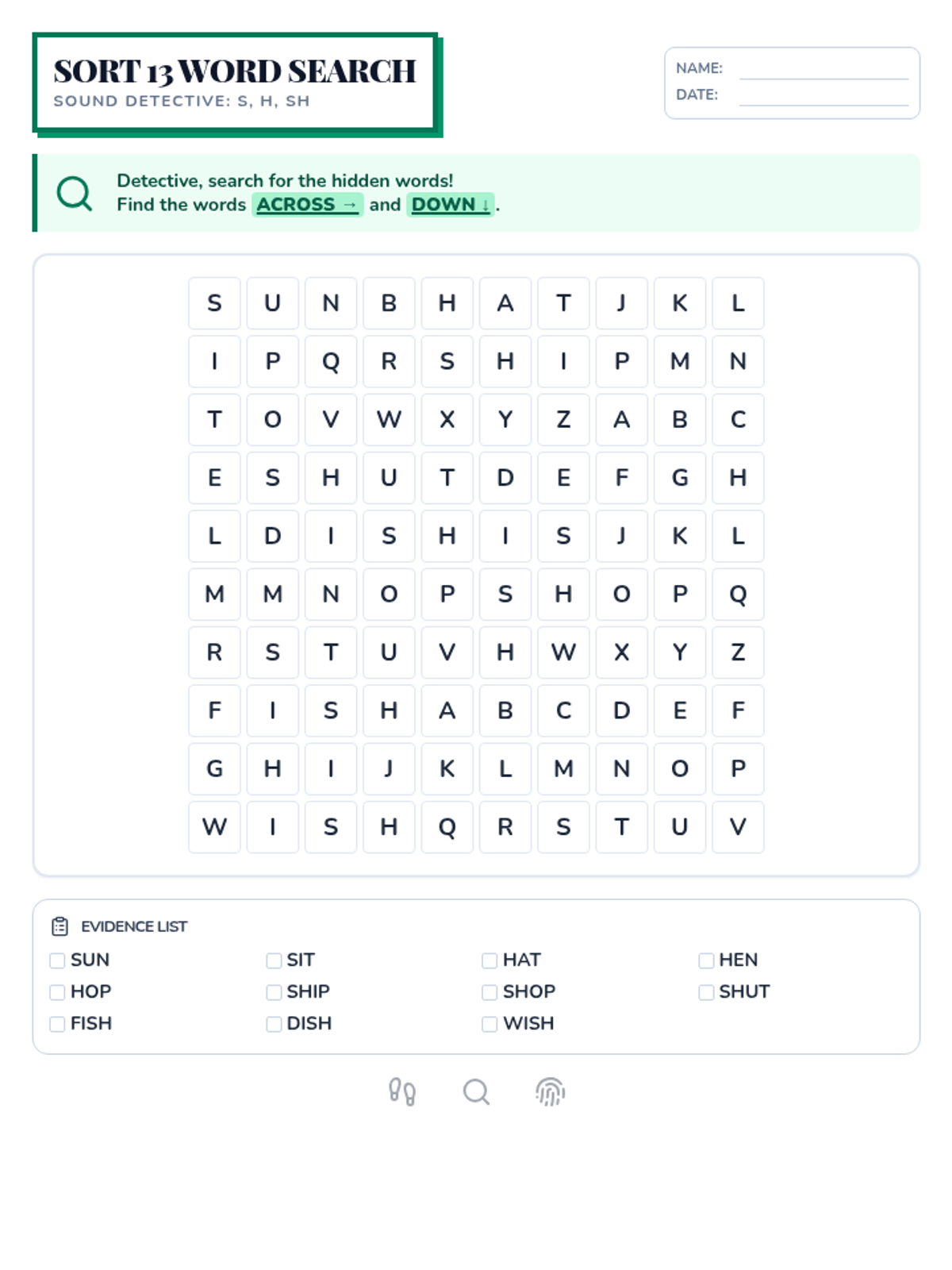
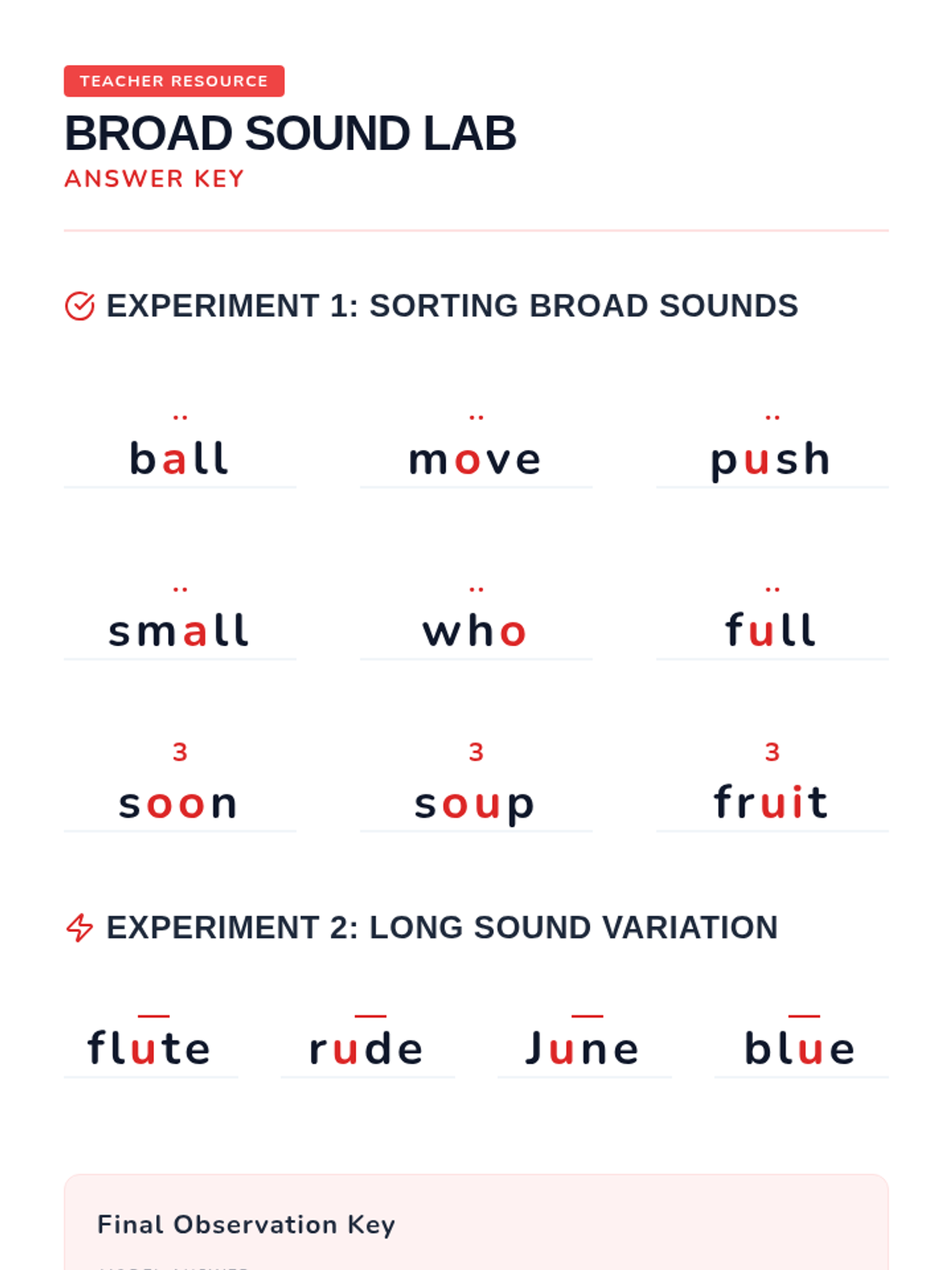
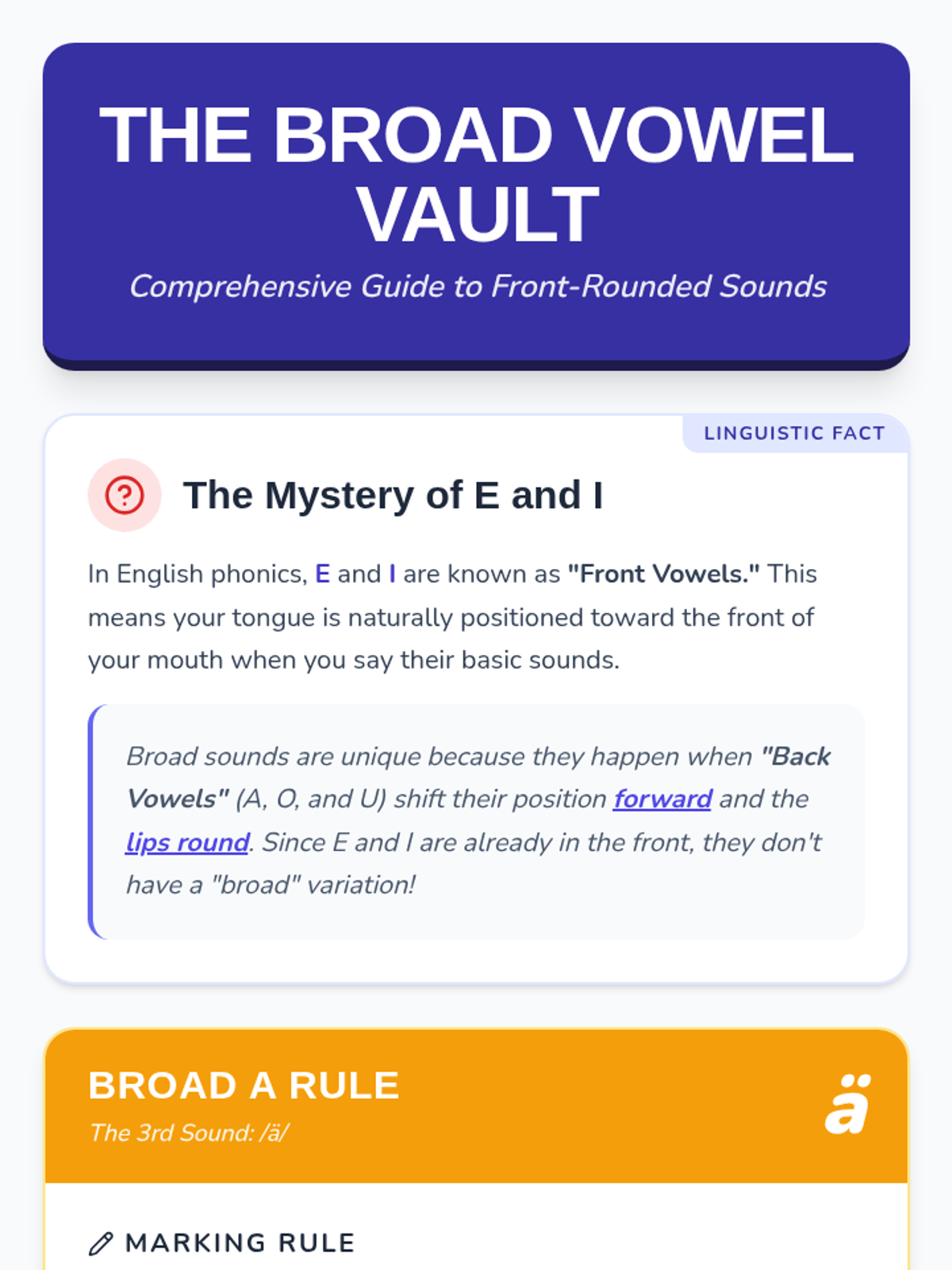
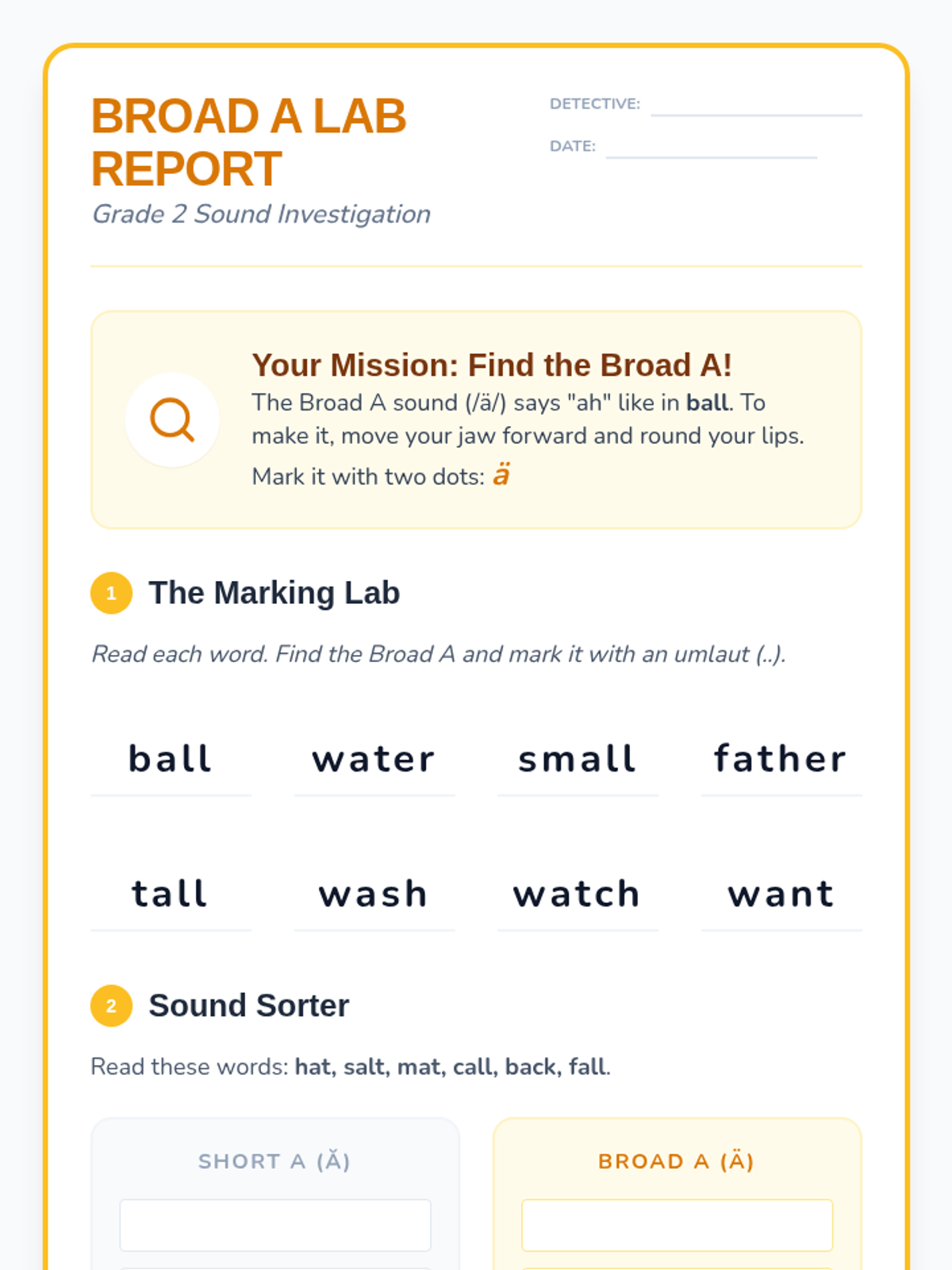
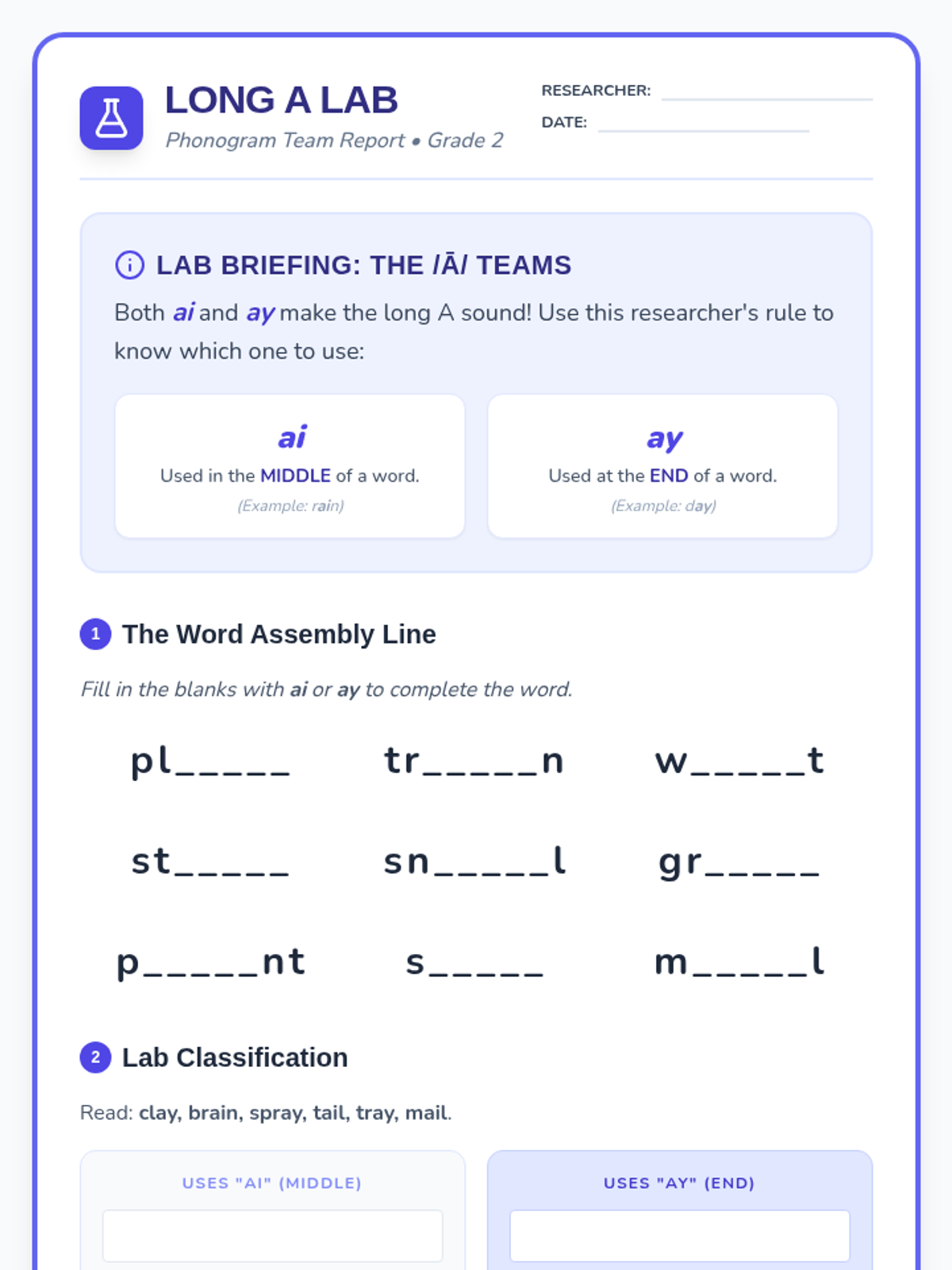
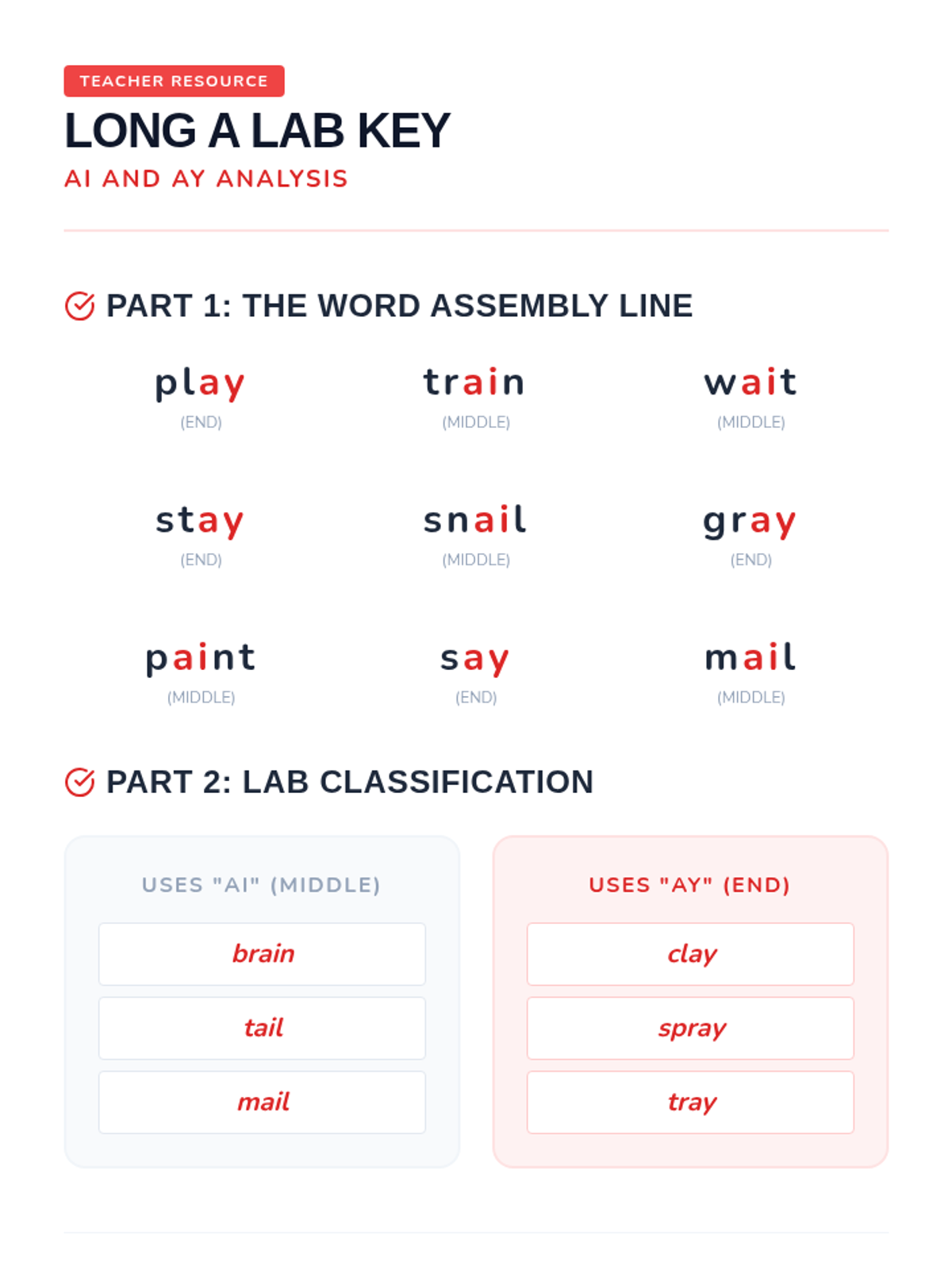
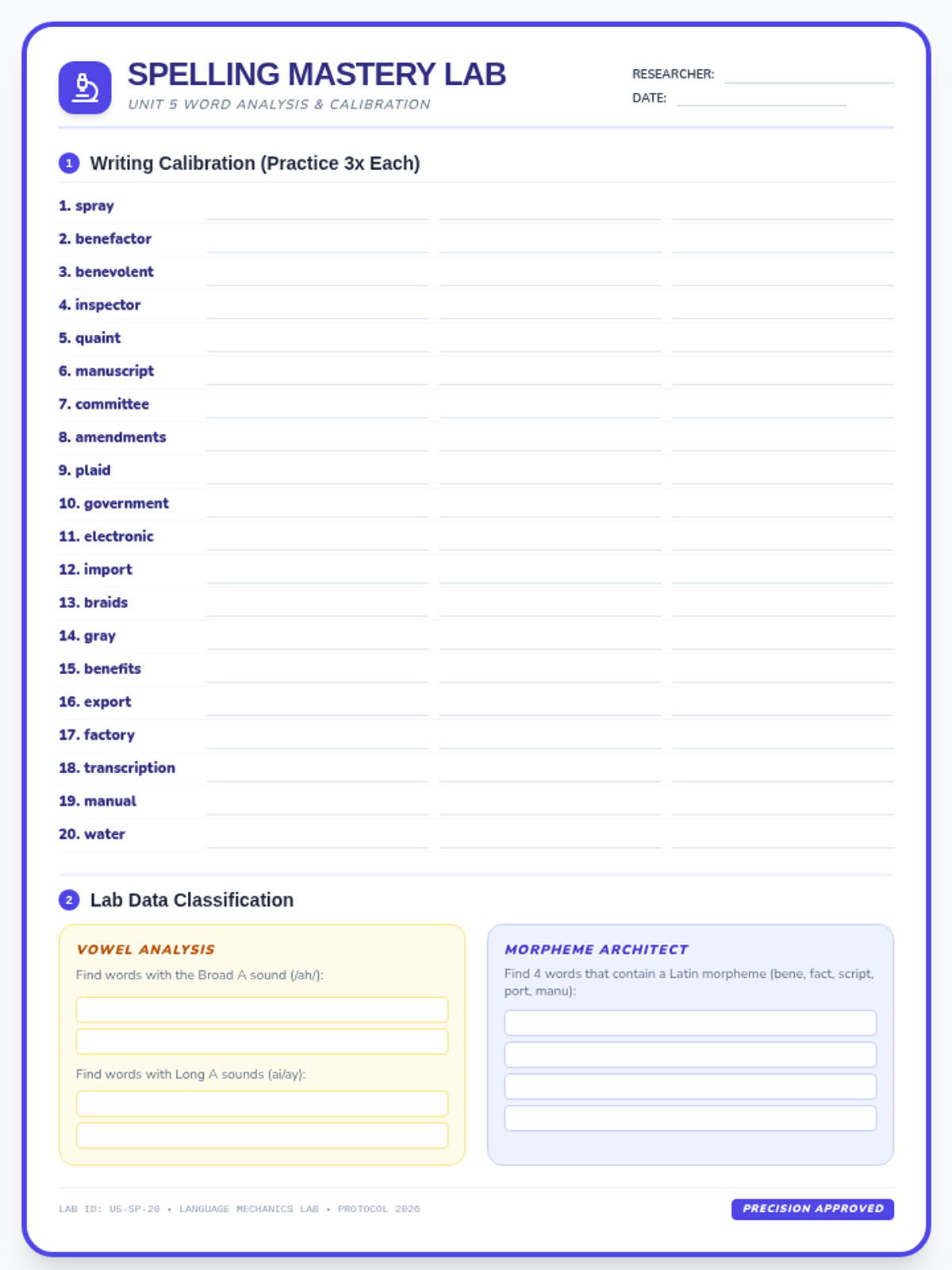
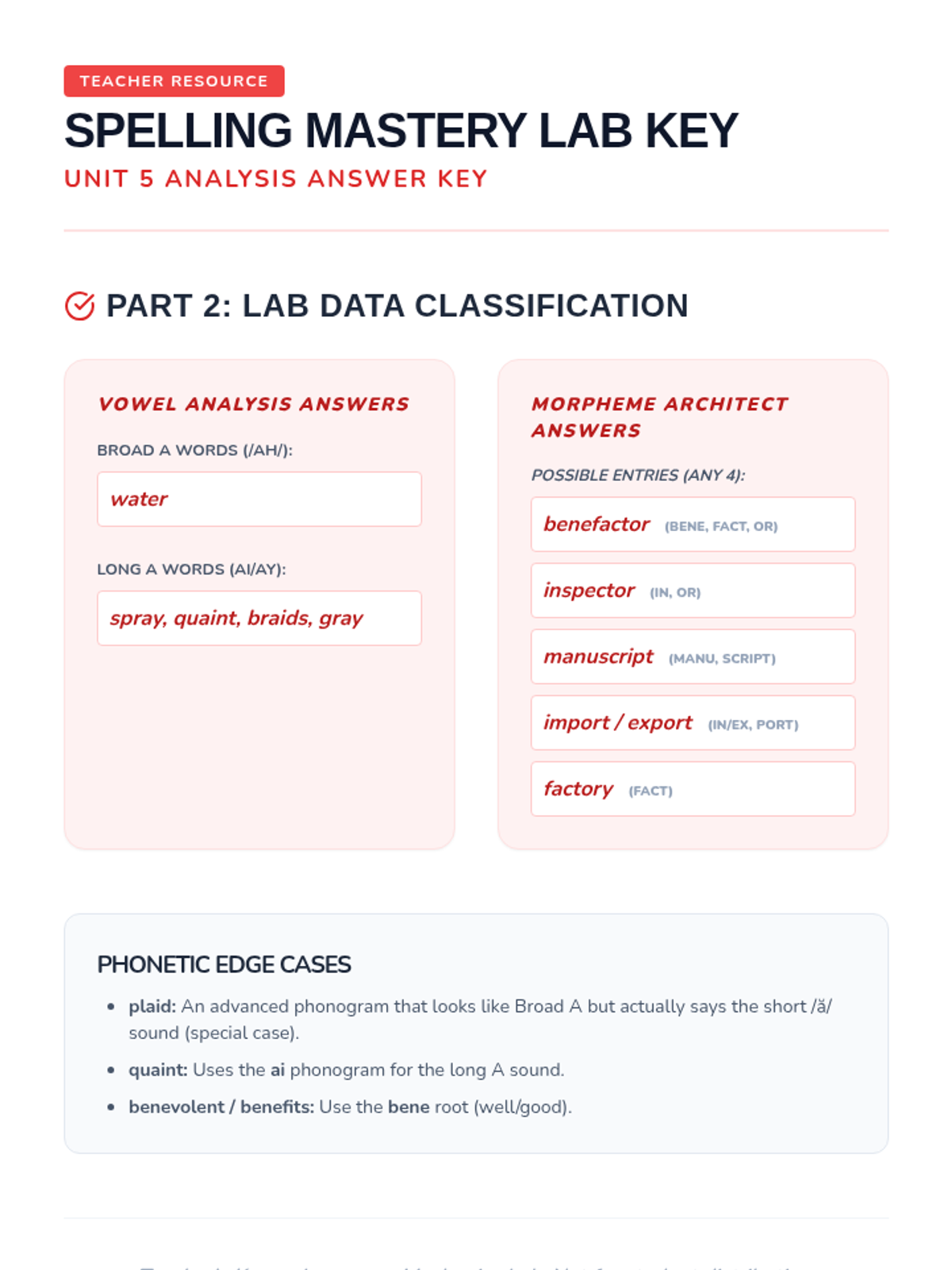
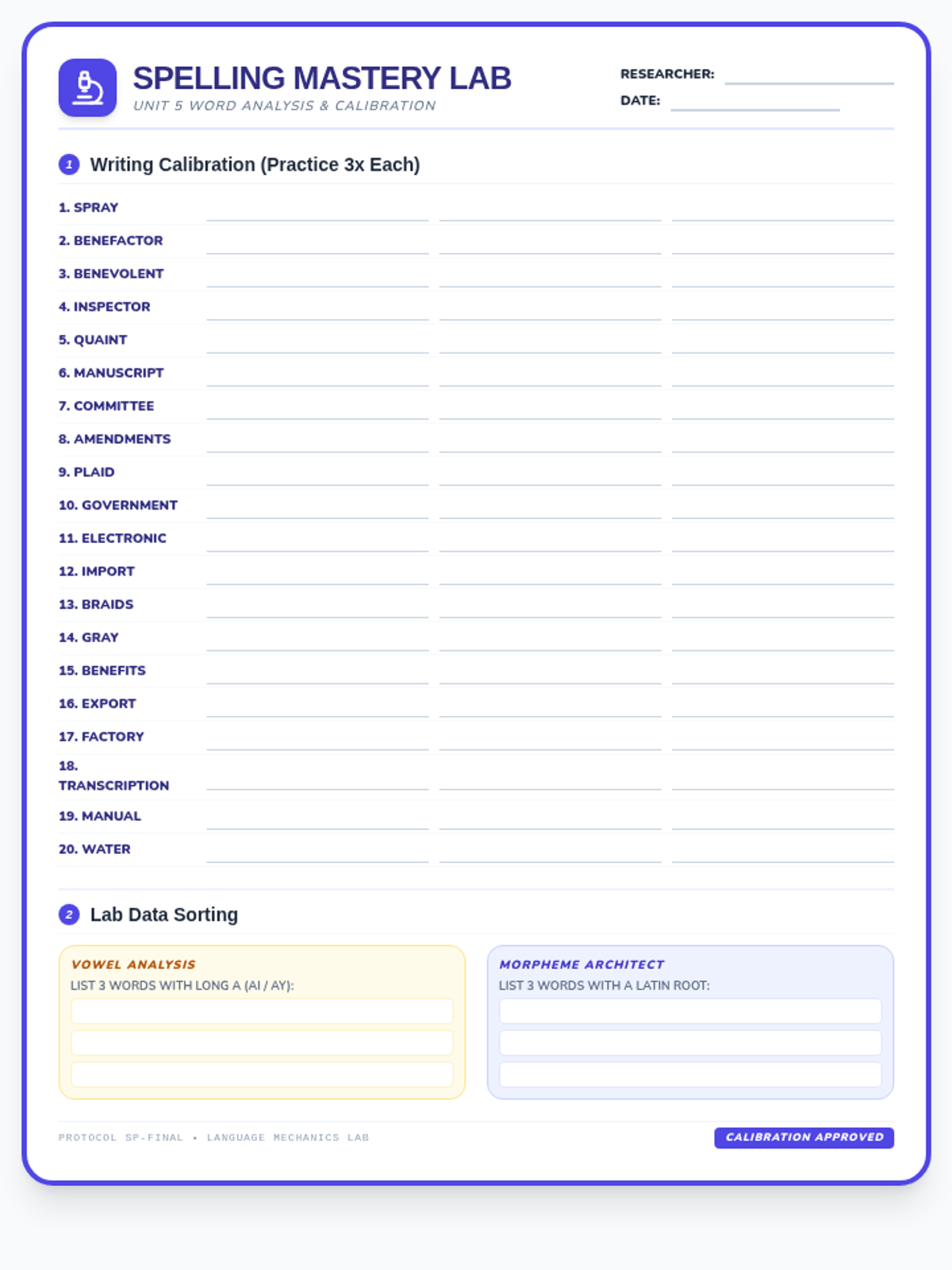
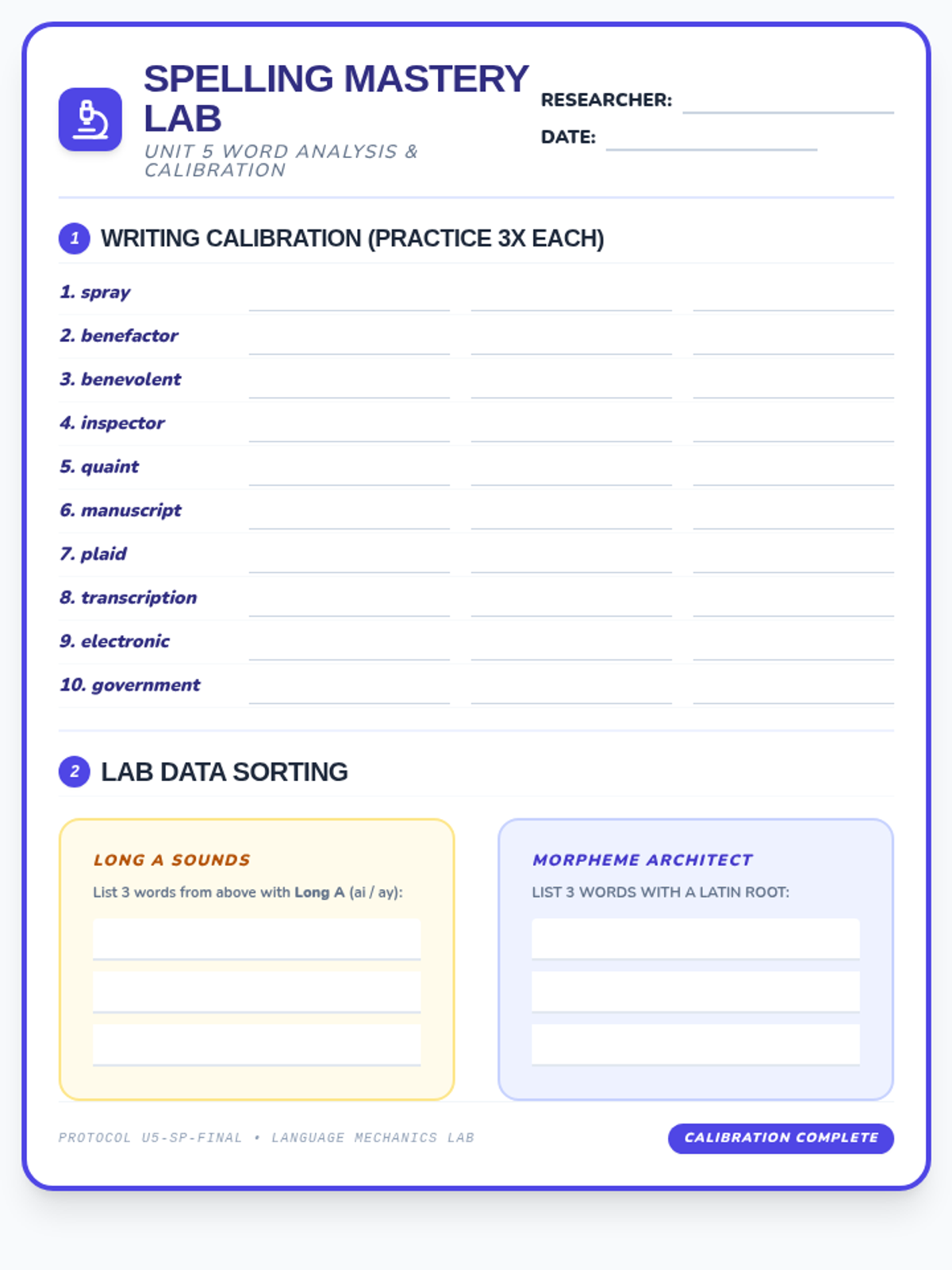
A series of detective-themed spelling units for 4th grade, focusing on complex digraphs, blends, and vowel patterns through investigative activities.
A Spanish I/II unit focused on Valentine's Day, covering vocabulary related to love, relationships, and emotions through interactive activities and communicative practice.
A four-part Spanish sequence for 3rd graders exploring 'el gerundio' through the lens of community, nature, and indigenous traditions. Students learn to describe the world around them in real-time.
A comprehensive 9th-grade TELPAS preparation sequence focused on Advanced High ELPS proficiency through five rigorous listening, speaking, and writing stations. Students engage with academic content including policy debates, scientific briefs, and data analysis to refine their linguistic precision.
A foundational grammar sequence for English Language Learners focusing on the use of definite and indefinite articles through visual storytelling and interactive games.
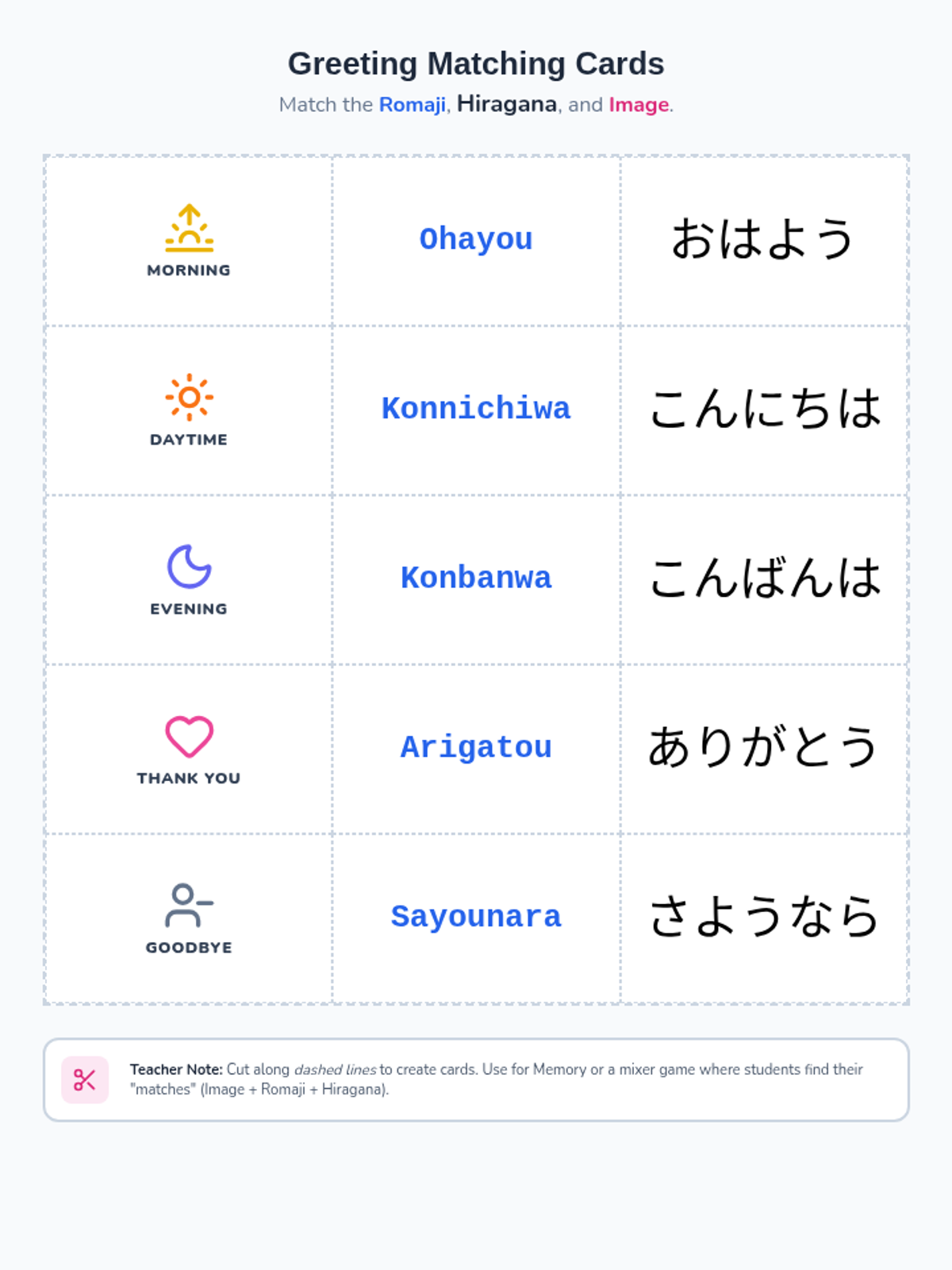
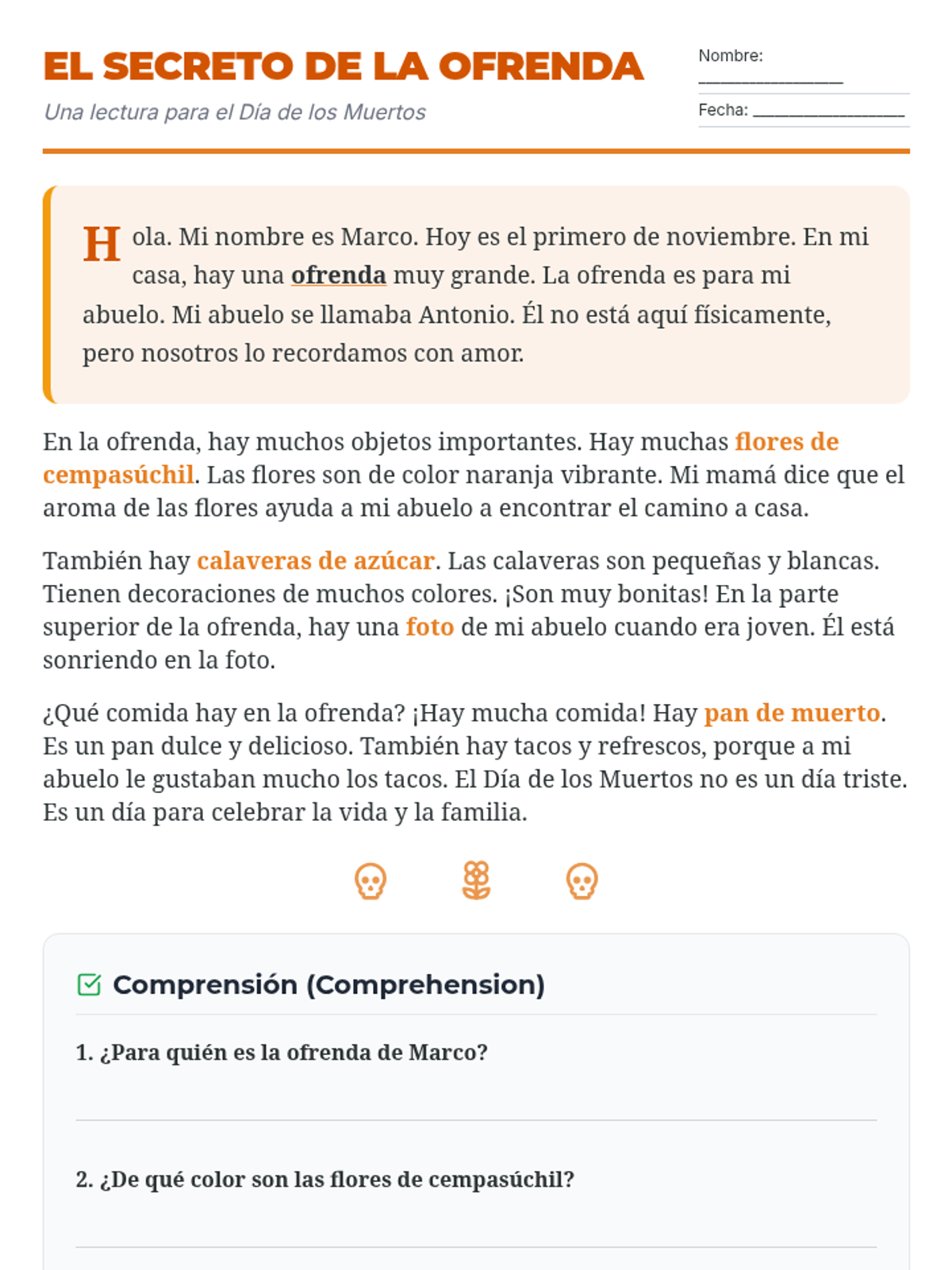
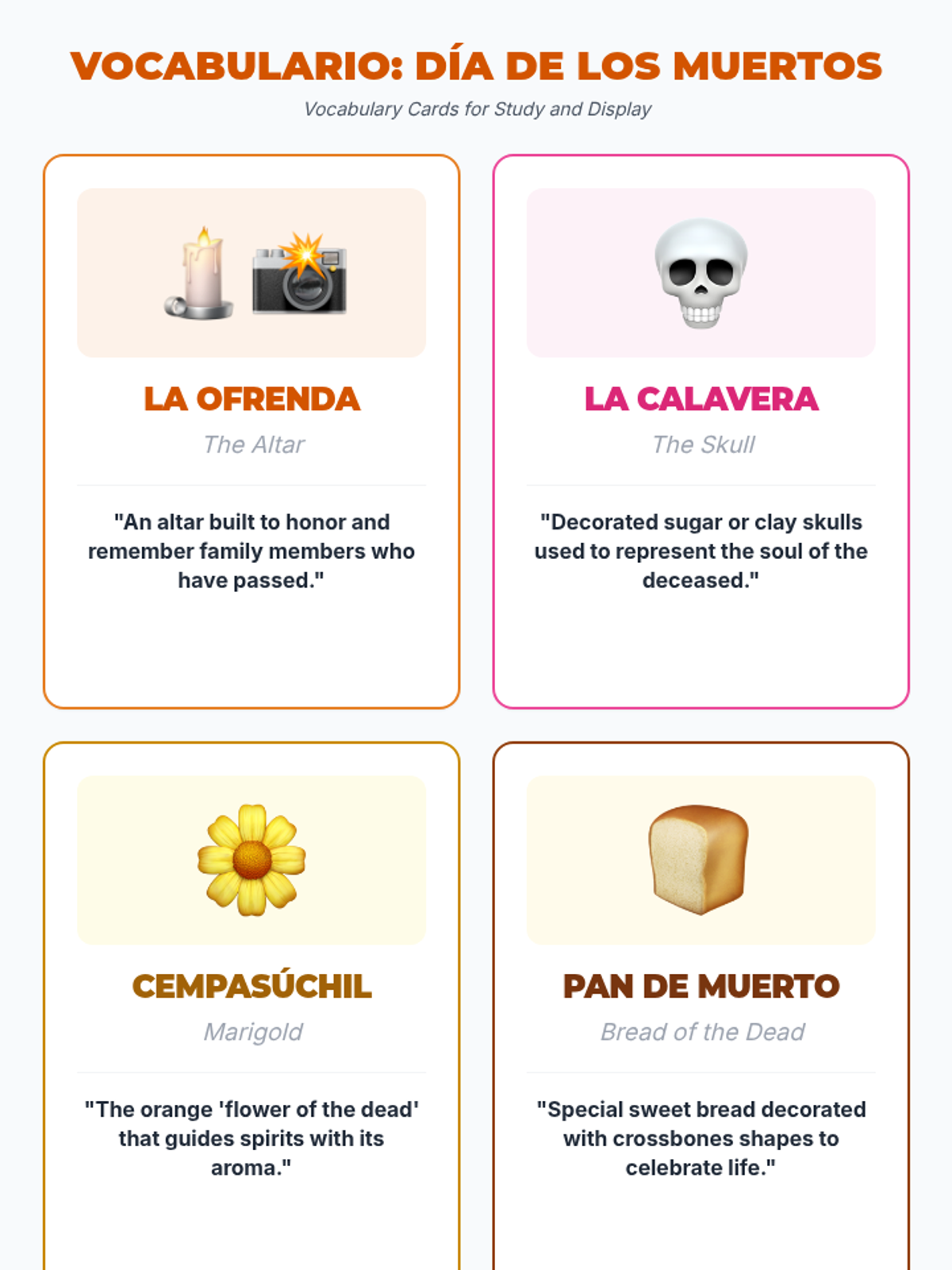
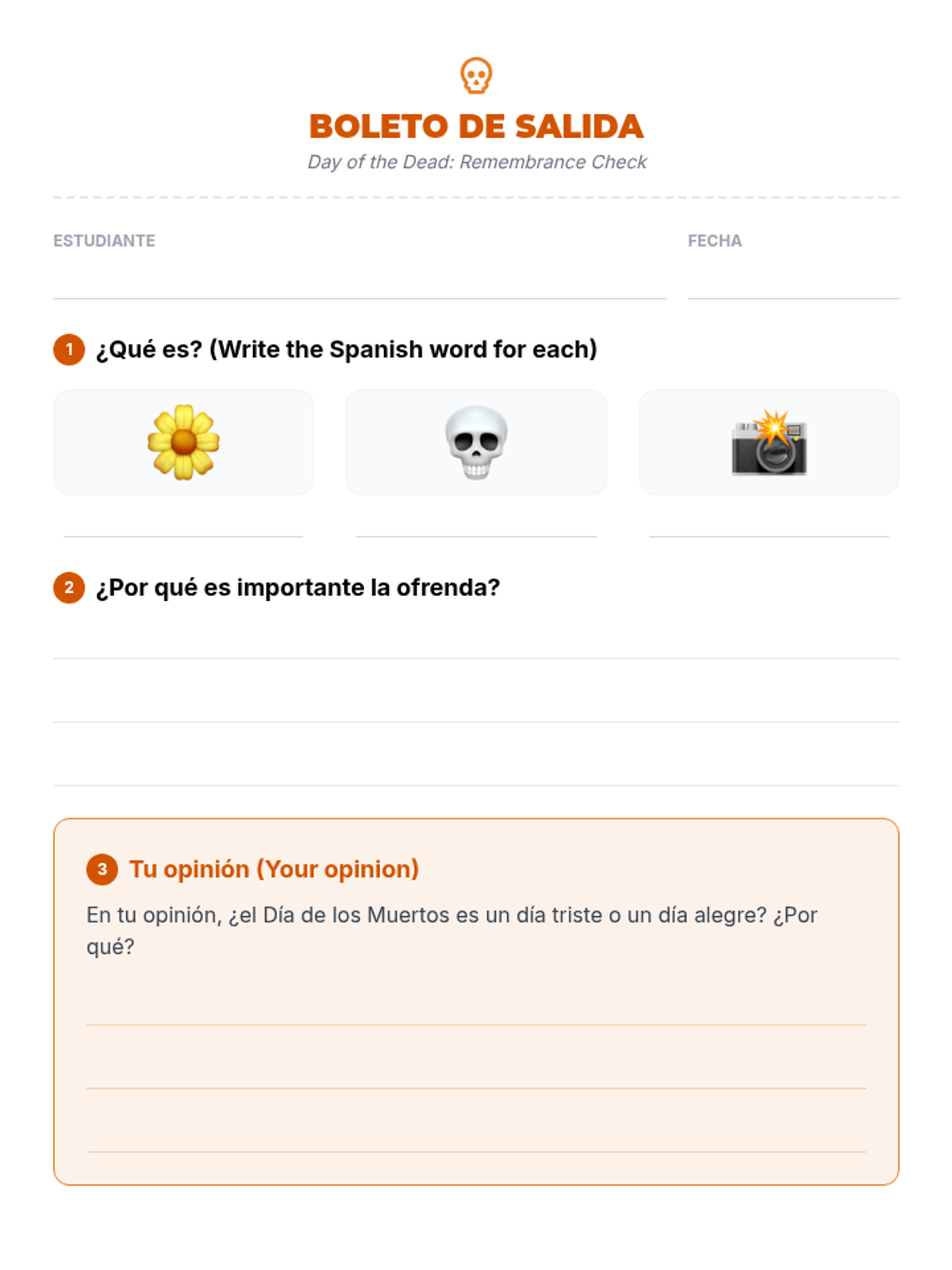
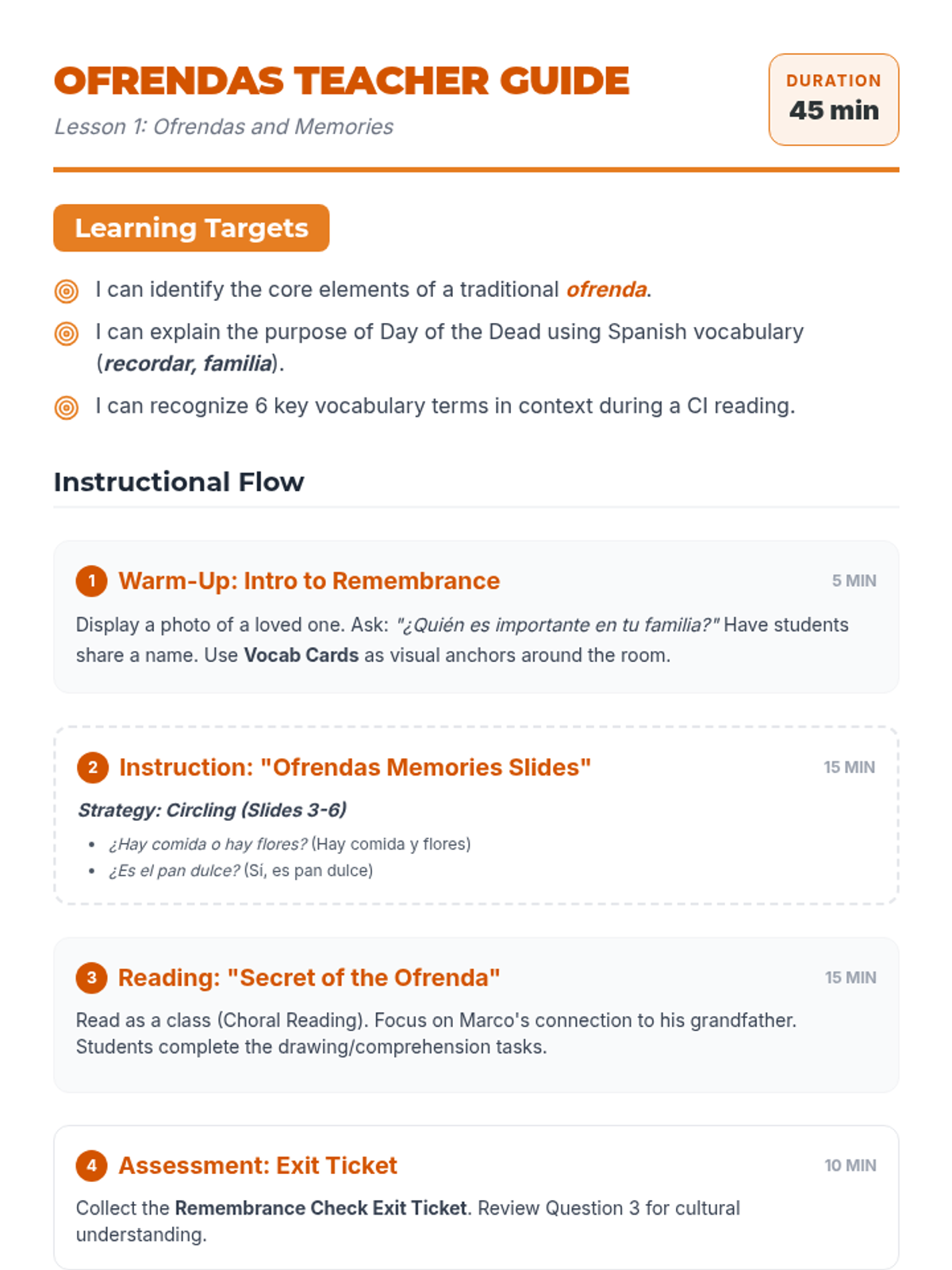
Students explore the vibrant world of celebrations in Spanish-speaking cultures, from piñatas to the Day of the Dead. Through comparative analysis, they discover how traditions foster community and honor history across Spain and Latin America.
A 5-lesson sequence exploring the culinary heritage of the Spanish-speaking world, focusing on key ingredients like corn and cacao, mealtime customs, and tropical fruits. Students conclude by creating a class cookbook.
A sensory exploration of Spanish culture across geography, architecture, music, food, and art. Students embark on a simulated travel journey to discover the diversity of Spanish-speaking countries through hands-on activities.
An immersive sequence where 8th-grade students master intermediate French professional vocabulary, formal communication strategies, and cultural workplace etiquette through simulated career scenarios.
This advanced Mandarin Chinese sequence for graduate students focuses on analyzing contemporary social issues through the lens of sophisticated rhetoric and four-character idioms (chengyu). Students explore urbanization, demographic shifts, and environmental policy to build a high-level academic vocabulary and persuasive argumentation skills.
This sequence immerses graduate students in the lexical and cultural nuances of professional Mandarin. Students will progress from mastering formal etiquette and financial reporting to navigating legal contracts and complex business negotiations.
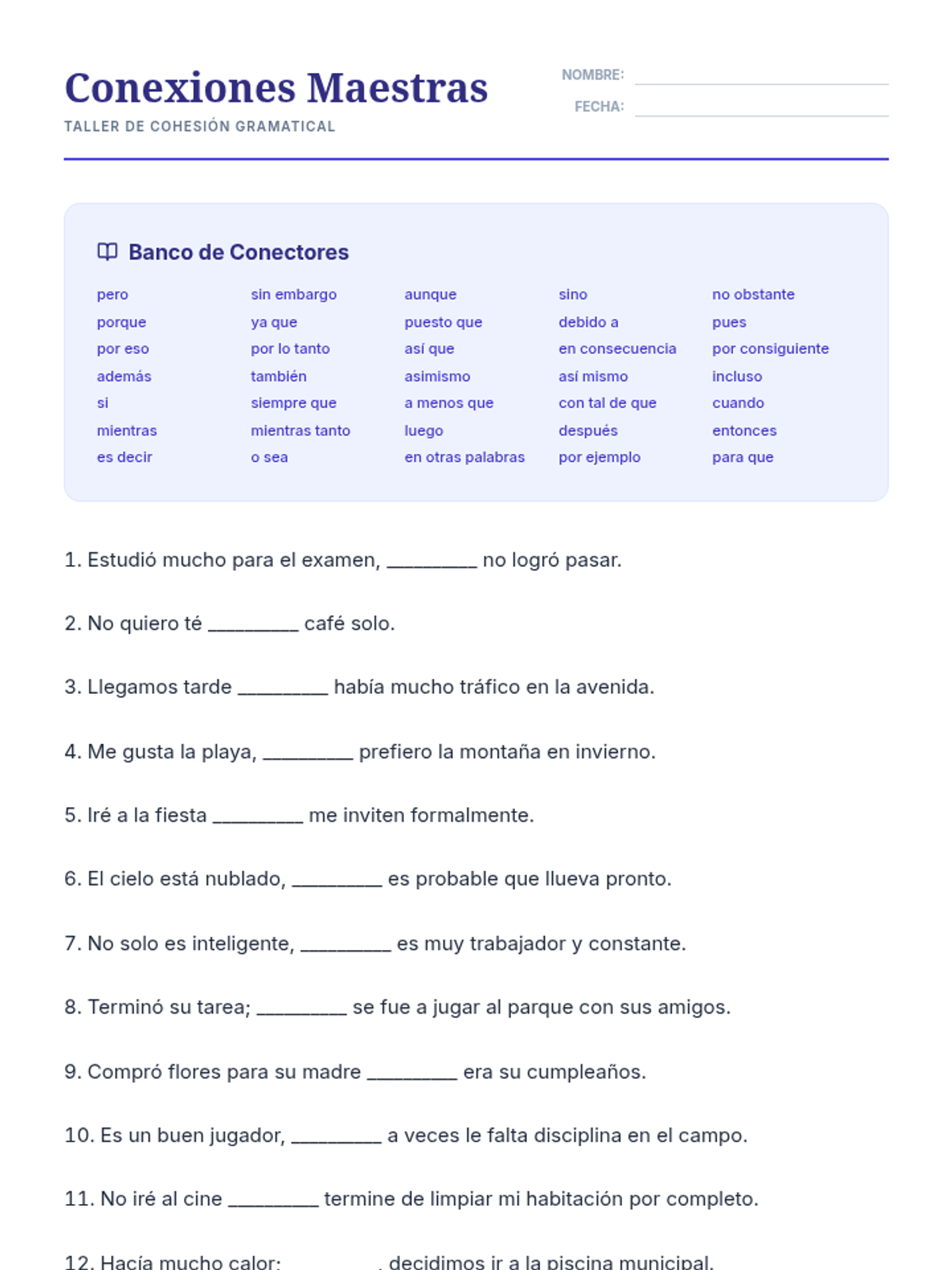
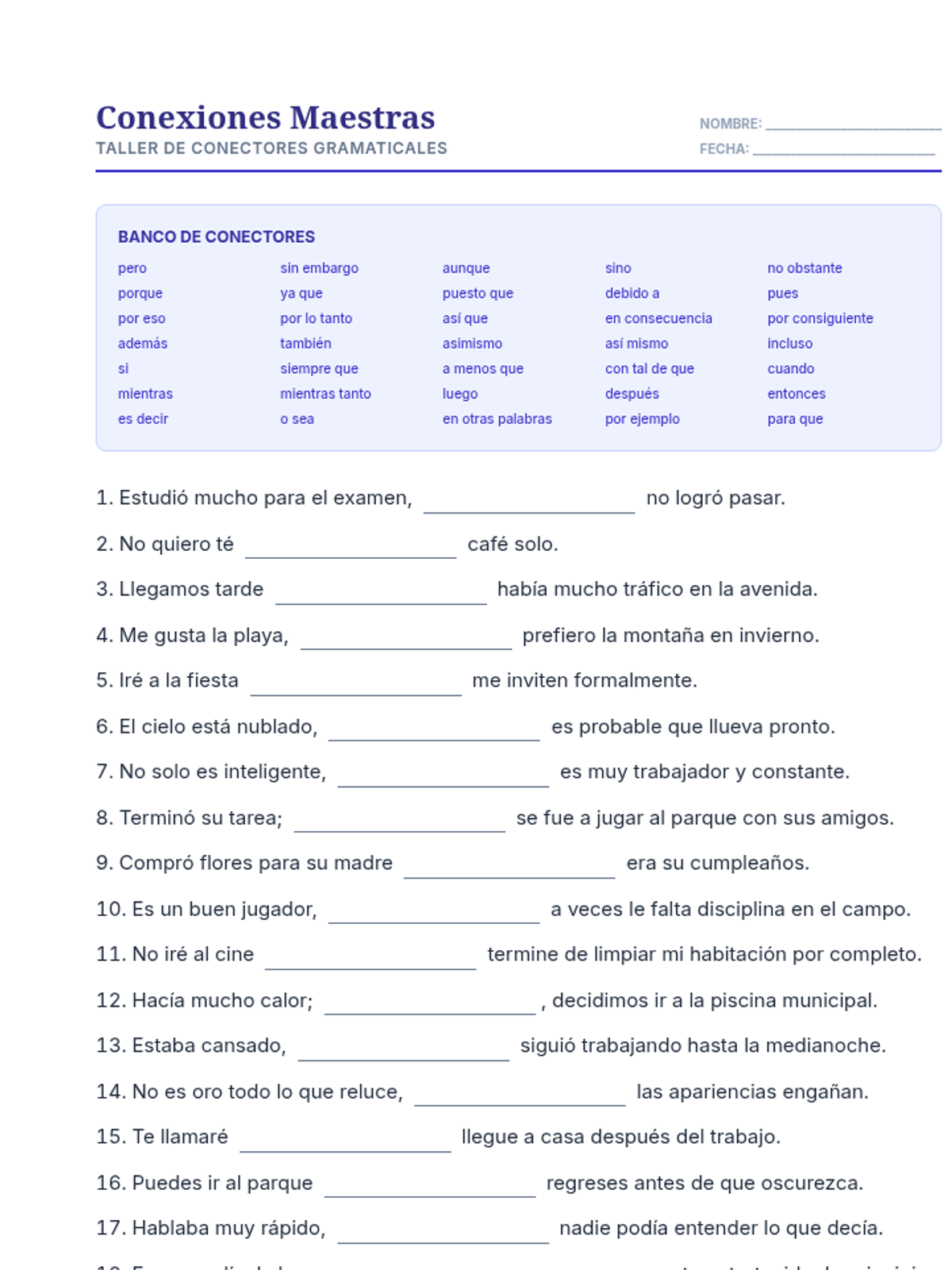
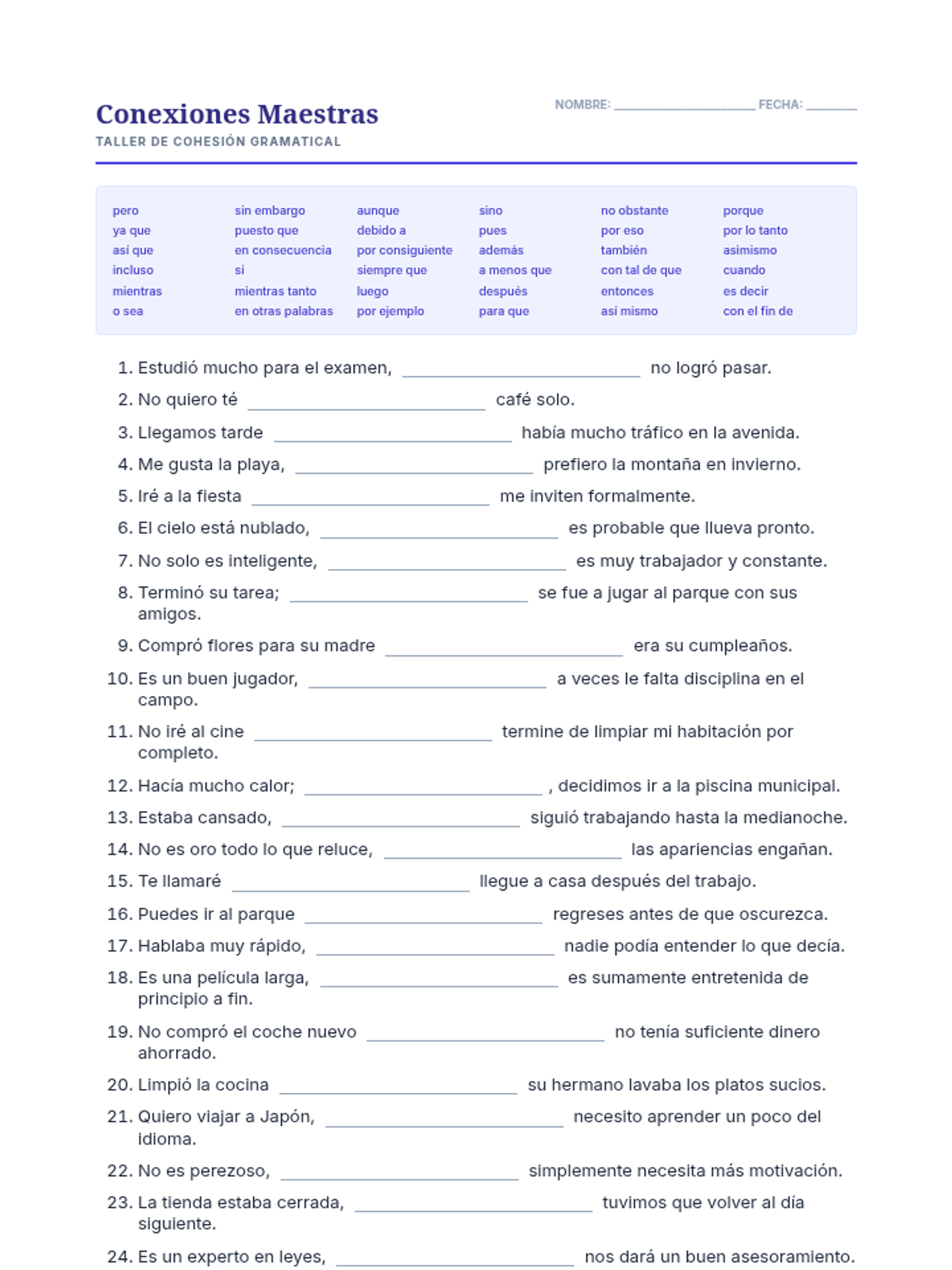
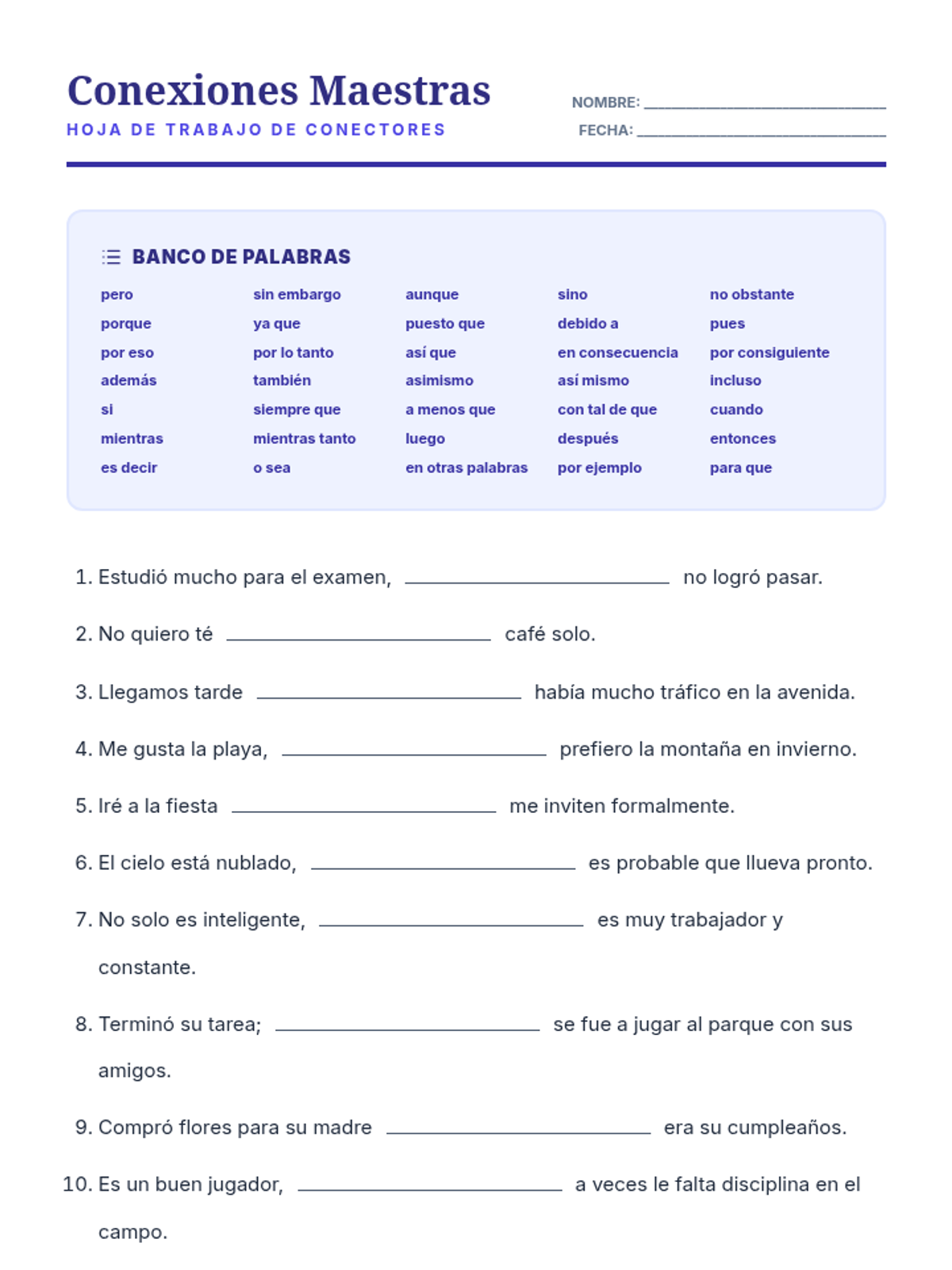
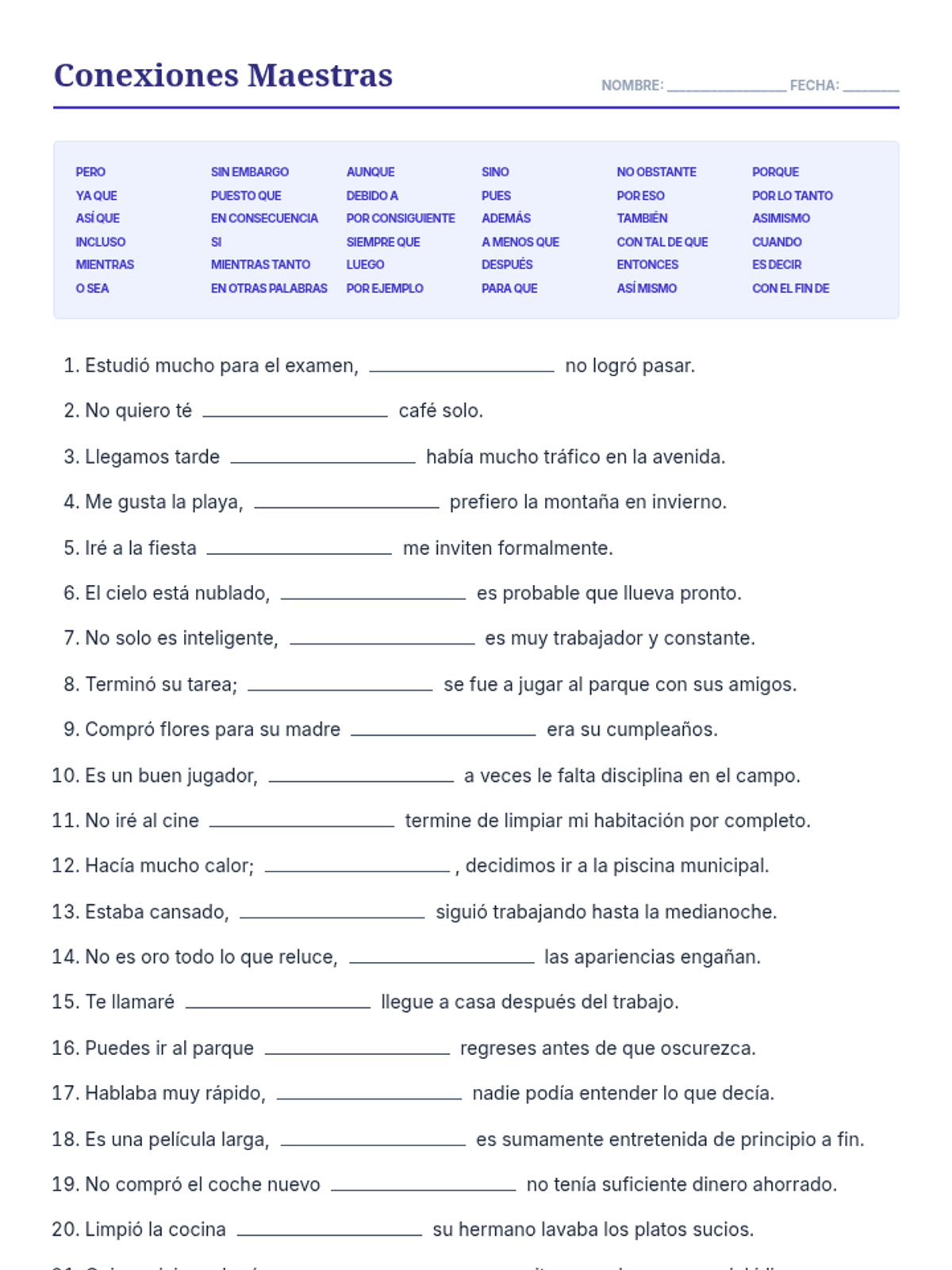
This advanced Spanish sequence transitions 9th-grade students from intermediate proficiency to professional linguistic precision. It focuses on academic register, workplace vocabulary, logical connectors, and sociolinguistic etiquette through authentic simulations and analysis.
This sequence bridges the gap between classroom character learning and real-world application for graduate-level learners. By analyzing authentic artifacts like signage, menus, and business cards, students develop the 'environmental literacy' needed to navigate Mandarin-speaking urban and professional spaces.
A high-intensity sequence designed for graduate students to achieve functional literacy in Mandarin Chinese through the top 100 high-frequency characters, focusing on sentence construction, grammatical particles, and digital input methods.
A deep analytical dive into the etymology and structural logic of the Chinese writing system for graduate-level adult learners. The sequence moves from basic mechanics and stroke order to complex phono-semantic decoding and aesthetic synthesis through calligraphy.
An immersive intermediate French sequence where students navigate travel scenarios in Paris, Dakar, and Montreal, mastering future, past, and conditional tenses through simulated real-world interactions.
This sequence explores the diversity of the Spanish language through a sociolinguistic lens, focusing on how culture, geography, and class influence communication for intermediate learners at the graduate level. Students analyze registers, regional slang, humor, and digital communication to understand the link between identity and language.
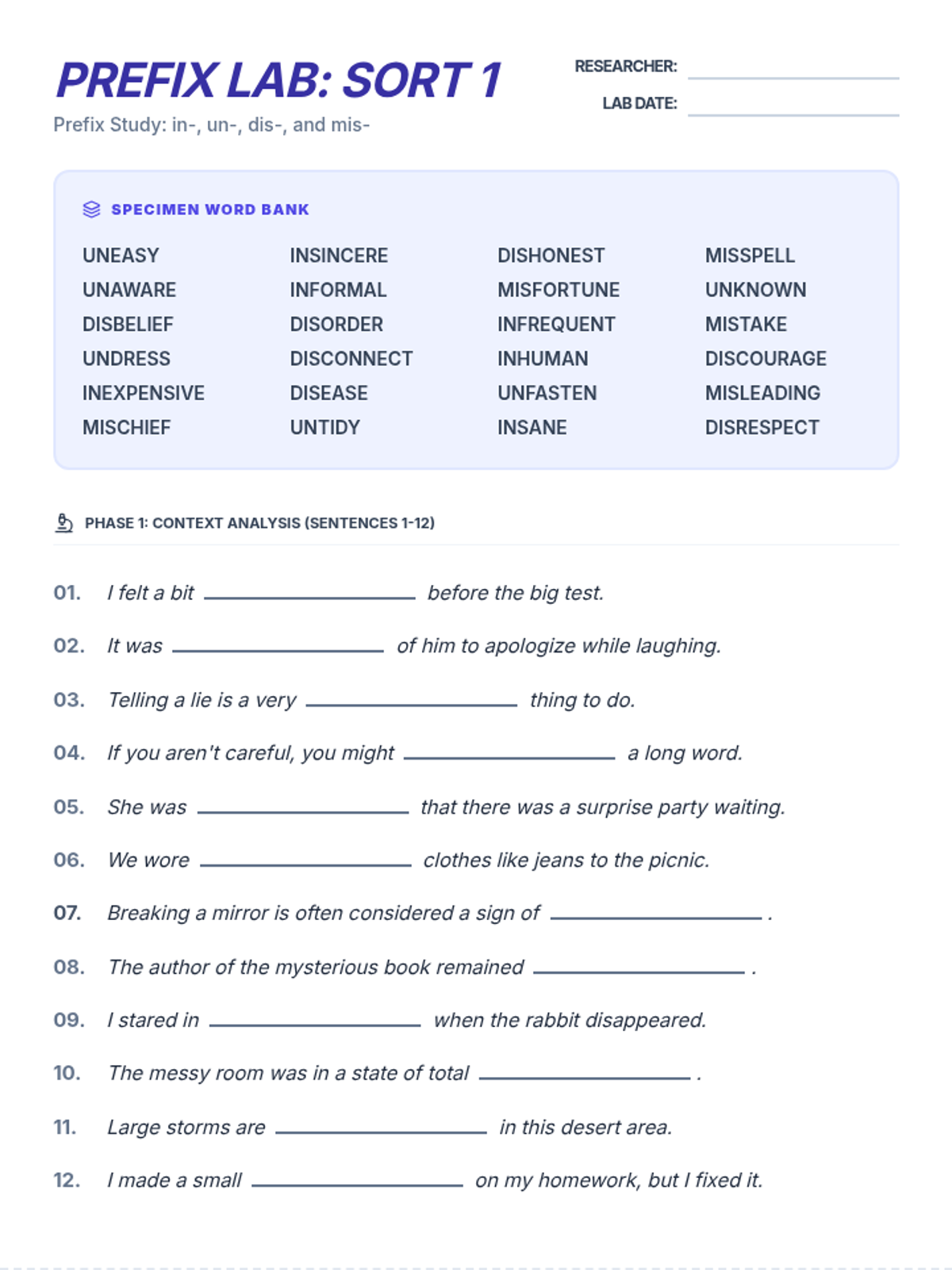
A comprehensive exploration of classical morphology and technical etymology for undergraduate students, bridging the gap between ancient roots and modern technical, medical, and literary terminology.
This sequence immerses undergraduate students in the specific lexicon of Latin terminology frequently encountered in academic research, legal documents, and formal logic. Students progress from scholarly abbreviations to complex phrases used in argumentation and legal theory, emphasizing contextual application to enhance academic precision.
A linguistic and sociological exploration of how English absorbs and adapts words from diverse global sources, focusing on etymology, cultural exchange, and the evolution of language.
Students act as linguistic anthropologists creating a specialized 'Field Guide to Foreign Expressions' for a chosen professional or cultural domain. They investigate the etymology, usage, and visual representation of foreign terminology to explain their chosen field's linguistic history to a lay audience.
This sequence equips graduate students with high-efficiency strategies for reading and synthesizing academic French research. Students progress from rapid scanning techniques to deep syntactical analysis and precise translation of abstract theoretical concepts.
This sequence immerses graduate students in the landscape of contemporary French journalism, focusing on current events and social debates. Students move from identifying the structural components of news articles to analyzing complex opinion pieces and synthesizing multiple perspectives on sensitive topics like secularism.
A specialized sequence for graduate students to master the formal register of Chinese news media. The course covers headline syntax, economic reporting logic, passive structures in incident reports, bias in editorials, and cross-regional news synthesis.