Students explore pattern recognition and loops to understand how to make algorithms more efficient using music and dance. The sequence moves from visual patterns to rhythmic loops and culminates in a choreographed dance using algorithmic notation.
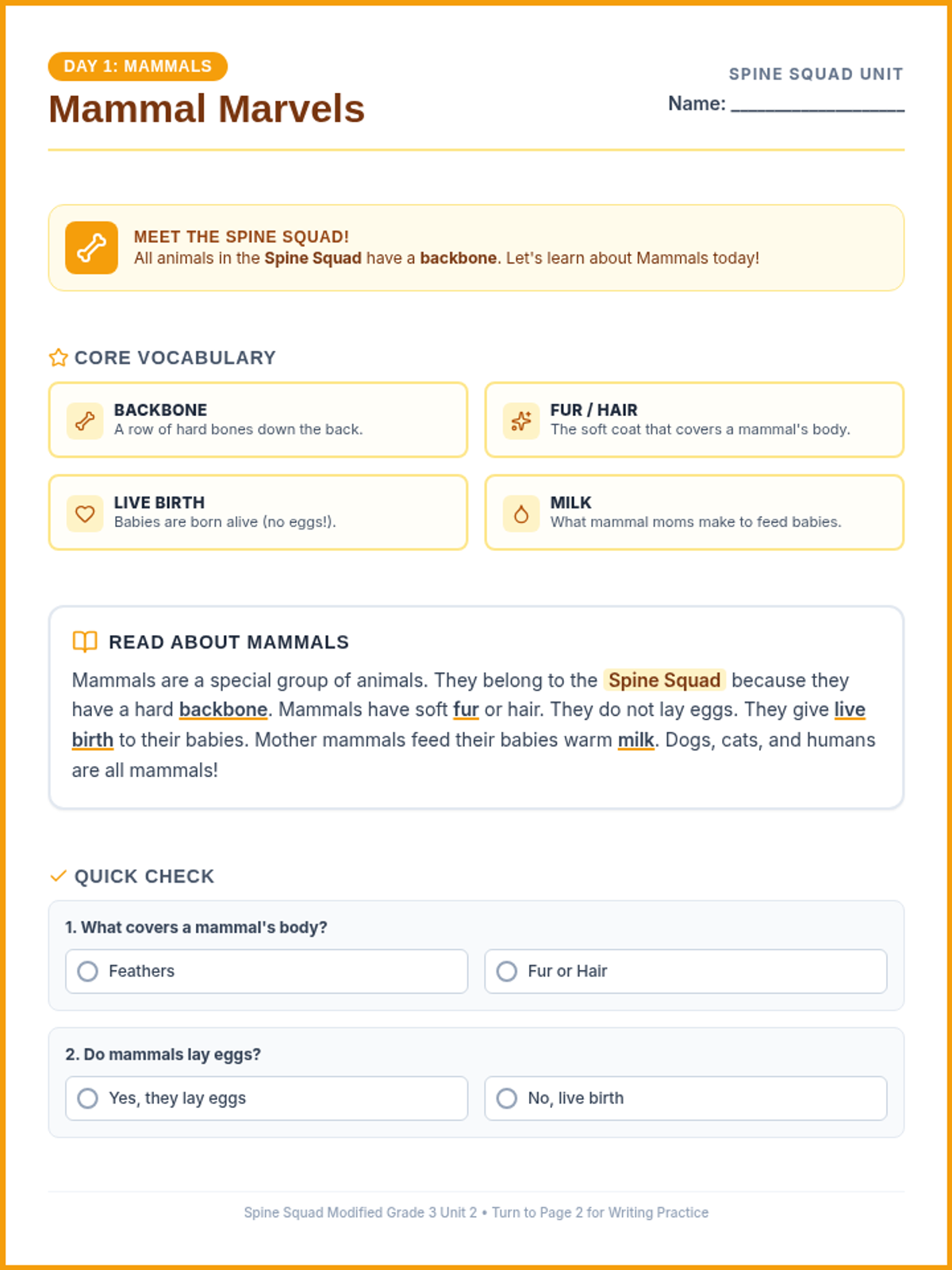
A five-day modified animal classification unit focusing on the five main vertebrate groups, designed with extensive visual support, sentence frames, and tracing options for modified learning.
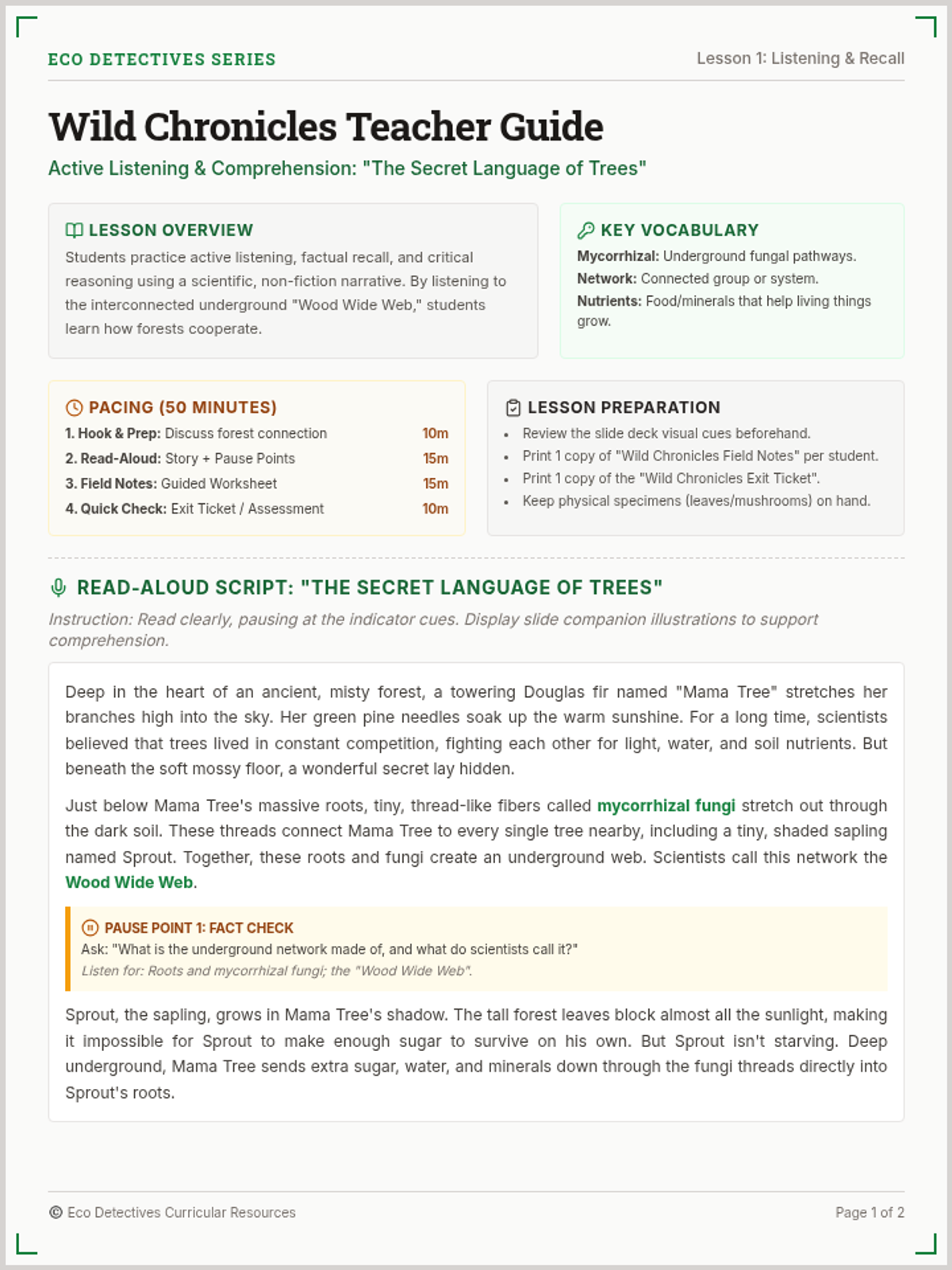
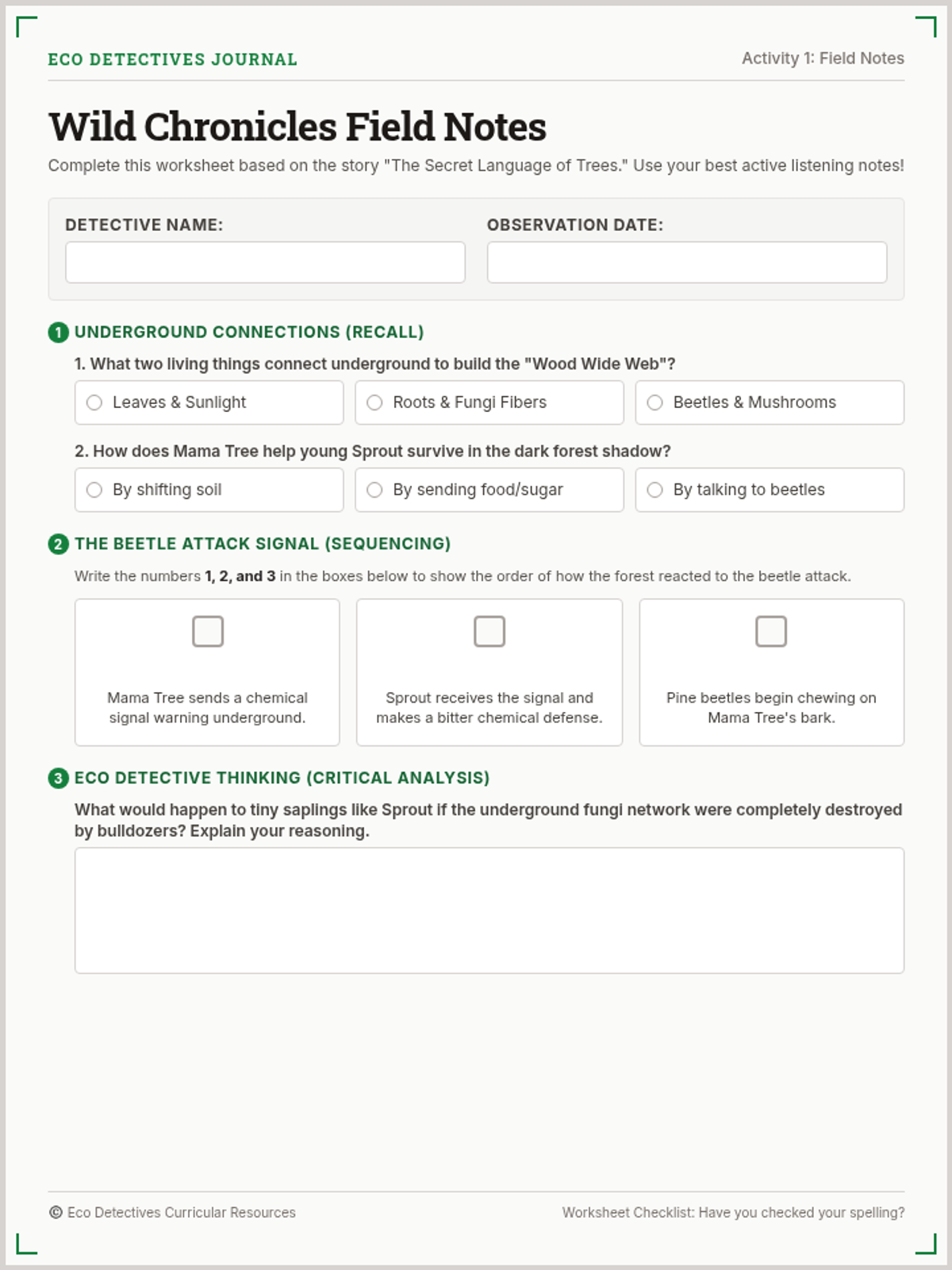
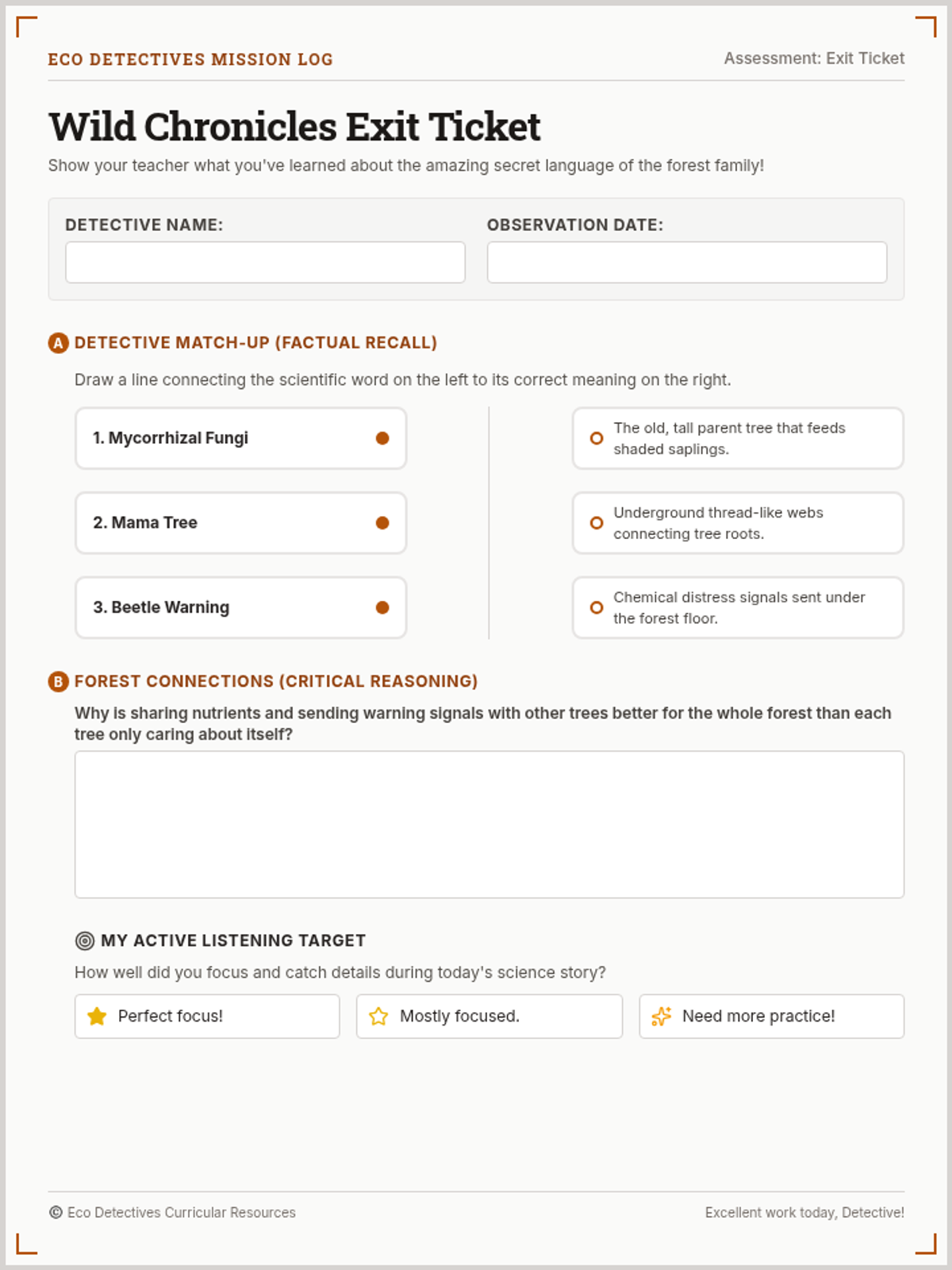
A short listening comprehension sequence for third graders focusing on non-fiction nature narratives. Students develop listening skills, factual recall, and critical thinking by exploring the interconnectedness of ecosystems.
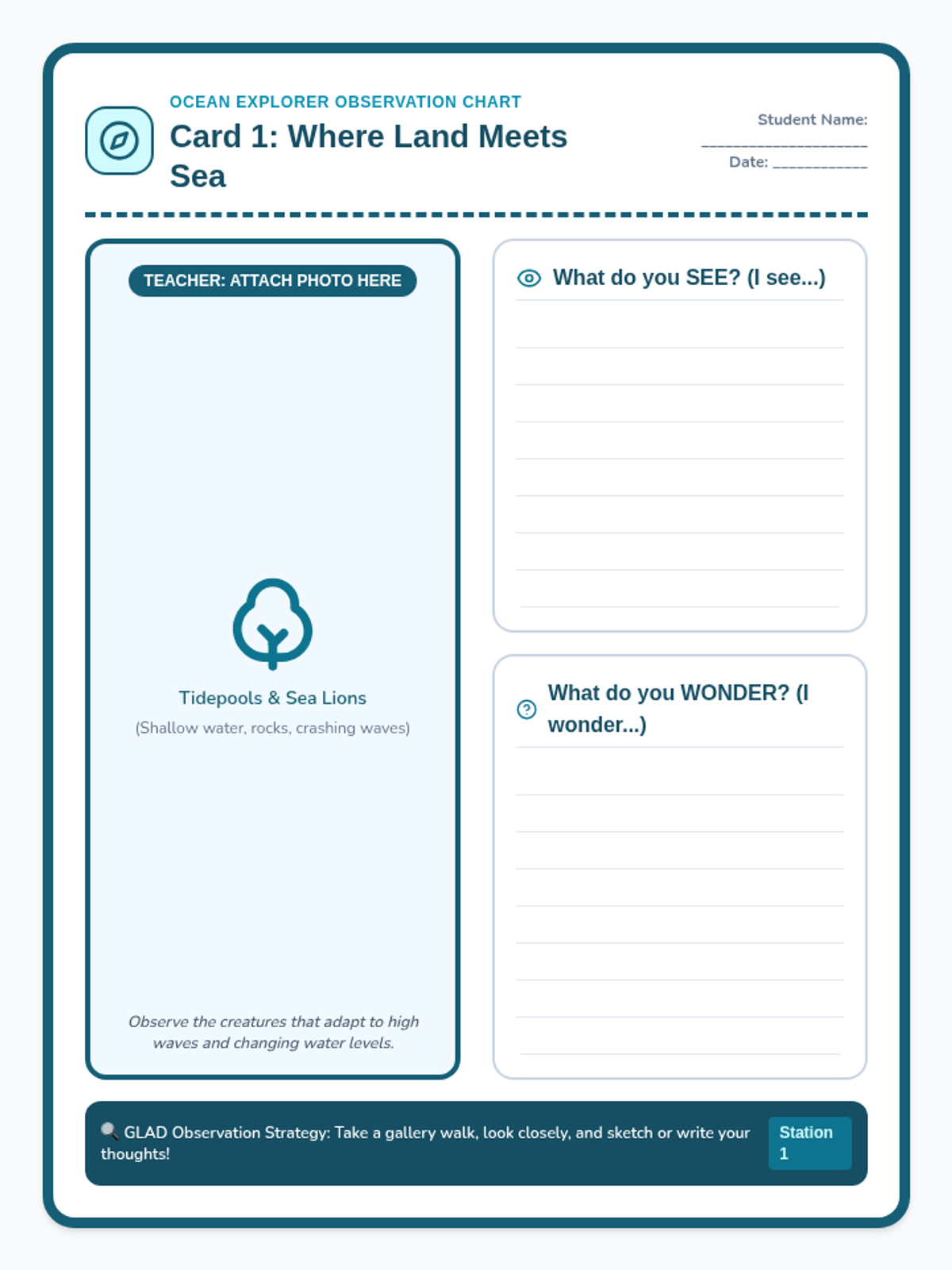
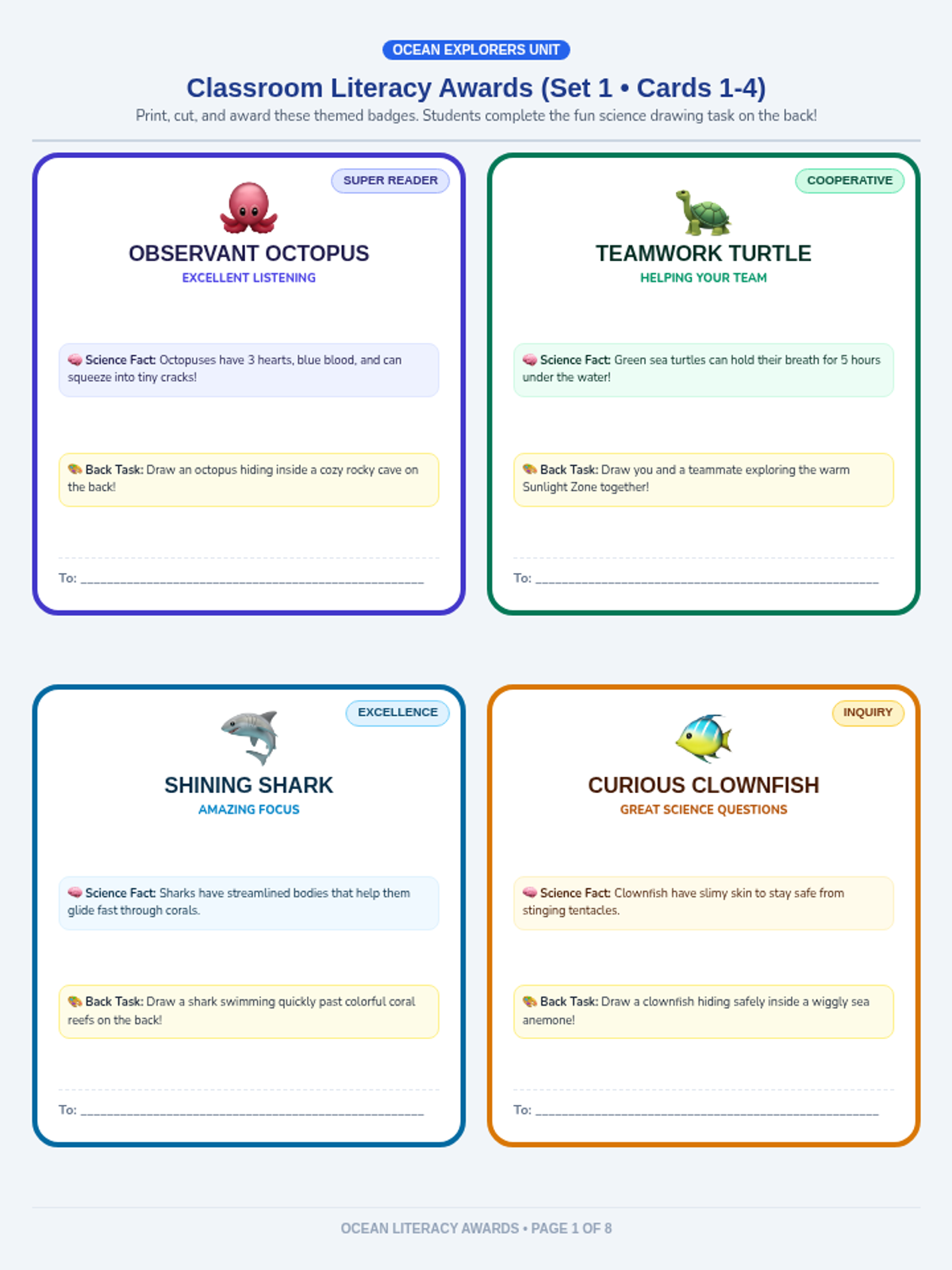
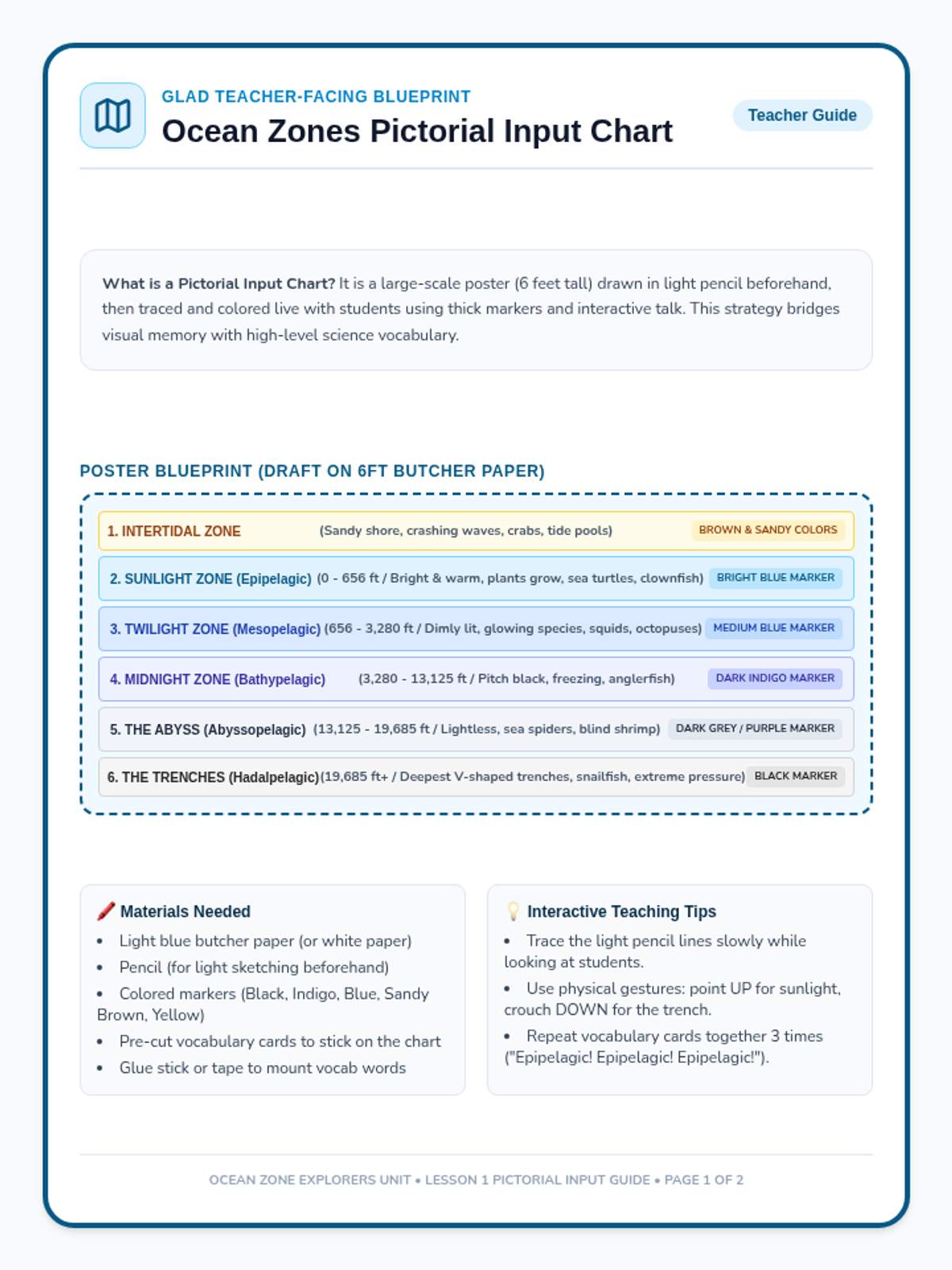
An immersive 1st-grade GLAD science and literacy sequence that guides young learners from the sunny surface to the deepest, darkest trenches, using cooperative learning, narrative inputs, and hands-on modeling.
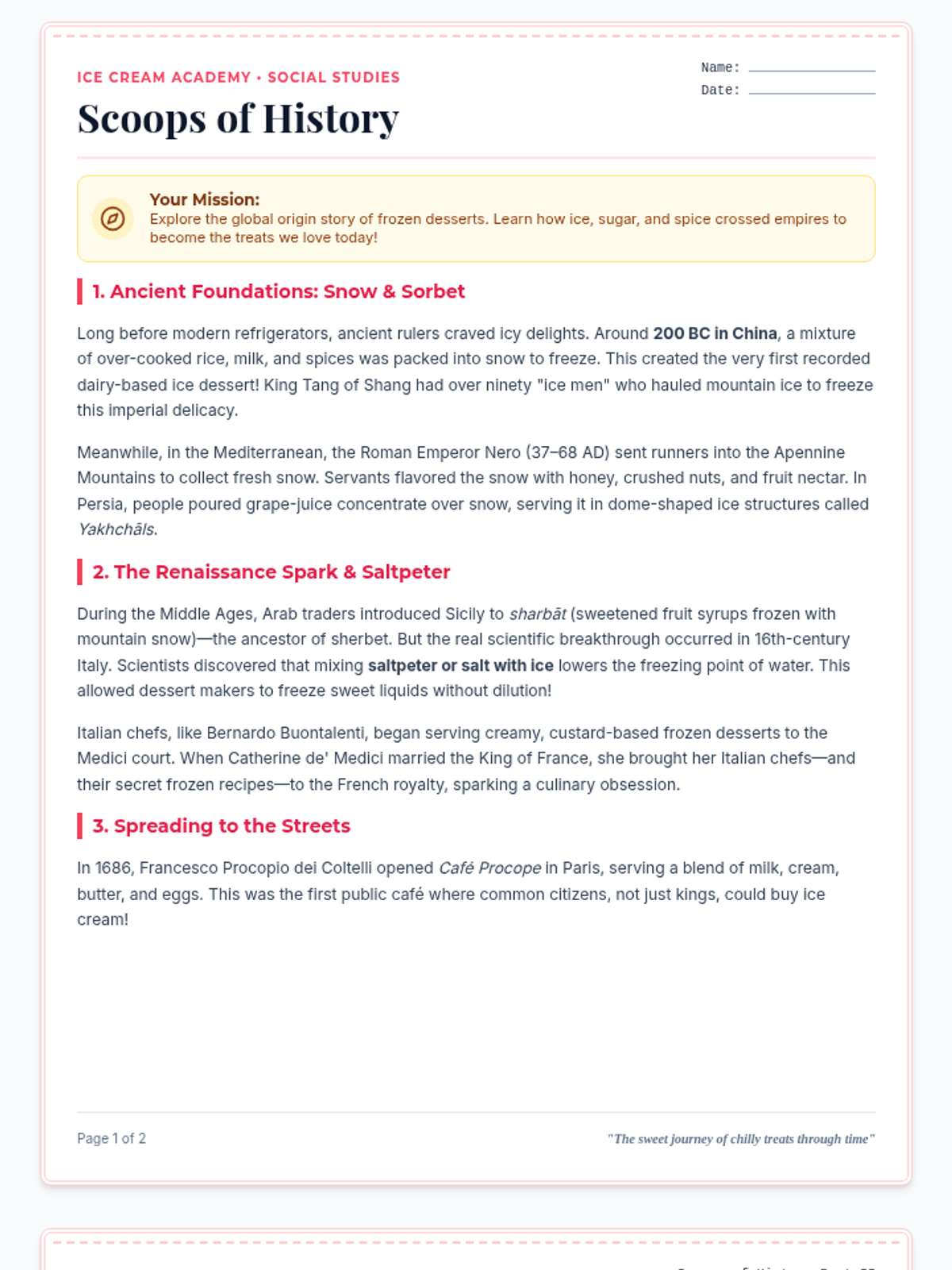
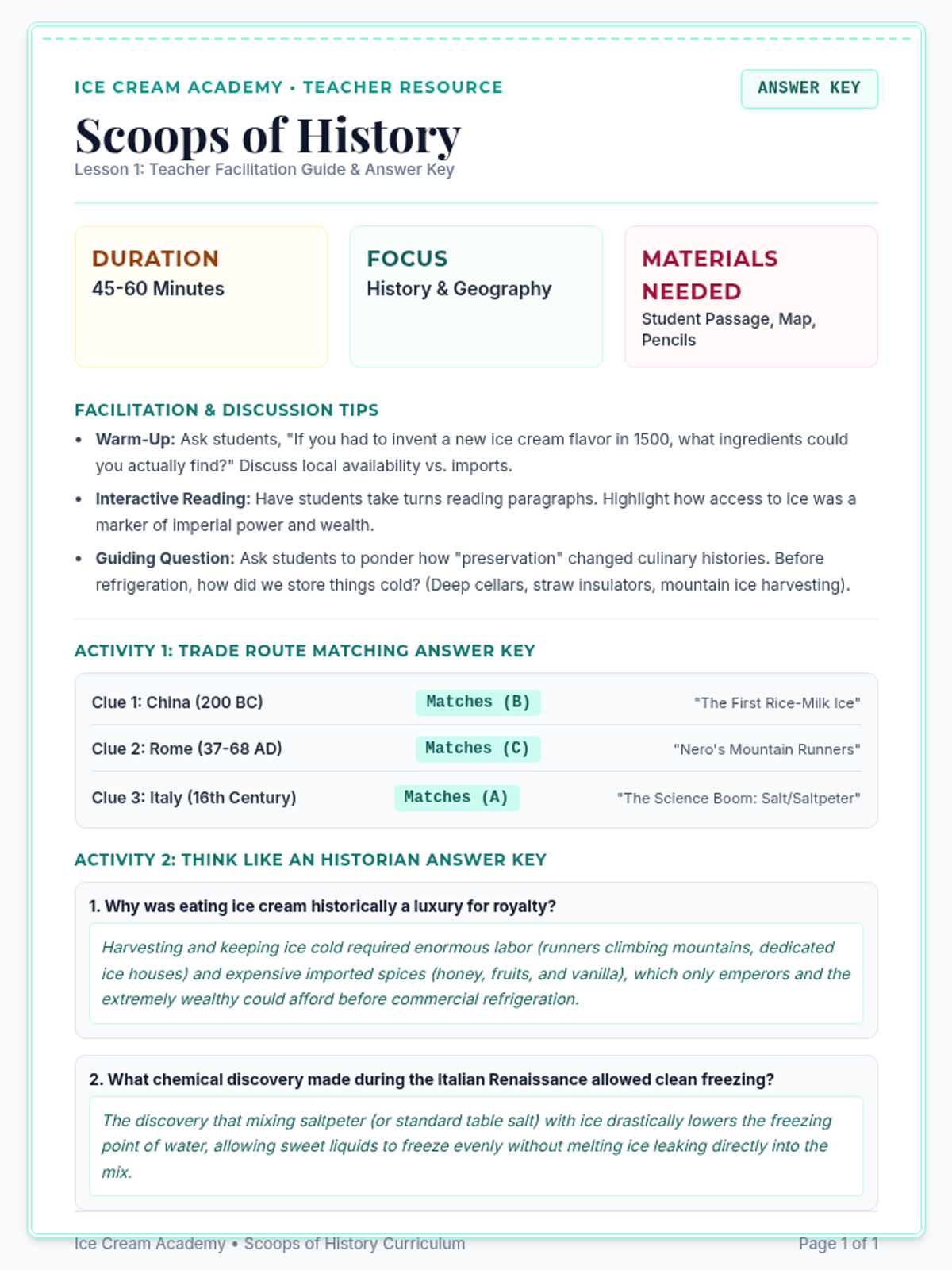
A multi-subject summer school unit exploring the history, science, math, and language arts of ice cream. Students scale recipes, conduct freezing-point experiments, trace historical origins, and design sensory marketing campaigns.
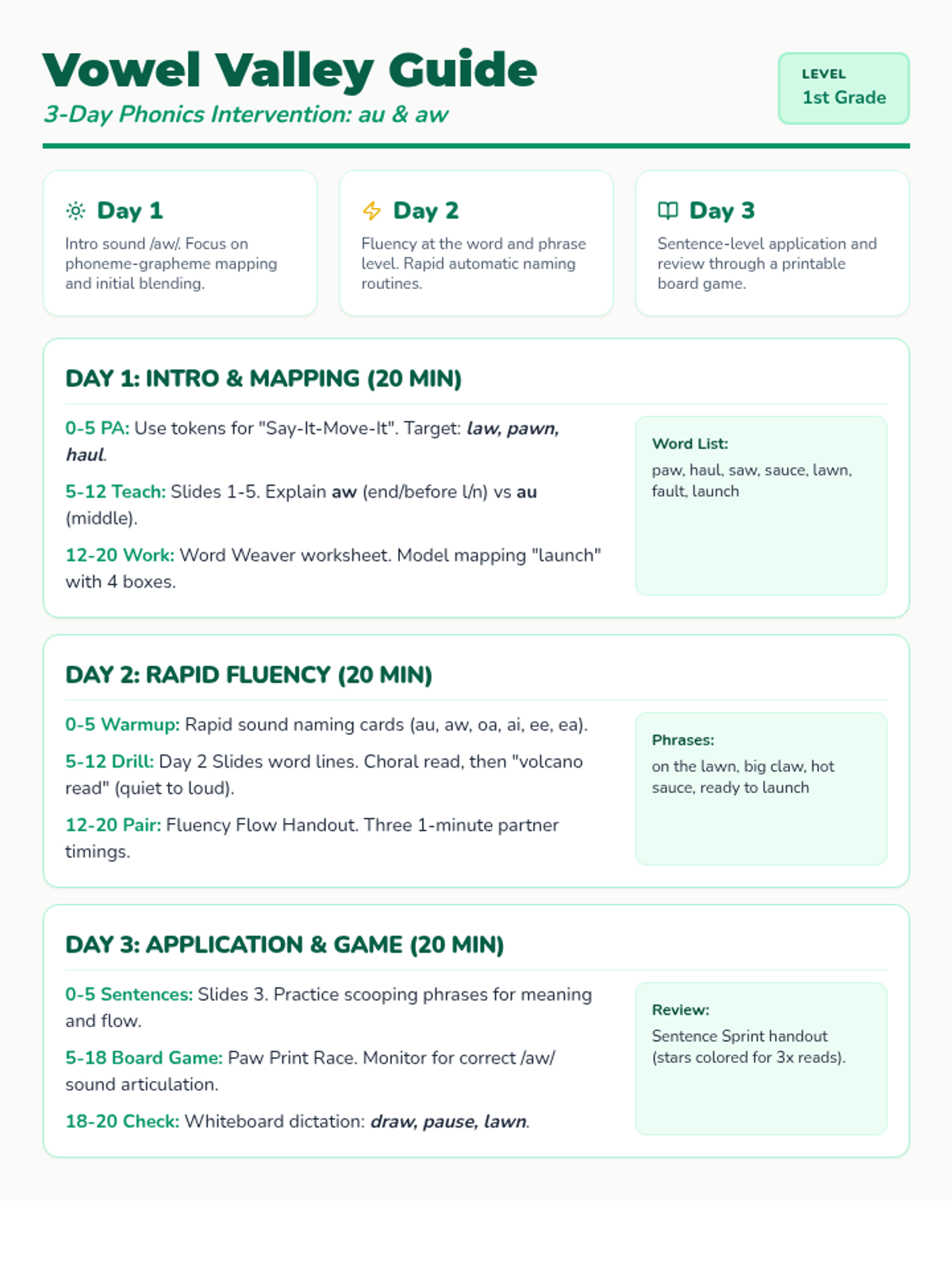
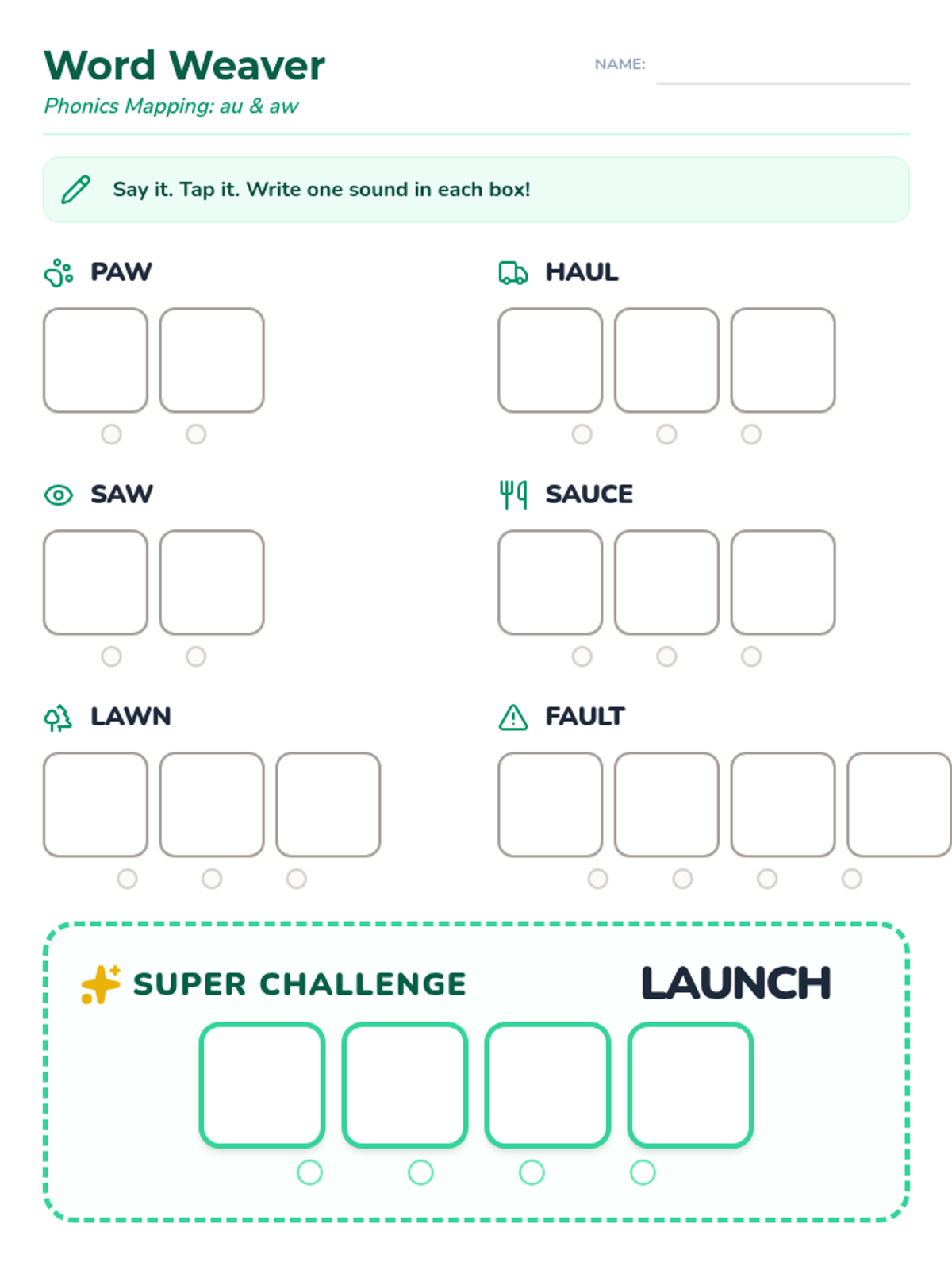
A 3-day phonics intervention sequence for first graders focusing on the 'au' and 'aw' diphthongs through direct instruction, fluency building, and game-based learning.
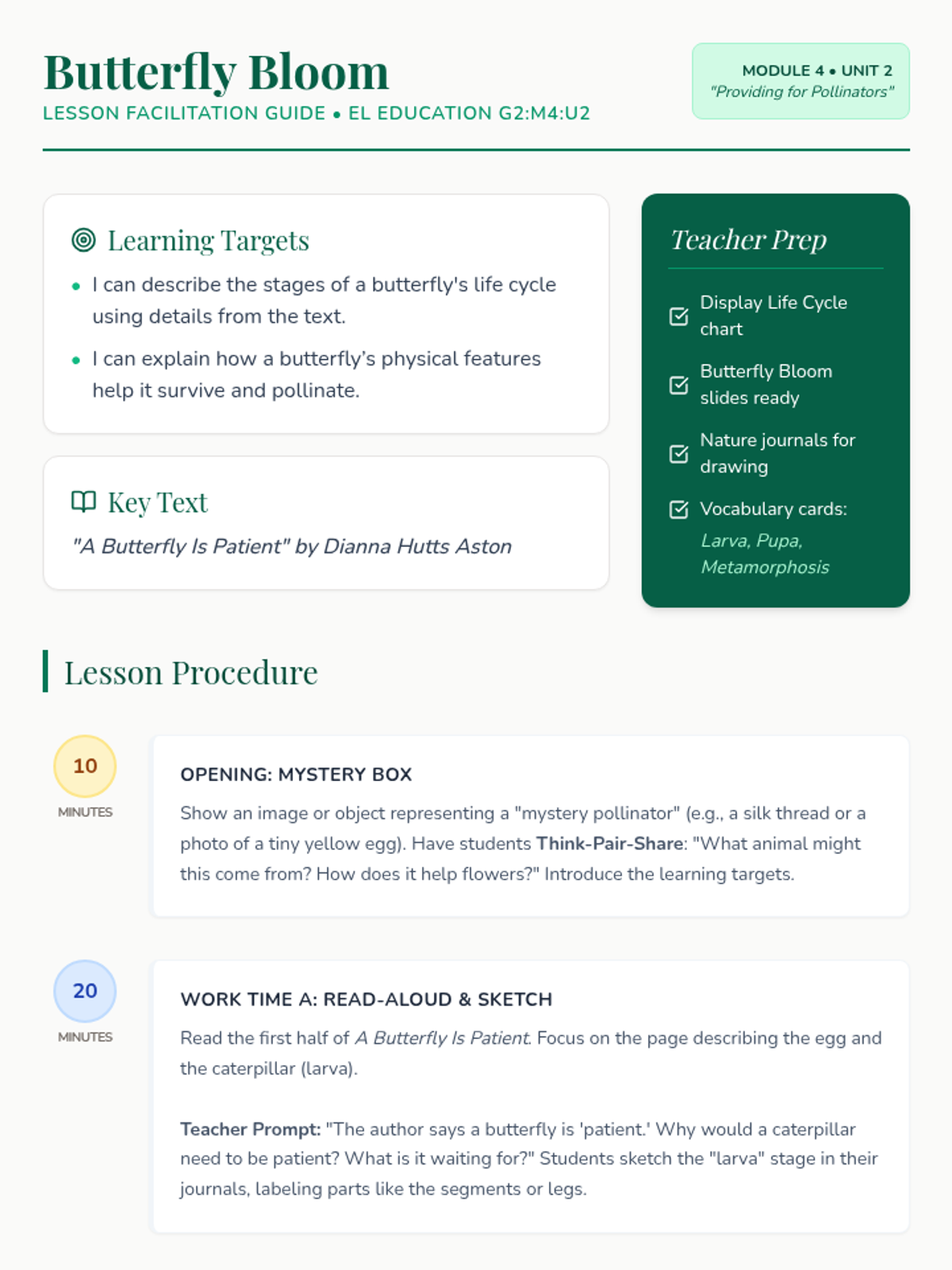
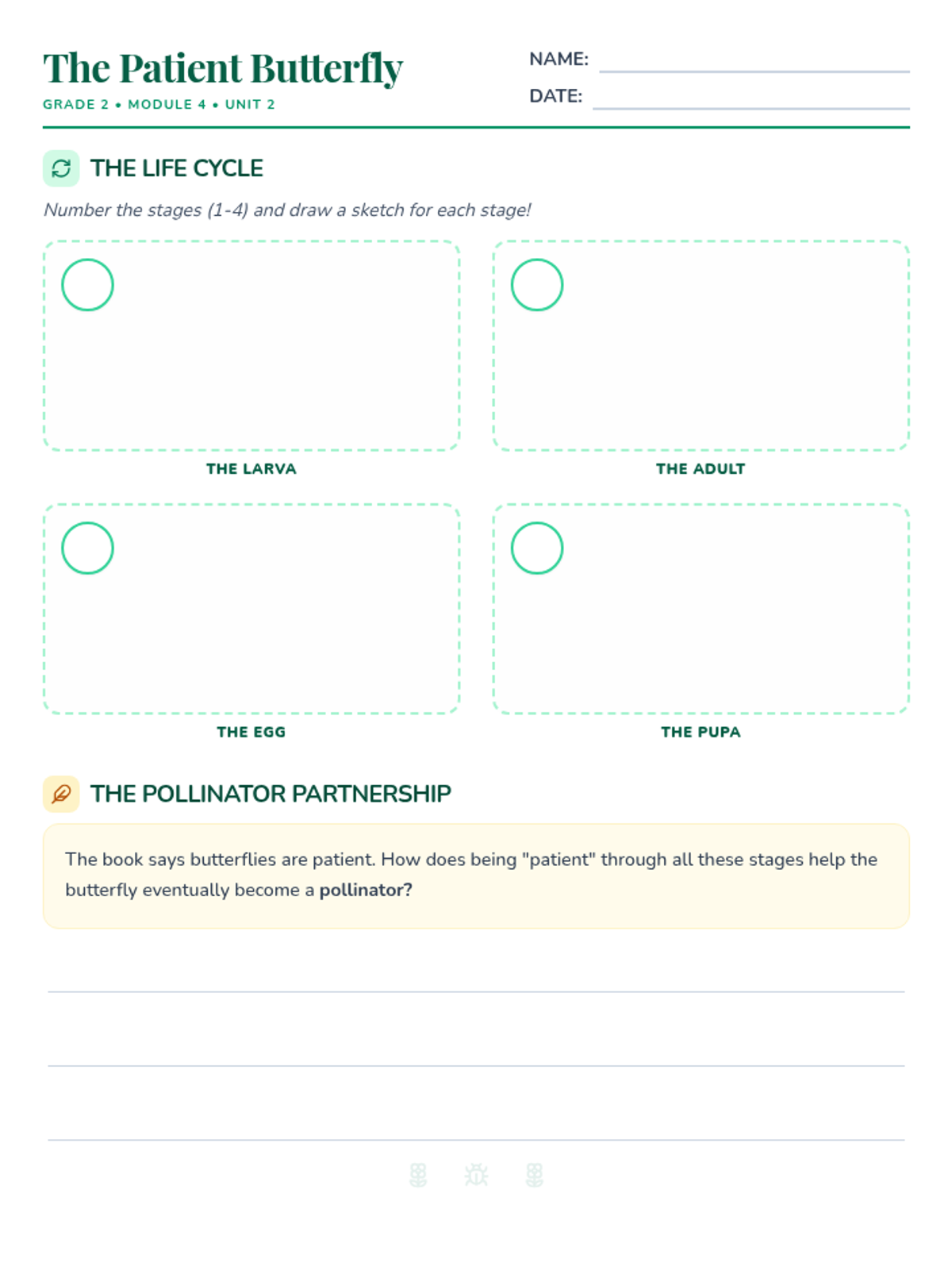
Grade 2, Module 4: 'Providing for Pollinators' focuses on the life cycles of pollinators, specifically butterflies, and how they interact with their habitats to support our environment. This sequence covers the core of Unit 2, moving from the physical characteristics and life cycles to the specific ways these insects provide for our ecosystem.
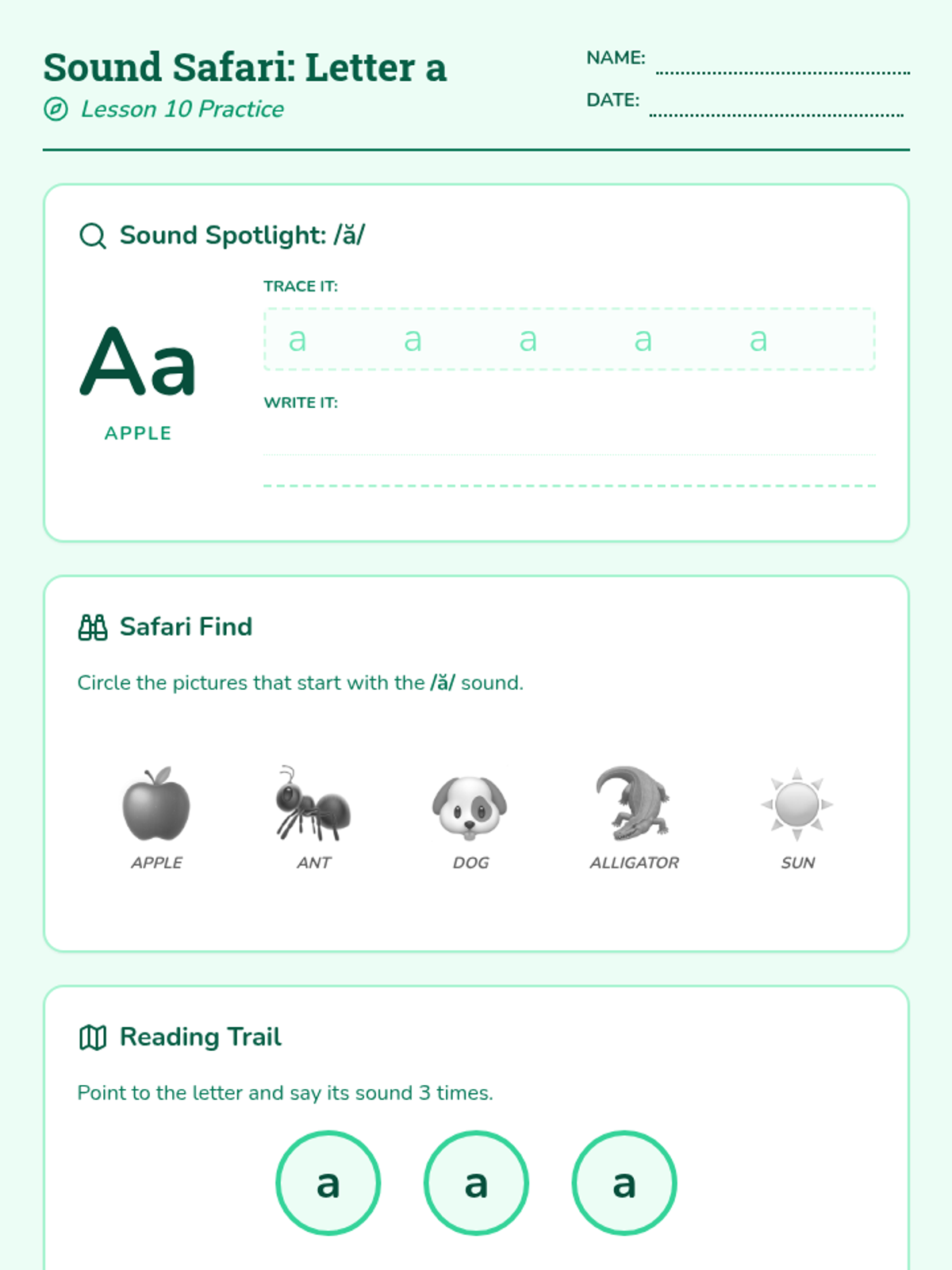
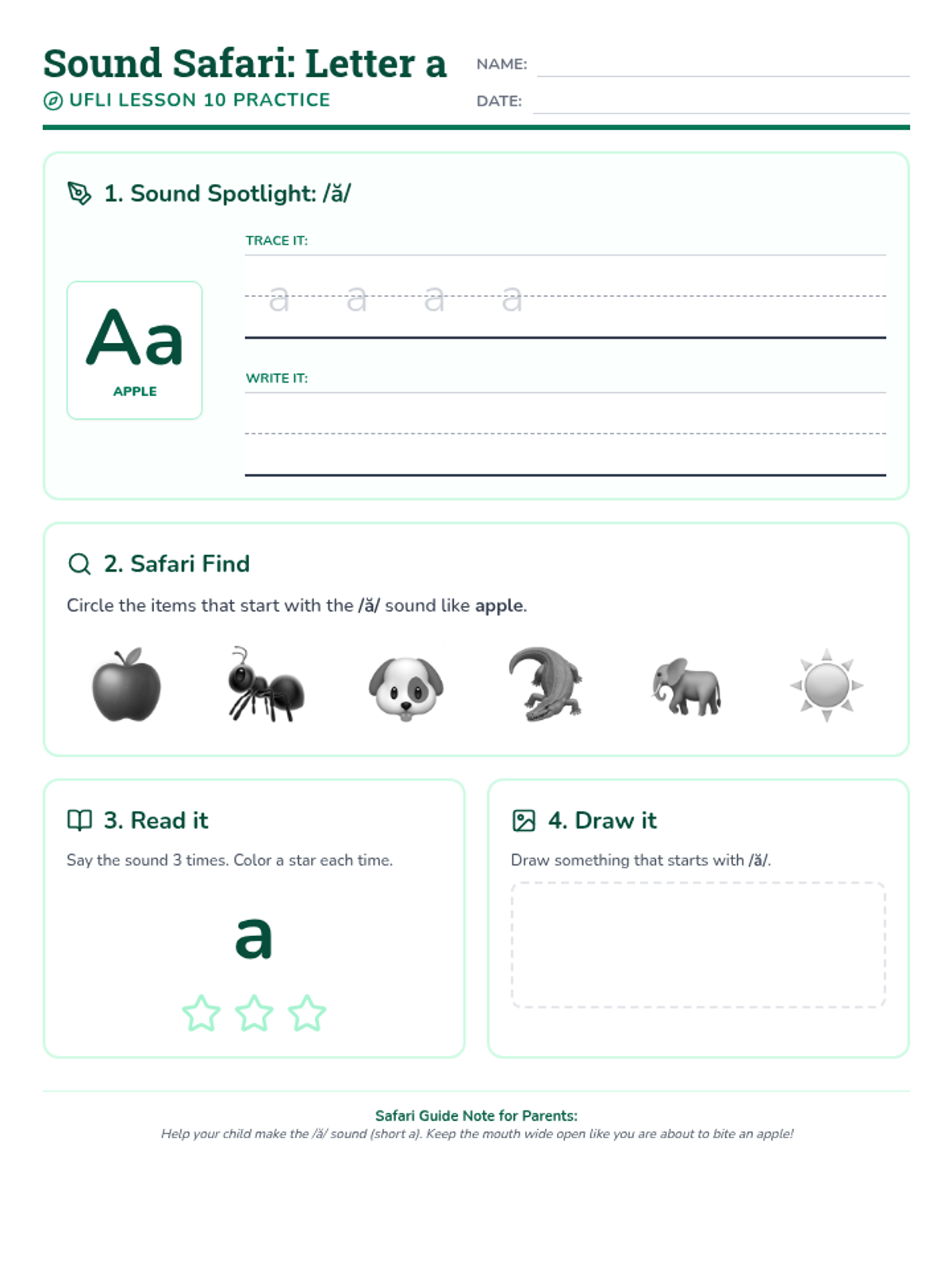
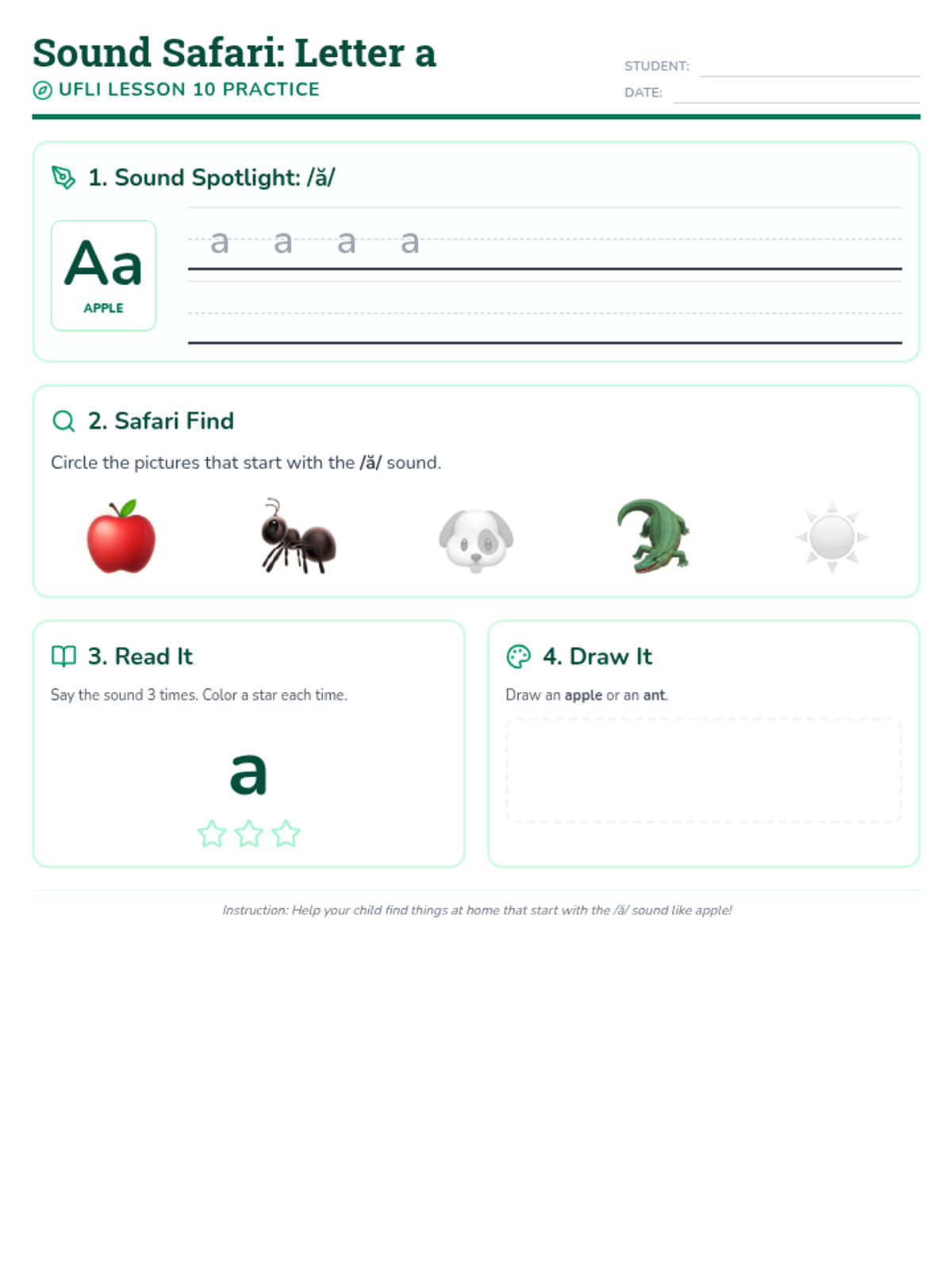
A comprehensive series of take-home practice worksheets for Kindergarten students following the UFLI Foundations scope for Alphabet Knowledge. Each worksheet focuses on a single letter-sound correspondence with activities for letter formation, decoding, encoding, and simple sentence reading.
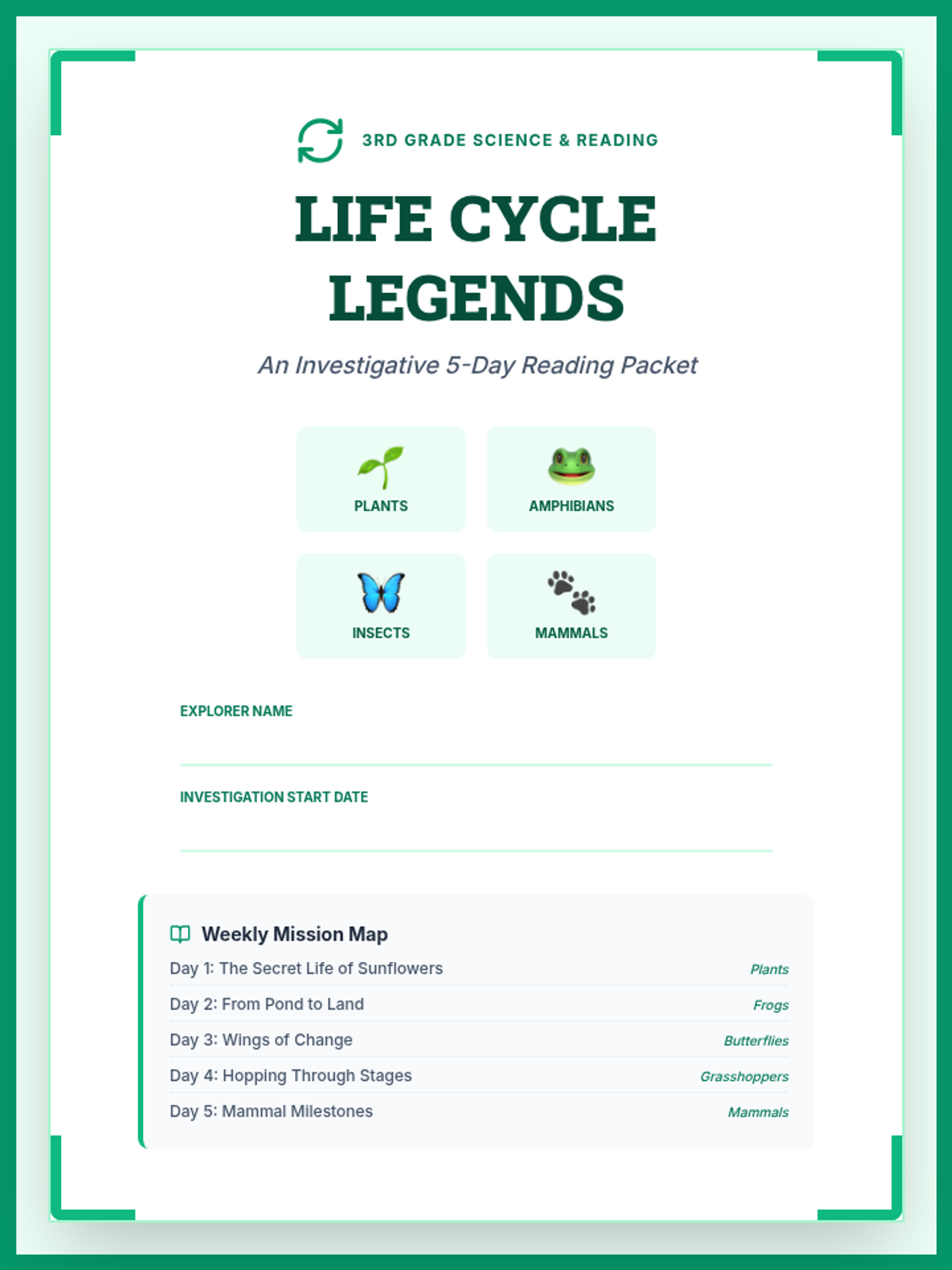
A 5-day science and reading comprehension packet focusing on various life cycles (plants, amphibians, insects, and mammals) designed with 3rd-grade EOG rigor.
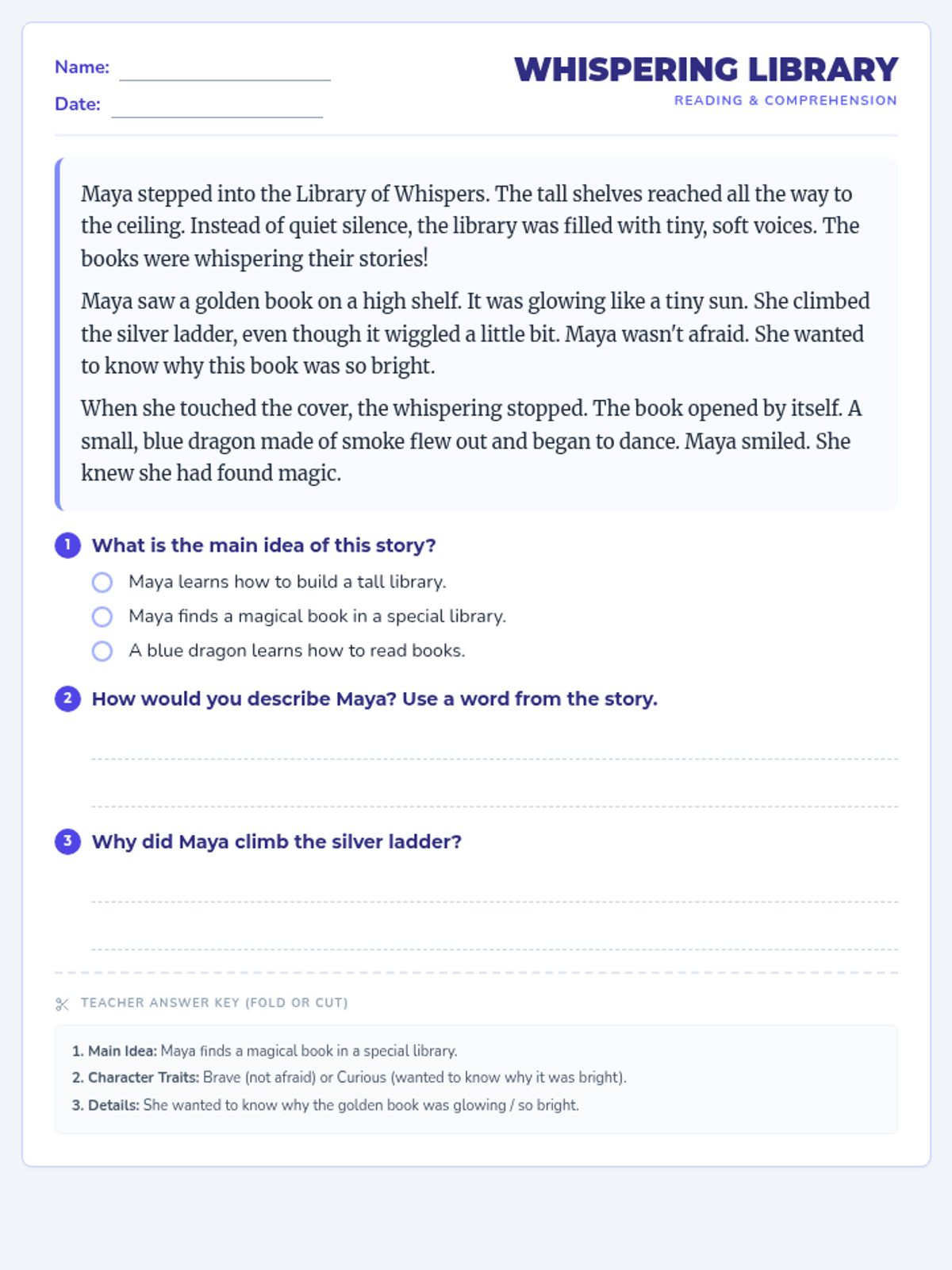
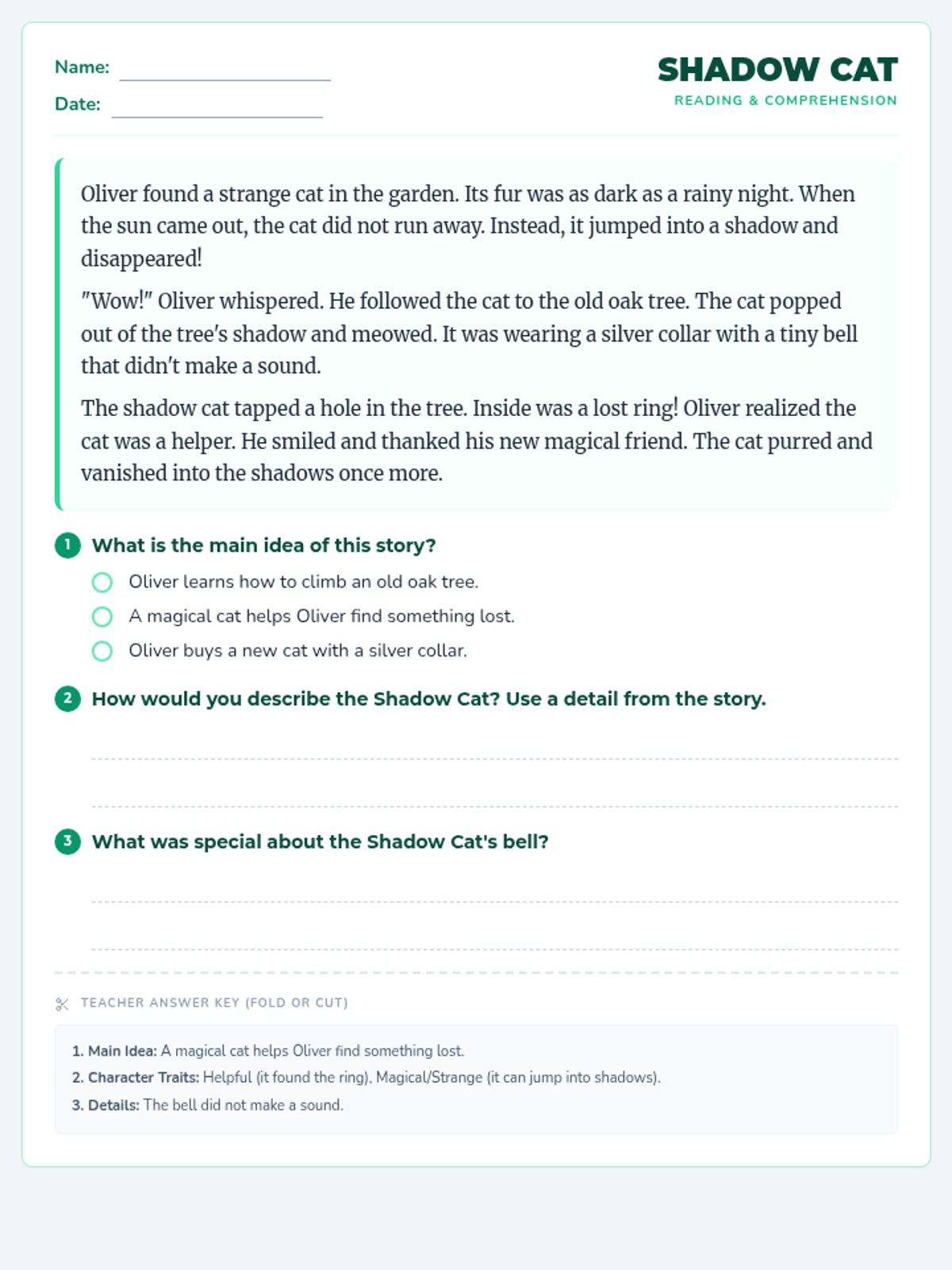
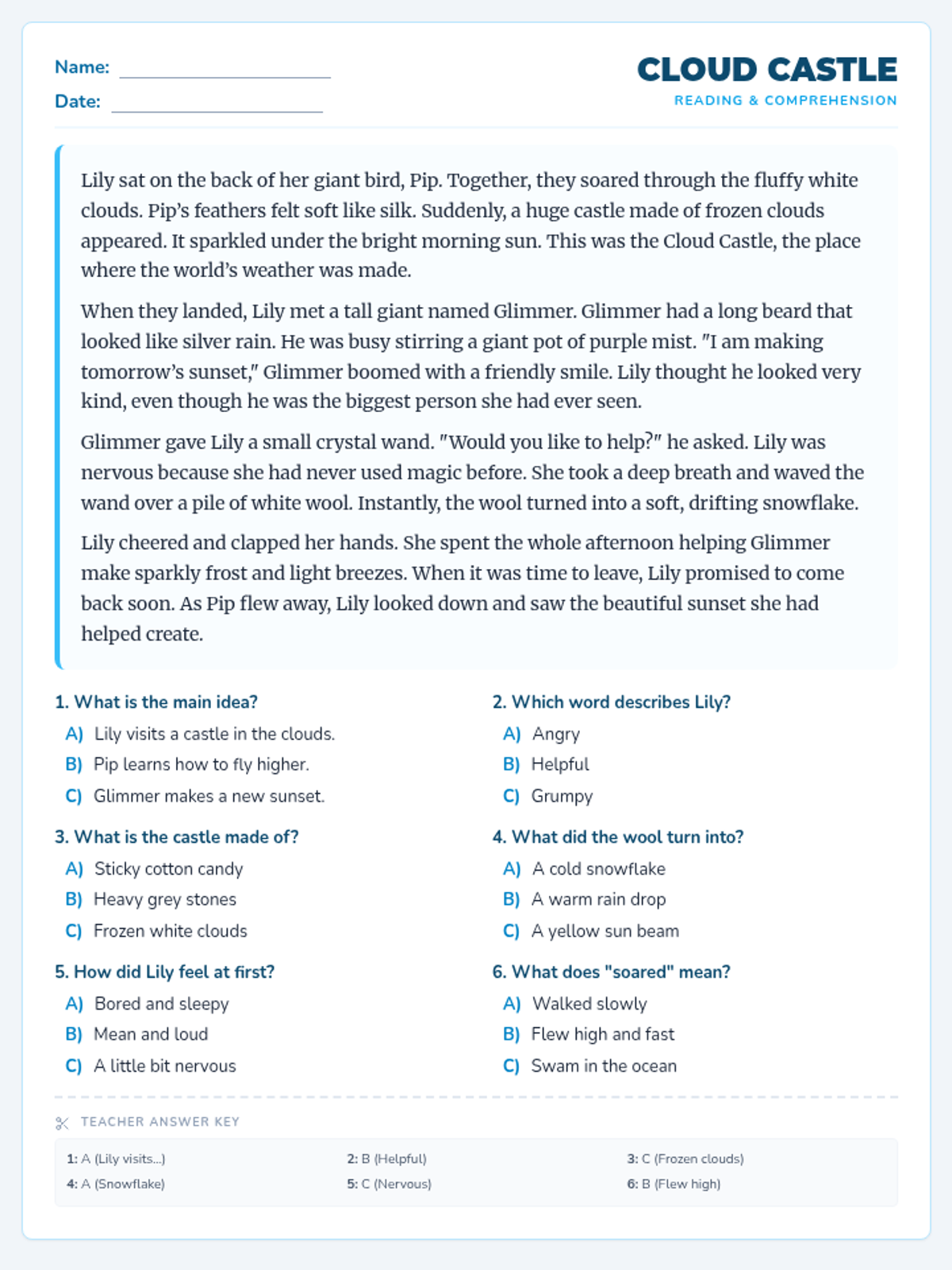
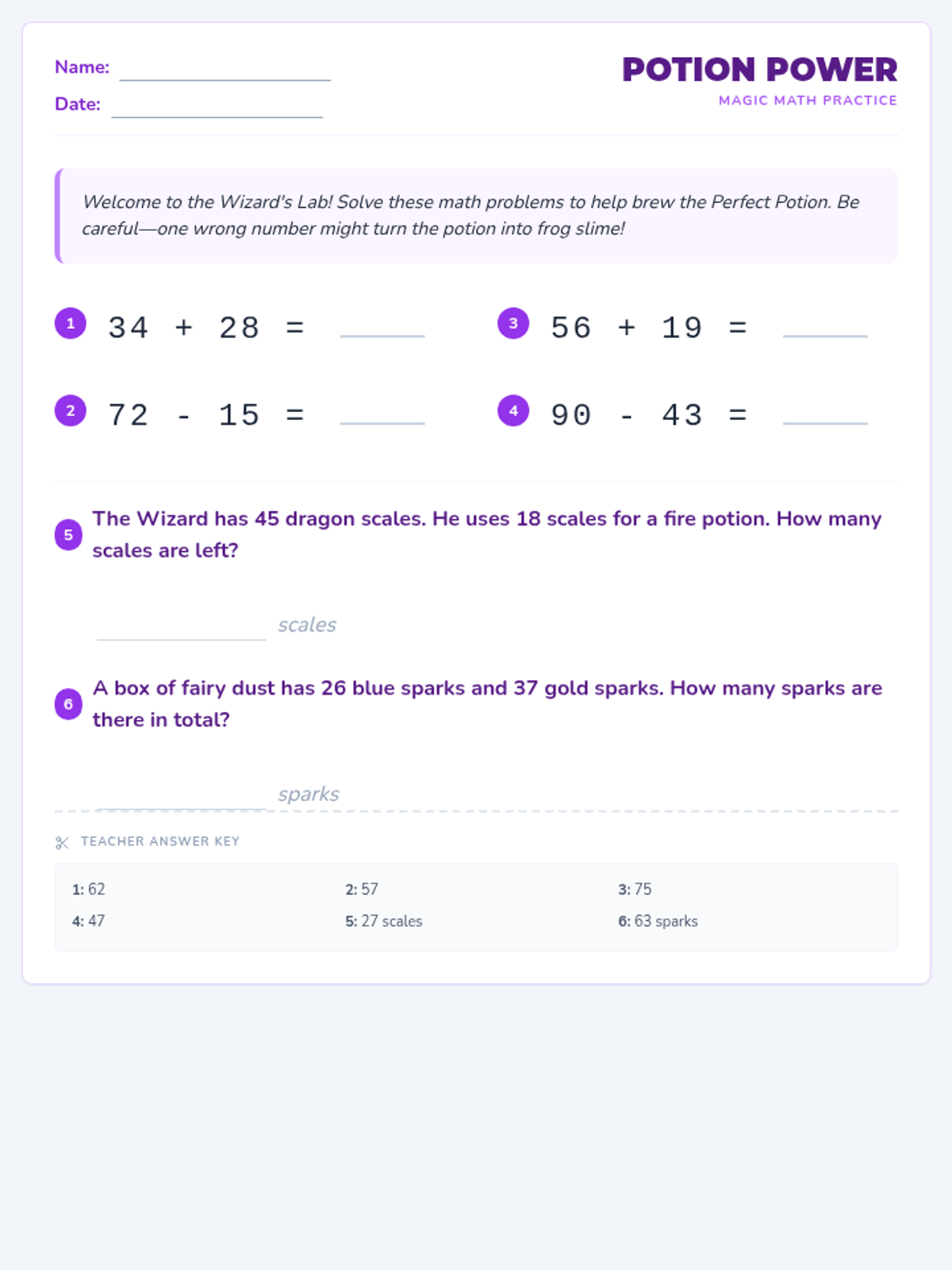
A collection of magical-themed lessons covering reading comprehension and early mathematics for primary students.
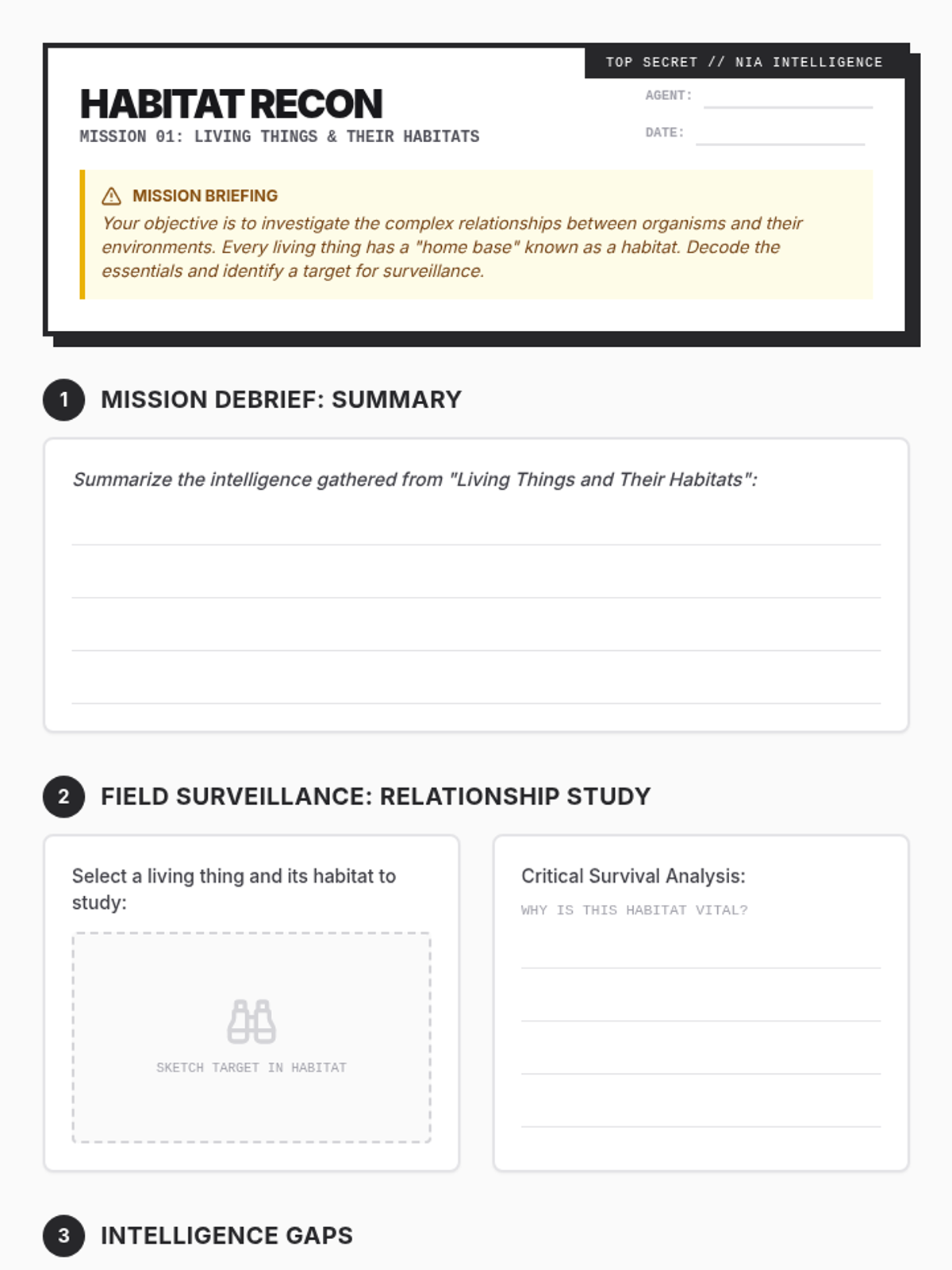
A series of secret agent-themed ecology missions where students act as Eco-Detectives for the Nature Intelligence Agency (NIA) to study habitats, food chains, and environmental impacts.
A collection of technology and language arts lessons exploring modern digital literacy and core communication skills.
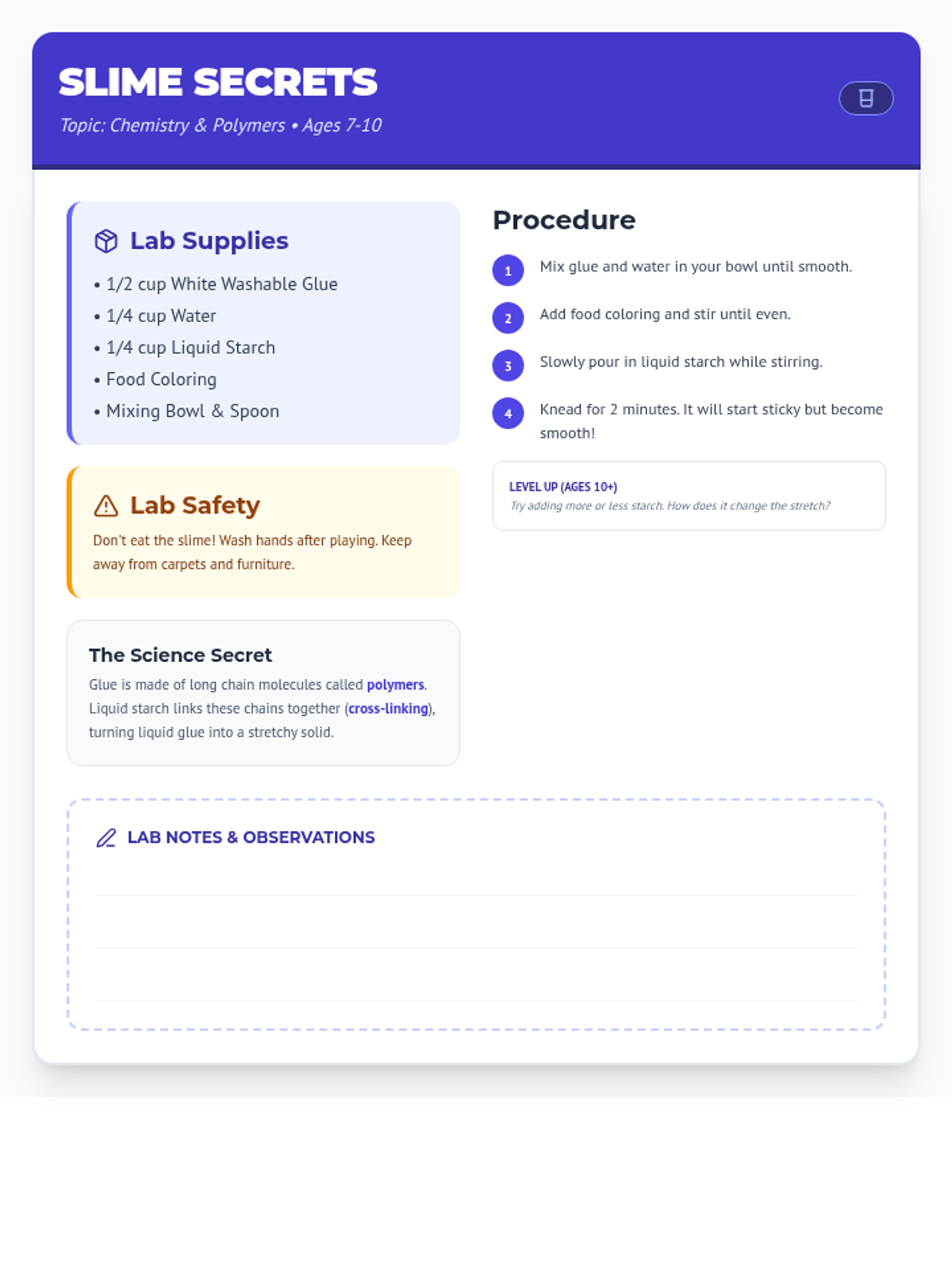
A collection of 8 hands-on science activities designed for elementary-aged children, covering chemistry, space, botany, and physics with a mix of instruction cards, journals, and lesson plans.
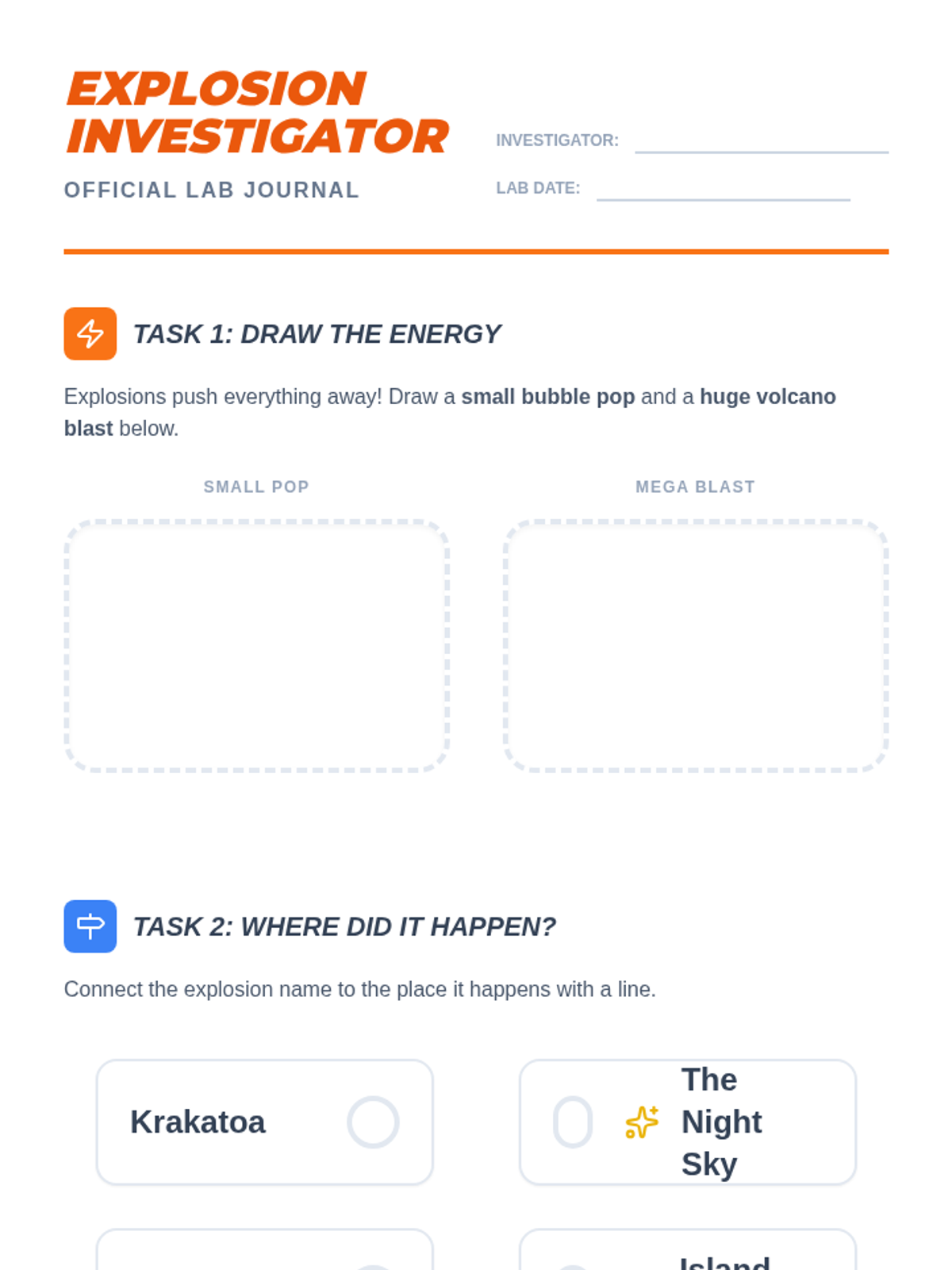
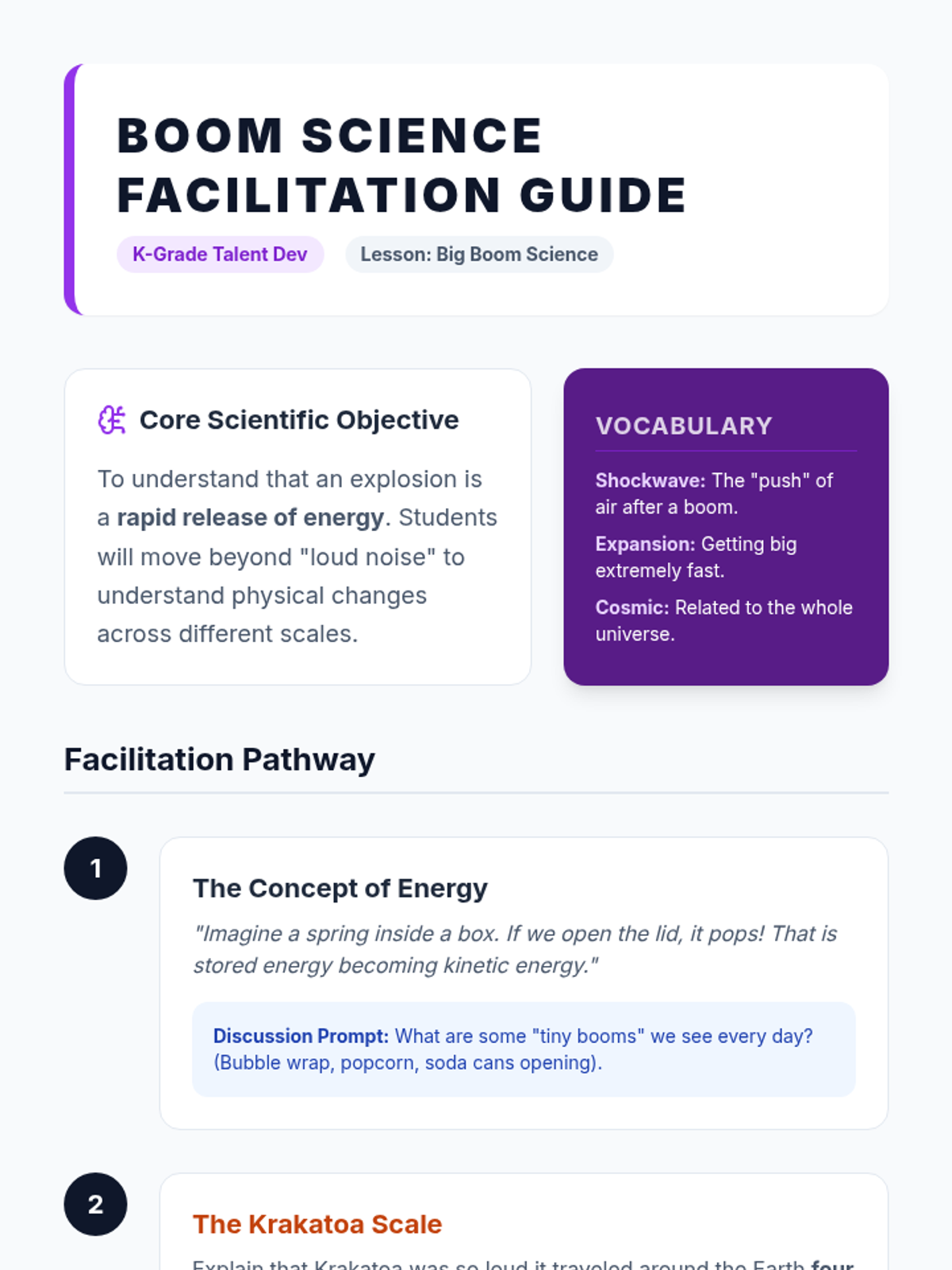
A high-energy exploration of the most powerful explosions in history and the cosmos, designed for advanced kindergarten learners. This sequence investigates the physics of energy release through volcanoes, asteroids, and stars.
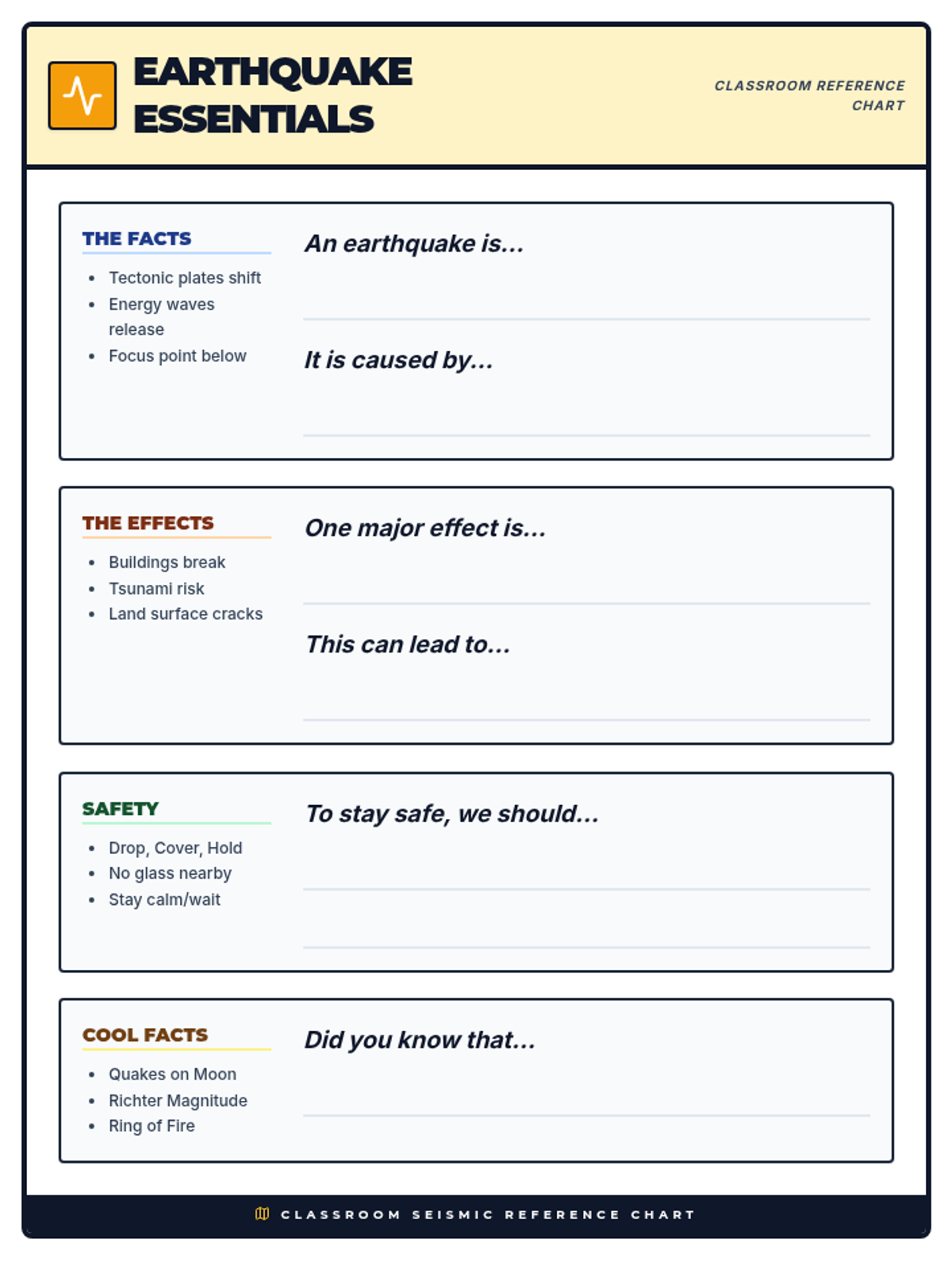
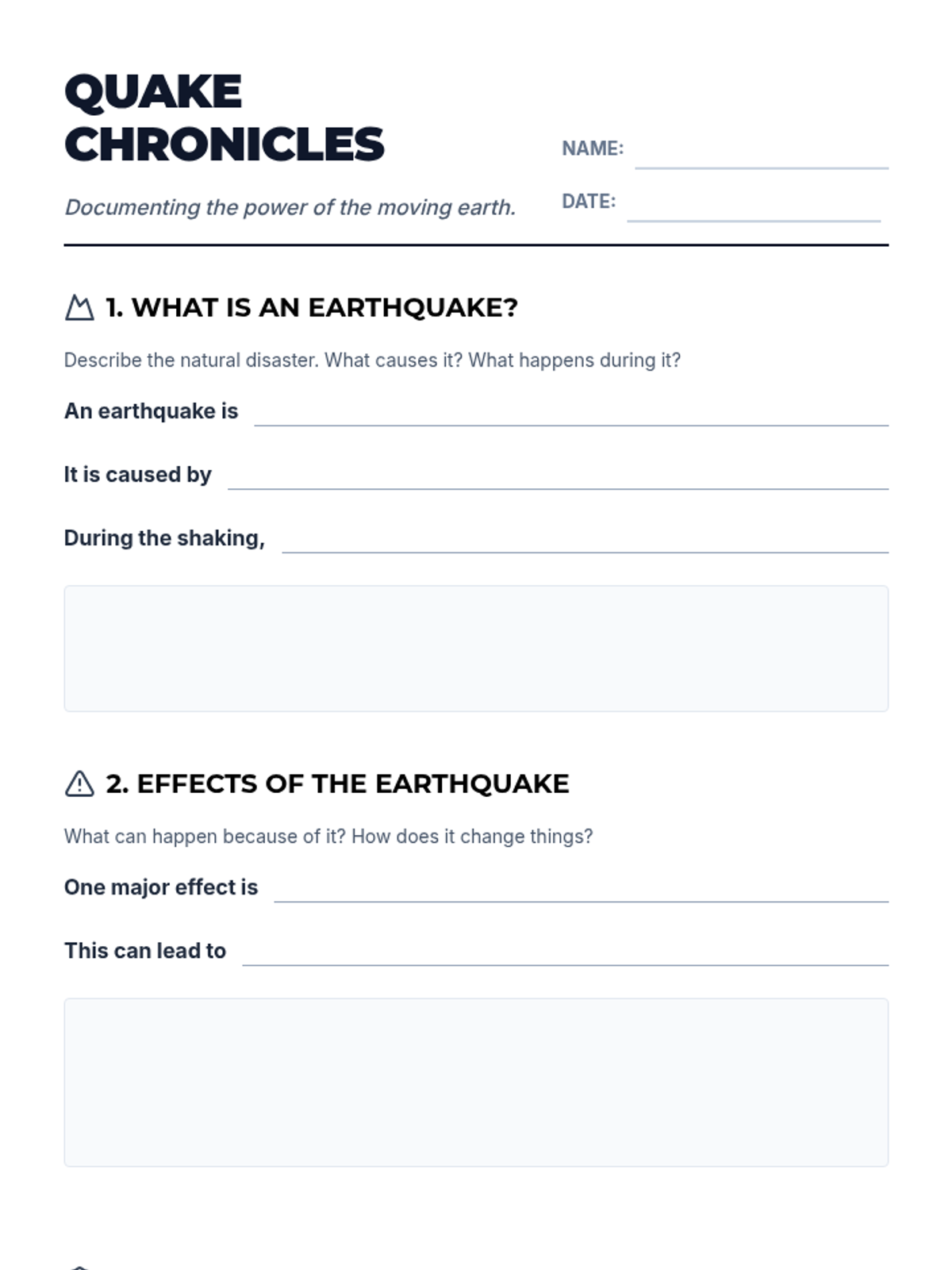
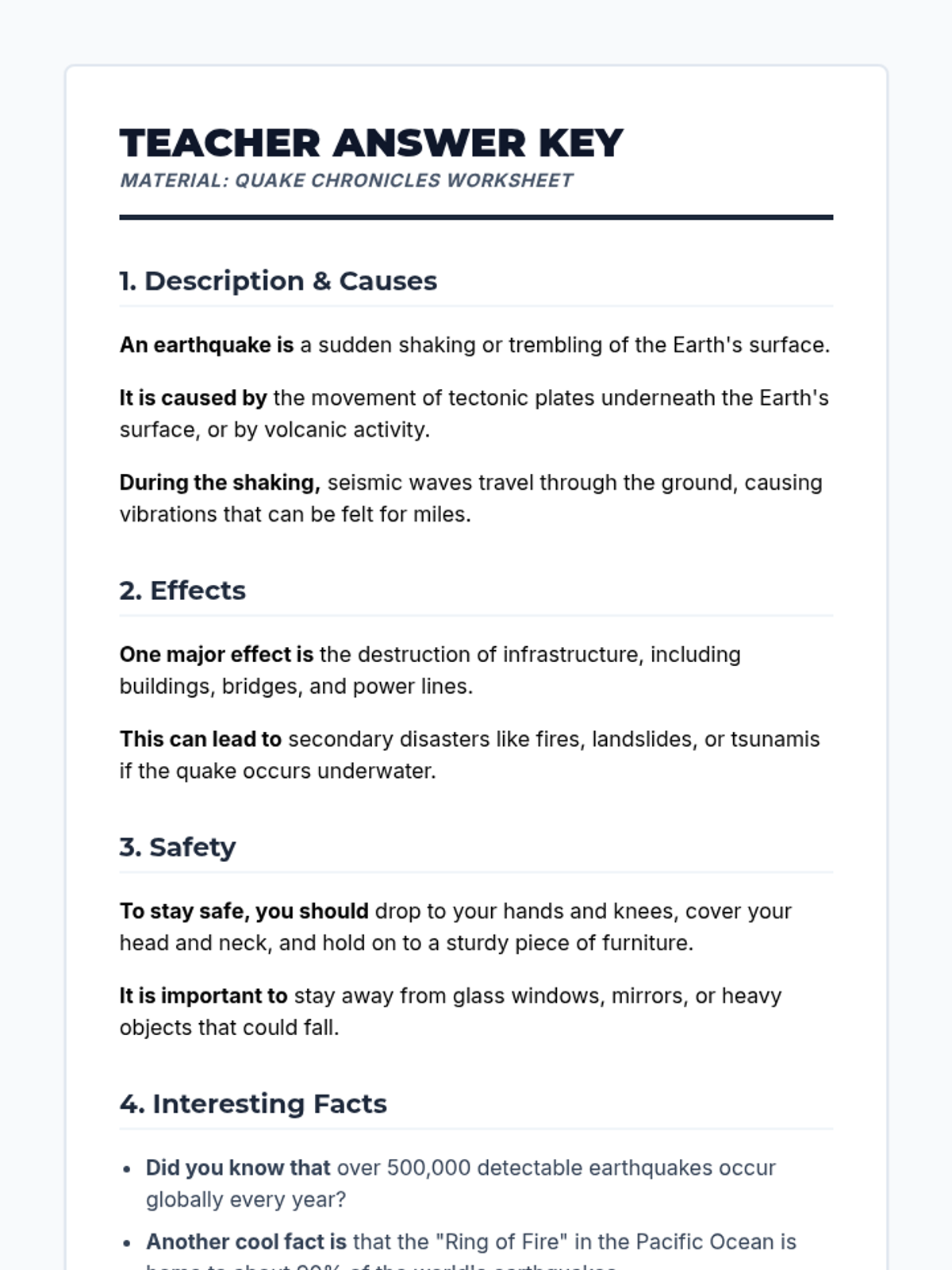
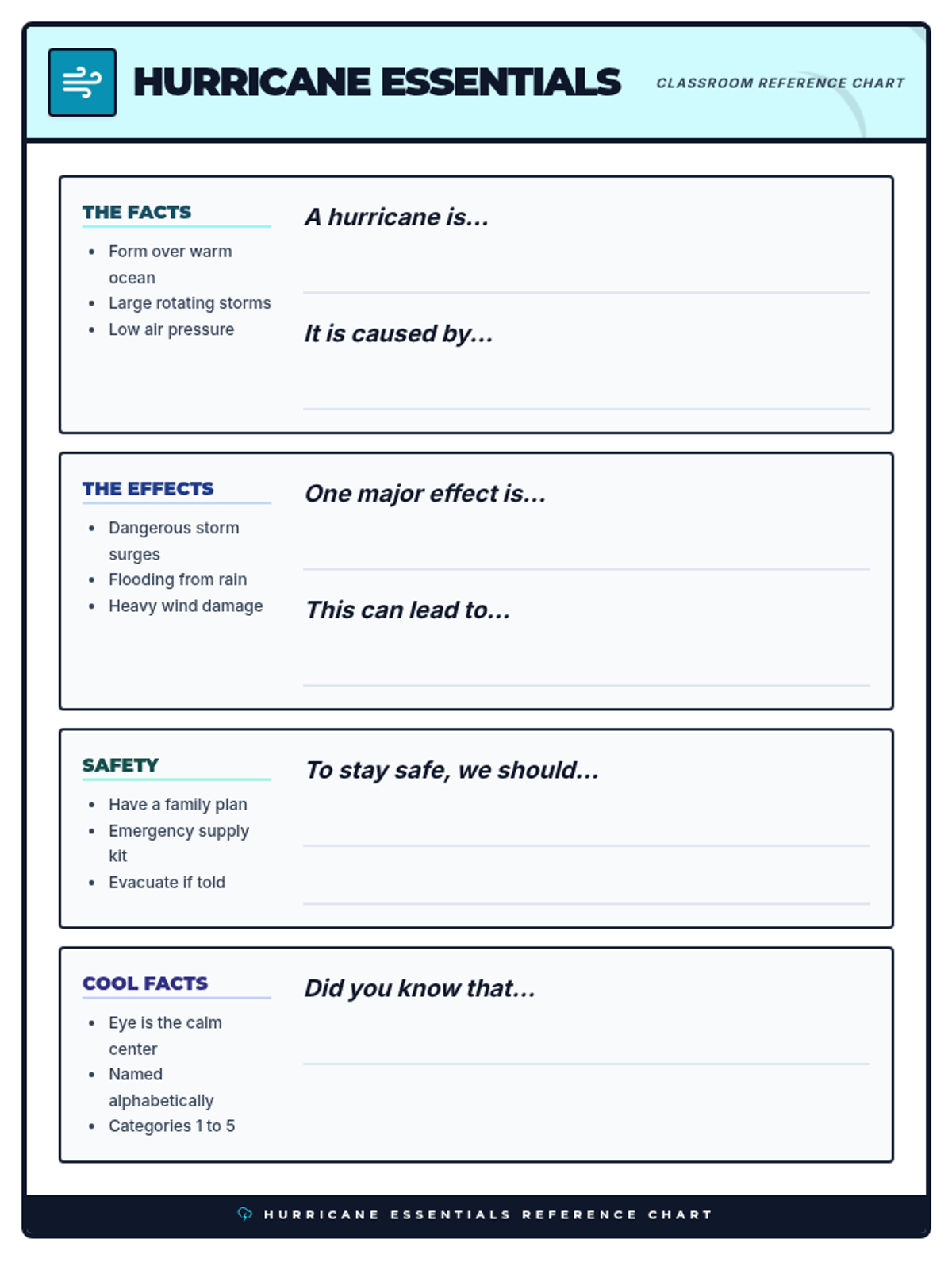
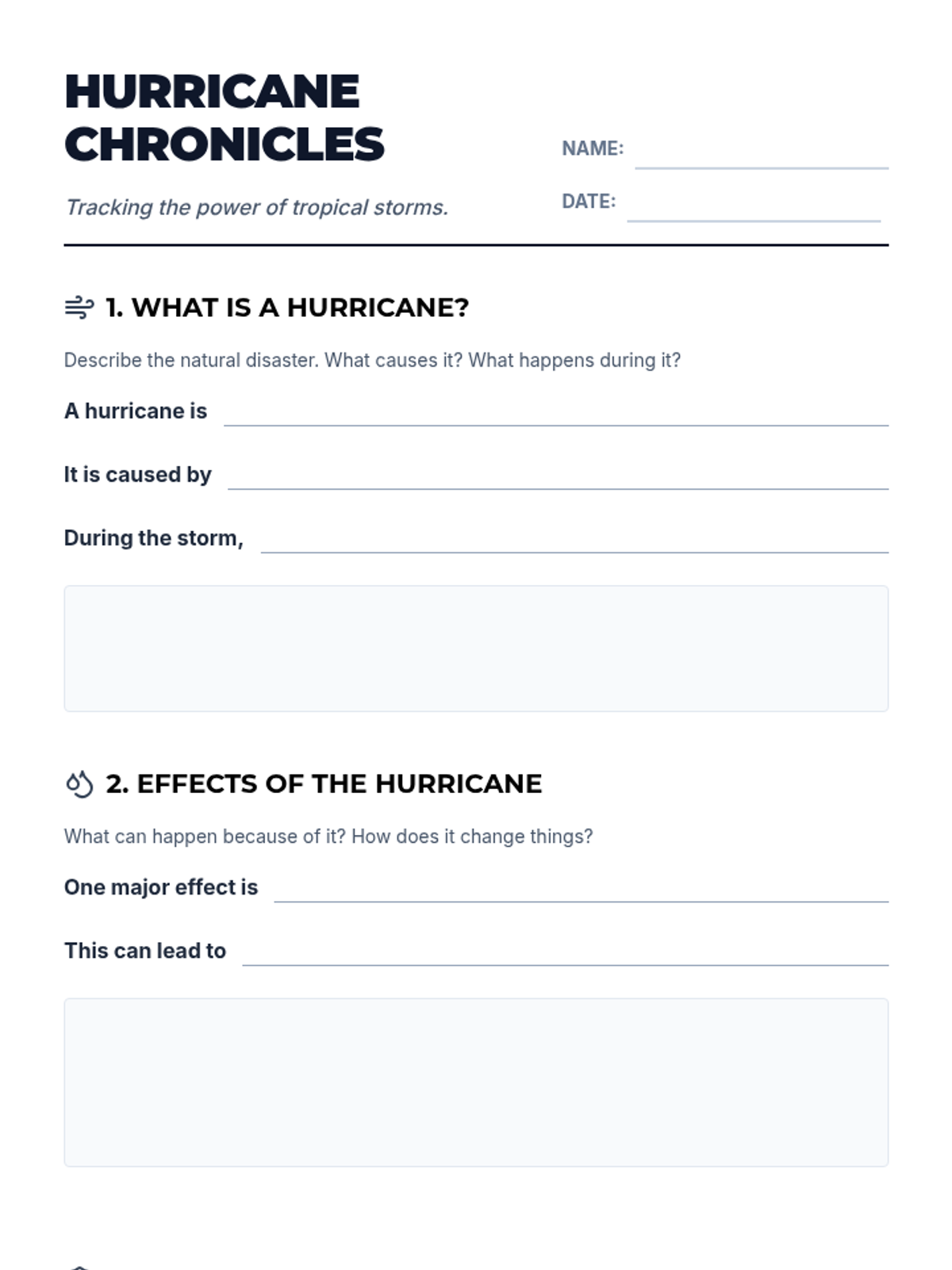
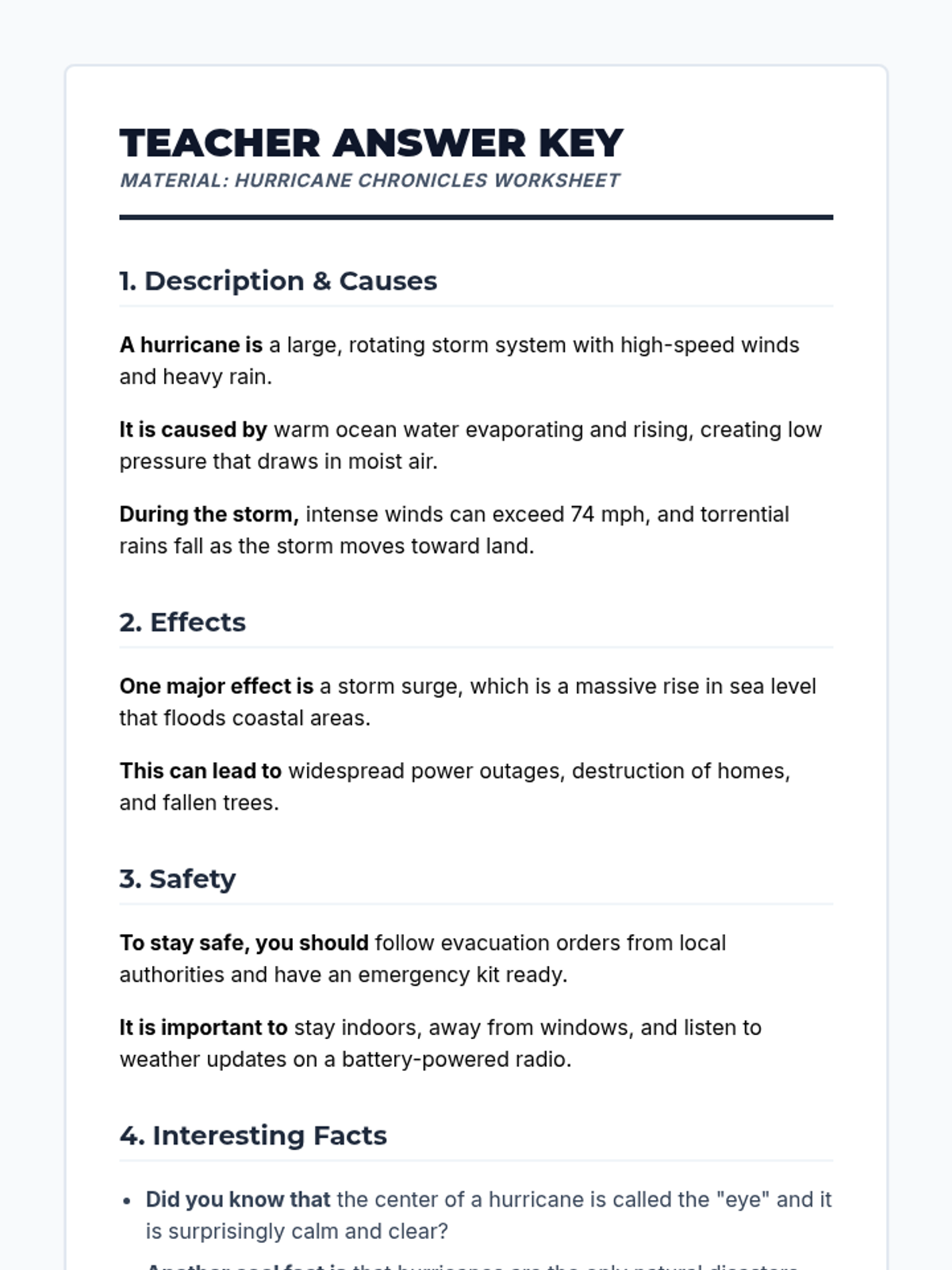
A series of lessons focused on understanding different natural disasters, their causes, impacts, and safety protocols through structured writing and investigation.
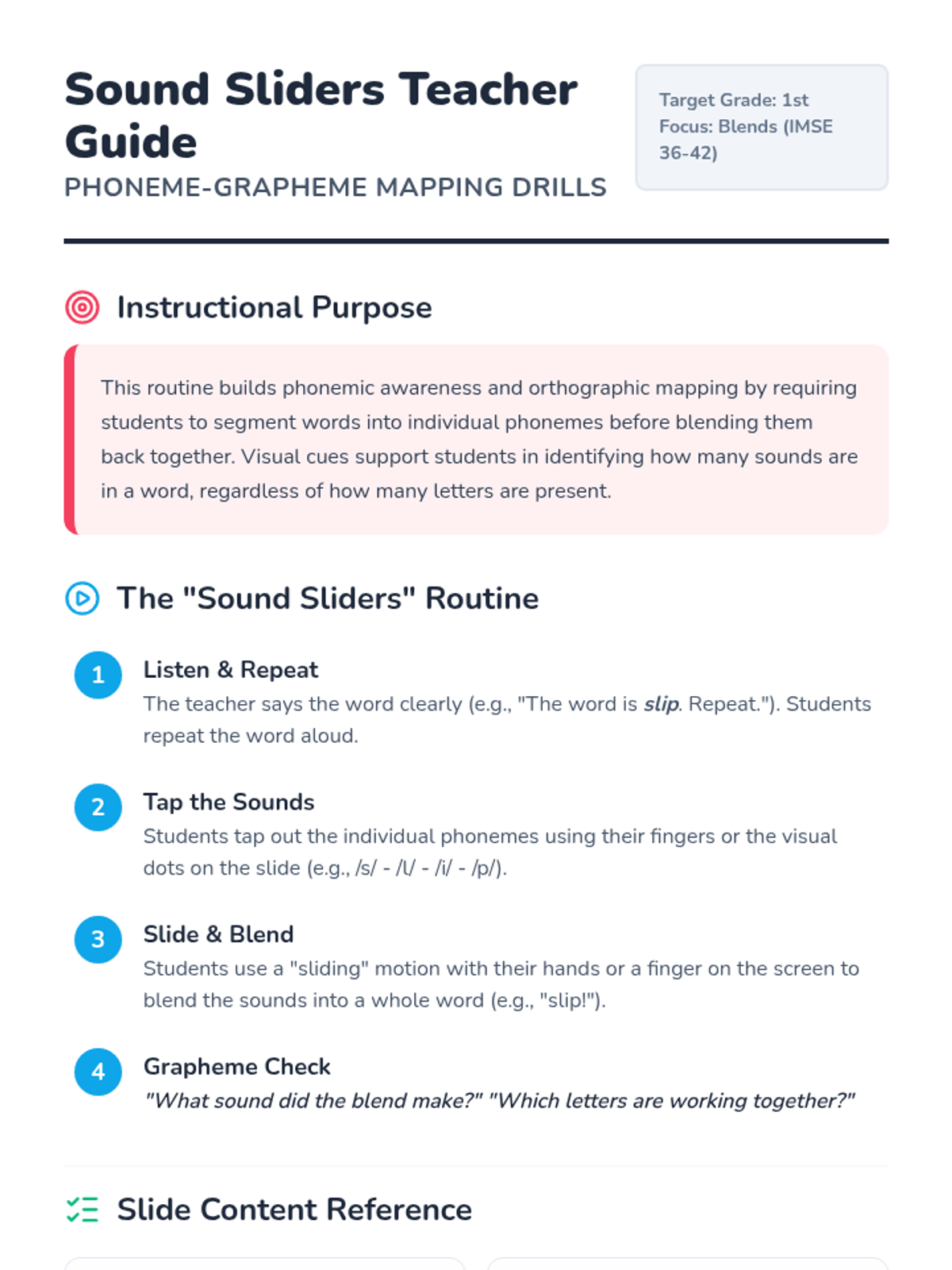
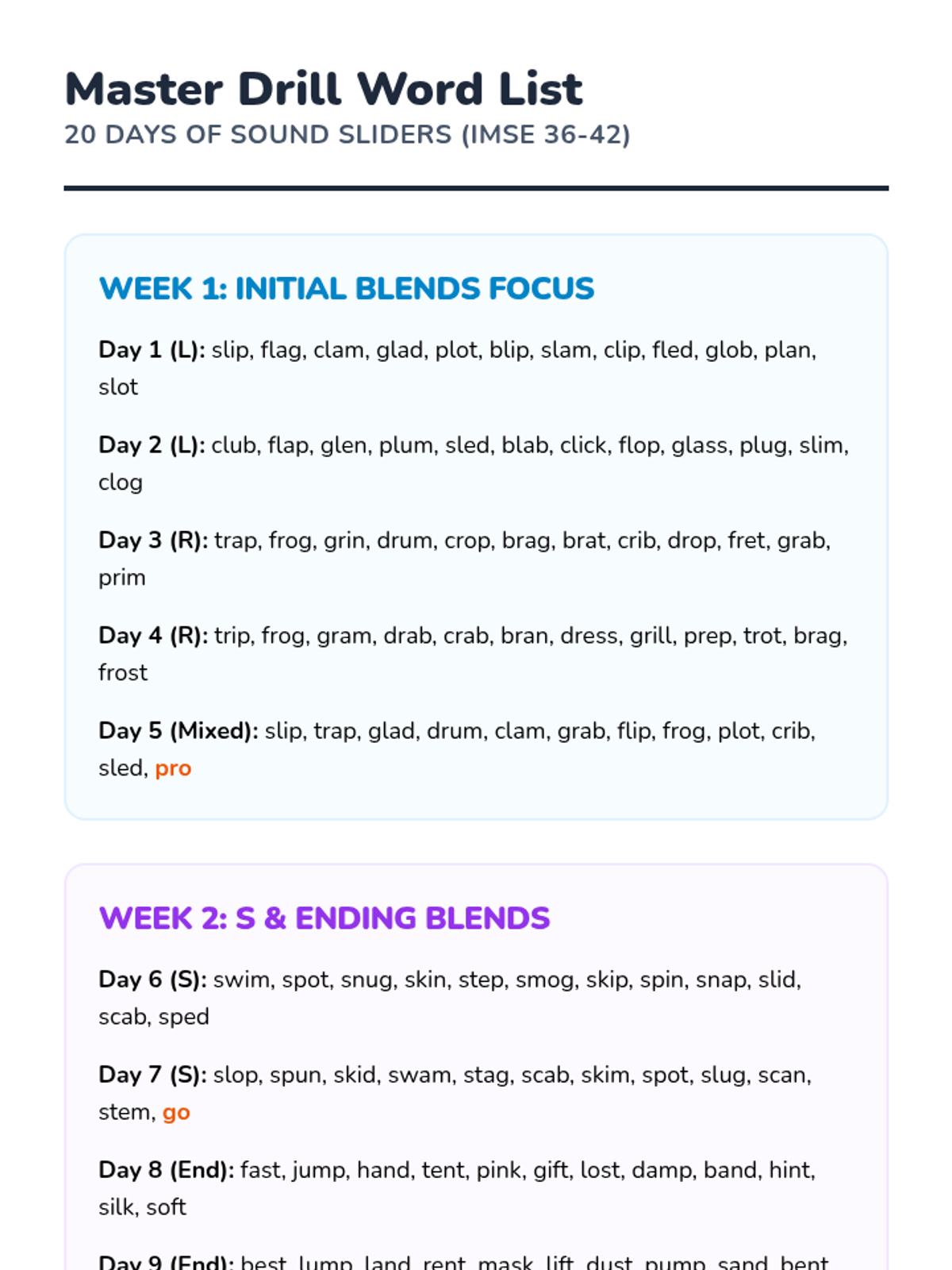
A 20-day phonics drill program for first graders using the Sound Sliders routine to master consonant blends (initial/final) and open syllables (IMSE 36-42).
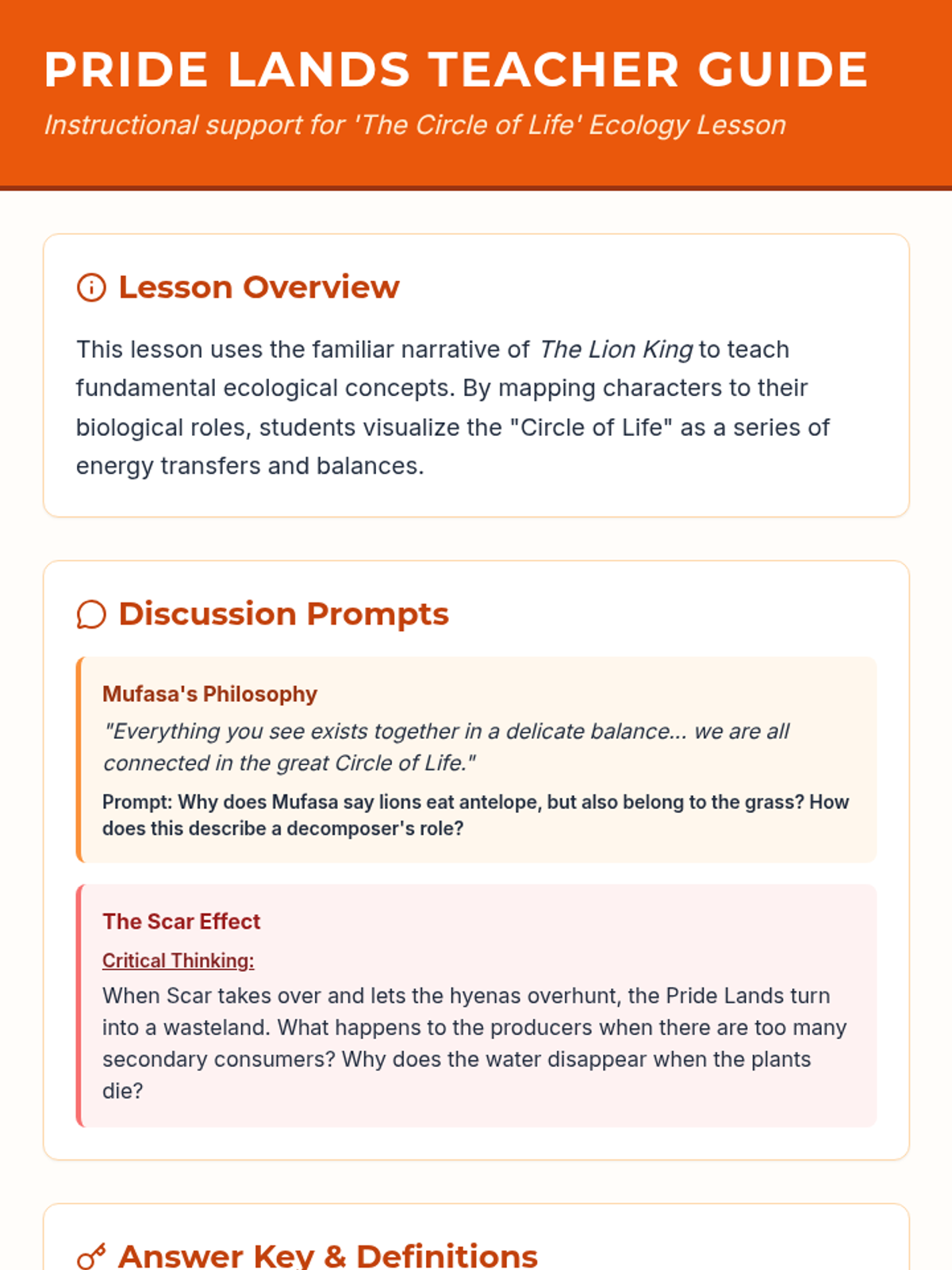
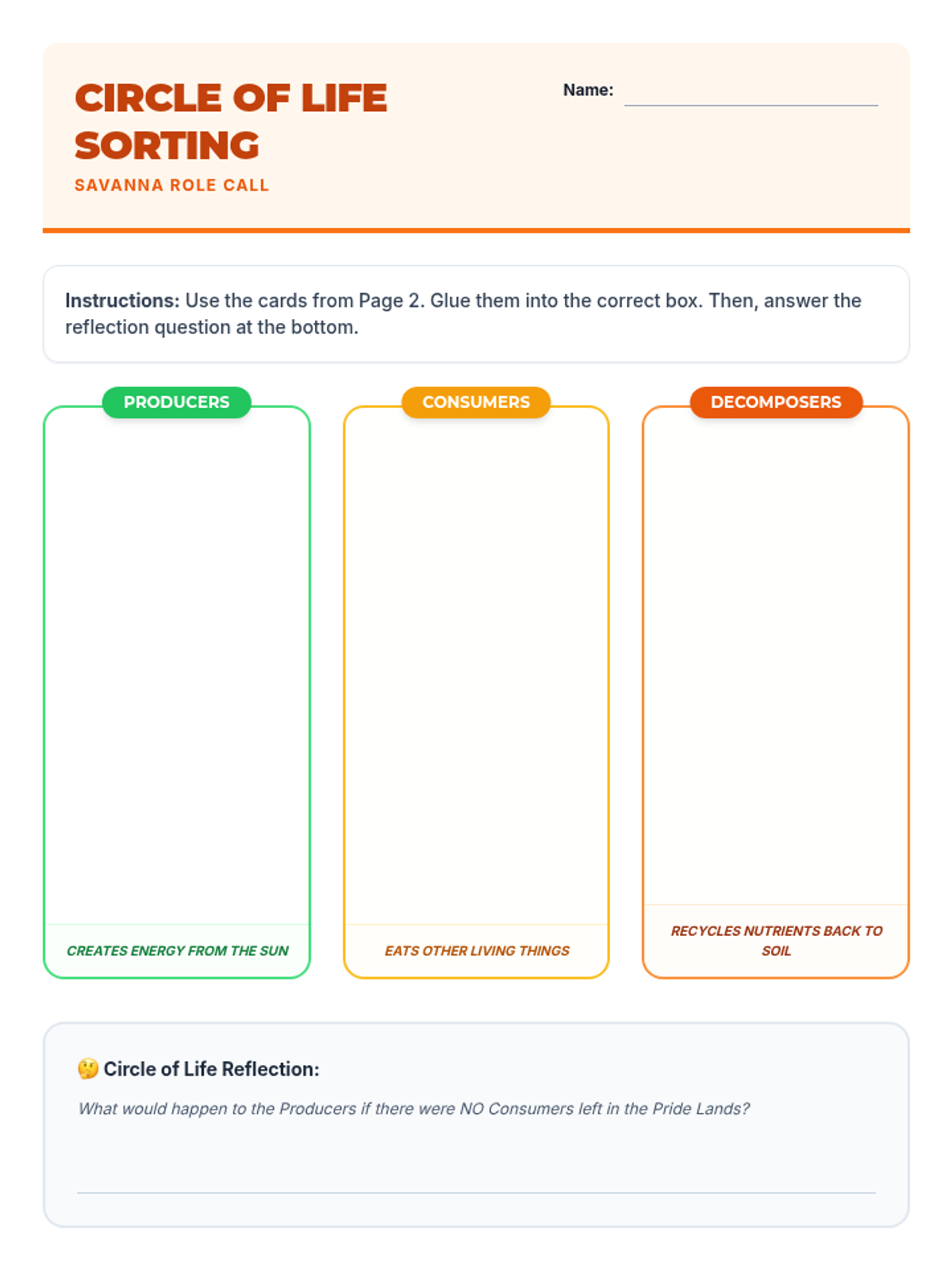
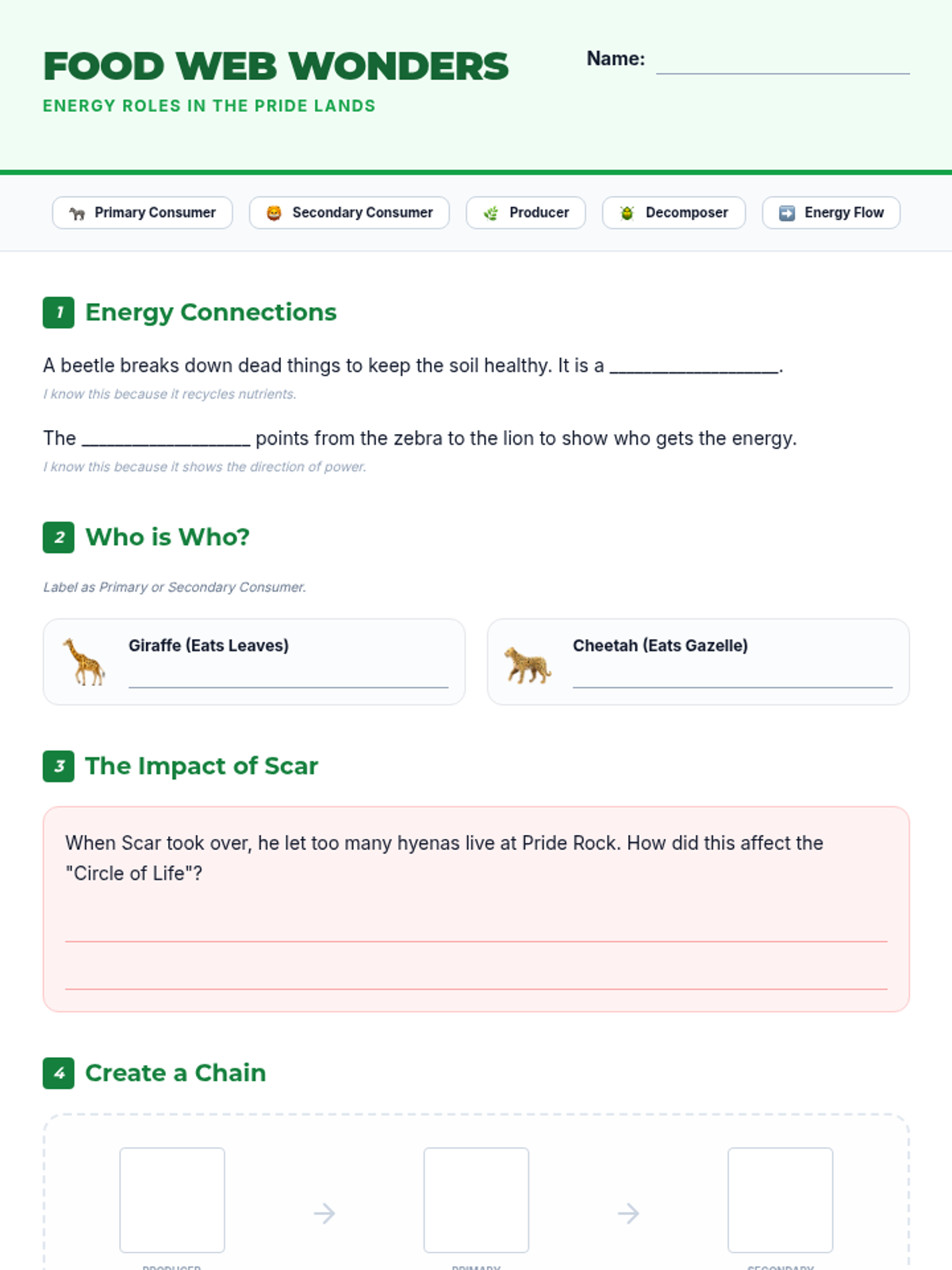
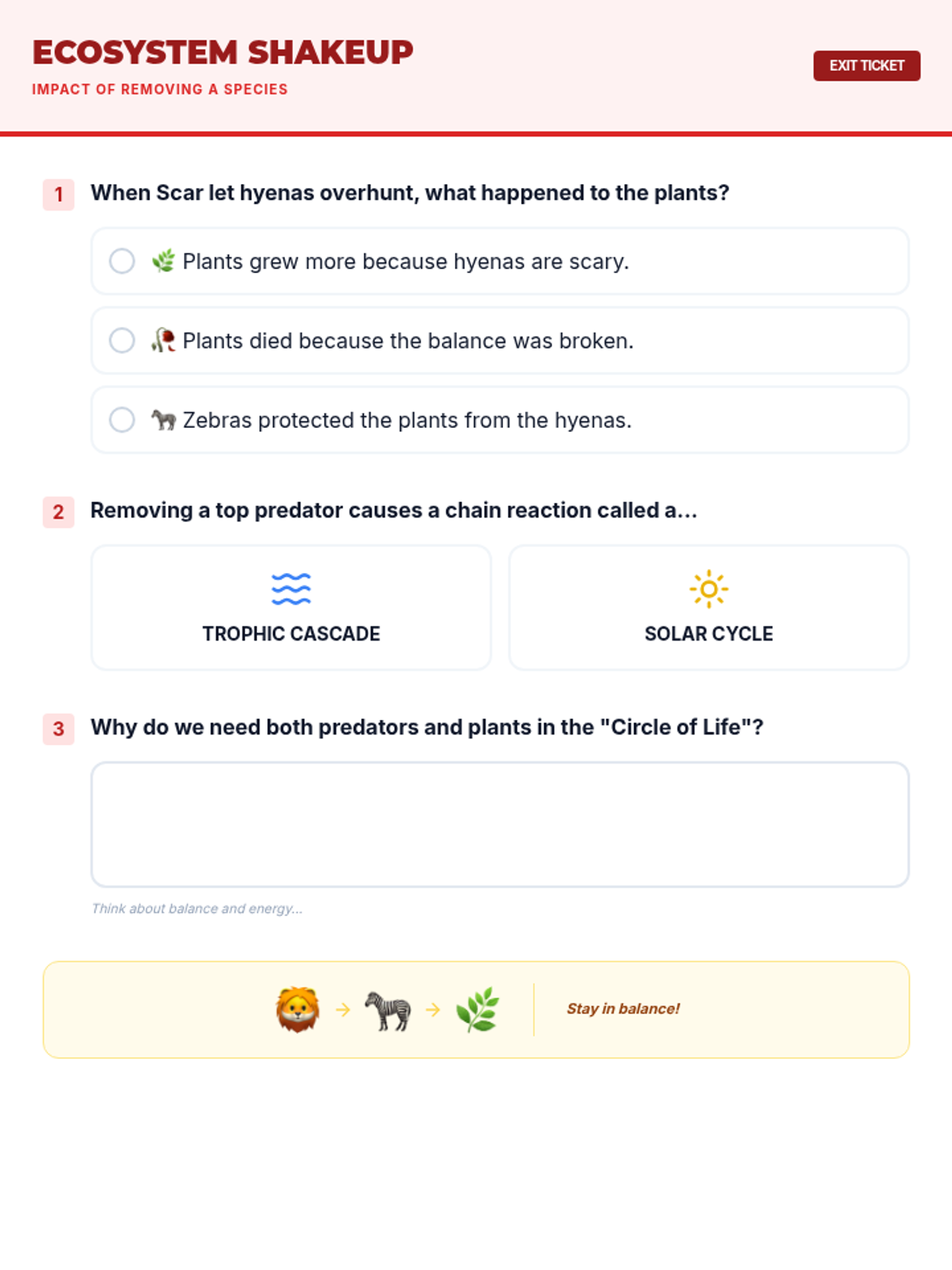
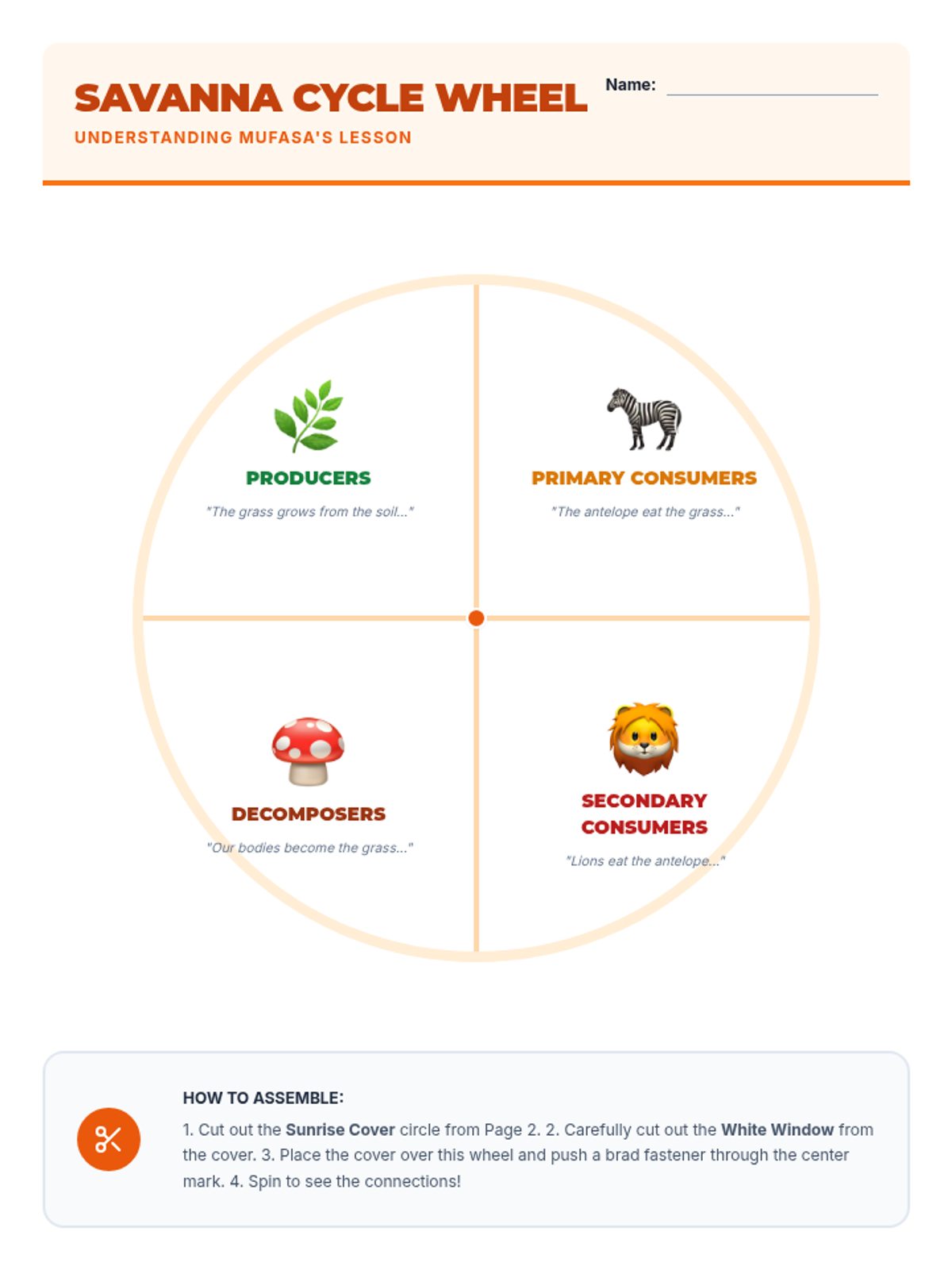
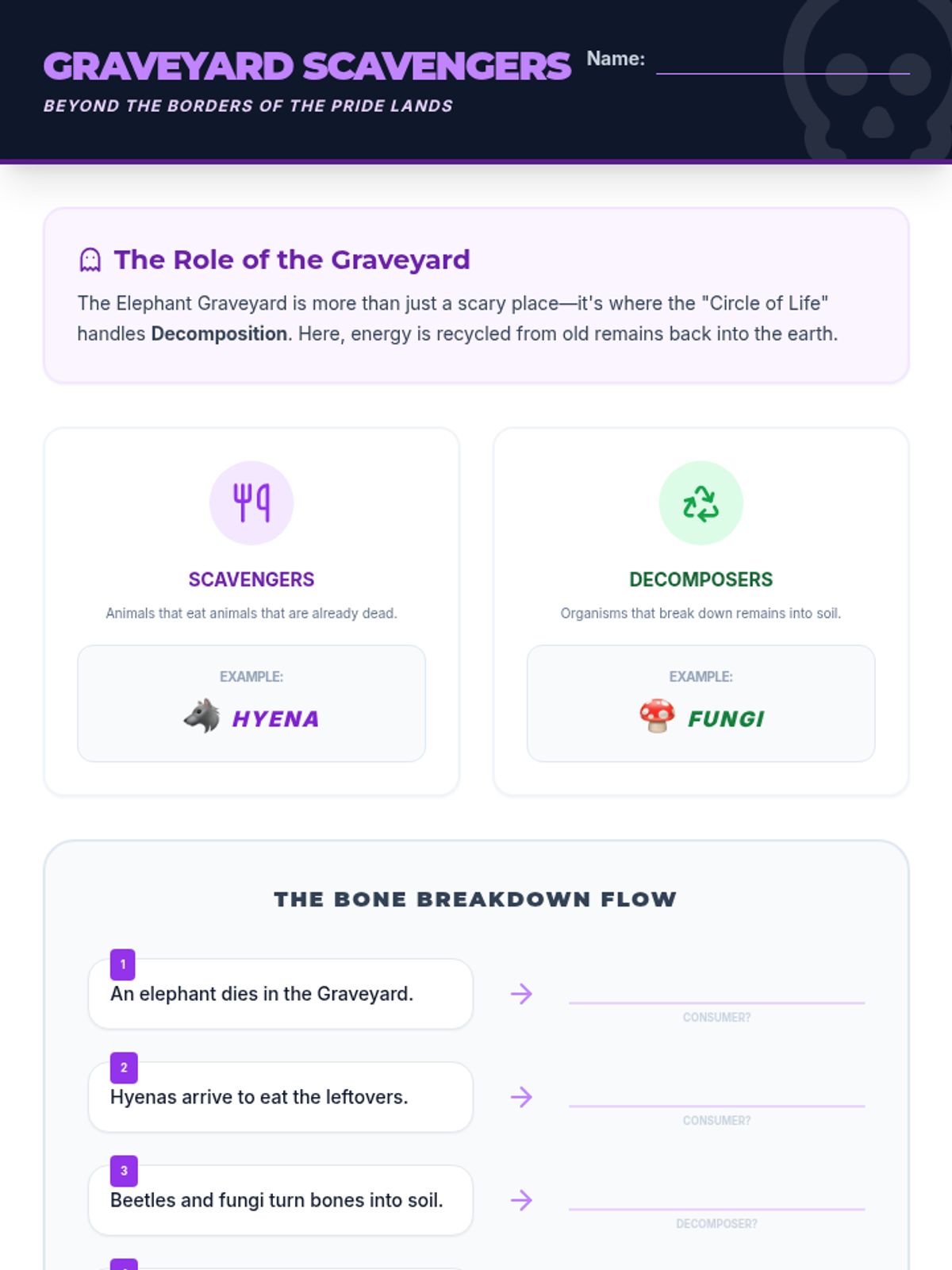
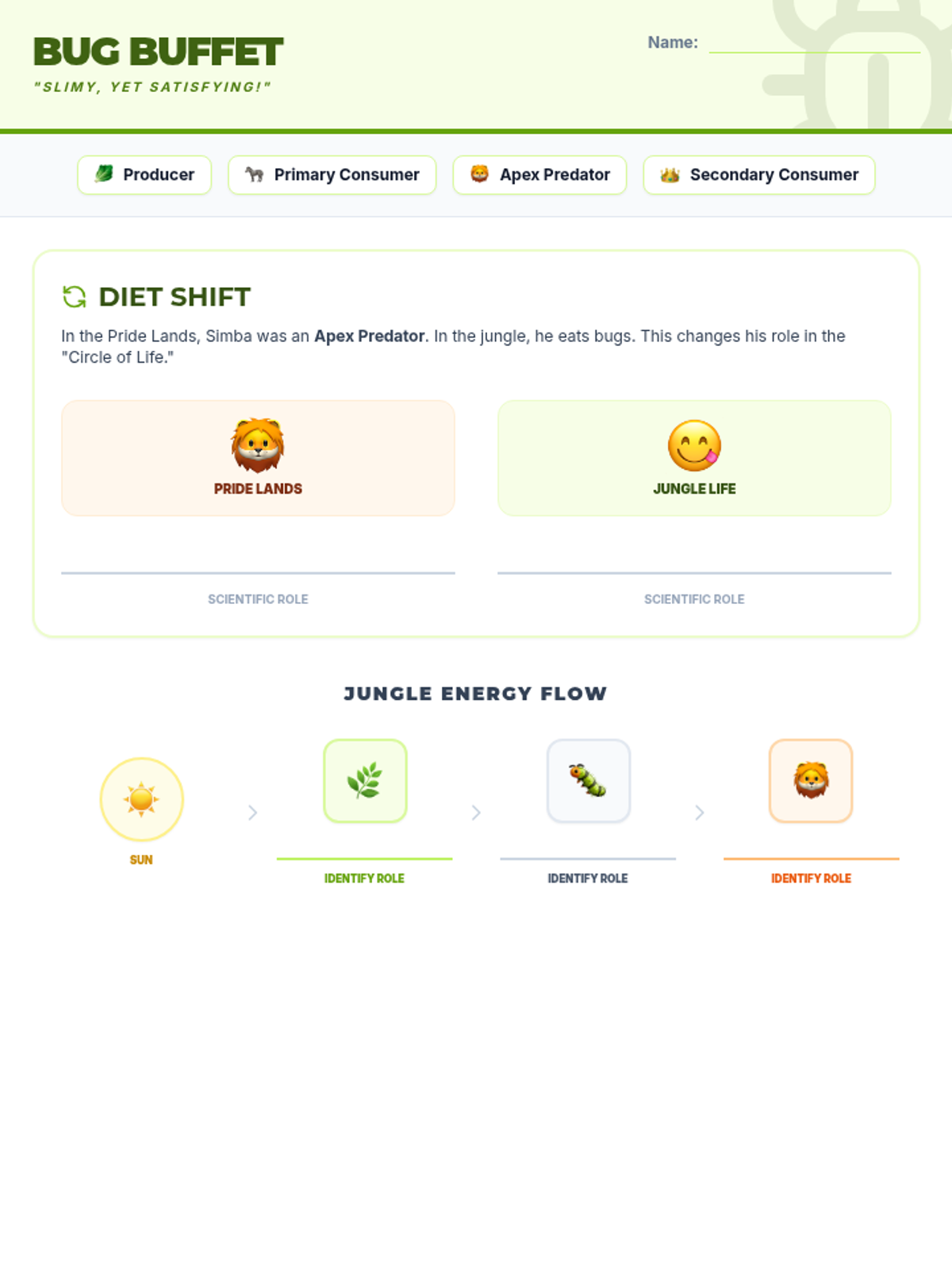
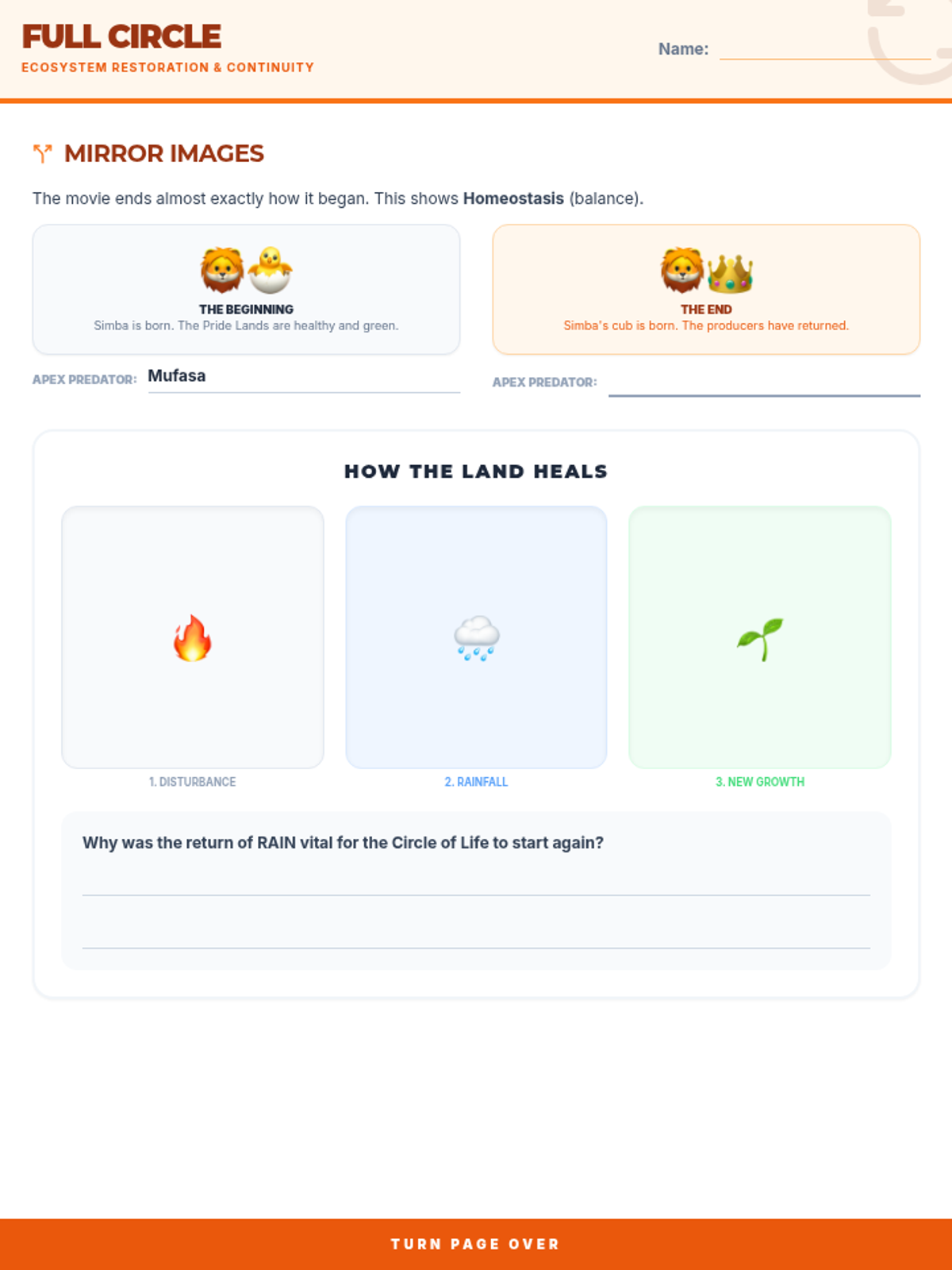
A science unit exploring ecology through the lens of 'The Lion King', focusing on food chains, food webs, and the balance of ecosystems. Students will learn to identify energy roles and predict the consequences of ecological changes.
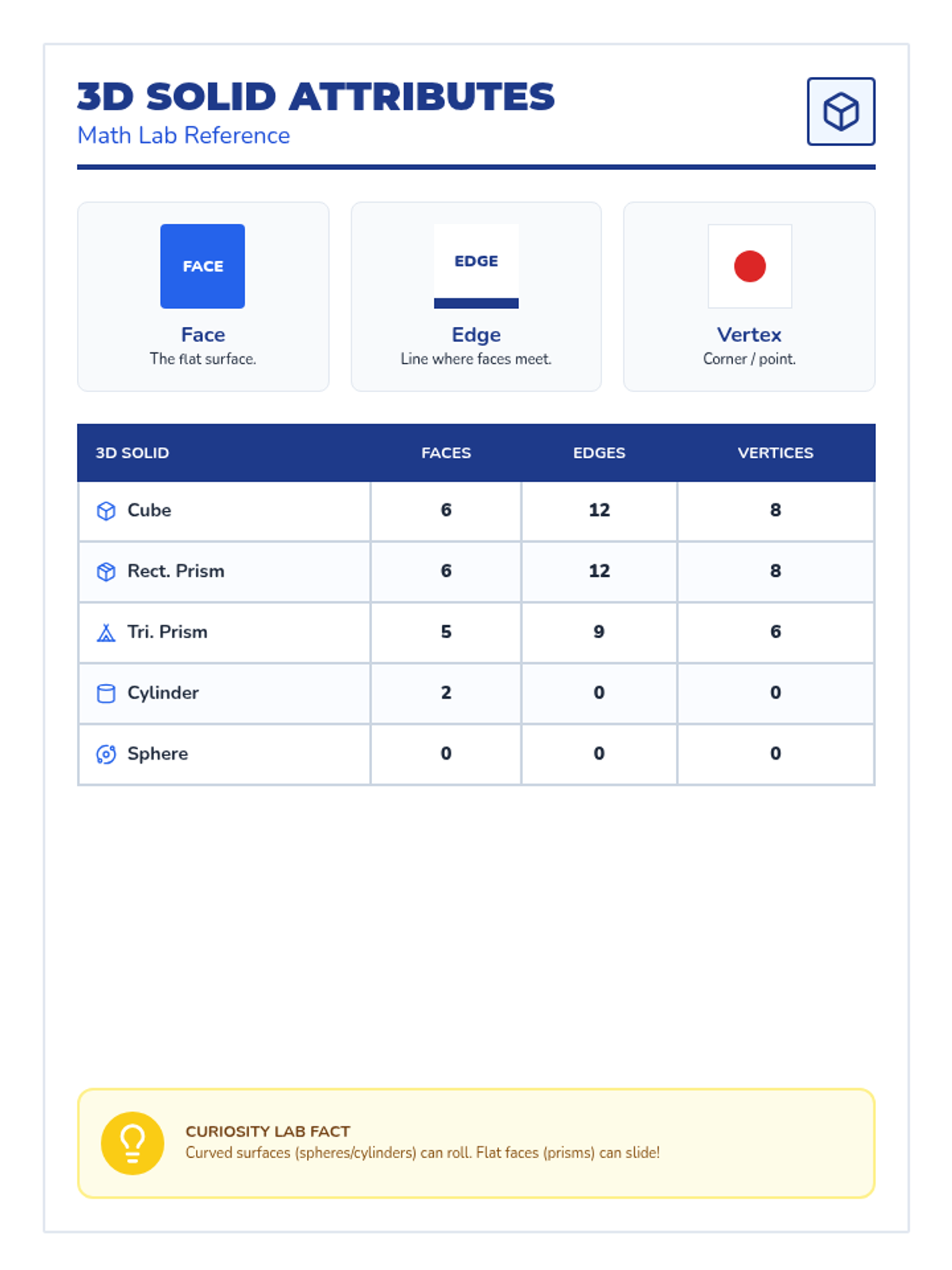
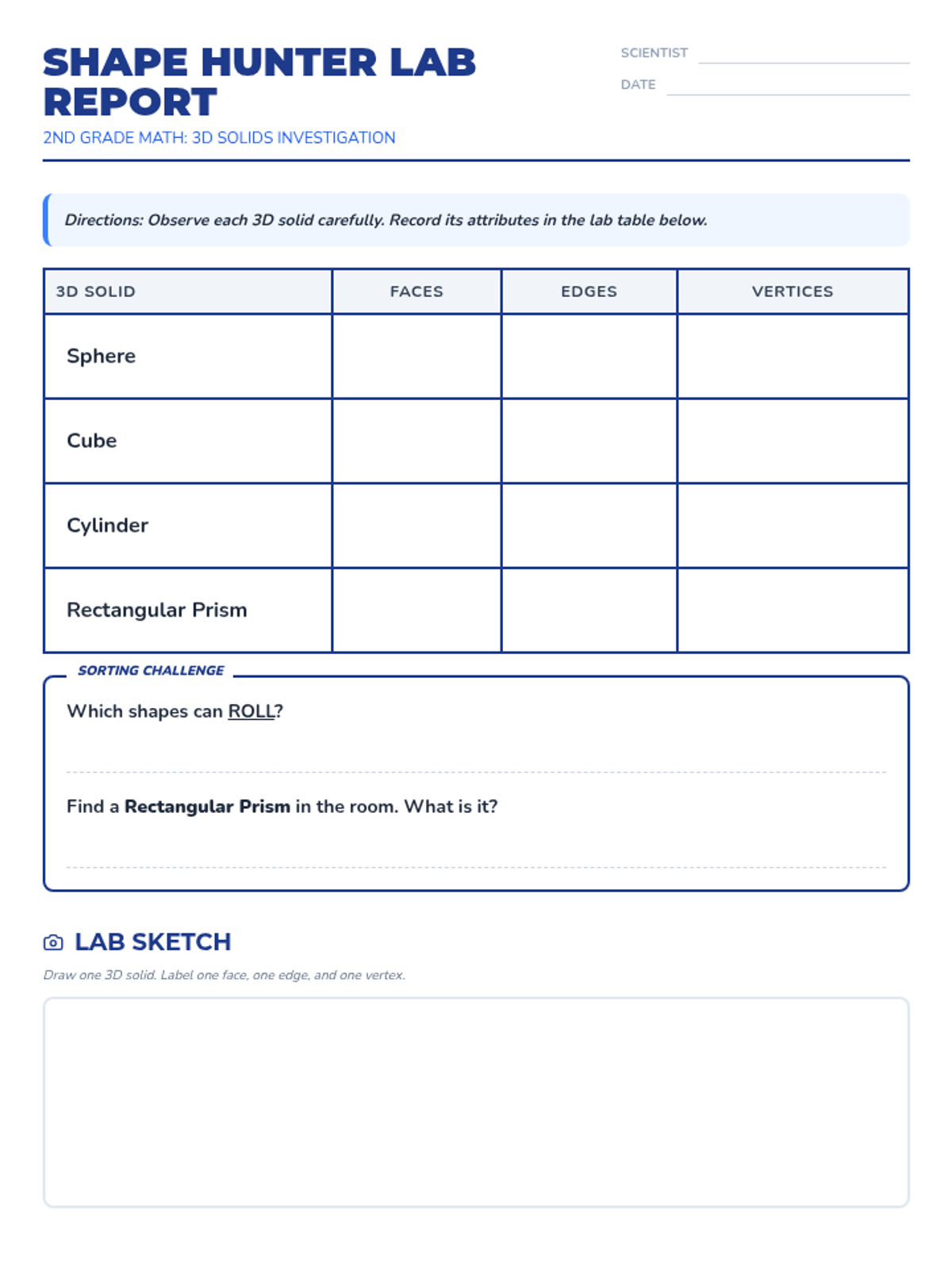
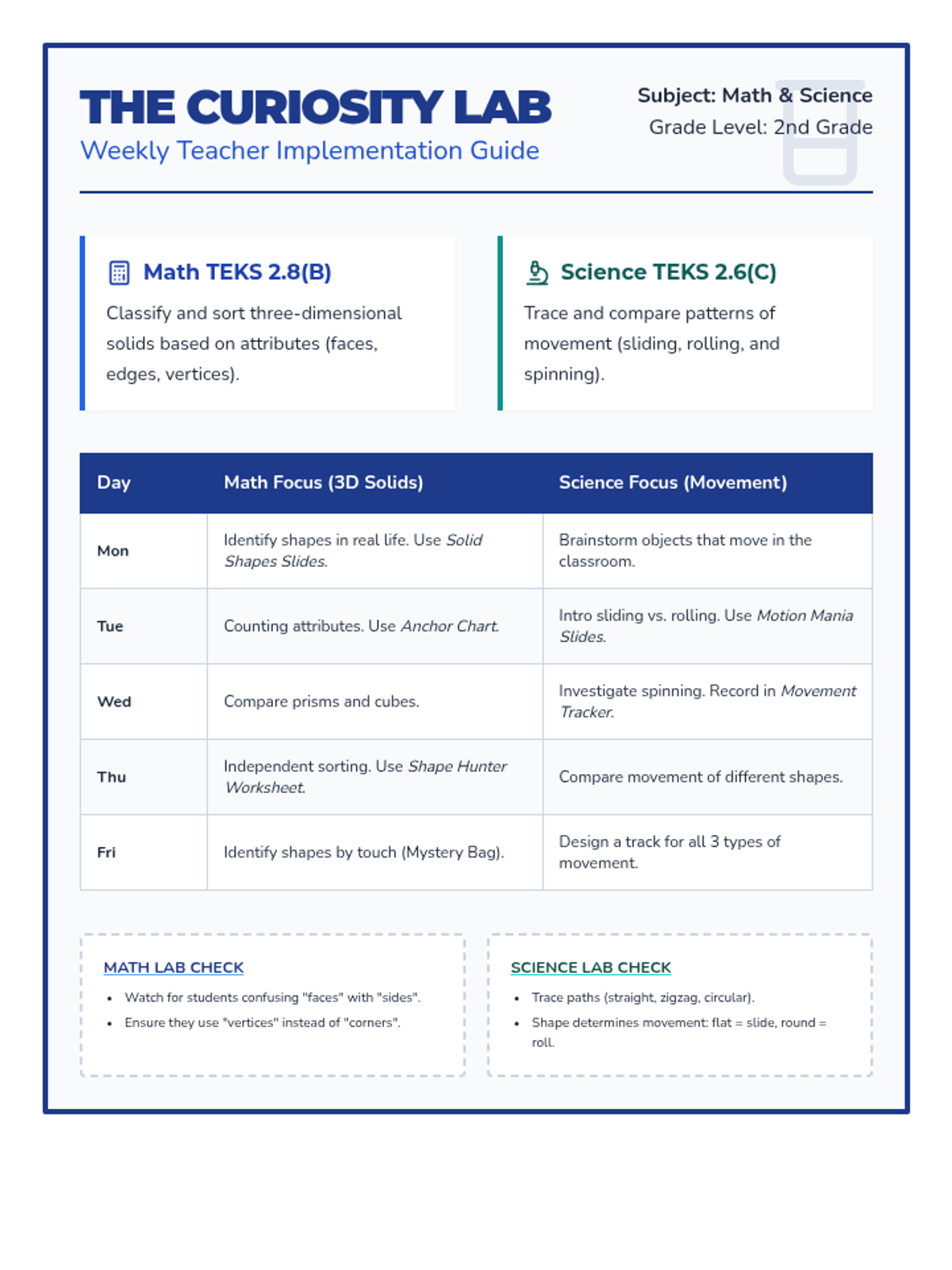
A comprehensive weekly unit for 2nd Grade covering 3D geometric solids (Math TEKS 2.8B) and patterns of movement (Science TEKS 2.6C) through a "Curiosity Lab" theme.
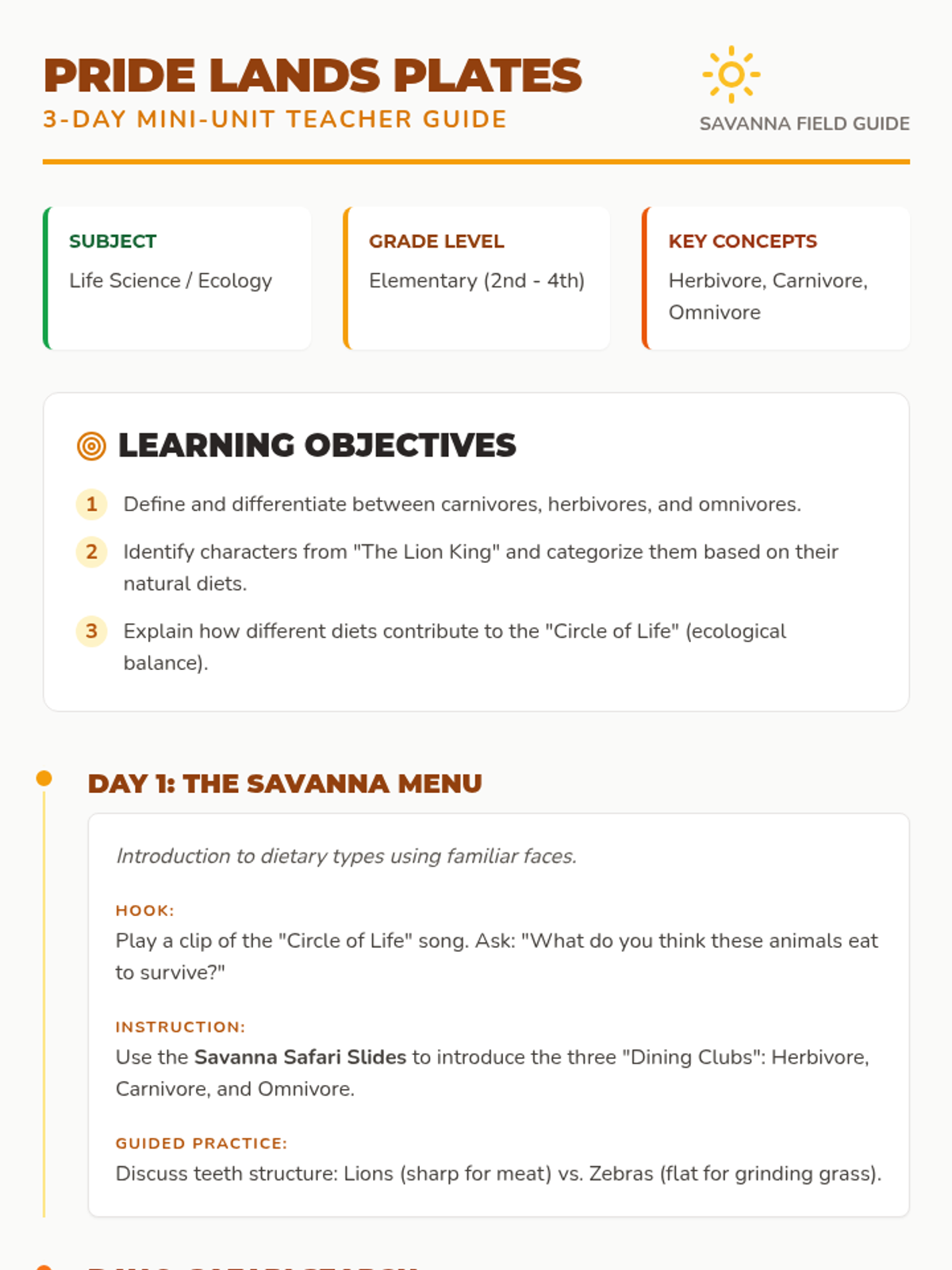
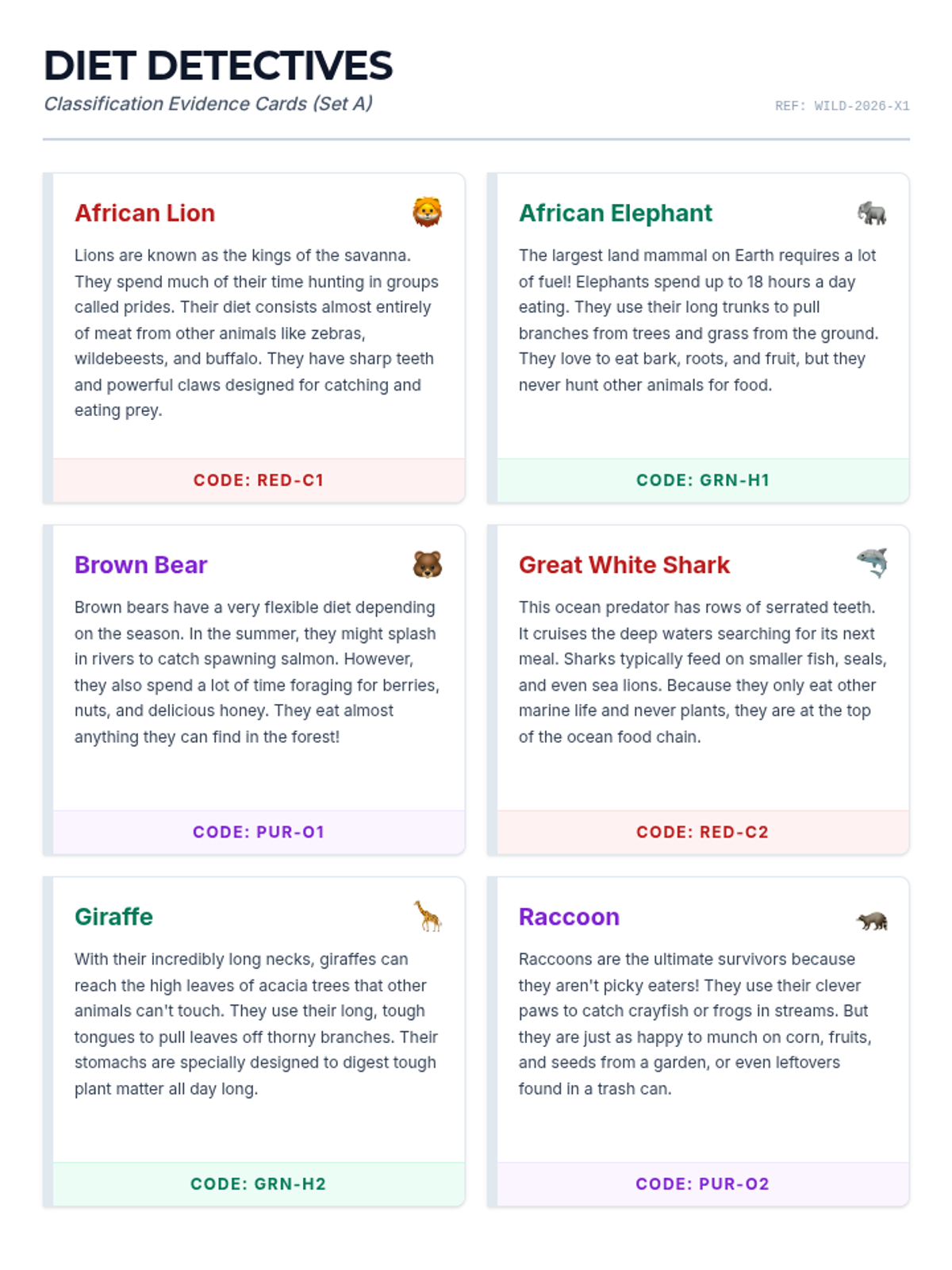
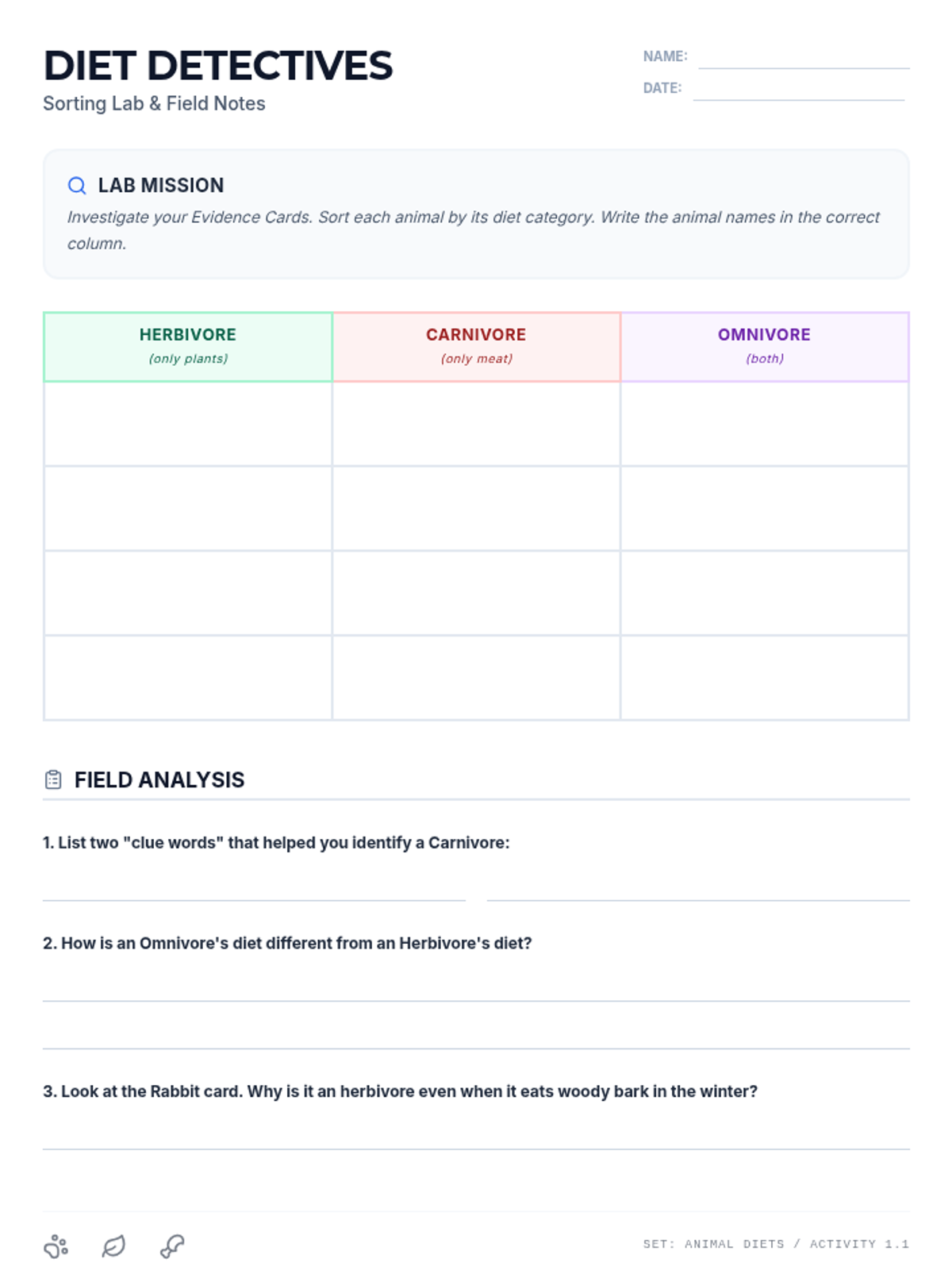
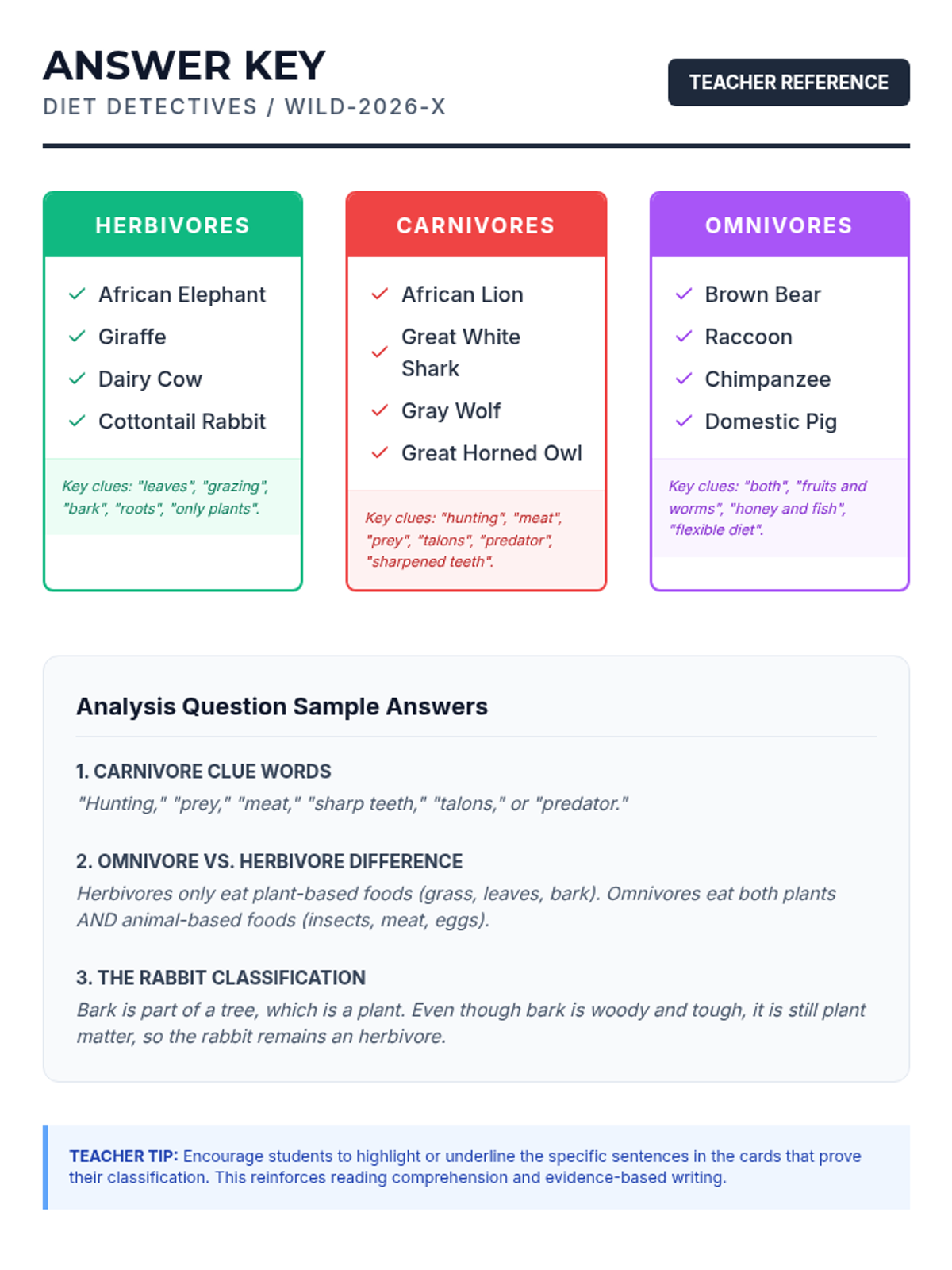
A 3-day mini-unit exploring carnivores, herbivores, and omnivores through the lens of The Lion King. Students will identify animal diets, categorize characters, and understand the ecological balance of the Pride Lands.
A hands-on exploration of animal diets, focusing on identifying and classifying herbivores, carnivores, and omnivores through text evidence and visual clues.
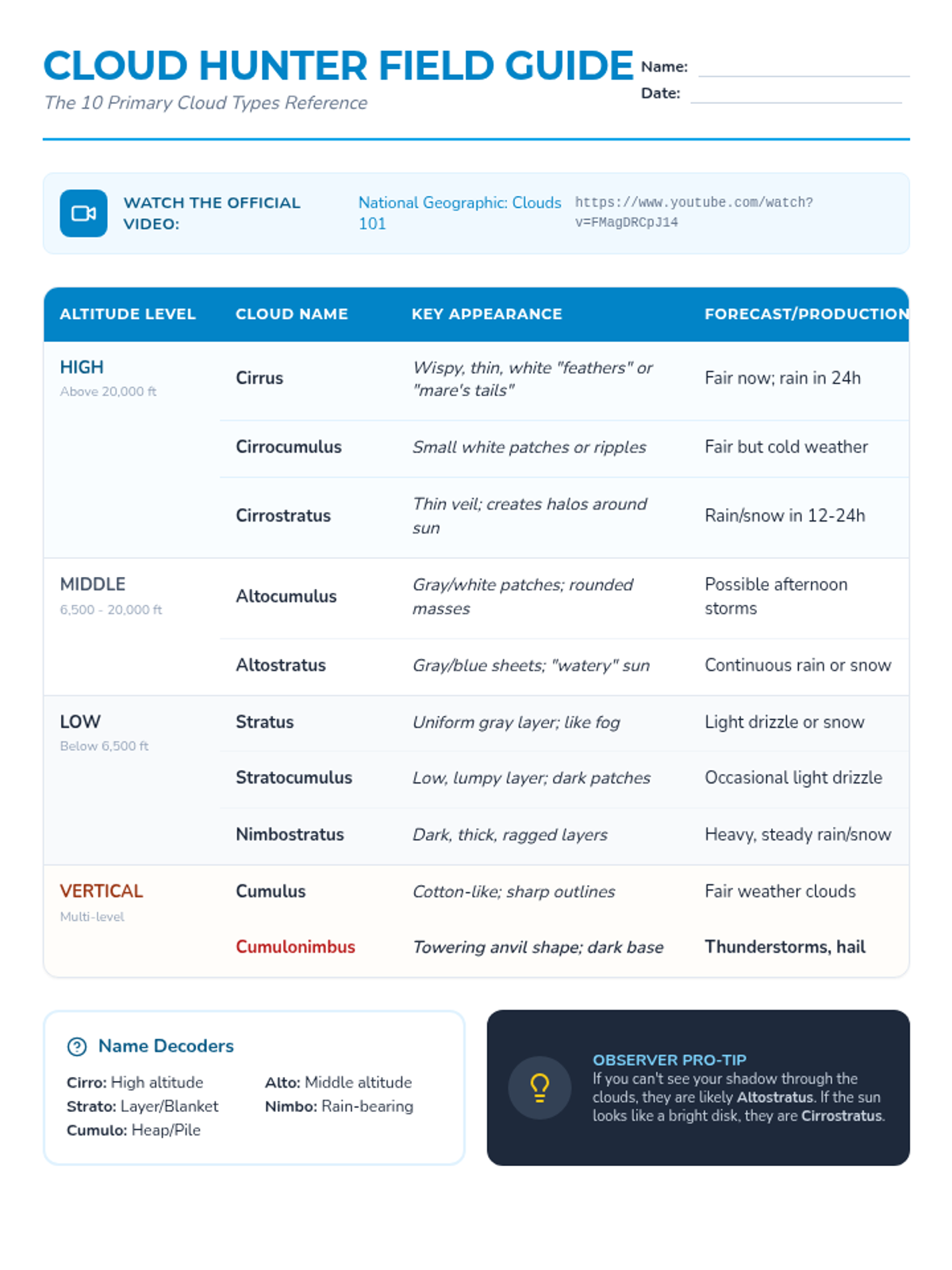
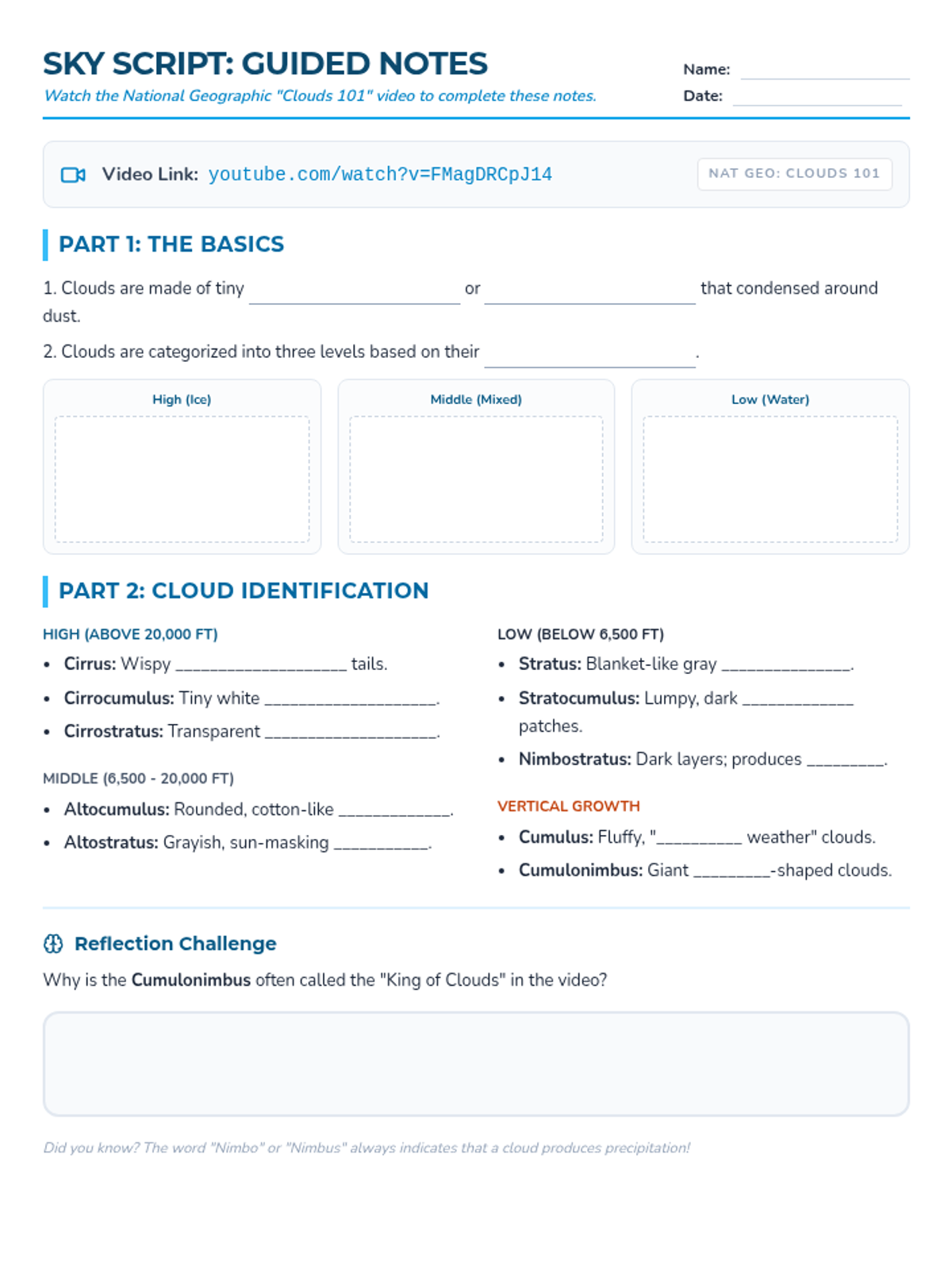
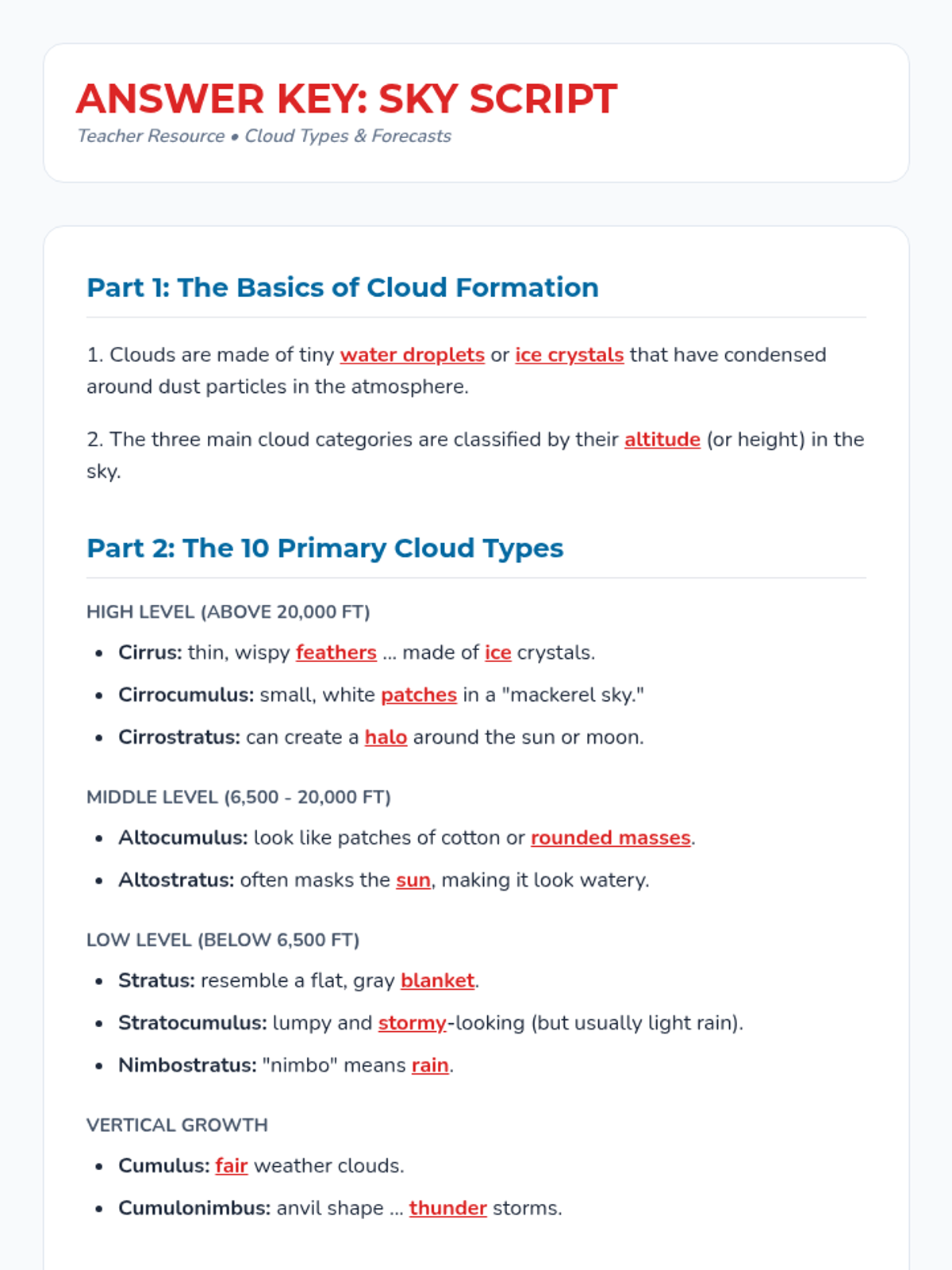
A comprehensive introduction to meteorology focused on identifying and understanding the ten primary cloud types and their impact on weather patterns.
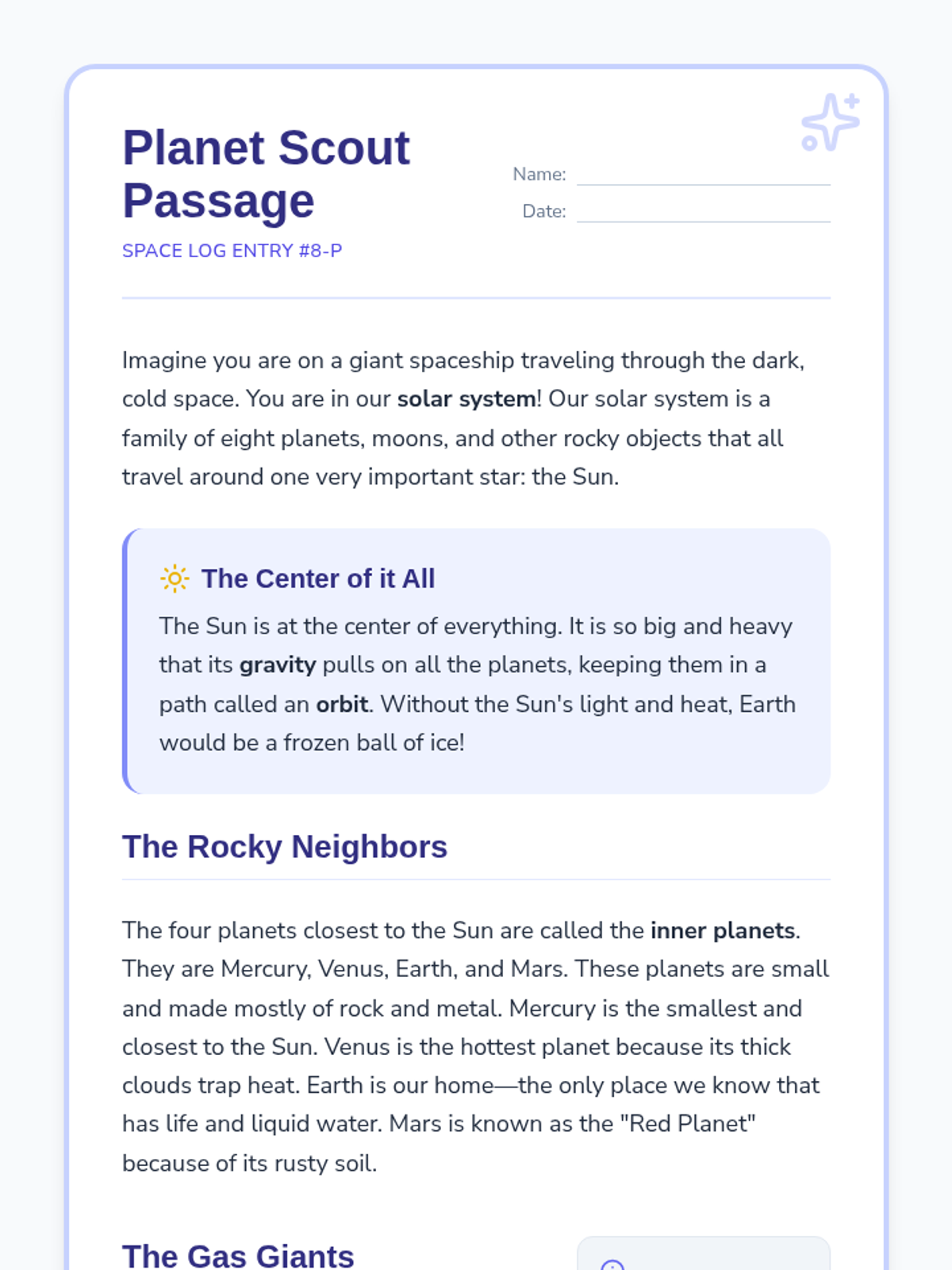
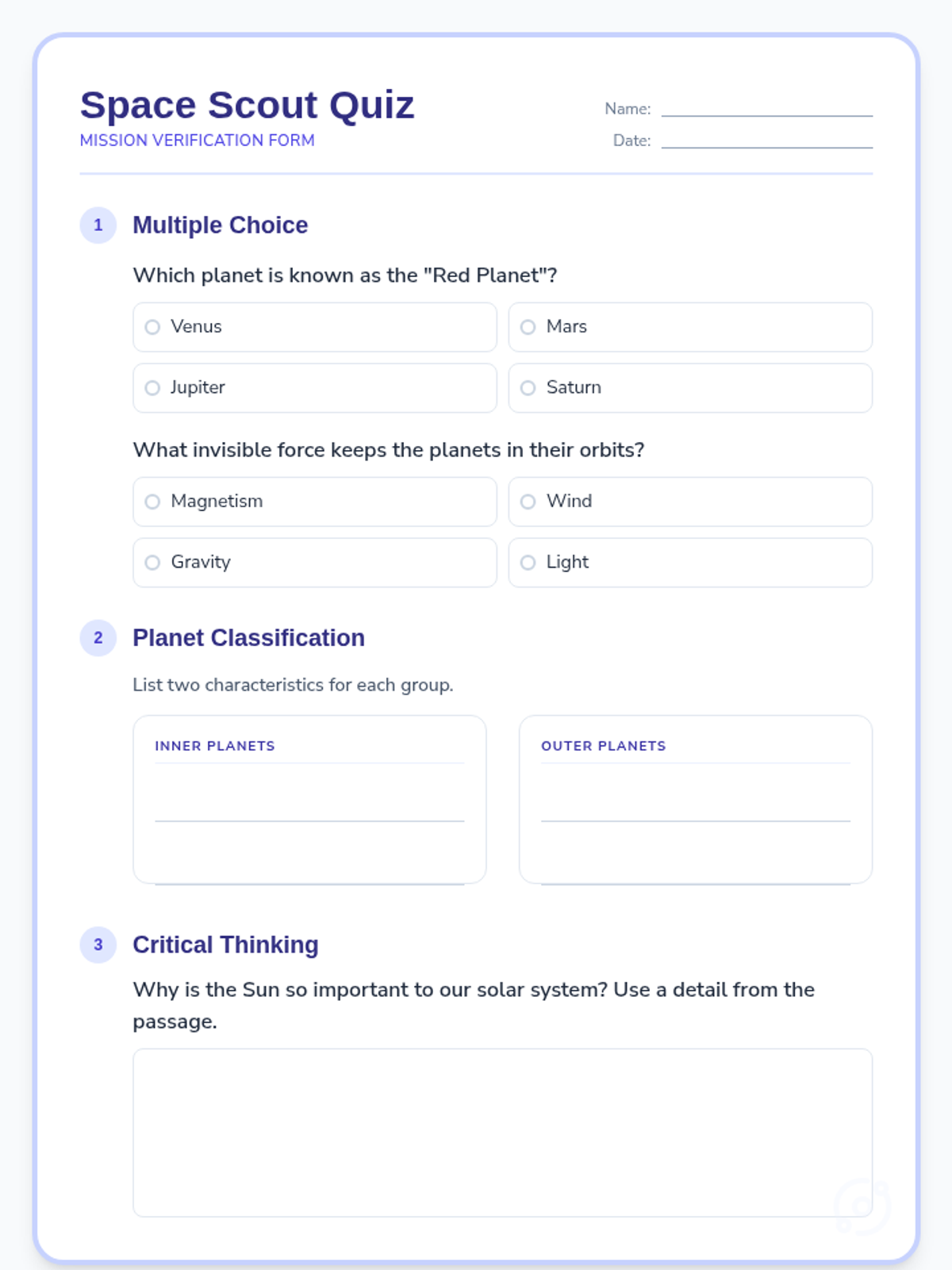
A diverse collection of lessons covering the celestial wonders of our solar system and the historical impact of the World War II Home Front.
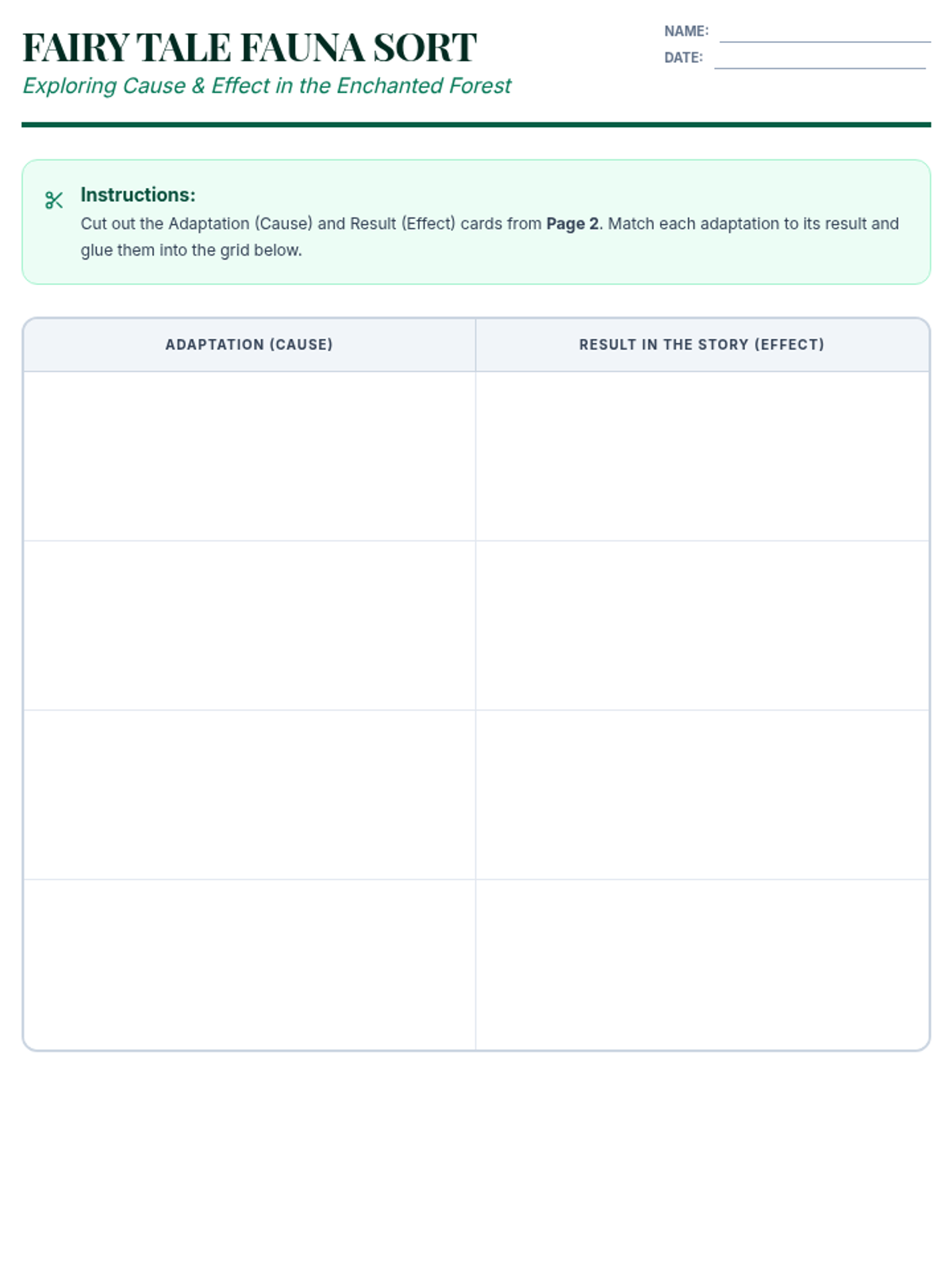
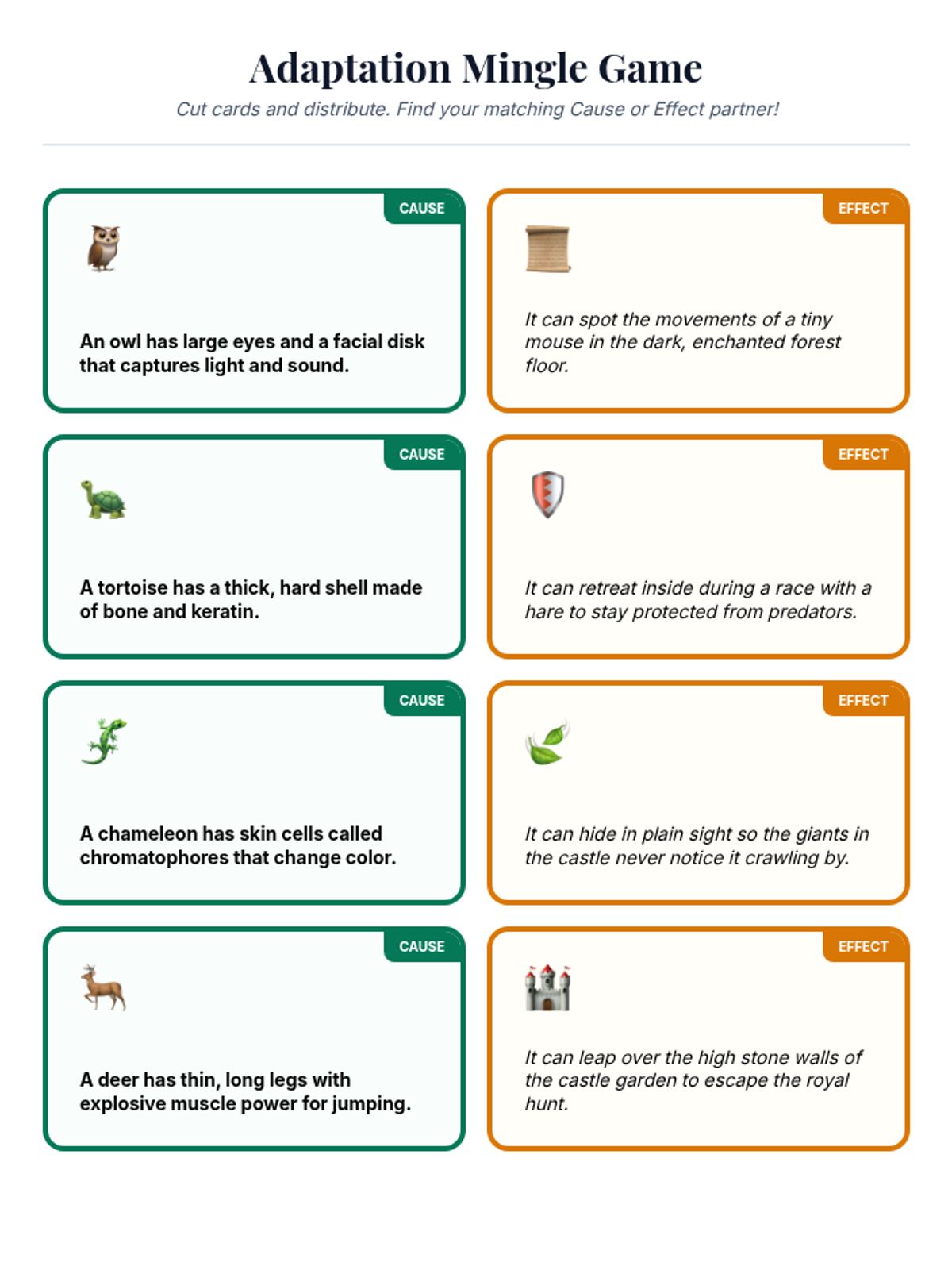
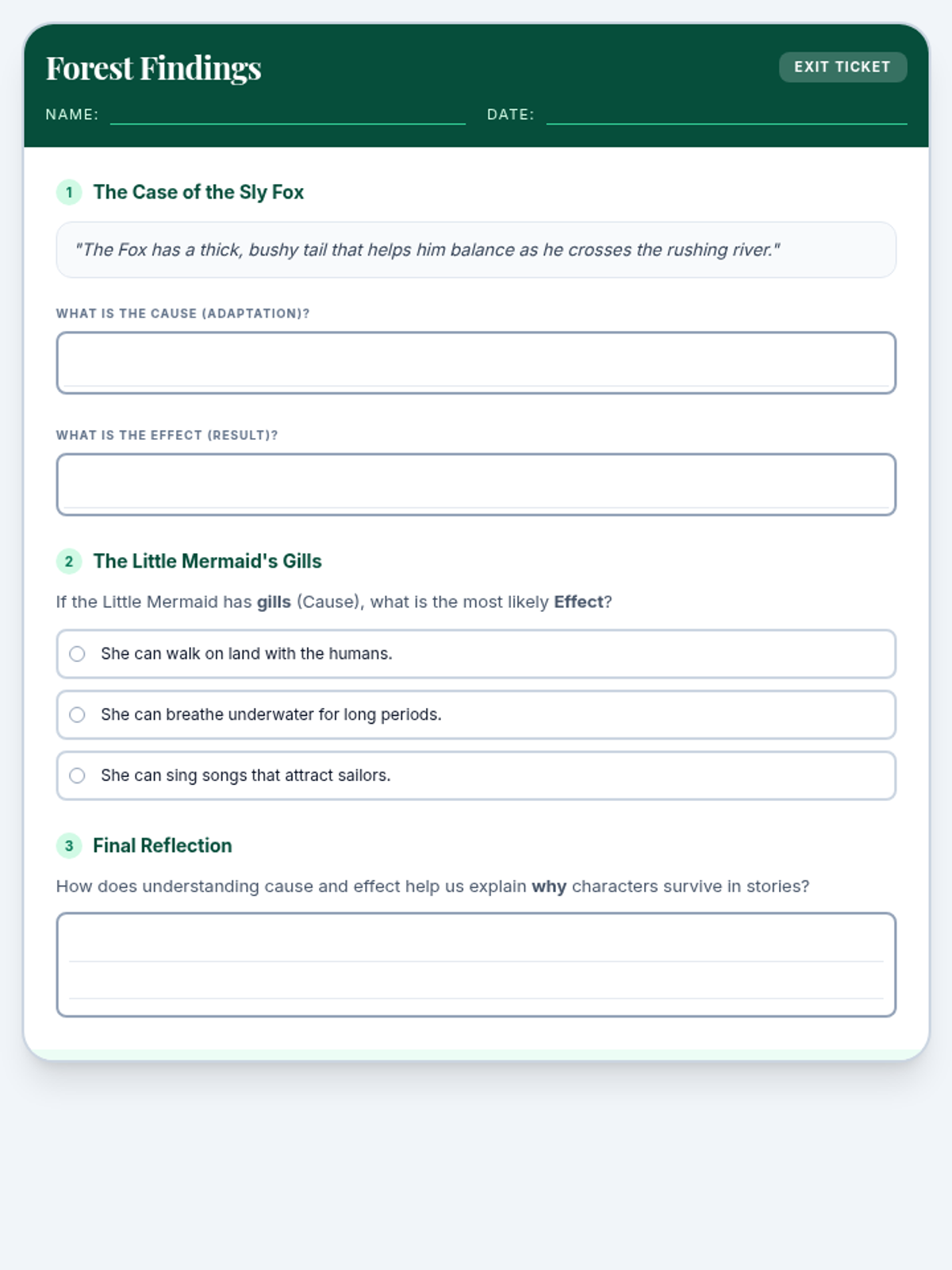
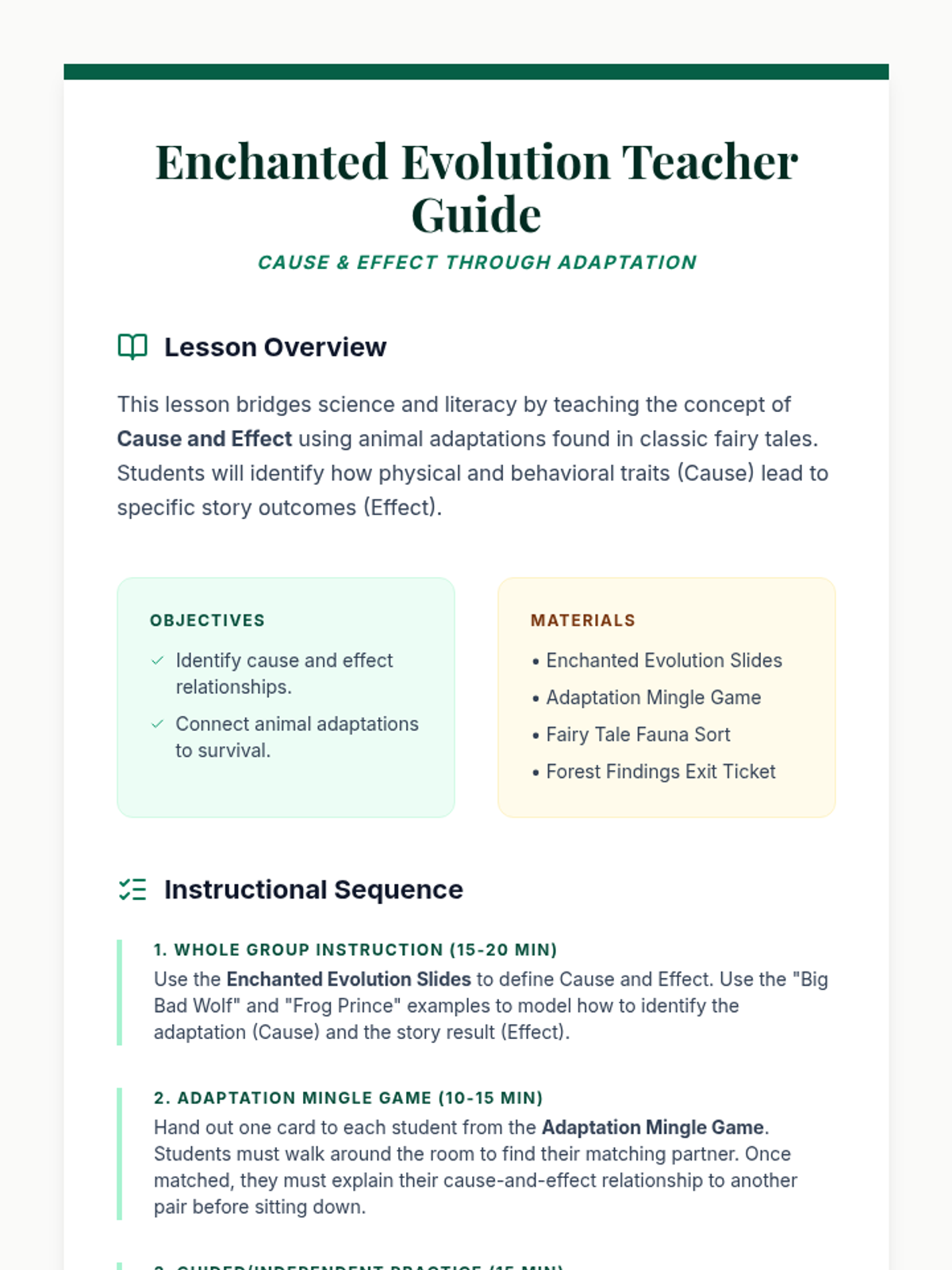
A unit blending biological science with literacy, exploring cause and effect through the lens of animal adaptations in classic fairy tale settings.
A comprehensive collection of introductory science modules for first-grade emergent readers, covering biology, meteorology, physics, and earth science through simple, repetitive text and engaging activities.
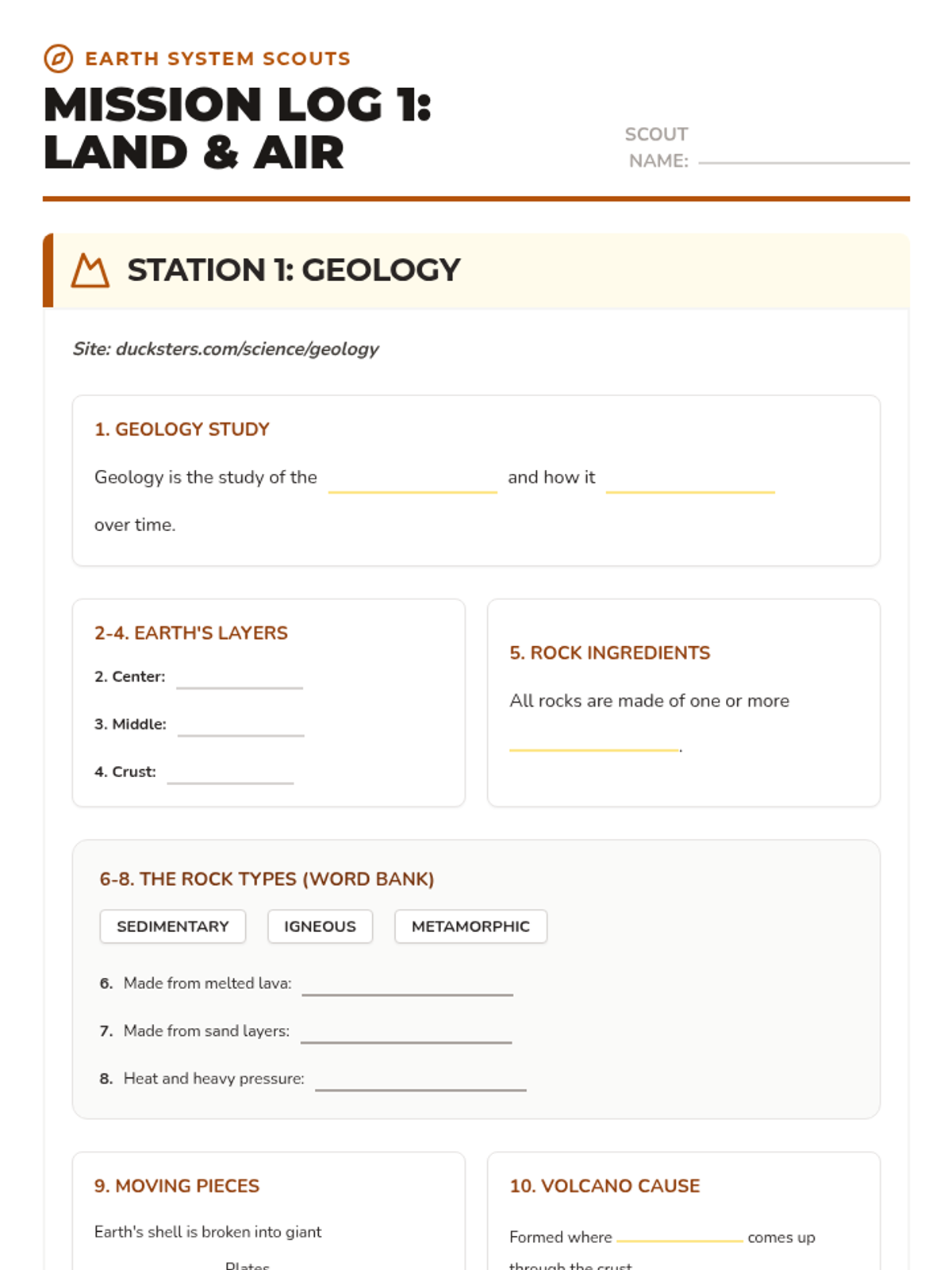
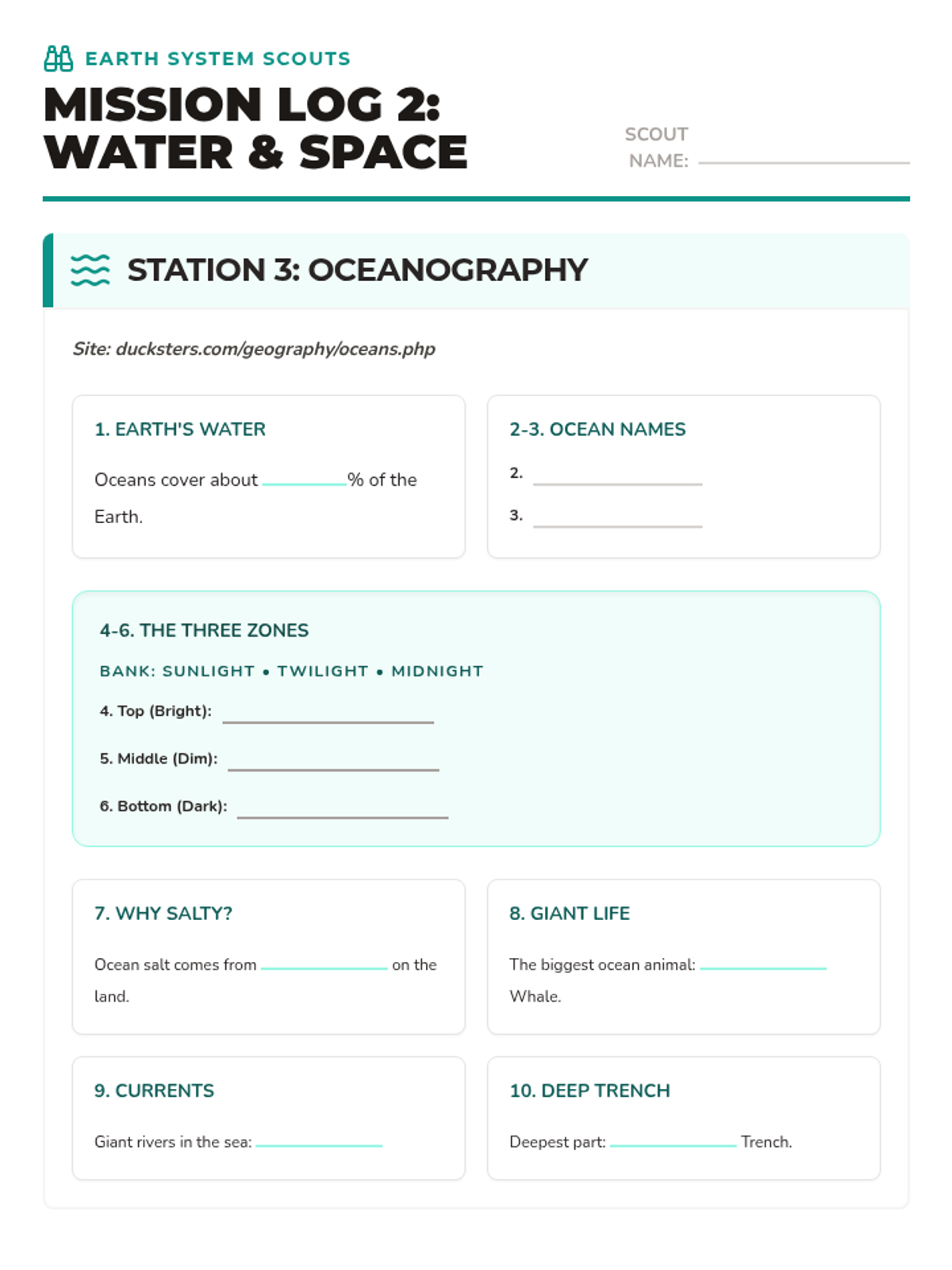
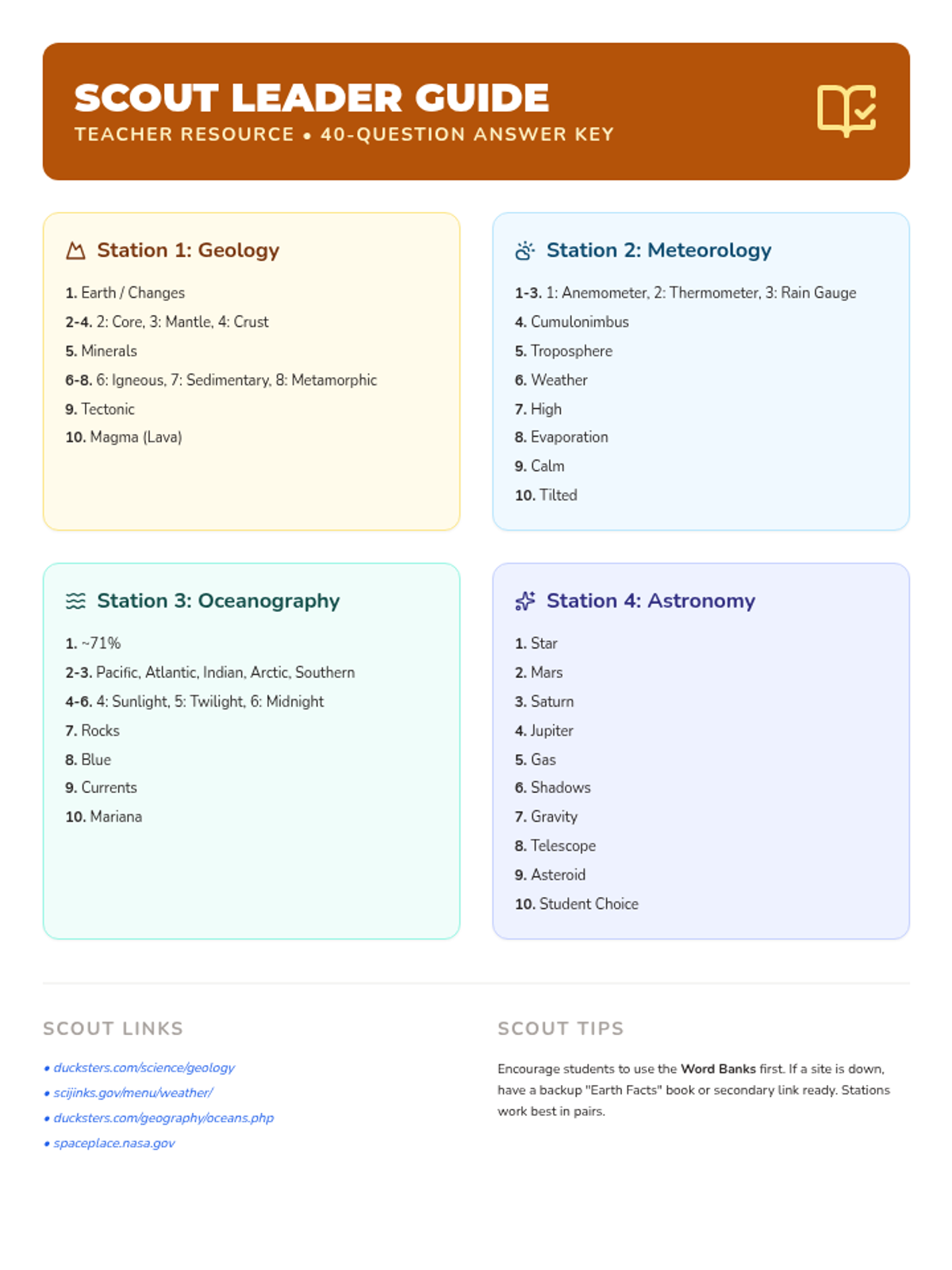
A foundational exploration of the four main branches of Earth Science through a multi-day digital scavenger hunt designed for accessibility and engagement.
A comprehensive 36-week phonics and comprehension curriculum for small groups. Each week focuses on a specific phonetic target integrated with a reading comprehension strategy, following a systematic, multisensory approach.
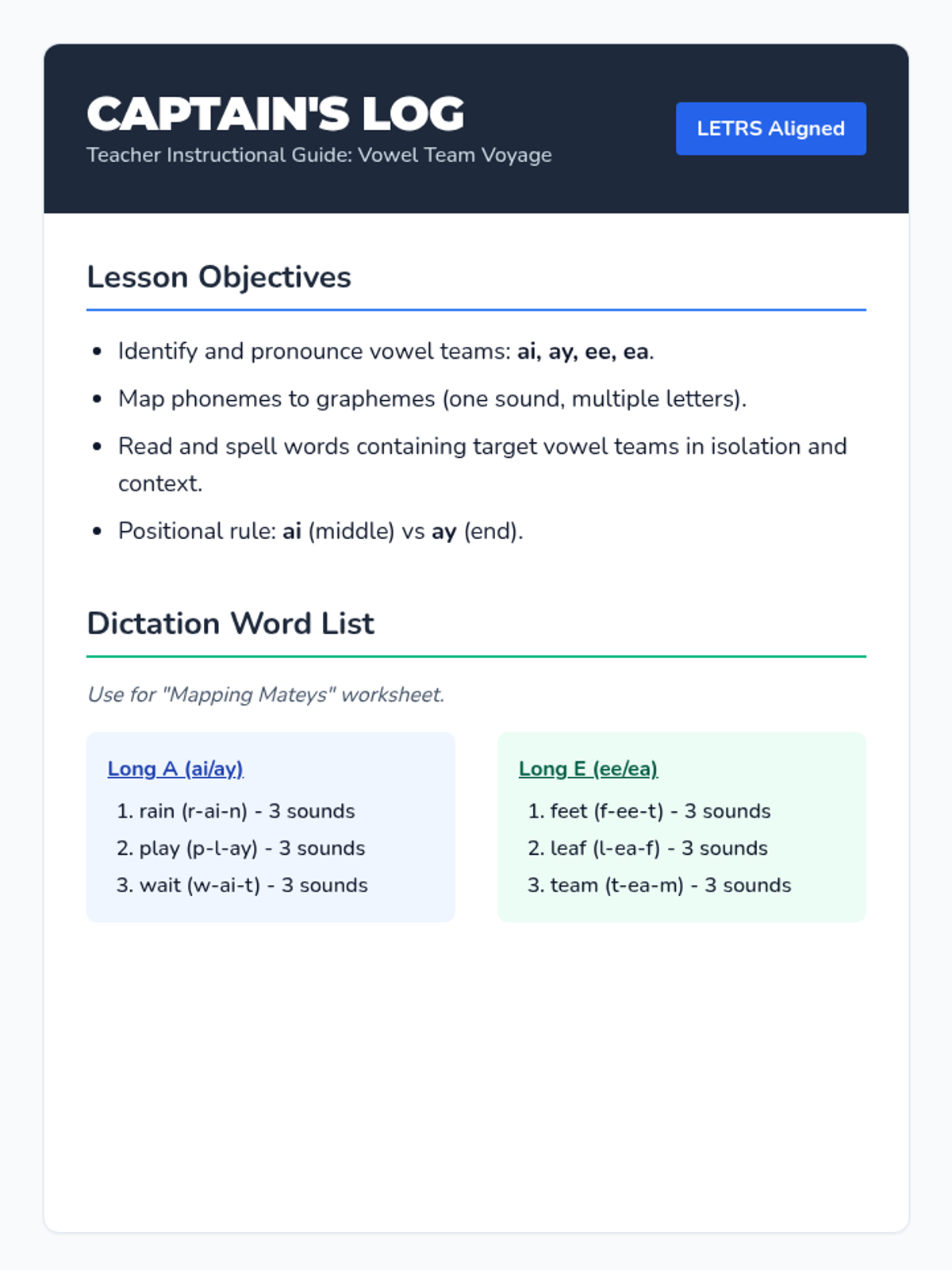
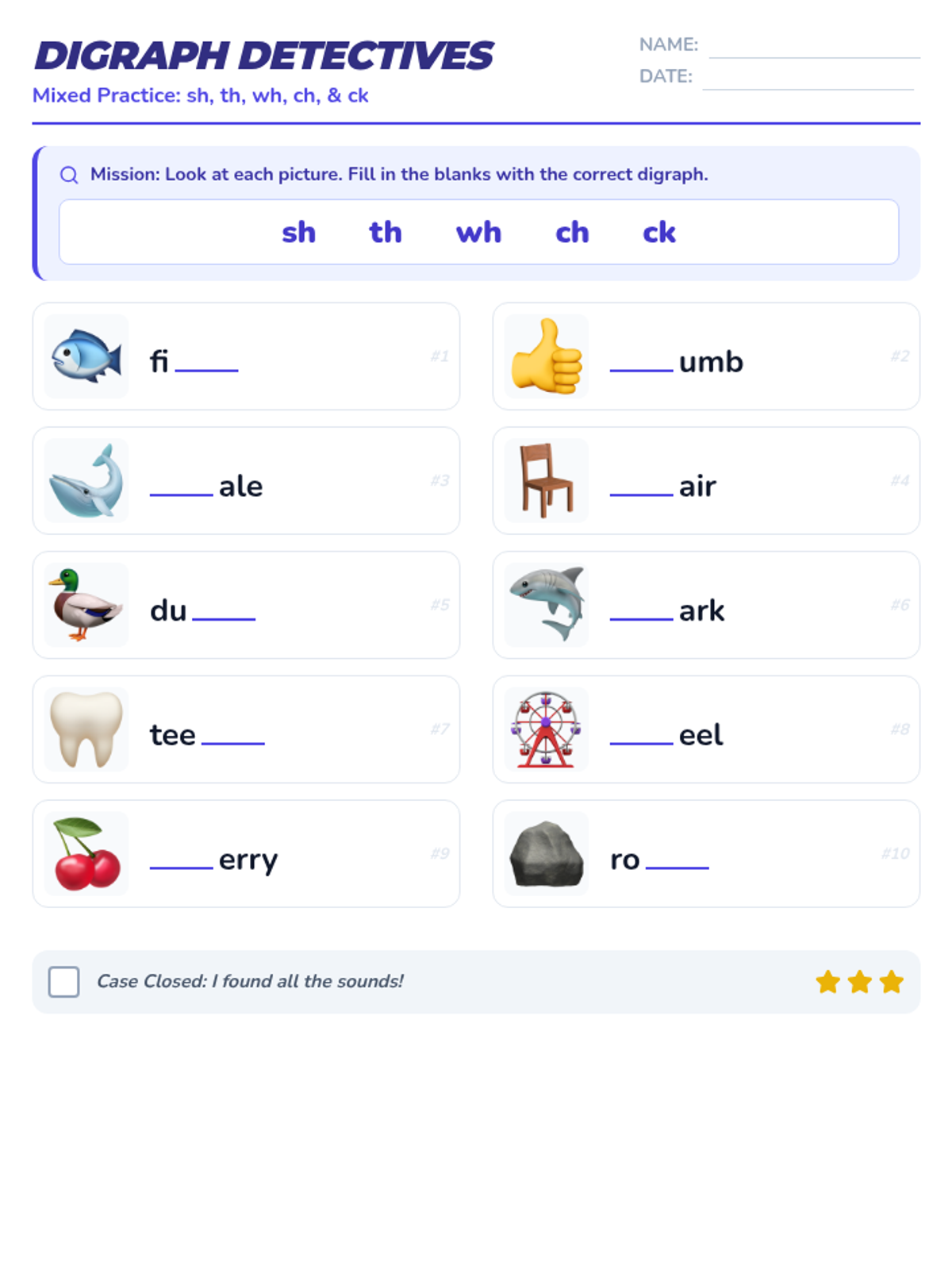
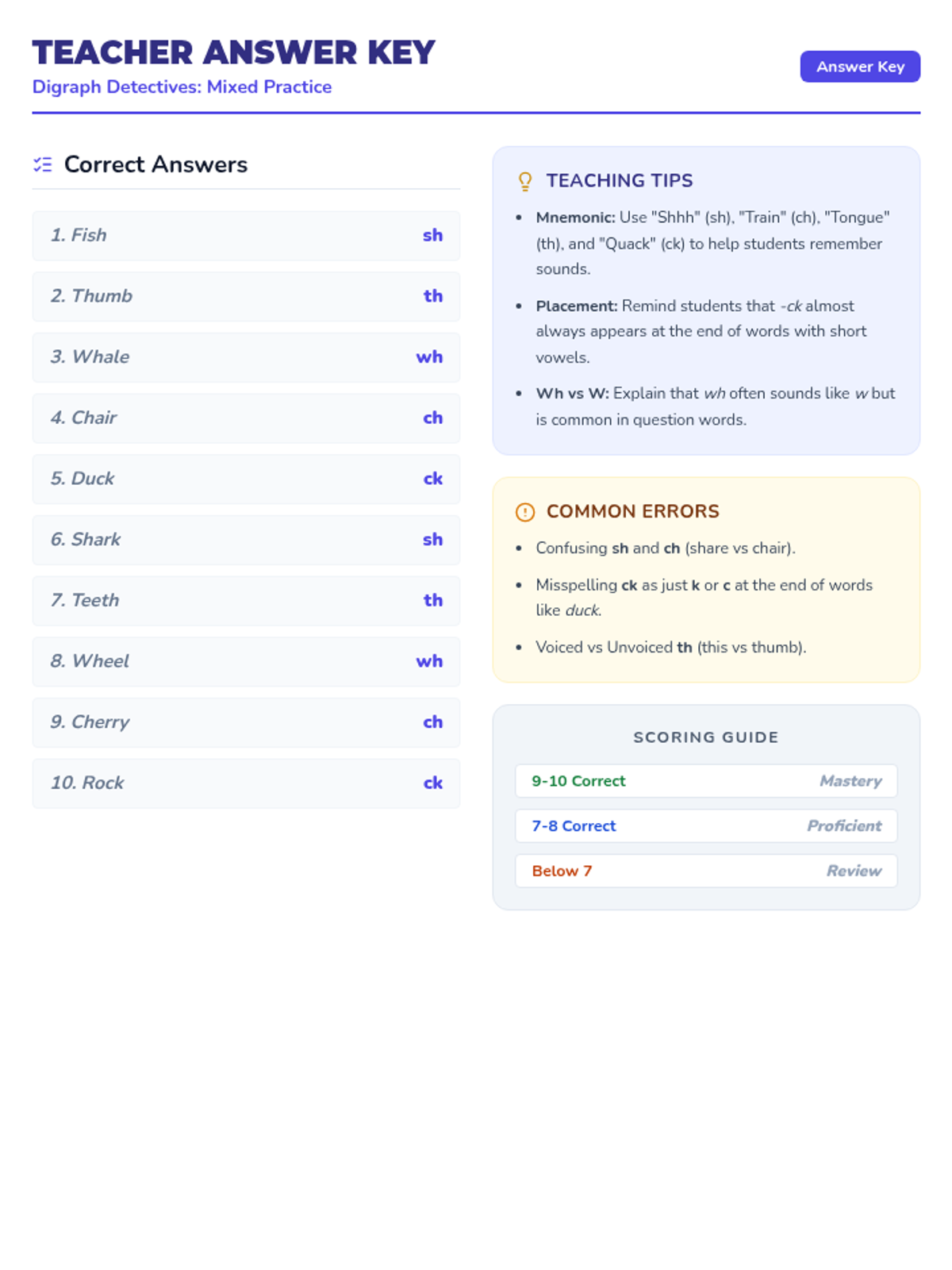
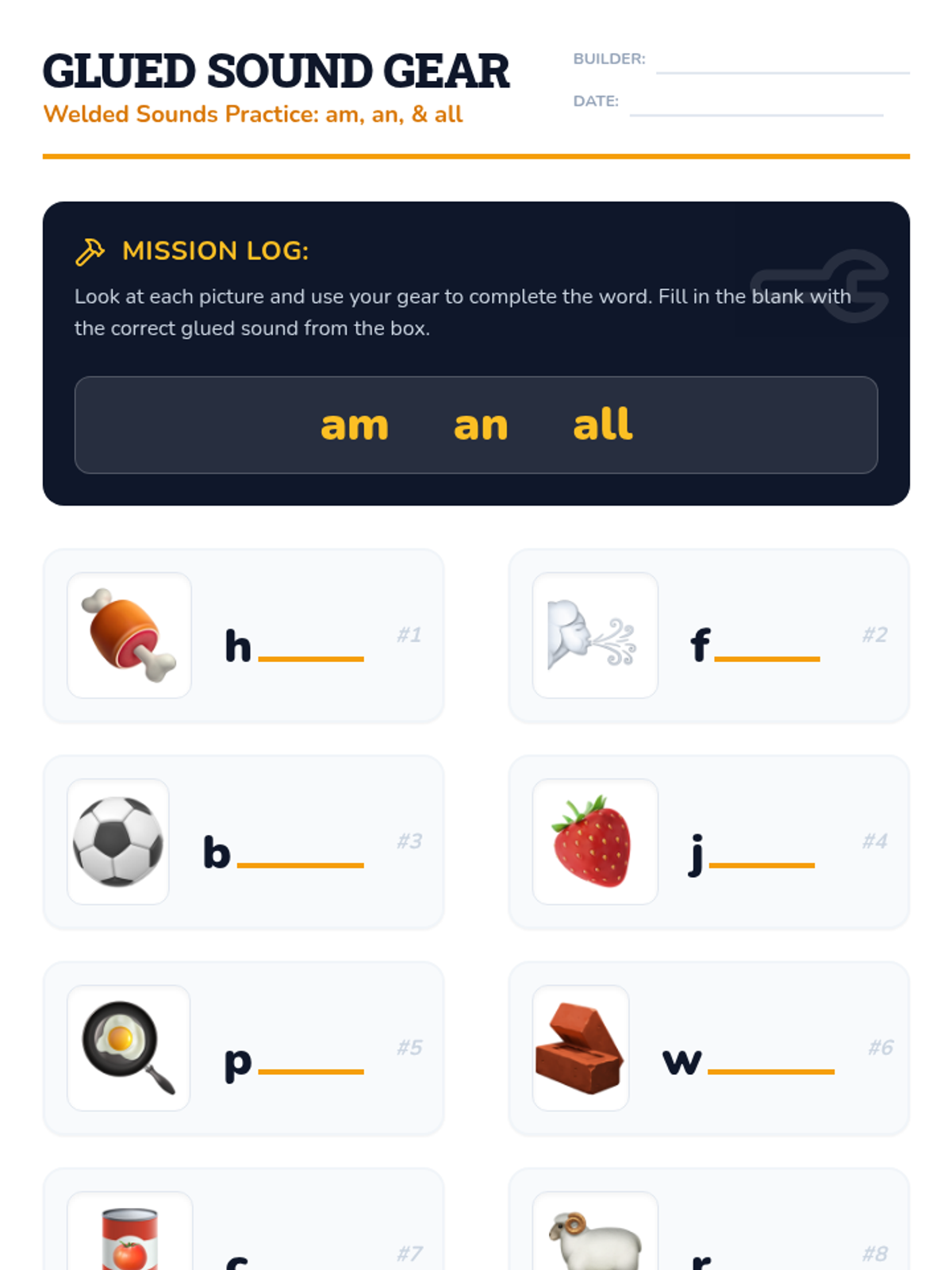
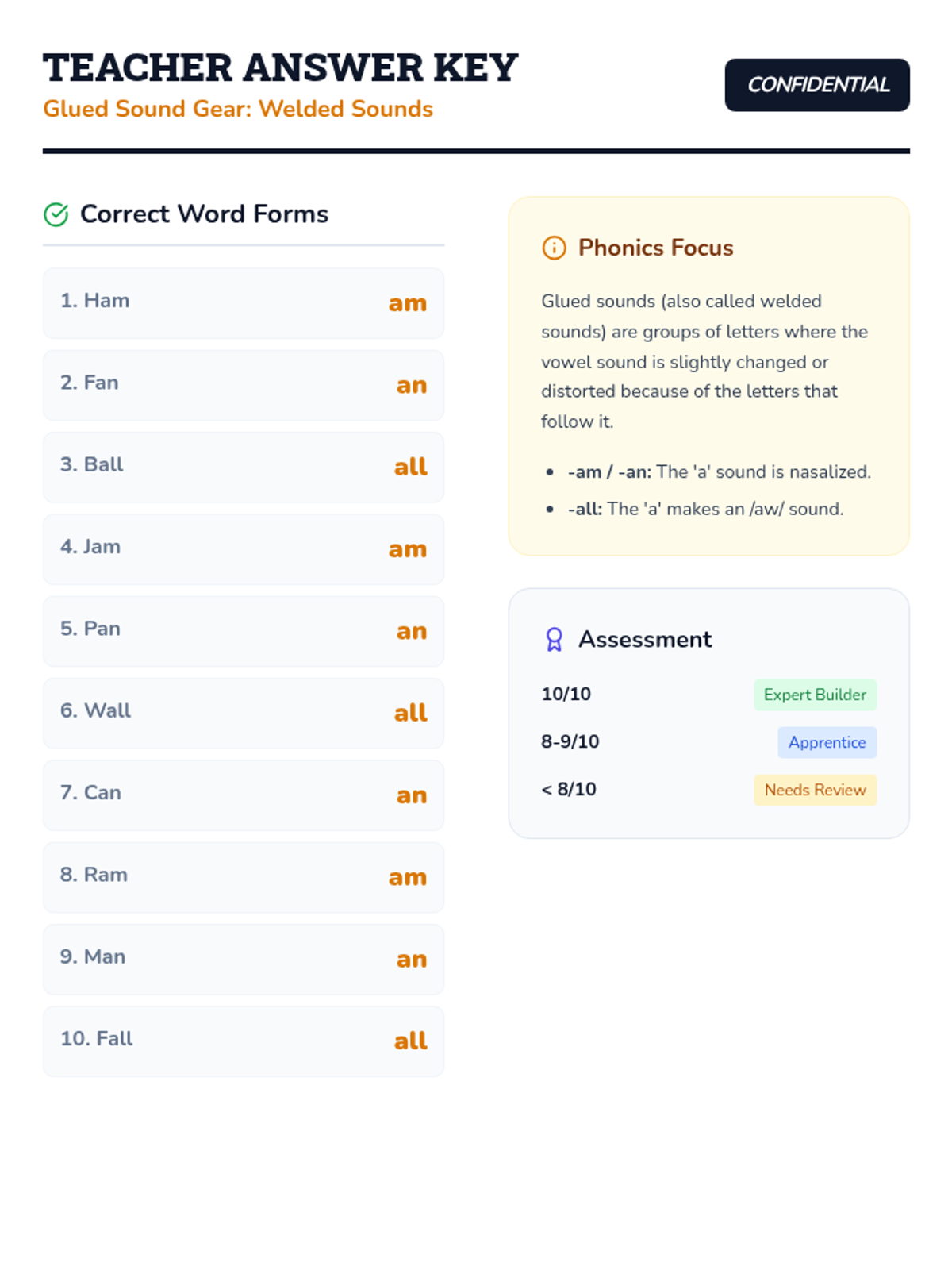
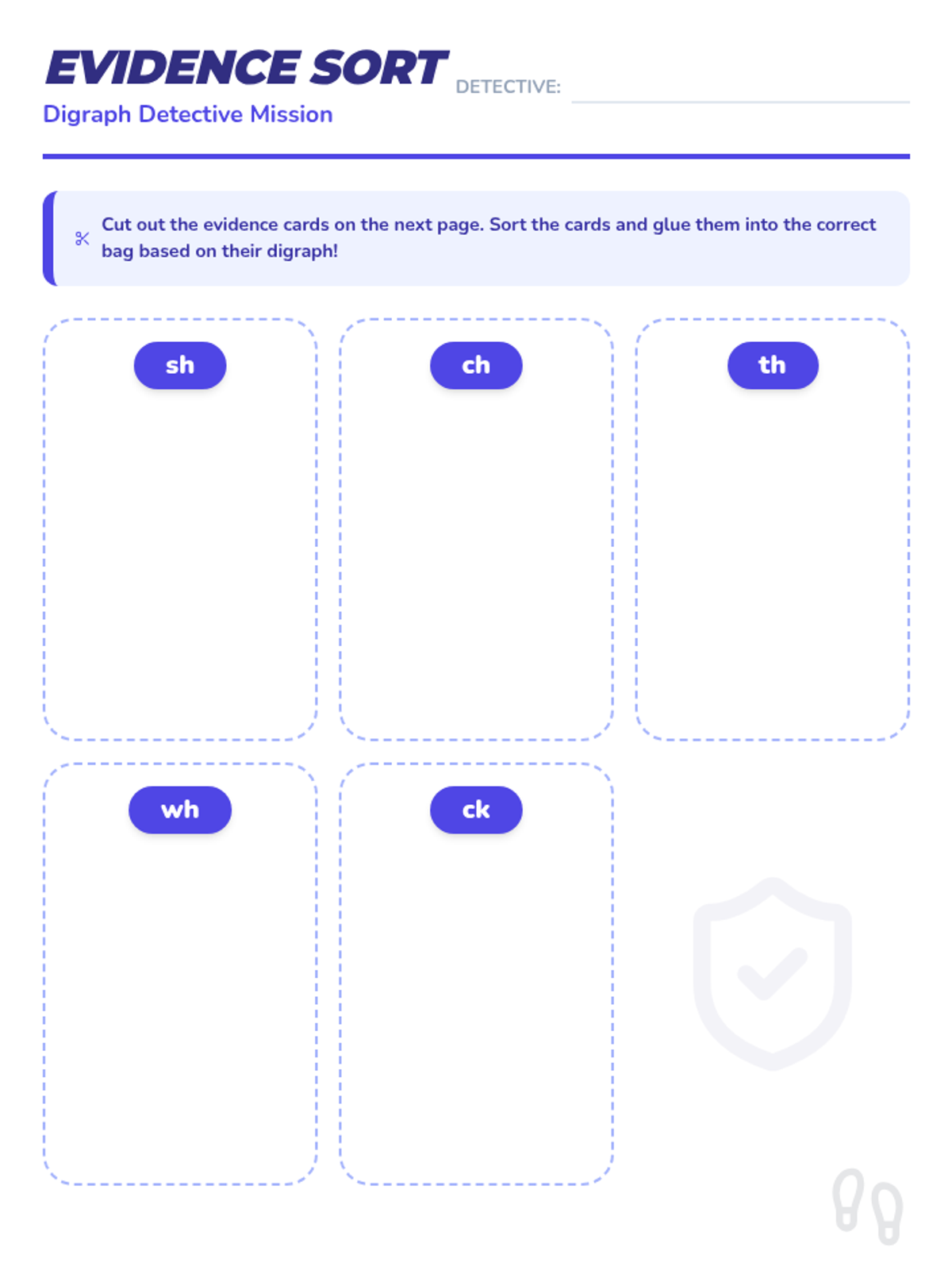
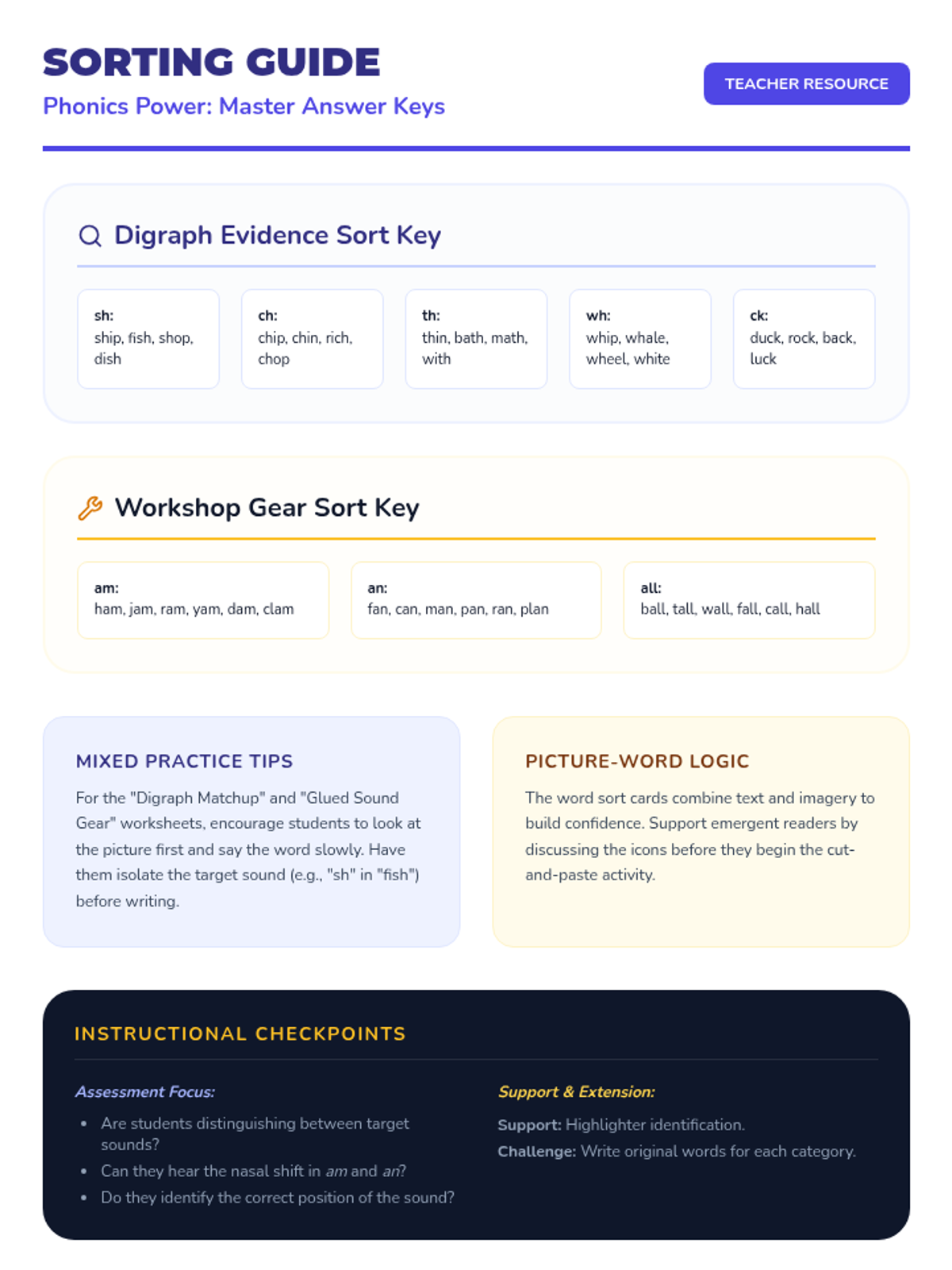
A comprehensive phonics sequence covering complex letter sounds including digraphs and glued/welded sounds through visual play and detective-themed activities.
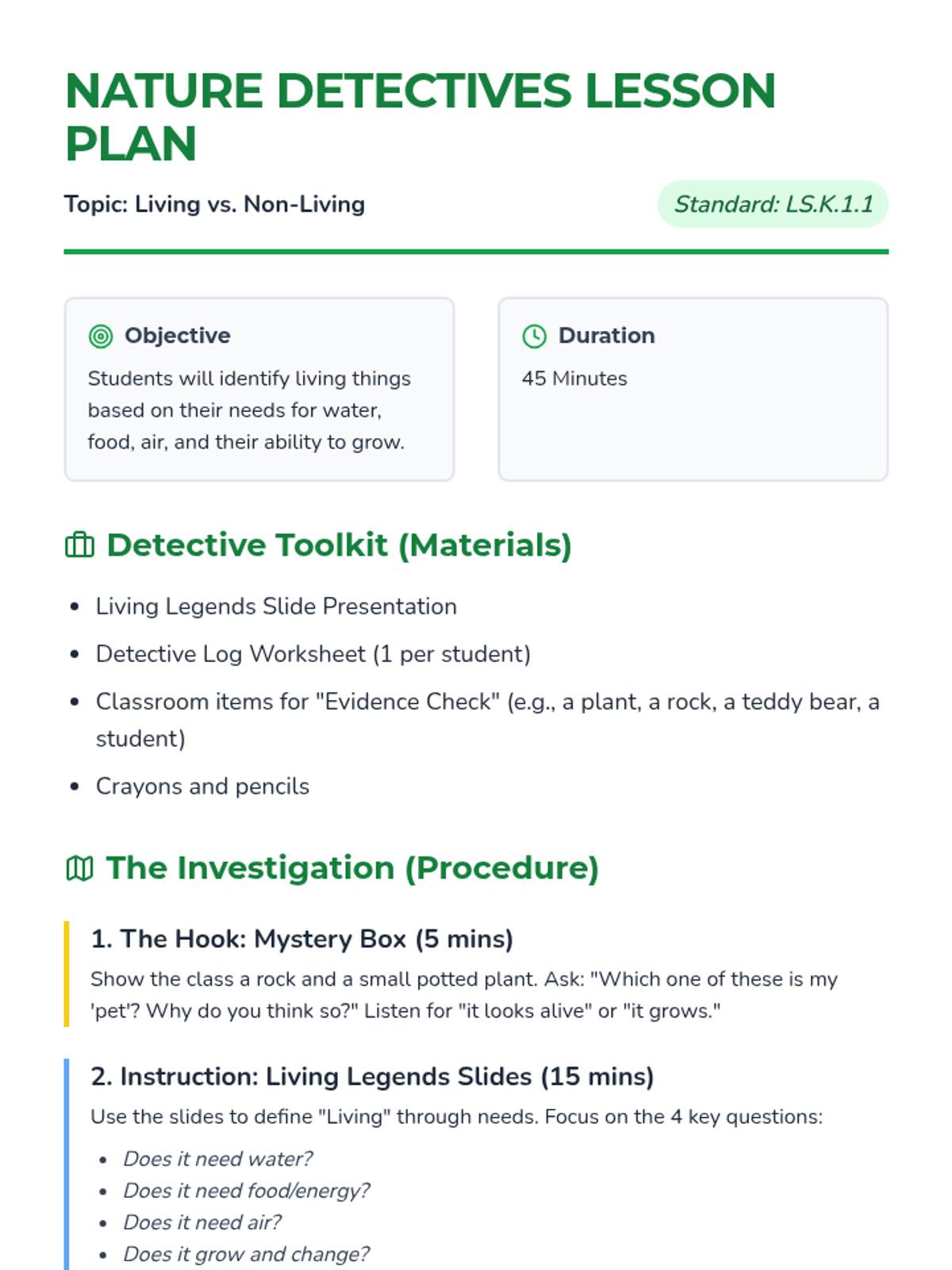
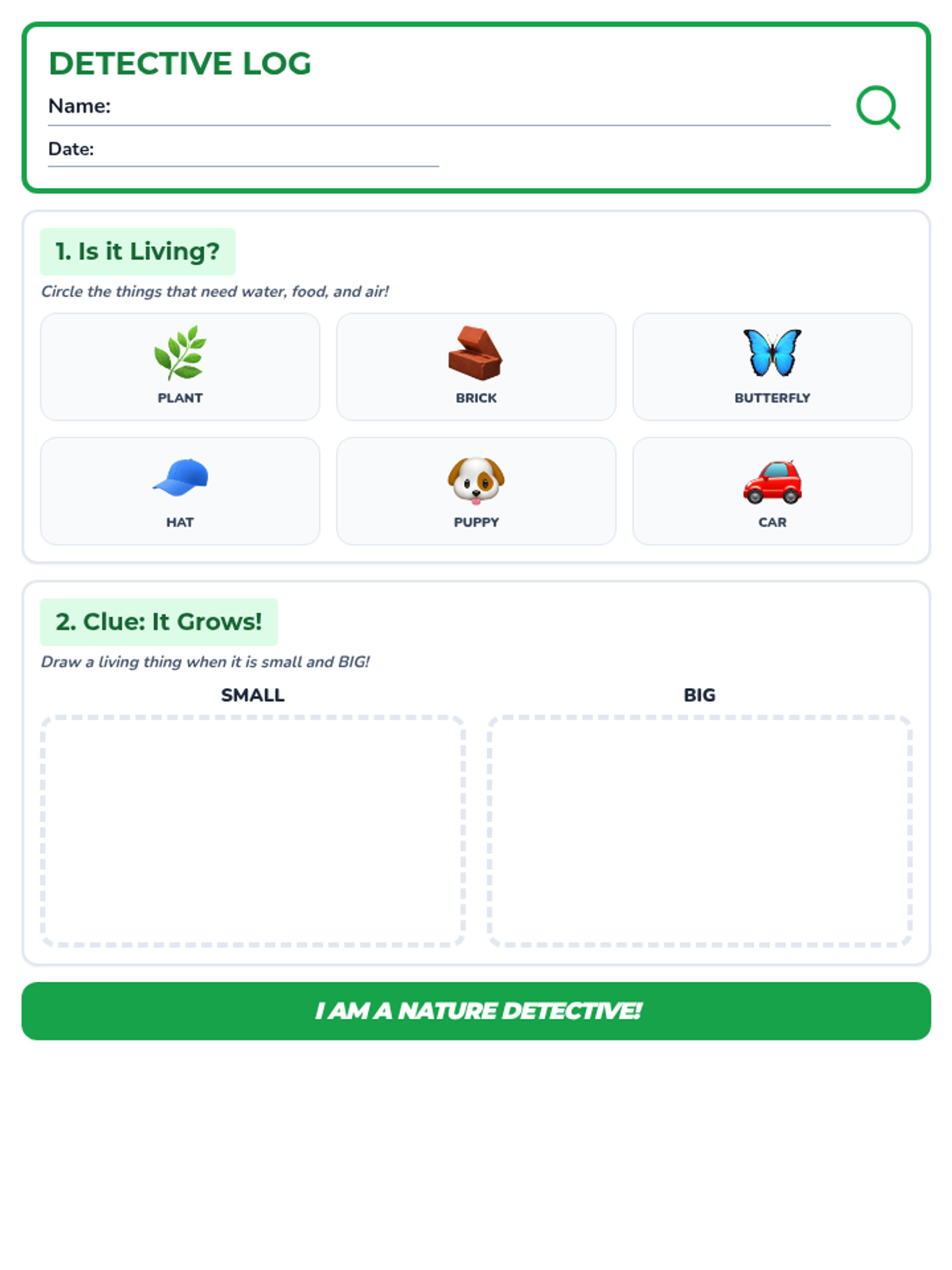
A comprehensive kindergarten science unit designed to help students identify and summarize the characteristics of living and non-living things, focusing on structure, growth, changes, movement, and basic needs.
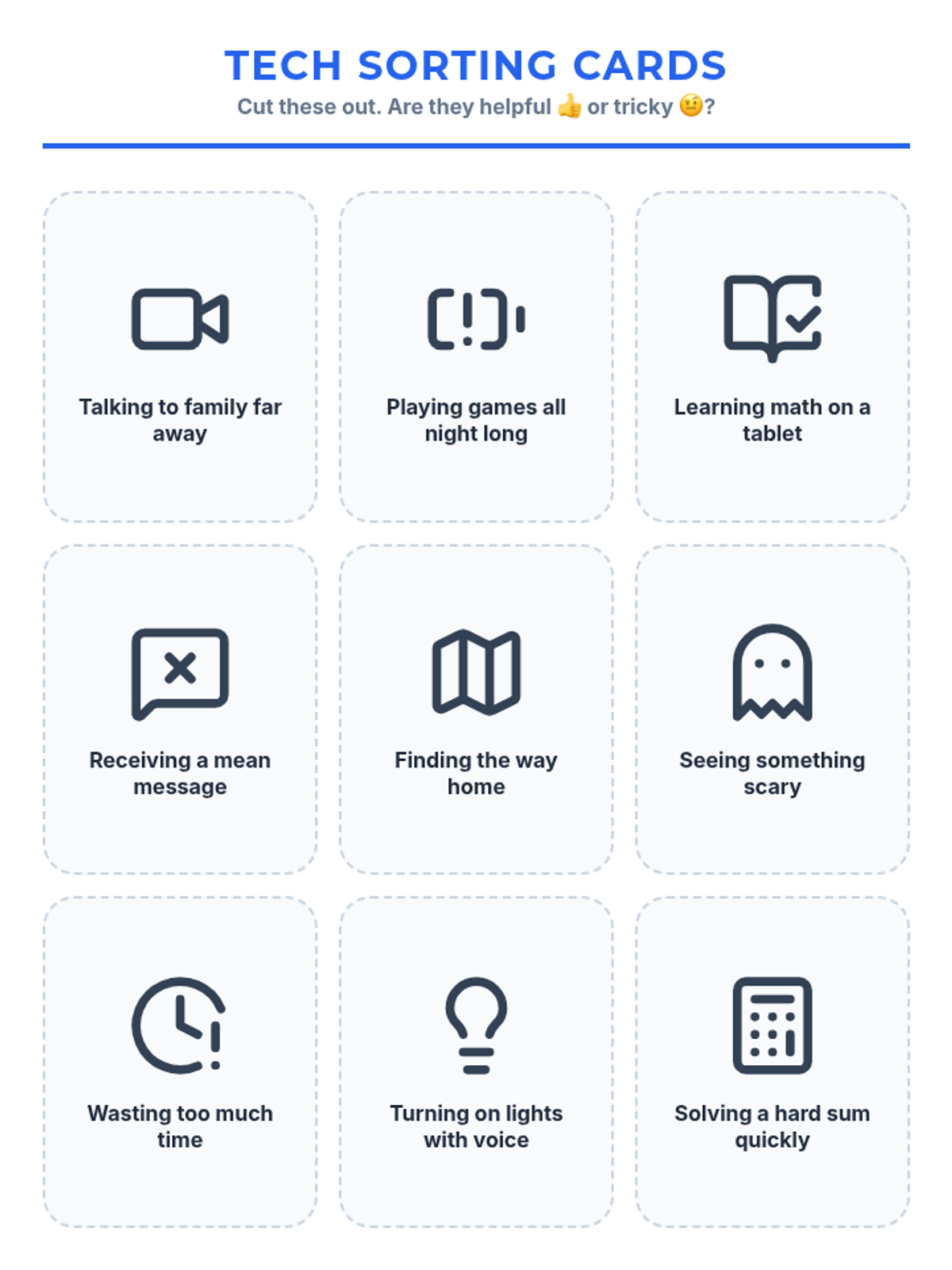
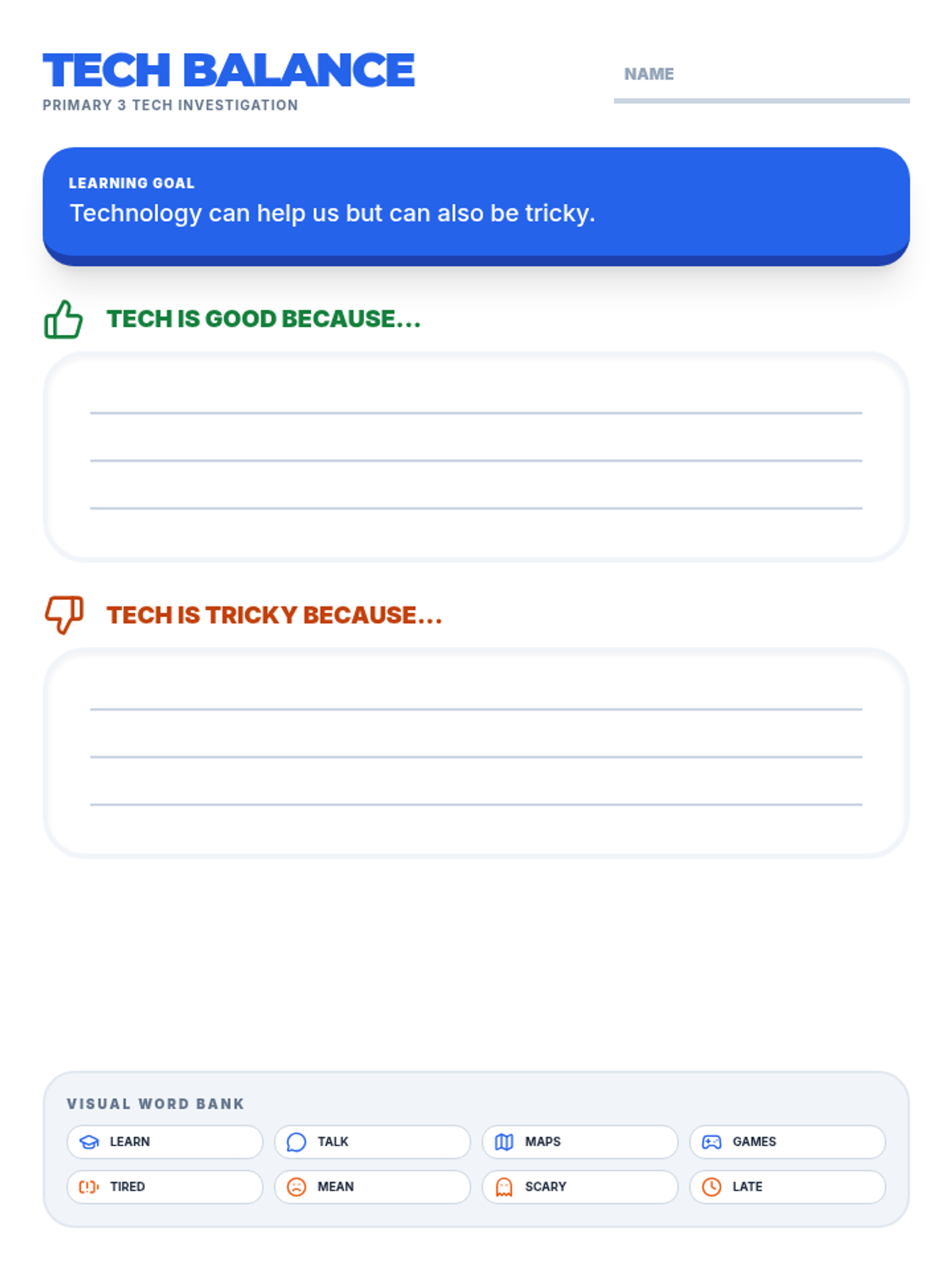
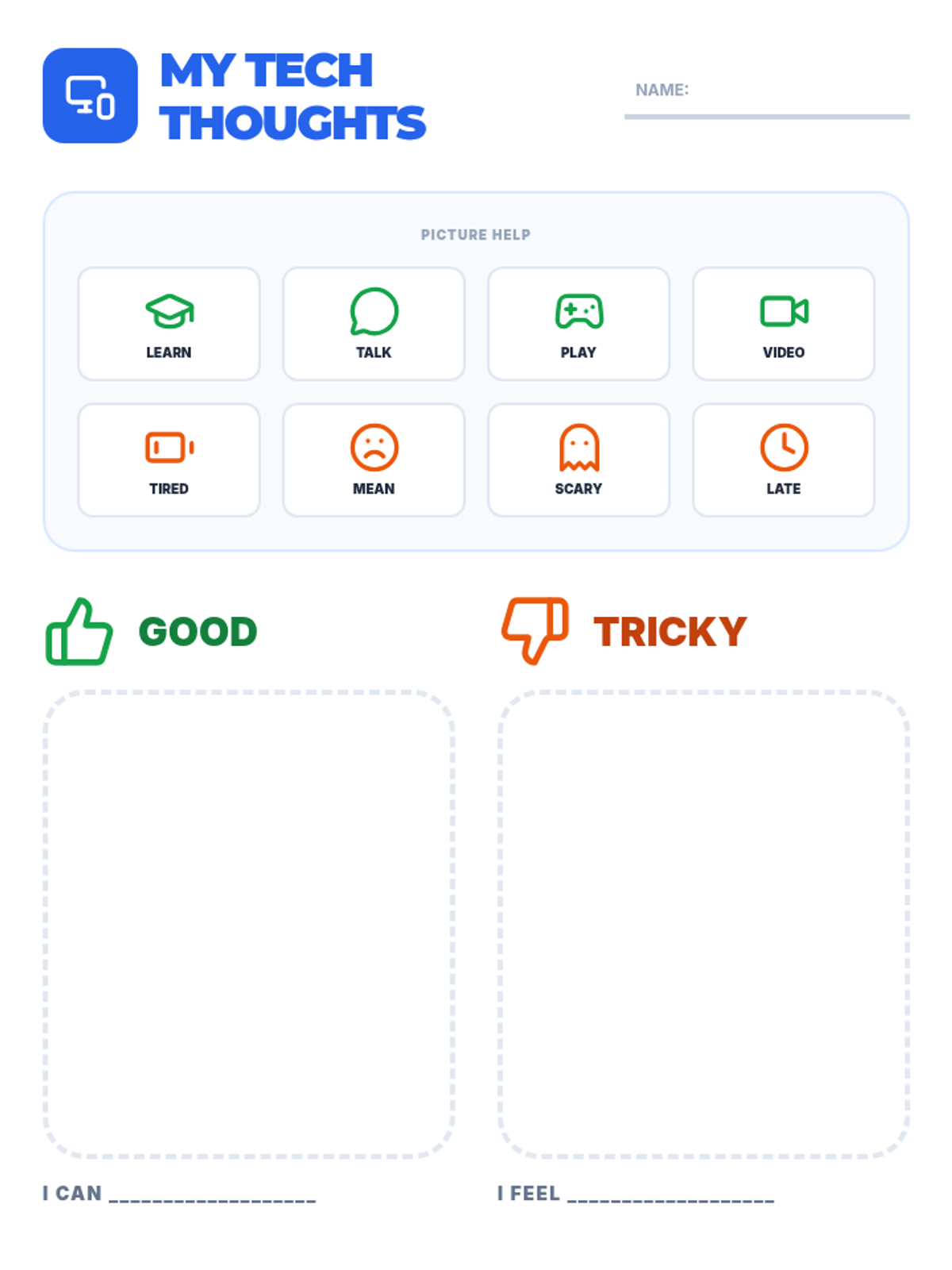
A two-part technology sequence for Primary 3 students exploring the dual nature of technology and the engineering design process for creating helpful inventions.
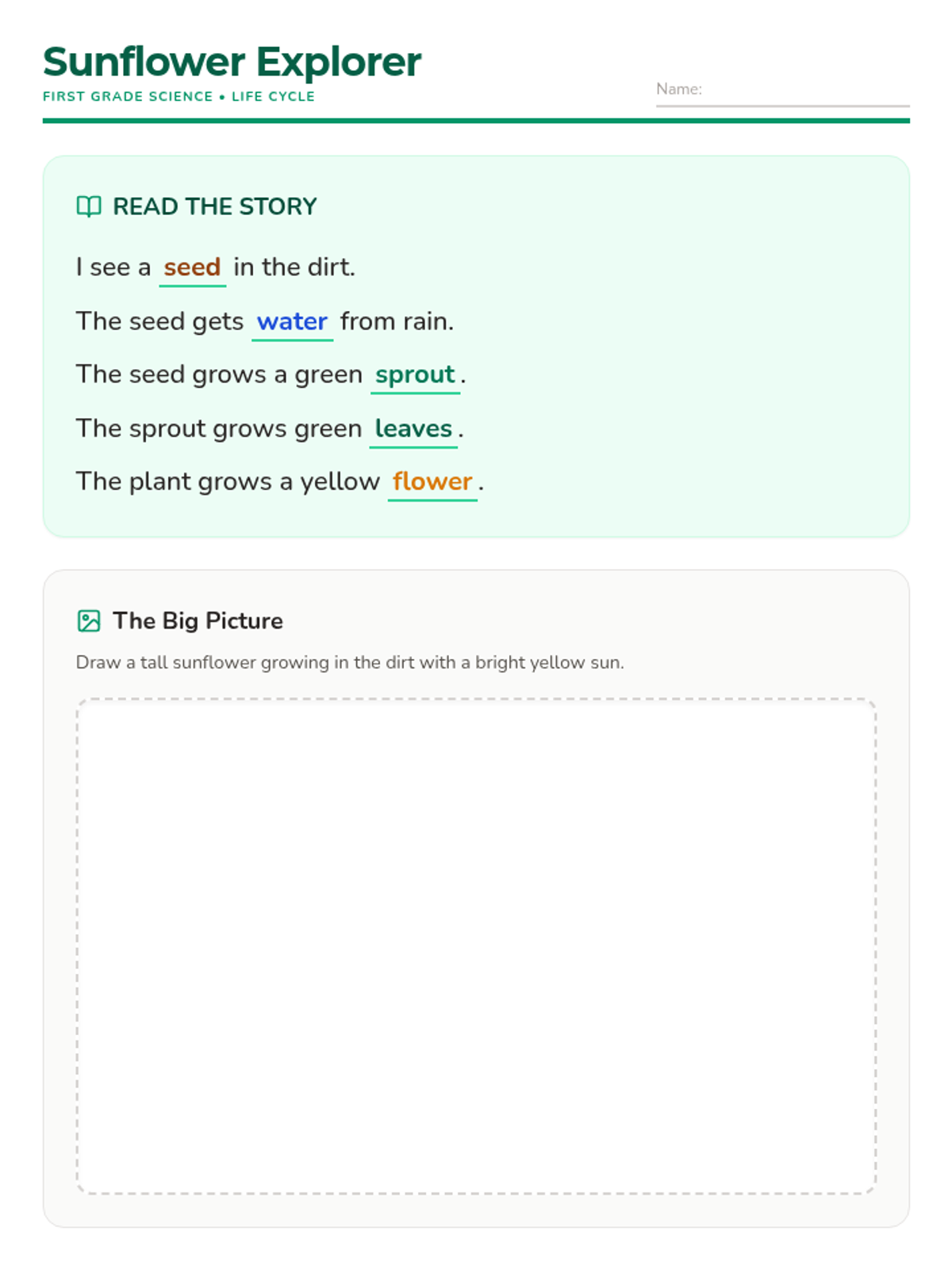
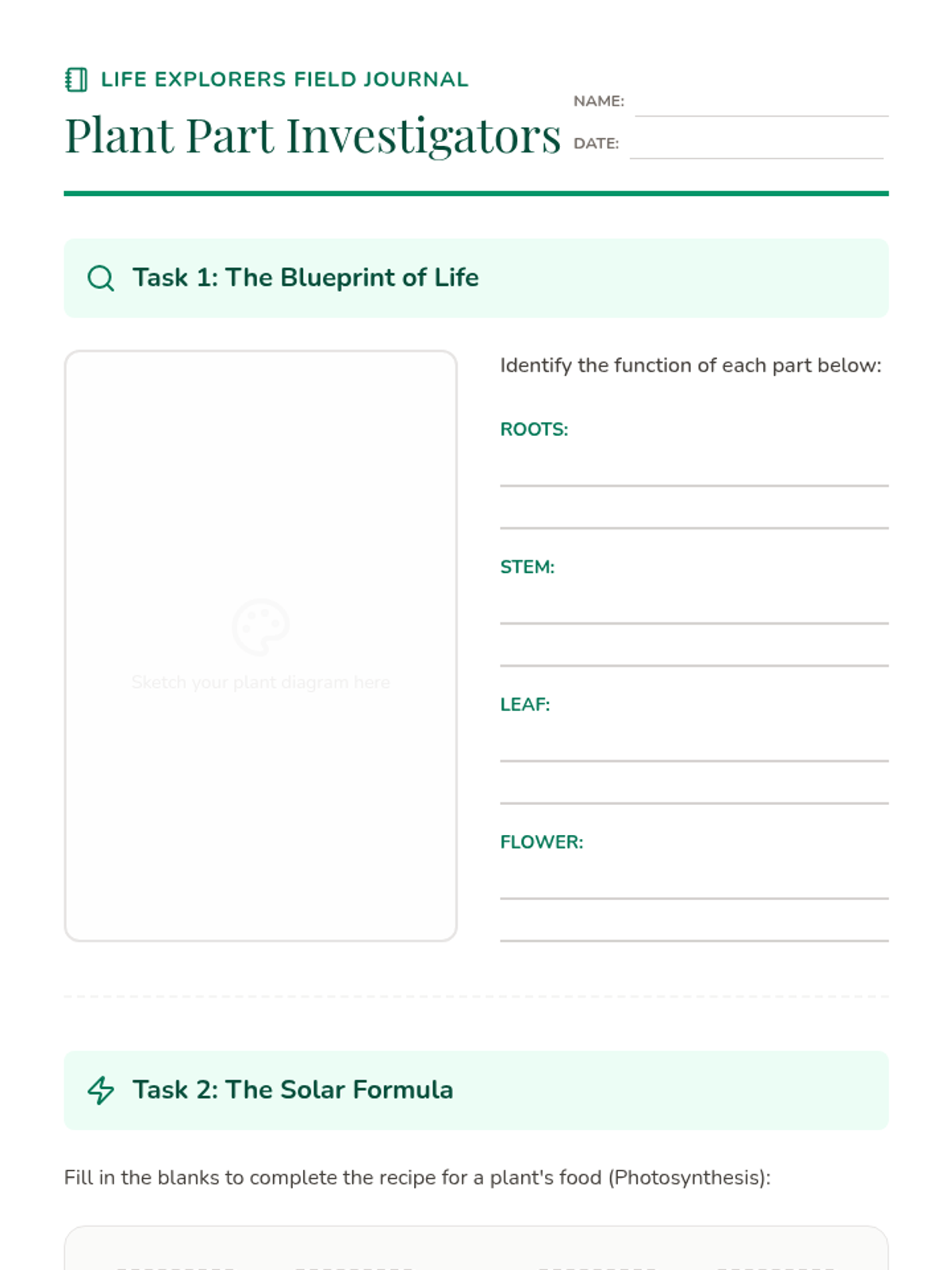
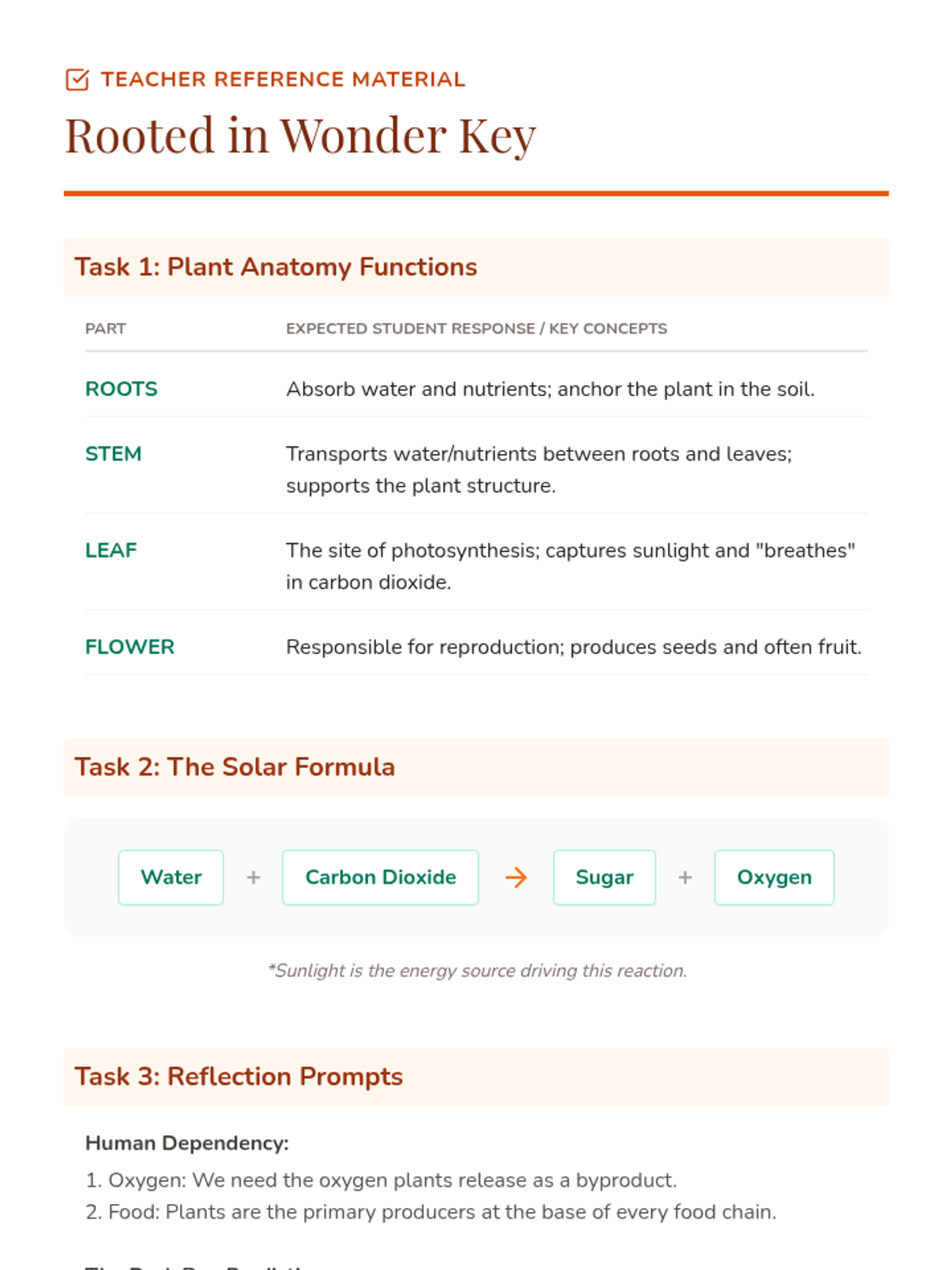
A comprehensive life science sequence exploring plant biology, animal adaptations, and ecosystem dynamics through the lens of a field explorer. Students investigate the natural world, documenting their findings like real scientists.
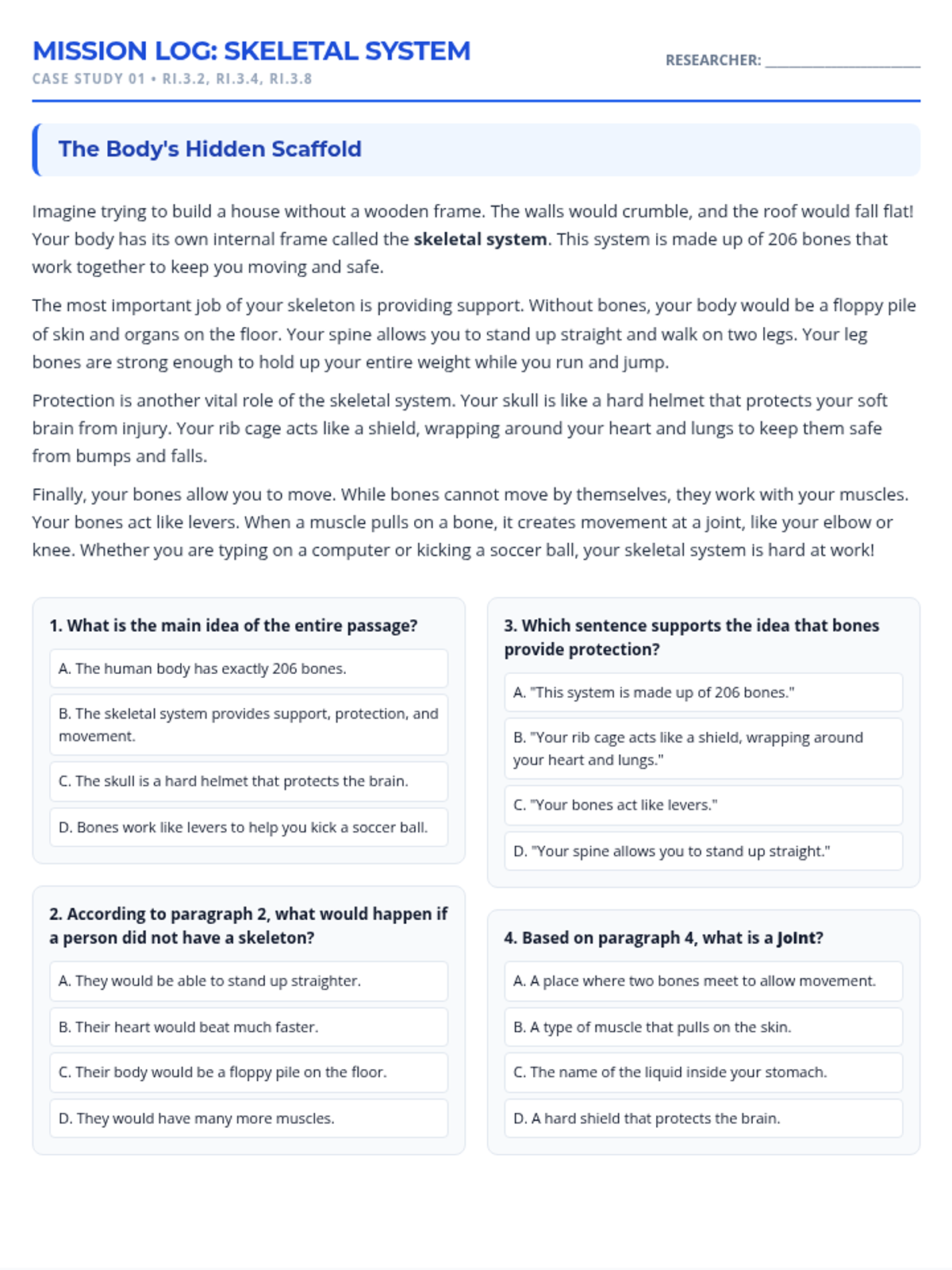
A comprehensive week-long science and ELA integration unit focused on the major systems of the human body, specifically designed to meet 3rd Grade NC ELA standards through informational text analysis.
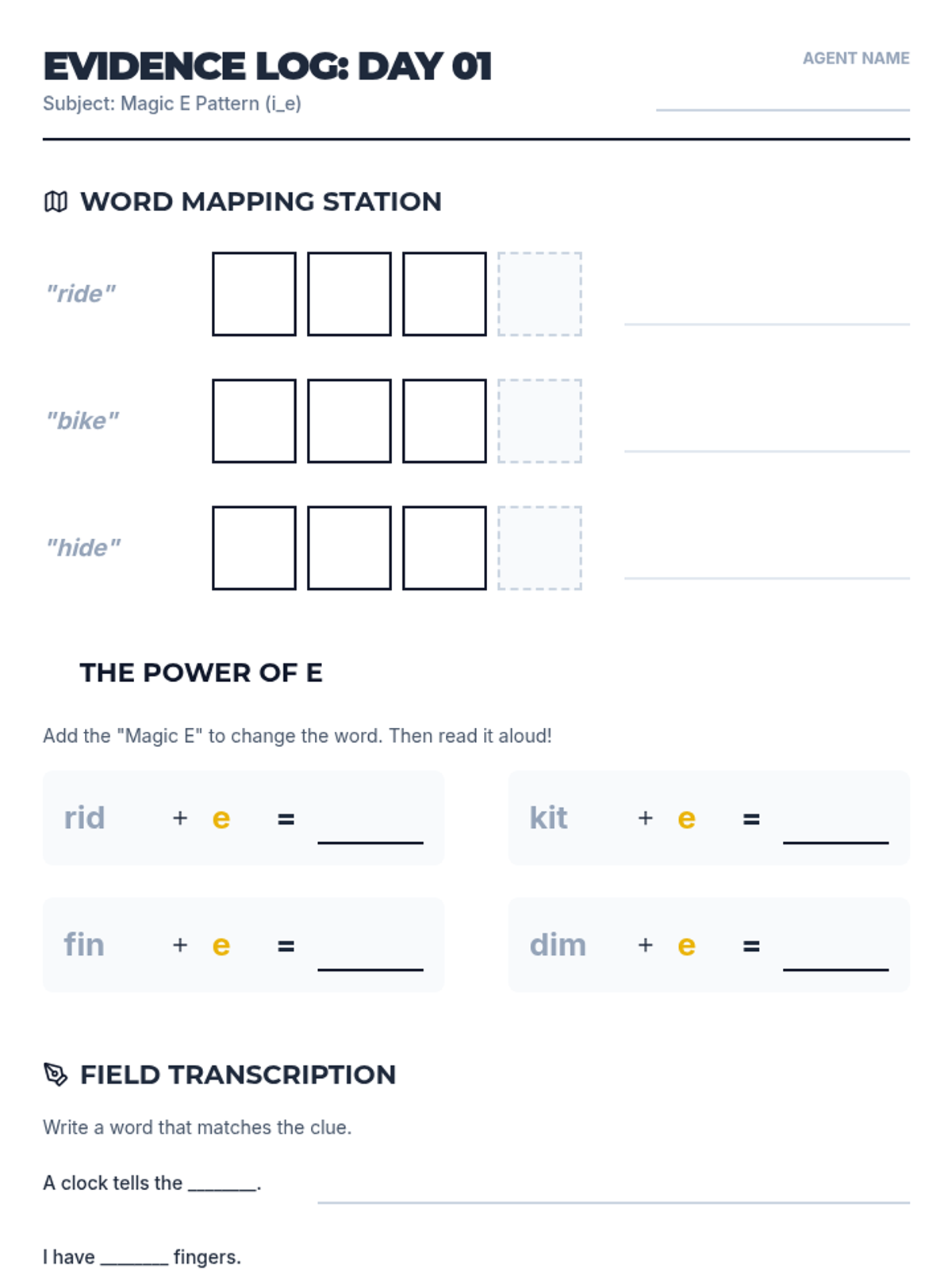
A 5-day phonics unit focused on the i_e (CVCe) pattern with blends and heart words 'by' and 'my'. The unit uses a 'Secret Agent' detective theme to engage students in word mapping, chaining, and passage reading.
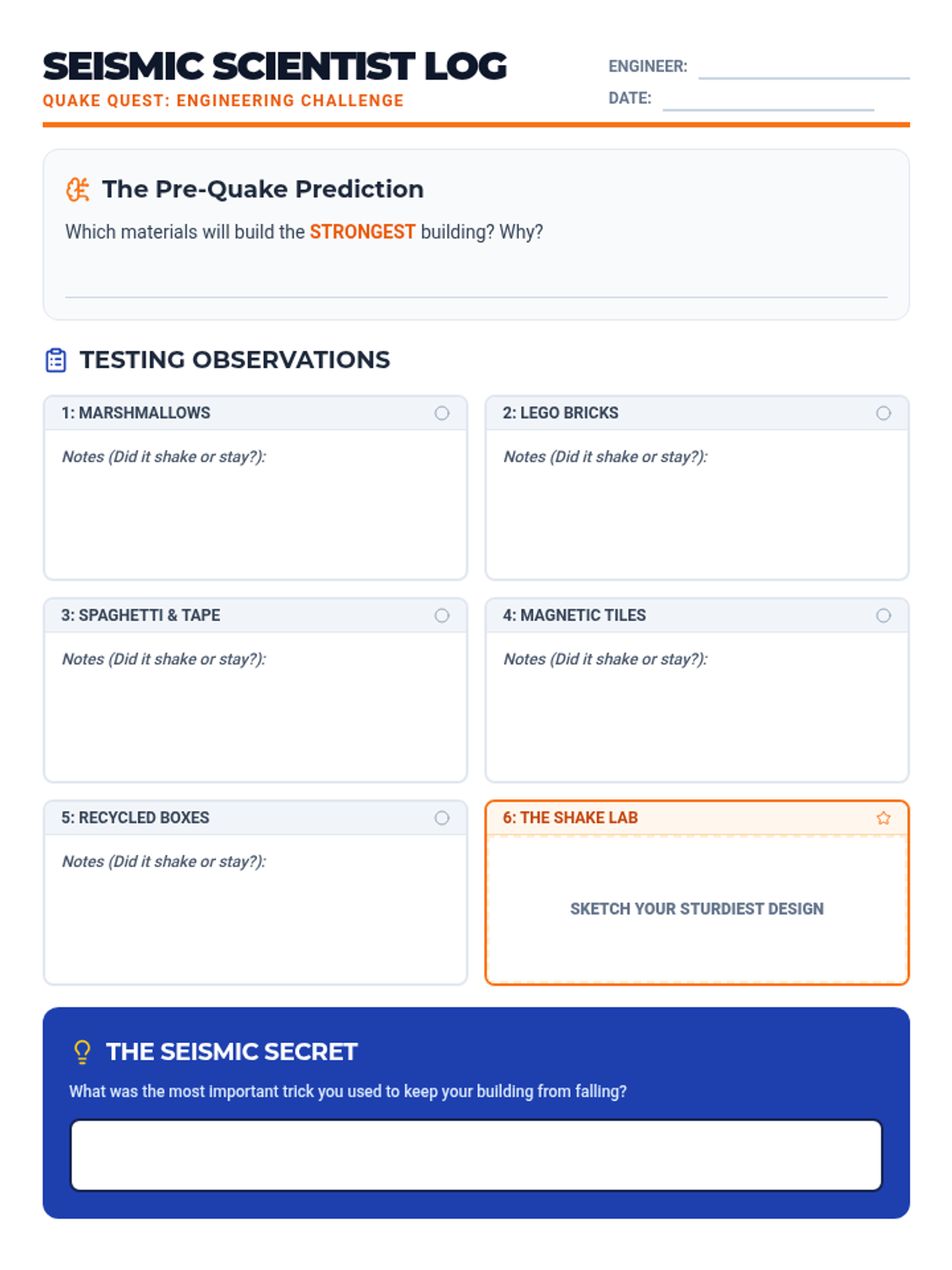
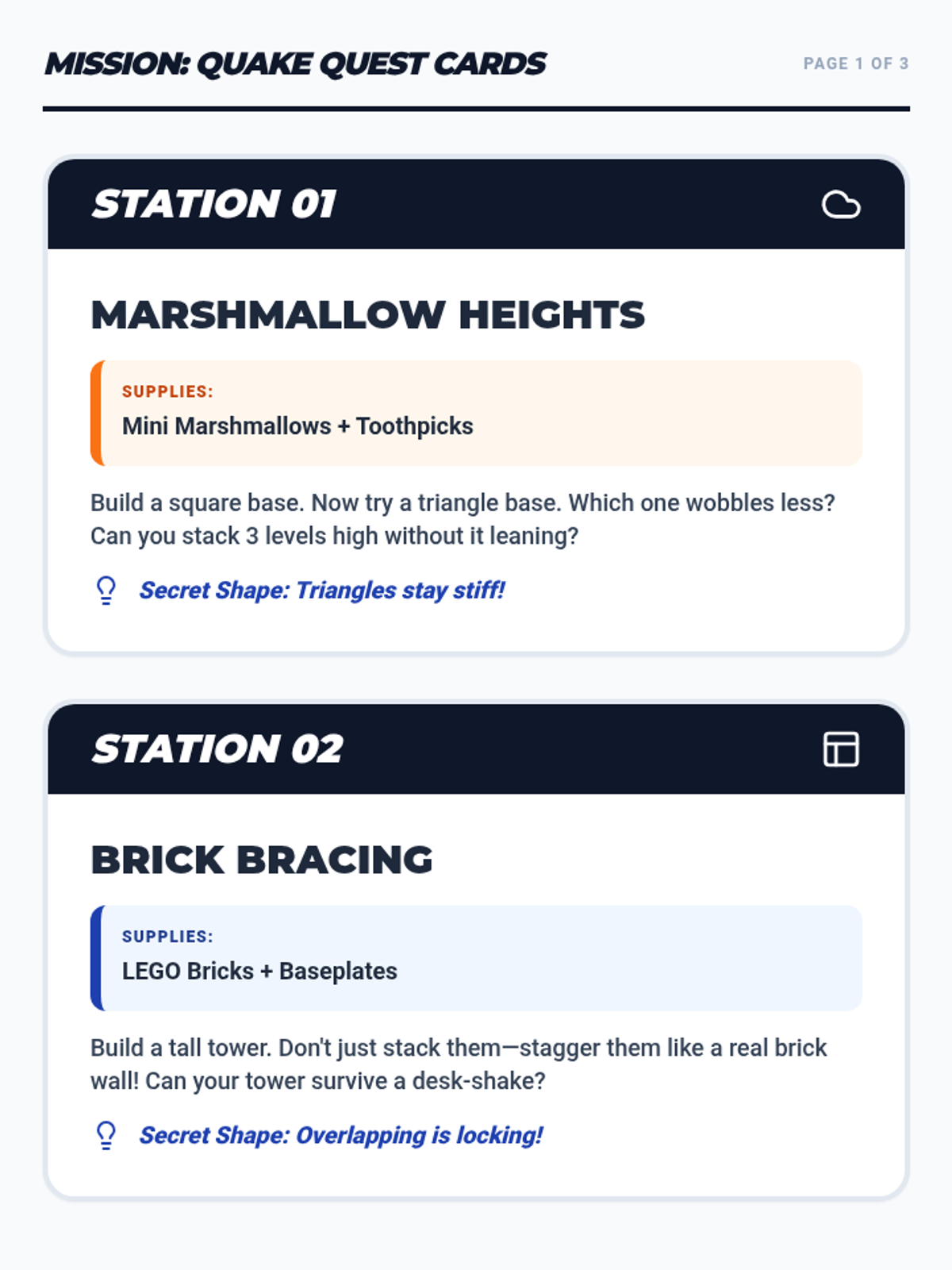
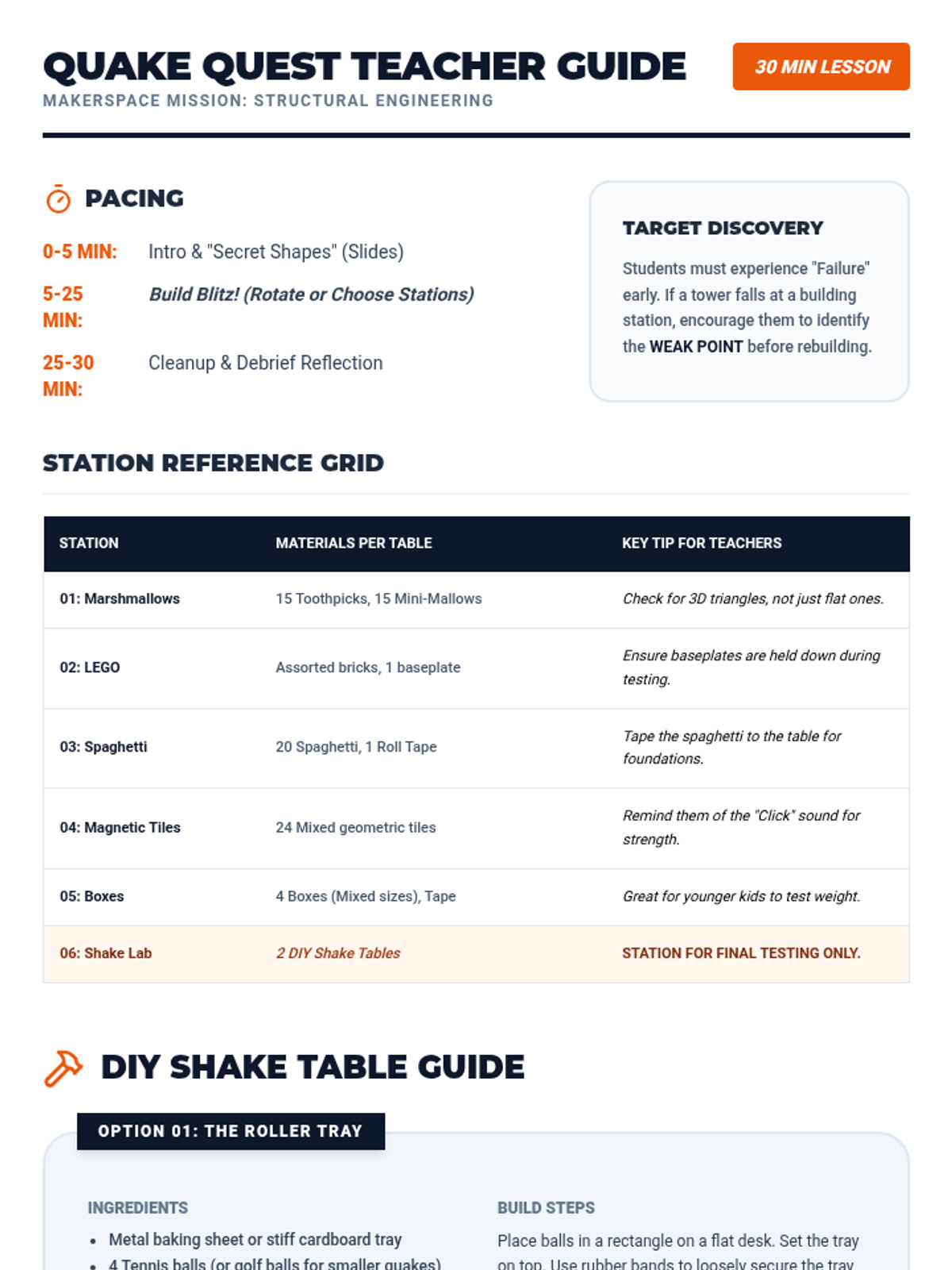
A fast-paced makerspace series where students tackle engineering challenges. This unit focuses on structural integrity and seismic resistance using everyday materials.
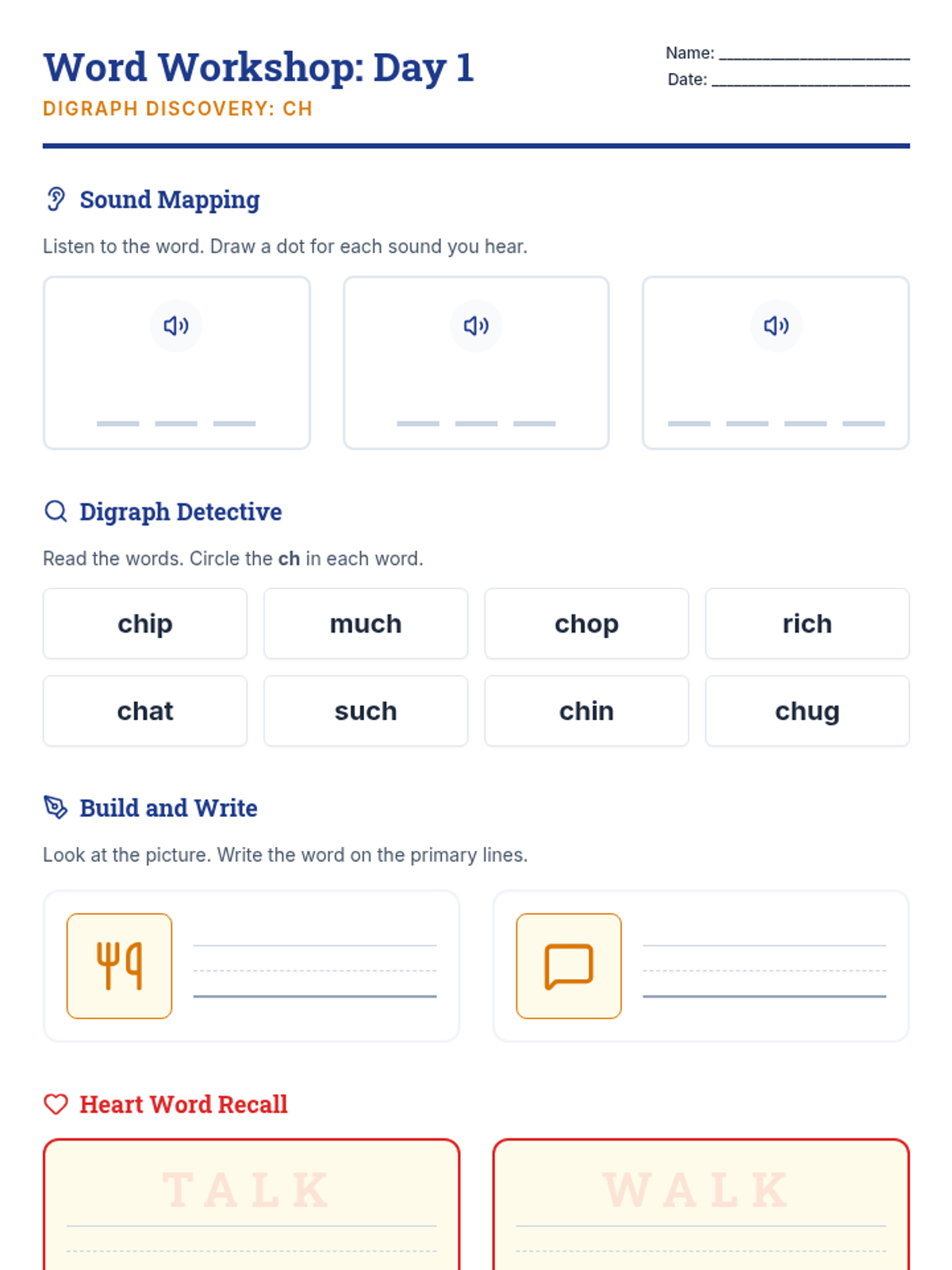
A comprehensive 5-day literacy unit focusing on the digraph 'ch' and irregular Heart Words 'talk' and 'walk'. This sequence follows a structured literacy approach incorporating phonemic awareness, cumulative review, explicit phonics instruction, and tactile irregular word practice.
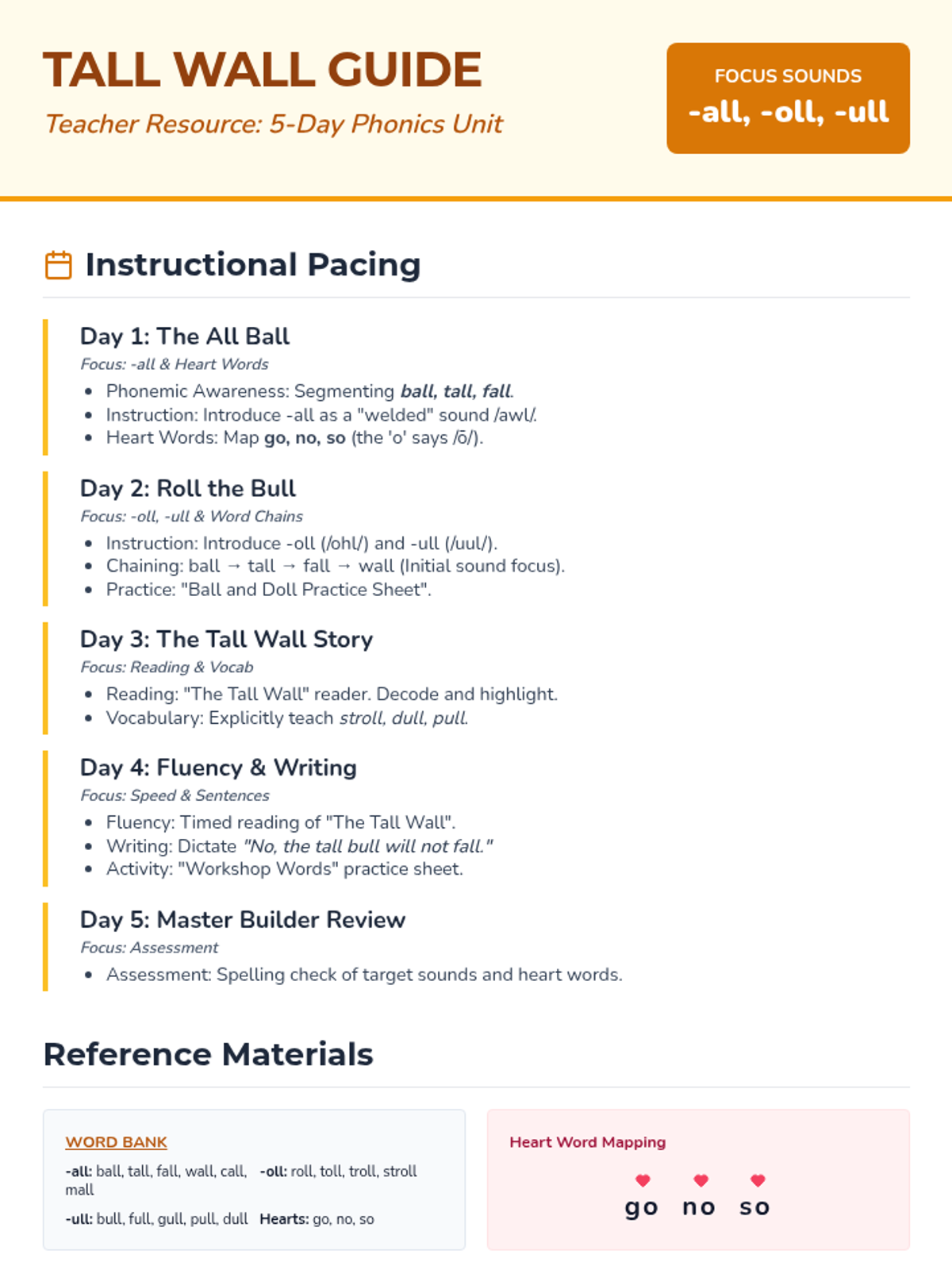
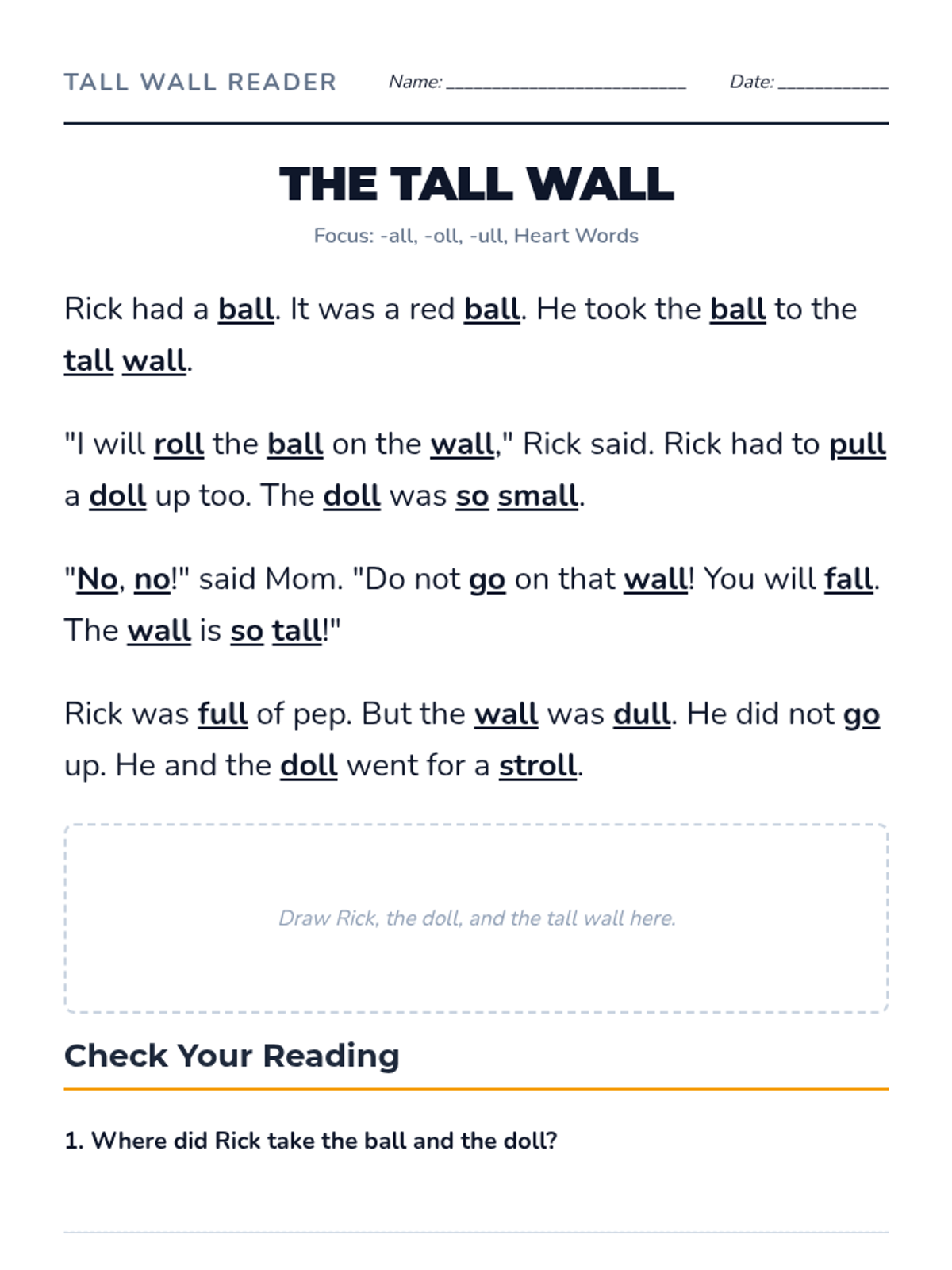
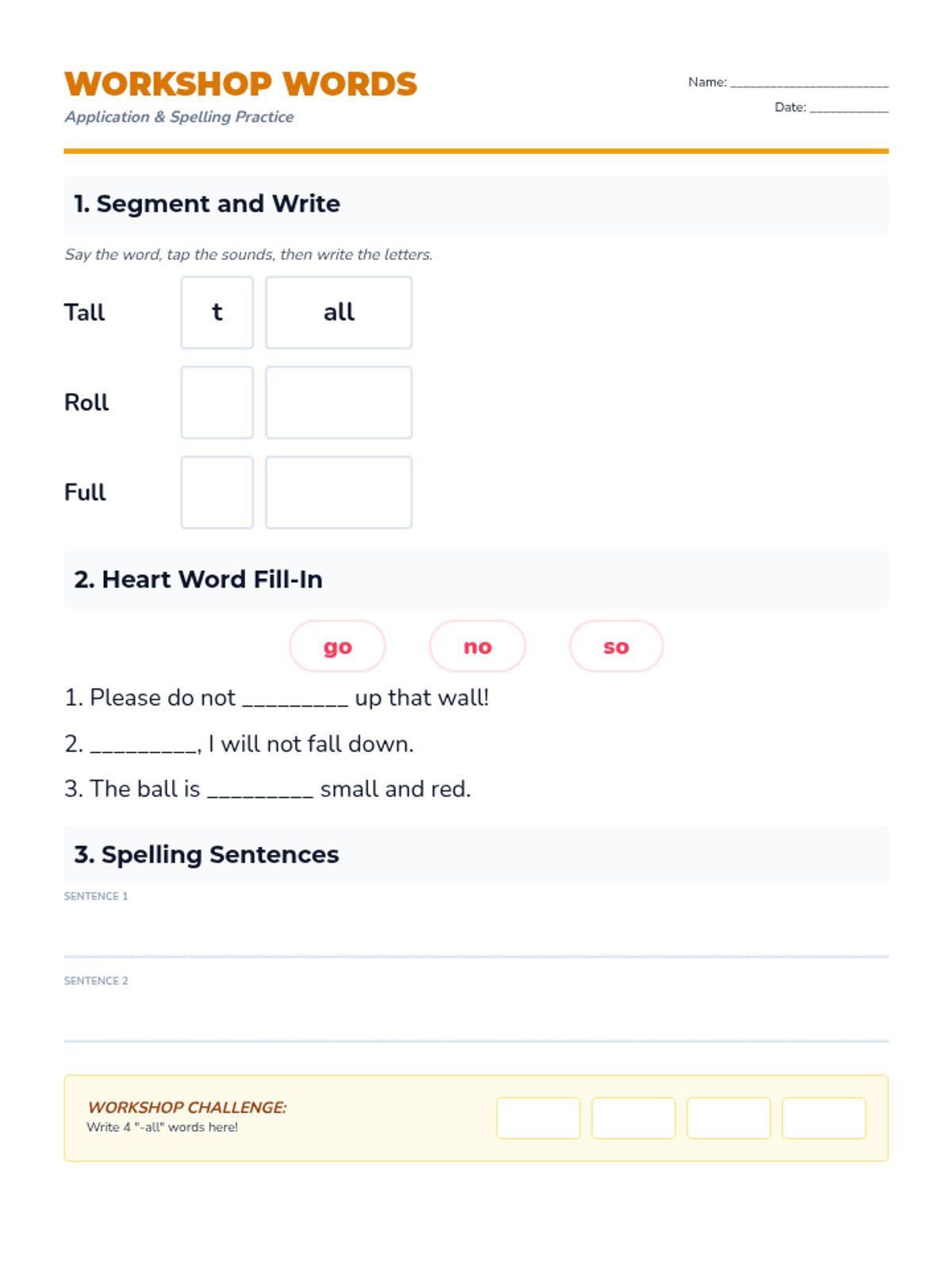
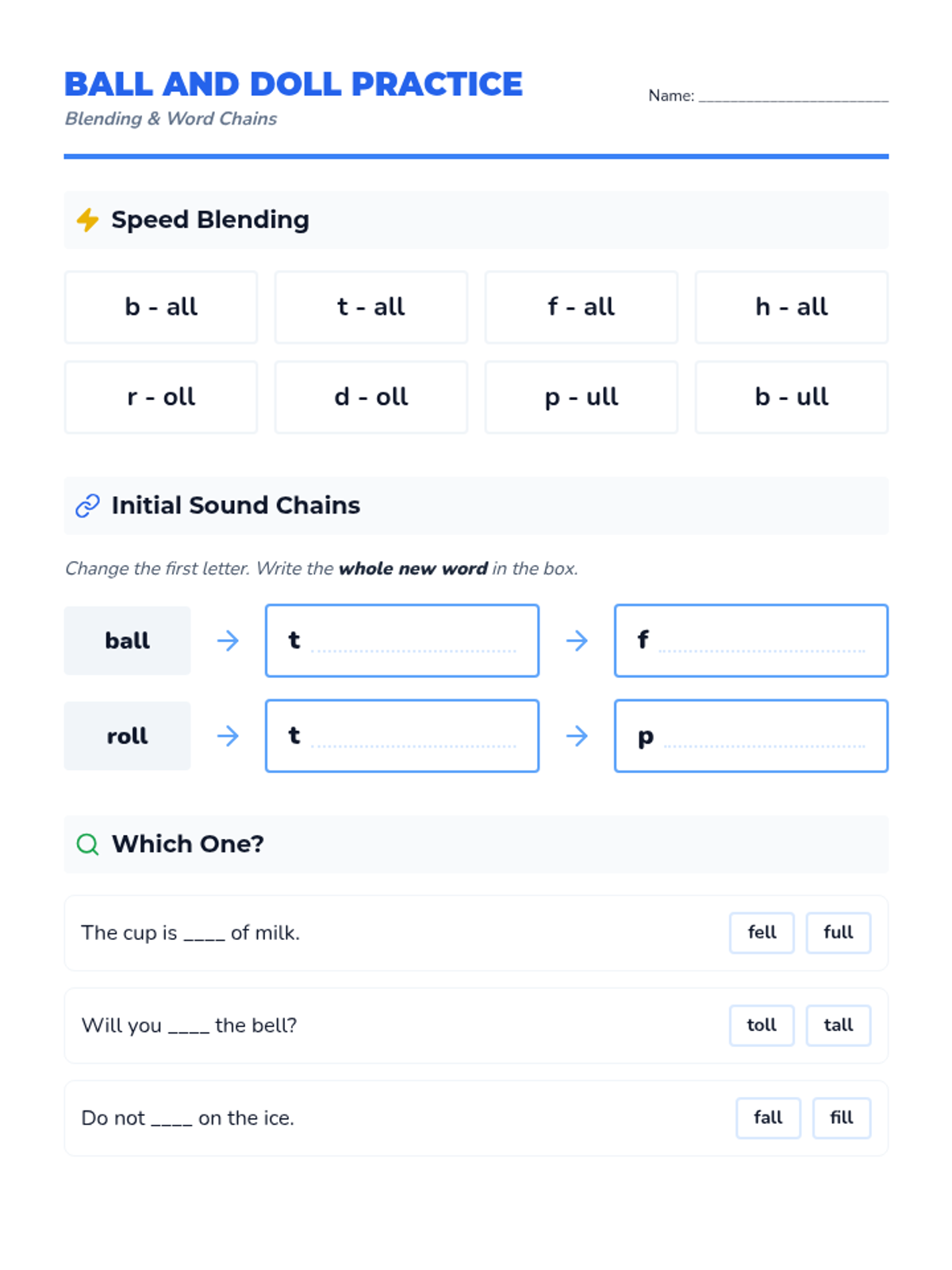
A comprehensive 5-day phonics unit focusing on the welded sounds -all, -oll, and -ull. Includes word chaining with initial sound changes, heart word instruction for go, no, and so, and a complete decodable reader with comprehension support.
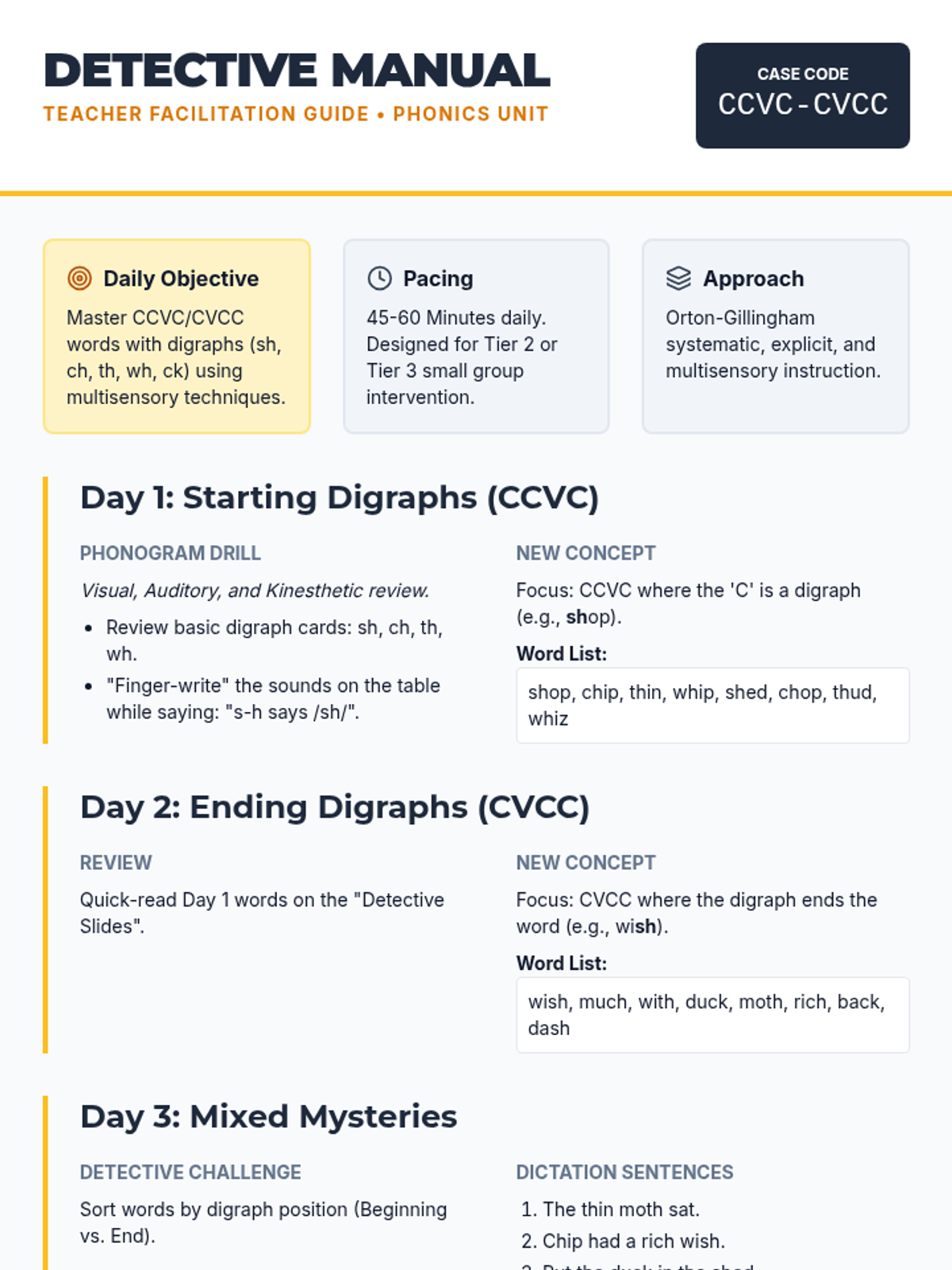
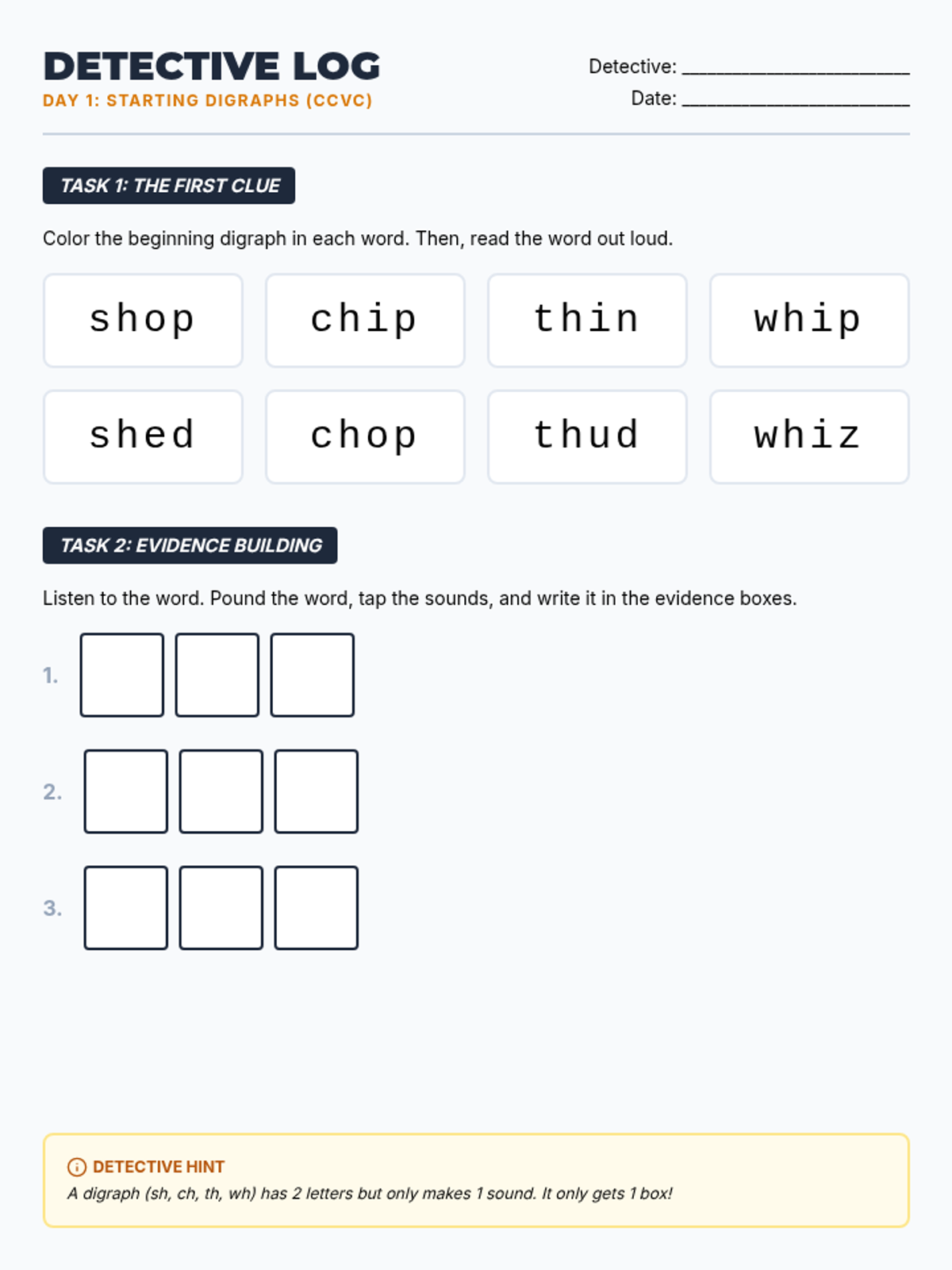
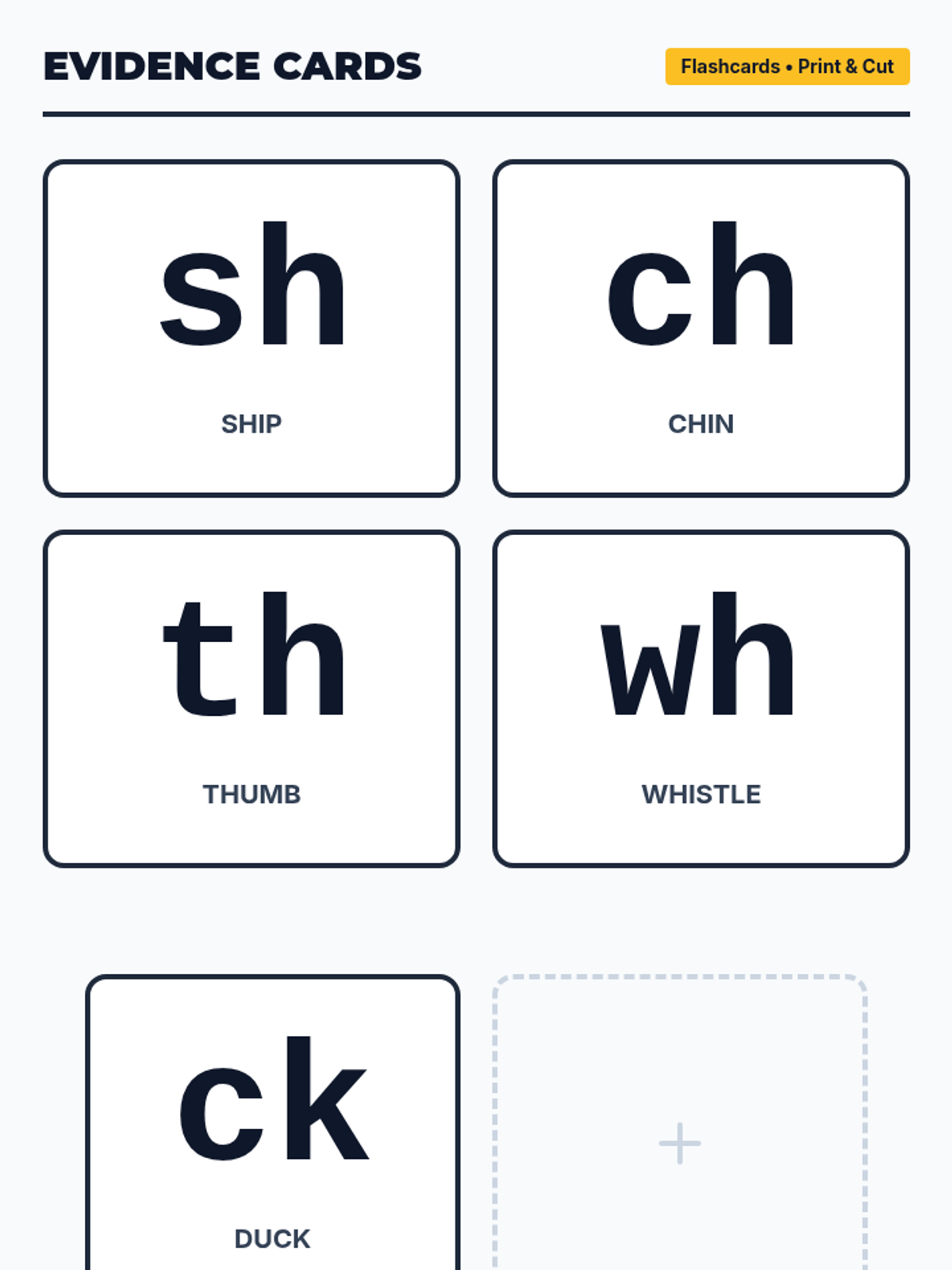
A comprehensive 5-day Orton-Gillingham phonics unit for 2nd graders focusing on CCVC and CVCC words with digraphs. Students act as 'Sound Detectives' to identify, build, and read words with complex structures.
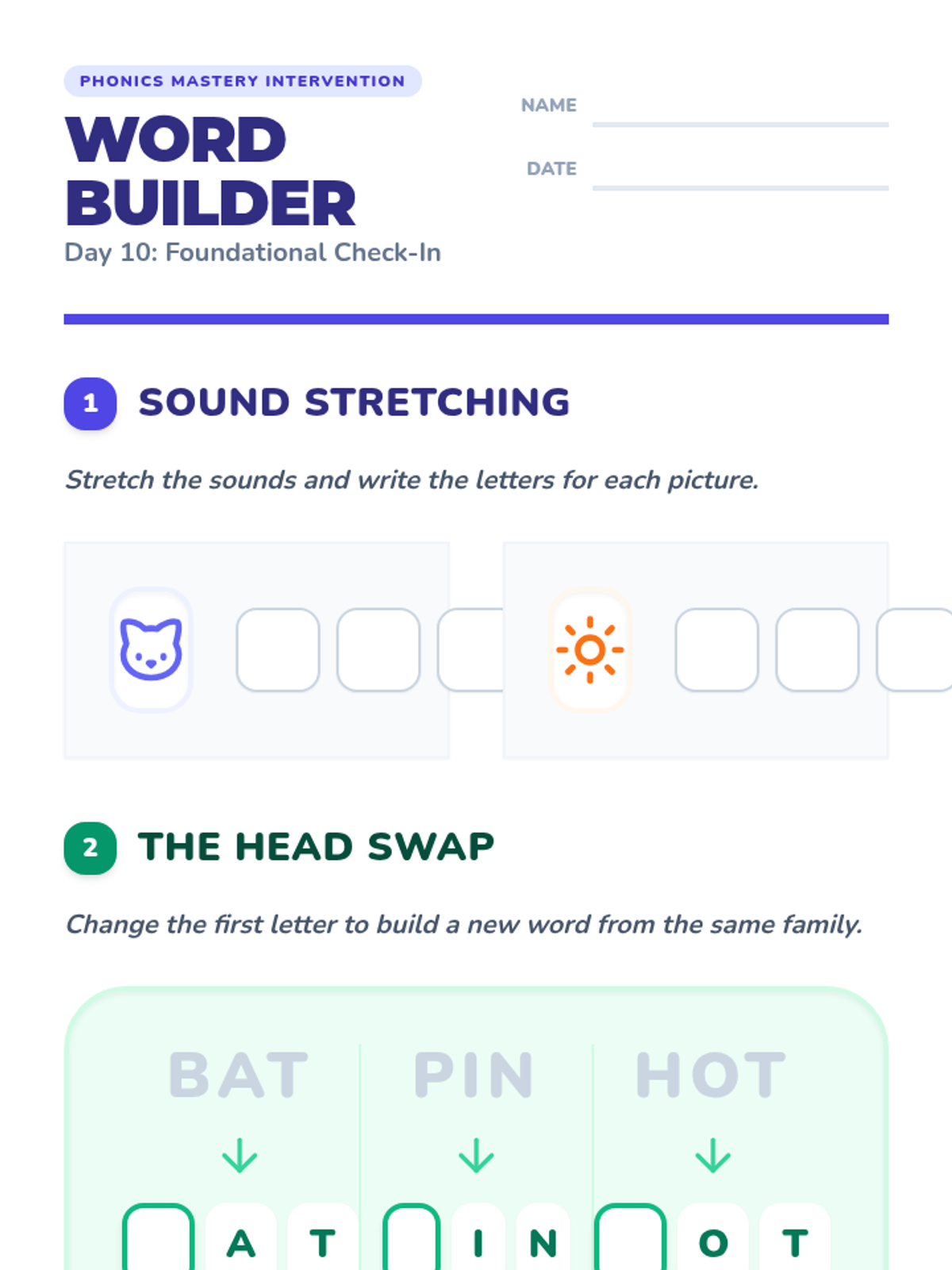
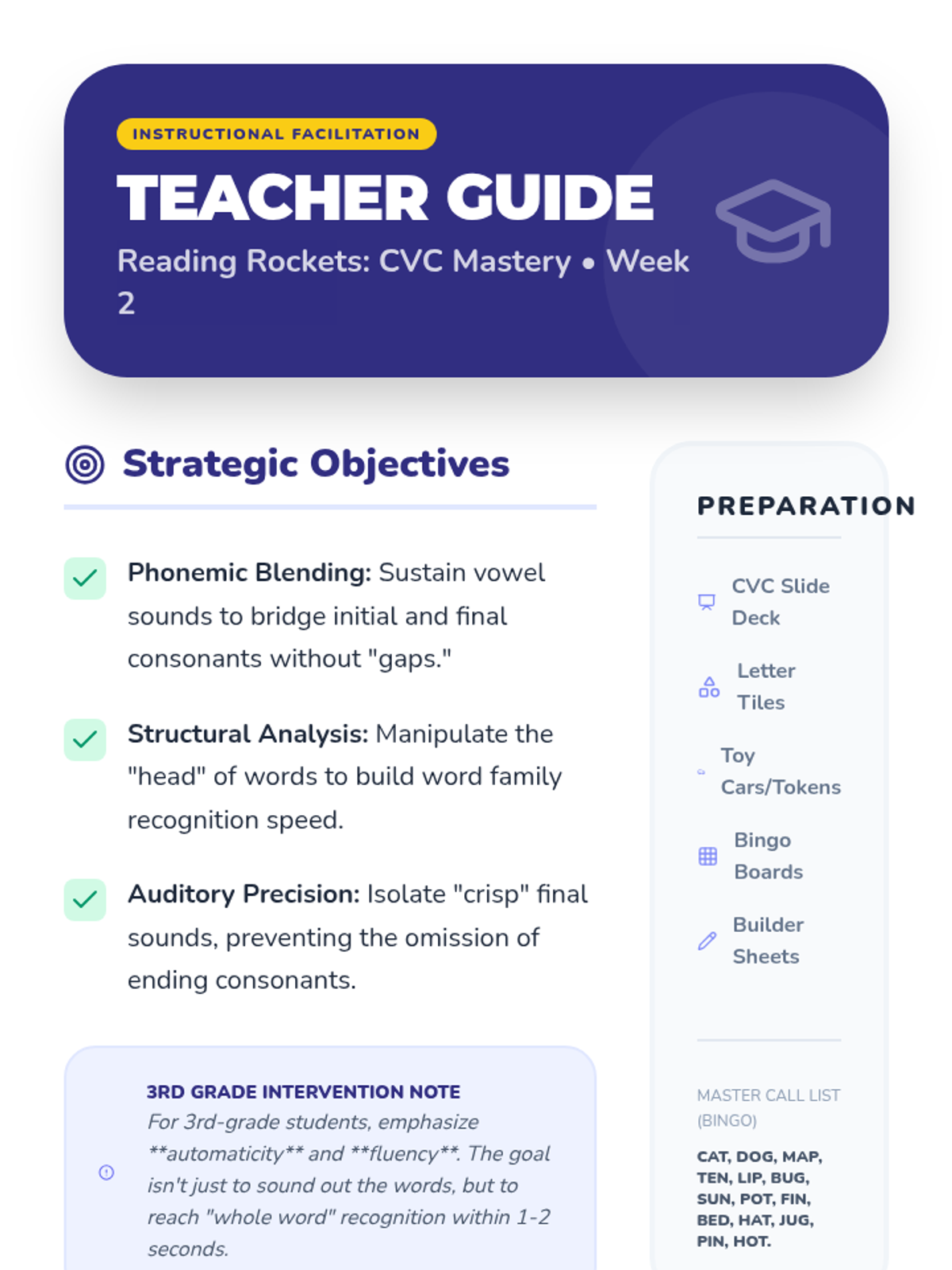
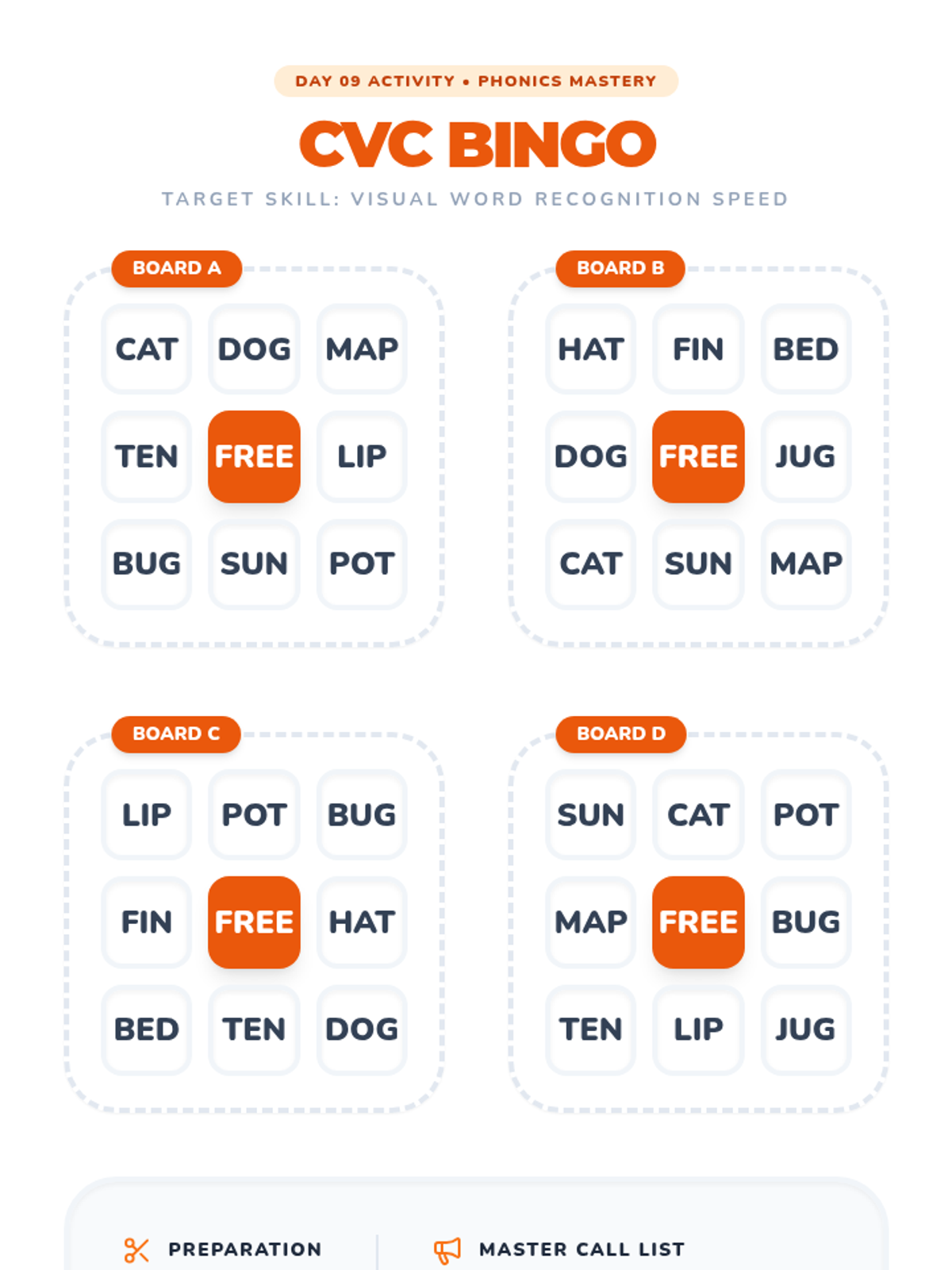
A comprehensive phonics and word study unit that progresses from foundational CVC mastery to multisyllabic word decoding and fluency.
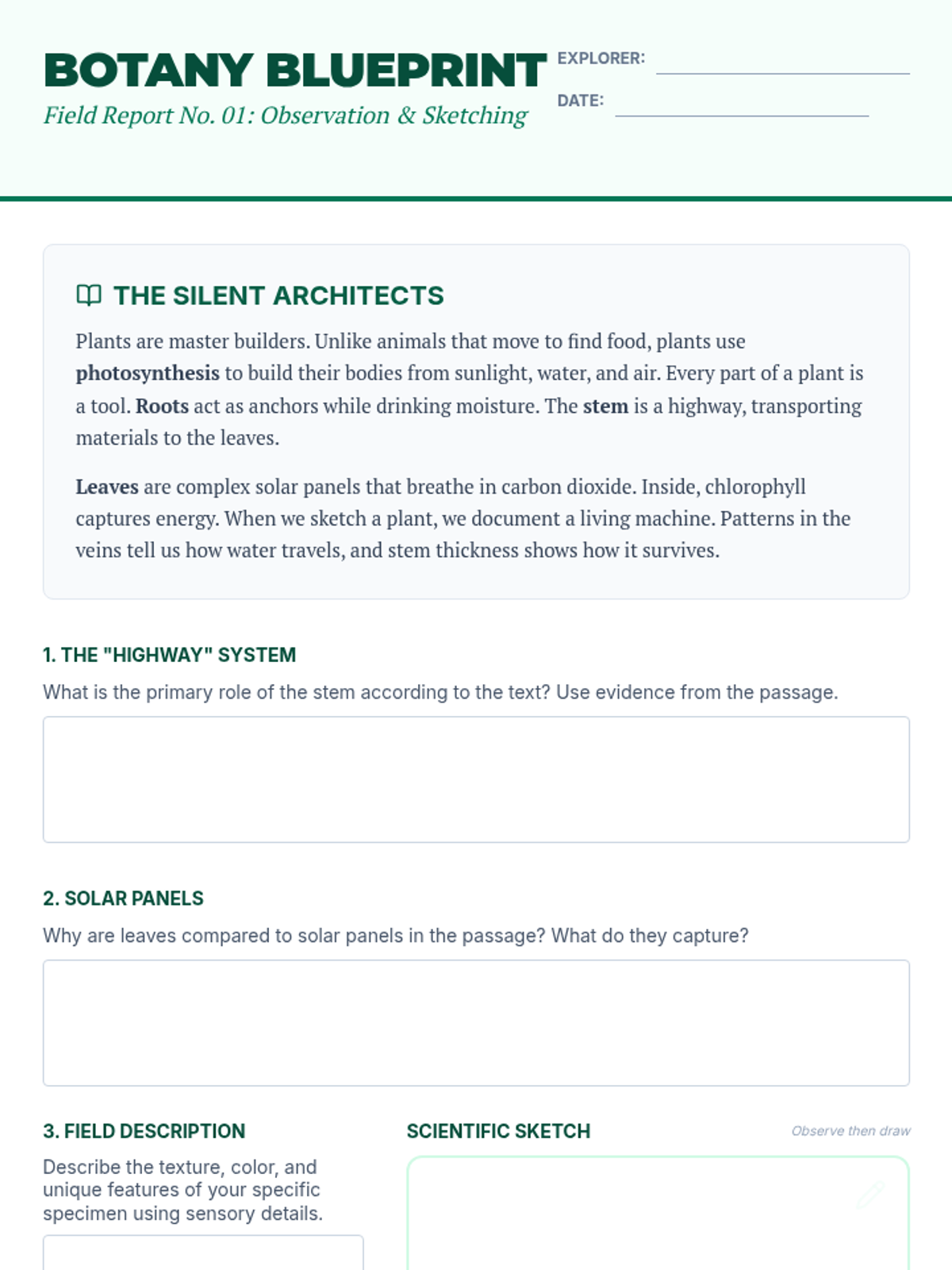
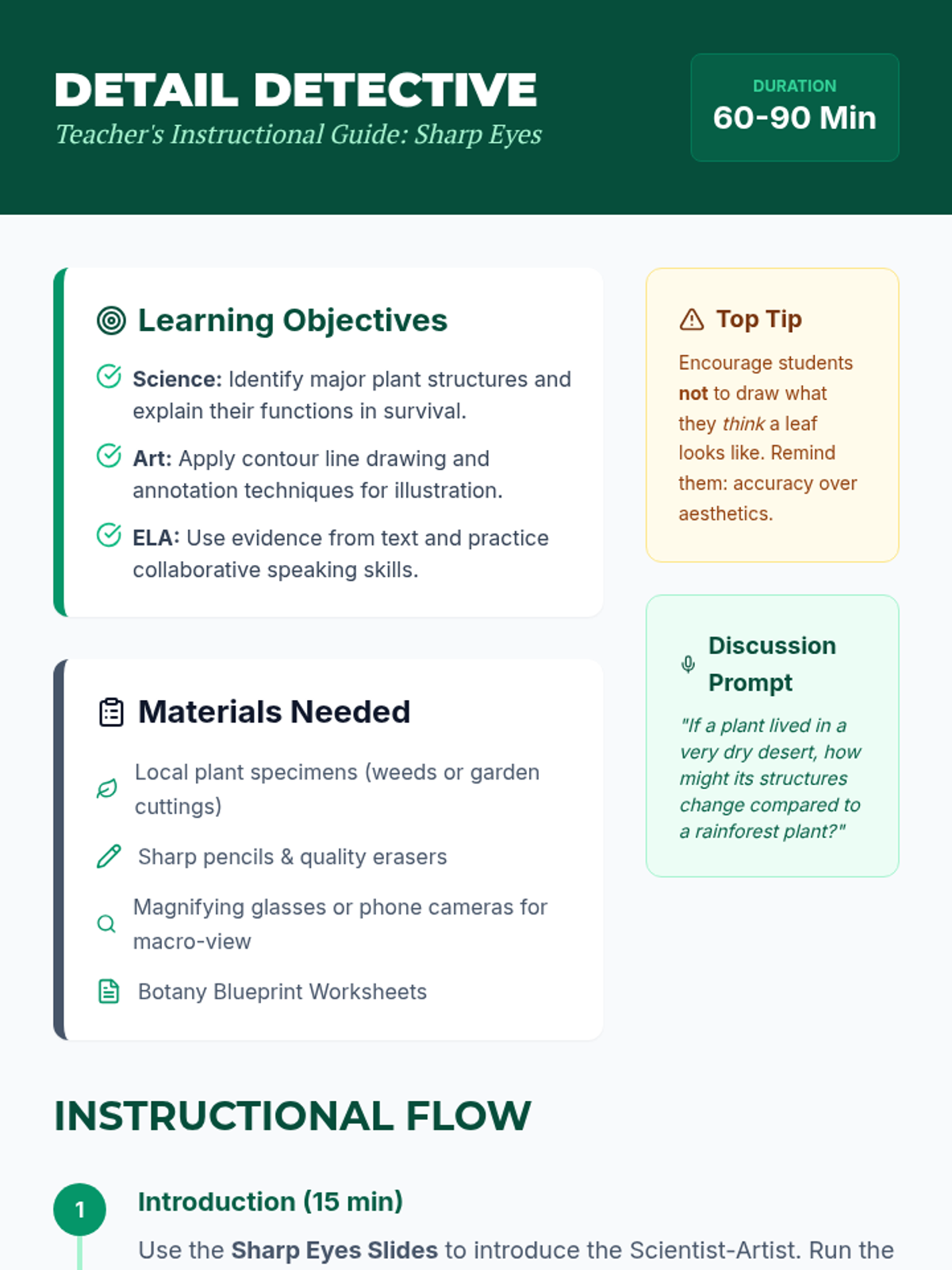
A cross-curricular journey where students blend scientific observation with artistic expression, developing ELA skills through field notes, procedural writing, and narrative storytelling.
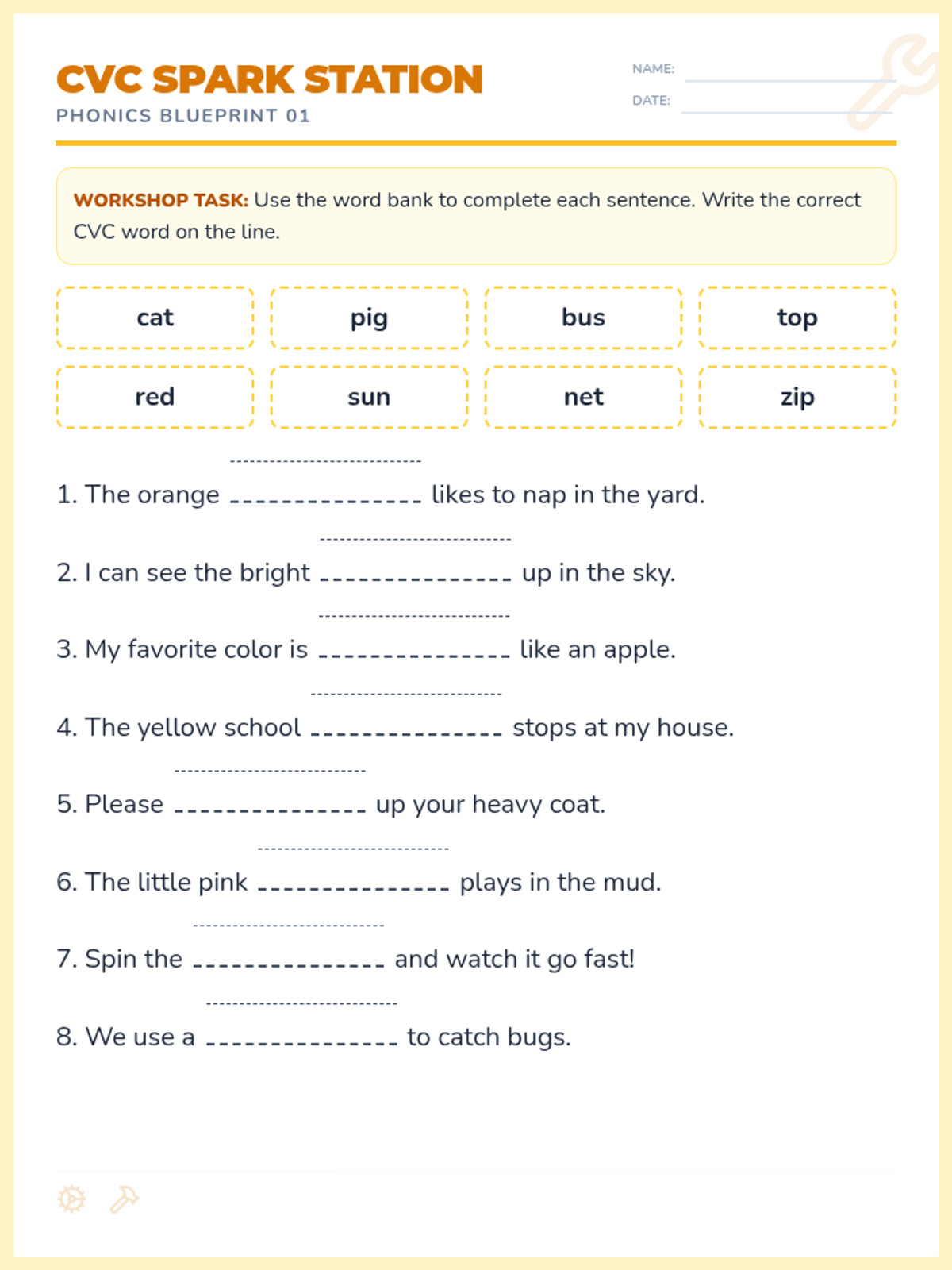
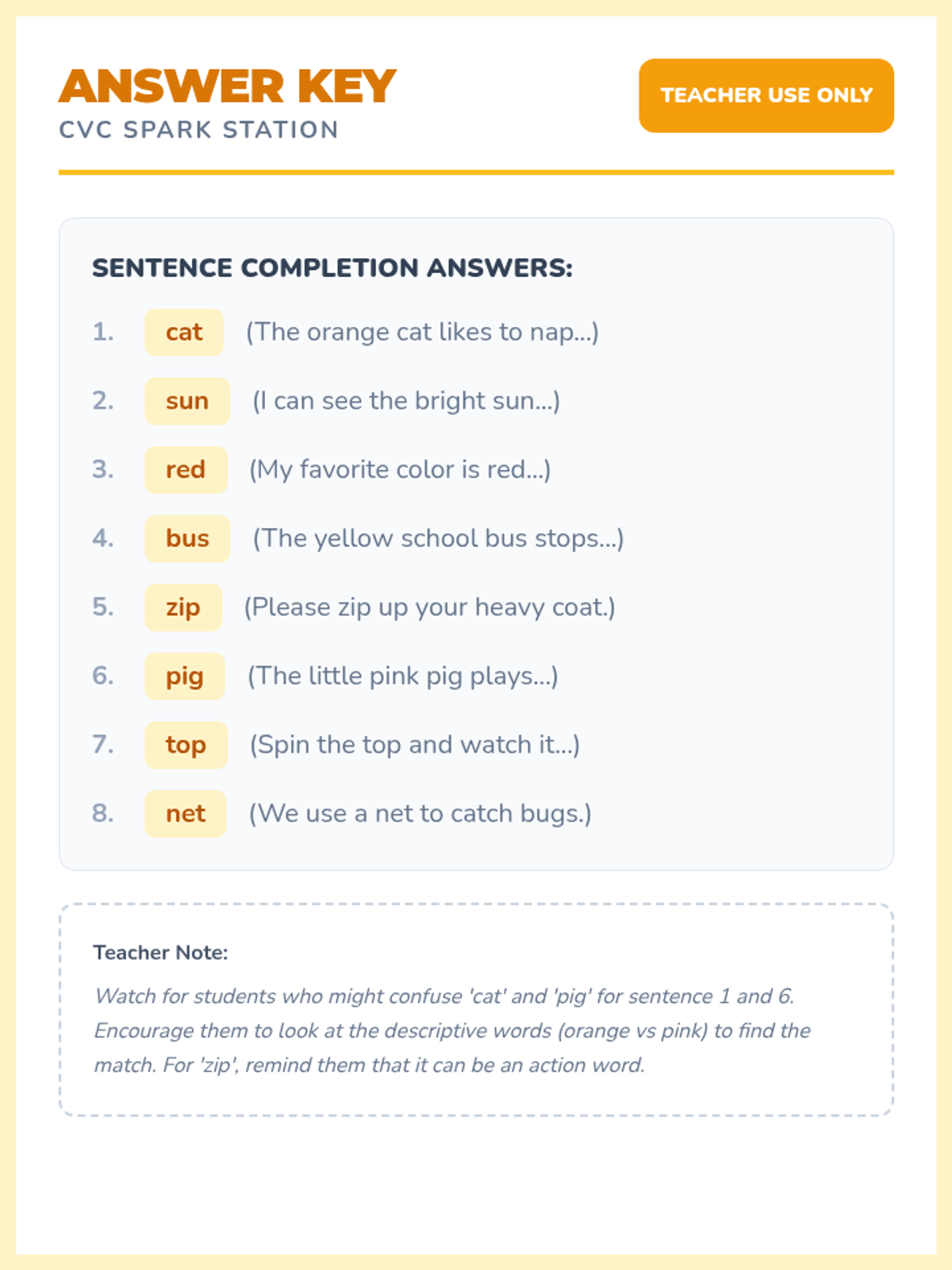
A 5-day phonics sequence for 1st grade focusing on word building and sentence completion. Students progress from simple CVC words to blends (CCVC/CVCC) and conclude with the magic 'e' (CVCe) pattern through a blueprint-themed 'Word Workshop' aesthetic.
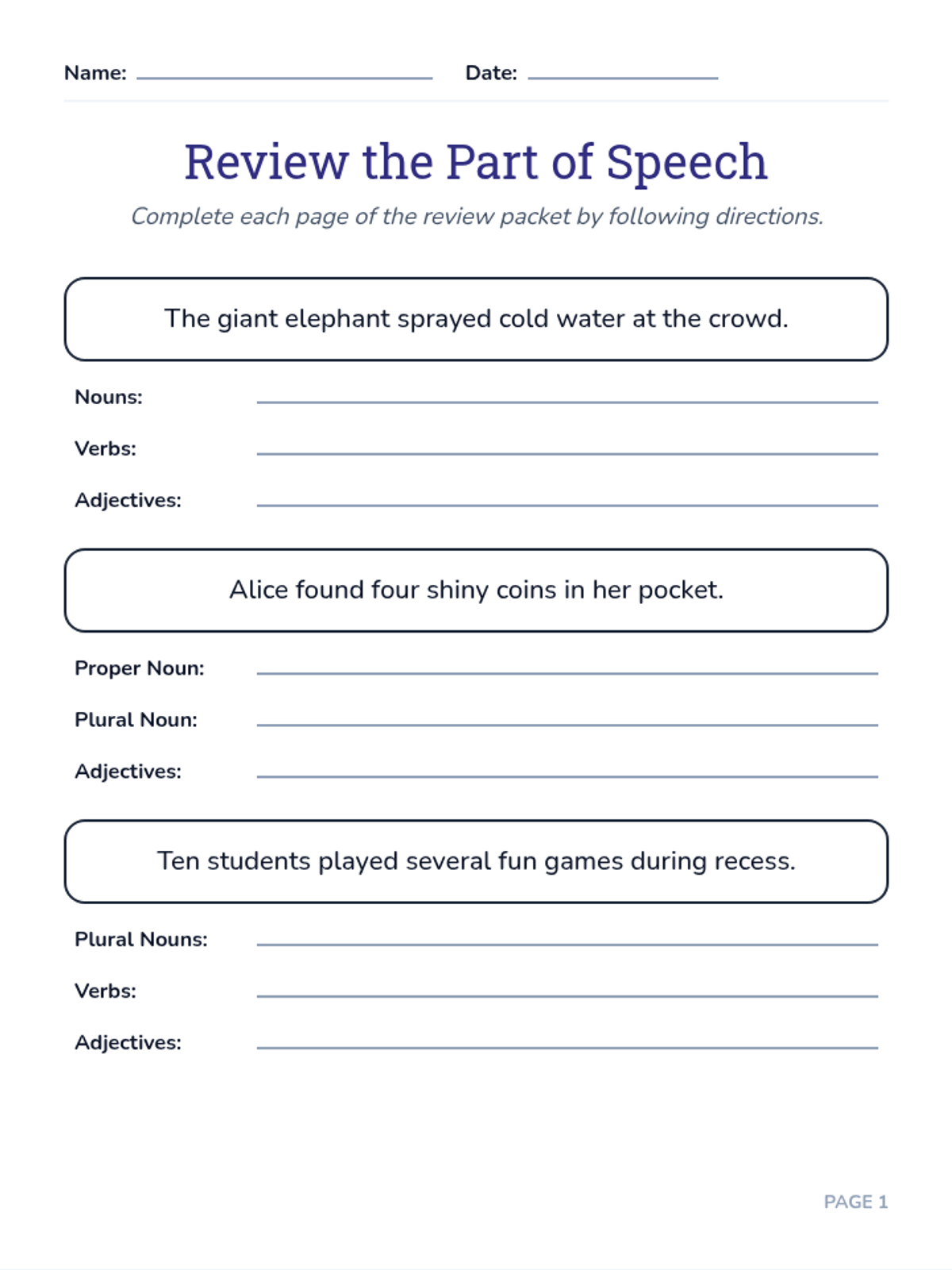
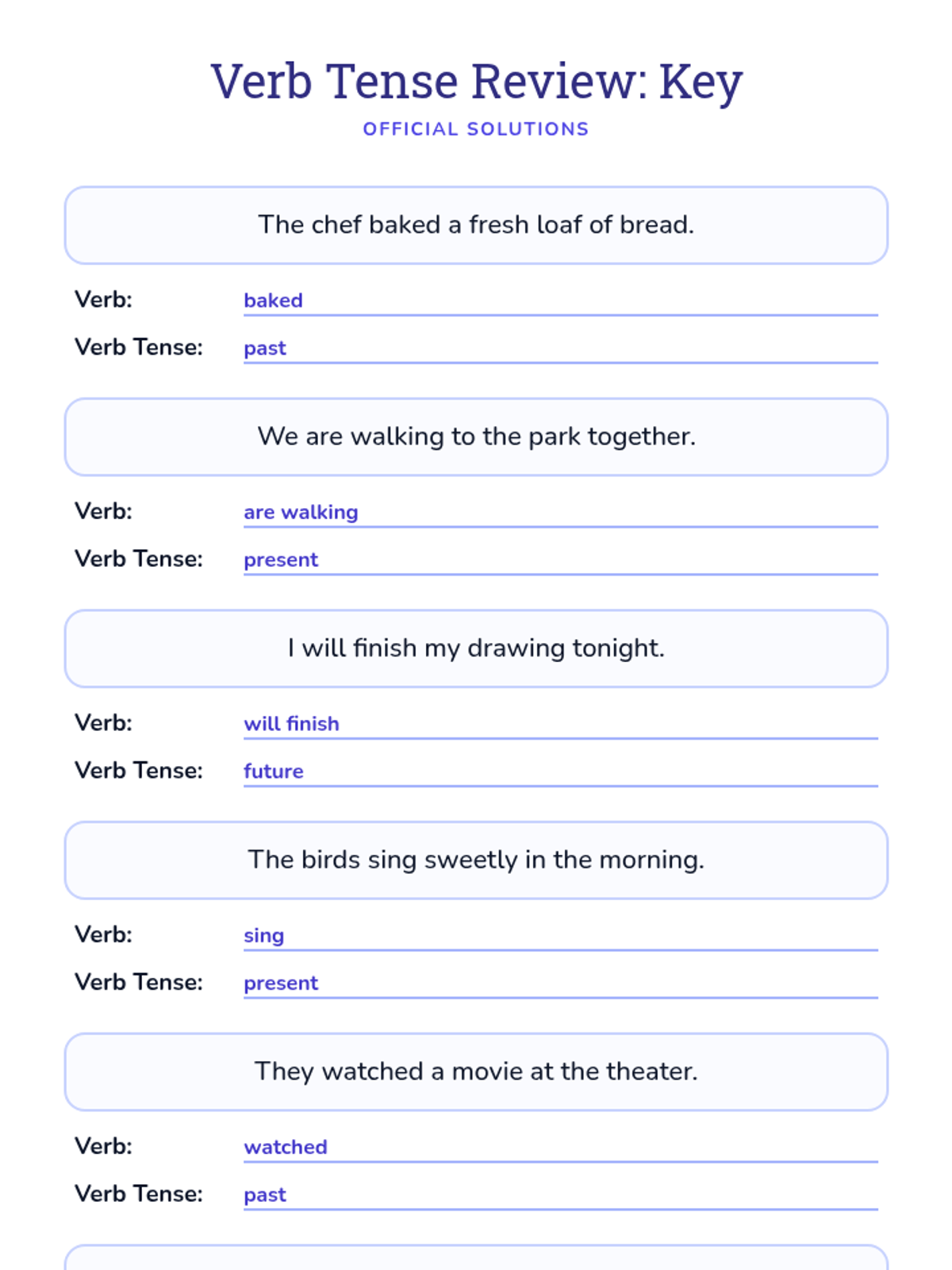
A comprehensive review sequence covering core 3rd-grade math and ELA standards, designed to prepare students for end-of-grade assessments through rigorous practice and analysis.
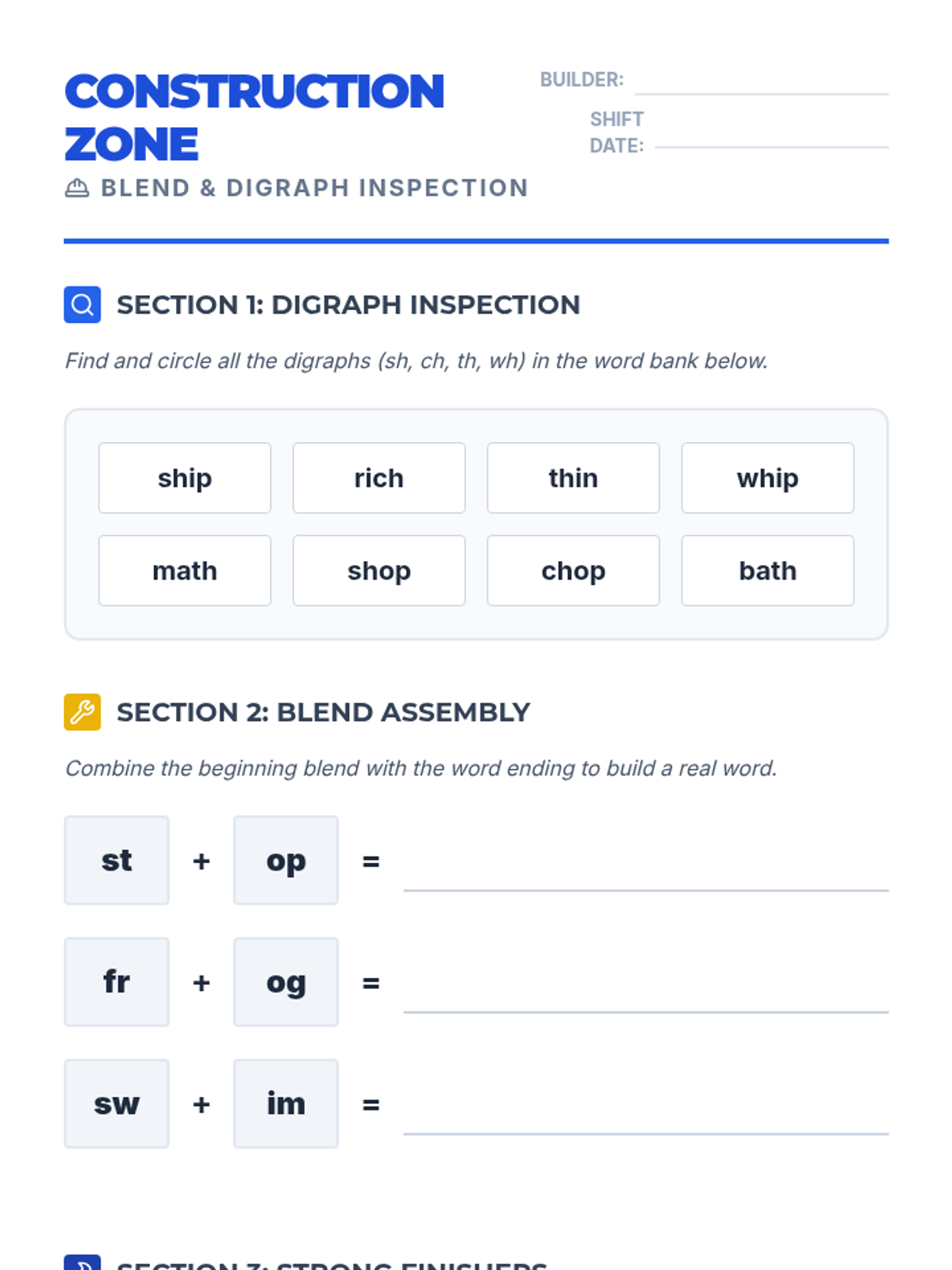
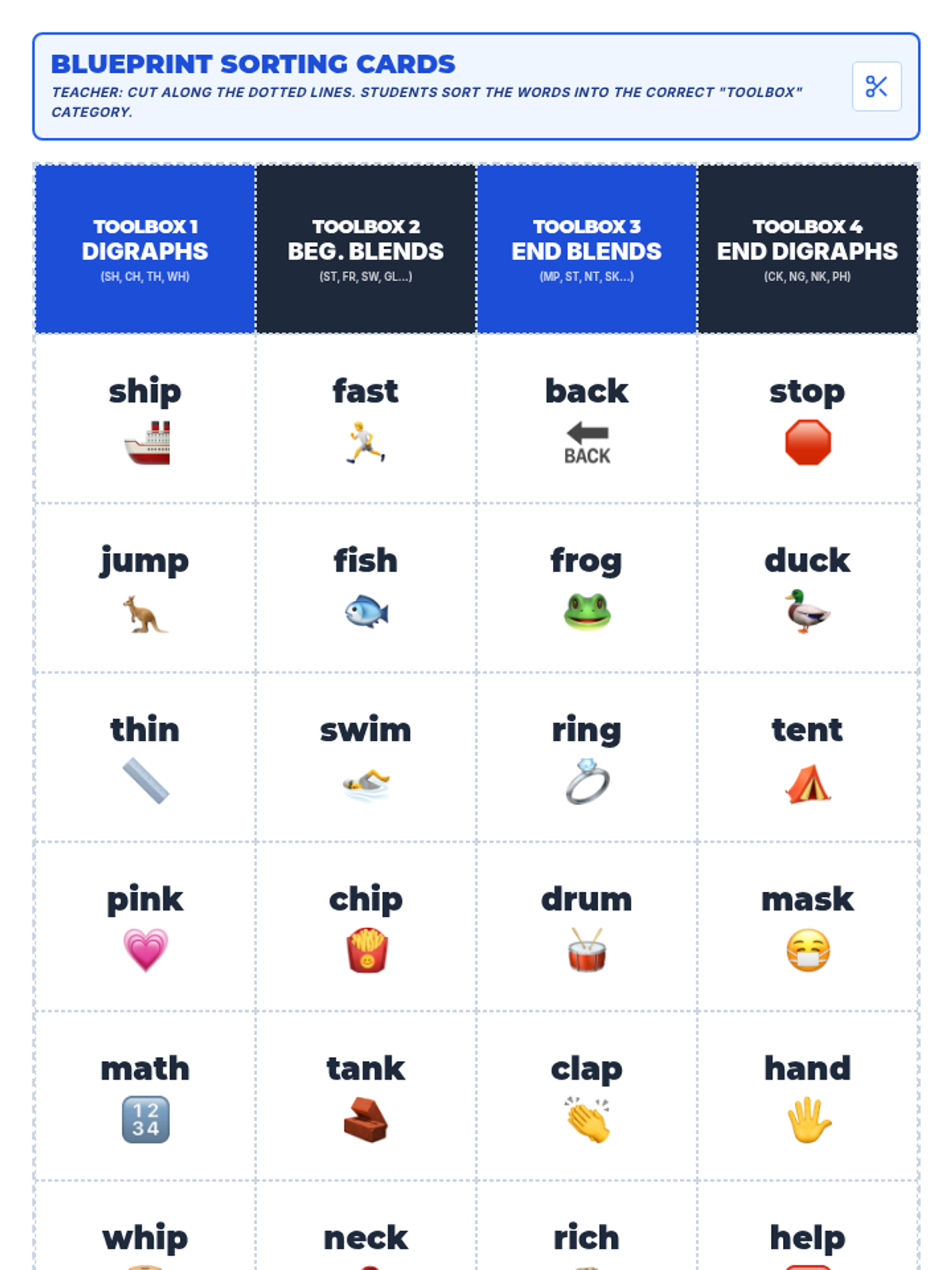
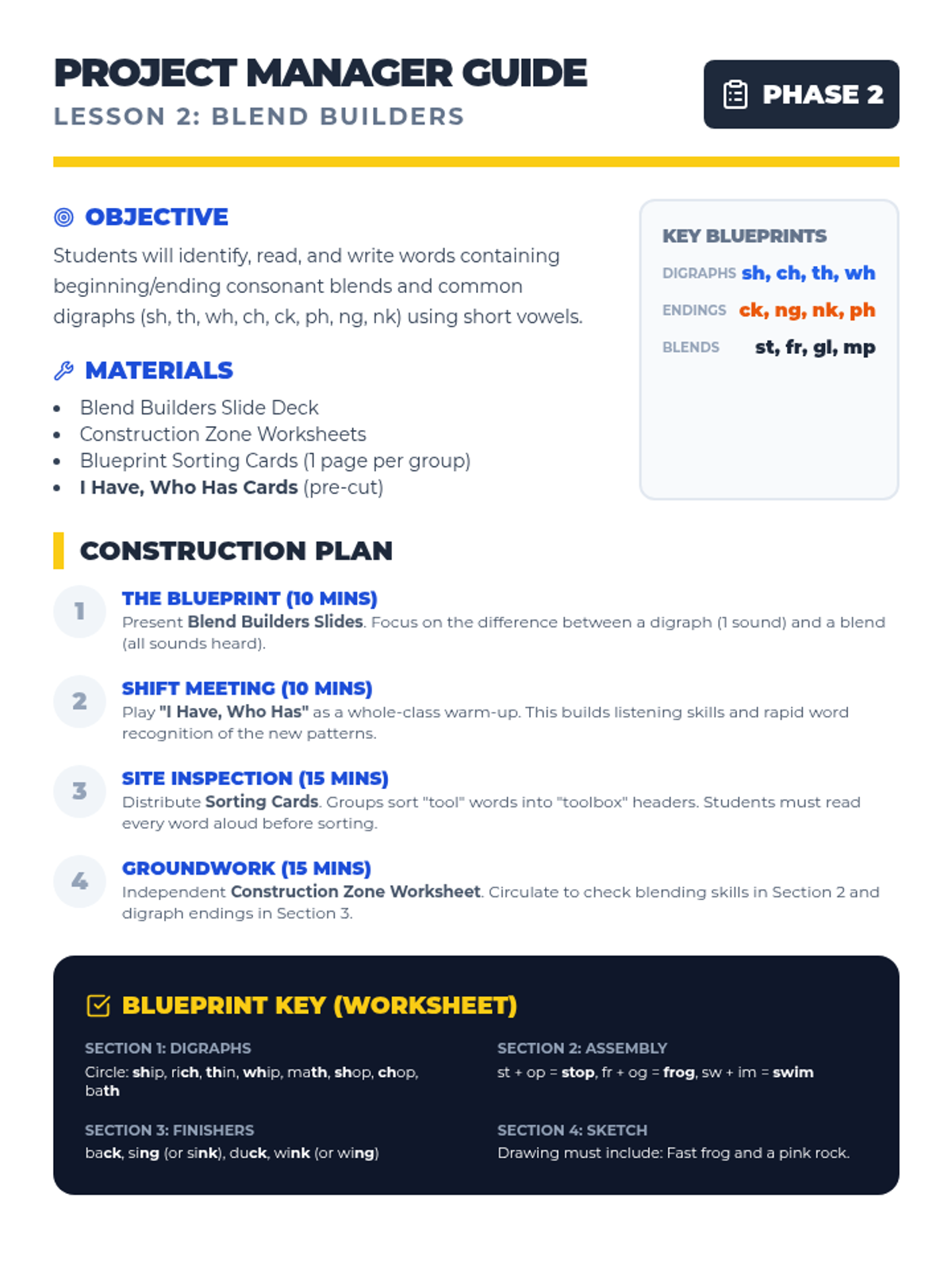
A comprehensive phonics sequence that takes students from basic CVC words to complex consonant blends and digraphs through interactive workshop-themed activities and games.
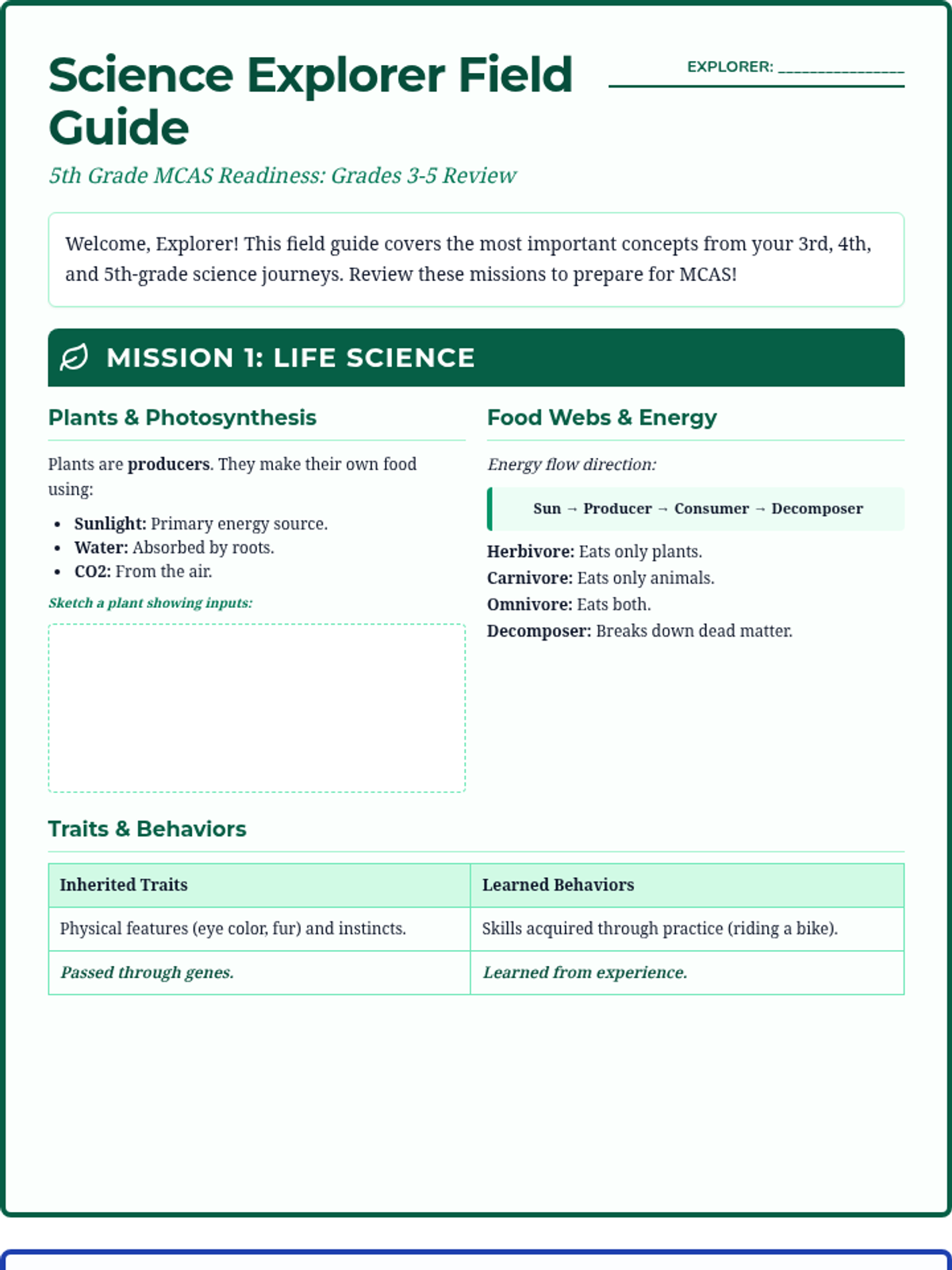
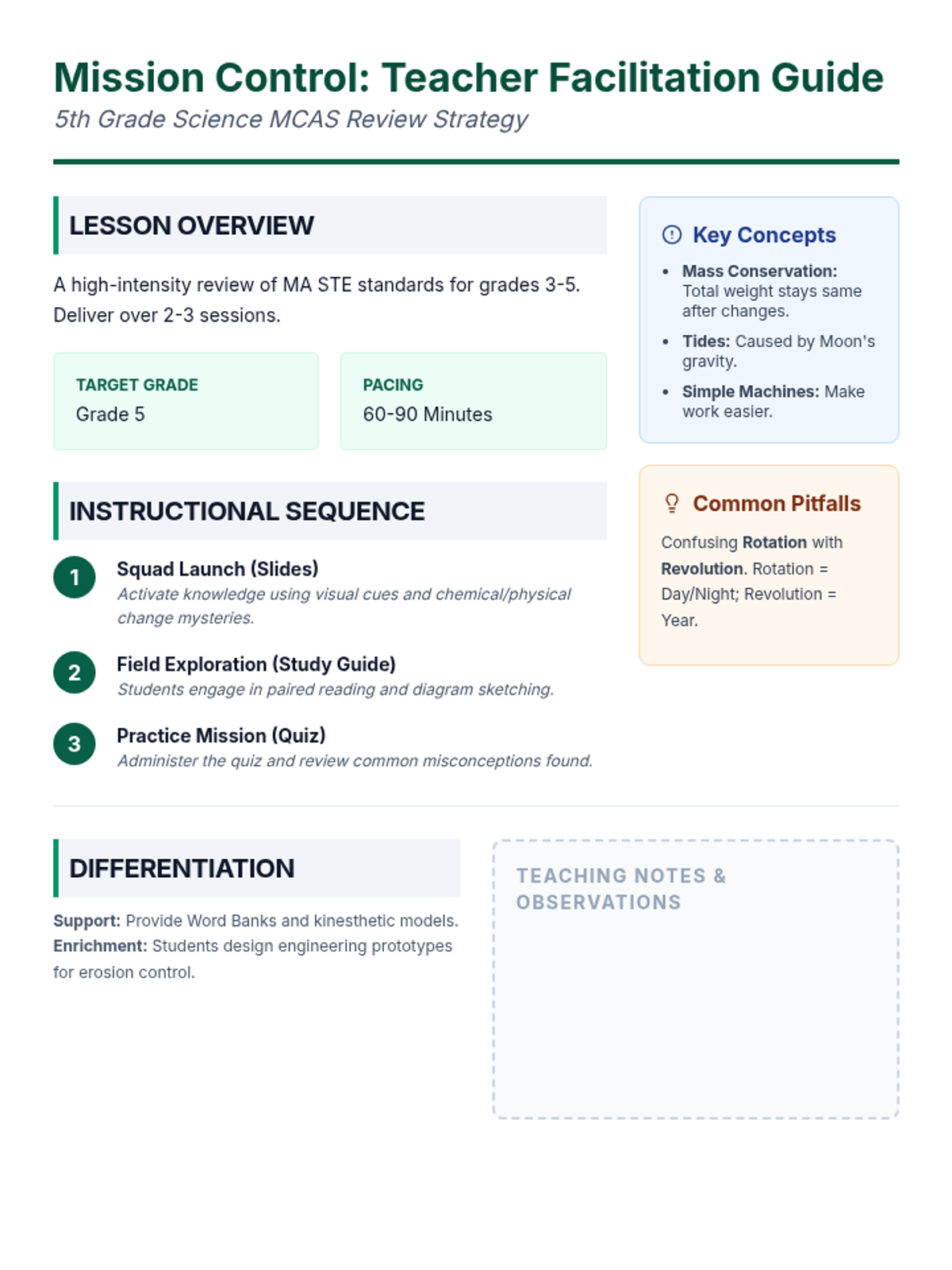
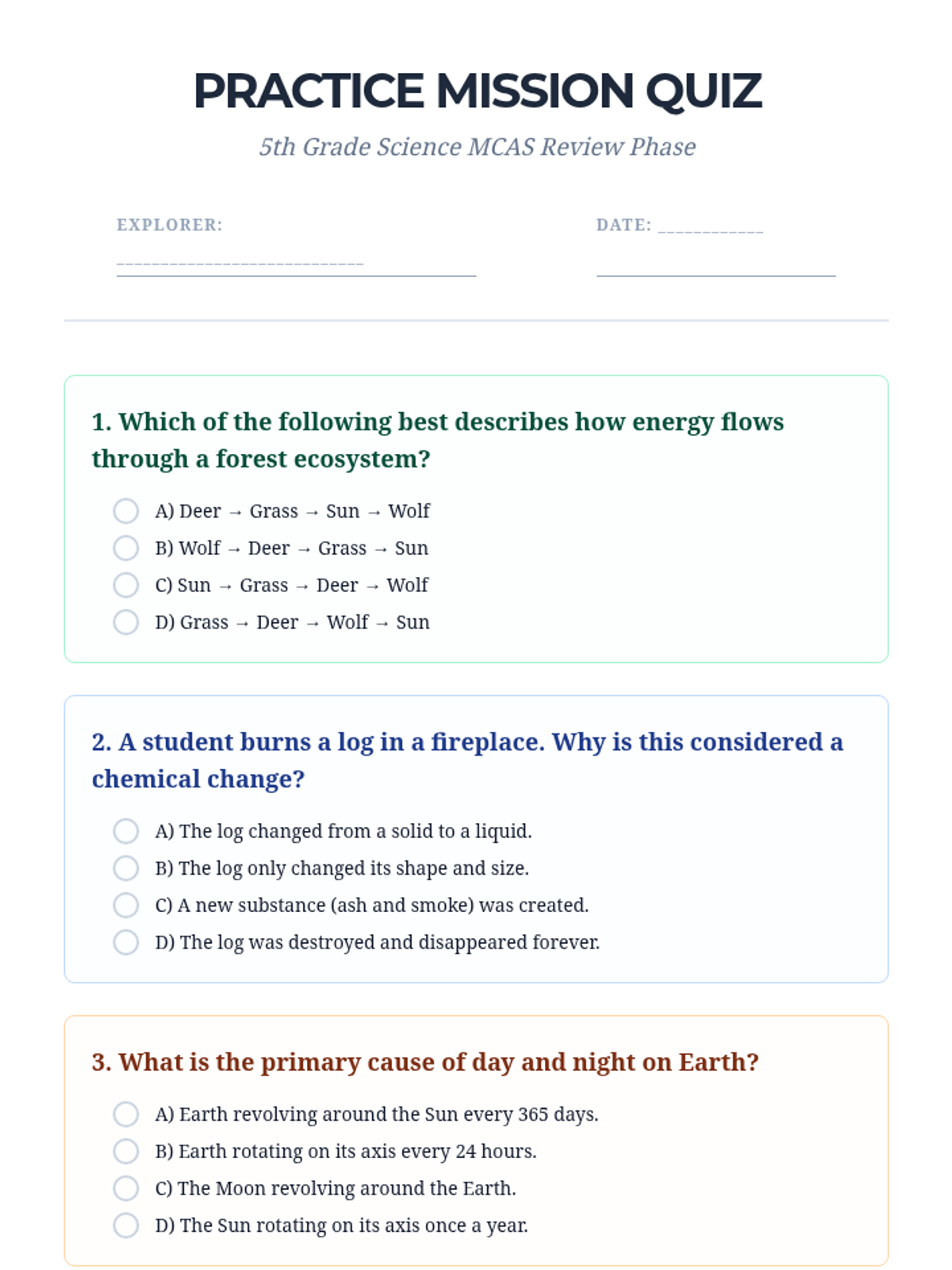
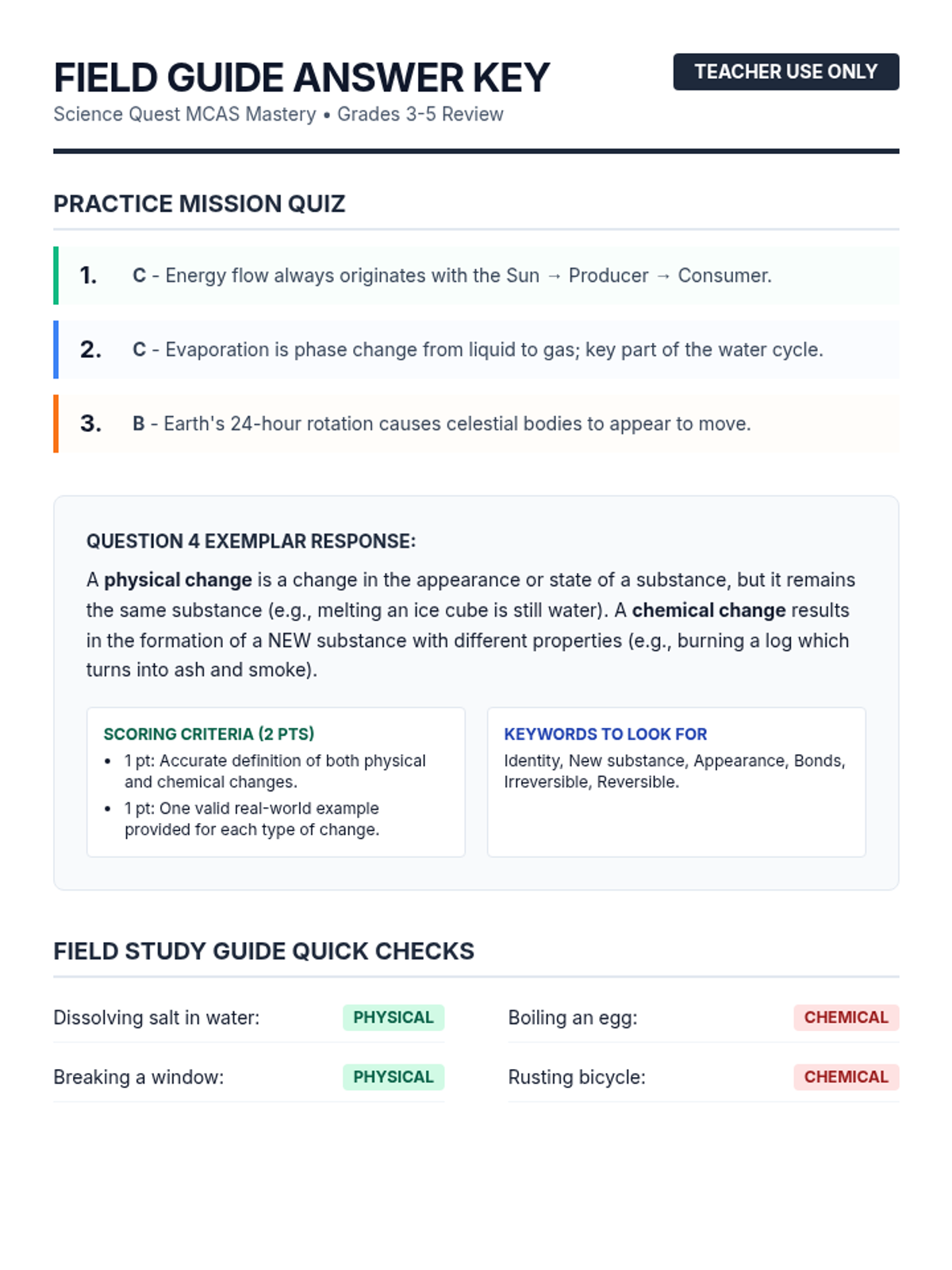
A comprehensive review of the 3rd-5th grade Massachusetts Science and Technology/Engineering (STE) standards to prepare students for the 5th grade MCAS. Includes a detailed study guide, instructional slides, and teacher support materials.
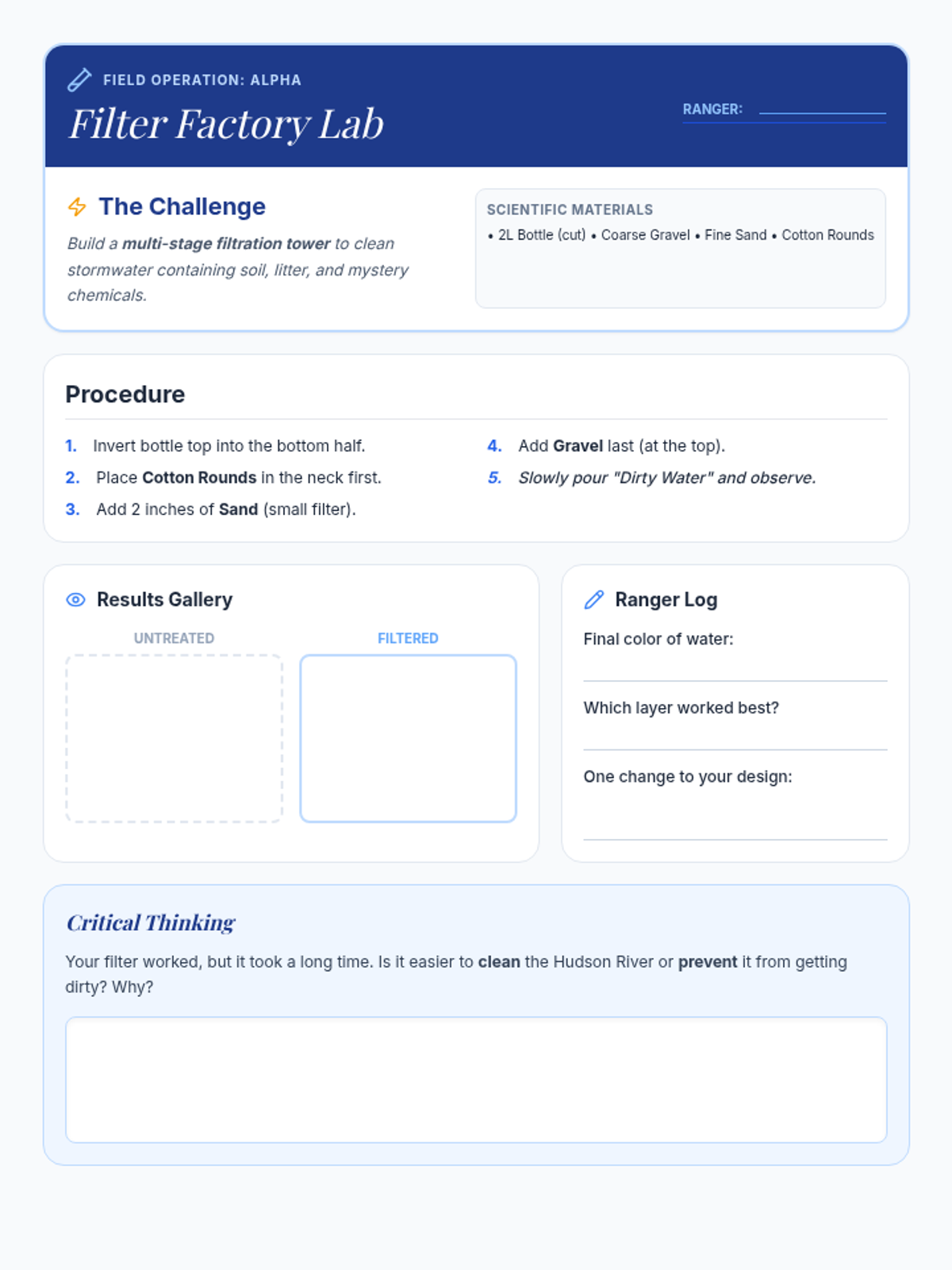
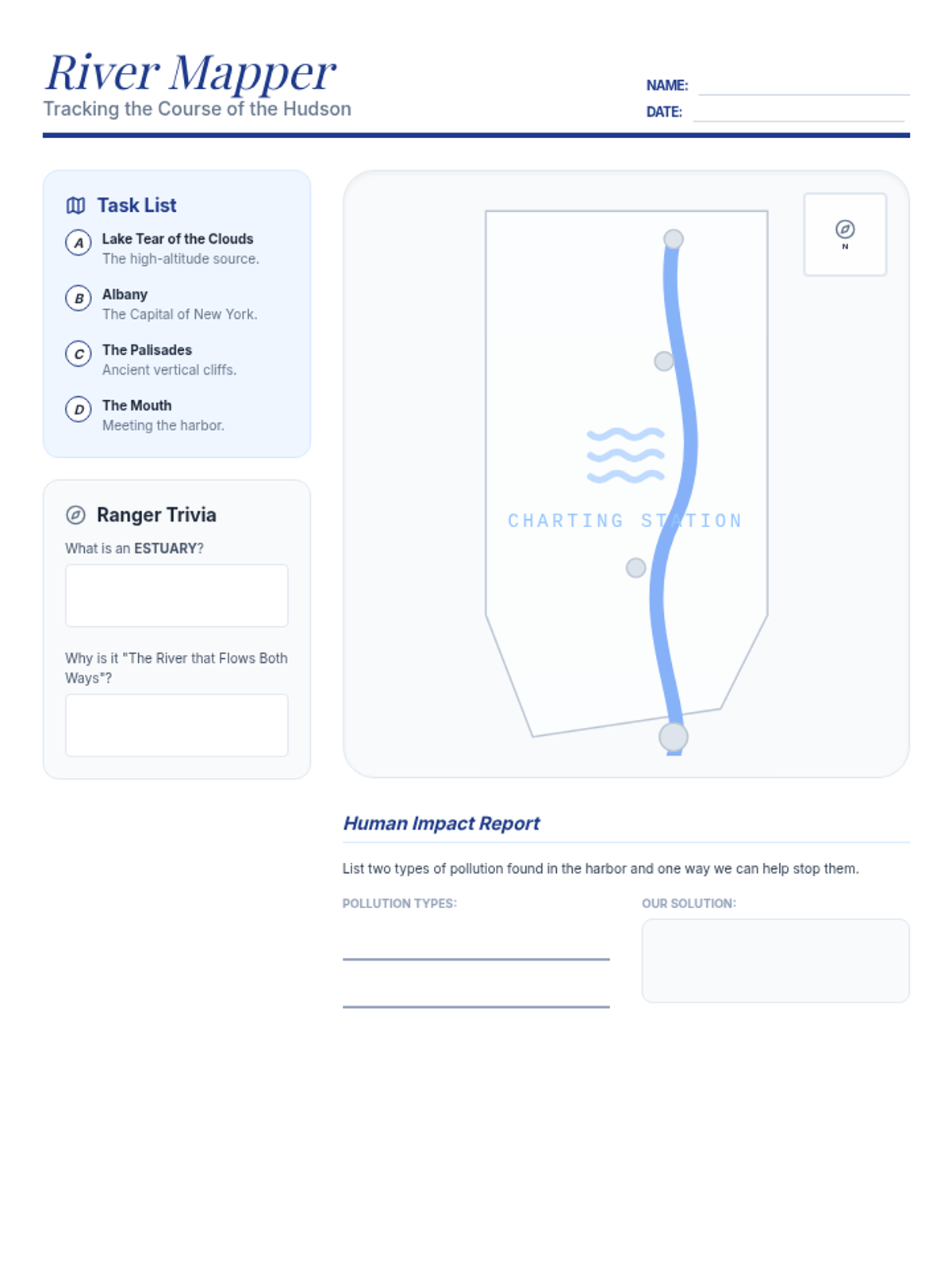
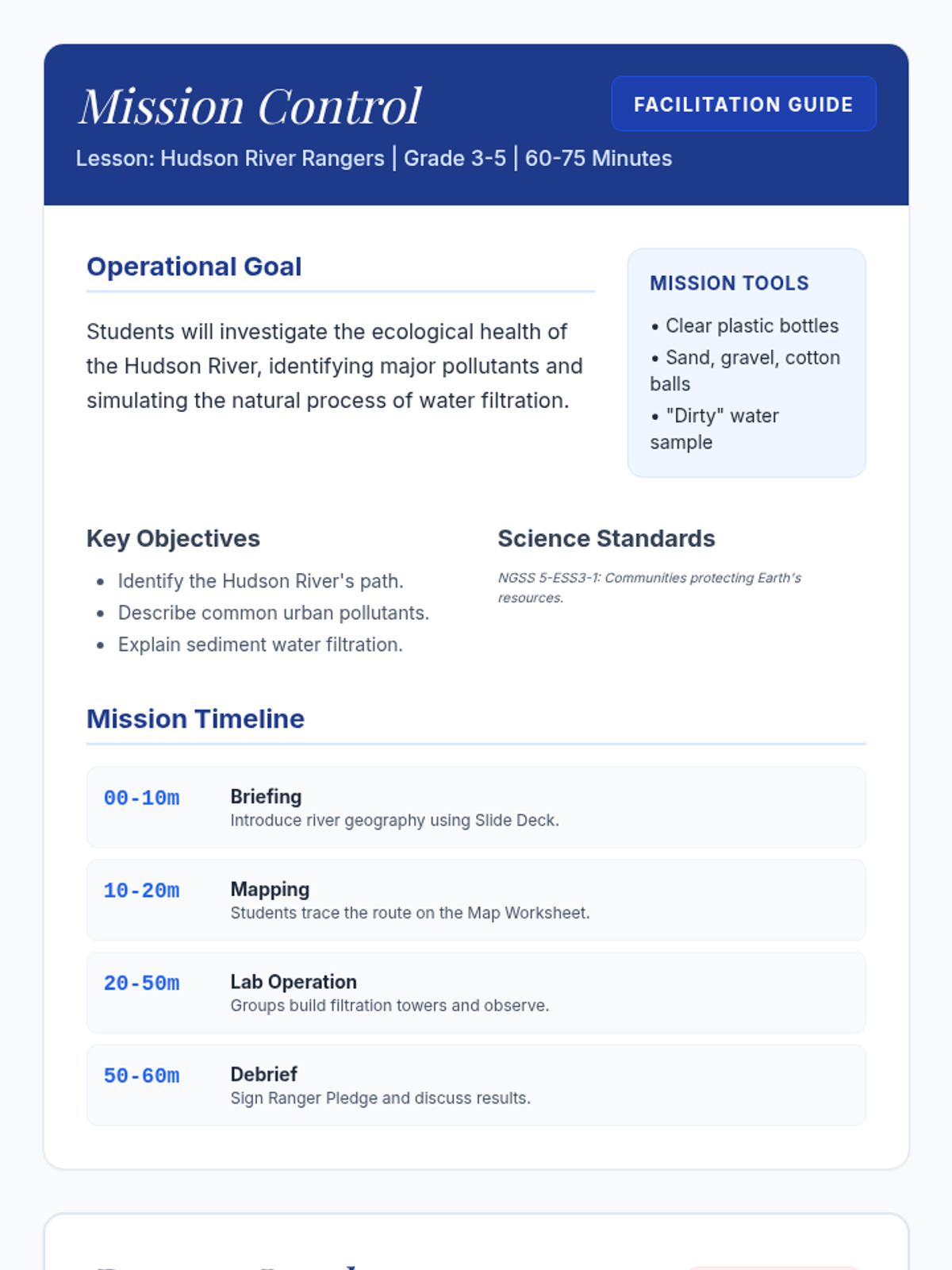
A hands-on environmental science unit exploring urban waterways, human impact, and conservation through the lens of New York City's iconic Hudson River.
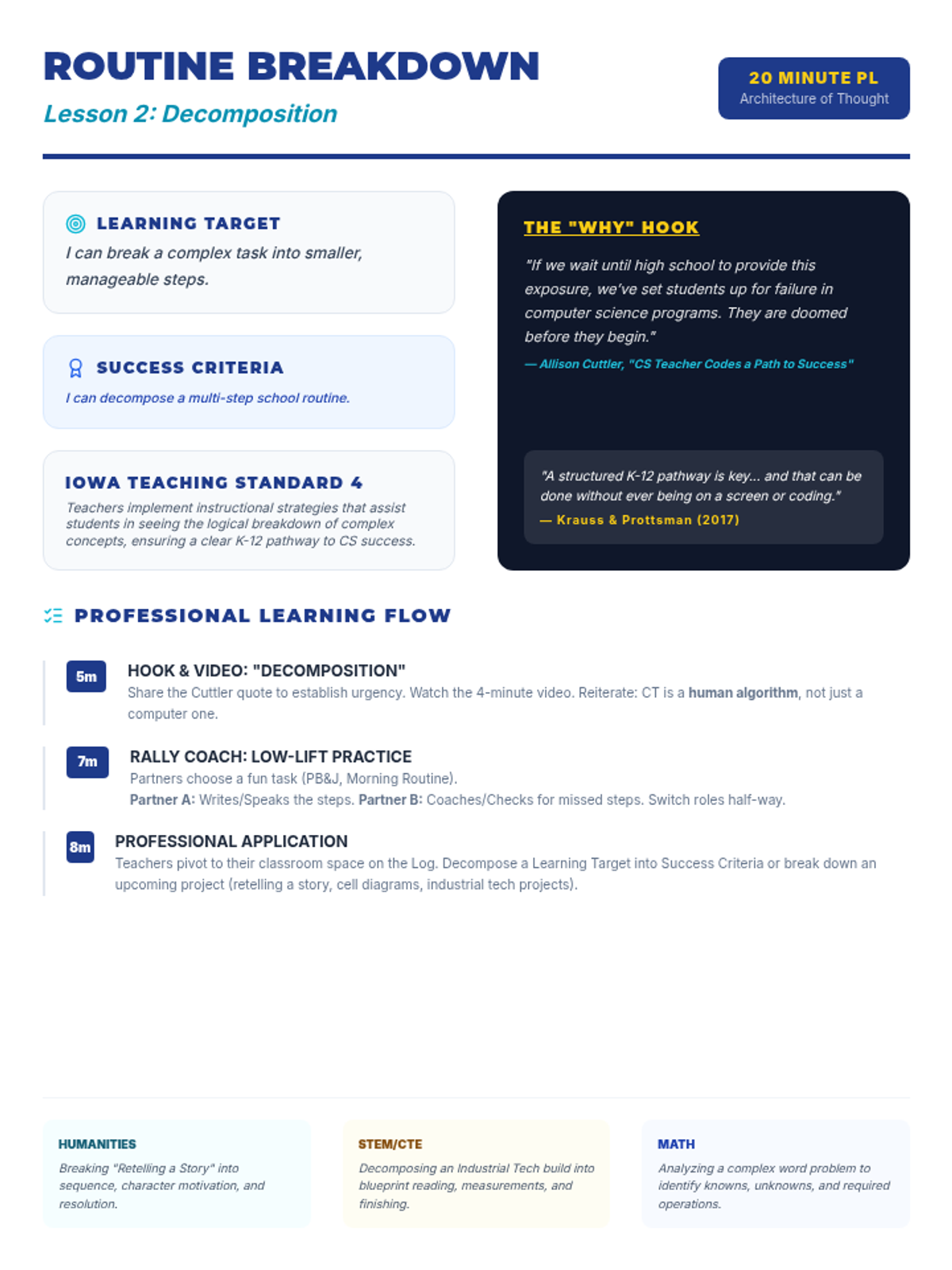
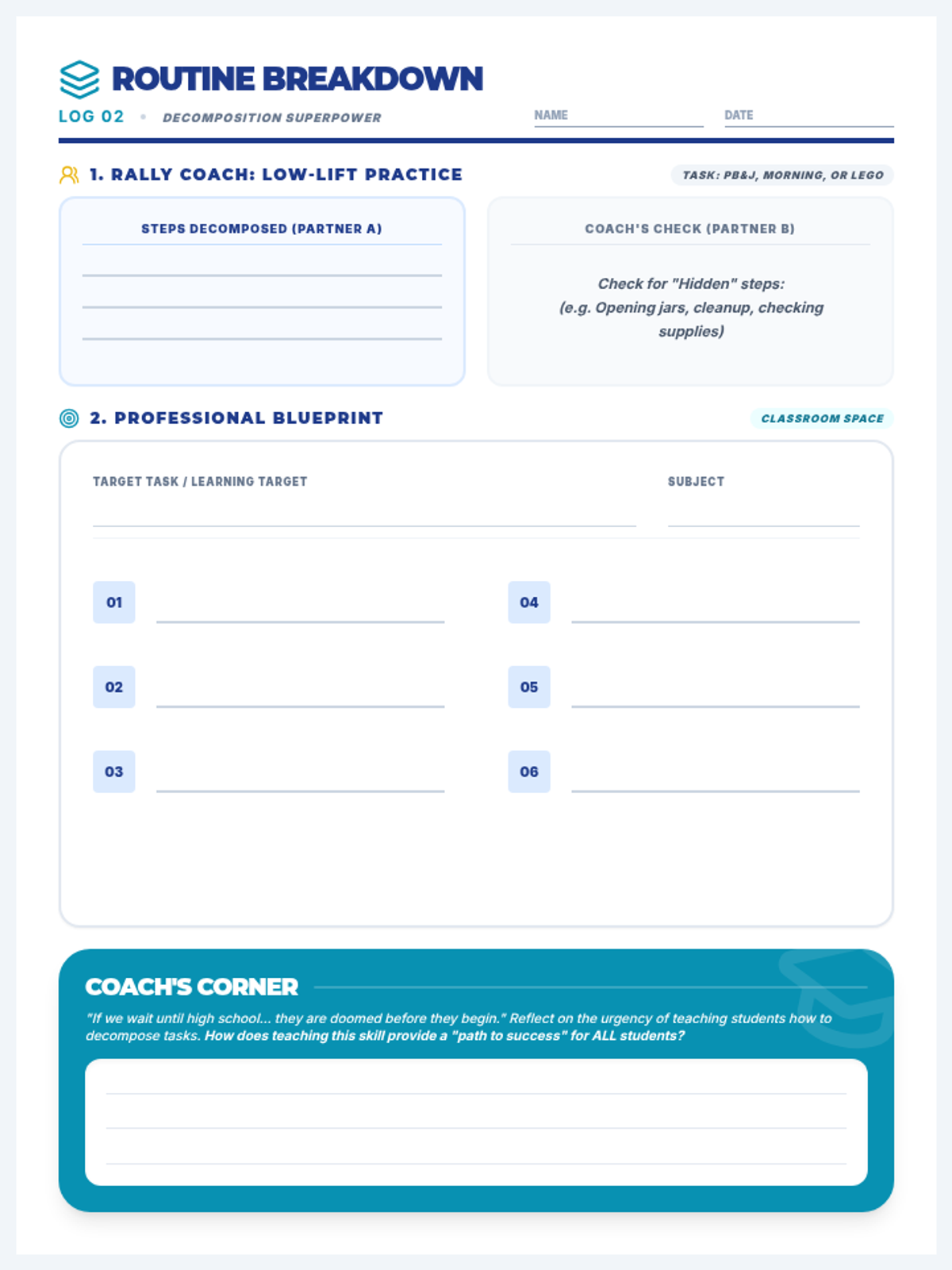
A professional development series for PreK-12 educators that reframes Computer Science as a "Superpower" through Computational Thinking. Teachers explore how CS concepts like decomposition, abstraction, and automation are already present in their daily instructional practices and Iowa Core content.
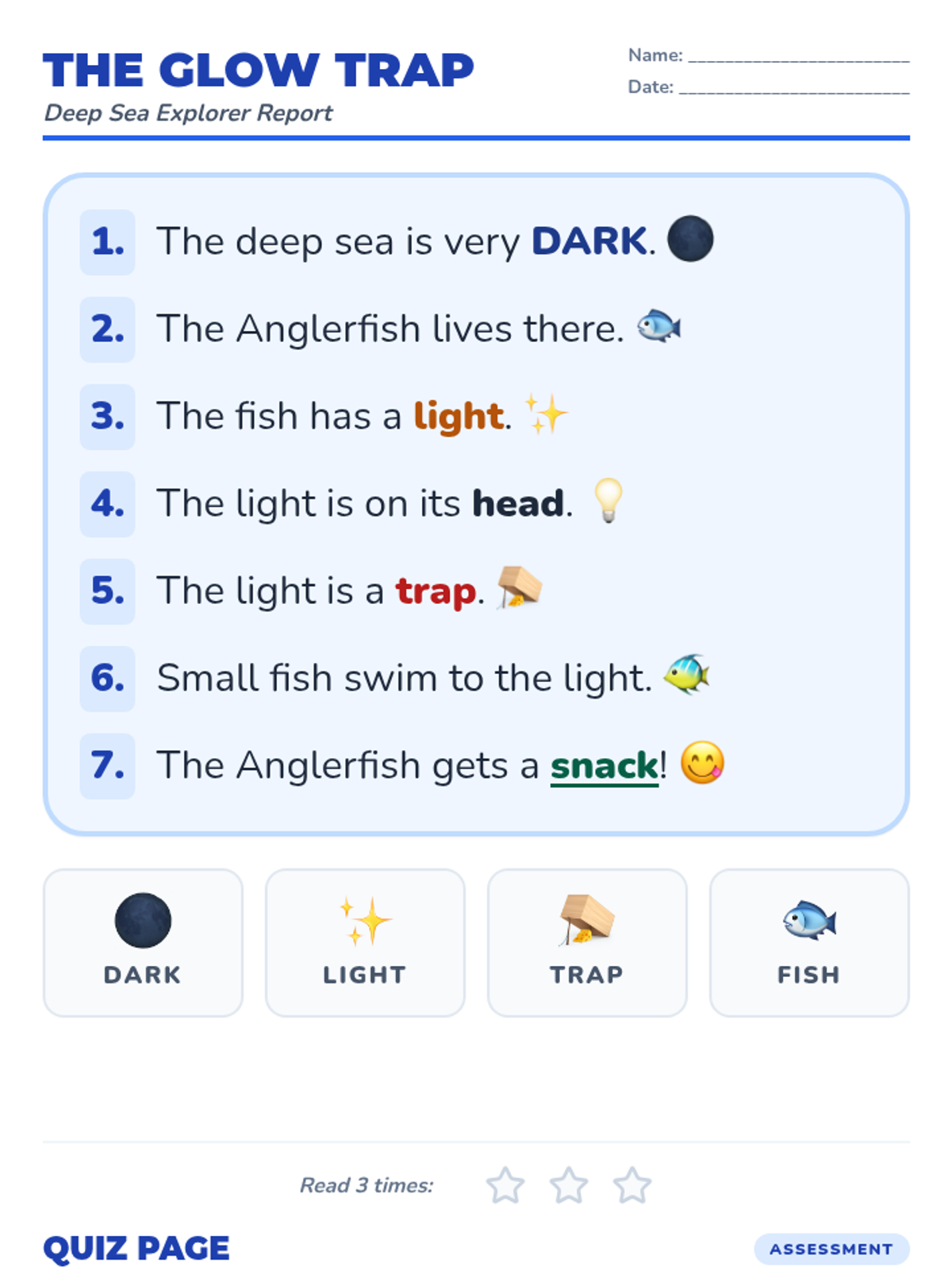
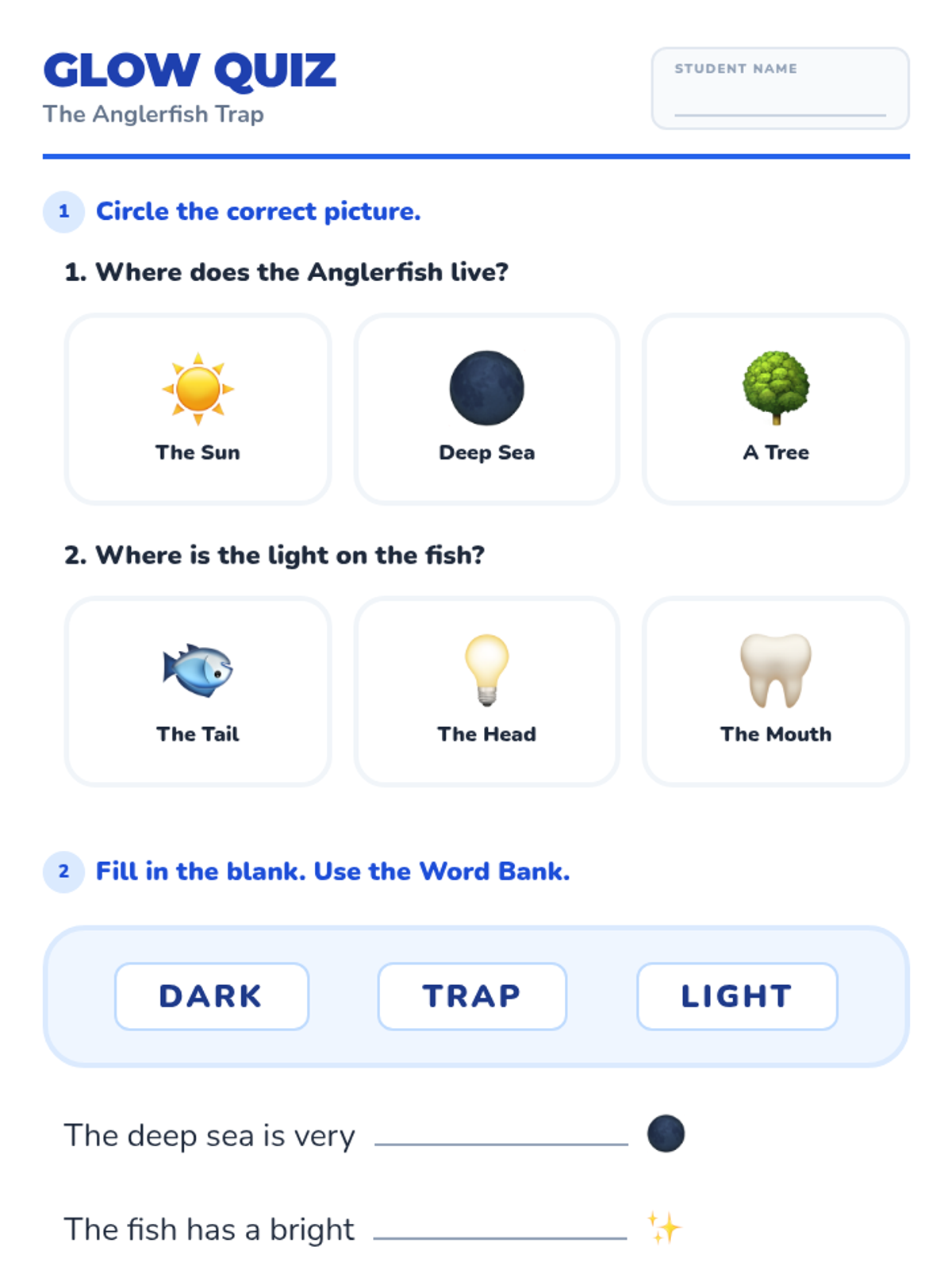
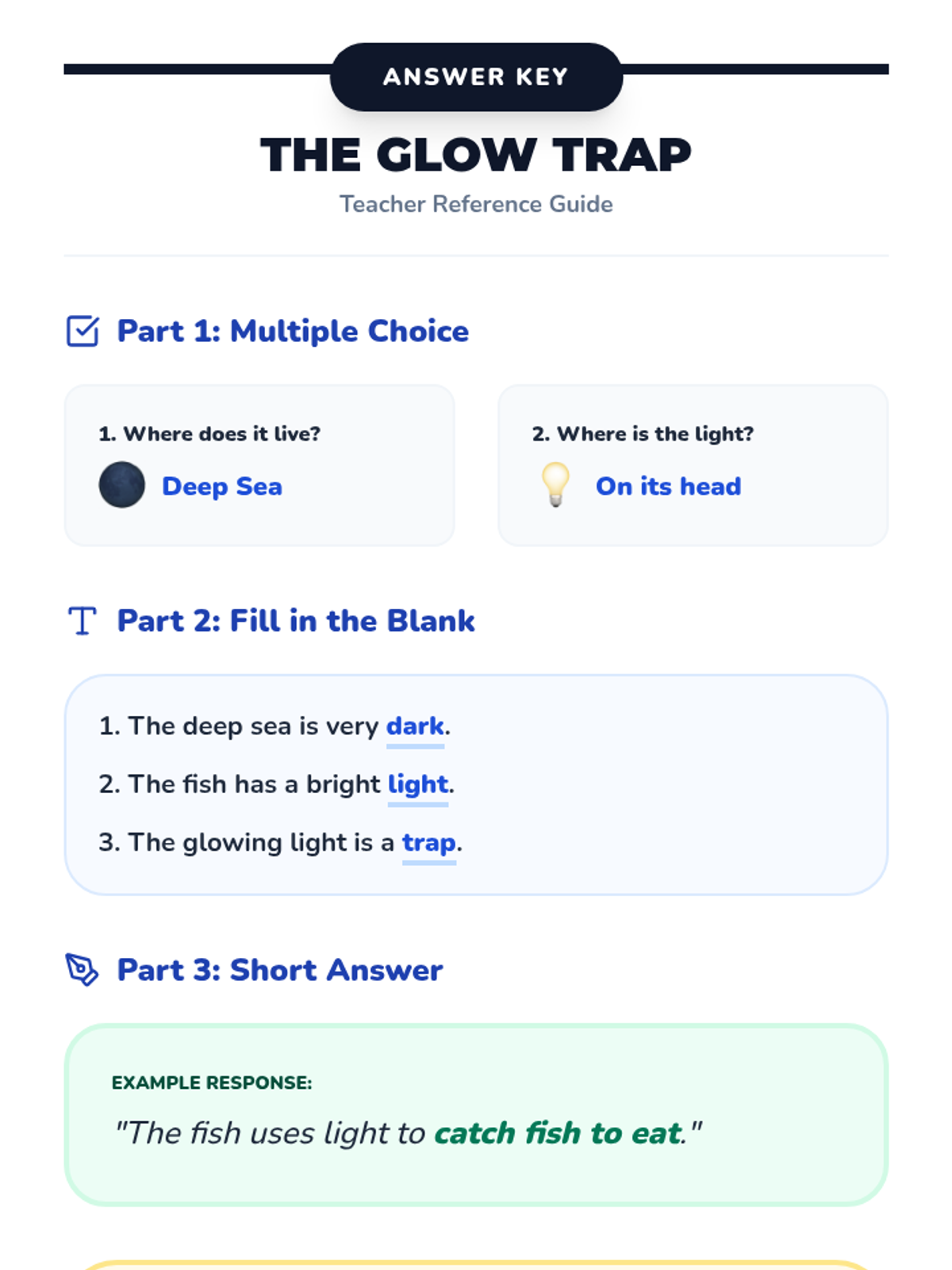
A series of lessons exploring the mysterious and dangerous creatures of the deep ocean, focusing on unique adaptations and survival strategies.