A comprehensive unit for 7th-grade students exploring the biological and chemical mechanisms of opioid addiction, focusing on neurotransmission, the reward pathway, tolerance, and the disease model of addiction.
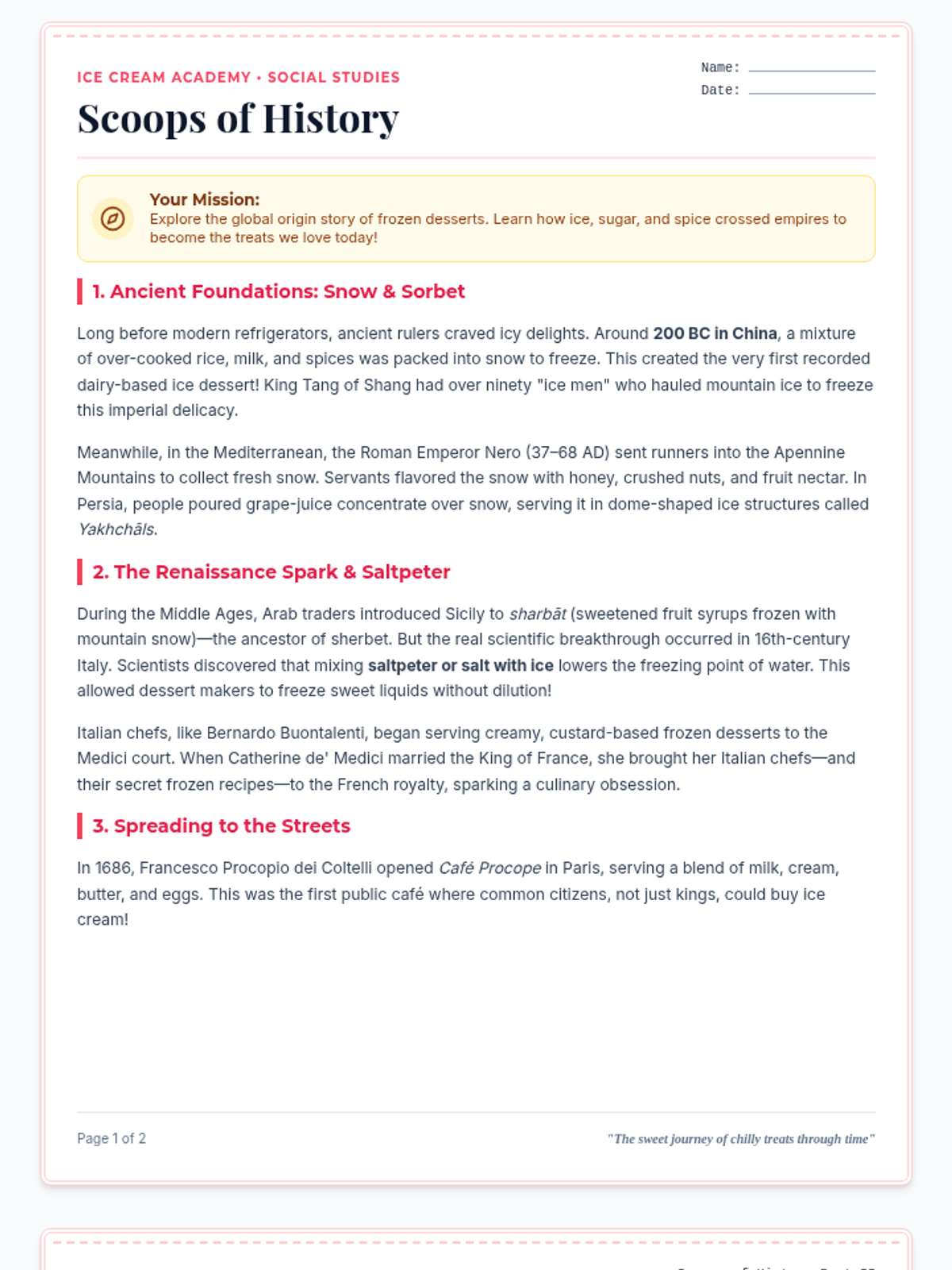
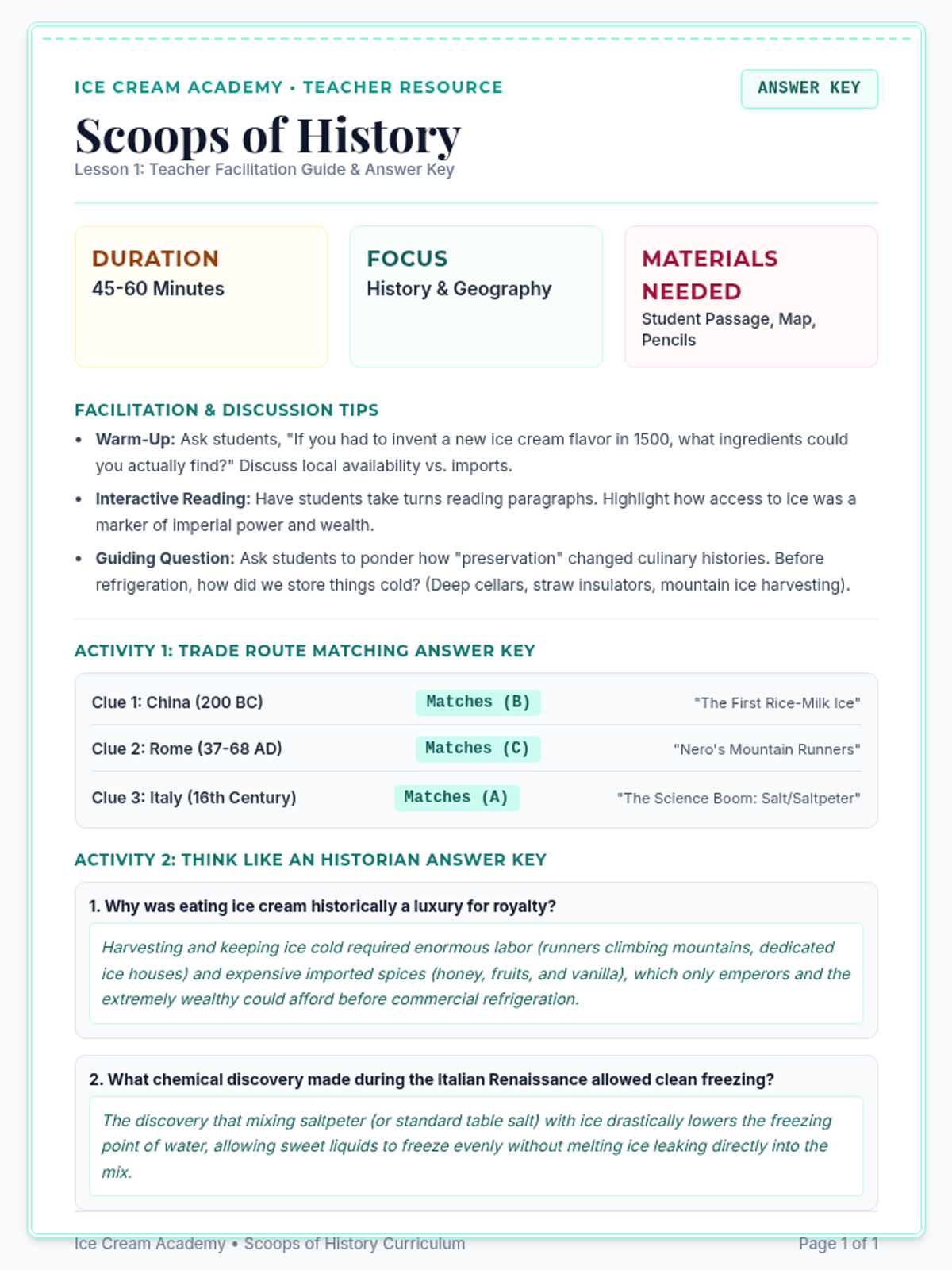
A multi-subject summer school unit exploring the history, science, math, and language arts of ice cream. Students scale recipes, conduct freezing-point experiments, trace historical origins, and design sensory marketing campaigns.
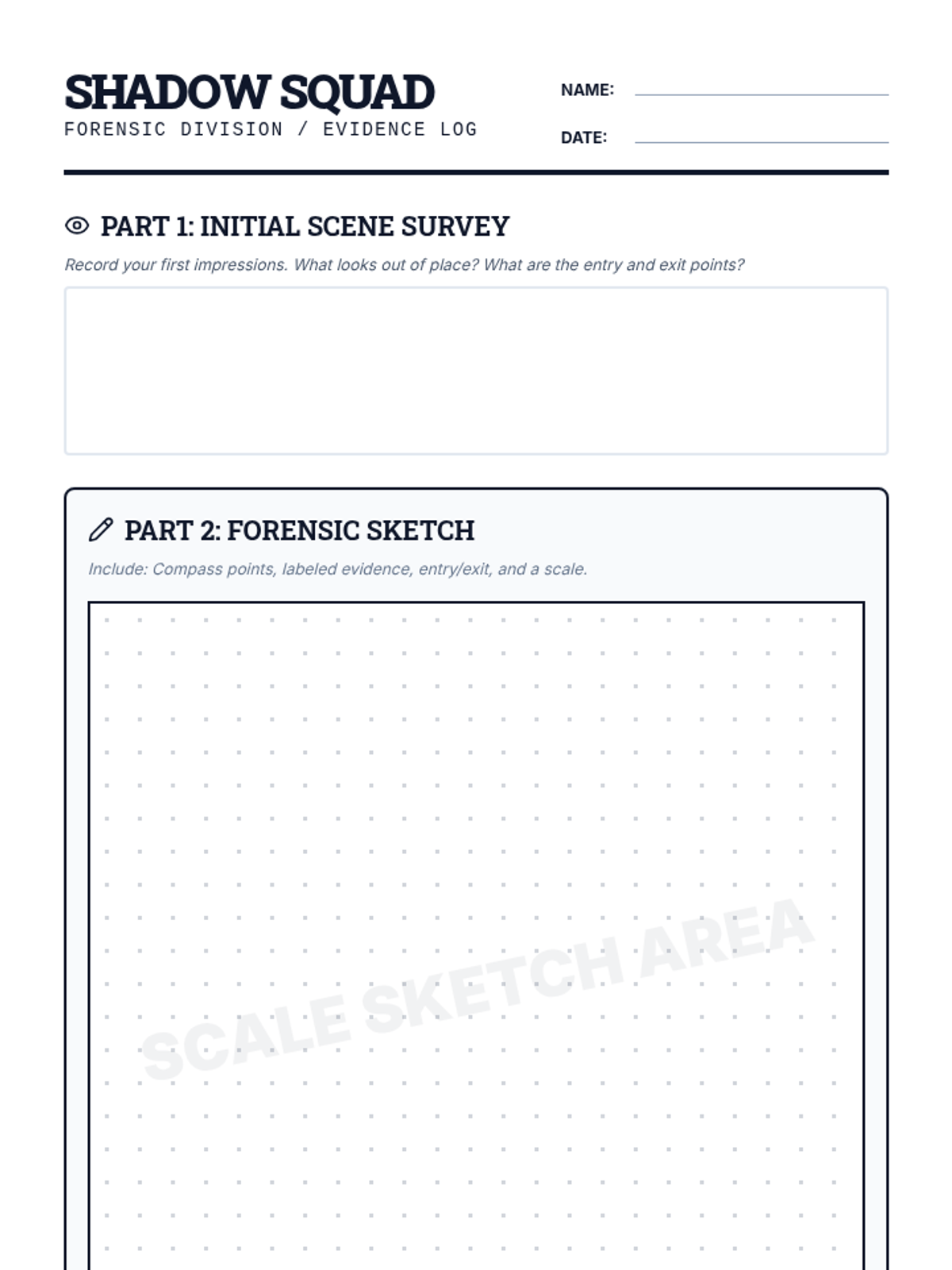
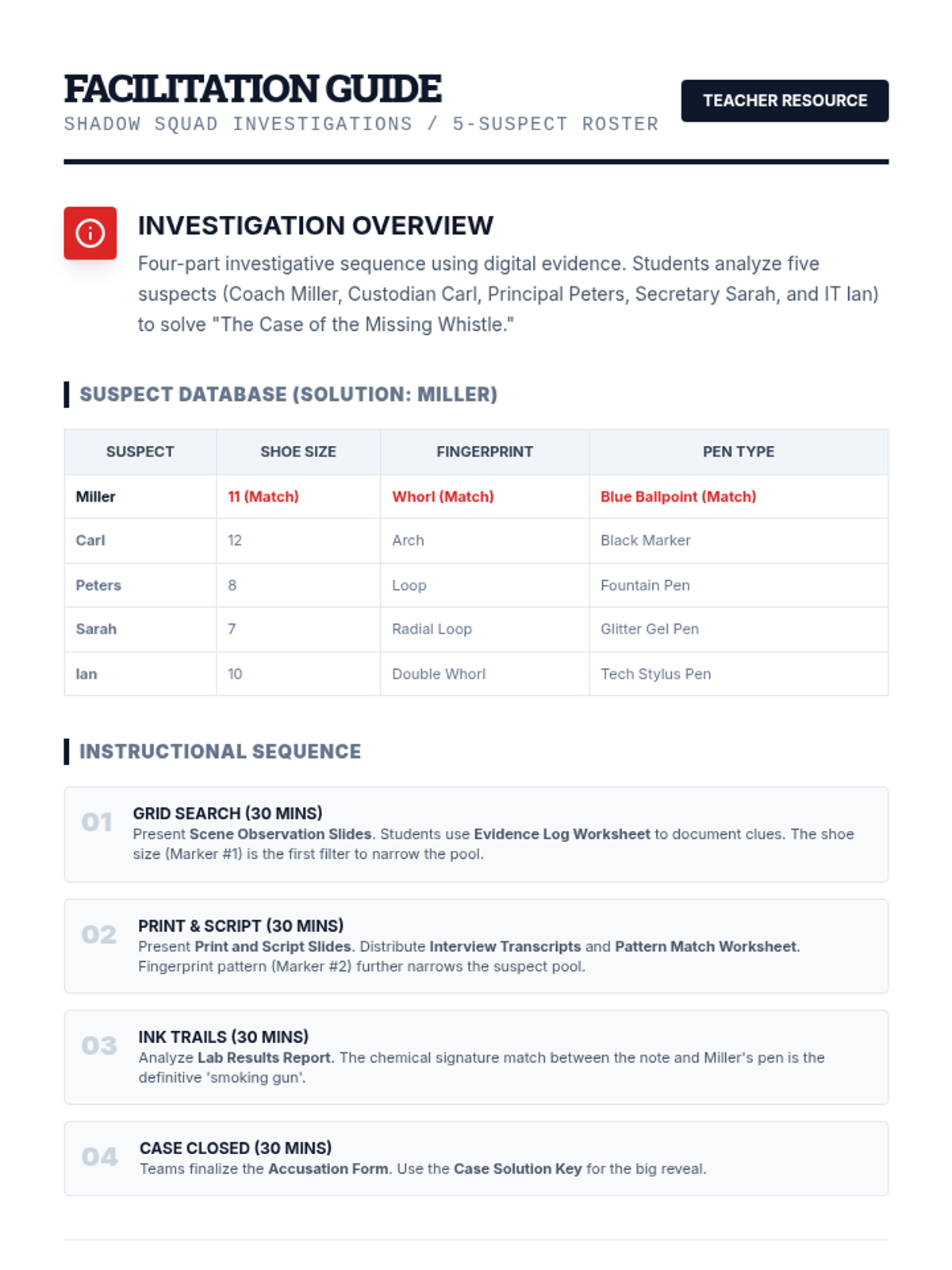
A four-part immersive crime scene investigation where 7th-grade students act as forensic detectives to solve the mystery of the missing Golden Whistle trophy. This sequence guides students through scene processing, fingerprinting, ink chromatography, and final evidence synthesis.
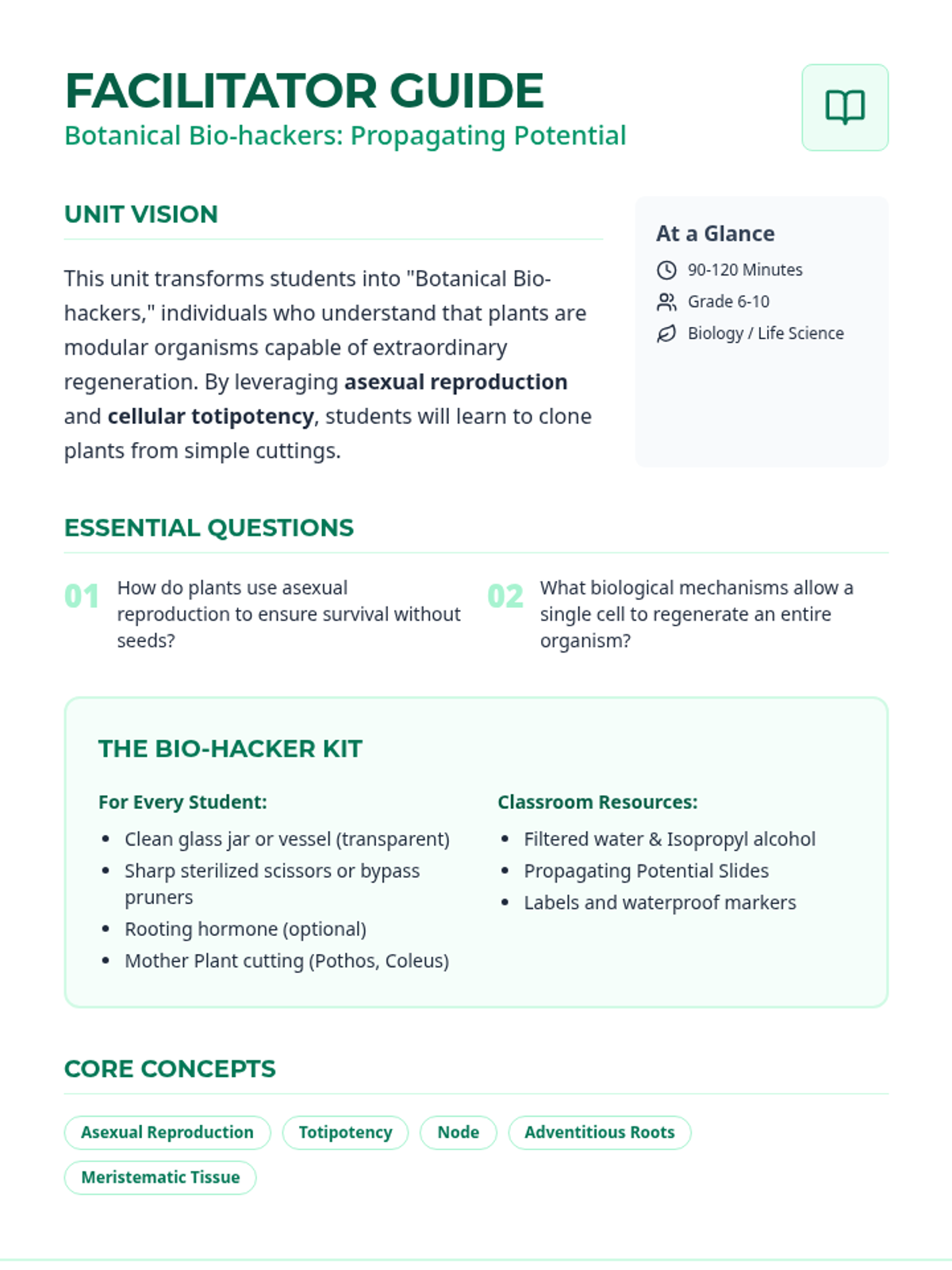
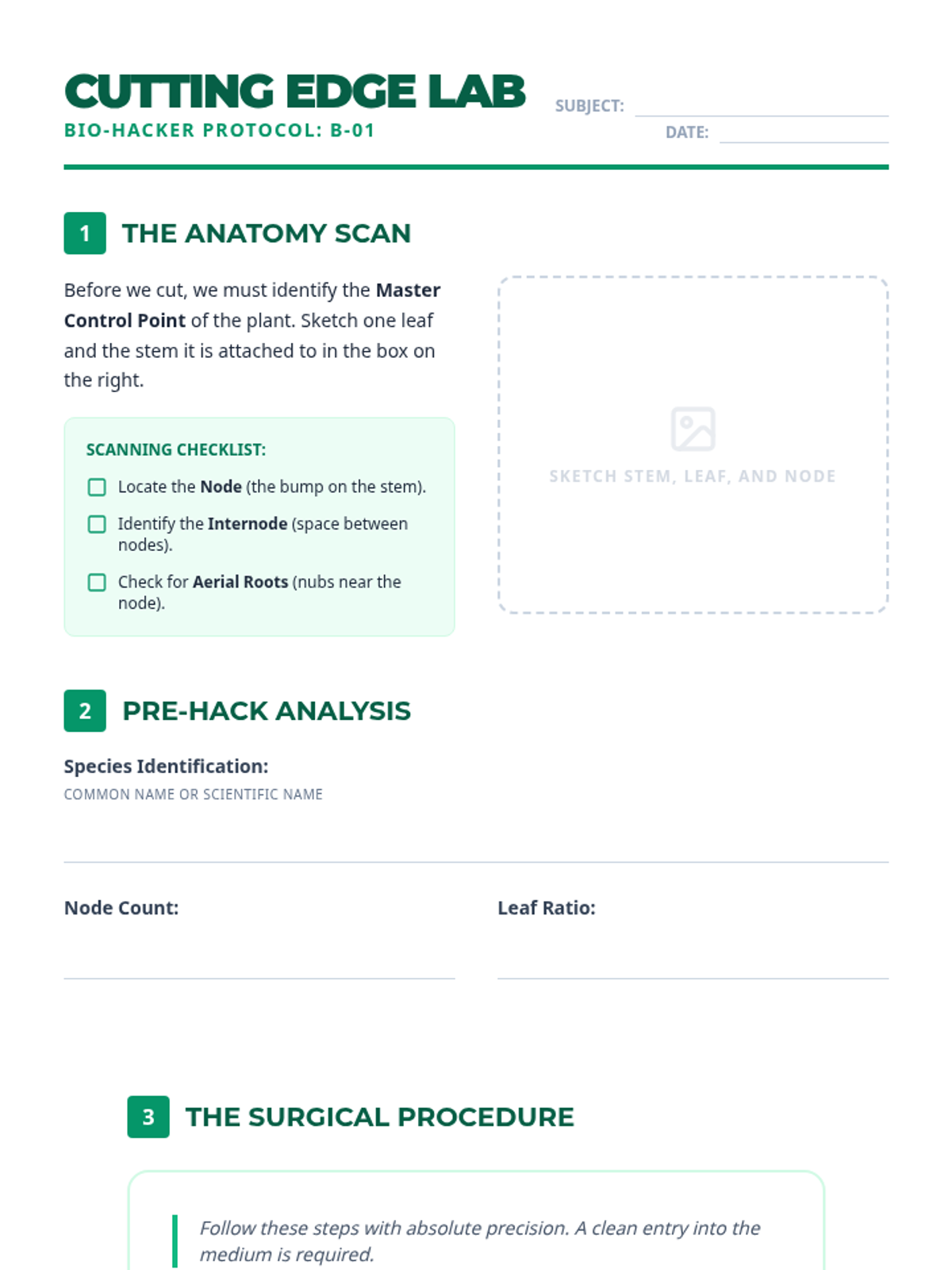
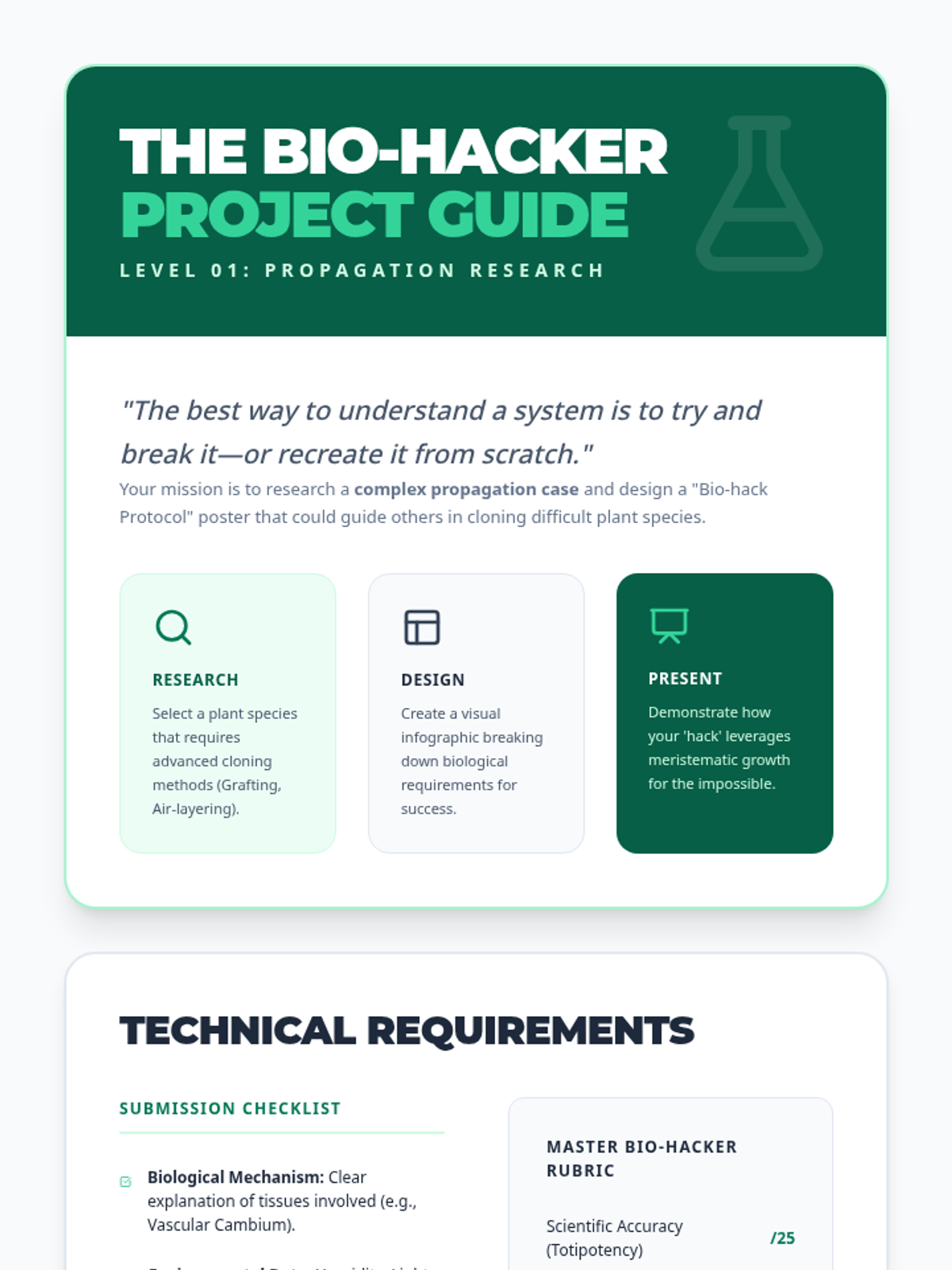
A hands-on biology unit exploring asexual plant reproduction, cellular regeneration, and the science of propagation. Students learn to 'hack' plant growth to create new life from cuttings, combining laboratory precision with botanical care.
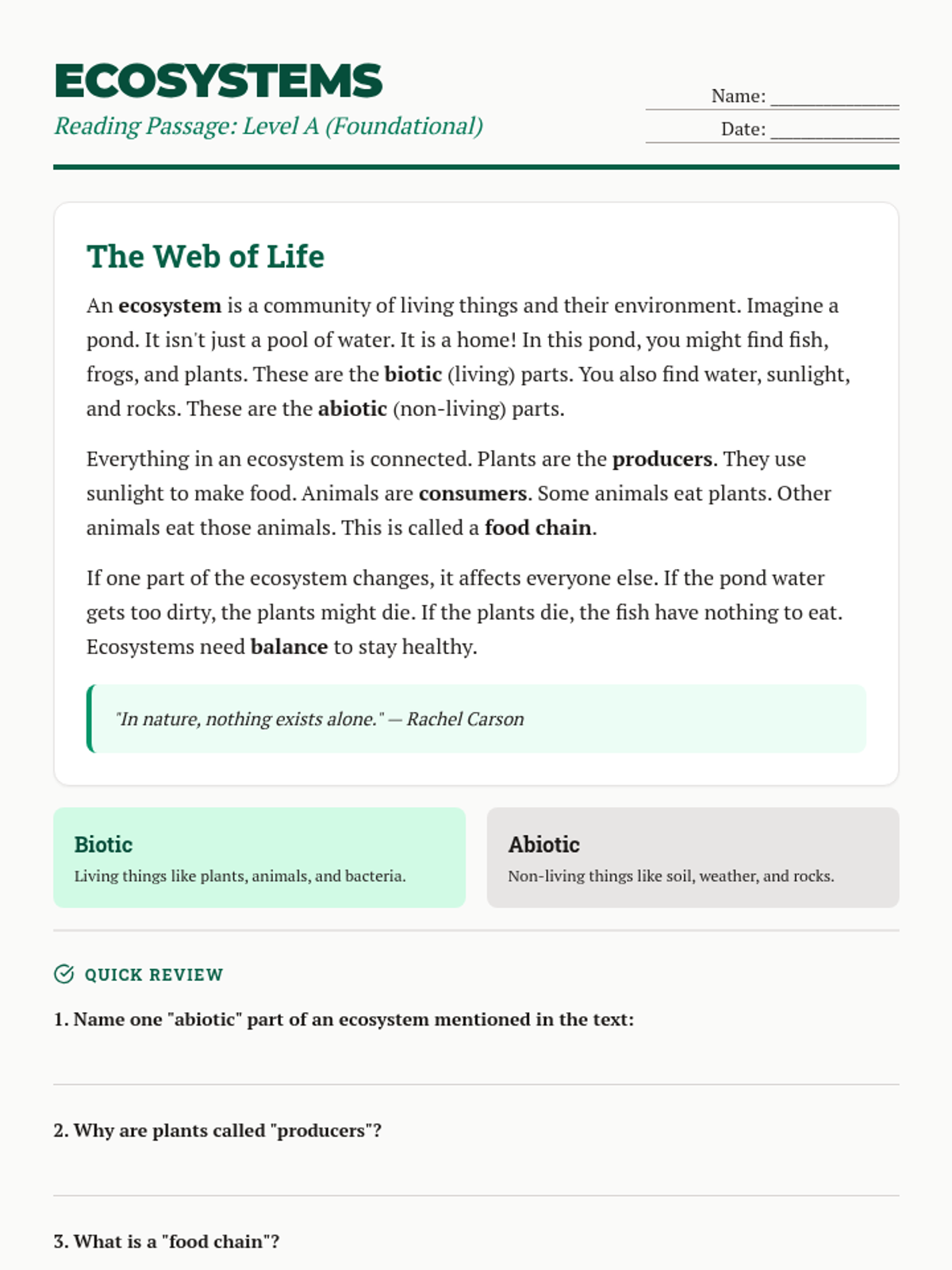
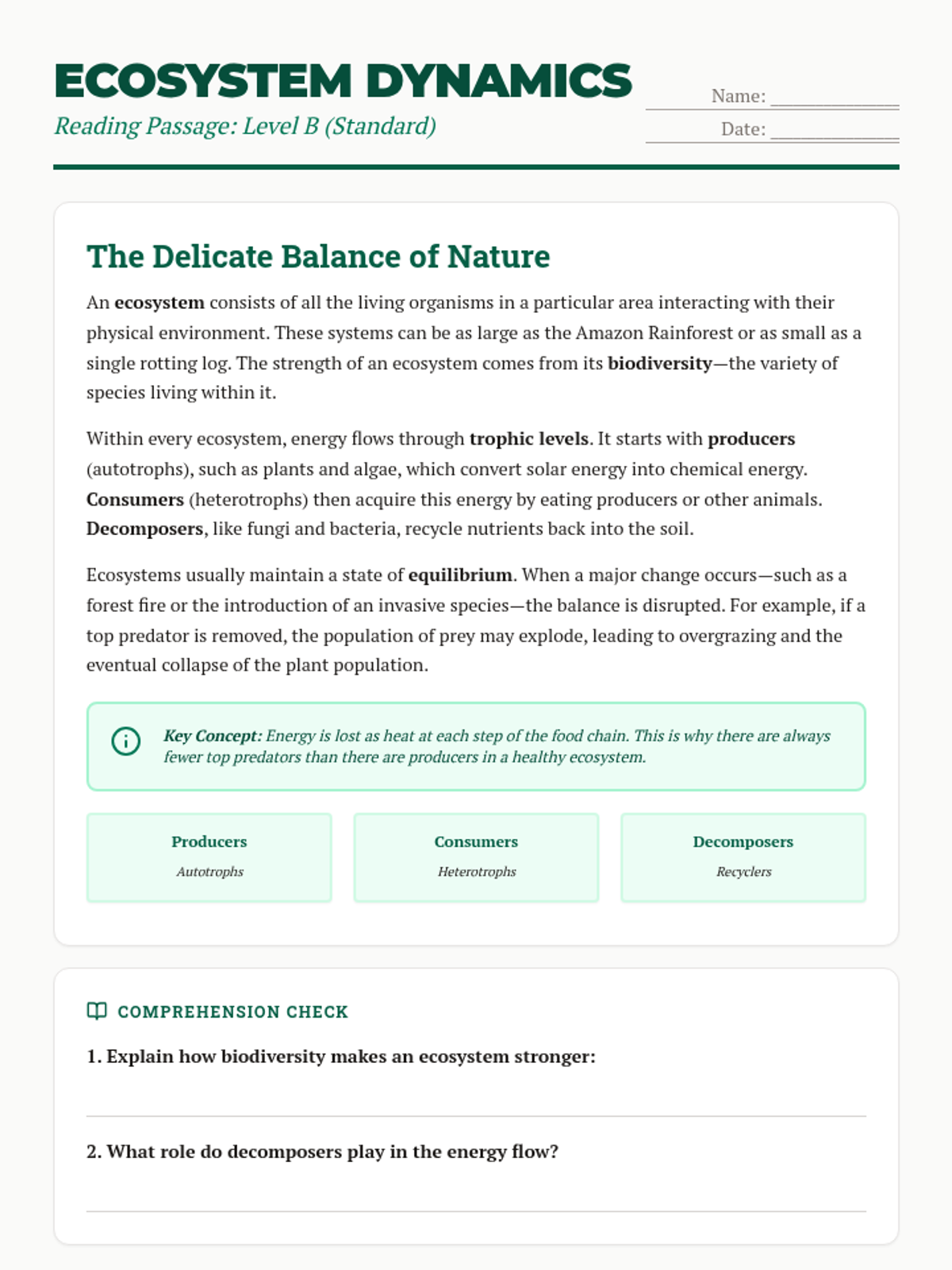
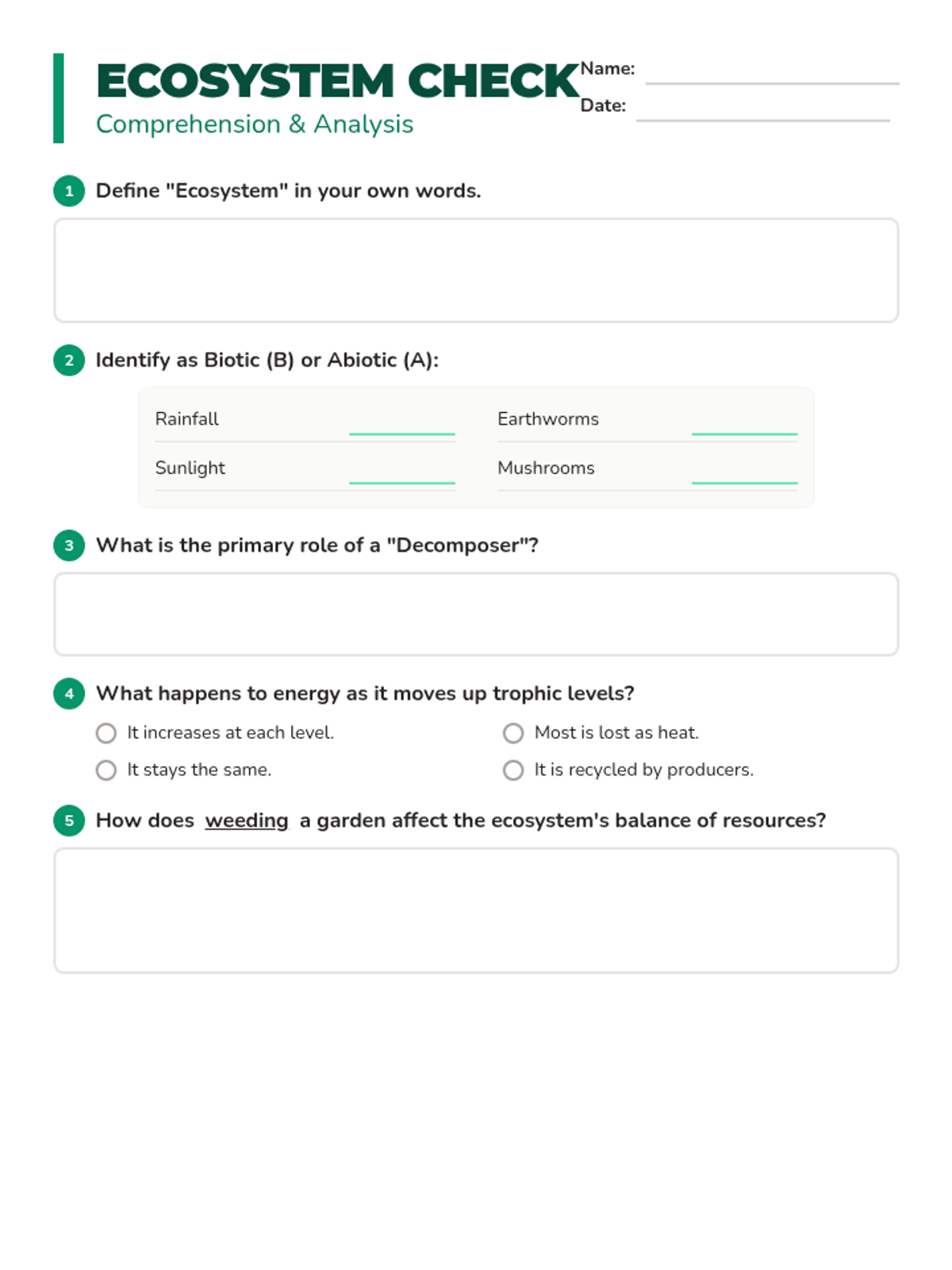
A comprehensive unit combining middle school ecosystem science with functional life skills in horticulture and cooking. Students explore the interconnectedness of nature while building practical skills in gardening and food preparation.
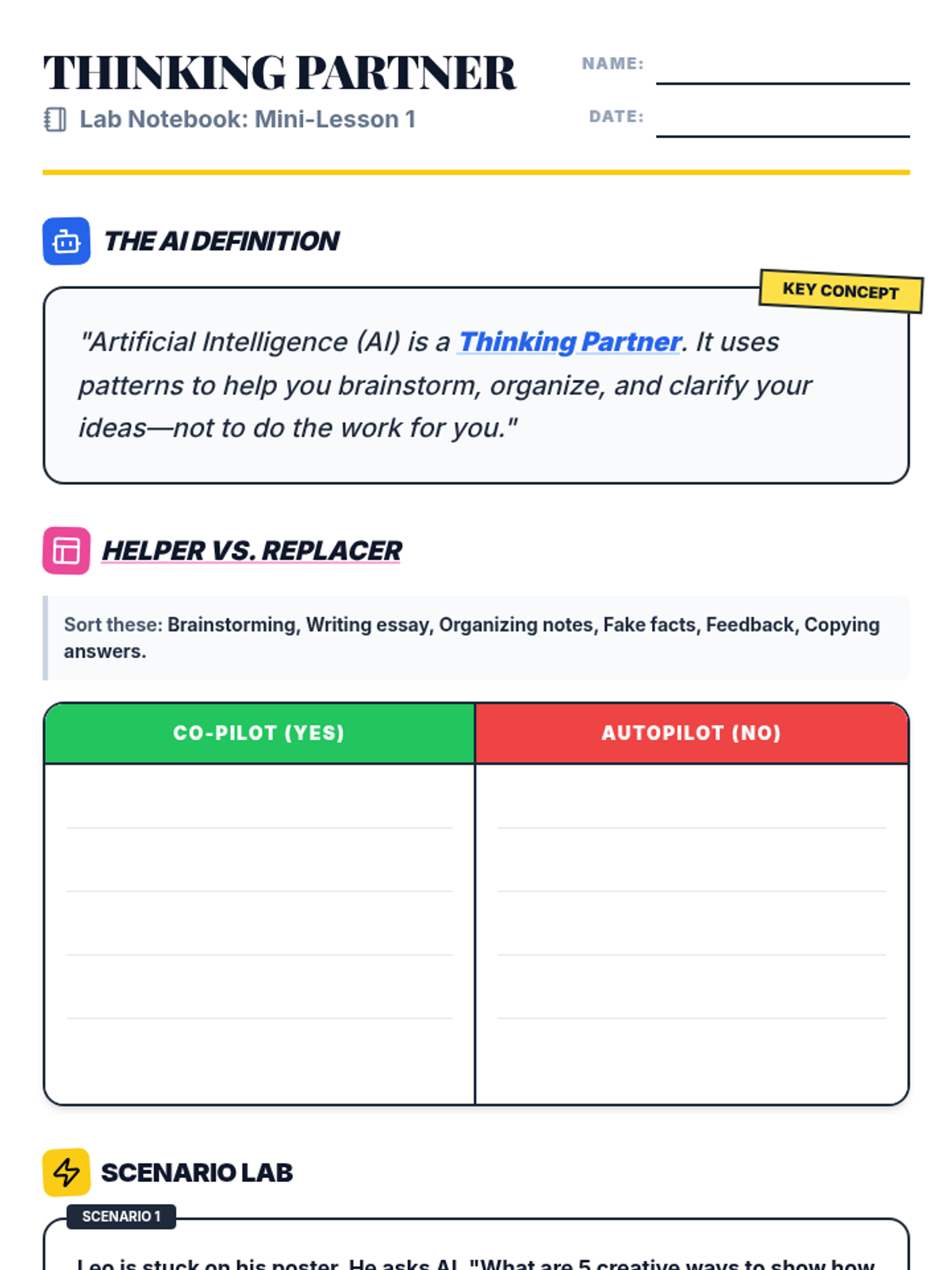
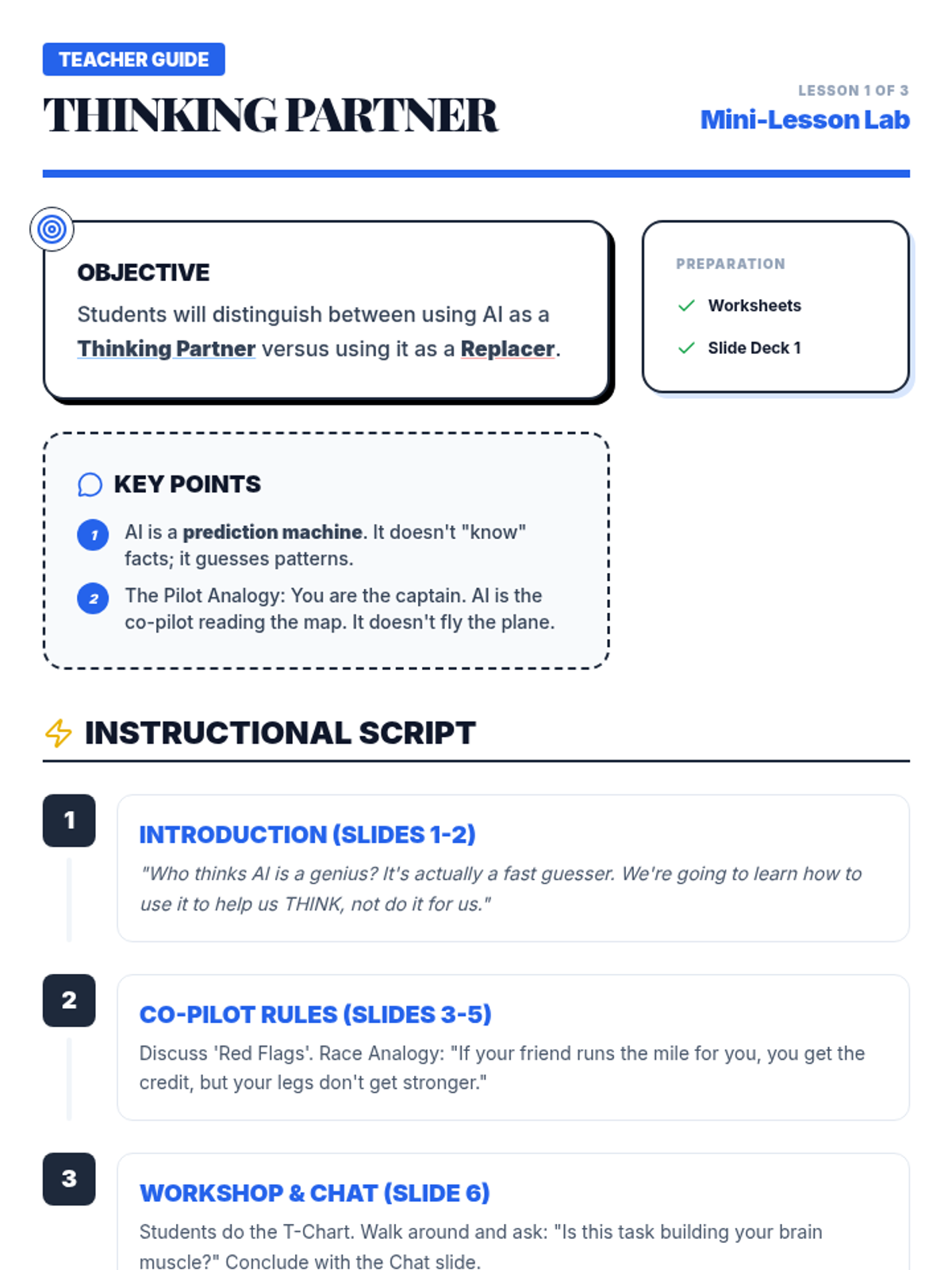
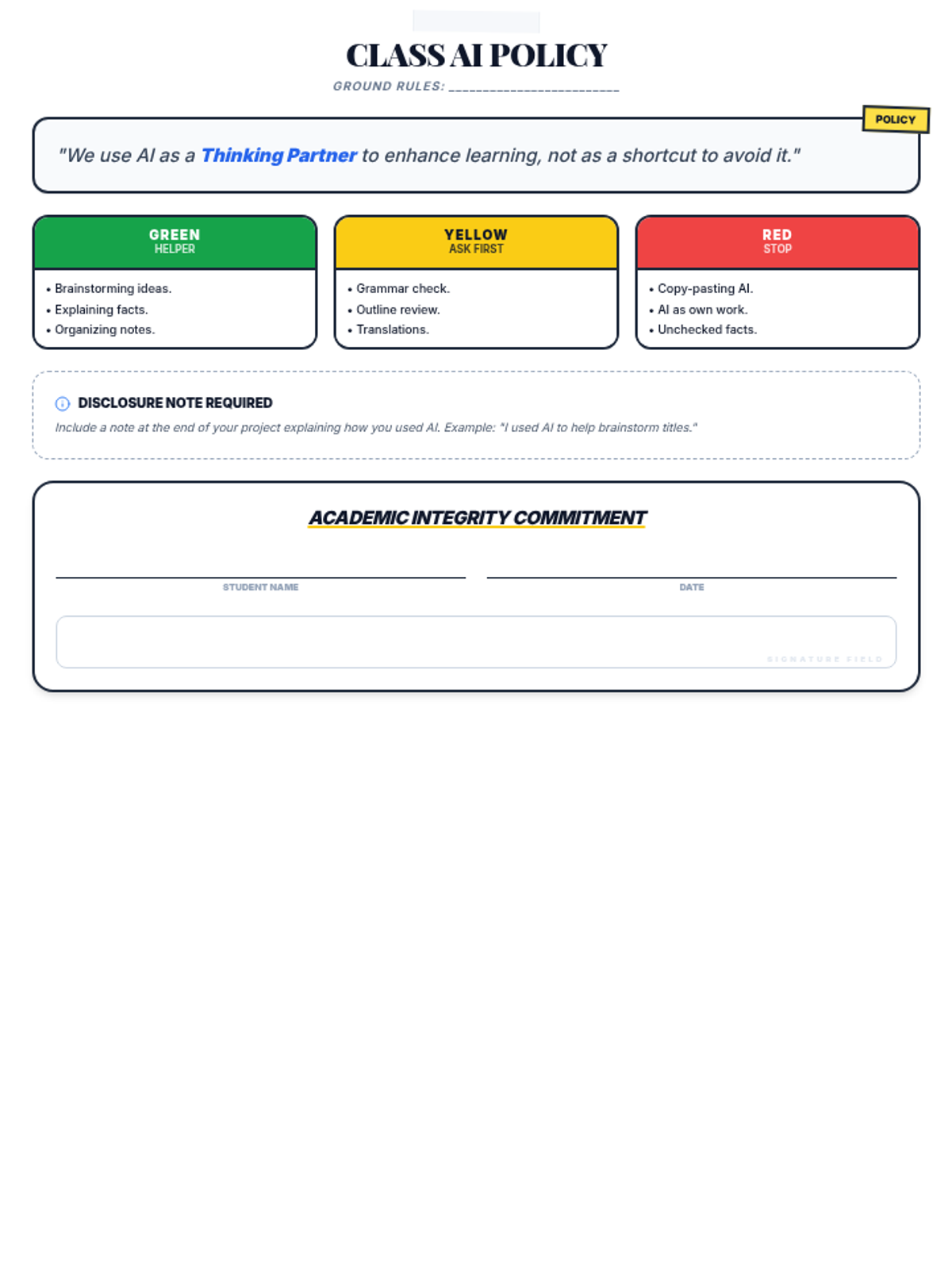
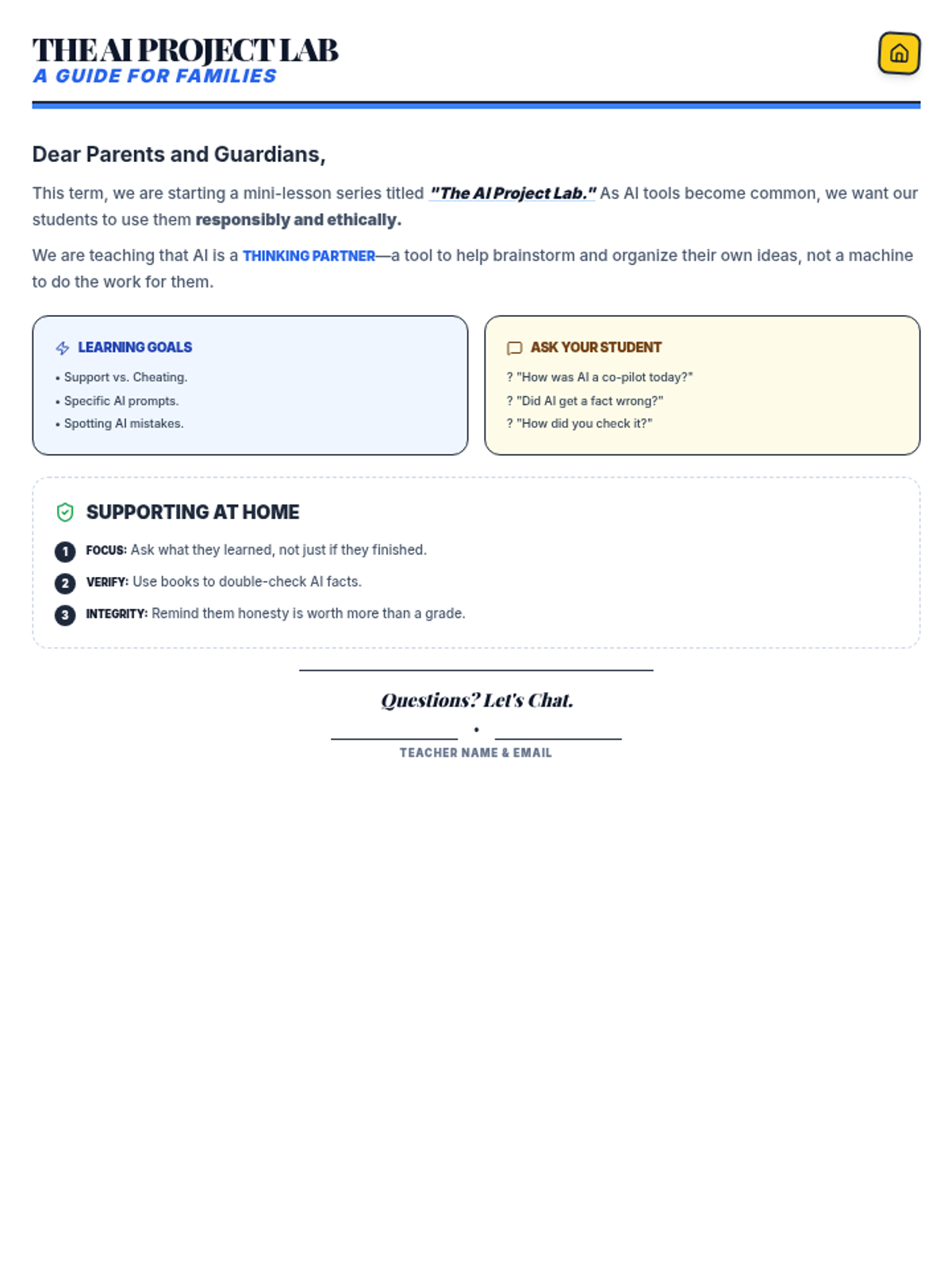
A 3-part mini-lesson series designed to teach middle schoolers how to use AI tools responsibly for final projects. The series focuses on AI as a thinking partner, prompt engineering, and critical fact-checking through a modern 'Notebook/Sketch' aesthetic.
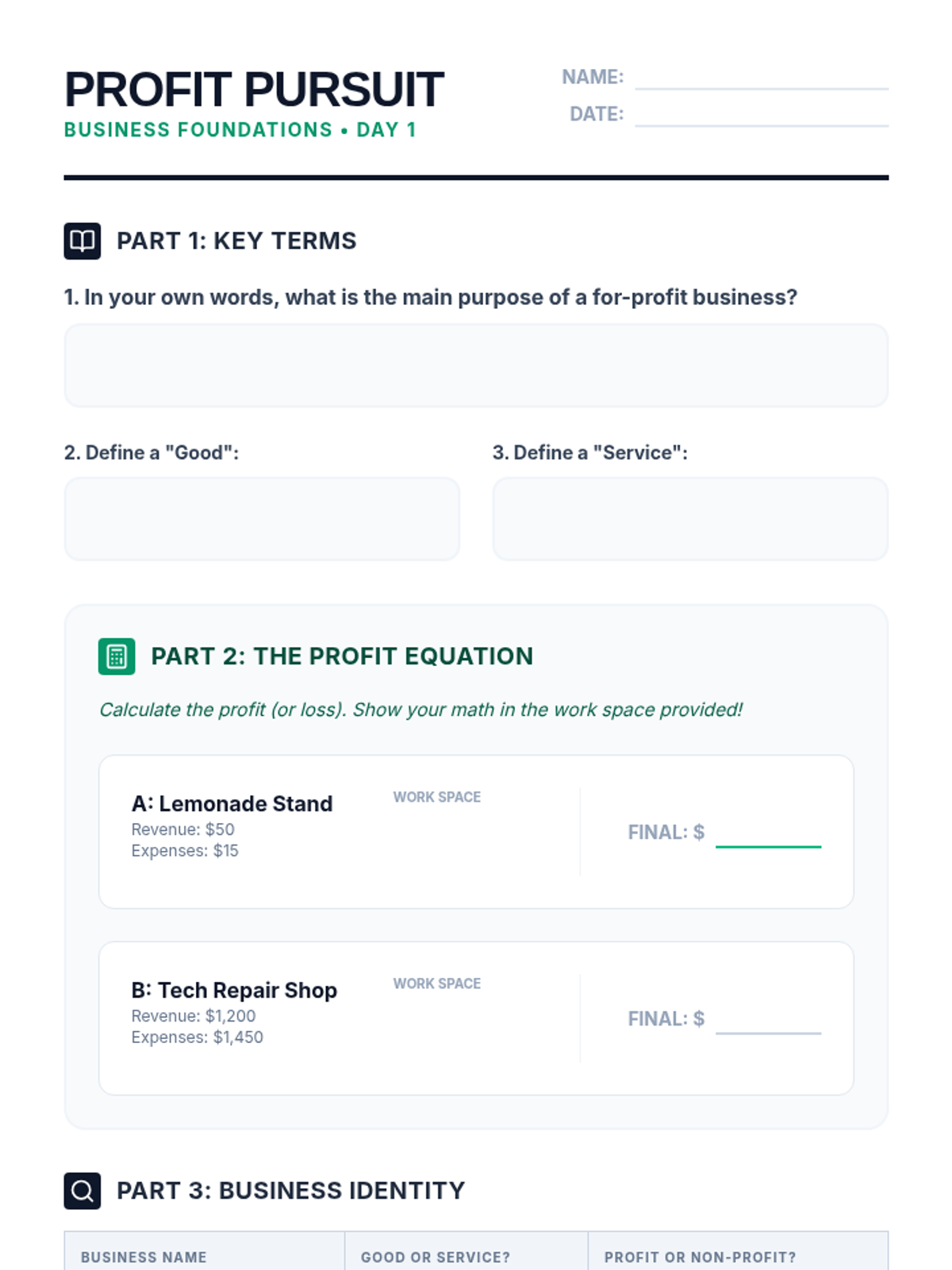
A comprehensive 7-day introduction to business and entrepreneurship. Students explore foundations, economic principles, ownership models, internal structures, and the mindset and process needed to launch a new business idea.
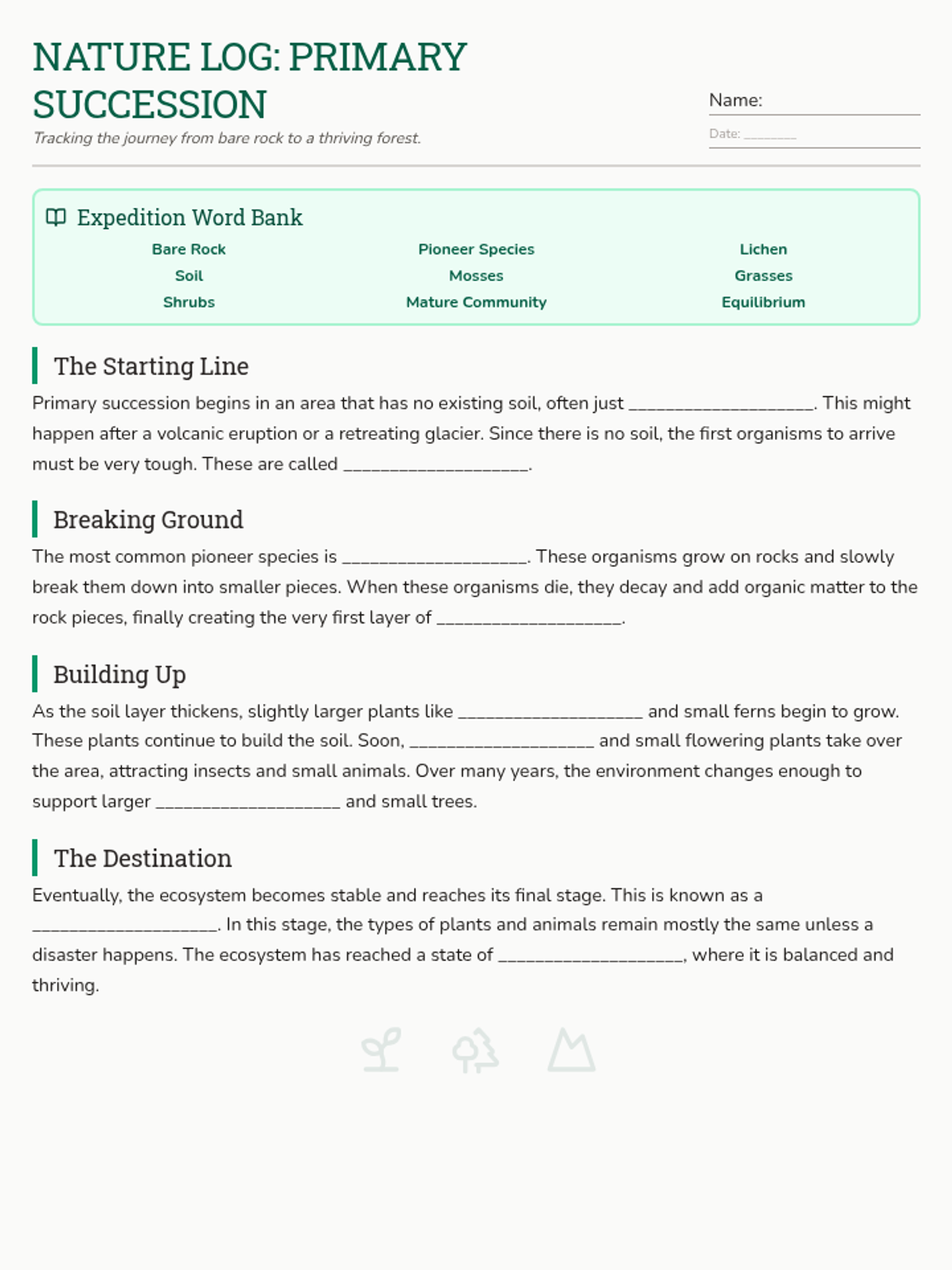
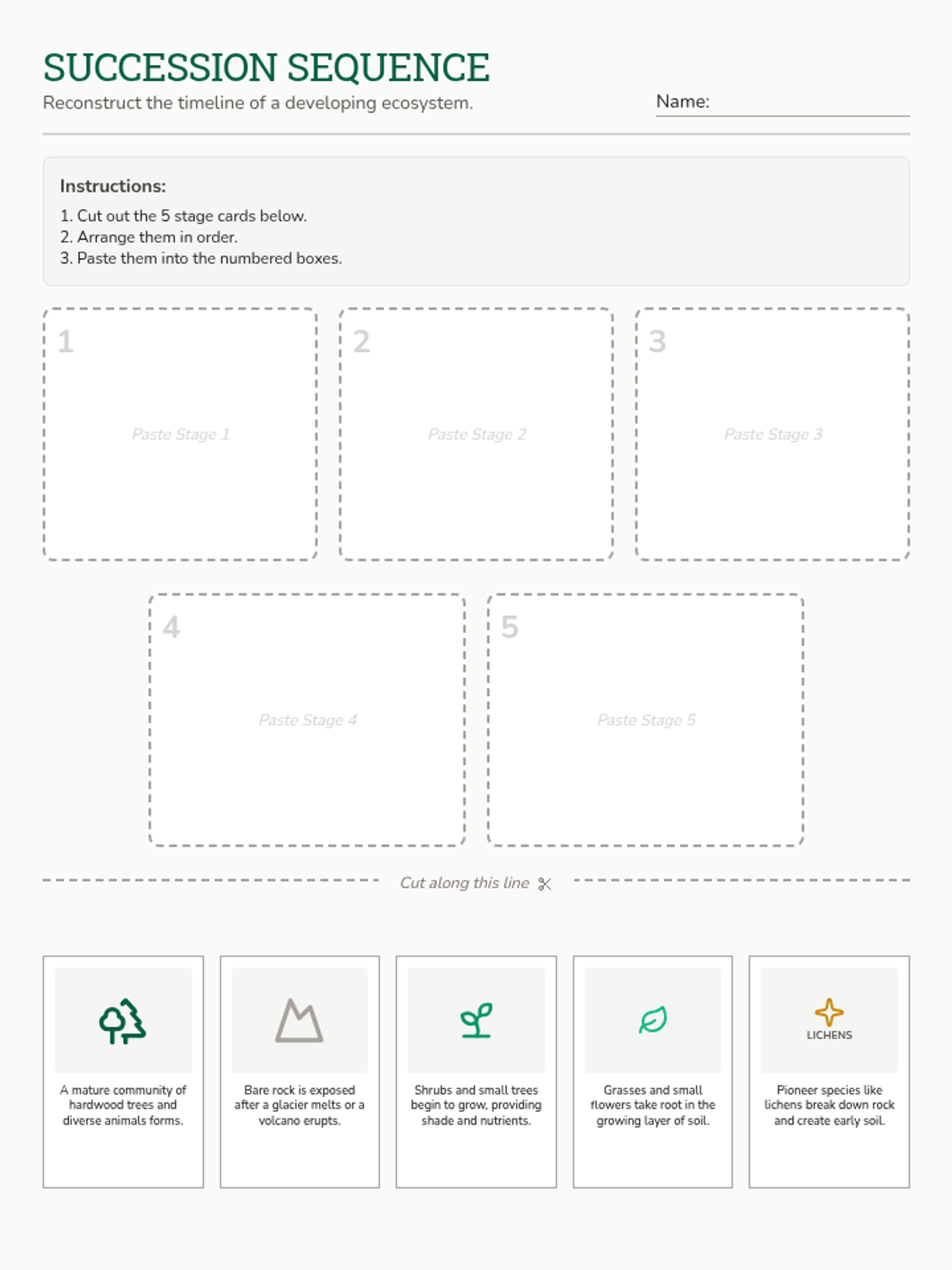
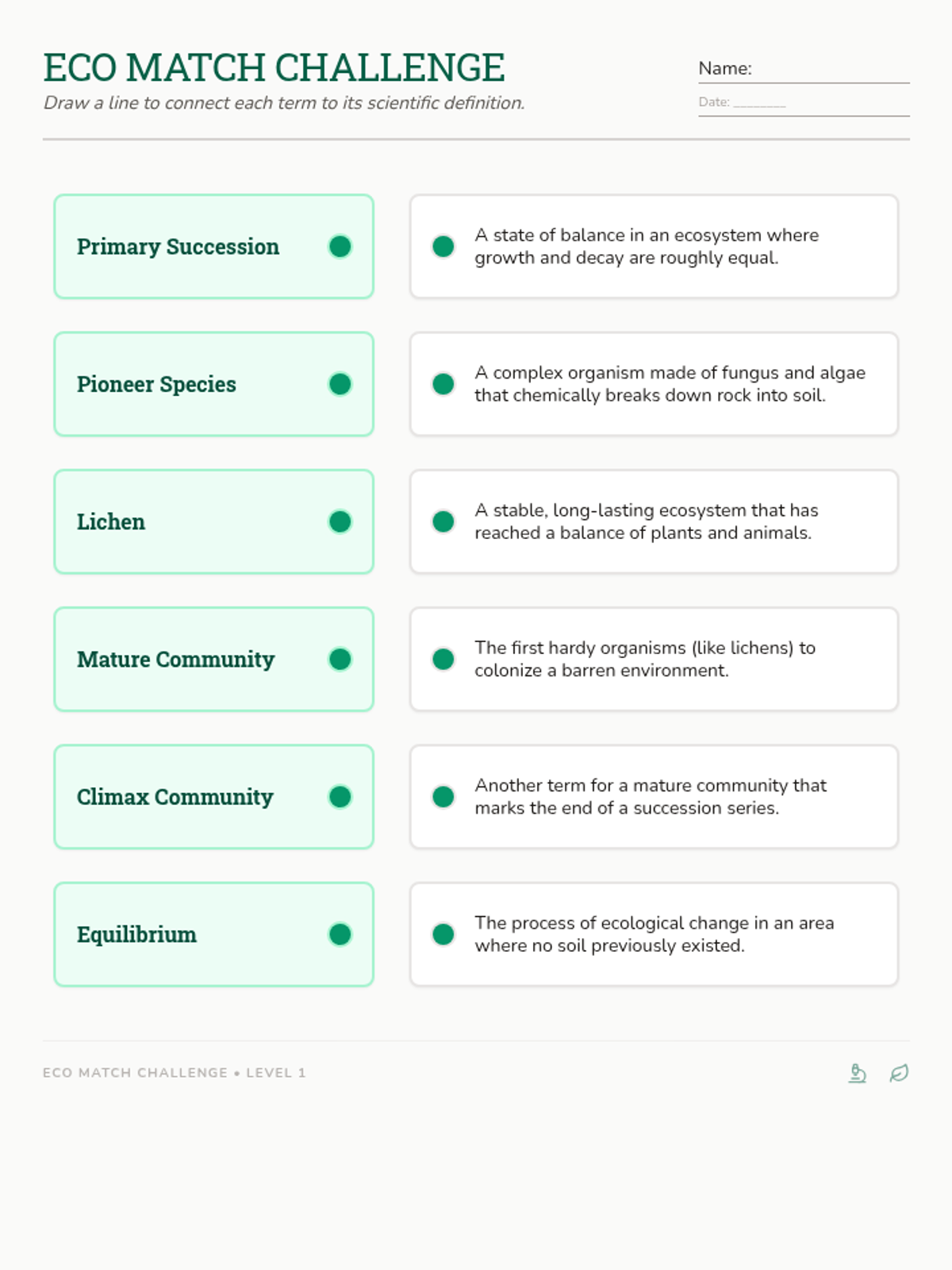
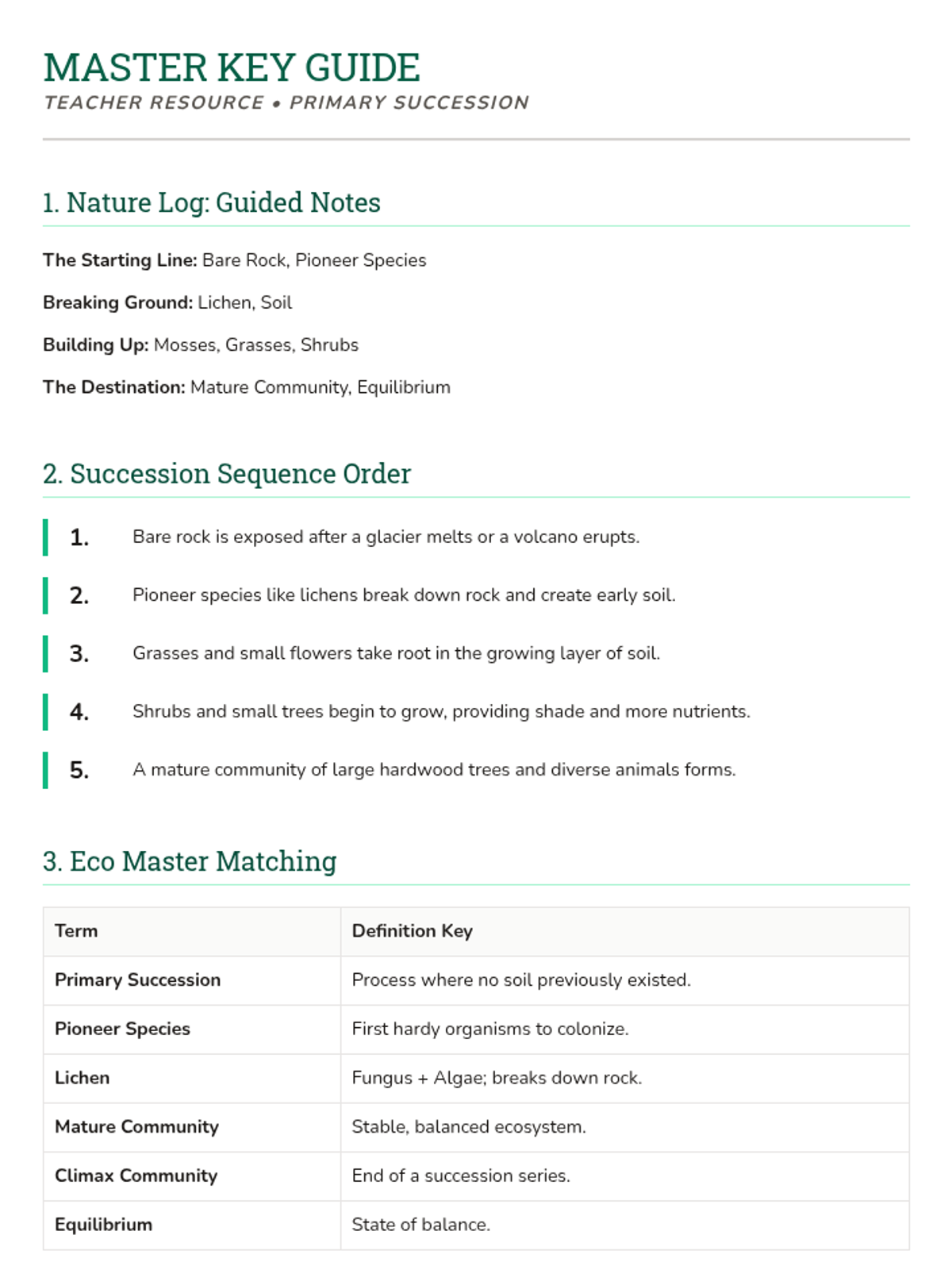
A unit exploring how ecosystems change over time through primary and secondary succession, focusing on ecological stages and resilience.
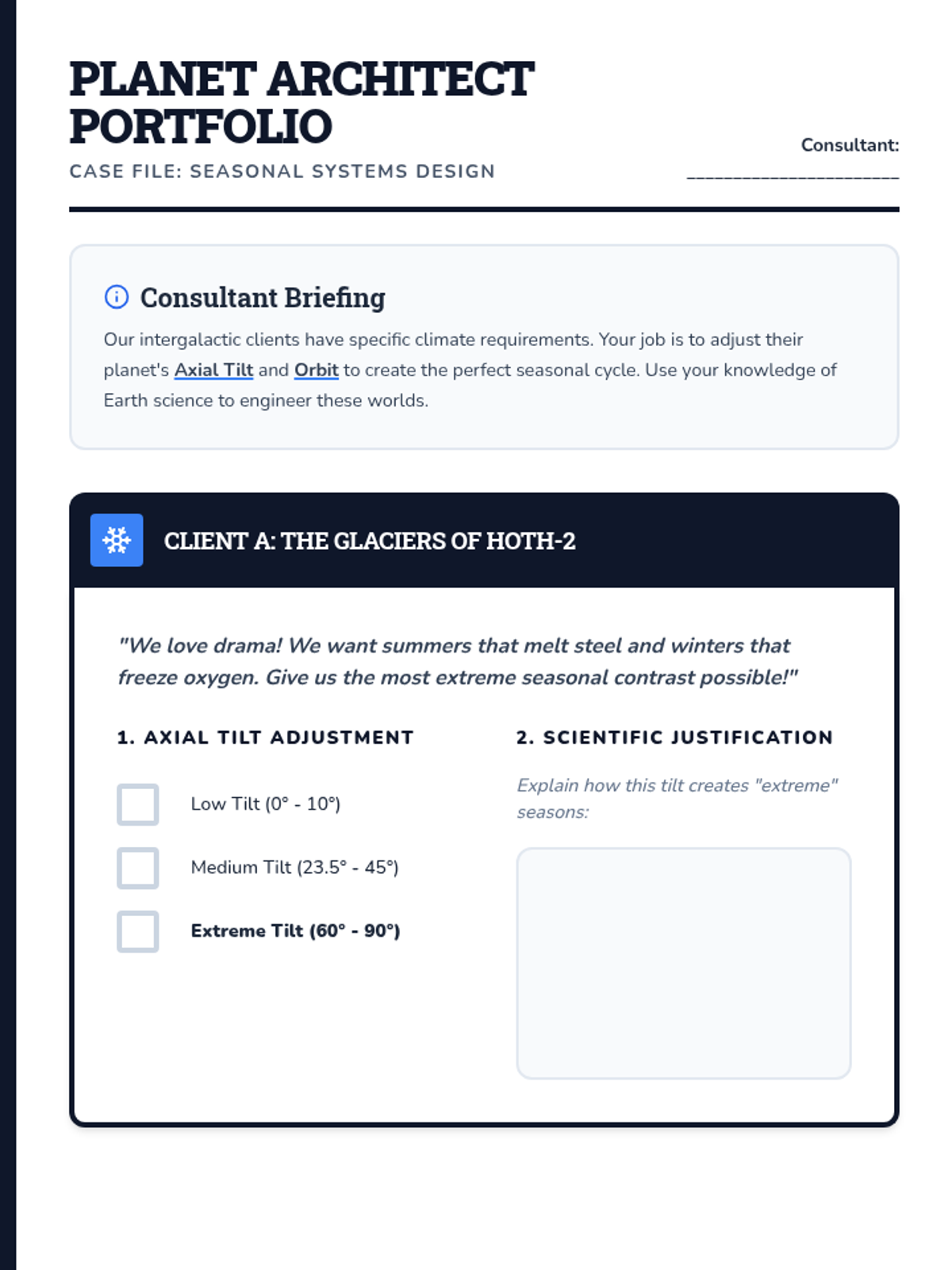
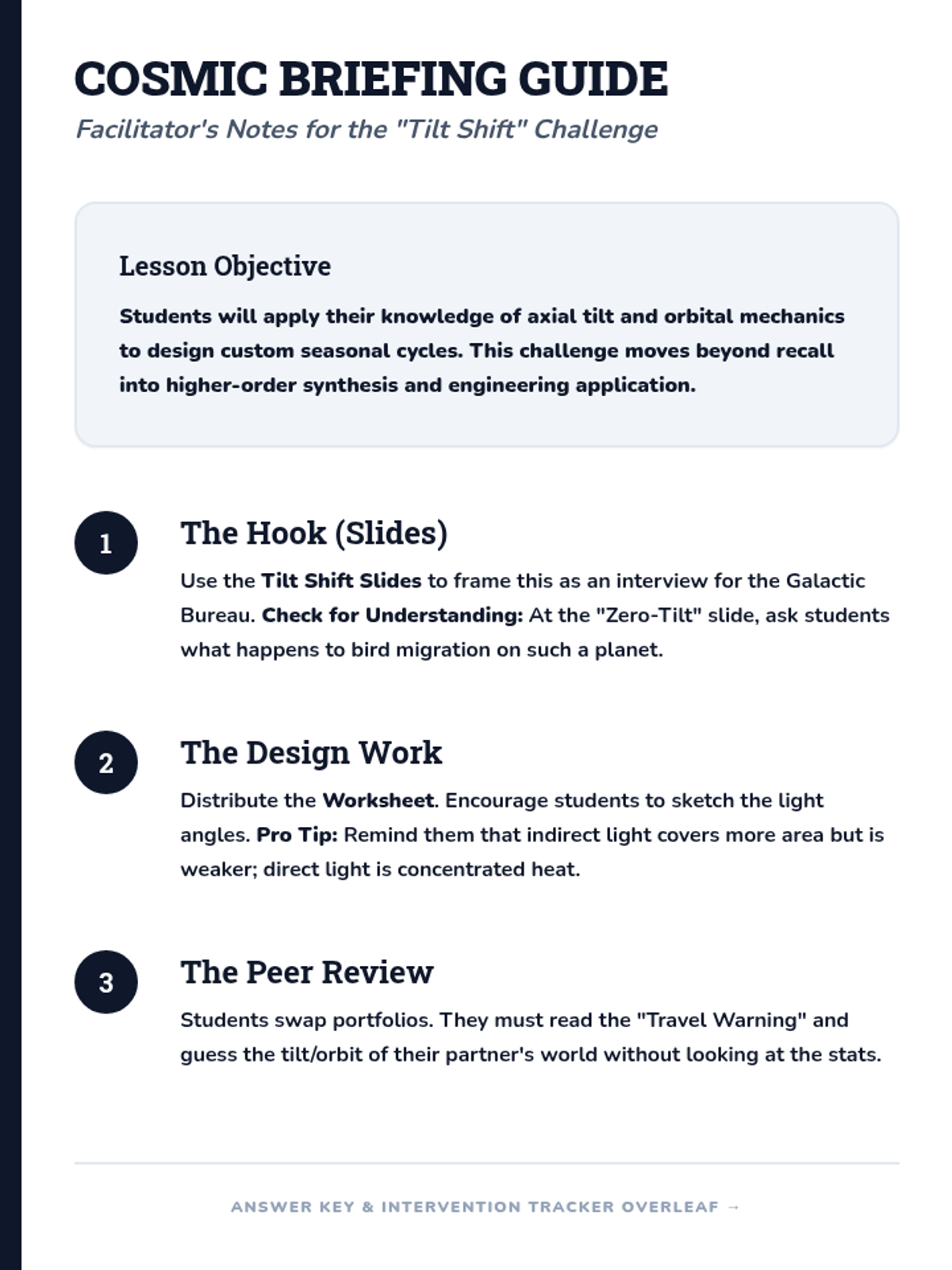
A creative end-of-year science unit where students apply their knowledge of Earth's tilt and orbit to design custom seasonal cycles for fictional planets. This sequence encourages divergent thinking and deep understanding of how axial tilt impacts climate and light.
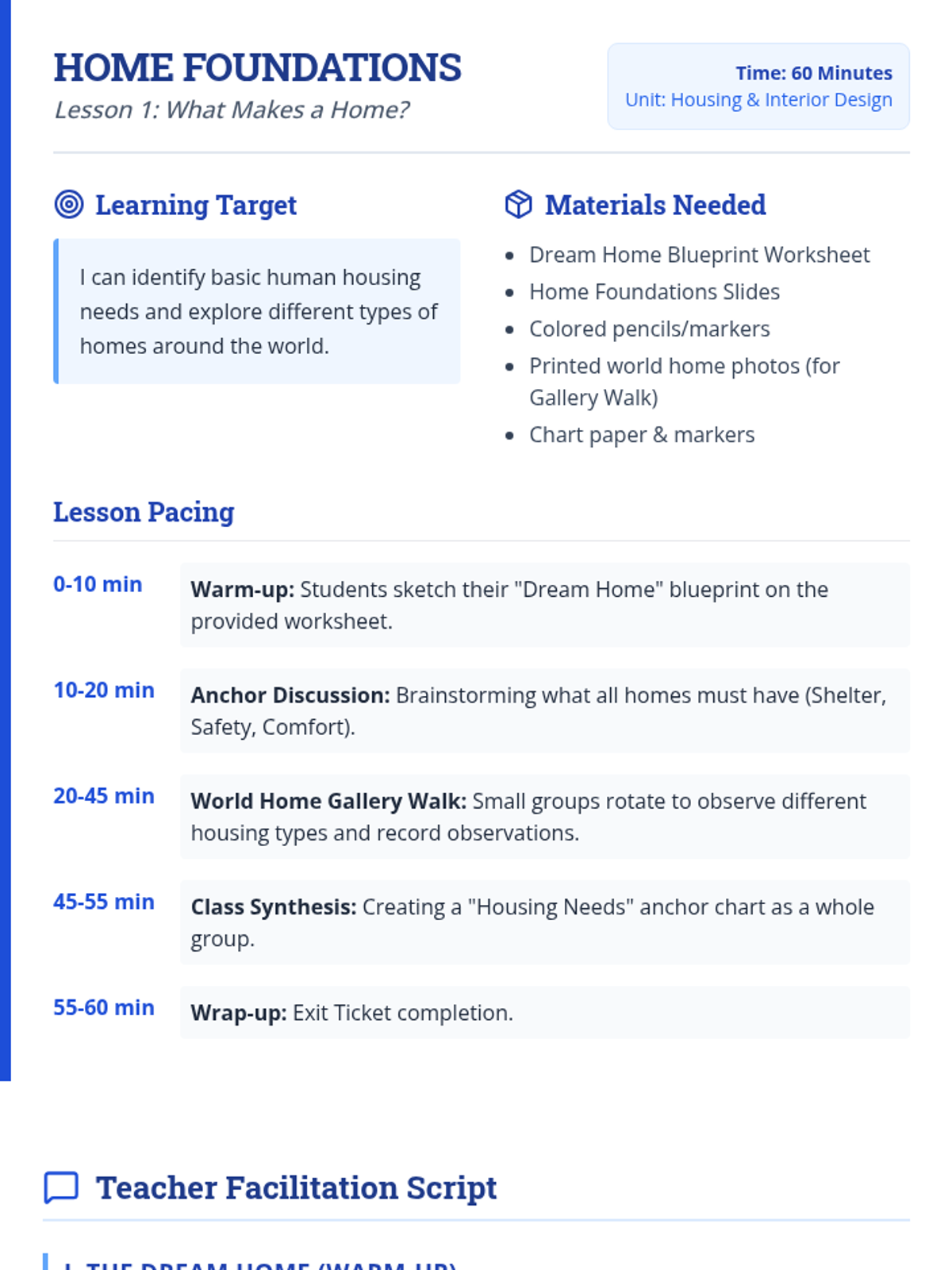
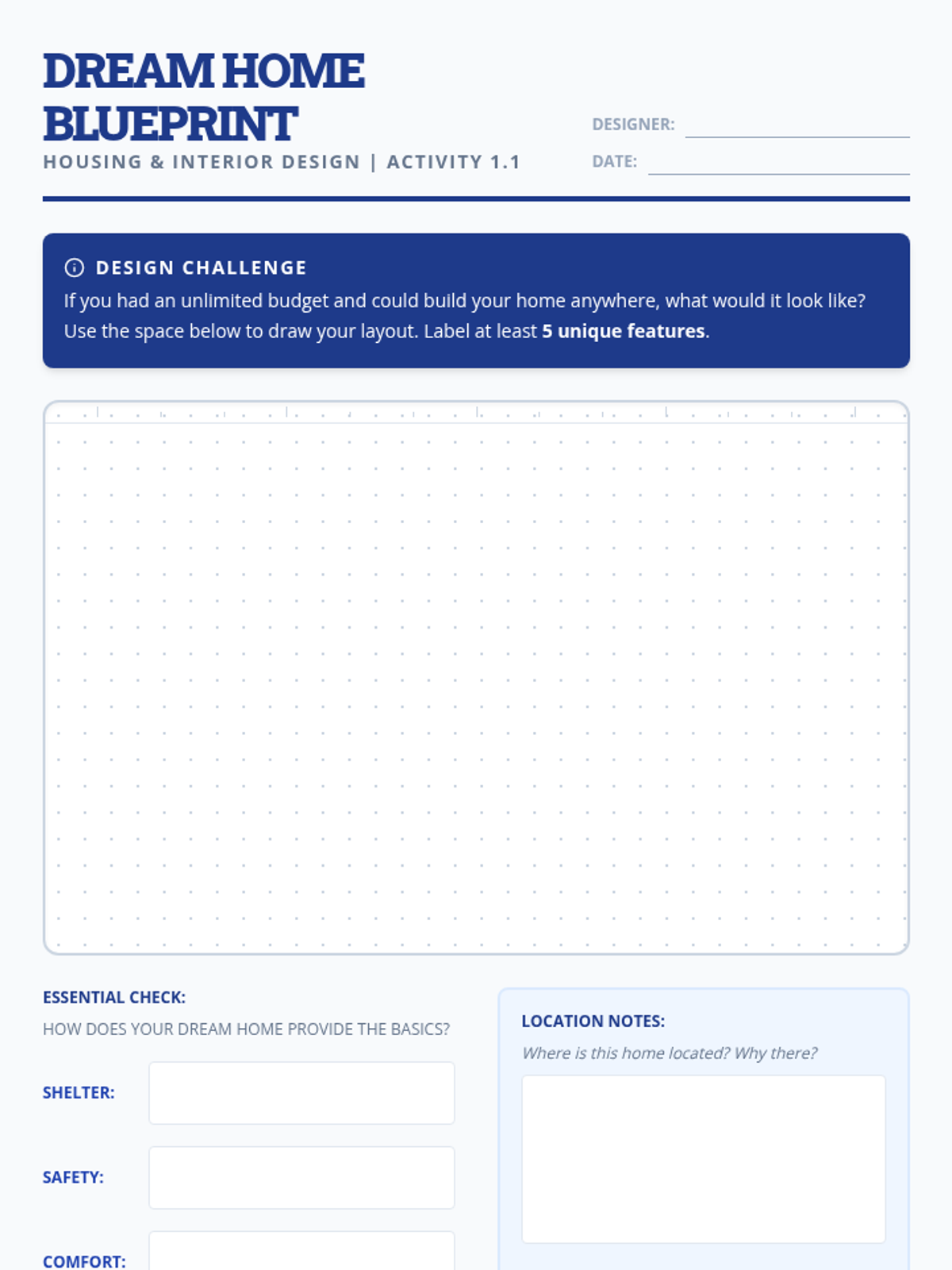
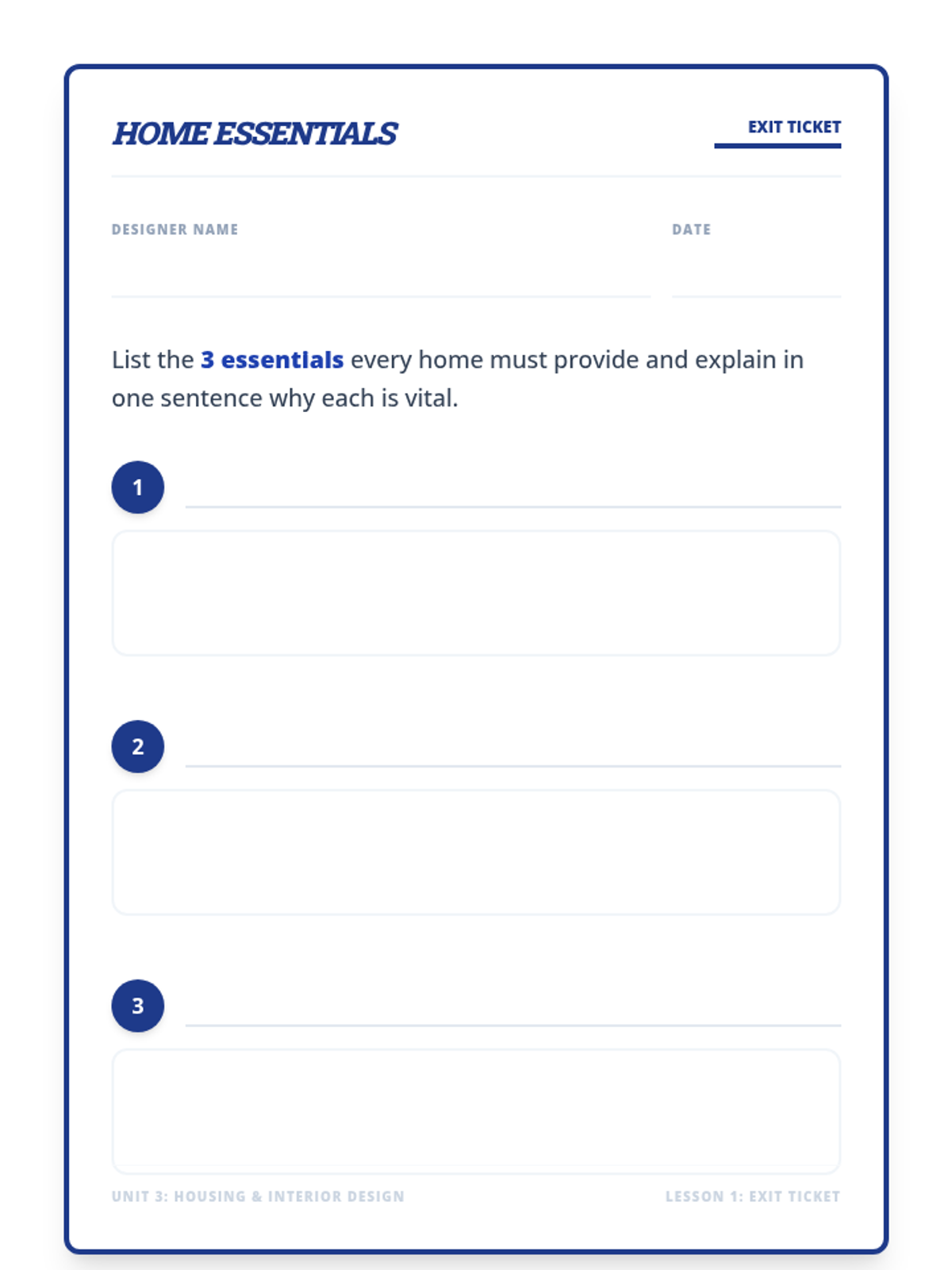
An introductory unit on Housing and Interior Design within the Human Services field. Students explore basic housing needs, sustainable green building, universal design for accessibility, the impact of local resources and climate on home construction, and residential energy efficiency.
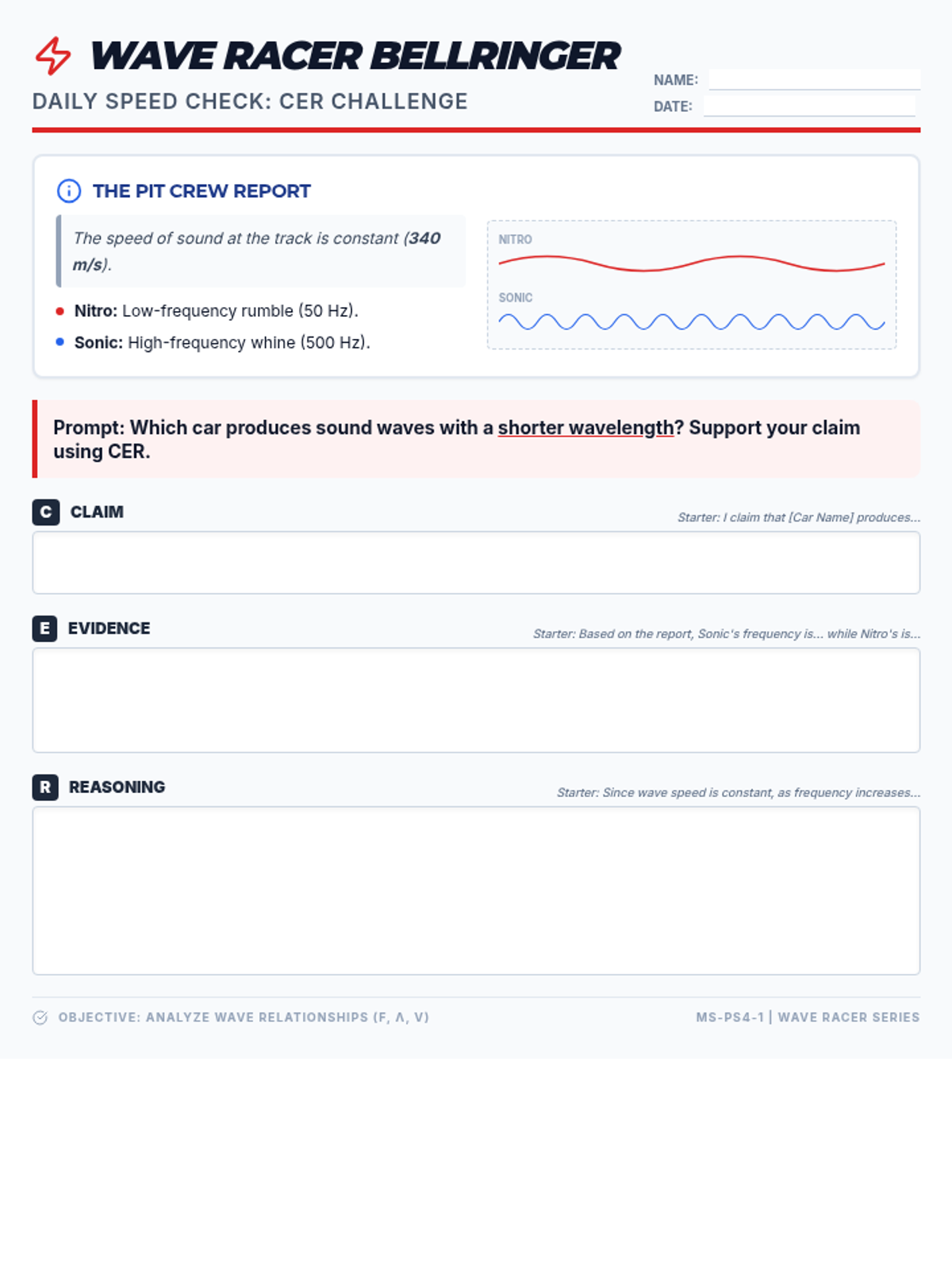
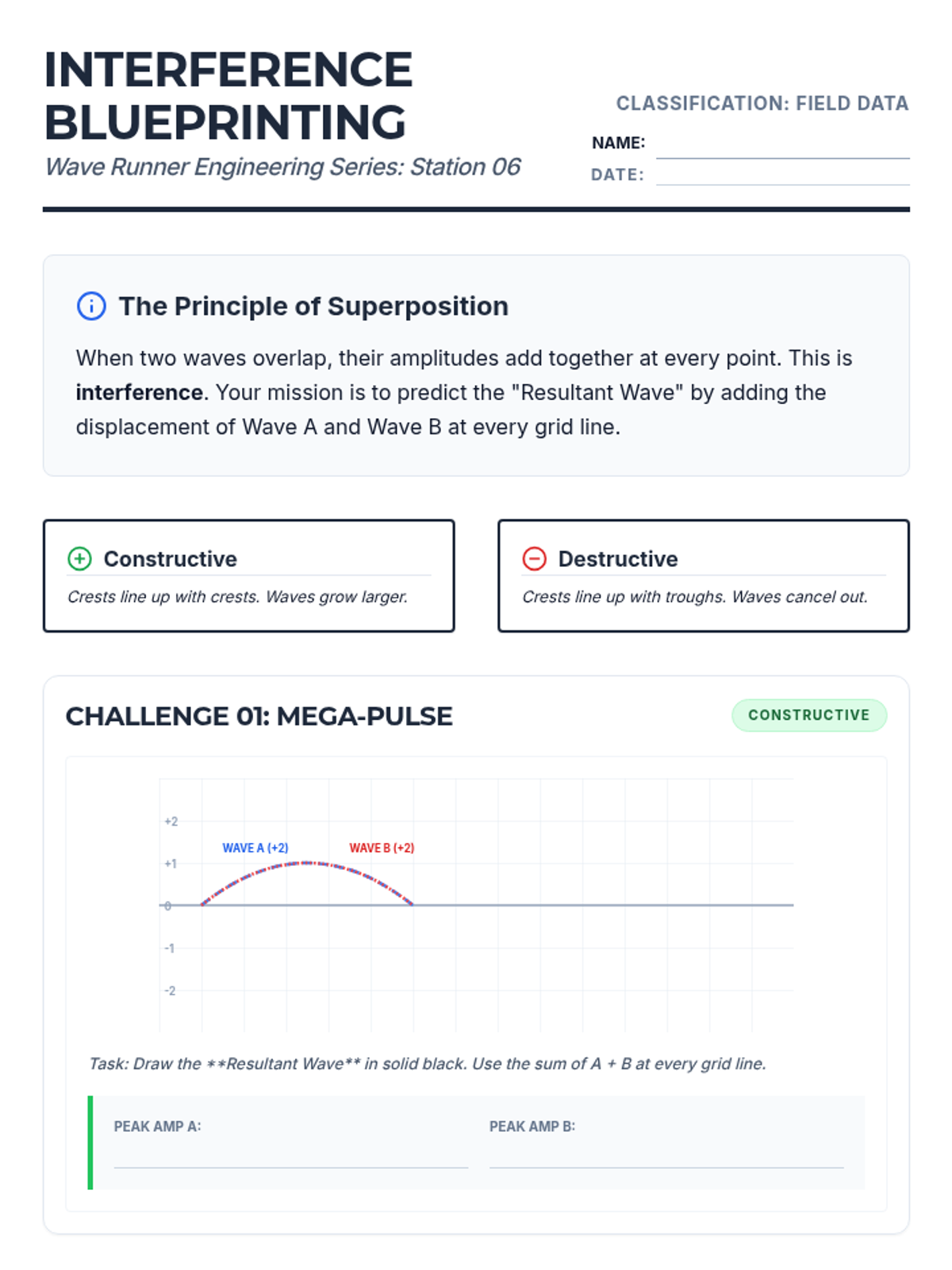
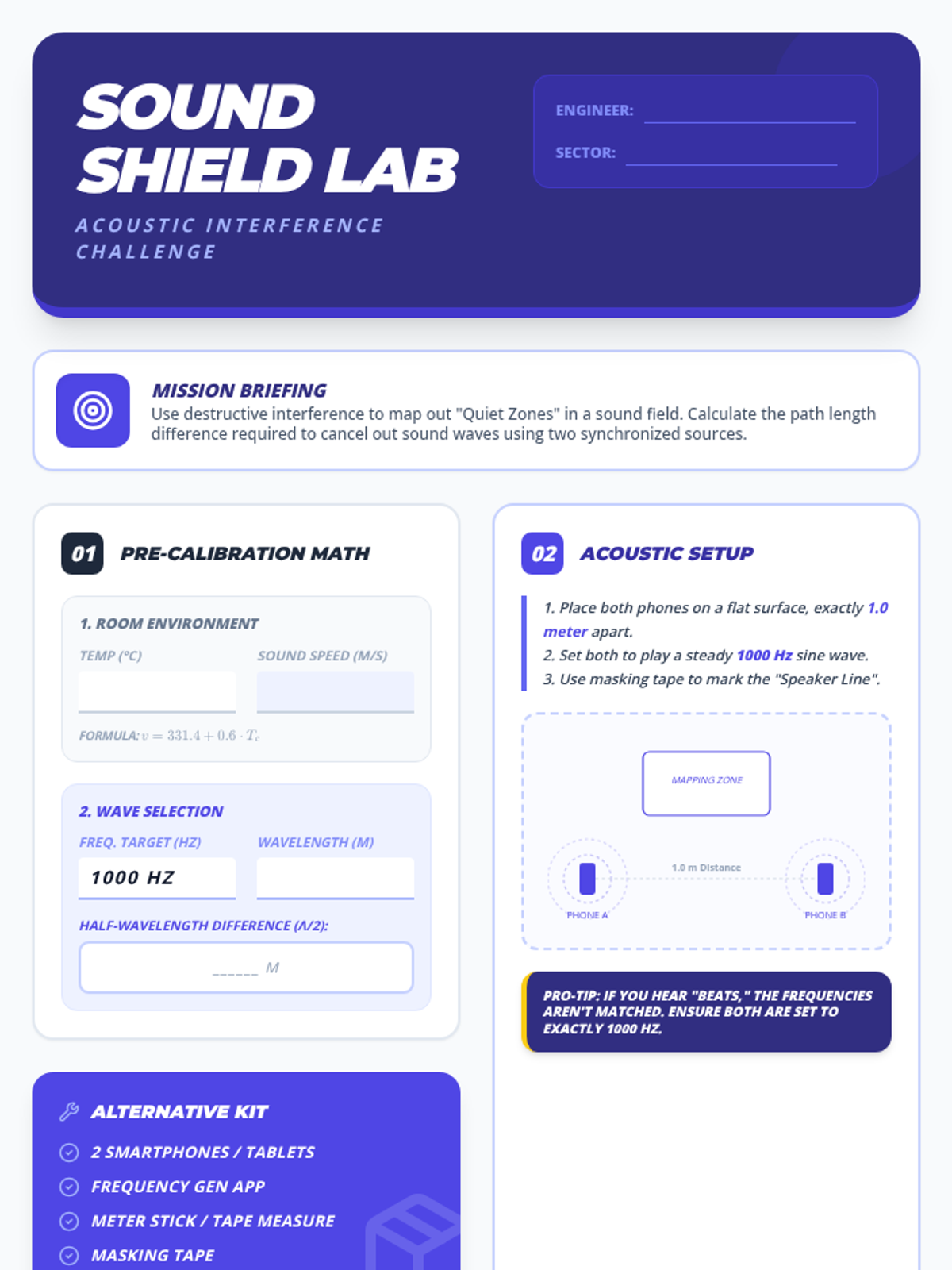
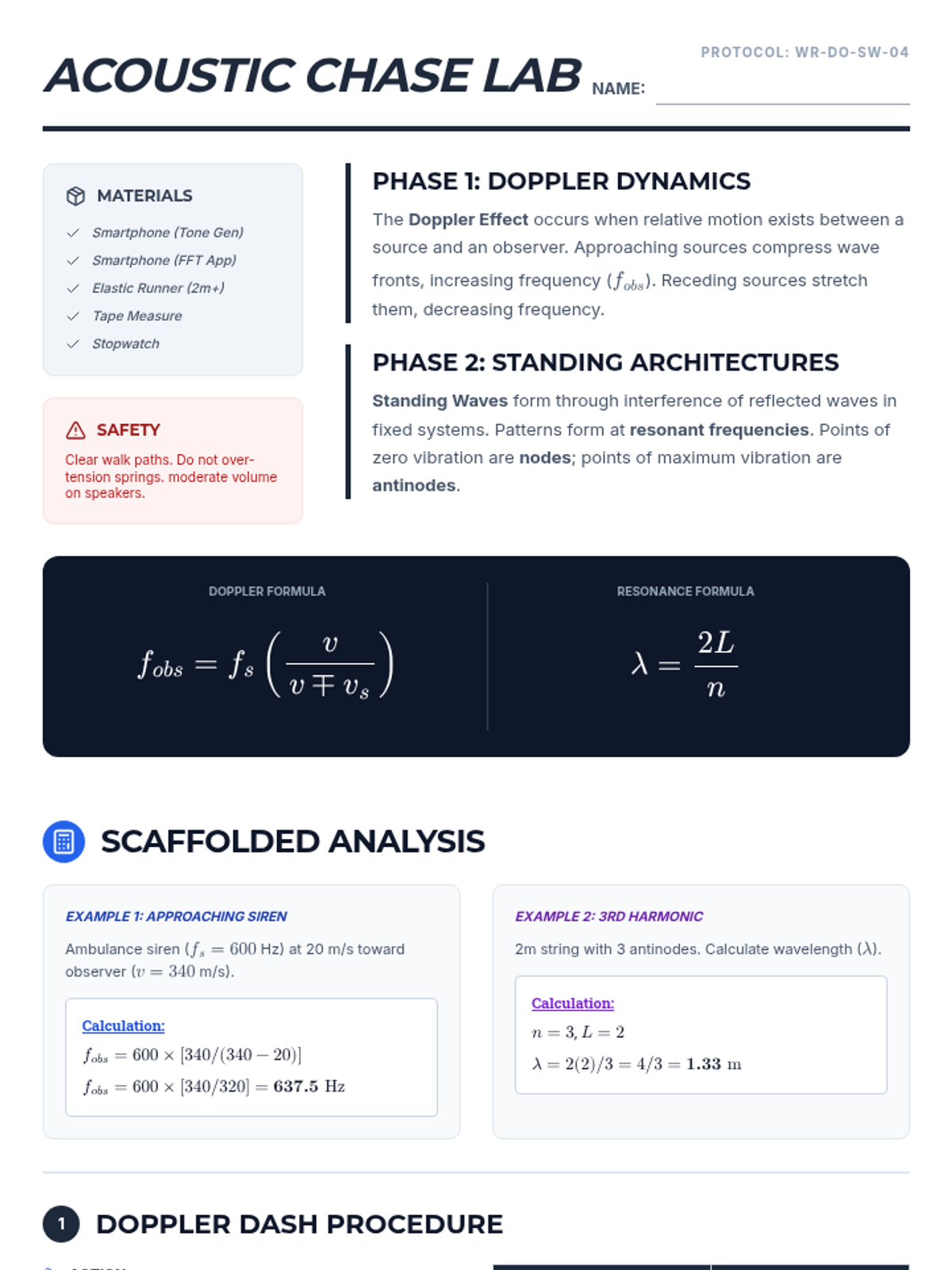
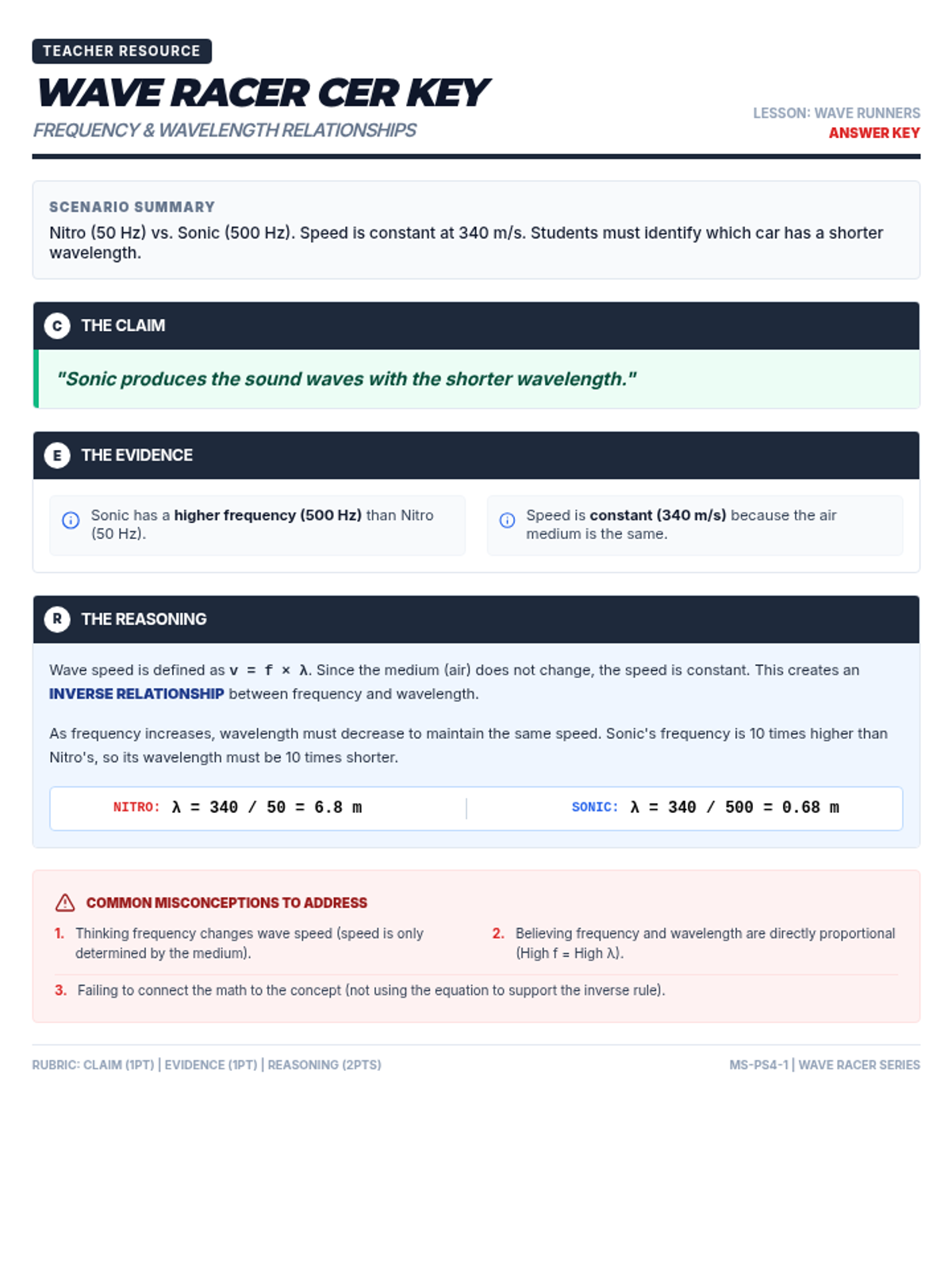
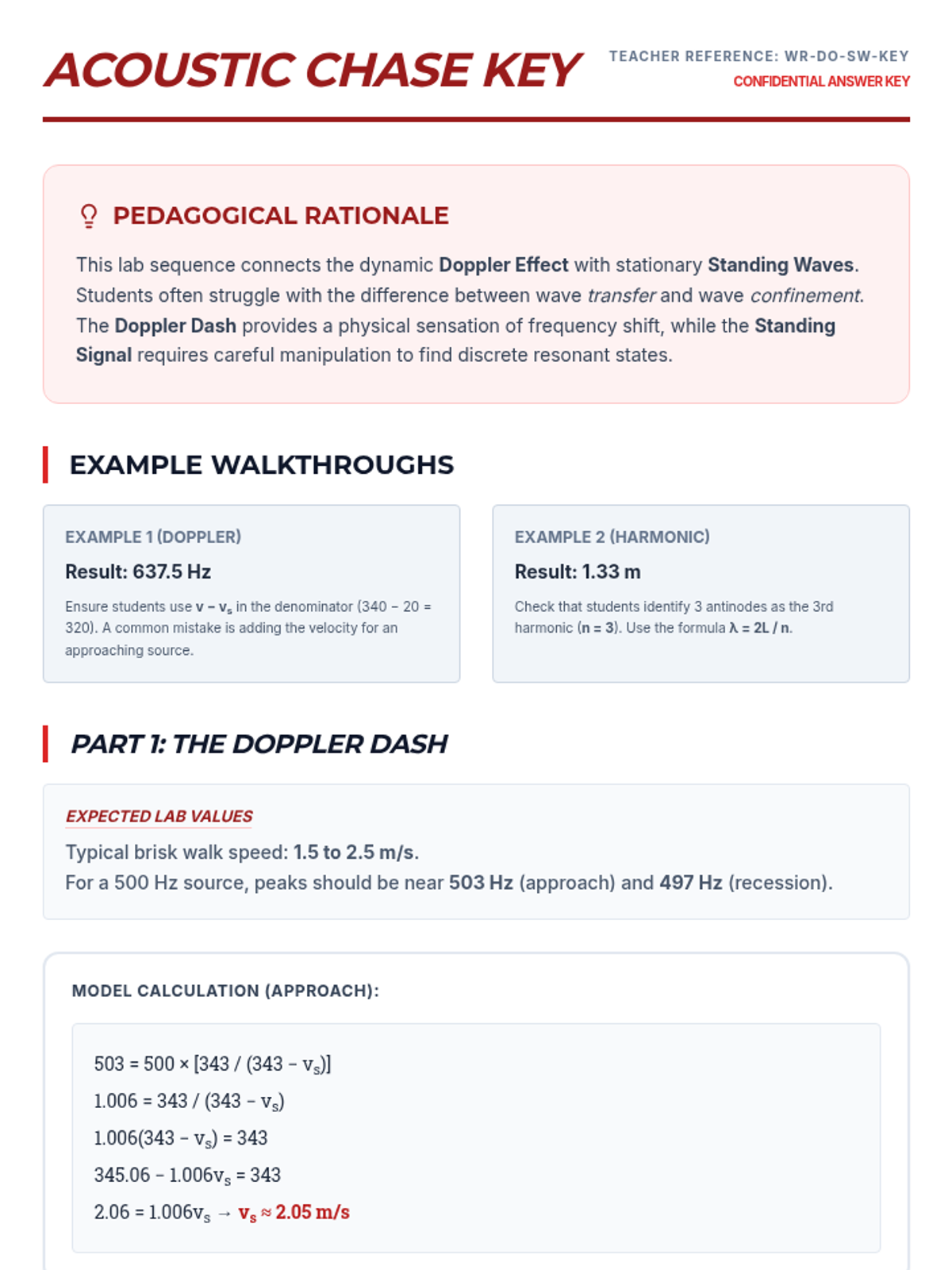
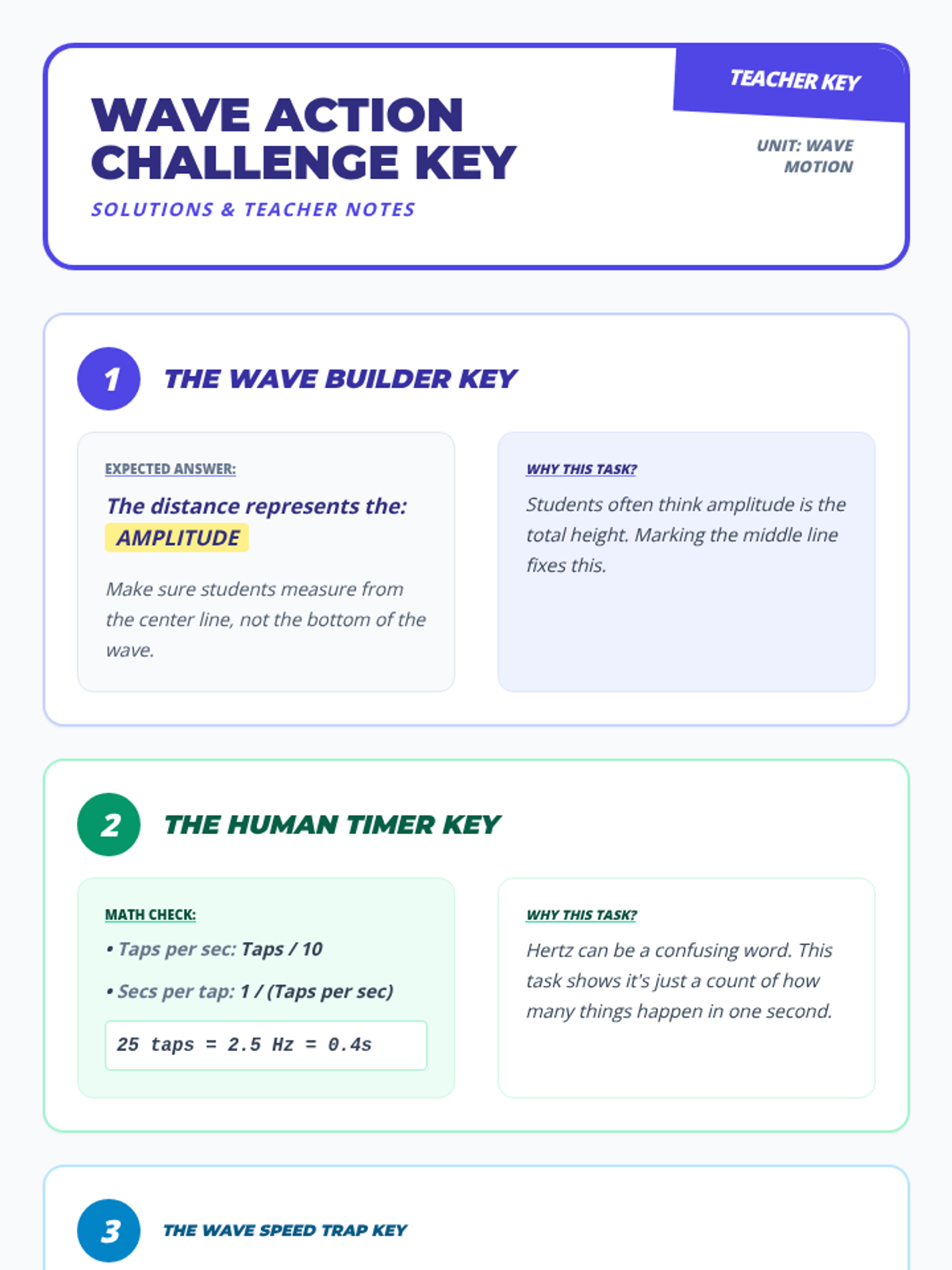
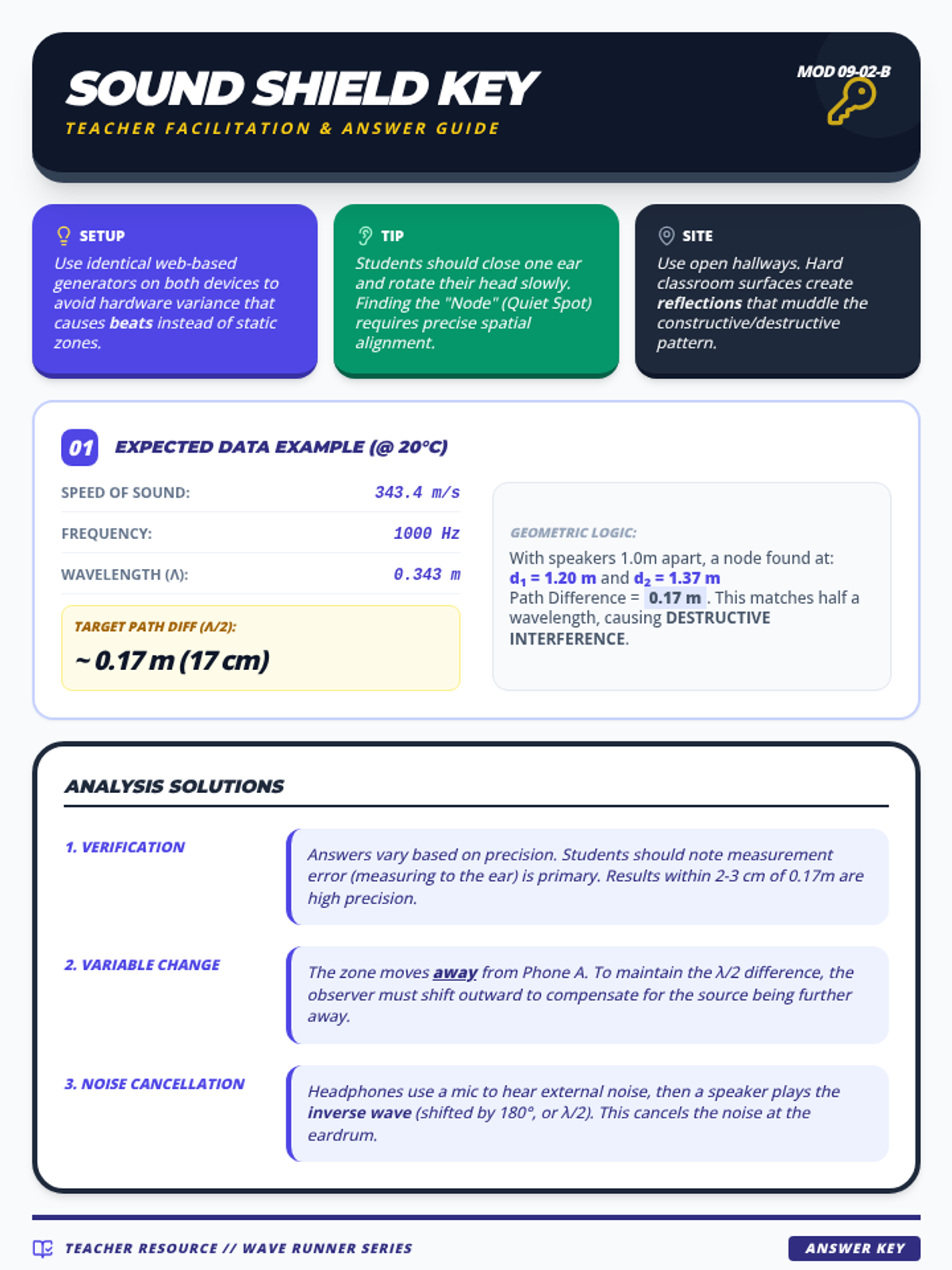
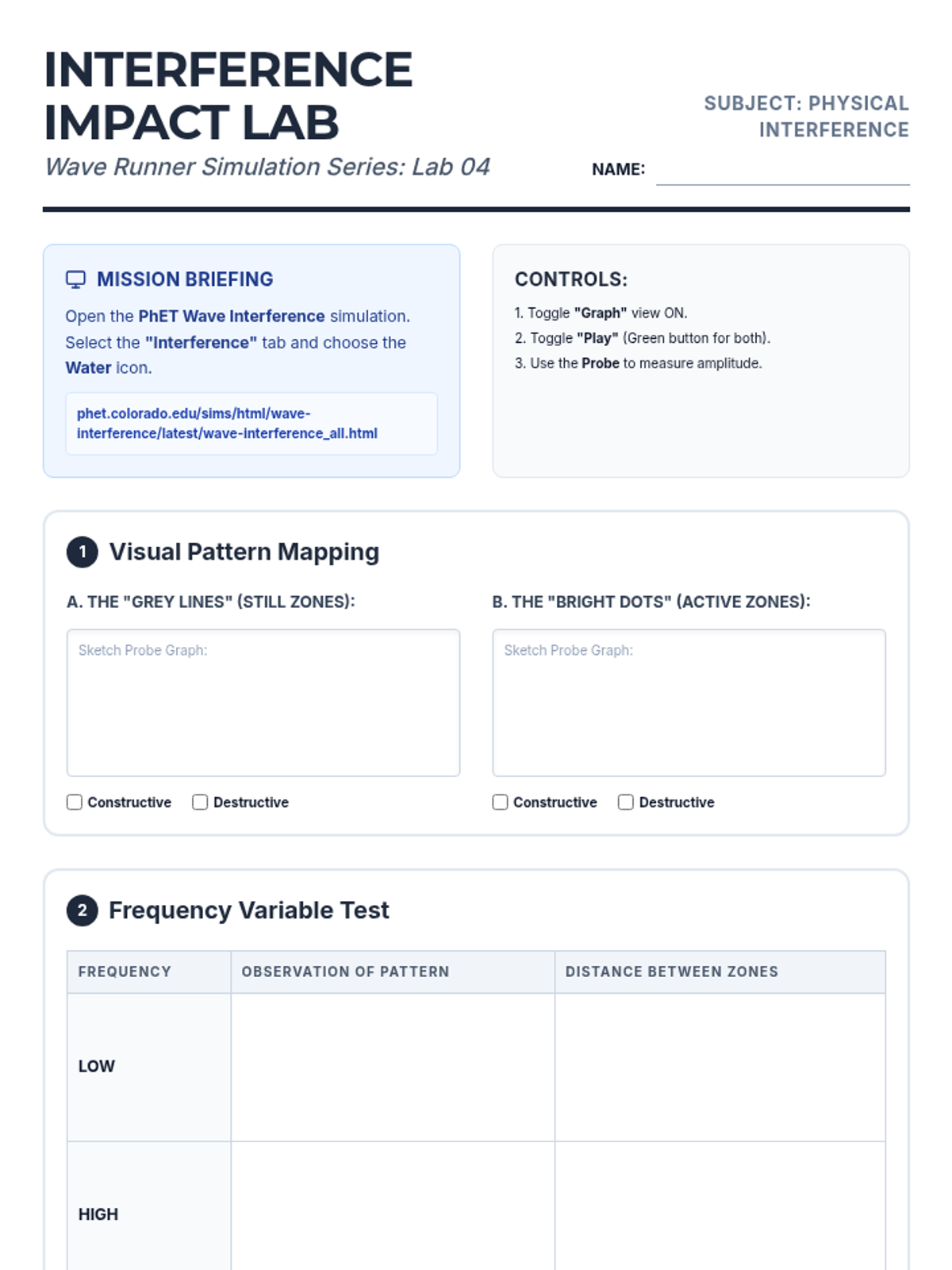
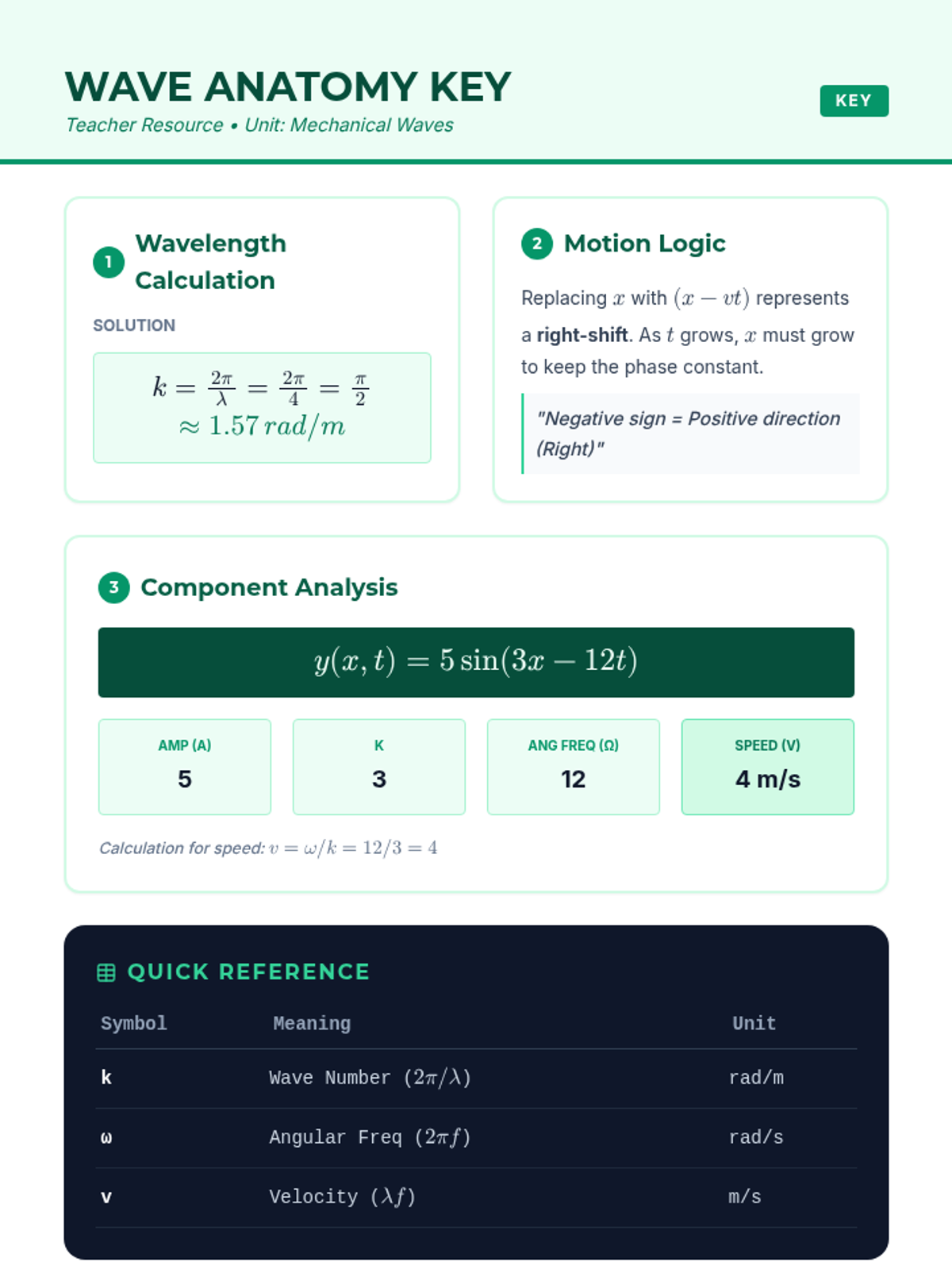
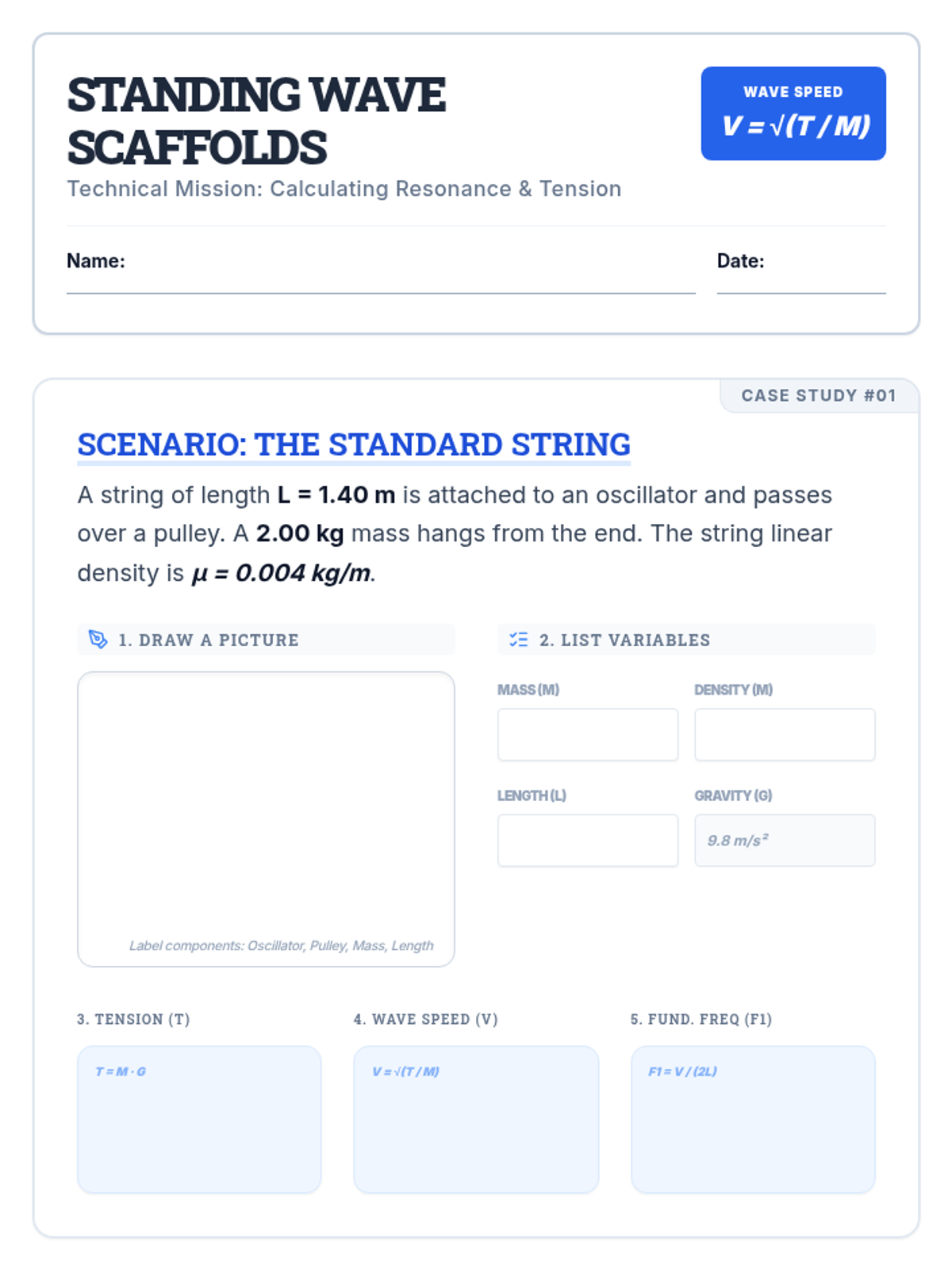
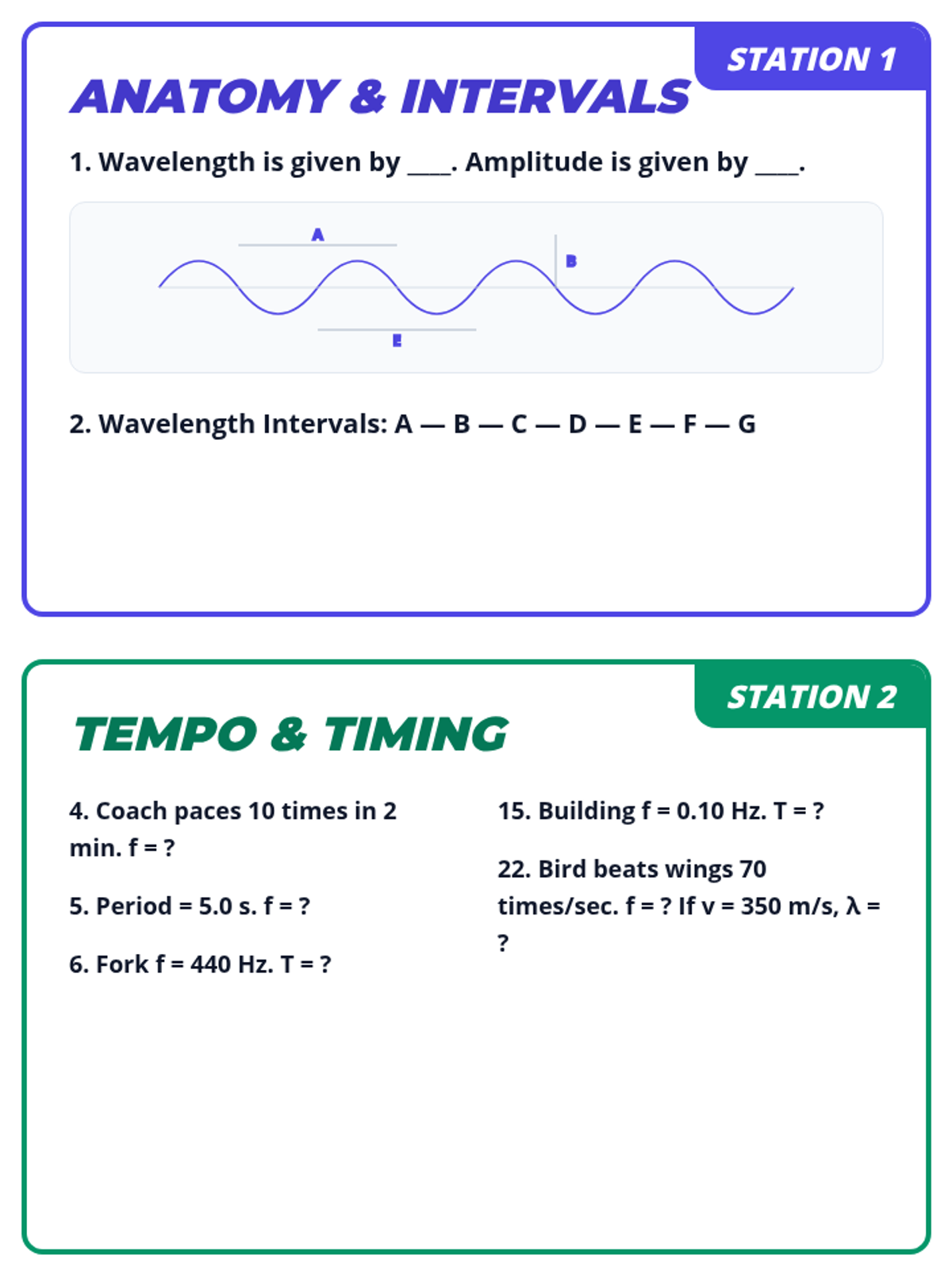
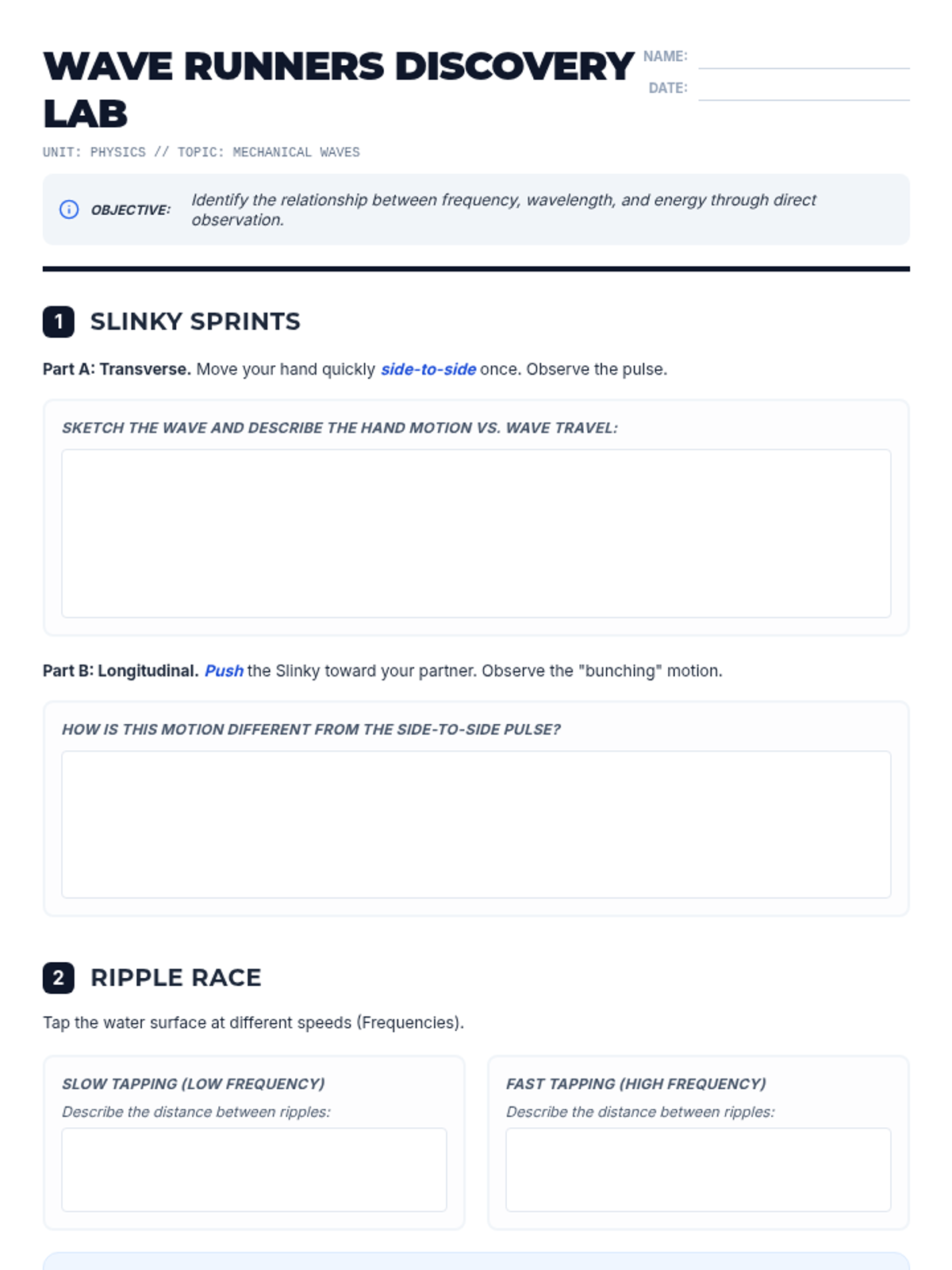
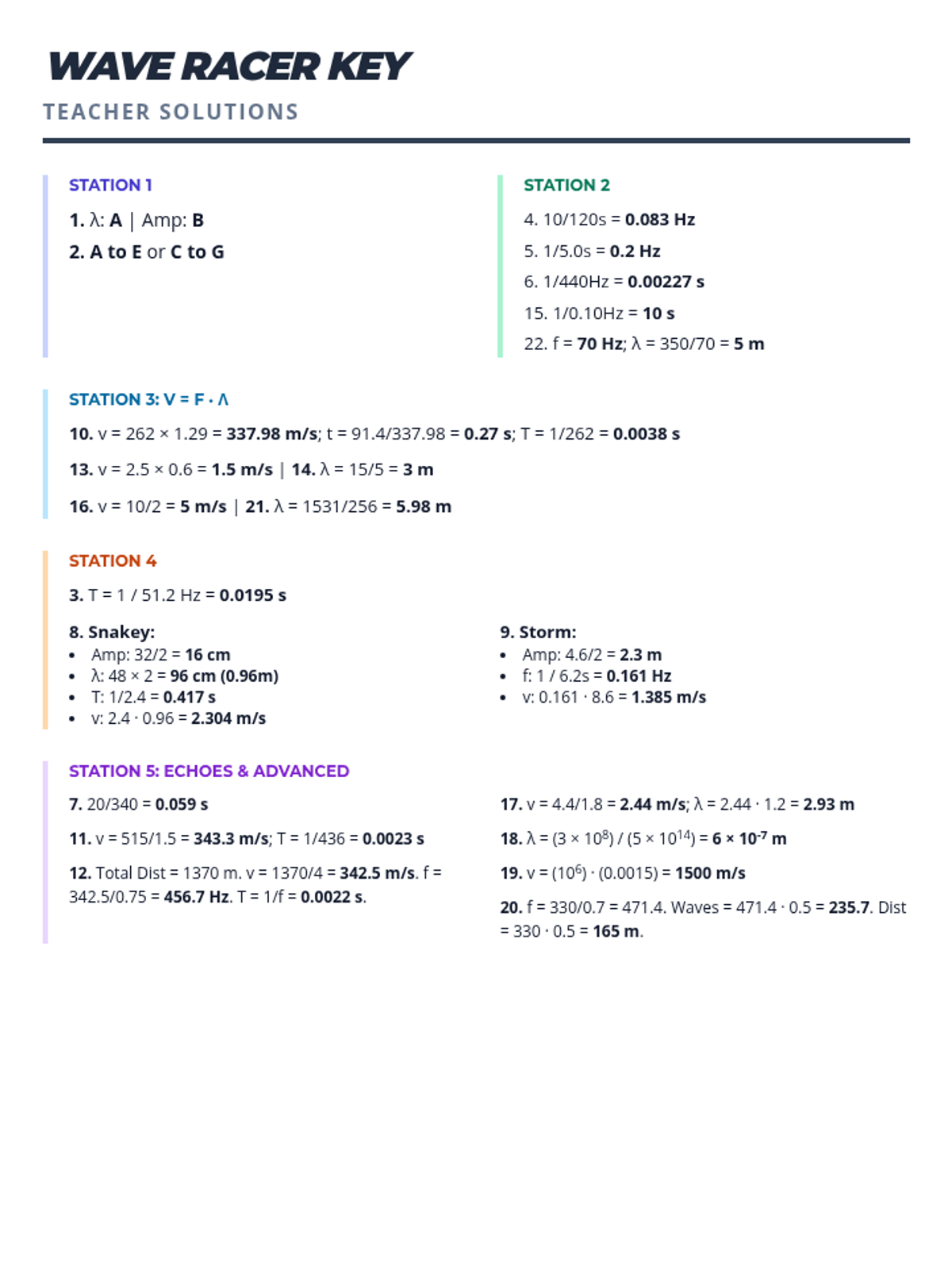
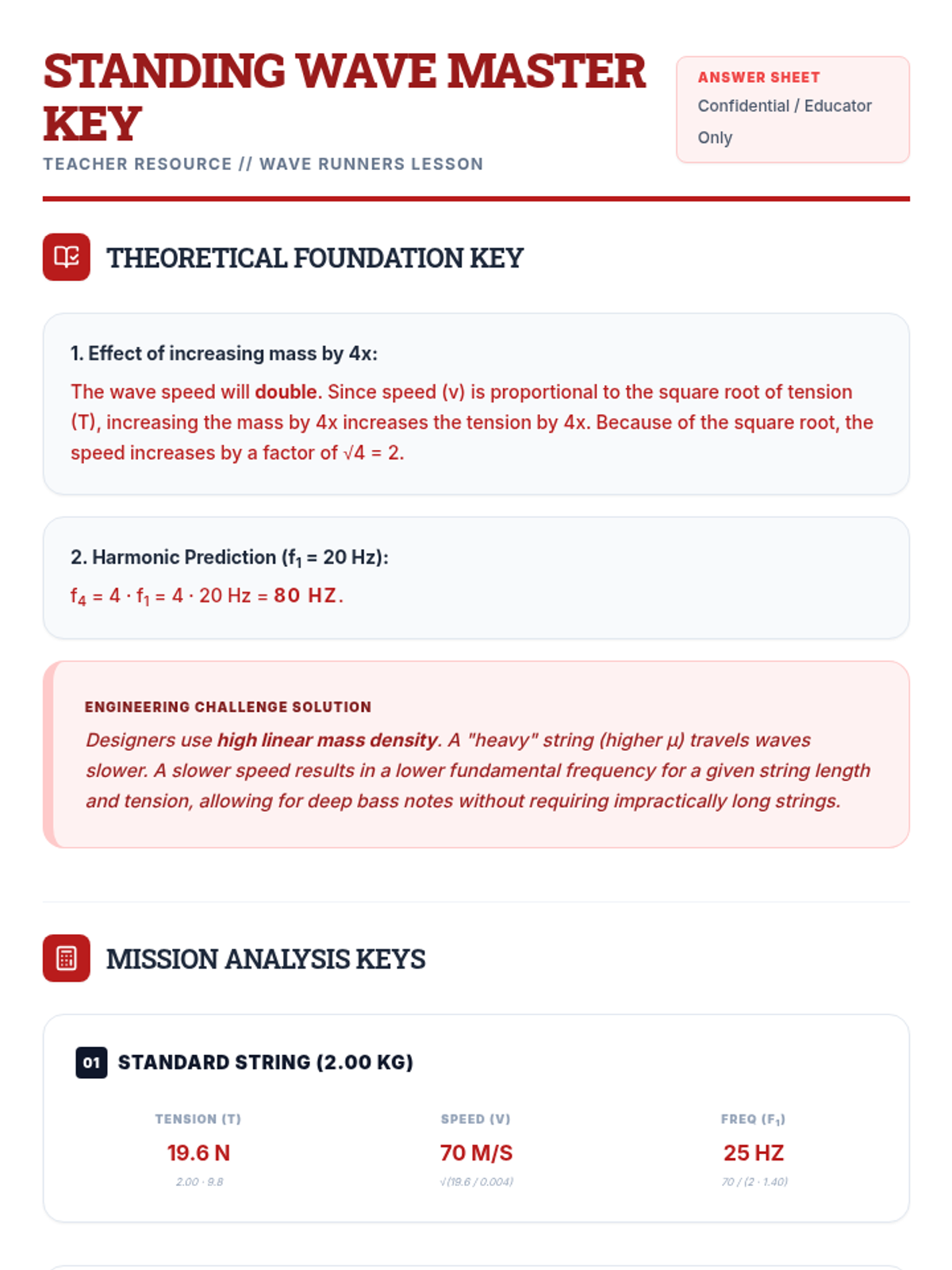
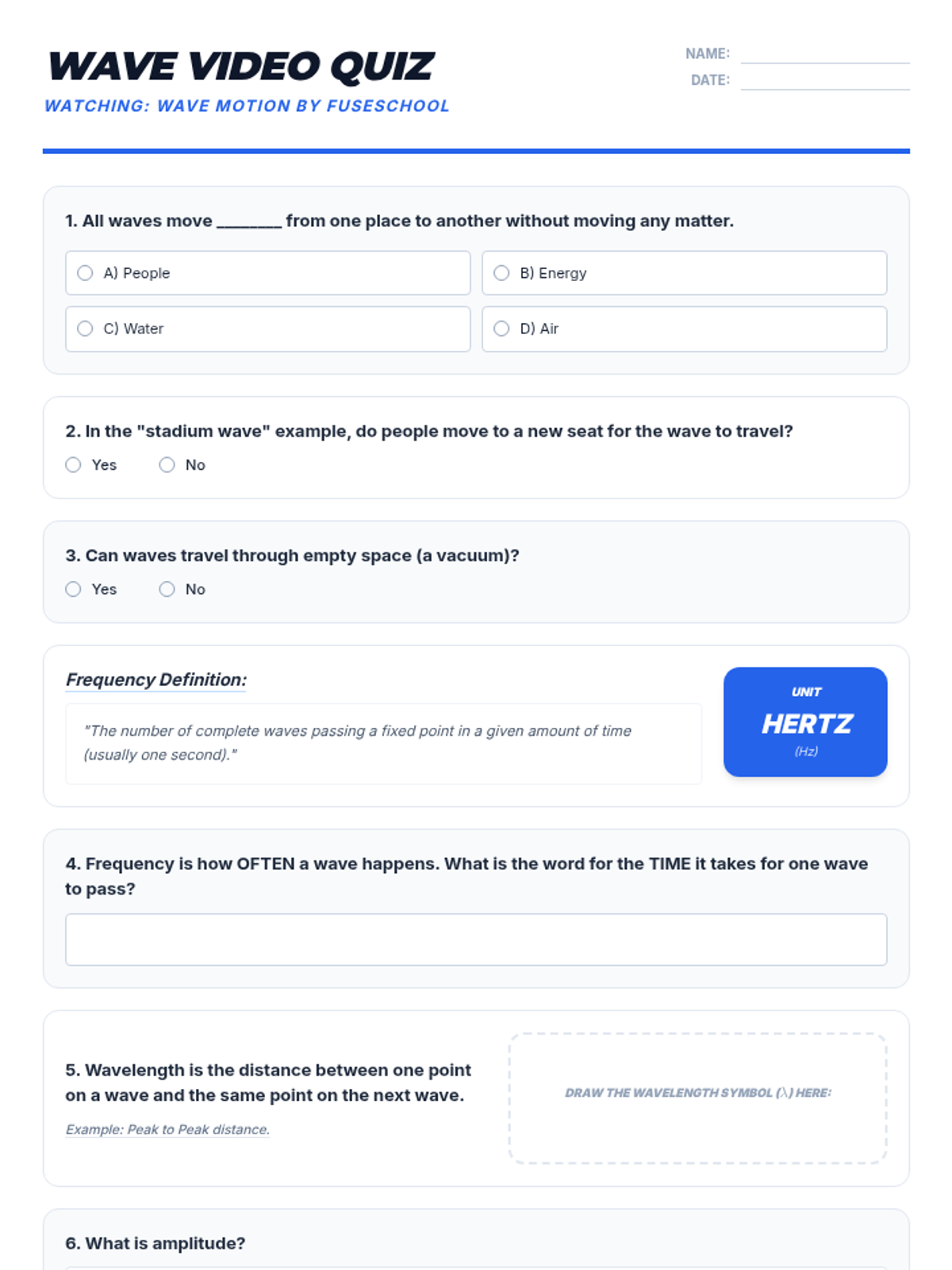
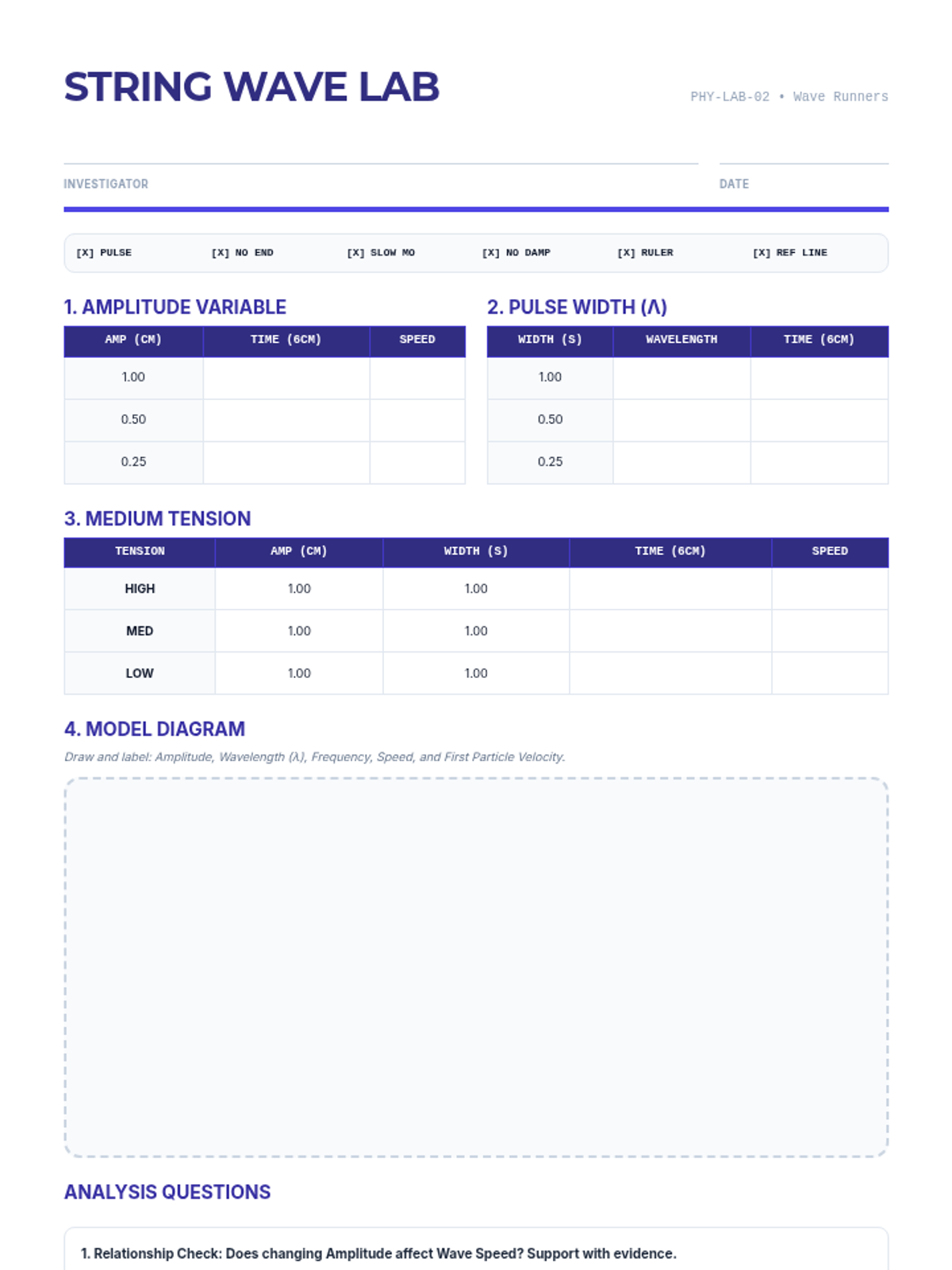
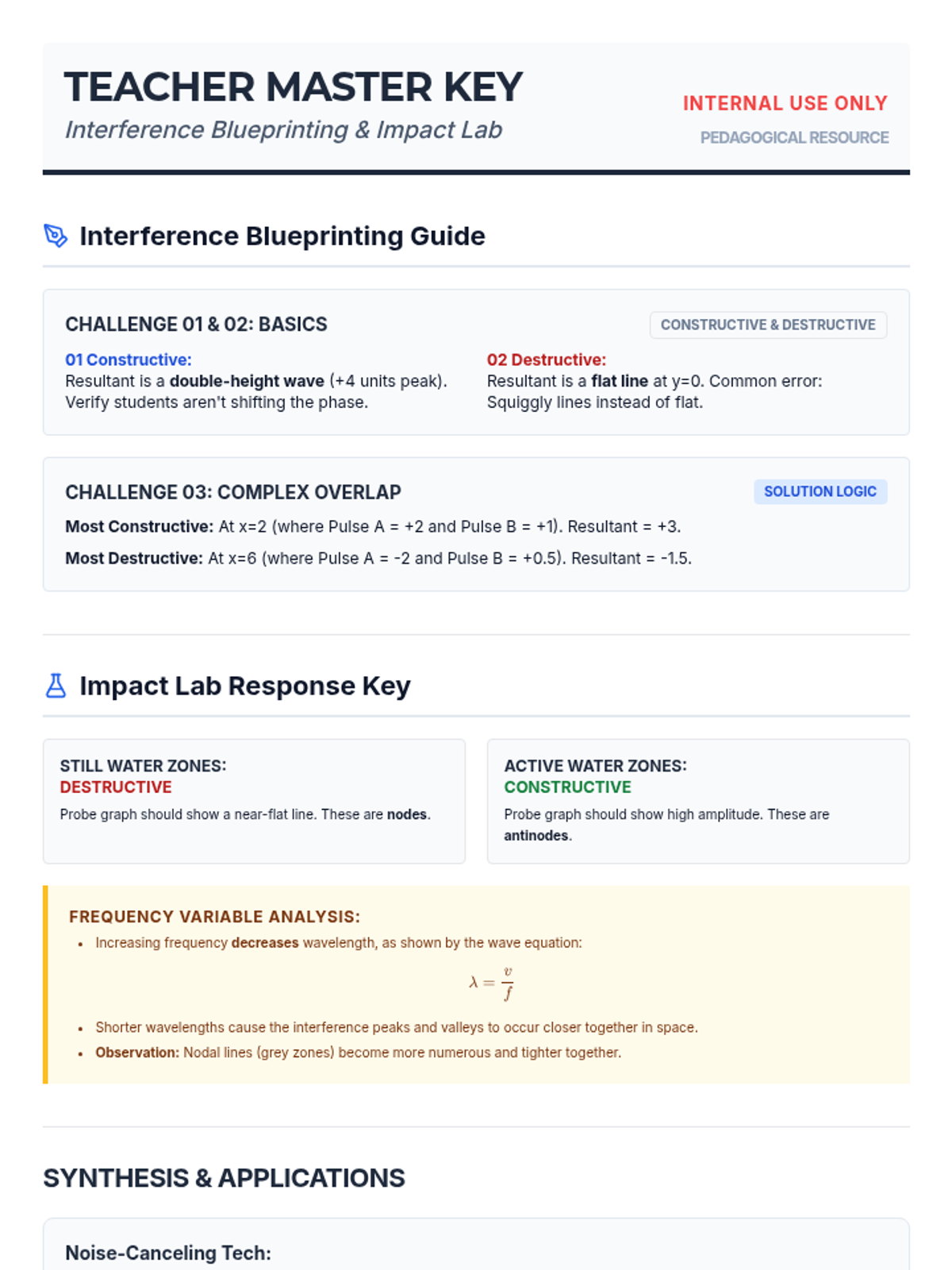
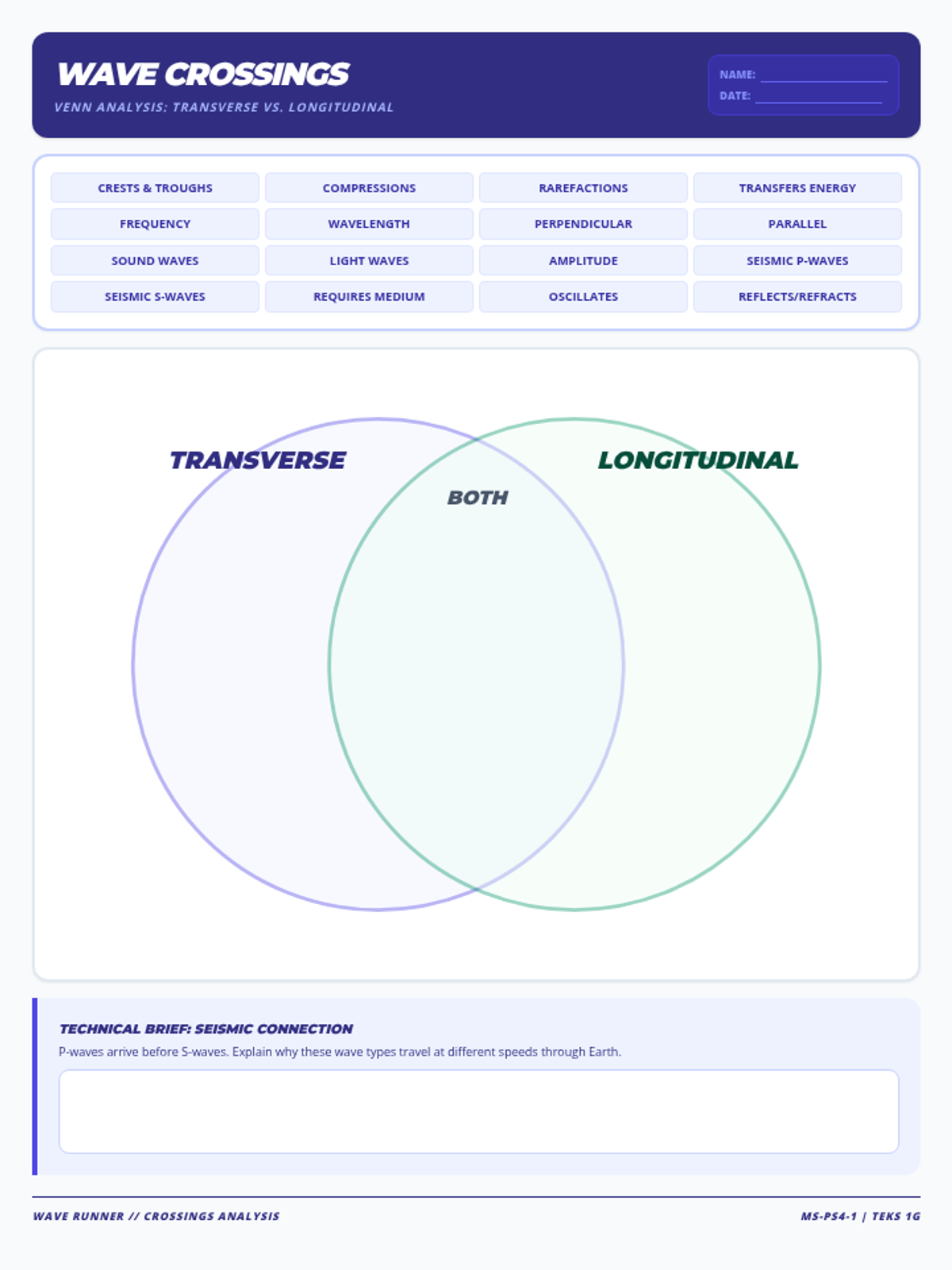
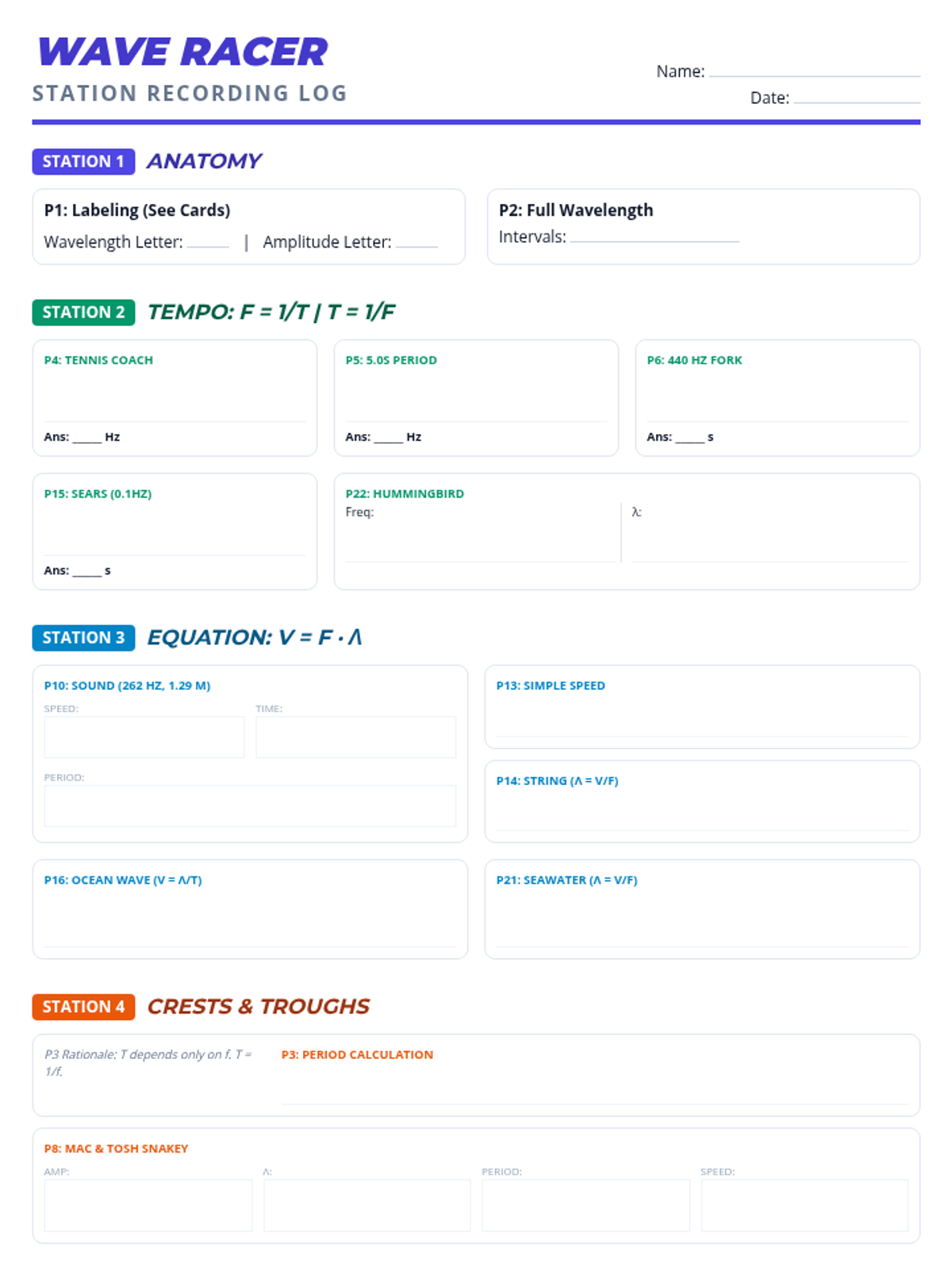
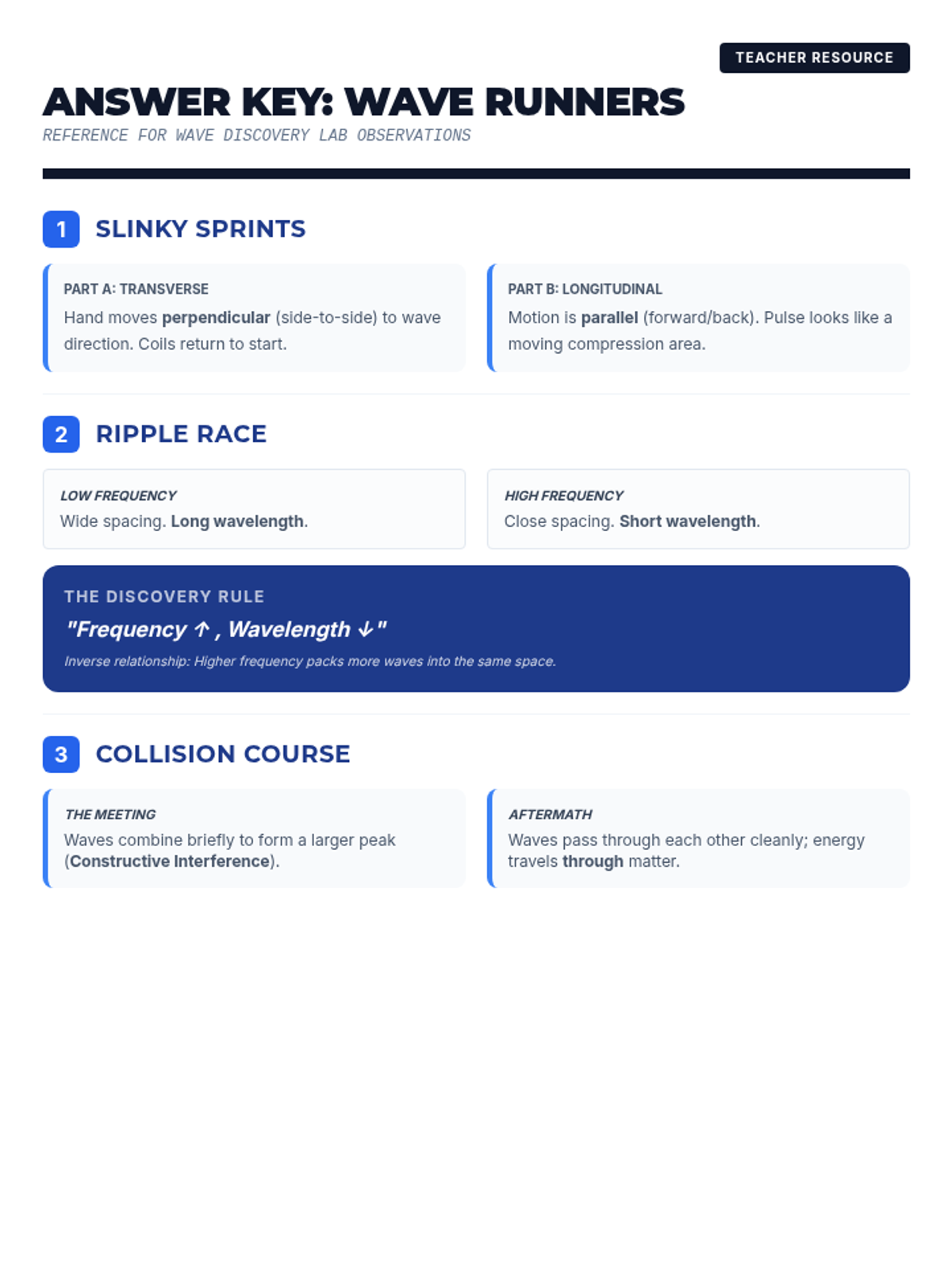
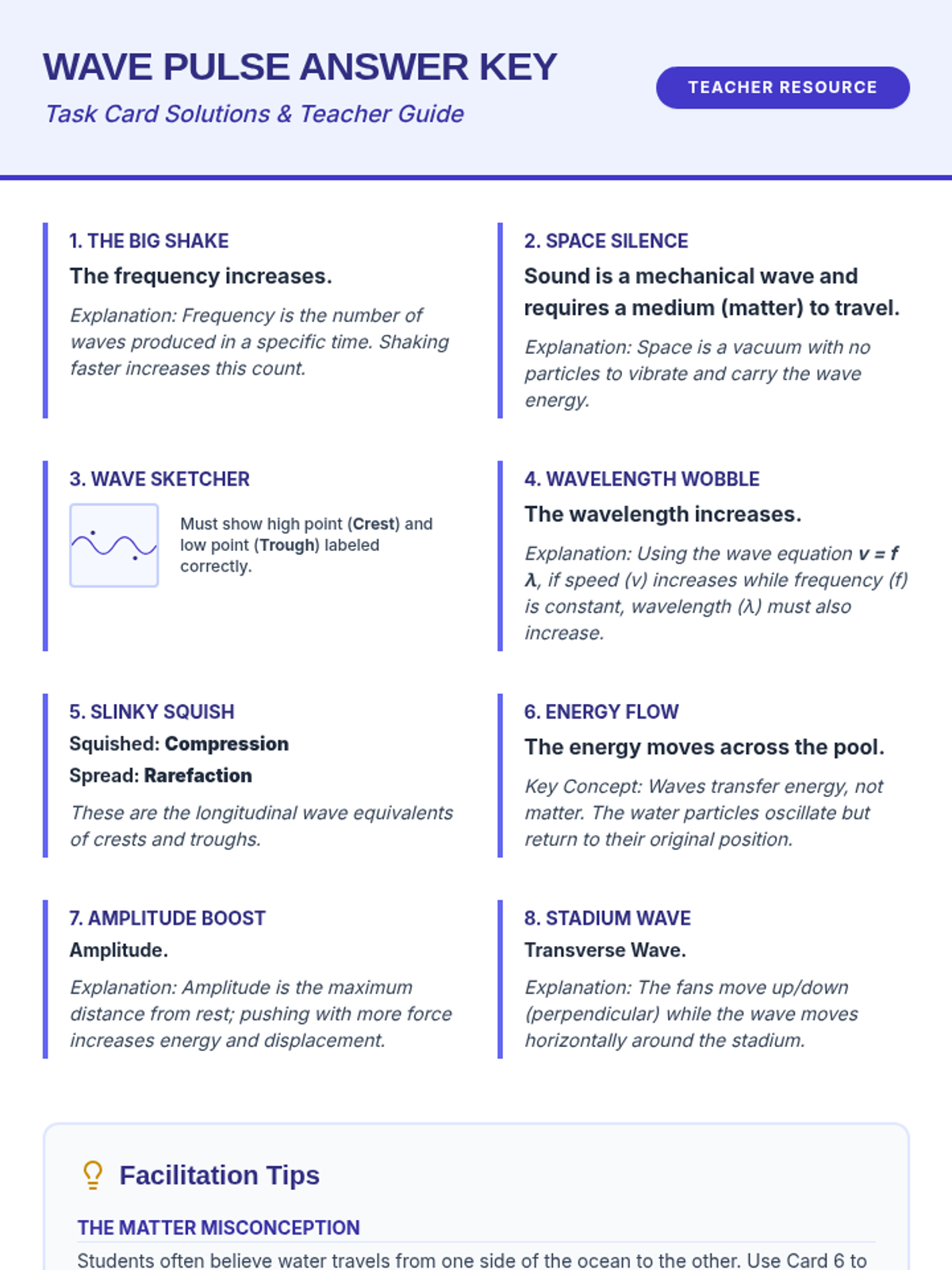
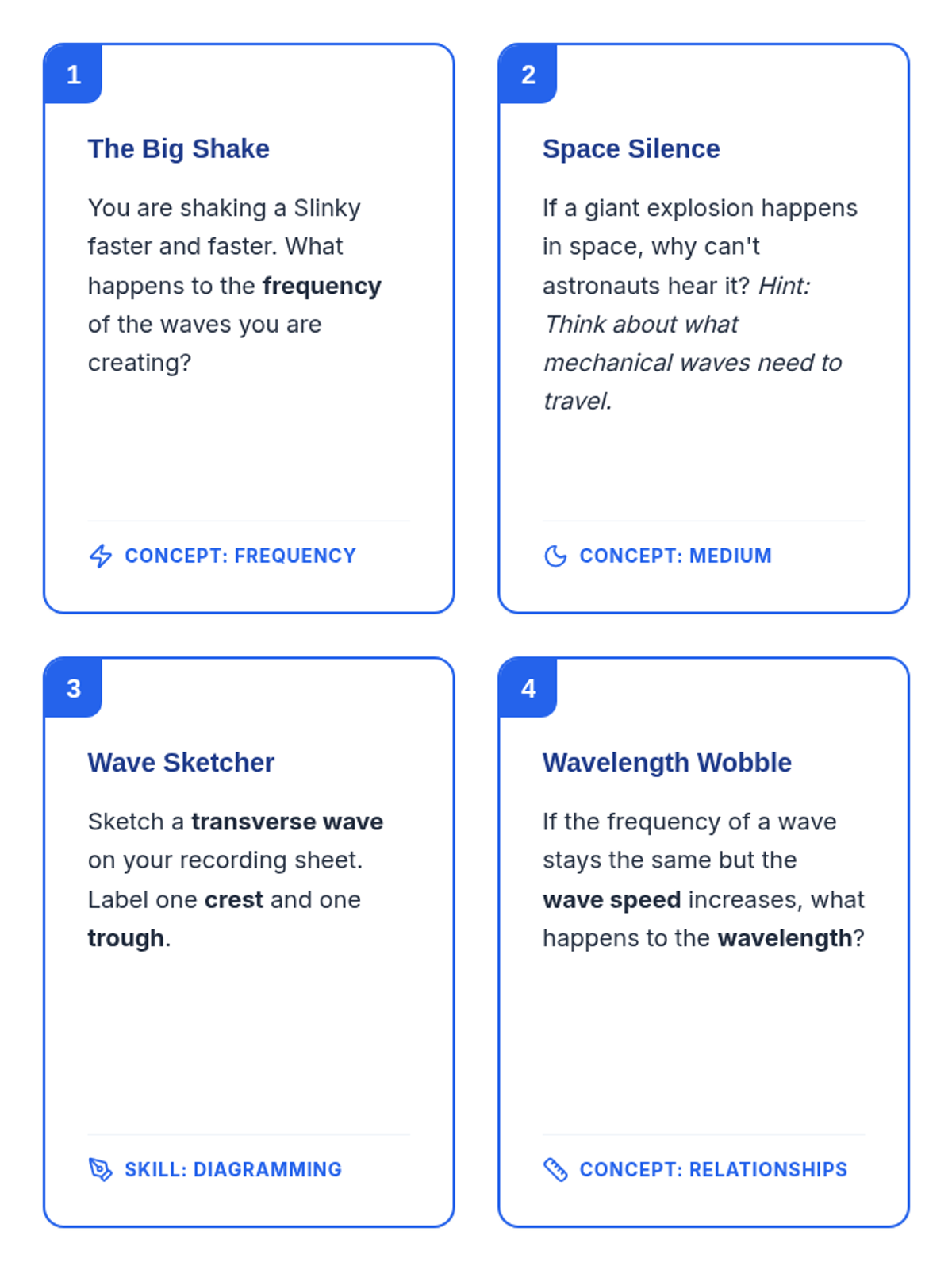
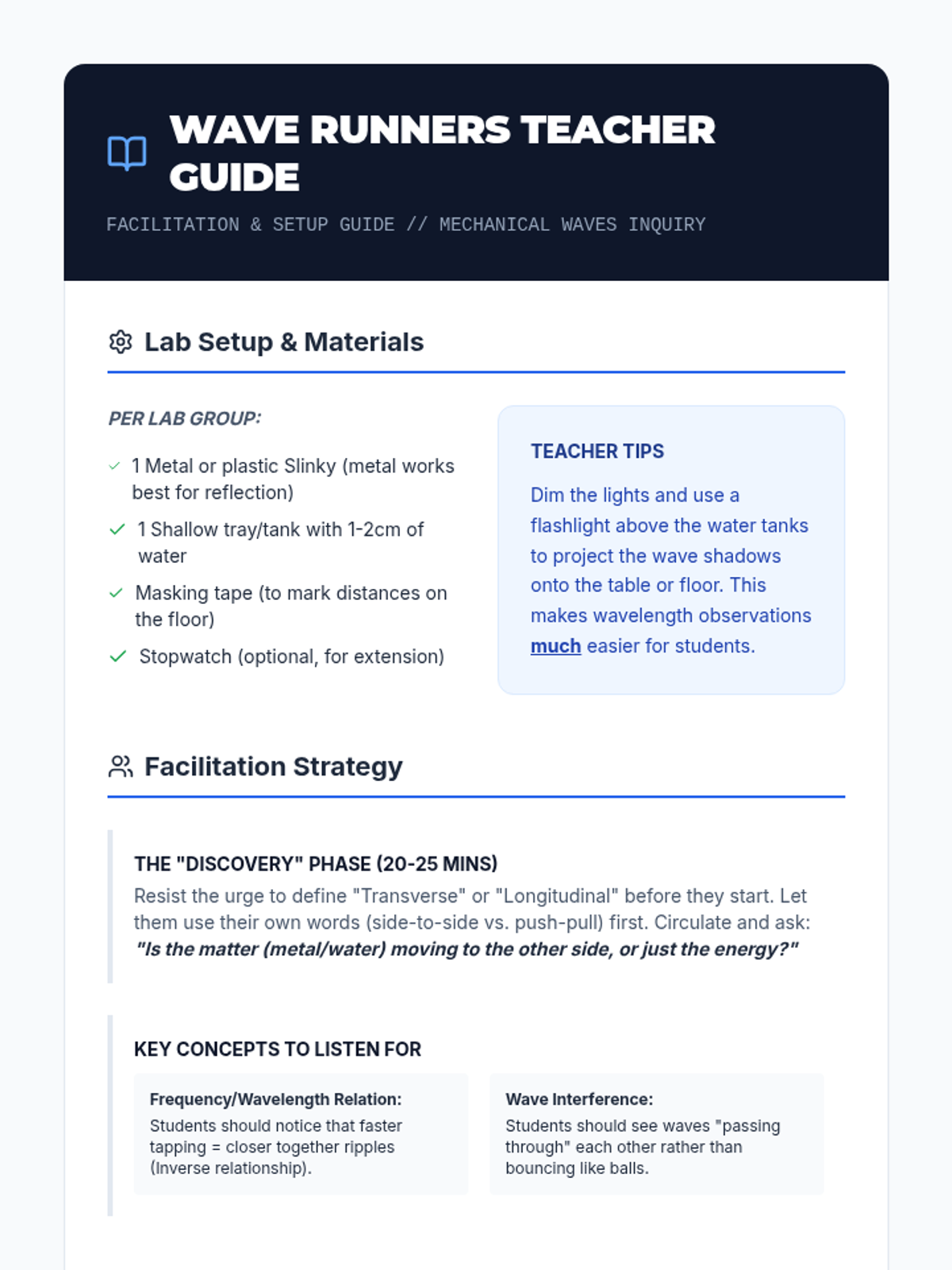
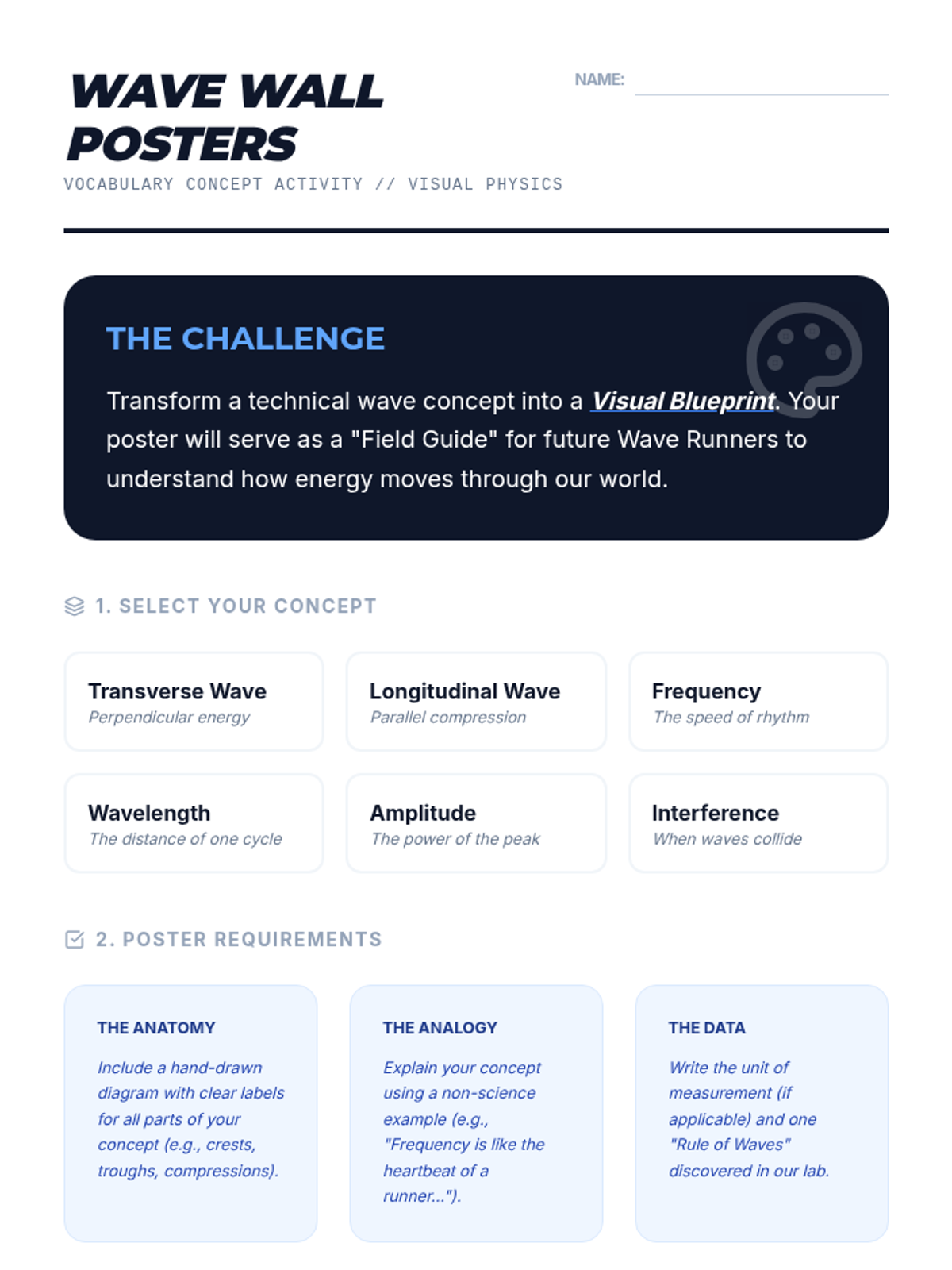
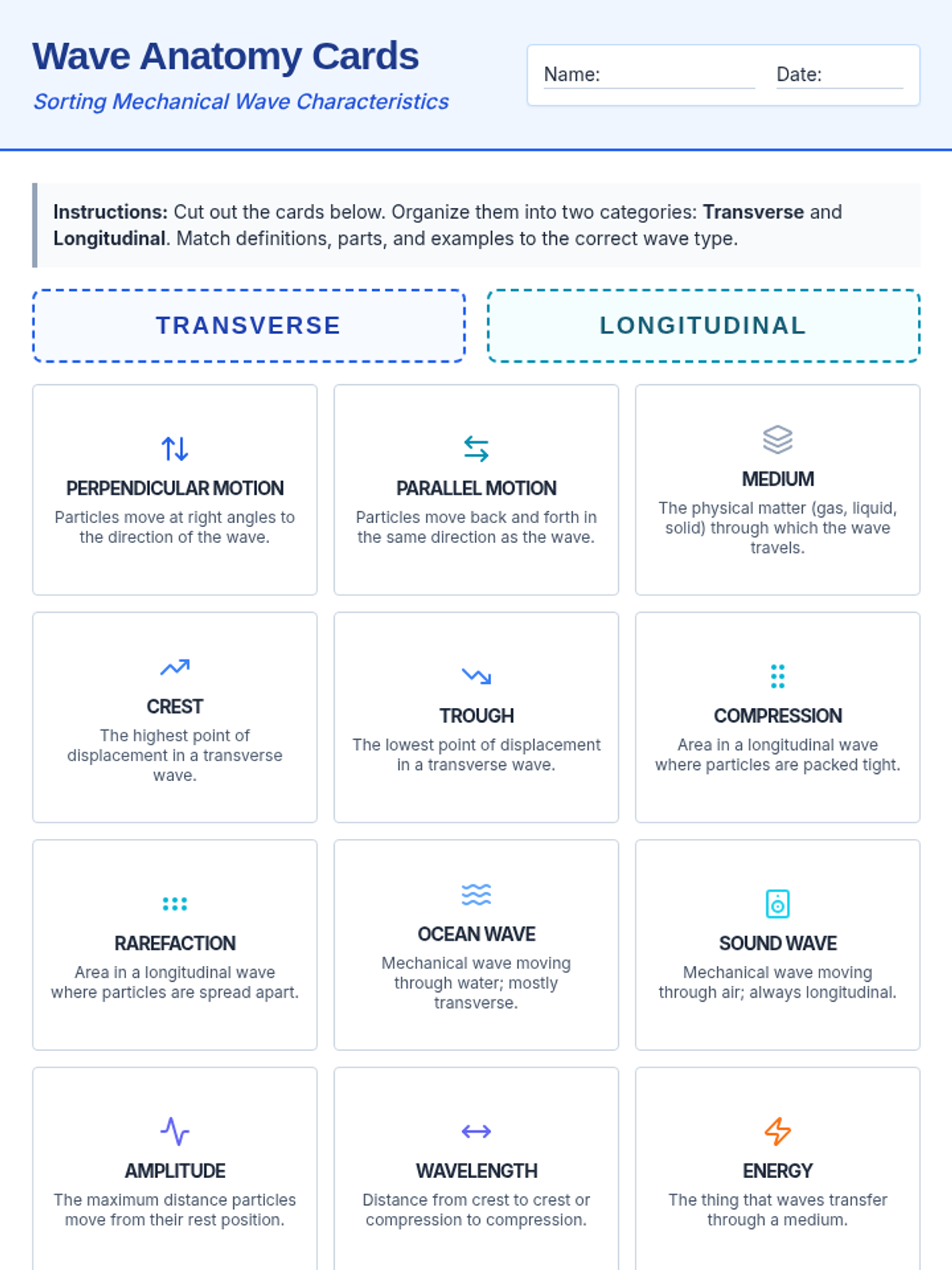
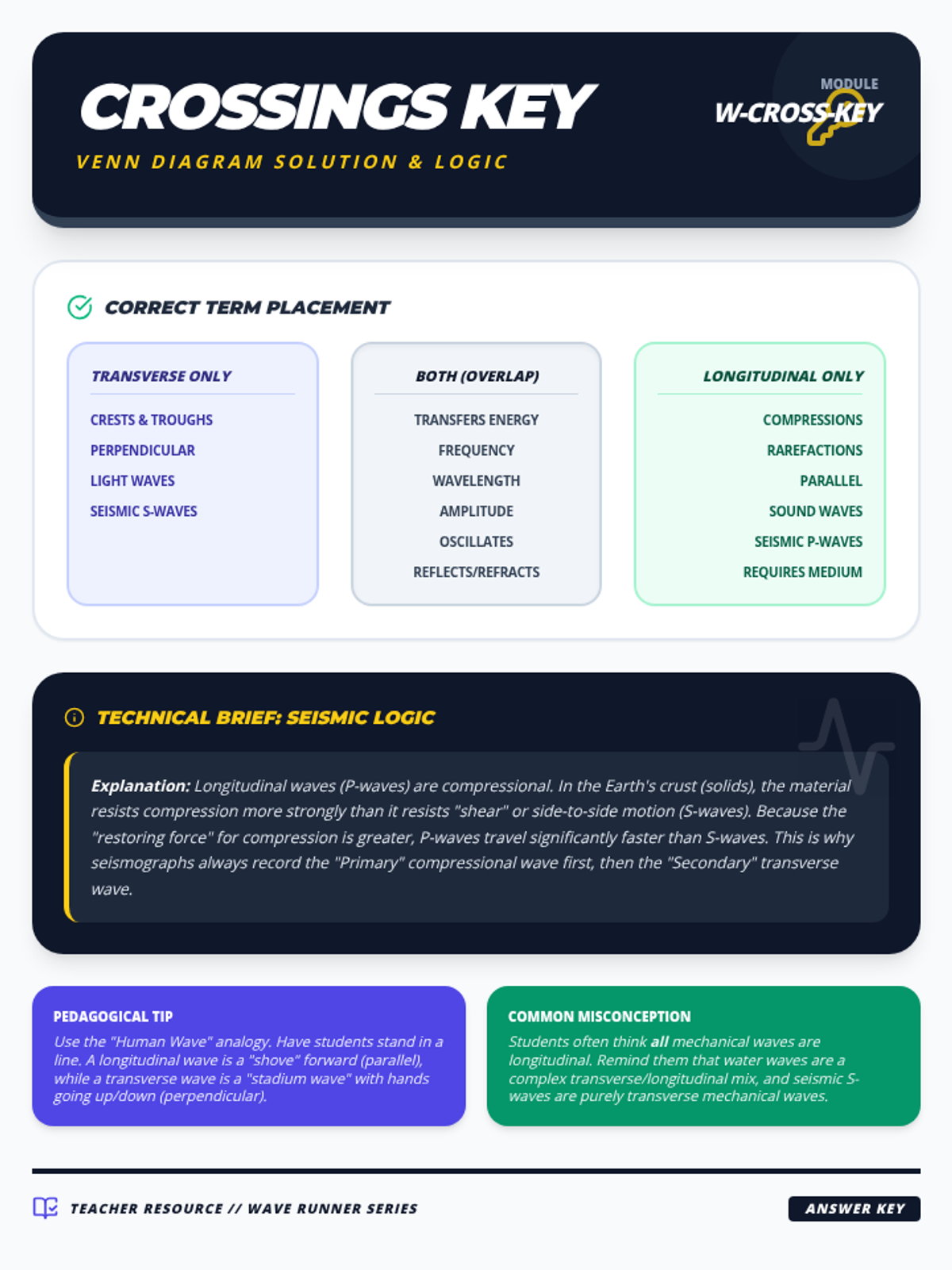
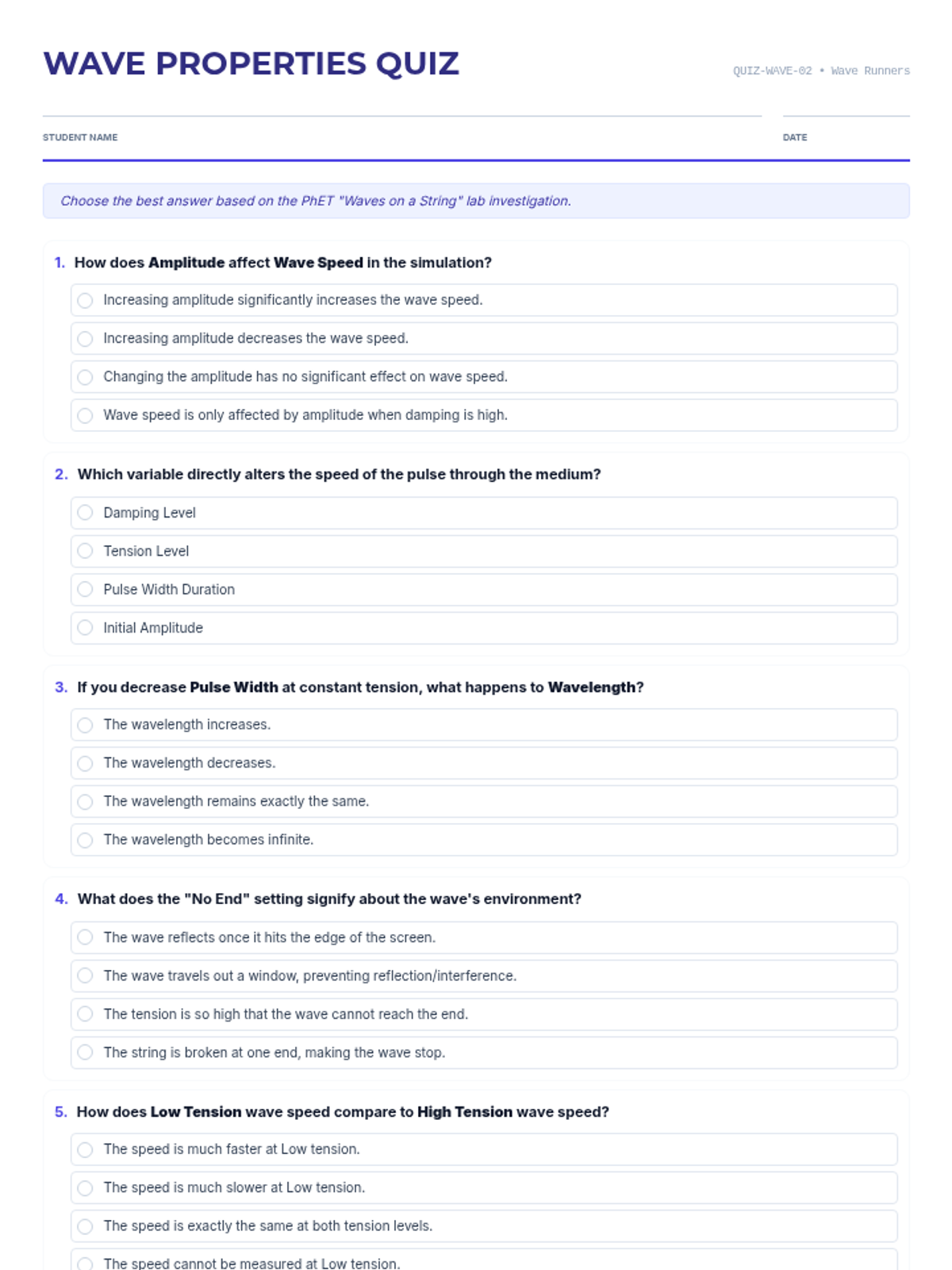
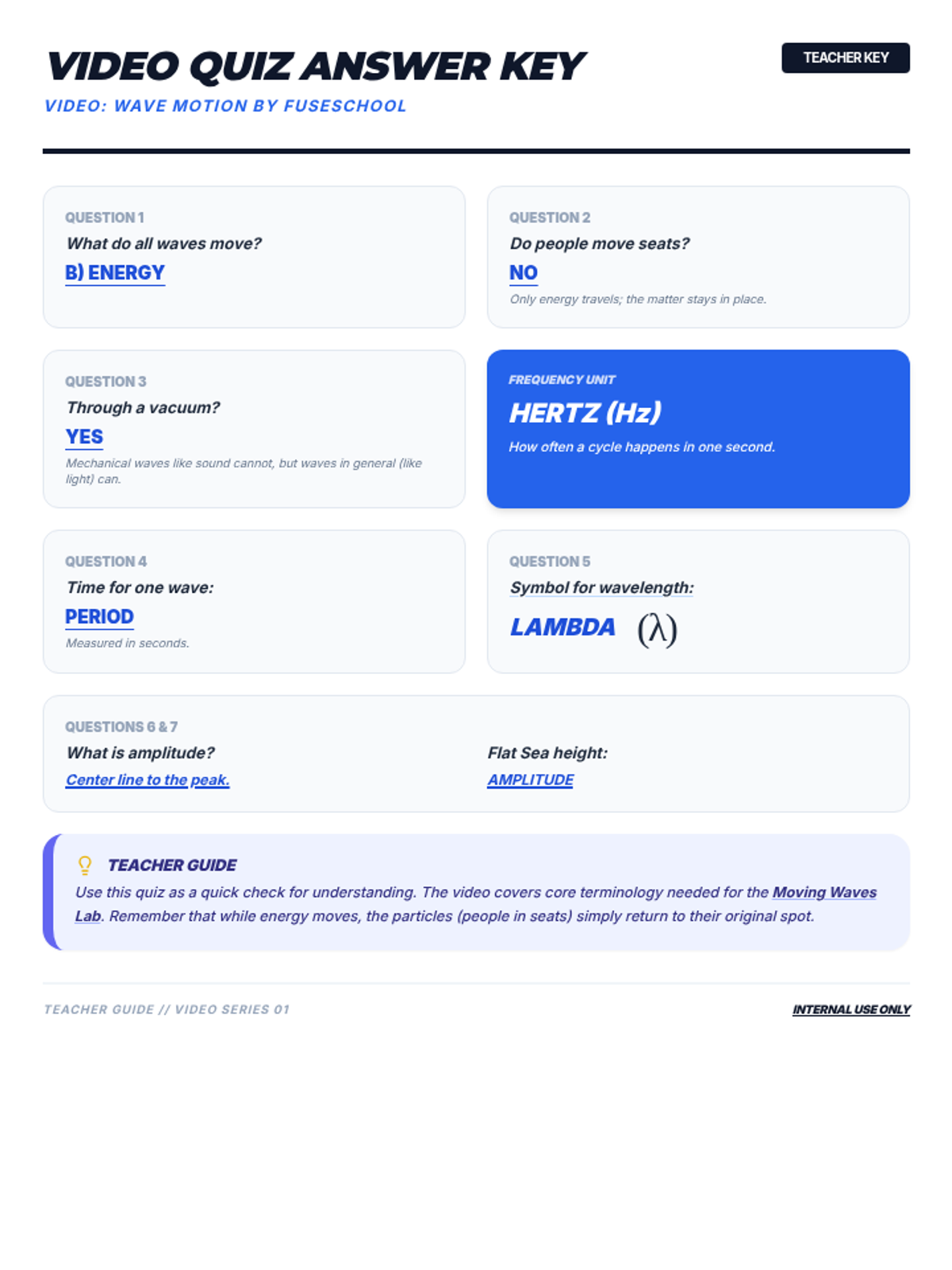
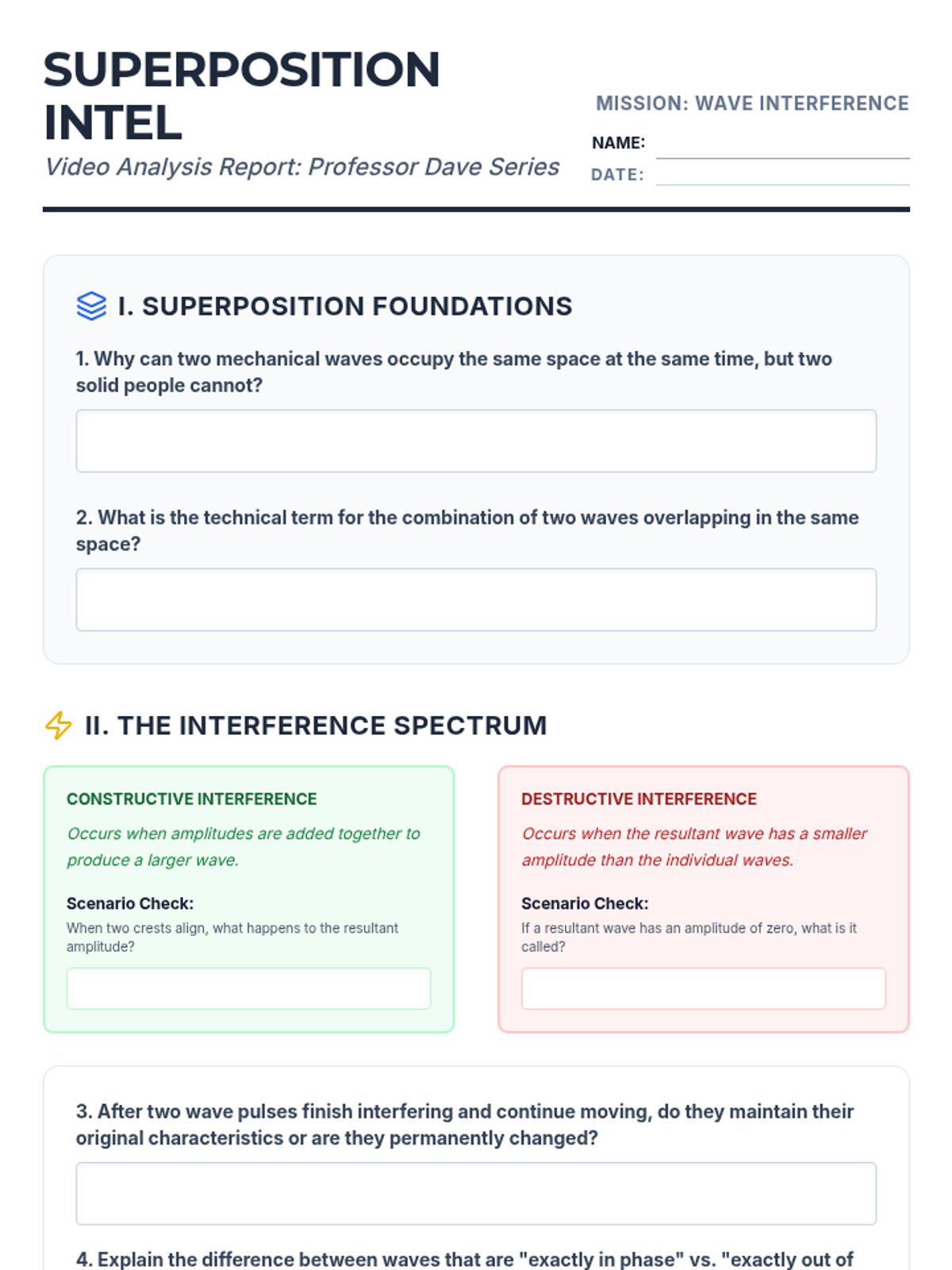
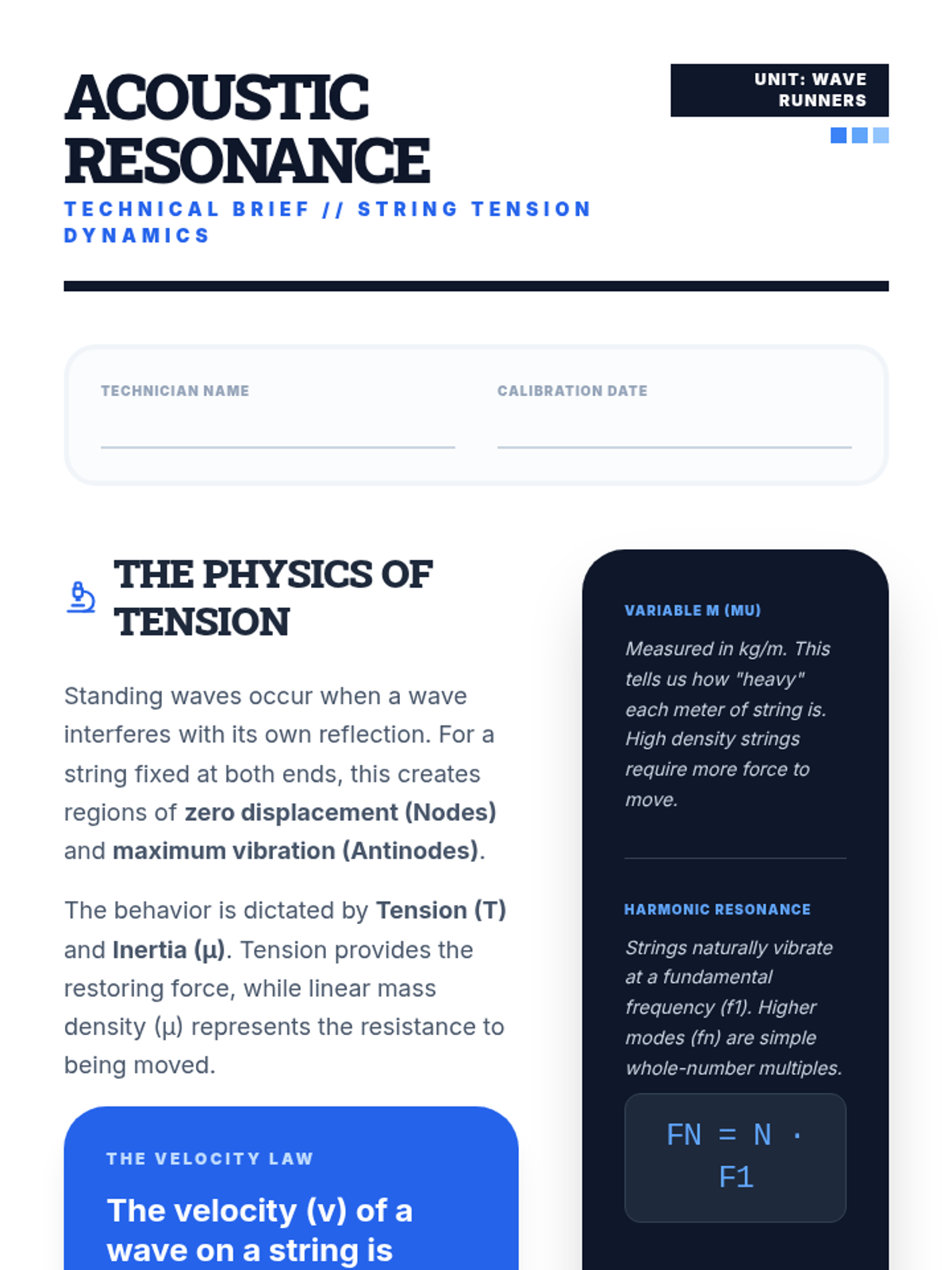
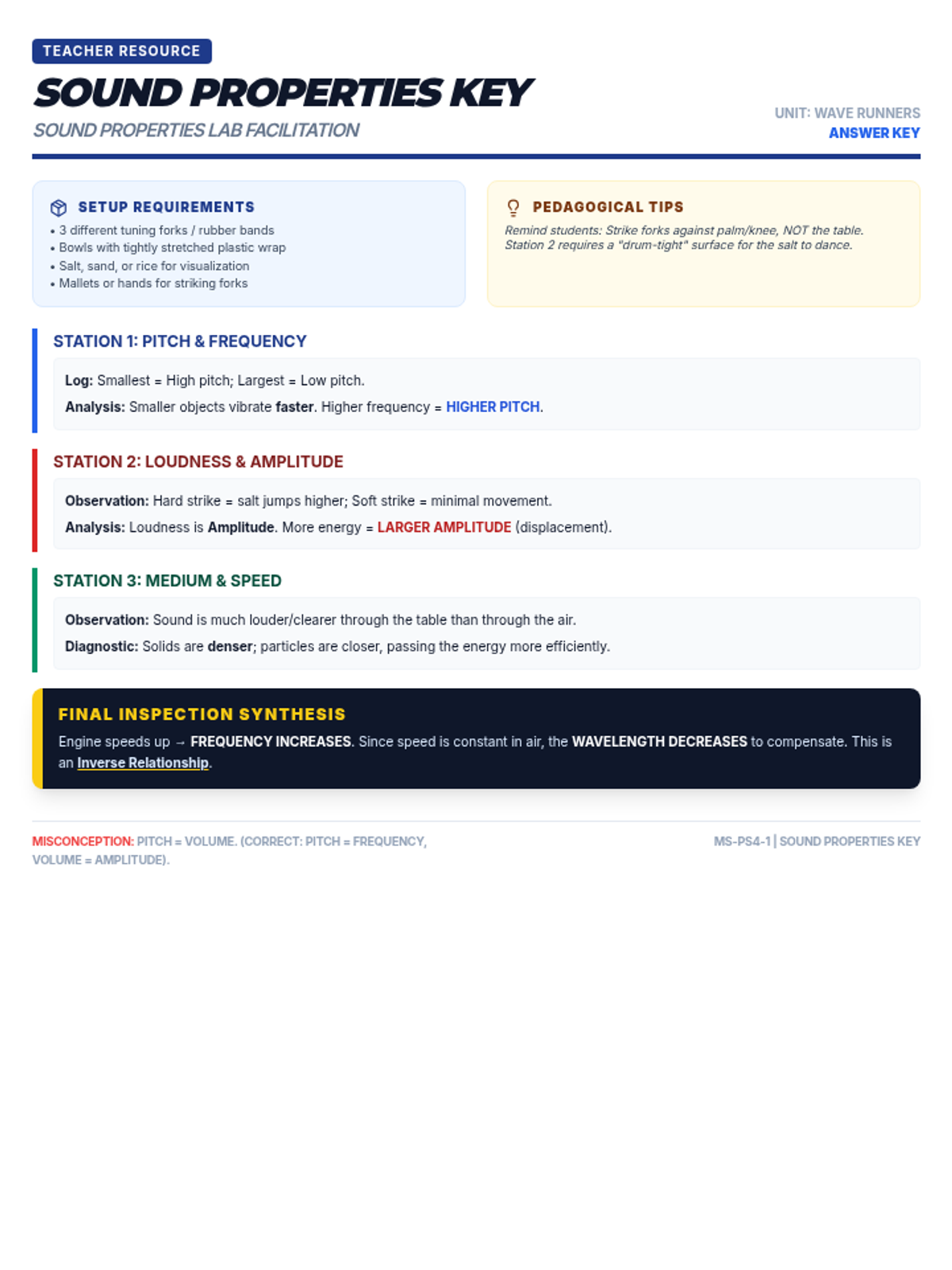
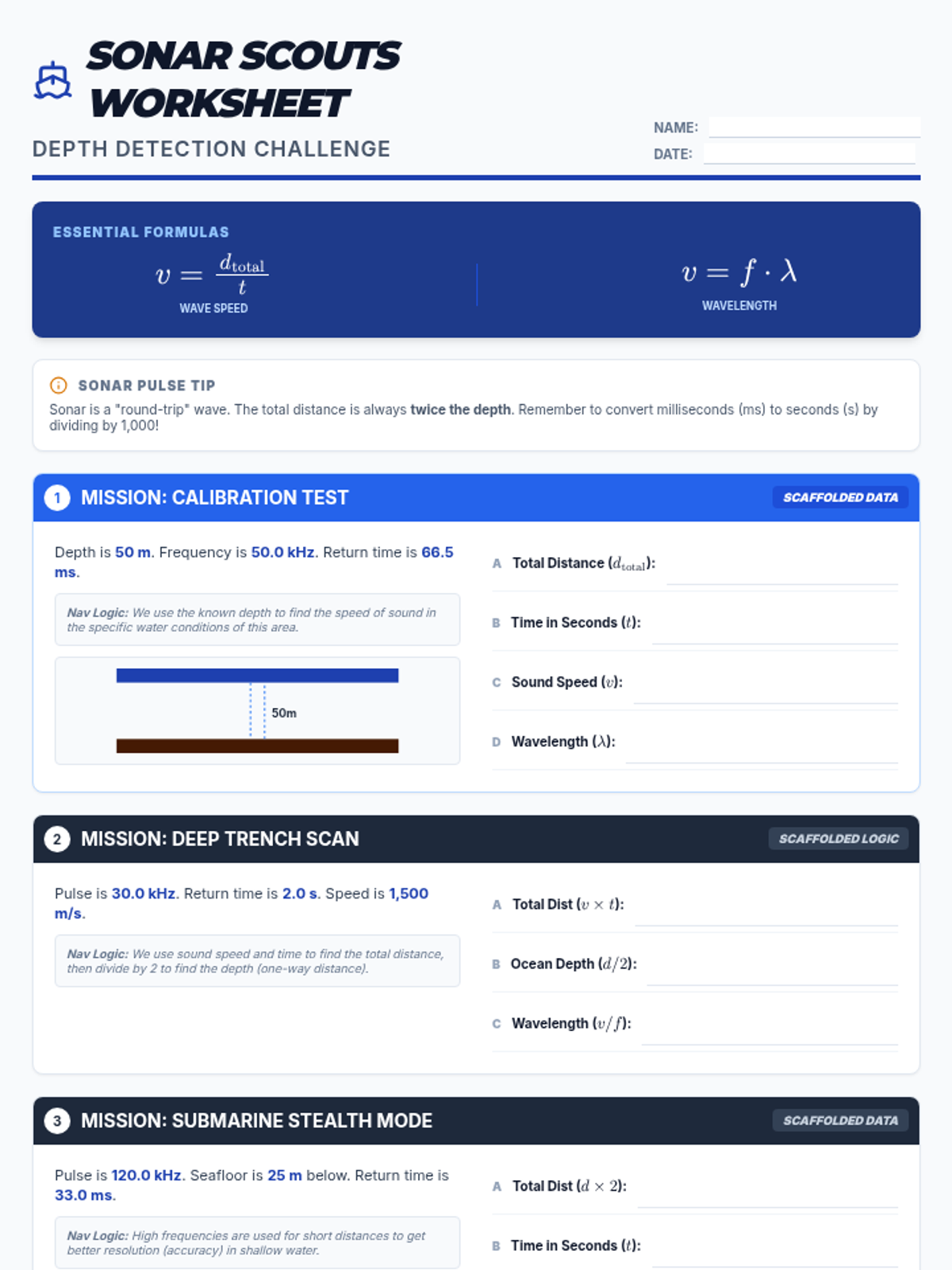
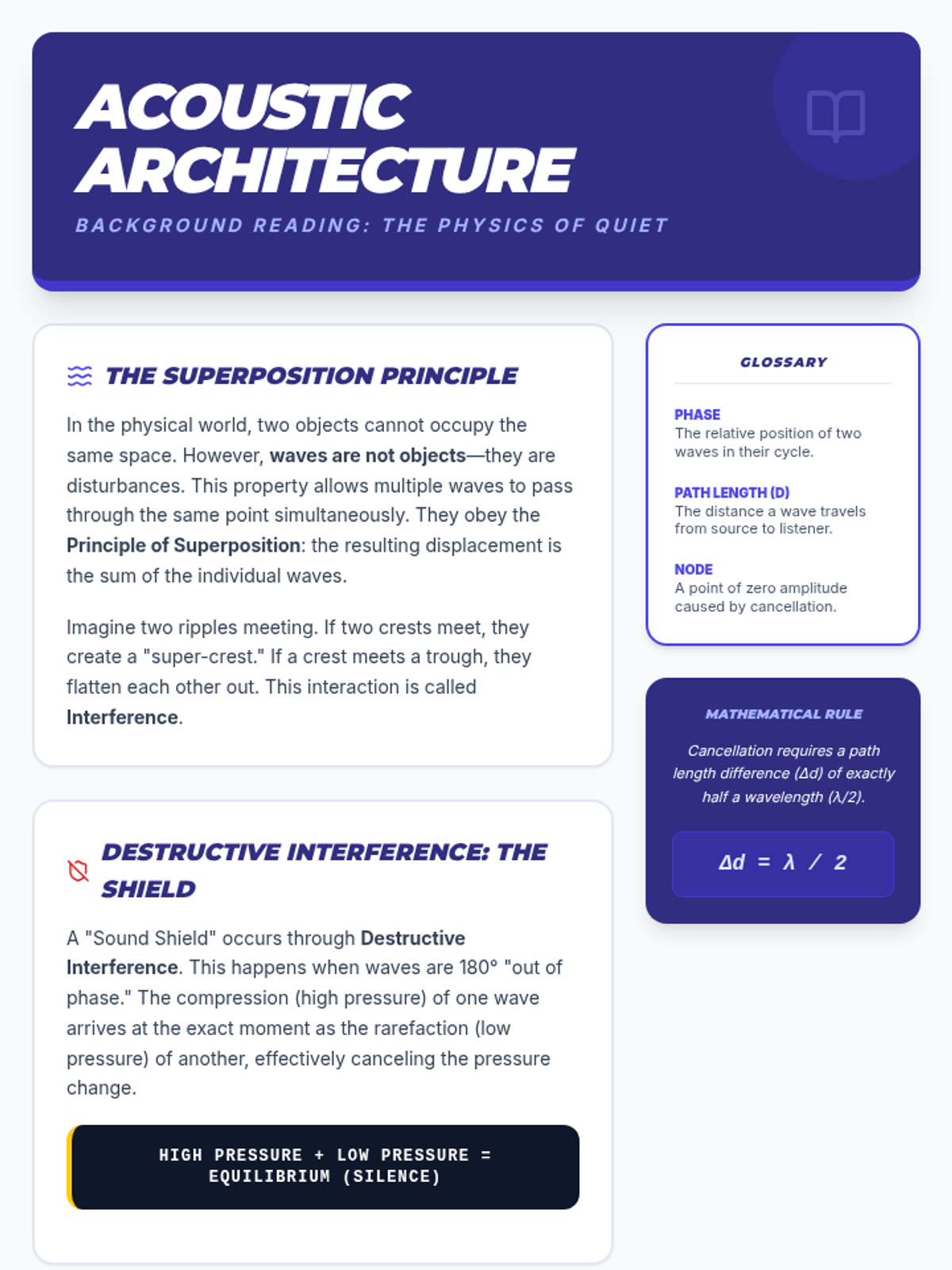
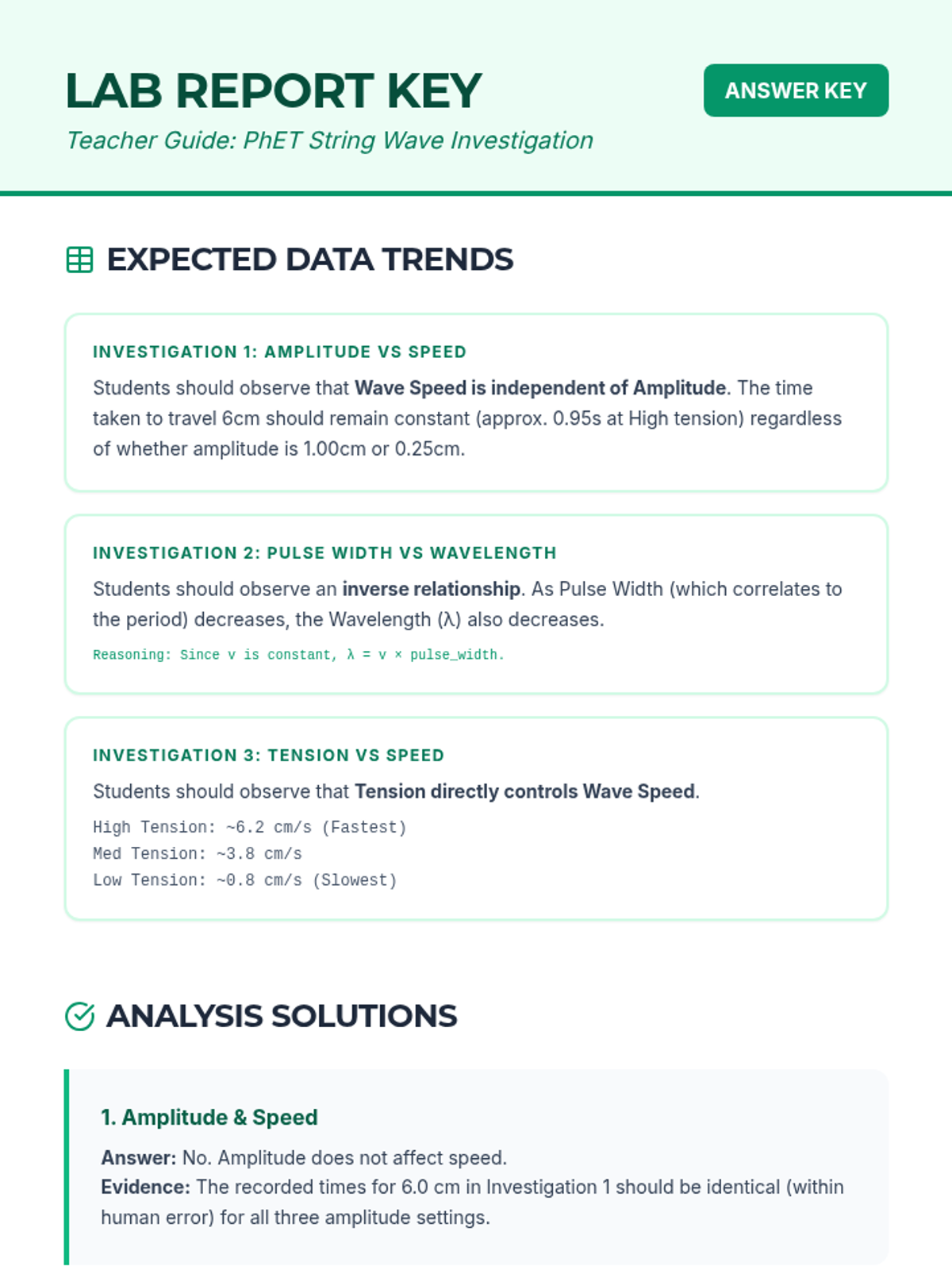
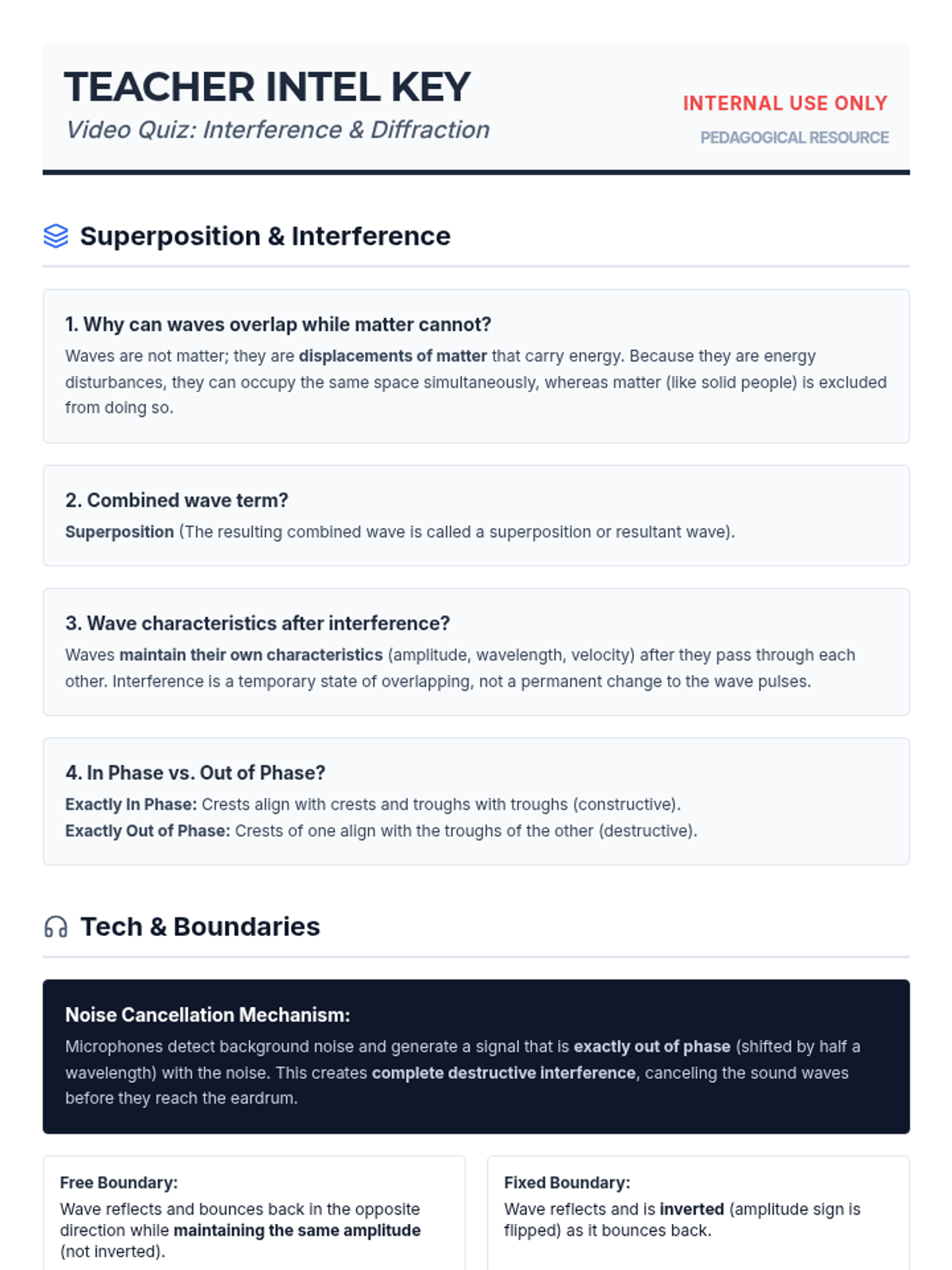
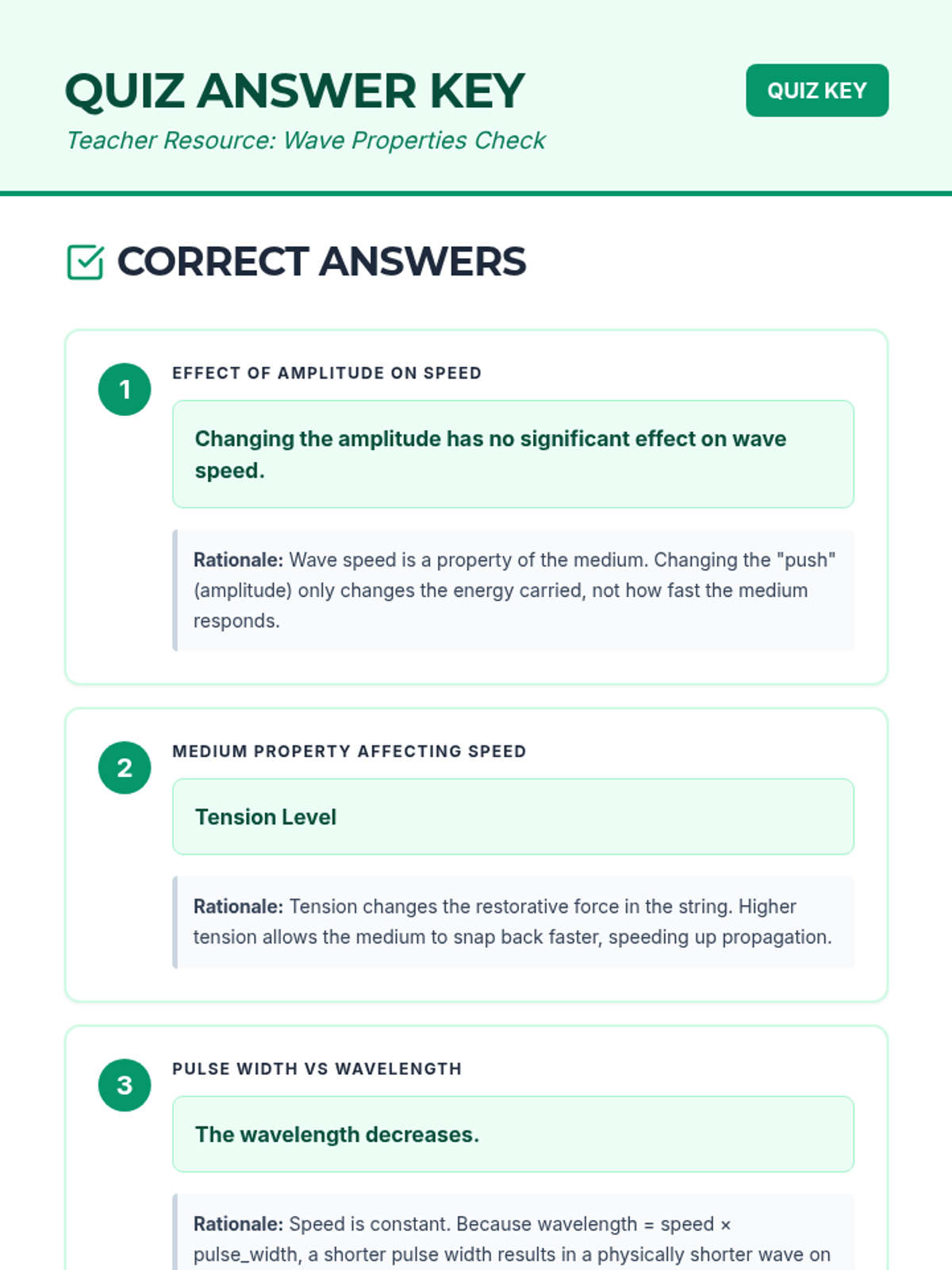
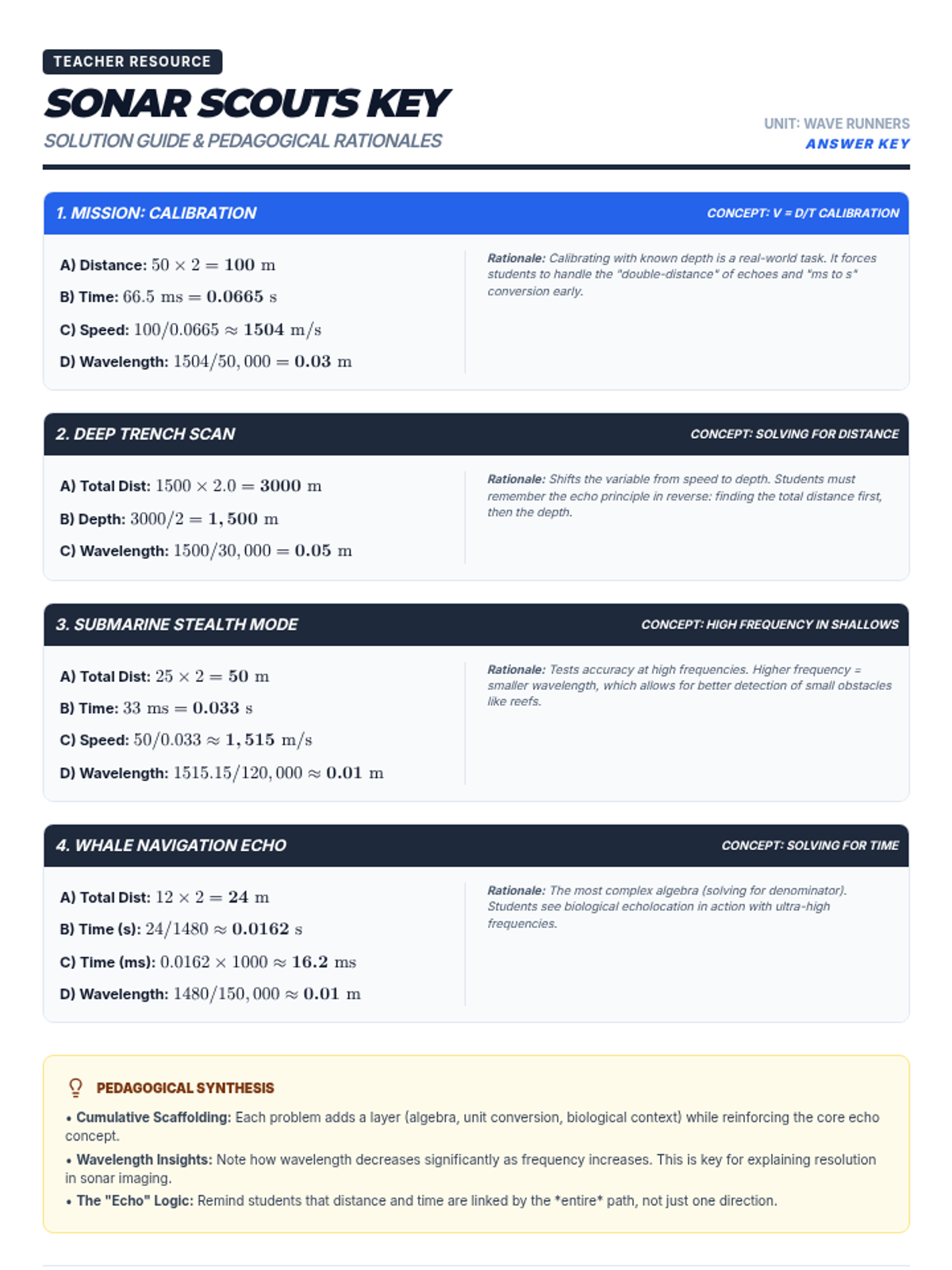
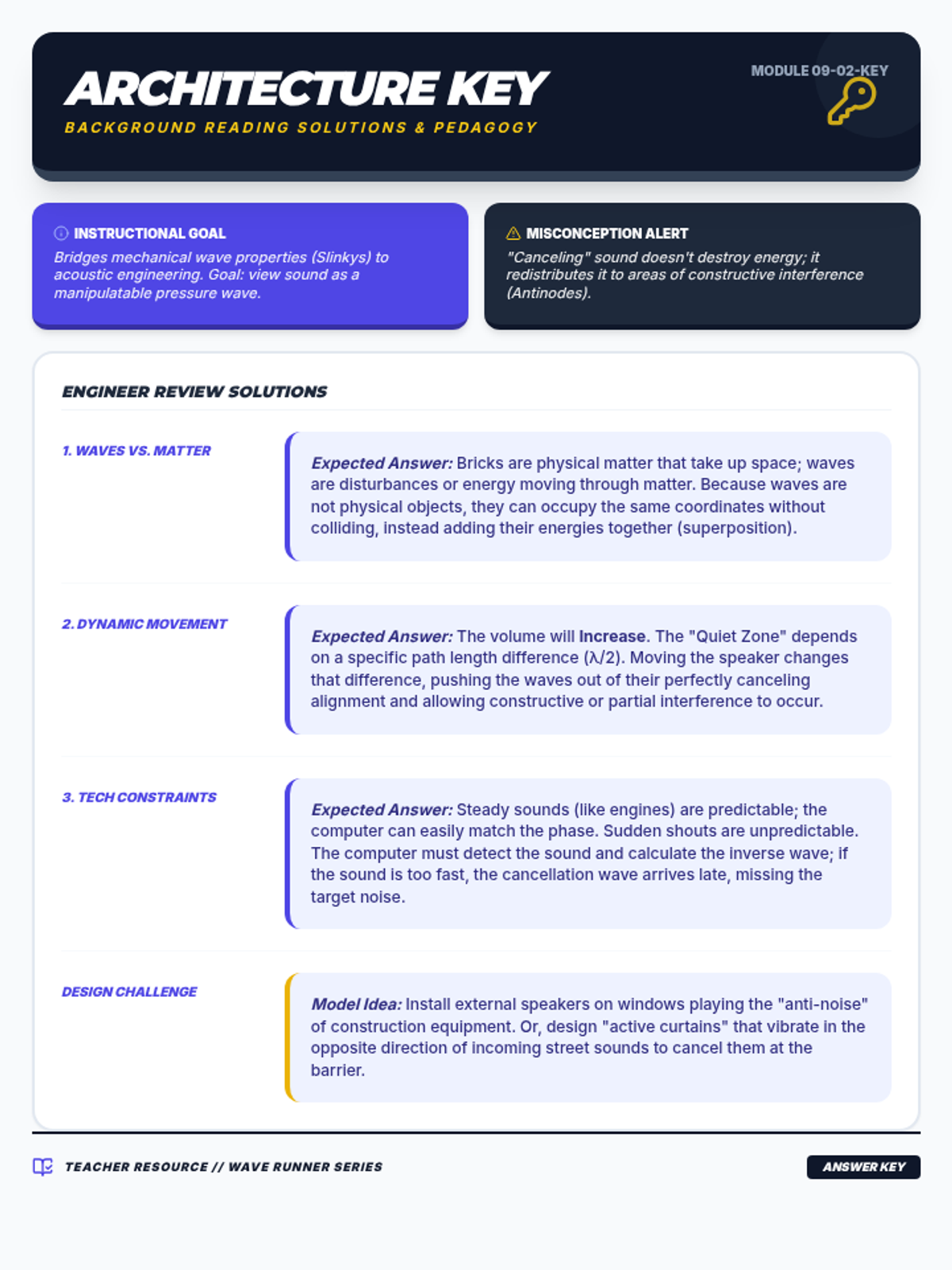
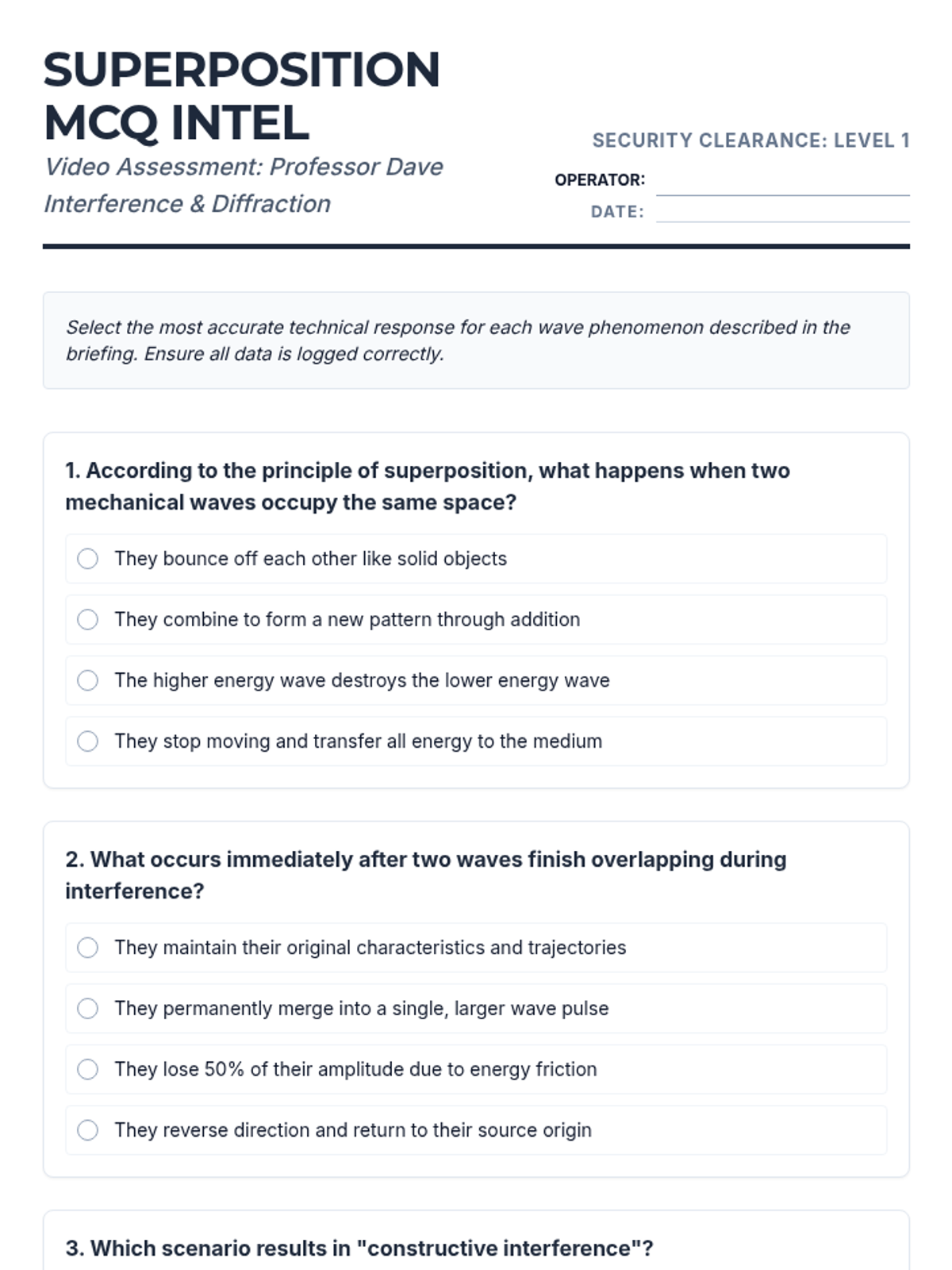
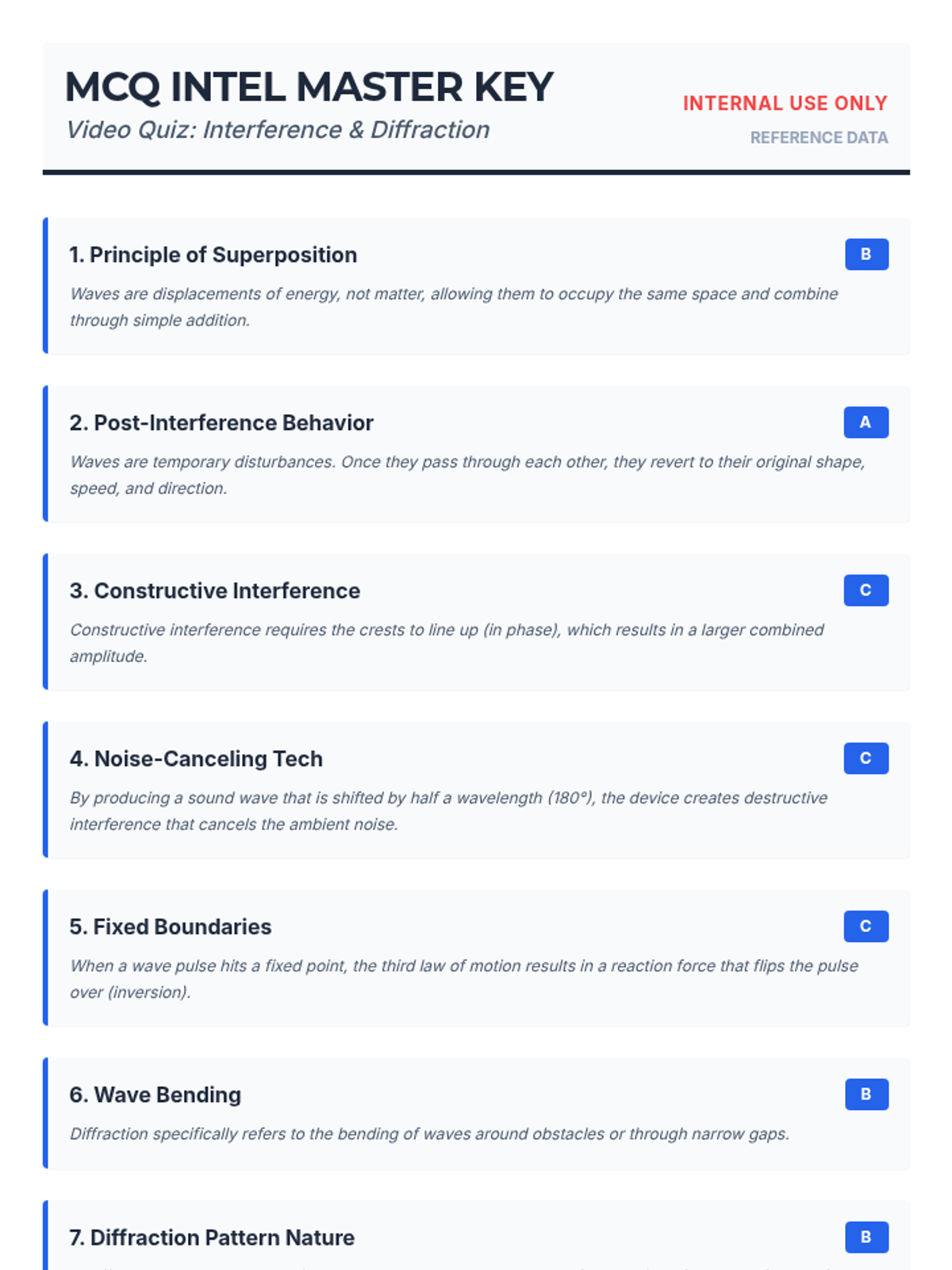
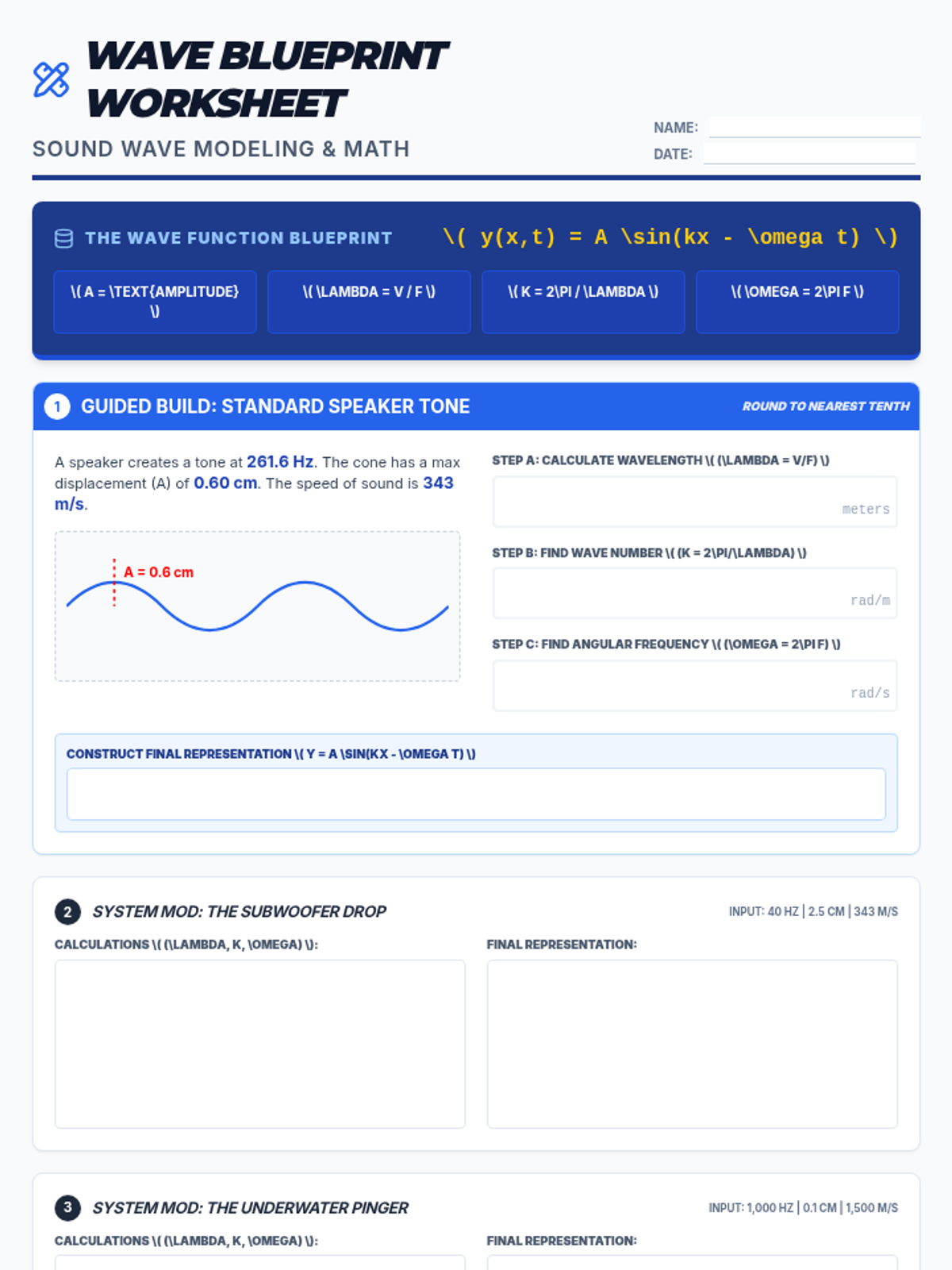
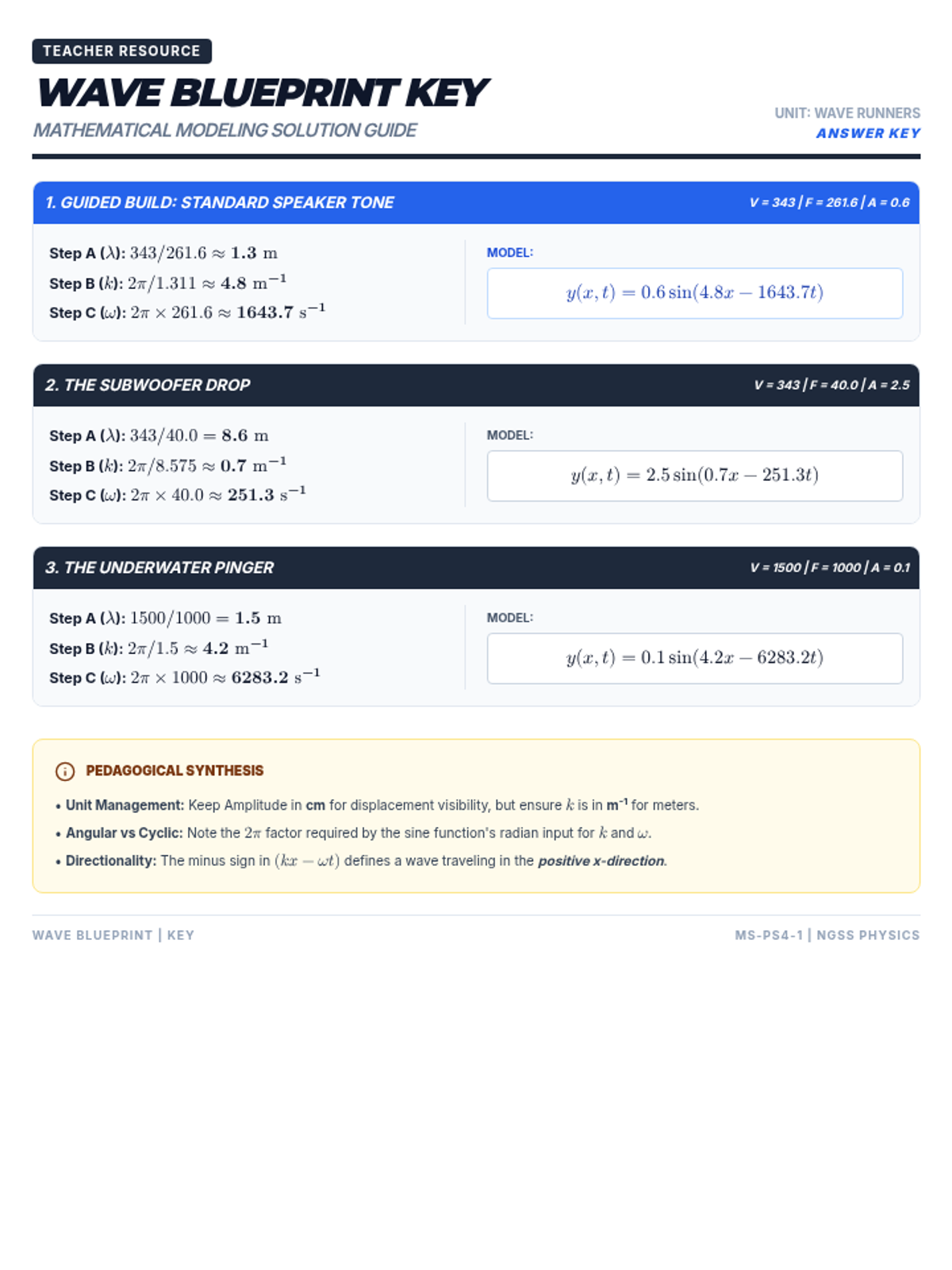
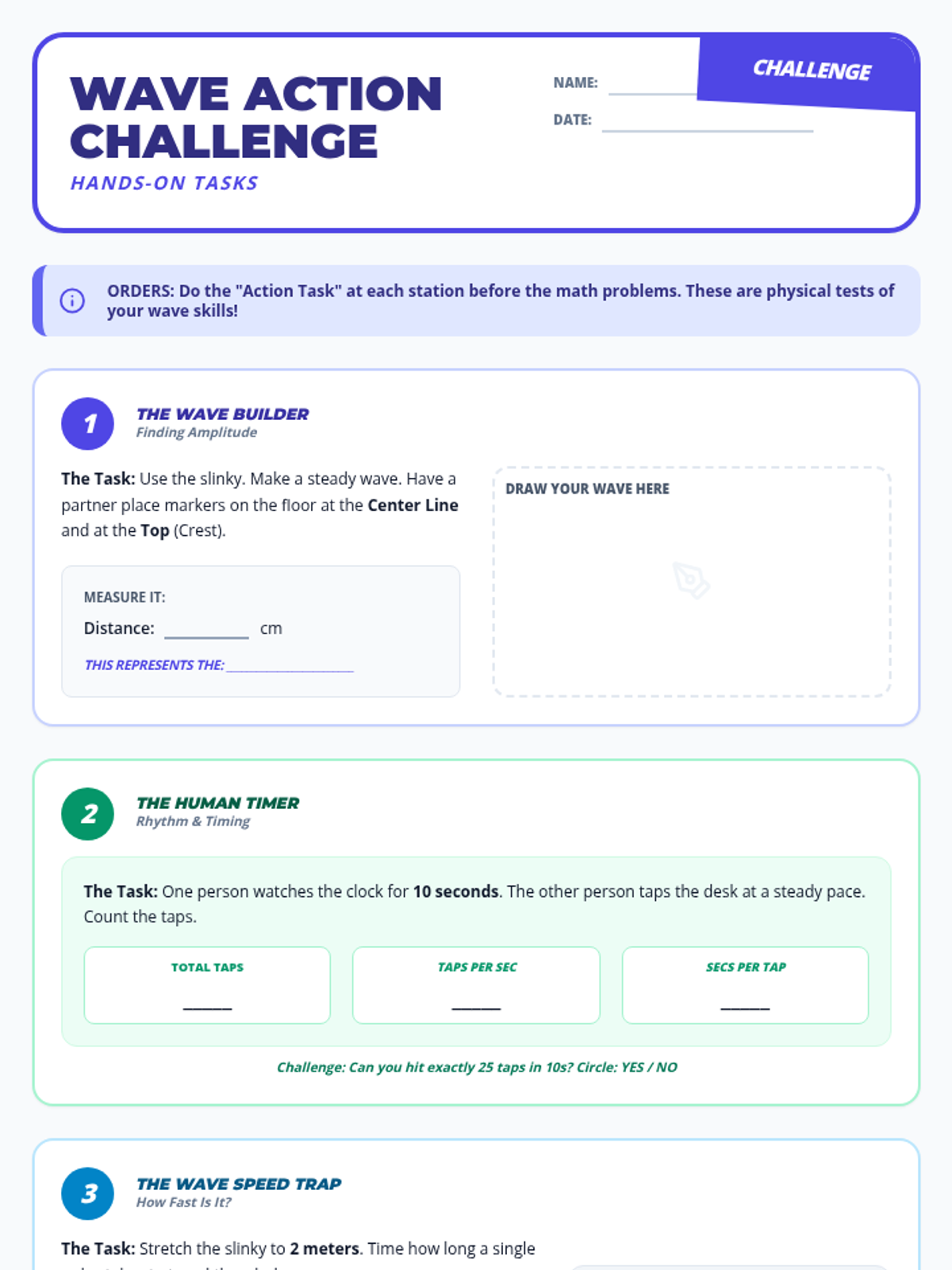
A comprehensive physics unit covering the behavior of mechanical and electromagnetic waves. Students transition from hands-on slinky exploration to advanced optical modeling and mathematical derivations.
A comprehensive series of vocabulary assessments designed to reinforce computer science concepts through repeated exposure and varied questioning.
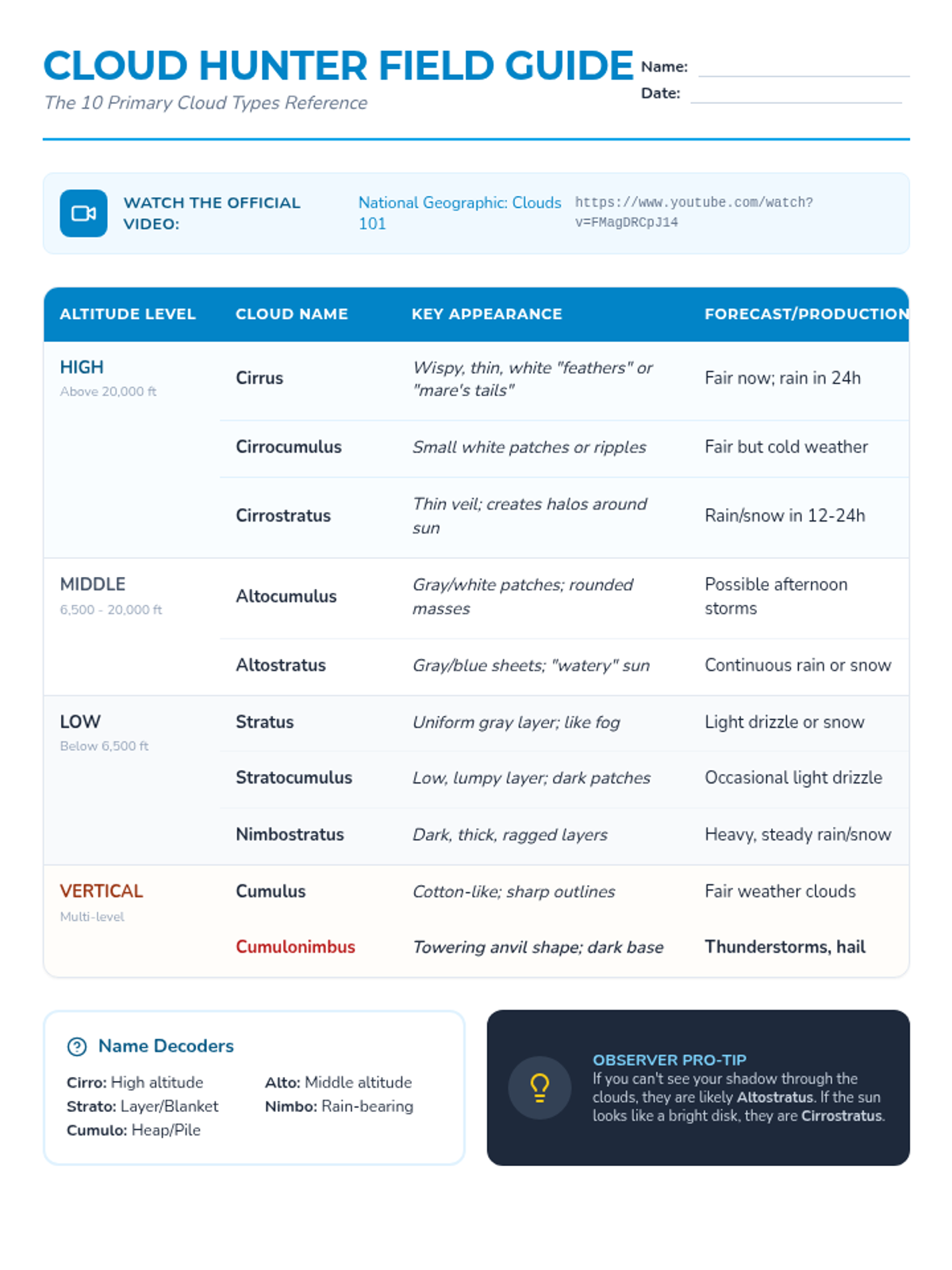
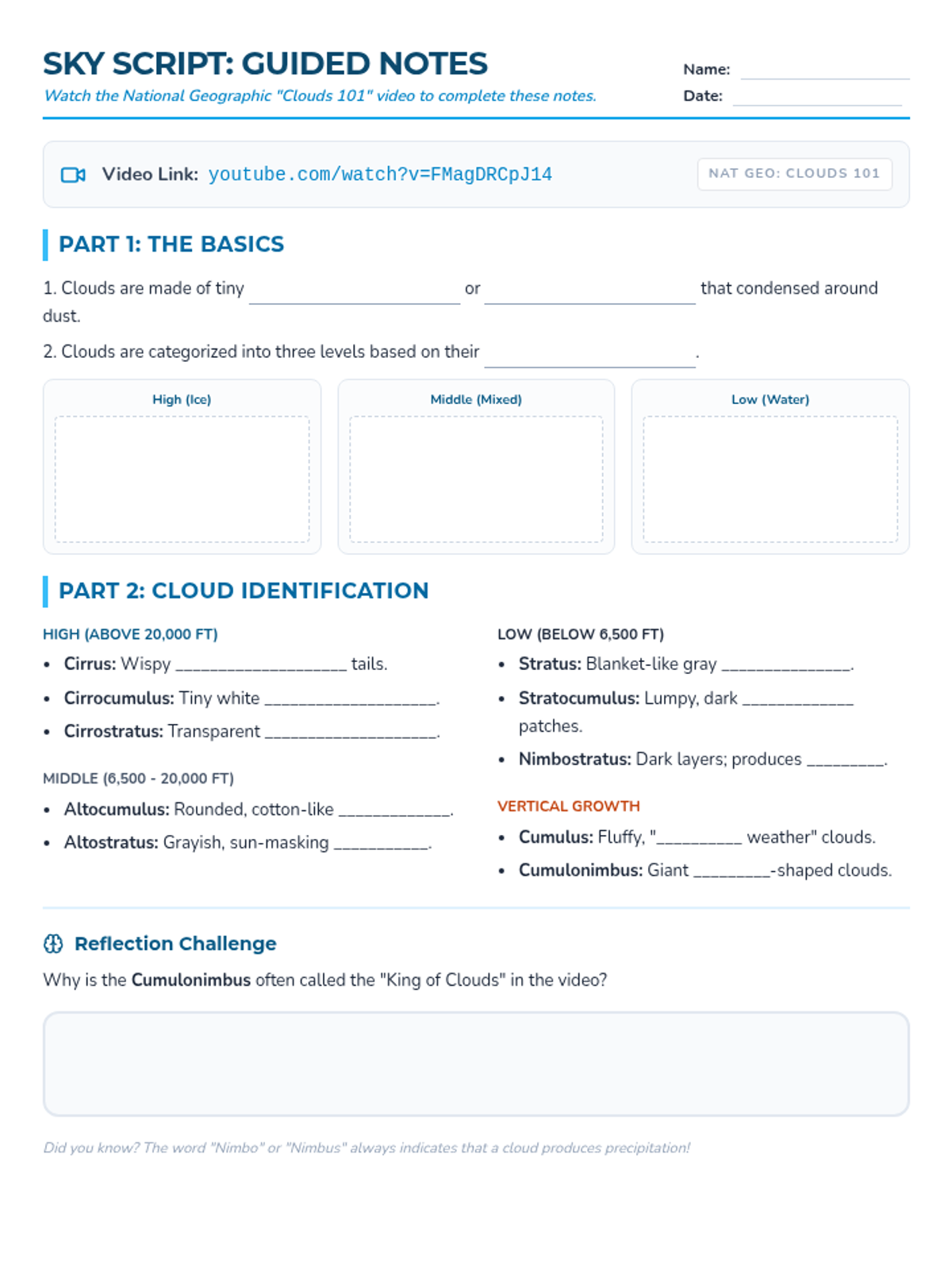
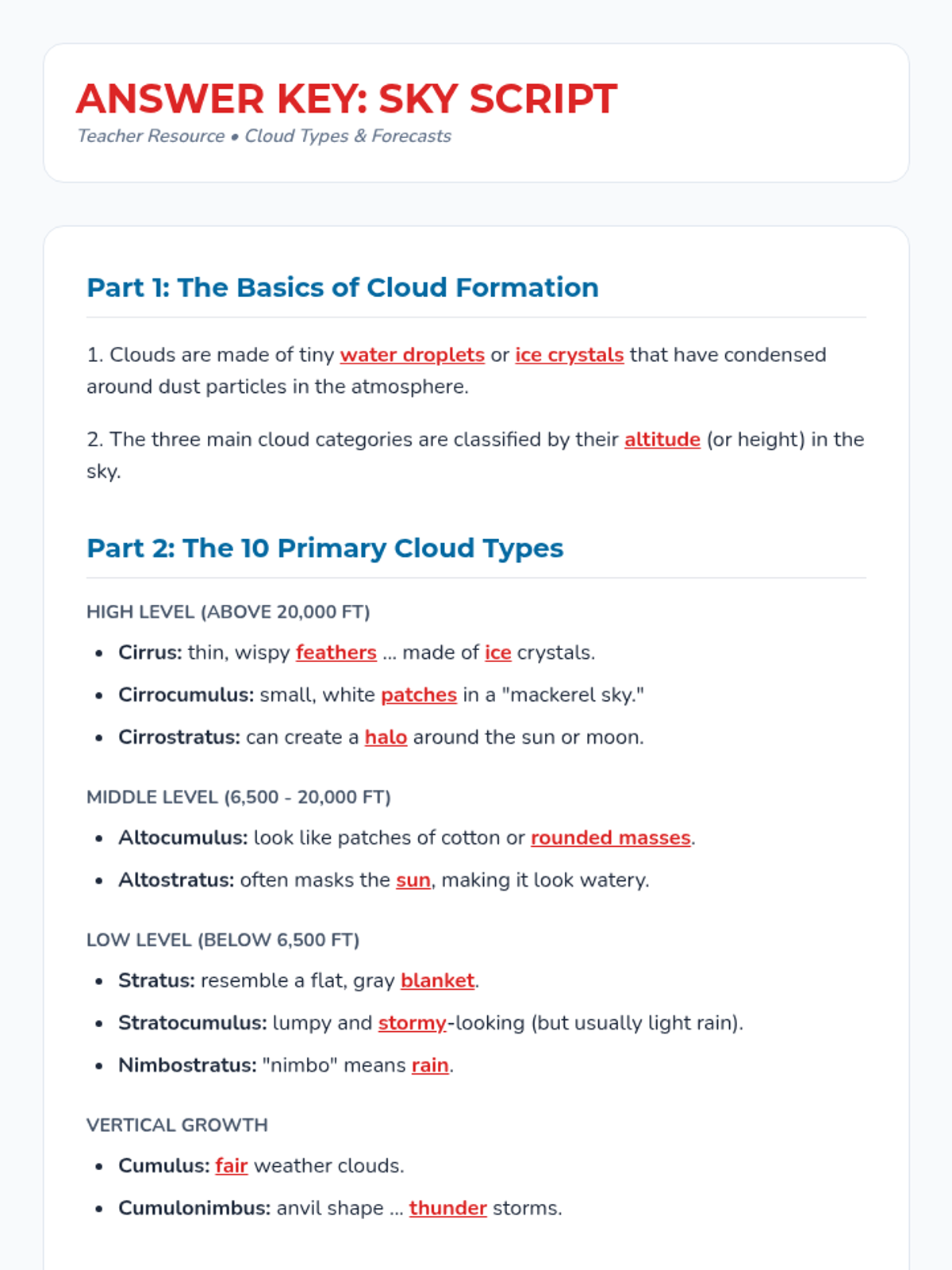
A comprehensive introduction to meteorology focused on identifying and understanding the ten primary cloud types and their impact on weather patterns.
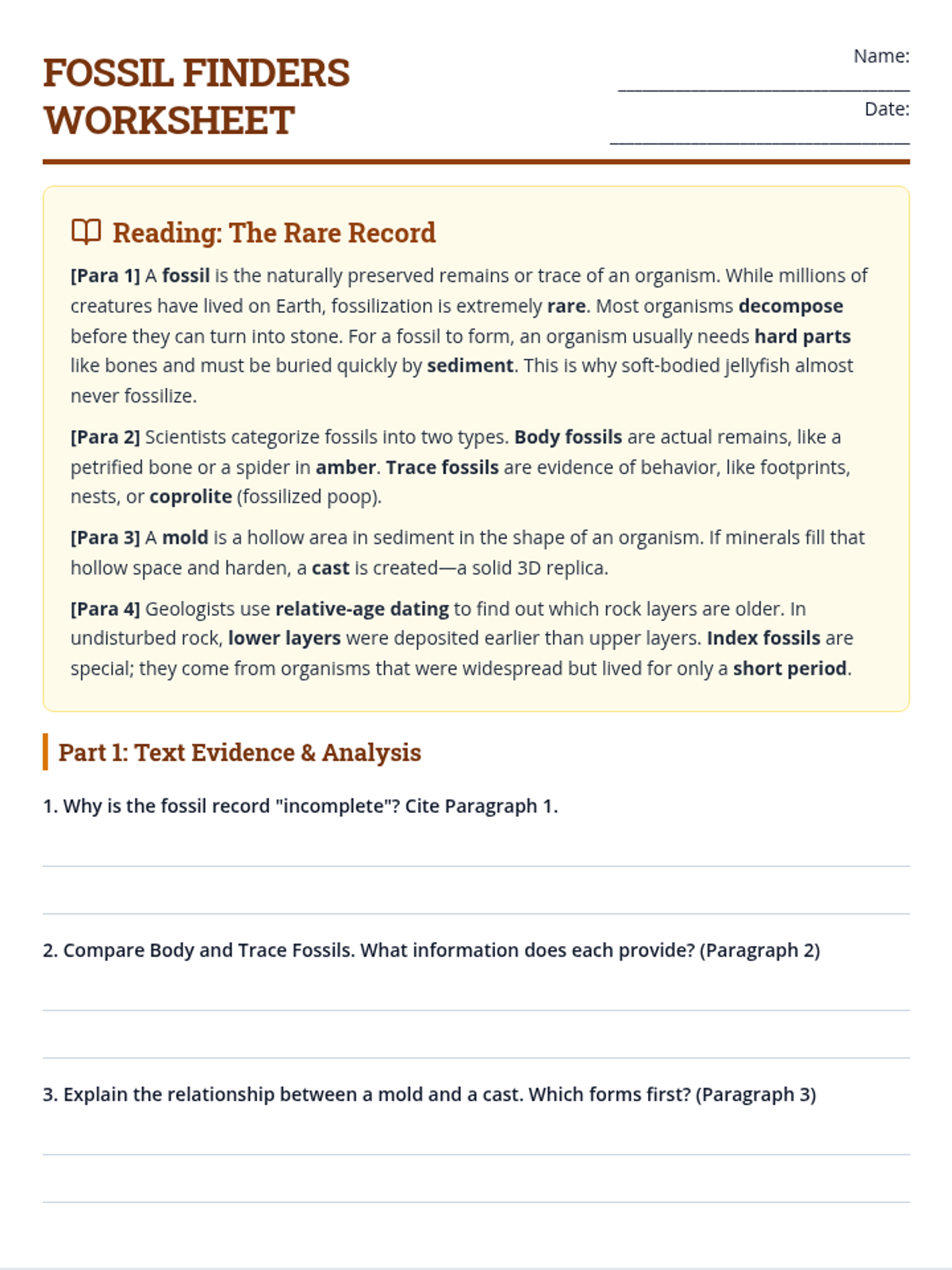
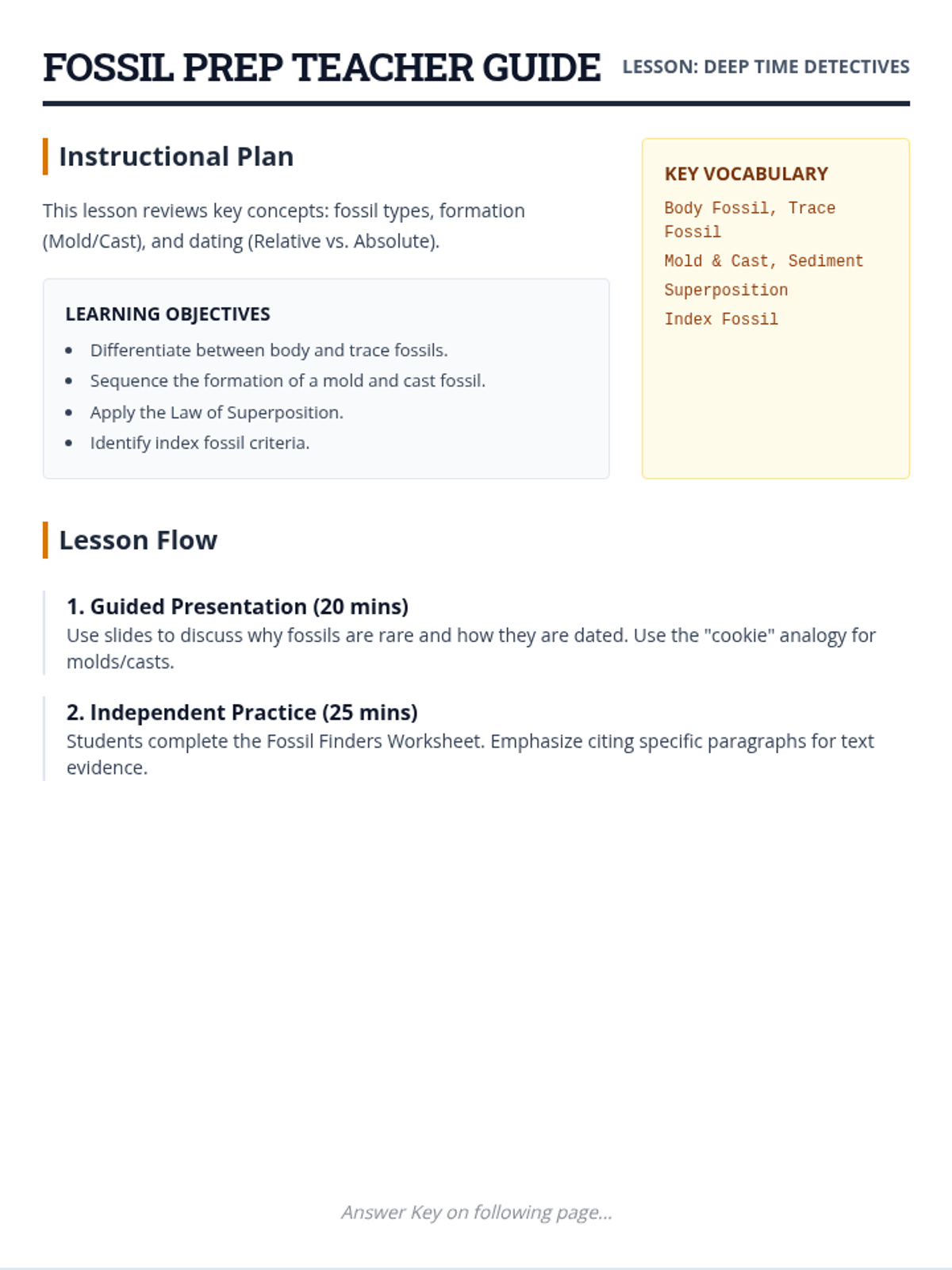
A comprehensive unit exploring how fossils form, how they are dated, and what they reveal about Earth's biological and geological history.
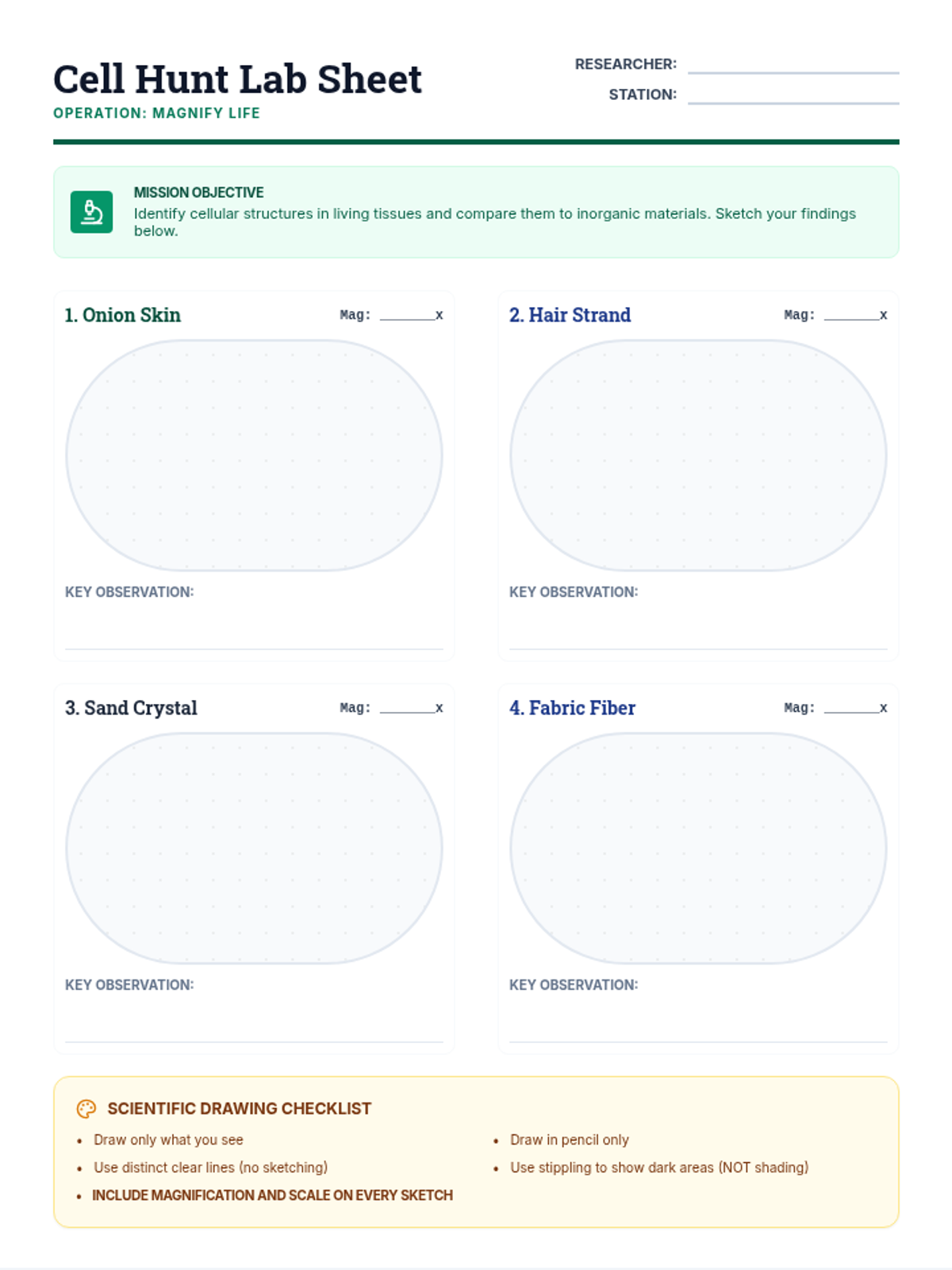
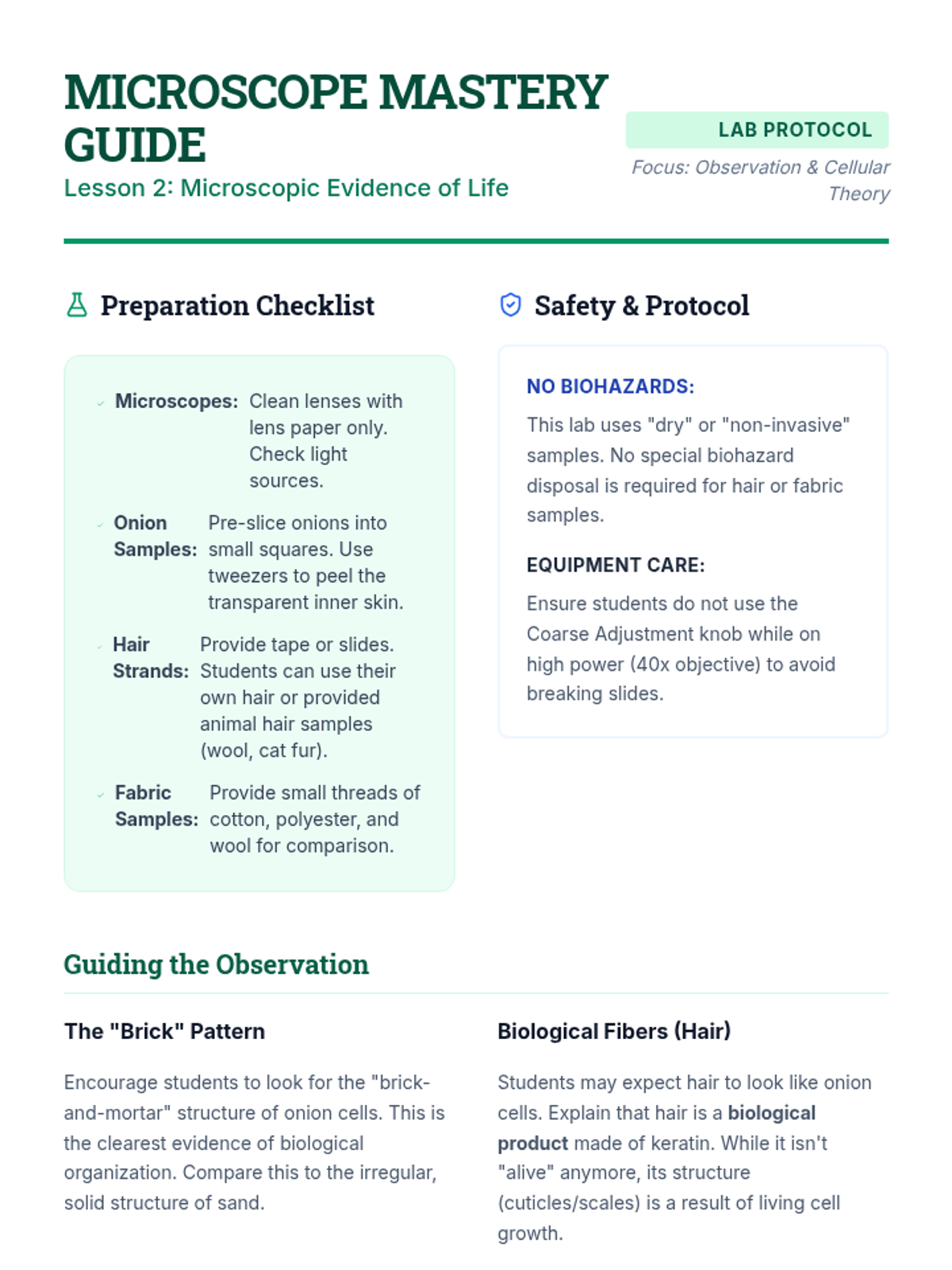
This sequence guides 7th-grade students through the scientific criteria used to define life, moving from intuitive observations to biological analysis of metabolism, cellular structure, and homeostasis. Students explore ambiguous examples and conduct experiments to build a robust definition of what it means to be alive.
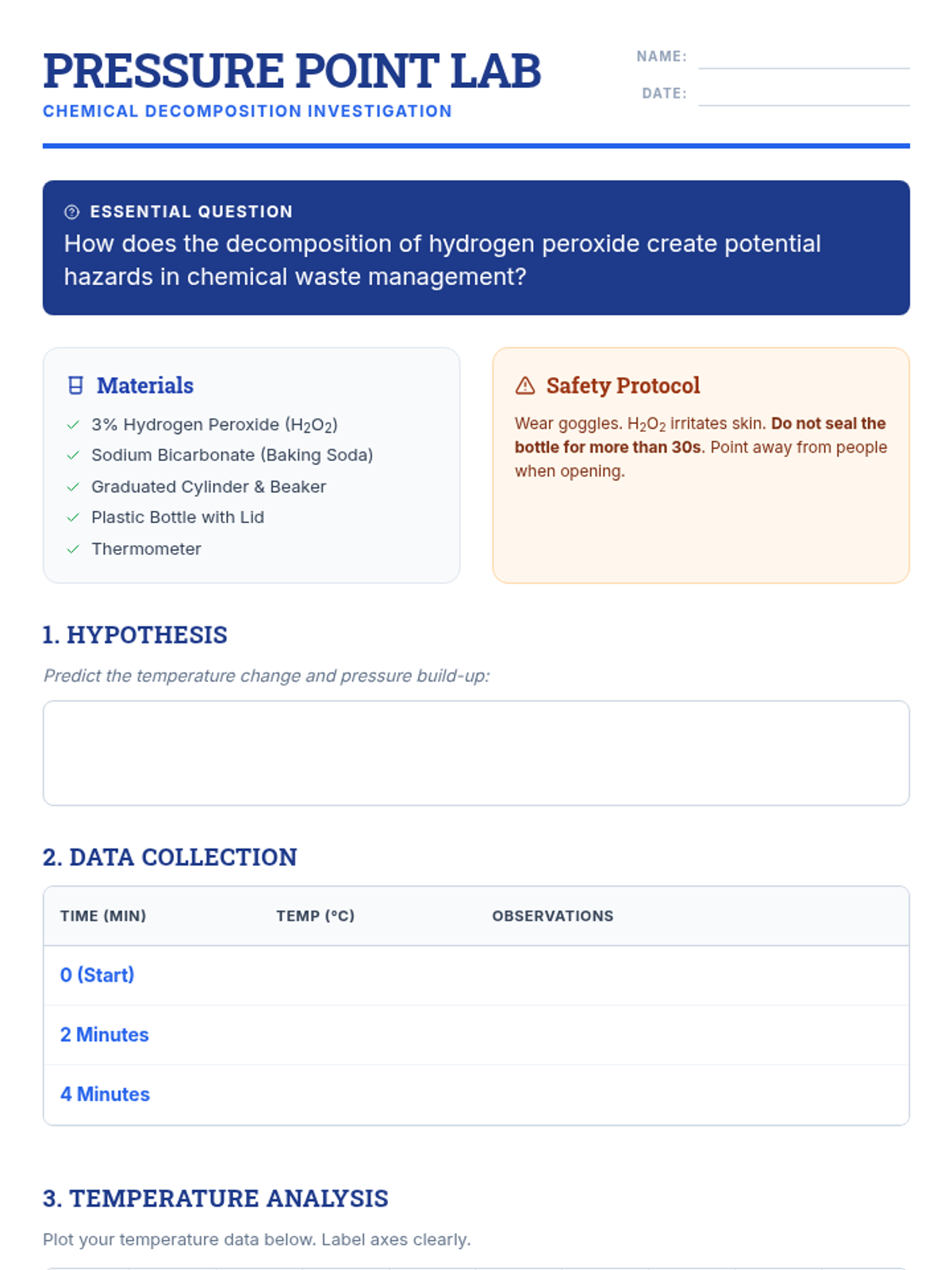
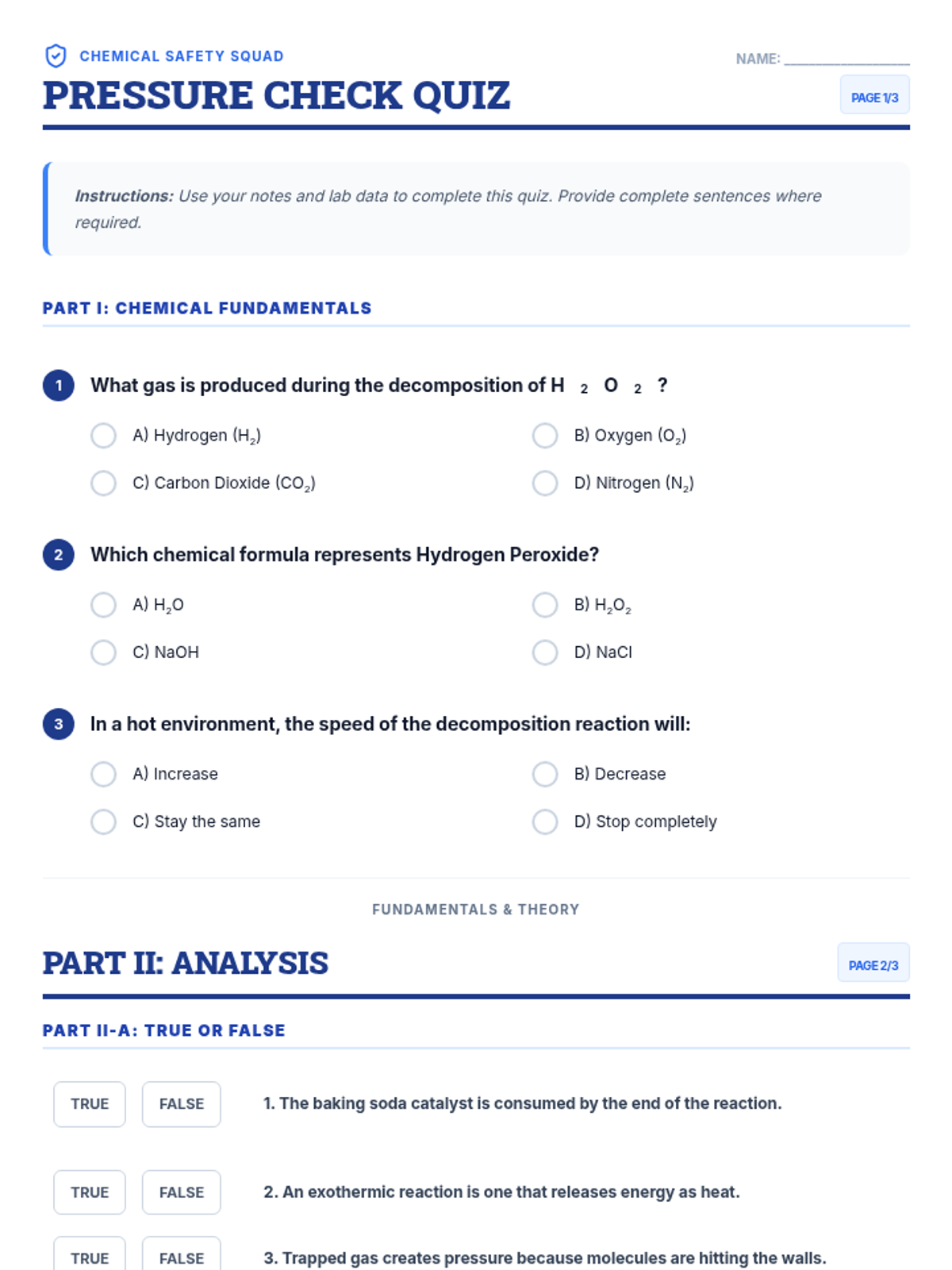
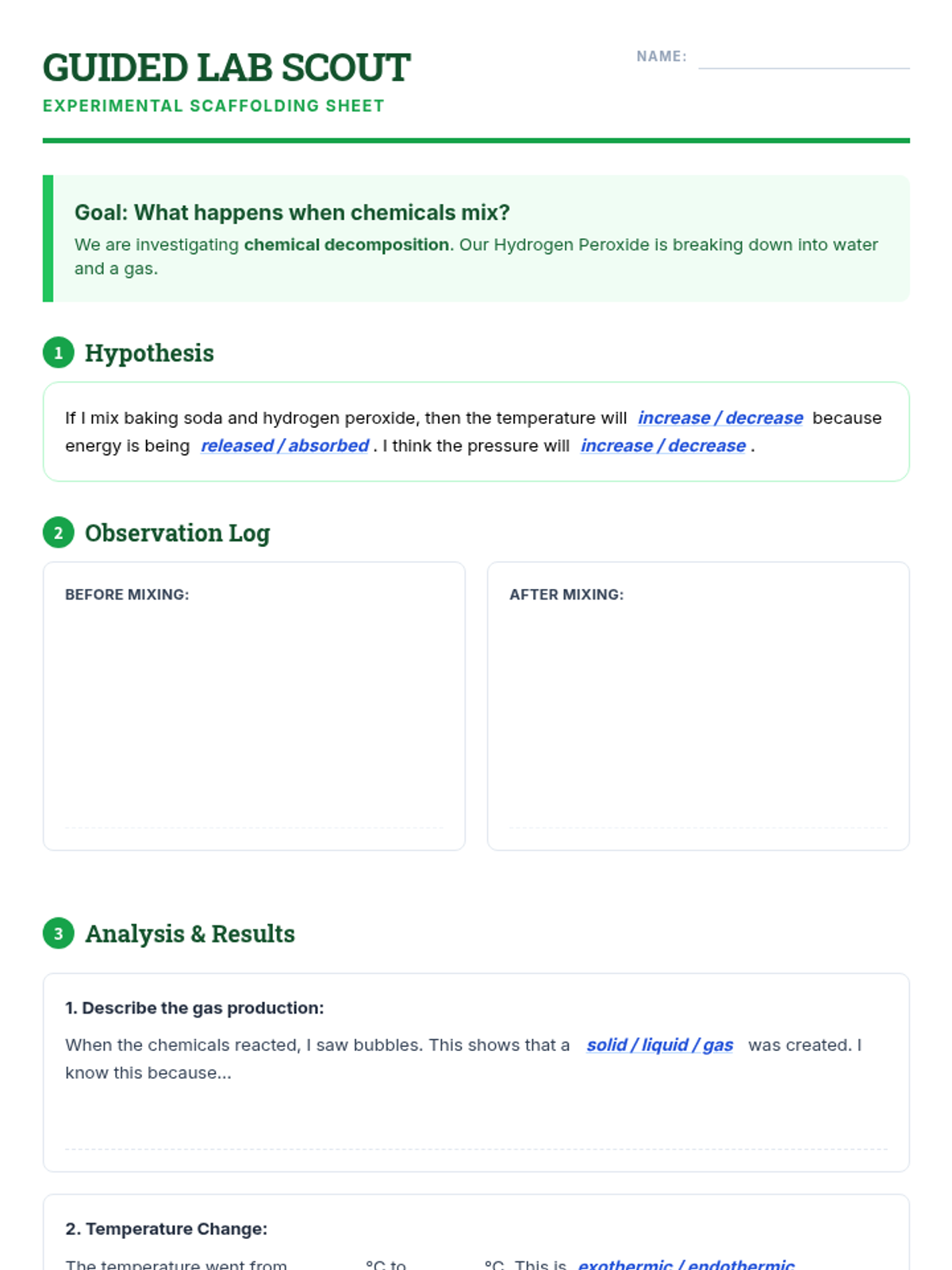
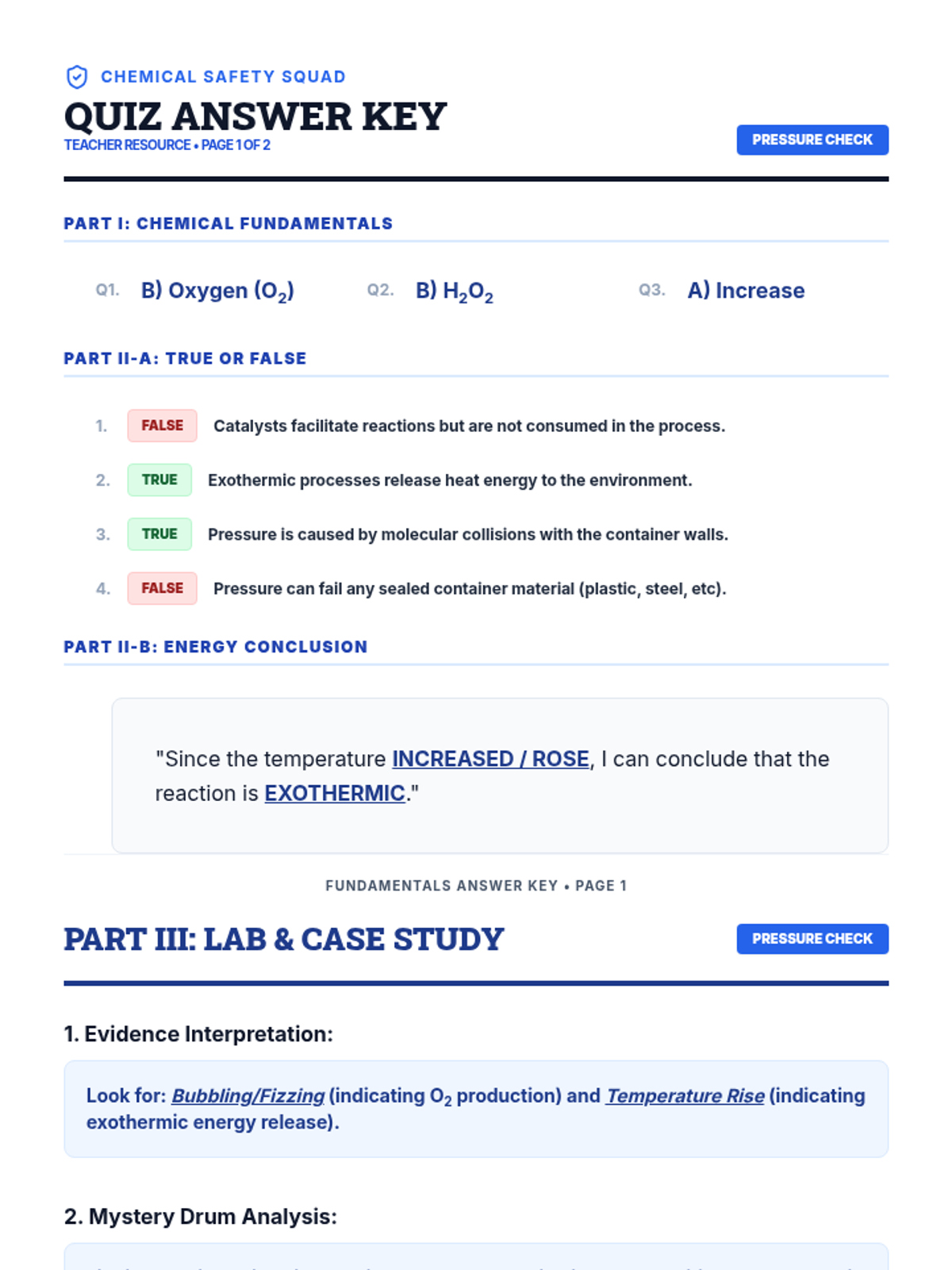
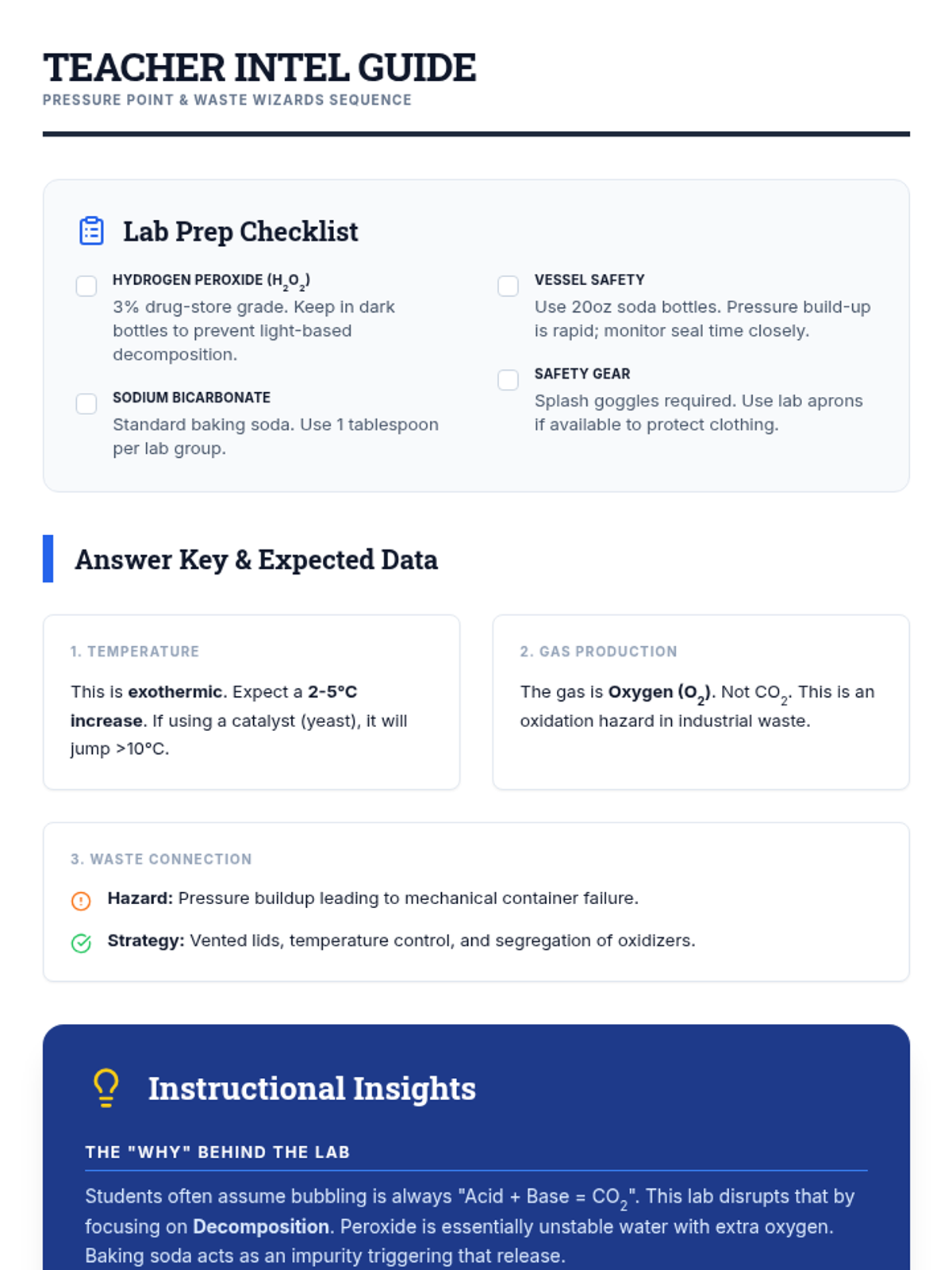
A 2-day science investigation exploring the chemical decomposition of hydrogen peroxide and baking soda, focusing on gas production, pressure, and its real-world implications for waste management and chemical safety.
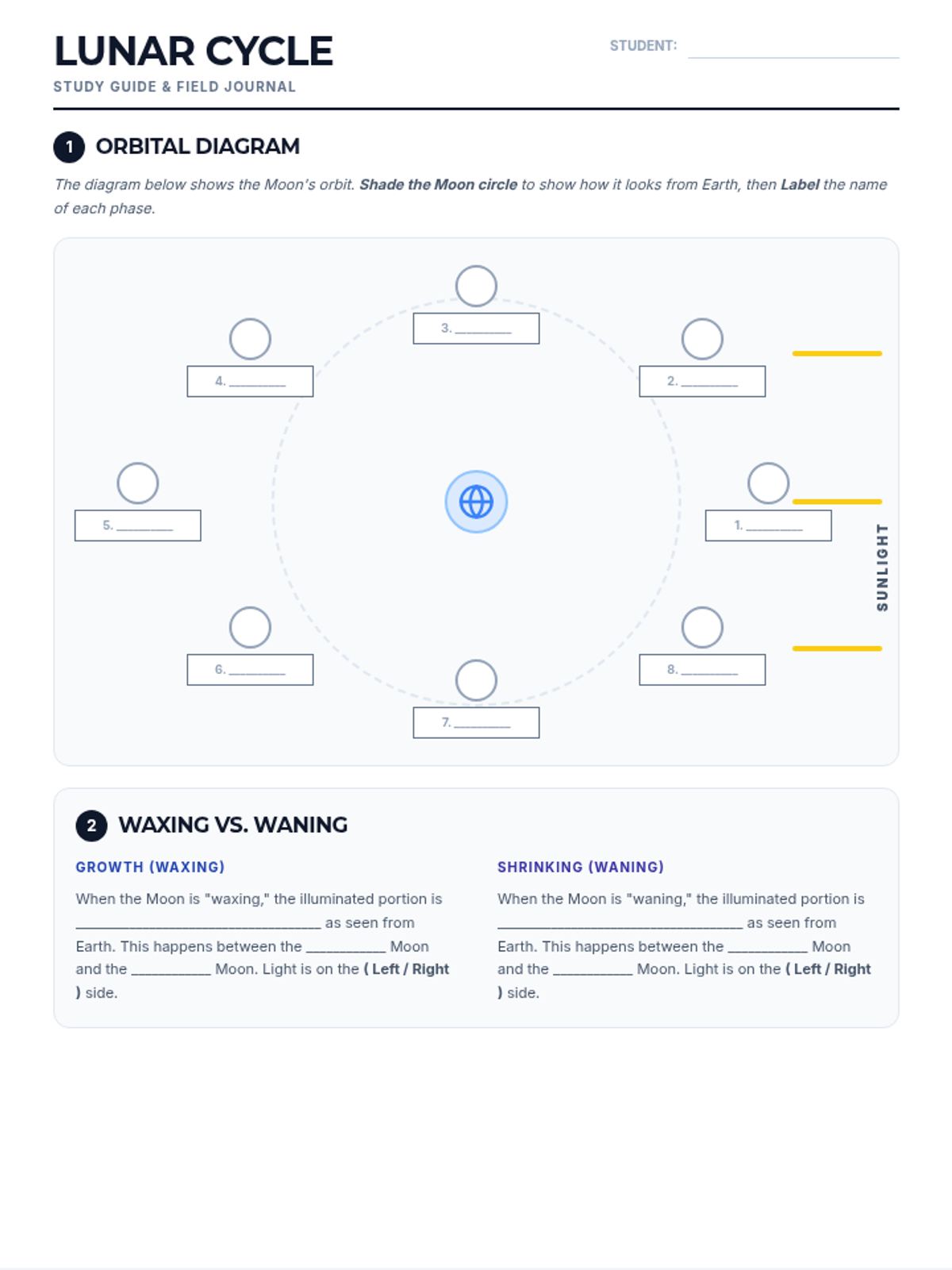
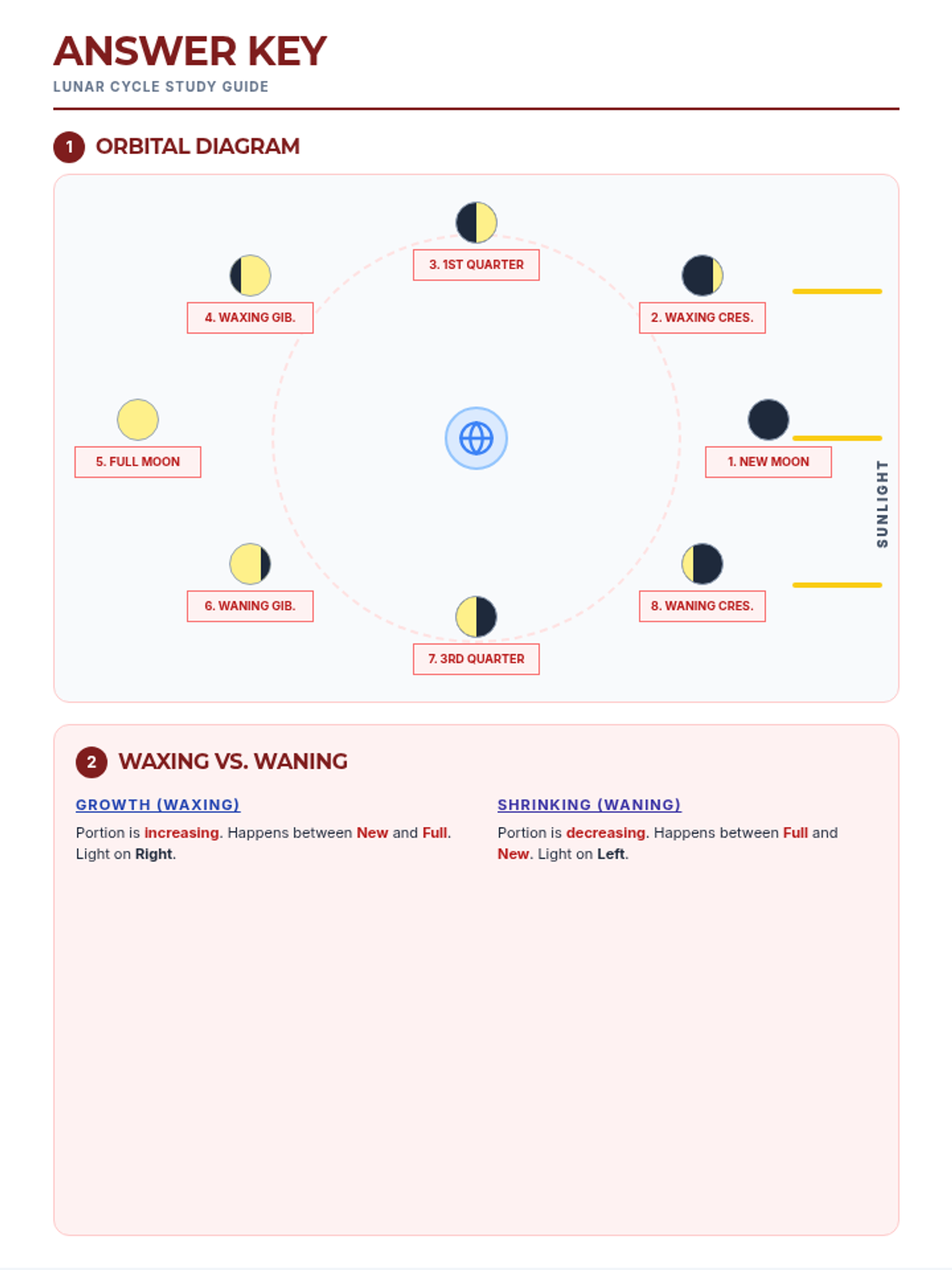
An astronomy unit focused on the Earth-Moon-Sun system and celestial patterns.
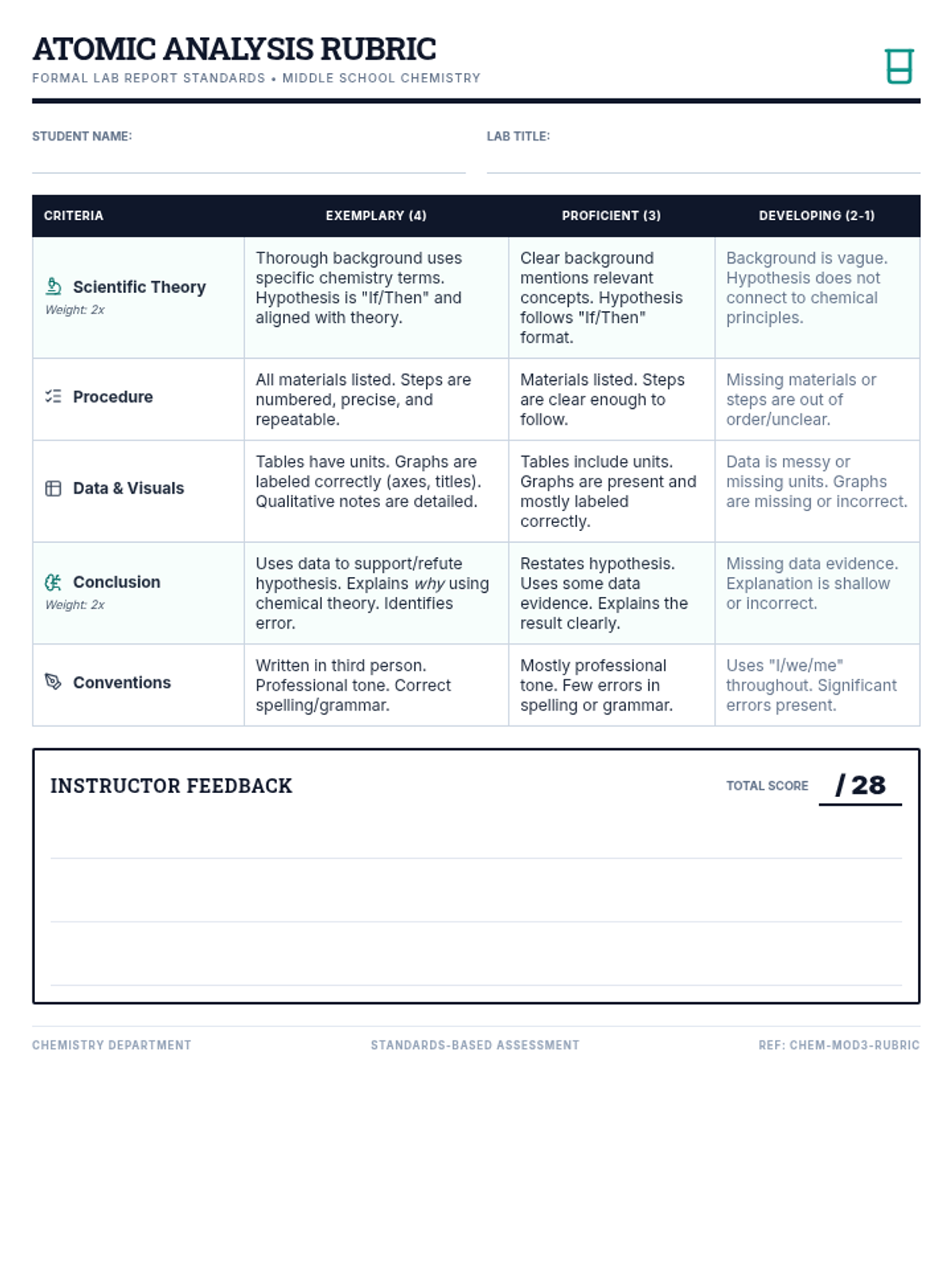
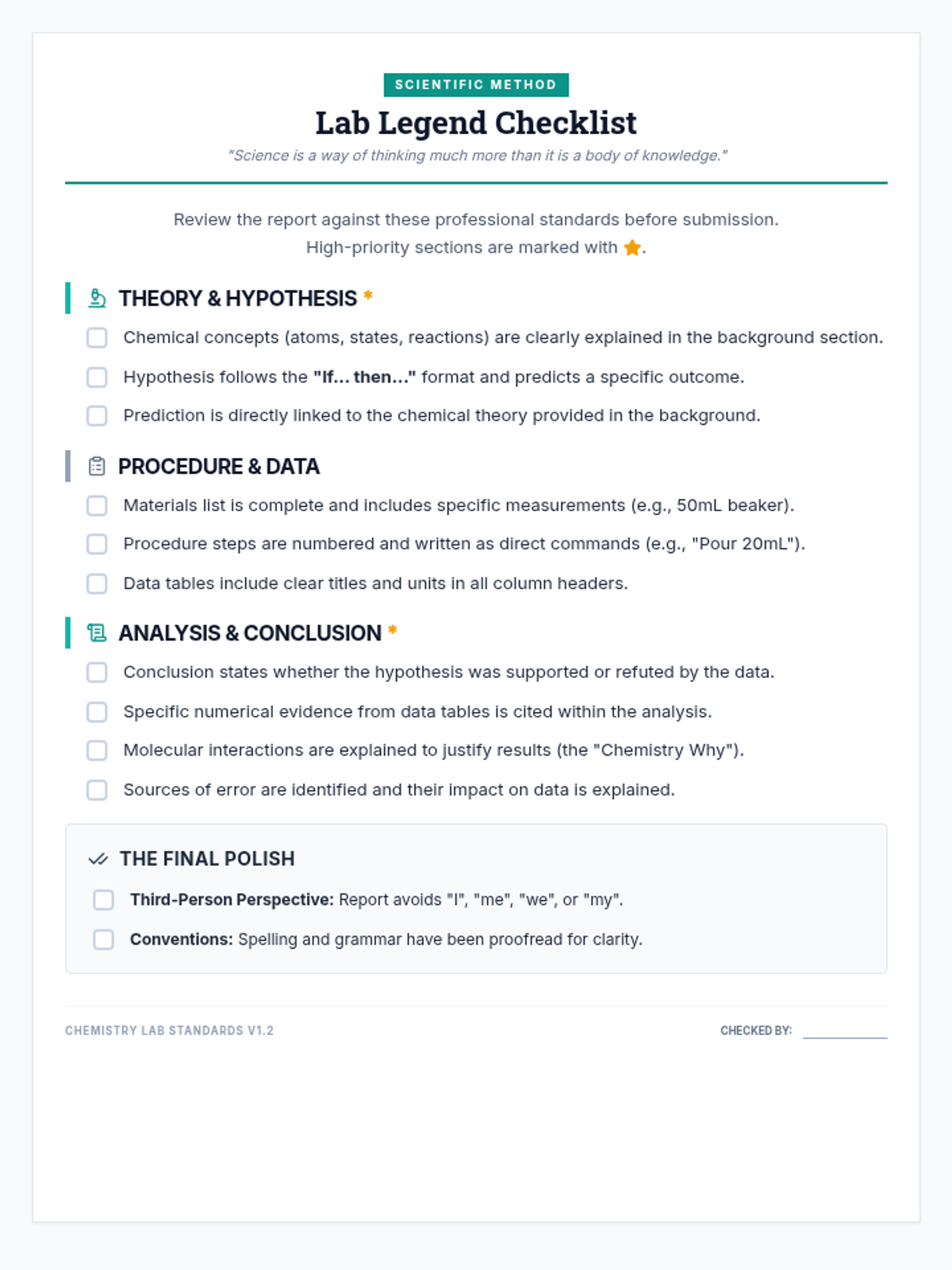
A comprehensive set of tools for middle school chemistry students to master the formal scientific method in their lab reports.
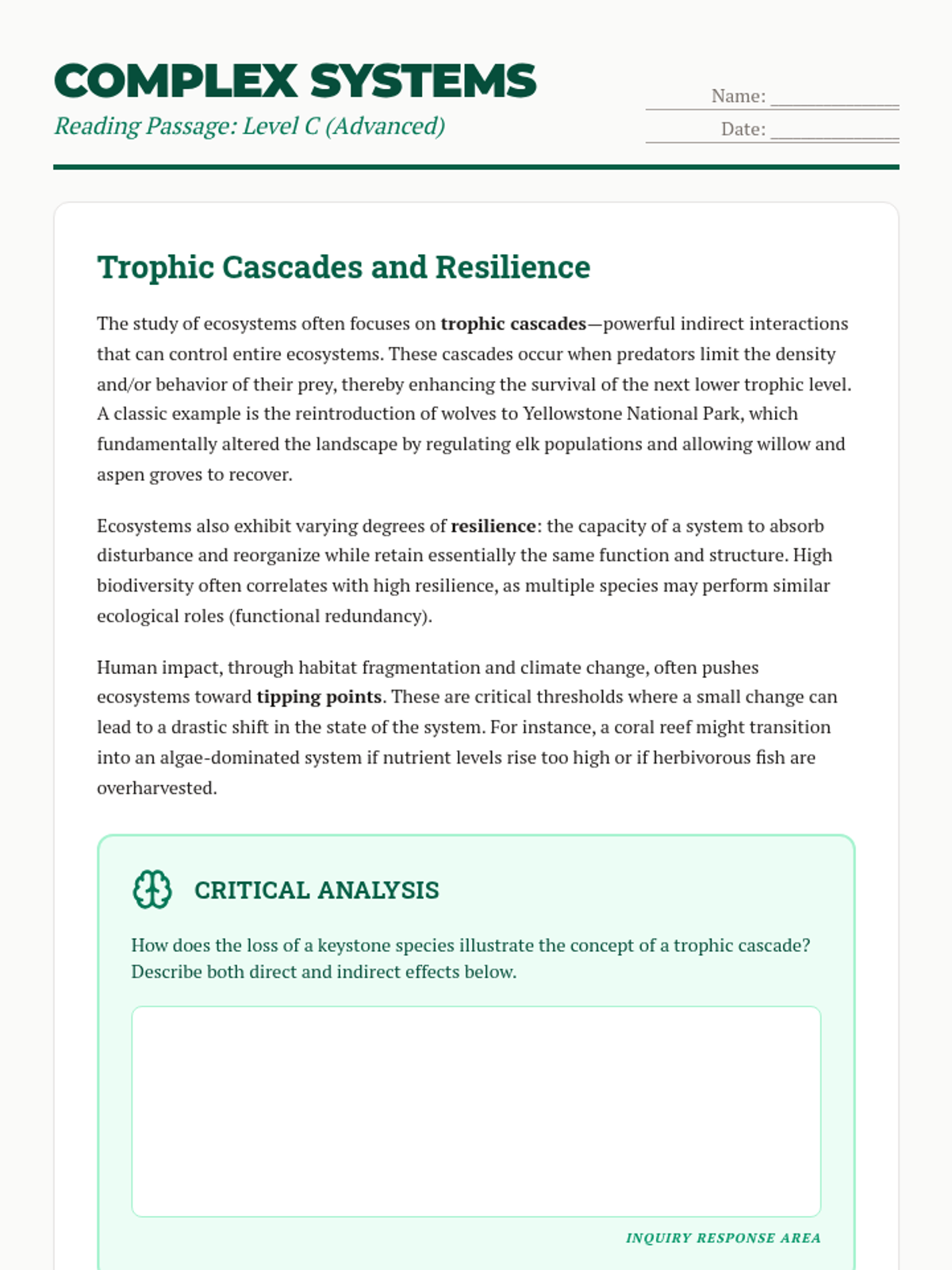
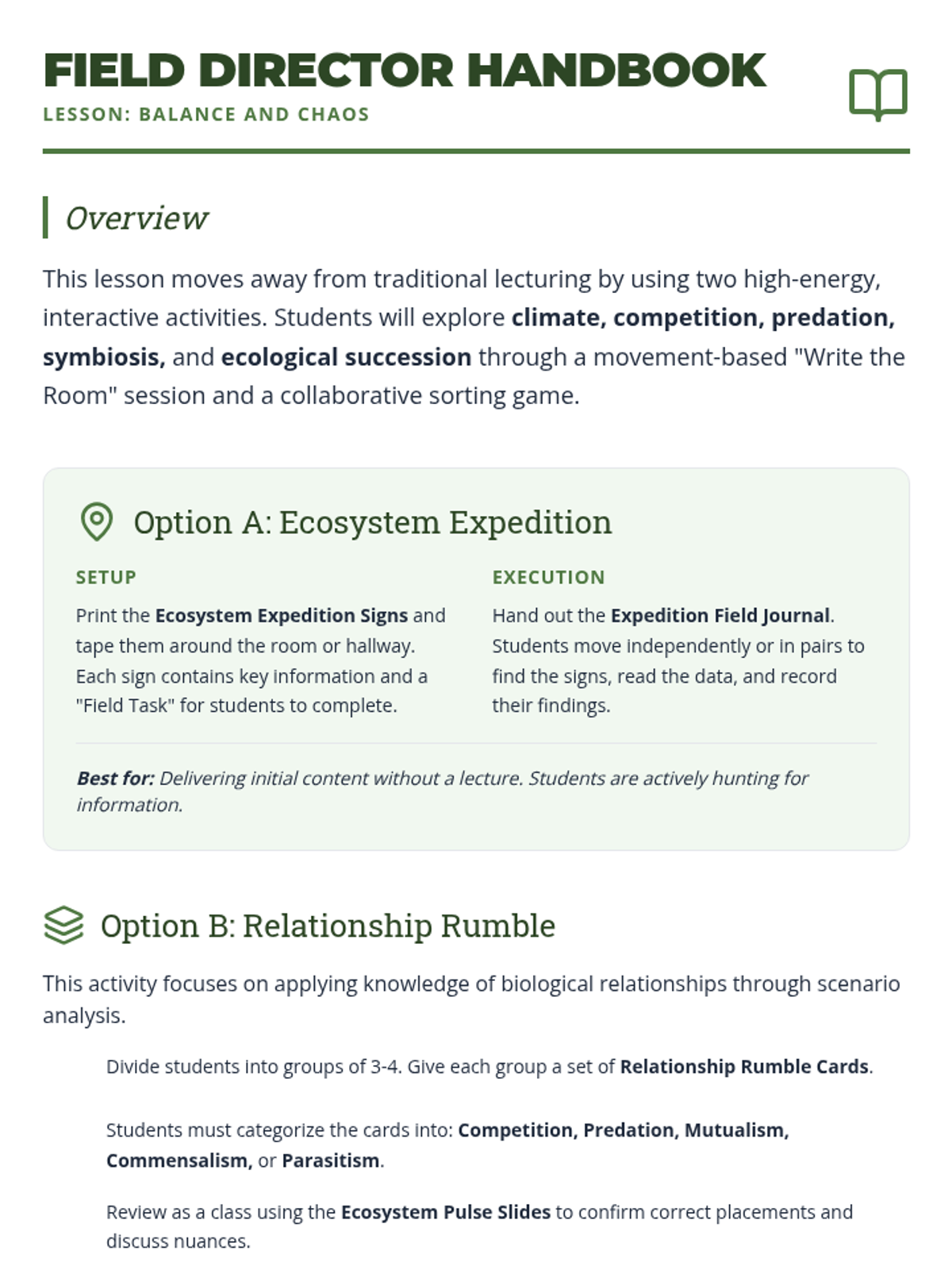
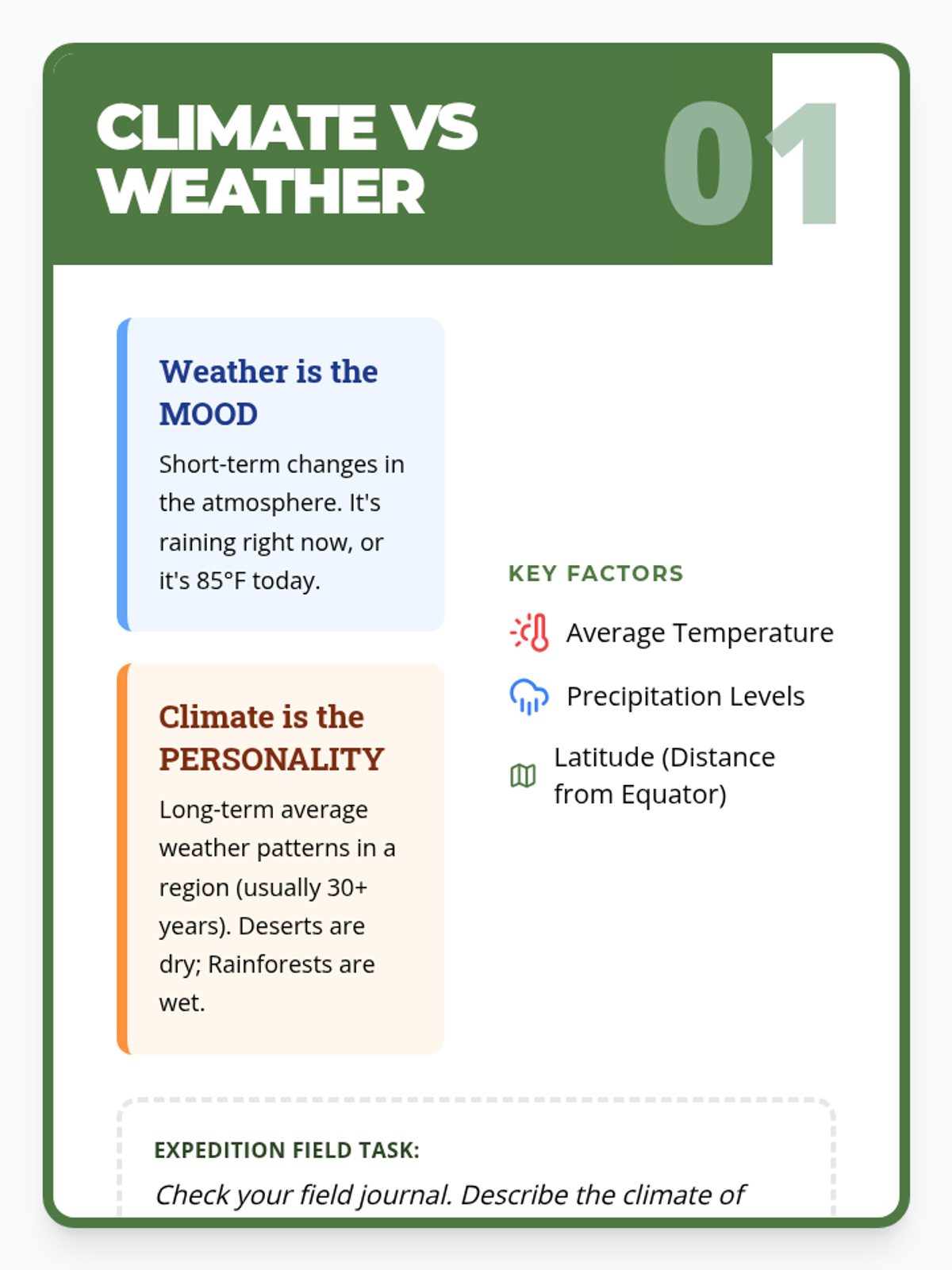
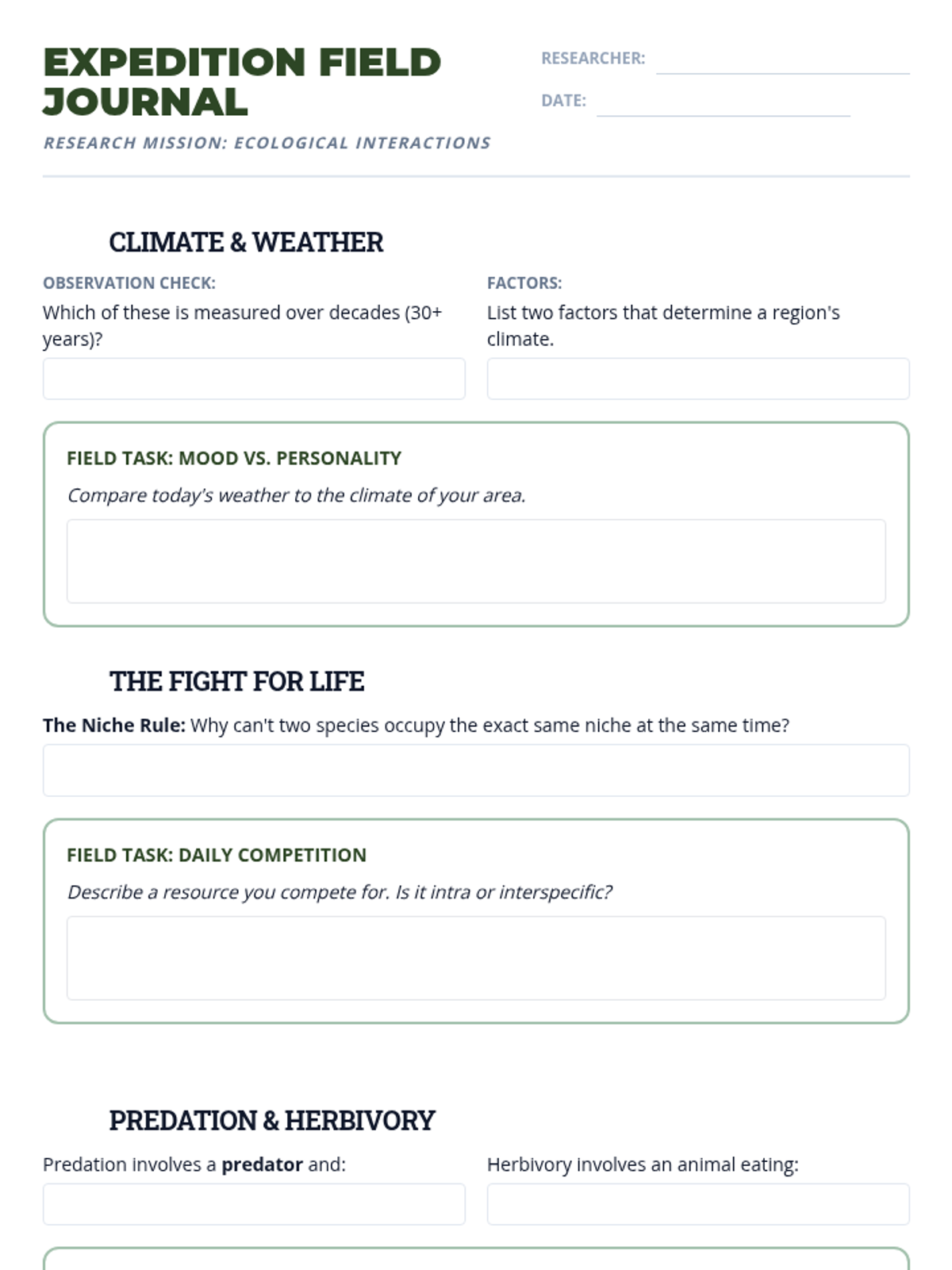
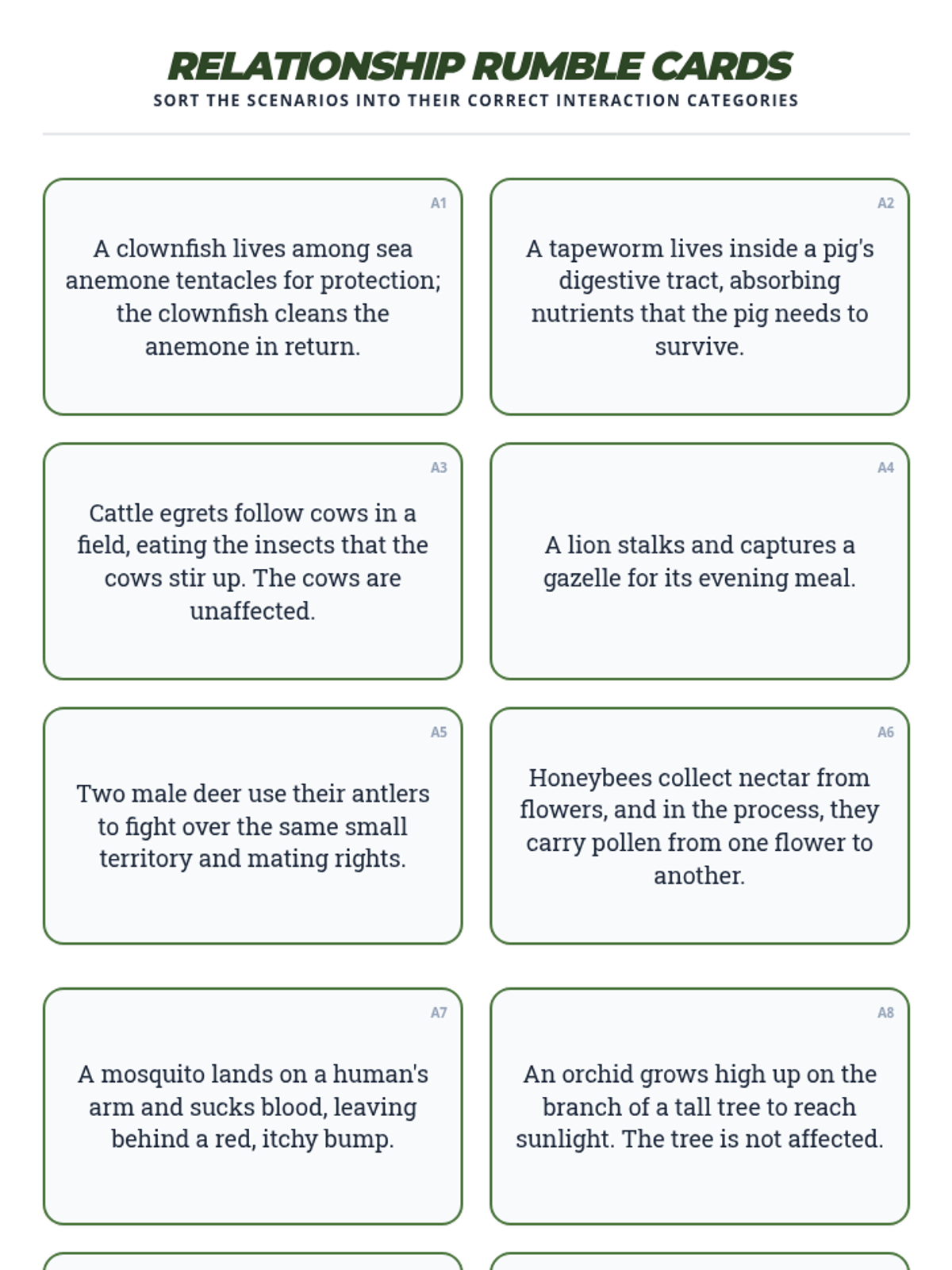
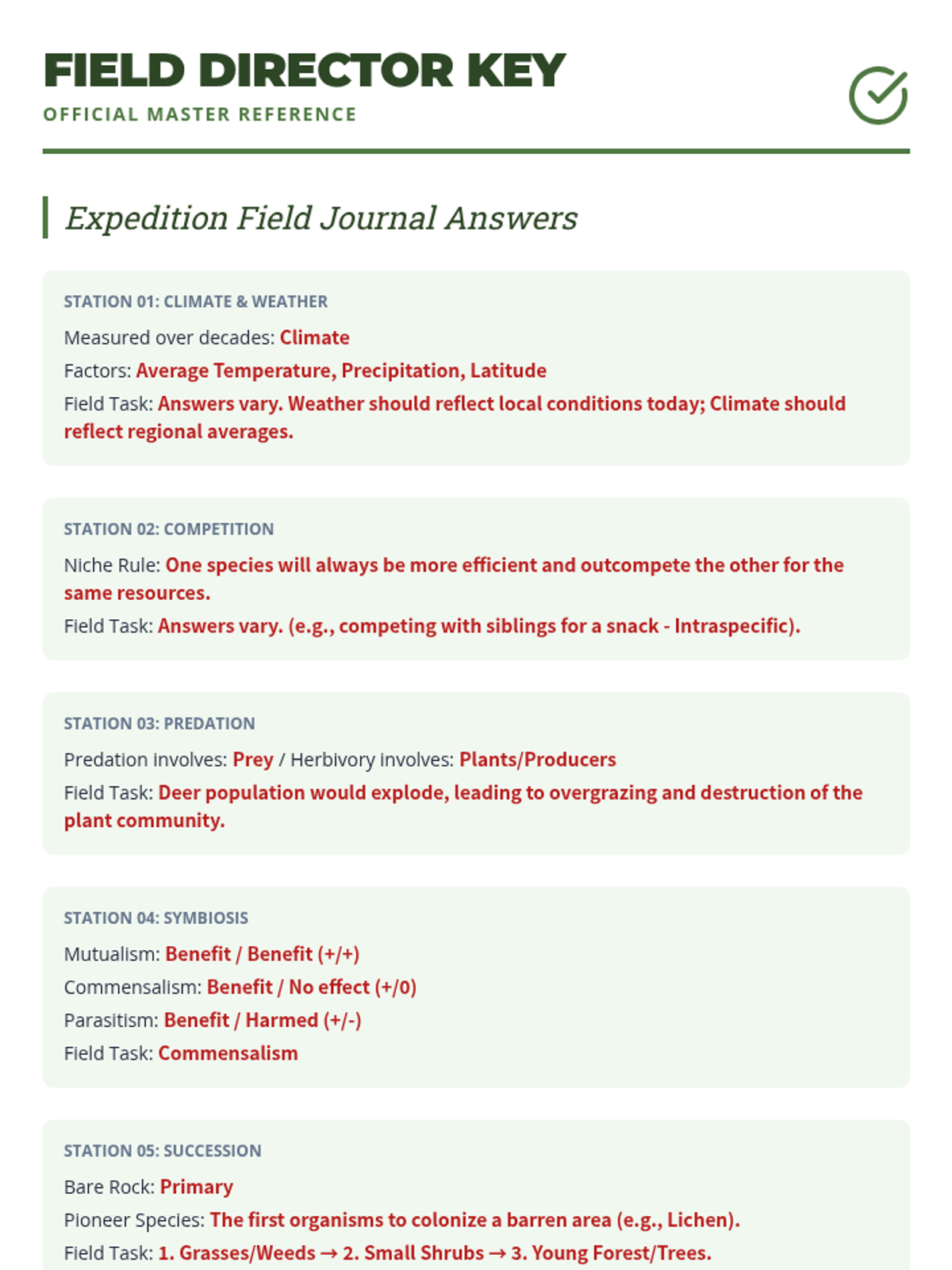
A comprehensive unit exploring the intricate webs of life, focusing on the relationships and environmental factors that shape ecosystems.
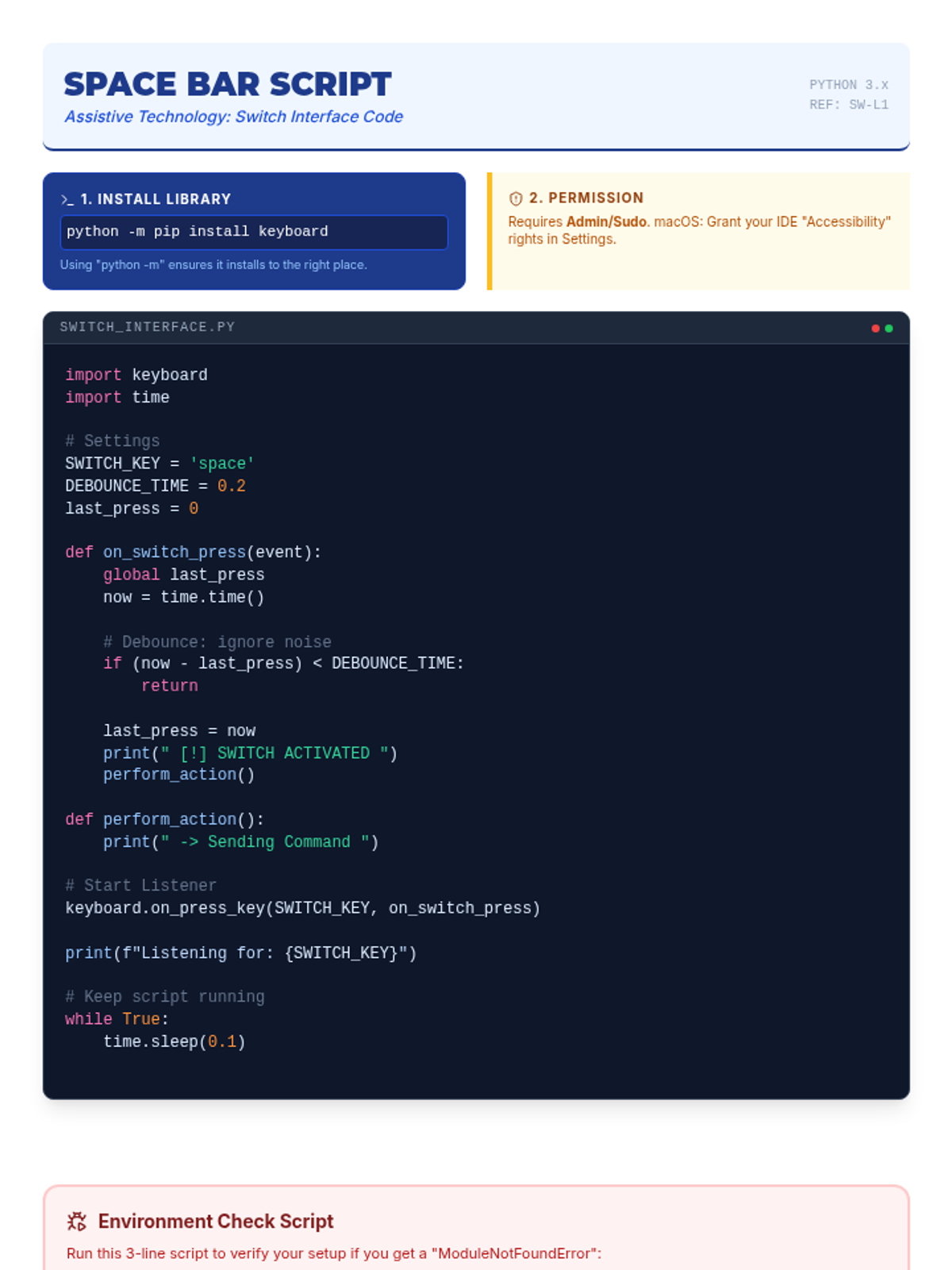
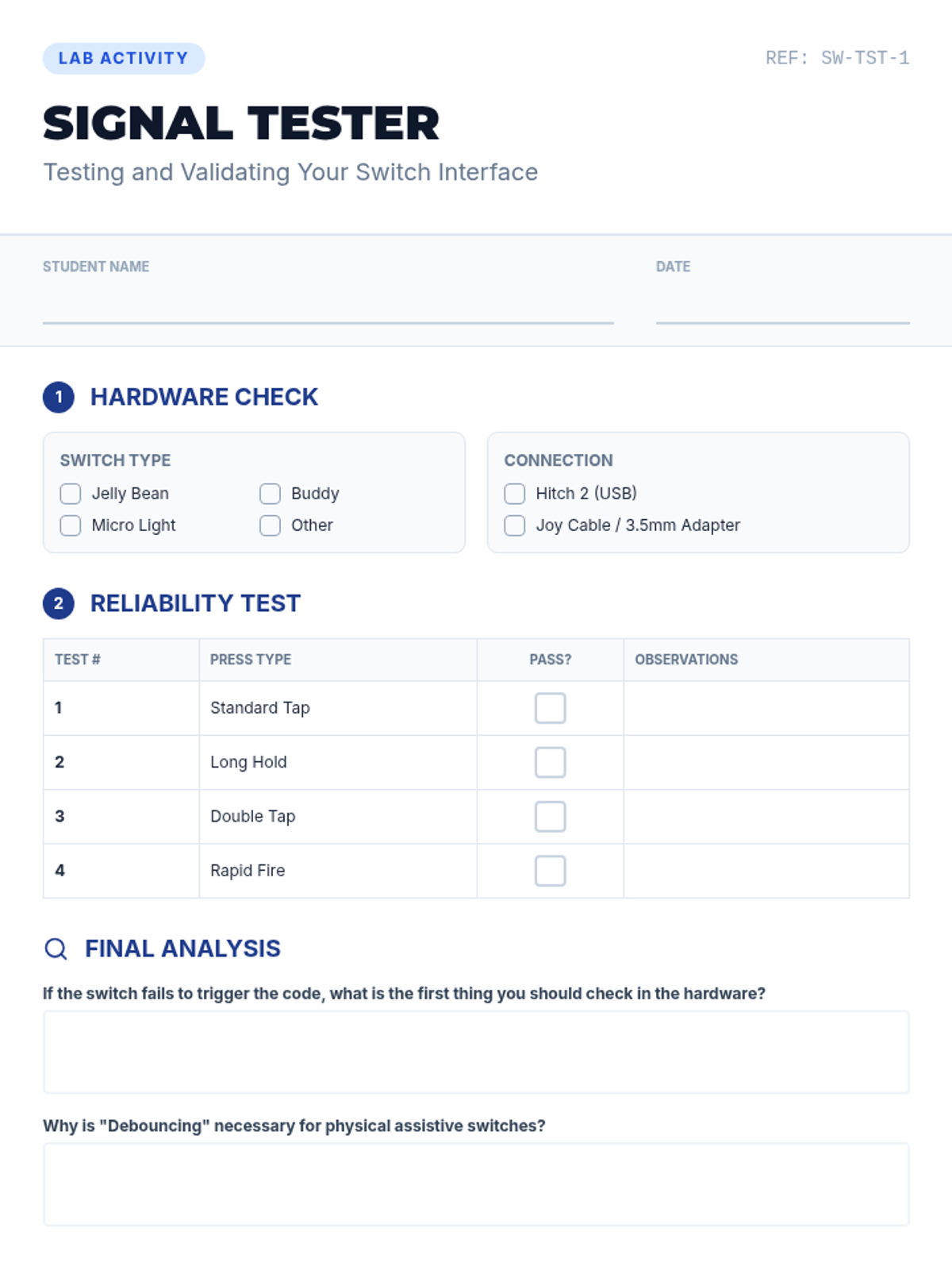
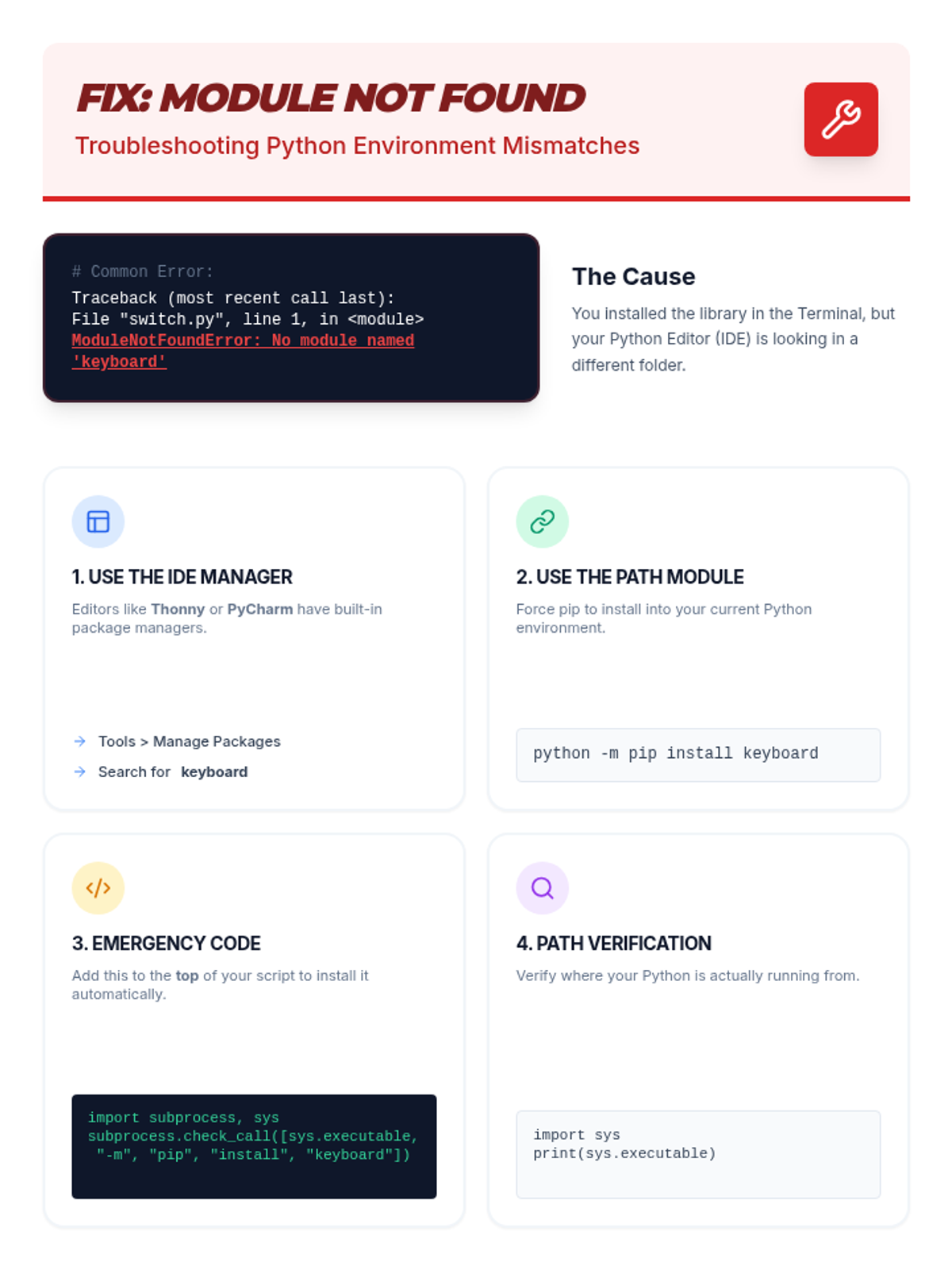
A series of materials focused on building and programming assistive technology interfaces, specifically switch-based controls for accessibility.