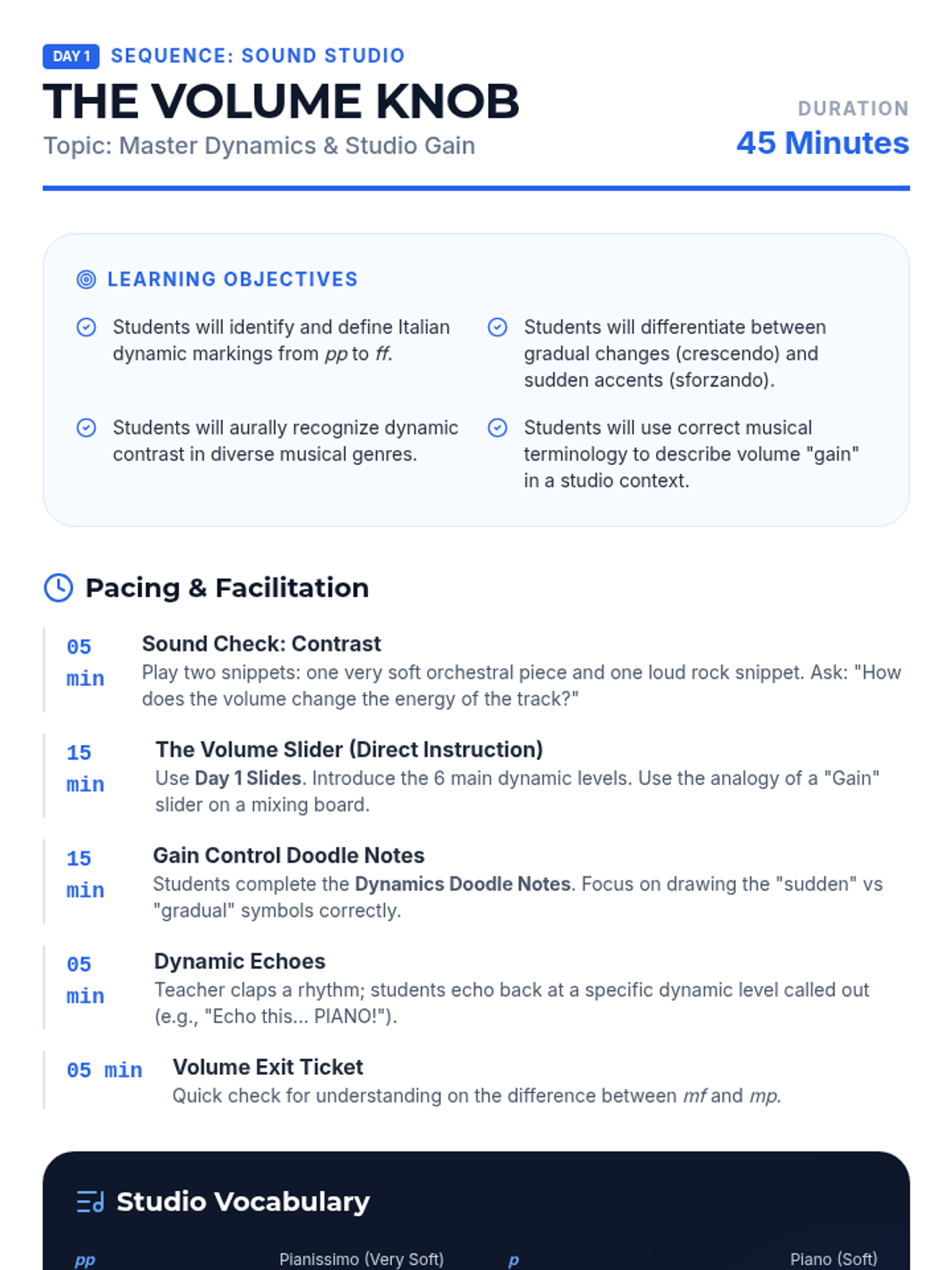
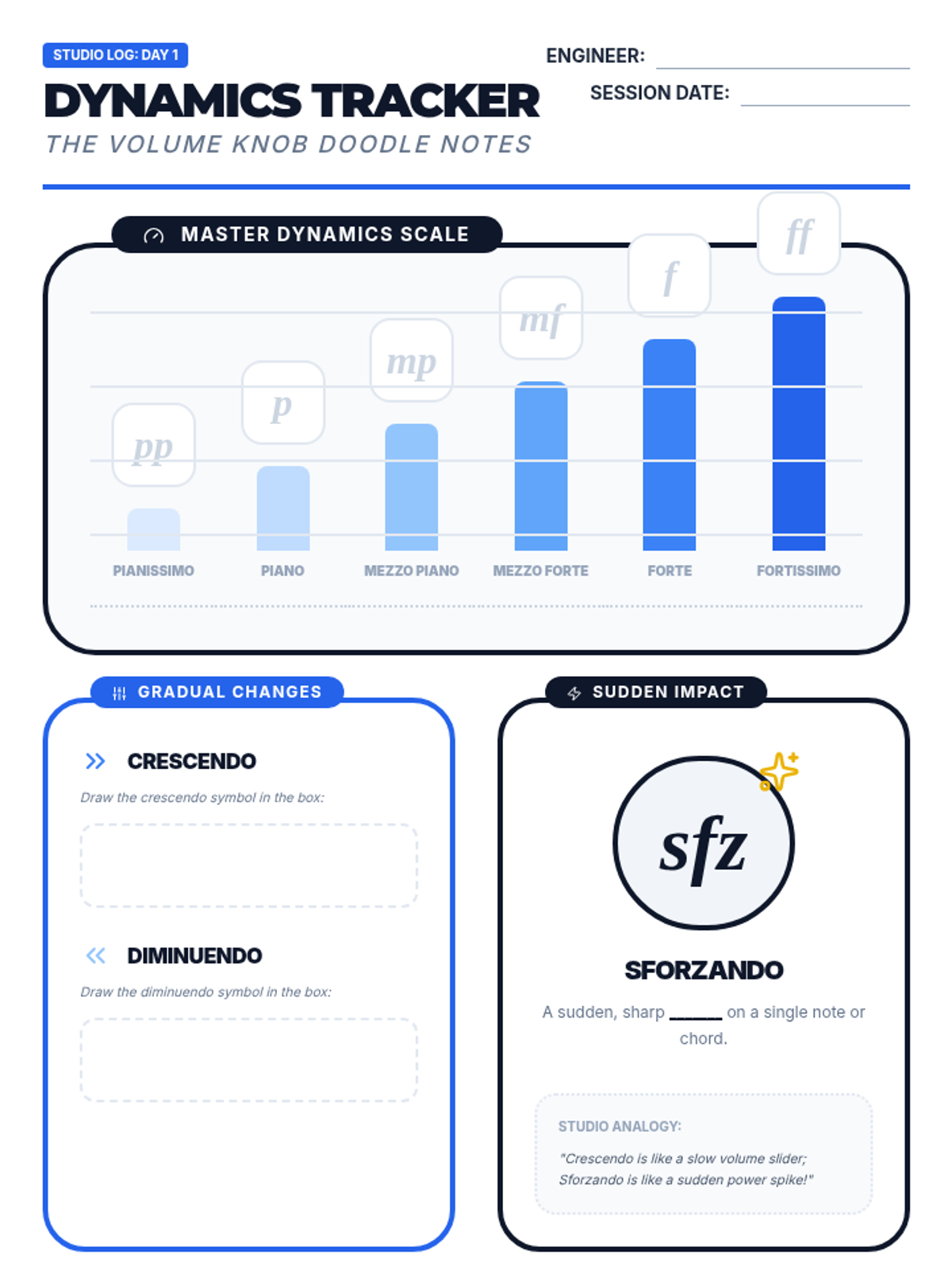
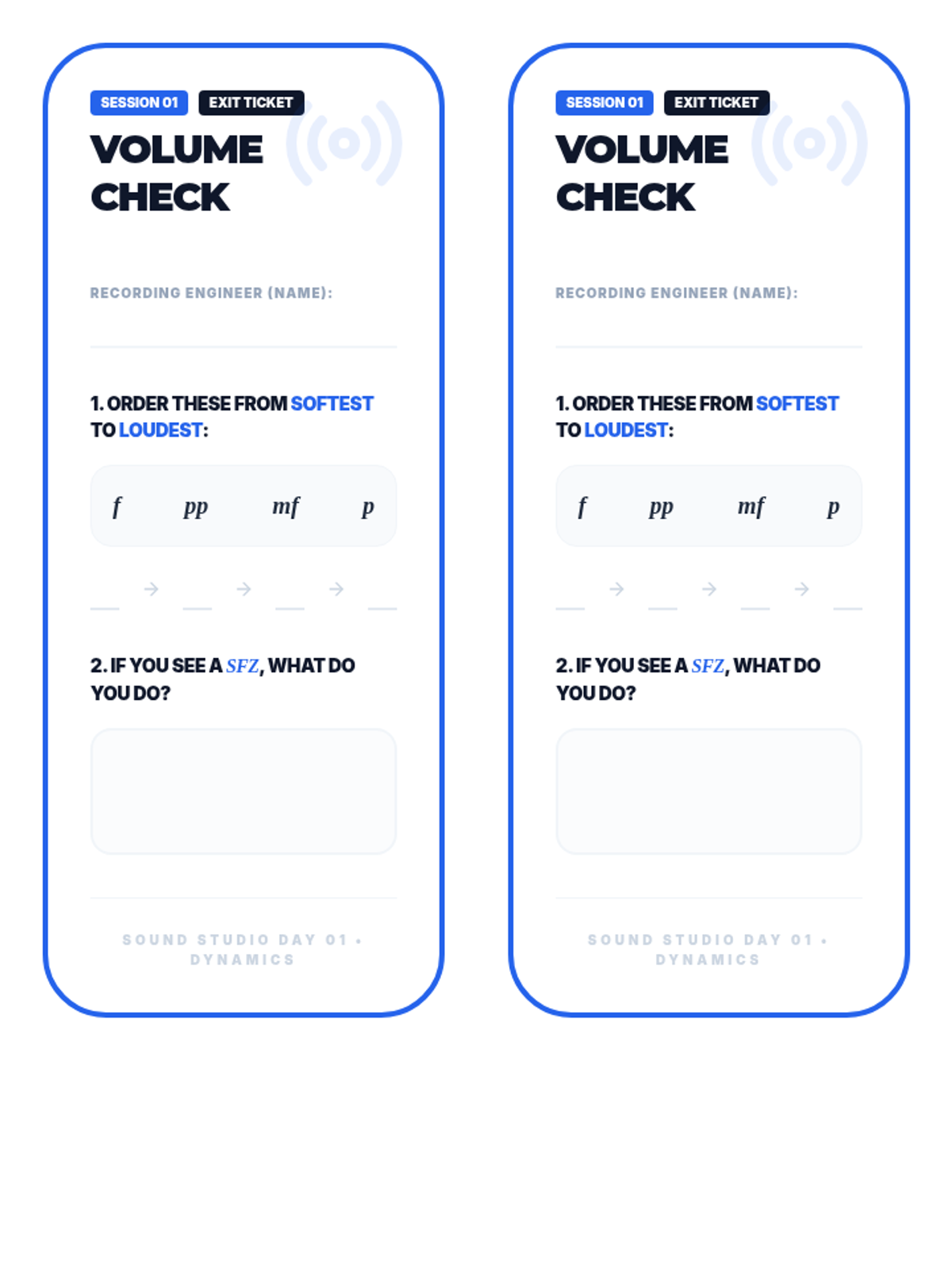
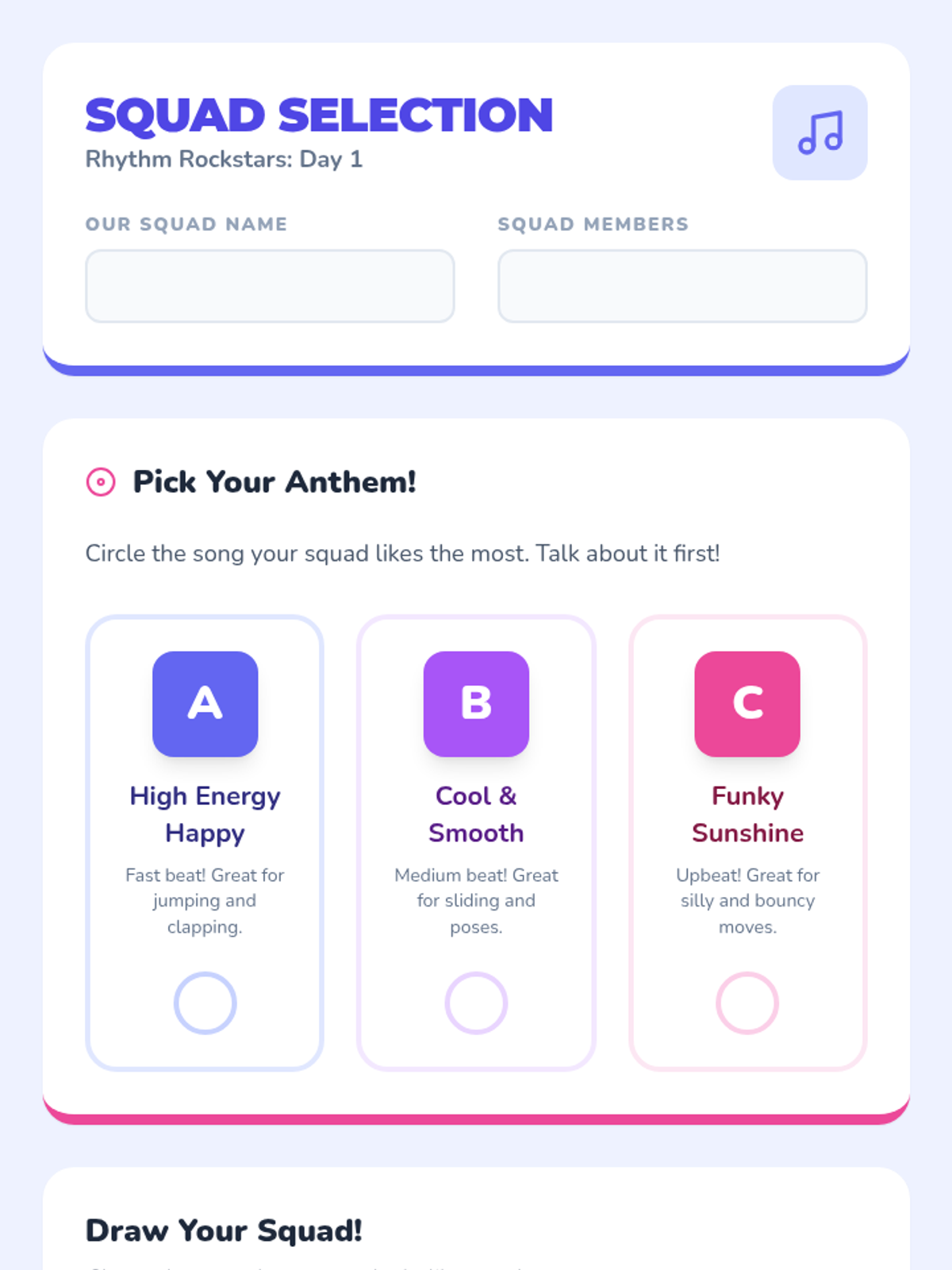
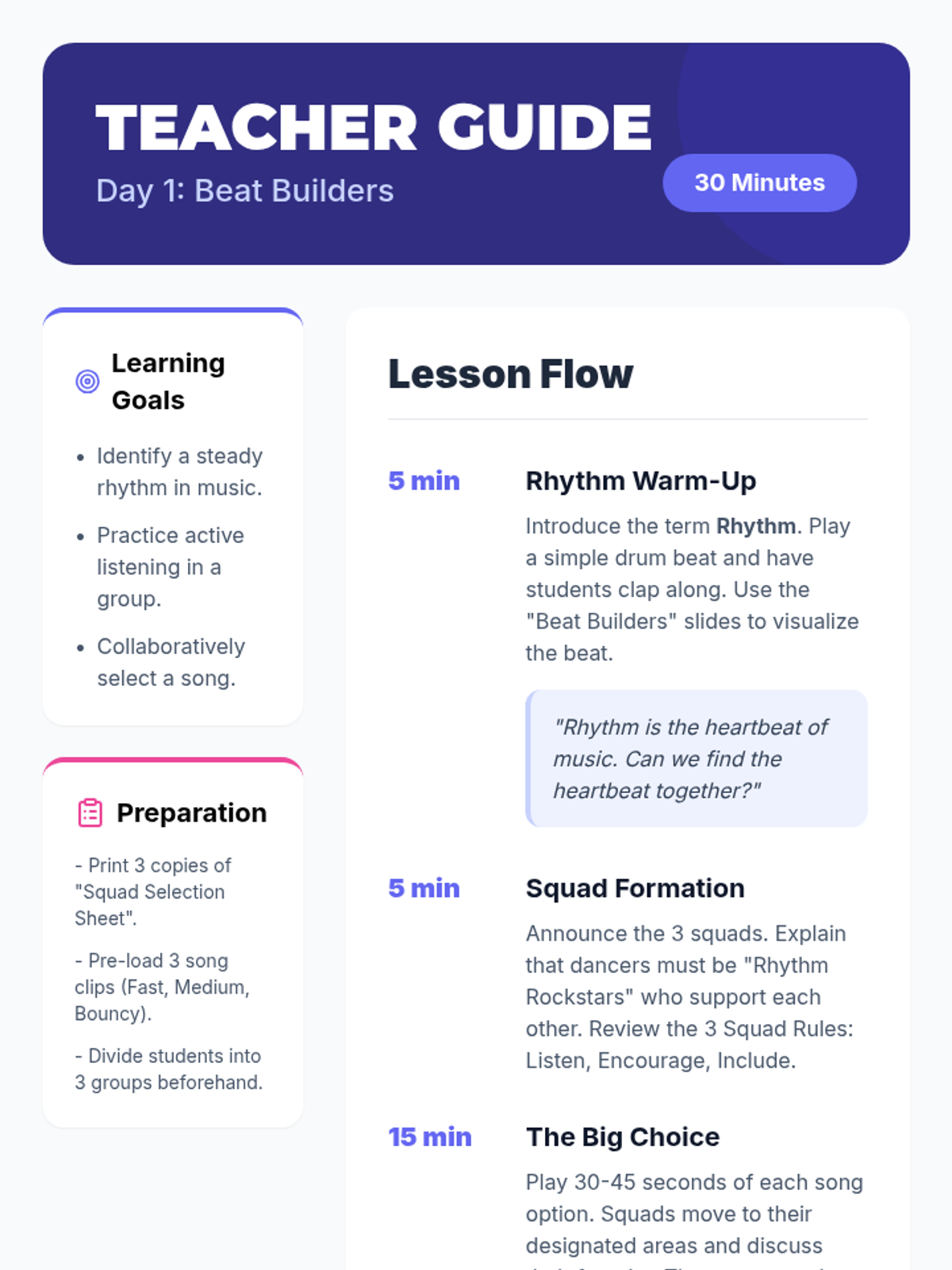
A foundational music education series designed for early elementary students, covering rhythm, movement, note reading, dynamics, and music history.
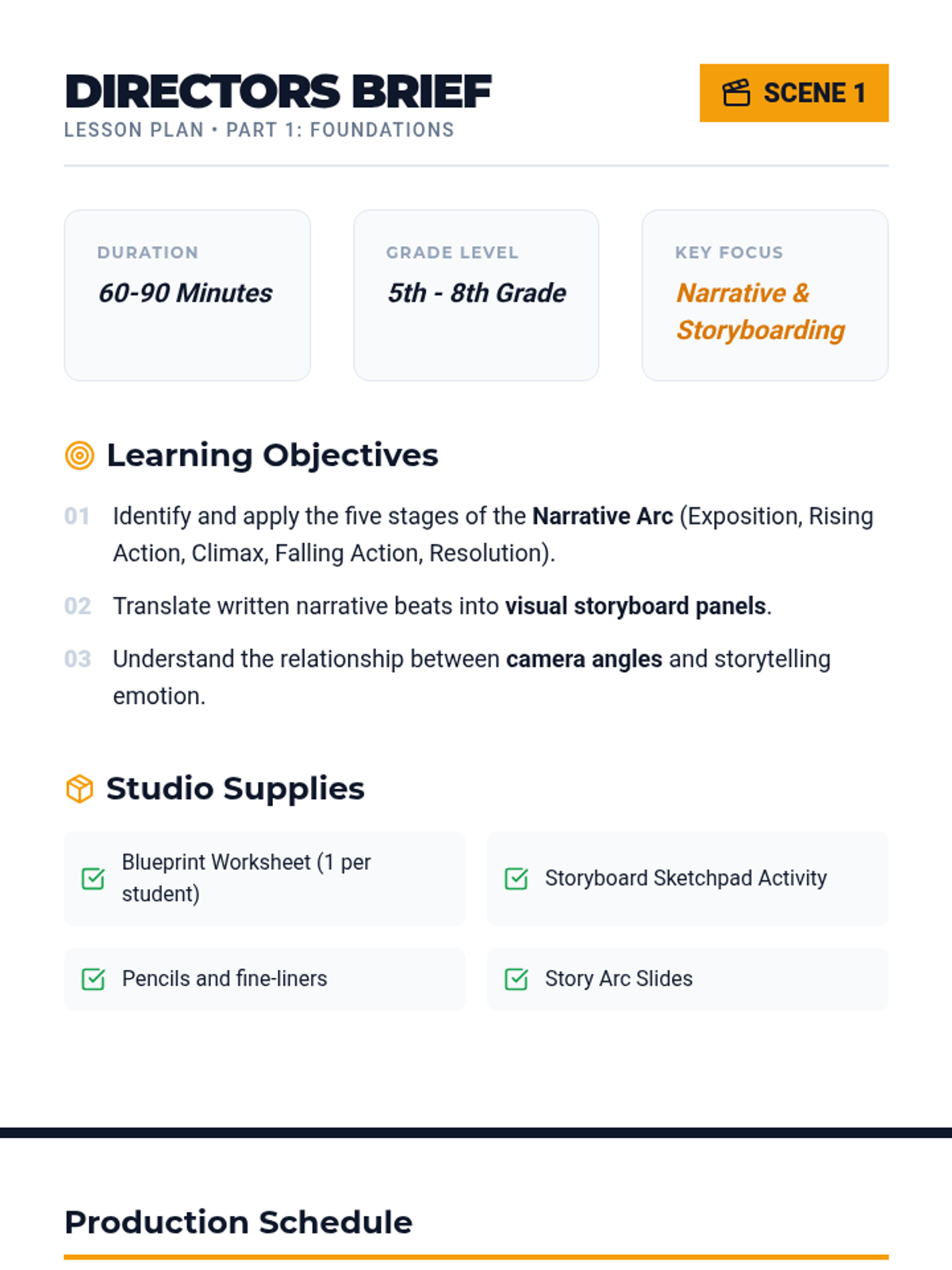
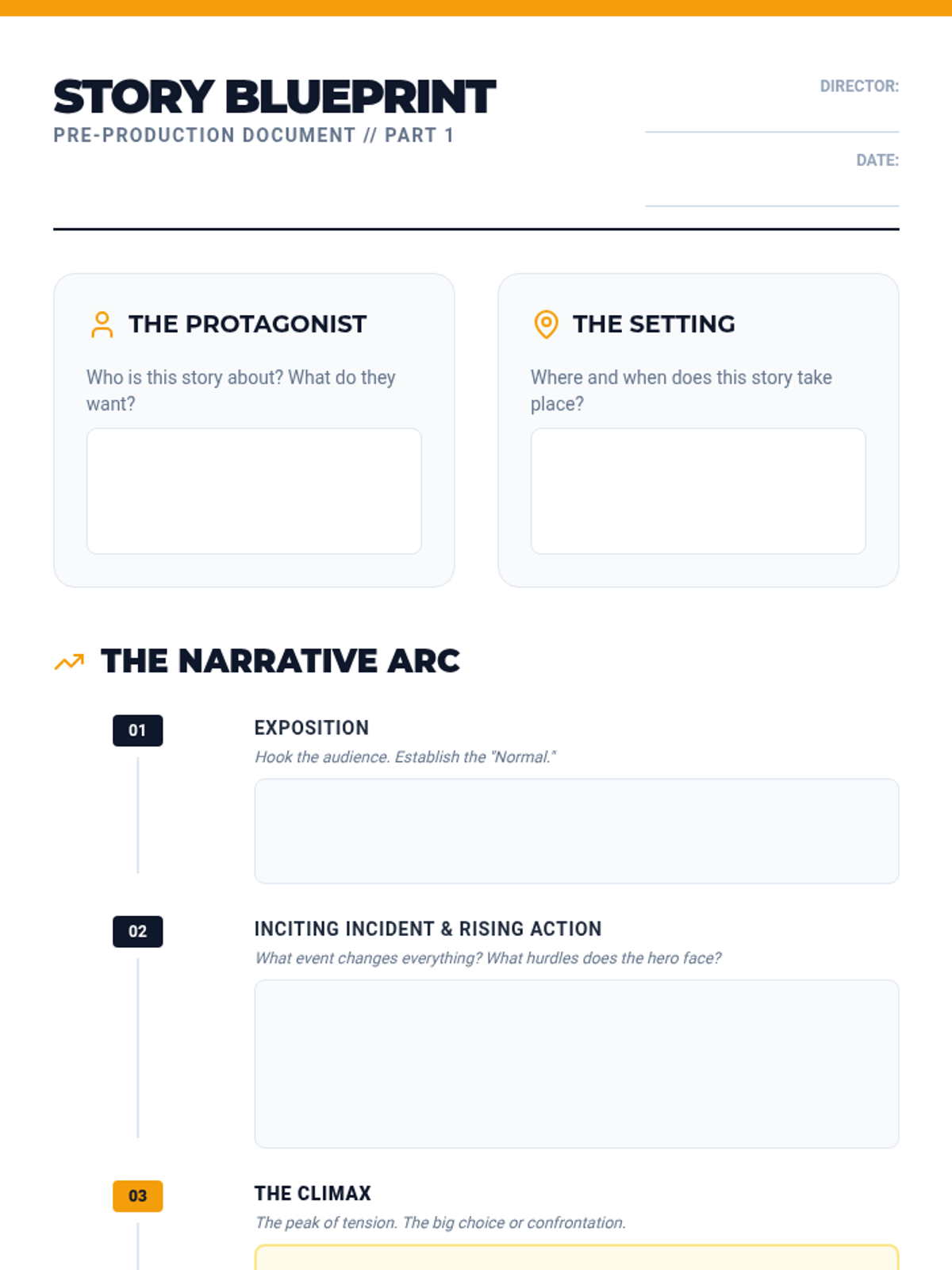
A comprehensive workshop where students in grades 5-8 master the art of digital storytelling by blending narrative structure, audio production, and visual composition into a final multimedia project.
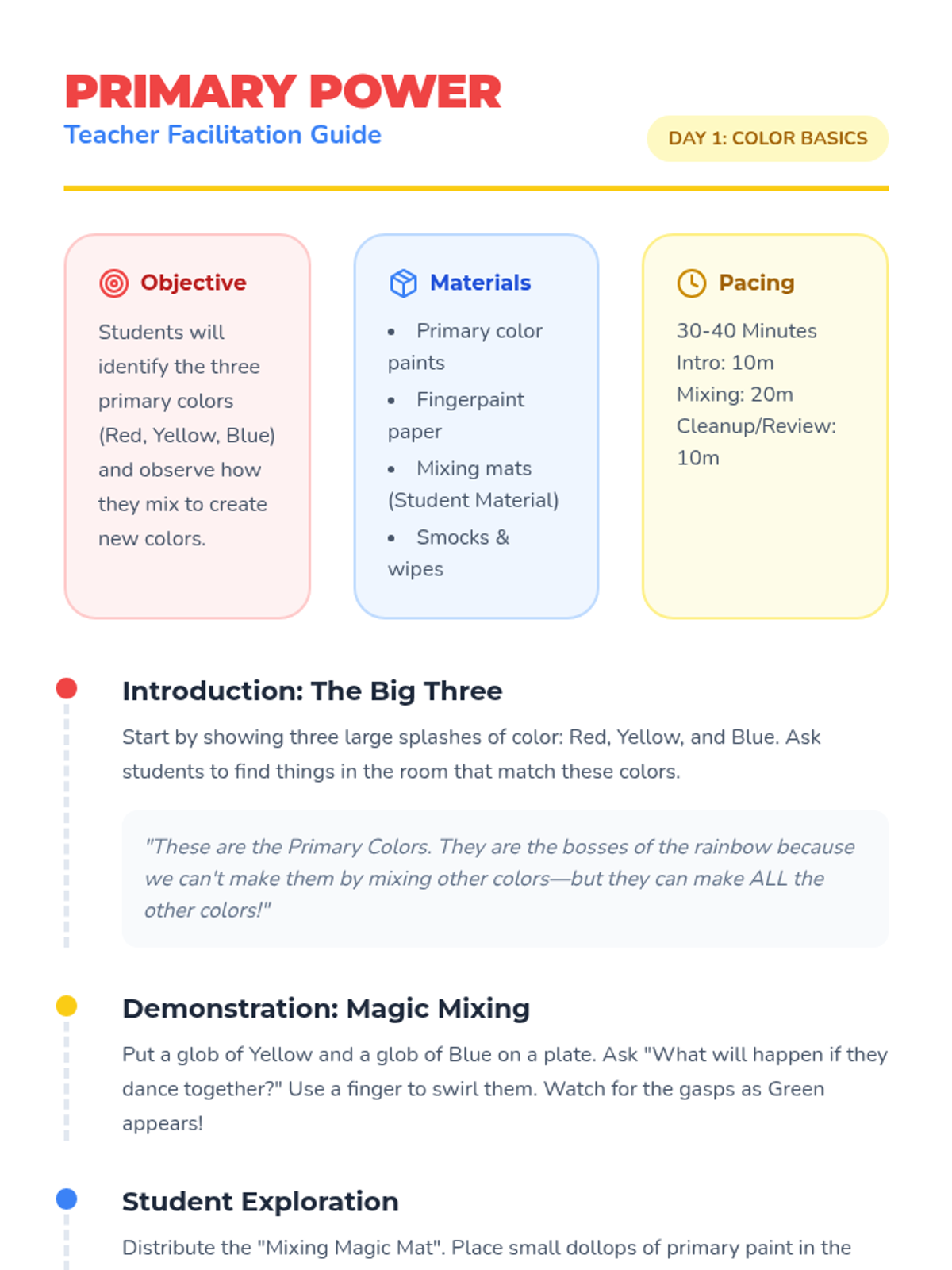
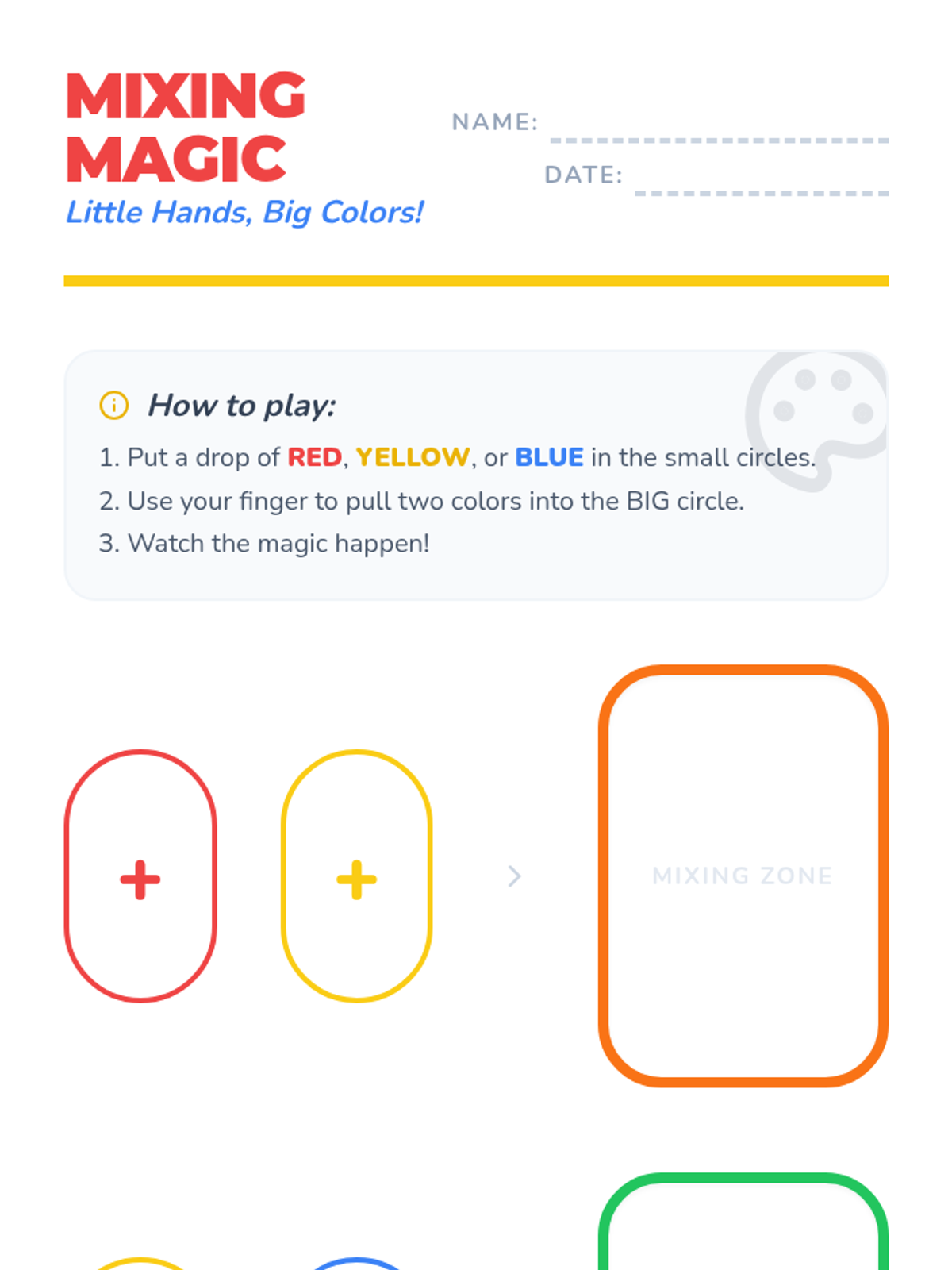
A vibrant journey through the primary and secondary colors, exploring objects, emotions, and the science of mixing. Students will discover the unique characteristics of red, blue, yellow, and green while learning how they combine to create new hues.
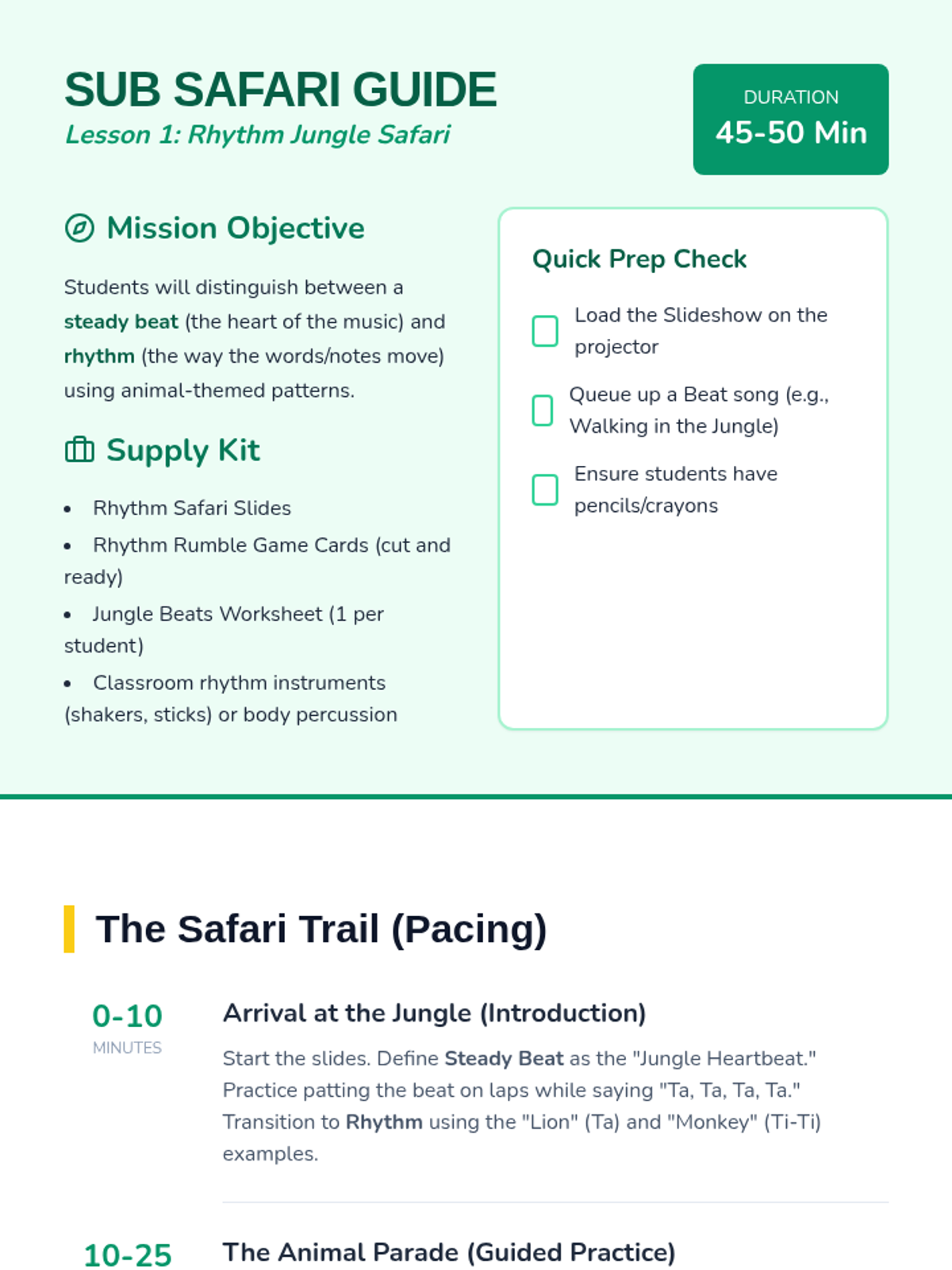
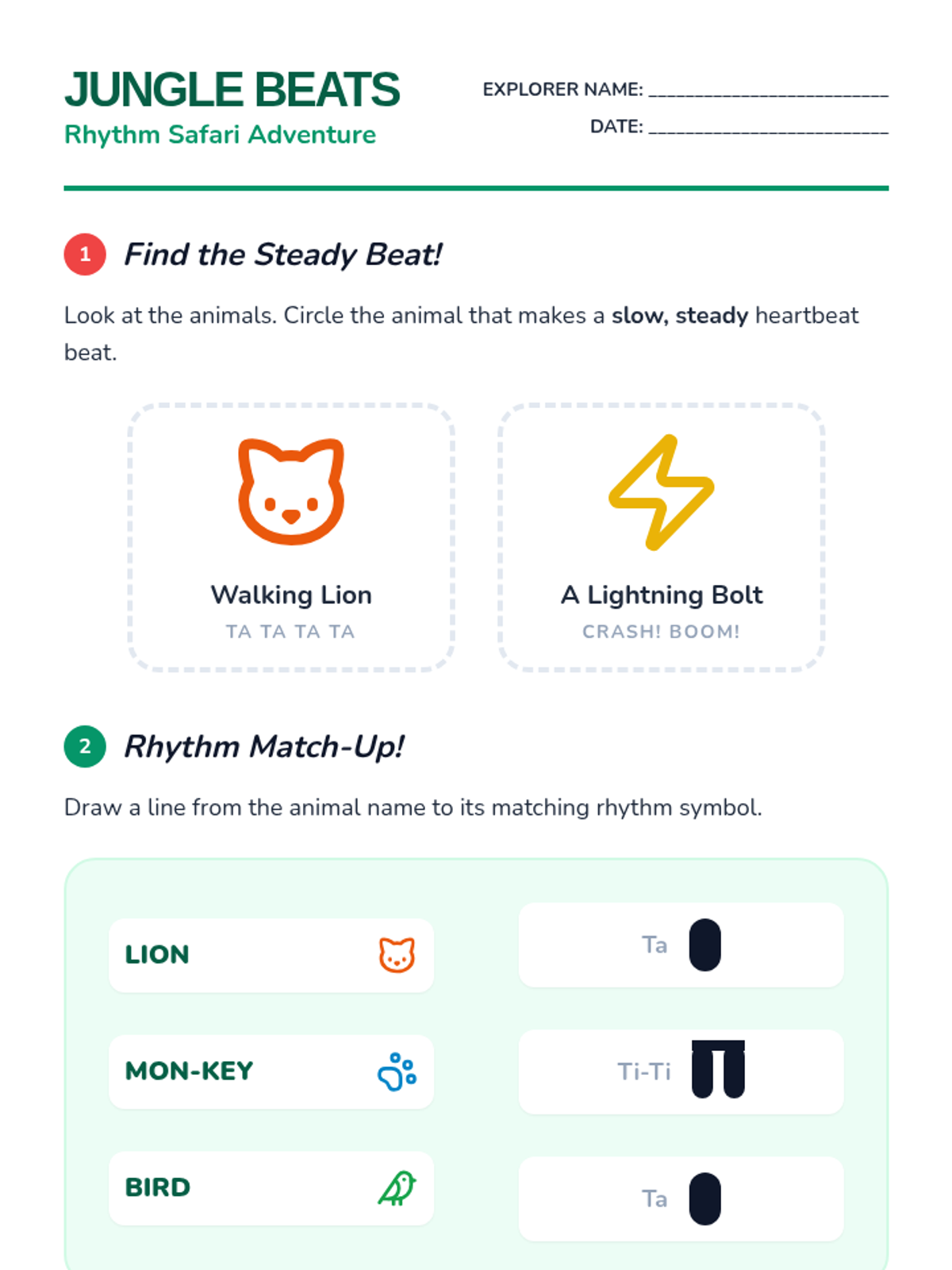
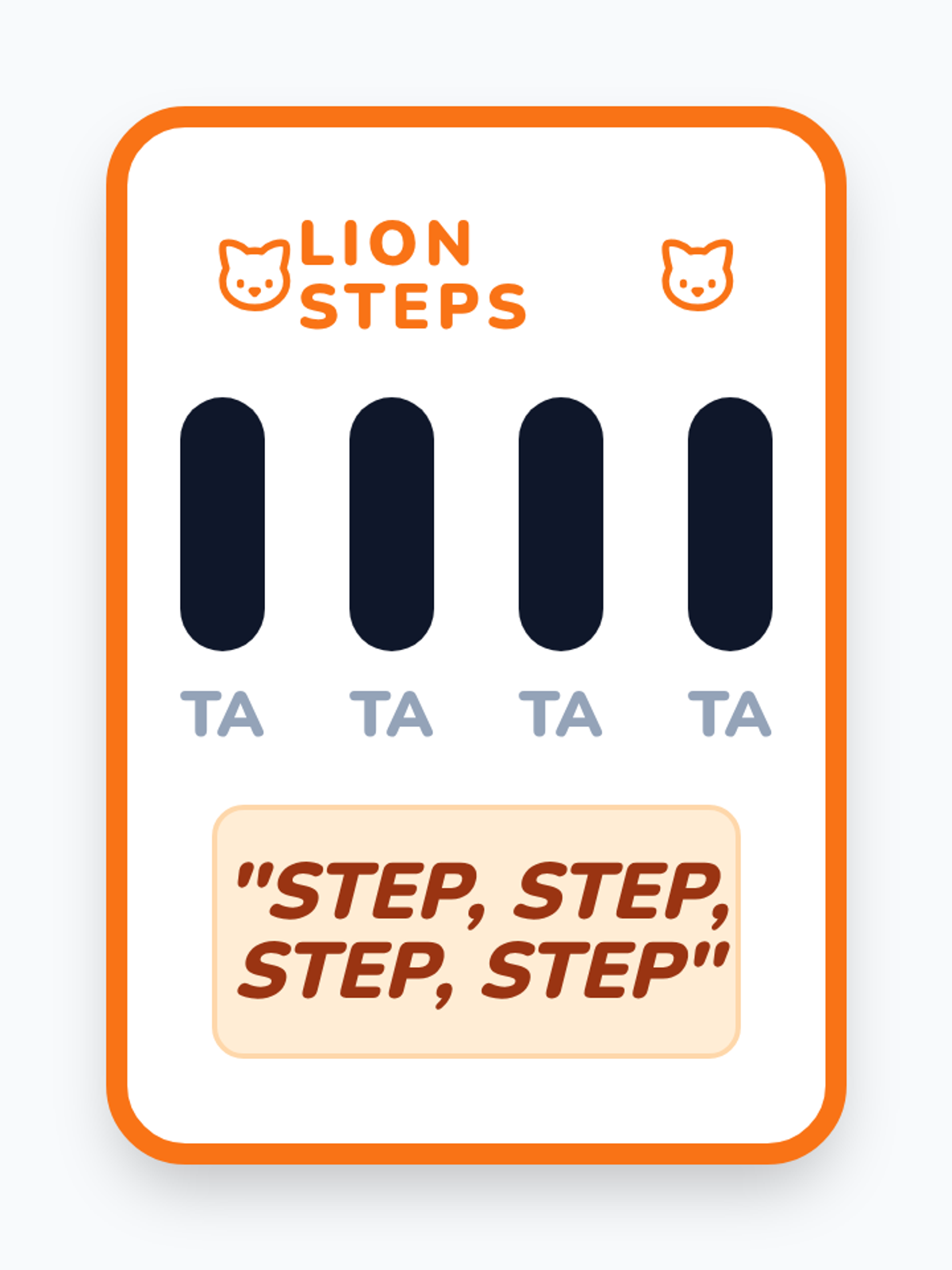
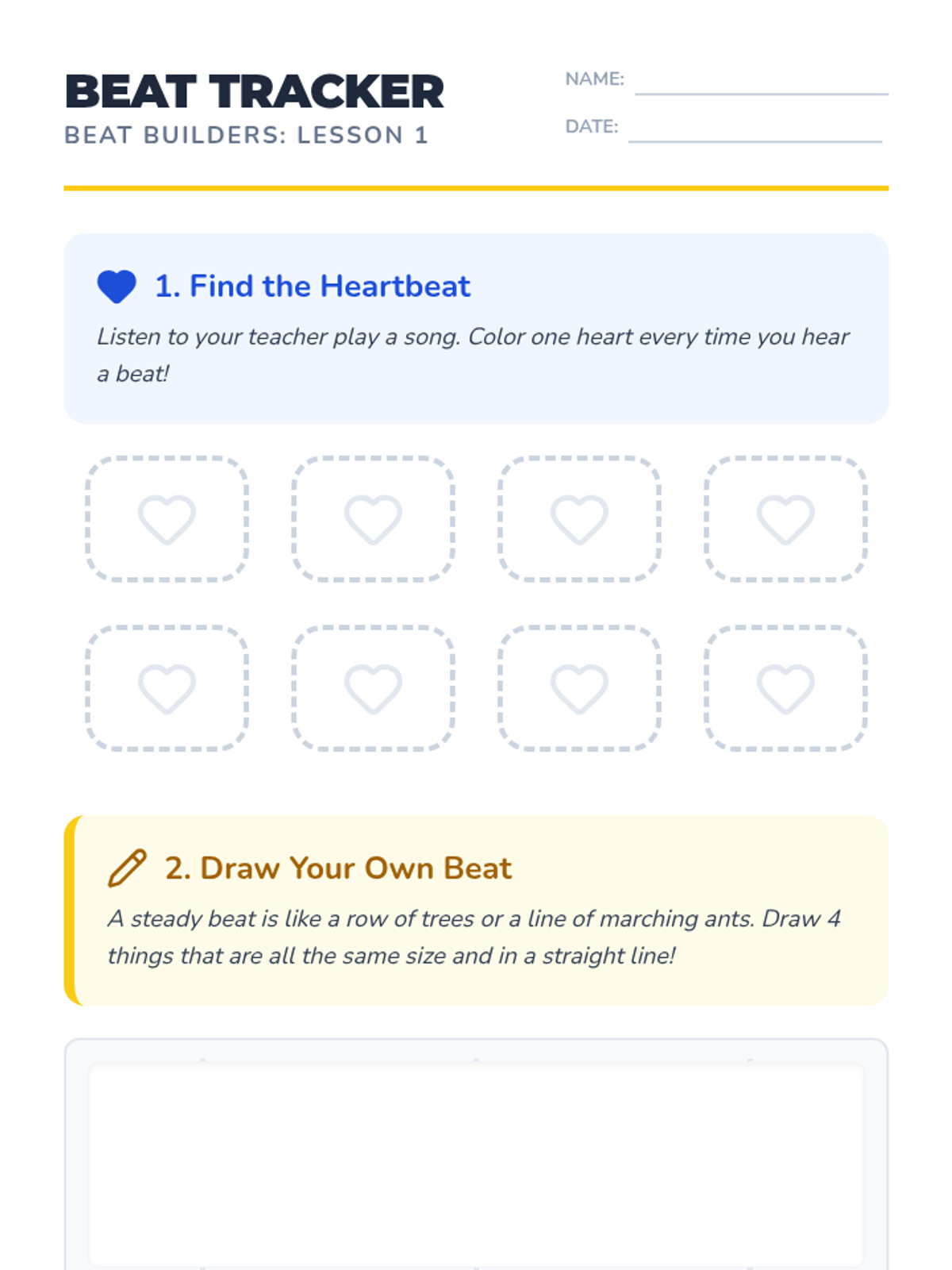
A foundational music sequence for kindergarten students focusing on the difference between steady beat and rhythm, incorporating movement, chanting, and visual recognition.
A series of lessons exploring Caribbean folklore and cultural storytelling traditions, focusing on the iconic character of Anansi the Spider.
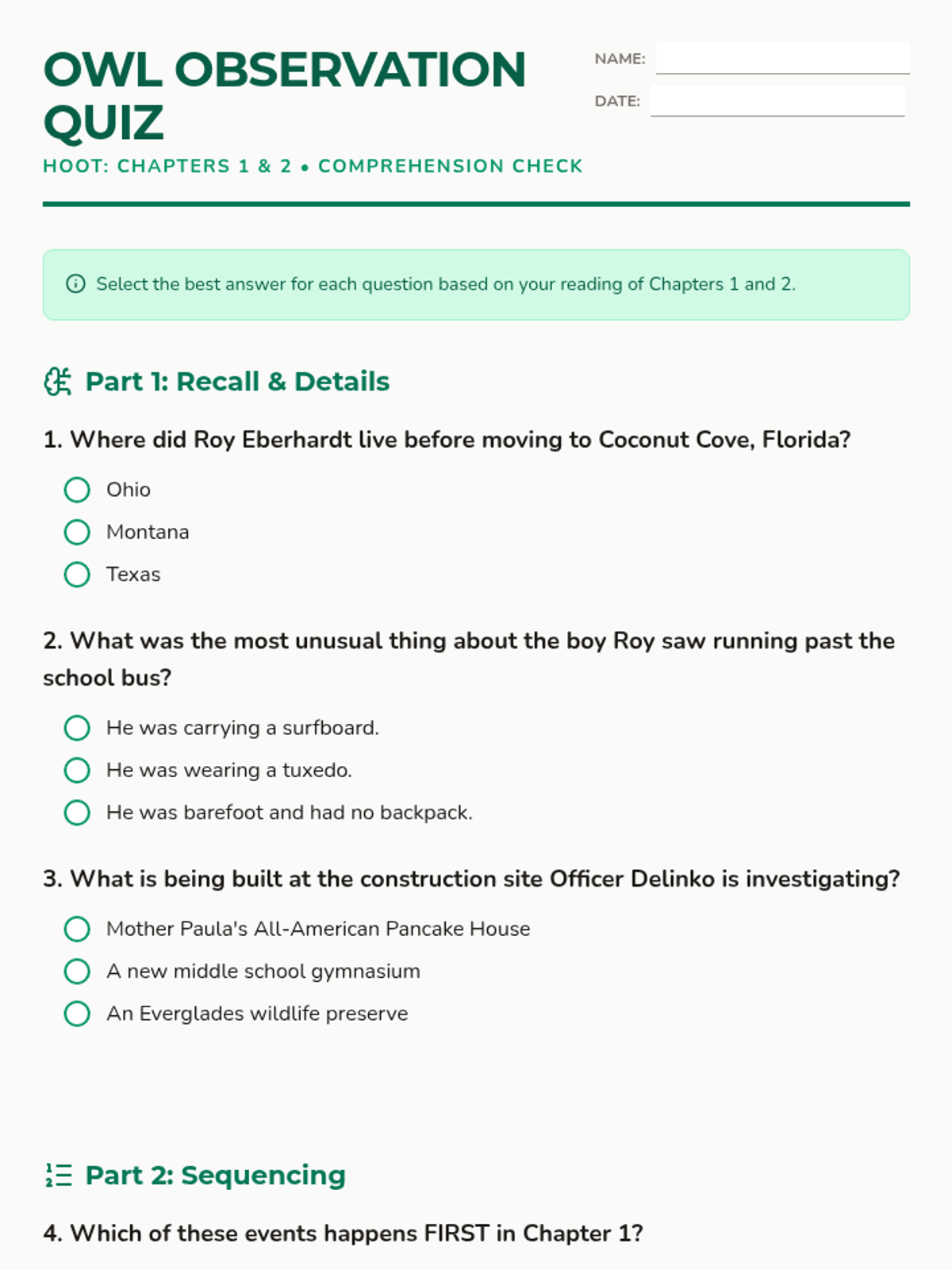
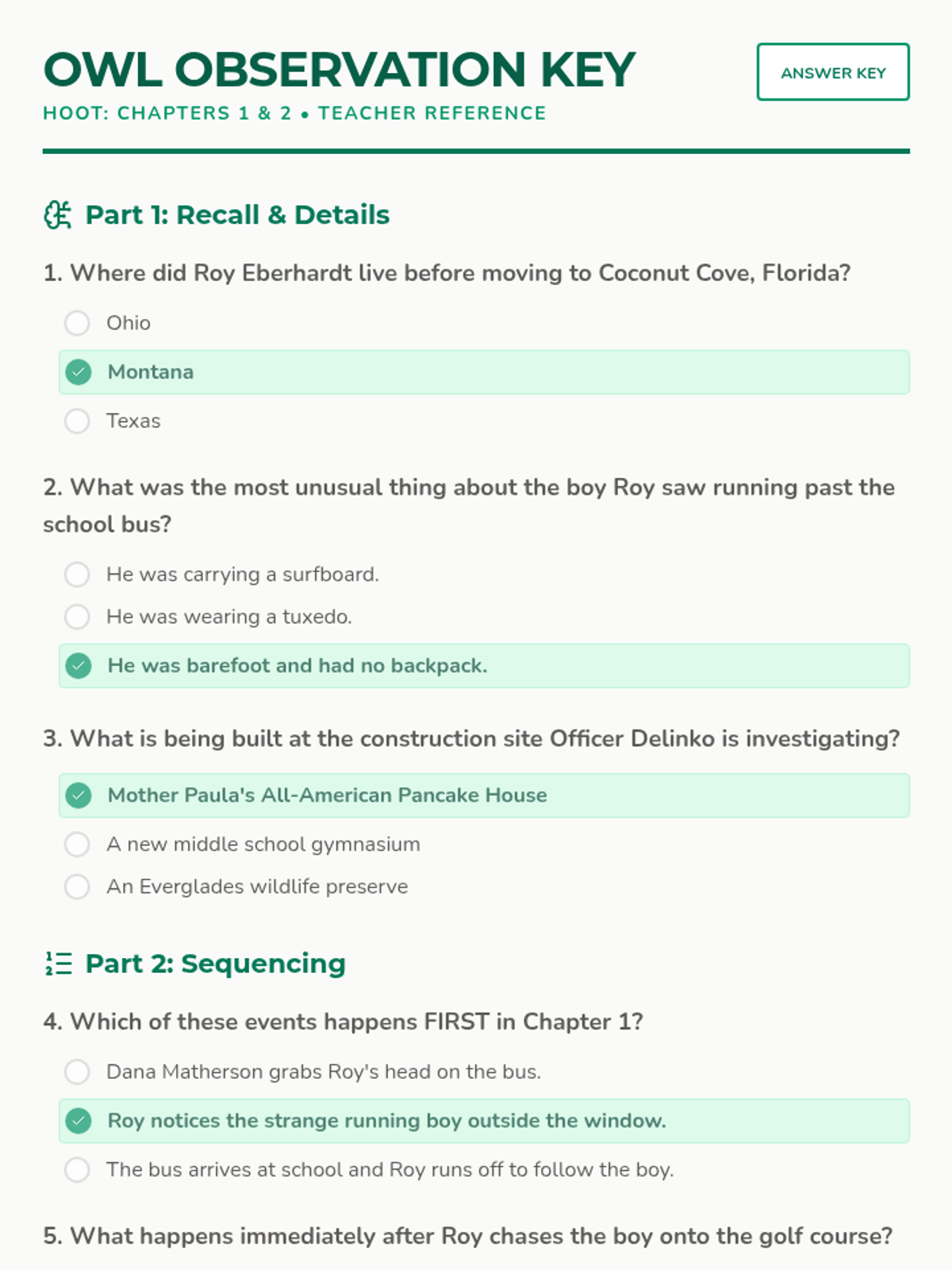
A comprehensive book club unit for Natalie Babbitt's *Tuck Everlasting*, exploring themes of immortality, nature's cycles, and moral choices through guided discussion, vocabulary expansion, and project-based learning.
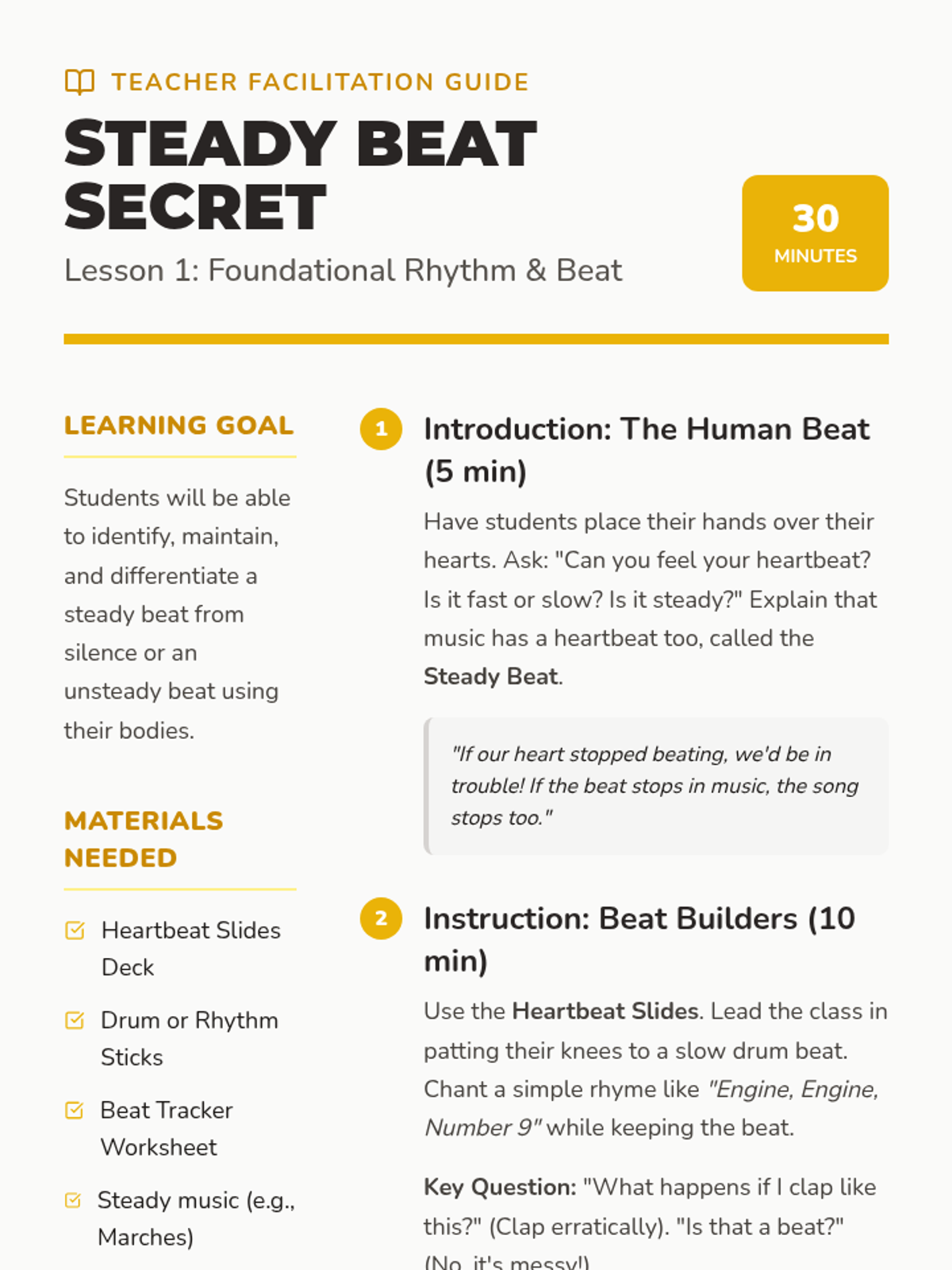
A high-energy elementary music unit focusing on the fundamentals of steady beat, tempo variations, and rhythmic patterns through interactive play-alongs and movement.
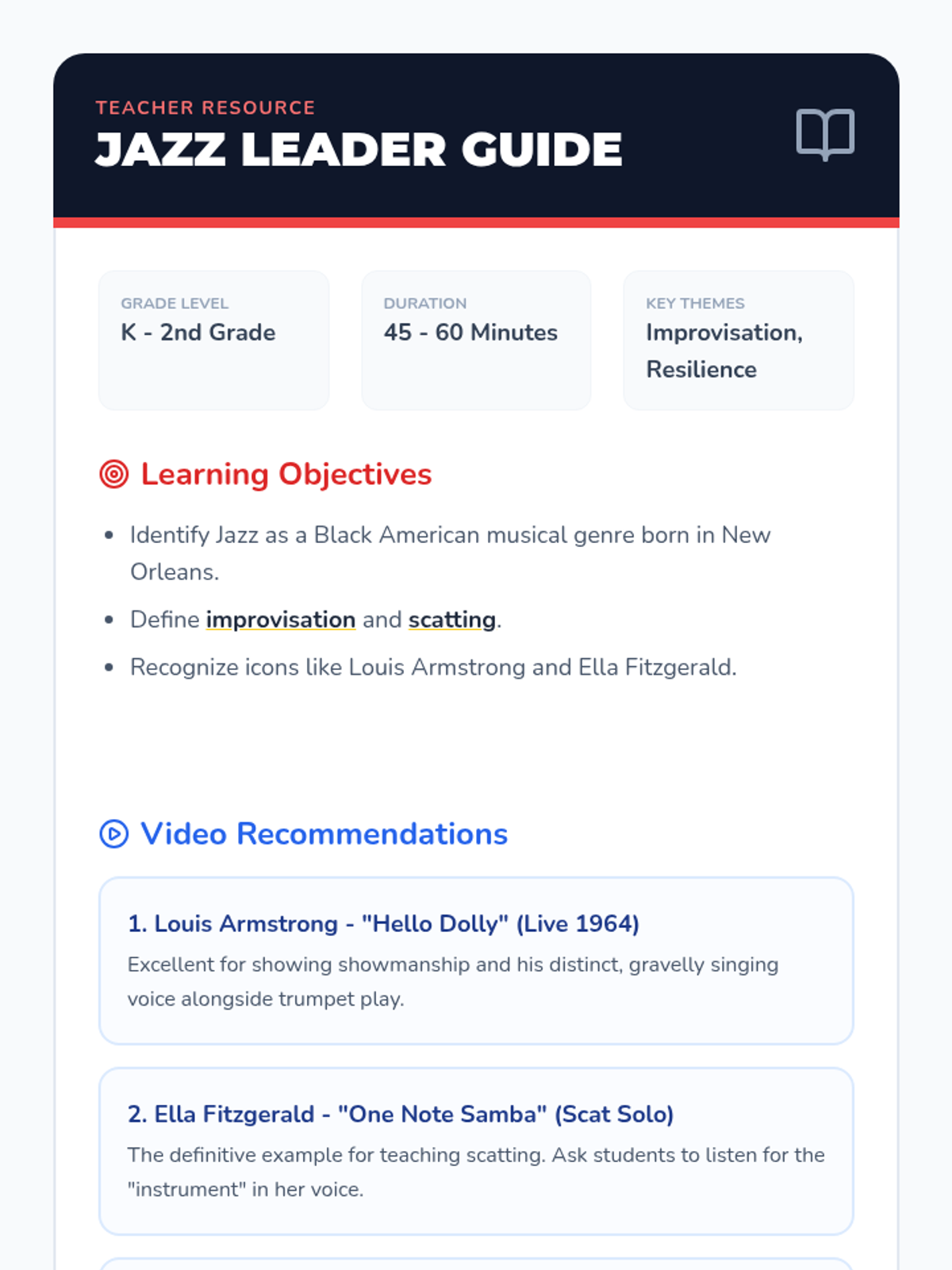
A comprehensive 6-lesson unit for 5th graders exploring the history, evolution, and legendary figures of American Jazz, from its New Orleans roots to its global legacy today.
A high-energy, interactive unit focused on mastering rhythm and tempo through digital gameplay and body percussion, designed specifically for paperless classrooms.
A journey through the 20th and 21st centuries, exploring how technology like electric guitars and synthesizers shaped genres from Rock 'n' Roll to Pop. Students analyze rhythm, structure, and sound to build a chronological timeline of musical evolution.
A global musical expedition for 2nd graders to discover how geography and culture shape instruments and traditions across four continents. Students explore materials, physics of sound, and the cultural roles of music through inquiry and hands-on activities.
An immersive workshop-style sequence for 2nd graders exploring the roots of Jazz, Blues, and Folk music through call-and-response, syncopation, and improvisation. Students trace American musical history from work songs to the Swing era through active music-making.
A 5-lesson sequence for 2nd graders exploring how classical composers use musical elements to tell stories and express emotions. Students 'meet' famous composers like Vivaldi and Beethoven, identifying tempo, dynamics, and leitmotifs in iconic works.
A comprehensive introduction to the four families of the orchestra for 2nd graders. Students explore timbre, mechanics, and historical roles of strings, woodwinds, brass, and percussion, culminating in a conductor simulation.
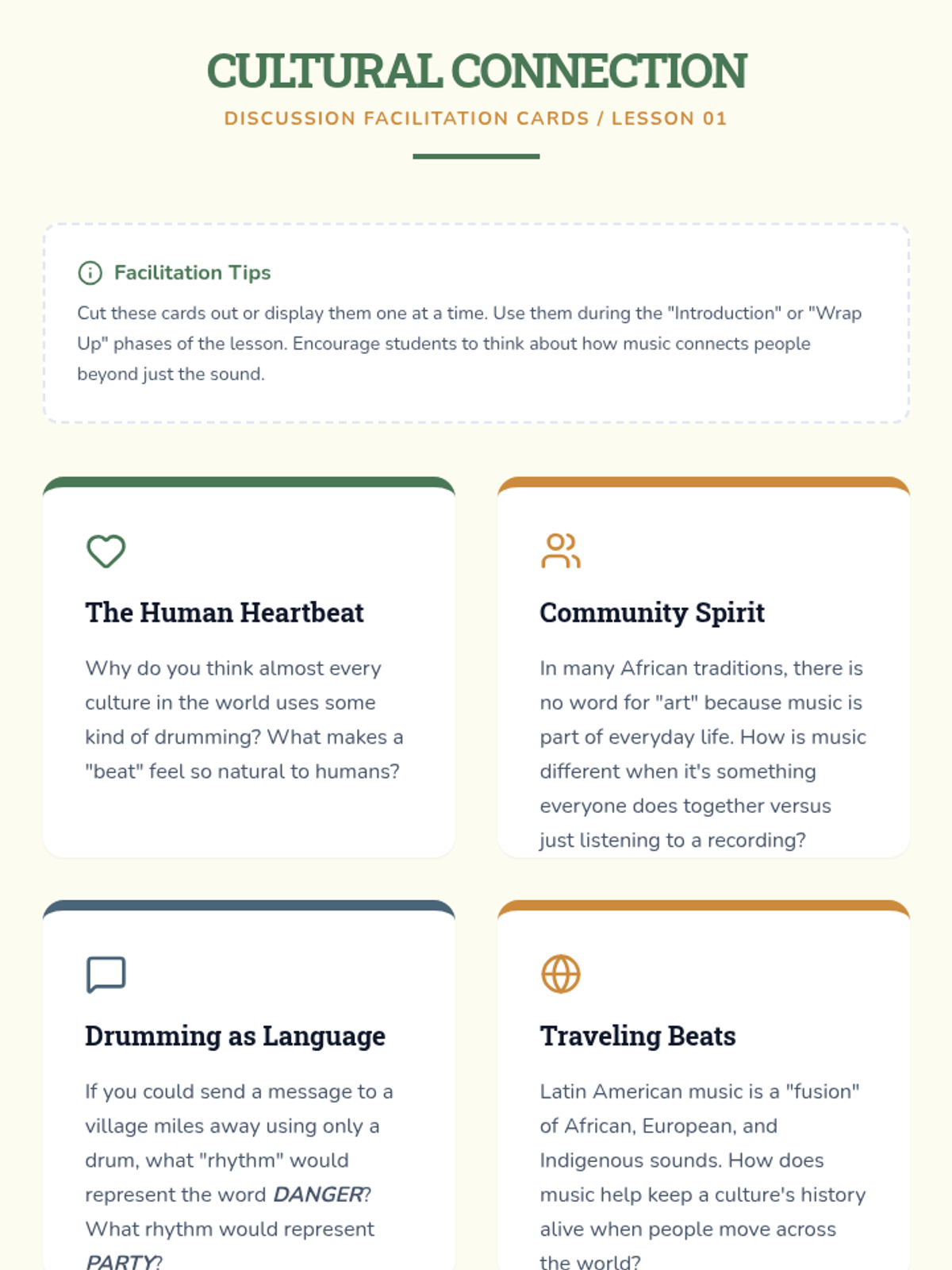
A 5-lesson sequence for 3rd graders exploring the music and instruments of West Africa, Asia, the Andes, and North America, focusing on how geography and culture shape sound.
This sequence explores how technology—from the electric guitar to digital software—transformed music from the mid-20th century to today, focusing on genre evolution, song structure, and production.
A comprehensive introduction to the orchestra and the Classical era for 3rd graders, covering instrument families, specific sections, key composers (Mozart and Beethoven), and the art of conducting.
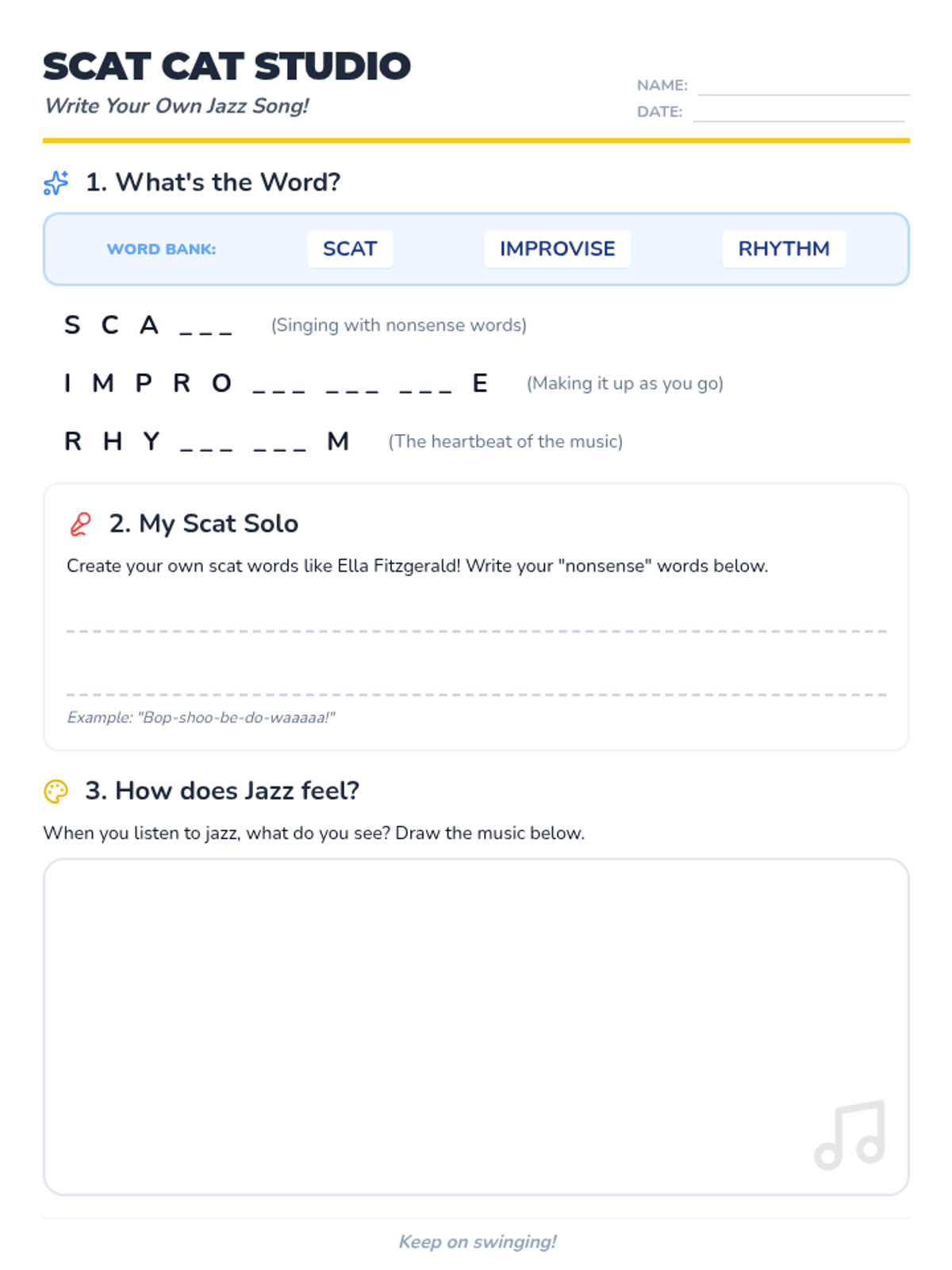
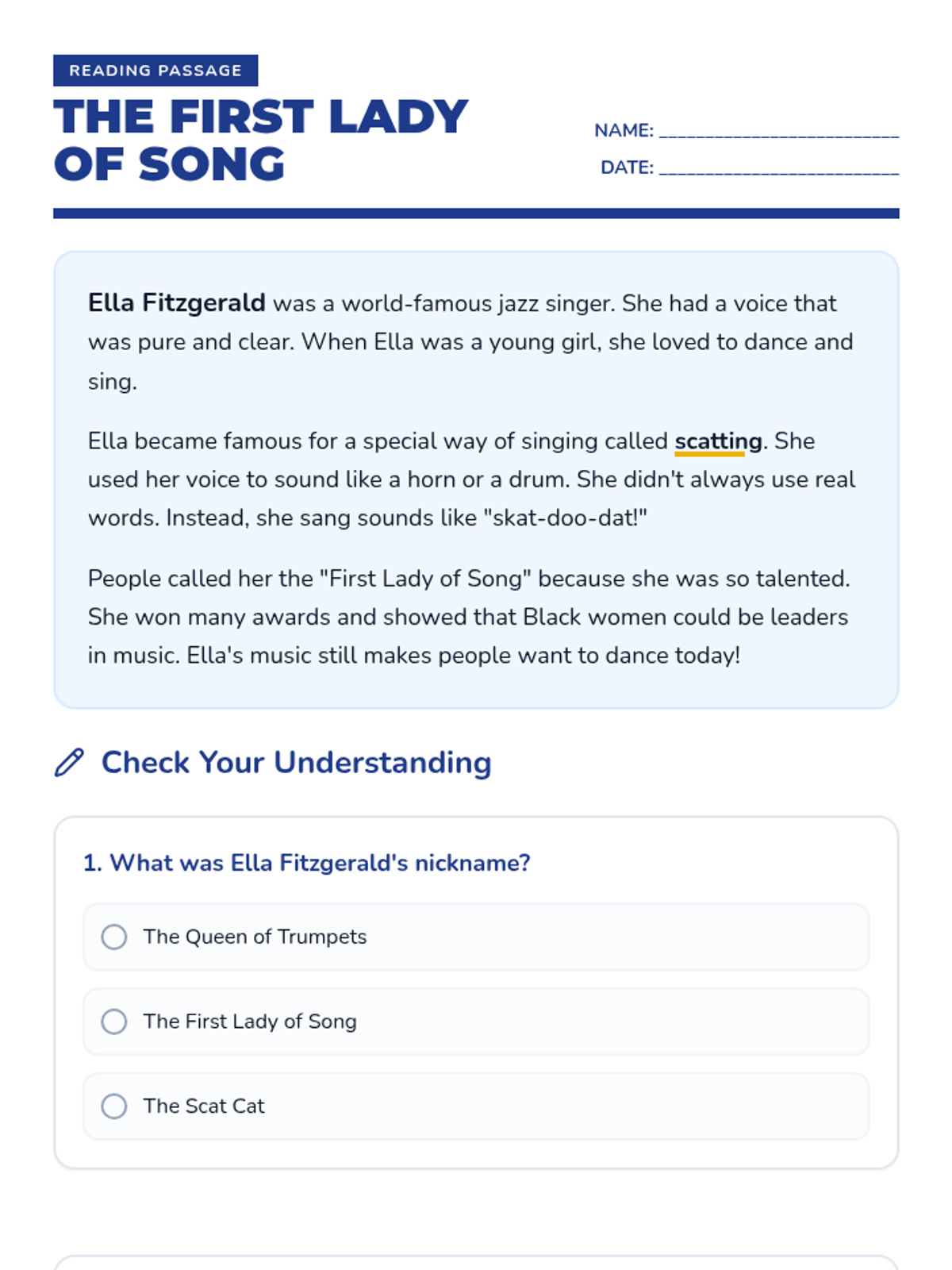
Students explore the world of Jazz through rhythm, syncopation, and improvisation. They'll meet legends like Louis Armstrong and Ella Fitzgerald while learning to find their own musical voice through 'swing' and scat singing.
A 3rd-grade music history and appreciation unit exploring the roots of American folk and blues music, focusing on oral traditions, storytelling, and musical structures like call-and-response and the AAB blues form.
This sequence investigates how the technological explosion of the 20th and 21st centuries, from the electric guitar to AI, redefined music genres and creation. Students analyze production techniques, listen for layers, and explore the concept of technology as a musical instrument.
A 5th-grade music history sequence exploring the development of Jazz and Blues, from African call-and-response roots to the birth of Rock n' Roll. Students investigate structural forms like the 12-bar blues, concepts like syncopation and improvisation, and the cultural resilience behind the music.
This sequence guides 5th-grade students through the evolution of Western Classical music from the Baroque period to the 20th century. Students will explore how societal shifts influenced orchestral size, musical texture, and form through active listening and analytical activities.