A project-based exploration of wind for Pre-K students, focusing on making the invisible force of air visible through hands-on play, outdoor observation, and the creation of simple scientific tools like windsocks and pinwheels.
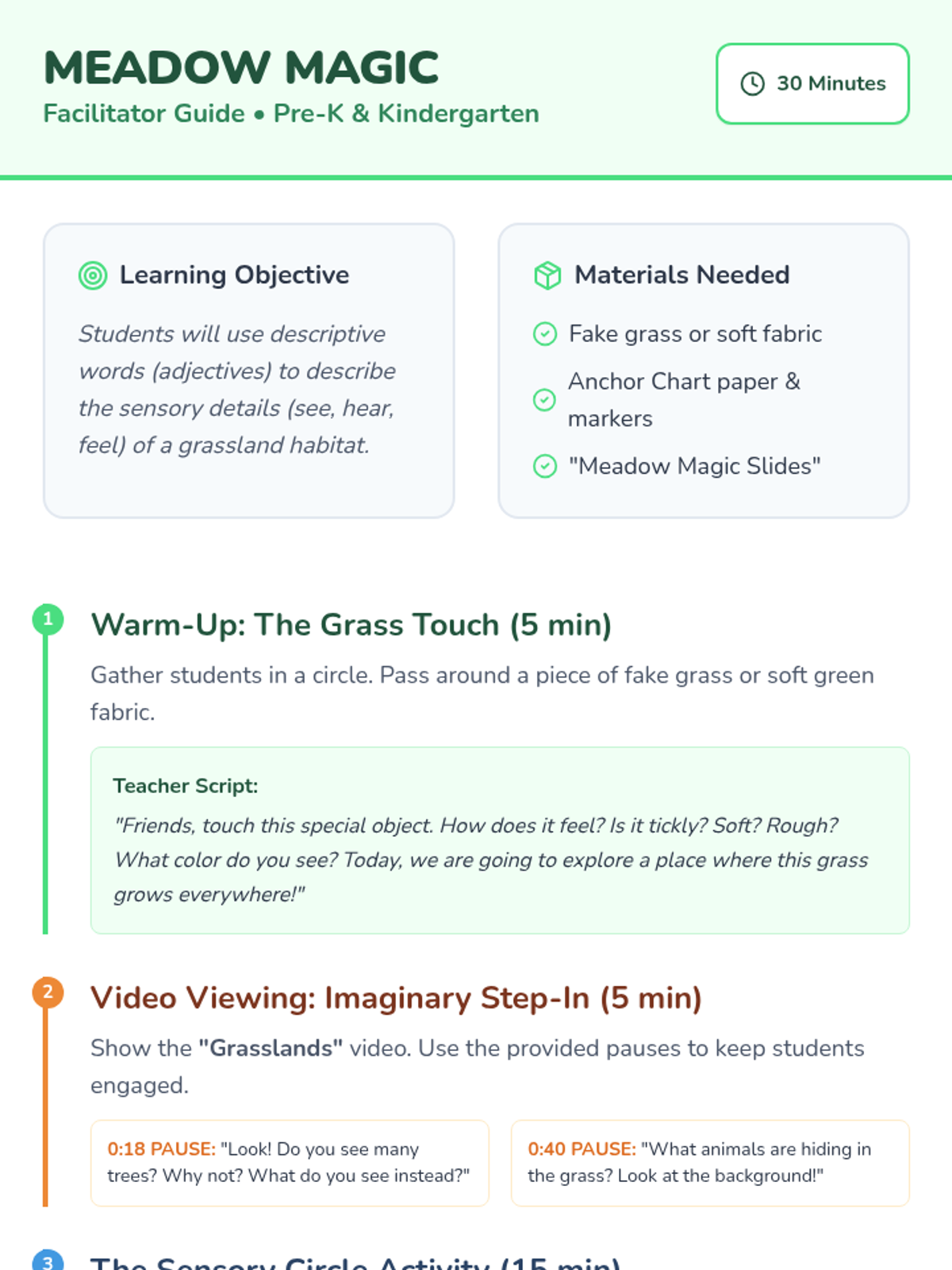
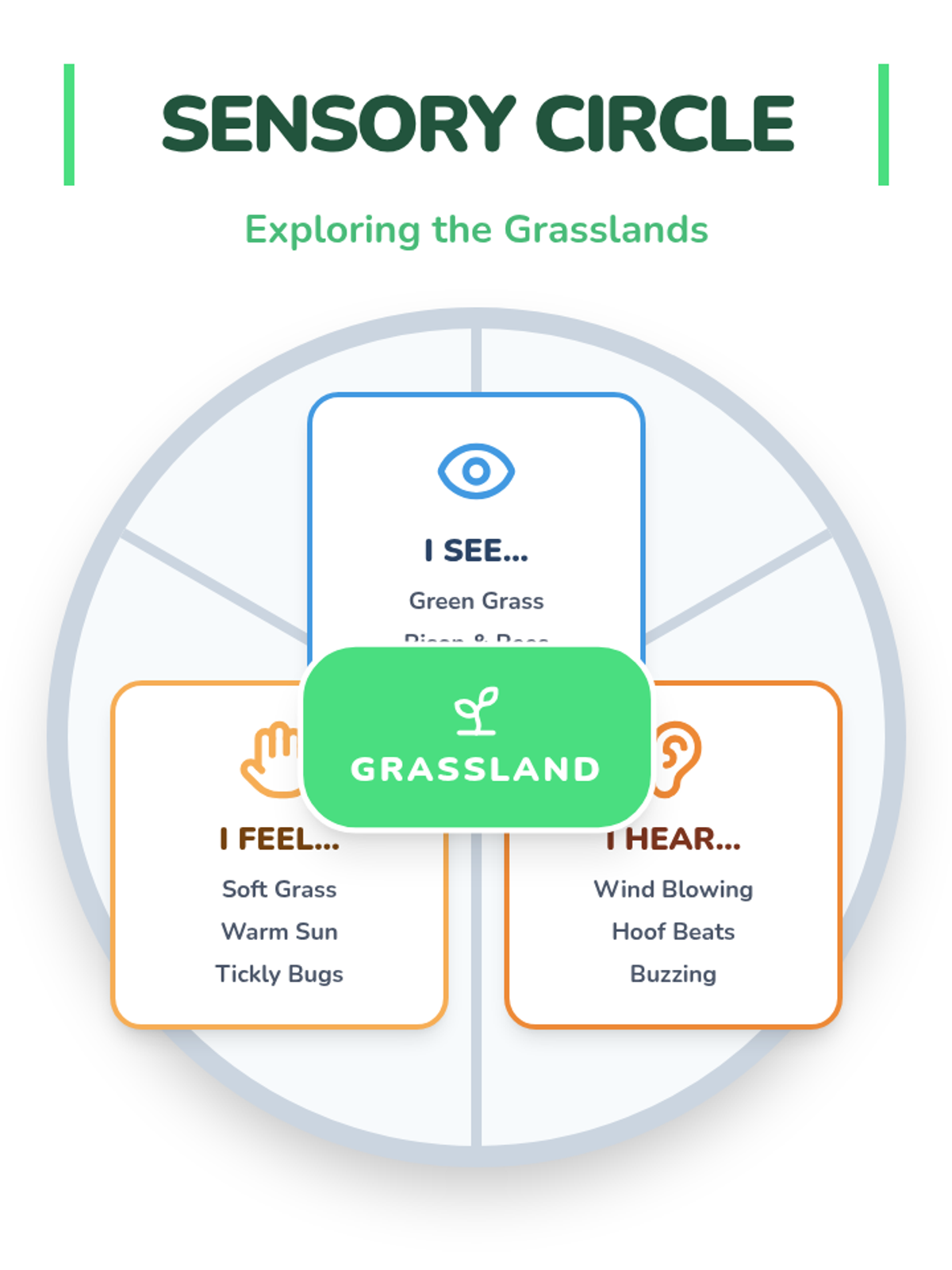
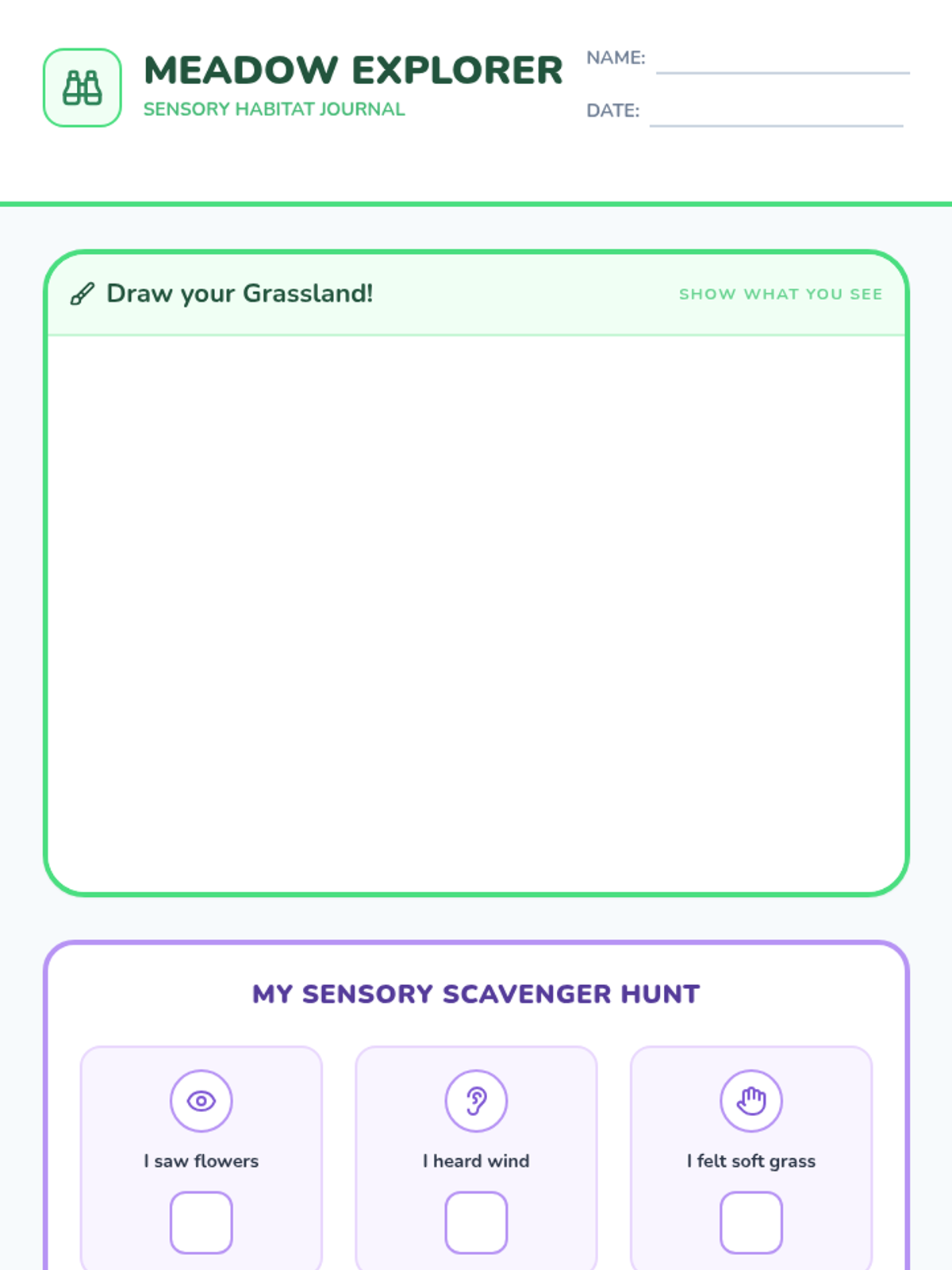
A unit exploring different habitats through sensory observation and descriptive language, starting with the wide-open grasslands.
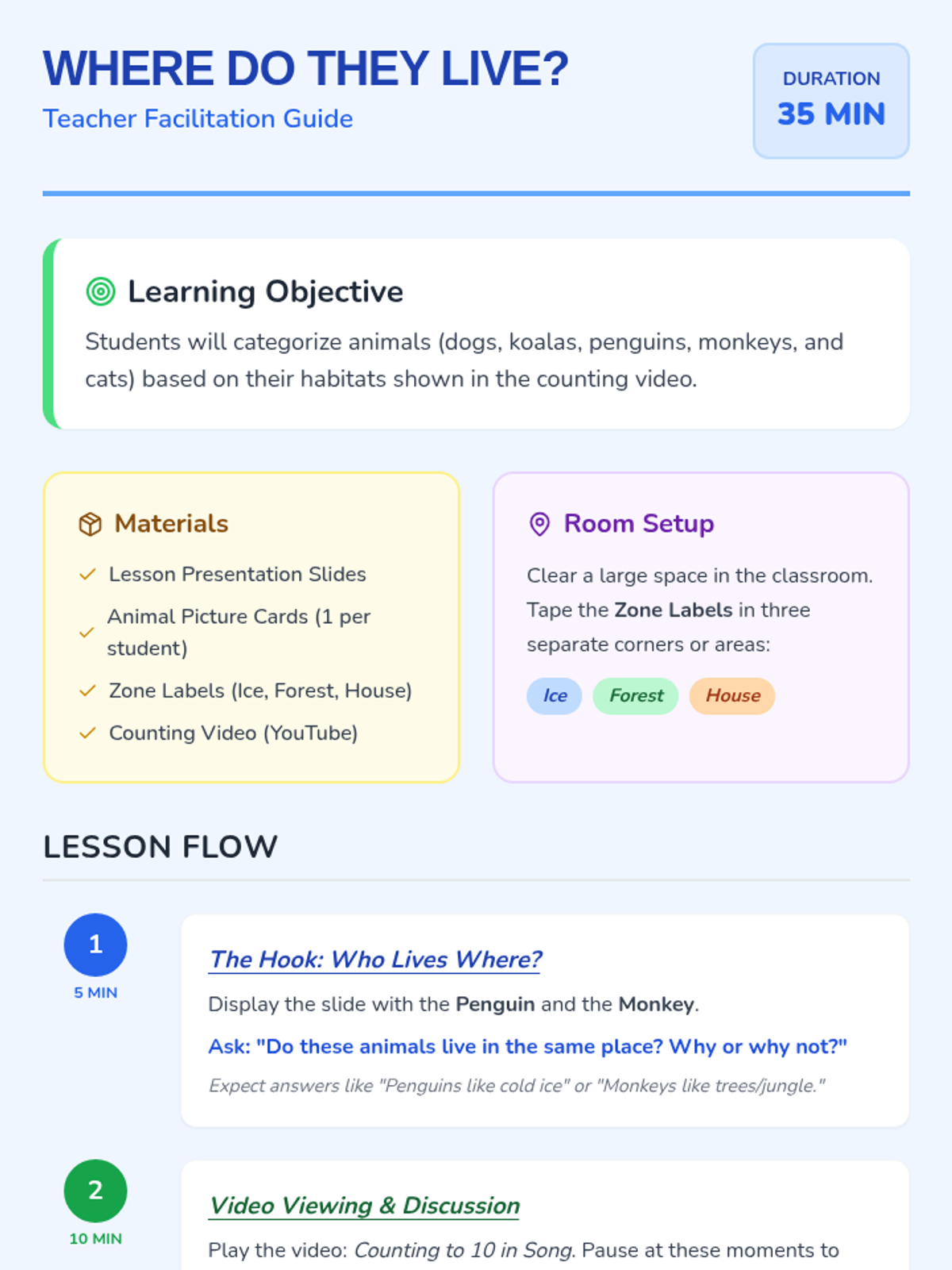
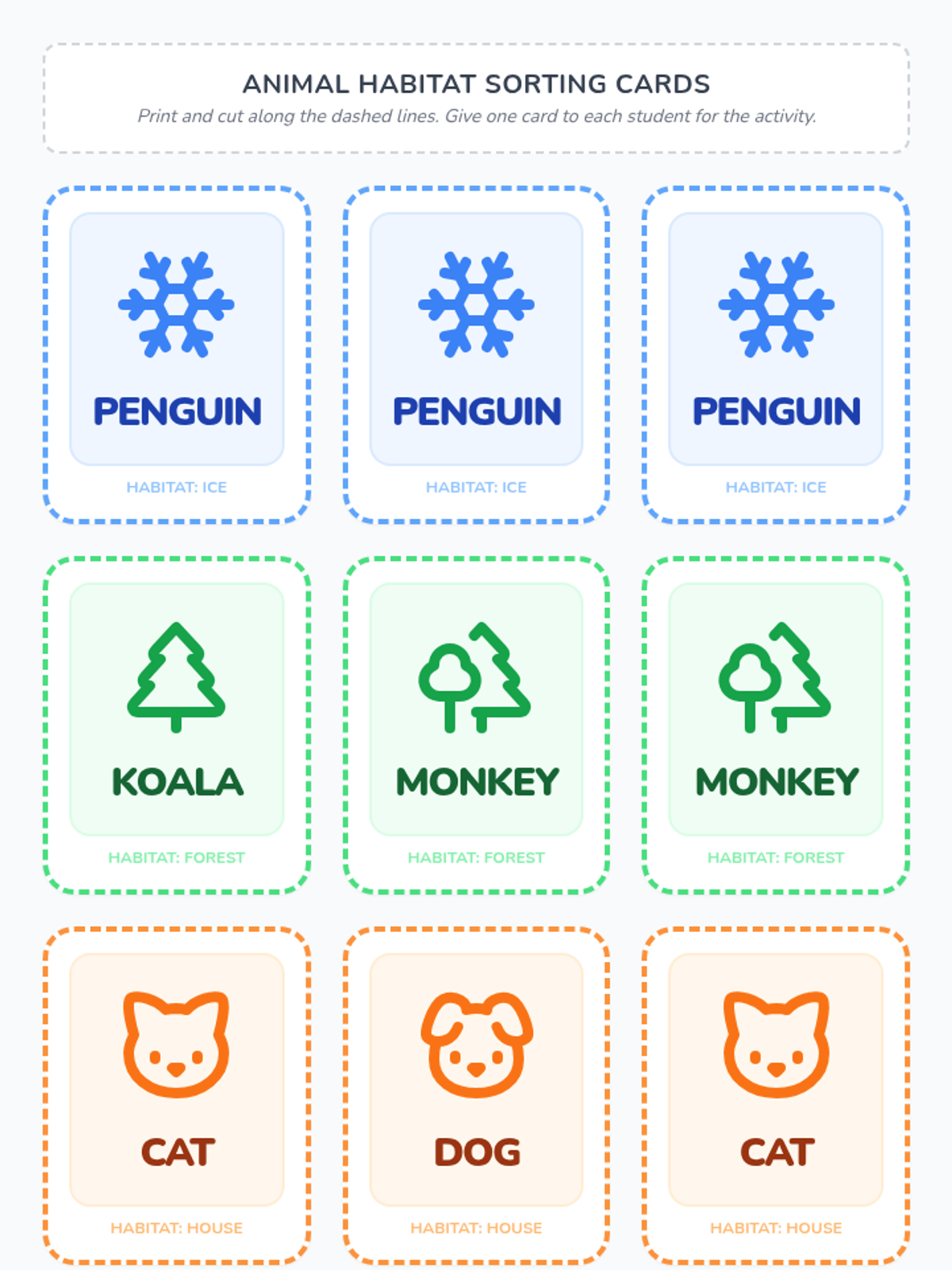
A fun, introductory science and math sequence for Pre-K and Kindergarten students focused on identifying animal habitats and practicing basic counting. Students explore different environments like the forest, ice, and homes through music and movement.
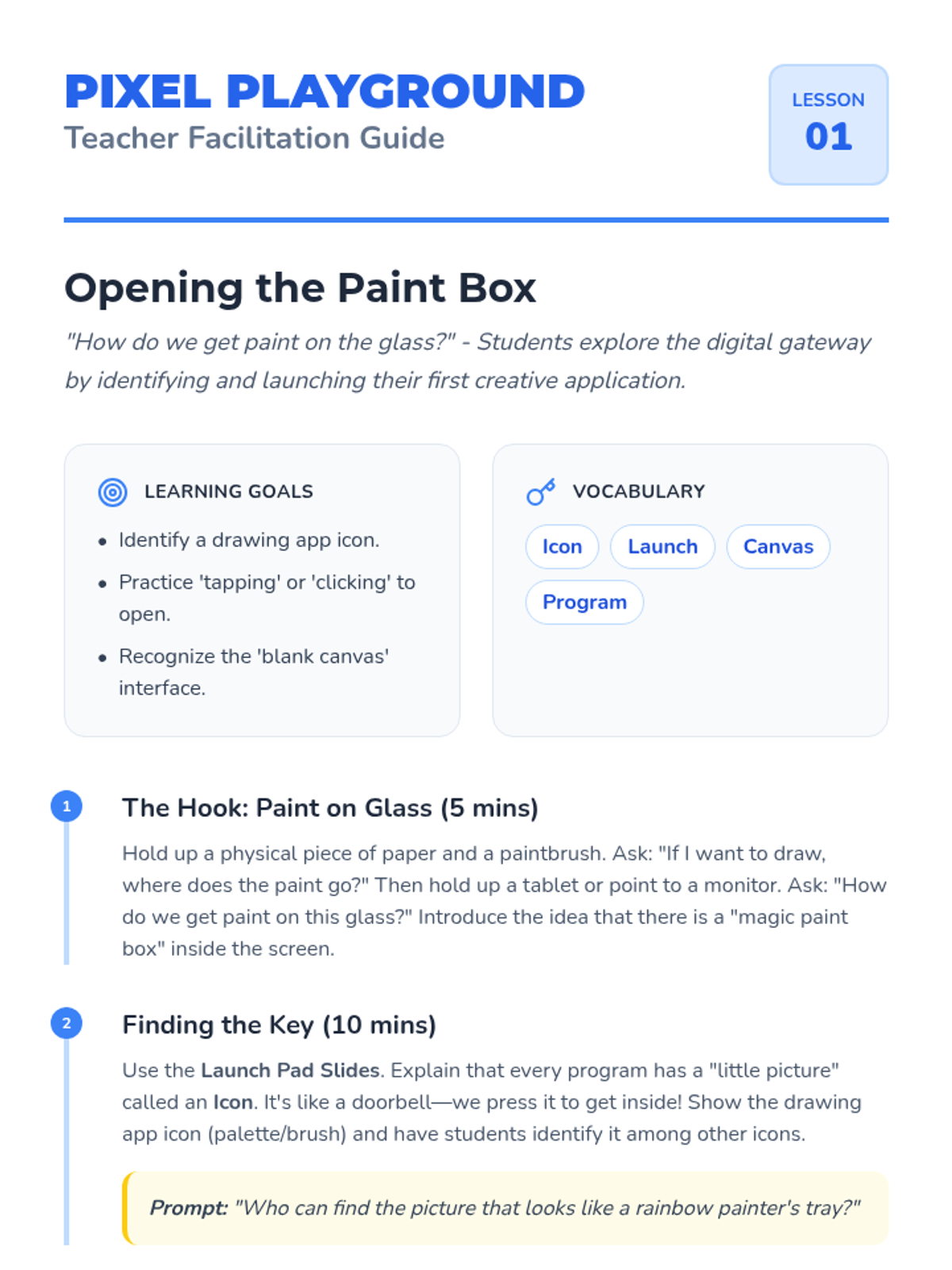
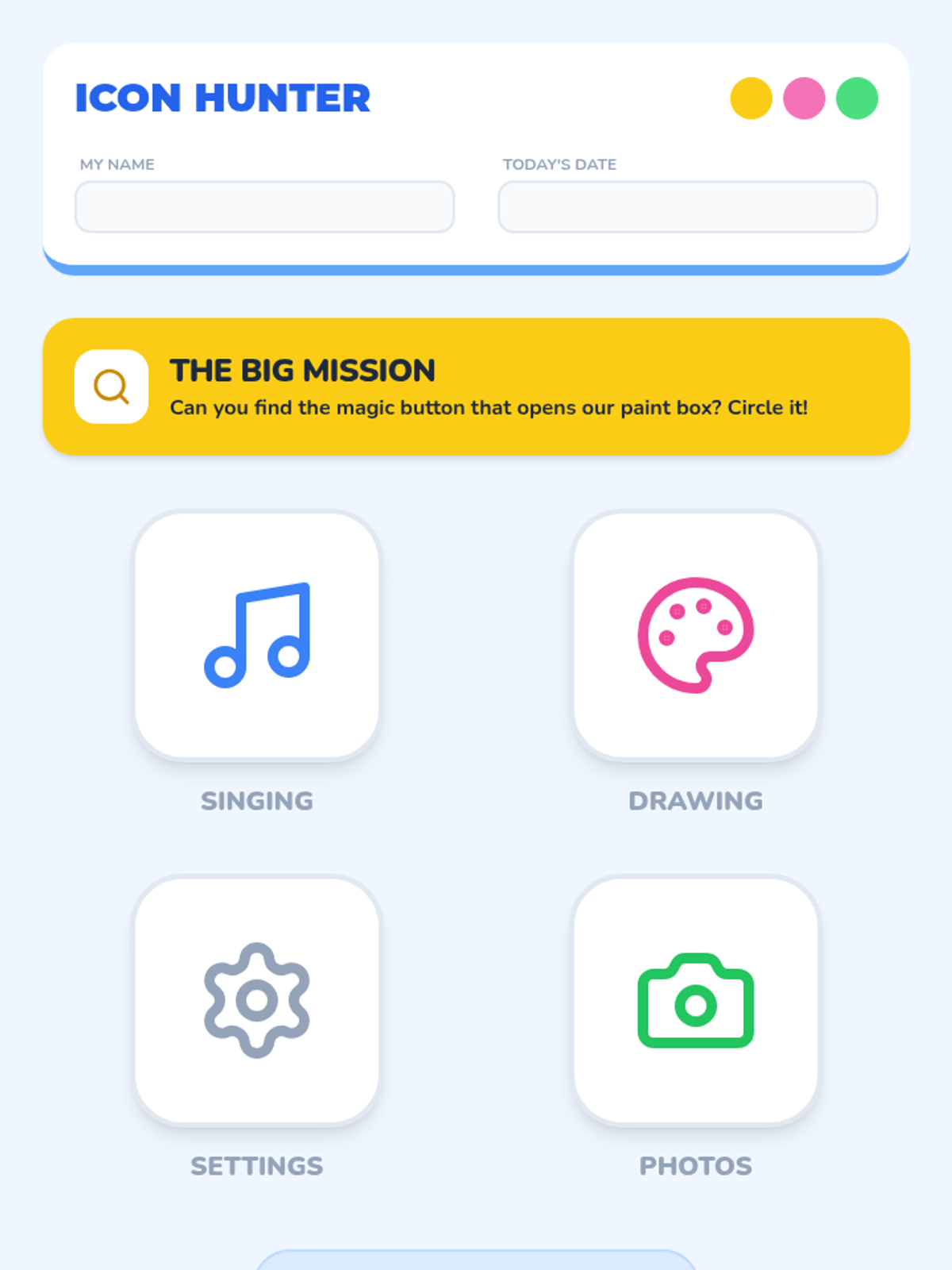
A project-based sequence for Pre-K students to learn basic digital creative tools, from launching apps to saving and showcasing digital art. Students develop mouse/touch skills and an understanding of file management through a 'Pixel Playground' theme.
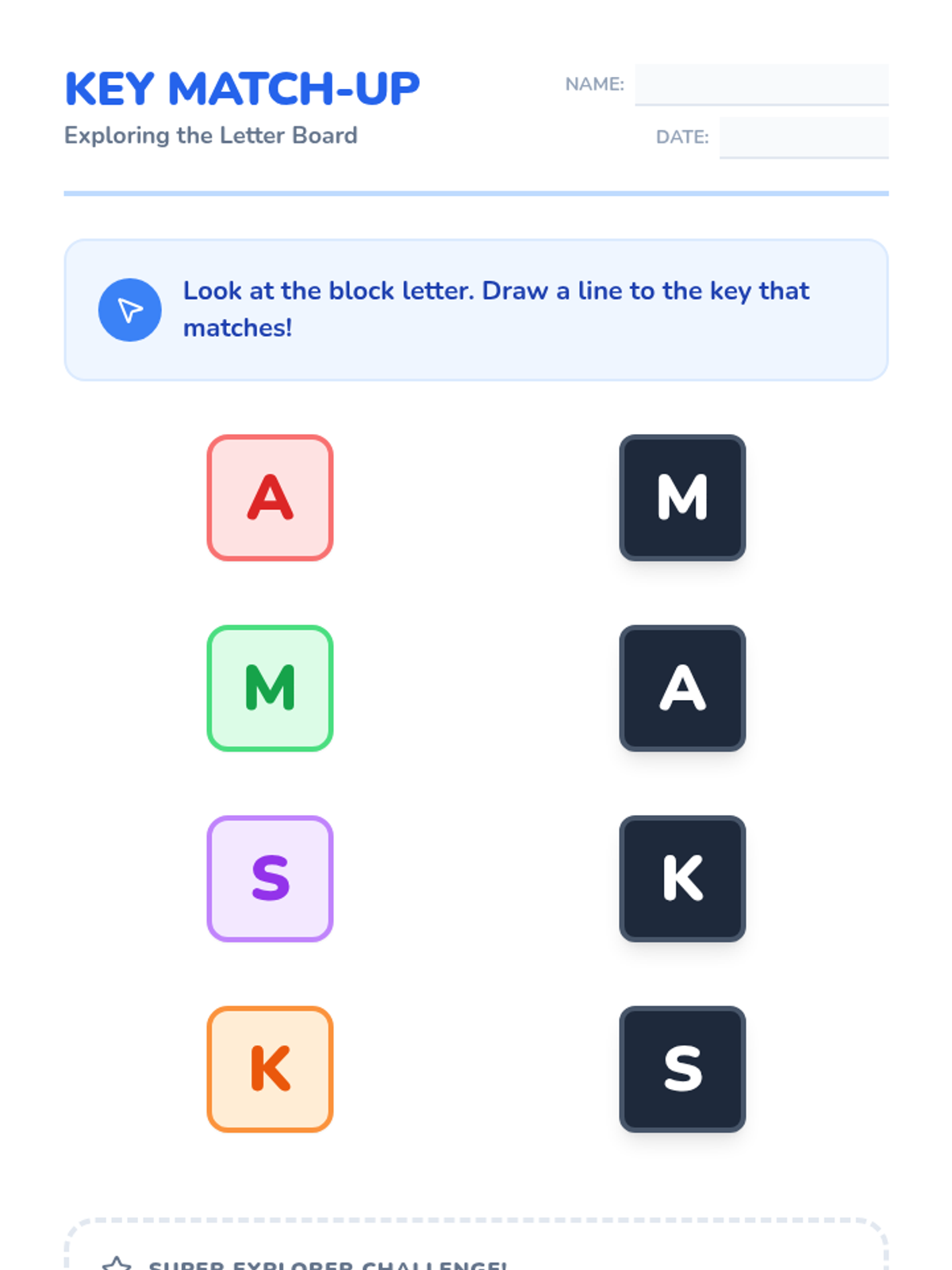
A Pre-K sequence introducing the keyboard as a tool for letters and numbers. Students learn the layout, locate their own initials, understand the space bar's function, identify numbers, and learn the 'action' of the Enter key through play and exploration.
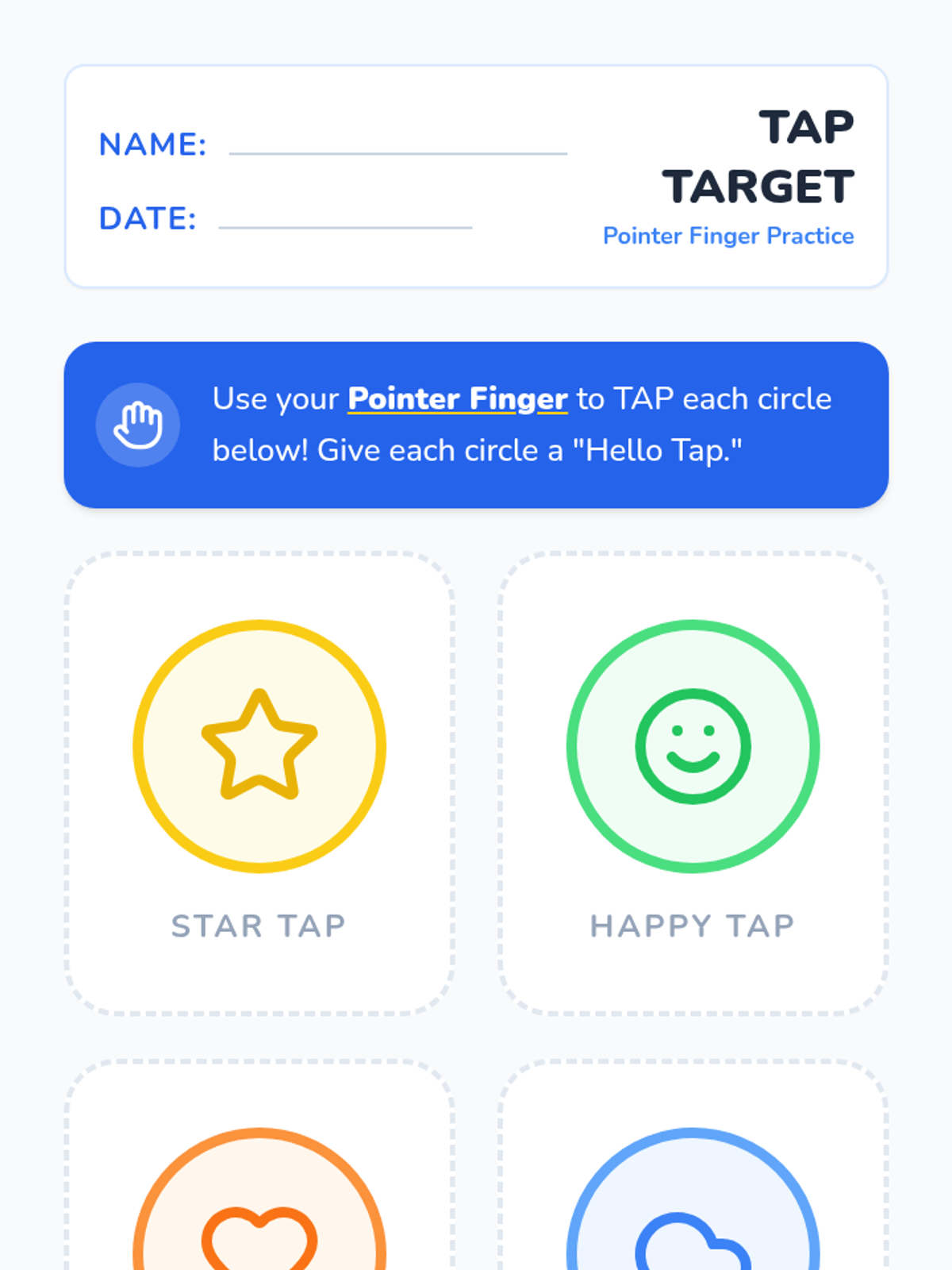
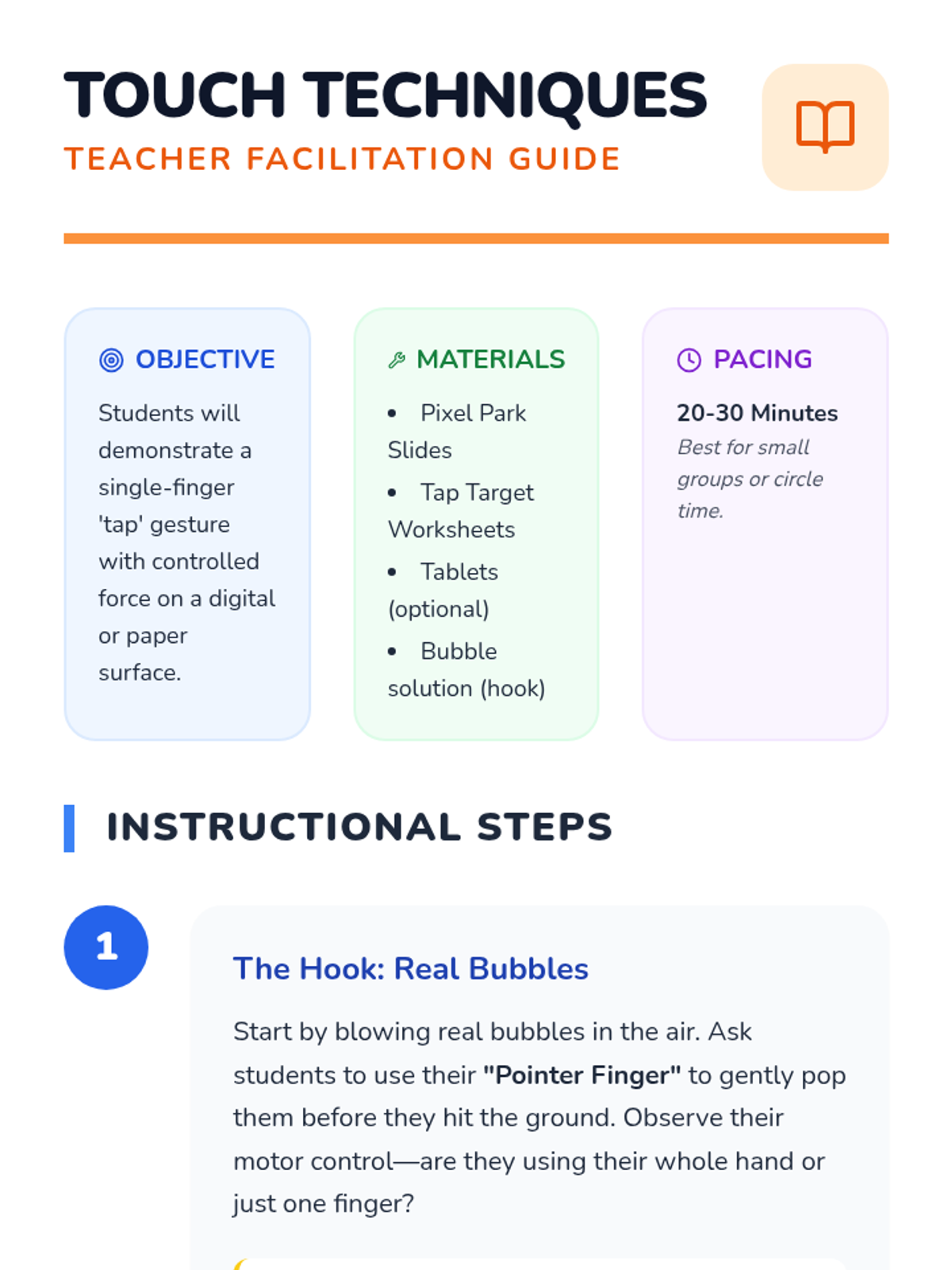
A foundational sequence for Pre-K students to learn the physical gestures and actions required to use tablets and computers, focusing on tapping, swiping, clicking, dragging, and navigating interfaces.
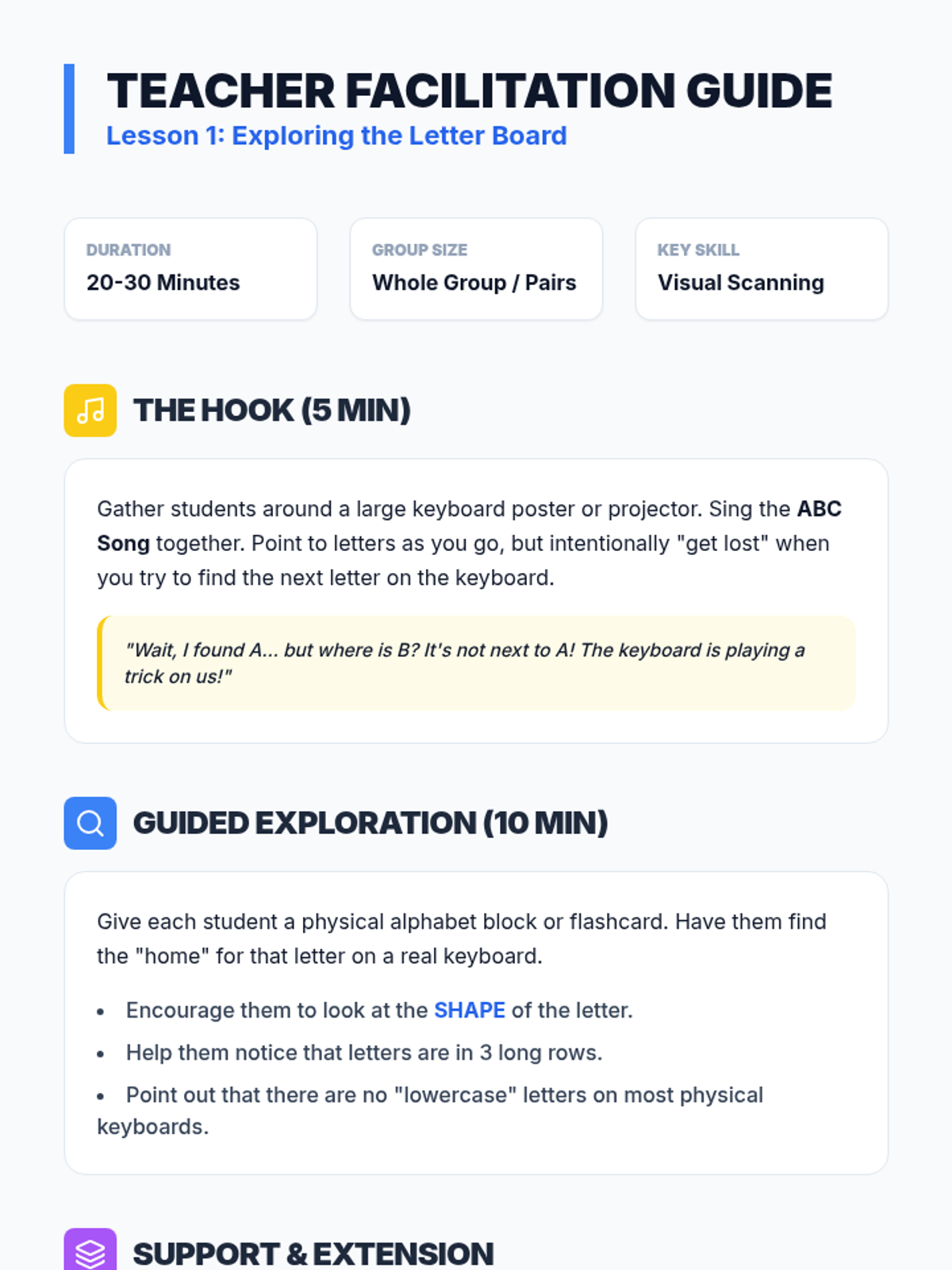
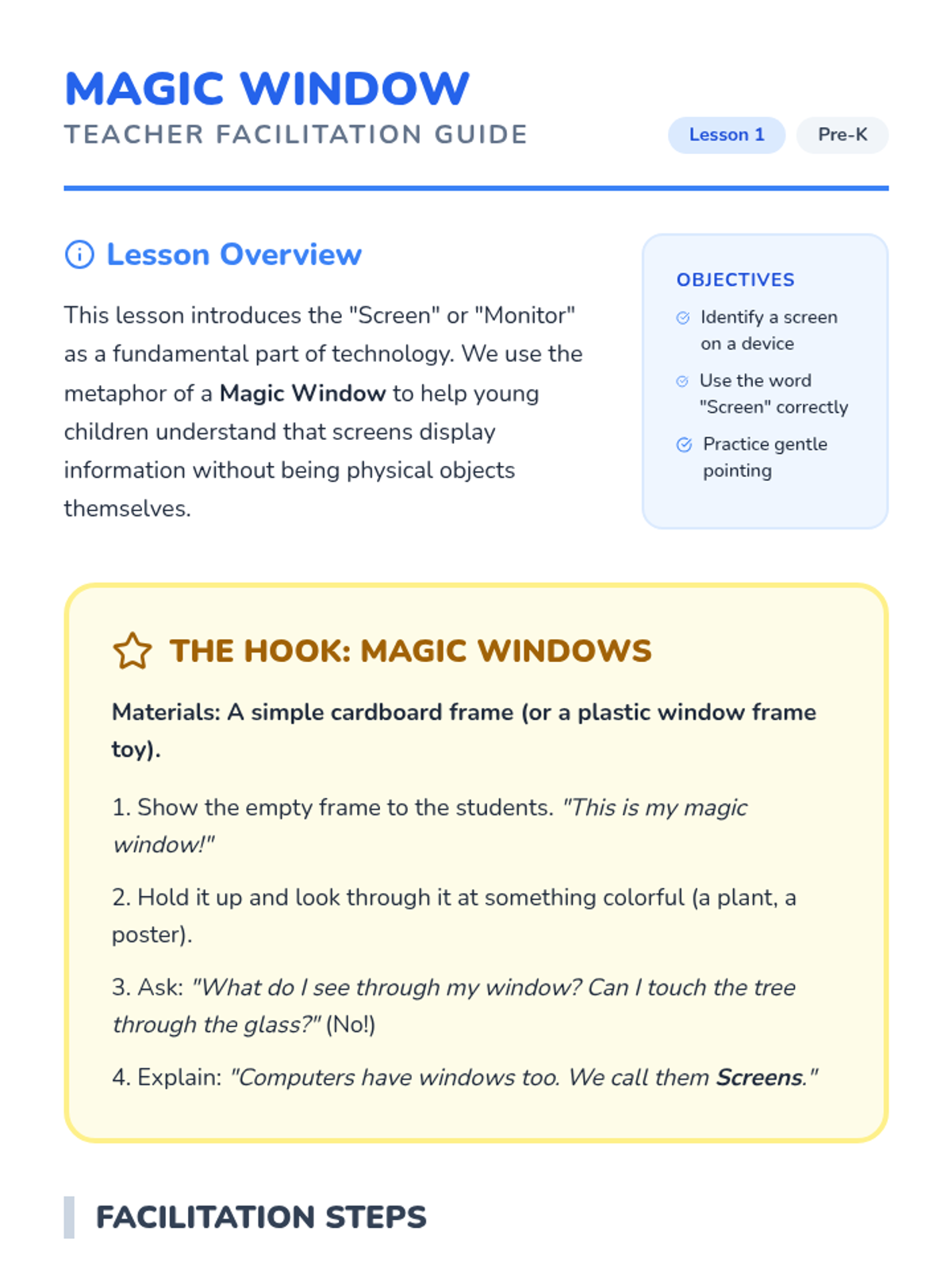
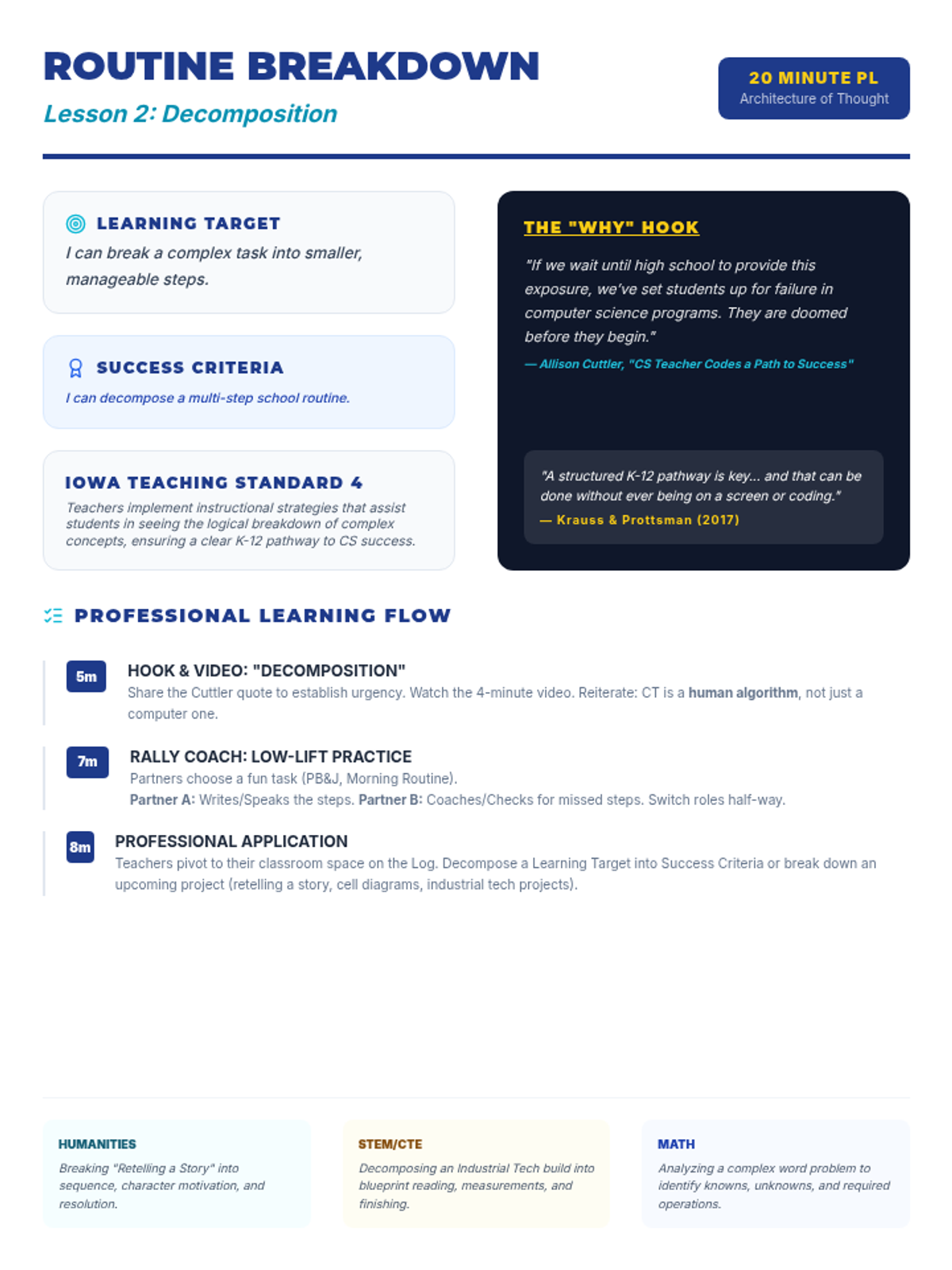
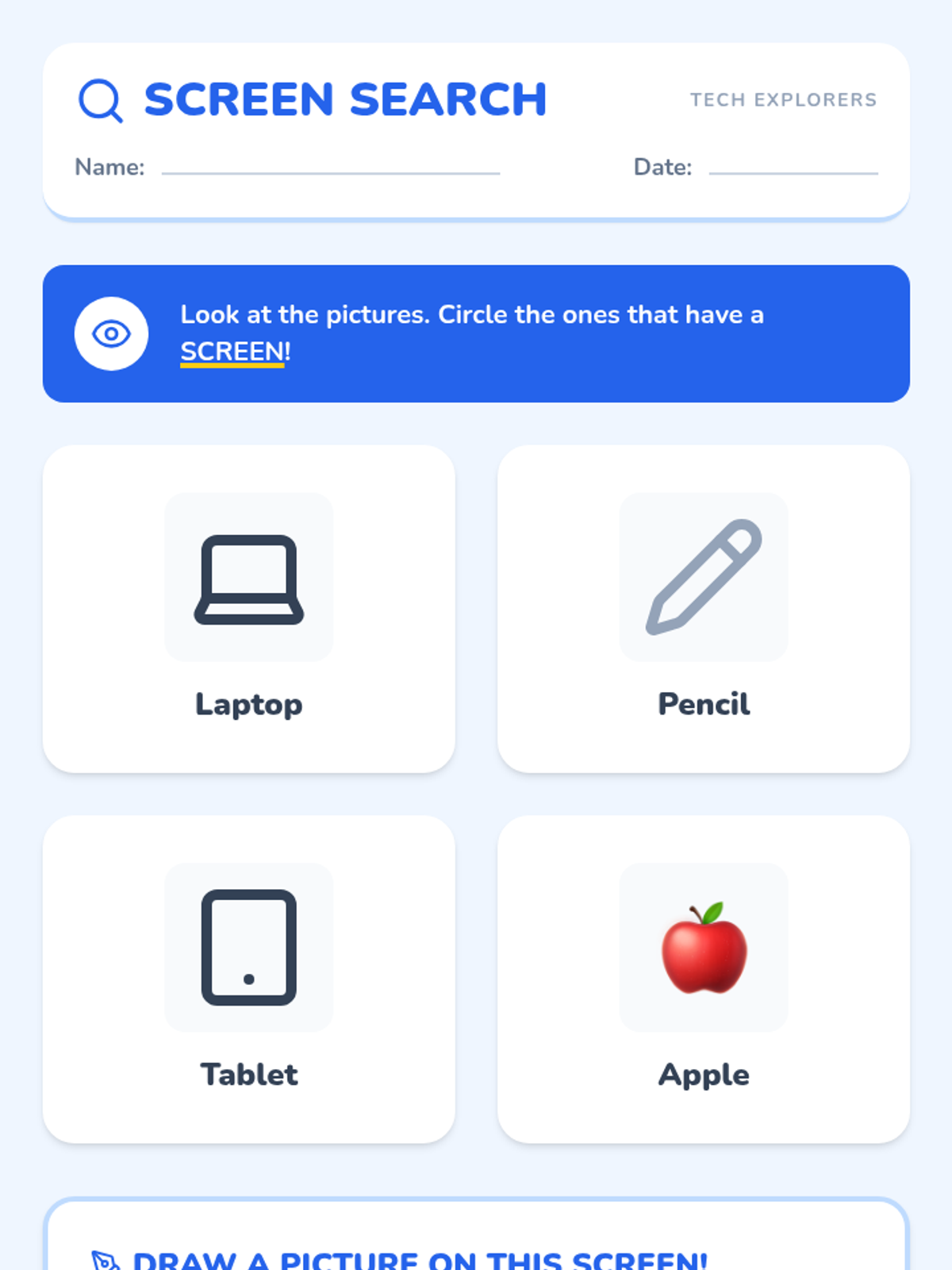
This sequence introduces Pre-K learners to computer hardware and device care. Students will learn to identify screens, mice, and keyboards while practicing safe and gentle handling techniques through hands-on play and exploration.
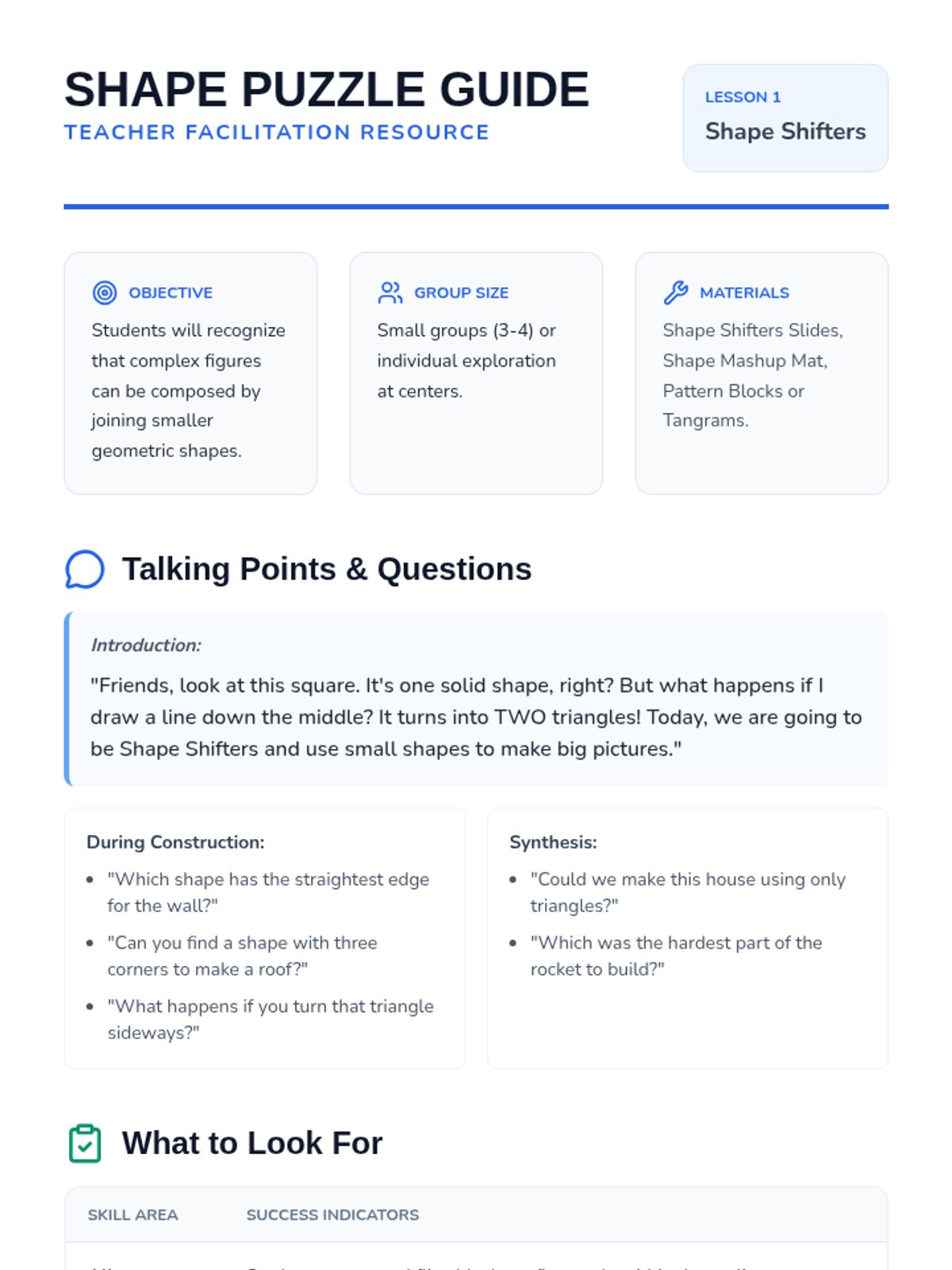
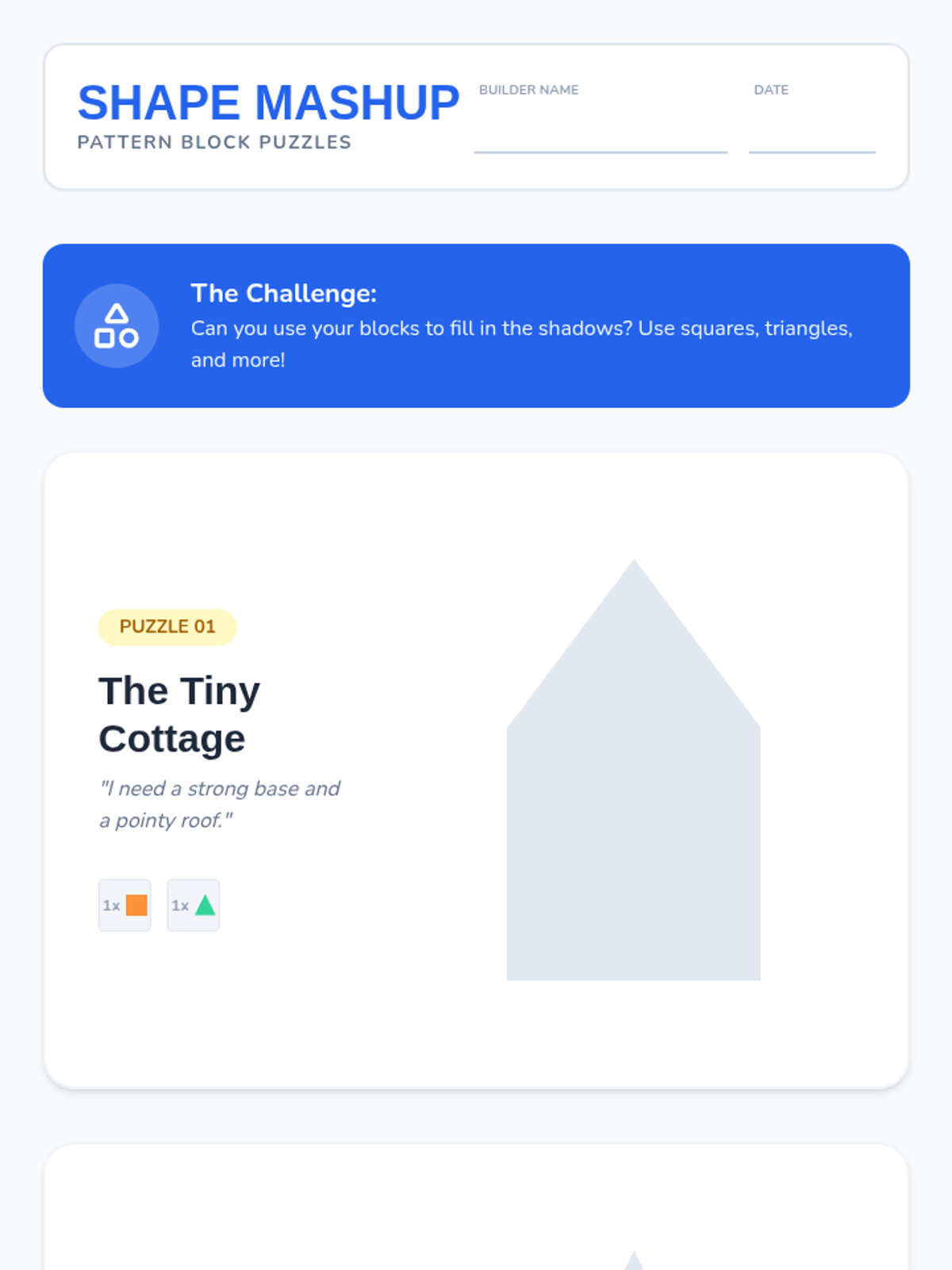
A Pre-K engineering sequence exploring shape composition, stability, and structural design through hands-on block play and spatial reasoning challenges.
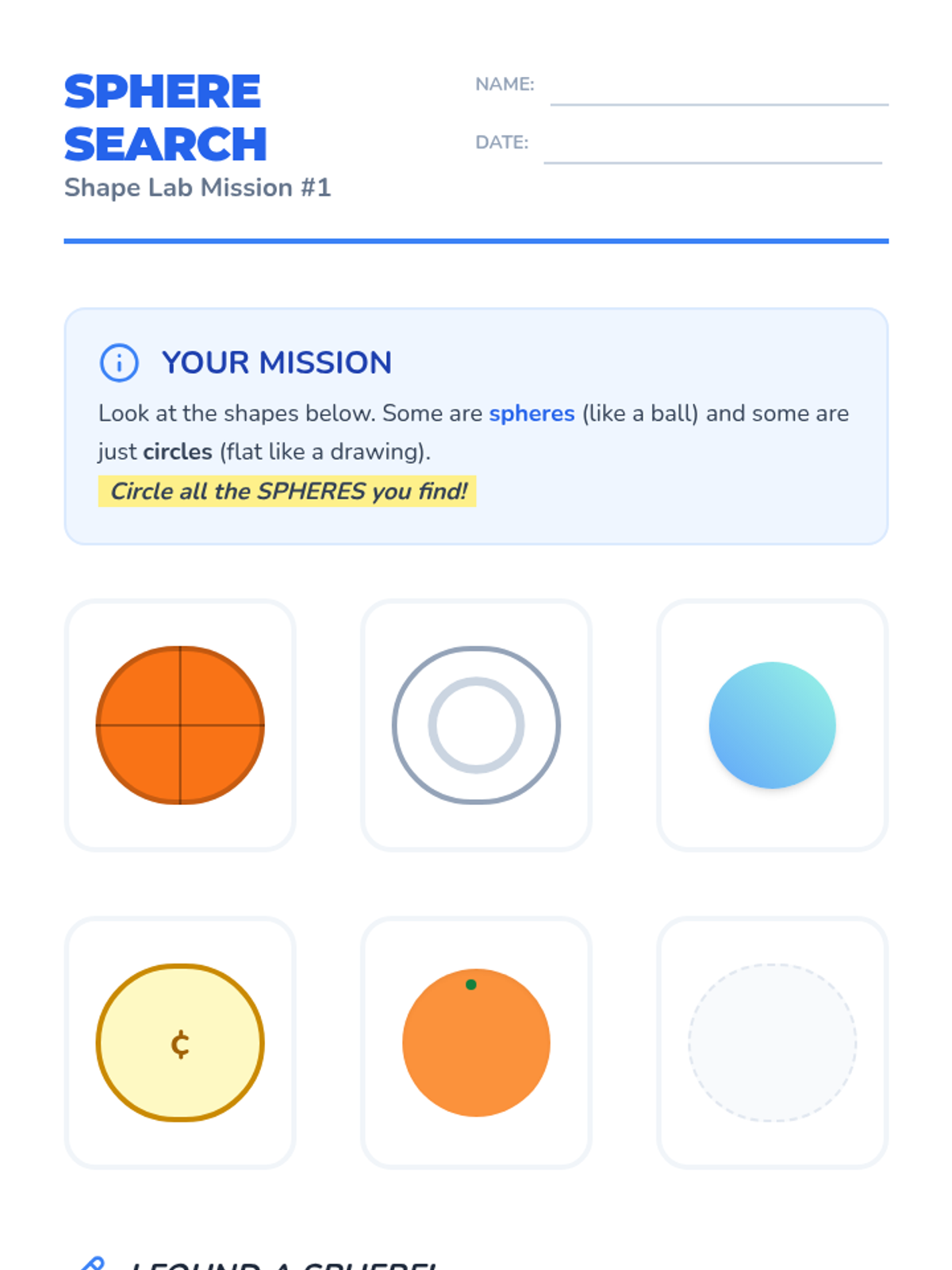
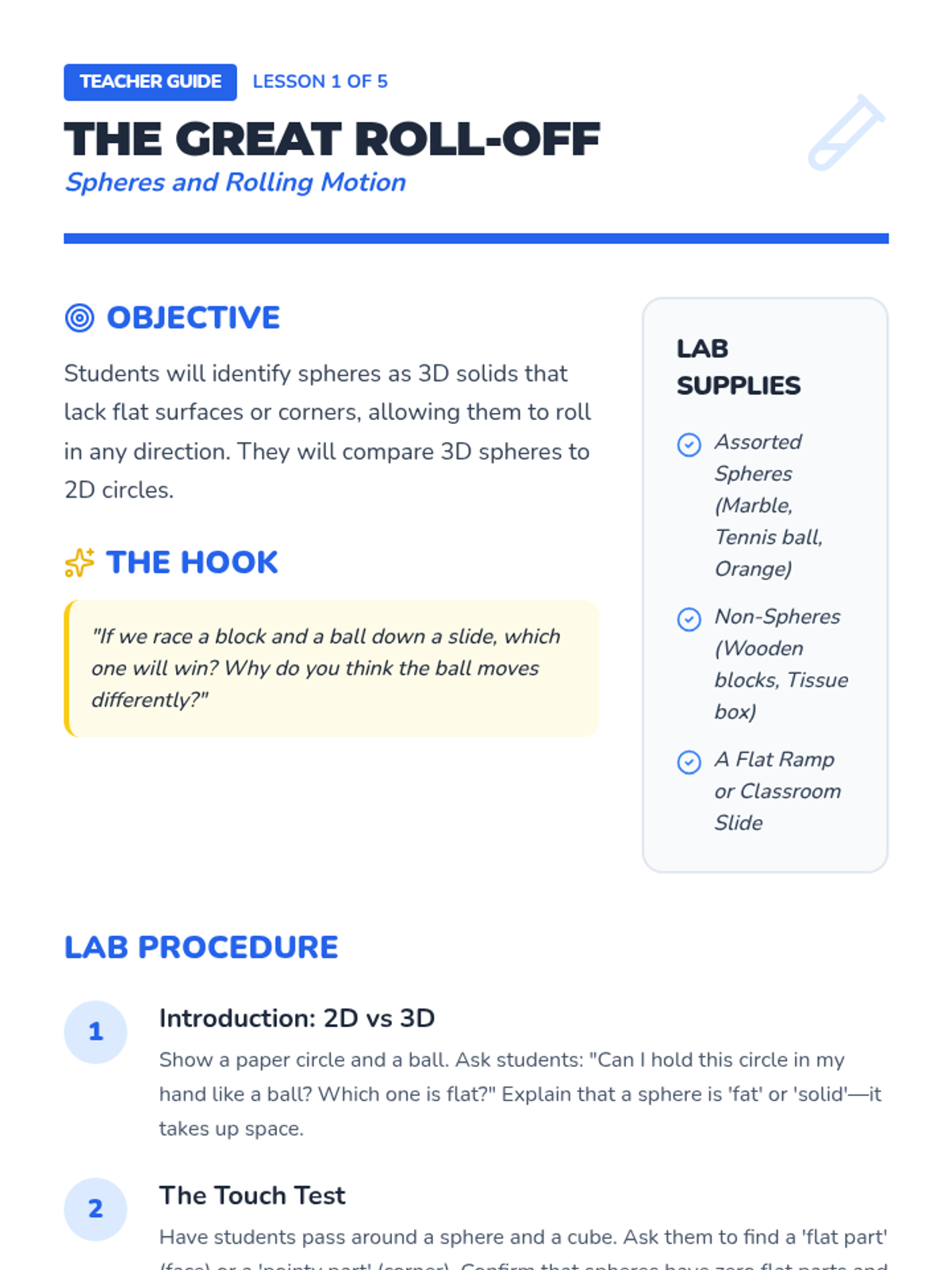
A Pre-K physics sequence exploring three-dimensional solids. Students investigate the properties of spheres, cubes, cylinders, and cones through hands-on experimentation with rolling, stacking, and sliding to understand how shape dictates movement and stability.
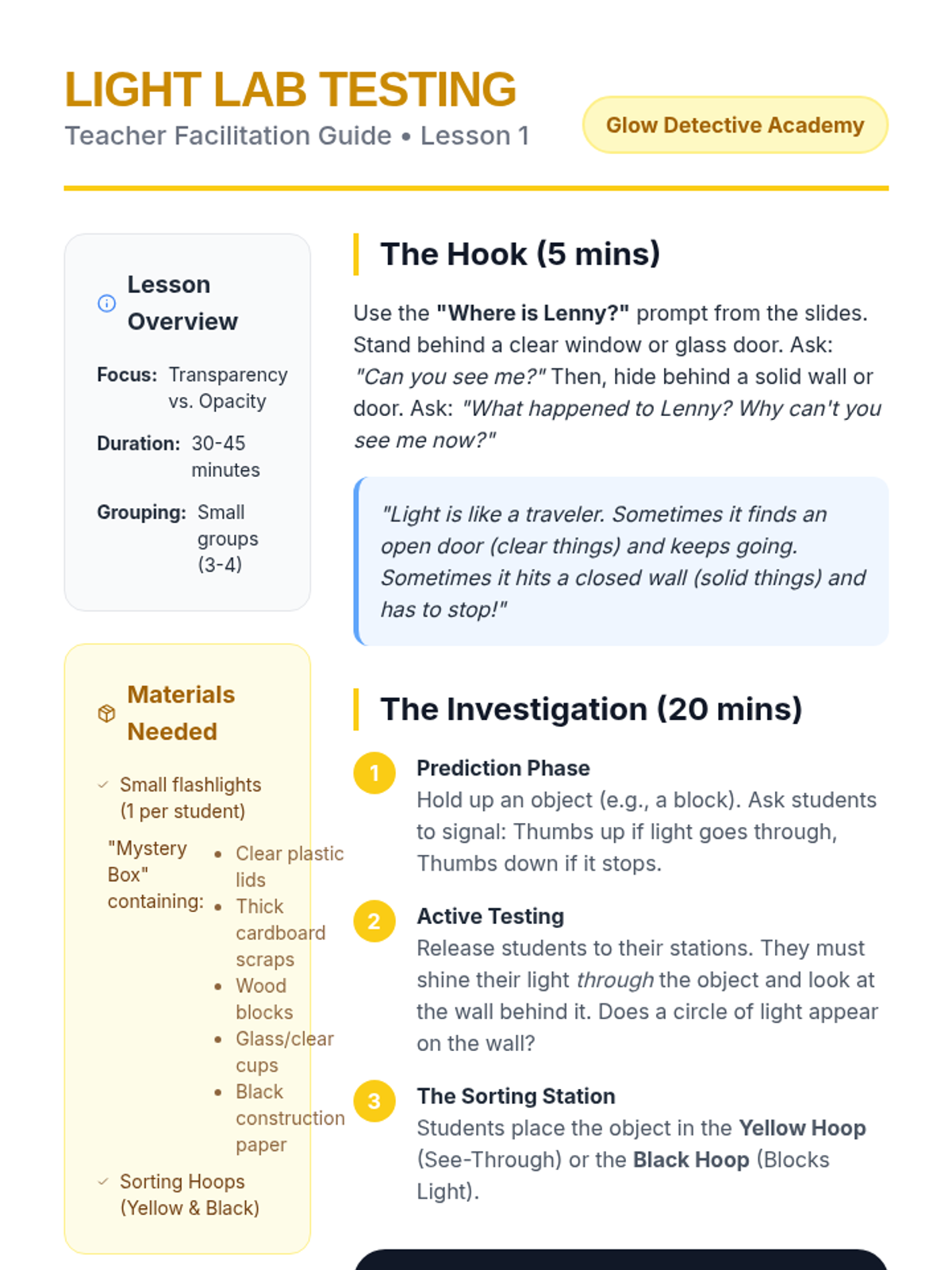
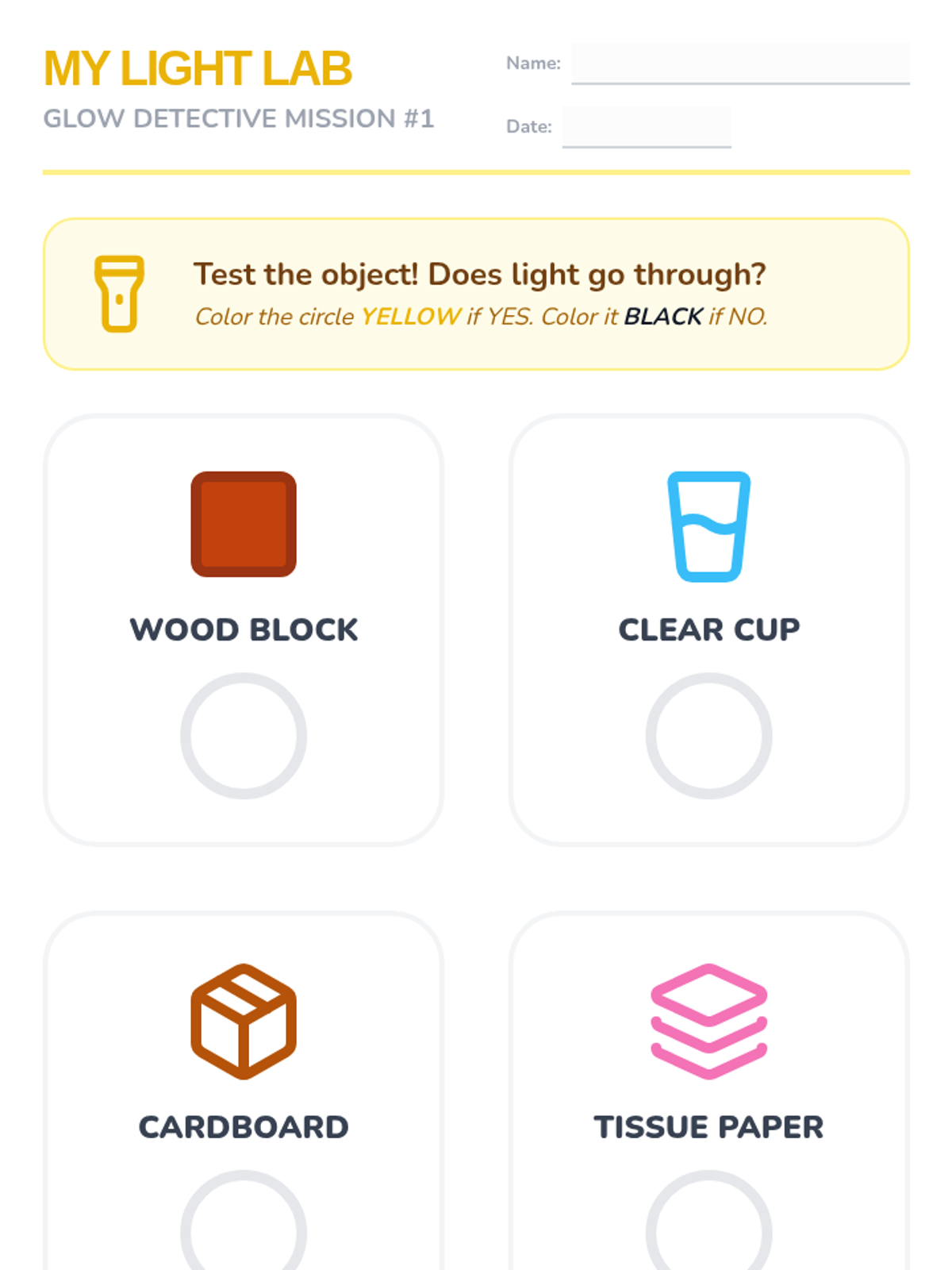
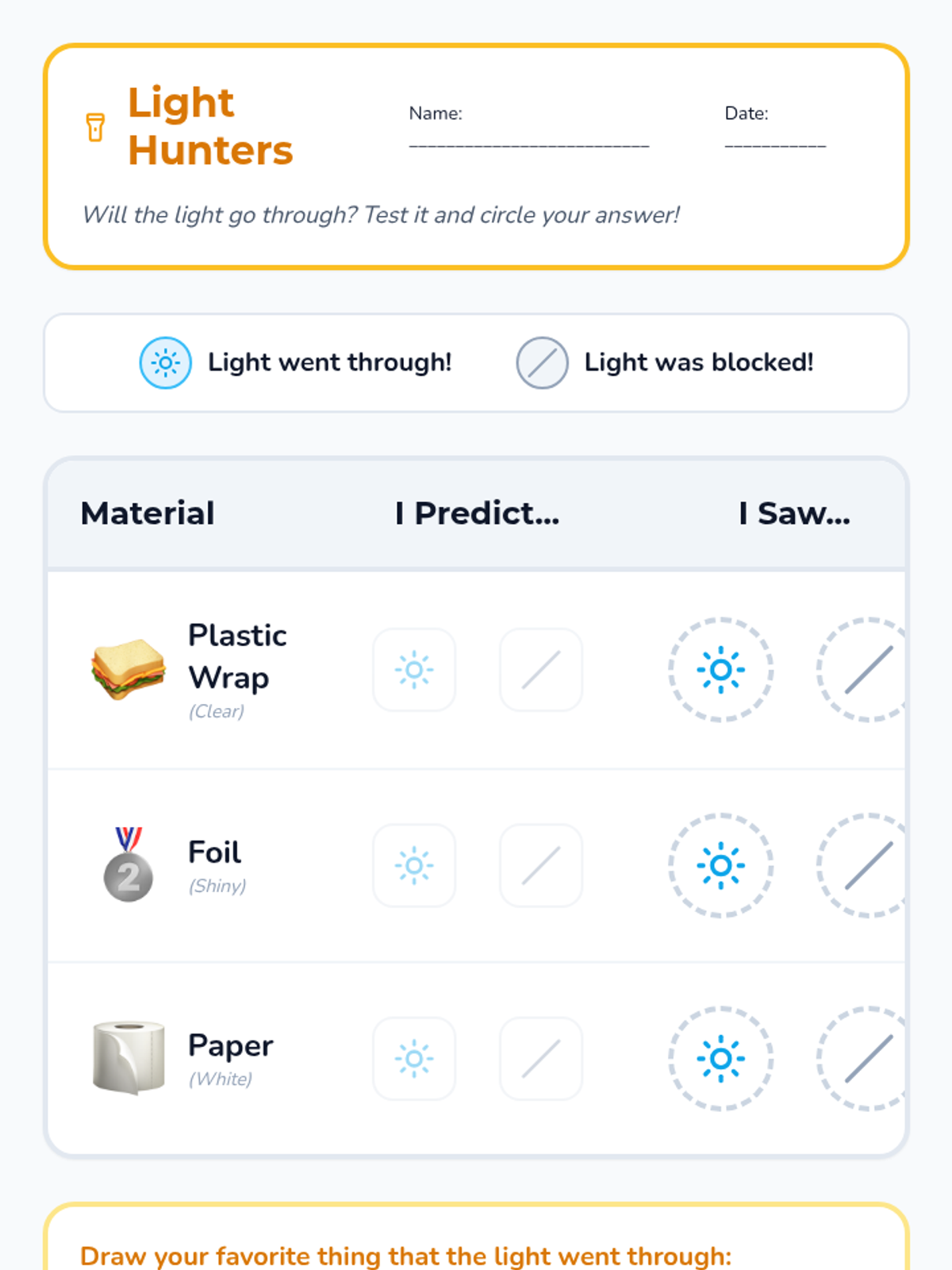
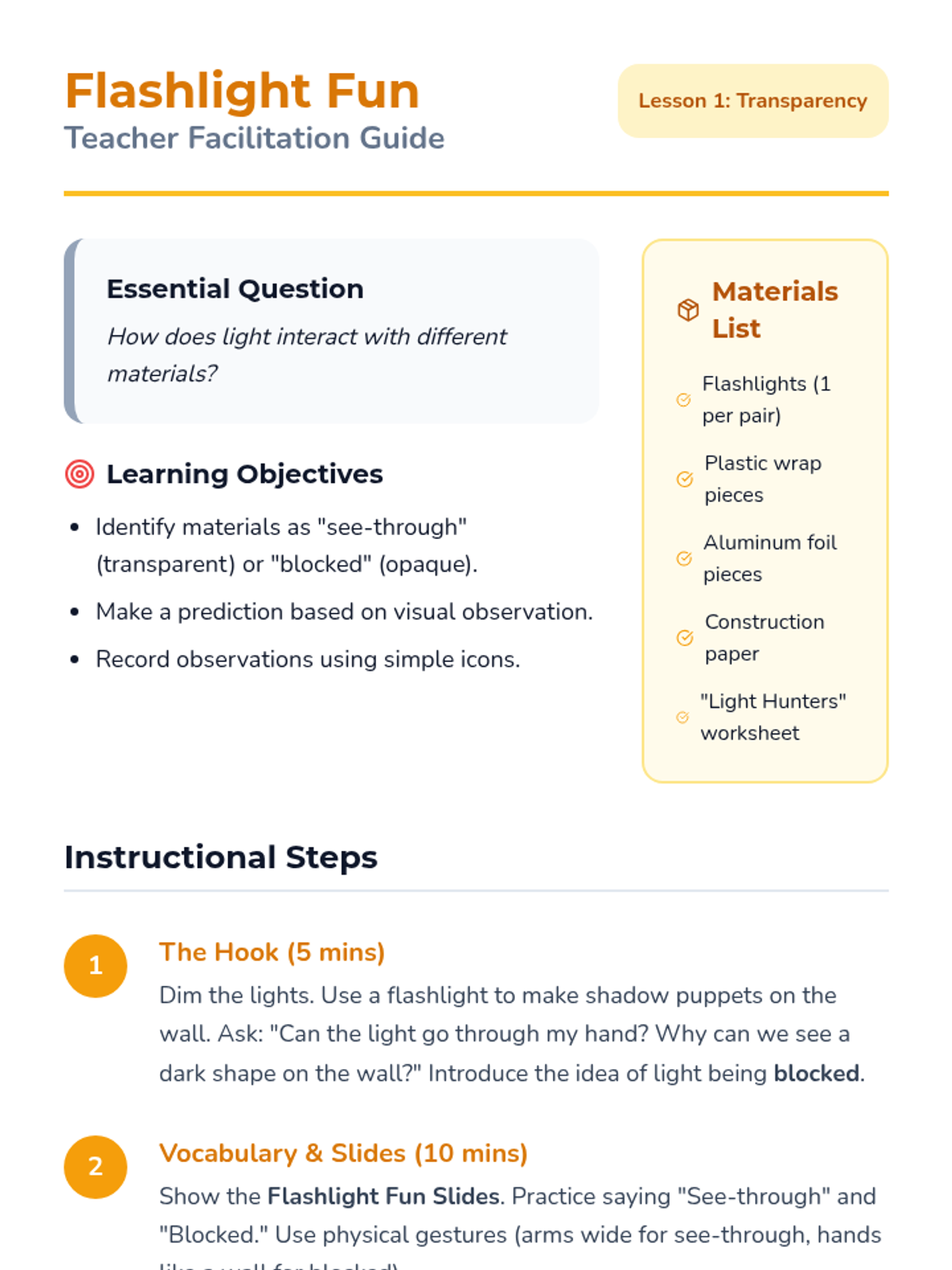
A Pre-K physics unit exploring transparency, translucency, and opacity through hands-on flashlight testing, color filters, water refraction, and art projects. Students develop observation and sorting skills as they investigate how light interacts with different materials.
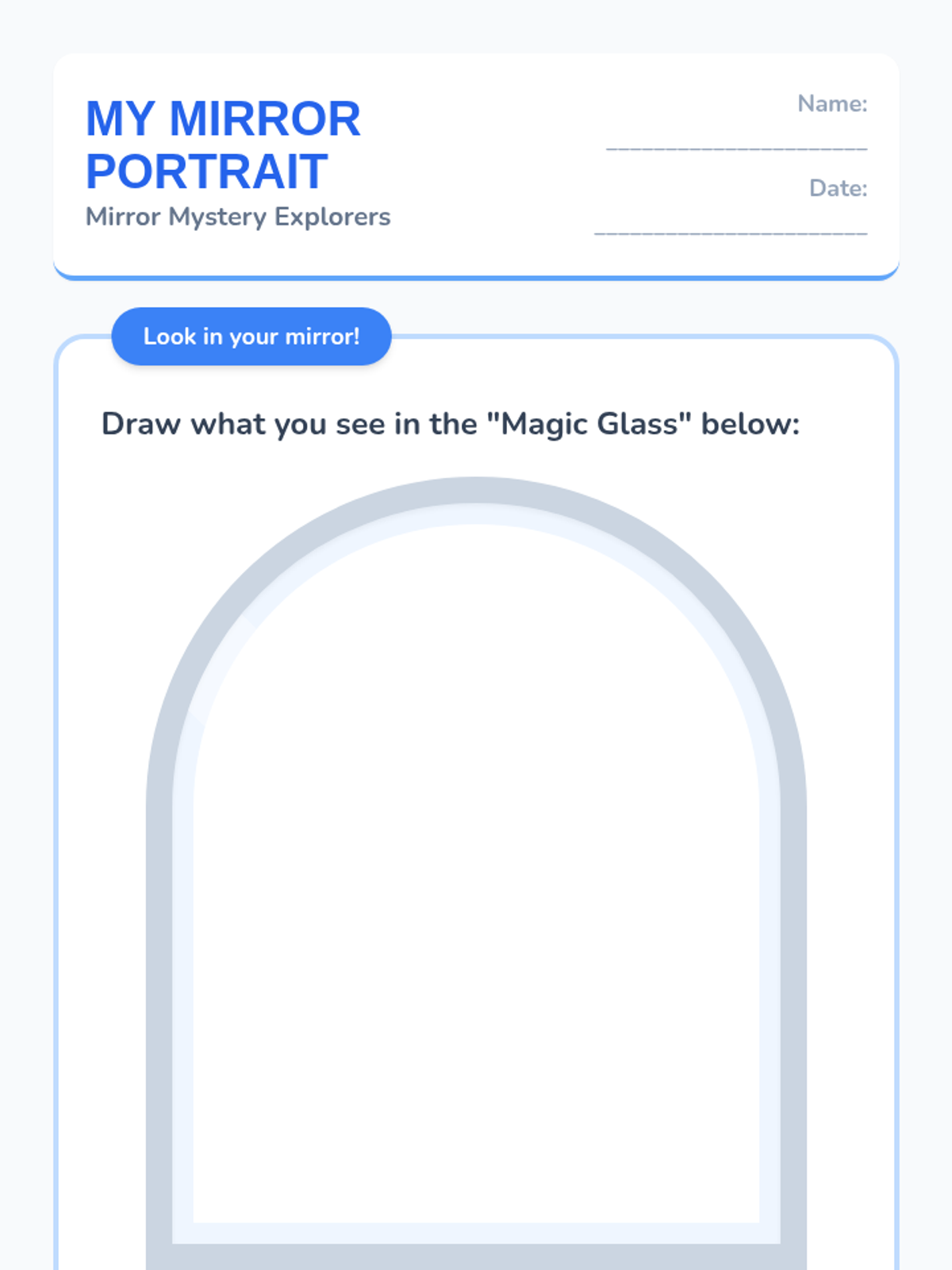
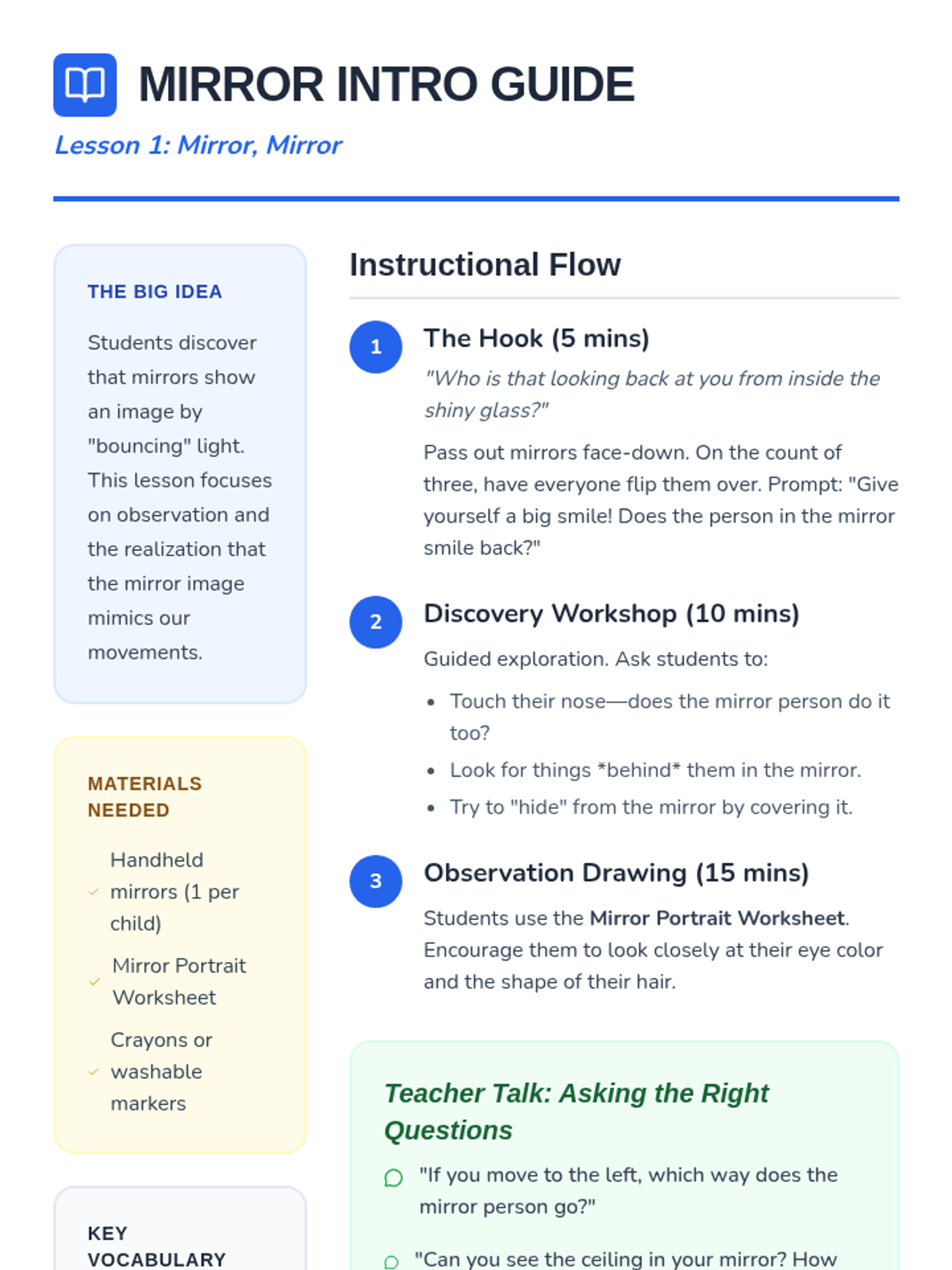
A hands-on physics sequence for Pre-K students to explore reflection, material properties, and light paths using mirrors and shiny objects. Students move from self-observation to problem-solving with periscopes and pattern creation.
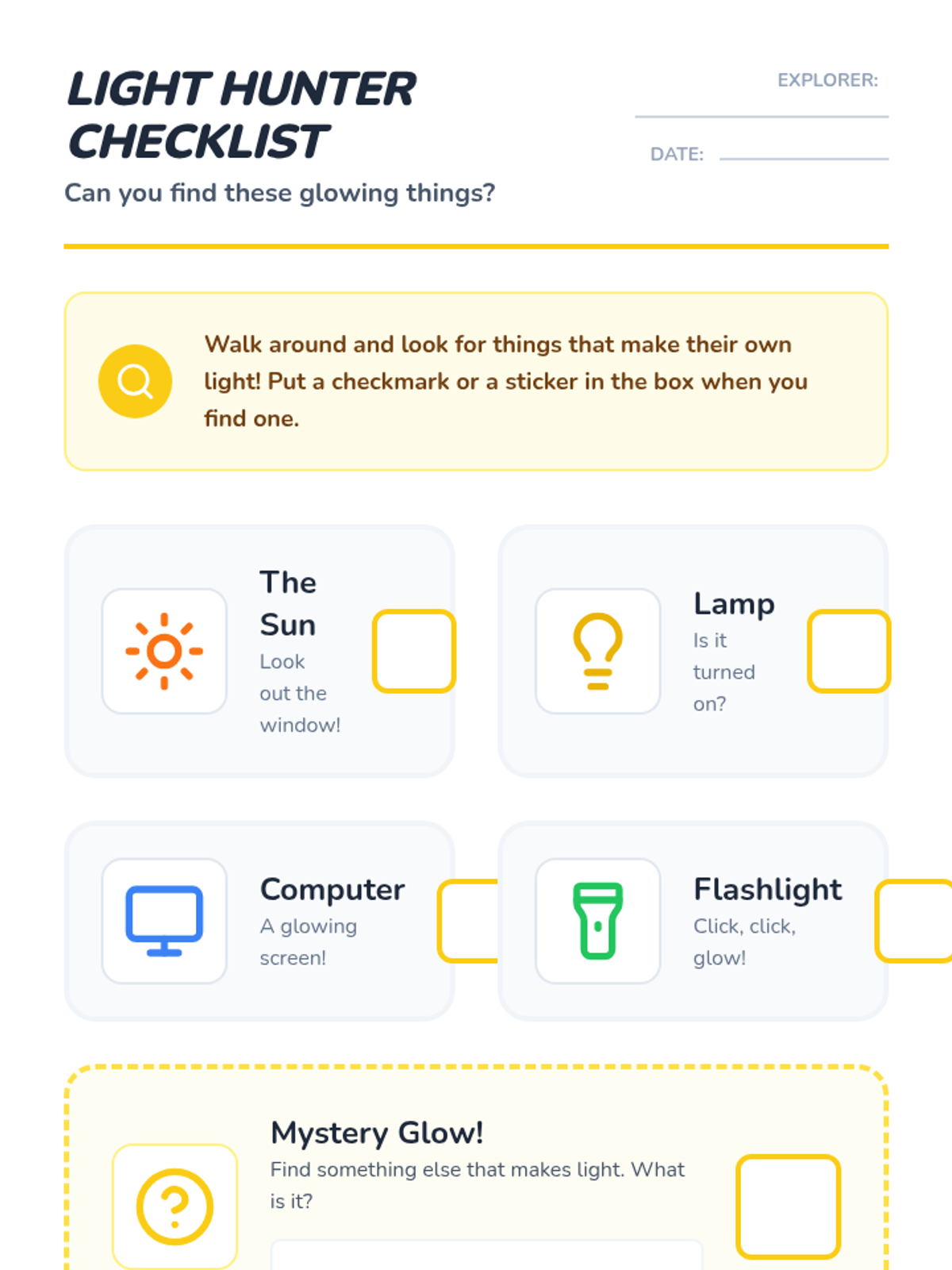
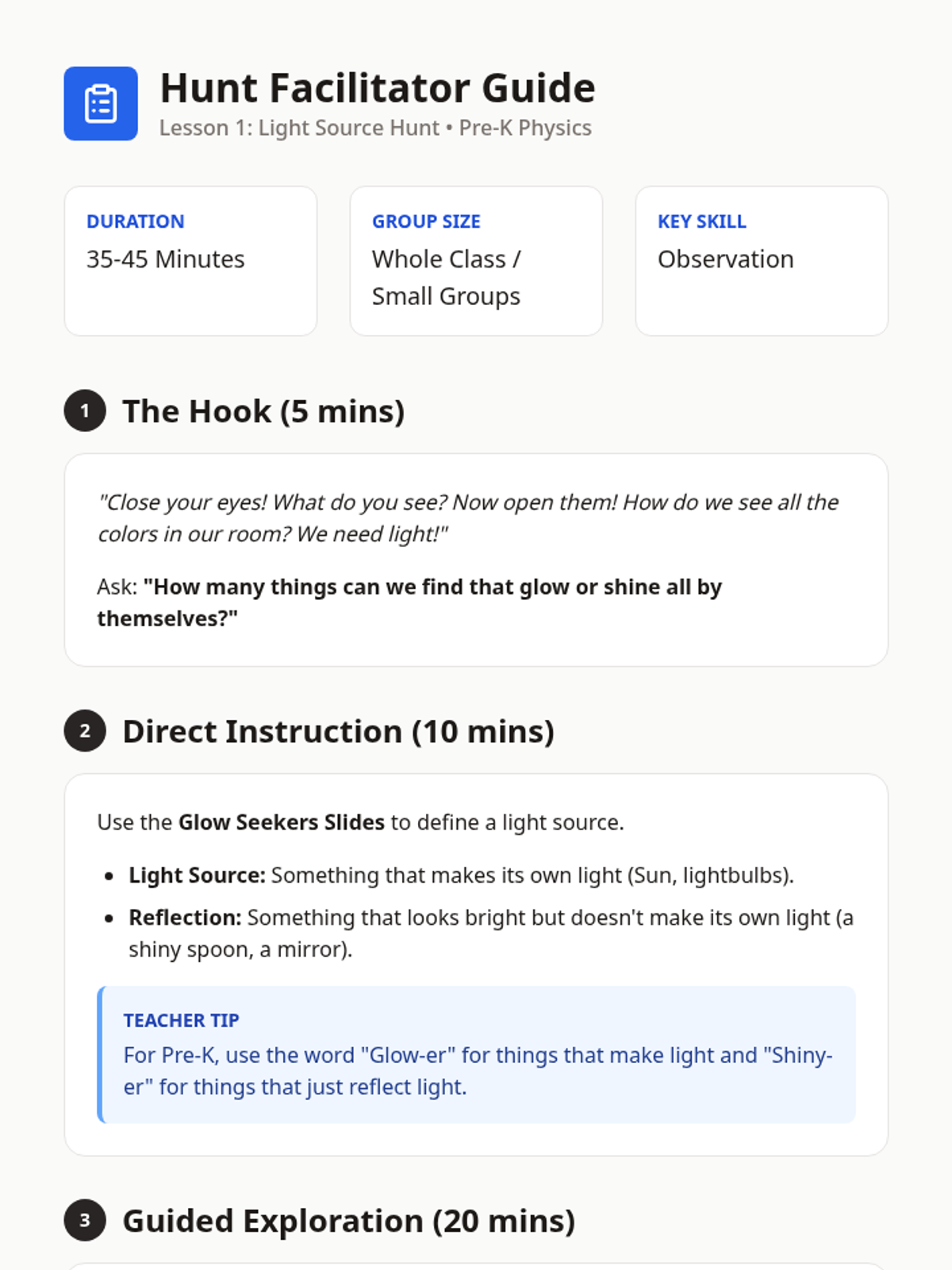
A Pre-K science sequence exploring light sources, natural vs. artificial light, rainbows, color mixing, and sensory light play. Students engage in inquiry-based hunts, sorting activities, and engineering with light tables.
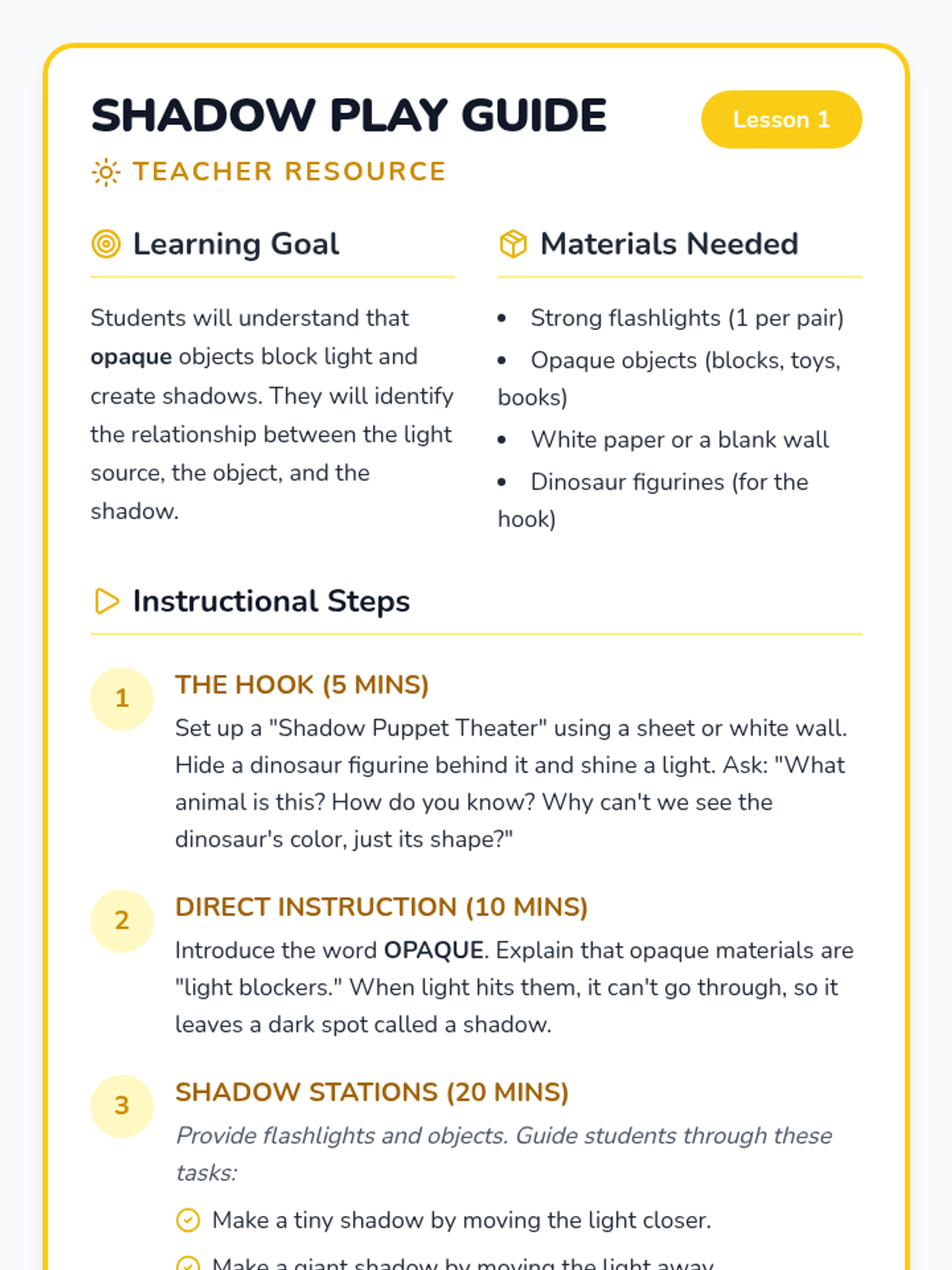
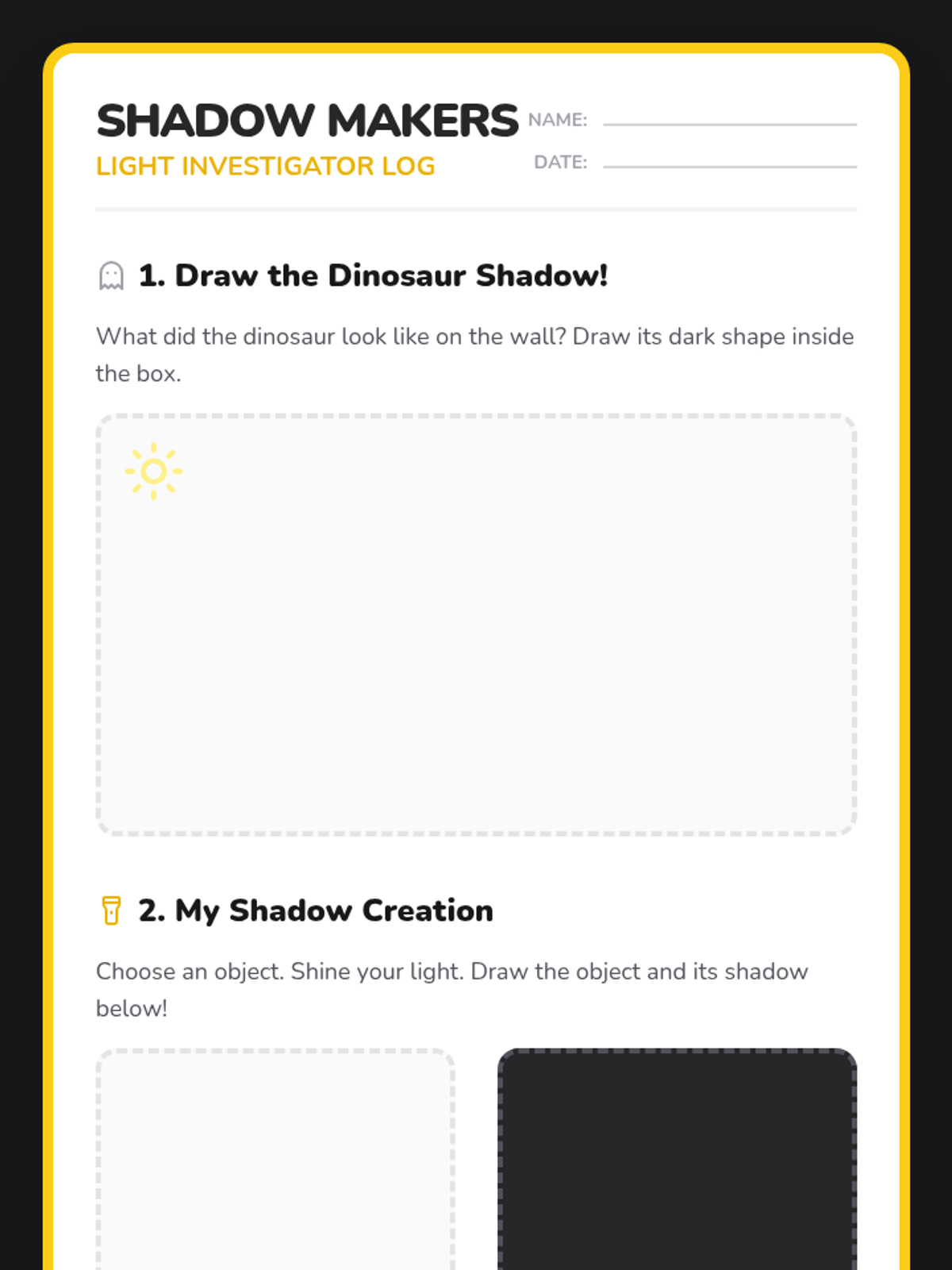
A hands-on, inquiry-based sequence for Pre-K students to explore light and shadows. Students discover shadows in their environment, manipulate shadow size, and use puppets to tell stories, understanding that shadows are formed when objects block light.
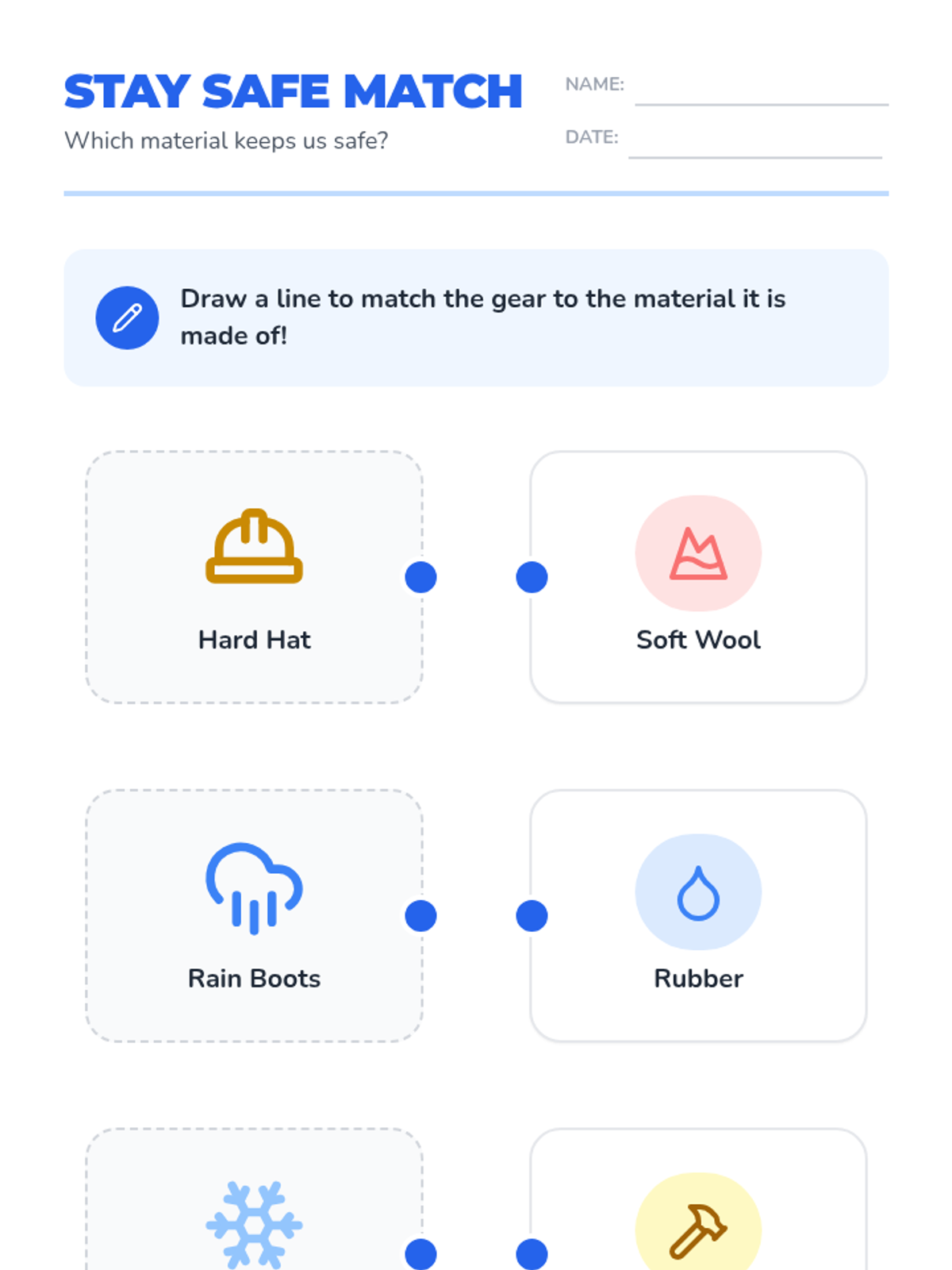
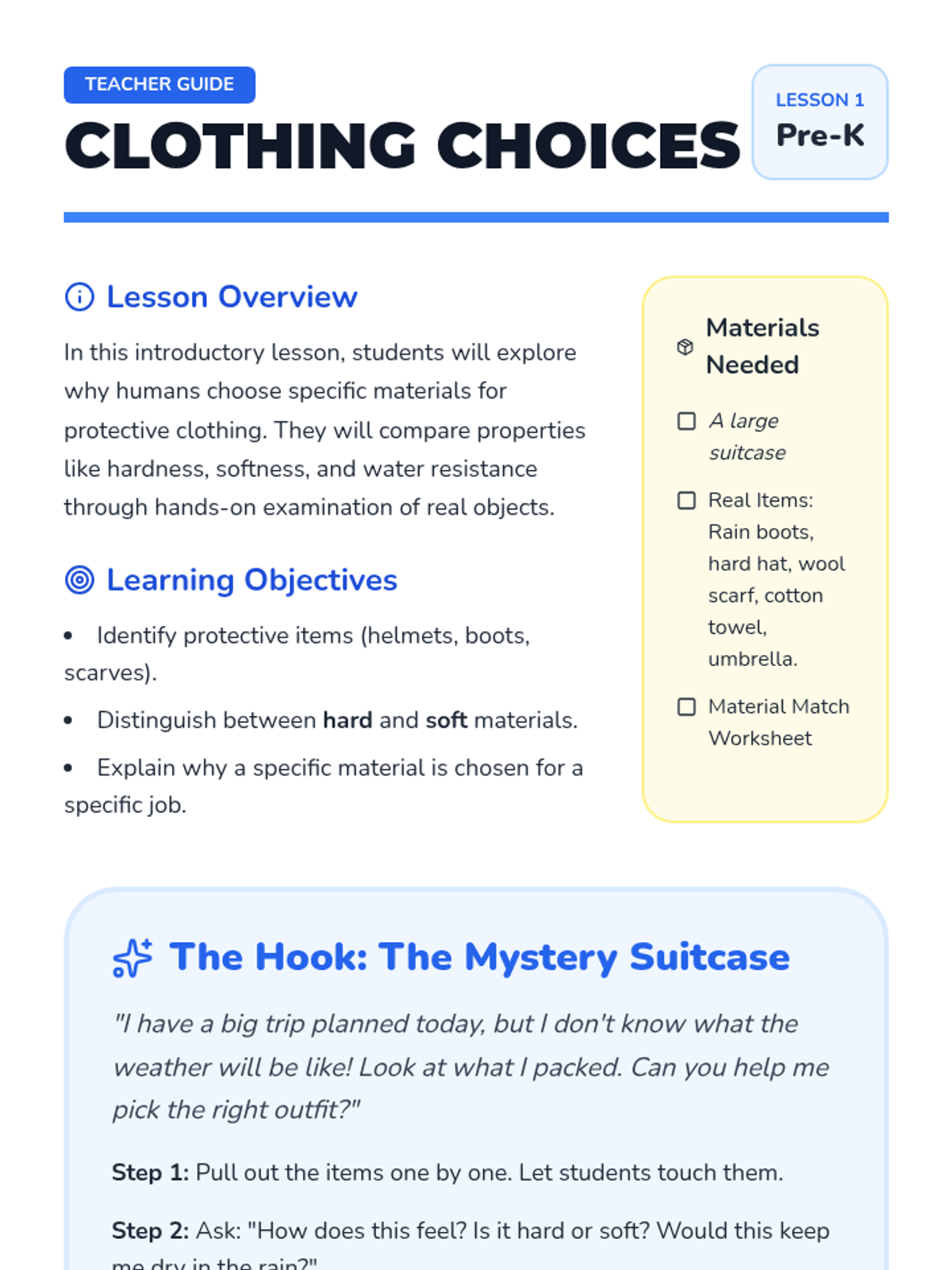
A problem-based physics sequence for Pre-K students exploring how materials protect objects from damage, water, and temperature. Students test properties like softness, water resistance, and insulation to solve real-world protection challenges.
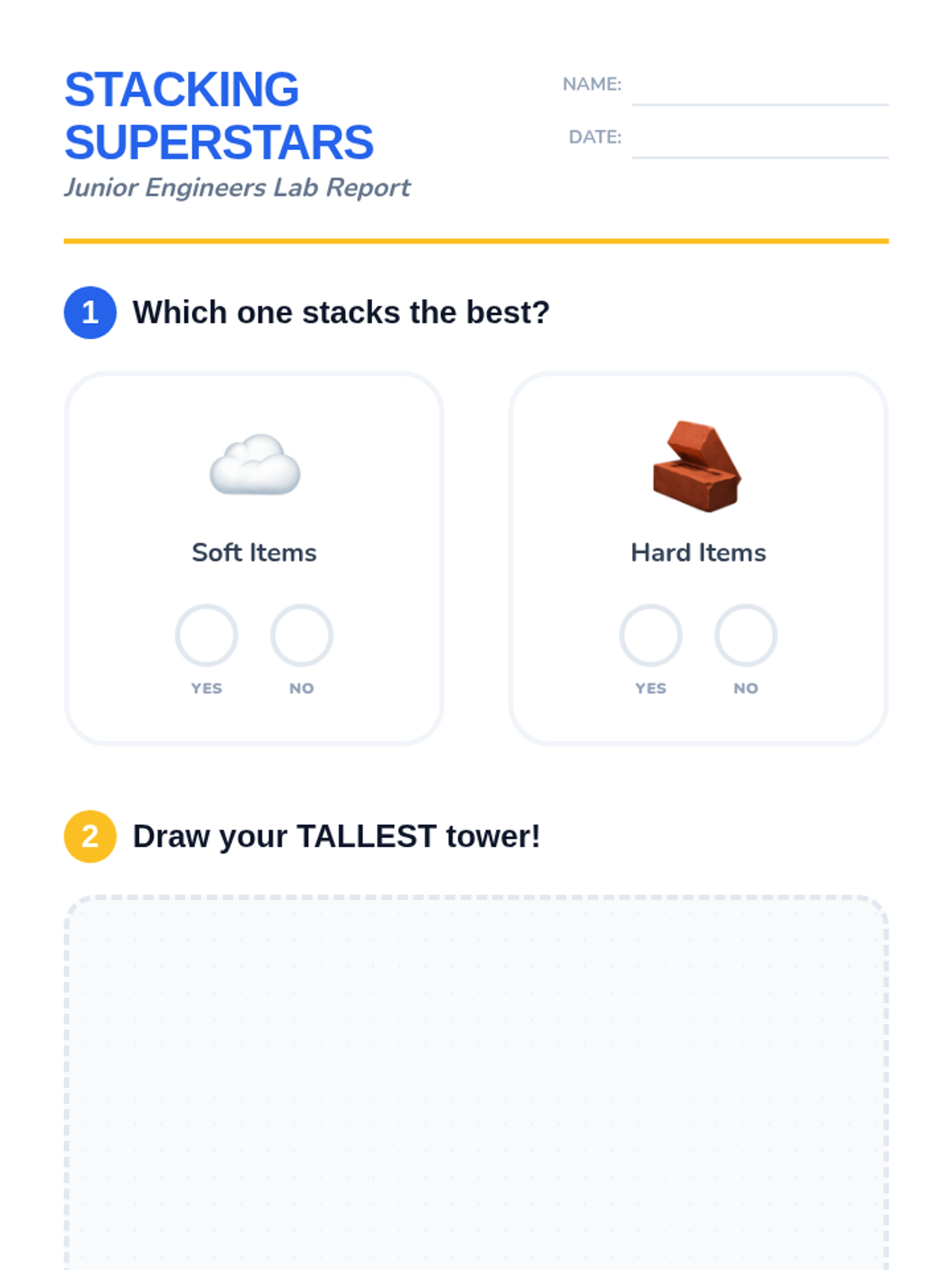
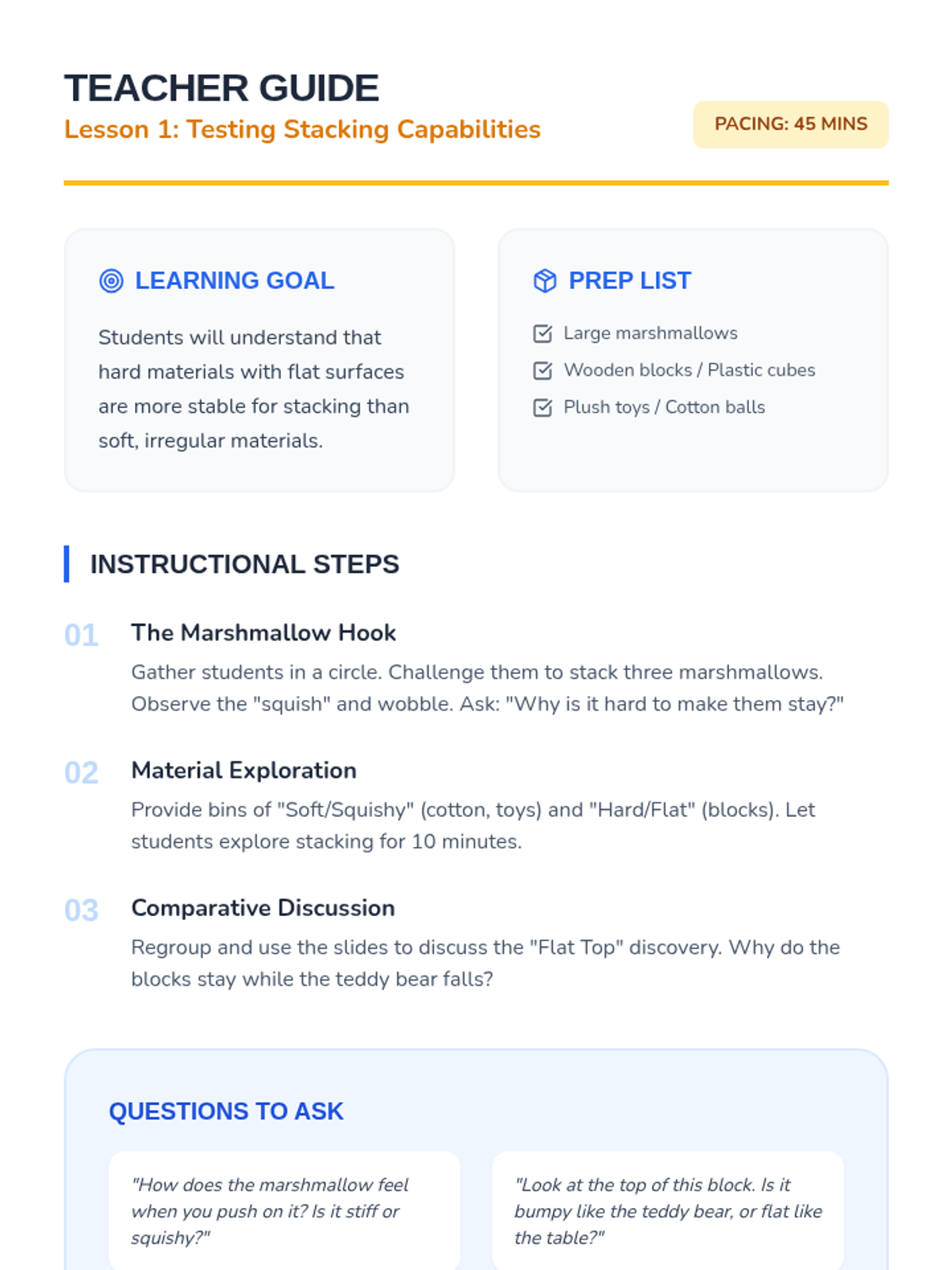
A project-based physics sequence for Pre-K students exploring material properties, hardness, and structural stability through hands-on stacking and building challenges. Students act as little engineers to discover why certain materials are better for construction than others.
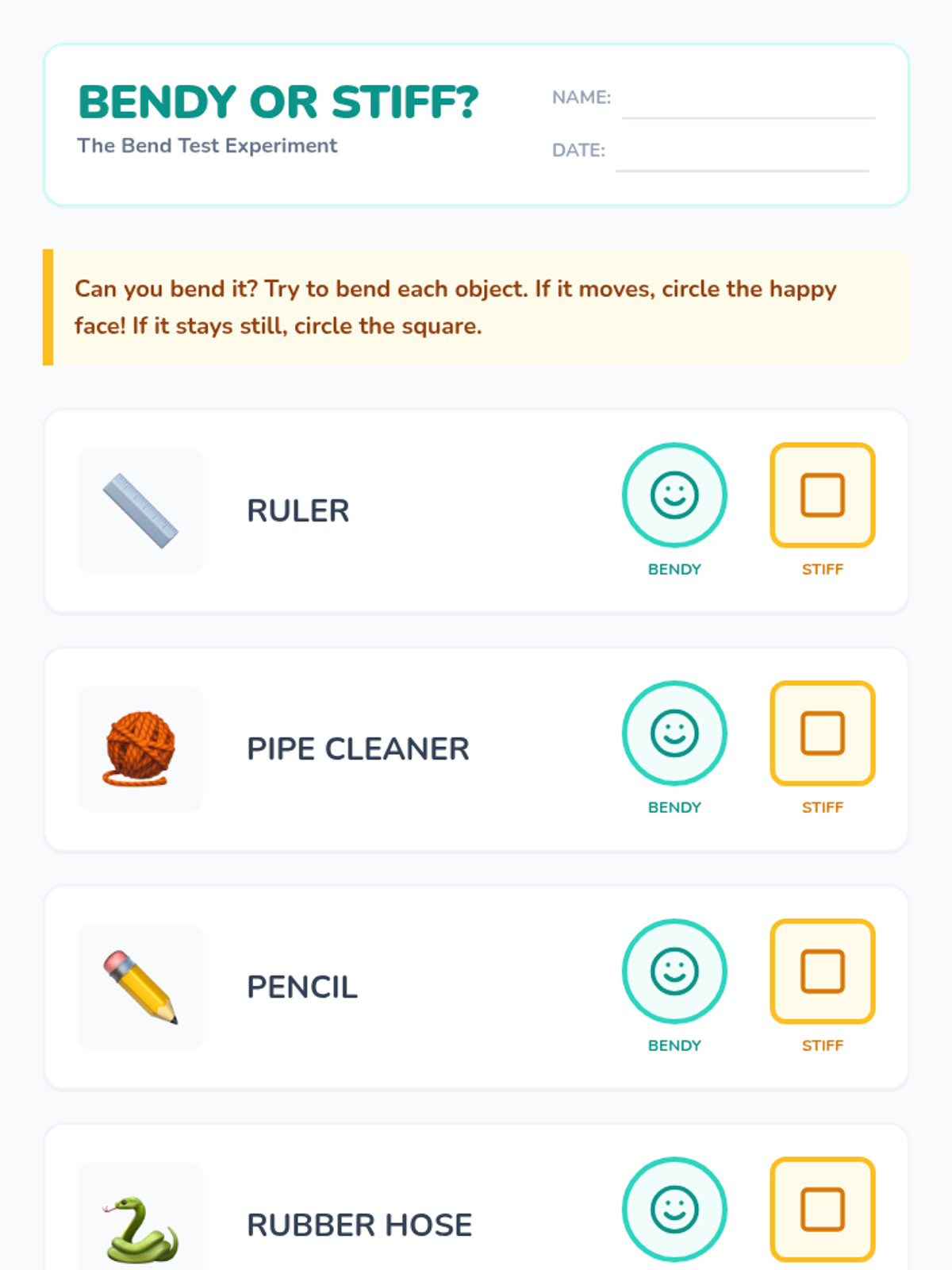
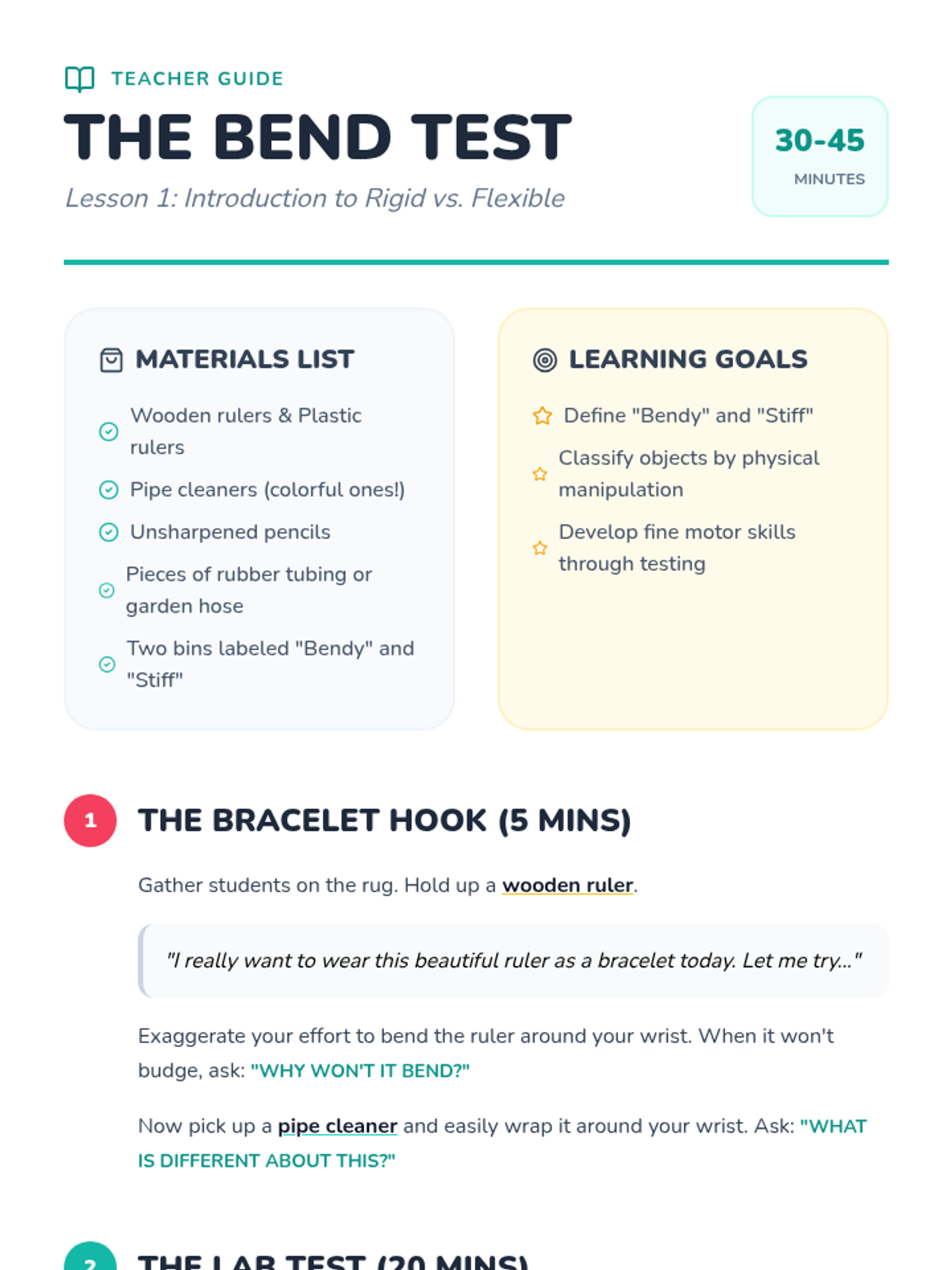
A hands-on exploration for Pre-K students to distinguish between rigid and flexible materials through physical manipulation, testing, and creative construction. Students learn to classify objects based on their ability to bend, stretch, and fold.
A hands-on investigation into how light and water interact with different materials. Pre-K students explore transparency, shadows, absorption, and buoyancy through inquiry-based play.
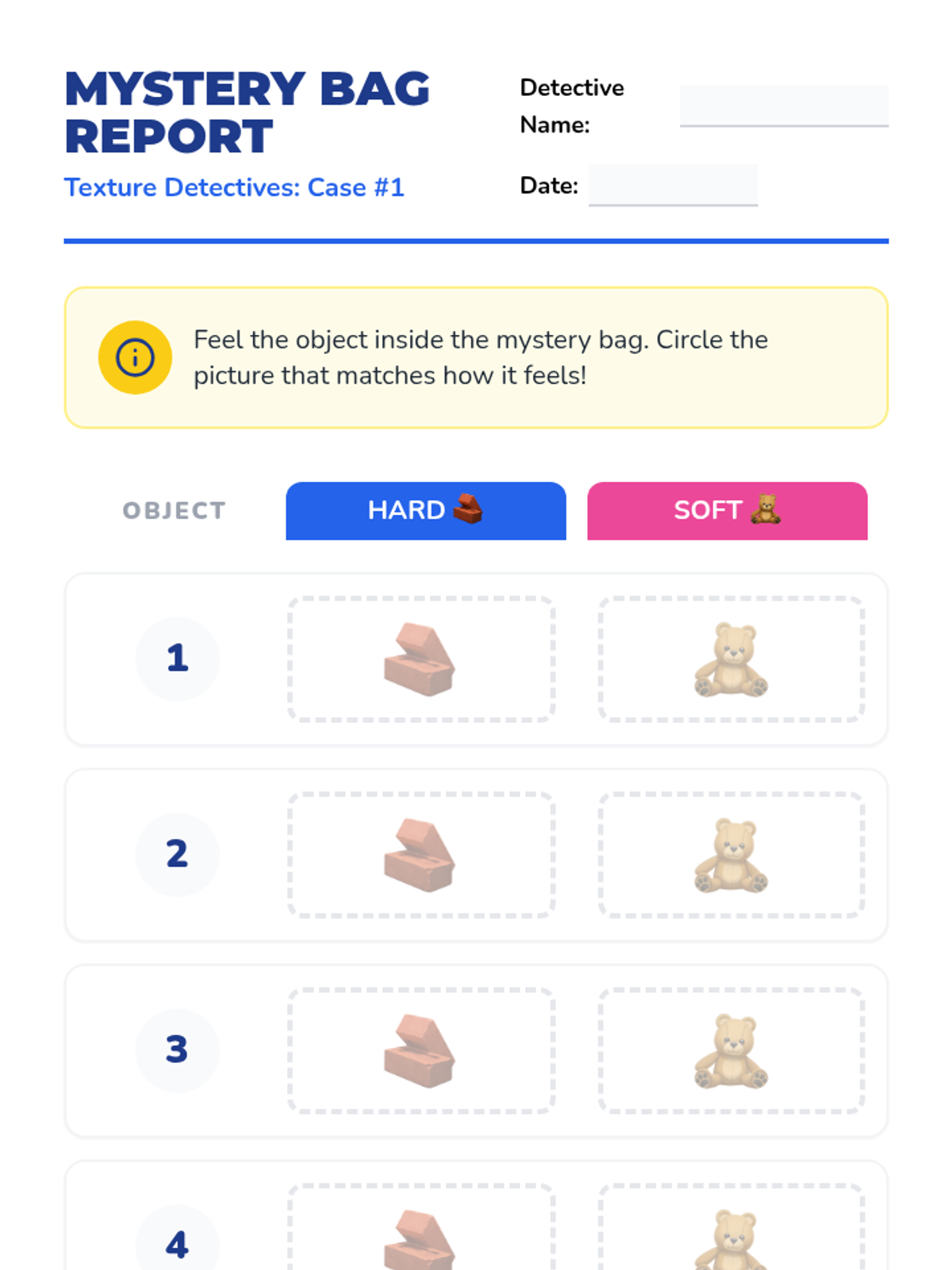
A tactile and exploratory science sequence where Pre-K students use their senses to observe, describe, and categorize materials based on properties like hardness and texture. Students progress from simple identification to complex sorting and peer communication.
Students explore how materials interact with light, moving from shadows and opacity to transparency and translucency, culminating in a sunshade design challenge.
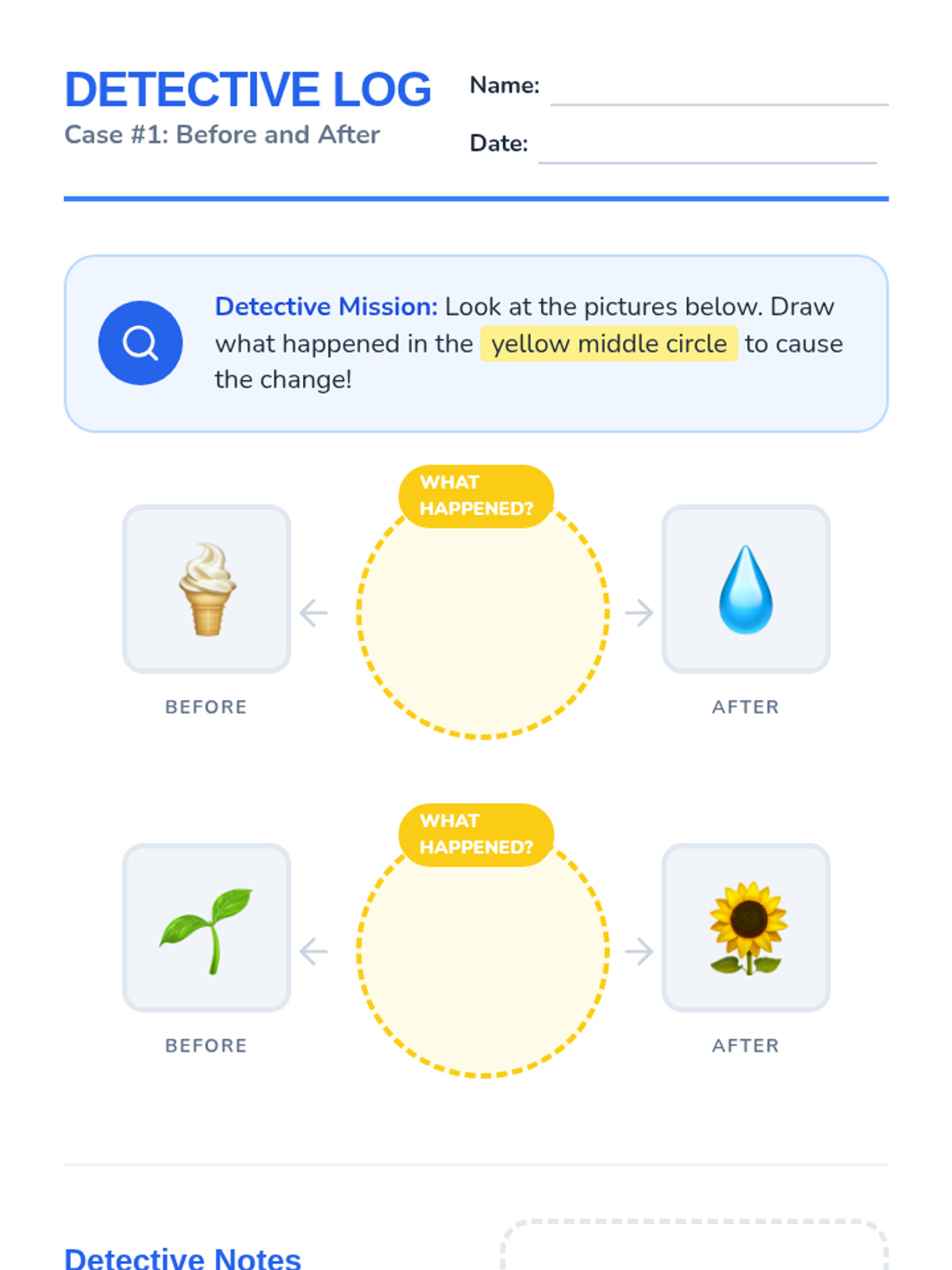
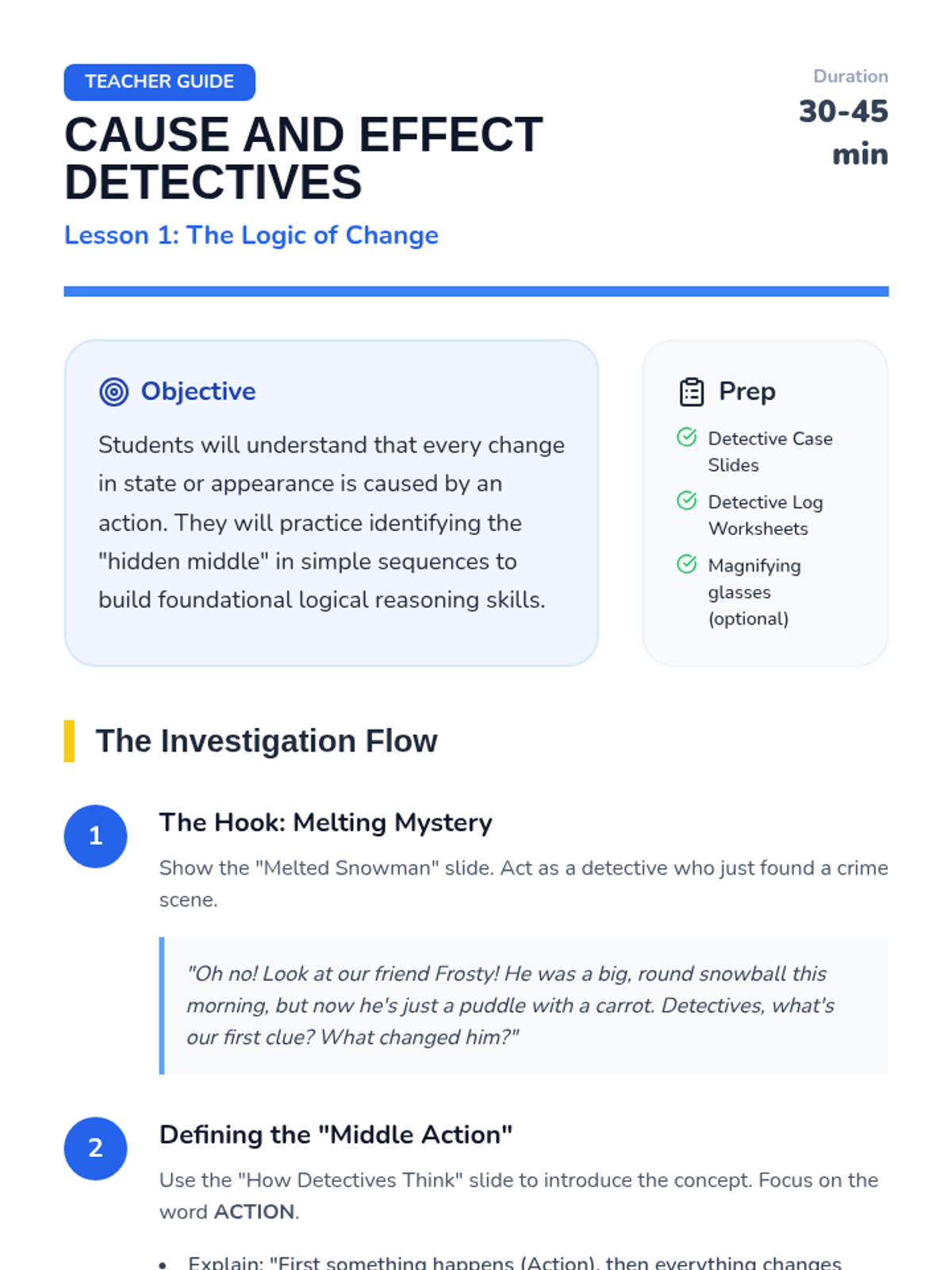
This inquiry-based sequence teaches Pre-K students to understand the logic behind event sequences. Students investigate cause and effect, predict outcomes, identify logical errors, and explore natural cycles to answer 'Why does the order of events matter?'
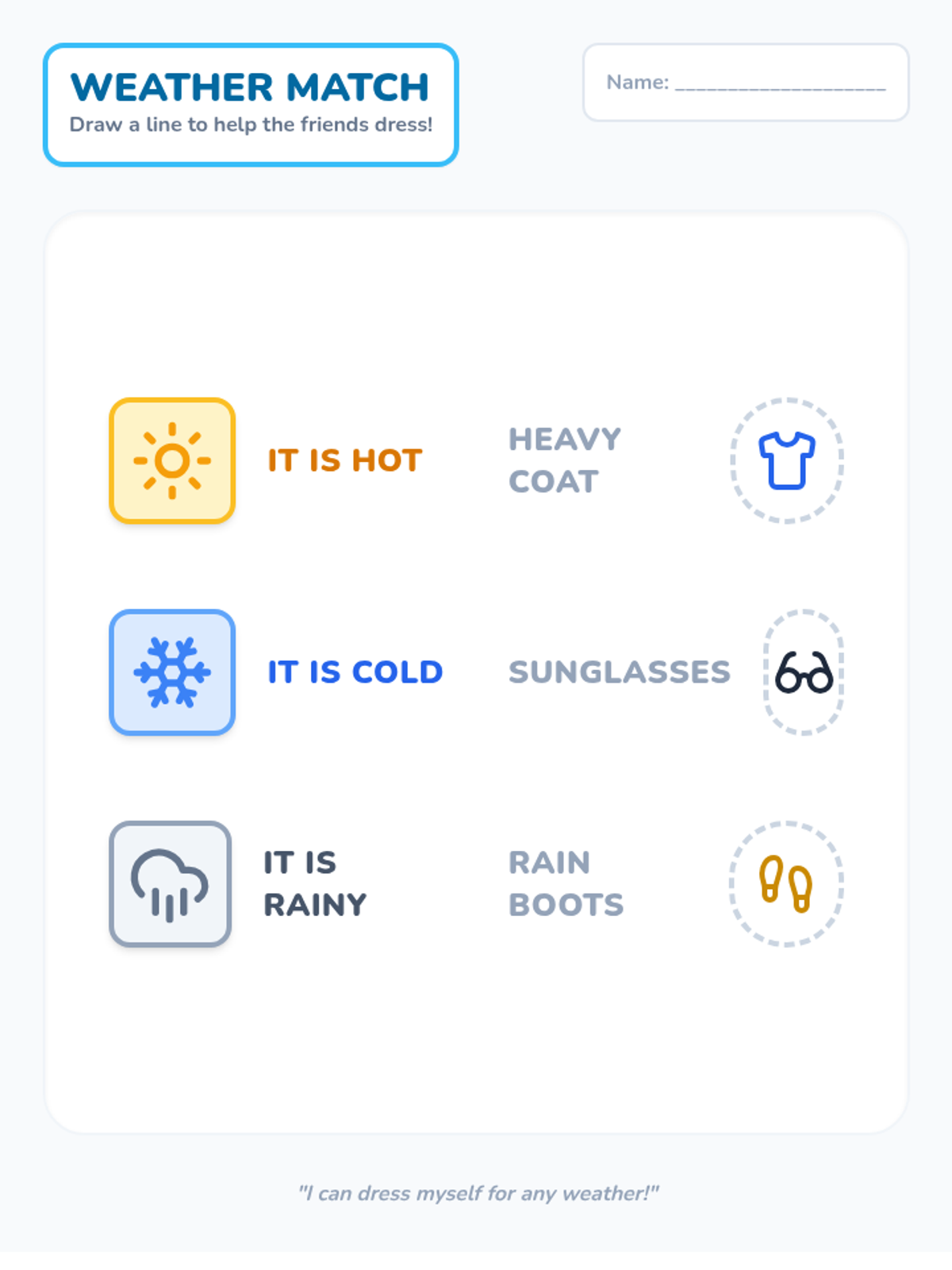
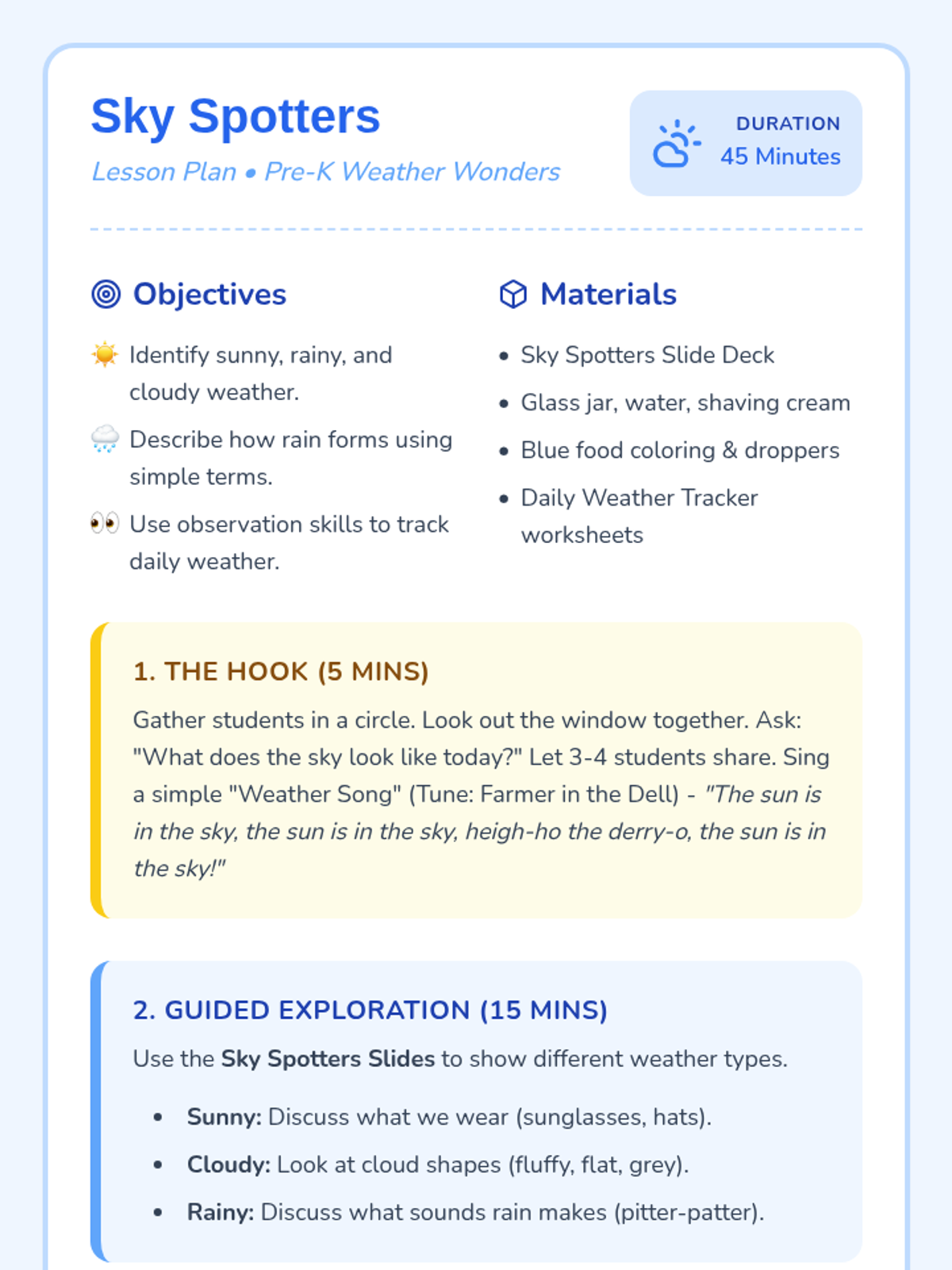
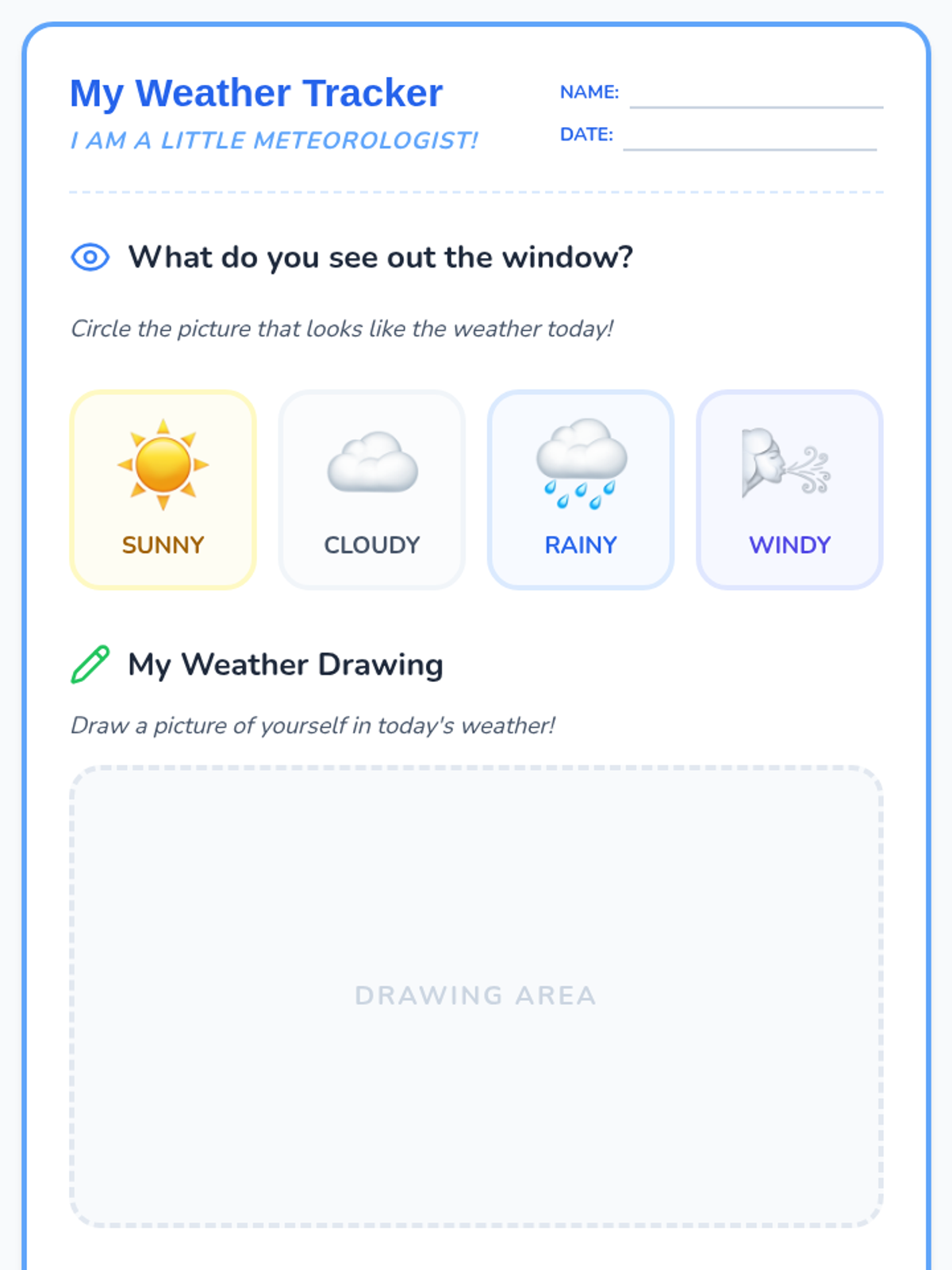
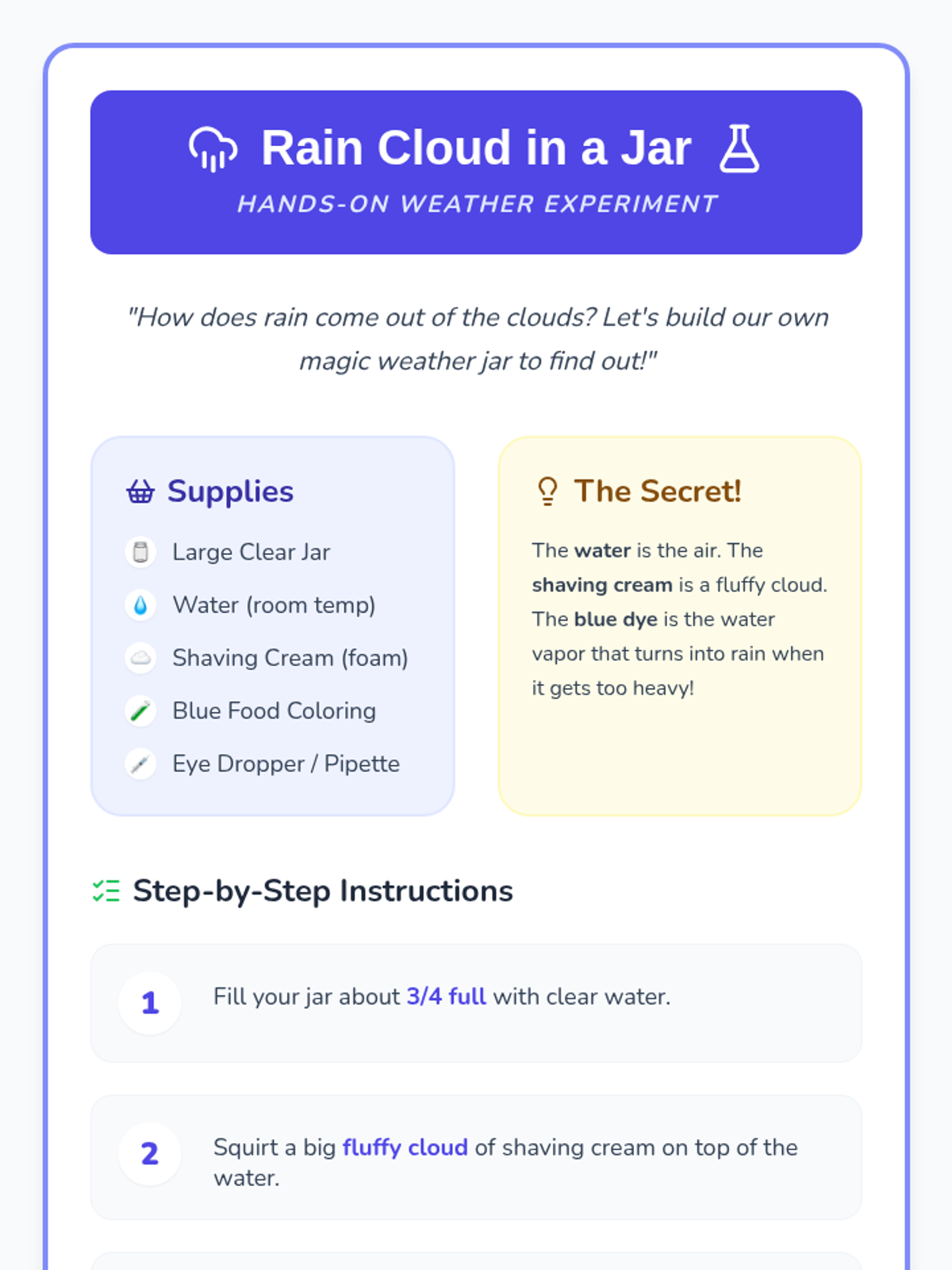
This Pre-K ELA sequence uses read-along informational texts to explore weather patterns and seasonal changes. Students develop observation skills and functional comprehension by connecting atmospheric conditions to daily life, clothing choices, and activities.
A Pre-K sequence introducing animal life cycles through read-along informational texts. Students explore transformation, vocabulary, and sequencing across five lessons covering babies, butterflies, frogs, and chickens.
A hands-on exploration of creative problem-solving for Pre-K students. Using a class mascot and whimsical scenarios, students learn that there is never just one right answer by brainstorming, building, and inventing multiple solutions to simple challenges.
A Kindergarten sequence exploring how hardware and software work together as a system. Students will learn about physical and wireless connections, compare different computing devices, and simulate the flow of information.
A Pre-K sequence focused on exploring nature within urban environments. Students learn to identify natural vs. man-made elements, explore city parks, observe urban wildlife, and practice environmental stewardship through caring for street trees and keeping public spaces clean.
A Pre-K sequence focused on ordering events through the lens of nature, moving from linear growth to cyclical patterns in plants, animals, and seasons. Students develop foundational social studies and science skills through observation and hands-on sequencing activities.