A comprehensive suite of resources designed to guide doctoral students through the complex process of structuring, synthesizing, and refining their Record of Study, with a focus on logical flow and academic rigor.
No materials in this sequence yet.
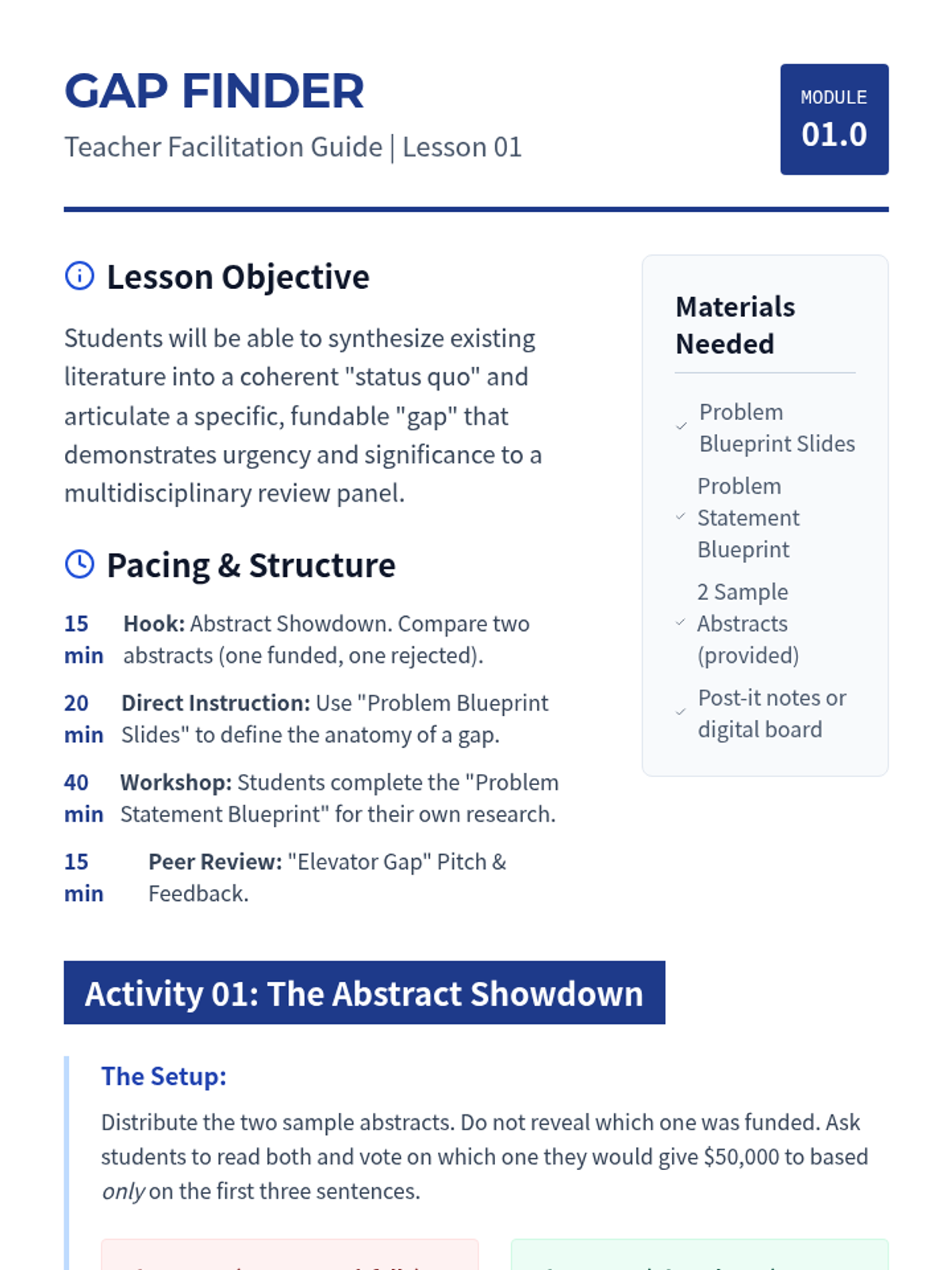
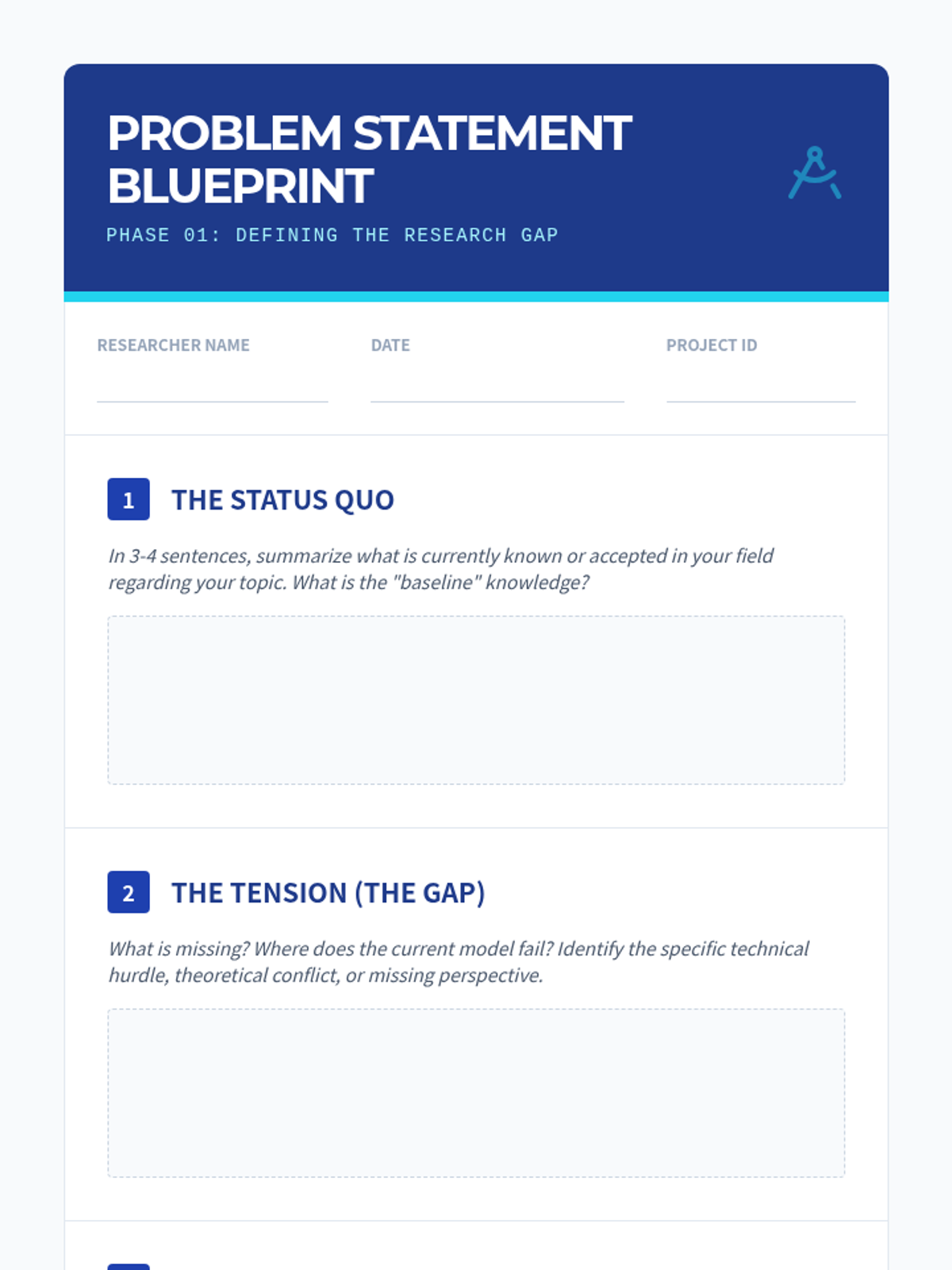
This sequence guides graduate students through the technical and persuasive aspects of grant writing and research proposal formulation, focusing on problem definition, methodology, budgeting, and communication.
This advanced sequence focuses on the deconstruction of complex academic and professional arguments using sophisticated rhetorical frameworks. Graduate students will engage in deep analysis of seminal texts across disciplines, examining how authors establish authority, select data, and navigate methodological limitations.
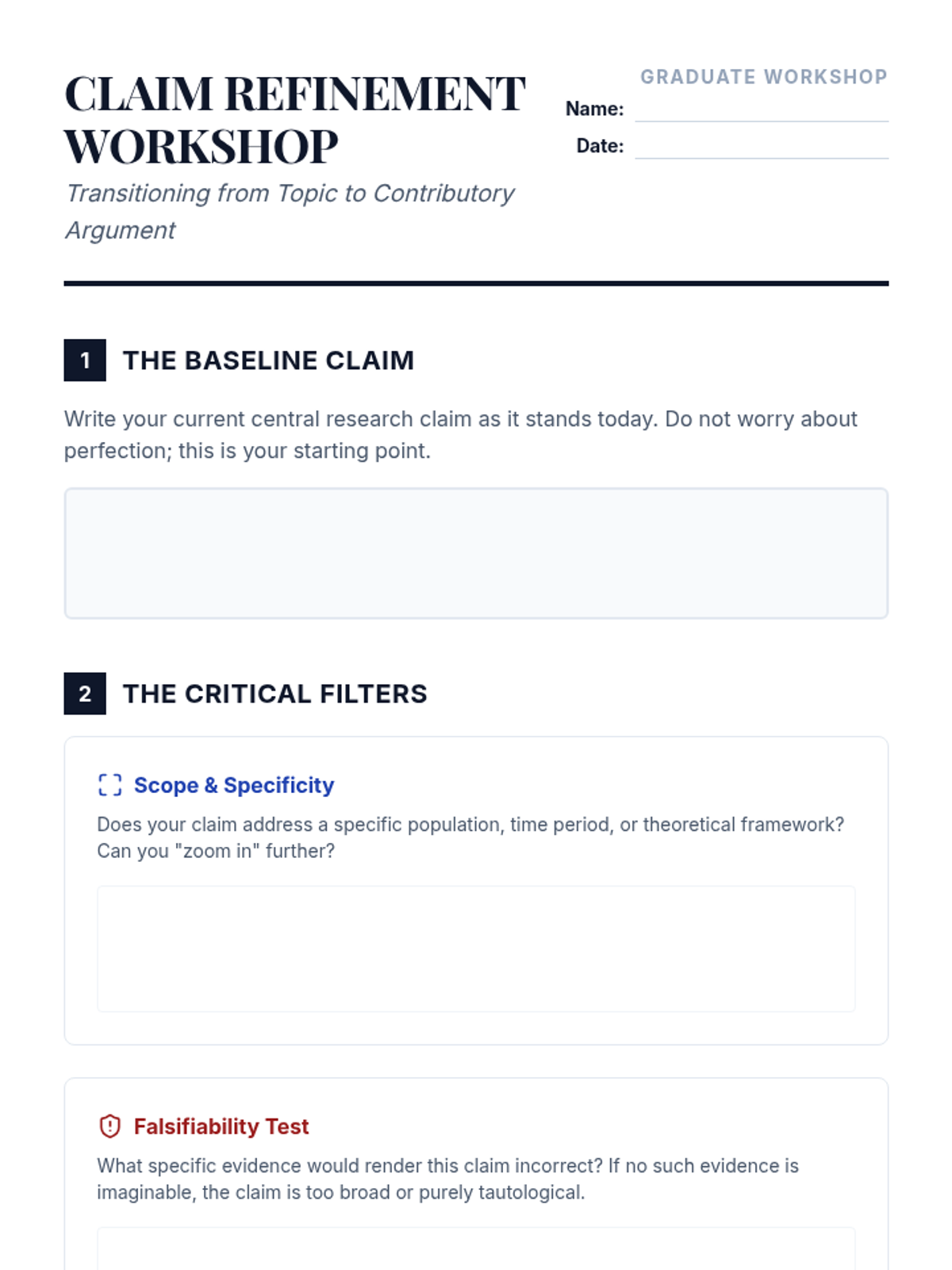
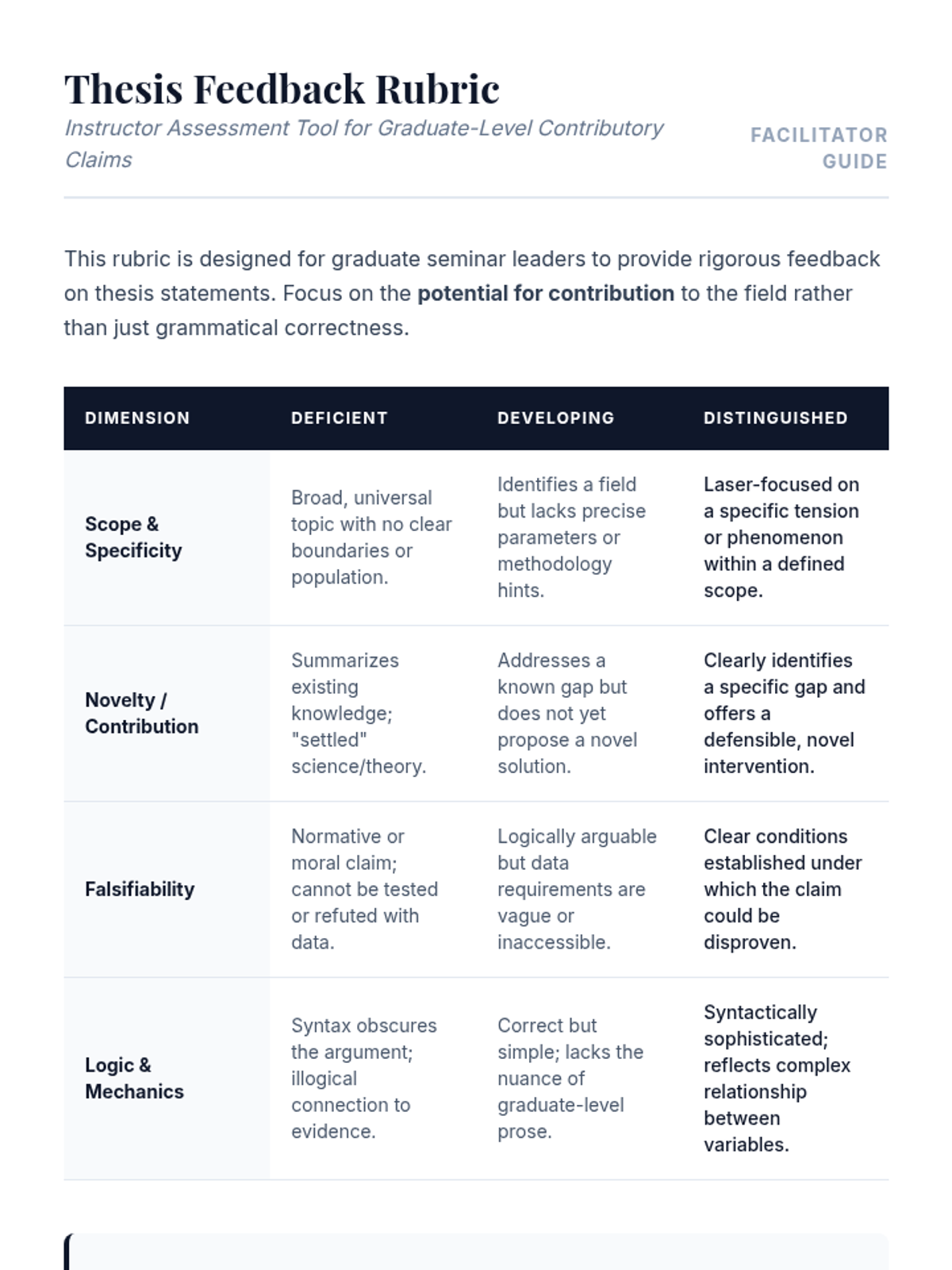
A comprehensive graduate-level workshop series focused on transitioning from research topics to defensible academic contributions. Students will master thesis refinement, literature synthesis, counter-argument strengthening (steelmanning), and the oral defense of evidentiary choices.
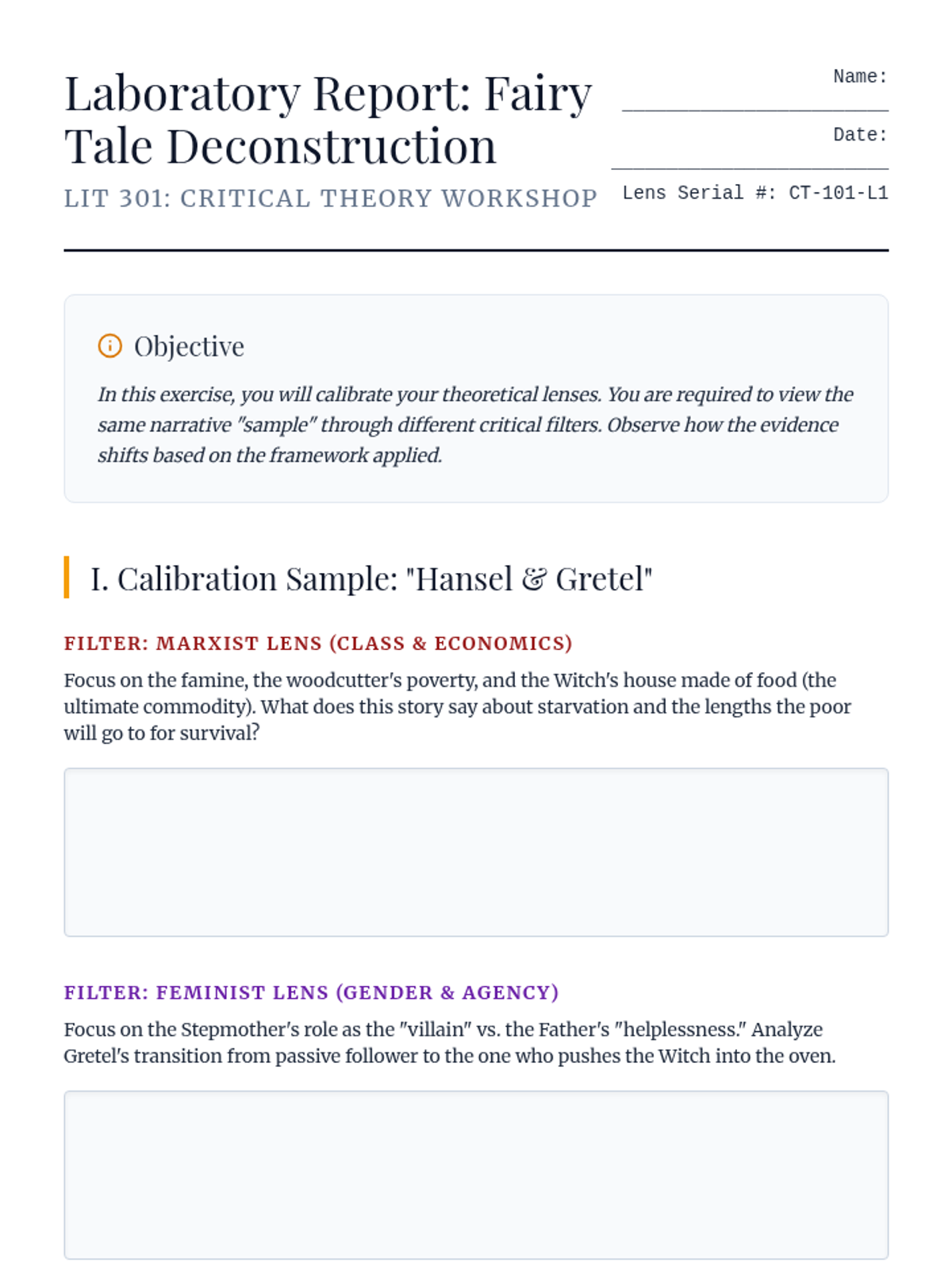
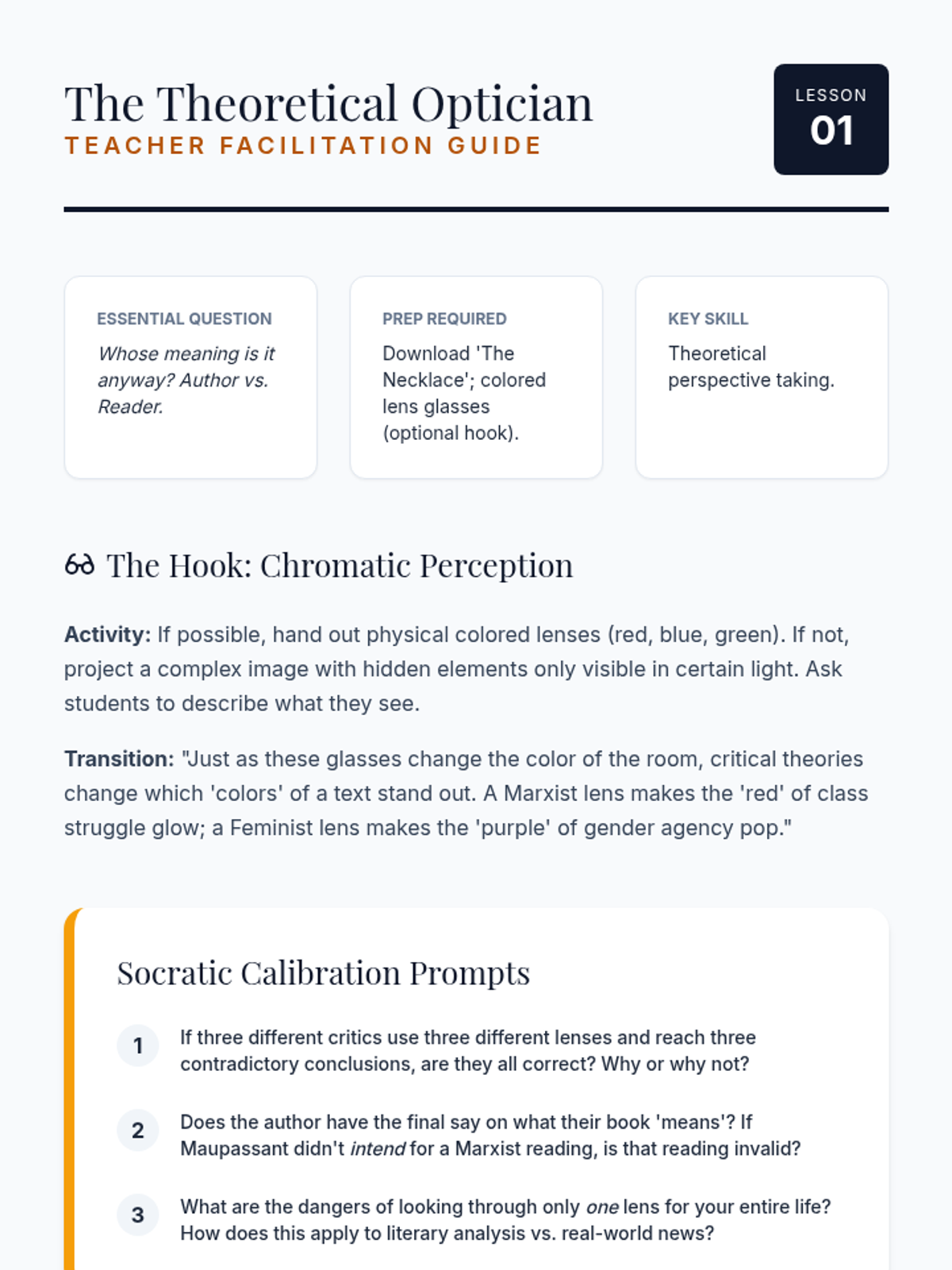
This undergraduate-level sequence explores literary theme through the application of various critical theory lenses (Marxist, Feminist, and Post-Structuralist) using Guy de Maupassant's 'The Necklace' as a central text. Students move from understanding theory as a metaphoric lens to deconstructing the stability of meaning itself, culminating in a multi-perspectival portfolio.
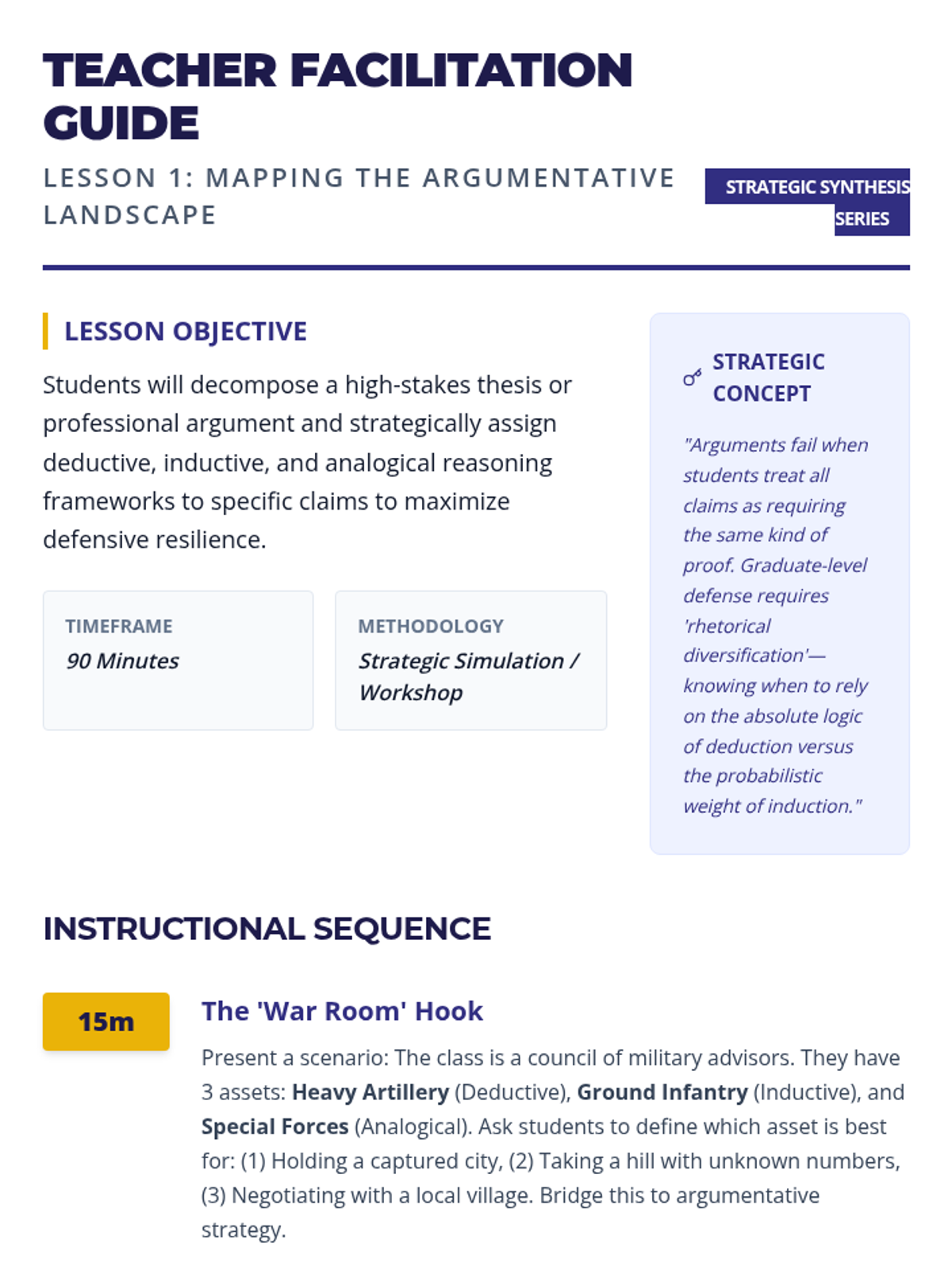
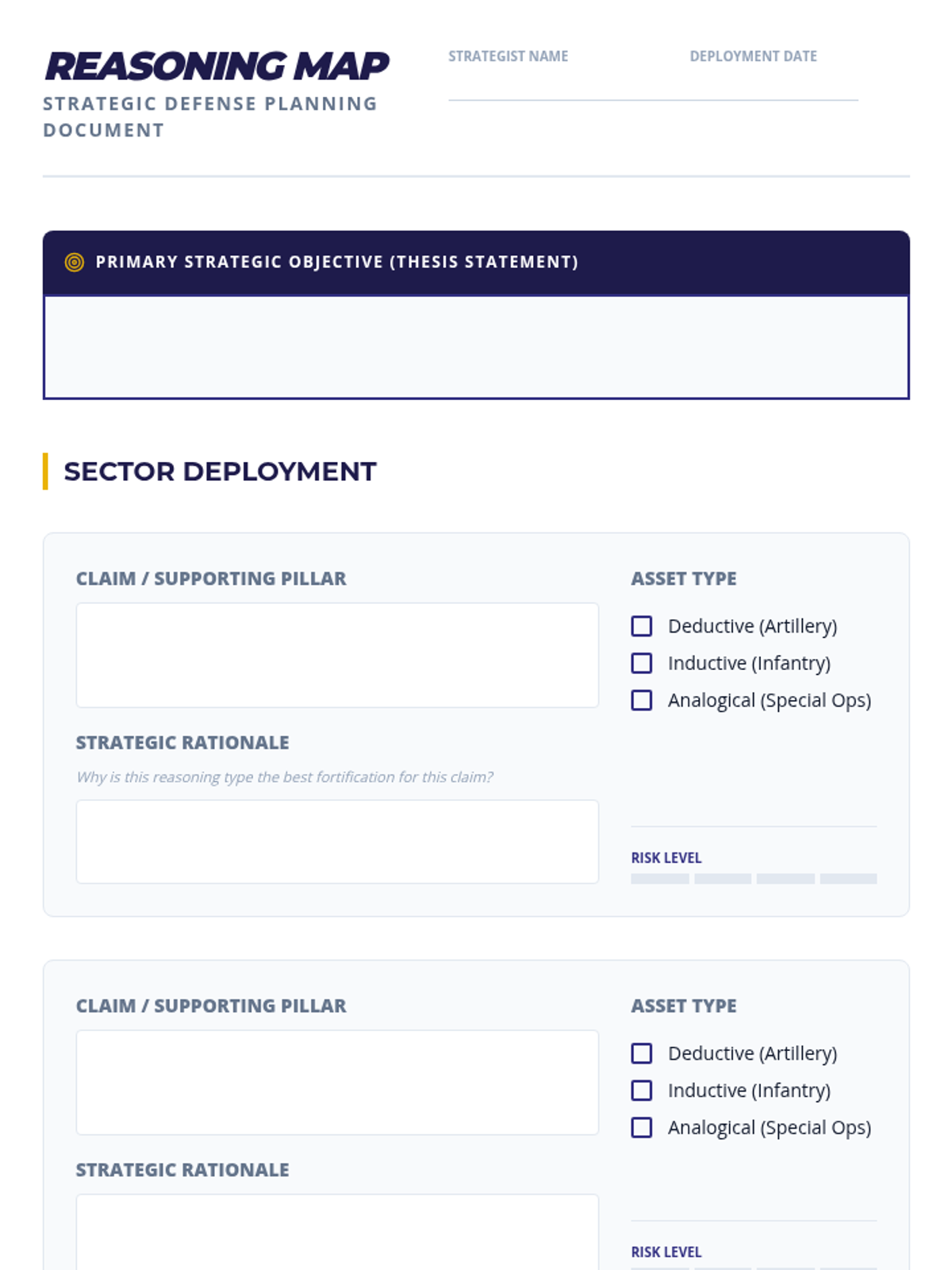
A graduate-level sequence focused on integrating deductive, inductive, and analogical reasoning into a cohesive defensive strategy for academic and professional contexts.
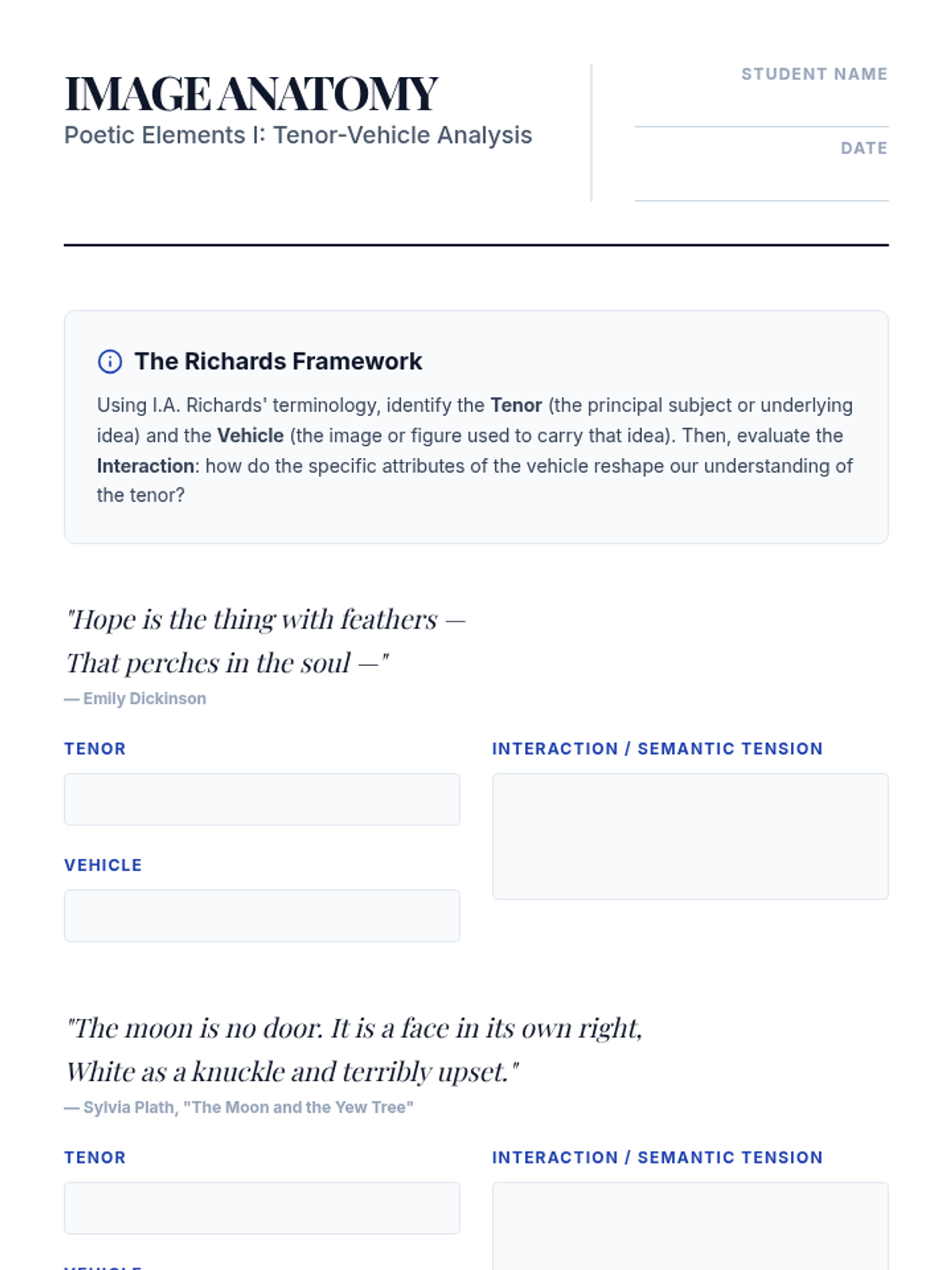
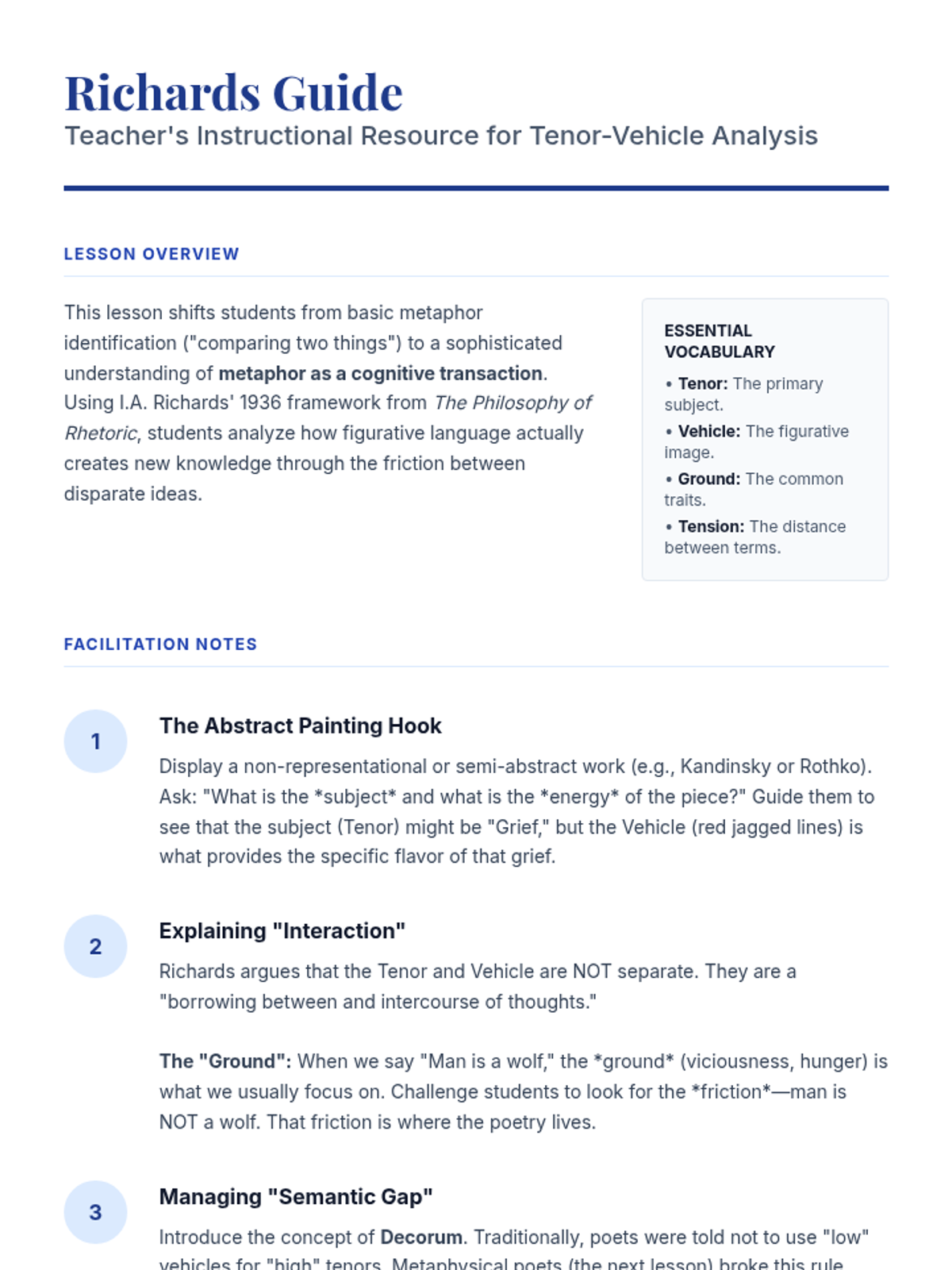
An advanced exploration of figurative language in poetry for undergraduate students, focusing on the cognitive and structural functions of metaphor, conceit, metonymy, and allusion. Students move from basic identification to deep rhetorical and ontological analysis of poetic imagery.
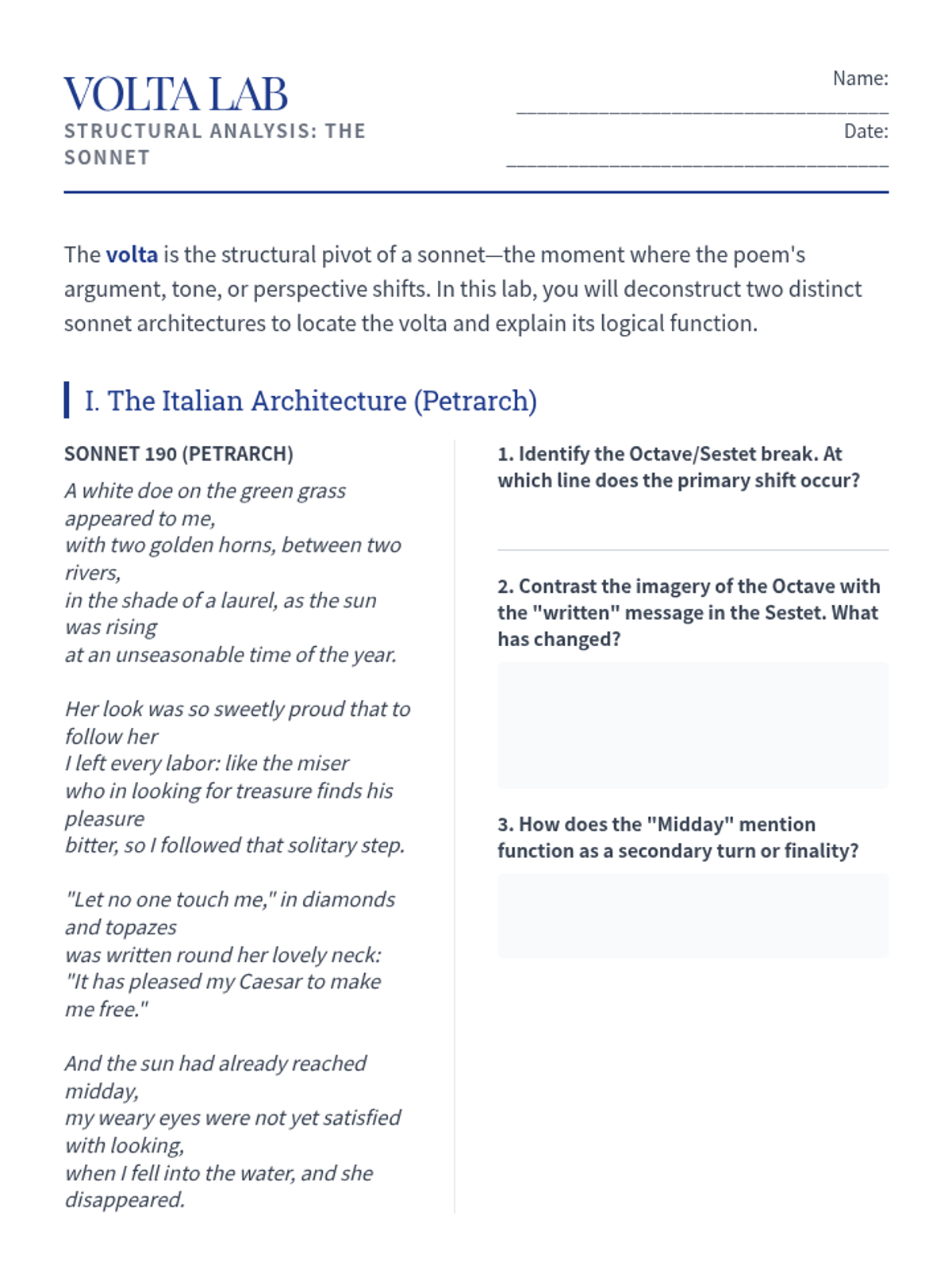
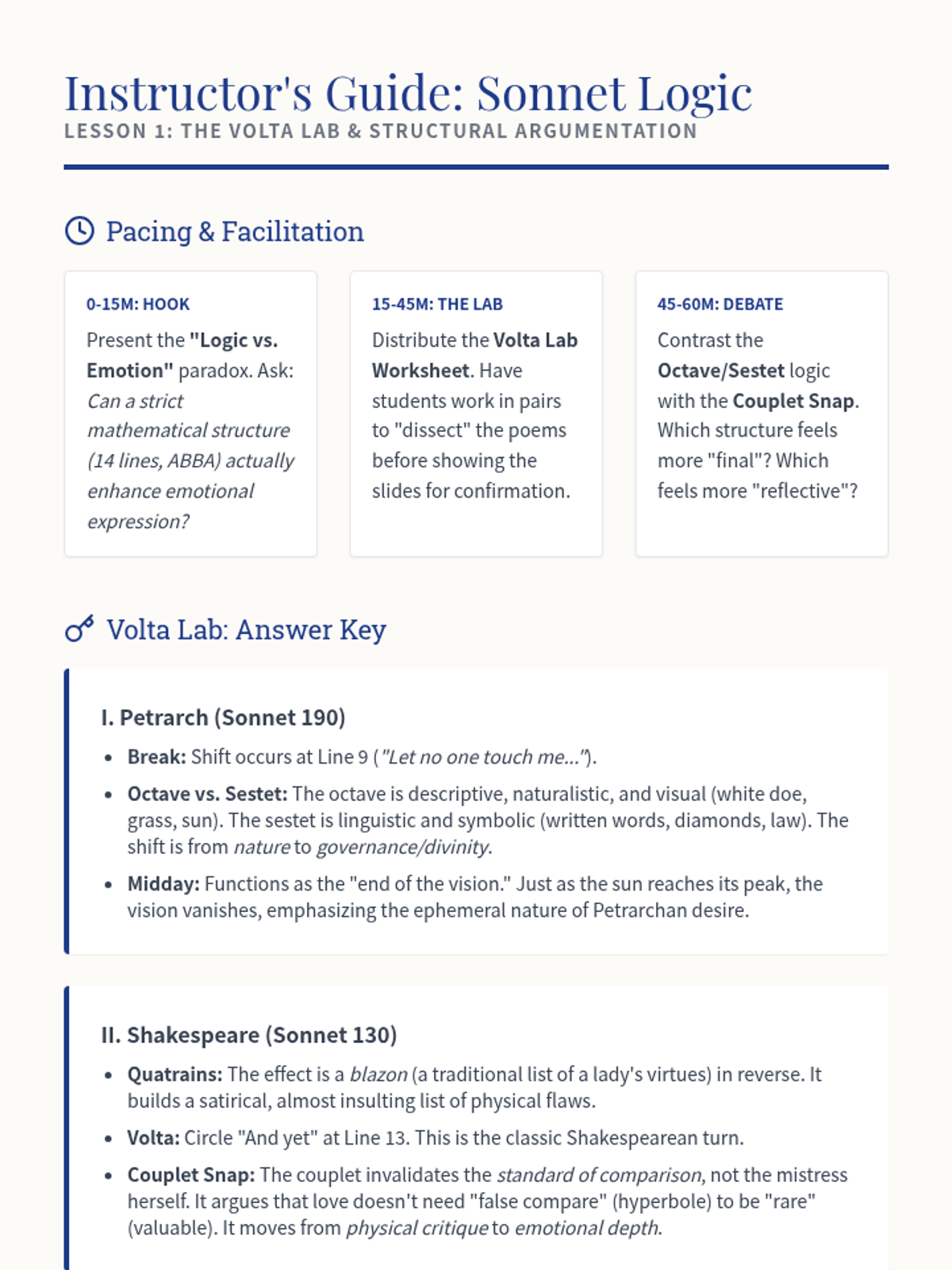
An undergraduate-level exploration of fixed poetic forms, focusing on how structural constraints like rhyme, repetition, and stanzaic patterns shape logic, emotion, and narrative. Students analyze the evolution of the Sonnet, Villanelle, Sestina, Ode, and Elegy, eventually examining contemporary subversions of these traditions.
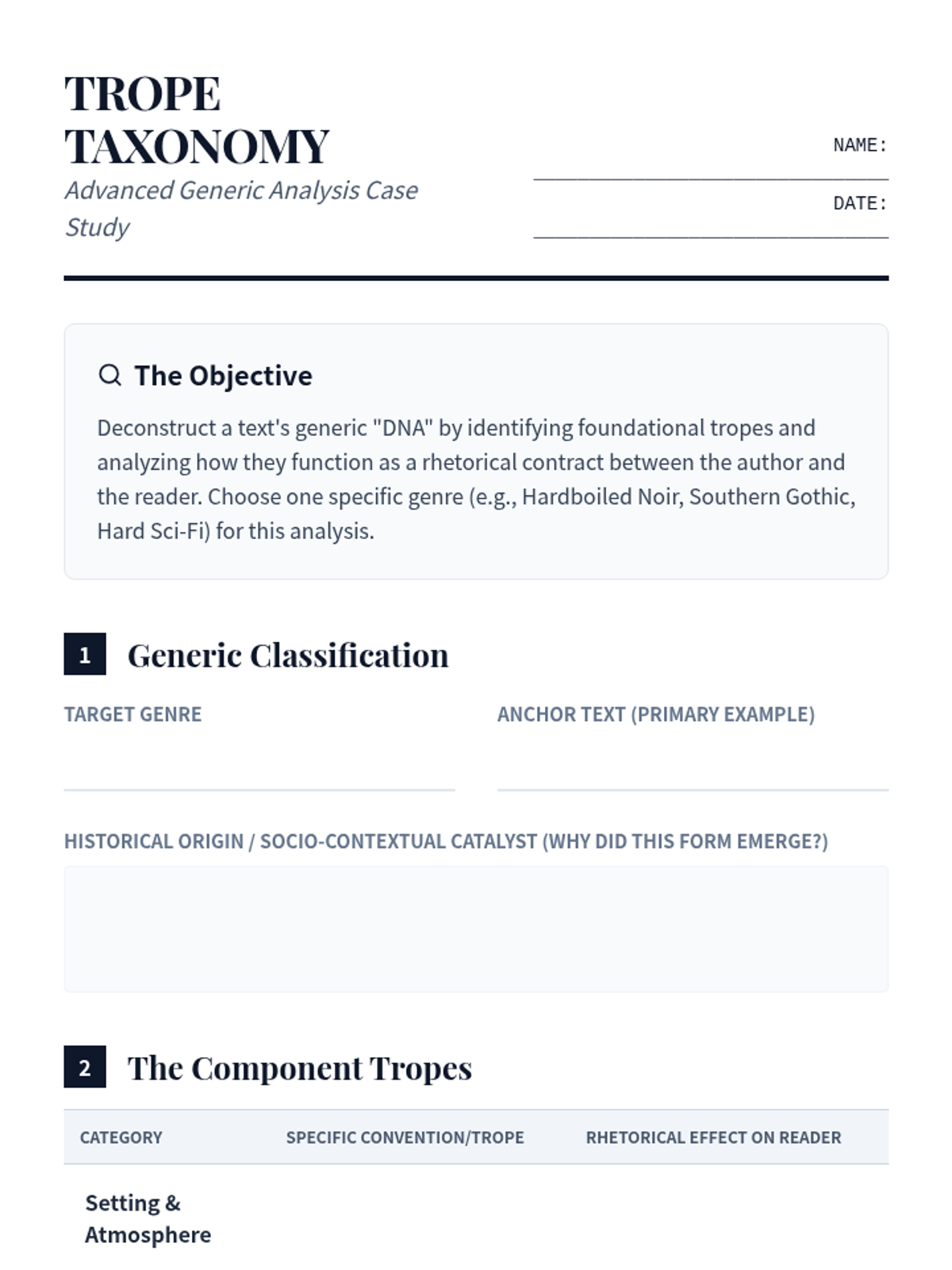
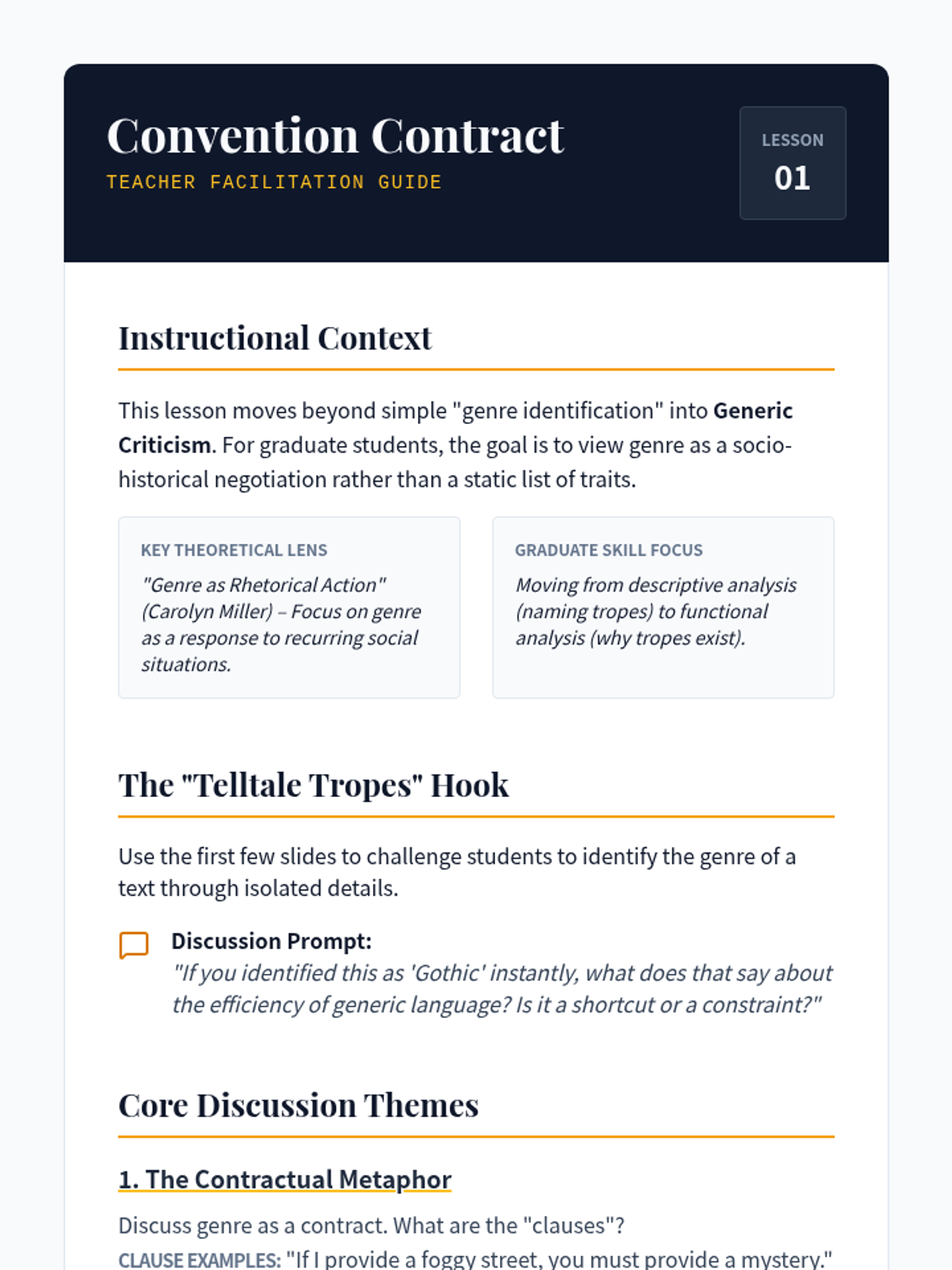
A graduate-level exploration of genre theory, investigating how conventions are established, subverted, and hybridized in response to socio-historical shifts. Students analyze the 'contract' between author and reader and culminate the sequence by proposing new generic classifications for contemporary works.
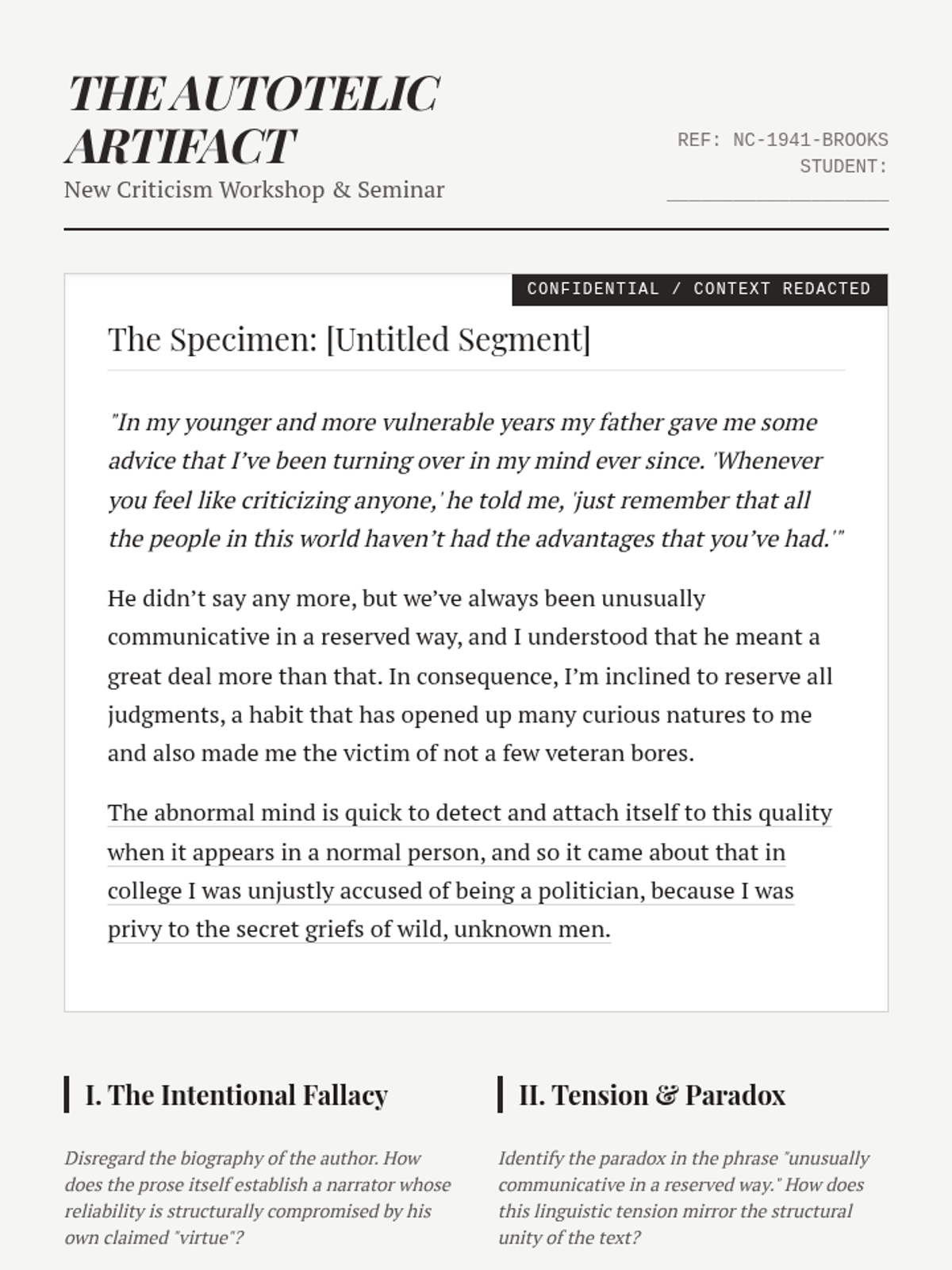
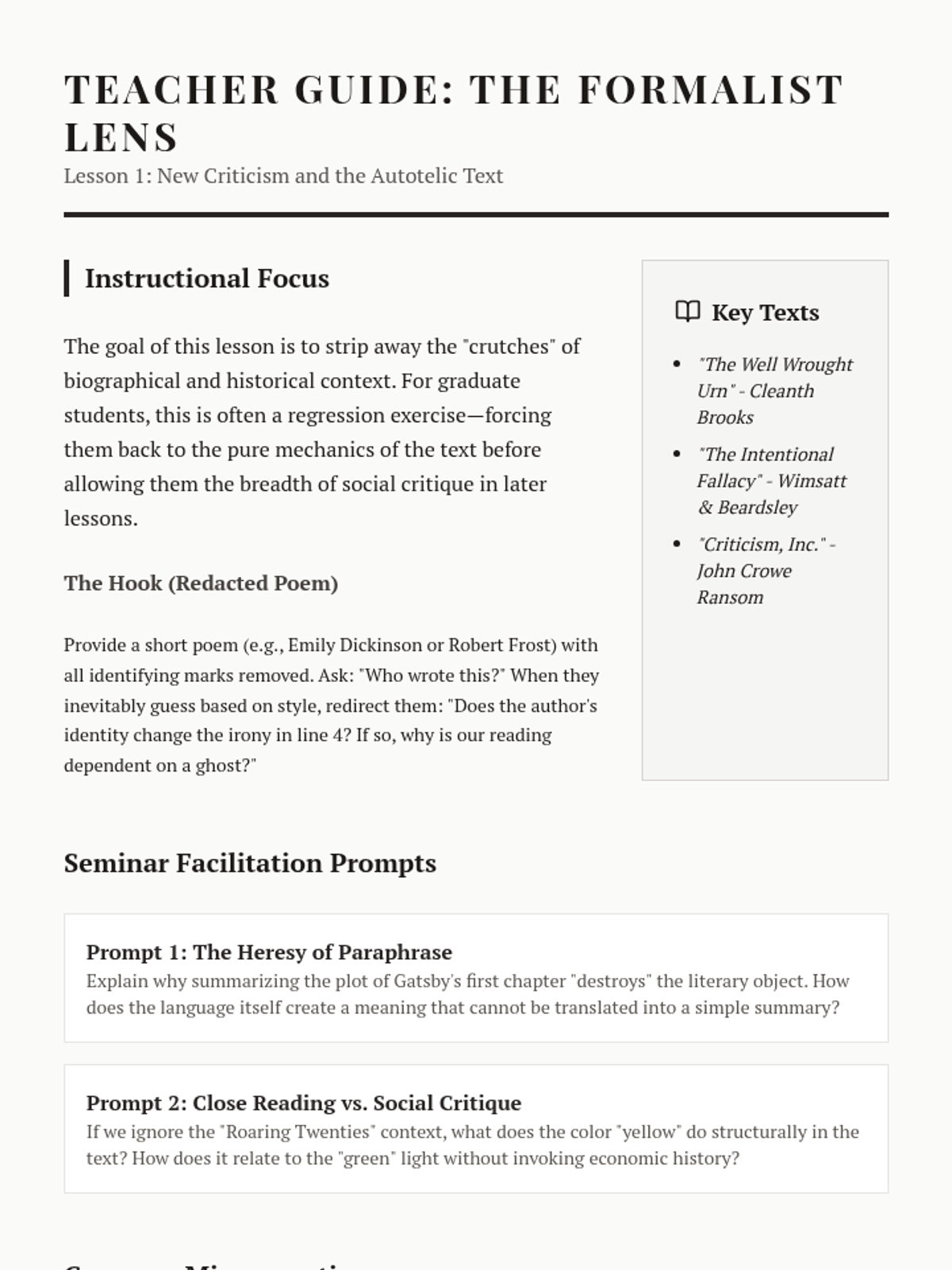
A graduate-level exploration of literary analysis through conflicting critical lenses, including New Criticism, Psychoanalysis, Marxism, and Post-Colonialism, culminating in a synthesis of interpretive plurality.
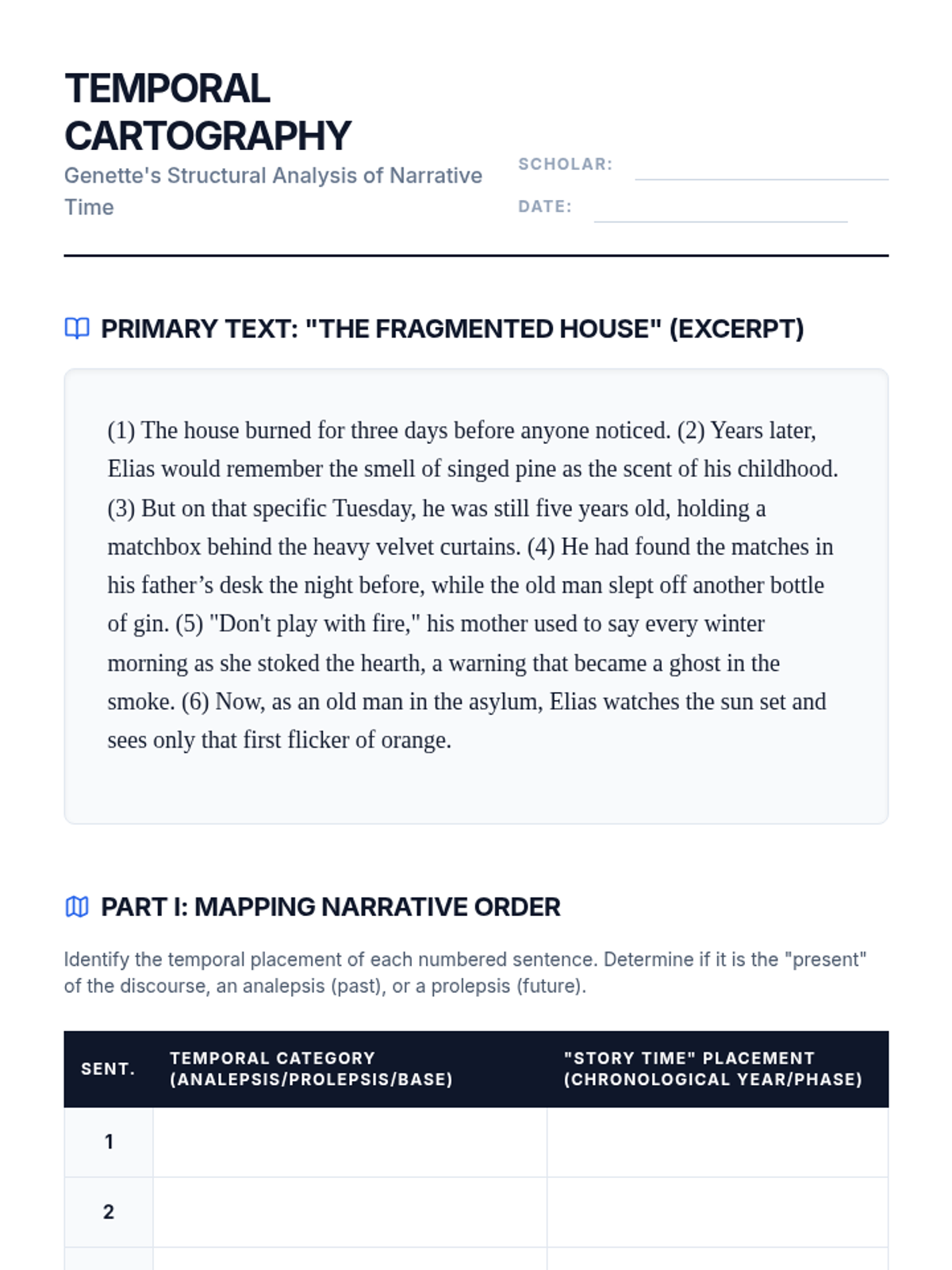
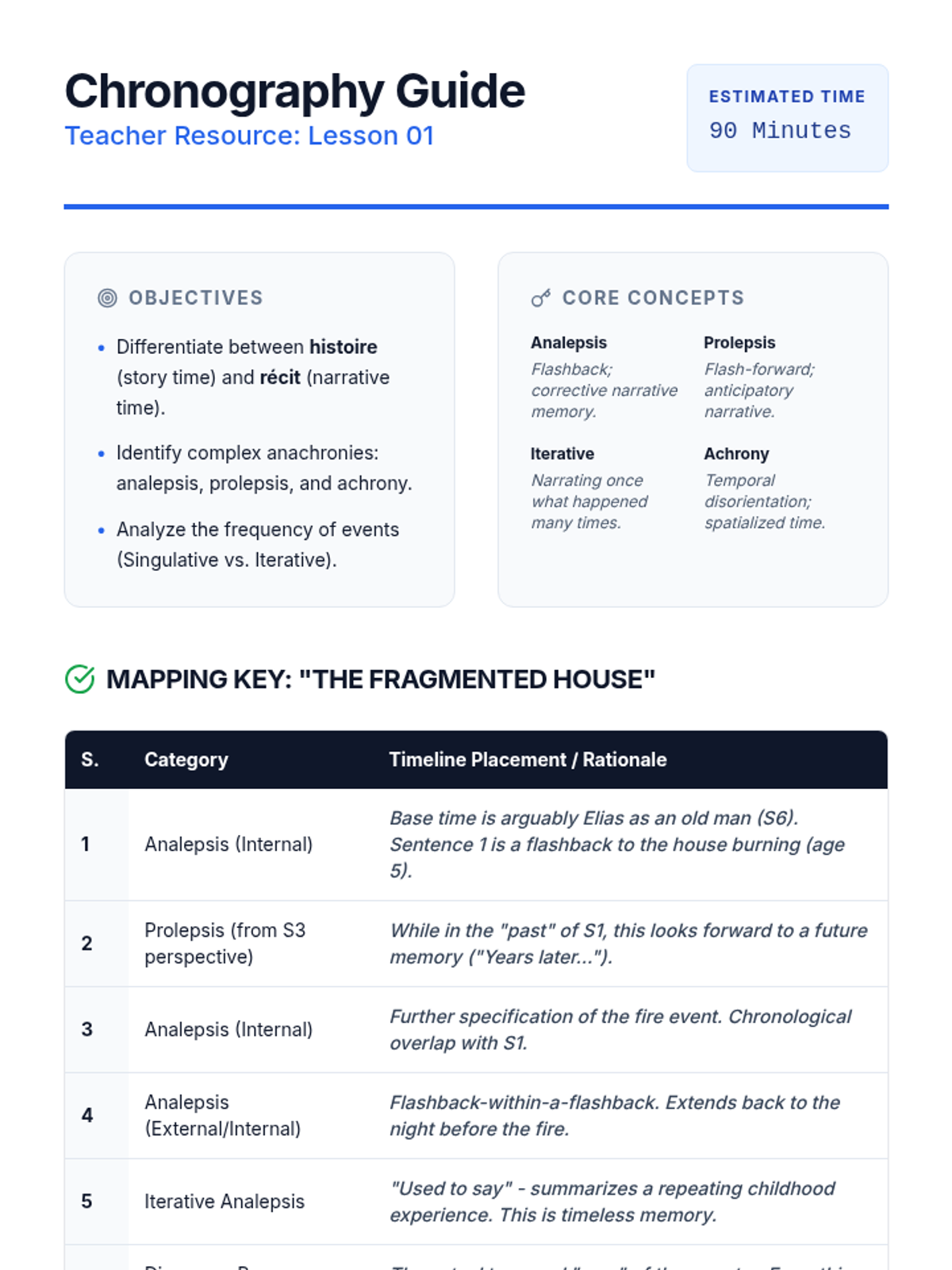
A graduate-level exploration of narratology focusing on Gérard Genette's structural analysis of narrative time, focalization, and levels of diegesis. Students move from identifying mechanical structures to evaluating how they manipulate reader perception in experimental and postmodern fiction.
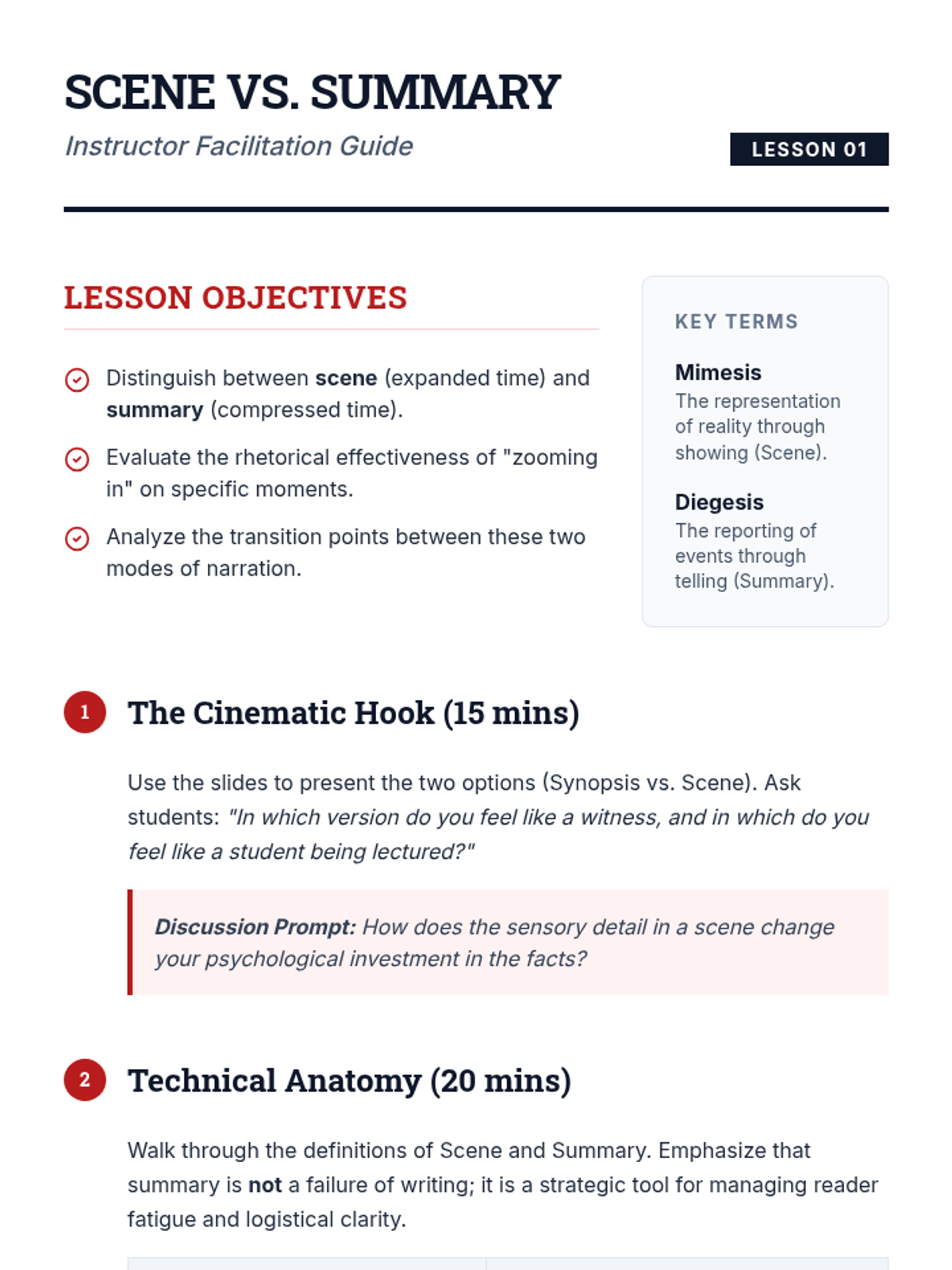
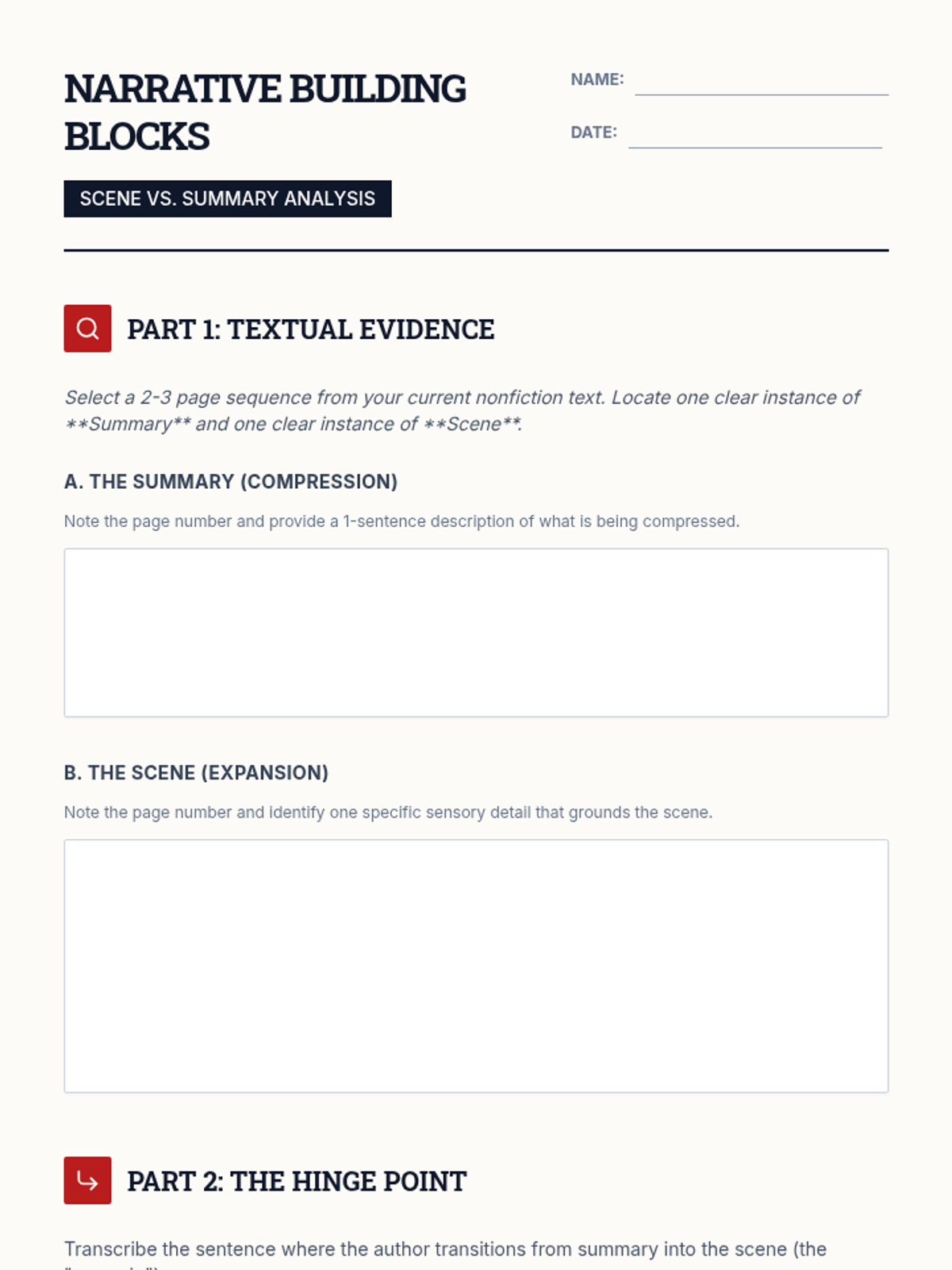
This undergraduate-level sequence explores the intersection of journalism and literary art, focusing on narrative techniques like scene construction, characterization, and pacing within nonfiction texts while addressing the ethical implications of these choices.
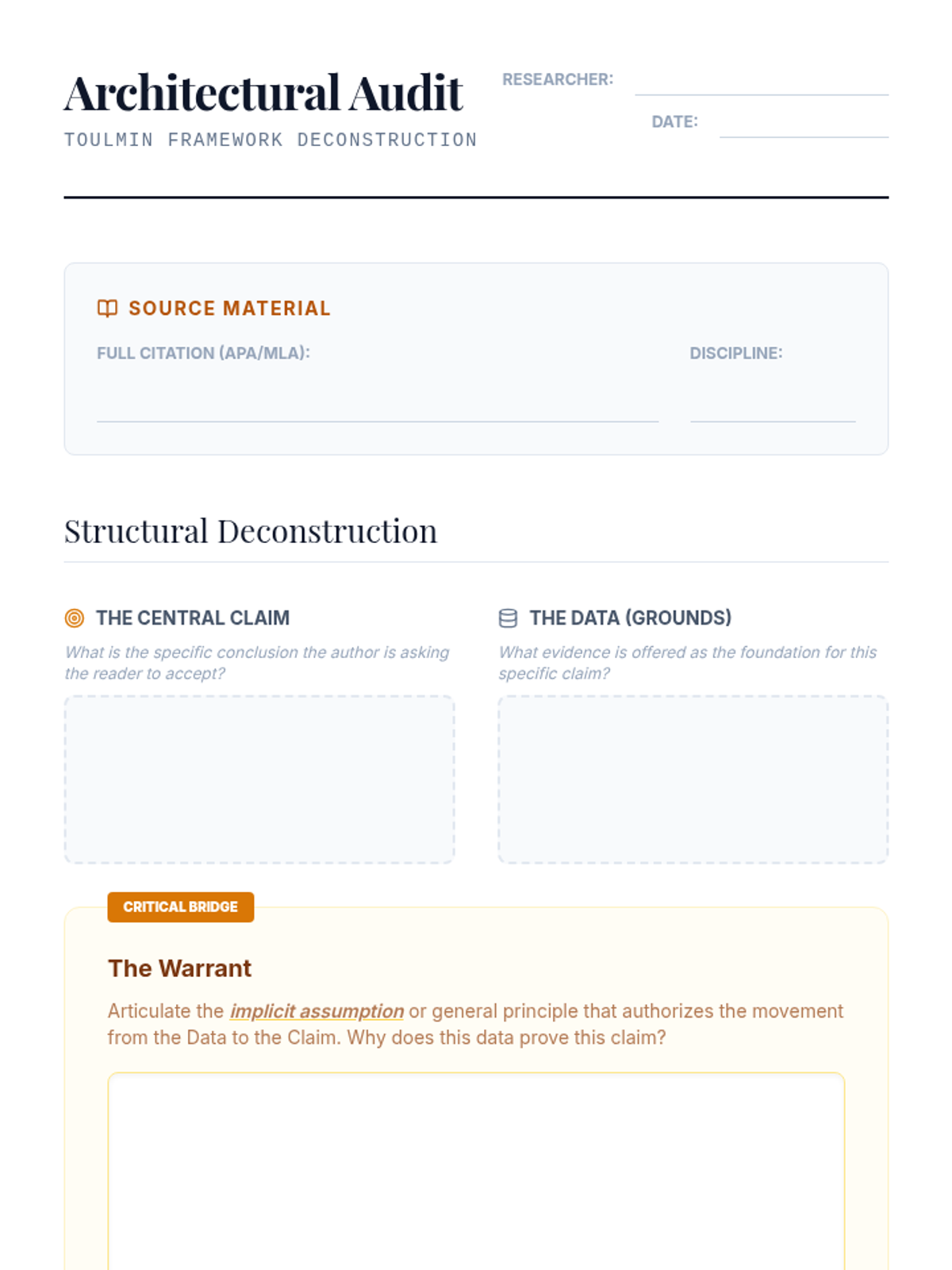
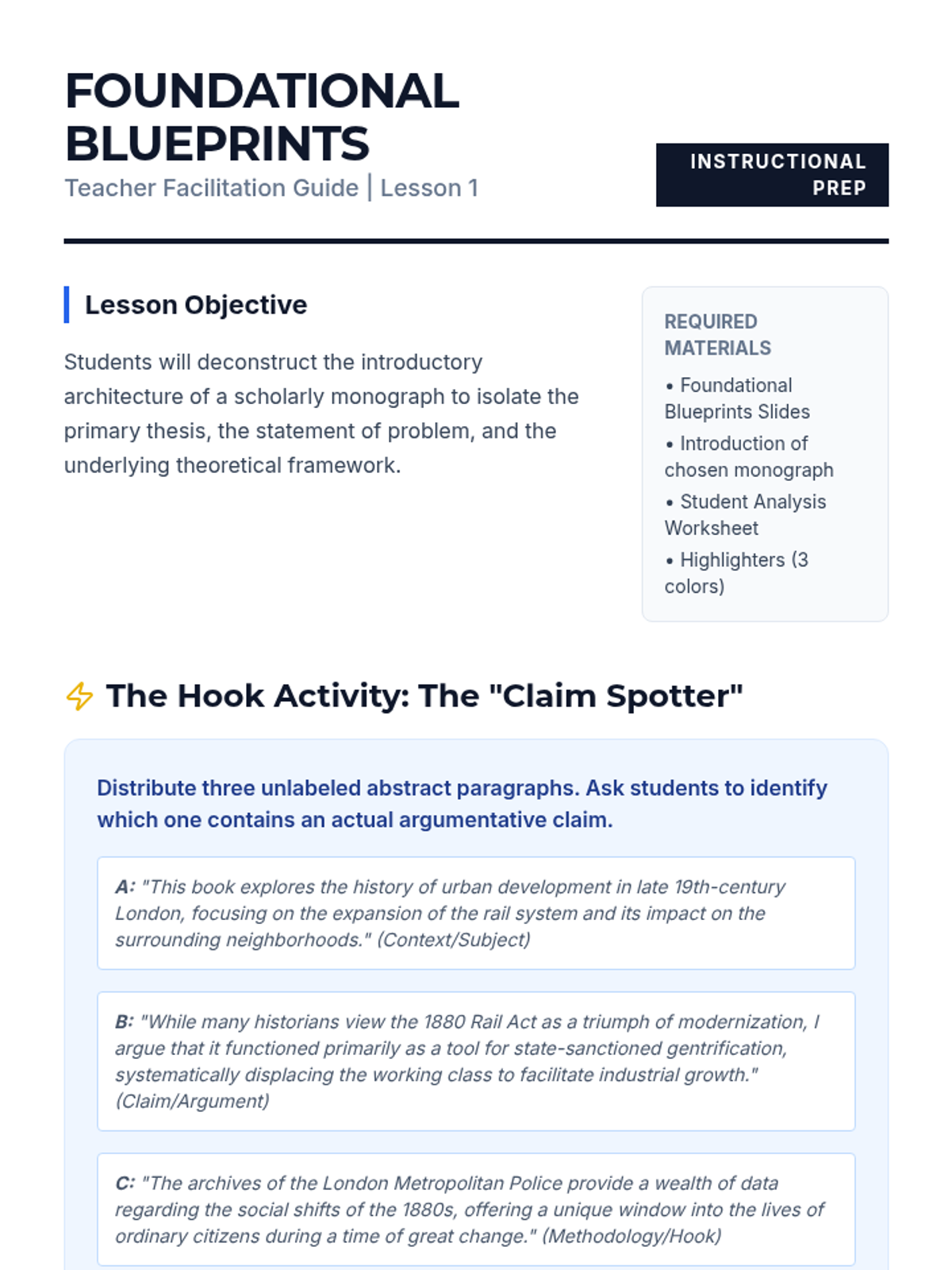
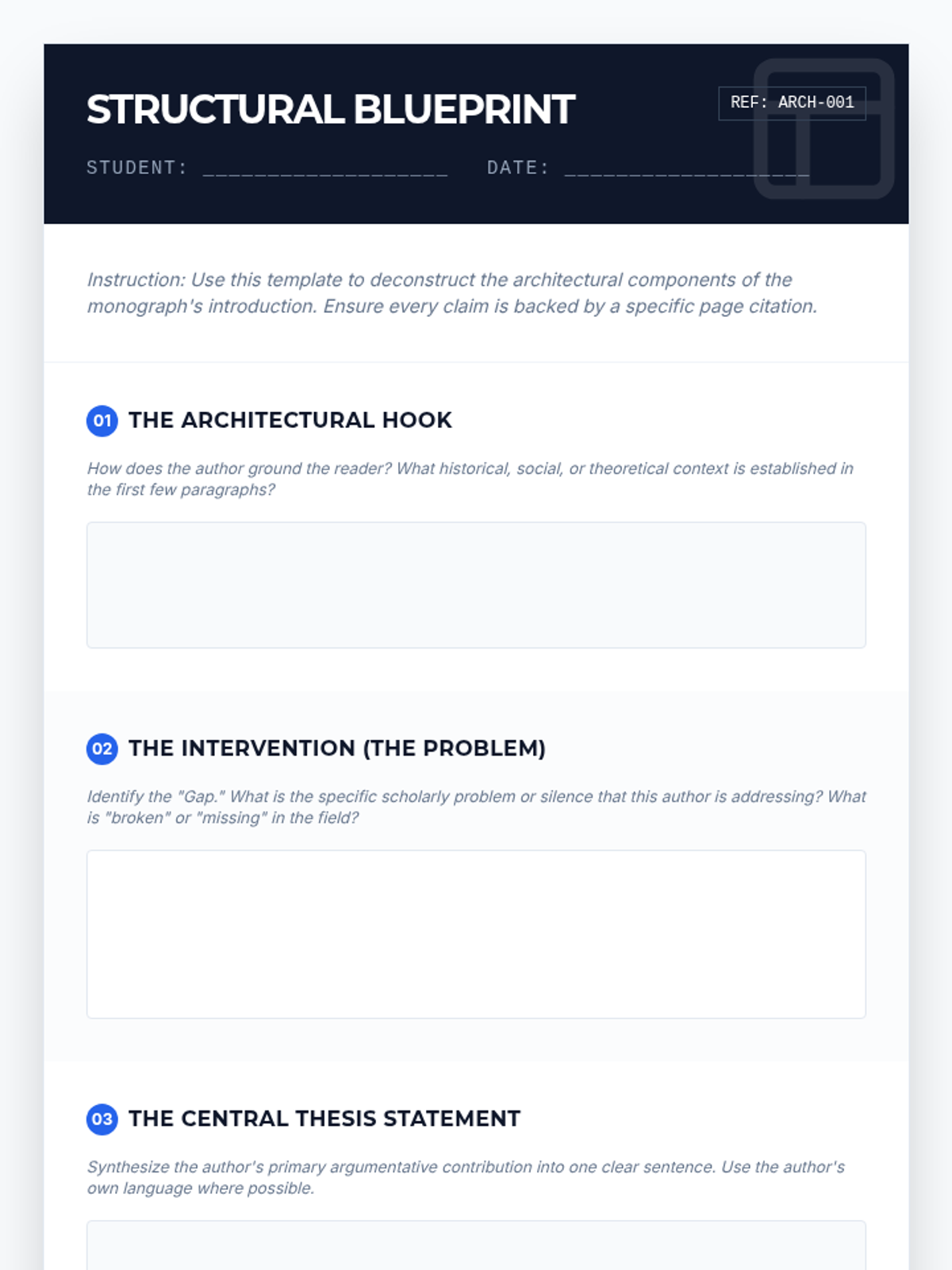
An intensive sequence for undergraduate students focused on the structural and rhetorical deconstruction of academic monographs. Students will master the Toulmin model, evaluate evidence types, and analyze how scholarly authority is constructed through language and methodology.