This sequence immerses advanced ESL students in the reality of natural English, focusing on regional dialects, connected speech, and colloquialisms to build authentic listening comprehension.
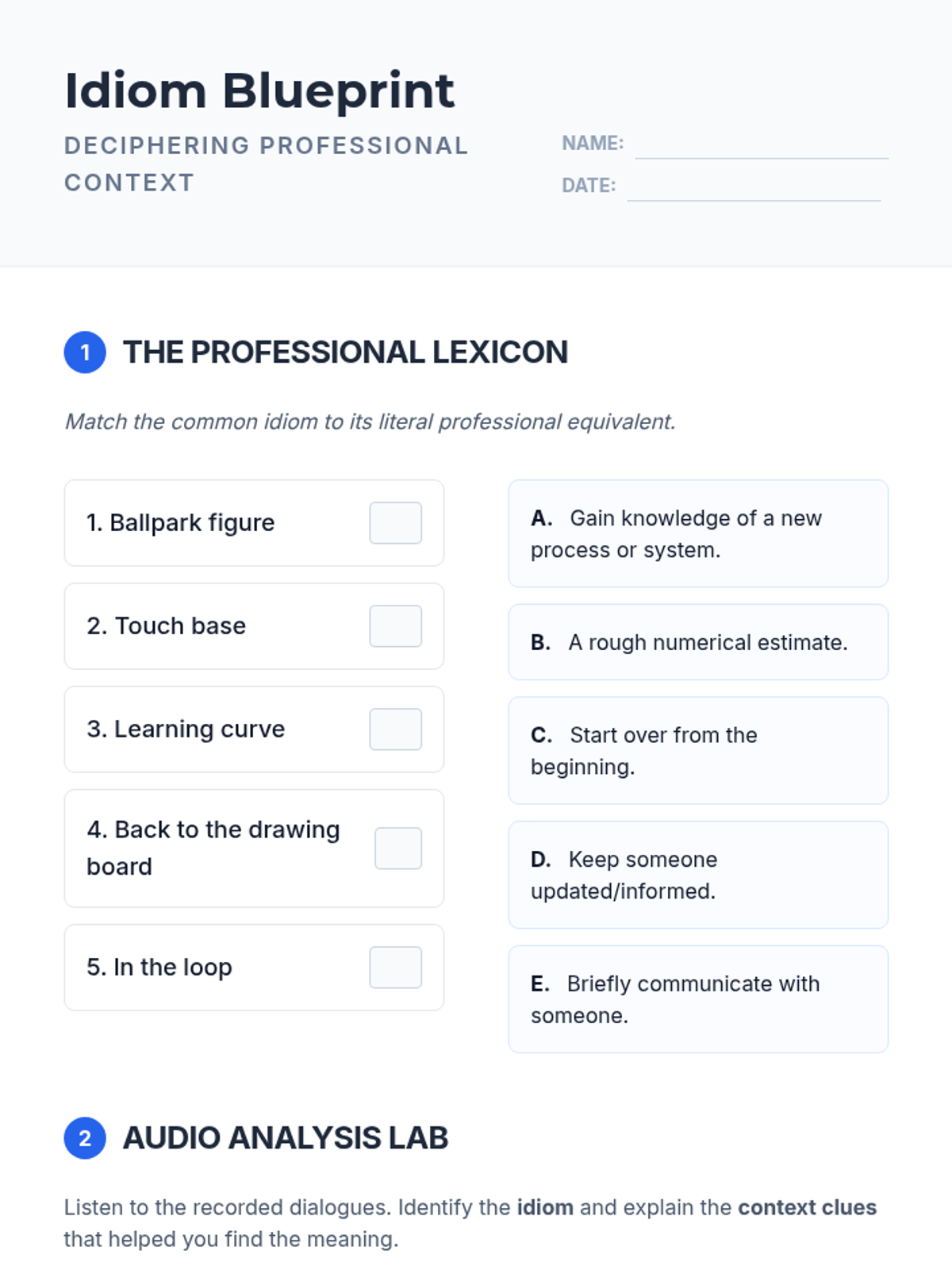
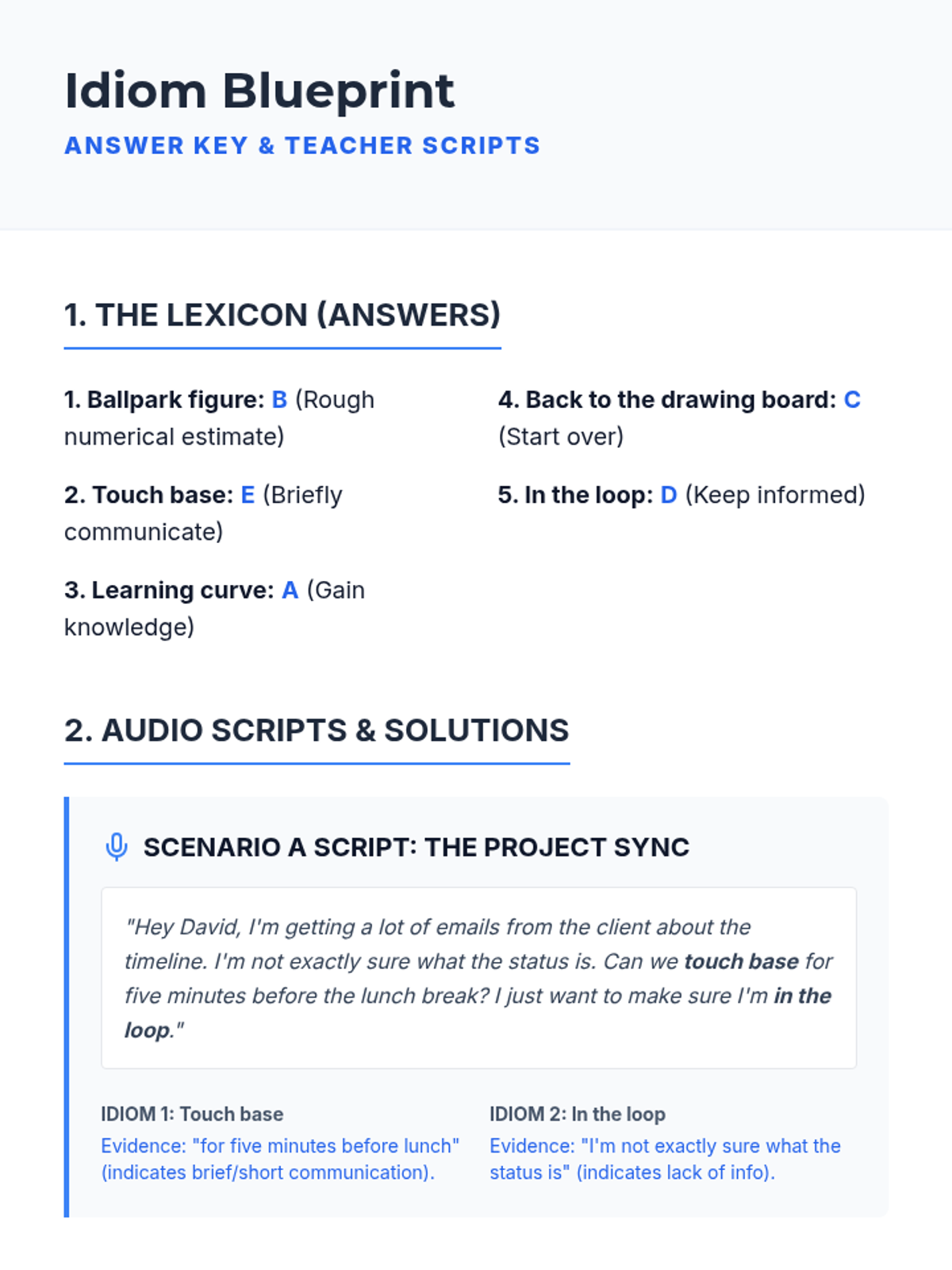
A 5-lesson sequence for graduate students to master idiomatic language, phrasal verbs, and cultural nuances in professional and academic networking environments. Students move from decoding literal meaning to applying figurative language in a high-stakes networking simulation.
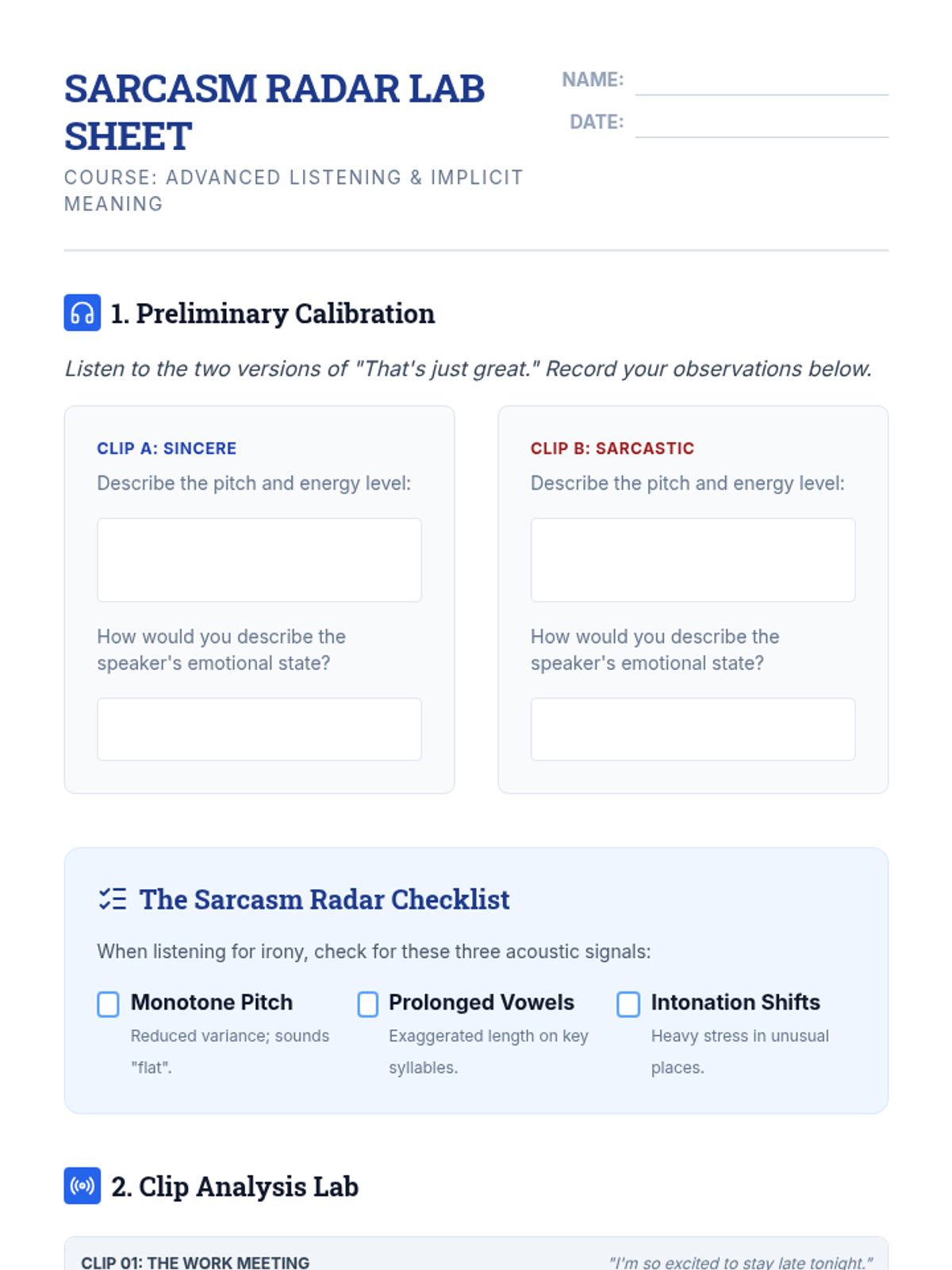
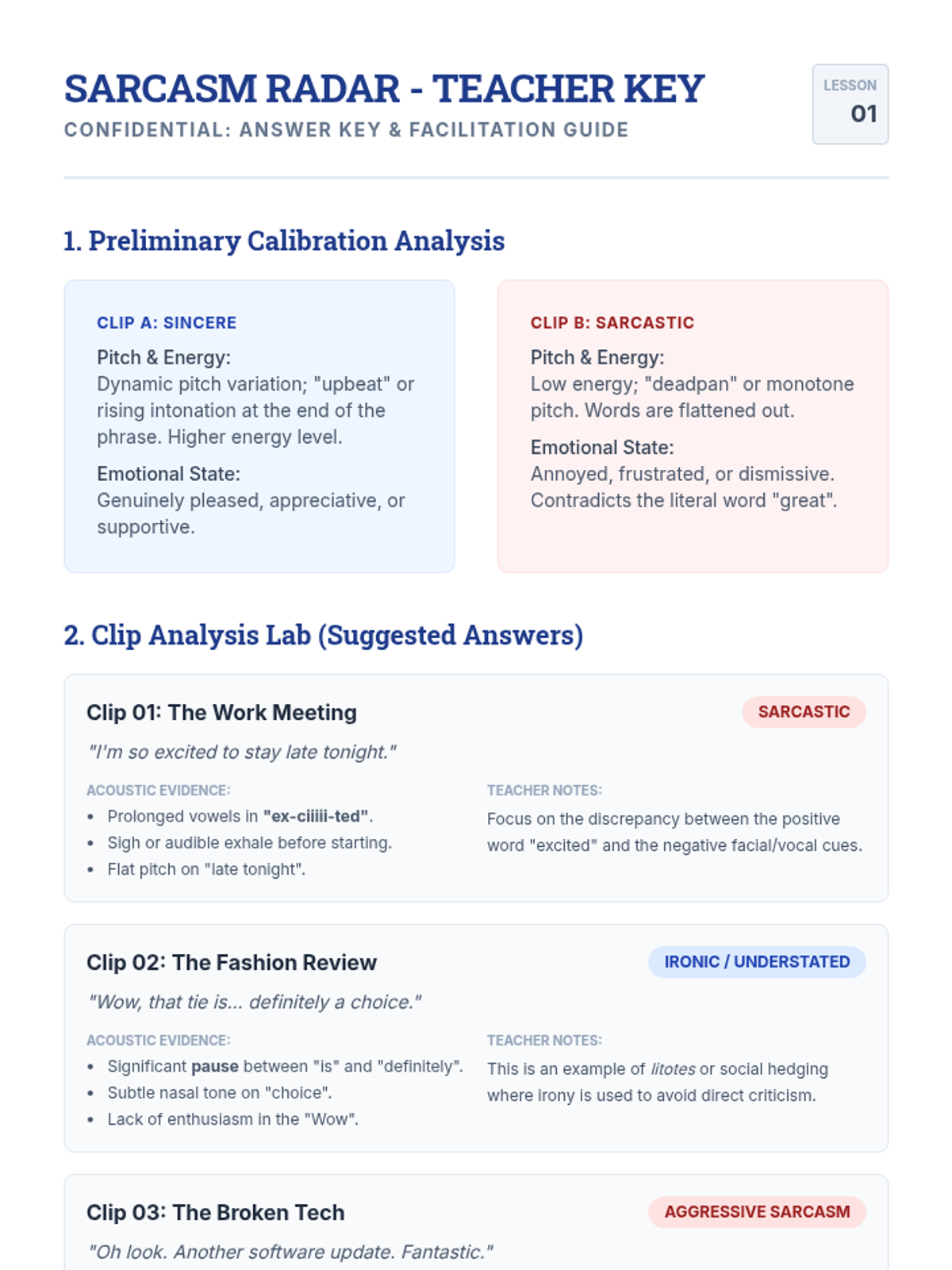
This sequence for graduate ESL students explores the nuances of English beyond literal meaning. Students will master the ability to detect sarcasm, bias, contrastive stress, and professional register, equipping them for complex academic and professional communication.
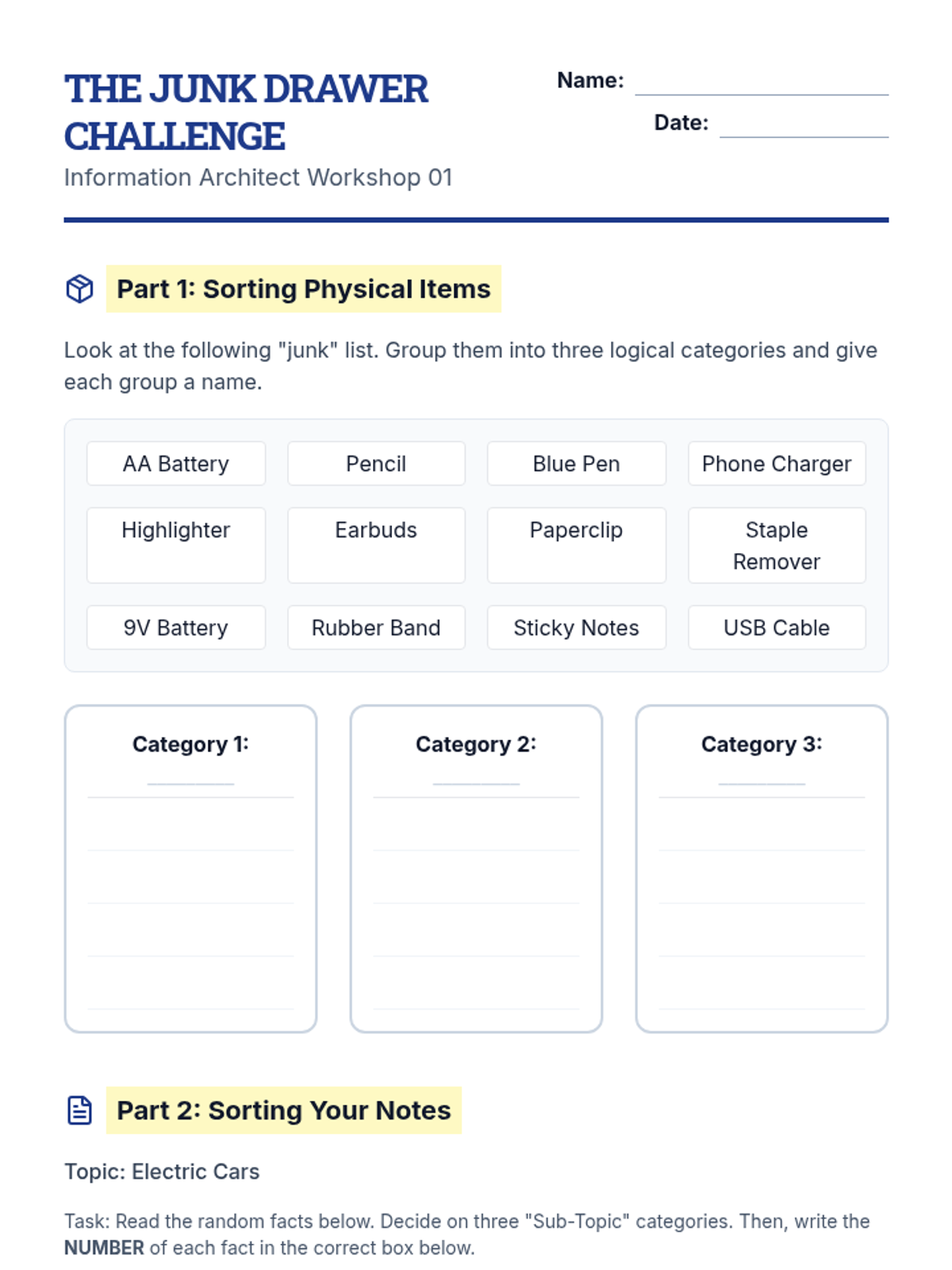
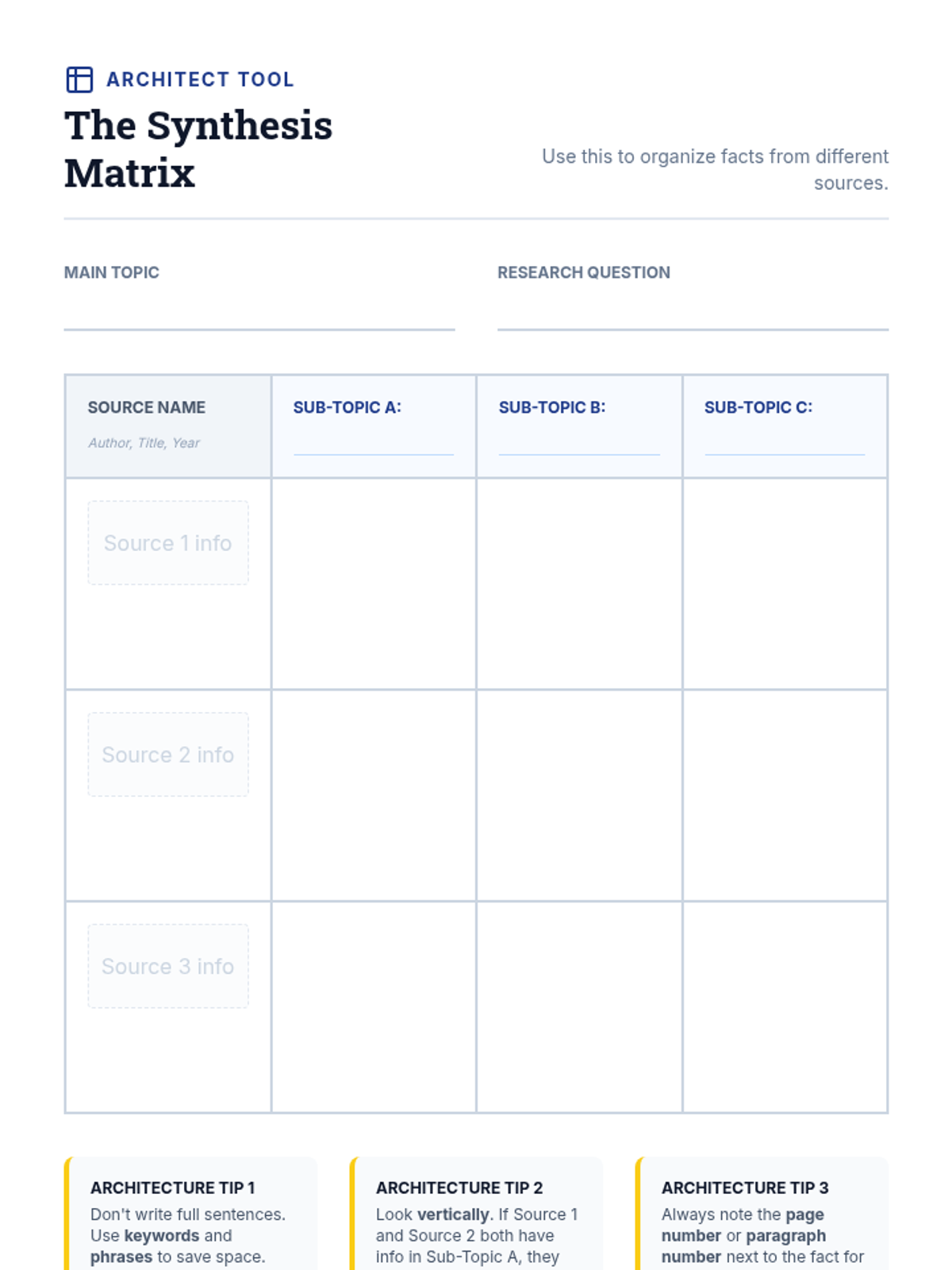
A comprehensive 5-lesson sequence designed for 7th-grade ESL students to master the art of synthesizing information. Students progress from organizing raw research notes to writing sophisticated, cohesive academic paragraphs using evidence from multiple sources.
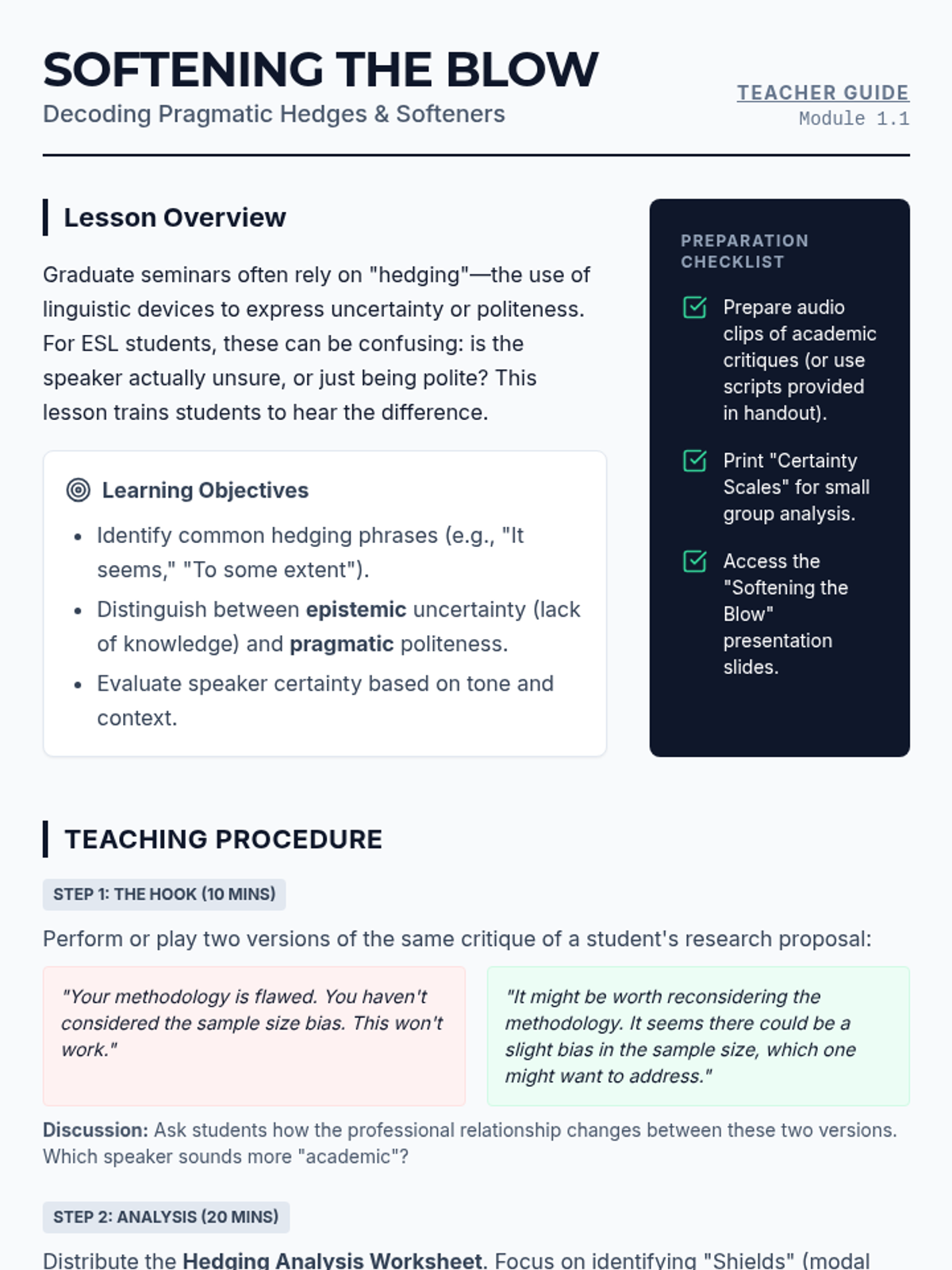
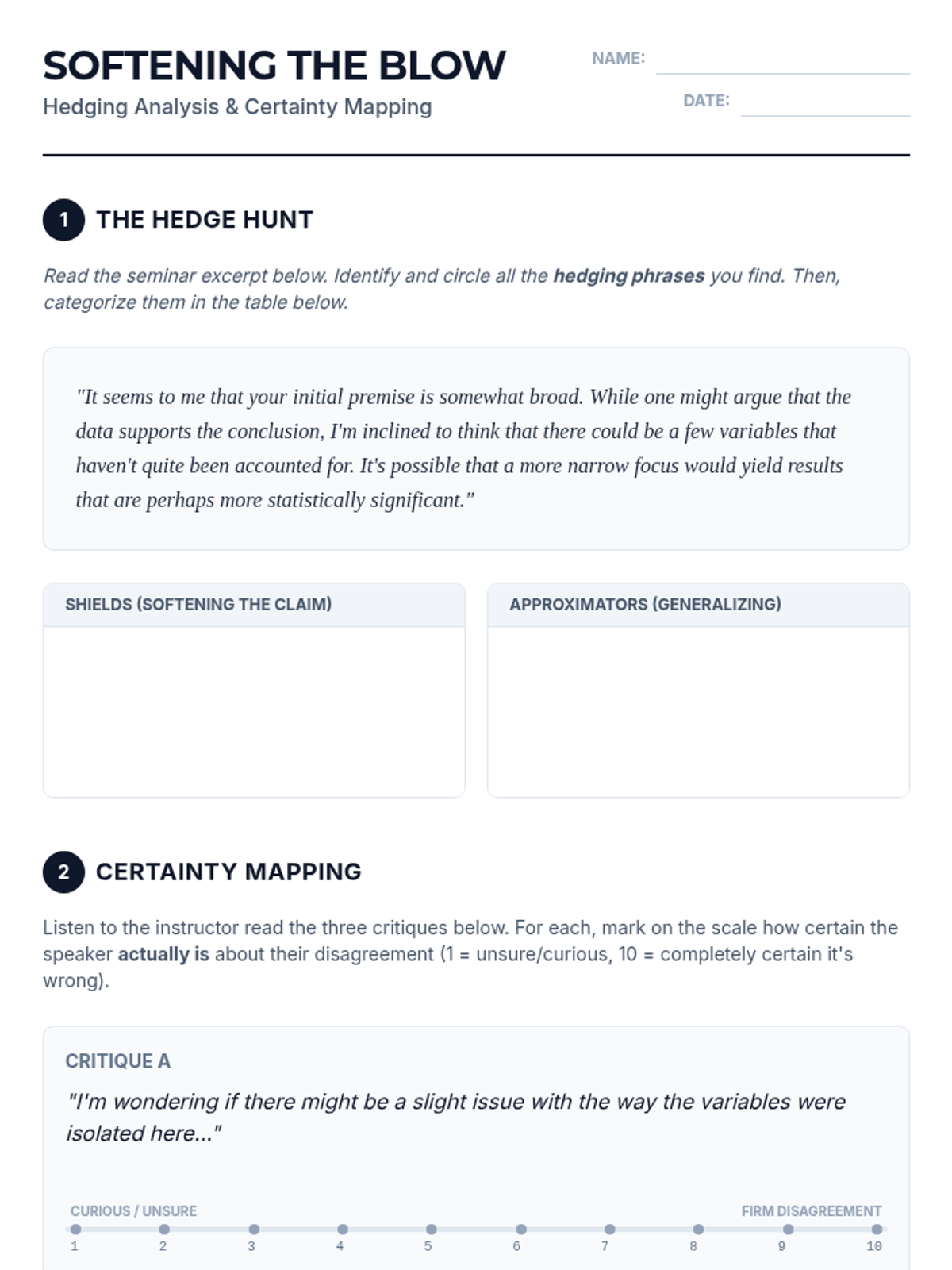
A graduate-level ESL listening sequence focused on the pragmatics of academic discourse. Students learn to navigate the subtleties of seminar discussions by identifying hedging, turn-taking signals, disagreement strategies, and multi-speaker argument threads.
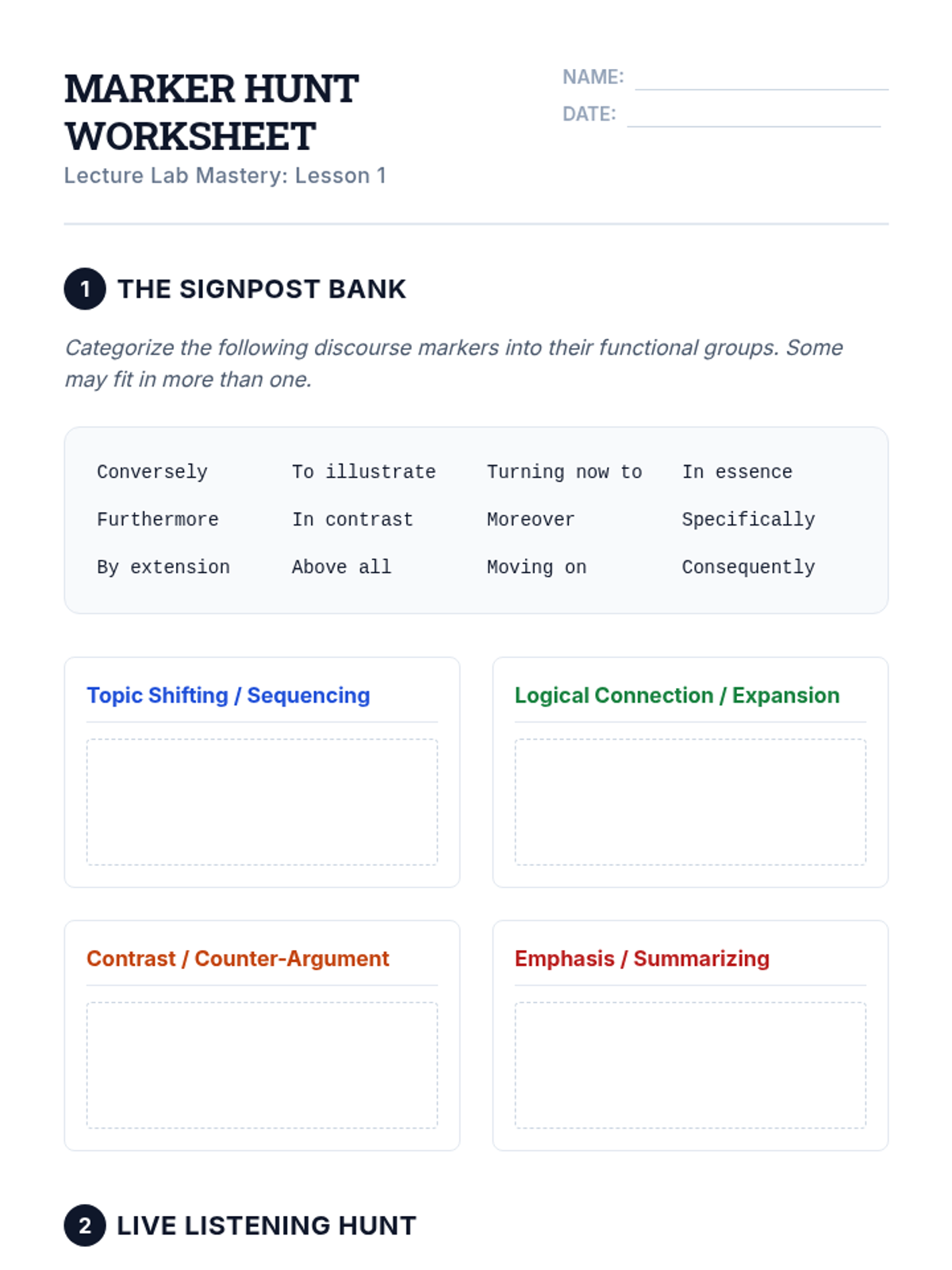
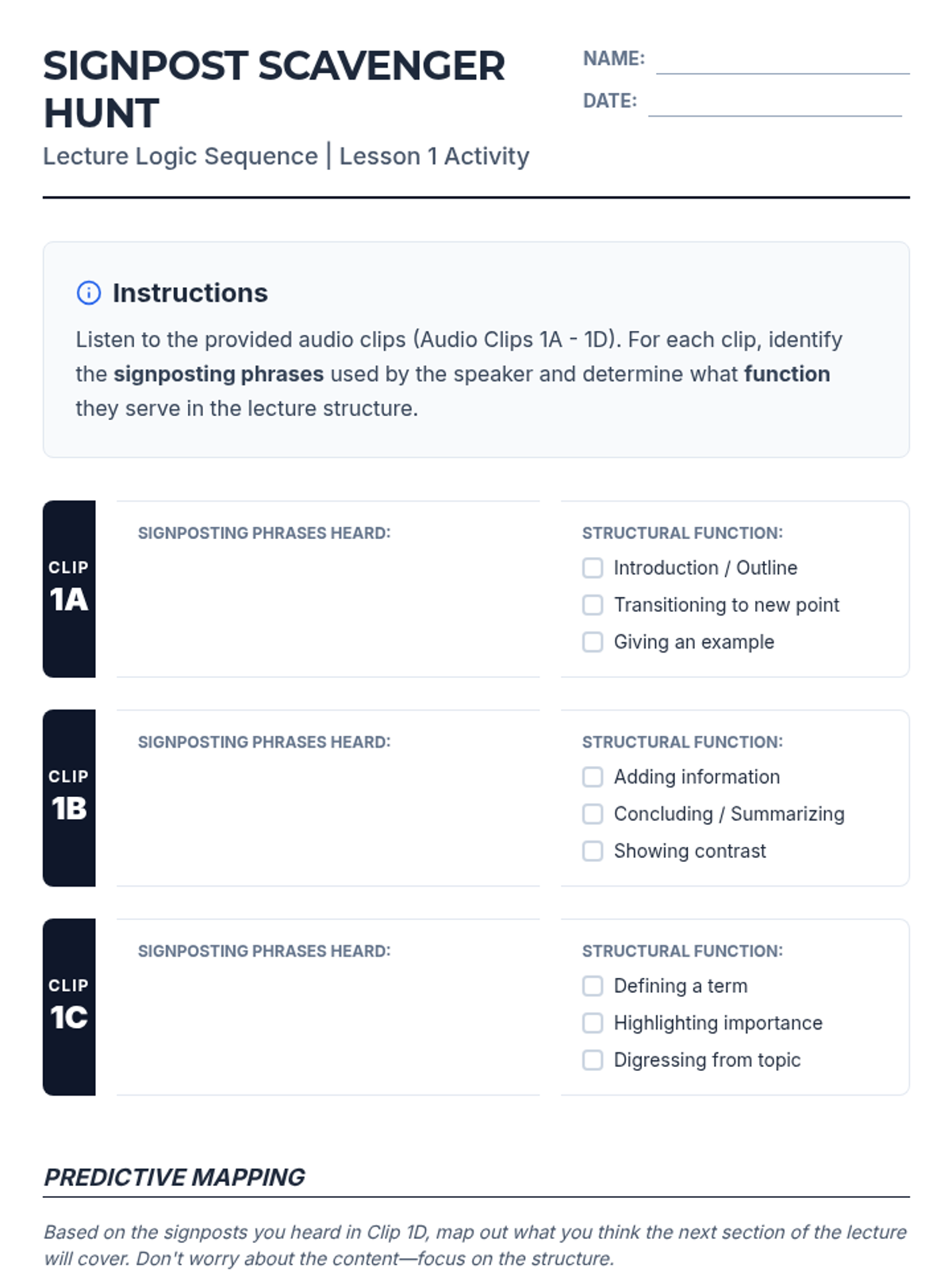
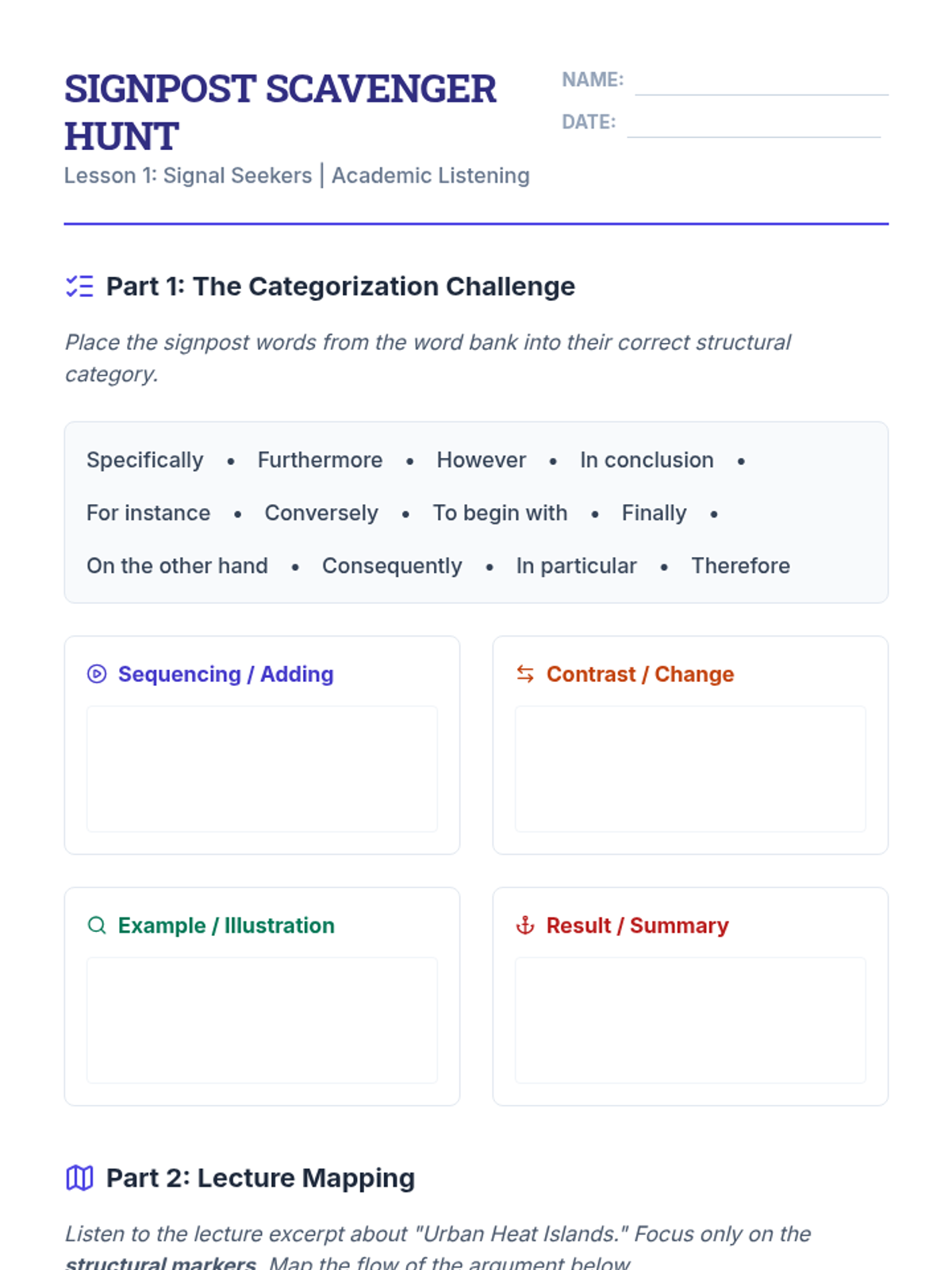
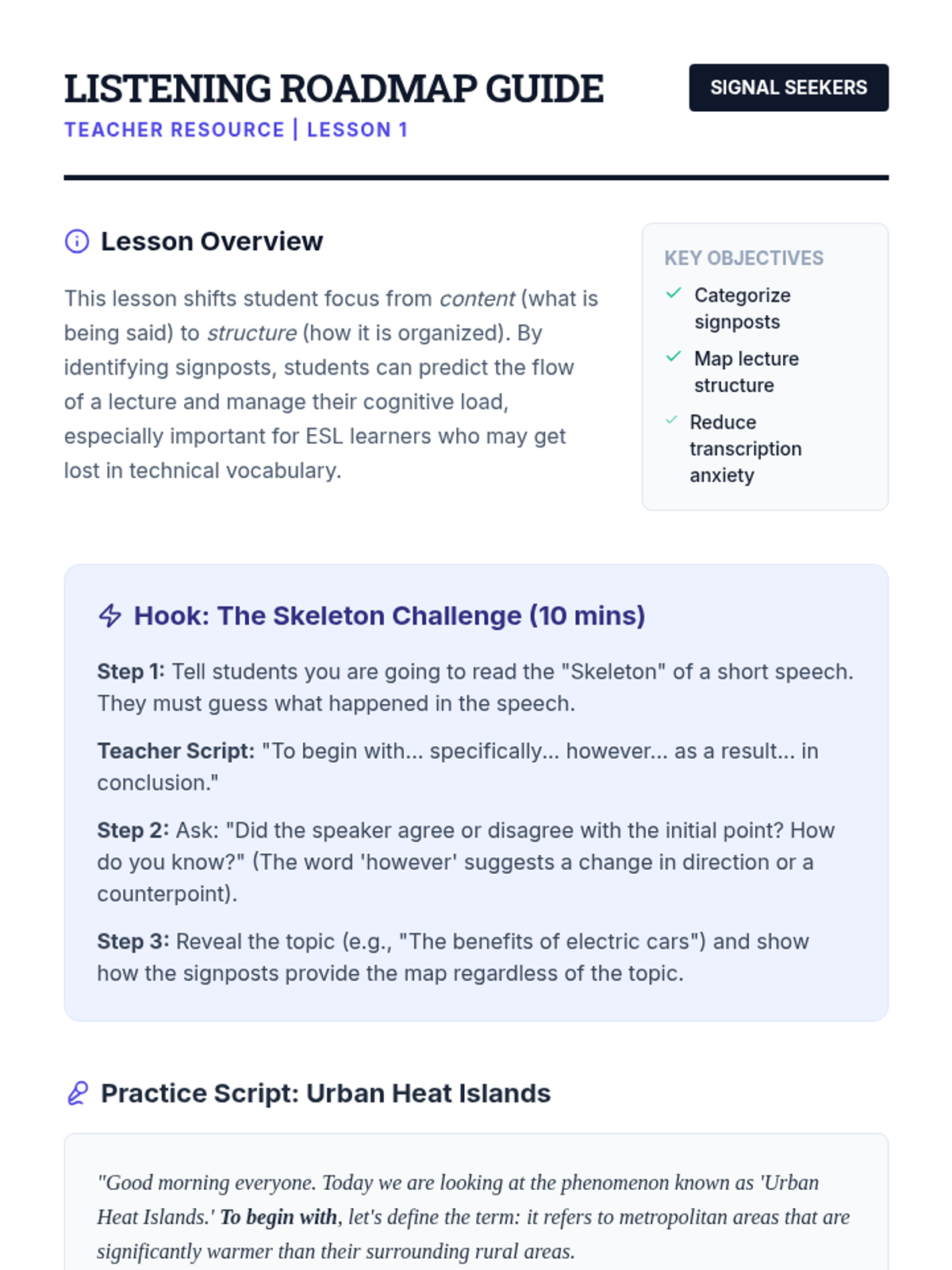
A comprehensive sequence for intermediate ESL graduate students focused on mastering academic lecture comprehension, identifying discourse markers, filtering digressions, and implementing effective note-taking strategies.
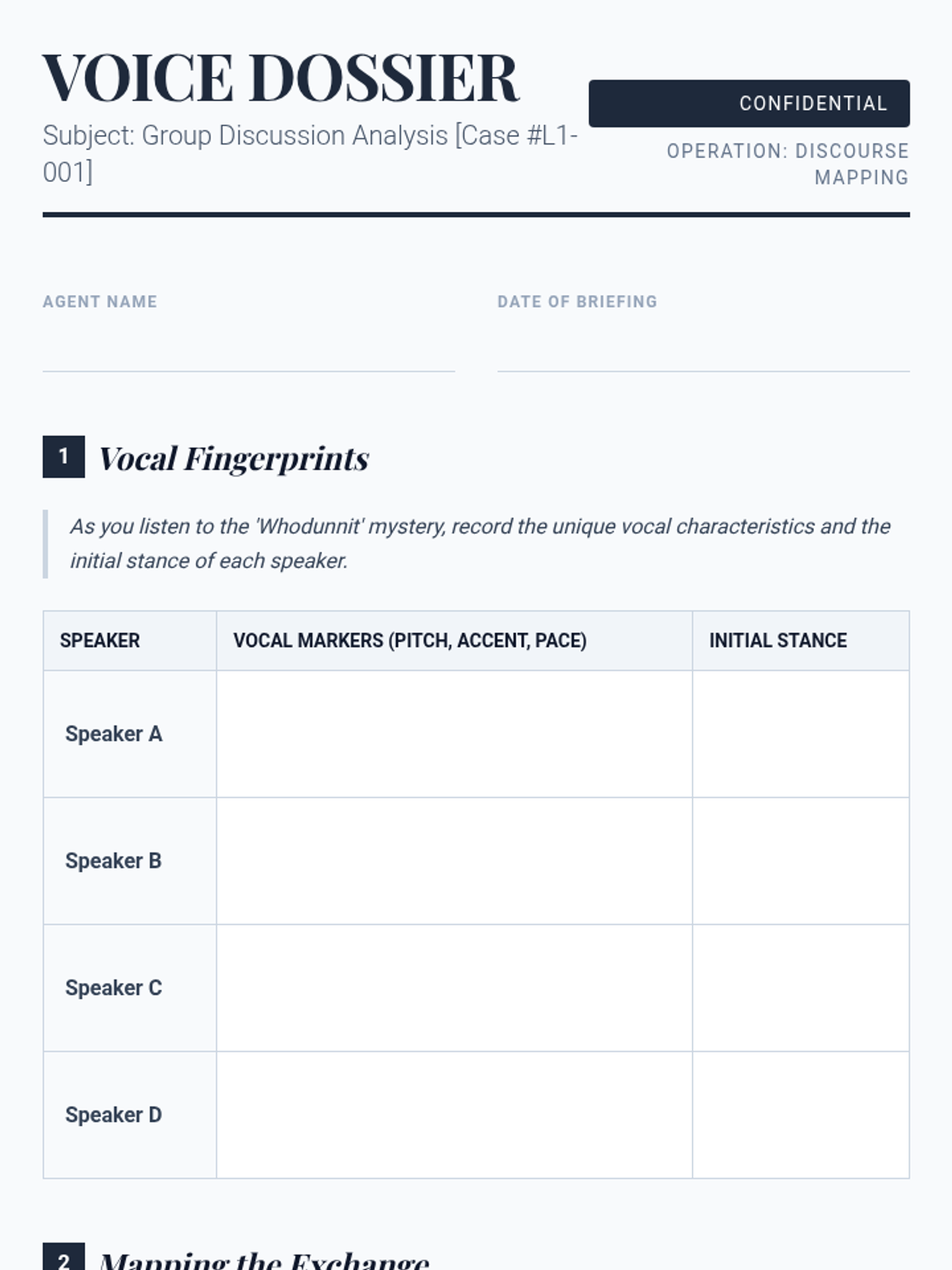
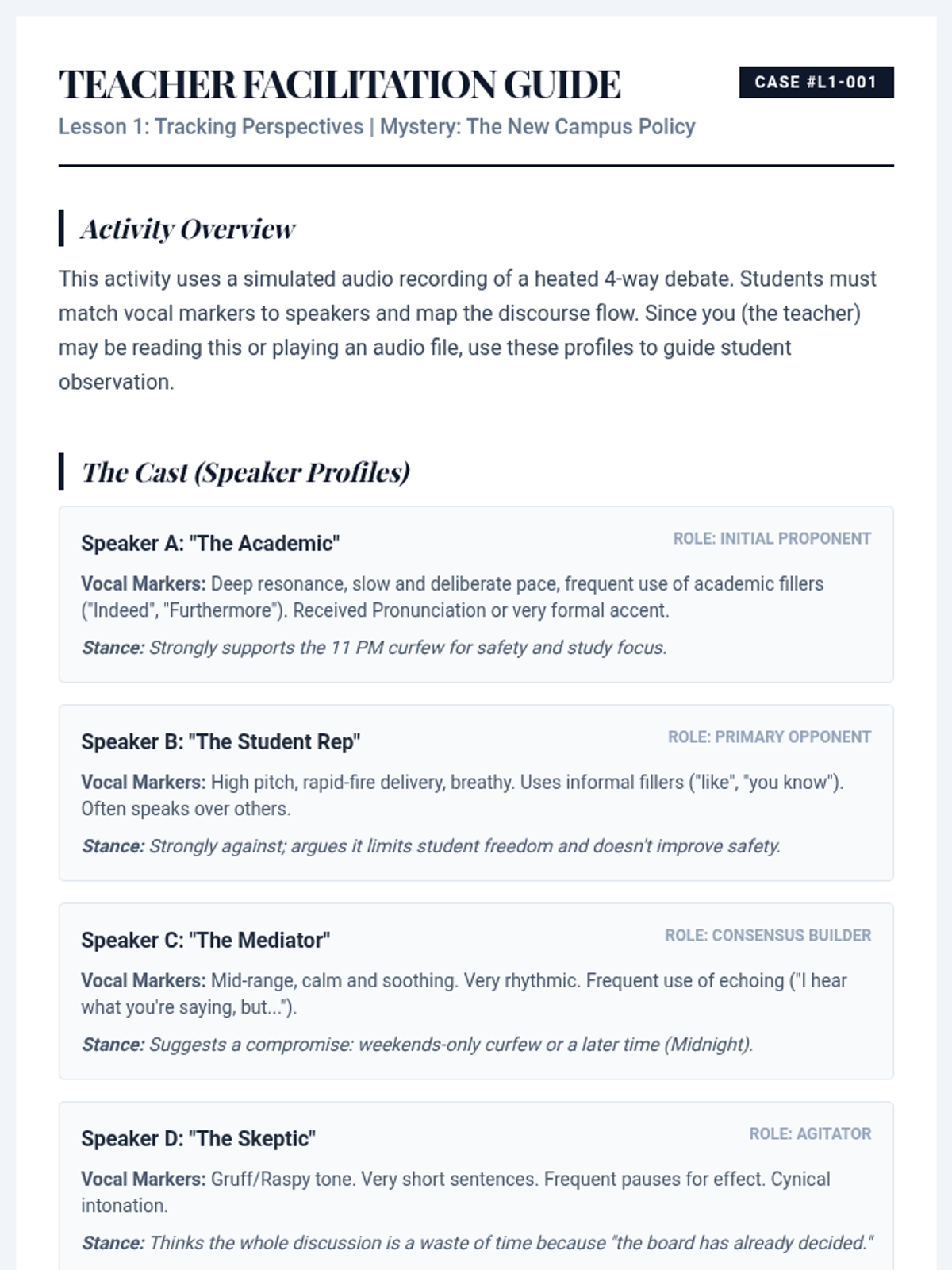
This sequence equips intermediate ESL undergraduate students with the skills to navigate complex, multi-speaker environments like seminars and debates. Students progress from basic speaker identification to tracking complex argument evolution and detecting subtle bias markers.
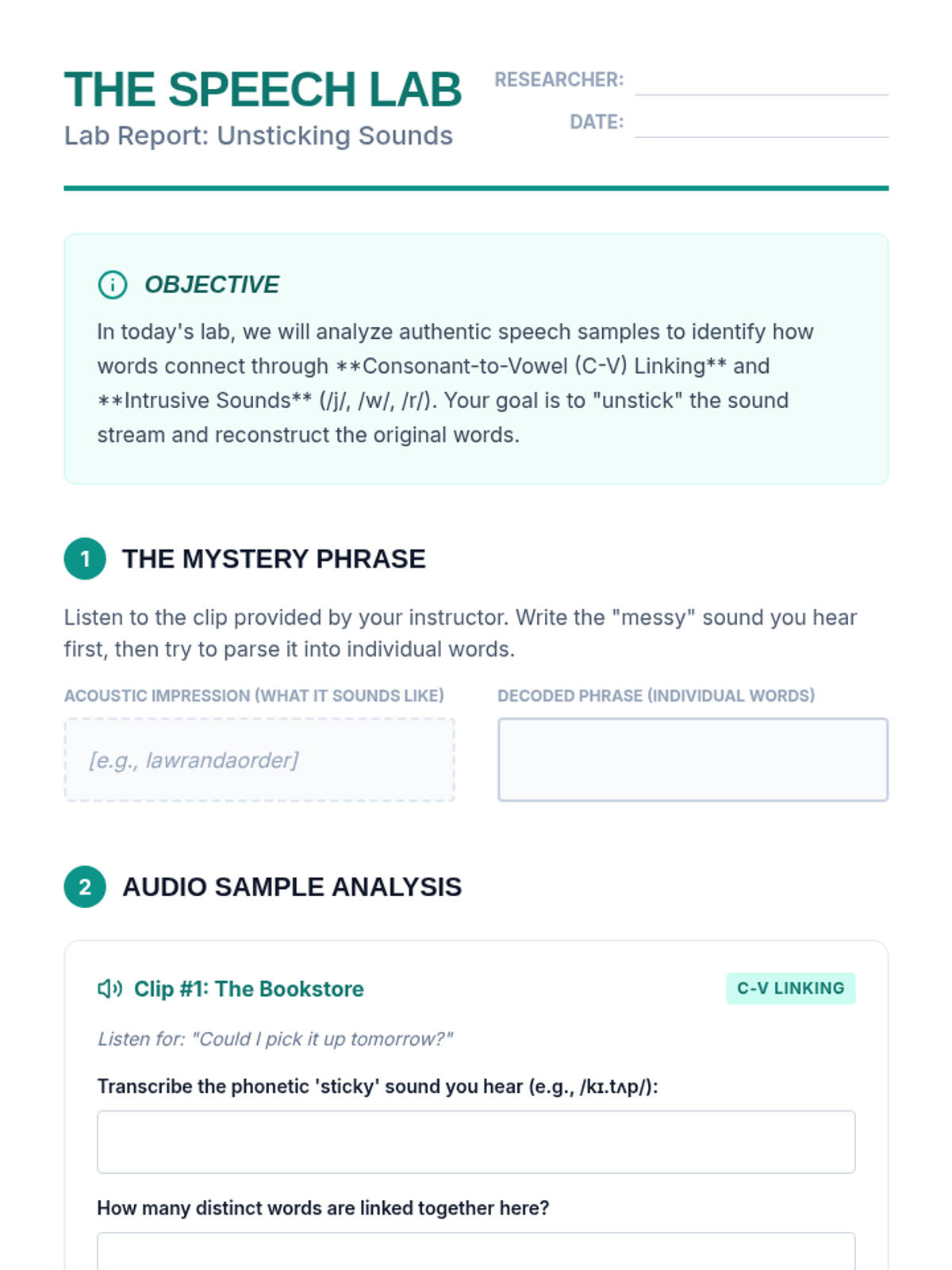
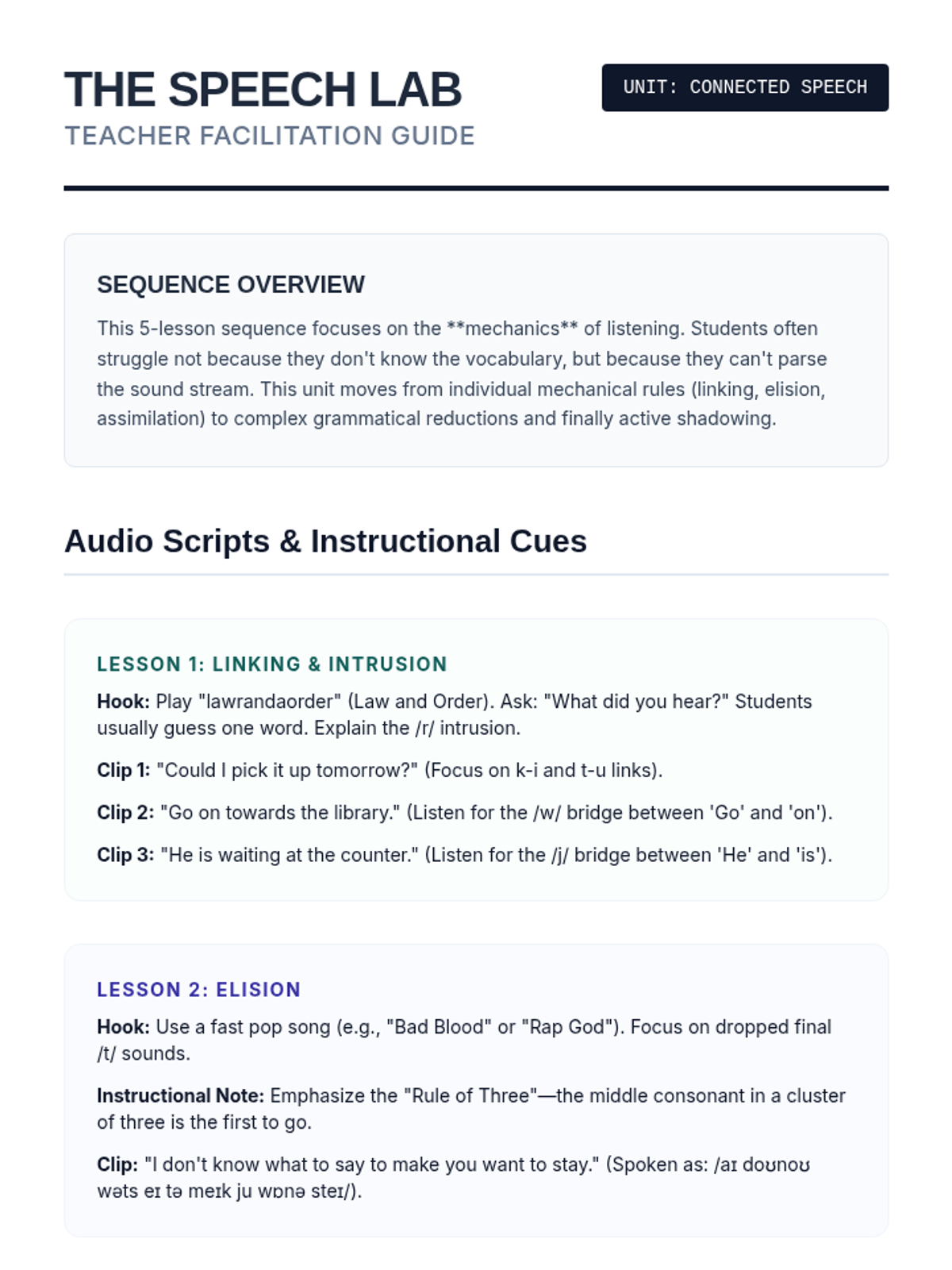
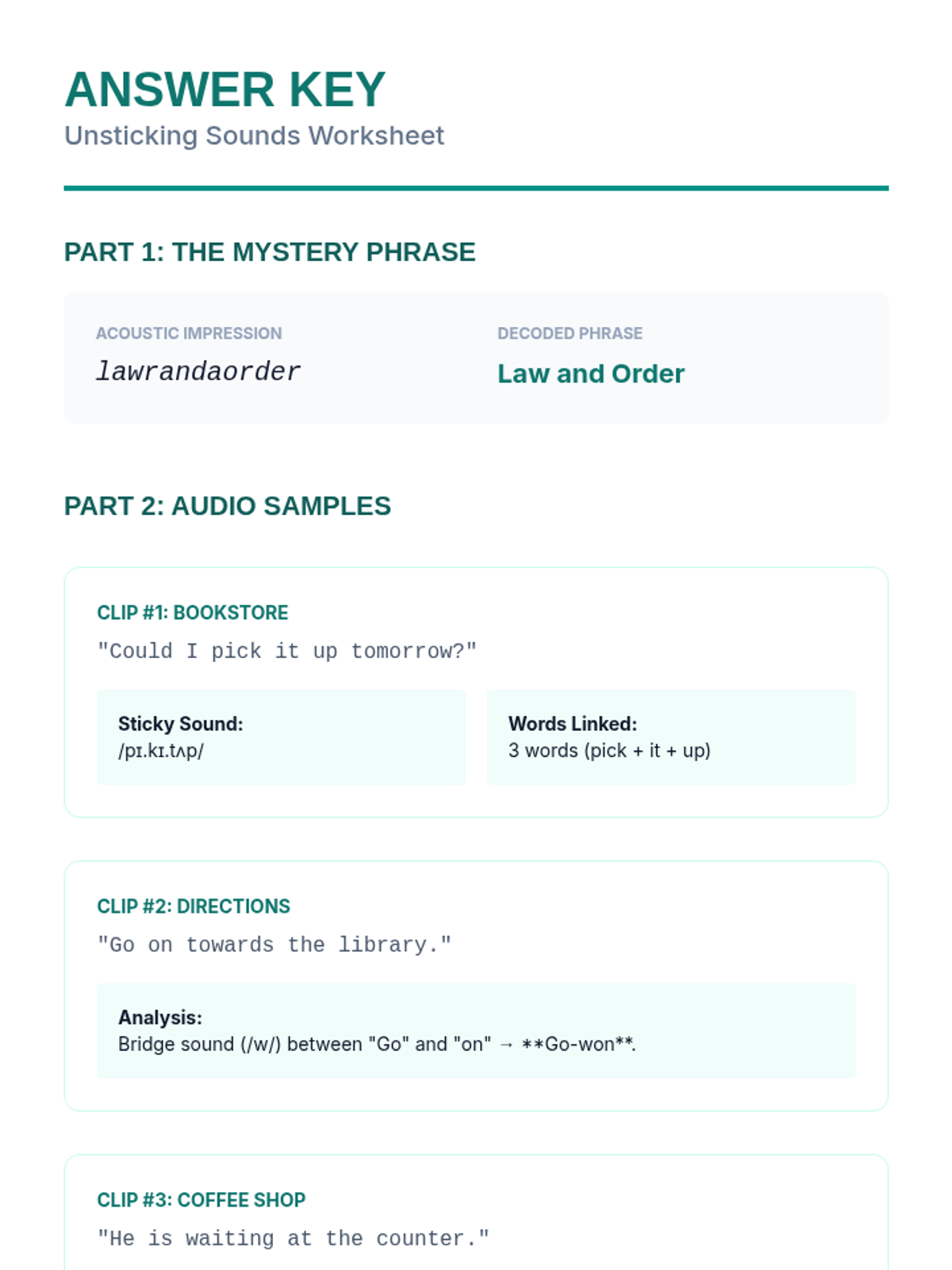
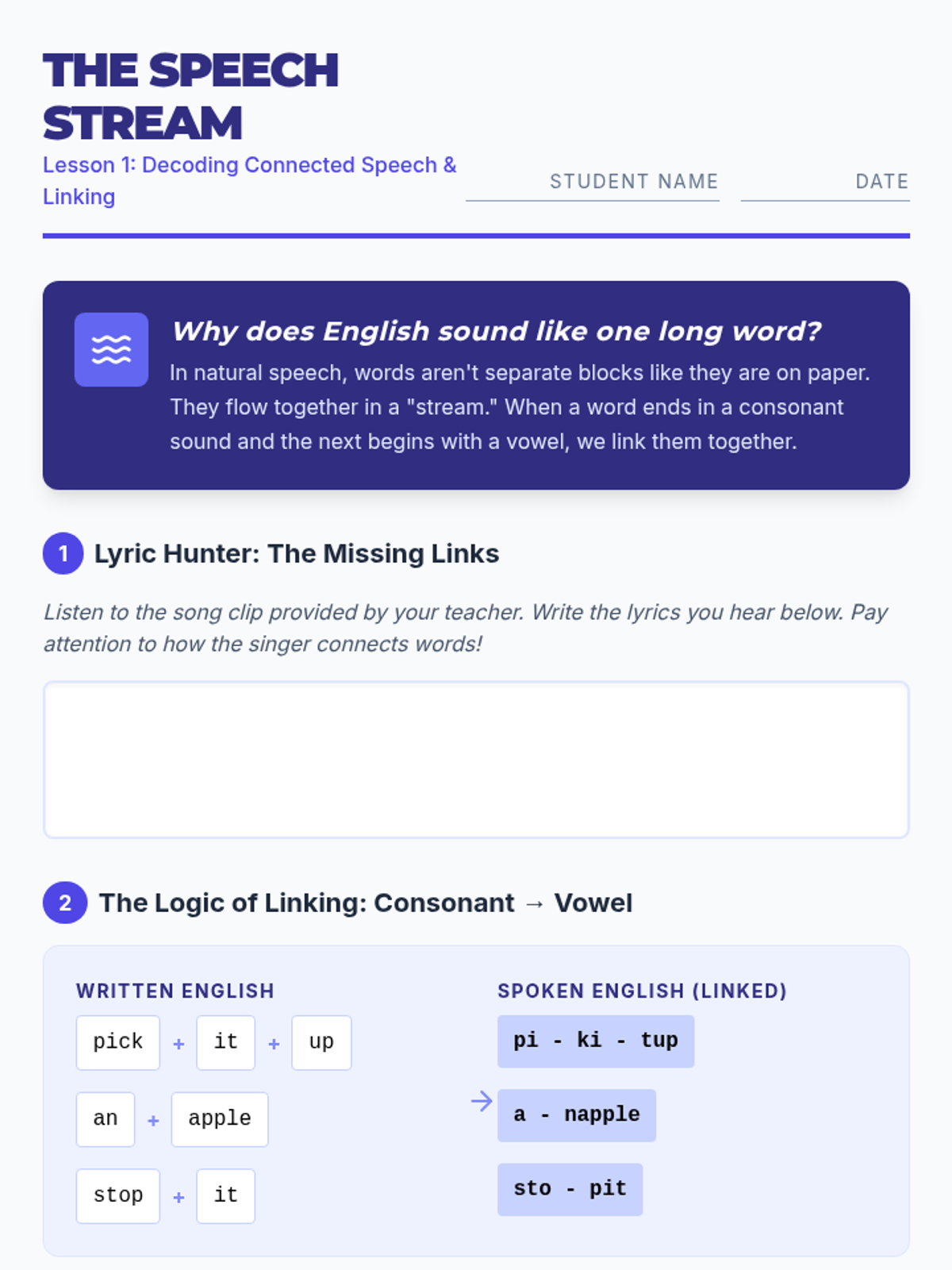
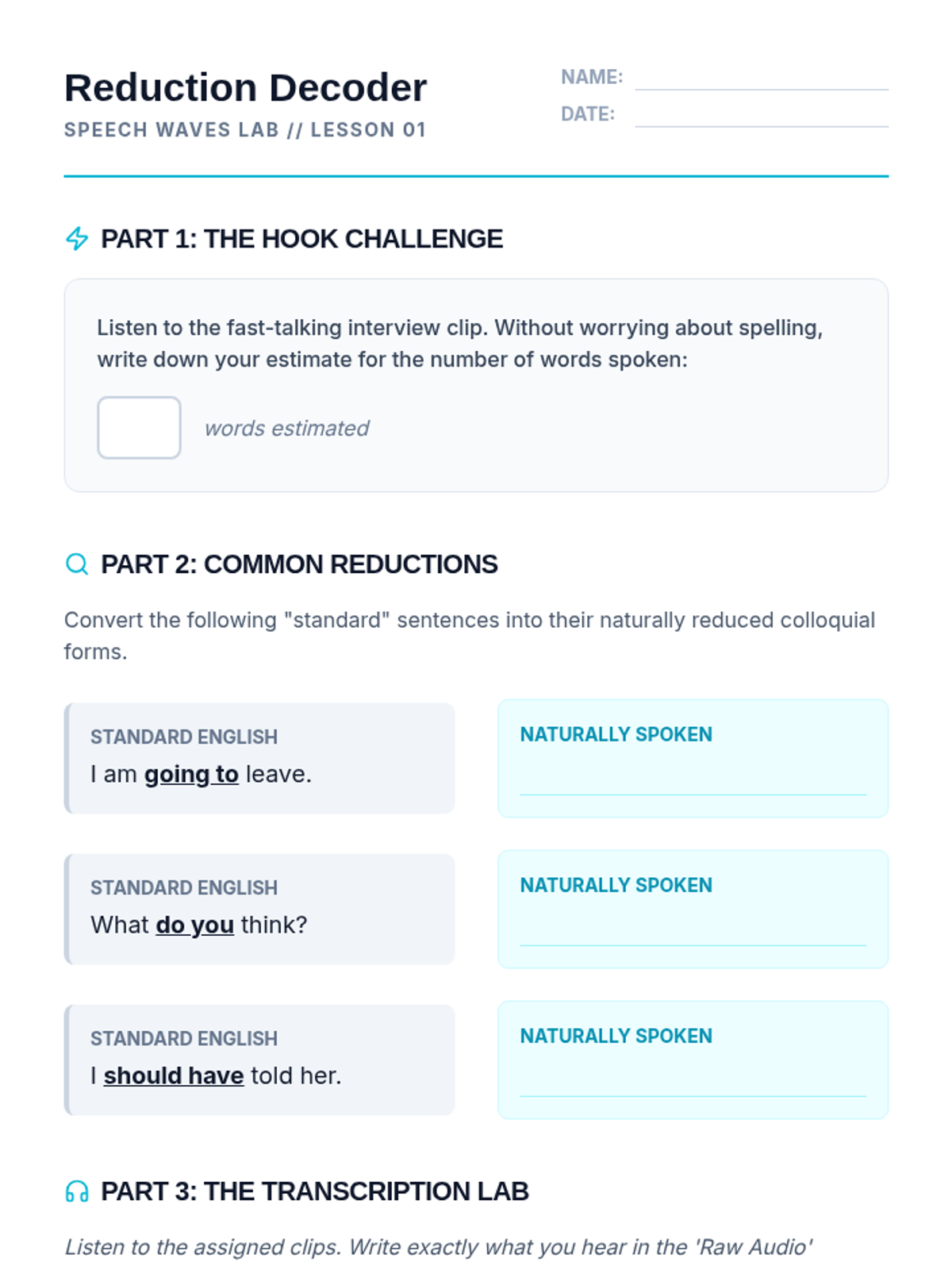
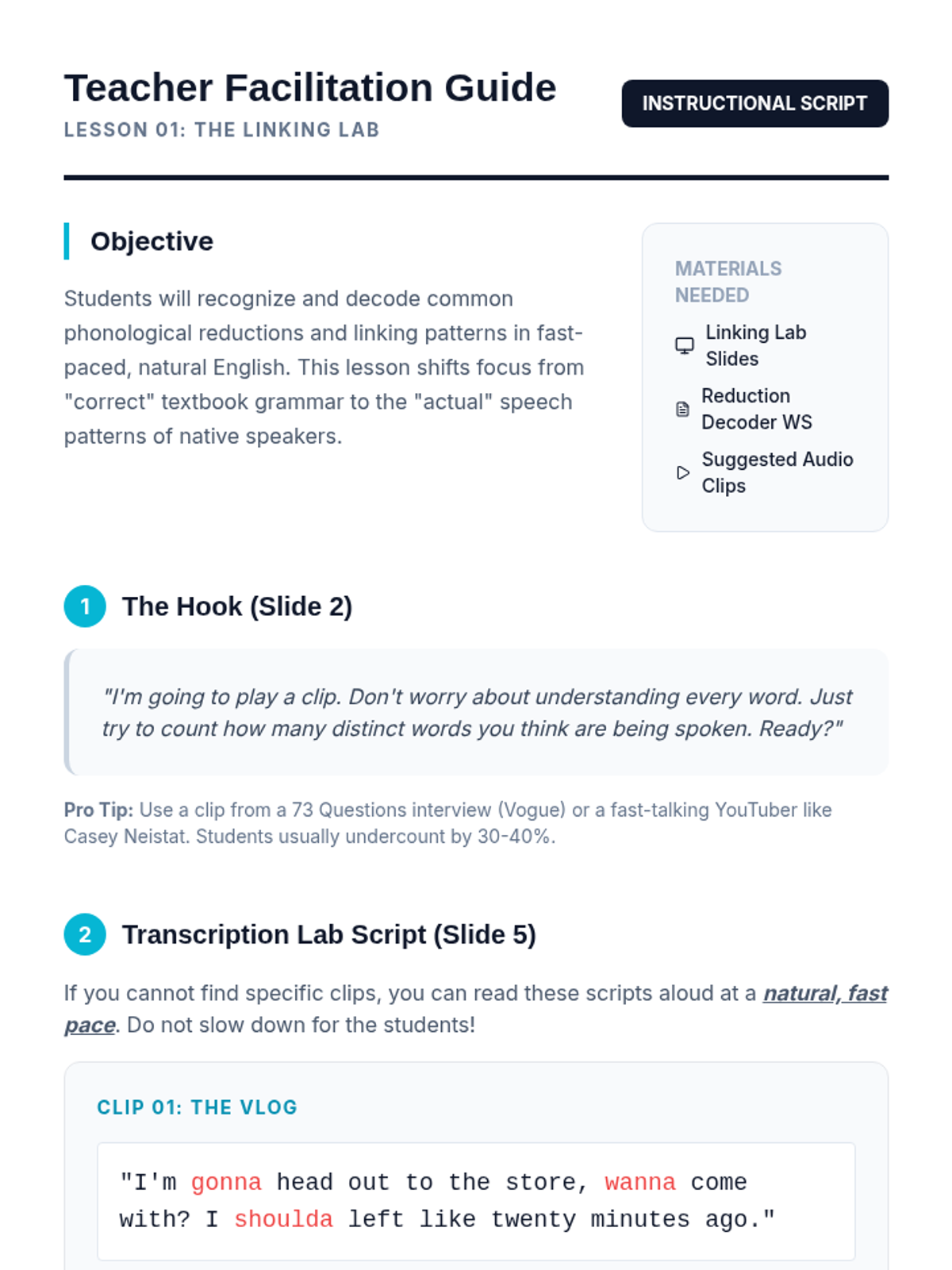
This sequence targets the mechanical difficulties of understanding natural, fast-paced English. Students explore phonological rules like linking, elision, and assimilation to decode authentic, fluid speech patterns found in campus social life.
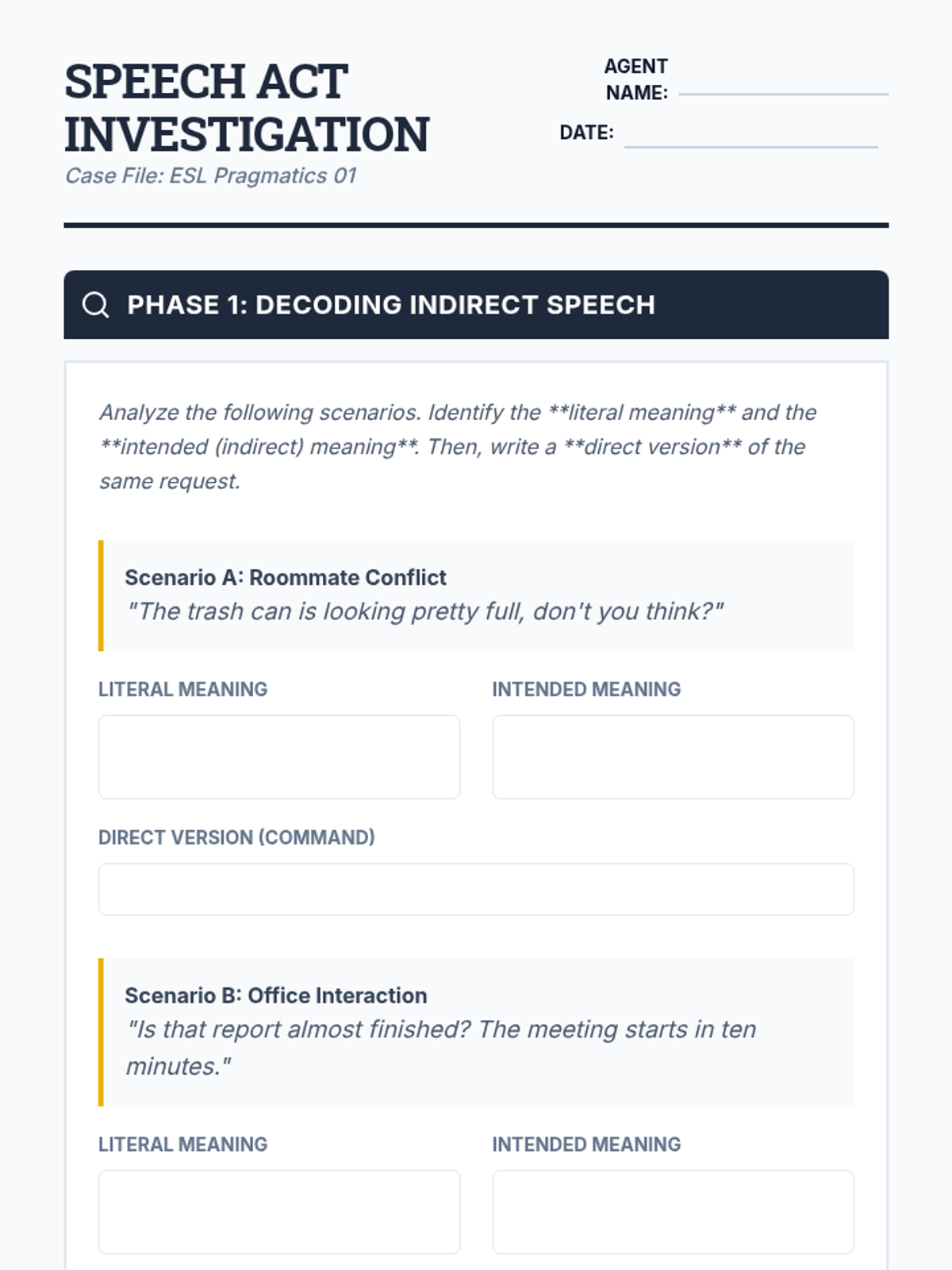
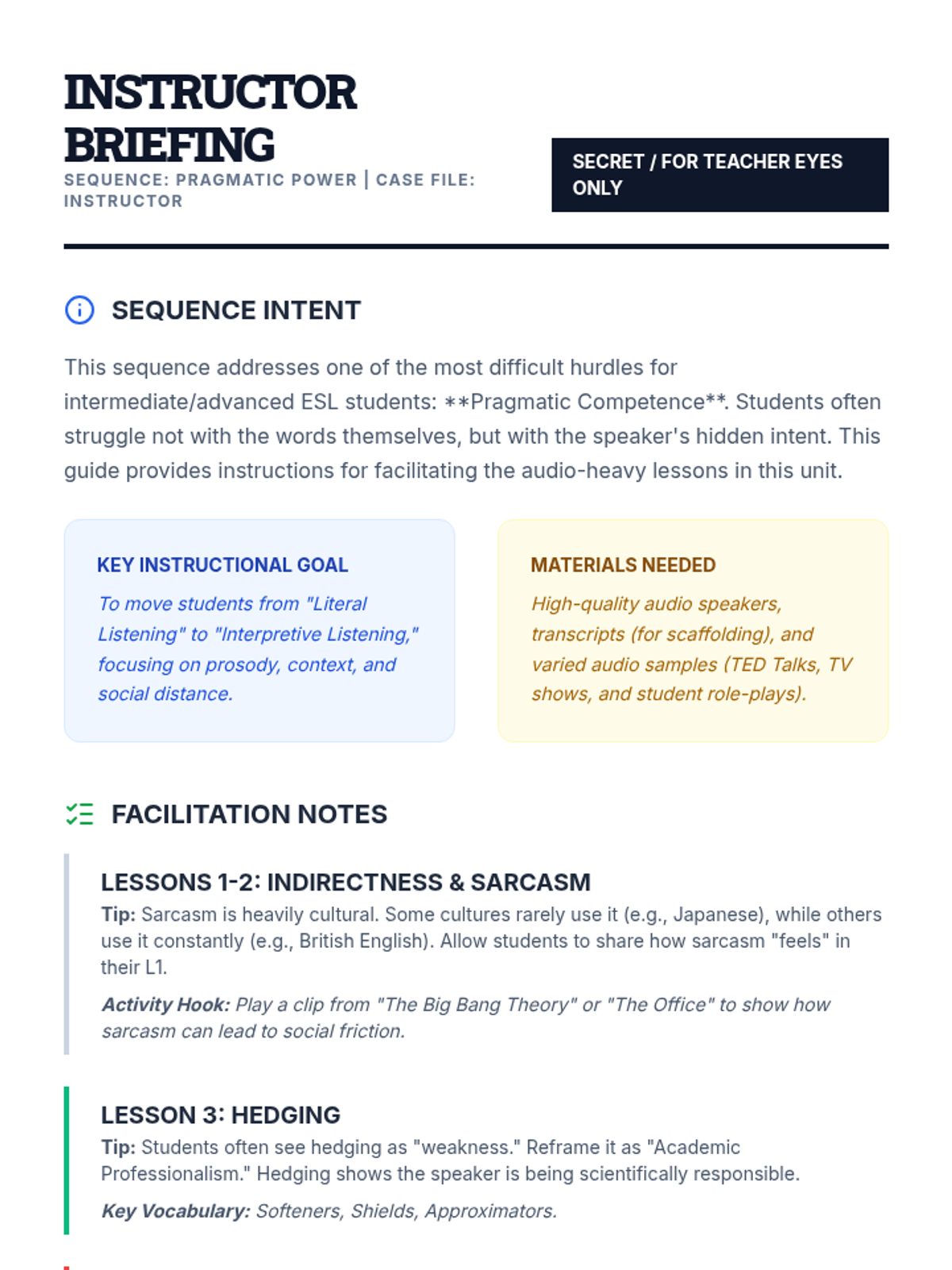
This sequence guides intermediate ESL students through the nuances of pragmatic meaning in English. Students will learn to decode indirect speech, sarcasm, hedging language, and emotional undertones in academic and social contexts to improve their listening comprehension and communicative competence.
This sequence equips intermediate ESL students with the linguistic and cognitive tools needed to navigate university lectures. It covers discourse markers, hierarchy of information, identifying tangents, note-taking systems, and synthesizing long-form academic speech.
A comprehensive 5-lesson sequence for 10th-grade intermediate ESL students focused on decoding natural spoken English, including connected speech, reductions, idioms, and prosody. Students move from 'textbook' understanding to recognizing the fluid rhythms and figurative language of native speakers.
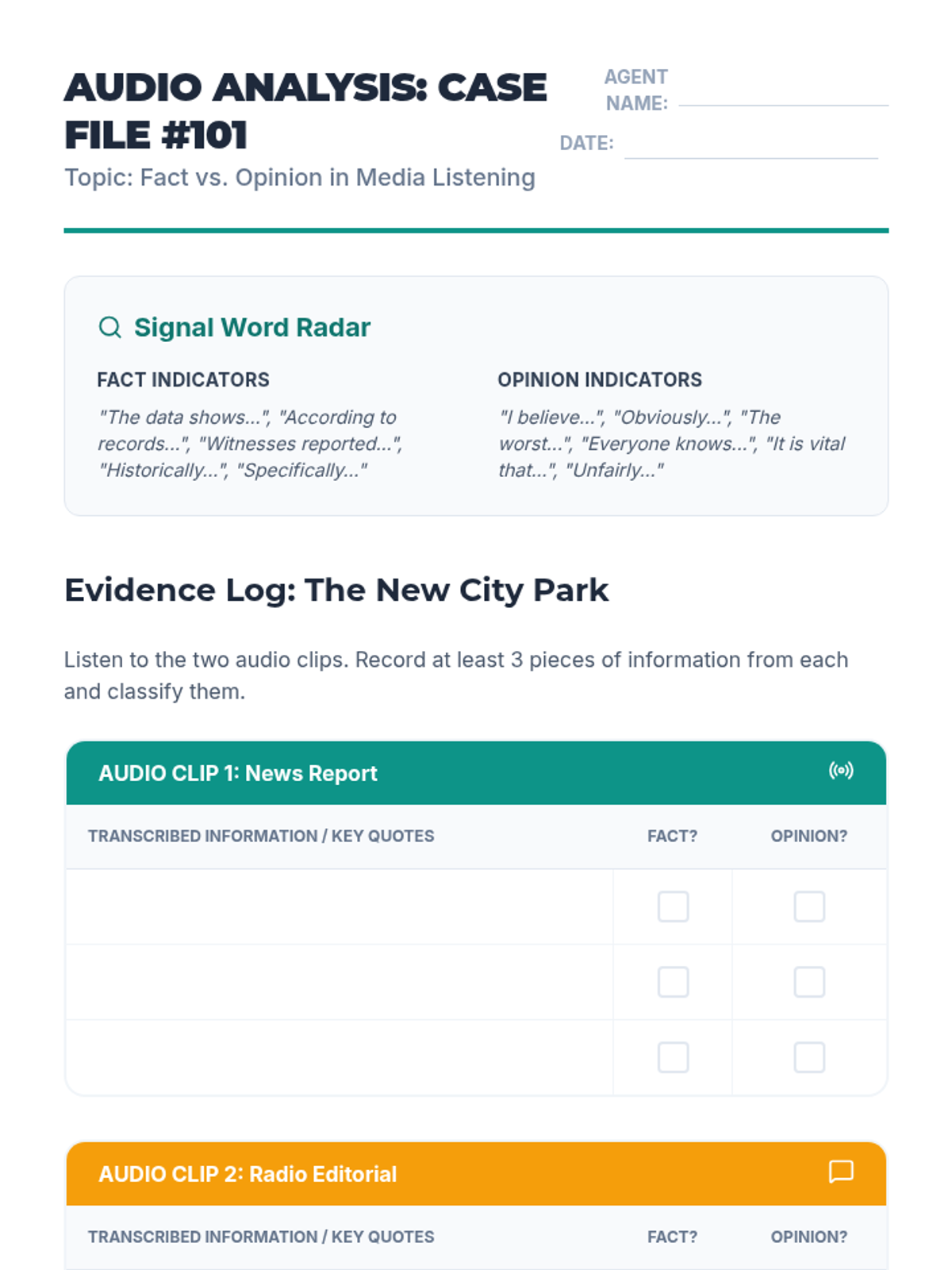
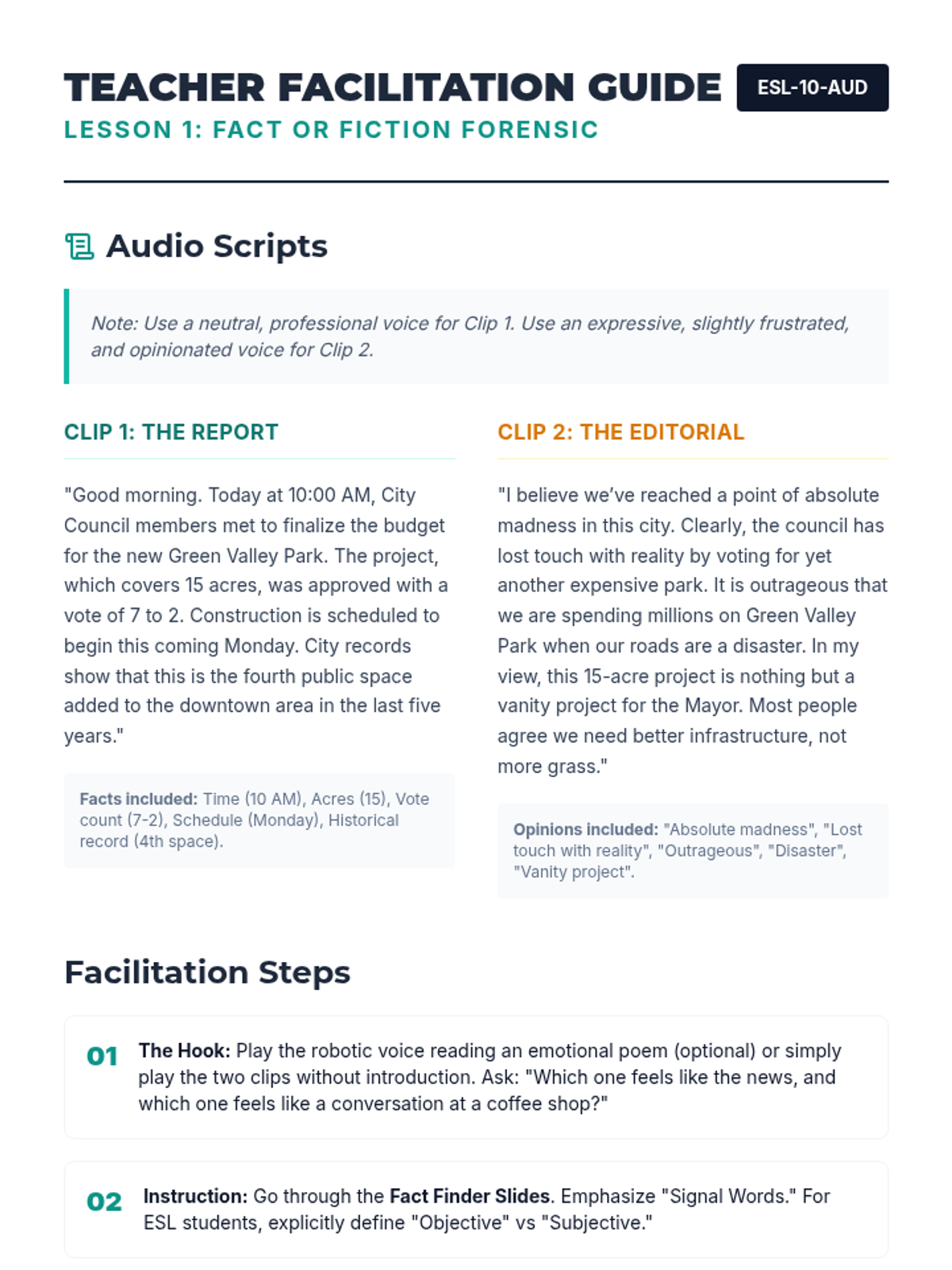
A 10th-grade ESL sequence focused on advanced listening skills. Students learn to detect bias, analyze tone, identify rhetorical devices, and infer speaker relationships through various audio sources like news, speeches, and podcasts.
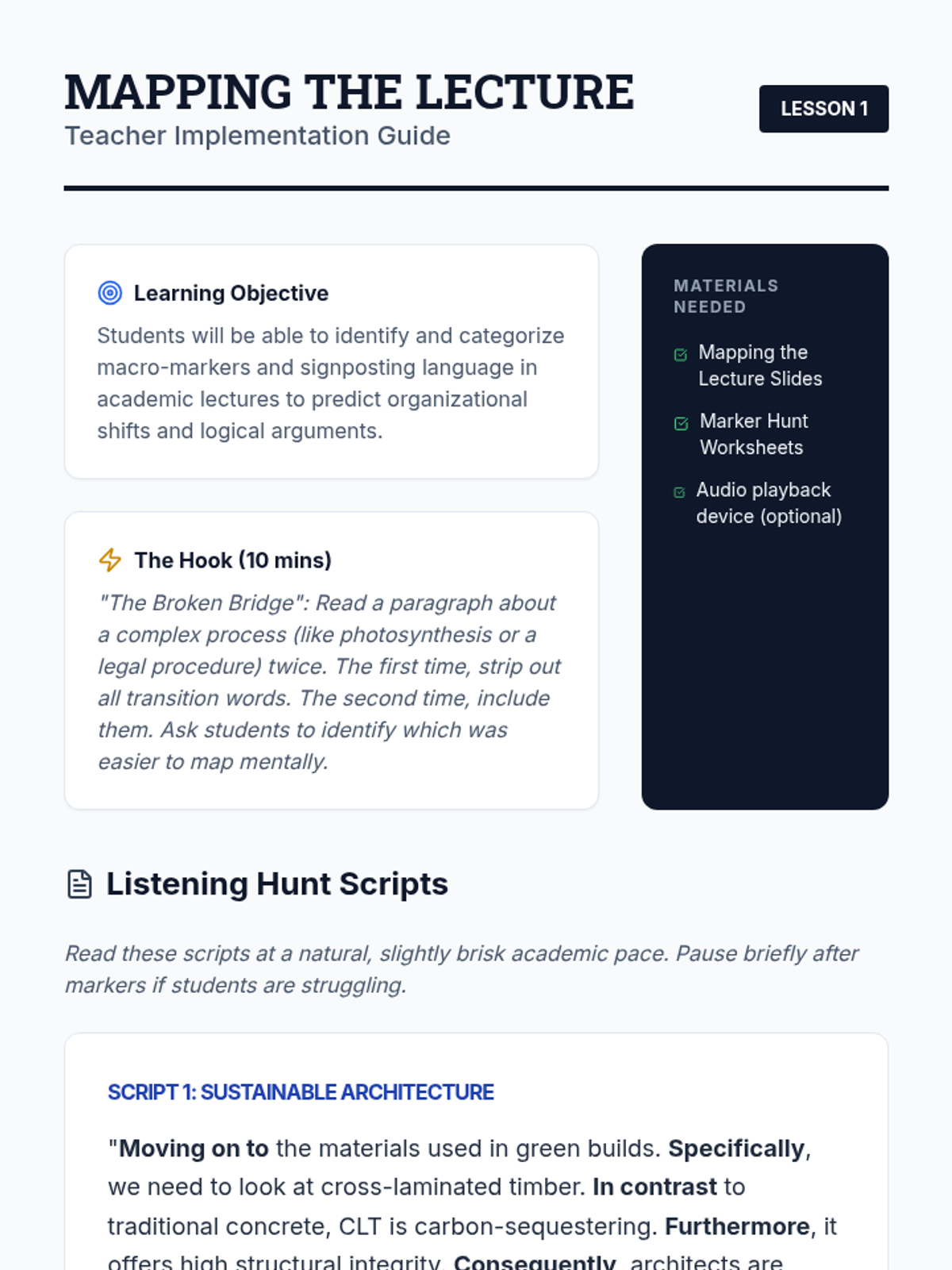
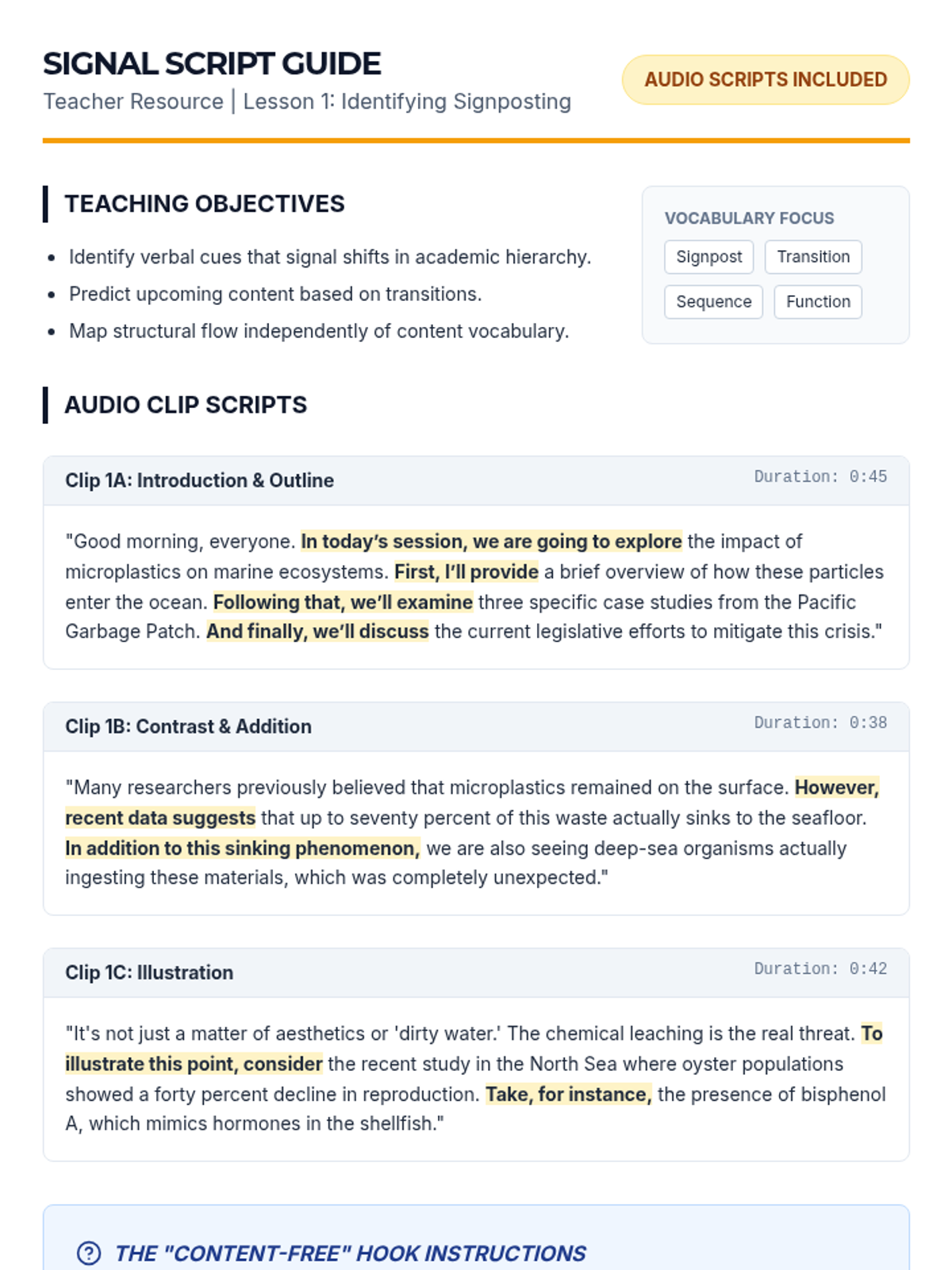
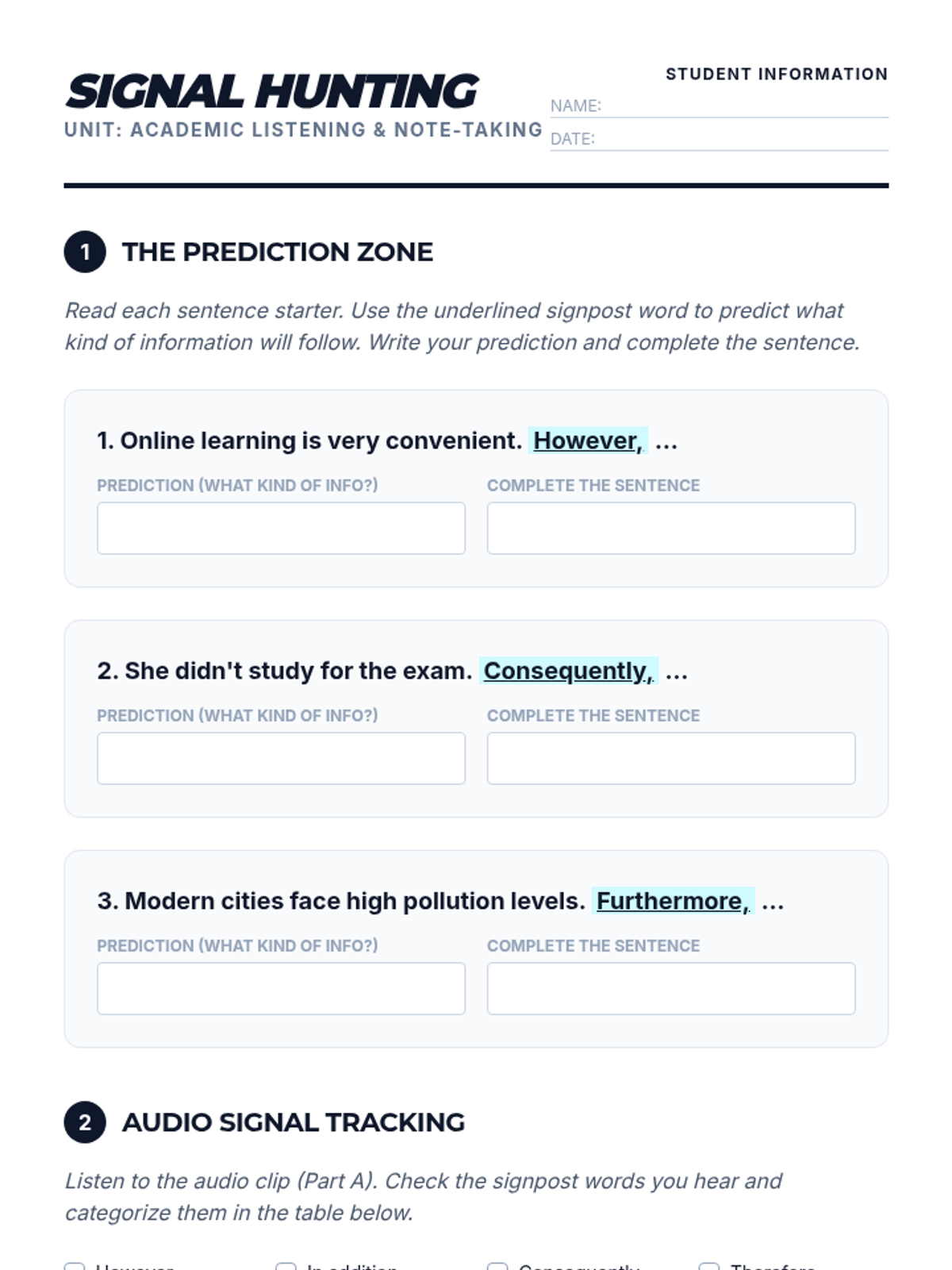
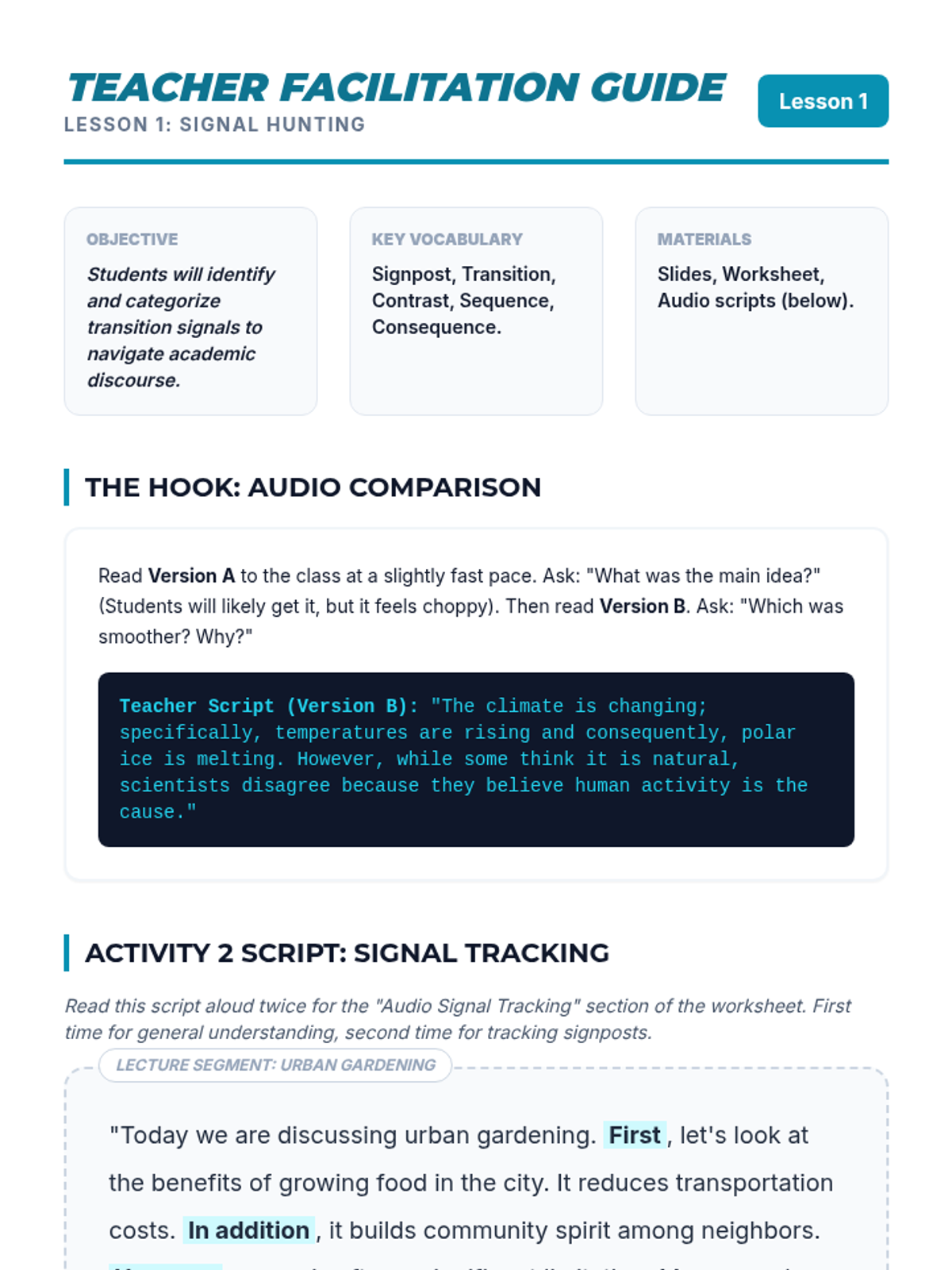
A comprehensive sequence for 10th-grade ESL students focusing on academic listening and note-taking. Students learn to identify signpost language, use the Cornell method, distinguish main ideas from supporting details, and synthesize information from lectures.
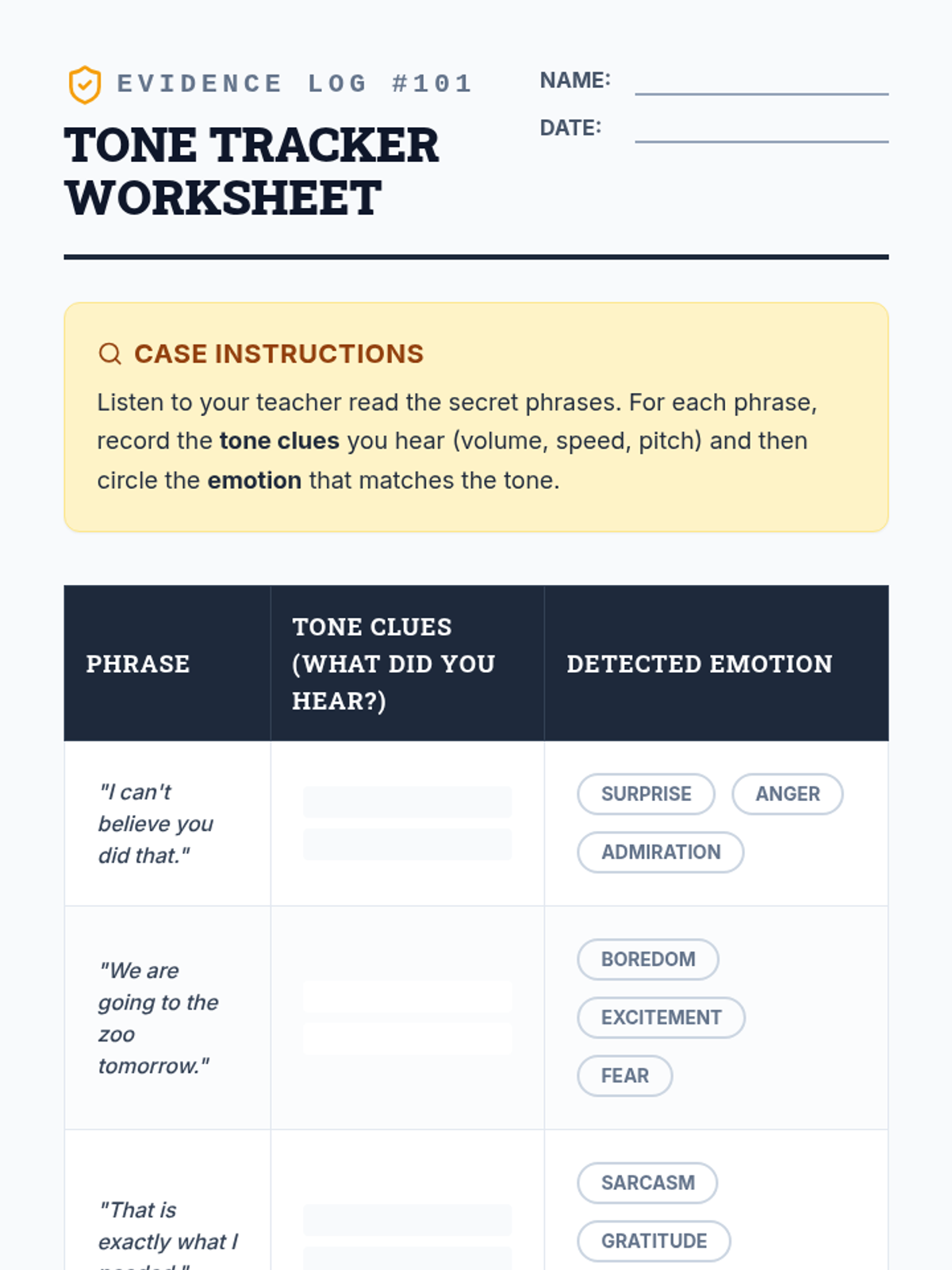
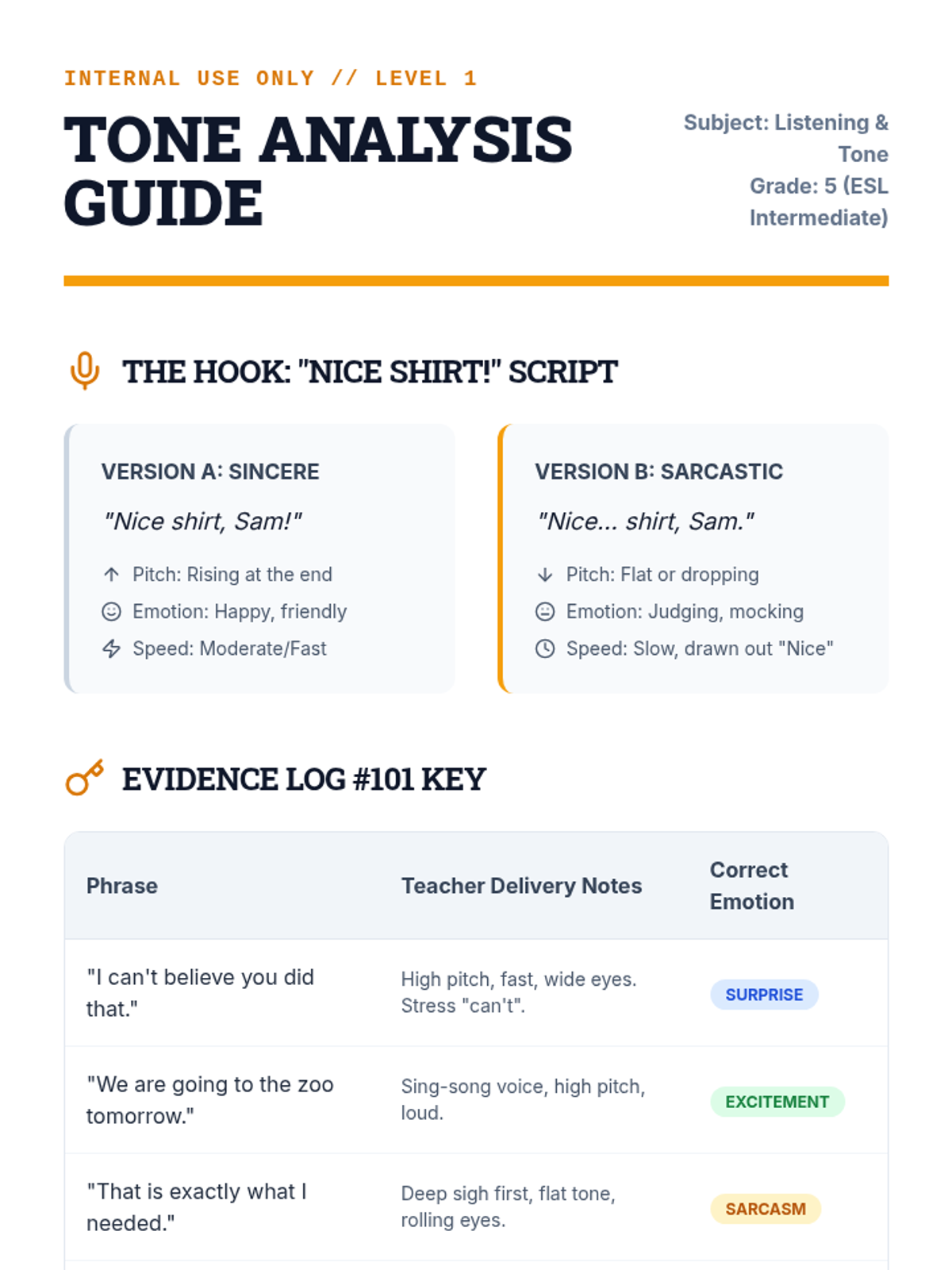
An intermediate ESL sequence where students act as 'communication detectives' to analyze tone, idioms, exaggeration, and speaker intent in spoken English. The sequence culminates in a mystery simulation requiring students to synthesize all listening skills to solve a case.
A comprehensive ESL sequence for 12th-grade intermediate students focusing on the phonological and cultural aspects of spoken English. Students will move from decoding individual sound reductions to analyzing complex narratives in podcasts, improving their ability to navigate real-world English environments.
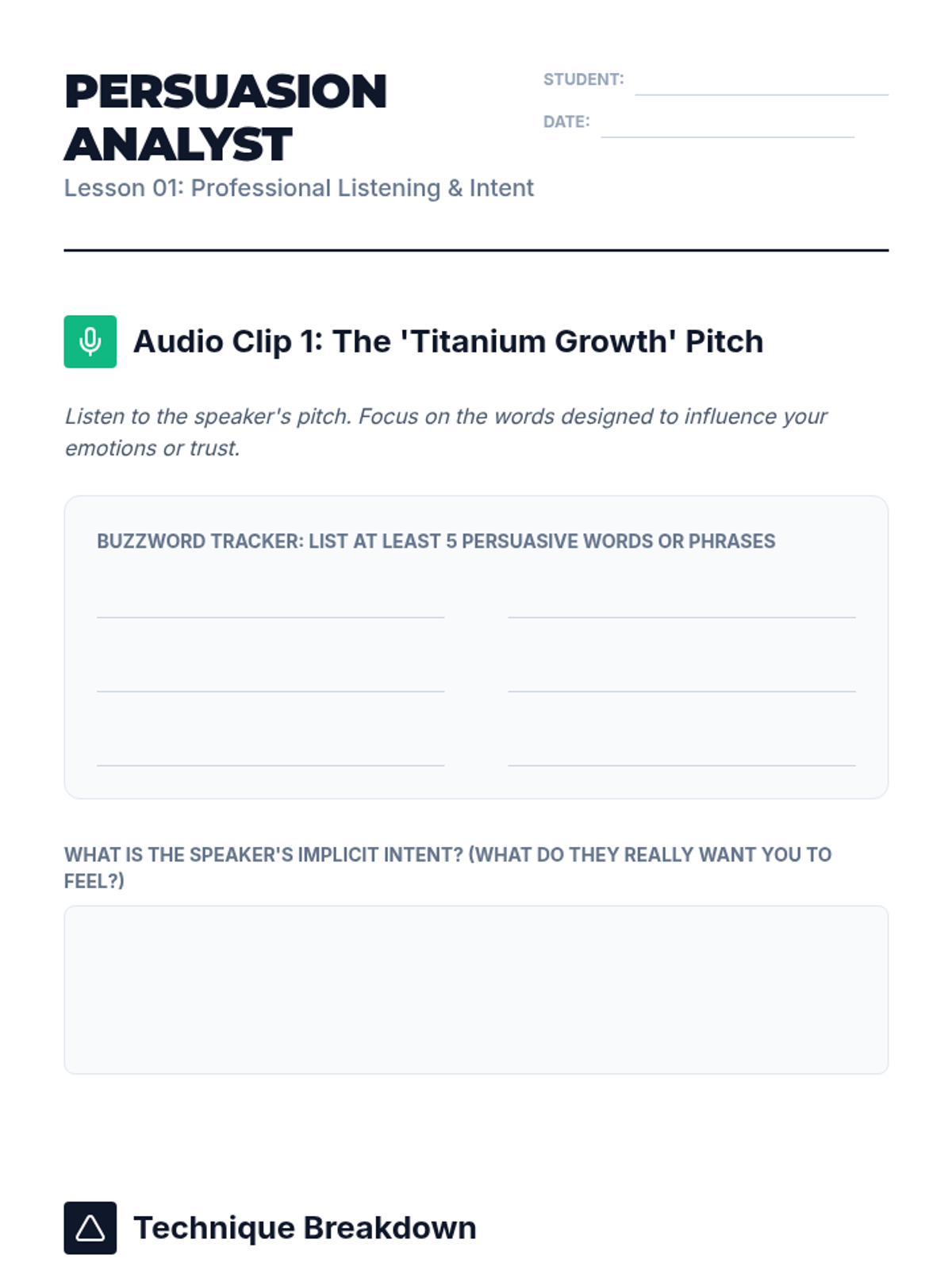
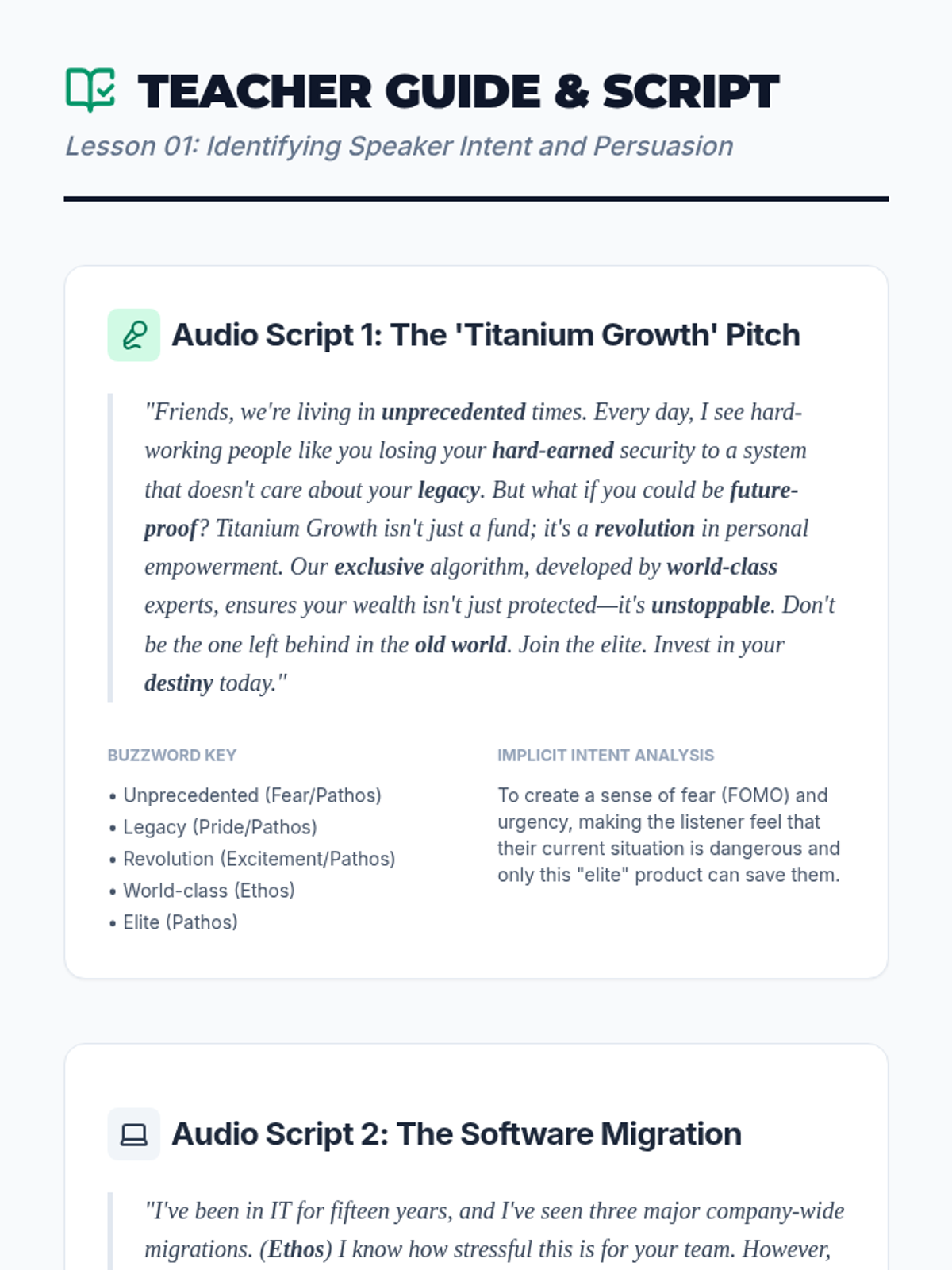
A 5-lesson sequence for 12th-grade ESL students focused on interpreting tone, intent, and implicit meaning in professional settings like job interviews and negotiations.
A comprehensive unit for 12th-grade ESL students to master university-level listening skills, focusing on structural markers, note-taking systems, and synthesizing complex information.
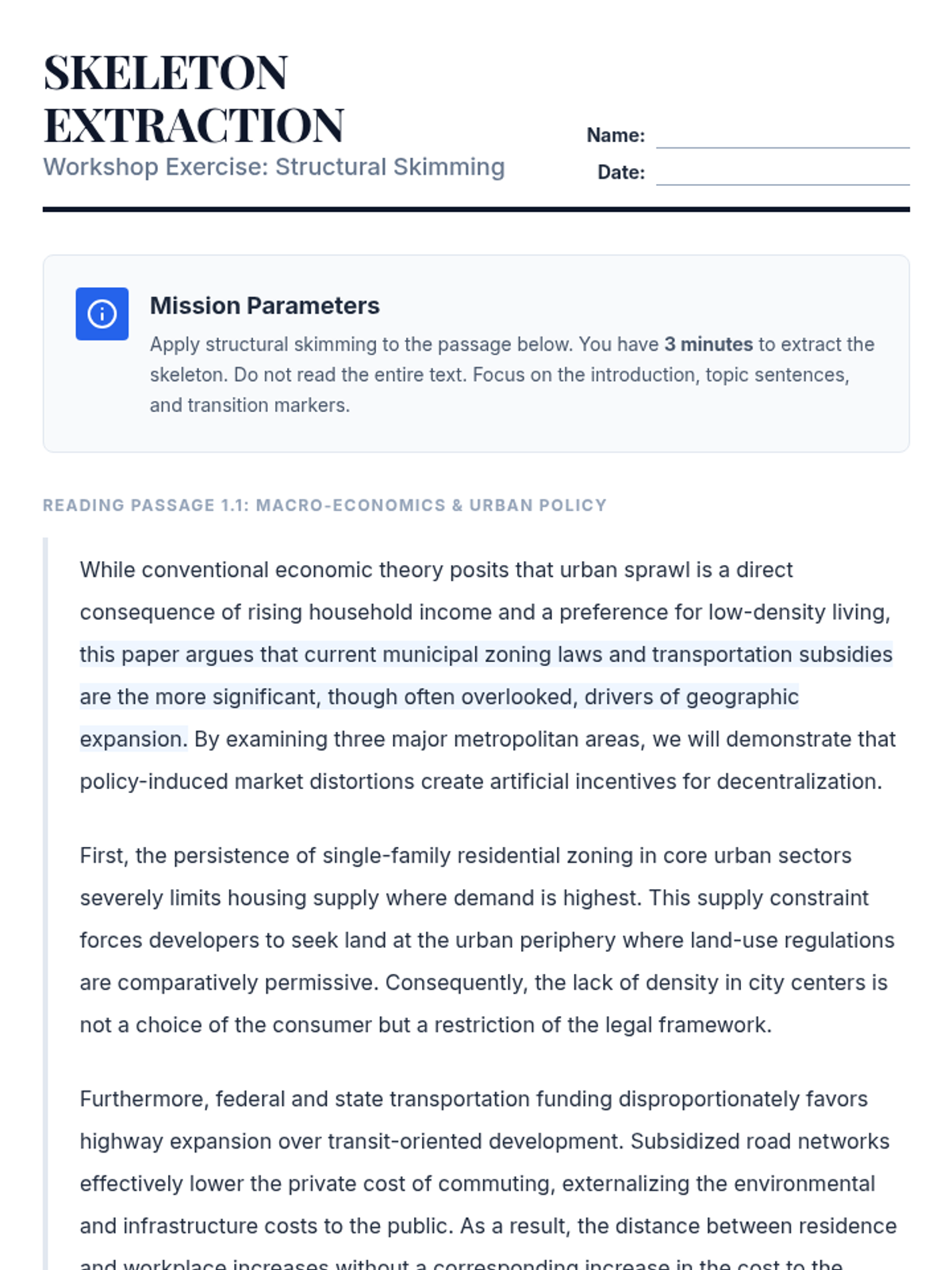
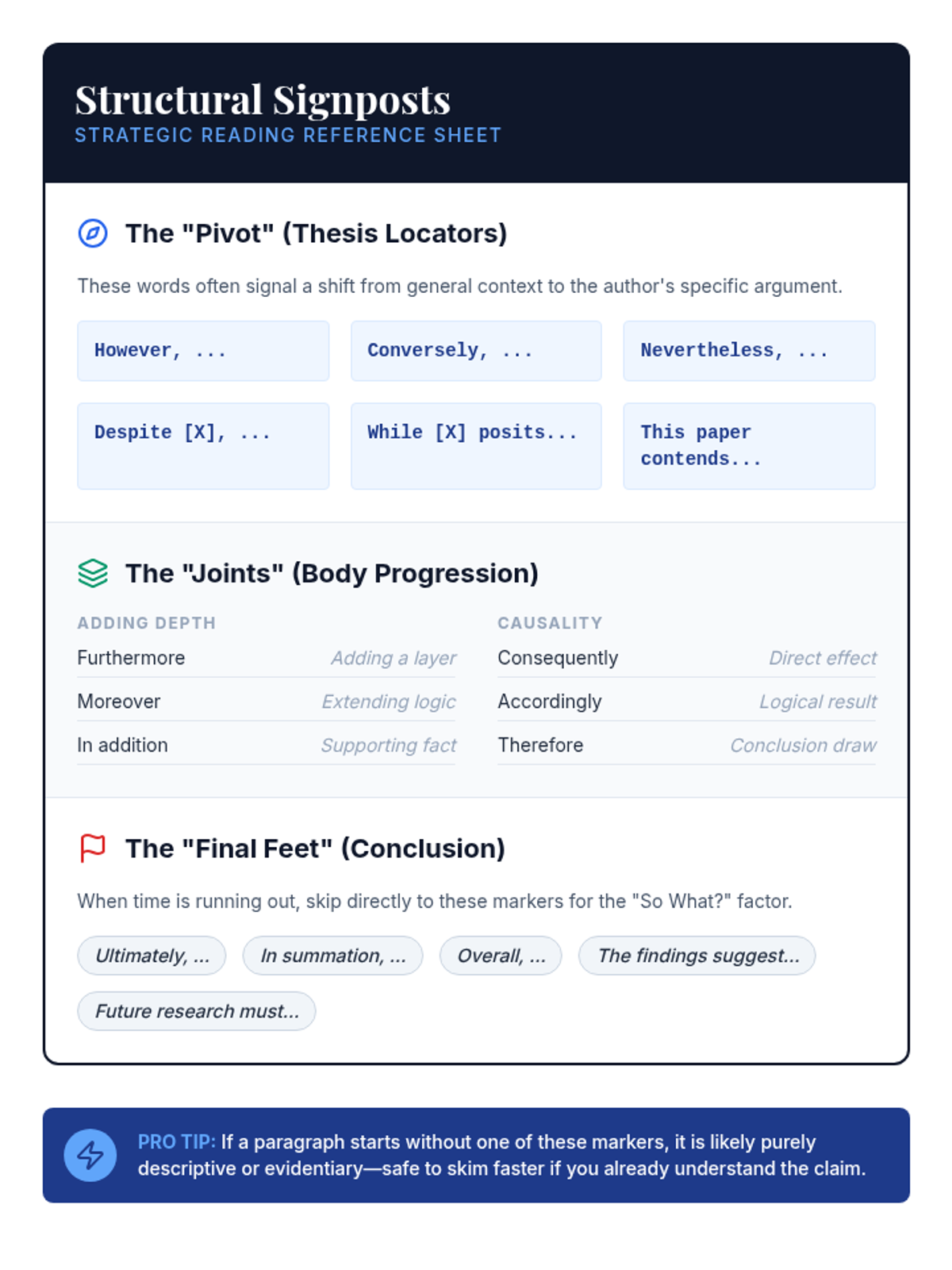
A high-intensity workshop sequence designed for graduate students to master the reading demands of the GRE, GMAT, and TOEFL. Focuses on skimming, scanning, contextual vocabulary, and syntactic deconstruction for maximum efficiency.
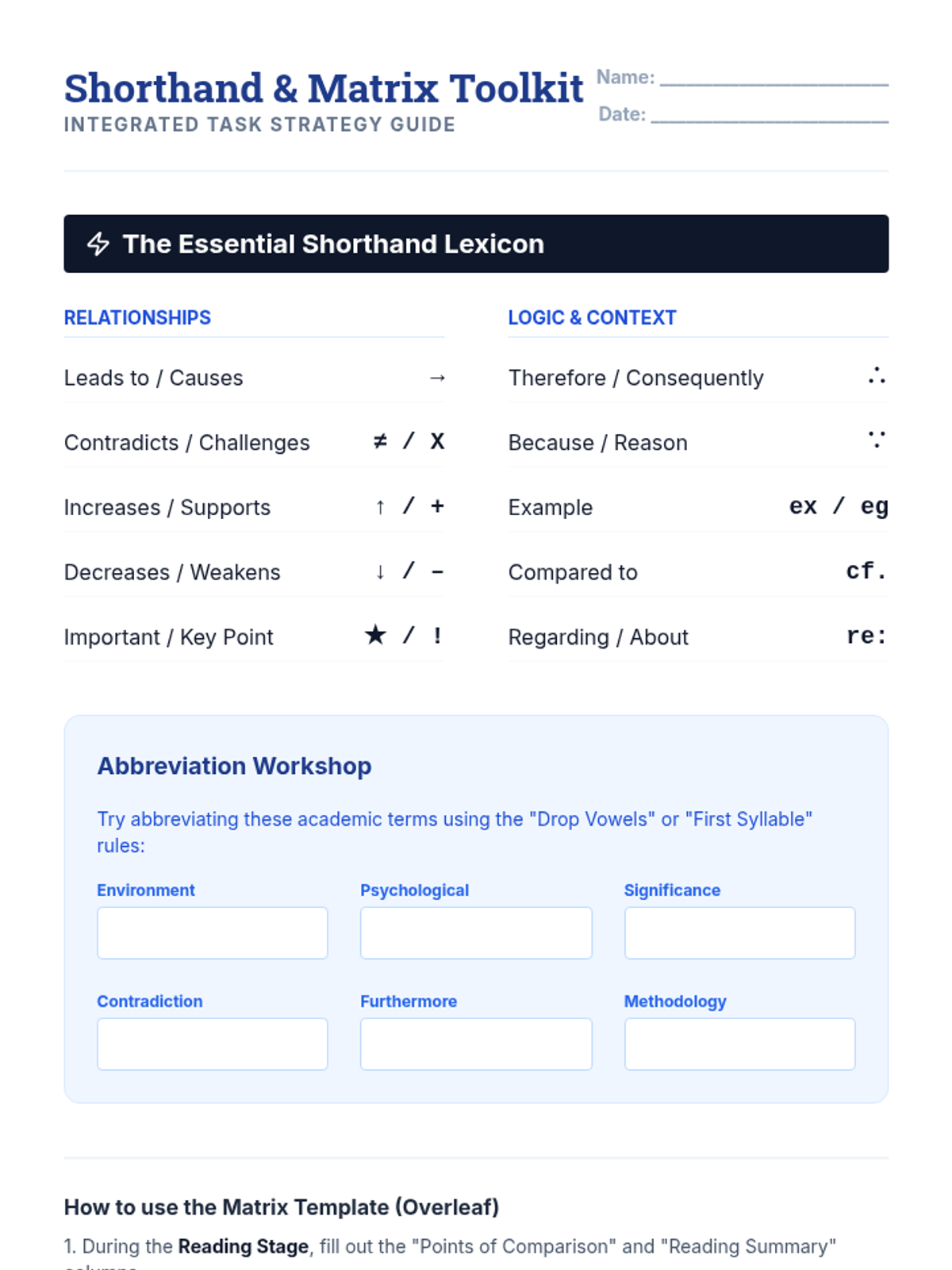
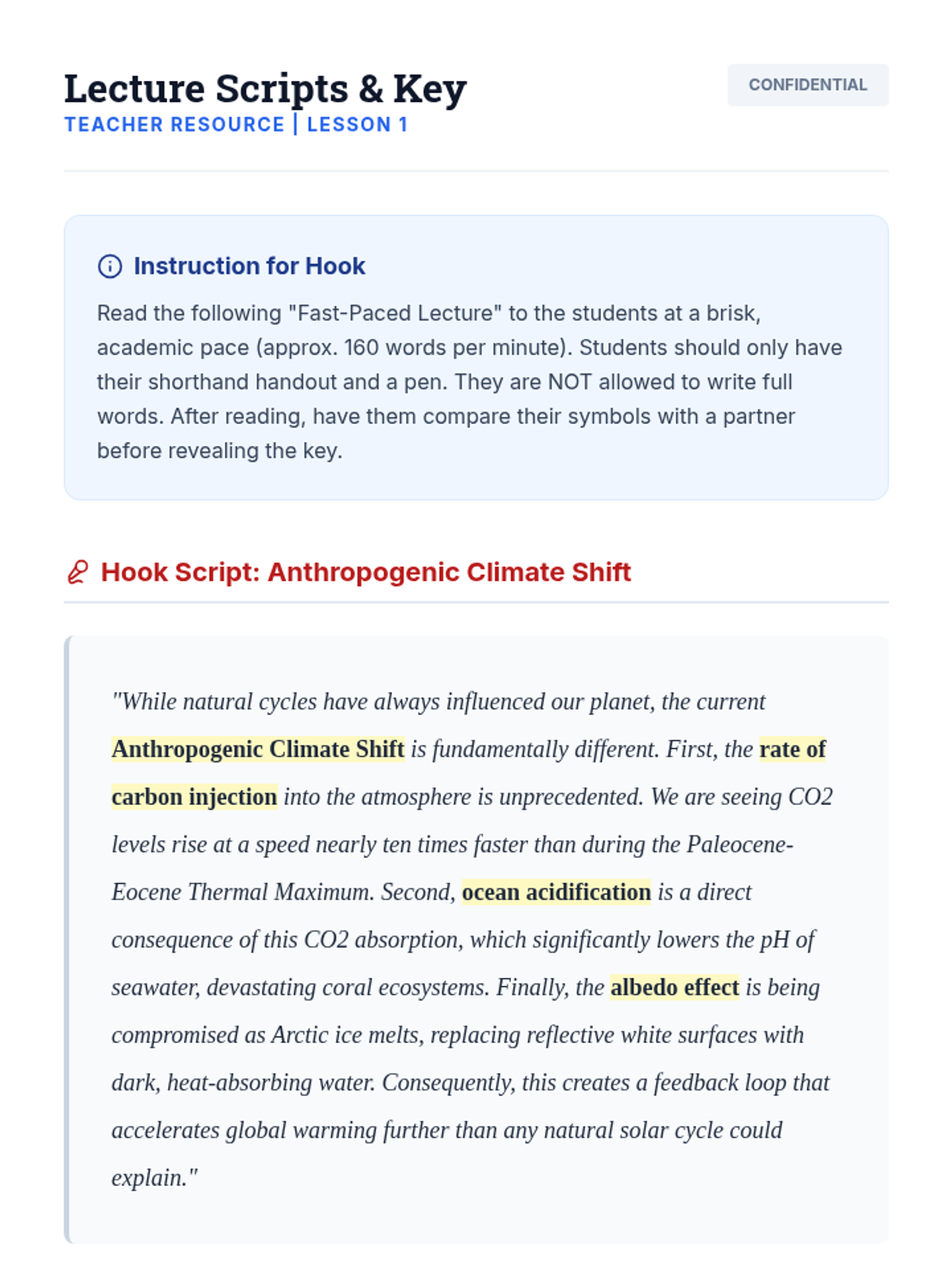
A comprehensive sequence designed for graduate ESL students to master the integrated writing and speaking tasks of high-stakes academic exams like TOEFL iBT and IELTS. The curriculum focuses on shorthand note-taking, identifying inter-source relationships, utilizing structural templates, and rapid synthesis under timed conditions.