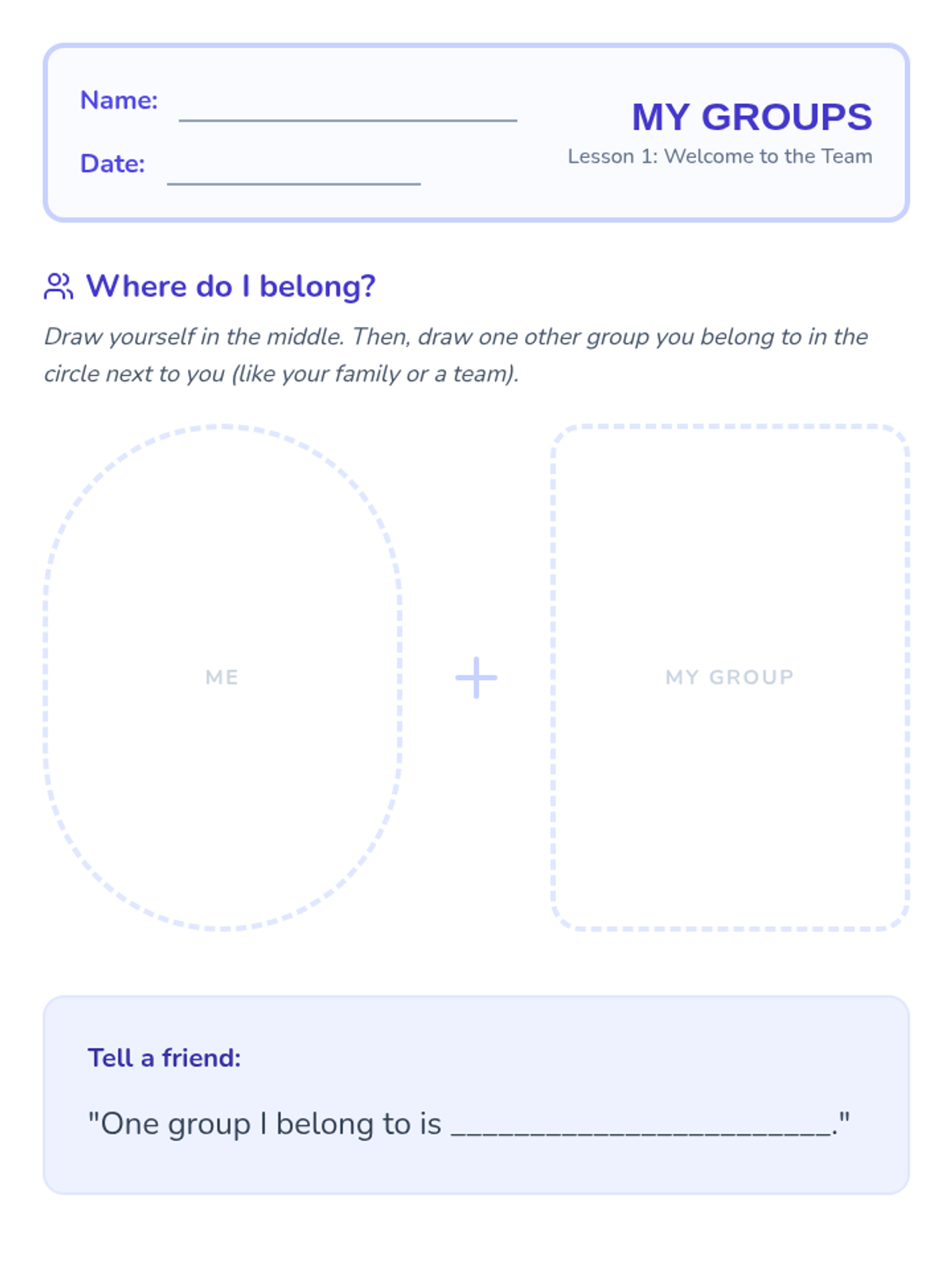
This sequence introduces Pre-K learners to citizenship through classroom community, rules, jobs, fairness, and voting. Students move from individual belonging to collaborative decision-making, grounding abstract civic concepts in daily school life.
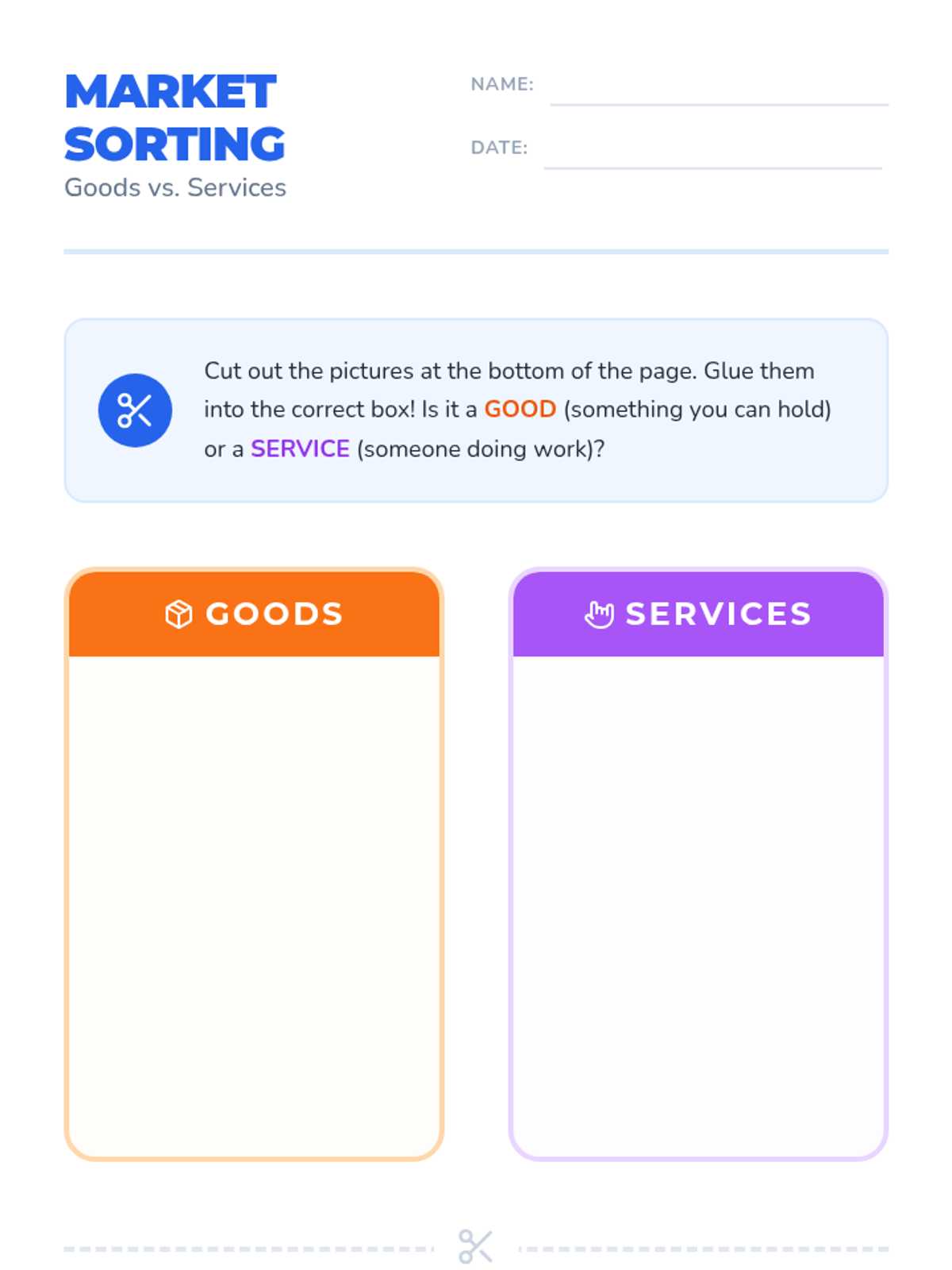
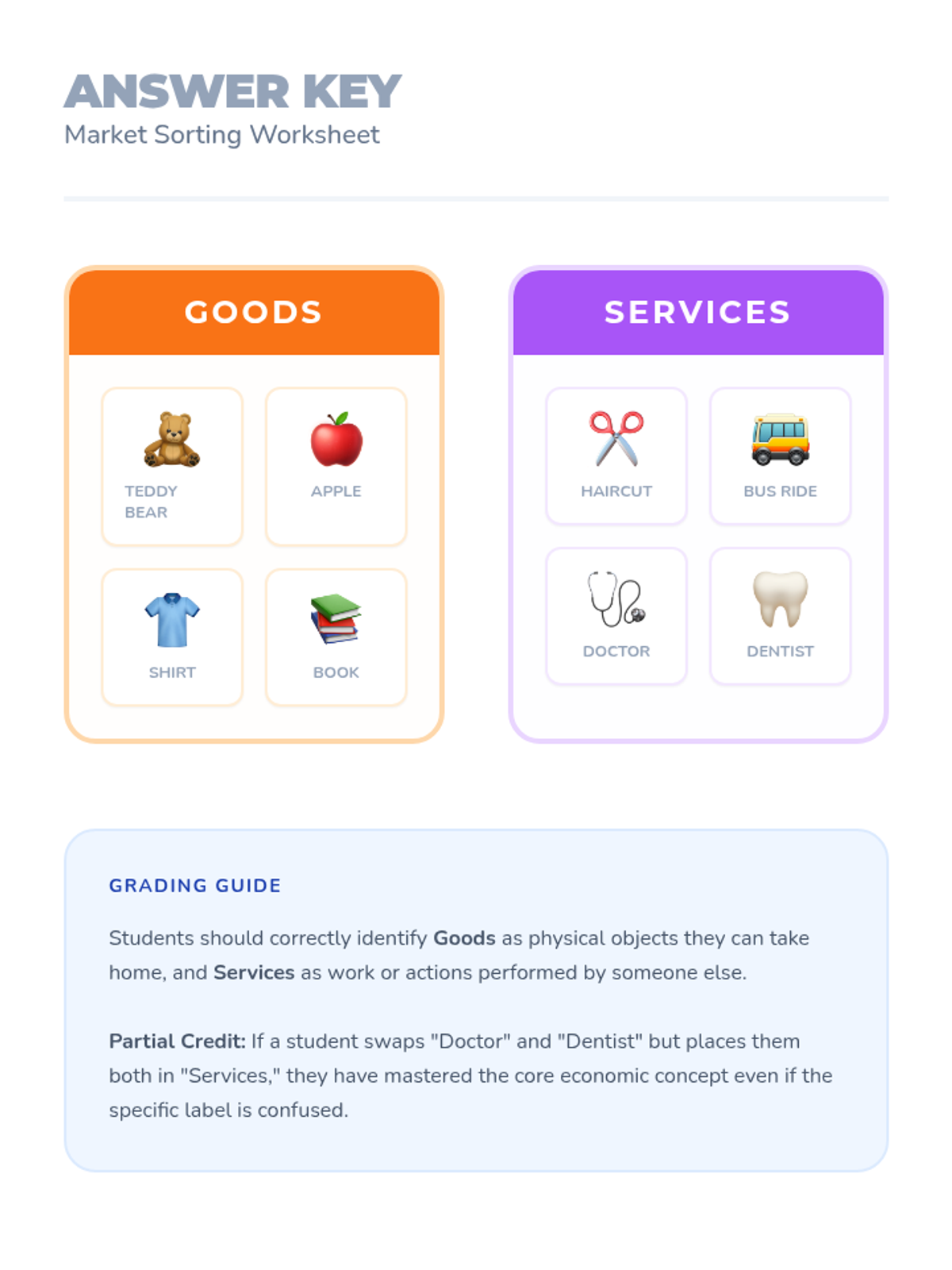
A comprehensive introduction for Kindergarteners to the basics of economy, covering the difference between goods and services, how money is earned through work, and how it is used in a marketplace.
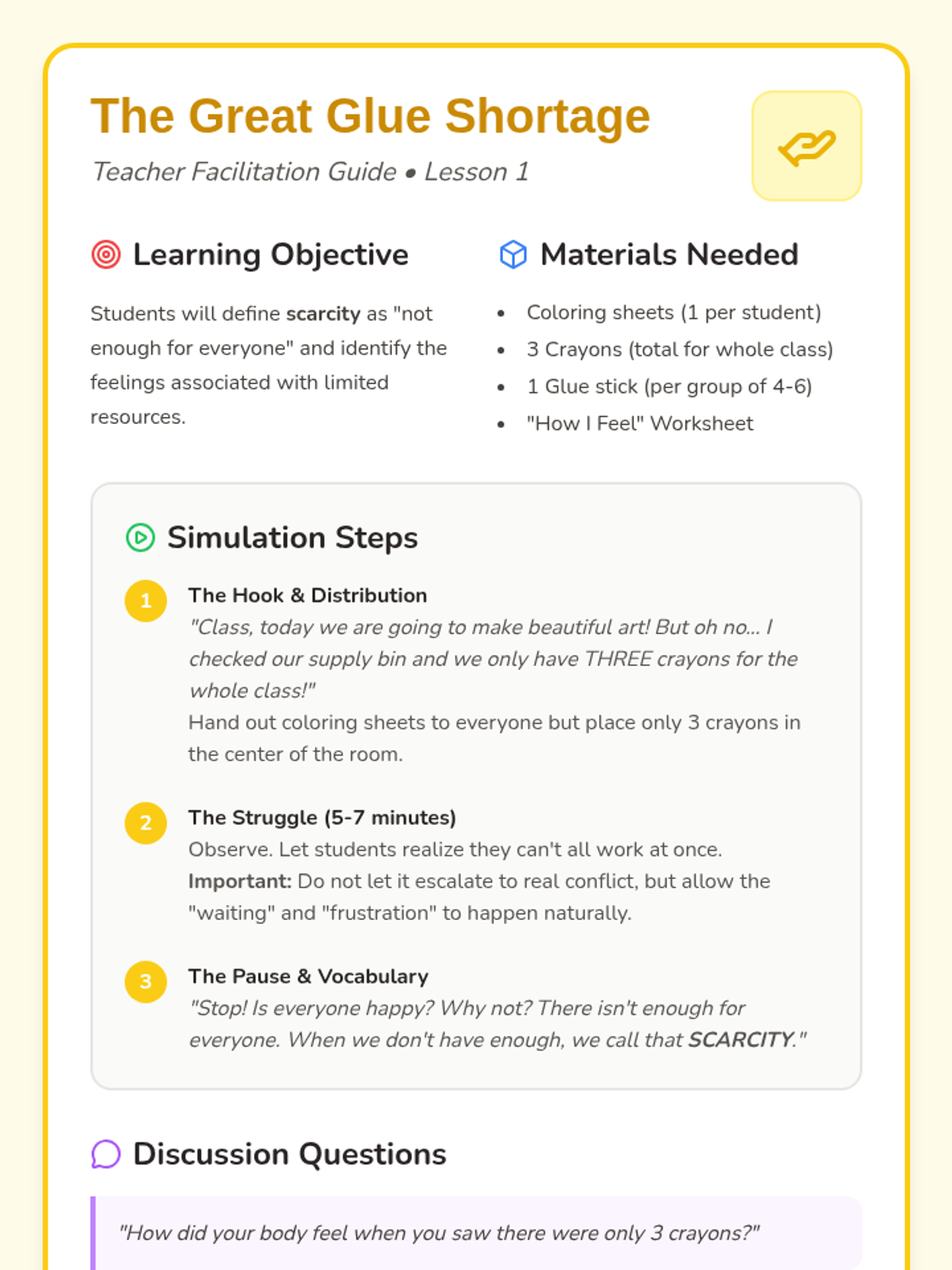
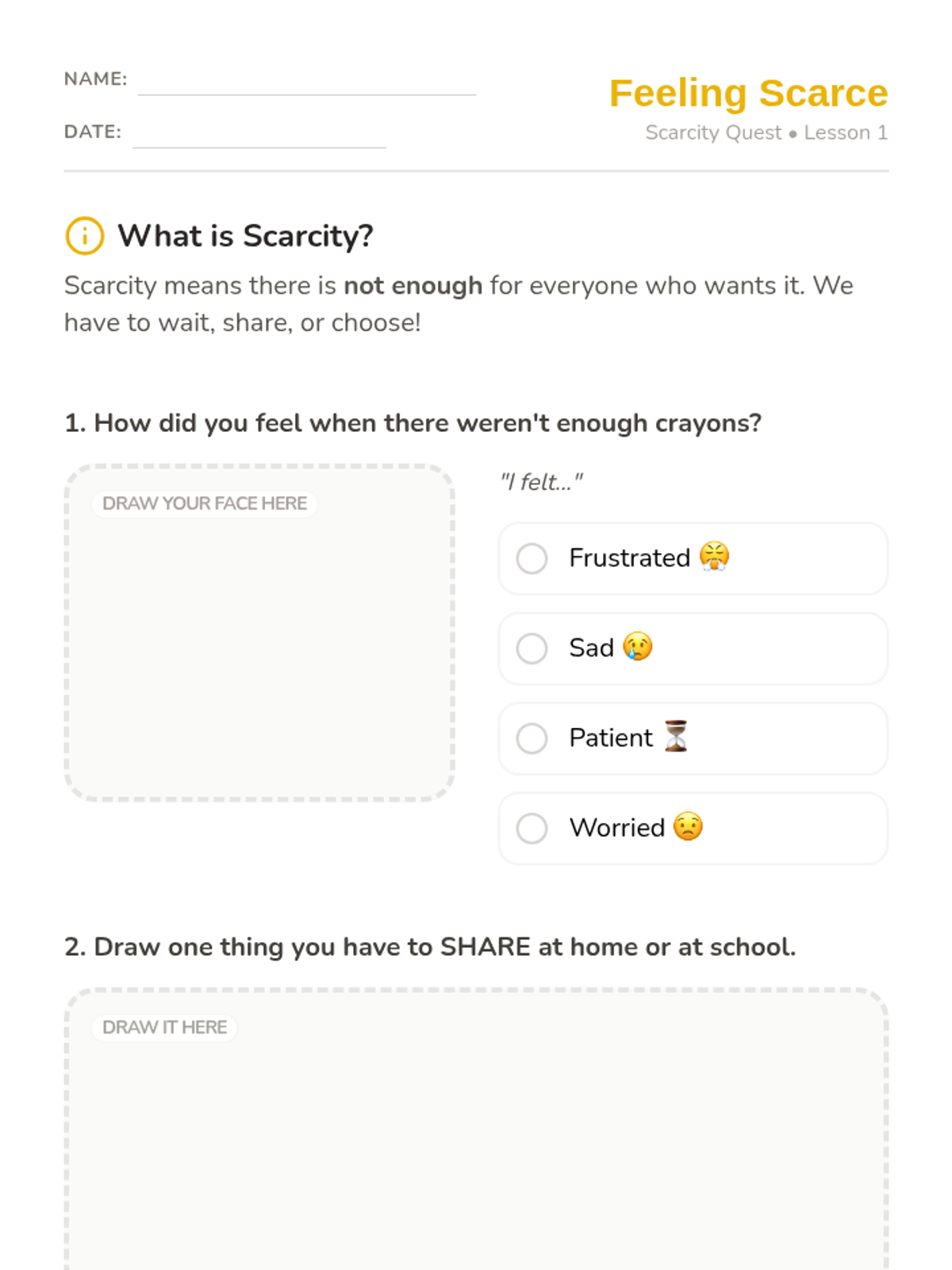
A Kindergarten sequence focused on introducing the concepts of scarcity, supply and demand, and resource management through hands-on simulations, sharing strategies, and problem-solving activities.
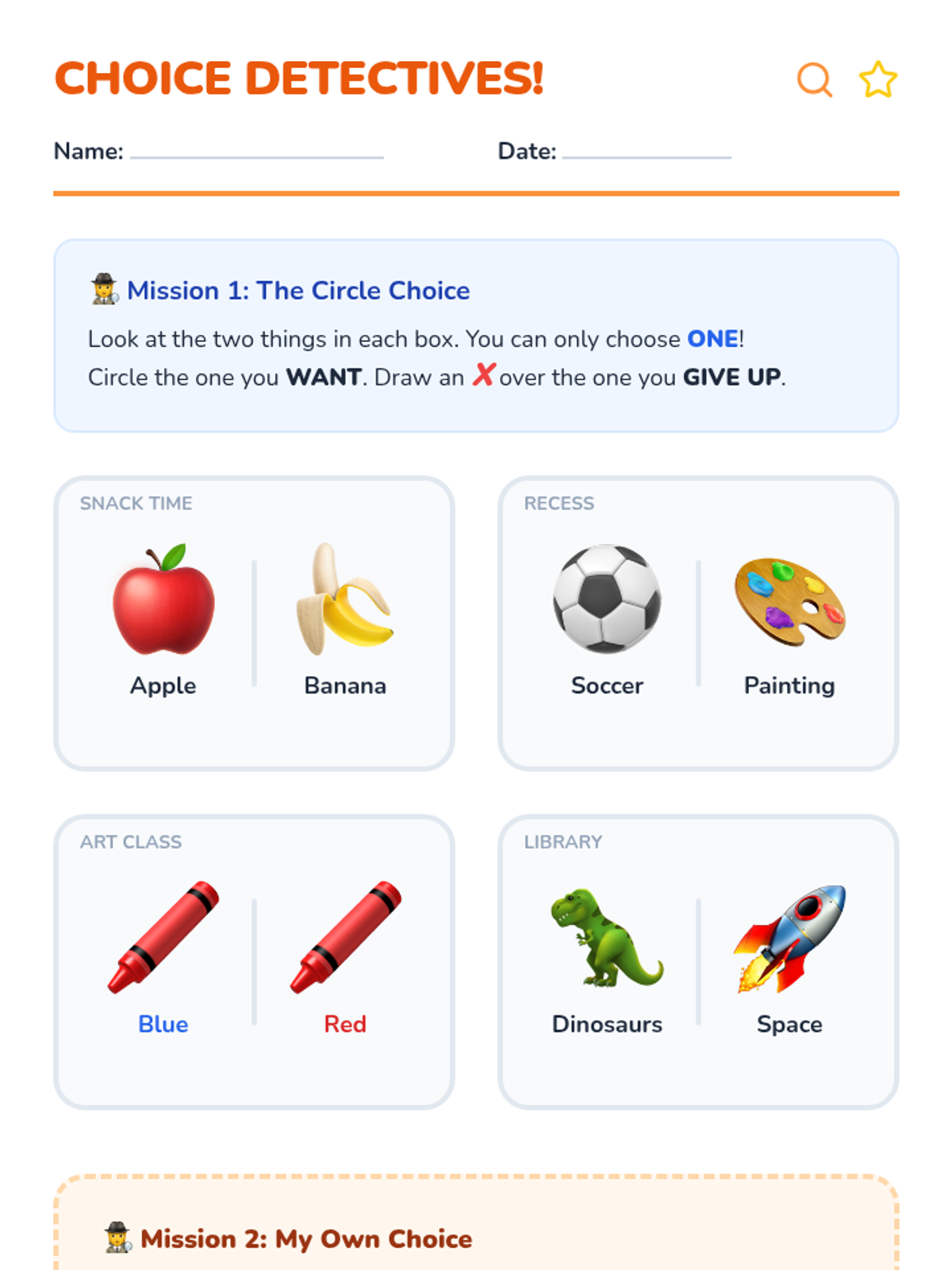
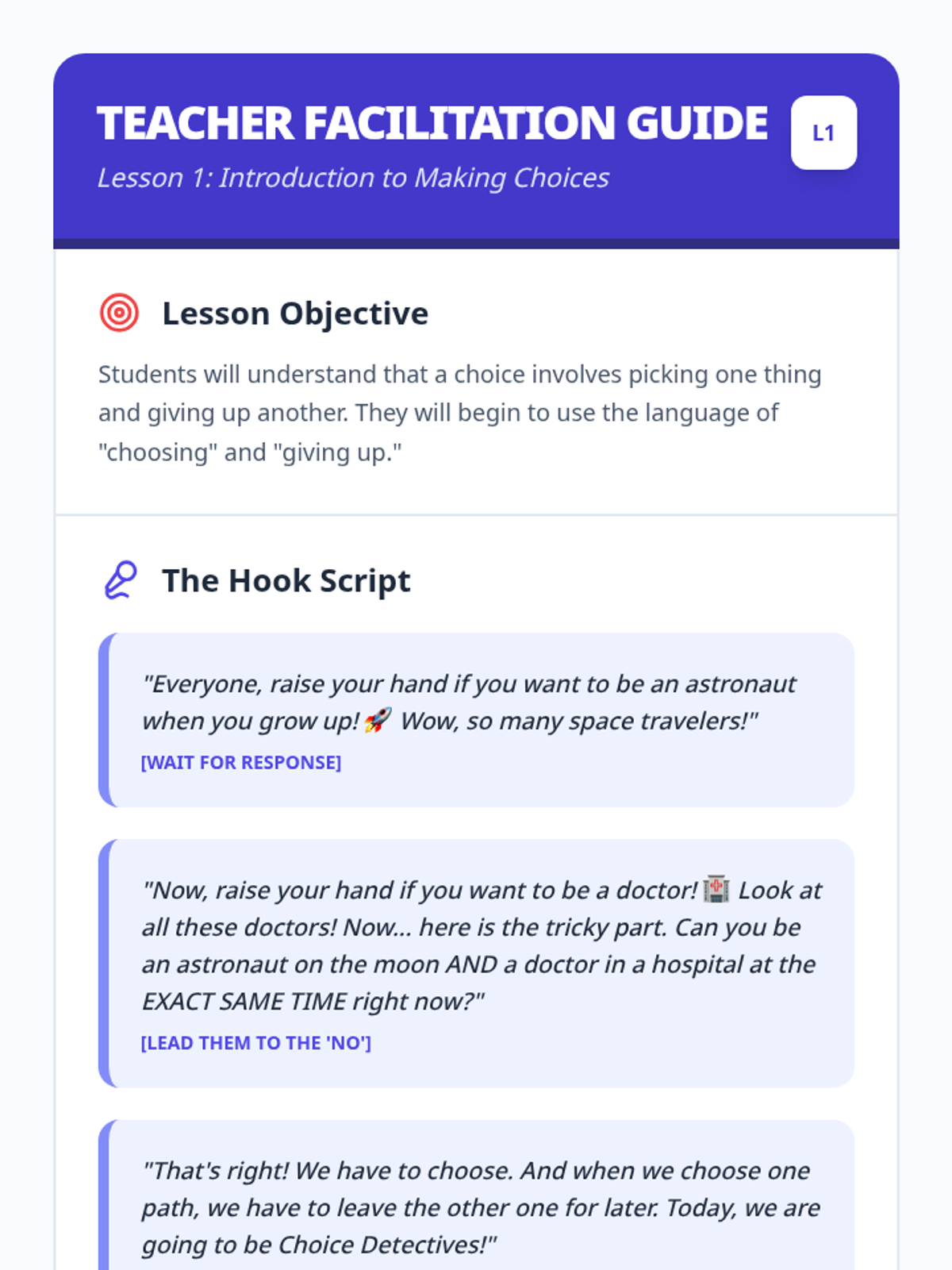
A Kindergarten sequence introducing the economic concepts of choices and opportunity cost. Students learn that choosing one thing means giving up another through games, stories, and reflection.
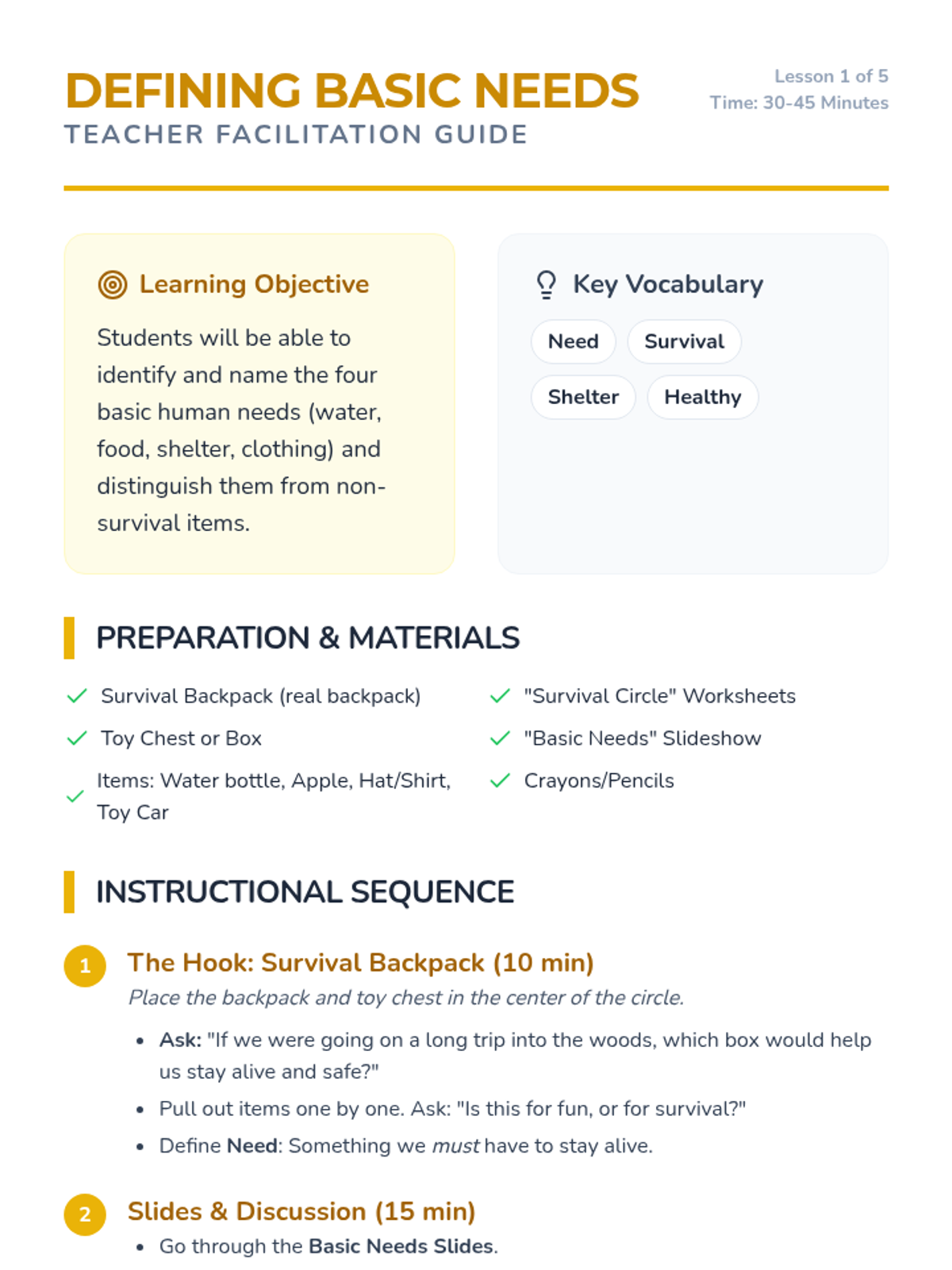
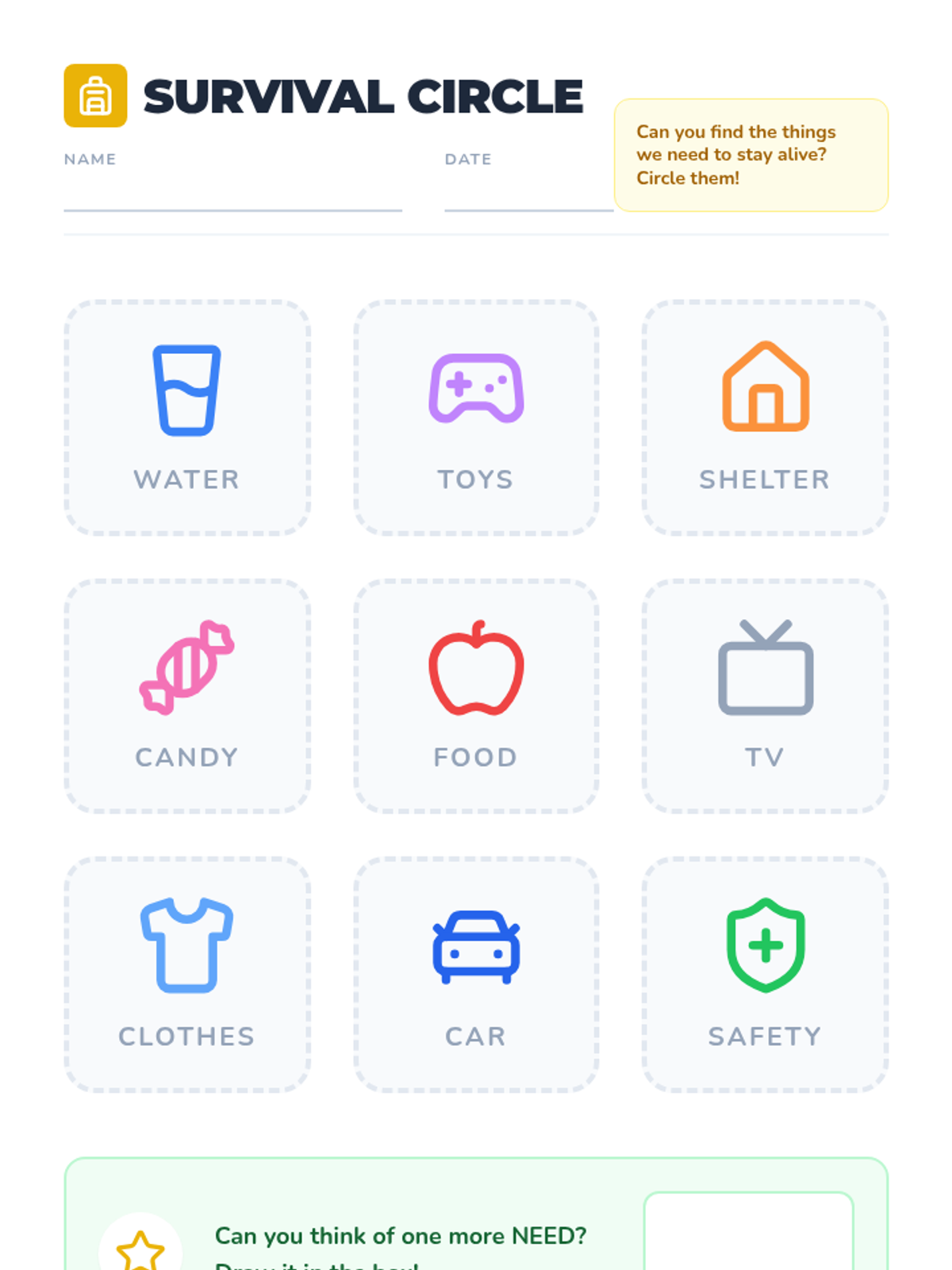
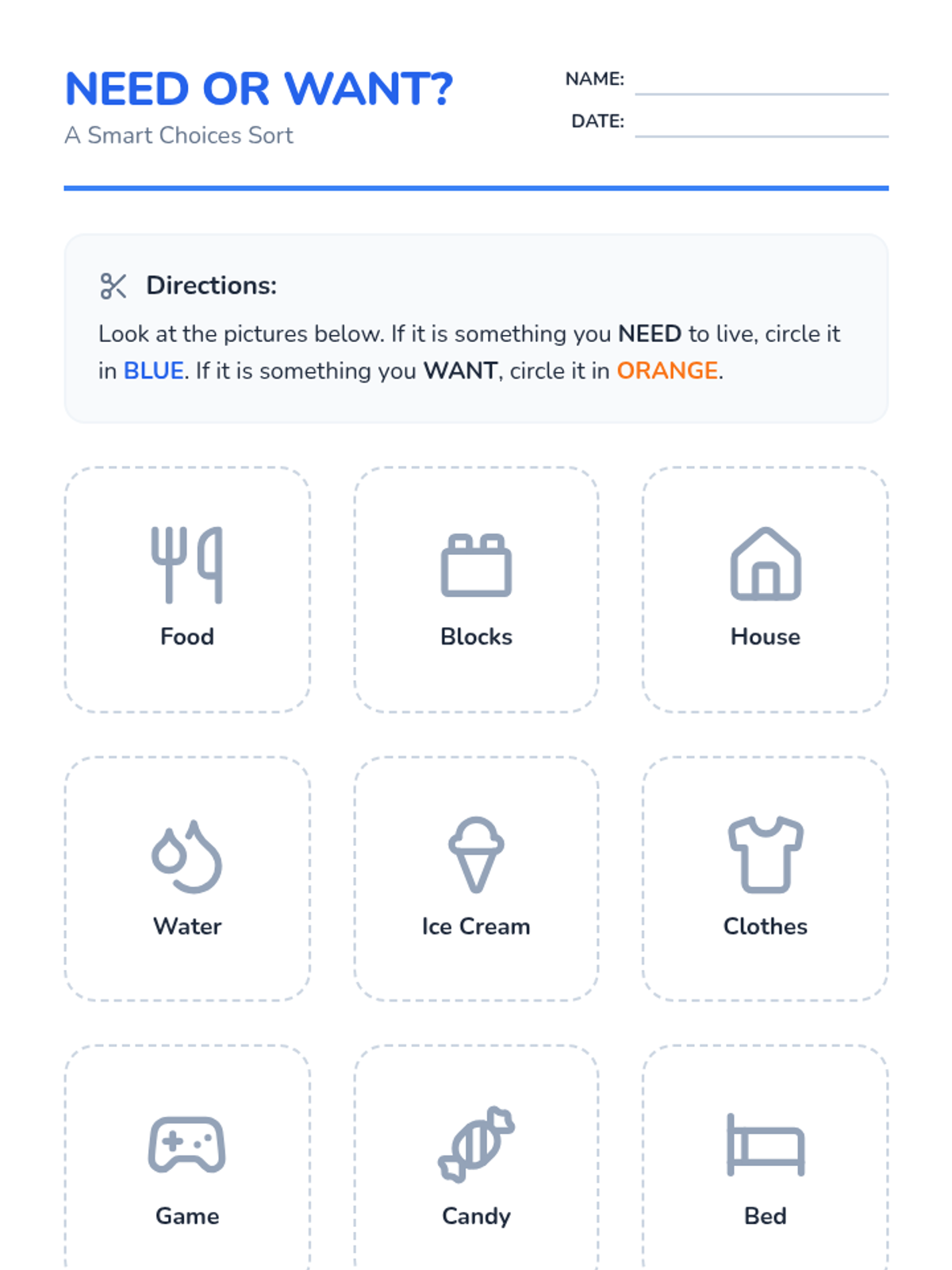
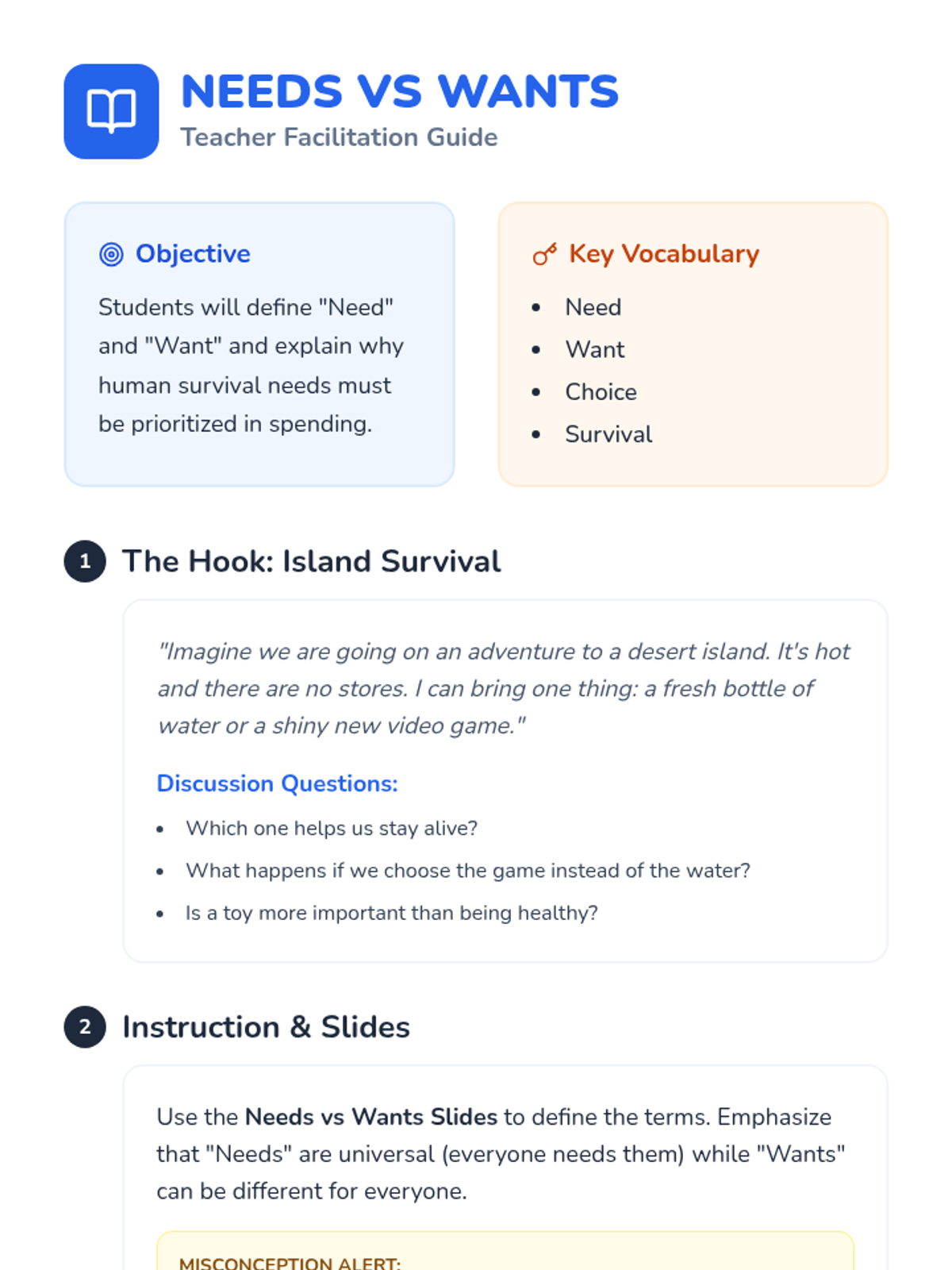
This Kindergarten sequence introduces the foundational economic concept of distinguishing between essential needs and discretionary wants through interactive discussions, sorting activities, and simple budgeting simulations. Students move from identifying survival items to making prioritized choices, building a baseline for financial literacy.
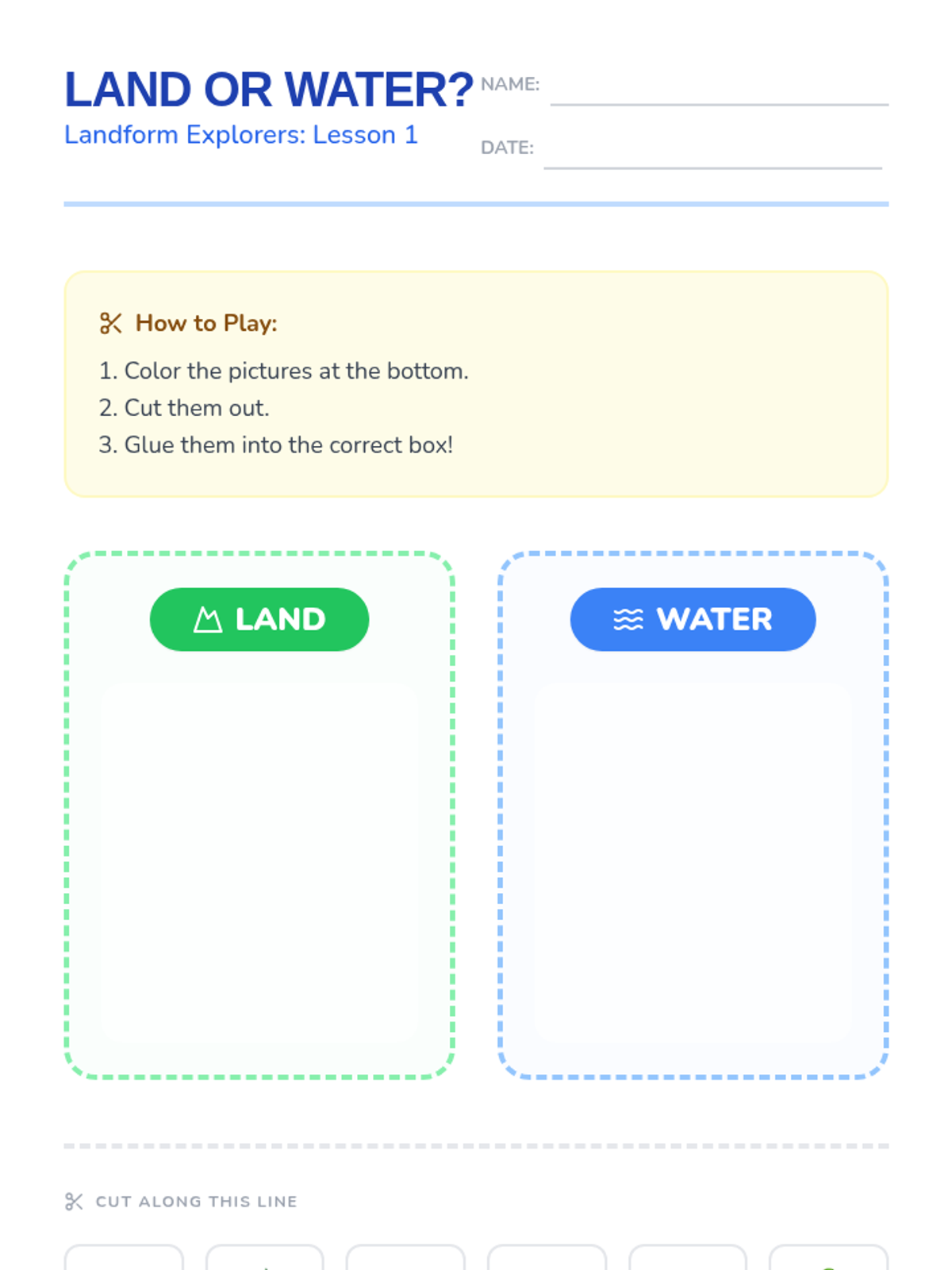
A Kindergarten sequence focused on identifying and distinguishing Earth's landforms and water bodies. Students progress from basic land/water distinction to creating physical models of mountains, hills, plains, valleys, rivers, and lakes.
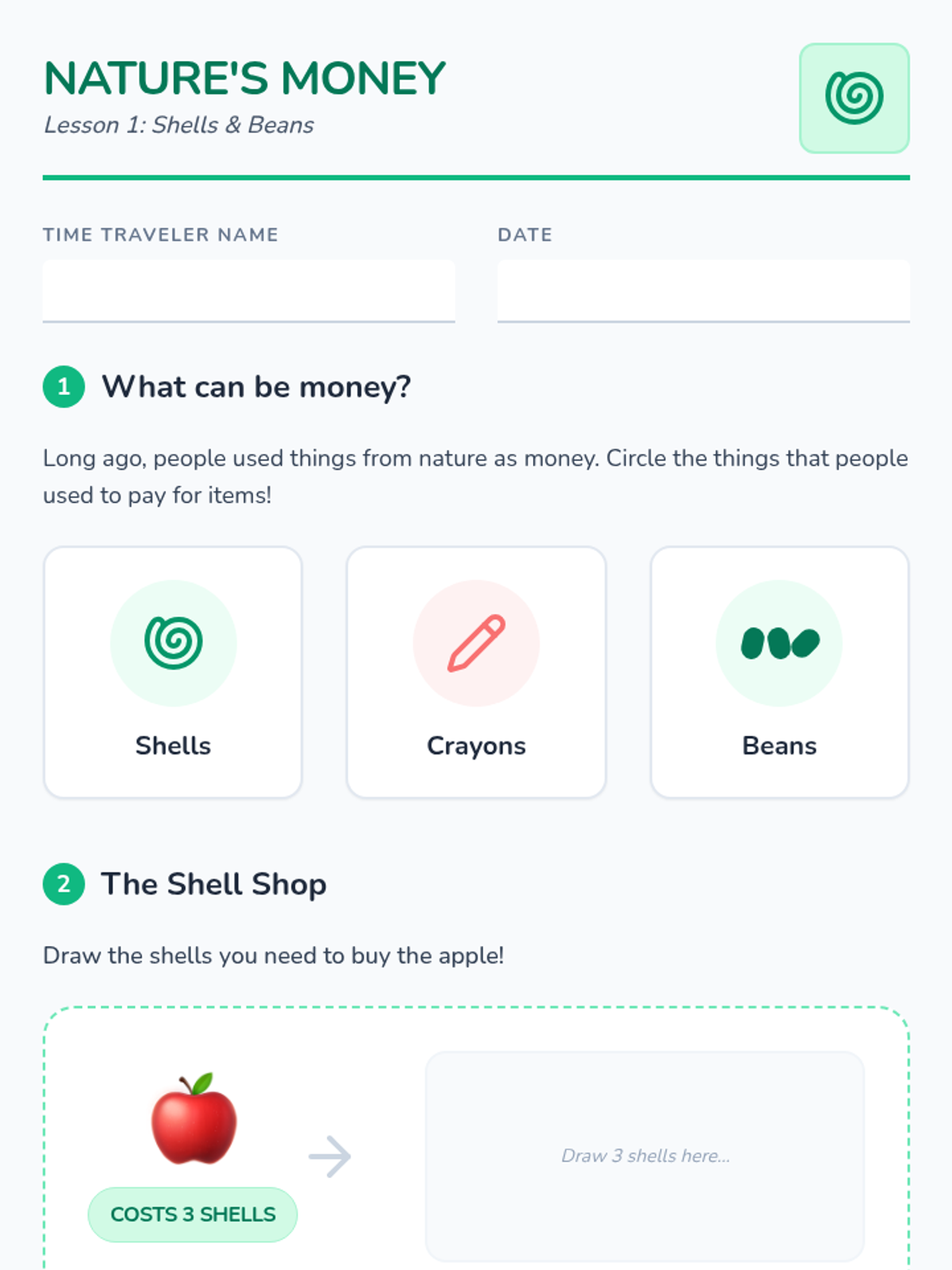
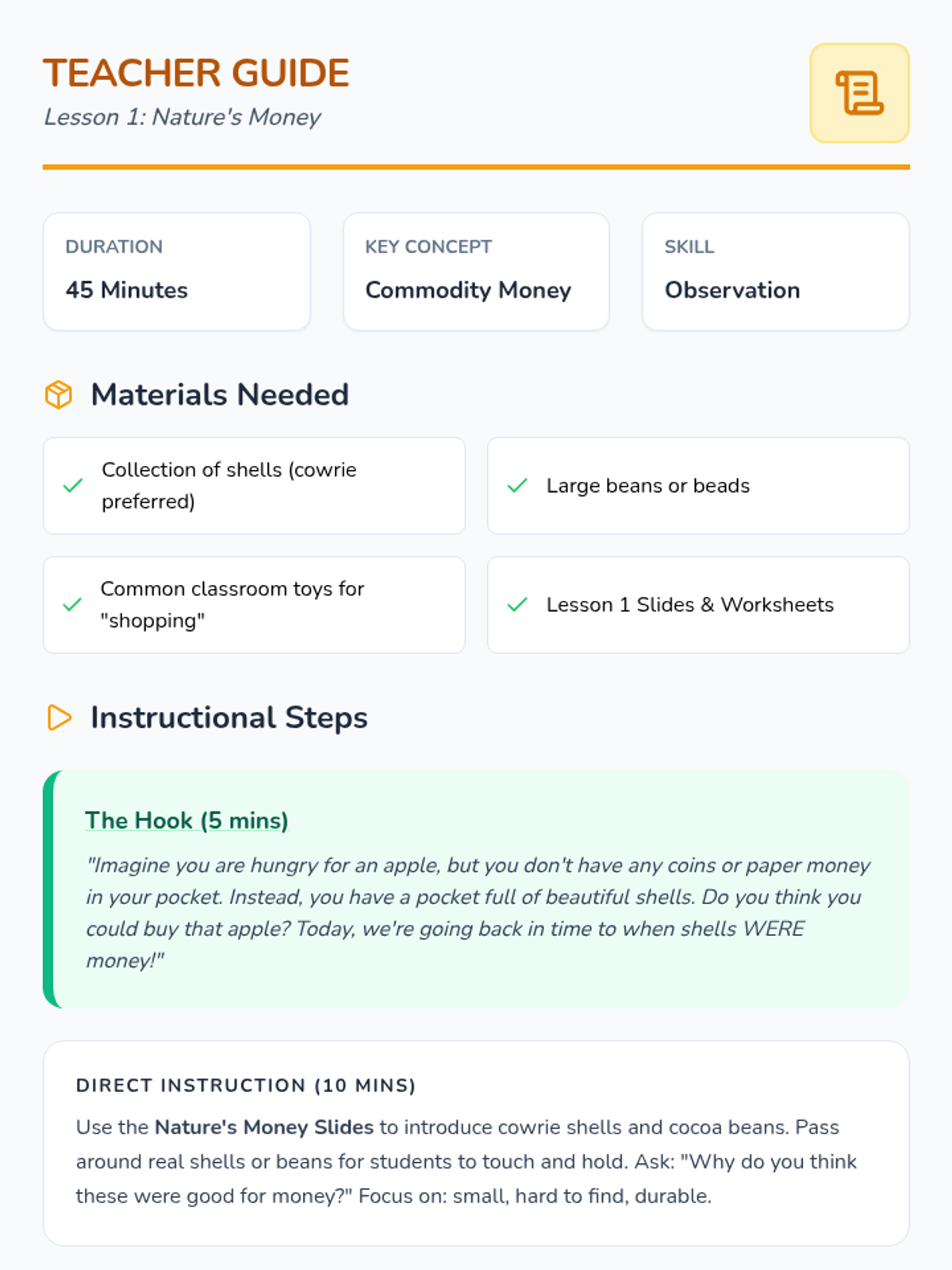
A Kindergarten sequence exploring the evolution of money from natural objects (shells and beans) to physical currency (metal and paper), global variations, digital forms (cards and taps), and future inventions. Students learn that money is a tool for exchange that has changed over time.
A Kindergarten economics sequence that introduces the basics of money, focusing on the difference between needs and wants, the concept of scarcity, making economic choices (opportunity cost), and the importance of saving.
This Kindergarten sequence introduces students to the concept of earning money through work. It explores community roles, distinguishes between work and play, simulates a classroom economy, and explains the difference between goods and services, culminating in a reflection on how families use earned income.
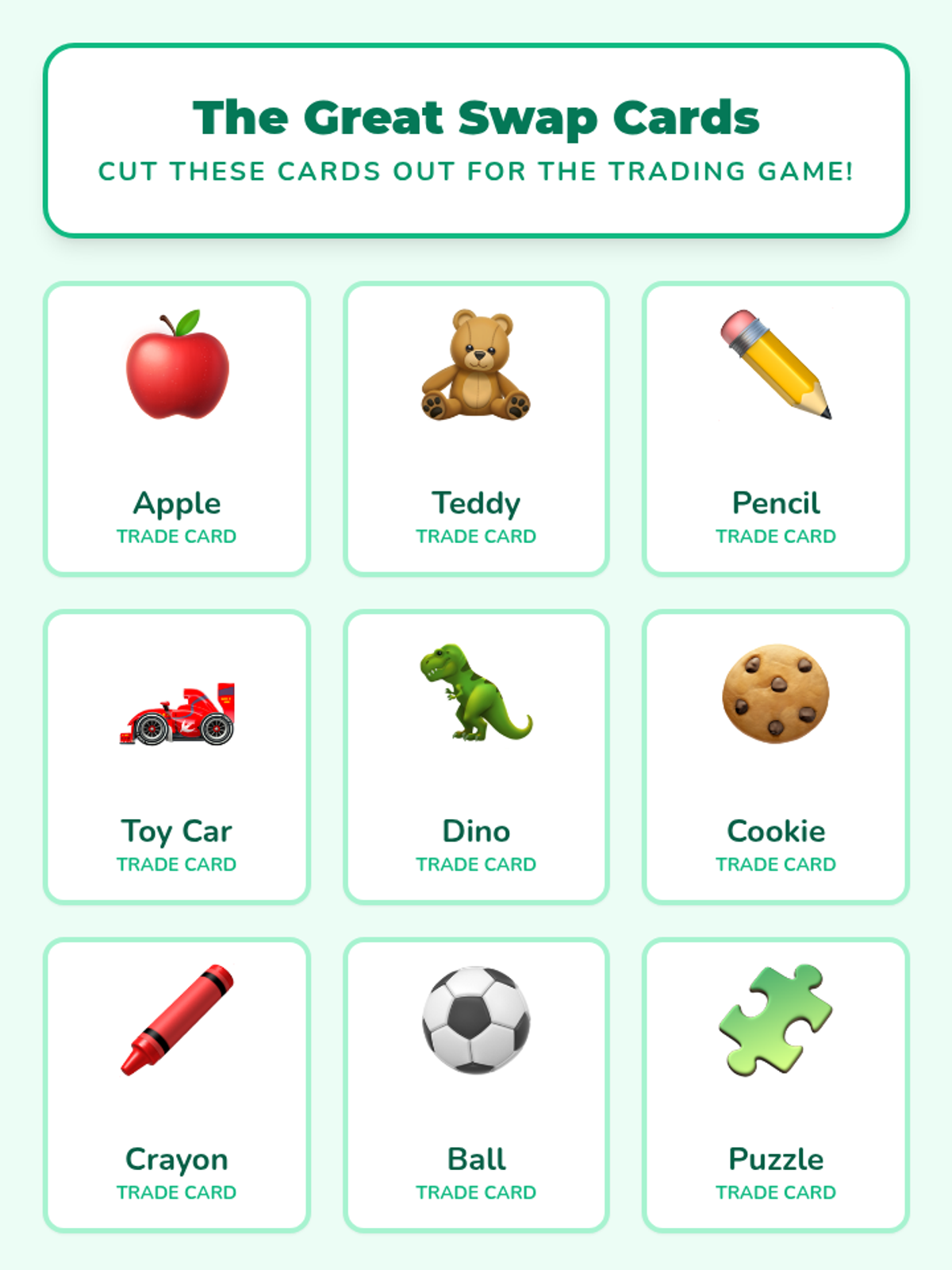
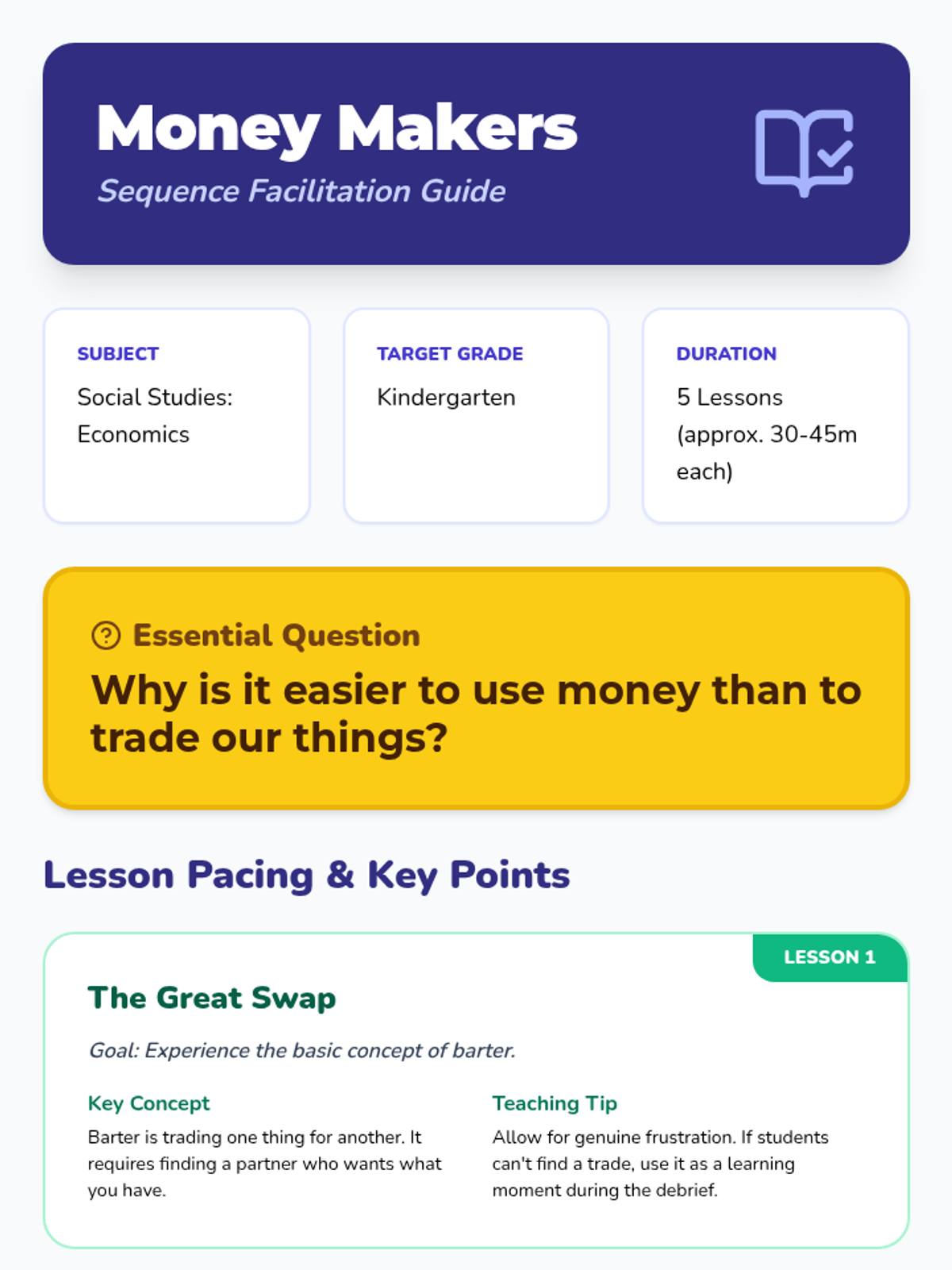
A Kindergarten sequence exploring the transition from bartering to using money. Students learn through simulation, role-play, and creative design why a common currency makes trading easier.
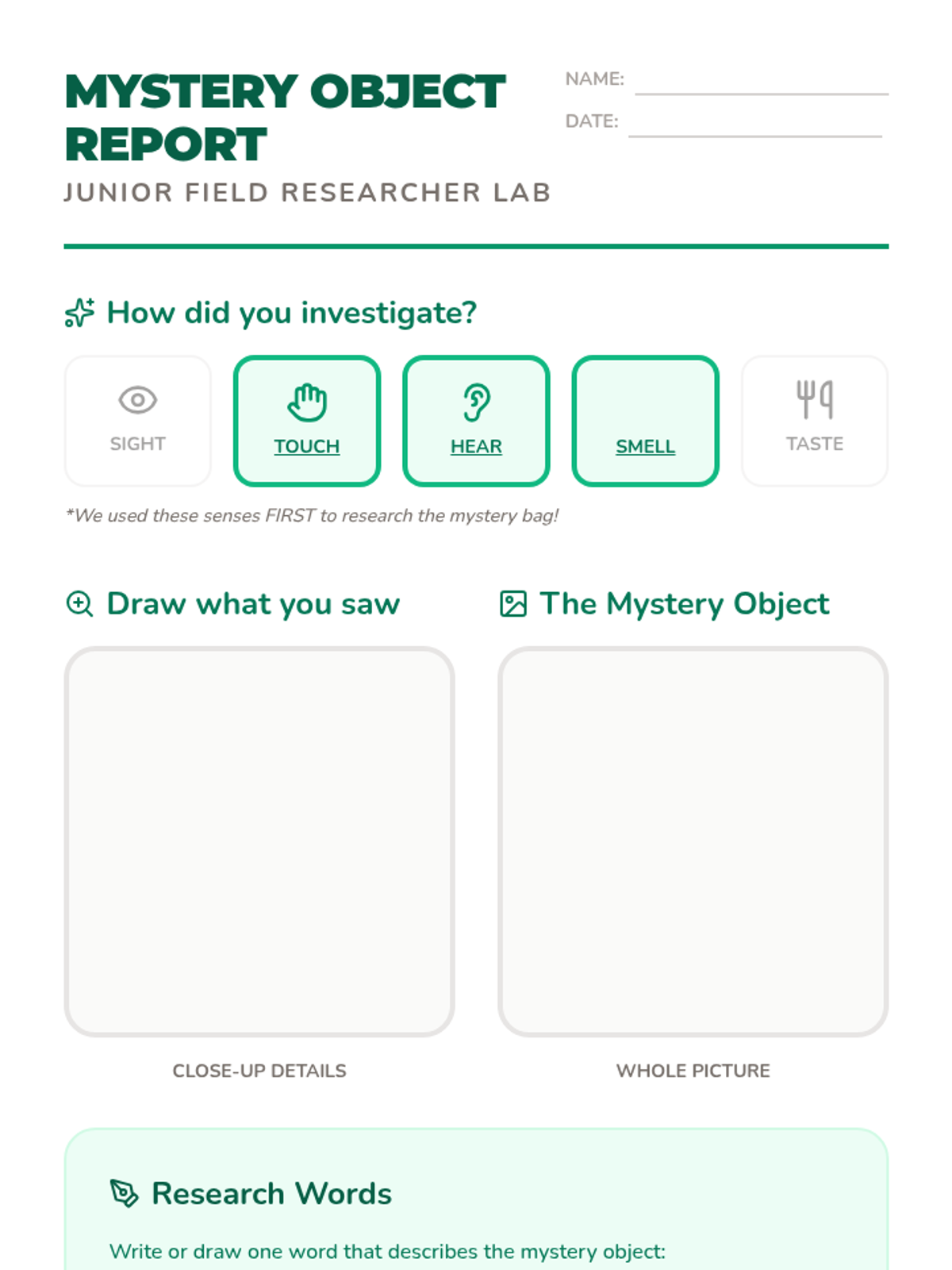
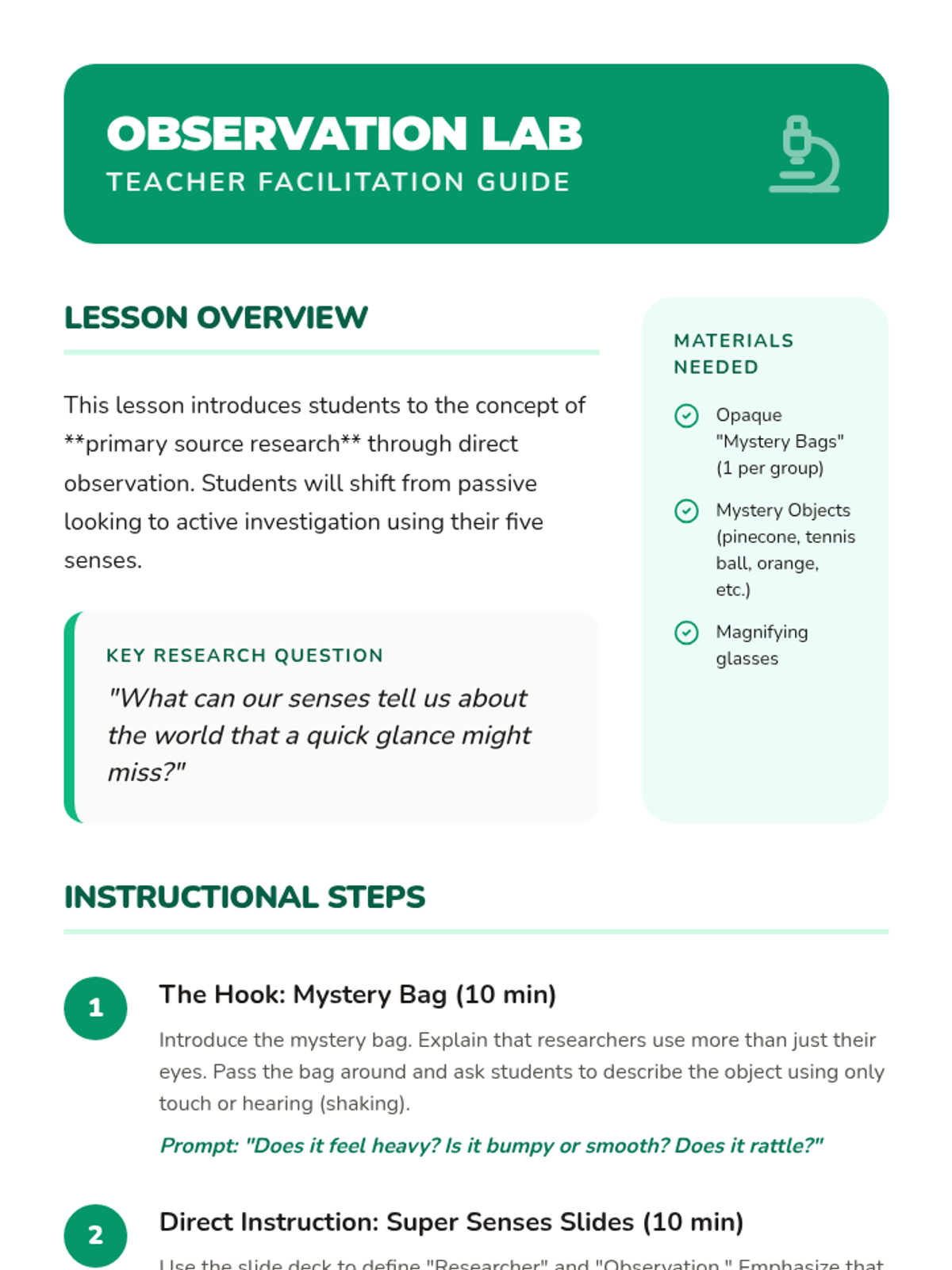
A Kindergarten sequence where students act as field researchers, learning to use observation and interviews to gather information about their school community. Students develop foundational research skills through hands-on data collection and synthesis.
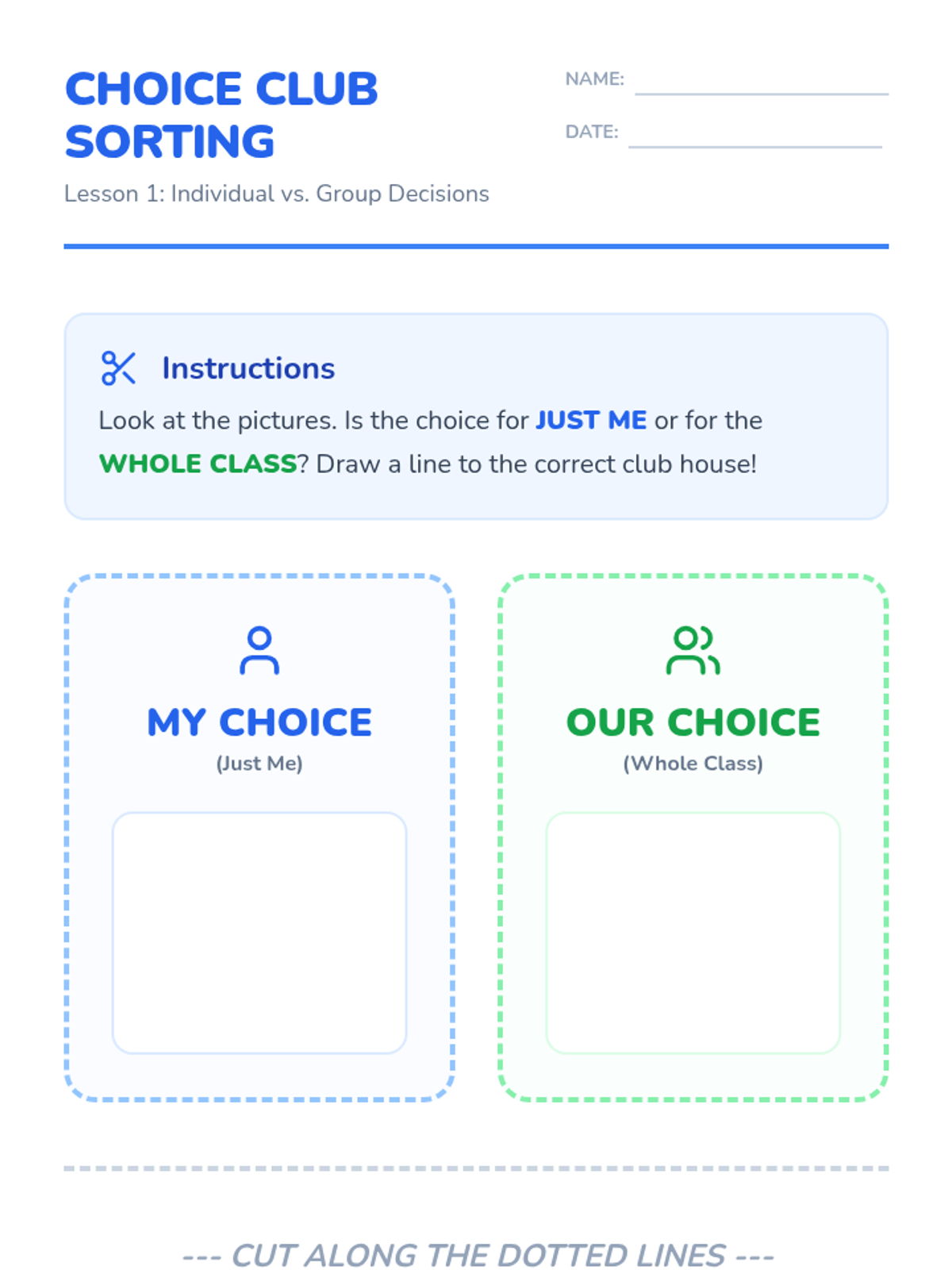
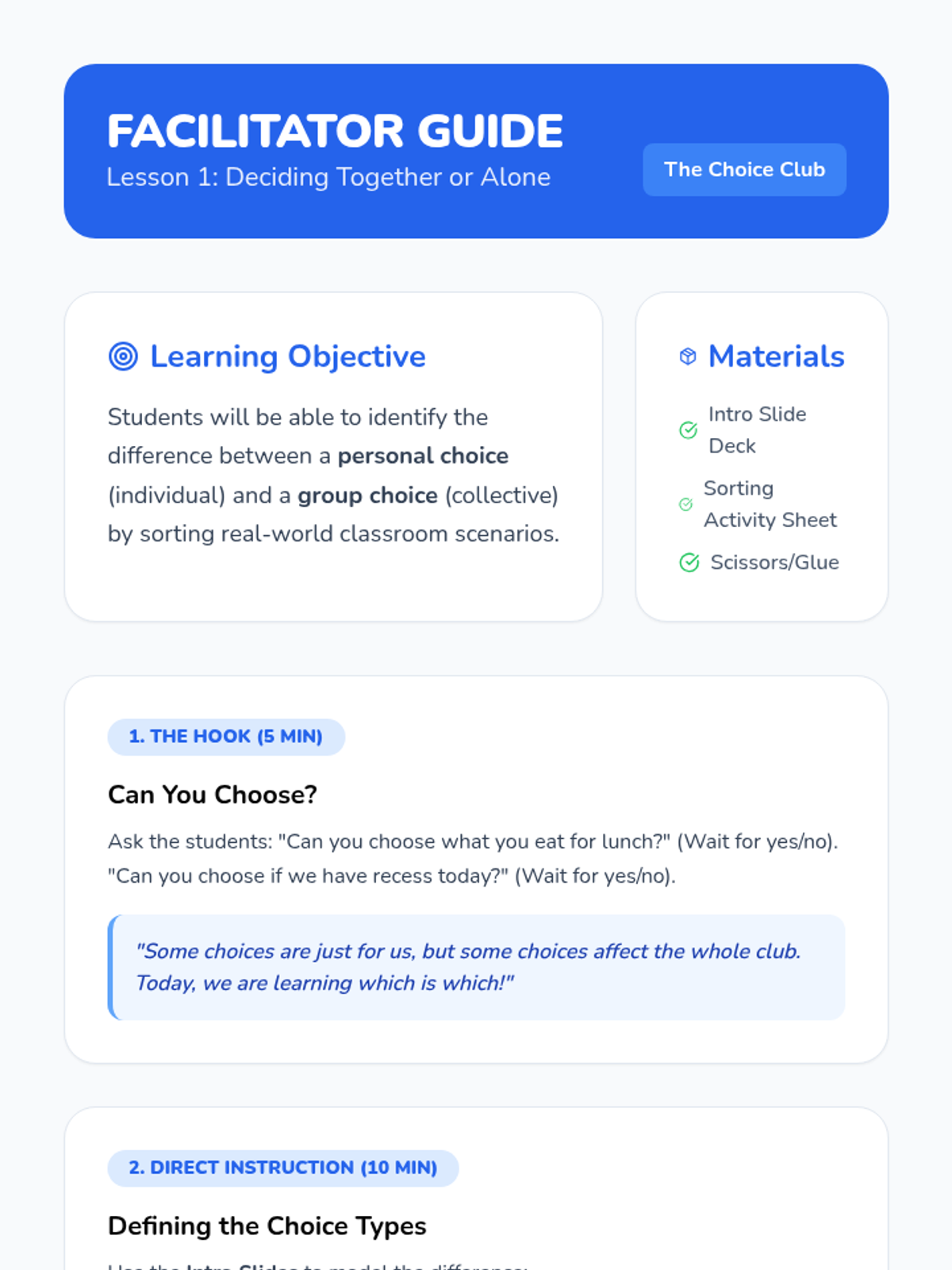
A Kindergarten sequence exploring democratic decision-making through individual vs. group choices, respectful opinions, voting methods, and majority rule, culminating in a class election.
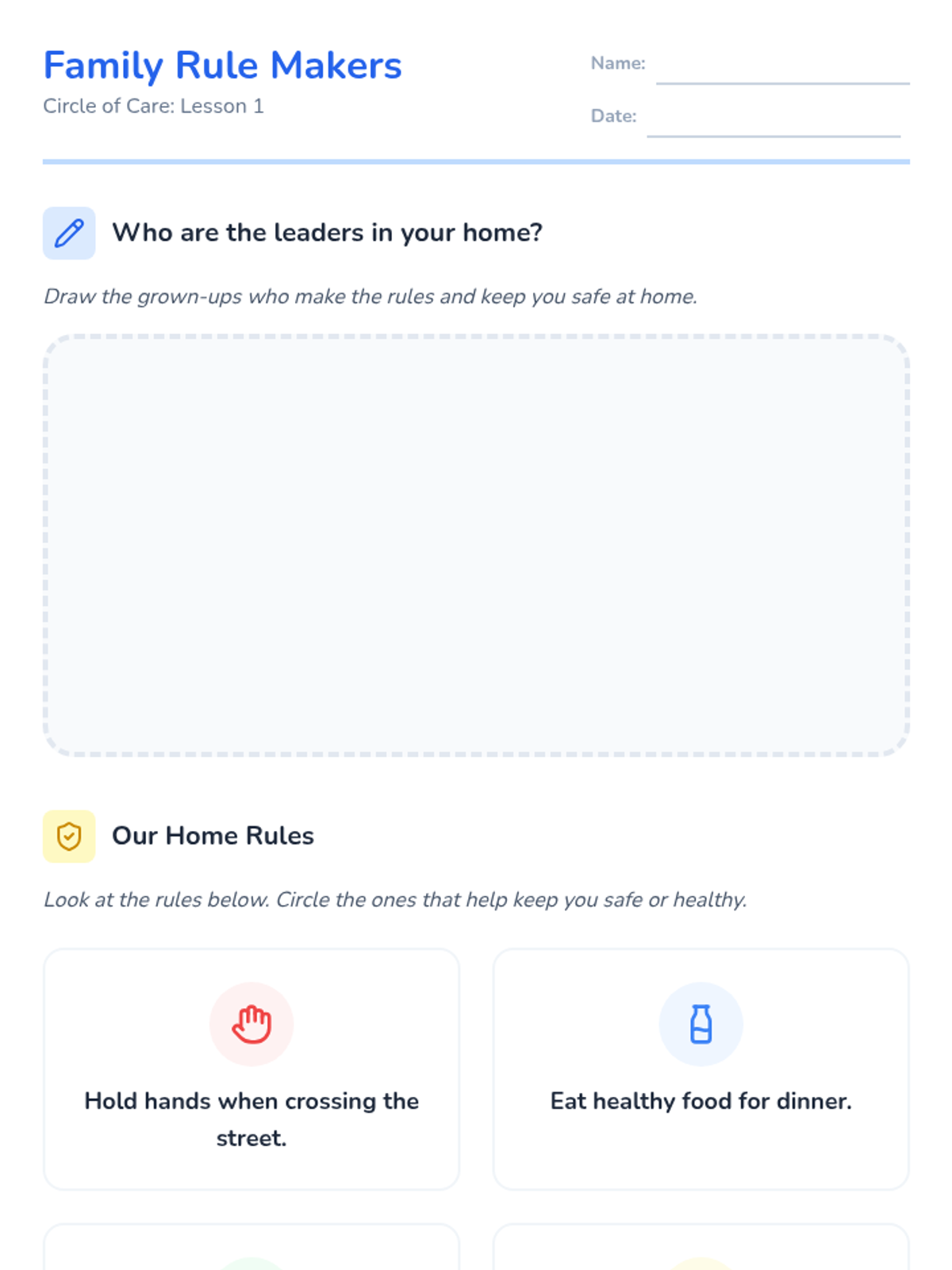
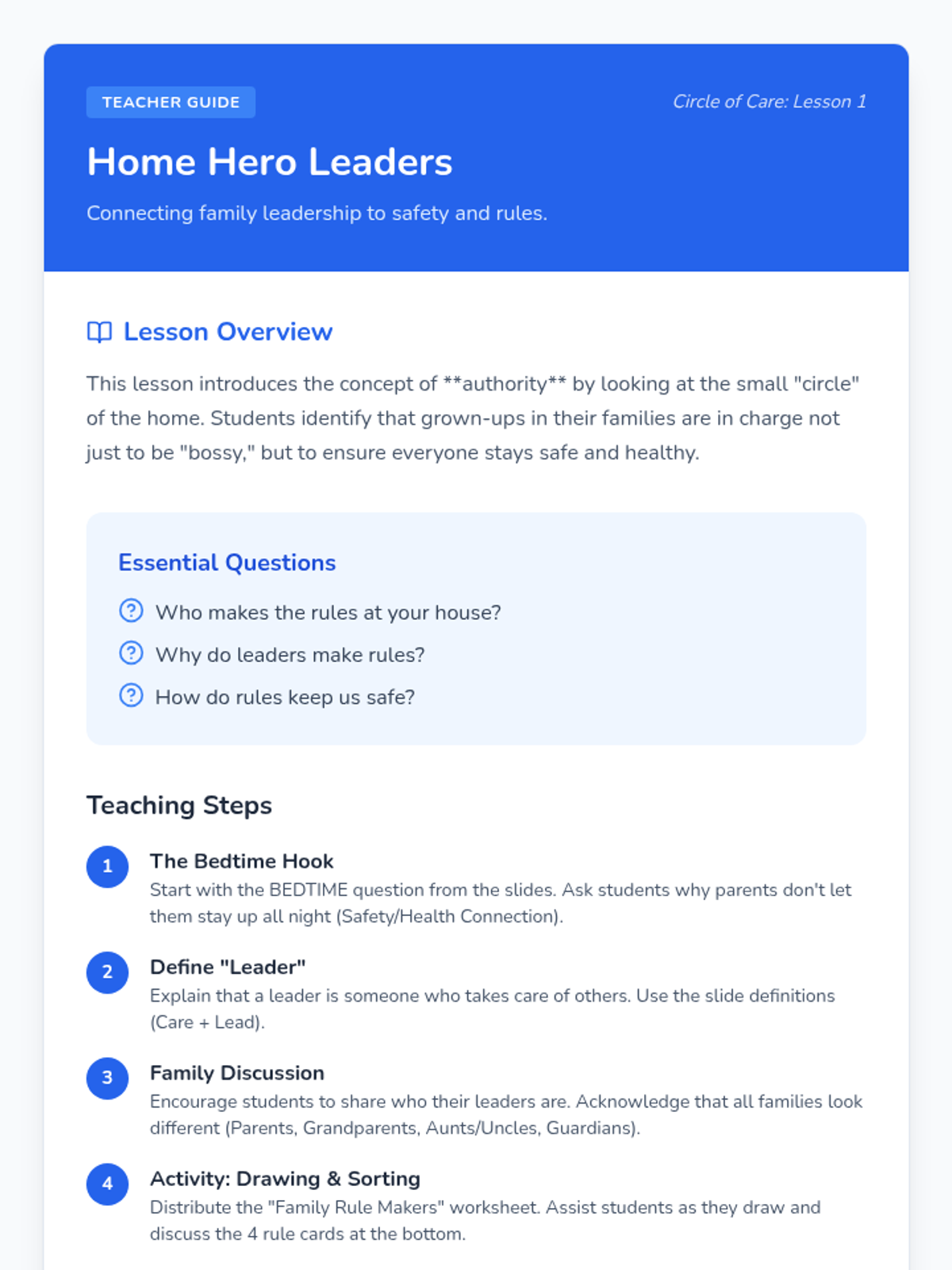
A Kindergarten civics sequence that introduces the concept of authority figures and the purpose of rules at home, in school, and in the community. Students learn why rules exist for safety and fairness, and conclude by collaboratively creating a classroom constitution.
This sequence introduces Kindergarten students to foundational economic concepts through concrete experiences. Students explore the difference between needs and wants, encounter scarcity through a limited resource simulation, practice decision-making with trade-offs, and participate in a classroom market using earned tokens.
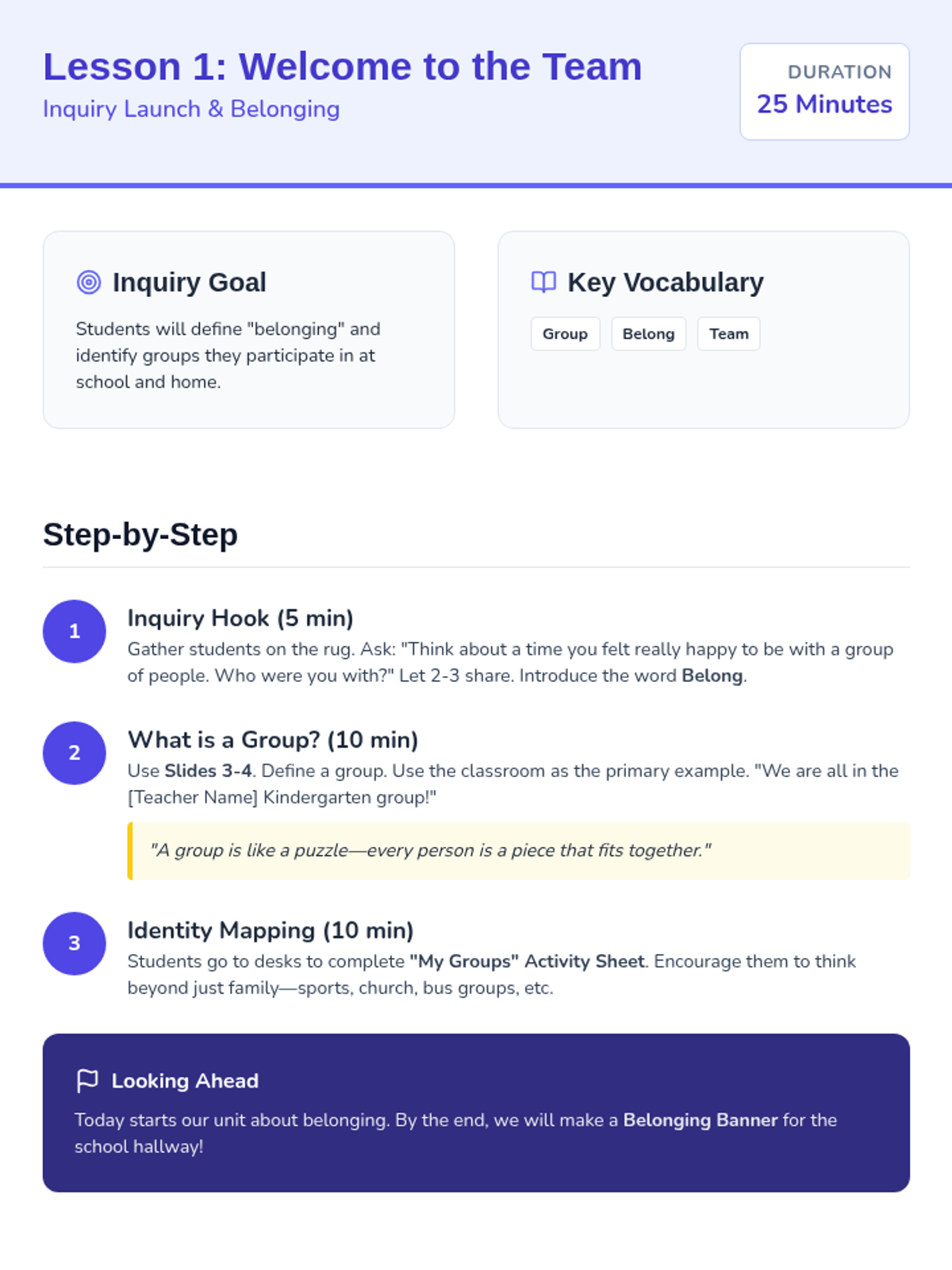
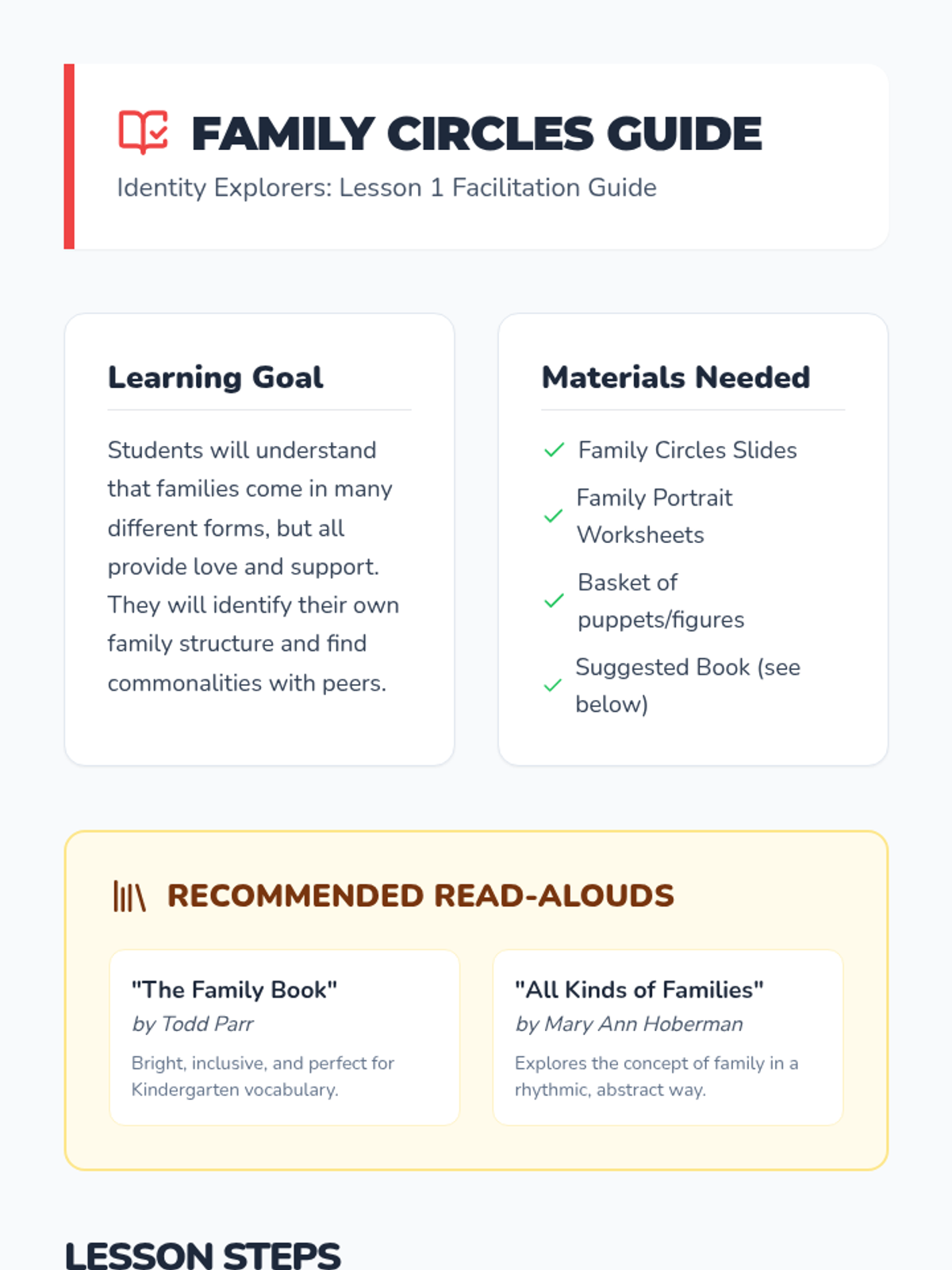
This Kindergarten Social Studies sequence explores social identity by examining how students fit into families, the classroom, and the wider community. Students learn that their personal identity is shaped by the groups they belong to through literature, discussion, and hands-on activities.
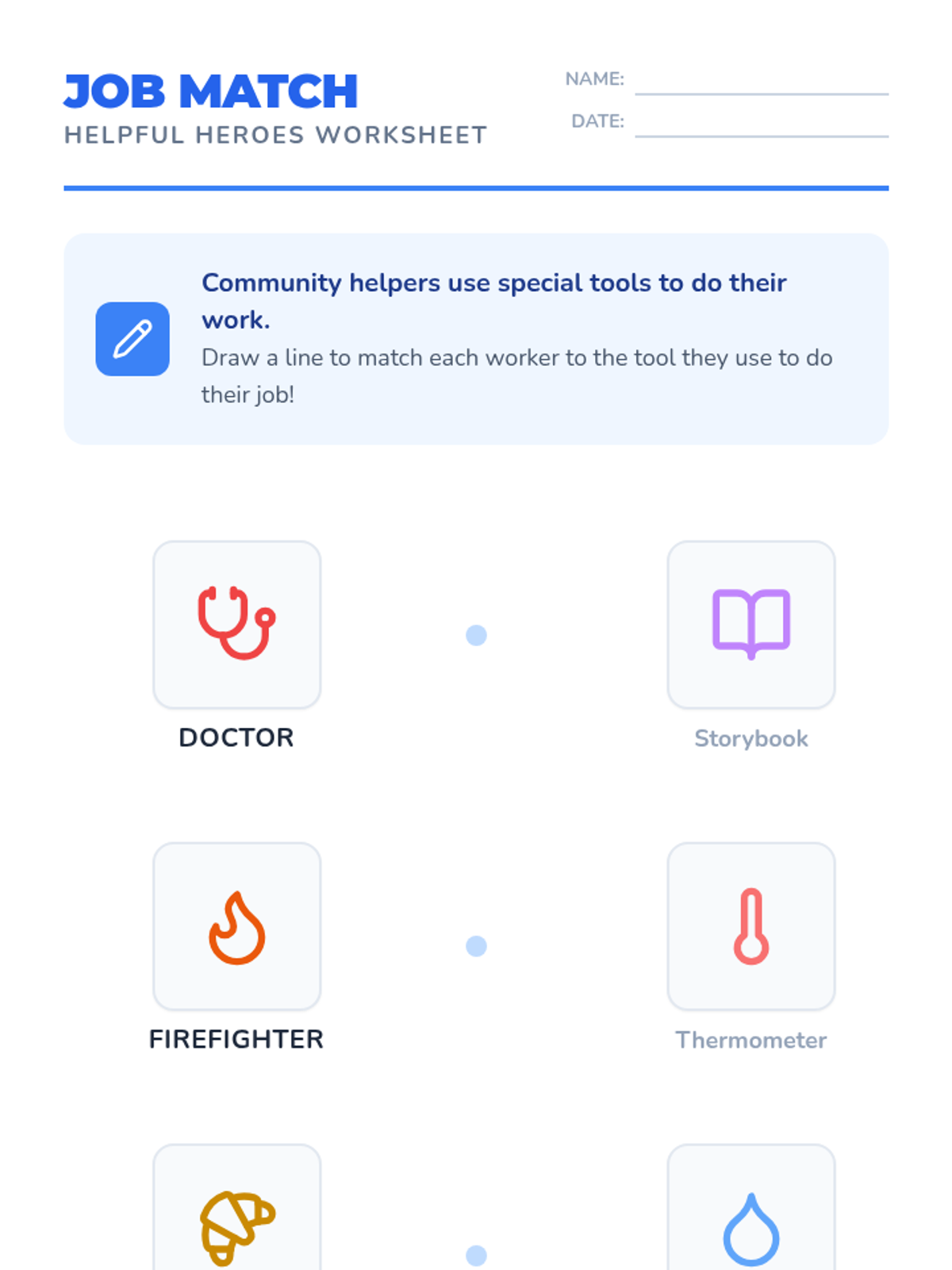
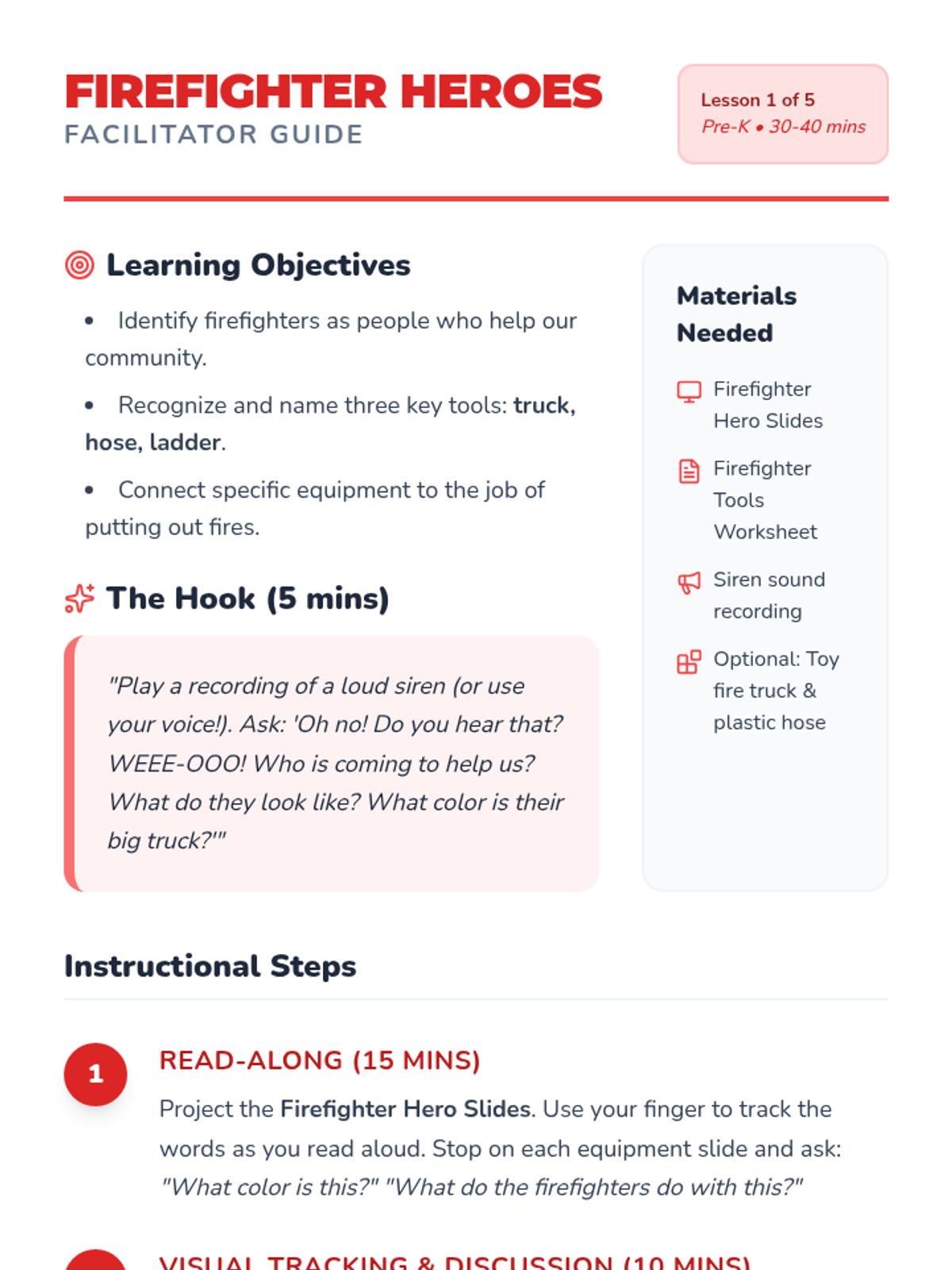
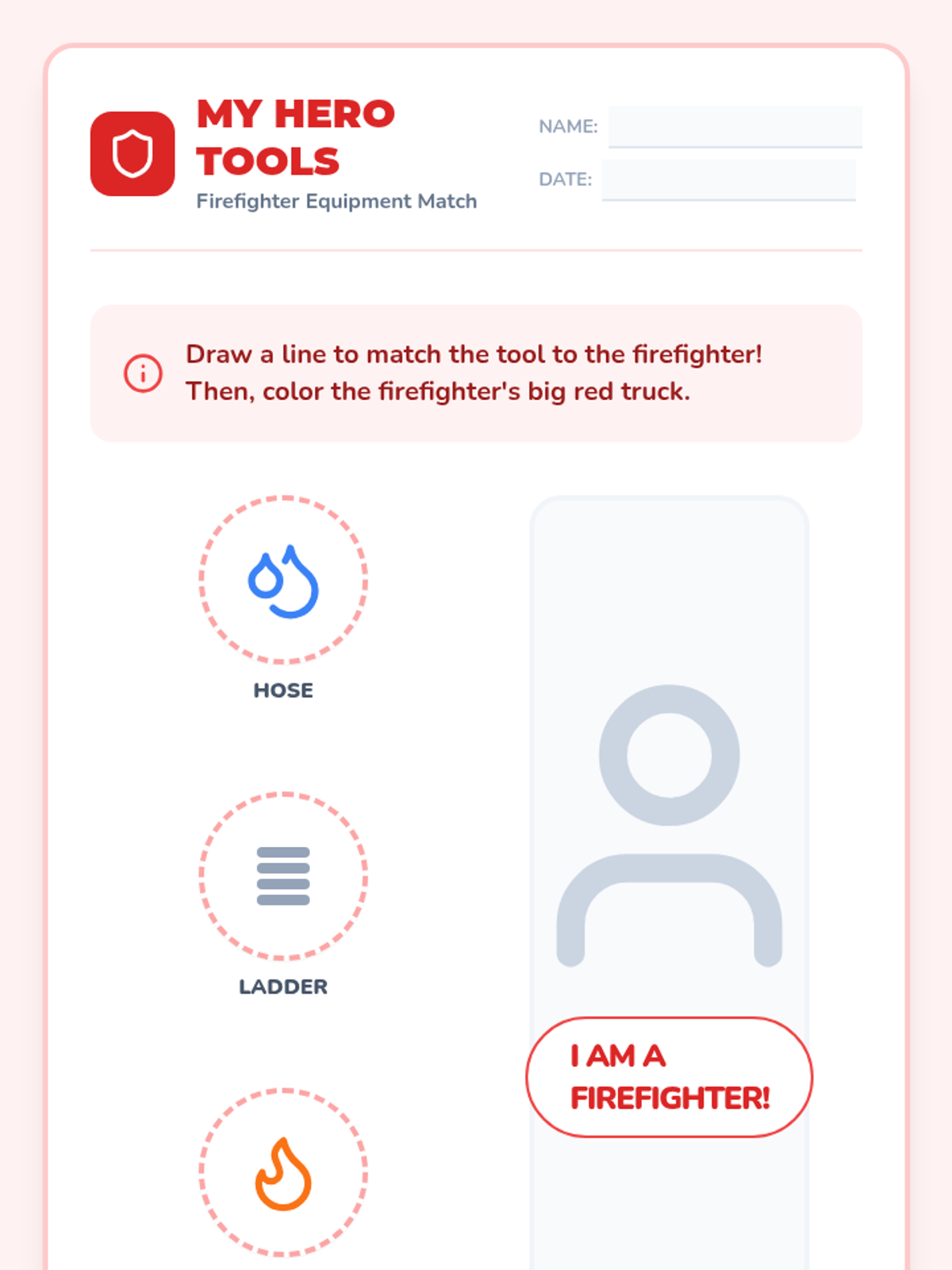
A Pre-K ELA sequence focused on reading comprehension through informational texts about community helpers. Students explore the roles, tools, and processes of firefighters, doctors, mail carriers, and builders through interactive read-alongs and role-play.
A foundational sequence for Kindergarten students exploring needs versus wants, scarcity, and decision-making through interactive games and hands-on simulations. Students learn that resources are limited and making a choice involves giving something else up, building early financial literacy.
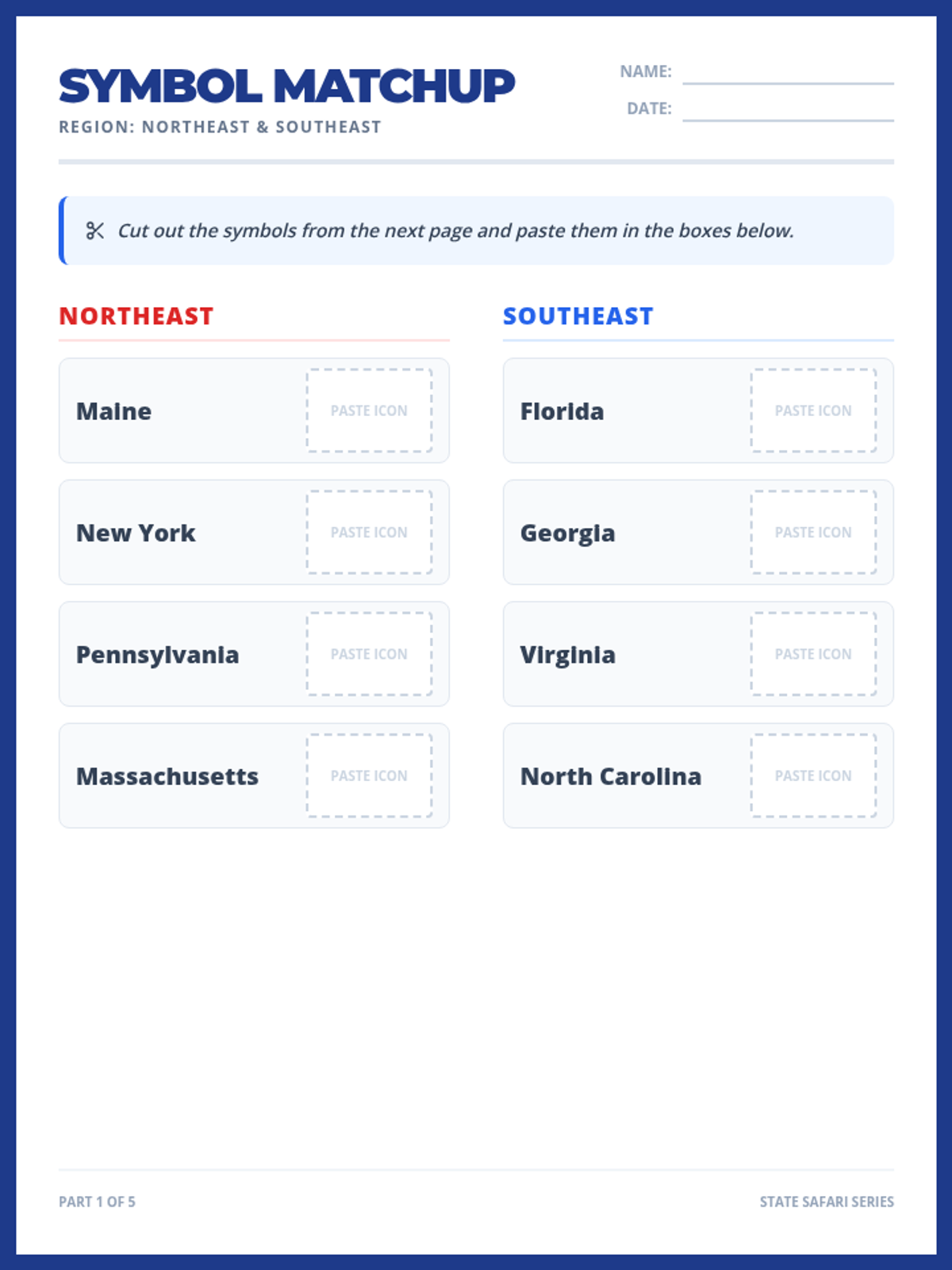
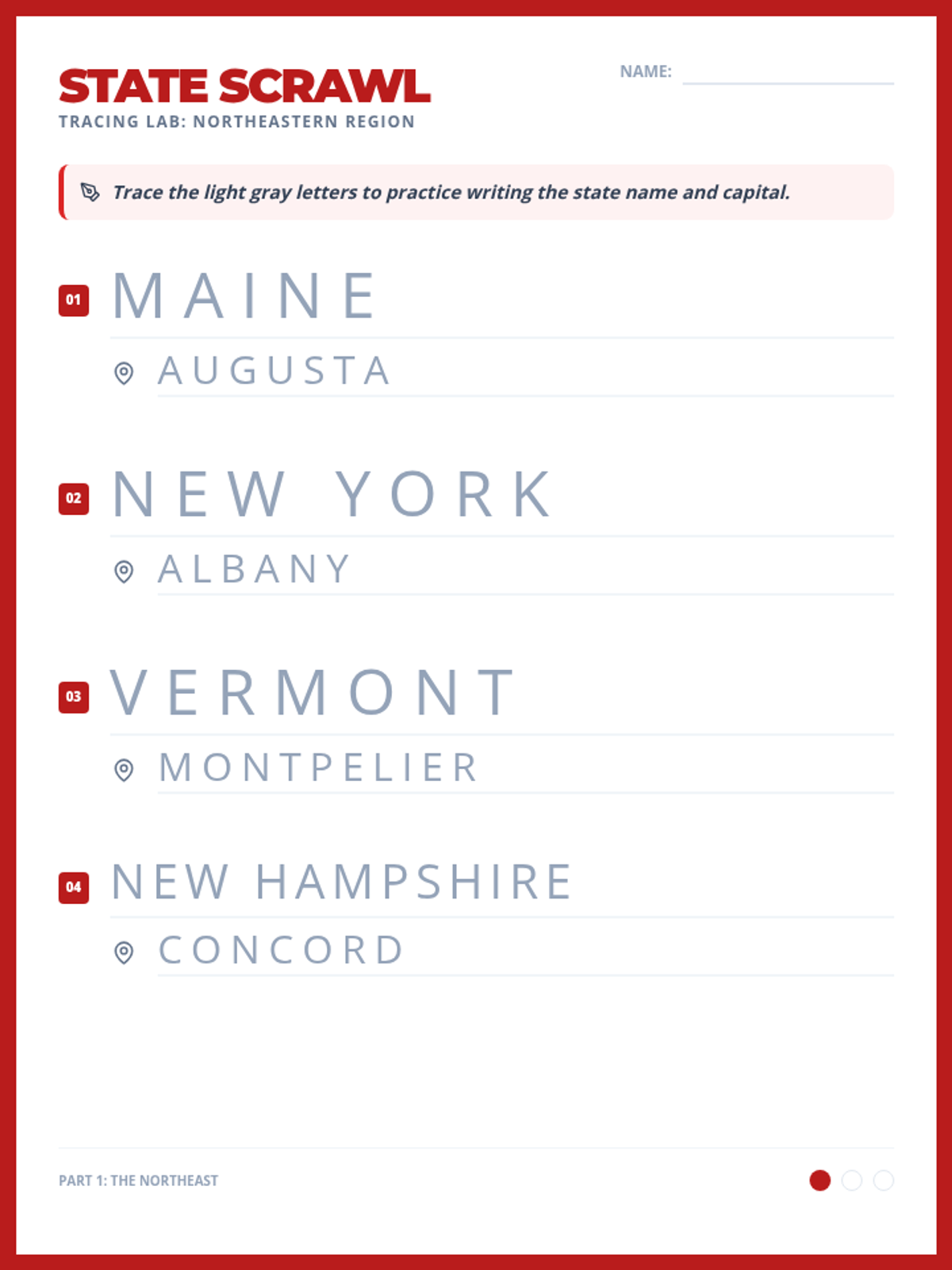
Students explore the concept of a 'state' as a distinct geographic and political entity. They learn to locate their state on a map, understand the hierarchy of city/state/country, identify official symbols, and recognize important regional landmarks.
A dual-level exploration of the supernatural, featuring historical analysis for 8th graders and gentle, imaginative storytelling activities for preschoolers. Students will delve into famous legends and local folklore while younger learners enjoy sensory-rich spooky fun.
A Kindergarten sequence focused on connecting historical Native American cultures to modern life, debunking misconceptions, and highlighting cultural continuity through family, school, and community values.
This sequence explores the rich oral traditions of Native American nations, teaching Kindergarteners how stories are used to pass down history, moral lessons, and explanations of the natural world. Students move from being listeners to storytellers, understanding the importance of oral history without written records.
A Kindergarten sequence exploring how various Native American nations historically obtained food through hunting, gathering, and agriculture, with a focus on the Three Sisters and respect for the earth.
Students explore how geography and natural resources influenced the traditional homes of Native American peoples across North America. The sequence focuses on observation, material properties, and the relationship between environment and human adaptation.
This Kindergarten sequence guides young learners from a simple 'bird's eye view' of classroom objects to creating and navigating neighborhood maps. Students develop spatial reasoning, understand symbolic representation through map keys, and use positional language to describe their world.
A Kindergarten sequence exploring the daily lives of children around the world. Students compare schools, games, food, and transportation to understand how geography shapes culture while celebrating universal human needs.
A Kindergarten geography sequence exploring how humans build different types of shelters based on their local environment and available materials. Students travel from the Arctic to the Tropics, culminating in a hands-on model-building project.
A Kindergarten geography unit comparing hot and cold global environments, focusing on the poles and equator, animal adaptations, and human clothing choices. Students use sensory exploration and categorization to understand environmental diversity.
A Kindergarten sequence introducing geographic skills through bird's eye view, symbols, map keys, and simple grids. Students progress from observing perspective to creating their own maps of familiar spaces.
A Kindergarten sequence exploring geographic scale, global features, and the distinction between natural and man-made environments. Students transition from understanding their local school environment to visualizing their place on a global scale.
A foundational spatial reasoning sequence for Kindergarten students focusing on personal space, positional vocabulary, and directional language. Students progress from body awareness to navigating environments and giving multi-step directions.
Students explore the concepts of chronology and causation by examining their own lives. They learn to distinguish between past, present, and future, analyze personal artifacts, and construct a chronological timeline of their growth and development.
A Kindergarten sequence focused on distinguishing past from present through transportation, technology, school life, and fashion. Students develop chronological thinking skills by comparing artifacts and simulating historical experiences.
Students explore chronological order and temporal vocabulary through daily routines, school schedules, and stories. The unit focuses on terms like 'first,' 'next,' and 'last' to build foundational historical thinking skills.
A Pre-K inquiry-based sequence where students explore how patterns and objects tell stories across cultures. Students investigate daily patterns, global textiles, pottery, and family artifacts to build cultural awareness and design skills.