This sequence introduces Kindergarten students to resource management and environmental stewardship in an urban setting. Students explore where food and water come from, how waste is managed, and how to protect nature within a city.
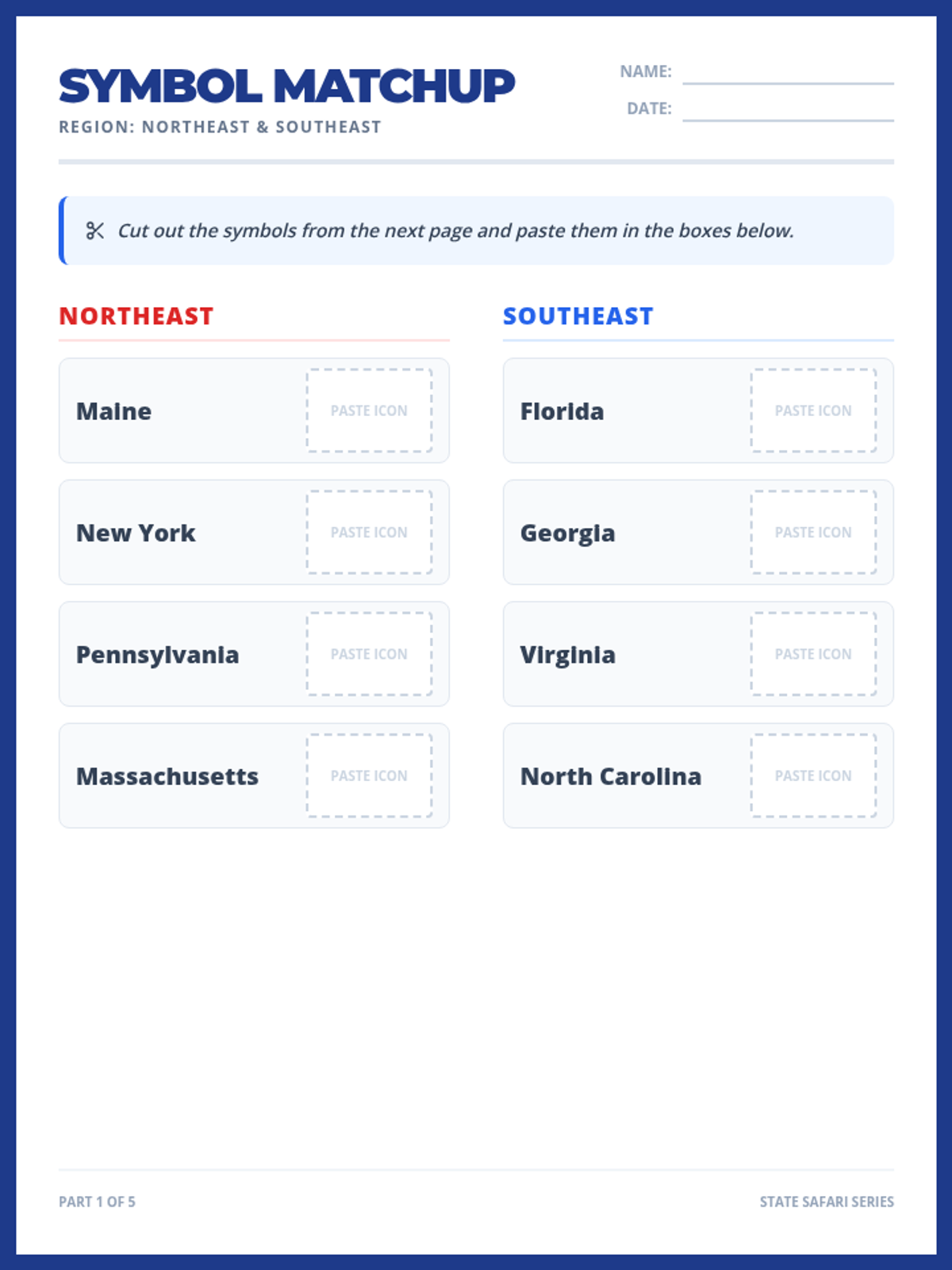
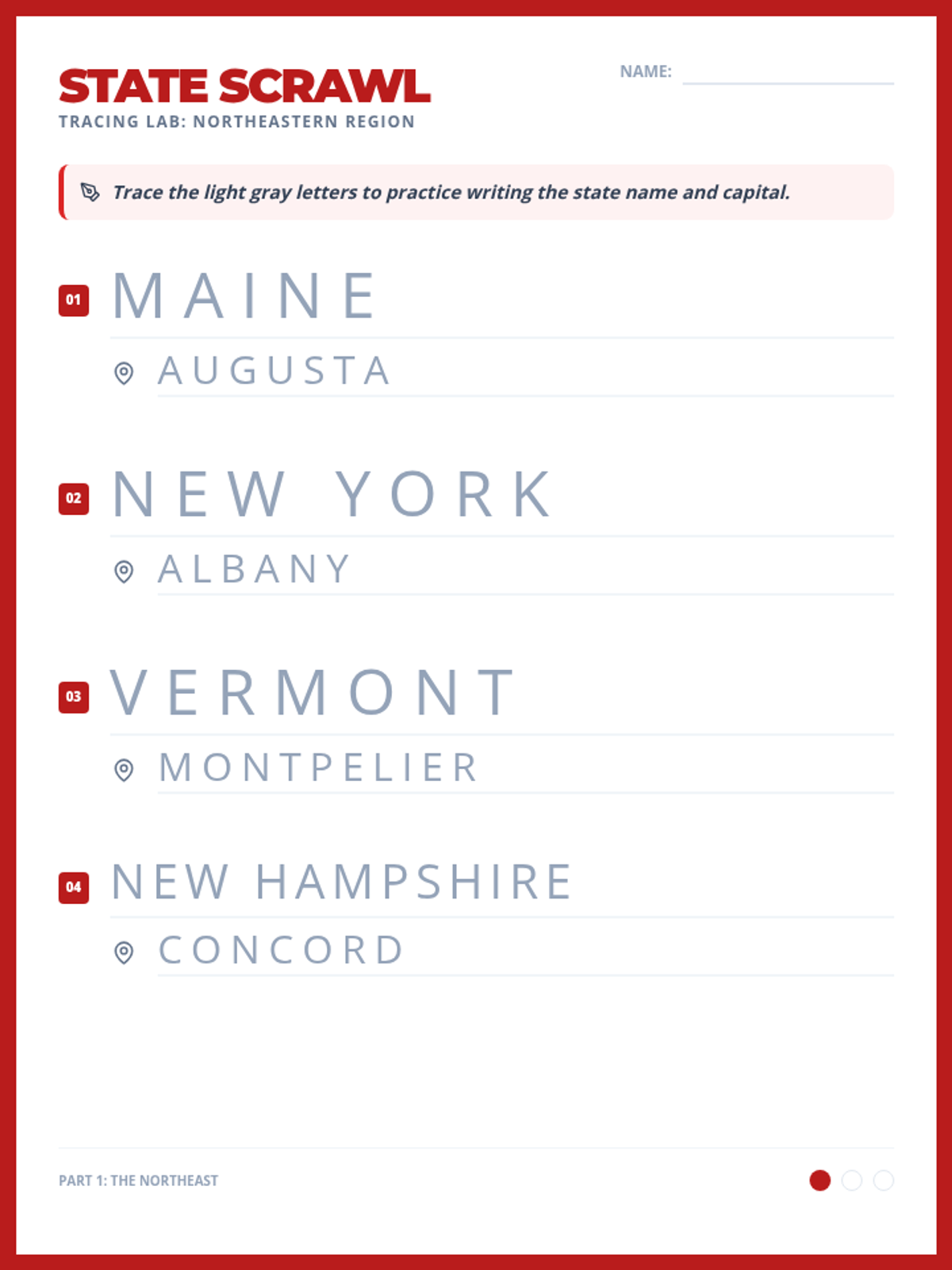
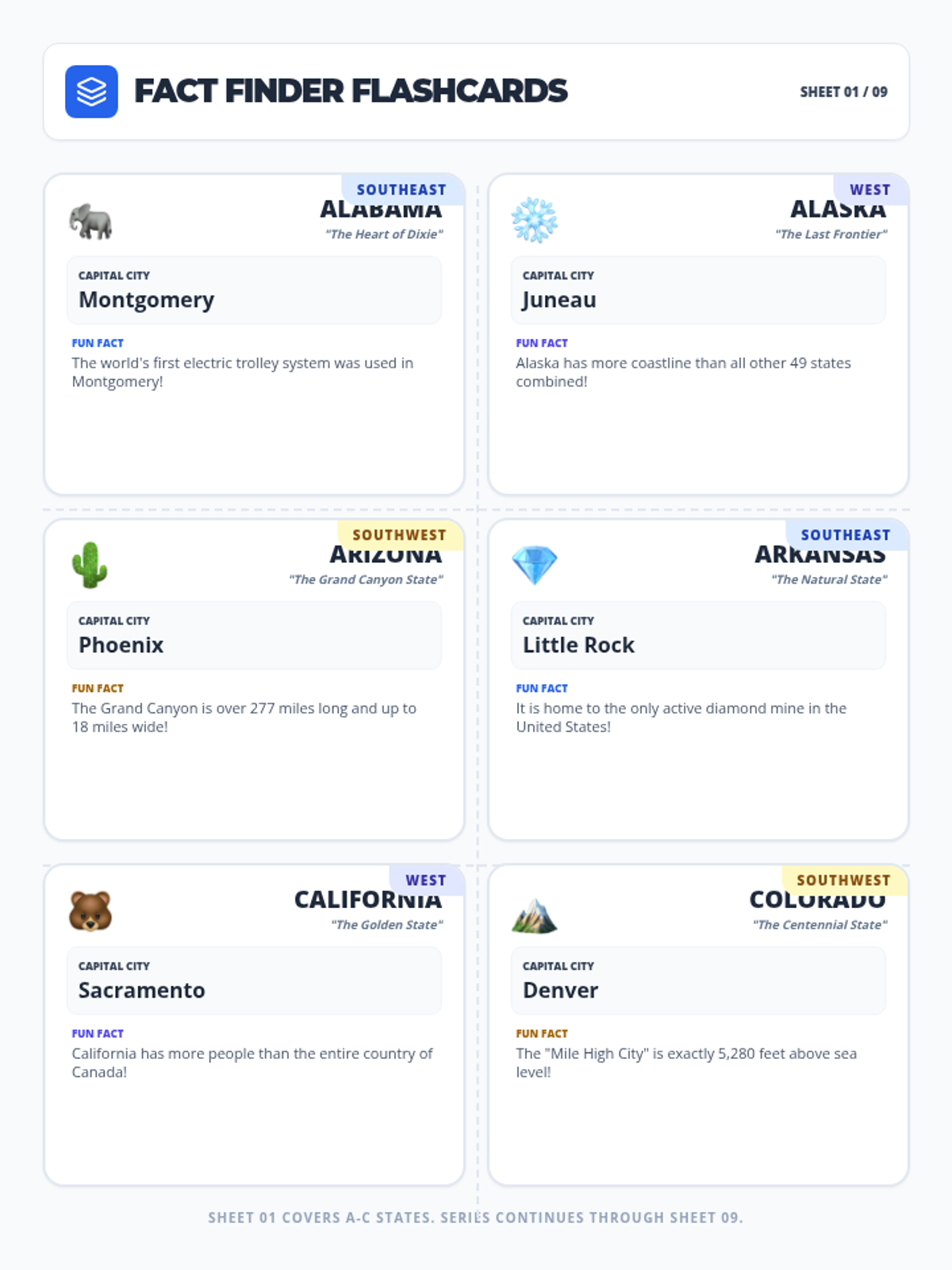
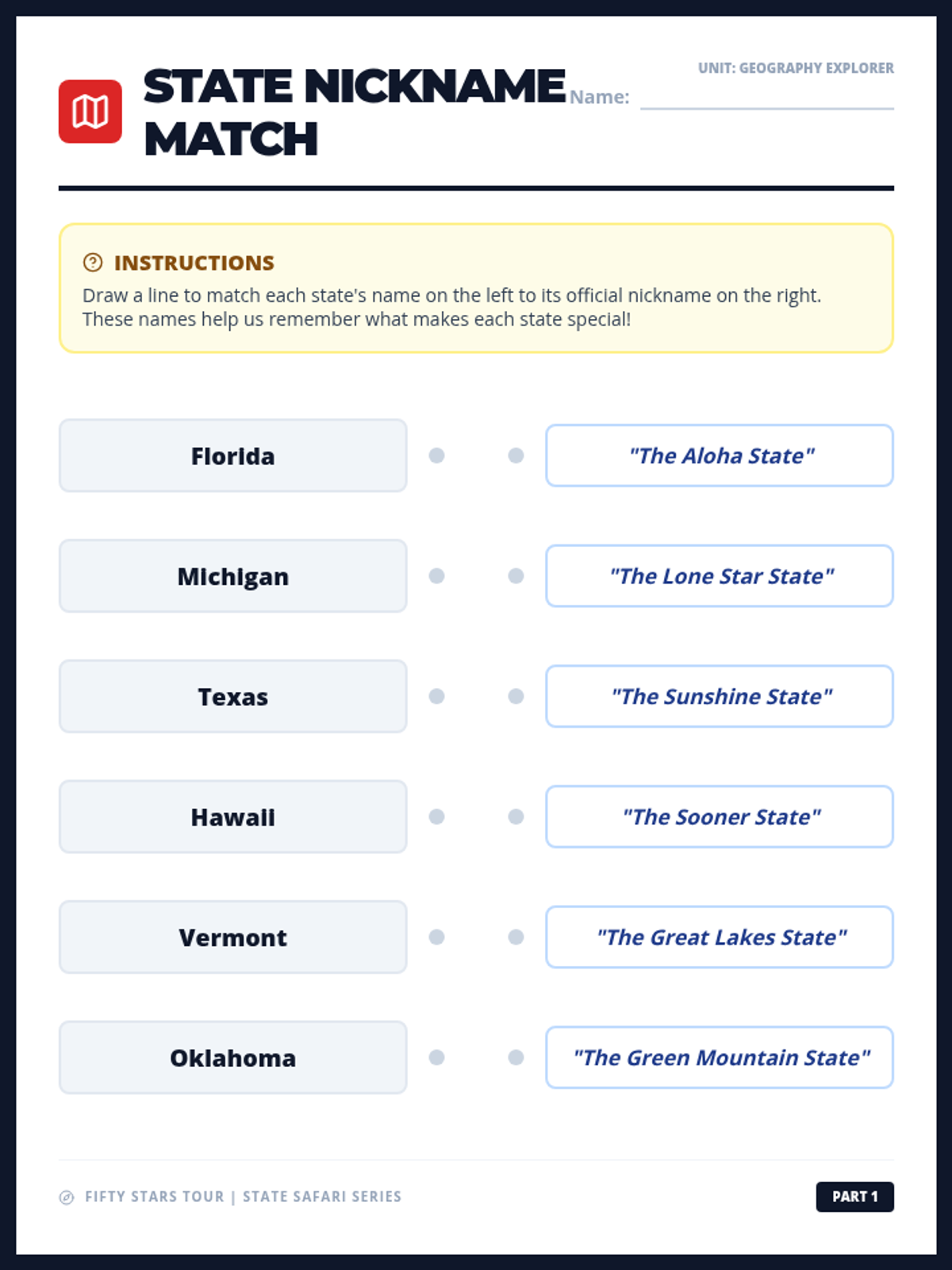
A comprehensive tour of the 50 United States, exploring their flags, shapes, capitals, and unique facts through interactive worksheets and visual aids.
A comprehensive collection of high-quality instructional materials across Science, History, ELA, and Math, designed for upper elementary classrooms.
A collection of mixed-grade resources.
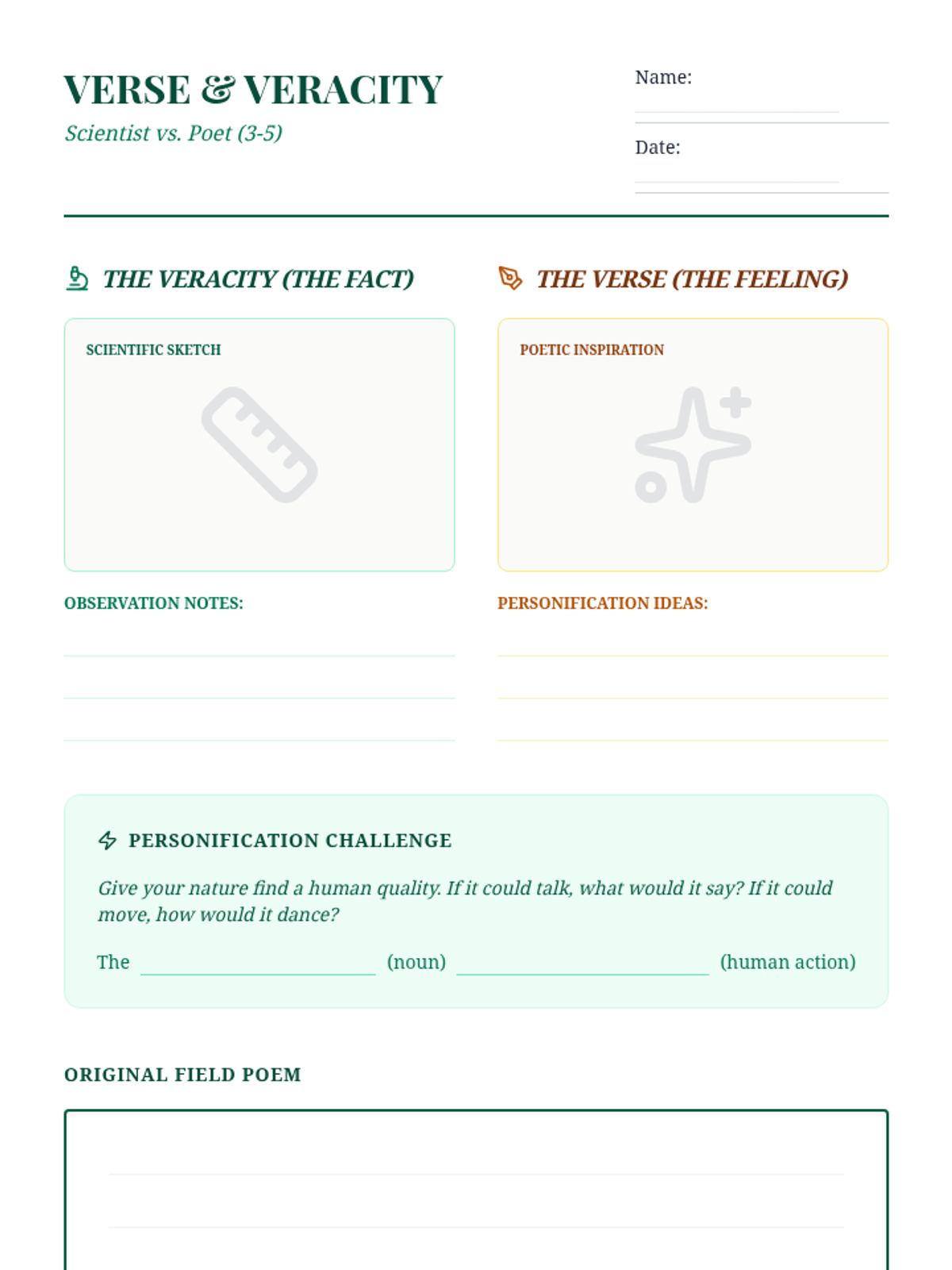
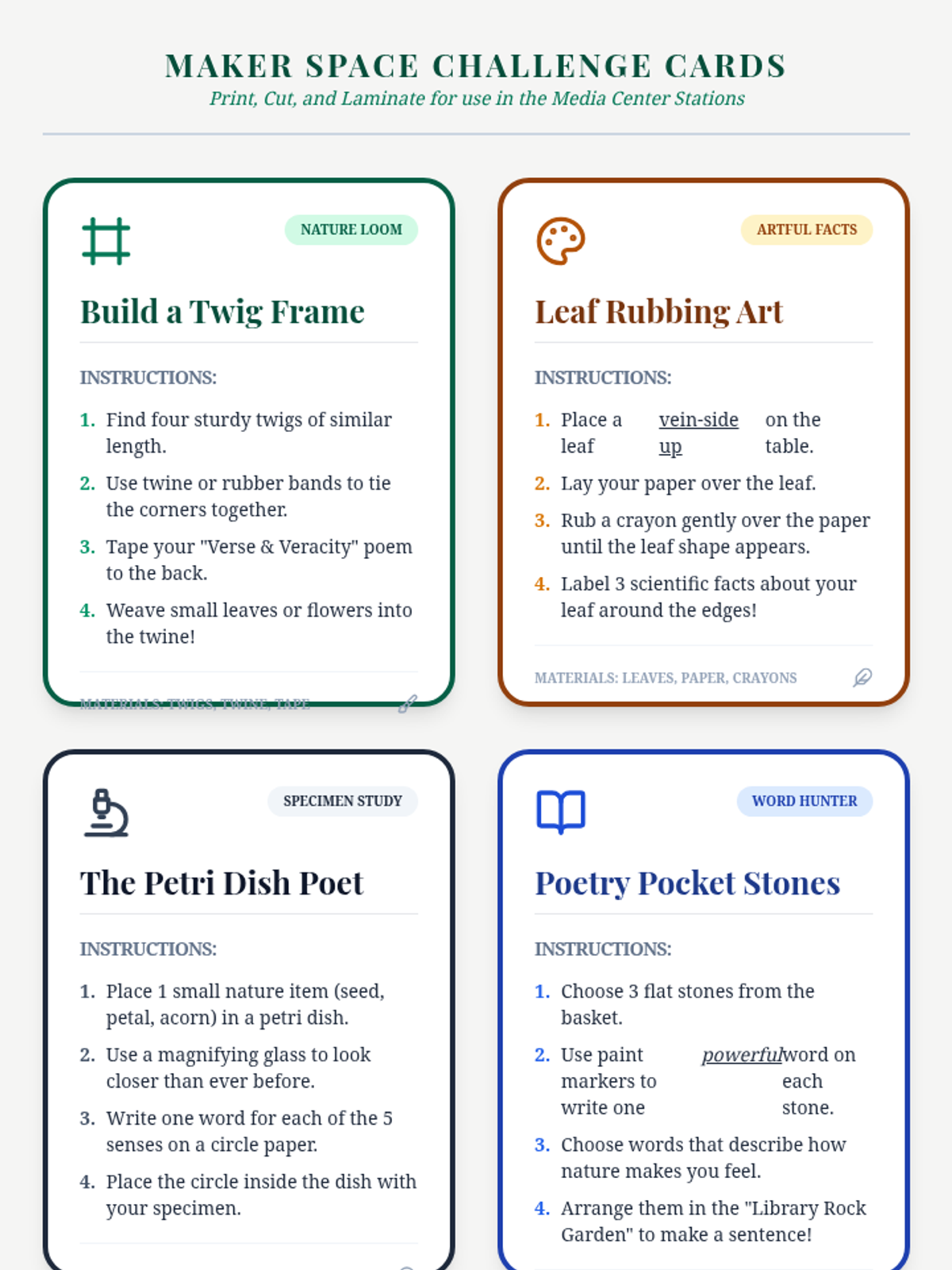
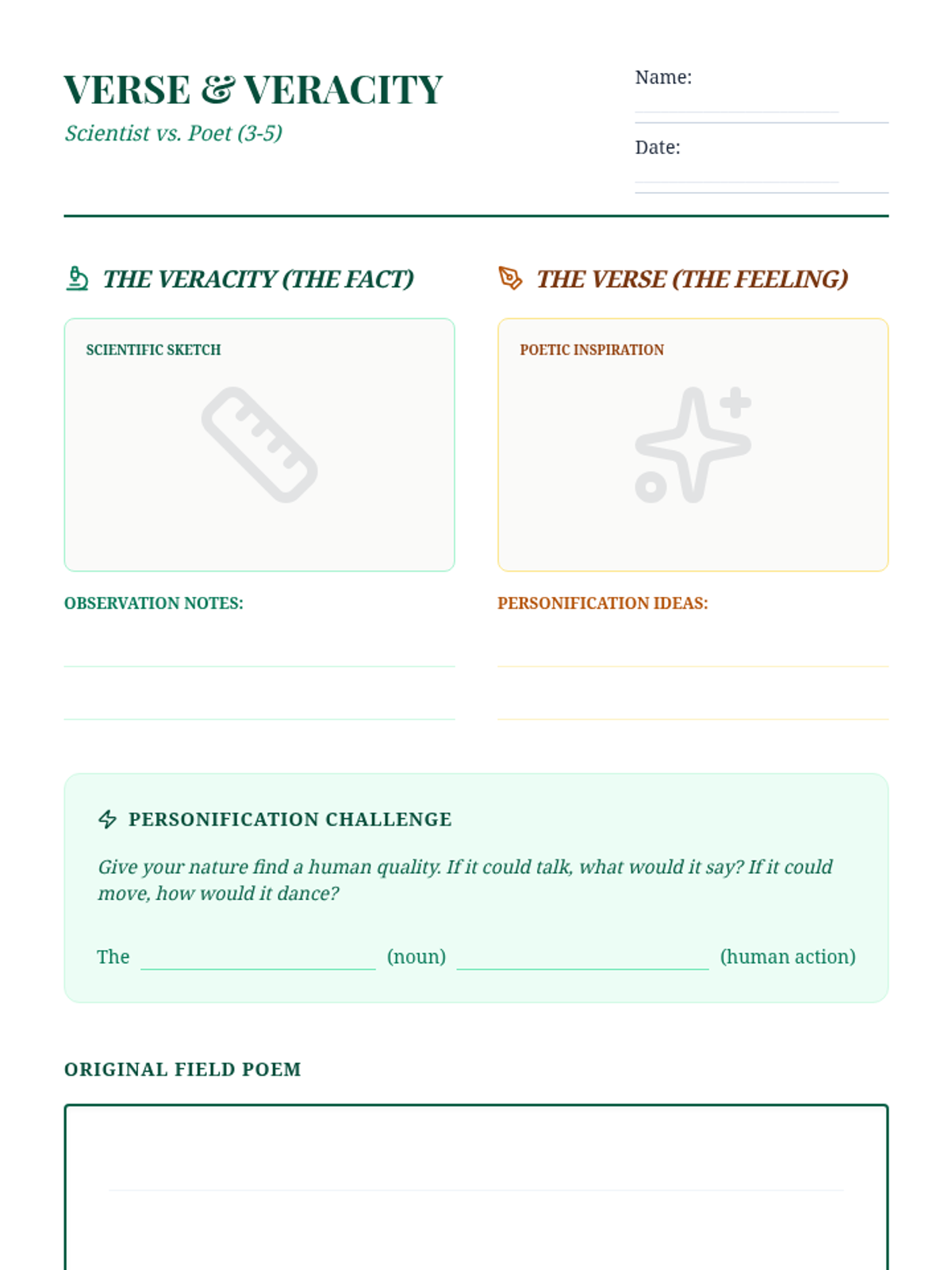
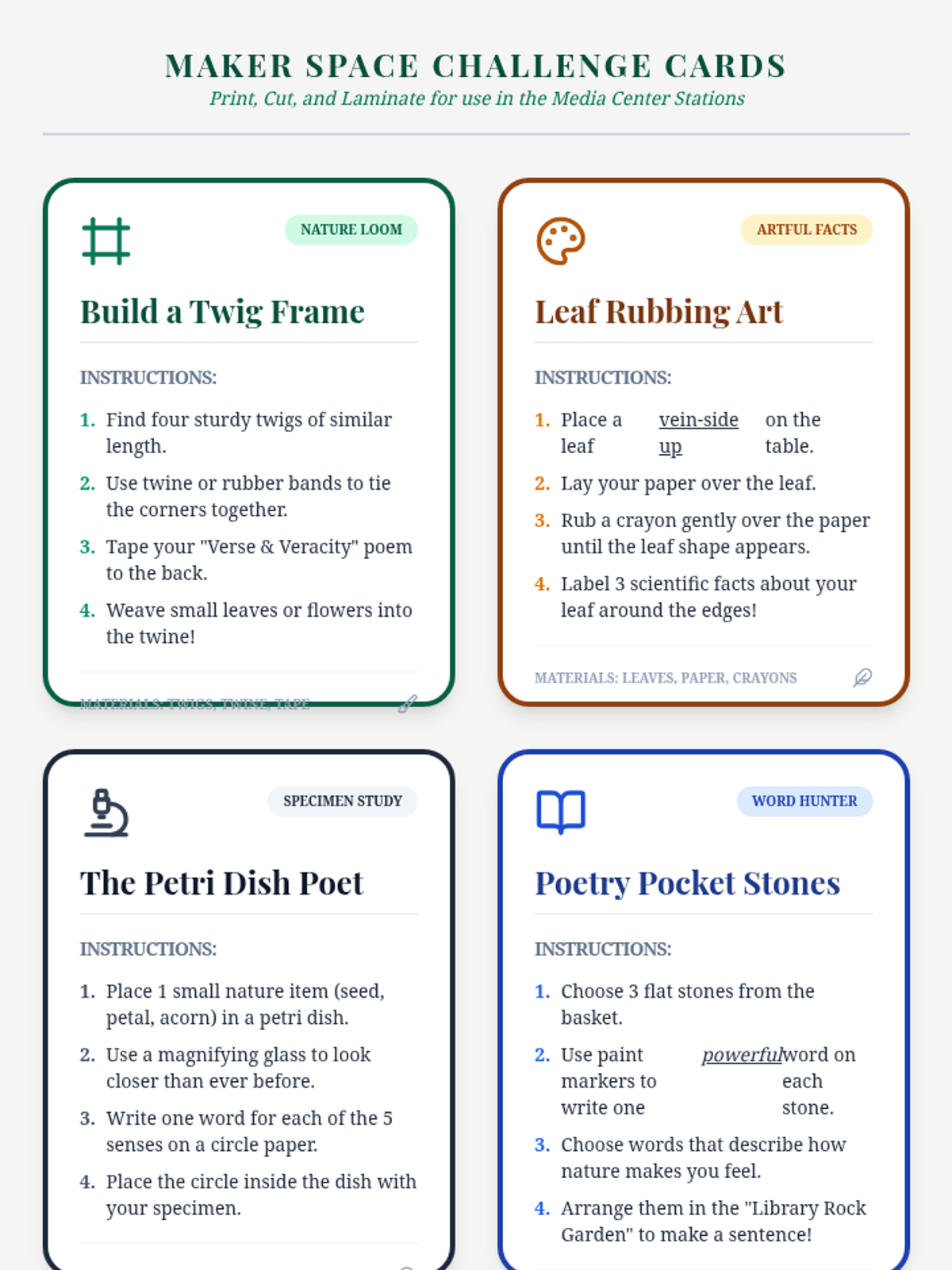
A comprehensive K-5 Media Center curriculum spanning August to May. Each month features a thematic unit integrating library skills (Dewey Decimal System, research, digital citizenship), literacy (poetry, biographies, informational texts), and STEM/Maker Space challenges. Resources are differentiated for K-2 and 3-5.
Une série de modules de formation destinés aux conseillers pédagogiques pour renforcer leur expertise en ingénierie de formation continue, spécifiquement appliquée à l'enseignement du français à l'école primaire.
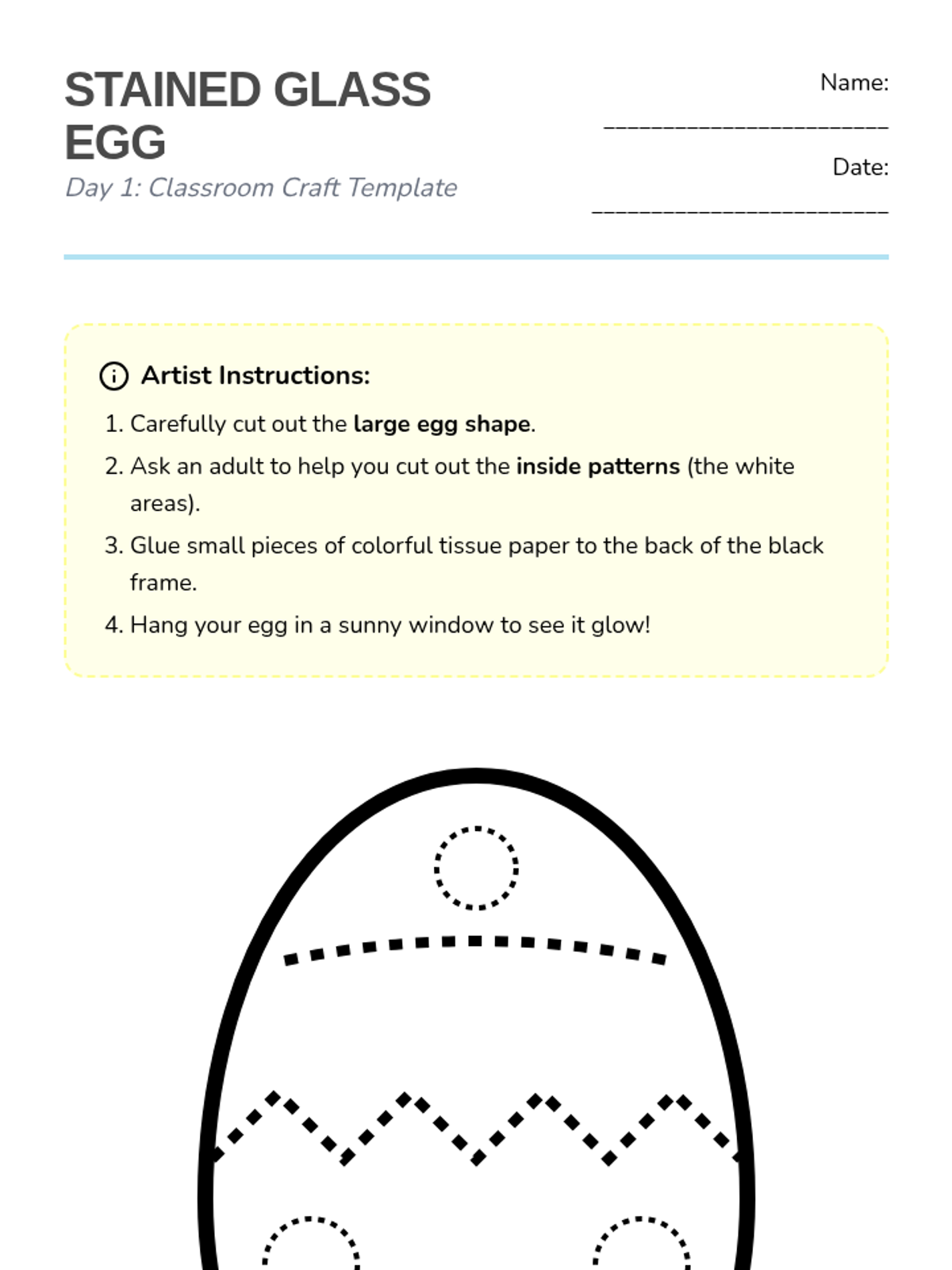
A four-day Easter unit for K-3 students exploring the history and symbols of Easter through hands-on crafts and outdoor movement activities. Each day focuses on a different tradition: eggs, bunnies, flowers, and community celebration.
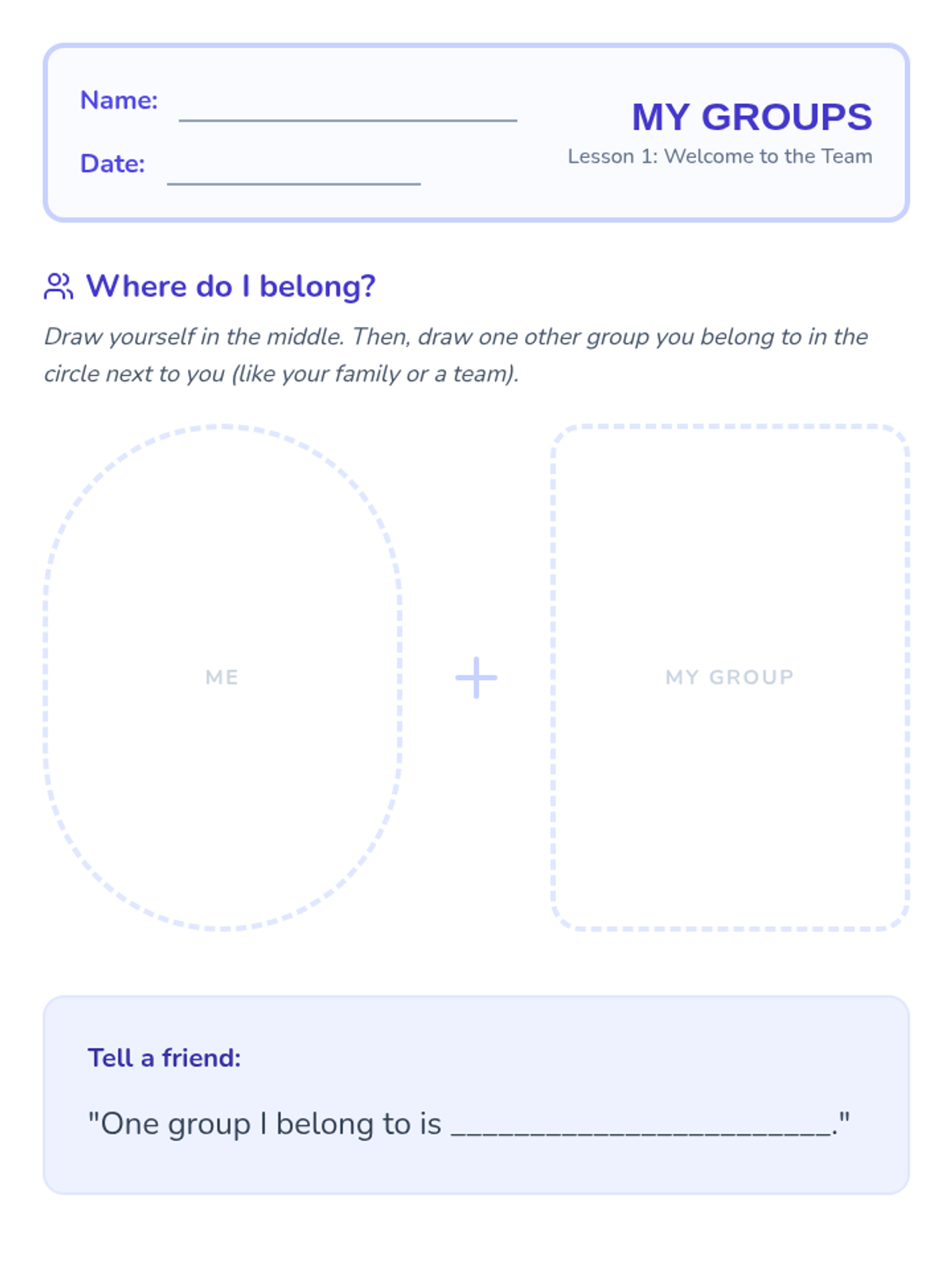
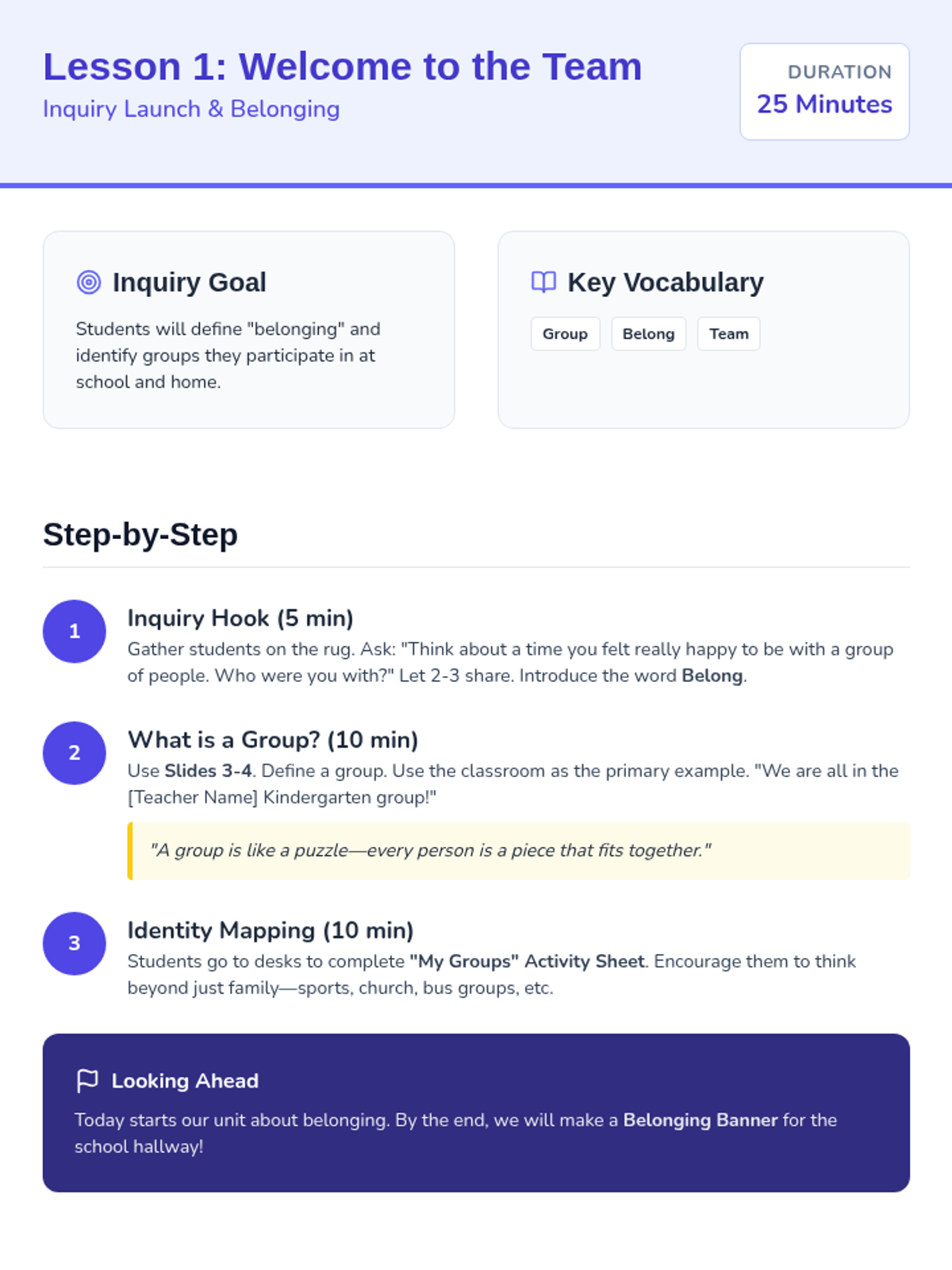
A 15-day Kindergarten Social Studies inquiry unit focused on belonging, roles, and navigation. Students explore their identities, map their environments, and investigate why and how people move. Uses the C3 framework to move from inquiry to informed action.
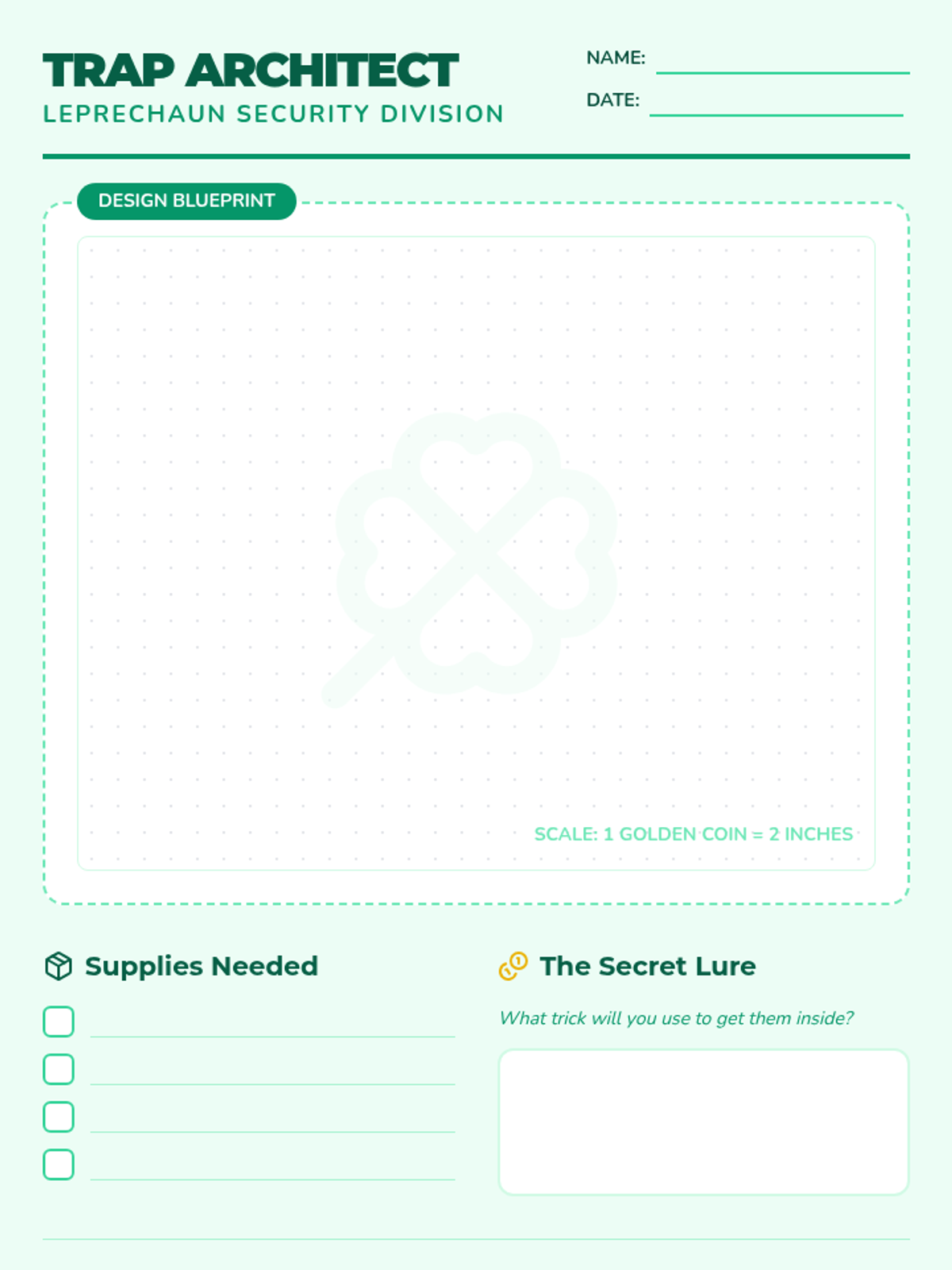
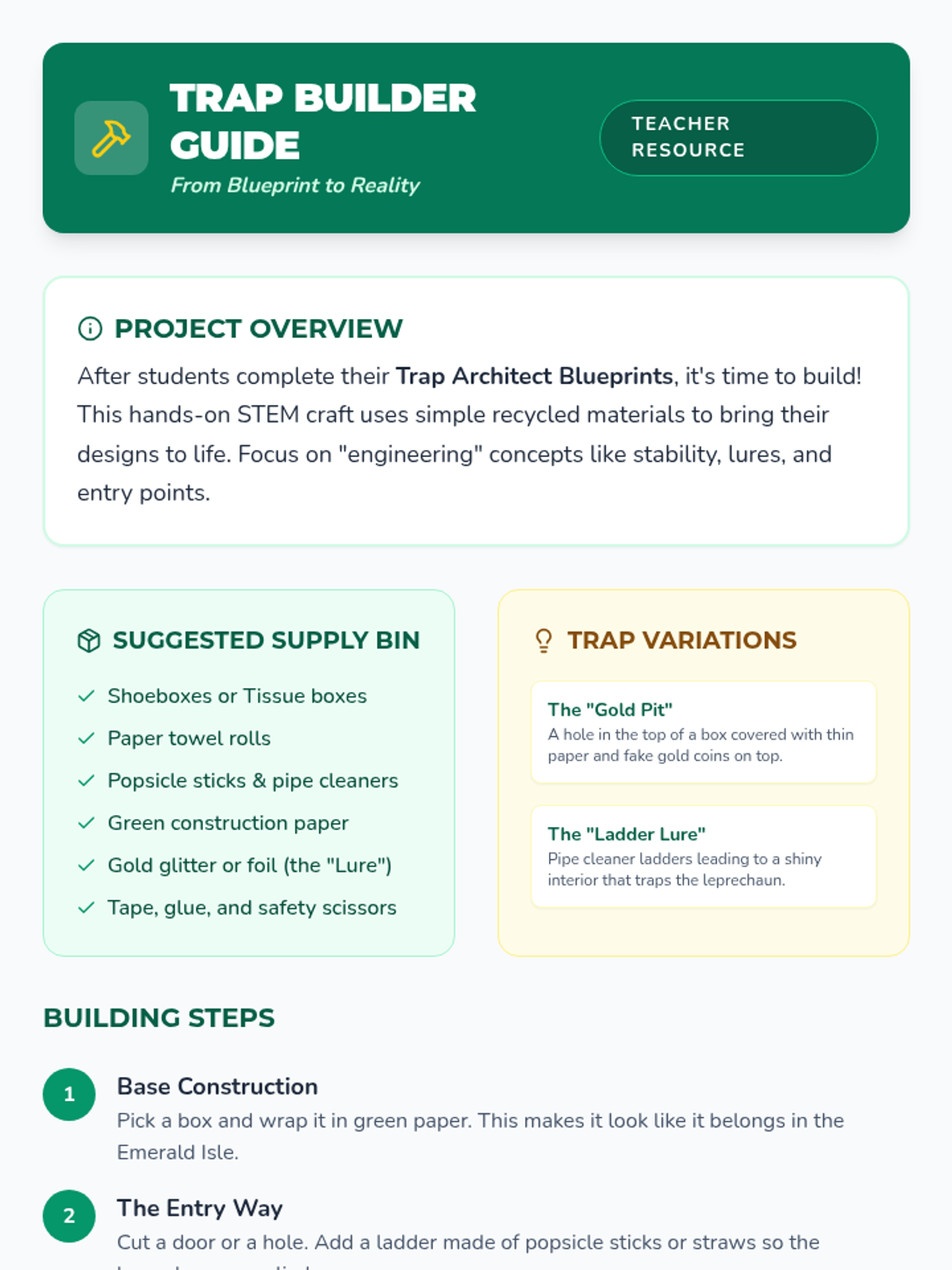
A four-day mini-unit for grades K-3 exploring the history, symbols, and culture of St. Patrick's Day through engaging storytelling and hands-on activities.
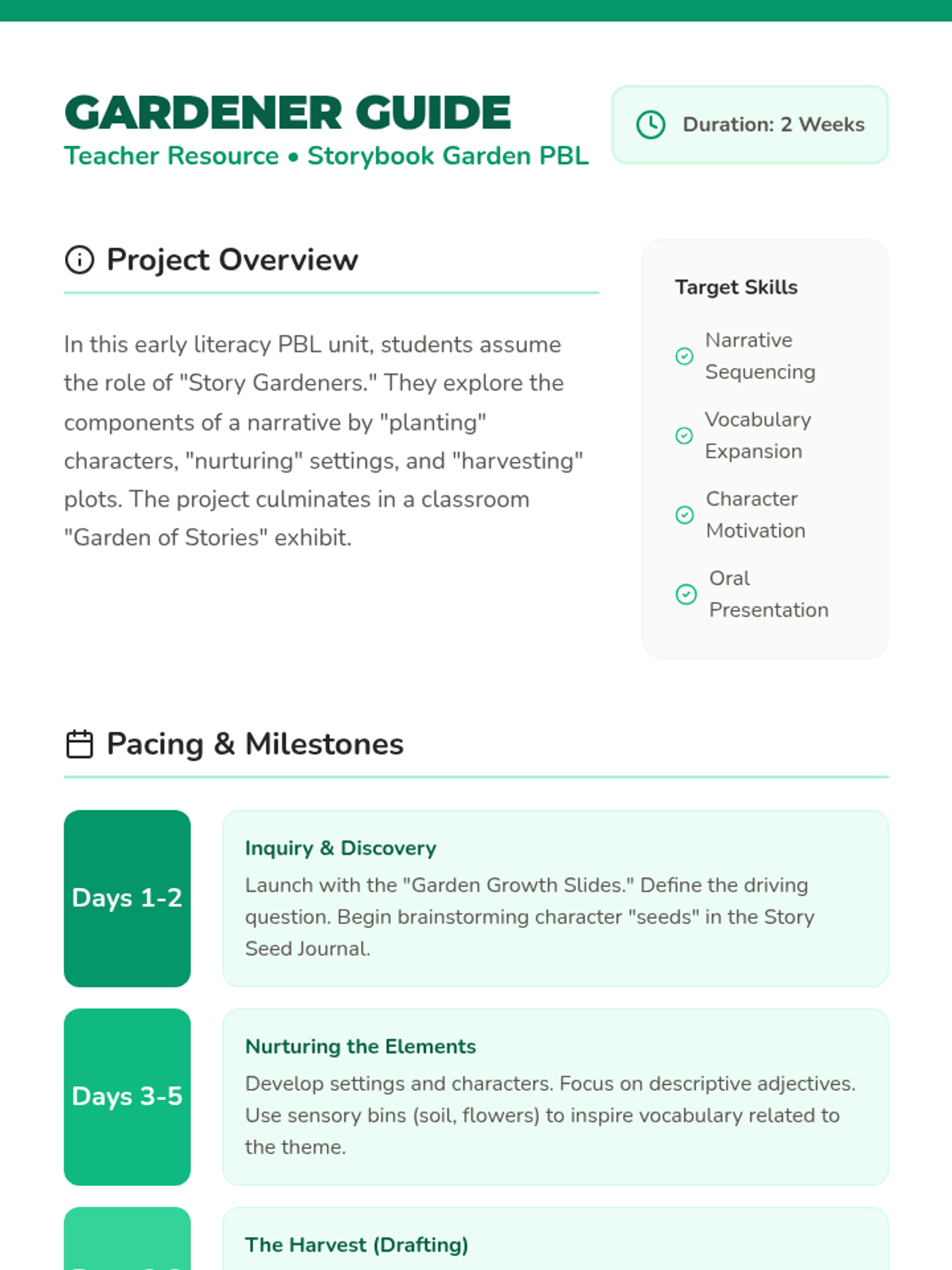
A comprehensive collection of Project-Based Learning (PBL) units spanning early childhood literacy, elementary math and science, and middle school social studies. Each unit guides students through inquiry, creation, and presentation within a themed 'Discovery Files' framework.
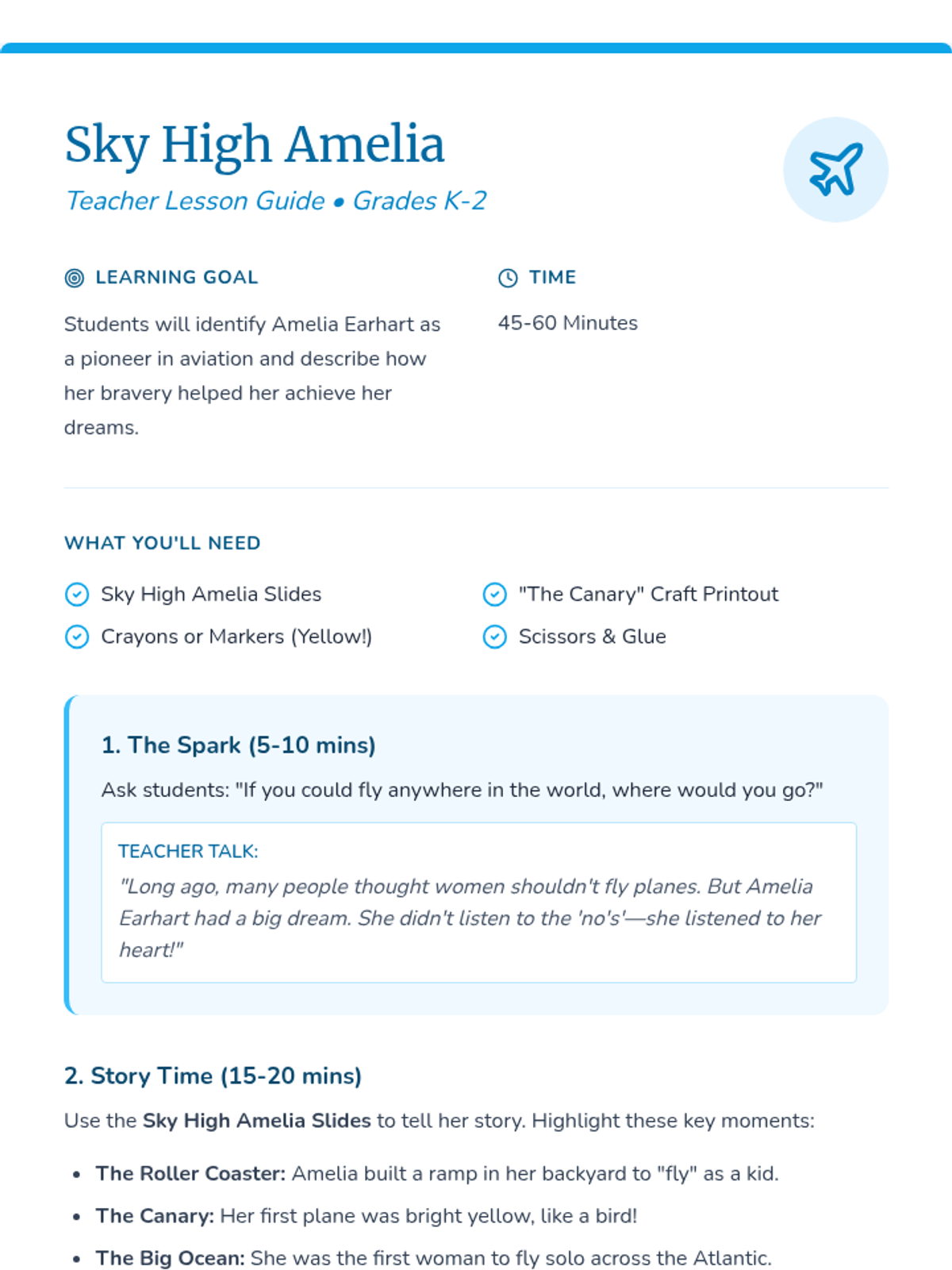
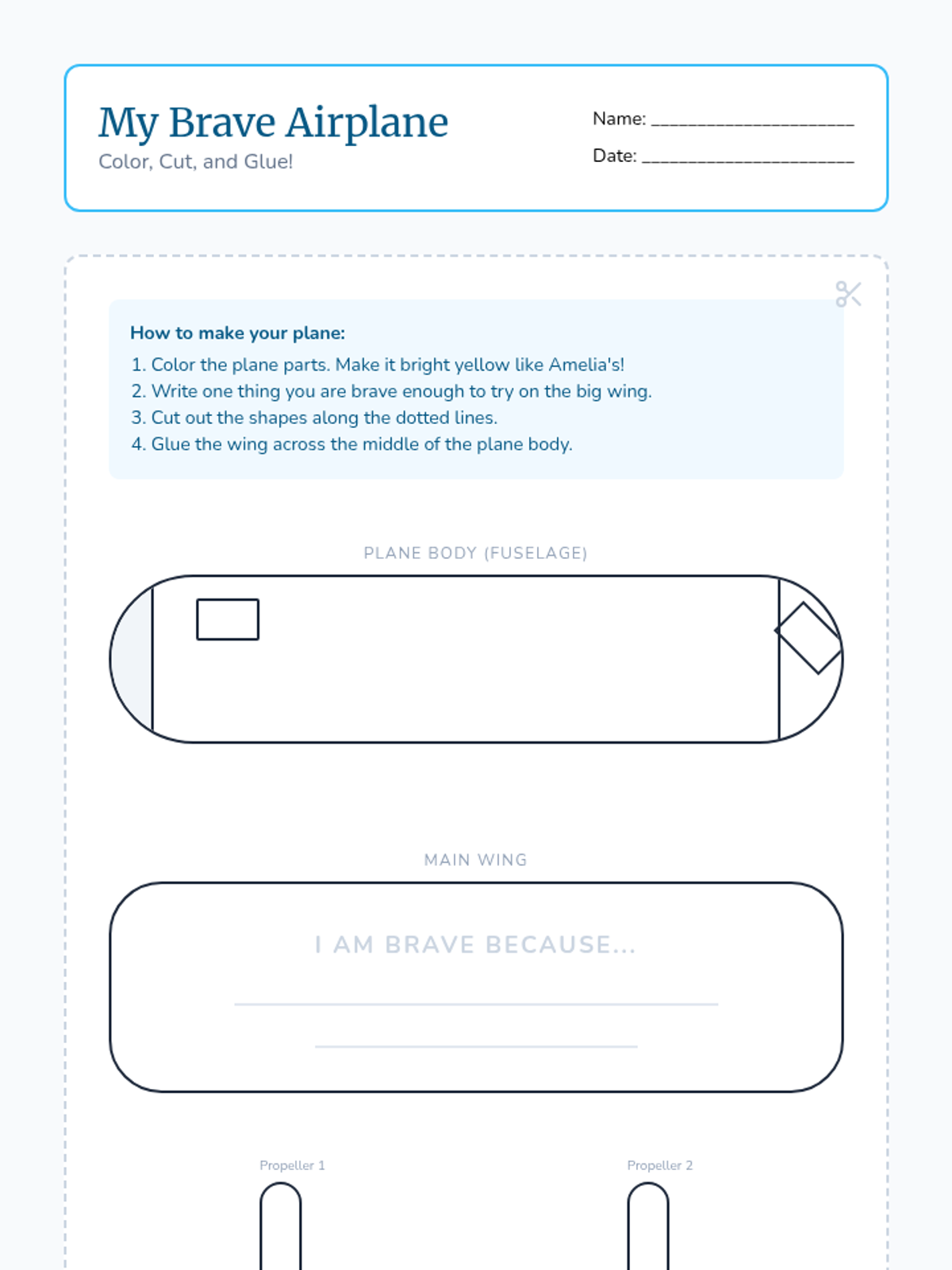
A series of lessons for K-2 students celebrating Women's History Month through the lives of Amelia Earhart, Rosa Parks, and Simone Biles. Students will explore bravery, fairness, and perseverance through storytelling, coloring, and hands-on crafts.
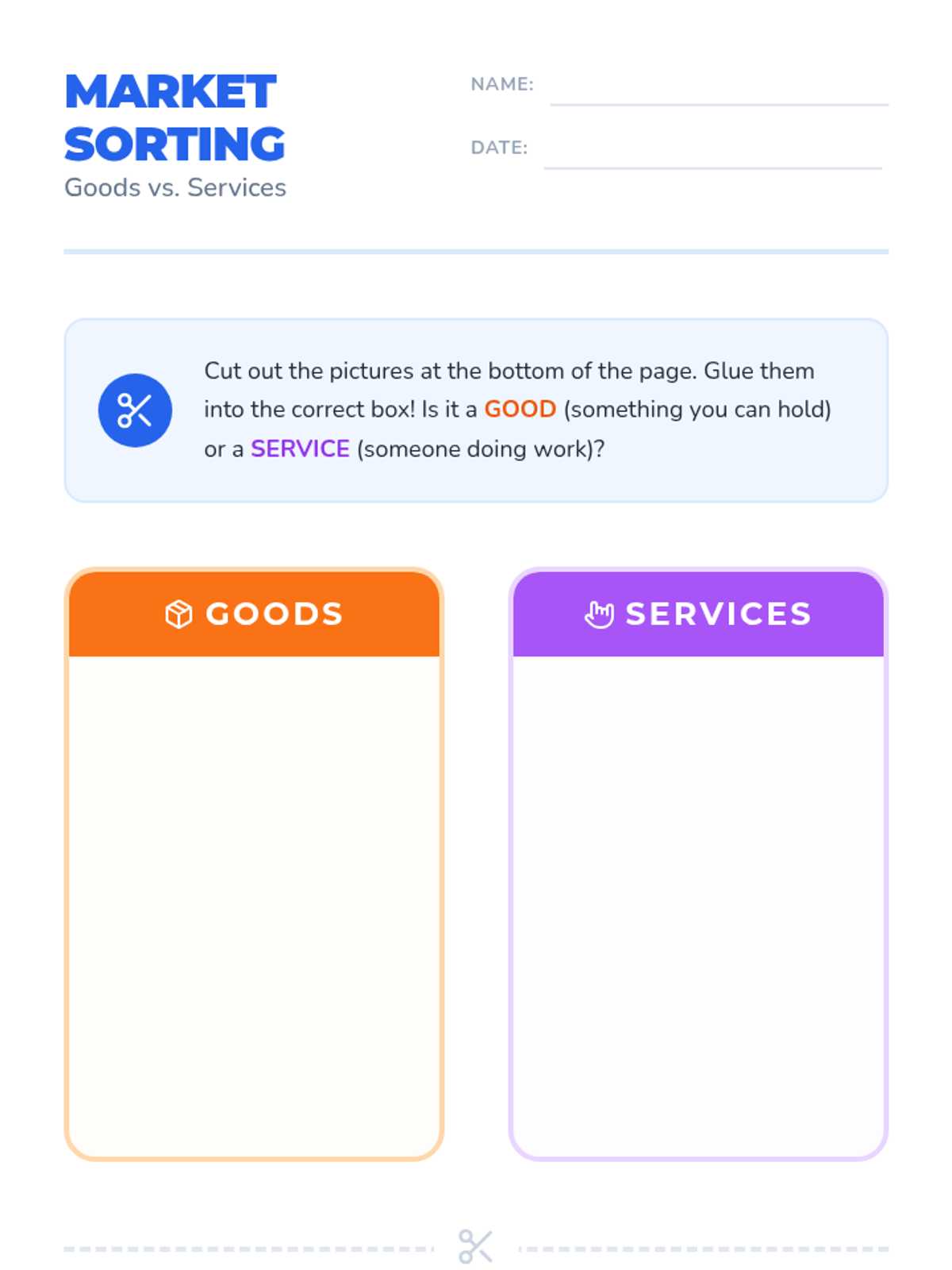
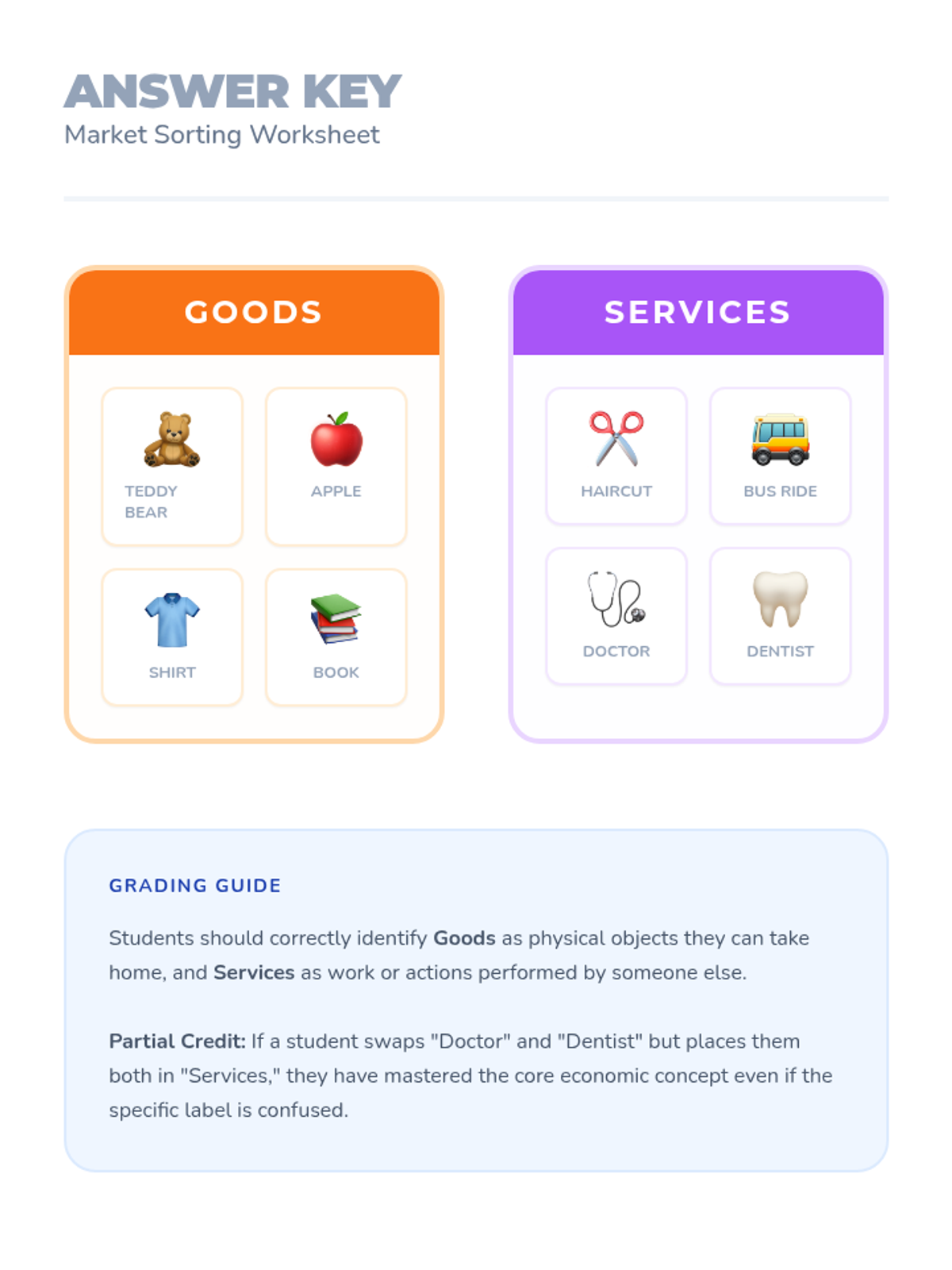
A comprehensive introduction for Kindergarteners to the basics of economy, covering the difference between goods and services, how money is earned through work, and how it is used in a marketplace.
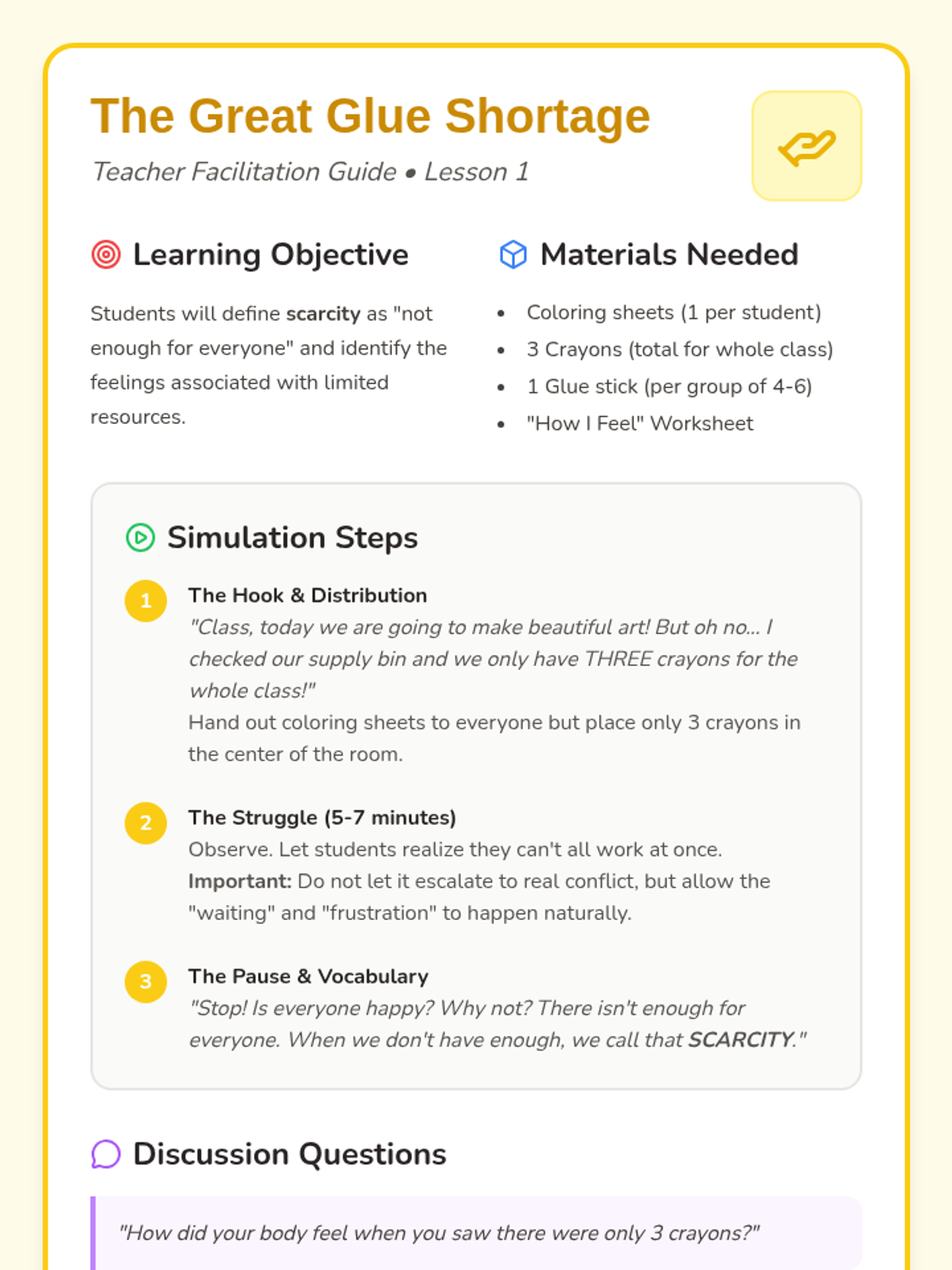
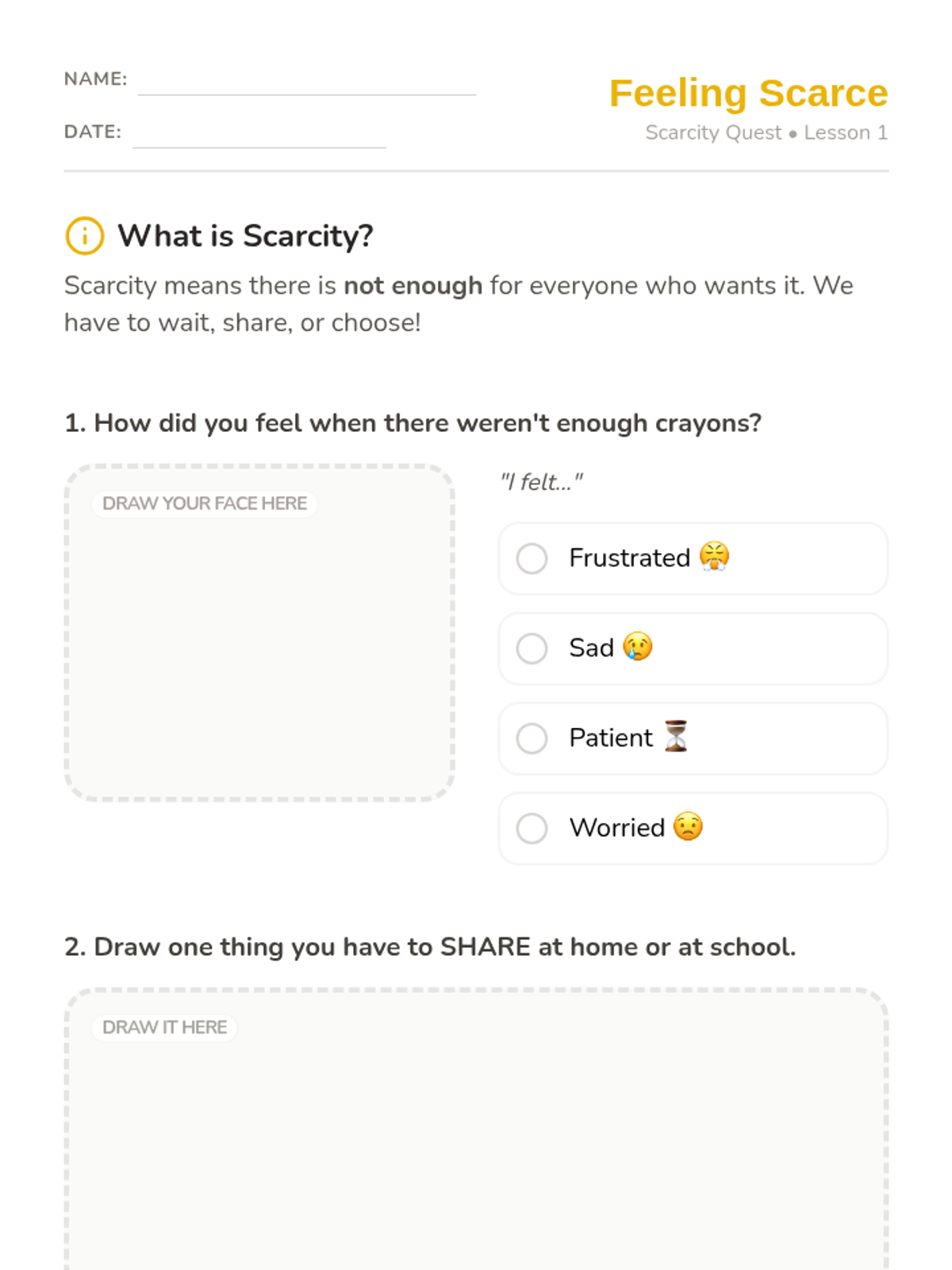
A Kindergarten sequence focused on introducing the concepts of scarcity, supply and demand, and resource management through hands-on simulations, sharing strategies, and problem-solving activities.
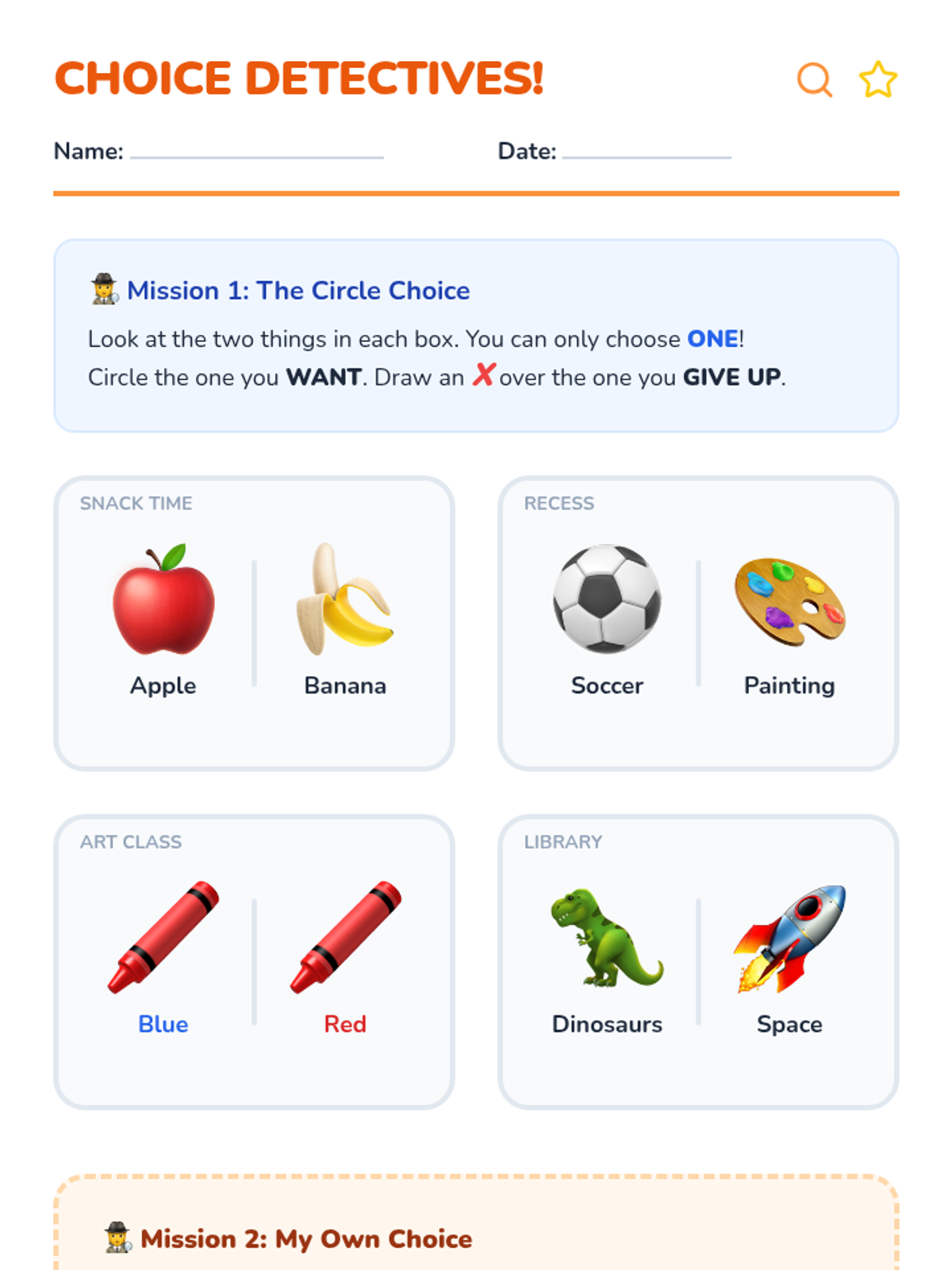
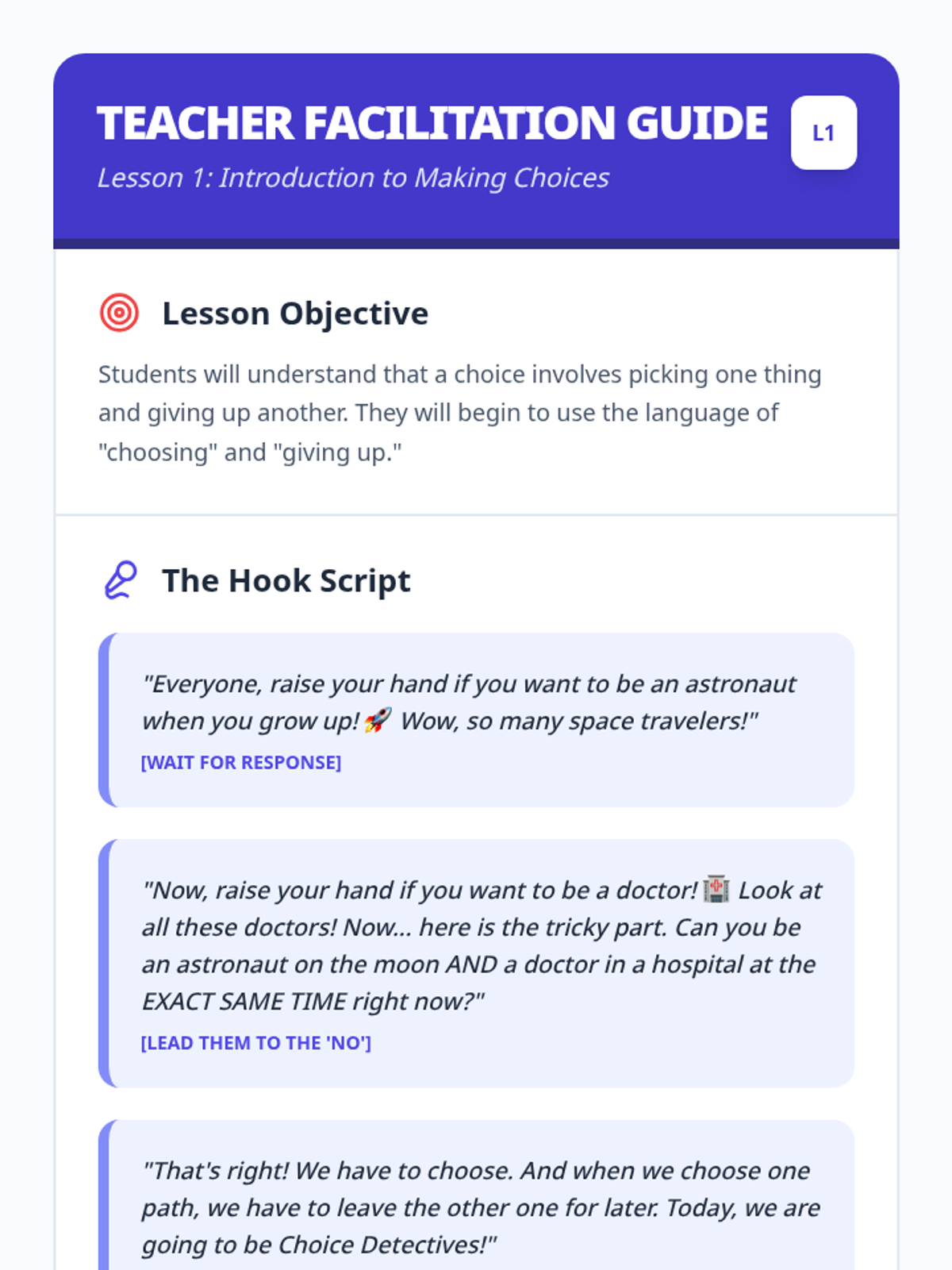
A Kindergarten sequence introducing the economic concepts of choices and opportunity cost. Students learn that choosing one thing means giving up another through games, stories, and reflection.
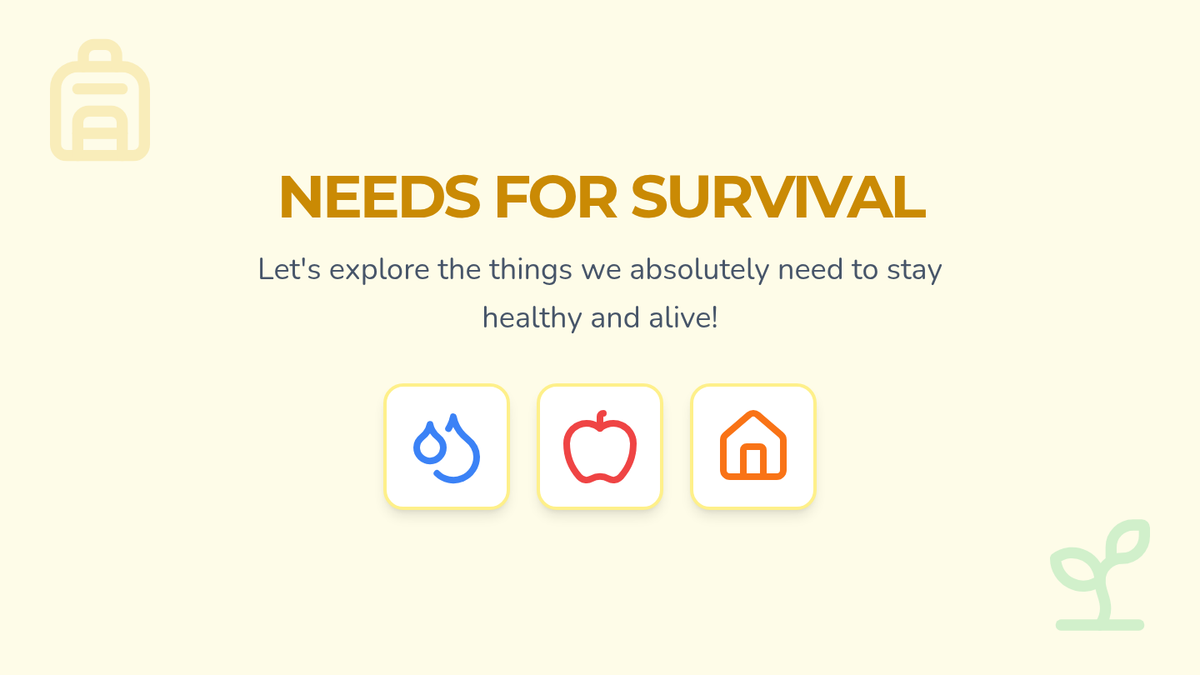
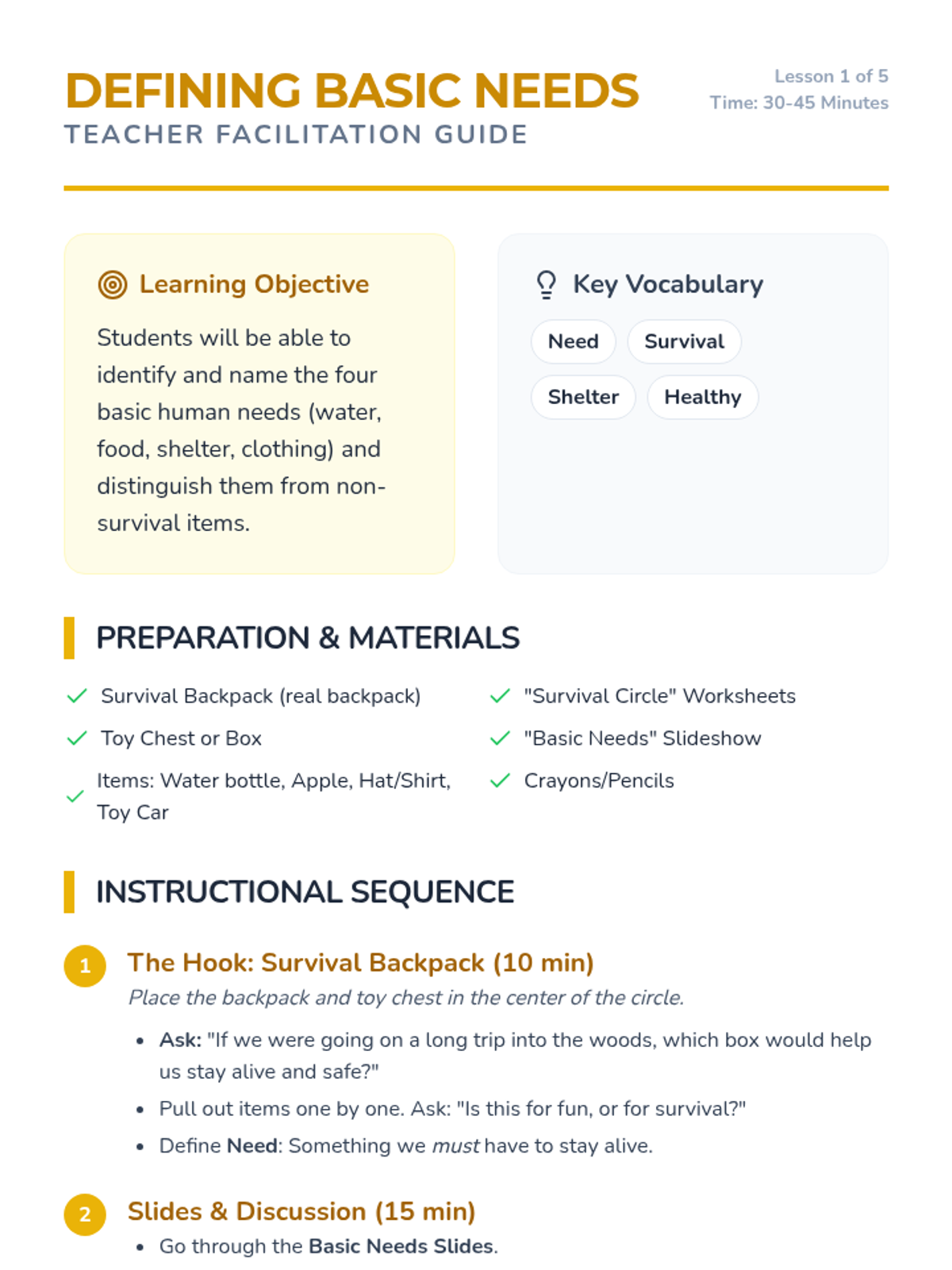
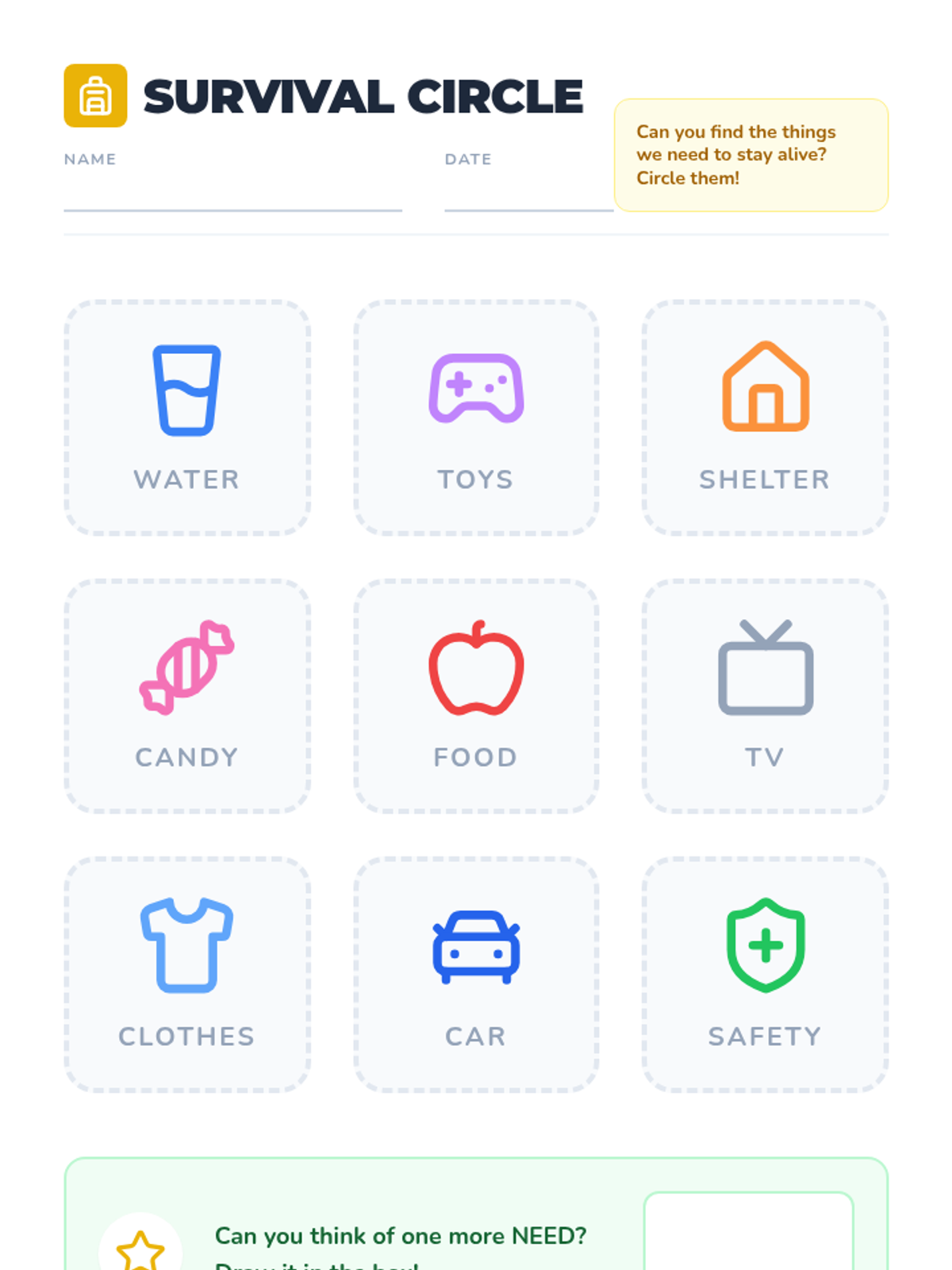
This Kindergarten sequence introduces the foundational economic concept of distinguishing between essential needs and discretionary wants through interactive discussions, sorting activities, and simple budgeting simulations. Students move from identifying survival items to making prioritized choices, building a baseline for financial literacy.
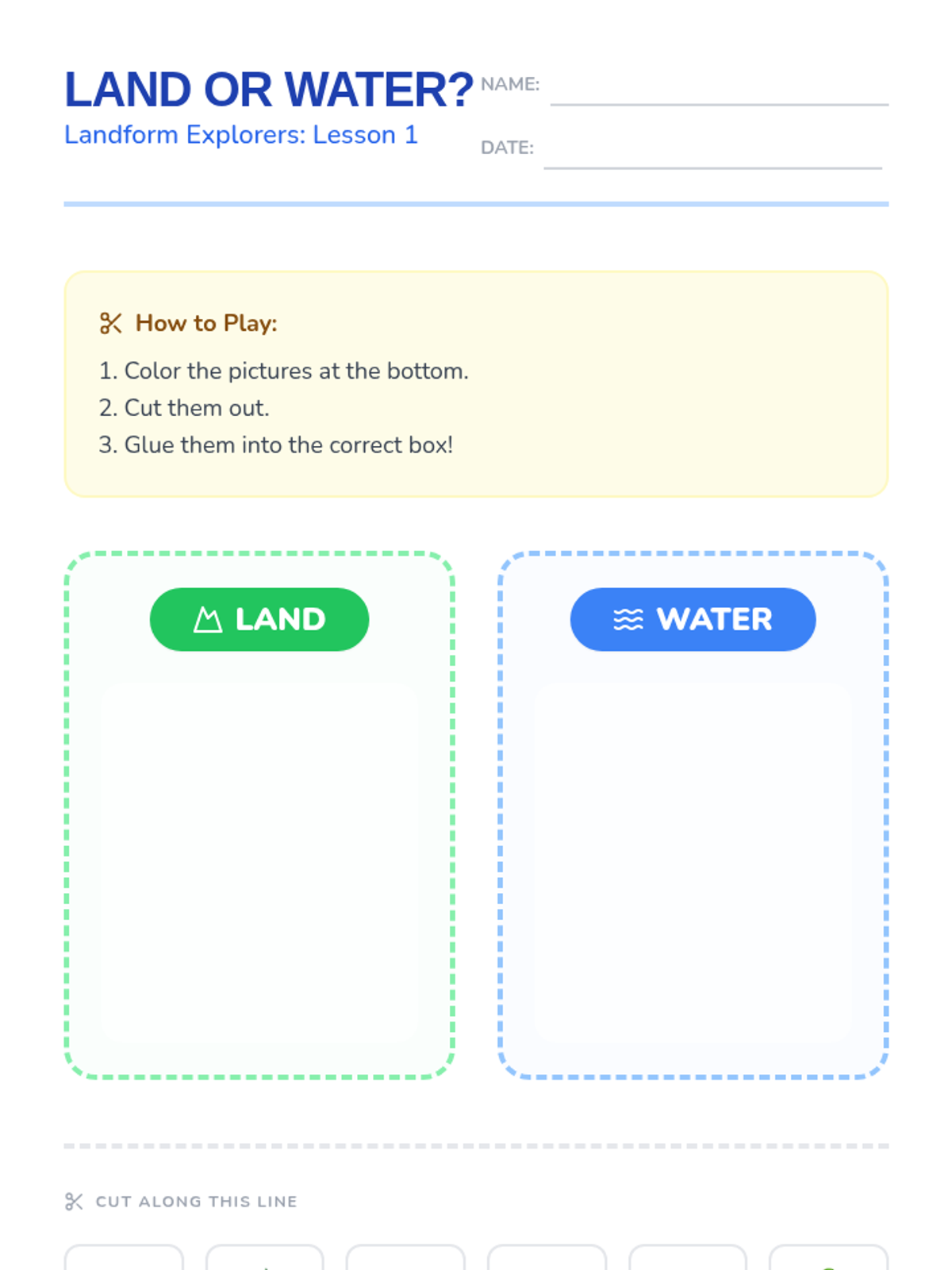
A Kindergarten sequence focused on identifying and distinguishing Earth's landforms and water bodies. Students progress from basic land/water distinction to creating physical models of mountains, hills, plains, valleys, rivers, and lakes.
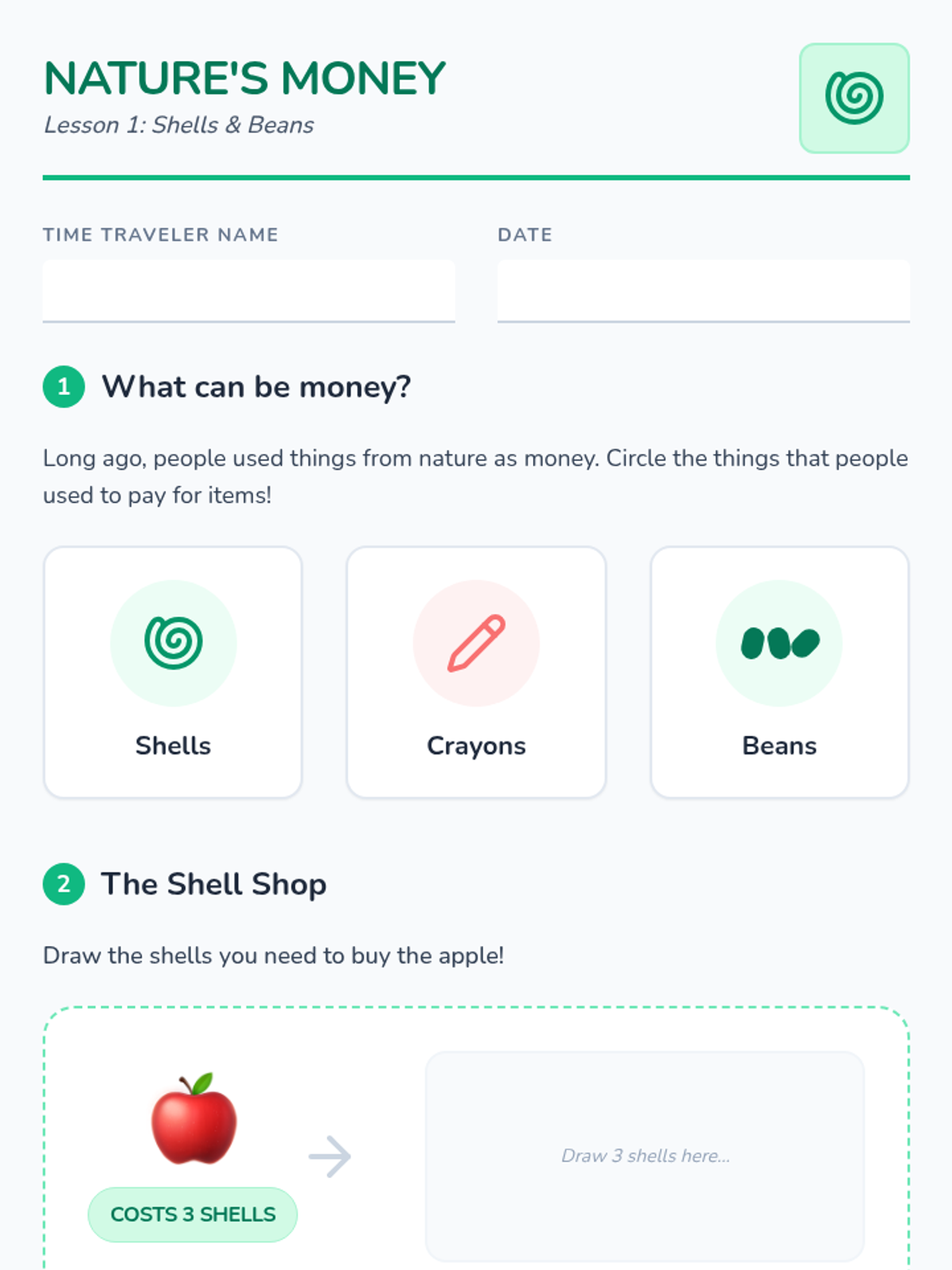
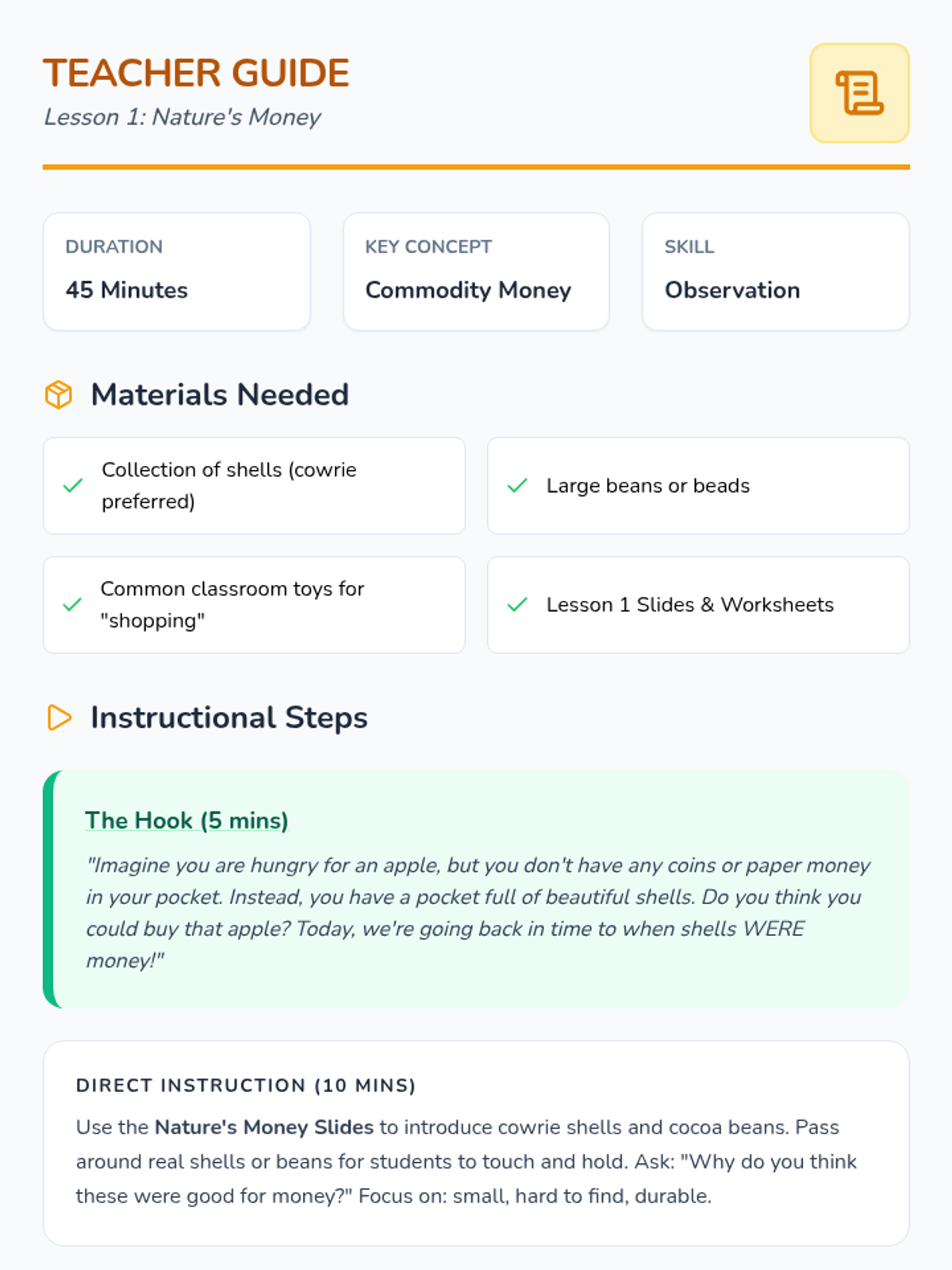
A Kindergarten sequence exploring the evolution of money from natural objects (shells and beans) to physical currency (metal and paper), global variations, digital forms (cards and taps), and future inventions. Students learn that money is a tool for exchange that has changed over time.