A graduate-level course exploring theoretical and practical conflict resolution within sports organizations. Students analyze archetypes, practice high-stakes mediation, and develop organizational protocols for professional athletic environments.
An undergraduate psychology lesson centered on critiquing the Biopsychosocial Model of depression through video analysis and gap identification. Students categorize clinical findings and propose expanded educational content to address systemic and environmental complexities.
A sequence exploring the intersection of medical history, racial narratives, and public health, focusing on how diseases like tuberculosis have been used to justify social hierarchies.
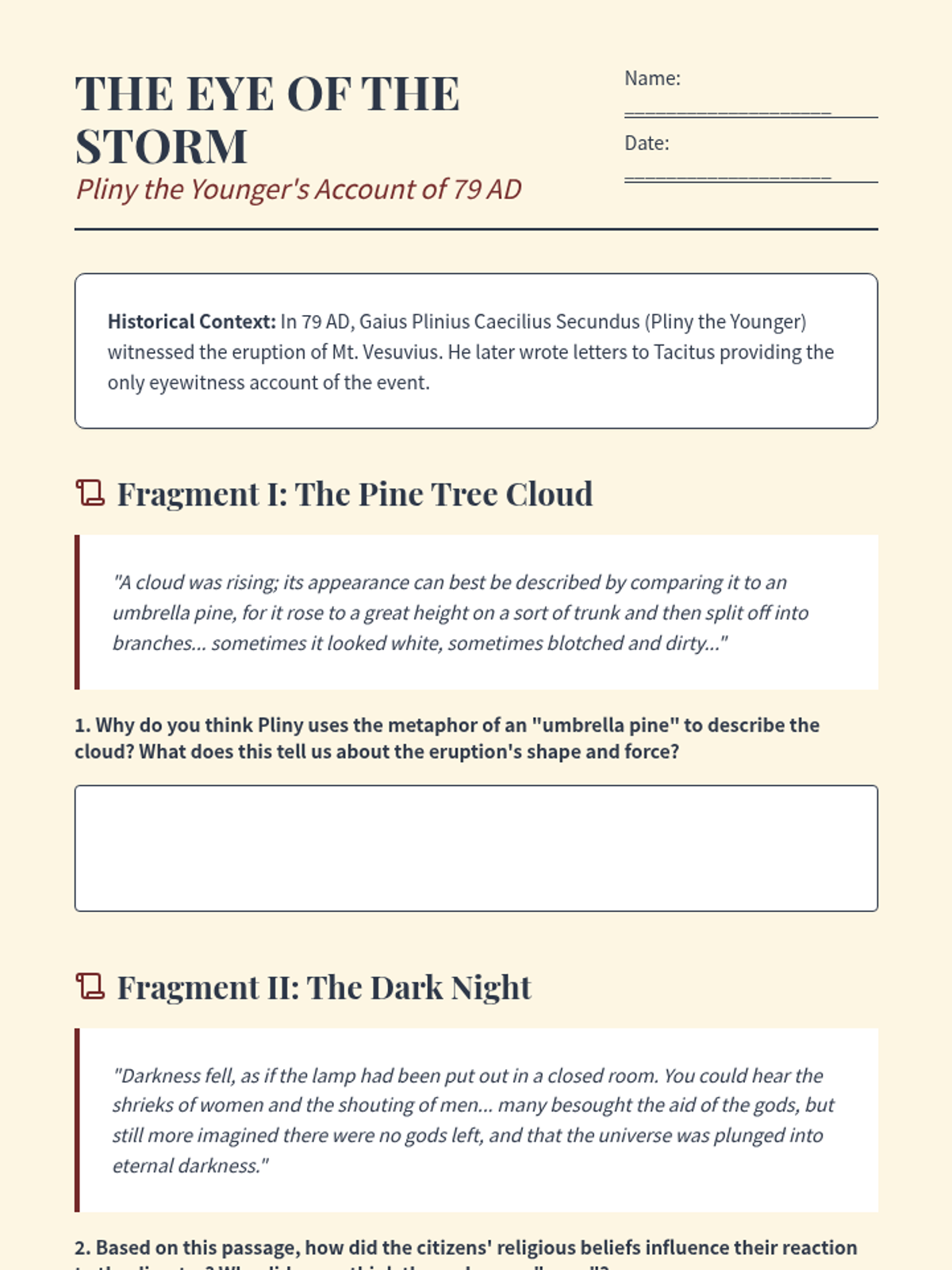
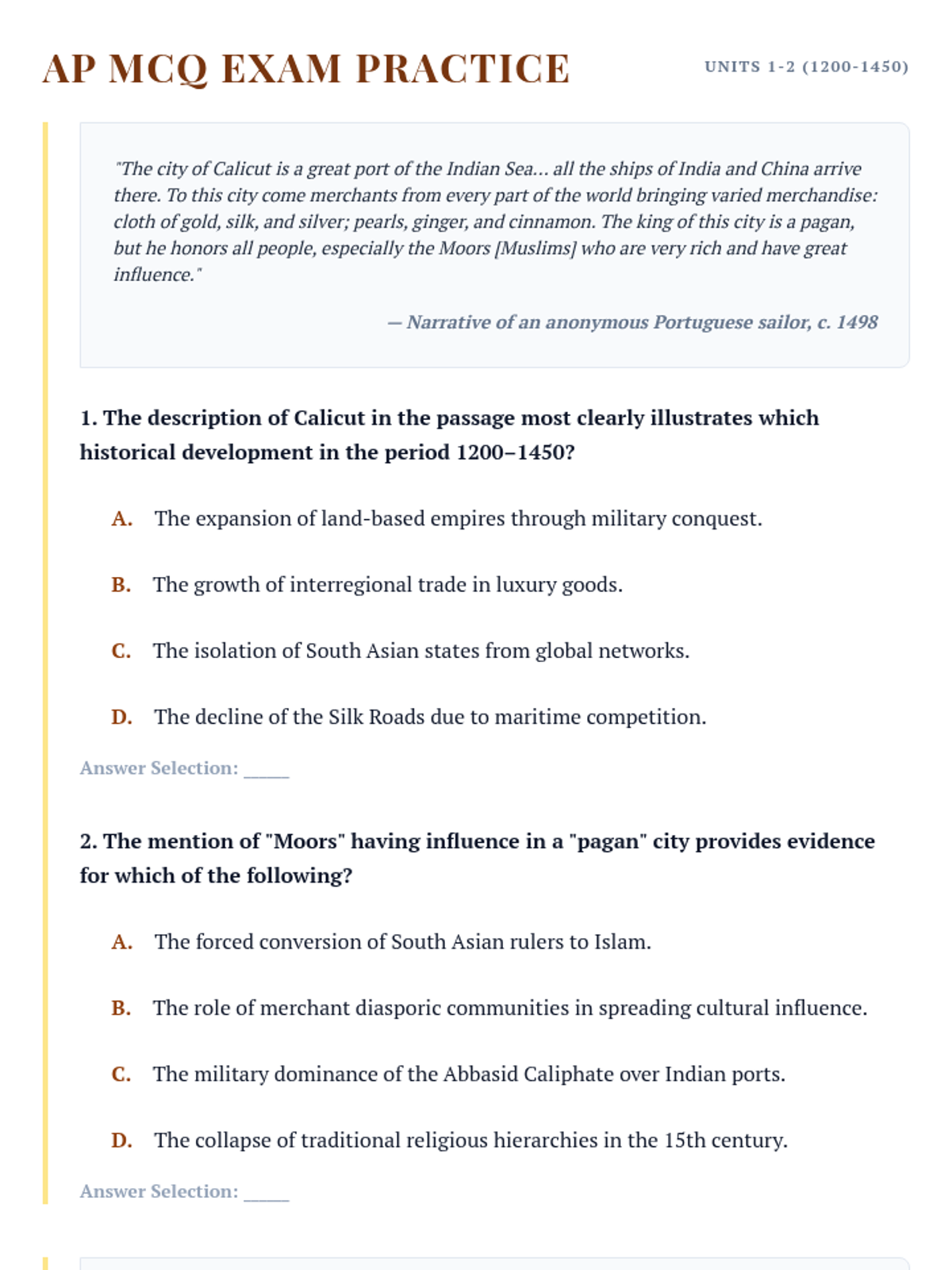
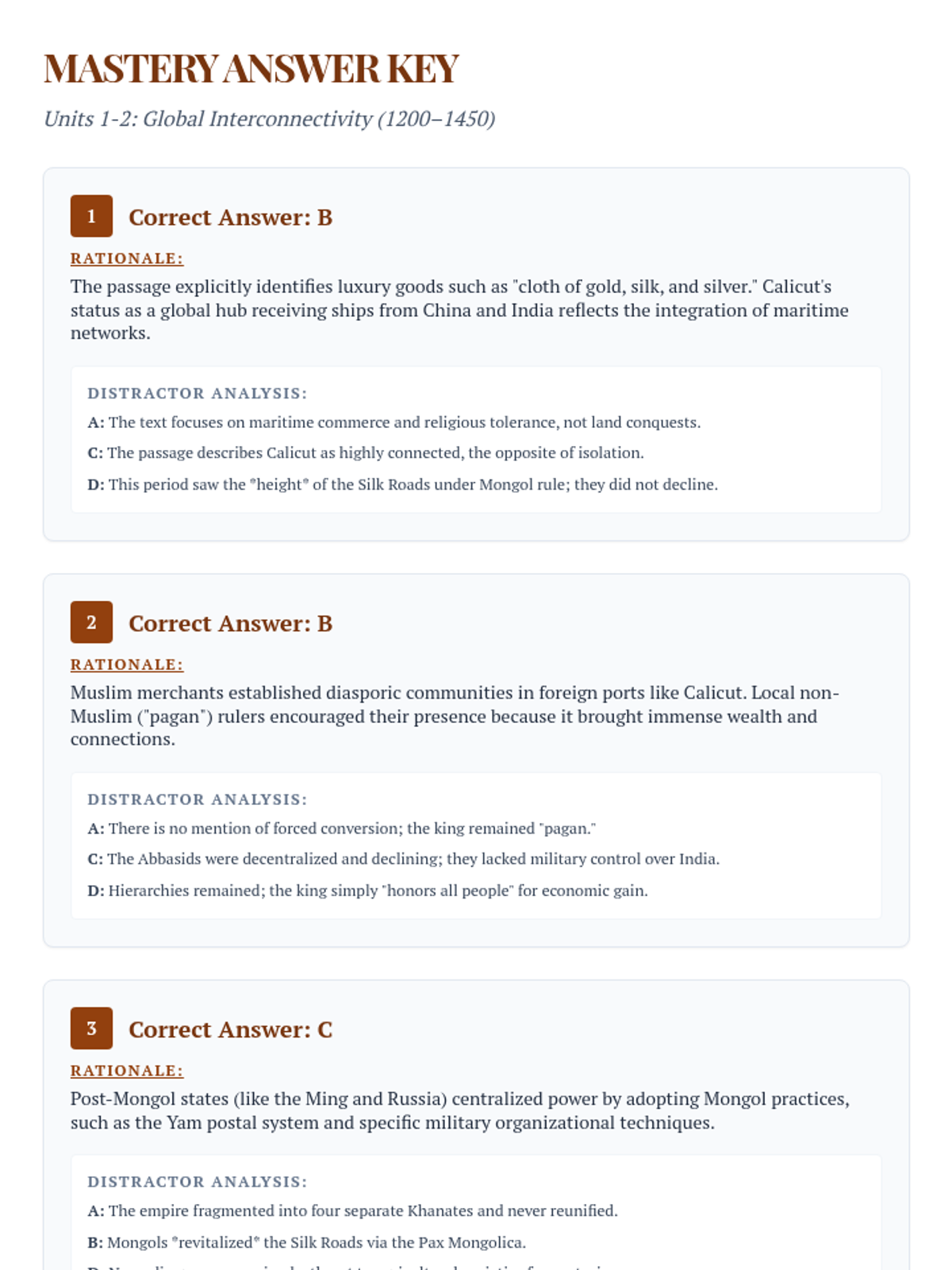
A professional development sequence designed to help educators master the art of teaching document analysis. Using the 'Balanced Information Diet' framework, teachers learn to pair primary and secondary sources to provide students with a comprehensive understanding of historical events.
An advanced graduate seminar sequence exploring the social, political, and ideological forces that shape Western Art Music history. Students move from deconstructing 19th-century canon-building to proposing new, inclusive curricular frameworks.
This graduate-level sequence focuses on the design, implementation, and stress-testing of Emergency Action Plans (EAPs). Students explore logistics, legal compliance, and crisis leadership through fire safety, medical emergencies, active threat protocols, and a culminating multi-hazard tabletop simulation.
A comprehensive graduate-level exploration of federal anti-discrimination laws, focusing on Title VII, ADA, ADEA, and retaliation. Students analyze landmark cases, calculate disparate impact, and navigate the complexities of reasonable accommodation and workforce restructuring.
This graduate-level sequence explores the detection and analysis of micro-expressions and subtle affect. Students move from theoretical foundations of emotional leakage to high-fidelity real-time clinical simulations.
This advanced undergraduate sequence explores the neuromuscular mechanics of facial expressions using the Facial Action Coding System (FACS). Students learn to identify Action Units, distinguish between universal emotions, detect micro-expressions, and apply these skills to clinical social communication interventions.
This sequence engages undergraduate students in a critical examination of mental health literacy and the sociological mechanisms of stigma. Students will progress from theoretical frameworks to practical application, culminating in the design of a targeted educational intervention for their community.
This sequence provides a rigorous introduction to operant conditioning for undergraduate students, focusing on the technical application of positive reinforcement. It covers the Three-Term Contingency, discrimination between consequences, operational definitions, motivational operations, and theoretical critiques.
This sequence examines the psychological and ethical limits of positive reinforcement. Students analyze the 'Overjustification Effect', the impact of rewards on creativity, and the ethics of behavioral nudging, concluding with a critical audit of real-world incentive systems.
This sequence equips graduate students with the skills to analyze economic data and translate it into persuasive policy briefs for arts advocacy, culminating in a simulated legislative hearing.
Students transition from passive observers to active arts advocates by learning cultural policy, economic impact analysis, and strategic communication. This sequence culminates in a comprehensive advocacy campaign presentation to secure sustainable support for the arts.
A clinical workshop sequence for undergraduate students focusing on the technical design of exposure hierarchies, SUDS ratings, and behavioral analysis for anxiety treatment.