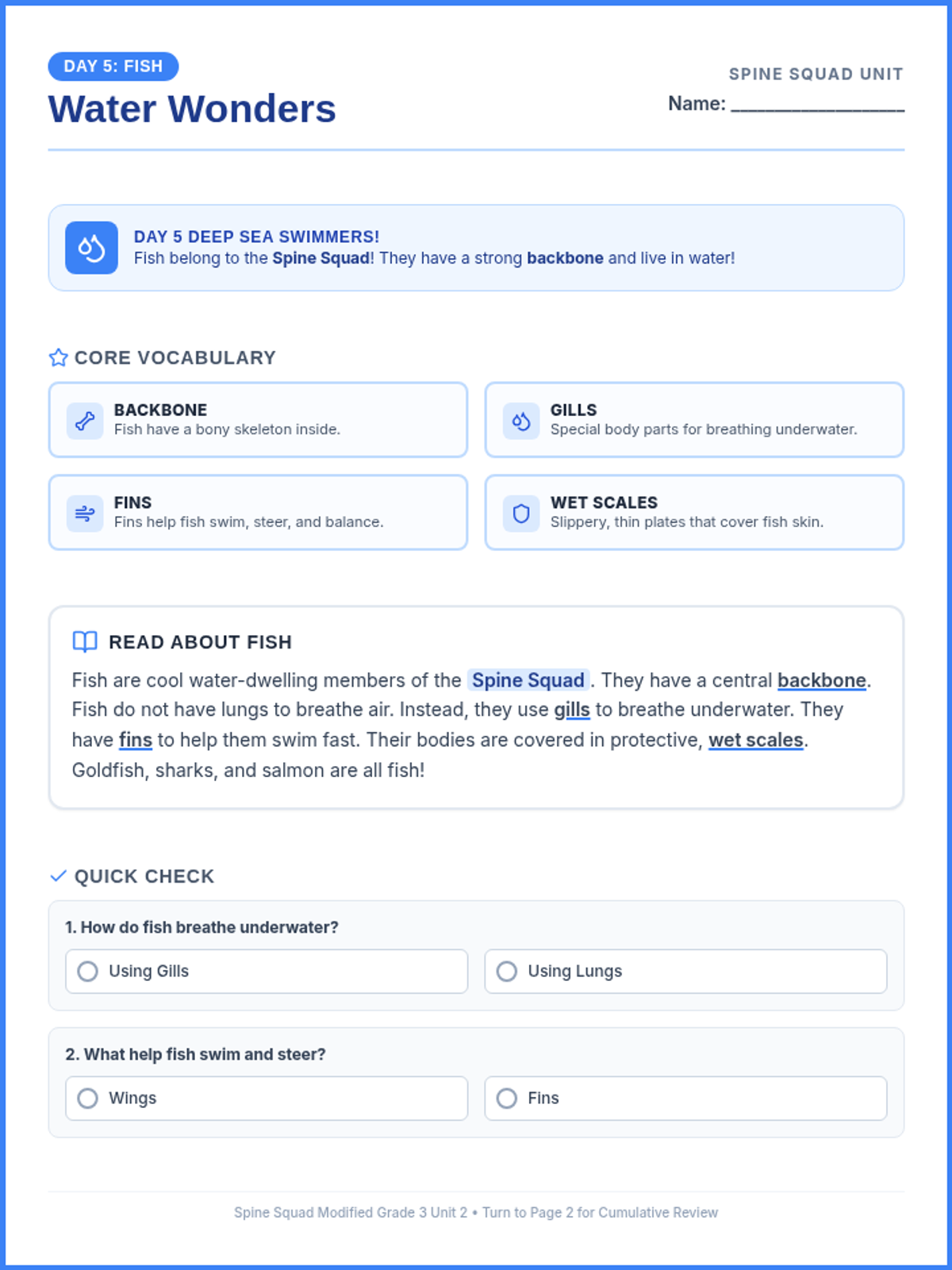
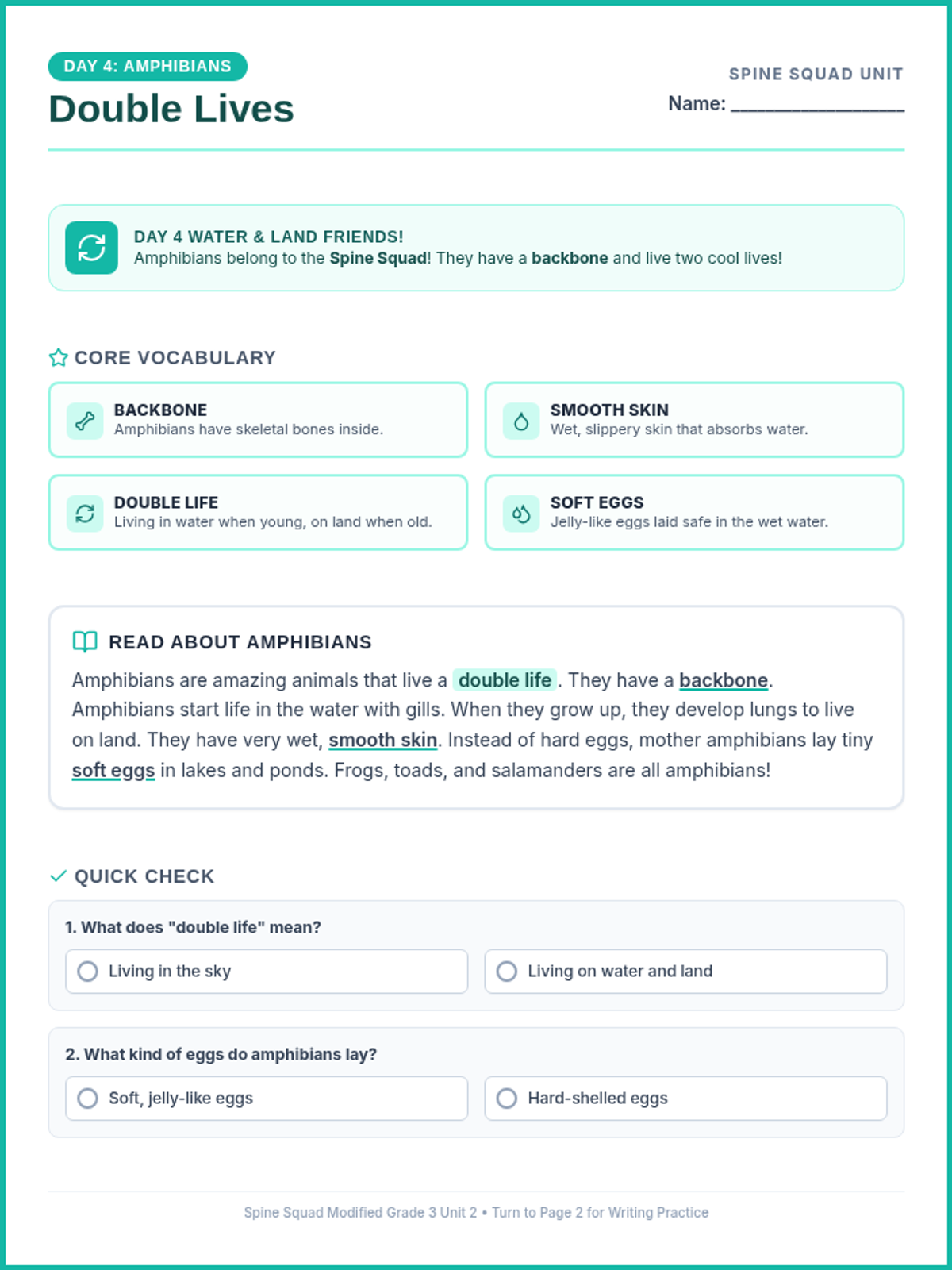
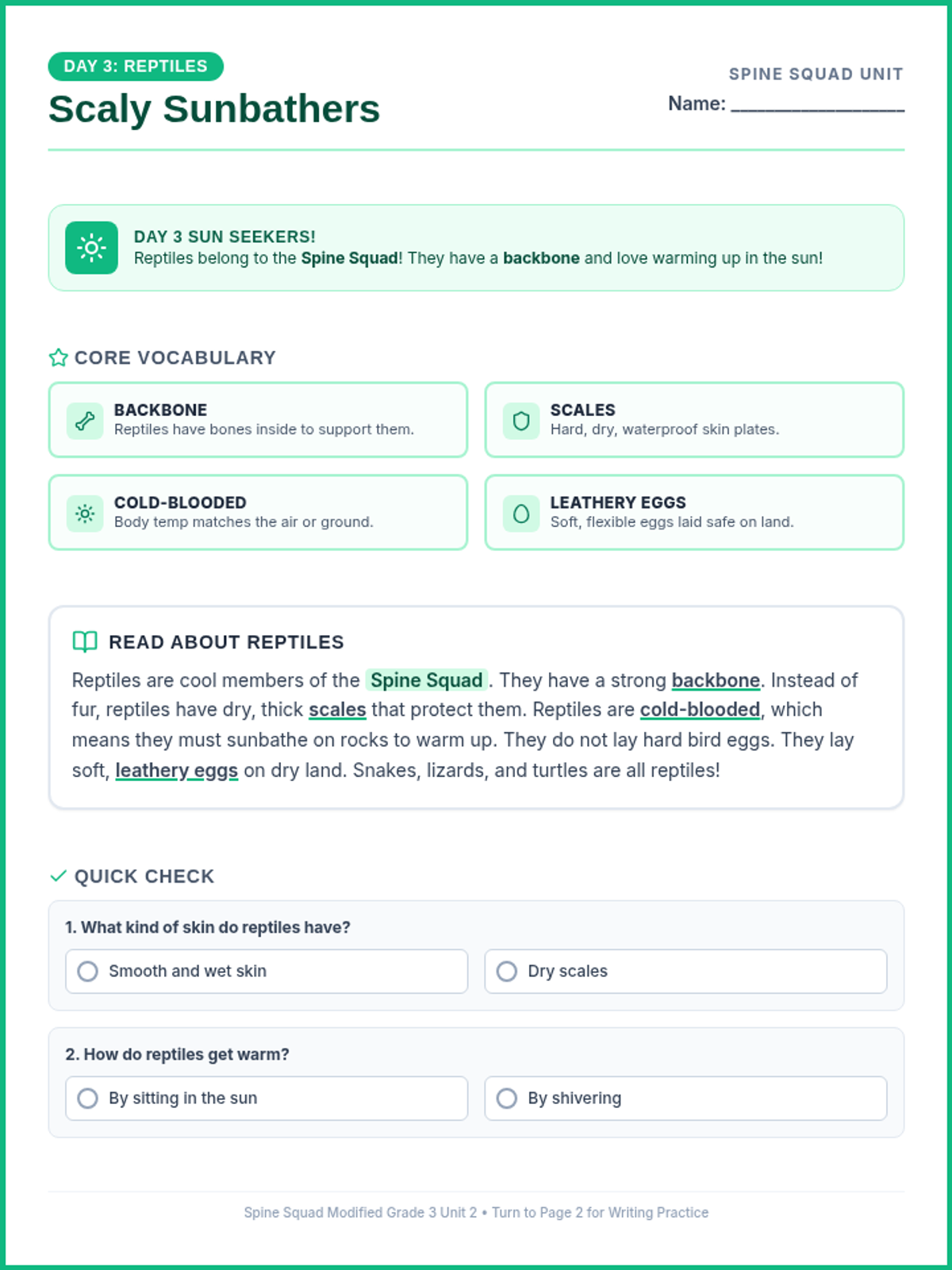
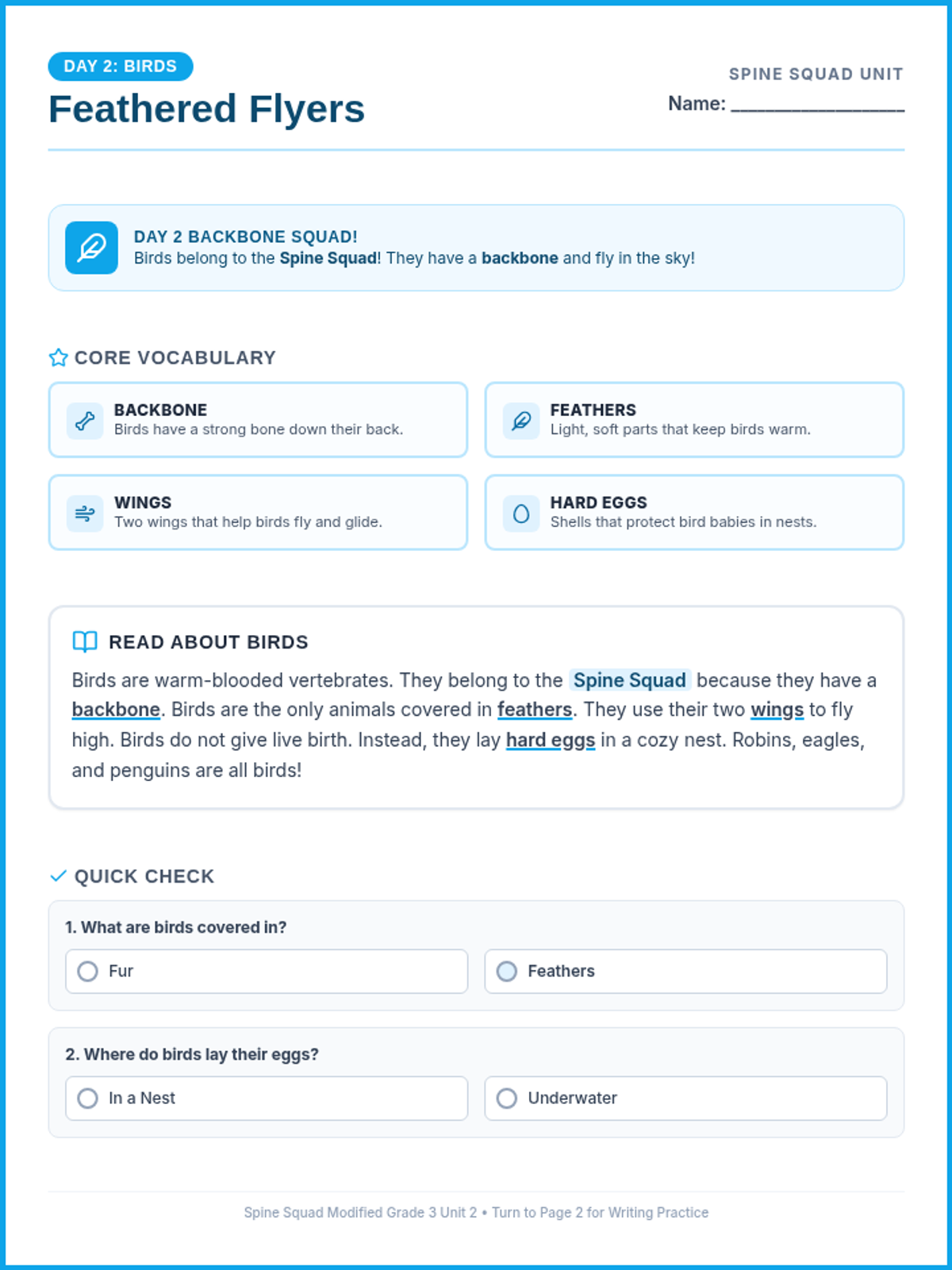
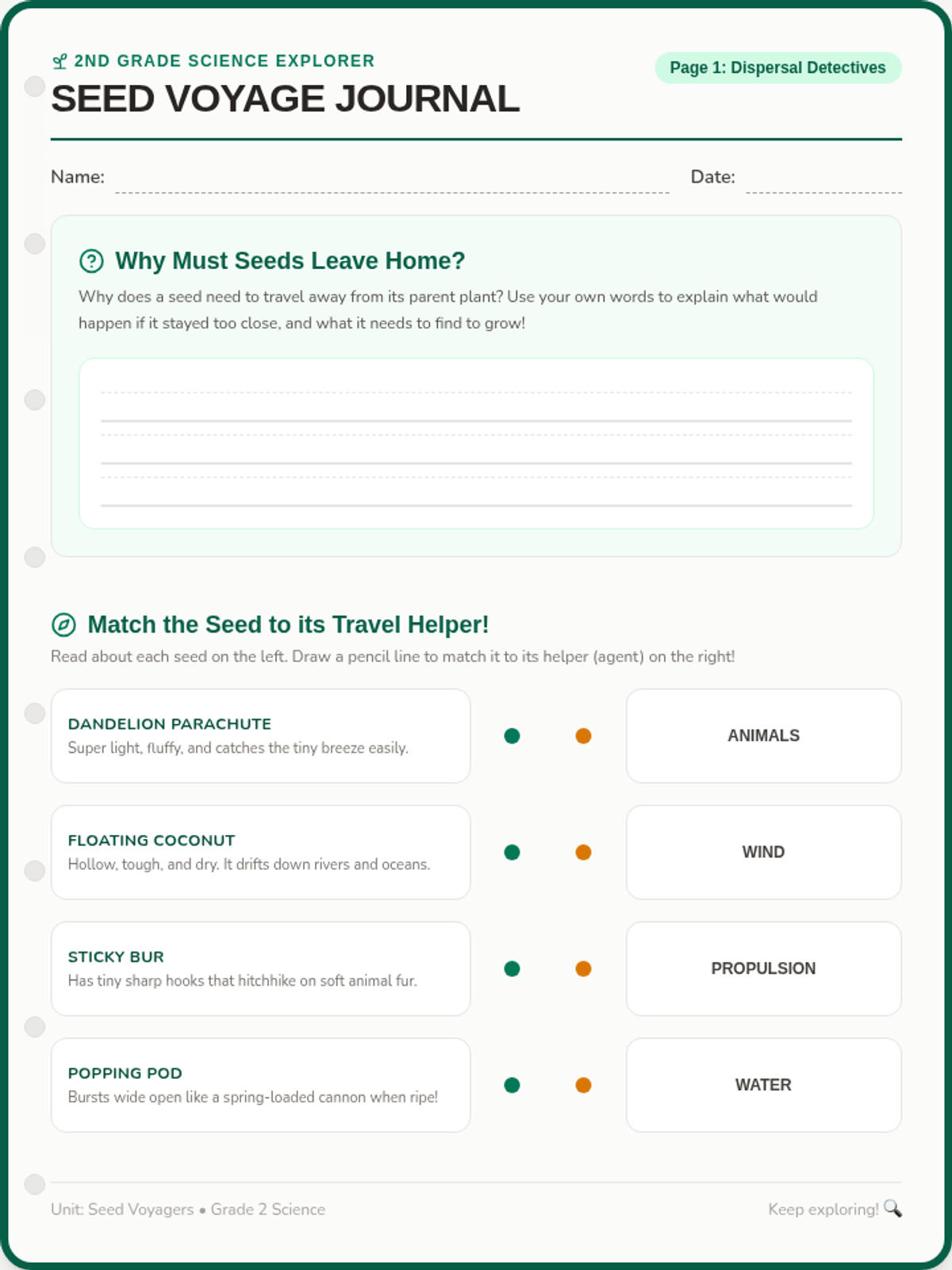
A structured feedback form for parents to record their child's reaction and notes about the Bath Time Laboratory activity to share back with the teacher.
A set of high-impact "Art Plates" for a Big Book, featuring layered CSS designs, atmospheric lighting, and thematic icons to illustrate forest animal survival traits.
A set of stylized "Art Plates" designed to be the front illustrations for a Big Book. Each plate uses bold colors, icons, and emojis to represent a key part of the forest animal survival story.
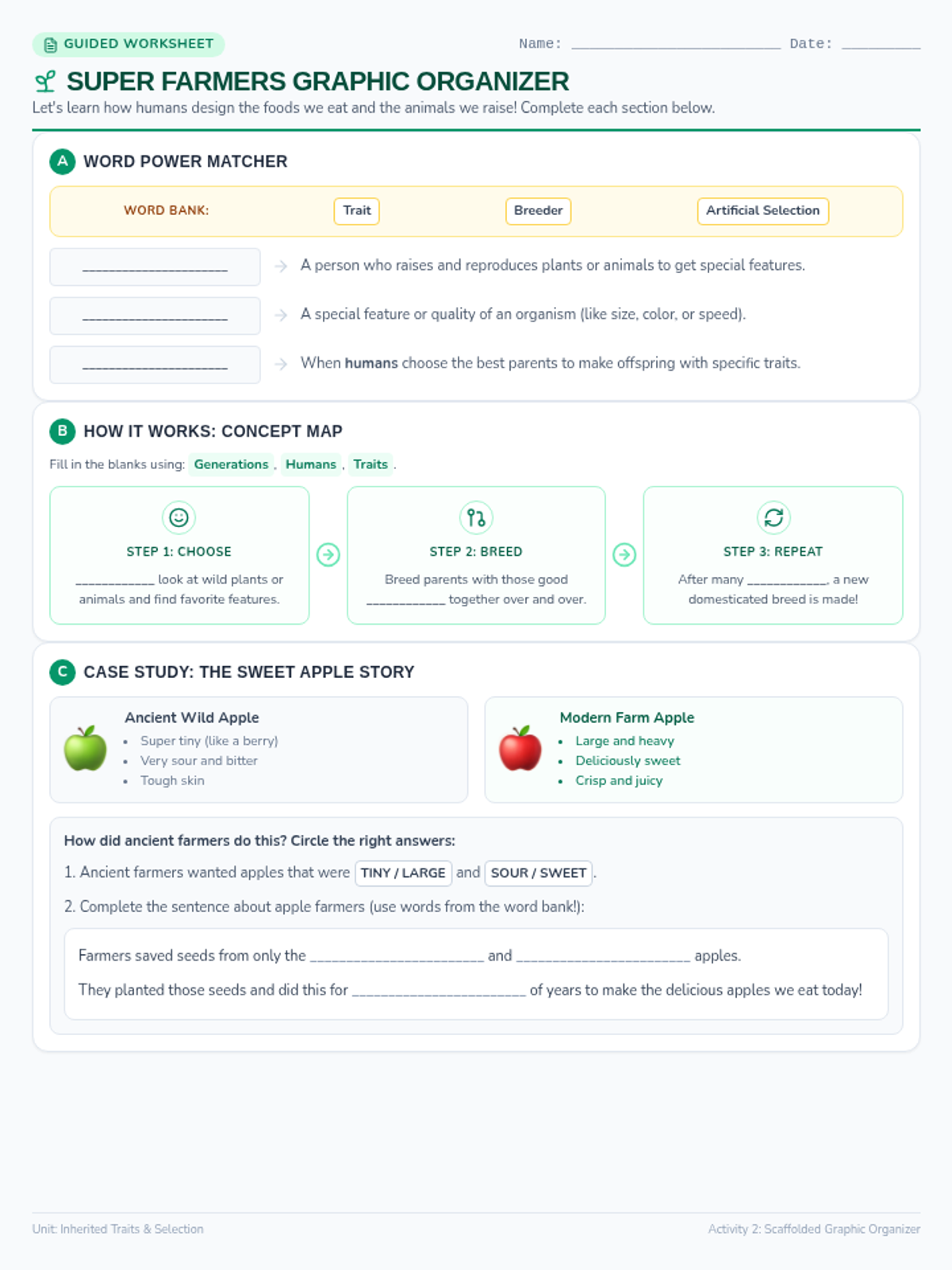
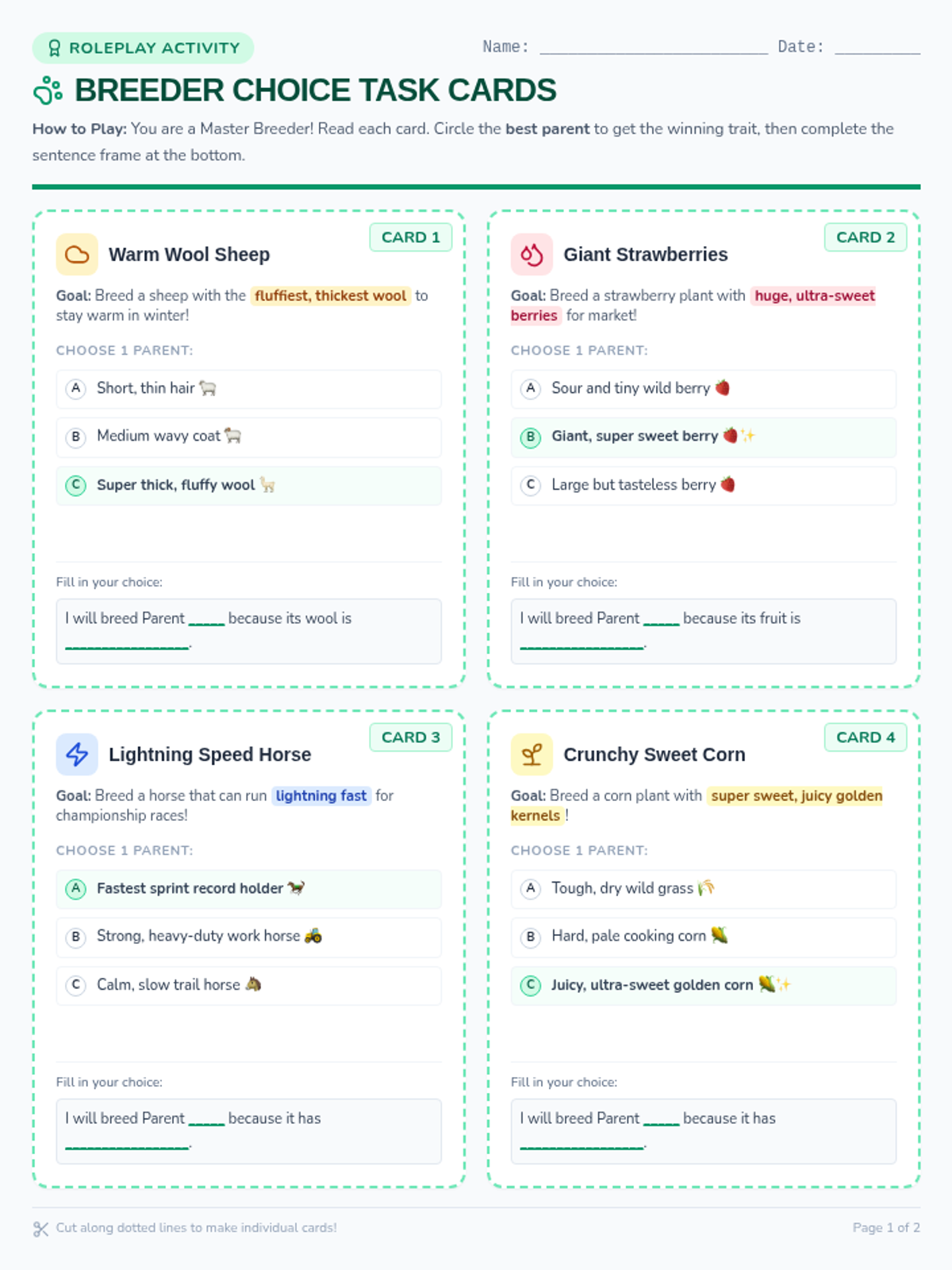
A narrative story designed for a "Big Book" format. Each page provides 1st-grade level text focused on animal survival traits, habitats, and family behaviors, intended to be attached to the back of large illustrations.
A updated "Big Book" slide deck based on Margaret Wise Brown's "The Important Book" format. It highlights how various forest animals use their unique traits to survive in their habitats.
A teacher resource containing answer keys for the Imagineer Lab reading questions, the correct pairings for the Mechanical Match Cards, and a simplified grading rubric for the ride design challenge. Revised for a compact 1-page layout.
A vocabulary matching game featuring the six simple machines. Includes three sets of cards for students to match: the machine name, its scientific definition, and a specific real-world example from a theme park attraction. All cards have identical styling with small corner labels identifying them as Machine, Definition, or Example. Darkened labels for better print contrast.
A simplified "Rapid Prototyping" engineering challenge where students build and test a single mechanical feature (lift, spinner, or launcher) using common classroom supplies. Includes a blueprint drawing area and reflection questions.
An informational text reading activity that explains the six types of simple machines through examples found in famous Disney theme park attractions, including comprehension questions and a sketching area. Revised to move the Lab Analysis to its own page (Page 3) and balance the machines across Pages 1 and 2.
A student-facing activity sheet that reinforces the forest animal traits and diets introduced in the chant, with space for drawing and observation writing.
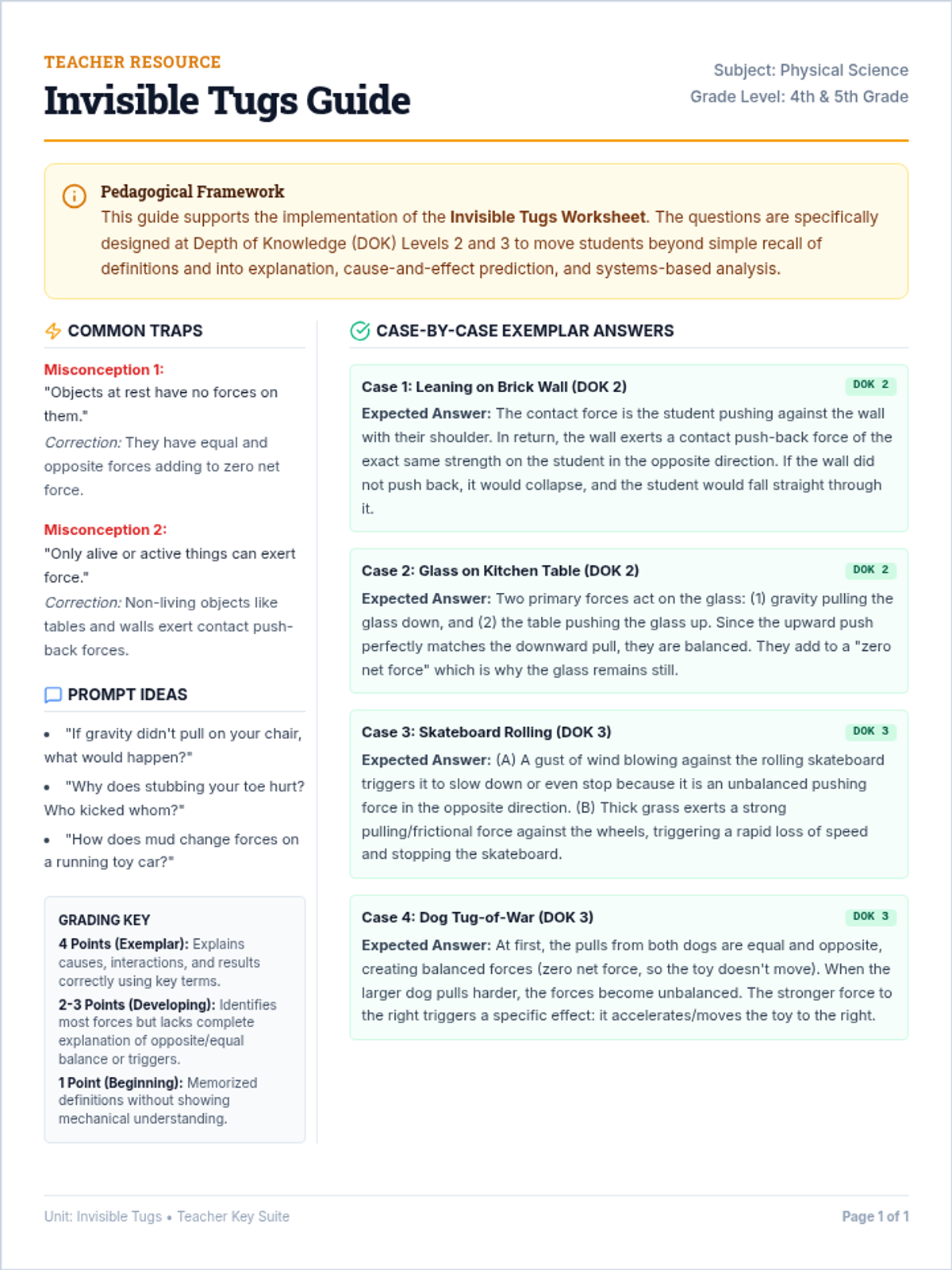
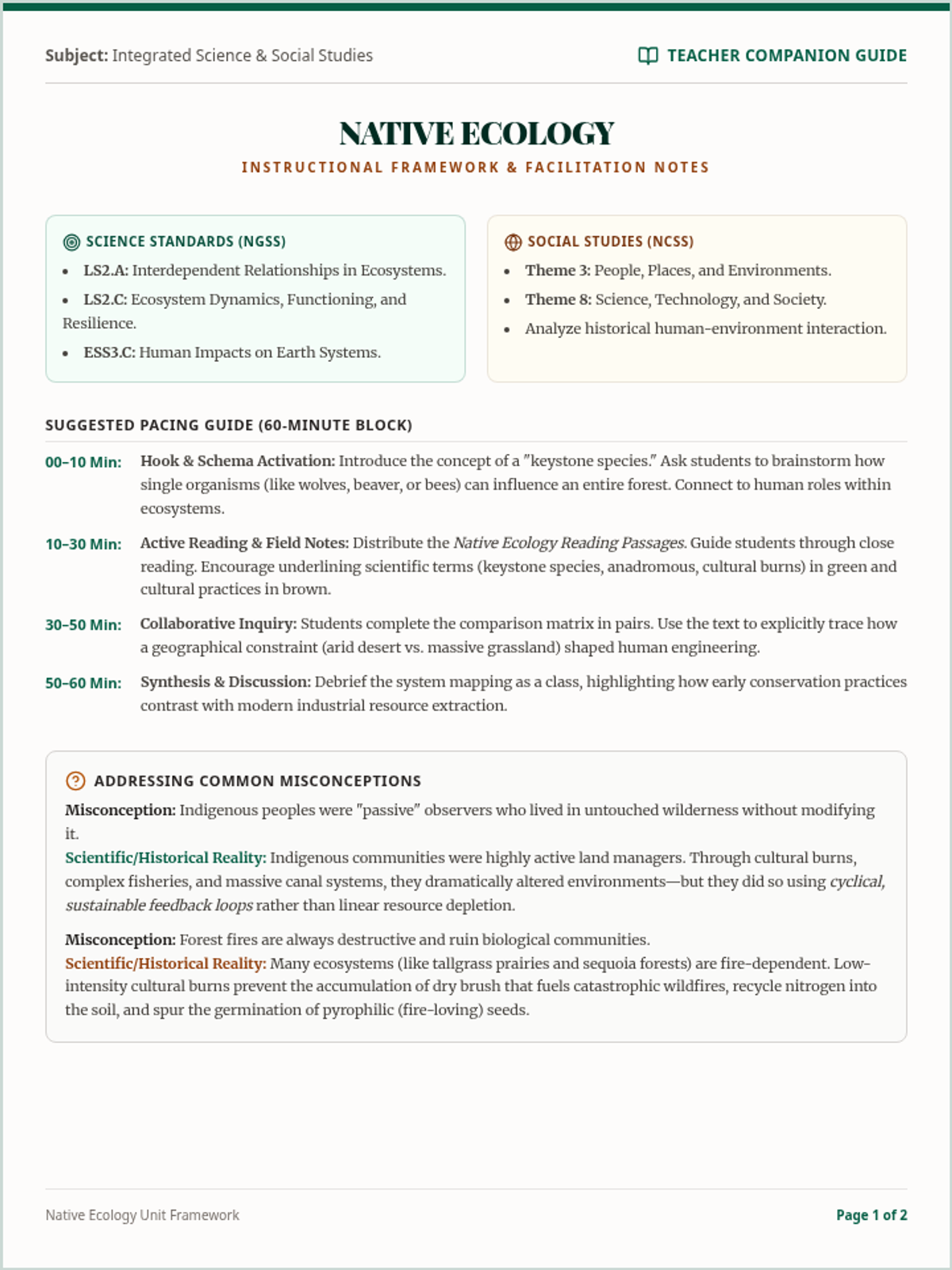
A teacher resource guide for implementing the Forest Friends GLAD chant, including NGSS standards mapping, instructional steps, and vocabulary definitions.
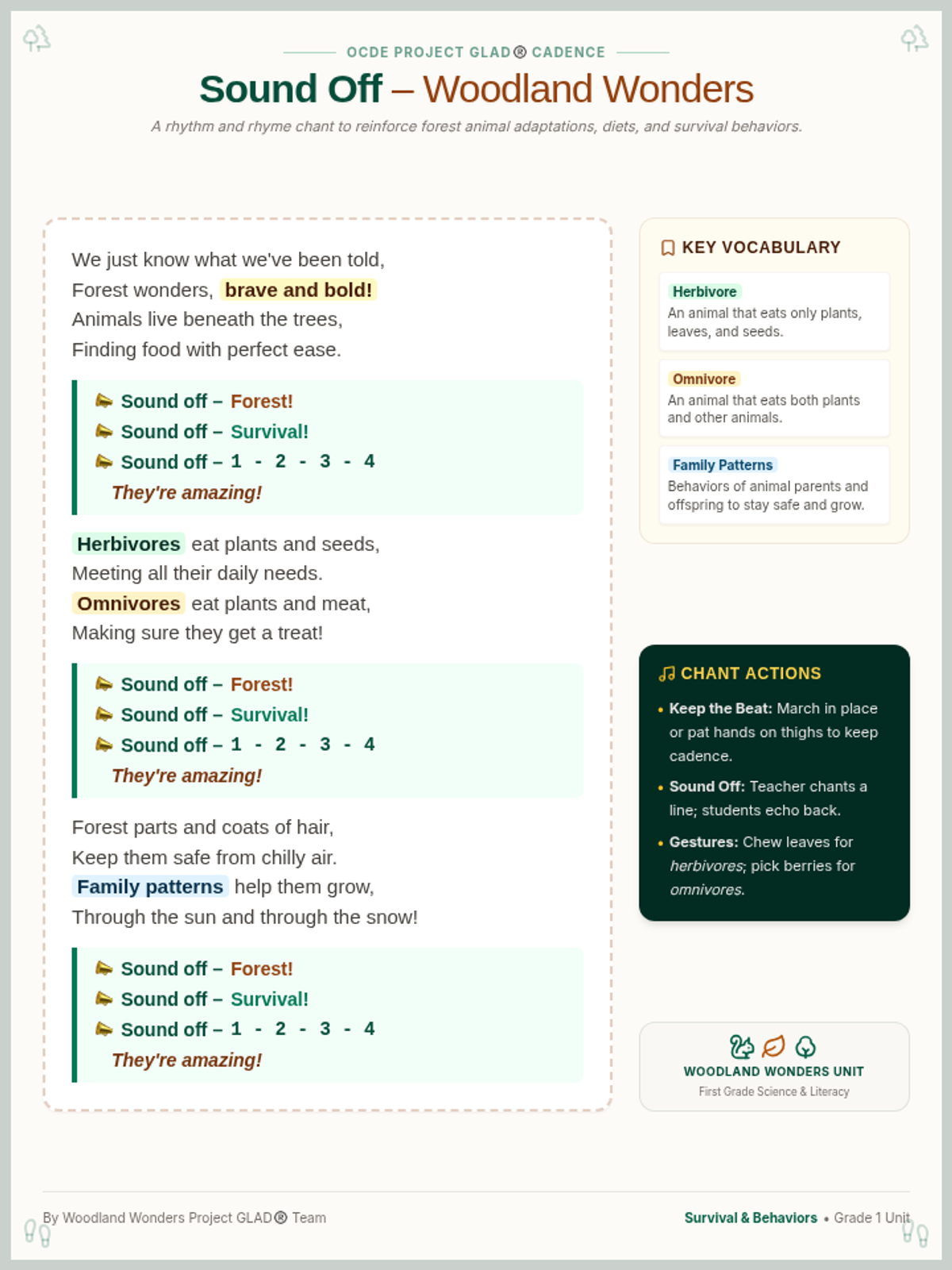
A GLAD-style "Here-There" chant for first-grade students, focusing on forest animal vocabulary, survival traits, and habitats. Designed as a classroom anchor chart.
A consolidated answer key for the science worksheets, revised for better layout, visual separation, and page management.
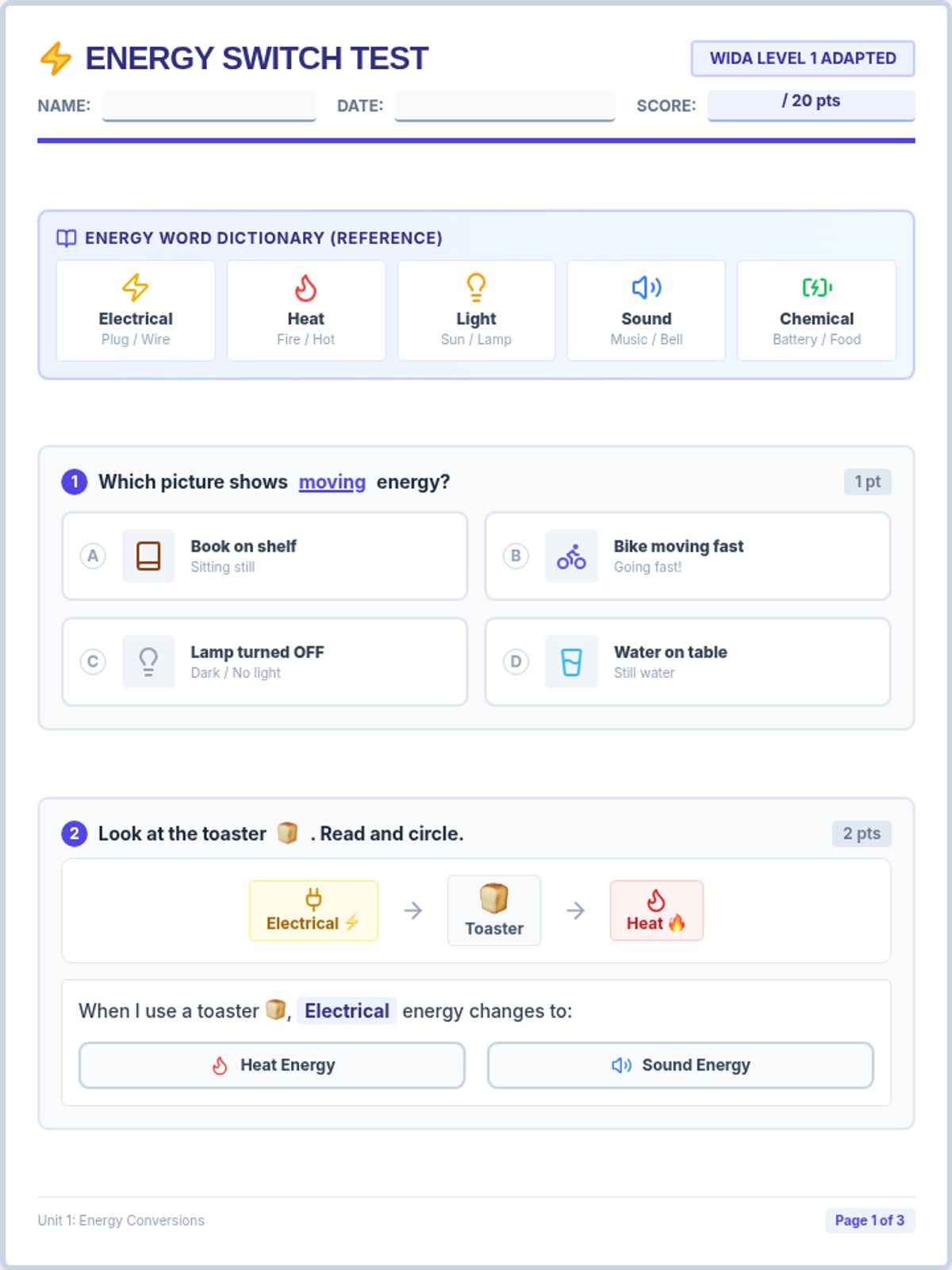
A reading comprehension worksheet on the Earth-Sun-Moon system, covering rotation, revolution, moon phases, and seasons. Revised for improved page layout and larger T/F boxes.
A reading comprehension worksheet on the properties of matter, covering mass, volume, density, and states of matter with varied exercise types. Revised for improved page layout and formatting.
A reading comprehension worksheet about ecosystems and food webs, featuring a passage, vocabulary matching, multiple-choice questions, and a short response section. Revised for improved page layout.
A comprehensive guide for substitute teachers to facilitate the Science Discovery Dossiers lesson. Includes instructional procedures, tips for managing large classes, and a quick answer key reference.
A graphic organizer for students to design and analyze a food web for a specific ecosystem. Includes areas to categorize producers, consumers, and decomposers, and a critical thinking section on ecological impacts.
A science reading passage about ecosystems, food webs, and the roles of producers, consumers, and decomposers. Explains energy flow and the importance of biotic and abiotic factors.
A visual graphic organizer for mapping the states of matter and the processes of phase change (melting, freezing, evaporation, condensation) with space for real-world observations.
A reading passage explaining matter and its three primary states (solid, liquid, gas), along with the processes of phase changes like melting, freezing, and sublimation.
A graphic organizer for students to research and profile a specific planet or celestial object in the solar system. Includes sections for vital statistics, environmental data, and a creative mission log.
A reading passage for 5th graders about the Solar System, including terrestrial planets, gas giants, and other celestial bodies. Includes key vocabulary and a quick comprehension check.
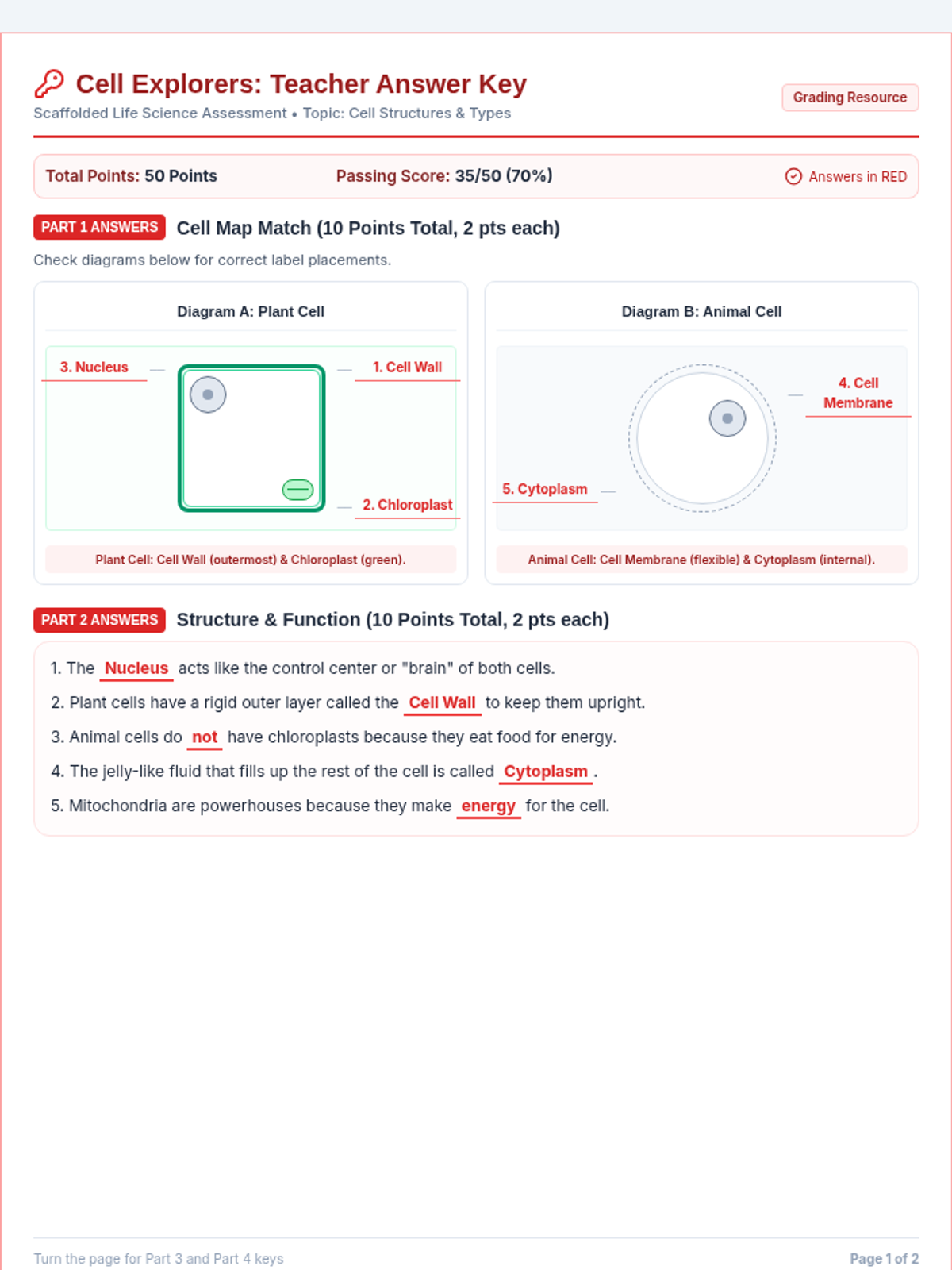
A teaching guide for the Fungi lesson, including instructional strategies, lesson sequence, common misconceptions, and an answer key for student materials.
A short quiz to assess student understanding of fungi concepts, including their role as decomposers, reproduction via spores, and basic terminology.
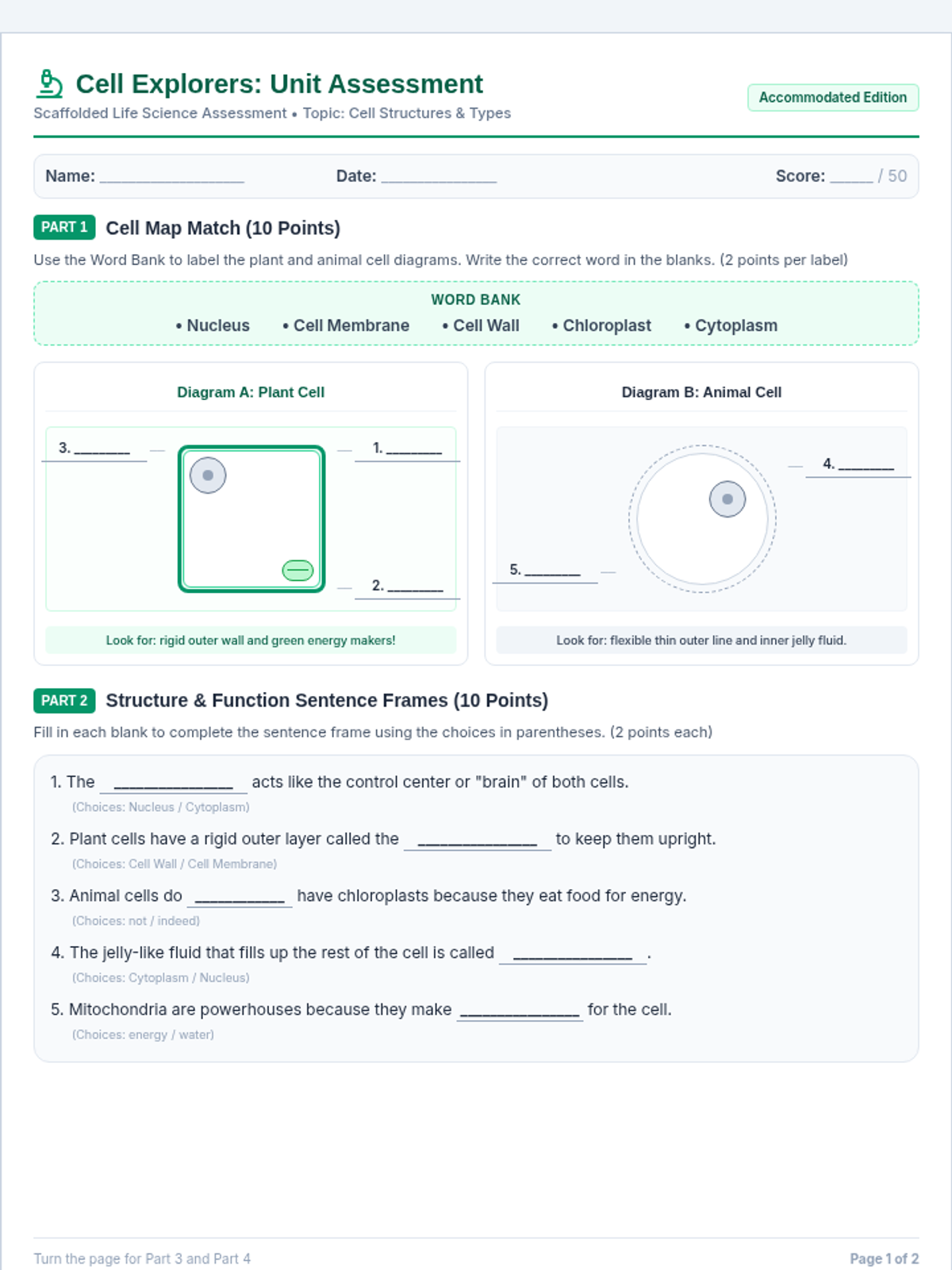
A vocabulary worksheet for students to define, use, and illustrate key fungi terms (mycology, decomposer, mycelium, spores) and match anatomy parts to their functions.
A visual introduction to fungi, covering their kingdom classification, key vocabulary (mycelium, hyphae, decomposer), and basic mushroom anatomy.
A teacher reference guide explaining the concept of middle (medial) sounds in phonemic awareness, including teaching strategies and common student challenges.
A student activity set featuring 9 word cards (3 CVC, 3 digraphs, 3 blends) and two large sorting mats for hands-on phoneme counting and categorization. drop zones are sized for cards. Updated with 'Operation: Sound Secrets'.
A half-sheet exit ticket focusing on sound counting and isolating middle sounds, provided with two identical copies on one page for efficient printing. Question 3 has been removed as requested. Updated with 'Operation: Sound Secrets'.
A half-sheet recording tool for the Sound Sort activity, provided with two identical copies on one page for efficient printing. Features separate sections for 3-sound and 4-sound words. Layout optimized for kindergarten handwriting.
Instructional slides for the Sound Secrets lesson, teaching students how to isolate phonemes in 3-4 phoneme words, including digraphs and blends. Practice focuses on identifying a single middle sound.
A detailed teacher's guide for a Kindergarten phonics lesson, featuring 'Operation: Sound Sort' with 9 cards. BRUSH has been replaced with FLAG to ensure clear 4-sound identification.
Polished introductory slides for the Science On Air podcast project. Features high-contrast visuals, clear project steps, and an overview of digital tools.
A script-building resource featuring 15 sentence stems across five categories to help students write a structured and professional podcast script. Features improved writing lines and high-contrast text.
A comprehensive note-taking packet for students. Includes fact-gathering areas, scripting prompts with sentence stems, and a sound design planner. Optimized for handwriting with white work areas.
A one-page project outline for the Science On Air podcast project. It defines the mission, phases of production, and success criteria for 4th-grade students. Now includes a condensed script-starter section.
An assessment worksheet for students to record their observations during the lesson. It includes a classification table for states of matter, a matching exercise for reversible vs. irreversible changes, and a prompt for reflection.
A student-facing hands-on guide for the 'Fizzy Cupcake' activity. It provides a structured 'recipe' for exploring chemical reactions and states of matter without heat, including space for sketching observations.
Engaging instructional slides for the Bronx Bake-Off lesson, defining states of matter, chemical reactions, and the difference between reversible and irreversible changes with vibrant, large-text visuals.
A comprehensive instructional guide for teachers to lead a hands-on kitchen science lesson. It includes learning objectives, a timed pacing guide, key questioning prompts, and safety protocols for grades 2-4.
A 'Matter Menu' themed worksheet that assesses student understanding of states of matter and reversible/irreversible changes through sorting, matching, and short response questions.
A student activity sheet for recording observations during the 'Fizzing Batter' experiment. It includes sections for ingredient properties, reaction sketching, and analysis of changes in states of matter.