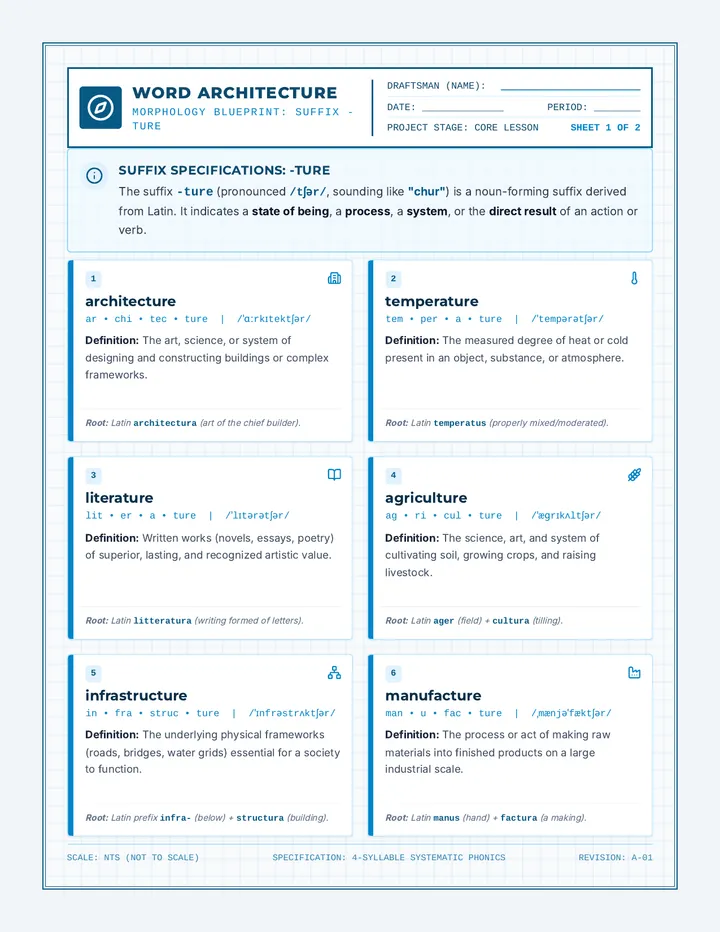
A visual presentation for the Aspect Artistry lesson, featuring an embedded Khan Academy video, conceptual diagrams of verb aspects, and activity instructions.
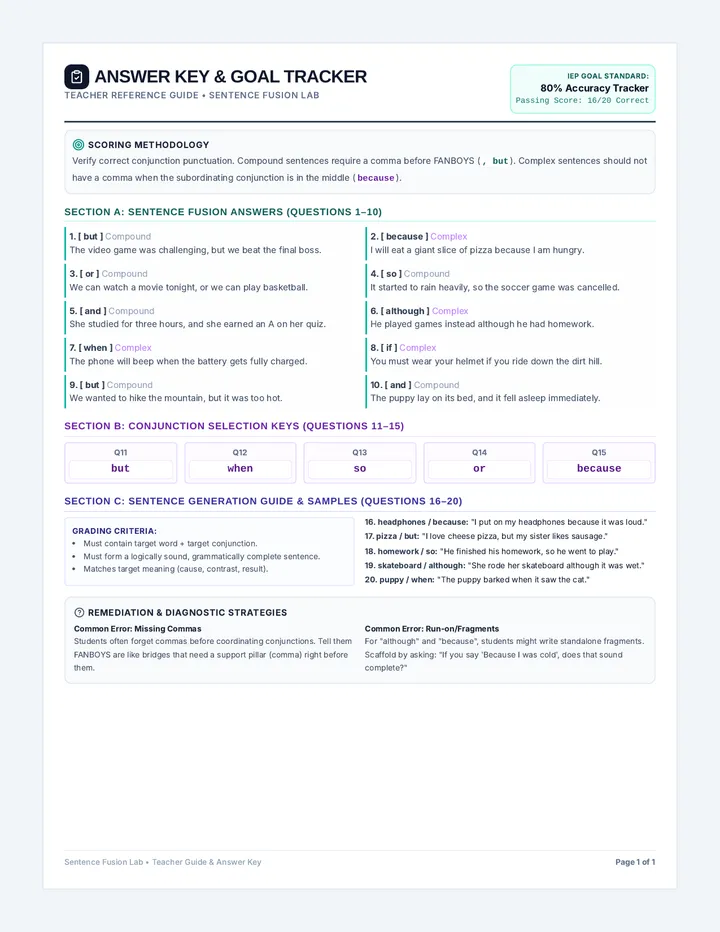
Detailed answer key and grading rubric for the Claim Check Worksheet, including rationales for multiple-choice questions and a high-quality exemplar for the open-ended response.
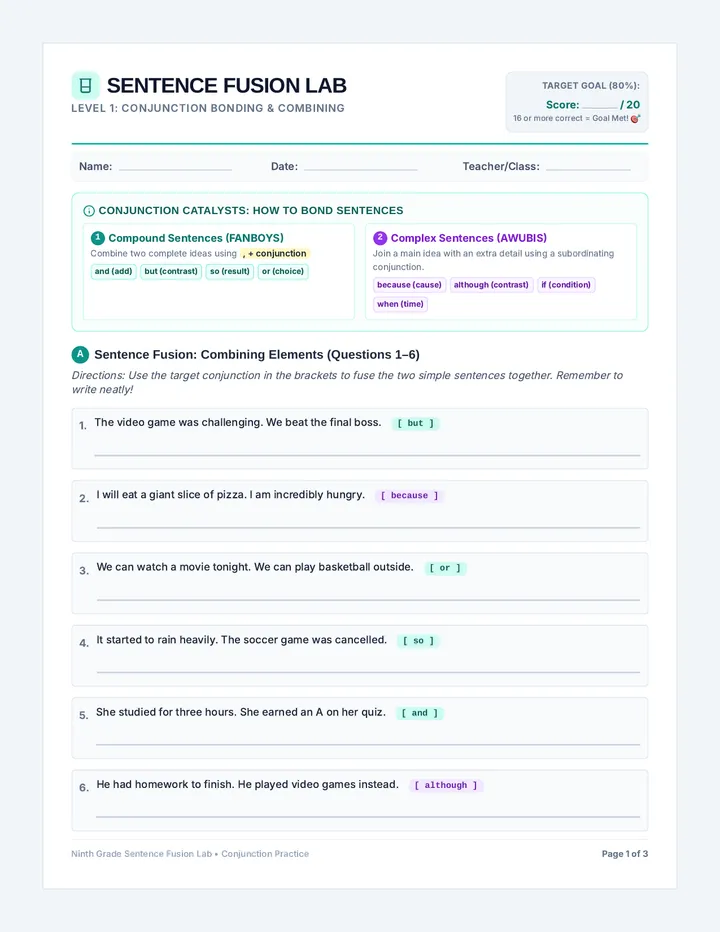
A comprehensive student worksheet containing the full reading passage, 6 multiple-choice questions, and one open-ended response question based on the social media claims text. Includes a structured OER workspace with handwriting lines and proper page-break management for printing. Content is optimized to keep the passage on a single page.
An on-grade level (Lexile 900-1100) non-fiction text about the impact of social media on teen mental health. Includes a vocabulary spotlight and professional formatting for student reading.
Engaging 16:9 slide presentation for an 8th-grade ELA lesson on author's claims. Features a modern "Digital Pulse" aesthetic, definitions of the CER framework, and guided practice examples. Content is strictly contained within slide boundaries for clean presentation.
Comprehensive teacher's guide for the 8th-grade ELA lesson on finding author's claims, including NYS standards alignment, a 50-minute lesson flow, and differentiation strategies.
A teacher's guide for the newspaper lesson, including objectives, pacing, ESL differentiation strategies, and facilitation tips.
A comprehensive handout for ESL students providing sentence frames, key journalism vocabulary, and a self-editing checklist.
A 4-slide digital newspaper template designed for student input, featuring sections for news, interviews, sports, weather, and fun content.
An instructional slide presentation introducing journalism basics, newspaper sections, and the mission for the day.
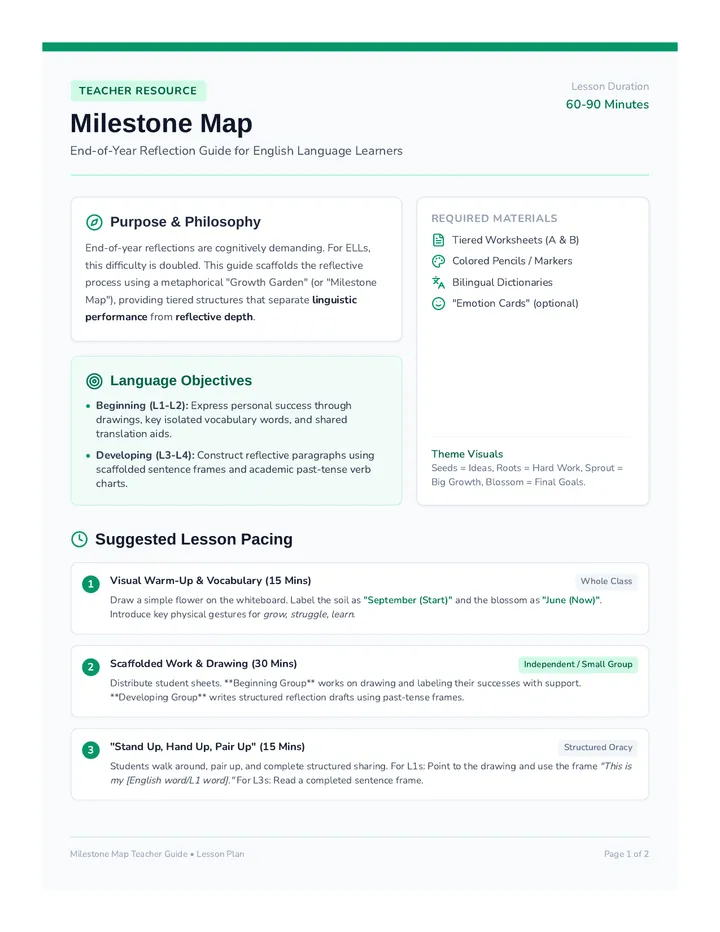
A teacher facilitation guide for the Global Voice newsletter project, providing learning objectives, pacing suggestions, and specific scaffolding strategies for 8th Grade ELL students.
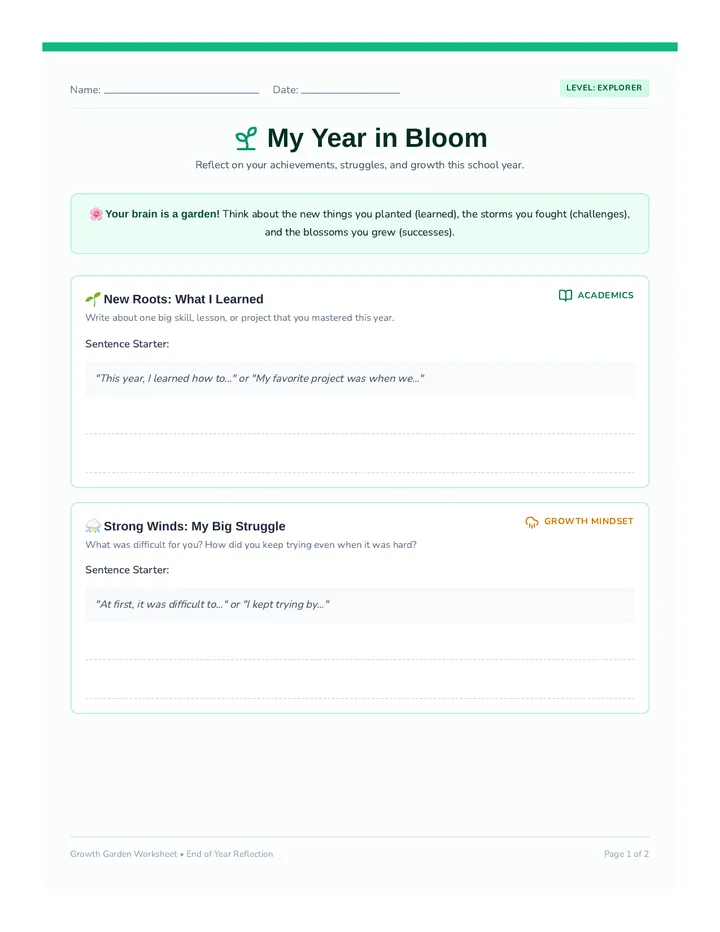
An 8th Grade ELL newsletter template for informational writing, featuring structured sections for national/international news, sports, weather, interviews, and more, with clear instructional prompts and space for images.
A 25-minute library scavenger hunt activity where students use book covers, blurbs, and opening lines to make logical inferences. Formatted as a 'Confidential Archive' search. Now optimized for a single-page layout with higher contrast.
A teacher guide providing instructional strategies and implementation tips for helping a 9th-grade student with a 6th-grade writing level expand their essay details. It includes specific scaffolding techniques and a walkthrough of the accompanying materials.
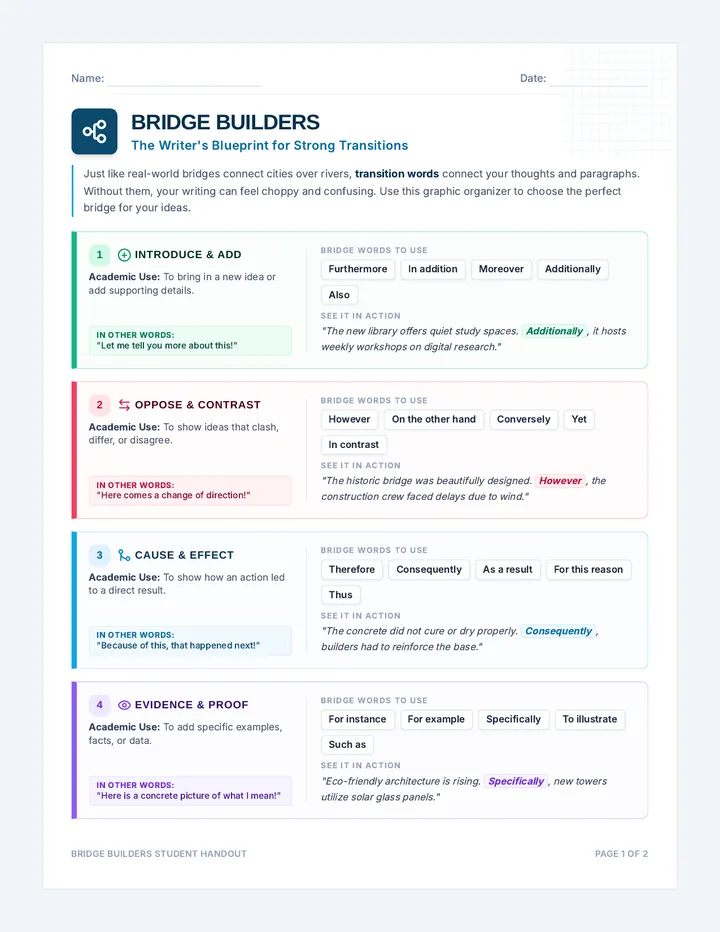
A reference 'cheat sheet' for students to help them improve word choice and sentence structure. It includes synonym swaps, sentence starters for examples, and techniques like adding 'because', adjectives, or context ('when/where') to expand simple sentences.
A brainstorming worksheet designed to help students expand basic ideas from a graphic organizer into detailed paragraphs. It uses a structured three-step 'Stretch' process: identifying the main point, adding sensory details, and explaining the significance.
A slide deck designed to teach 9th-grade students with IEP goals how to add detail to their writing. It covers techniques like 'Show, Don't Tell', sensory details, and the 'So What?' factor to help transition from 6th-grade level writing to more descriptive high school work.
An updated answer key for the expanded Chapters 9 and 10 Hatchet worksheet, including all 10 new and existing questions.
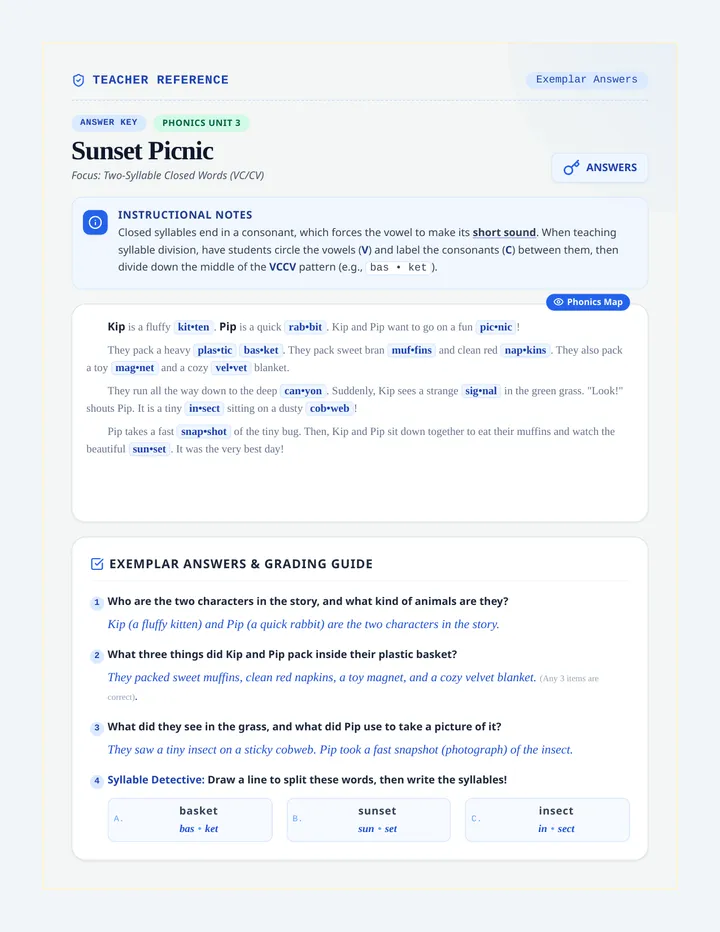
An expanded student worksheet for Chapters 9 and 10 of Hatchet, now featuring 10 targeted questions covering recall, inference, and conflict, plus a reflection, with clear handwriting lines for students.
A teacher's facilitation guide for the Spring Break Saga writing lesson, including objectives, hooks, and discussion prompts.
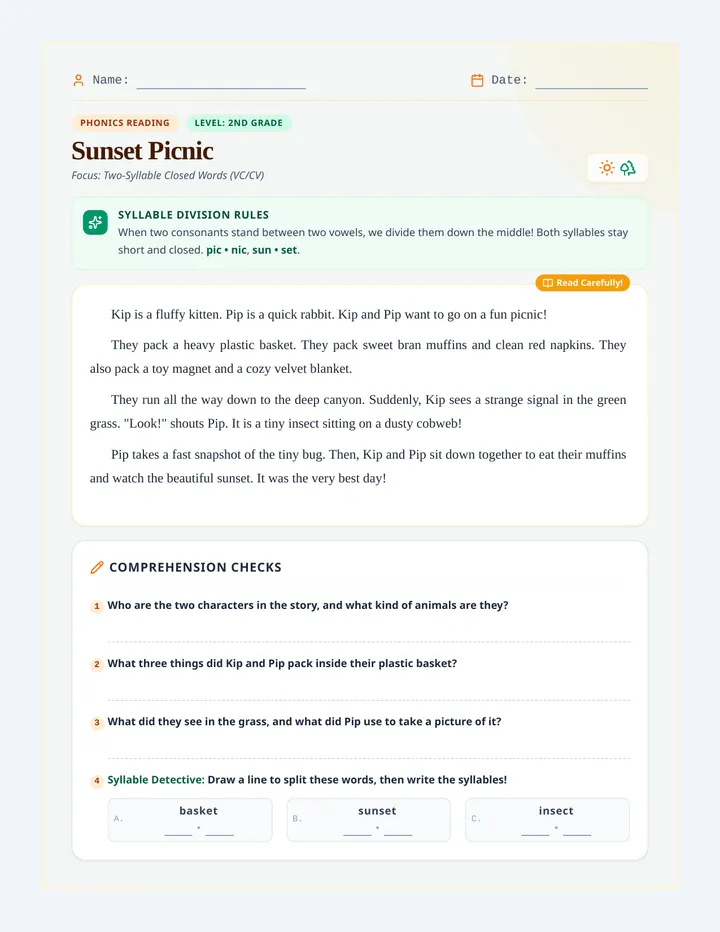
A creative narrative writing worksheet for 3rd graders featuring a mysterious suitcase prompt to spark spring break adventure stories.
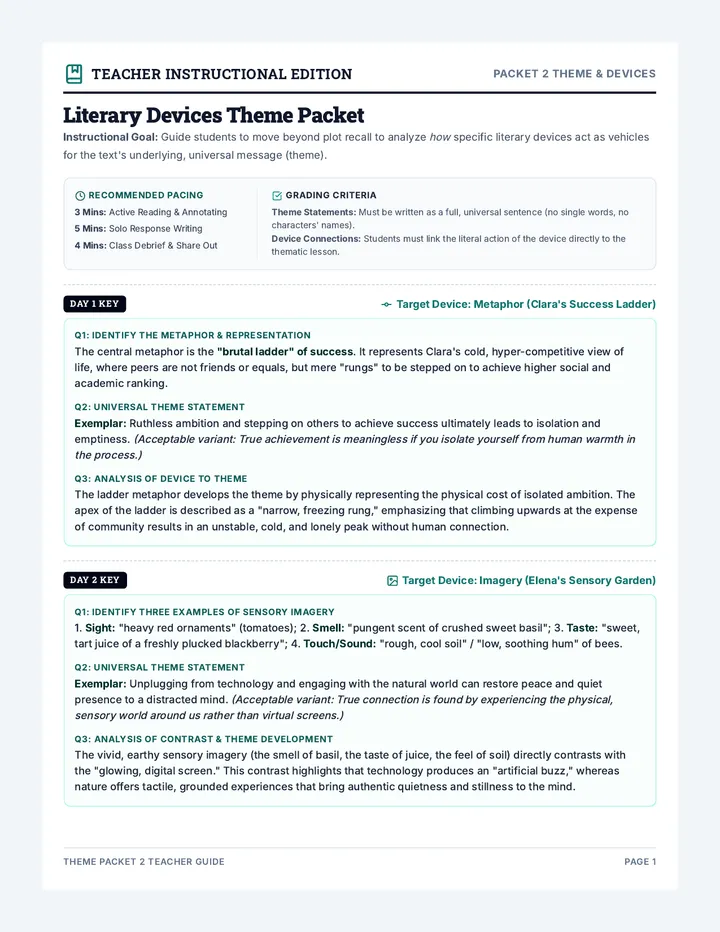
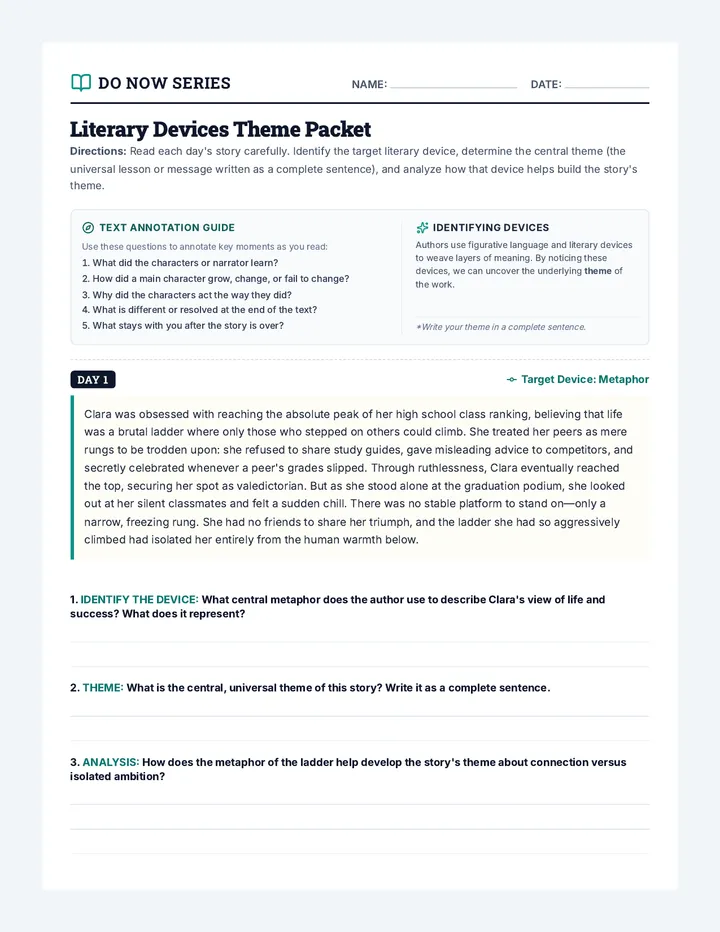
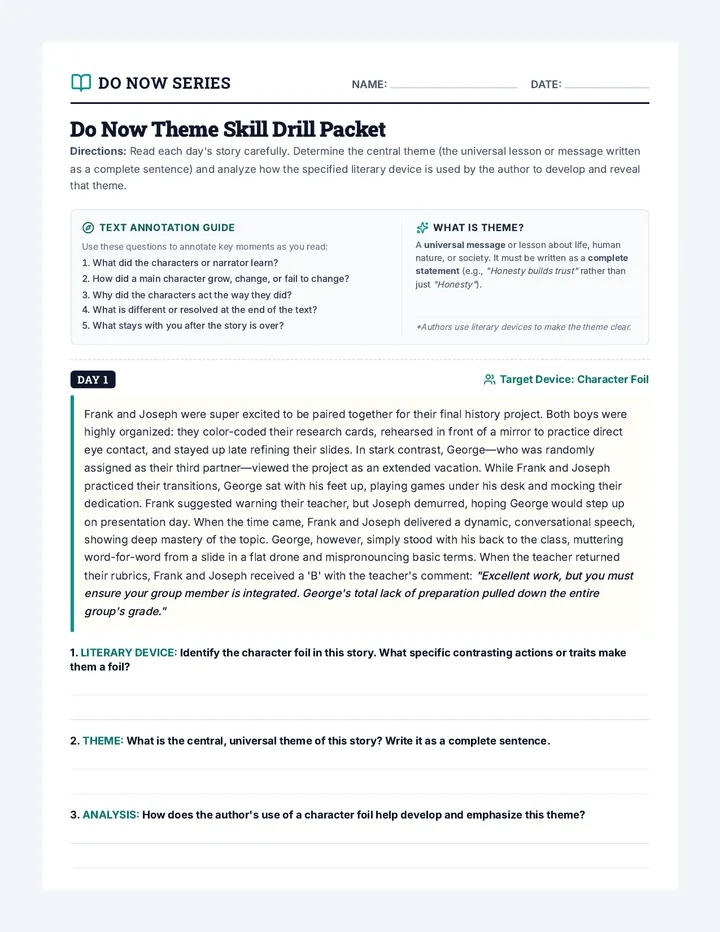
A teacher-facing exemplar and answer key for 'The Rose That Grew from Concrete'. Includes a scratch paper model for figurative analysis, multiple-choice rationale, and a high-quality model response for the theme-based constructed response question.