Assessment for Unit 9A covering DNA function, hierarchy of genetic structures, and inheritability. Fully realized with 10 questions, professional styling, and ruled writing areas.
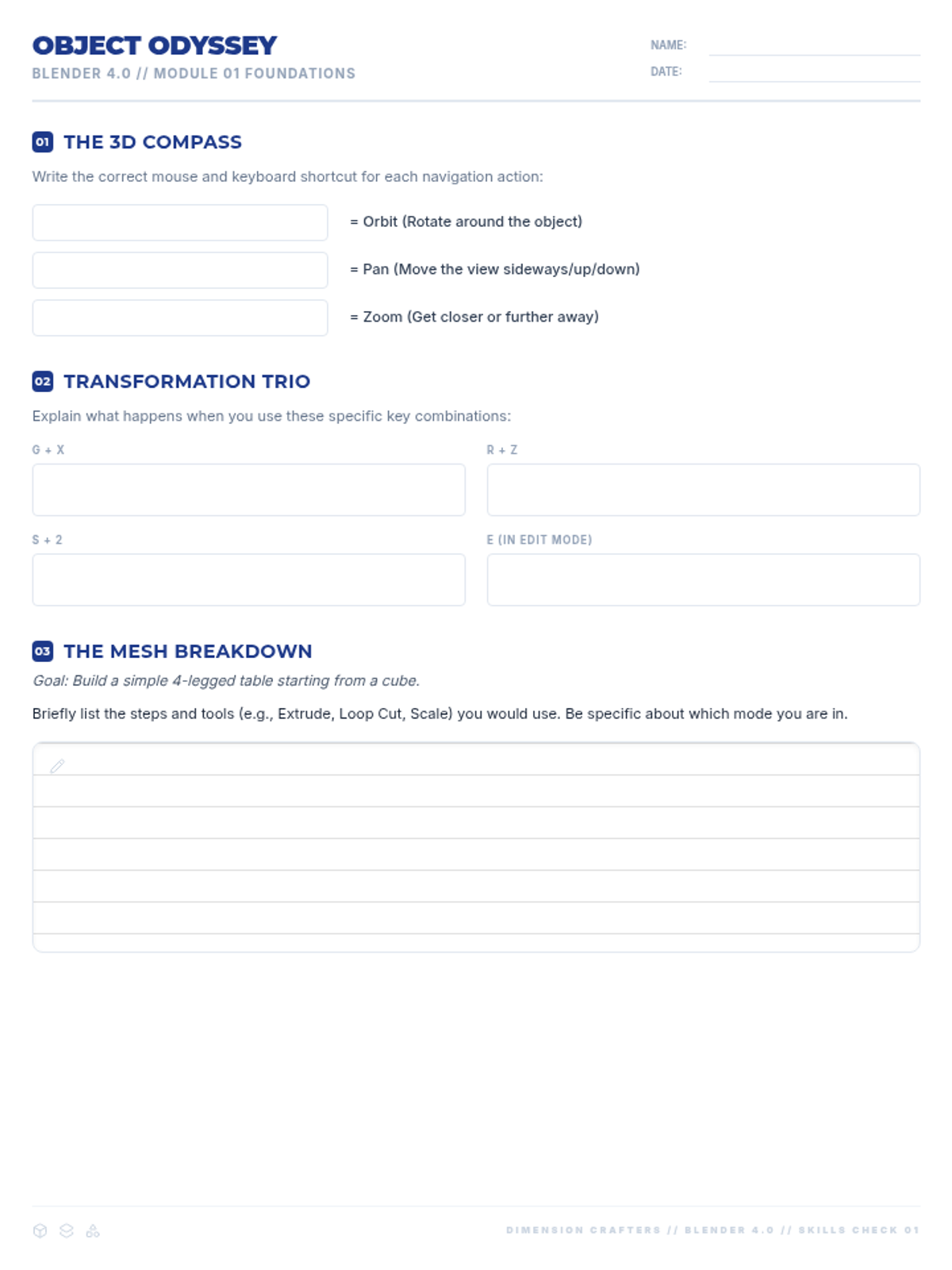
A student practice worksheet to assess understanding of Blender 4.0 navigation, transformation shortcuts, and conceptual modeling steps for a simple object.
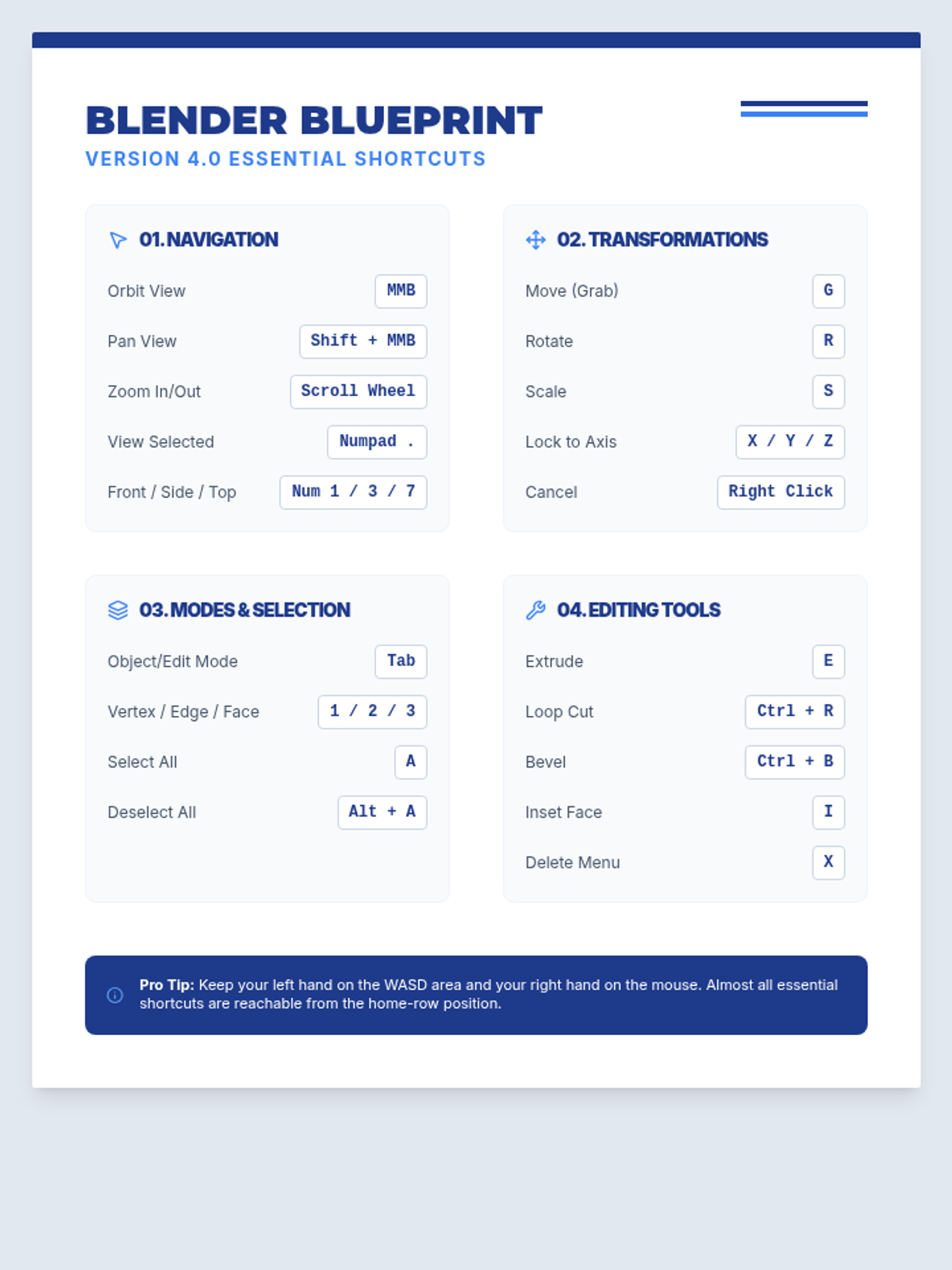
A clean, blueprint-styled shortcut reference sheet for Blender 4.0, categorized by navigation, transformations, modes, and editing tools.
A 6-slide presentation covering Blender 4.0 navigation, object mode transformations (G,R,S), and essential edit mode tools (Extrude, Loop Cut) with high-contrast visuals and clear shortcut keys.
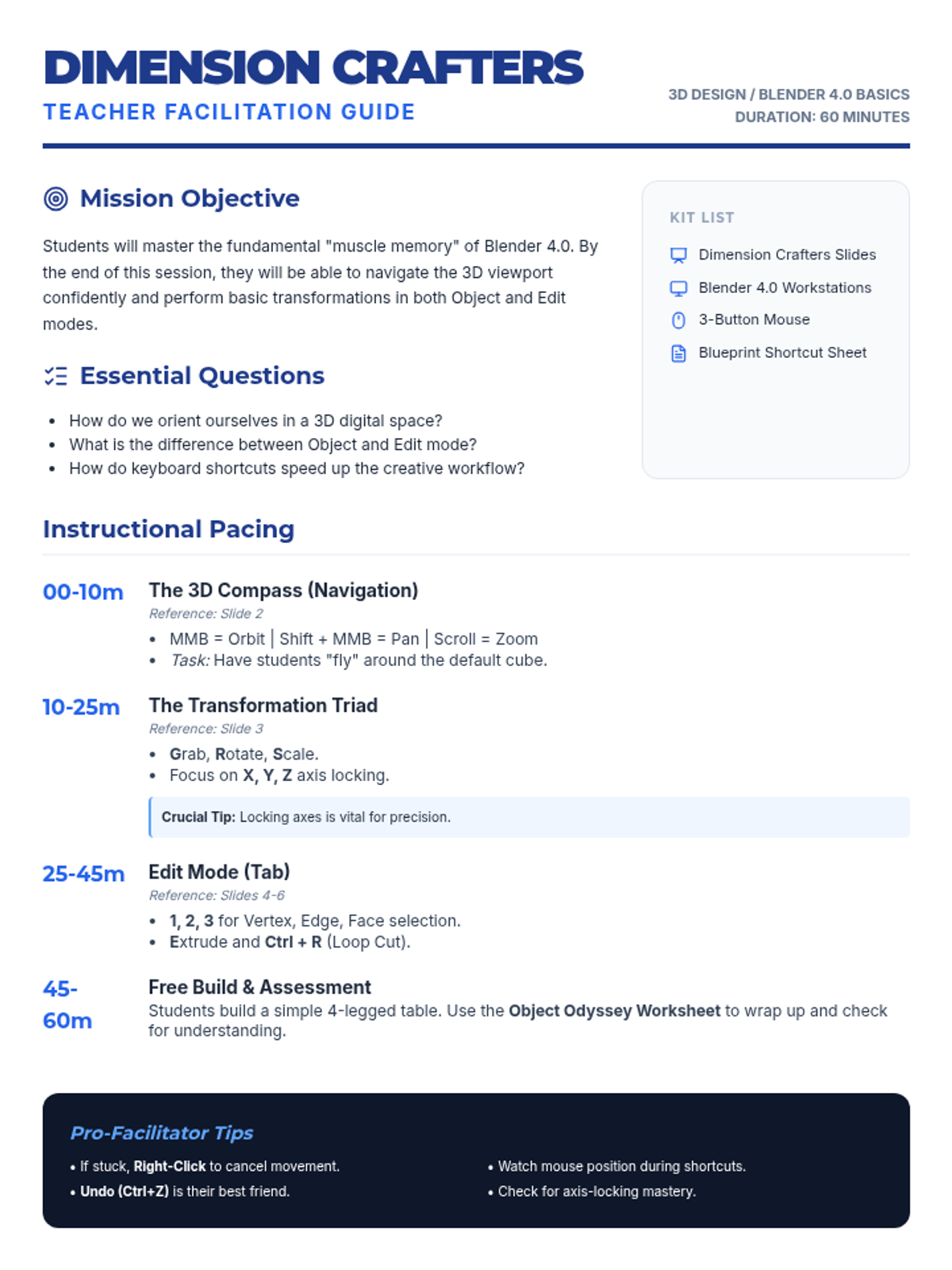
A comprehensive teacher's guide for the Dimension Crafters lesson, including learning objectives, a kit list, and a 60-minute instructional timeline for Blender 4.0 basics.
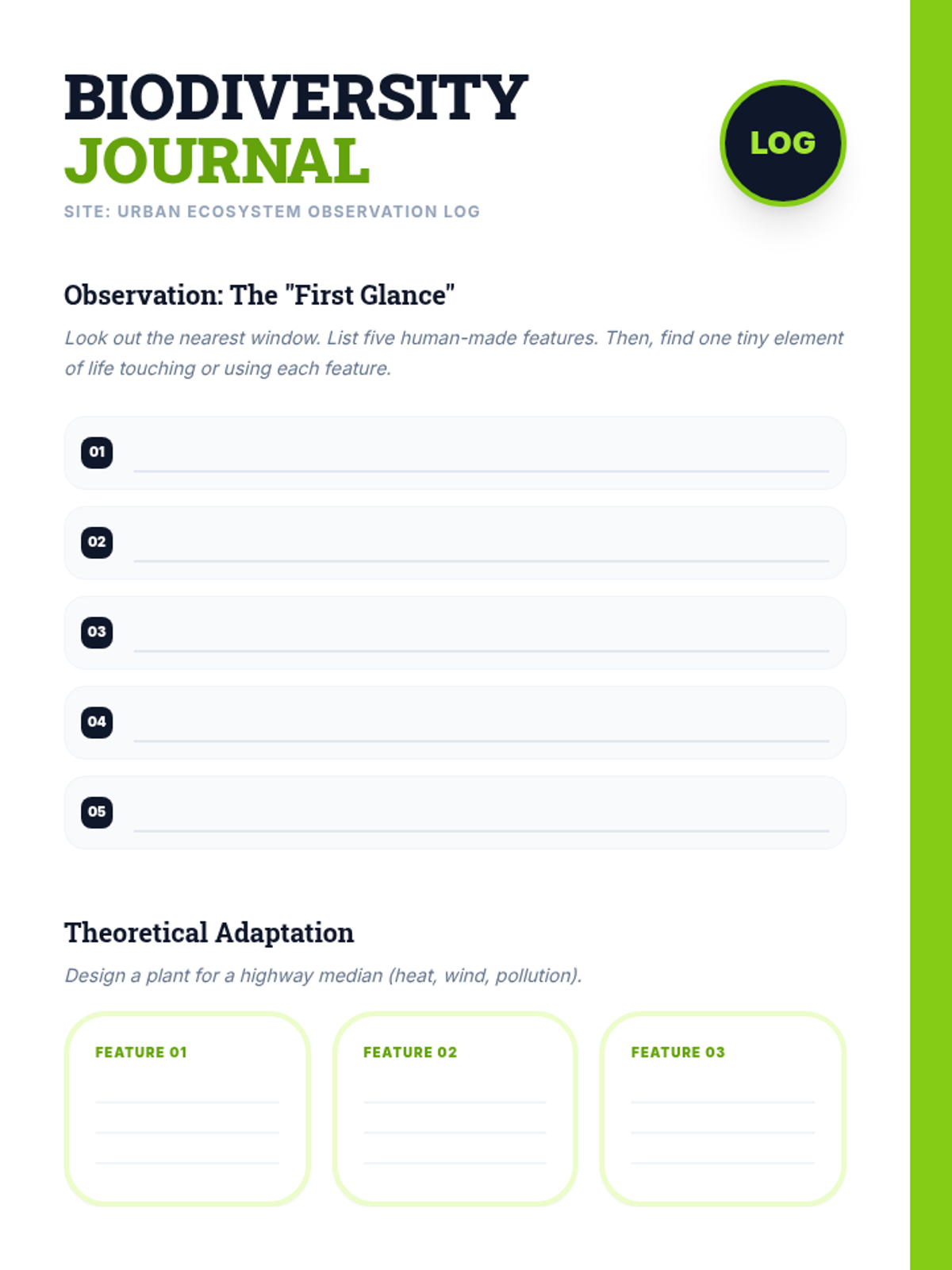
A student-facing reflection journal with prompts for initial observations, adaptation theory brainstorming, and a final synthesis report on urban biodiversity findings.
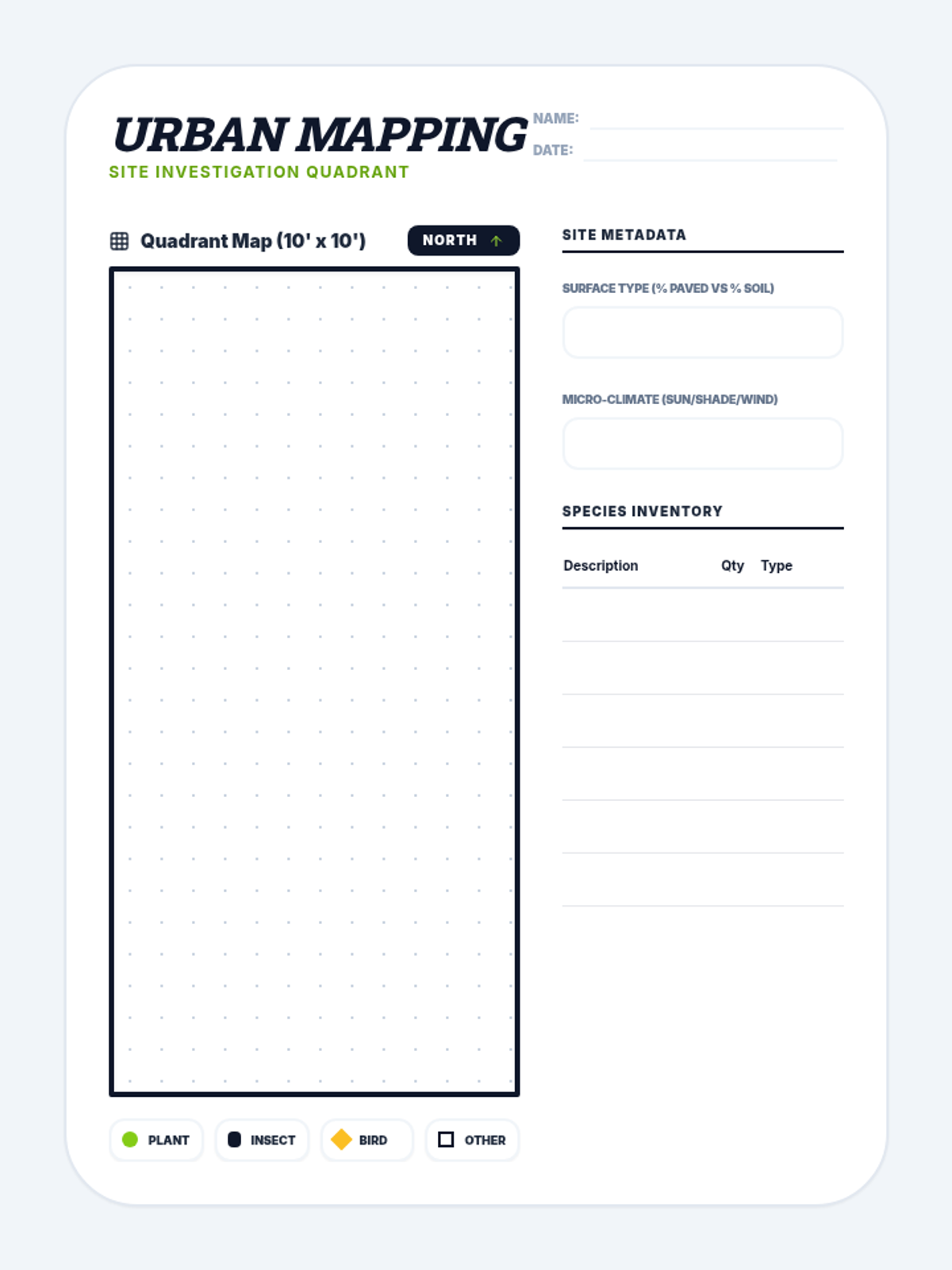
A 2-page field investigation worksheet providing a grid for quadrant mapping, a species inventory tally, and a structured analysis section for calculating biodiversity scores.
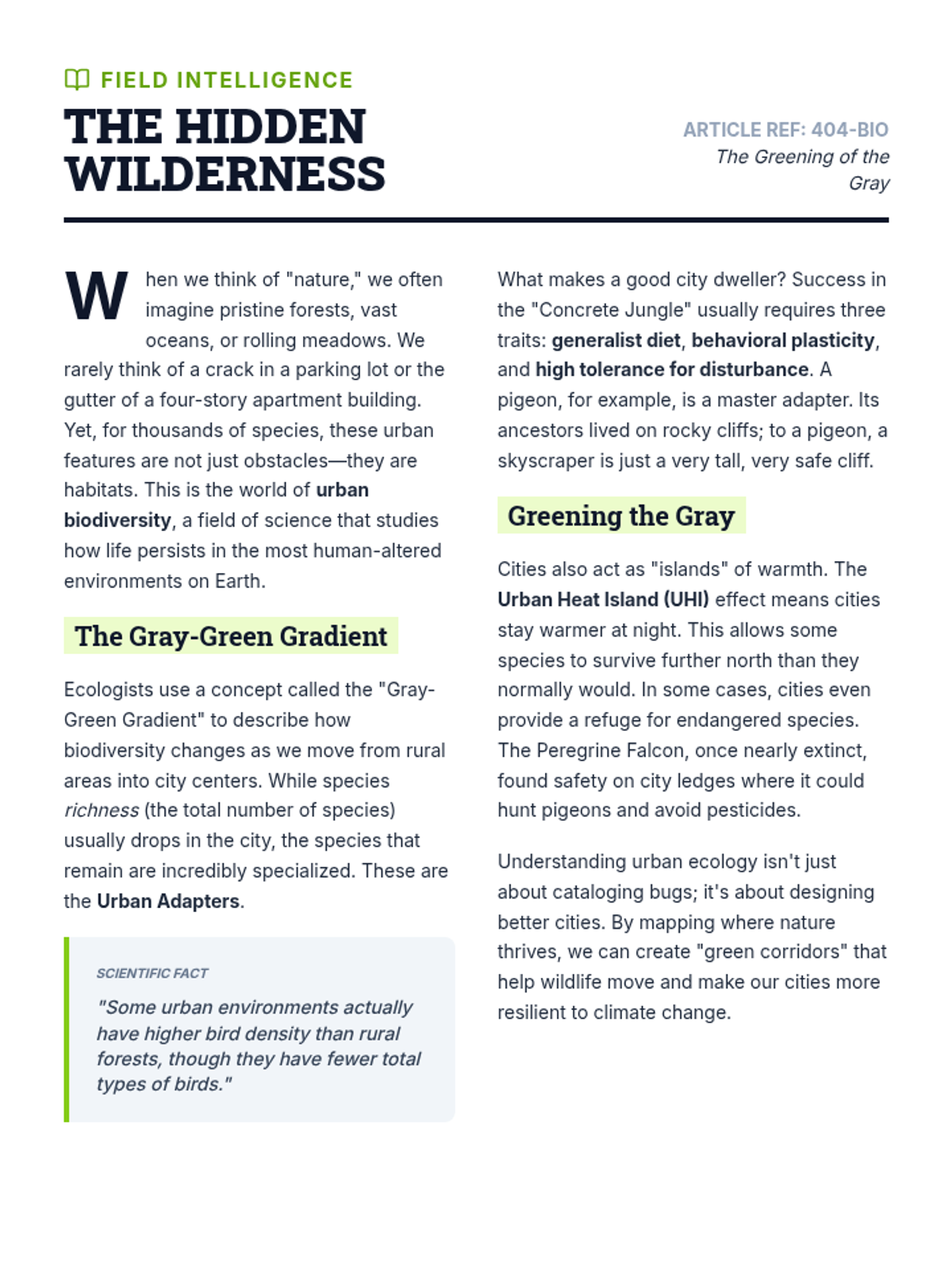
An informational reading passage for students exploring the concepts of urban ecology, the Gray-Green Gradient, and behavioral traits that allow species to thrive in human-altered environments.
A visually striking 5-slide presentation introducing urban biodiversity concepts, the heat island effect, and the classification of urban species (Avoiders, Adapters, Exploiters).
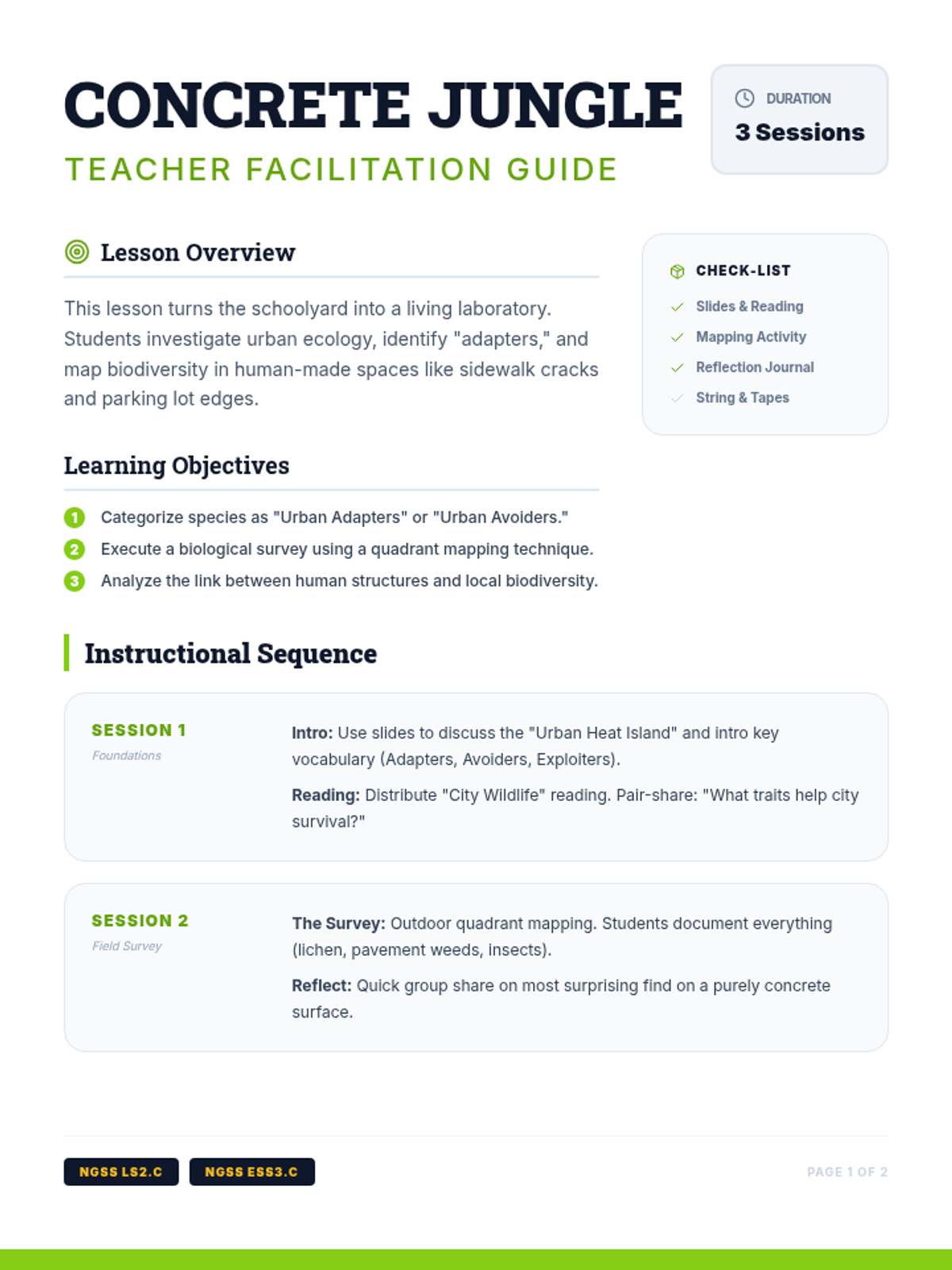
A comprehensive facilitator guide for the Concrete Jungle lesson, including a 3-day instructional sequence, NGSS alignment, and differentiation strategies for teaching urban biodiversity.
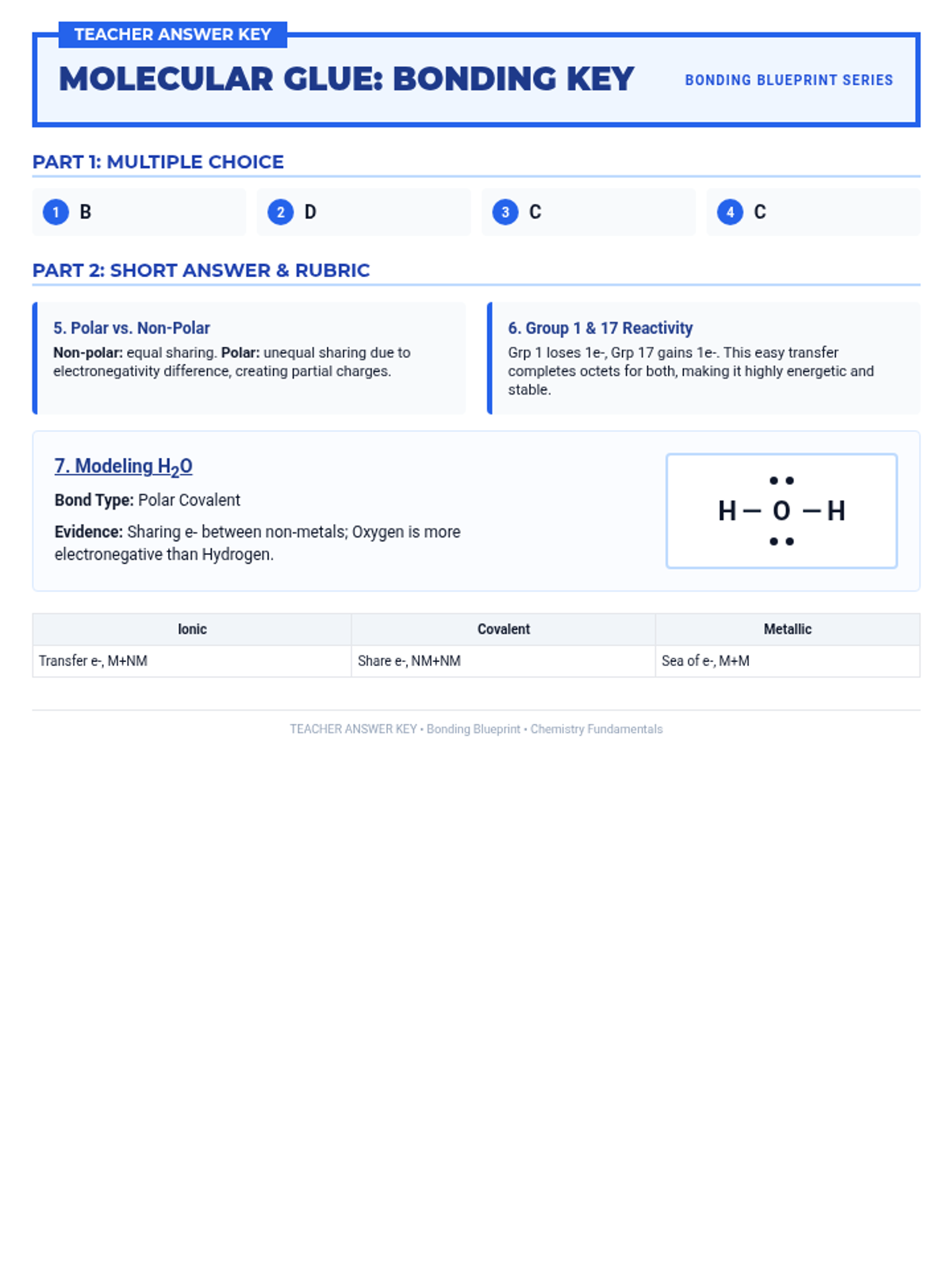
The teacher's answer key for the Molecular Glue Worksheet, including correct multiple-choice selections and suggested responses for short-answer questions. High-density layout optimized for single-page printing.
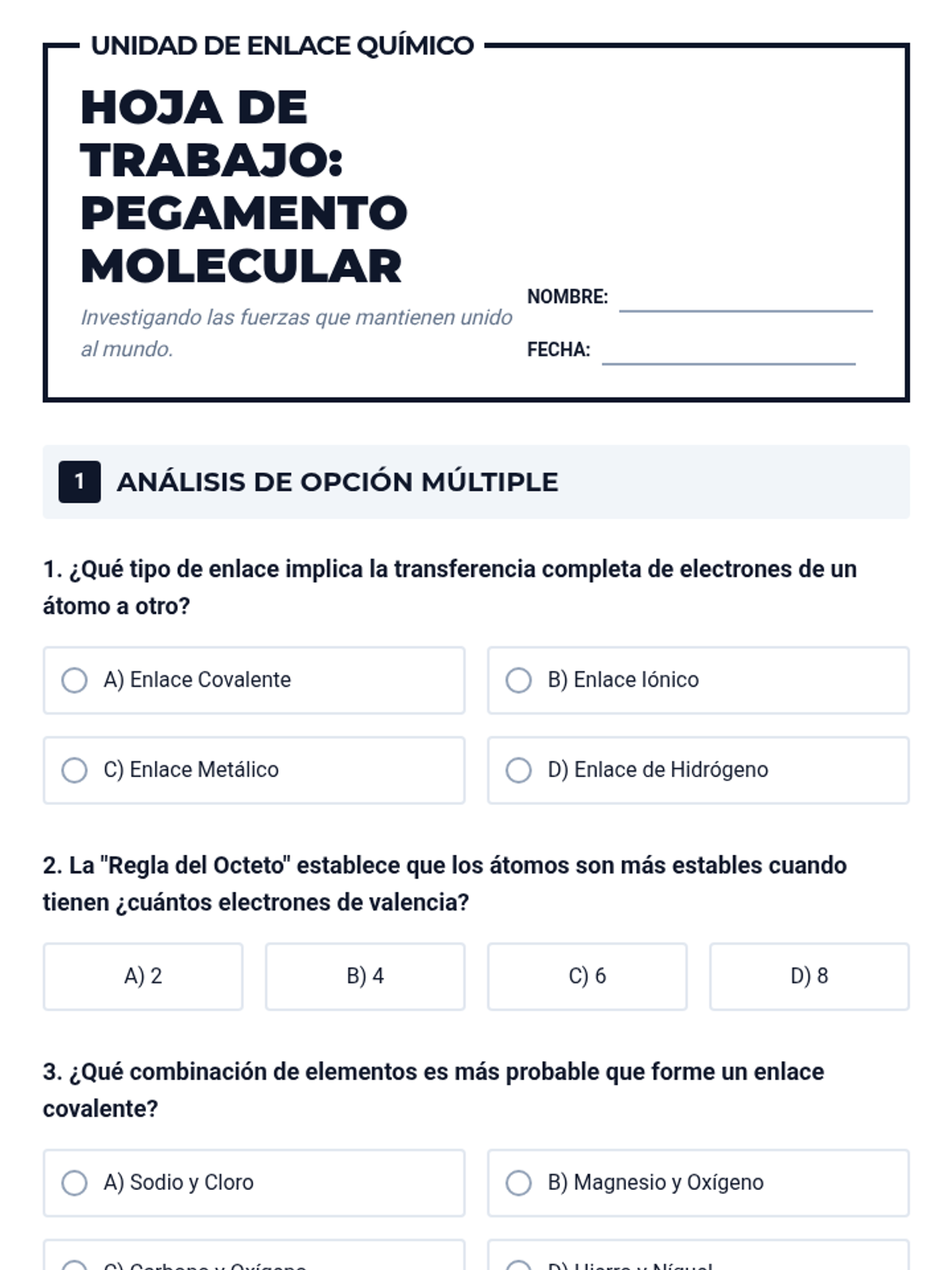
A practice worksheet for students covering chemical bonding, featuring multiple-choice questions and short-answer prompts to test understanding of ionic, covalent, and metallic bonds.
A set of instructional slides covering the fundamentals of chemical bonding, including ionic, covalent, and metallic bonds, the octet rule, and electron behavior. High-visibility instructional content.
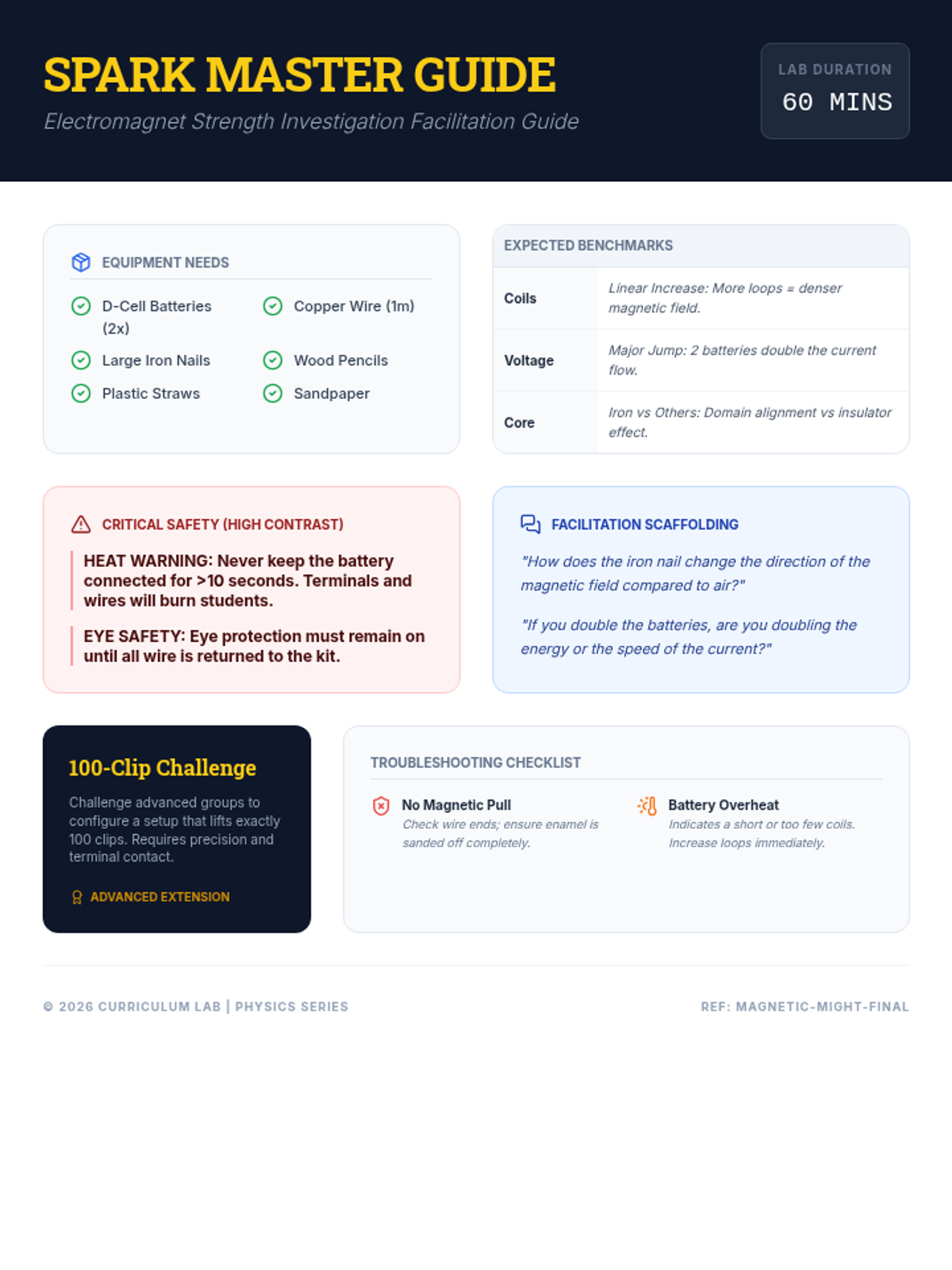
A comprehensive teacher's guide for the Electromagnet Strength Lab, including setup instructions, expected results, facilitation prompts, and safety warnings.
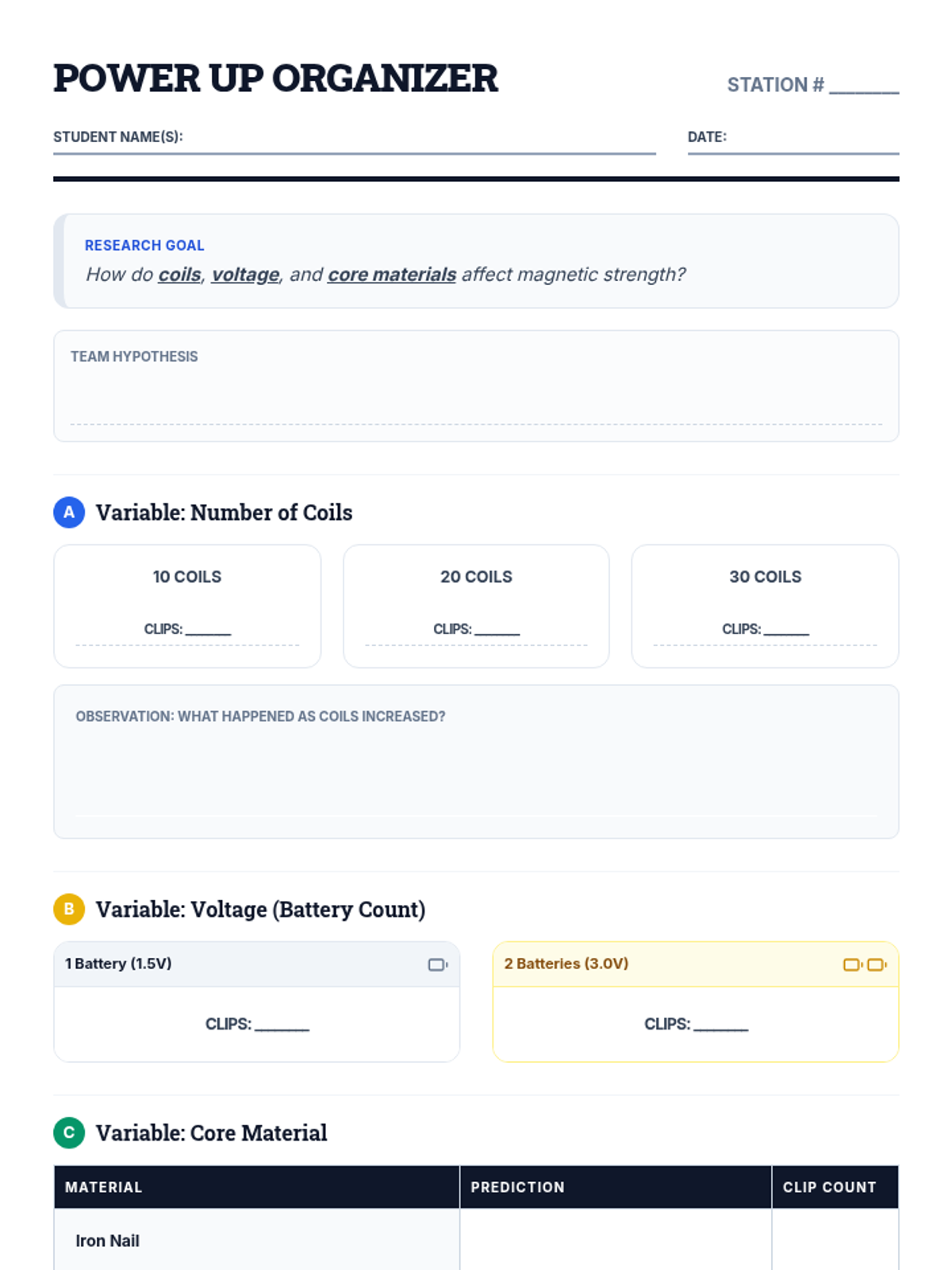
A structured graphic organizer for students to record data and observations from the Electromagnet Strength Lab, featuring dedicated sections for coils, voltage, and core materials.
A dynamic slide presentation to introduce the Electromagnet Strength Lab, covering key concepts, variables (coils, voltage, core), and safety protocols.
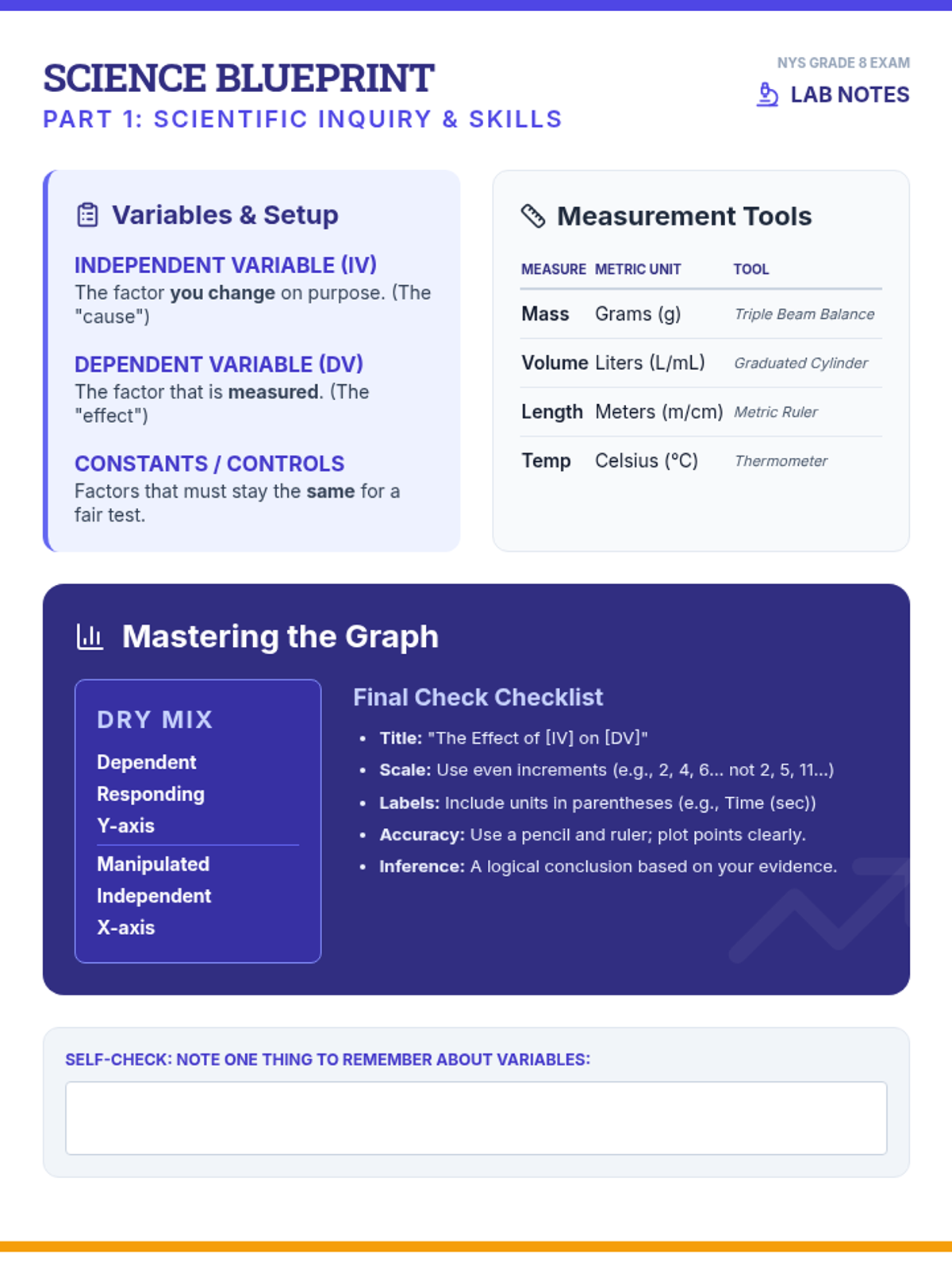
A fully optimized 4-page science study guide for the 8th-grade NYS science exam, featuring tight layout, fixed character encoding for chemical formulas with <sub> tags, improved student self-check areas, and clear domain summaries.
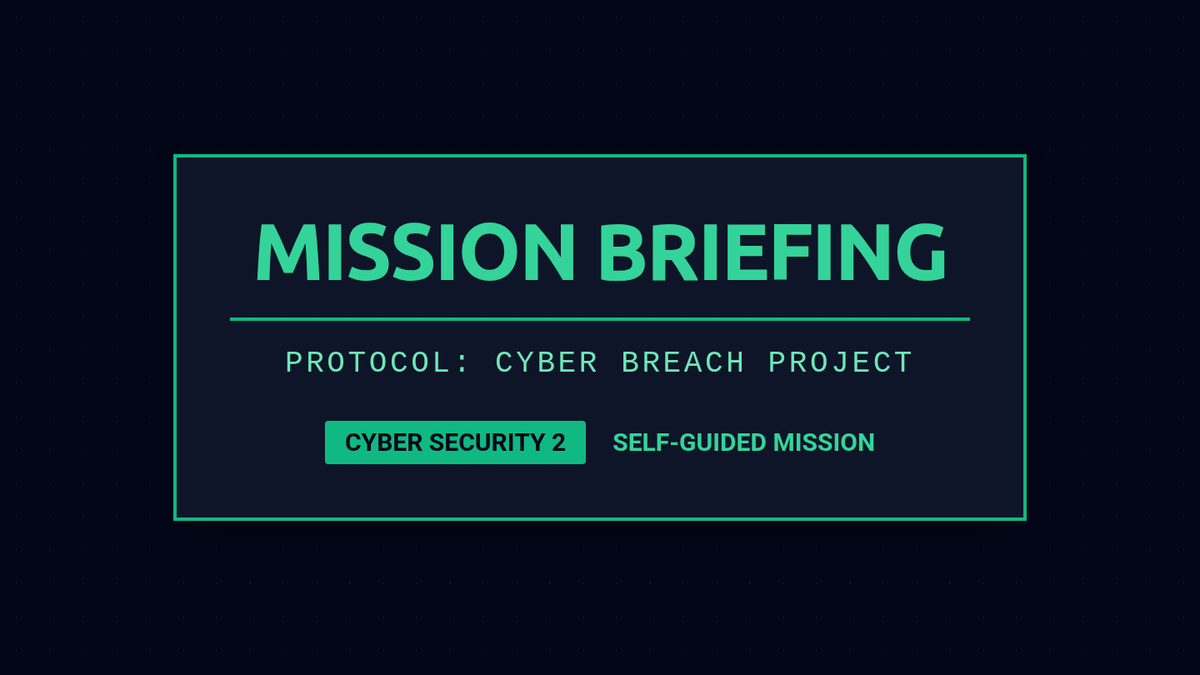
A set of introductory slides for the substitute to display, setting the project scenario, explaining requirements, and outlining Day 1 goals.
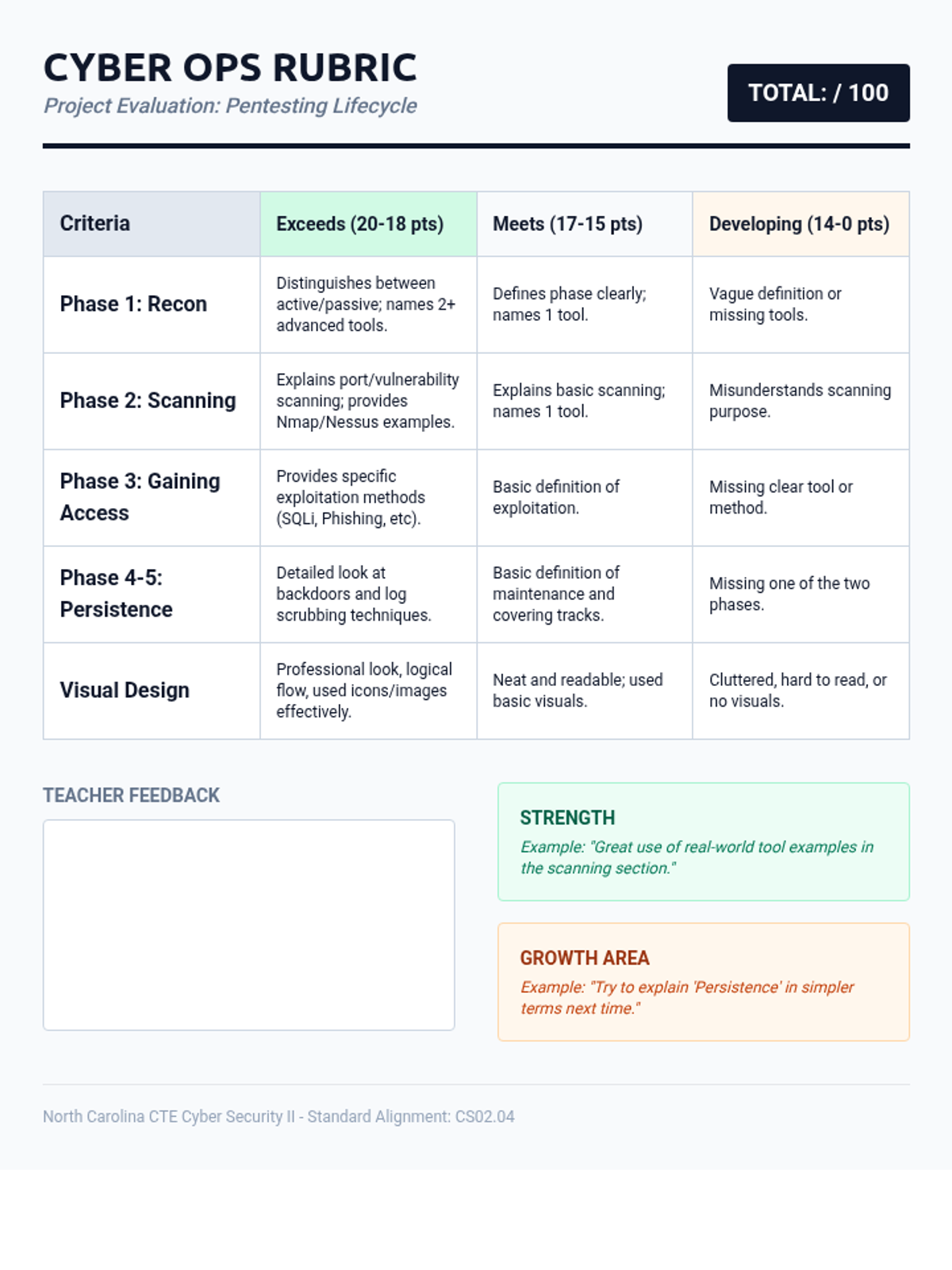
A grading rubric for the penetration testing project, focusing on technical accuracy, tool identification, and visual presentation.
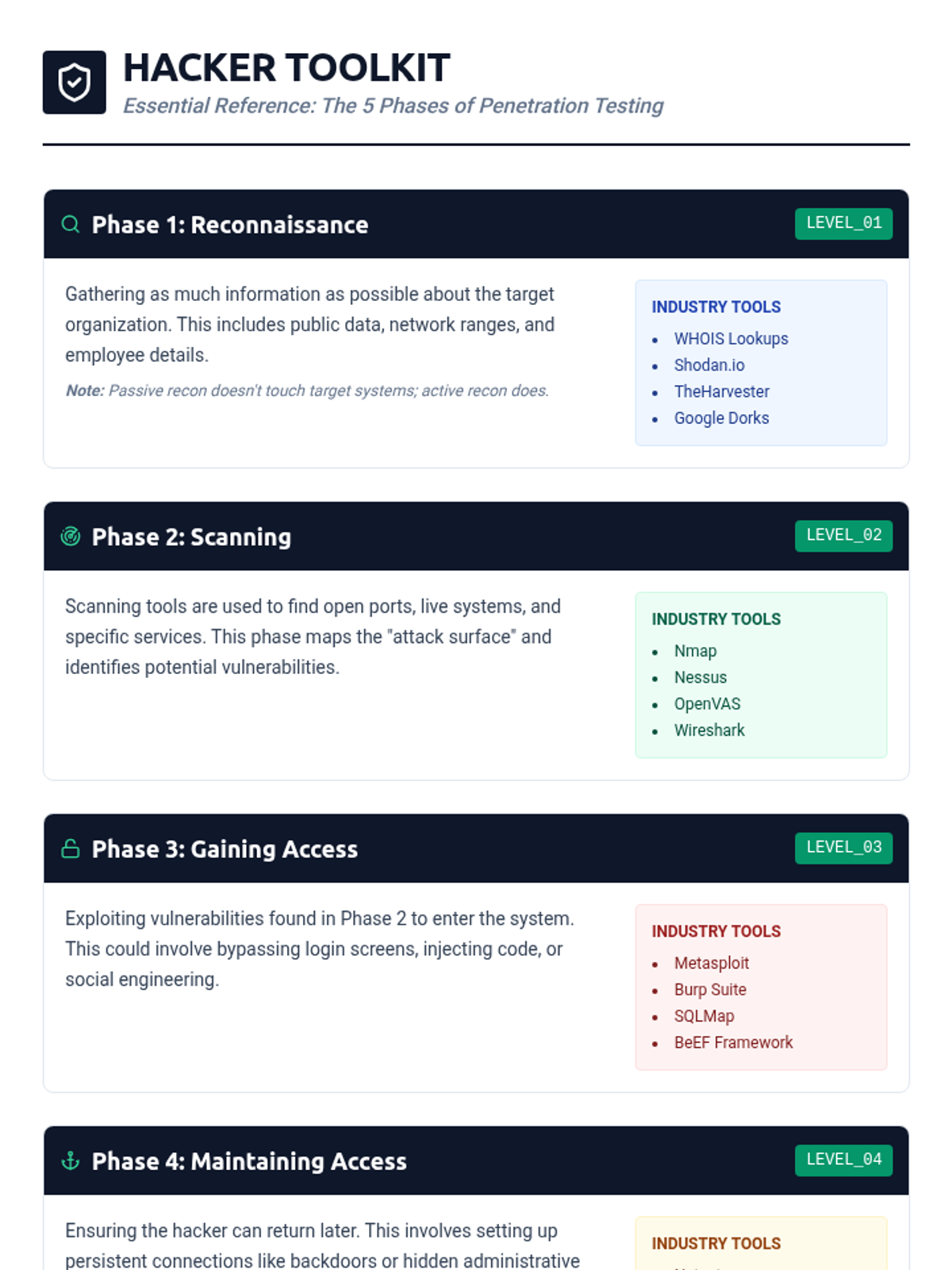
A detailed reference sheet defining the five phases of ethical hacking and listing common industry tools for each phase. Acts as a starting point for student research.
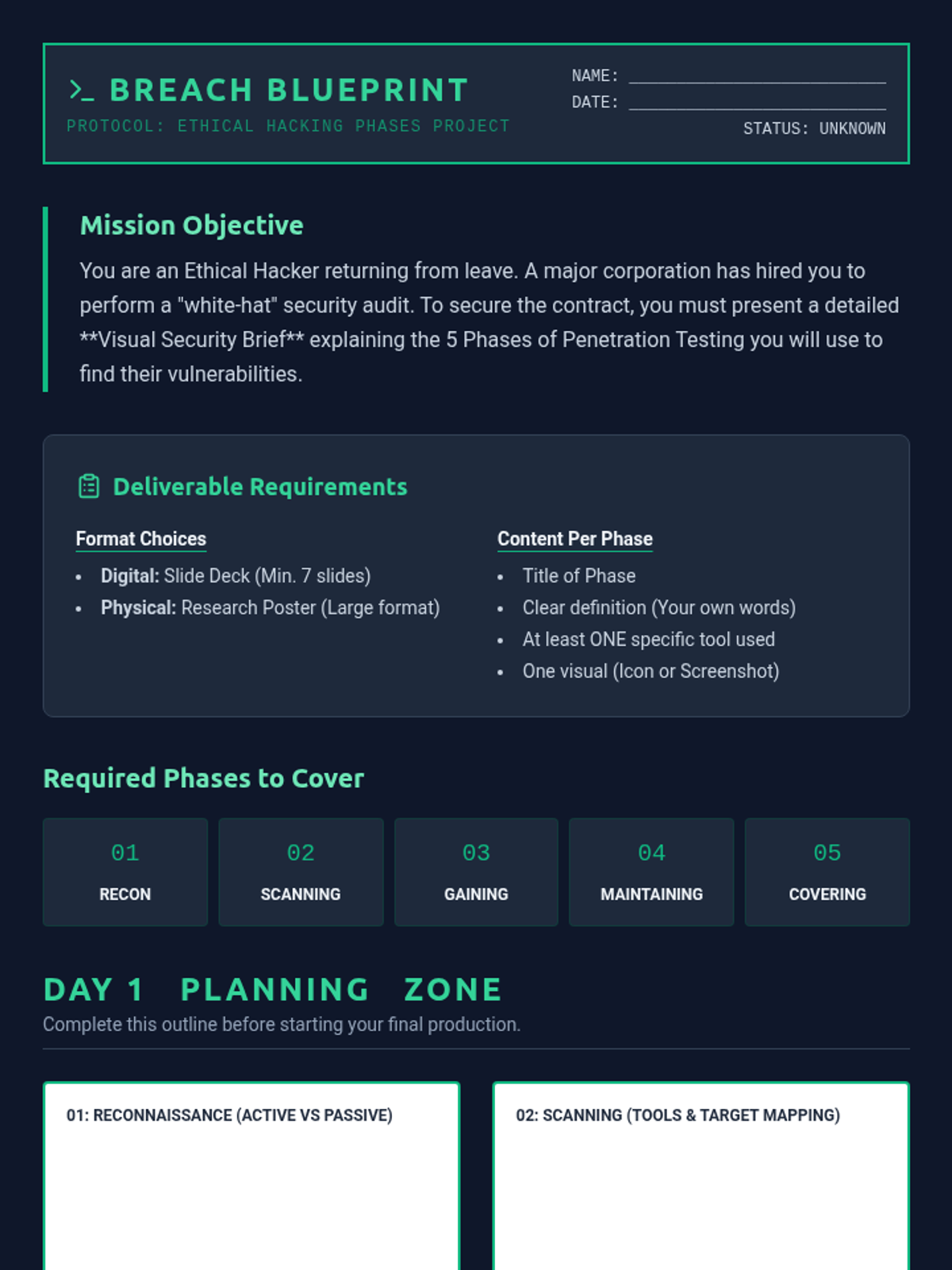
The core project document for students, featuring mission objectives, project requirements, a 5-phase checklist, and a structured planning area for Day 1 research.
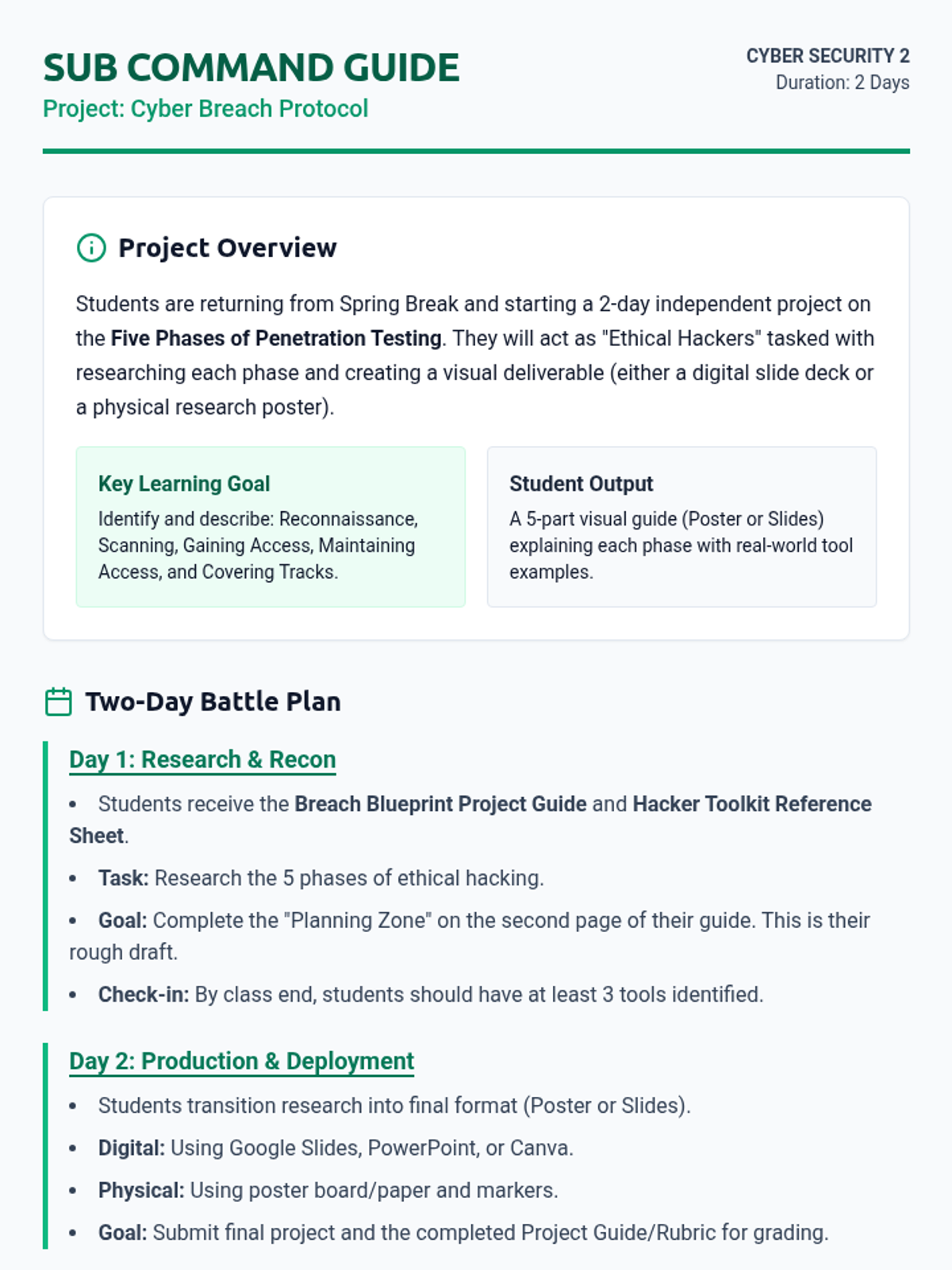
A facilitation guide for substitute teachers outlining the 2-day project schedule, key learning goals, and tips for student support.
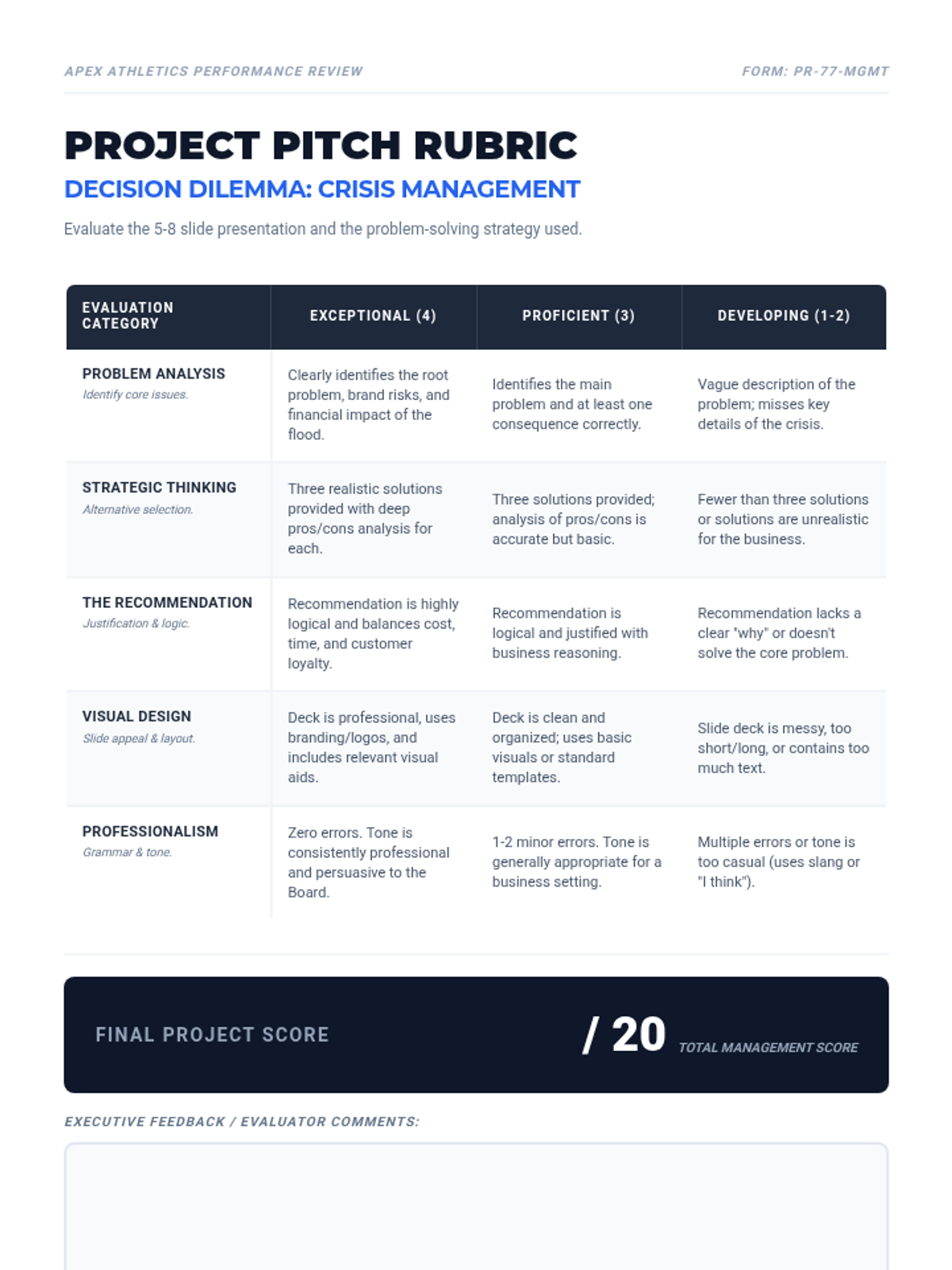
A professional assessment rubric for the 2-day management project. It evaluates students on problem analysis, strategic thinking, recommendation logic, slide design, and professionalism.