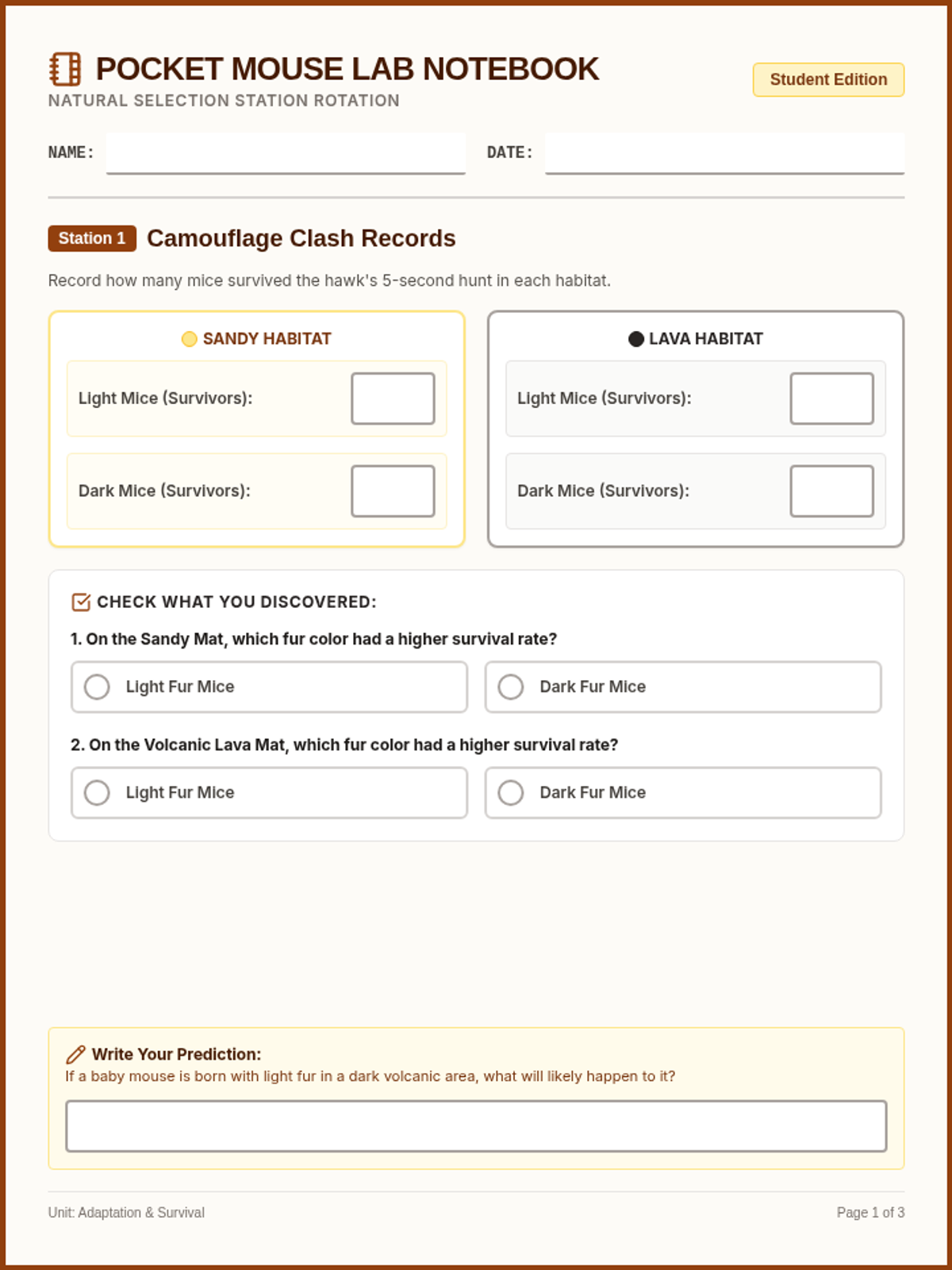
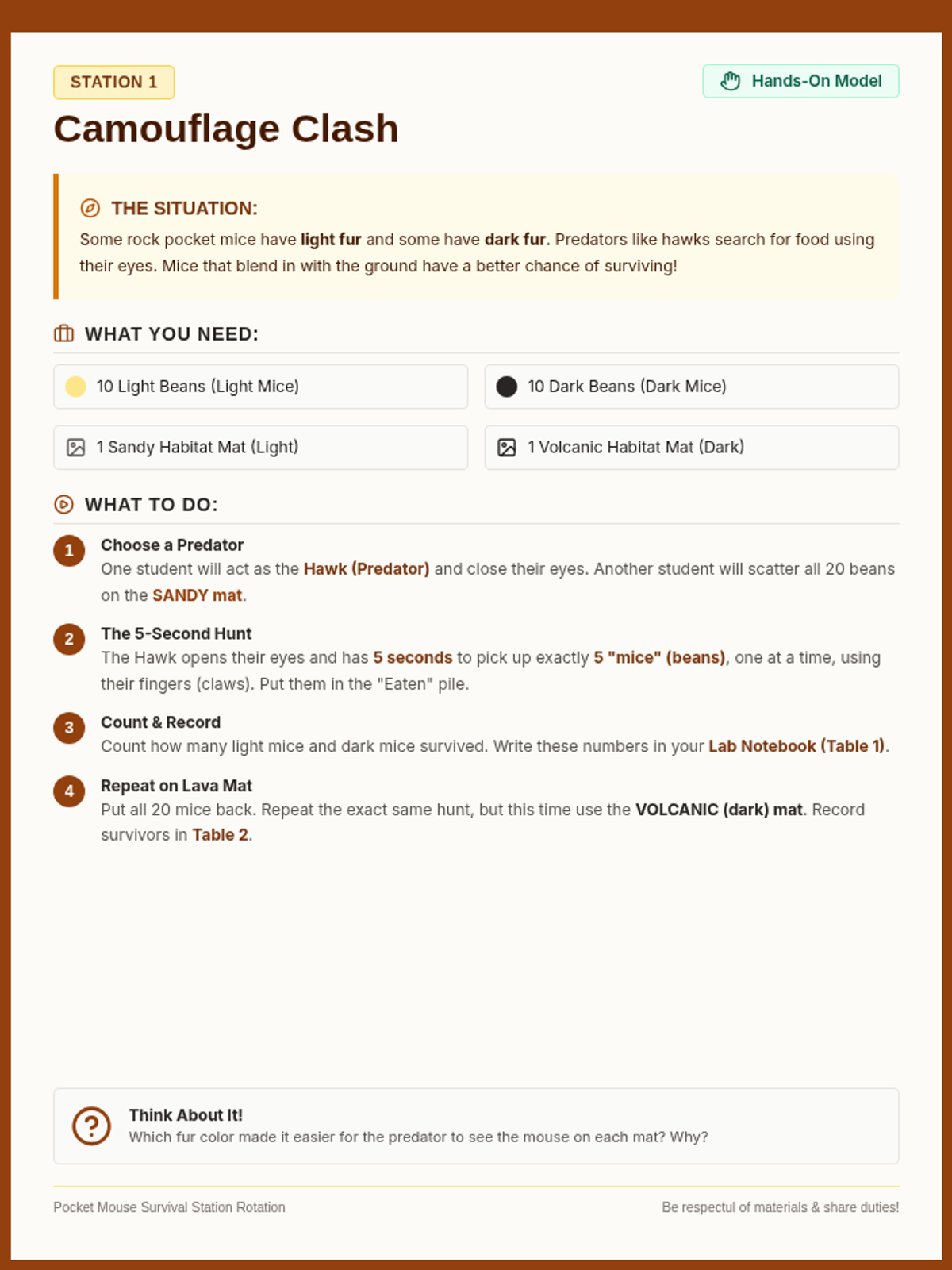
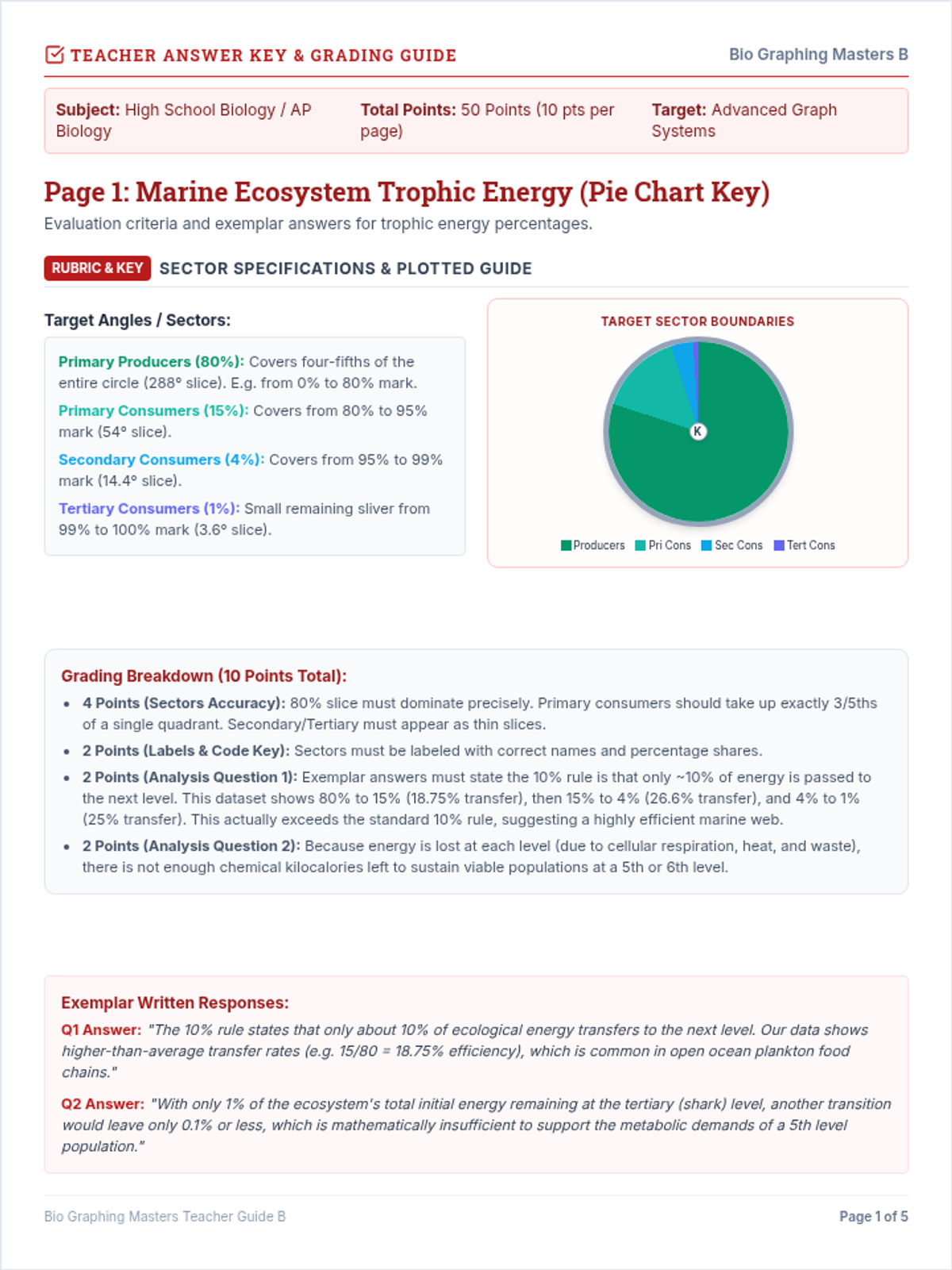
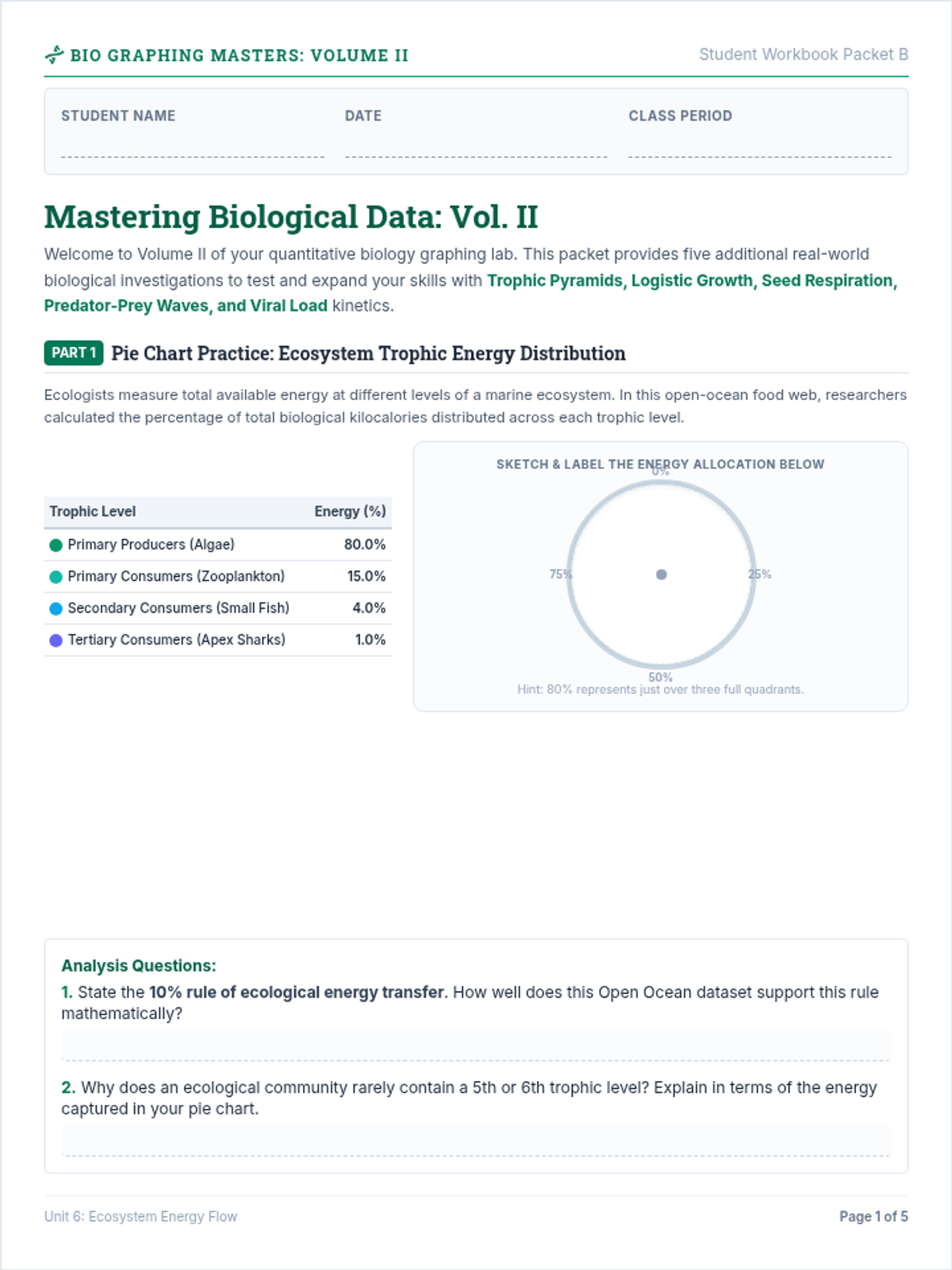
A set of instructional slides covering the fundamentals of chemical bonding, including ionic, covalent, and metallic bonds, the octet rule, and electron behavior. High-visibility instructional content.
An informational reading passage for AP Physics C students explaining the derivation and properties of the magnetic field inside a cylindrical solenoid. Covers symmetry arguments, turn density, and the application of Ampere's Law with a rectangular loop.
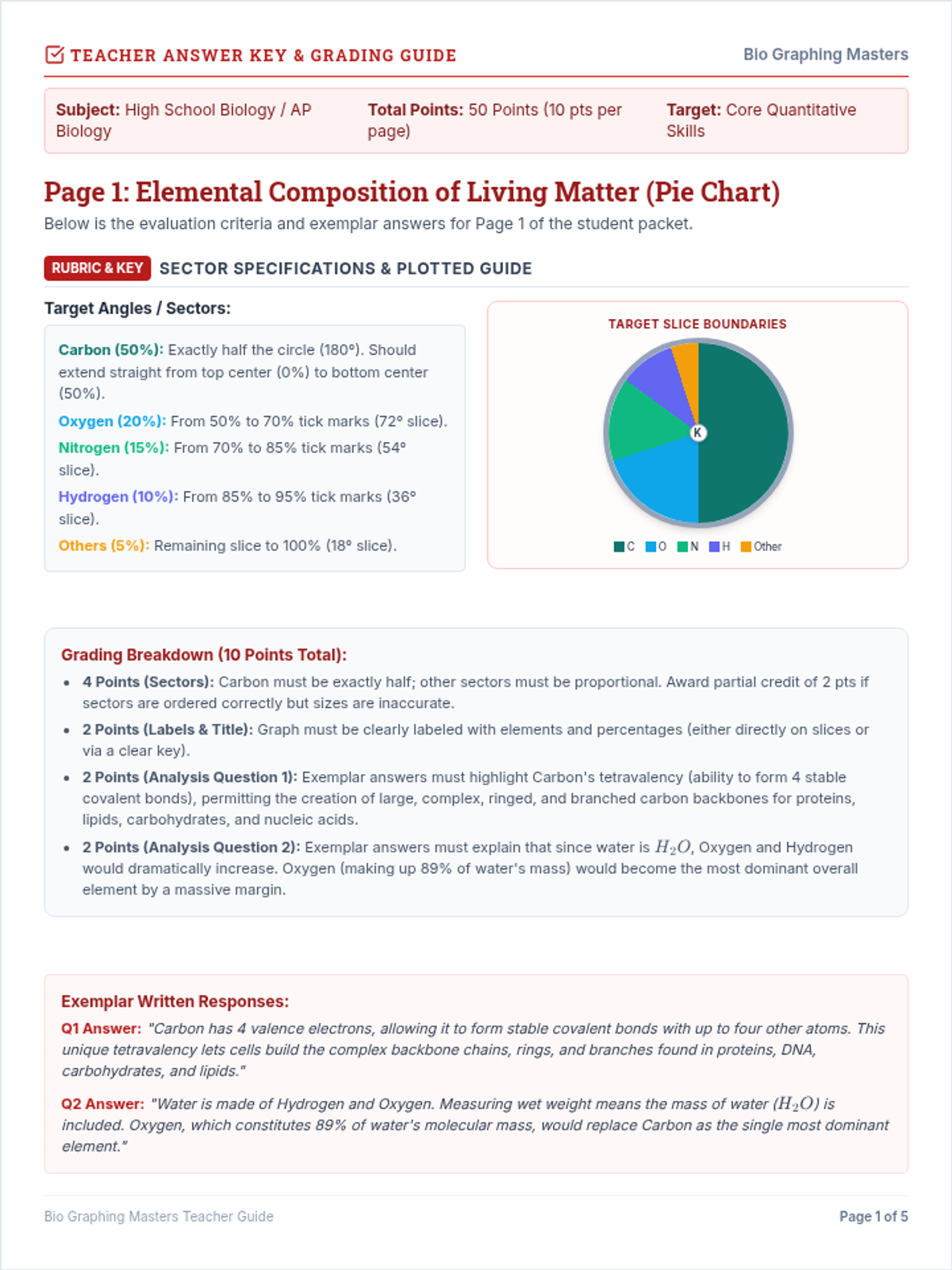
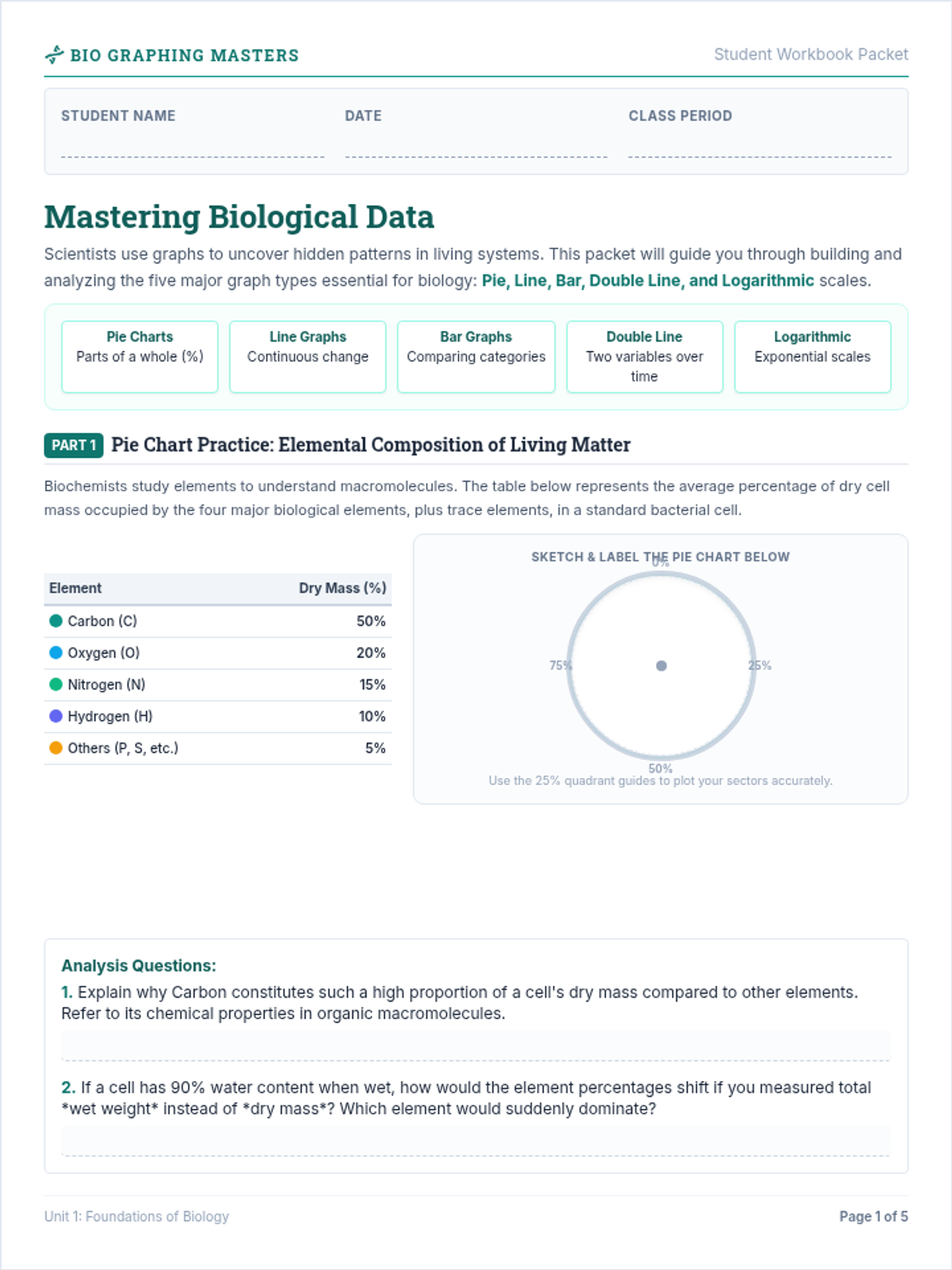
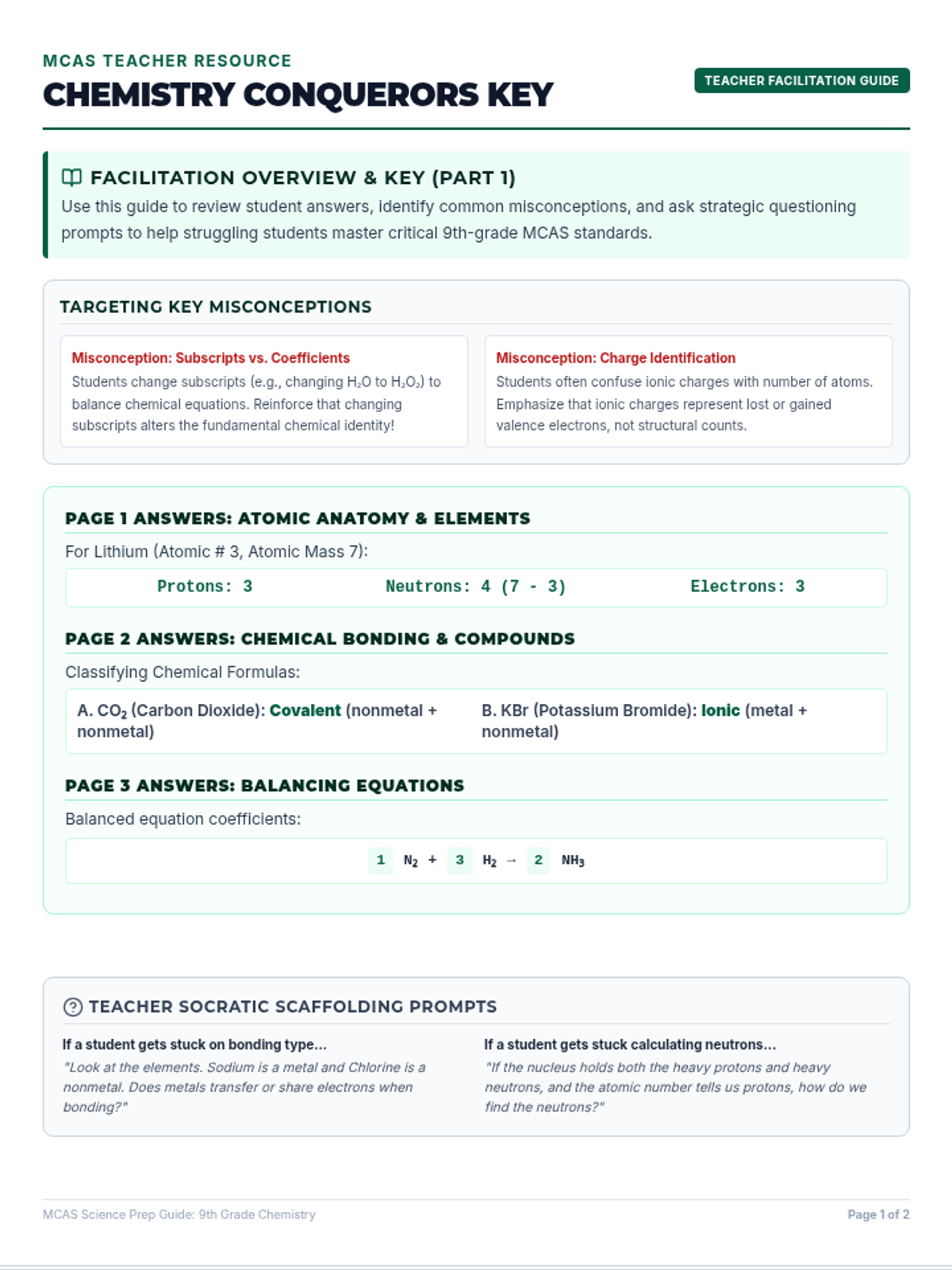
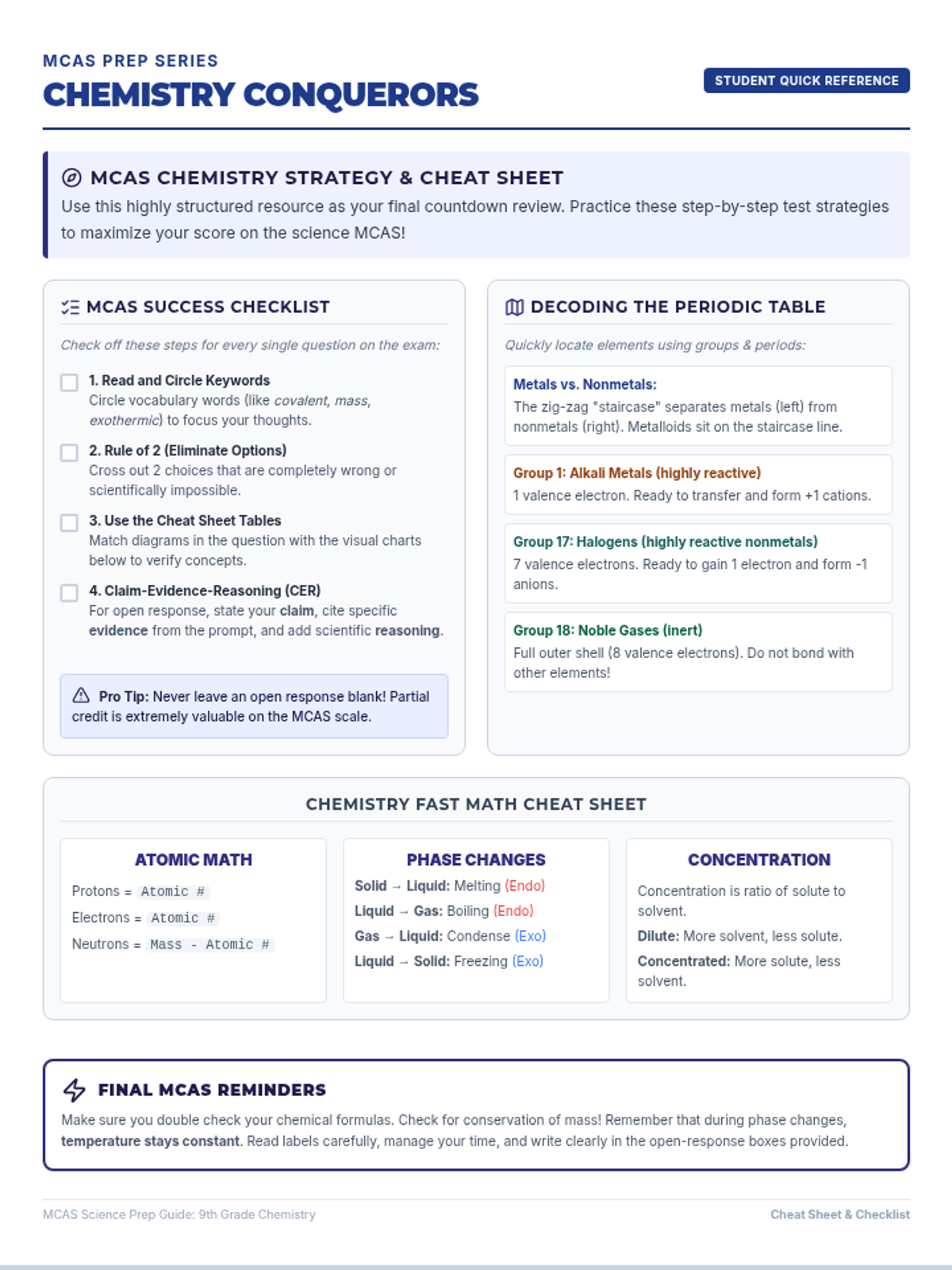
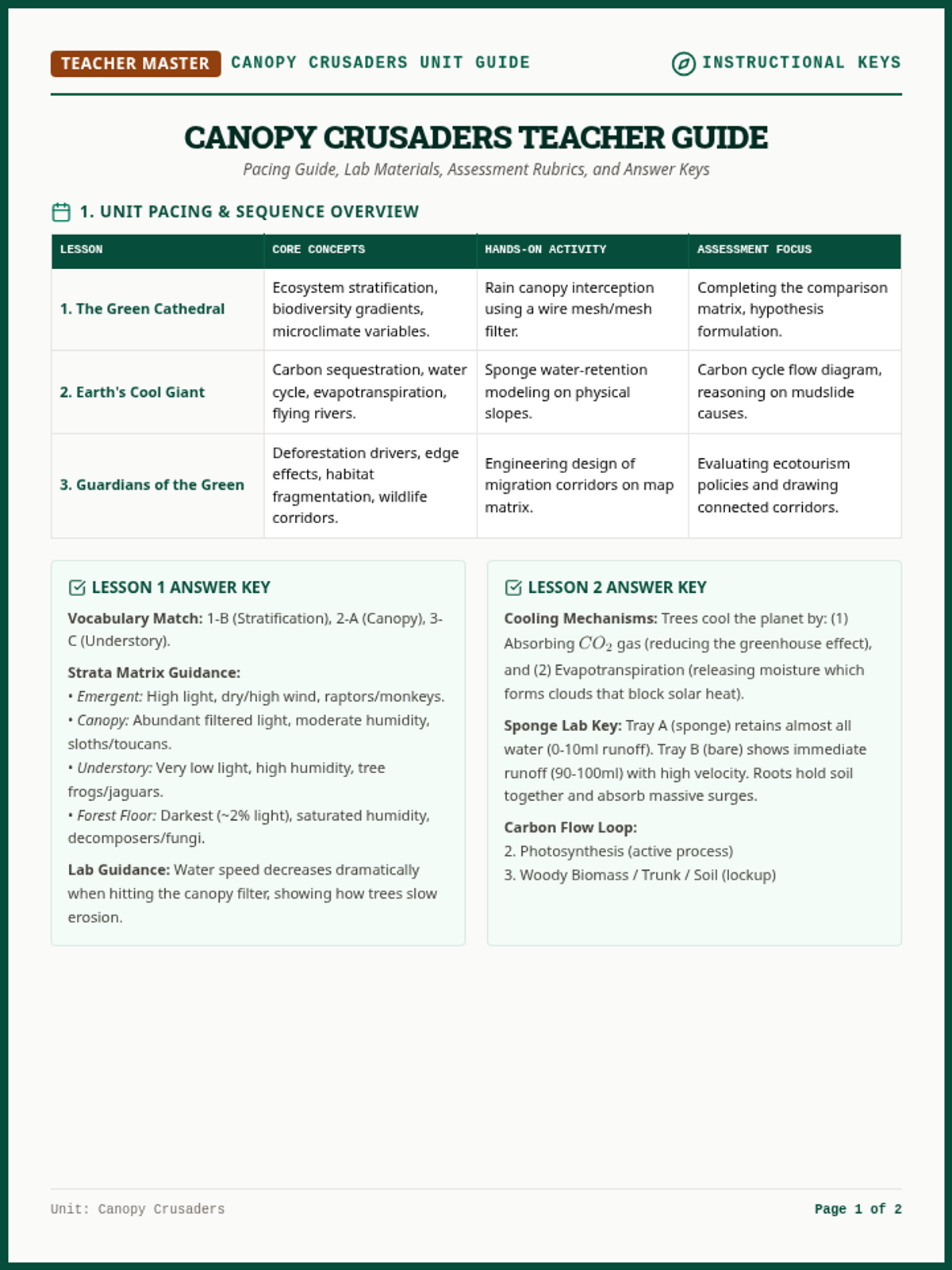
A teacher guide for the Plate Tectonics lesson, featuring learning objectives, a pacing guide, hands-on activity suggestions (Oreo Lab), common misconceptions, and a full answer key for the Boundary Blueprint worksheet.
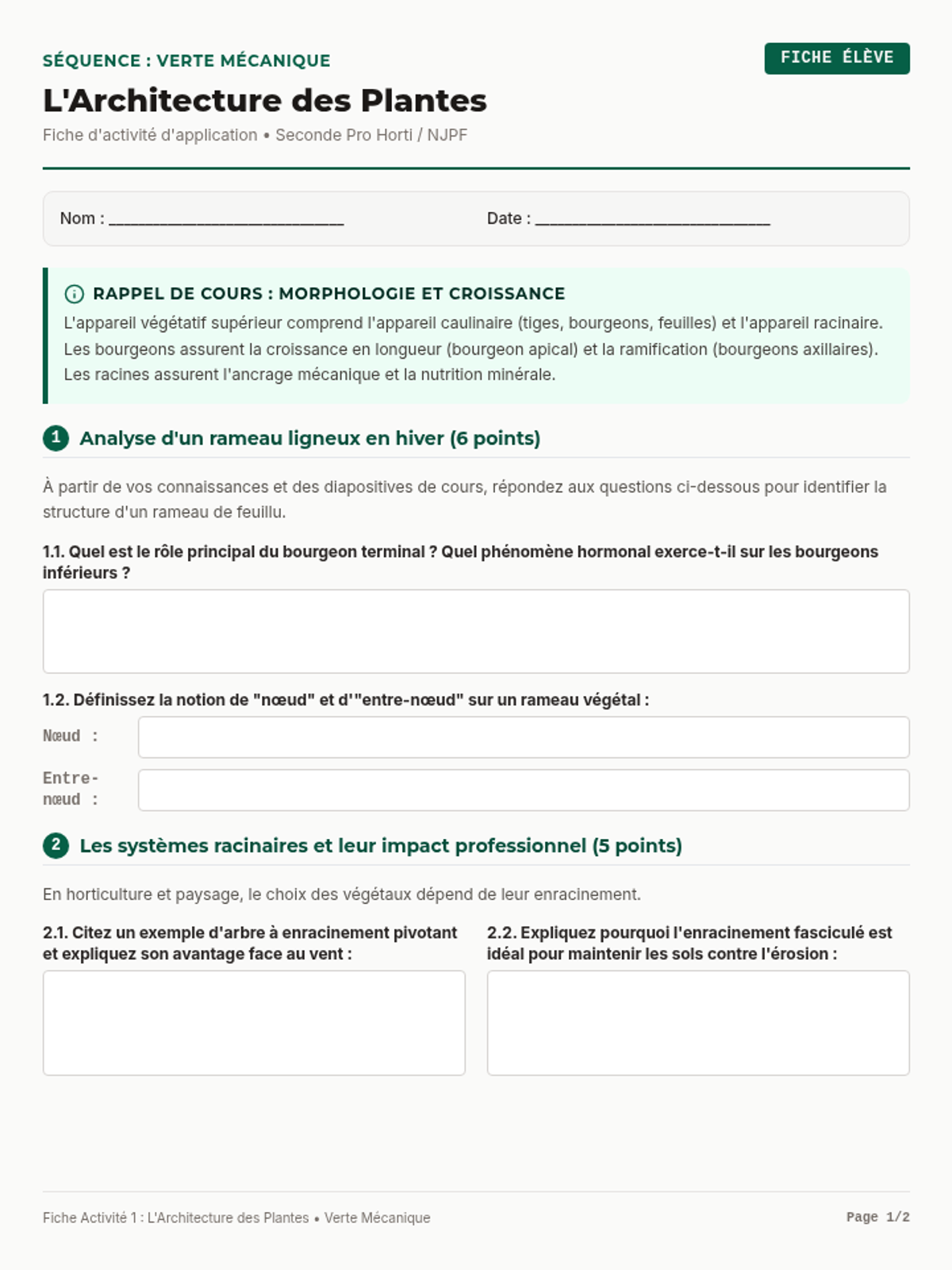
A student worksheet focusing on the anatomical structure of Earth's layers and the mechanisms of plate movement. Includes diagram labeling, boundary classification, and short-response questions.

A comprehensive slide deck exploring plate tectonics, including Earth's layers, continental drift, and the three types of plate boundaries. Uses a 'Geological Expedition' theme with high-contrast visuals and minimal text for effective instruction.
An elaborate informational reading passage for AP Physics C students covering Ampere's Law in depth. It features a new front page on magnetic flux, details how to find the magnetic field direction at each point of a loop, and provides a comprehensive contrast between closed surfaces (Gauss's Law) and closed loops (Ampere's Law).
A comprehensive teacher answer key for the Current Command lesson. It provides detailed solutions for the everyday phenomenon engage activity, inquiry lab observations, solenoid modeling checkpoints, step-by-step force calculations, and the final induction stove CER.
Answer key for the Amperian Paths Worksheet, detailing derivations for the infinite wire and solenoid.
A guided inquiry worksheet for AP Physics C students to apply Ampere's Law to infinite conductors and solenoids, requiring derivations and conceptual sketching. Includes specific practice on interpreting into-page and out-of-page currents.
An informational reading passage for AP Physics C students covering Ampere's Law, including the definition of the line integral, the Amperian loop, the right-hand rule for current direction, and a comparison with Gauss's Law. Includes a visual guide for 3D currents.
A 2-page teacher monitoring checklist for the Magnetic Forces unit. It includes specific prompts, student tasks, and a newly added 'Teacher Answer' column for each of the 8 monitoring domains, providing instant look-fors and scientific accuracy checks for instructors during active classroom monitoring.

Answer key for the Field Formulas Worksheet, showing the complete derivation of the magnetic field of a circular current loop on its axis.
A guided inquiry worksheet for AP Physics C students to derive the magnetic field on the axis of a circular current loop using calculus and the Biot-Savart Law.
An informational reading passage for AP Physics C students covering the Biot-Savart Law, its mathematical derivation, and a case study of an infinite wire. Includes a quick concept check section.
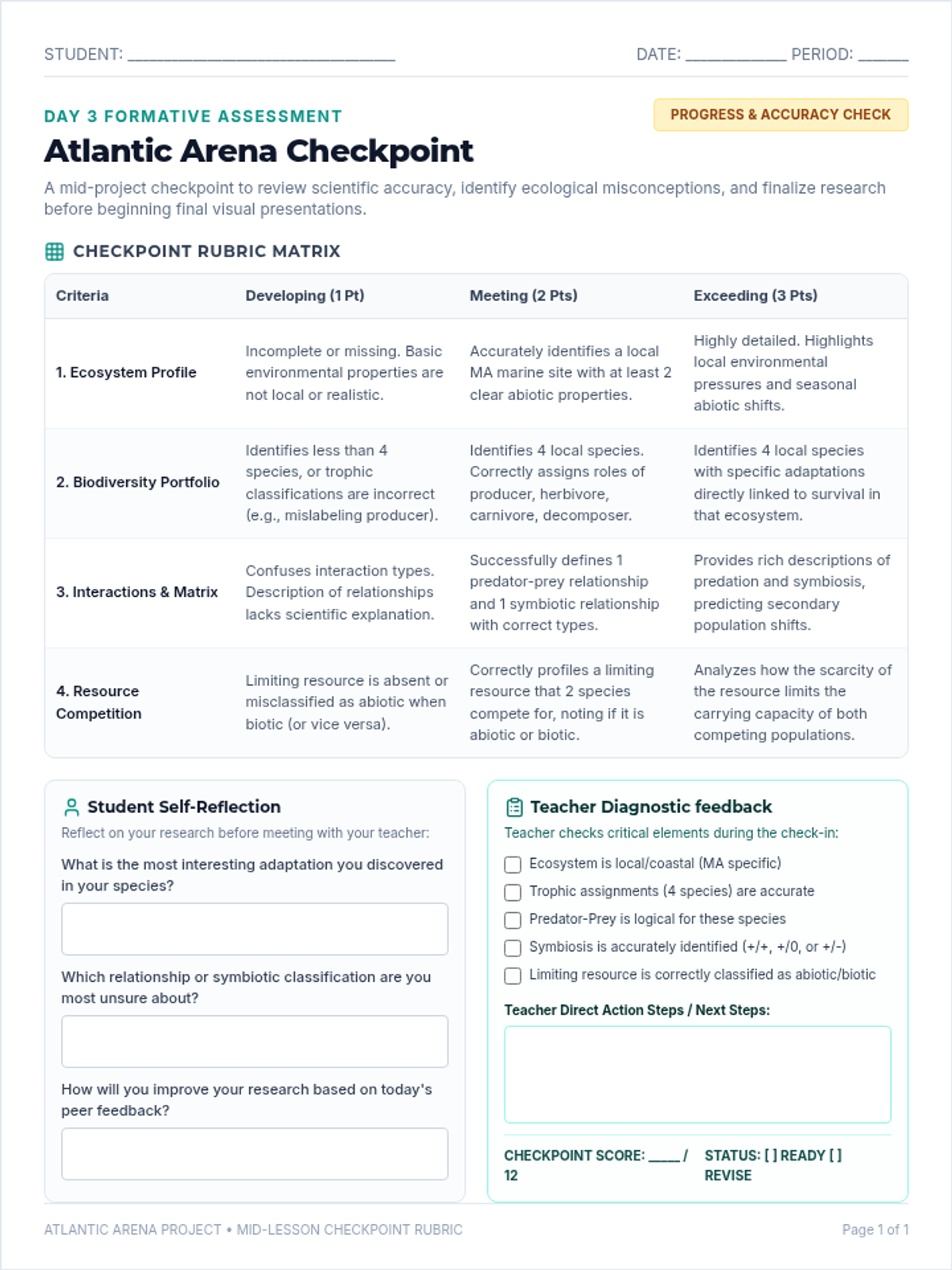
An assessment rubric for teachers to grade students on scientific design, testing and data collection, collaboration, and analysis/reflection using a 3-point scale.
A data collection worksheet for students to record their trial results (distance and observations), reflect on their engineering design through written analysis, and sketch their final seed model.
A student-facing engineering challenge sheet that outlines the mission, rules, and materials for designing a model seed, including a large designated workspace for students to sketch and label their design plans.
A visually engaging slide deck with 7 slides covering the importance of seed dispersal, methods of travel (wind, water, animal hitchhiking, and animal delivery), and the final engineering challenge prompt.
A comprehensive teacher guide for the Seed Travelers lesson, including learning objectives, a detailed instructional sequence (Engage, Explore, Engineer, Evaluate), differentiation strategies, and common student misconceptions.
A student practice worksheet to assess understanding of Blender 4.0 navigation, transformation shortcuts, and conceptual modeling steps for a simple object.
A clean, blueprint-styled shortcut reference sheet for Blender 4.0, categorized by navigation, transformations, modes, and editing tools.
A 6-slide presentation covering Blender 4.0 navigation, object mode transformations (G,R,S), and essential edit mode tools (Extrude, Loop Cut) with high-contrast visuals and clear shortcut keys.
A comprehensive teacher's guide for the Dimension Crafters lesson, including learning objectives, a kit list, and a 60-minute instructional timeline for Blender 4.0 basics.
A student-facing reflection journal with prompts for initial observations, adaptation theory brainstorming, and a final synthesis report on urban biodiversity findings.
A 2-page field investigation worksheet providing a grid for quadrant mapping, a species inventory tally, and a structured analysis section for calculating biodiversity scores.
An informational reading passage for students exploring the concepts of urban ecology, the Gray-Green Gradient, and behavioral traits that allow species to thrive in human-altered environments.
A visually striking 5-slide presentation introducing urban biodiversity concepts, the heat island effect, and the classification of urban species (Avoiders, Adapters, Exploiters).
A comprehensive facilitator guide for the Concrete Jungle lesson, including a 3-day instructional sequence, NGSS alignment, and differentiation strategies for teaching urban biodiversity.
The teacher's answer key for the Molecular Glue Worksheet, including correct multiple-choice selections and suggested responses for short-answer questions. High-density layout optimized for single-page printing.
A practice worksheet for students covering chemical bonding, featuring multiple-choice questions and short-answer prompts to test understanding of ionic, covalent, and metallic bonds.
A comprehensive teacher's guide for the Electromagnet Strength Lab, including setup instructions, expected results, facilitation prompts, and safety warnings.
A structured graphic organizer for students to record data and observations from the Electromagnet Strength Lab, featuring dedicated sections for coils, voltage, and core materials.
A dynamic slide presentation to introduce the Electromagnet Strength Lab, covering key concepts, variables (coils, voltage, core), and safety protocols.
Student self-correction guide designed to help learners analyze their assessment errors. It includes error tracking tables, a formula cheat sheet for AC power and transformers, and pedagogical tips for solving electrical transport problems.
Detailed teacher answer key for the TSTI2D Physics assessment, including step-by-step calculations with MathJax, point breakdowns for each question, and a guide for selecting the correct electrical generator based on load calculations.
A visual inspiration sheet for the Cave Art Creators activity, providing Grade 2 students with symbolic examples of animals, people, and nature, along with a finished sample of cave-style art.
An answer key for the Evolution Explorer Worksheet, providing correct multiple-choice answers and the chronological sequence of human ancestors.
A hands-on activity guide for Grade 2 students to create their own "cave art," exploring how early Homo sapiens used visual storytelling before written language.
A polished 3-page student worksheet for Grade 2 on human evolution. It includes reading comprehension, vocabulary matching, a chronological timeline, short-response questions, and a large drawing space, all with optimized layout for physical printing.