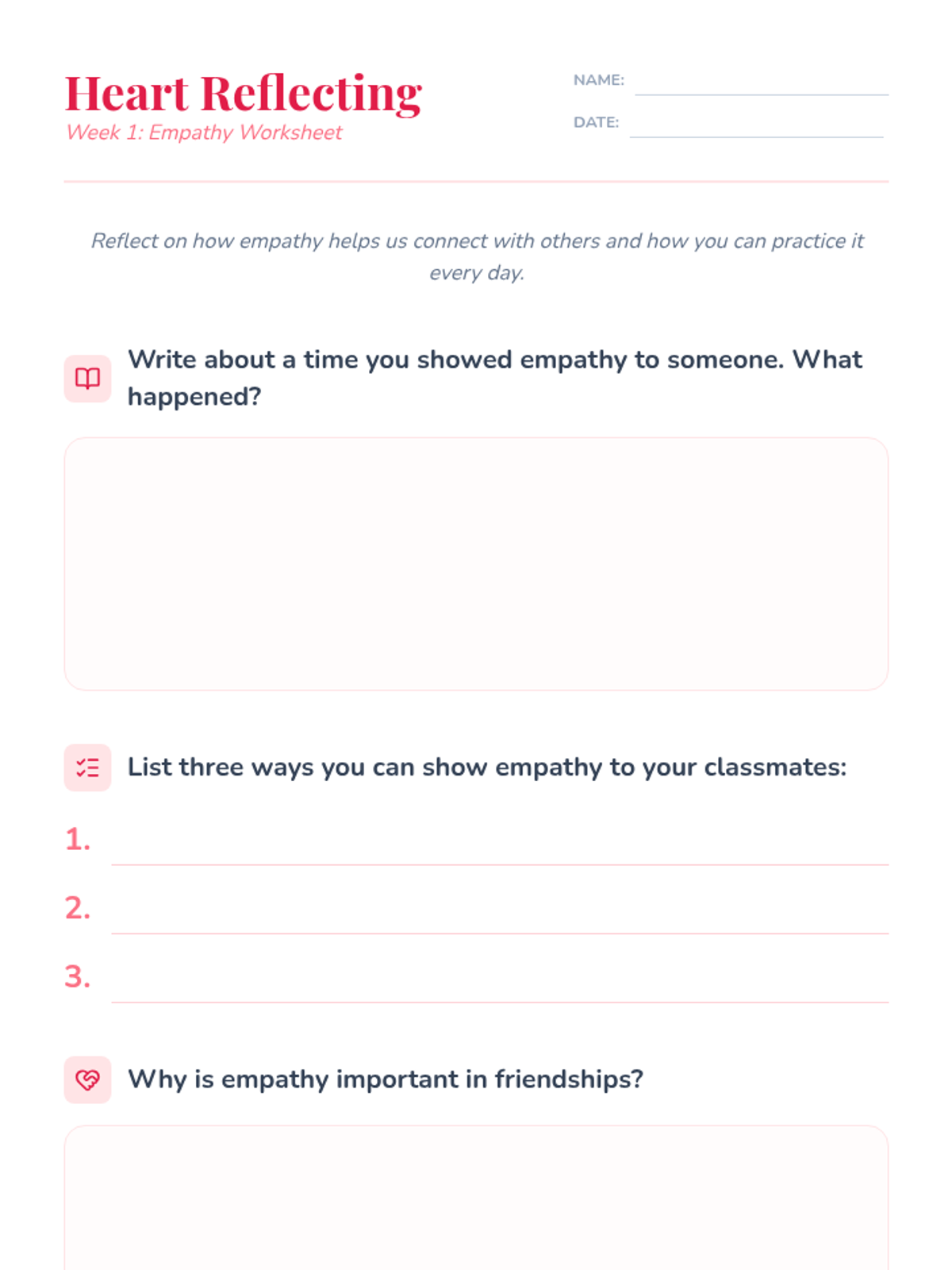
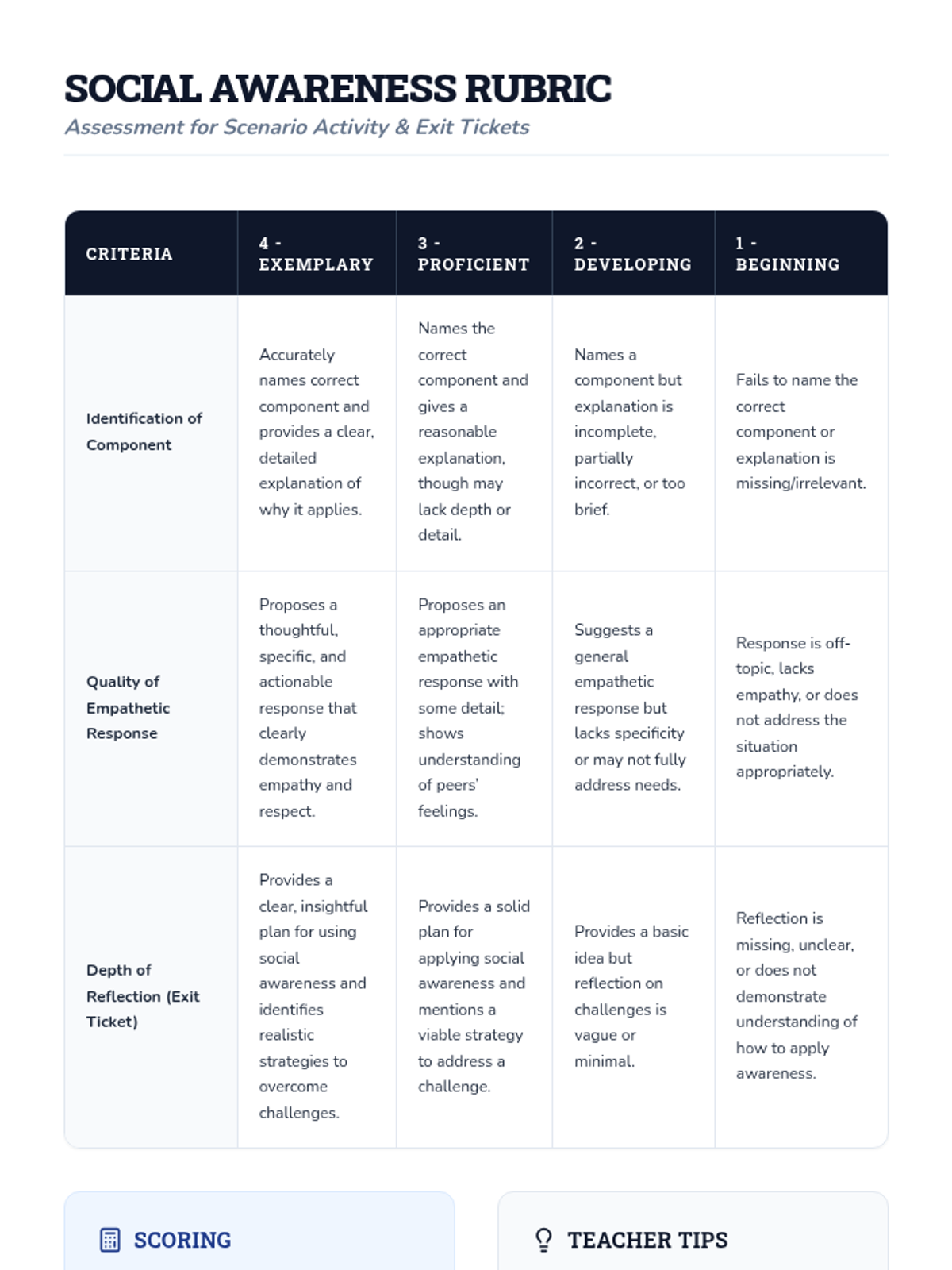
Empathetic skill development through emotion recognition, cultural diversity appreciation, and bias confrontation. Targets multi-perspective analysis to support respectful interactions and complex social responses.
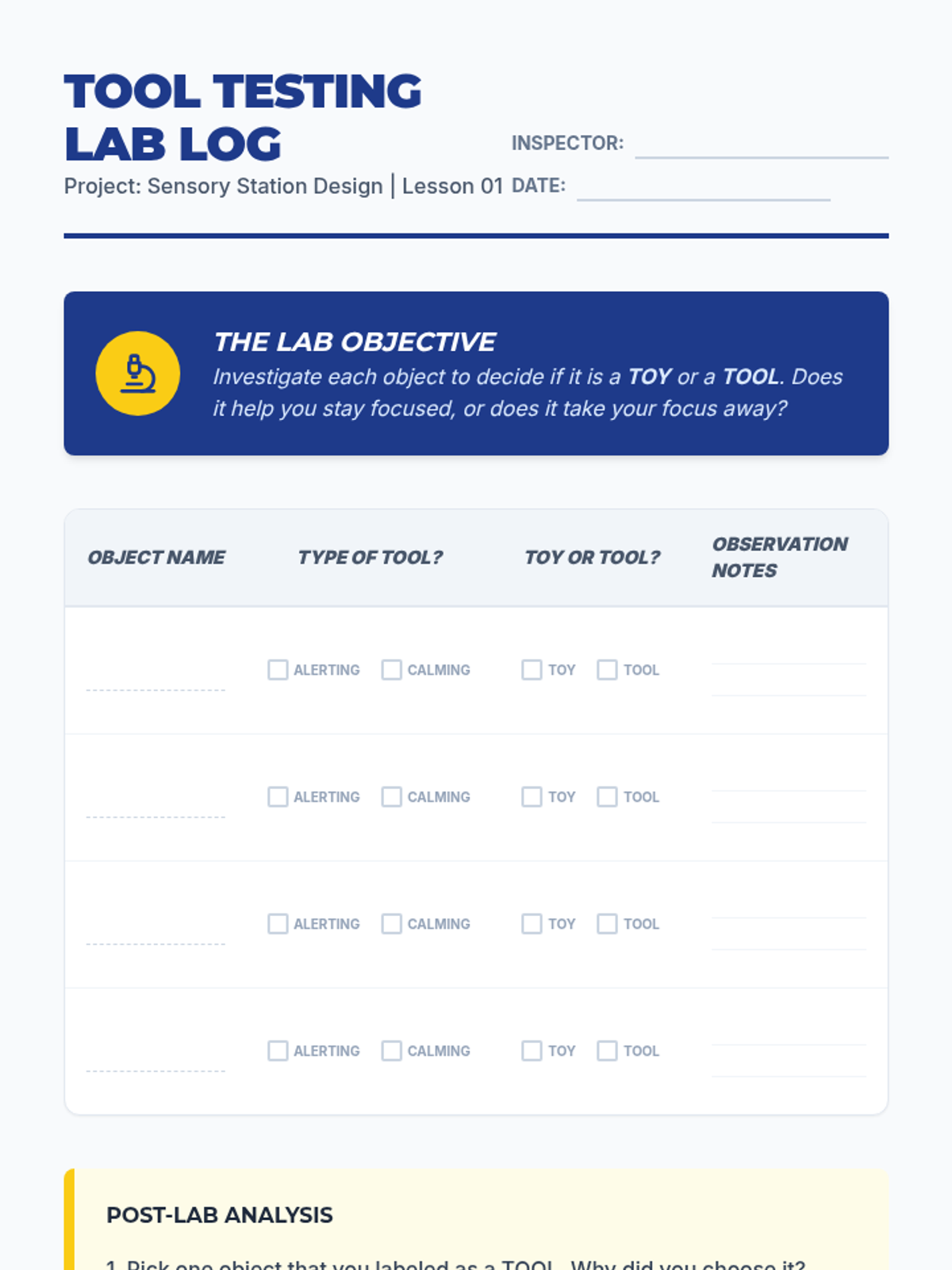
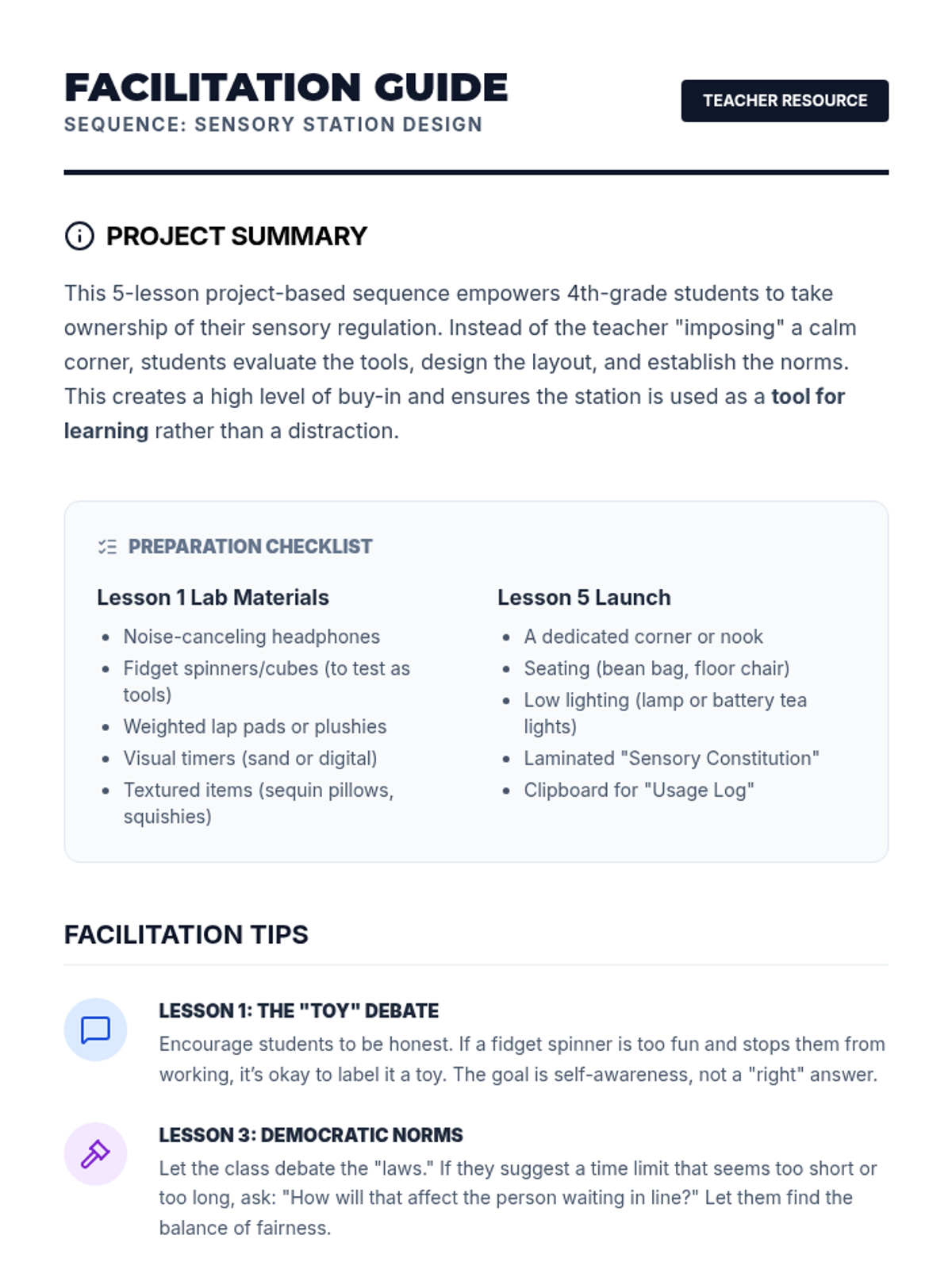
A project-based sequence where 4th-grade students evaluate sensory tools, design a classroom 'Sensory Station,' and establish community norms for its use to support proactive self-regulation.
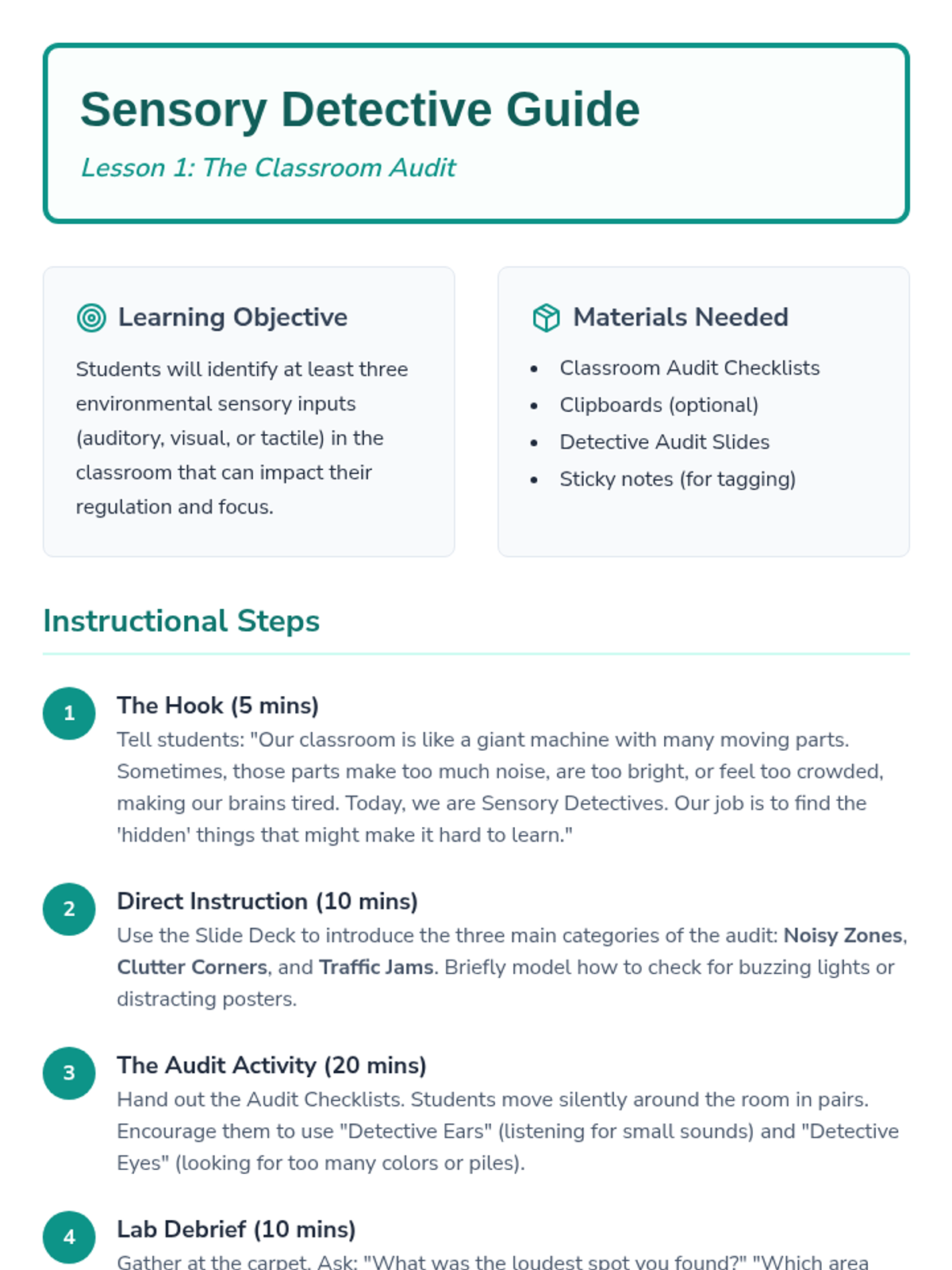
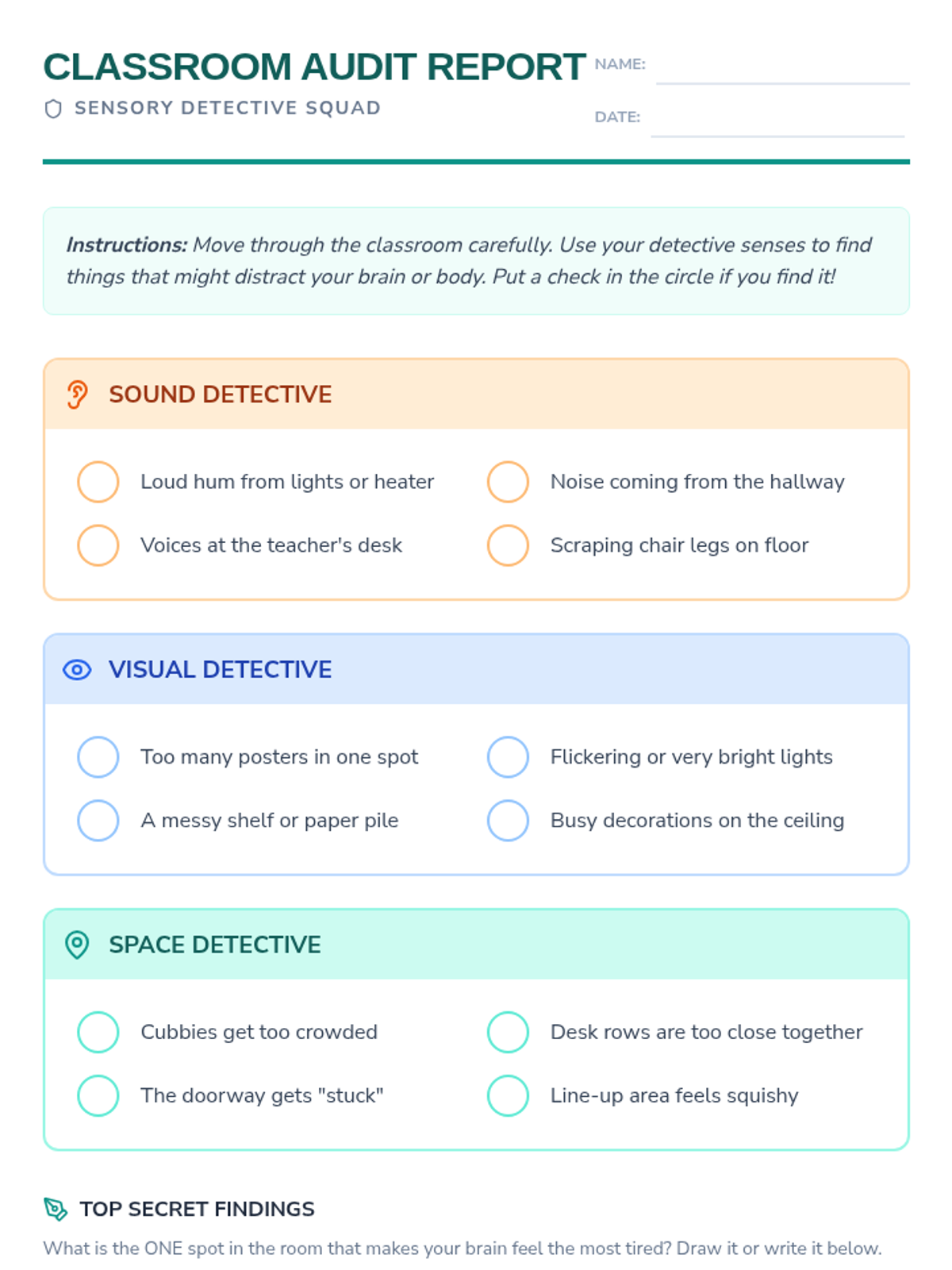
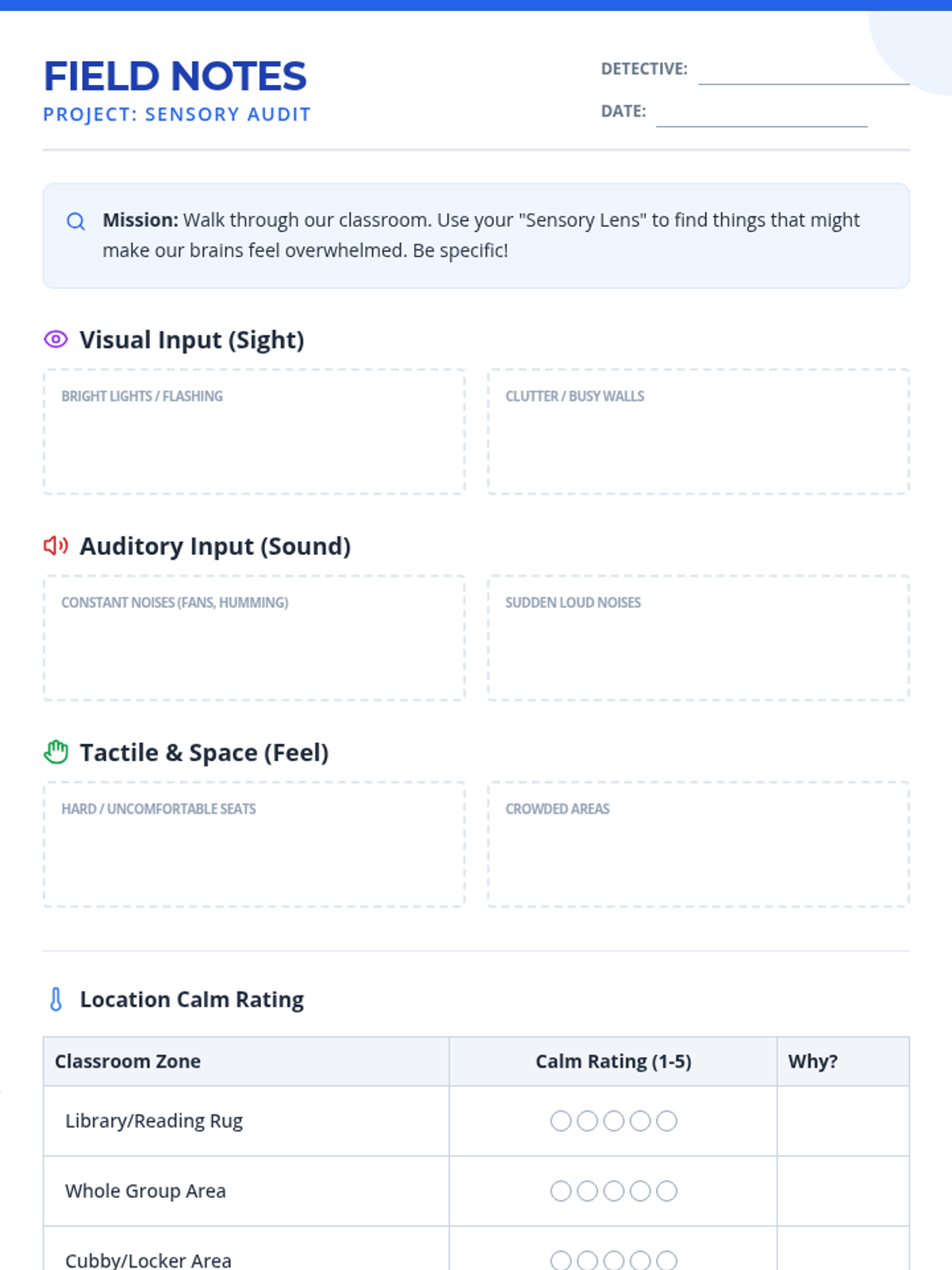
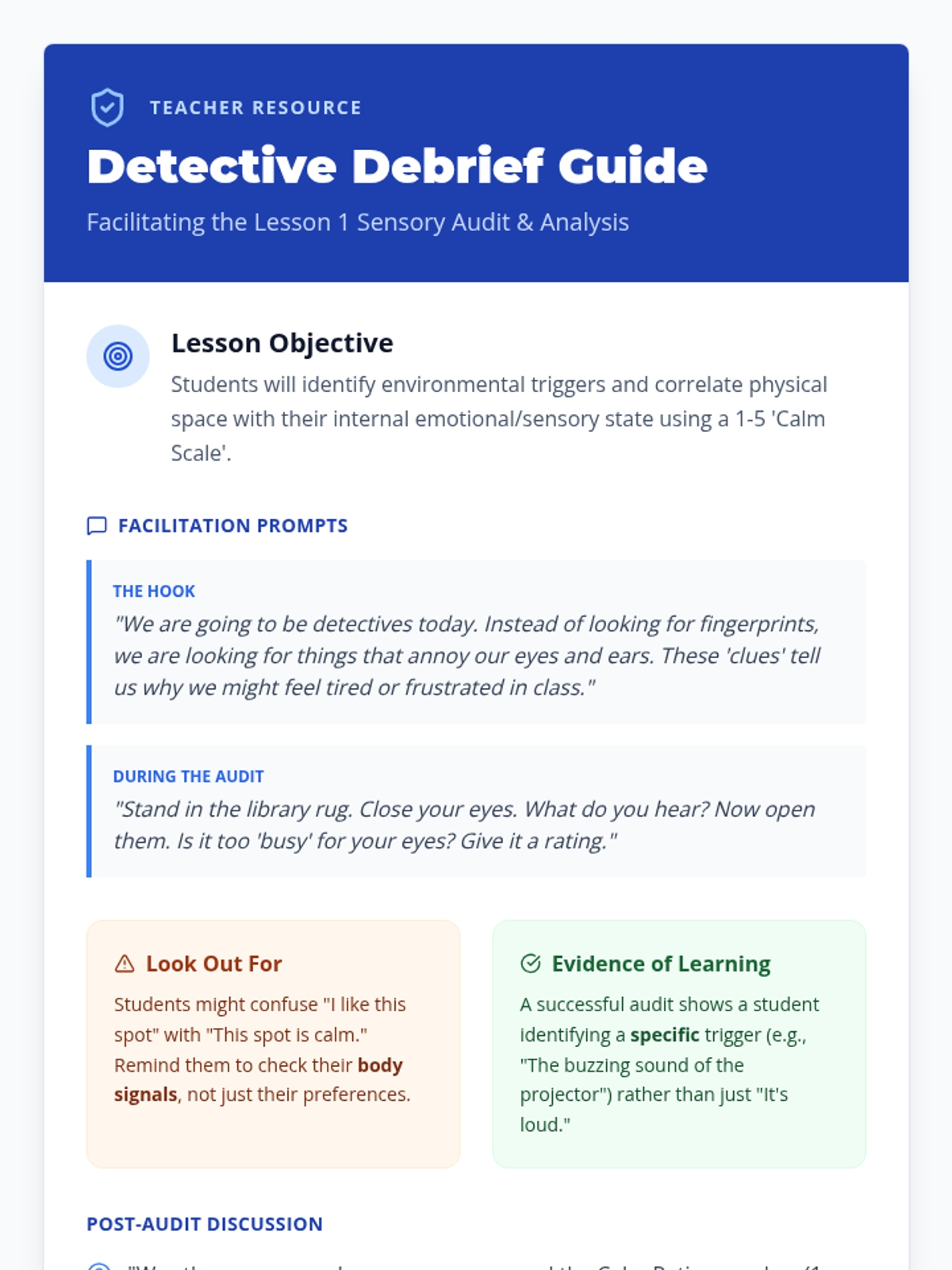
This sequence explores how environmental factors and community interactions impact sensory regulation. Students learn to audit their surroundings, respect diverse sensory needs, practice co-regulation, troubleshoot transitions, and collaboratively create a classroom sensory contract.
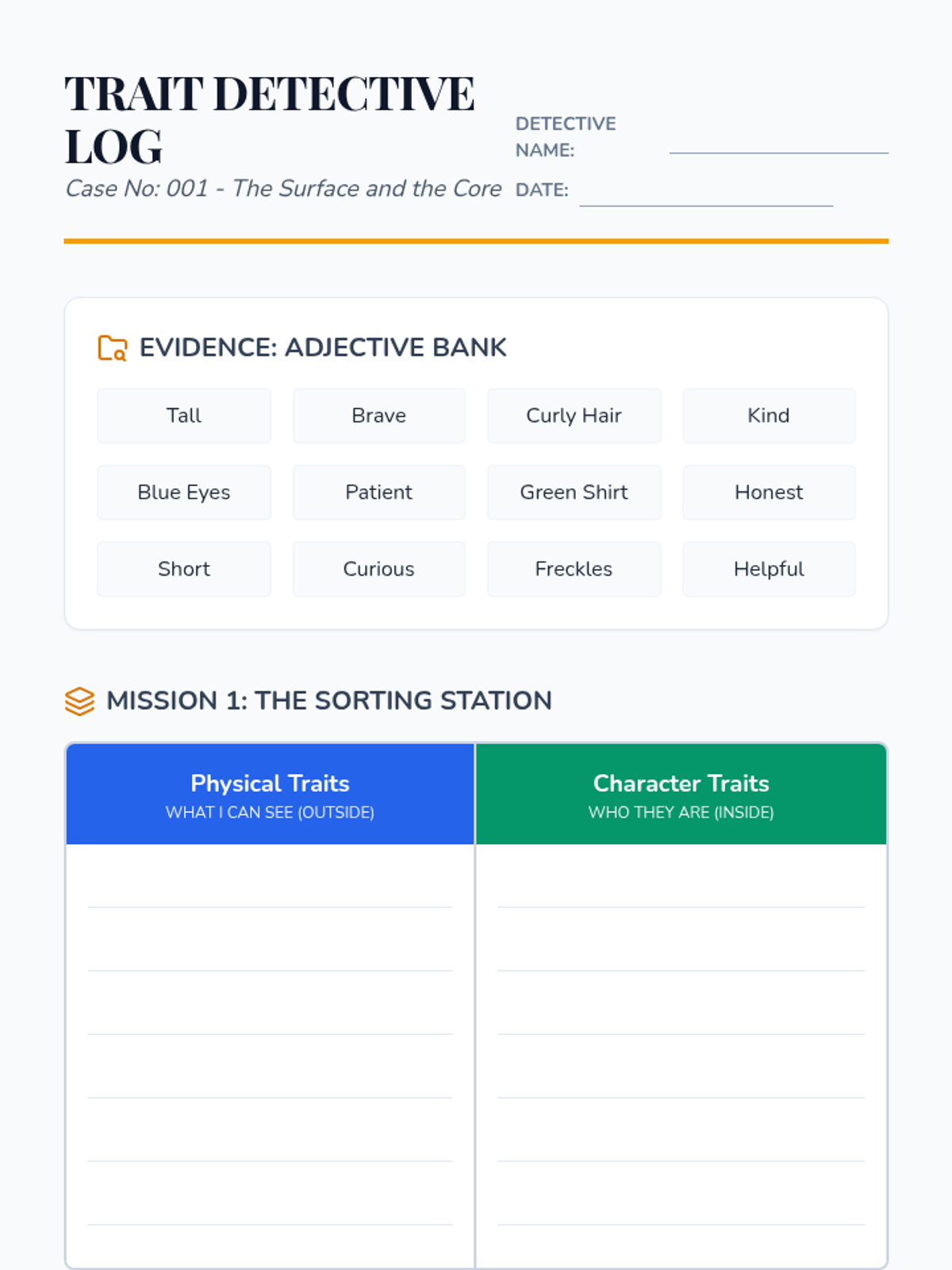
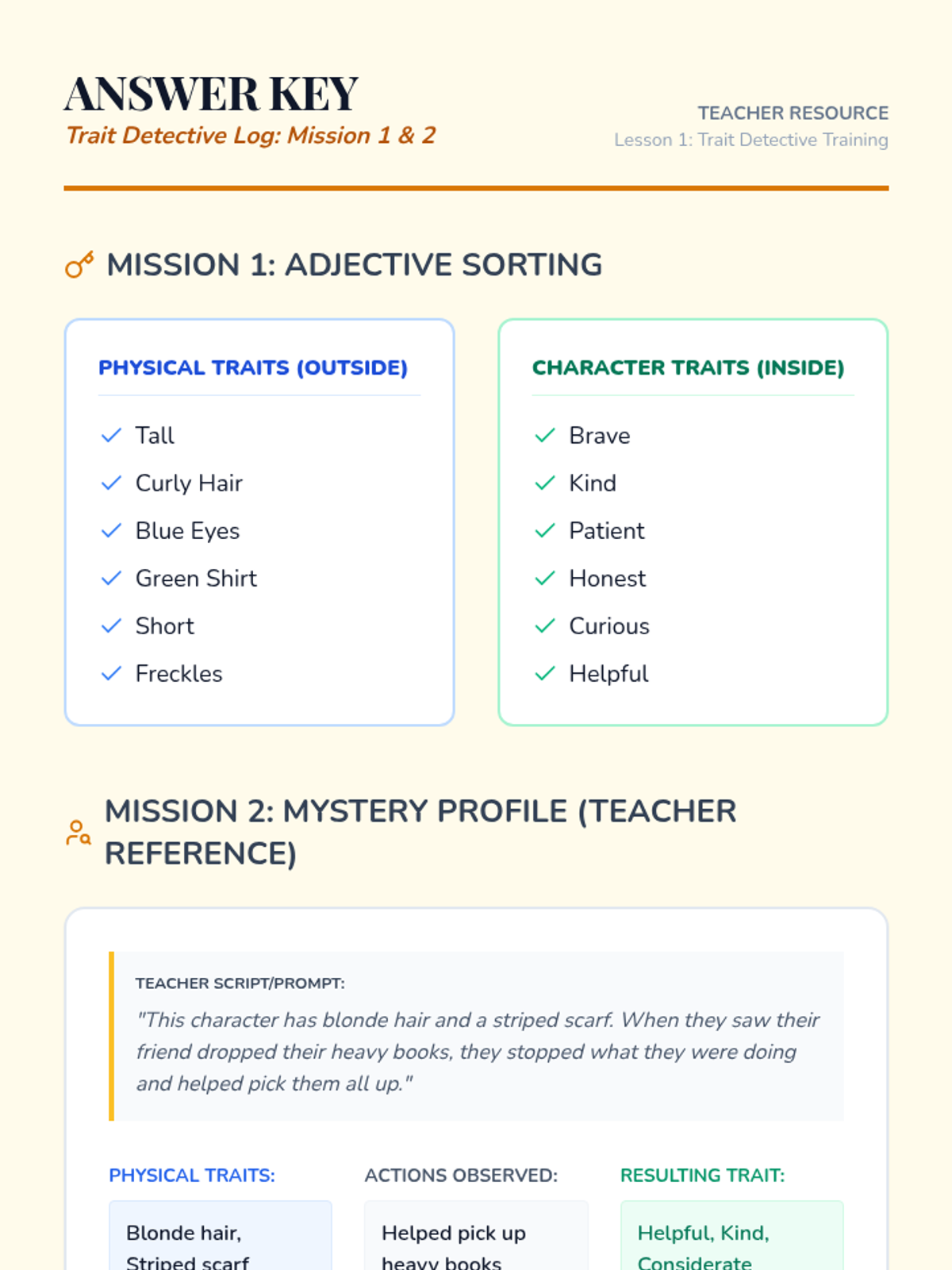
This sequence introduces students to the concept of personal identity by distinguishing between physical attributes and internal character traits. Students explore their own strengths, recognize how actions reflect identity, and learn to view growth areas through a growth mindset, culminating in a symbolic self-portrait.
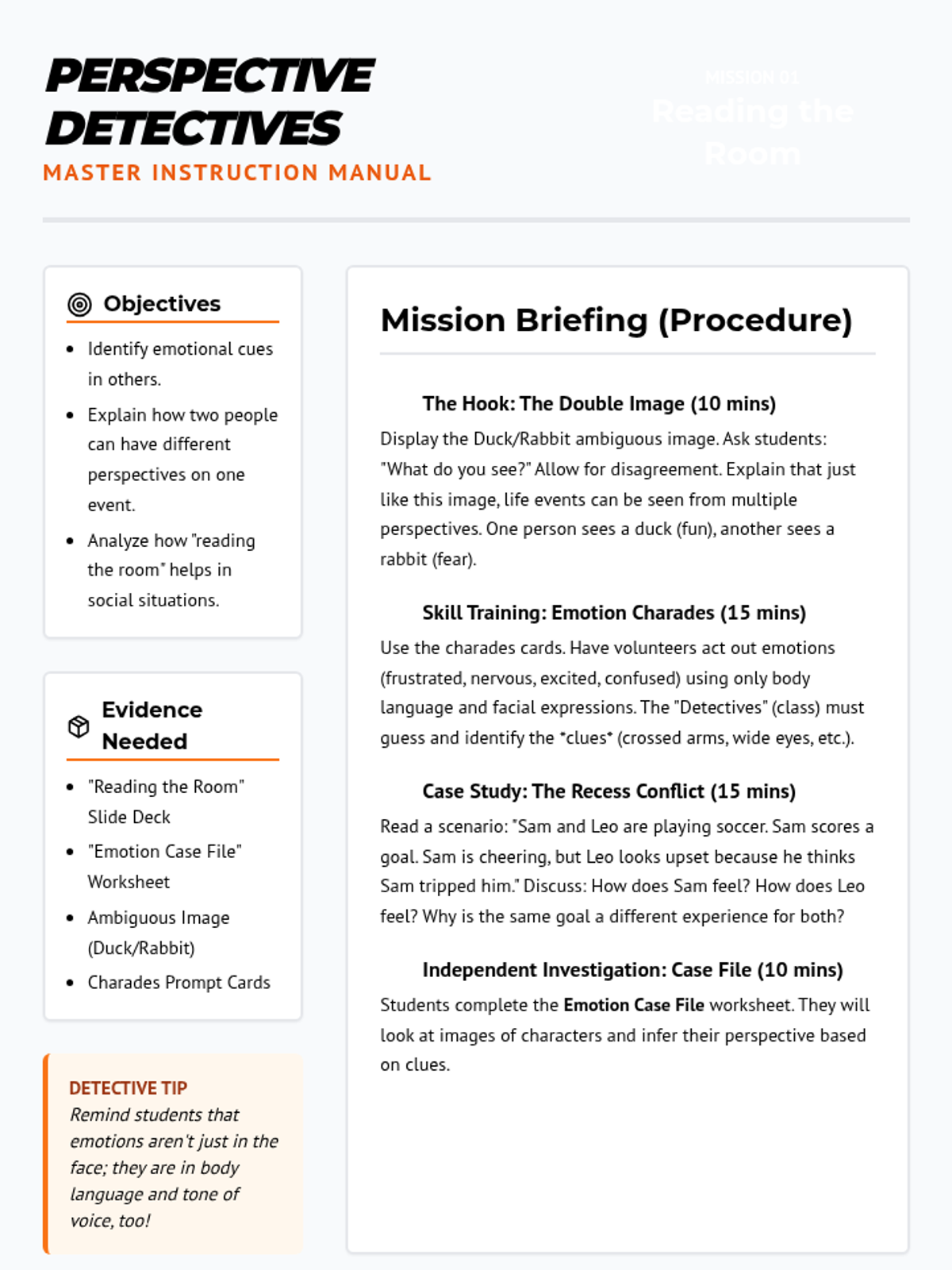
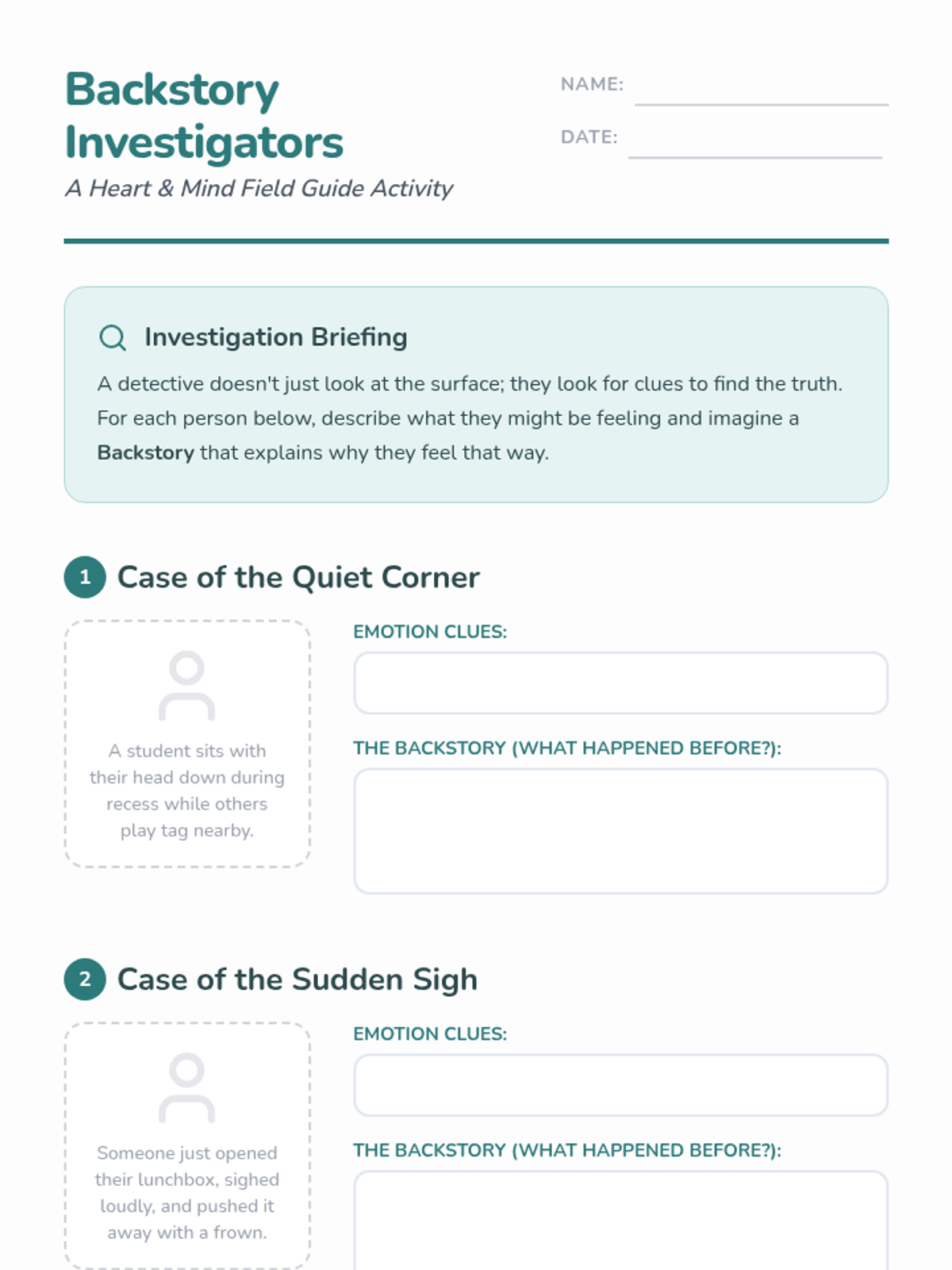
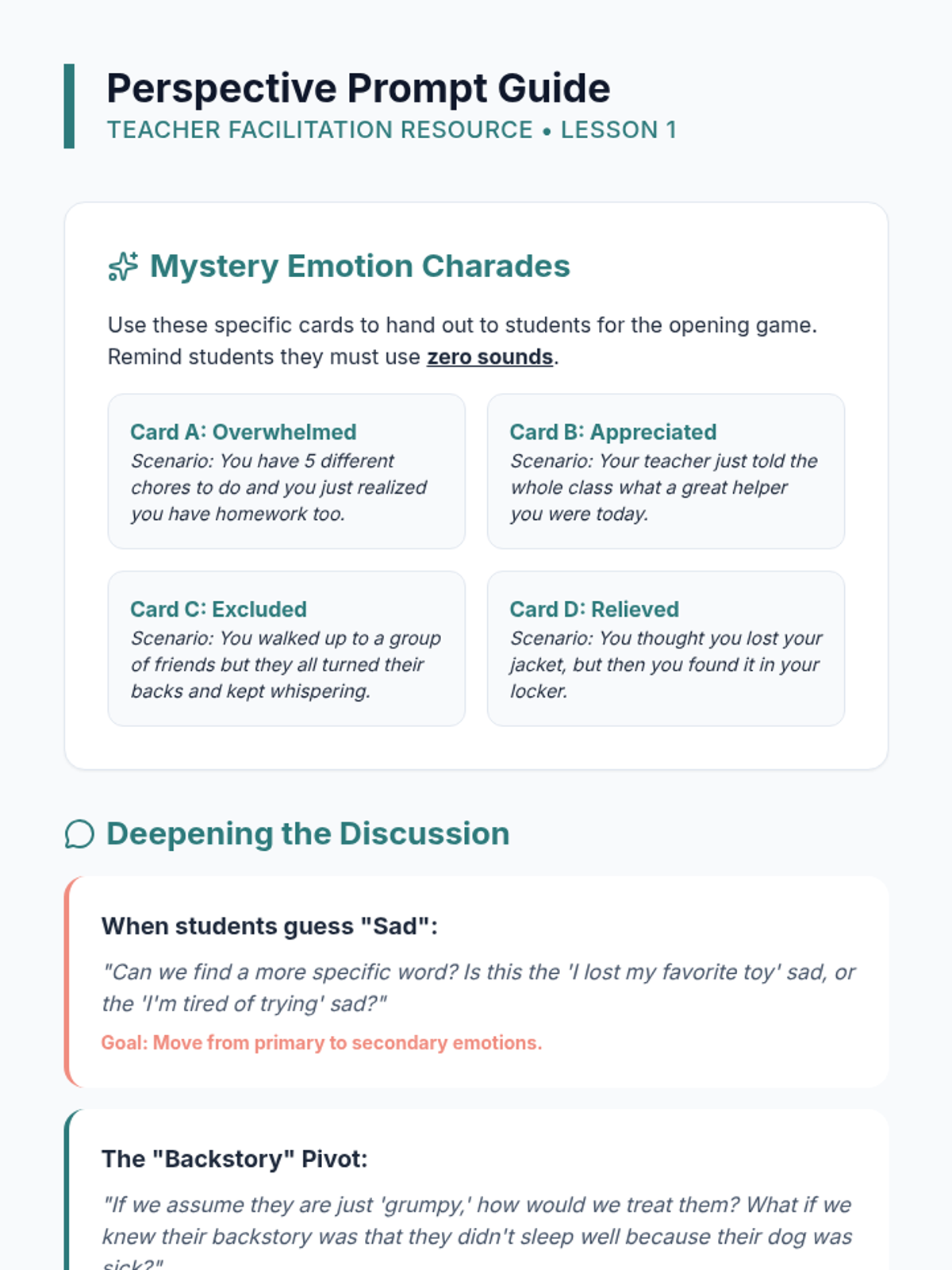
A sequence focused on developing empathy, emotional intelligence, and perspective-taking through a 'Perspective Detectives' theme. Students engage in games, simulations, and skill-building activities to understand the complexity of identities and challenge biases.
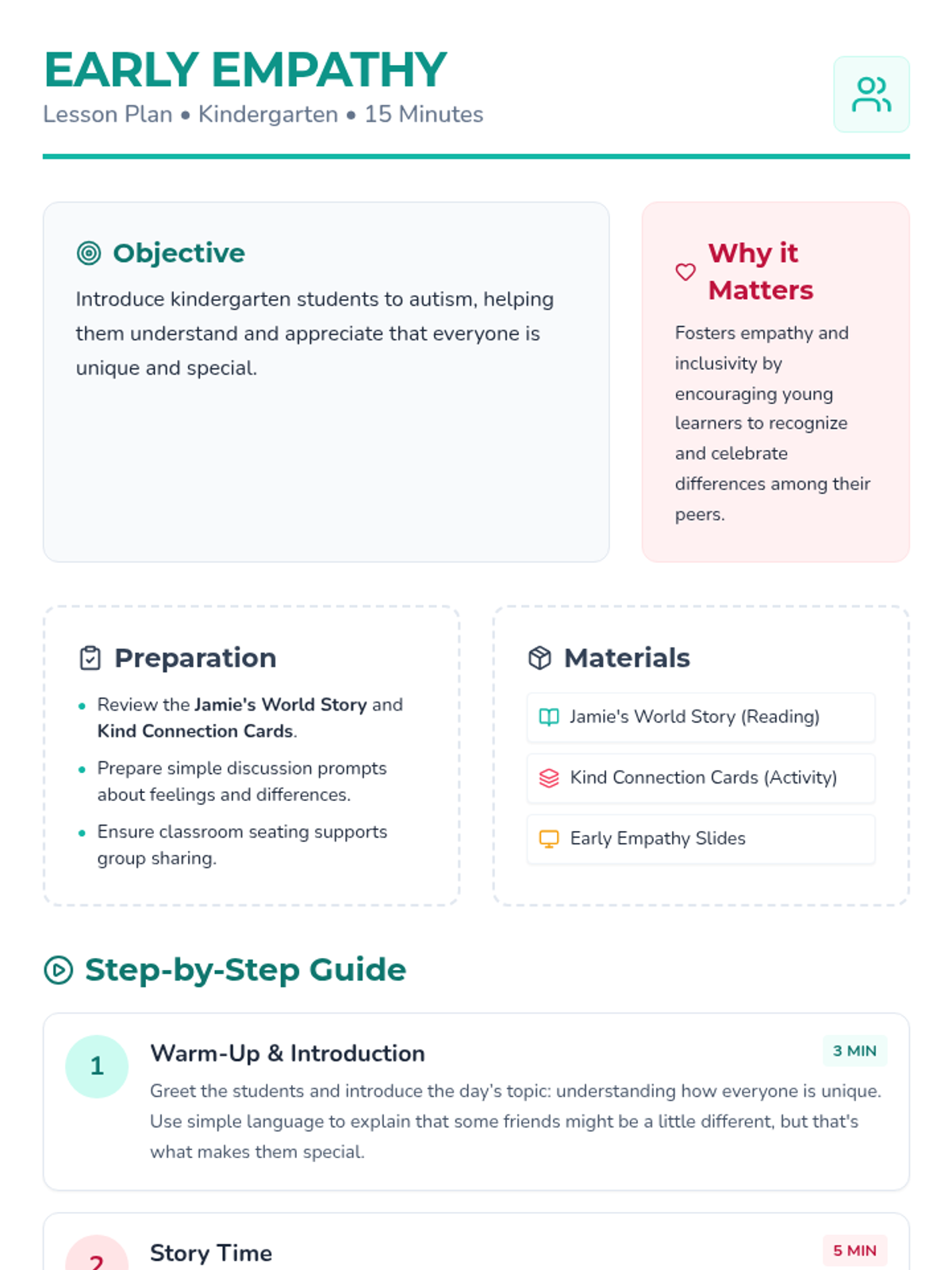
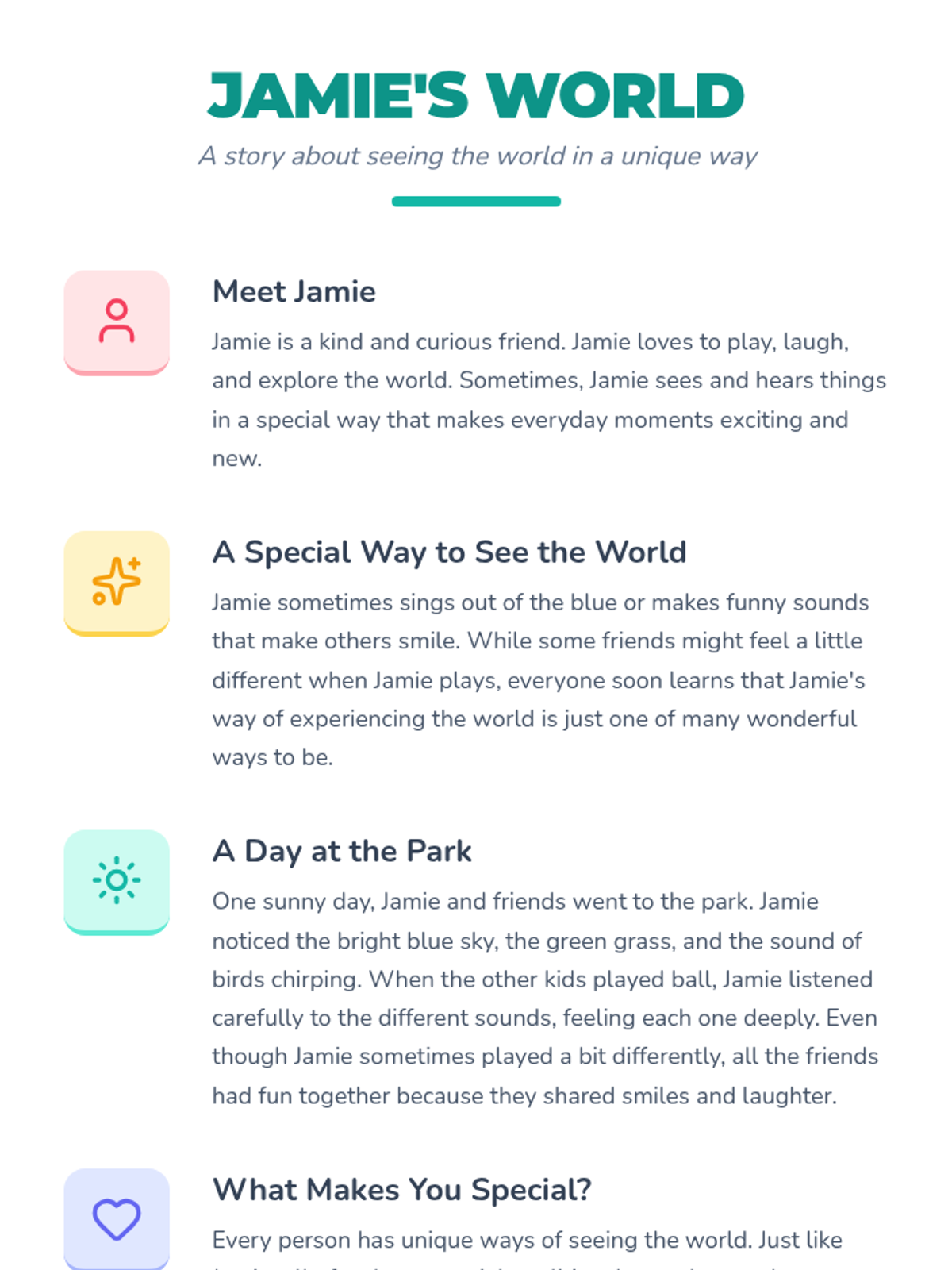
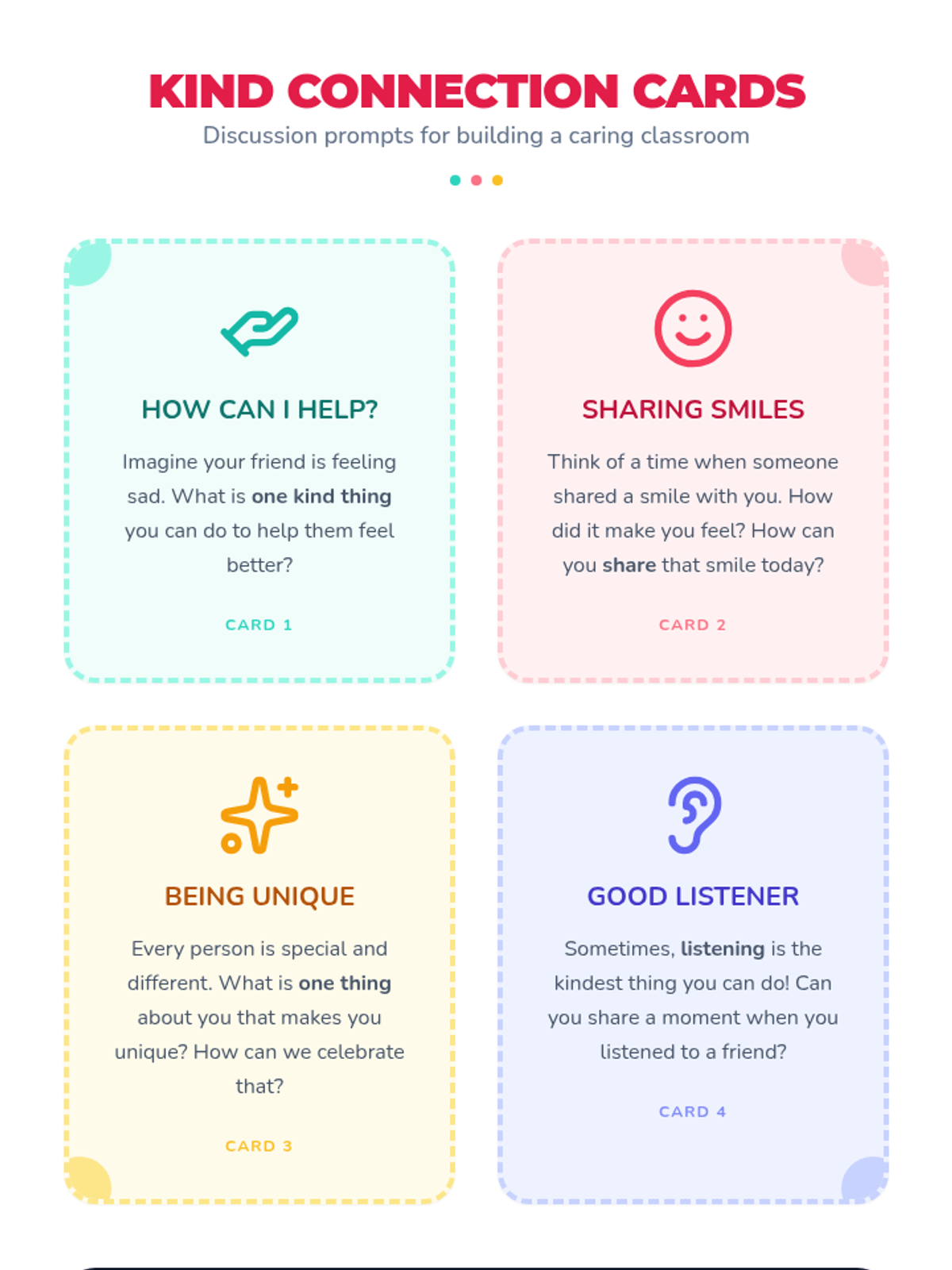
A sequence focused on fostering empathy and autism awareness across elementary grades, helping students appreciate the unique ways their peers experience the world.
This project-based sequence empowers 4th-grade students to analyze their physical environment and design spaces that support sensory regulation. Acting as 'Interior Designers for the Brain,' students audit their surroundings, learn design principles for calming, and collaboratively build a classroom 'Calm Corner' for dysregulation recovery.
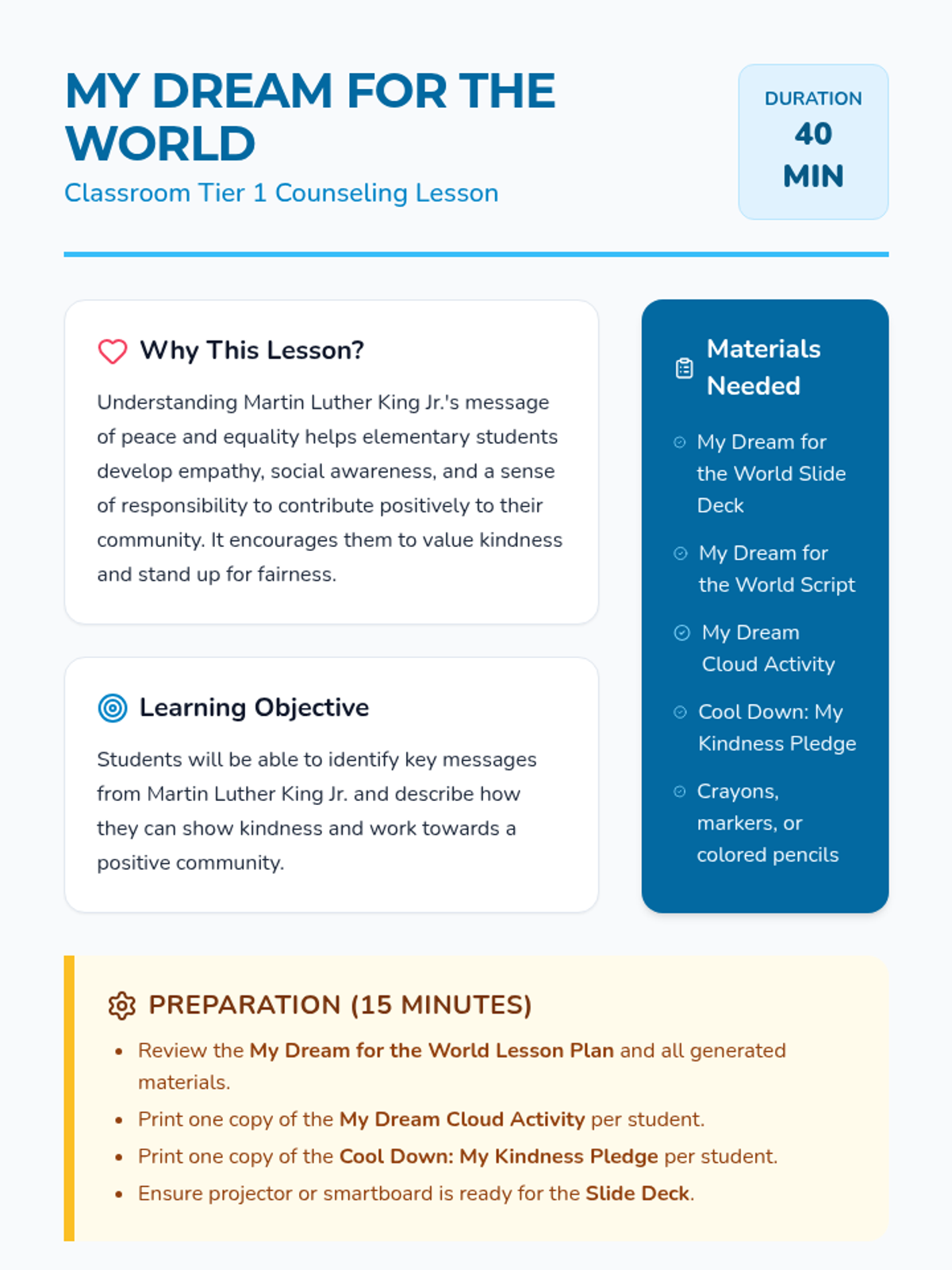
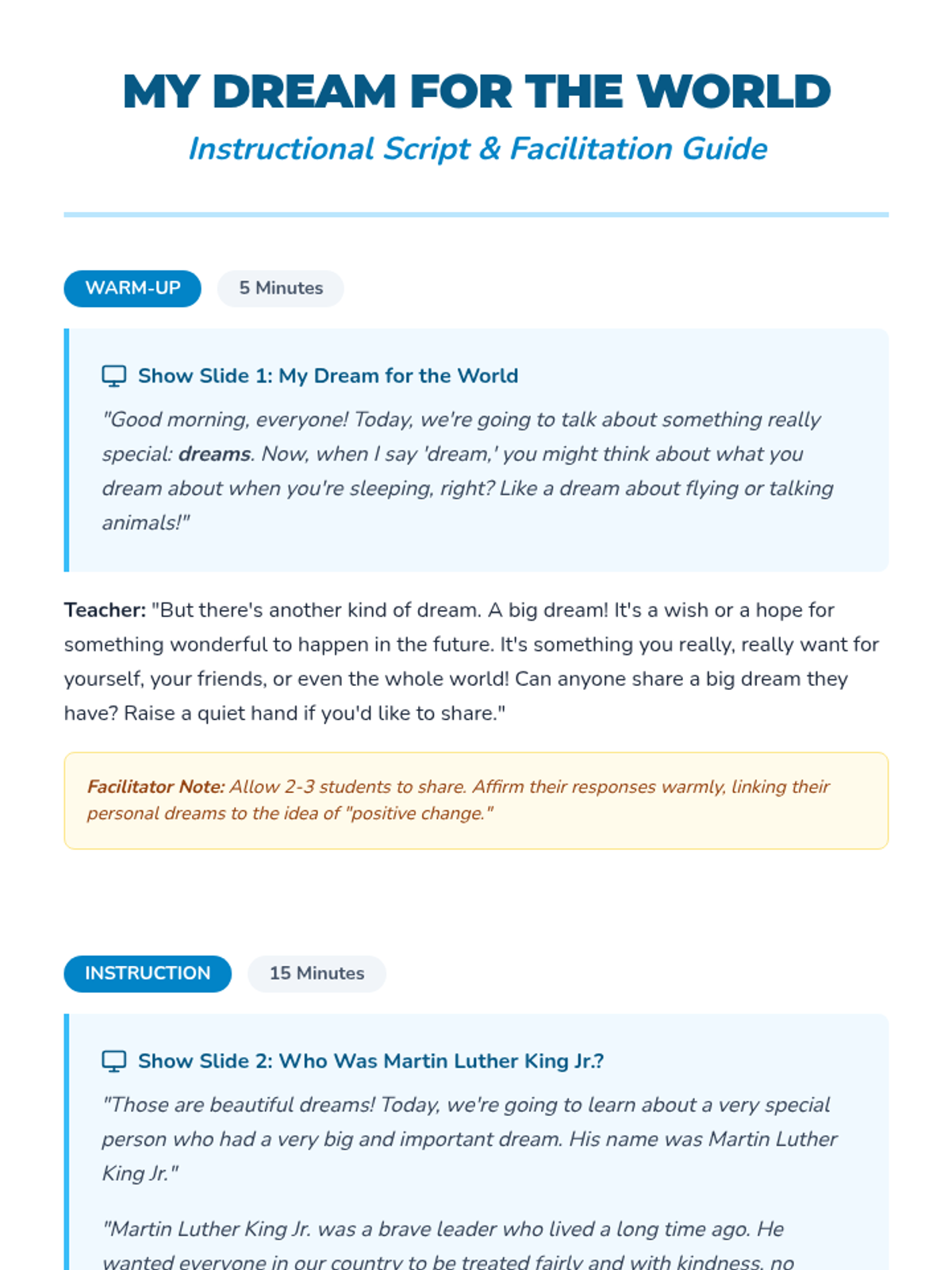
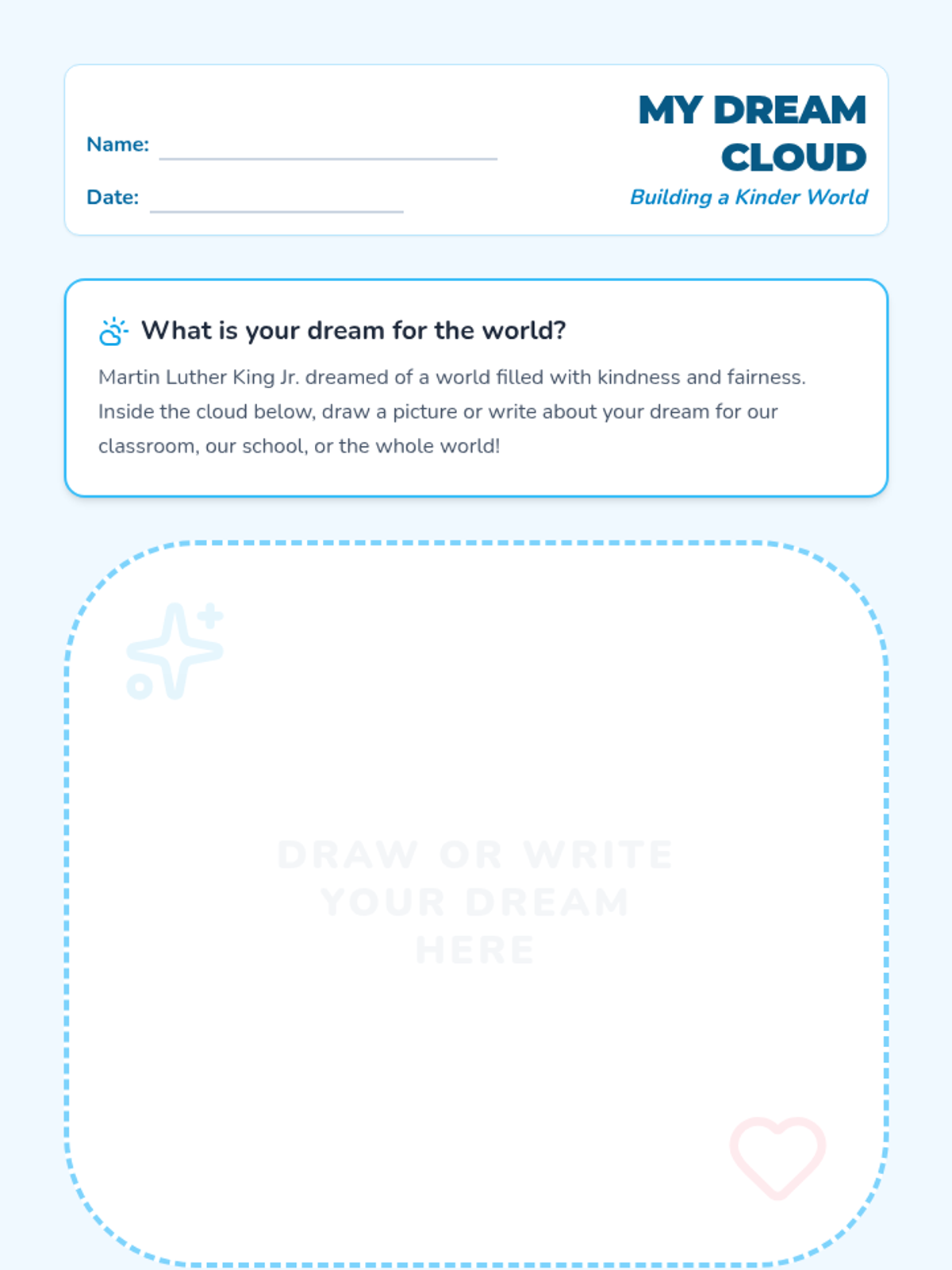
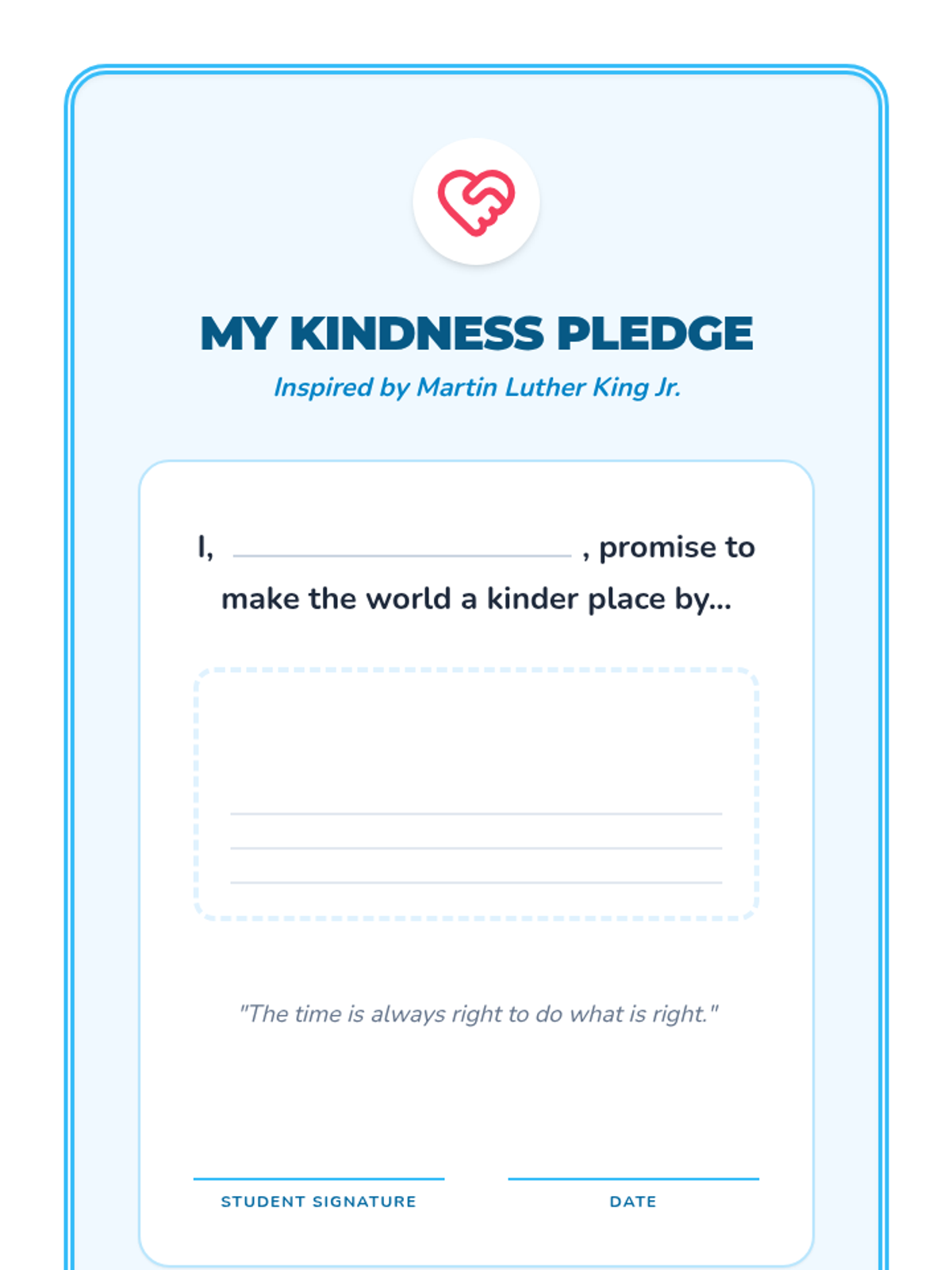
A social-emotional learning sequence for elementary students focused on empathy, community, and self-worth. It includes a lesson on Martin Luther King Jr.'s message of peace and equality, followed by a lesson on recognizing and celebrating personal pride and accomplishments.
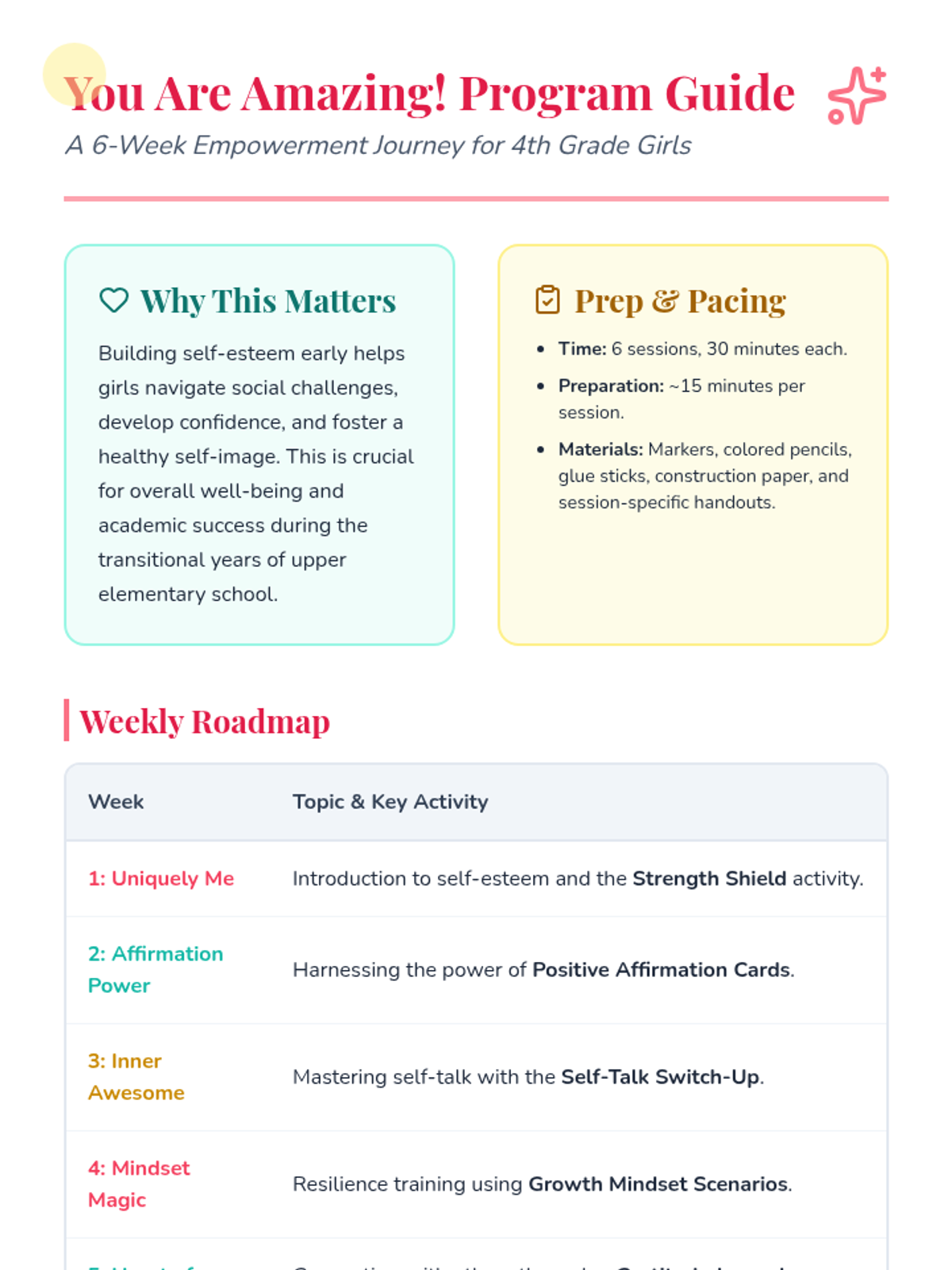
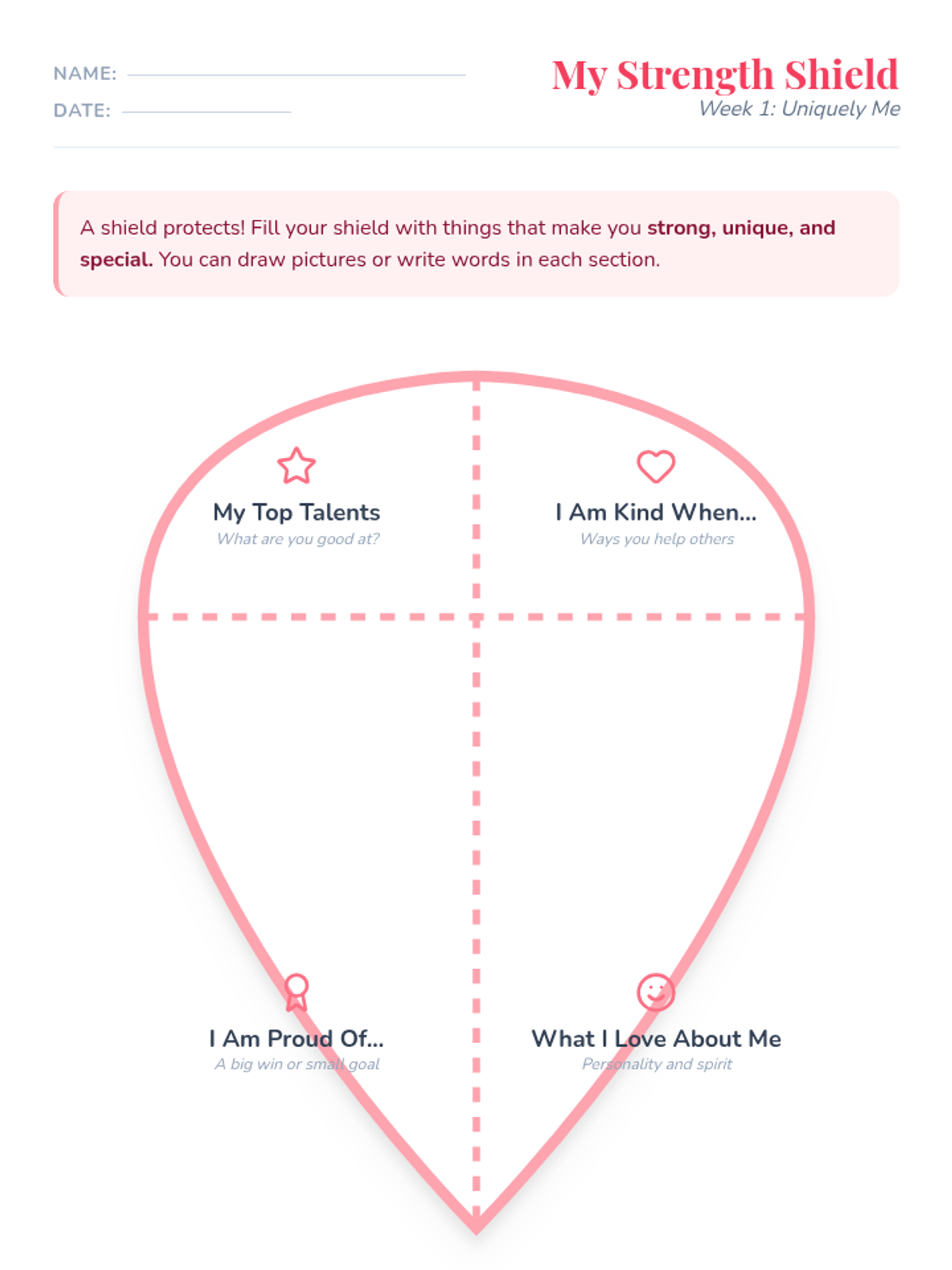
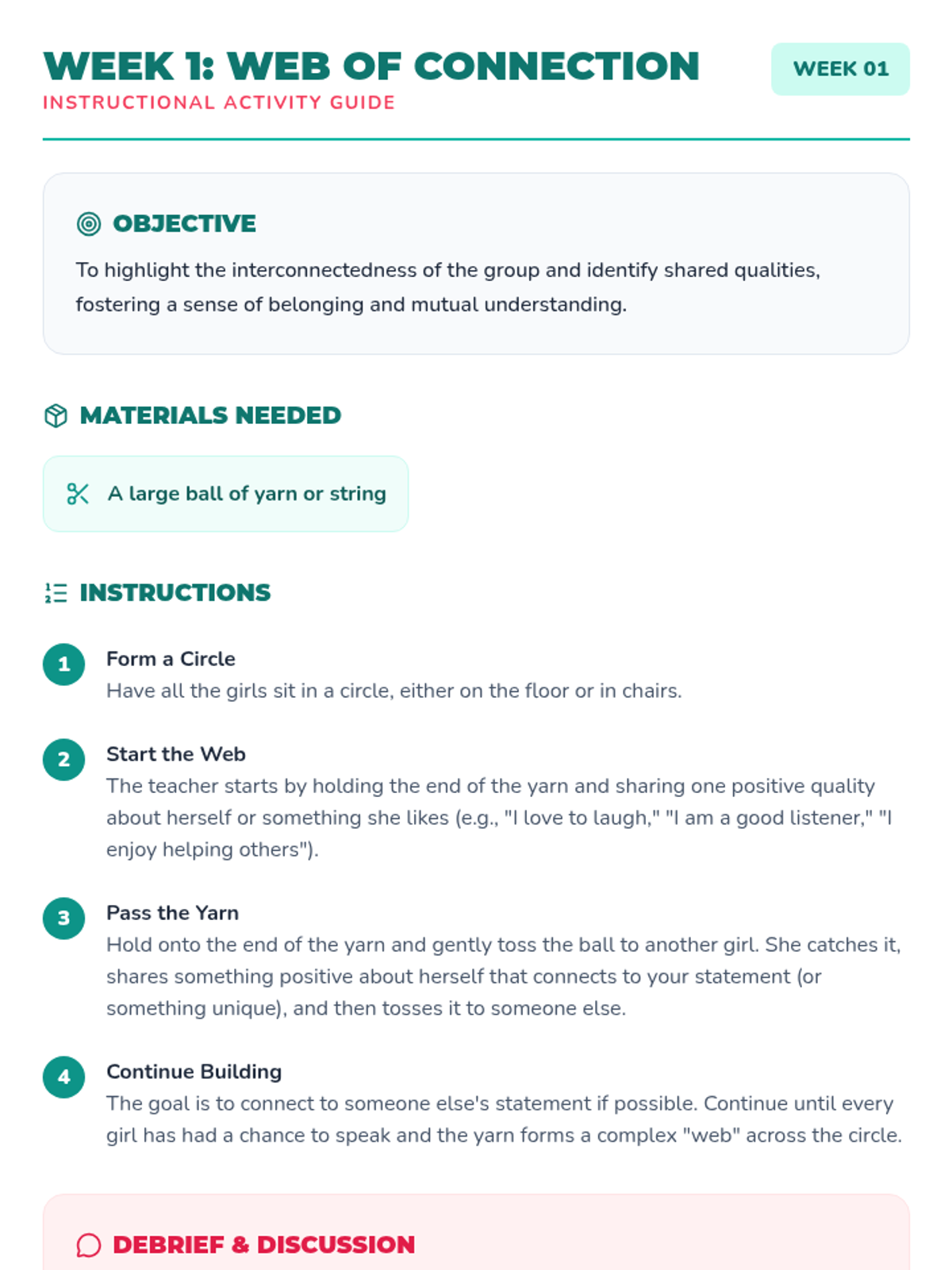
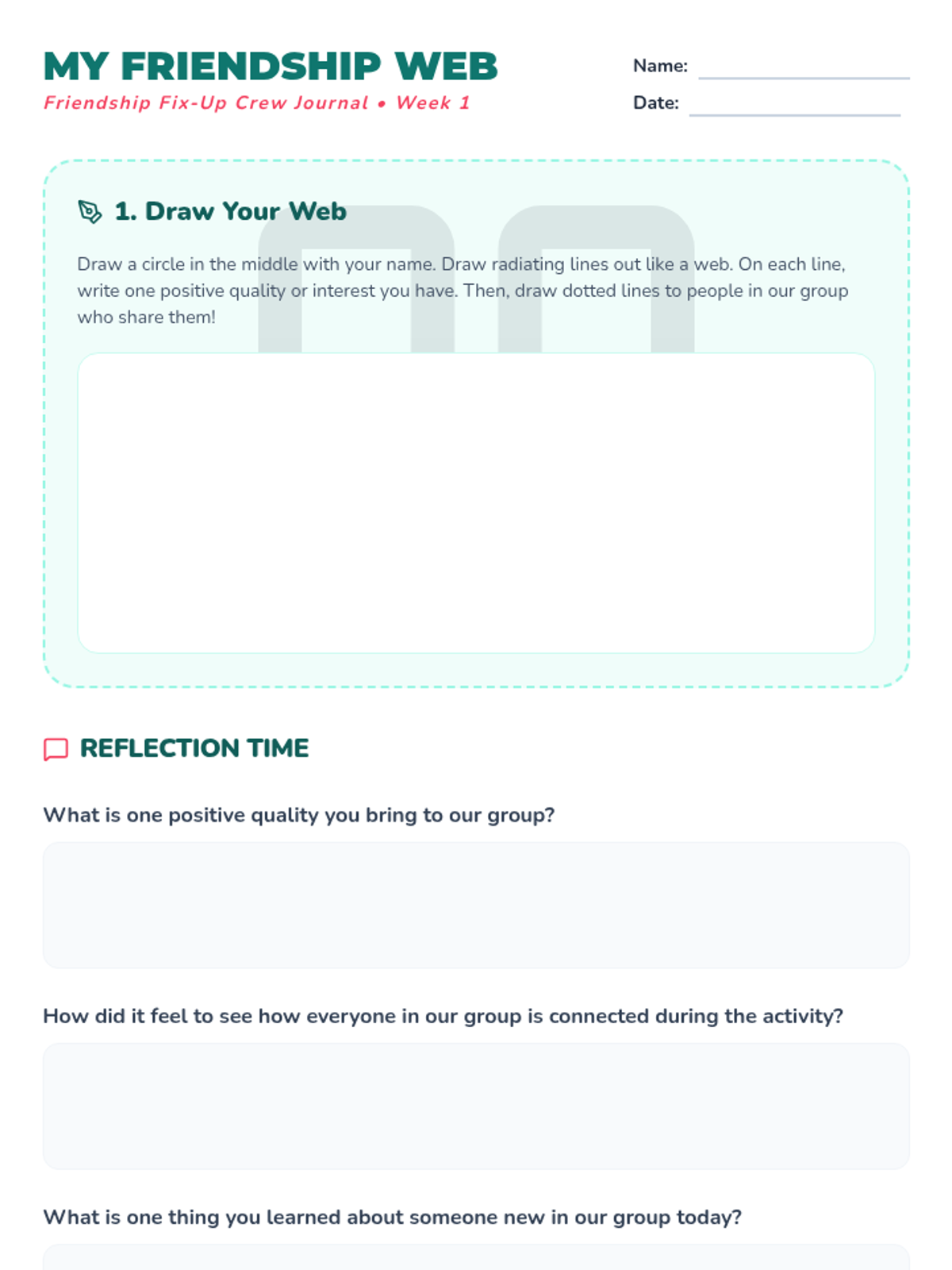
A 6-week empowerment program for 4th-grade girls designed to build self-esteem, identify personal strengths, and develop resilience through creative activities and group discussion.
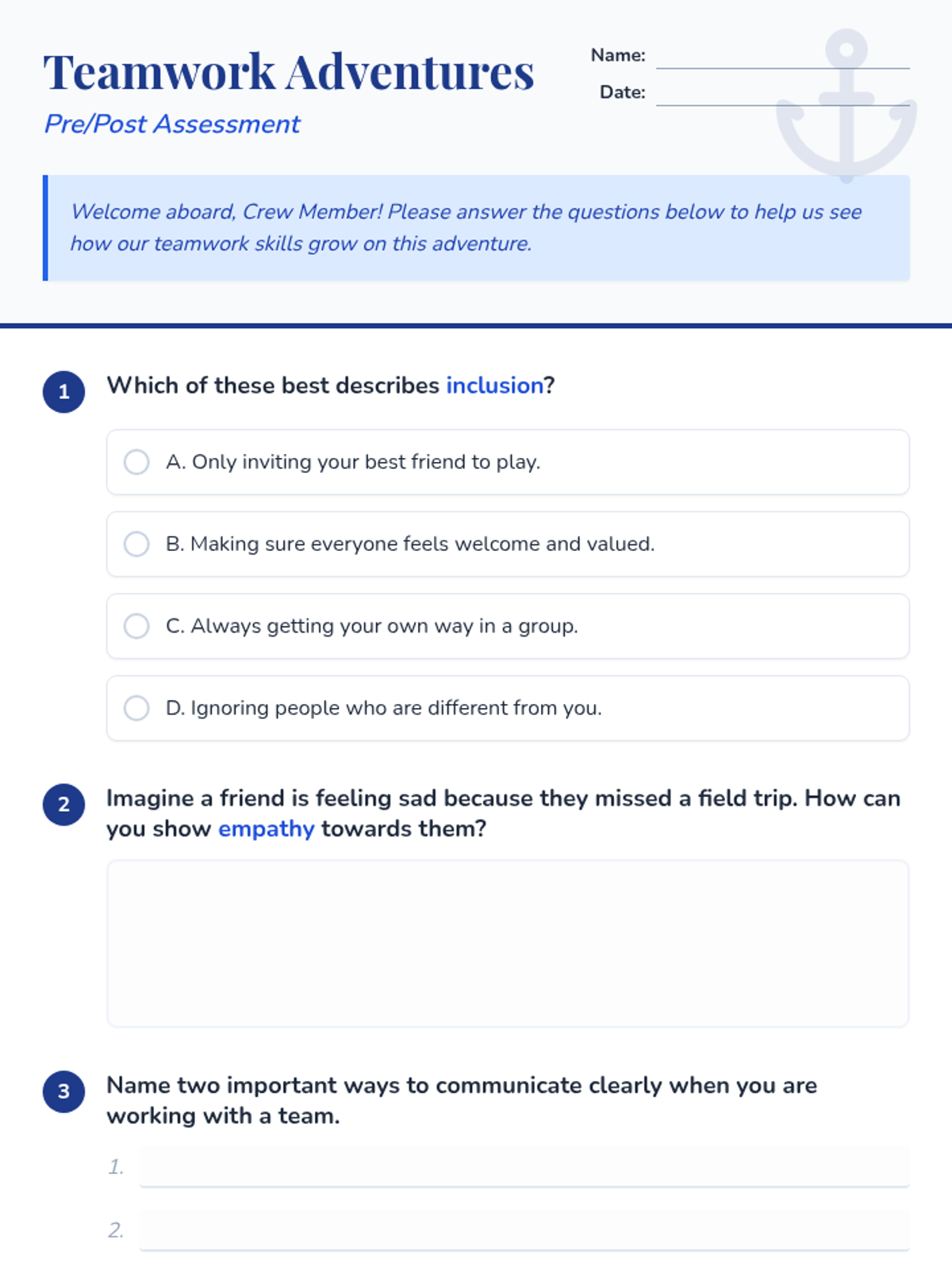
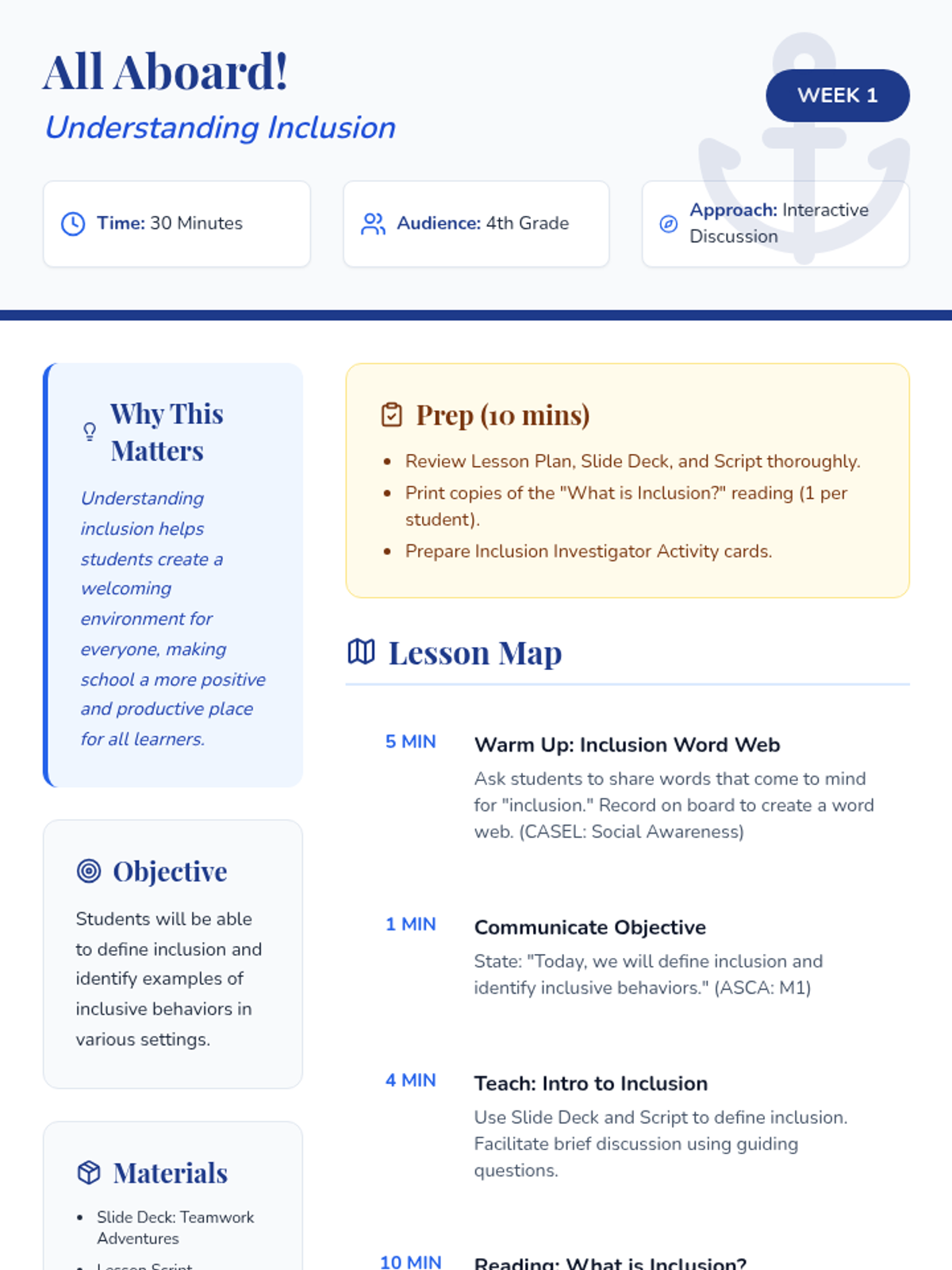
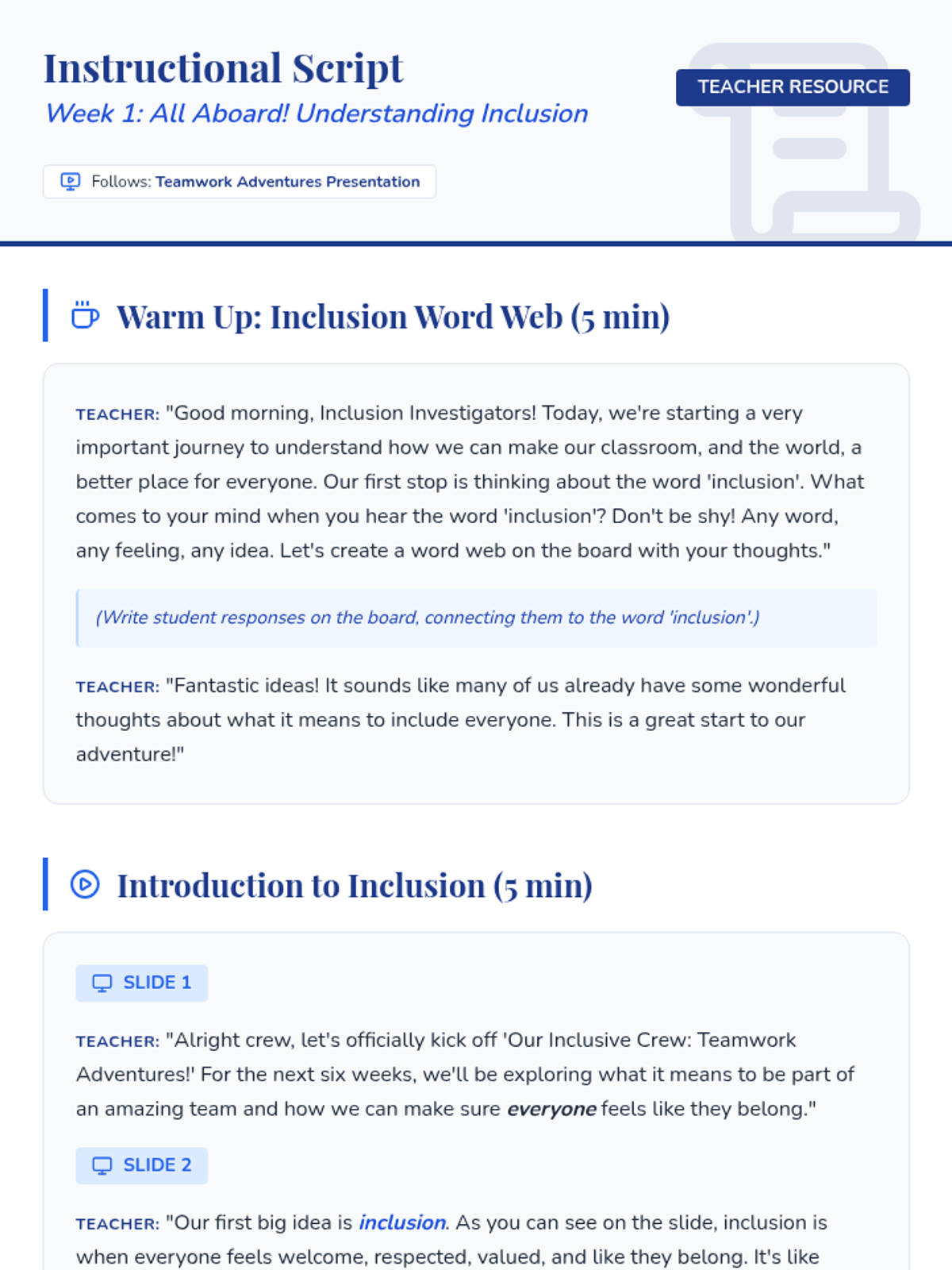
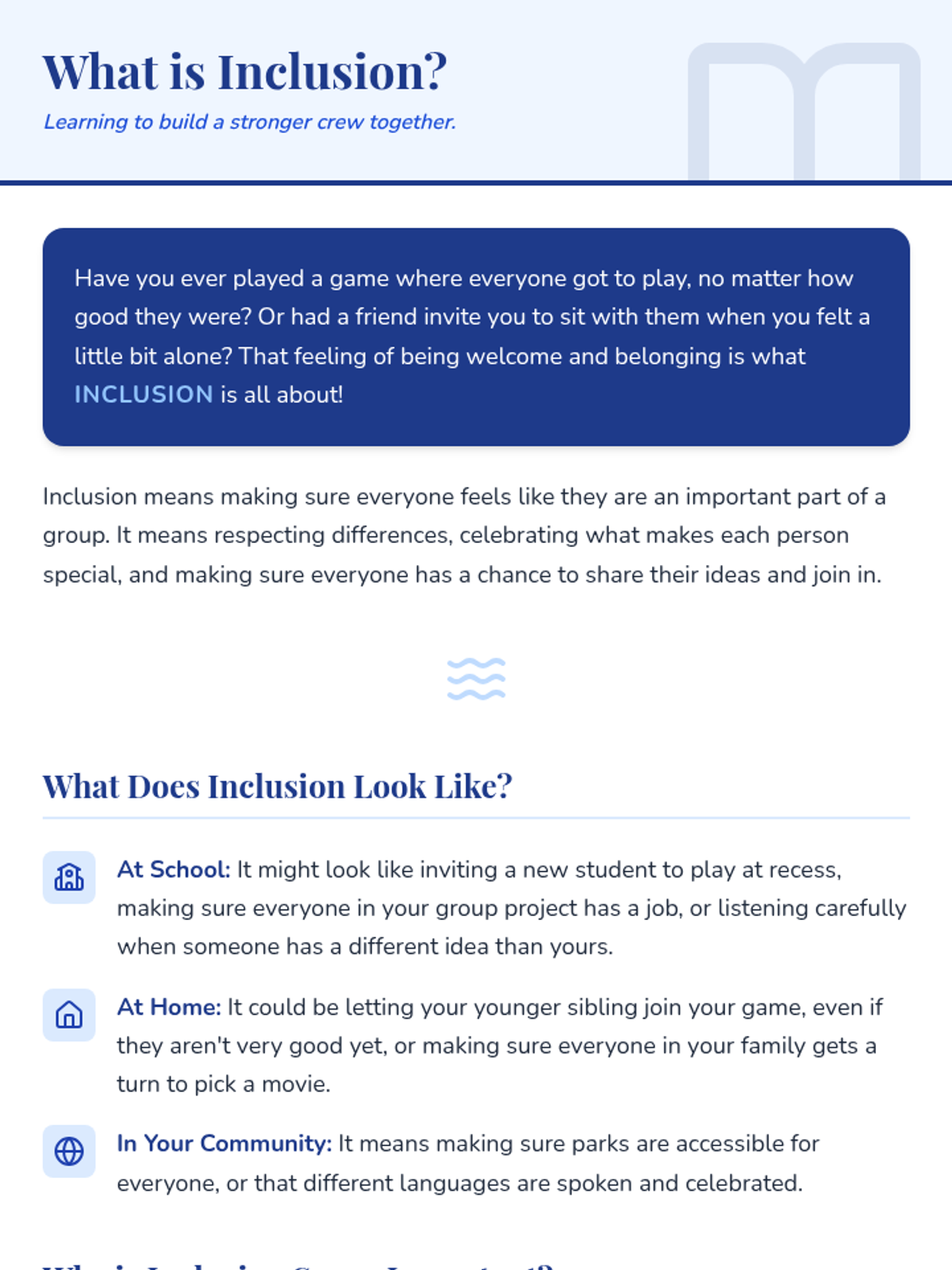
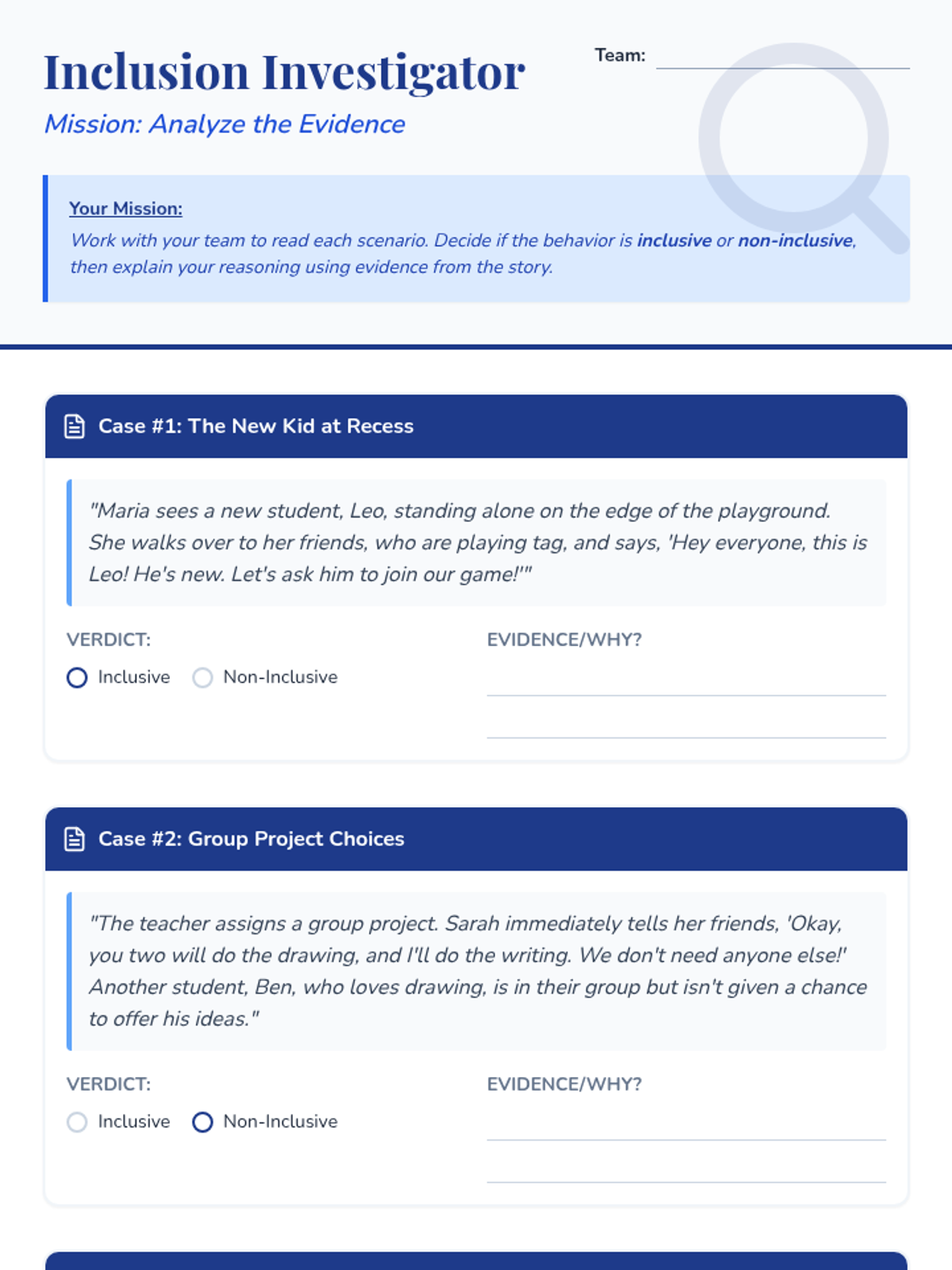
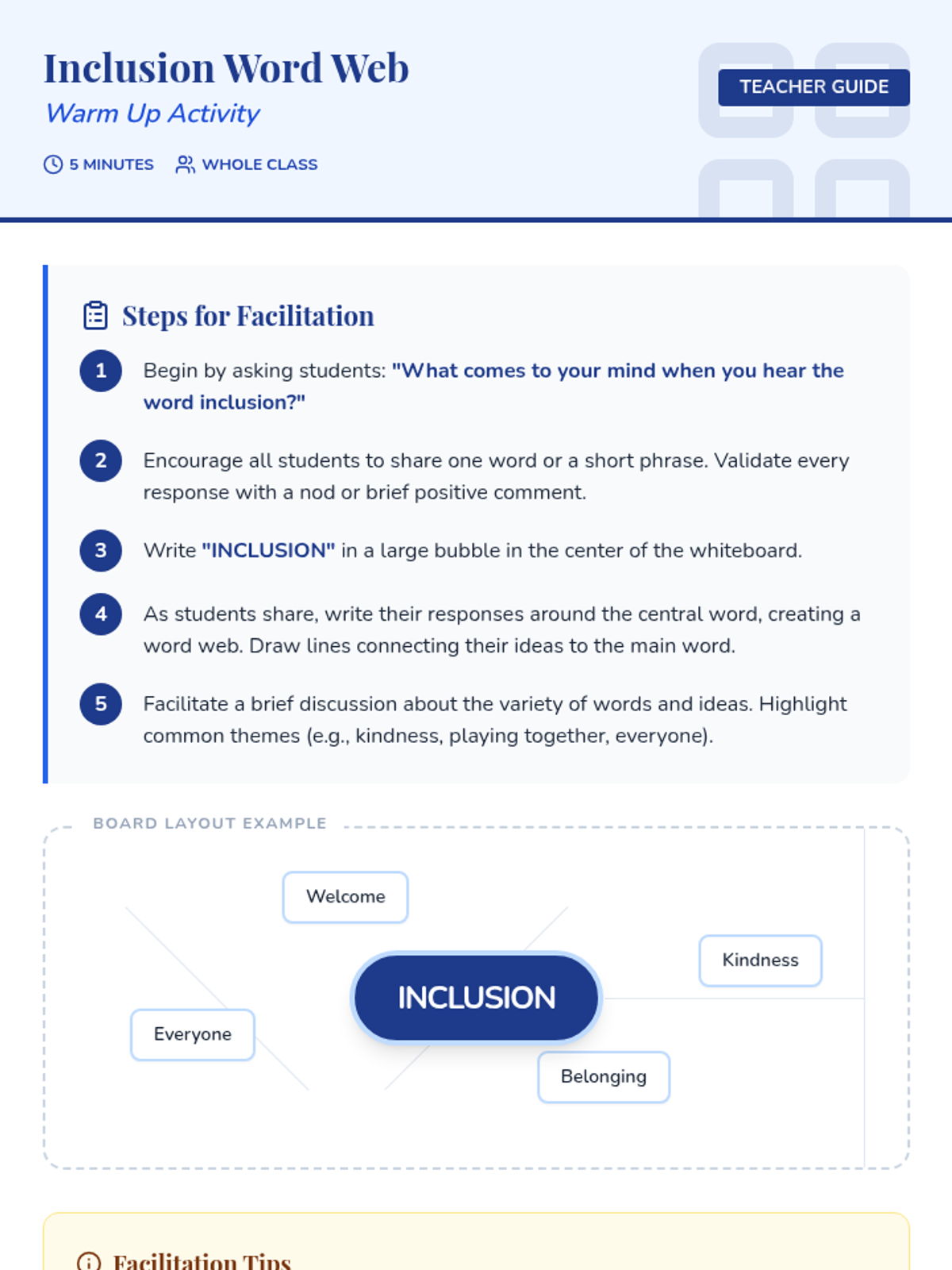
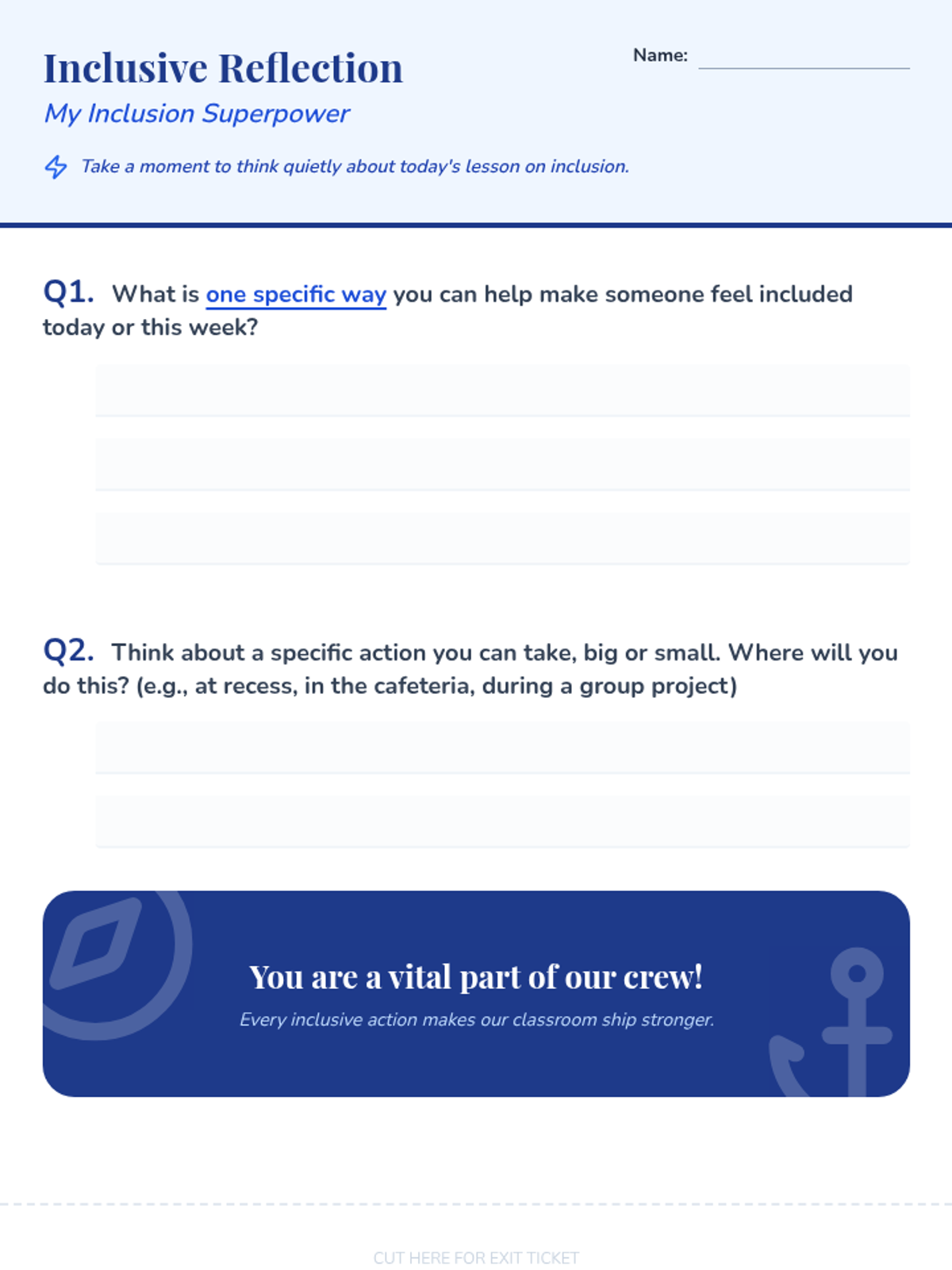
A 6-week social-emotional learning sequence for 4th graders focused on inclusion, communication, and collaborative teamwork. Students explore empathy, diversity, and problem-solving to build a supportive classroom 'crew'.
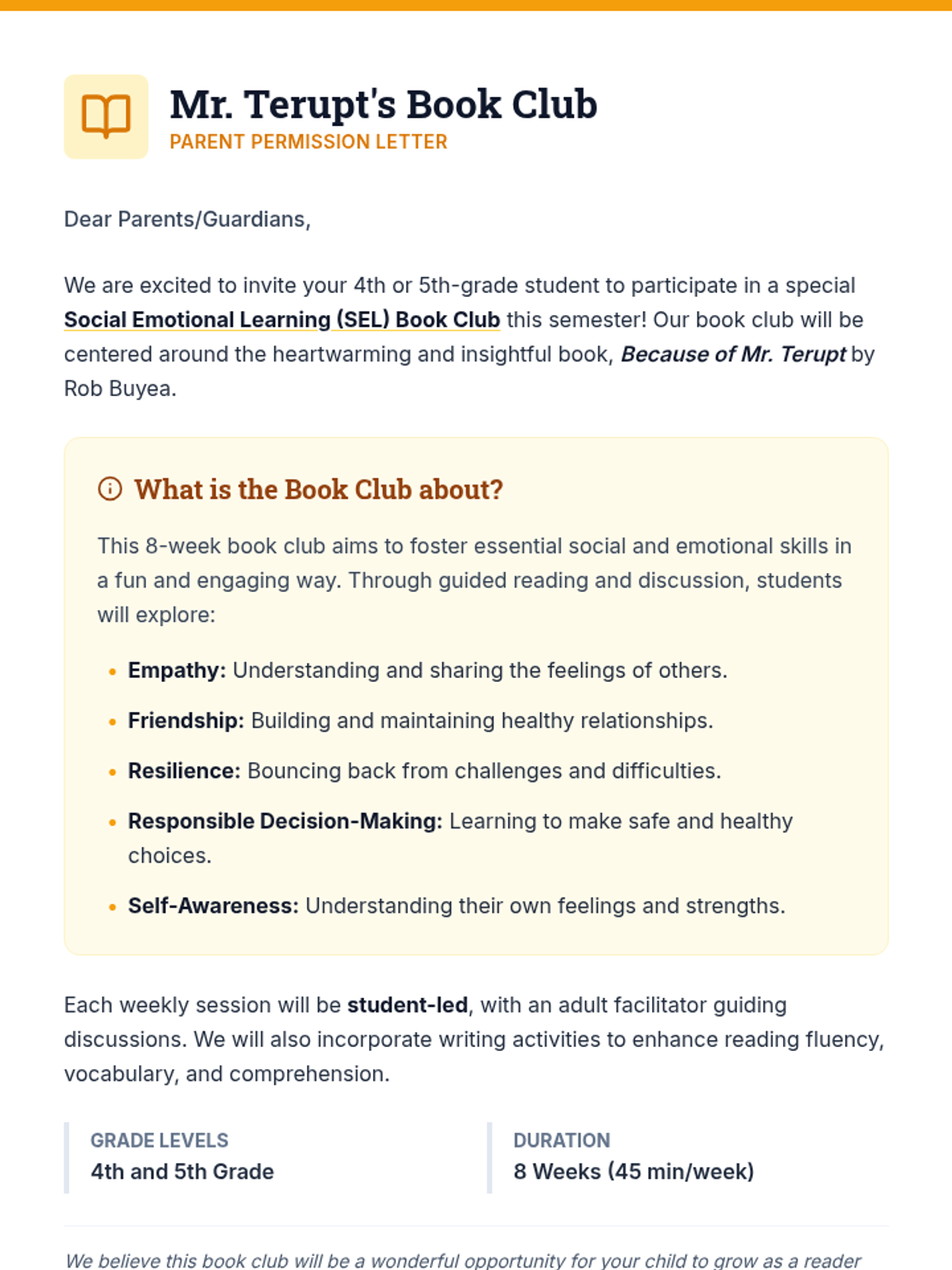
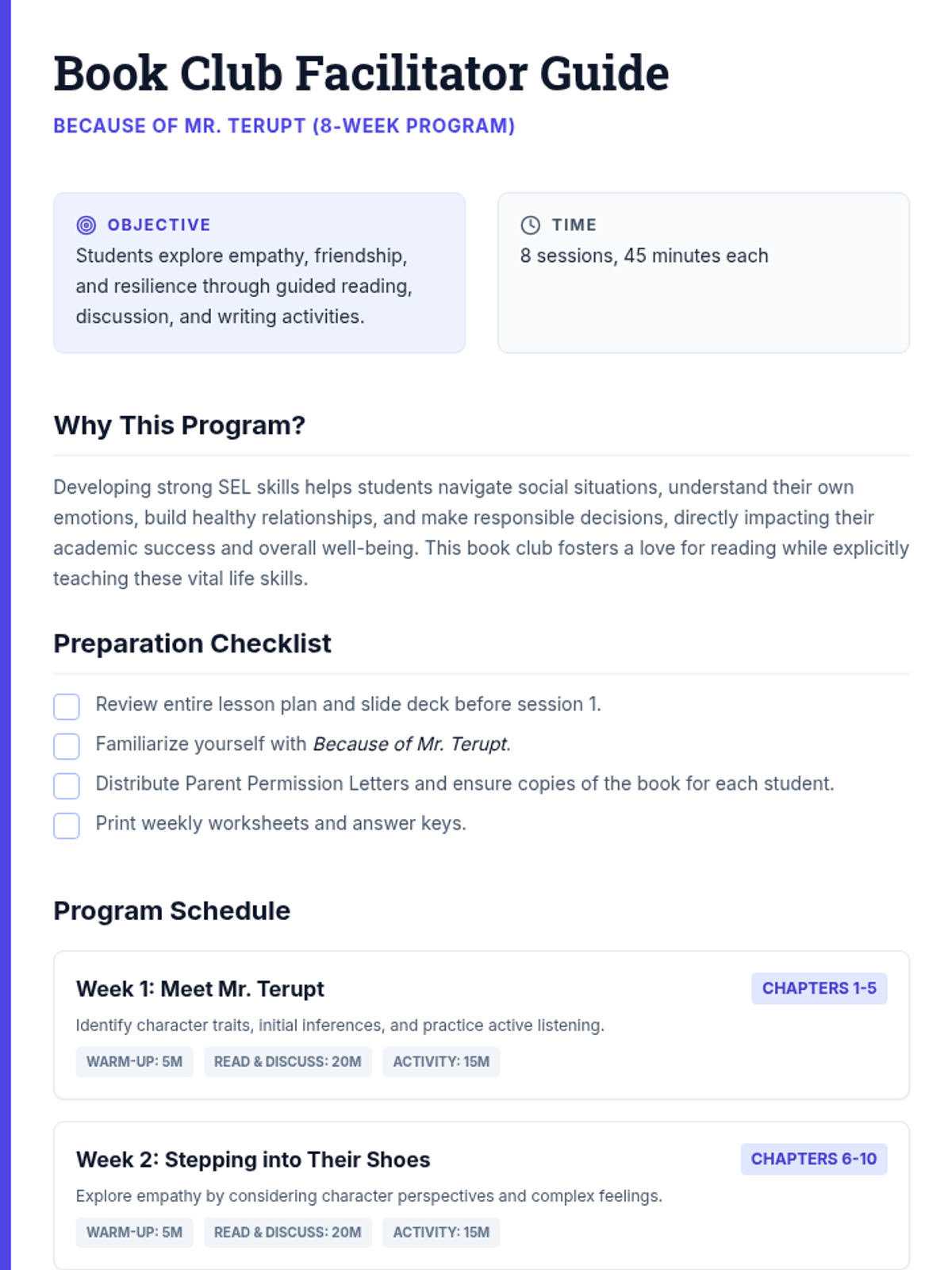
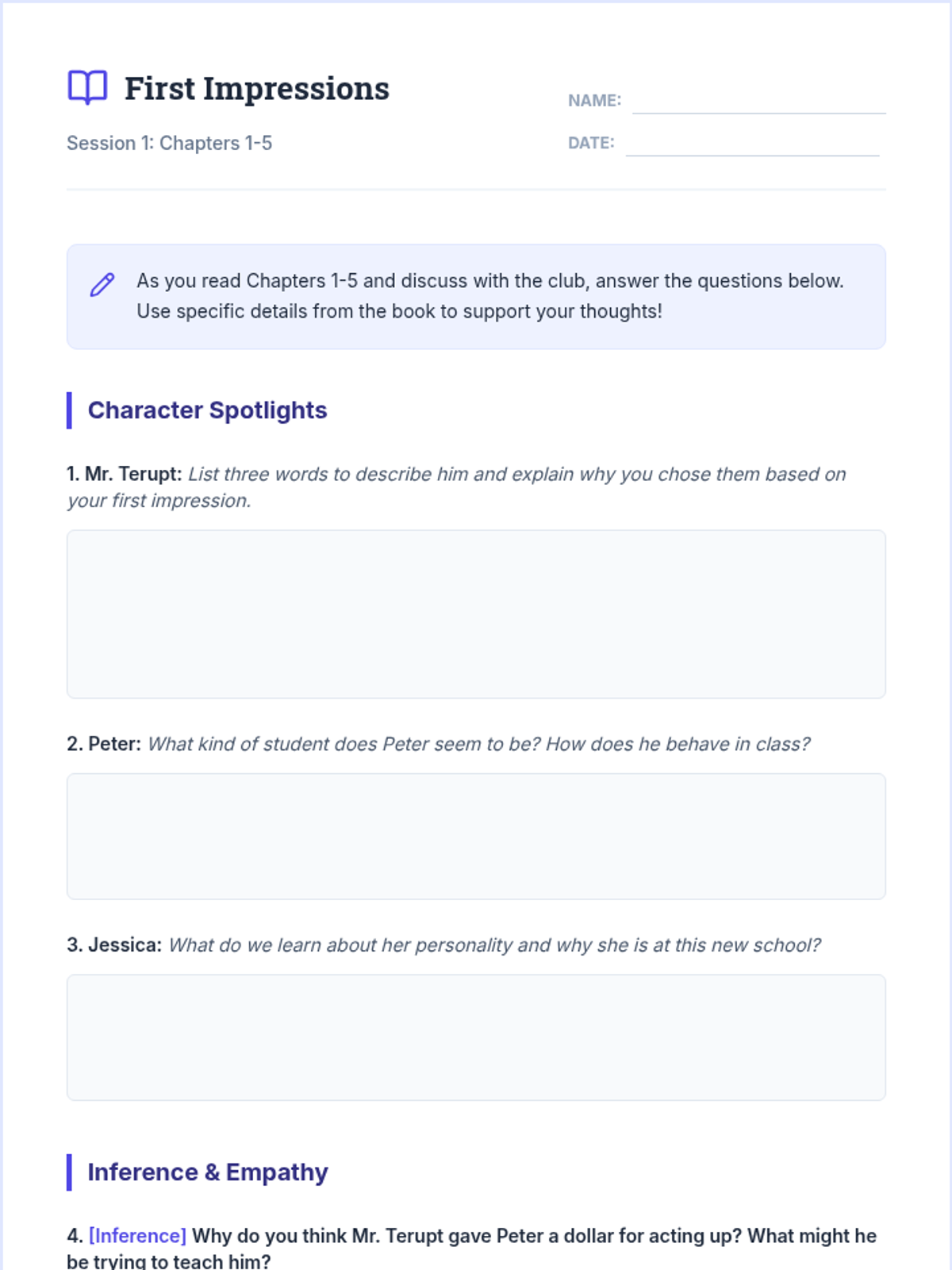
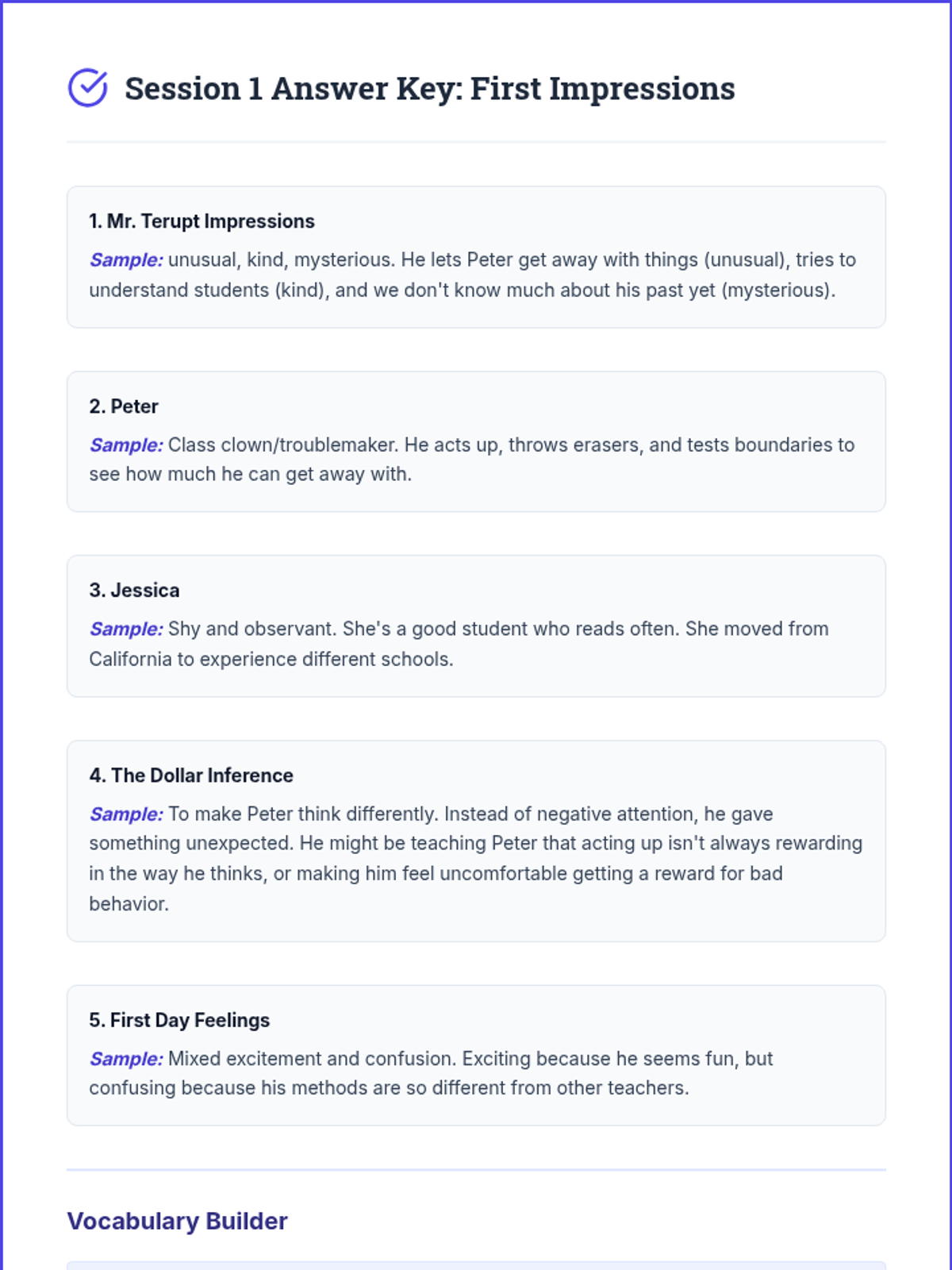
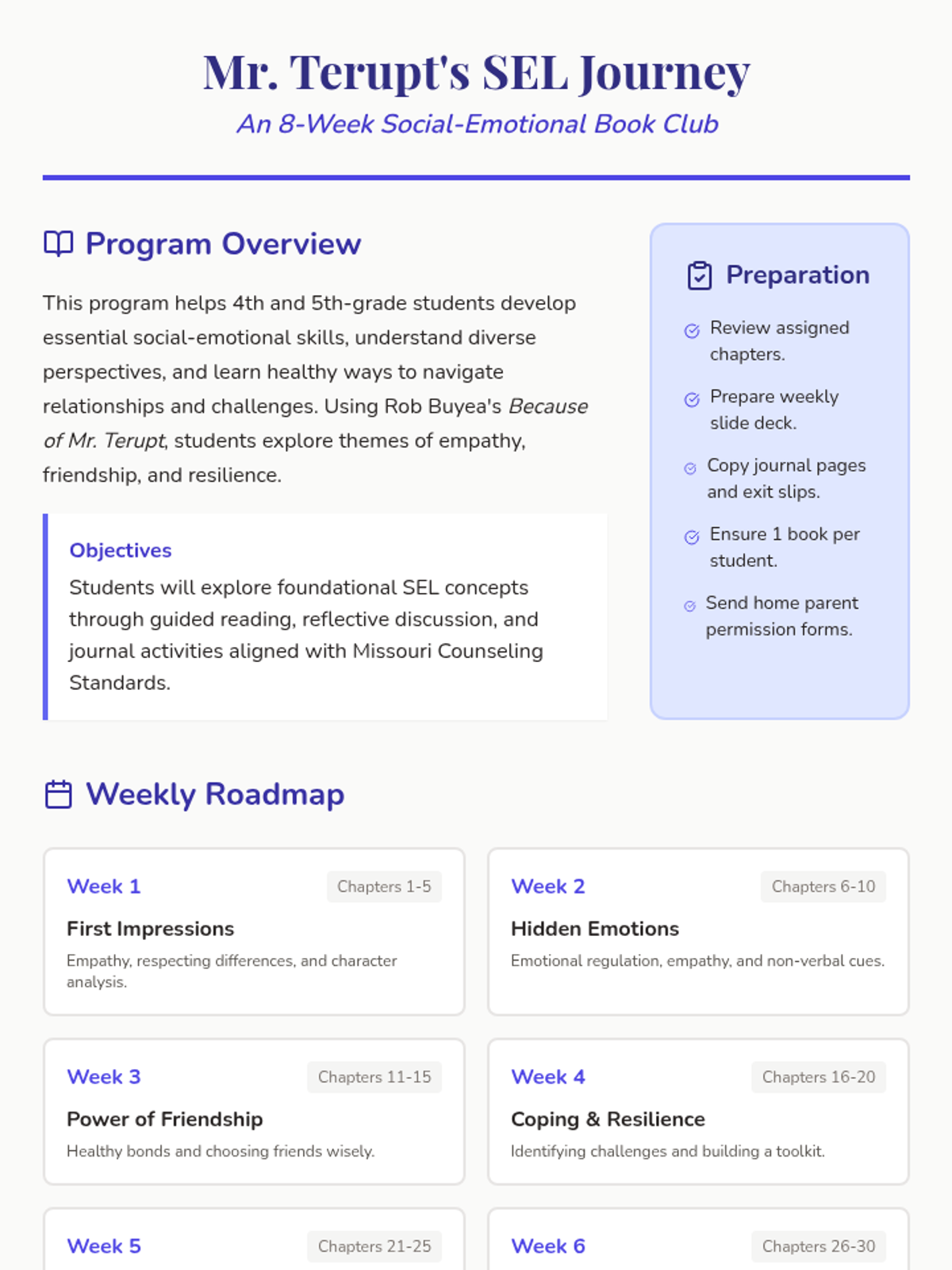
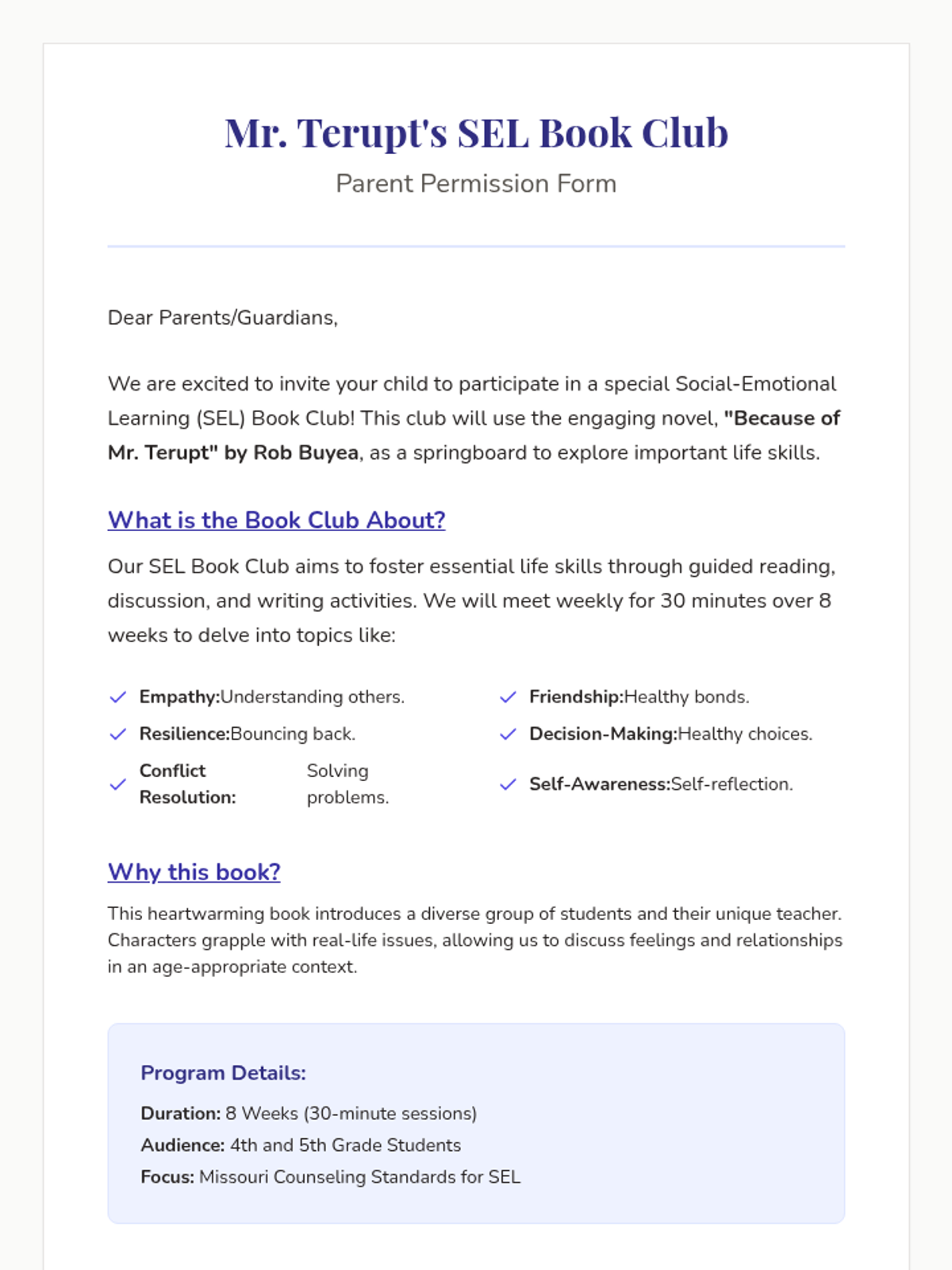
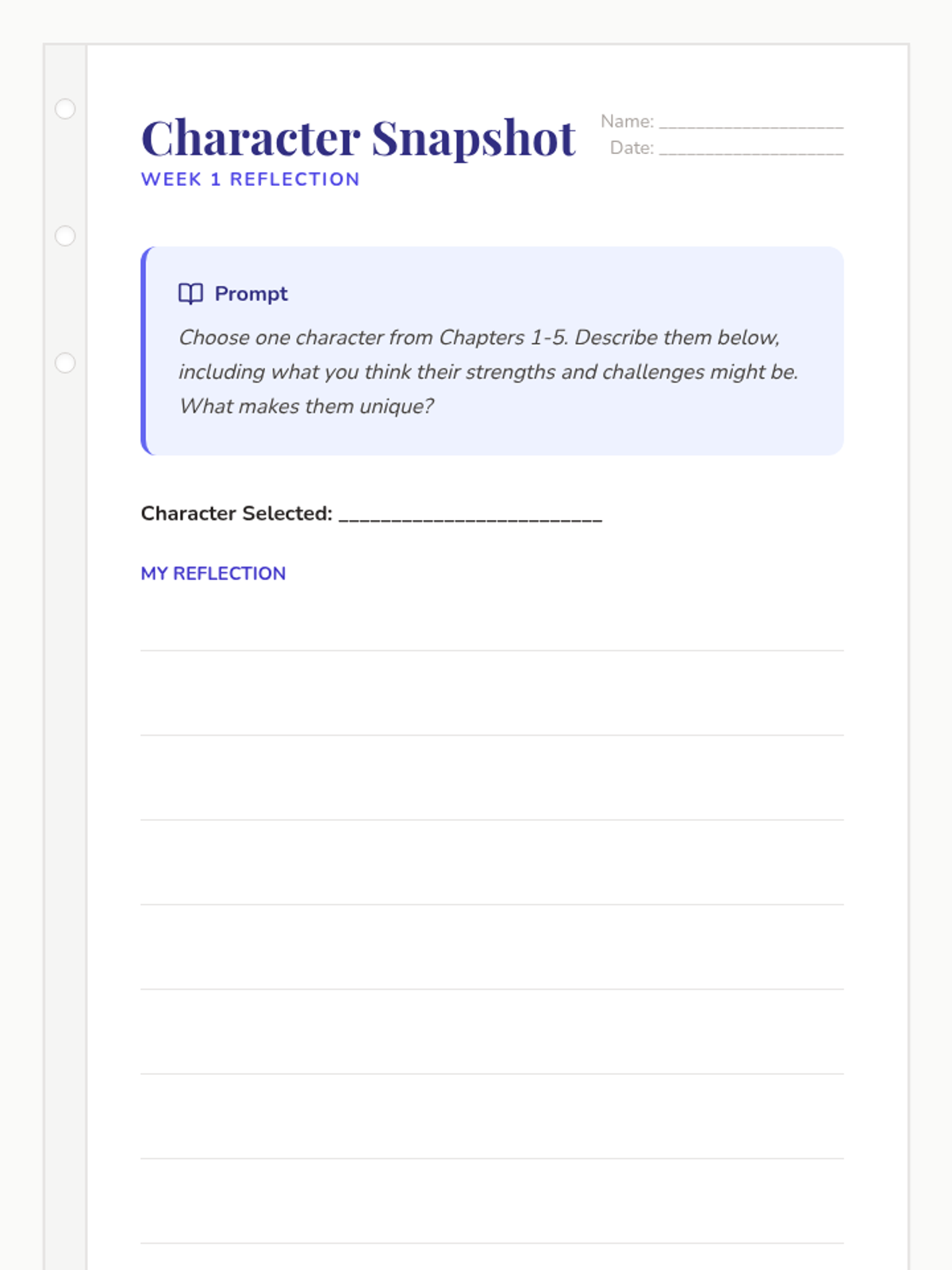
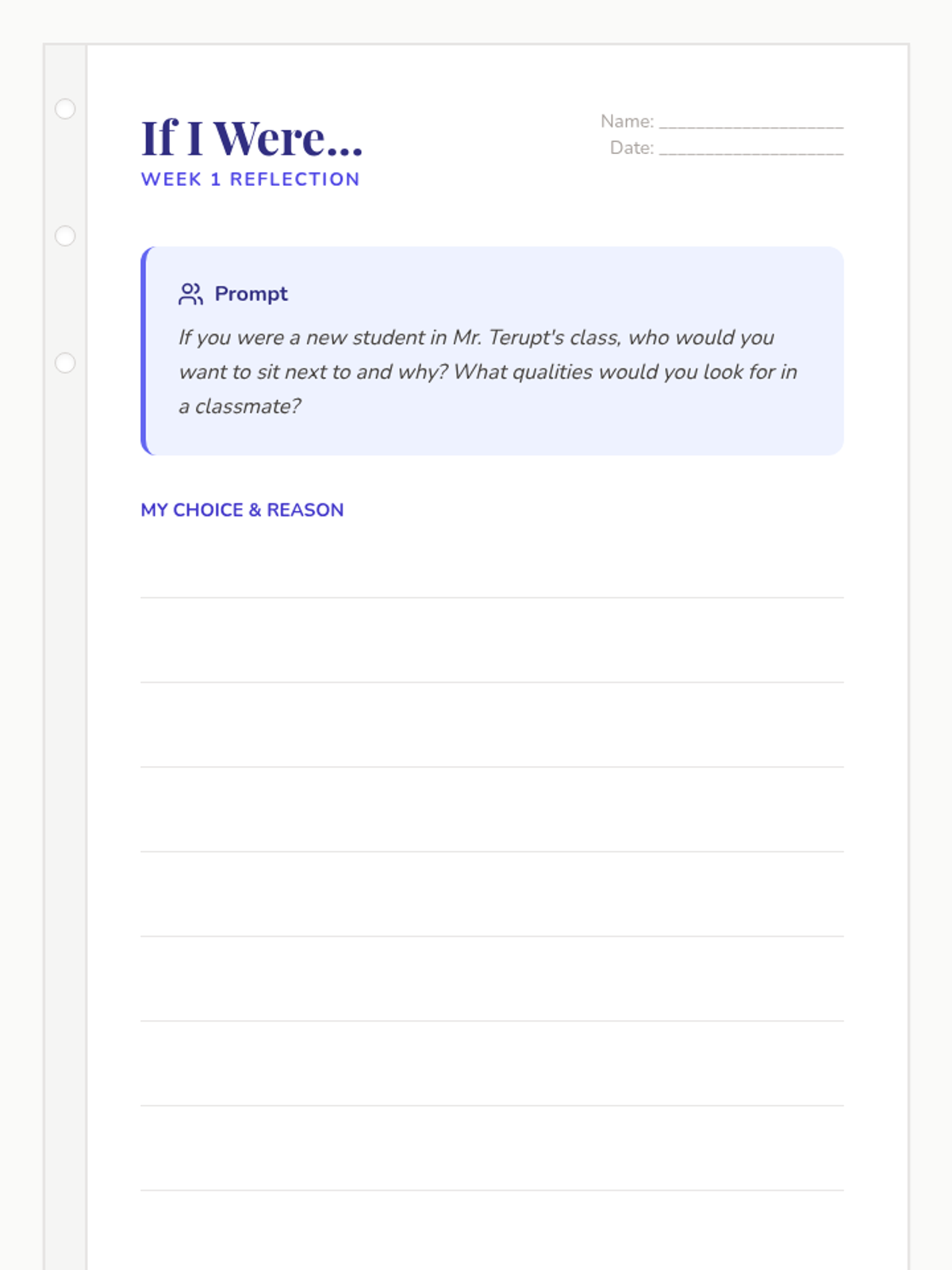
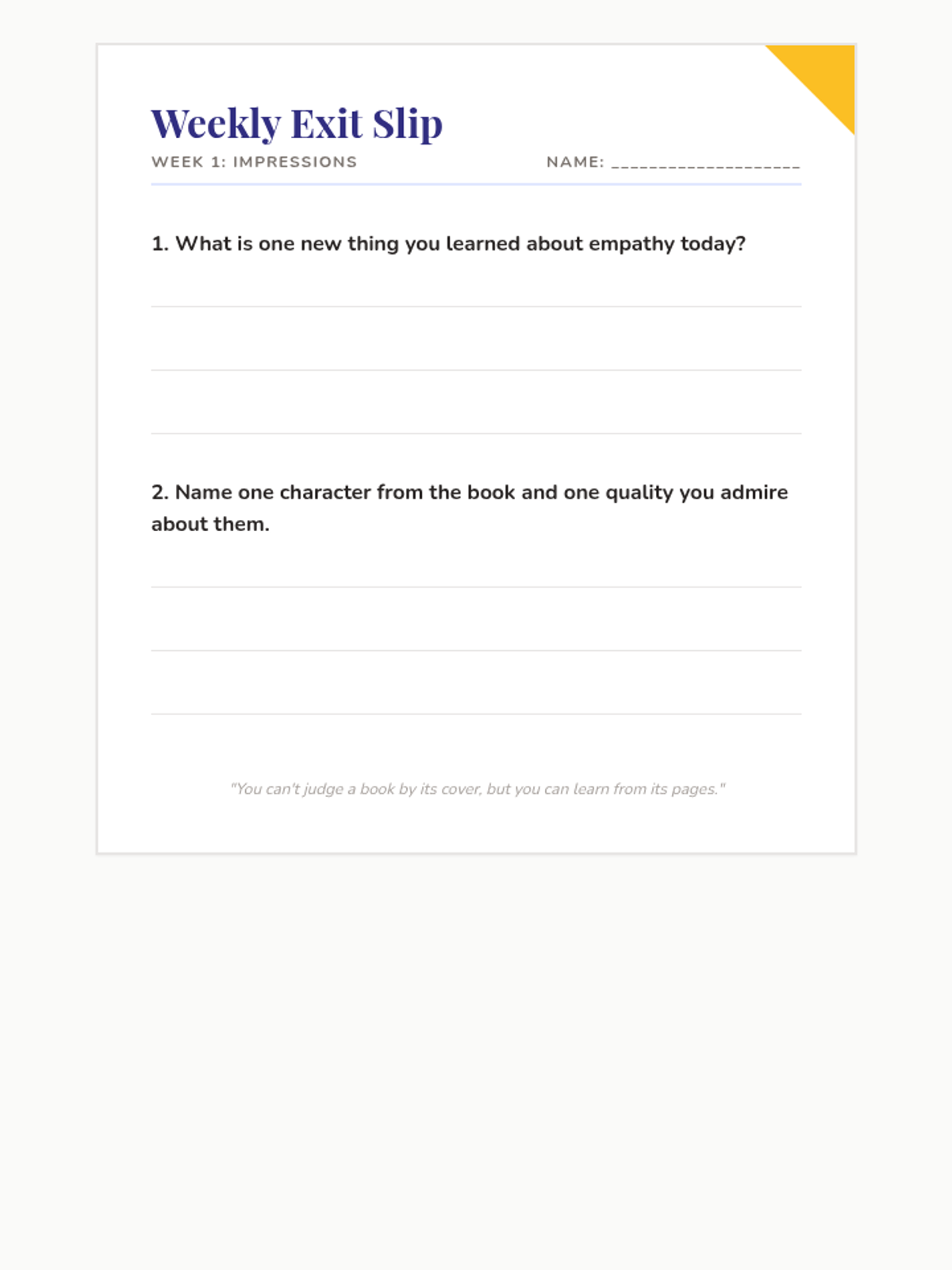
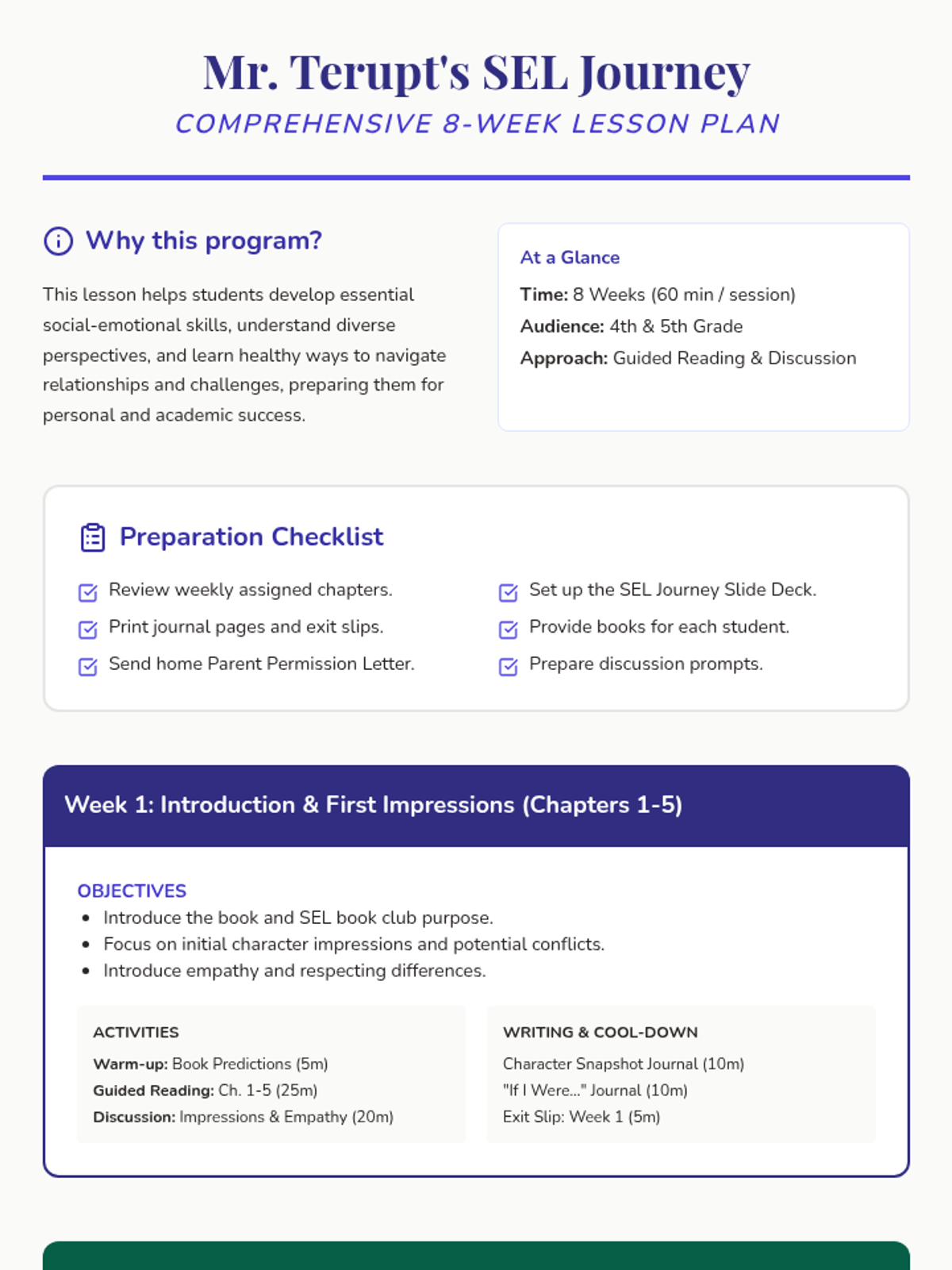
An 8-week student-led book club sequence for 4th and 5th graders centered around 'Because of Mr. Terupt'. Students explore empathy, friendship, and resilience through guided discussion and reflection.
An 8-week social-emotional book club for 4th and 5th graders using Rob Buyea's 'Because of Mr. Terupt' to explore empathy, friendship, and resilience.
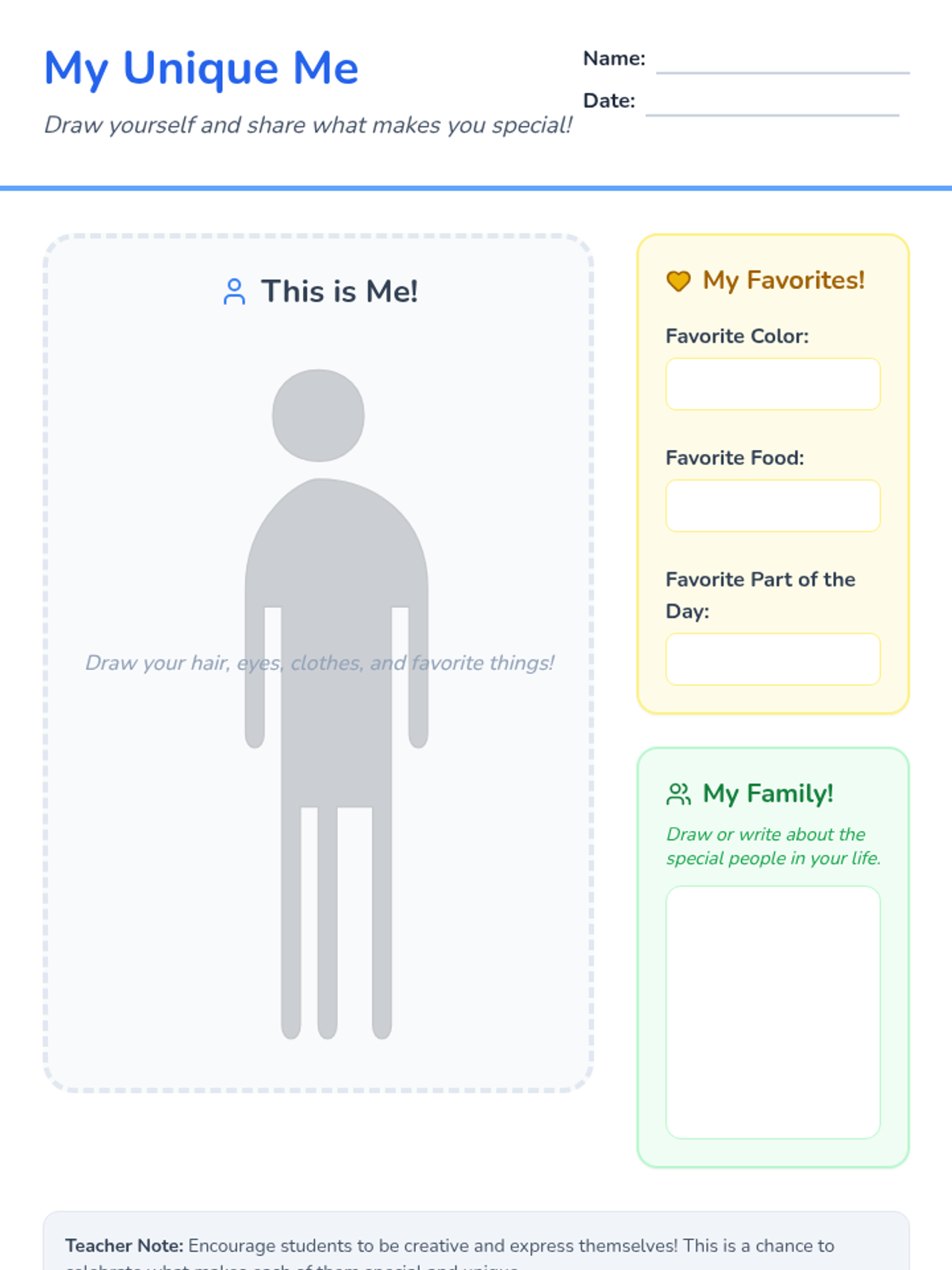
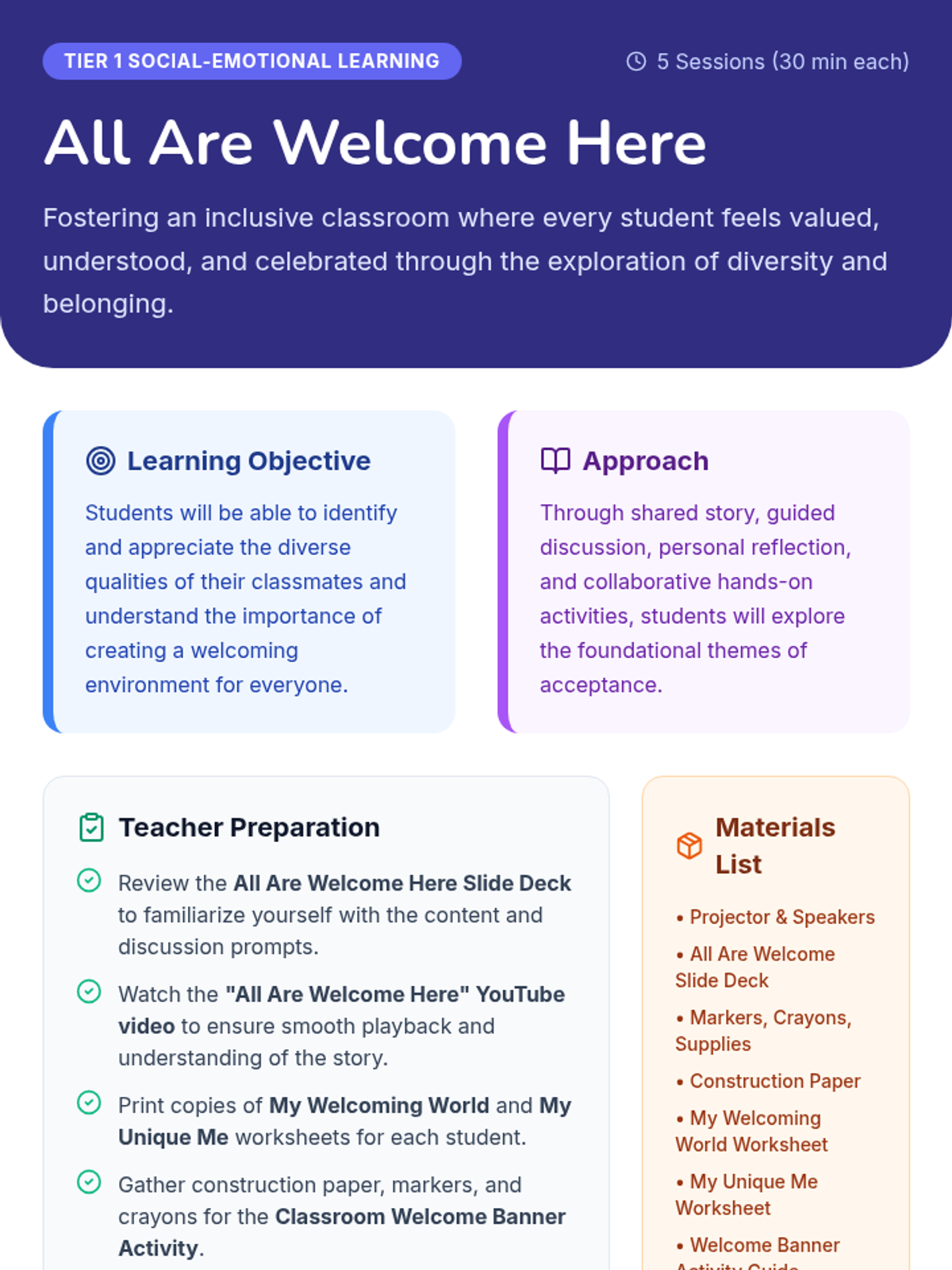
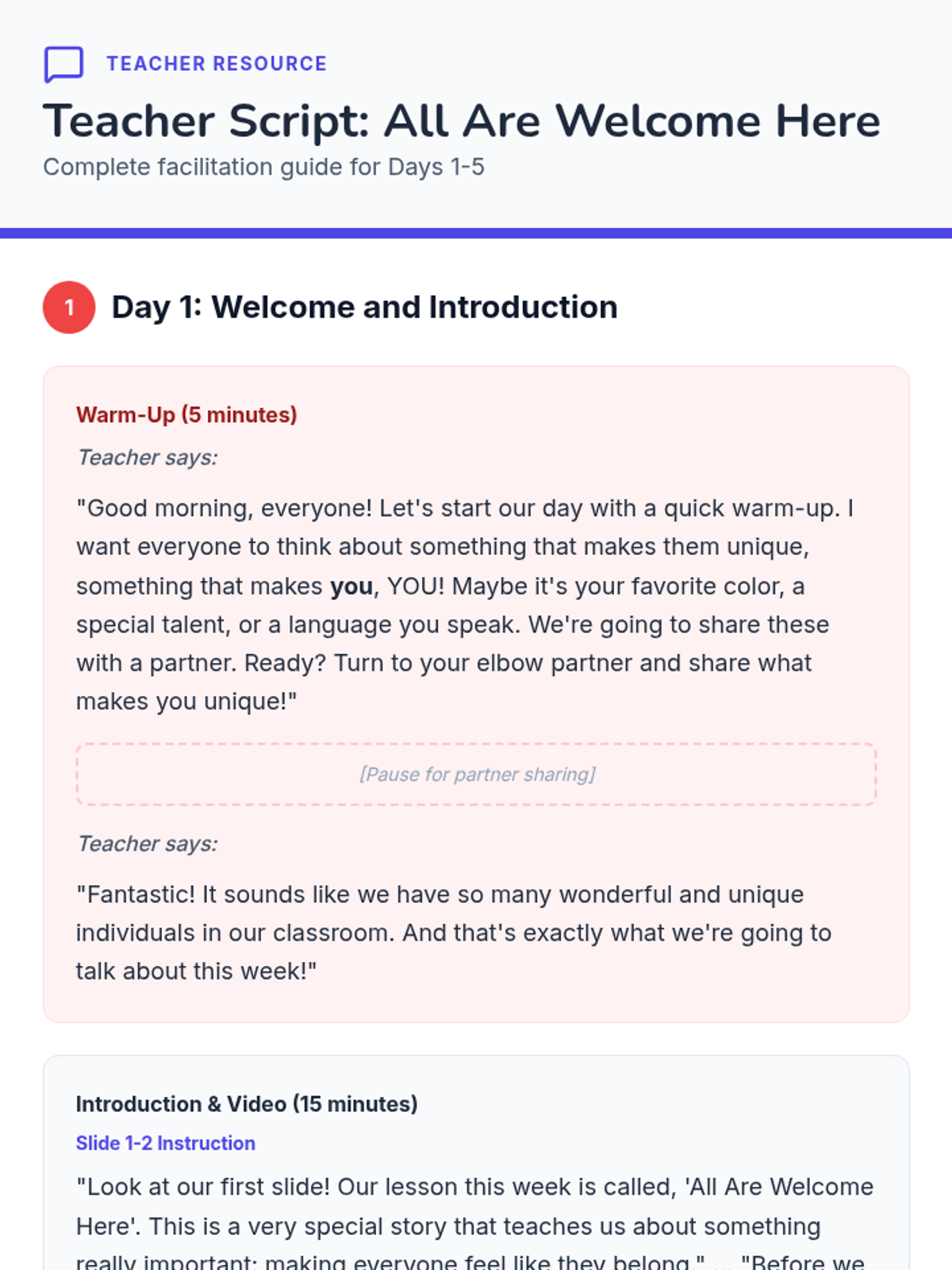
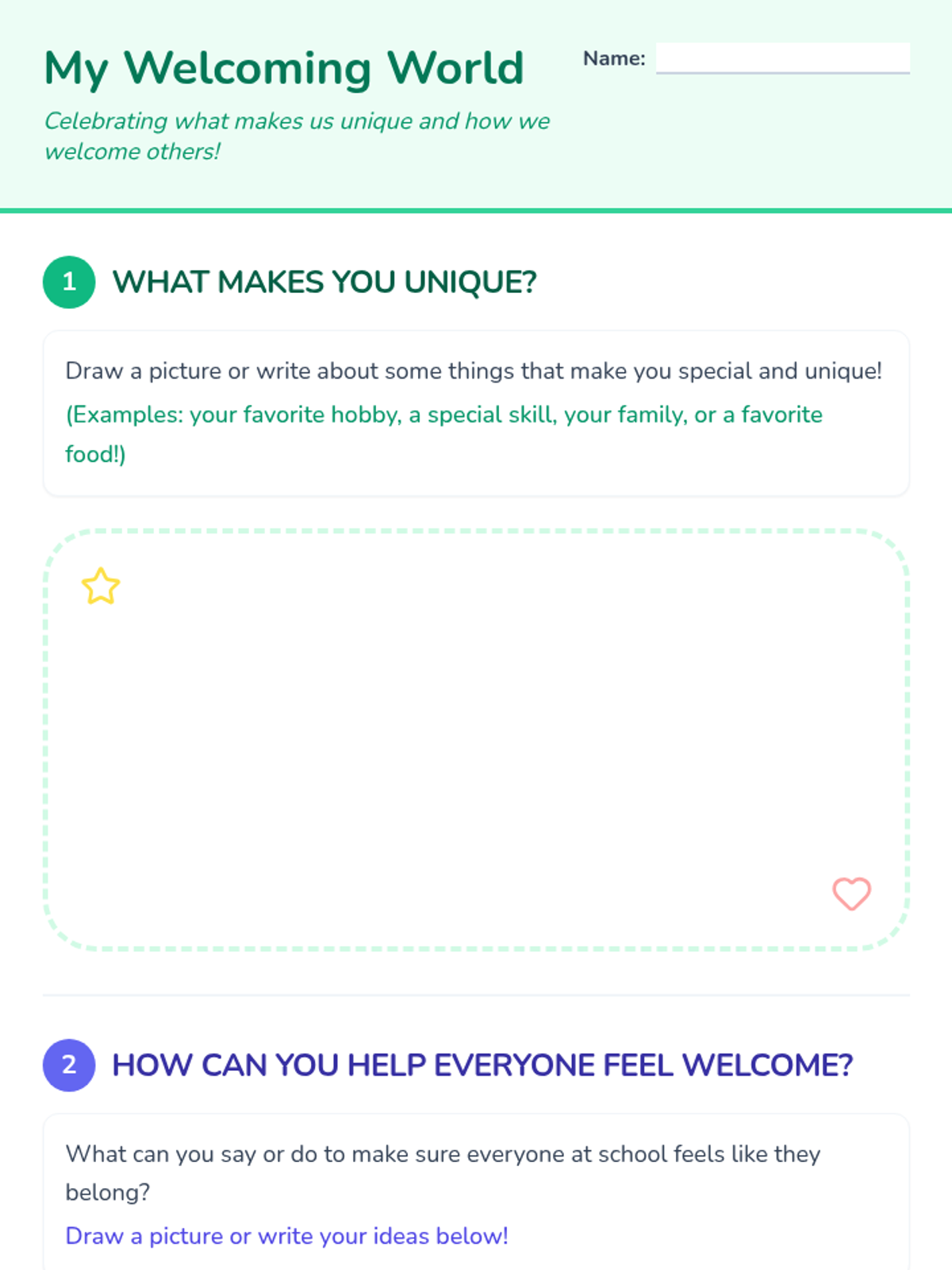
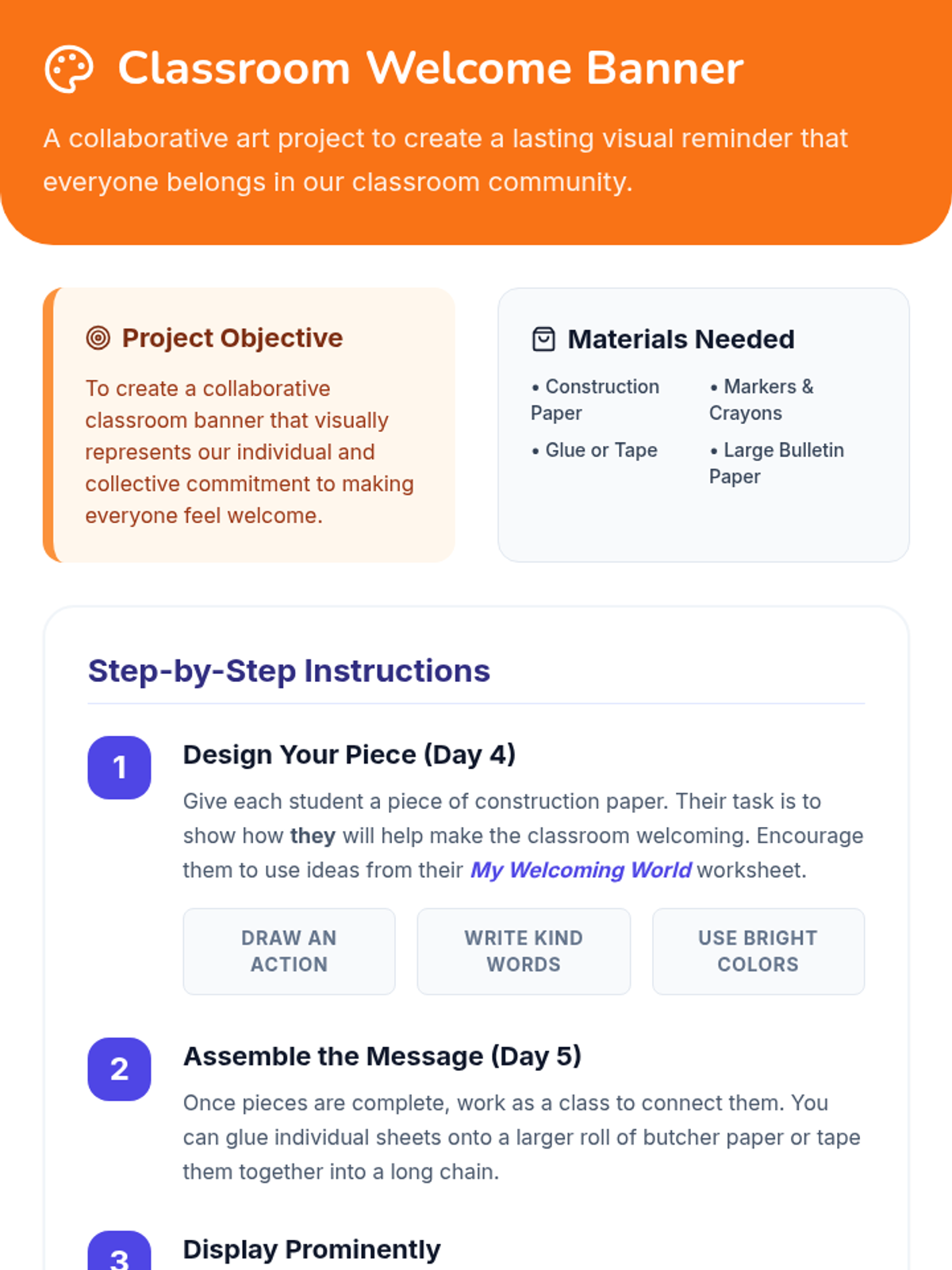
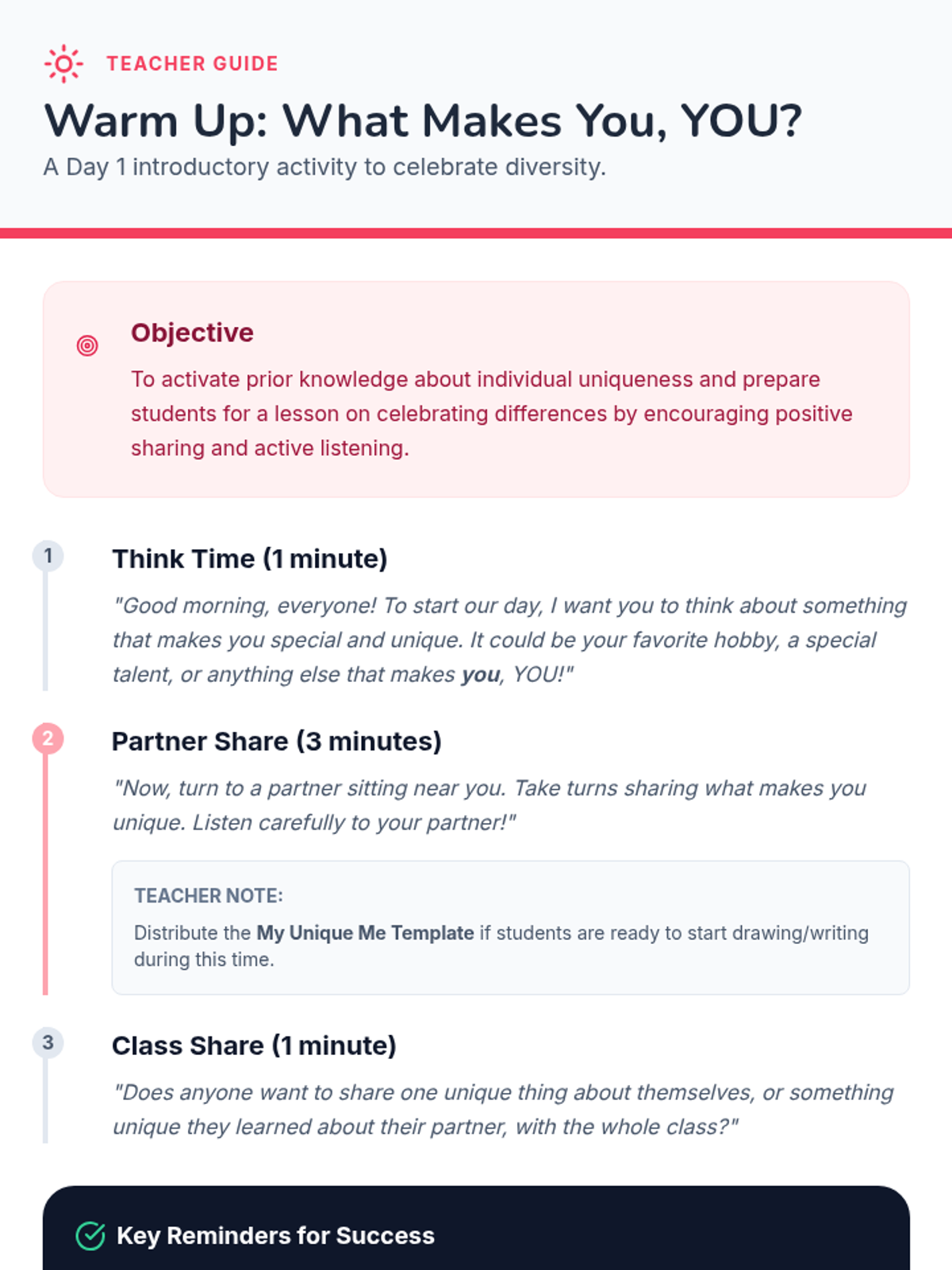
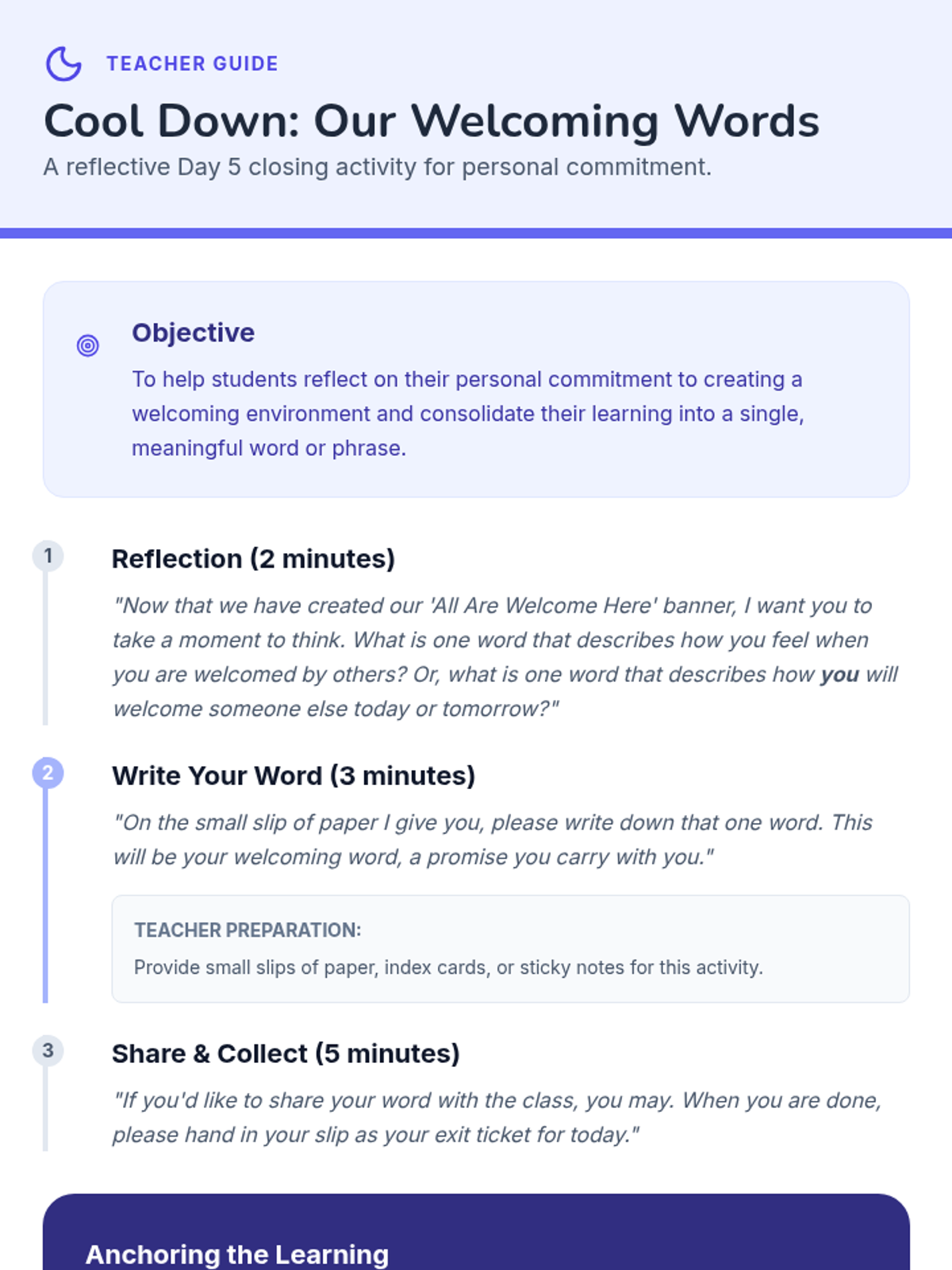
A five-day social-emotional learning sequence for elementary students exploring acceptance, diversity, and belonging through the story 'All Are Welcome Here'. Students build empathy and celebrate classroom community through discussion, reflection, and collaborative art.
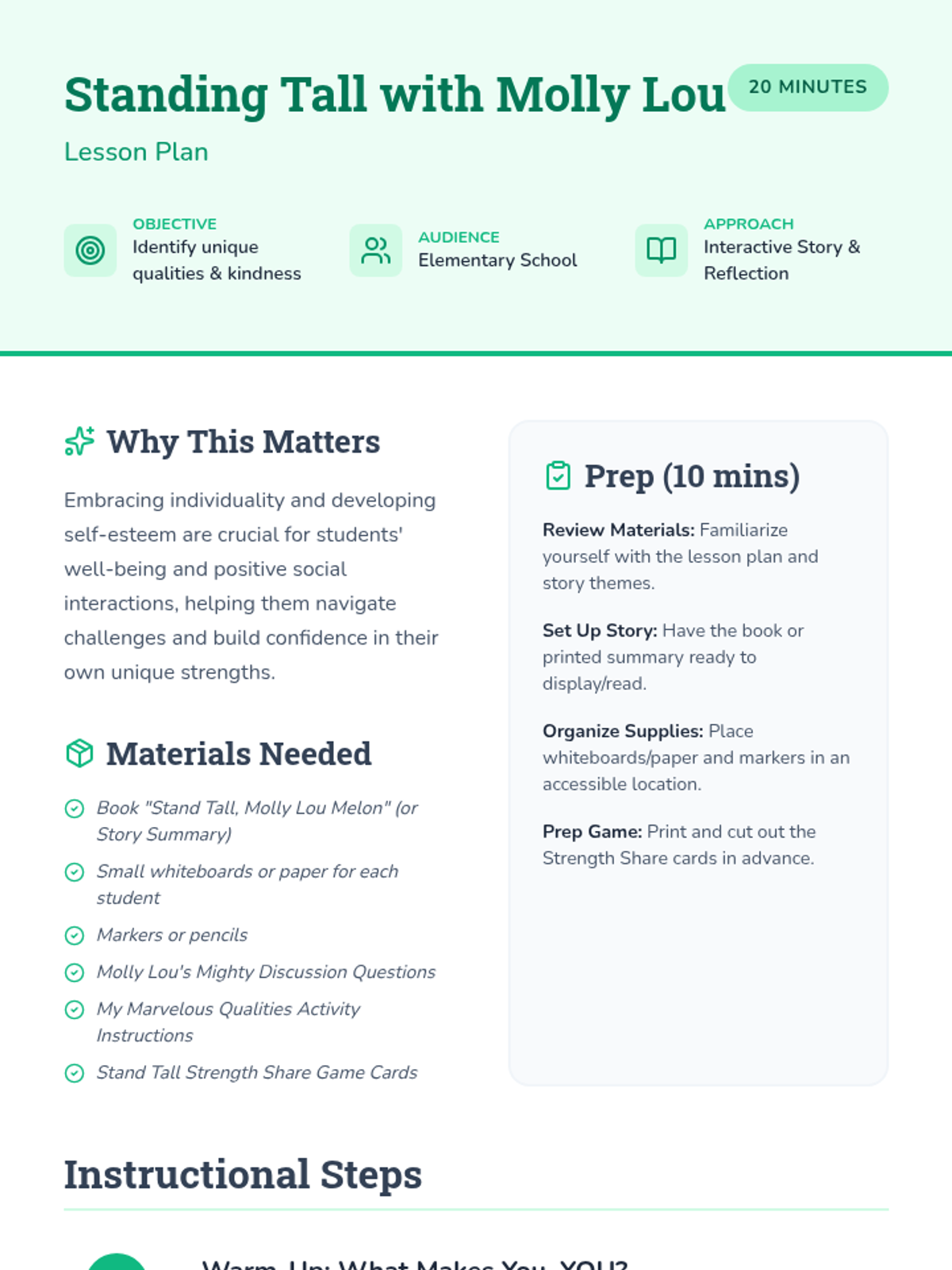
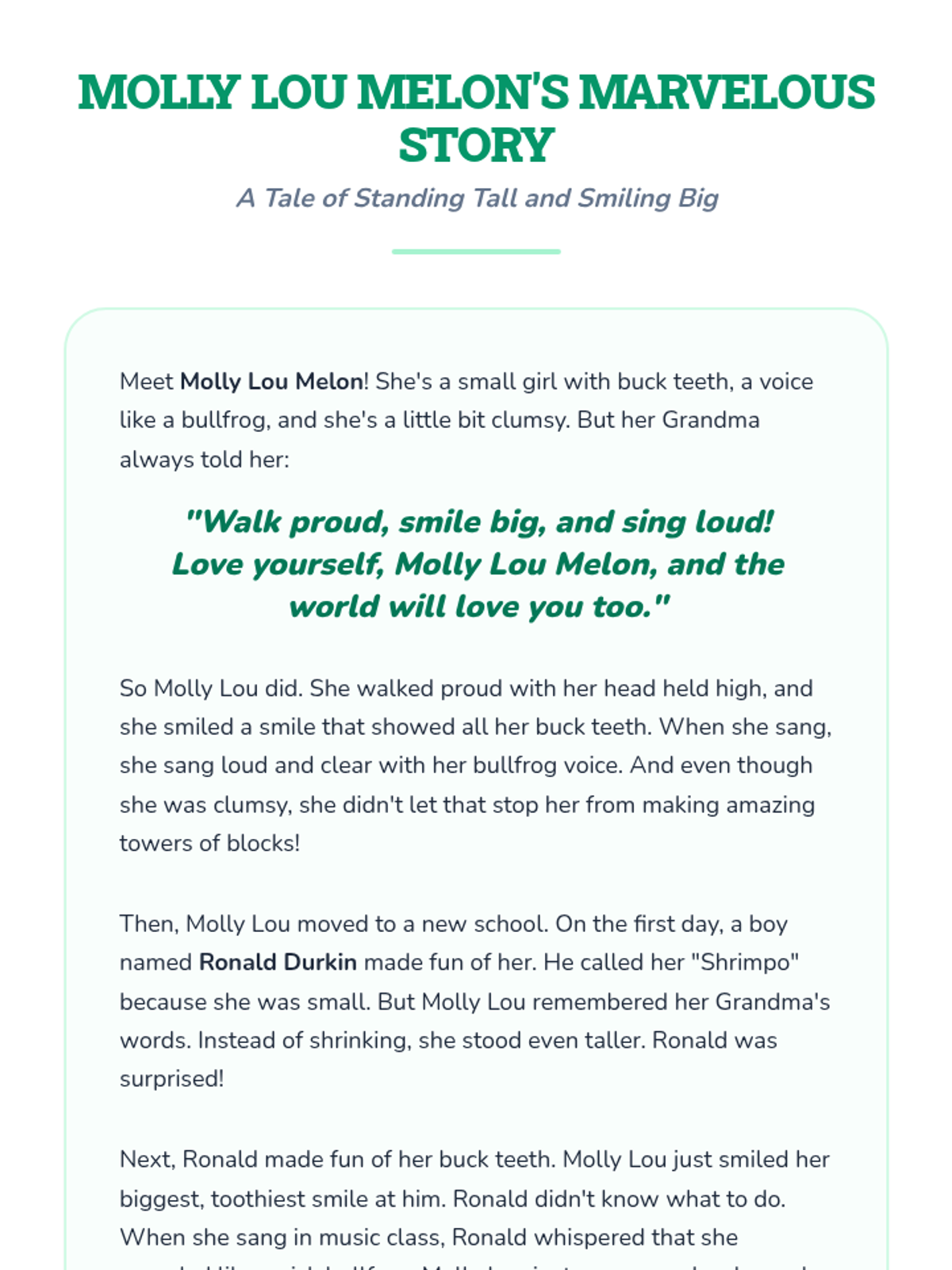
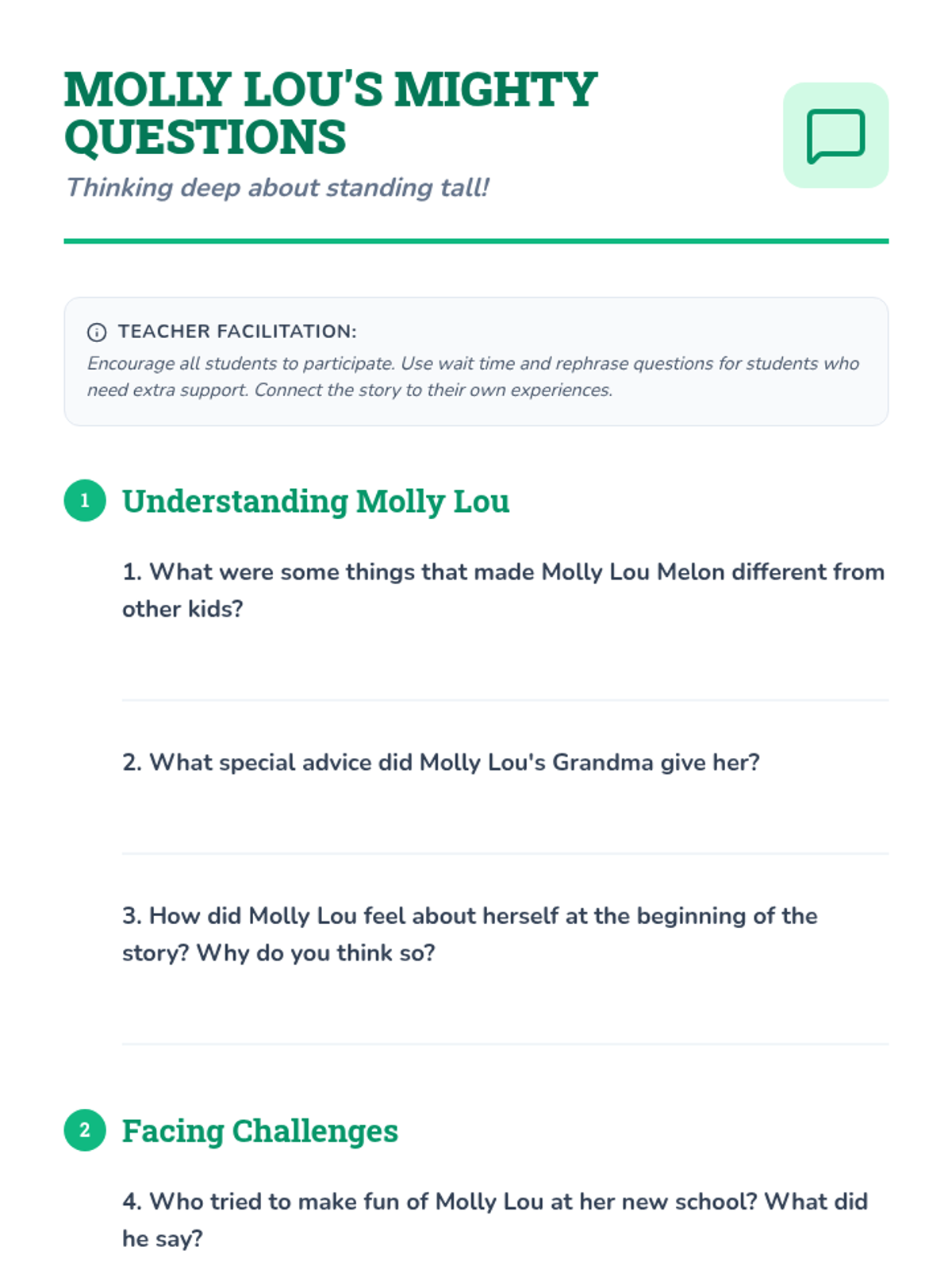
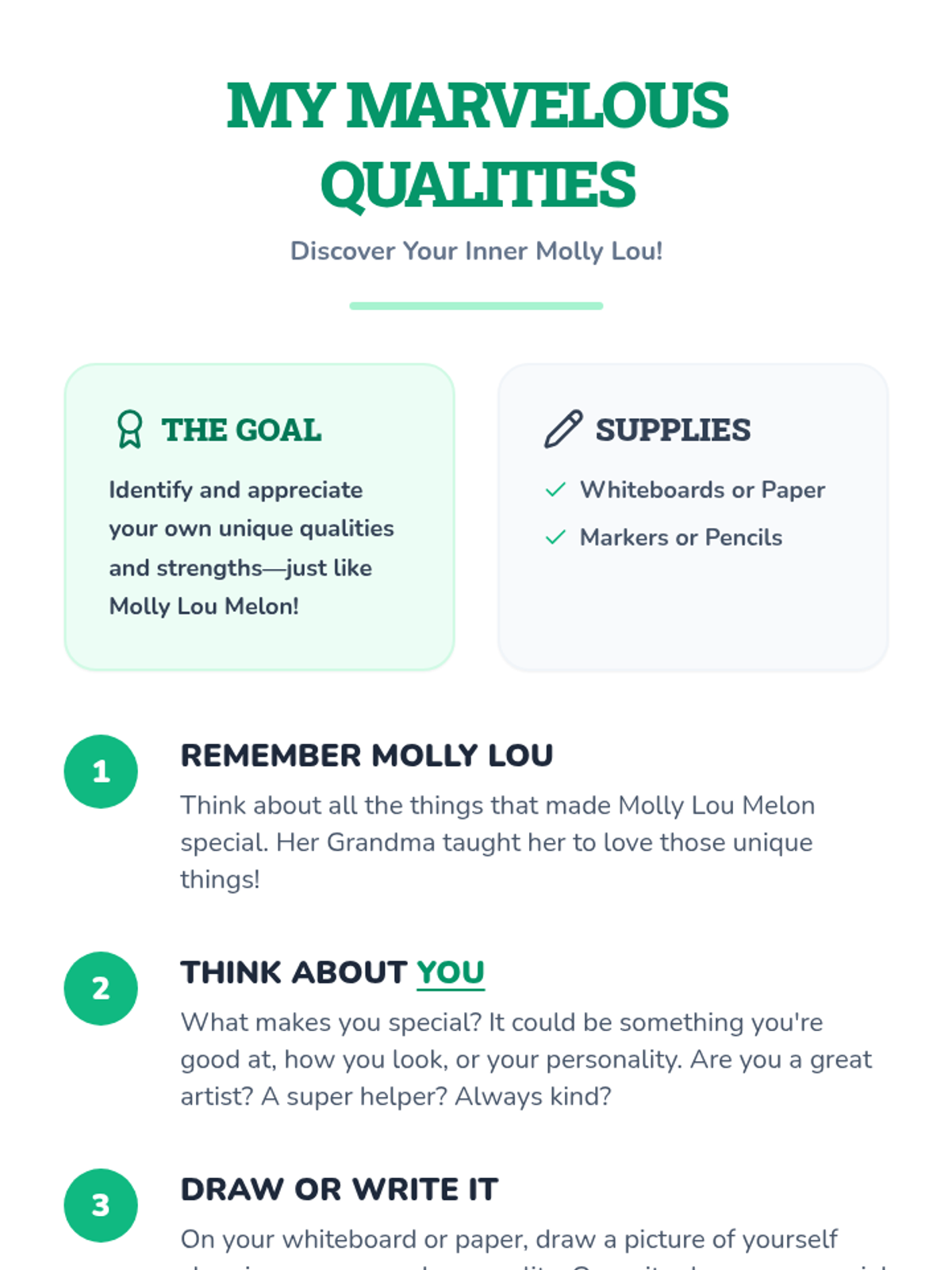
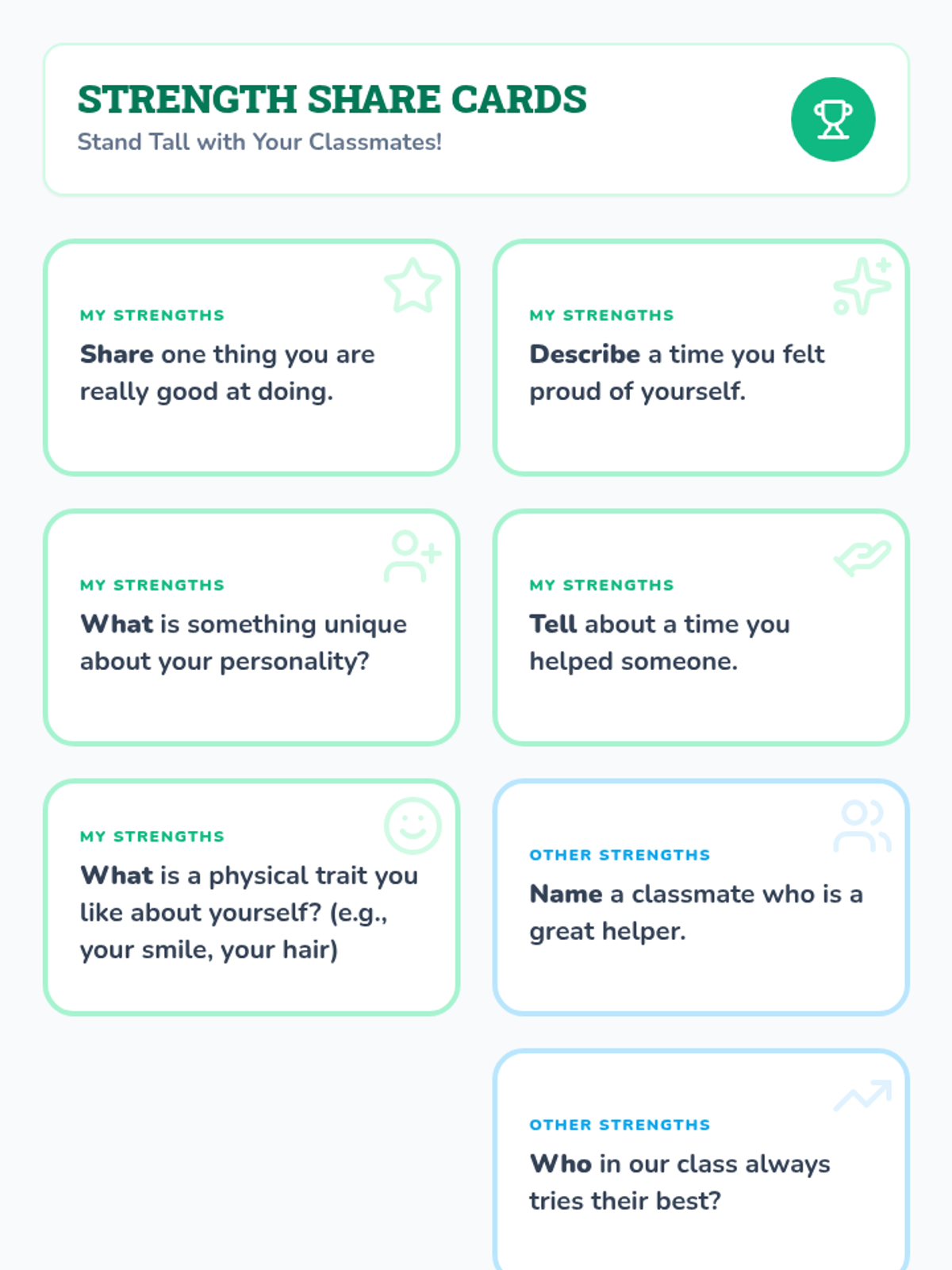
A series of two lessons for elementary students focused on building social-emotional skills through character study and developing reading comprehension through mystery-solving. Students explore self-esteem with Molly Lou Melon and practice identifying key details with the Case of the Missing Cookies.
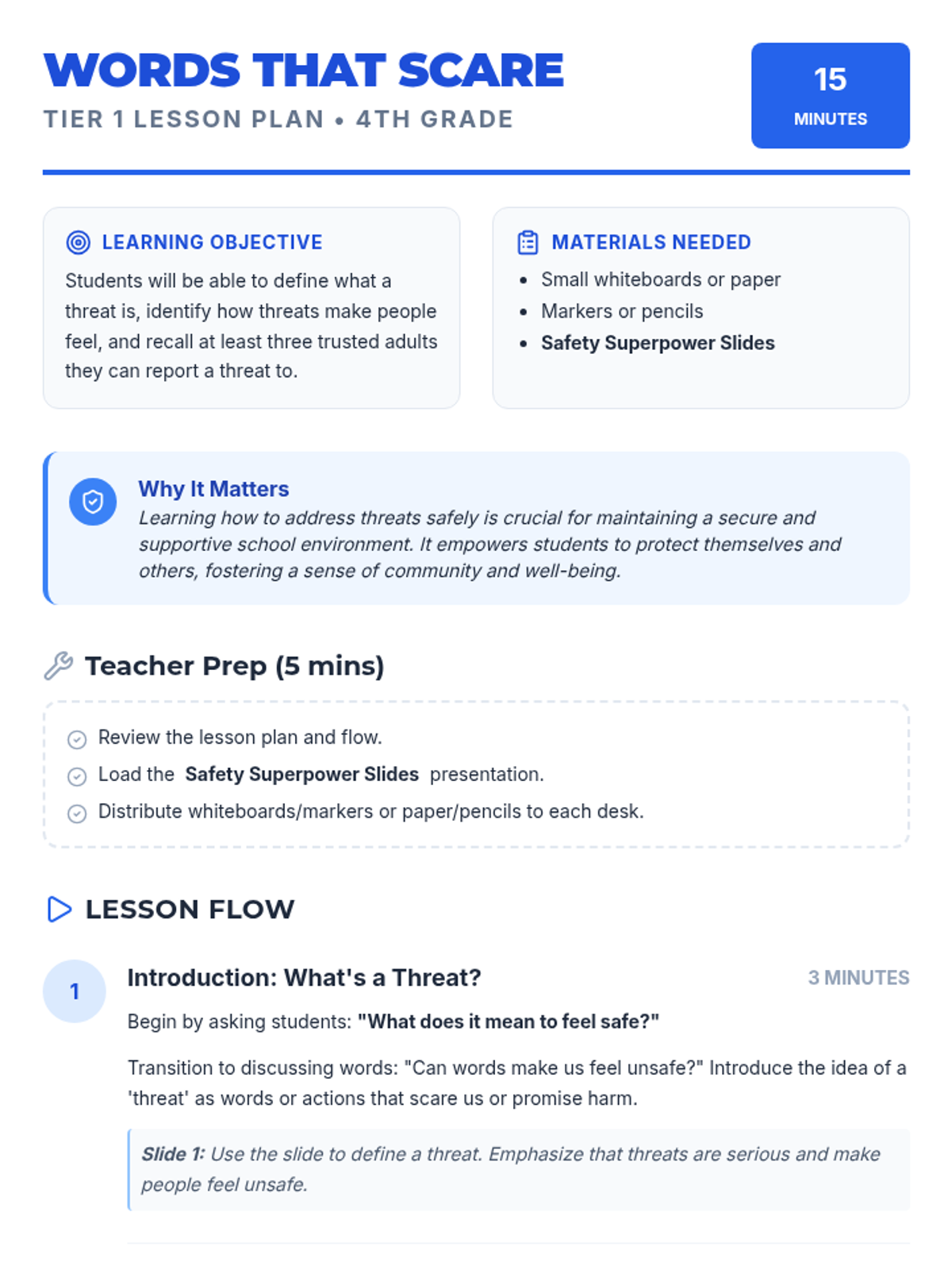
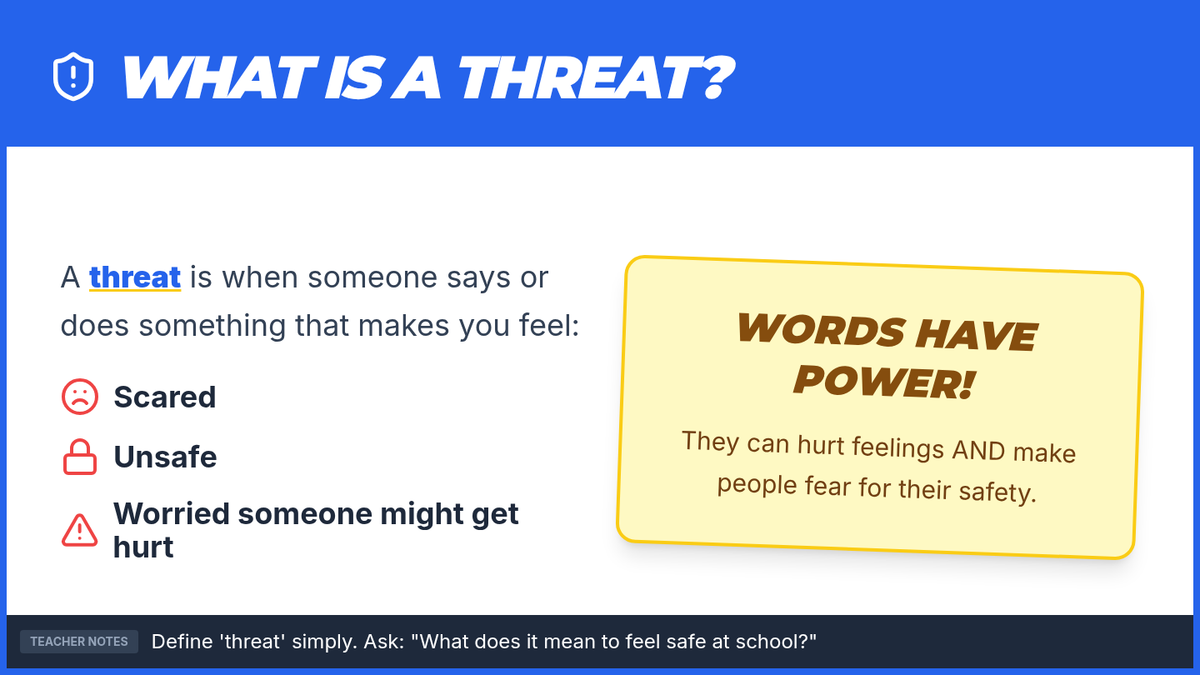
A series of two 15-minute Tier 1 lessons for 4th graders focused on school safety, identifying threats, and using respectful language to build a positive community.
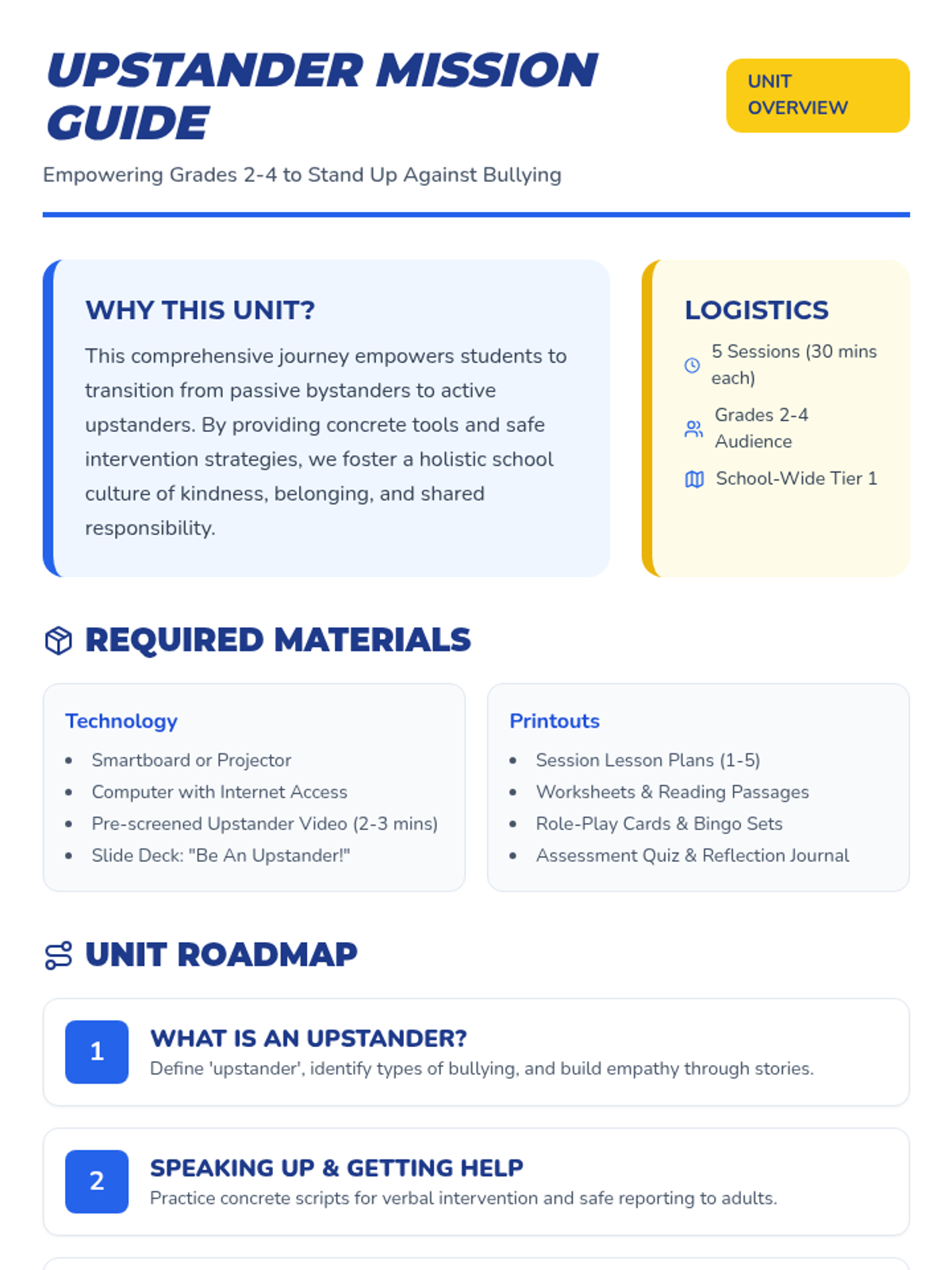
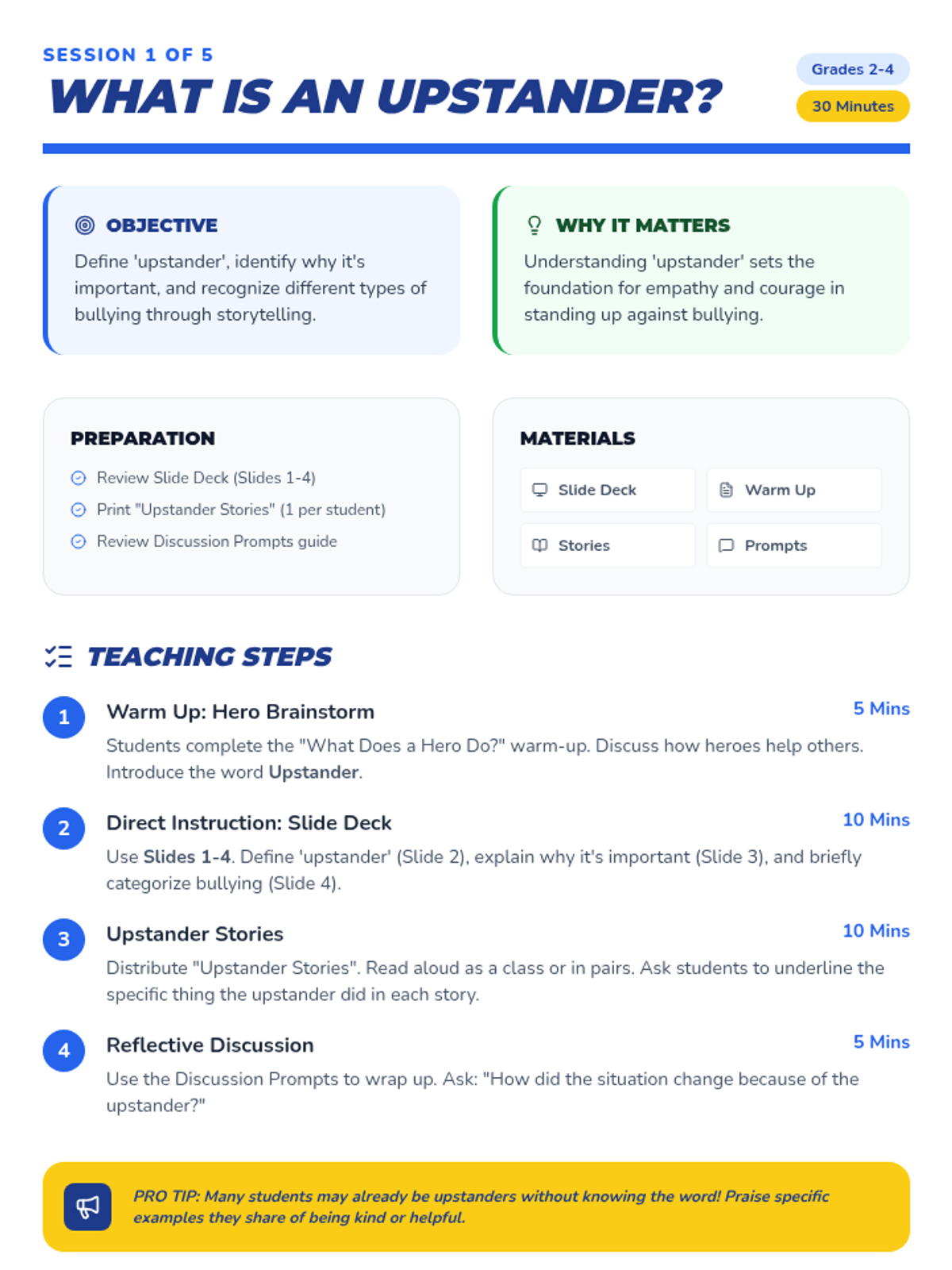
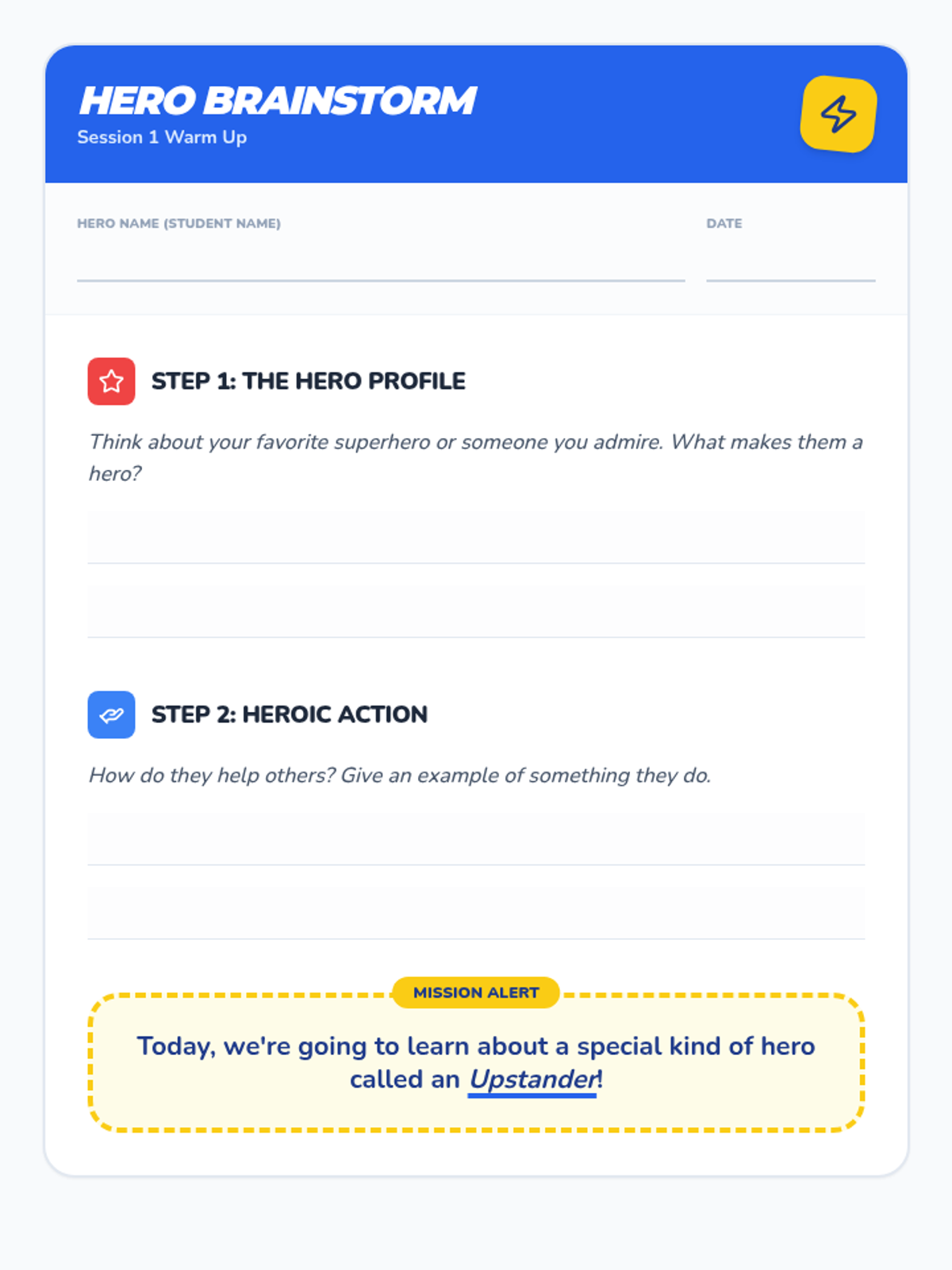
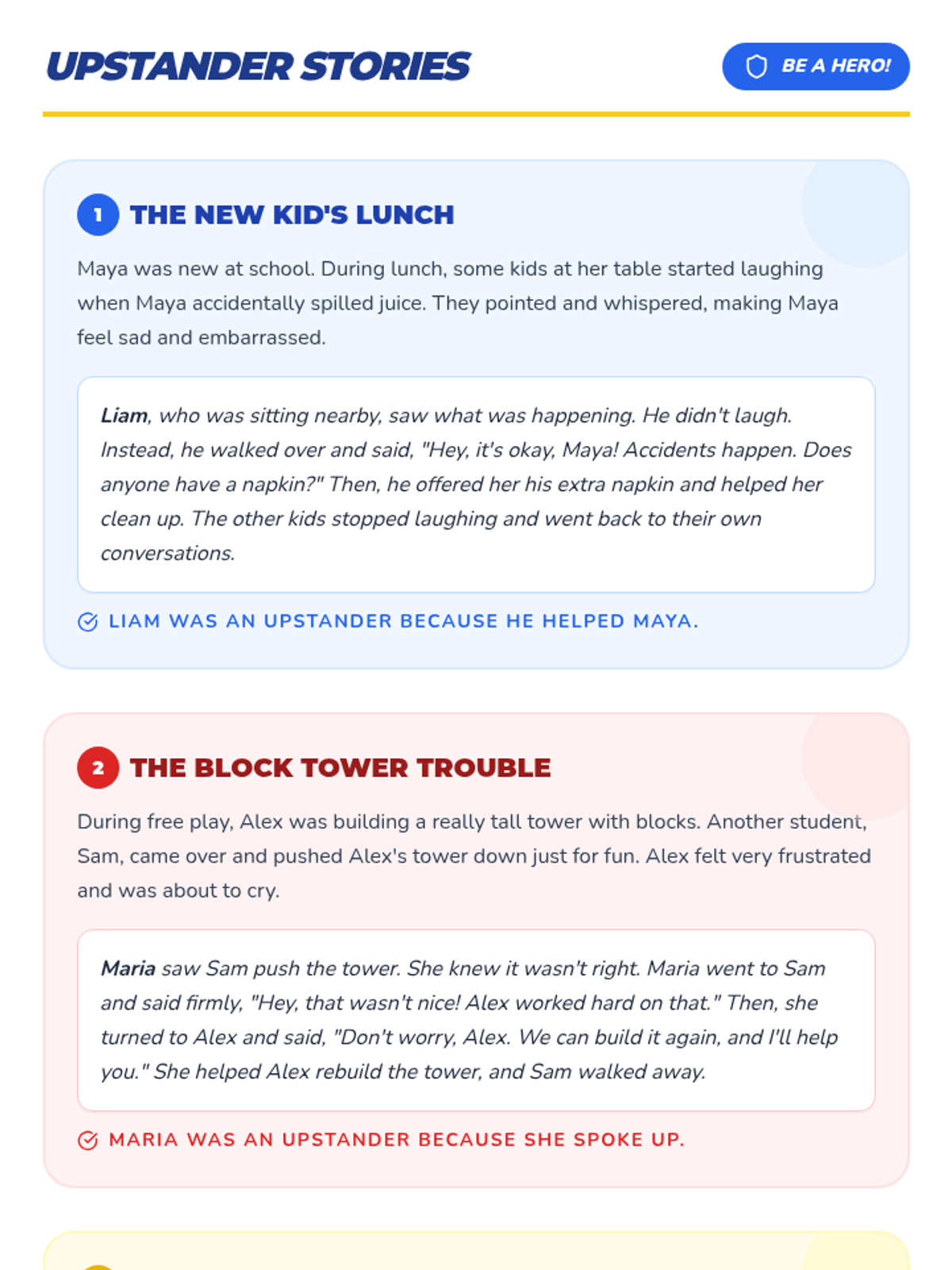
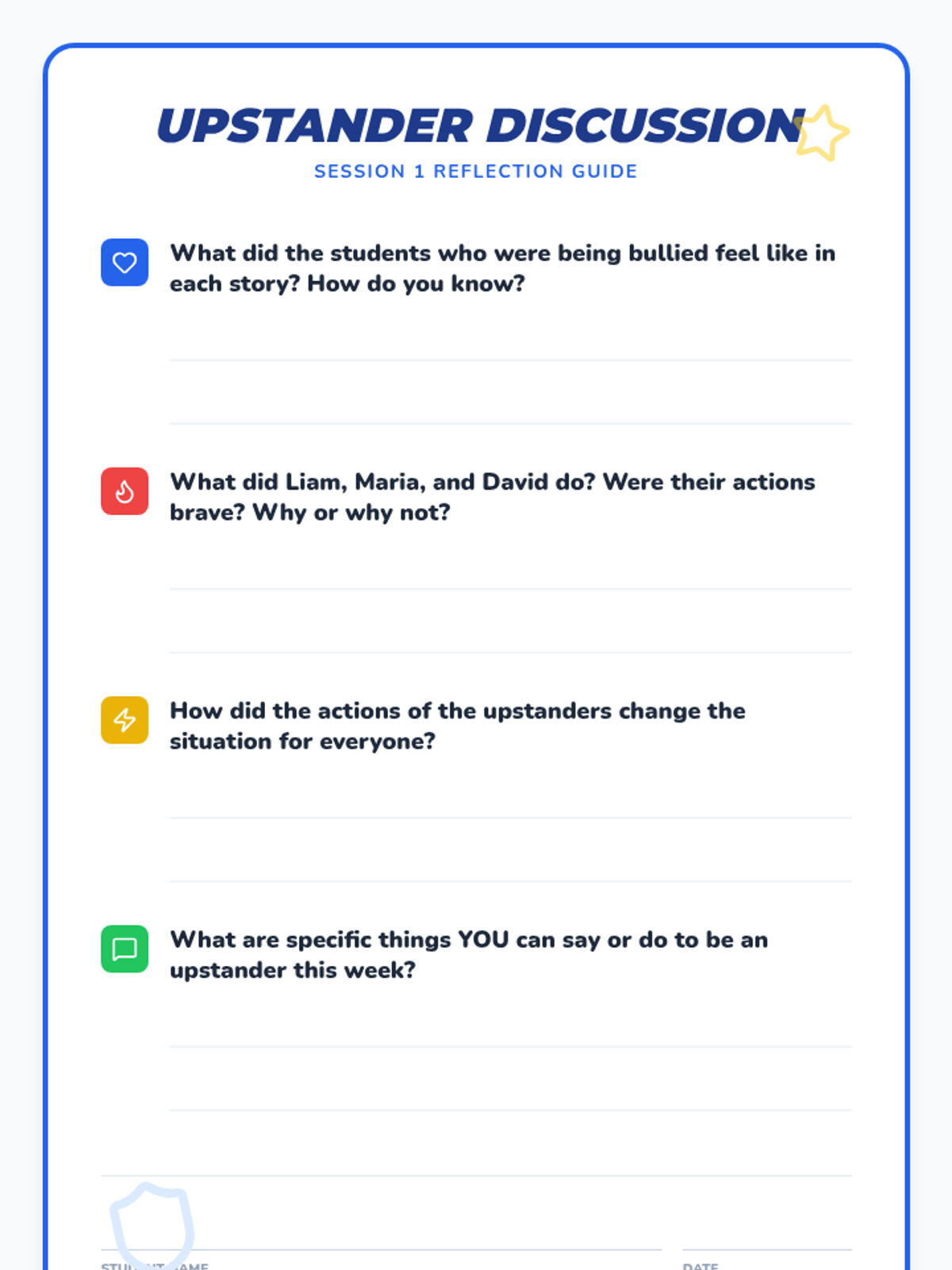
A five-session unit for grades 2-4 focused on empowering students to recognize bullying and act as upstanders using safe and effective strategies.
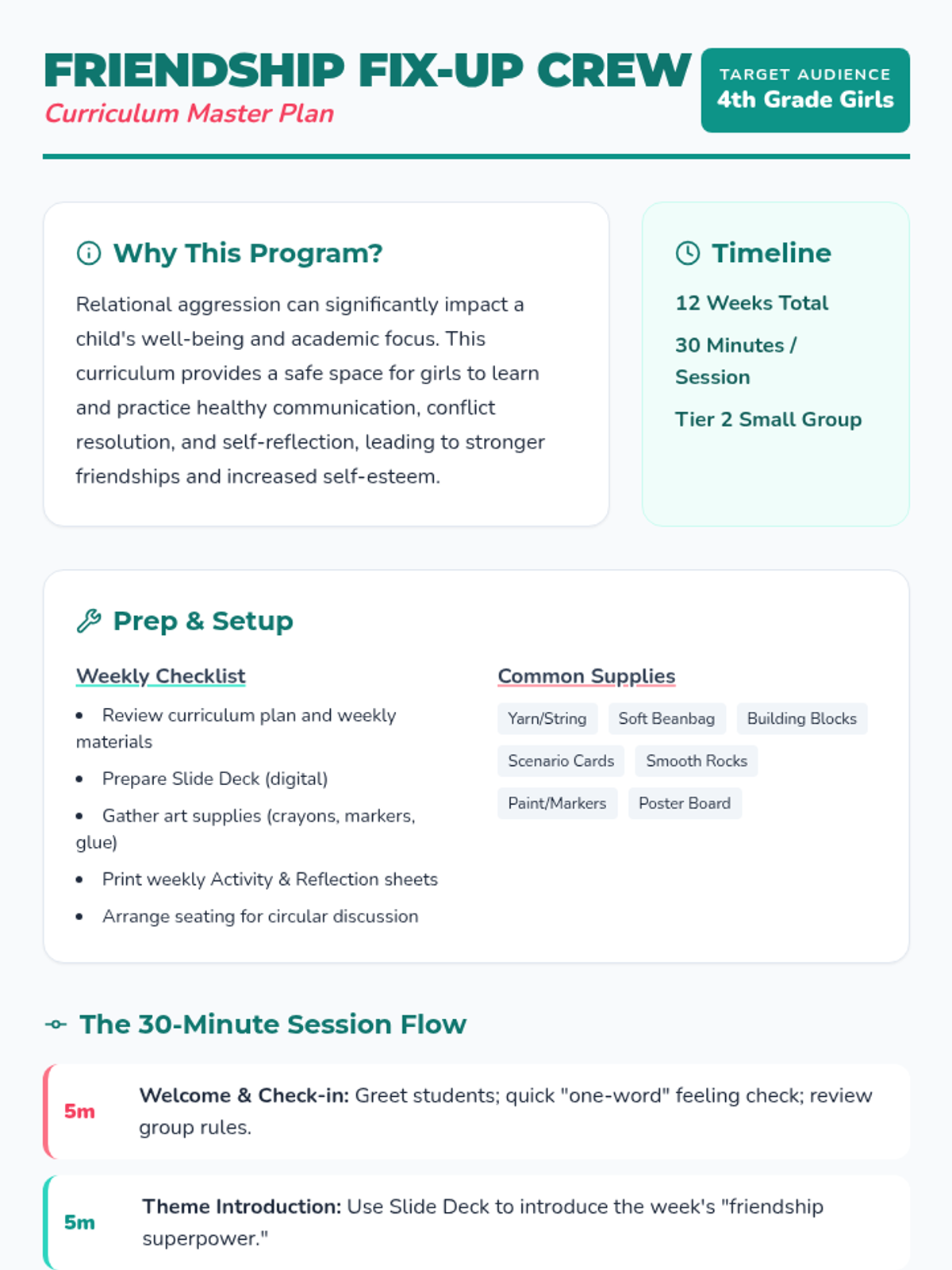
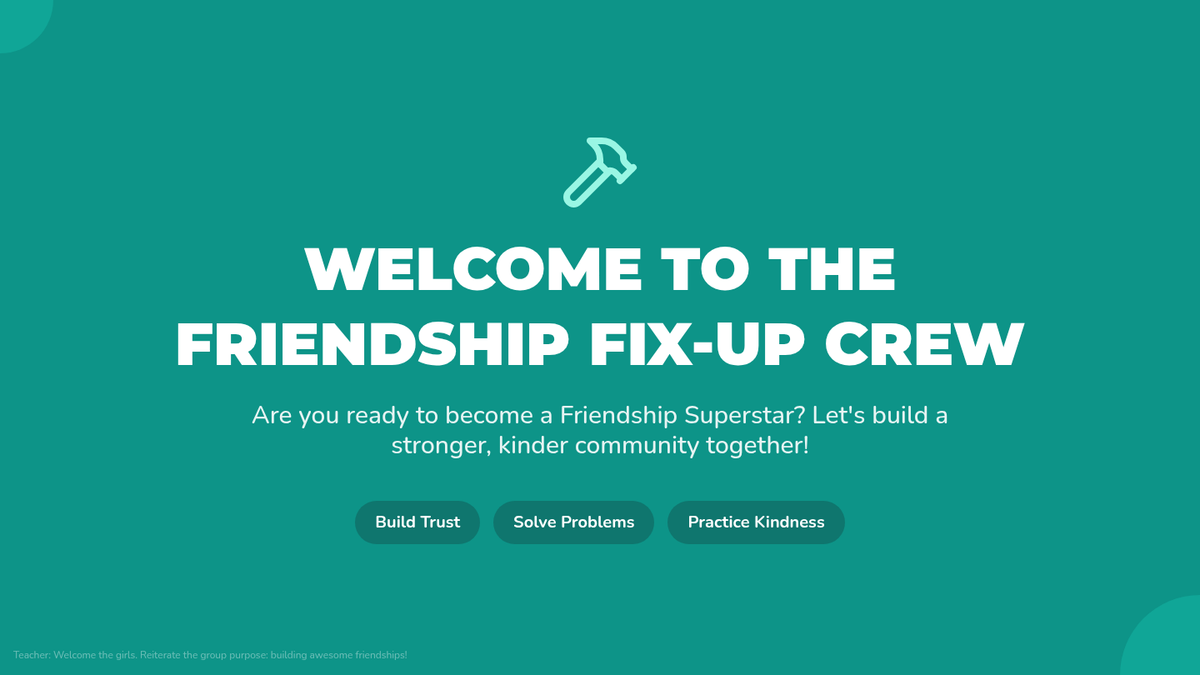
A comprehensive 12-week Tier 2 small group curriculum for 4th-grade girls to address relational aggression and foster positive relationship skills. Each session focuses on a unique theme including empathy, trust, communication, and conflict resolution.
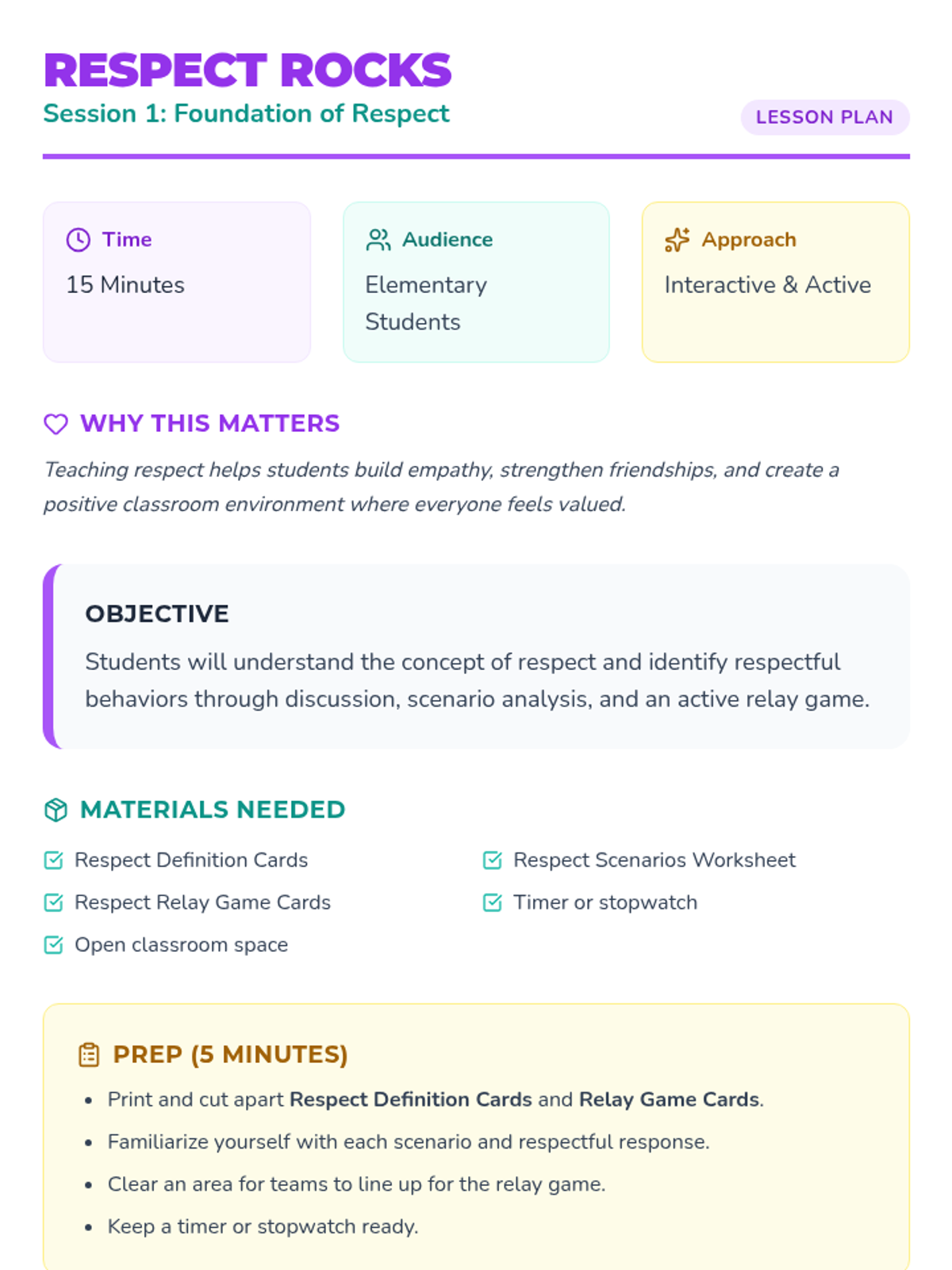
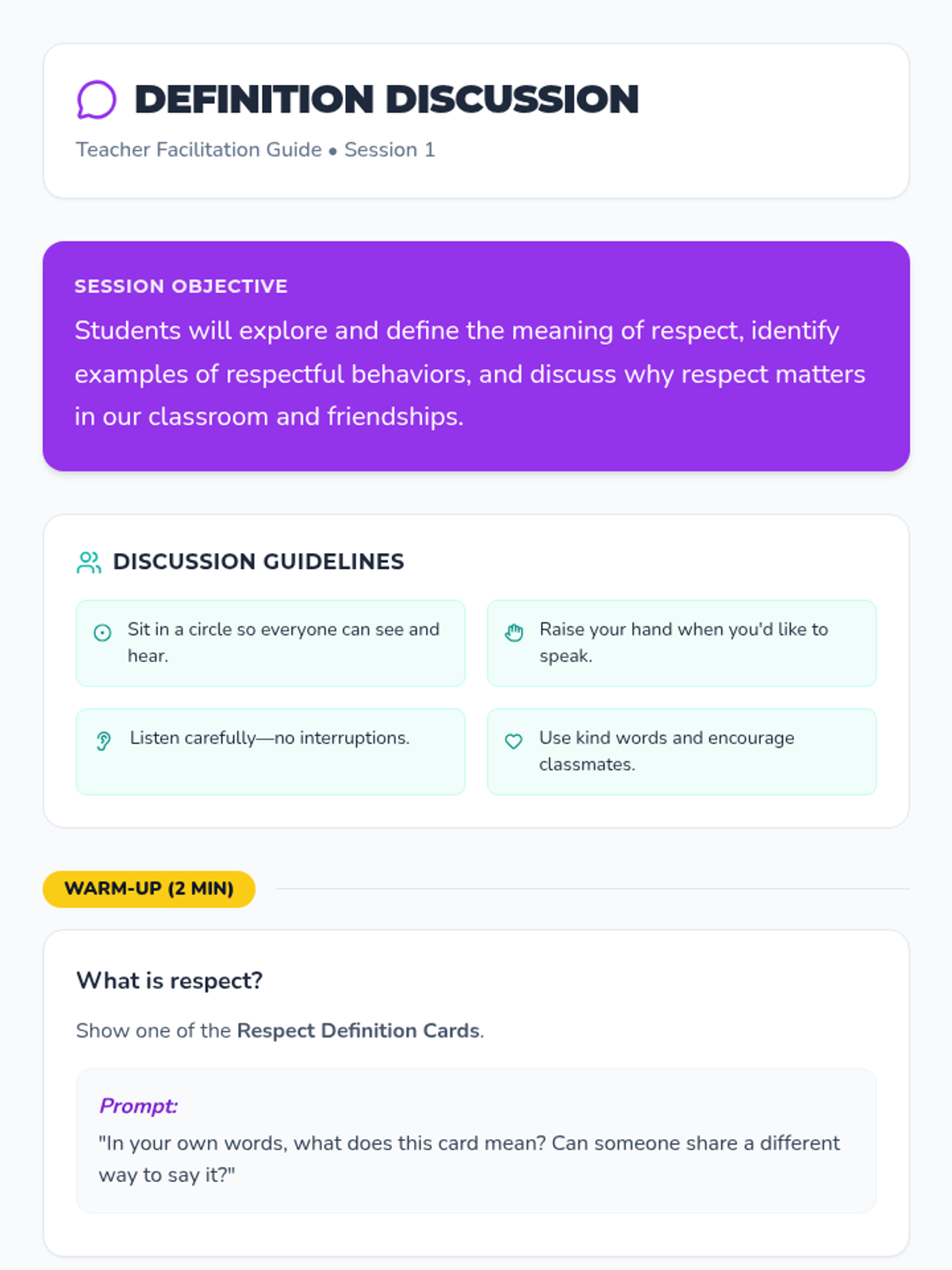
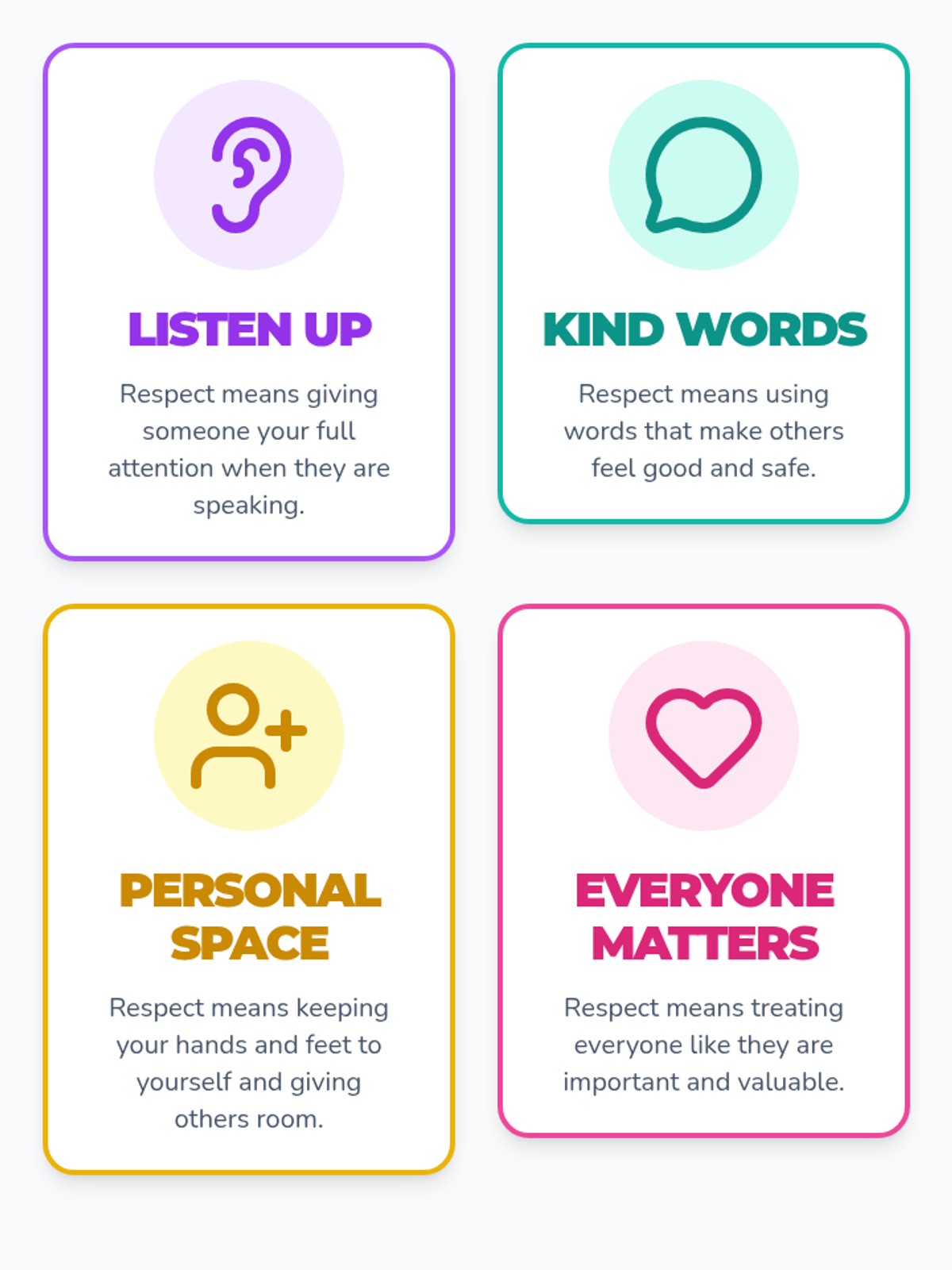
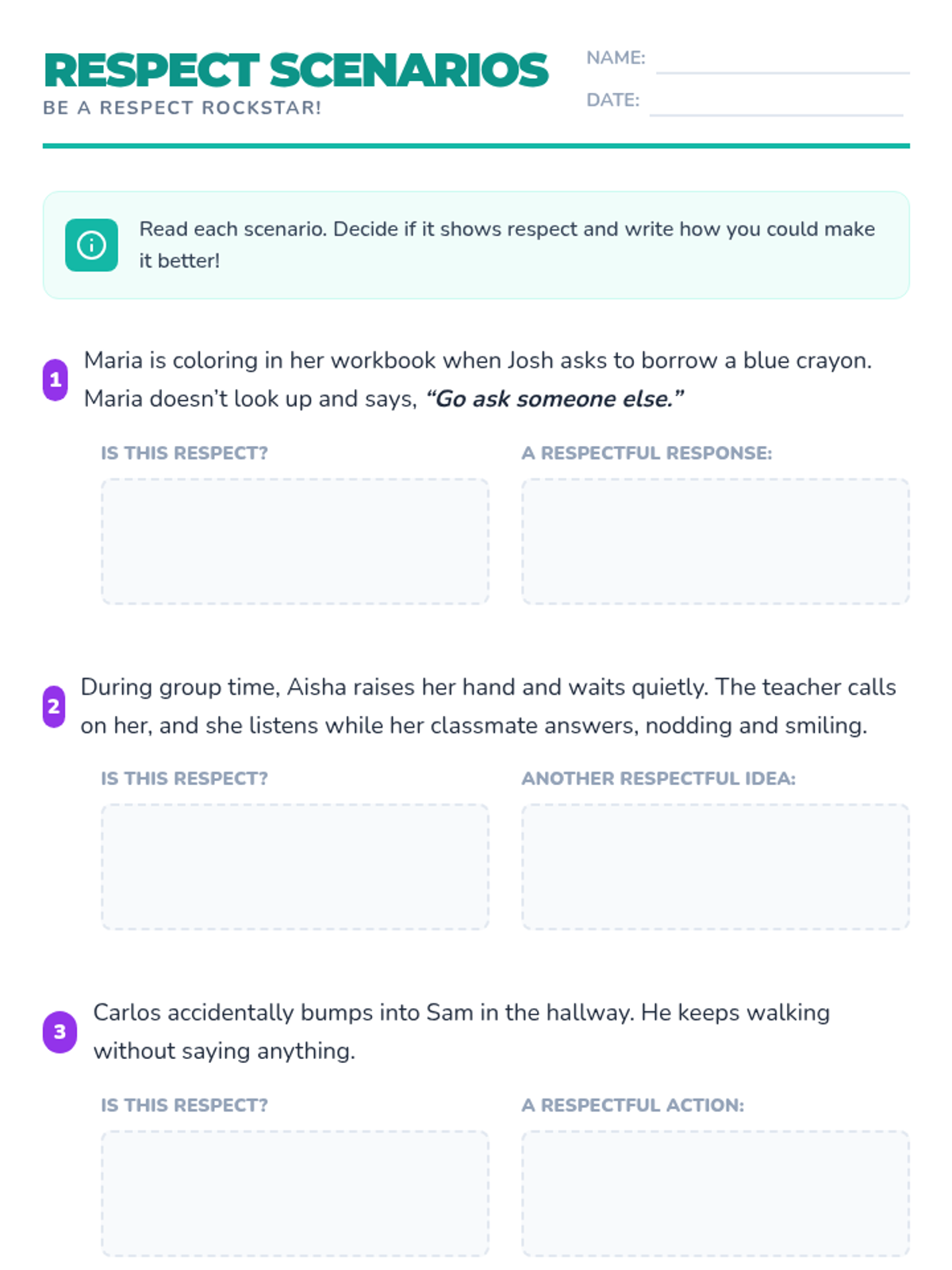
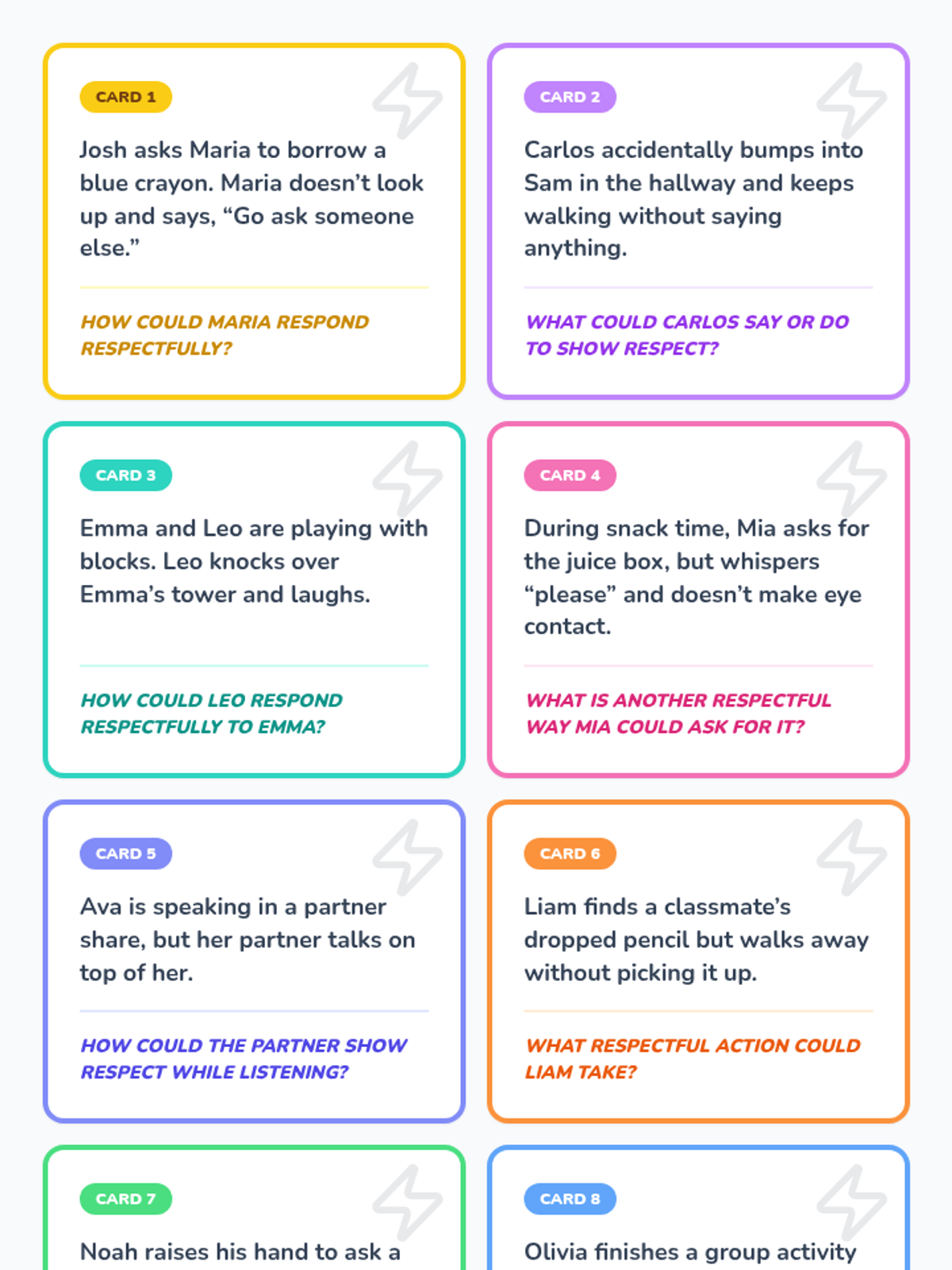
A two-session mini-series for elementary students exploring the concept of respect through discussion, scenarios, and high-energy games. Designed for 15-minute blocks, it builds a foundation for a kinder classroom environment.
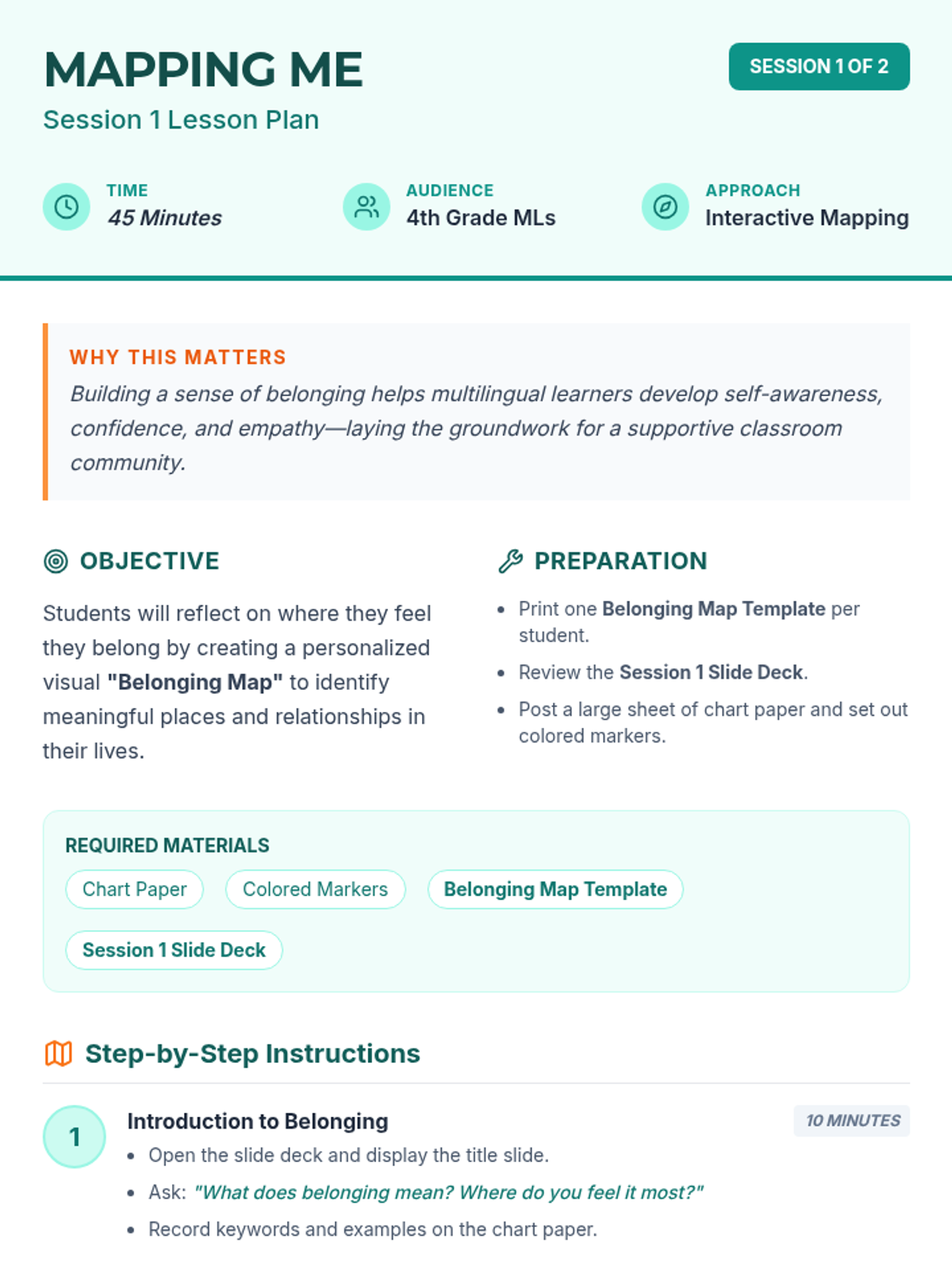
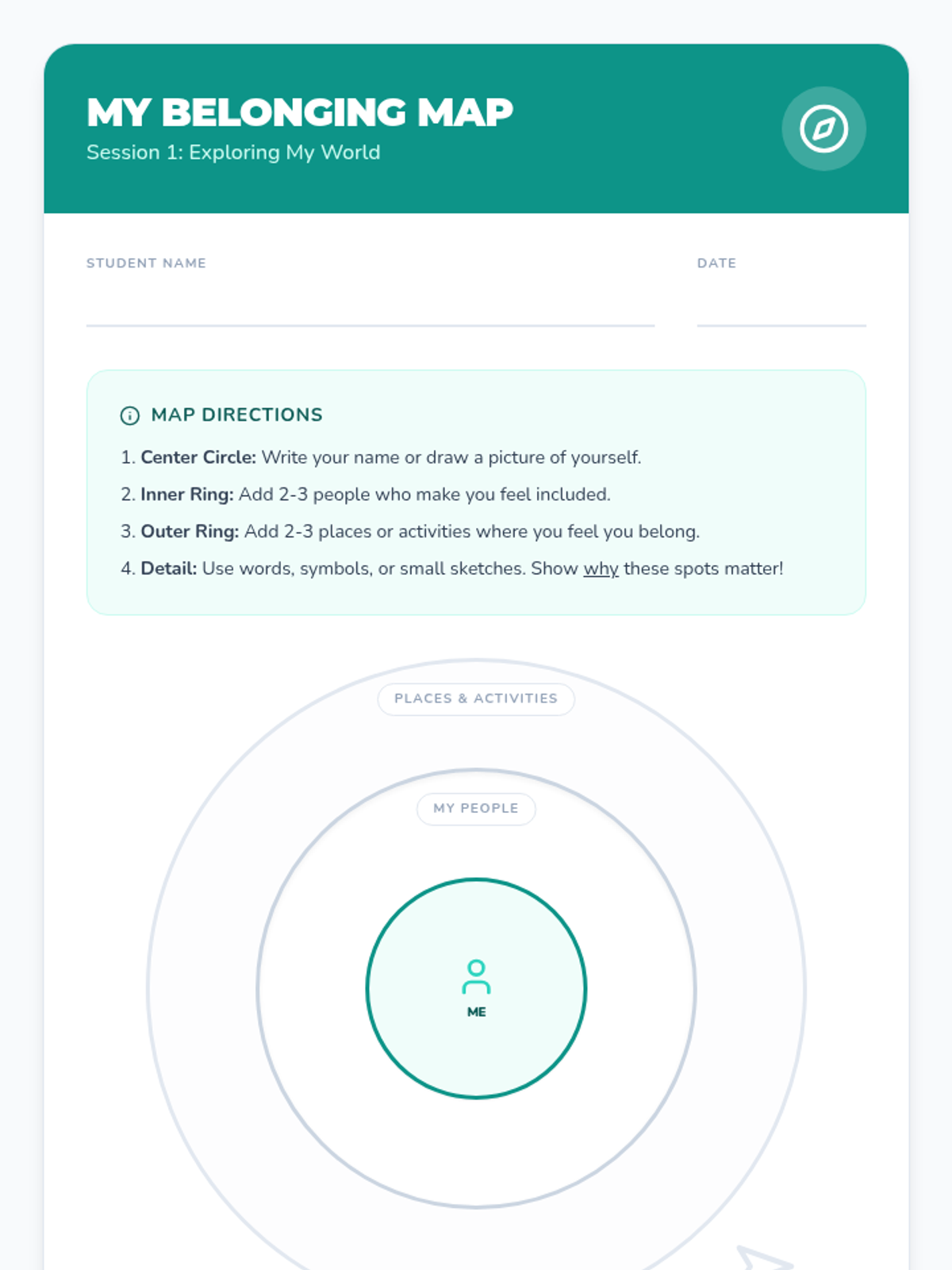
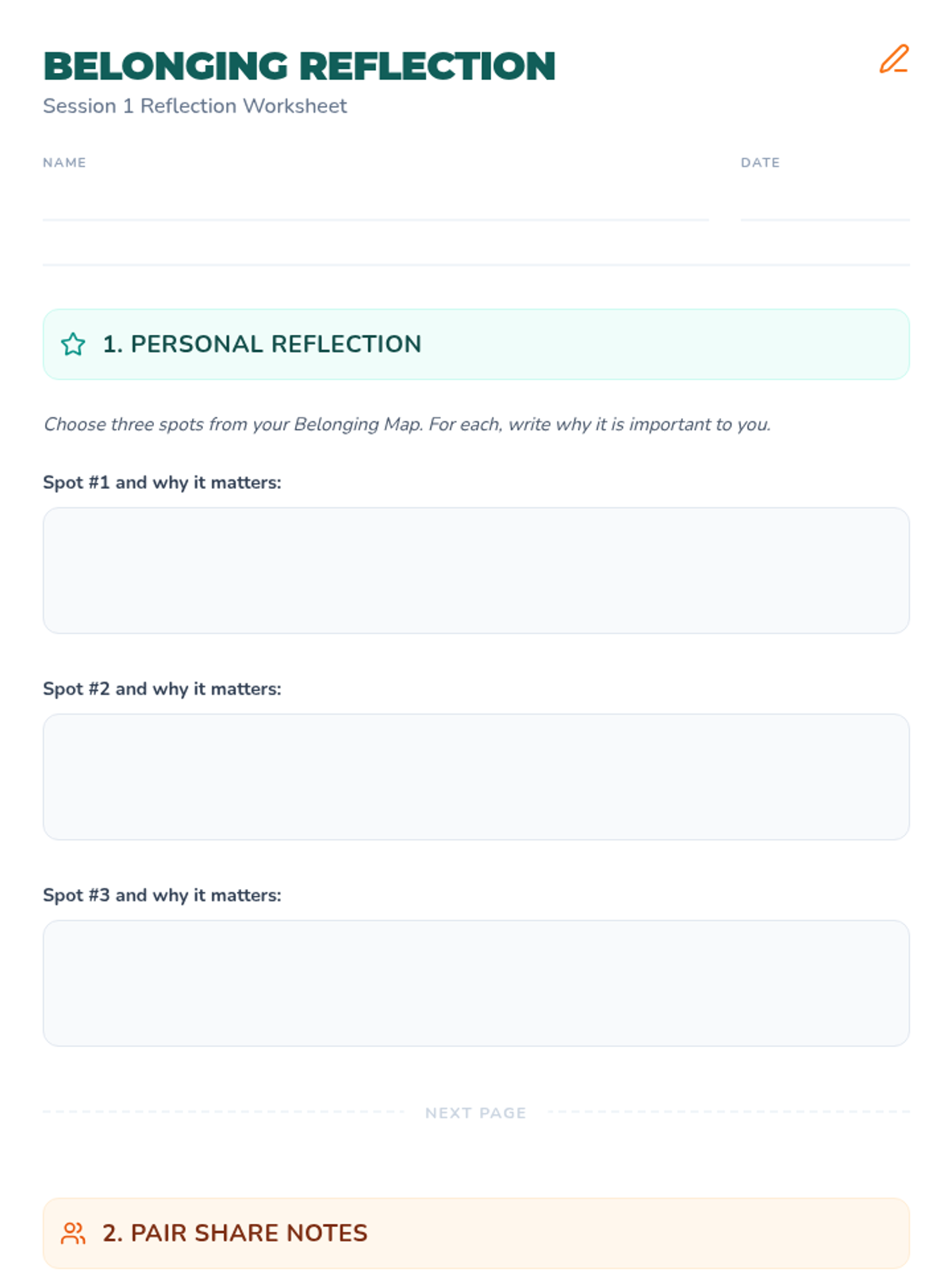
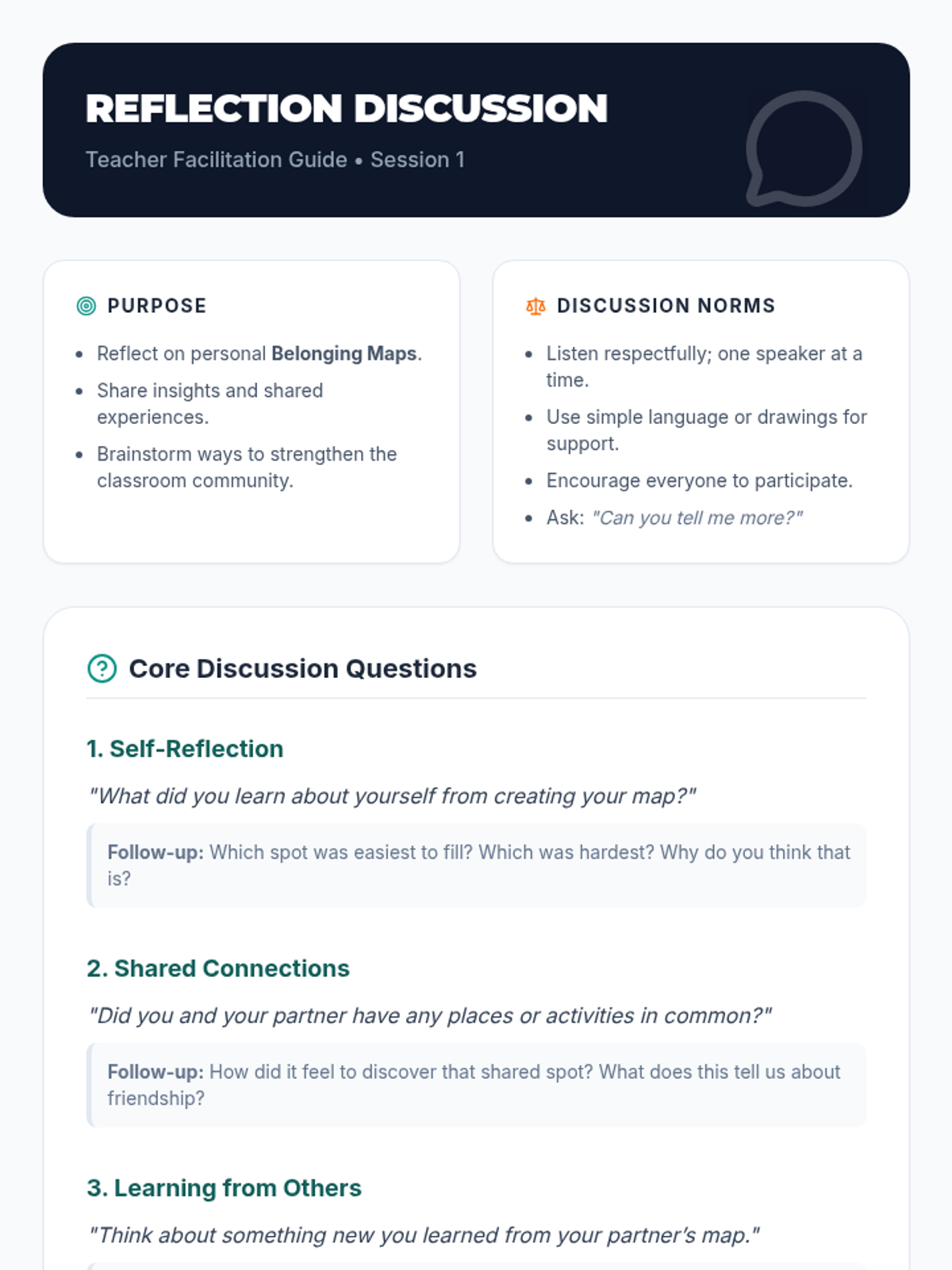
A 2-session lesson sequence for 4th grade multilingual students to explore personal belonging, map their experiences, and foster a more inclusive classroom culture through collaborative goal-setting.
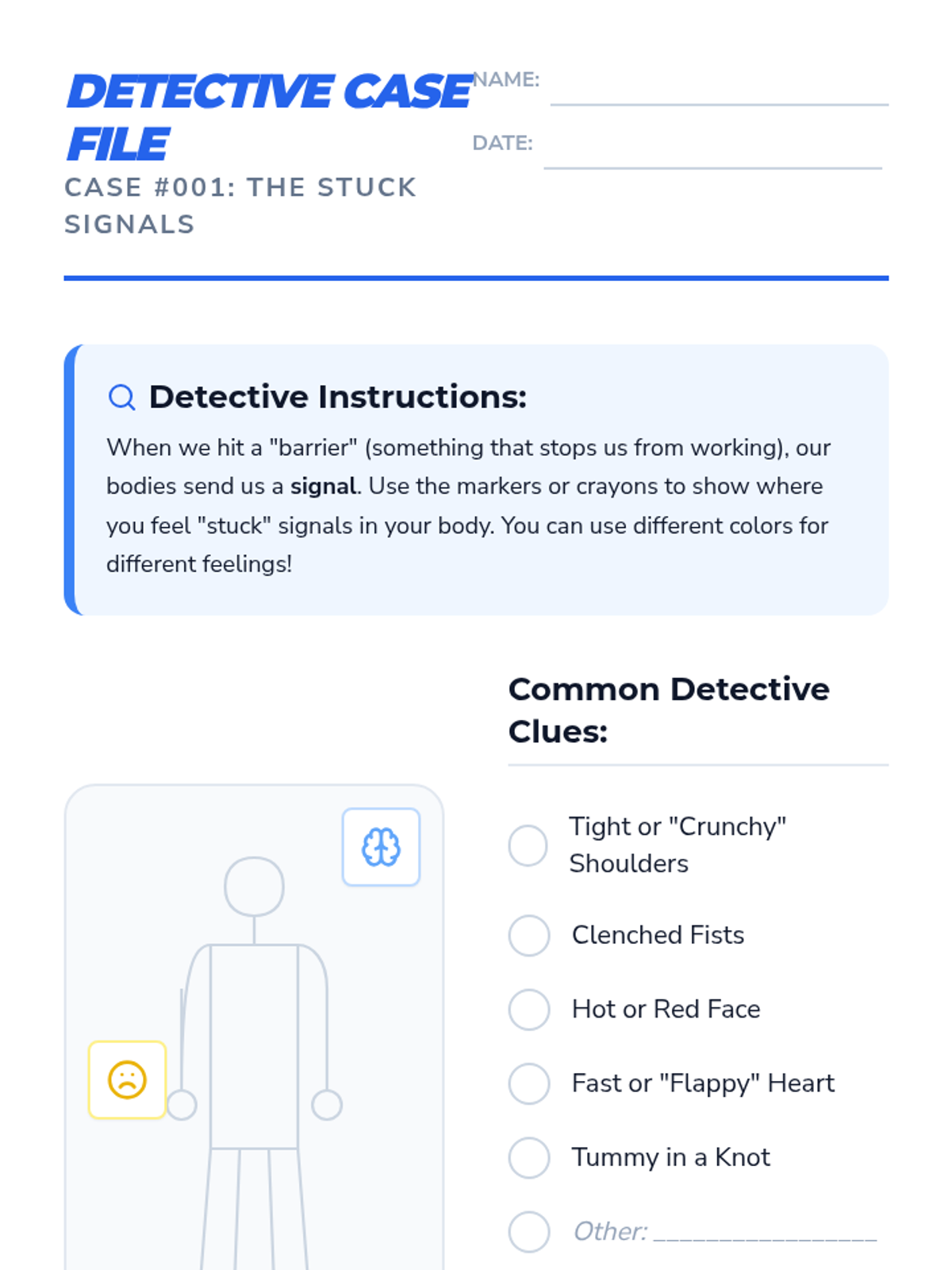
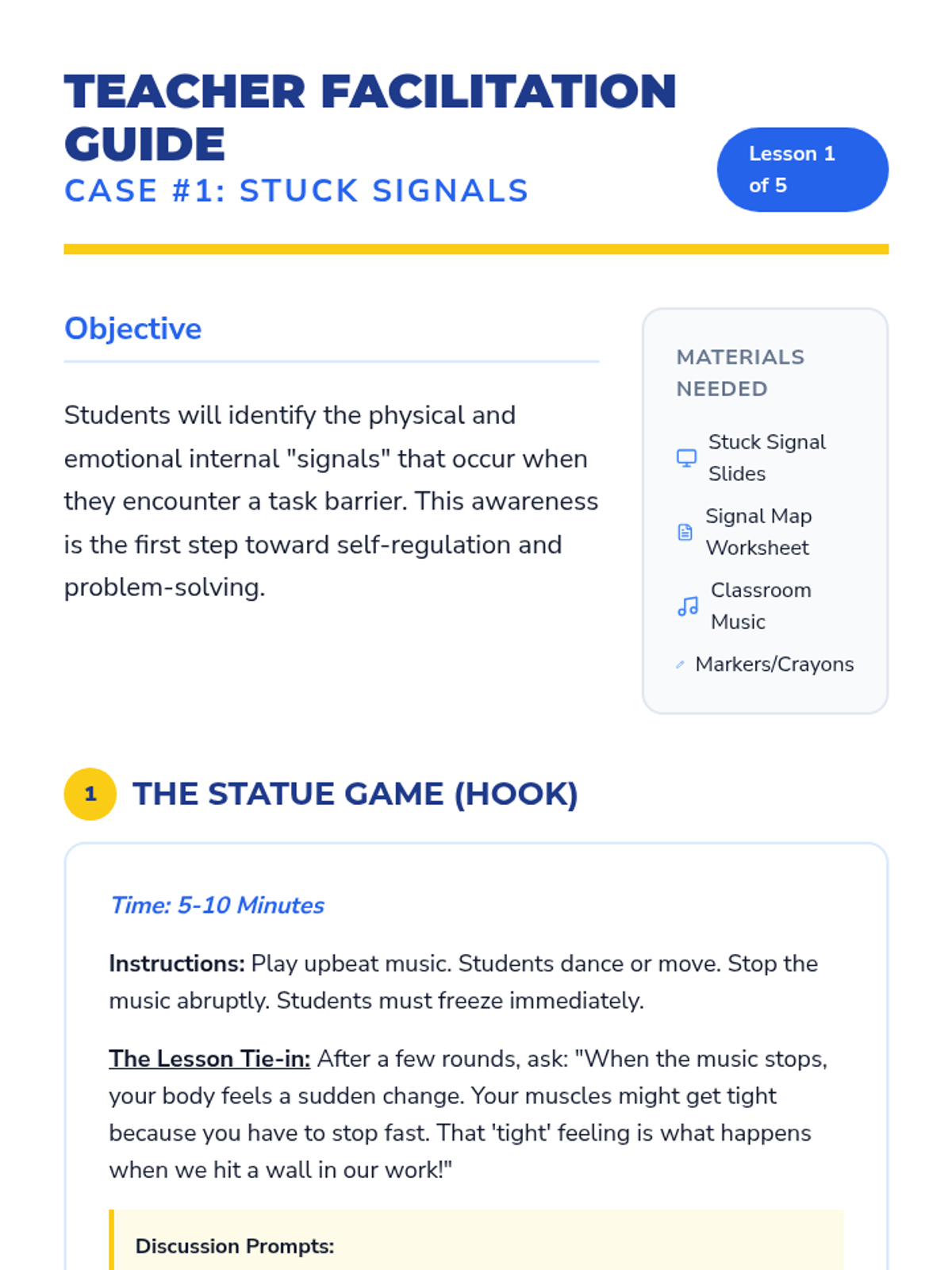
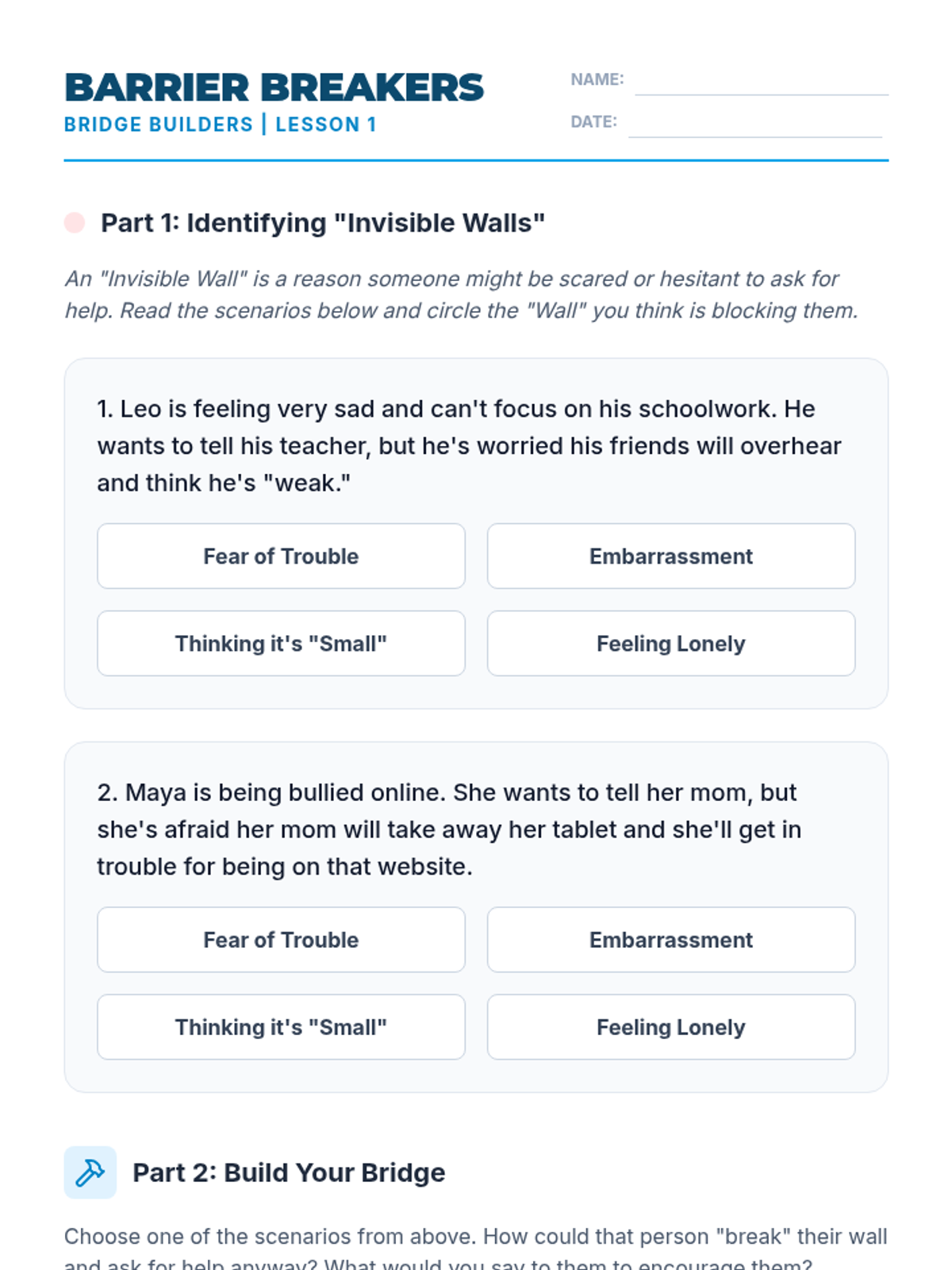
A 5-lesson unit for 3rd-grade students focused on identifying and categorizing obstacles that prevent task completion. Students learn to recognize internal emotional signals and external barriers (physical, informational, and environmental) to build self-advocacy and problem-solving skills.
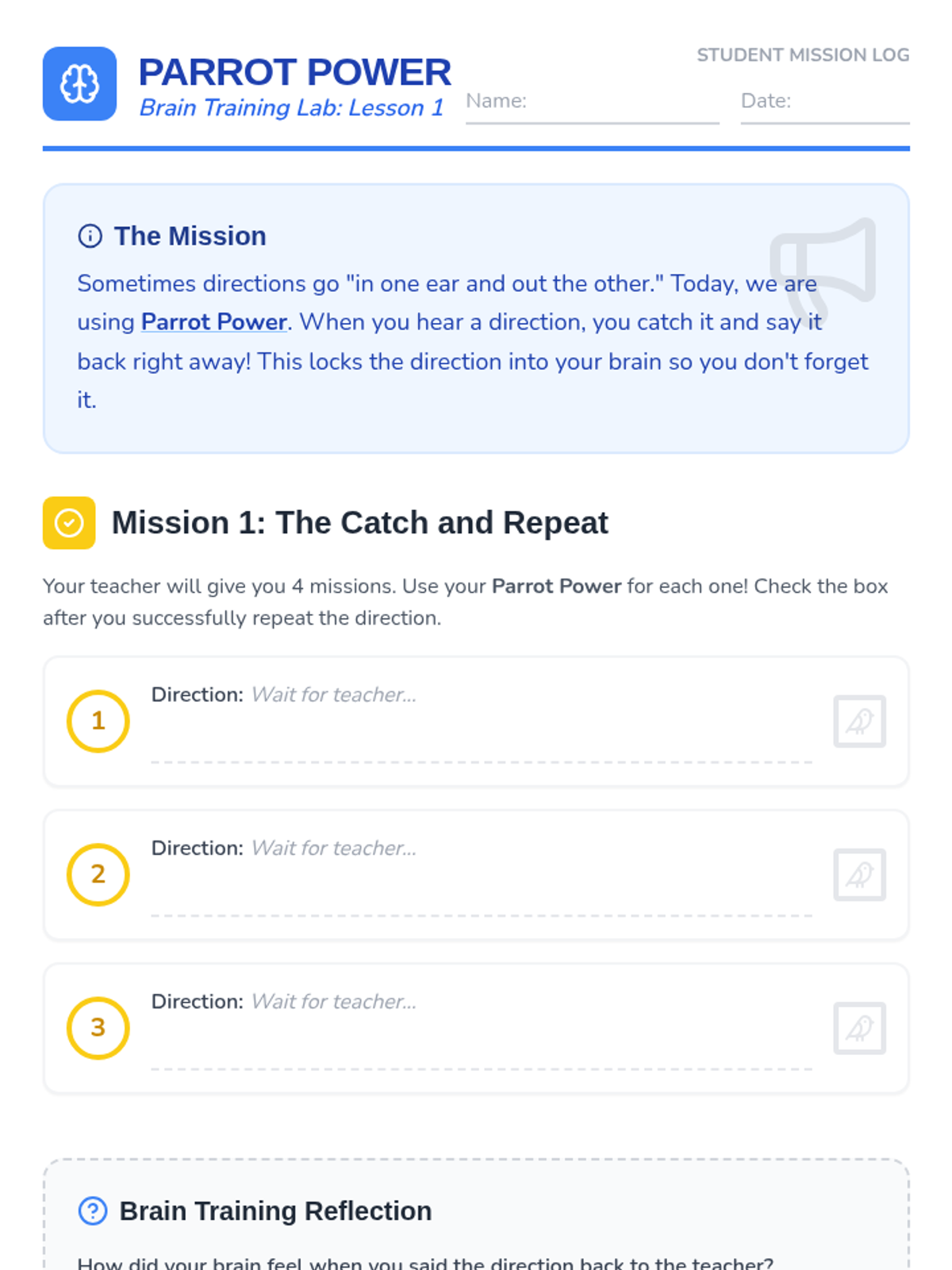
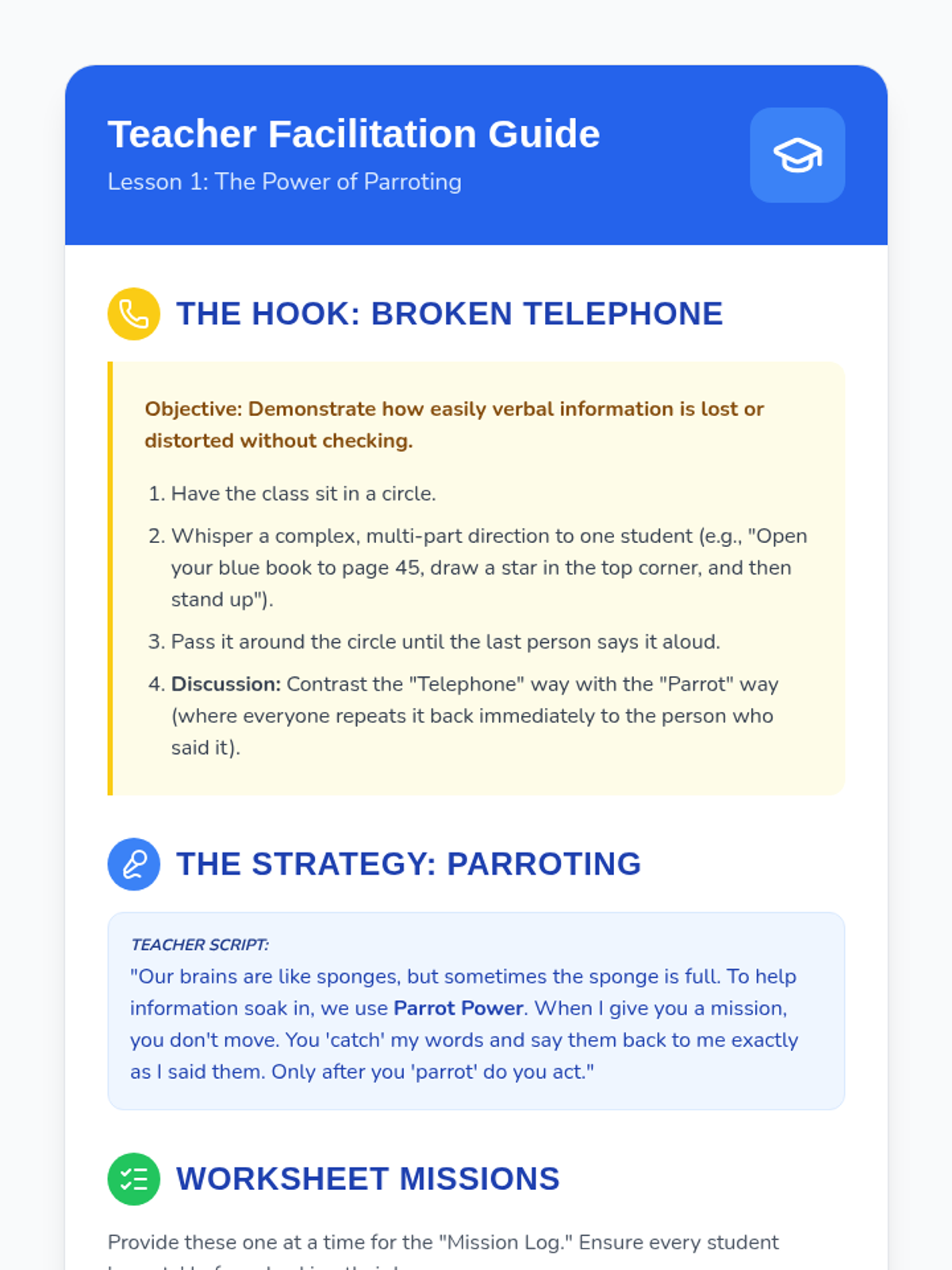
This sequence focuses on auditory processing and the cognitive strategy of verbal rehearsal (self-talk) to hold information in working memory. Students learn to 'catch' a verbal instruction, repeat it to themselves or a peer, and then execute it.
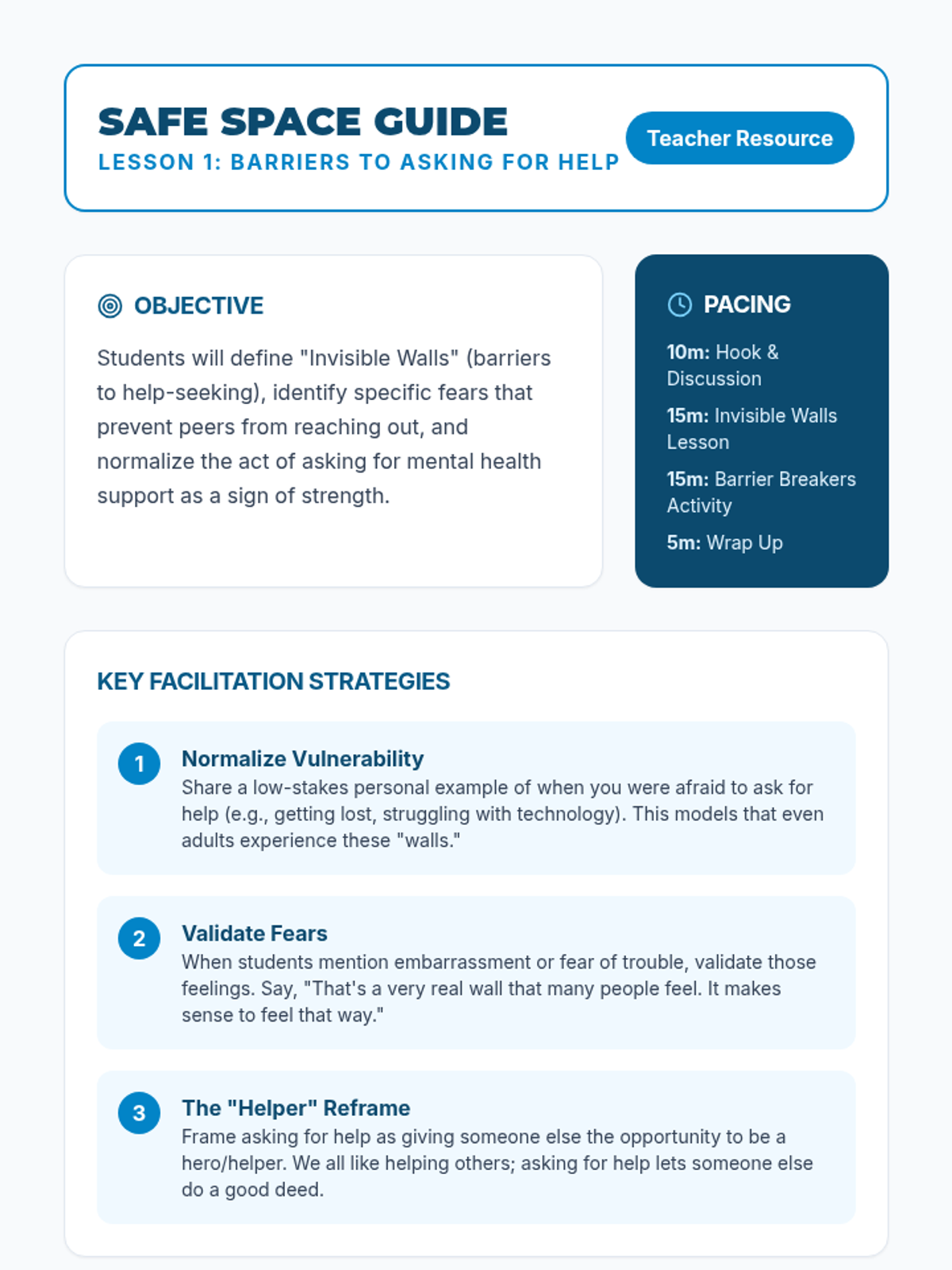
A project-based unit for 4th graders focused on overcoming barriers to seeking mental health support, mastering assertive communication, and advocating for resources through a school-wide informational campaign.
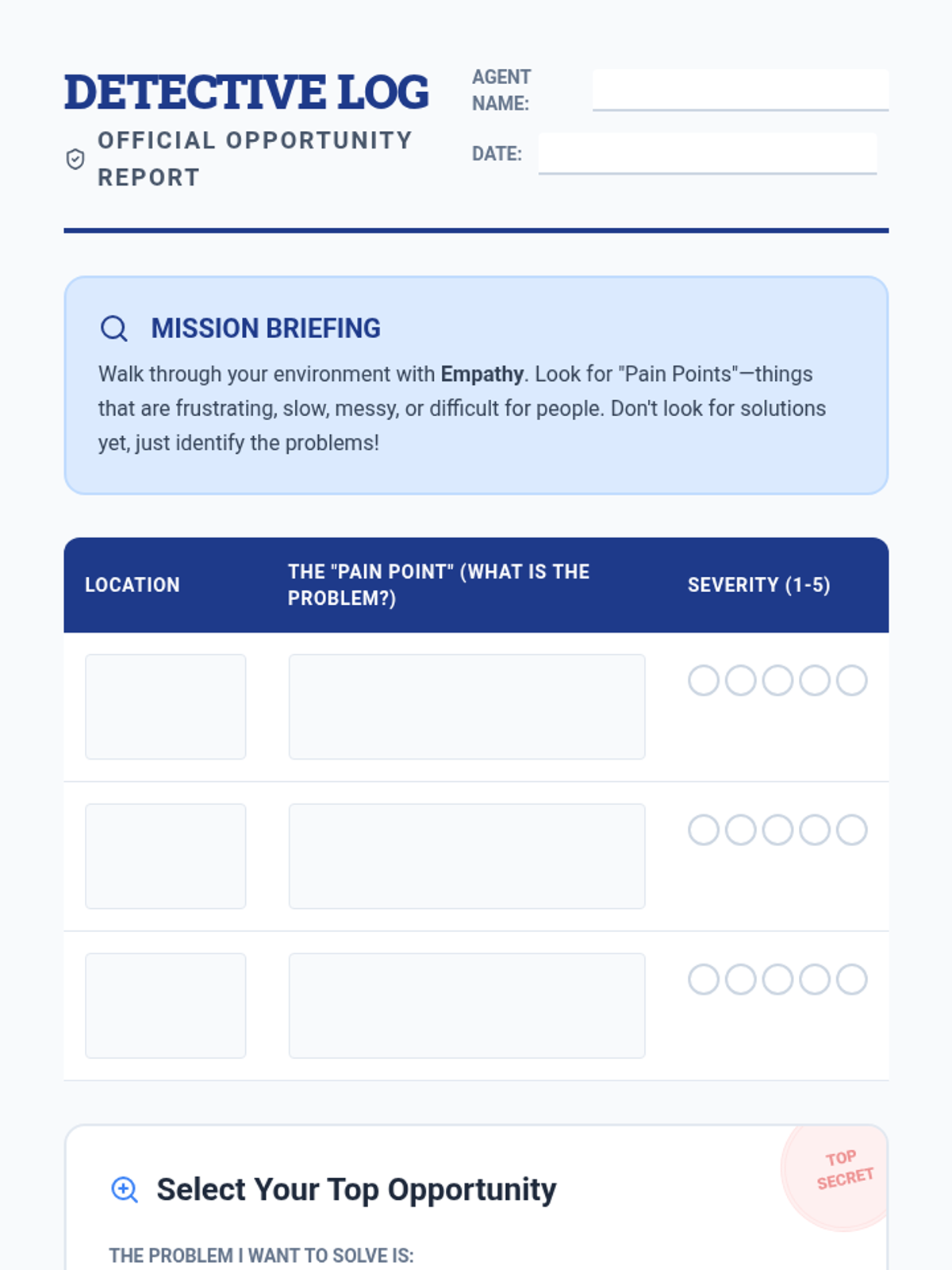
A project-based sequence where 4th-grade students learn to identify problems in their environment, brainstorm creative solutions, and build and iterate on prototypes using an entrepreneurial mindset.
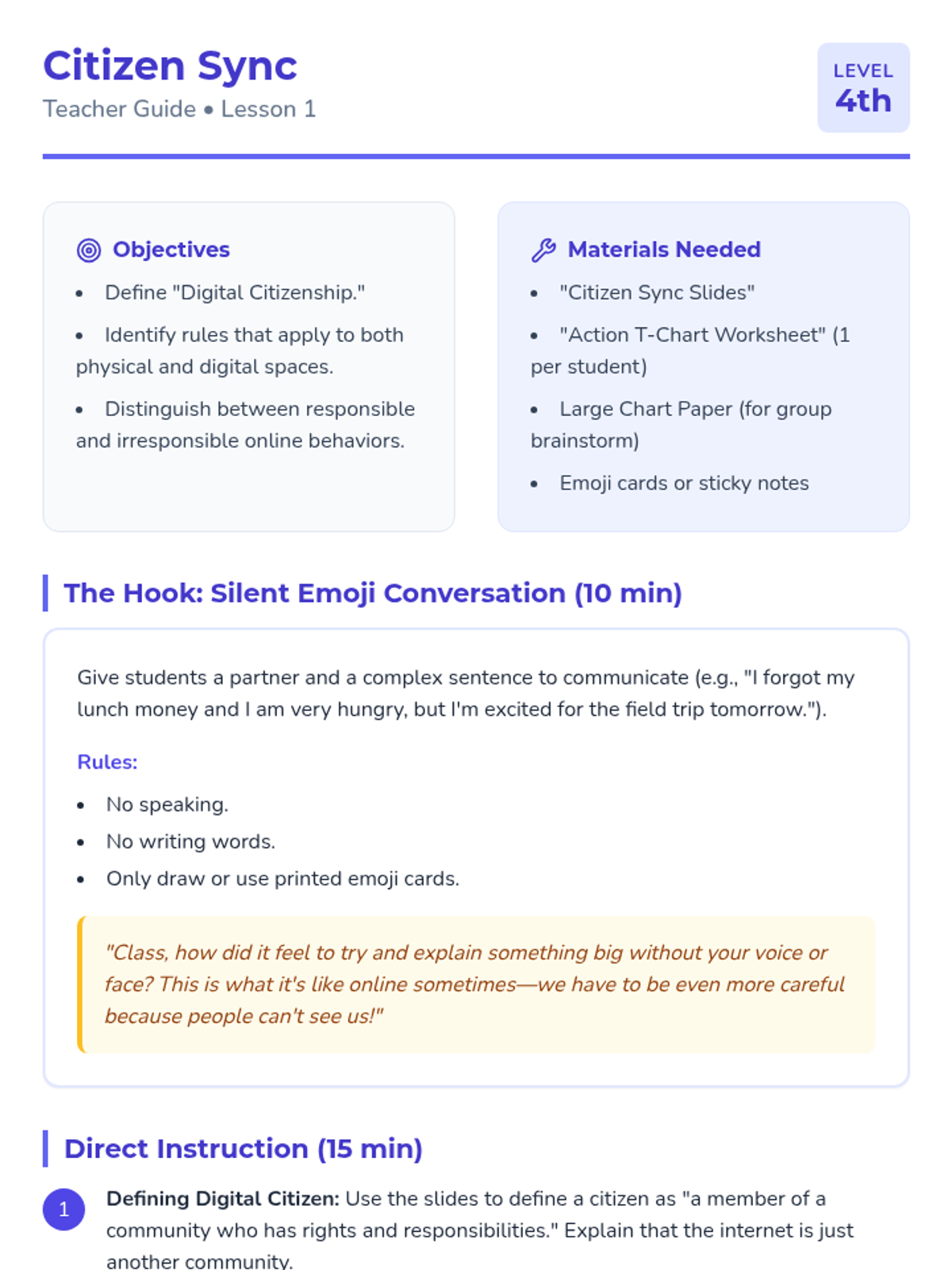
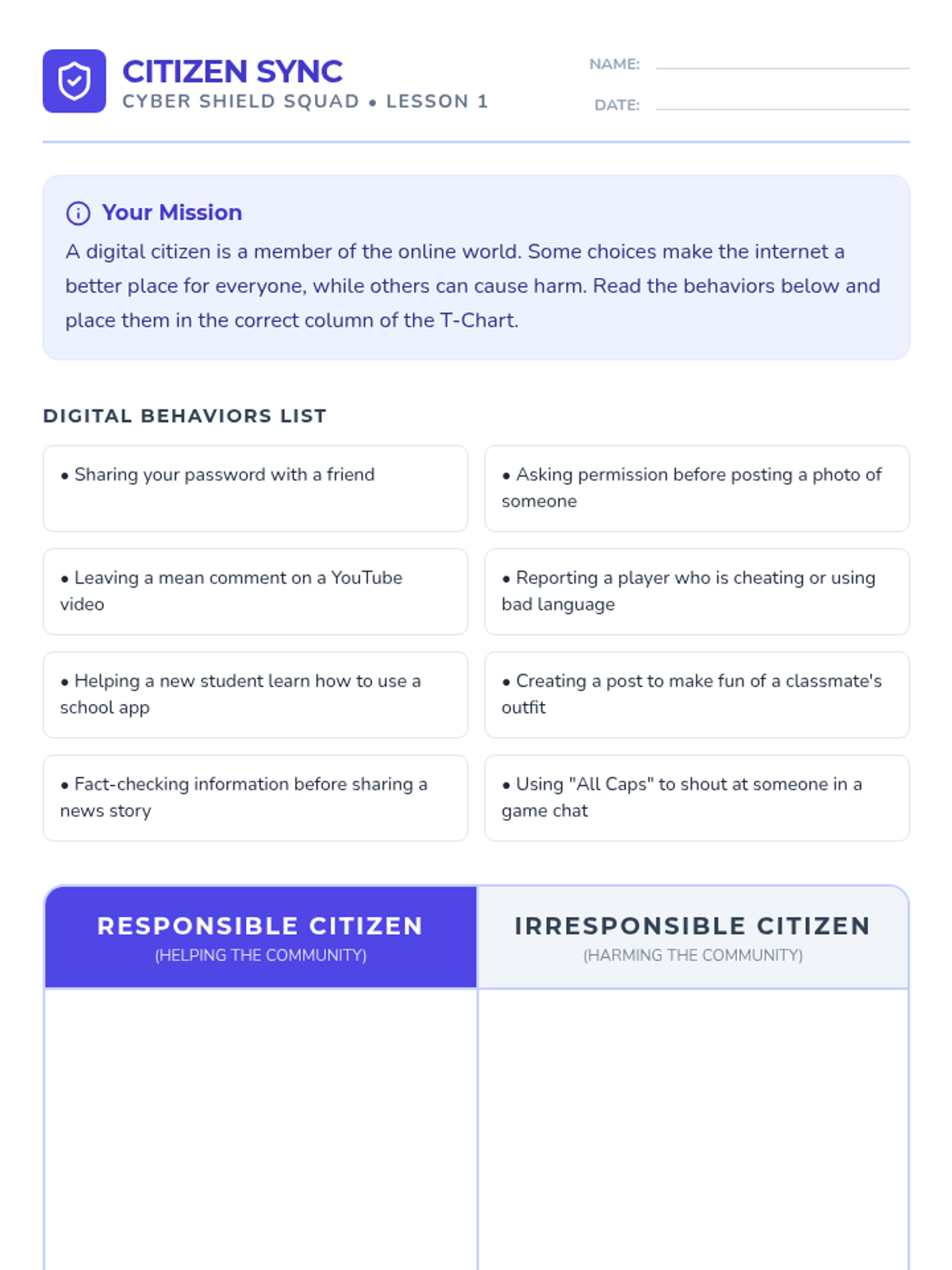
A comprehensive 5-lesson sequence for 4th graders on cyberbullying prevention and digital citizenship. Students move from understanding their role in the digital world to developing active upstander skills and personal codes of conduct for online interaction.
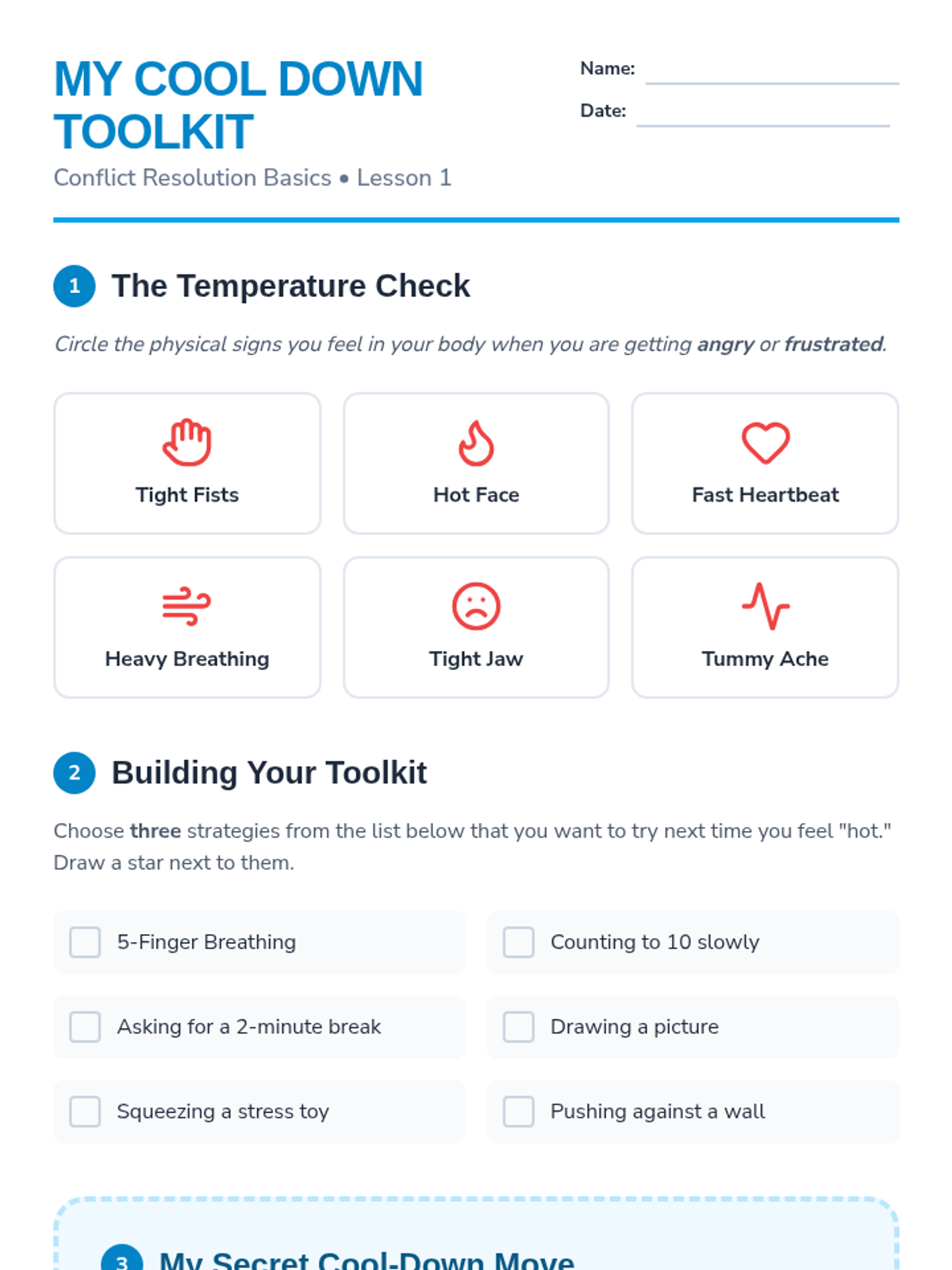
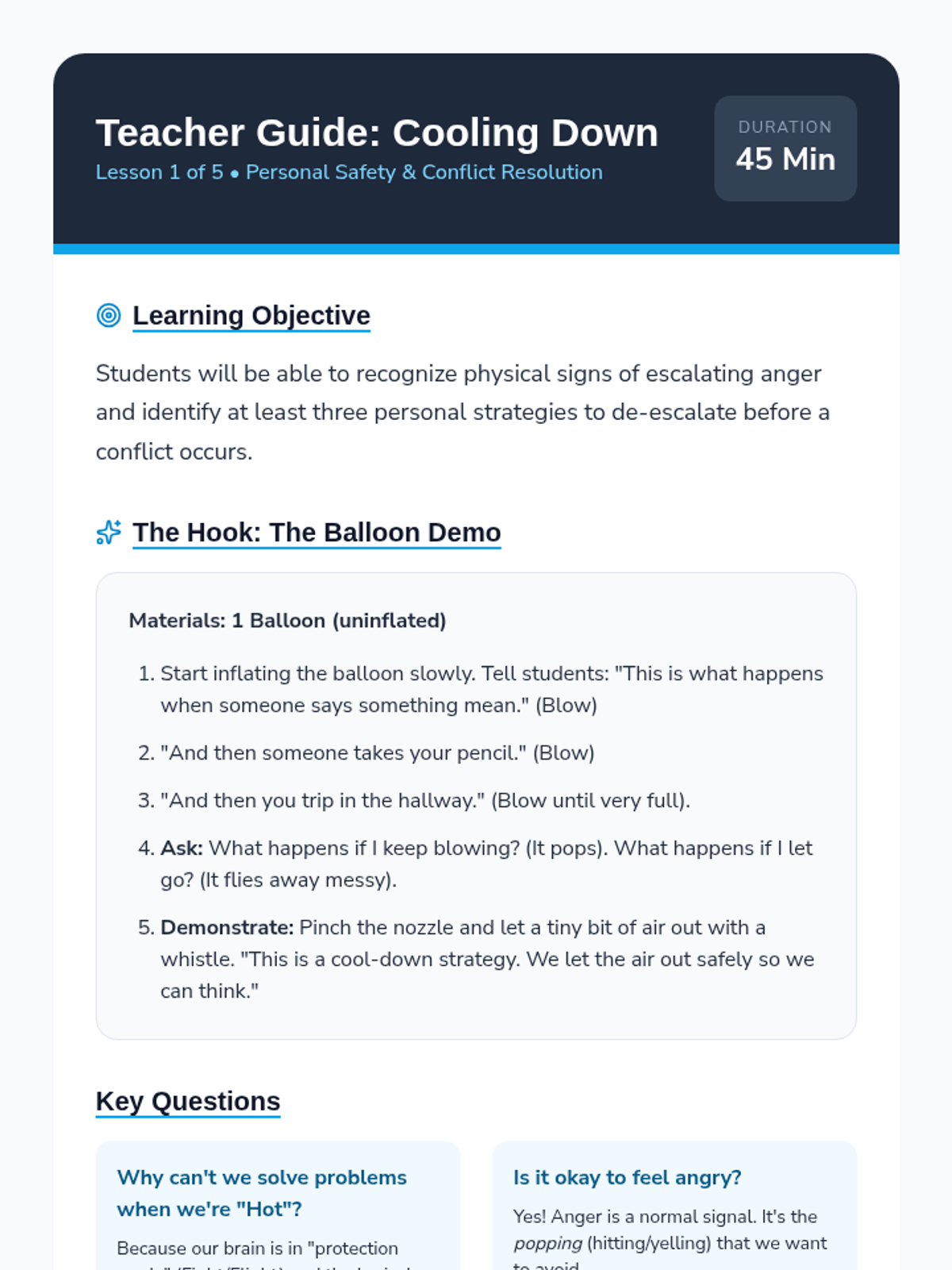
Students move from reactive emotional responses to proactive negotiation. They learn de-escalation, empathy through perspective-taking, and a structured 4-step 'Peace Path' to resolve playground and classroom conflicts independently.
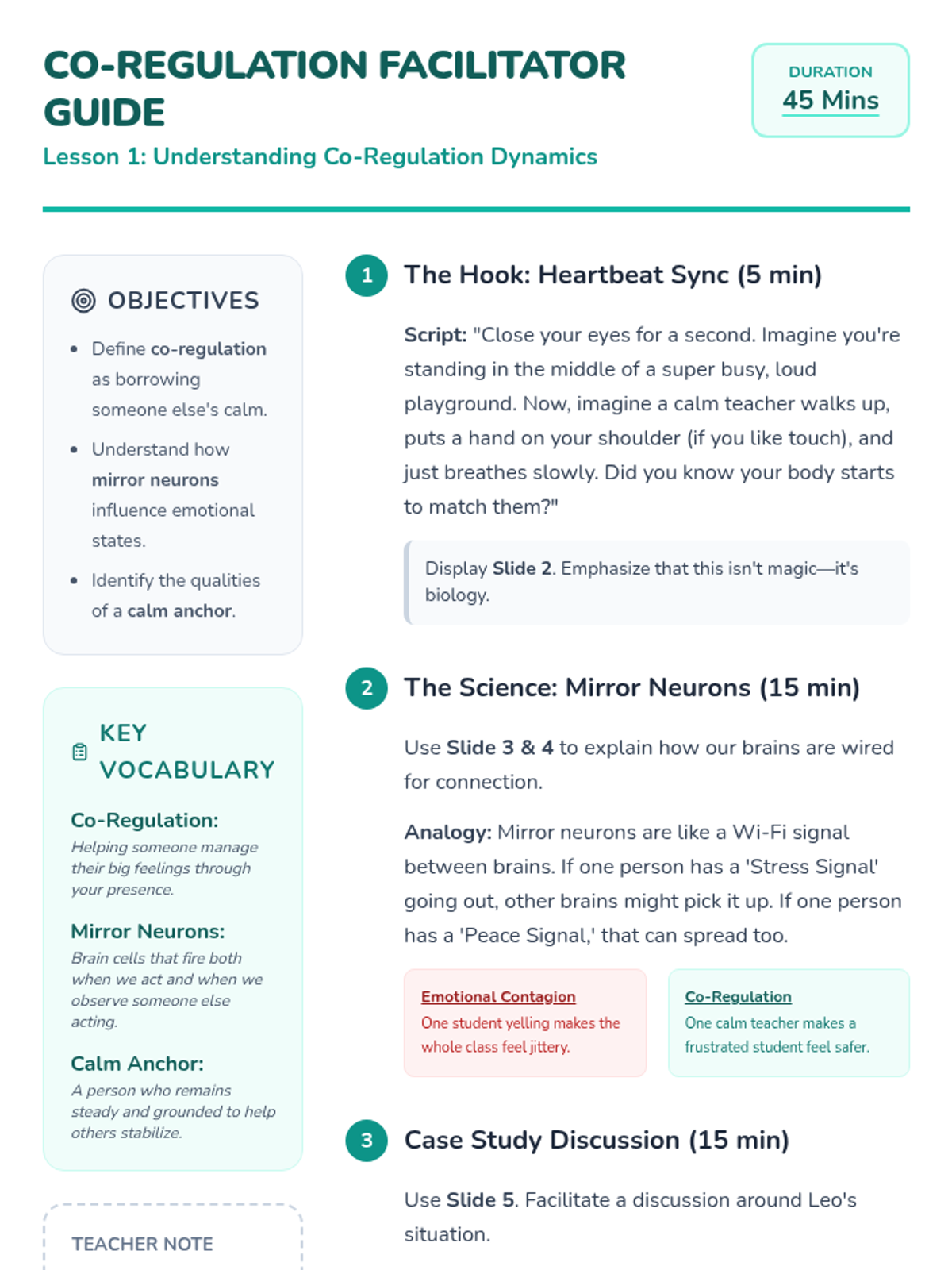
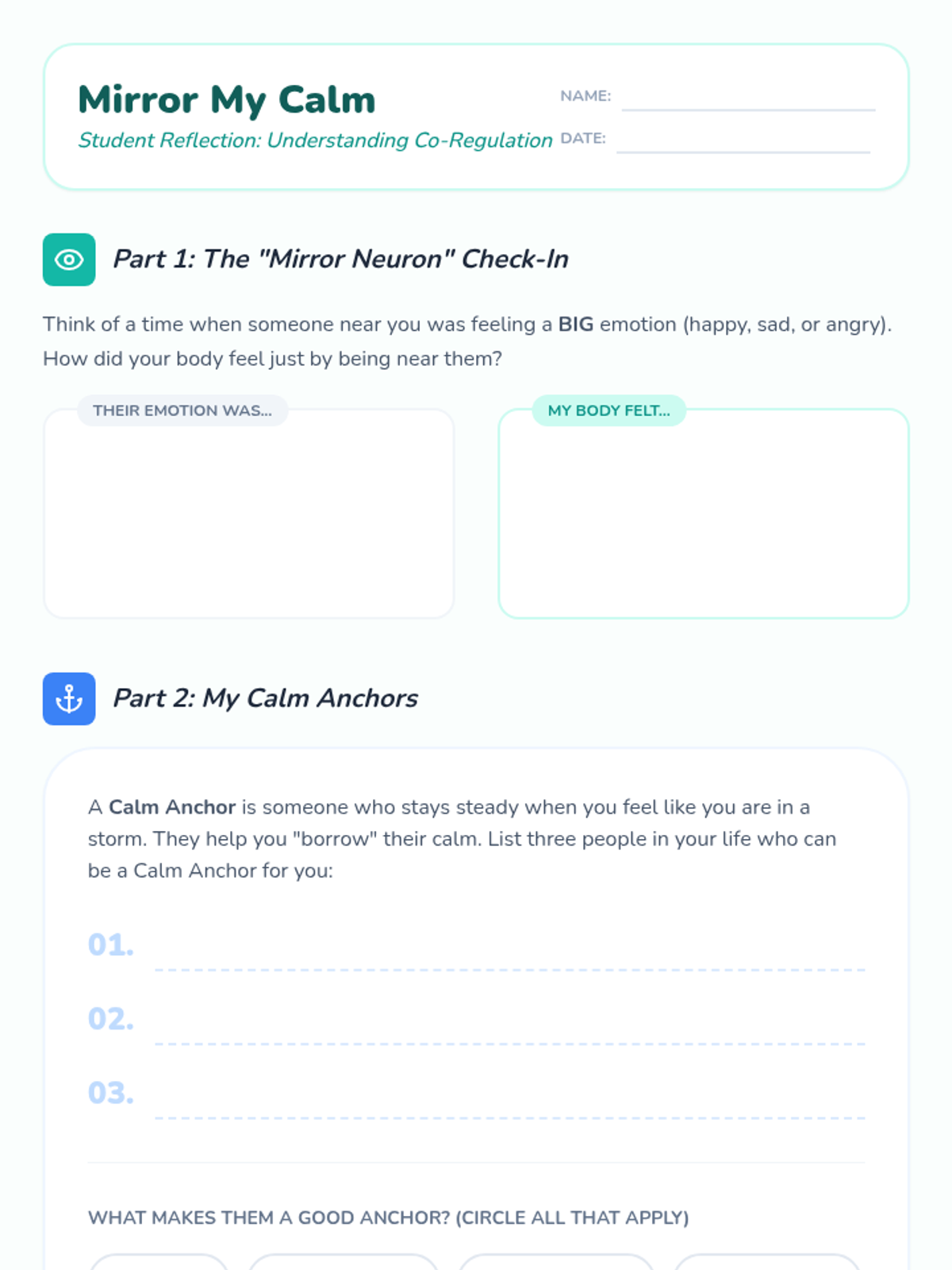
A 4th-grade sequence focused on building interpersonal recovery skills during sensory dysregulation. Students learn to use non-verbal signals, distinguish between the need for space versus support, and practice co-regulation strategies to repair relationships after high-intensity emotional events.
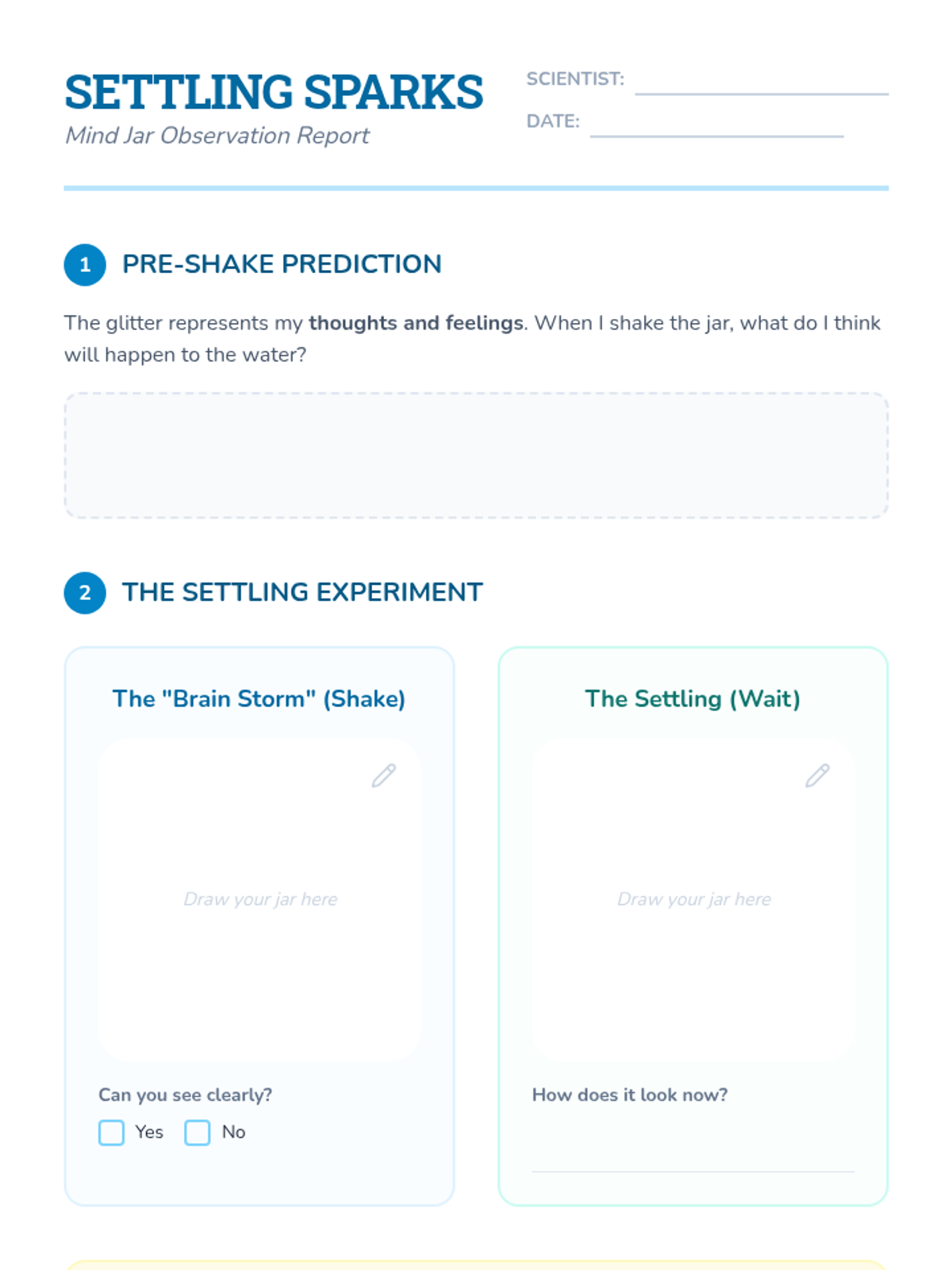
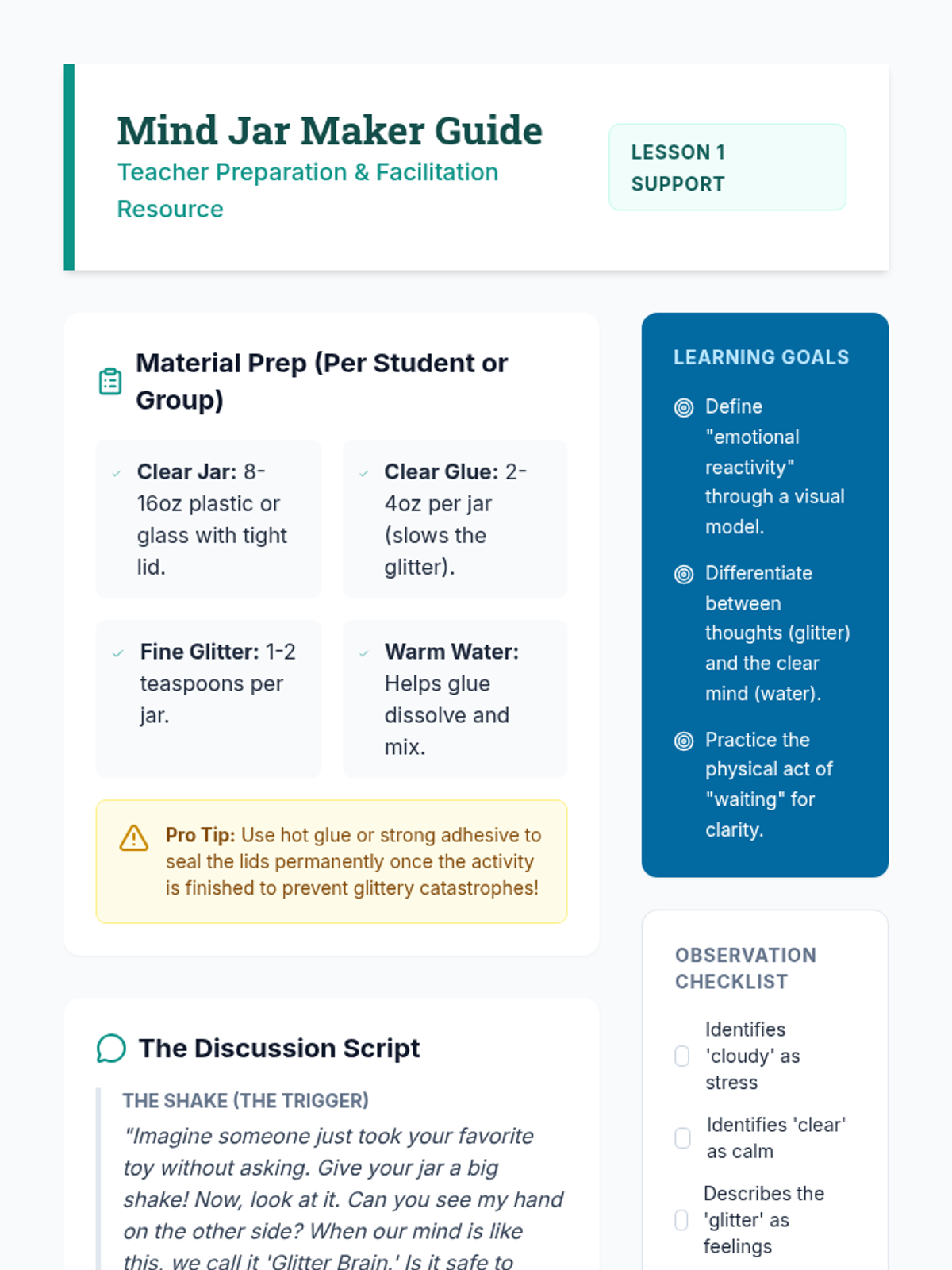
A 3rd-grade mindfulness sequence exploring emotional regulation through metaphors like mind jars, weather reporting, and visualization to help students widen the gap between triggers and reactions.
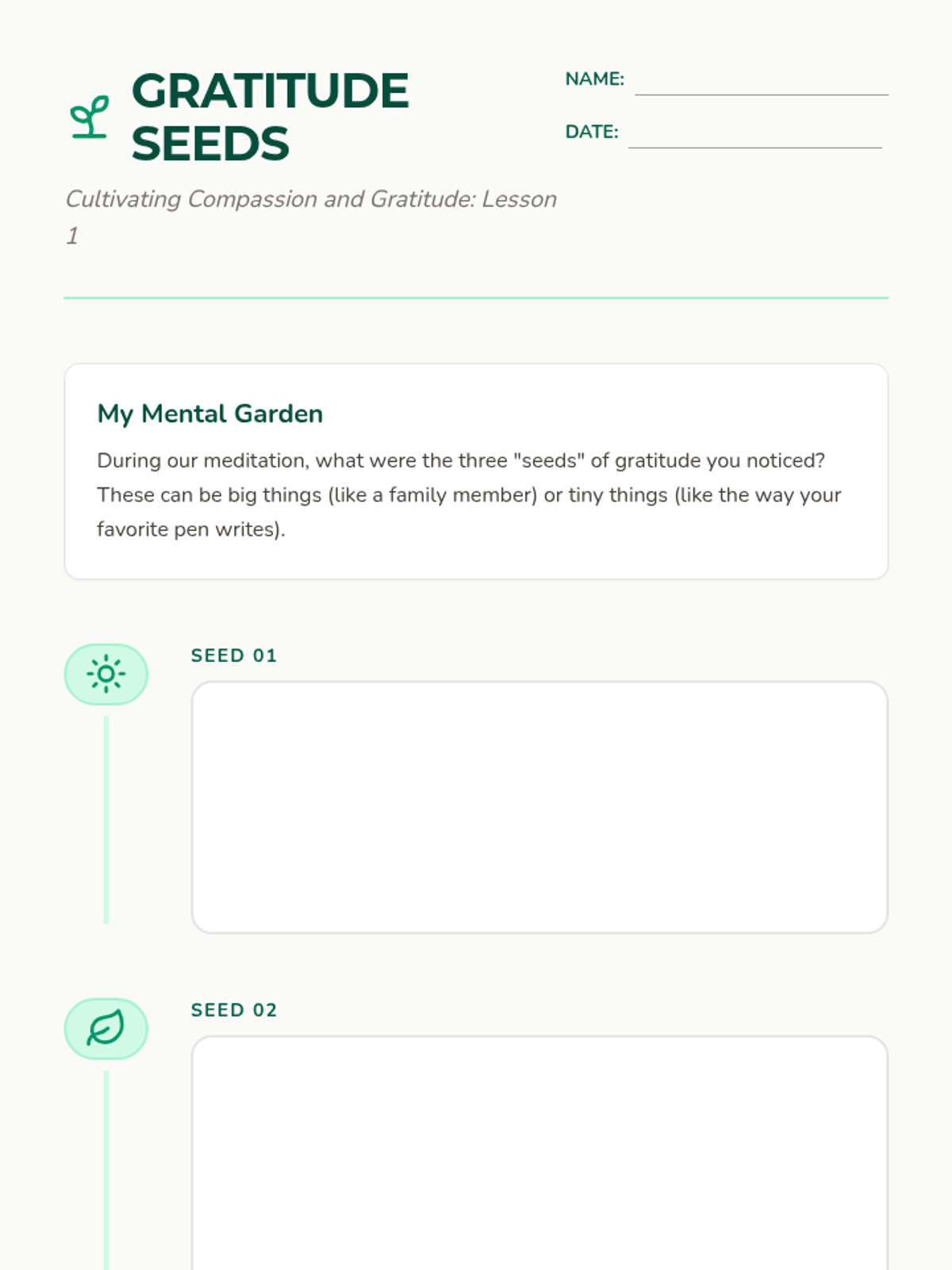
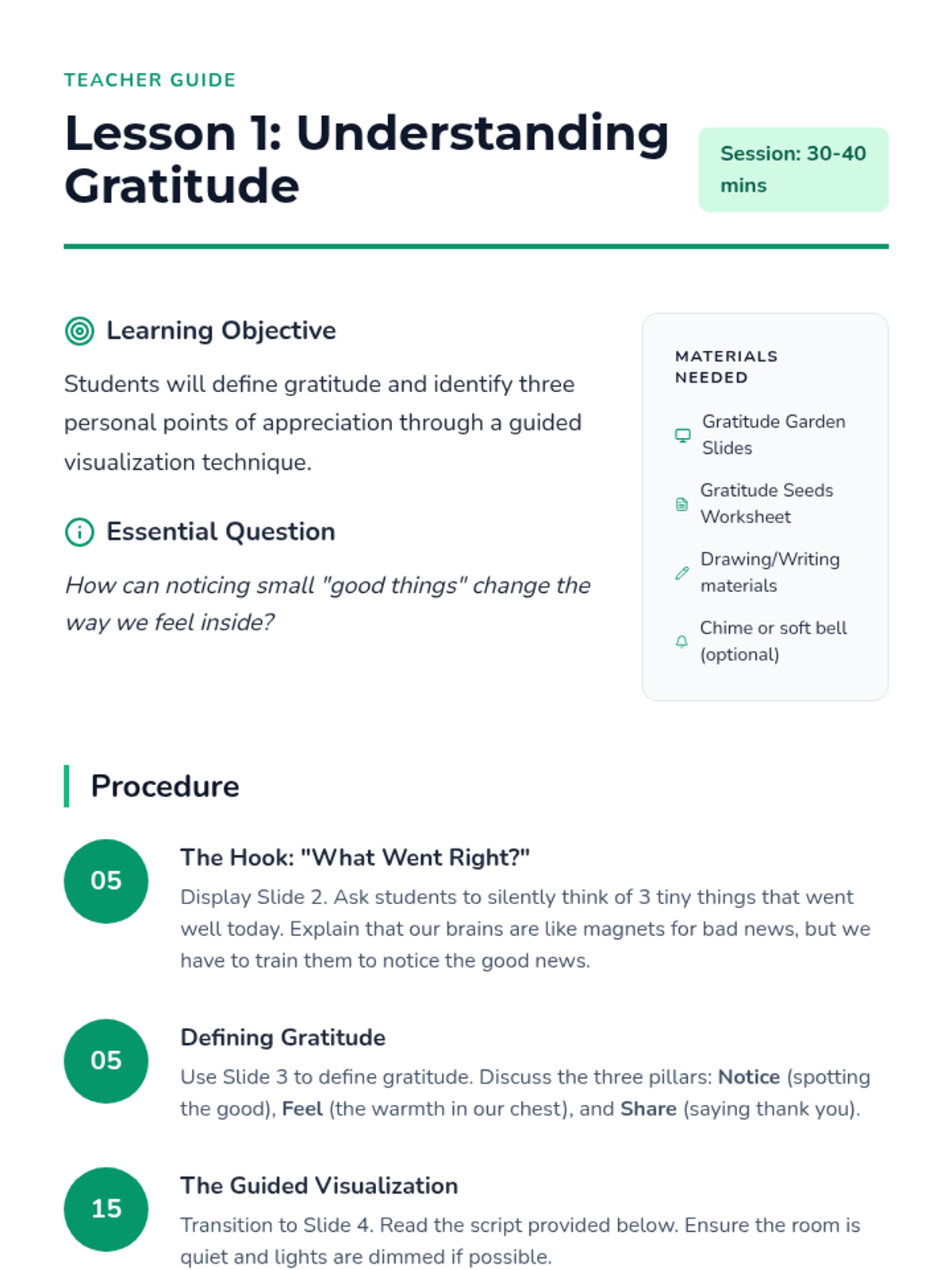
A 5-lesson sequence for 4th graders focused on the social-emotional aspects of meditation, teaching gratitude, self-compassion, and loving-kindness ('Metta') to build empathy and emotional resilience.
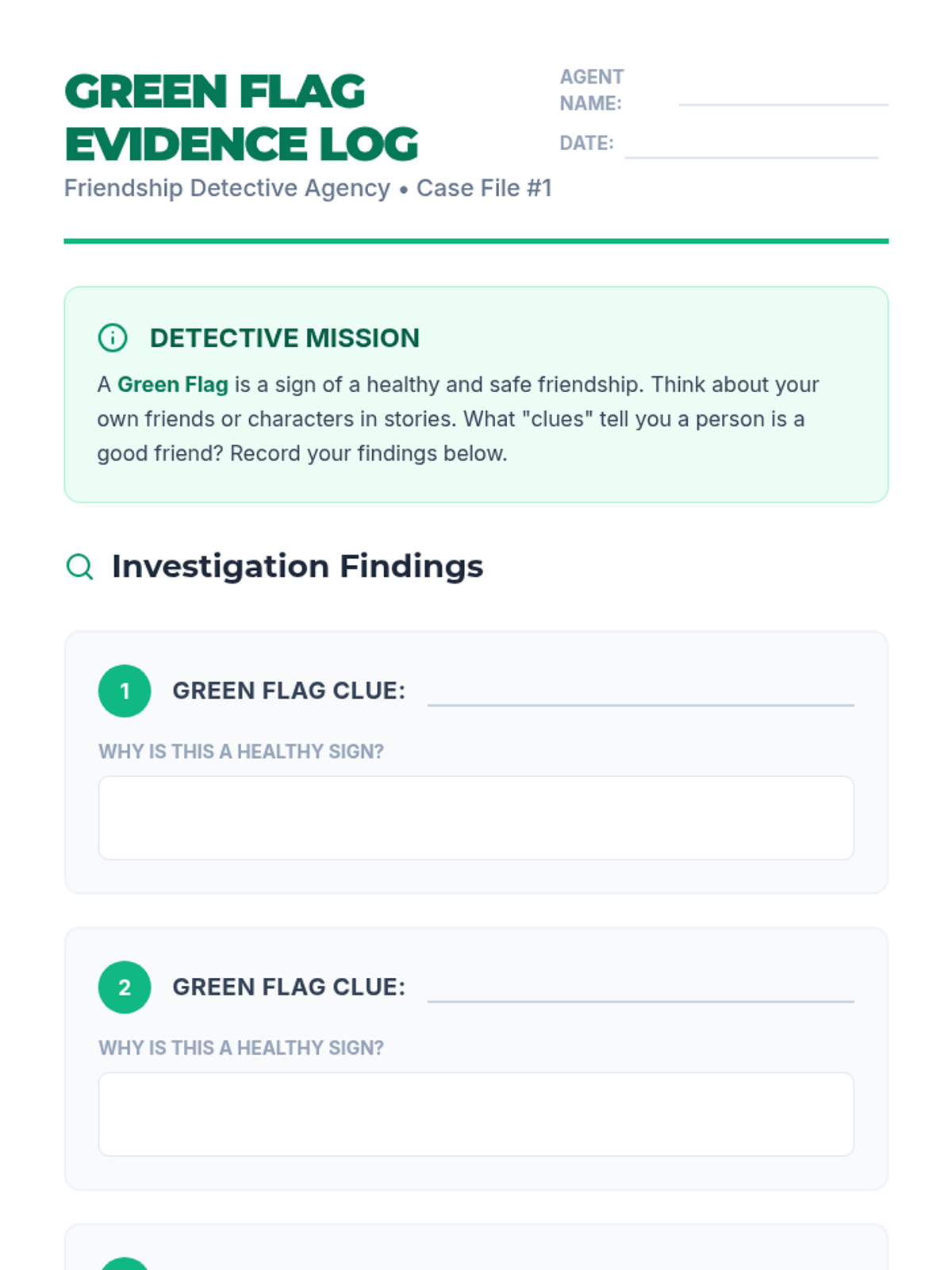
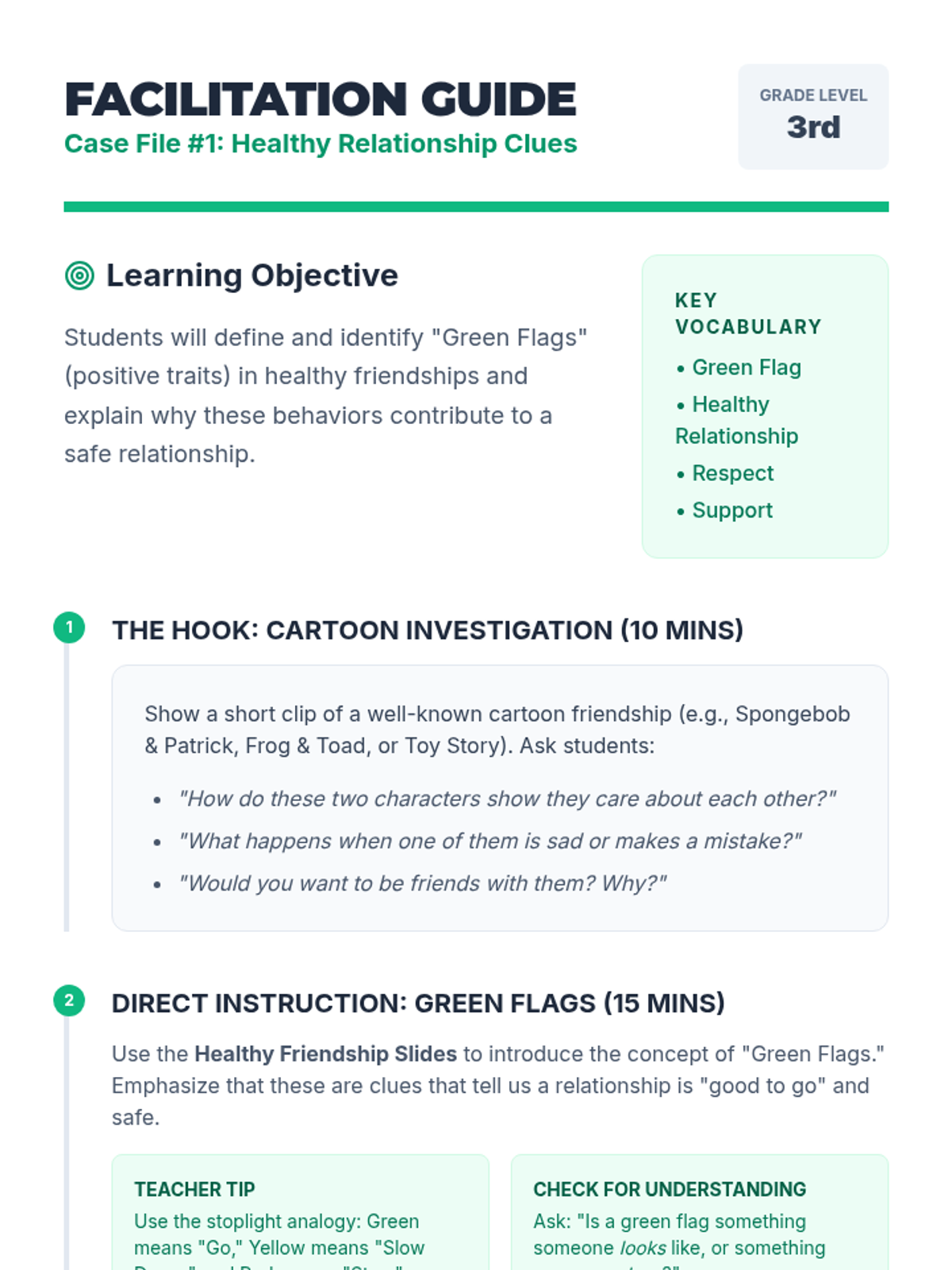
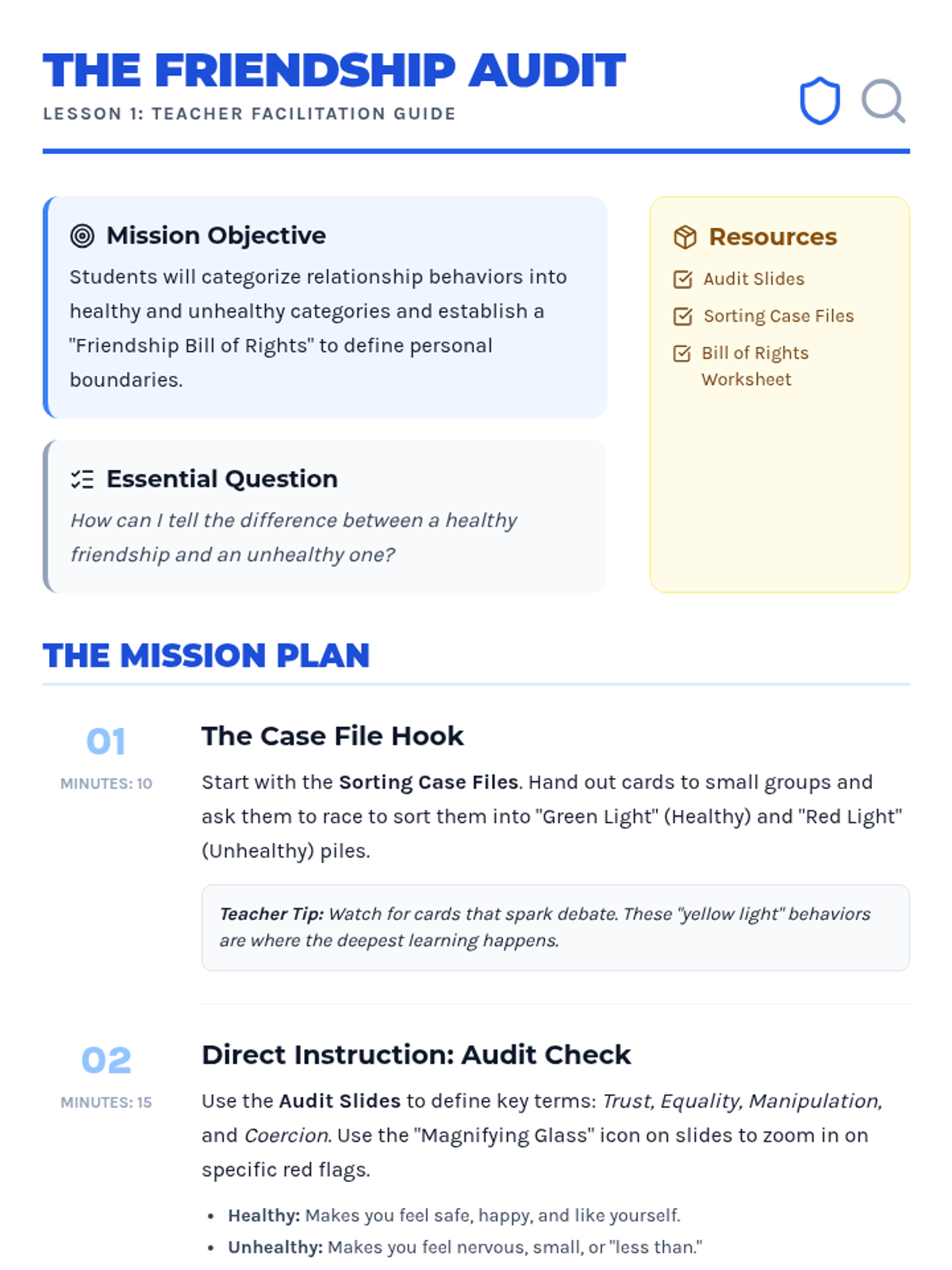
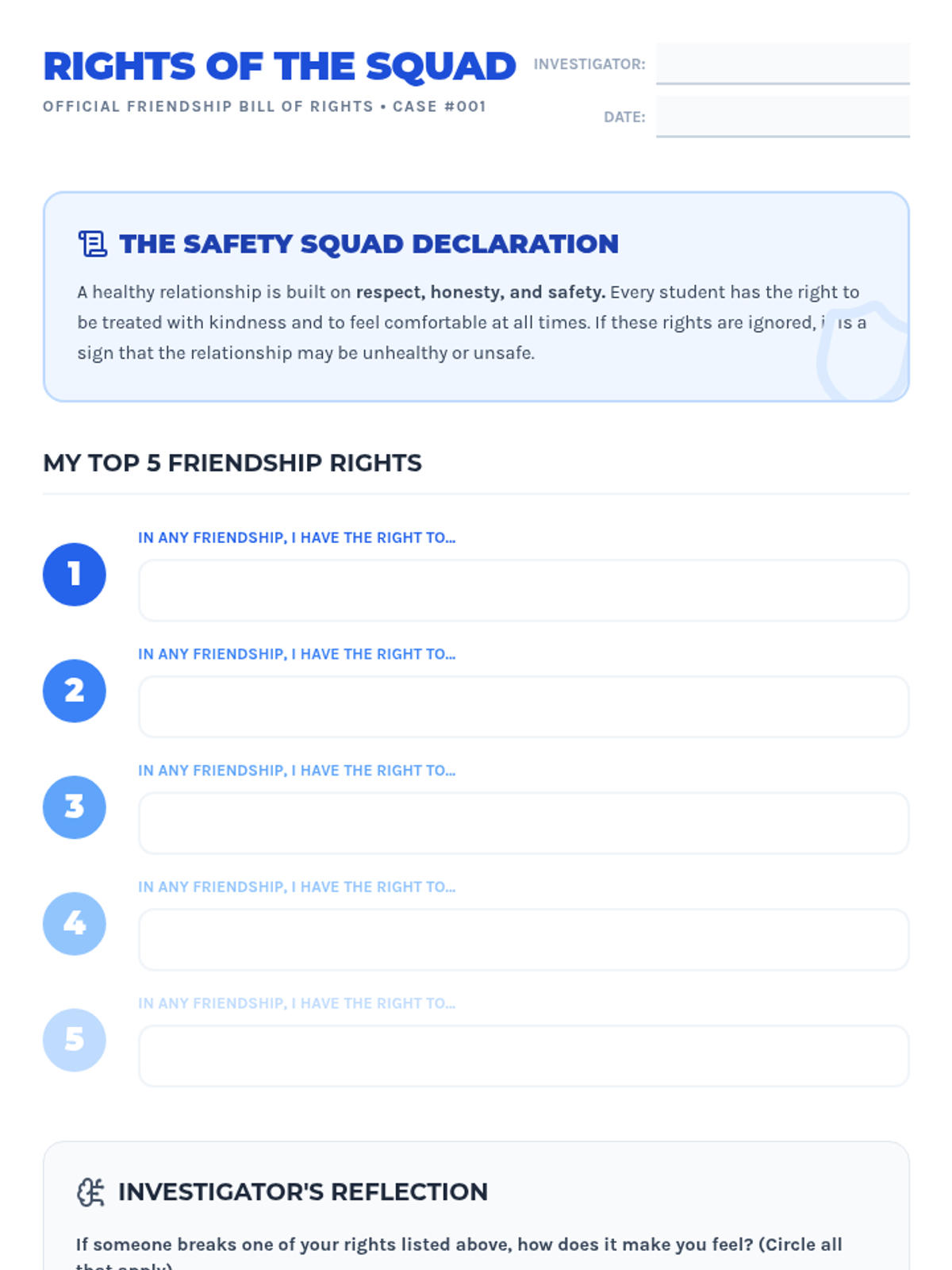
A 5-lesson unit where students become 'Friendship Detectives' to identify healthy and unhealthy relationship dynamics. Using case studies, sorting games, and creative projects, students learn to recognize green and red flags, distinguish between teasing and bullying, and resolve conflicts safely.
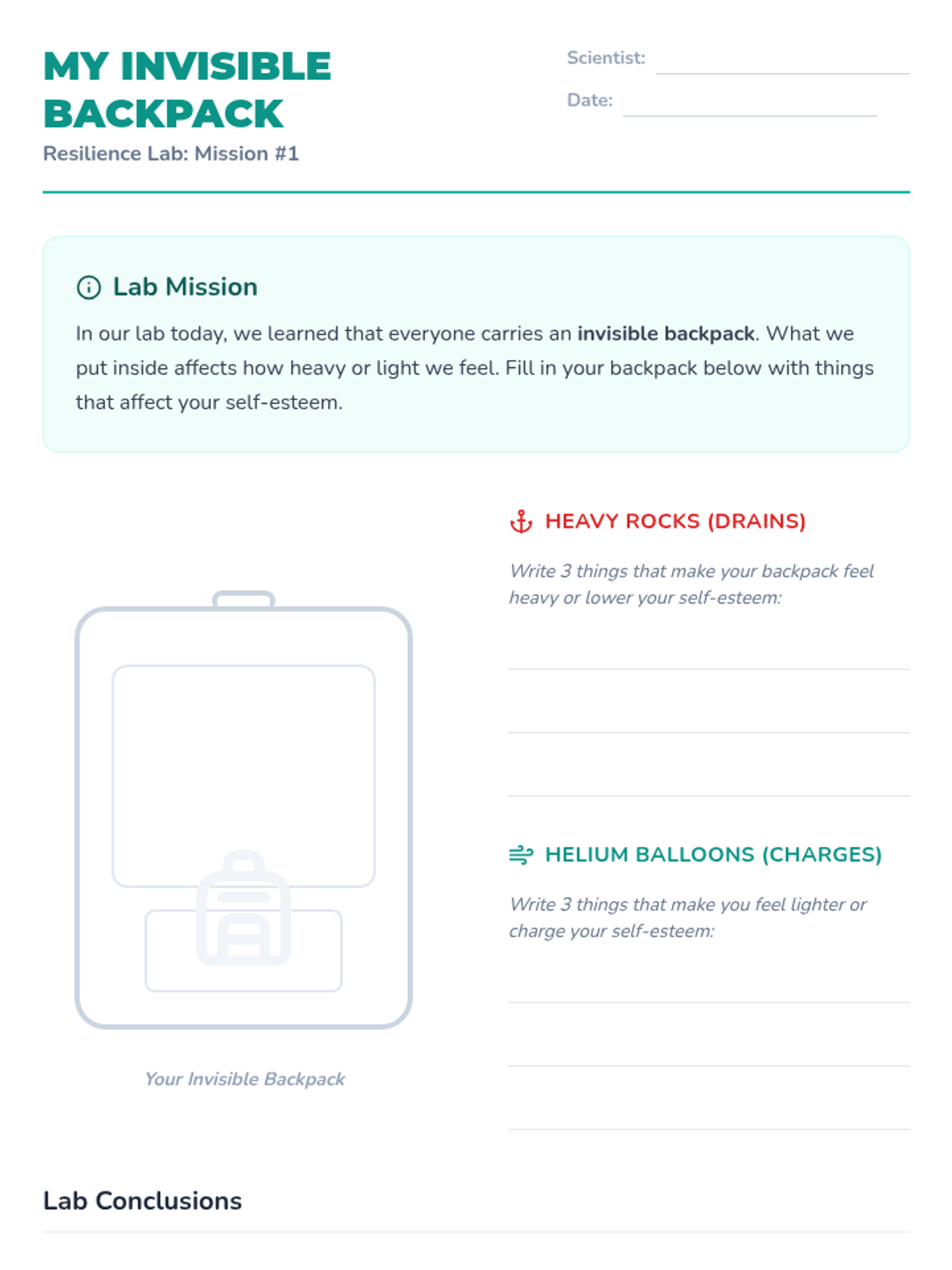
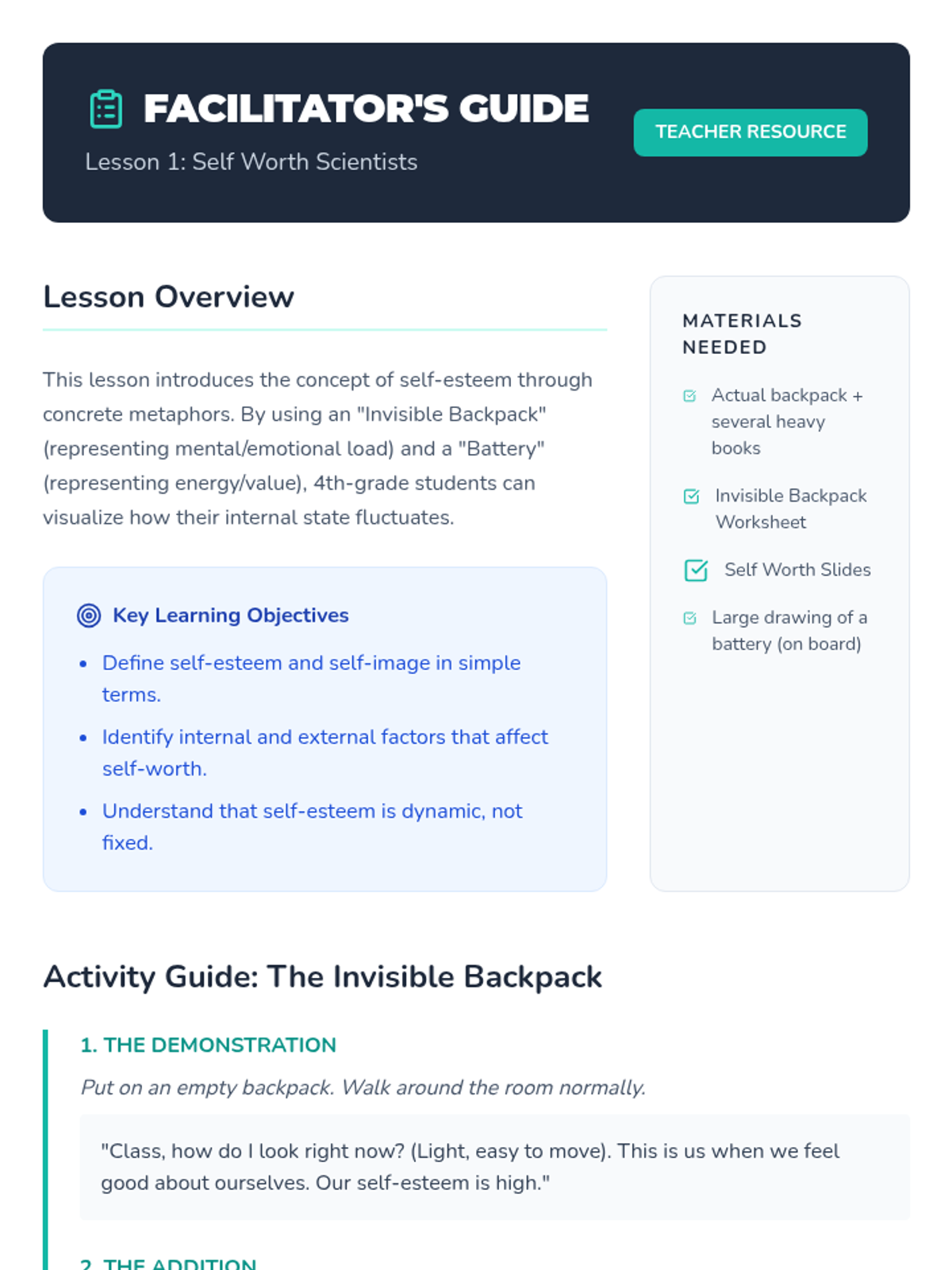
This sequence utilizes inquiry and case studies to examine the formation of self-esteem and the impact of external feedback. Students analyze sources of self-worth, critique media messages, and develop a personal toolkit of resilience strategies.
A comprehensive sequence for 4th graders to distinguish between healthy and unhealthy relationships, identify trusted adults, and develop a concrete plan for seeking help in unsafe situations.
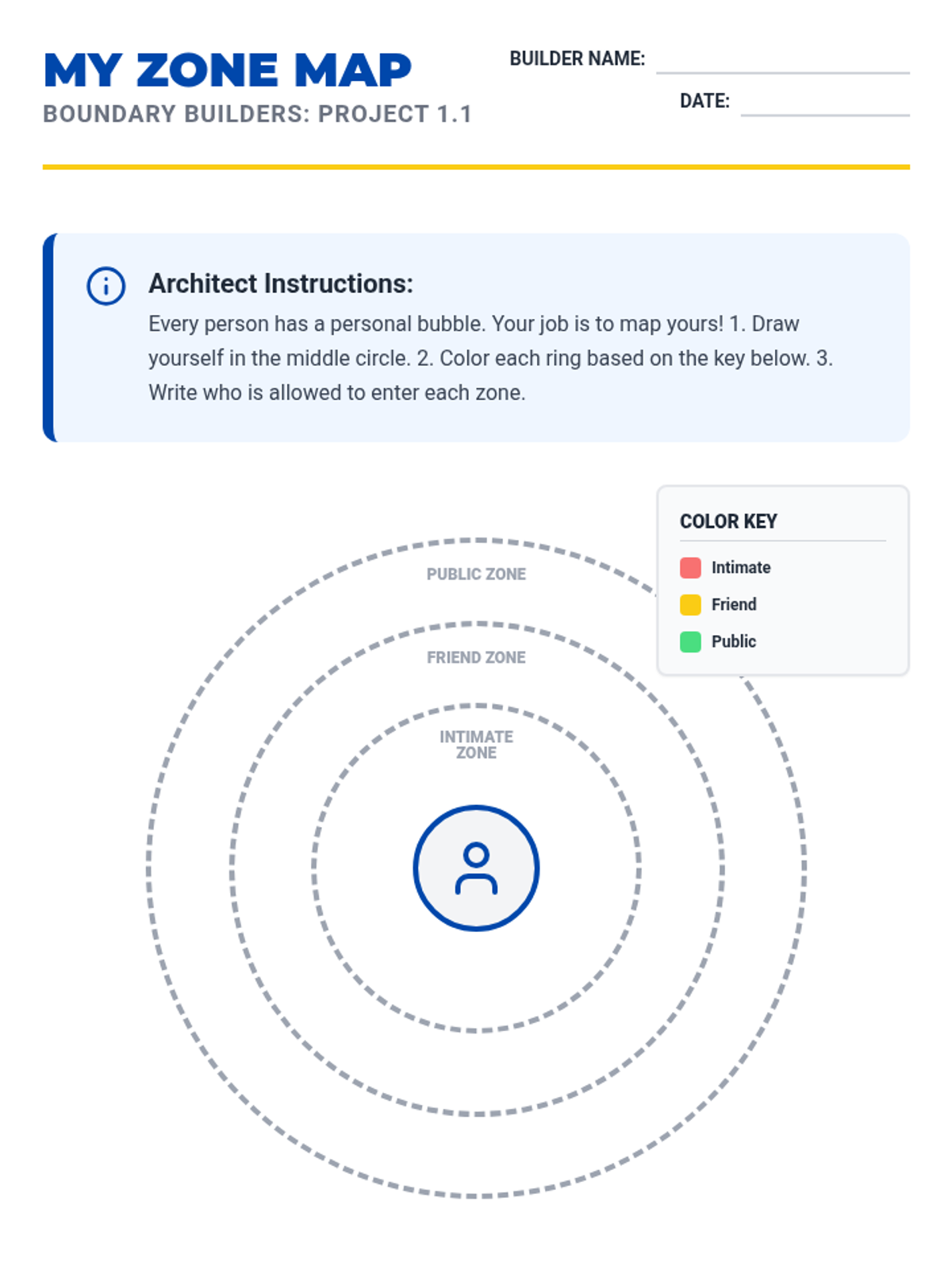
This sequence teaches 4th-grade students about personal boundaries, consent, and assertive communication through a 'Boundary Builders' construction theme. Students move from physical concepts of personal space to emotional limits, refusal skills, and digital safety.
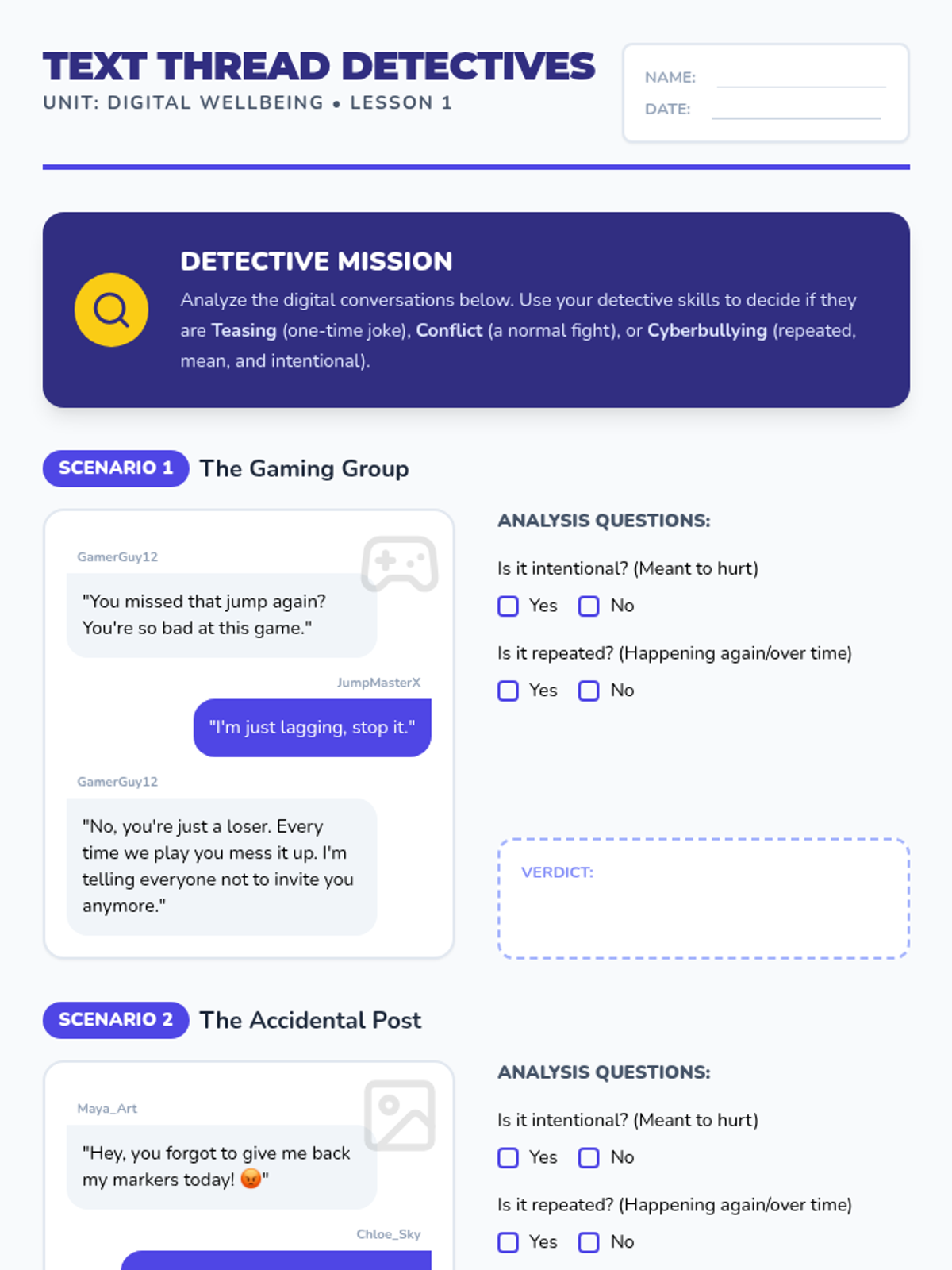
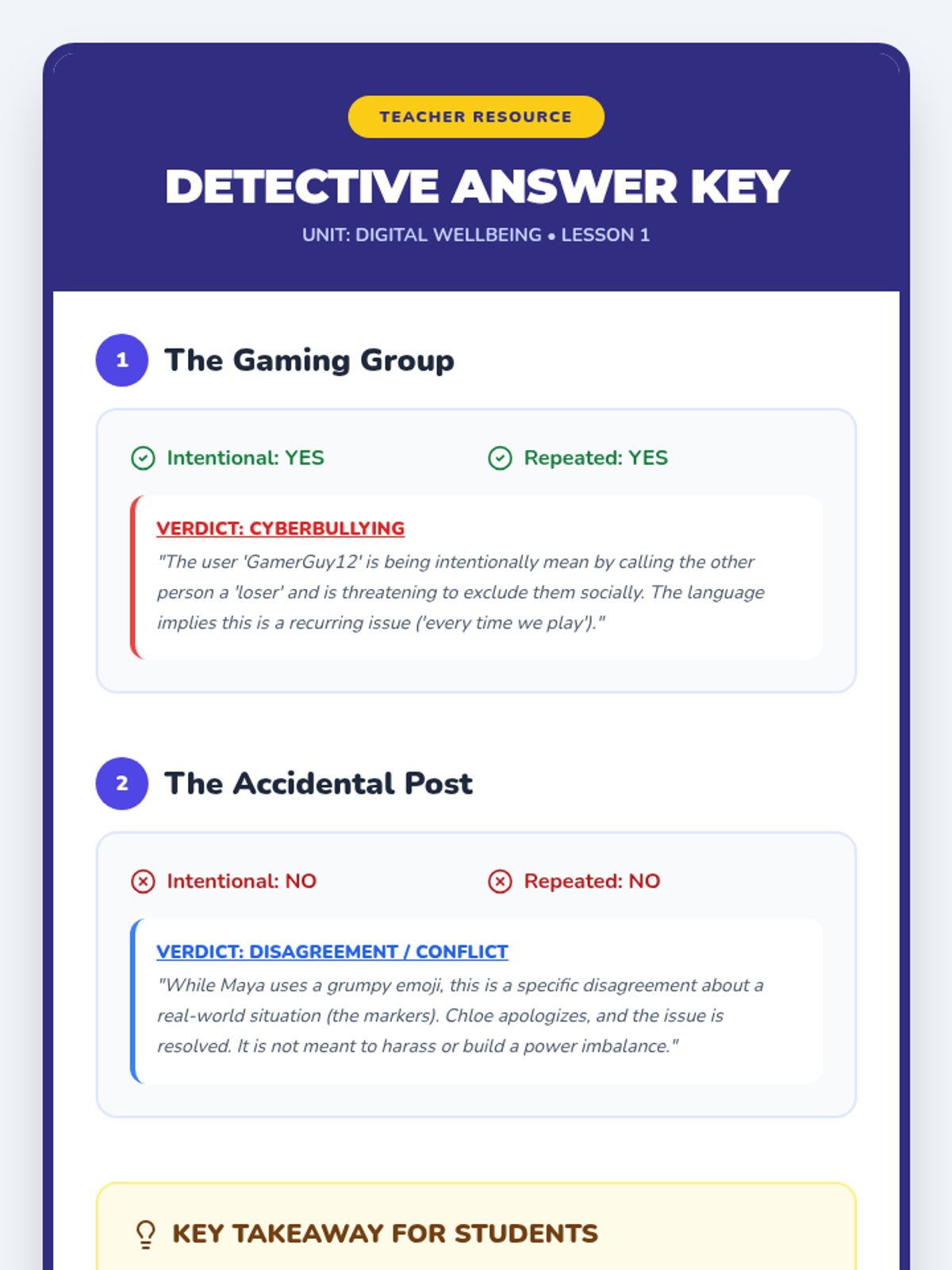
A comprehensive 4th-grade sequence on recognizing and preventing cyberbullying. Students progress from defining harmful online behaviors to practicing active upstander strategies and promoting a culture of digital kindness.
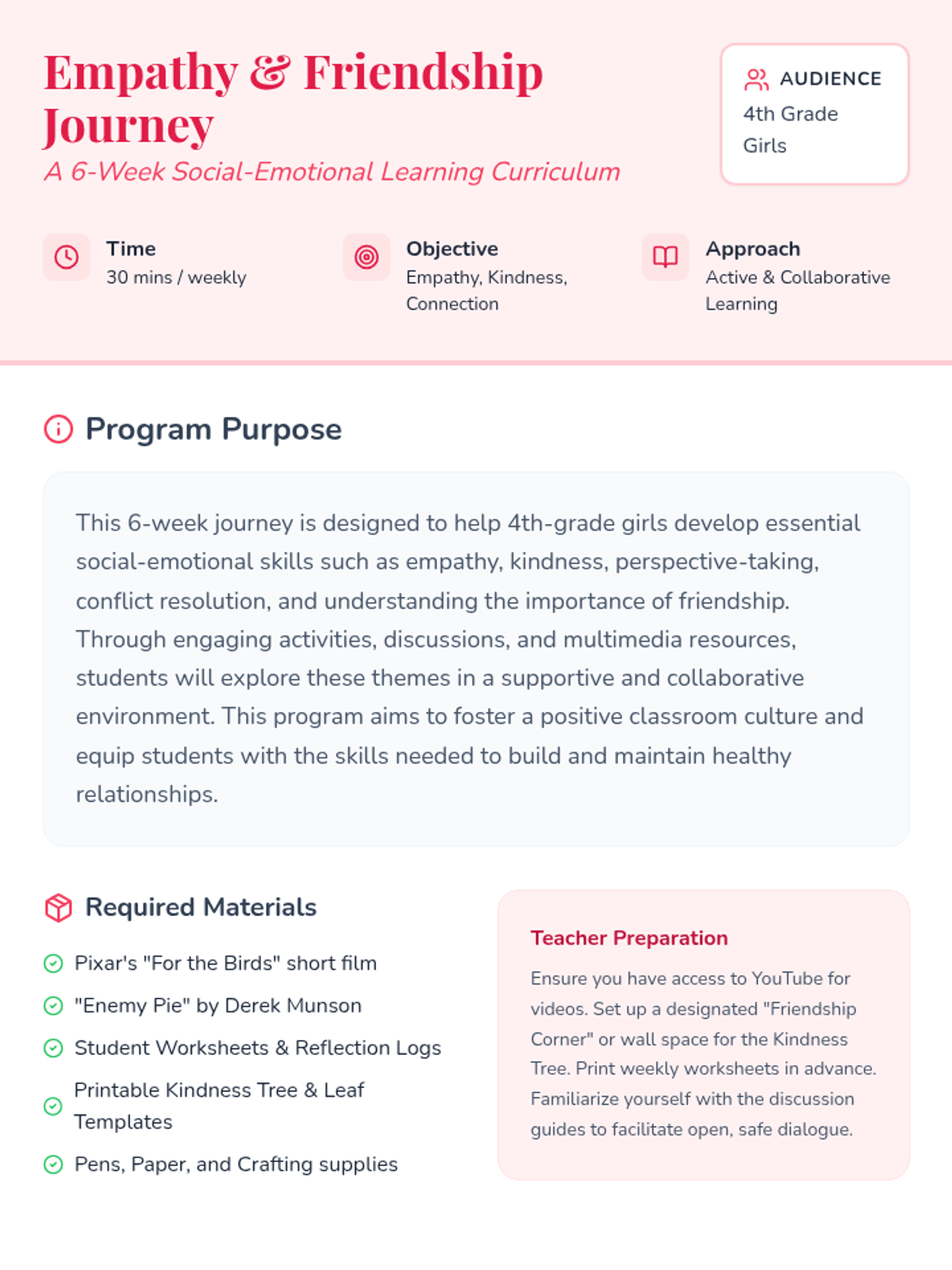
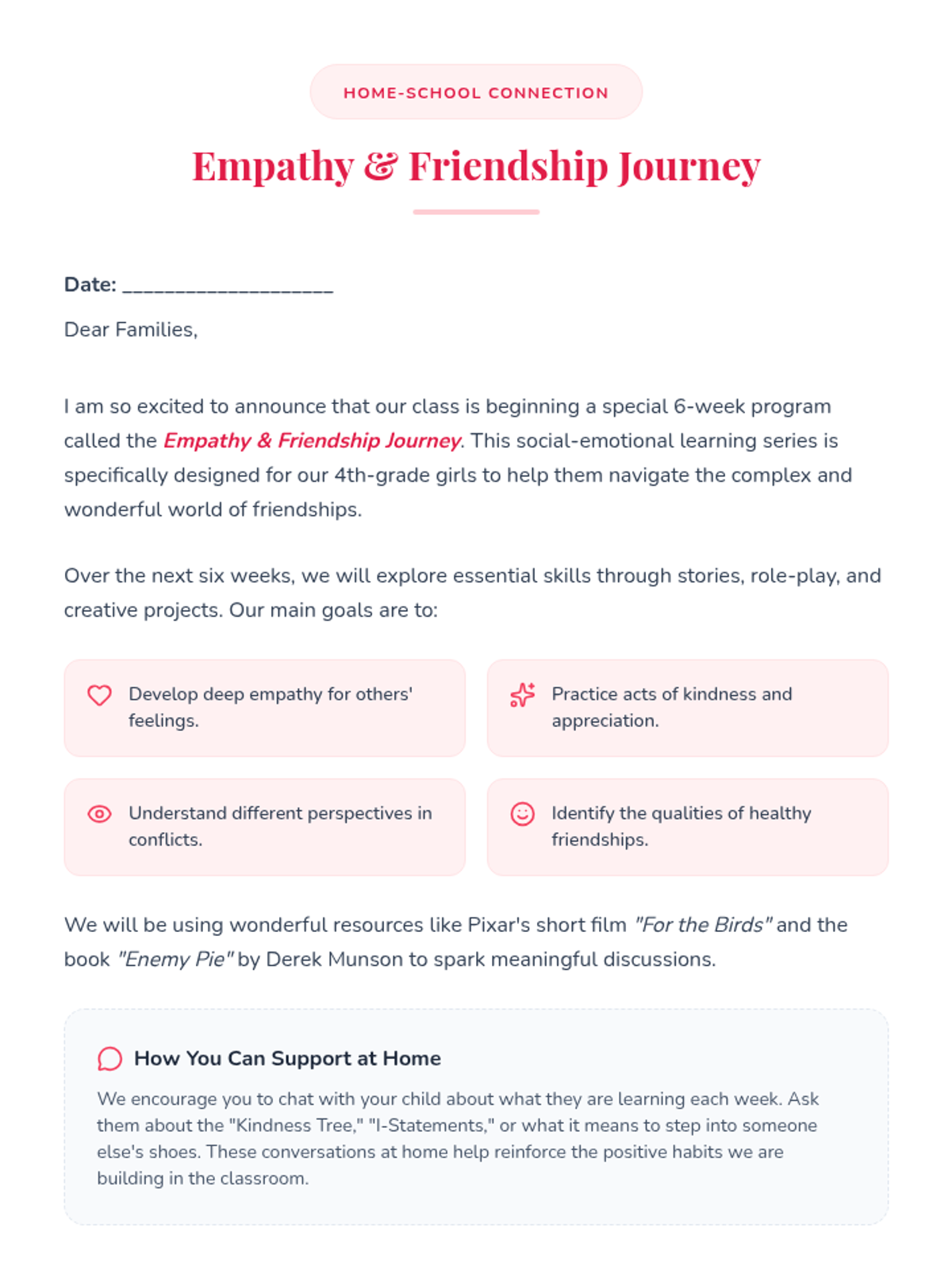
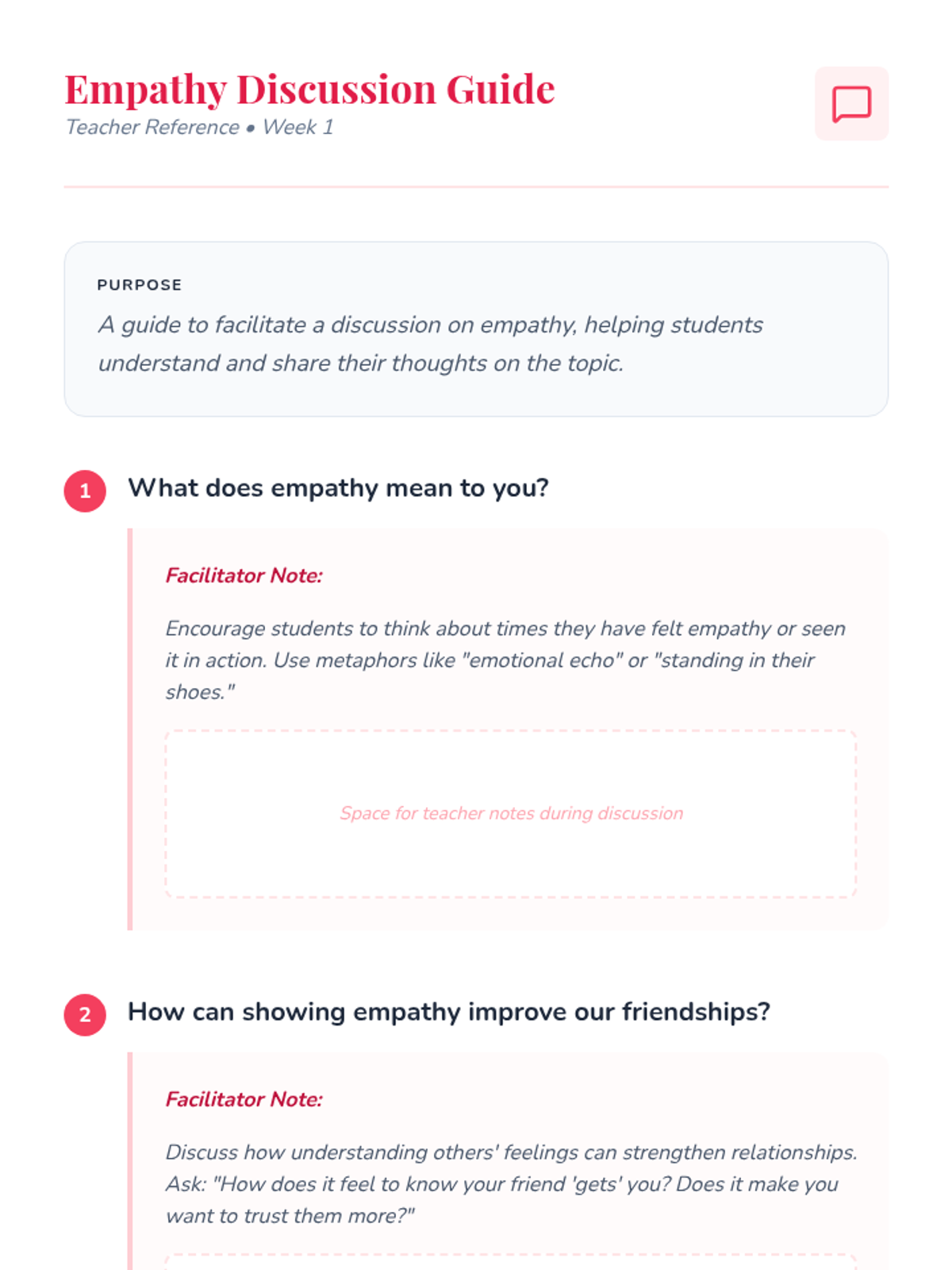
A 6-week social-emotional learning program for 4th-grade girls focused on empathy, kindness, perspective-taking, conflict resolution, and healthy friendships. Students explore these themes through collaborative activities, discussions, and personal reflection.
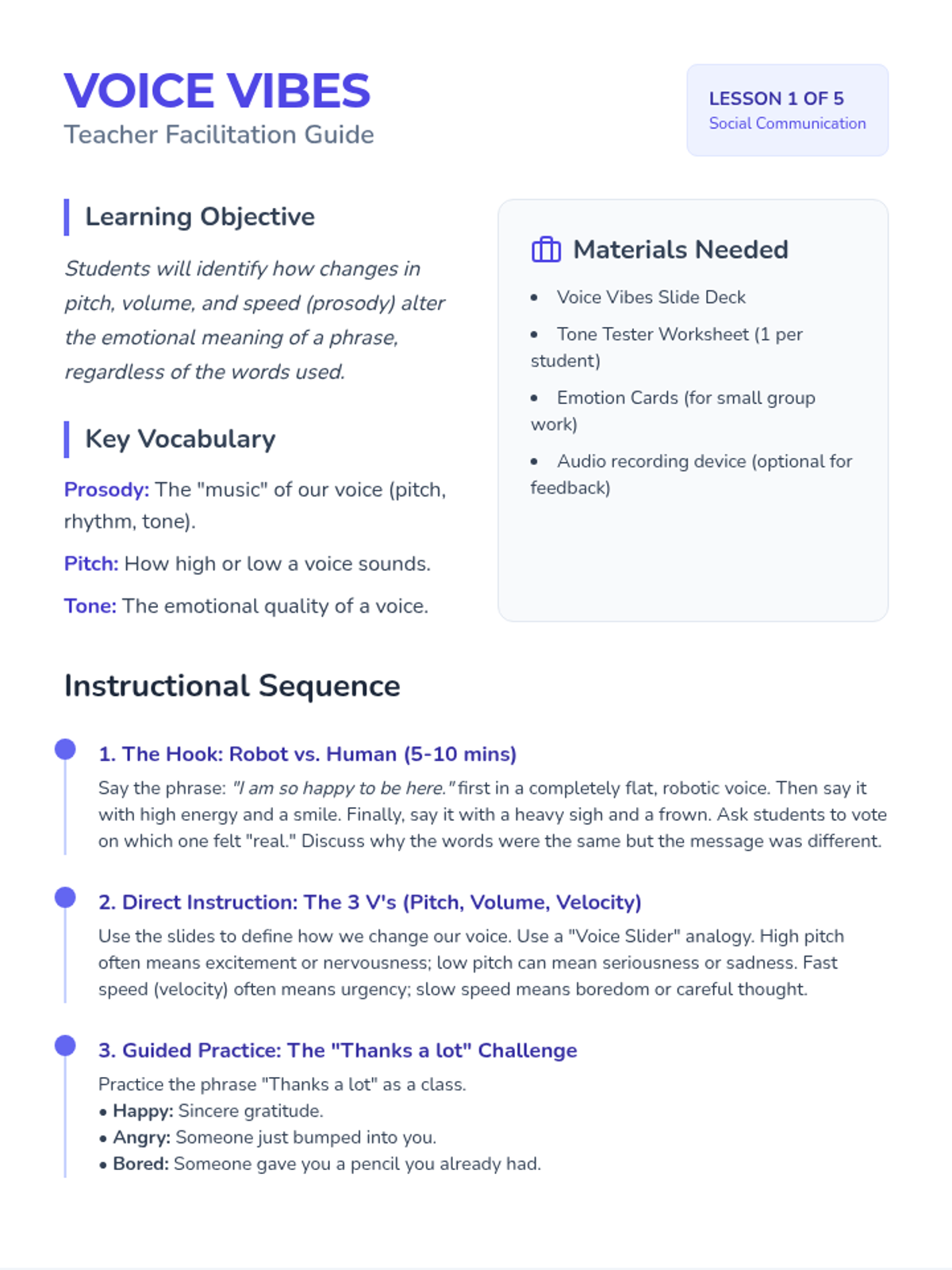
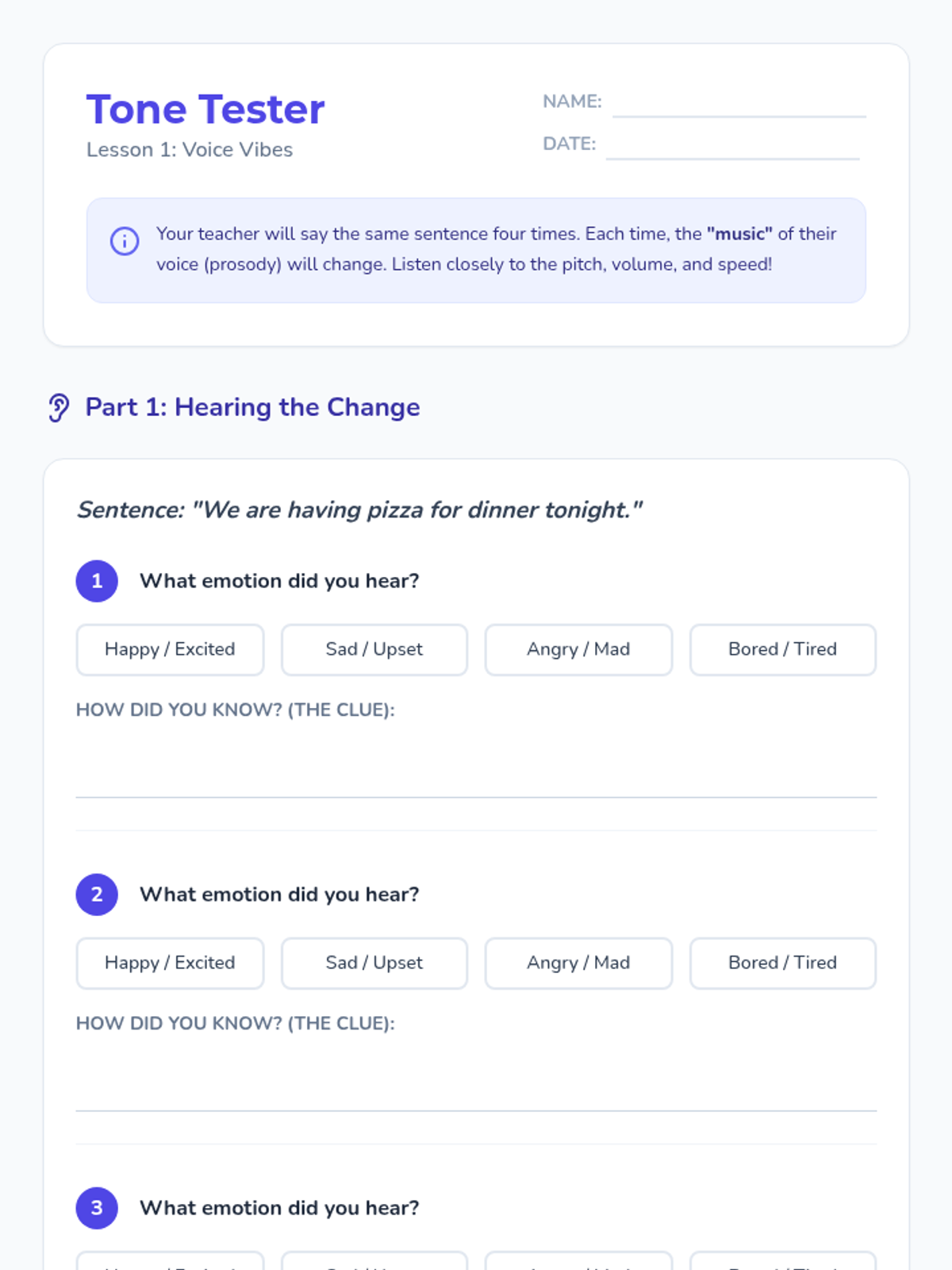
This sequence explores how tone of voice, body language, and context change the meaning of words. Students move from auditory analysis of tone to complex social role-playing, focusing on sarcasm, hyperbole, and social inferencing.
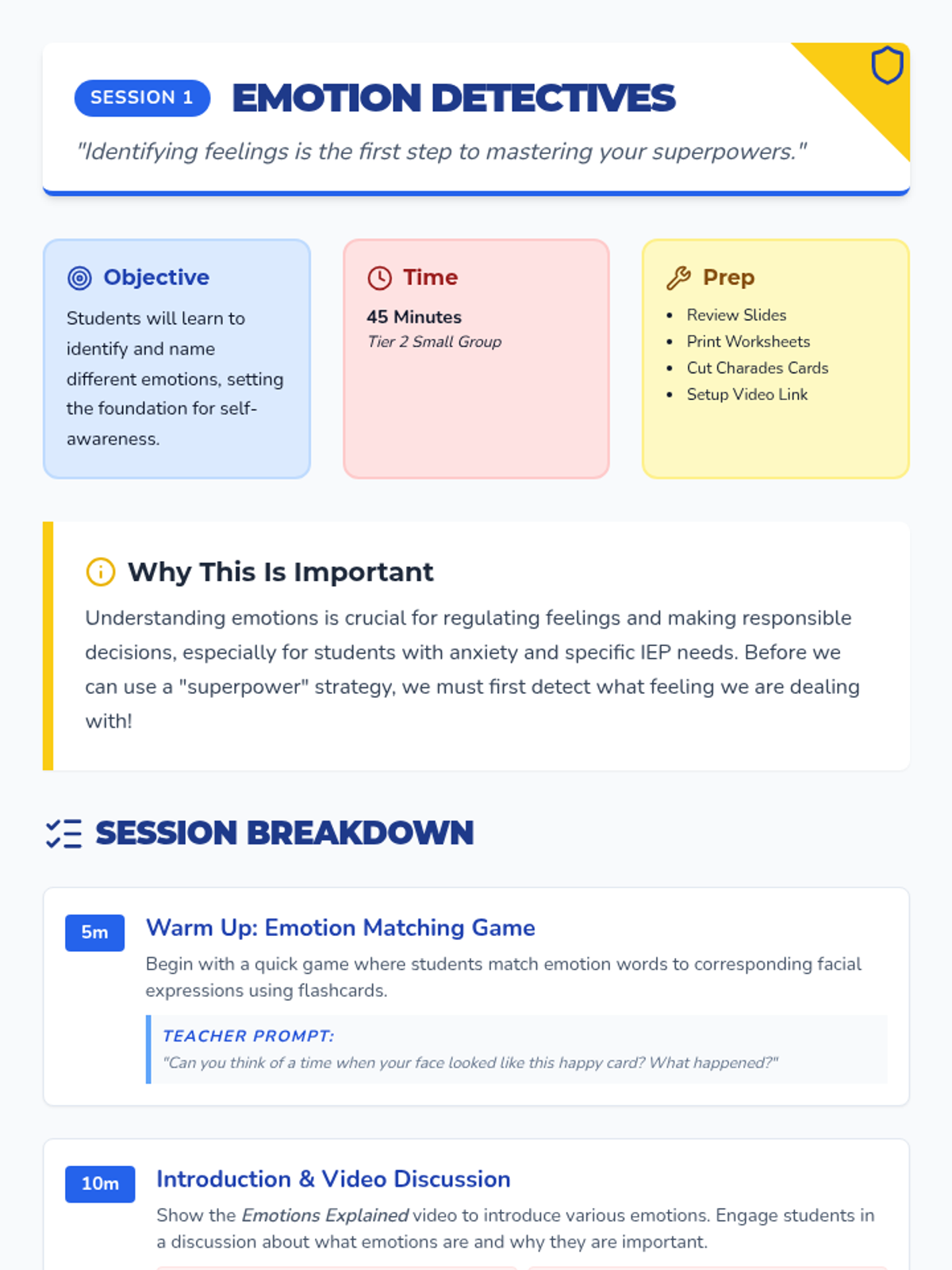
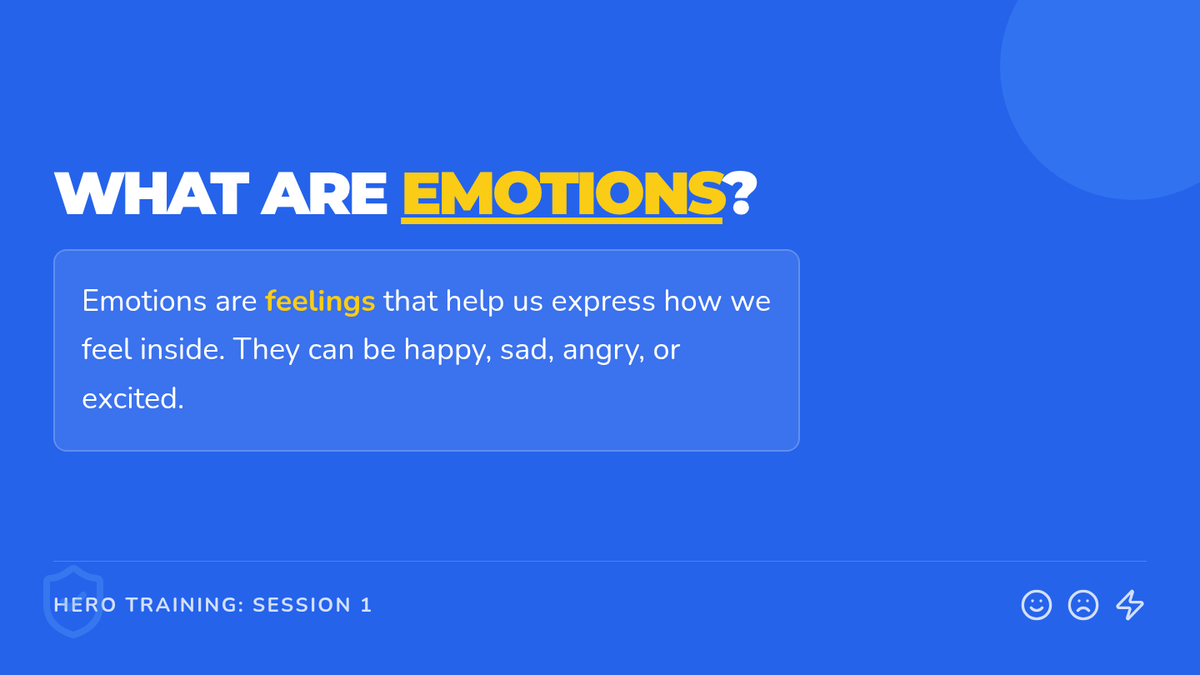
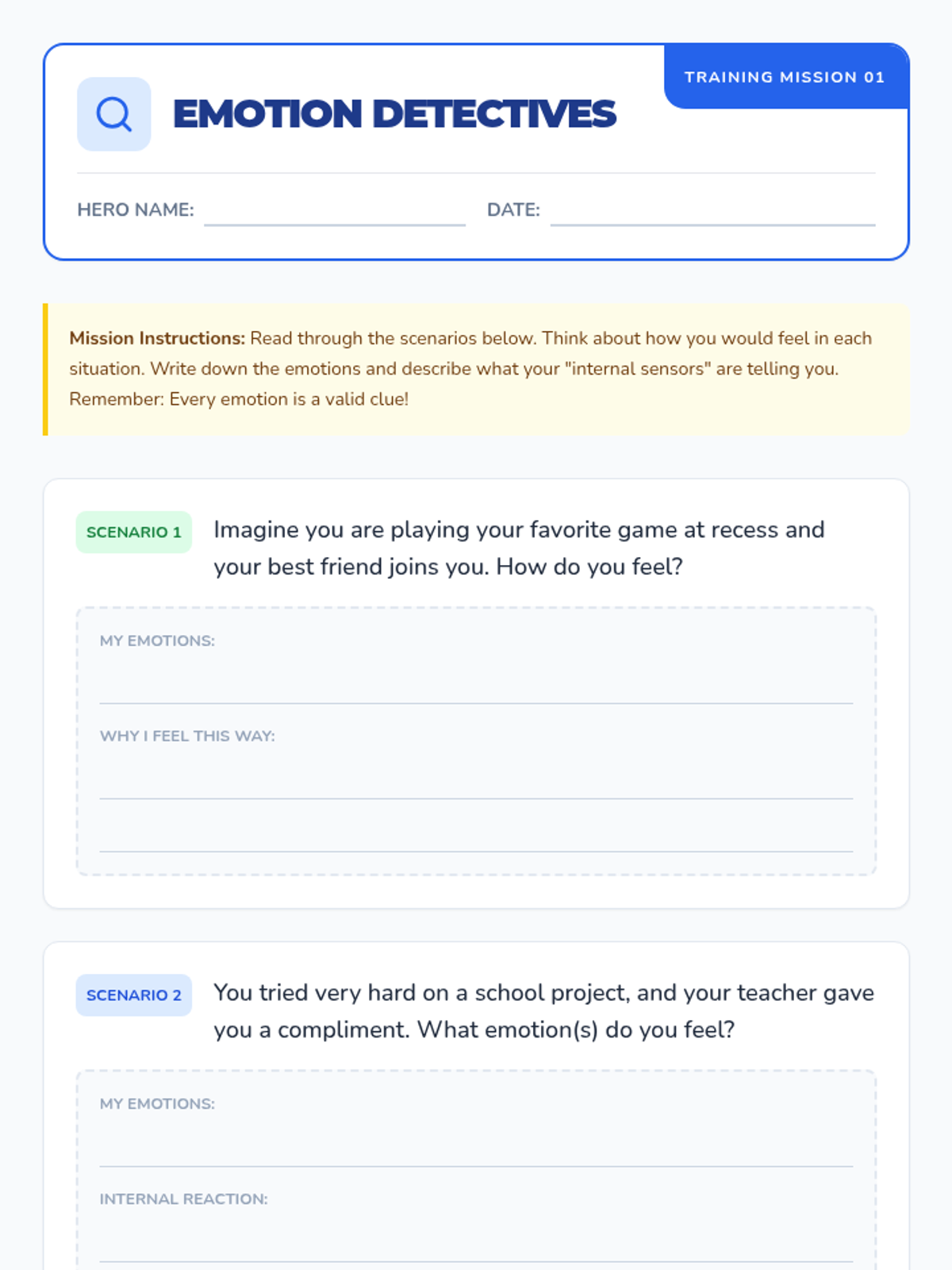
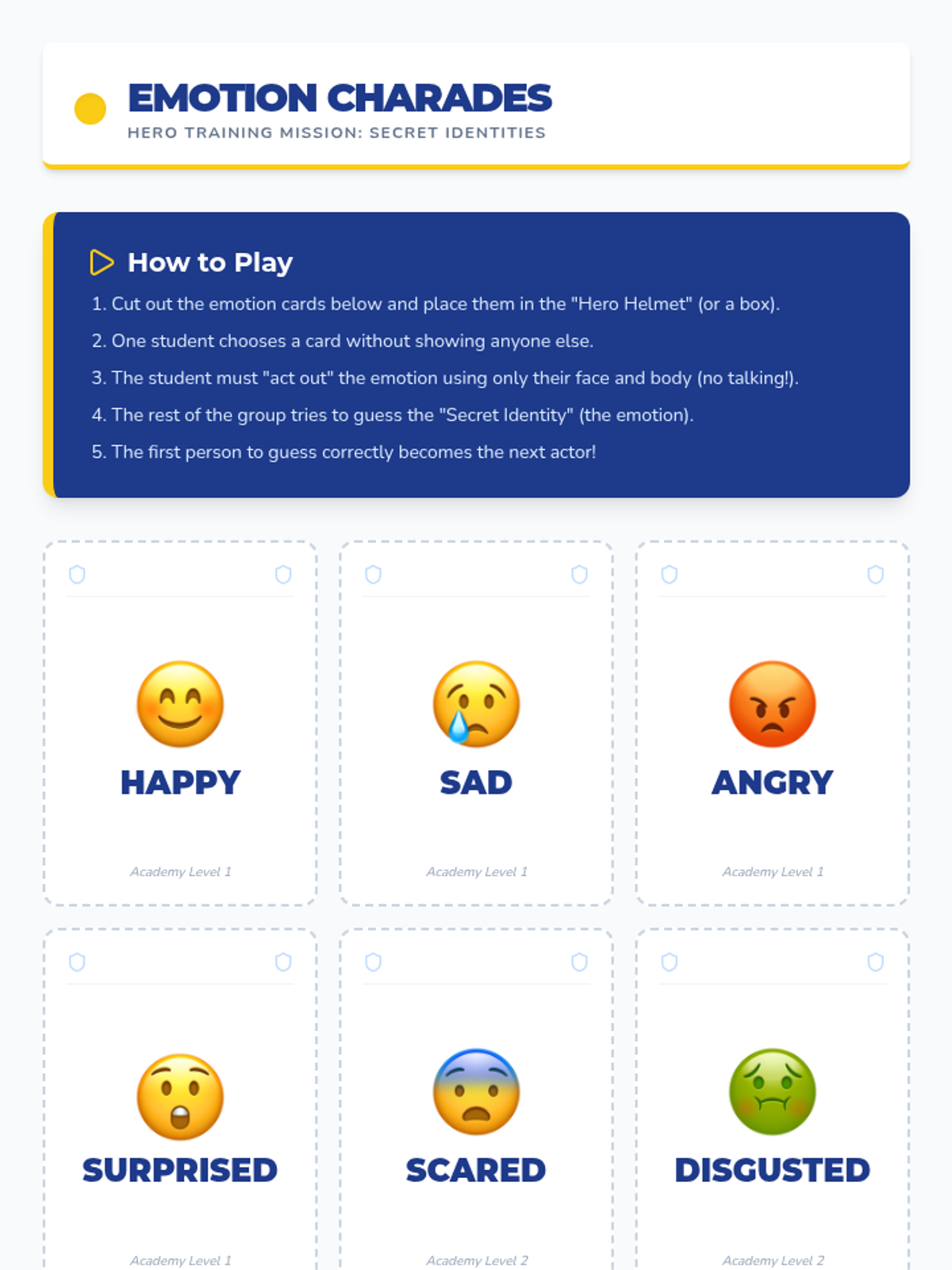
An 8-session Tier 2 intervention sequence designed for 4th graders to develop emotional regulation and responsible decision-making skills. The program uses a 'Superhero Academy' theme to engage students in identifying emotions, recognizing body signals, and building a toolbox of coping strategies.
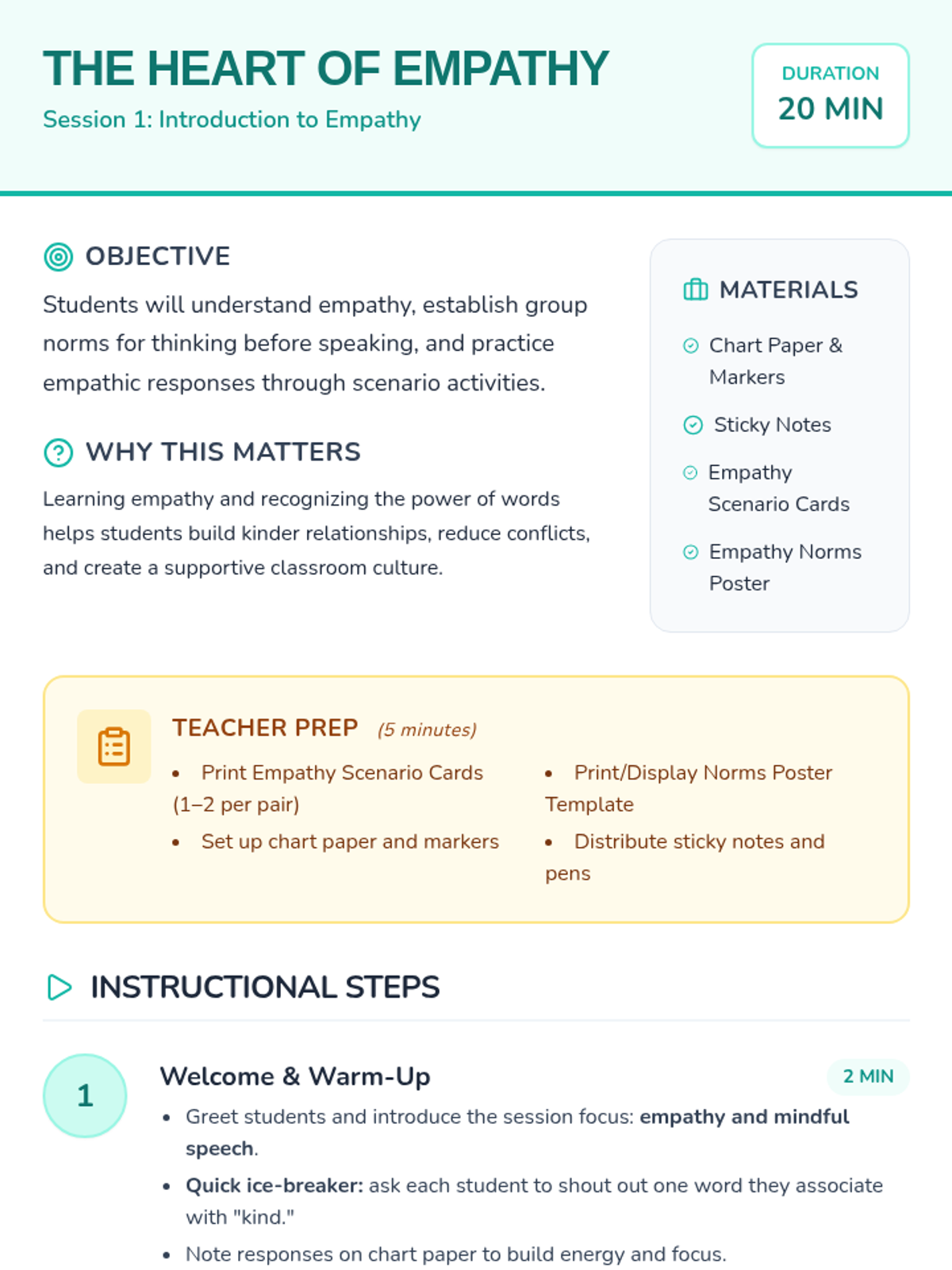
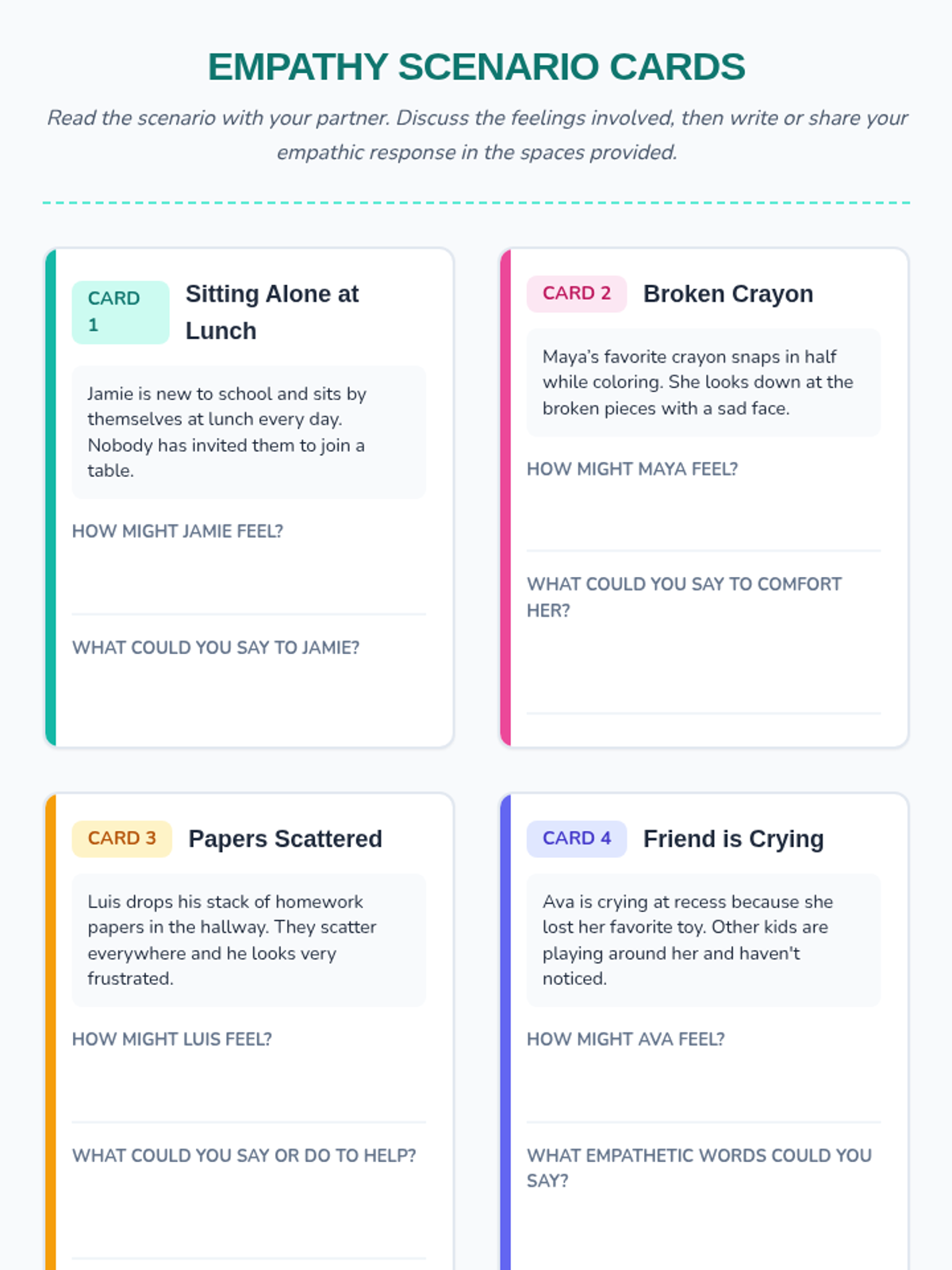
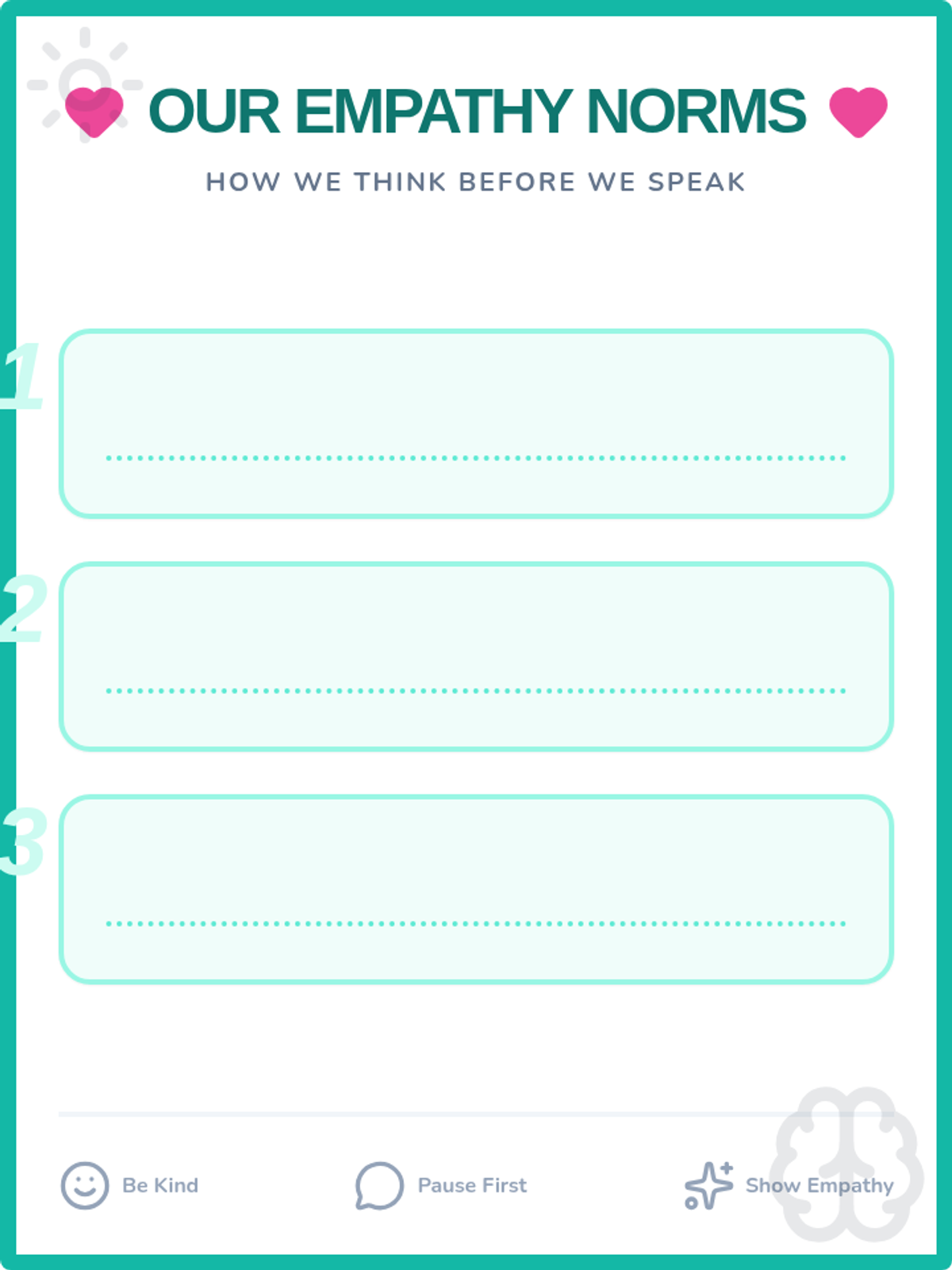
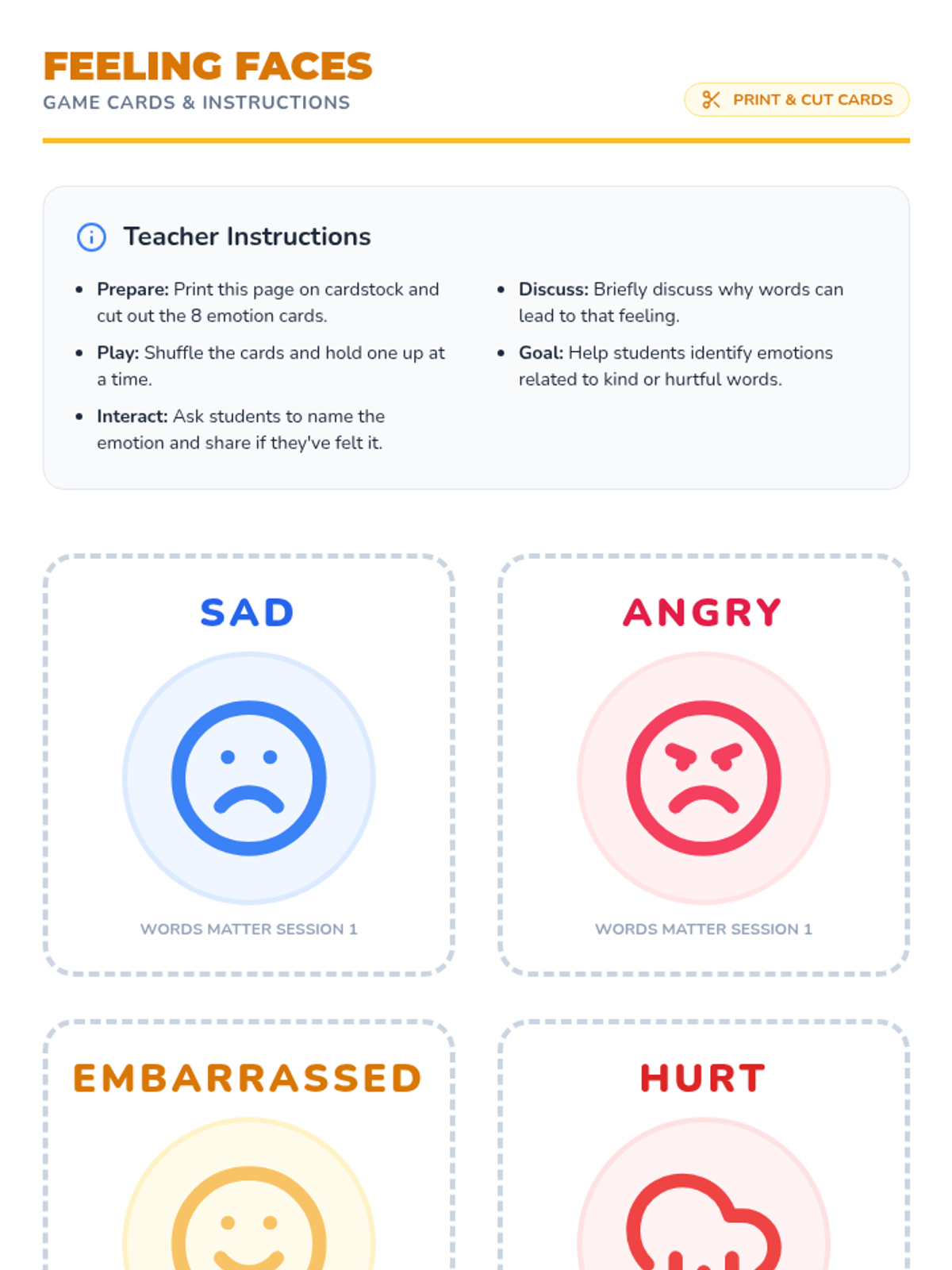
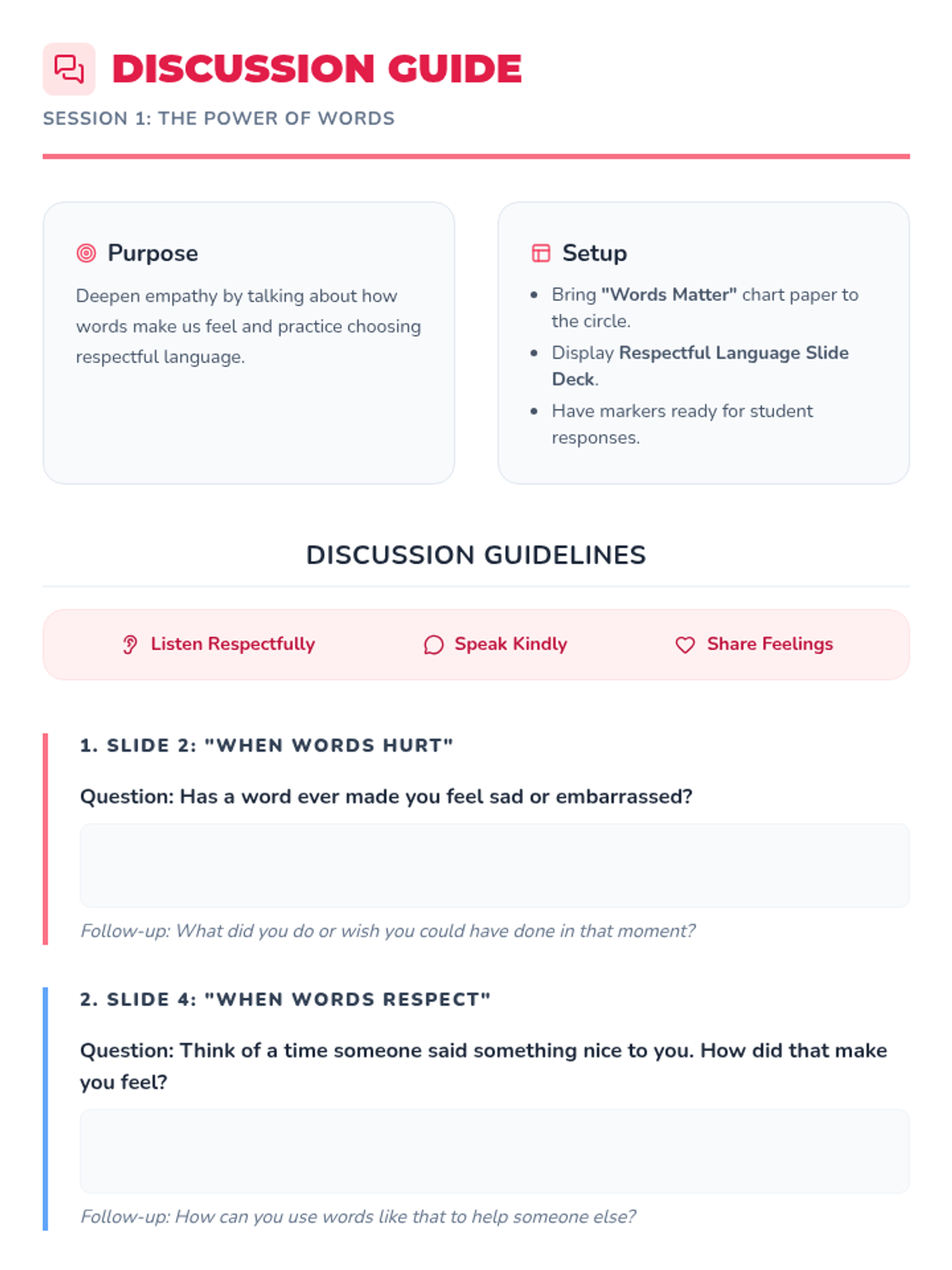
A four-session small-group series for third and fourth graders to develop empathy and the habit of thinking before speaking. Students explore the power of words, identify emotional triggers, practice empathic responses, and make personal commitments to kindness.
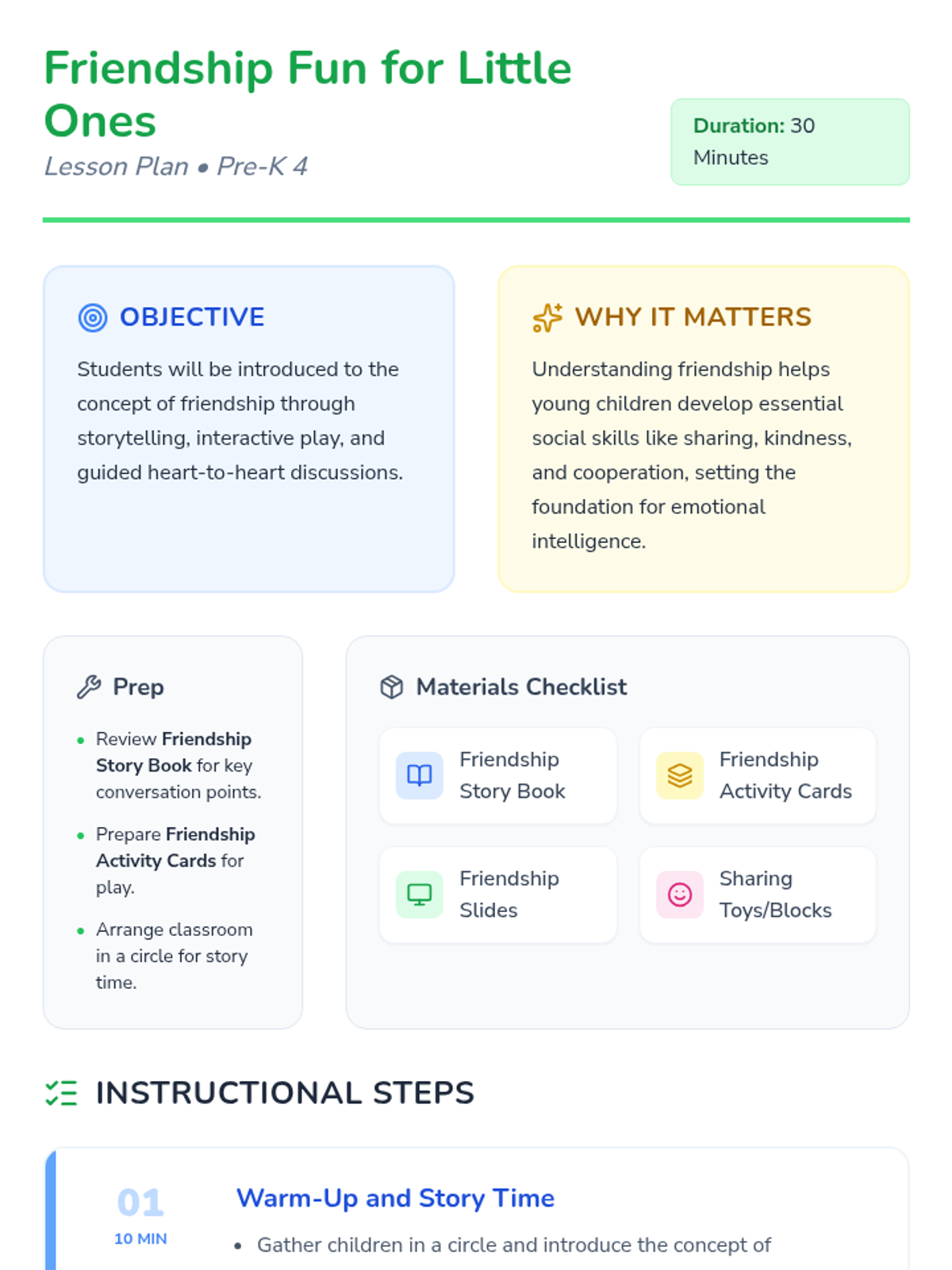
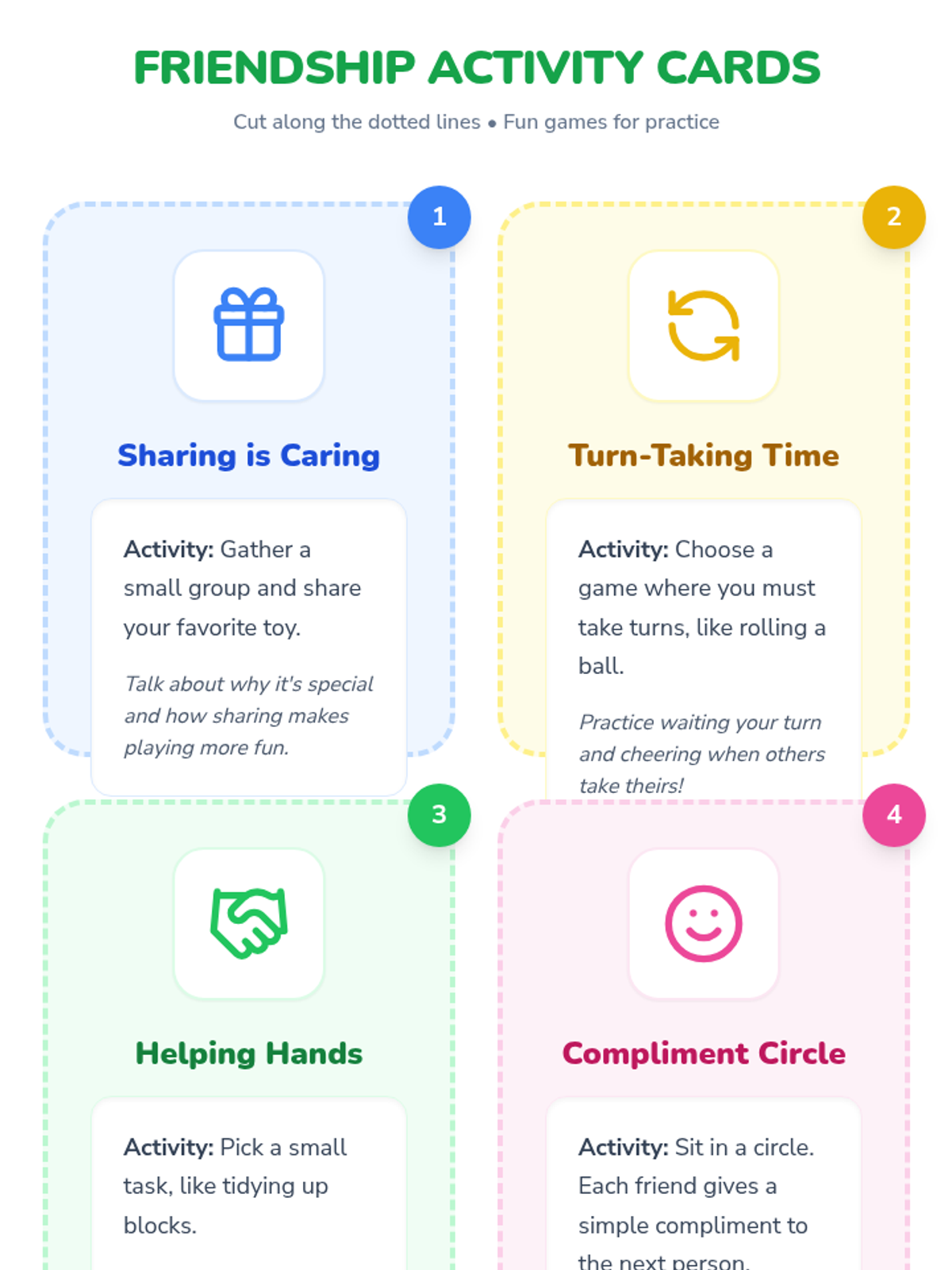
A comprehensive unit on social-emotional learning that covers friendship across developmental stages, from basic sharing in Pre-K to complex empathy and conflict resolution in 5th grade.
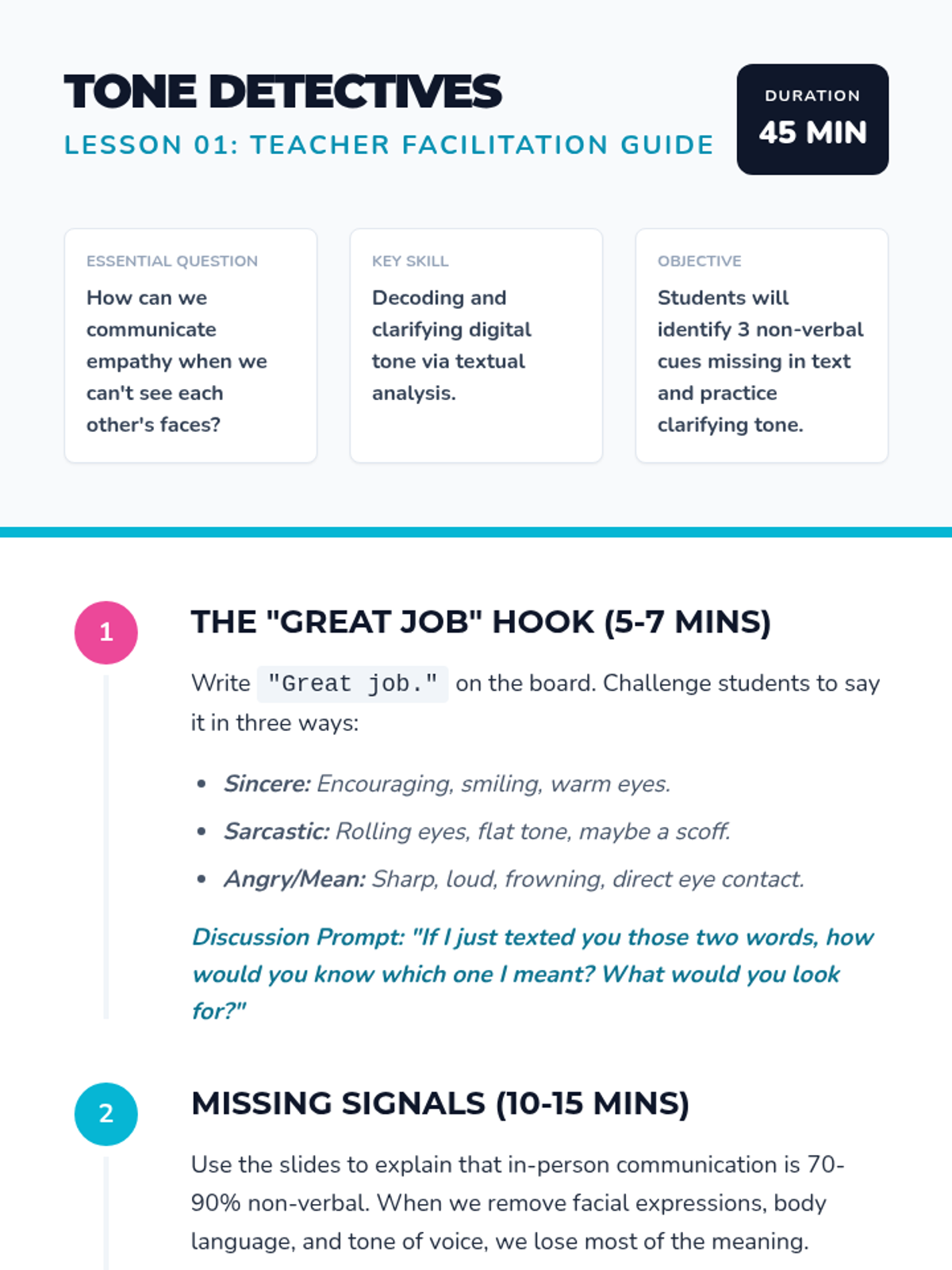
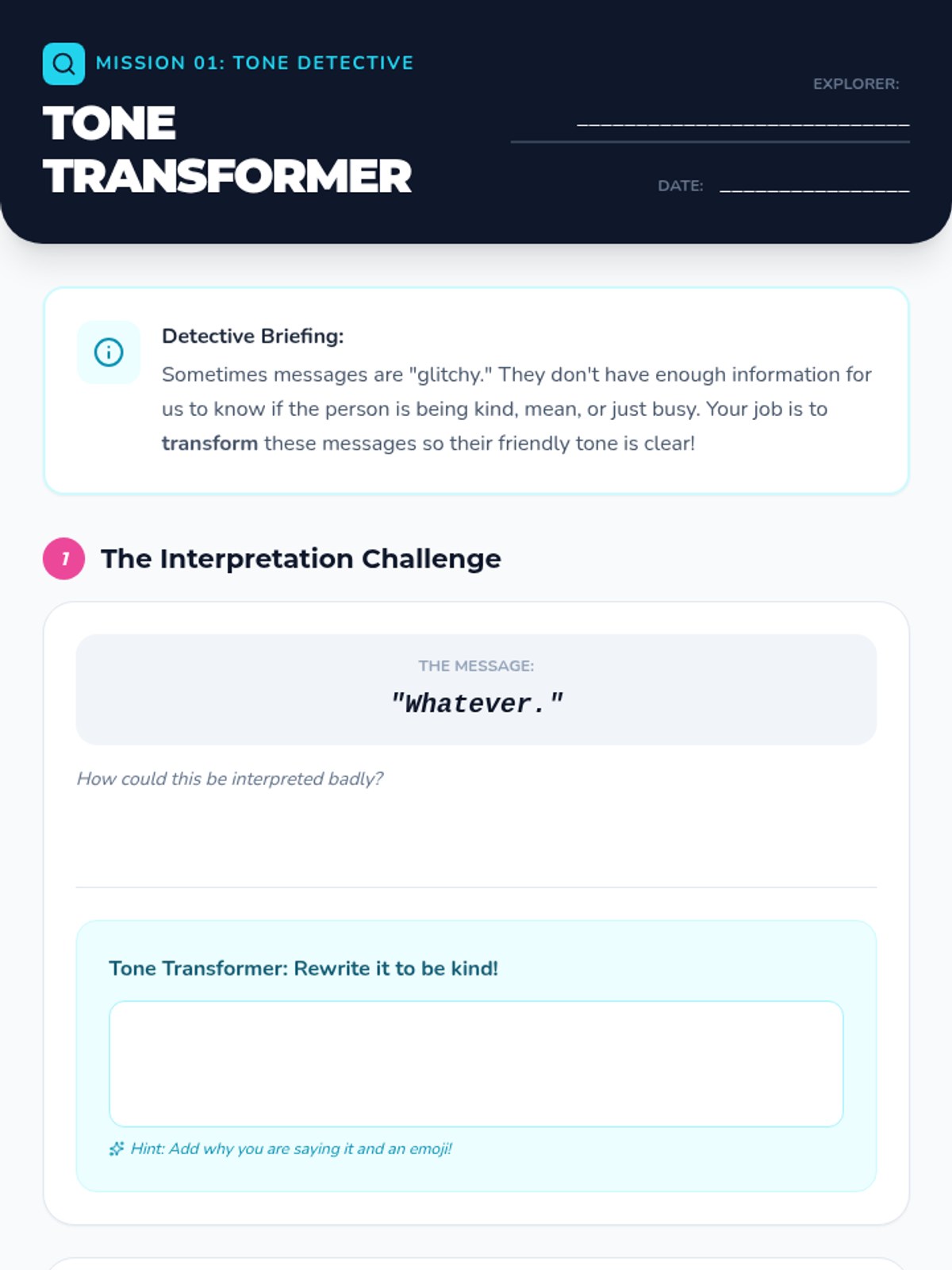
A comprehensive 5-lesson series for 4th graders focused on emotional intelligence in digital spaces. Students learn to interpret text tone, identify cyberbullying vs. conflict, understand the impact of anonymity, practice upstander strategies, and co-create a class digital civility code.
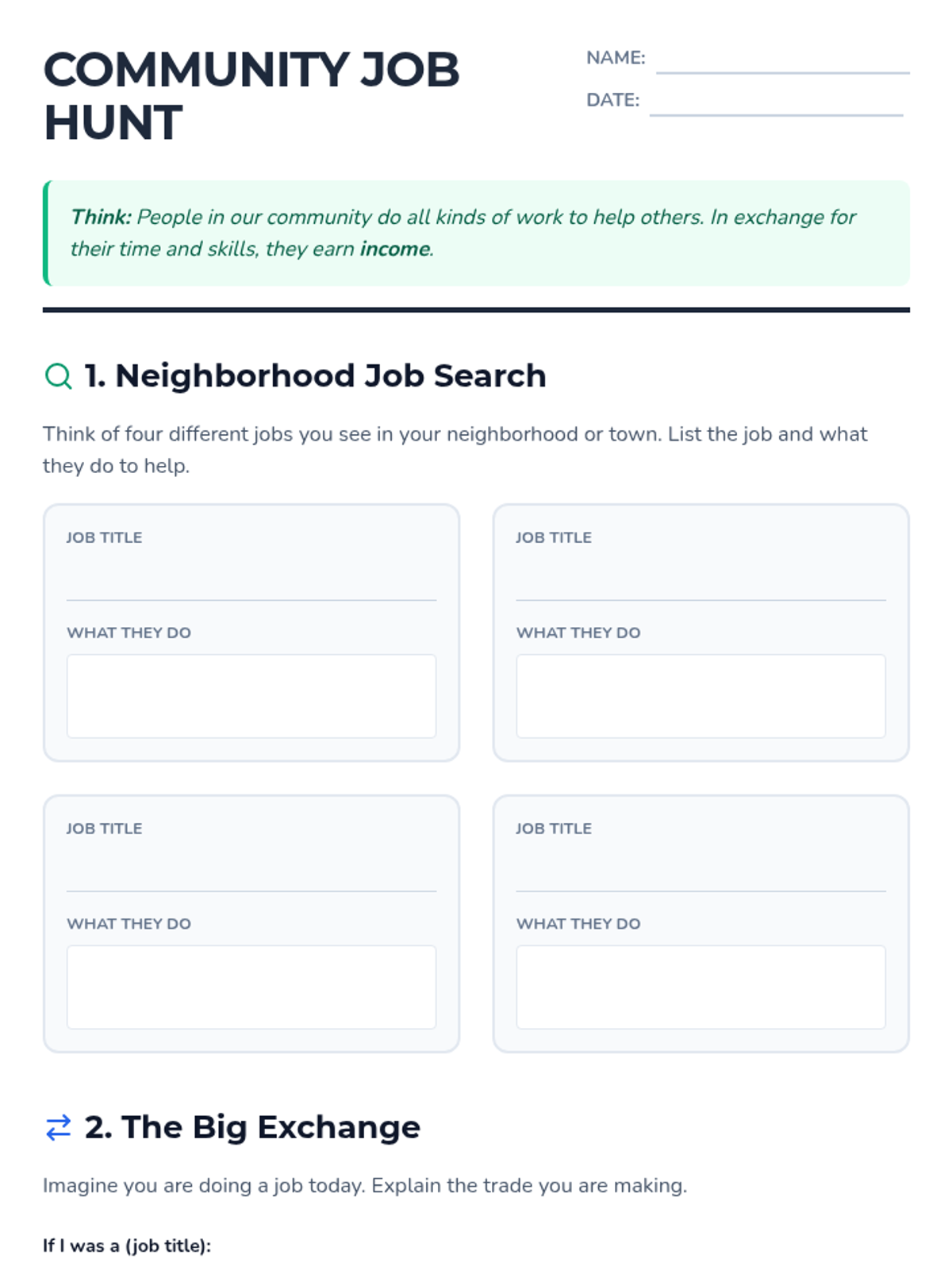
This sequence explores the relationship between education, jobs, and income. Students learn about budgeting, the impact of unexpected expenses, and the intrinsic value of all community work, addressing economic inequality through practical simulations and reflection.
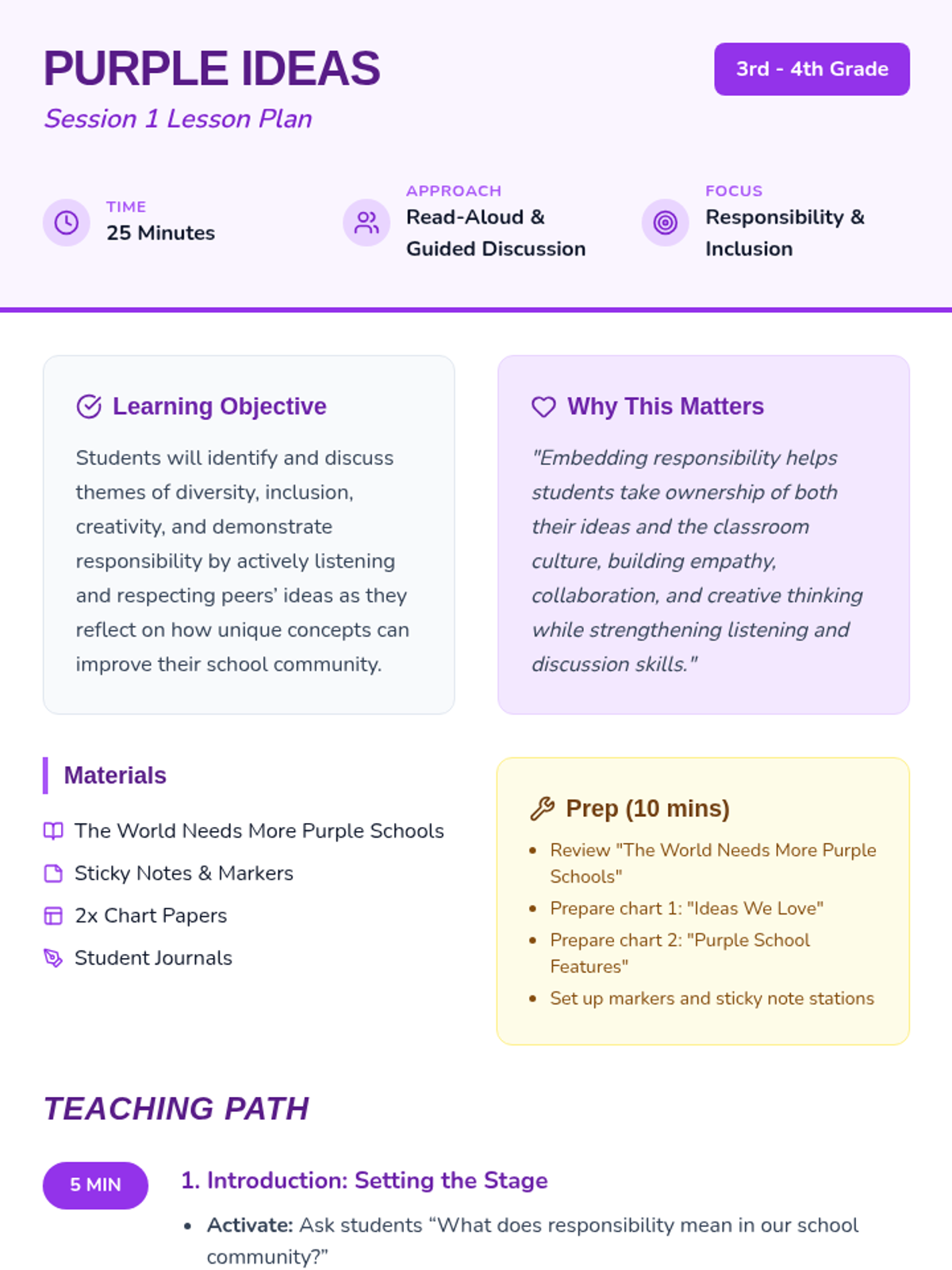
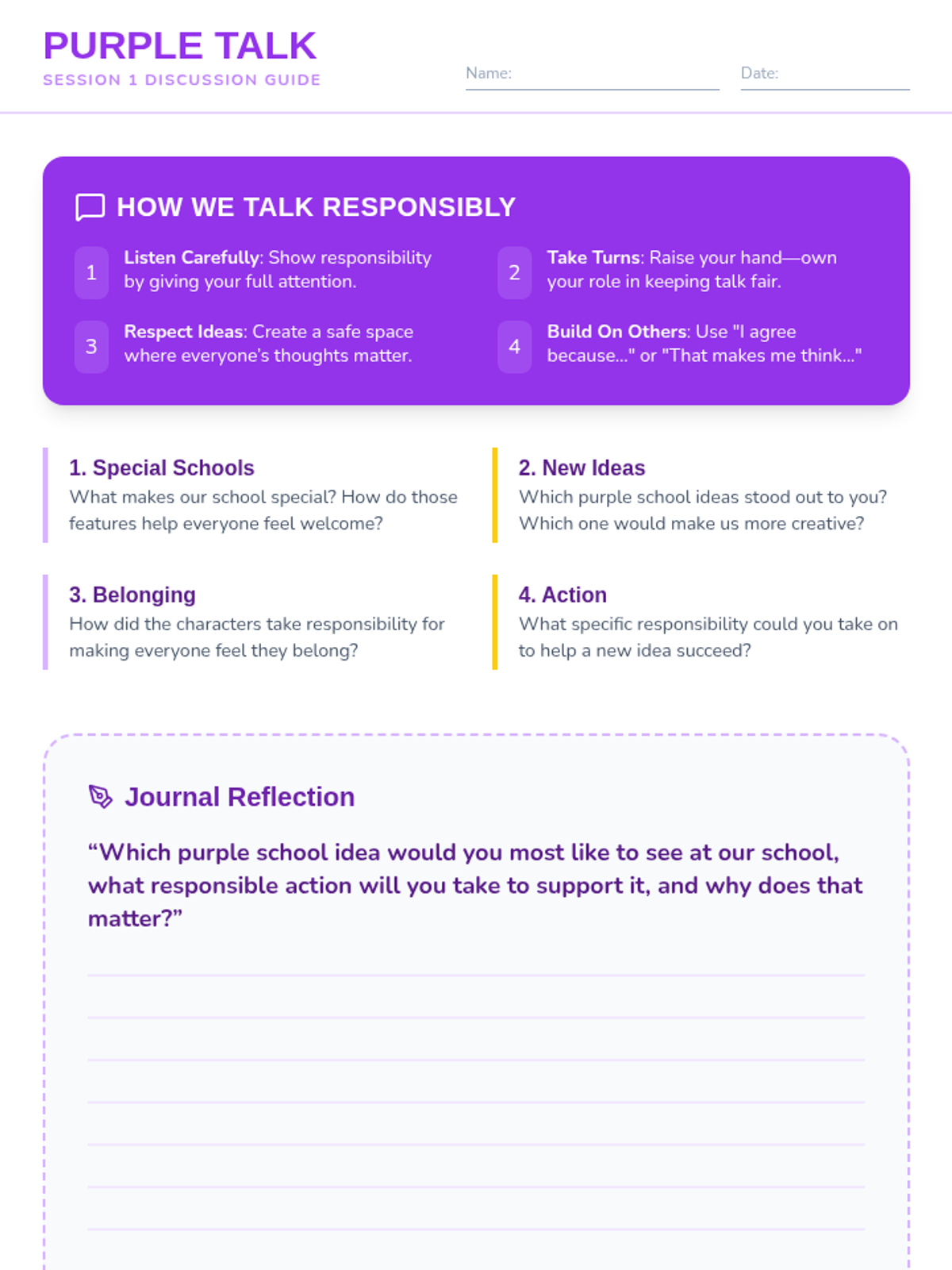
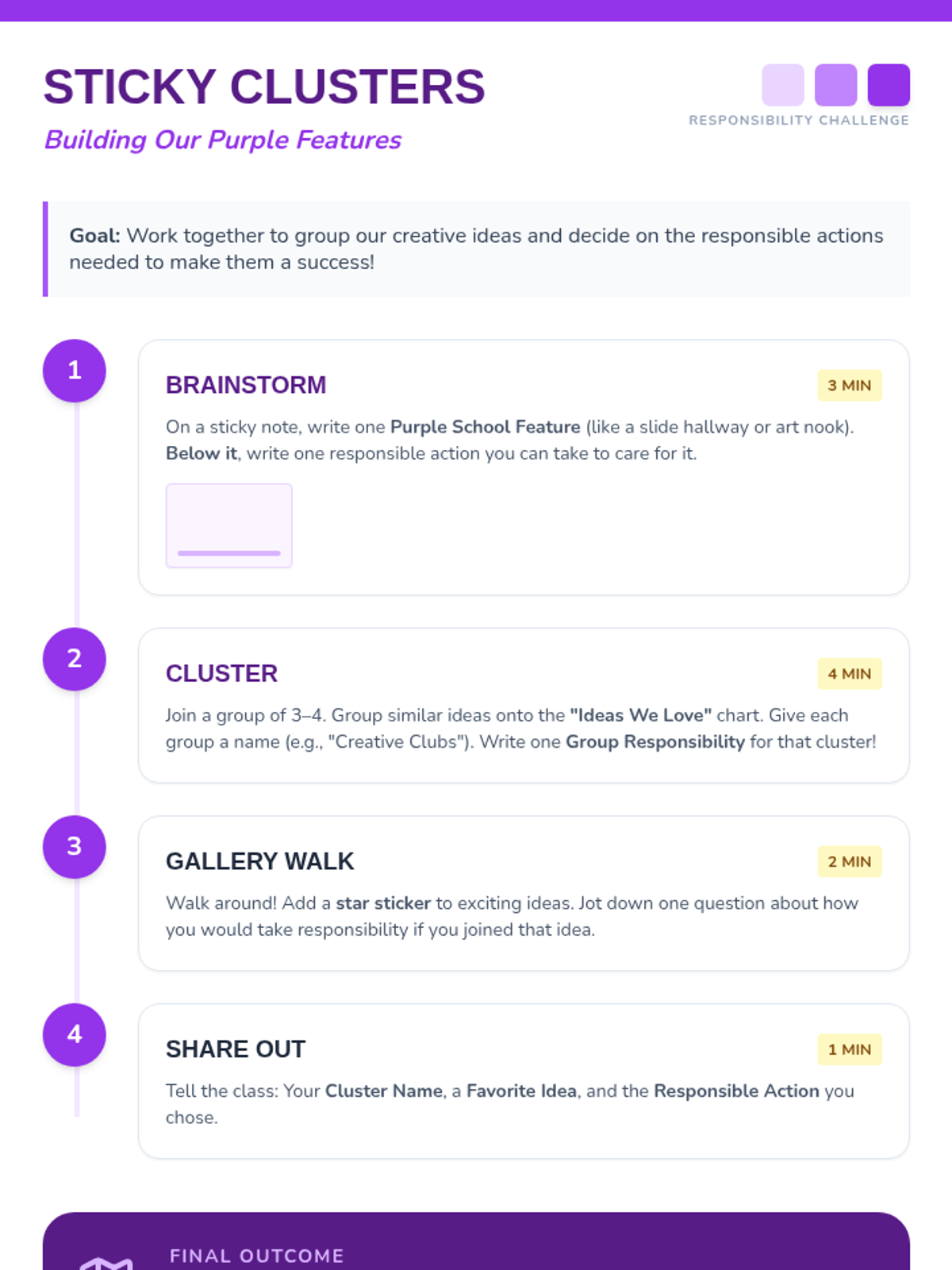
A two-session read-aloud and design sequence for 3rd and 4th graders exploring diversity, inclusion, and responsibility through 'The World Needs More Purple Schools' by Bob Shea. Students move from discussing core values to designing their own inclusive school blueprints.
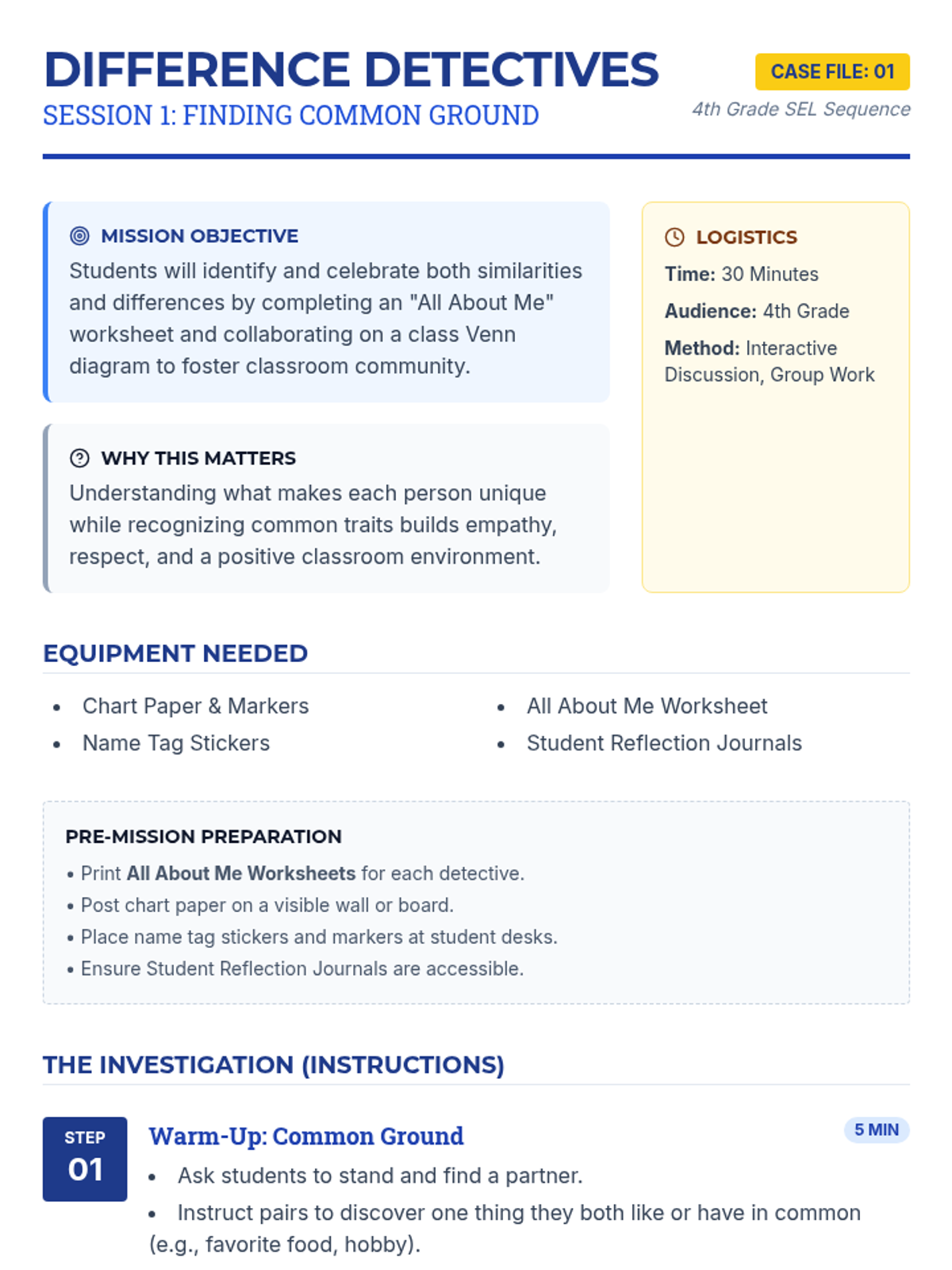
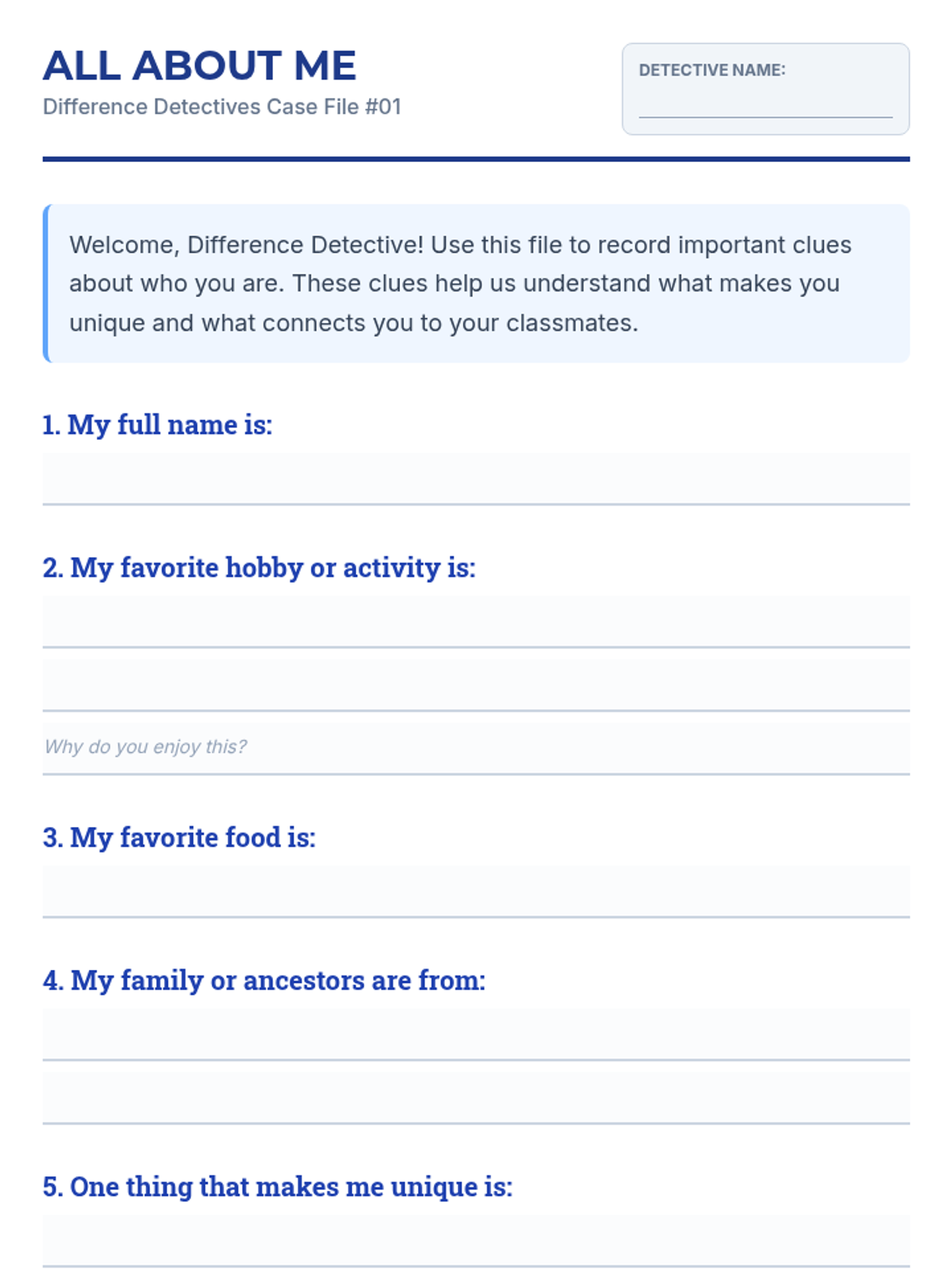
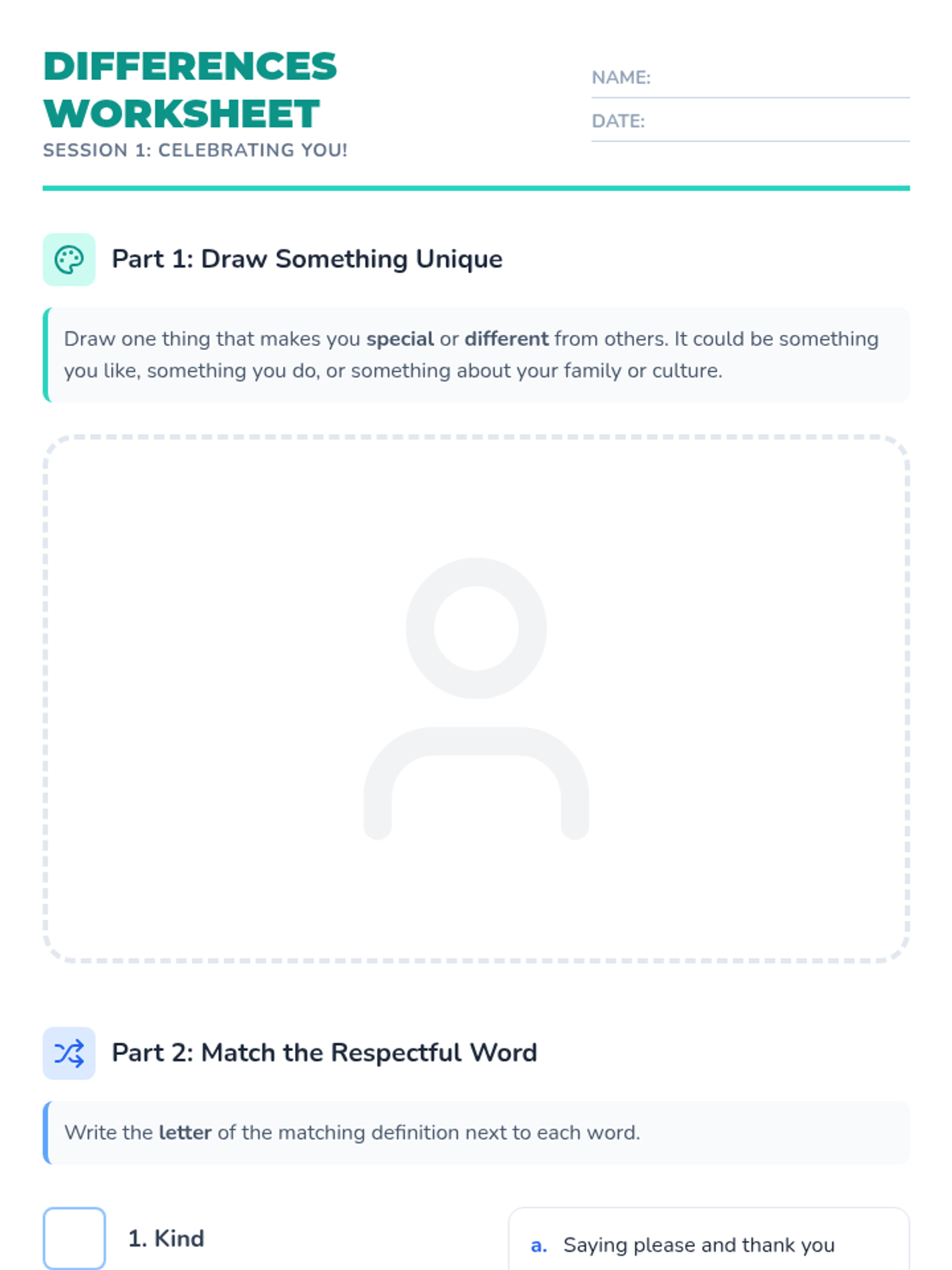
A six-session social-emotional learning sequence for 4th graders focused on exploring similarities and differences, building empathy, and fostering a strong classroom community through interactive activities, stories, and art projects.
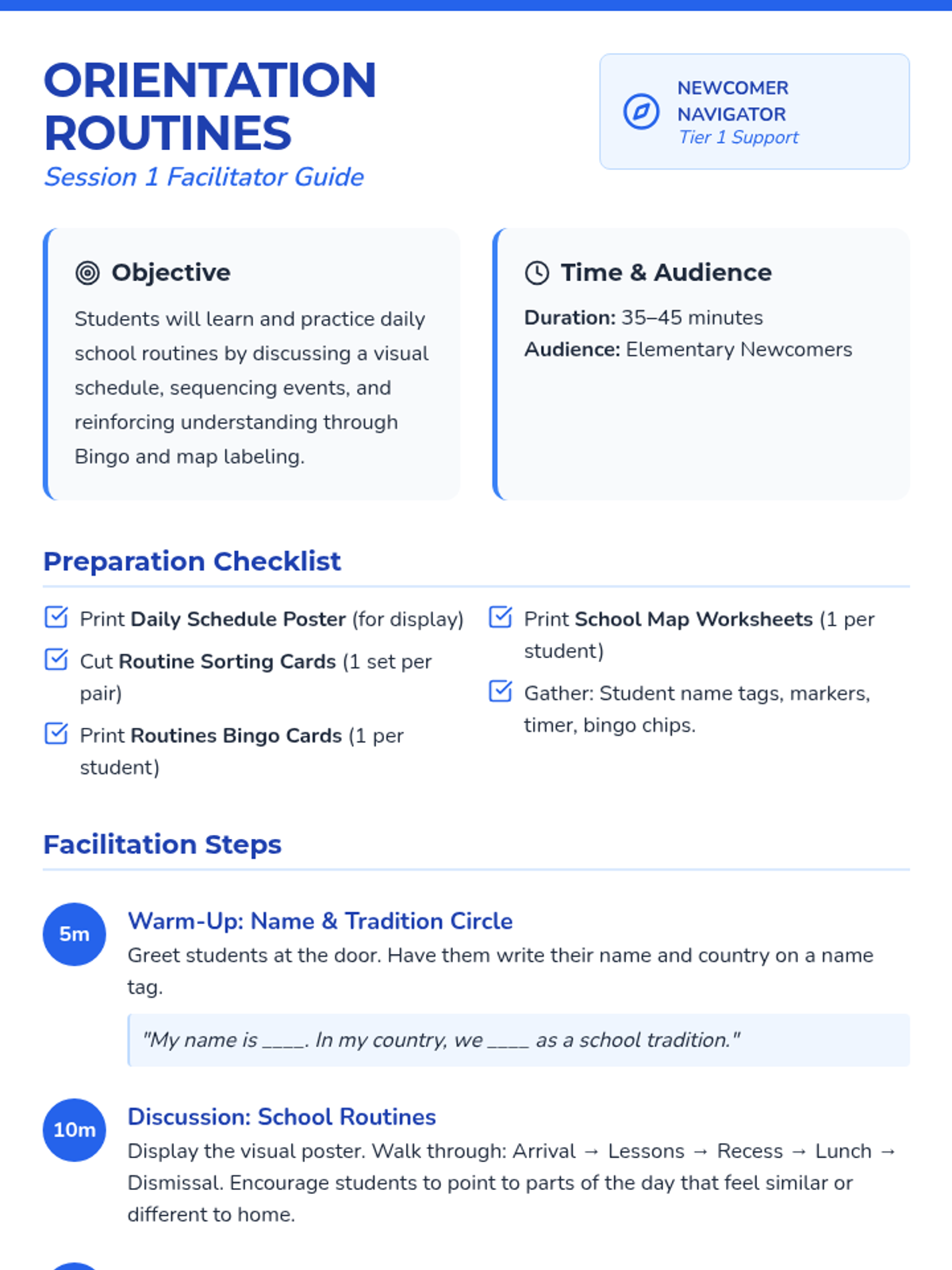
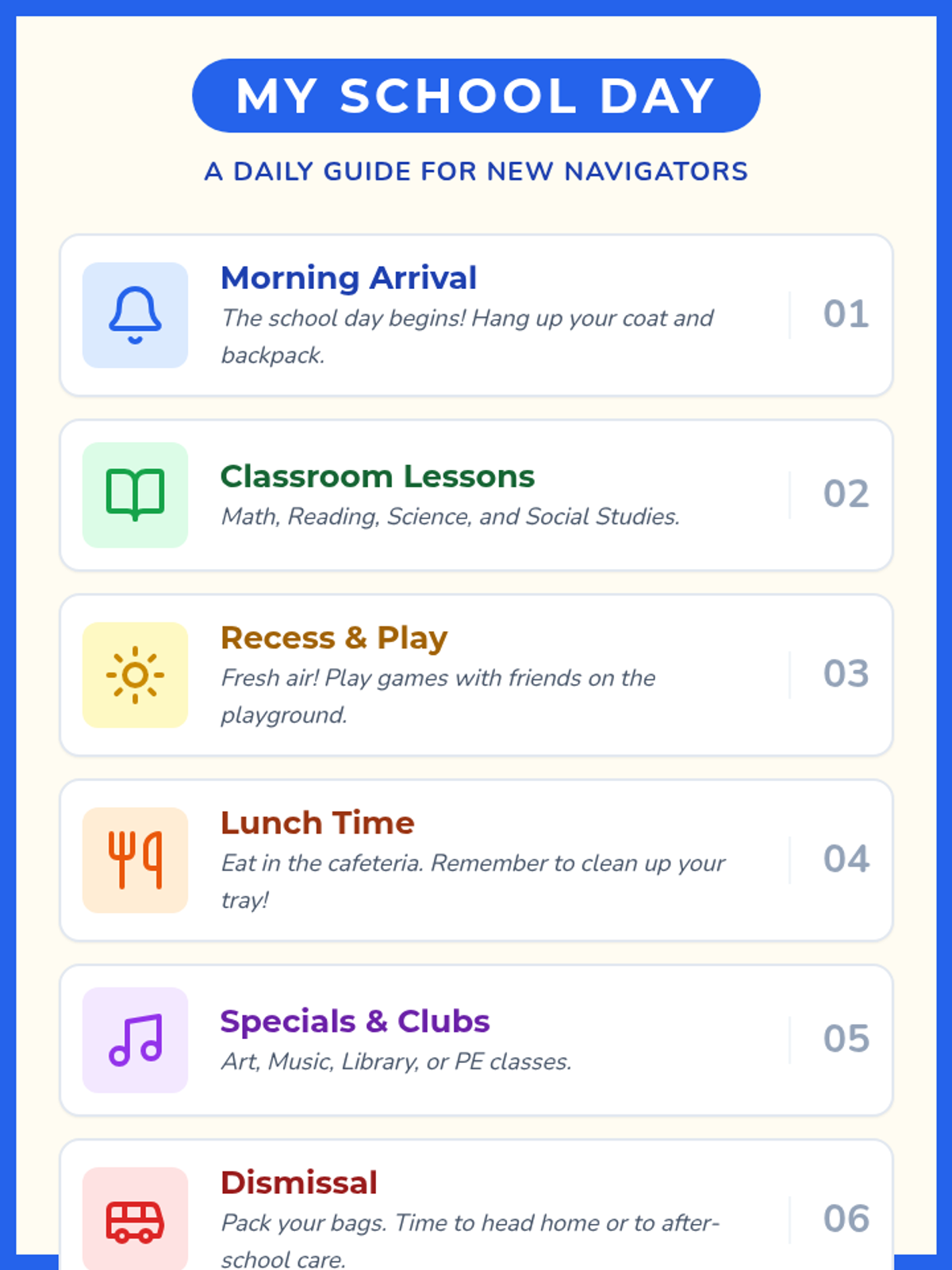
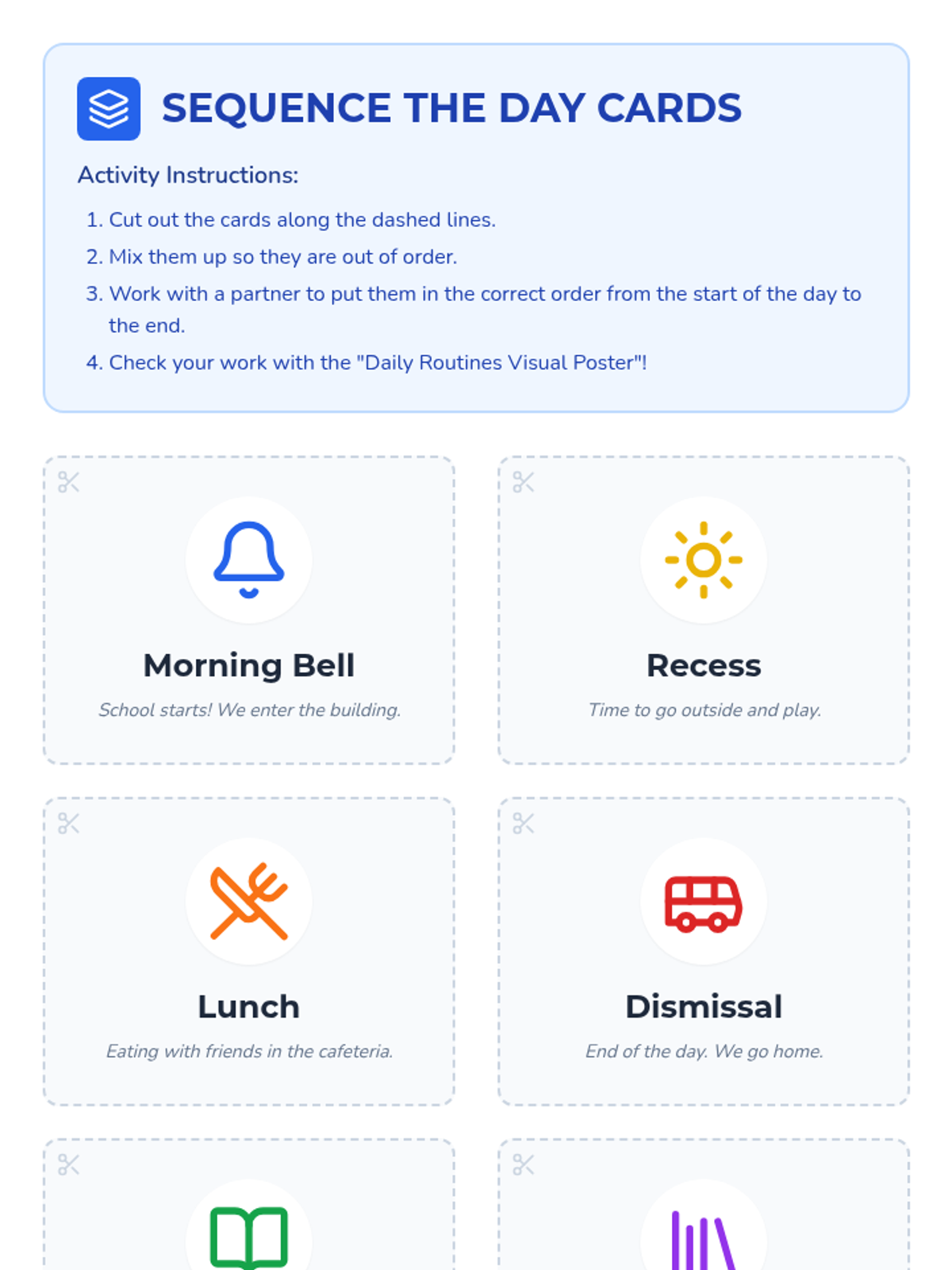
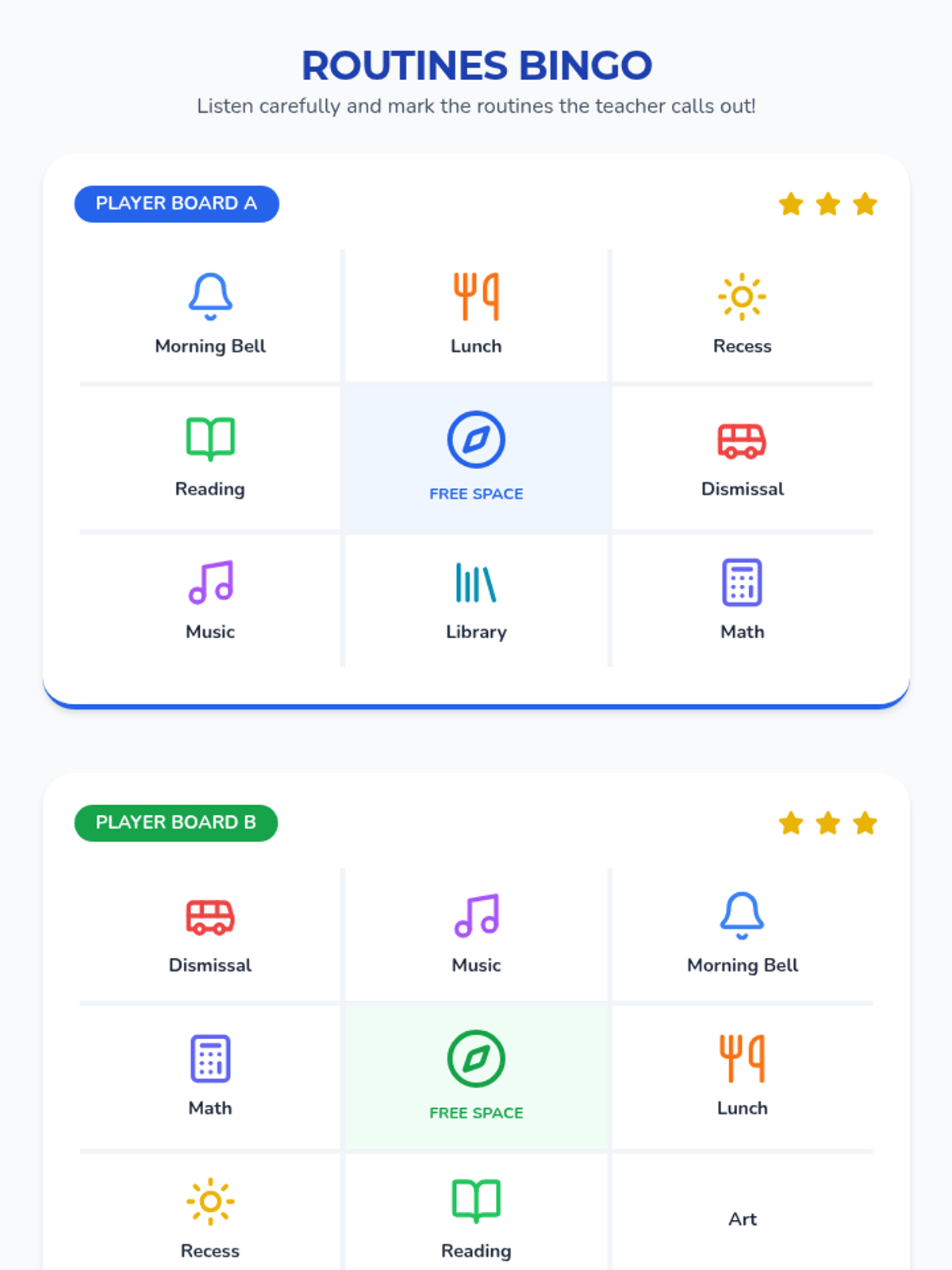
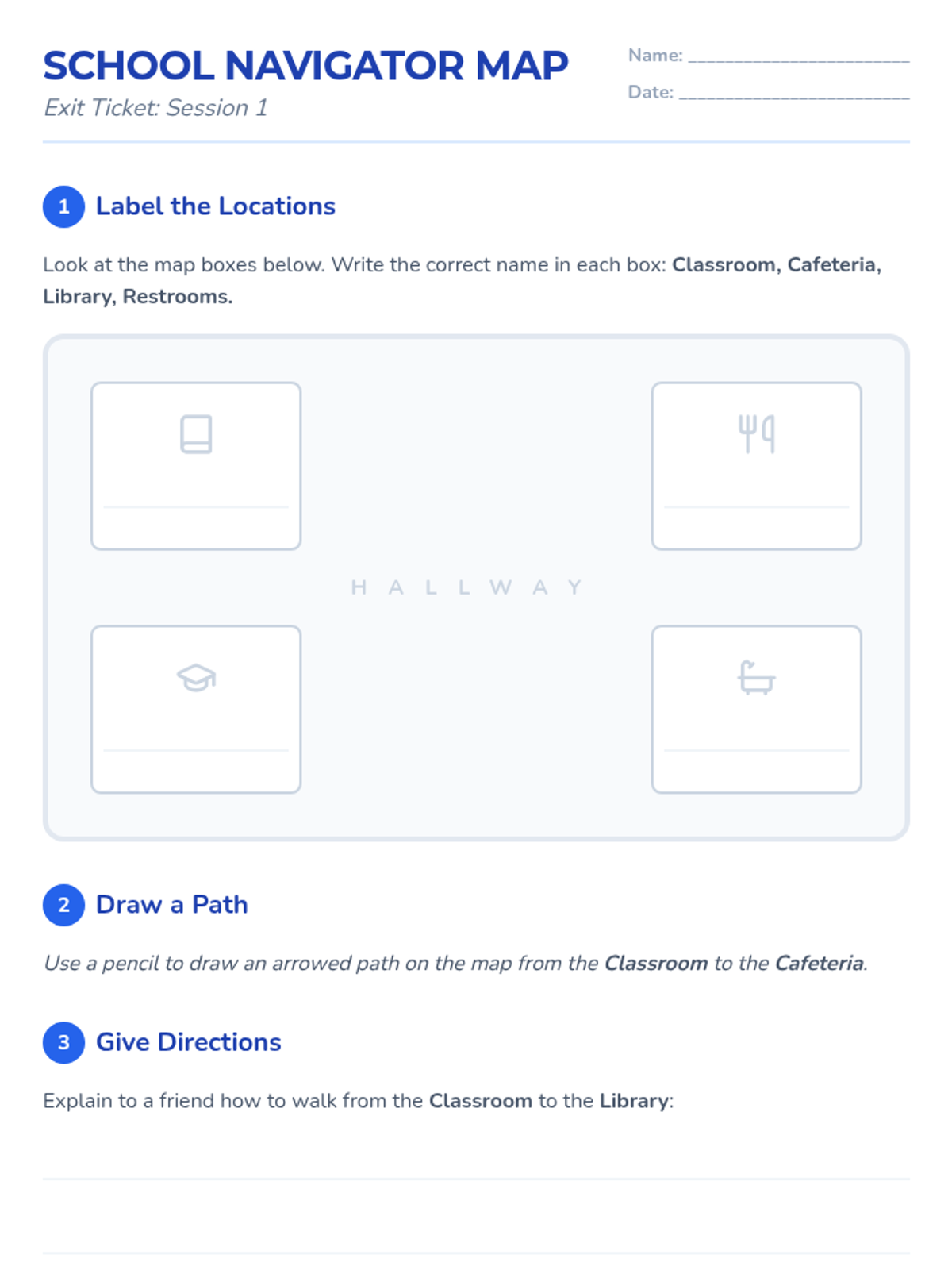
A six-session course designed to help students new to the U.S.A. smoothly assimilate and confidently navigate the U.S. school system through practical skill-building and social-emotional support.
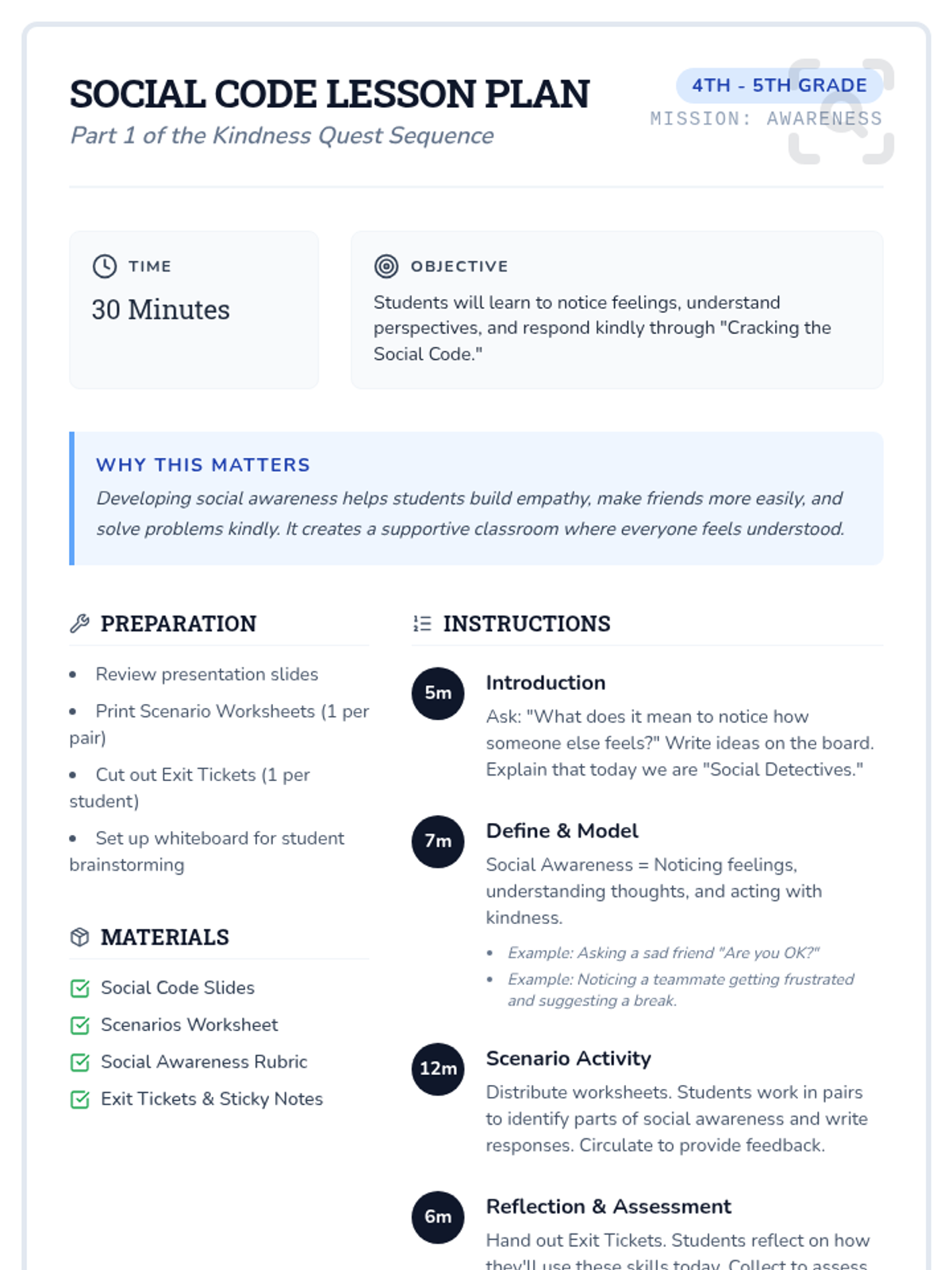
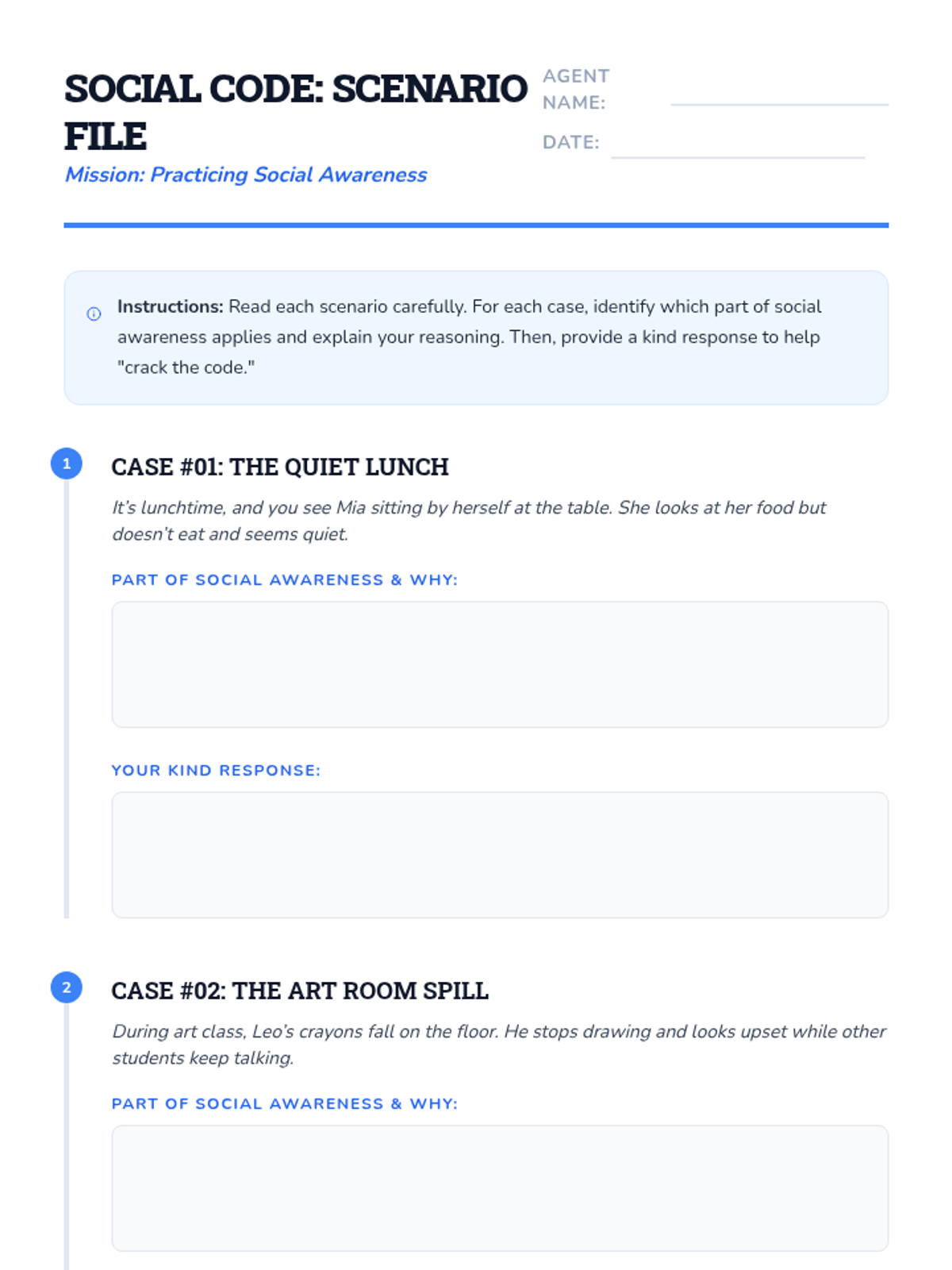
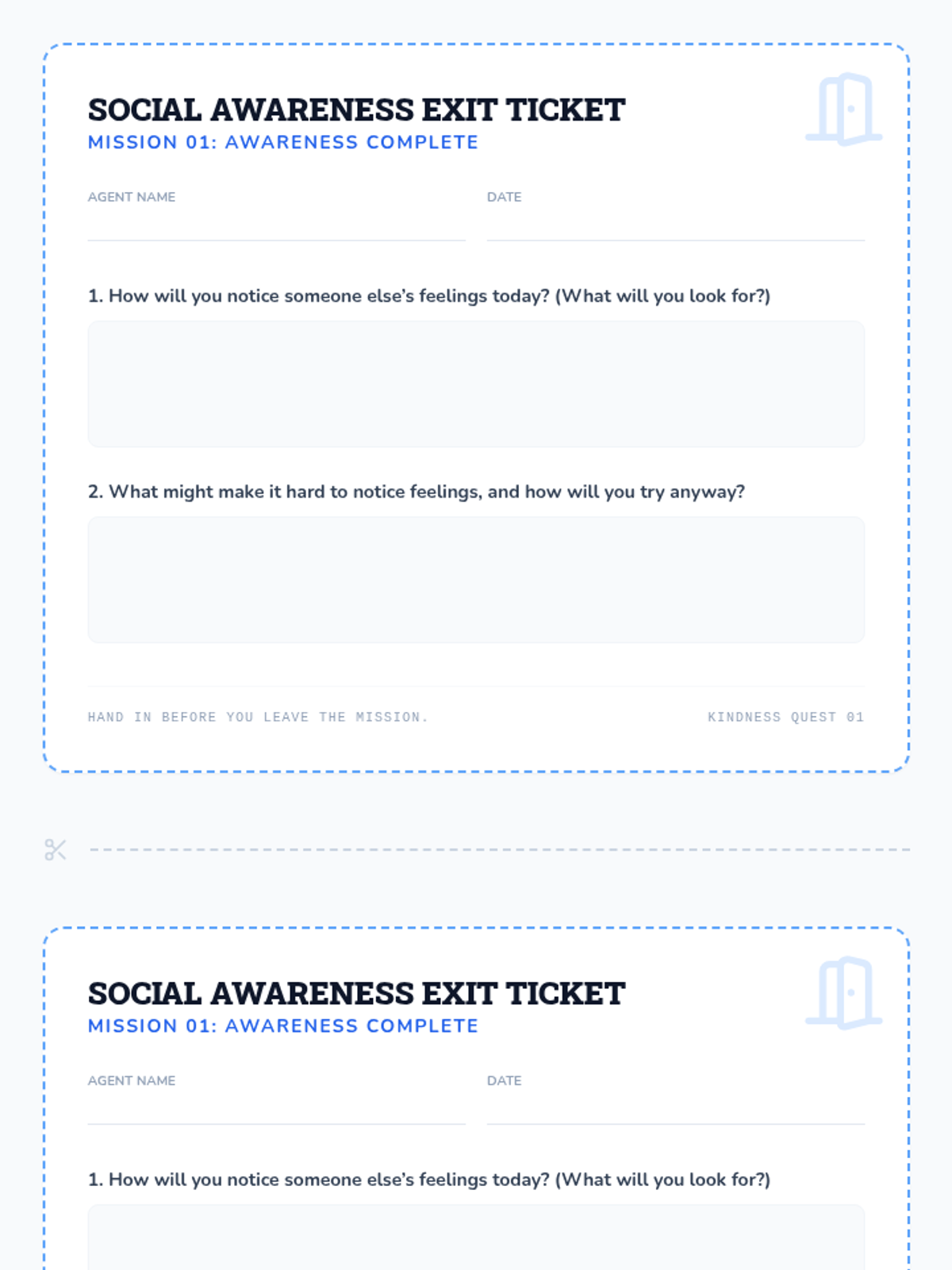
A 2-part Social-Emotional Learning sequence for 4th and 5th graders focused on building empathy and respect. Students learn to 'crack the code' of social awareness and become 'trailblazers' of tolerance in their classroom community.
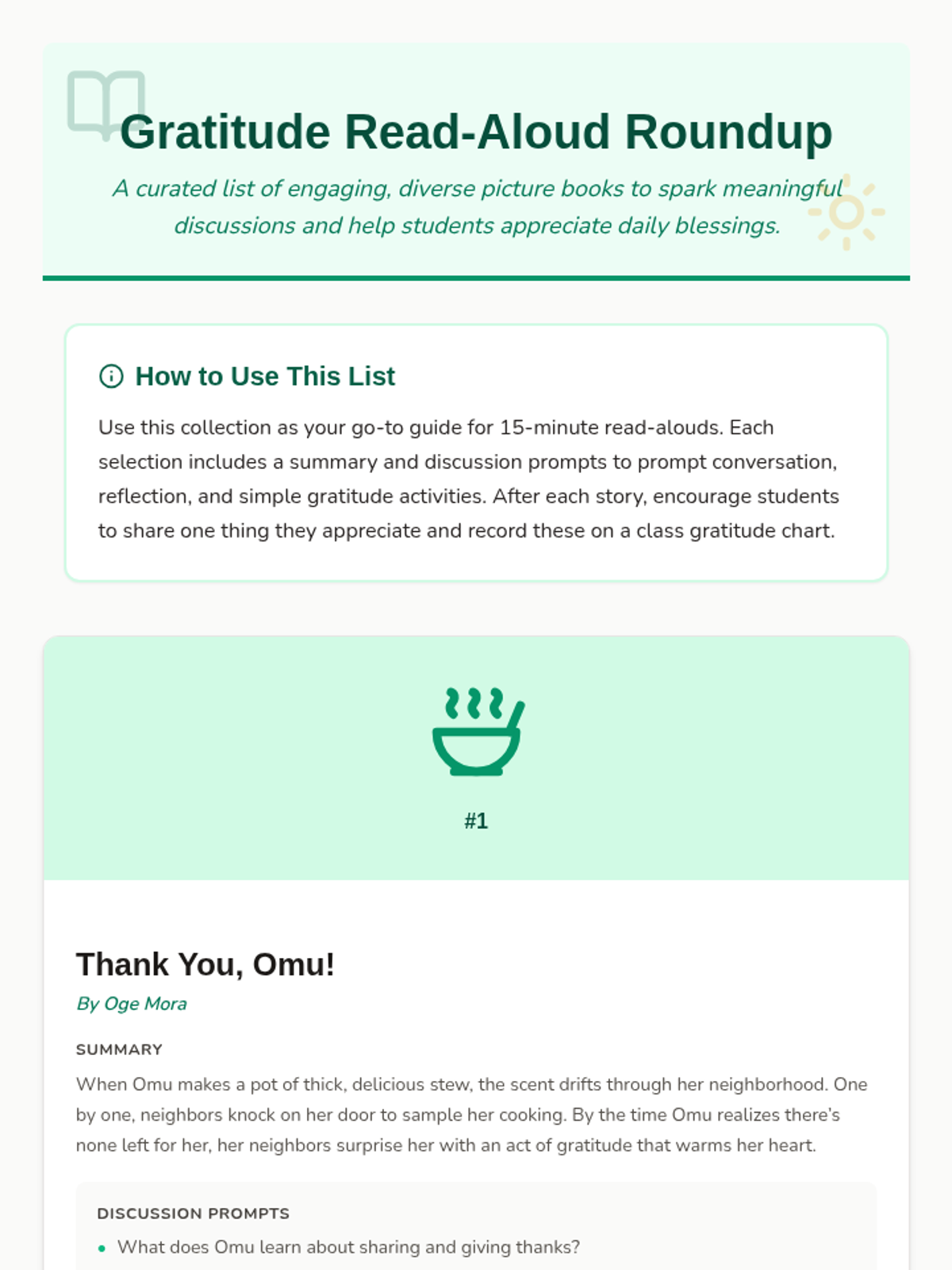
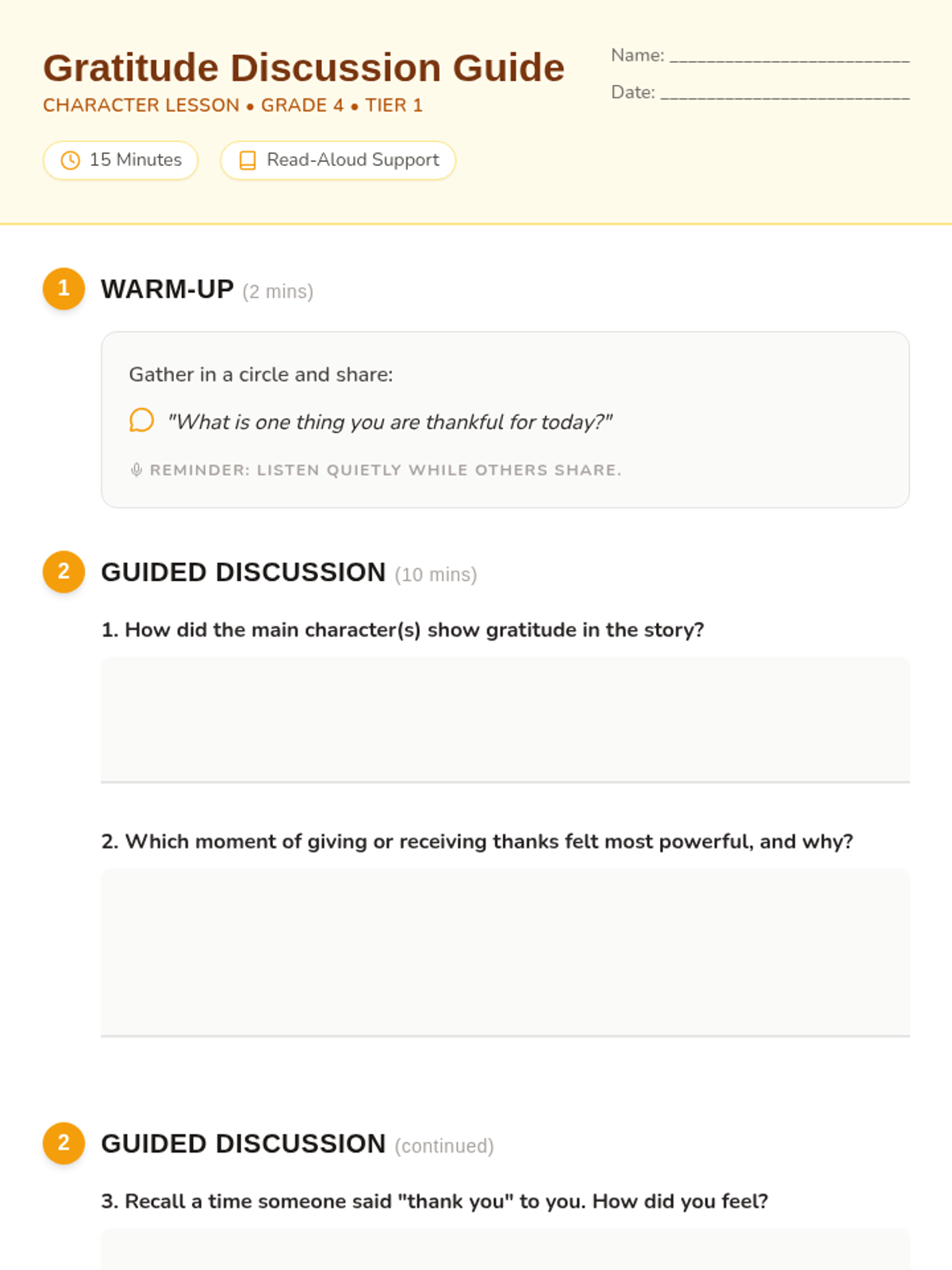
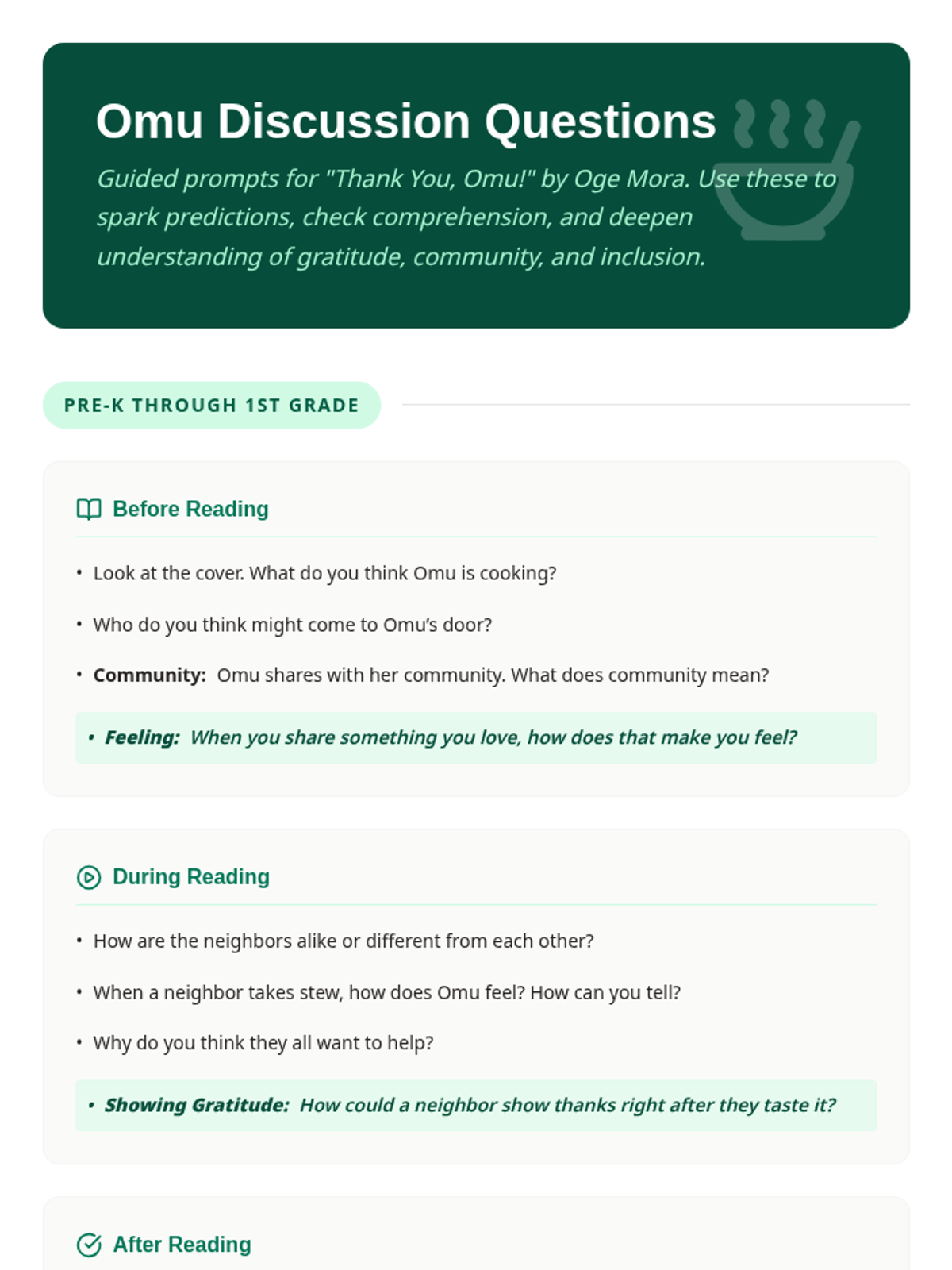
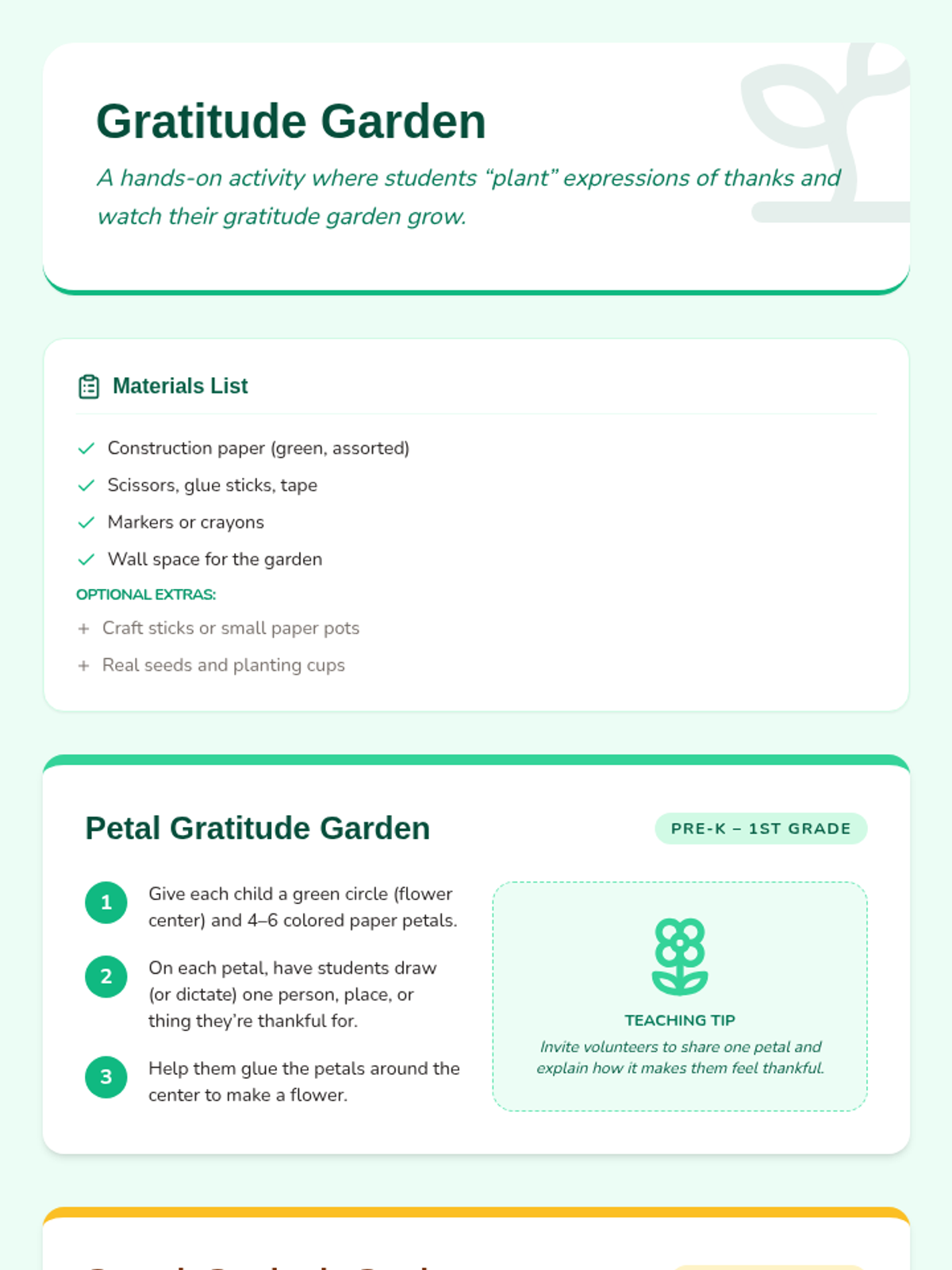
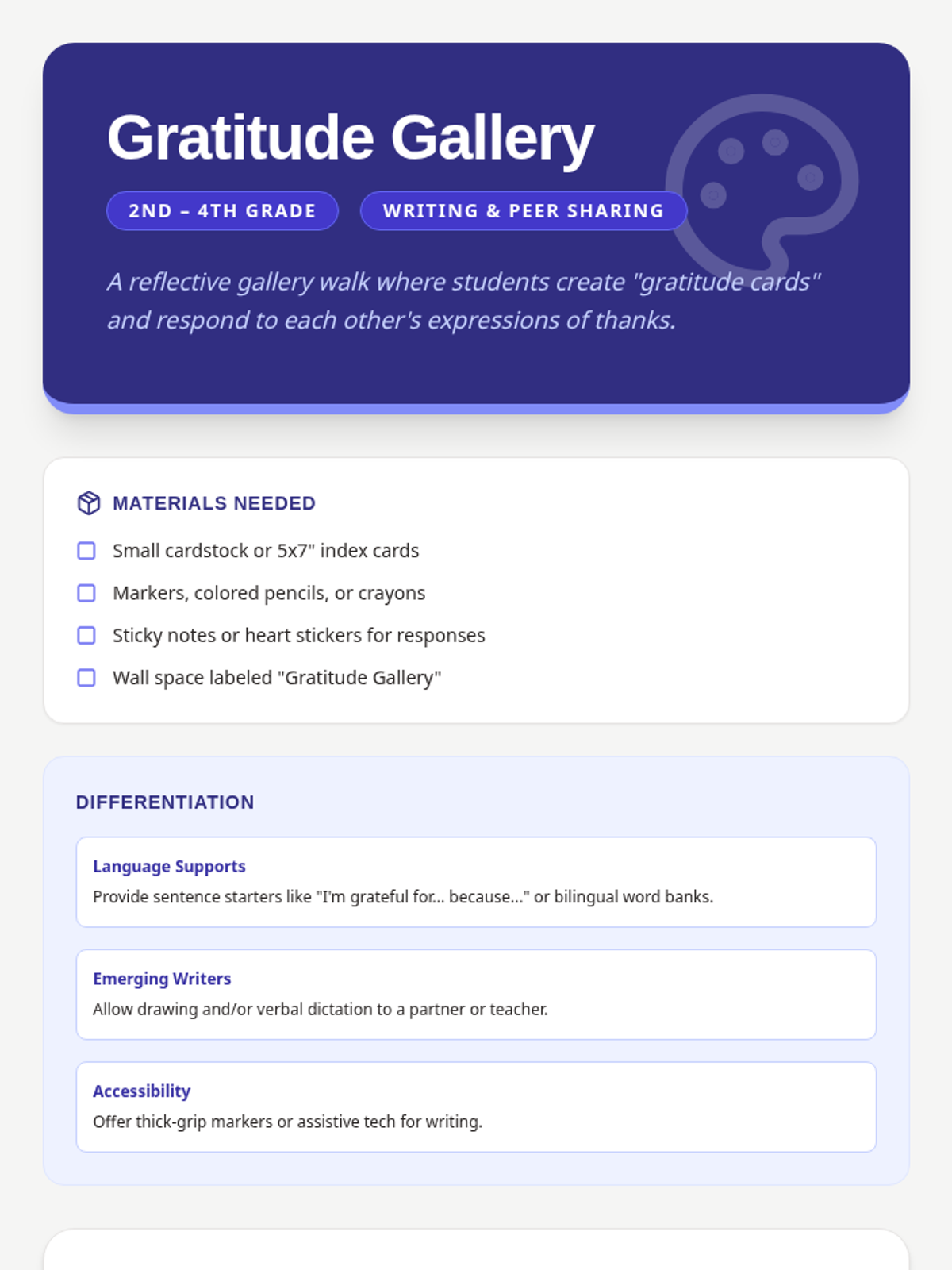
A curated sequence of activities and read-alouds focused on cultivating gratitude in Pre-K through 4th-grade classrooms through diverse literature and hands-on projects.
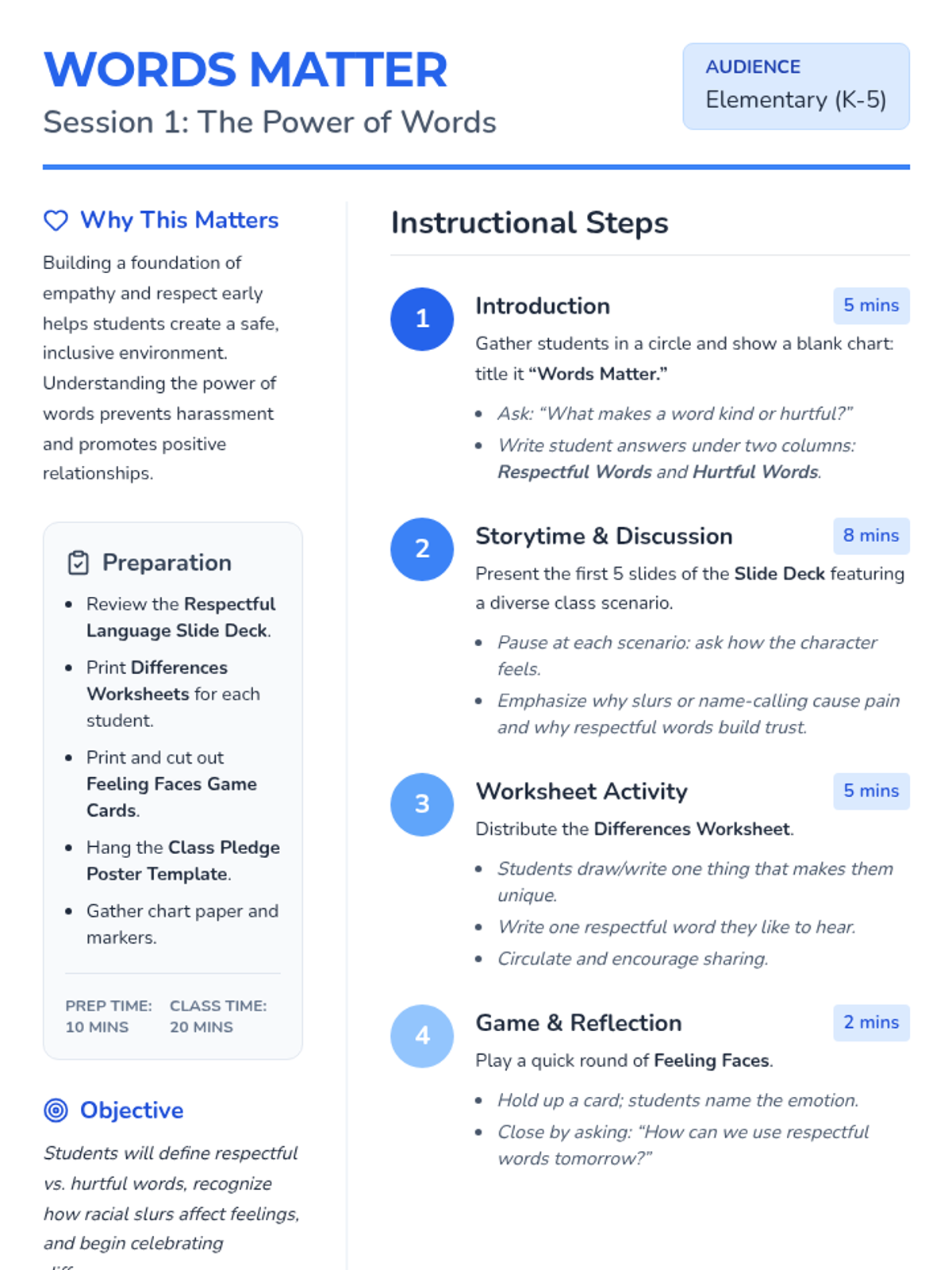
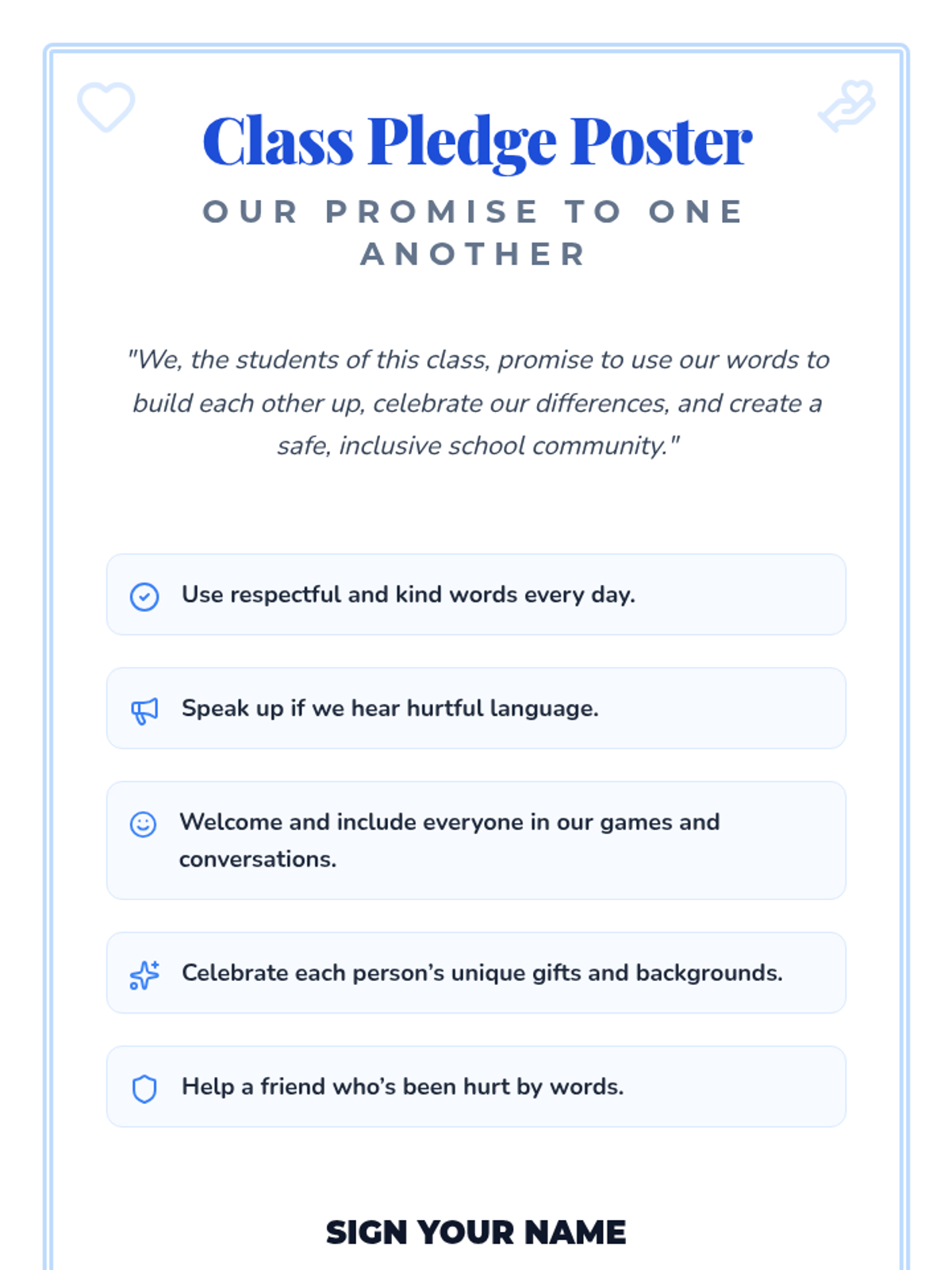
A 4-session Tier 1 sequence for K-5 students focused on racial slur prevention, respectful language, and celebrating diversity. Students learn empathy through role-play, sharing traditions, and creating a collective class pledge.
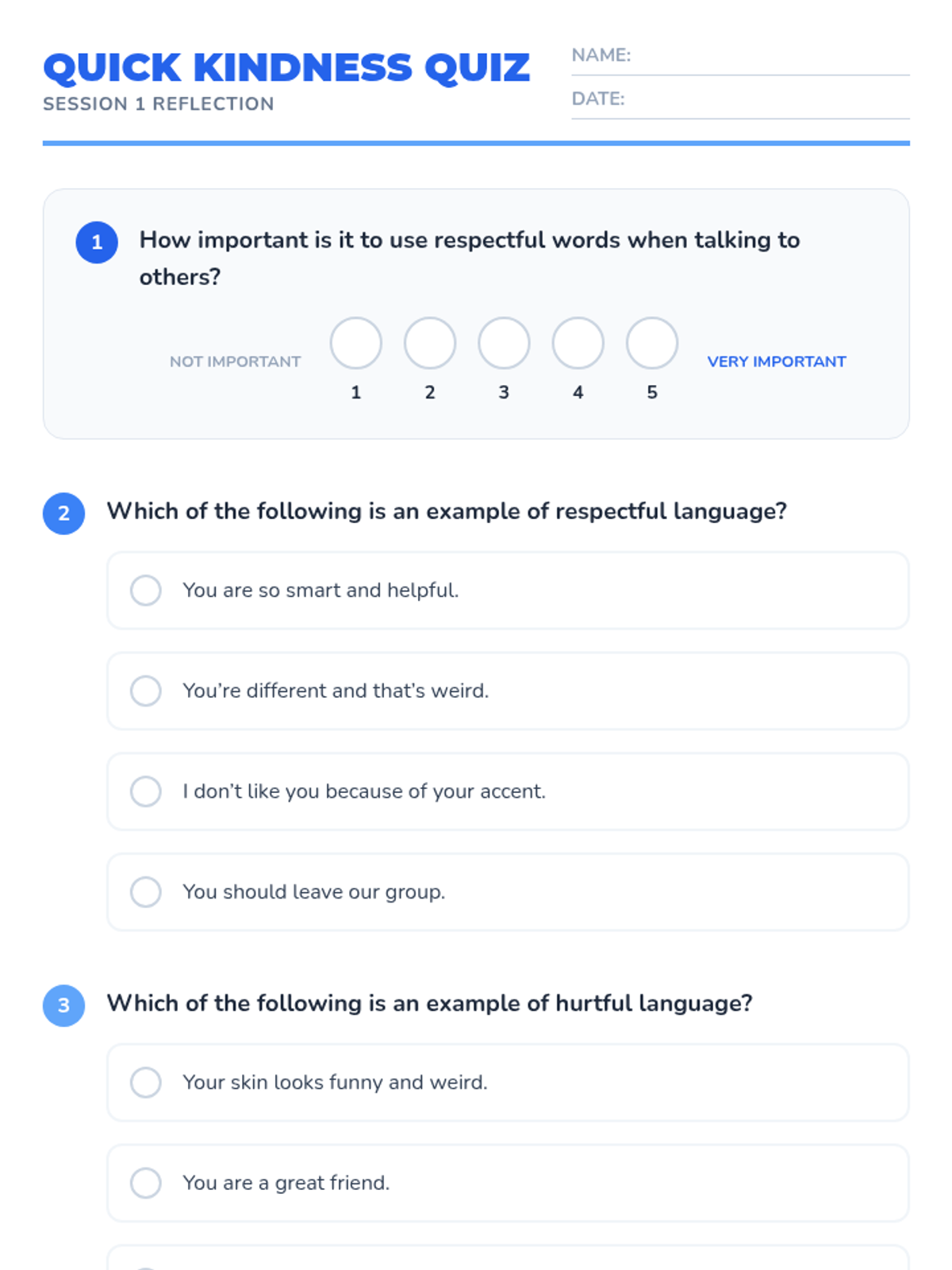
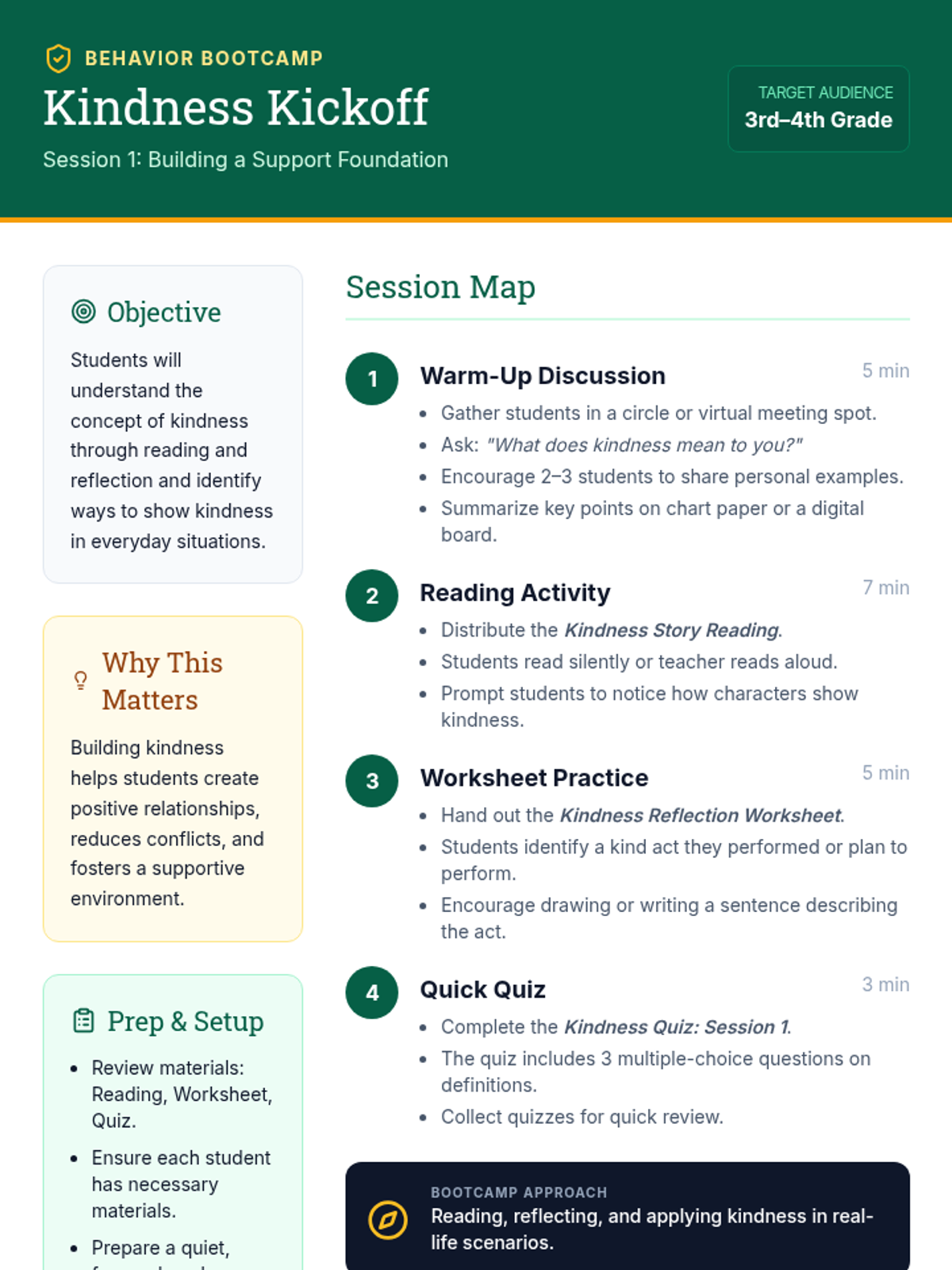
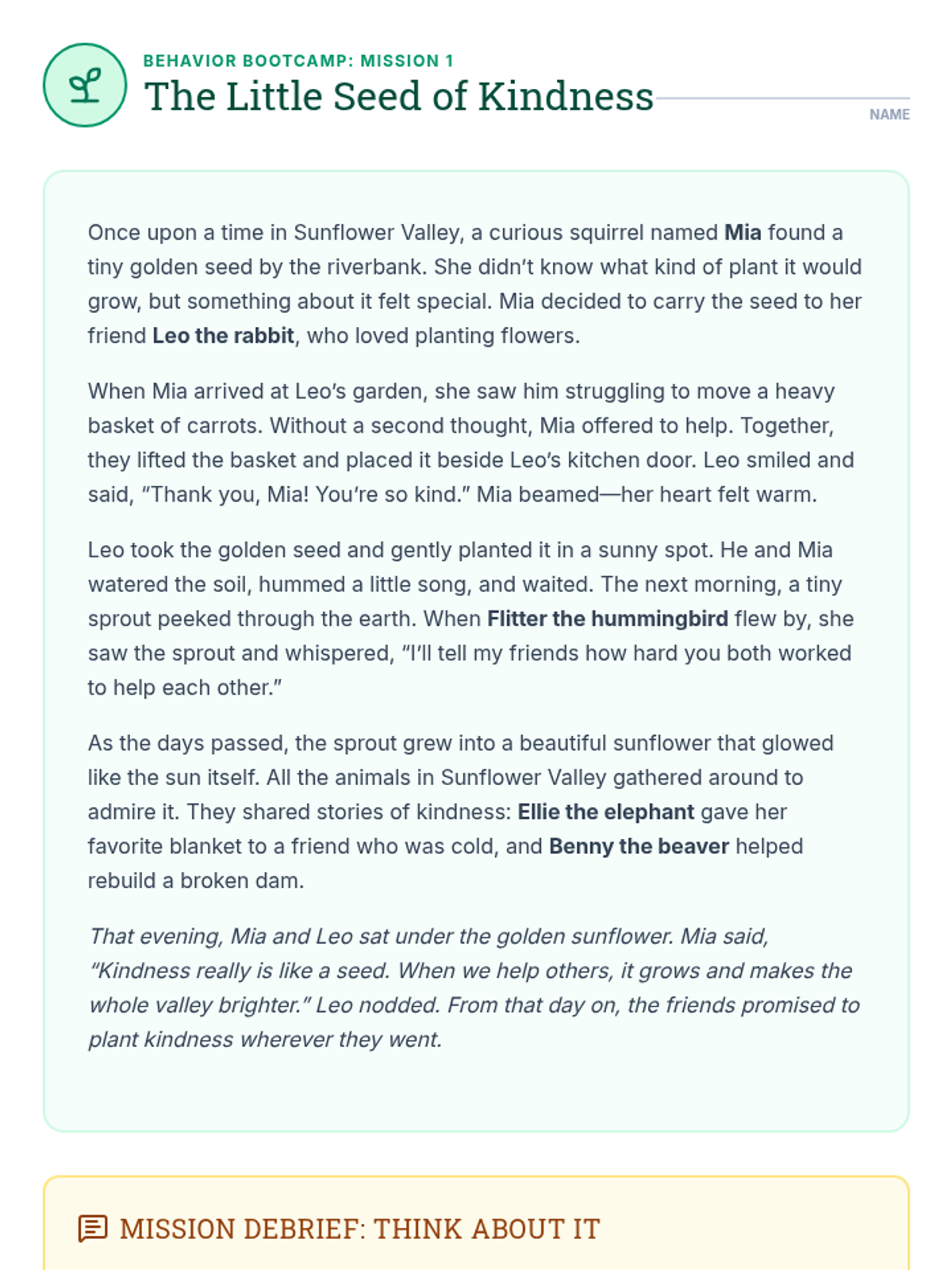
A 10-session individual self-paced intervention for 3rd–4th graders focusing on kindness, respect, appropriate language, and nonviolence to reduce swearing, aggression, and prejudice.
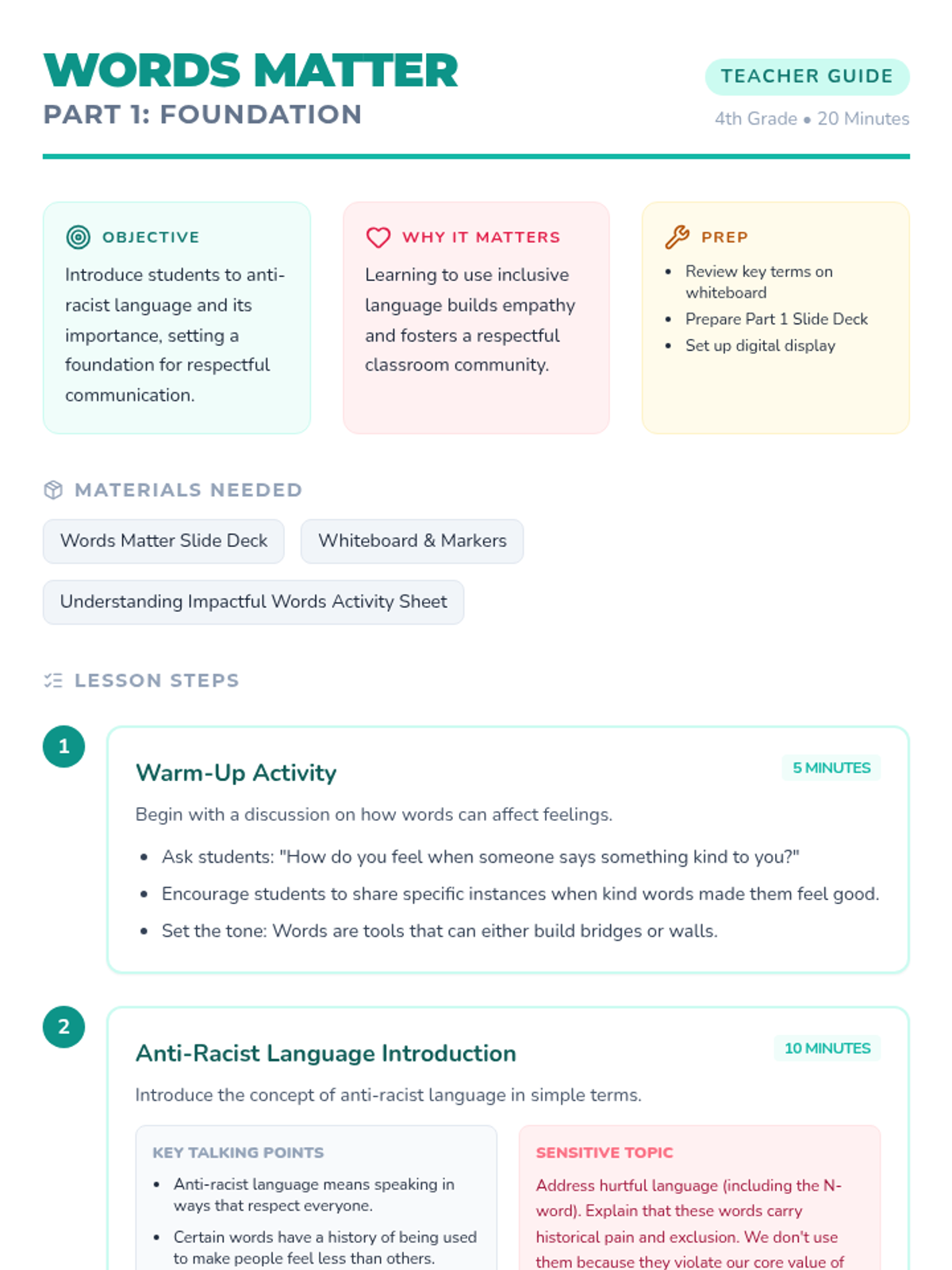
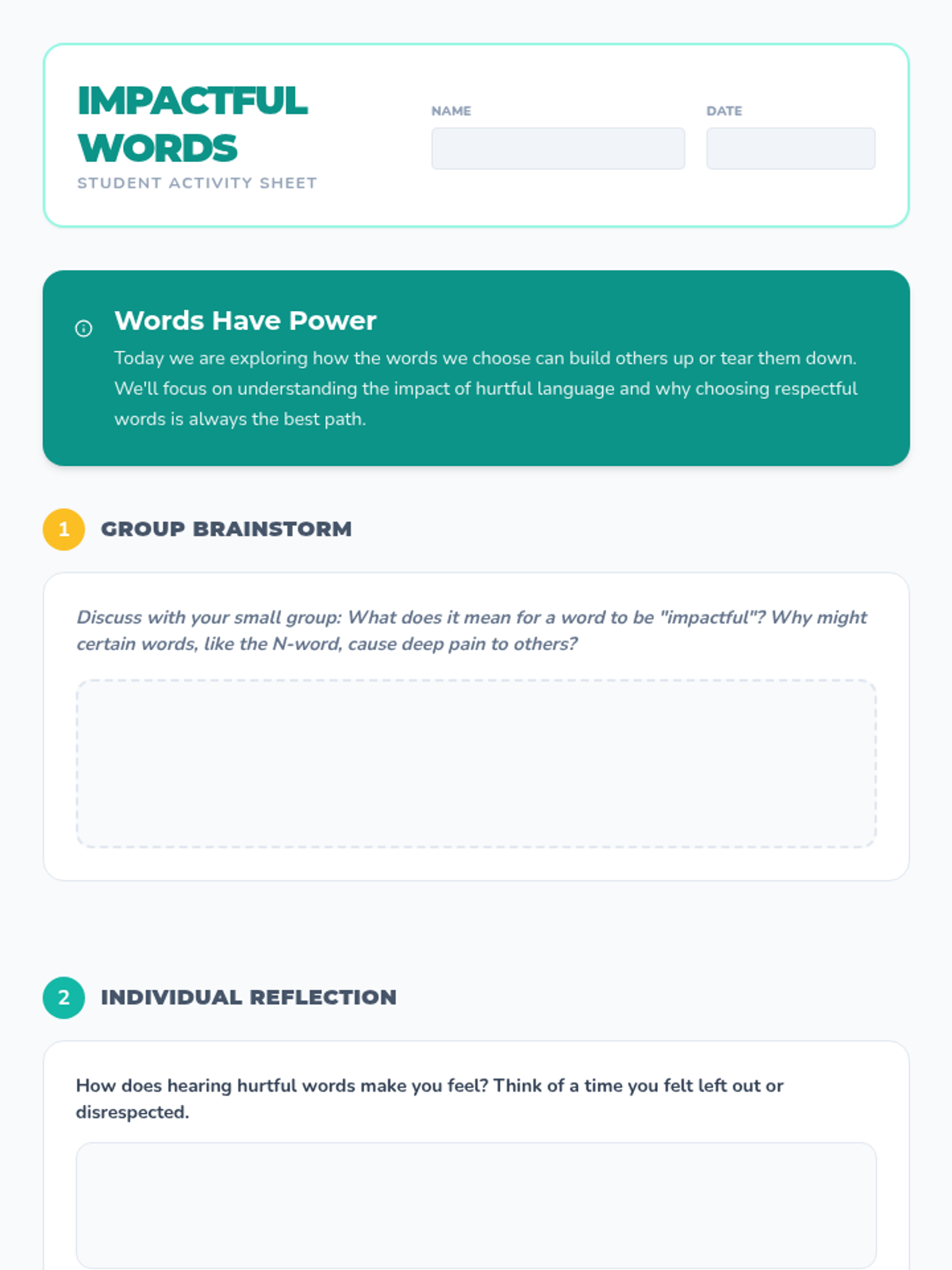
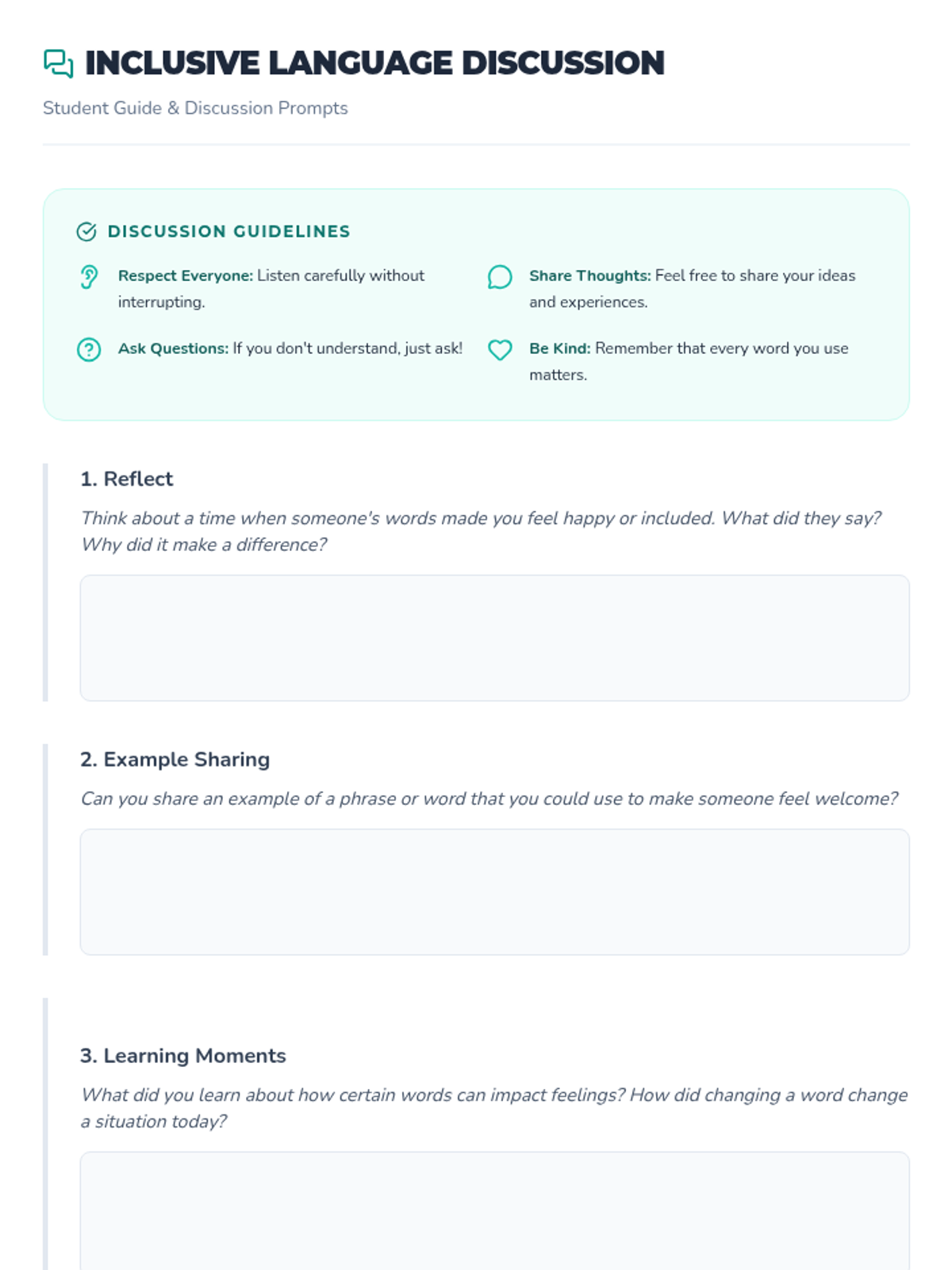
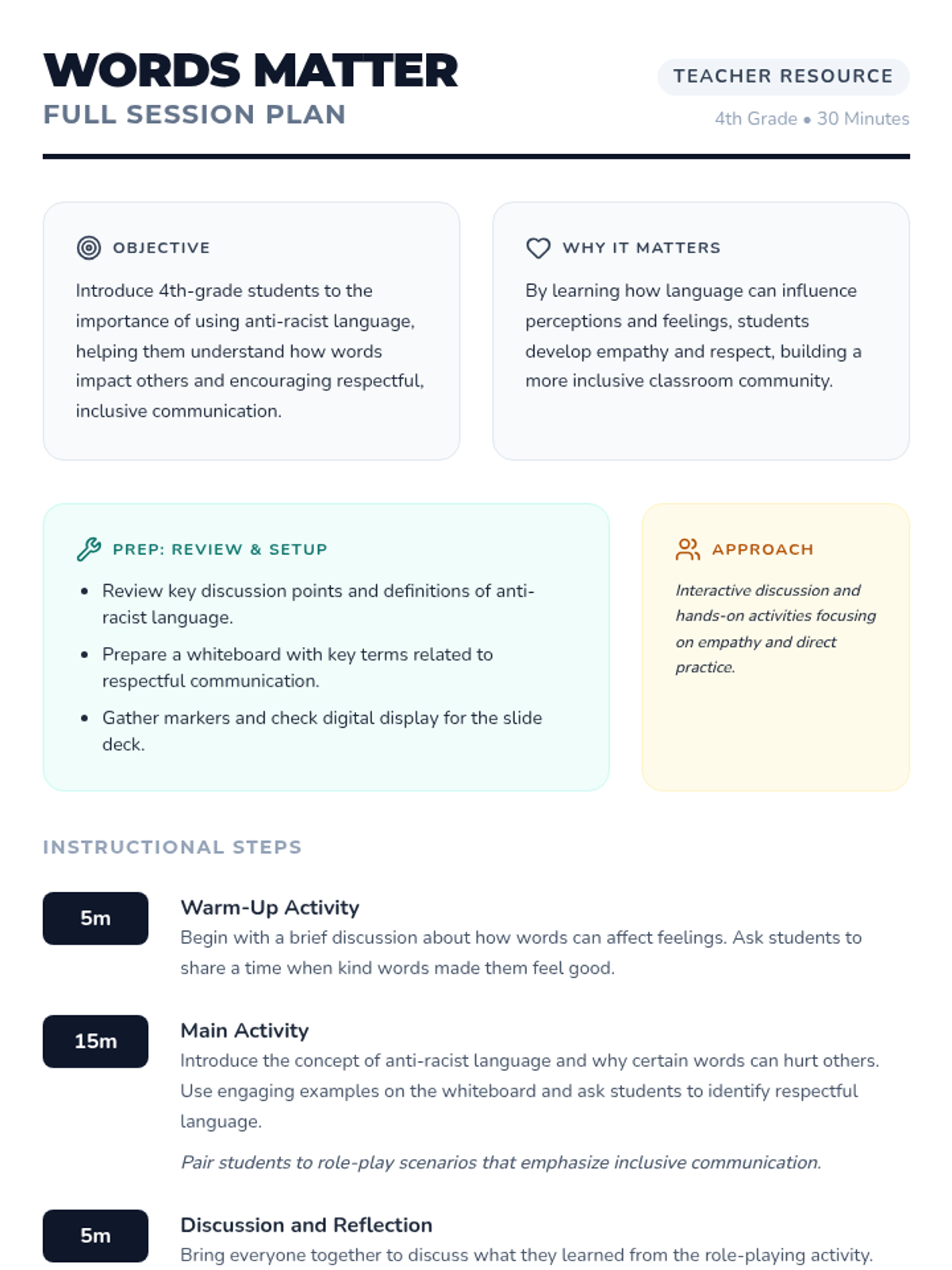
A two-part series for 4th graders on using inclusive and anti-racist language to foster a respectful classroom environment.
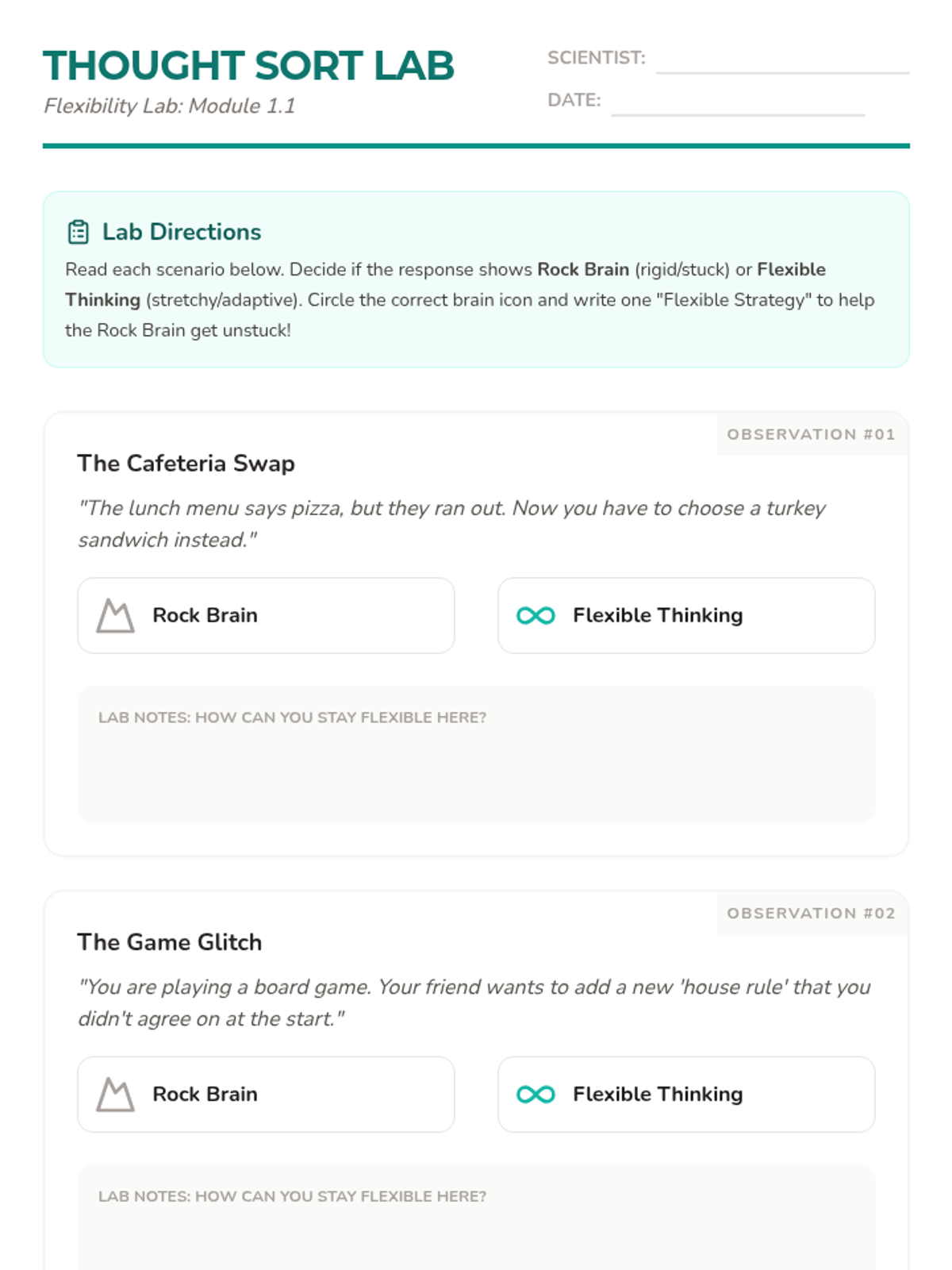
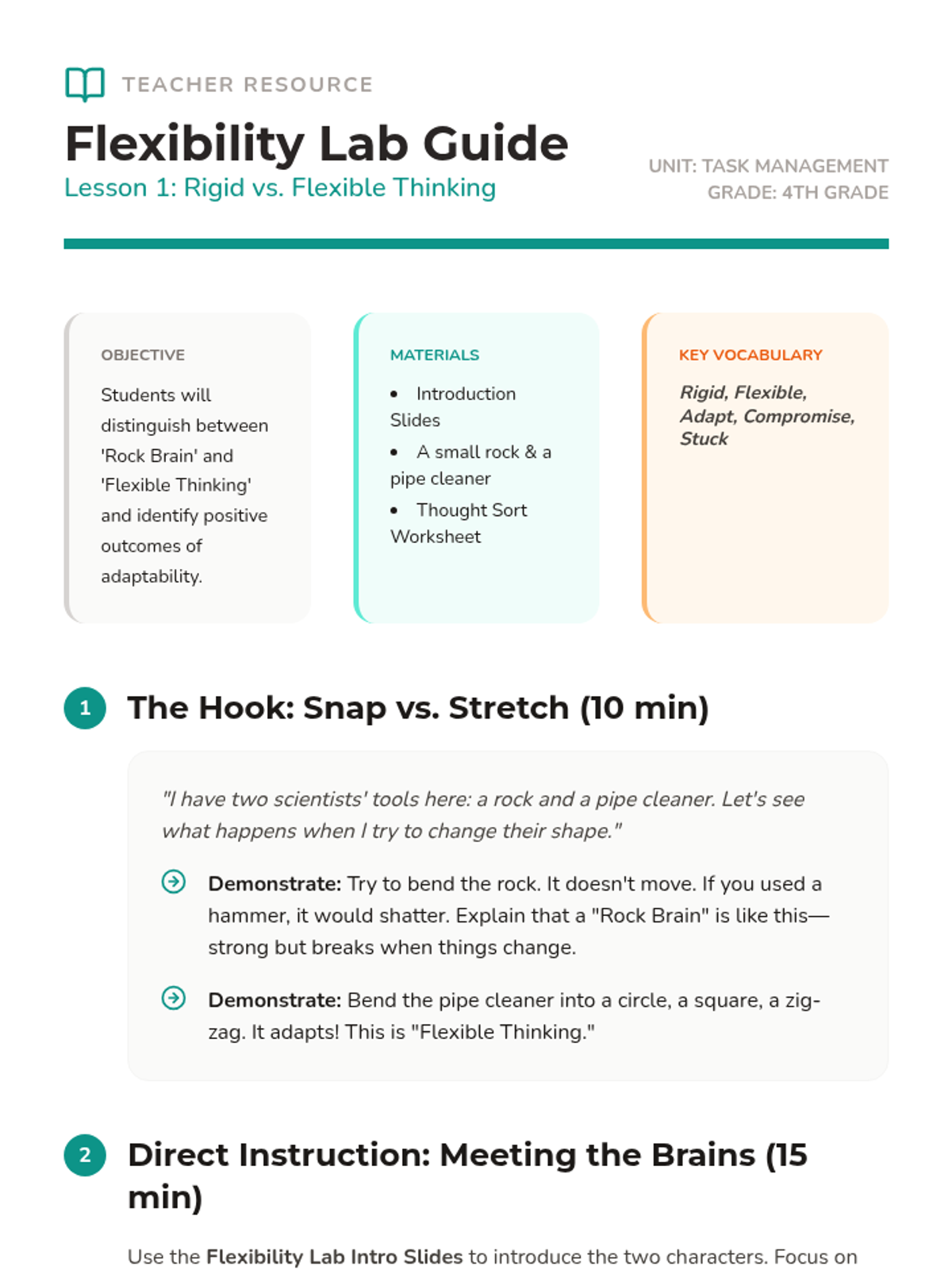
A 5-lesson sequence designed for 4th-grade students to build cognitive flexibility. Students learn to identify rigid versus flexible thinking, recognize physical stress responses to change, practice rapid task-switching, and apply emotional regulation strategies through role-play and a final 'flexibility obstacle course'.
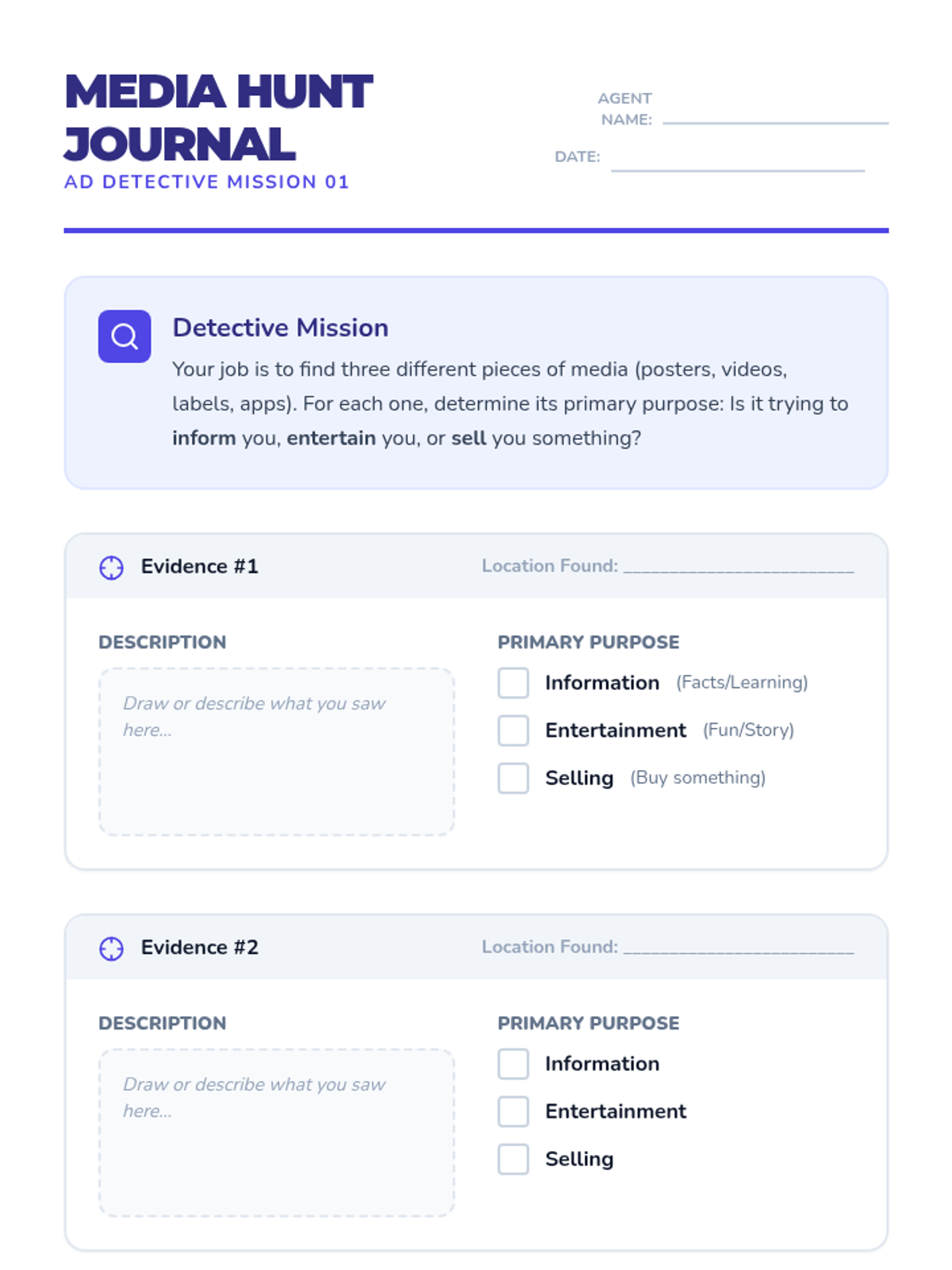
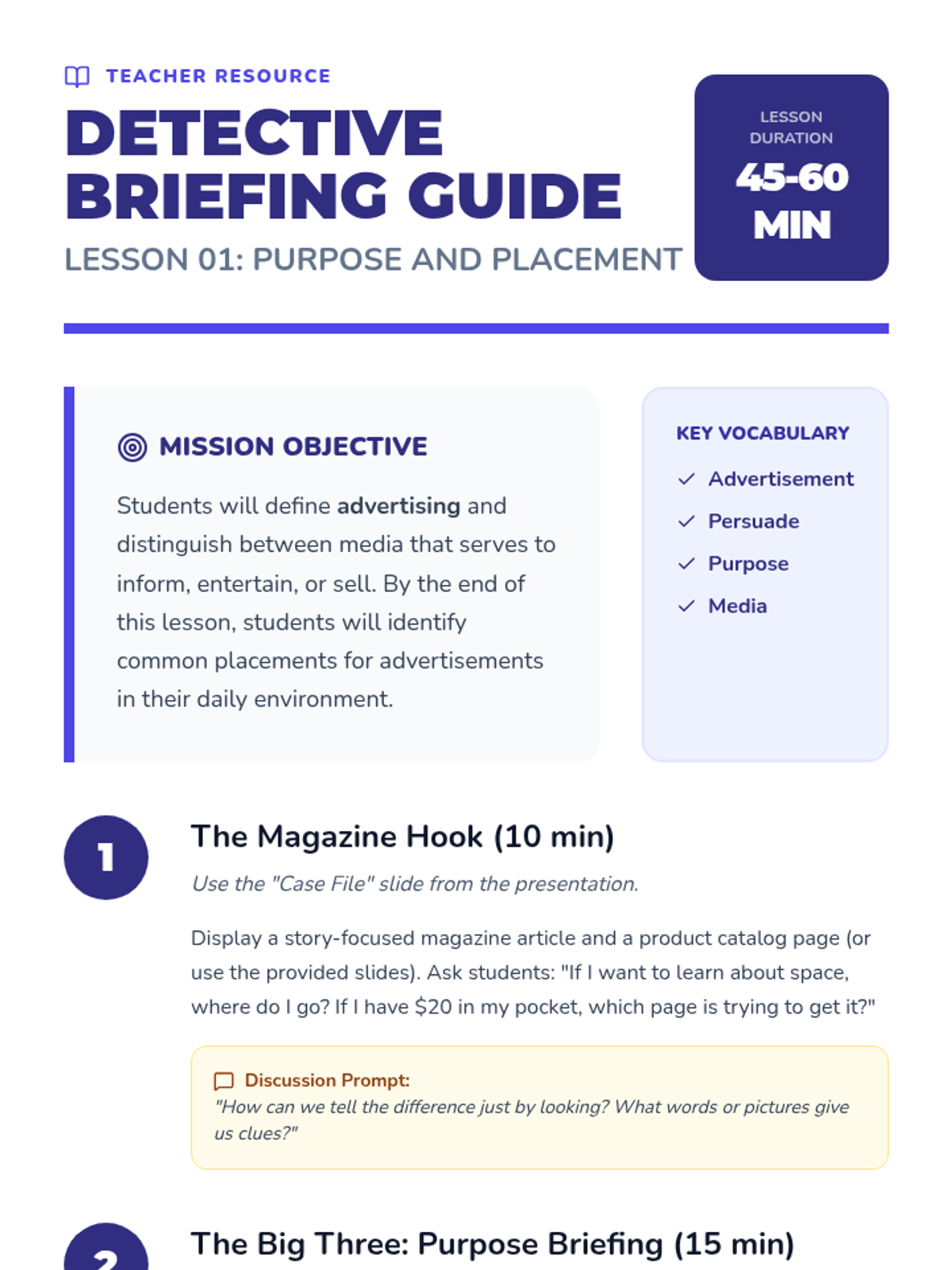
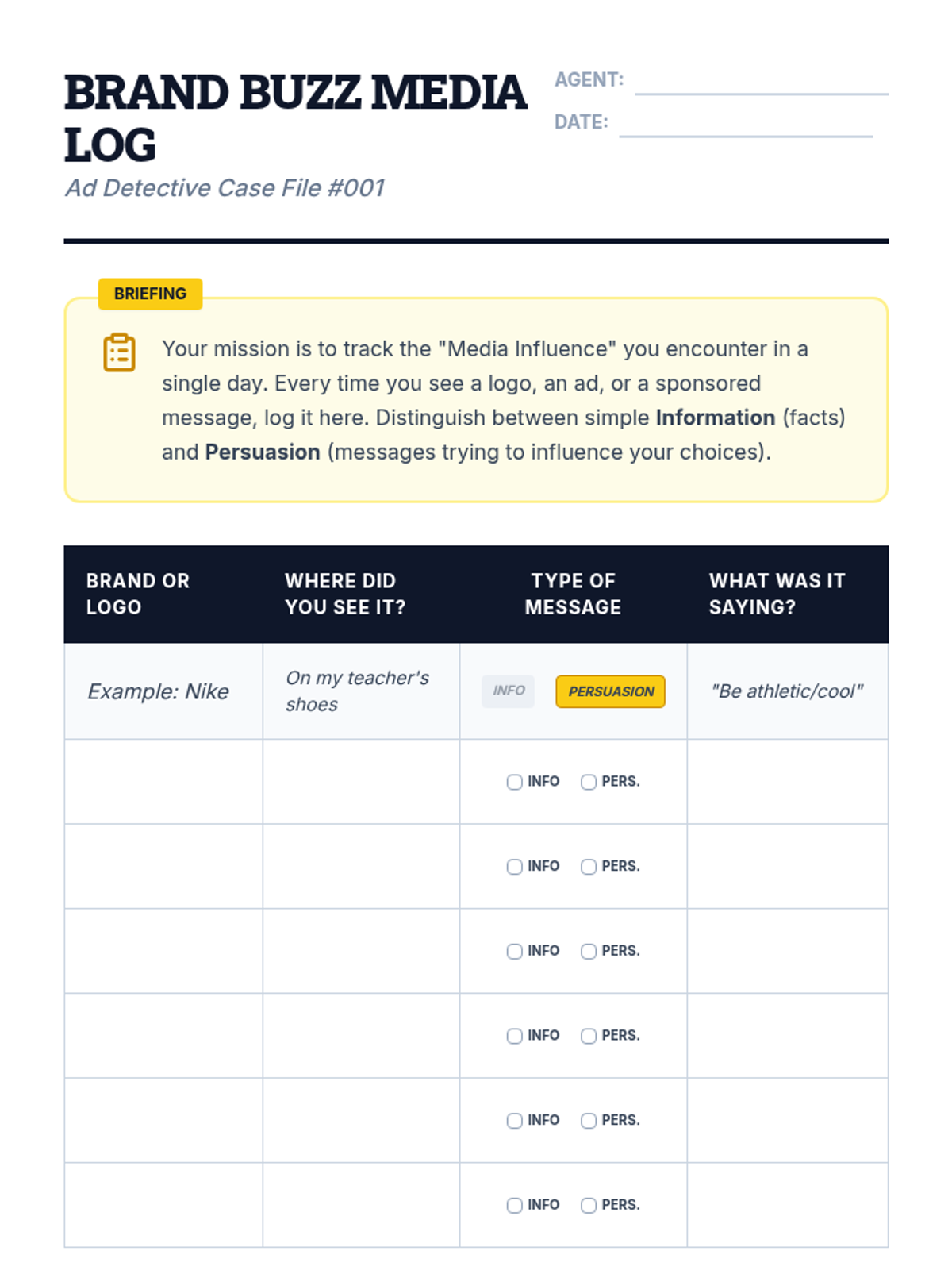
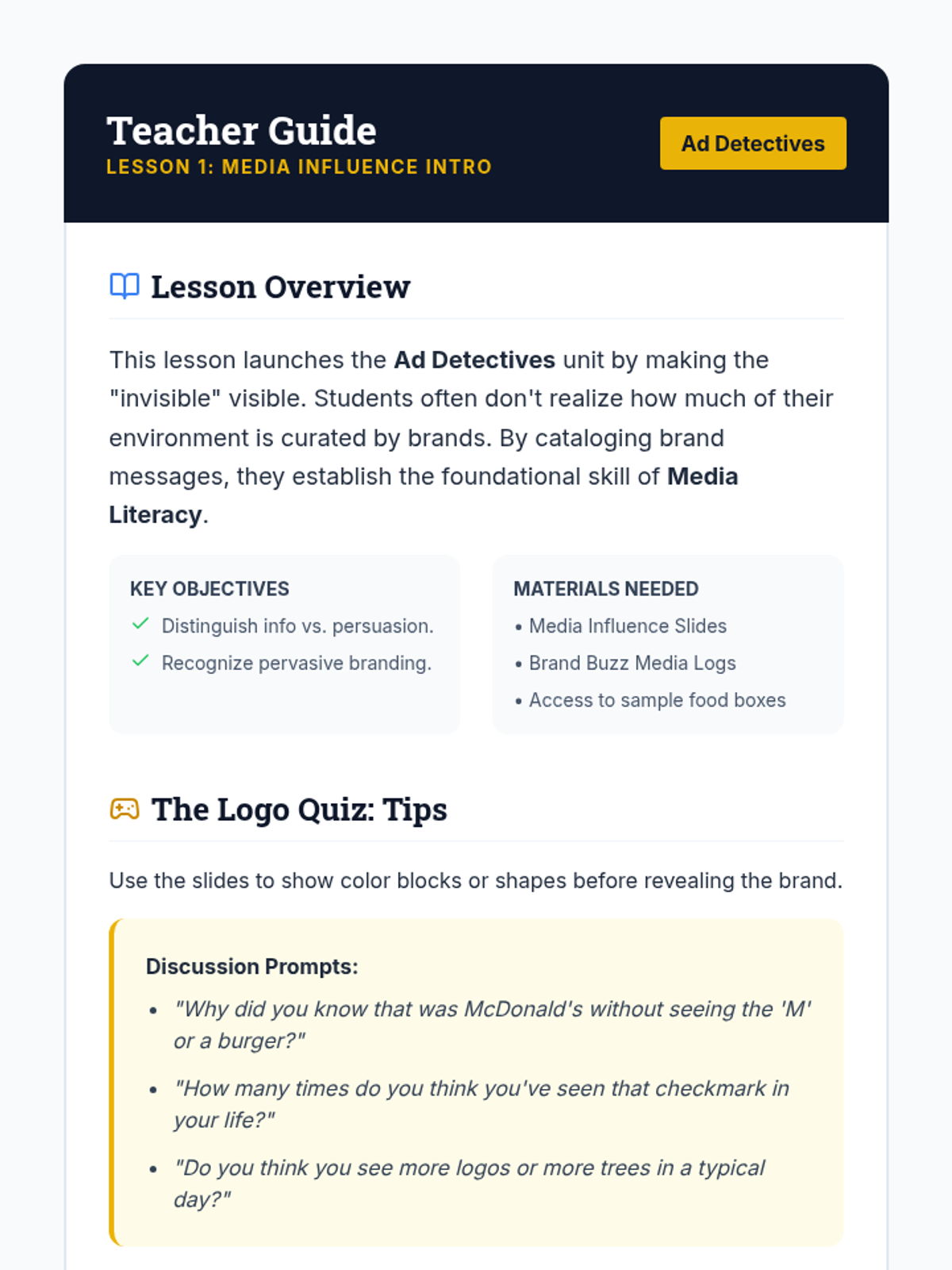
Students investigate the persuasive strategies used in commercials and print advertisements to understand how marketers influence consumer choices. The sequence covers advertising purpose, visual/auditory techniques, branding through logos and slogans, target audiences, and ethical advertising.
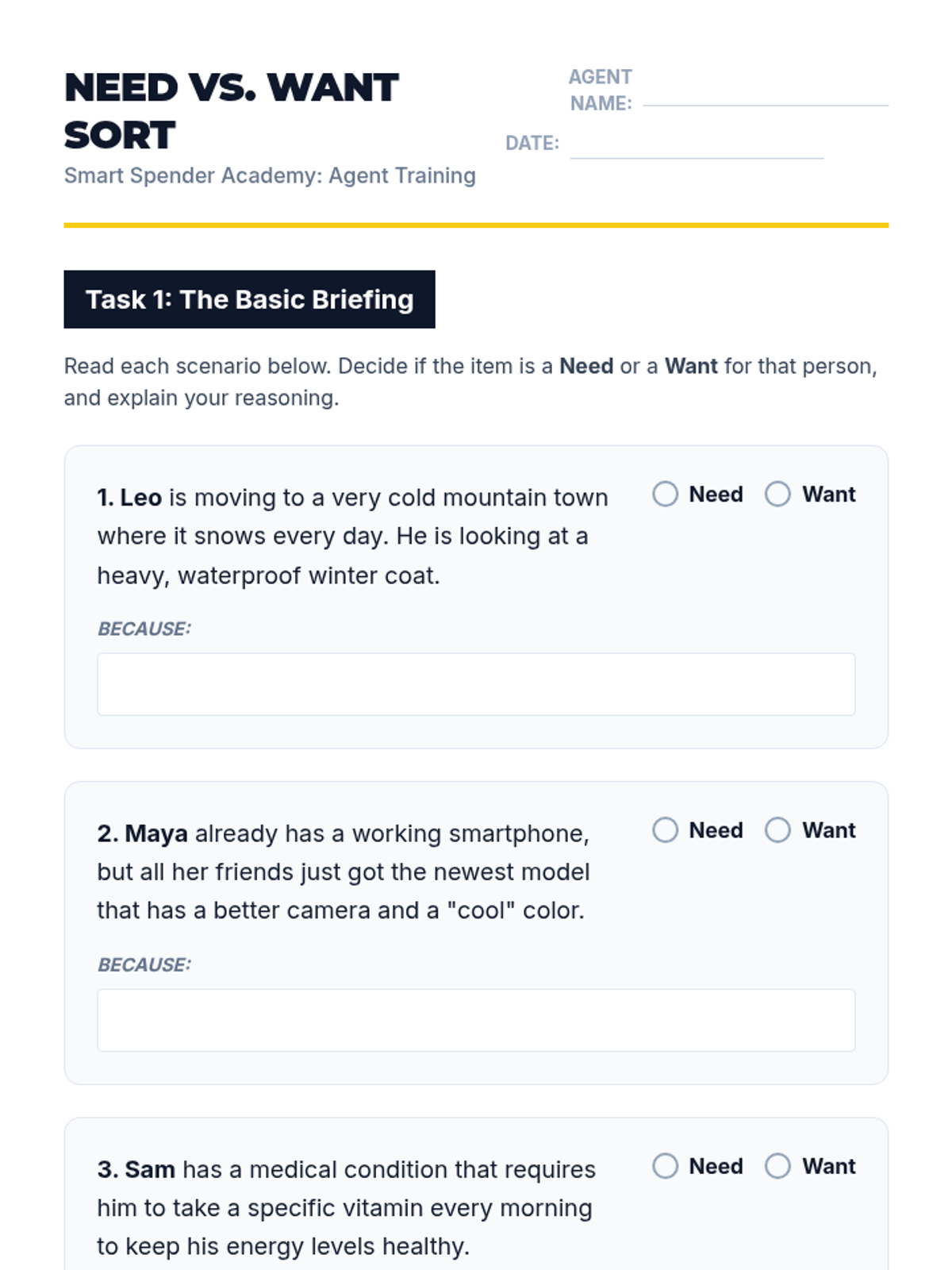
A comprehensive 5-lesson unit that transforms 4th-grade students into critical consumers. Students learn to distinguish needs from wants, deconstruct advertising tricks, use math to find the best value, spot marketplace scams, and create a justified spending plan.
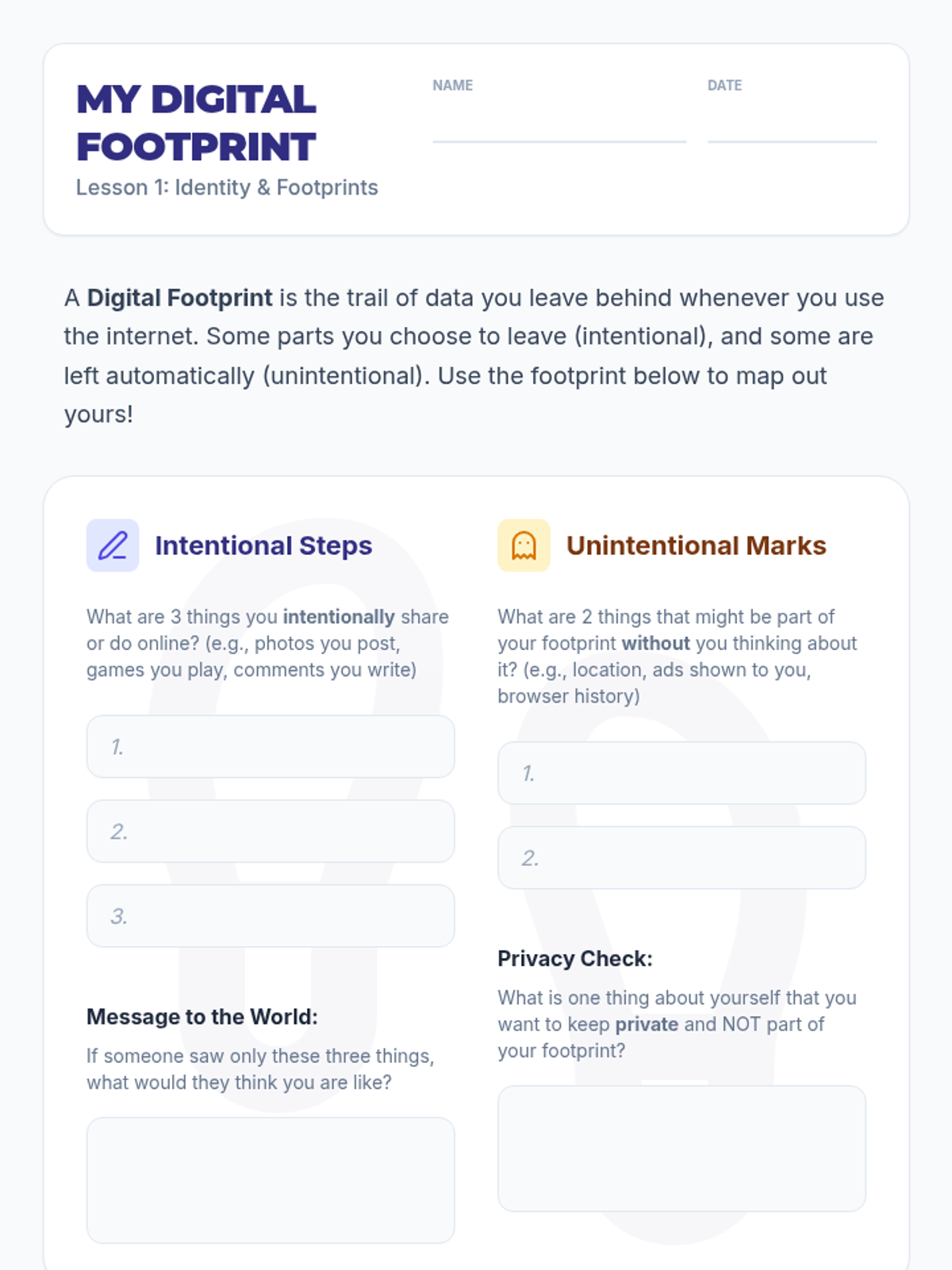
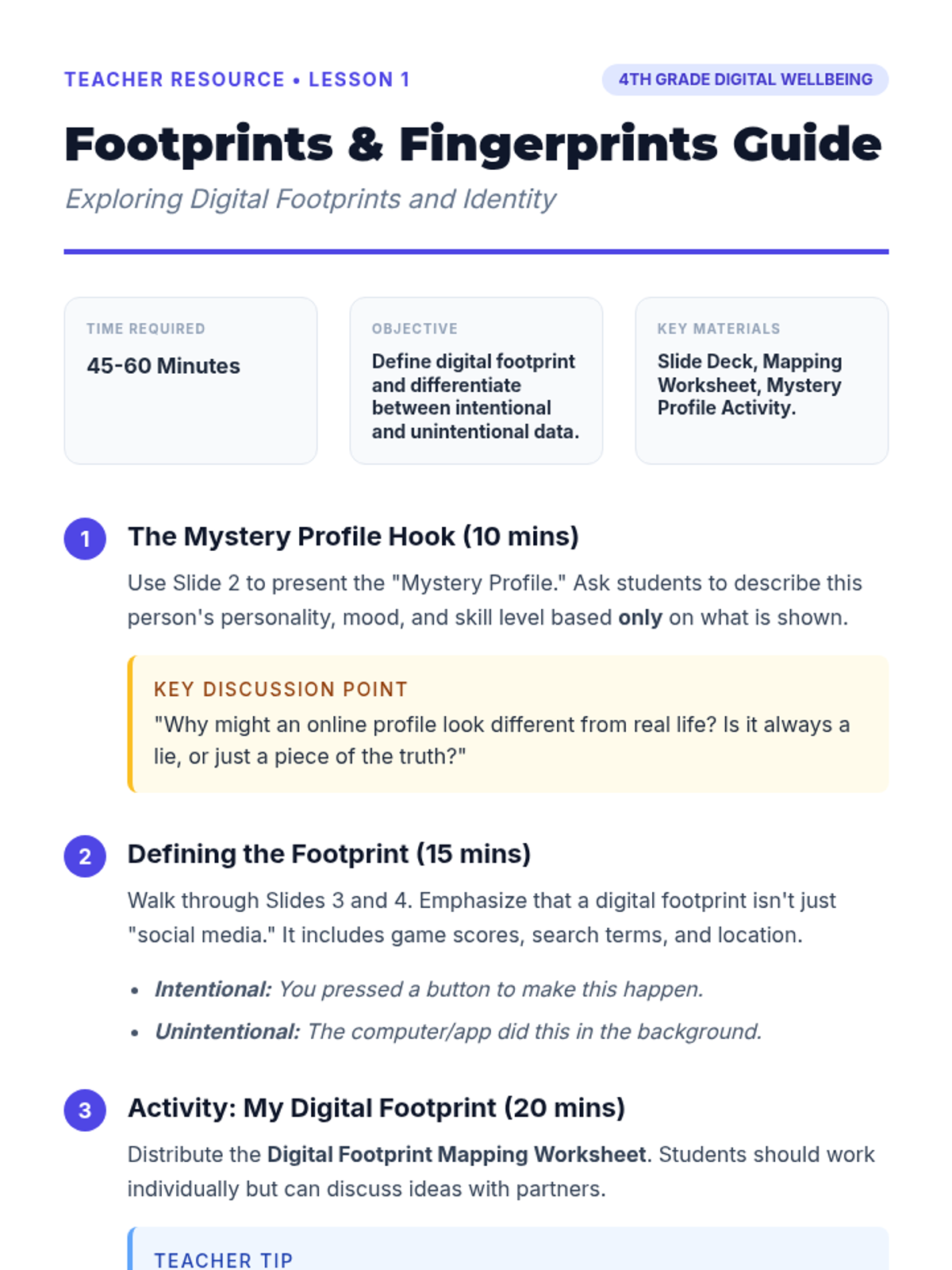
A 5-lesson sequence for 4th graders to develop media literacy and digital wellbeing. Students explore digital footprints, analyze the 'highlight reel' effect, deconstruct advertising, and learn to manage their emotional response to media, culminating in an authenticity-focused creative project.
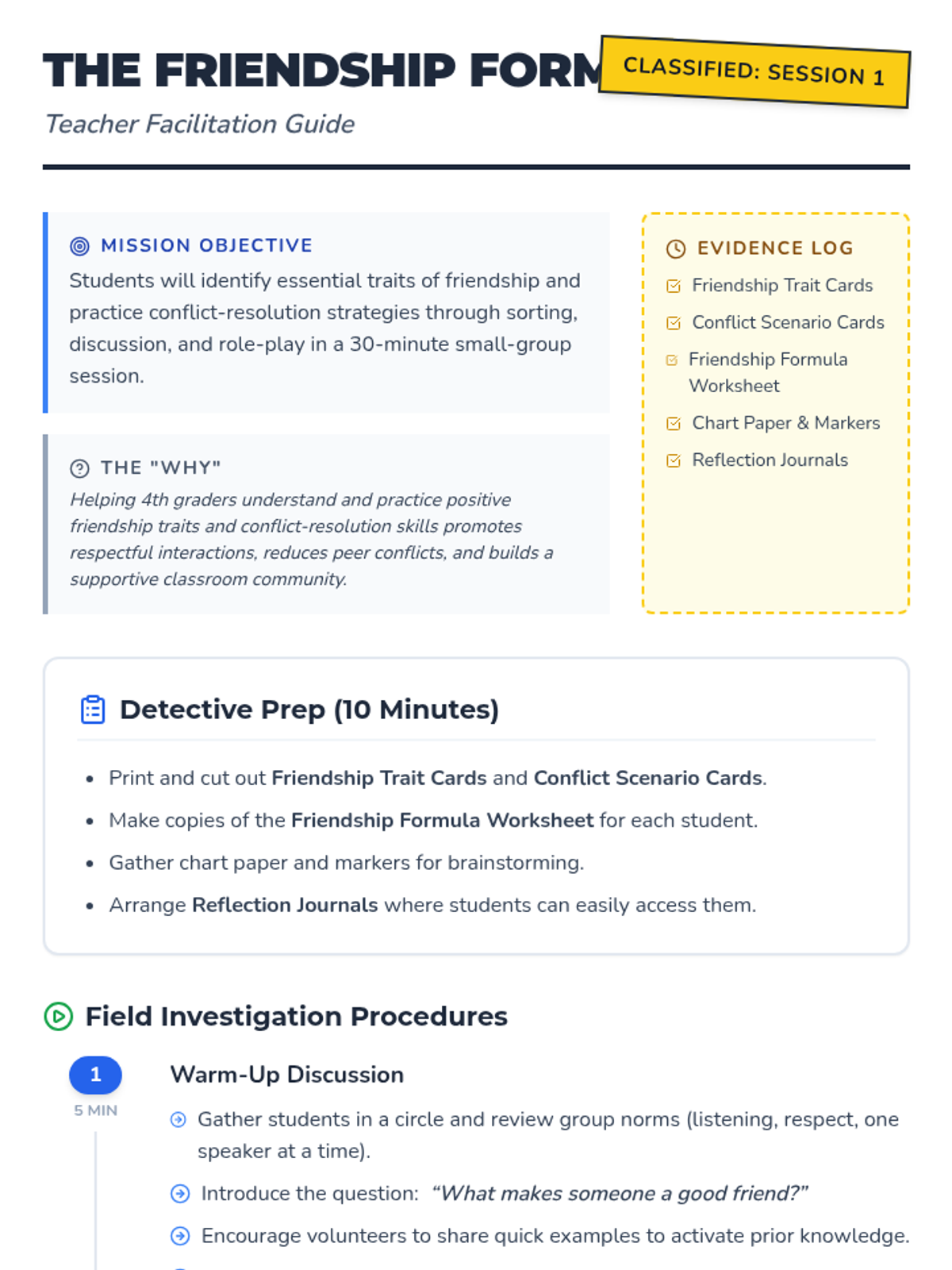
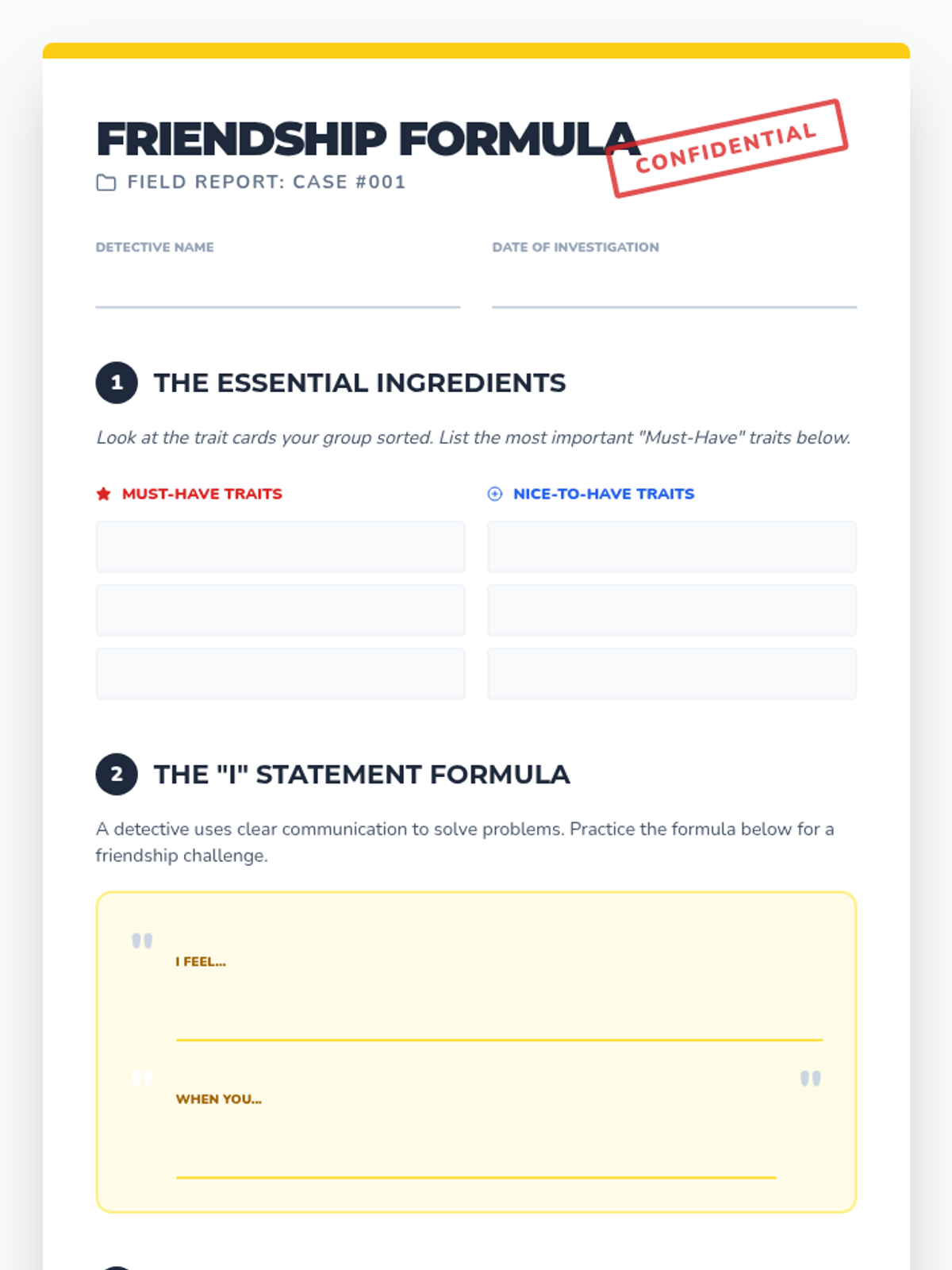
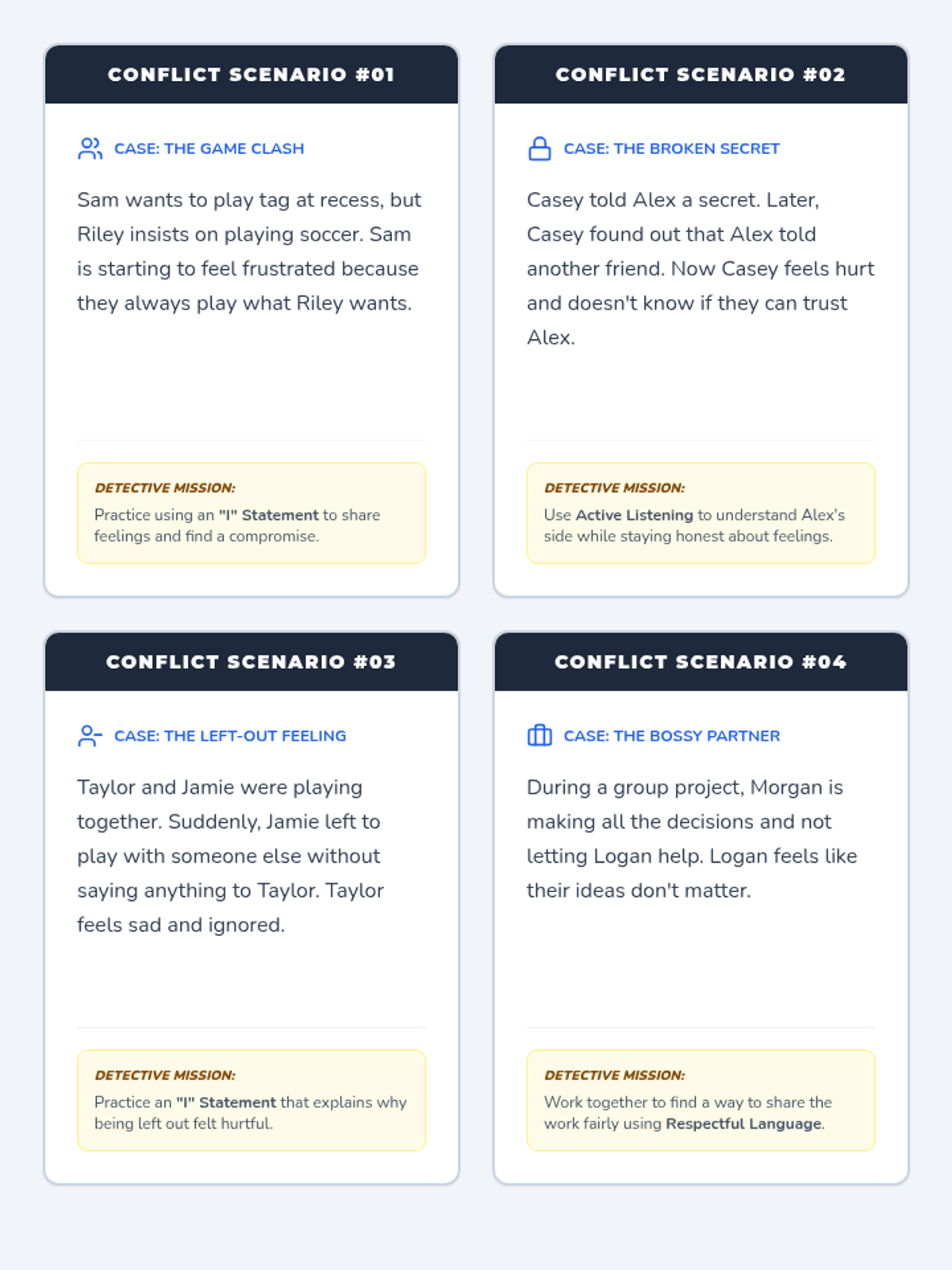
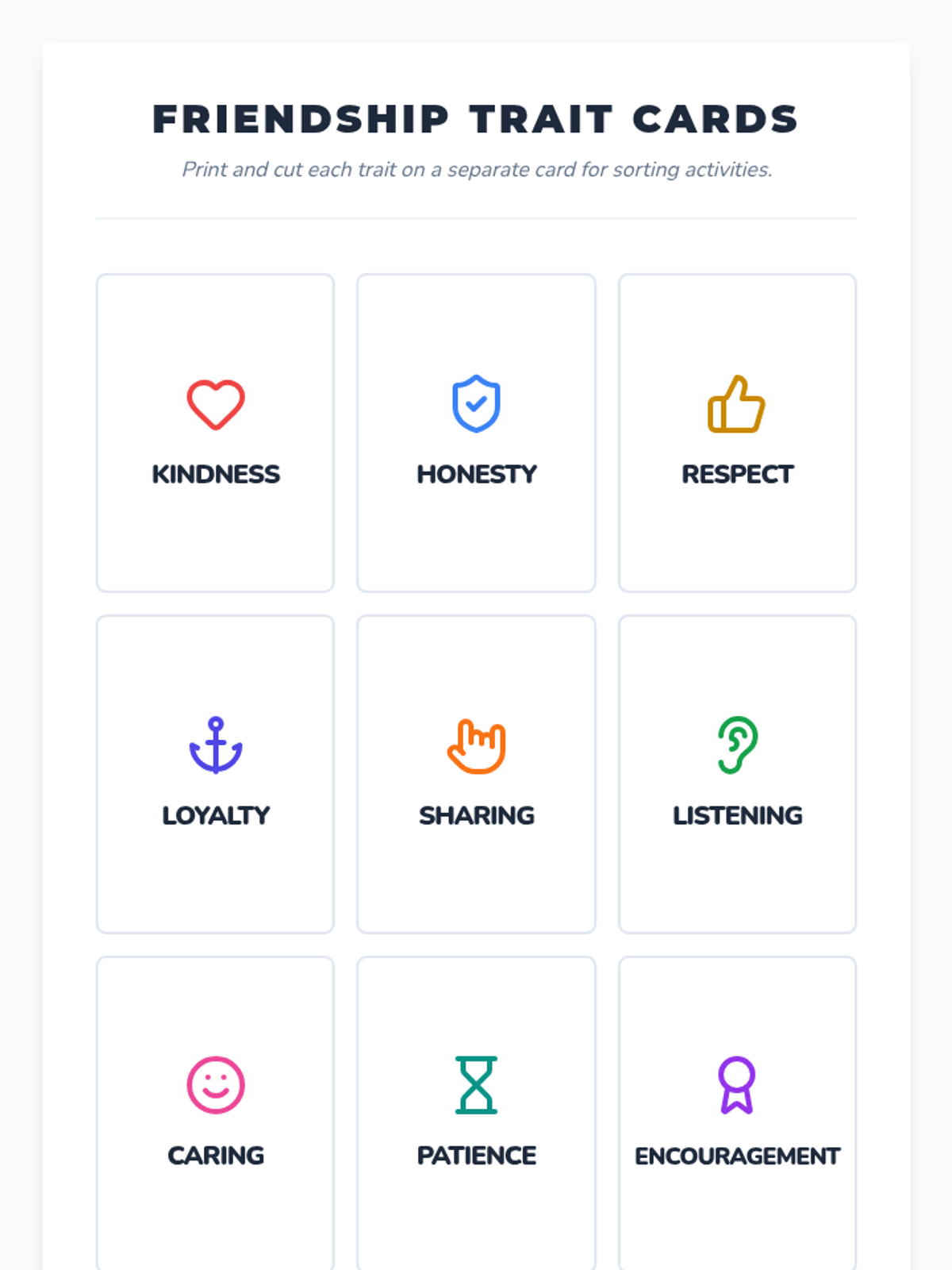
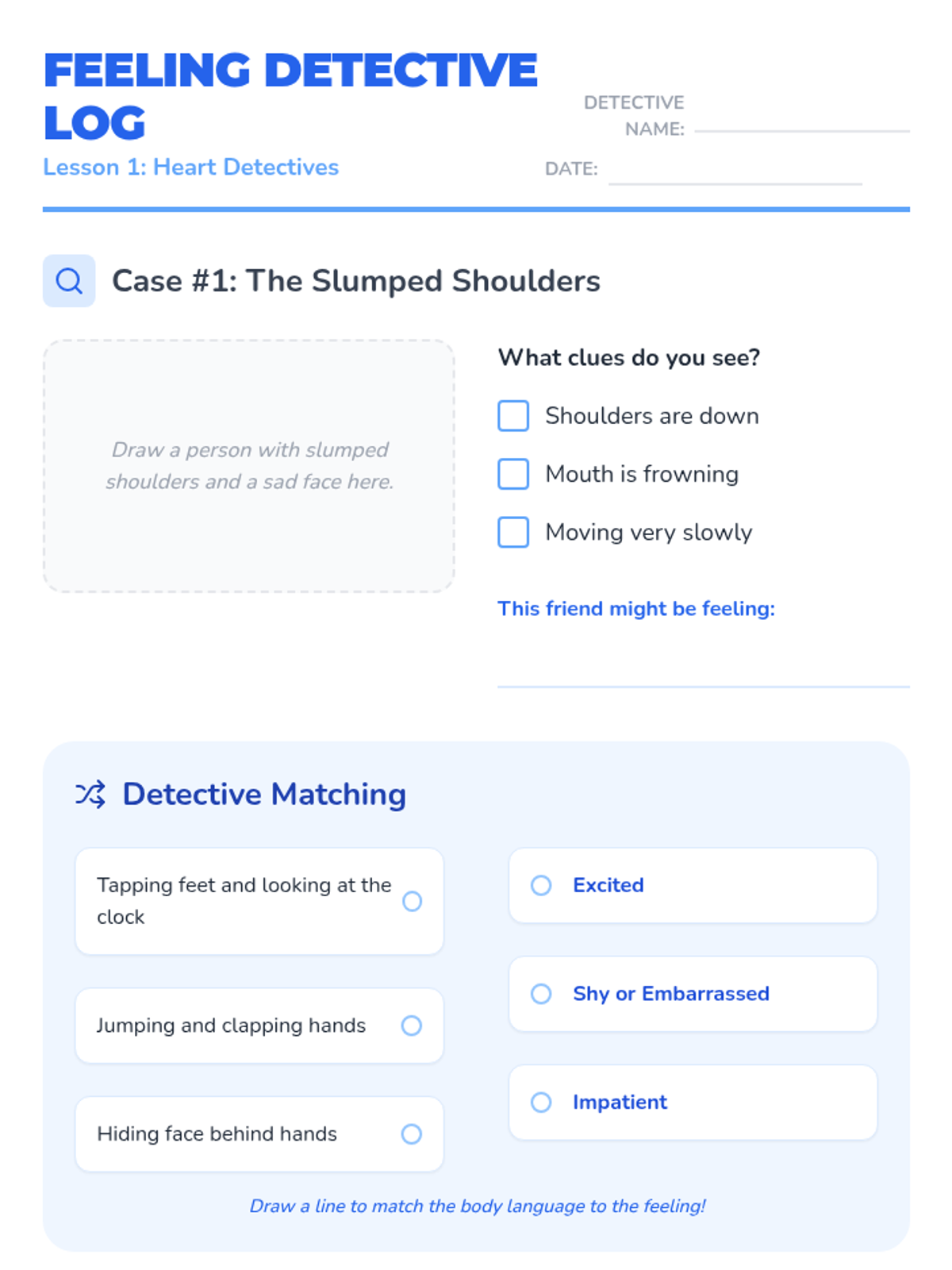
A 2-session Tier 2 social skills sequence for 4th graders focused on identifying friendship traits, practicing empathy, and solving interpersonal conflicts through a fun detective-themed investigation.
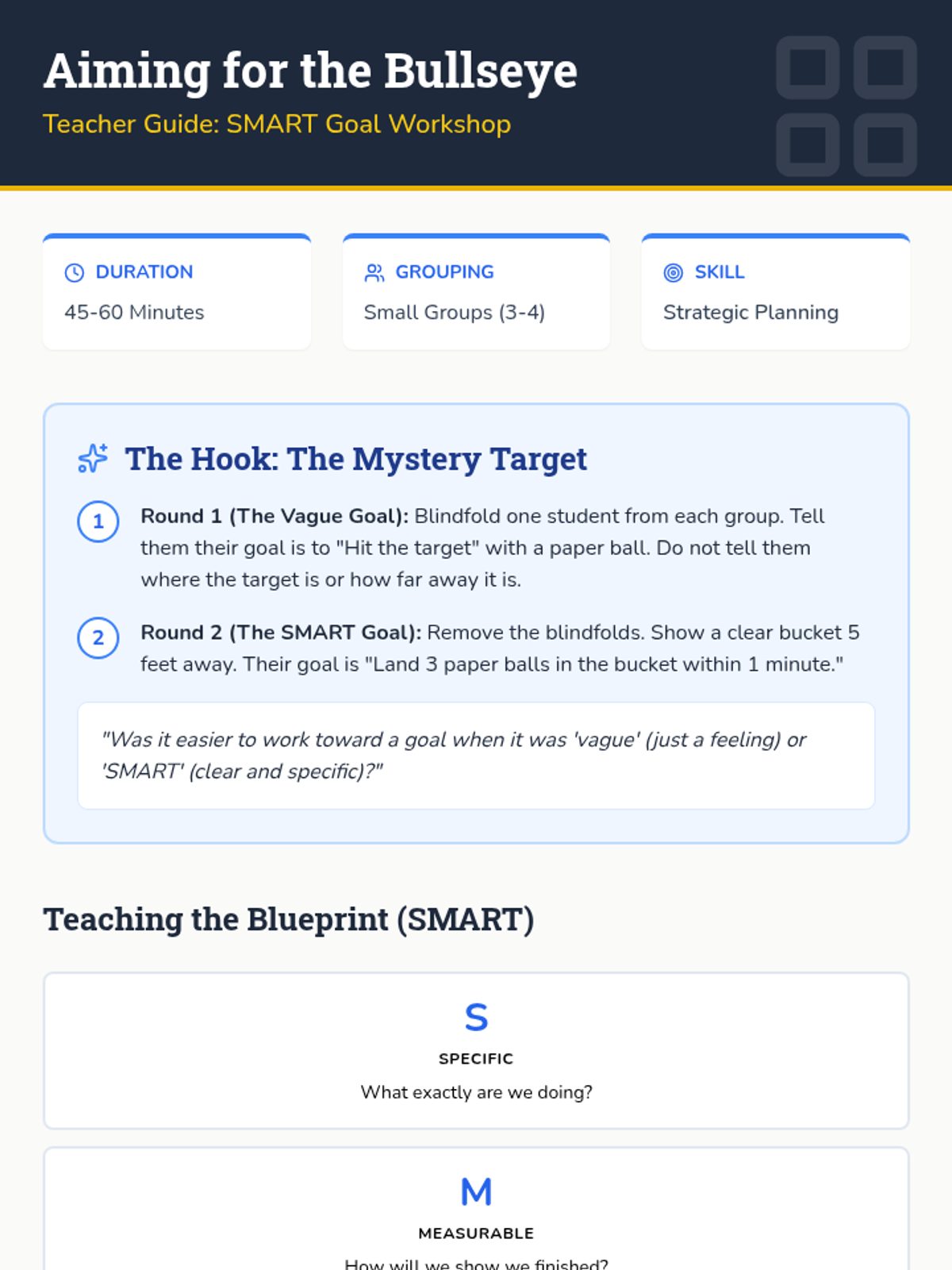
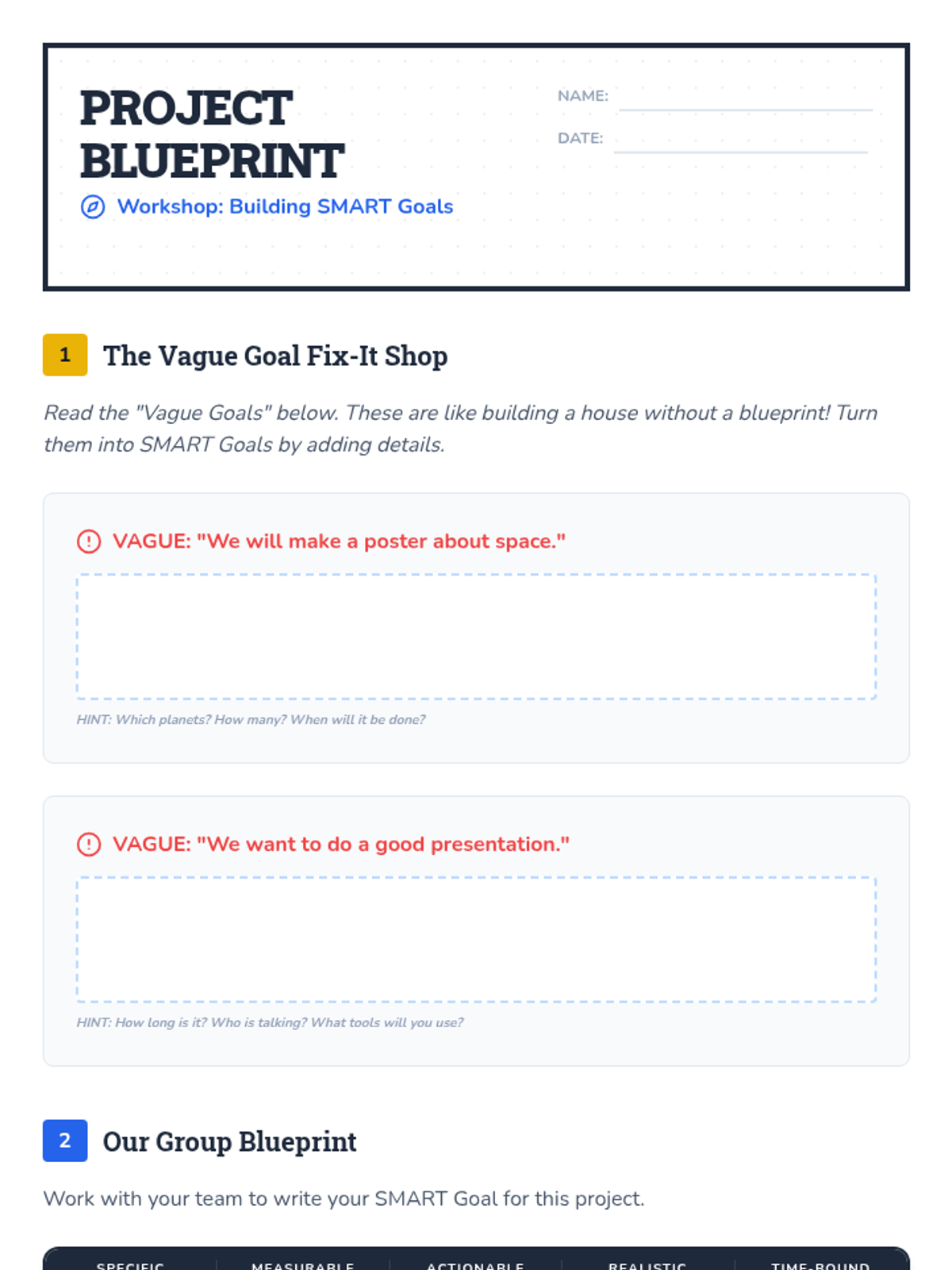
A 4th-grade sequence on teamwork focusing on setting SMART goals, backward planning, progress monitoring, and collaborative execution using a 'blueprint for success' theme.
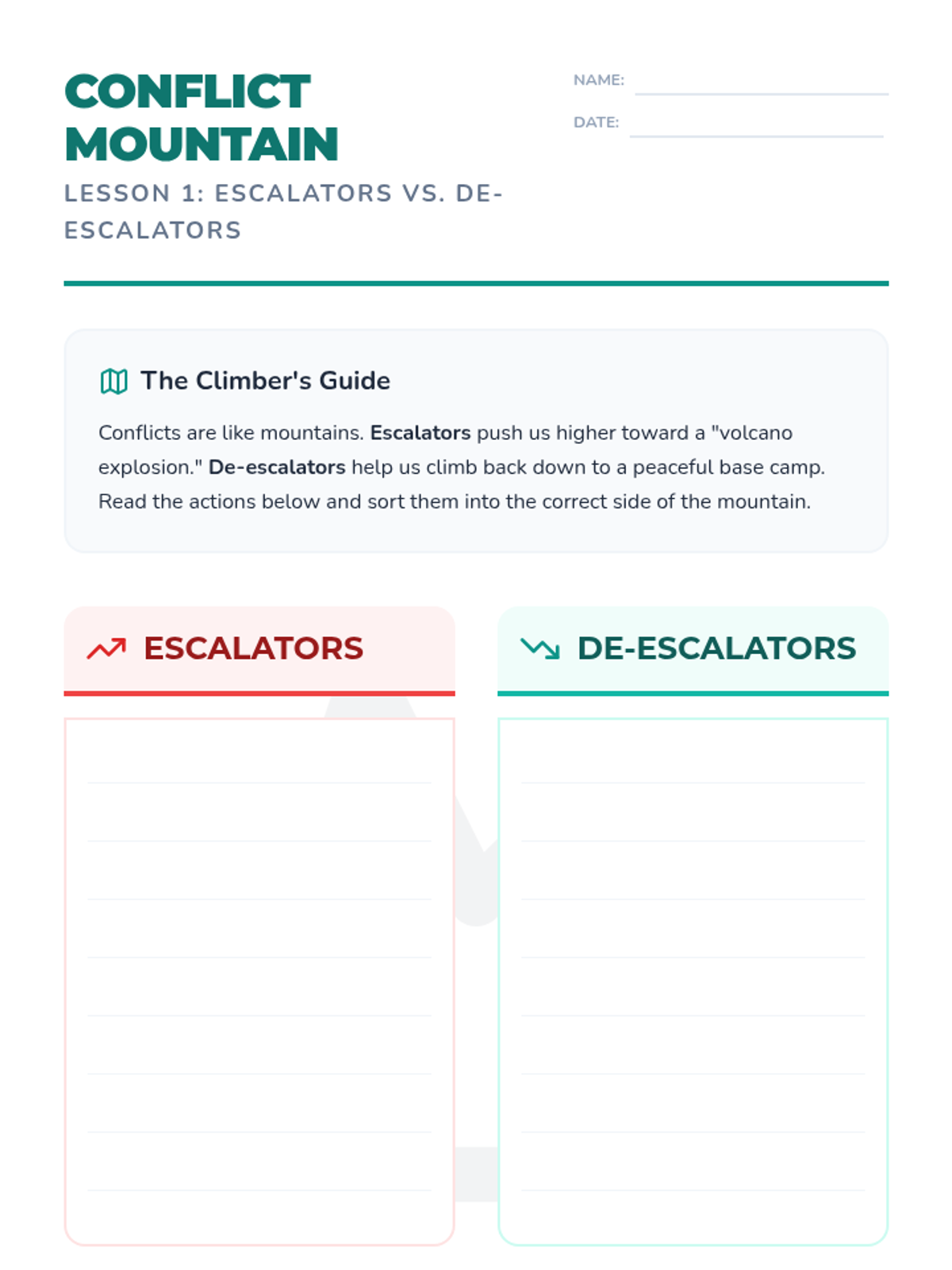
A 4th-grade sequence focused on navigating interpersonal conflict and providing constructive feedback in collaborative settings. Students learn to identify conflict triggers, use 'I-statements', apply feedback models like the 'sandwich method', and reach group consensus through practical simulations.
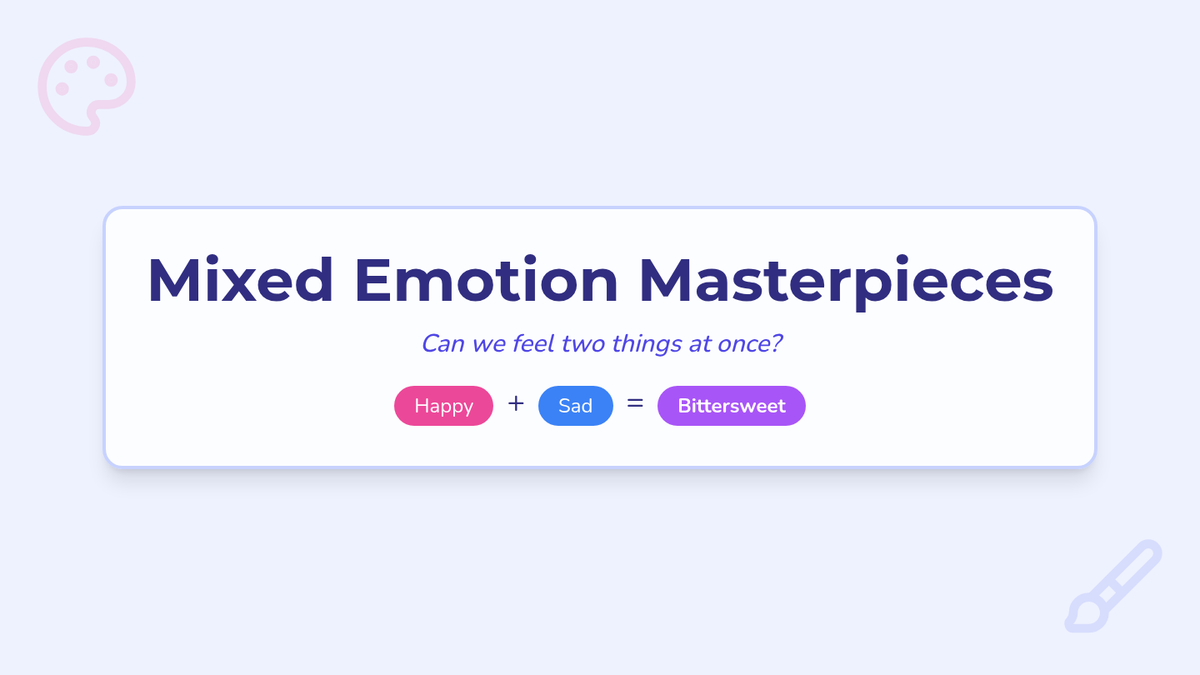
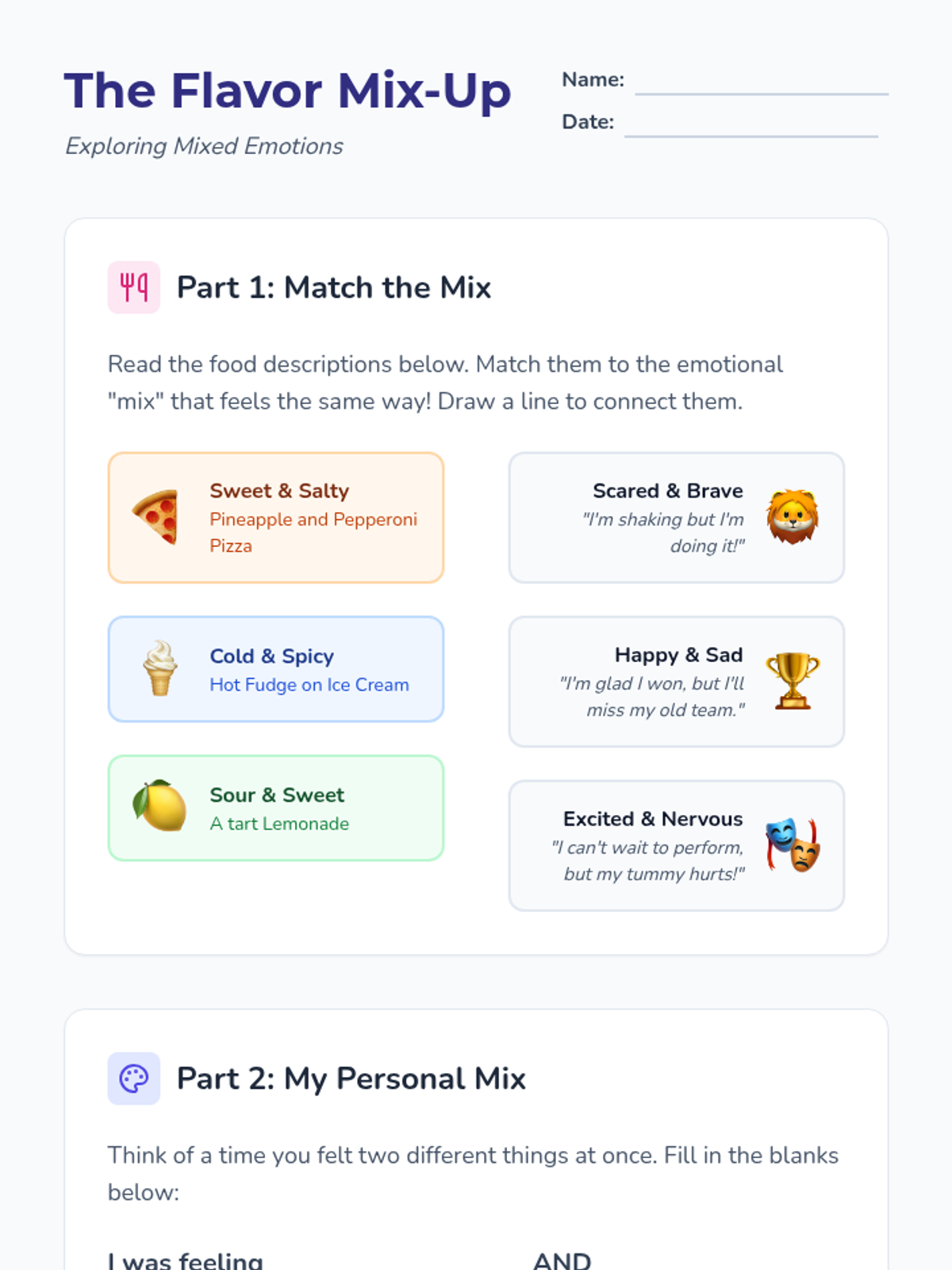
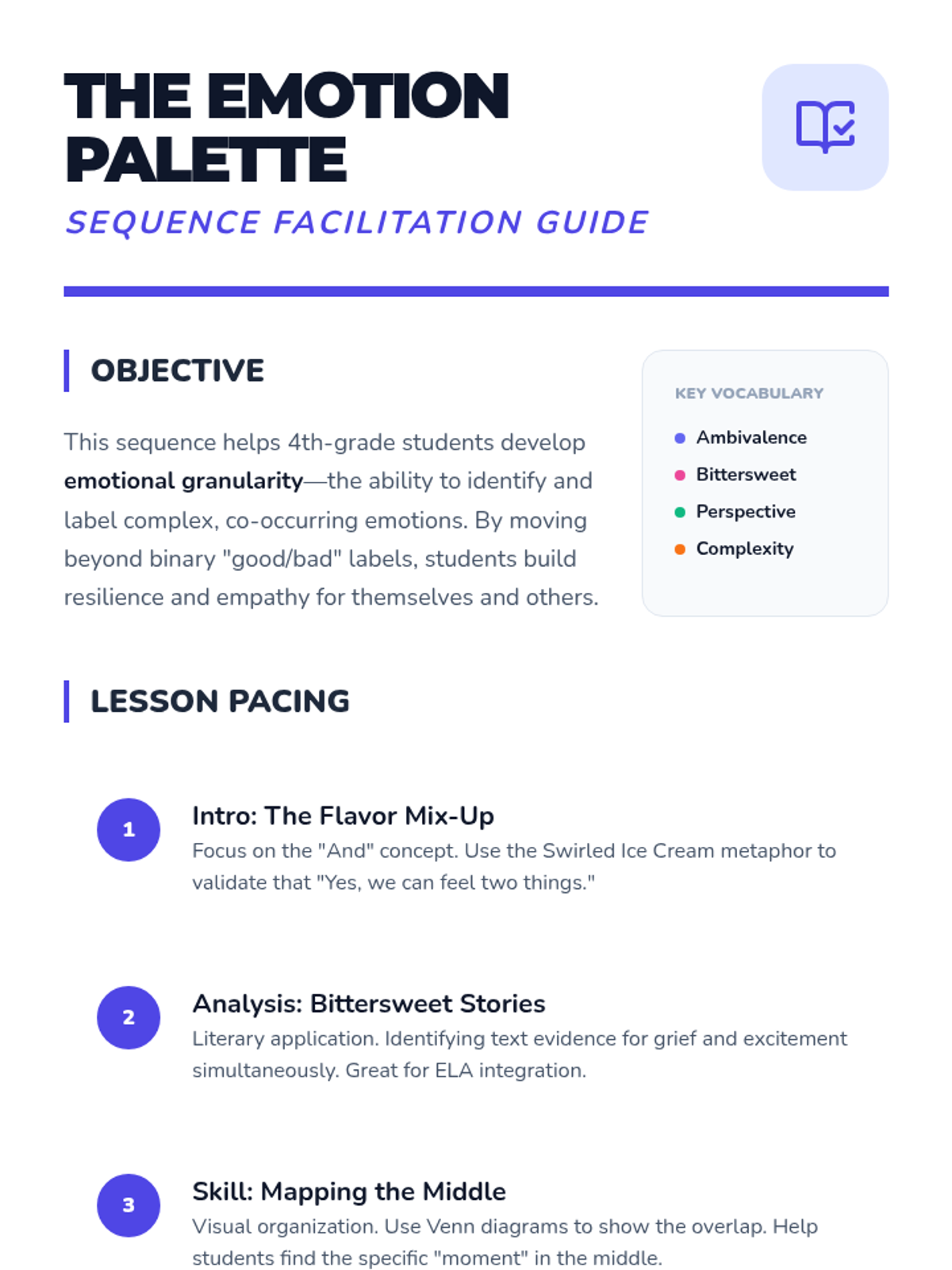
A sequence for 4th graders to explore the complexity of mixed emotions and ambivalence, moving beyond single-emotion labeling to understand how opposite feelings can coexist. Students use metaphors like color mixing and Venn diagrams to analyze 'bittersweet' moments and conflicting perspectives.
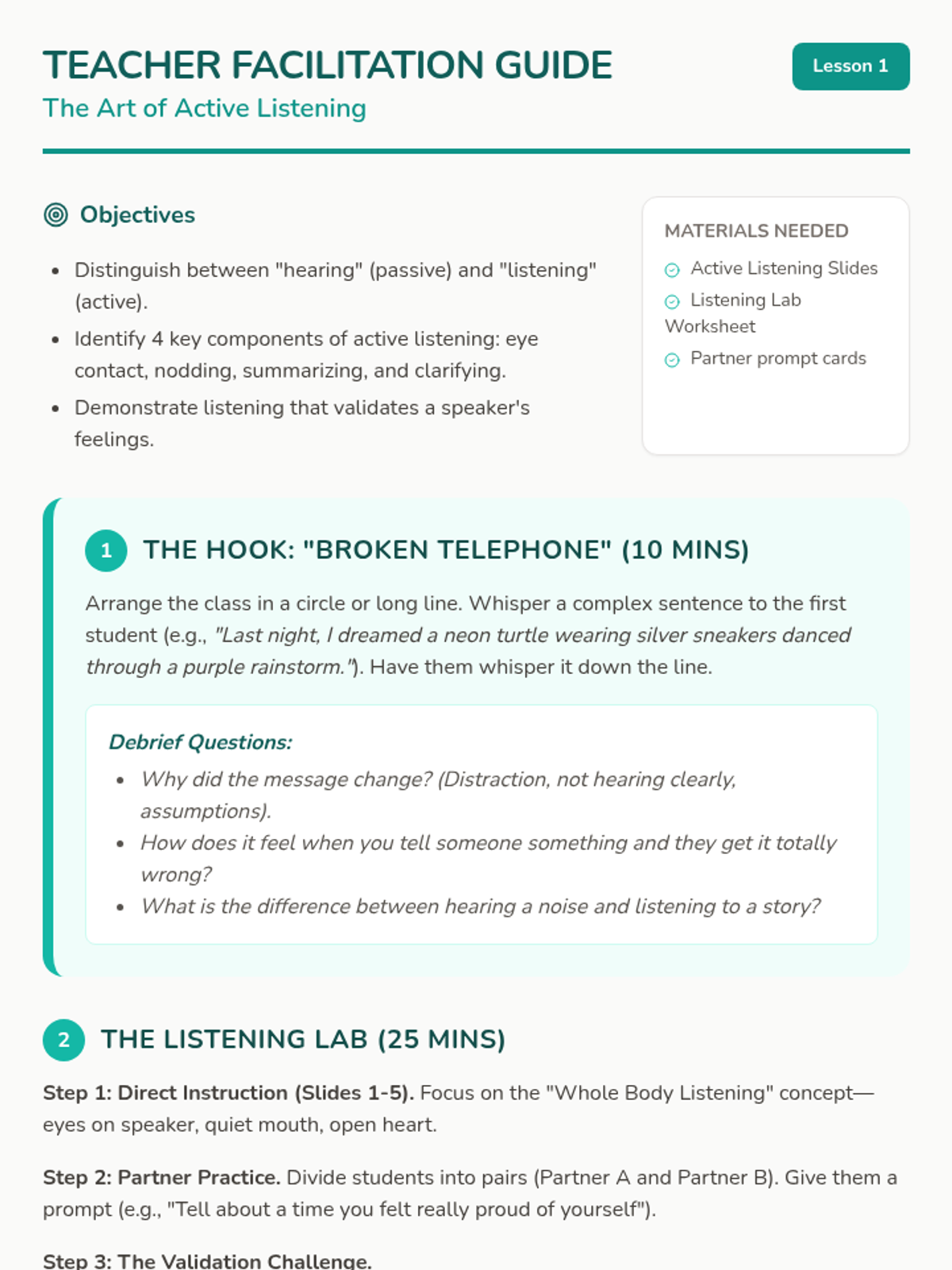
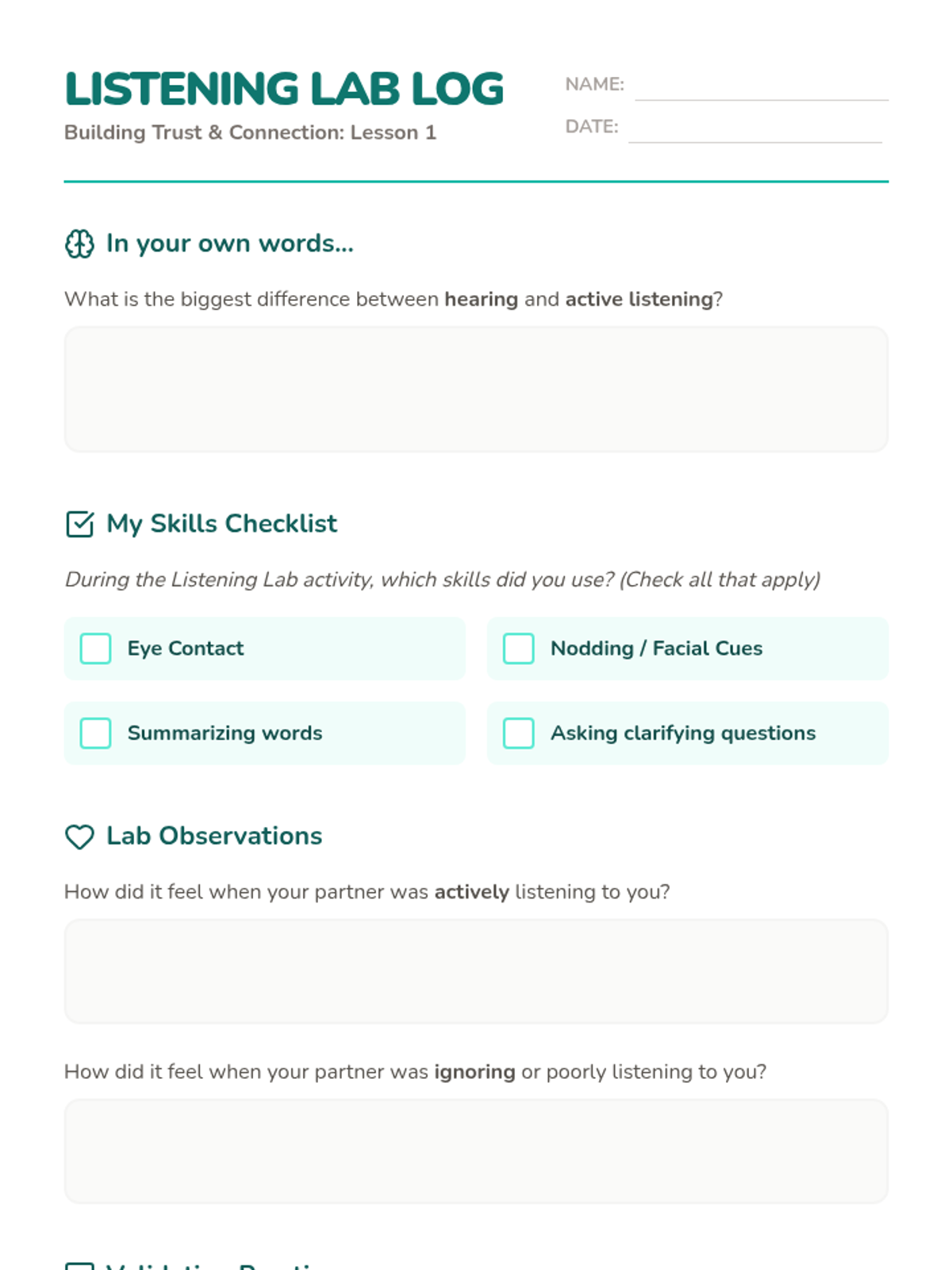
This sequence focuses on interpersonal skills to establish trust and psychological safety. Students master active listening, non-verbal cues, empathy, and conflict resolution, culminating in a community circle.
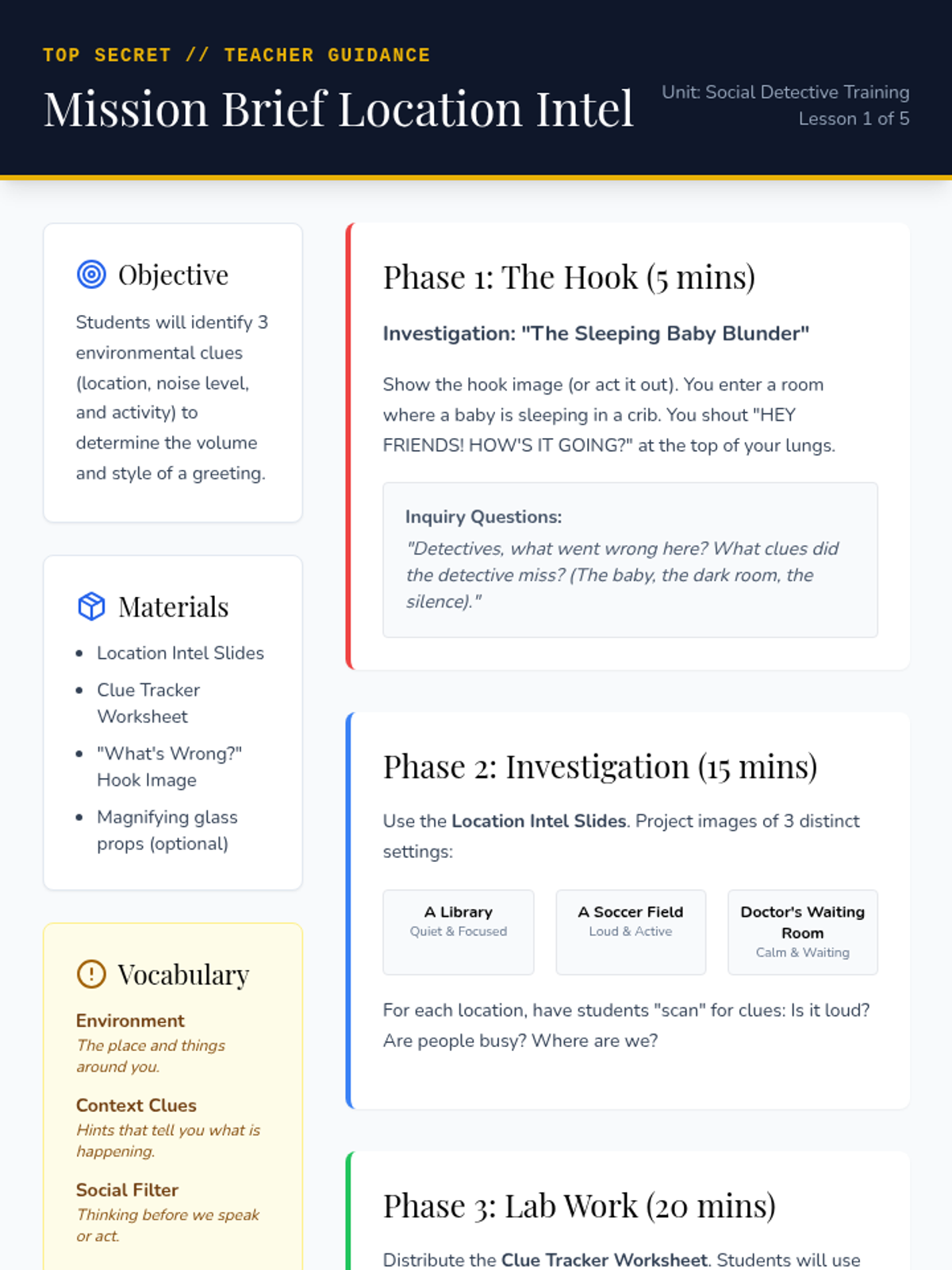
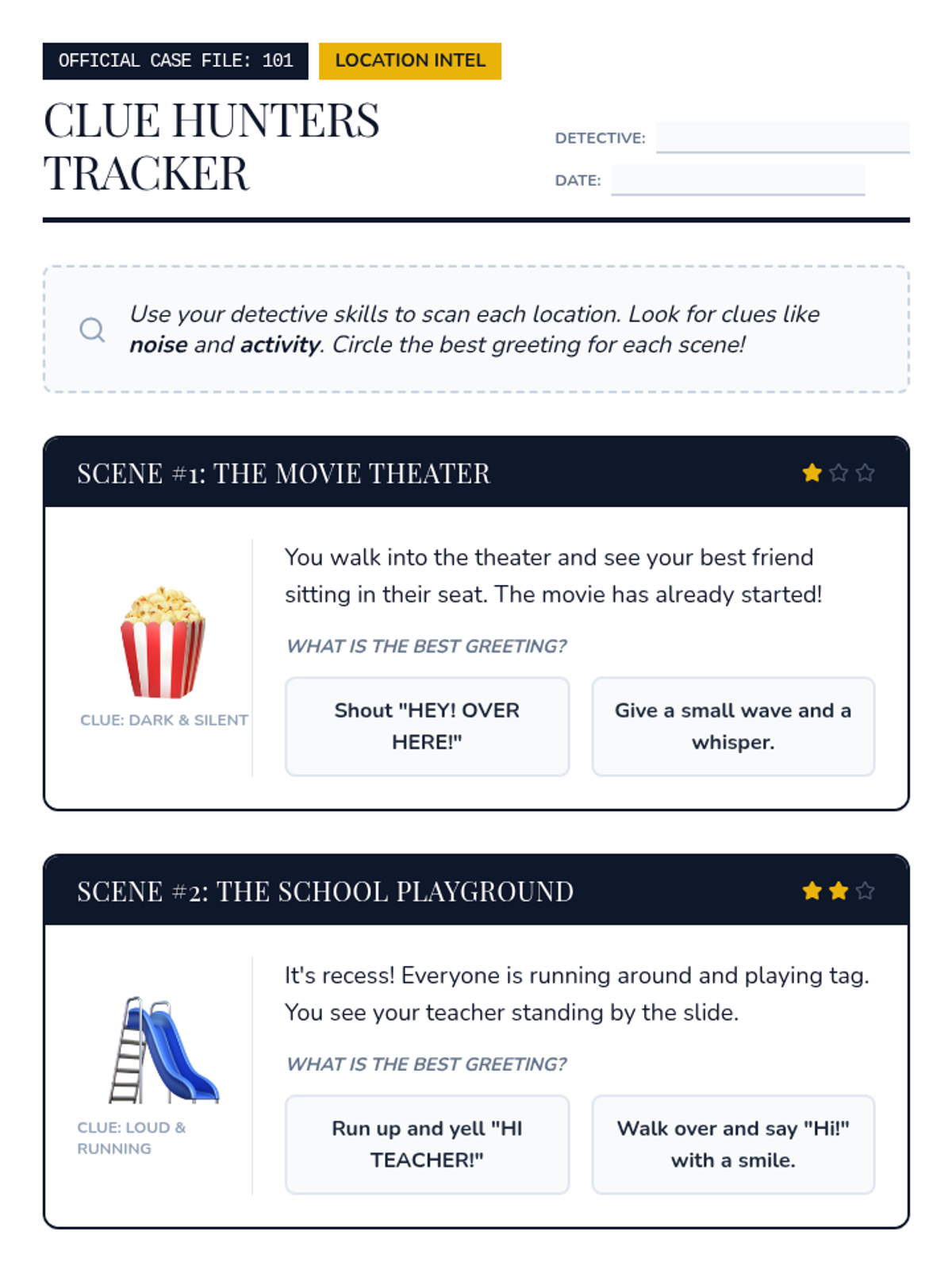
A 5-lesson sequence for 4th Grade students to develop social communication skills by analyzing context clues for greetings. Students act as 'Social Detectives' to investigate environmental markers, timing, and facial expressions to choose appropriate greetings.
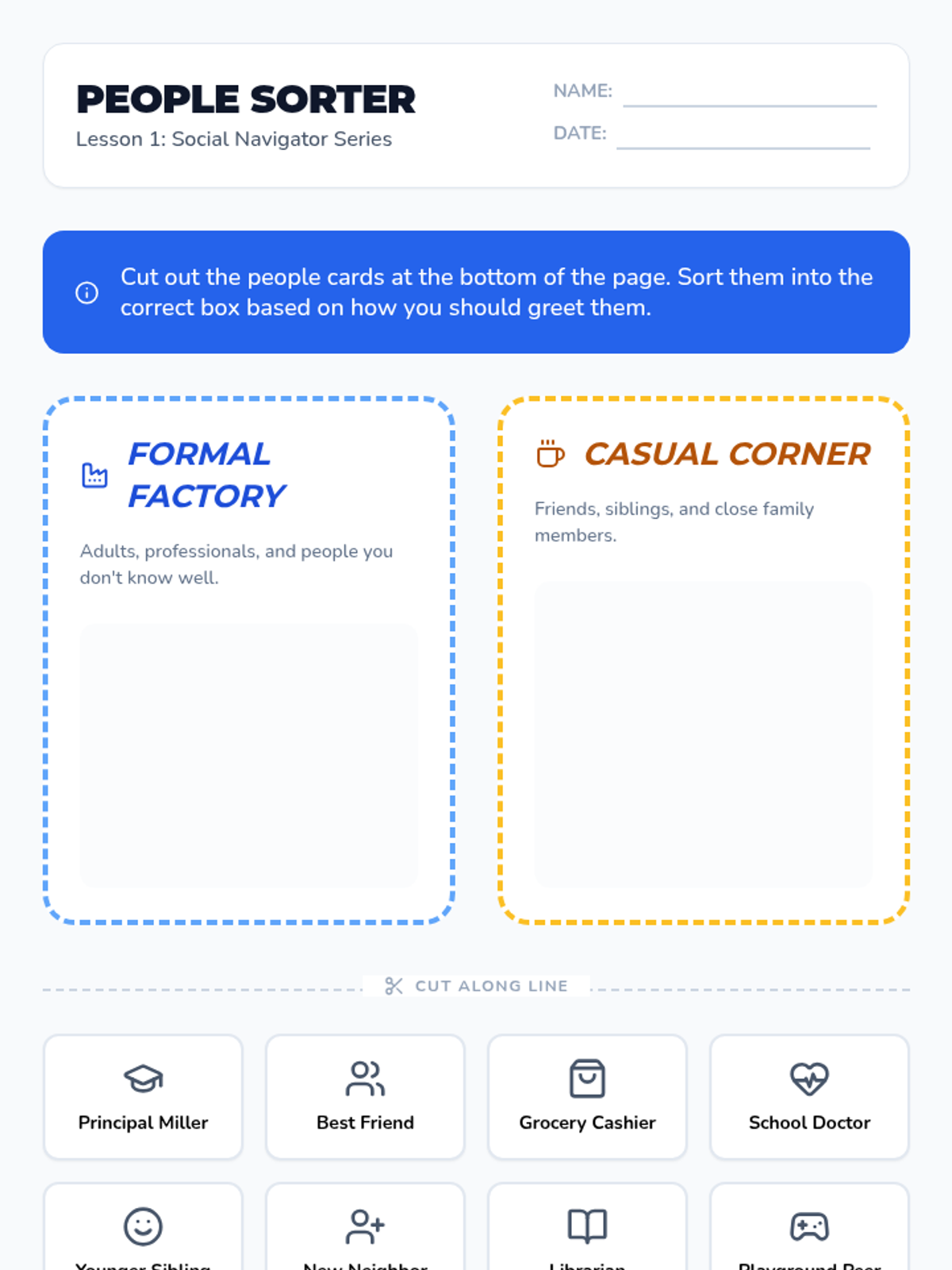
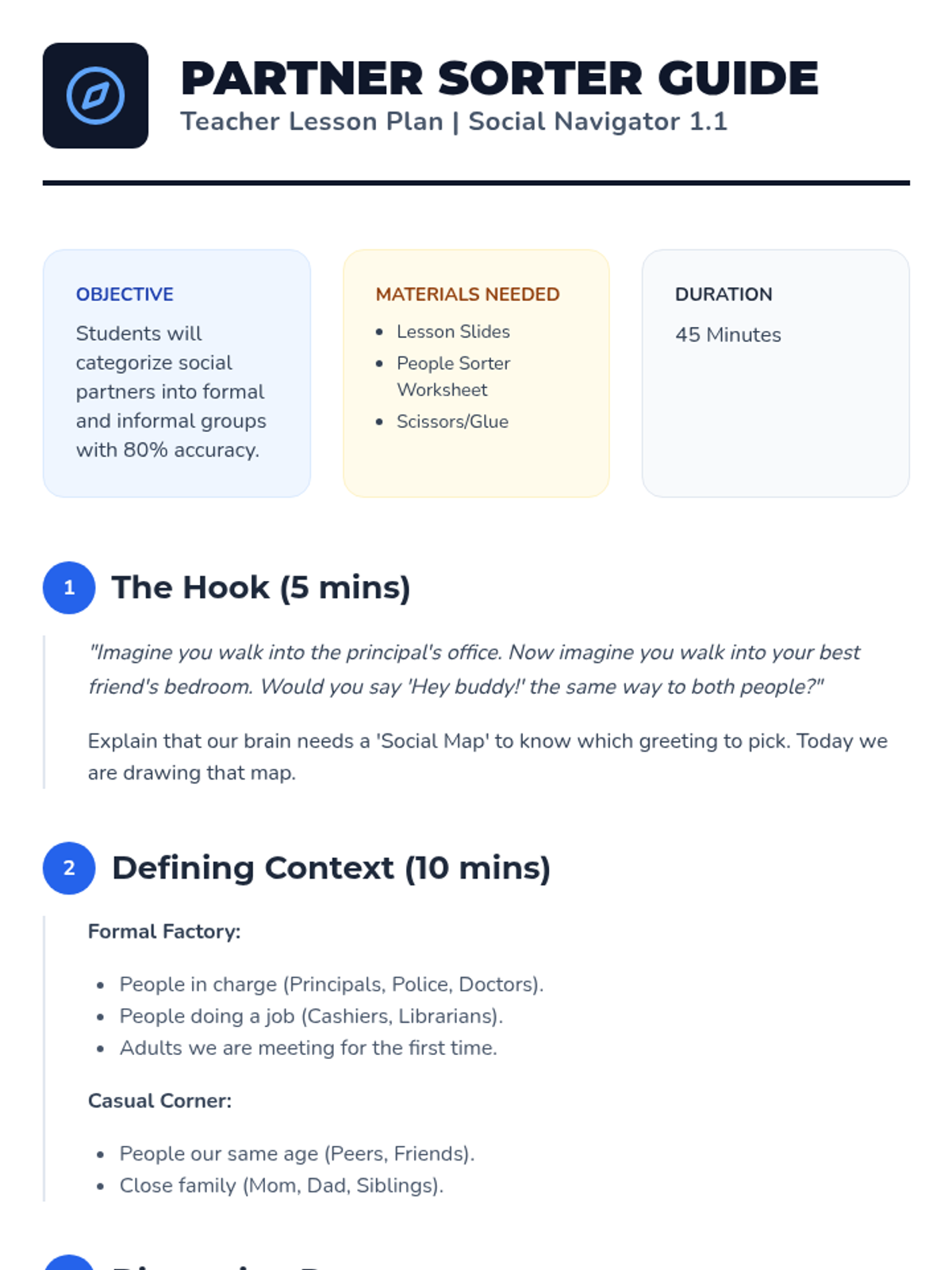
A 5-lesson sequence for 4th-grade students focusing on social communication. Students learn to distinguish between formal and informal social contexts and adapt their greetings using appropriate language, tone, and body language.
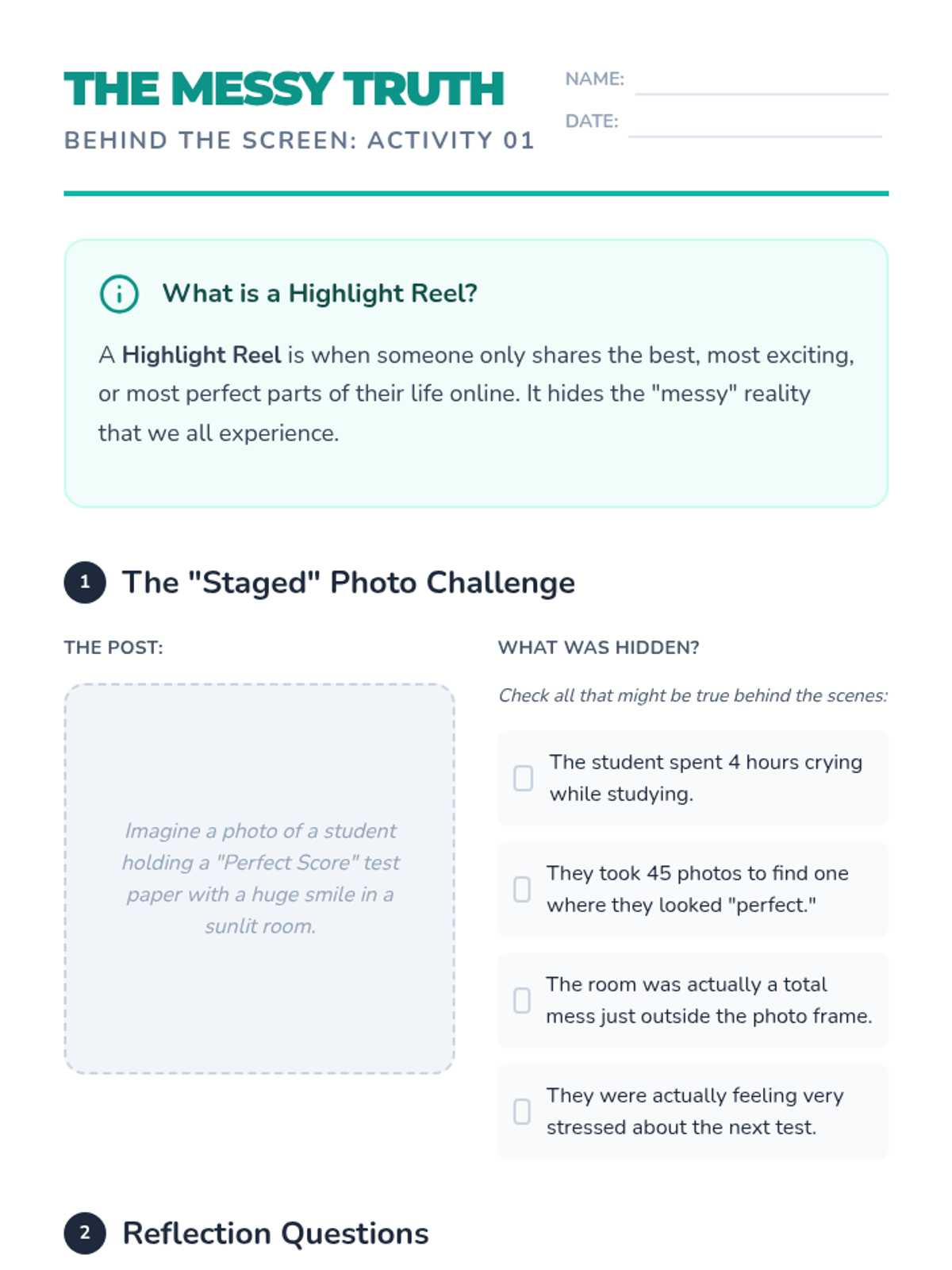
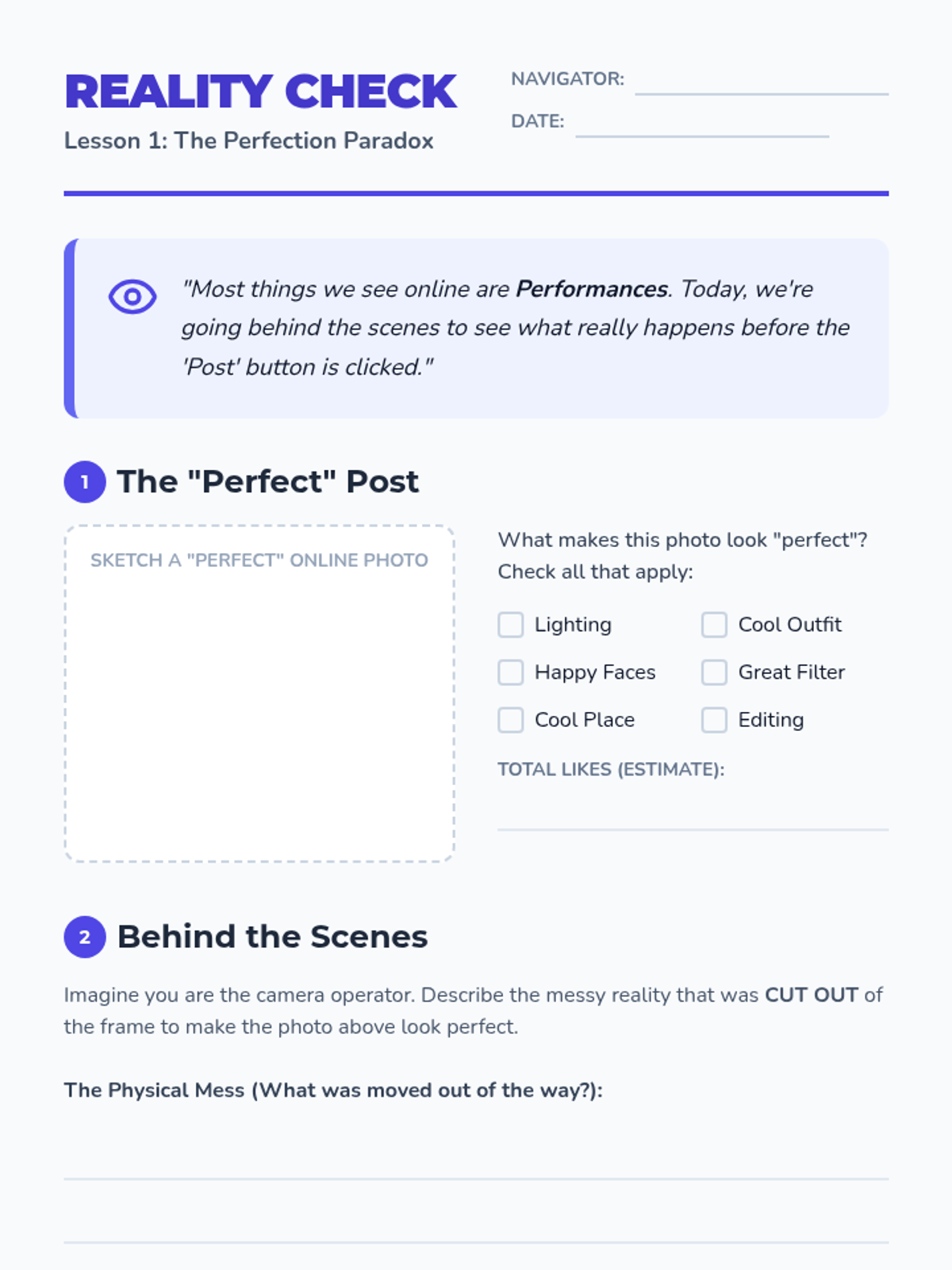
A comprehensive unit for 4th graders on media literacy, focusing on the gap between online perfection and real-life messy reality. Students develop critical thinking skills to navigate social media, identify digital manipulation, and foster healthy digital habits.
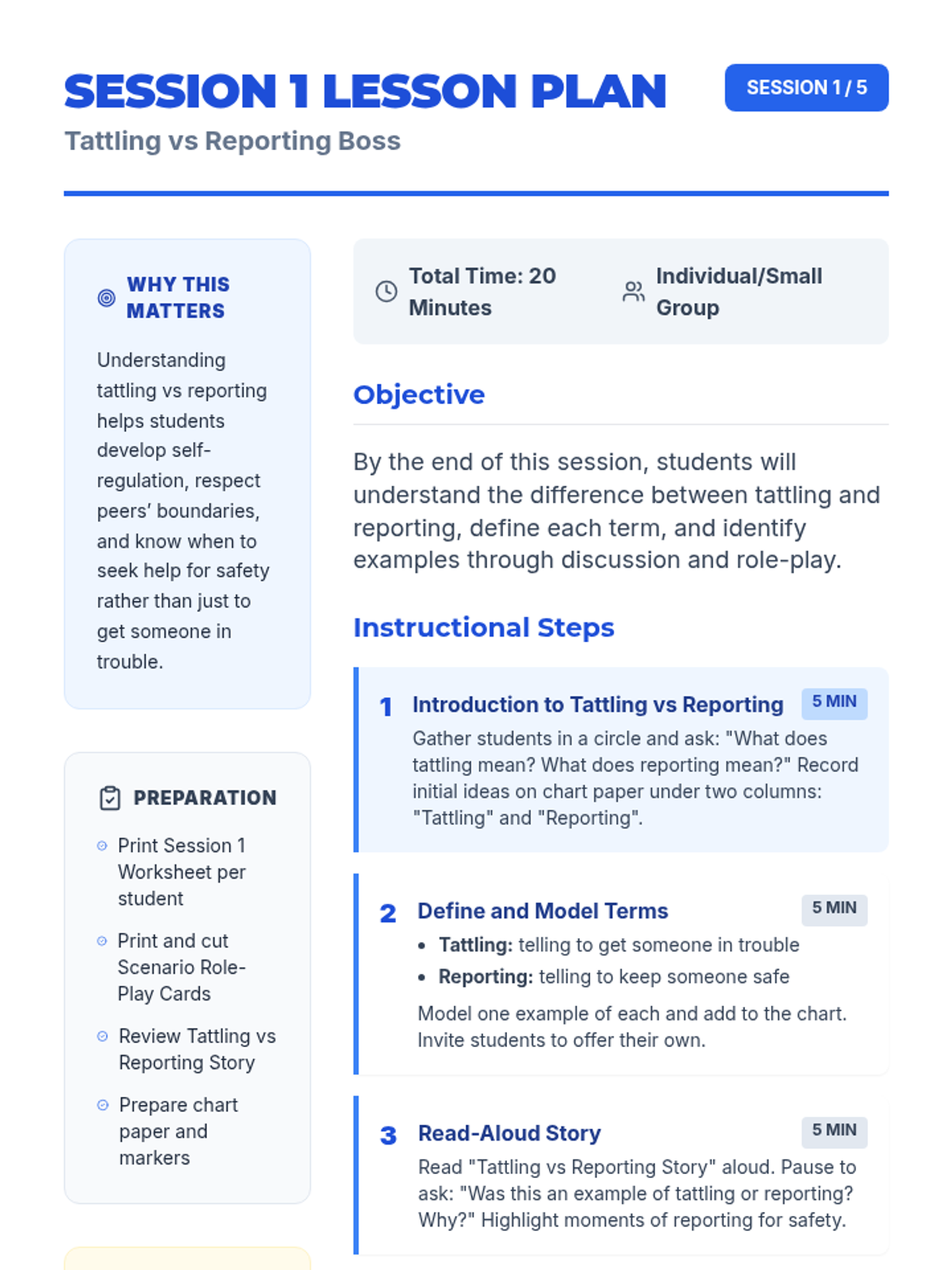
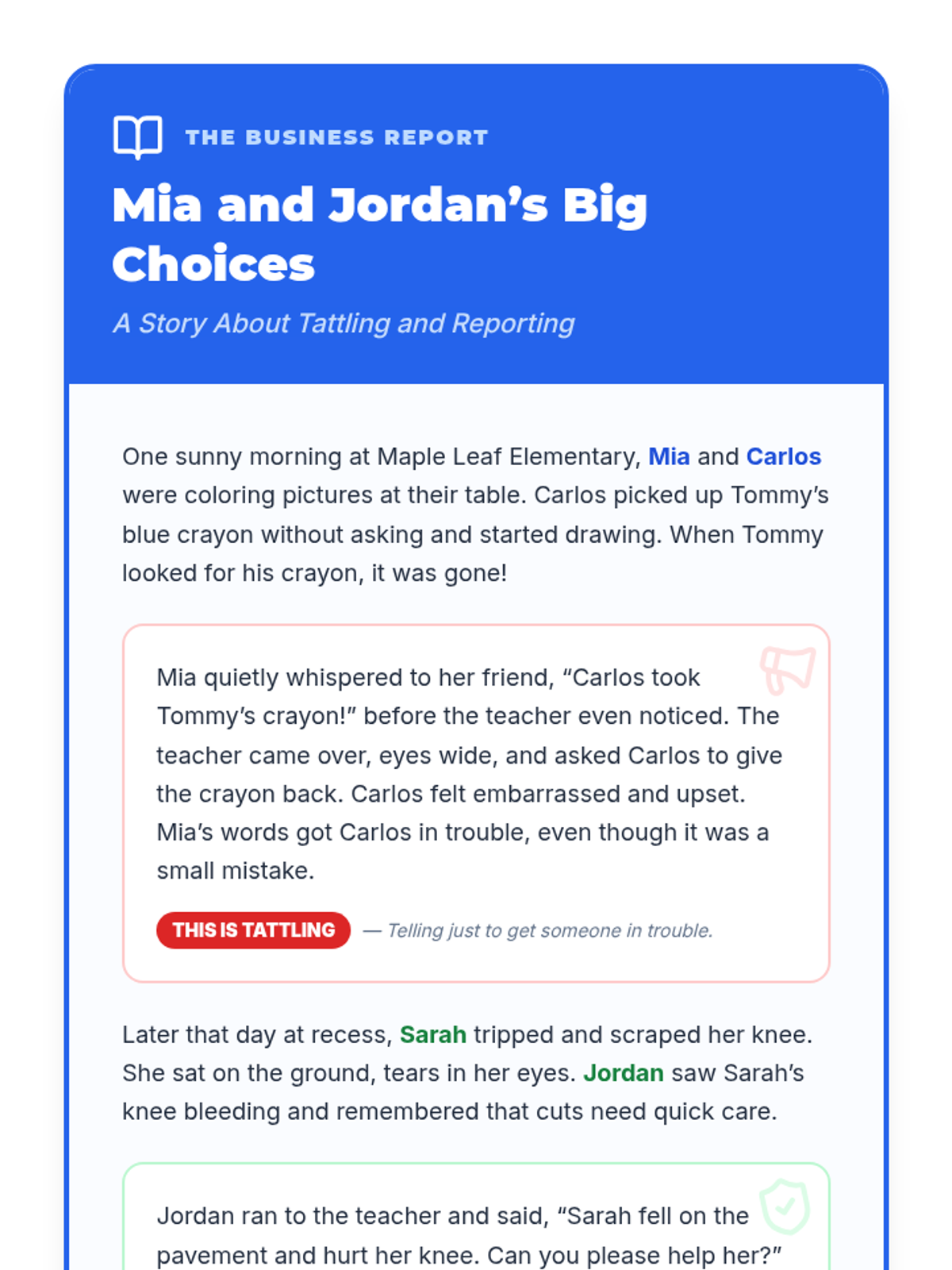
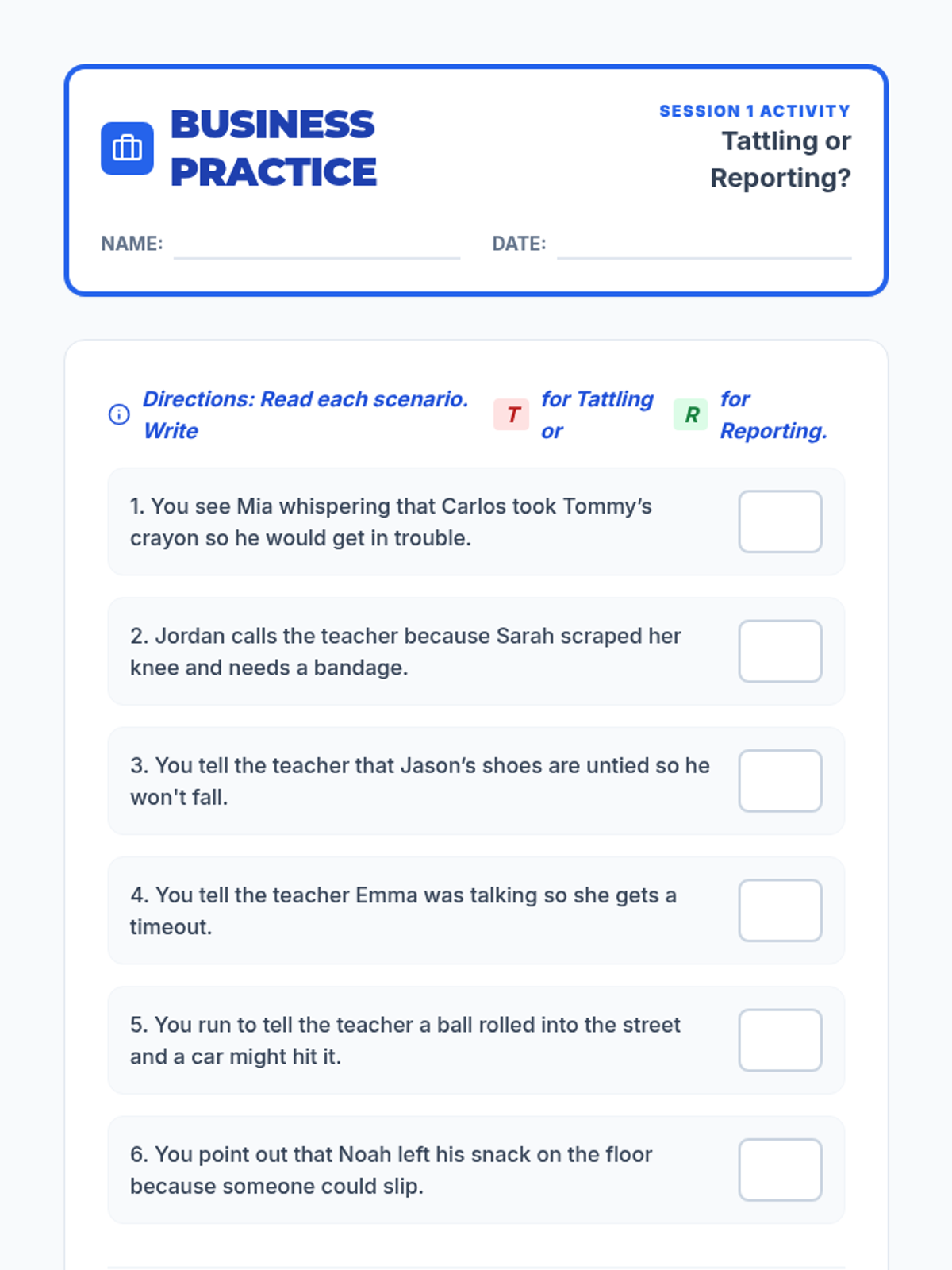
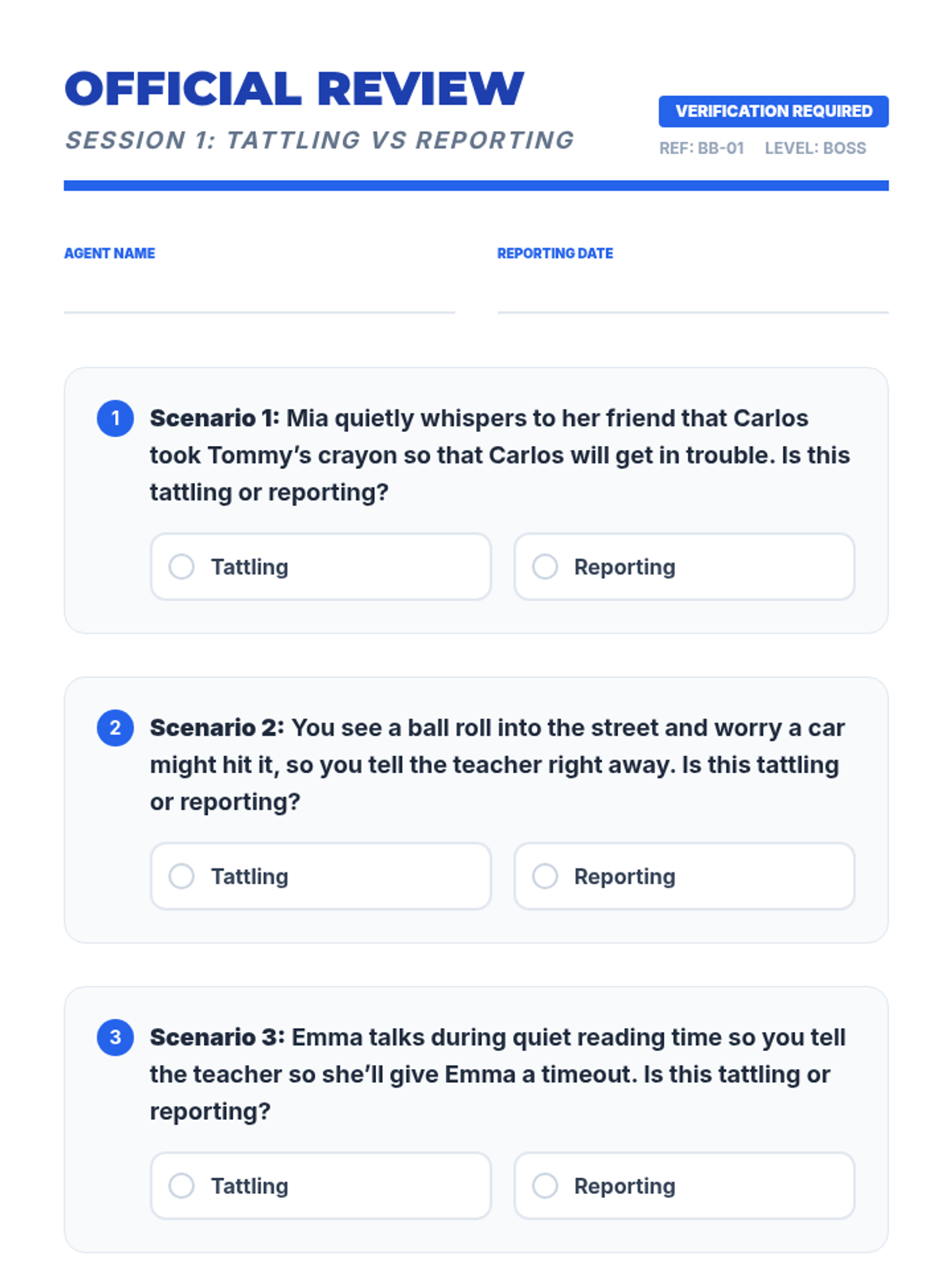
A 5-session individual intervention designed for students to develop self-regulation, distinguish between tattling and reporting, and respect peer boundaries. Students learn to 'mind their own business' through interactive stories, role-plays, and self-regulation tools.
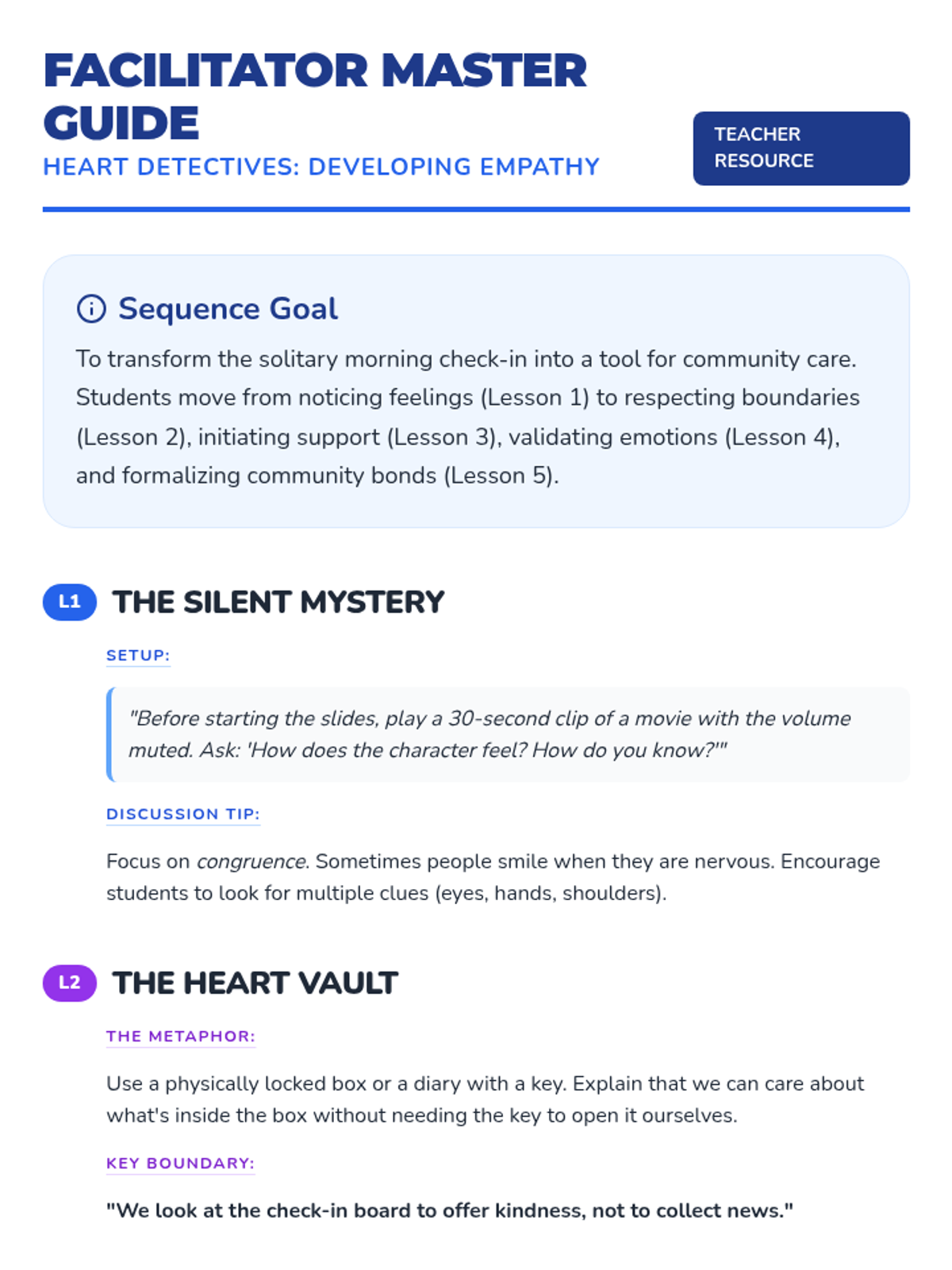
Students learn to observe non-verbal cues, respect privacy, offer support, and practice active listening to transform daily check-ins into a community-building tool. This sequence fosters empathy and a supportive classroom culture through practical social-emotional skills.
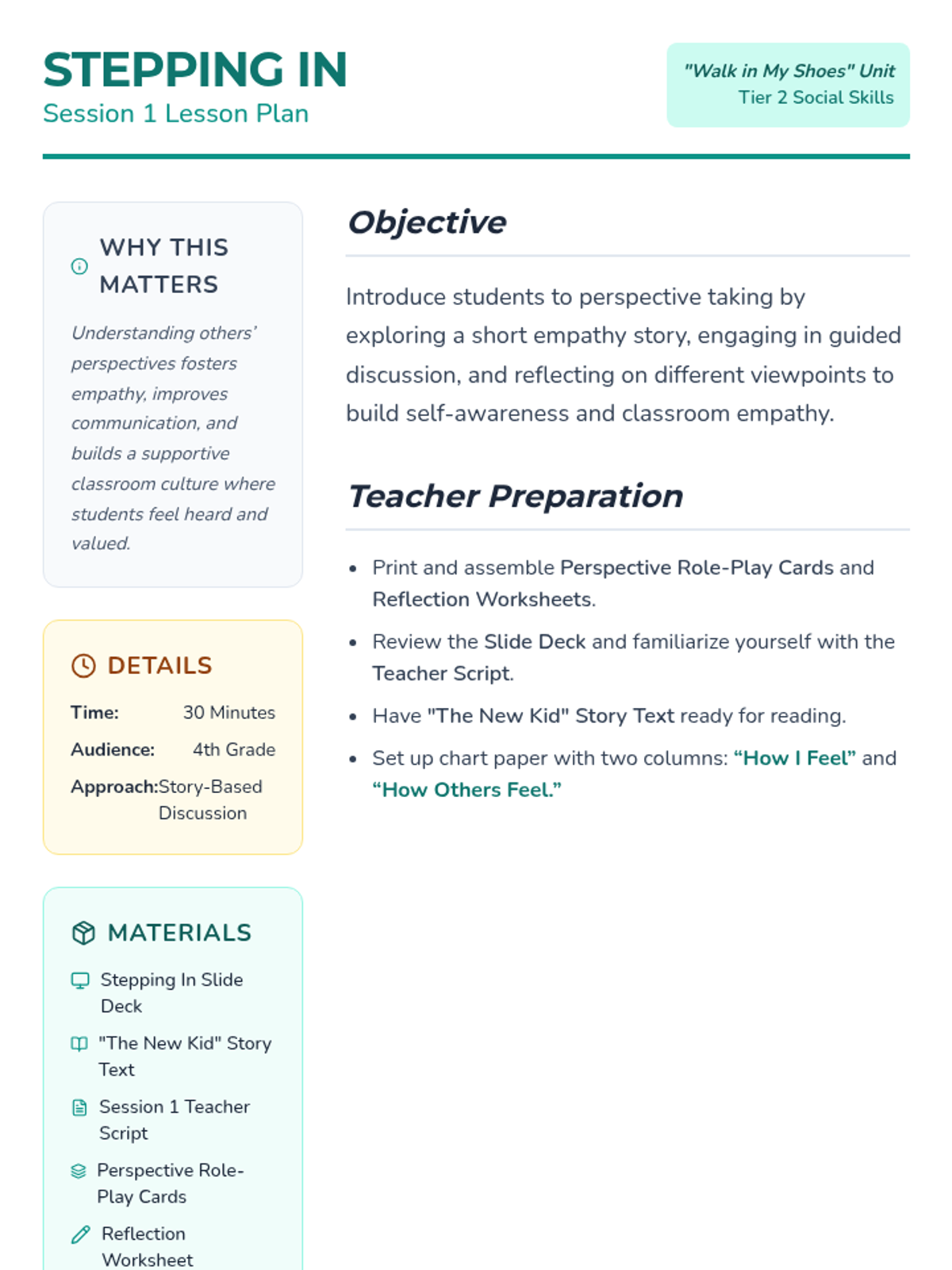
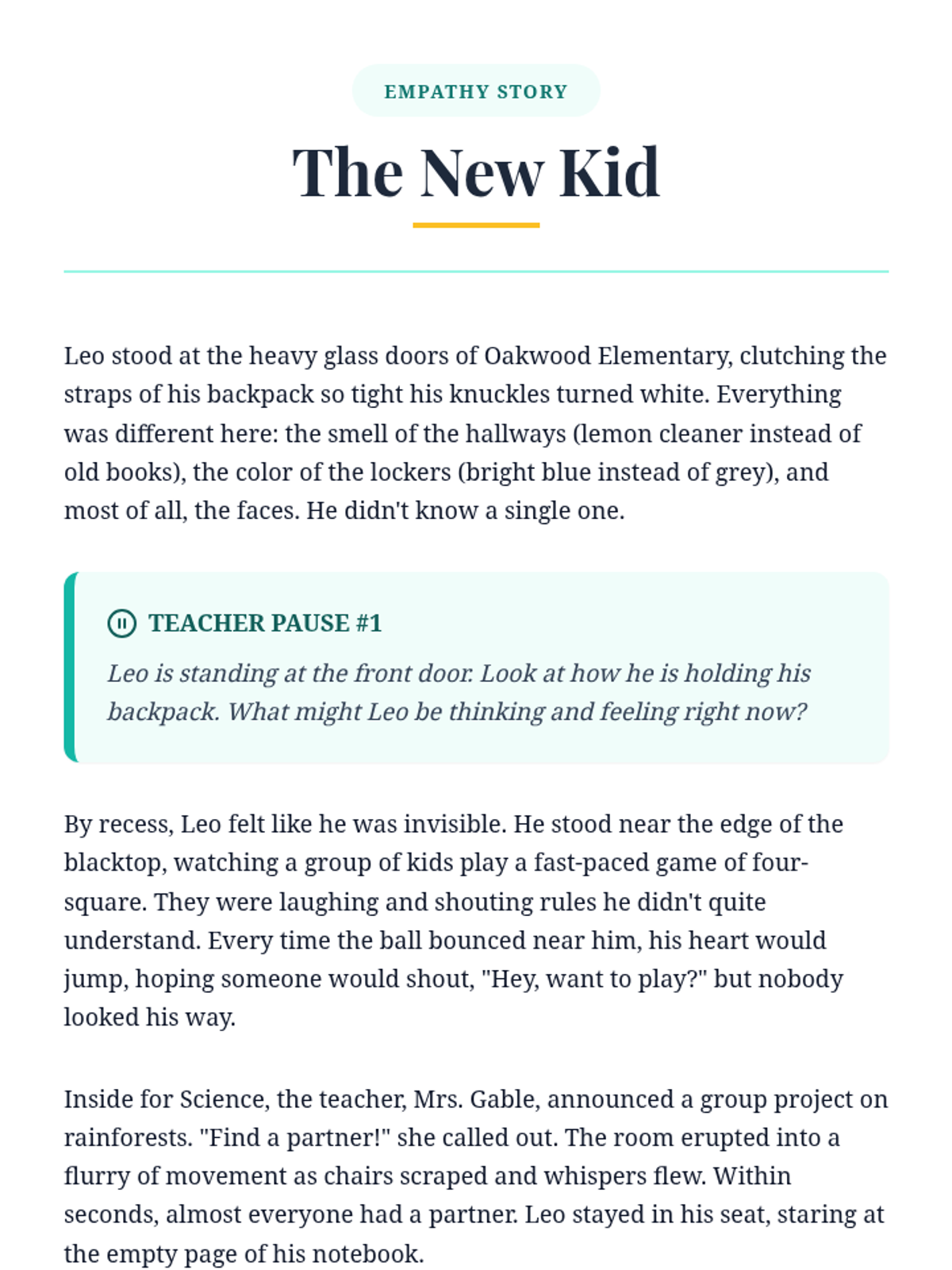
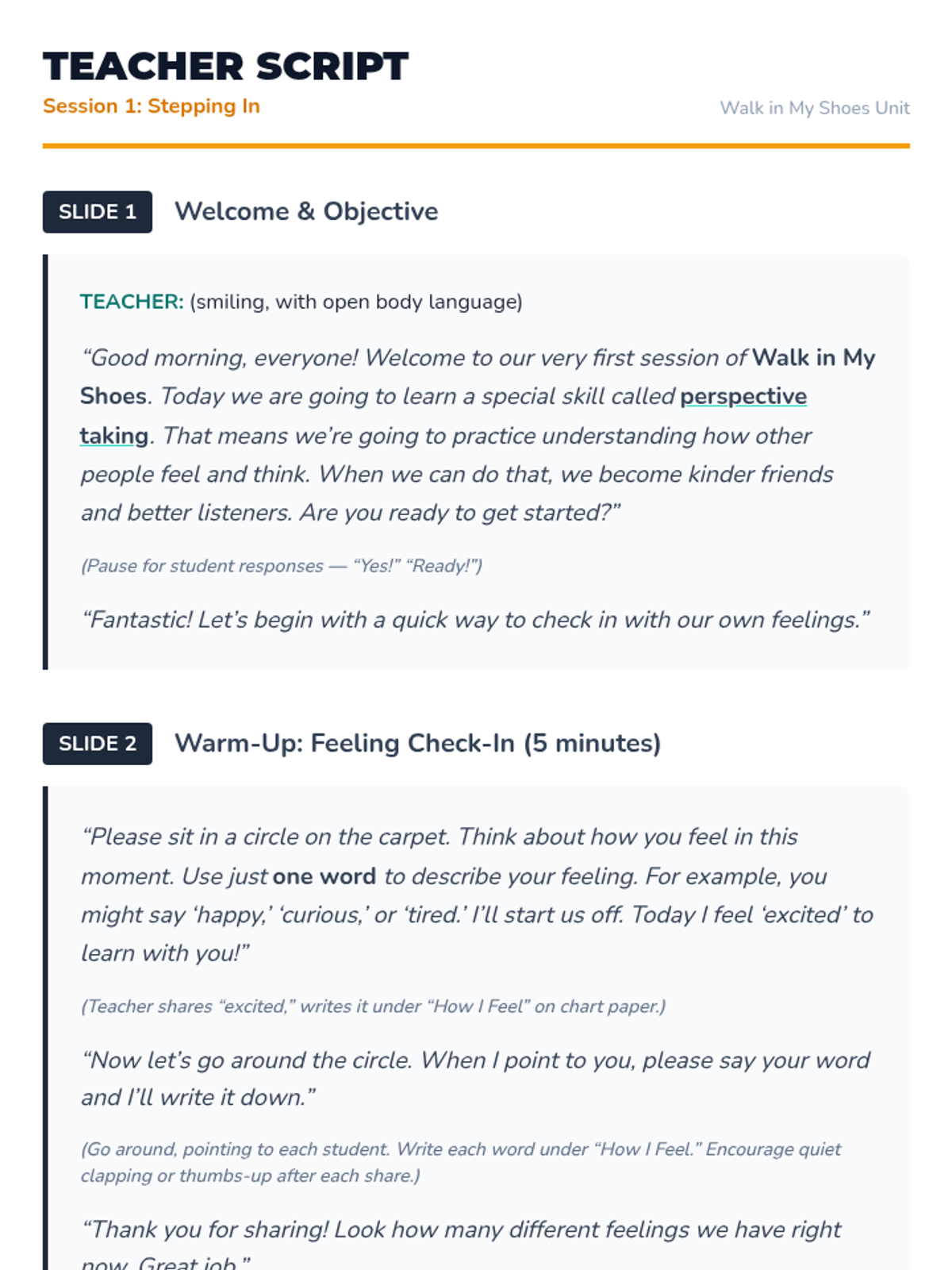
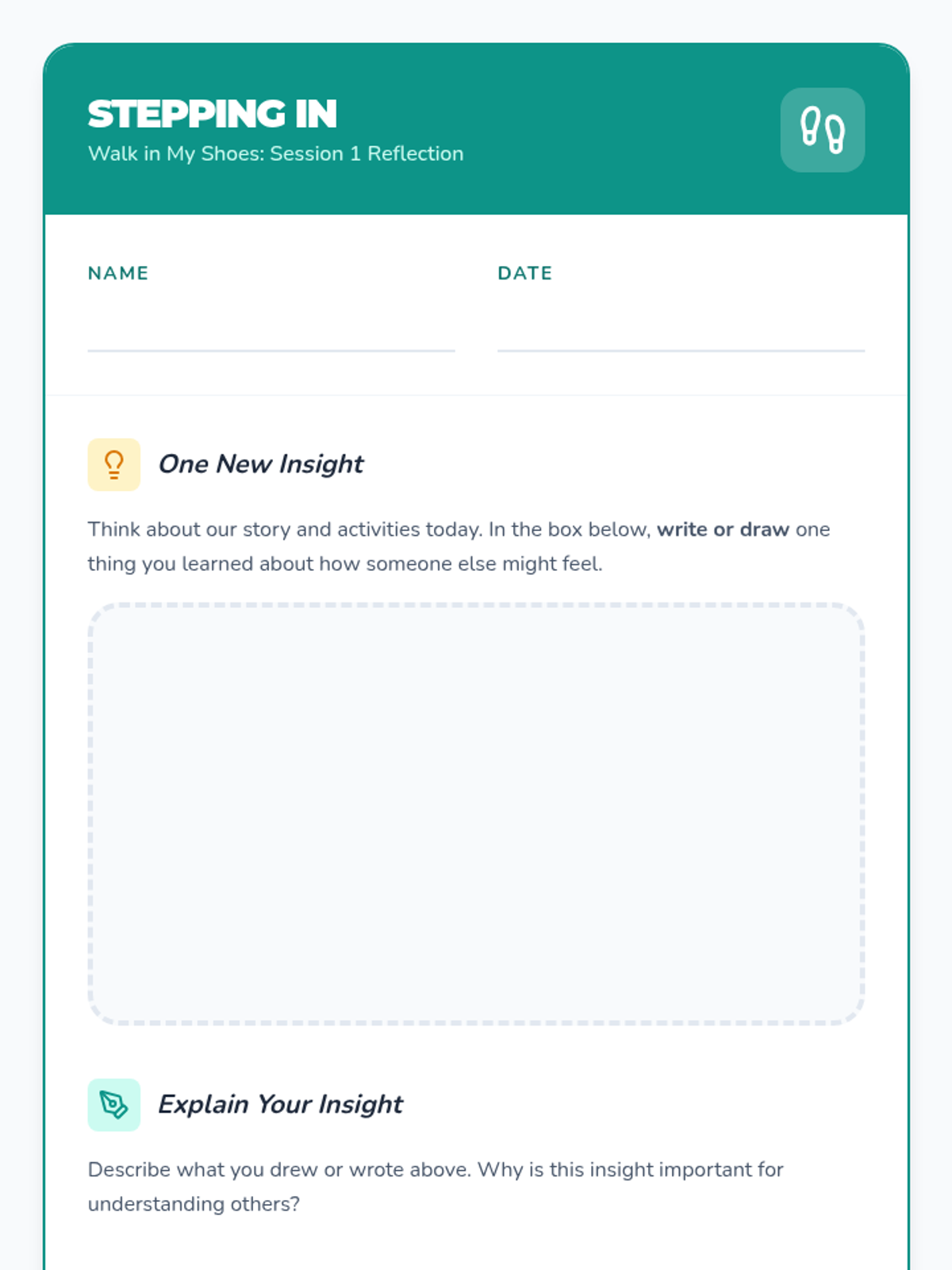
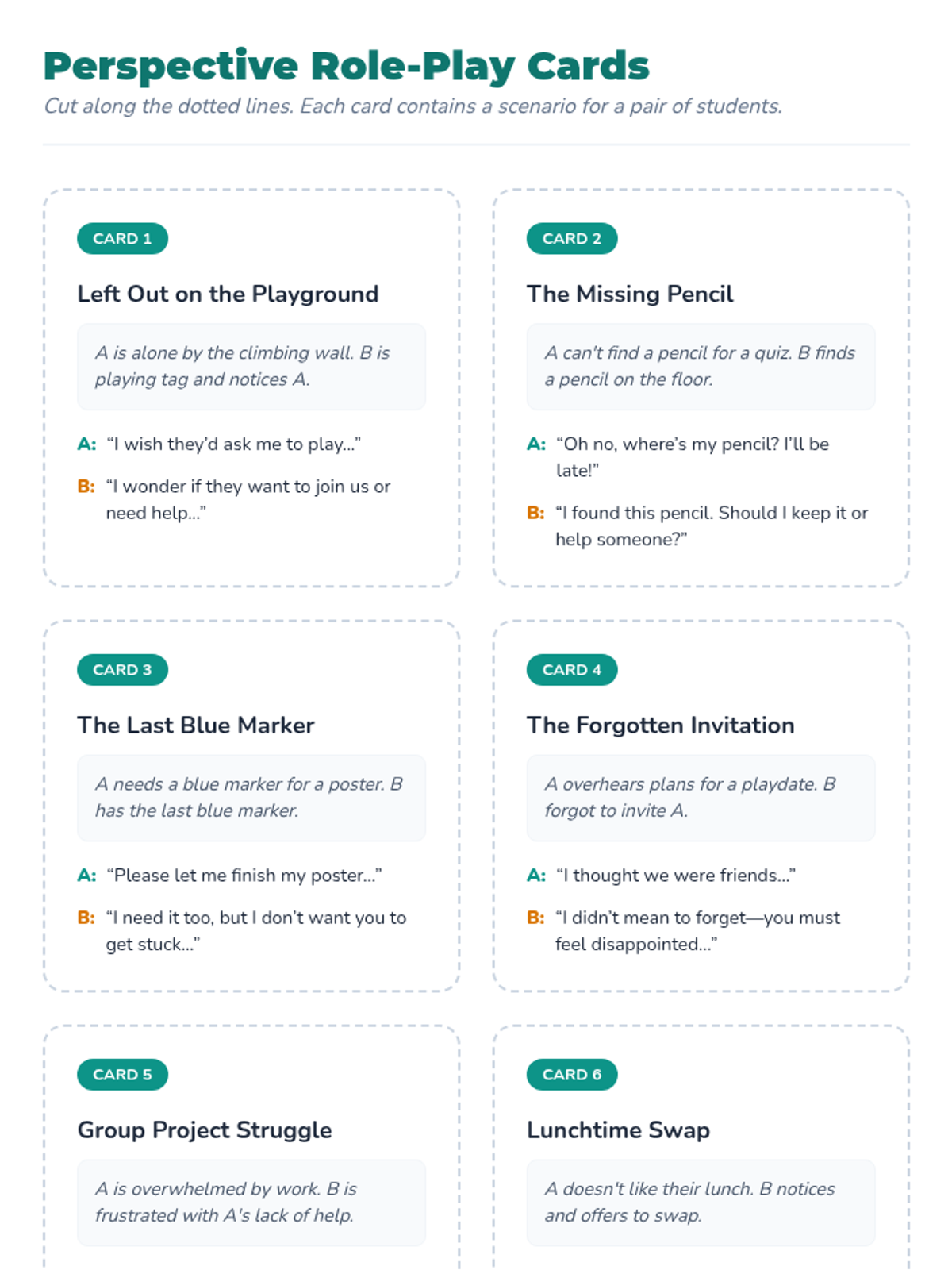
A 6-session unit for fourth graders focused on perspective taking and empathy through stories, role-plays, and reflections to build a kinder classroom community.
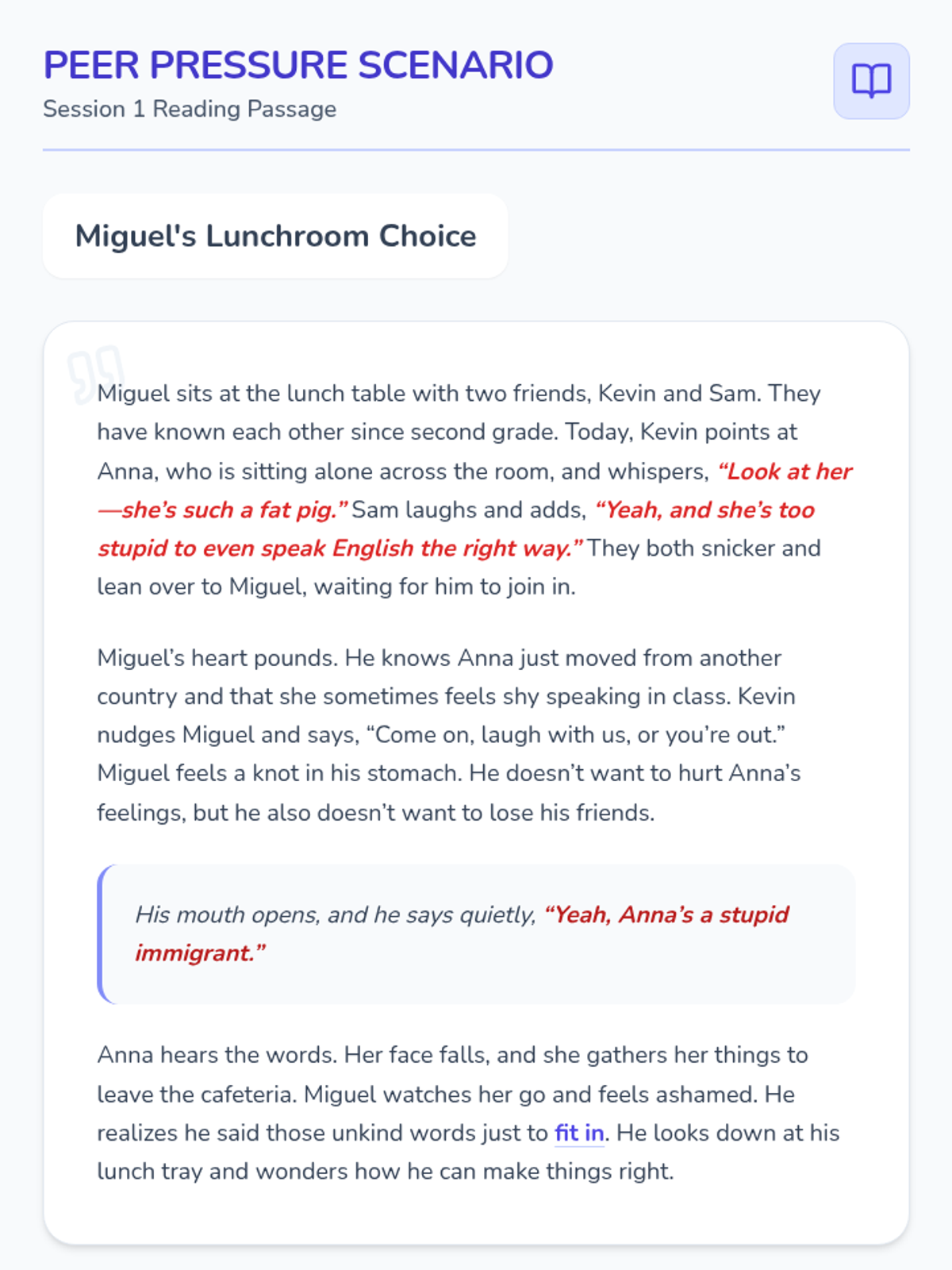
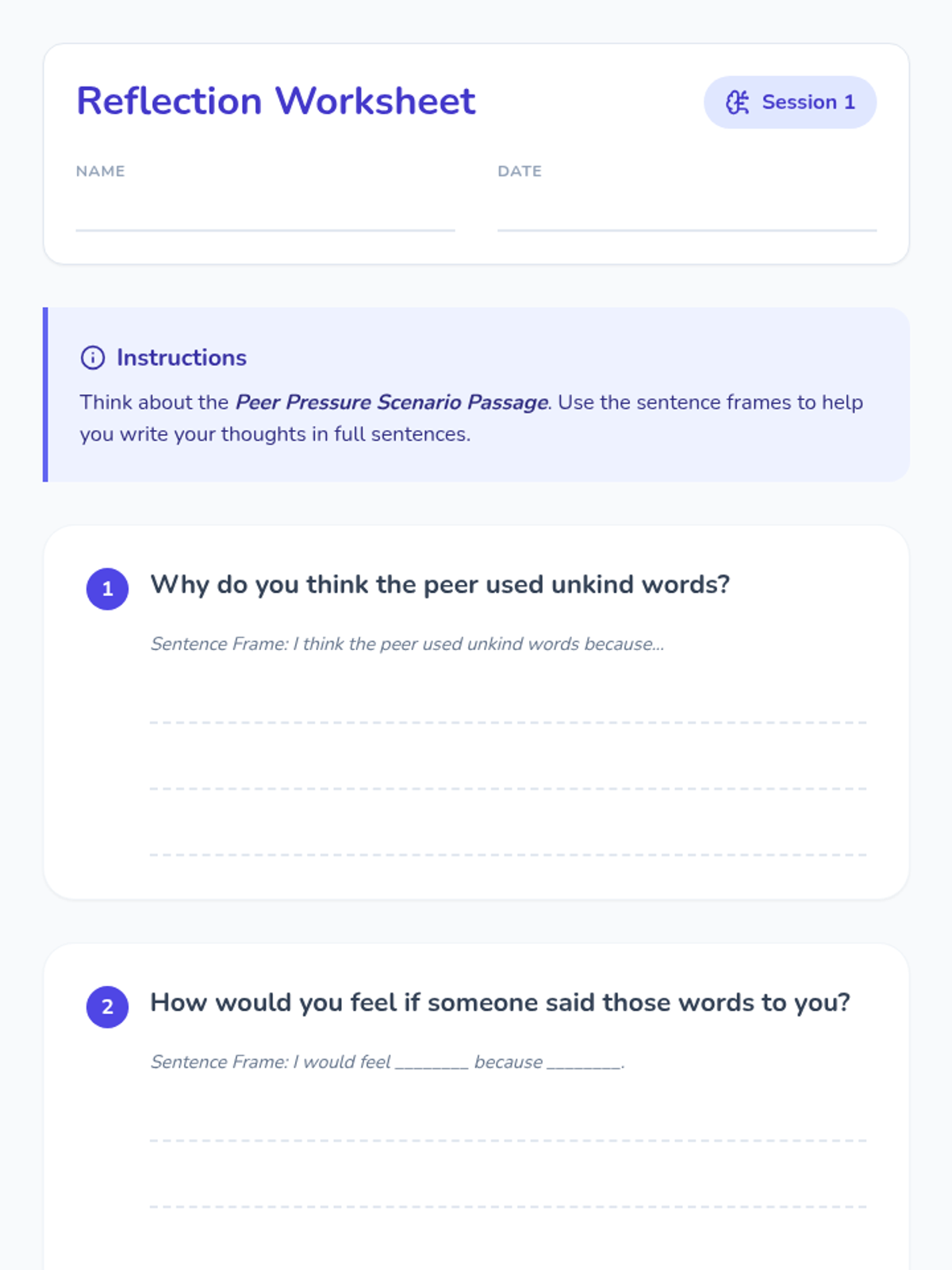
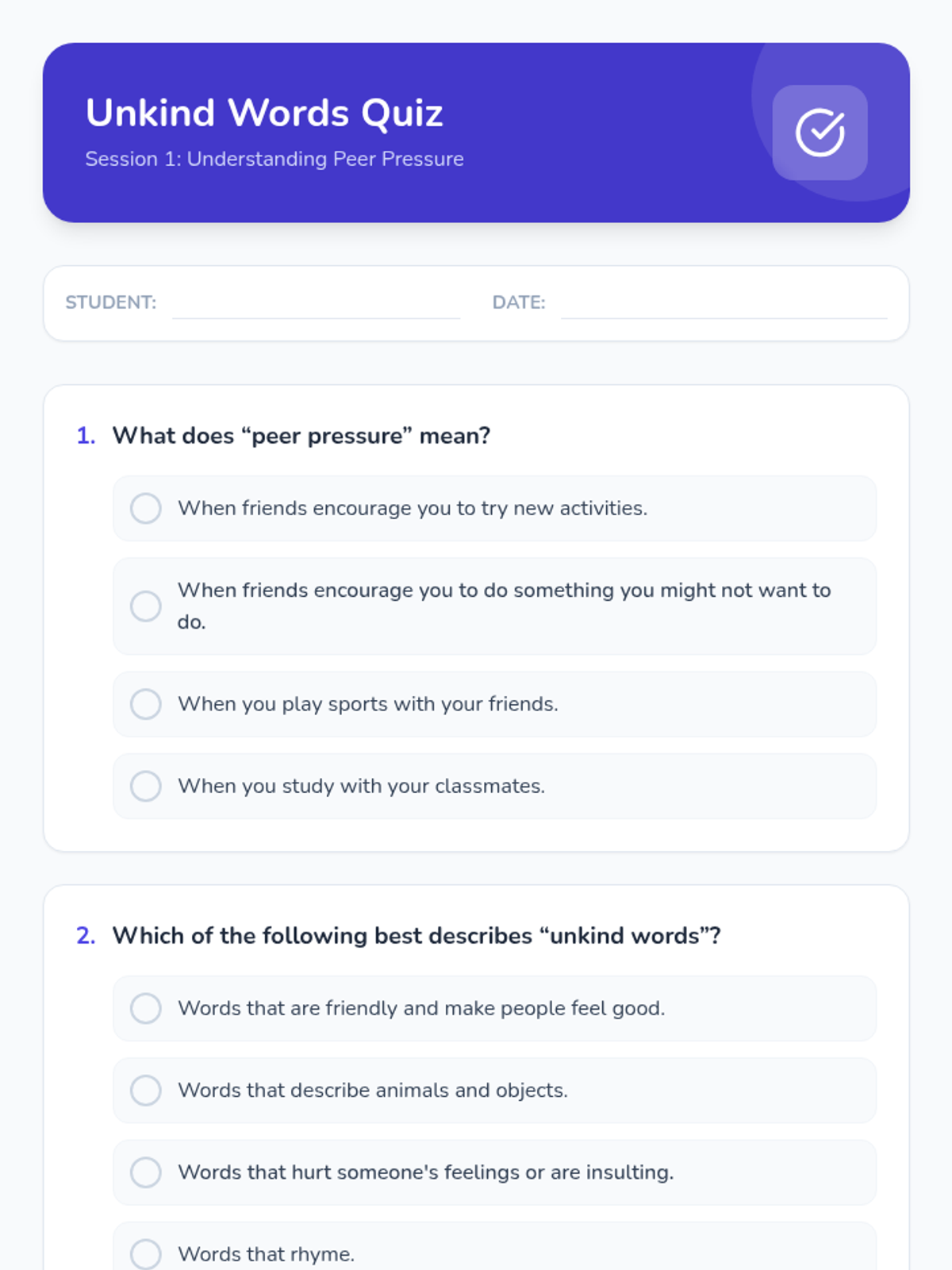
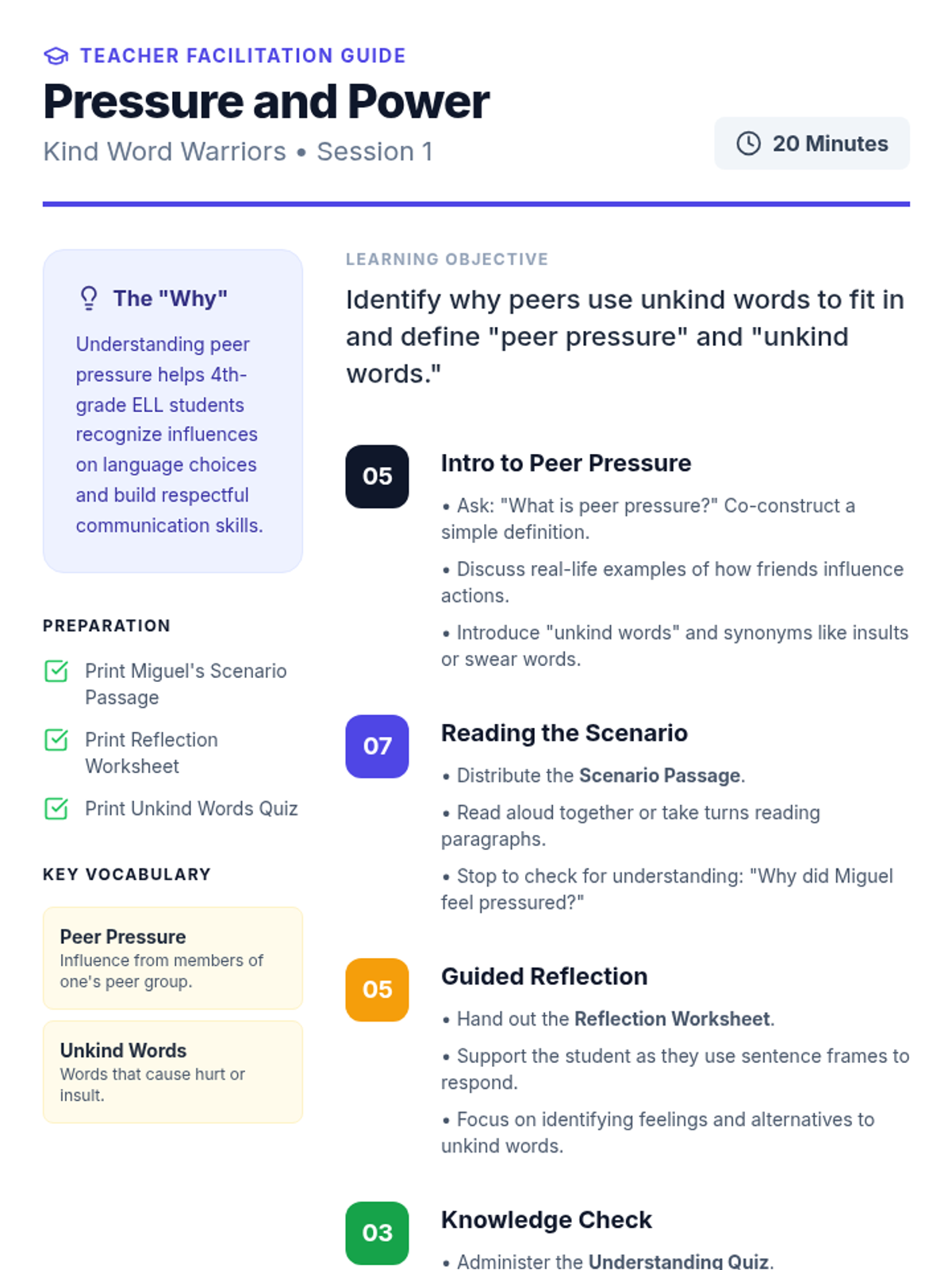
A three-session Tier 3 intervention for 4th-grade ELL students focused on identifying peer pressure, building empathy, and practicing positive communication. Students explore the impact of unkind words and learn to choose respectful alternatives.
Students develop critical media literacy skills by deconstructing advertisements to understand how companies influence consumer behavior. They learn to identify common advertising techniques, understand target demographics, and recognize visual staging tactics used to manipulate consumer perception.
This sequence guides 4th-grade students through the emotional dimensions of peer support, moving from identifying complex emotions to practicing non-judgmental validation and inclusive group strategies. Students develop empathy skills through role-play, case studies, and a final simulation to become supportive allies in their school community.
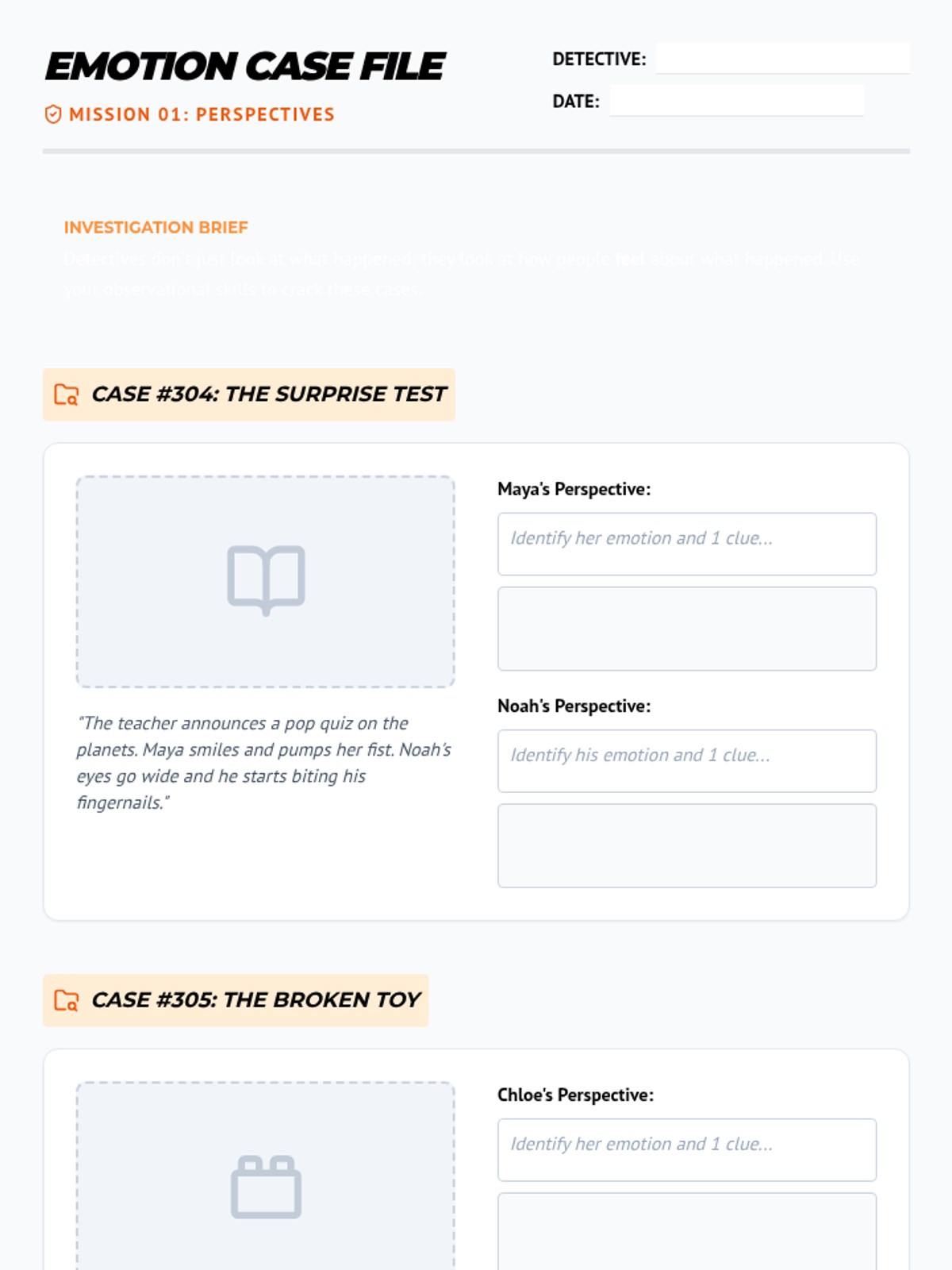
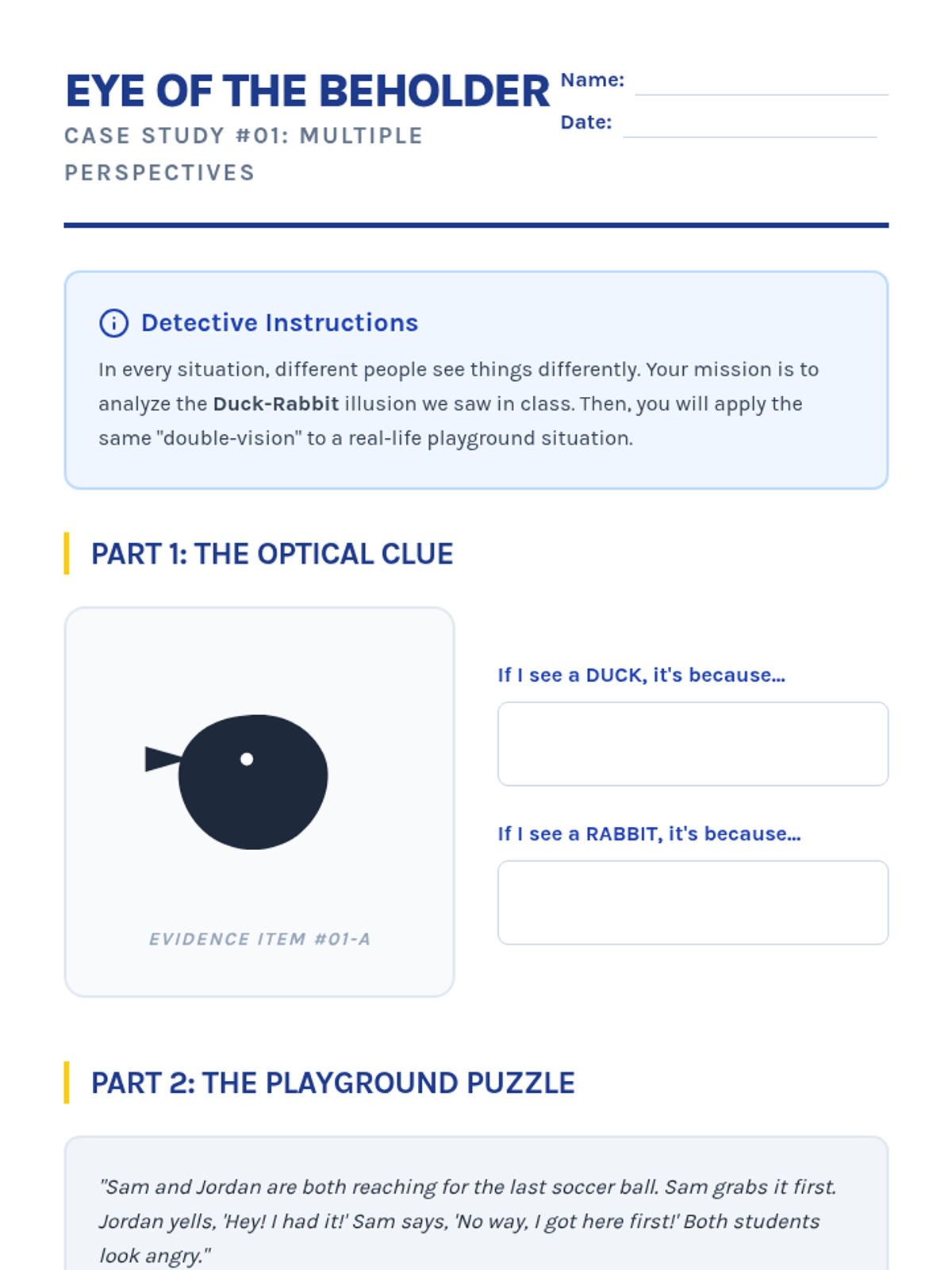
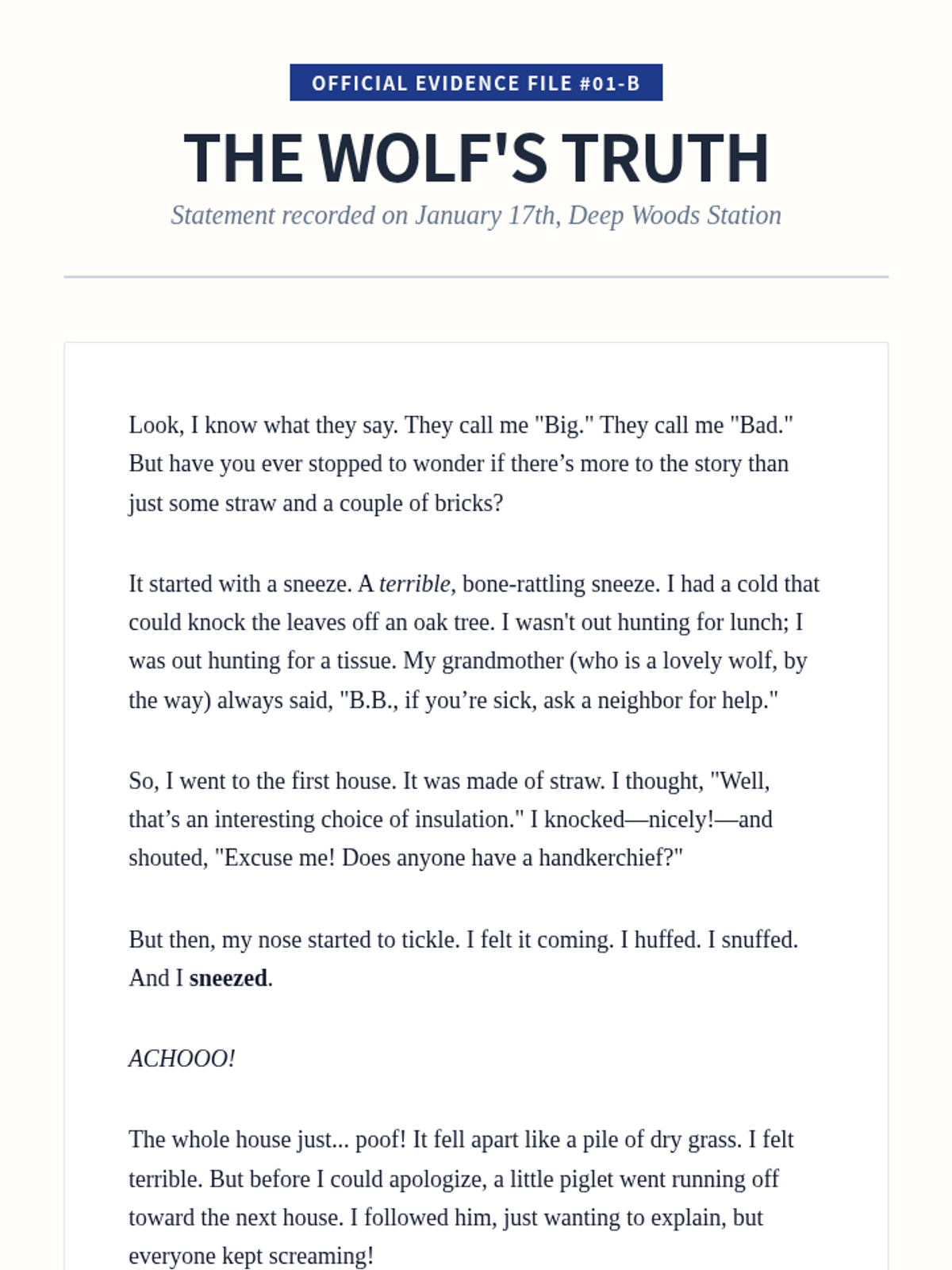
A 4th-grade social awareness unit where students learn to analyze situations from multiple viewpoints to build empathy and resolve conflicts. Using a 'Detective' theme, students investigate visual illusions, hidden motivations, personal biases, and collaborative mediation strategies.
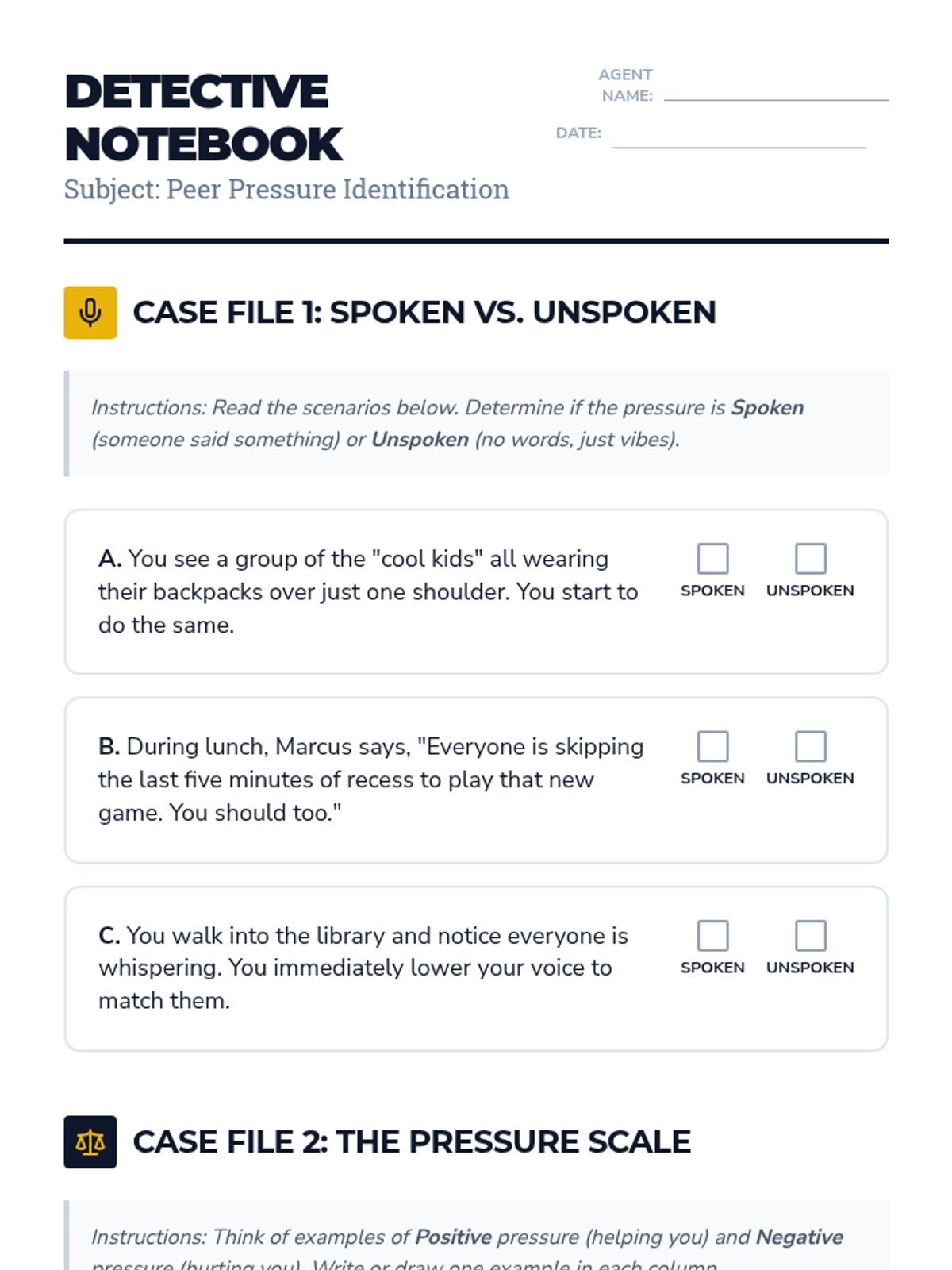
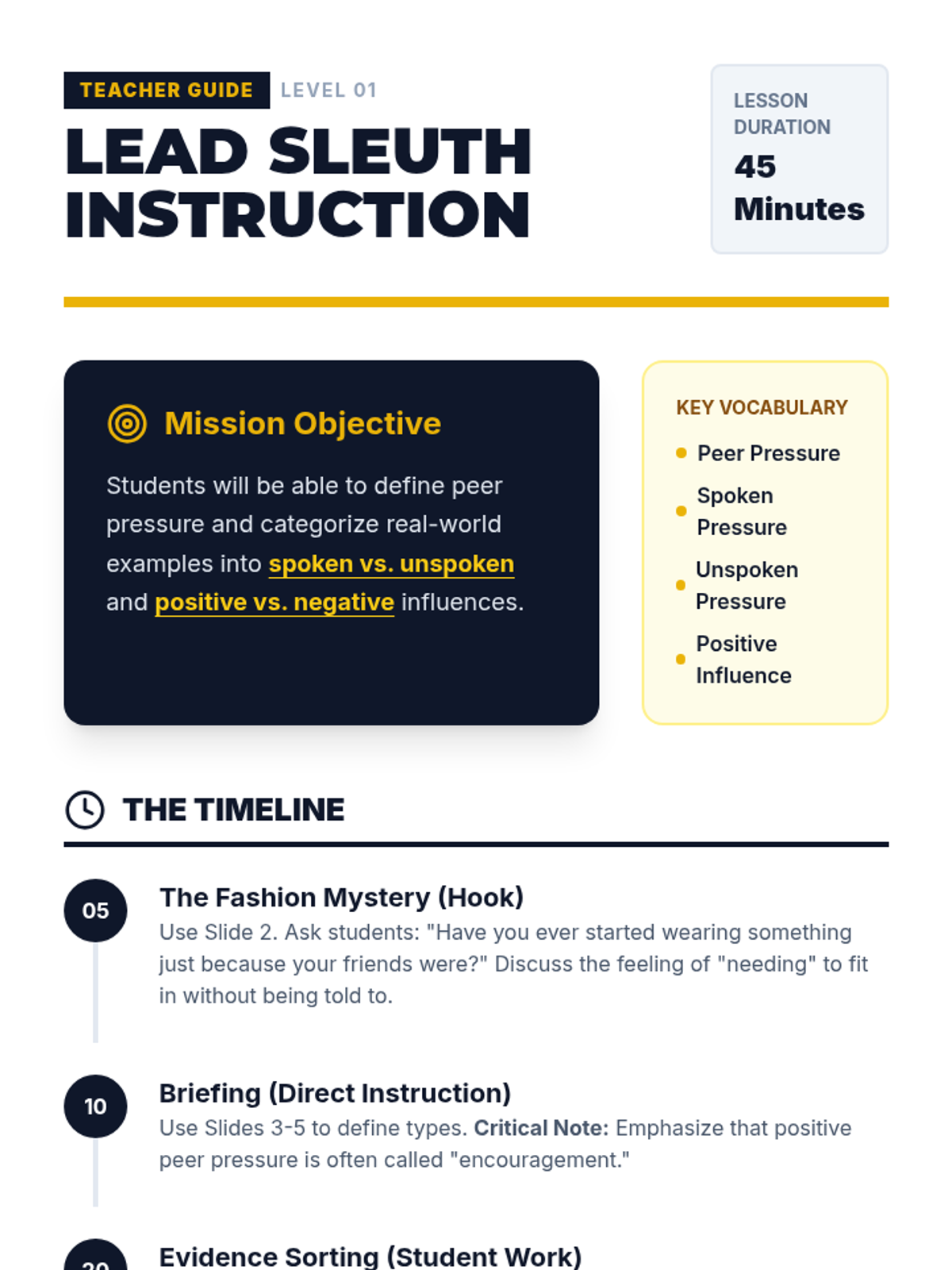
A case-study sequence for 4th graders to recognize and deconstruct peer pressure tactics. Students move from identifying spoken and unspoken pressure to analyzing manipulation tactics and rewriting scenarios for healthier outcomes.
A 5-lesson sequence for 4th graders focused on media literacy, digital communication, cyberbullying prevention, and creating a positive online culture. Students explore the difference between digital filters and reality, learn to interpret tone in text, and develop skills to be active upstanders.
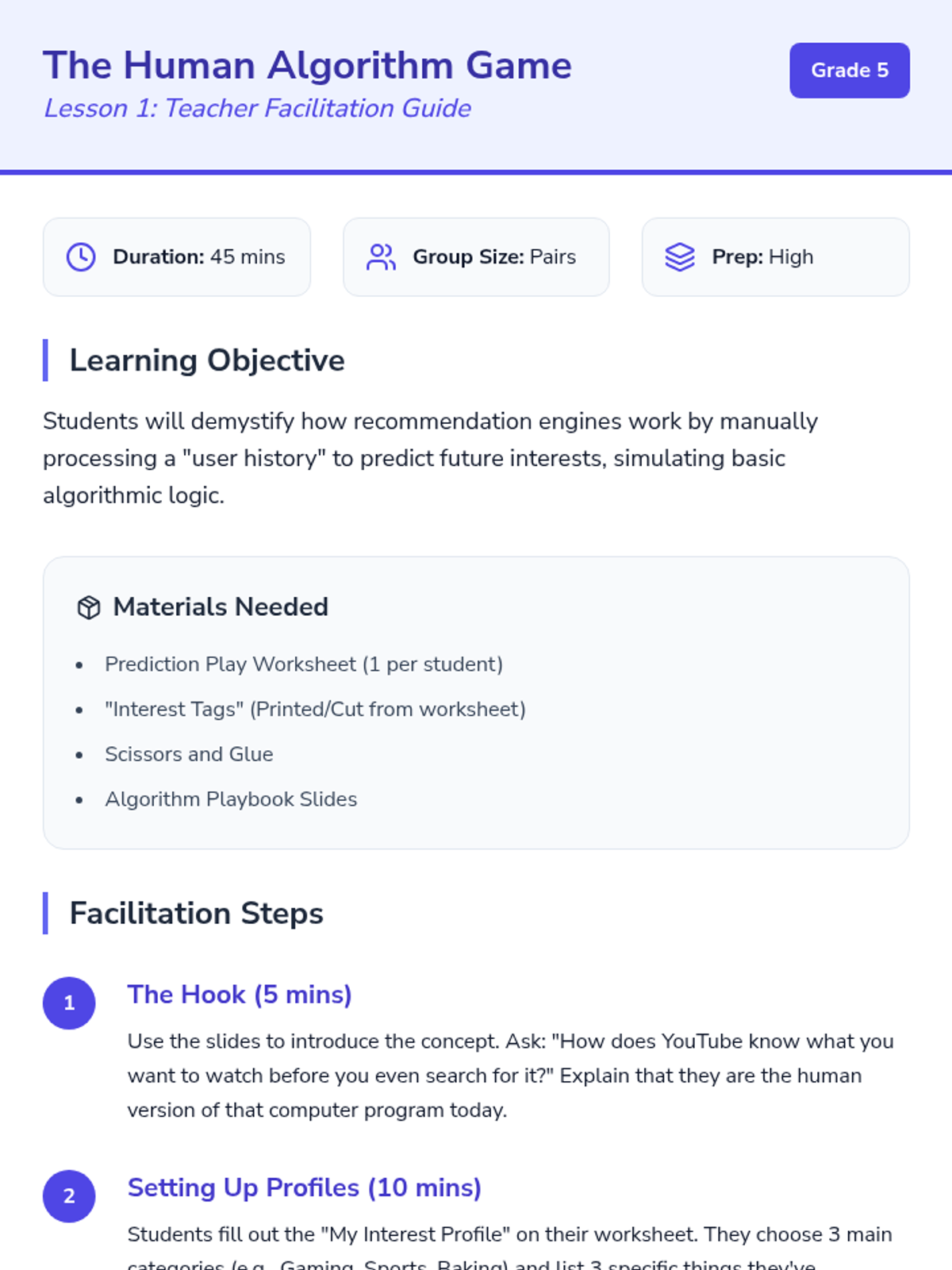
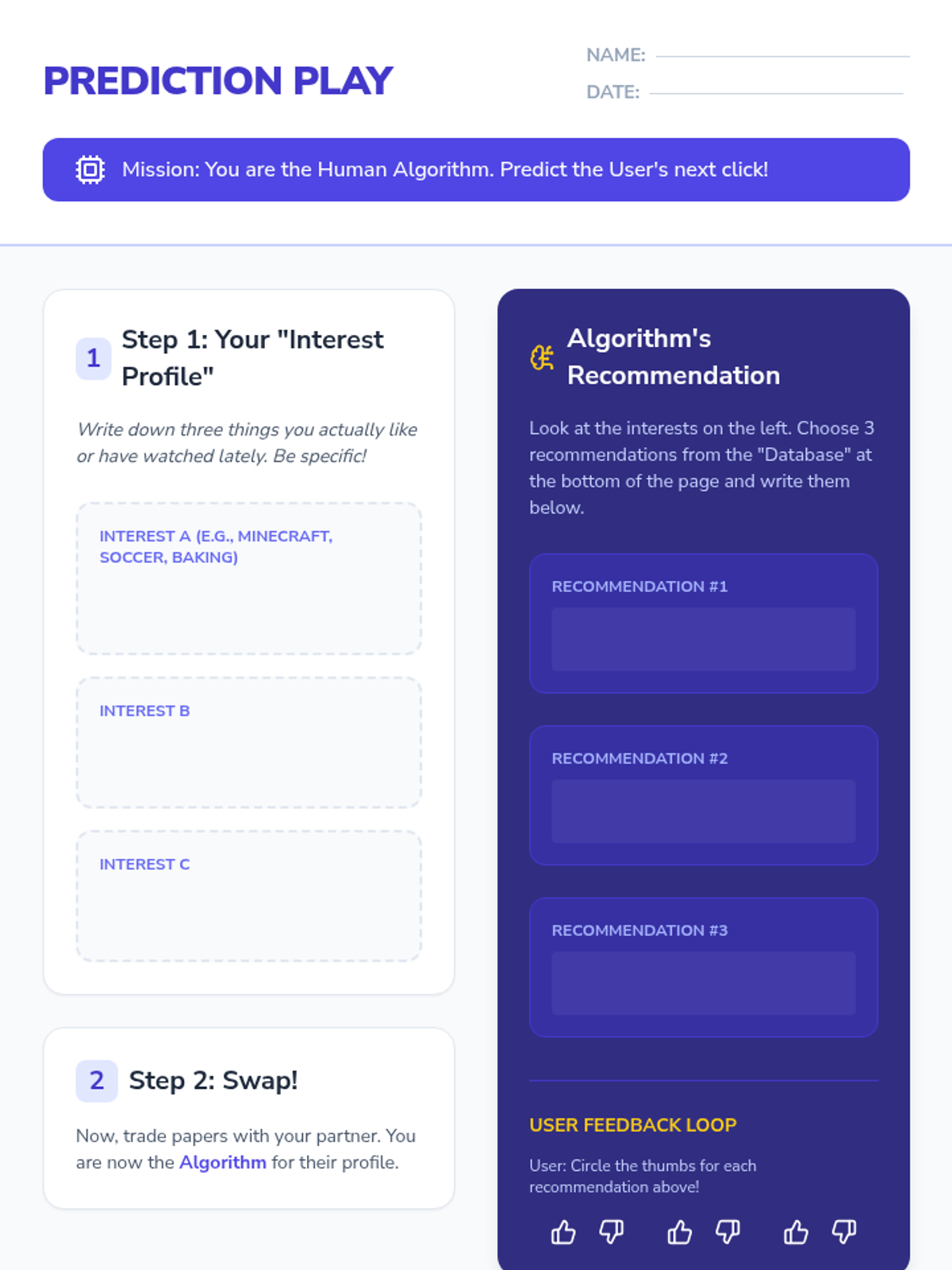
This sequence examines the invisible algorithms that curate content on video platforms and social media. Students investigate the 'attention economy' and how algorithms predict user preferences to keep them engaged. By analyzing their own experiences and simulated feeds, they identify how recommendation engines can create 'filter bubbles.' The learning arc moves from understanding the mechanism of recommendation to evaluating its impact on critical thinking and exposure to new ideas.
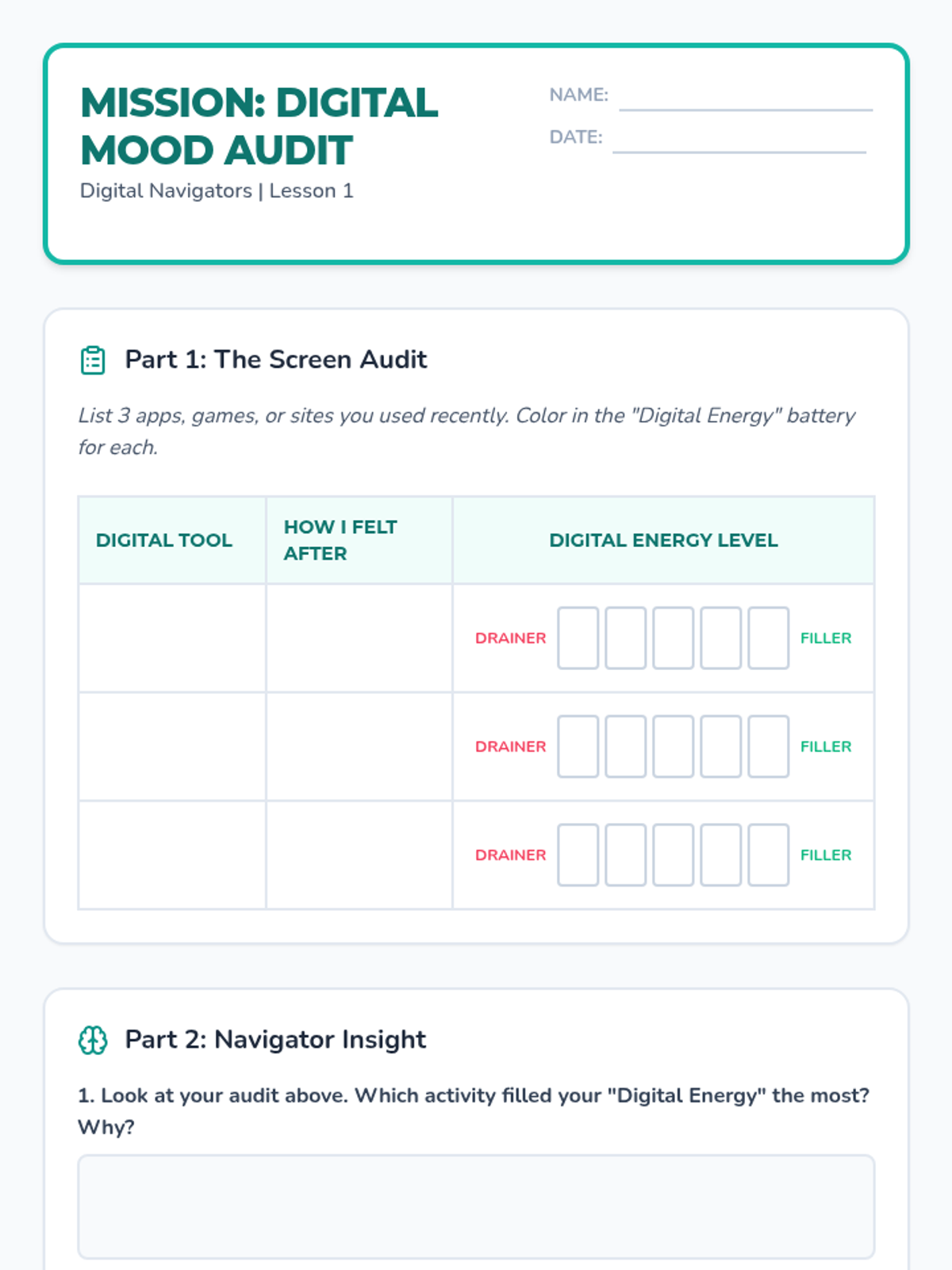
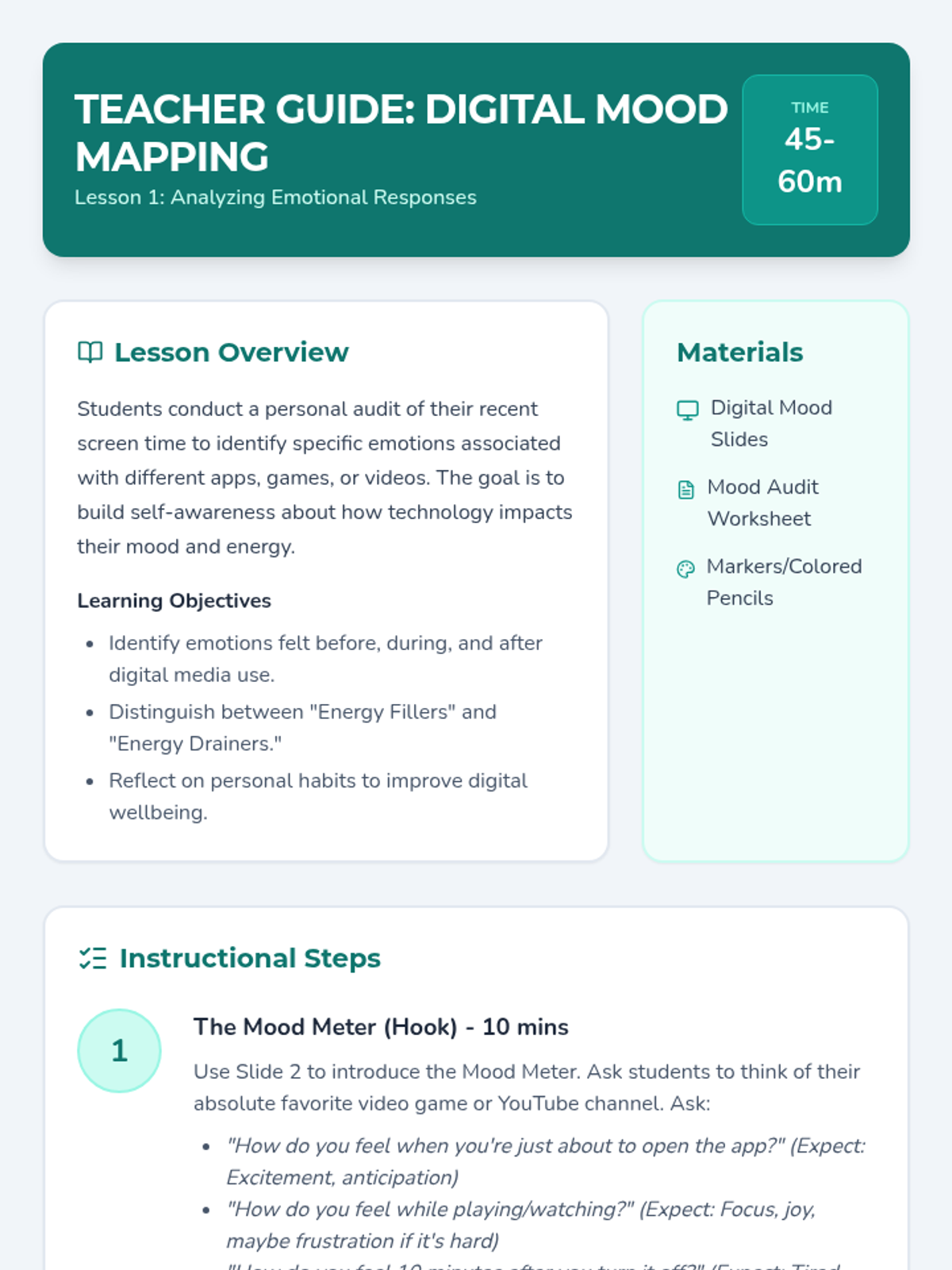
Students investigate the relationship between their digital habits and their emotional well-being through reflection, critical analysis, and practical goal-setting. The sequence covers emotional impacts of screen time, media literacy (curation vs. reality), cyberbullying intervention, physical health boundaries, and the creation of a personal Digital Wellness Pact.
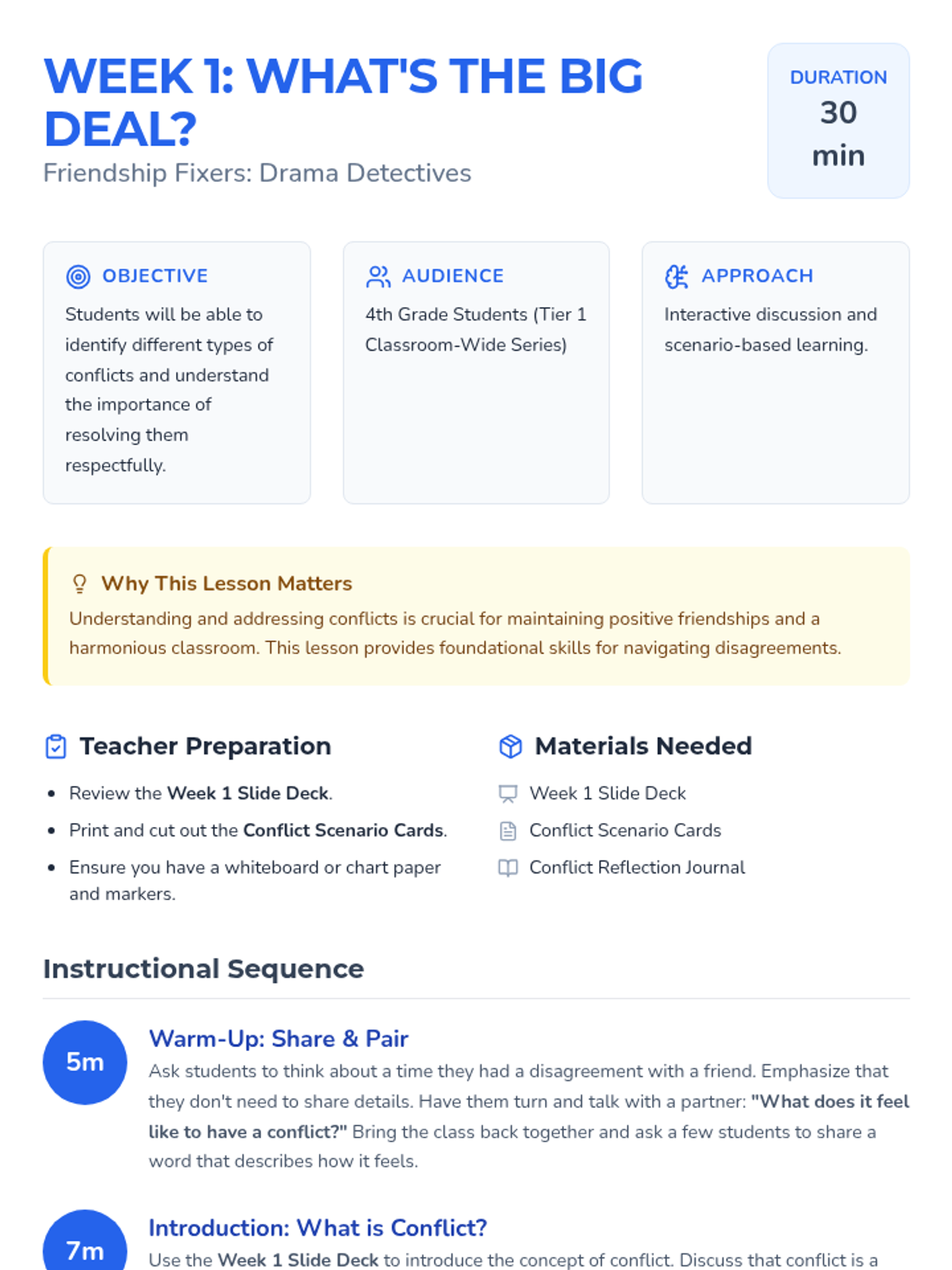
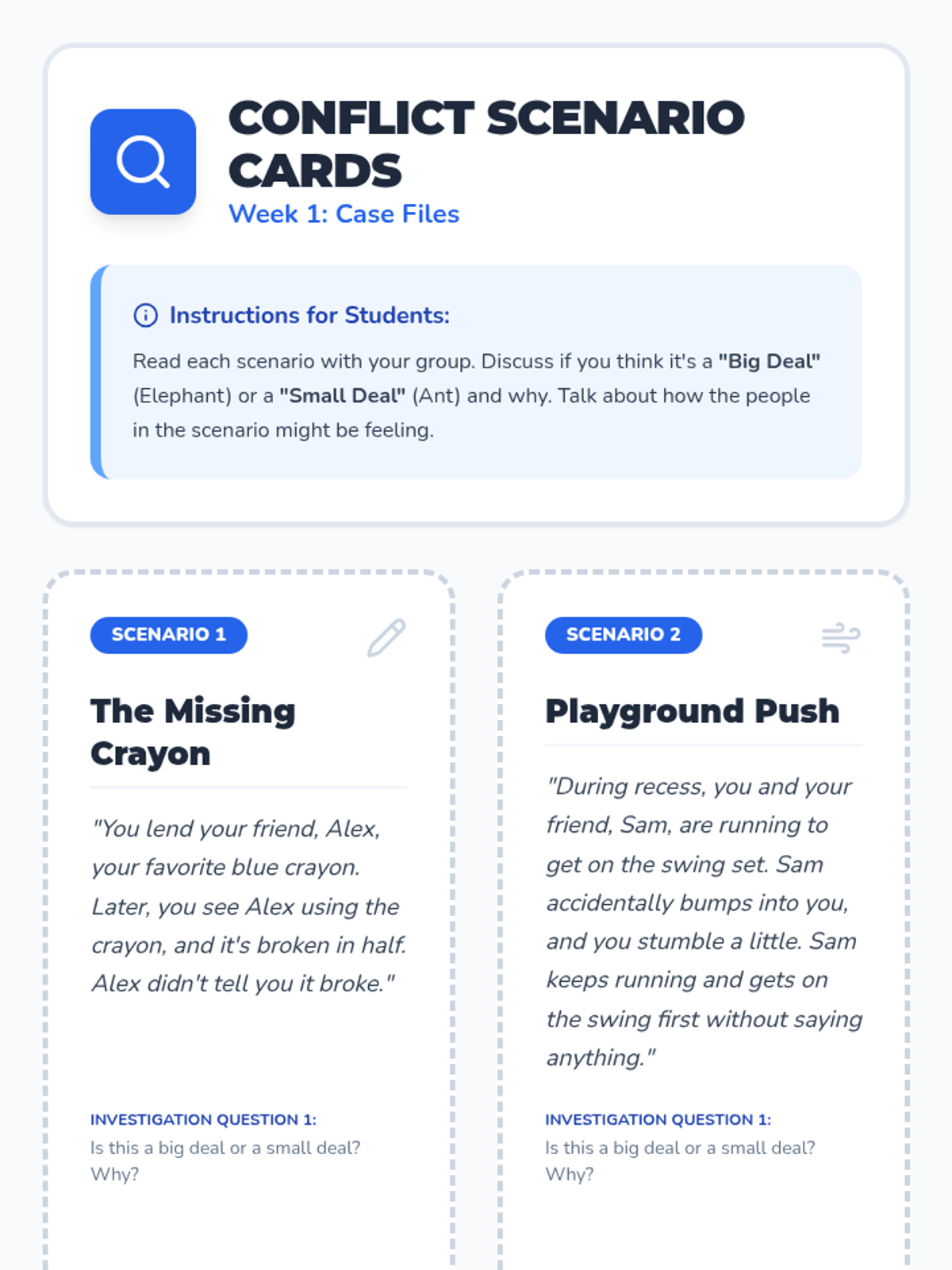
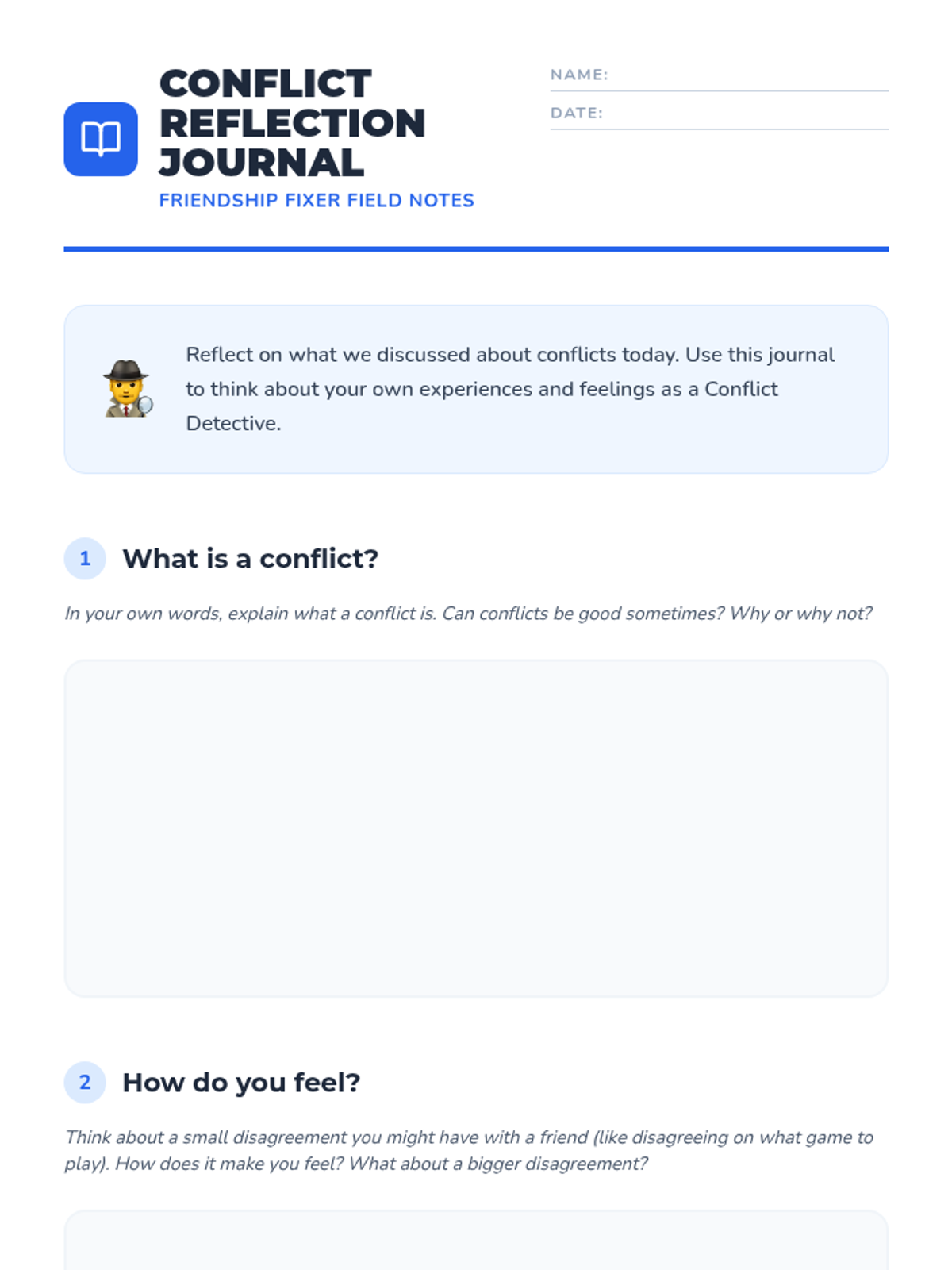
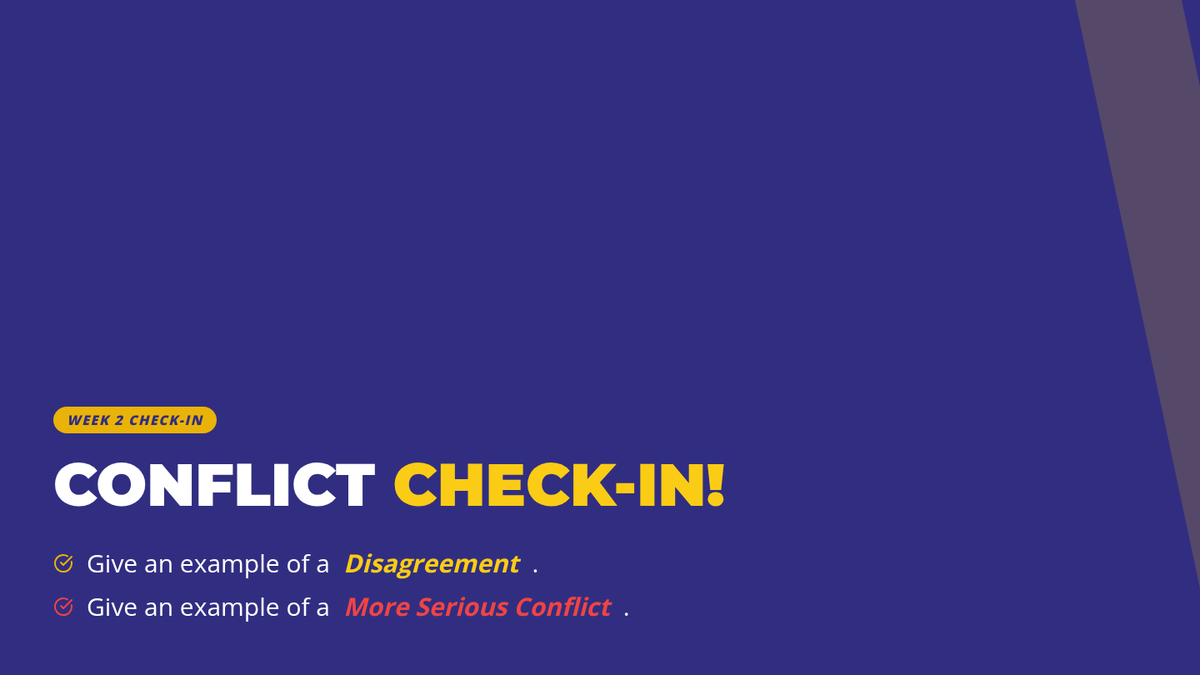
A 6-week Tier 1 social skills program for 4th graders focused on conflict resolution, healthy friendship traits, empathy, and avoiding drama. Students move from 'Conflict Detectives' to 'Friendship Fixers' through interactive lessons and reflective activities.
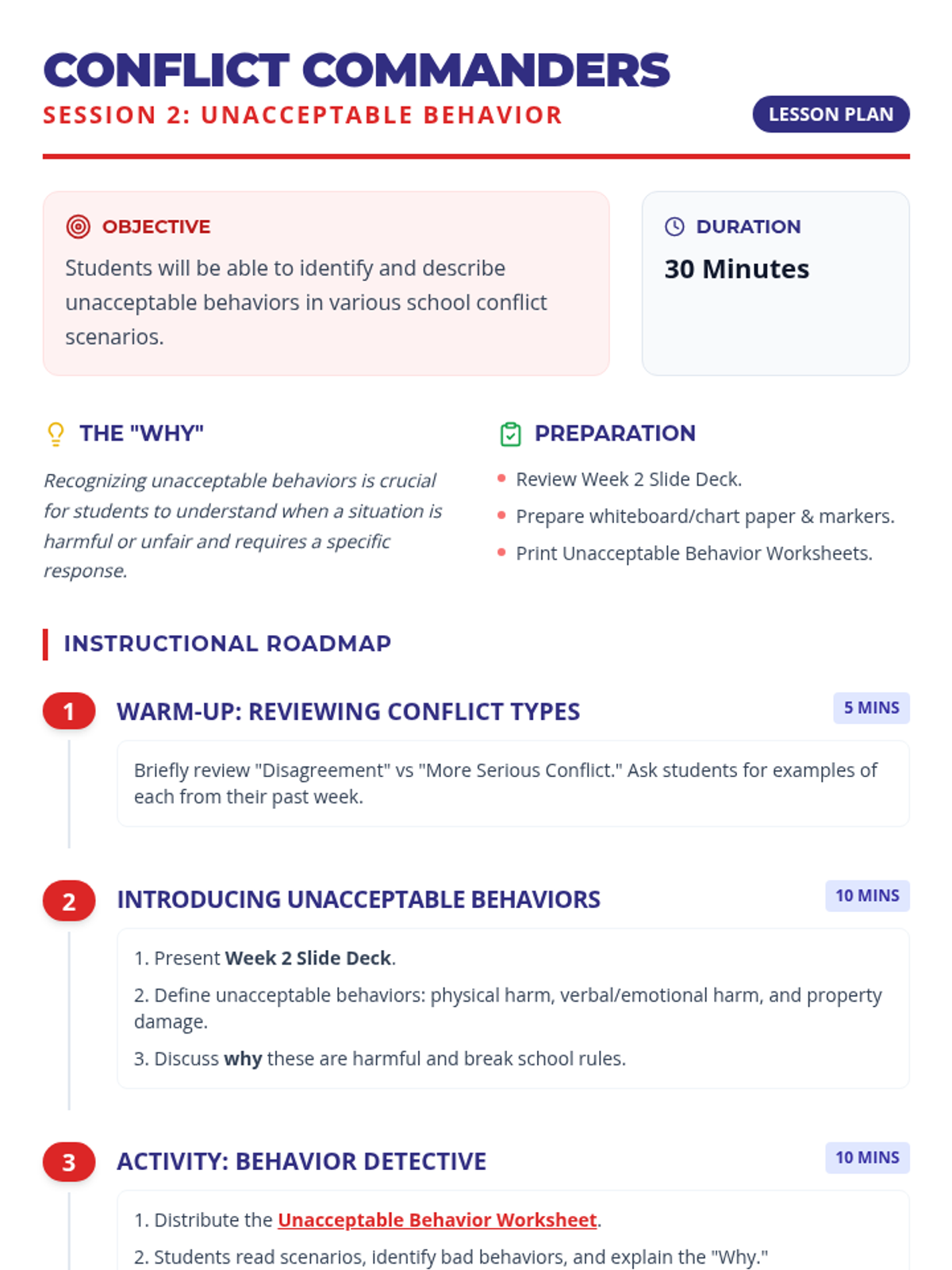
A 6-week Tier 2 small group counseling program that empowers 4th-grade scholars to navigate school conflicts effectively through strategies like walking away and seeking help.
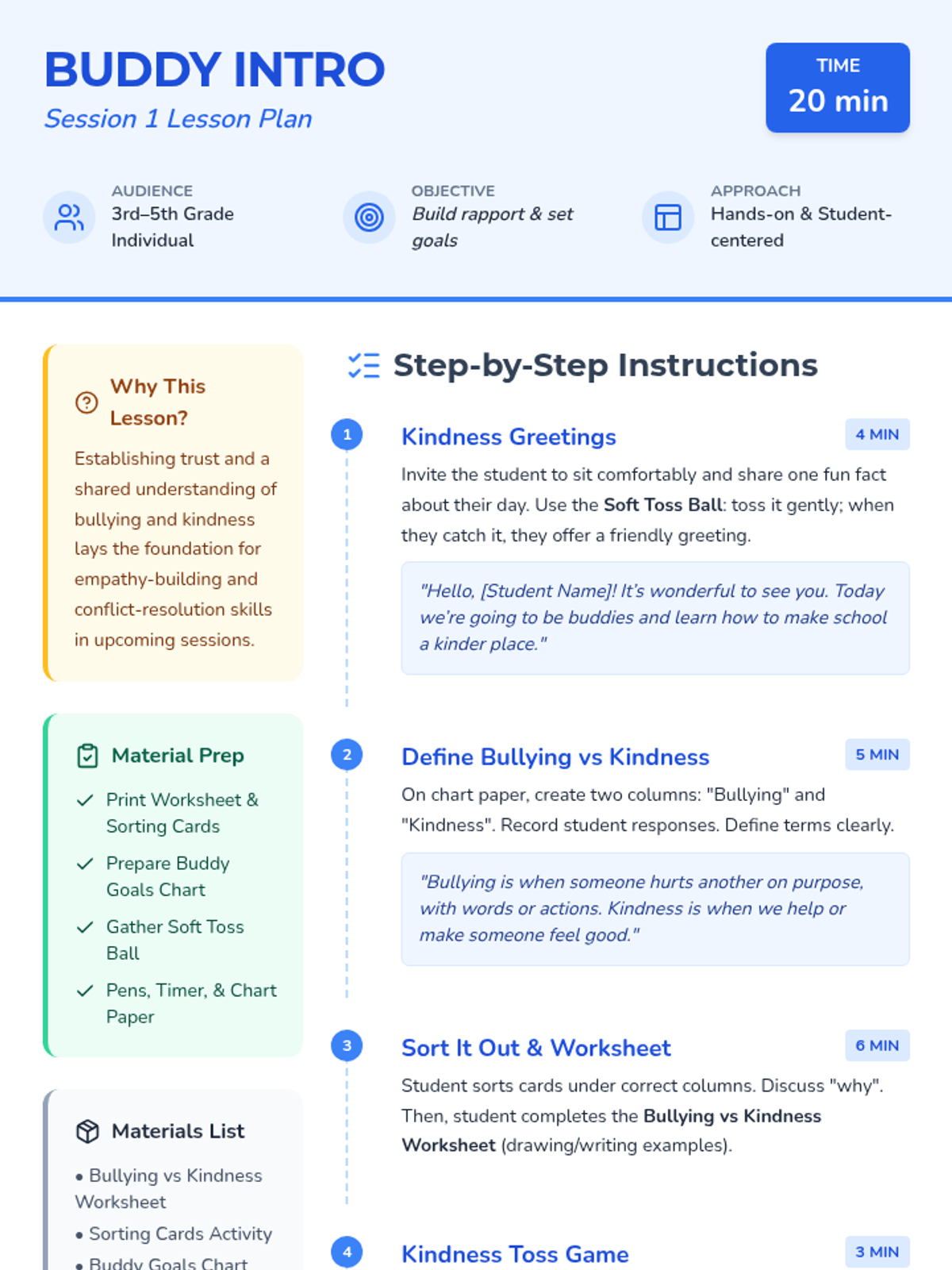
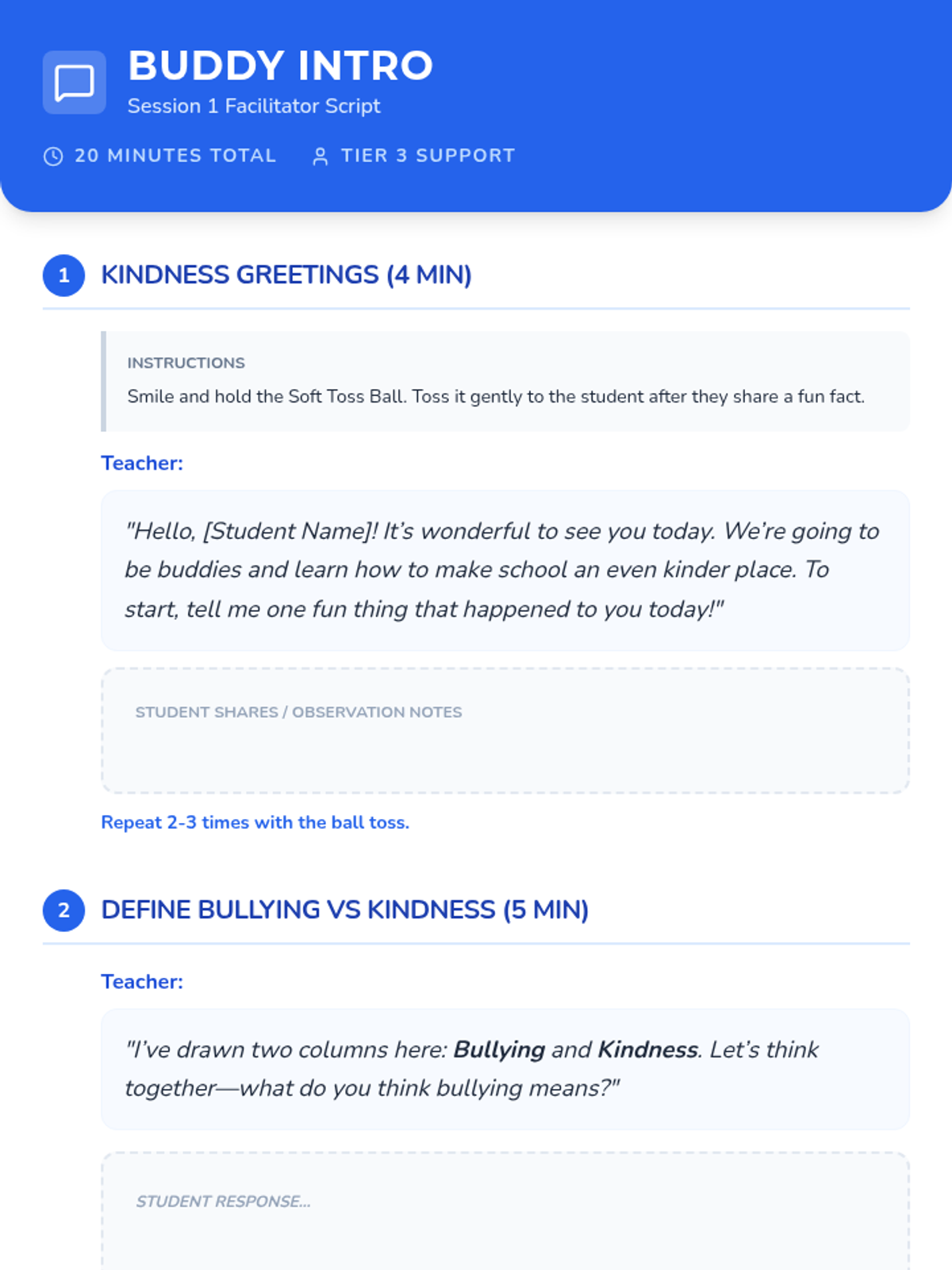
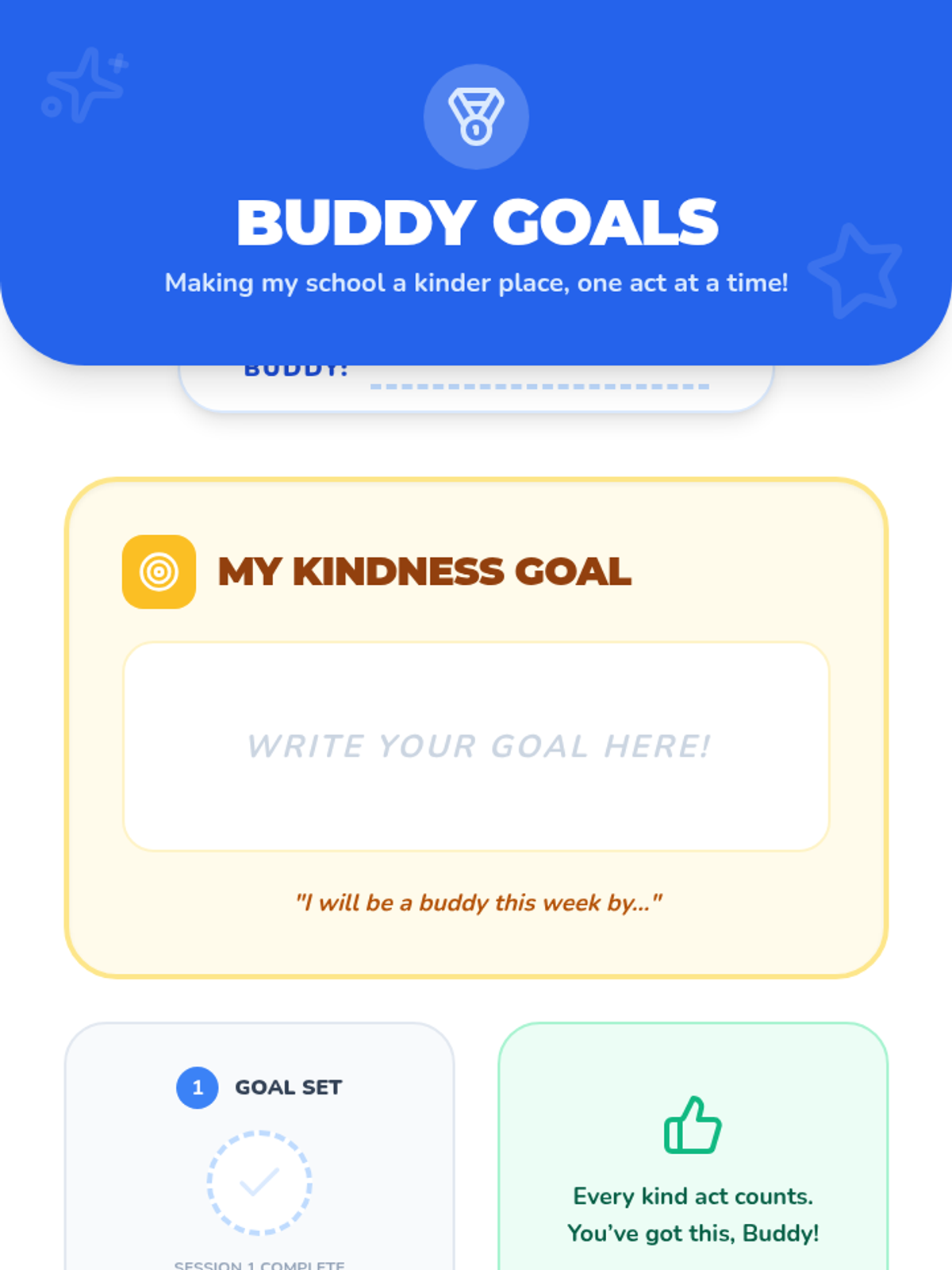
An 8-session individual support series designed for 3rd-5th graders to foster empathy, kindness, and conflict-resolution skills while addressing the impacts of bullying. Each session uses interactive discussions and hands-on activities to build a supportive 'buddy' mindset.
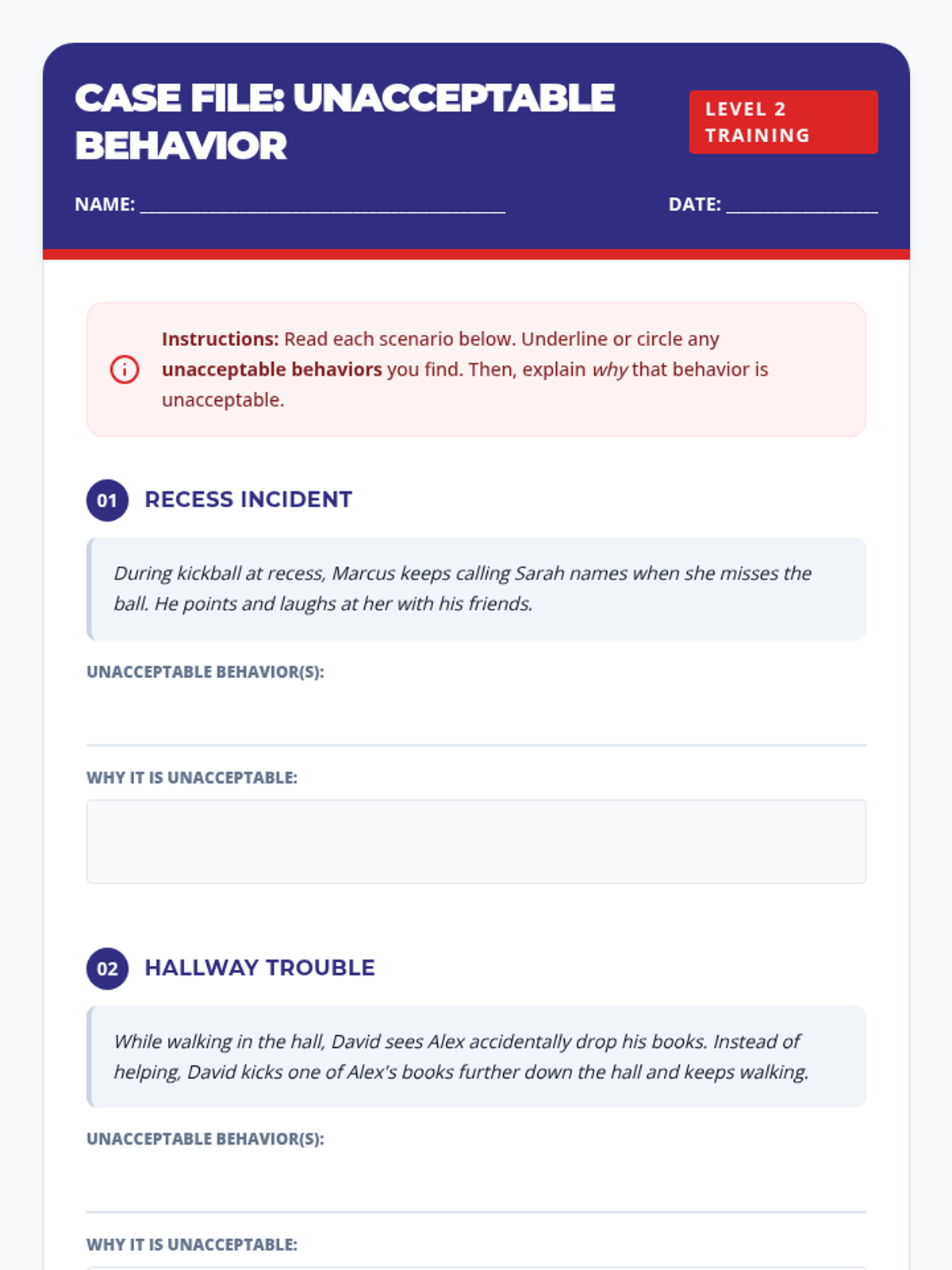
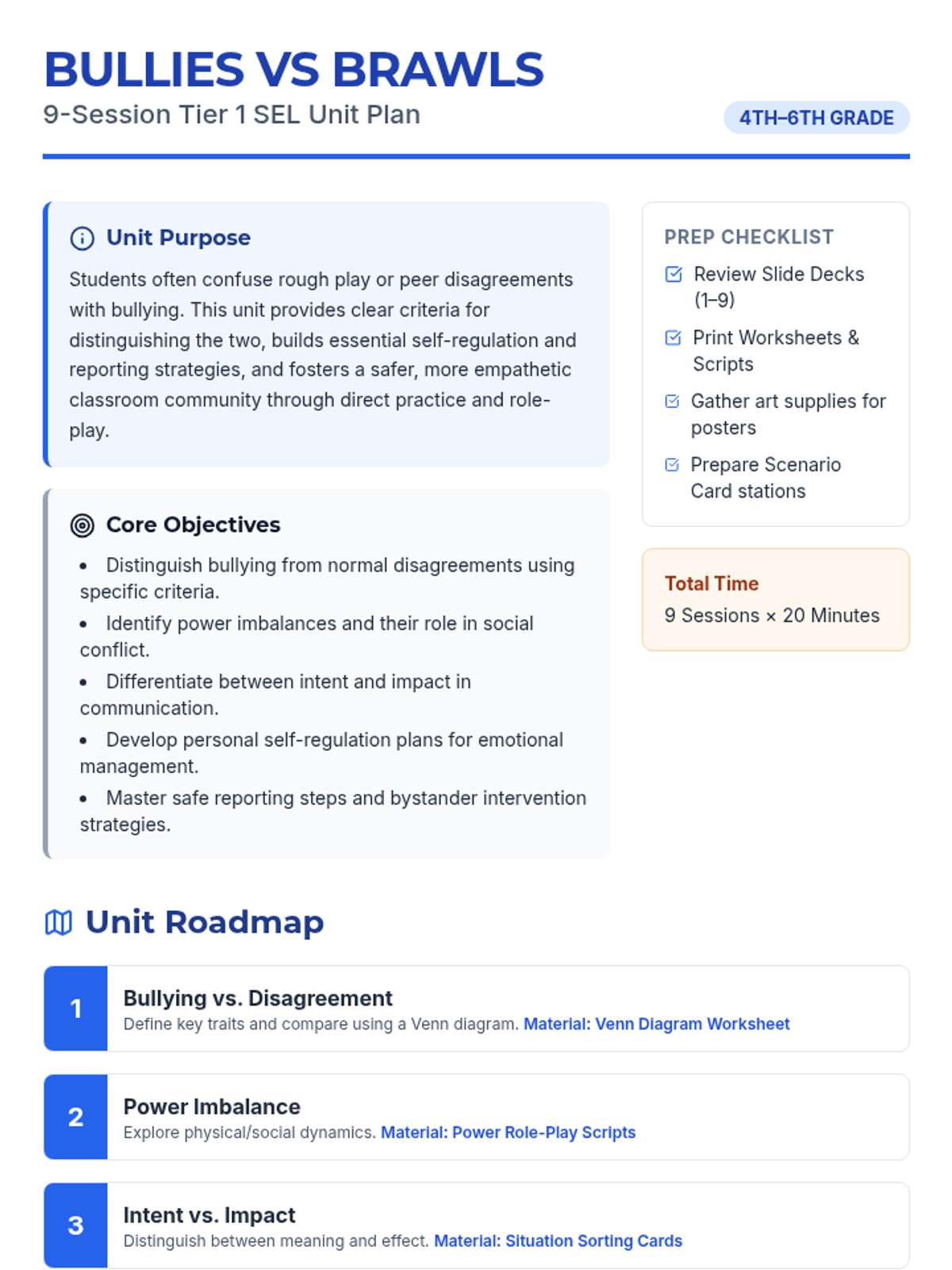
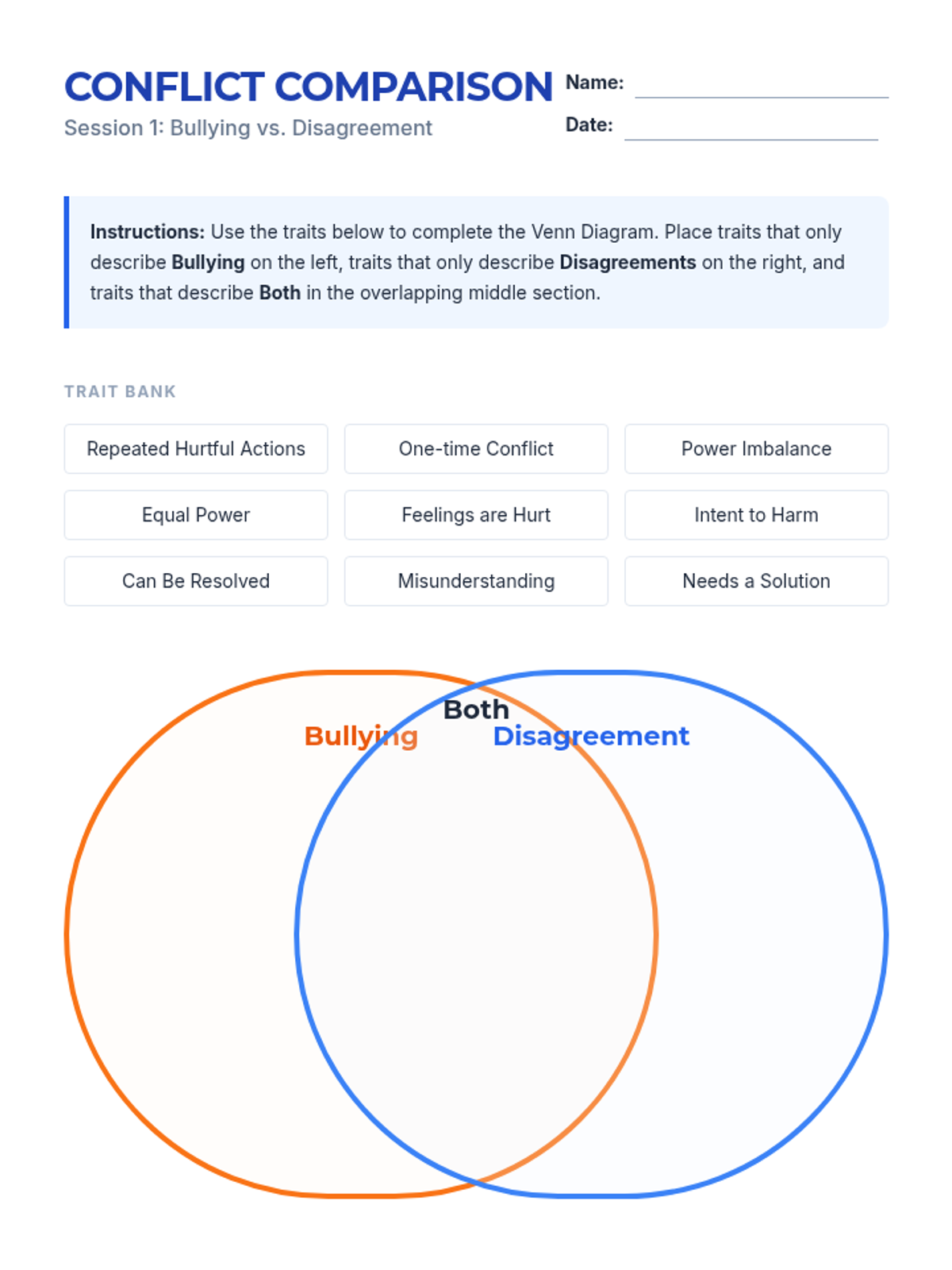
A 9-session Tier 1 SEL unit for 4th–6th graders focused on distinguishing bullying from disagreements, mastering self-regulation, and learning safe reporting and bystander skills.