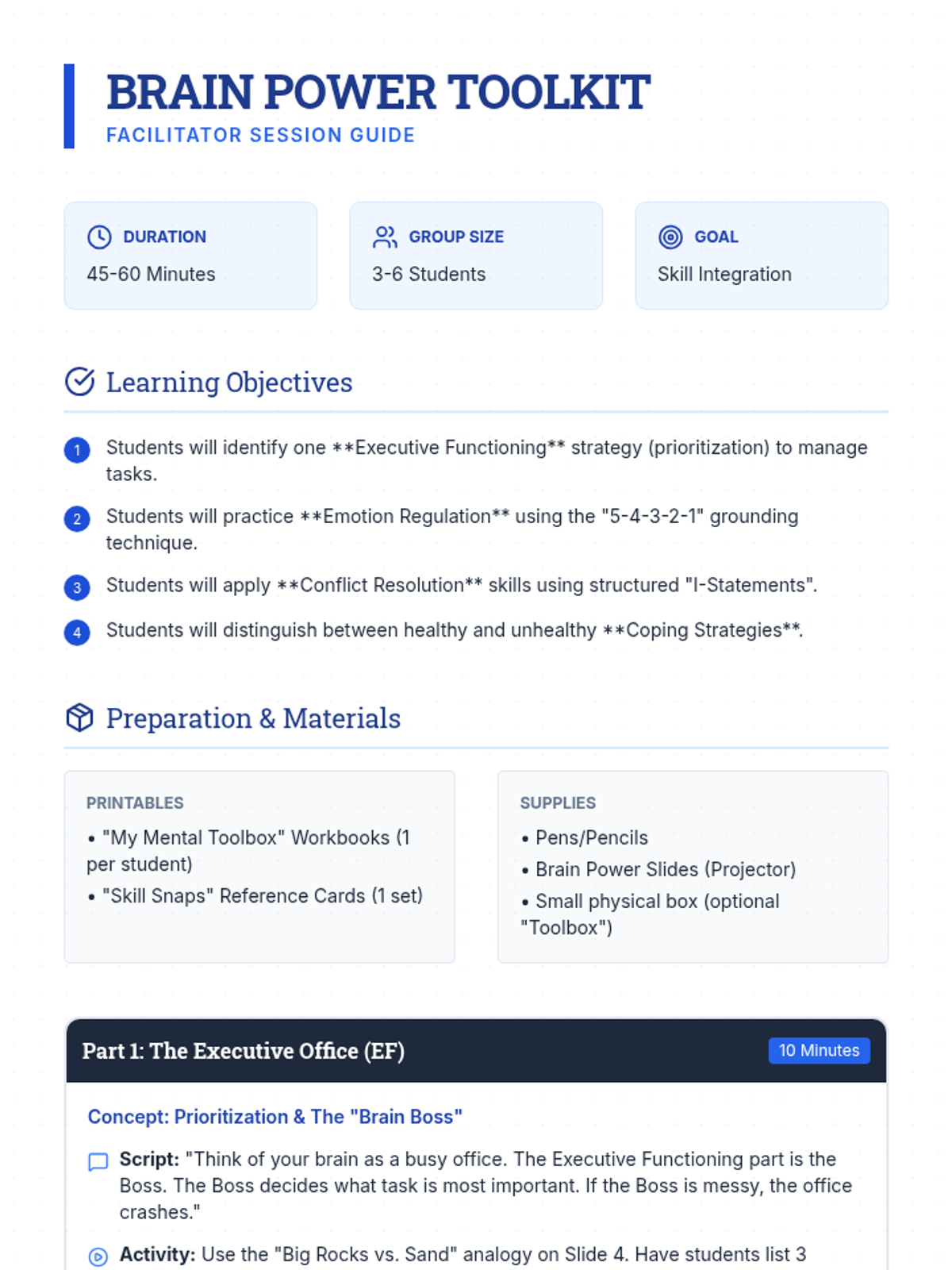
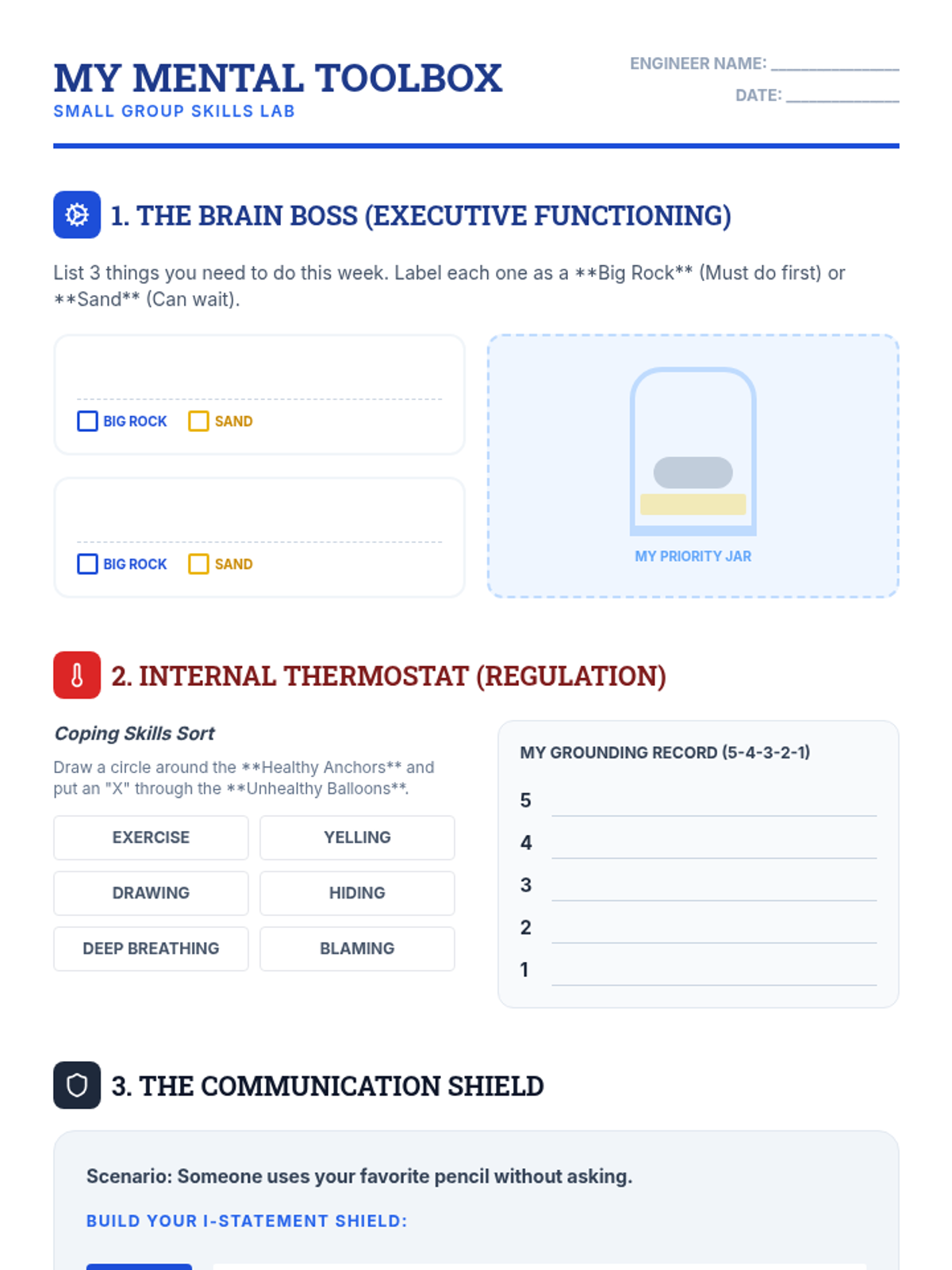
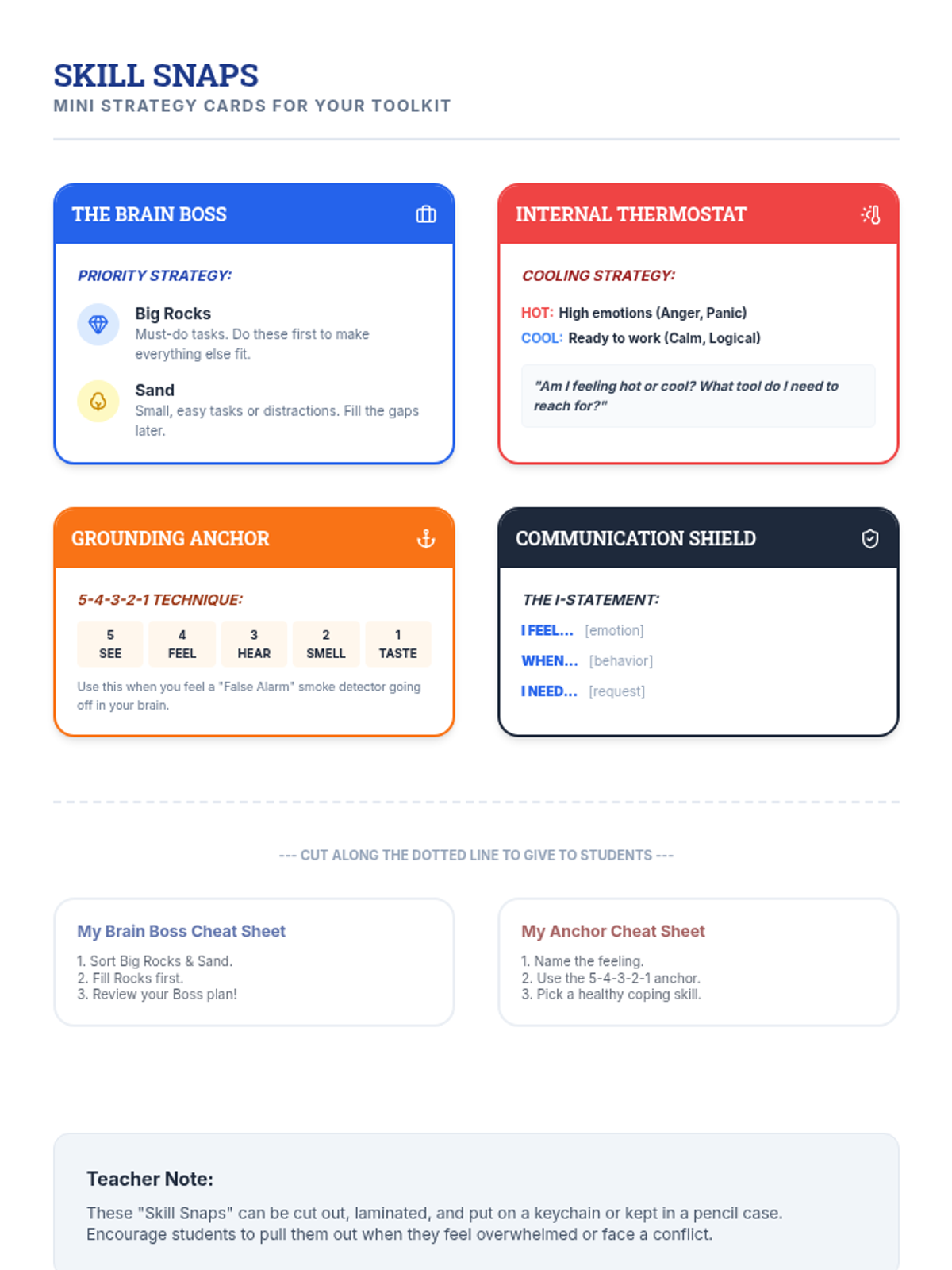
Root cause analysis and brainstorming techniques for everyday problem-solving. Equips learners with ethical frameworks and risk-benefit evaluation skills to predict consequences and make informed choices.
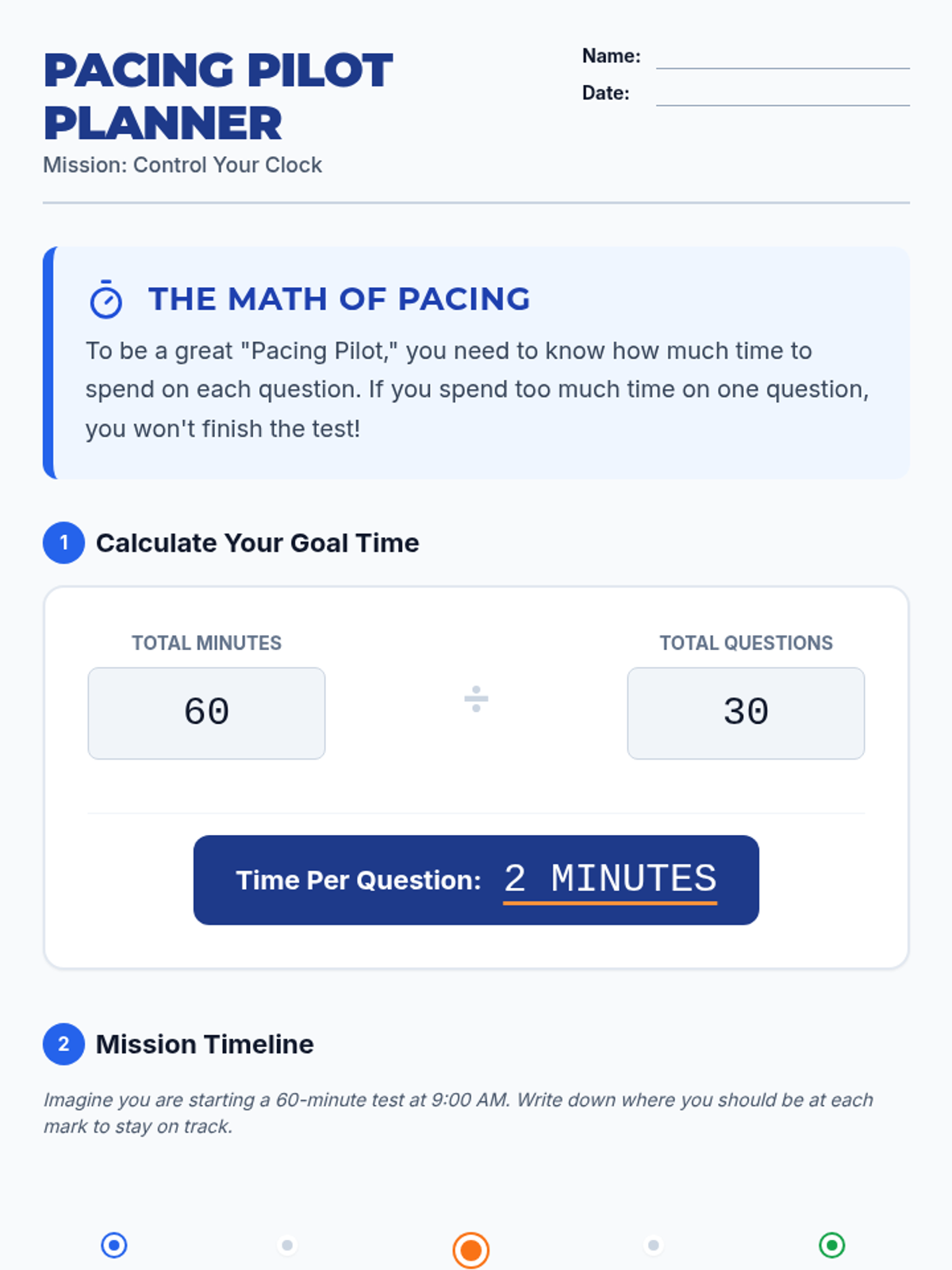
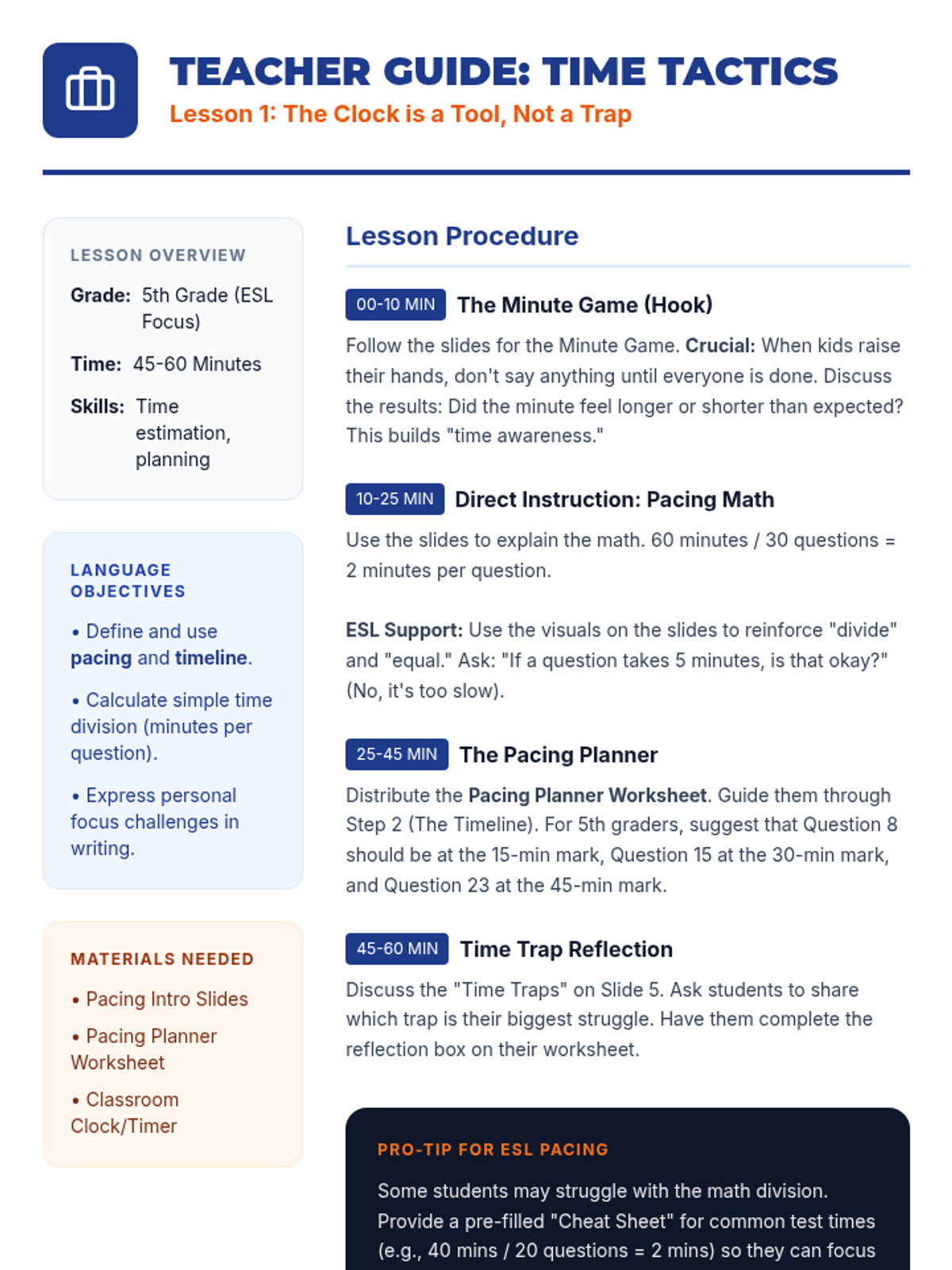
This sequence helps students master time management and prioritization during exams. Through hands-on activities and simulations, students learn to estimate pacing, use the 'skip and return' strategy, navigate long passages efficiently, and manage test anxiety.
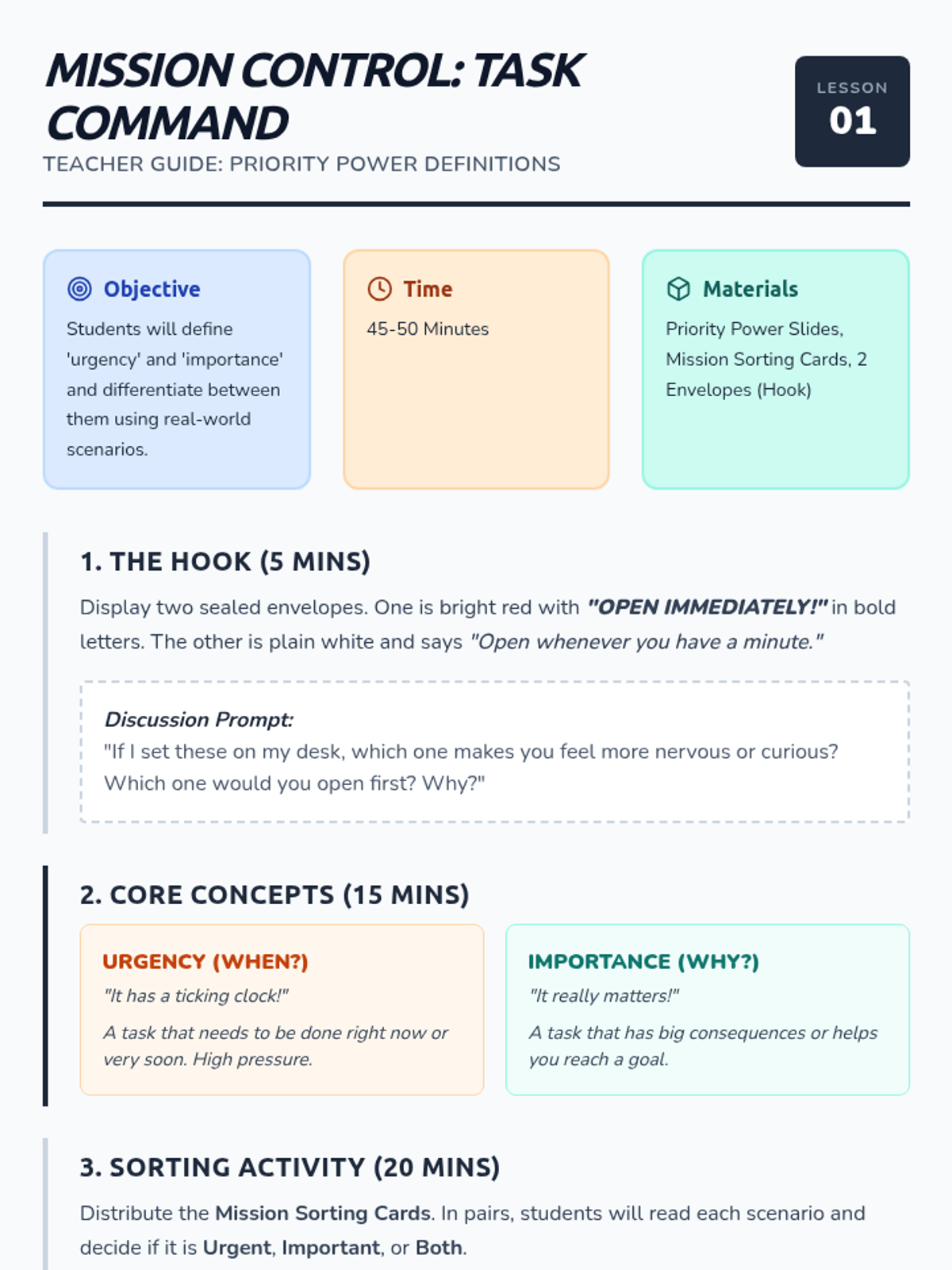
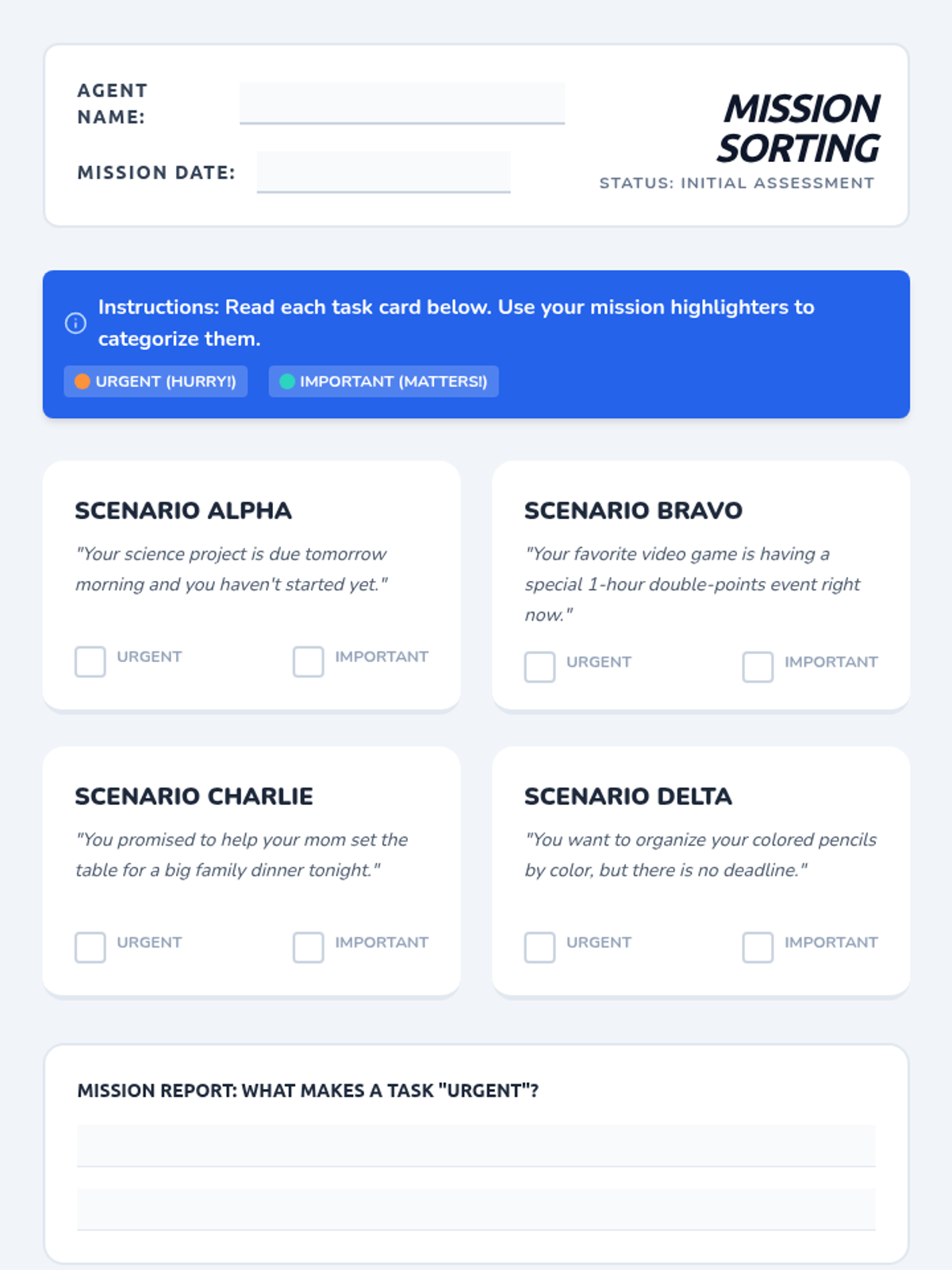
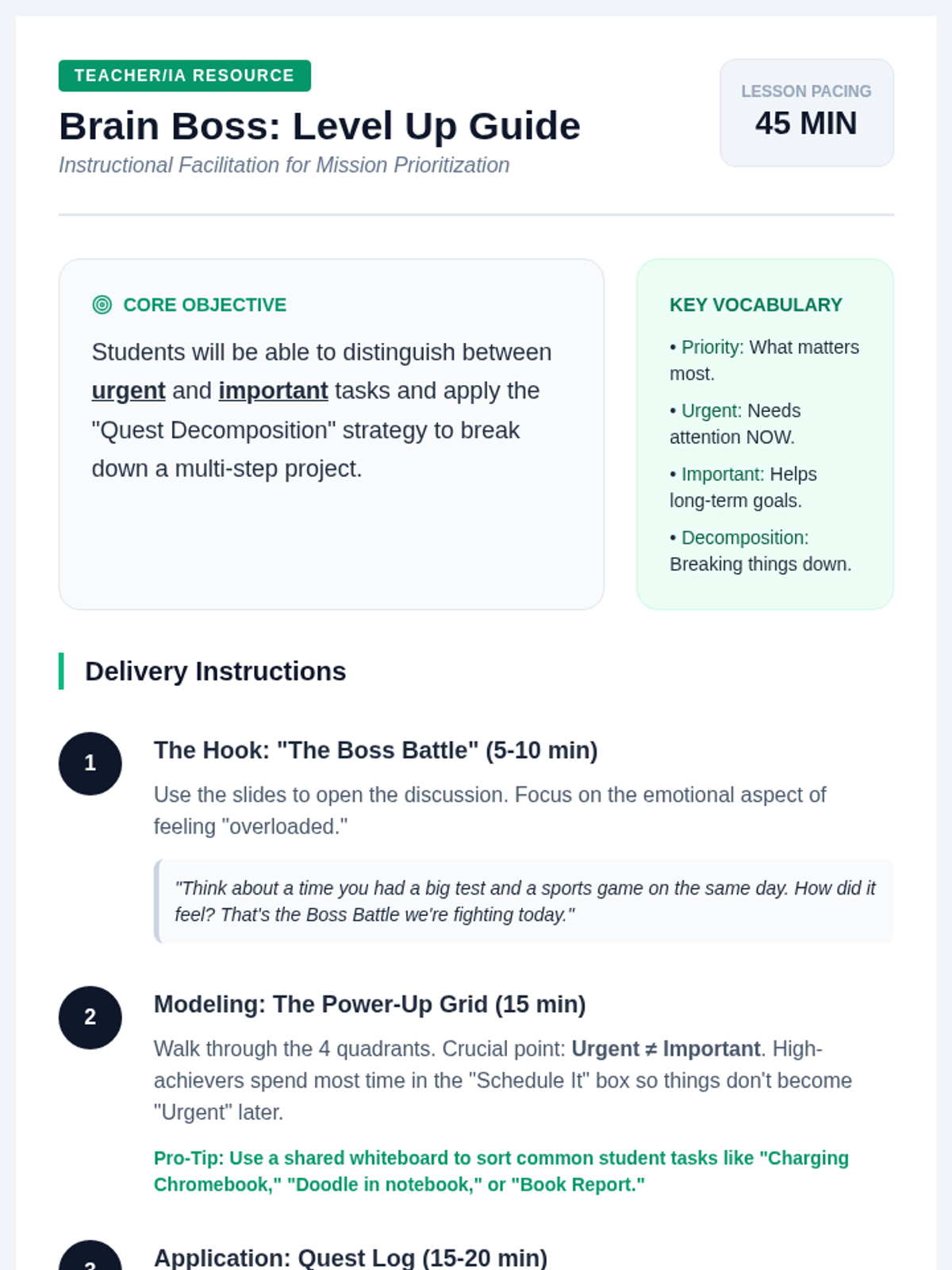
A 5-lesson sequence designed to help 4th-grade students master task prioritization using visual matrices and executive functioning strategies. Students progress from defining urgency and importance to applying a 2x2 priority matrix to their own real-world schedules.
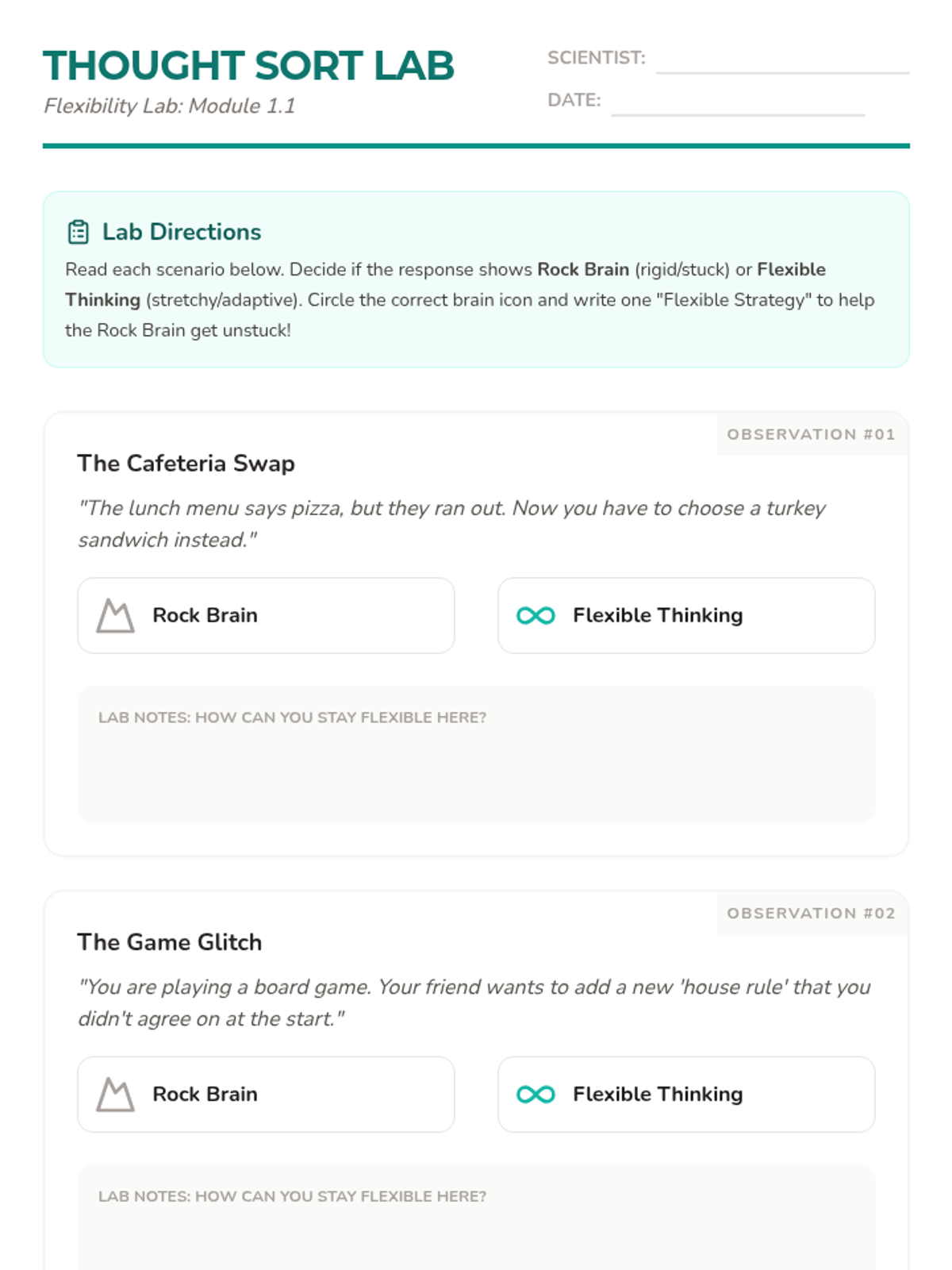
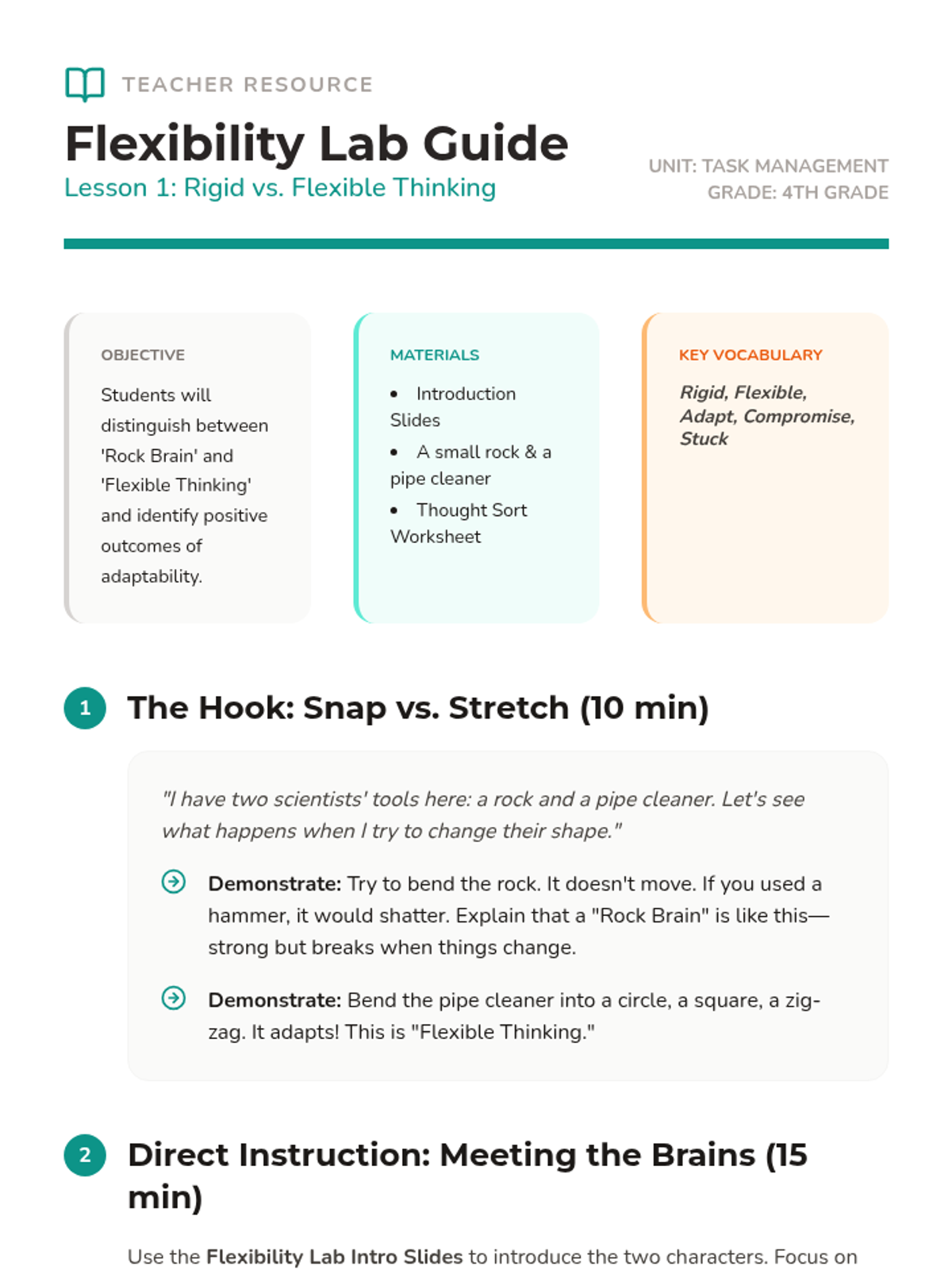
A 5-lesson sequence designed for 4th-grade students to build cognitive flexibility. Students learn to identify rigid versus flexible thinking, recognize physical stress responses to change, practice rapid task-switching, and apply emotional regulation strategies through role-play and a final 'flexibility obstacle course'.
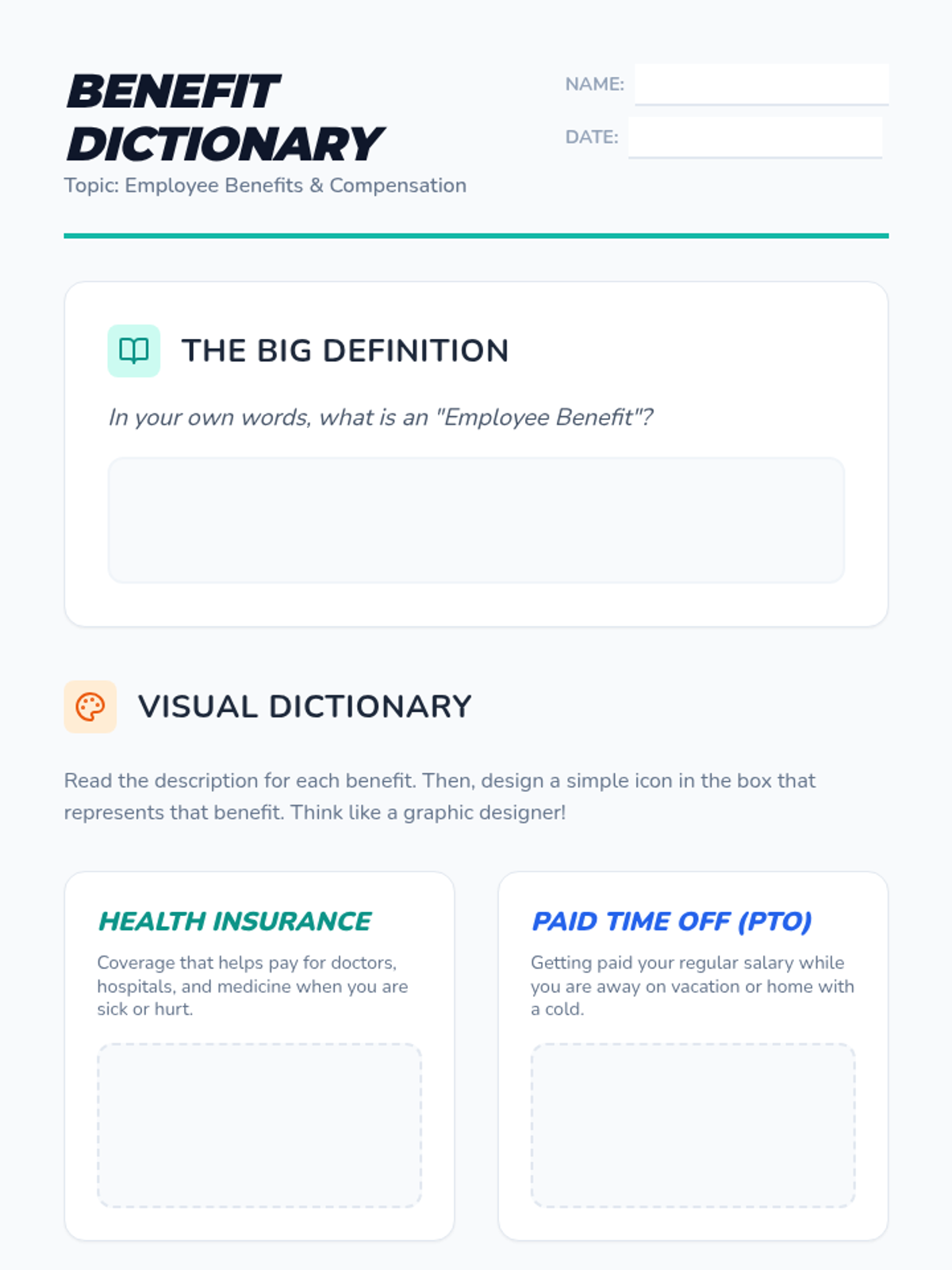
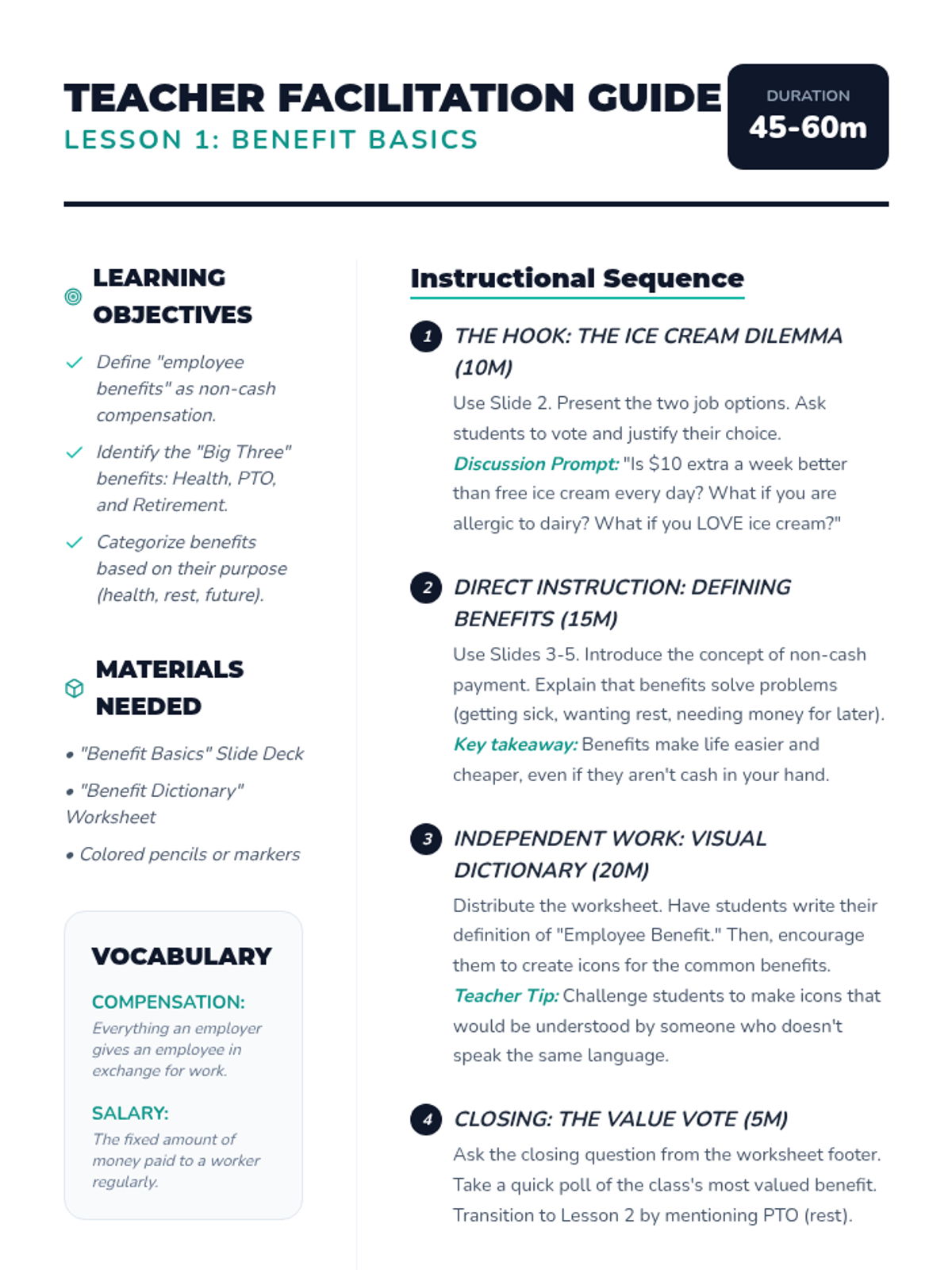
A 5-lesson unit for 4th graders on employee benefits and total compensation. Students learn to evaluate job offers based on perks like health insurance, PTO, and retirement, moving beyond just looking at the salary.
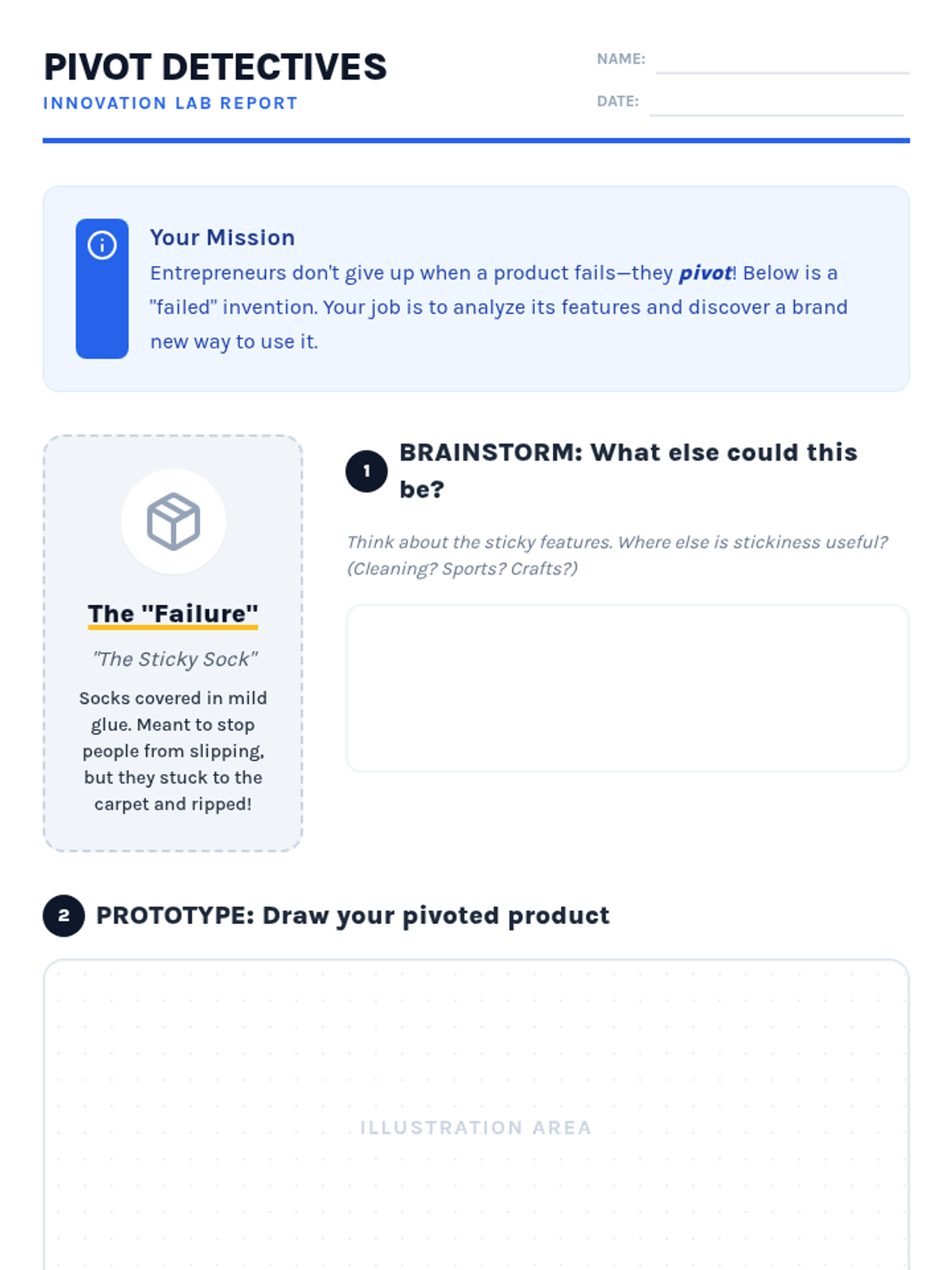
This sequence guides 4th-grade students through the entrepreneurial mindset, focusing on resilience, risk-taking, and the 'pivot.' Students learn that failure is a data point, not an endpoint, through case studies and simulations.
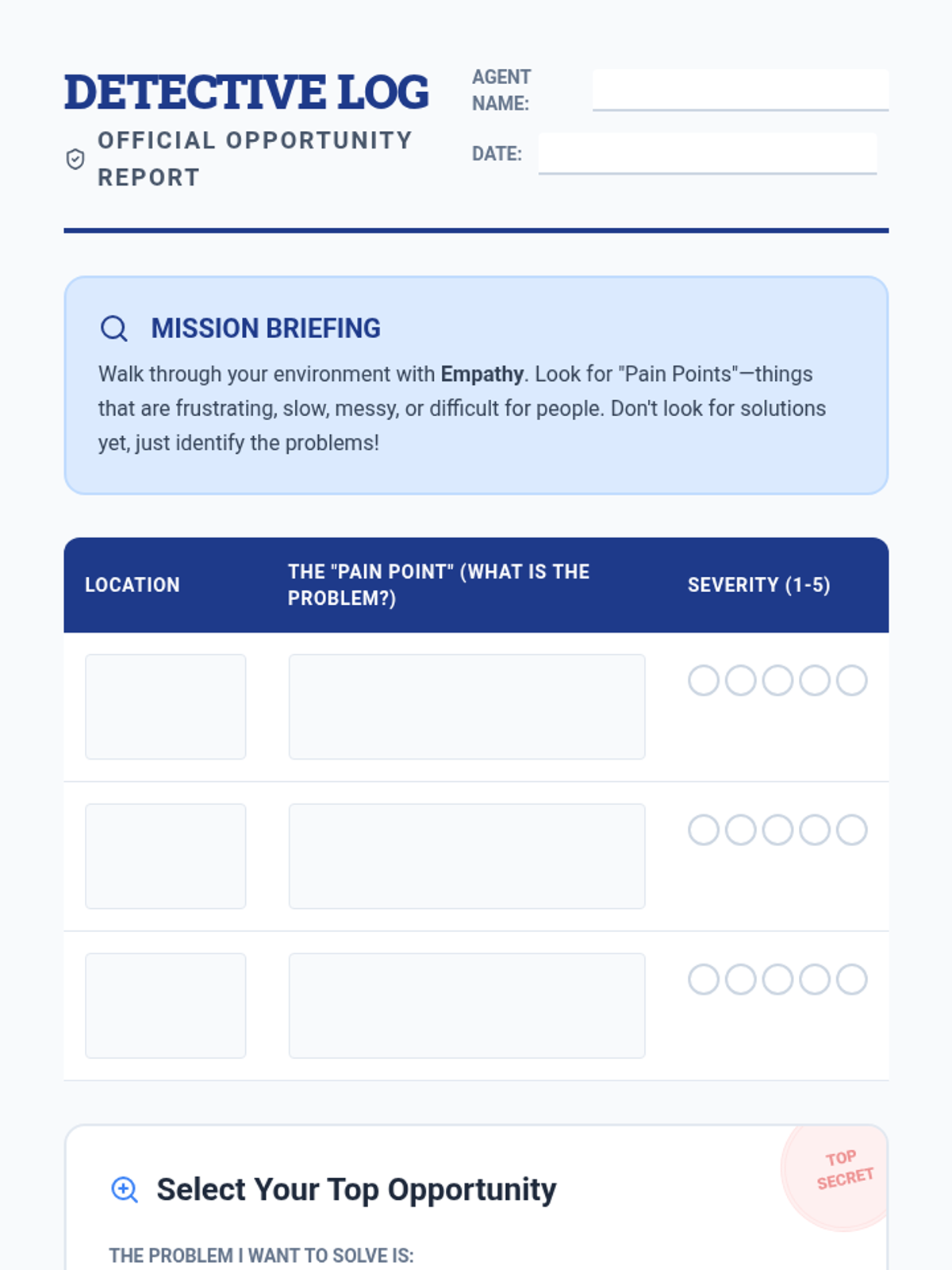
A project-based sequence where 4th-grade students learn to identify problems in their environment, brainstorm creative solutions, and build and iterate on prototypes using an entrepreneurial mindset.
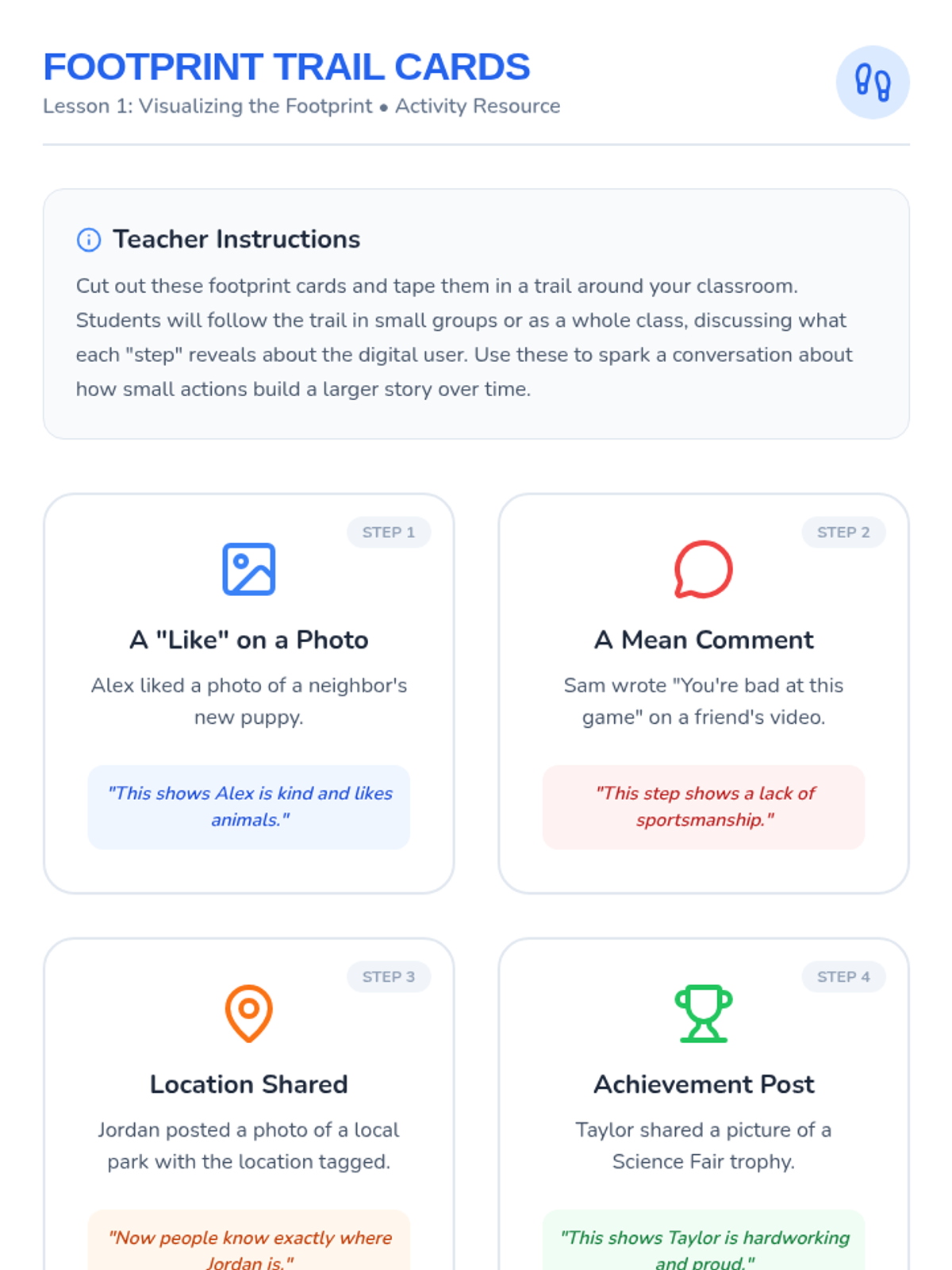
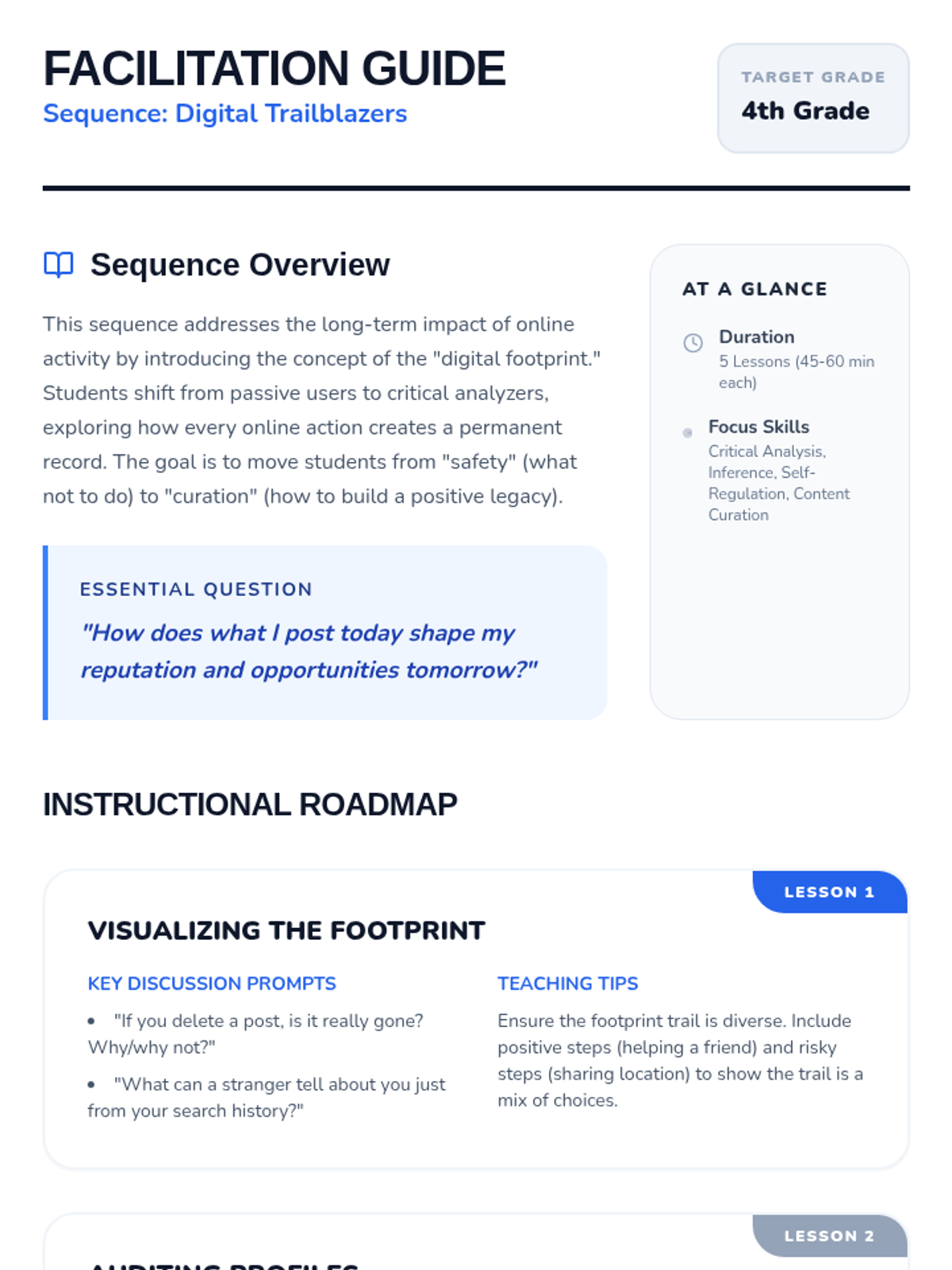
This sequence addresses the long-term impact of online activity, introducing the concept of the 'digital footprint.' Students shift from passive users to critical analyzers, exploring how posts, comments, and photos create a permanent record. They culminate by designing a 'future footprint' that reflects the reputation they hope to build.
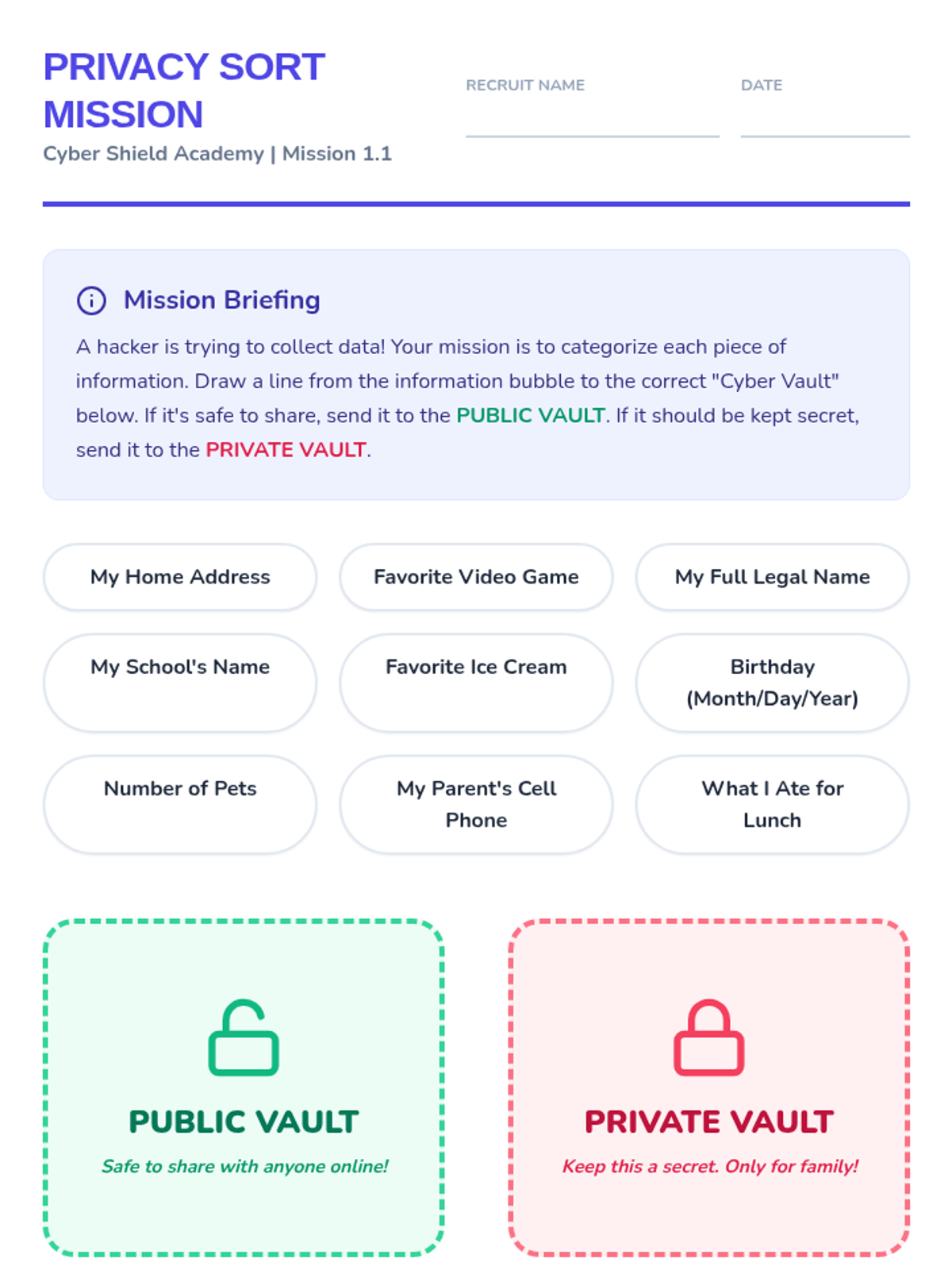
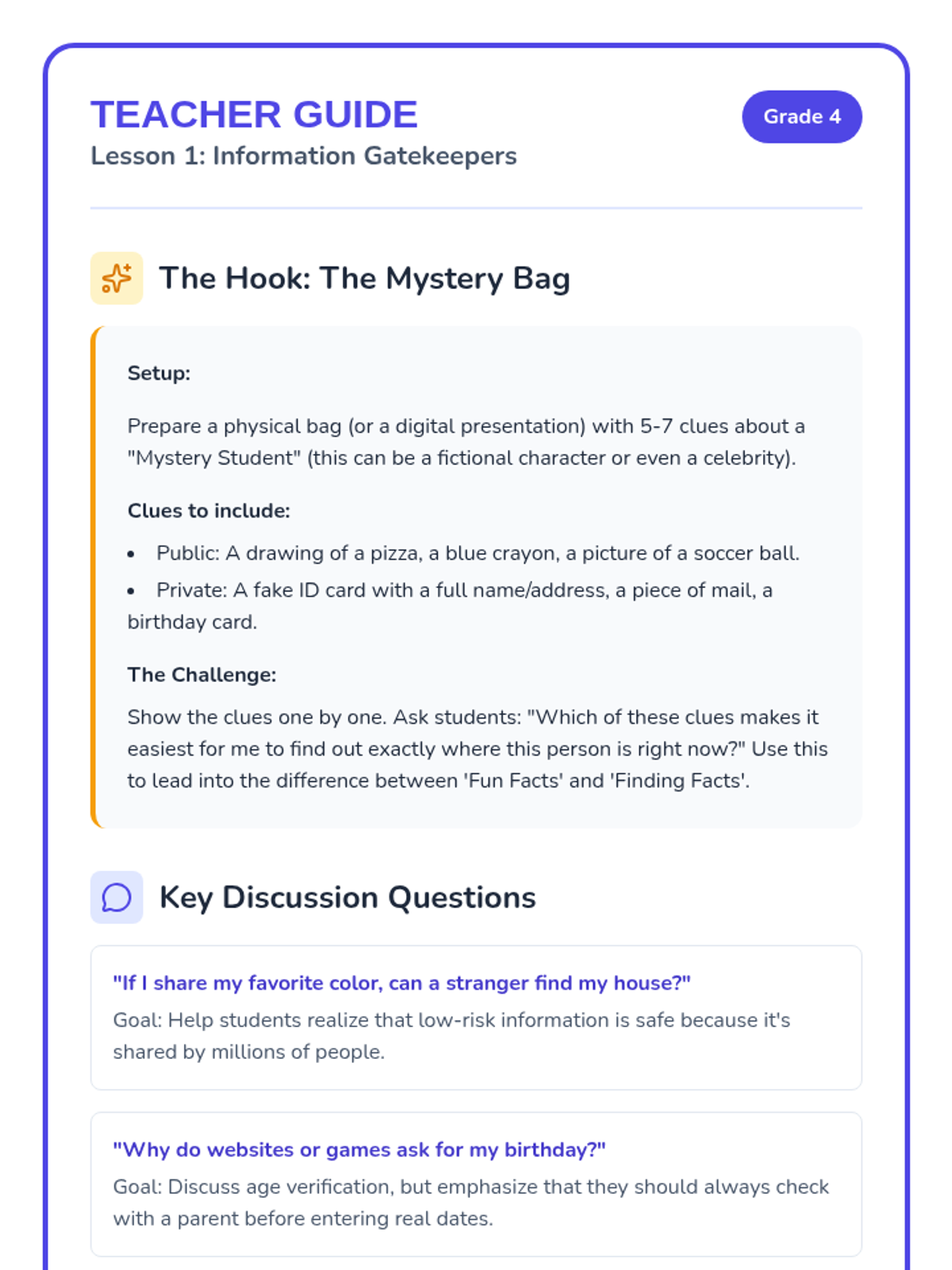
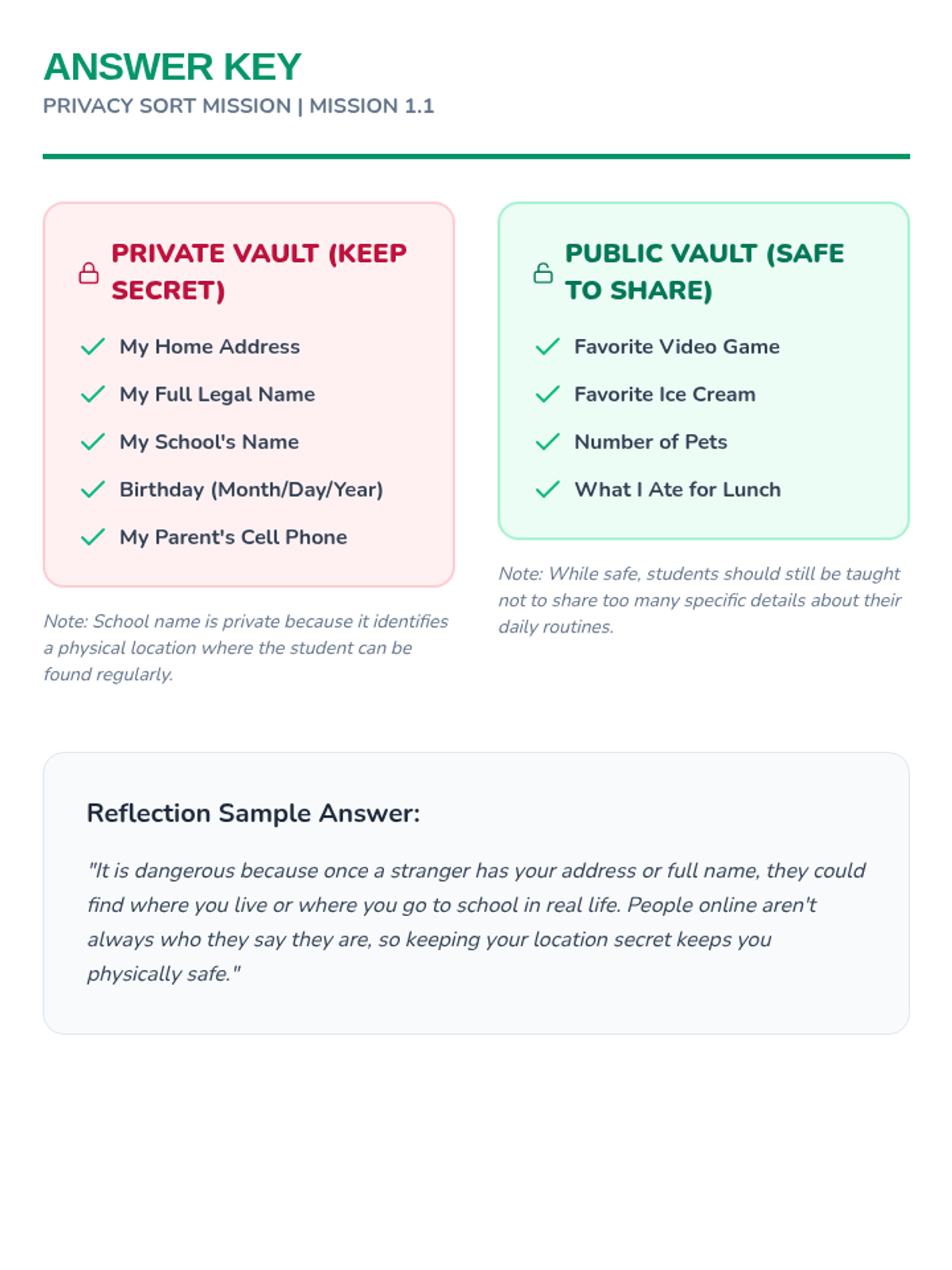
A comprehensive 4th-grade sequence on digital safety, focusing on privacy, password security, scam recognition, and interface navigation through a 'Cyber Shield Academy' theme.
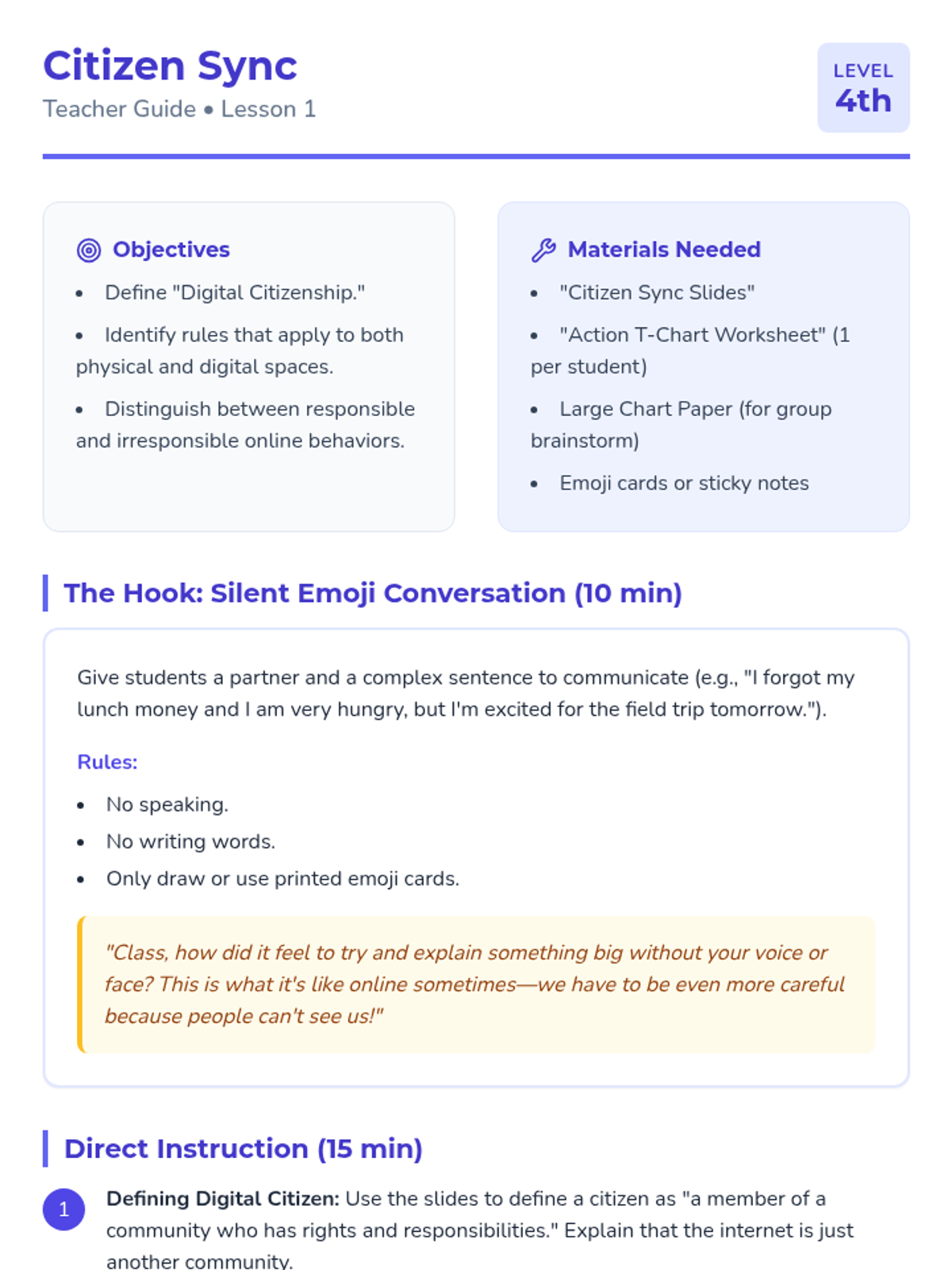
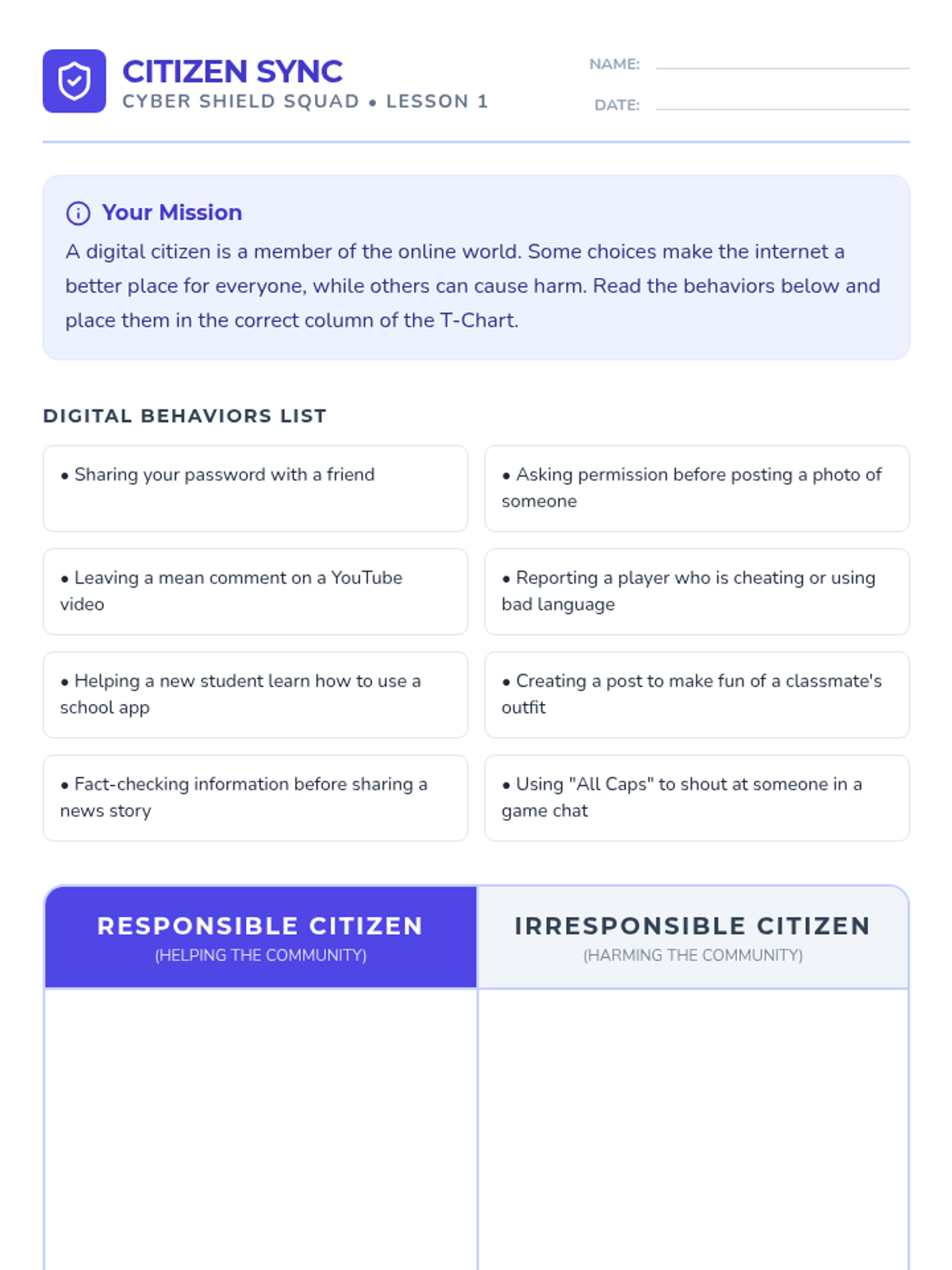
A comprehensive 5-lesson sequence for 4th graders on cyberbullying prevention and digital citizenship. Students move from understanding their role in the digital world to developing active upstander skills and personal codes of conduct for online interaction.
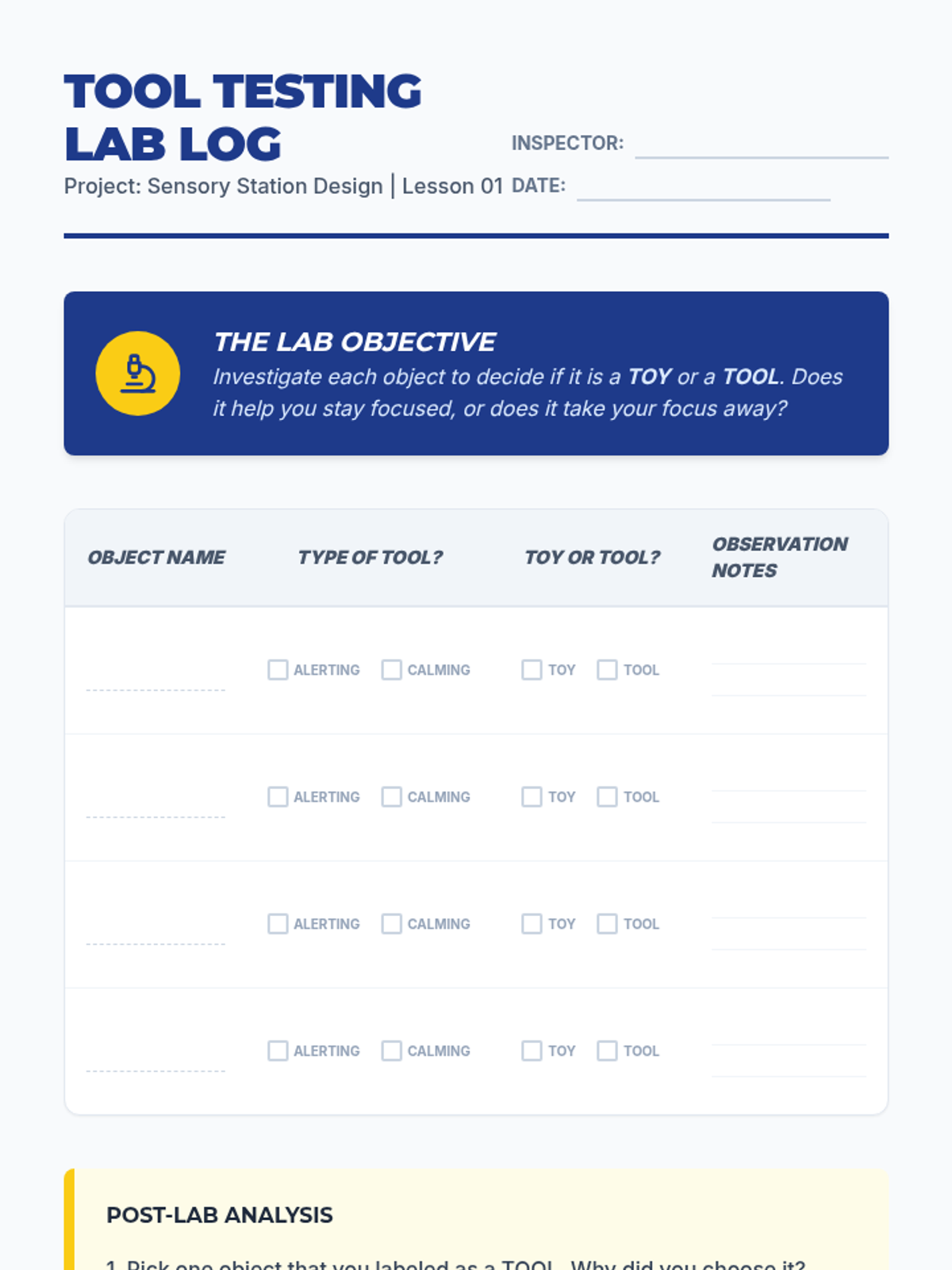
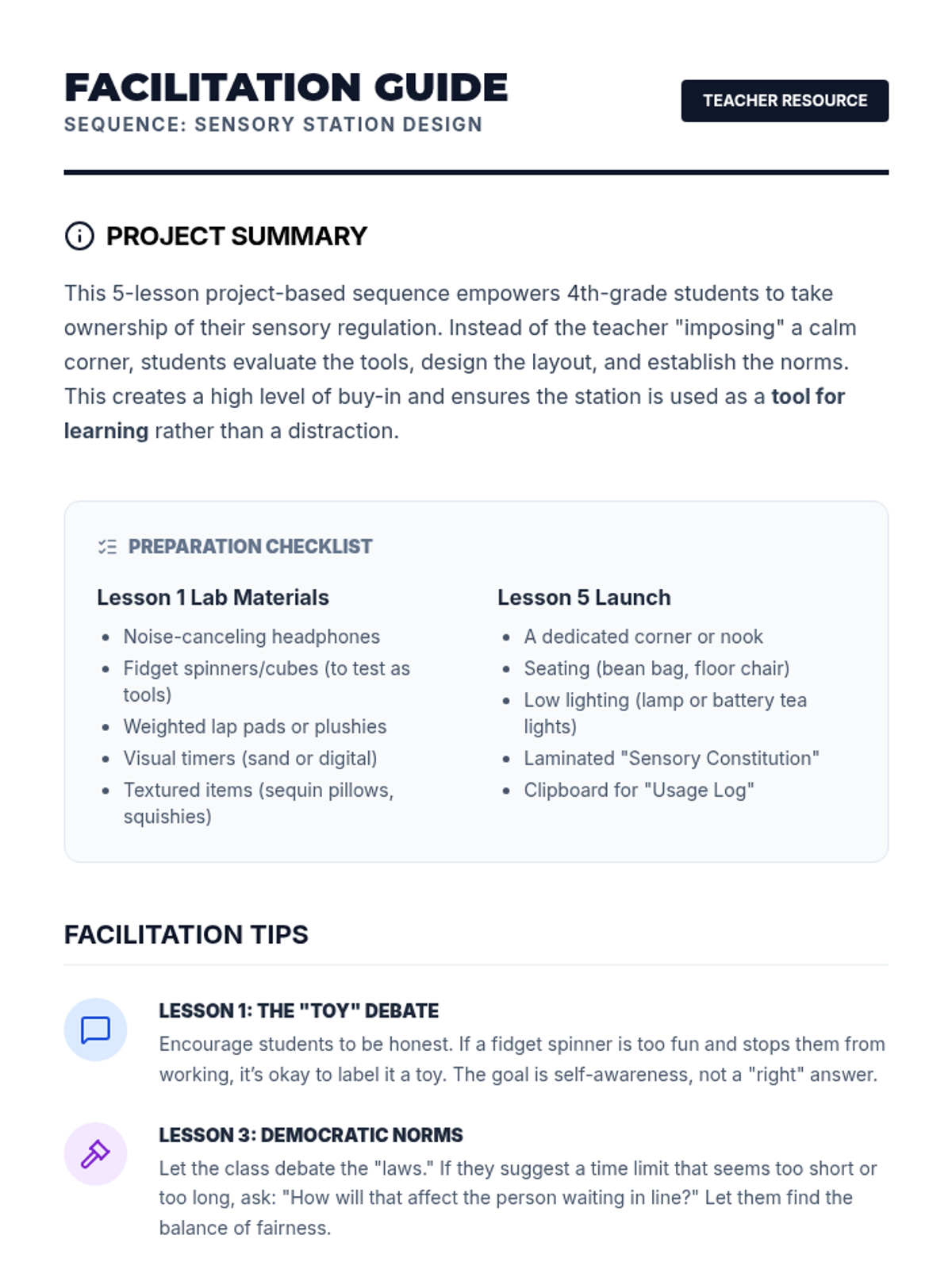
A project-based sequence where 4th-grade students evaluate sensory tools, design a classroom 'Sensory Station,' and establish community norms for its use to support proactive self-regulation.
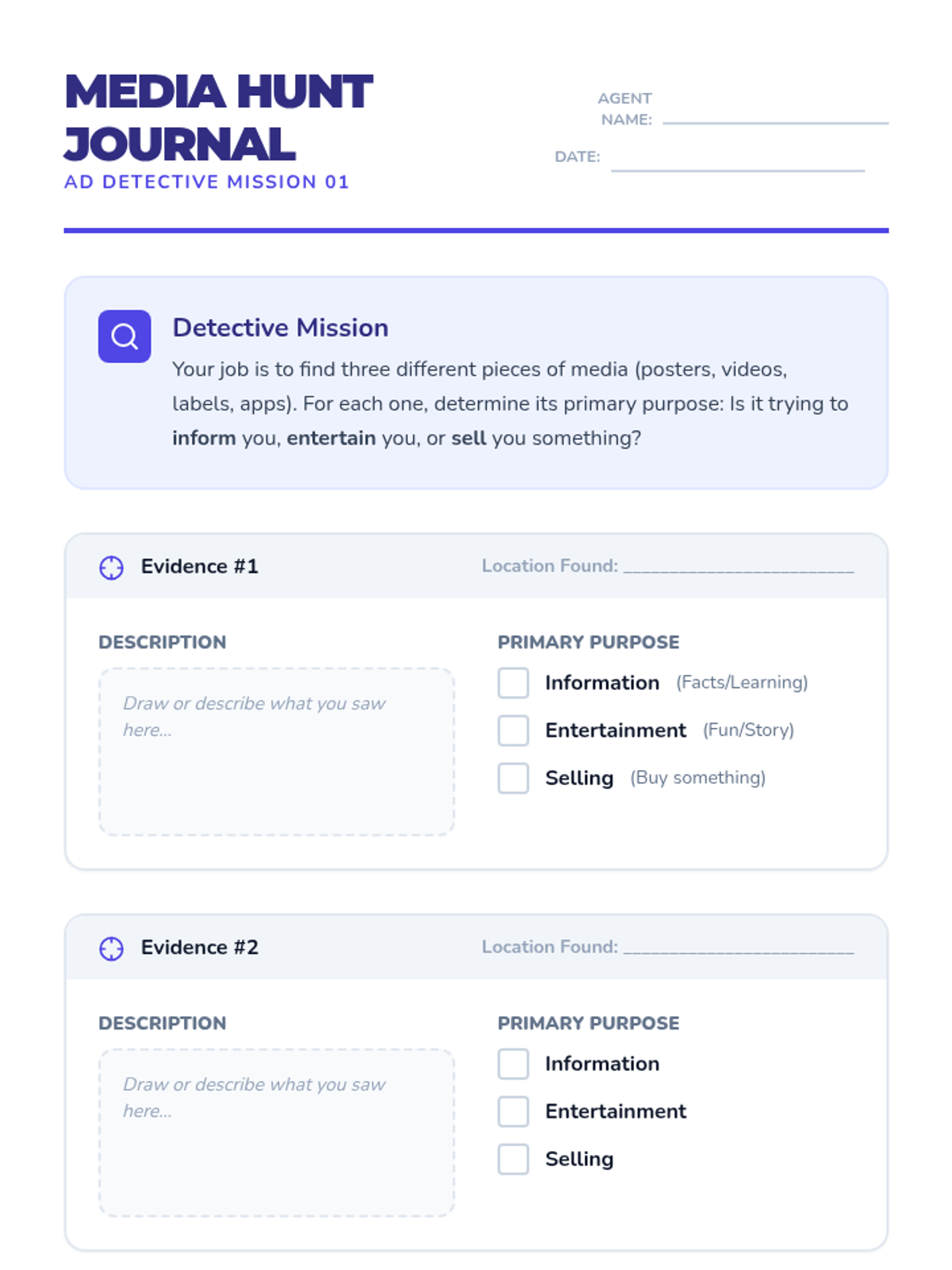
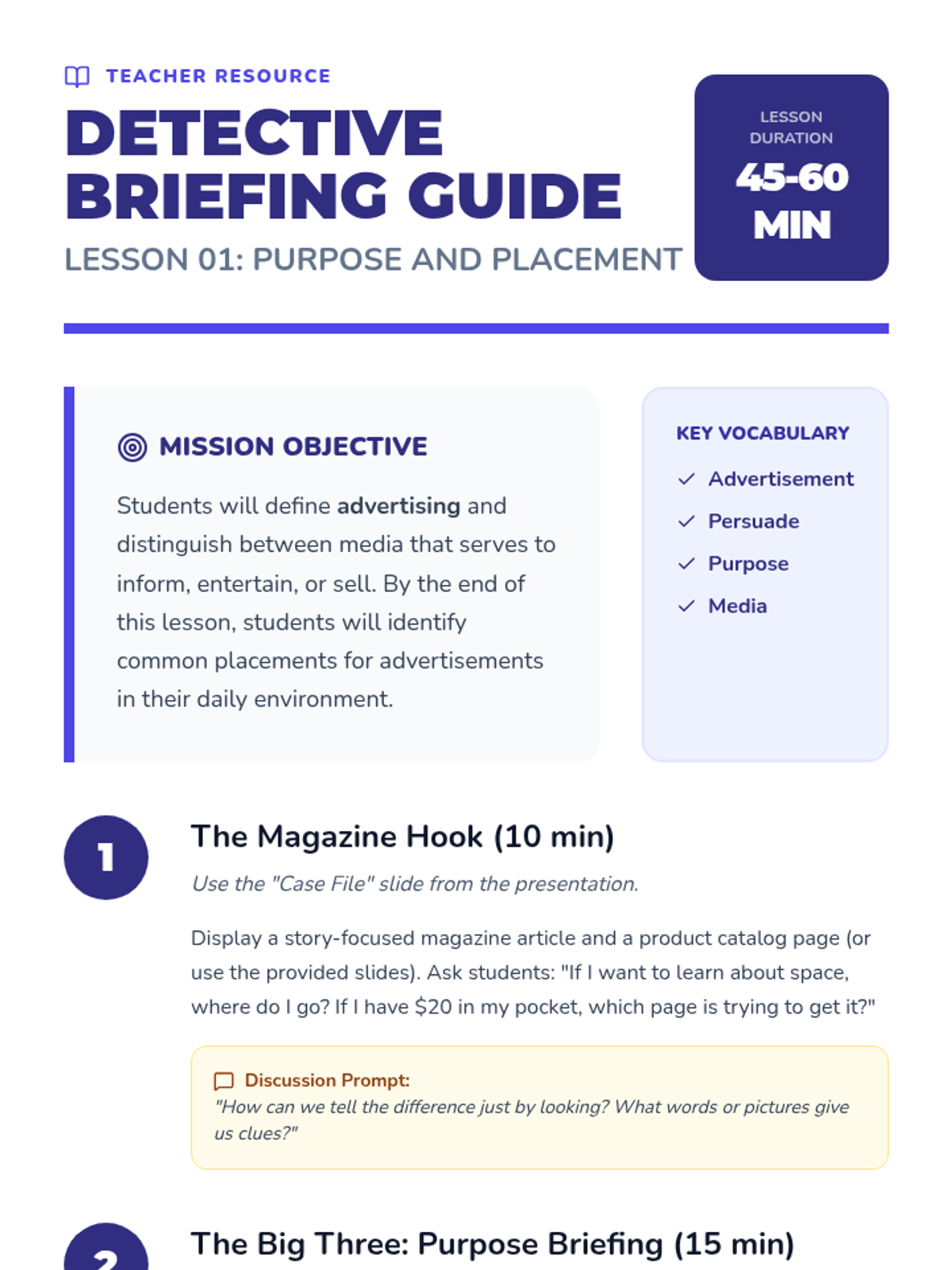
Students investigate the persuasive strategies used in commercials and print advertisements to understand how marketers influence consumer choices. The sequence covers advertising purpose, visual/auditory techniques, branding through logos and slogans, target audiences, and ethical advertising.
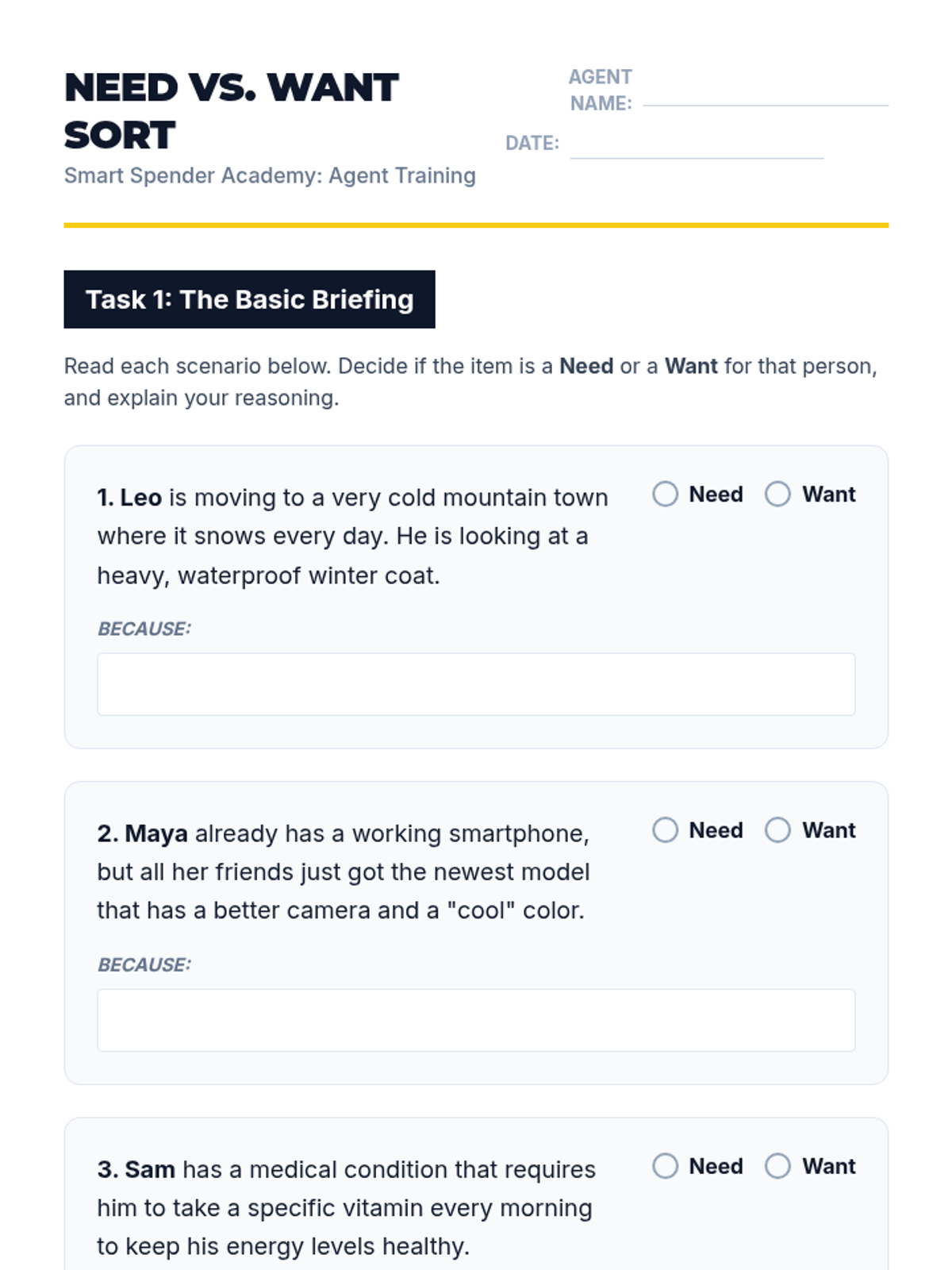
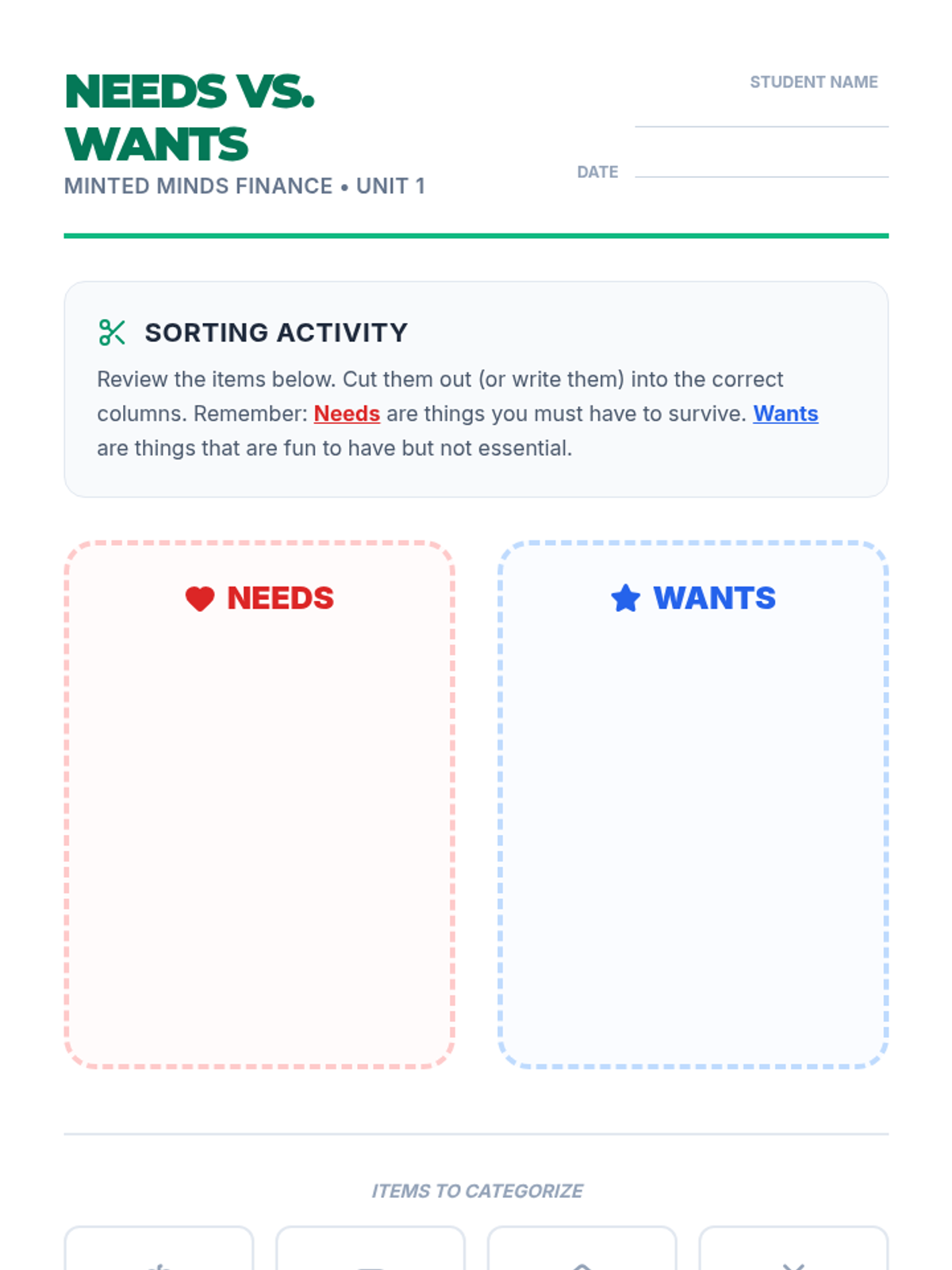
A comprehensive 5-lesson unit that transforms 4th-grade students into critical consumers. Students learn to distinguish needs from wants, deconstruct advertising tricks, use math to find the best value, spot marketplace scams, and create a justified spending plan.
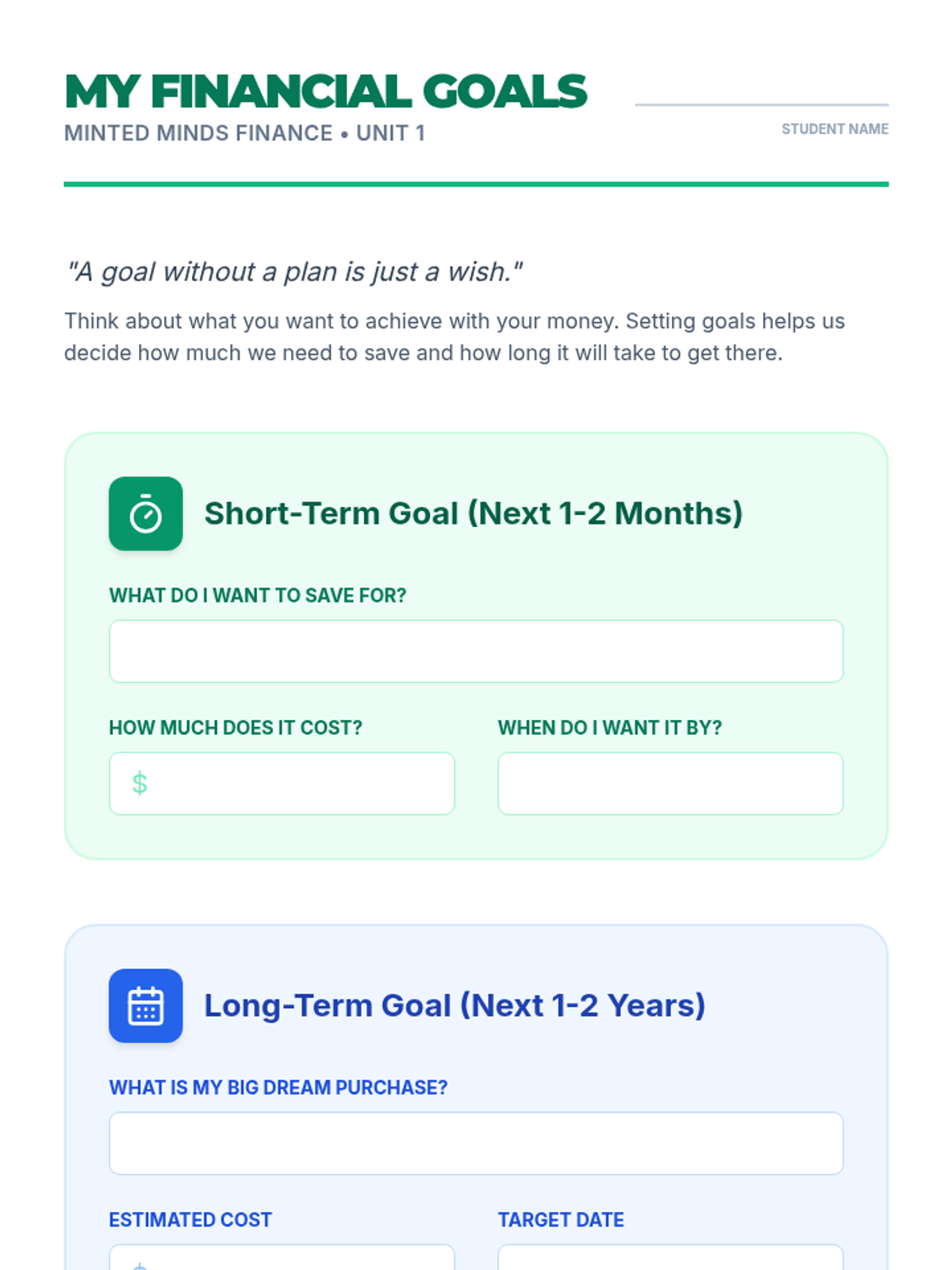
This sequence introduces 4th-grade students to personal finance, banking security, the concept of interest, and the mechanics of budgeting. Students progress from distinguishing needs and wants to applying financial advice in real-world scenarios.
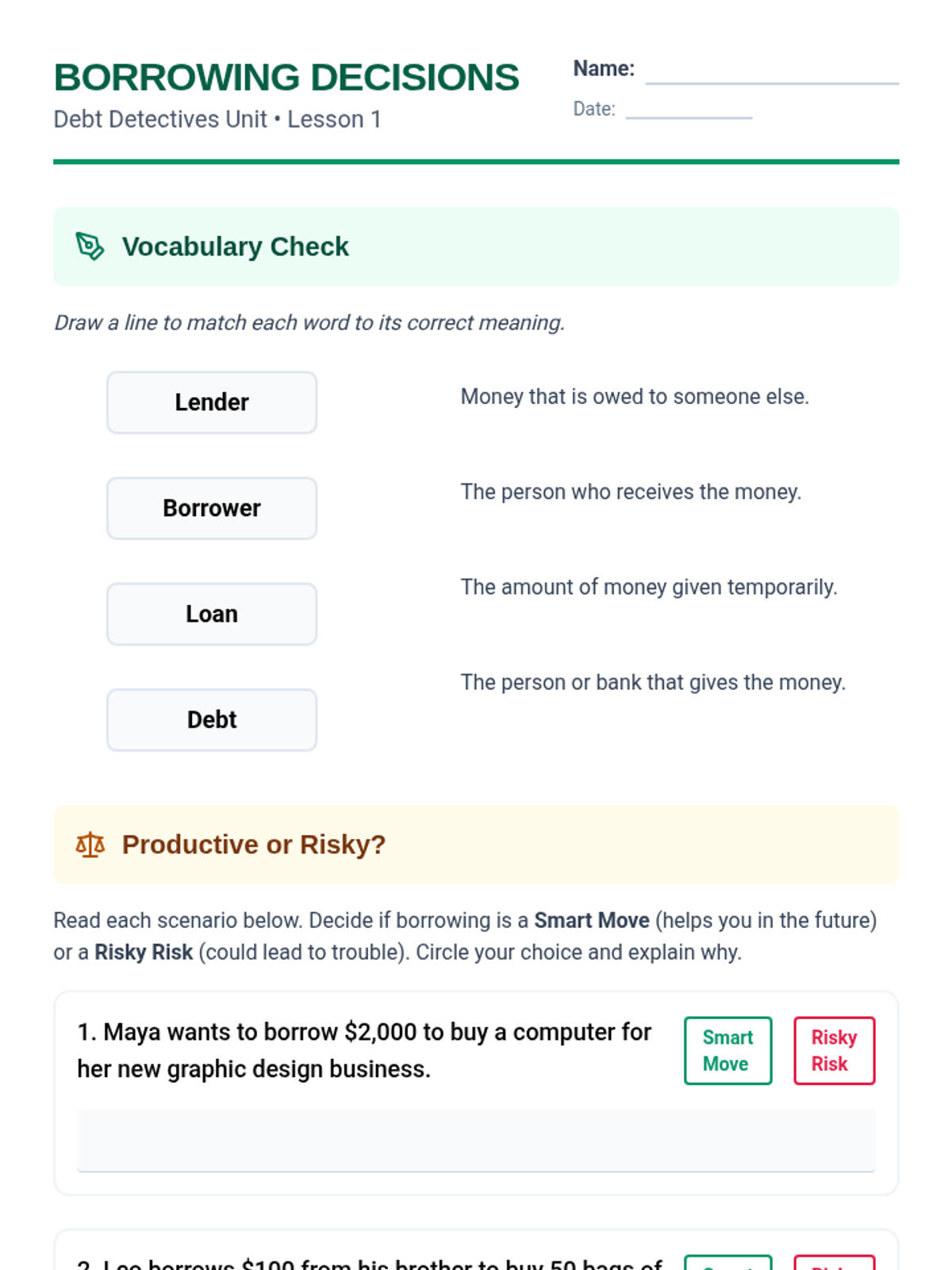
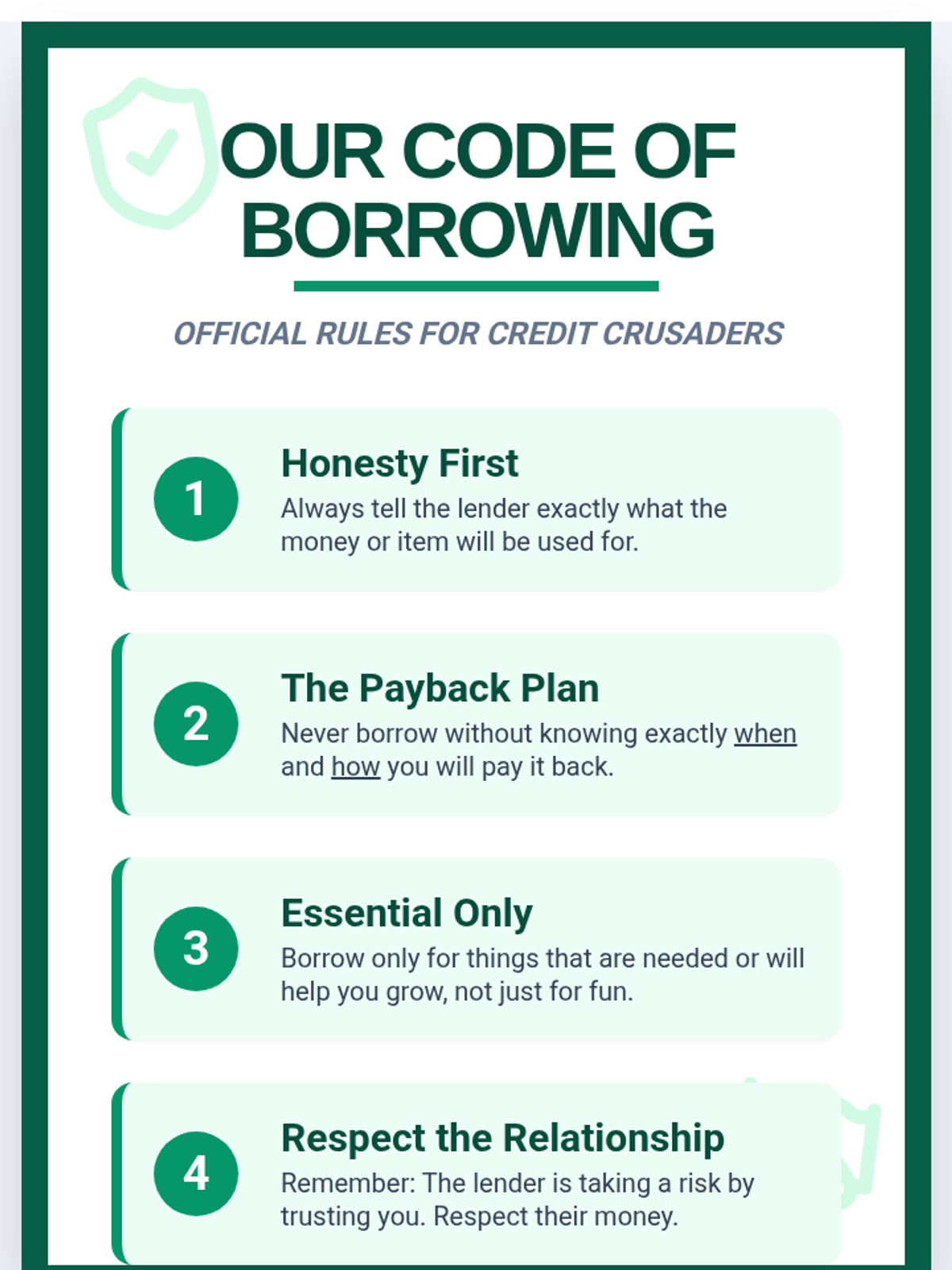
A 4th-grade economics simulation exploring the mechanics of borrowing, lending, and credit. Students transition from savers to lenders and borrowers, learning about interest rates, creditworthiness, and the responsibilities of financial agreements.
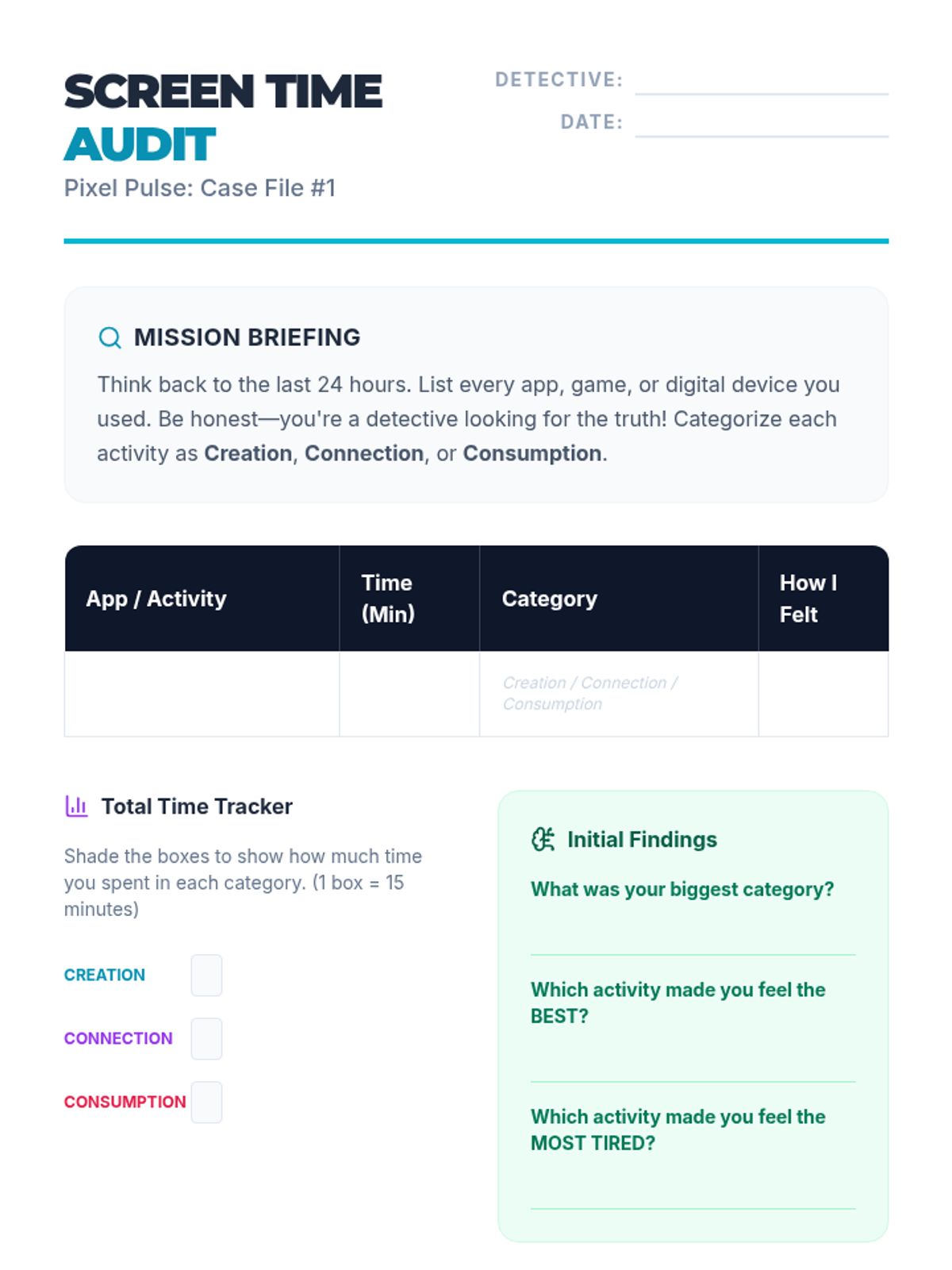
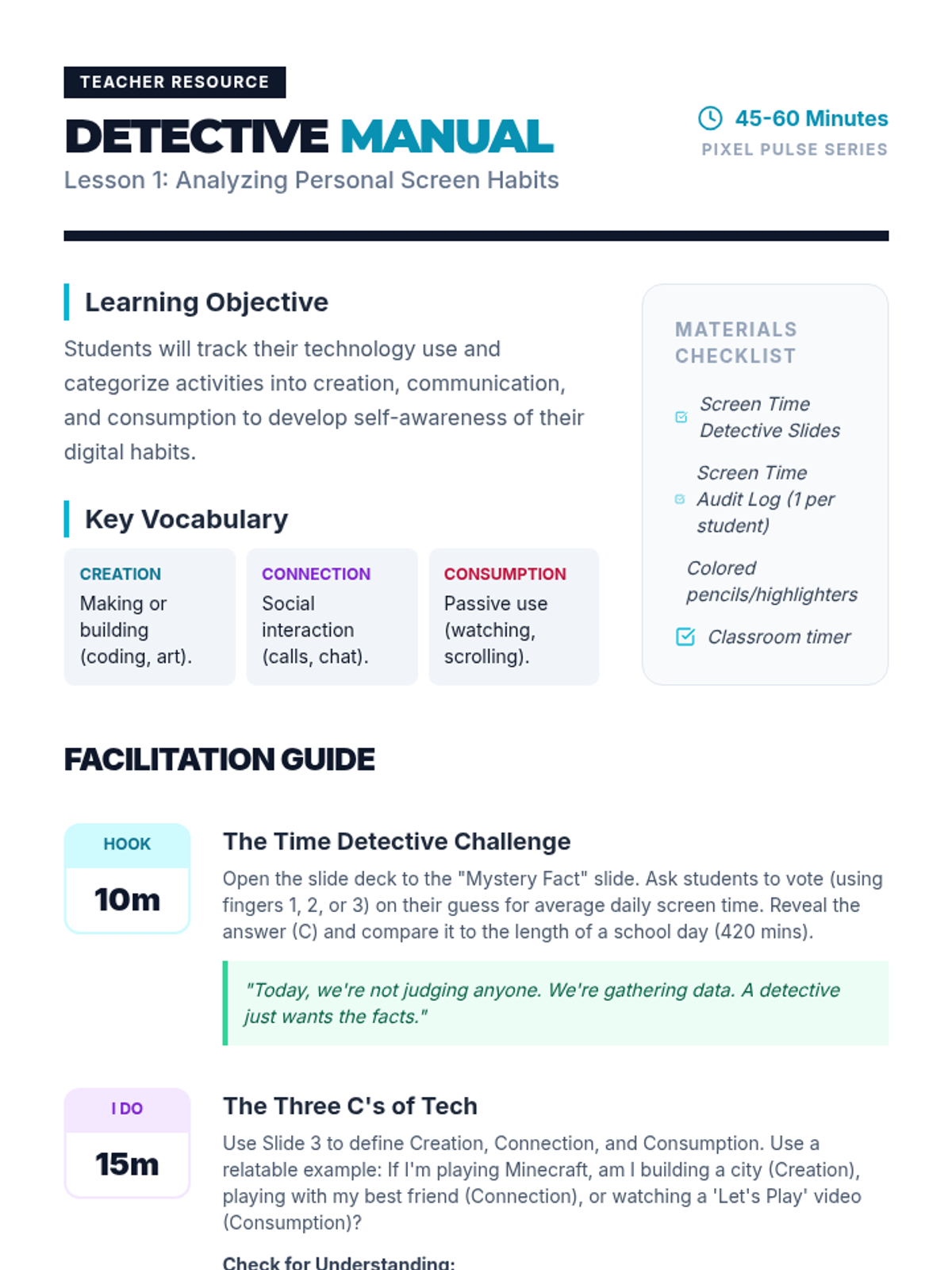
A comprehensive unit for 4th graders to audit their tech habits, recognize signs of digital overload, and design a personal 'Digital Wellness Plan' that balances screens with offline life. Students move from passive consumption to active, intentional technology use through data analysis and goal setting.
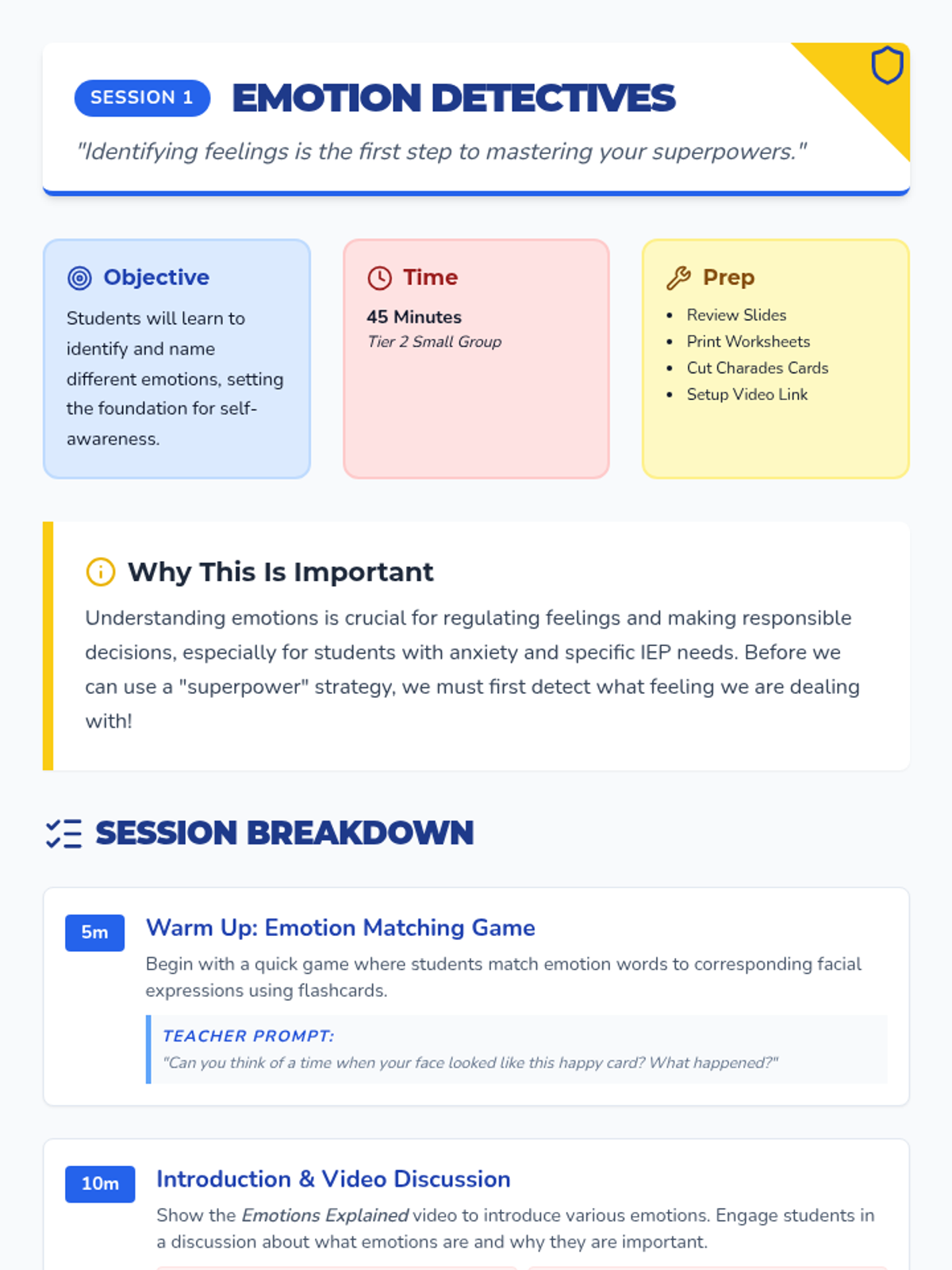
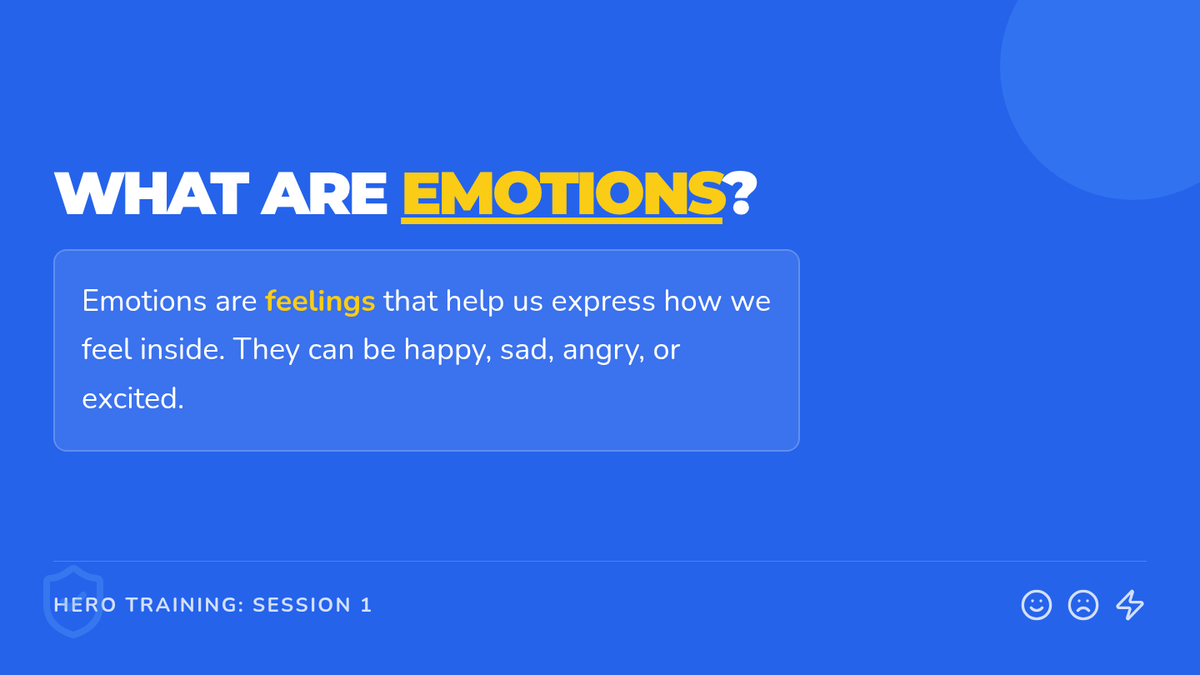
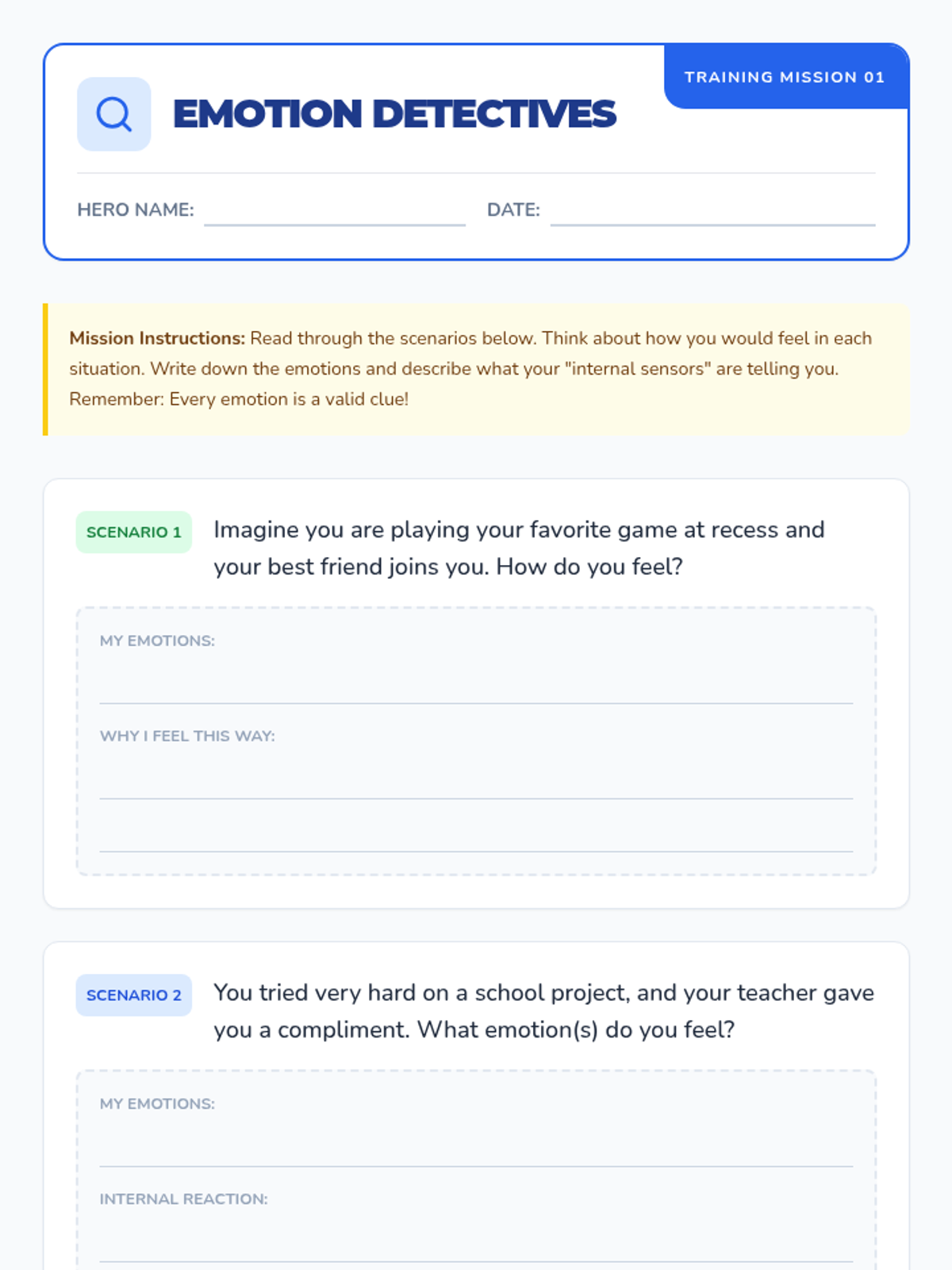
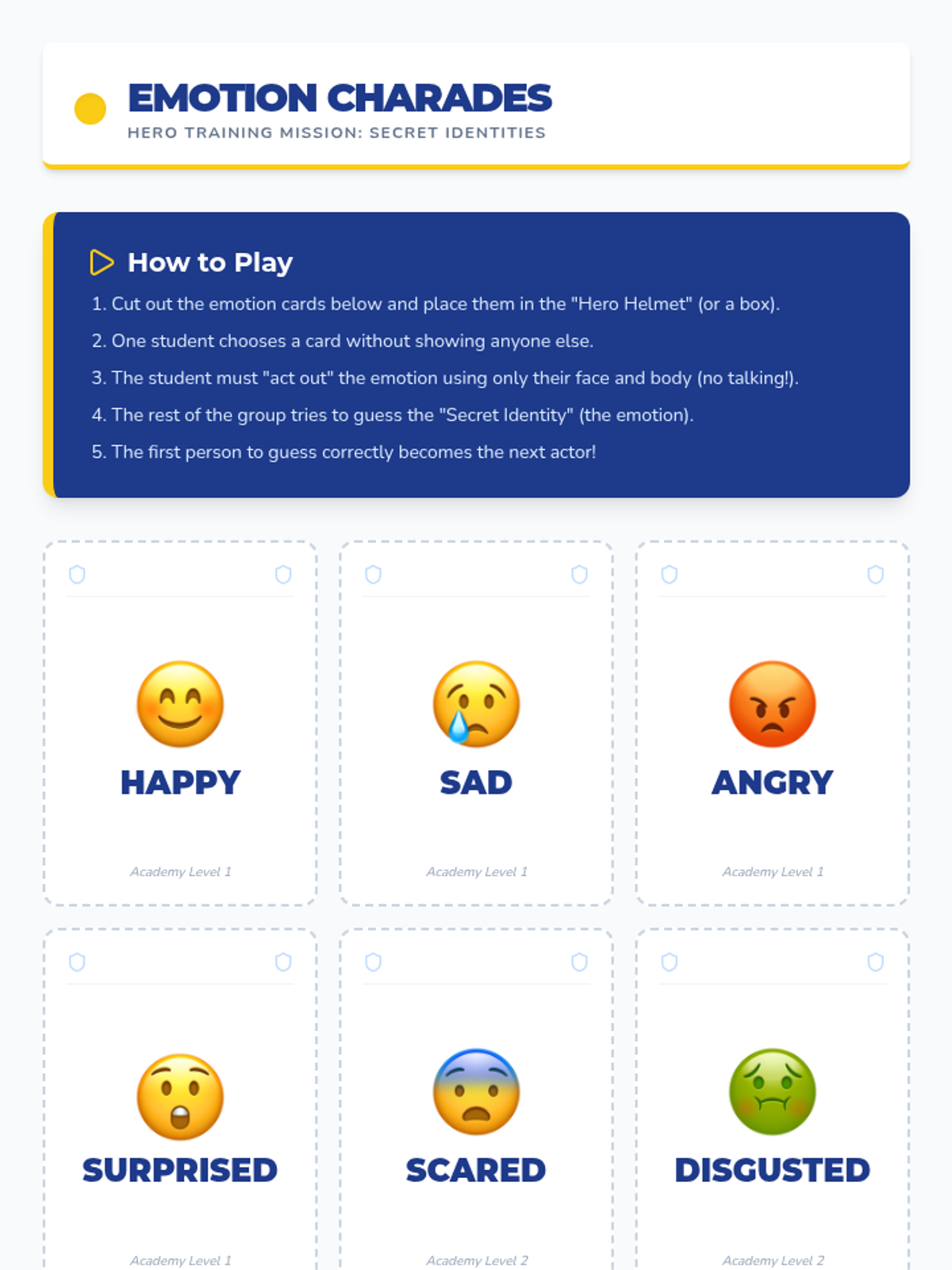
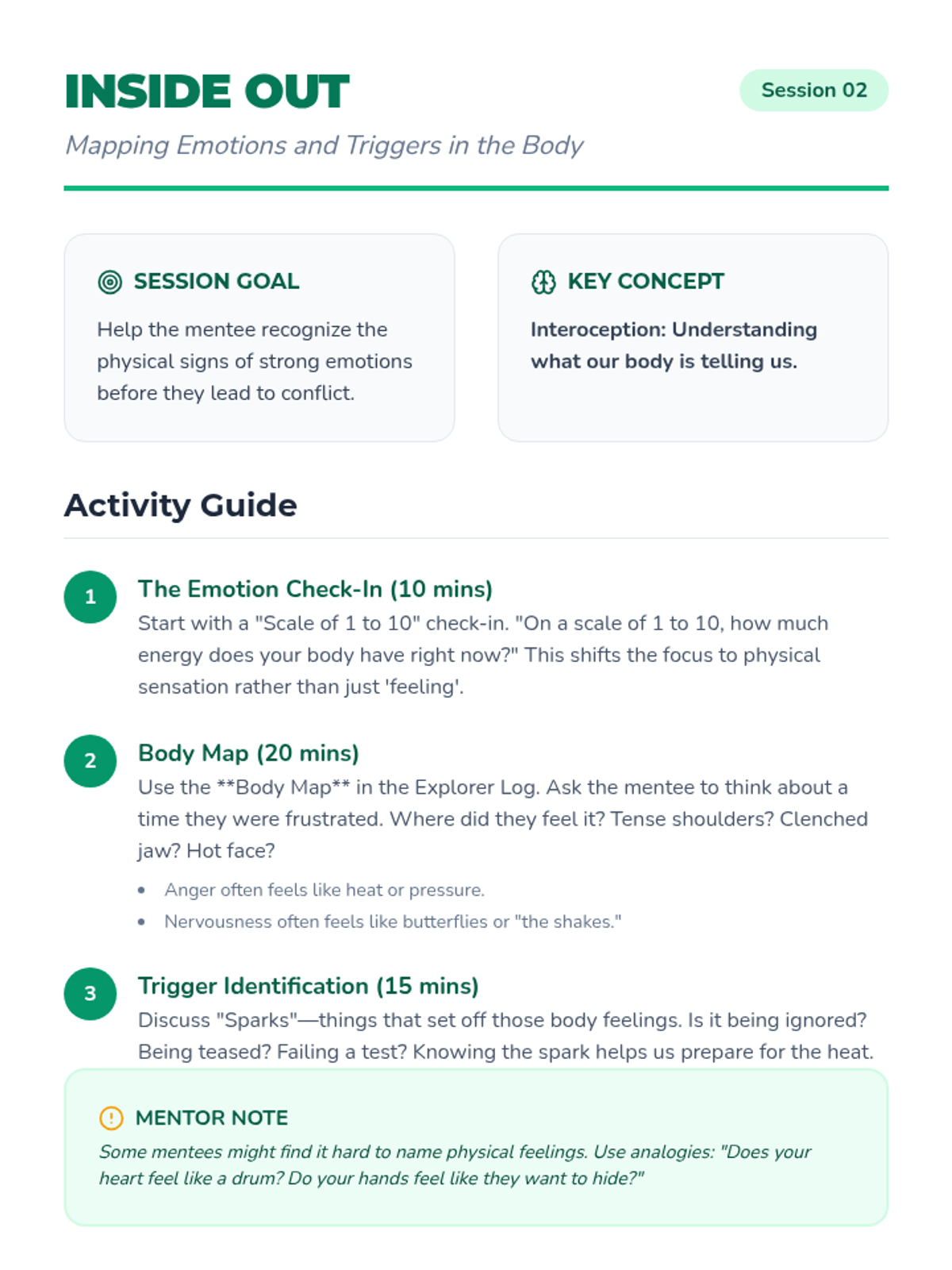
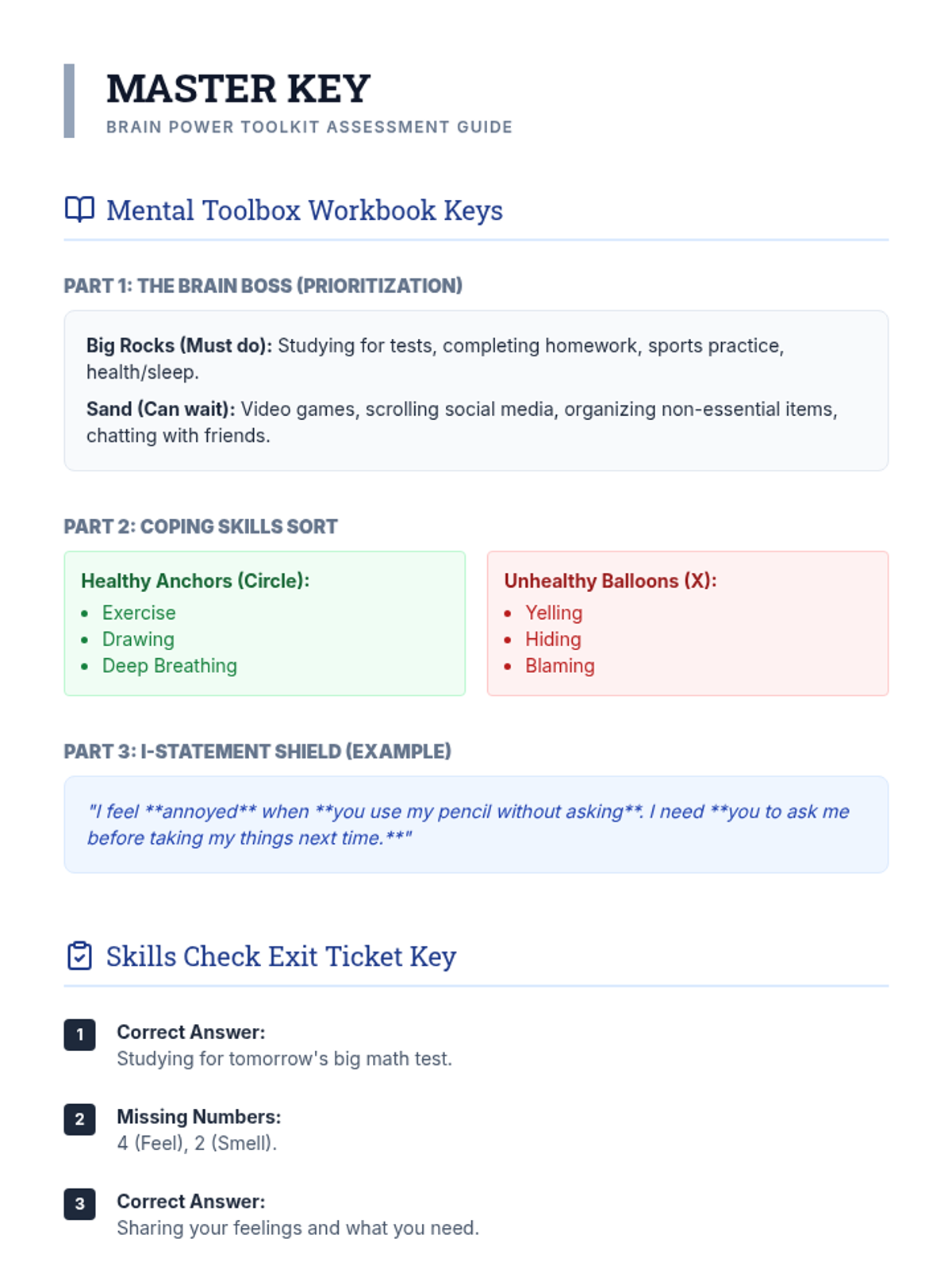
An 8-session Tier 2 intervention sequence designed for 4th graders to develop emotional regulation and responsible decision-making skills. The program uses a 'Superhero Academy' theme to engage students in identifying emotions, recognizing body signals, and building a toolbox of coping strategies.
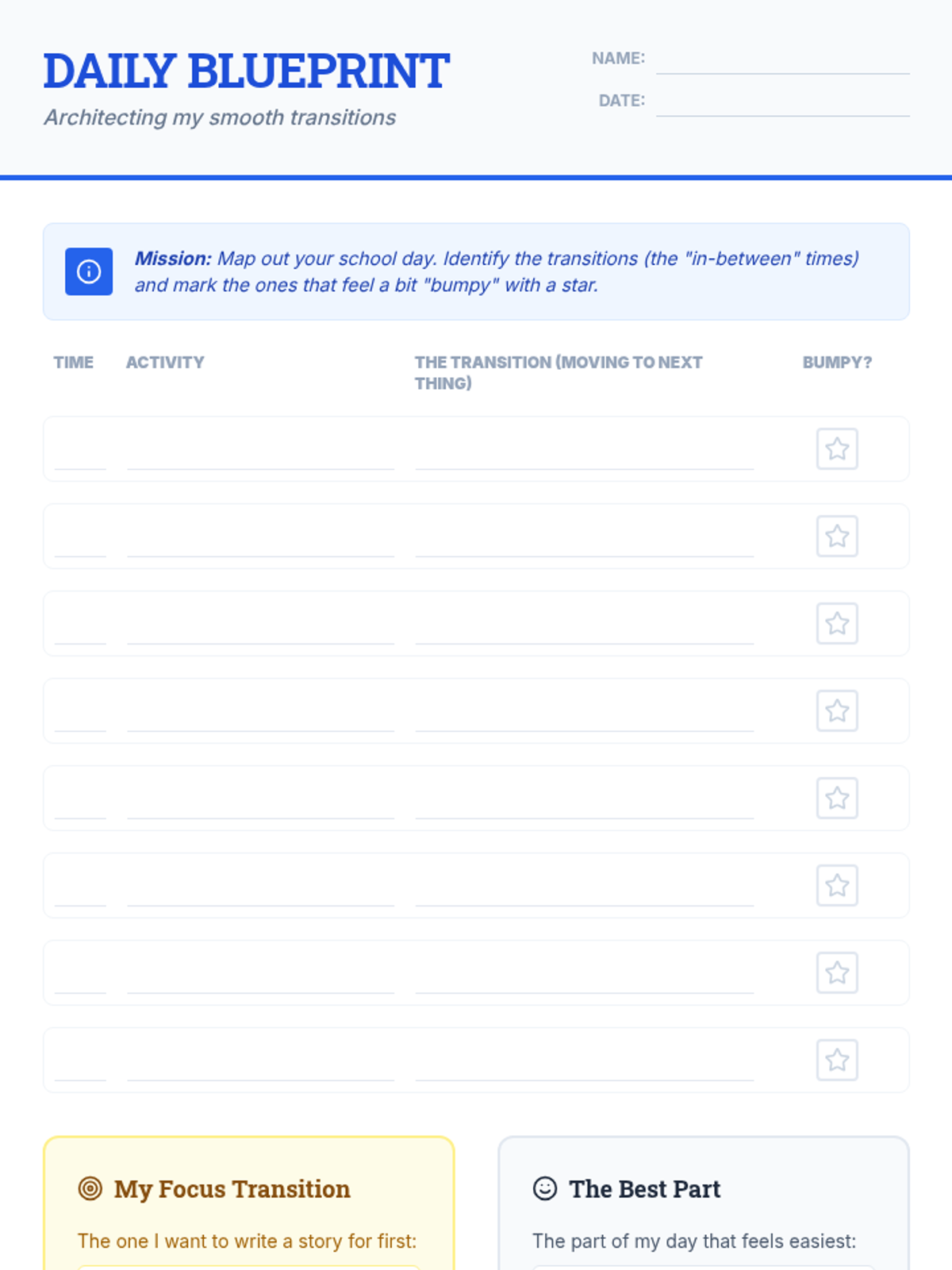
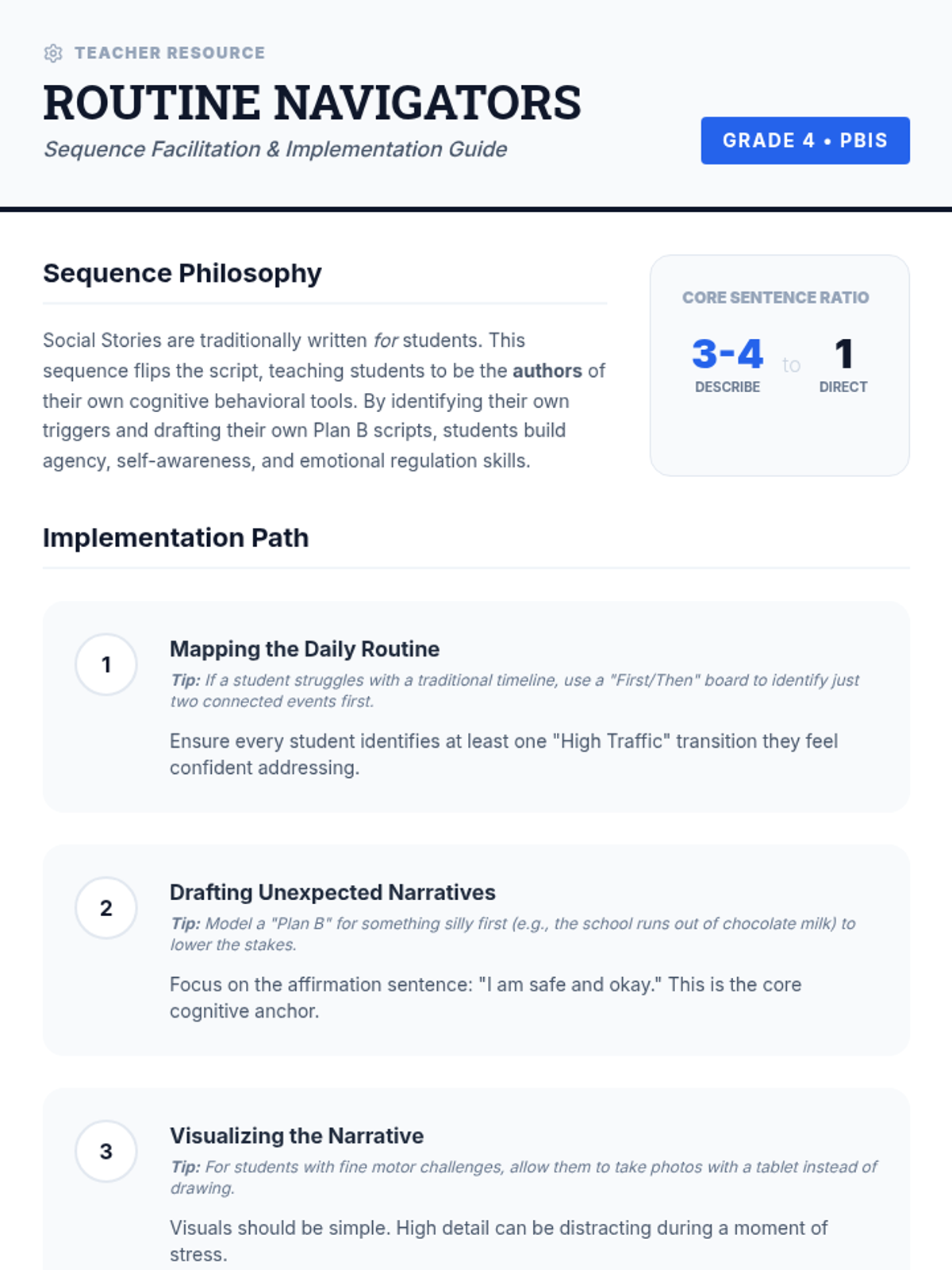
A project-based sequence where 4th-grade students learn to create personalized social stories to navigate transitions and routine changes, culminating in a personal 'Routine Manual'.
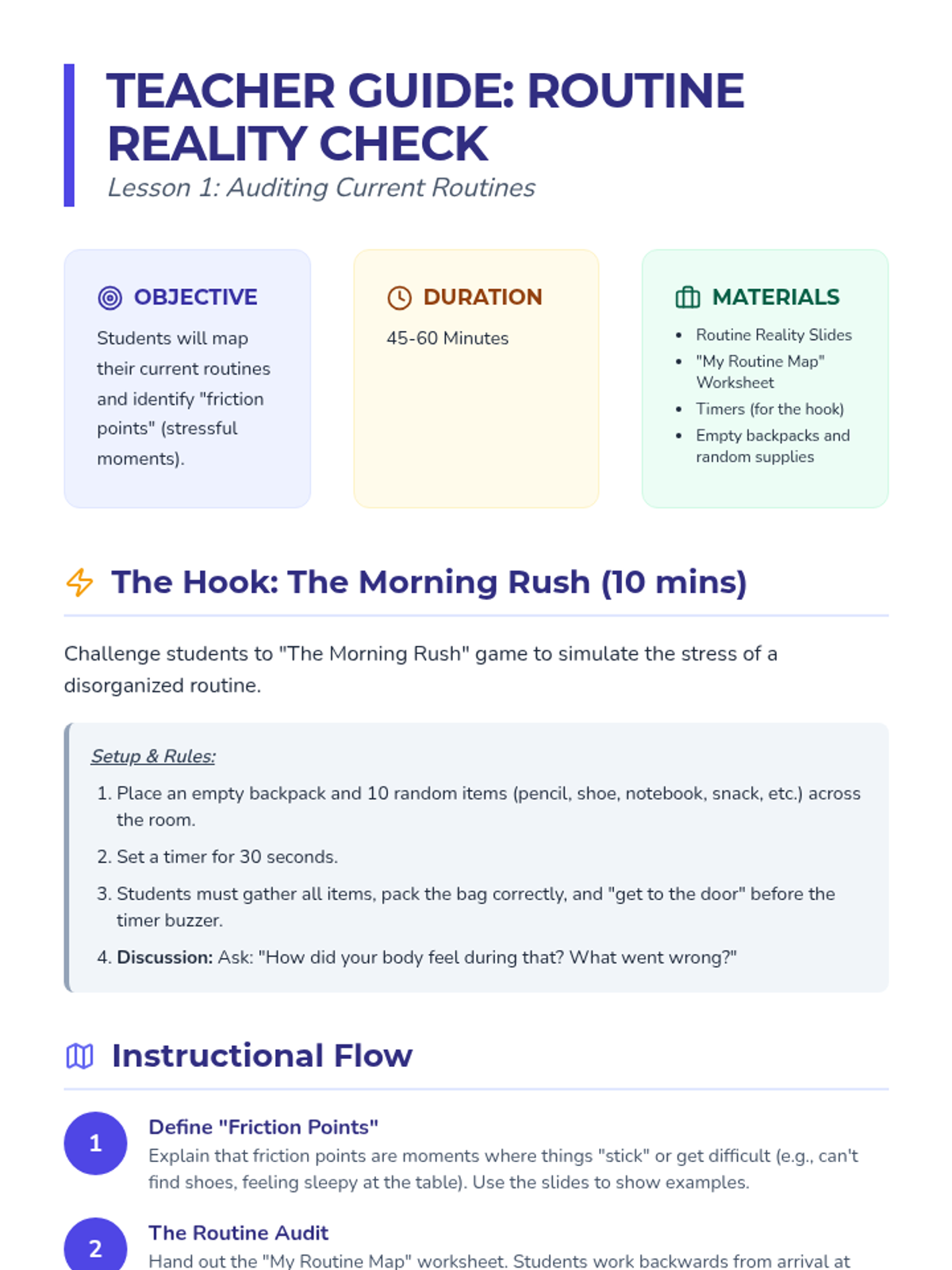
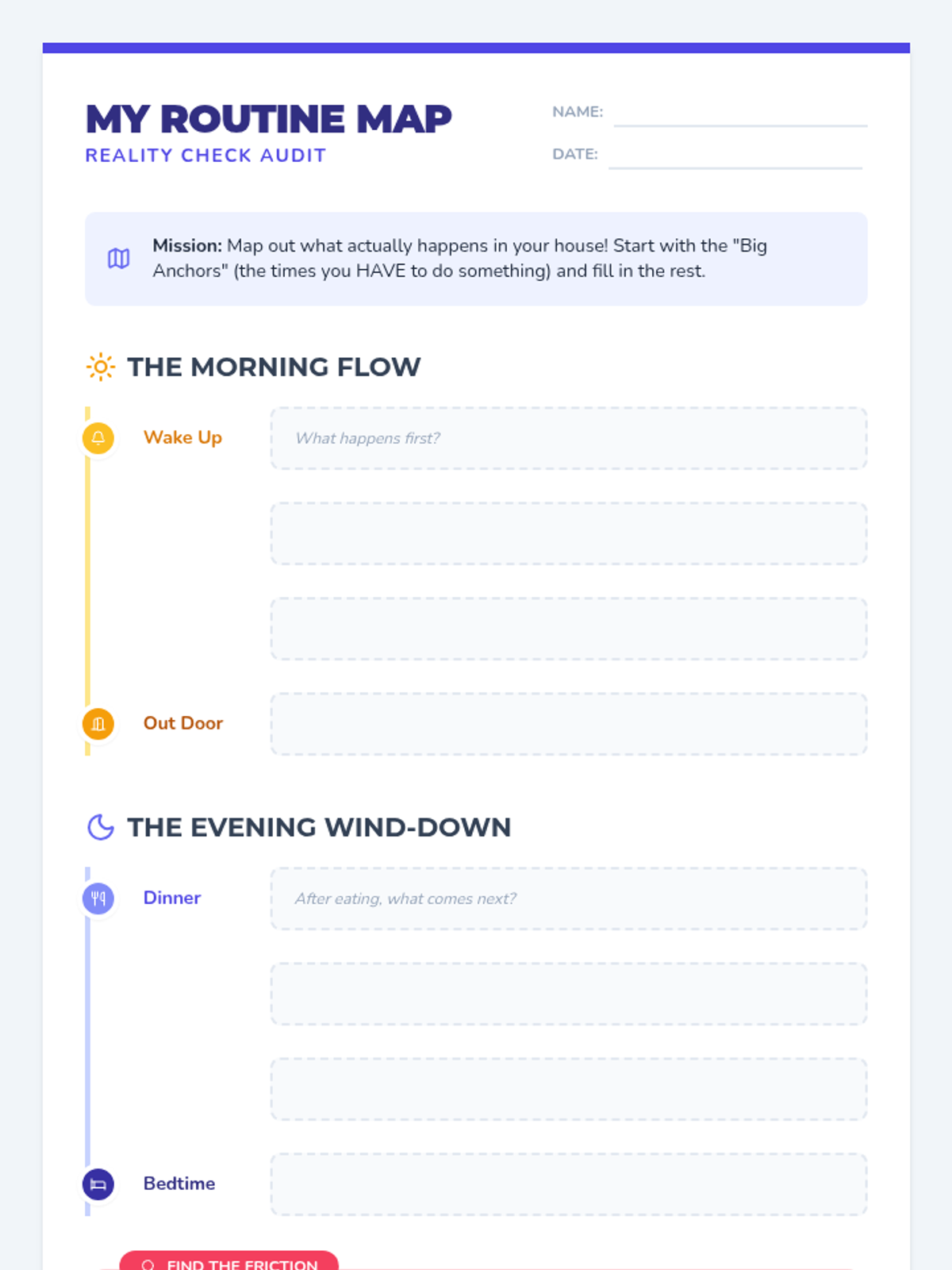
A 5-lesson sequence for 4th graders focused on designing and implementing mood-supporting sleep and morning routines using habit stacking and backward design.
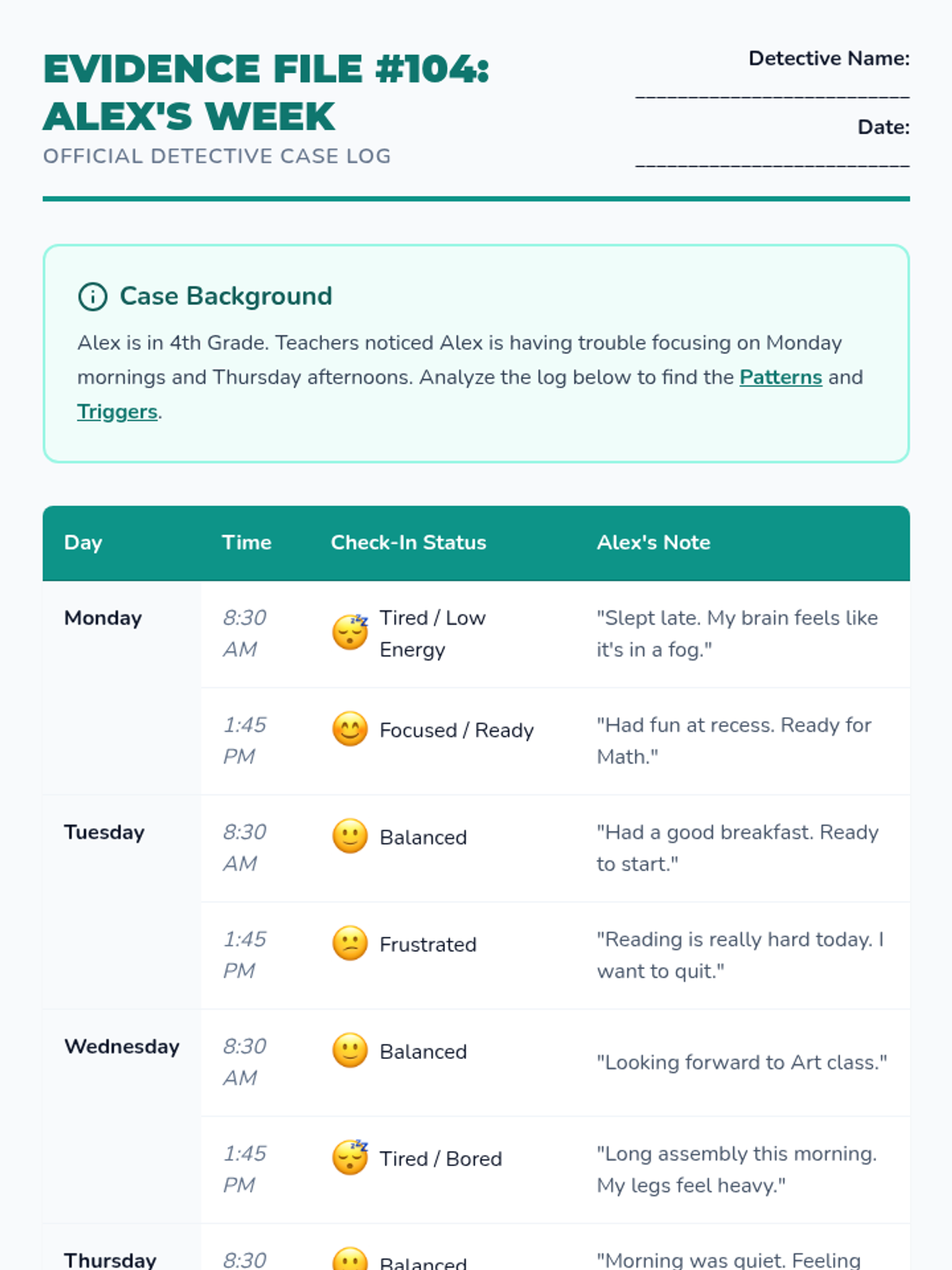
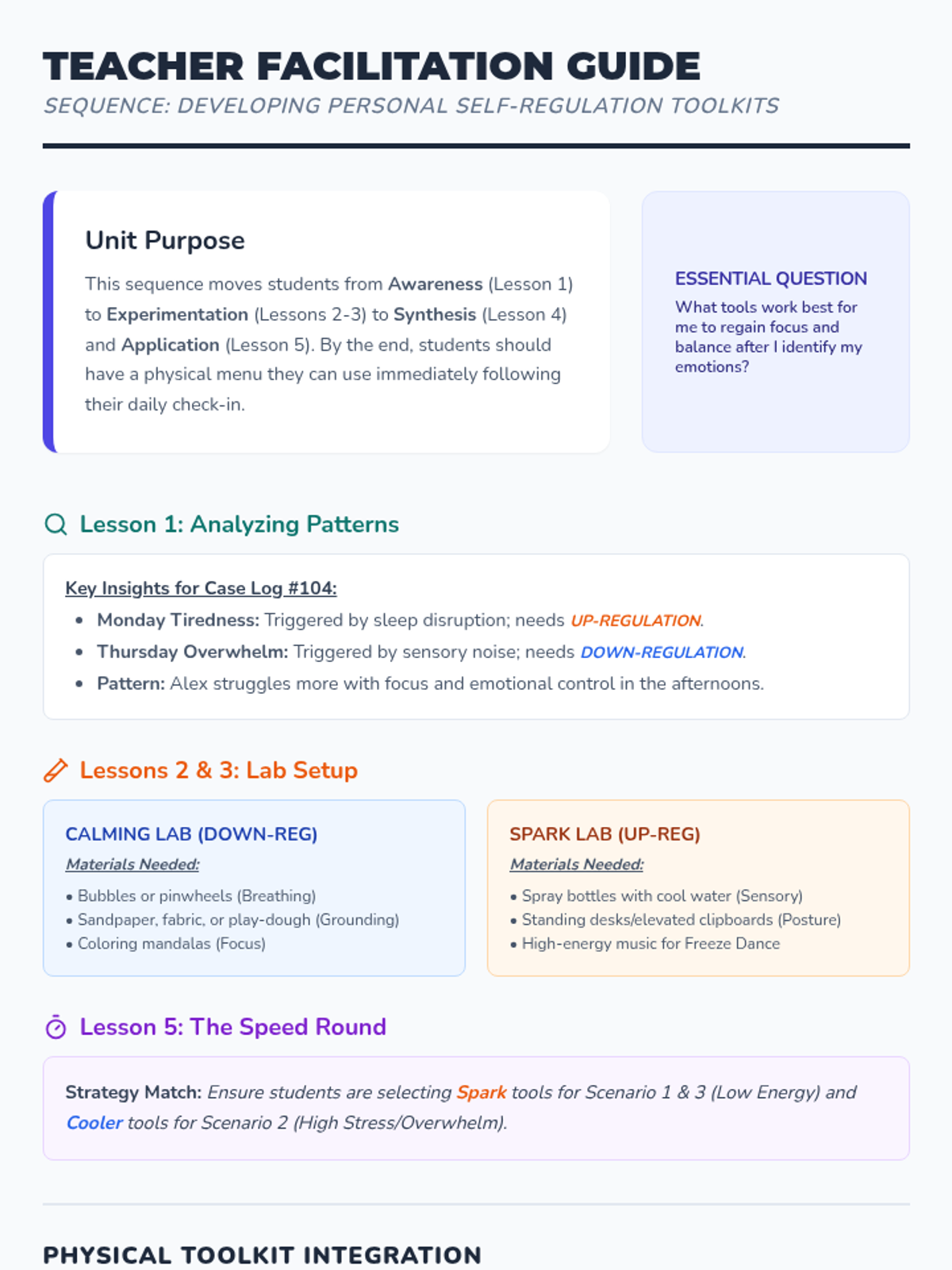
An inquiry-based 5-lesson unit for 4th graders to develop self-regulation toolkits. Students analyze emotional patterns, test down-regulating and up-regulating strategies, and create a personalized menu for use during daily check-ins.
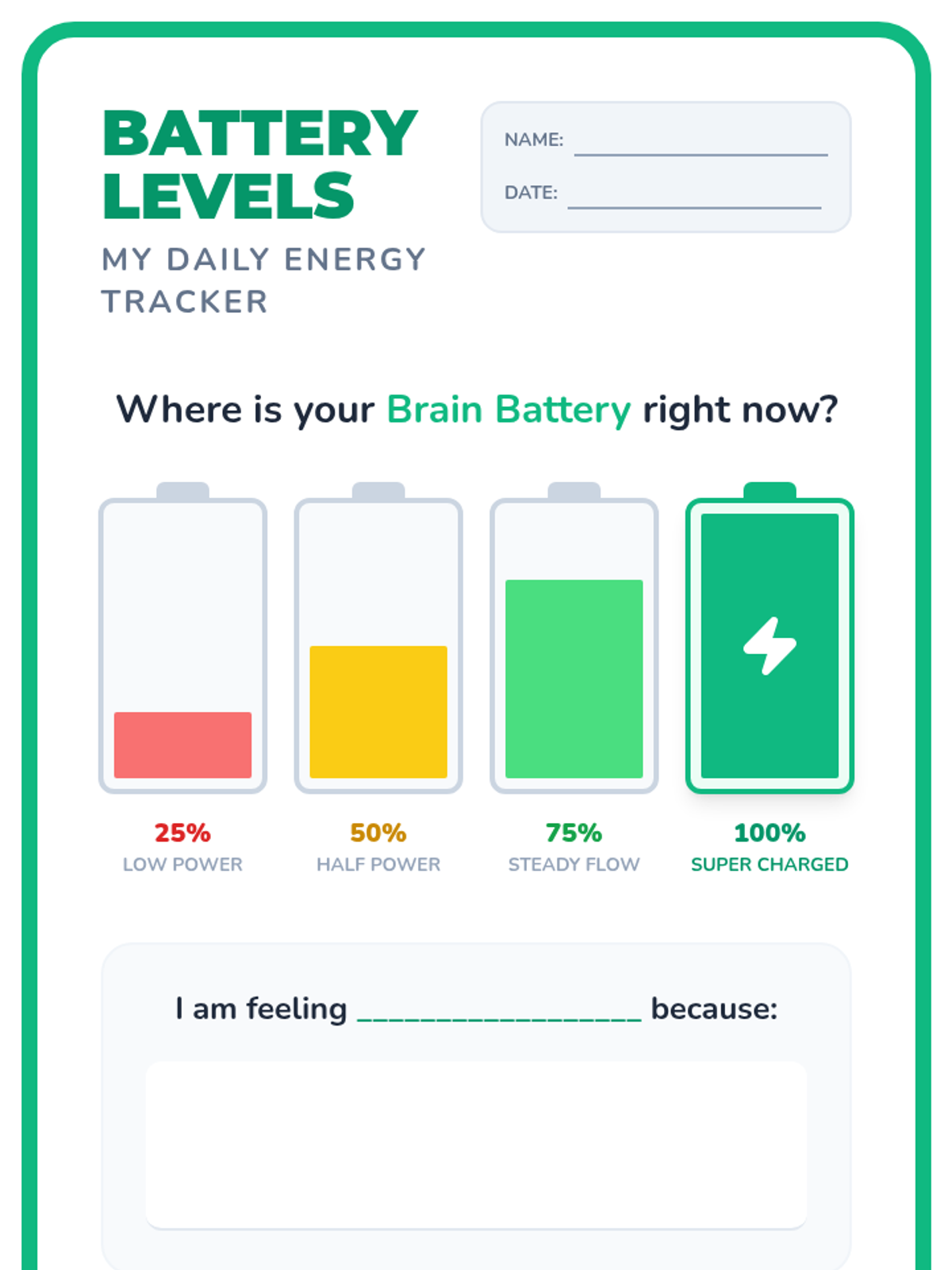
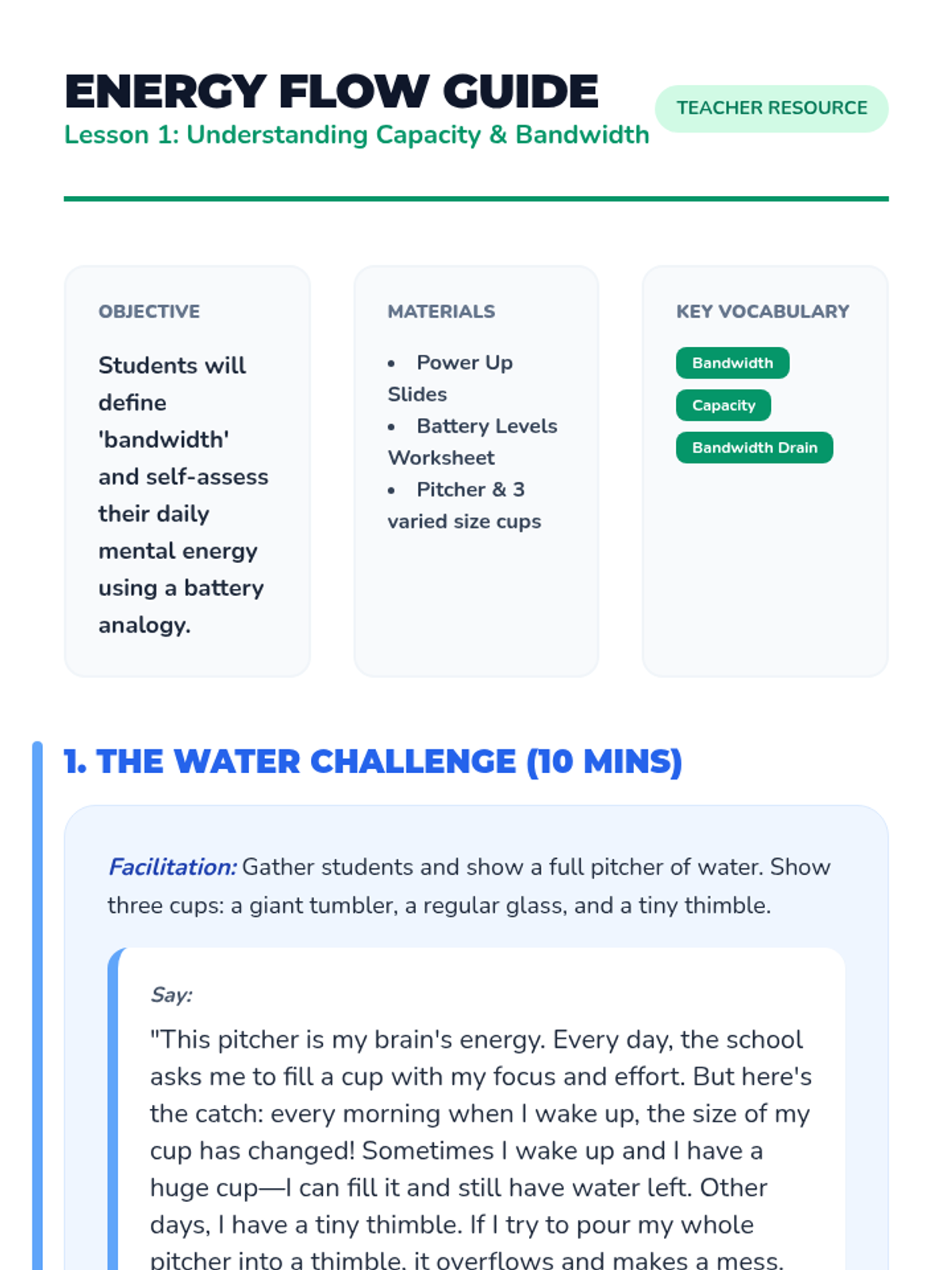
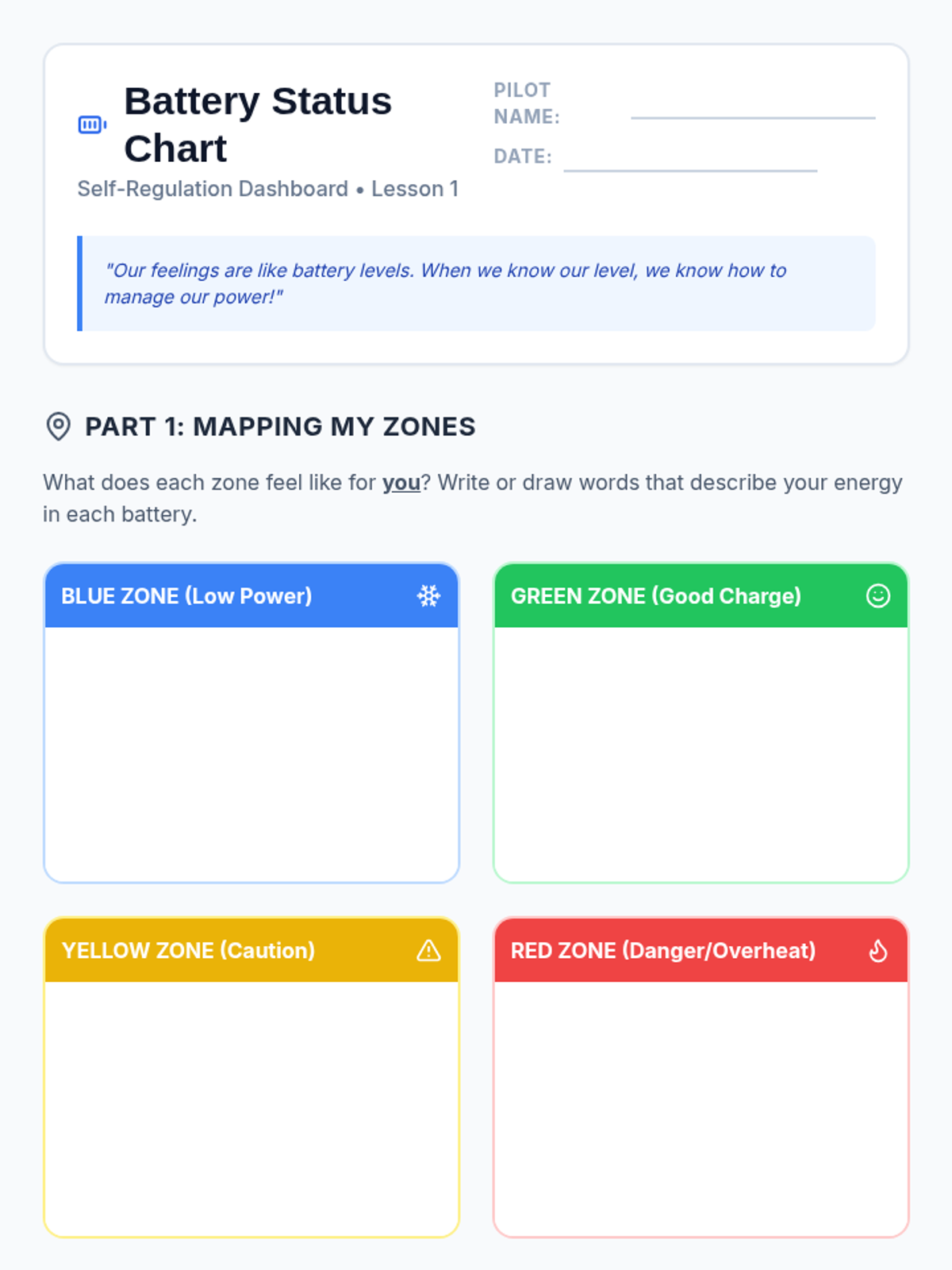
This sequence teaches 4th-grade students to link emotional check-ins with daily goal setting. Students learn to assess their mental 'bandwidth' using a battery analogy, set realistic daily intentions, create if-then action plans, and reflect on their progress, fostering executive functioning and self-management skills.
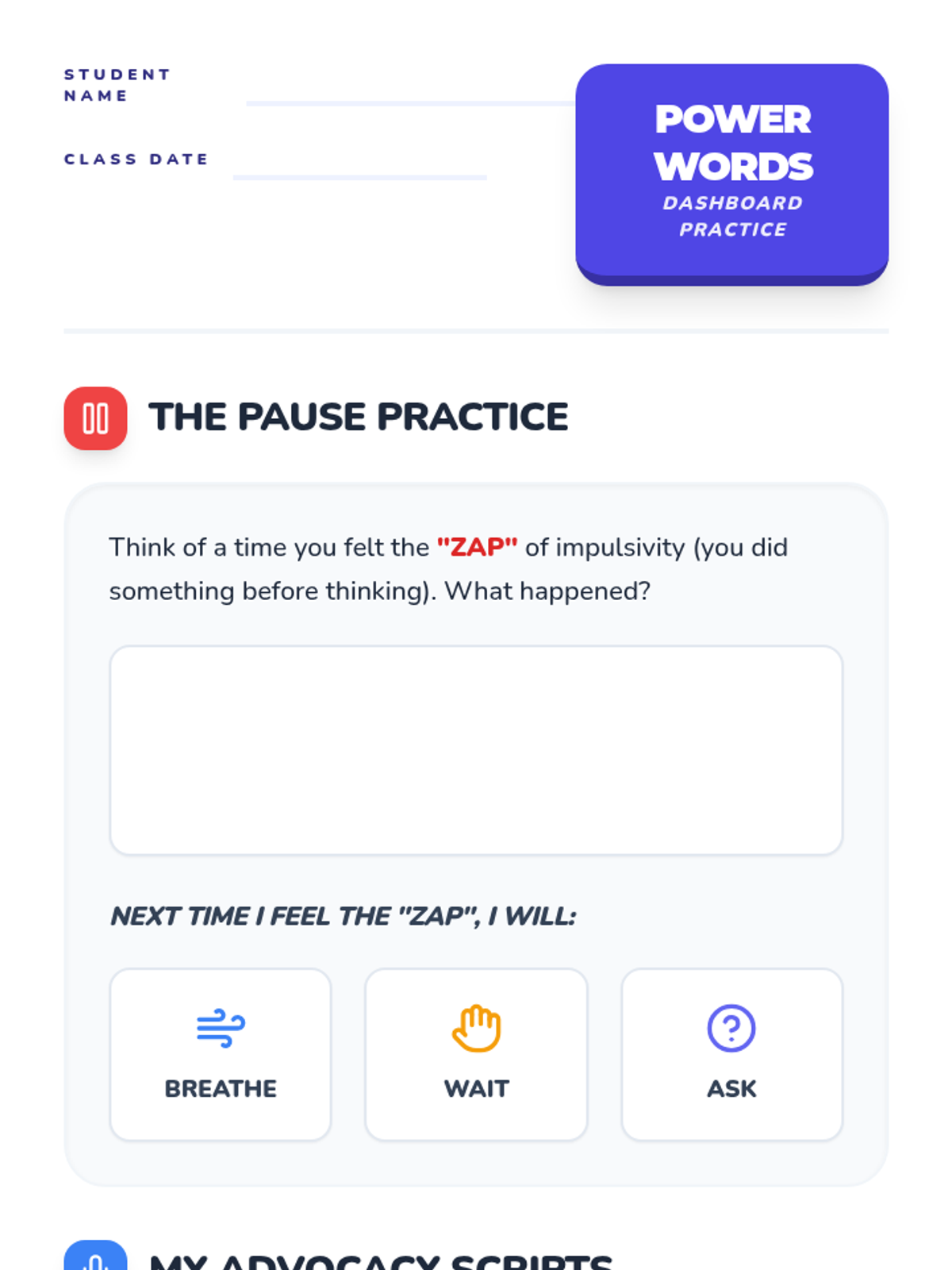
A social-emotional learning series focused on self-regulation, communication, and standing up for oneself in the classroom environment.
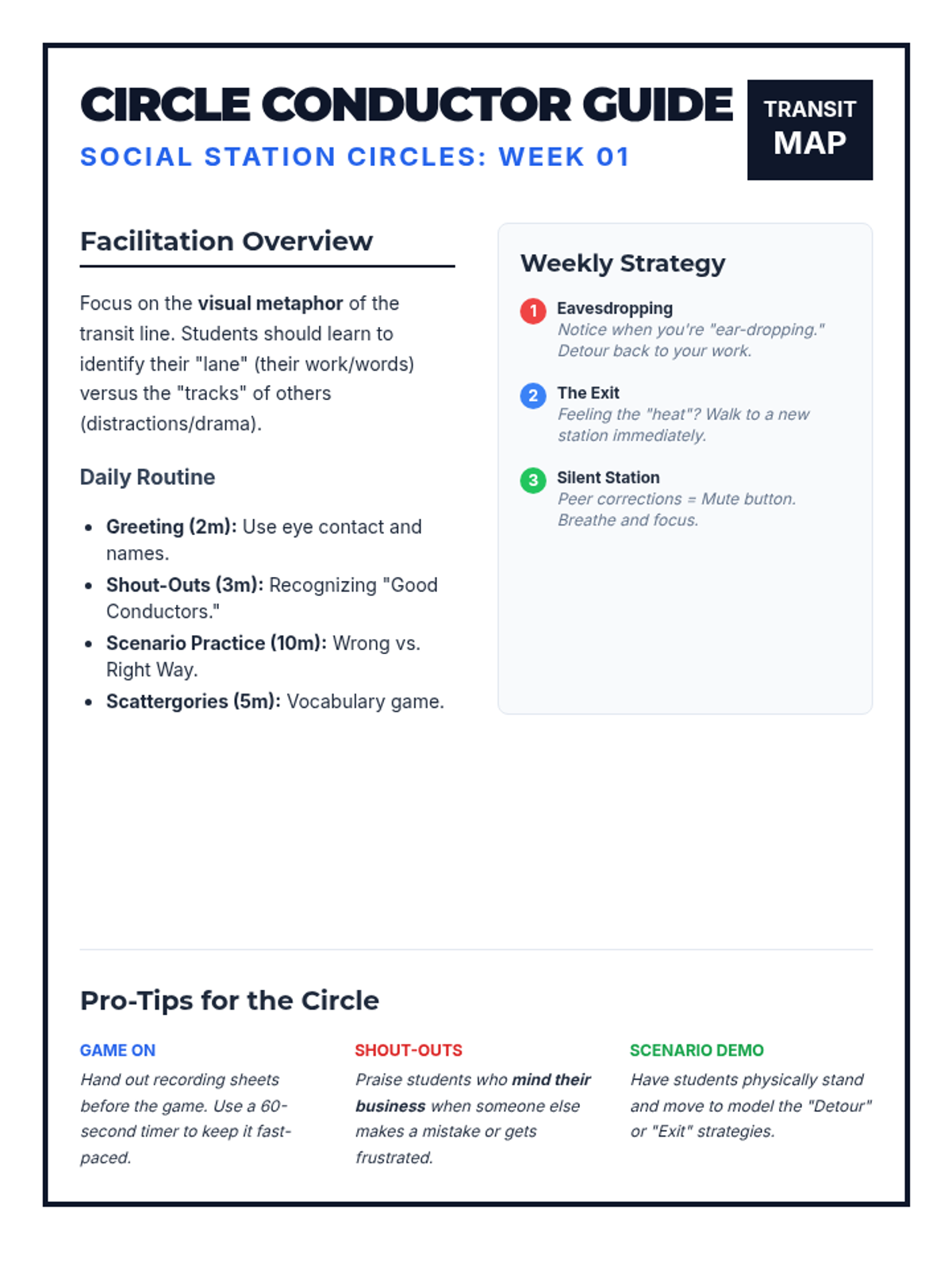
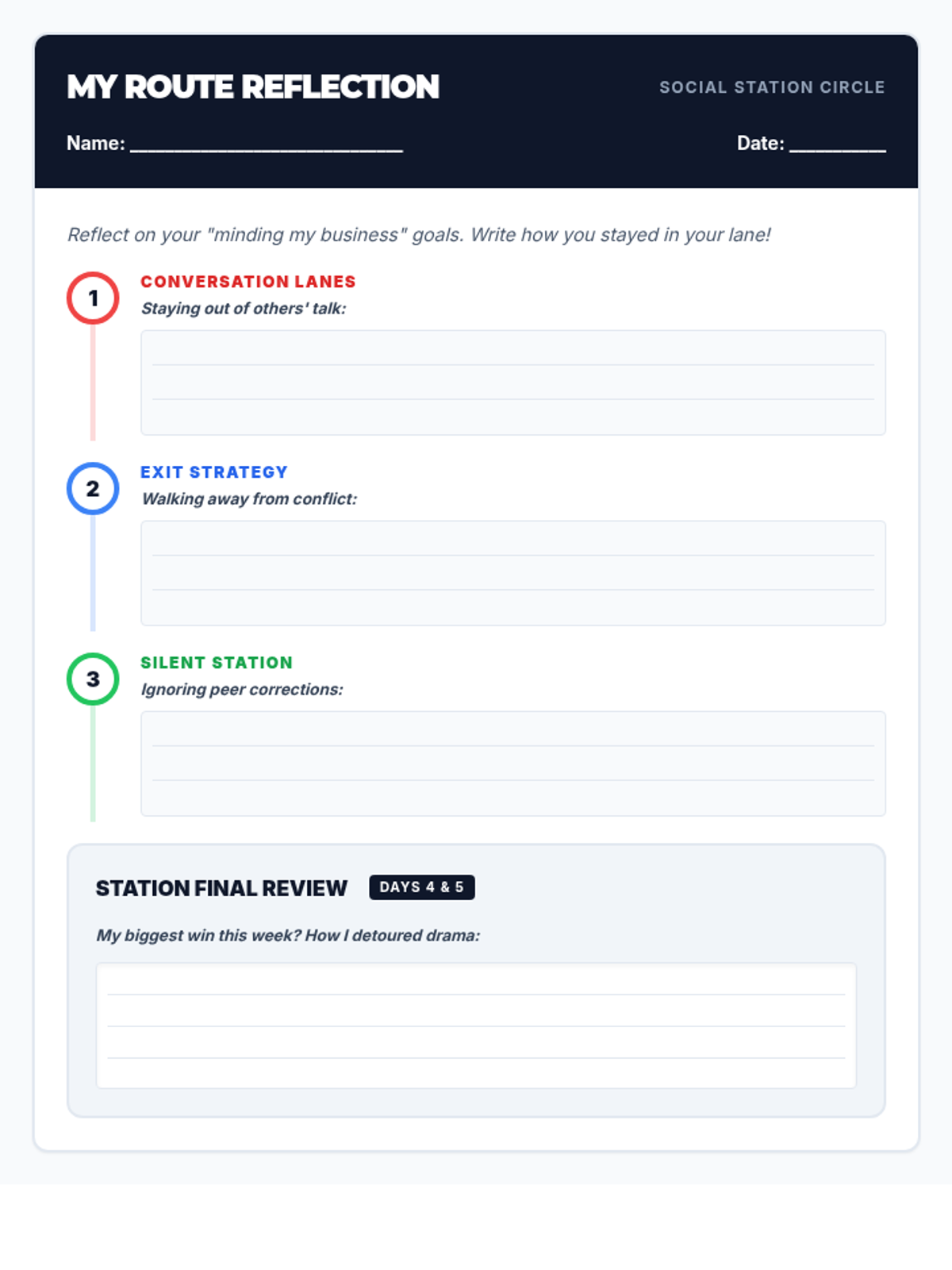
A week-long series of community circle meetings focused on 'minding your business' social skills through transit-themed discussions, scenarios, and school-related Scattergories.
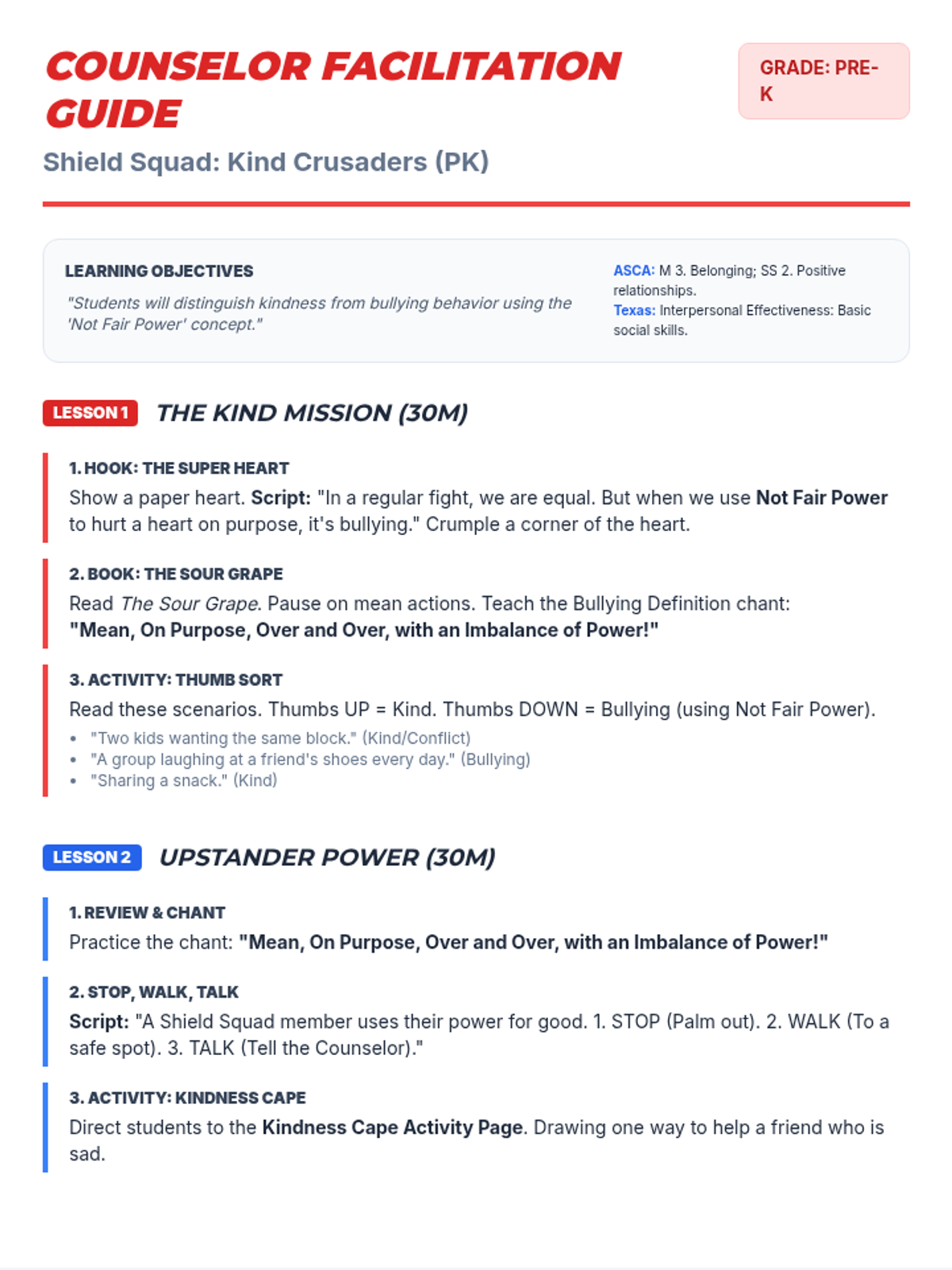
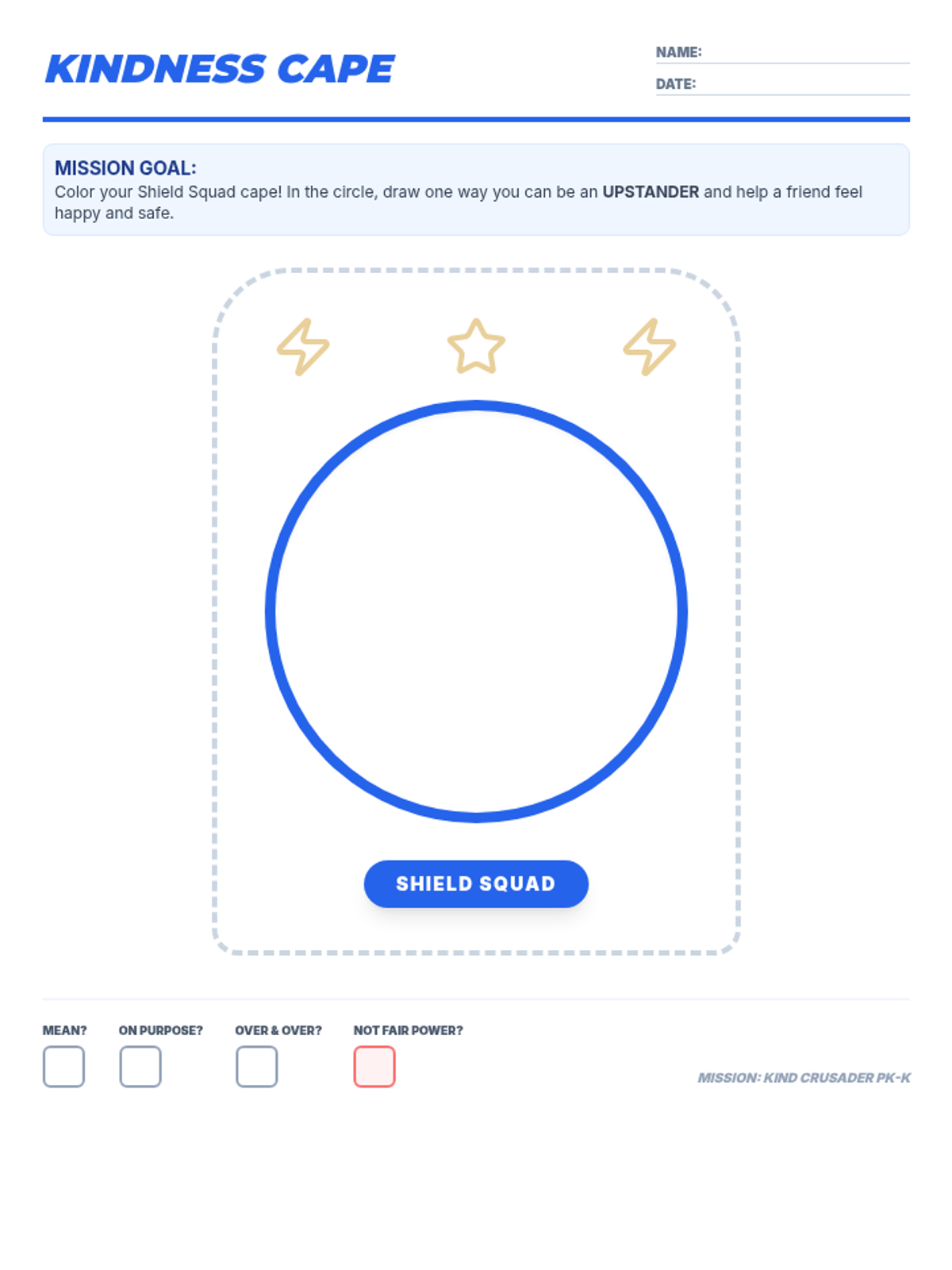
A comprehensive bullying prevention curriculum for PK-6 students, featuring two distinct 30-minute sessions for every individual grade level. The program uses mentor texts by Kathryn Otoshi, Trudy Ludwig, Julia Cook, and others to scaffold concepts of power imbalance, upstander strategies, and school culture change.
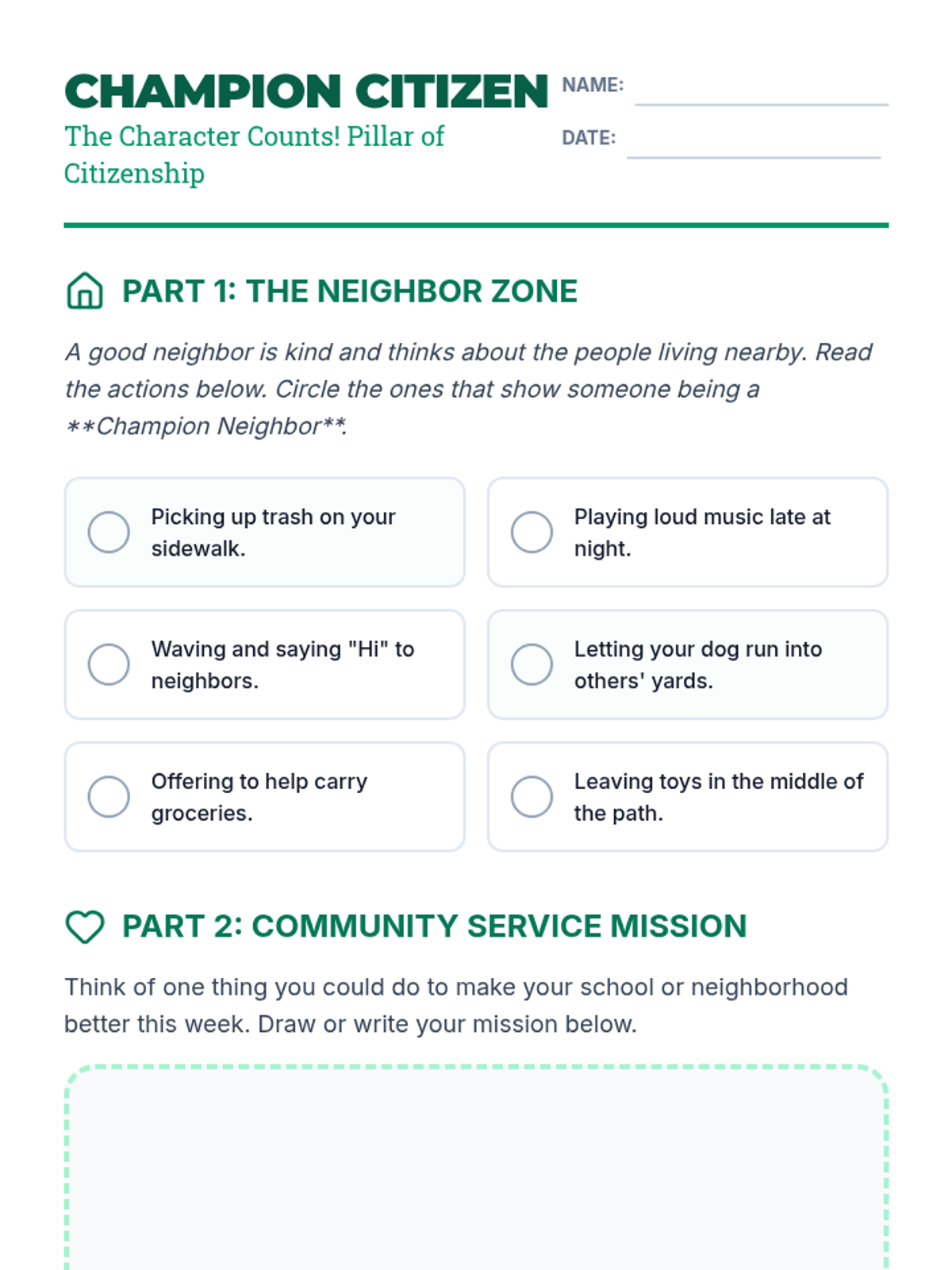
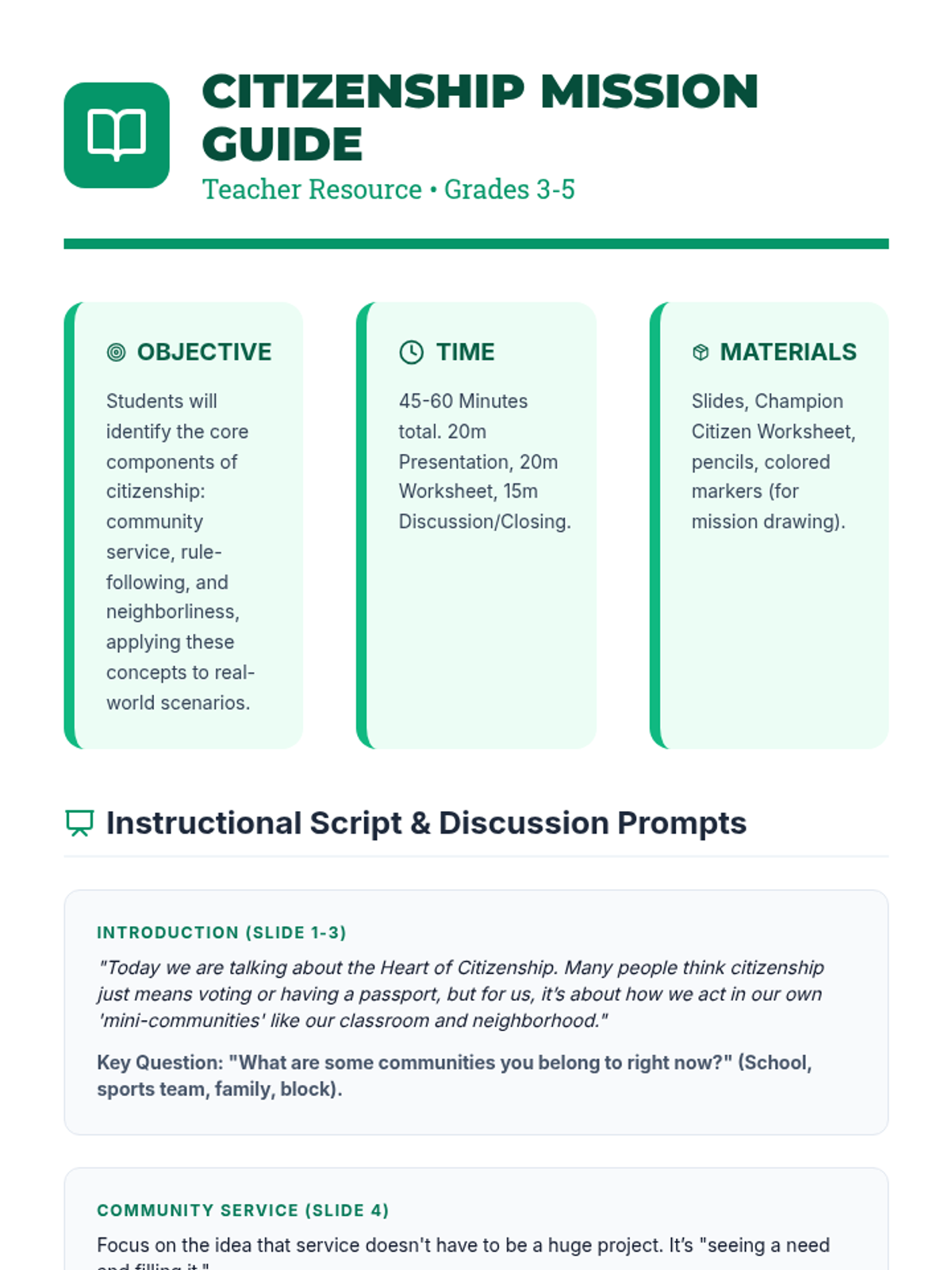
A sequence of lessons focused on the pillars of character, starting with citizenship. Students explore what it means to be a productive and caring member of their community through service and responsibility.
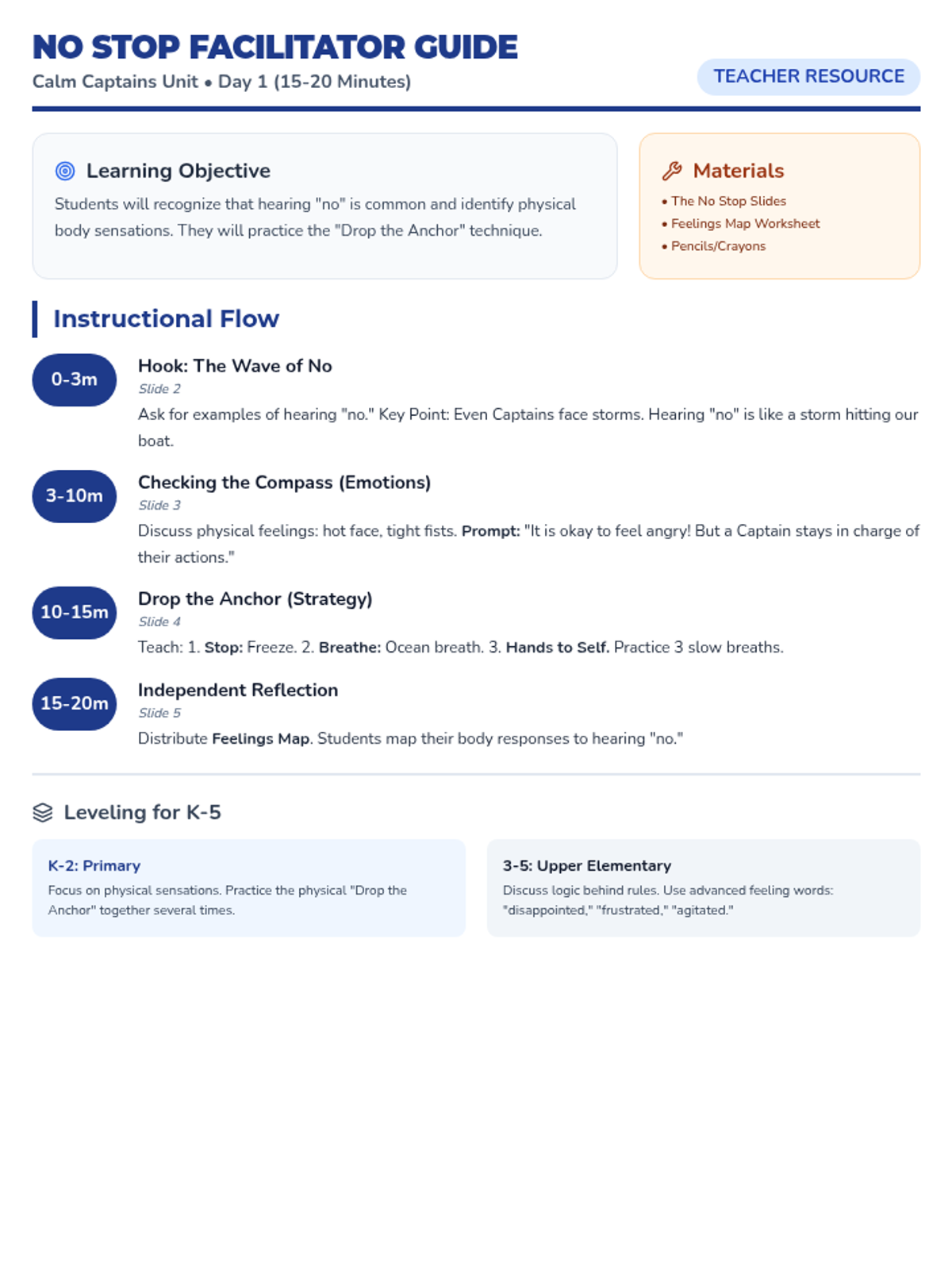
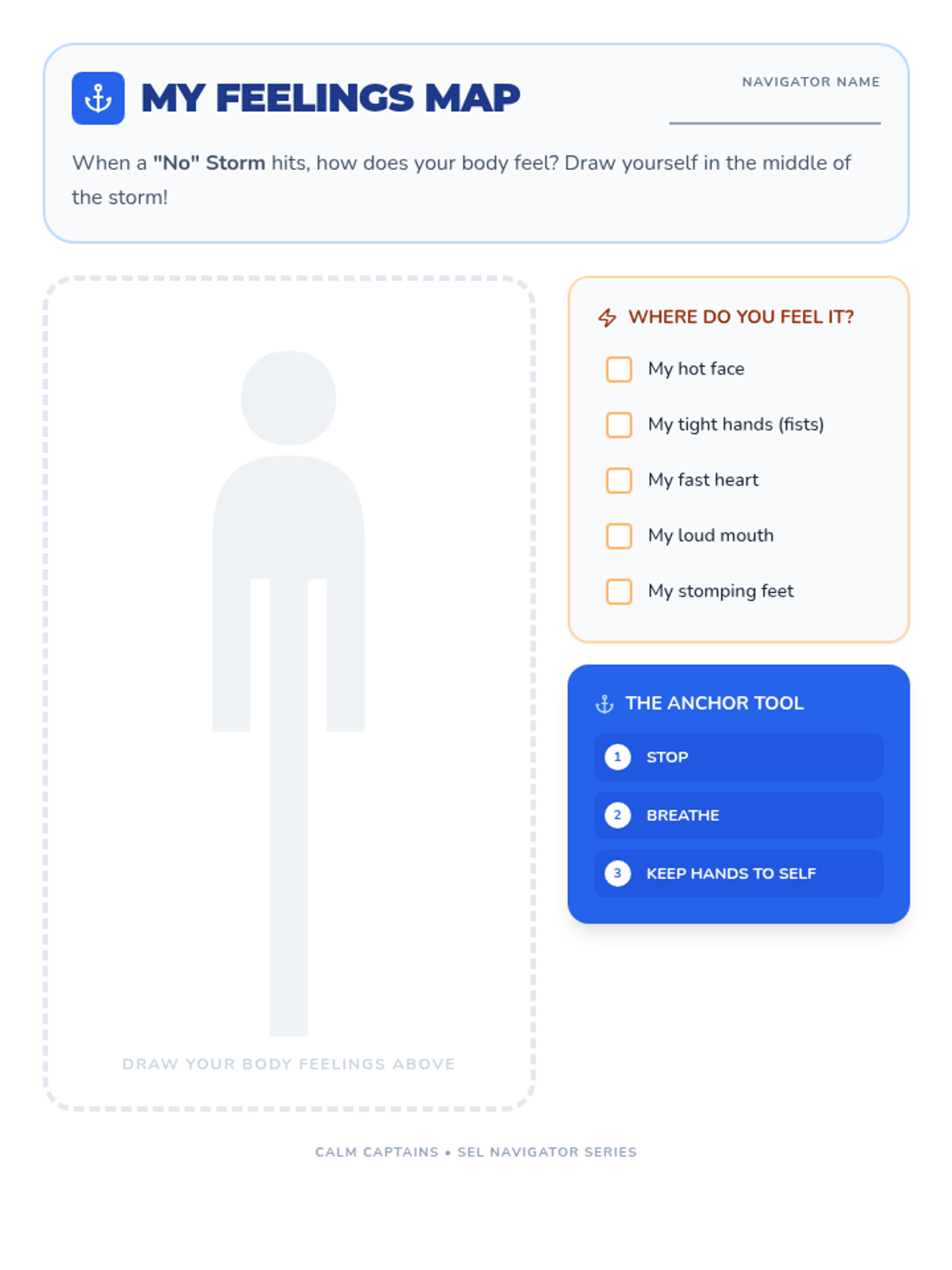
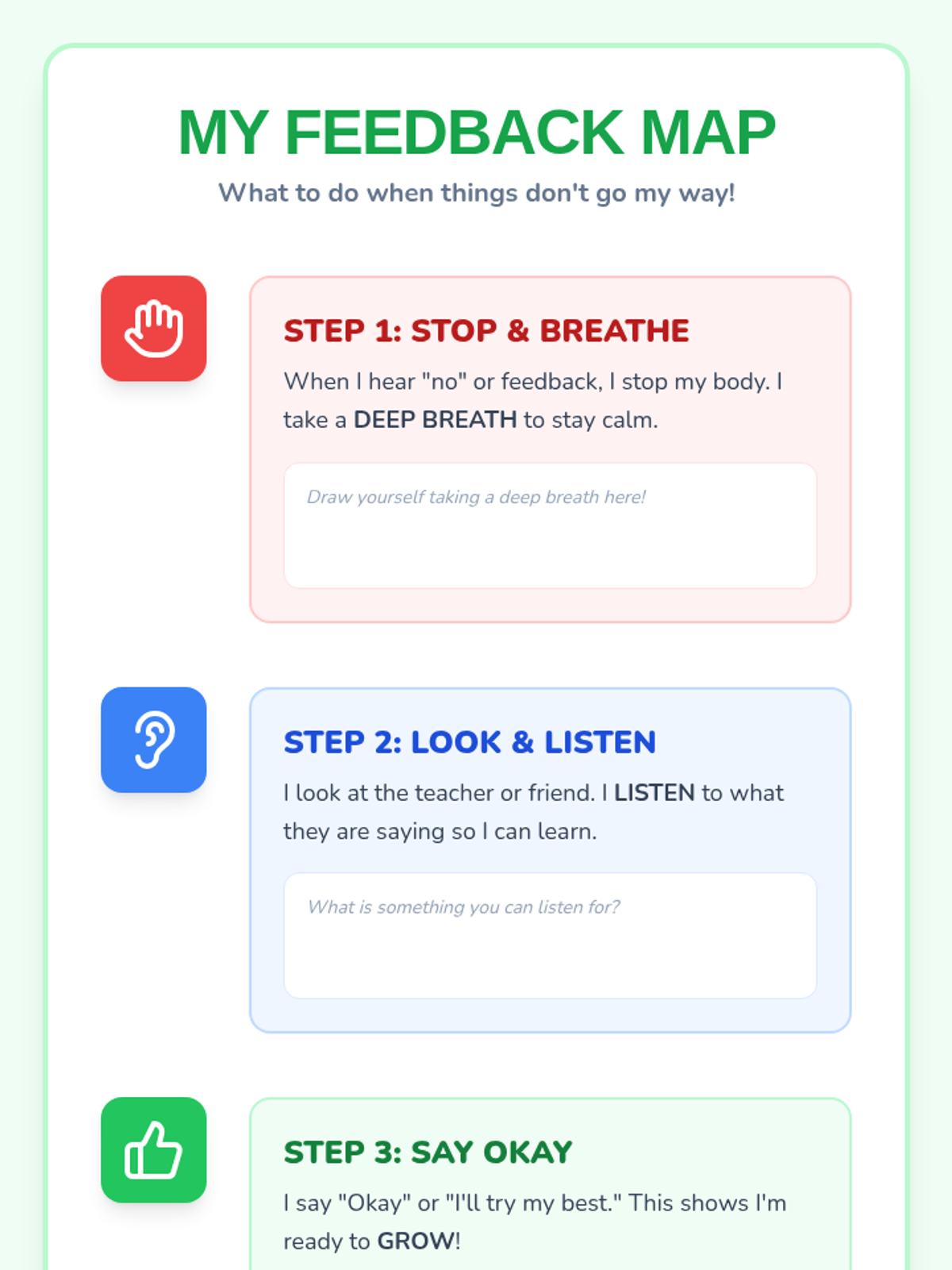
A two-day SEL unit for K-5 students focused on the essential skill of accepting "no" with a calm body and mind. Using a nautical navigation theme, students learn to identify their feelings when hearing "no" and practice specific strategies to navigate back to a positive state.
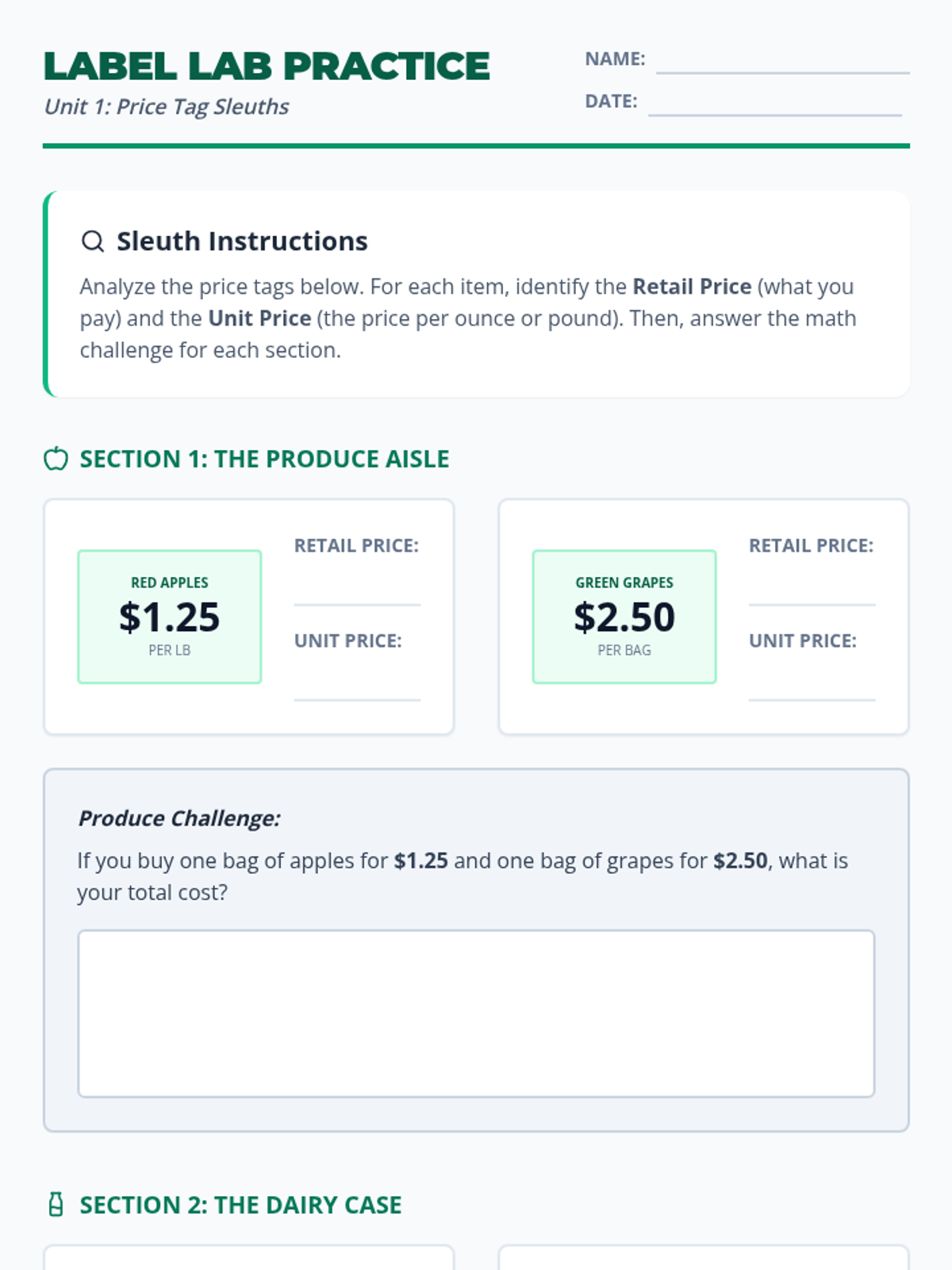
A 4-day life skills project focusing on grocery budgeting, price comparison, and decimal arithmetic through a supermarket-themed simulation.
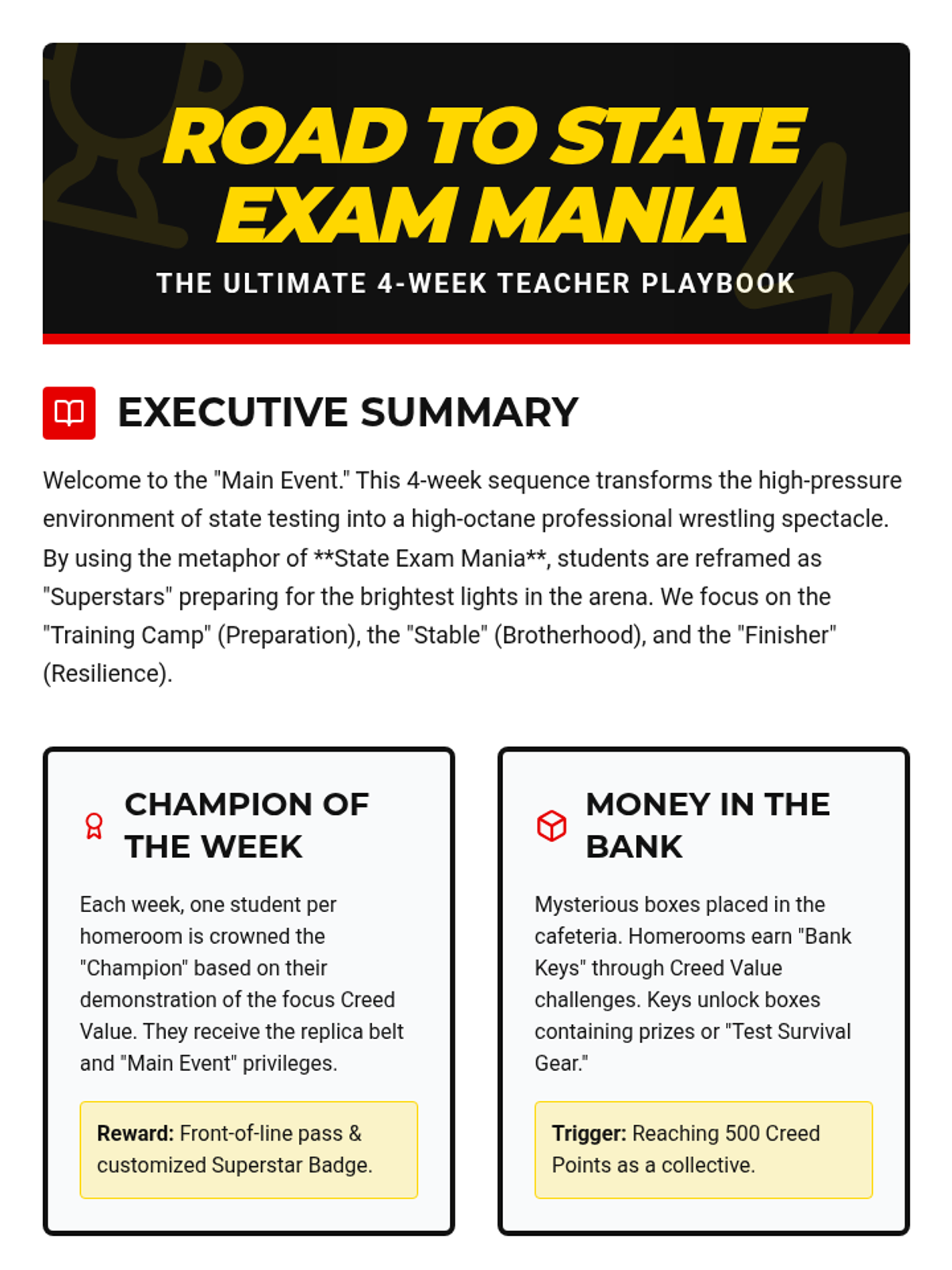
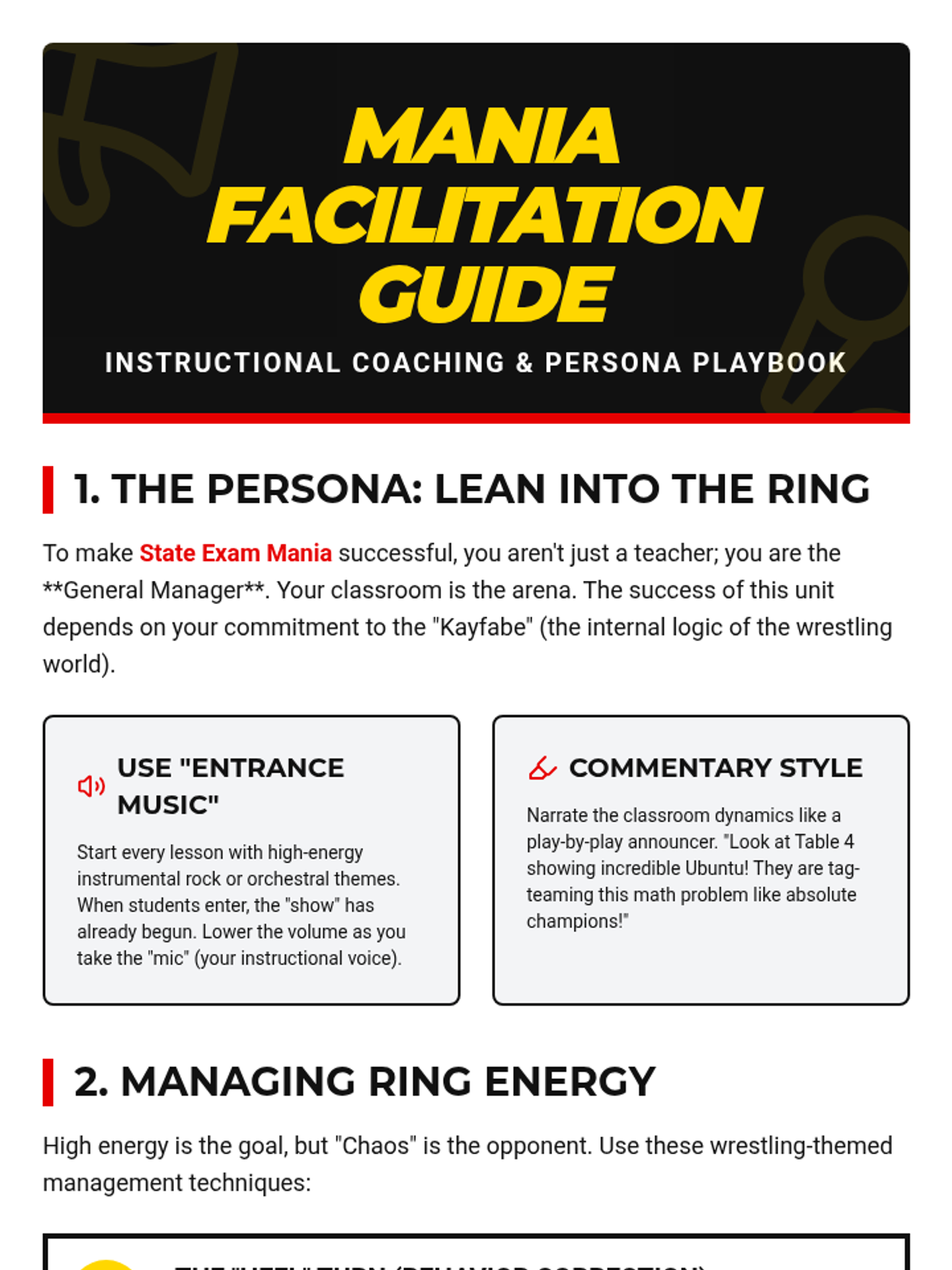
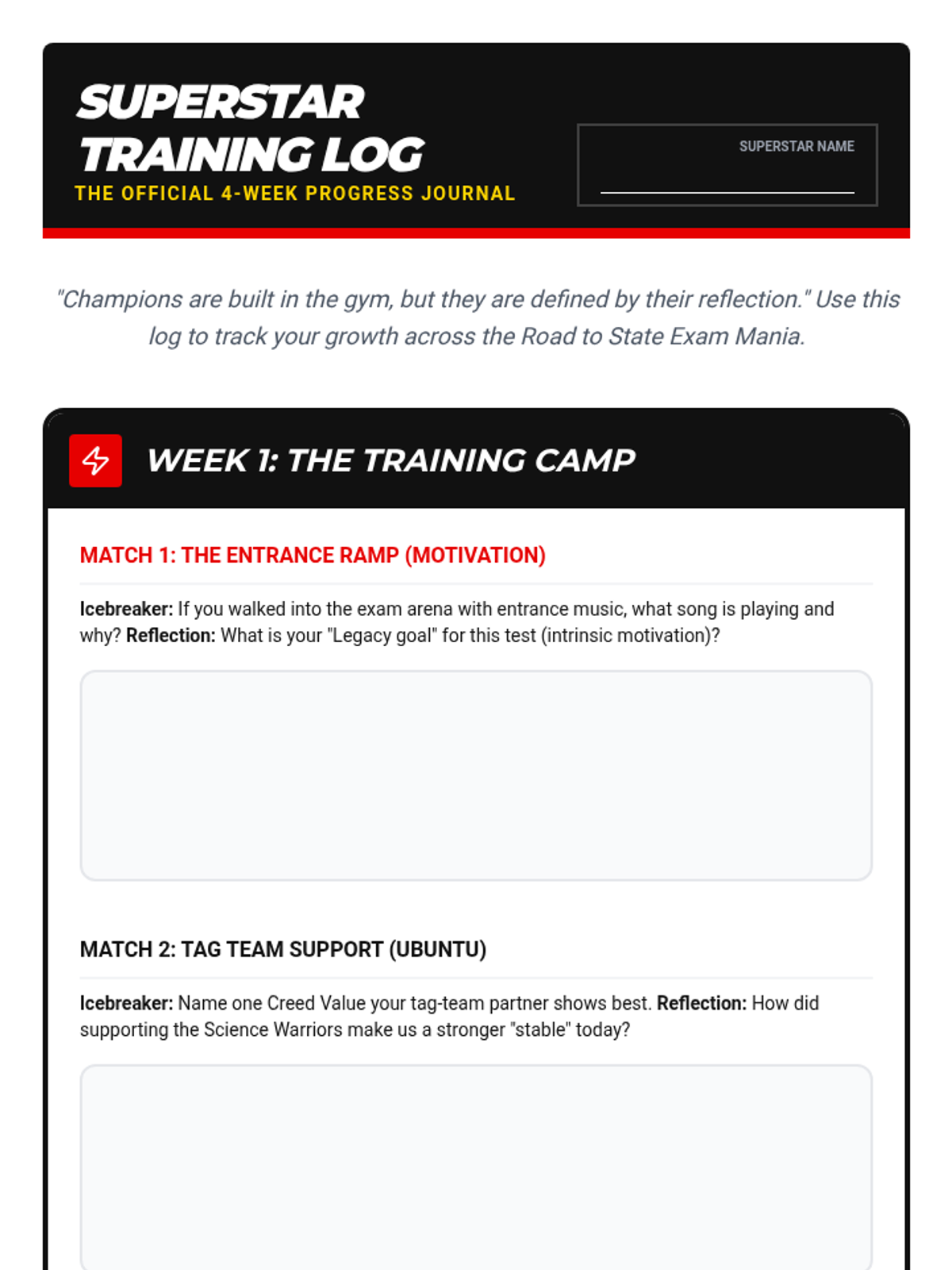
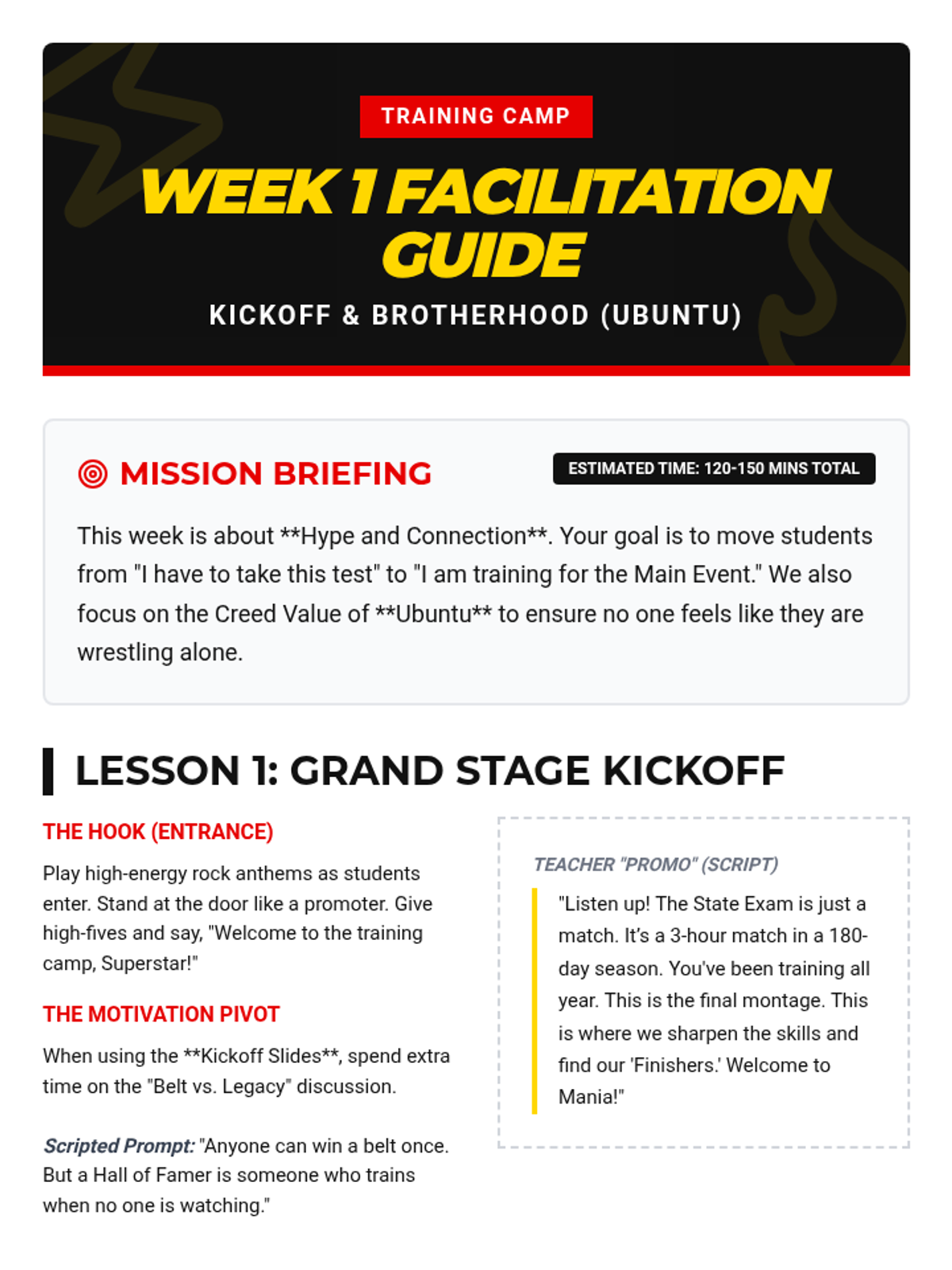
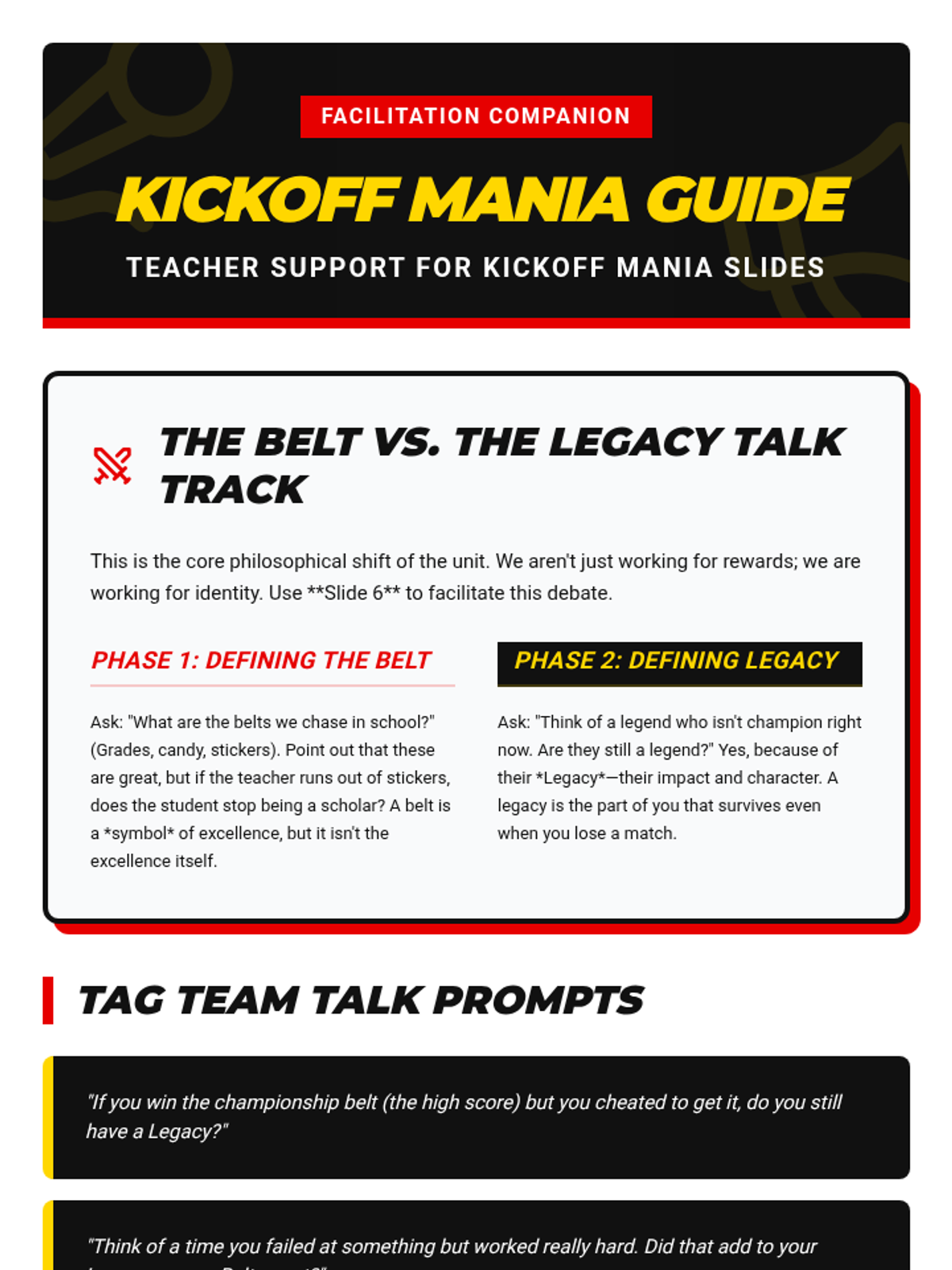
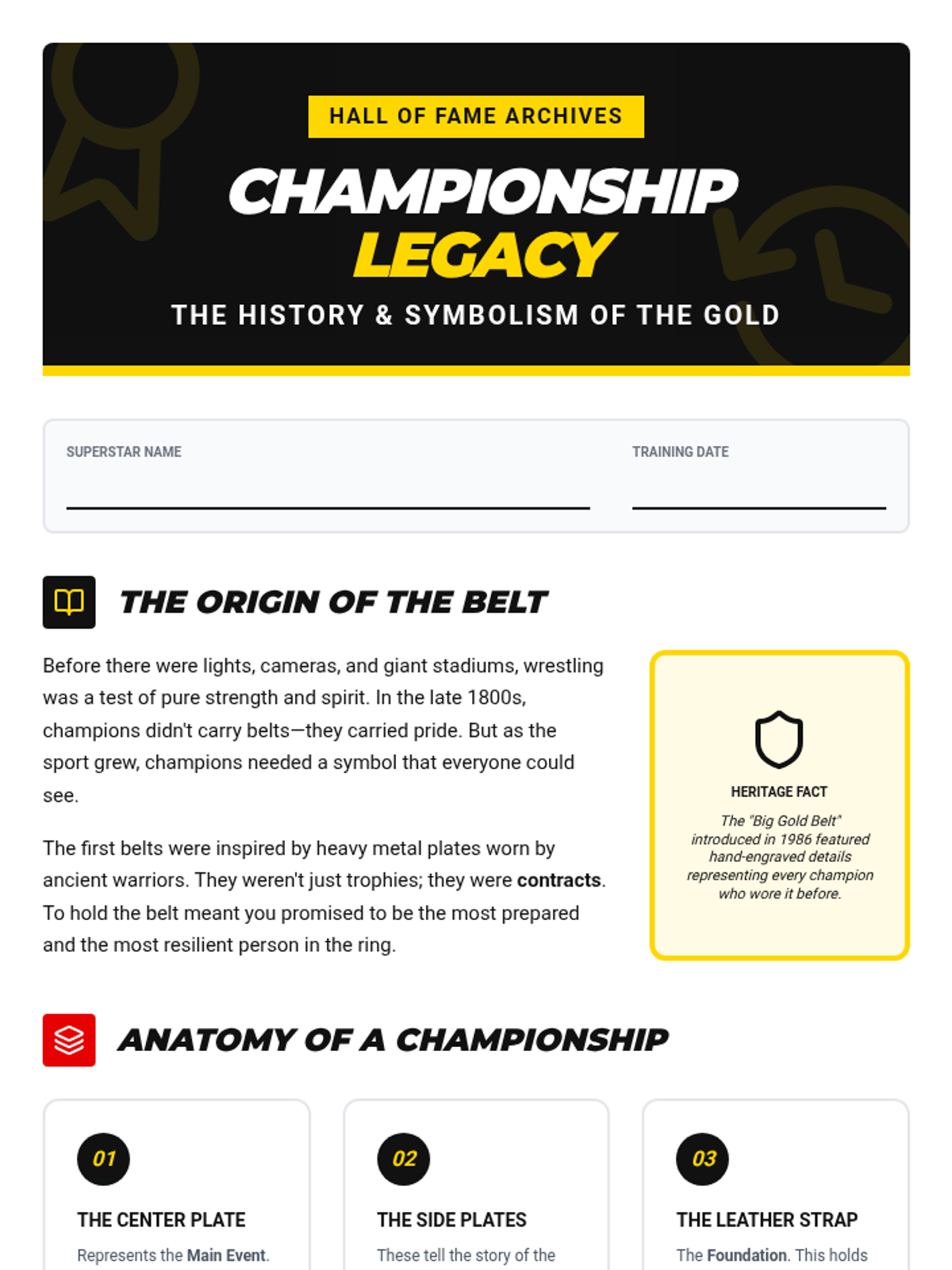
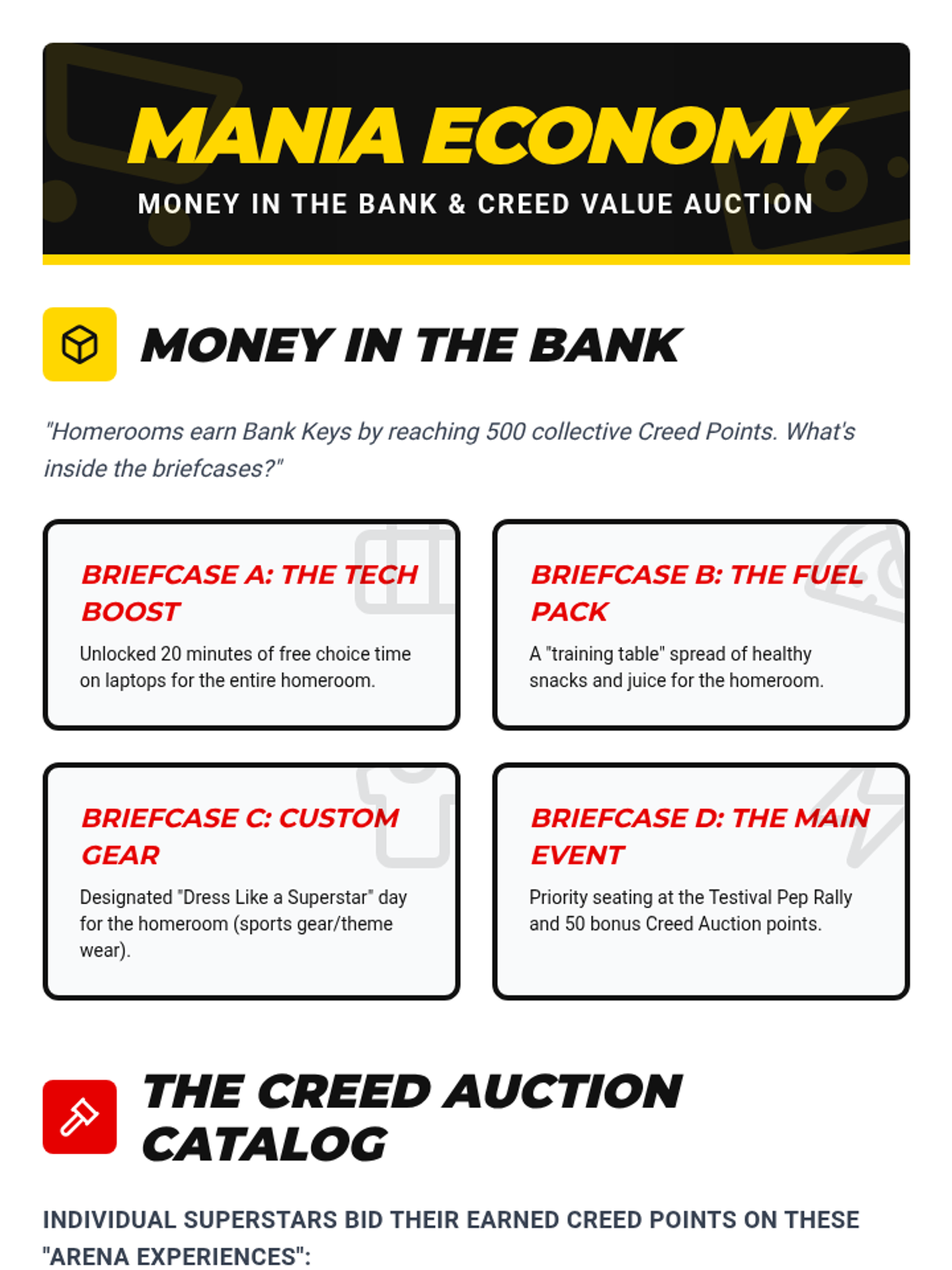
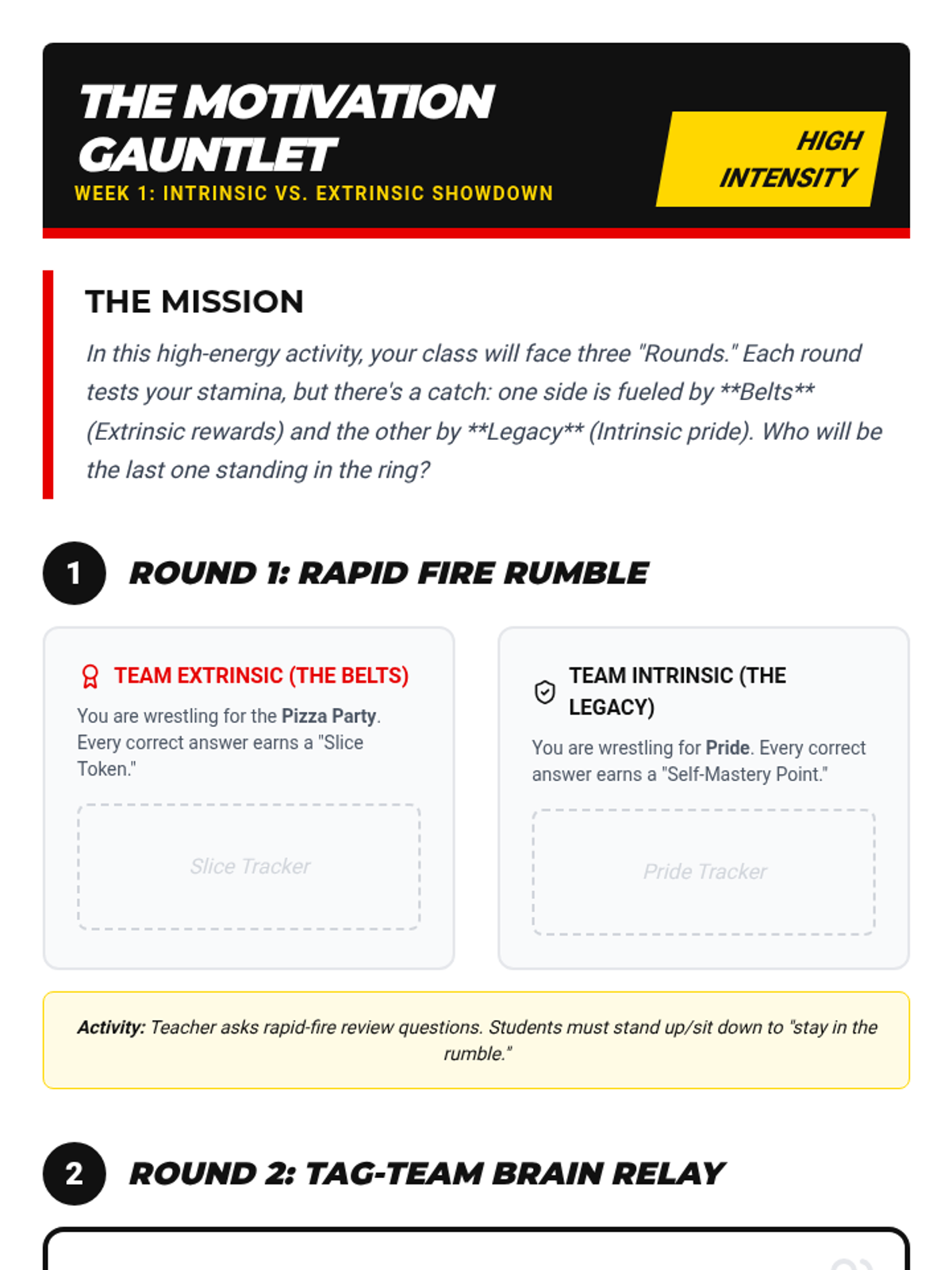
A 4-week socio-emotional learning sequence using professional wrestling as a metaphor for state exam preparation, focusing on motivation, resilience, and brotherhood.
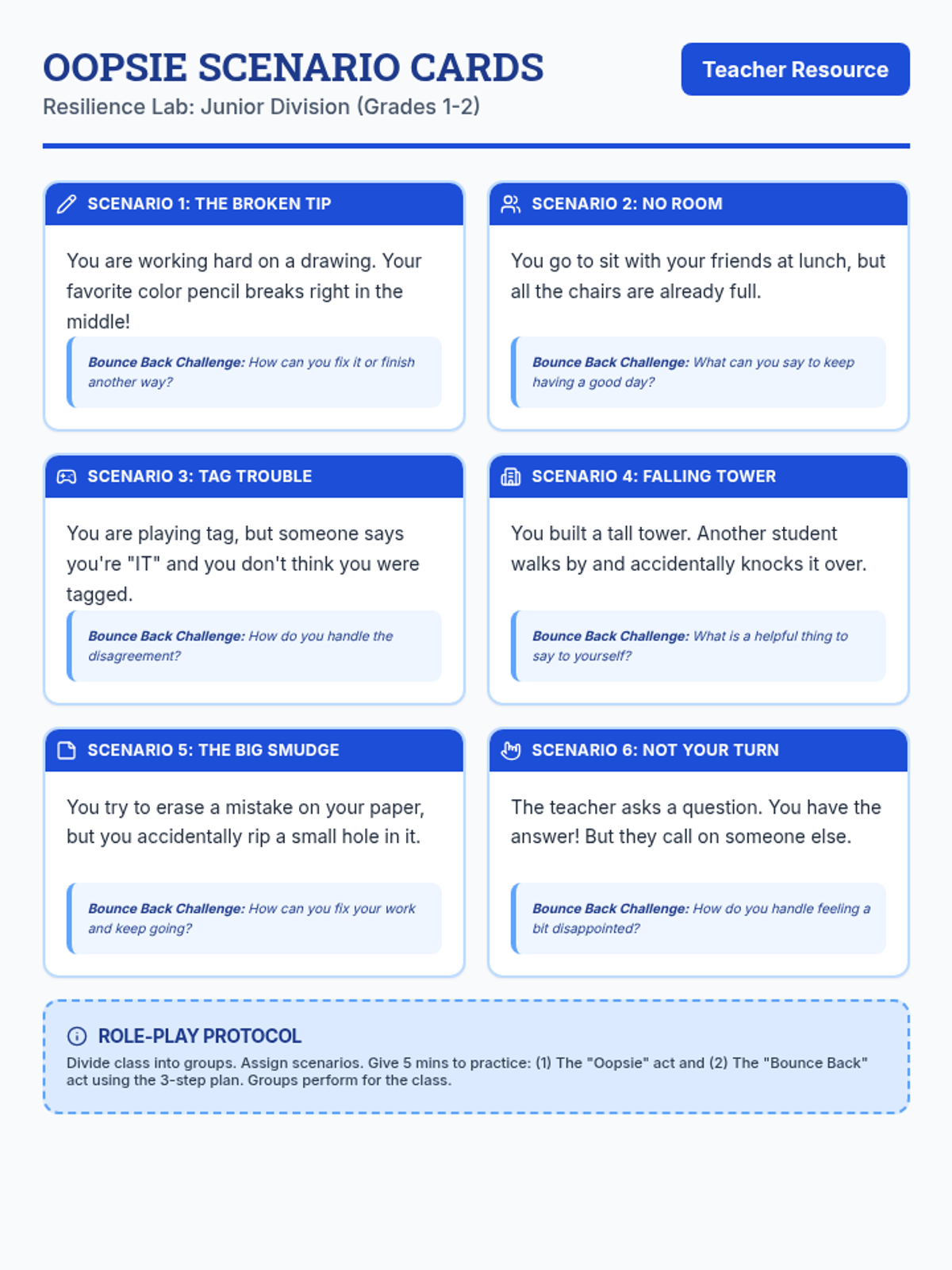
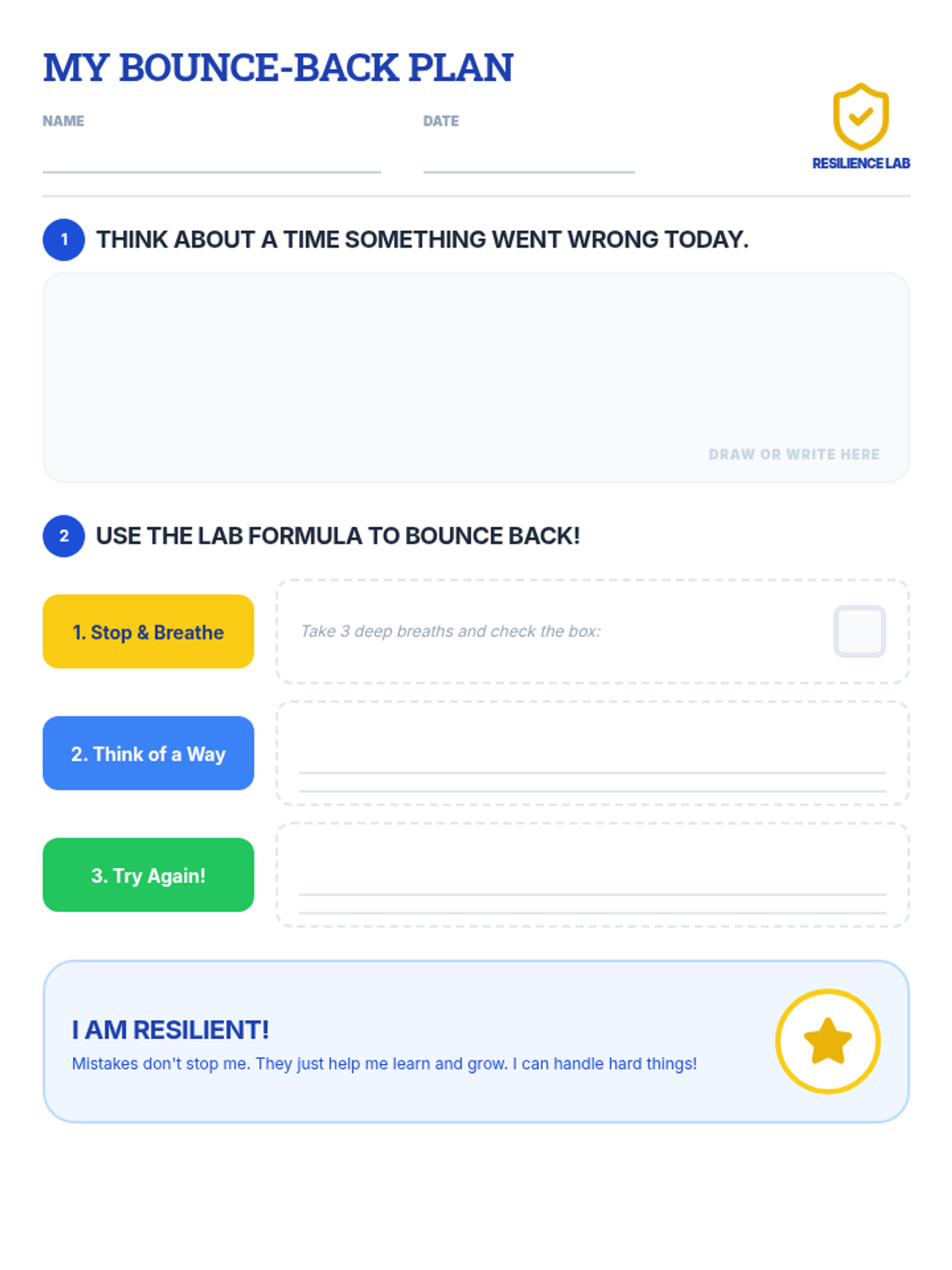
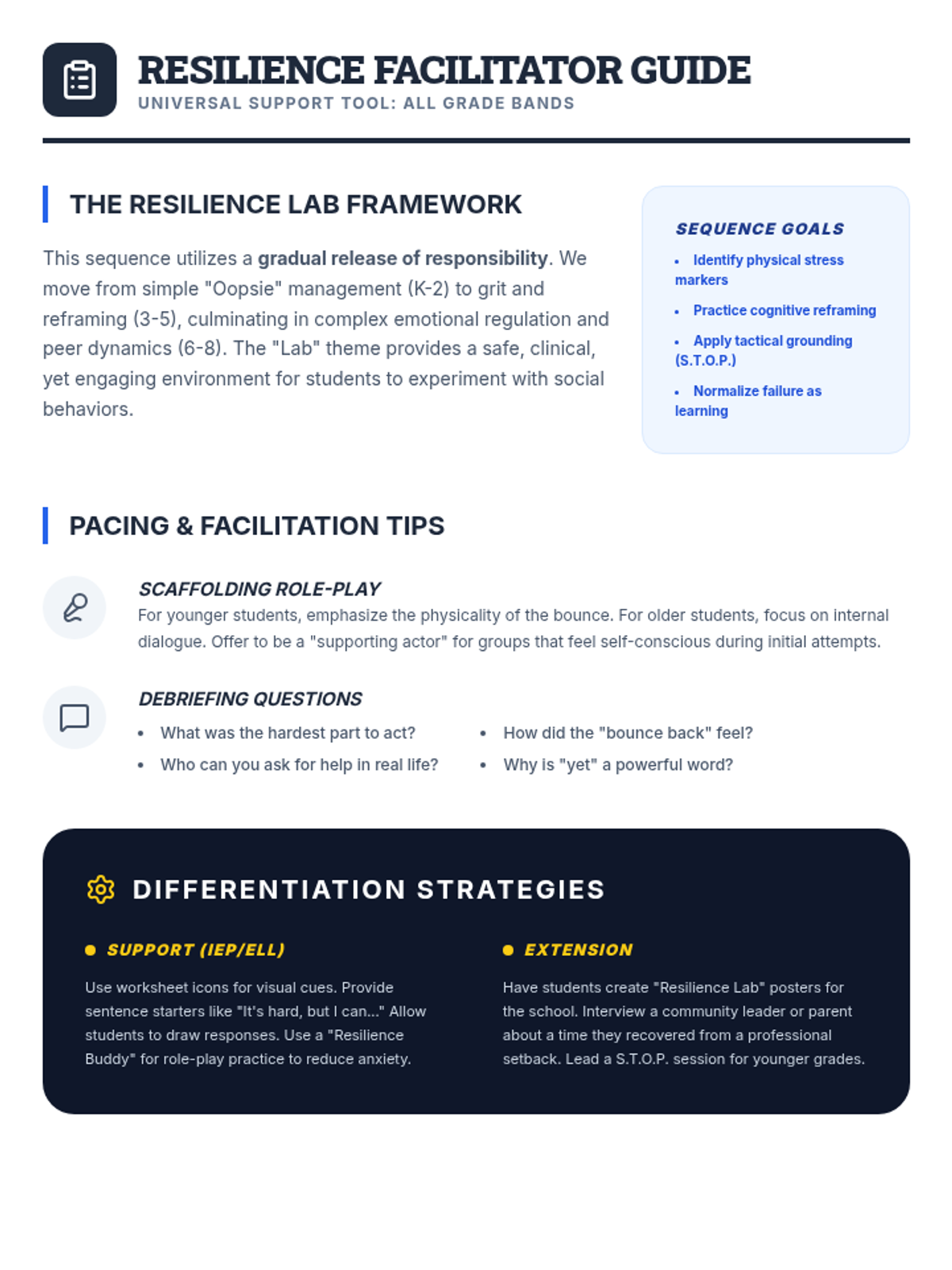
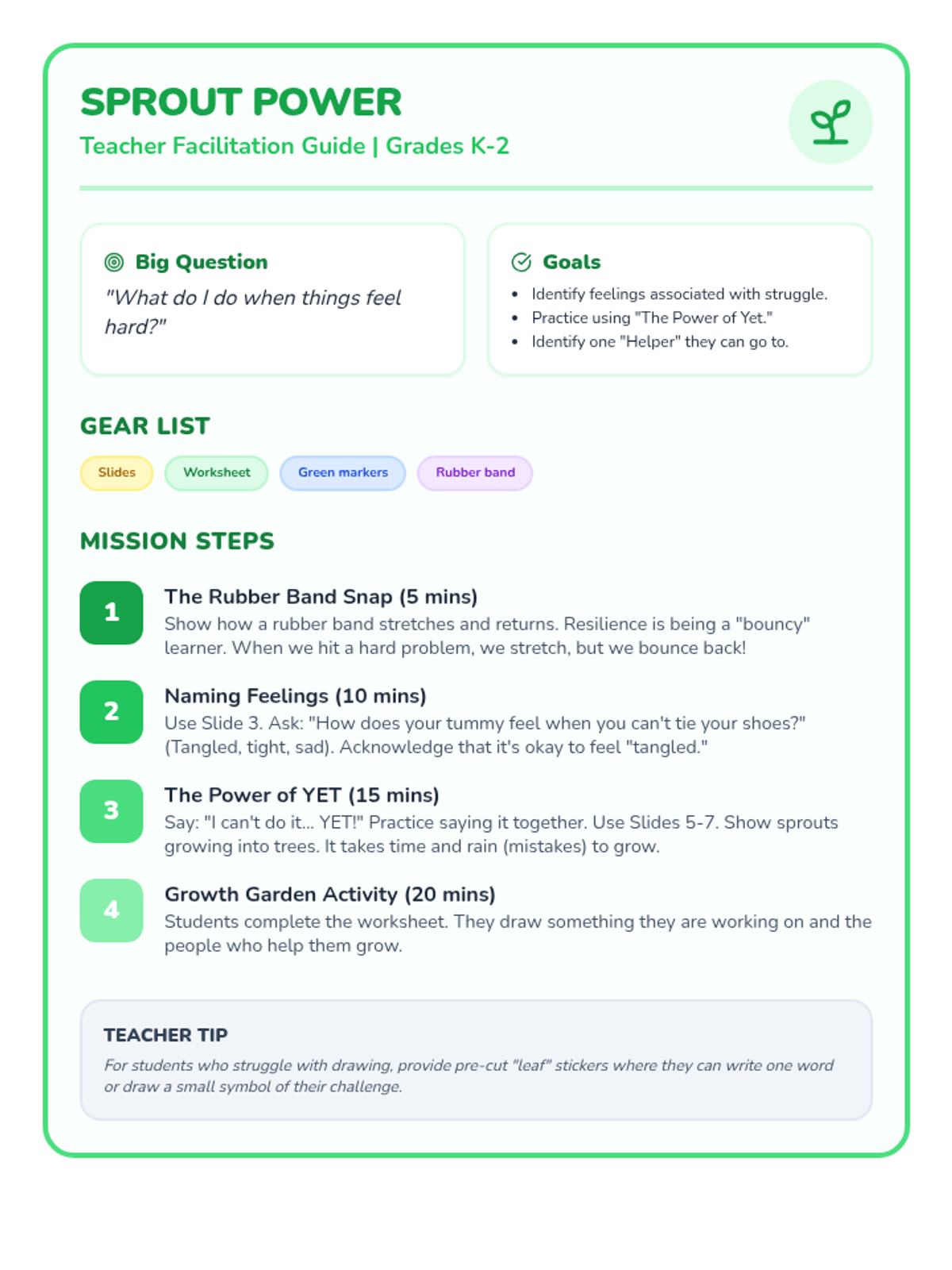
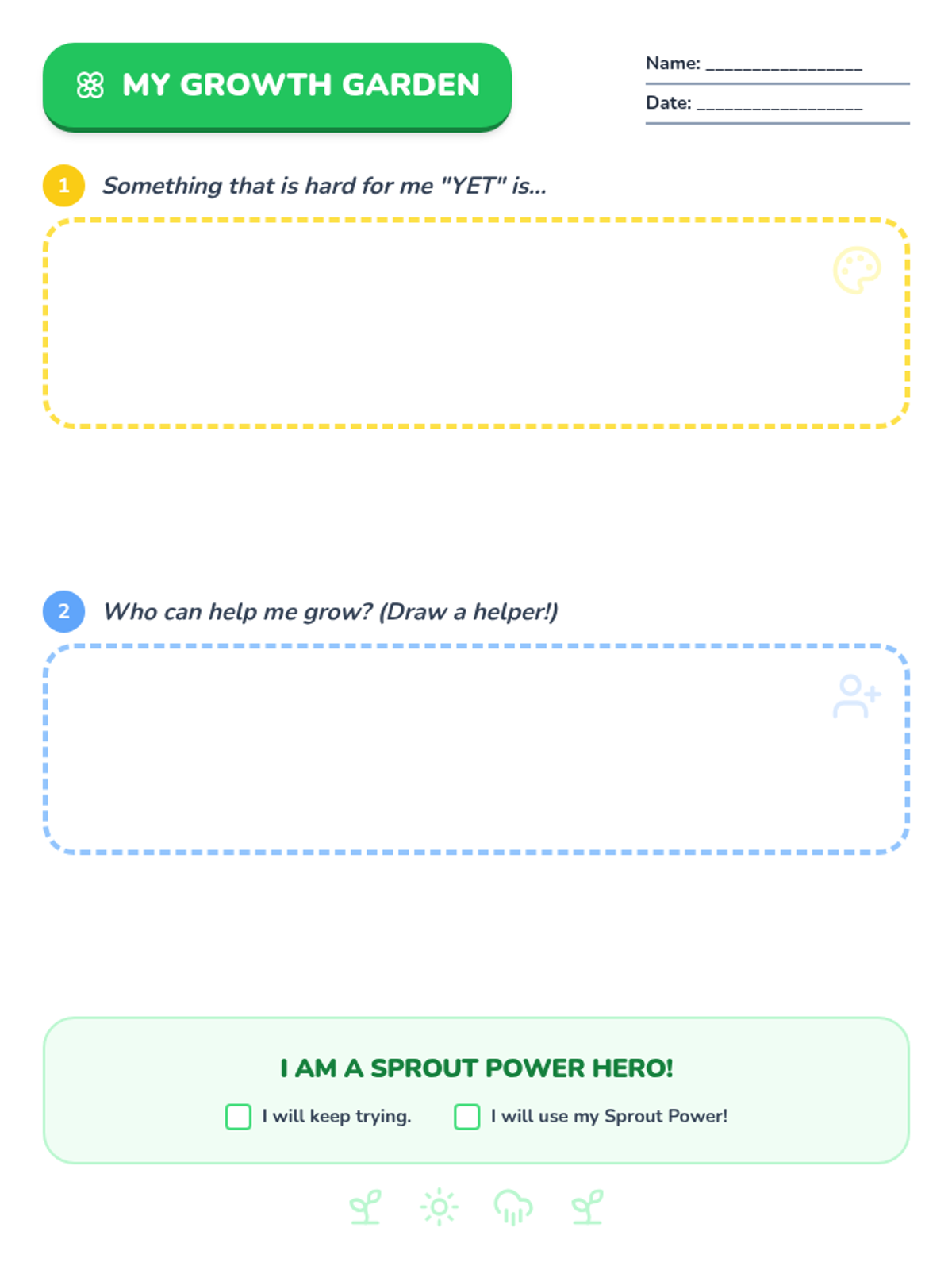
A comprehensive sequence on building resilience across three grade bands (1st-2nd, 3rd-5th, and 6th-8th), using the 'Resilience Lab' theme to teach students how to navigate setbacks and grow through challenges.
A comprehensive resilience curriculum spanning K-8, focusing on emotional regulation, growth mindset, and stress management through age-appropriate challenges and strategies.
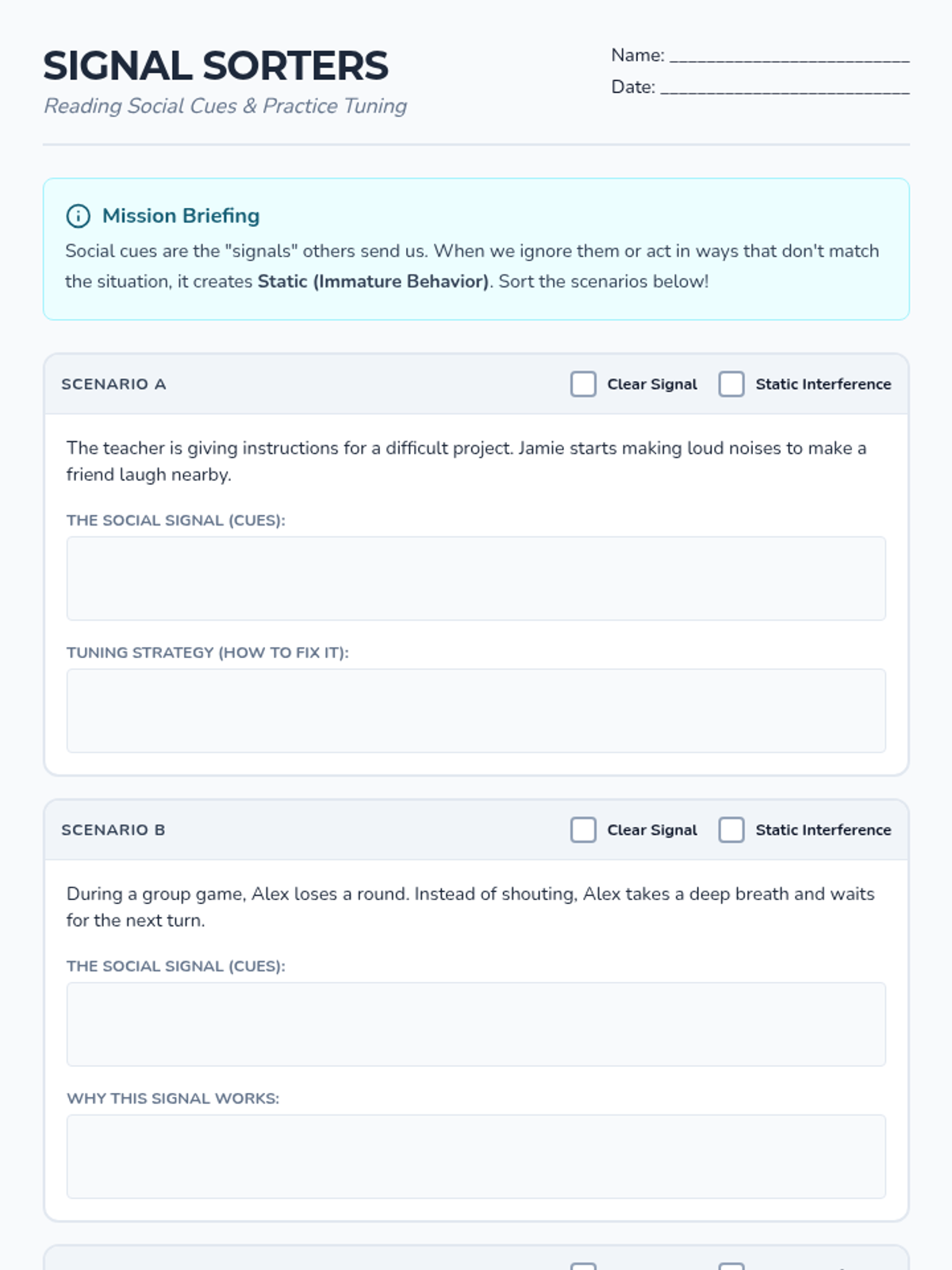
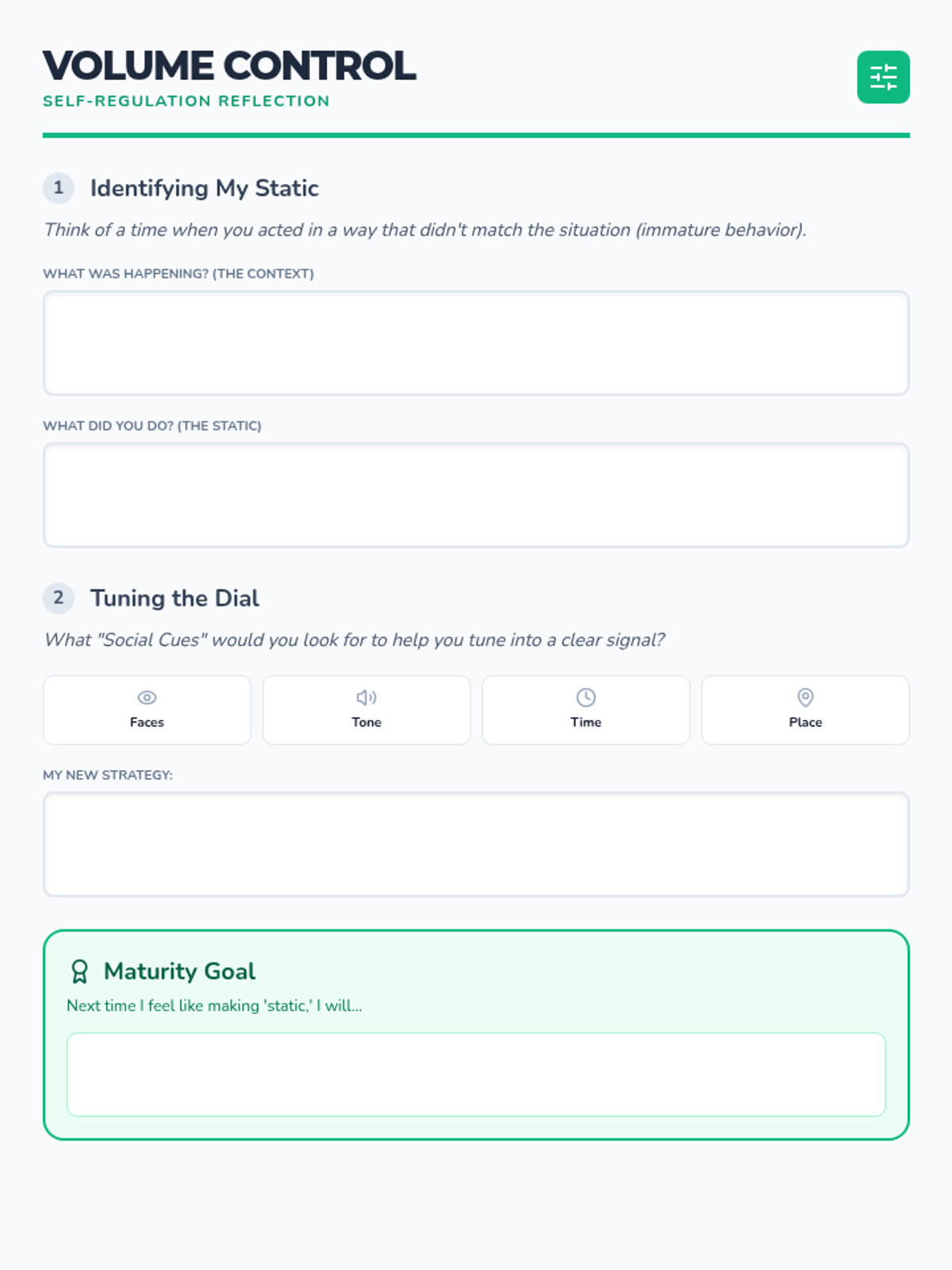
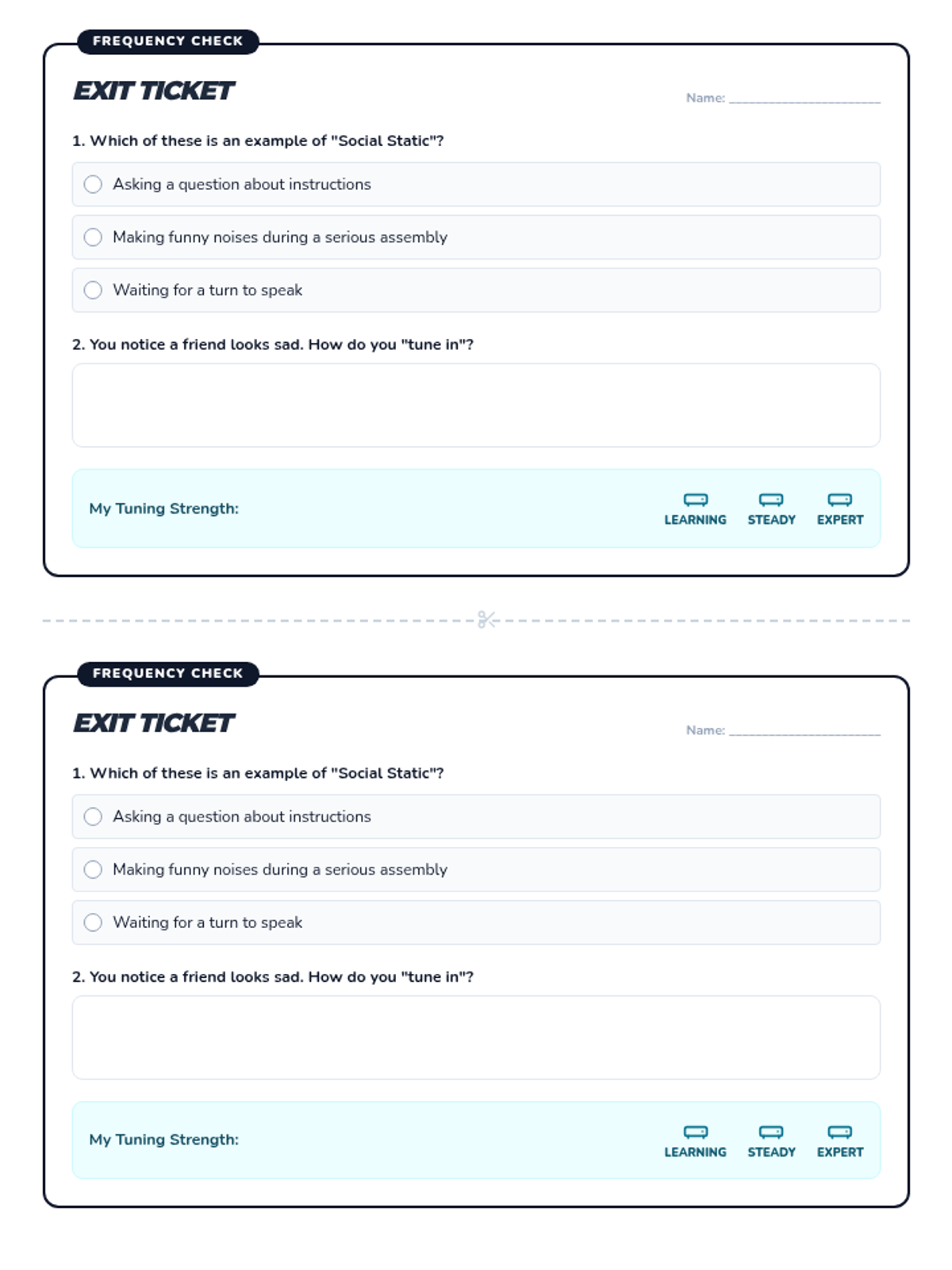
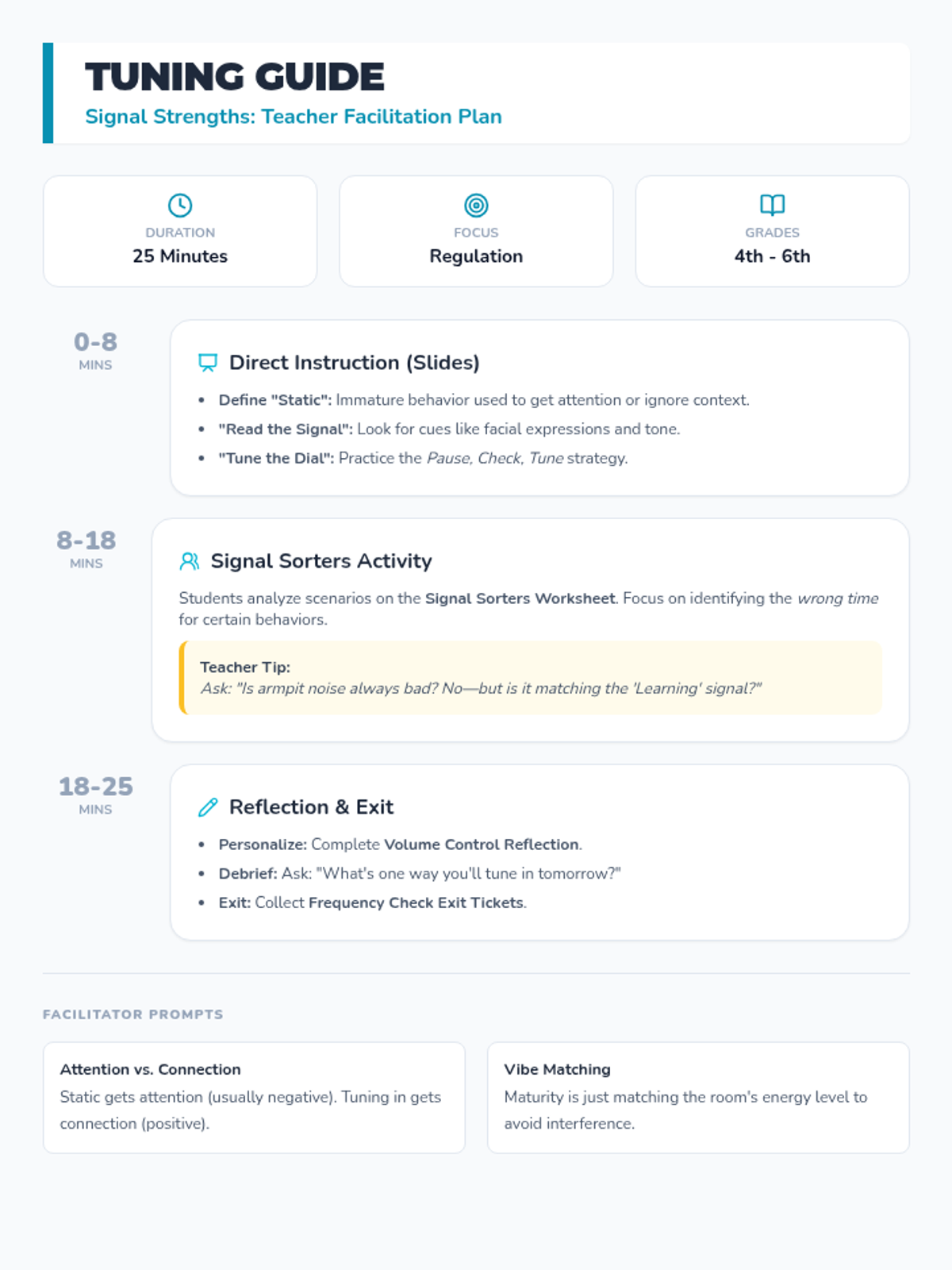
A series of lessons designed to improve social-emotional intelligence through the metaphor of radio signals and frequencies, focusing on social cues and self-regulation.
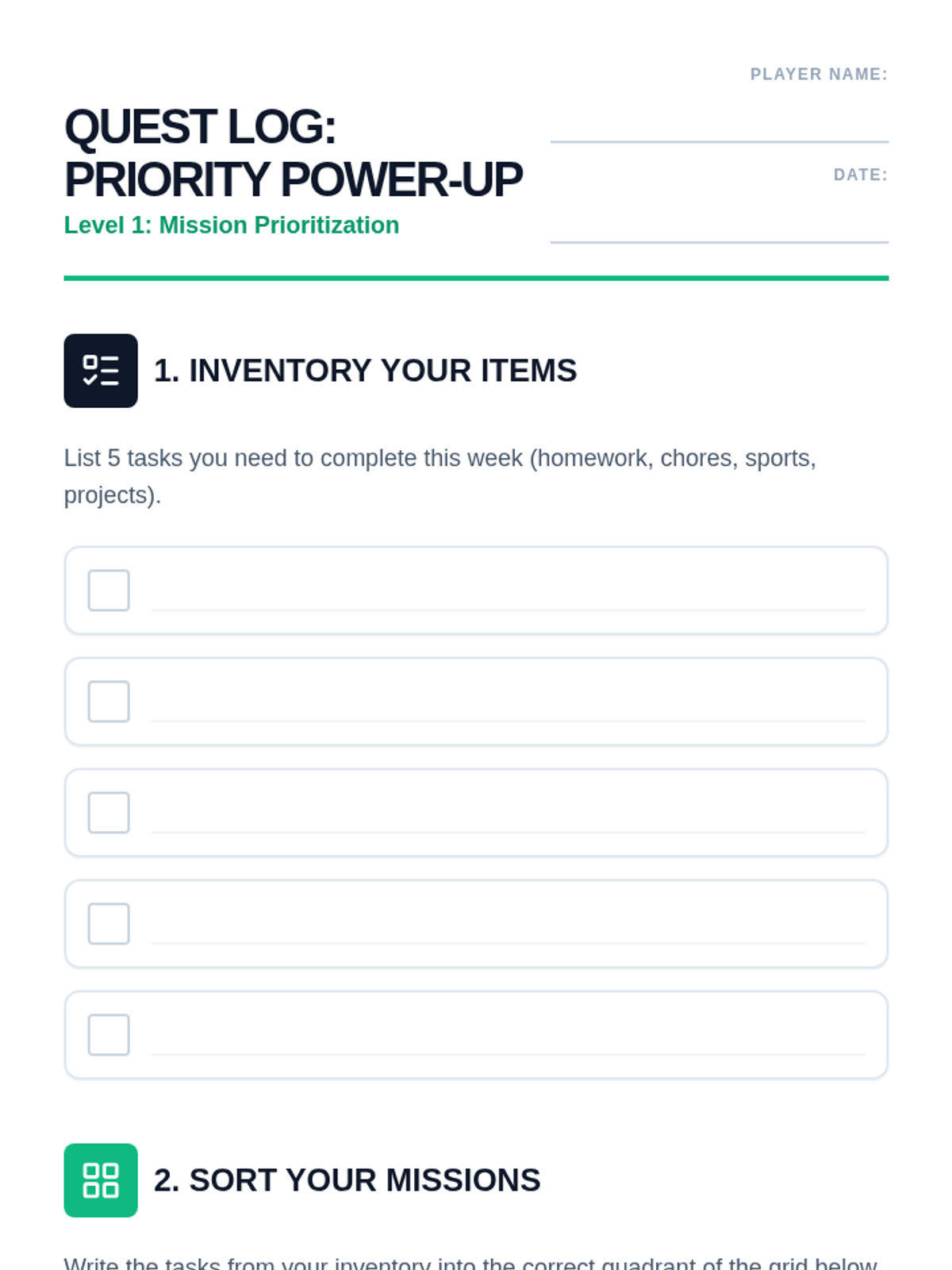
A comprehensive executive functioning unit for intermediate students (grades 4-6) focused on time management, task prioritization, and organizational strategies. This sequence helps students 'level up' their academic habits through a fun retro video game theme.
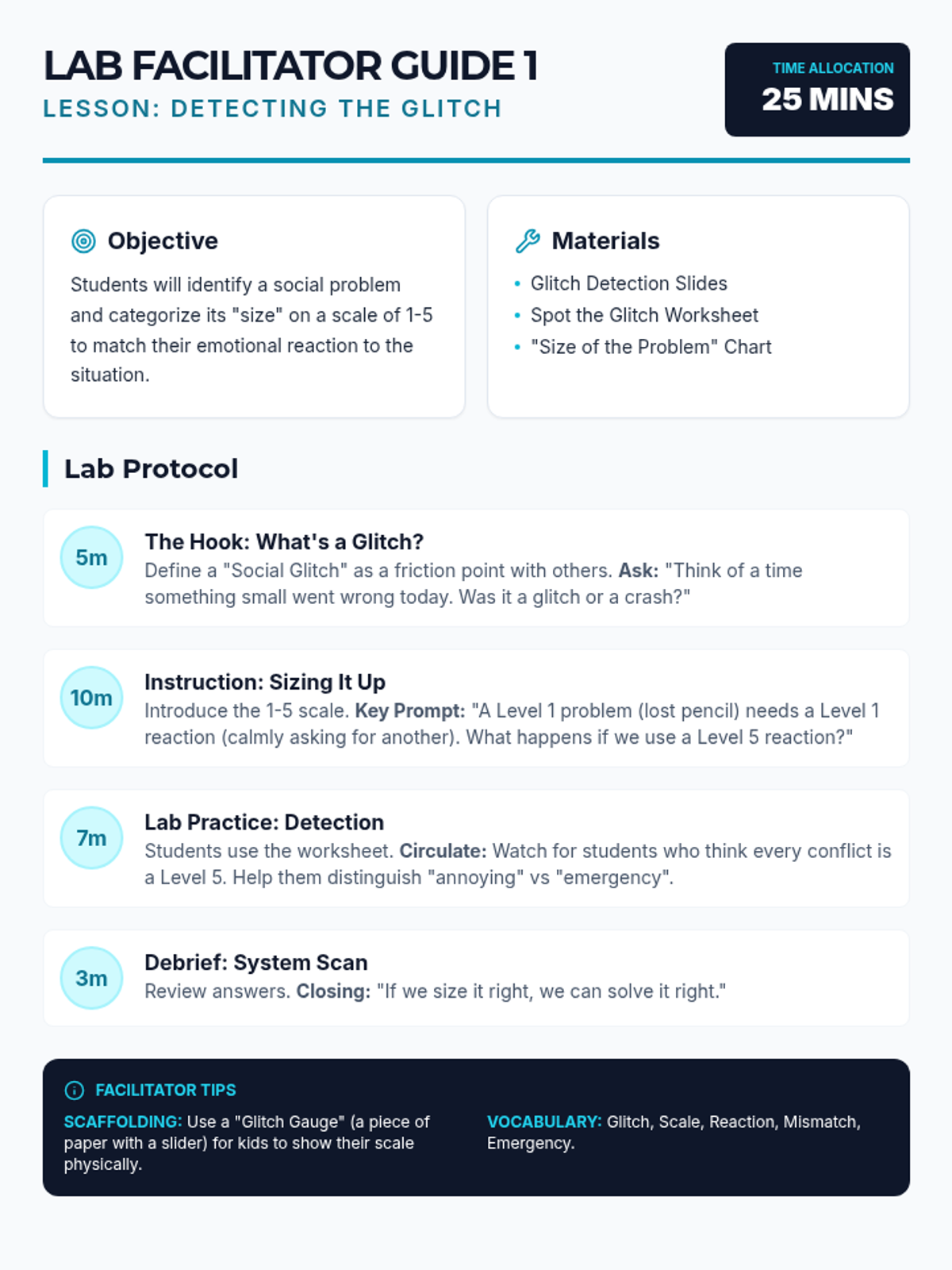
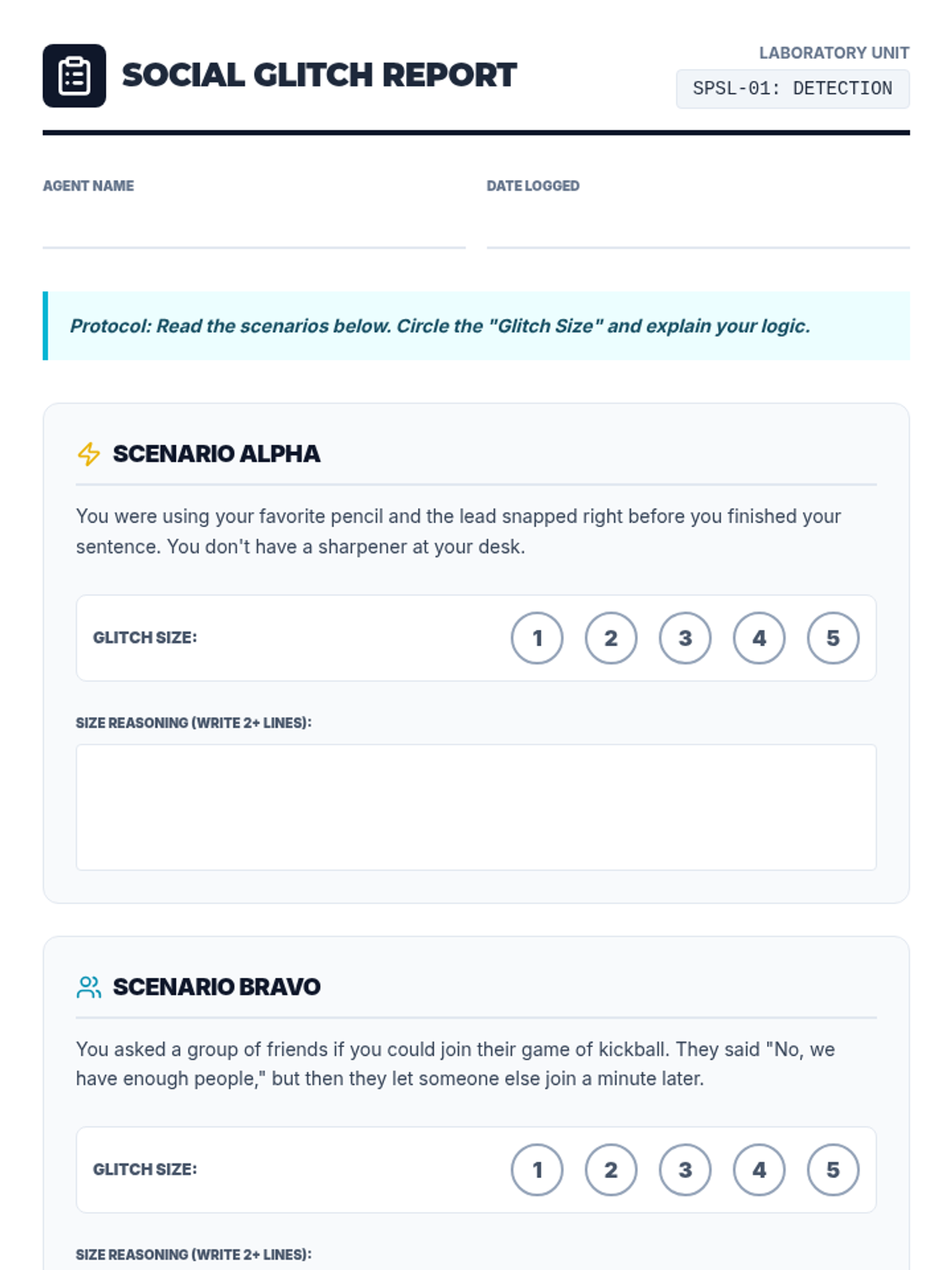
A comprehensive 5-lesson unit for 4th-5th graders to develop social problem-solving skills using a "Social Lab" theme. Students learn to identify problem sizes, brainstorm solutions, evaluate consequences, and consider perspectives.
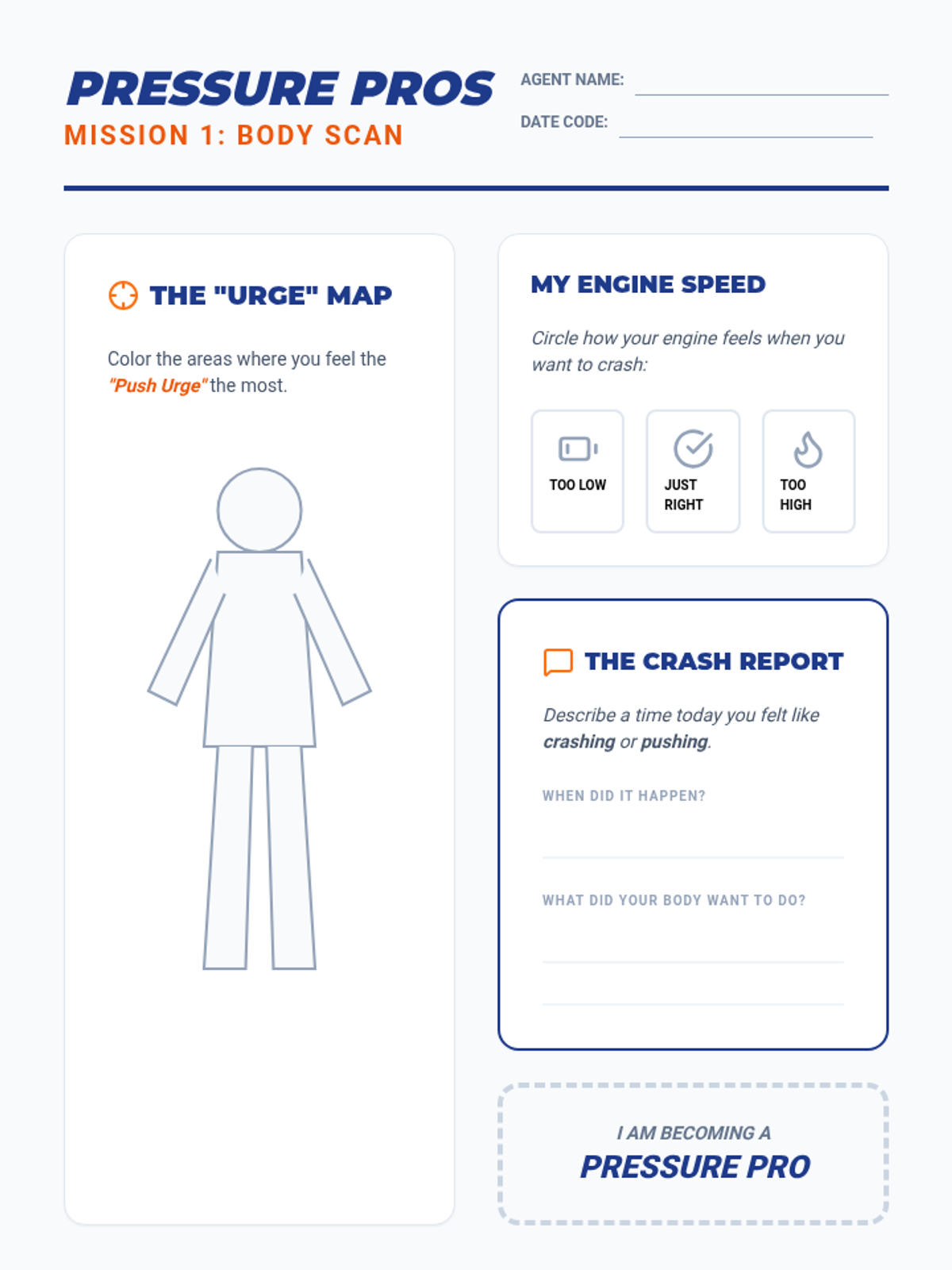
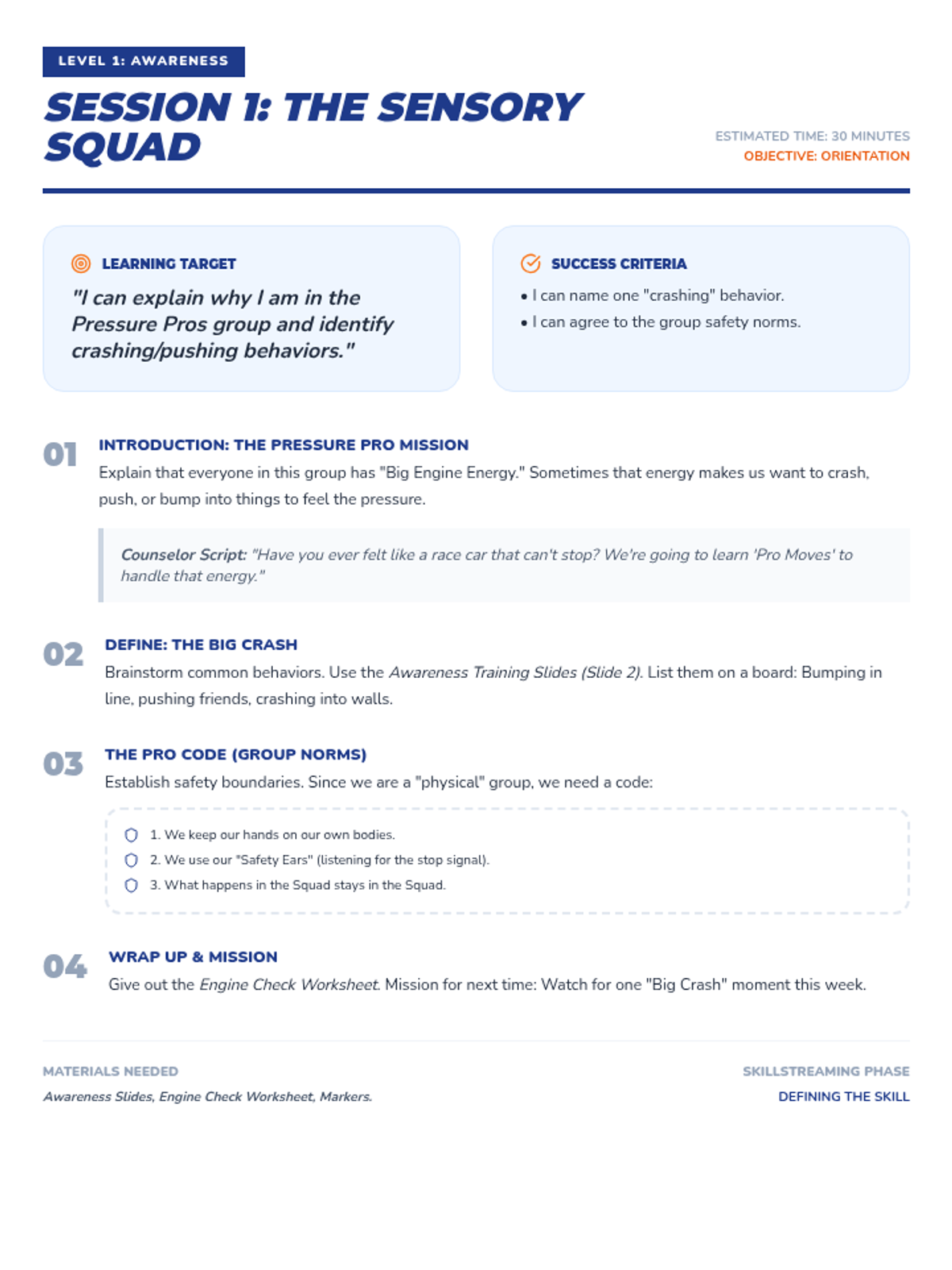
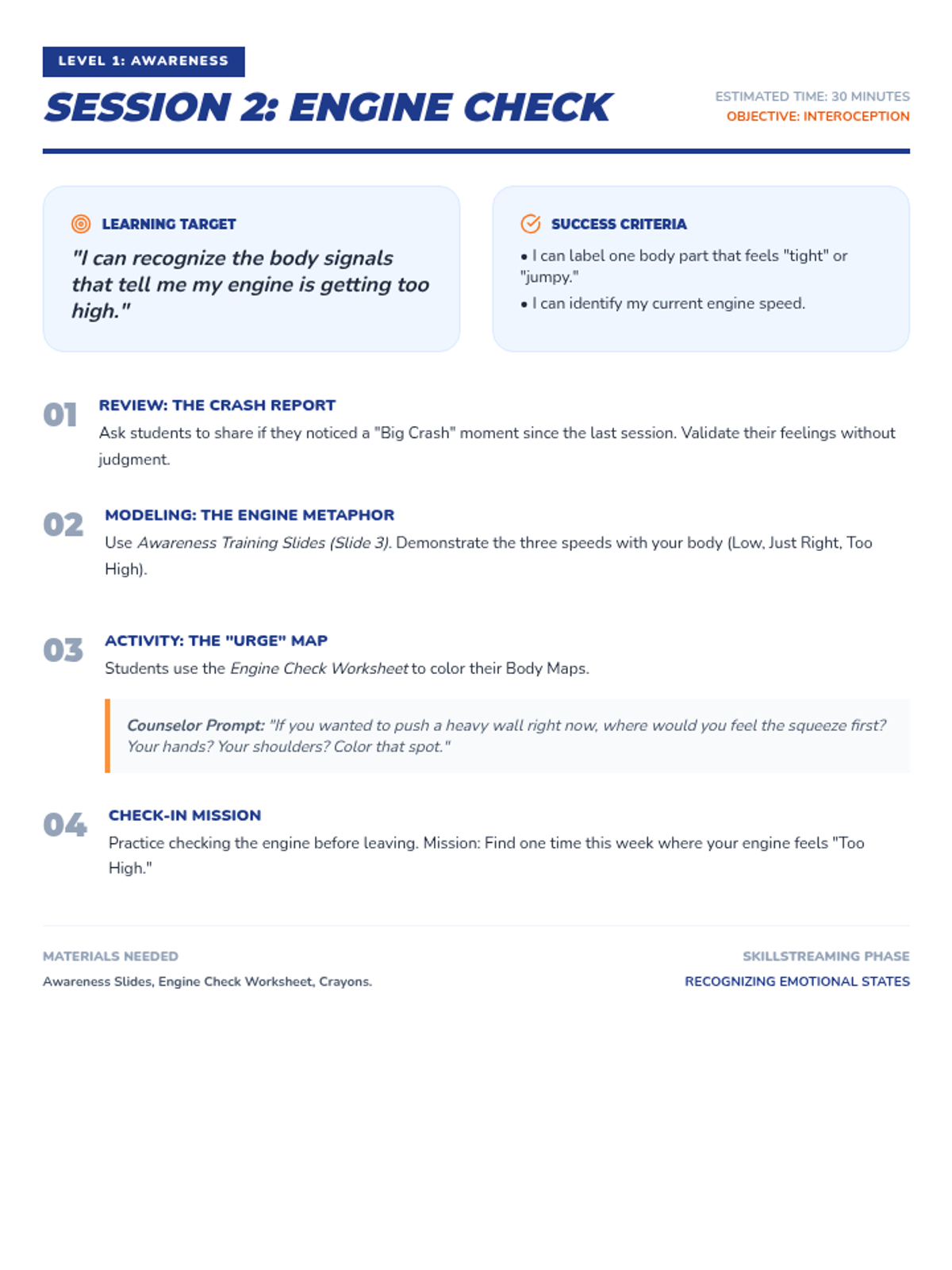
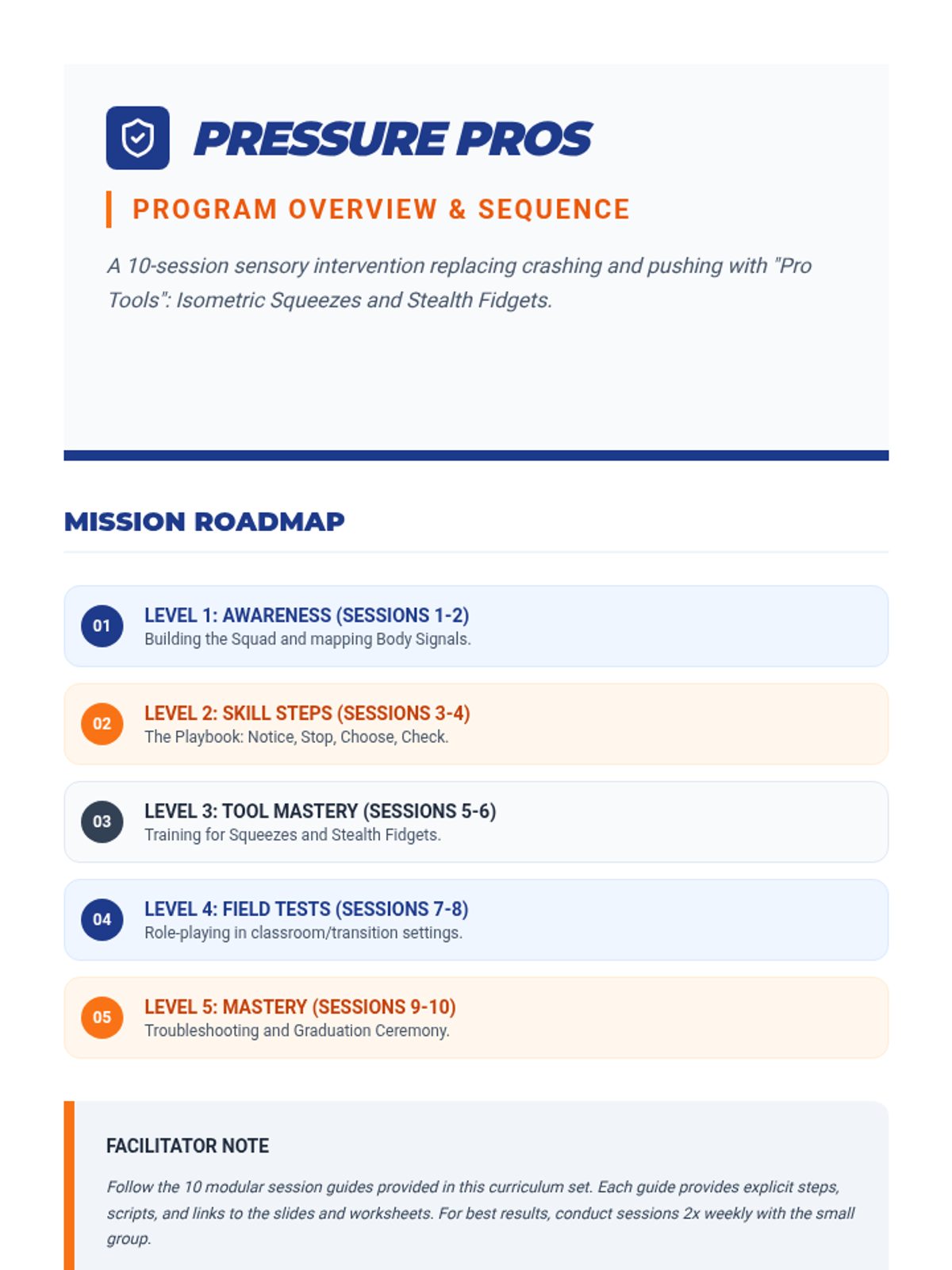
A 10-session sensory regulation intervention for small groups, utilizing SkillStreaming techniques to replace crashing and pushing behaviors with isometric squeezes and fidget use. The program, titled 'Pressure Pros', provides explicit steps for counselors to guide students through awareness, skill acquisition, and real-world application.
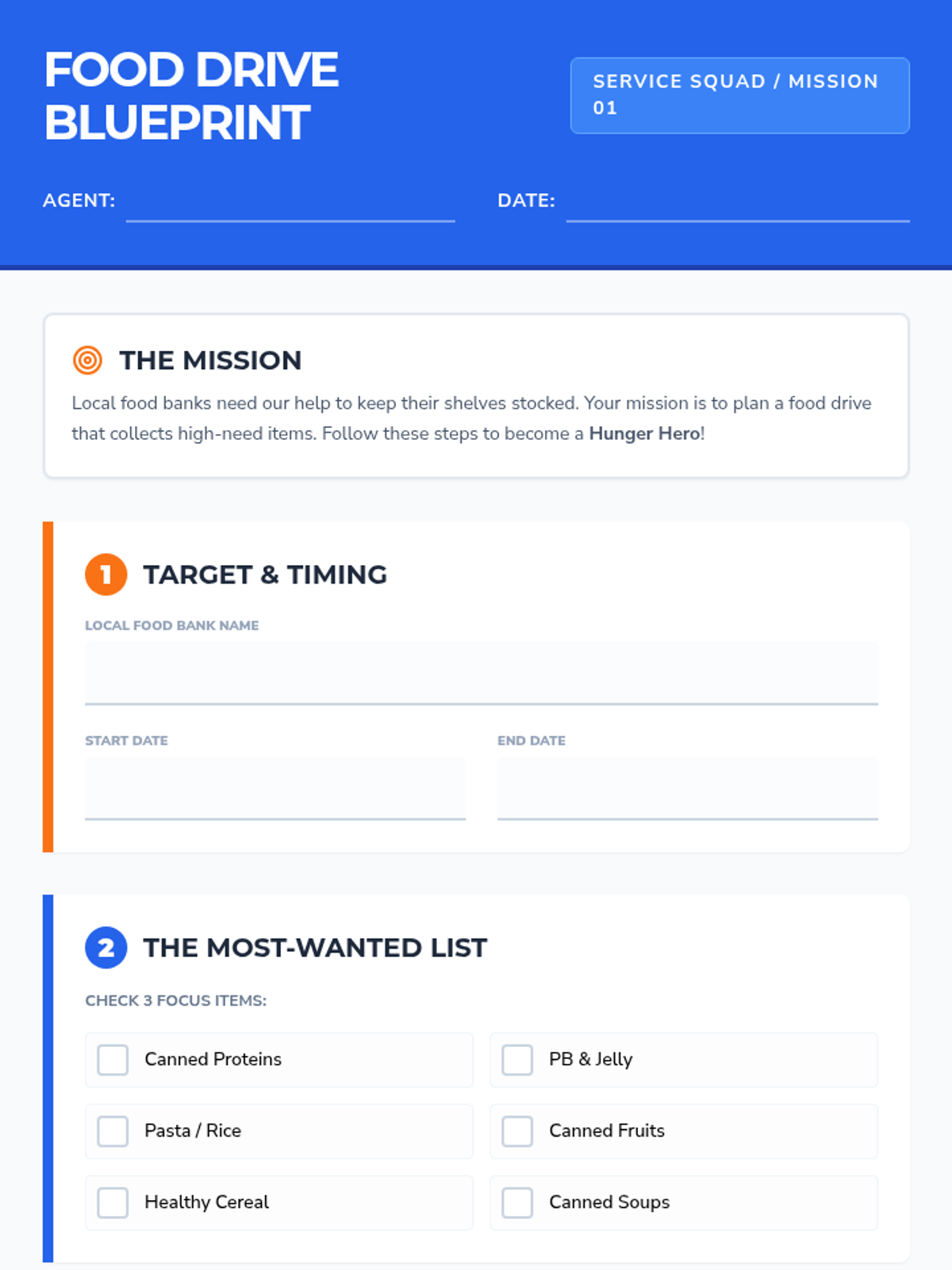
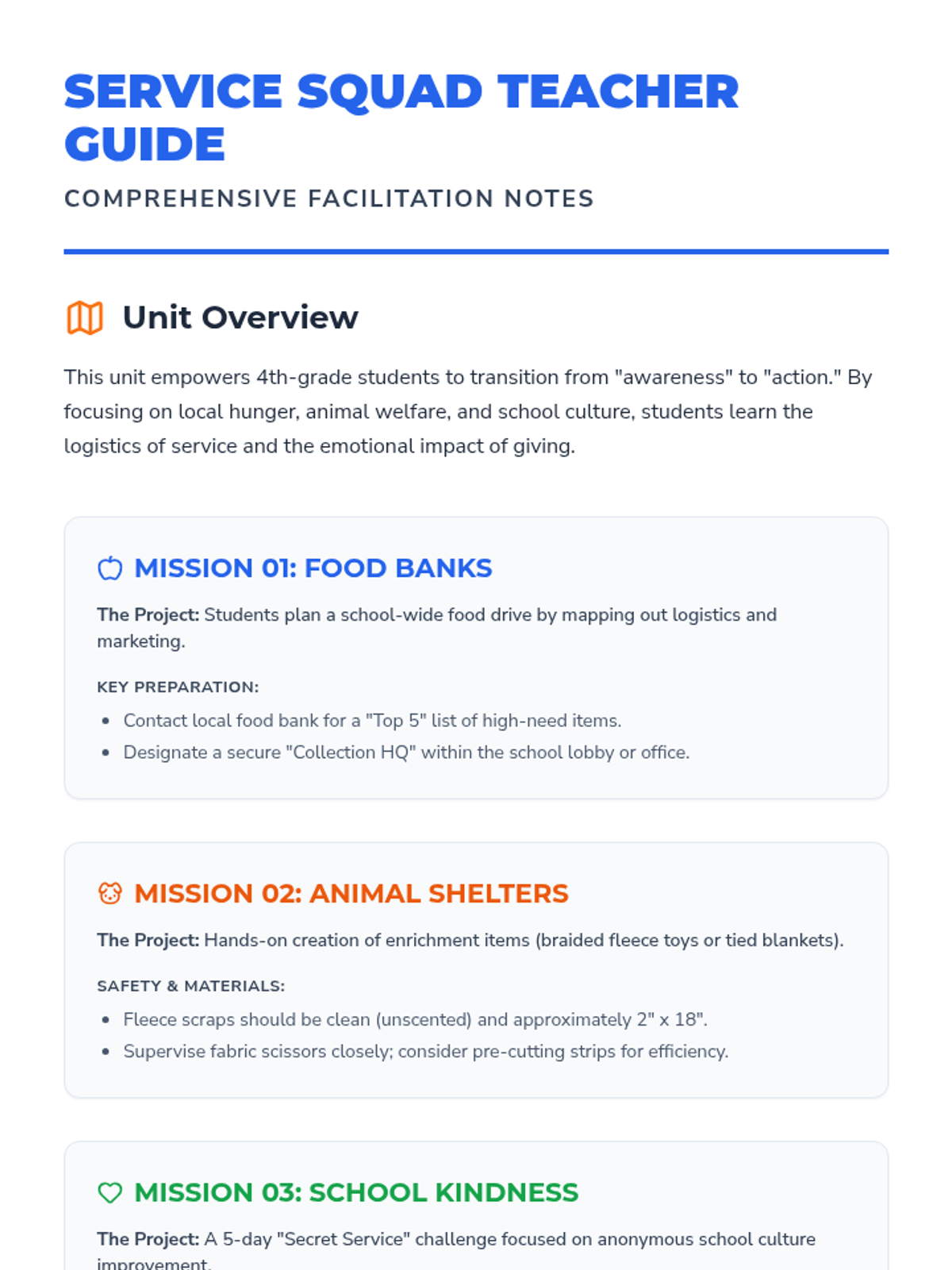
A comprehensive service-learning unit for 4th graders focused on community impact through food banks, animal shelters, and school kindness. Students move from understanding community needs to executing tangible service projects.
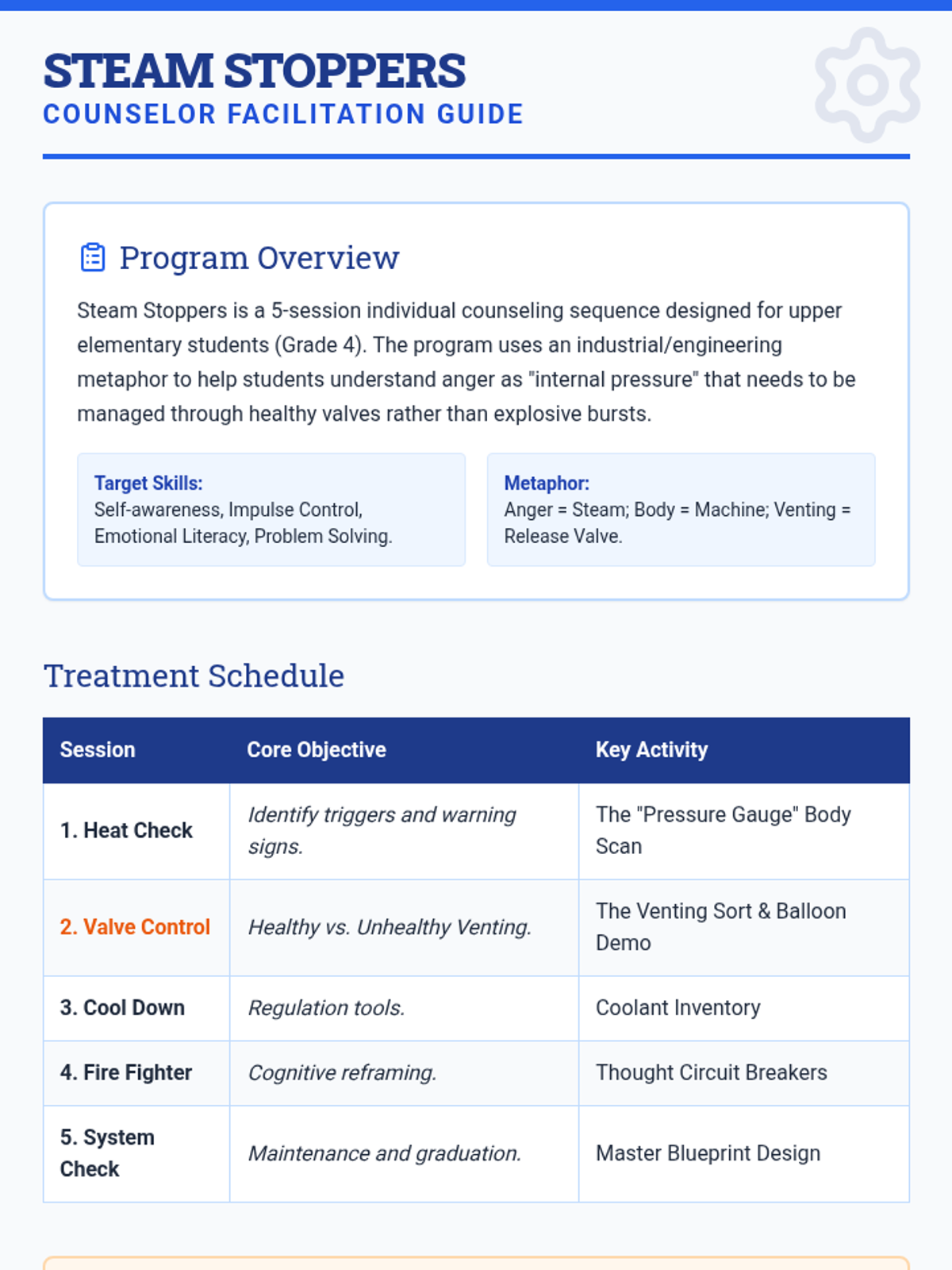
A 5-session individual counseling program for 4th-grade students focusing on anger management, emotional regulation, and distinguishing between healthy and unhealthy venting.
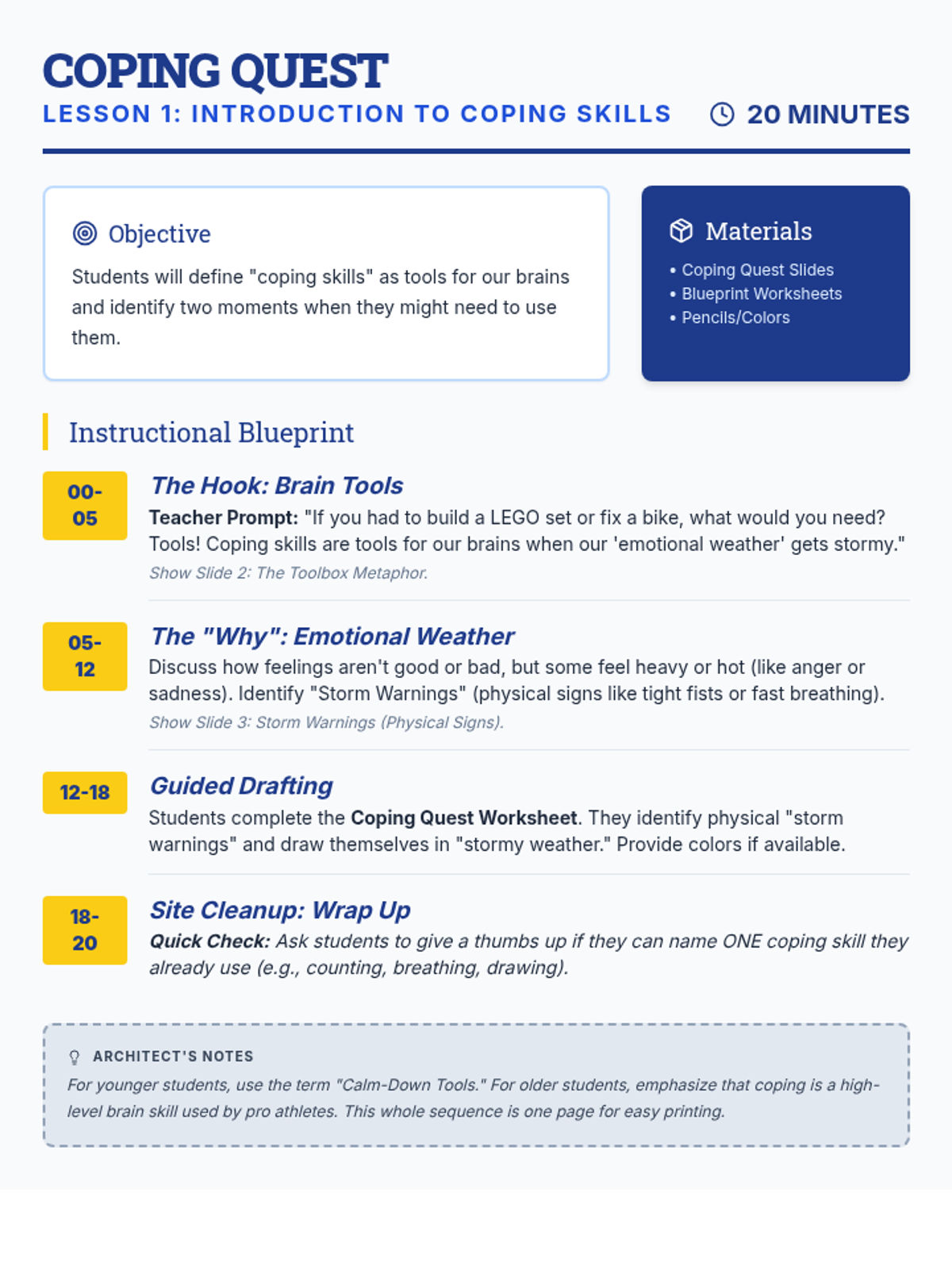
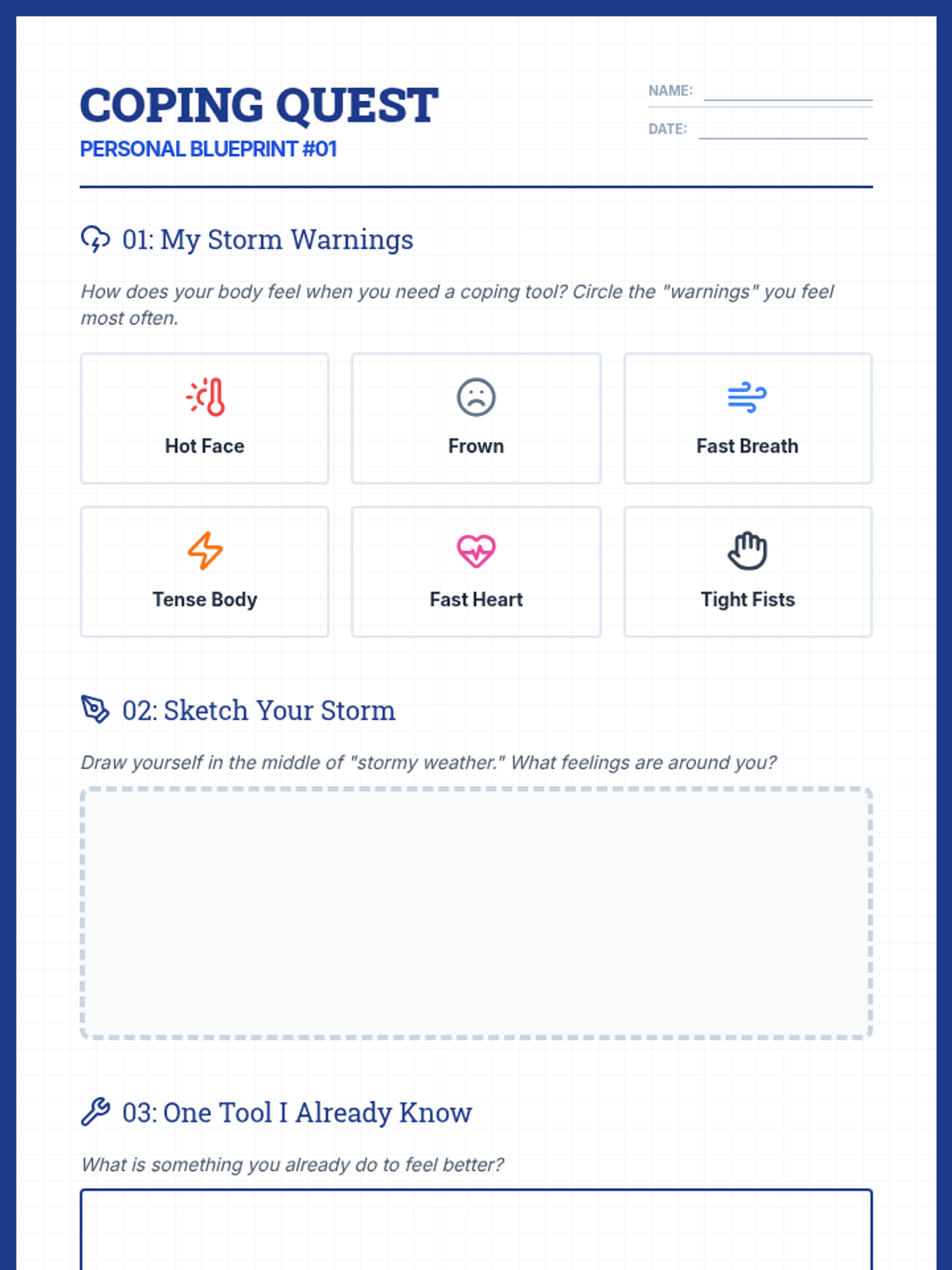
An 8-week social-emotional learning curriculum designed for 20-minute sessions. Students learn to identify, categorize, and apply coping skills through a blueprint-inspired framework of self-regulation.
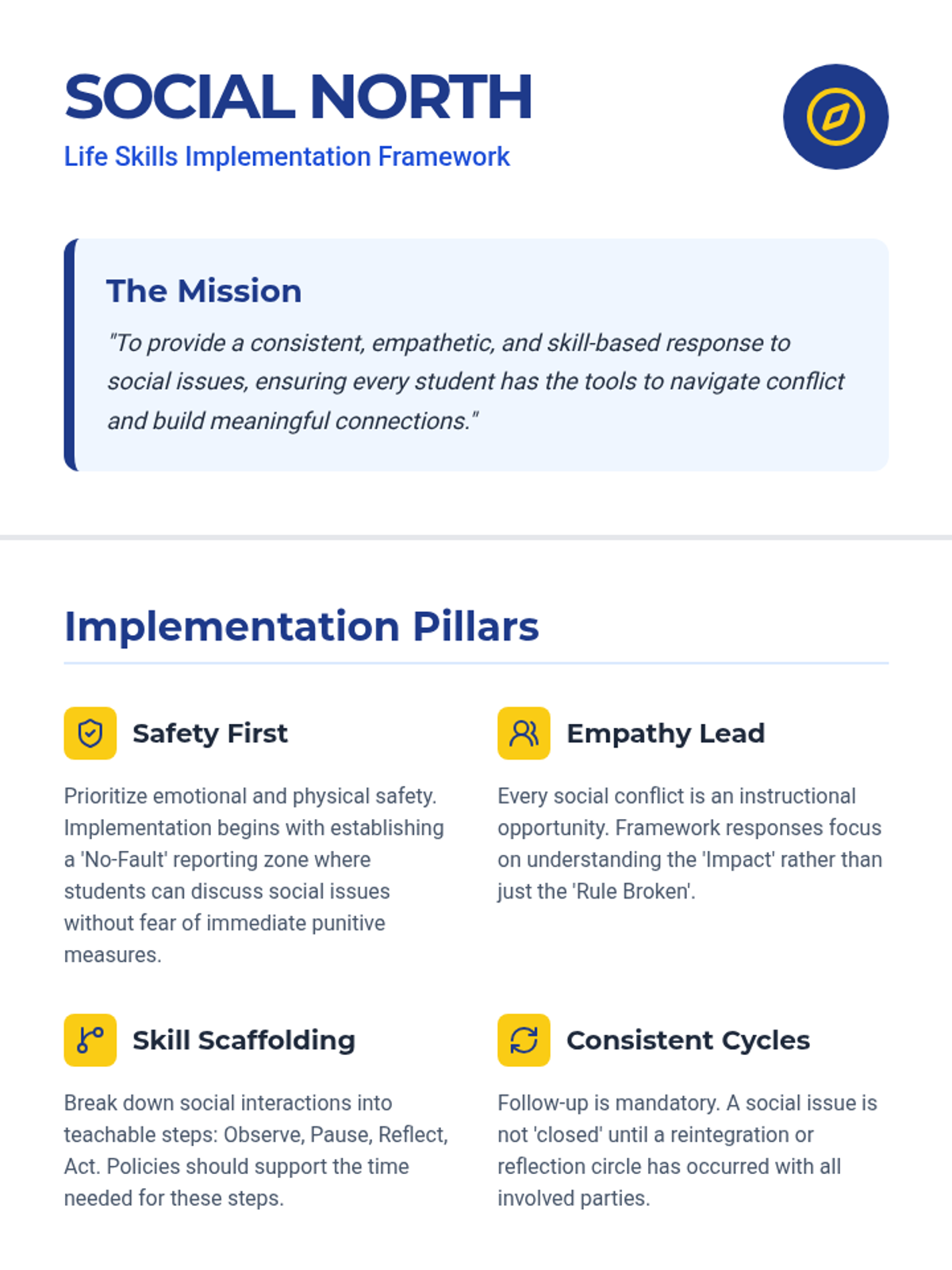
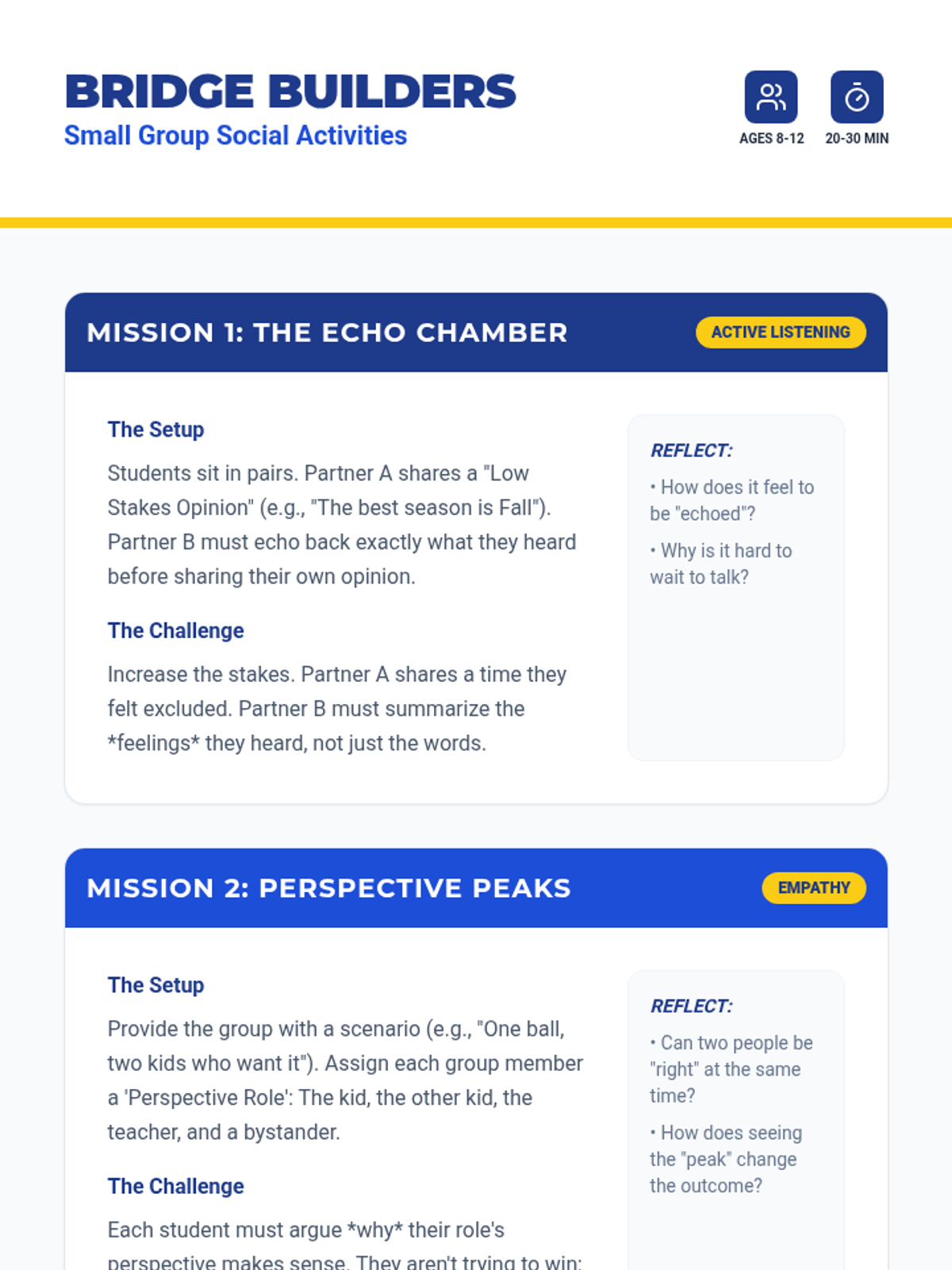
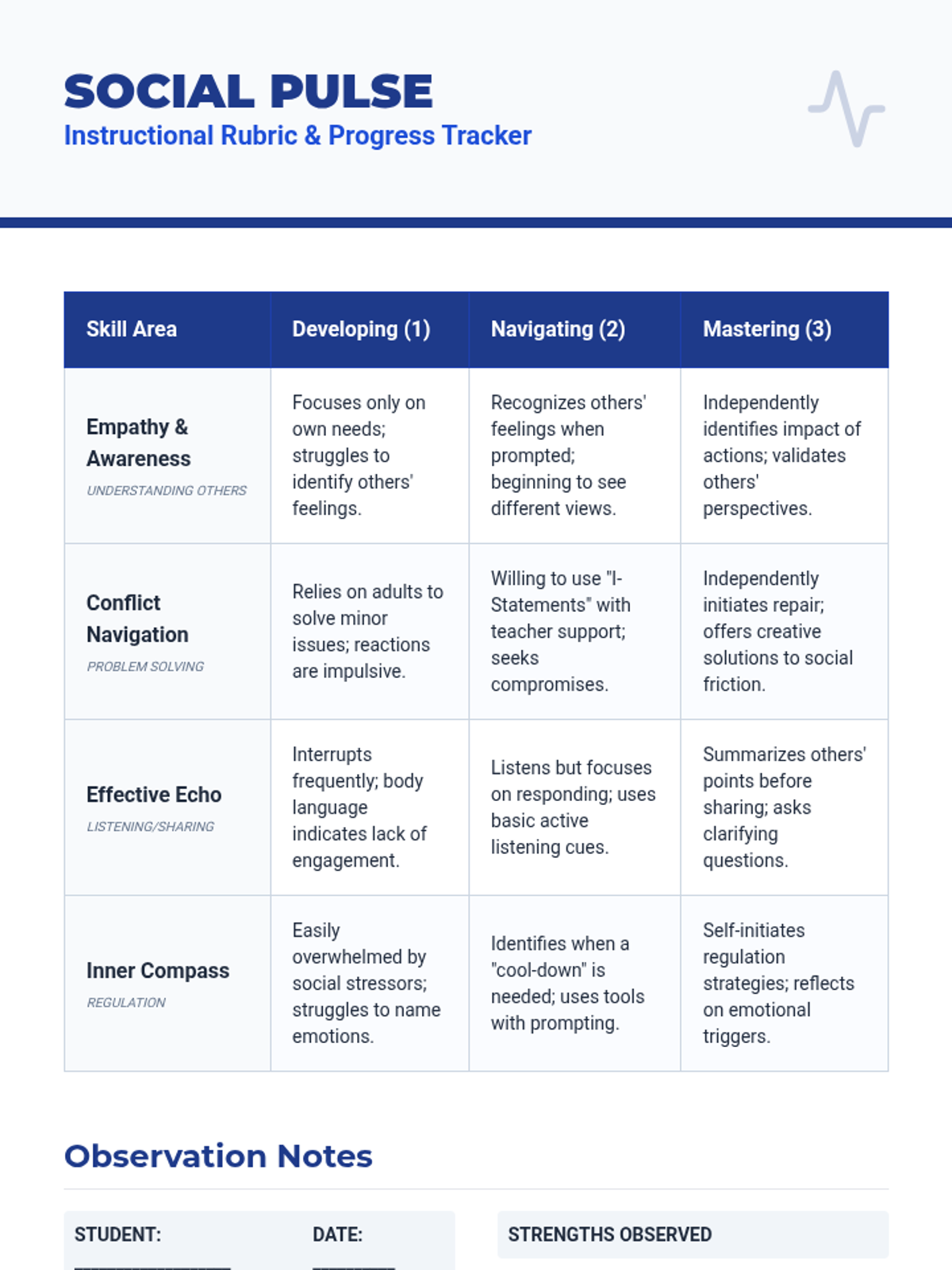
A comprehensive program for implementing life skills and social navigation within an educational setting, focusing on conflict resolution, empathy, and effective communication.
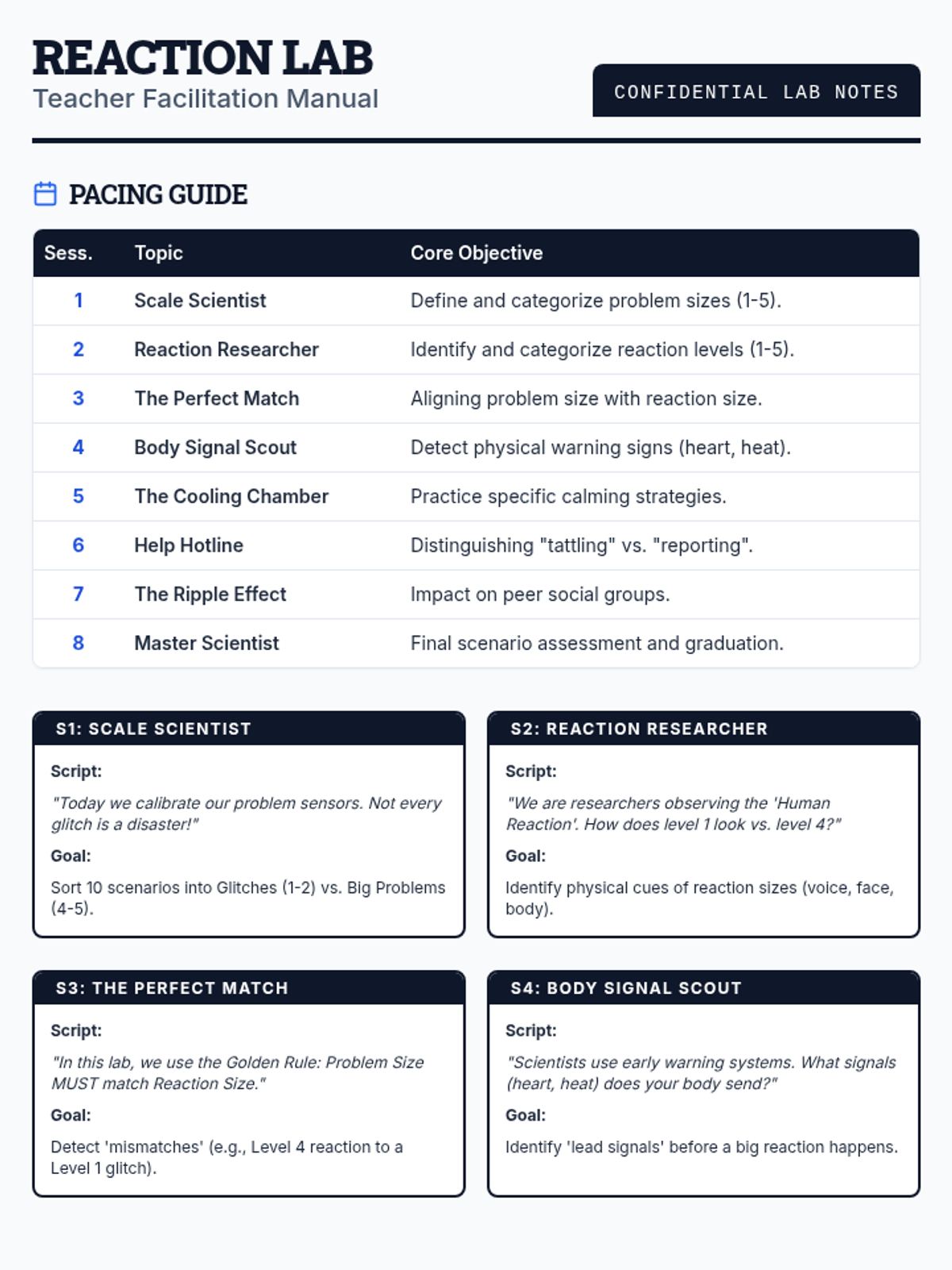
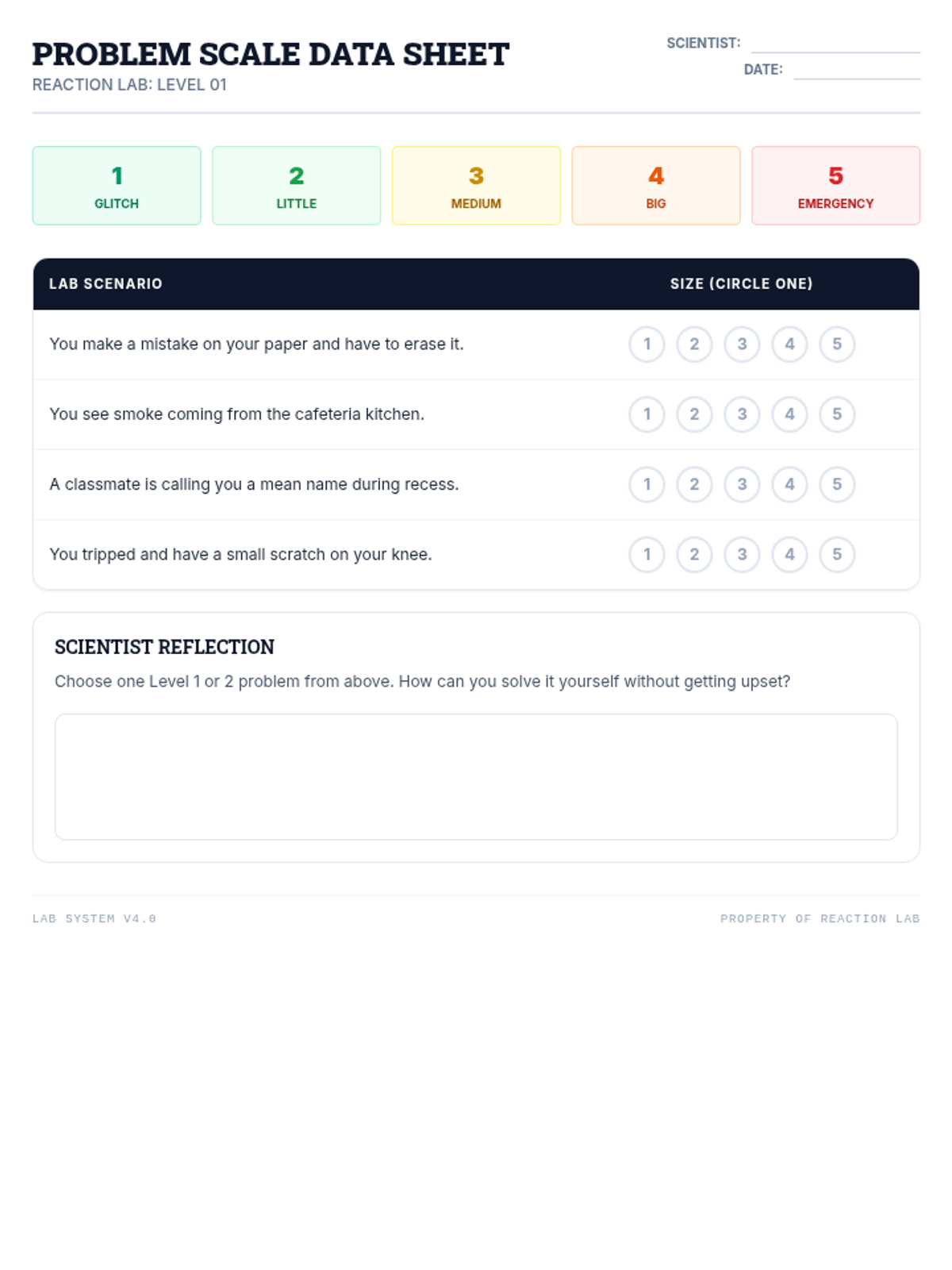
An 8-session curriculum for 4th graders focused on matching the size of their reaction to the size of the problem using a scientific 'Reaction Lab' theme. Students learn to categorize problems, identify body signals, and apply calming strategies.
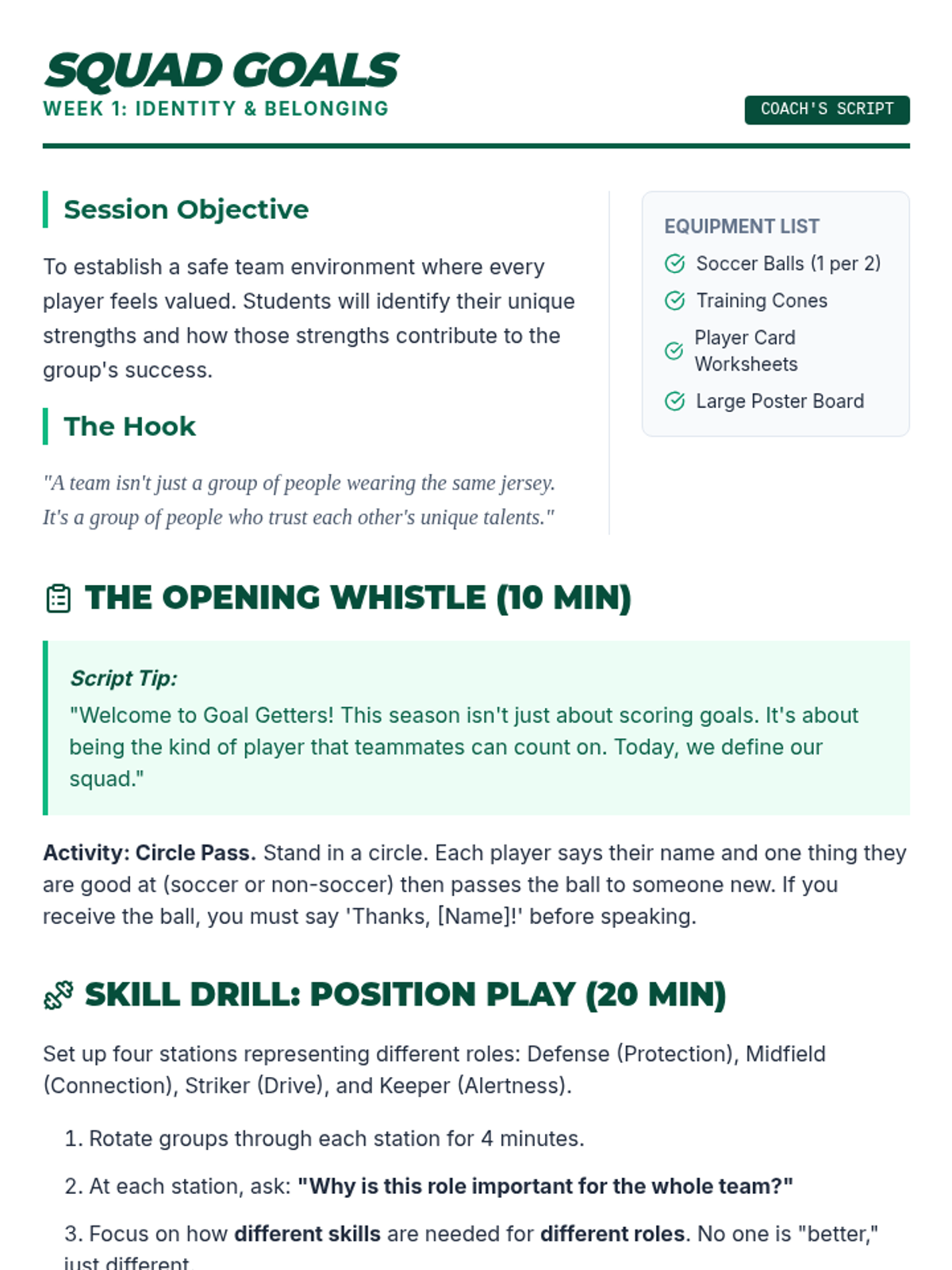
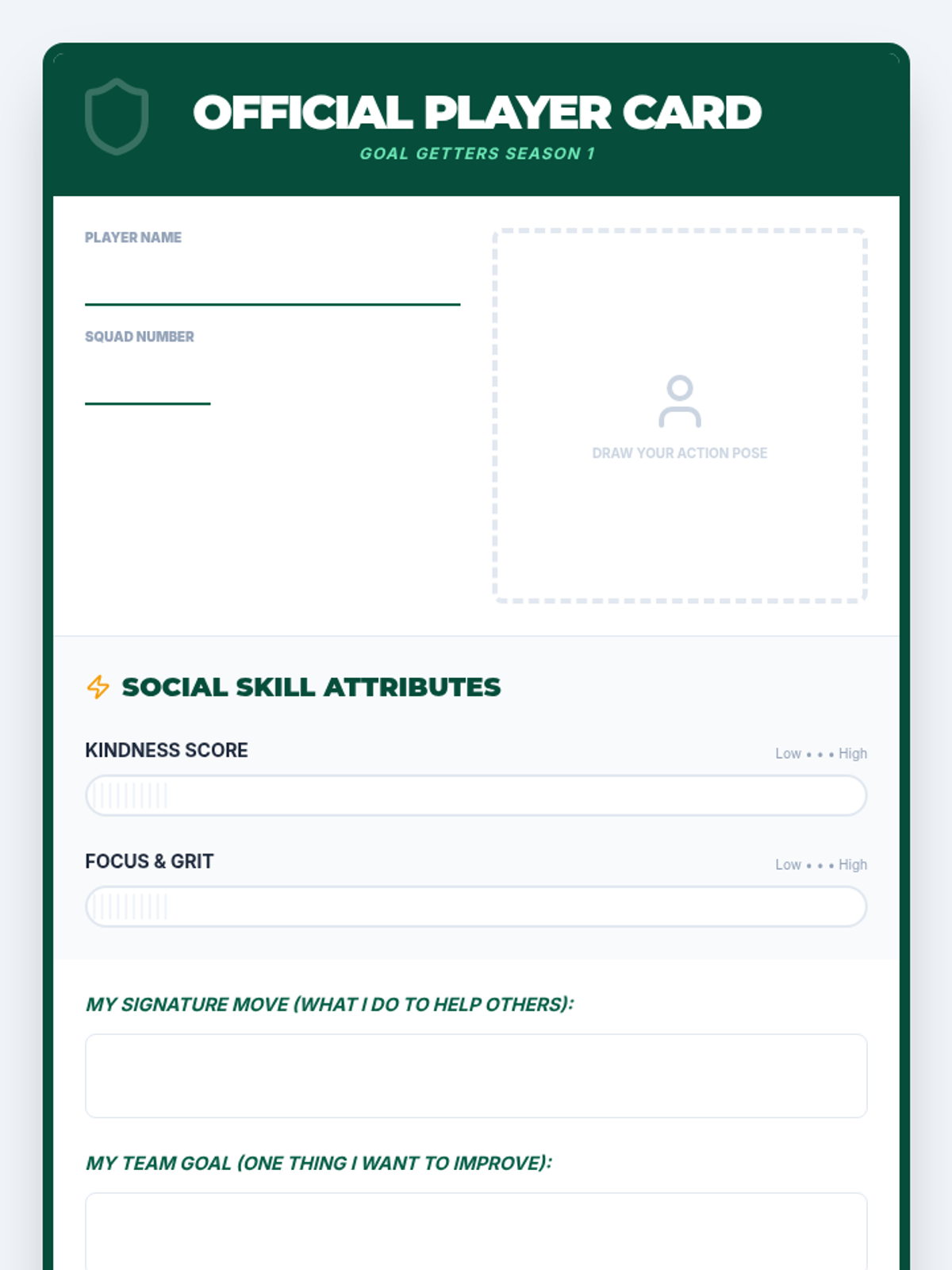
An 8-week soccer-themed social-emotional learning curriculum designed to improve self-esteem, peer relationships, emotional regulation, and conflict resolution through on-field drills and classroom reflection.
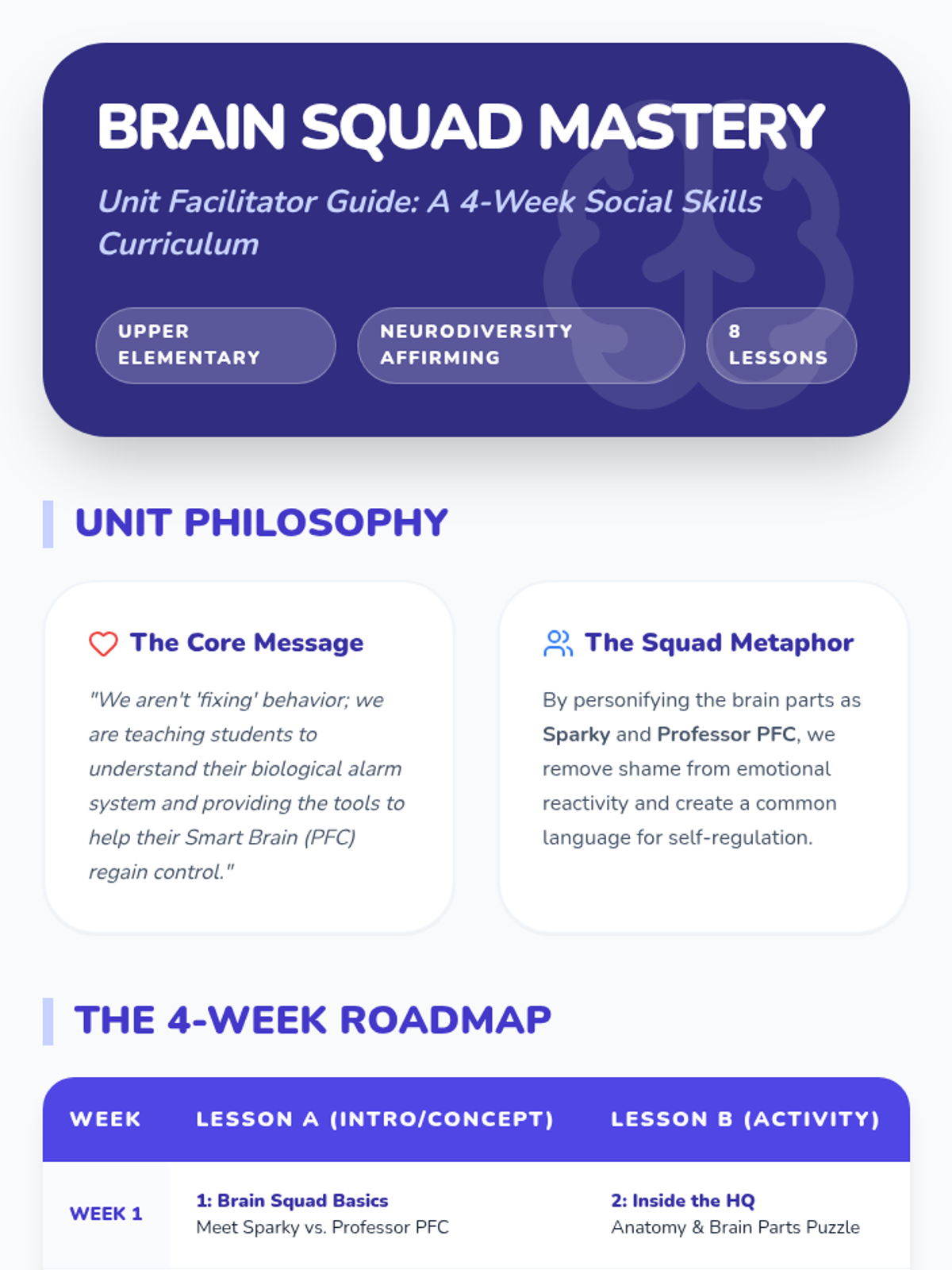
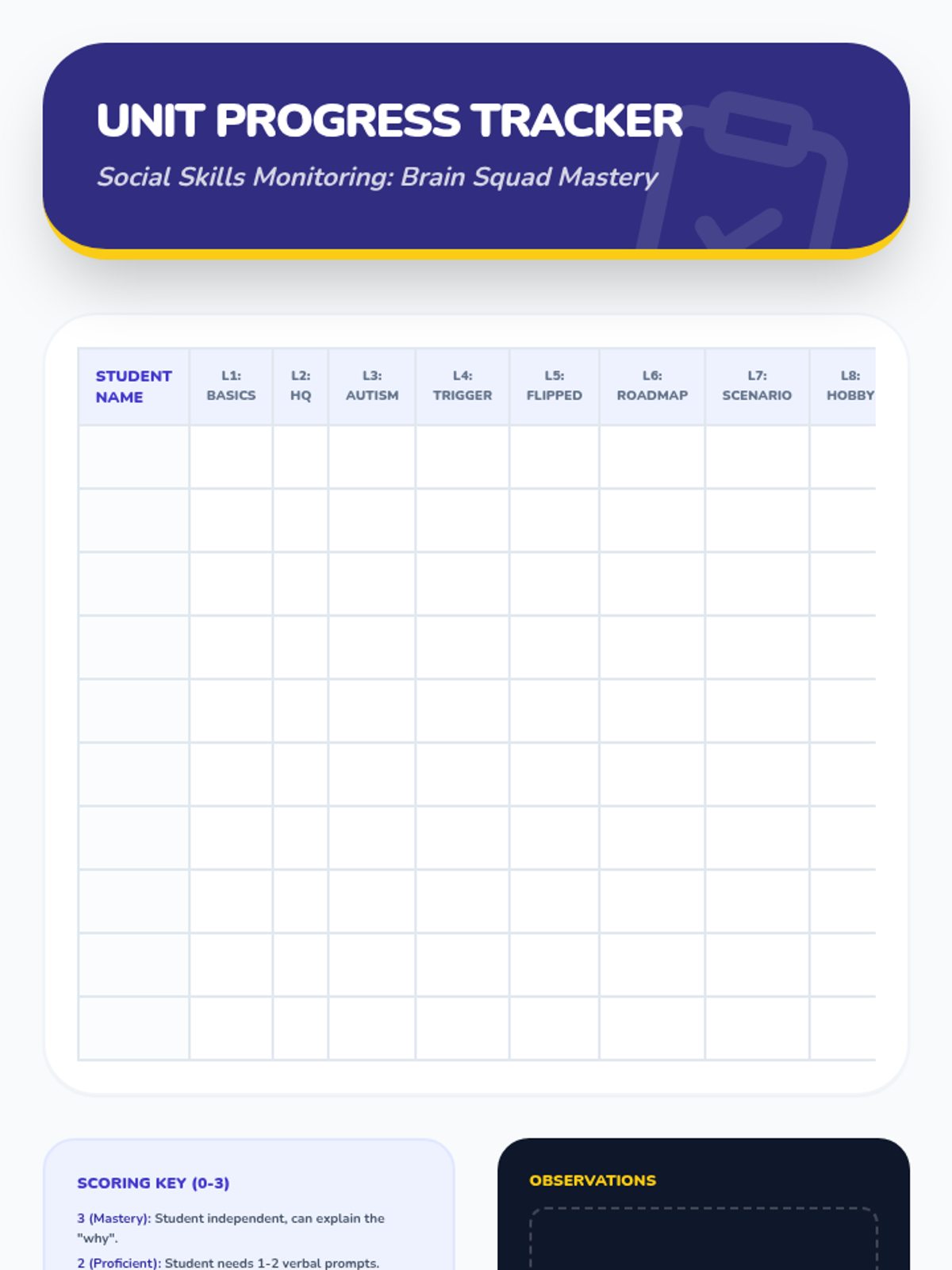
A 4-week social skills unit (8 lessons) teaching students to distinguish between their emotional brain and smart brain, focusing on regulation strategies, autism-specific challenges, and positive outlets.
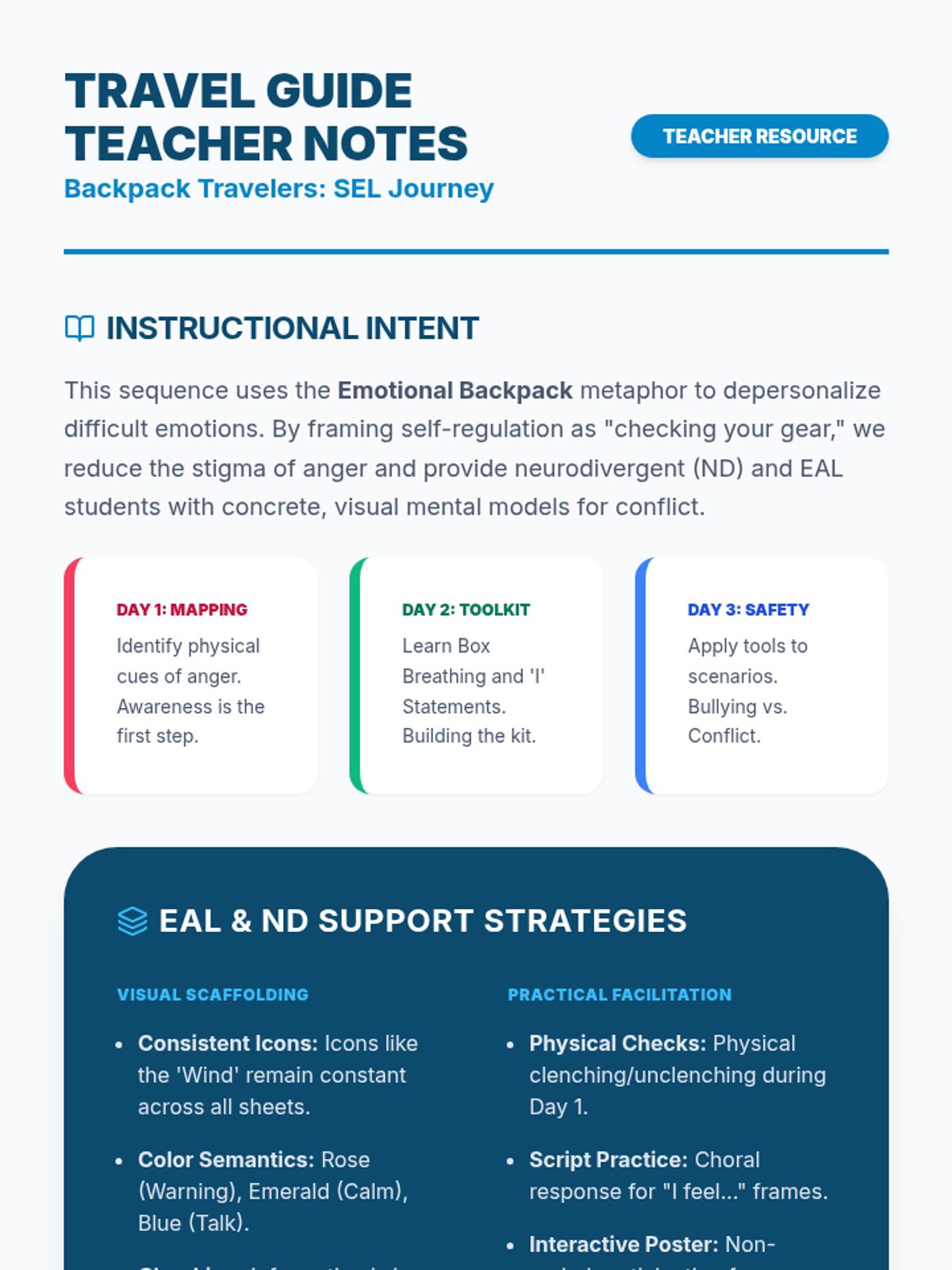
A multi-day social-emotional learning sequence that teaches students how to identify, manage, and communicate difficult emotions like anger and conflict using the metaphor of an 'Emotional Backpack'. Designed with high-visual support for EAL and neurodivergent learners.
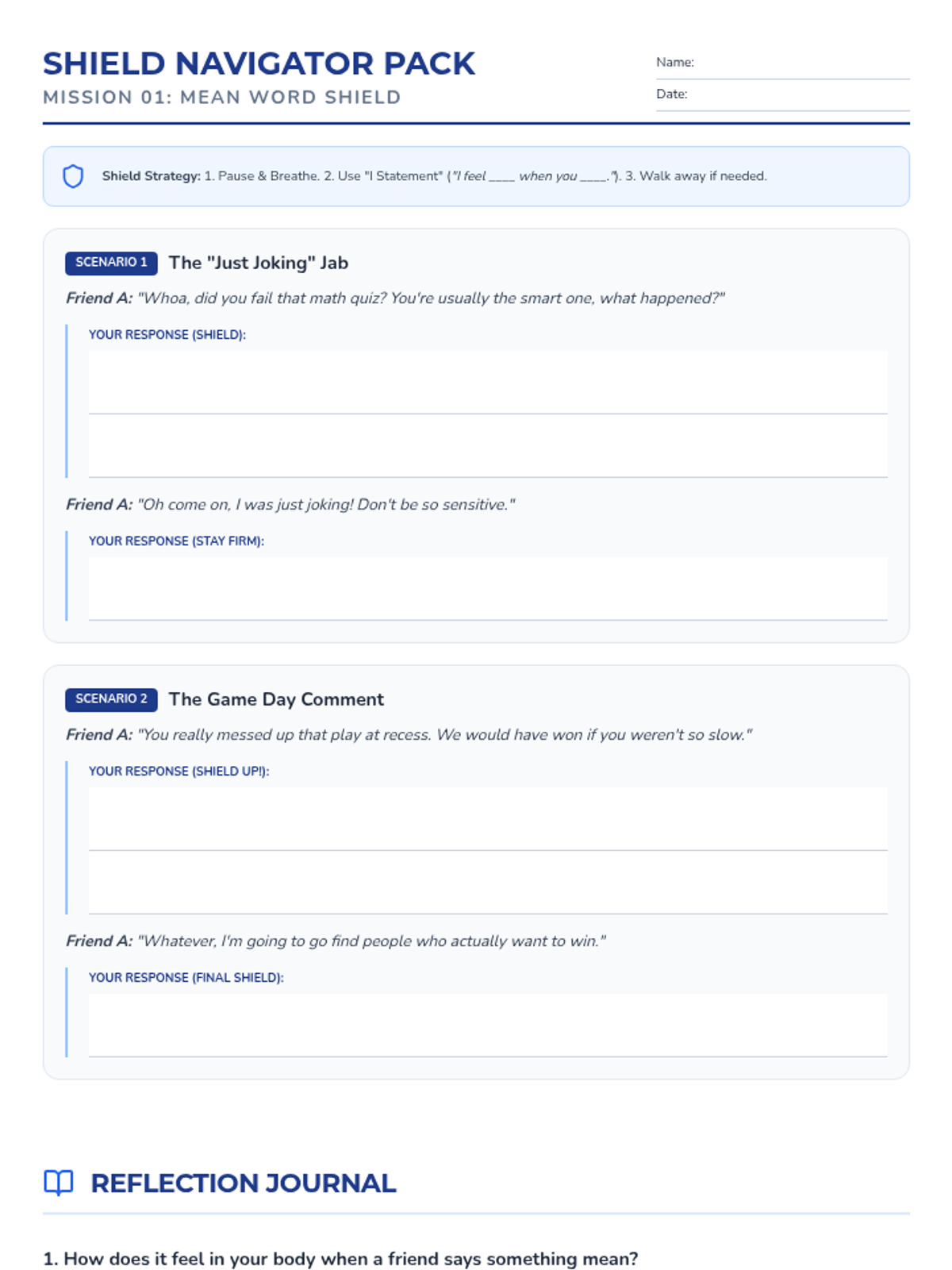
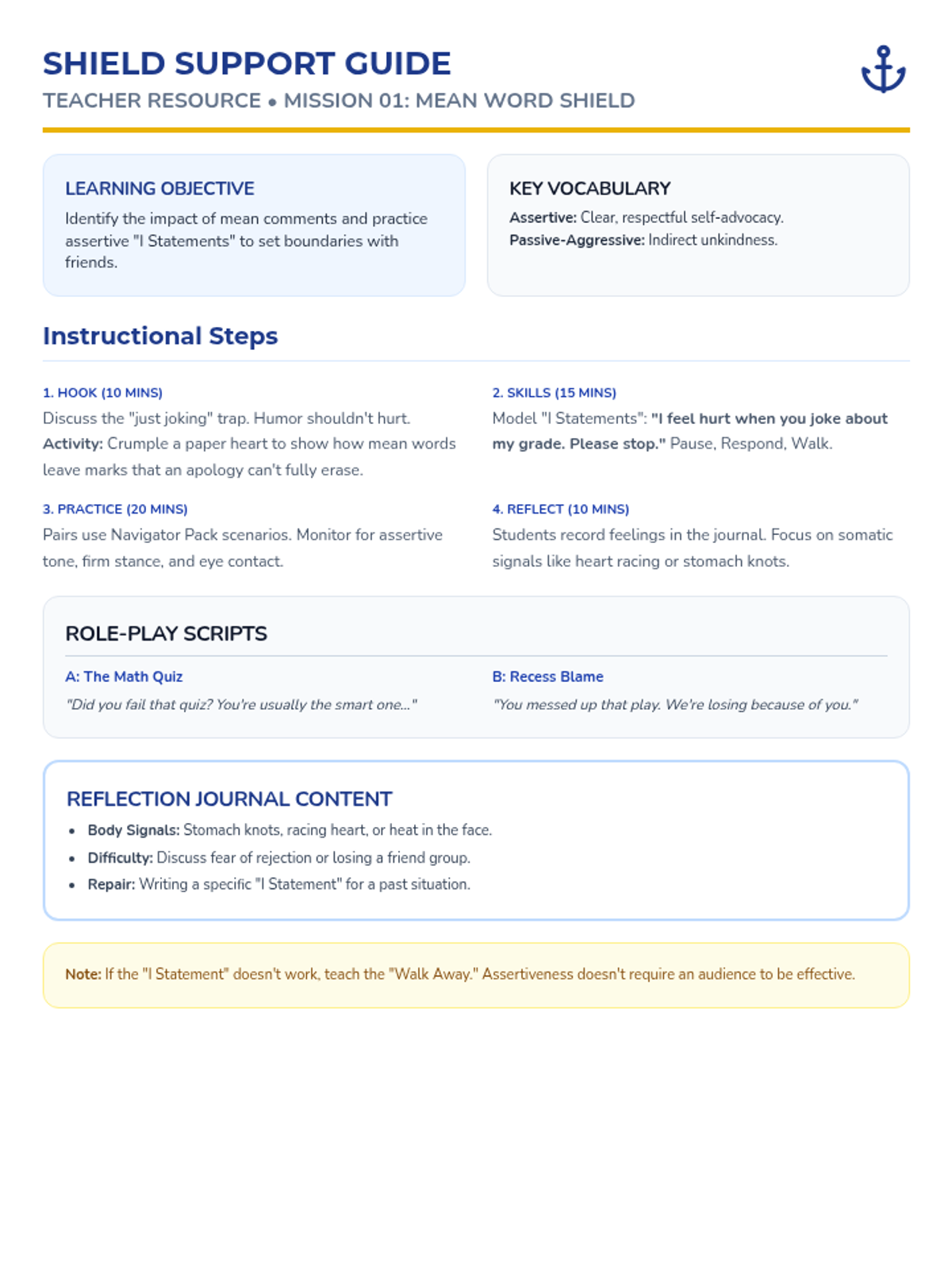
A social-emotional learning unit designed for 4th graders to help them identify and respond to negative friendship behaviors, including mean comments, inappropriate actions, and situations that cause discomfort.
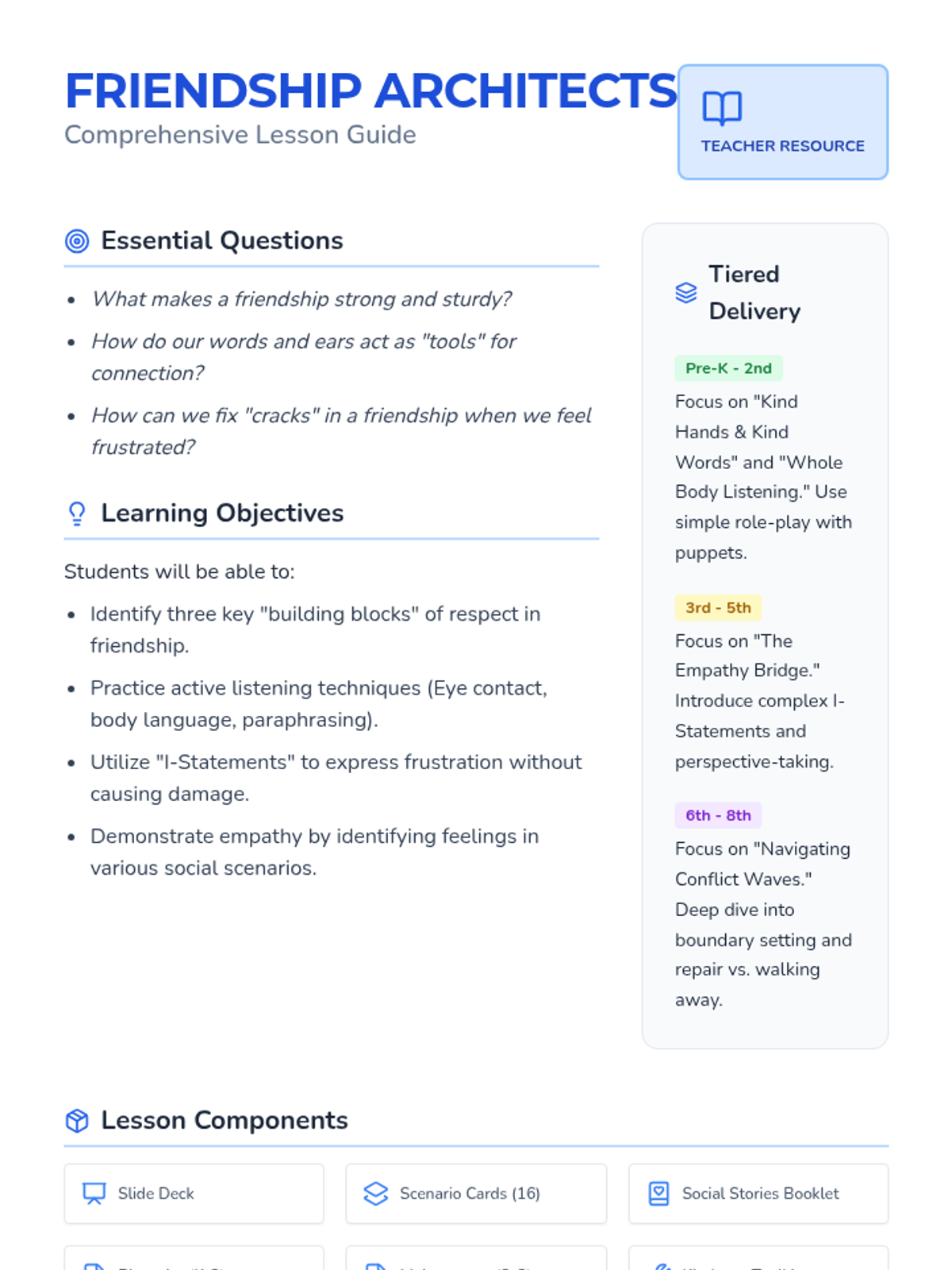
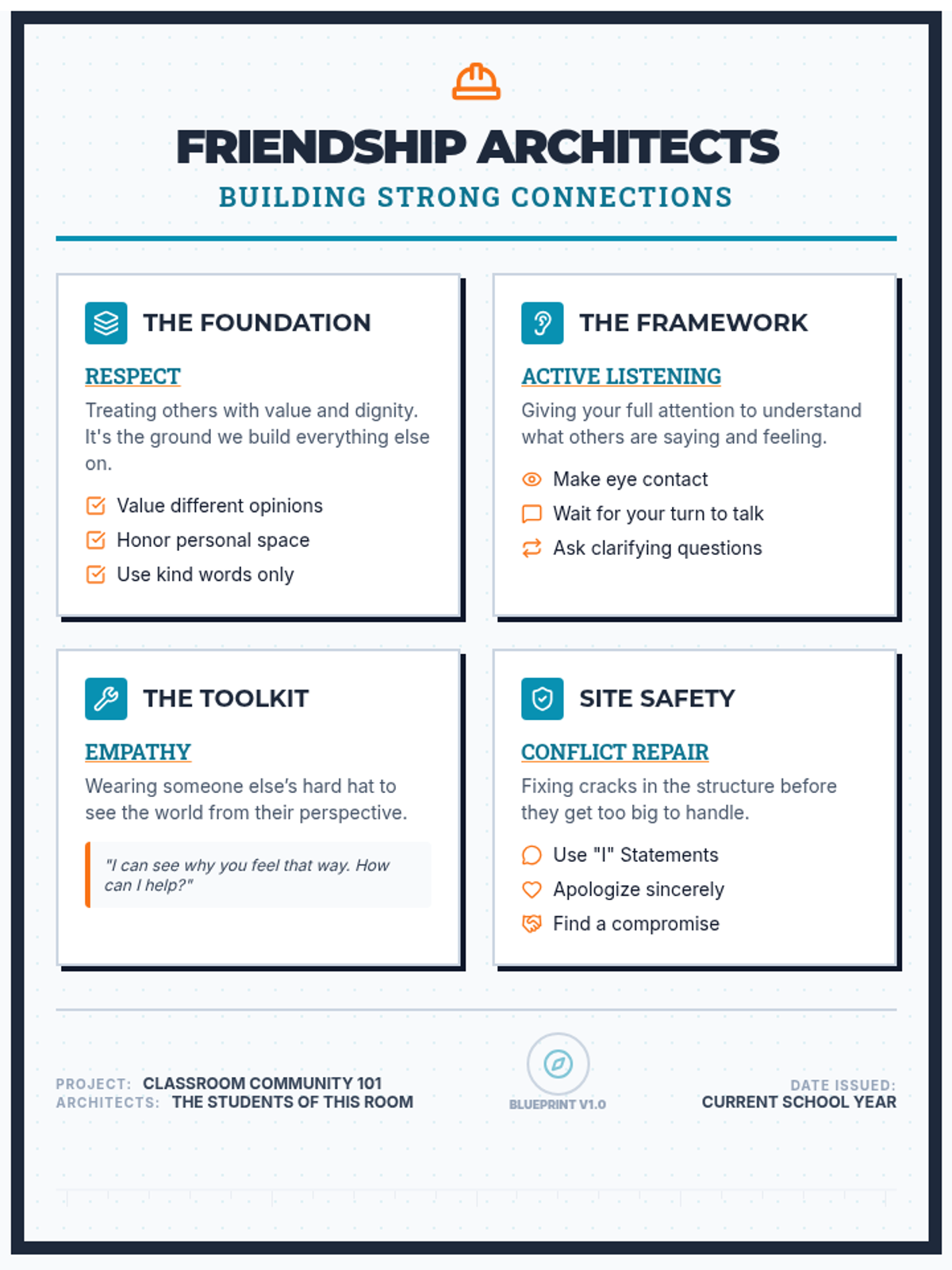
A social-emotional learning series focused on developing core interpersonal skills, moving from individual friendship building to collaborative teamwork and community responsibility.
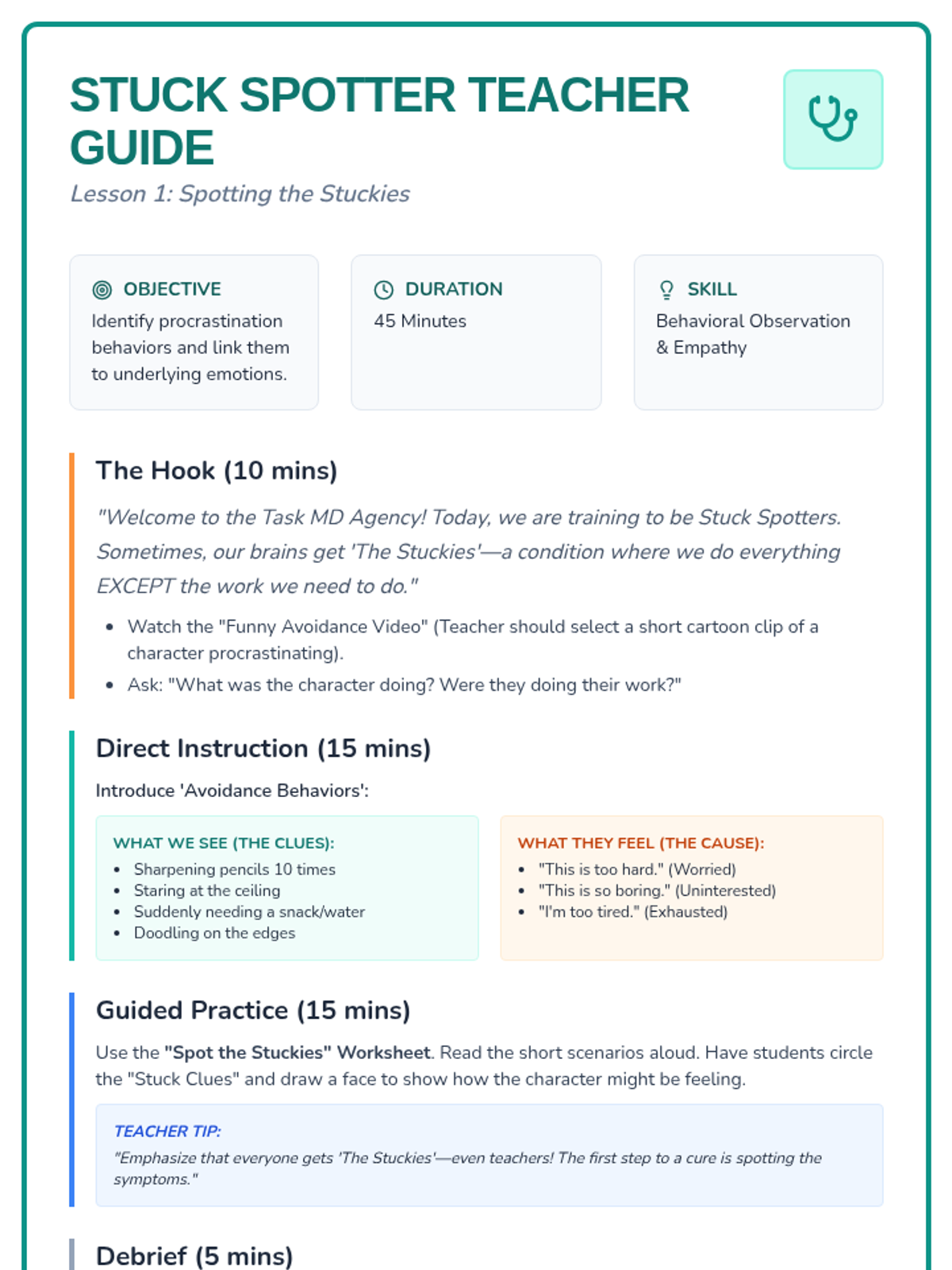
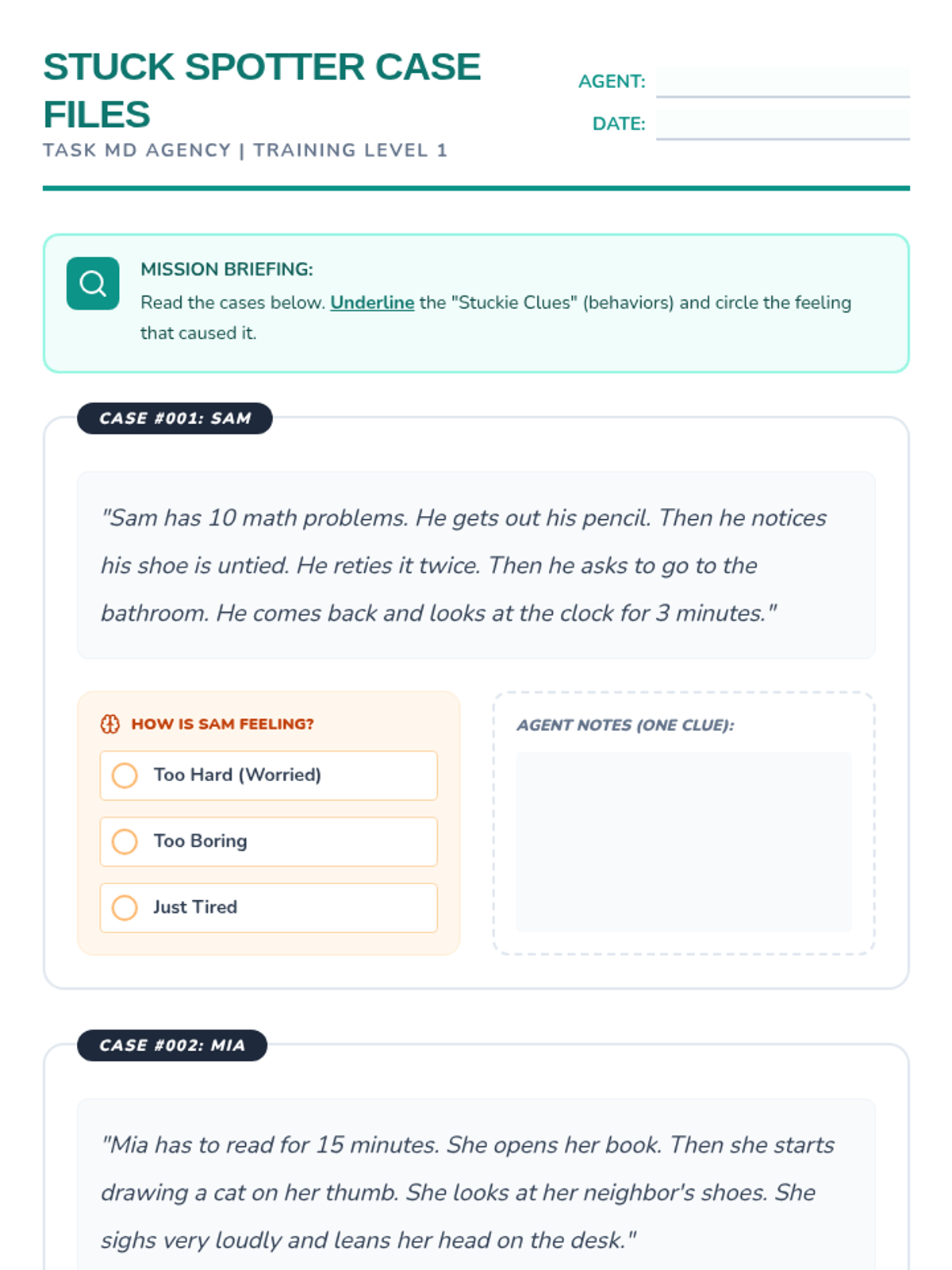
A sequence focused on helping students overcome emotional barriers to task initiation using a 'Task Doctor' theme. Students learn to identify avoidance behaviors, diagnose the root cause of being 'stuck', and prescribe effective self-talk solutions through role-play and reflection.
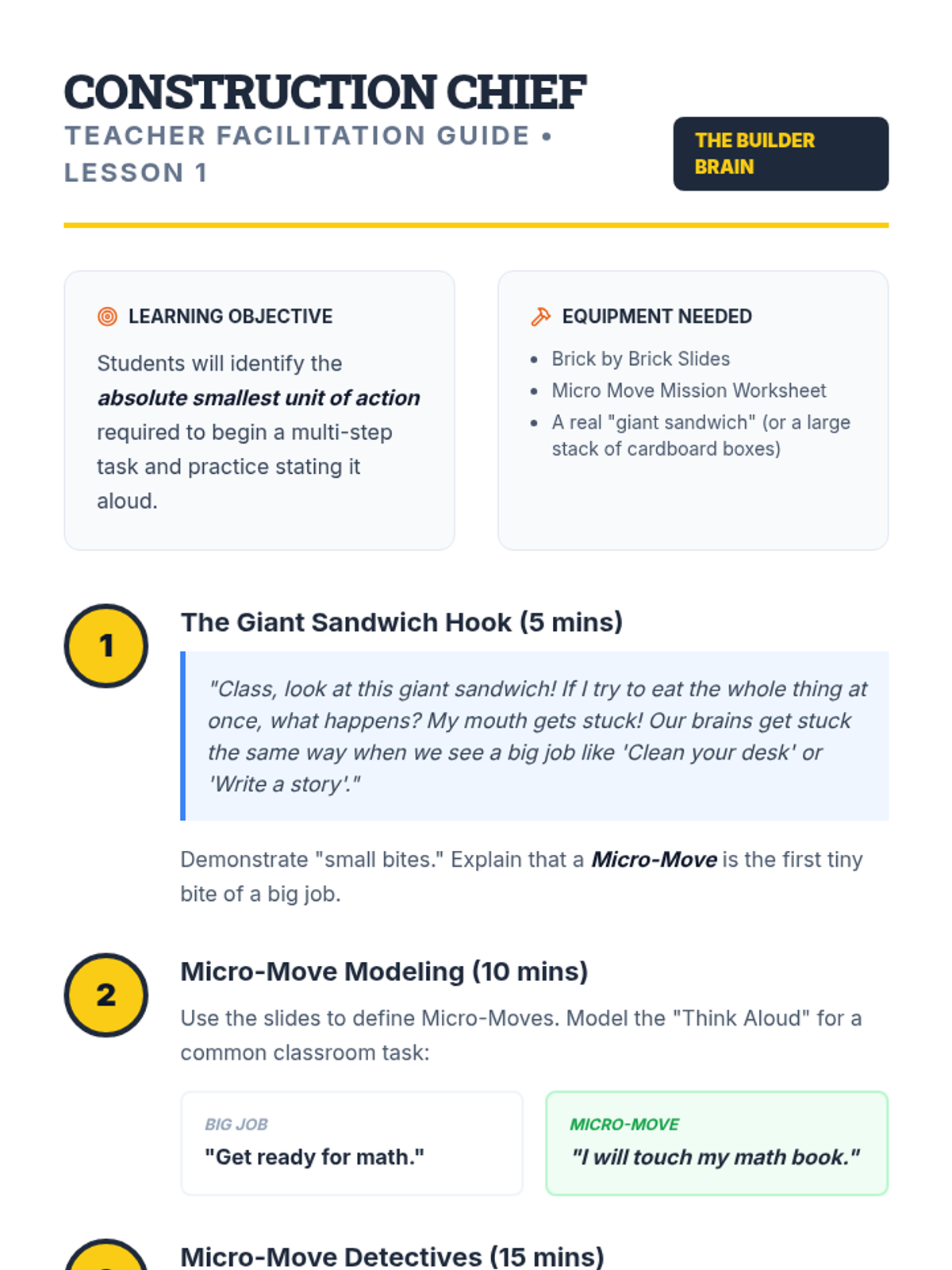
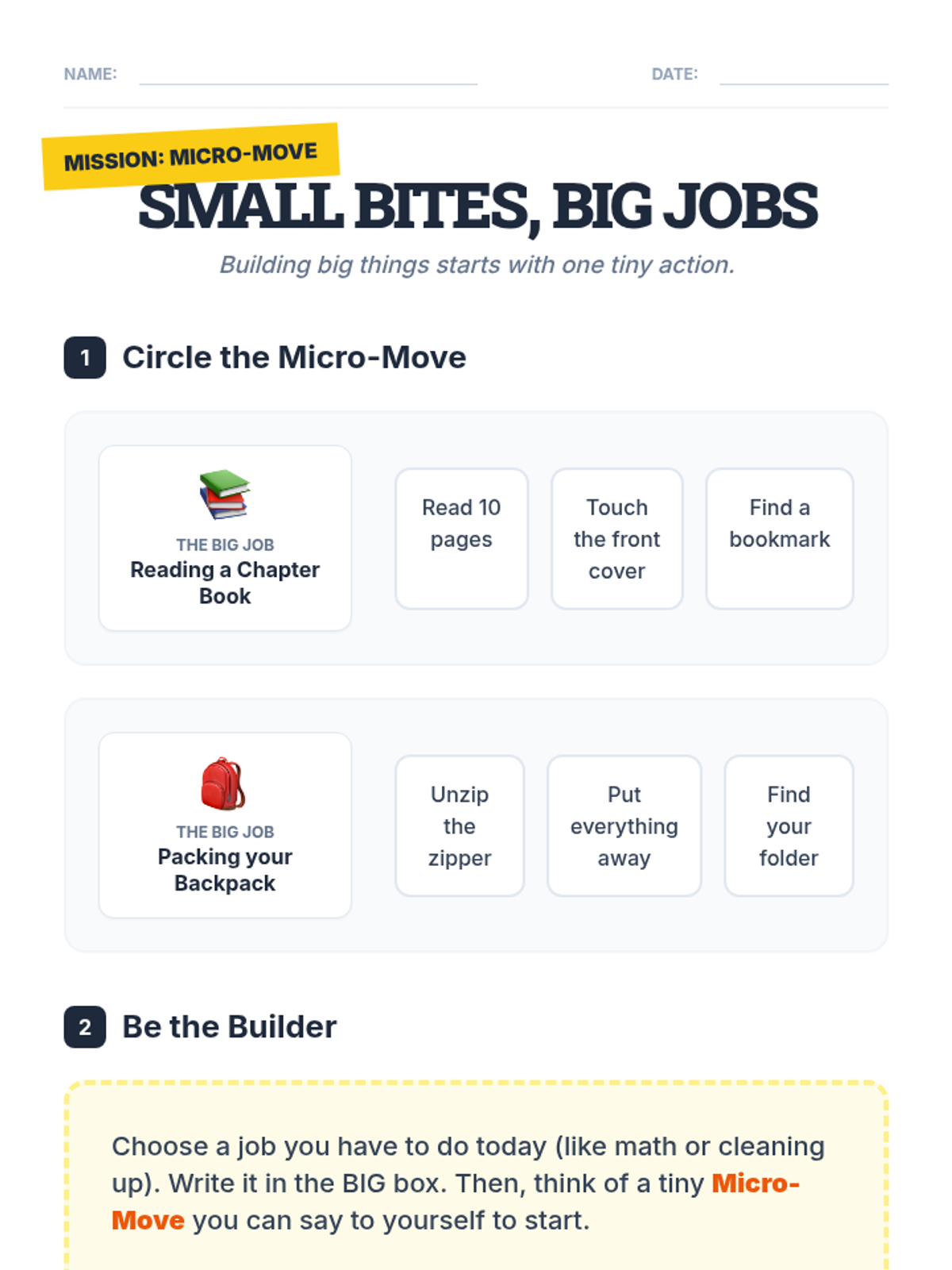
Students learn to use verbal prompts to break complex tasks down into manageable actions. The sequence moves from identifying the immediate first step to narrating a sequence of actions and troubleshooting challenges.
Students move from reactive emotional responses to proactive negotiation. They learn de-escalation, empathy through perspective-taking, and a structured 4-step 'Peace Path' to resolve playground and classroom conflicts independently.
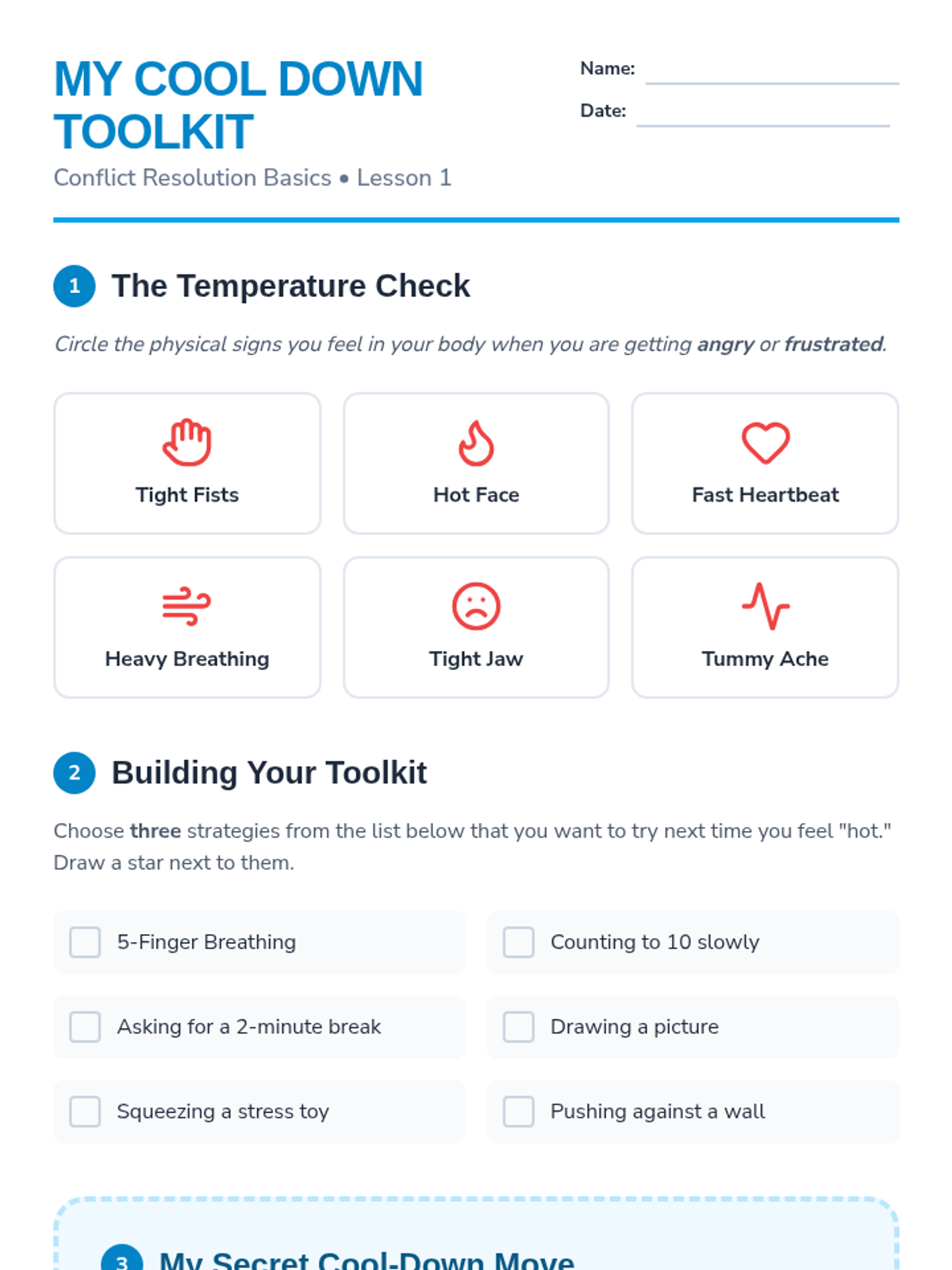
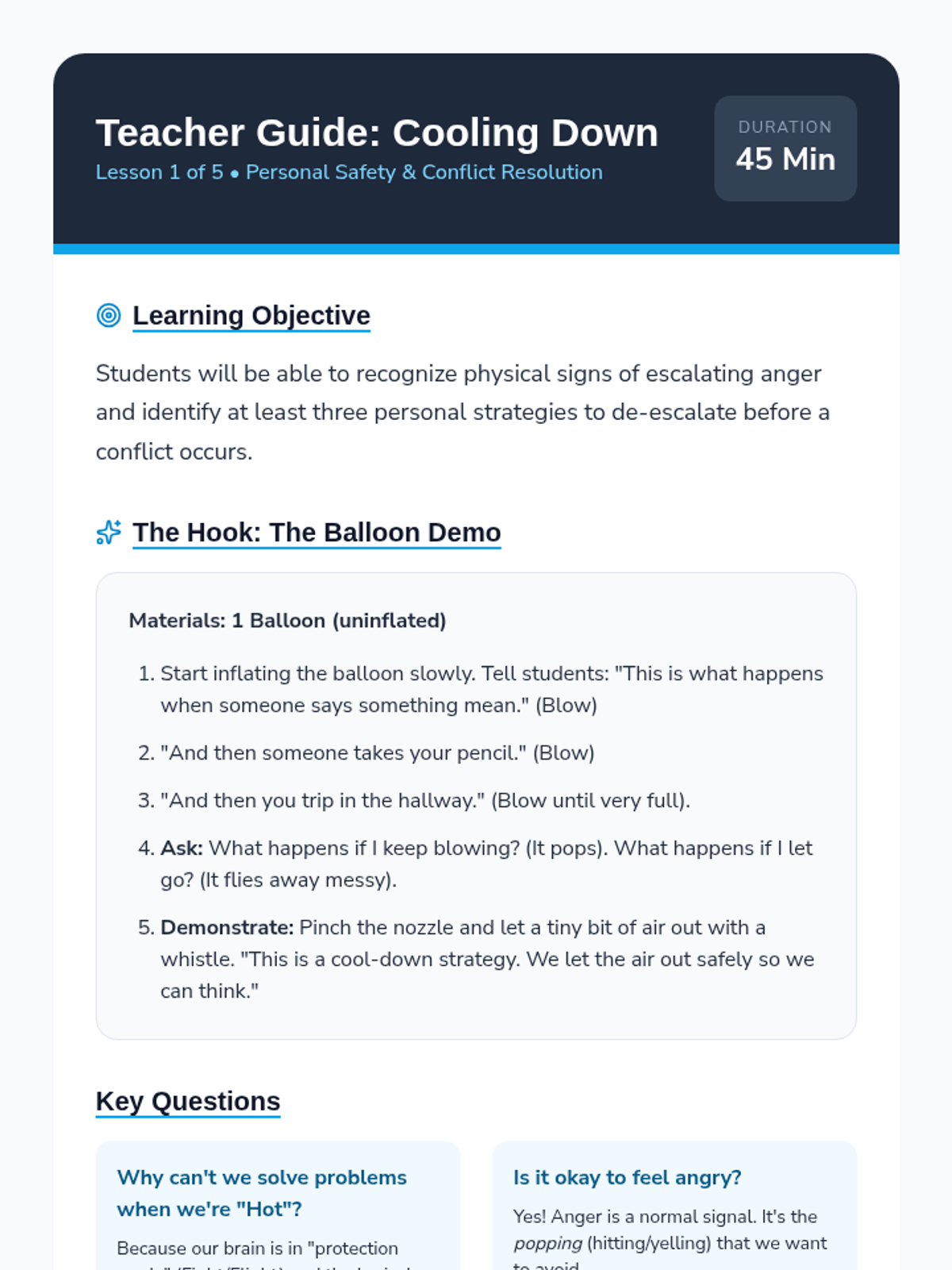
Students develop practical social-emotional skills to manage and resolve interpersonal conflicts effectively through identifying escalation, practicing active listening, using 'I' statements, and negotiating win-win solutions.
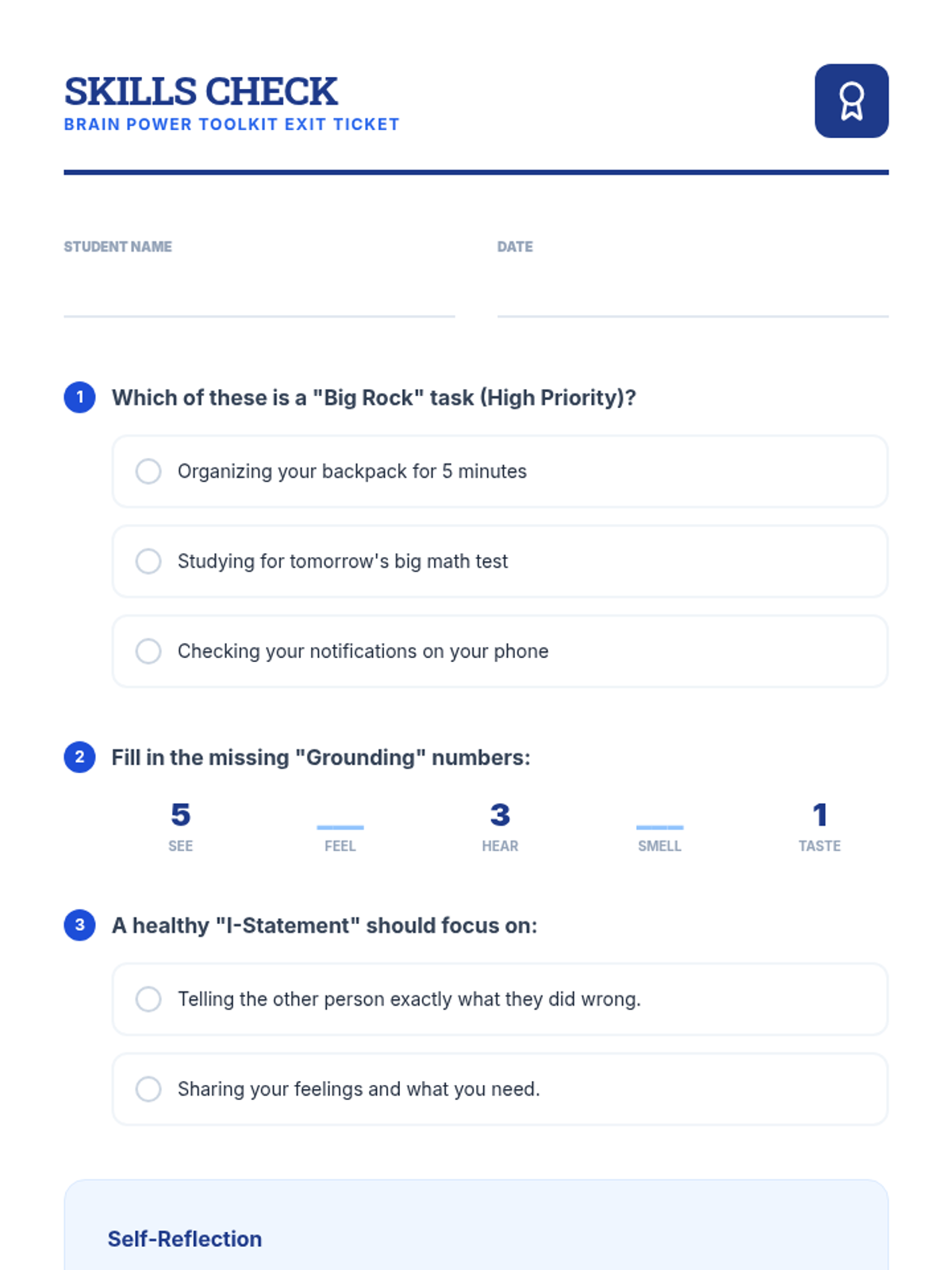
A comprehensive 5-lesson sequence designed to teach 4th-grade students self-regulation through daily emotional check-ins, goal setting, and non-verbal communication. Students learn to identify their internal state using a battery metaphor and connect it to their readiness for learning.
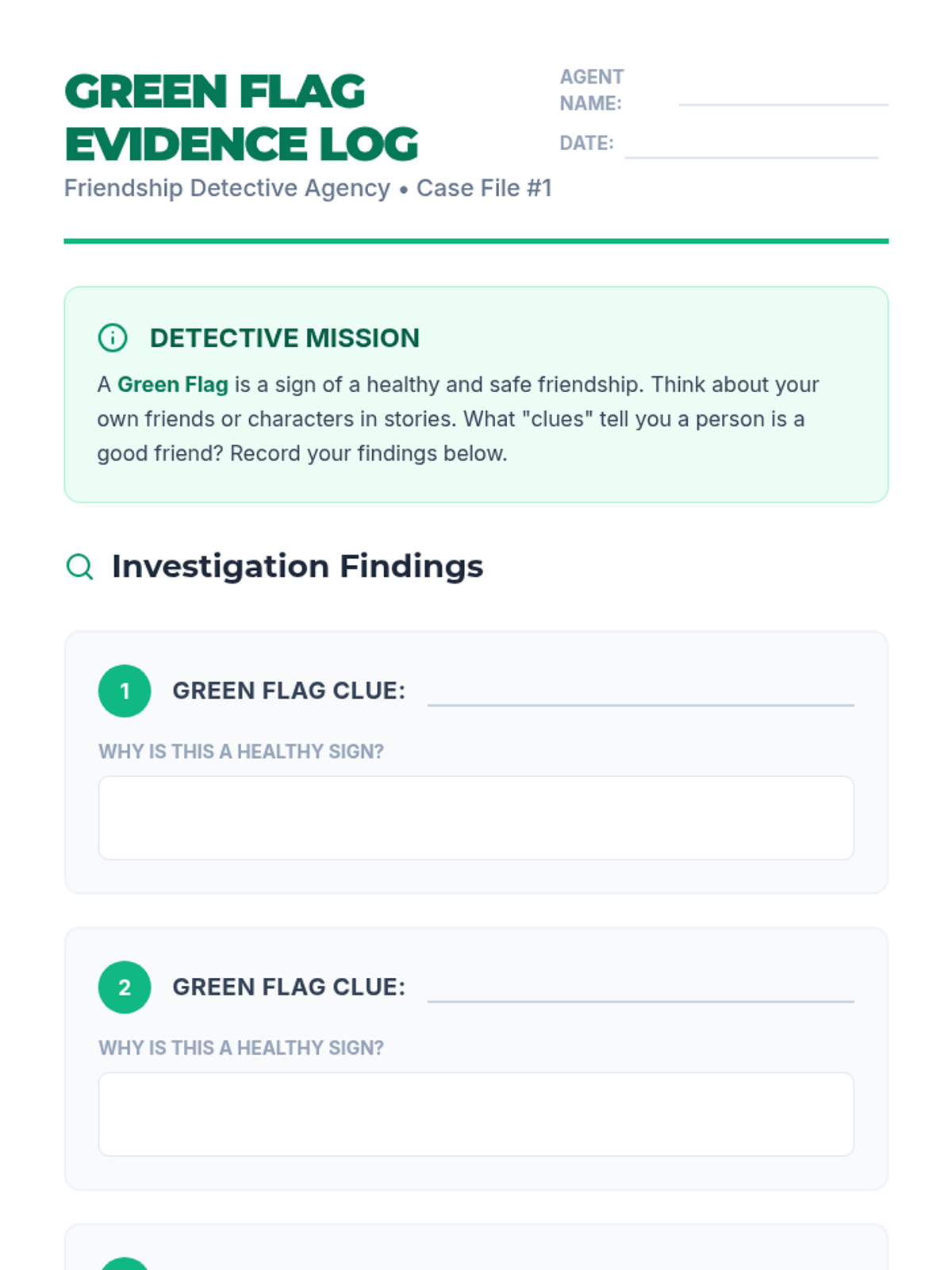
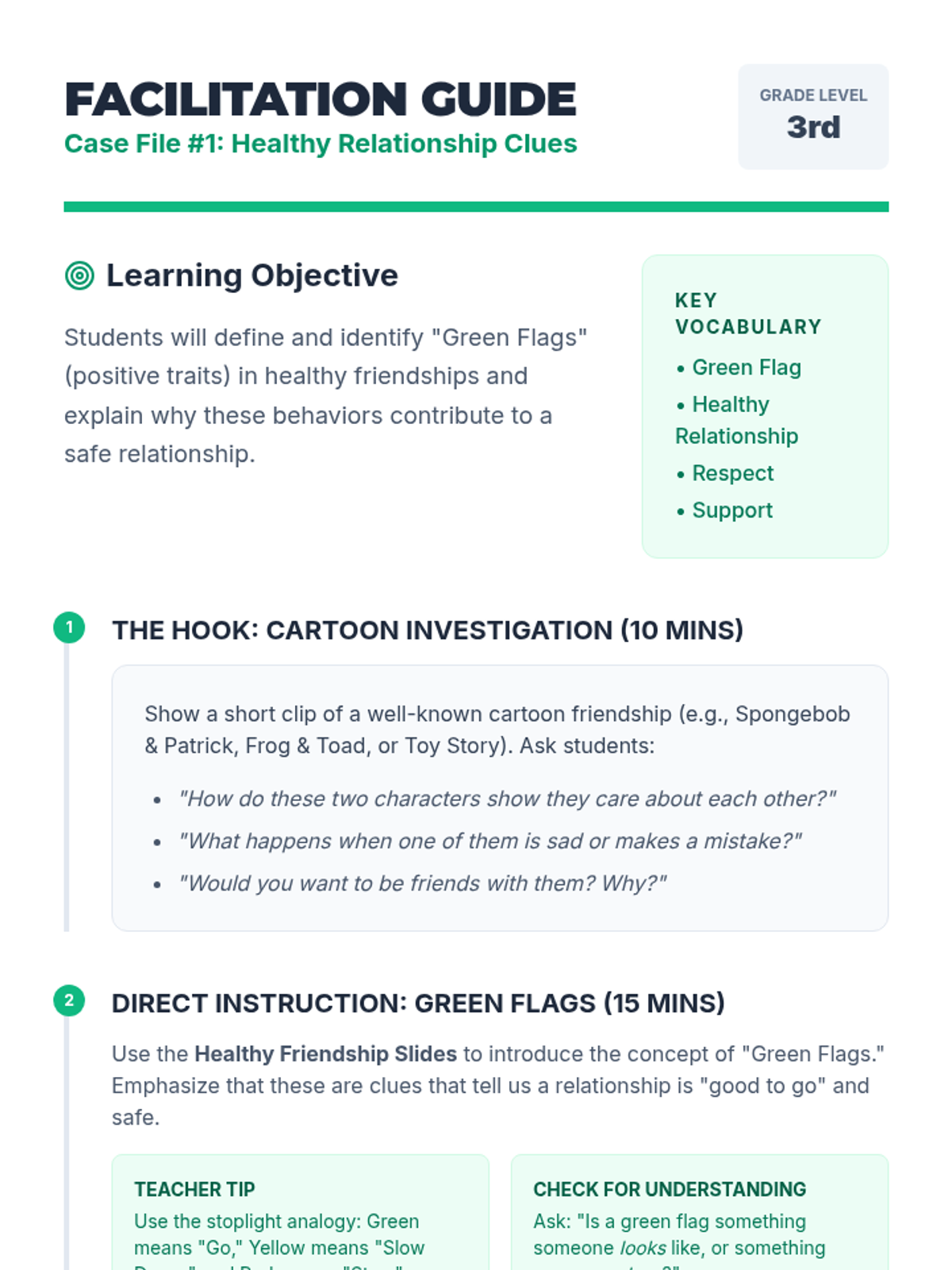
A 5-lesson unit where students become 'Friendship Detectives' to identify healthy and unhealthy relationship dynamics. Using case studies, sorting games, and creative projects, students learn to recognize green and red flags, distinguish between teasing and bullying, and resolve conflicts safely.
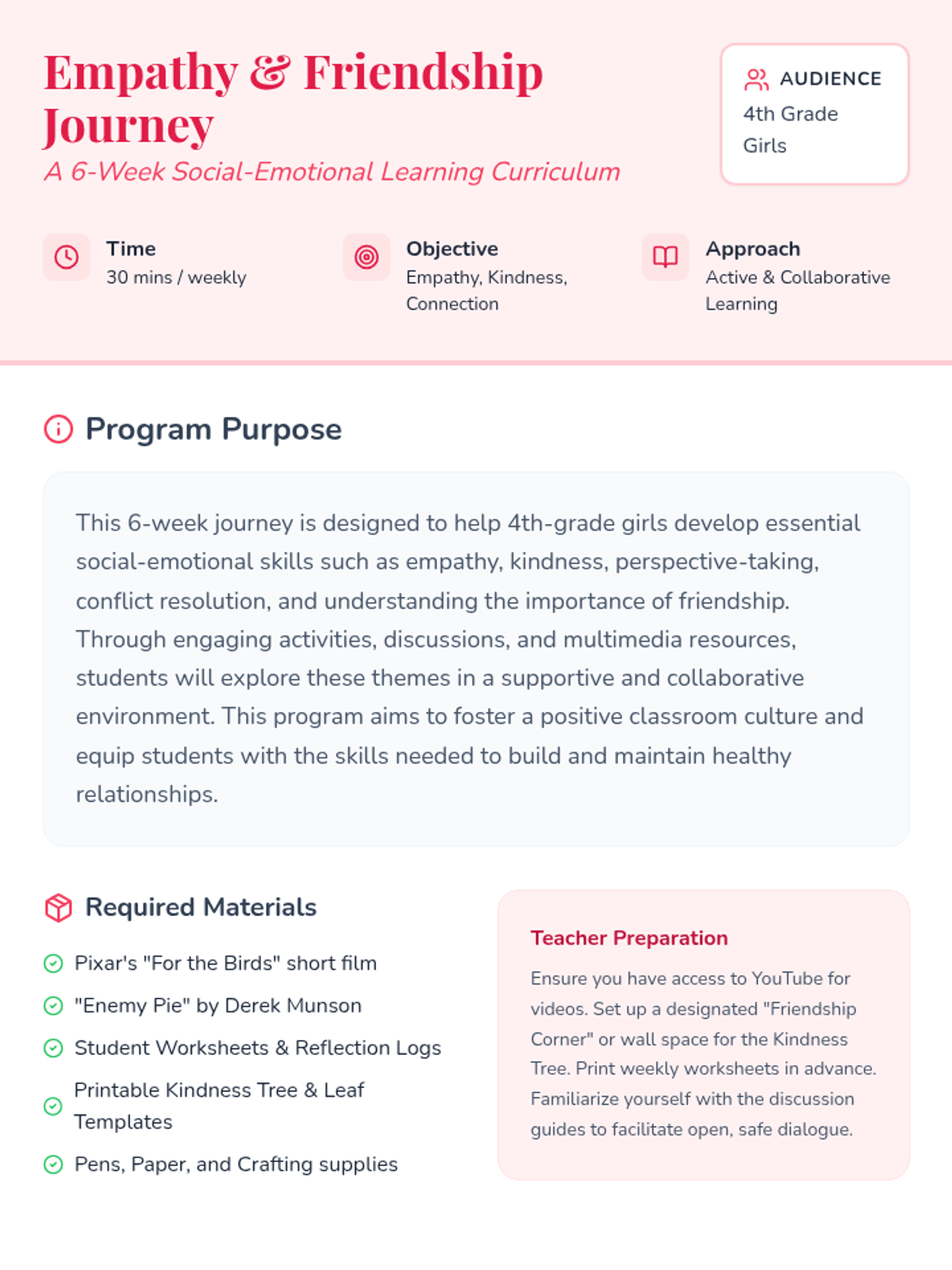
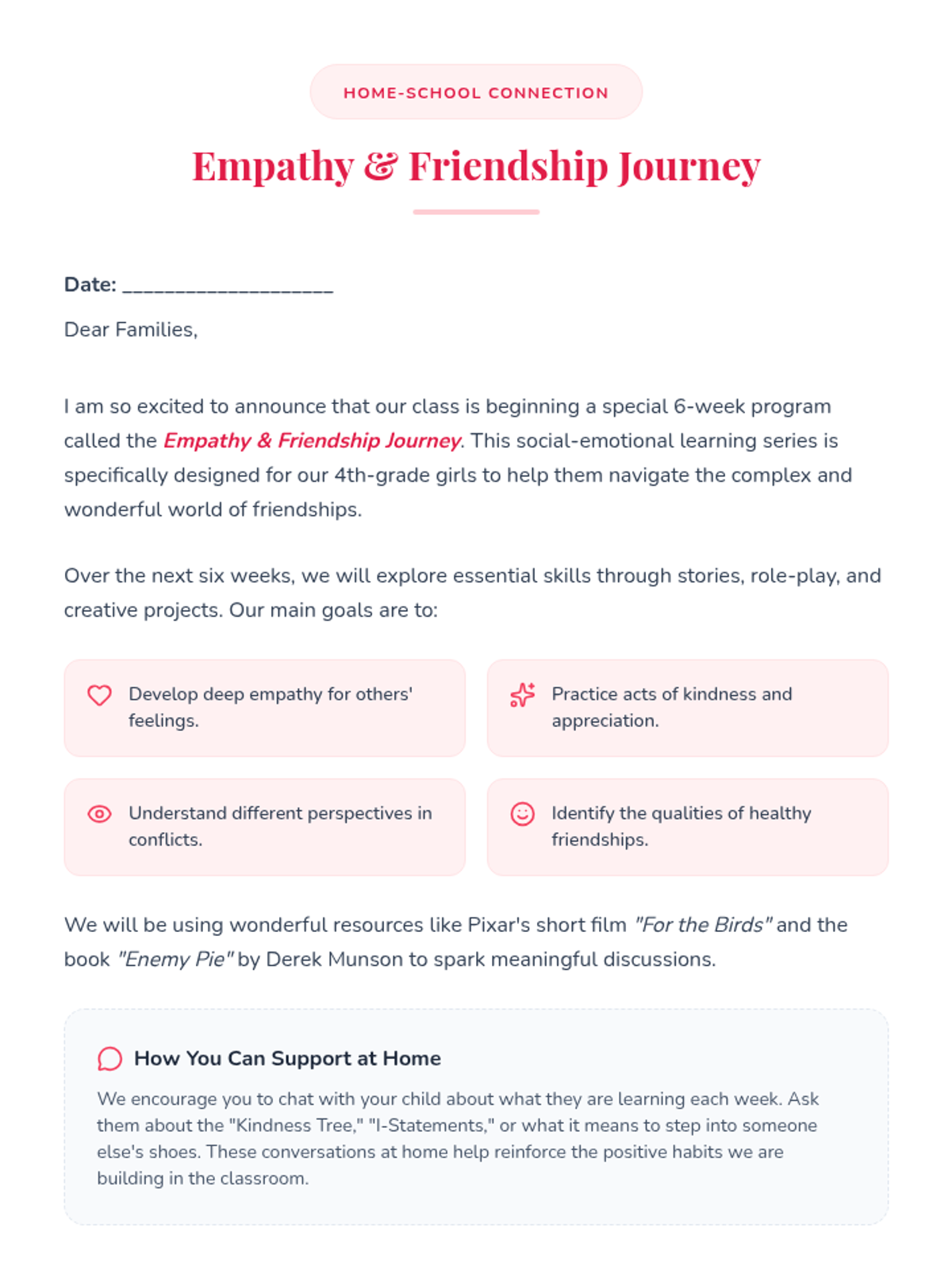
A 6-week social-emotional learning program for 4th-grade girls focused on empathy, kindness, perspective-taking, conflict resolution, and healthy friendships. Students explore these themes through collaborative activities, discussions, and personal reflection.
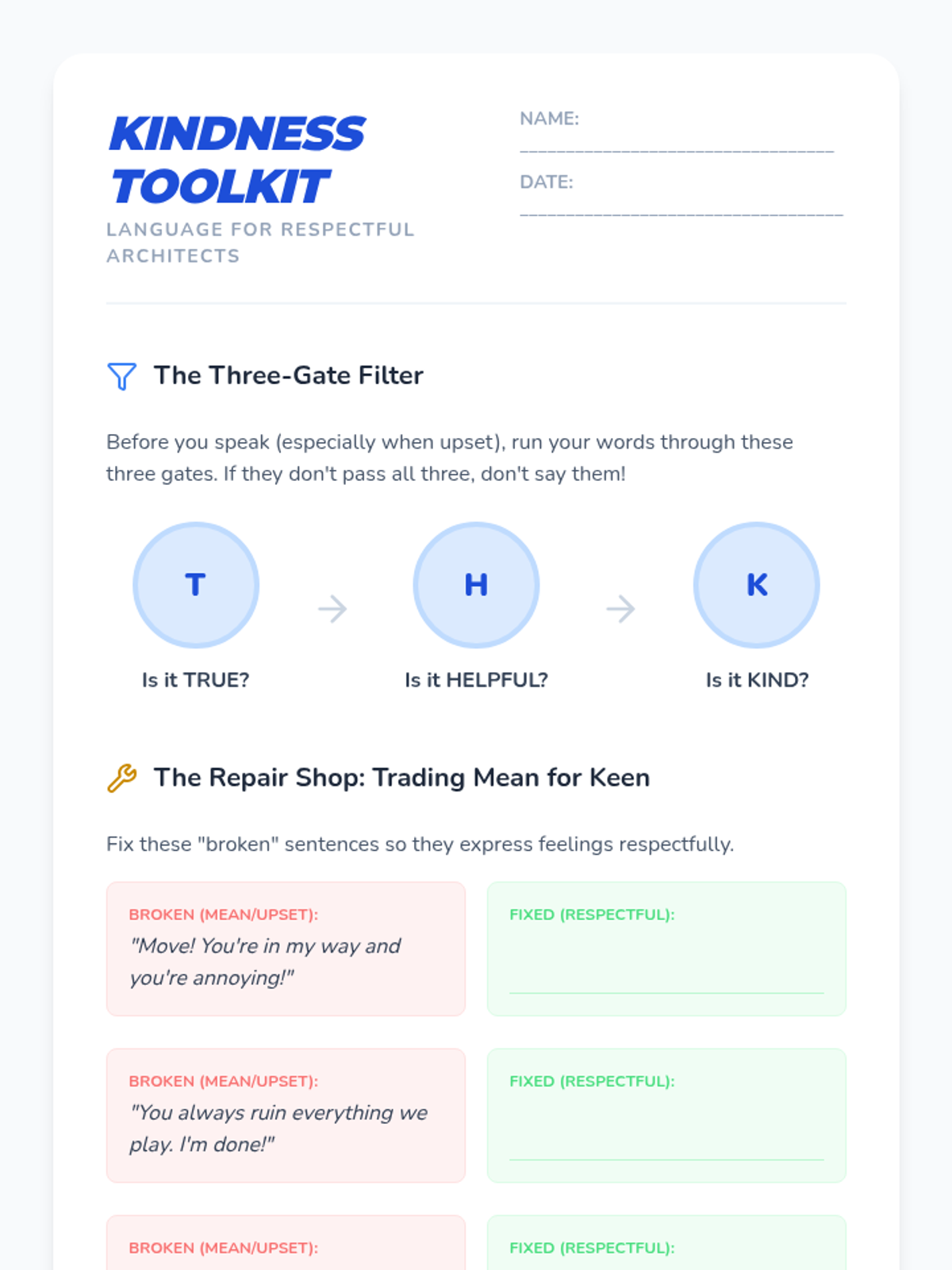
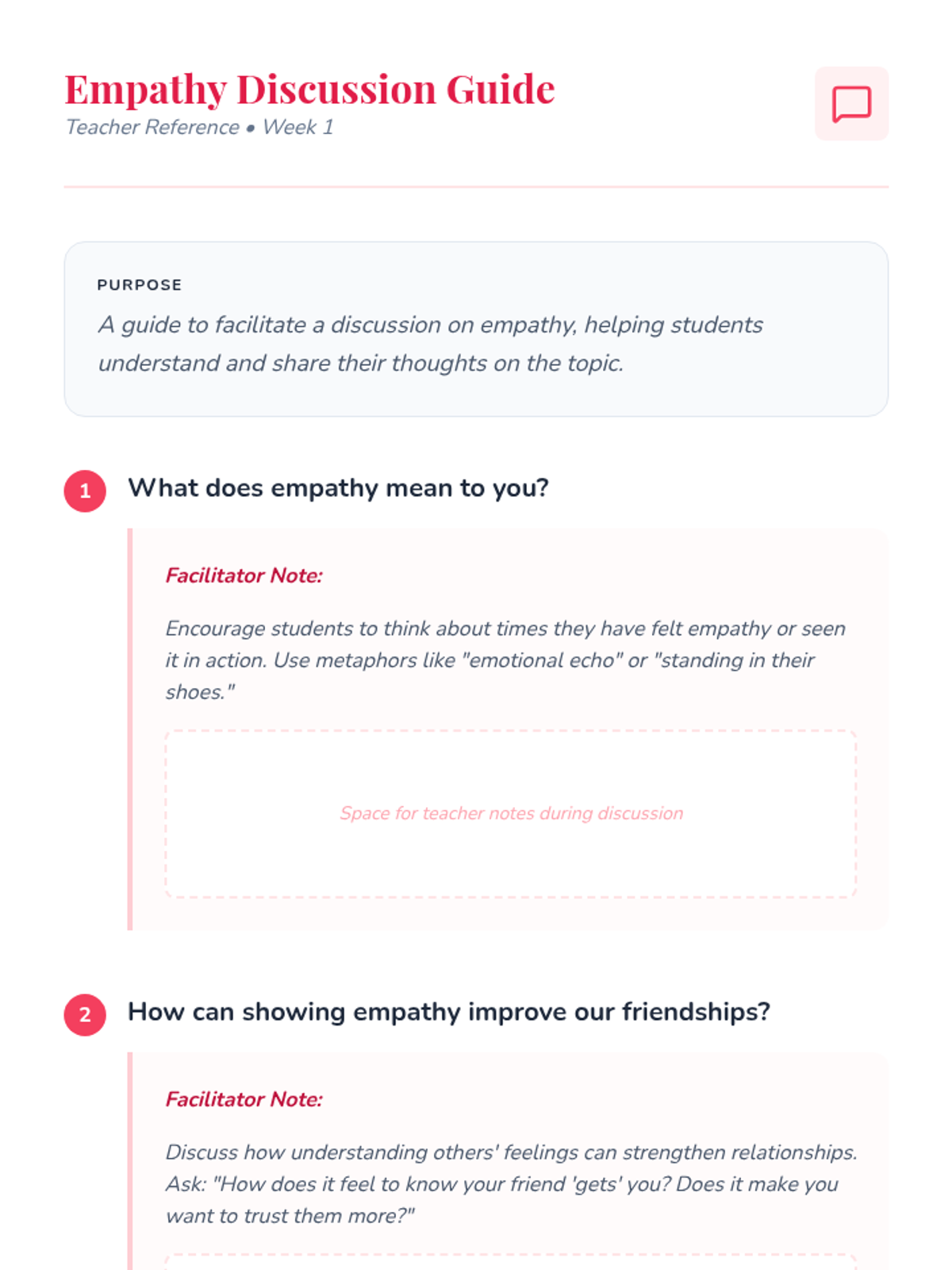
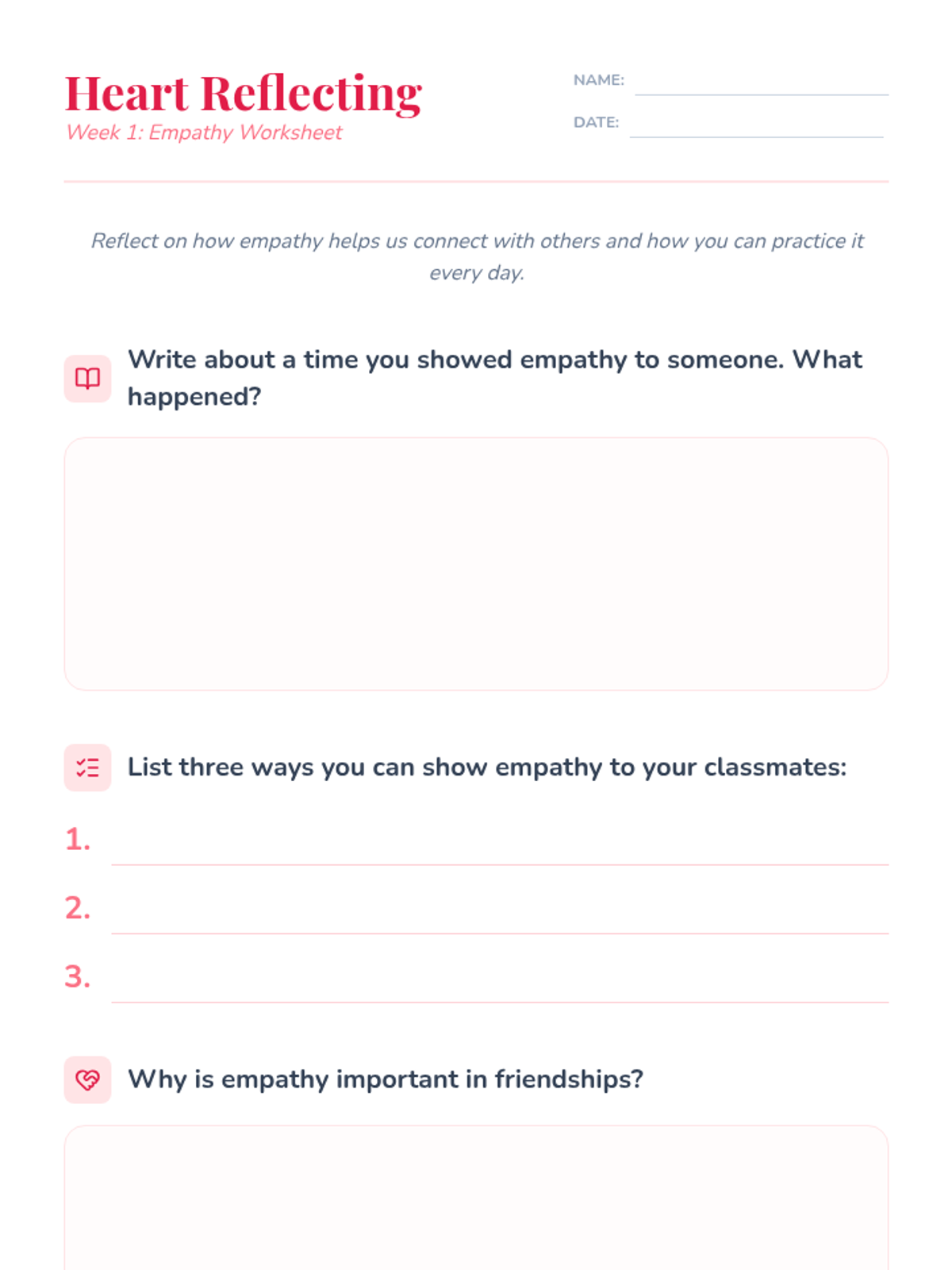
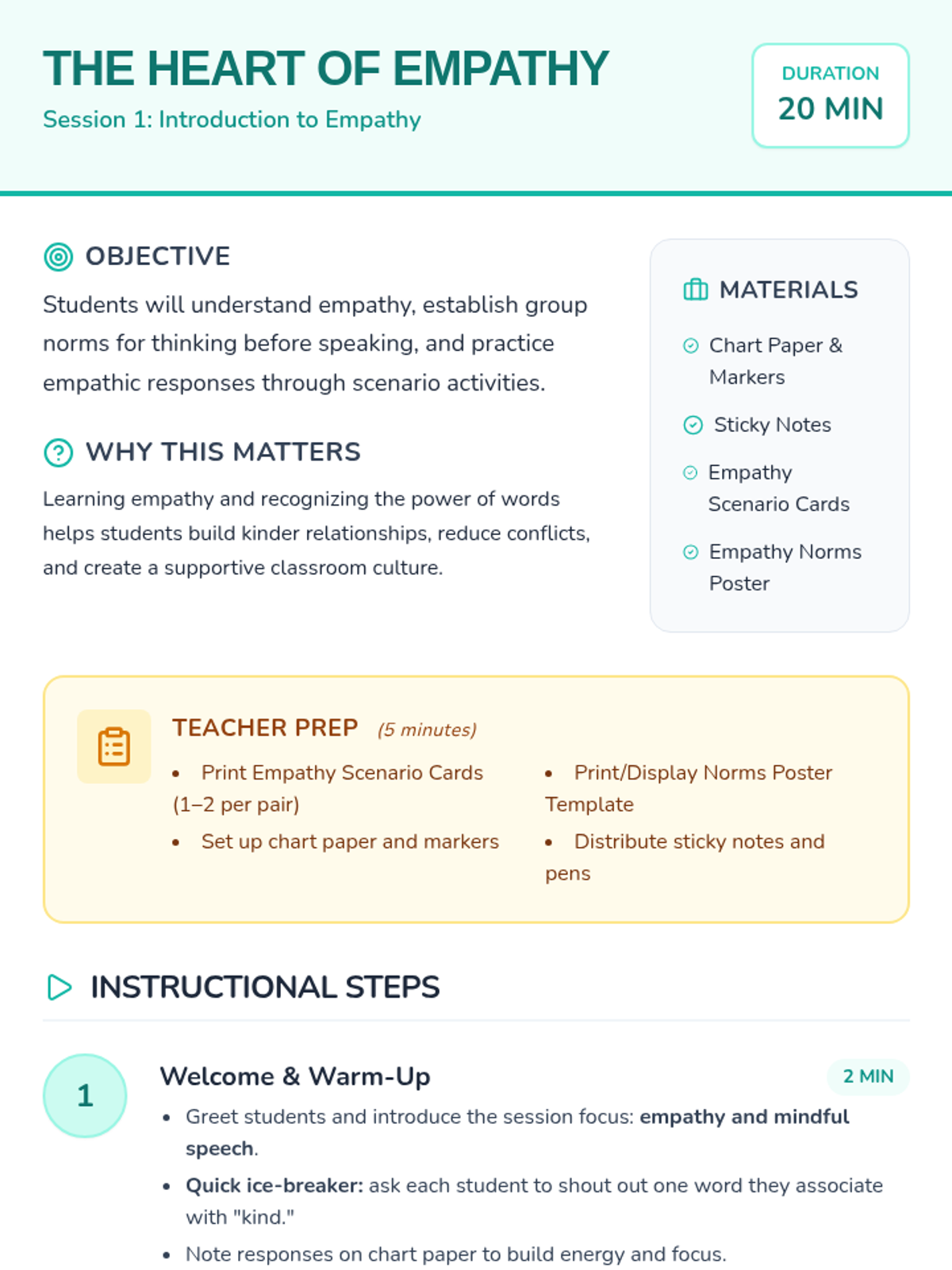
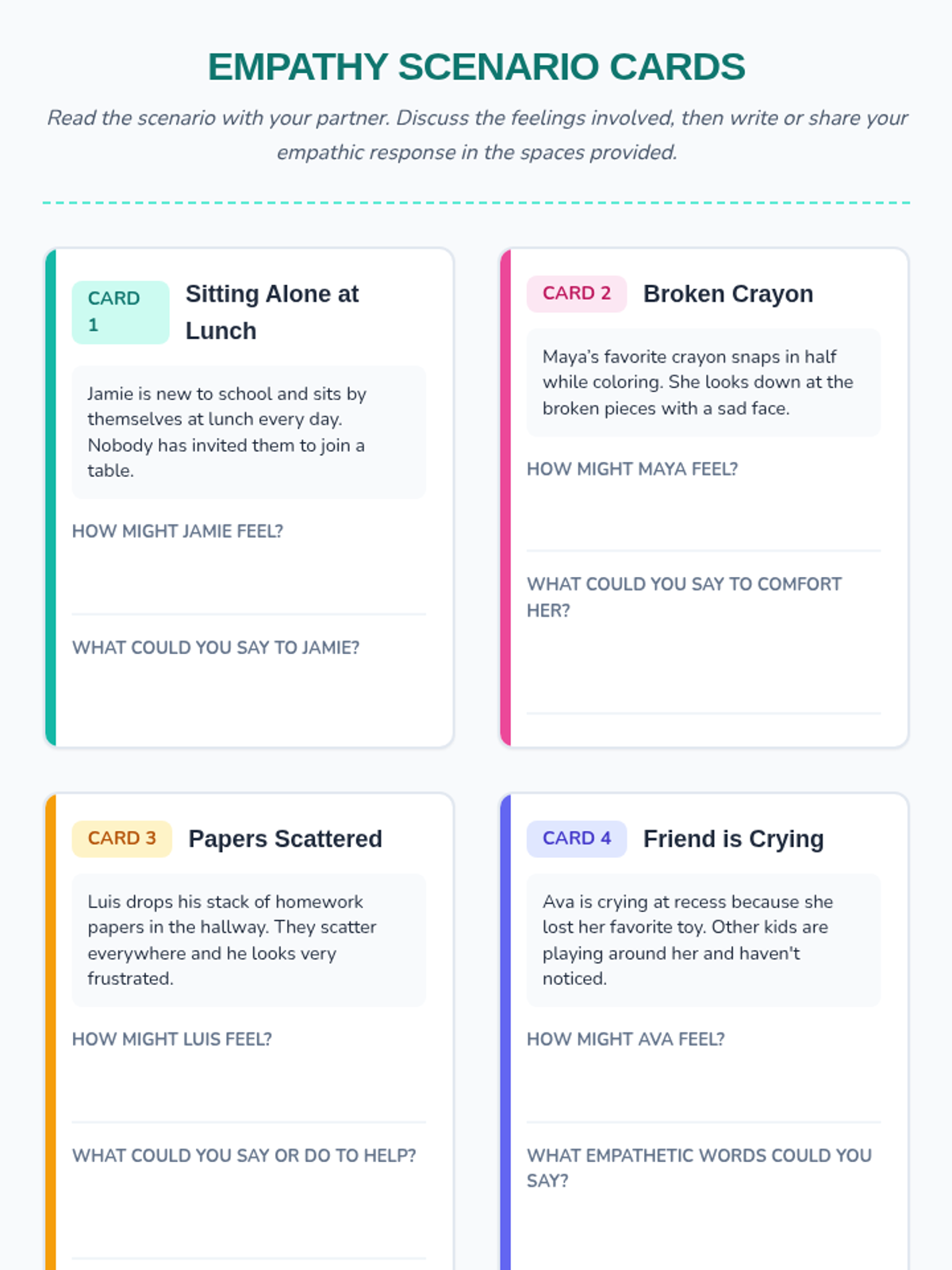
A four-session small-group series for third and fourth graders to develop empathy and the habit of thinking before speaking. Students explore the power of words, identify emotional triggers, practice empathic responses, and make personal commitments to kindness.
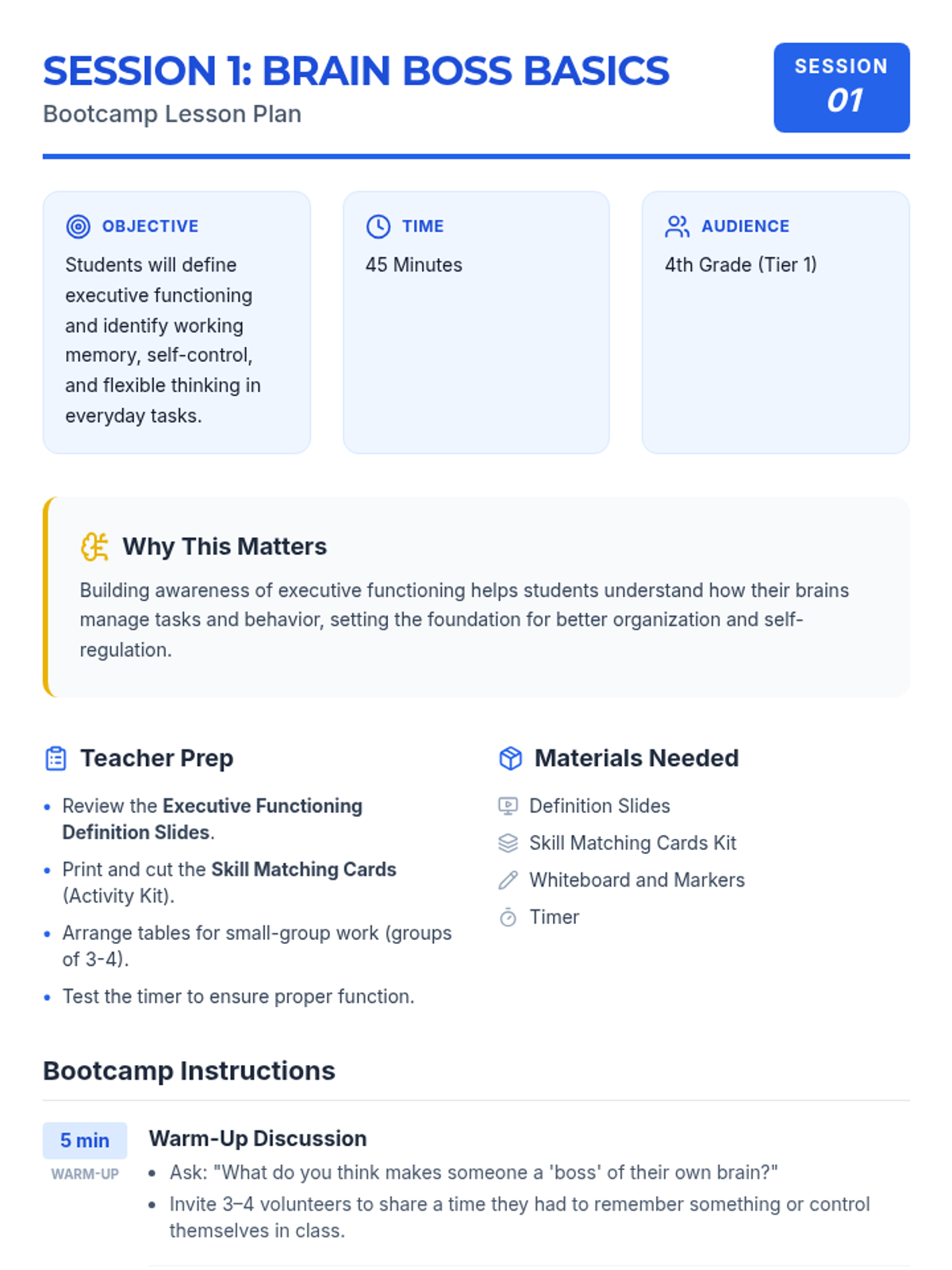
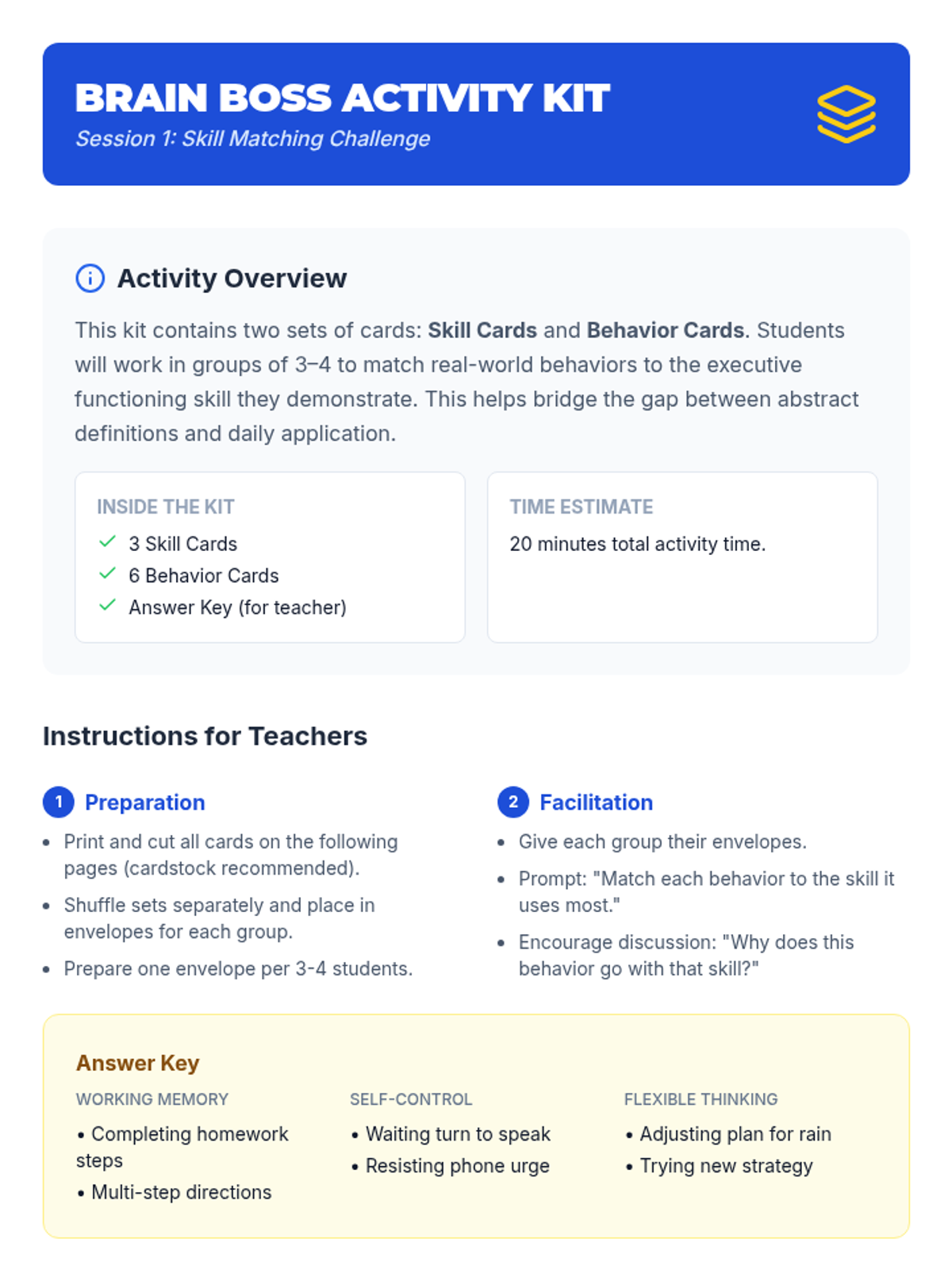
A 3-session series for 4th graders introducing executive functioning through interactive activities, planning challenges, and goal-setting strategies.
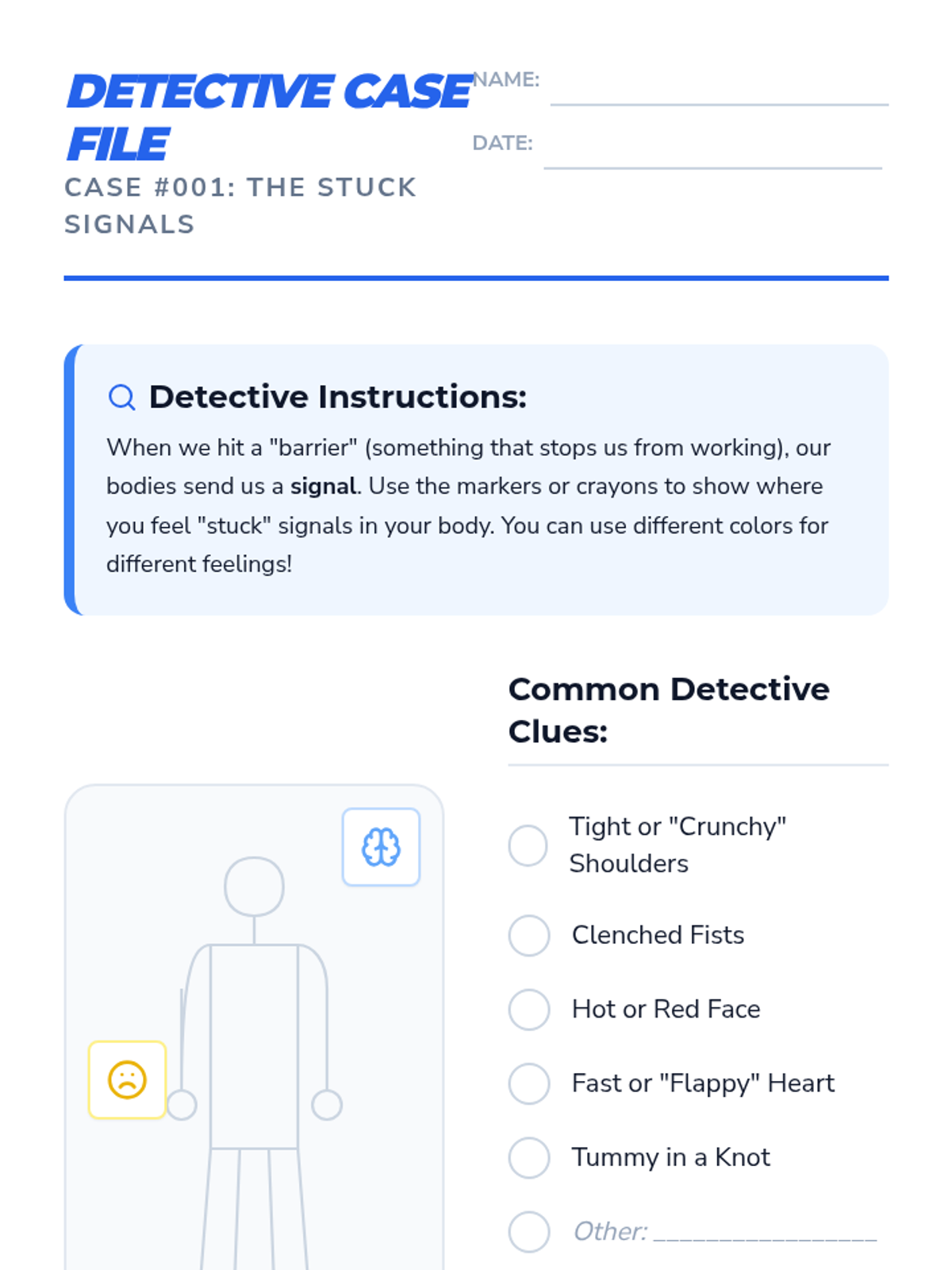
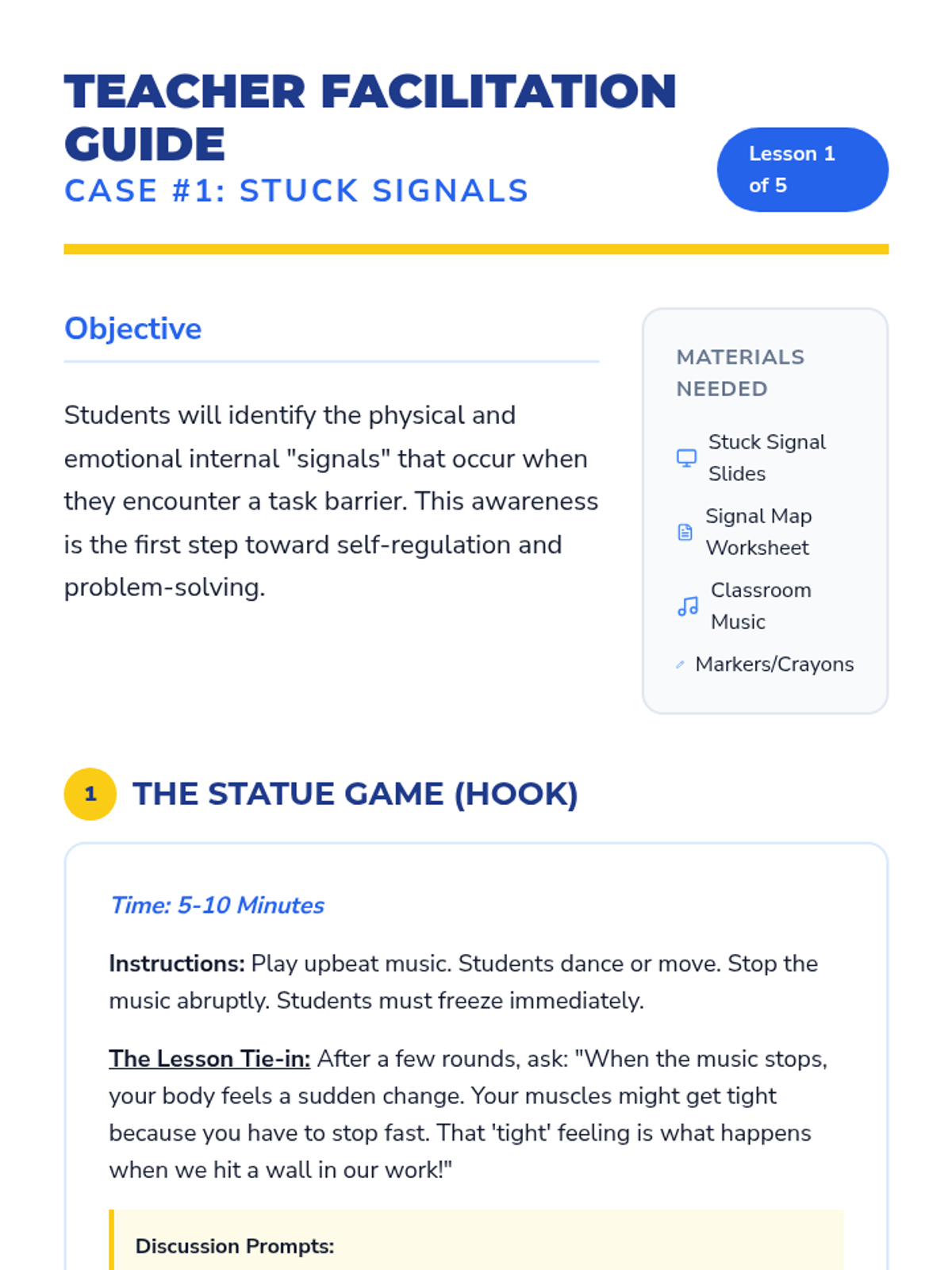
A 5-lesson unit for 3rd-grade students focused on identifying and categorizing obstacles that prevent task completion. Students learn to recognize internal emotional signals and external barriers (physical, informational, and environmental) to build self-advocacy and problem-solving skills.
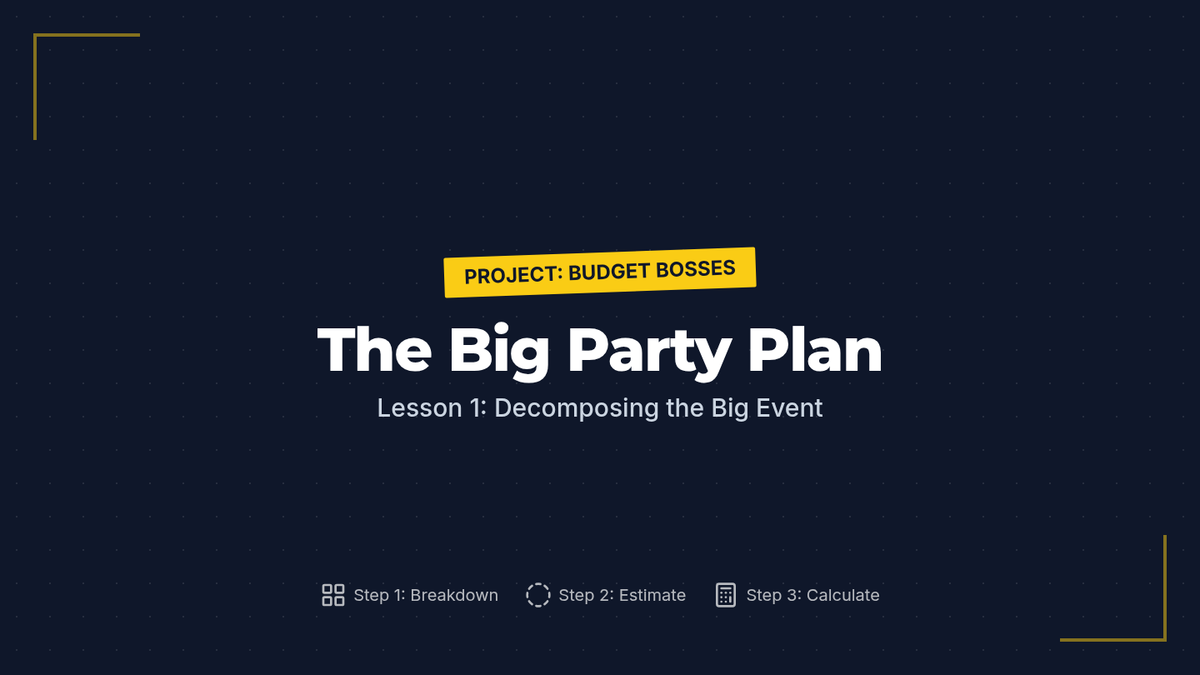
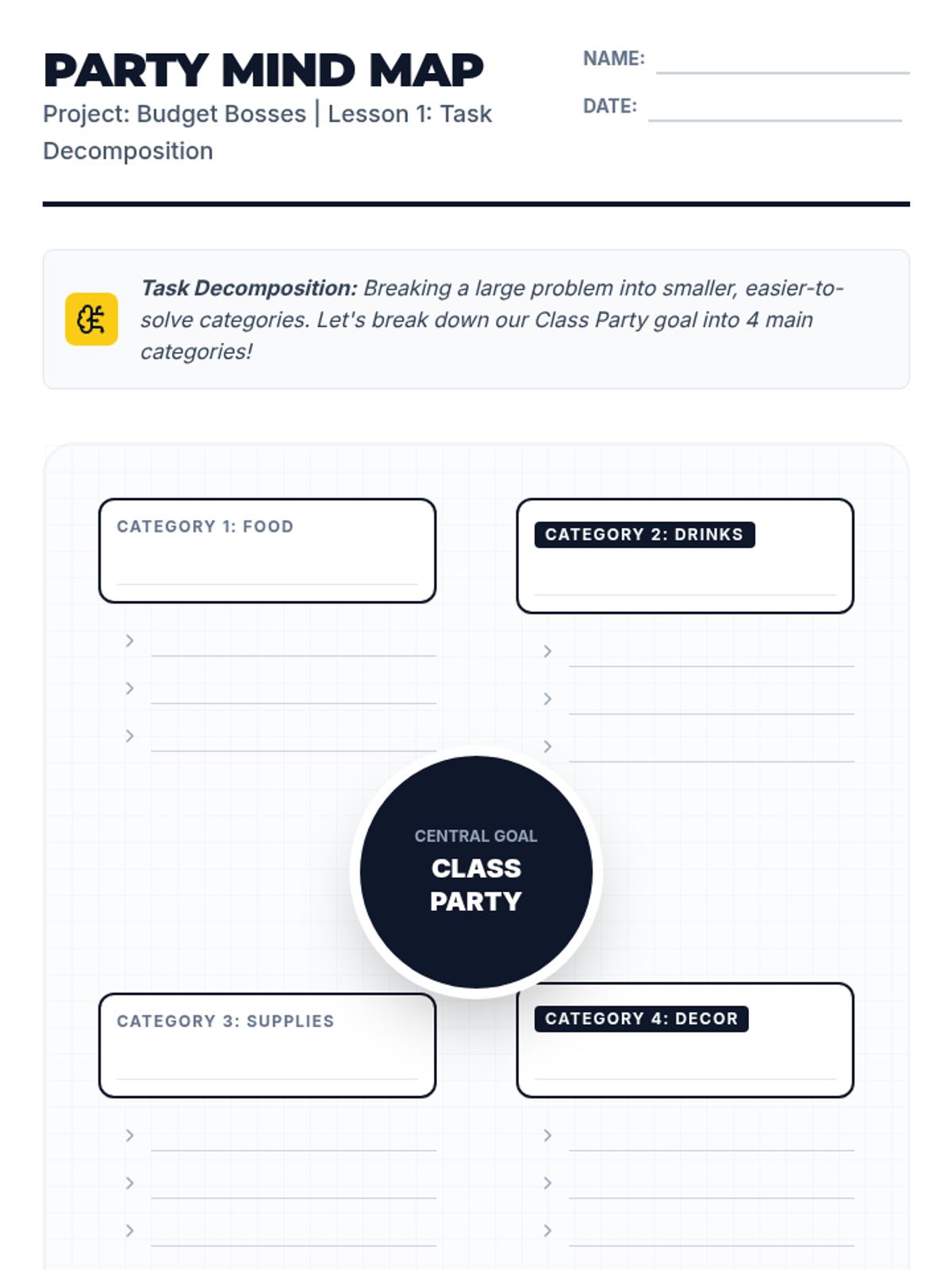
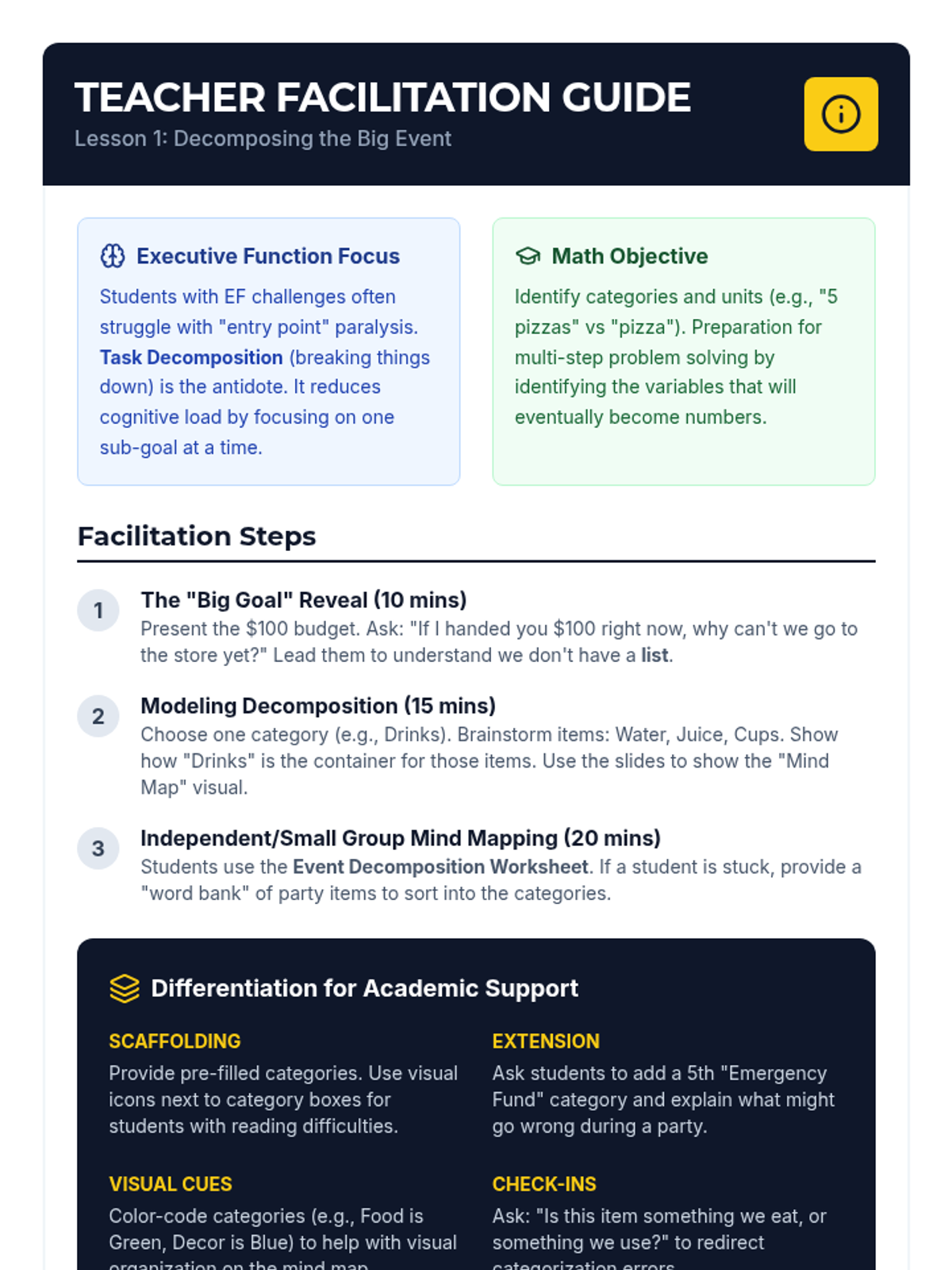
A project-based sequence where 4th-grade students use task analysis to plan a class event budget, breaking down a complex problem into manageable steps while developing executive function and multi-digit math skills.
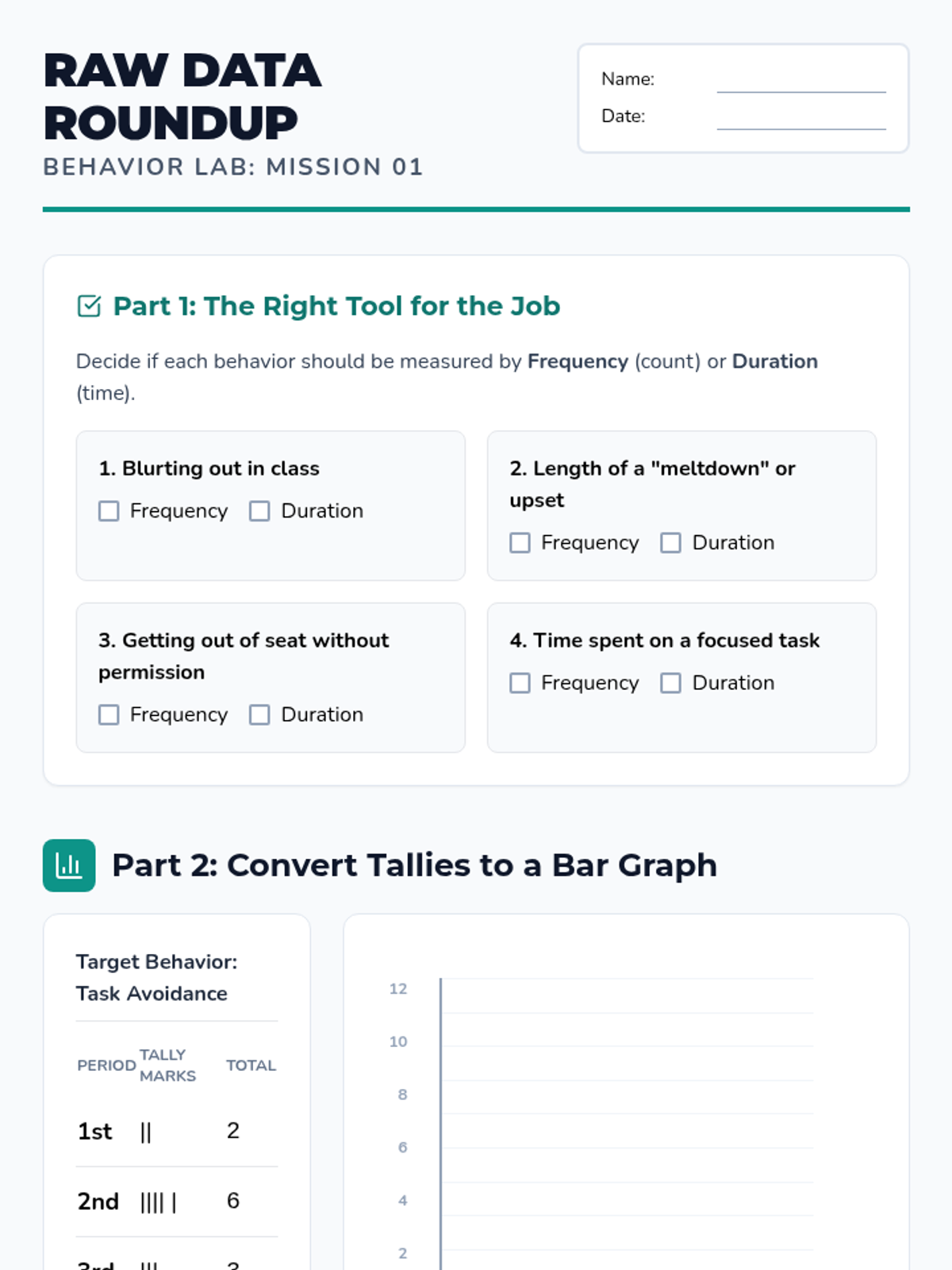
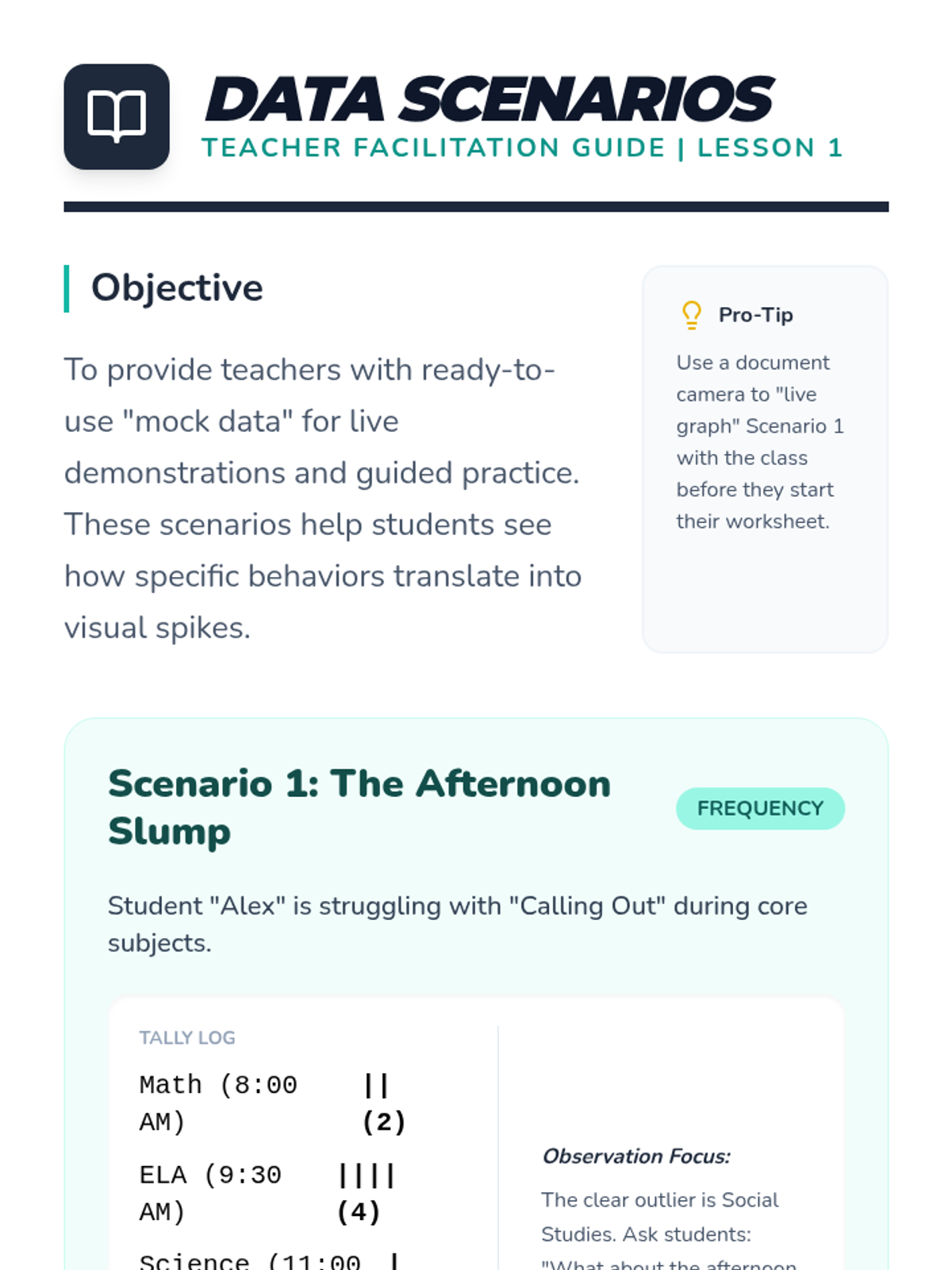
A data-focused sequence that teaches students how to transform behavioral tracking into visual insights. Students learn to graph frequency and duration, identify patterns and triggers, and develop data-driven interventions for personal growth.
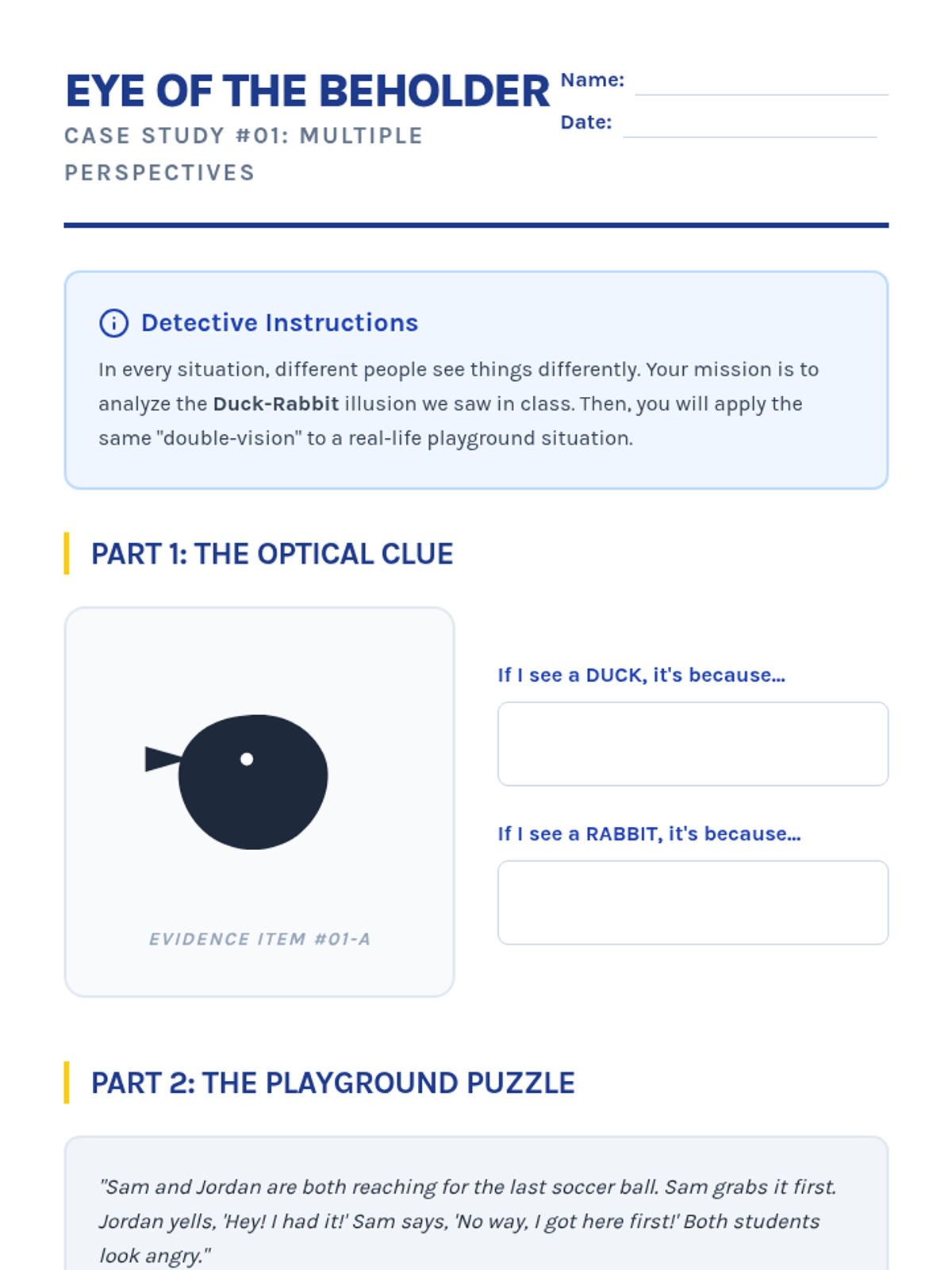
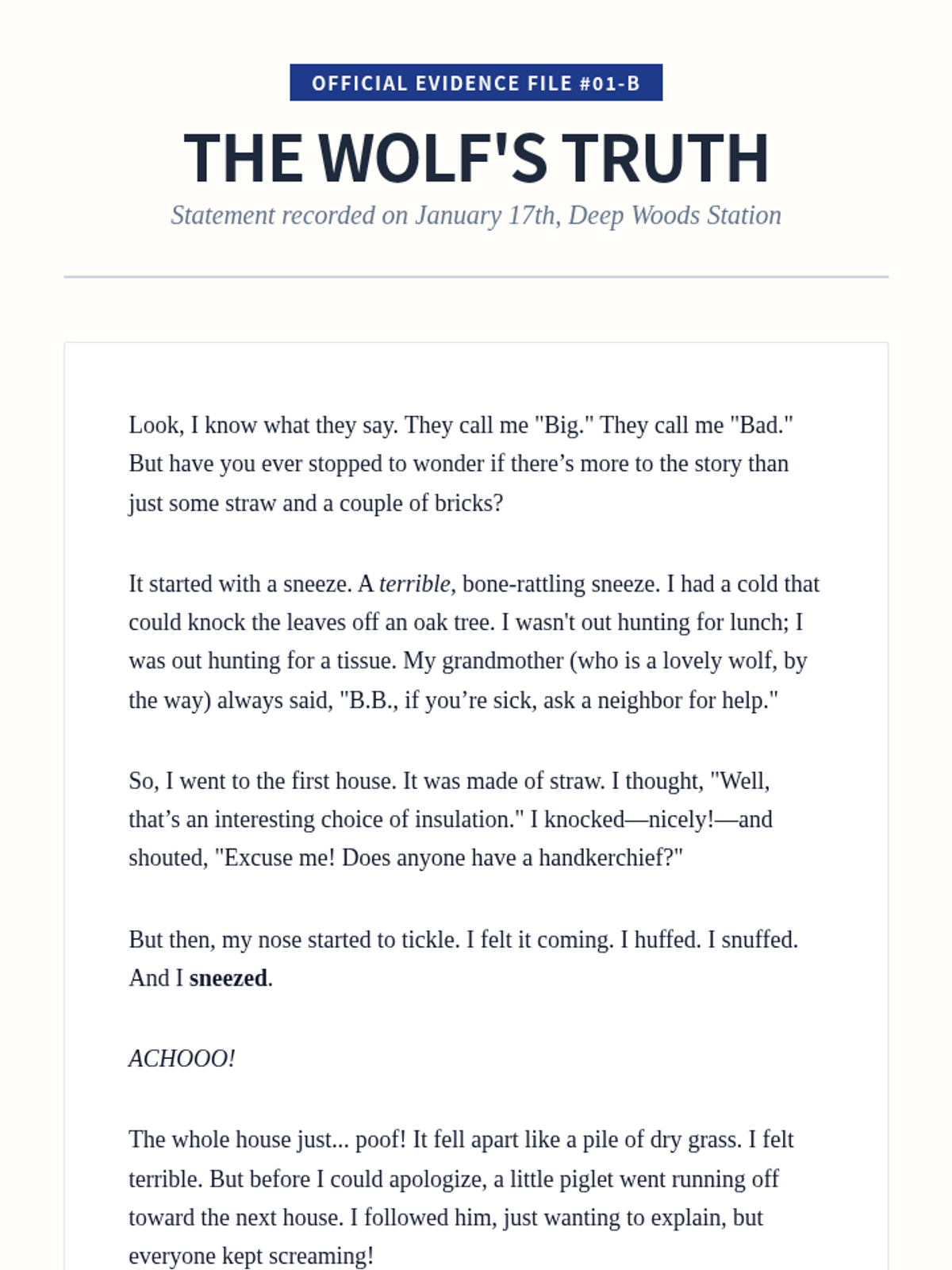
A 4th-grade social awareness unit where students learn to analyze situations from multiple viewpoints to build empathy and resolve conflicts. Using a 'Detective' theme, students investigate visual illusions, hidden motivations, personal biases, and collaborative mediation strategies.
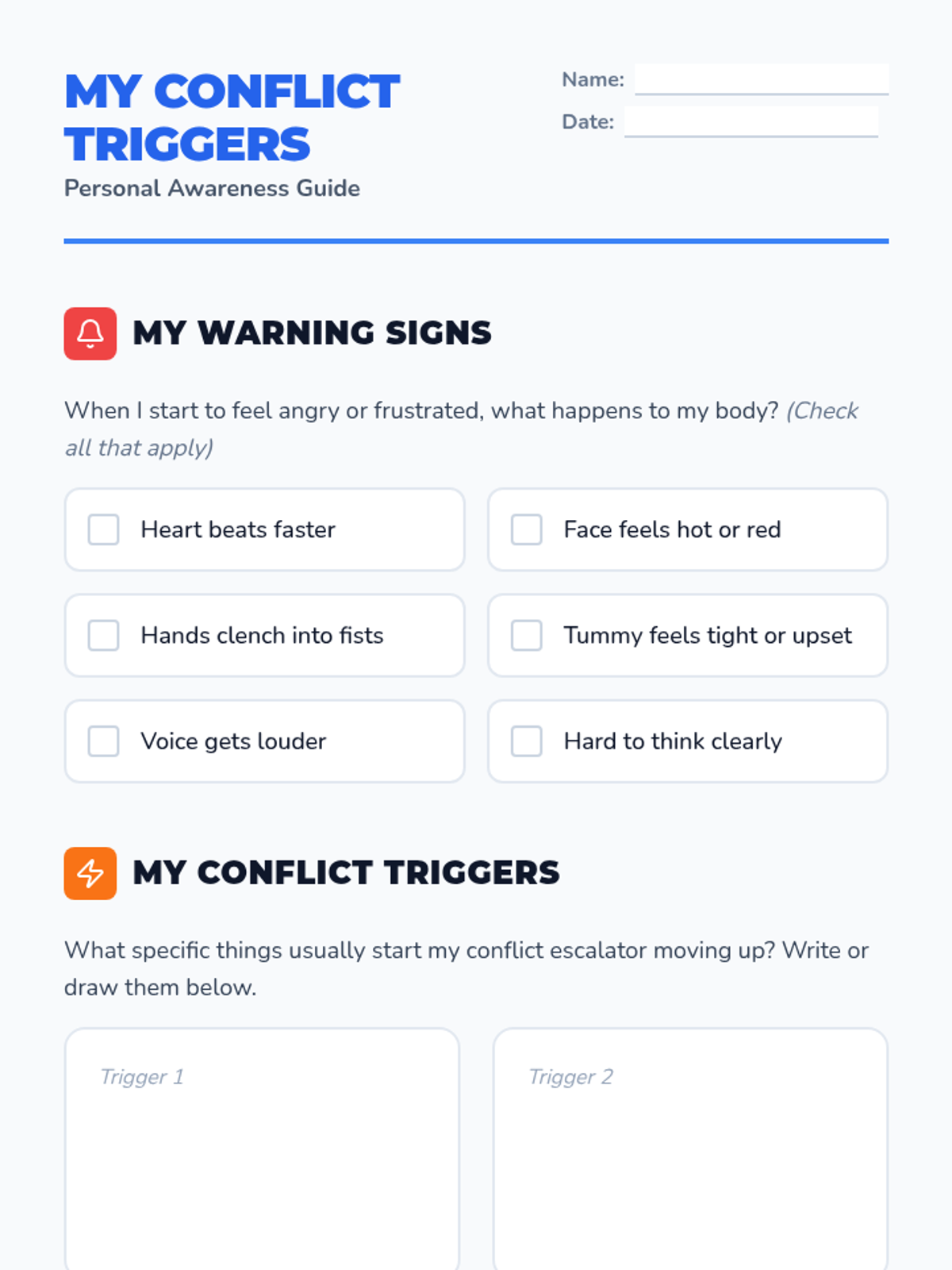
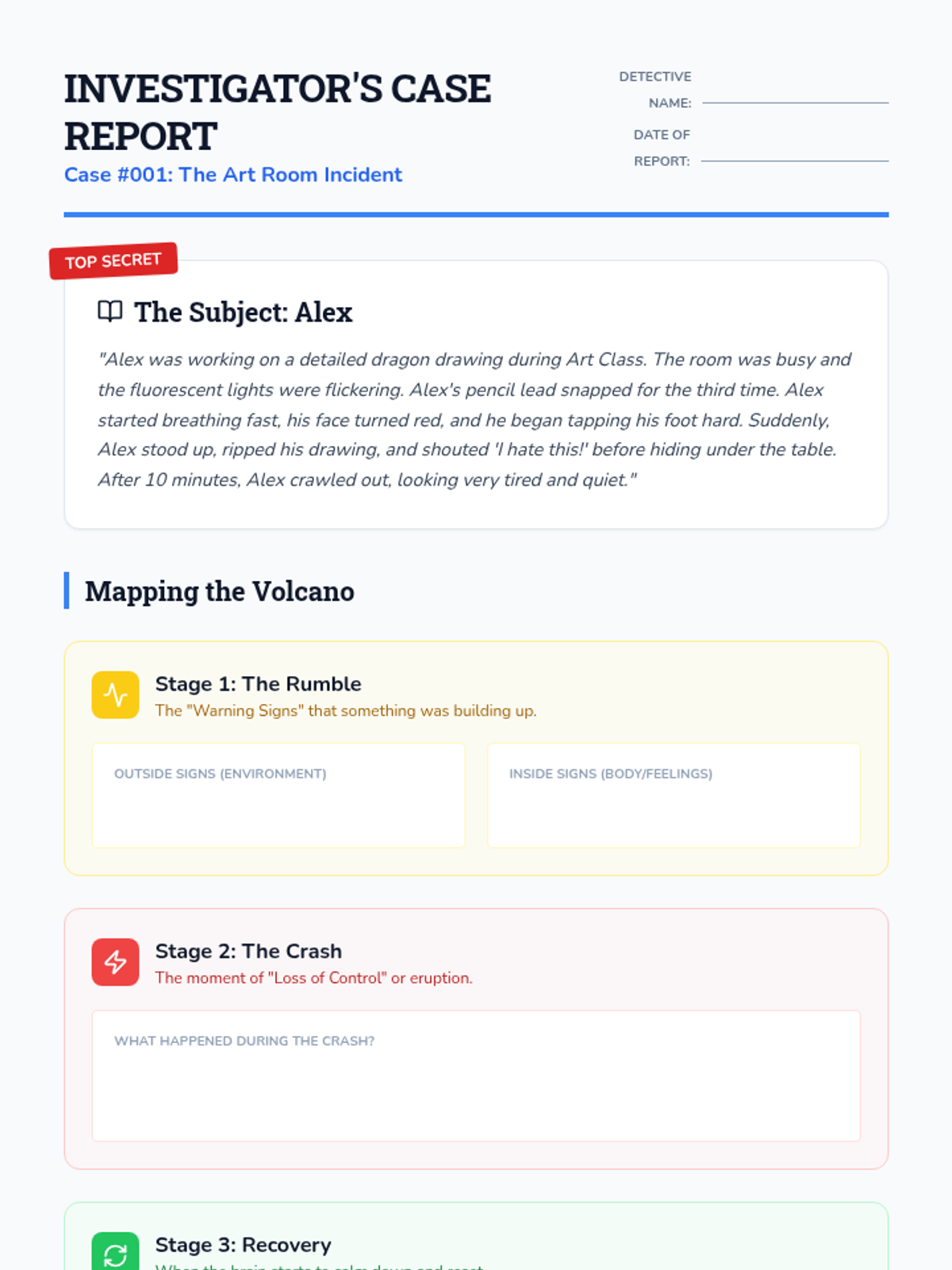
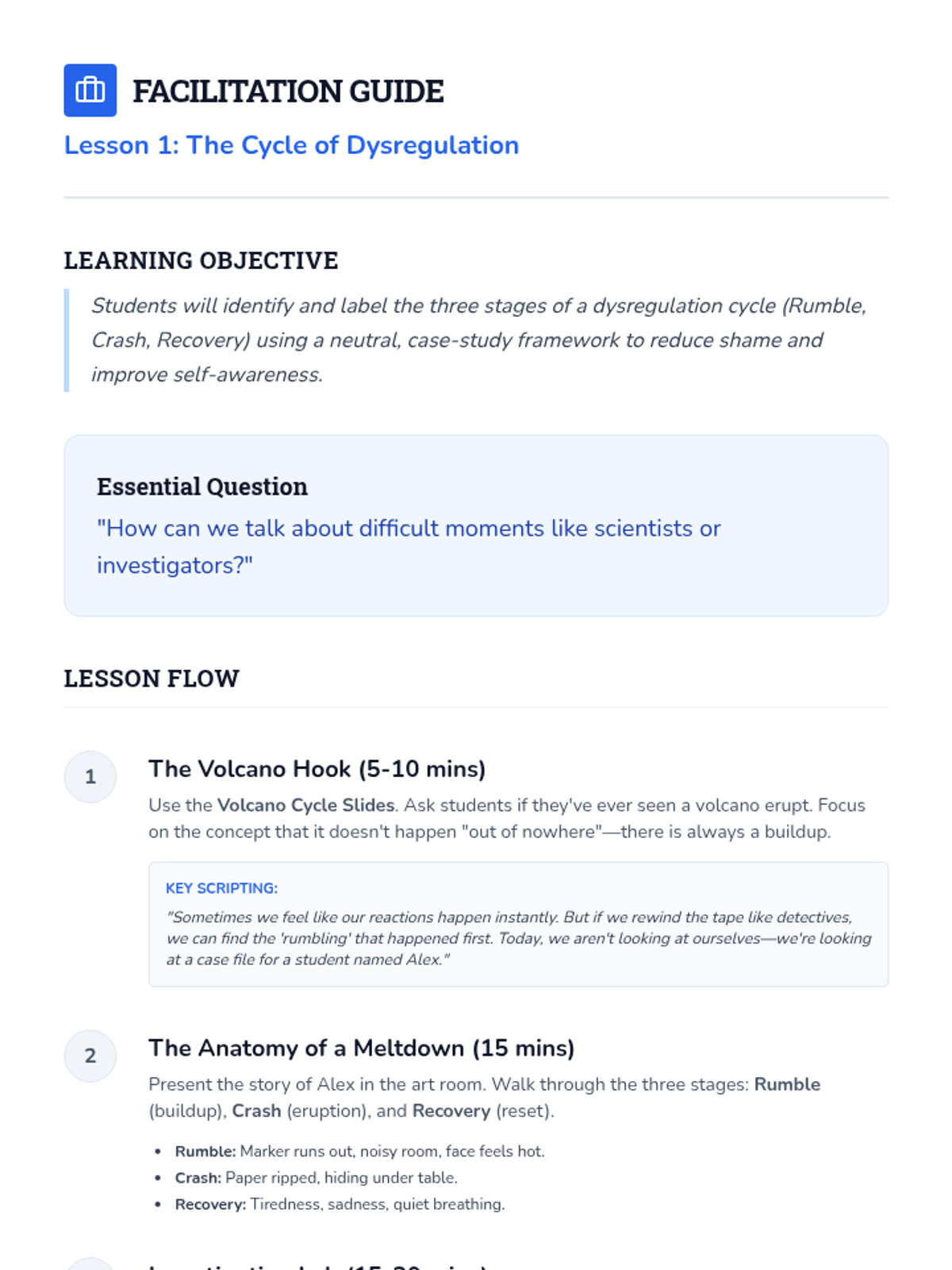
A comprehensive 5-lesson sequence designed for 4th-grade students to understand the cycle of emotional dysregulation, identify personal triggers, and learn the restorative process of repair. Using a 'Detective/Investigator' theme, students analyze a fictional case study to remove shame and treat behavioral incidents as valuable data for future growth.
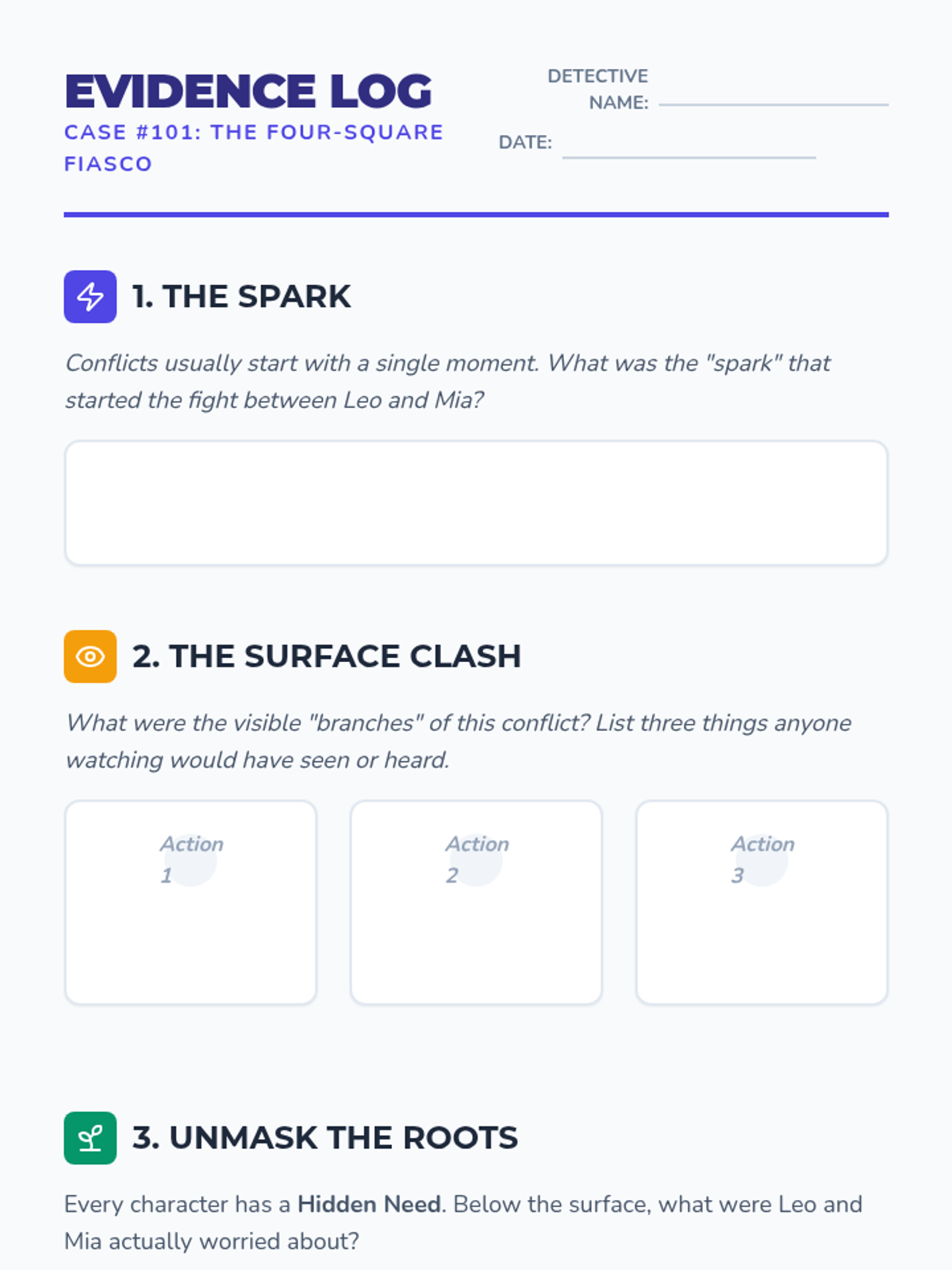
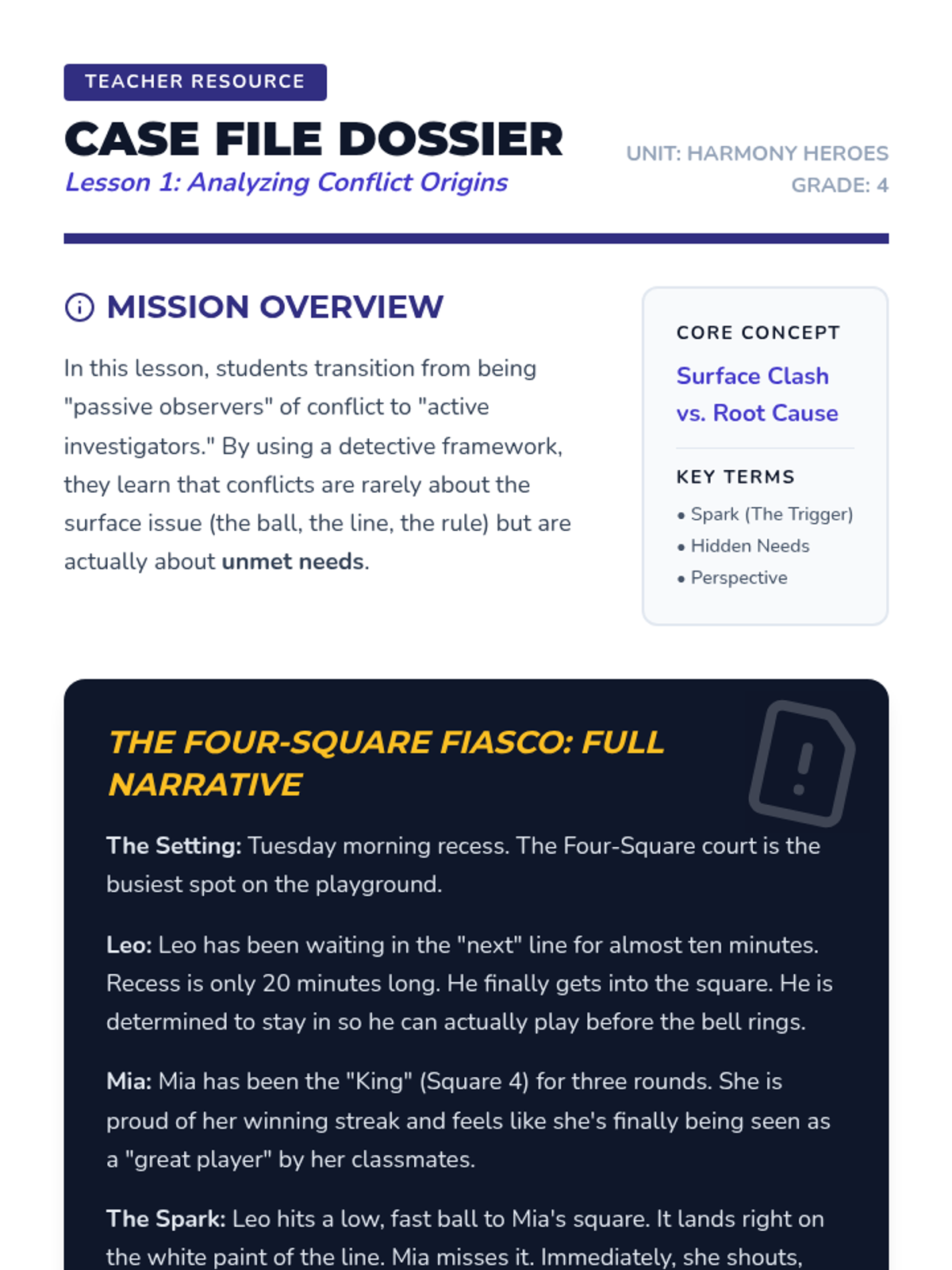
This unit explores how empathy and perspective-taking can transform conflicts into opportunities for connection. Students will analyze root causes, escalation patterns, and restorative solutions through case studies and role-play.
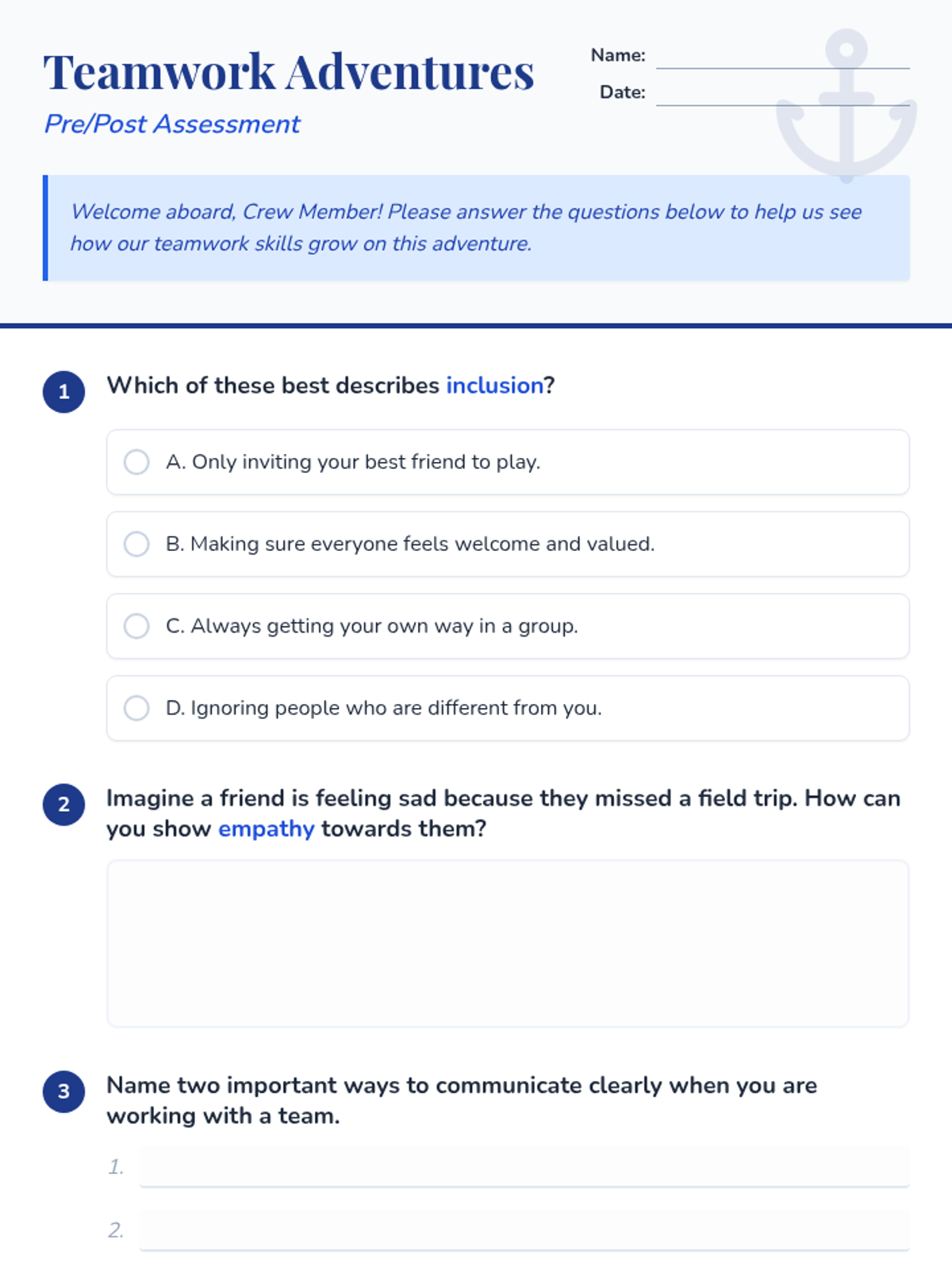
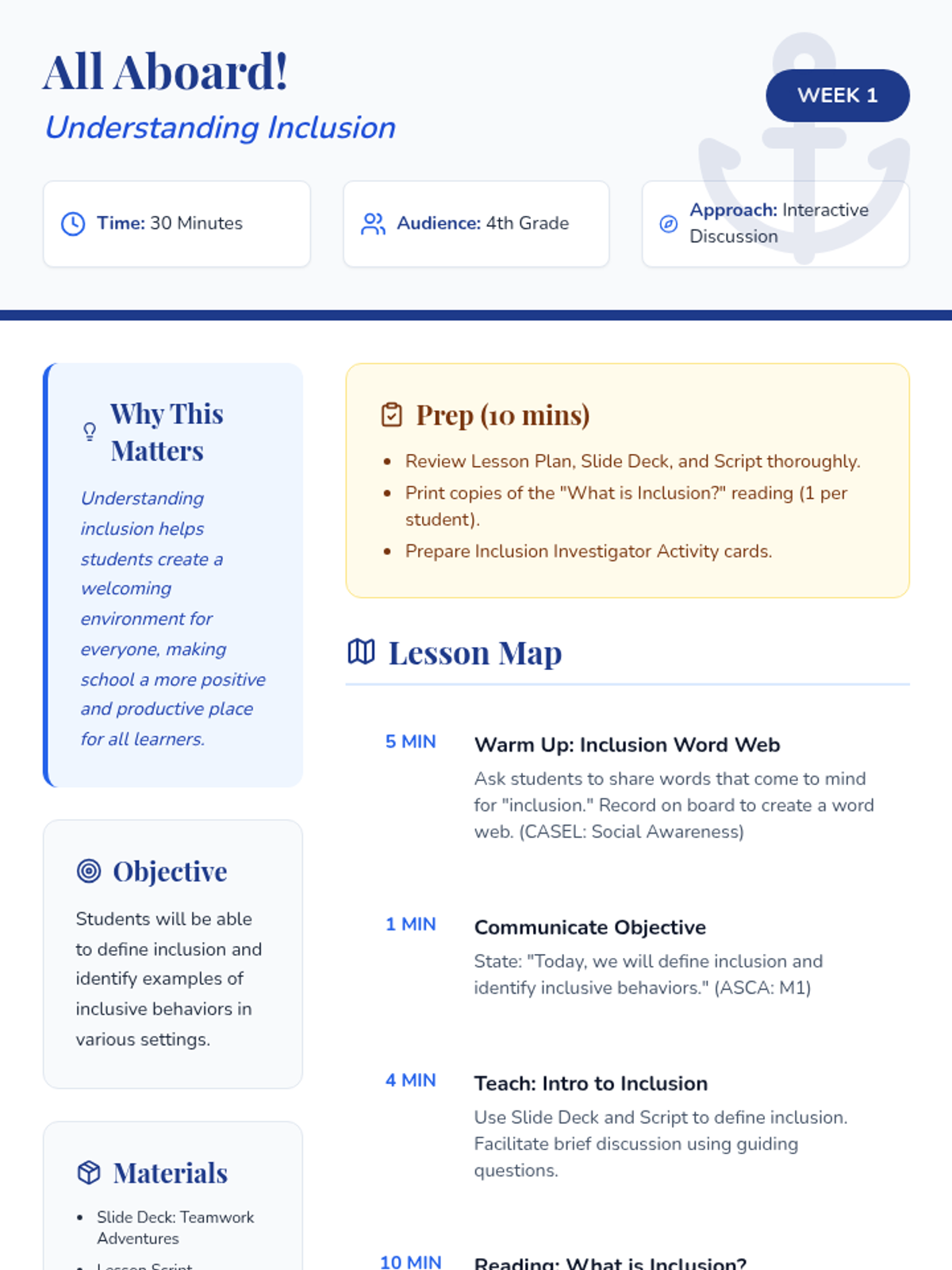
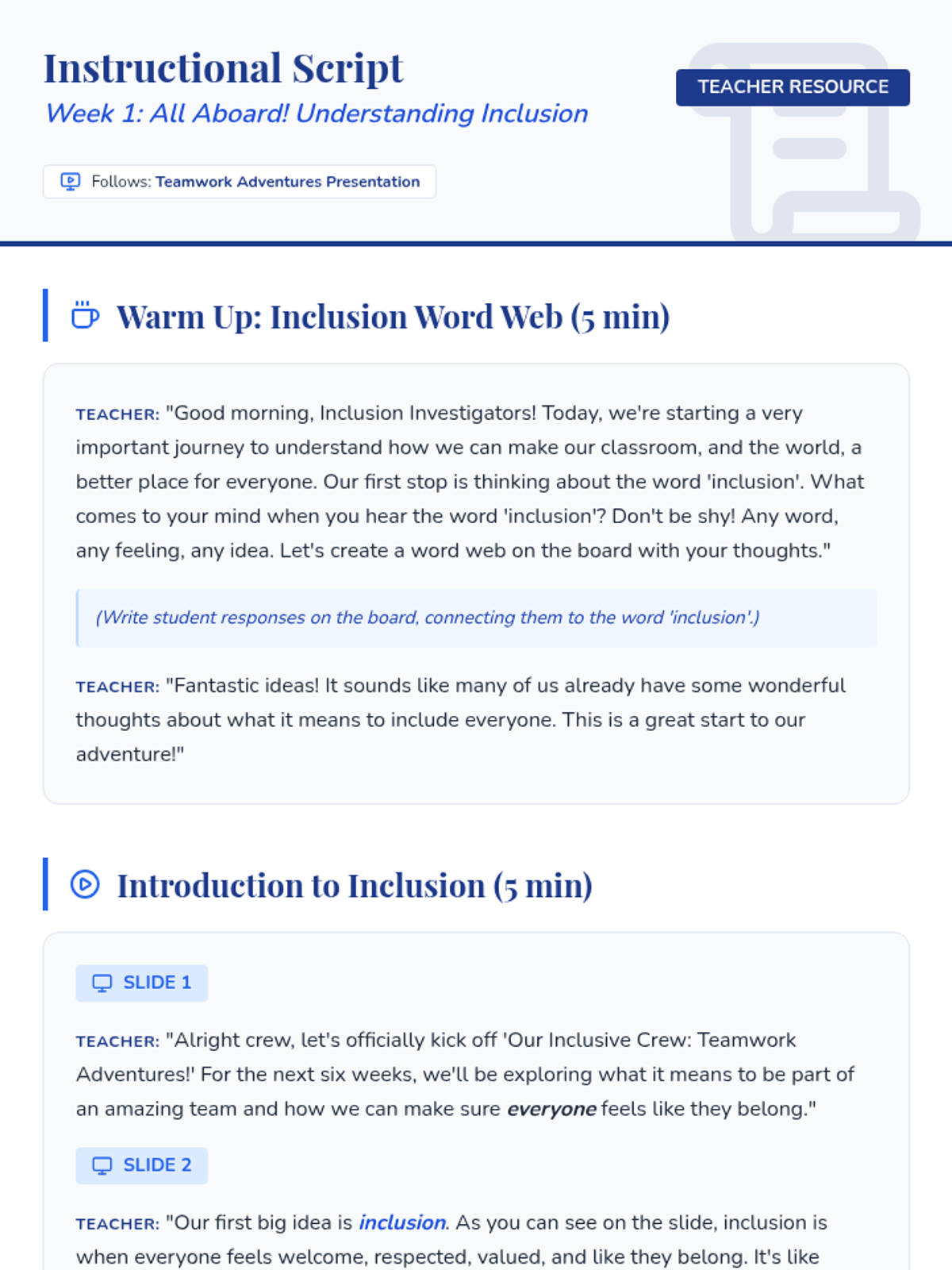
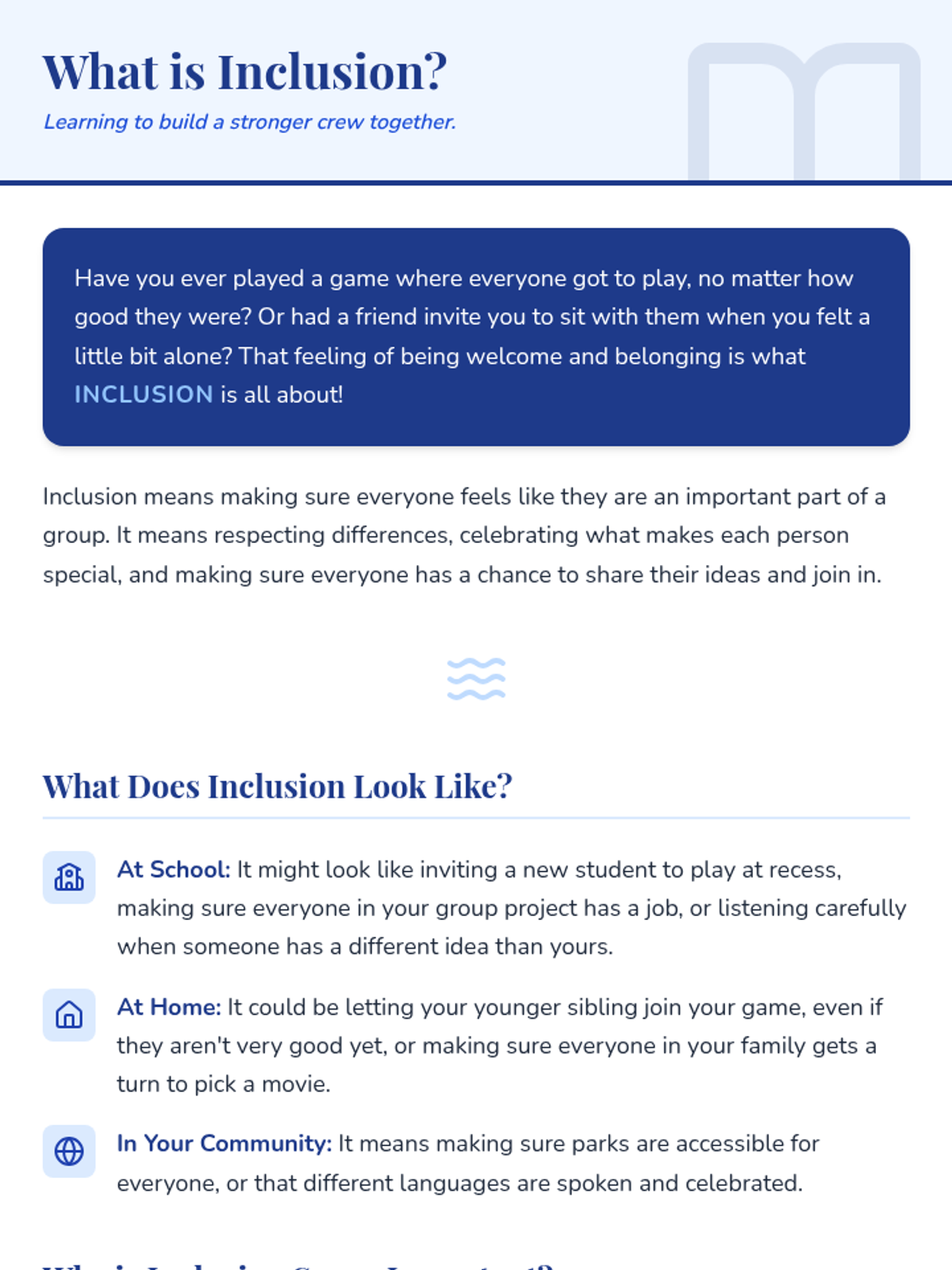
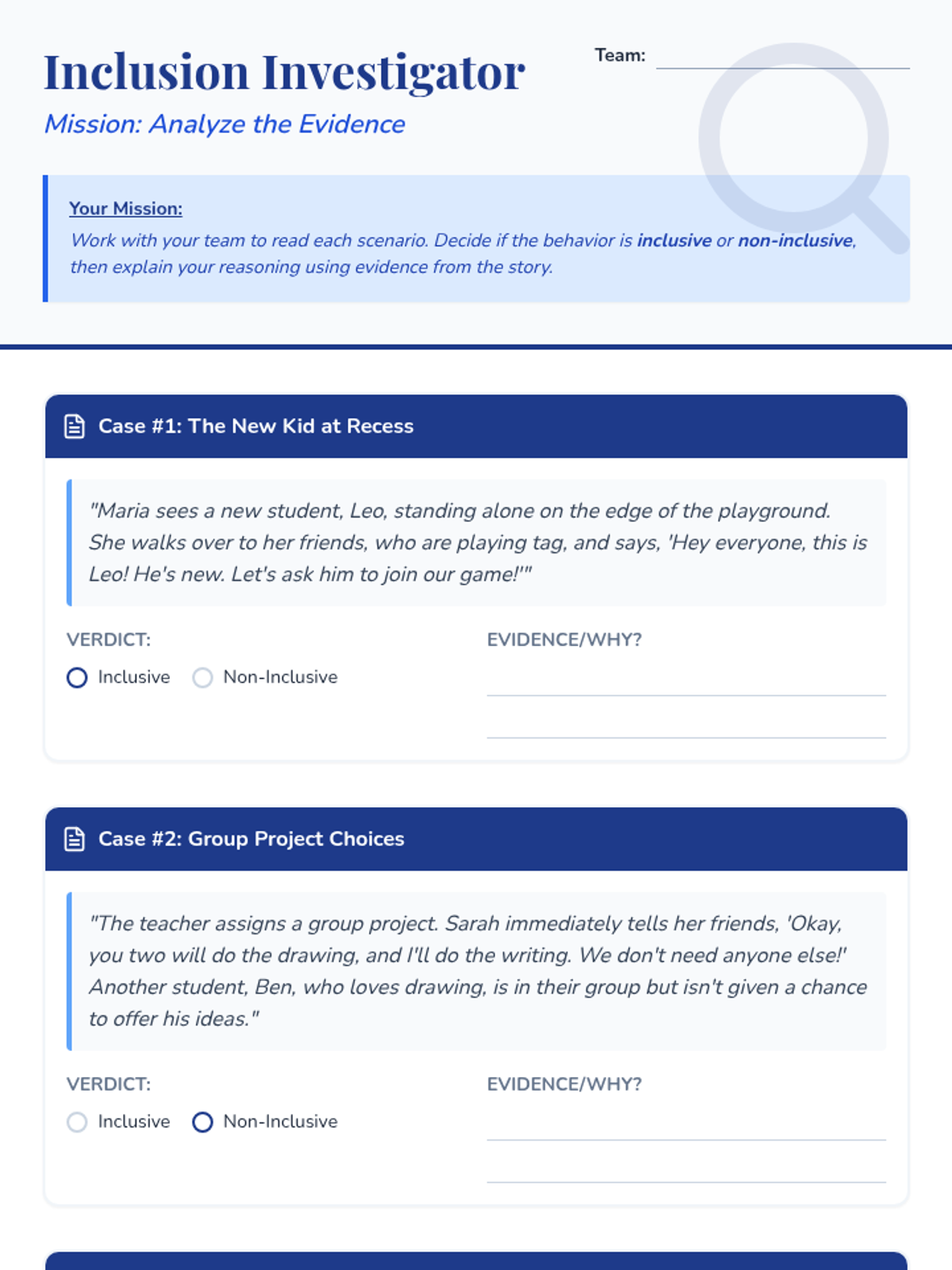
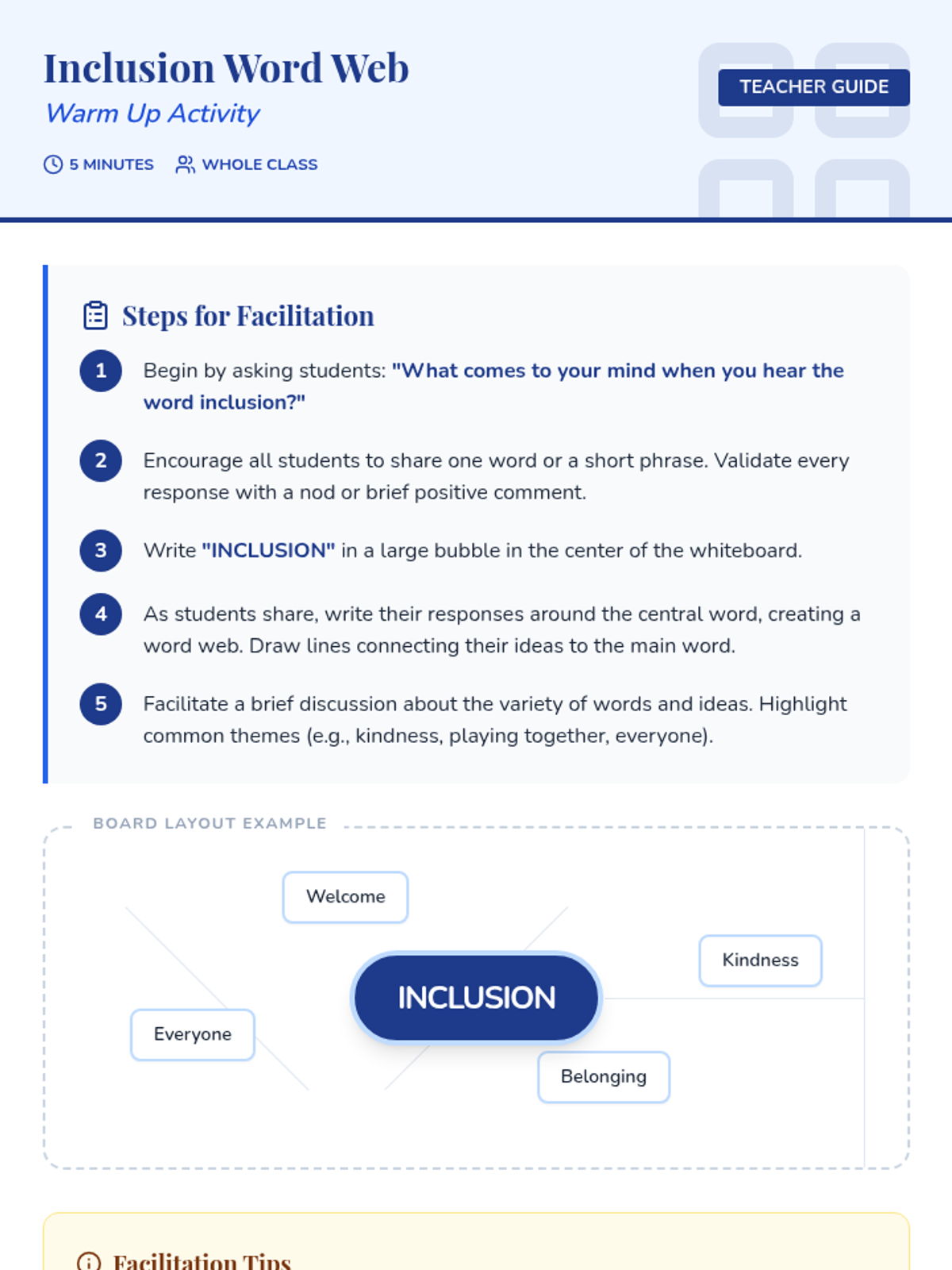
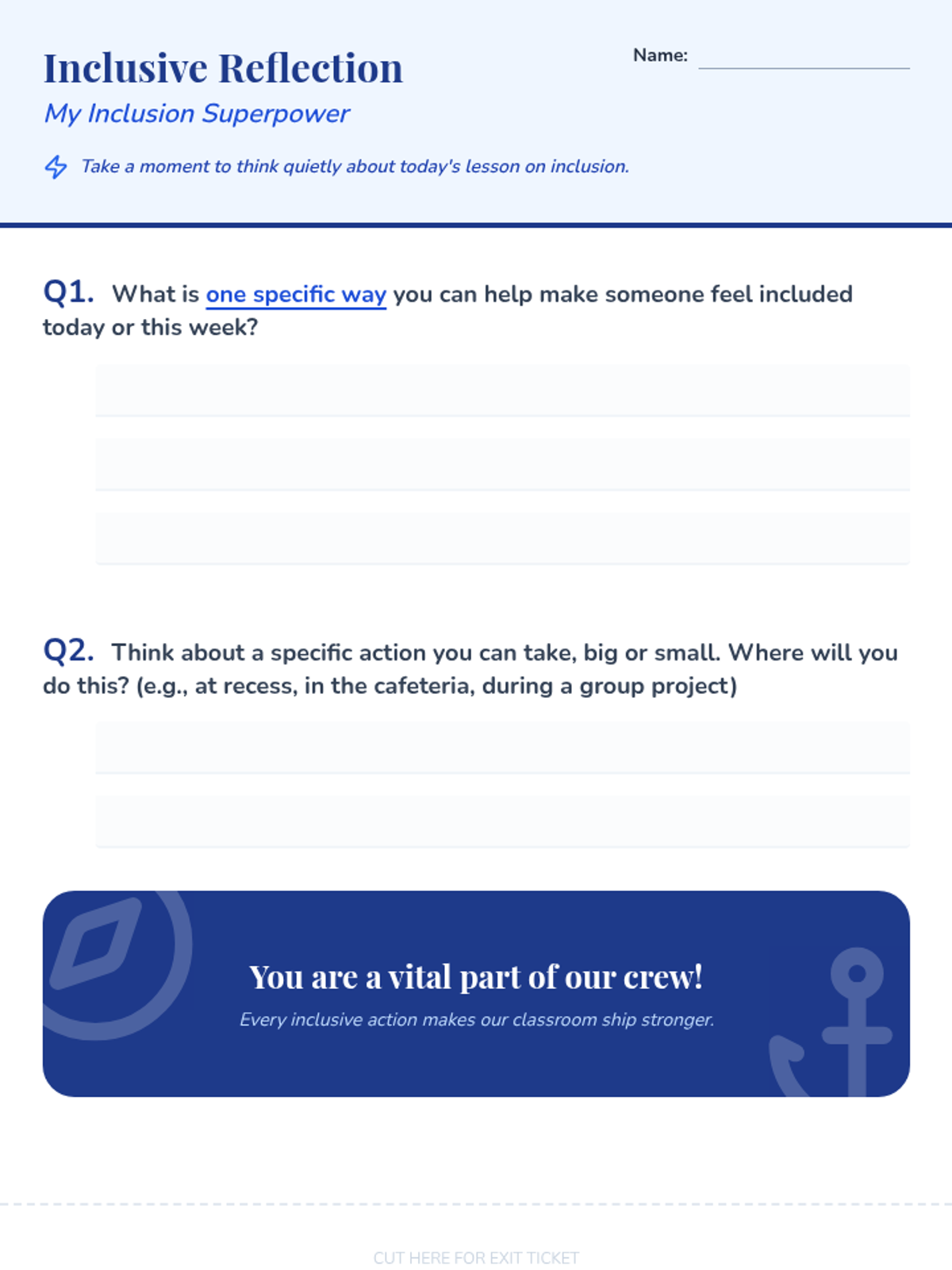
A 6-week social-emotional learning sequence for 4th graders focused on inclusion, communication, and collaborative teamwork. Students explore empathy, diversity, and problem-solving to build a supportive classroom 'crew'.
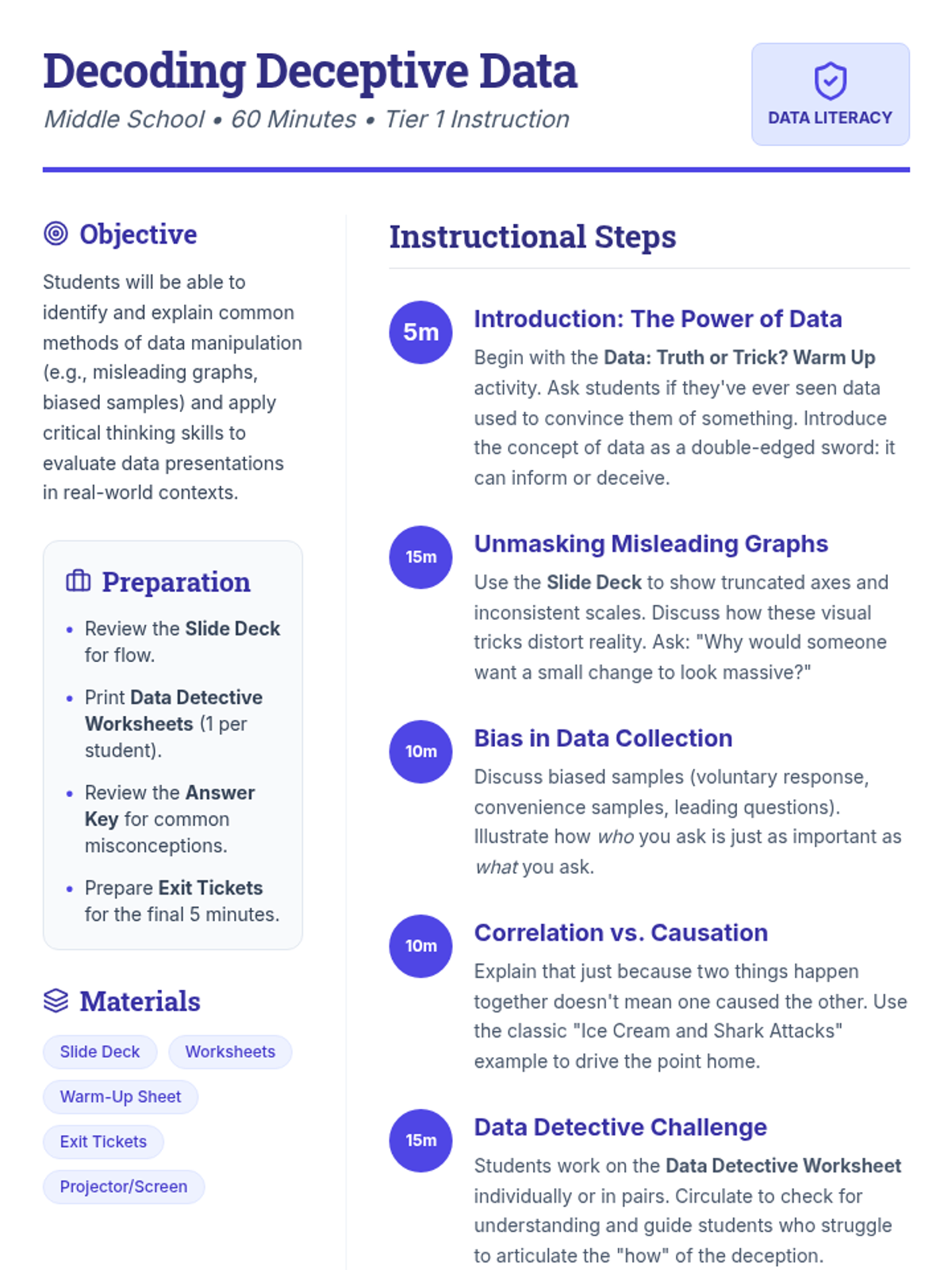
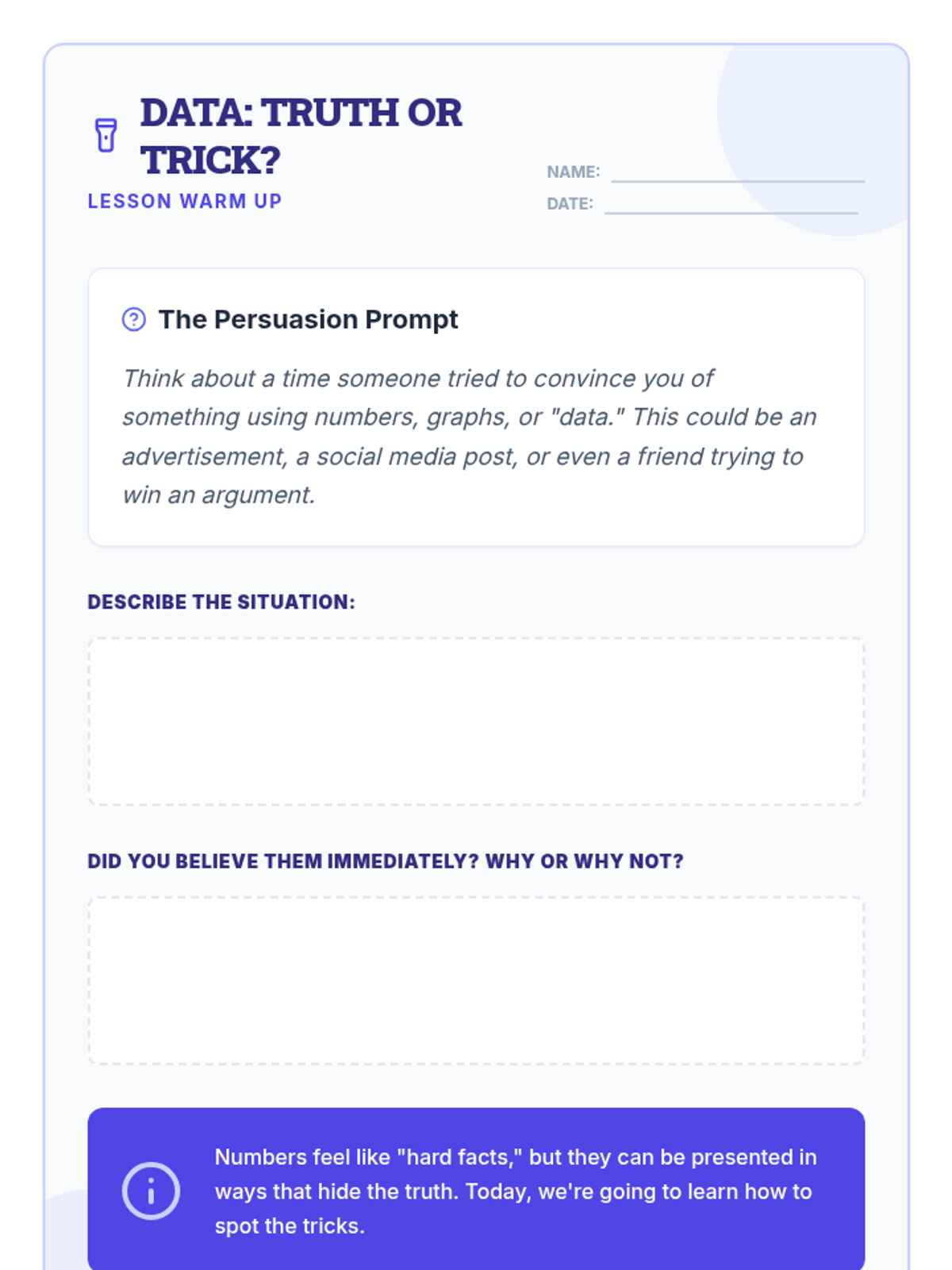
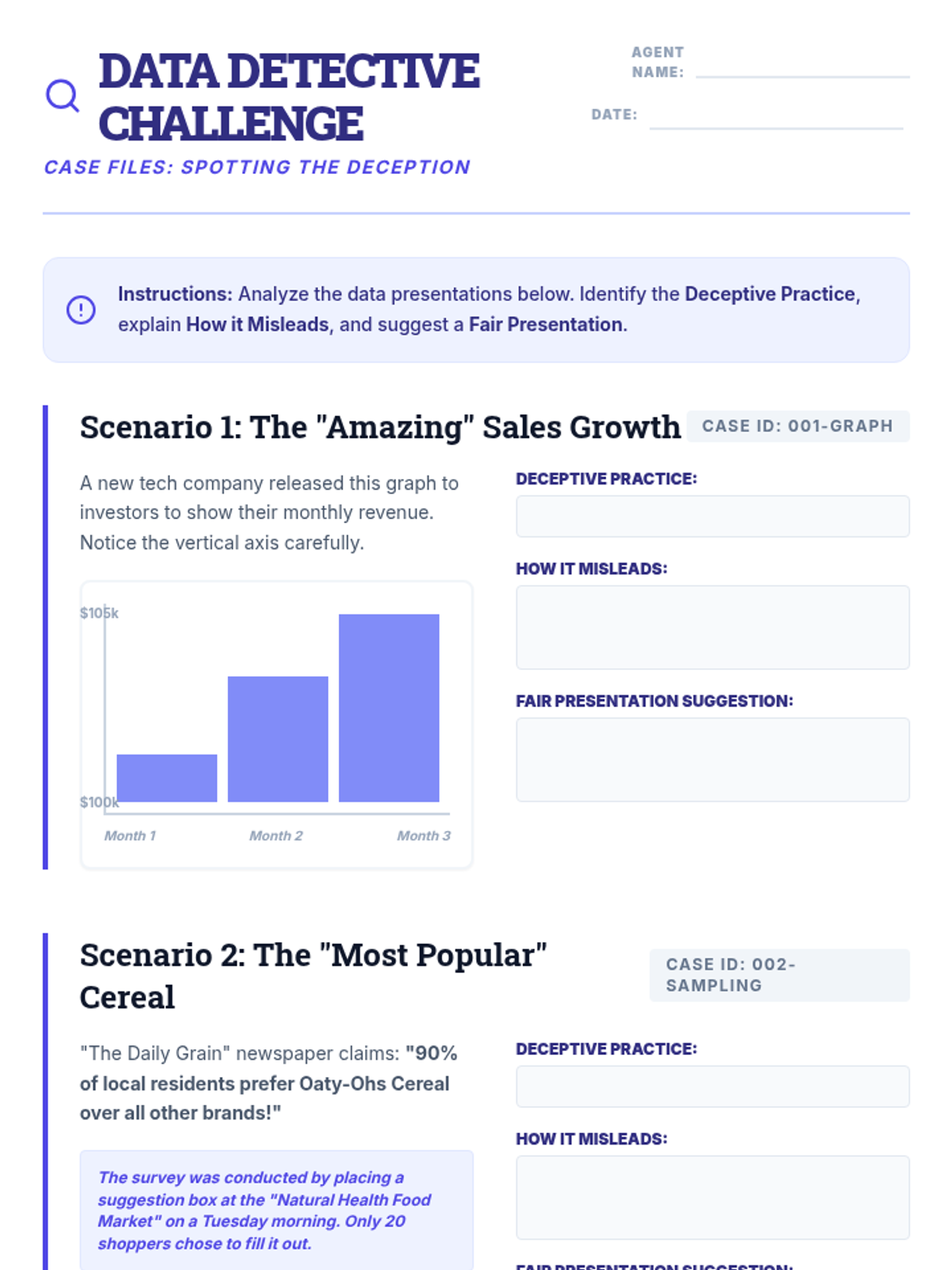
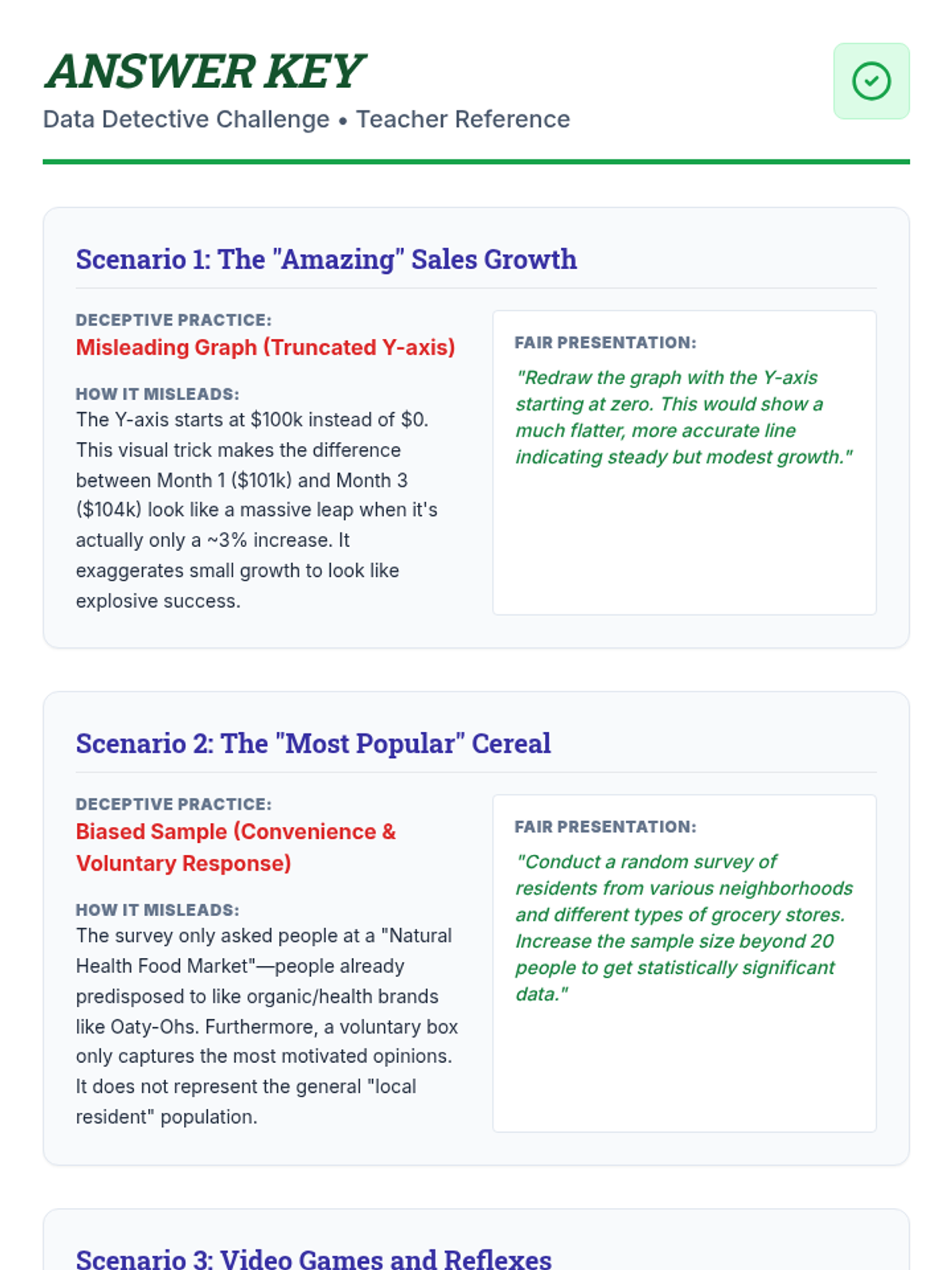
A collection of lessons focused on developing critical thinking and self-regulation skills, covering data literacy and emotional intelligence.
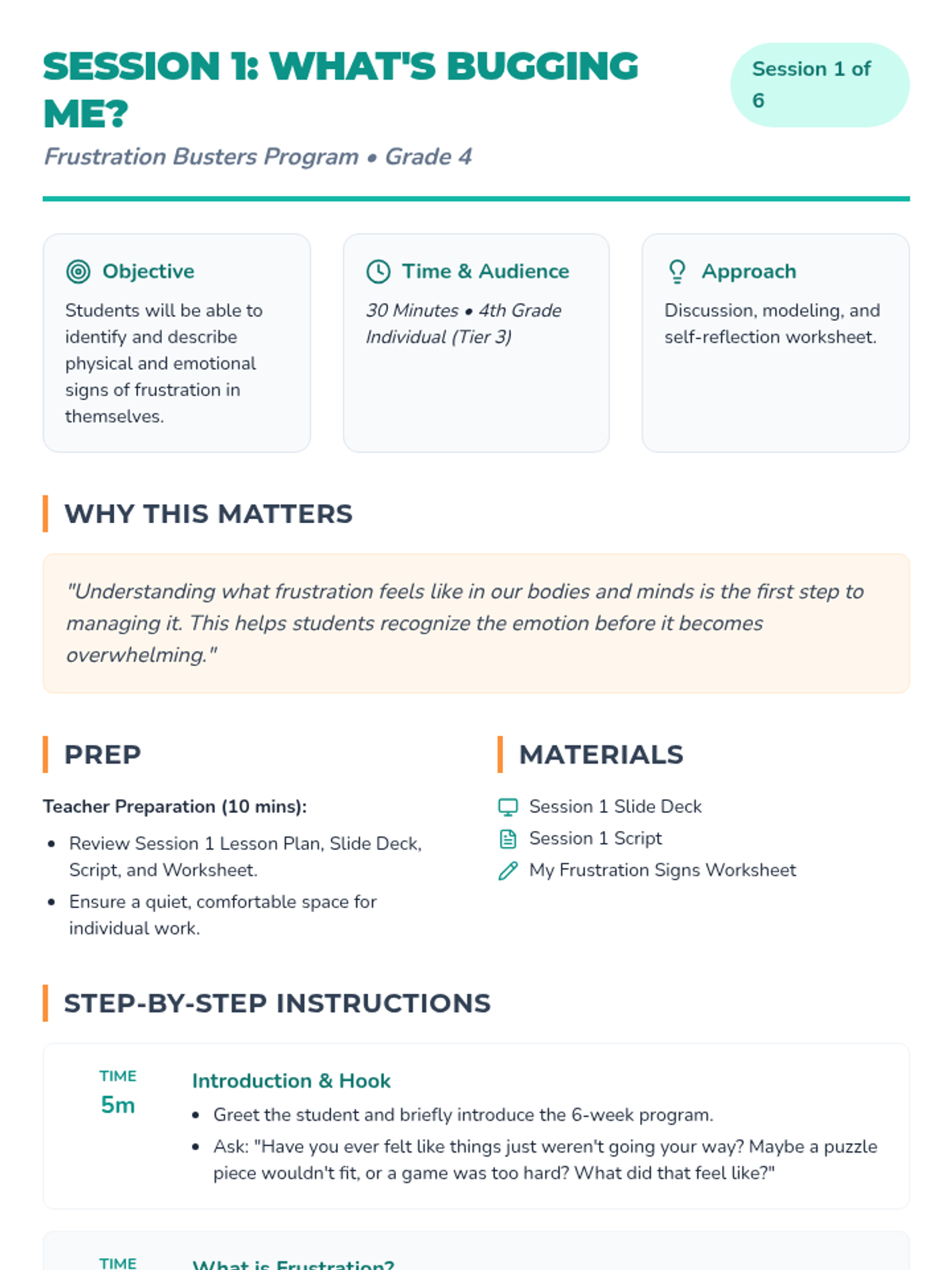
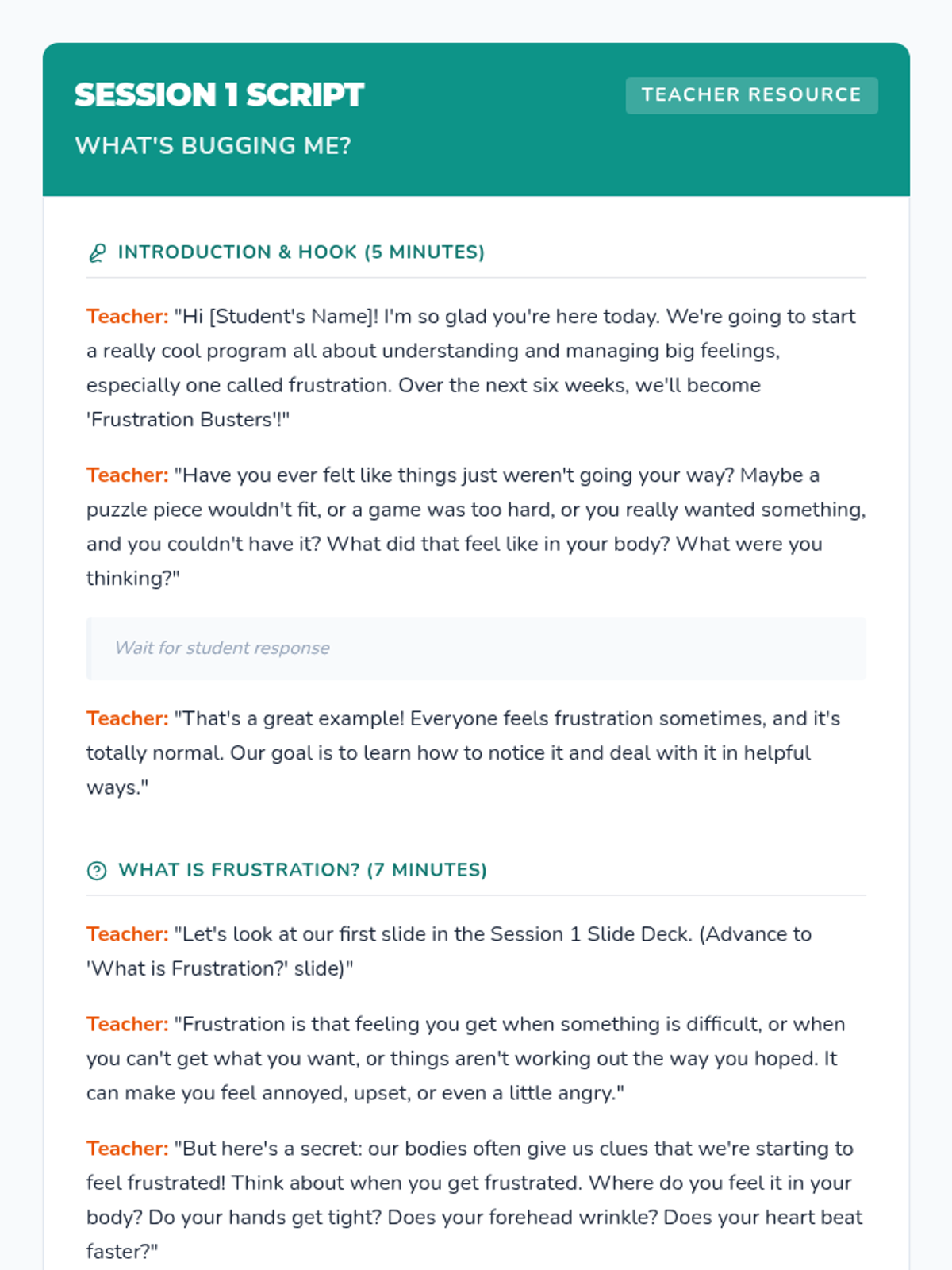
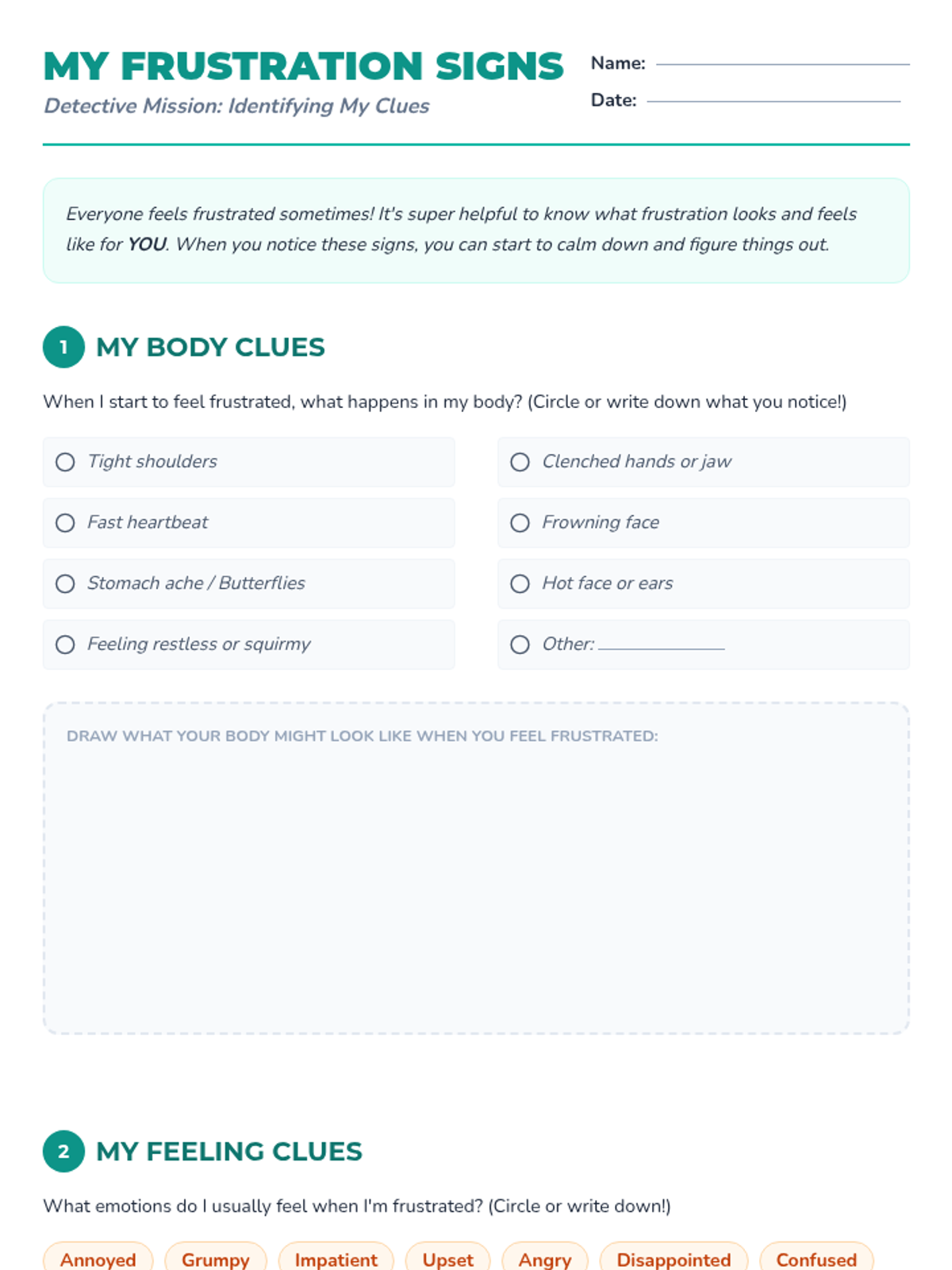
A 6-week Tier 3 intervention for 4th graders to develop emotional regulation and problem-solving skills to manage frustration. students learn to recognize triggers, express feelings with I-statements, and implement action plans.
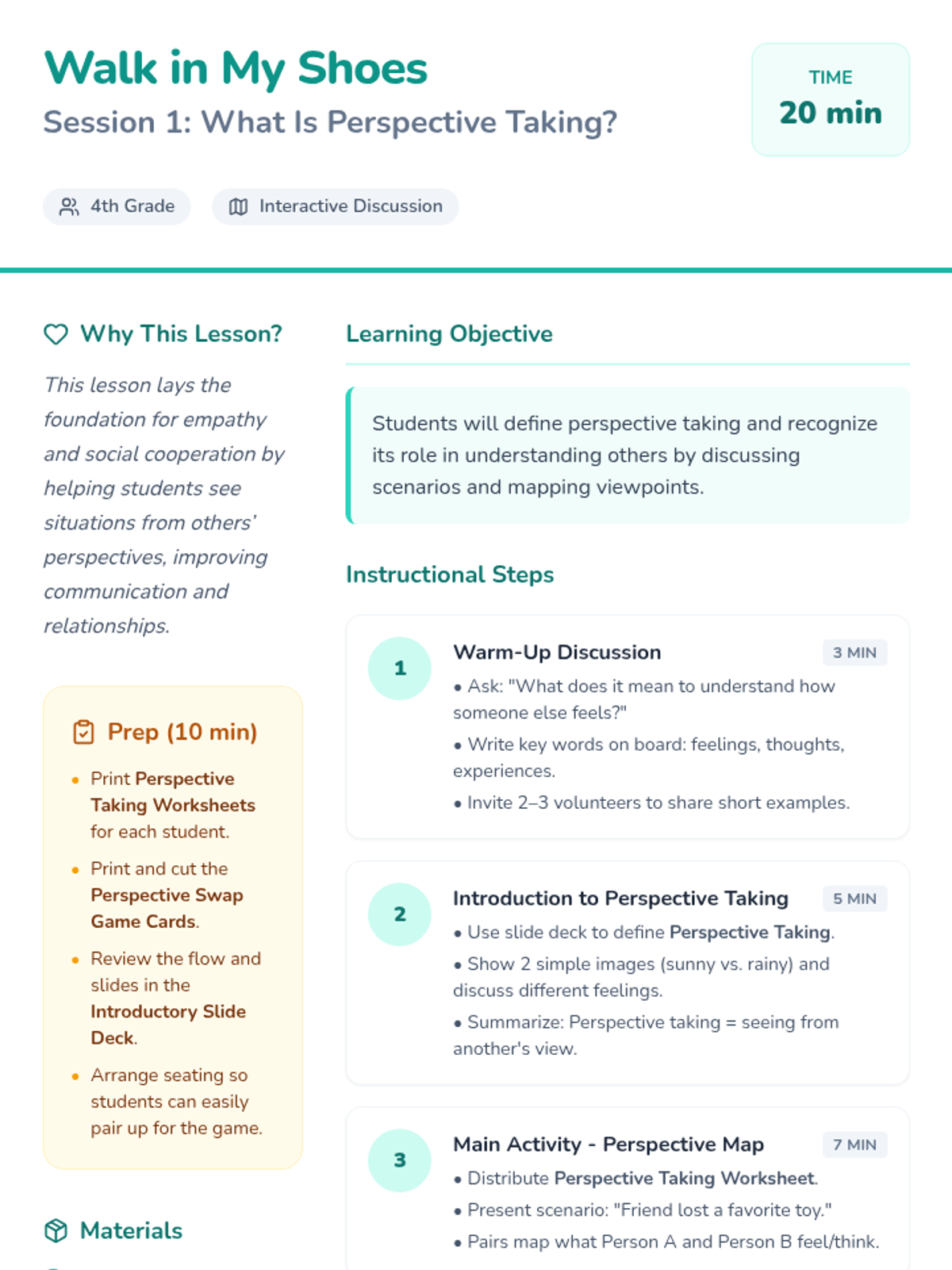
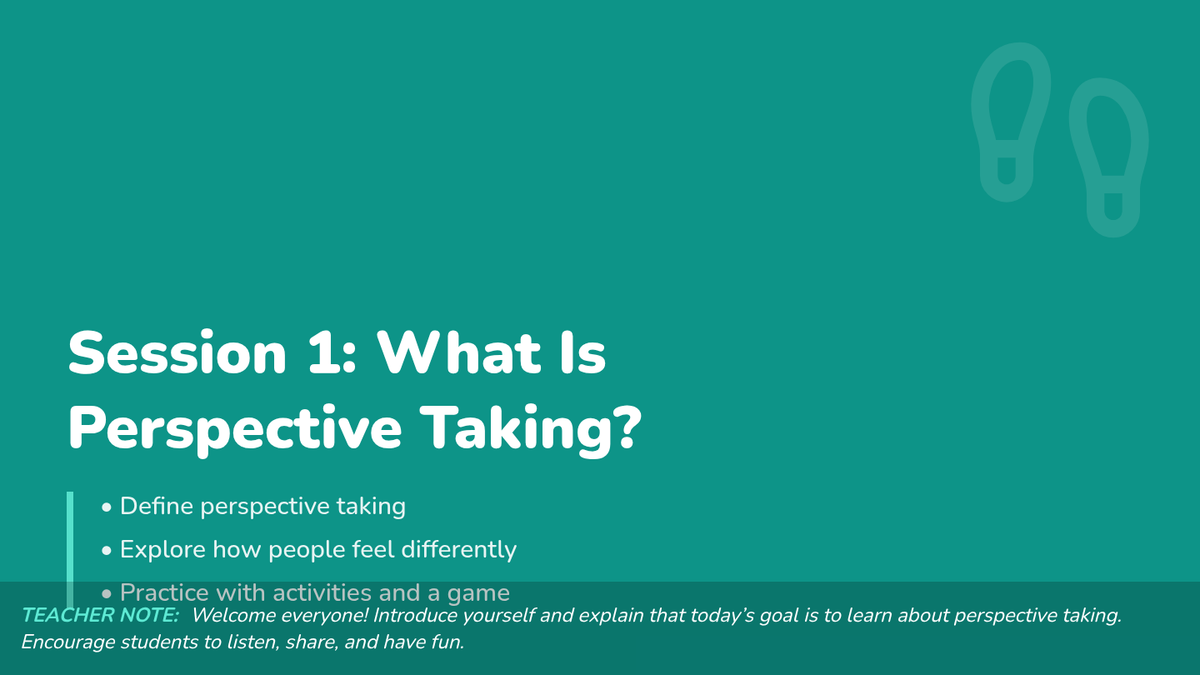
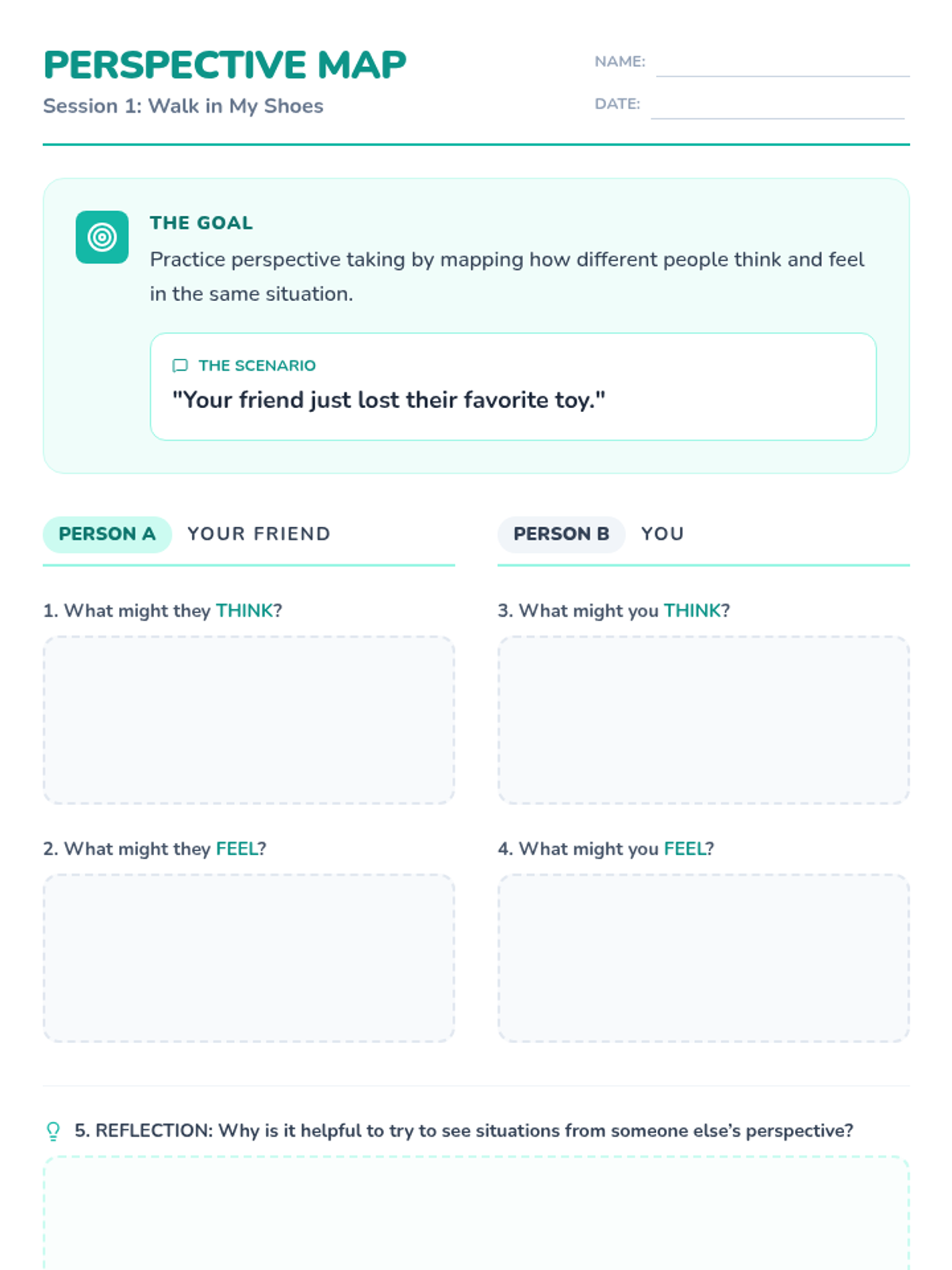
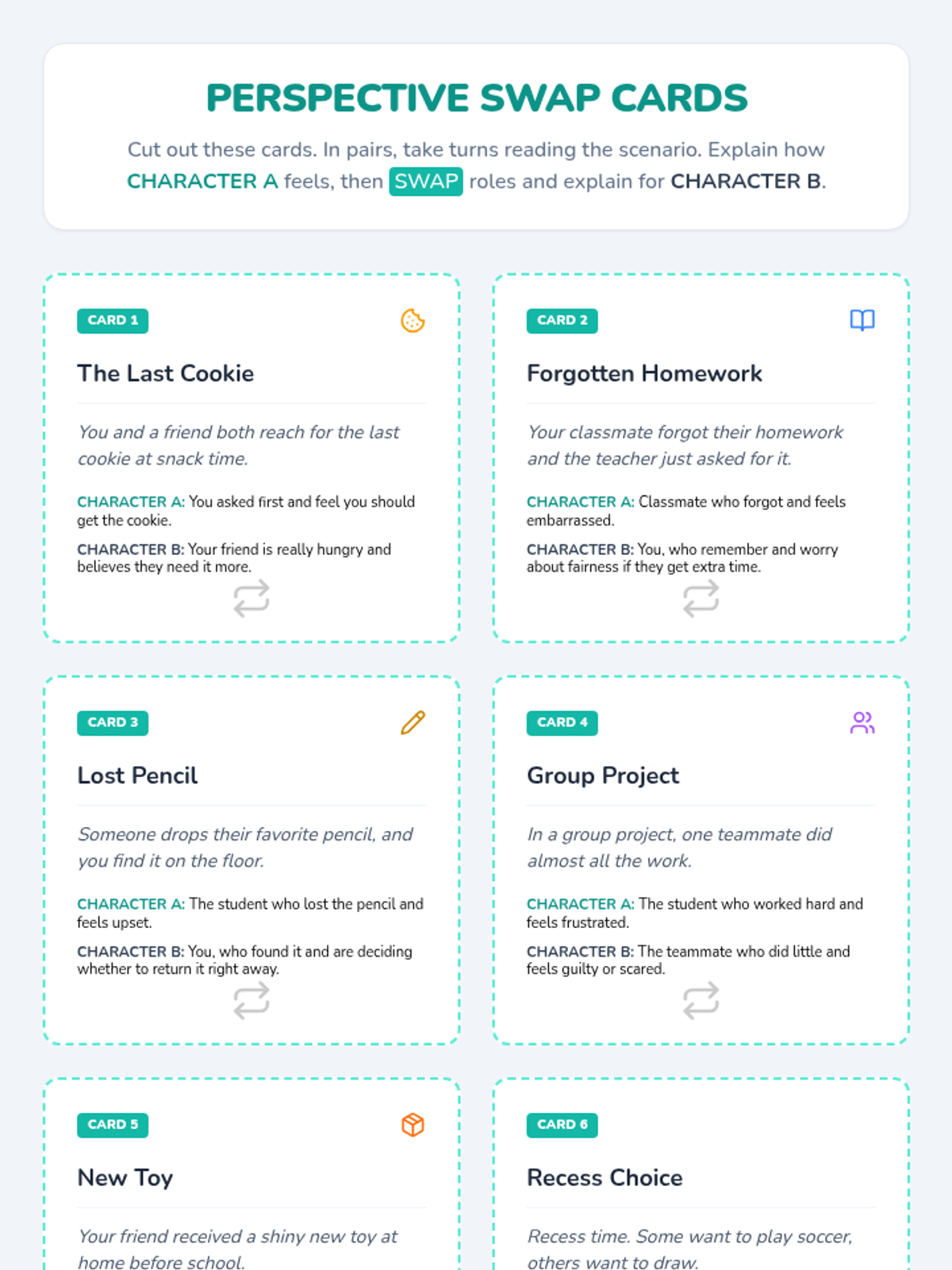
A 5-session social-emotional learning series for 4th graders focused on developing perspective-taking skills and empathy through stories, games, and role-play.
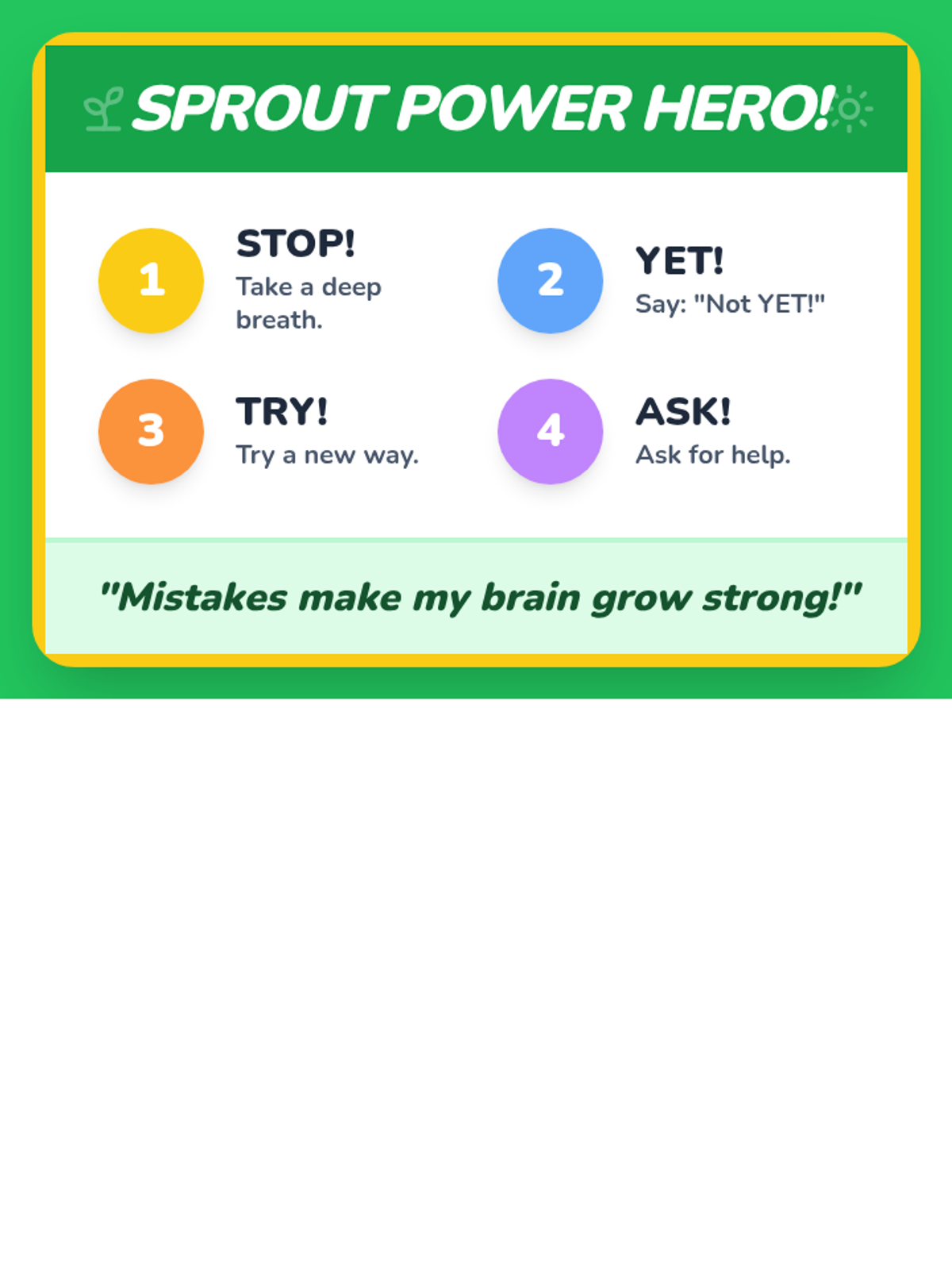
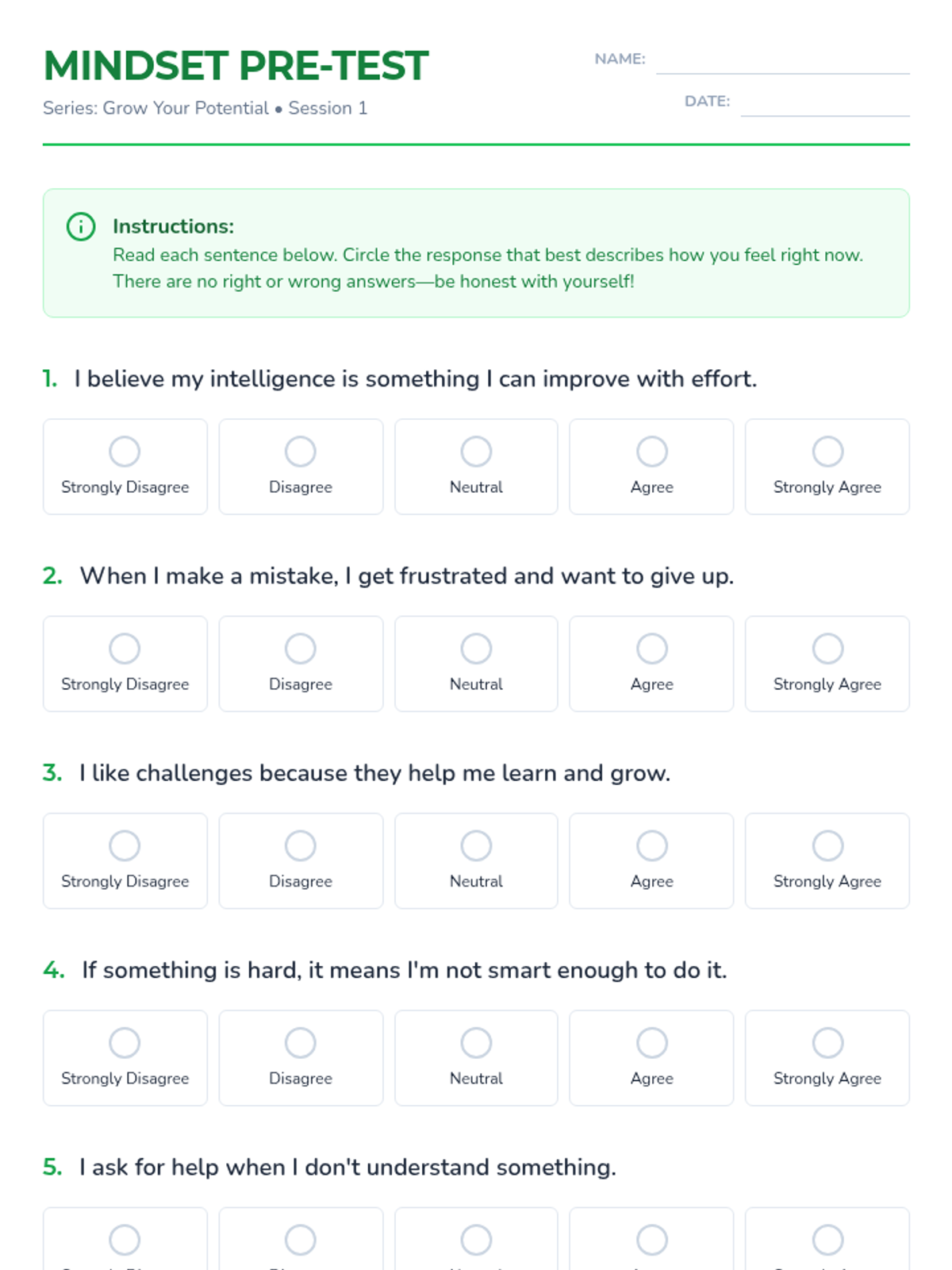
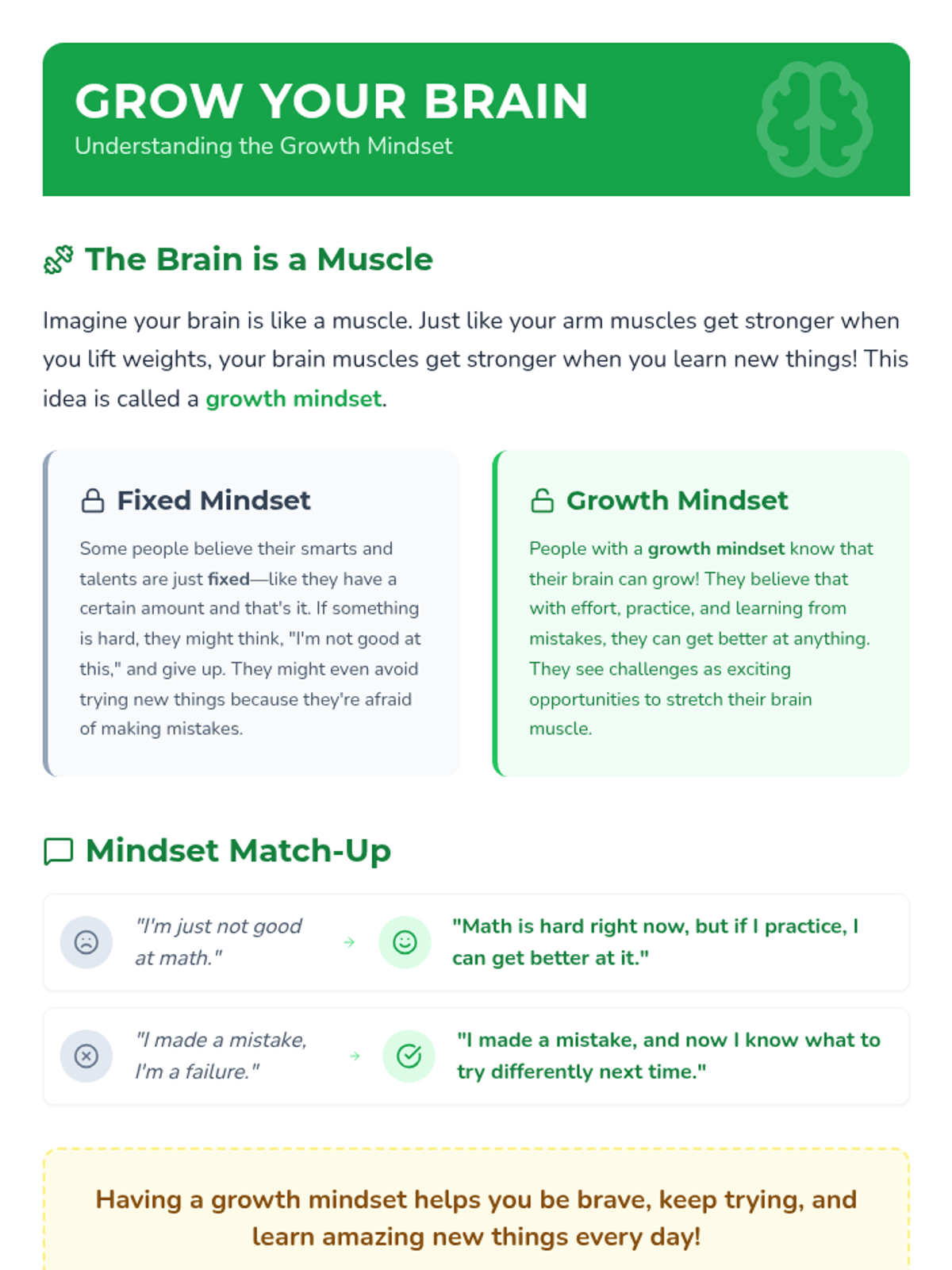
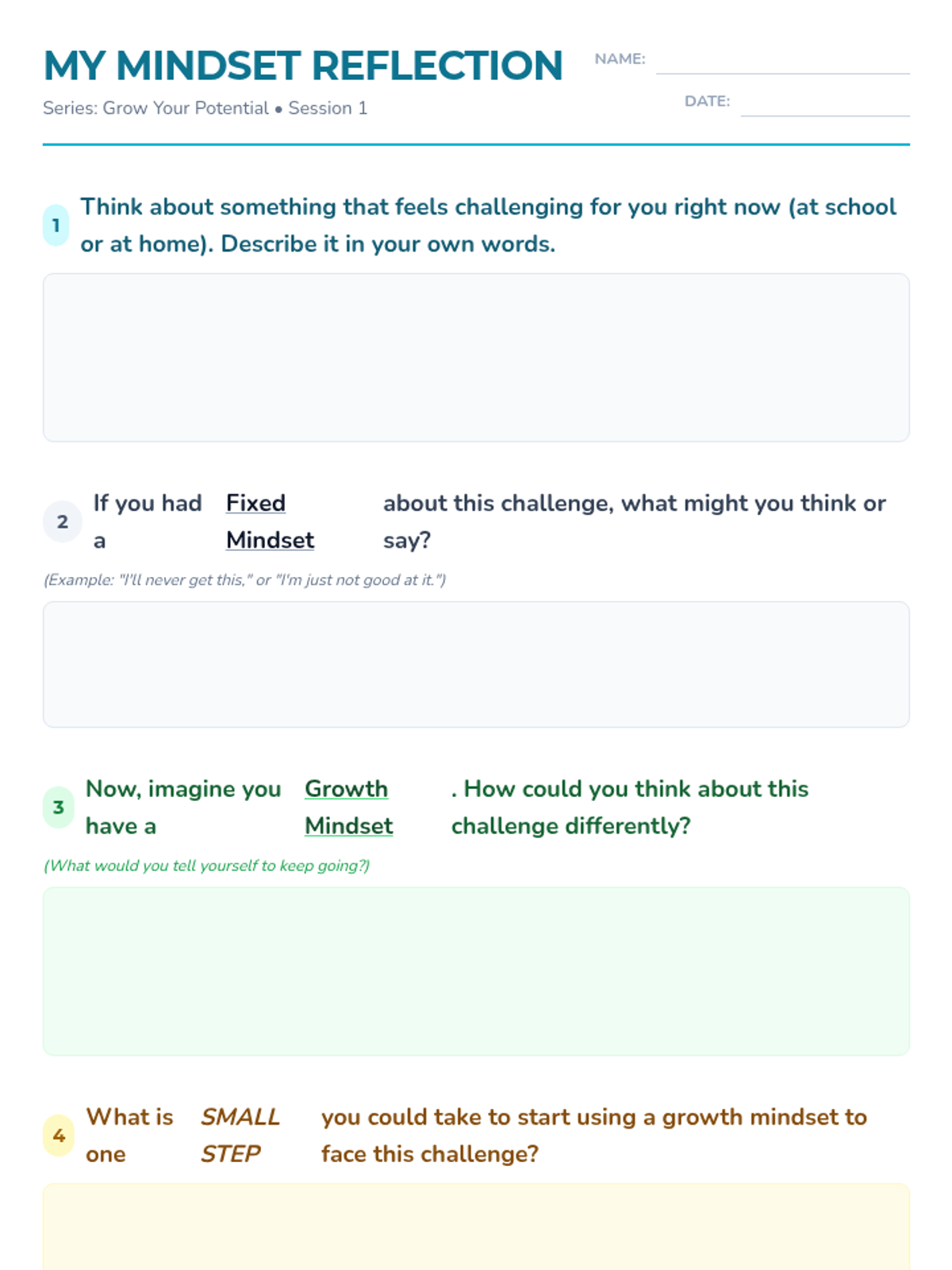
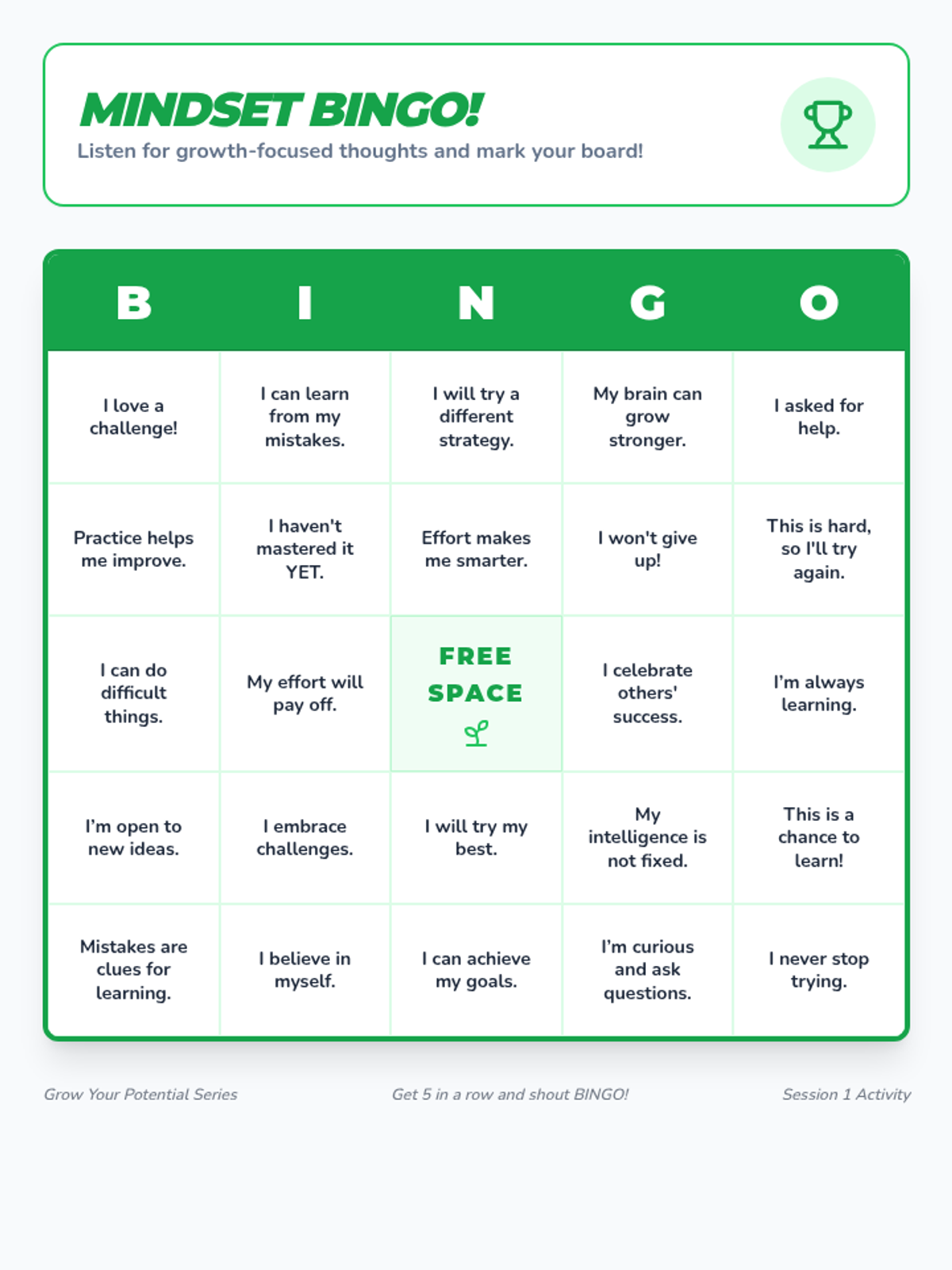
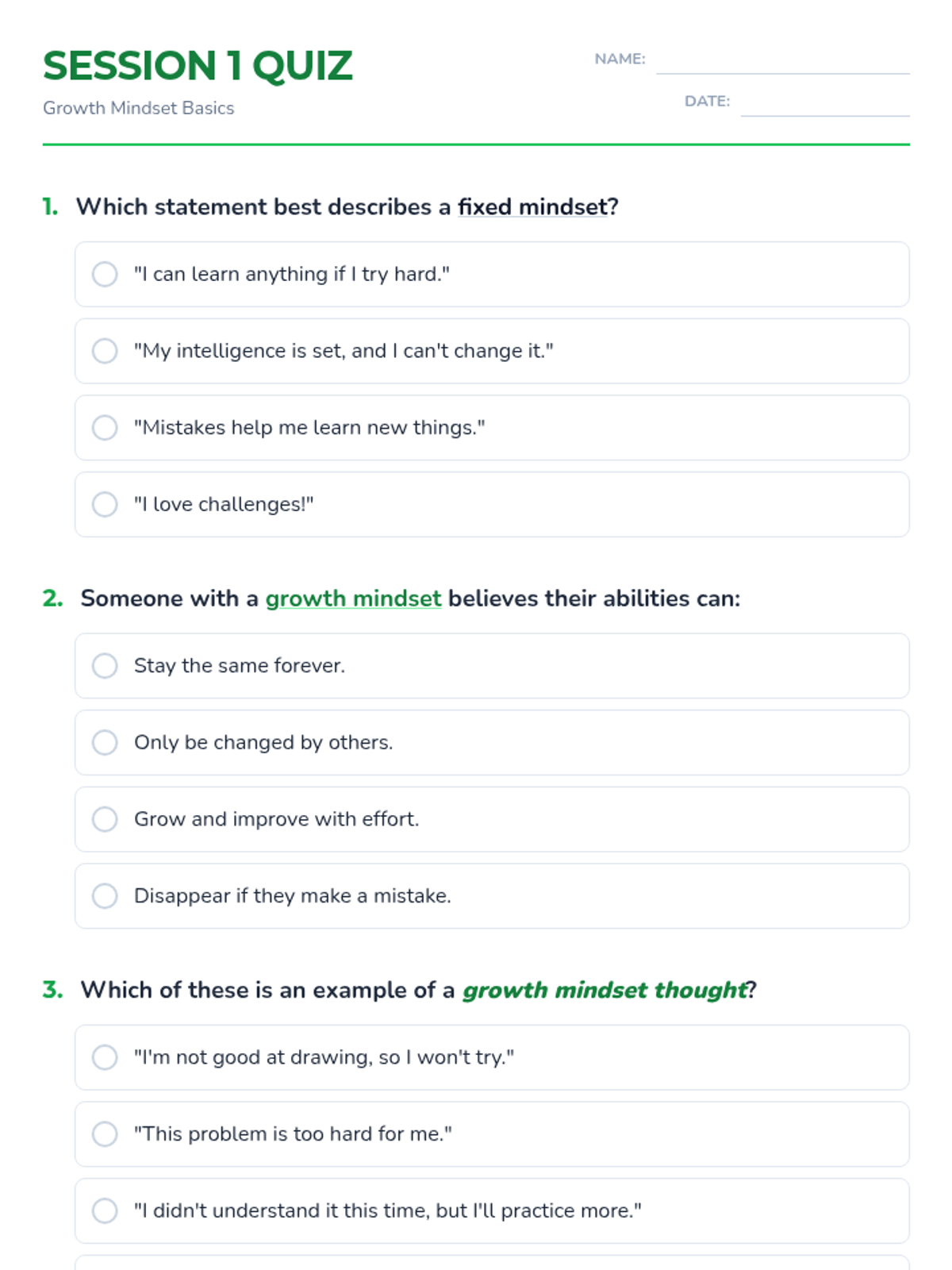
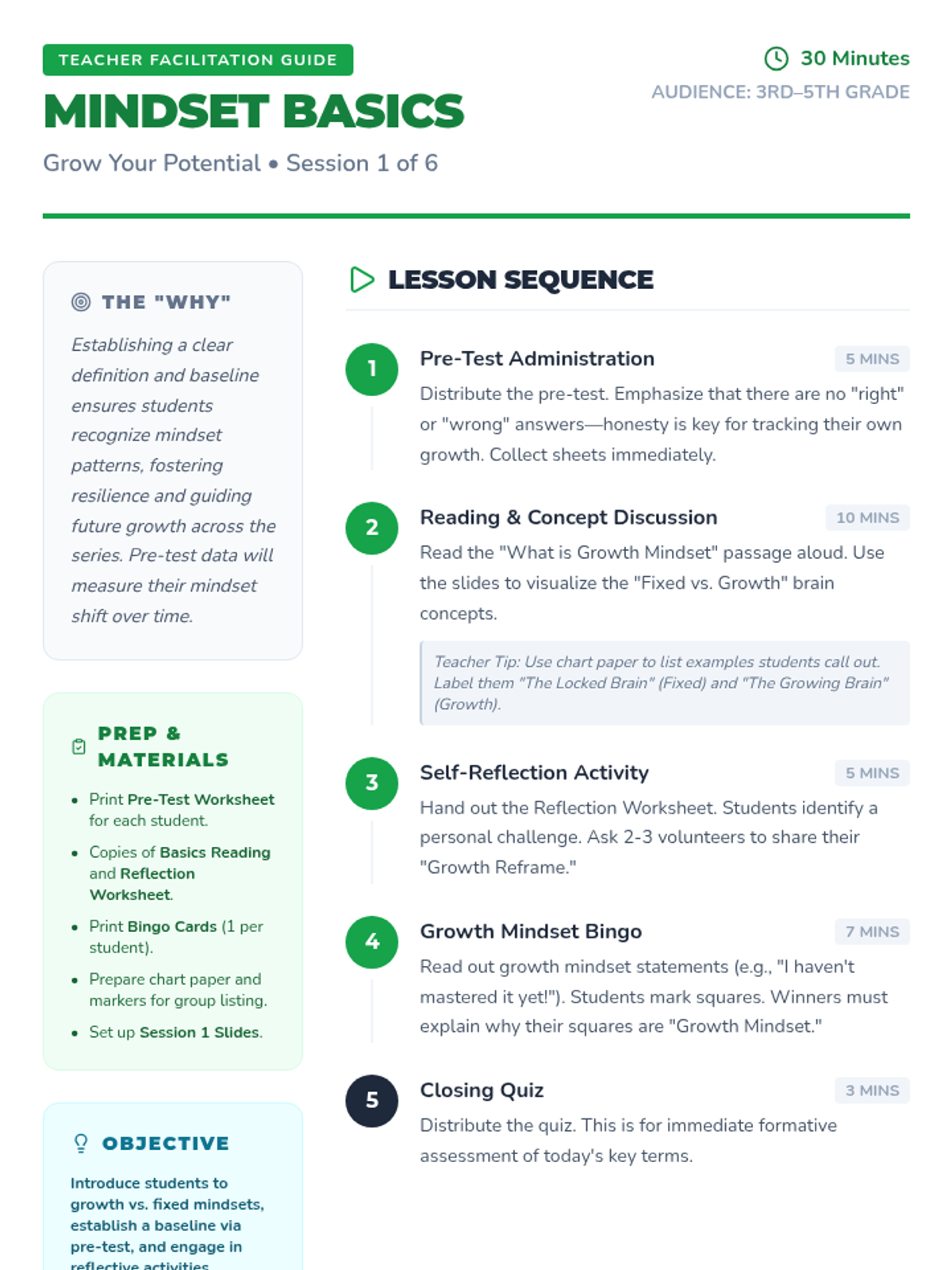
A 6-session series for 3rd-5th graders exploring growth mindset, the power of 'yet', learning from mistakes, and goal-setting through interactive activities and reflection.
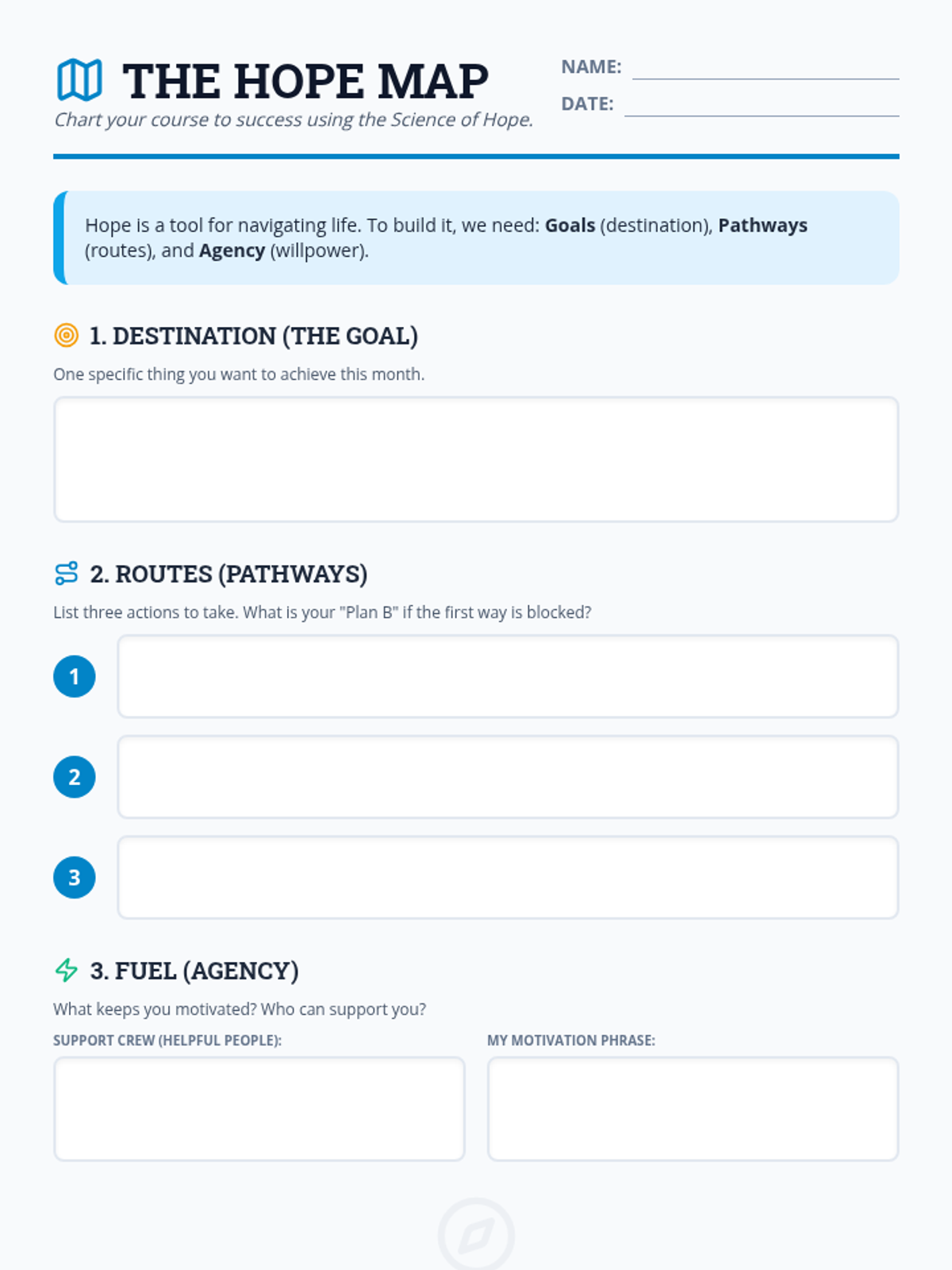
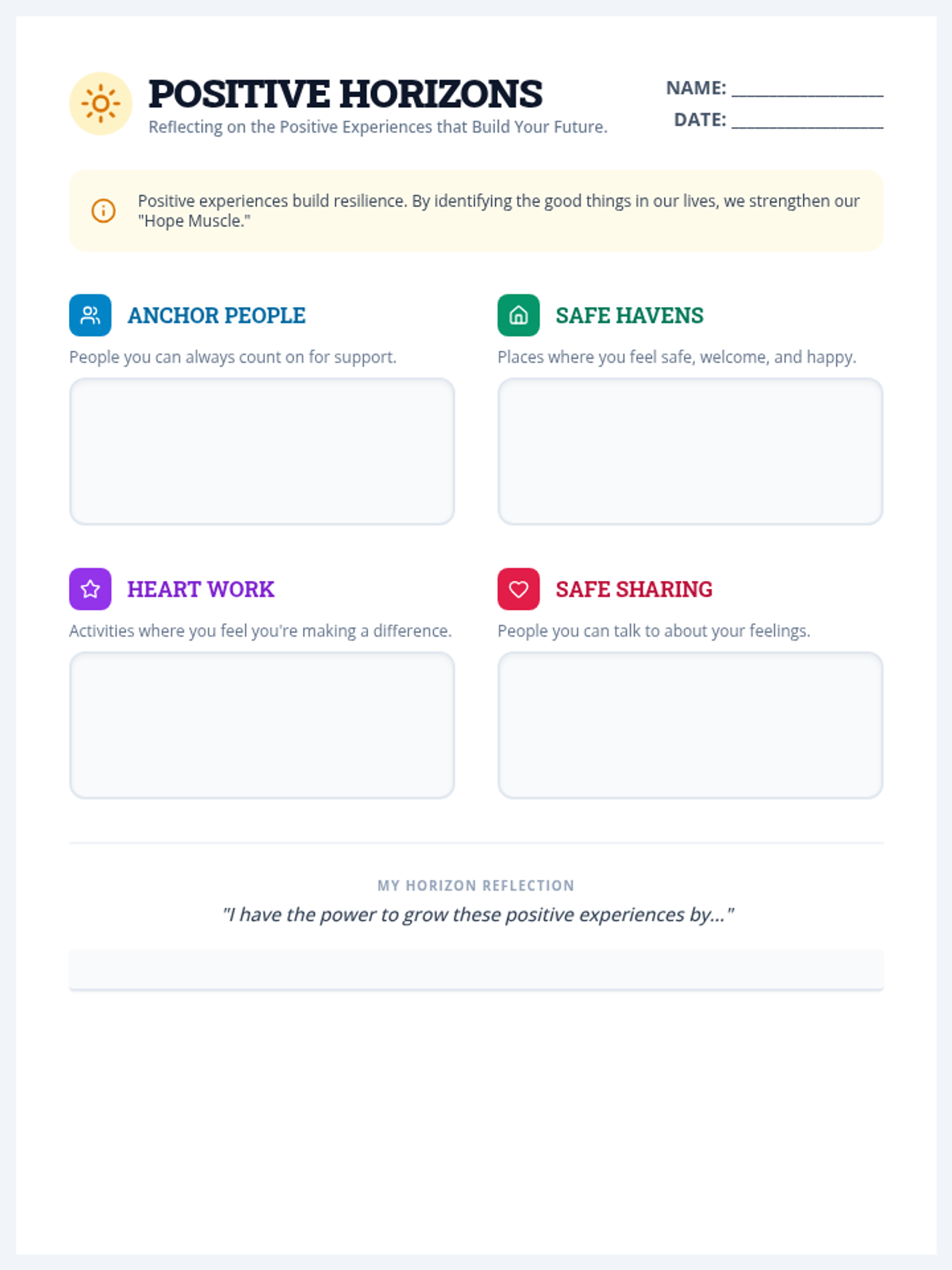
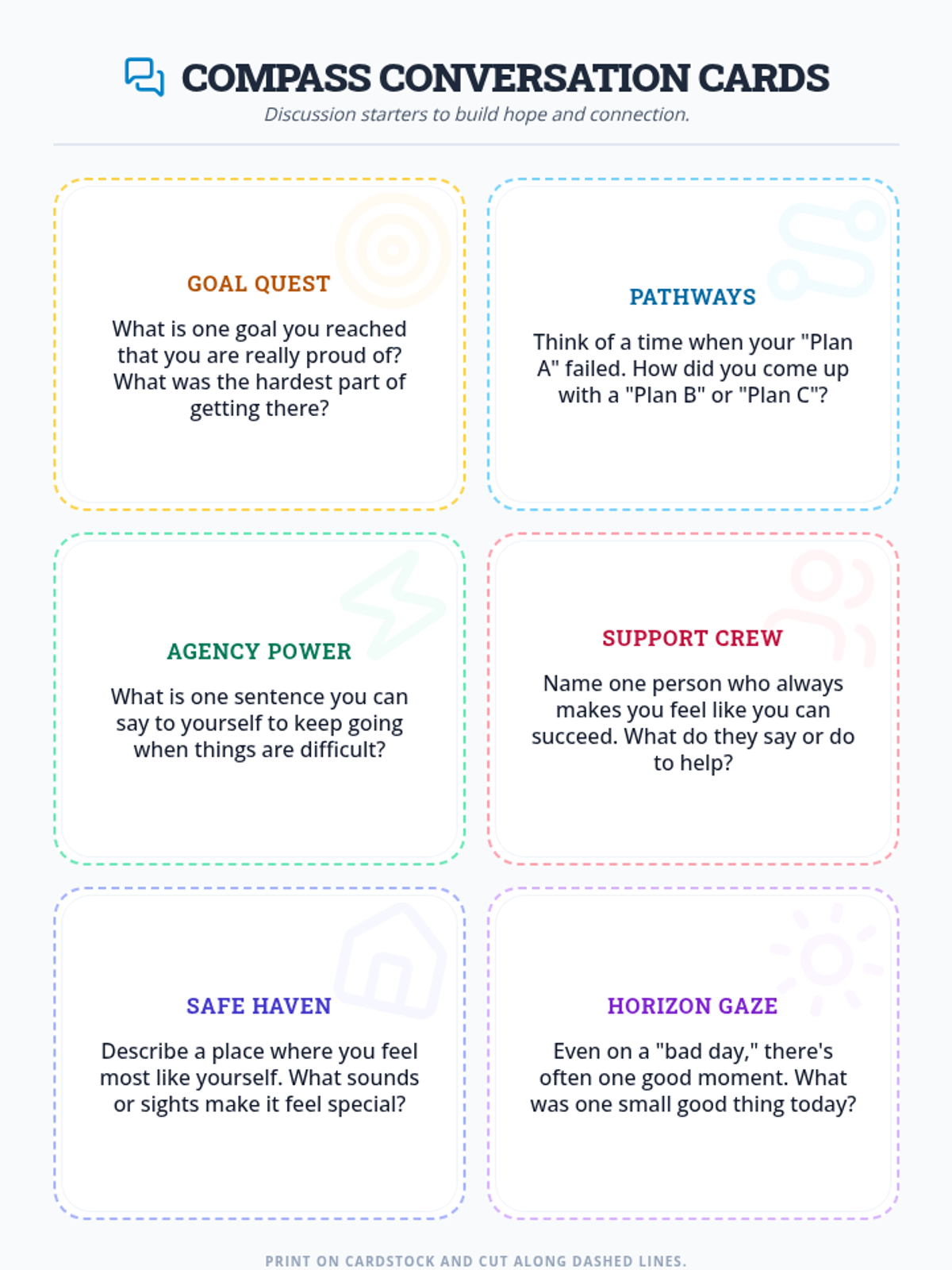
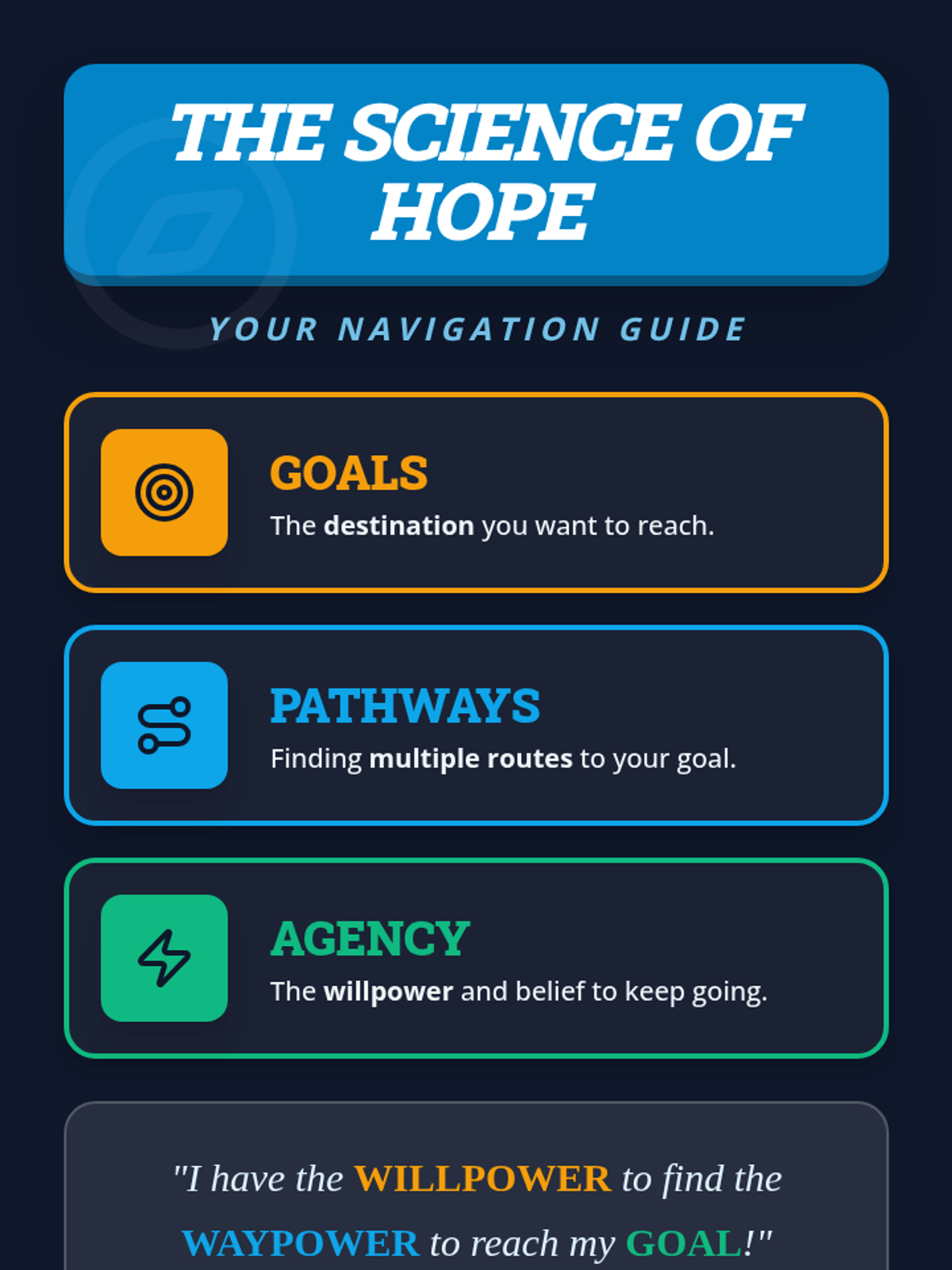
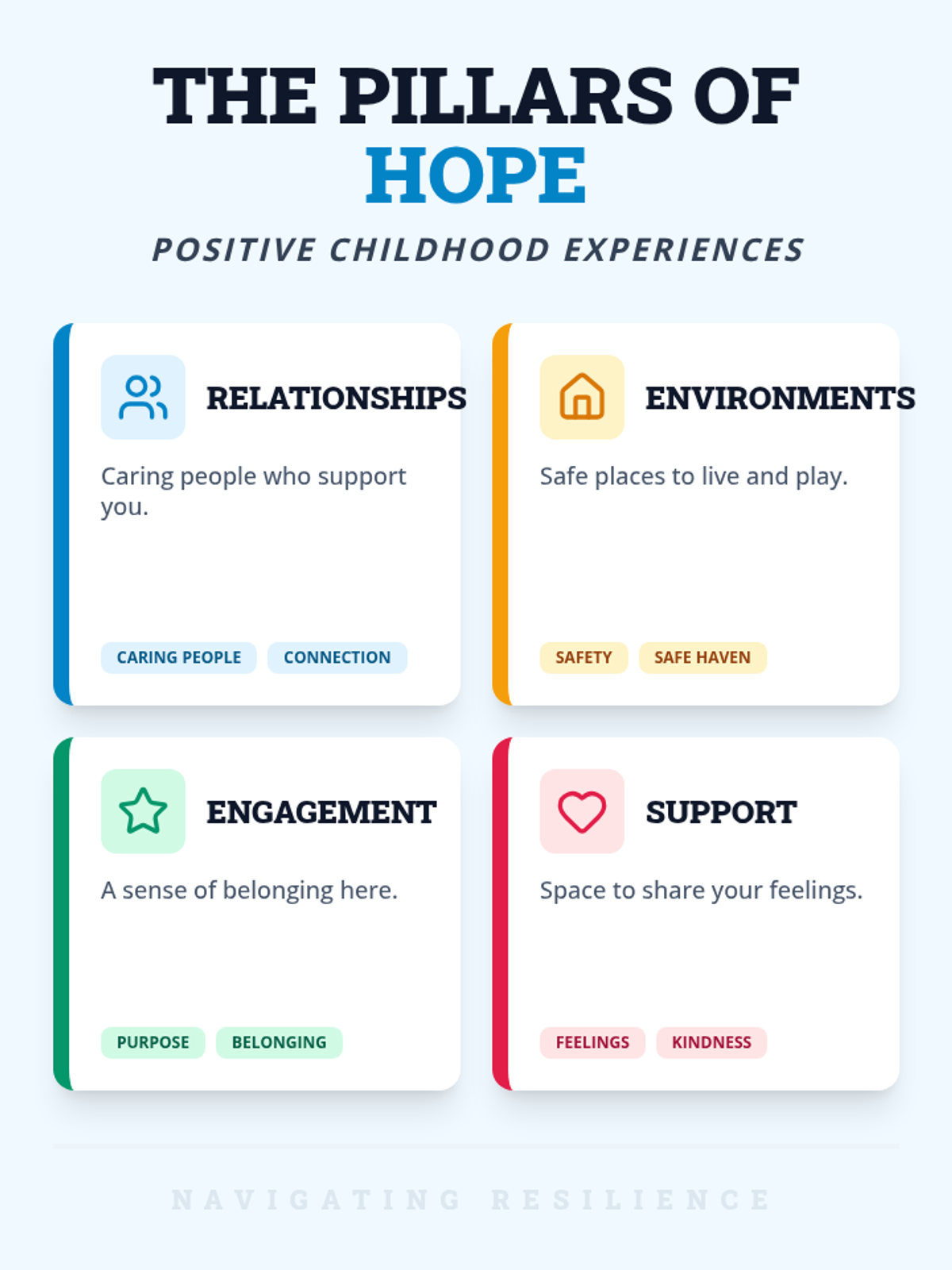
A comprehensive unit focused on building psychological hope through the Science of Hope (Goals, Pathways, Agency) and the HOPE framework (Healthy Outcomes from Positive Experiences). This sequence empowers students to set meaningful goals, identify ways to achieve them, and recognize the positive resources in their lives.
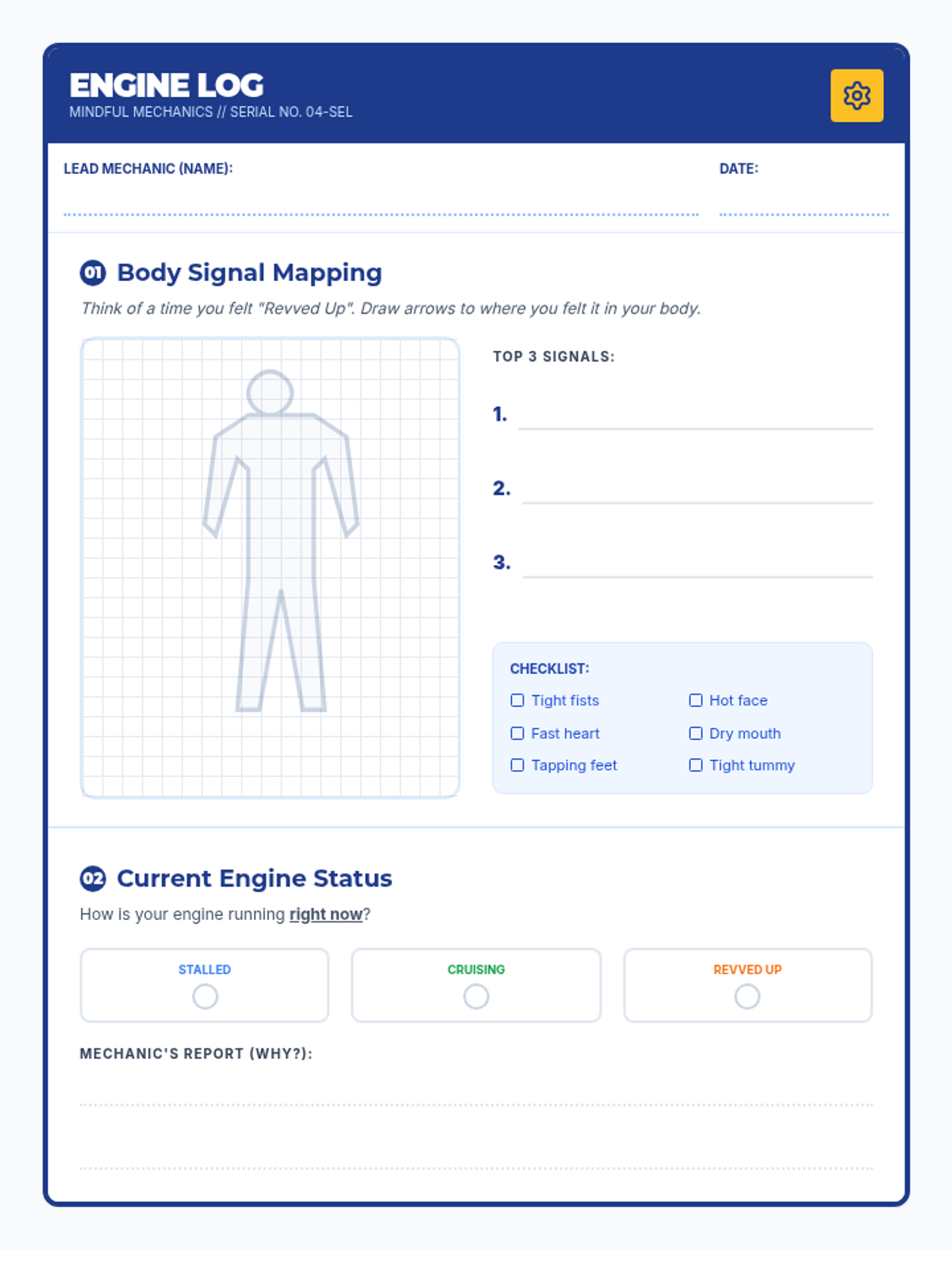
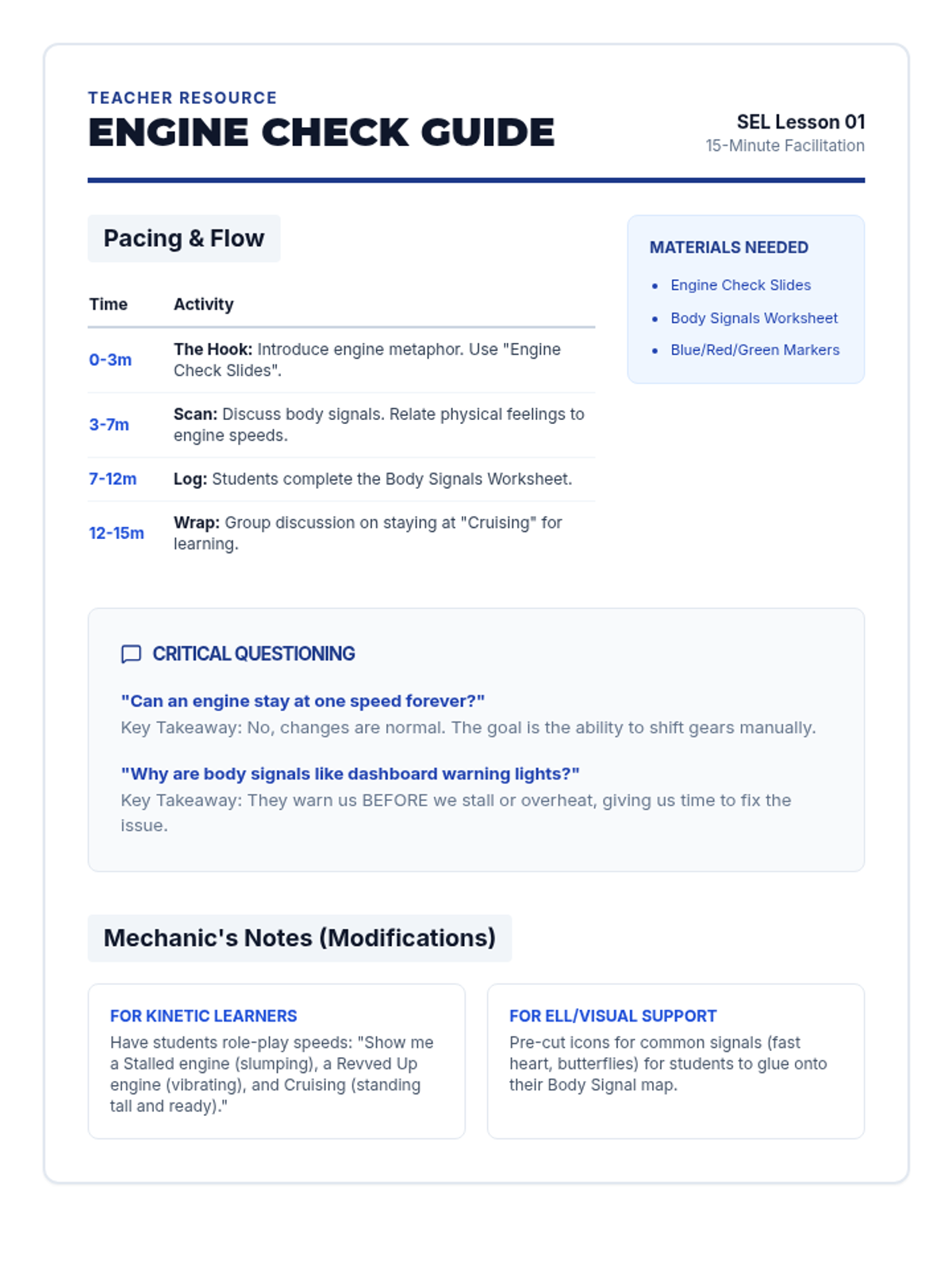
A series of three 15-minute SEL lessons for 4th graders focused on identifying internal states, building a regulation toolkit, and practicing impulse control through a 'Mindful Mechanics' blueprint theme.
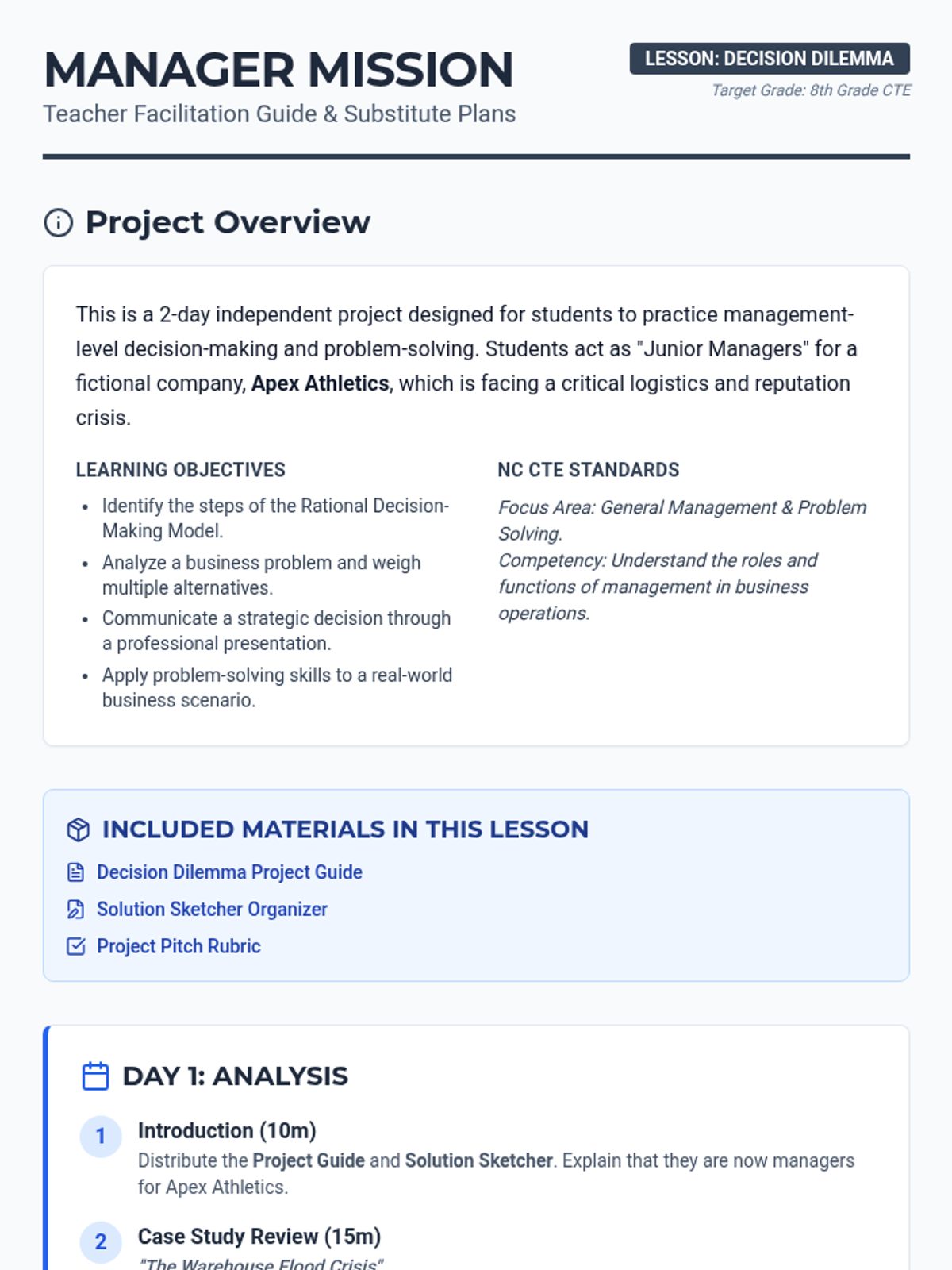
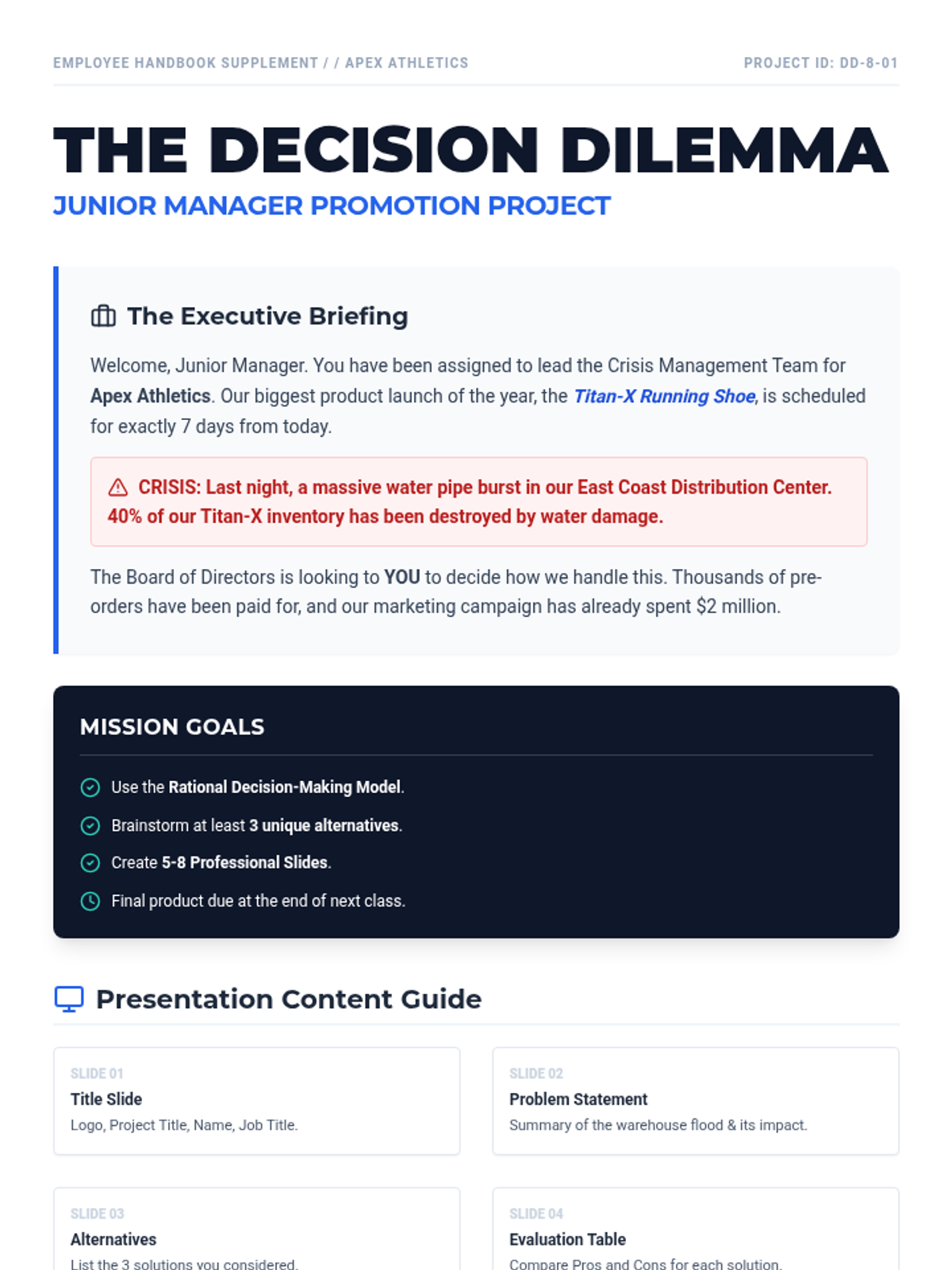
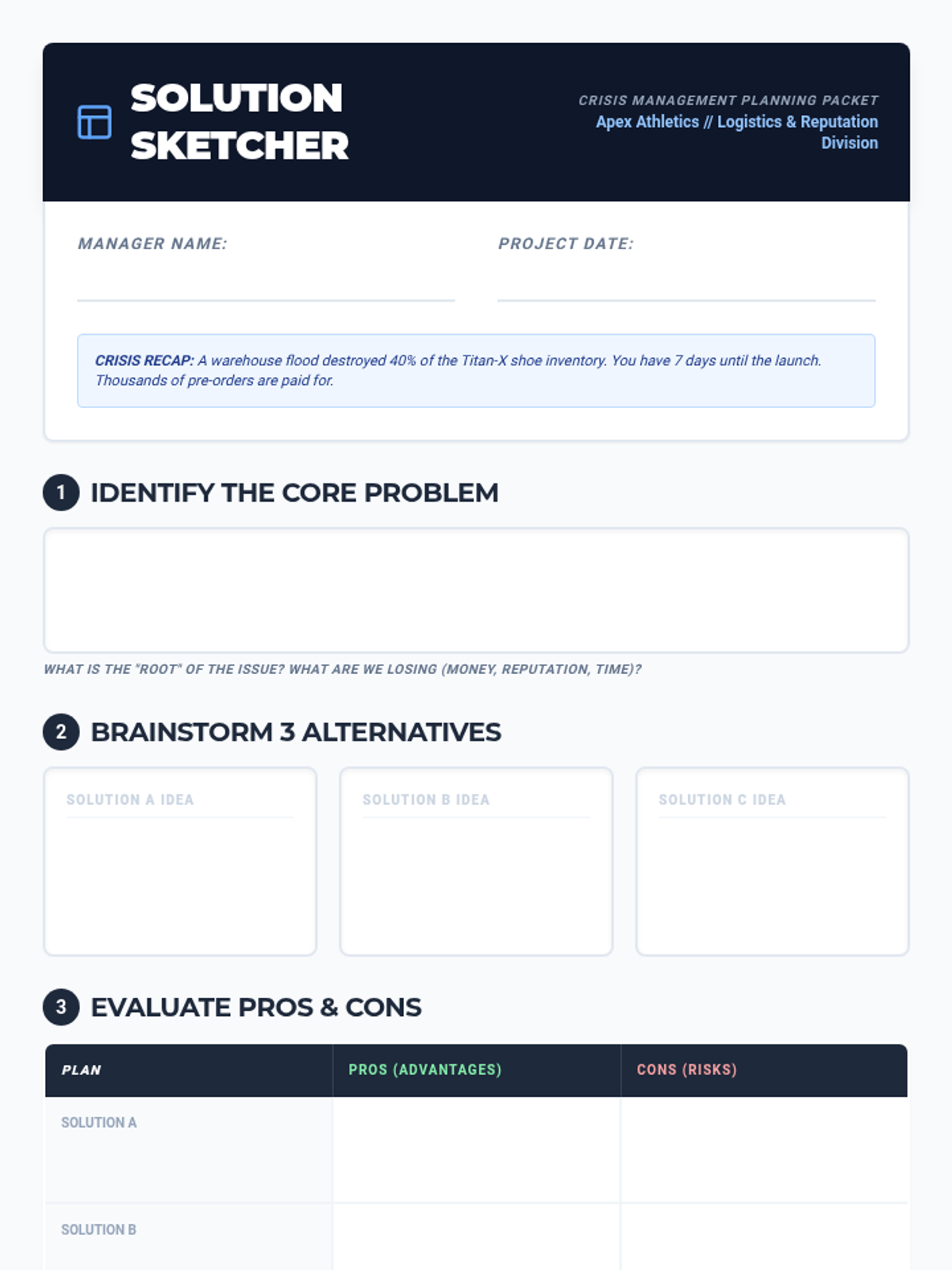
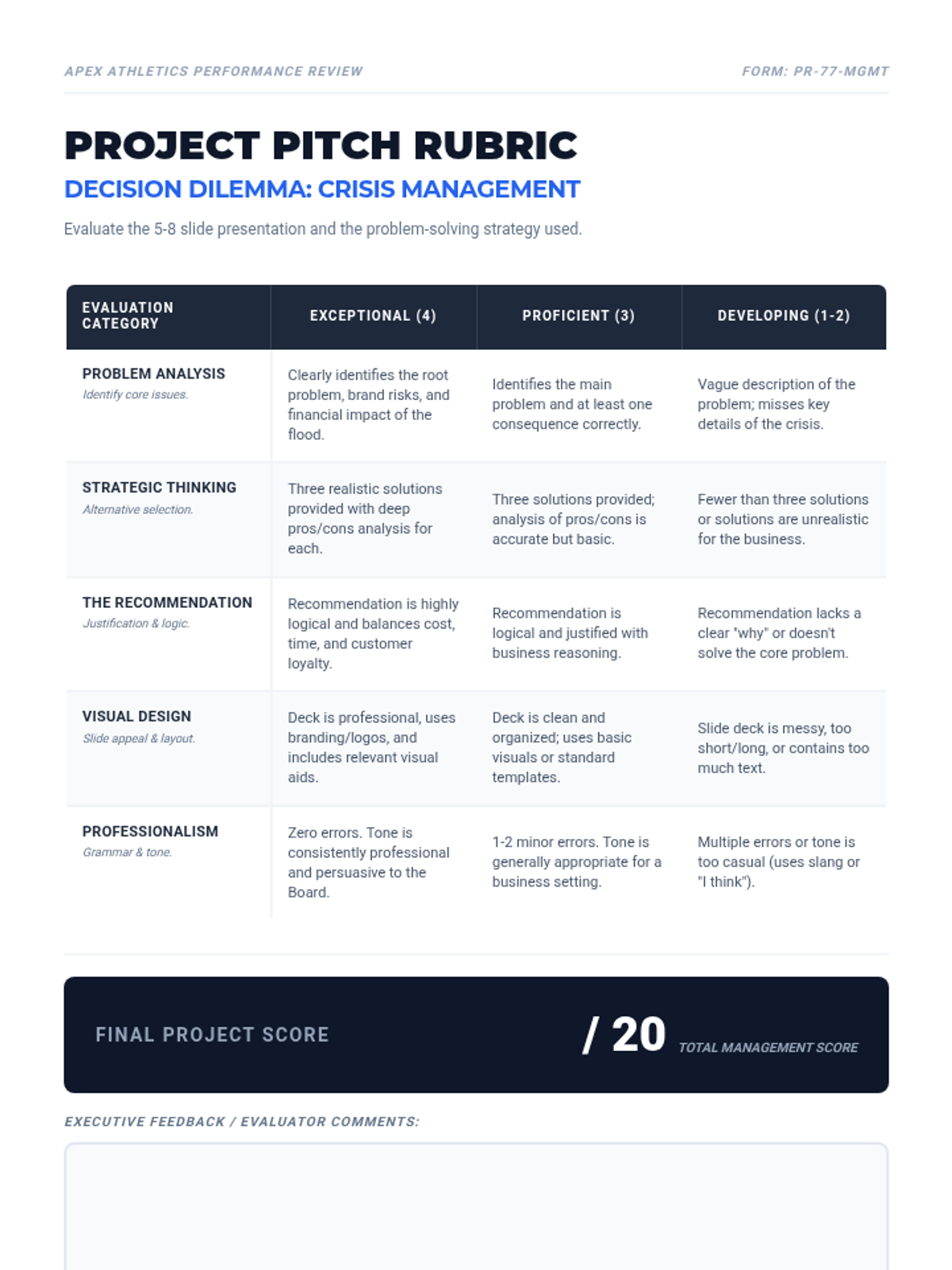
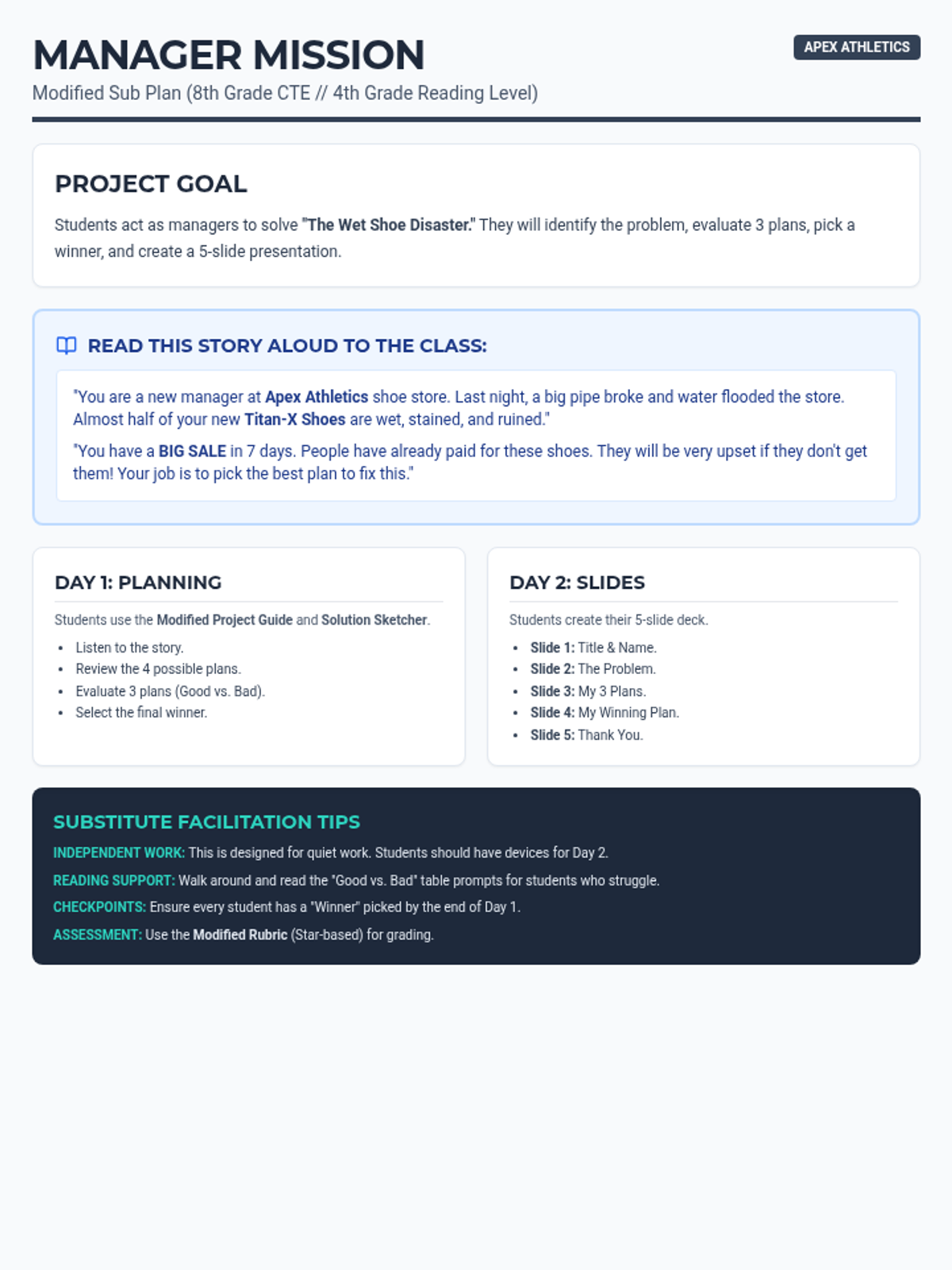
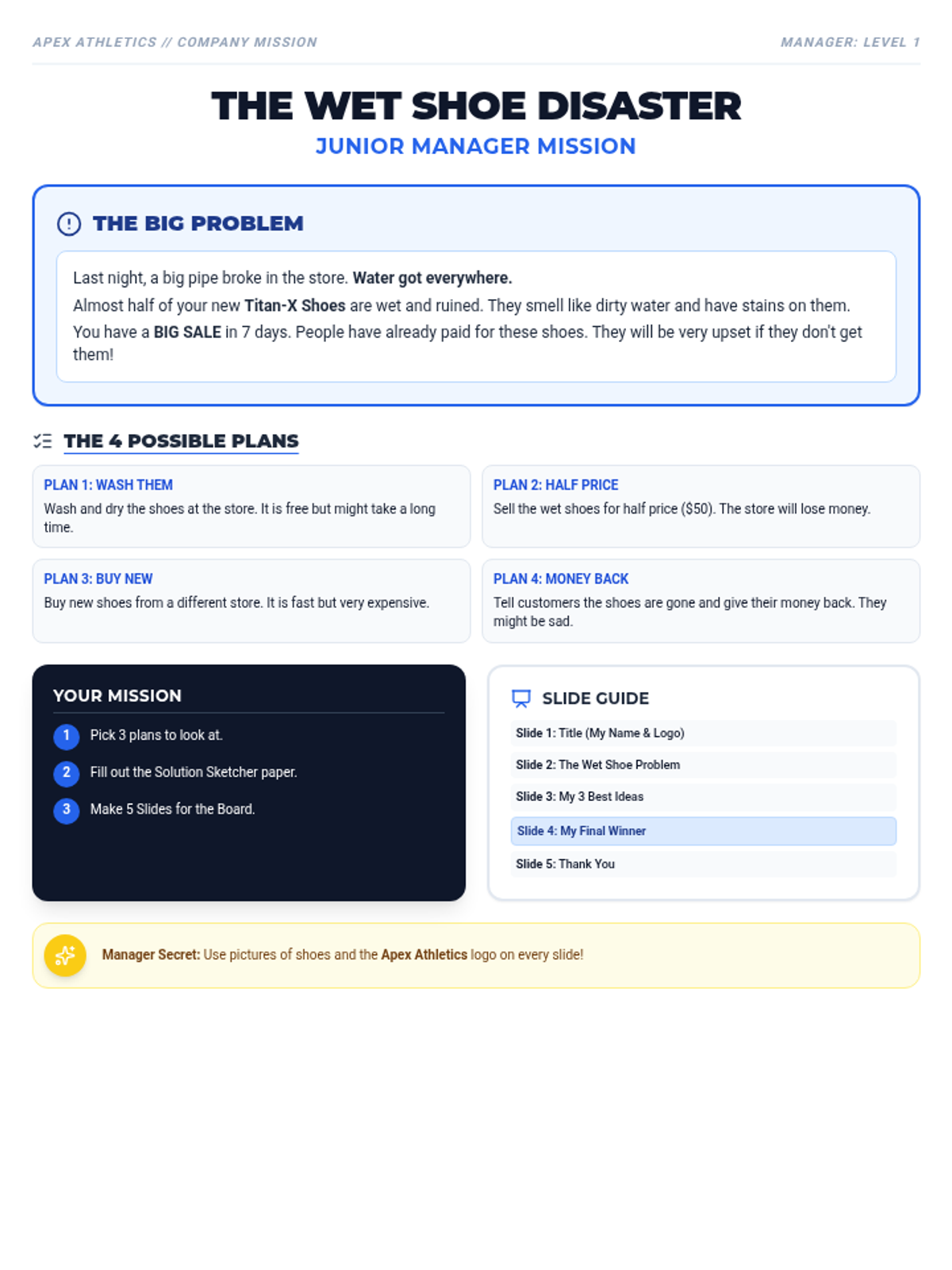
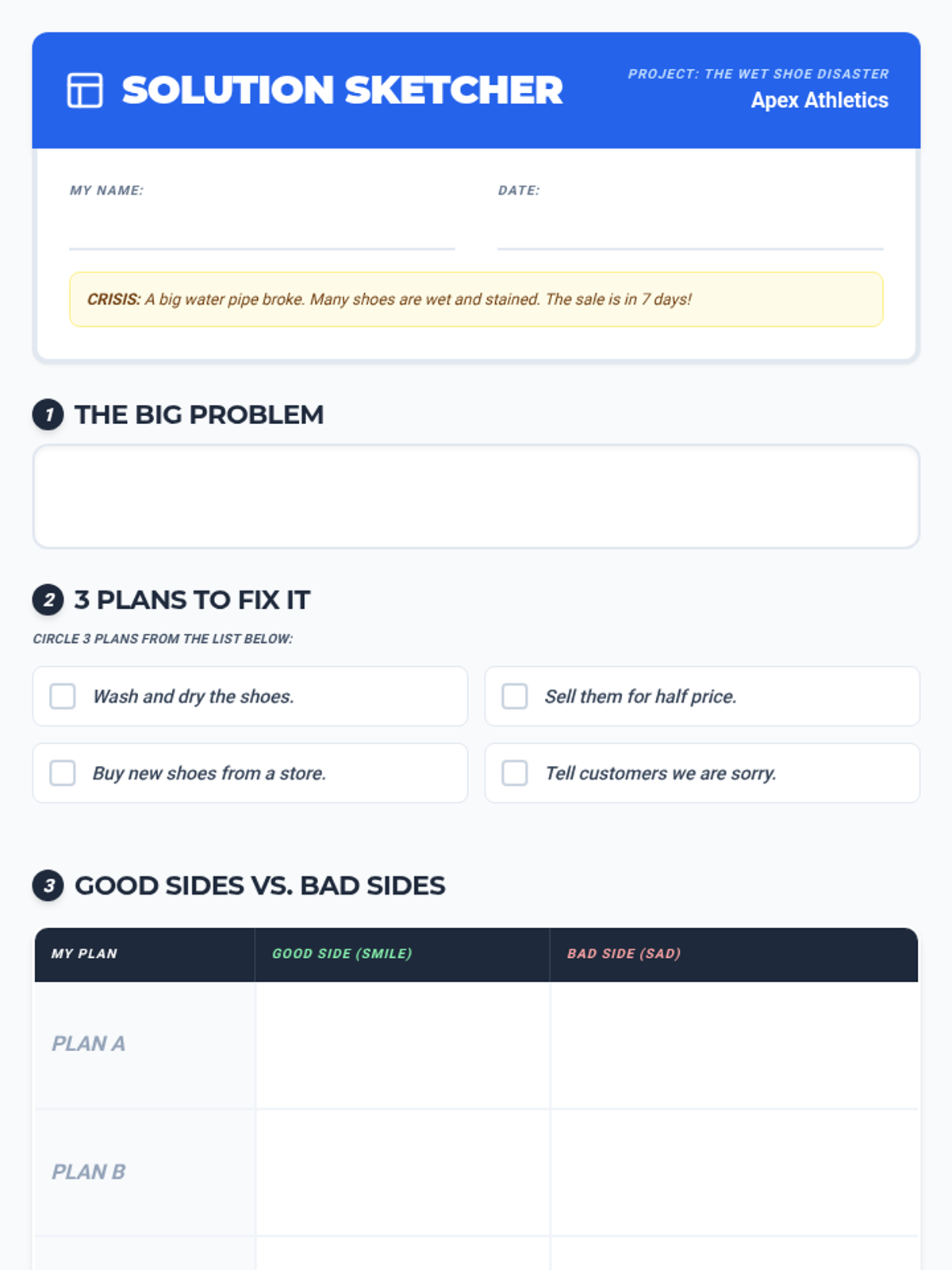
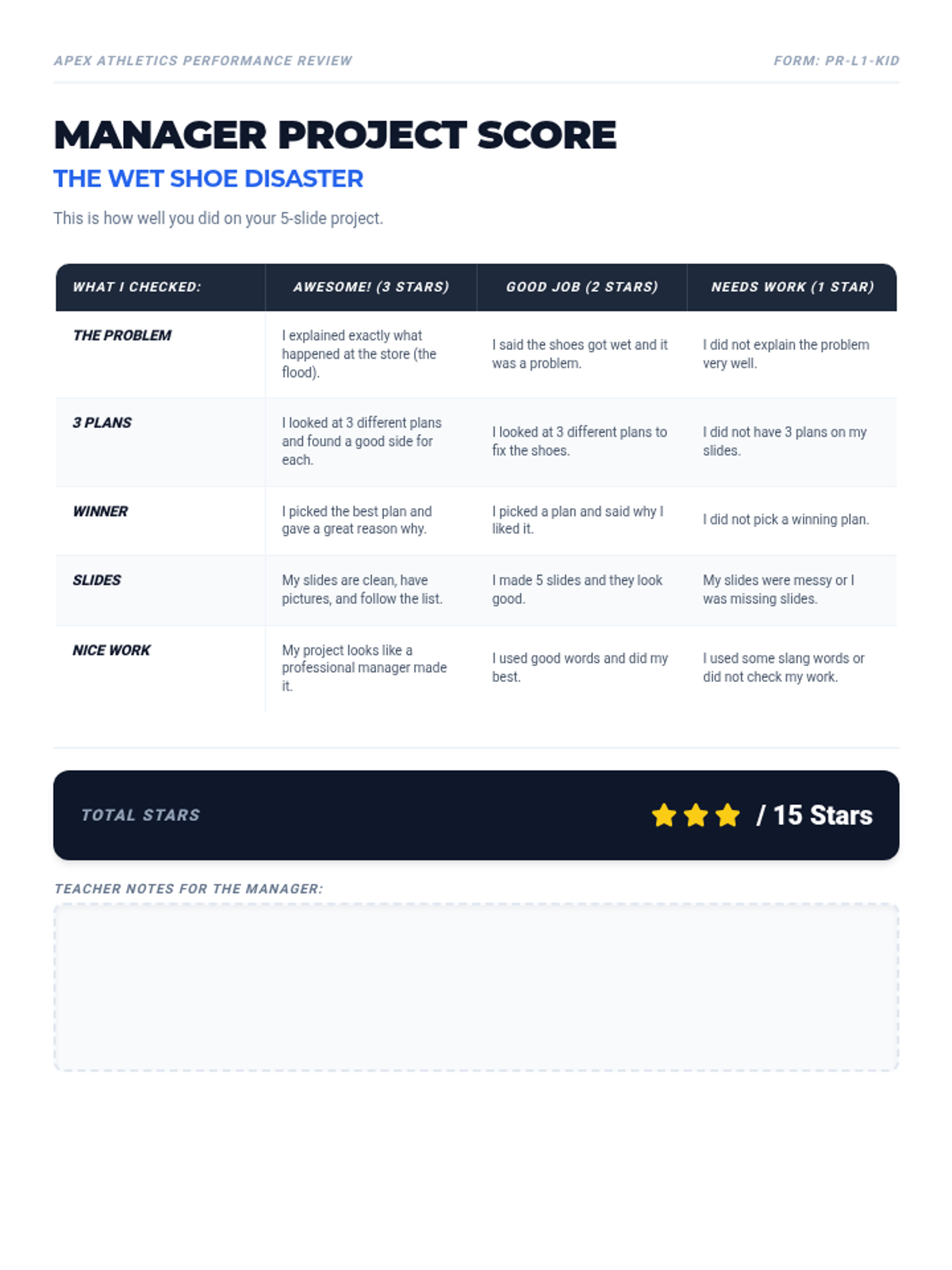
An introductory unit exploring the roles, responsibilities, and essential skills of general management in modern business environments. Students learn about leadership styles, decision-making frameworks, and problem-solving strategies.
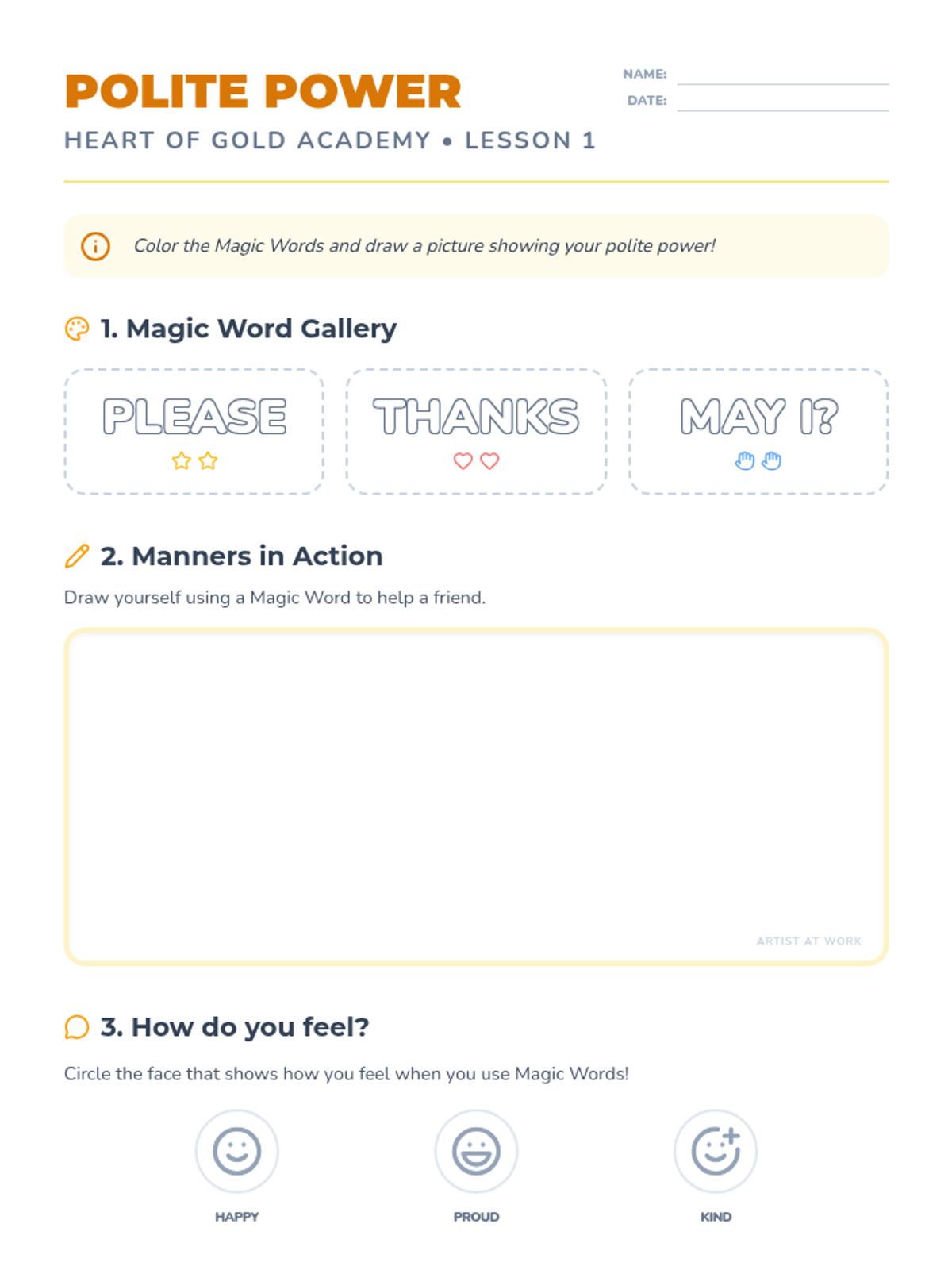
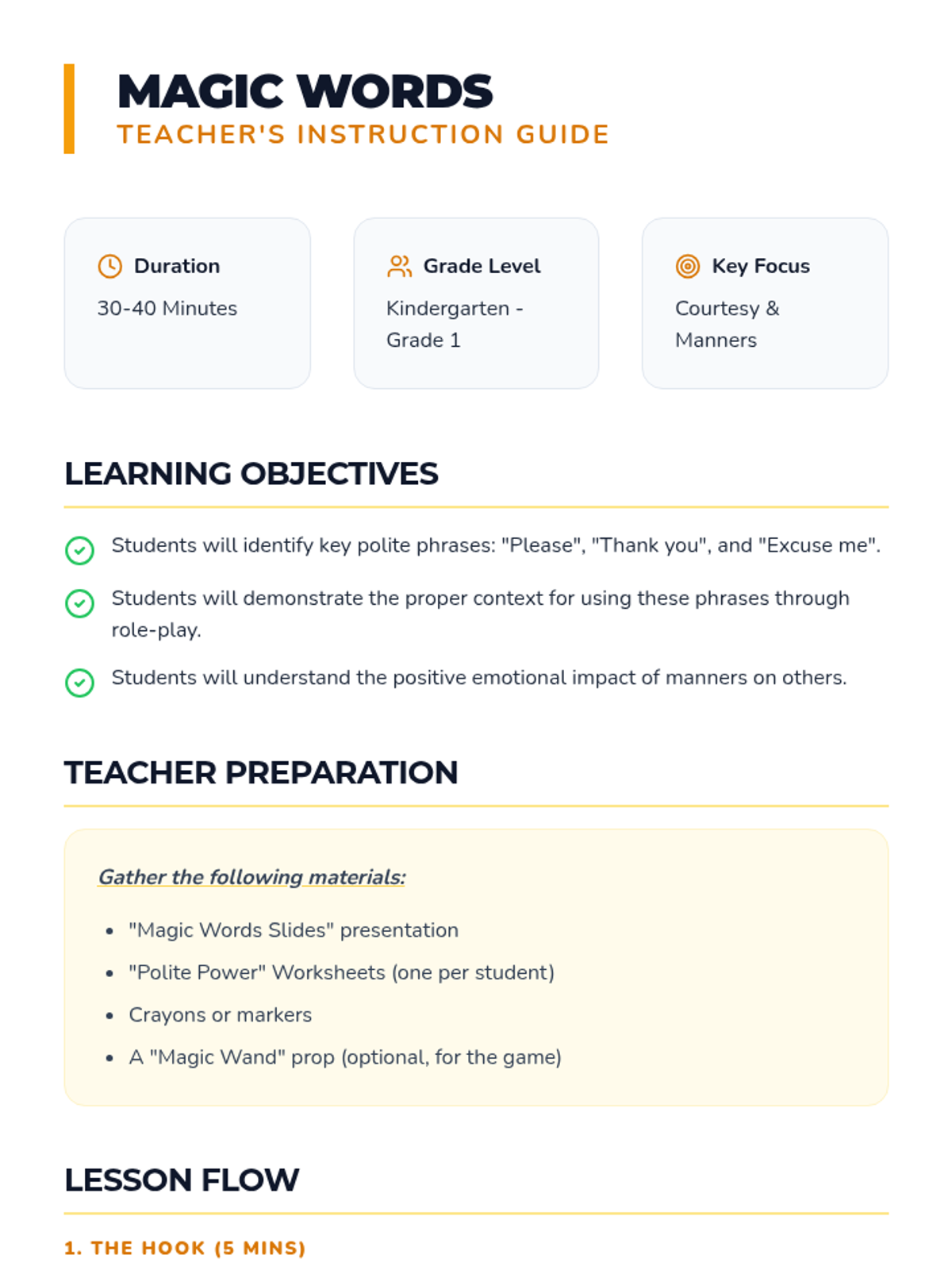
A comprehensive social-emotional learning sequence focused on building a foundation of courtesy, loyalty, manners, and respect across all grade levels. Students progress from basic polite interactions to complex social integrity.
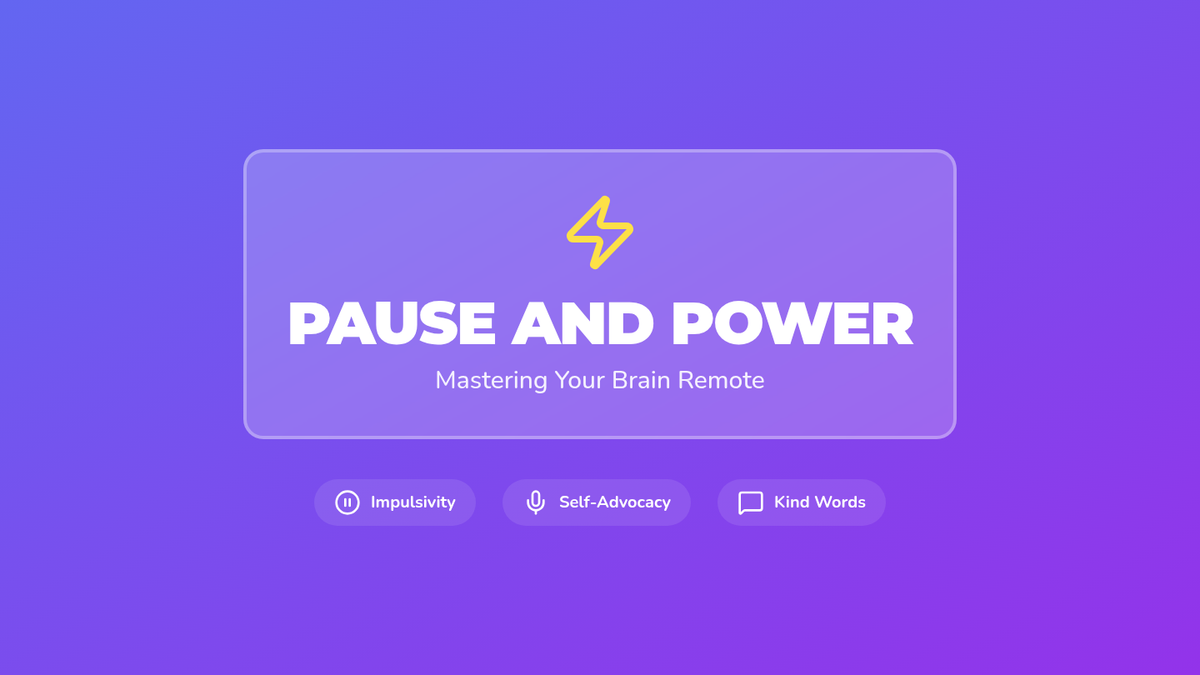
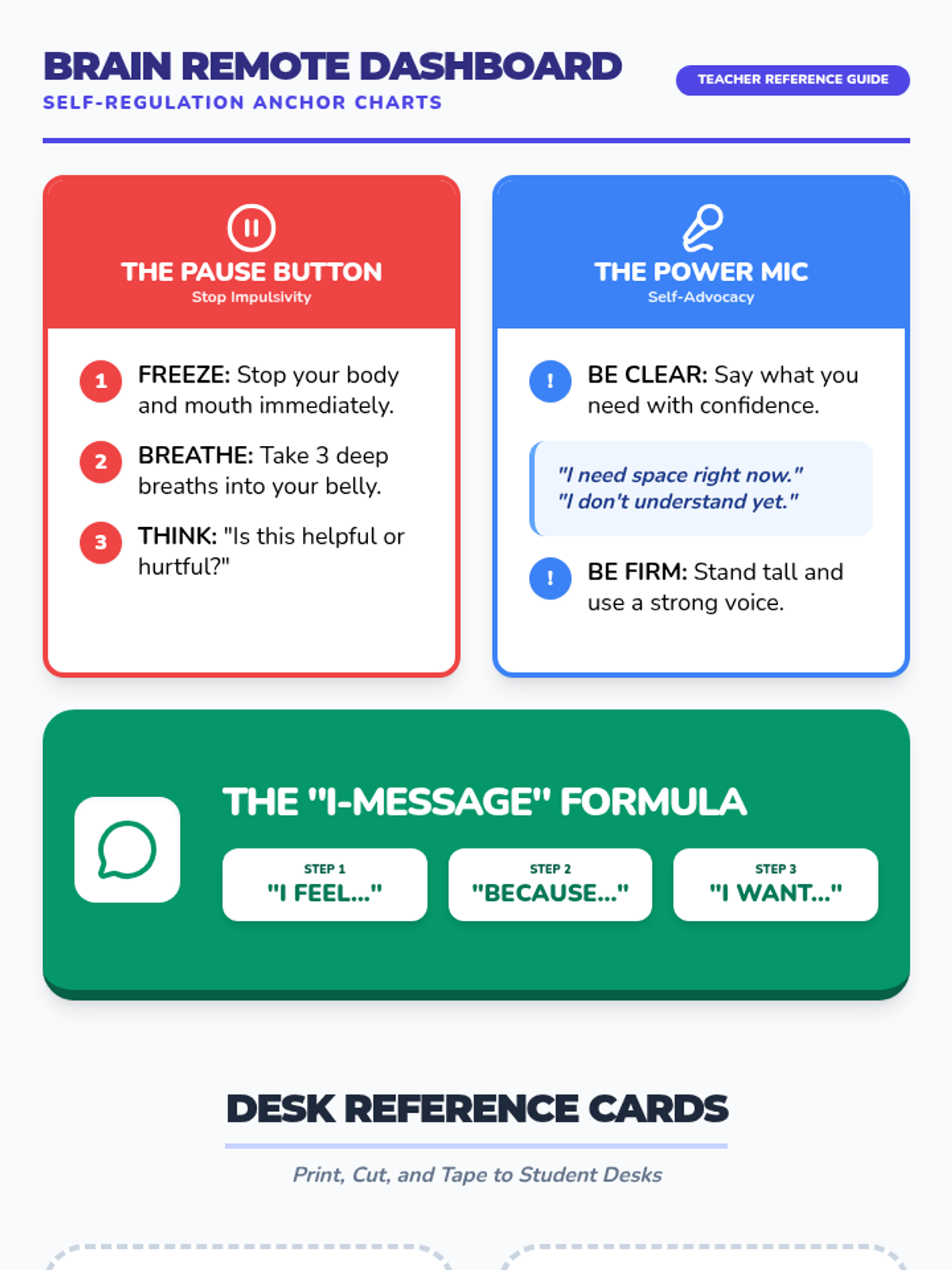
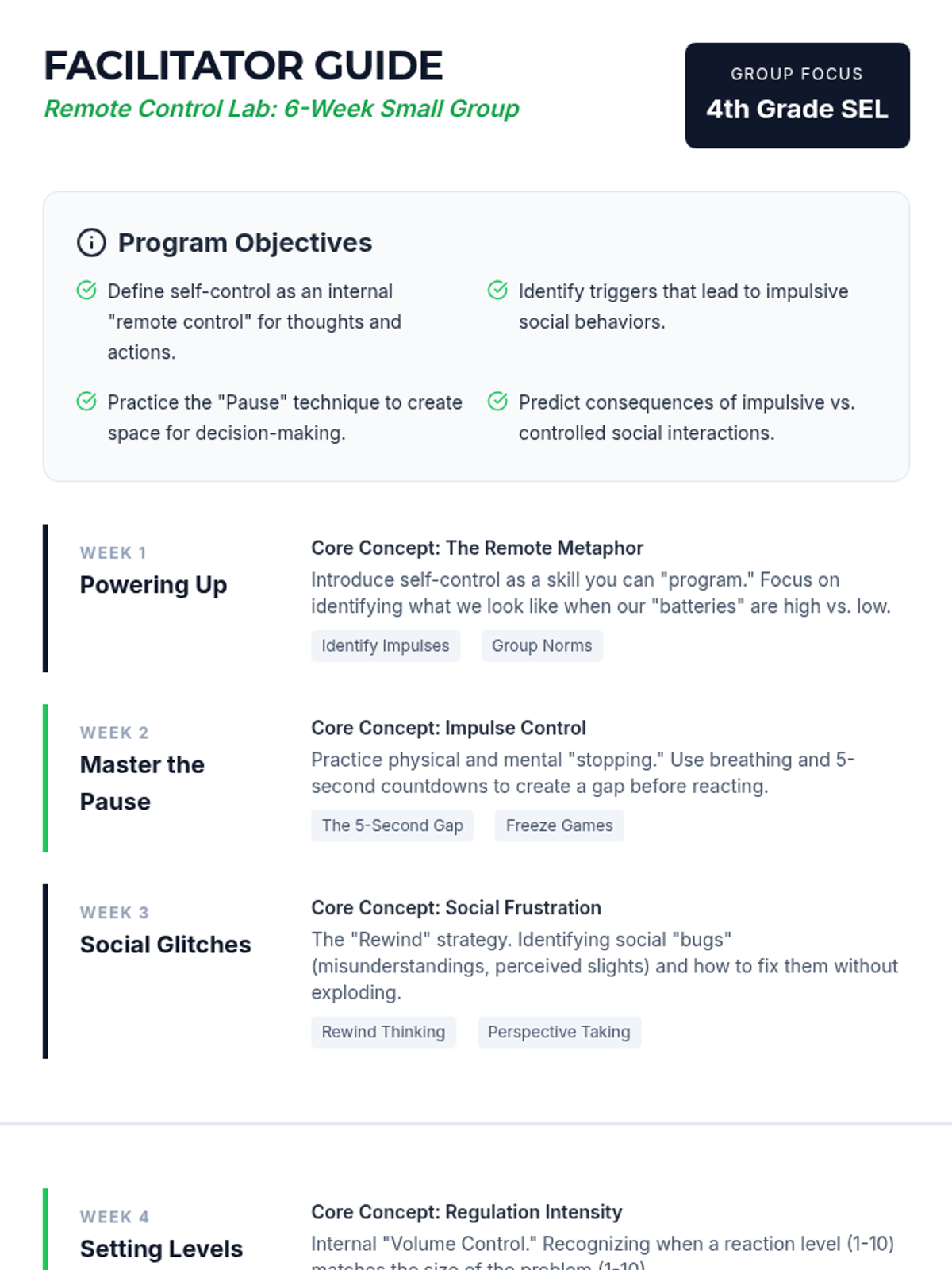
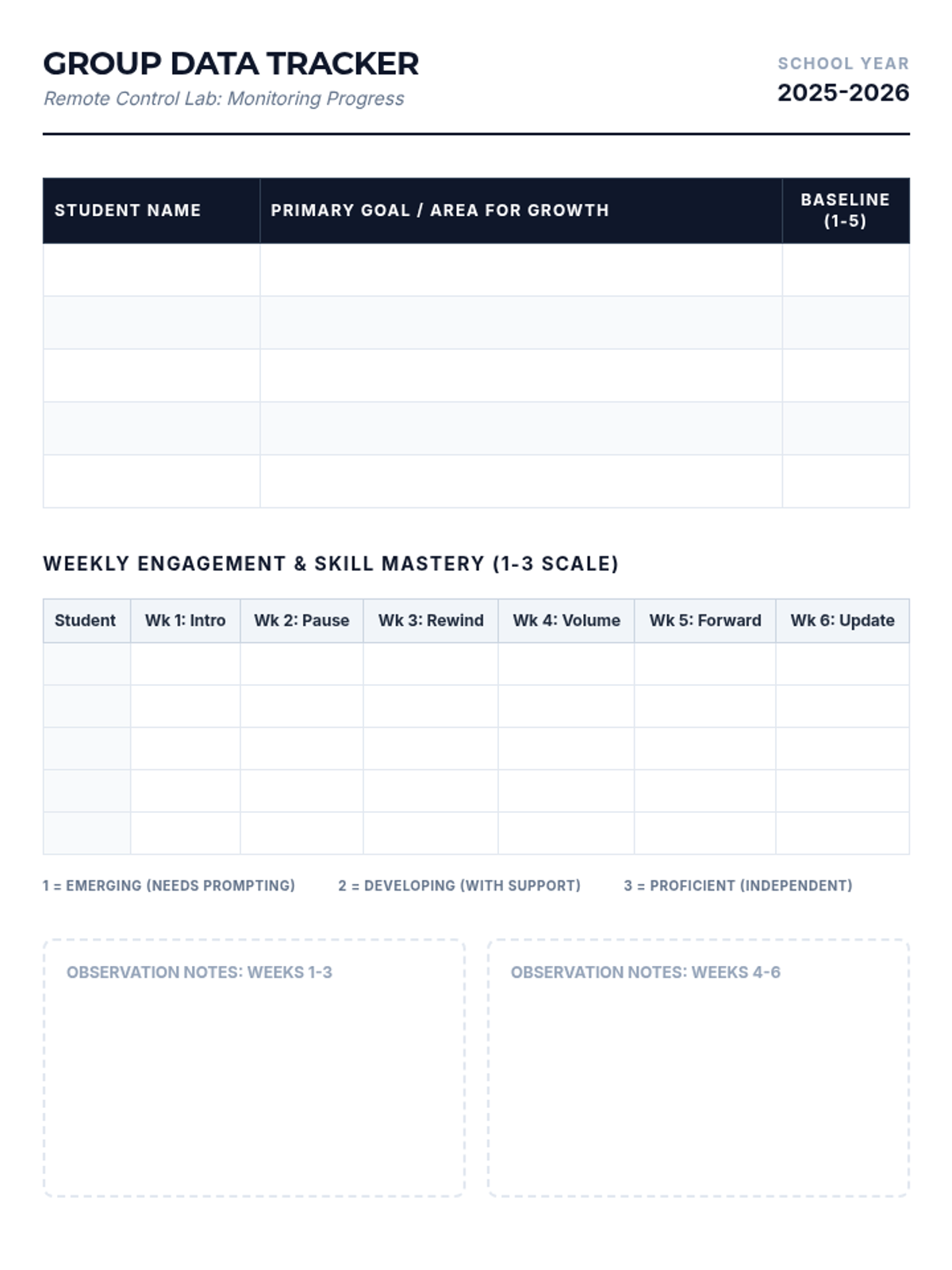
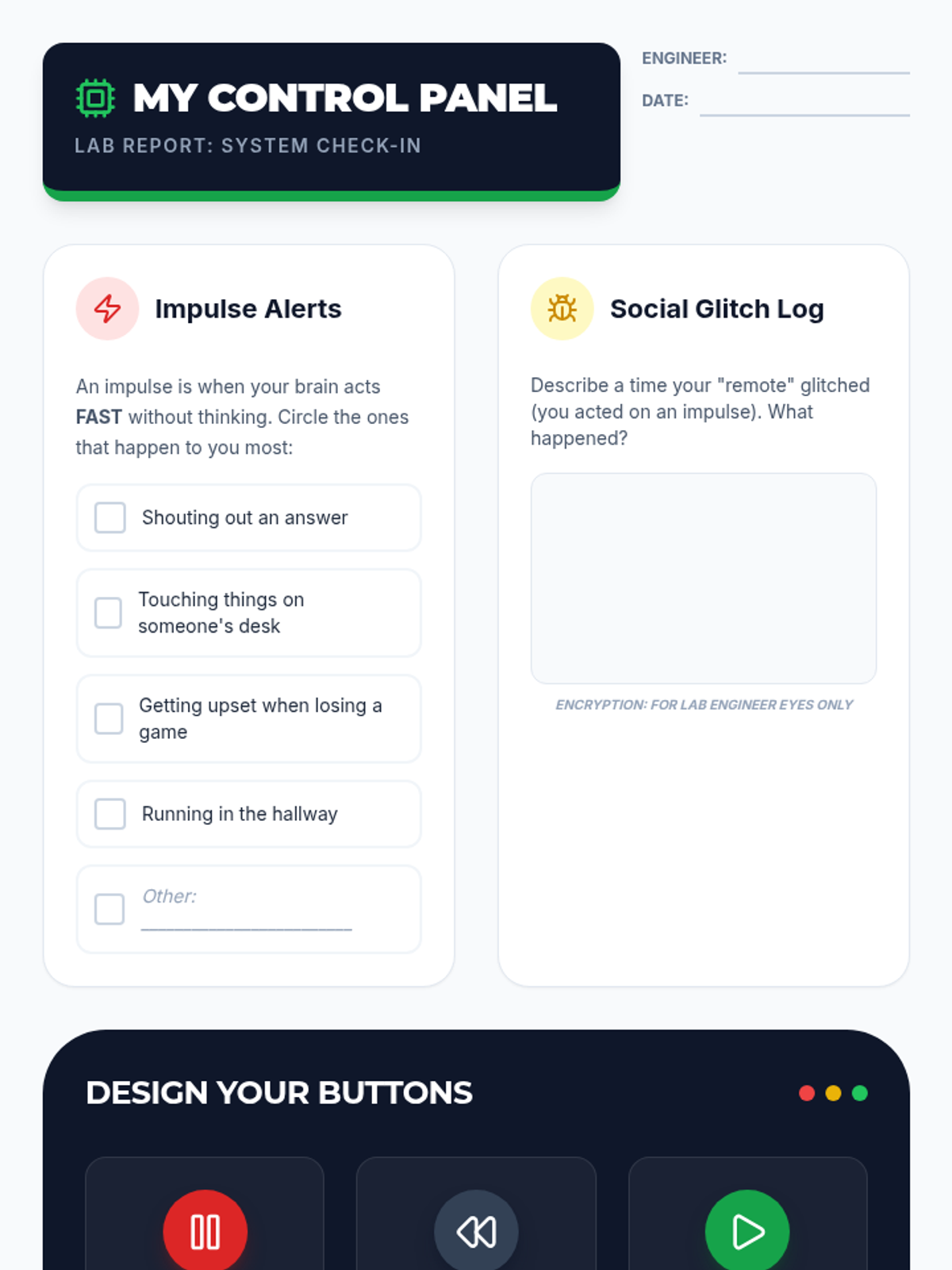
A 6-week small group curriculum for 4th graders focused on developing self-control and social frustration management. Students explore the 'Remote Control Lab' theme to learn how to pause, process social cues, and manage impulses.
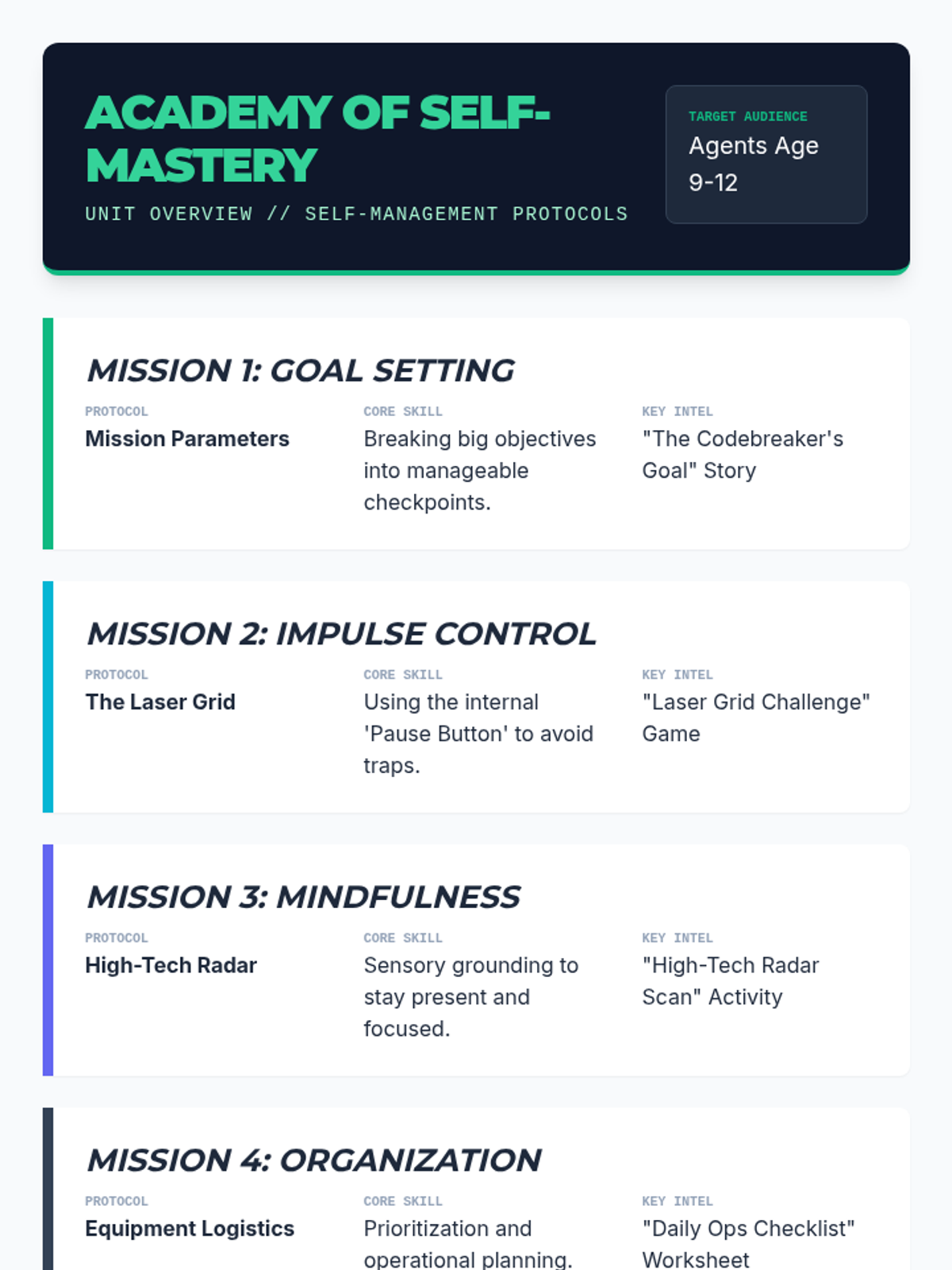
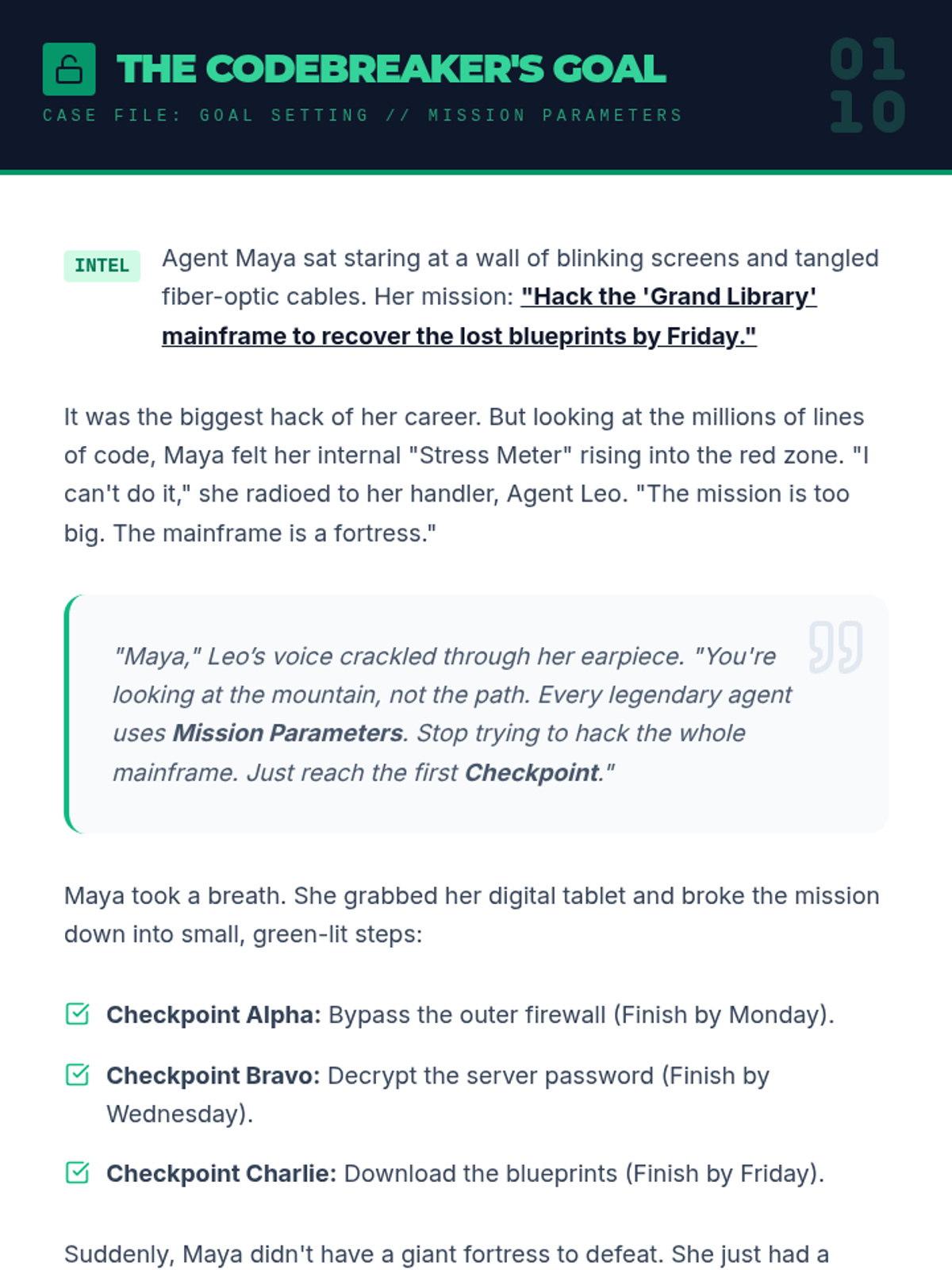
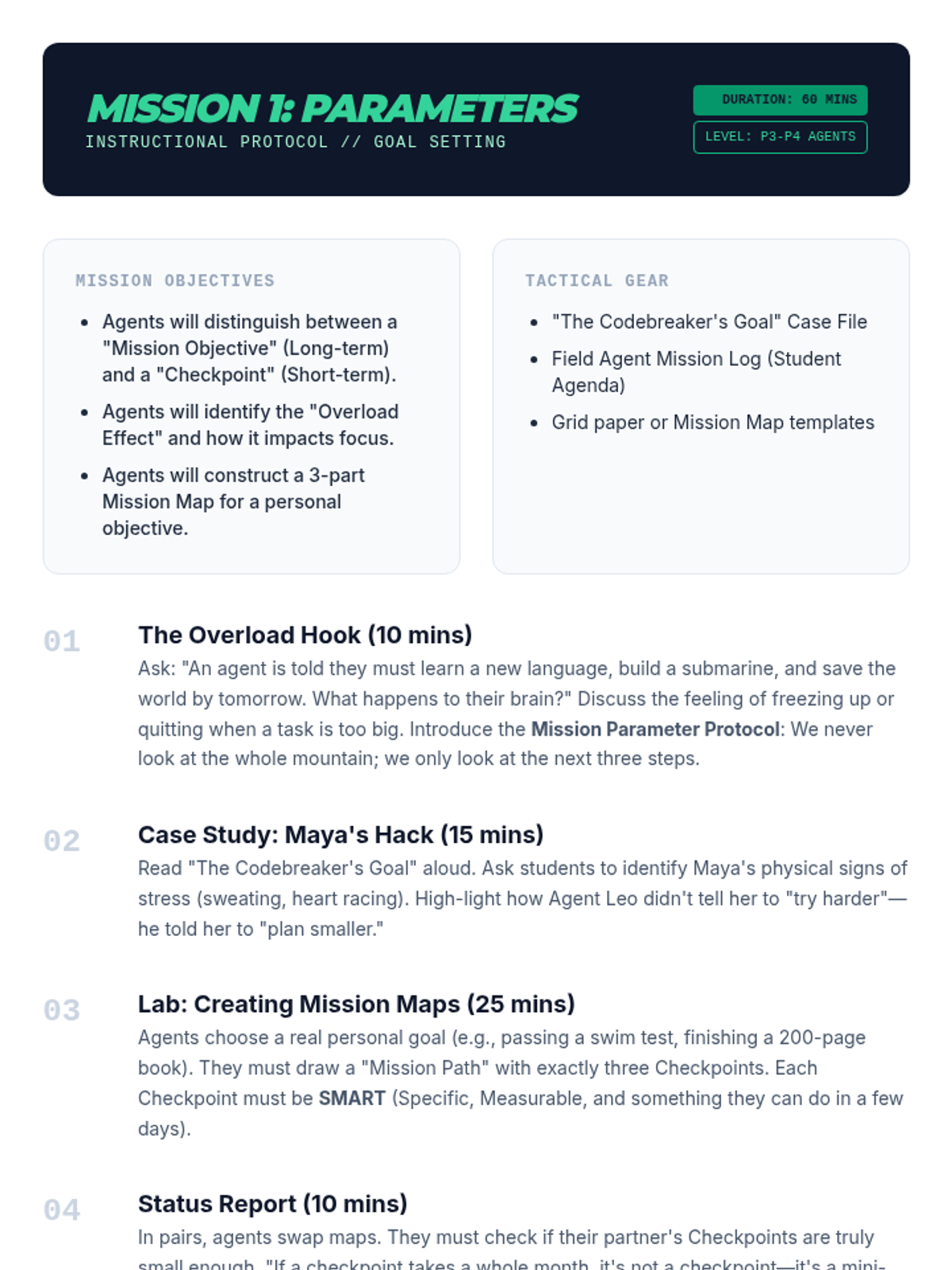
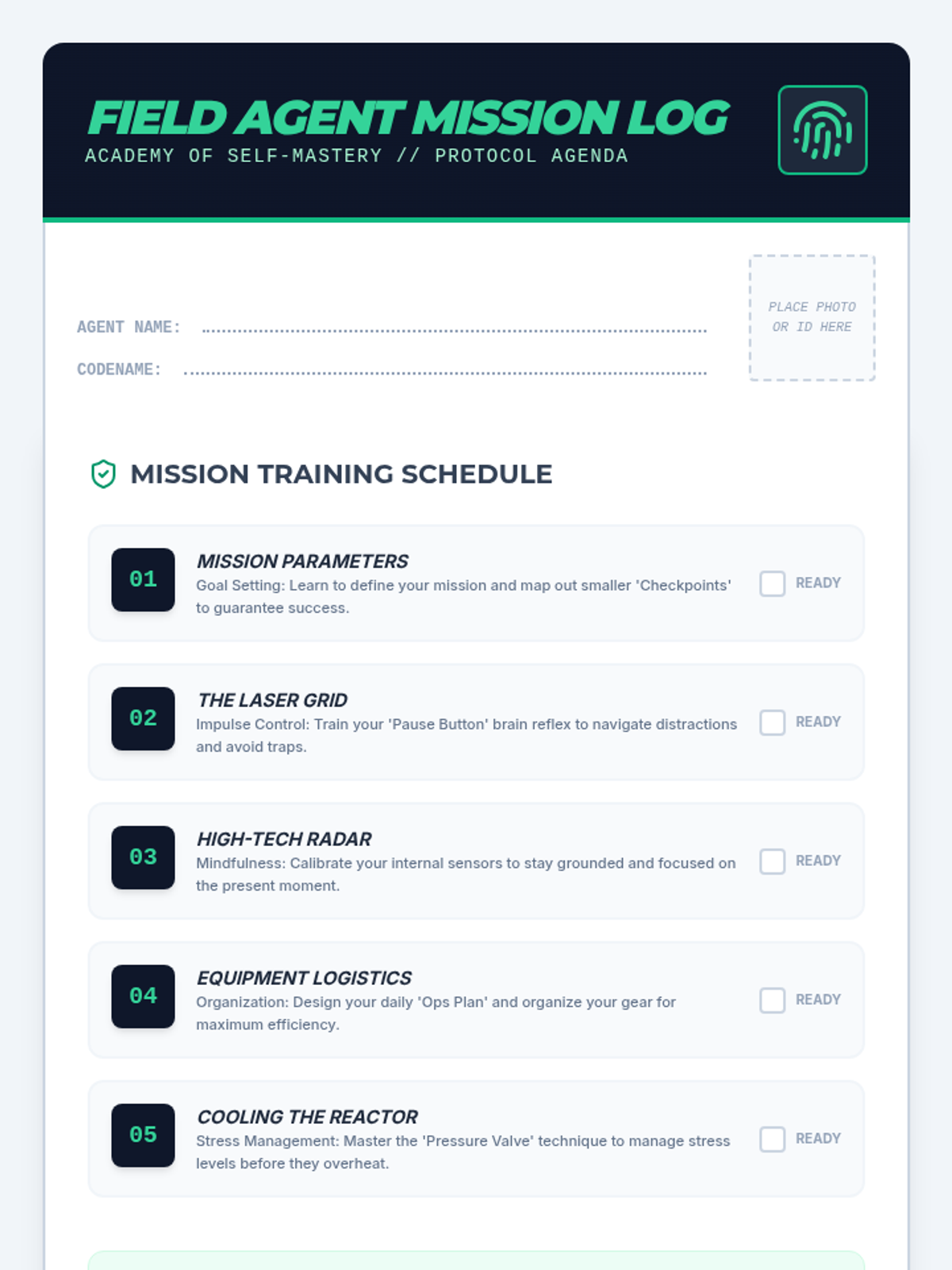
A 5-day SEL unit for primary students focused on Self-Management, themed as 'Secret Agent Training' to teach goal setting, impulse control, mindfulness, organization, and stress management.
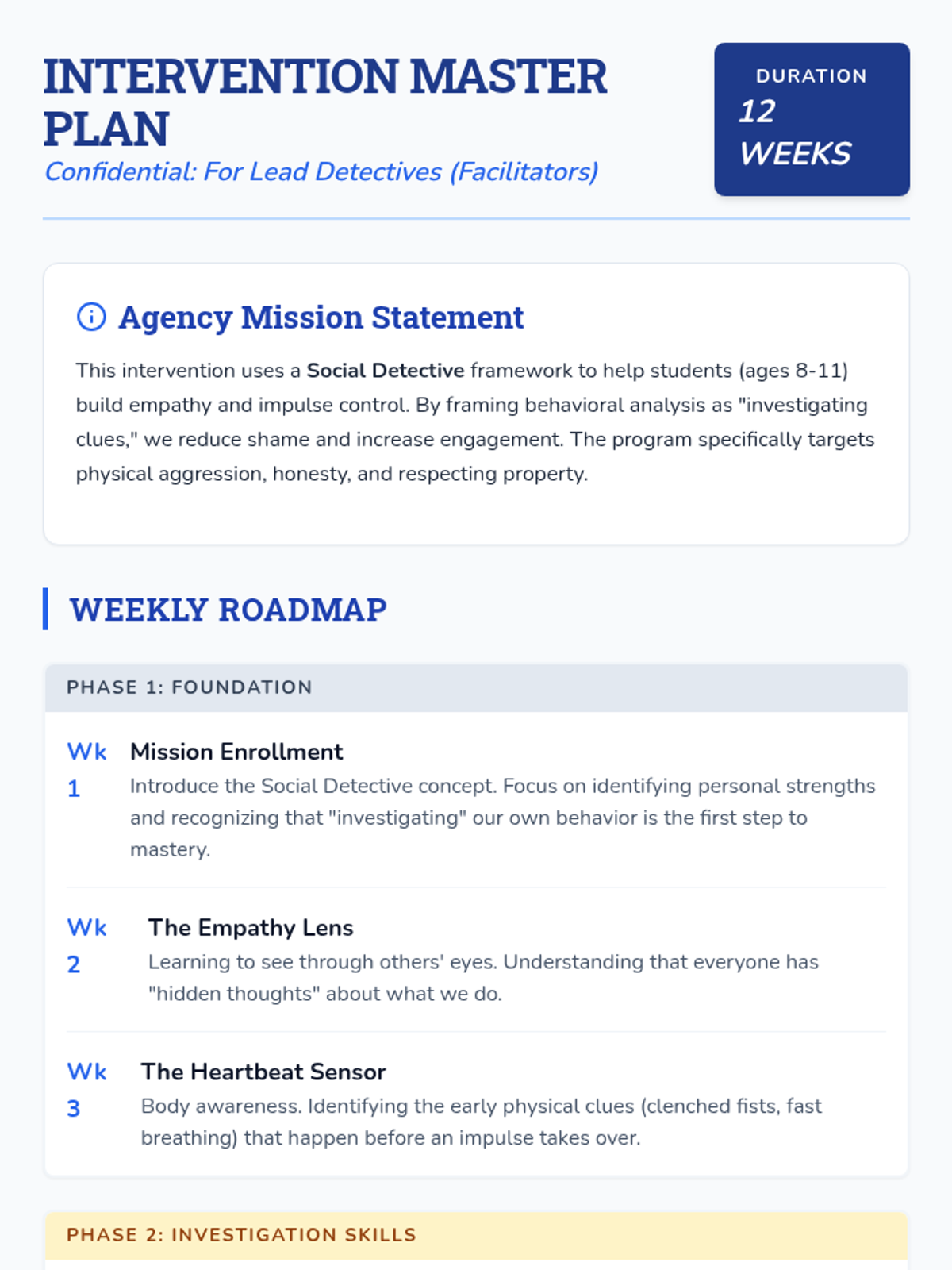
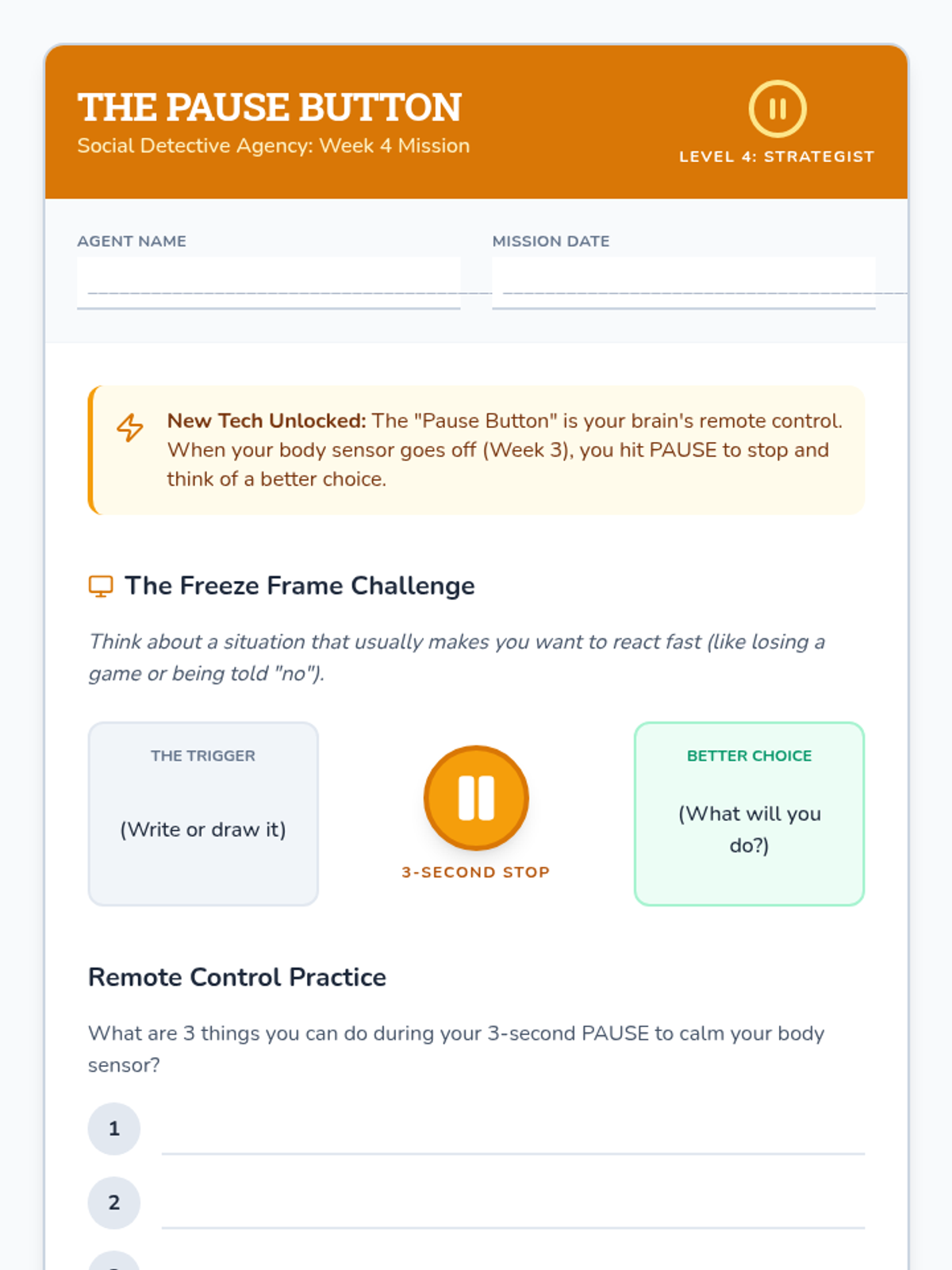
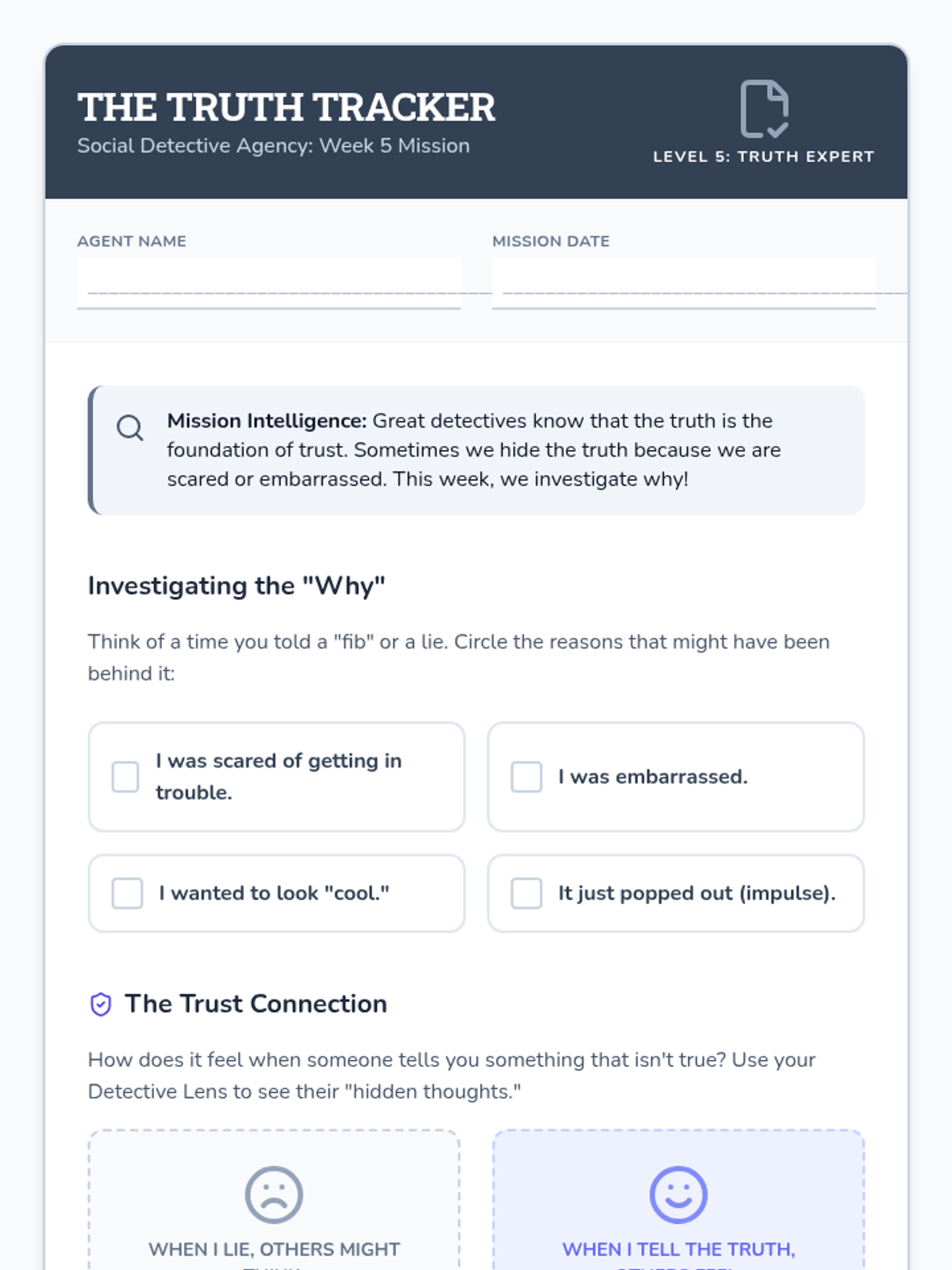
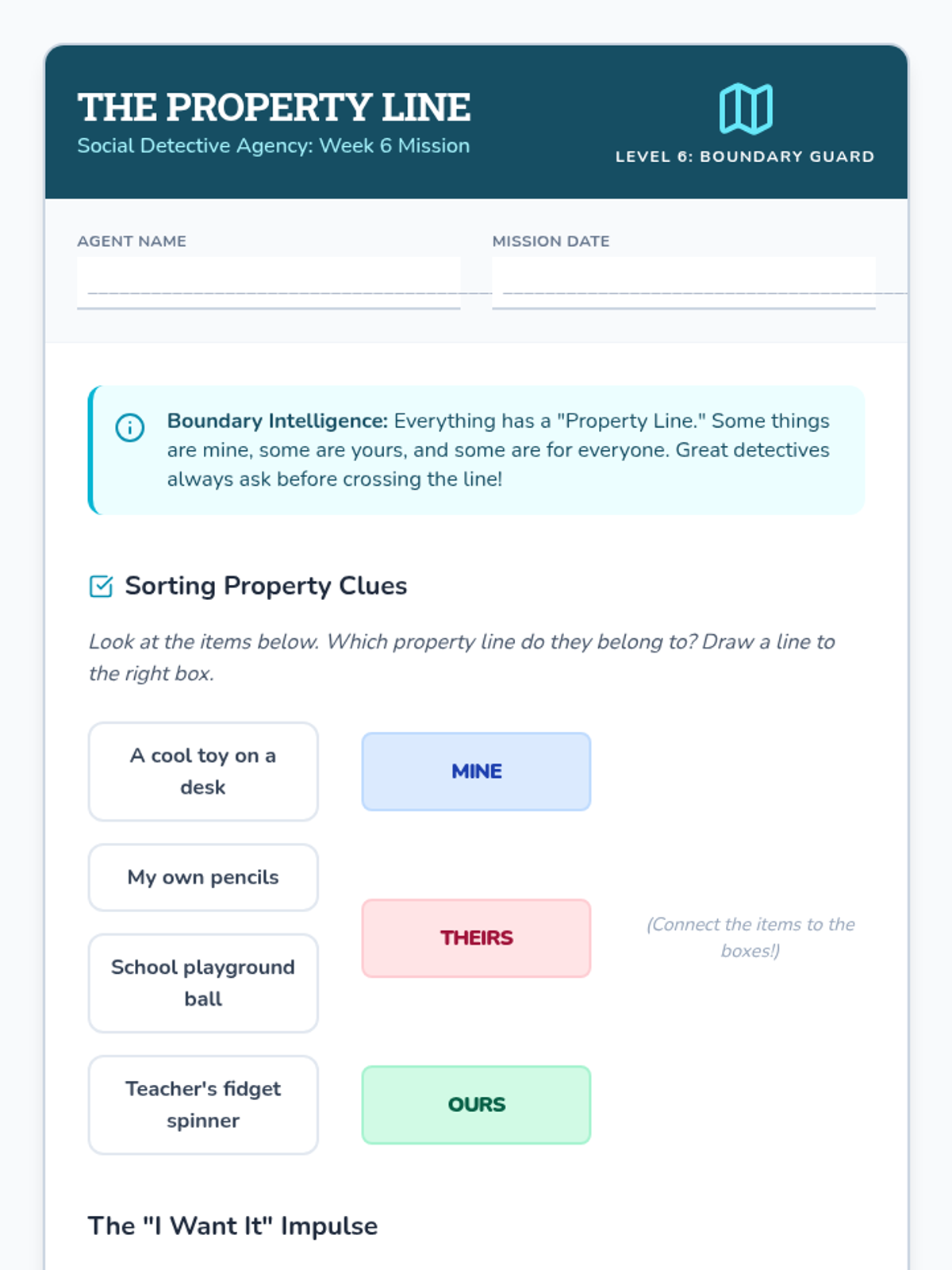
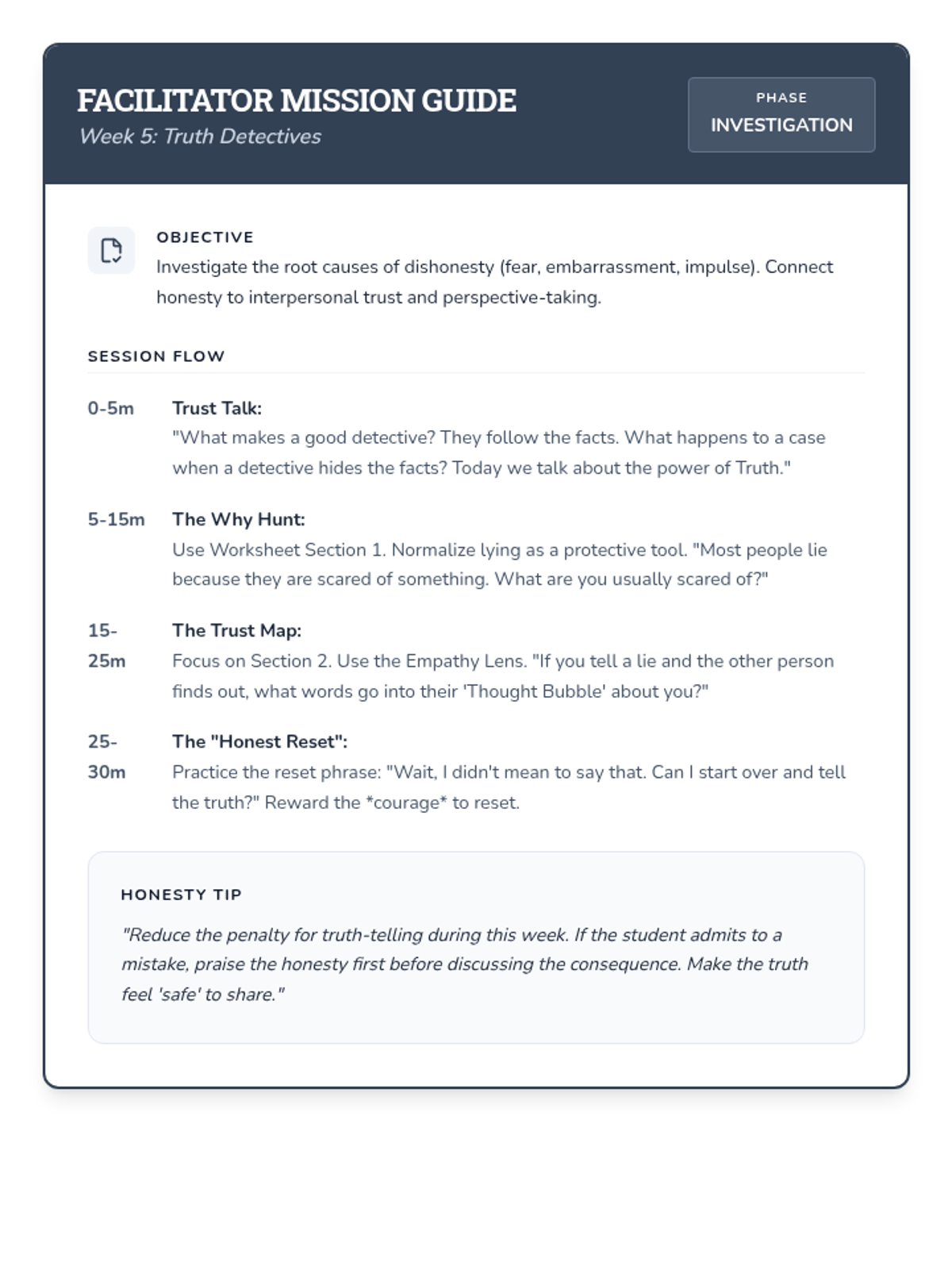
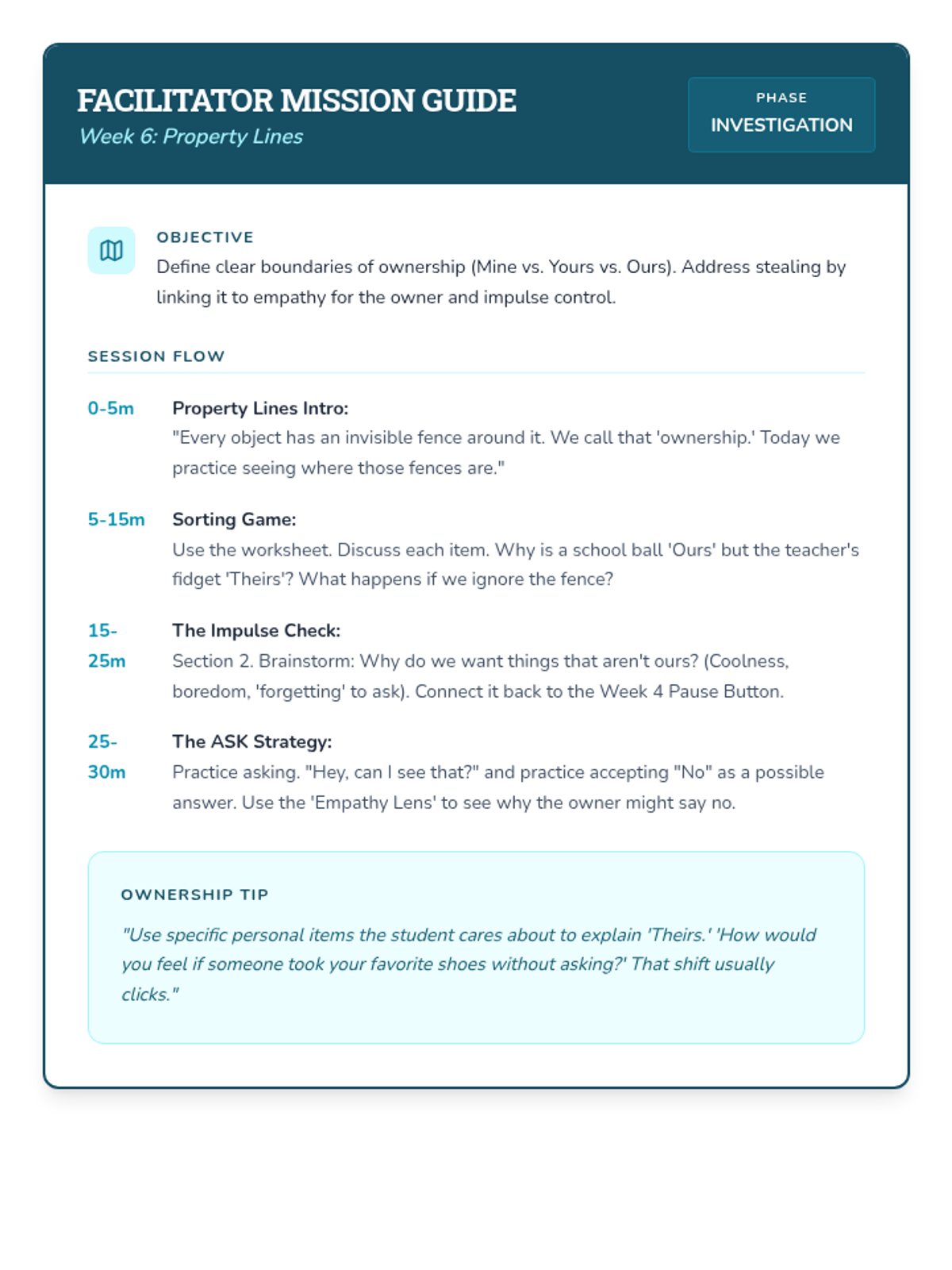
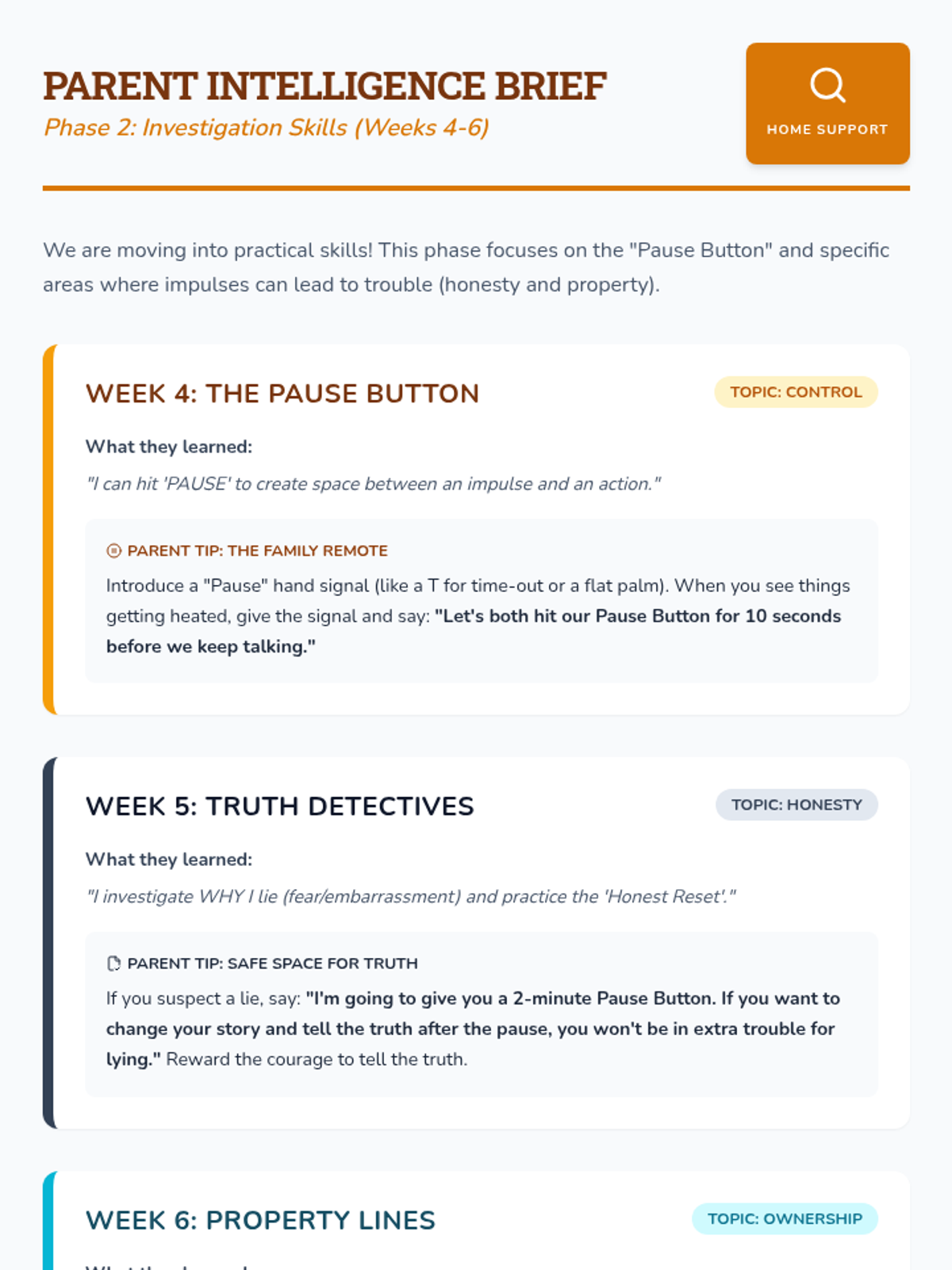
A 12-week comprehensive intervention plan designed for children to improve impulse control and empathy through a "Social Detective" investigative theme.
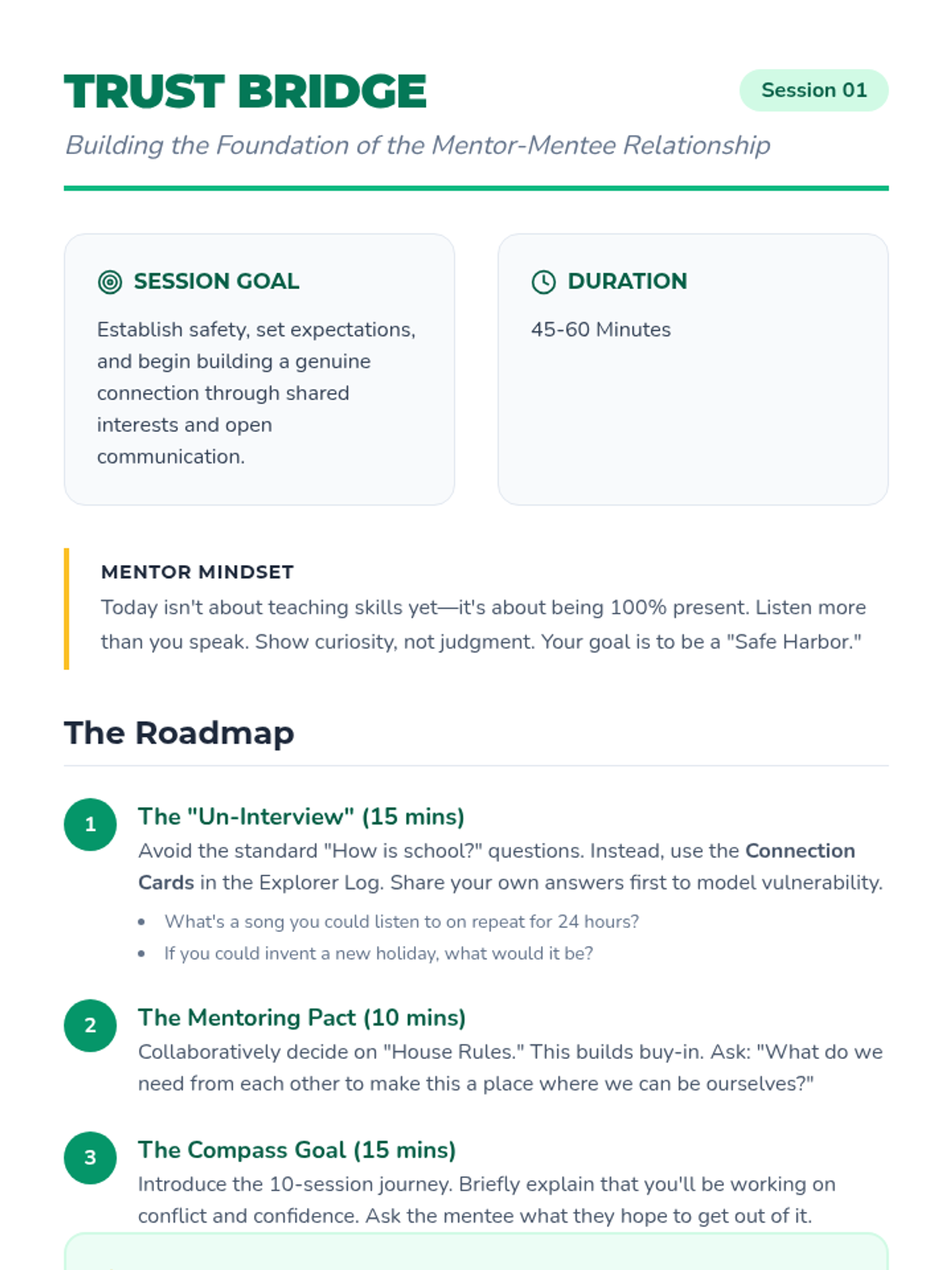
A 10-session mentoring program focused on conflict resolution, coping strategies (breathing, self-talk), and building confidence through a mentor-mentee relationship.
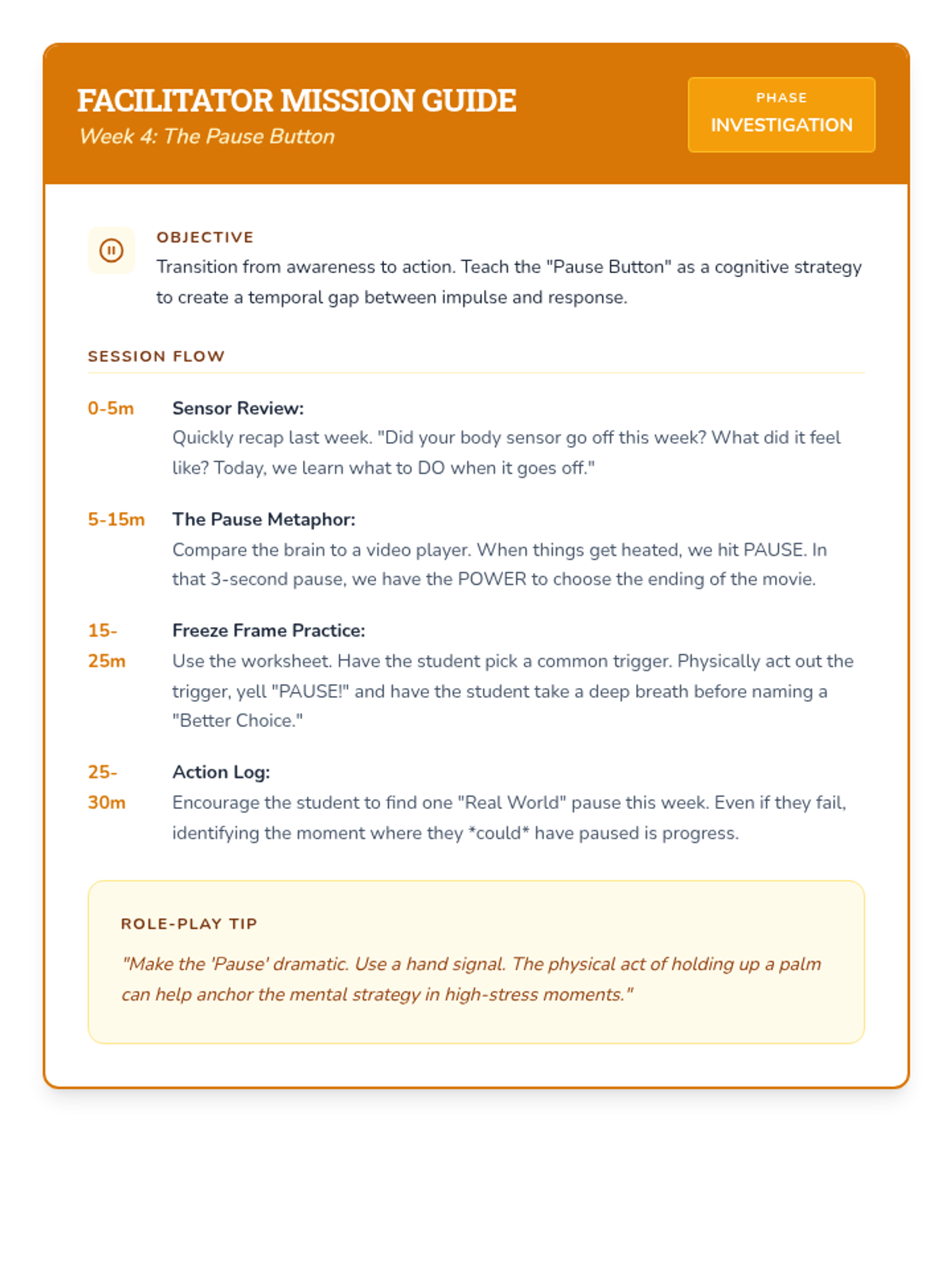
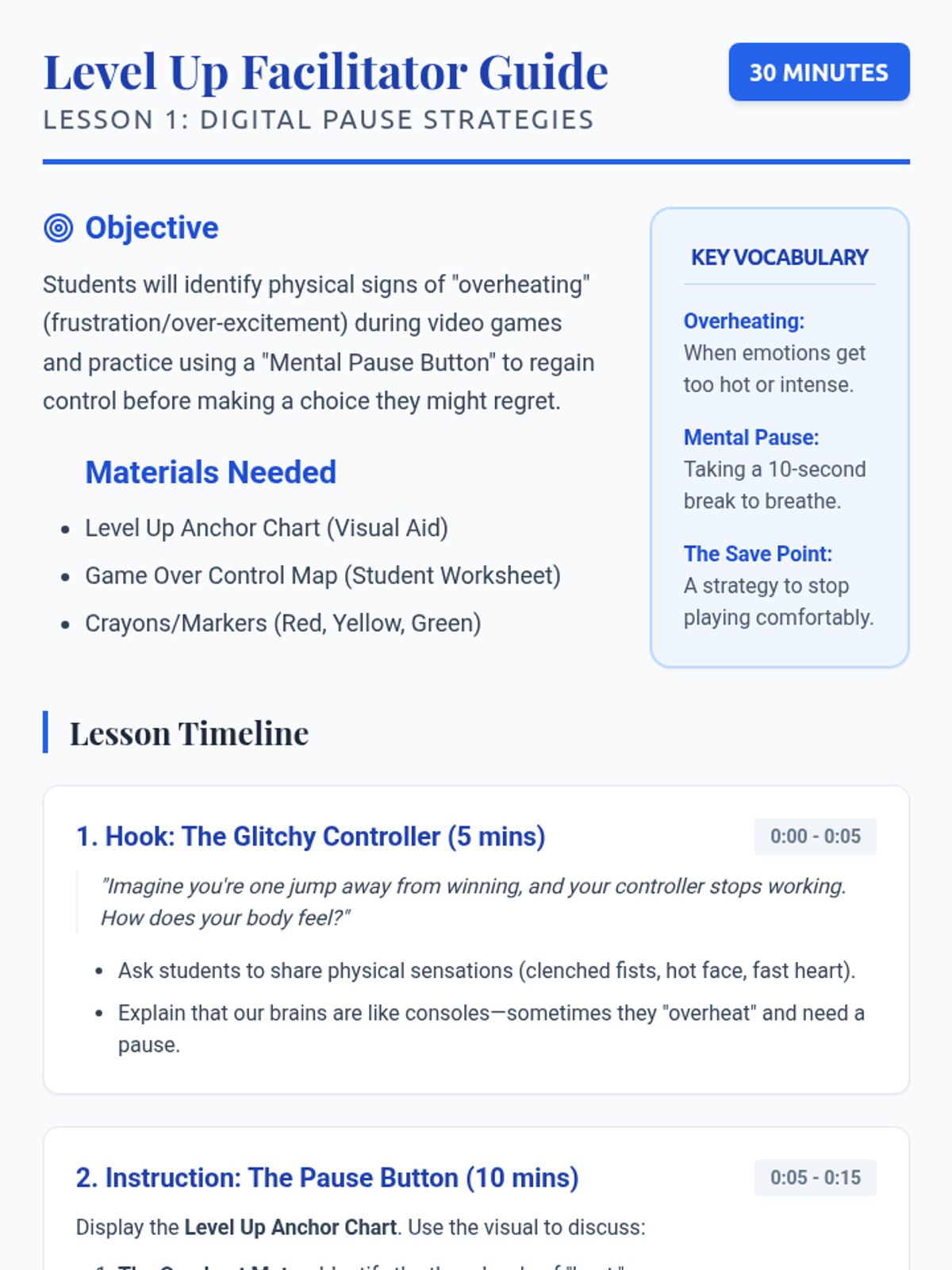
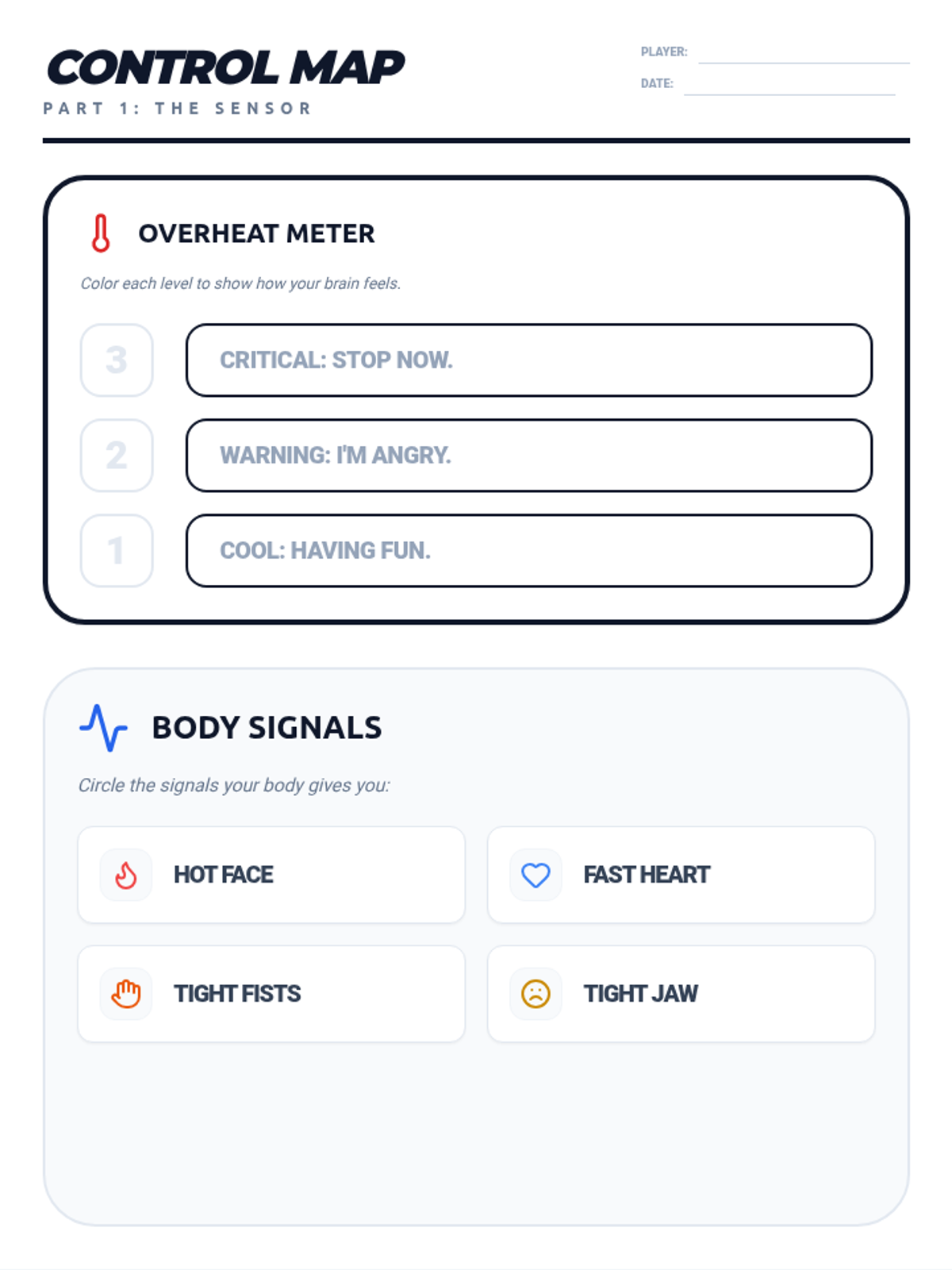
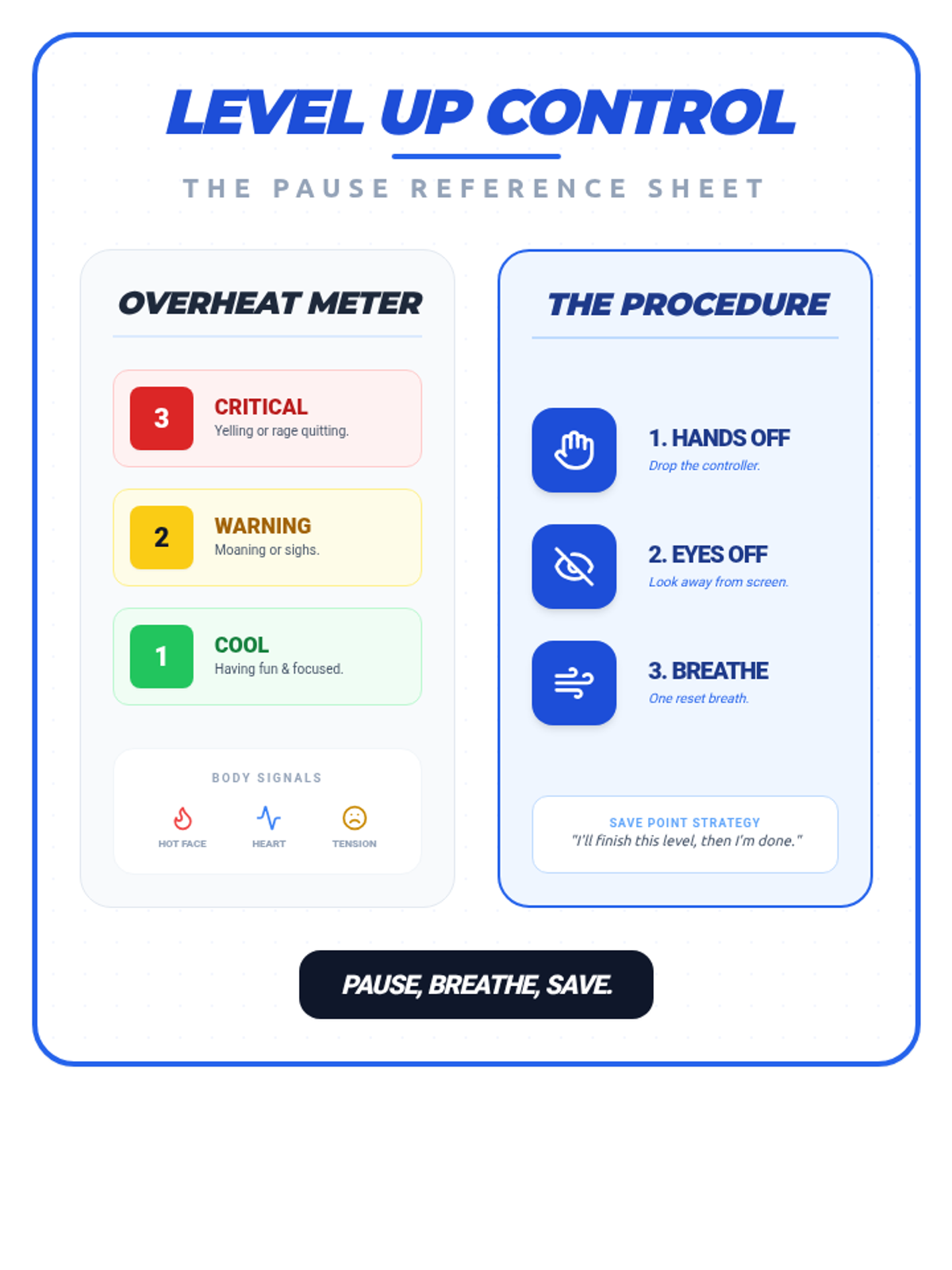
A series of 30-minute lessons focused on self-regulation techniques using the 'Pause' button analogy, themed around video games and building sets to help students manage big emotions and transitions.
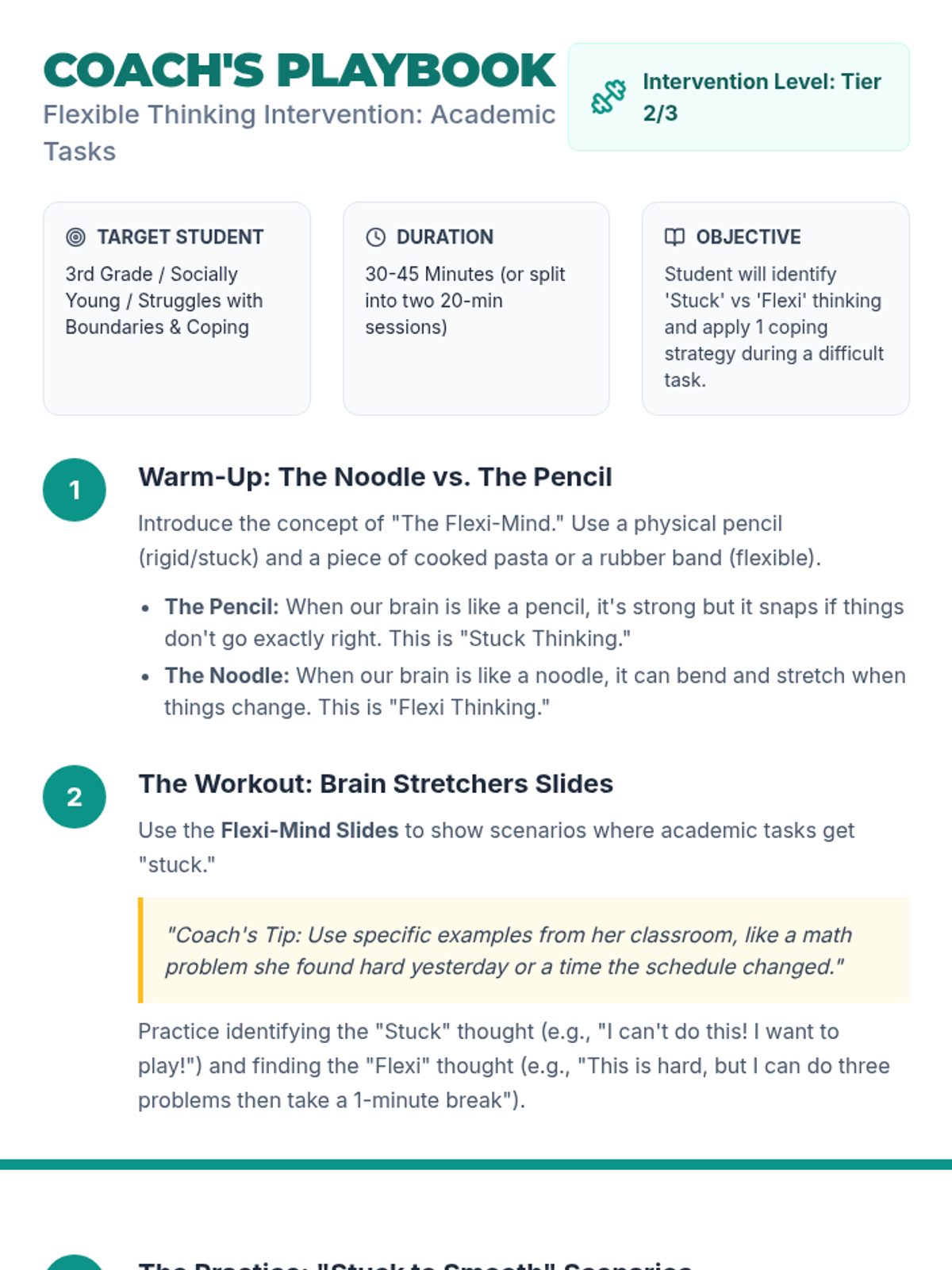
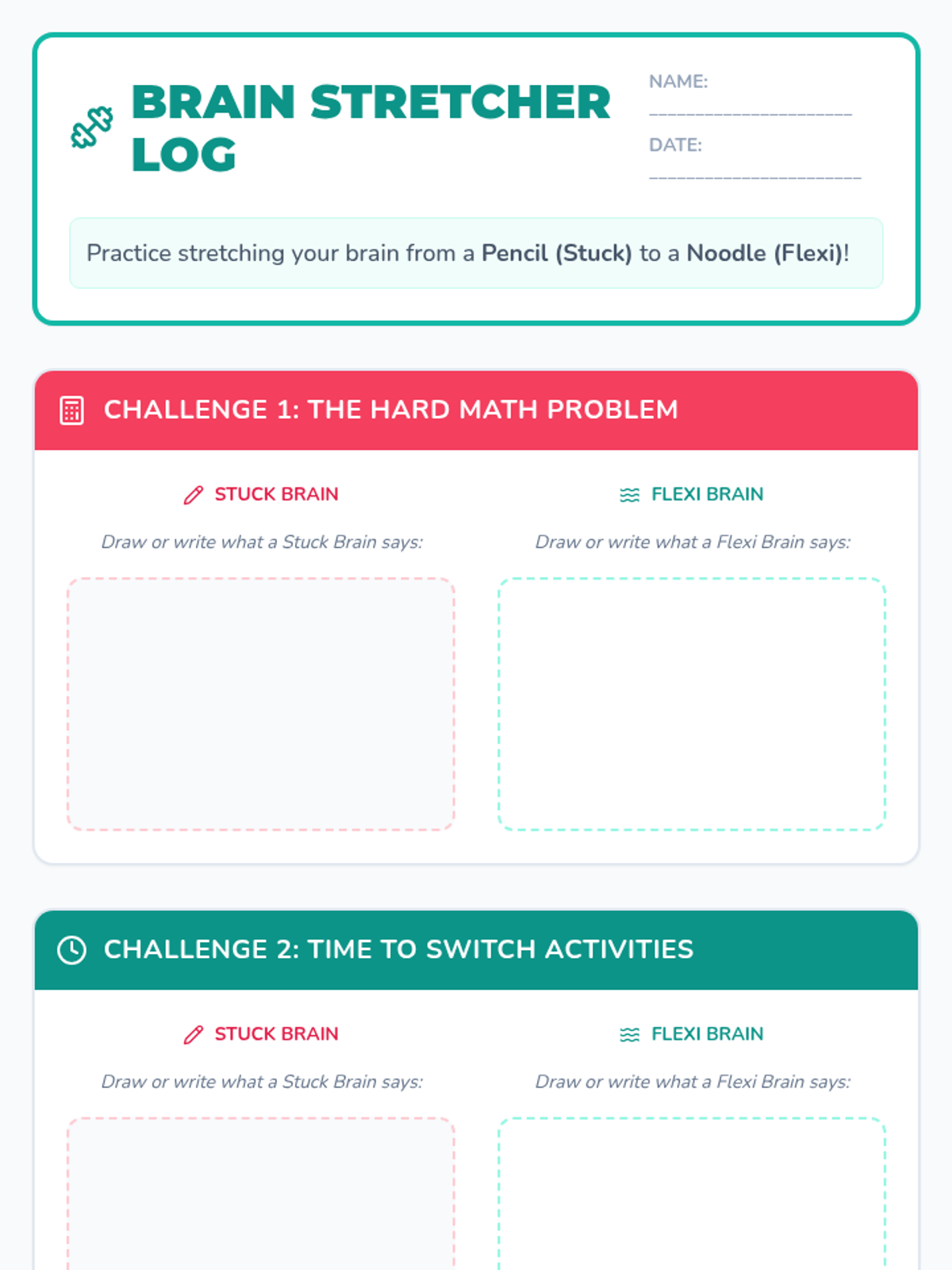
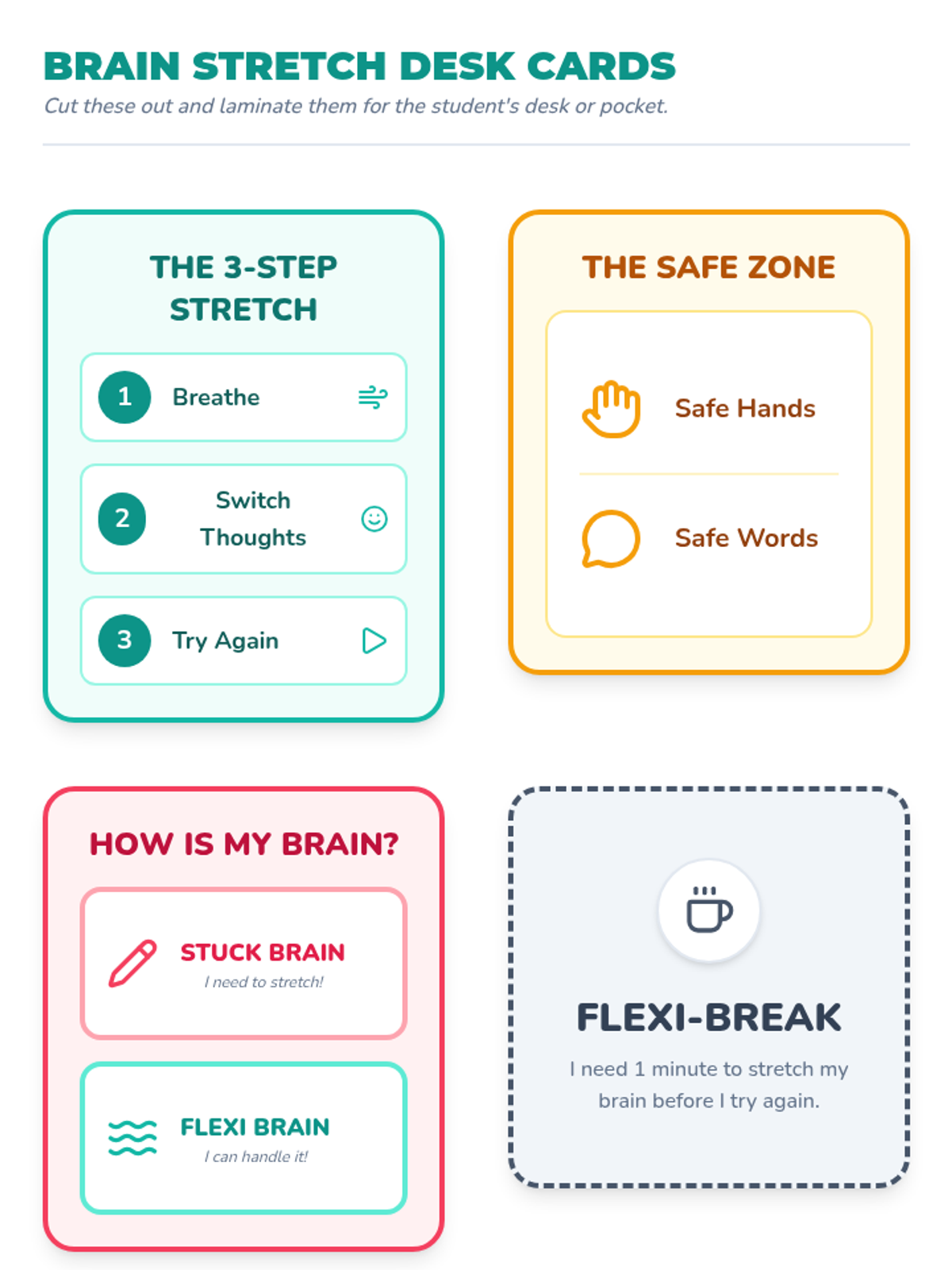
A 6-session intervention sequence designed to build flexible thinking, coping skills, and boundary awareness in elementary students. Each session uses the 'Flexi-Mind Gym' metaphor to tackle specific academic and social challenges through guided instruction and practice.
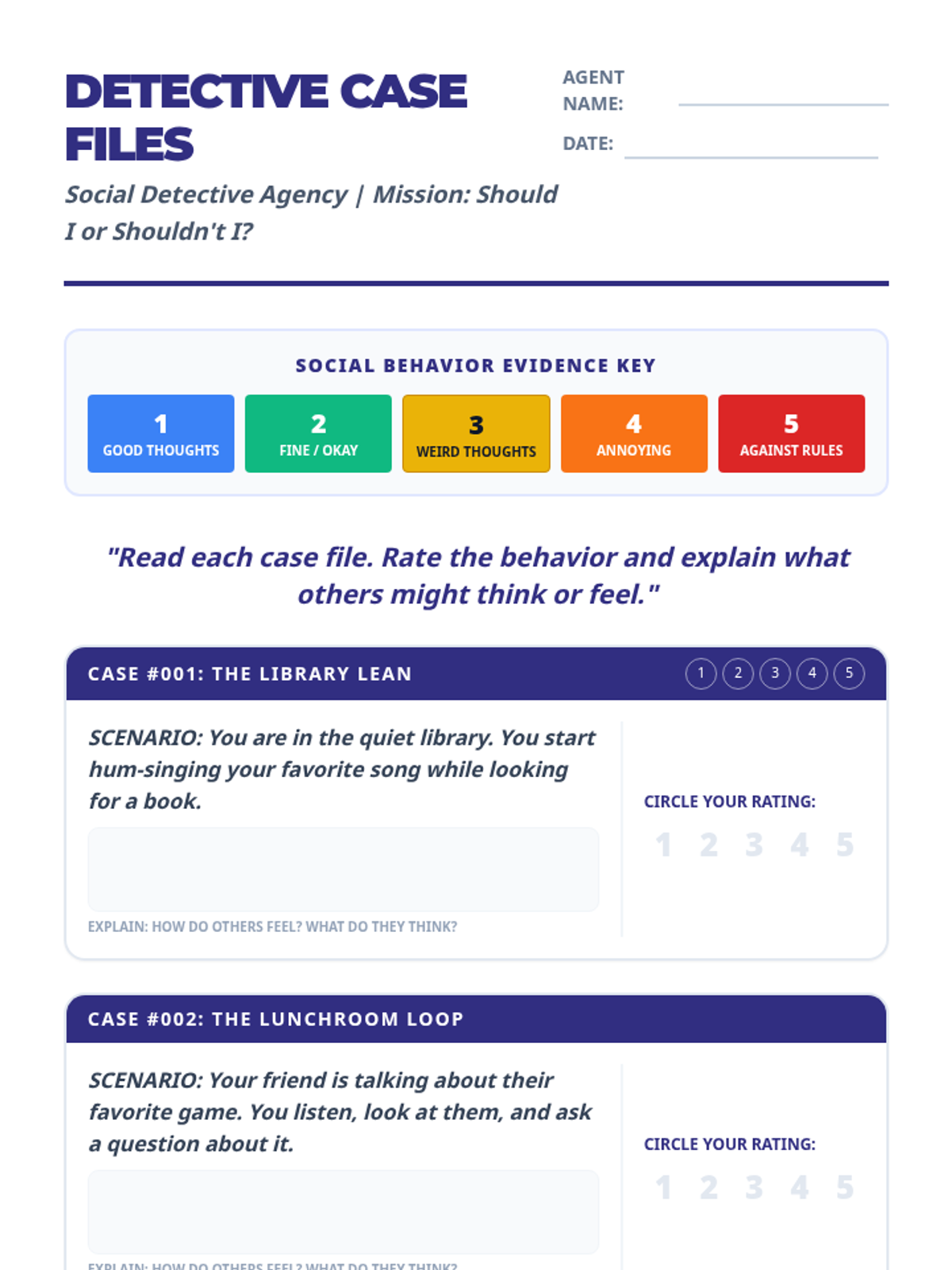
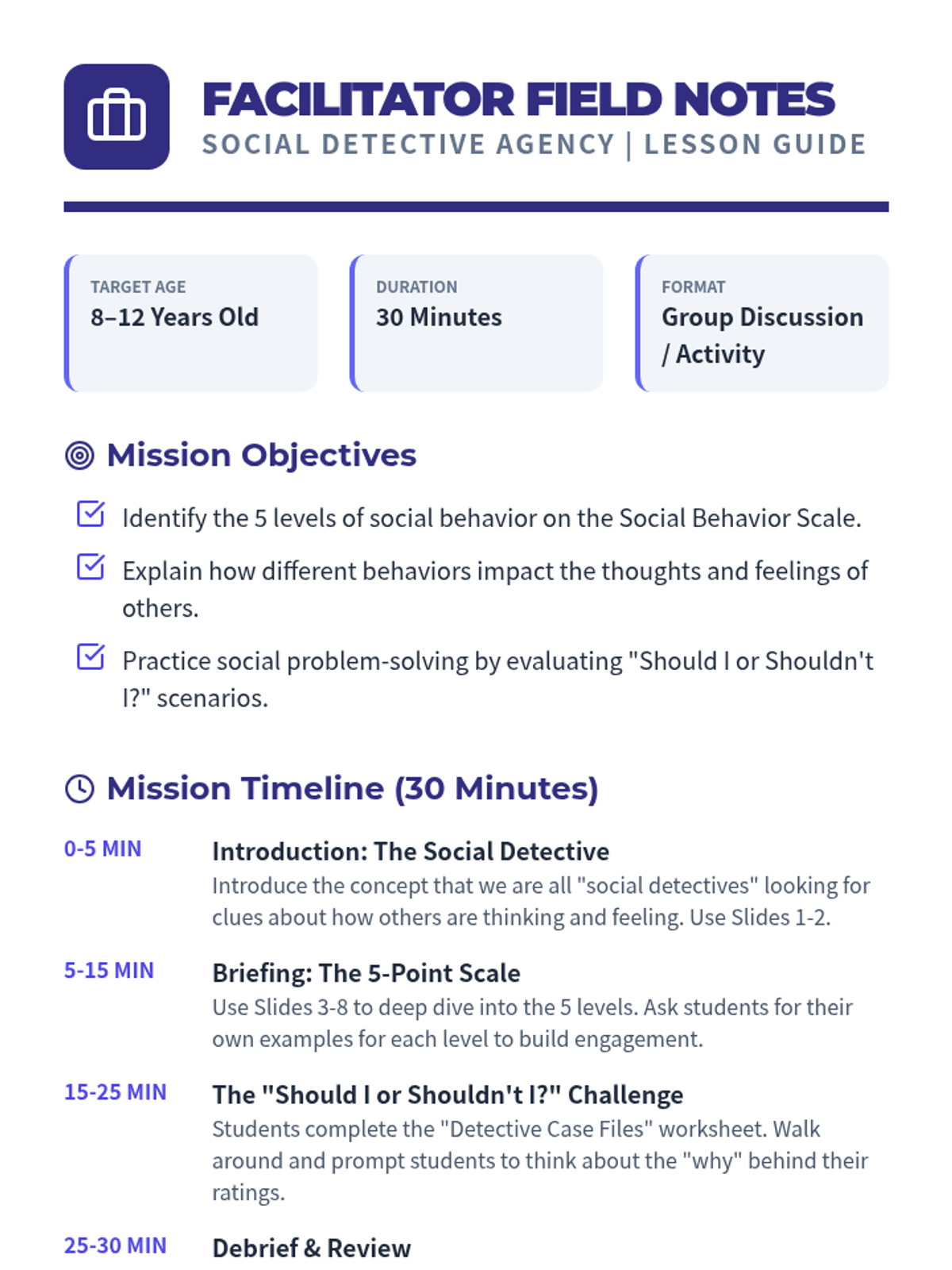
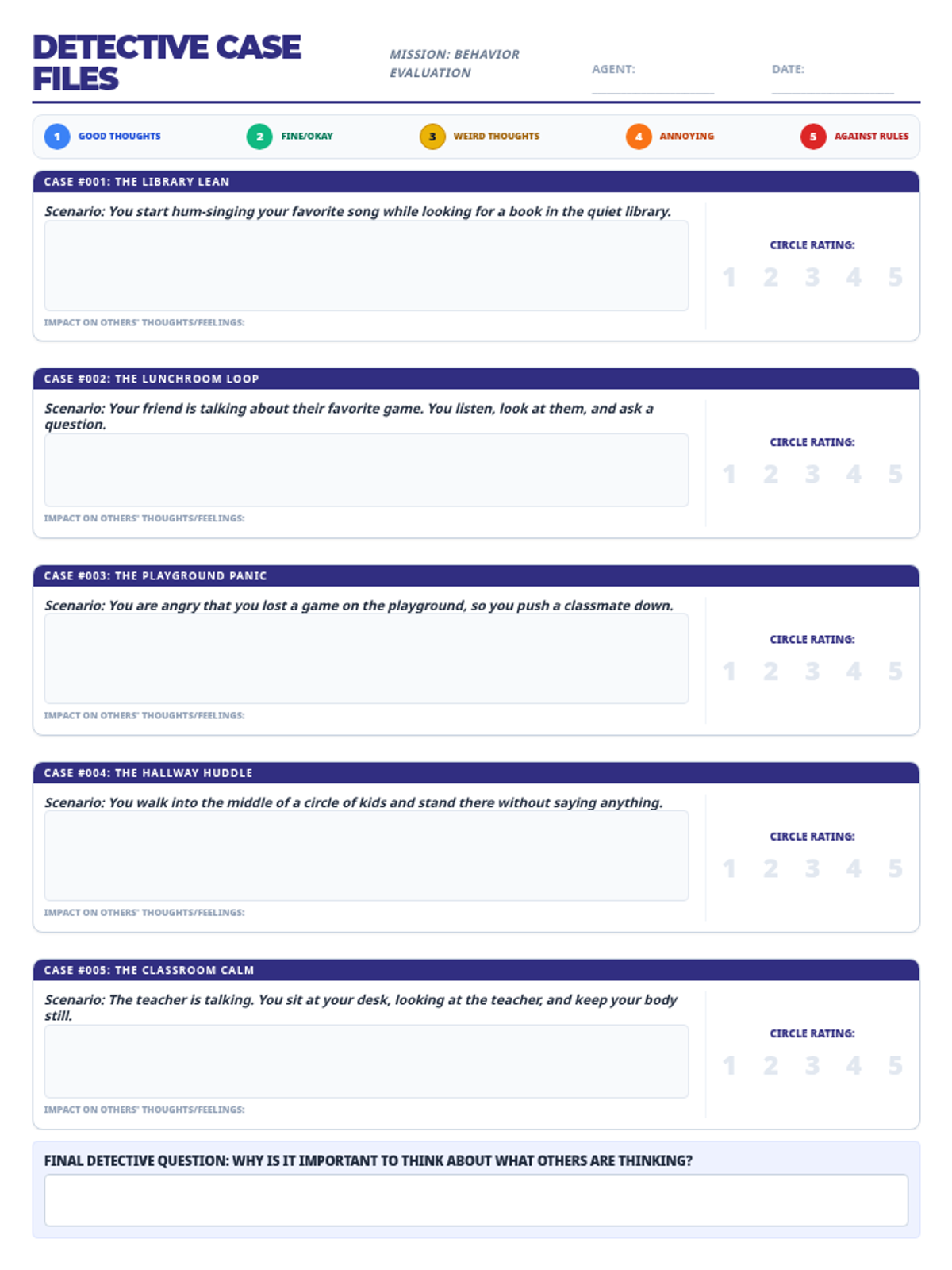
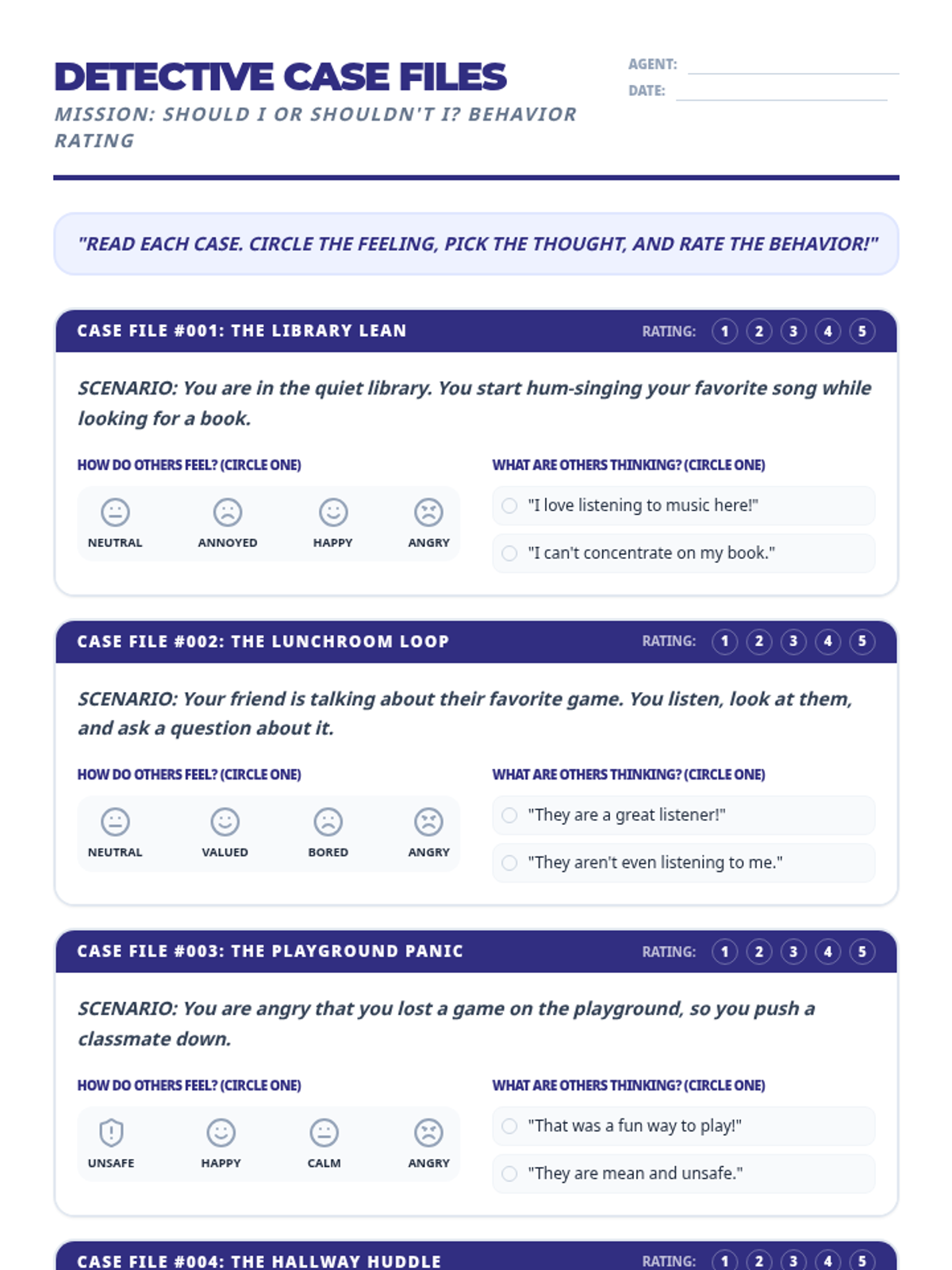
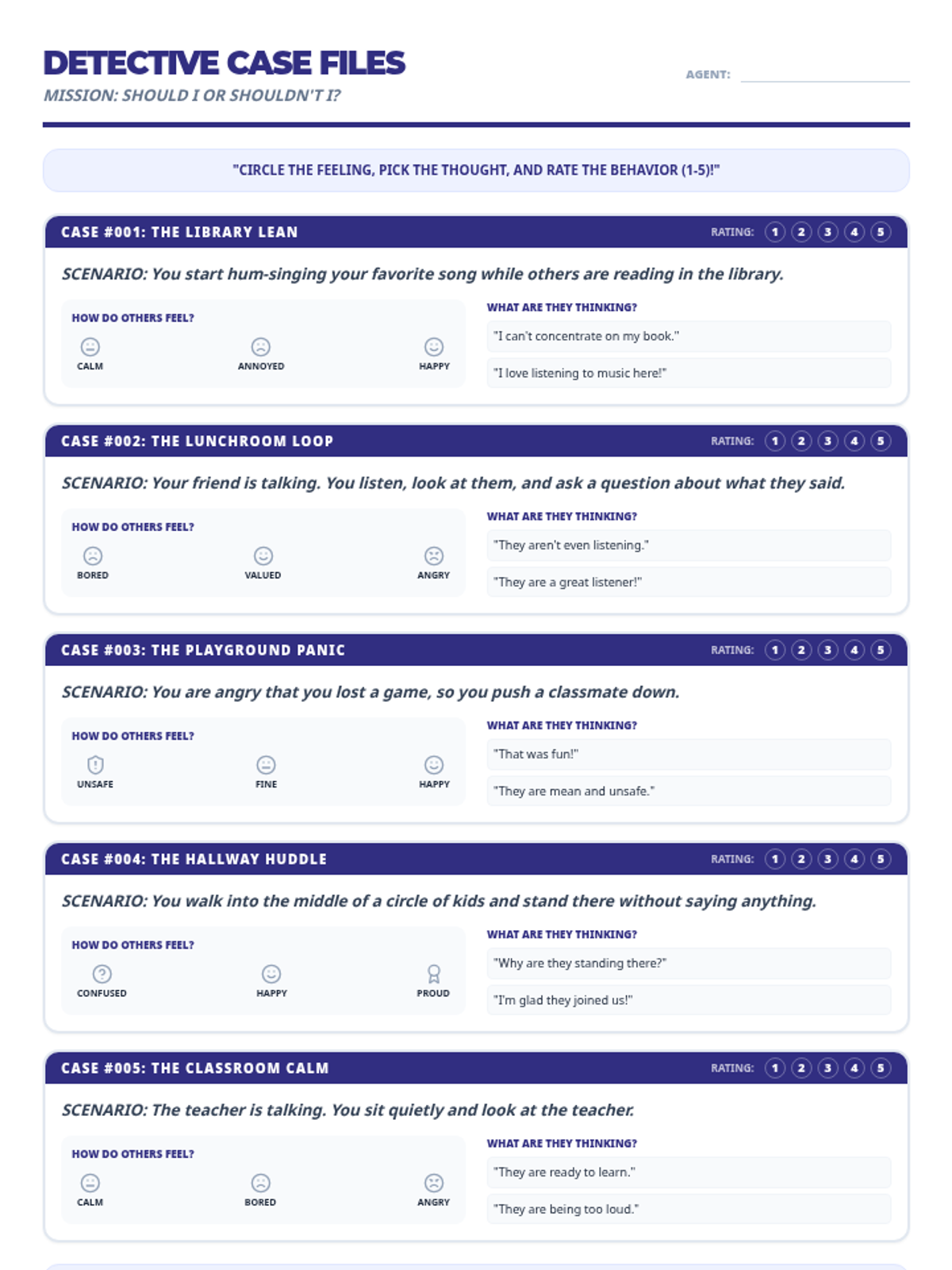
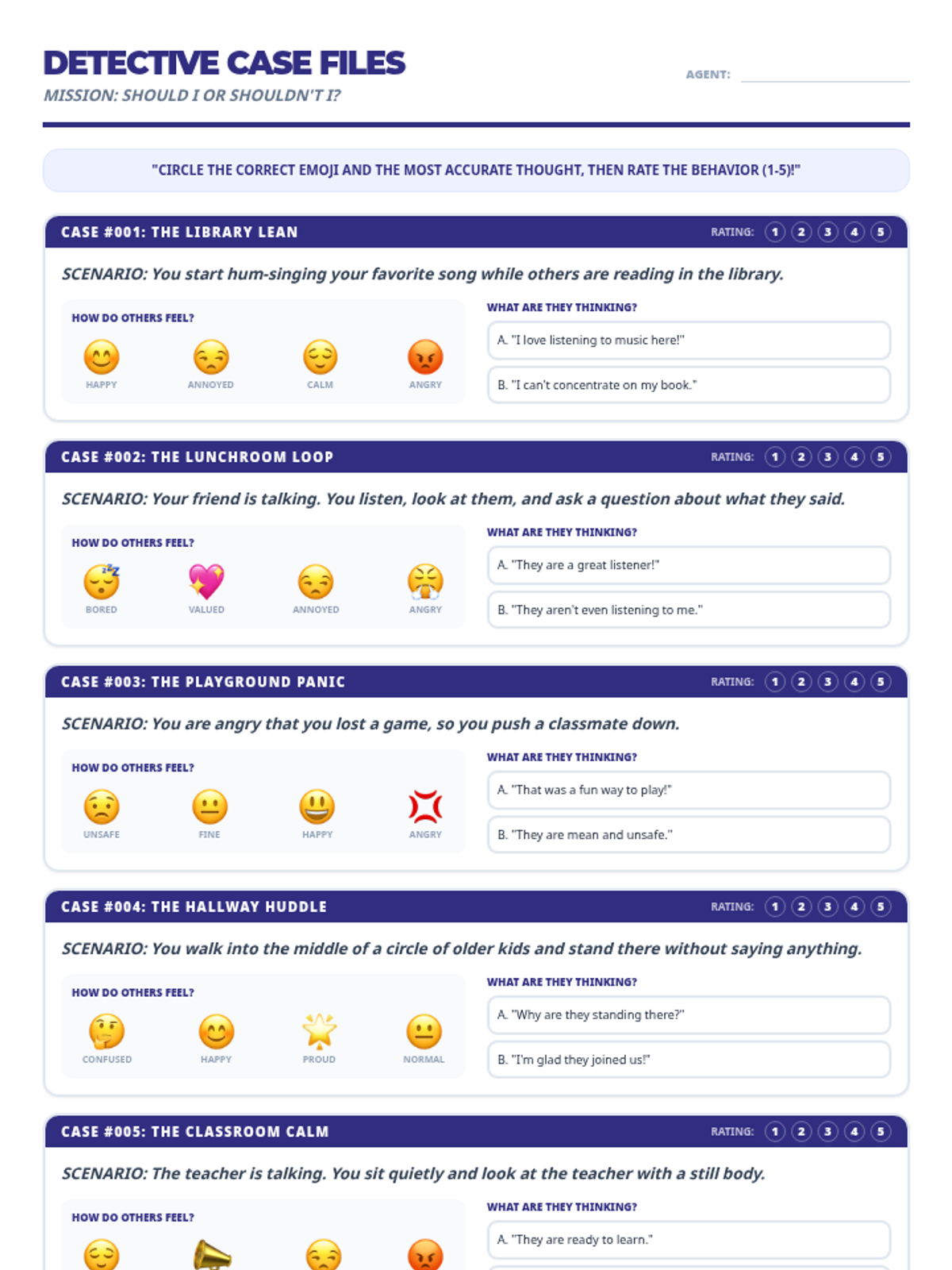
A comprehensive unit on social thinking skills, using a detective agency theme to teach behavior evaluation, social problem solving, and behavior mapping.
A series of social-emotional learning modules focused on cognitive and emotional mastery for small group settings.
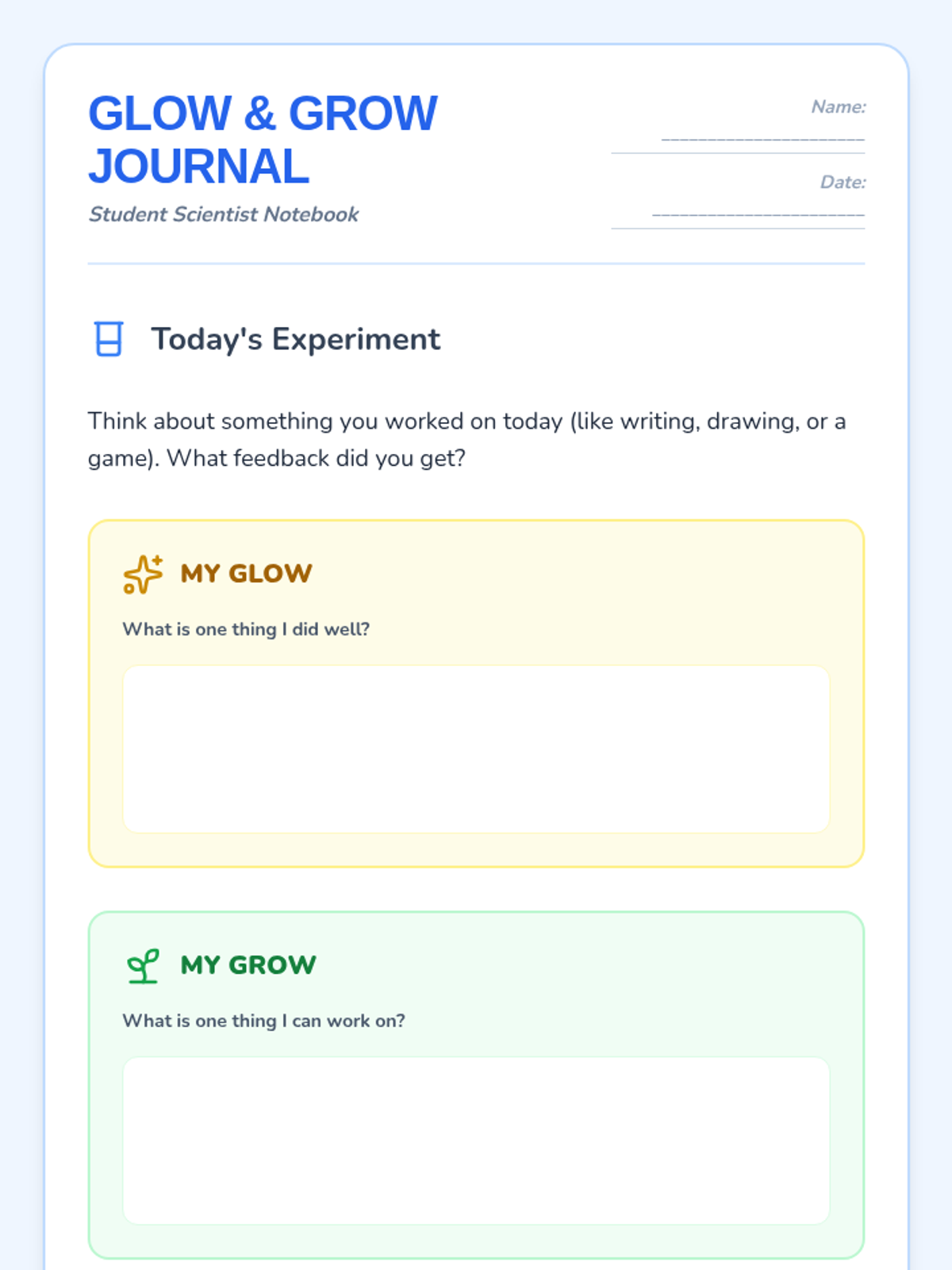
A scientific approach to understanding feedback, helping students distinguish between hurtful criticism and helpful growth while managing their emotional responses to "no" or negative outcomes.