Develops proficiency in estimating and measuring length, area, volume, and mass using standard units and unit conversions. Integrates time, money, angle measurement, and data classification through counting and arithmetic applications.
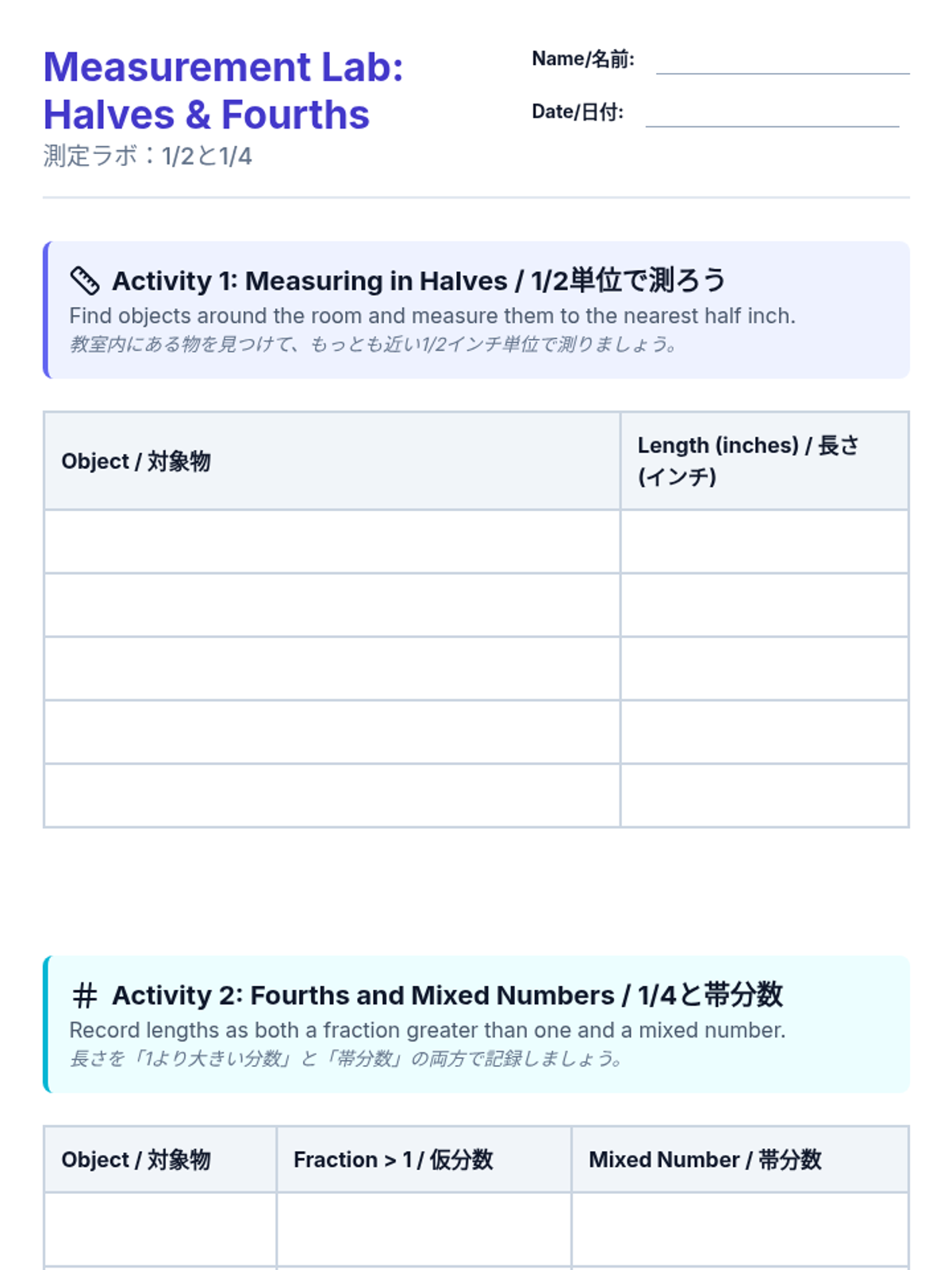
A comprehensive unit on measurement focusing on inches, fractions (halves and fourths), mixed numbers, and representing data on line plots. Translated into Japanese.
A comprehensive unit on measuring length in inches using halves and fourths, recording data, and interpreting line plots, presented in both English and Japanese.
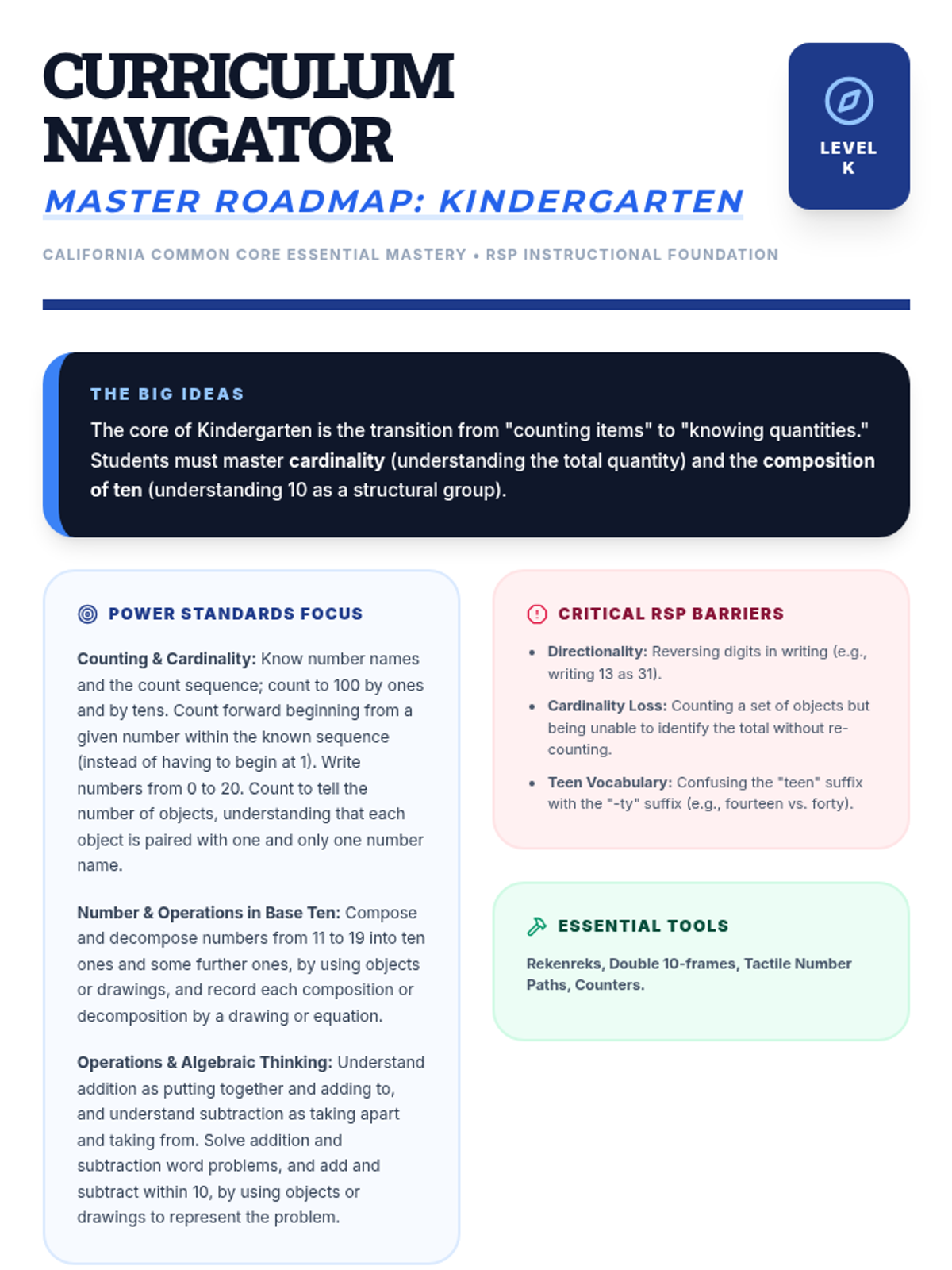
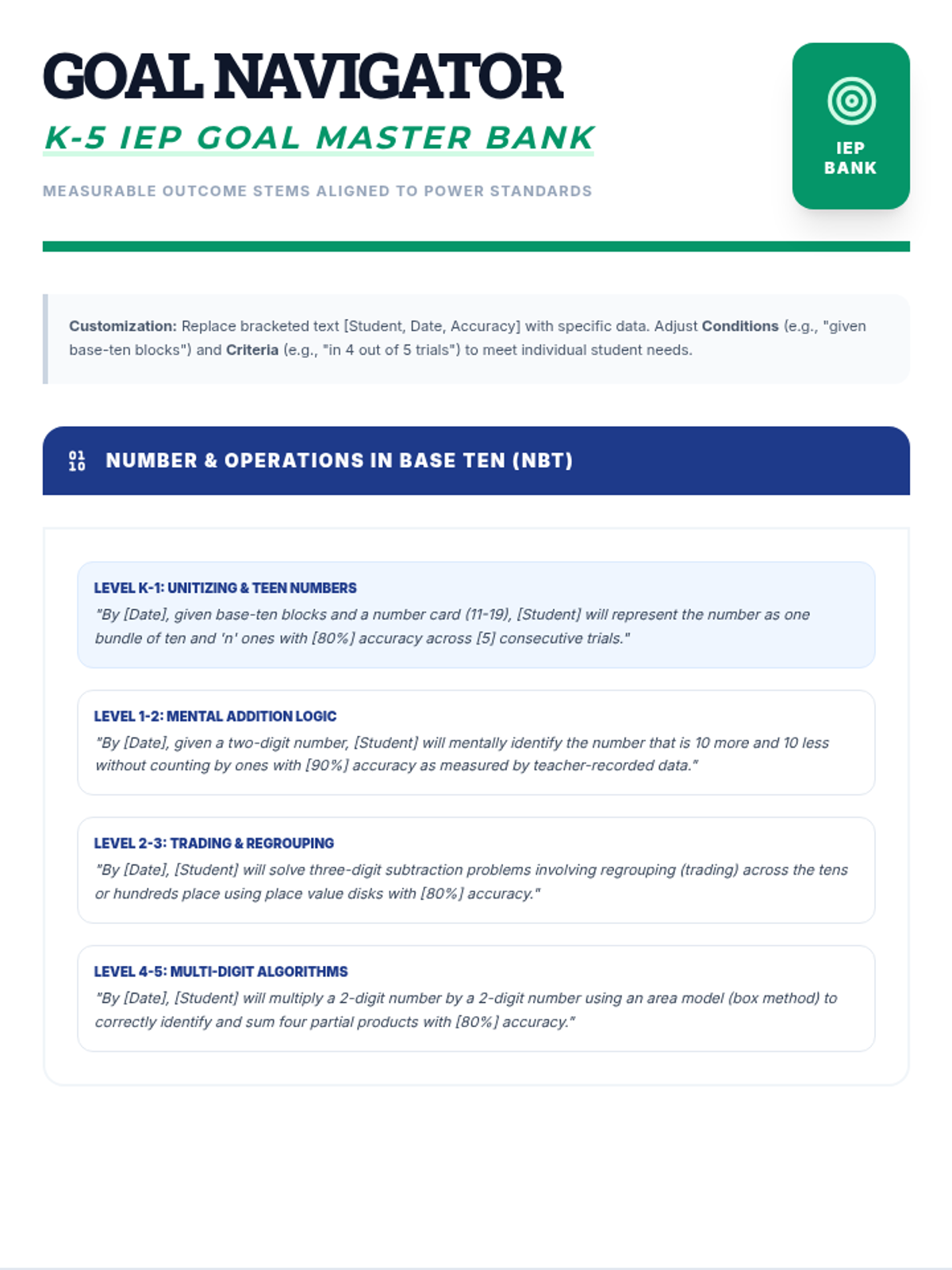
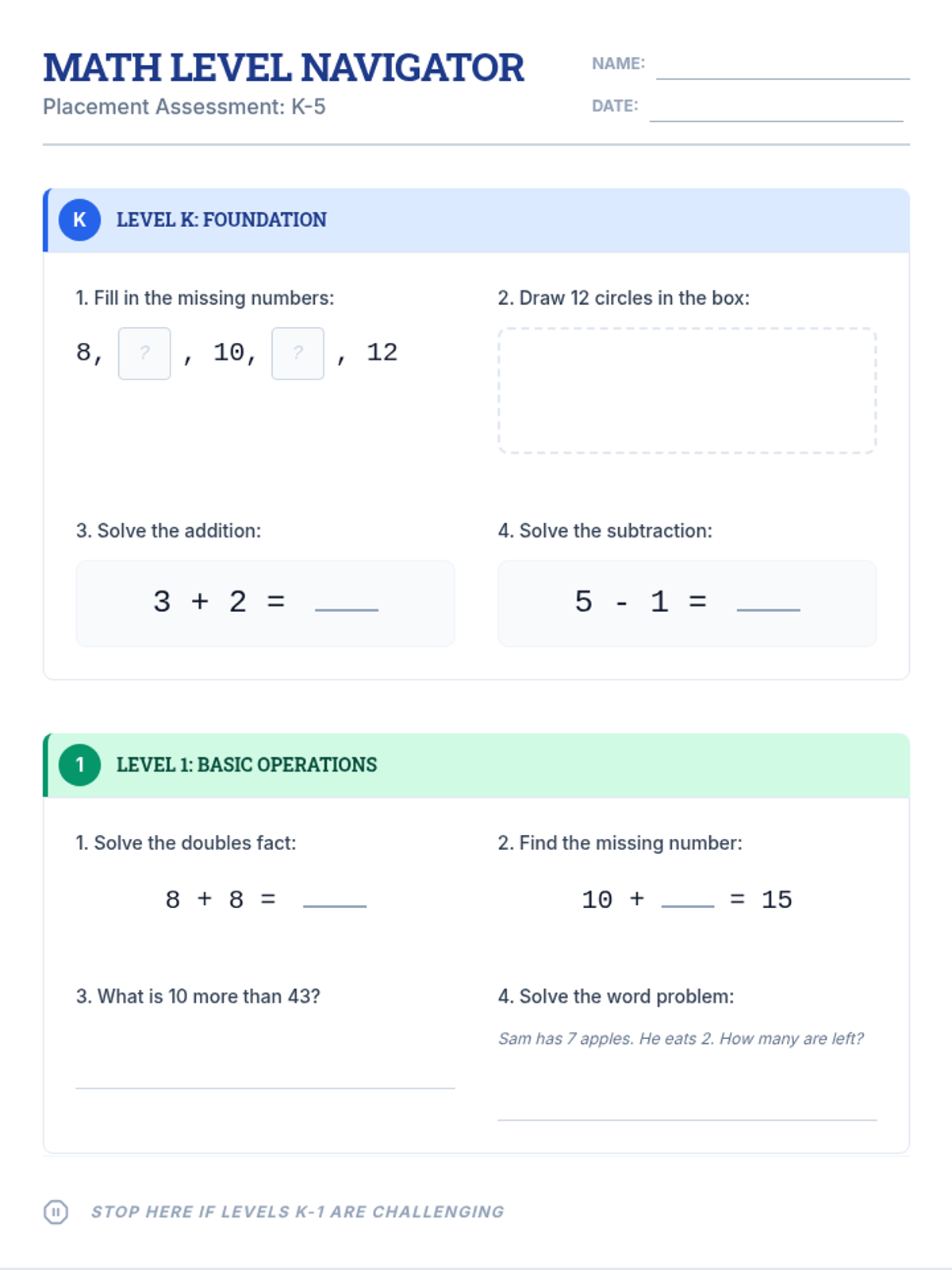
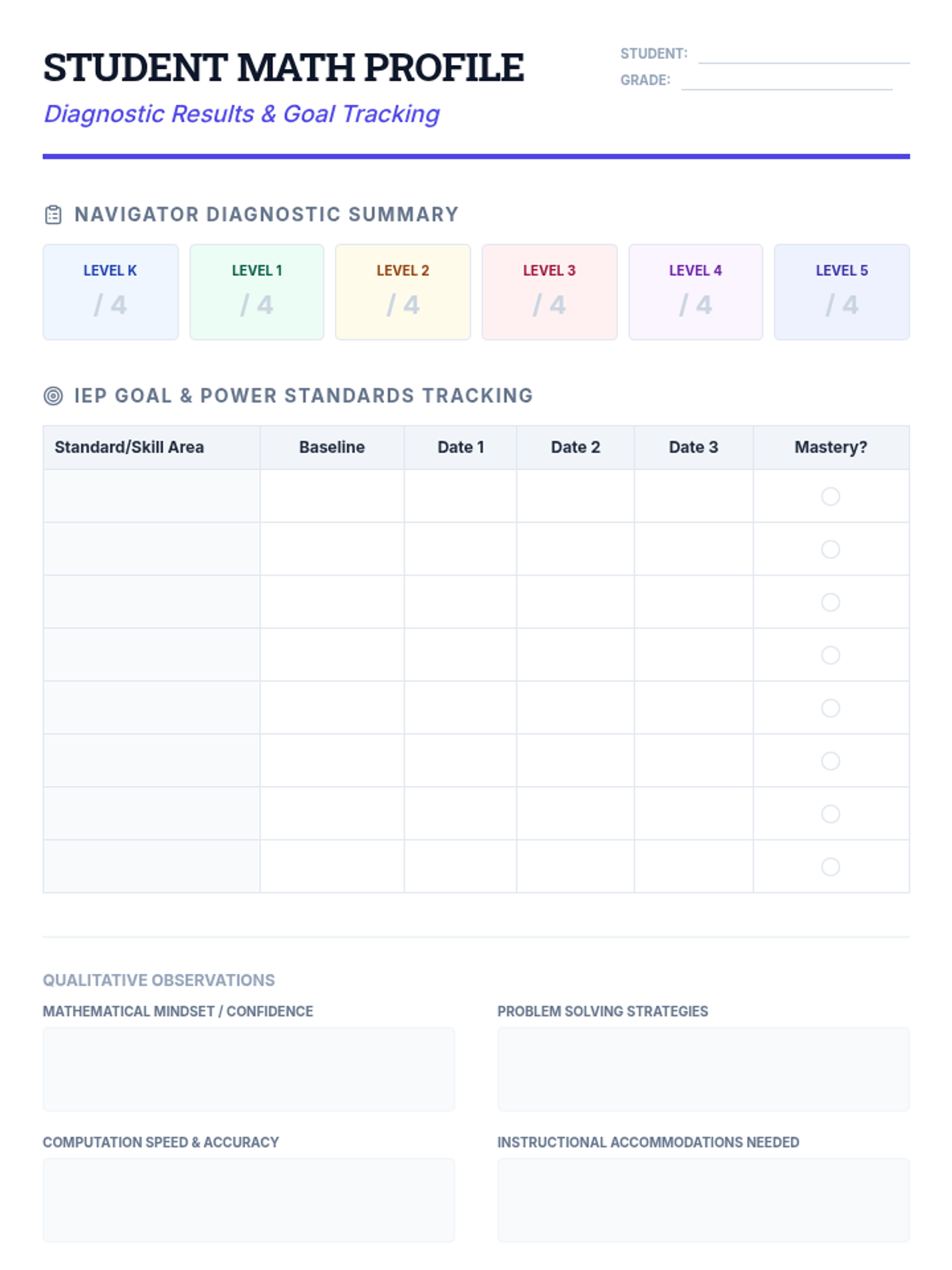
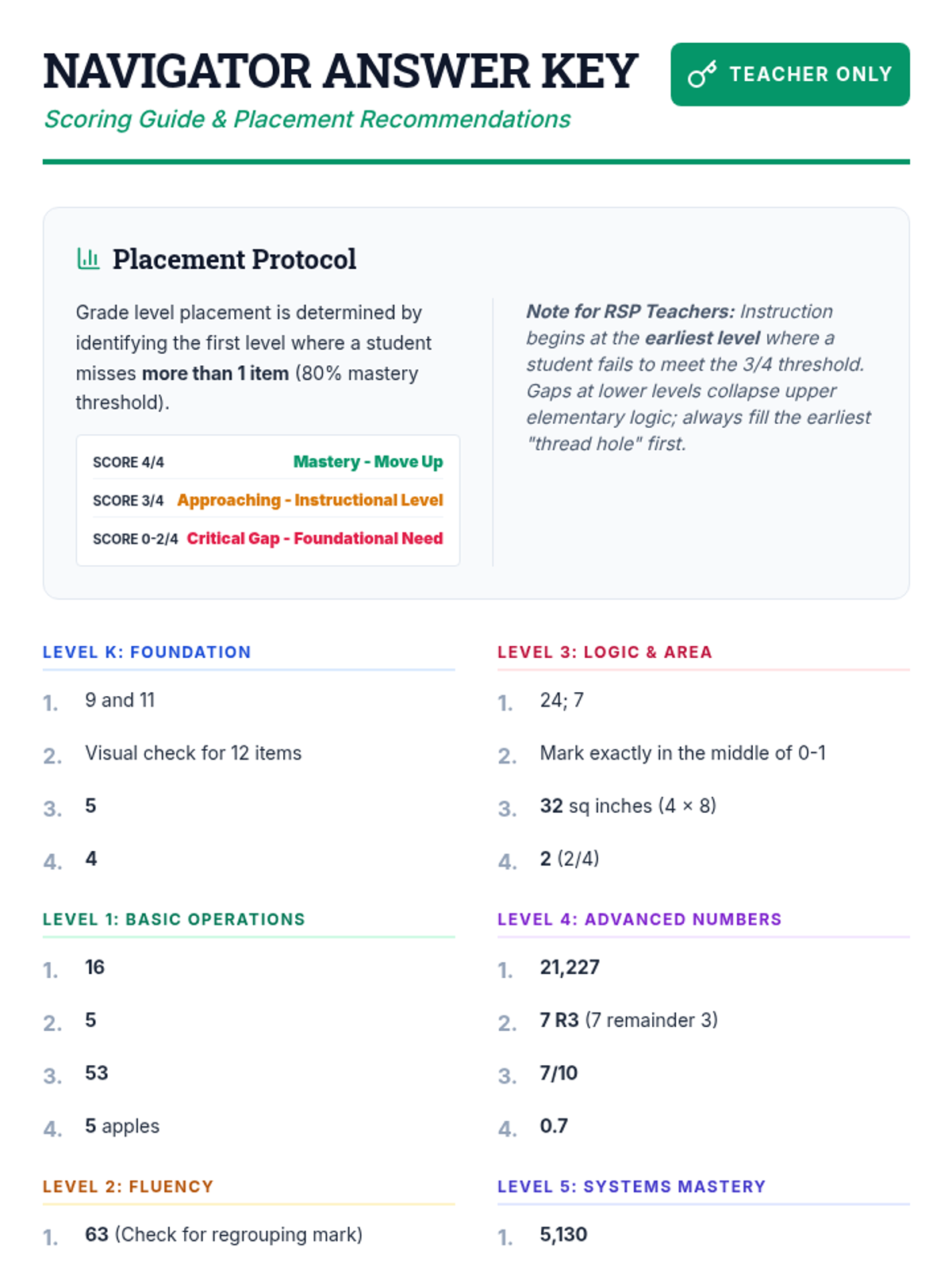
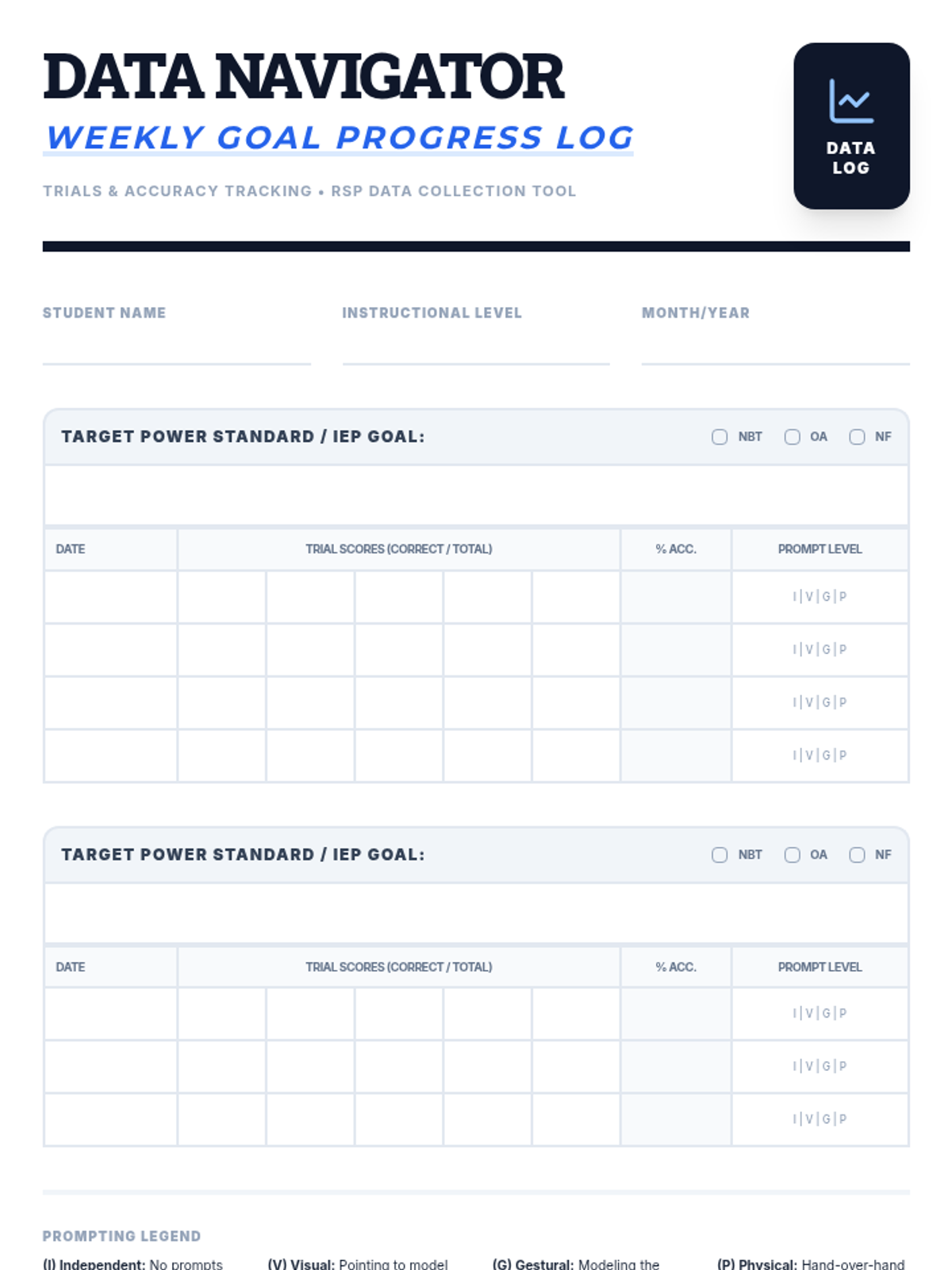
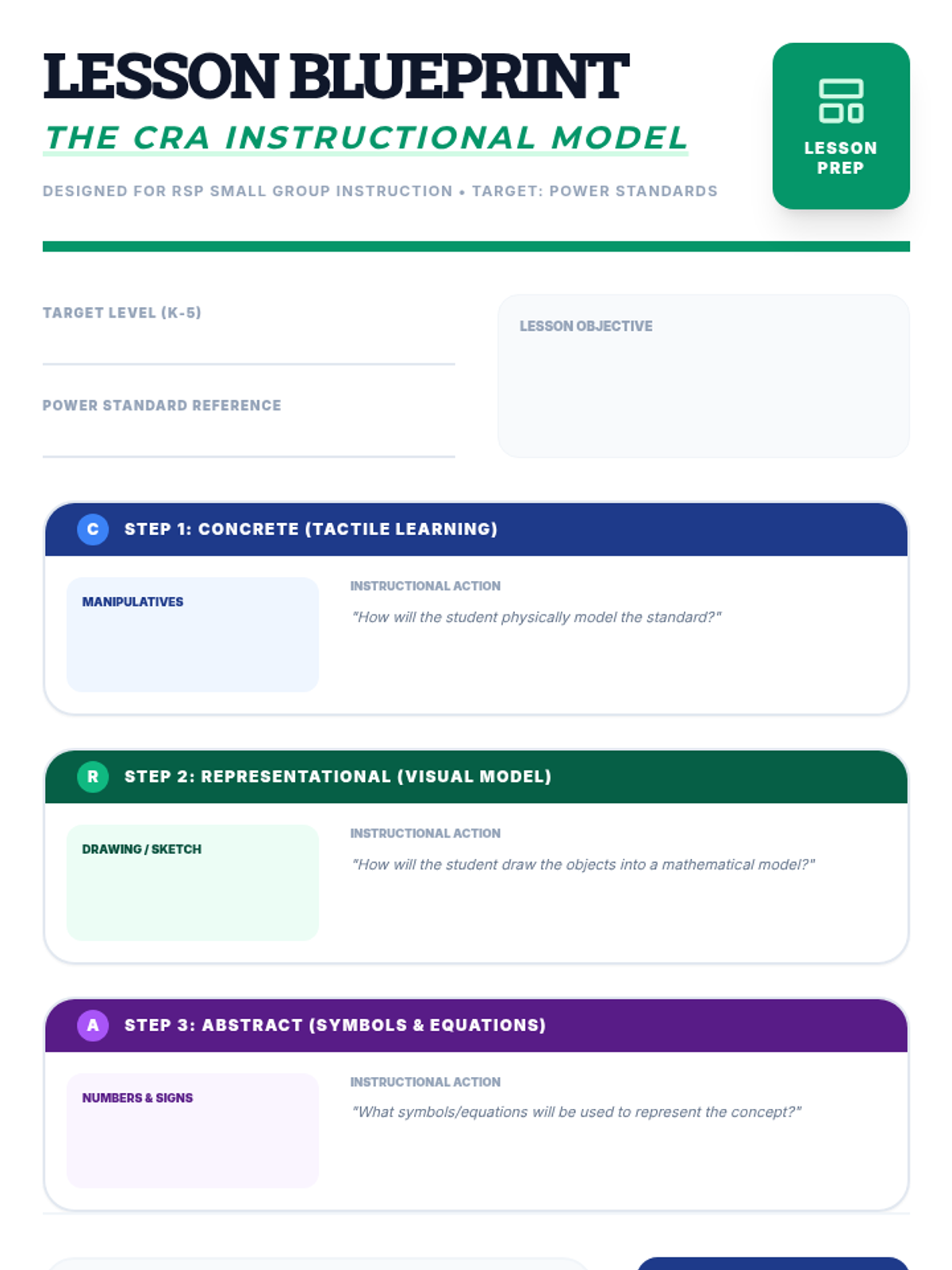
A comprehensive framework for K-5 RSP math instruction, including a California Common Core aligned scope and sequence of power standards and a leveled placement diagnostic.
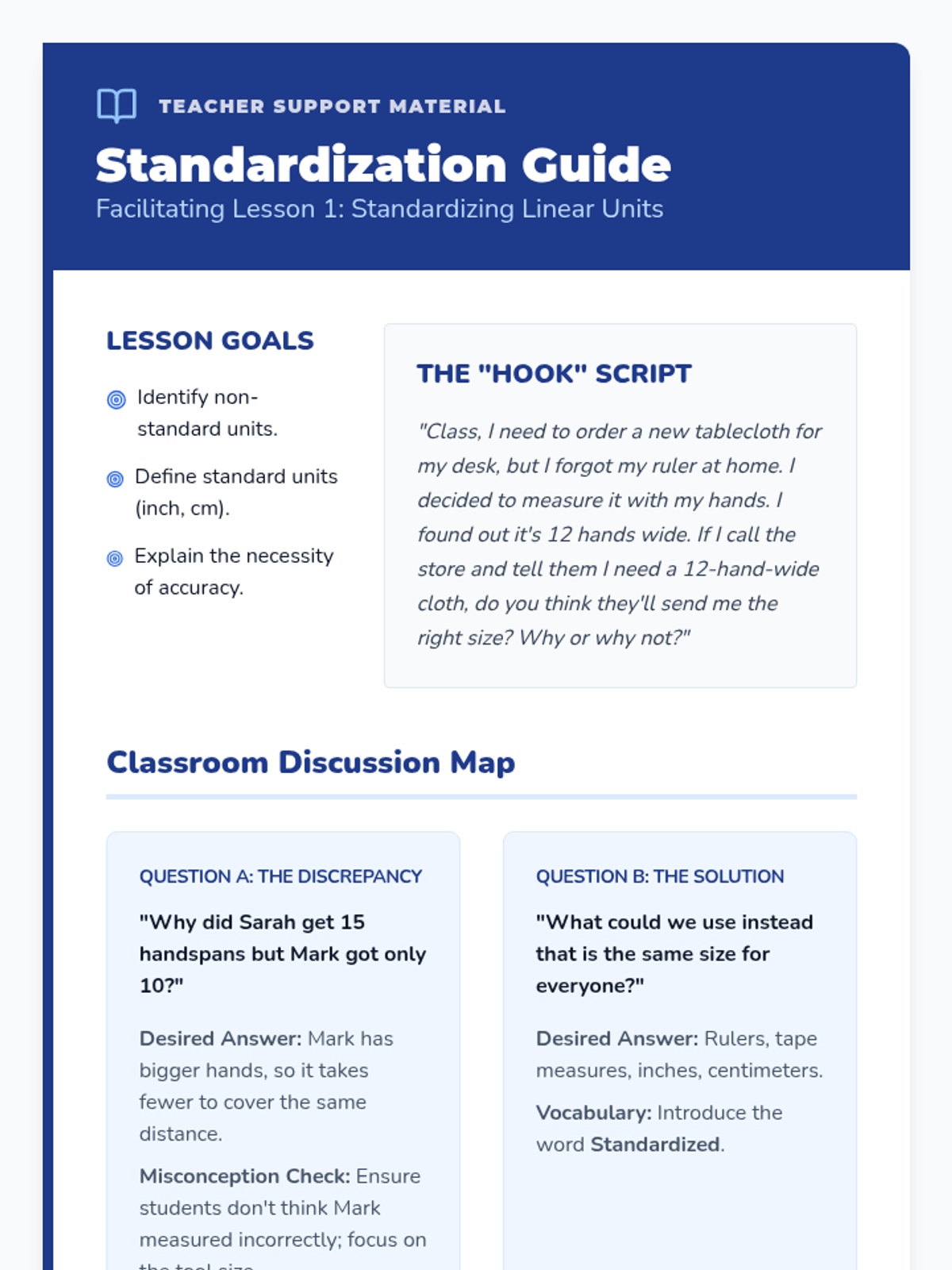
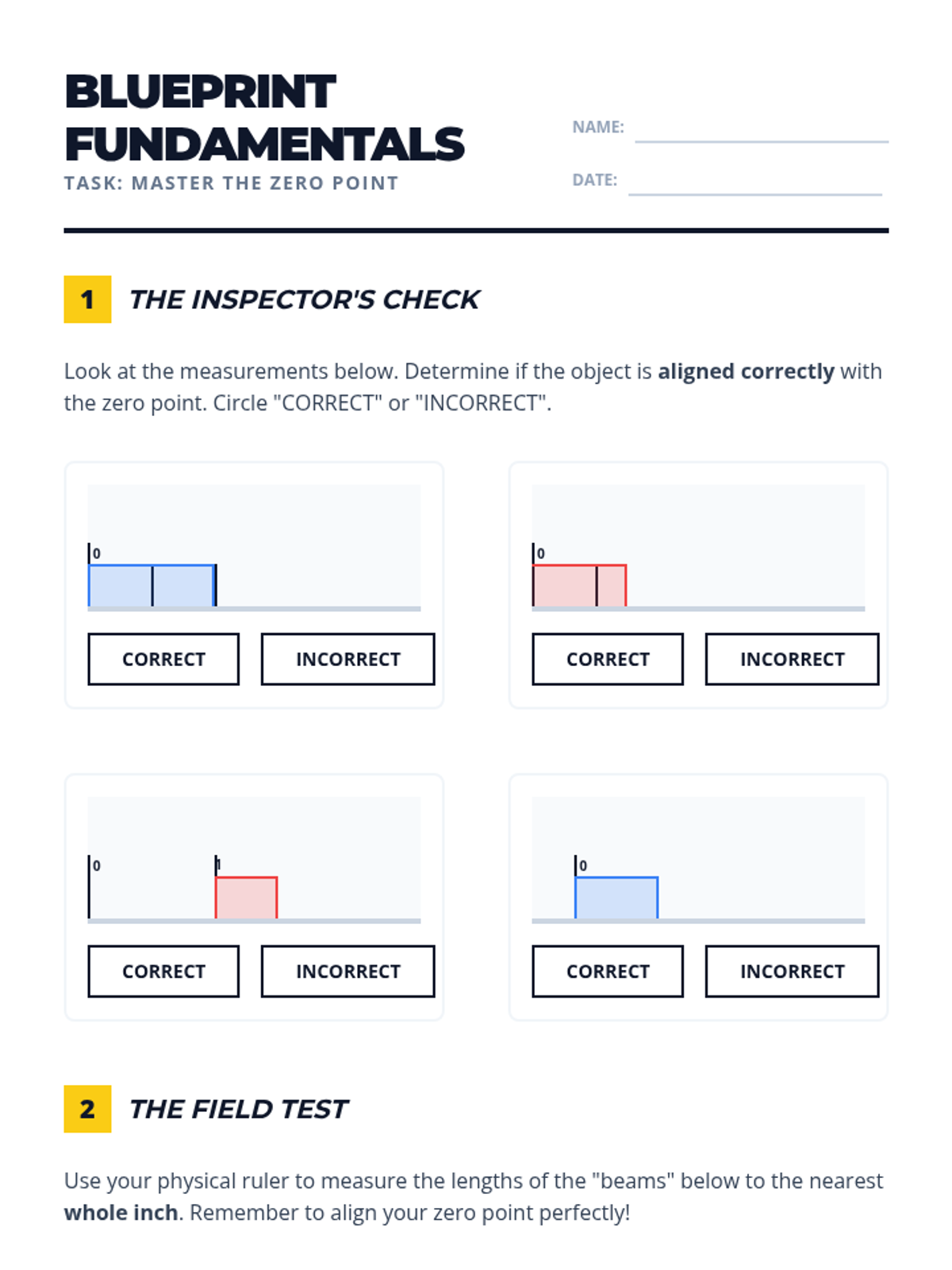
A multi-day measurement adventure where students act as explorers to measure objects across their classroom, school, and outdoor environment to the nearest whole inch.
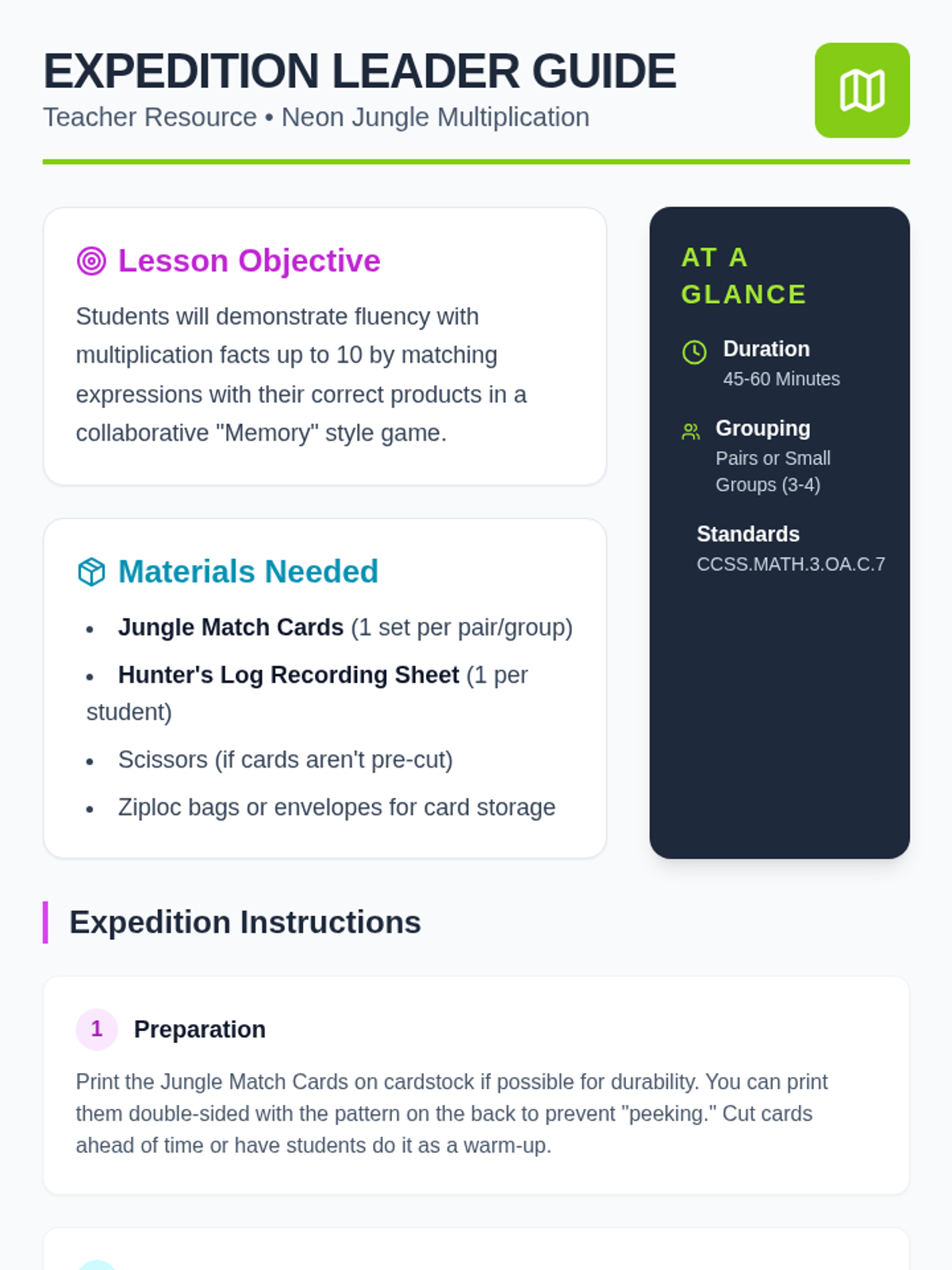
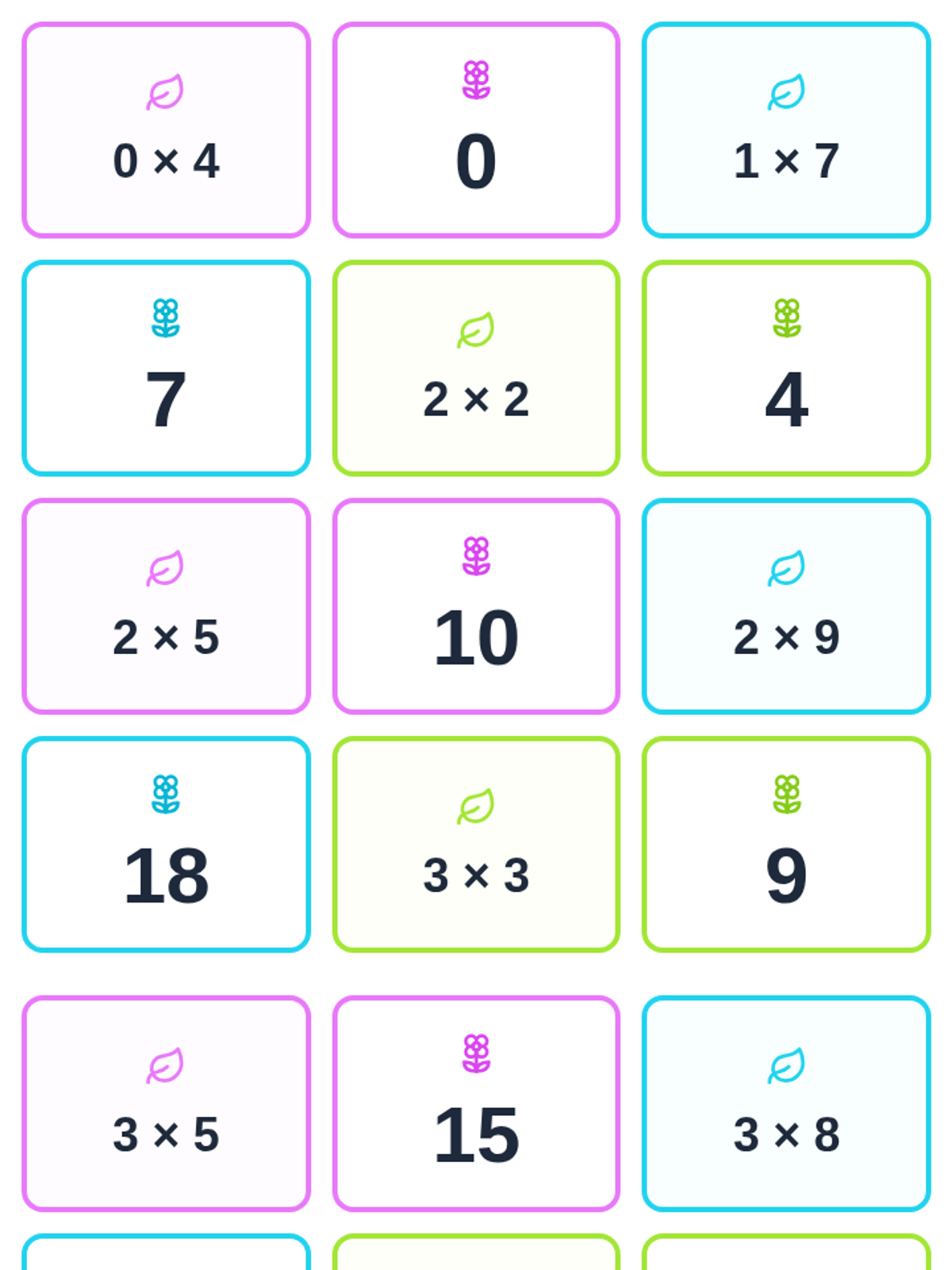
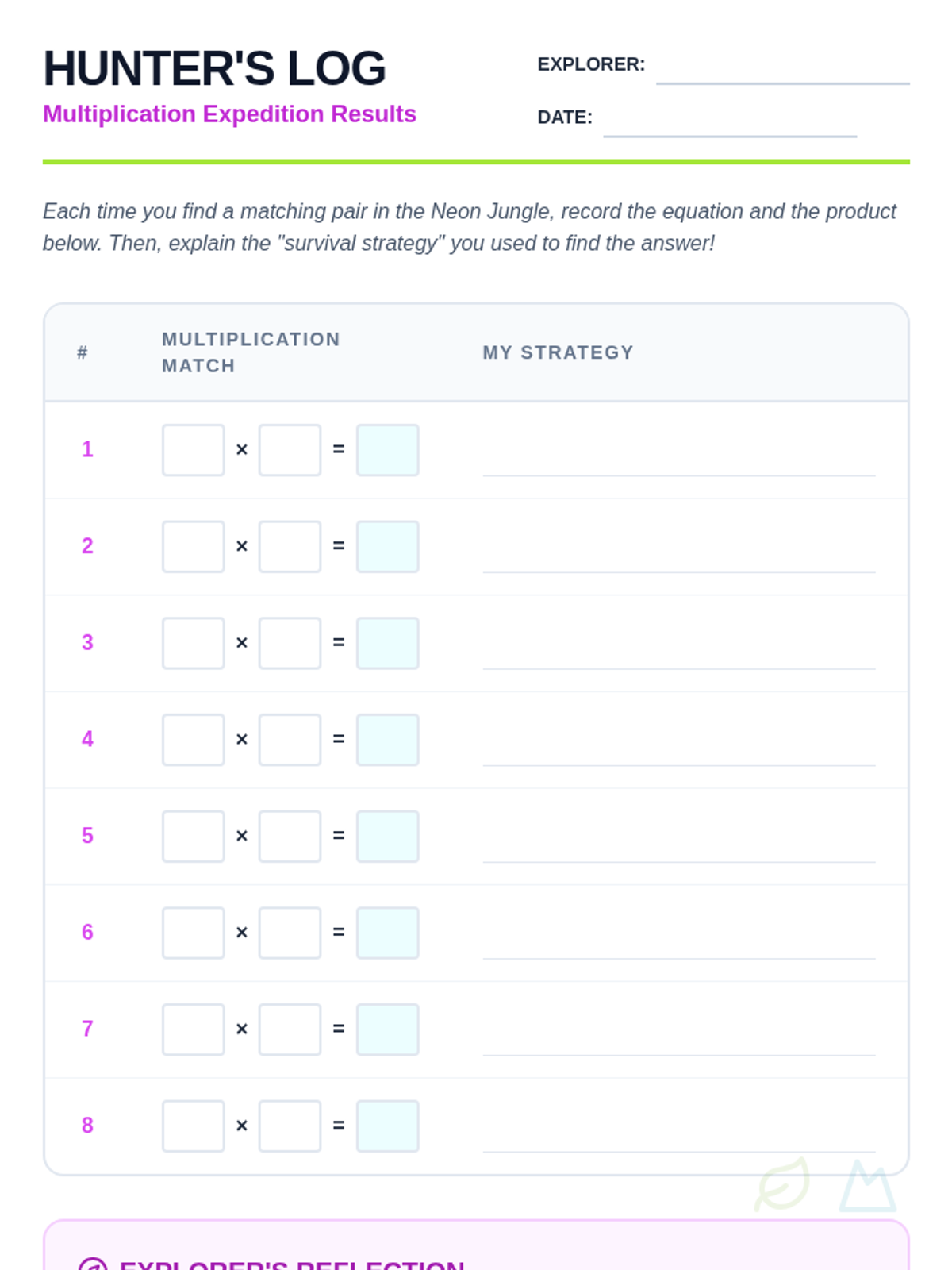
A series of adventurous 3rd-grade math lessons themed around a vibrant 'Neon Jungle', focusing on core arithmetic and data skills through collaborative play and hands-on exploration.
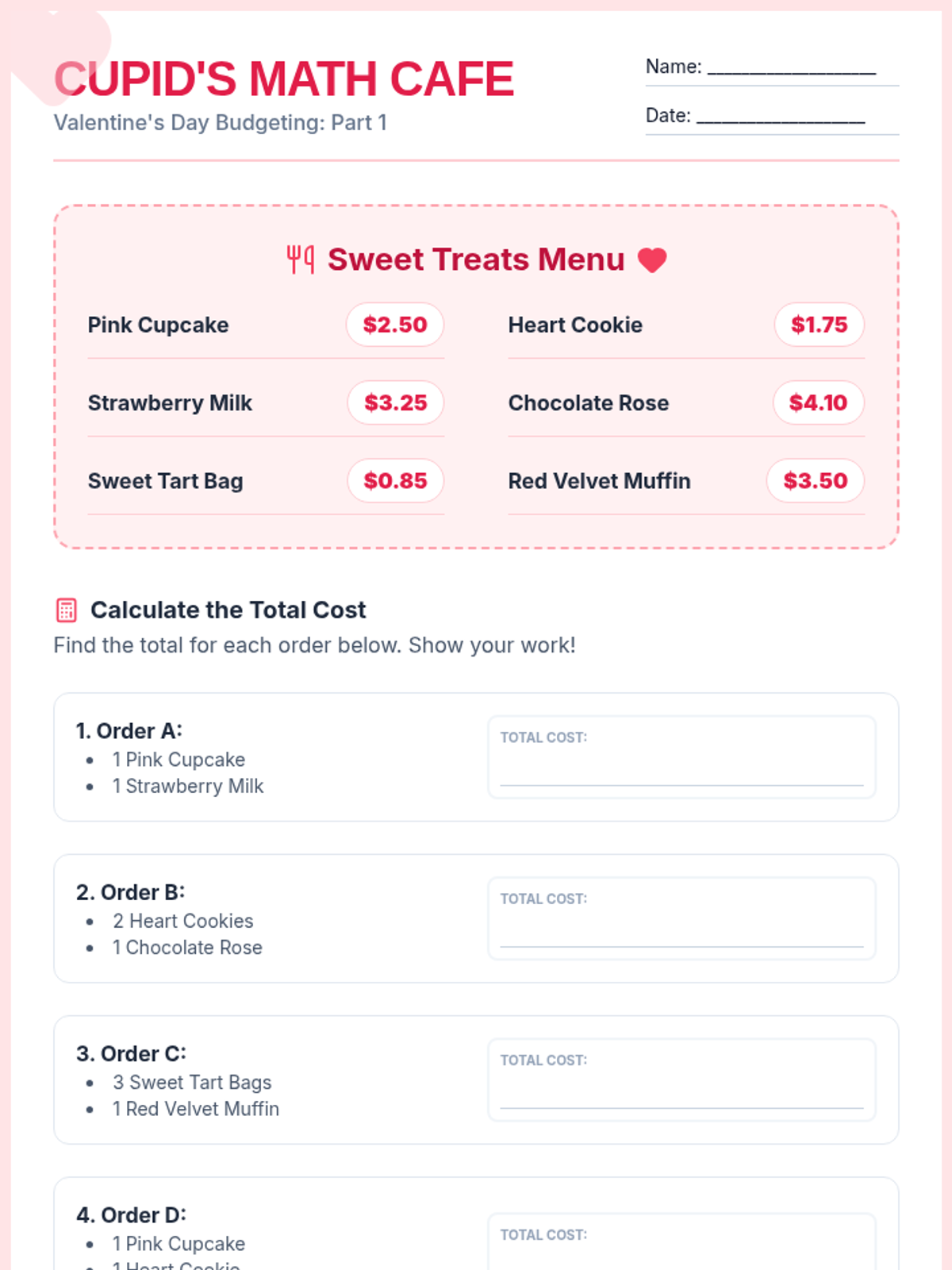
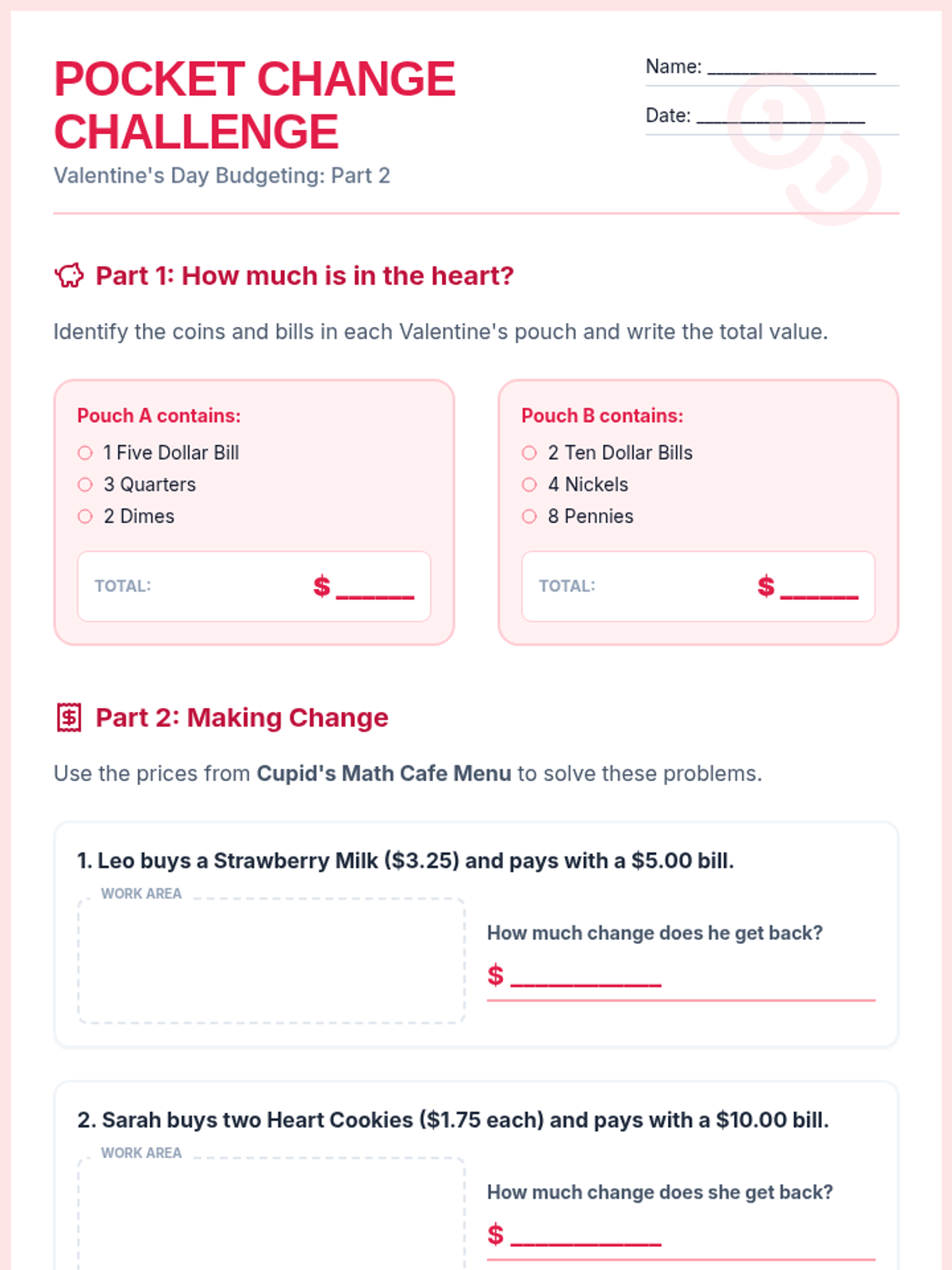
A collection of Valentine's Day math packets at two different levels (Level 1 and Quest), covering budgeting, graphing, measurement, time, and word problems.
A comprehensive 3rd-grade sequence introducing students to the fundamental skills of linear measurement using both U.S. Customary and Metric systems, moving from non-standard units to fractional precision.
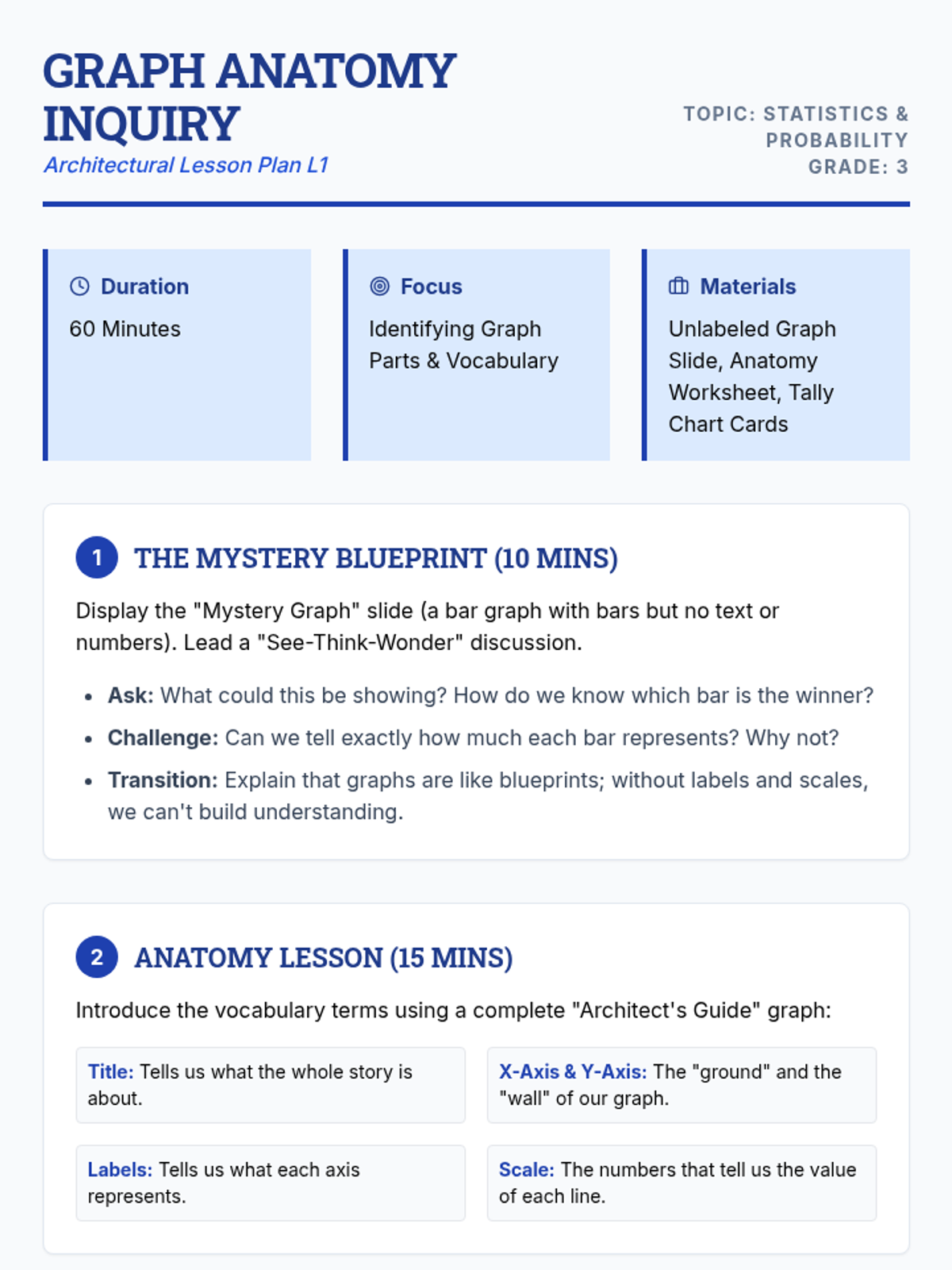
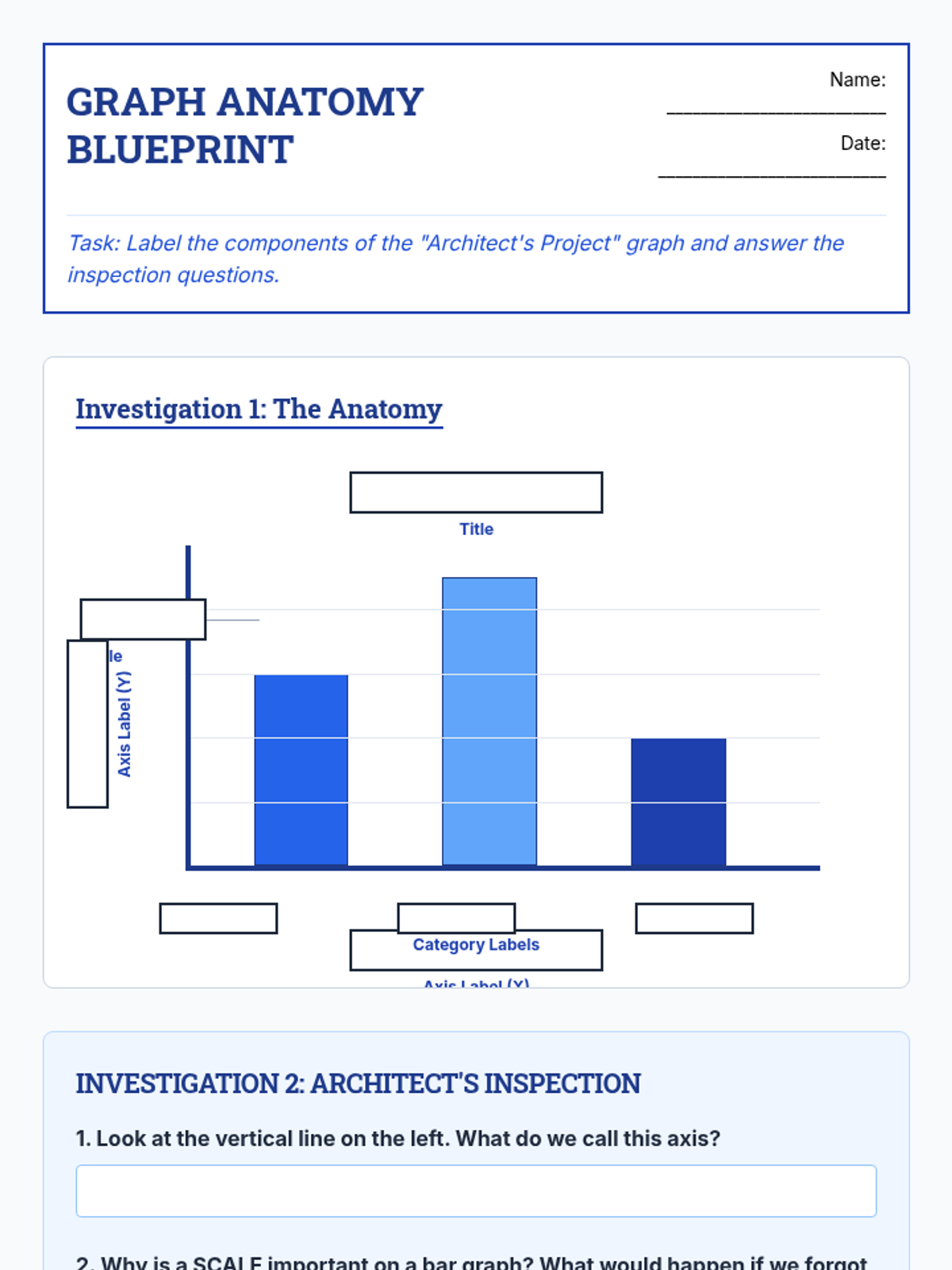
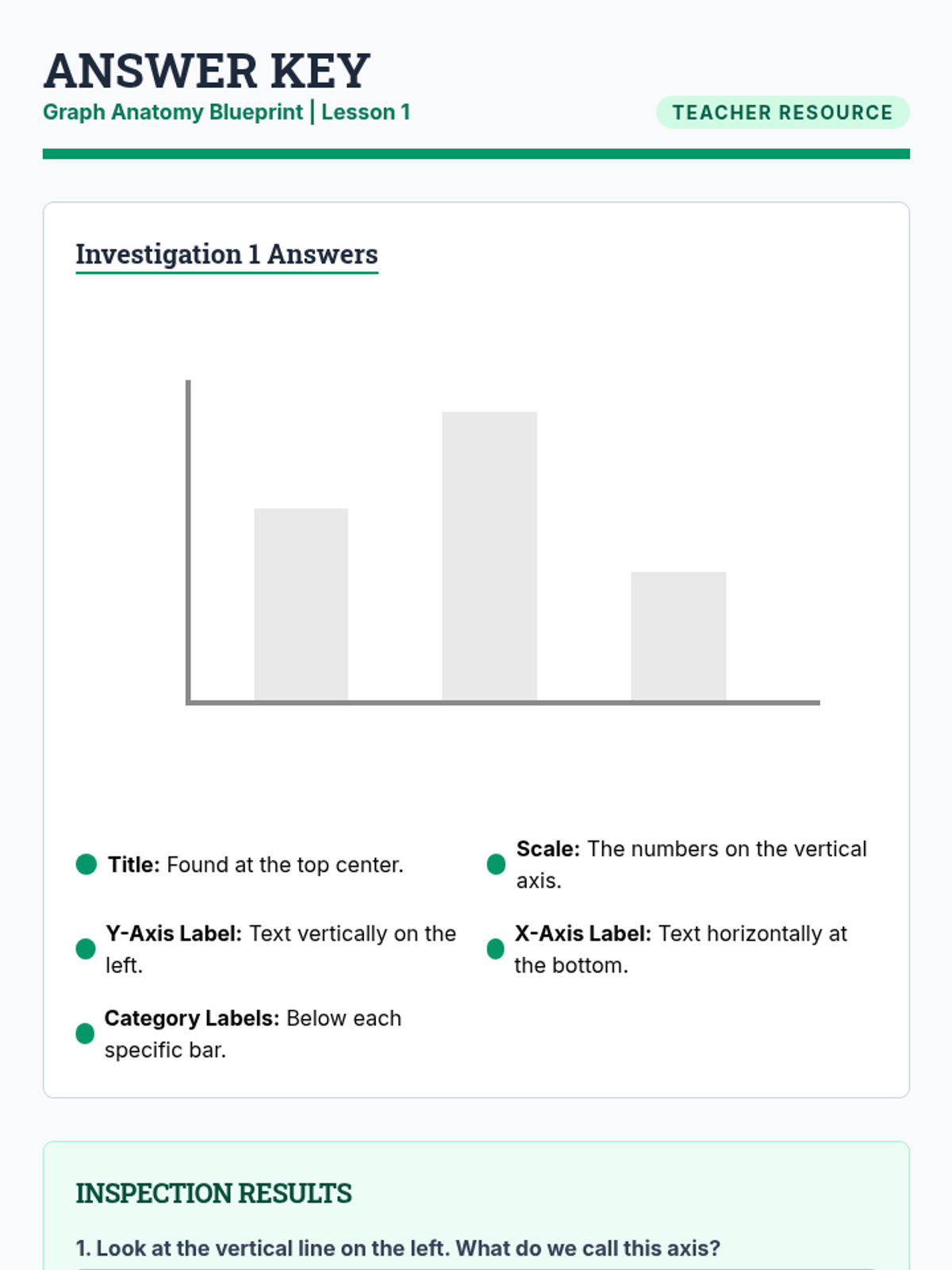
A comprehensive 3rd-grade unit focused on constructing scaled bar graphs and using data to solve one- and two-step comparison problems. Students progress from identifying graph components to mastering complex data analysis.
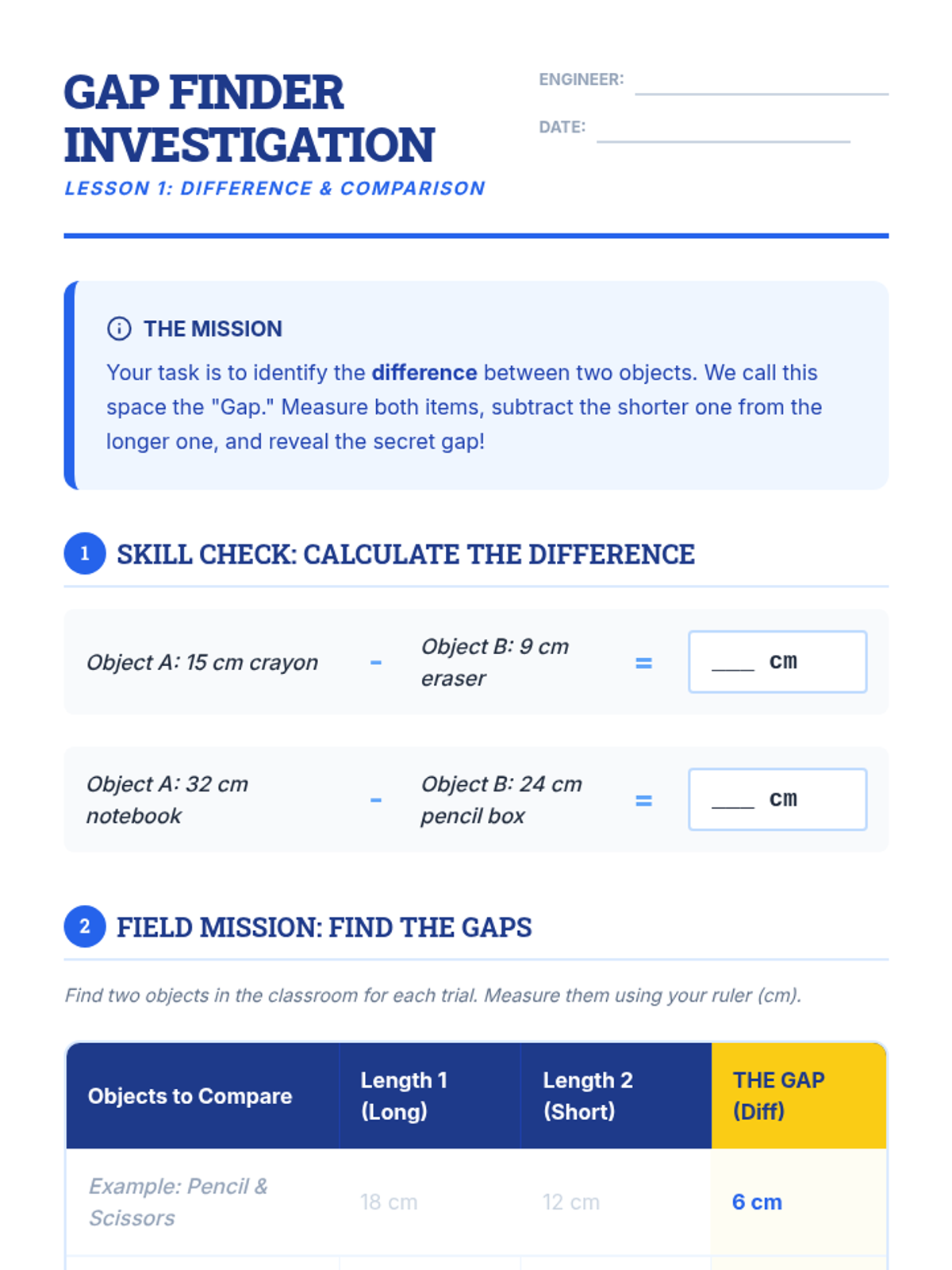
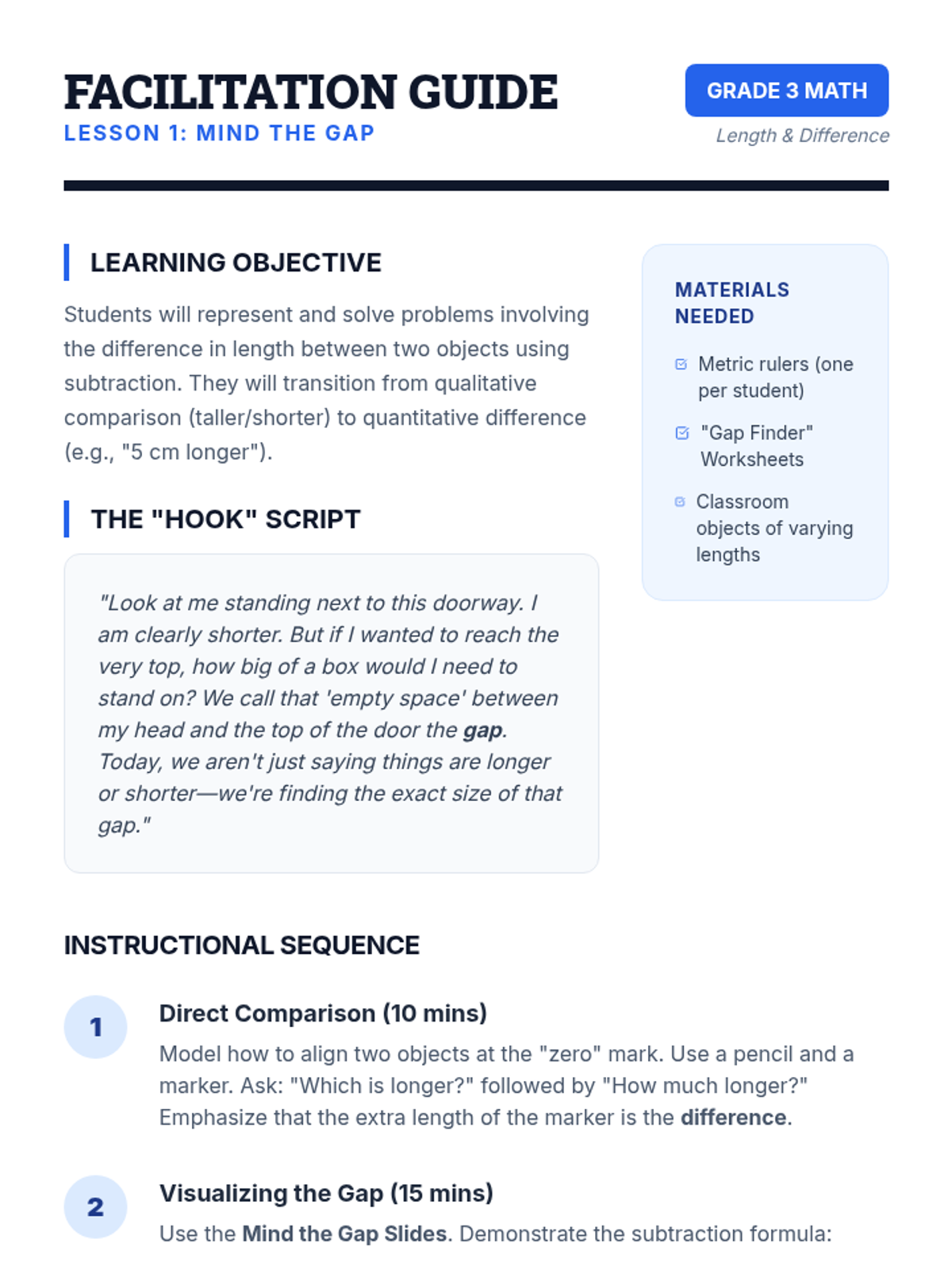
A 5-lesson math sequence for 3rd graders focusing on the relationship between addition/subtraction and length. Students explore 'difference' through animal jumps, vertical height comparisons, and multi-step data analysis.
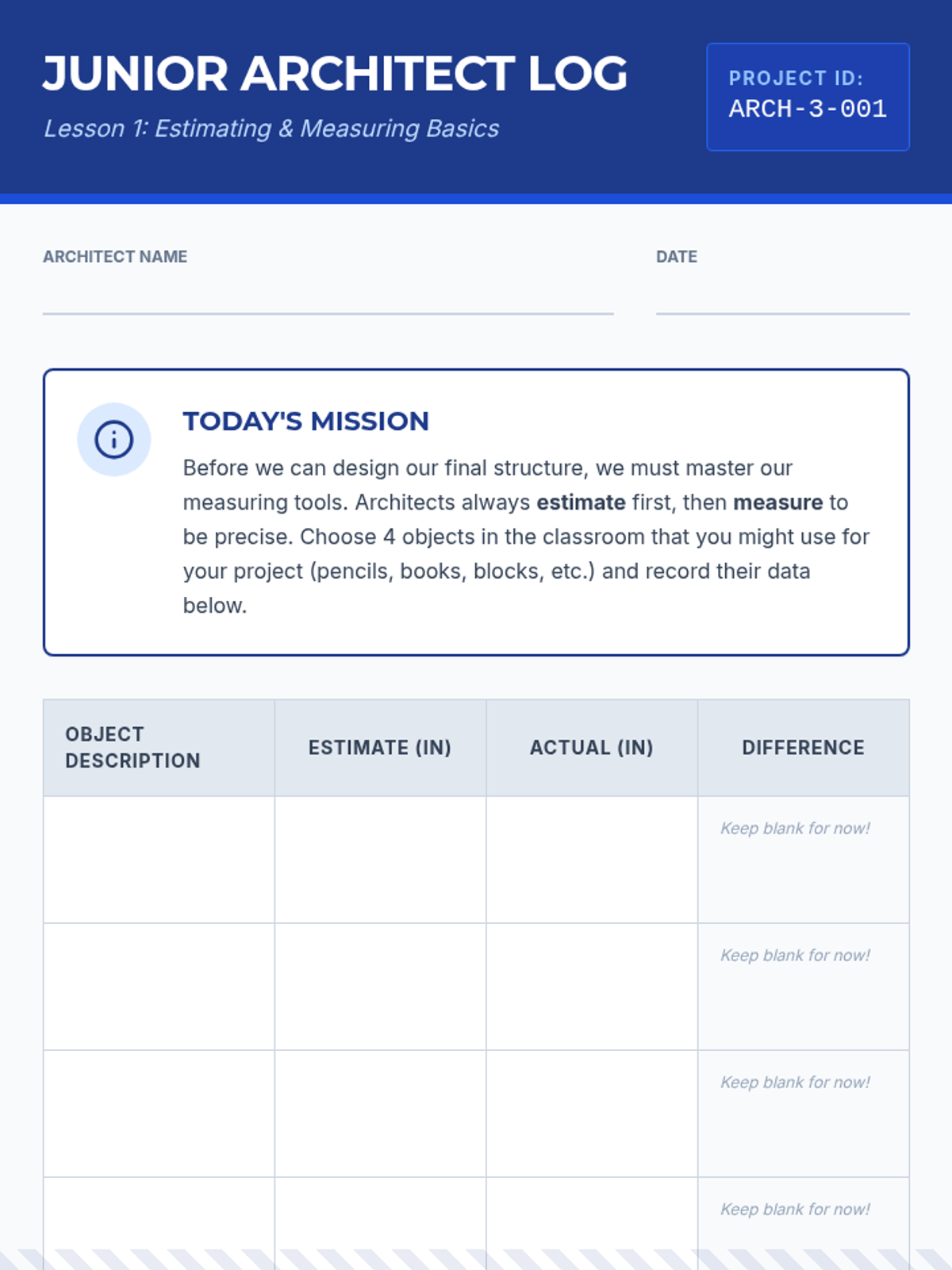
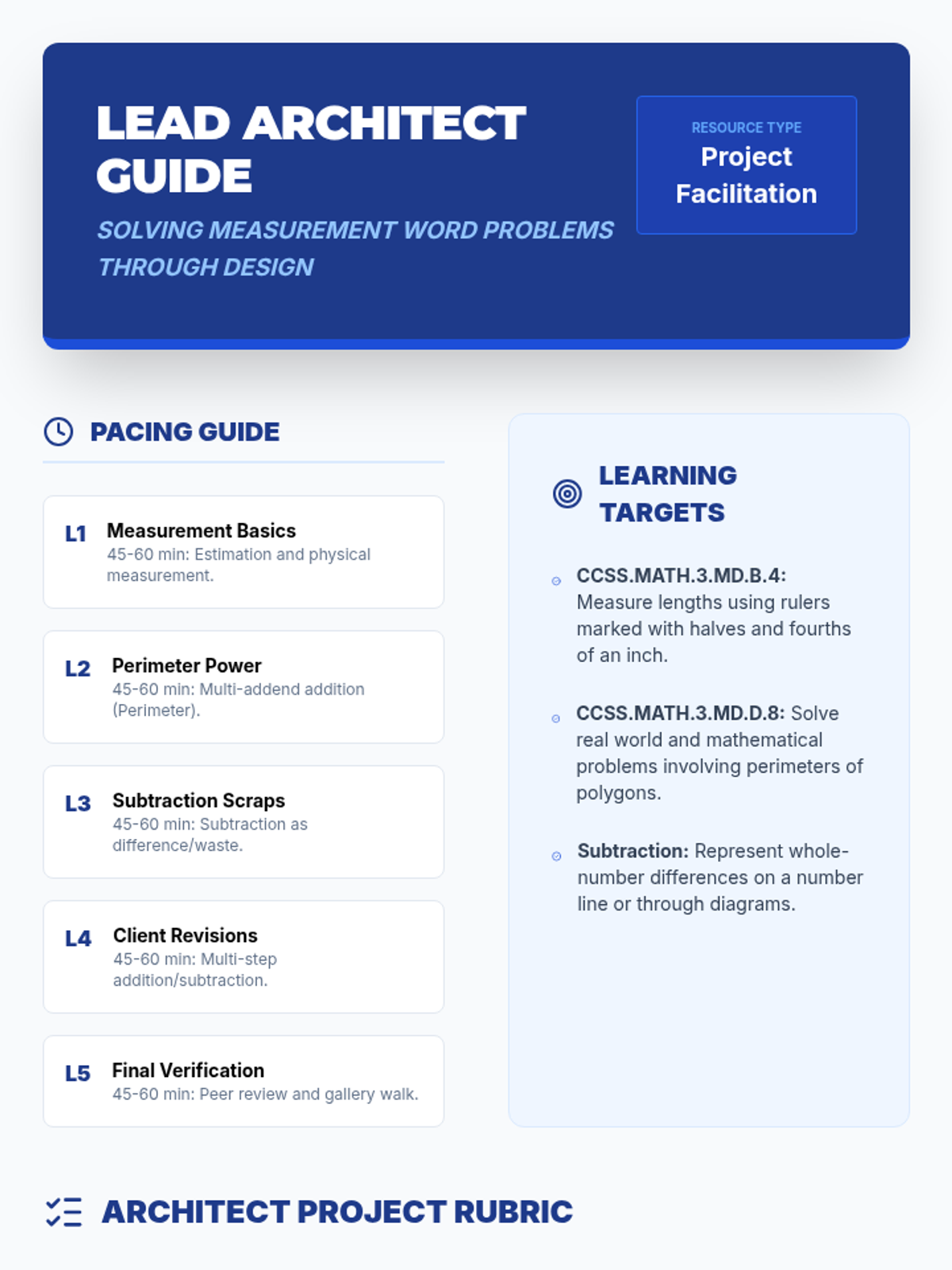
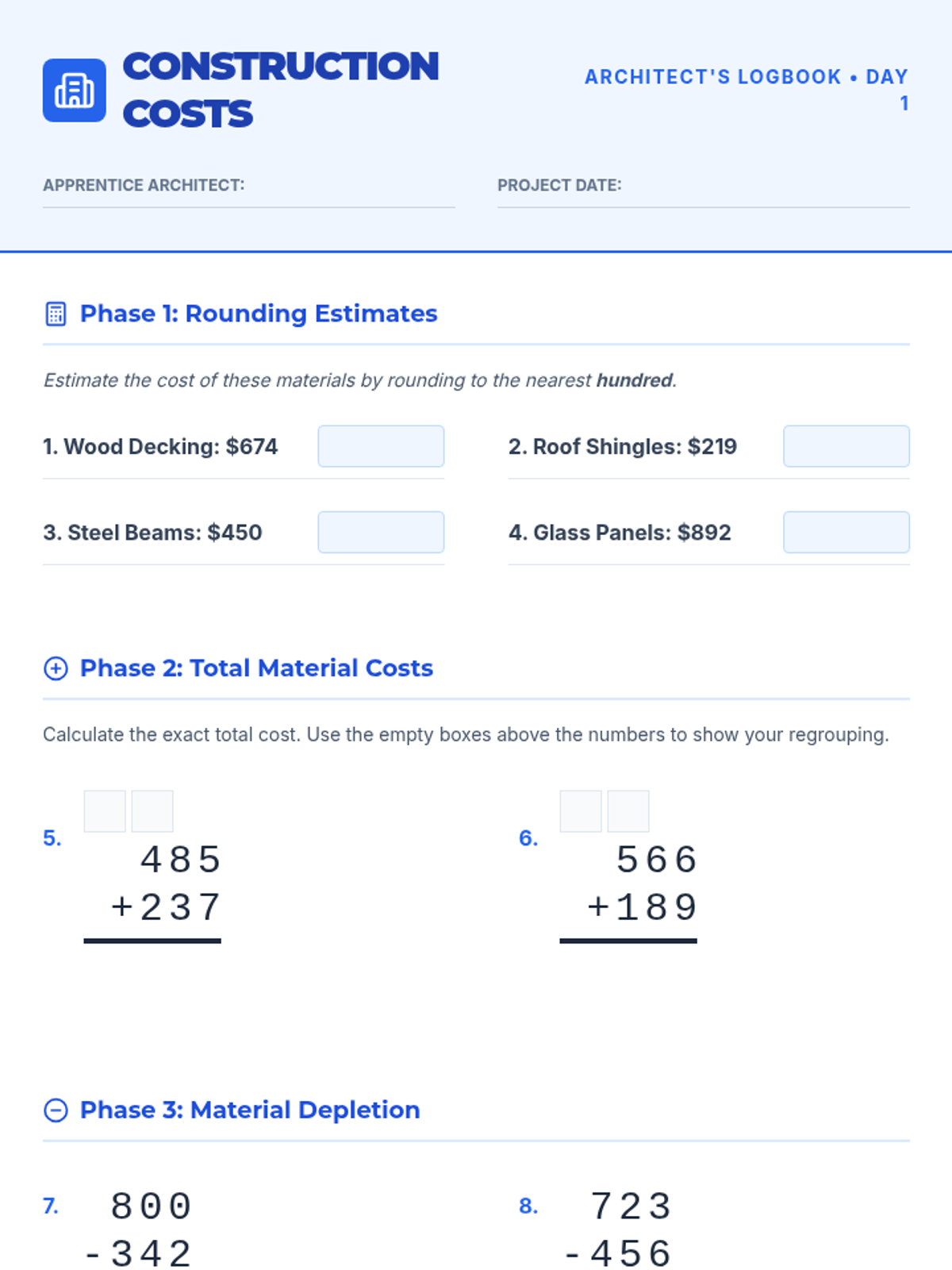
A 3rd Grade project-based sequence where students act as junior architects, using addition and subtraction of length to design and verify a structure. Students move from measuring physical objects to calculating total materials, handling waste, and adjusting designs based on client feedback.
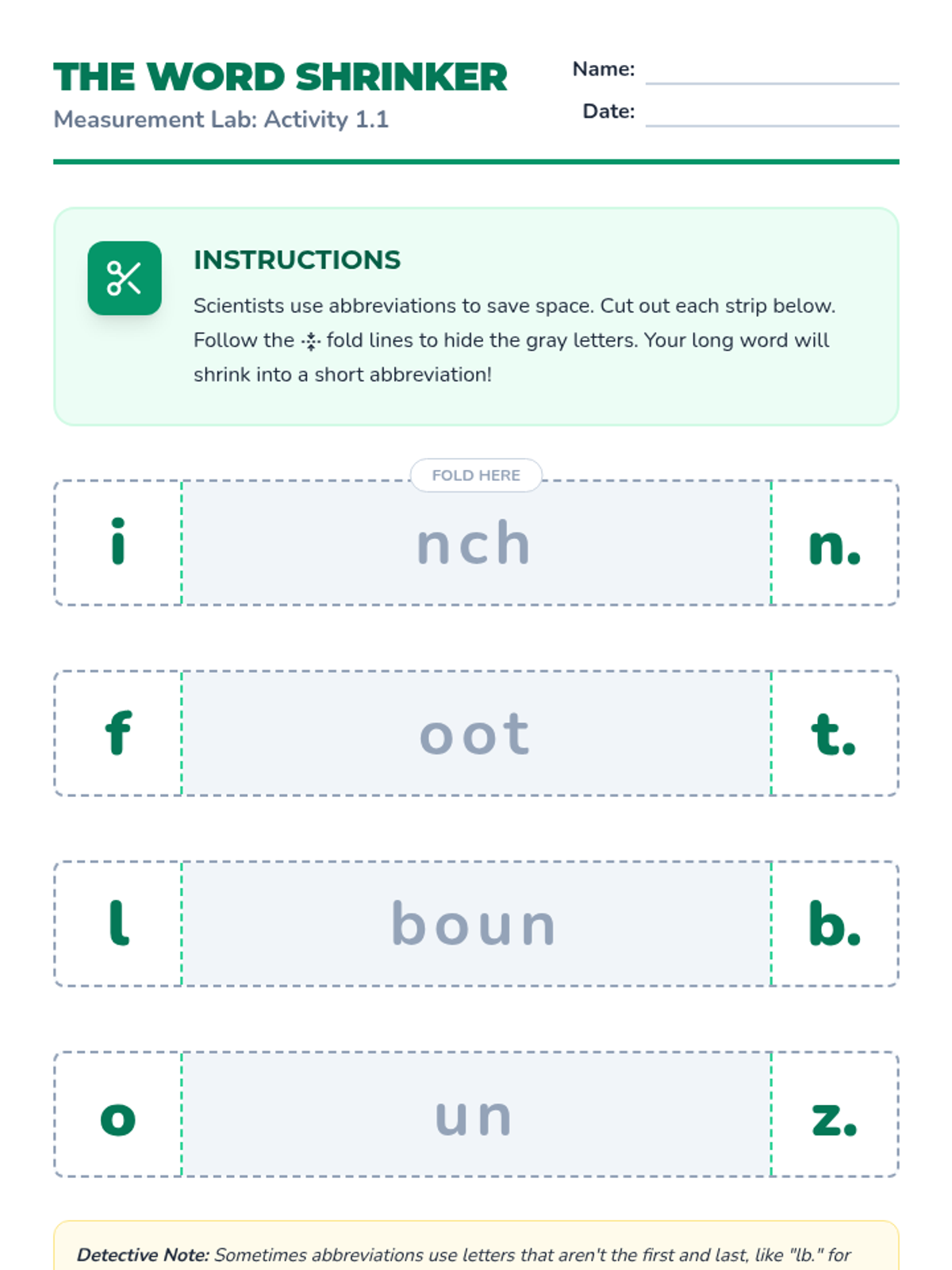
Students explore the practical use of measurement abbreviations through inquiry-based activities involving rulers, grocery packaging, and kitchen tools. This sequence focuses on visual recognition and recording of units like in., ft., oz., lb., tsp., and tbsp. in a scientific context.
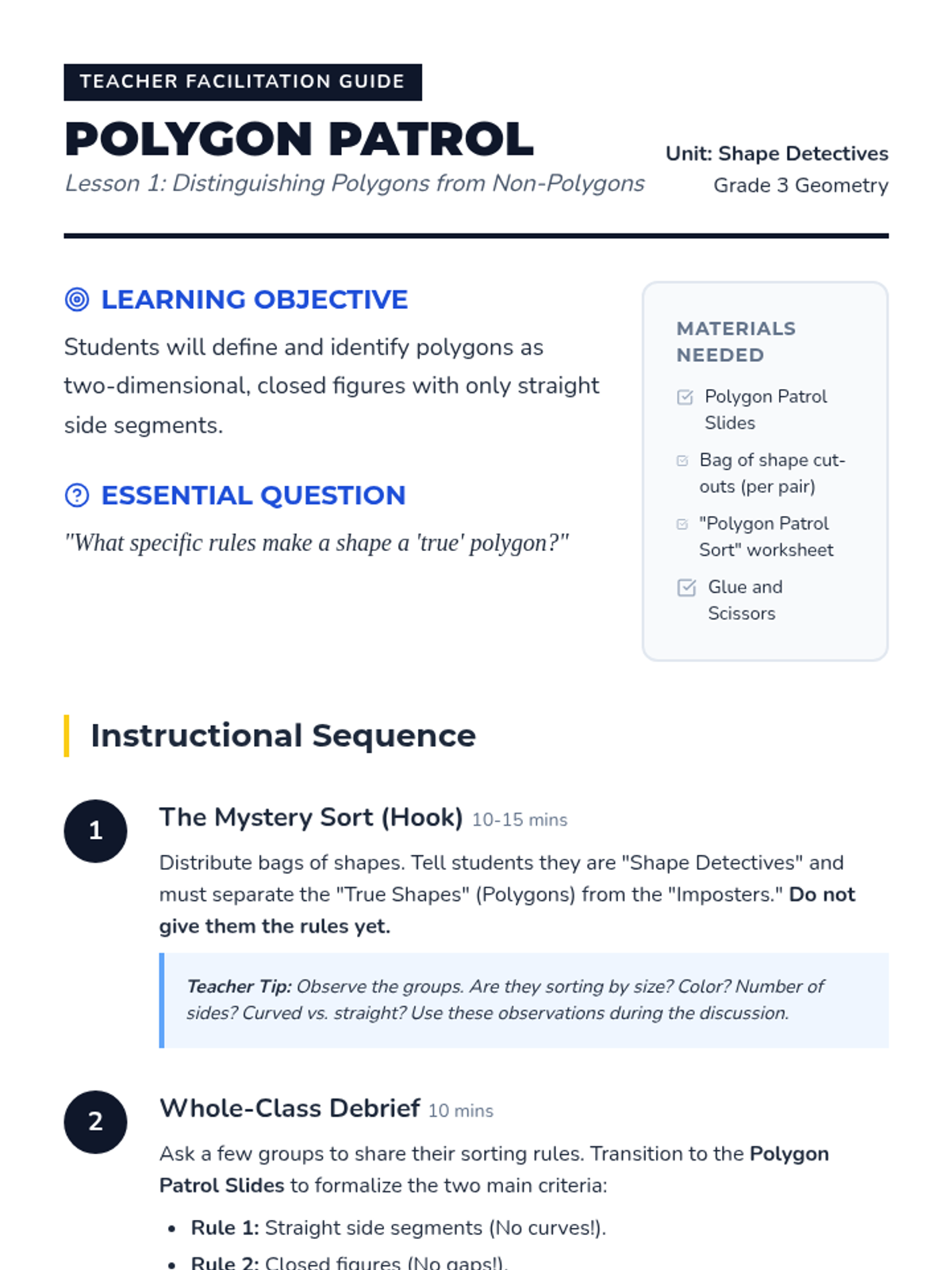
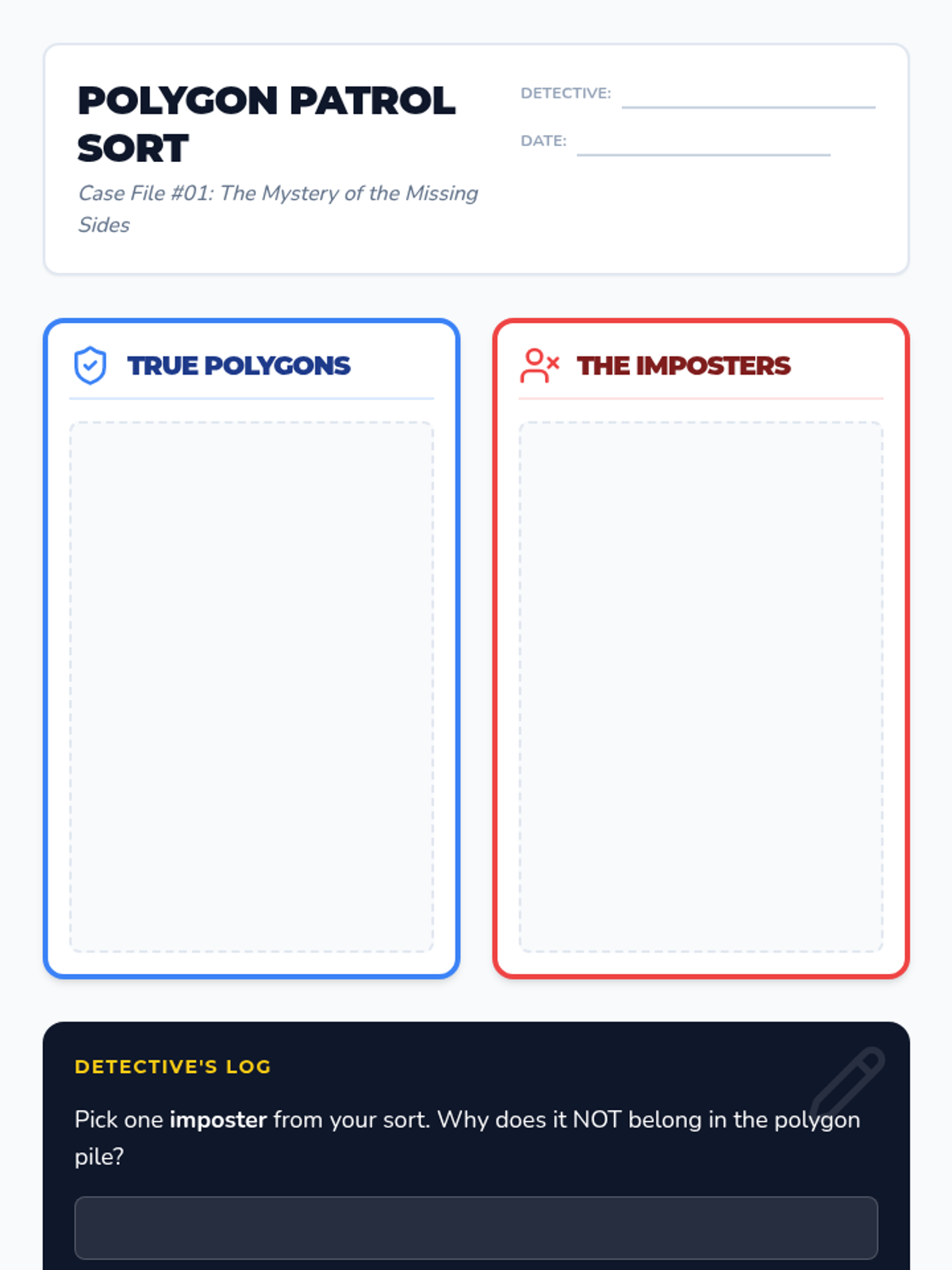
A comprehensive 3rd-grade geometry sequence focusing on the inquiry-based investigation of polygon attributes. Students progress from basic identification of polygons to defining complex shapes through angles, side lengths, and parallel relationships.
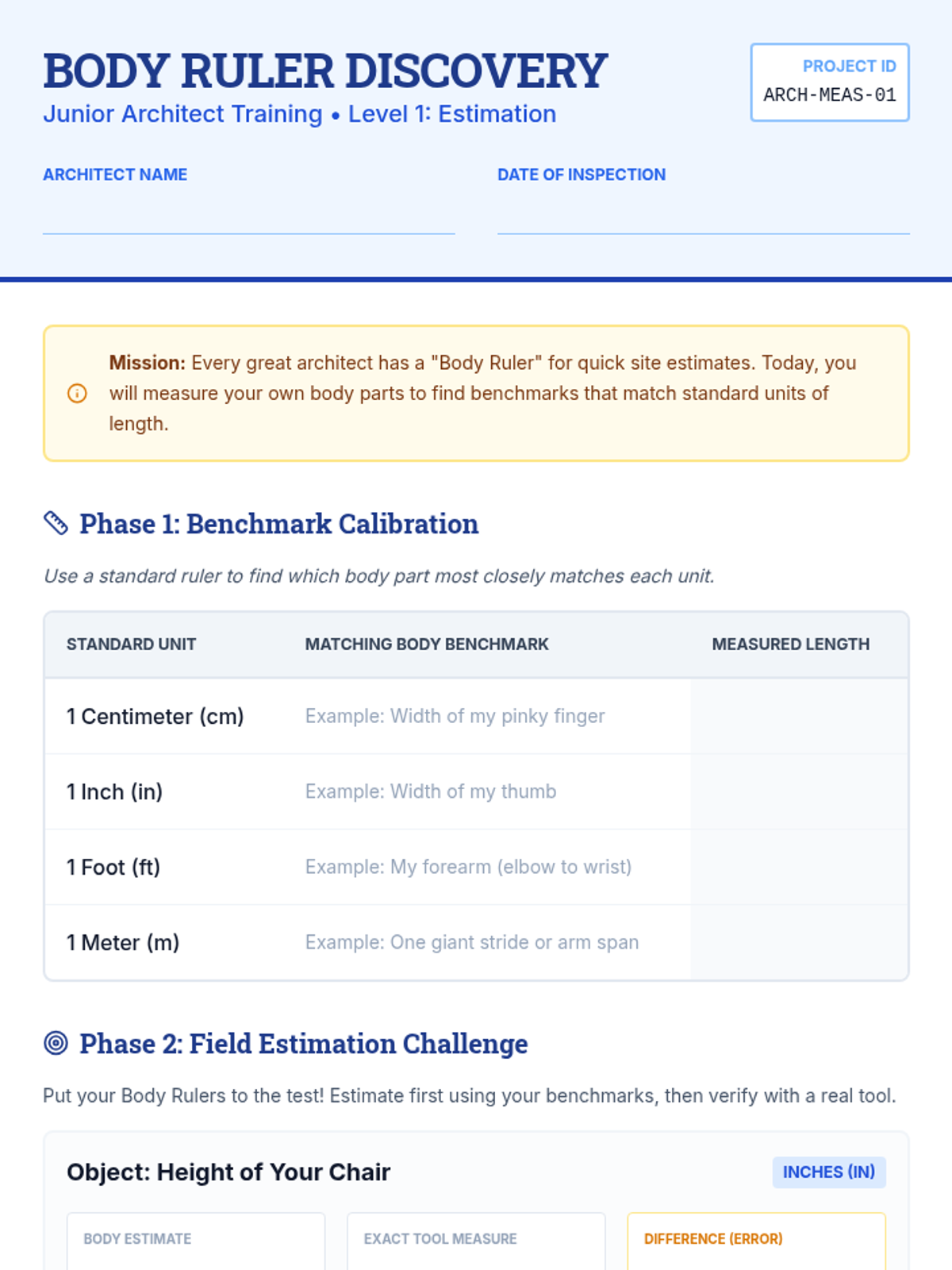
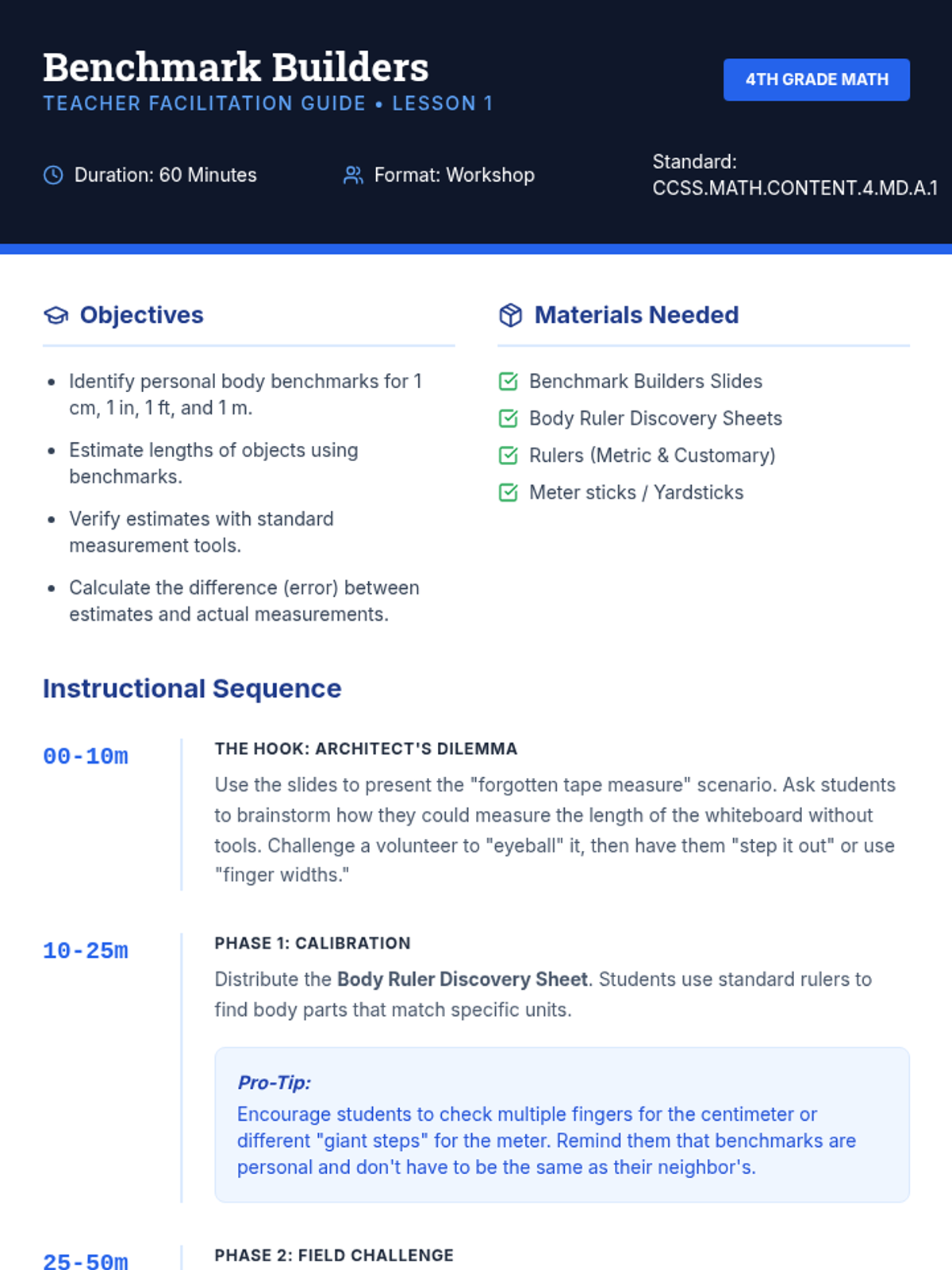
A 3rd-grade math unit focused on transitioning from small-scale measurements to large-scale estimation and measurement using metric and customary units. Students develop personal benchmarks, select appropriate tools, and complete a classroom mapping project.
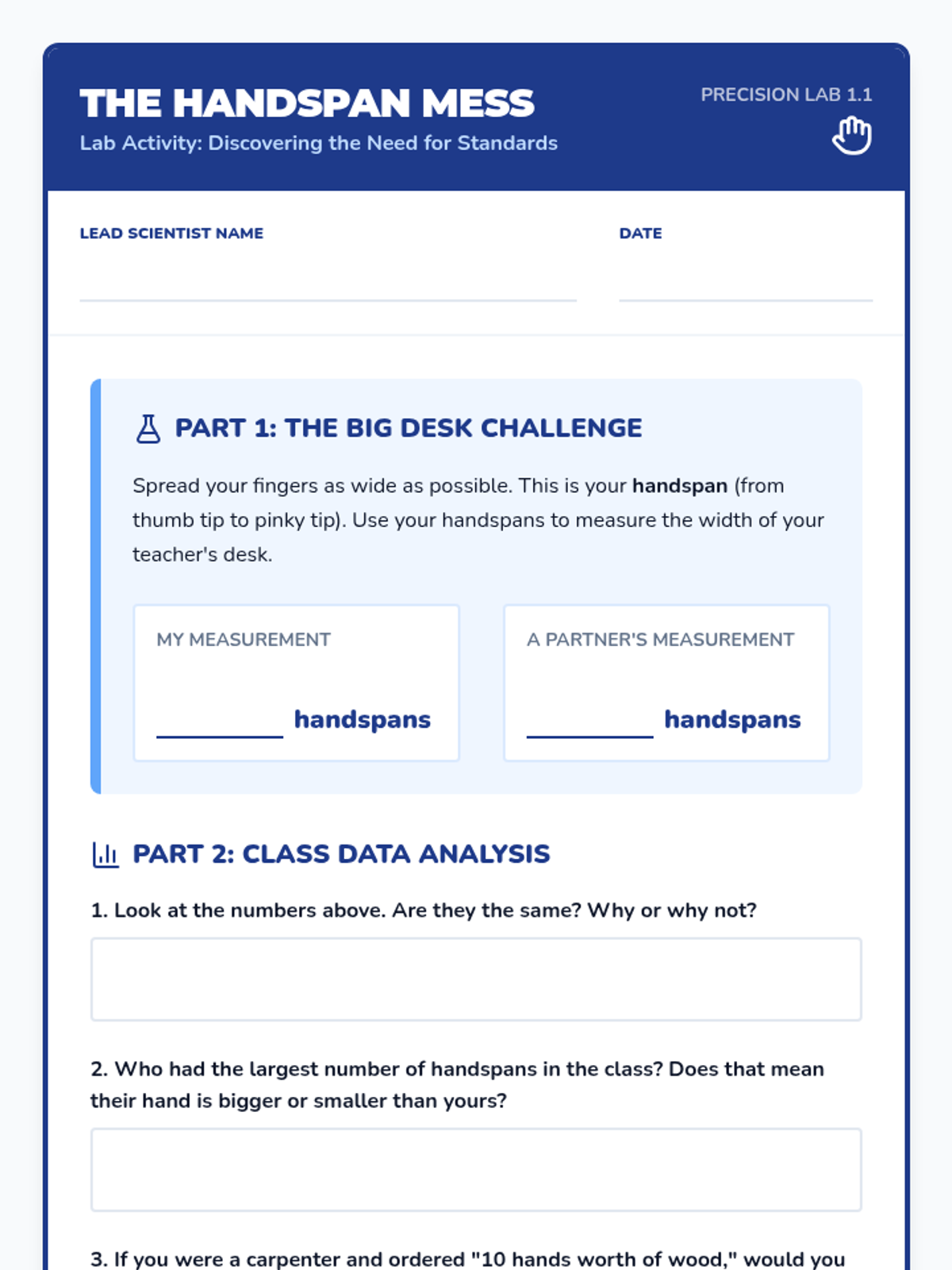
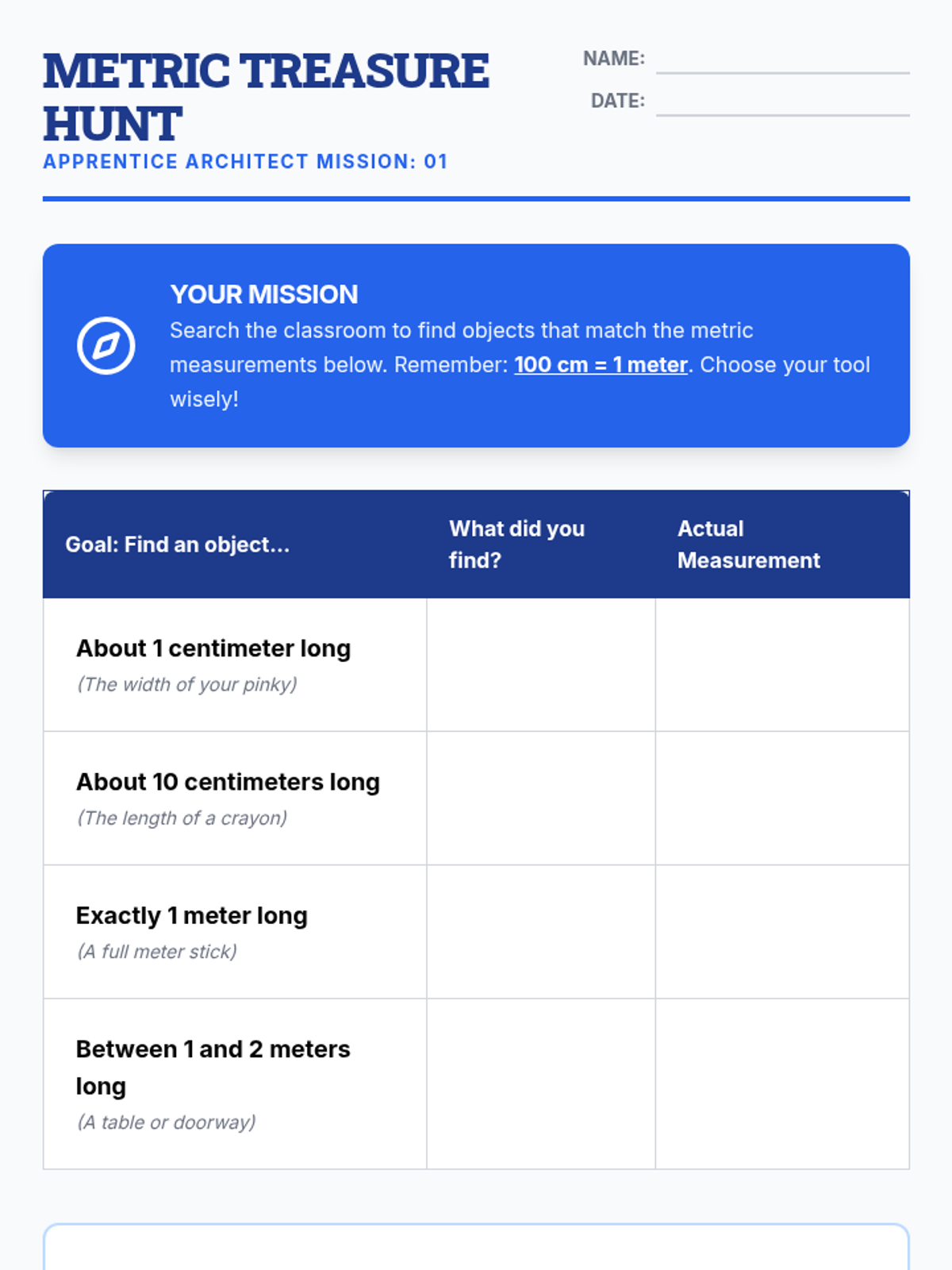
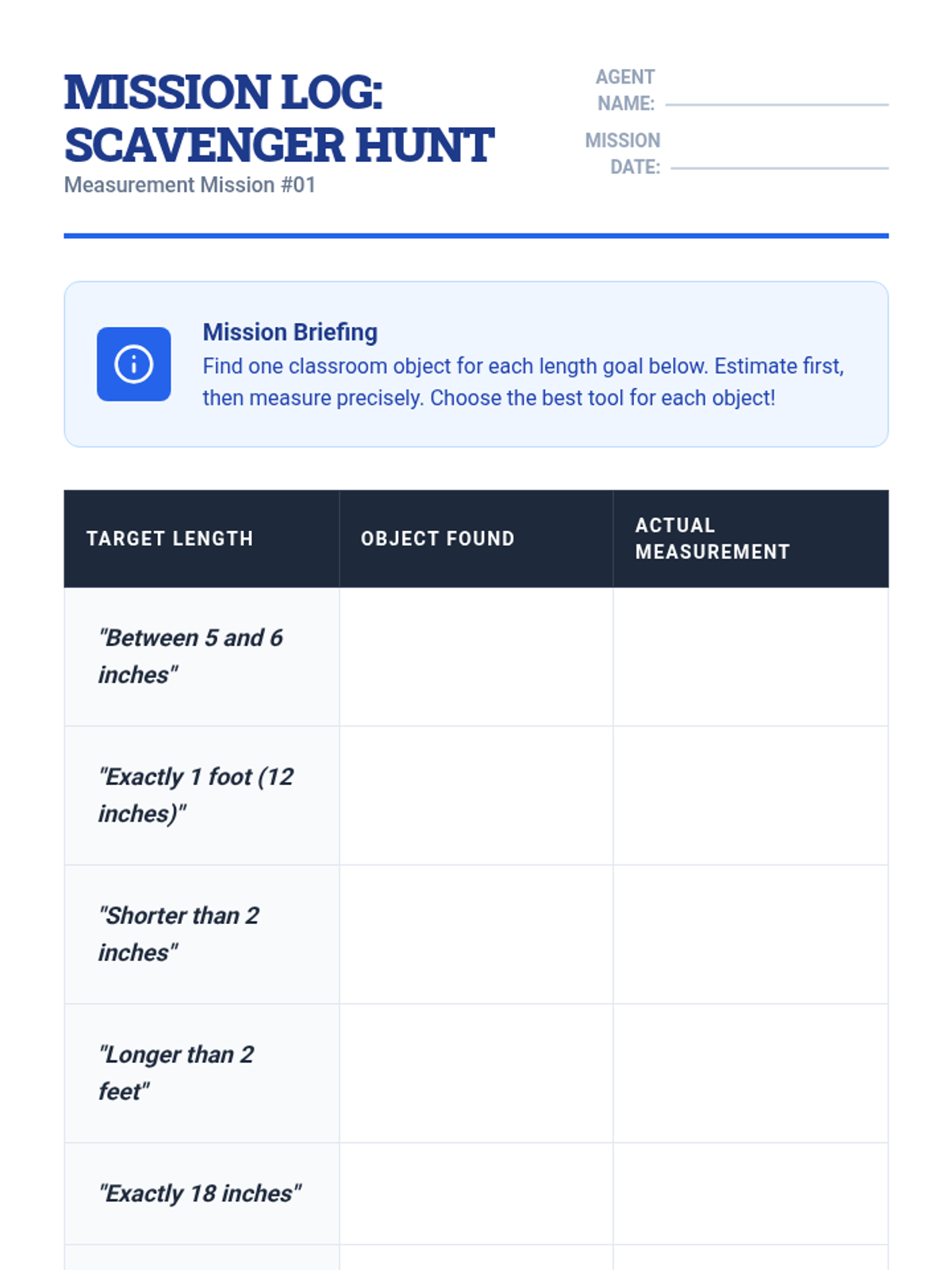
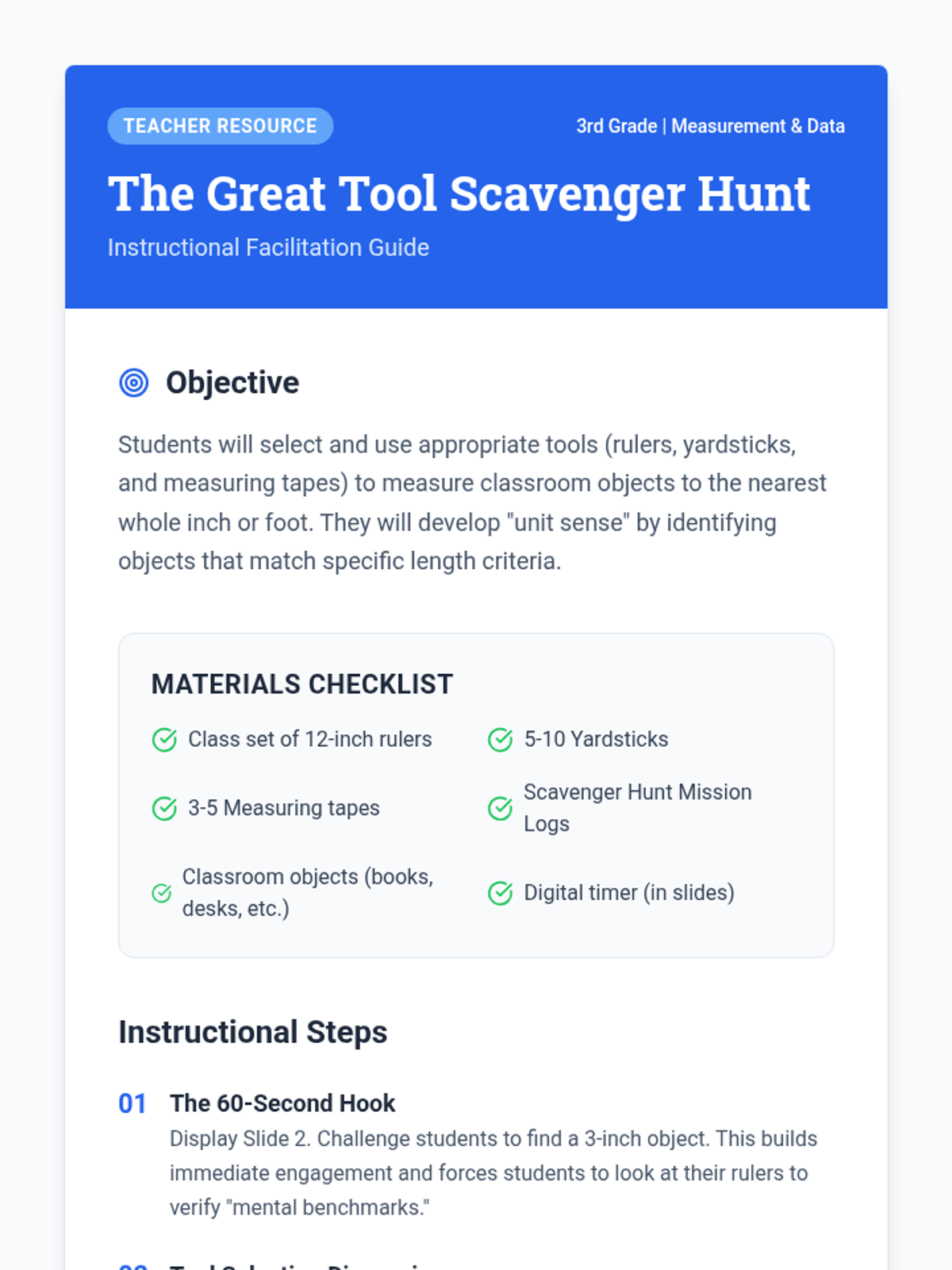
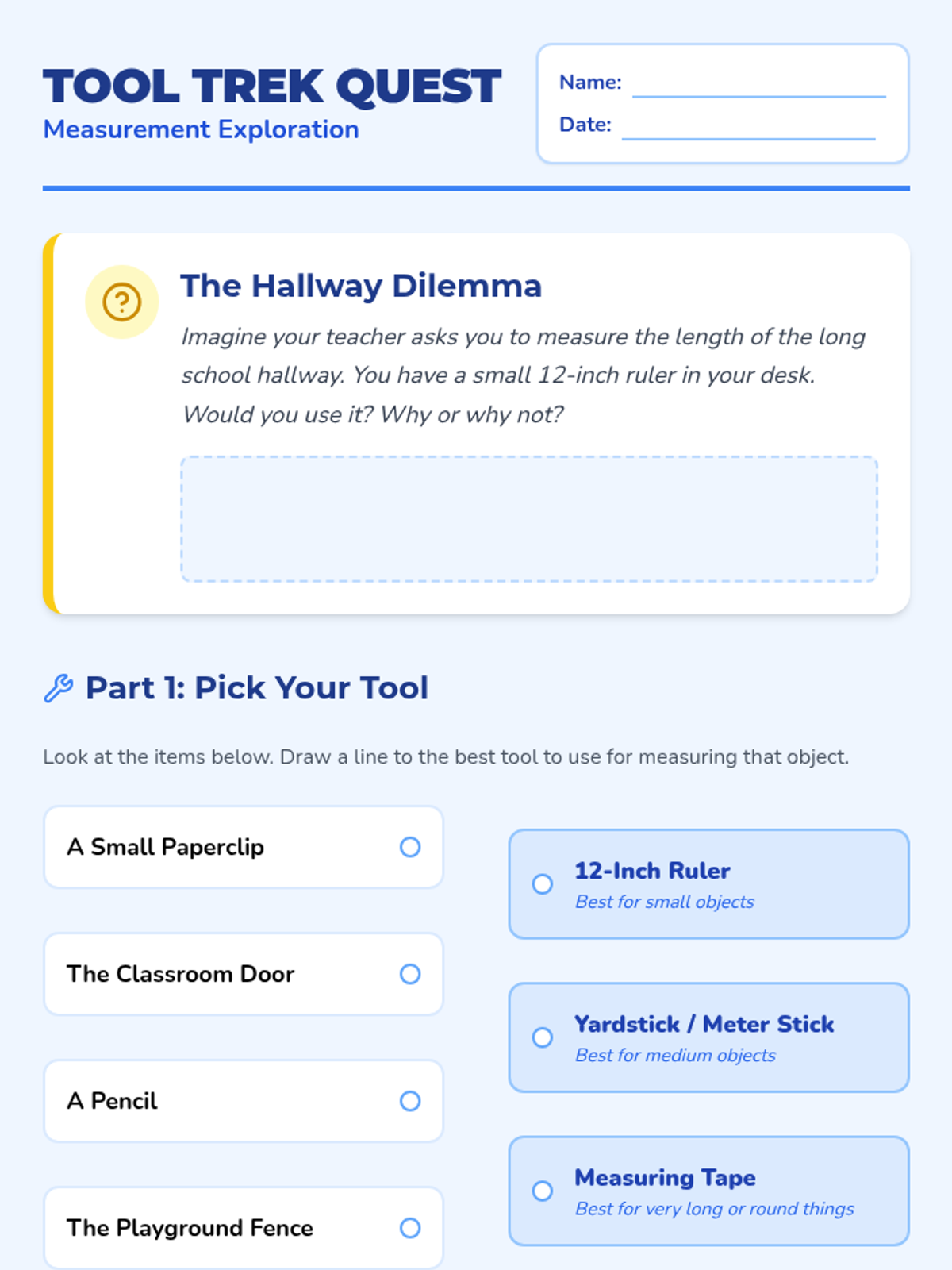
A game-based 3rd grade sequence where students master measurement through active scavenger hunts, error analysis simulations, and a classroom 'Measurement Olympics' to compare and analyze lengths.
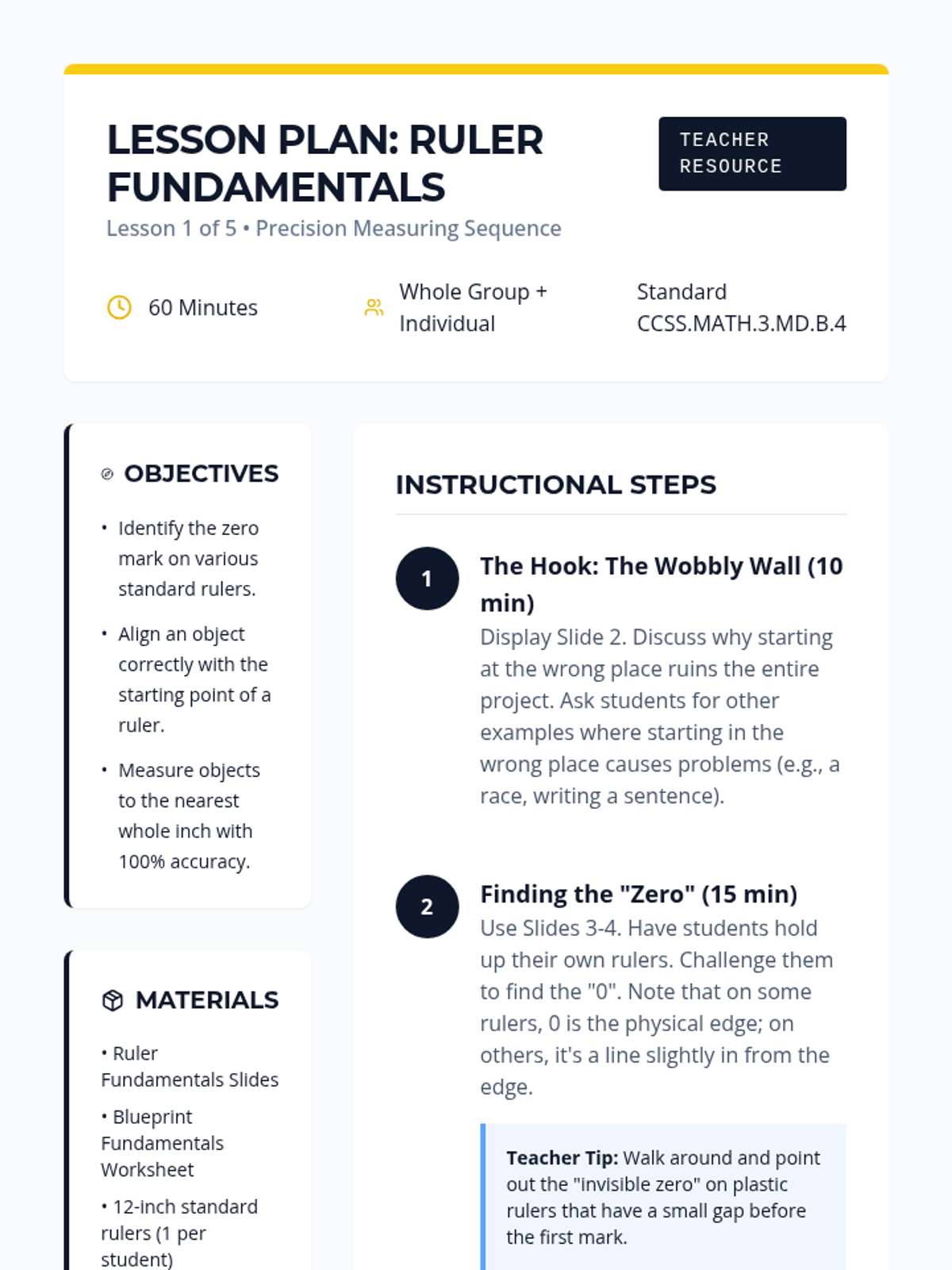
This 5-lesson sequence for 3rd graders focuses on developing precision and accuracy when measuring with standard rulers. Students progress from whole-inch fundamentals to halves and quarter-inch precision, culminating in a performance-based assessment.
Students become junior architects, mastering estimation and precise measurement using metric and customary units to design classroom floor plans.
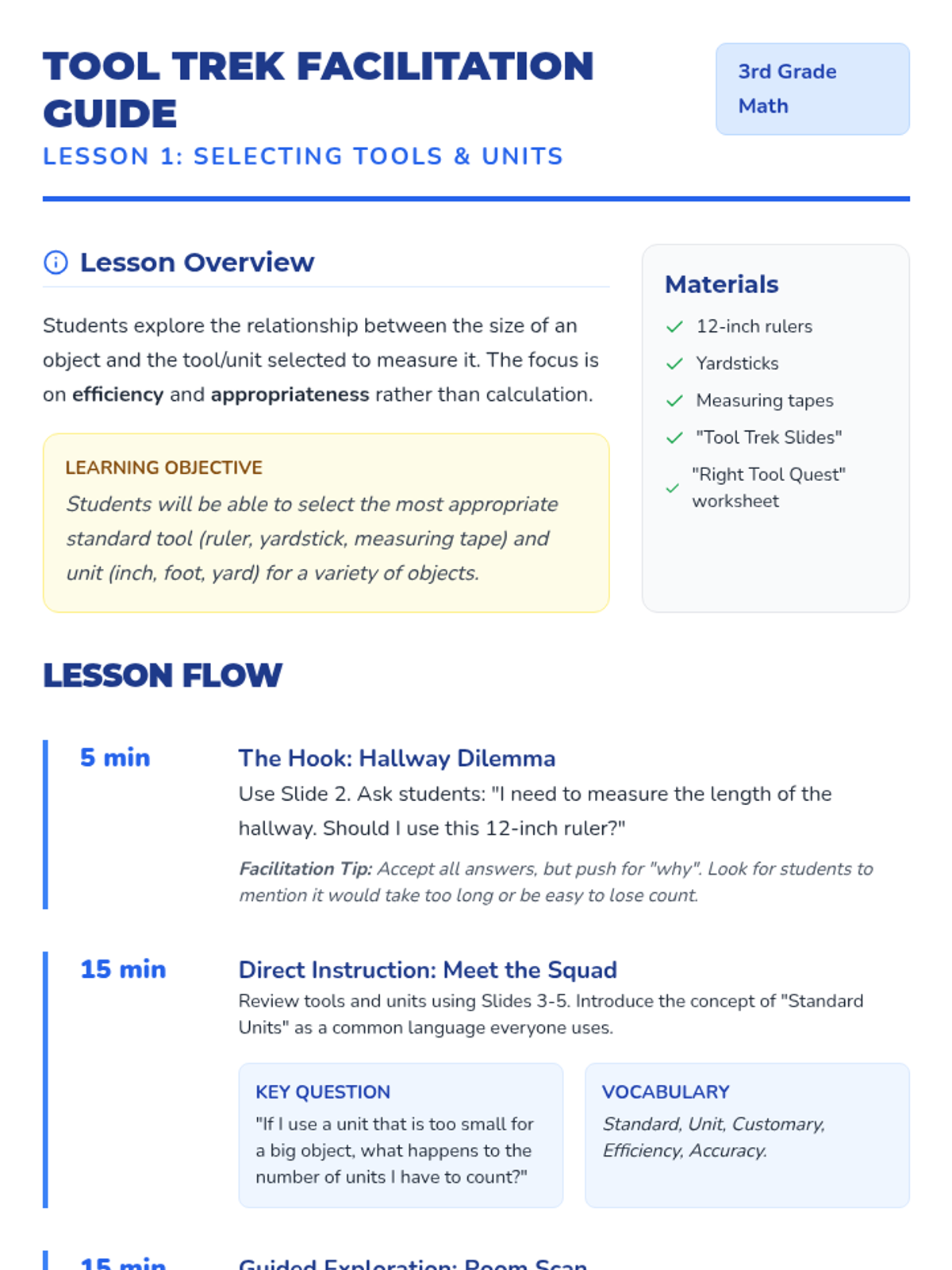
A comprehensive unit for 3rd graders on linear measurement using customary and metric systems. Students master tool selection, develop estimation benchmarks, and practice precision measuring to fractions of an inch and centimeter.
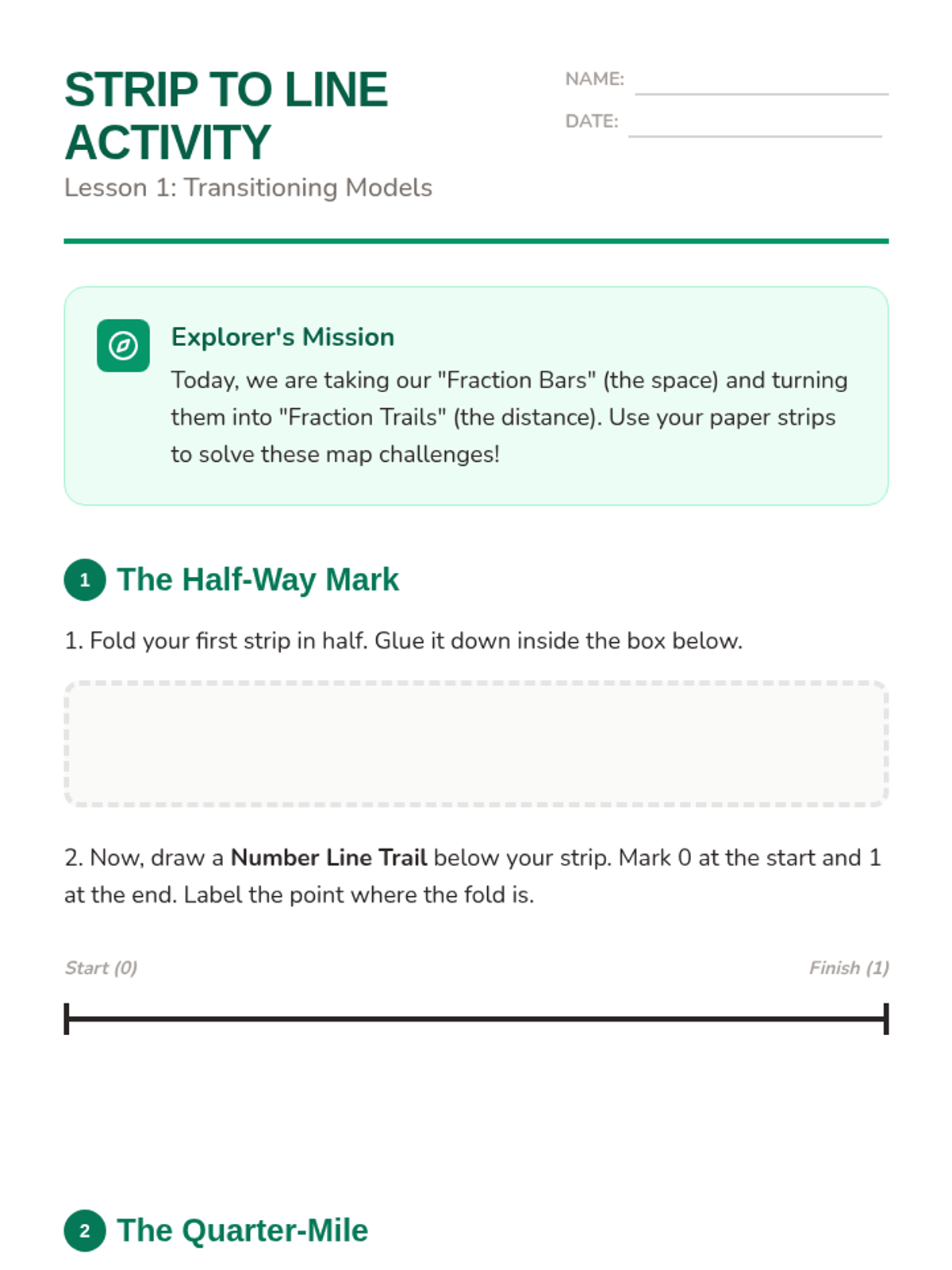
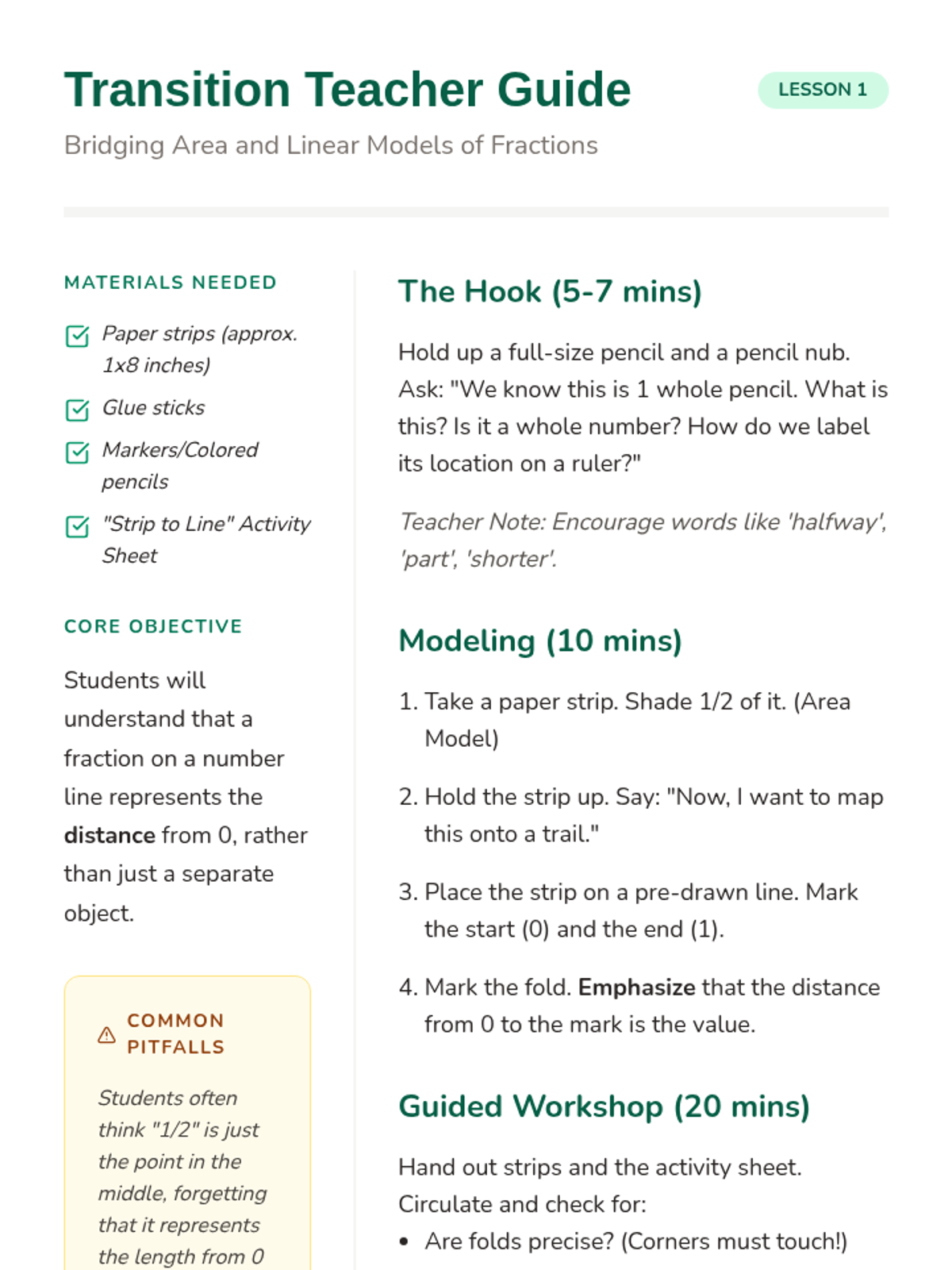
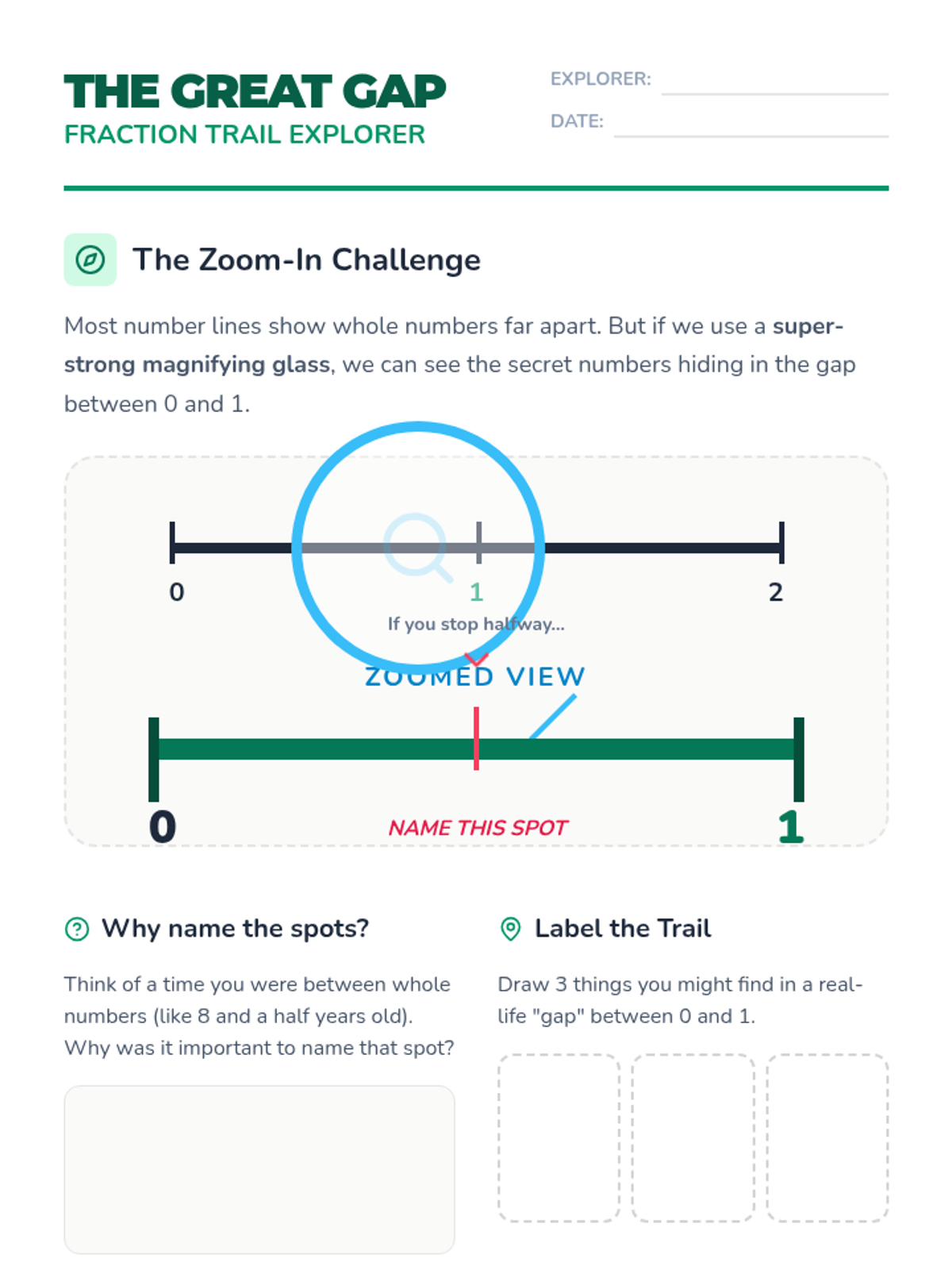
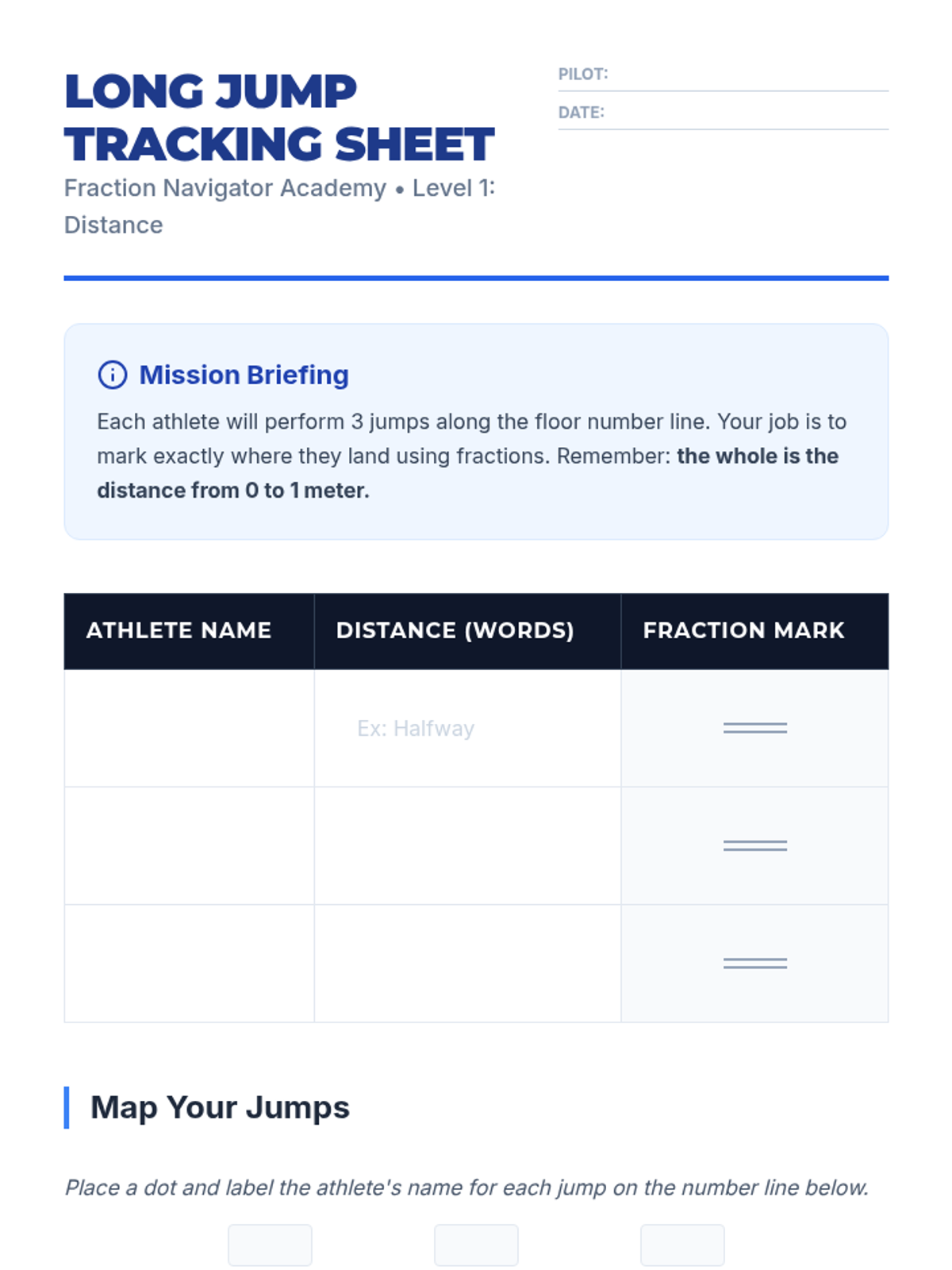
Students transition from area models to linear models, representing fractions as specific locations and distances on a number line. The sequence progresses from physical paper folding to abstract plotting and real-world measurement beyond one whole.
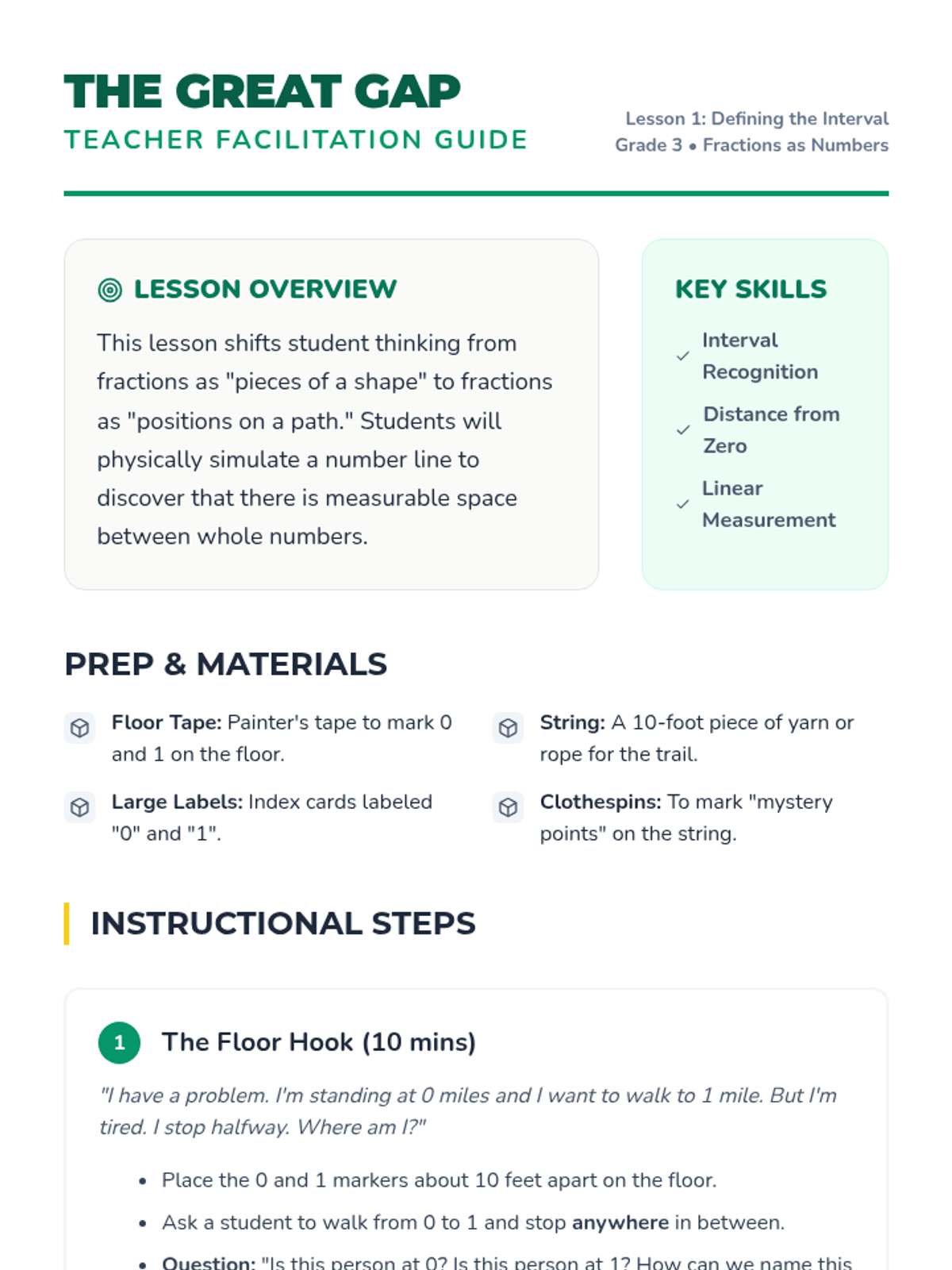
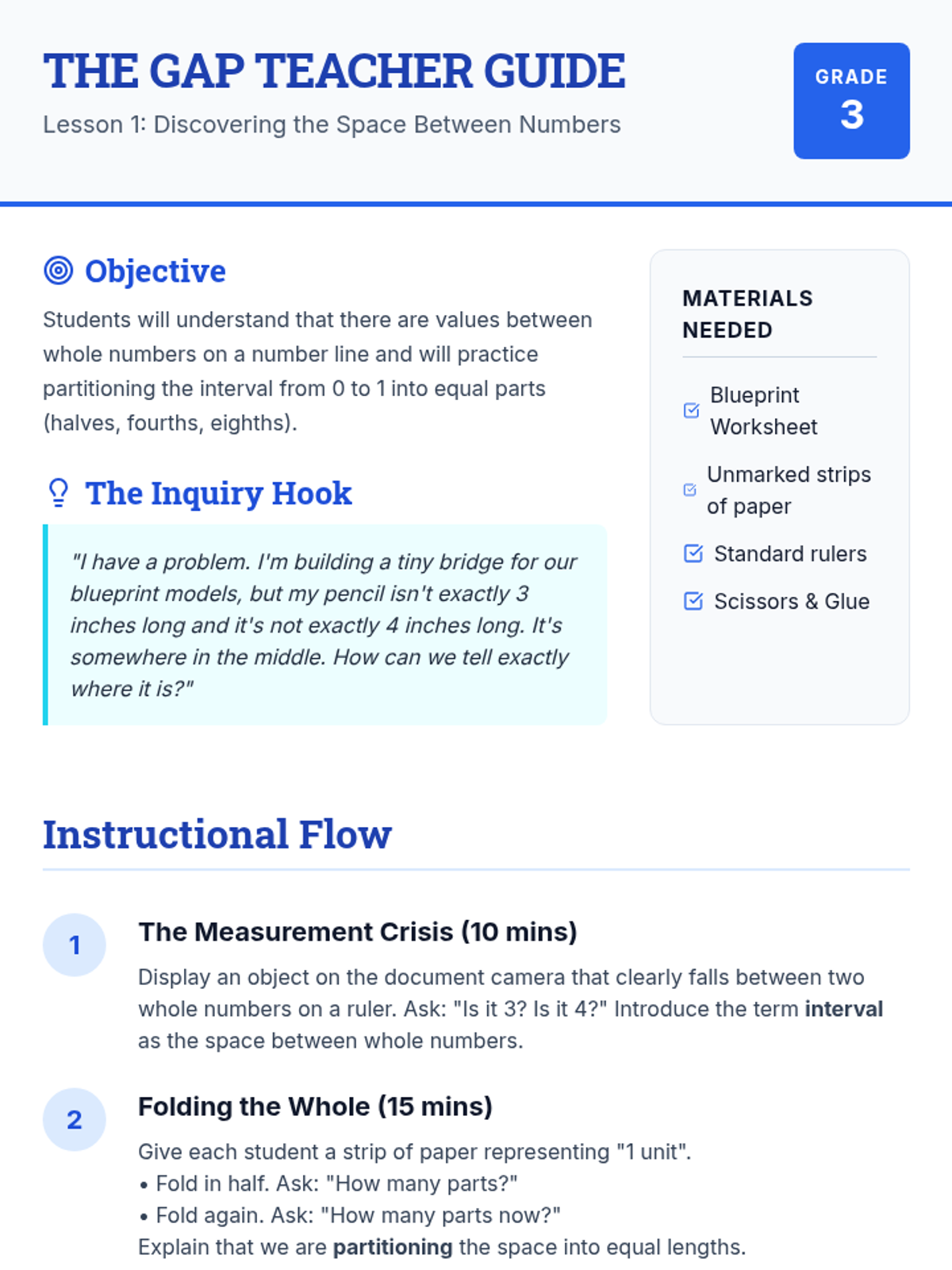
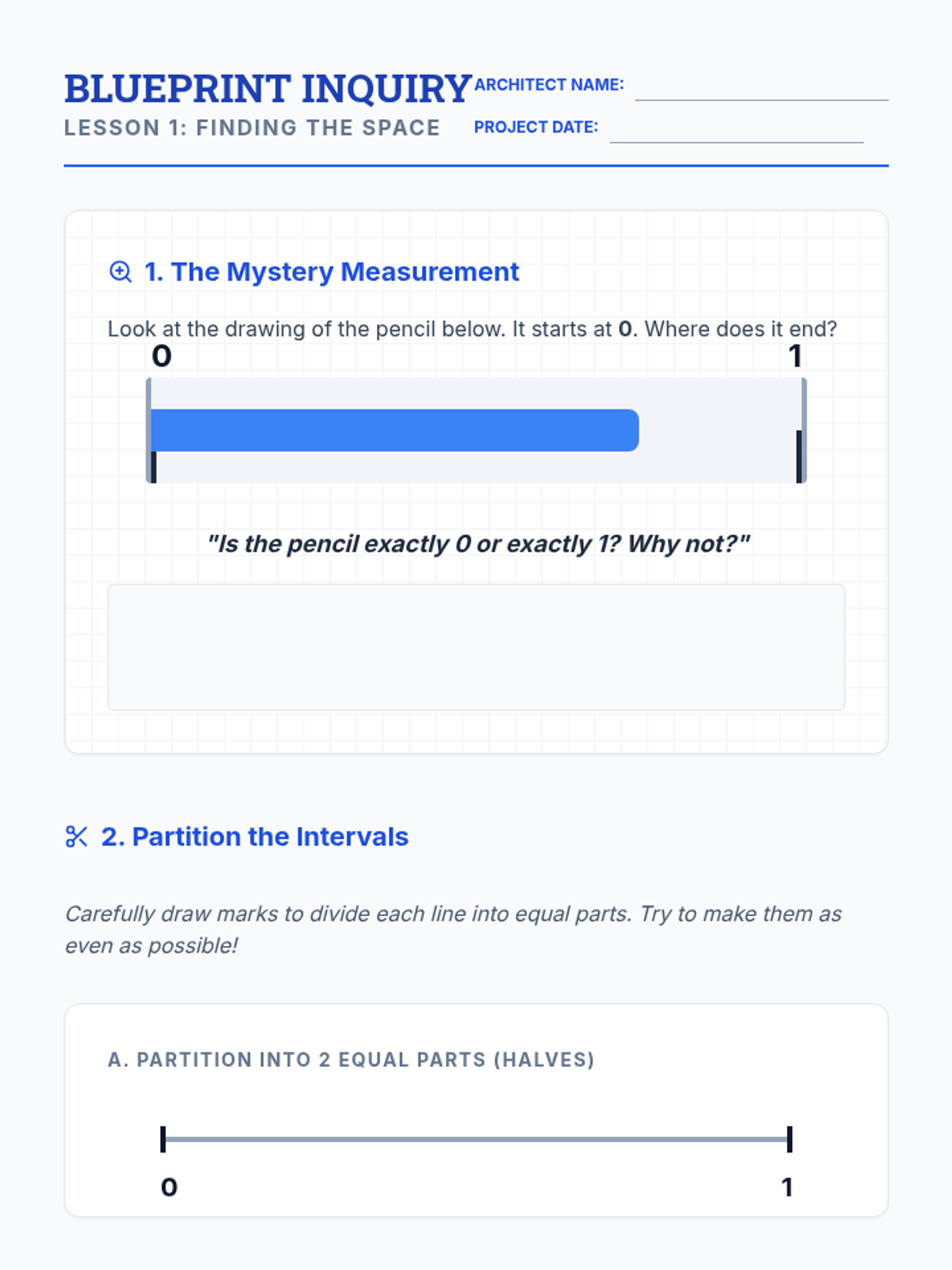
A 3rd-grade math sequence focused on representing fractions as points and distances on number lines. Students explore the interval between 0 and 1, partition lines into unit fractions, count non-unit fractions, extend lines past the whole, and apply these skills to measuring with rulers.
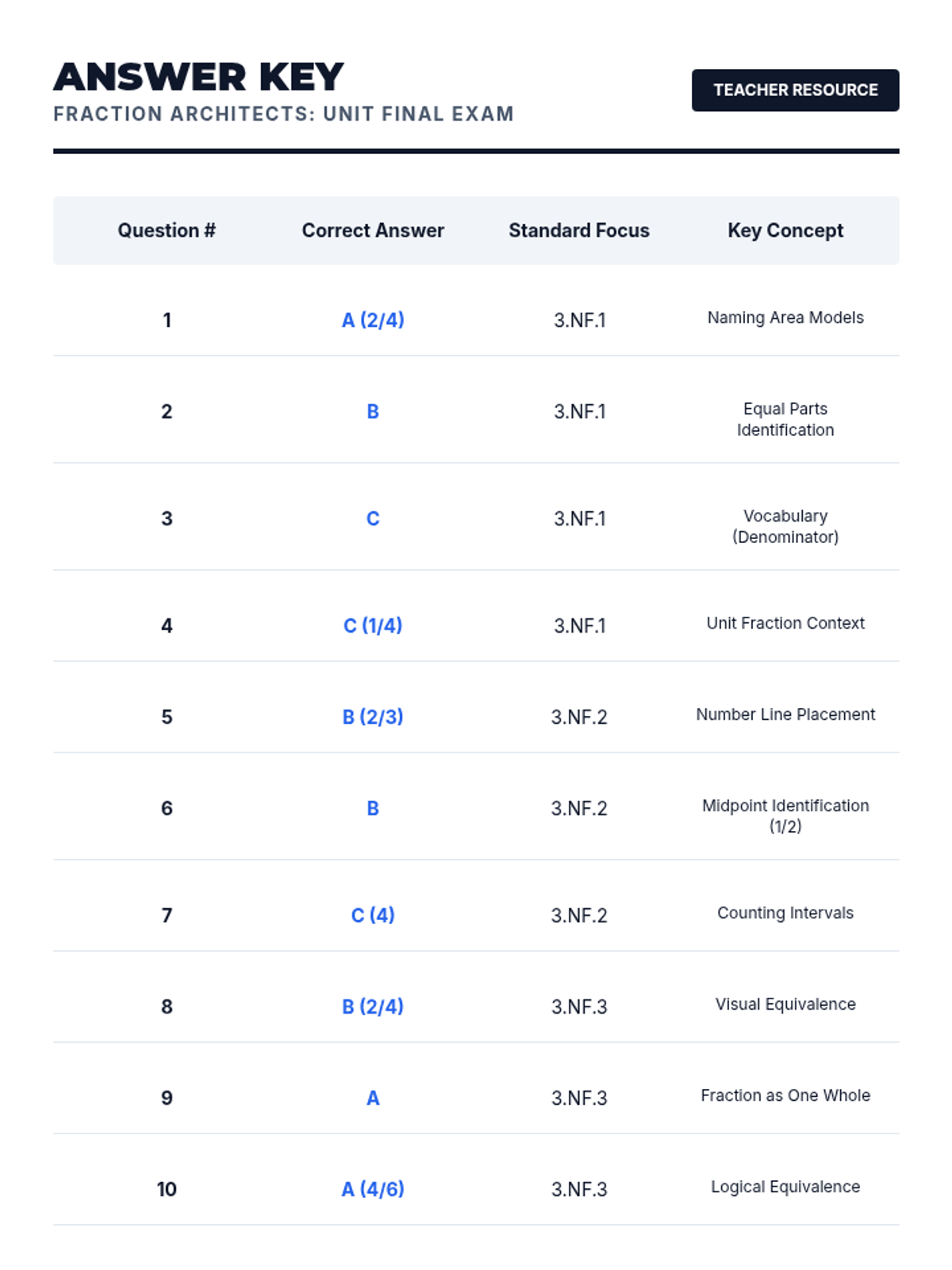
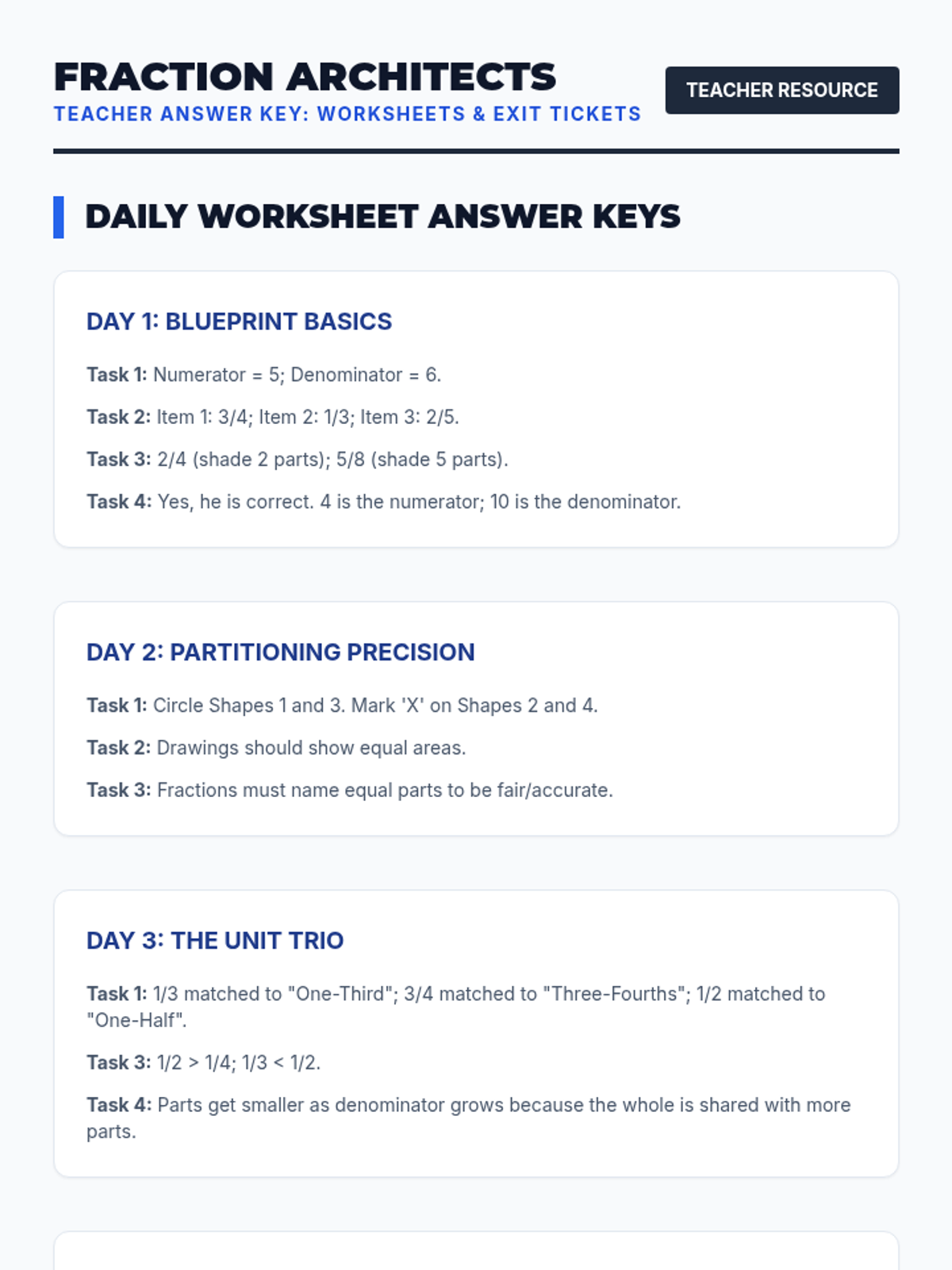
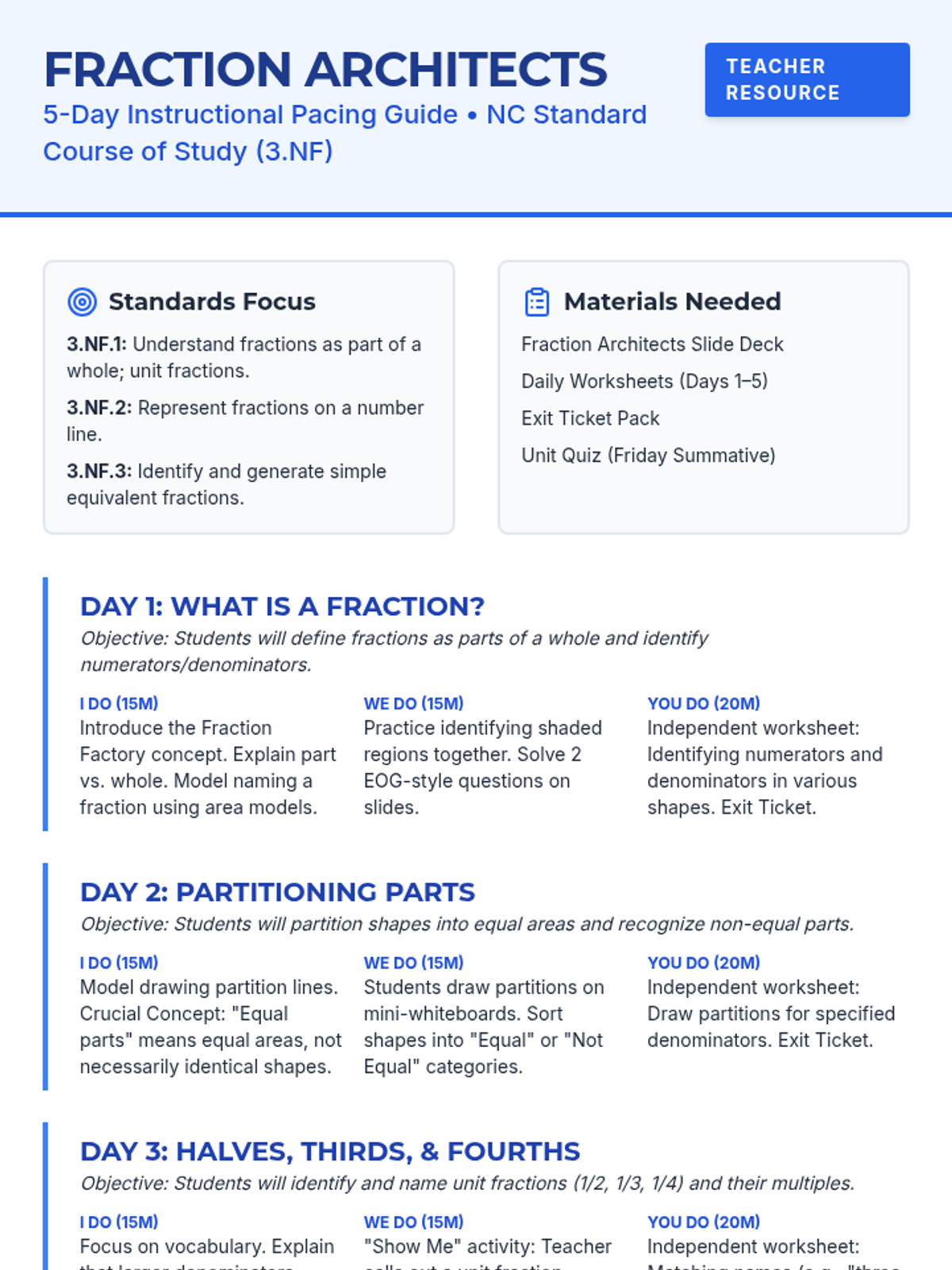
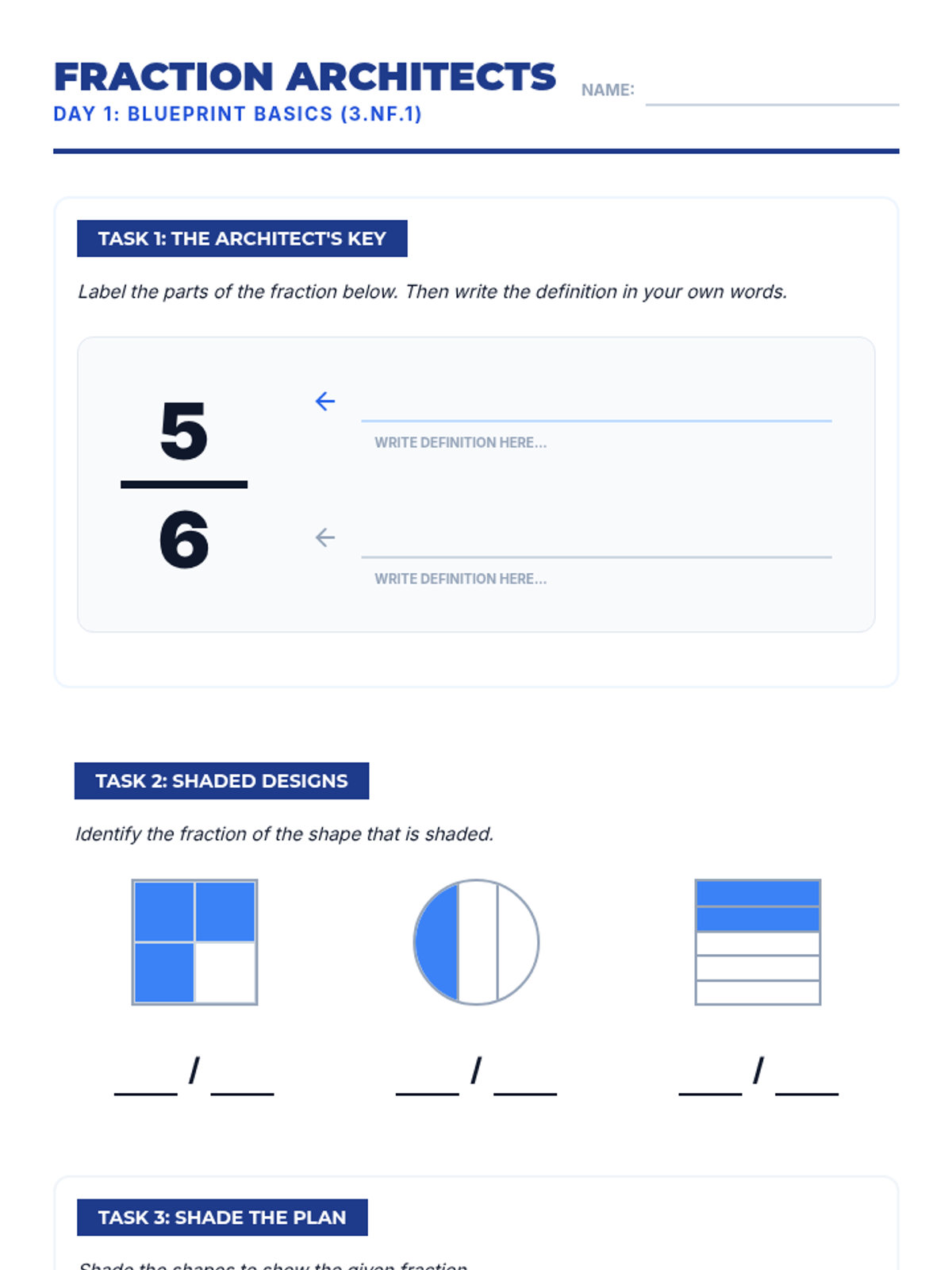
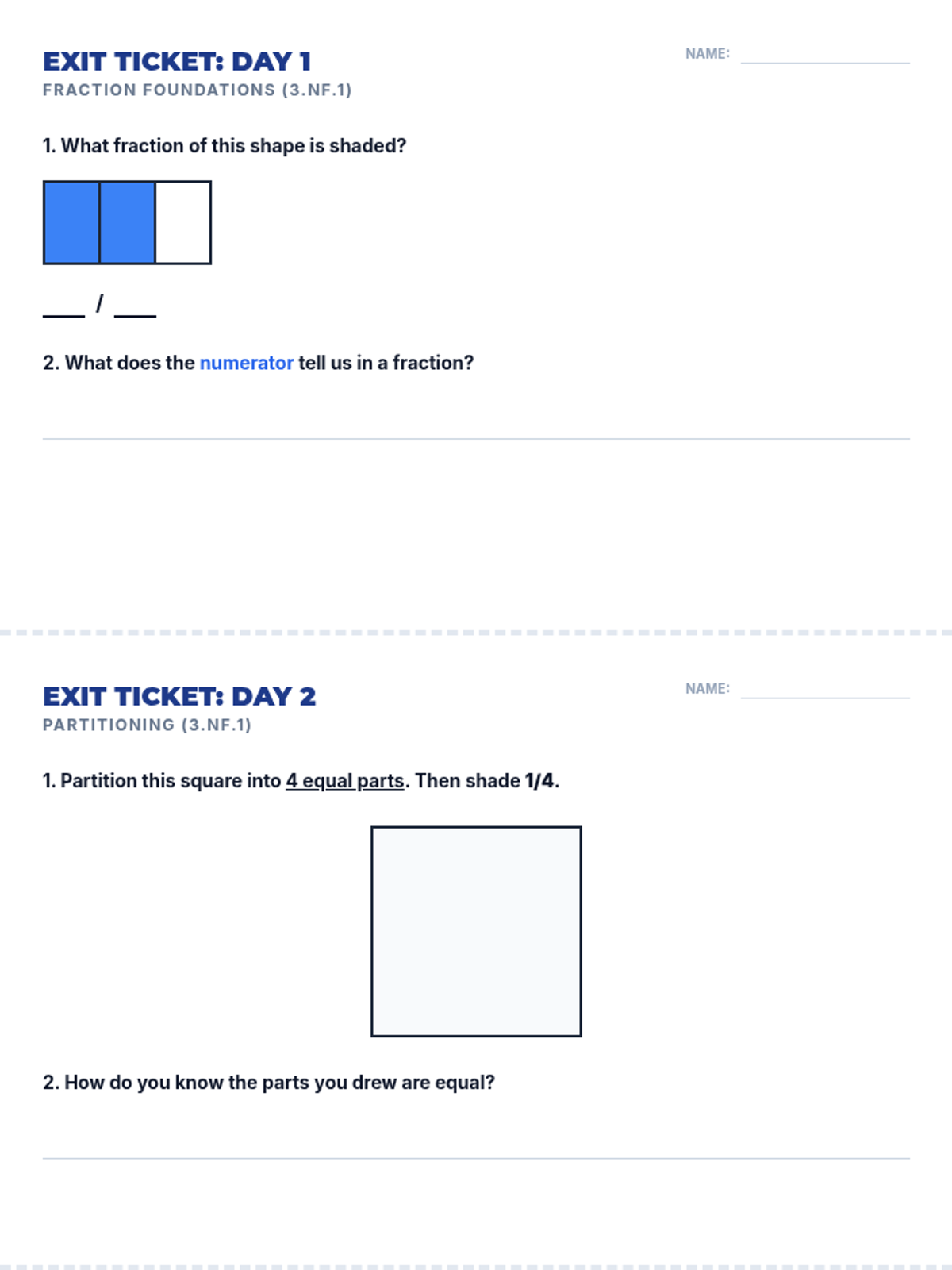
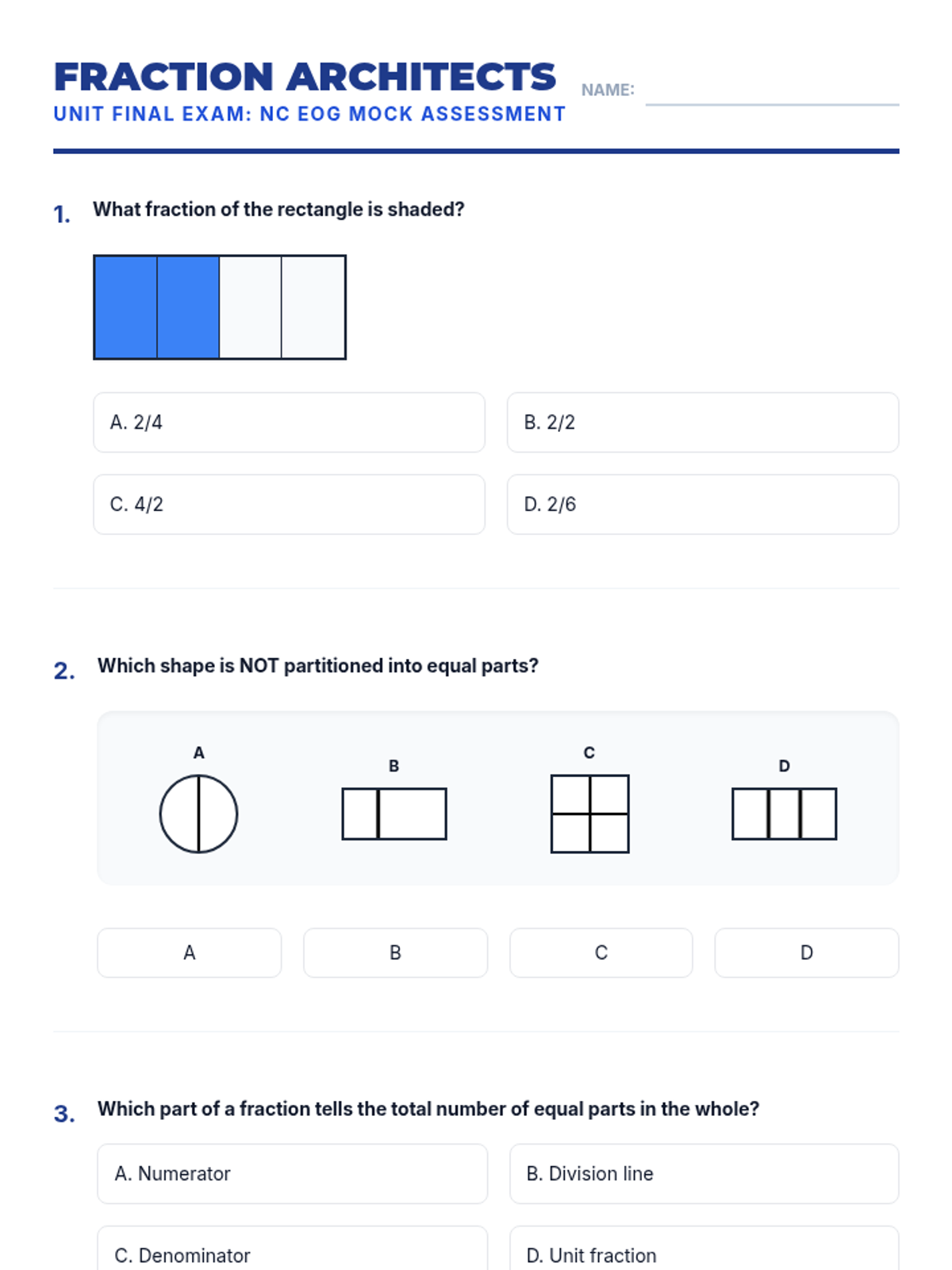
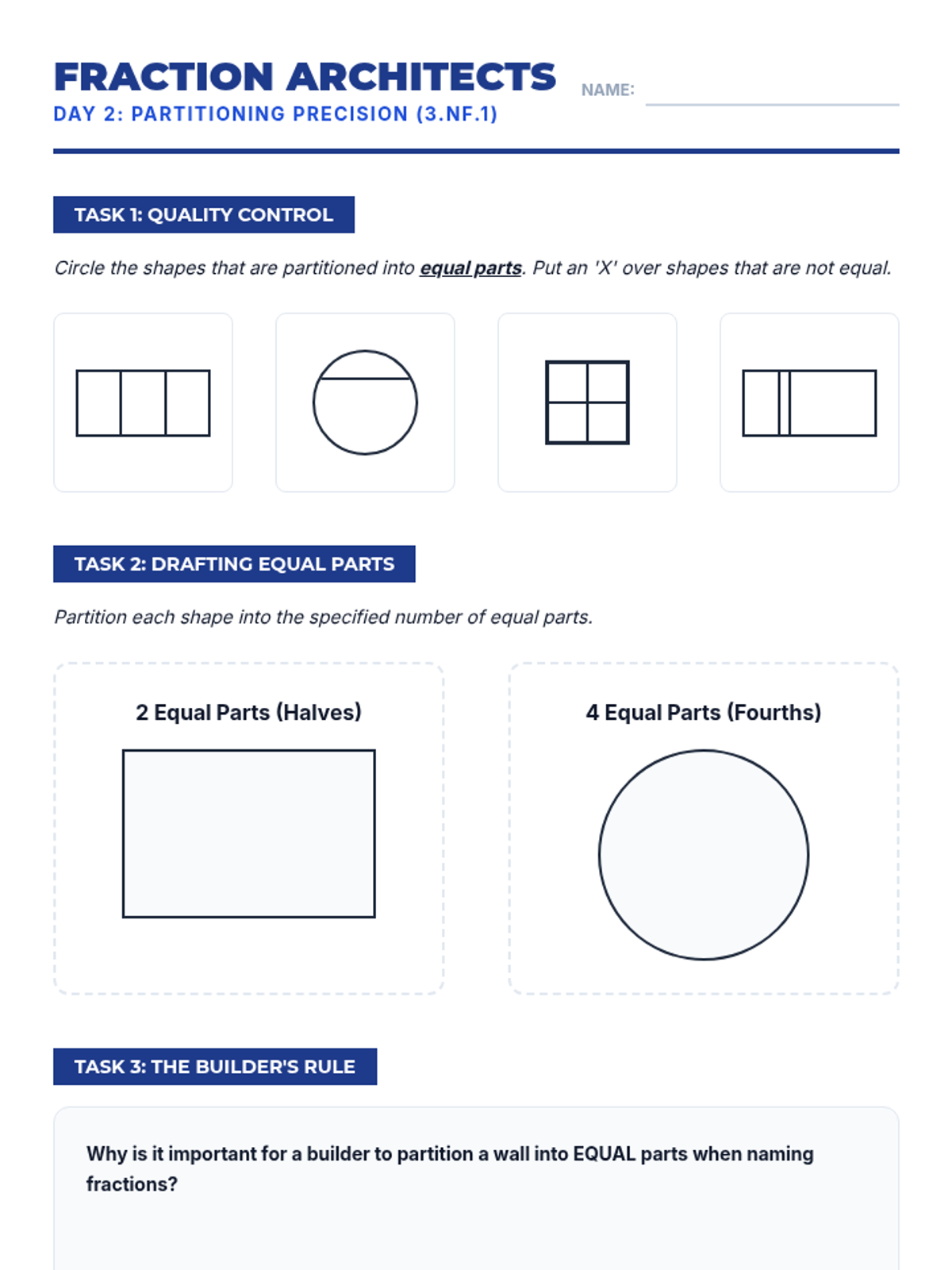
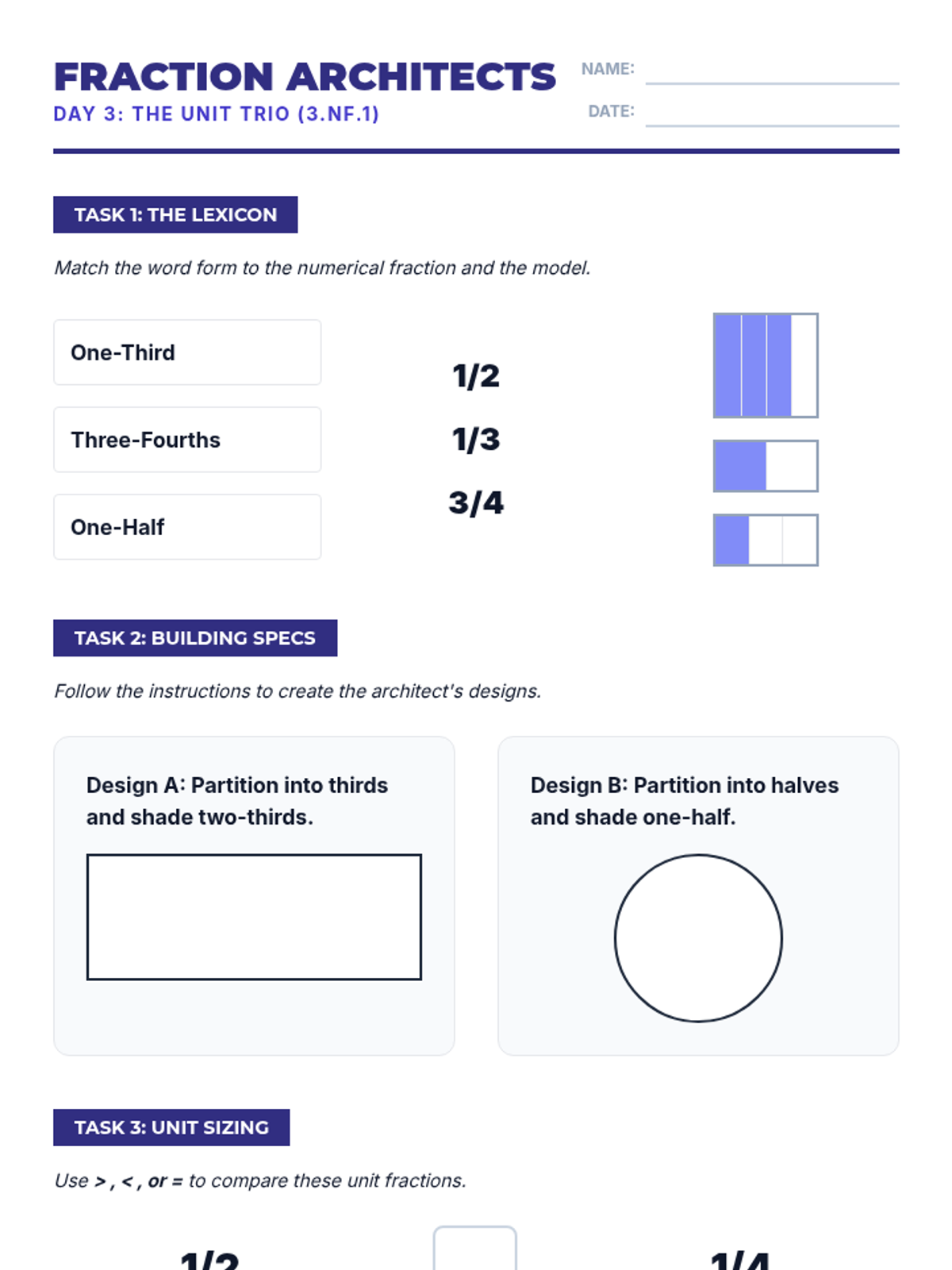
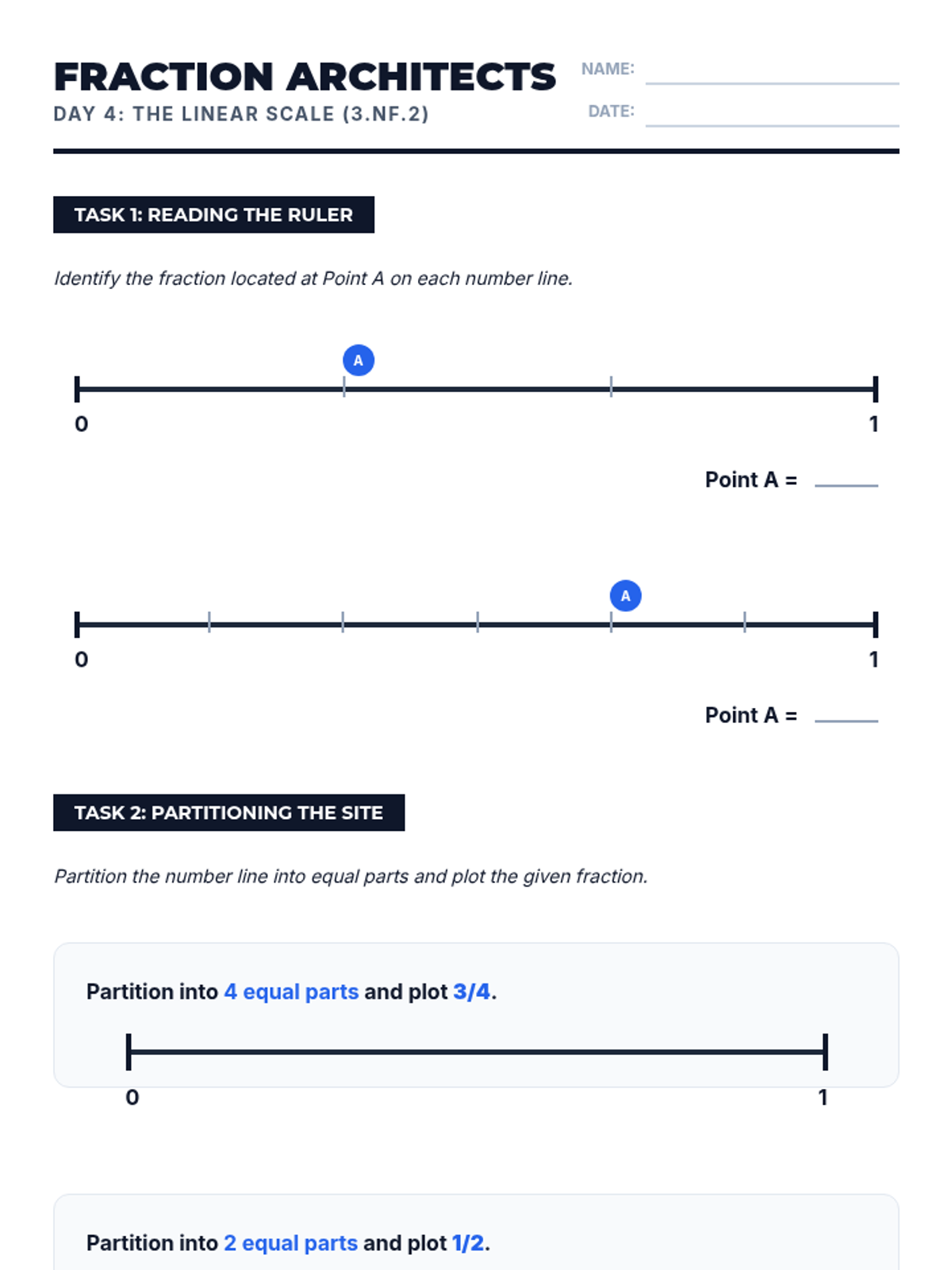
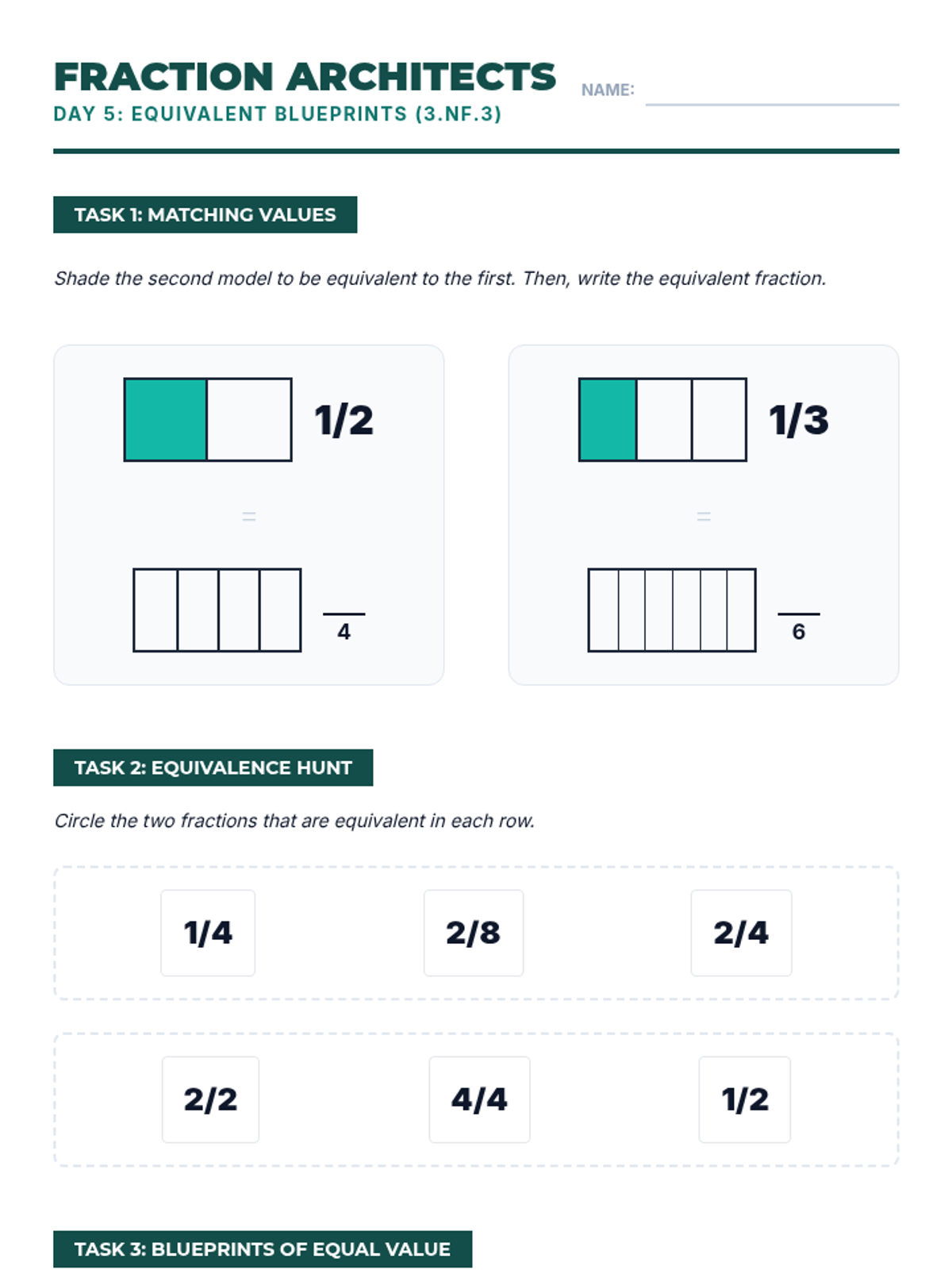
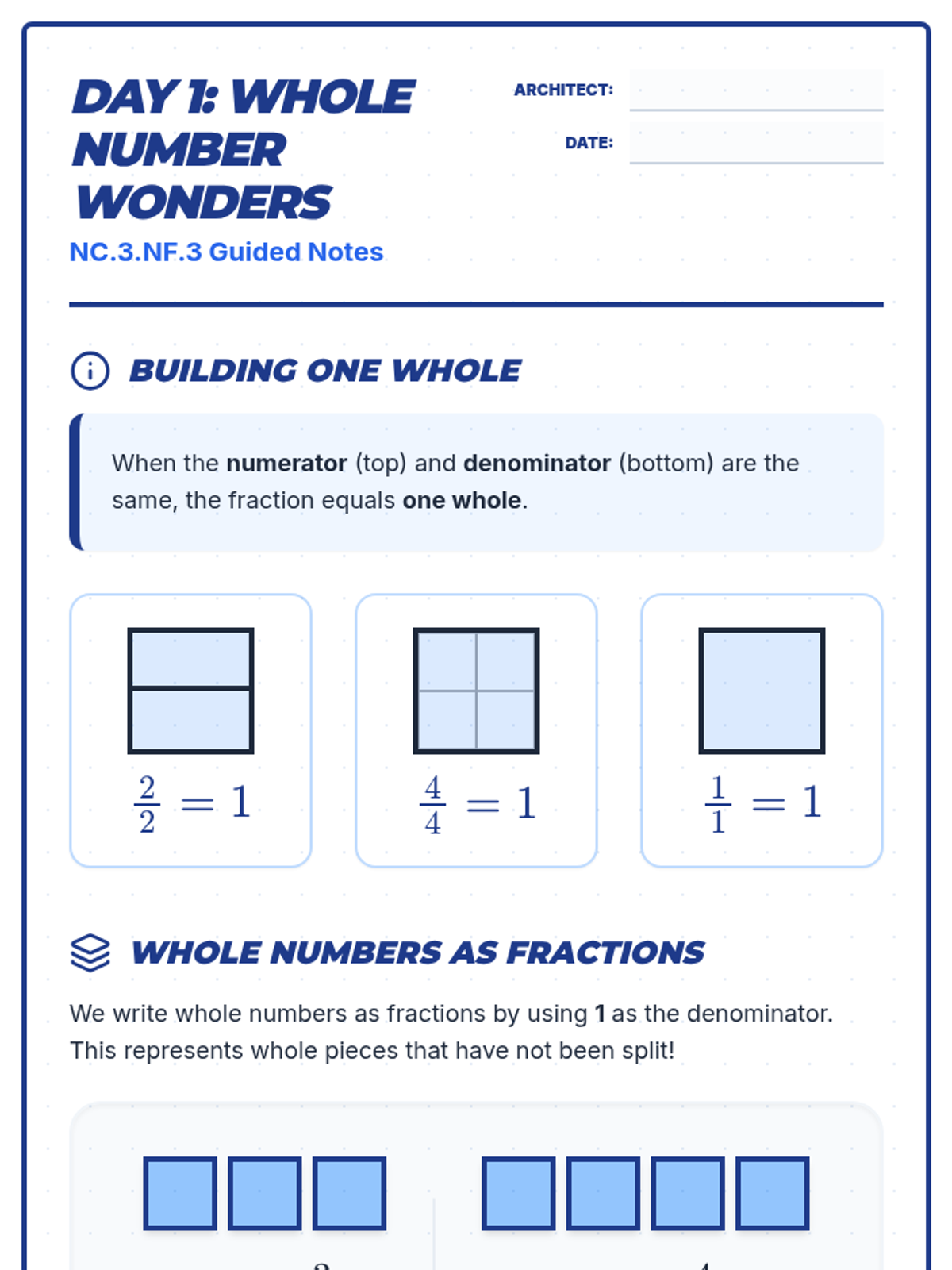
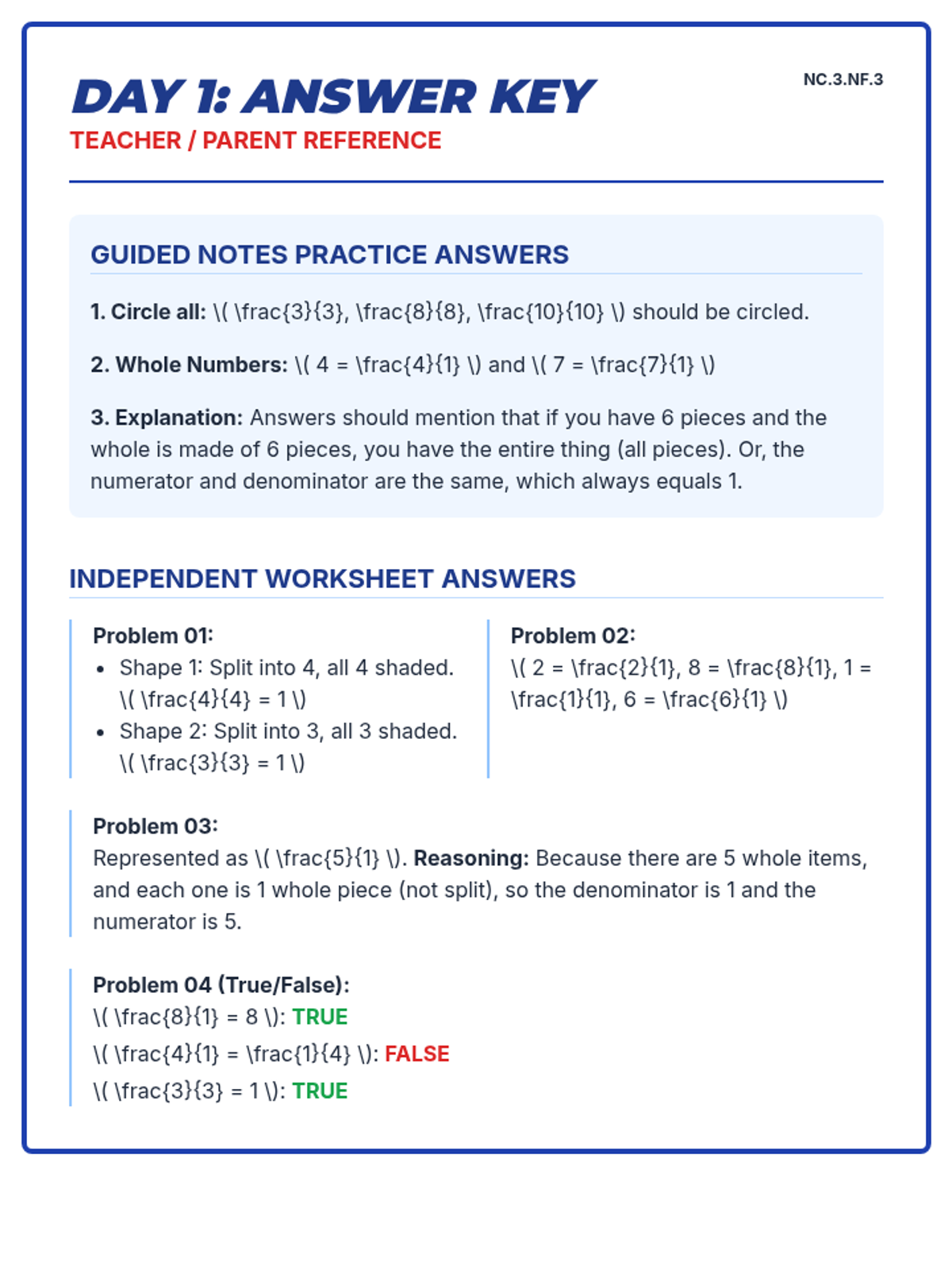
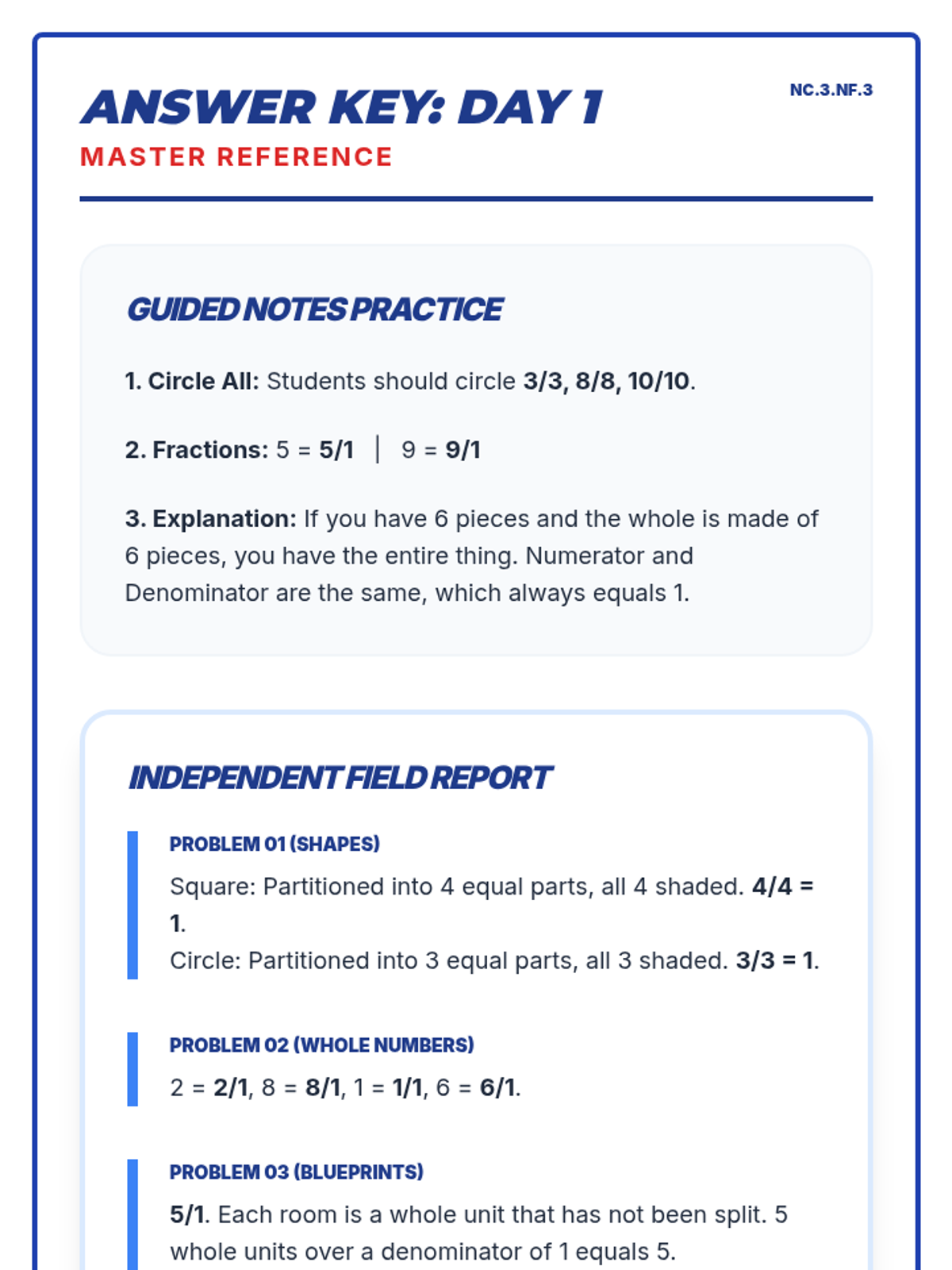
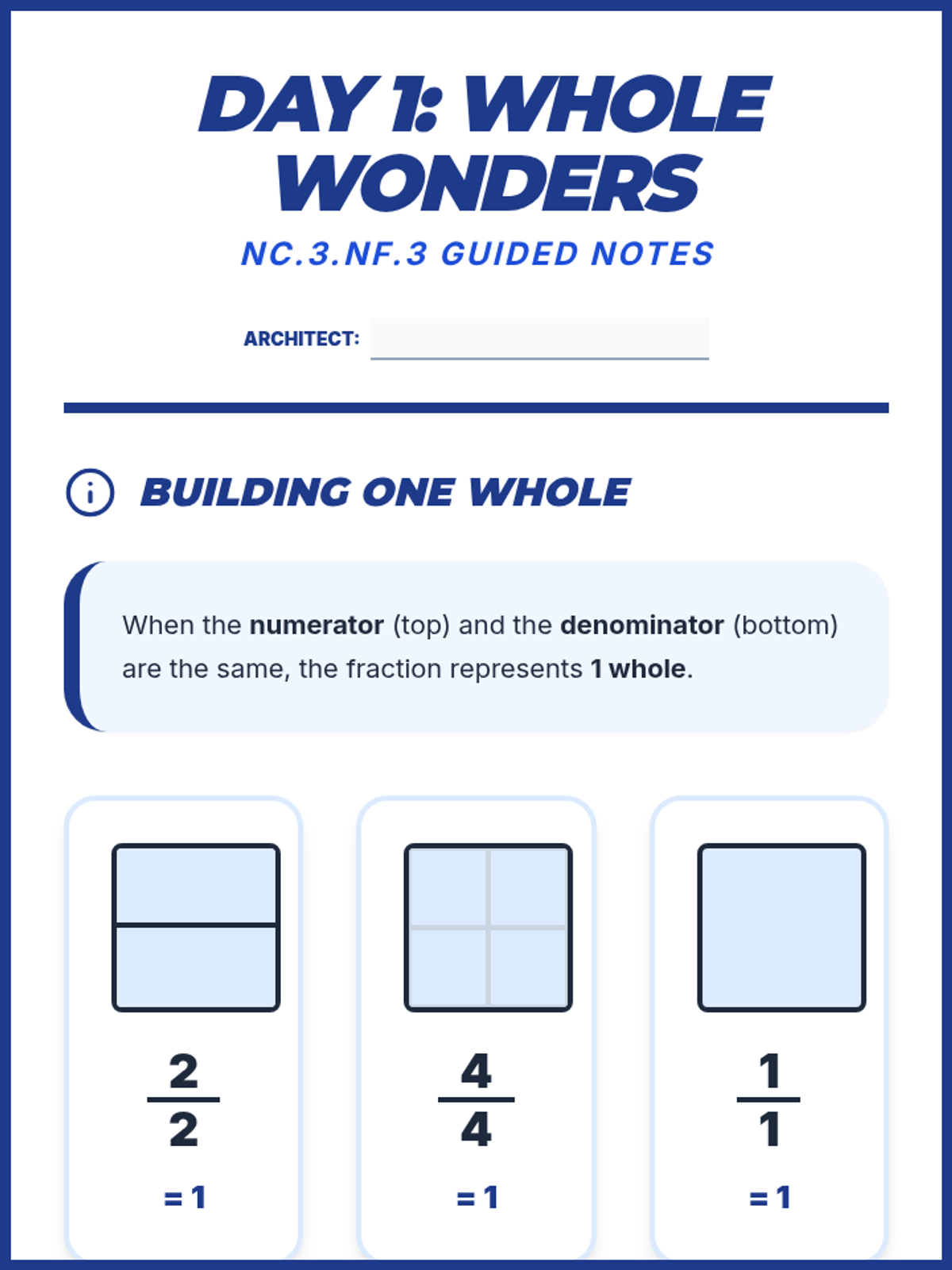
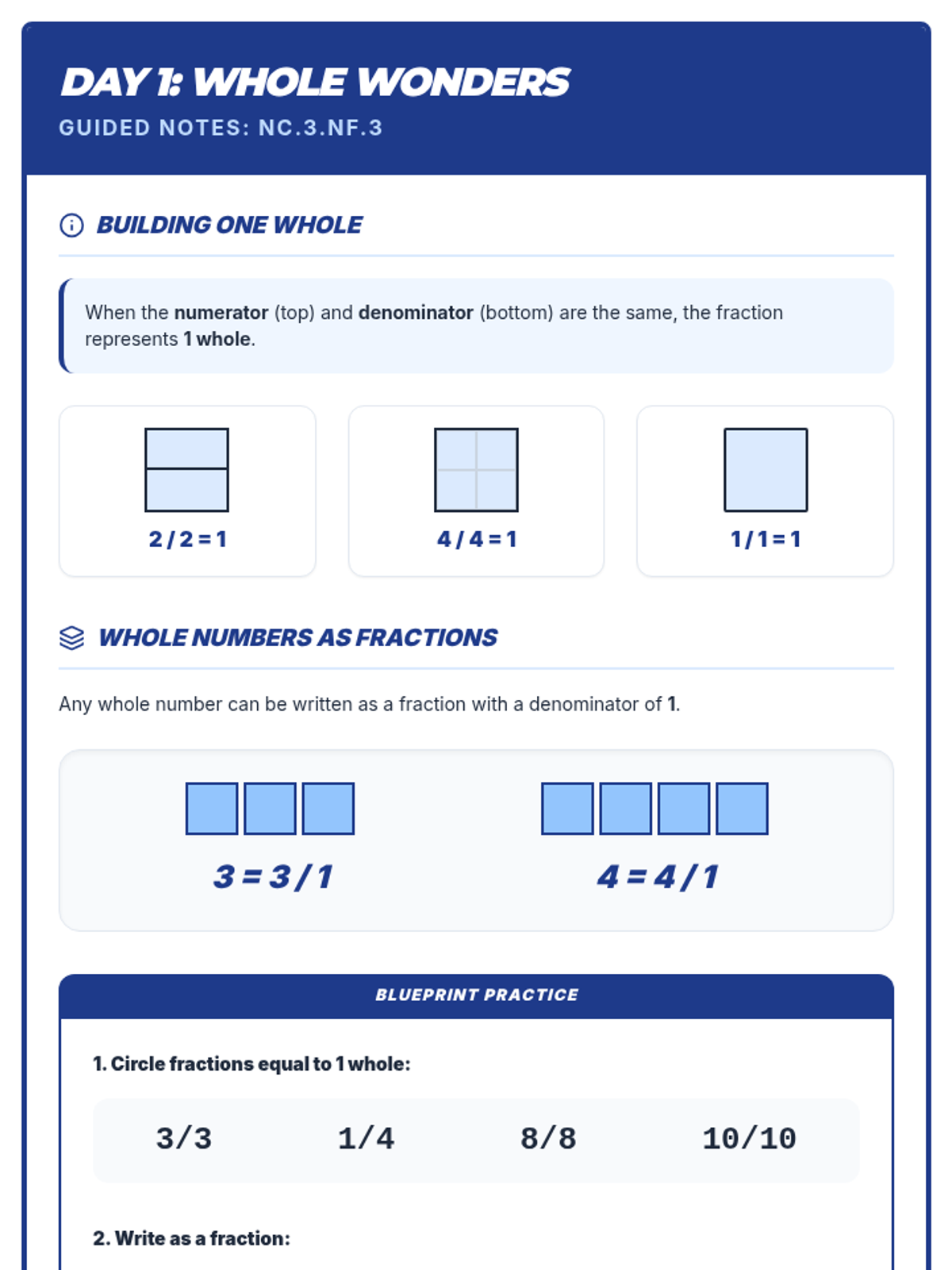
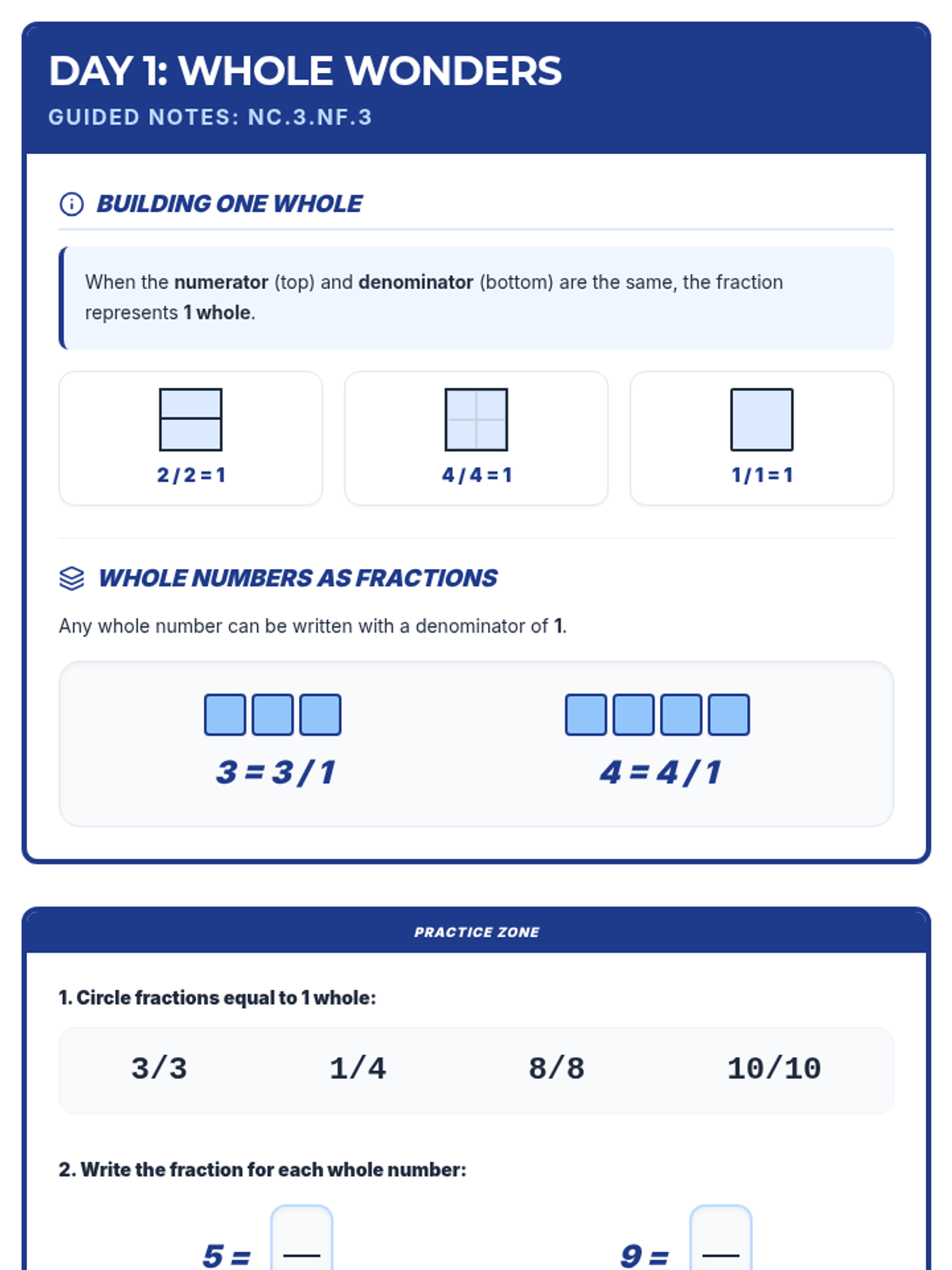
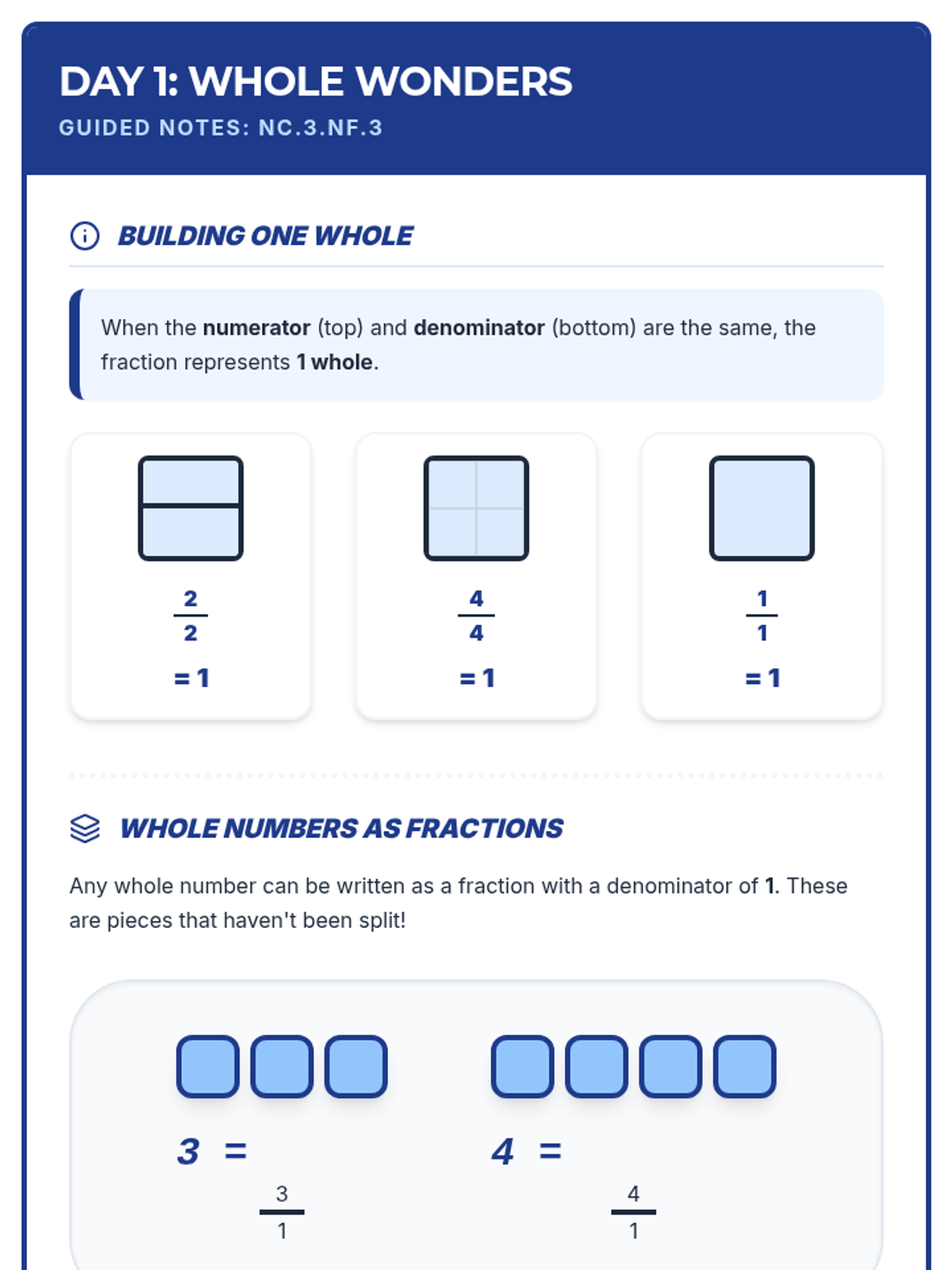
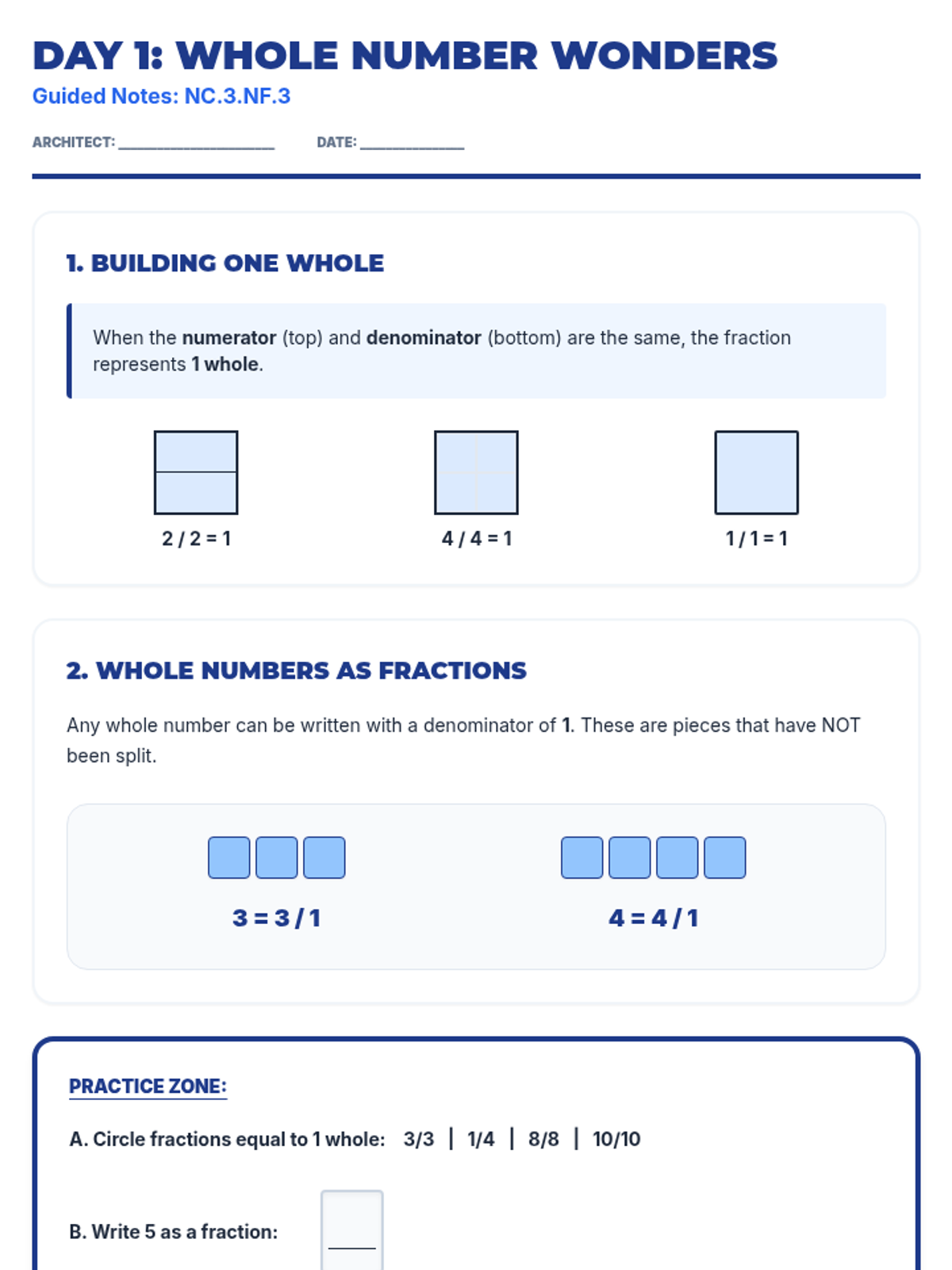
A 5-day unit focused on North Carolina 3rd Grade Fraction standards (3.NF.1, 3.NF.2, 3.NF.3). Students act as 'Fraction Architects' to master partitioning, naming, and placing fractions on number lines.
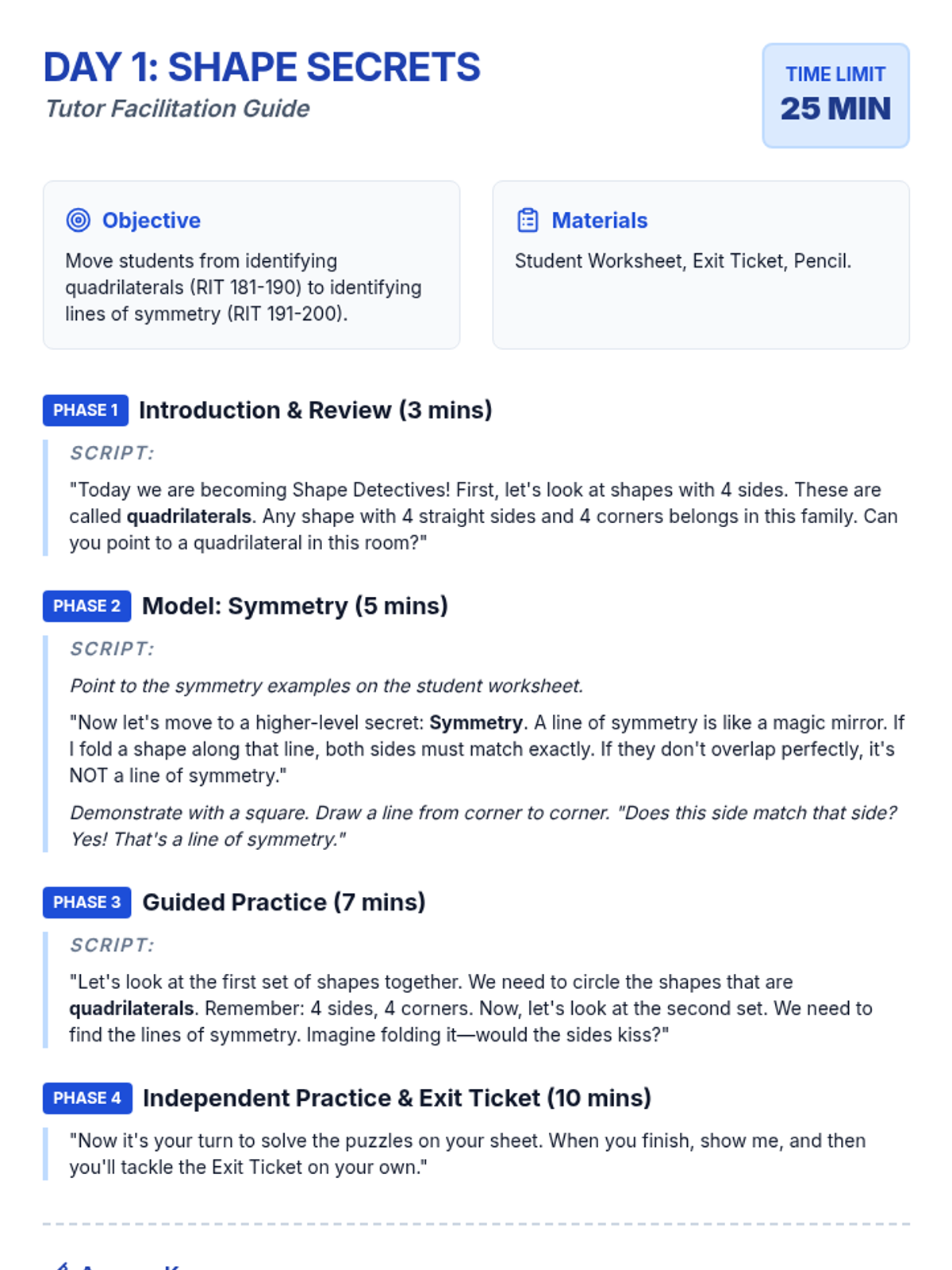
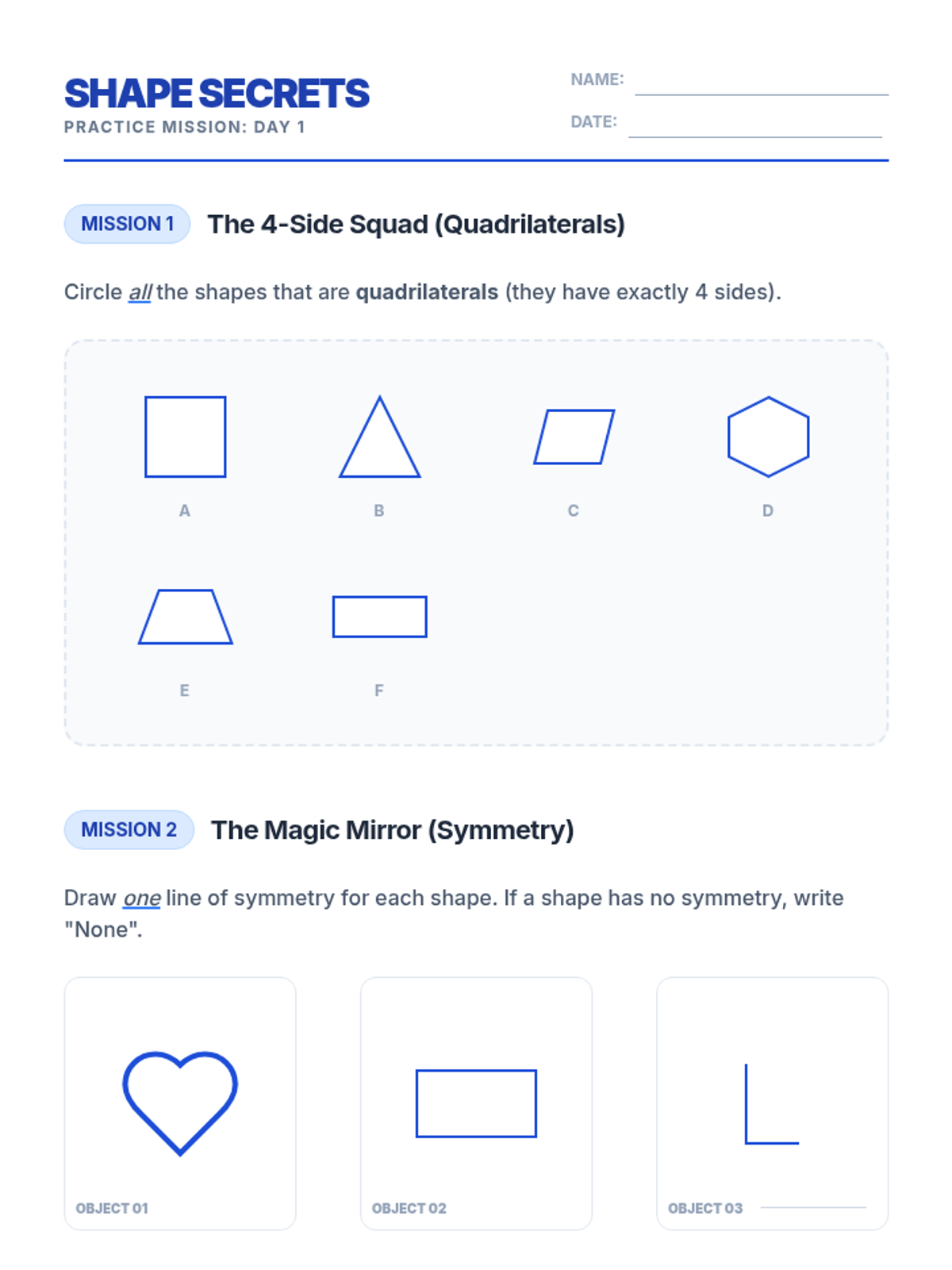
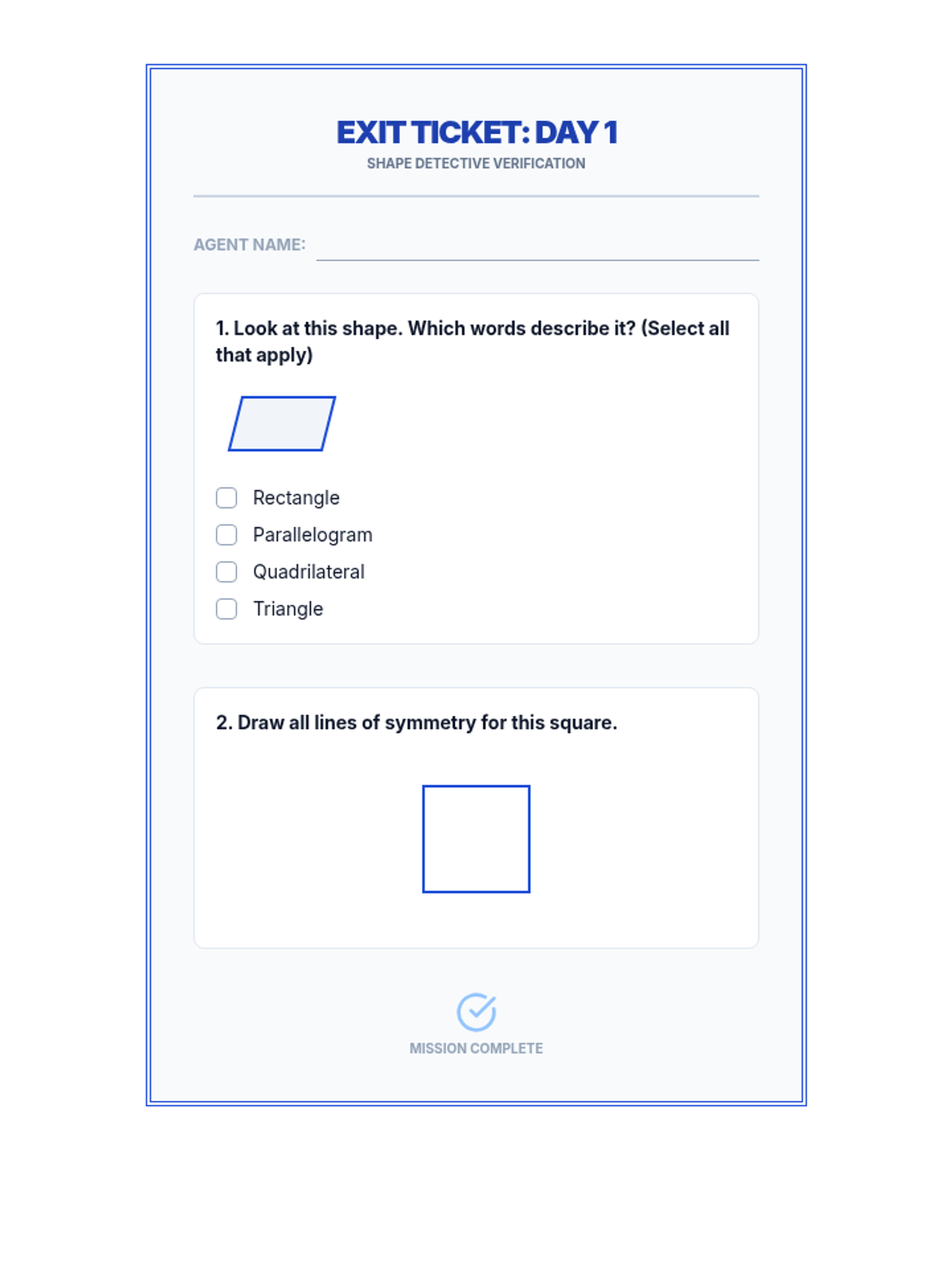
A 3-day targeted tutoring sequence designed to move students from RIT 181-190 to 191-200 in the MAP Growth Geometry and Measurement strand, focusing on shape attributes, symmetry, and perimeter.
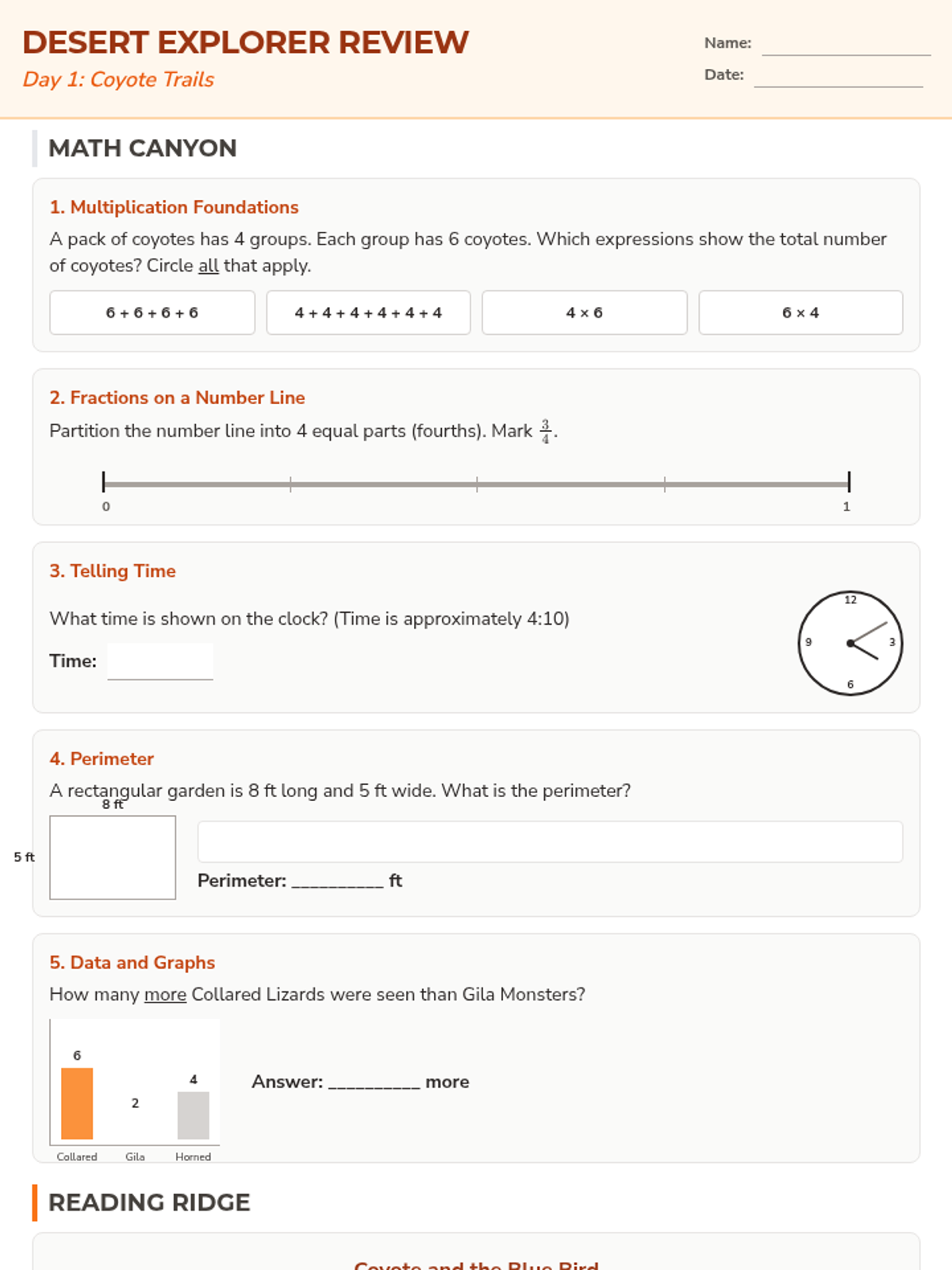
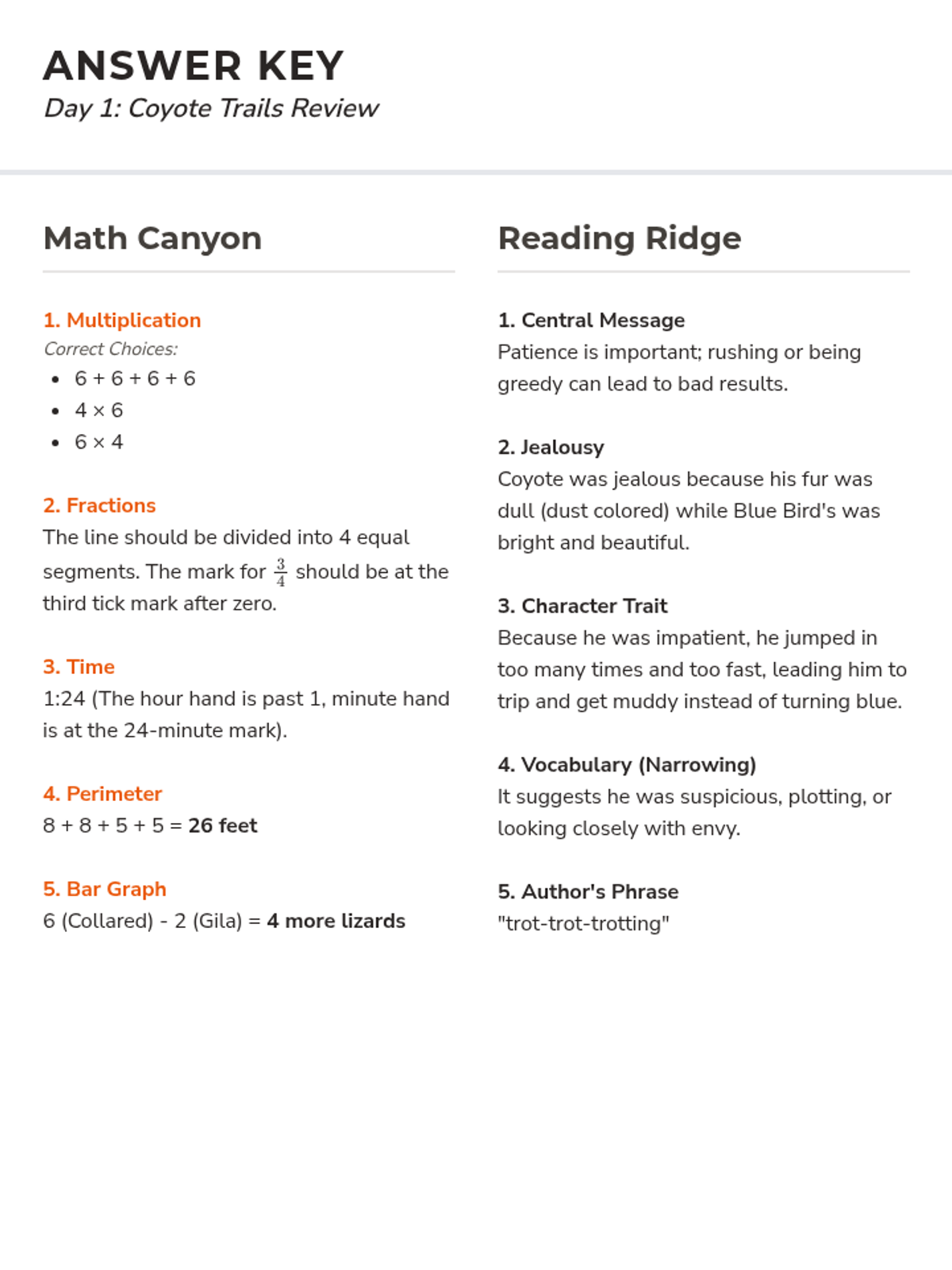
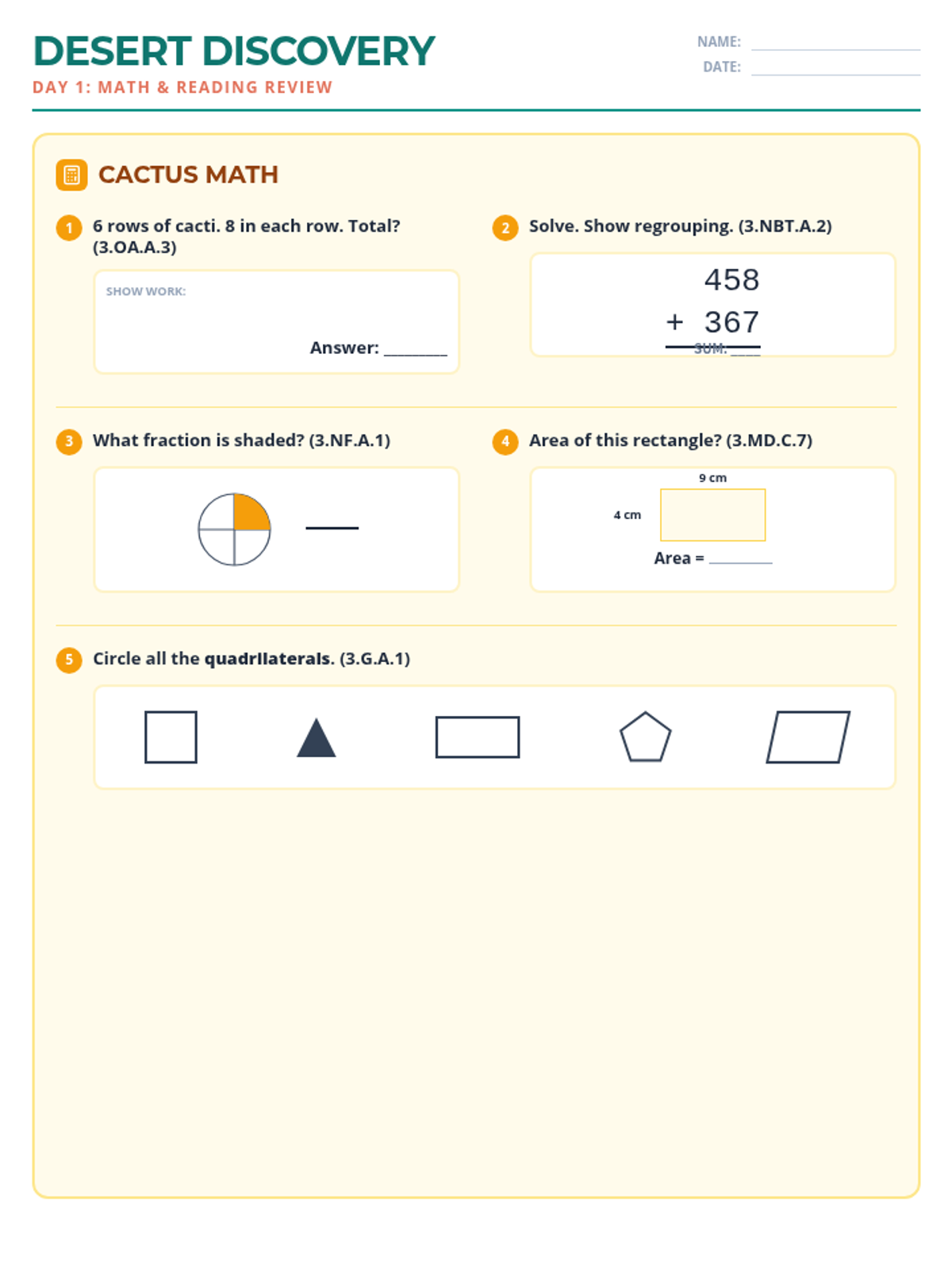
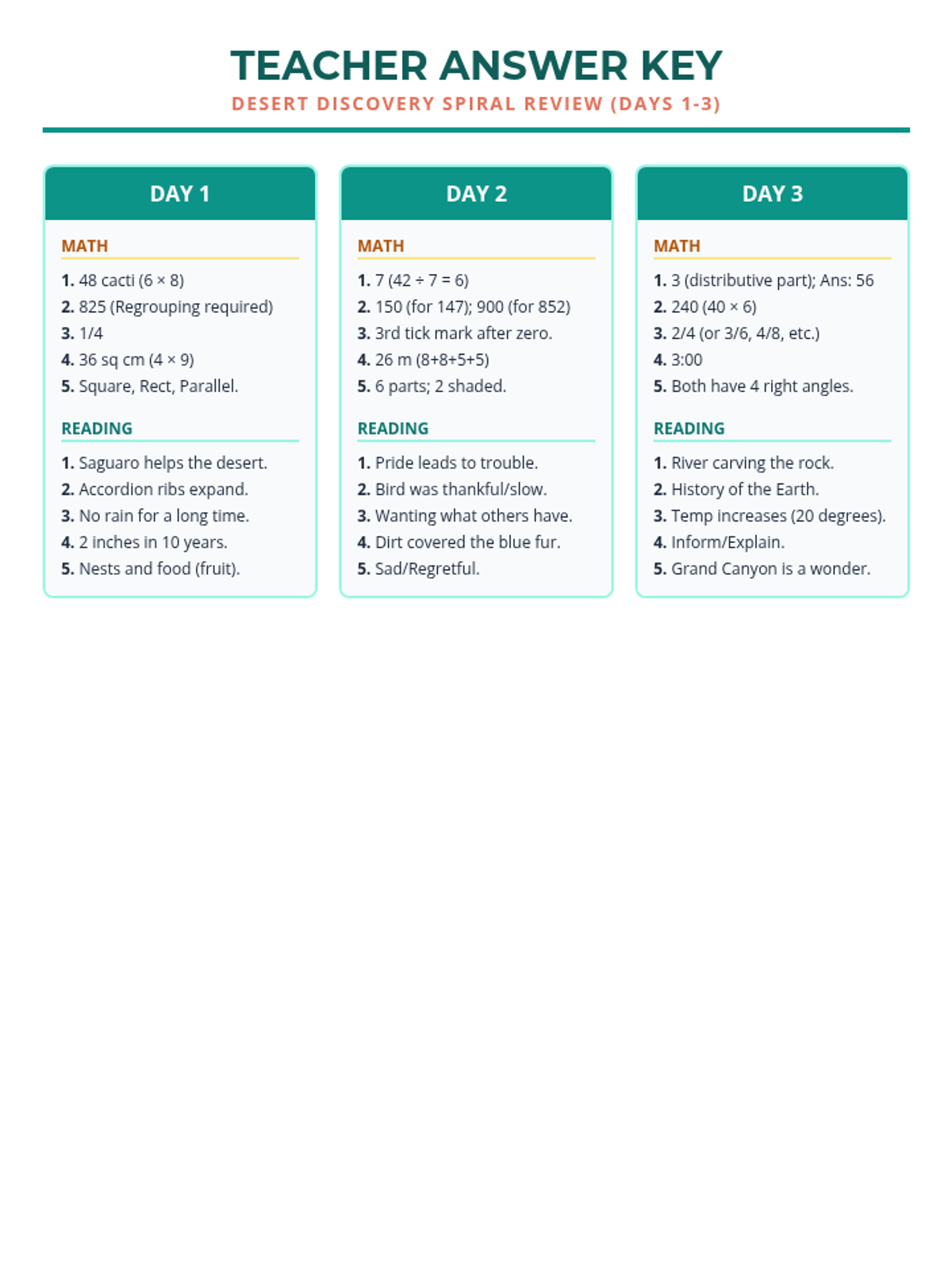
A 5-day spiral review sequence for 3rd grade students in Arizona, covering essential Math (multiplication, fractions, measurement) and ELA (RL and RI) standards with a Desert Explorer theme.
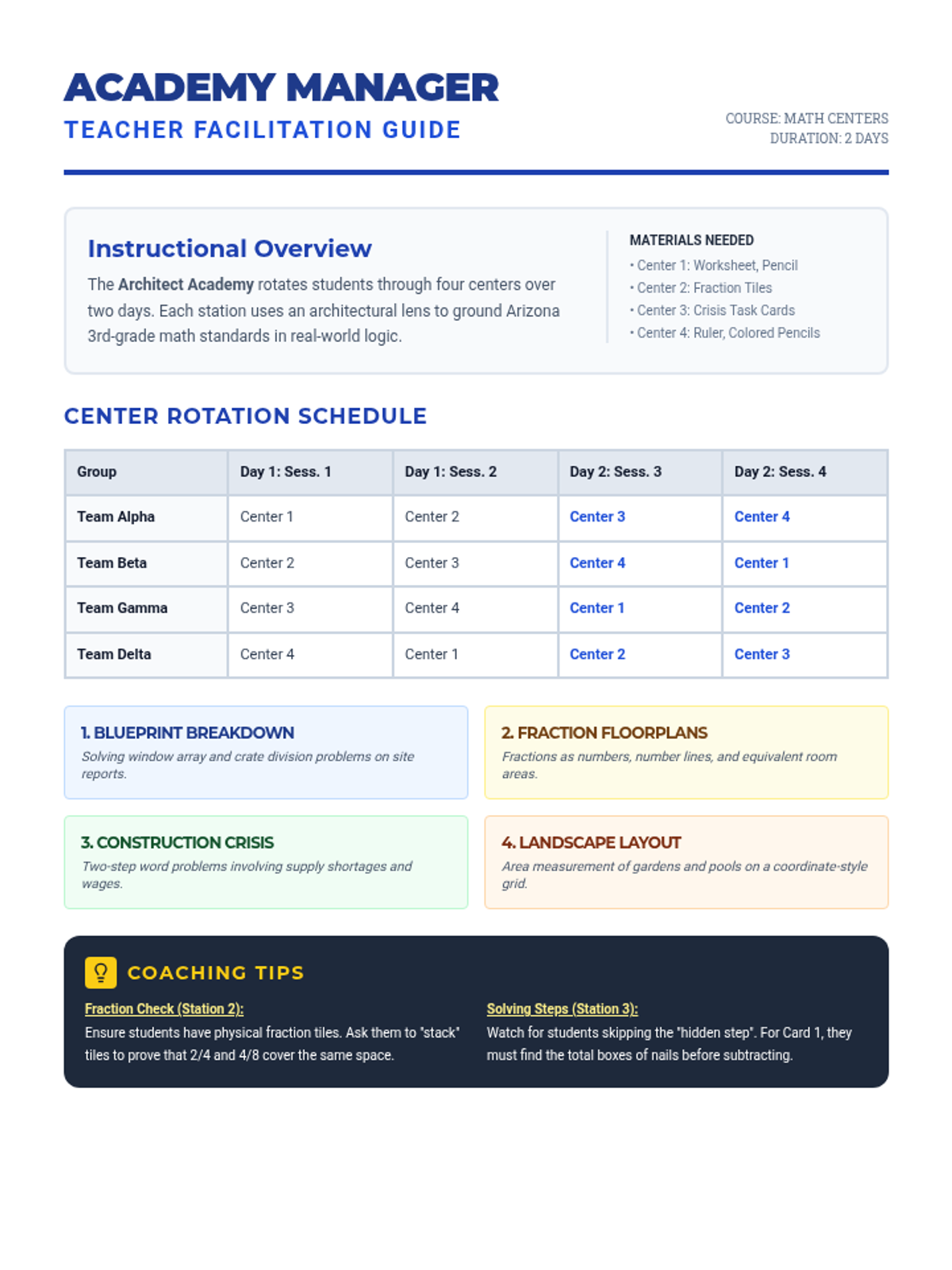
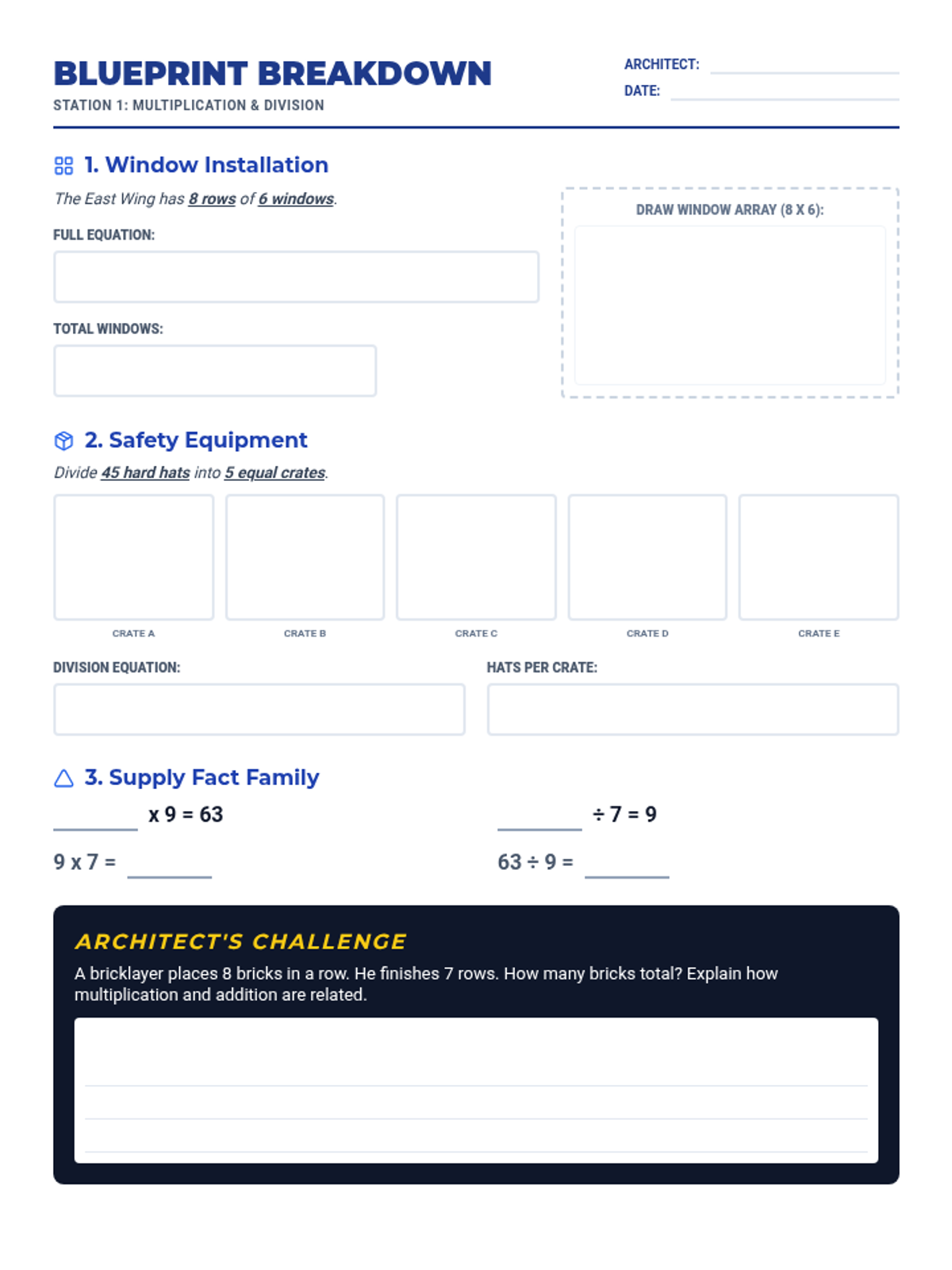
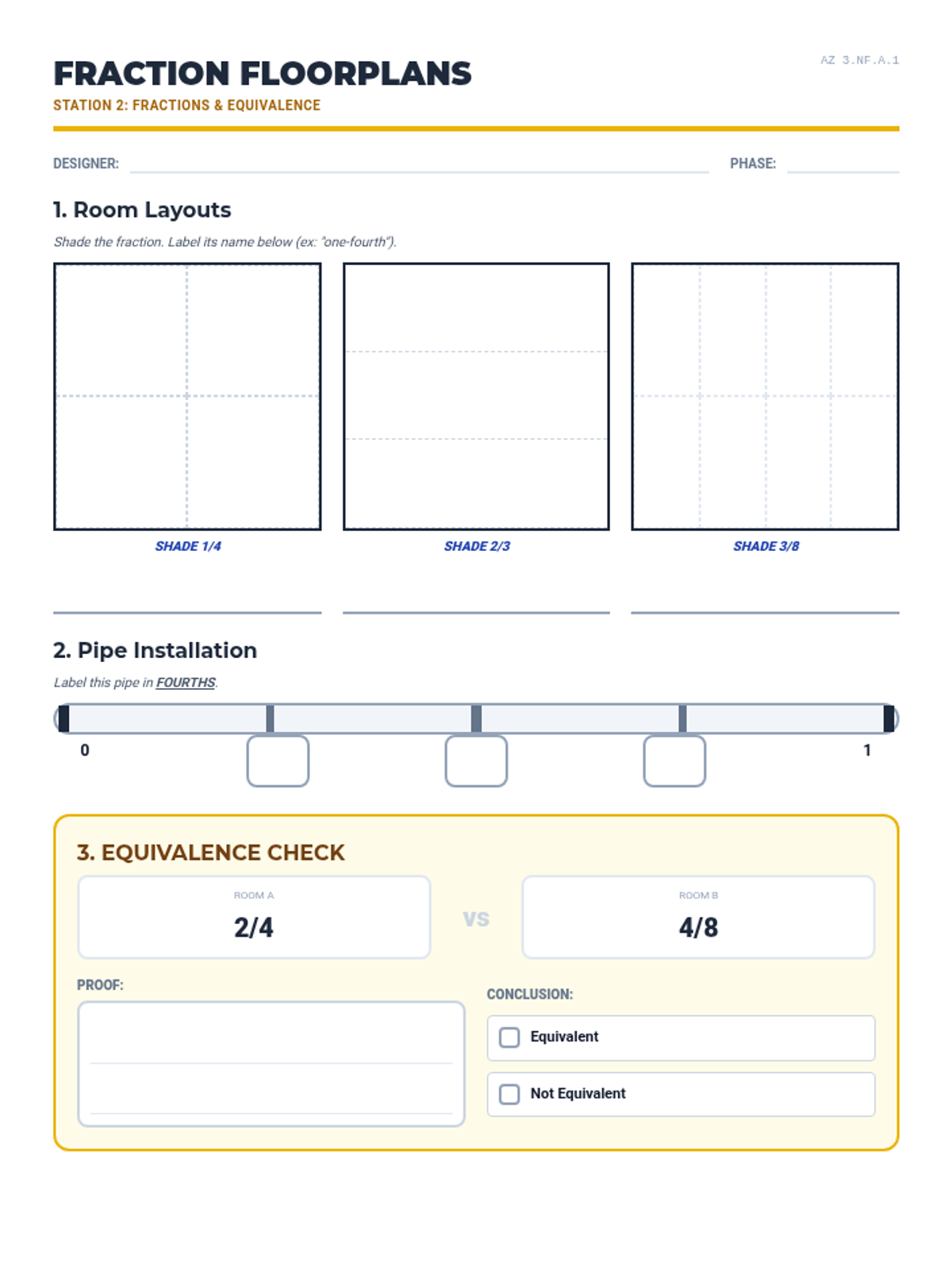
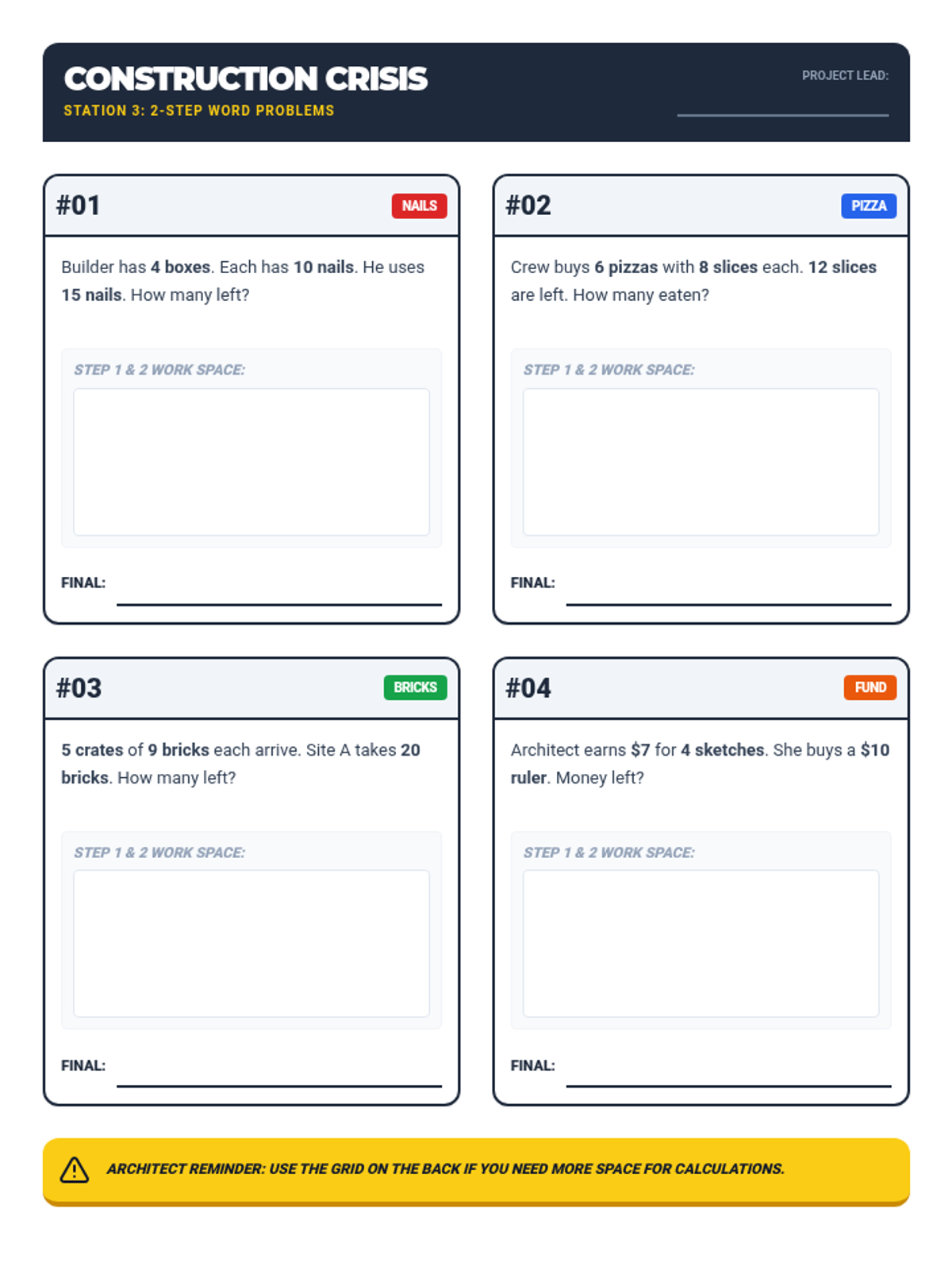
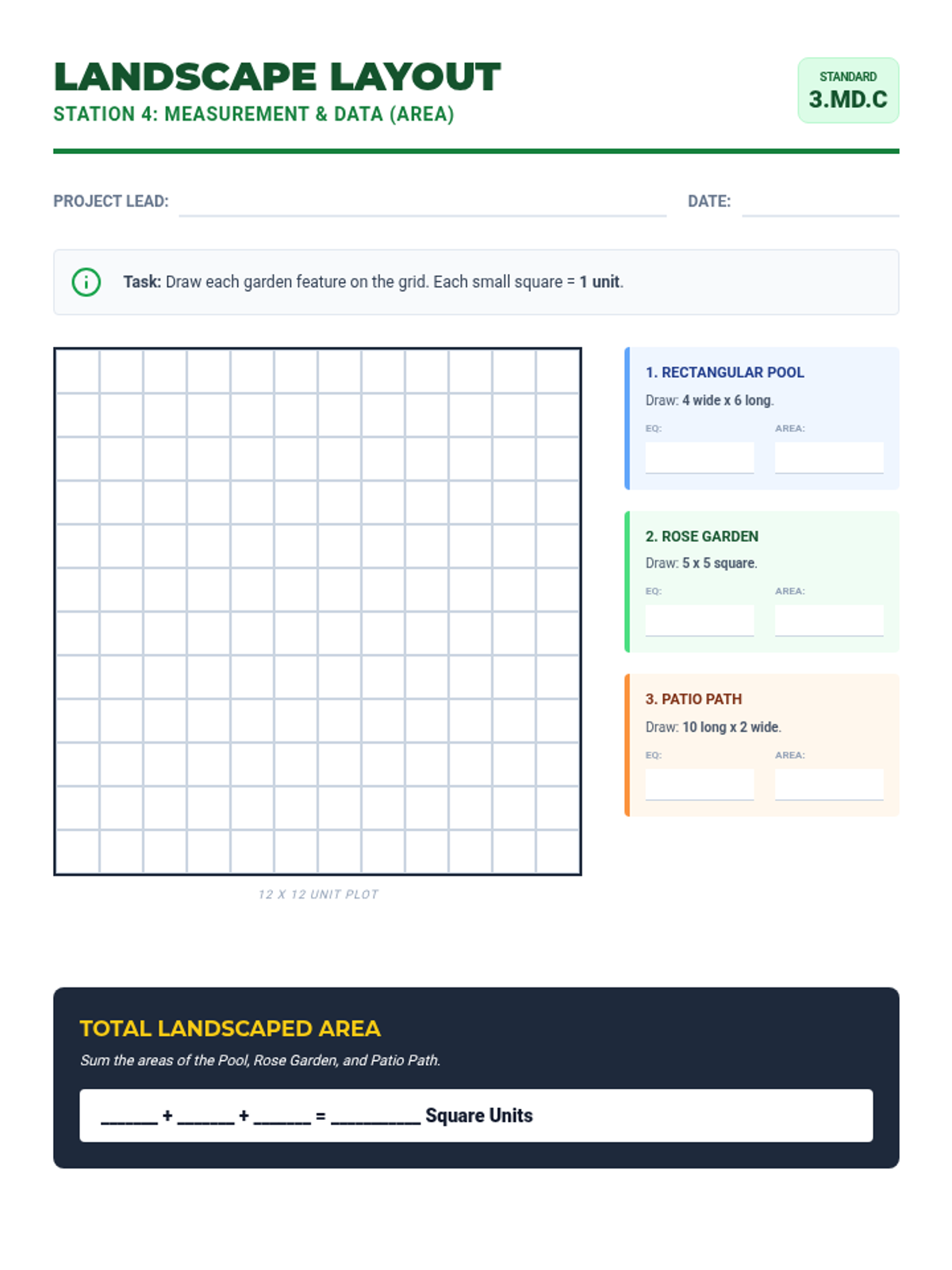
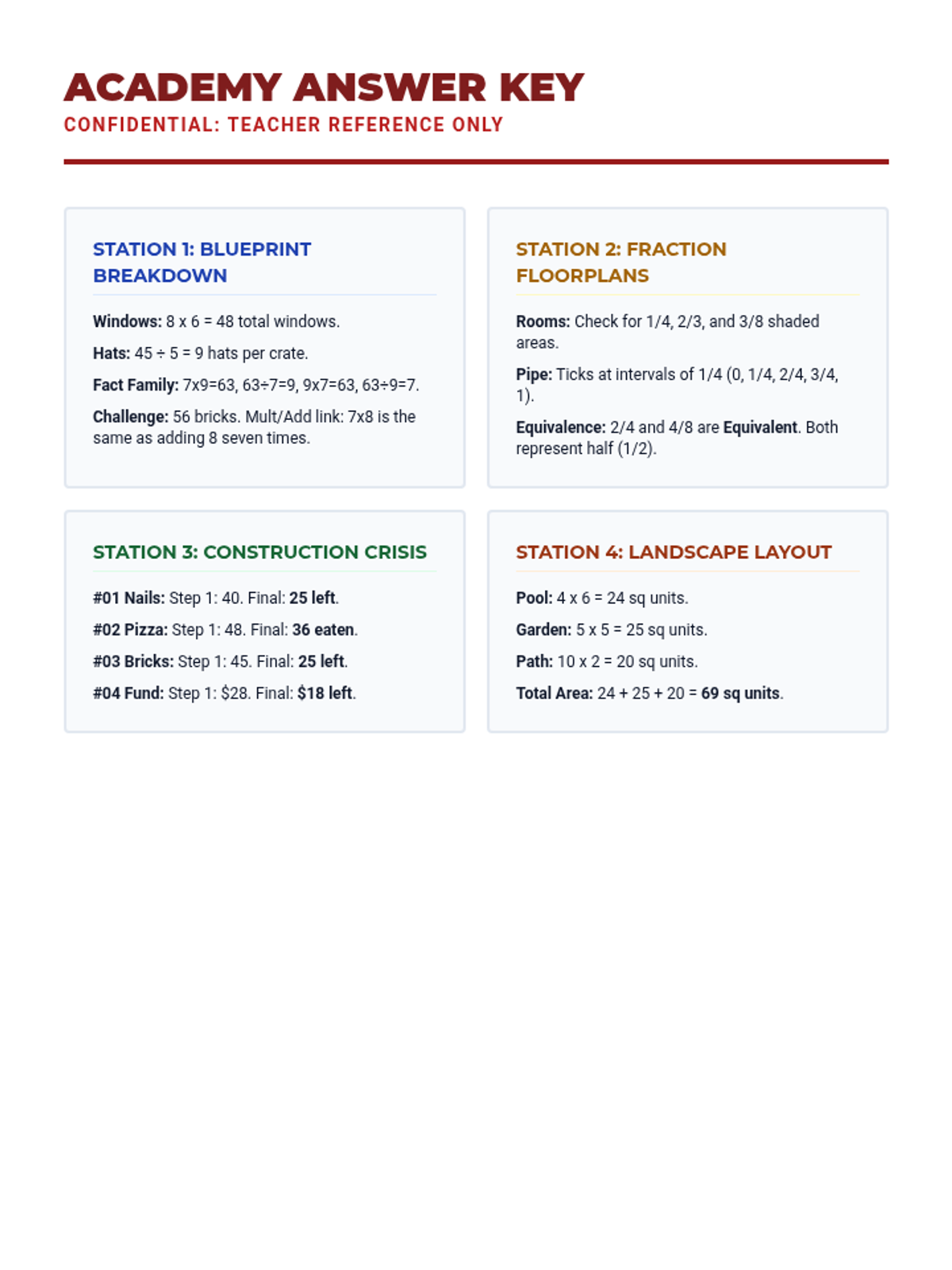
A two-day math center rotation themed around an 'Architect Academy'. Students practice multiplication, division, fractions, area, and two-step word problems through a mix of hands-on activities and worksheets aligned with Arizona 3rd Grade standards.
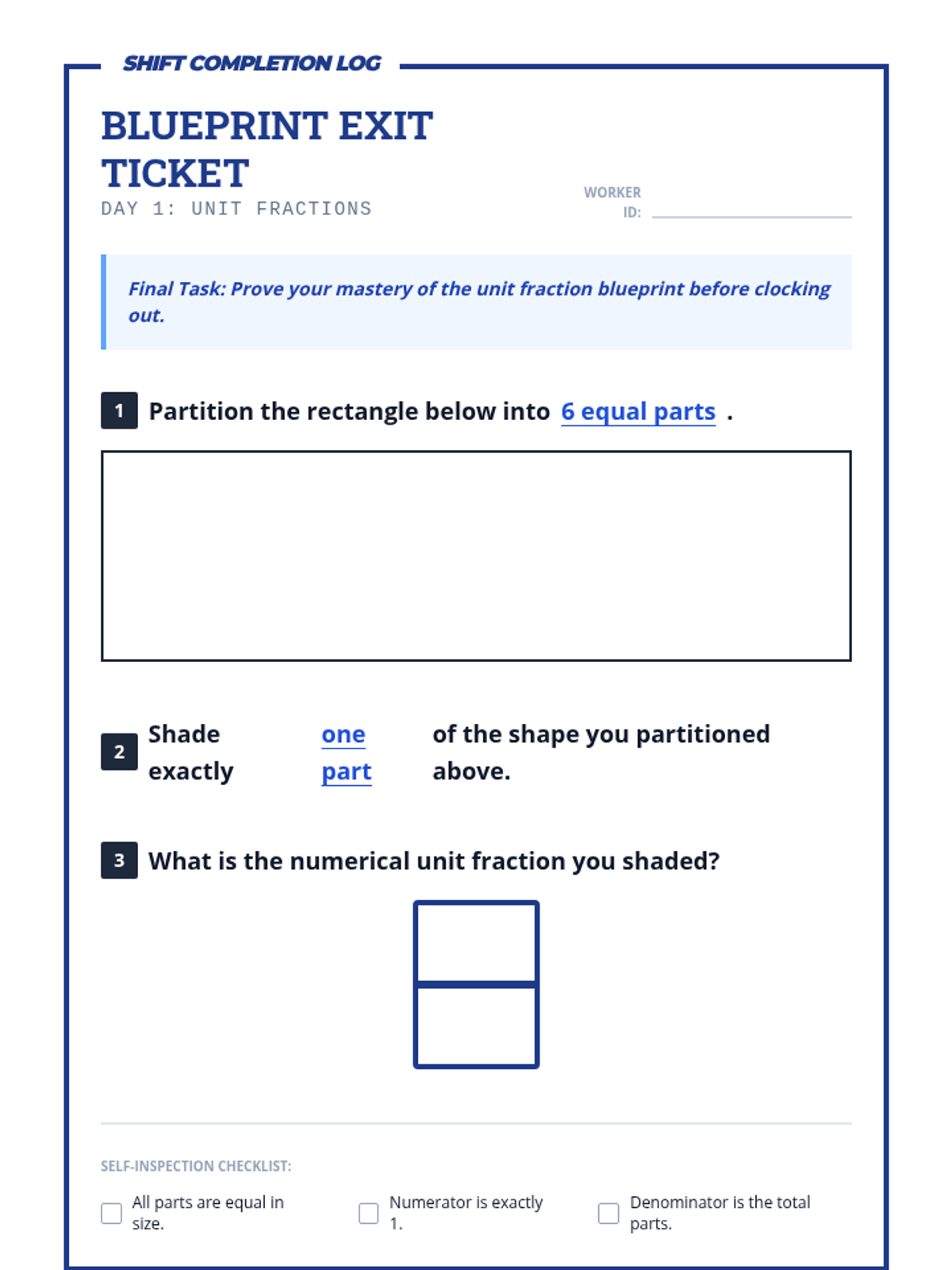
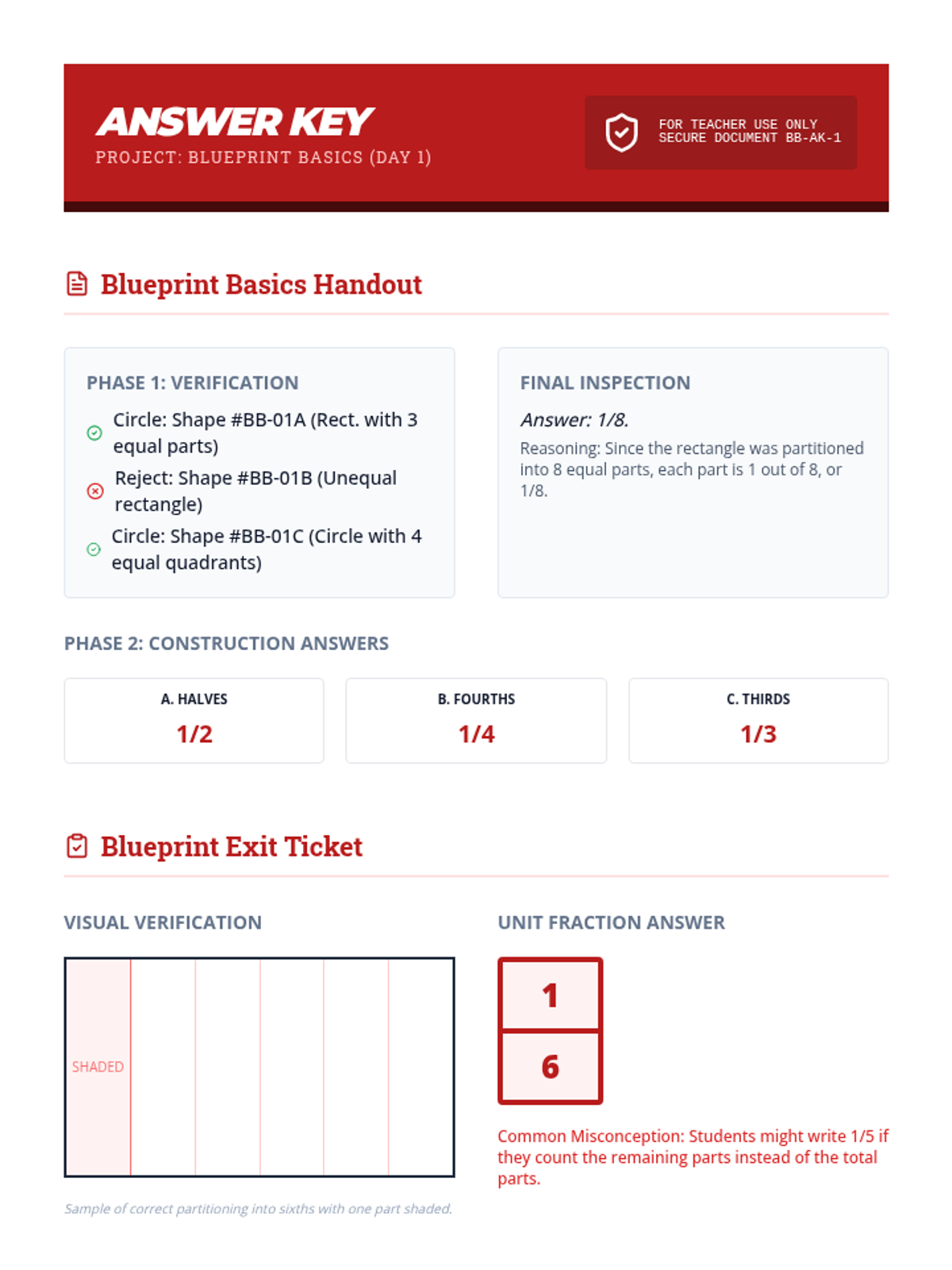
A 5-day sequence on fraction fundamentals, including unit fractions, number lines, equivalent fractions, and comparison. Includes daily exit tickets and a final quick check.
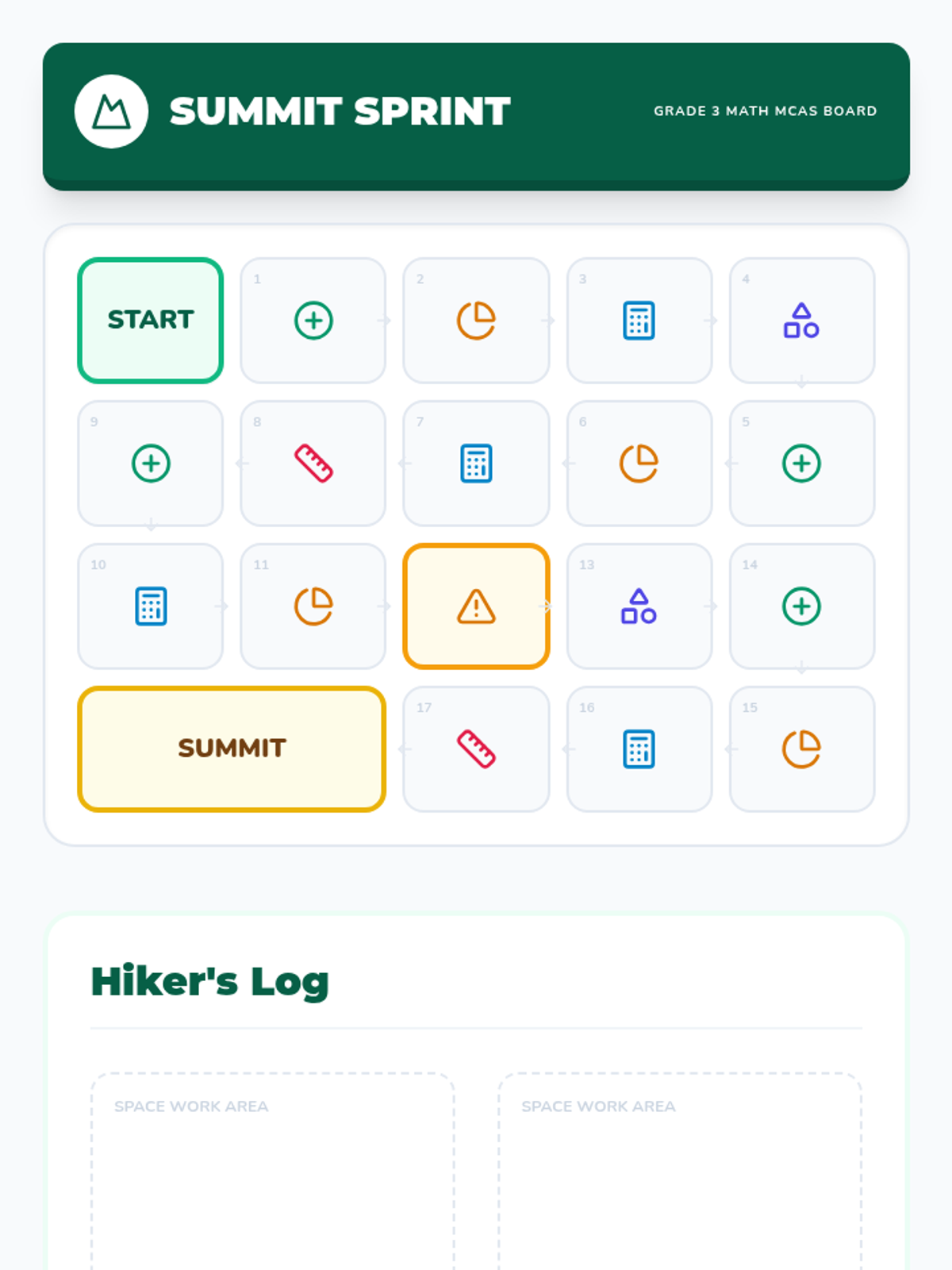
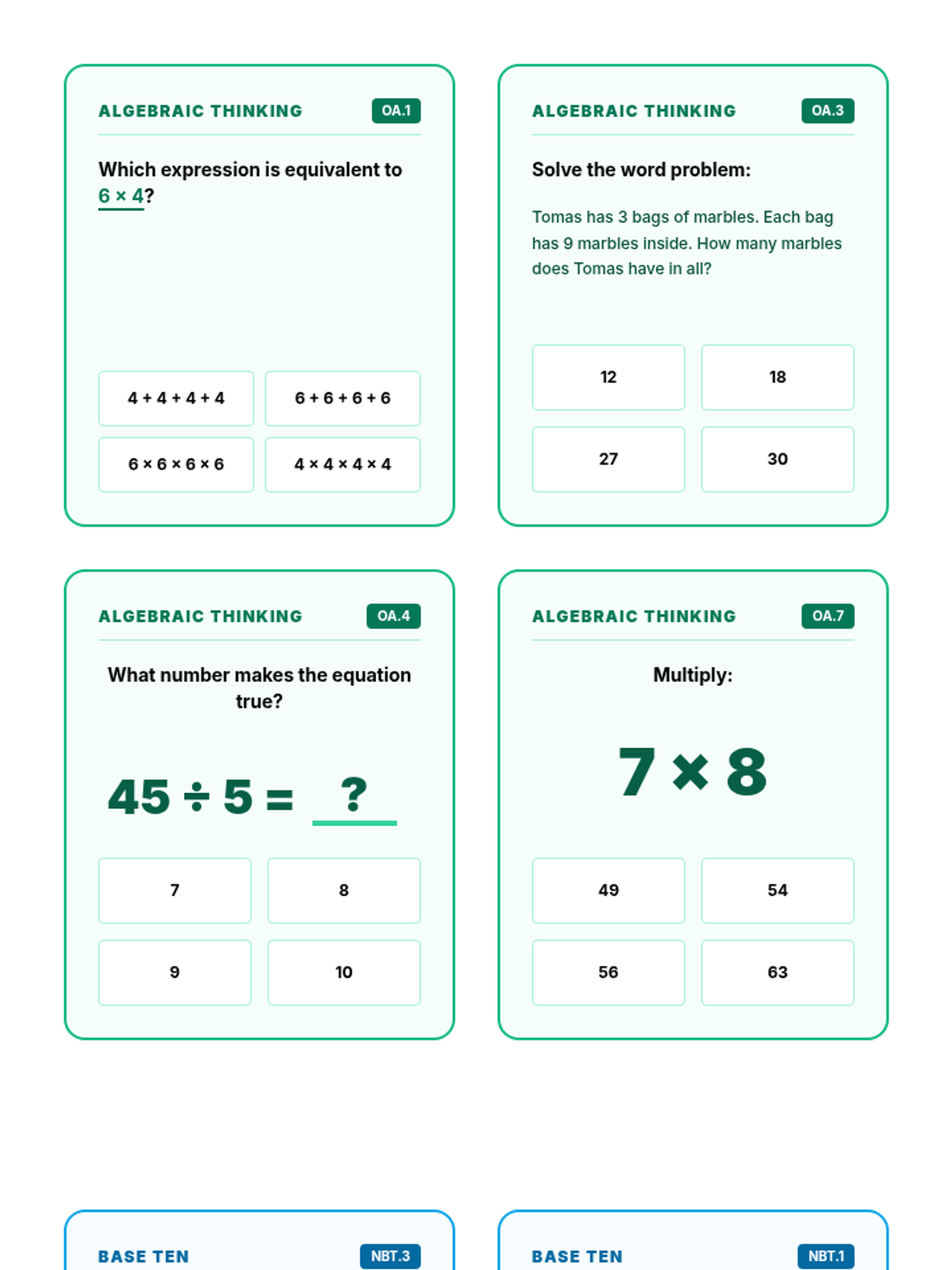
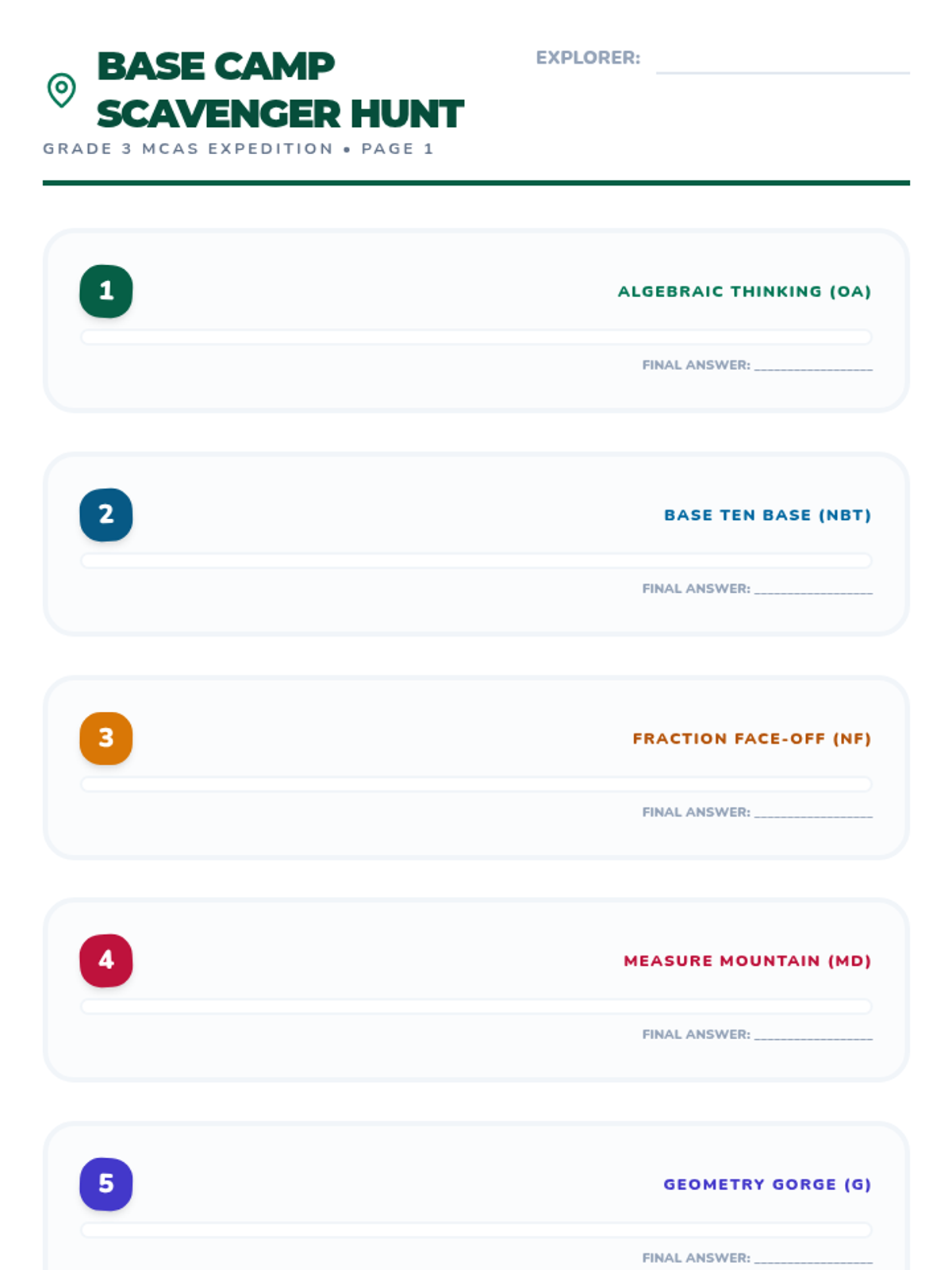
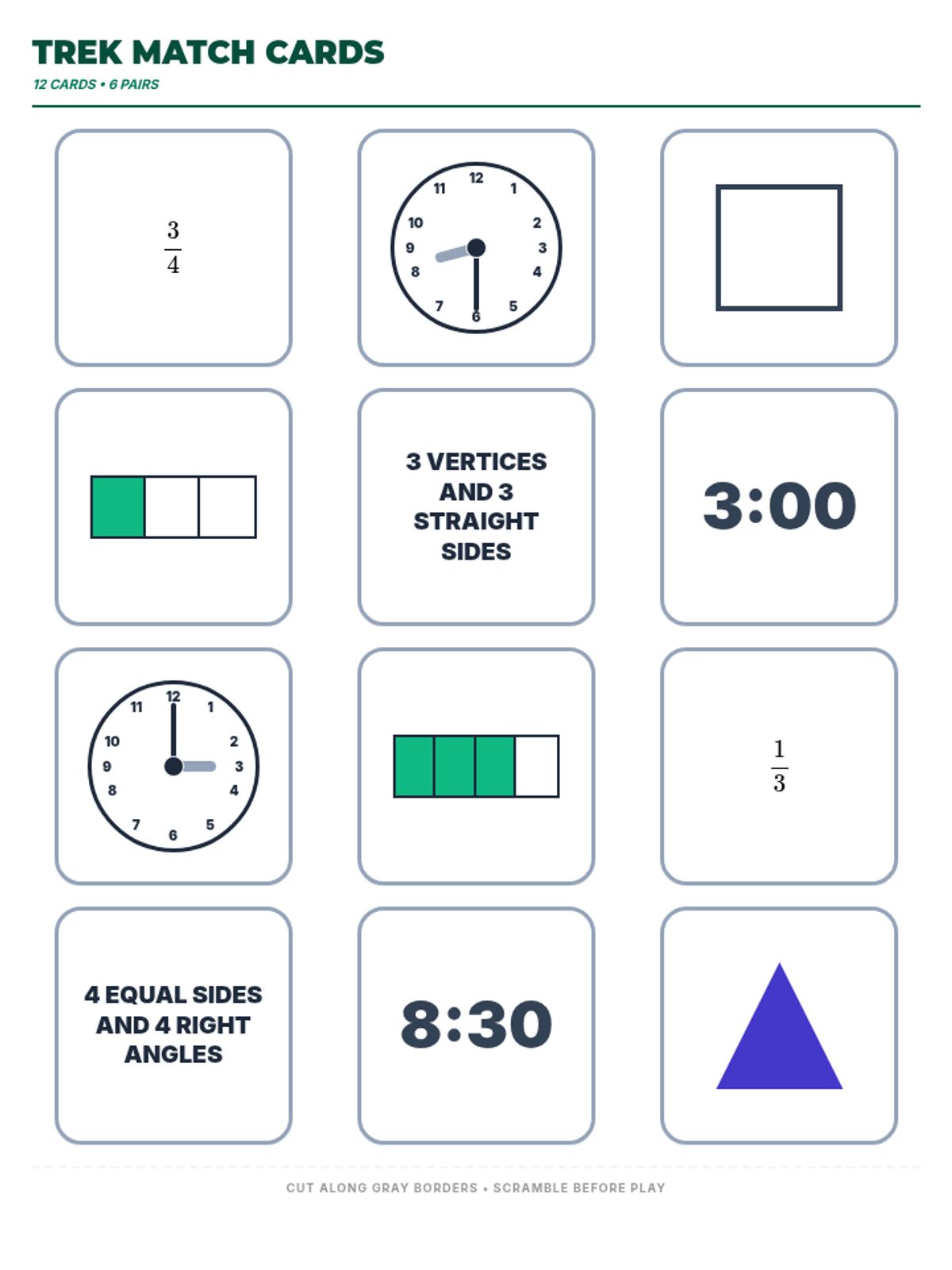
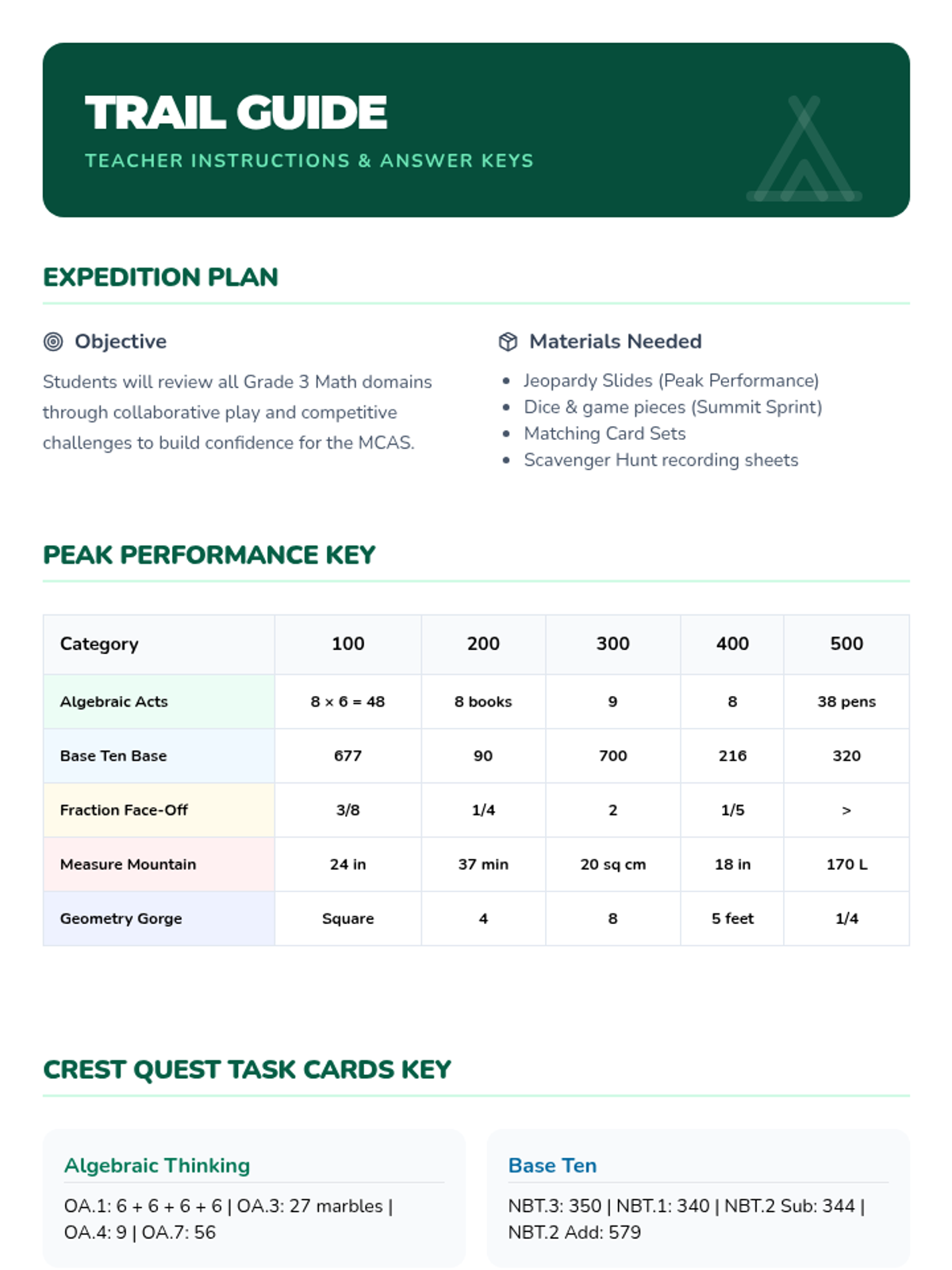
A comprehensive review suite for Grade 3 students preparing for the Math MCAS, featuring interactive games and collaborative activities covering all math domains.
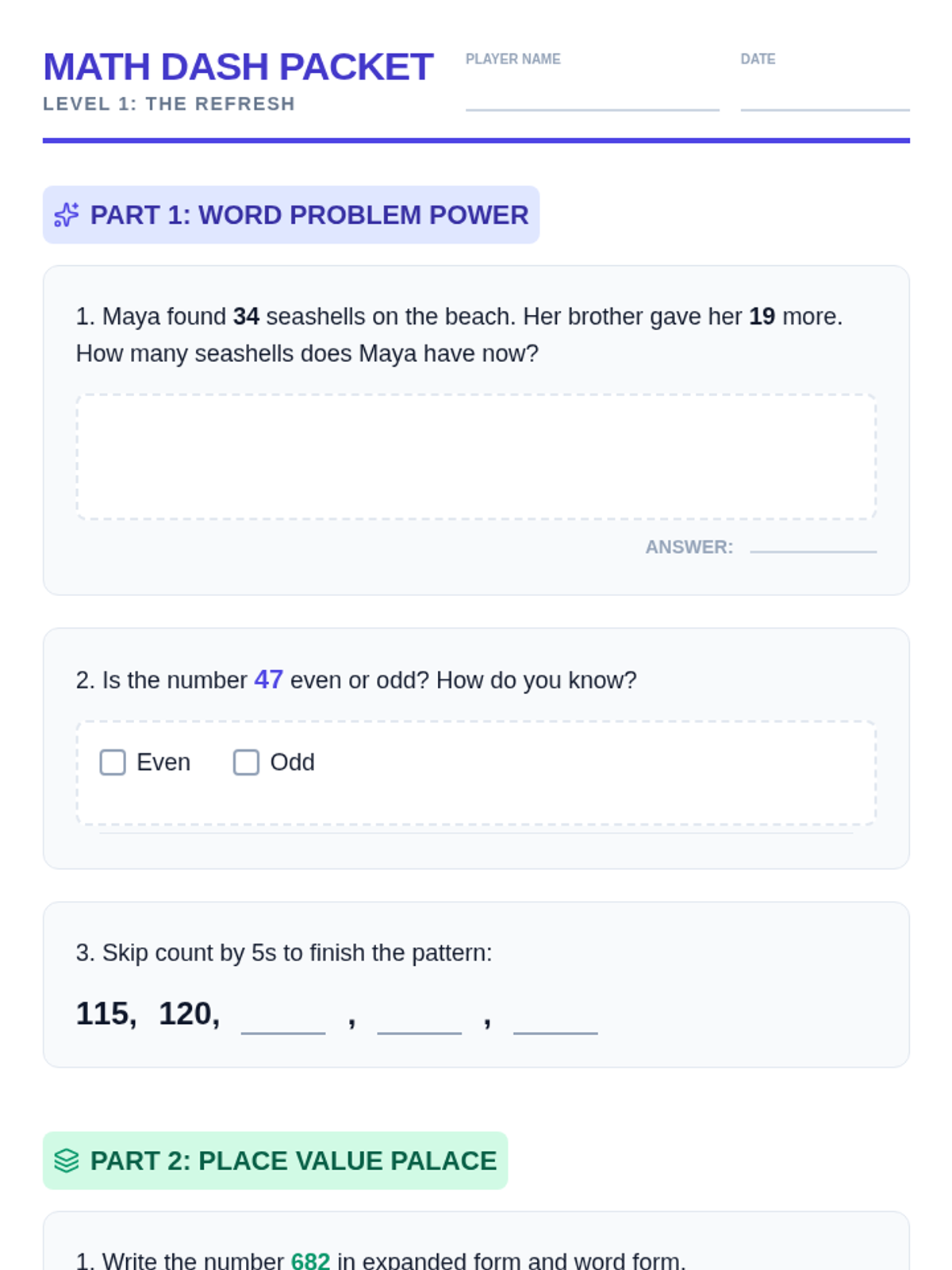
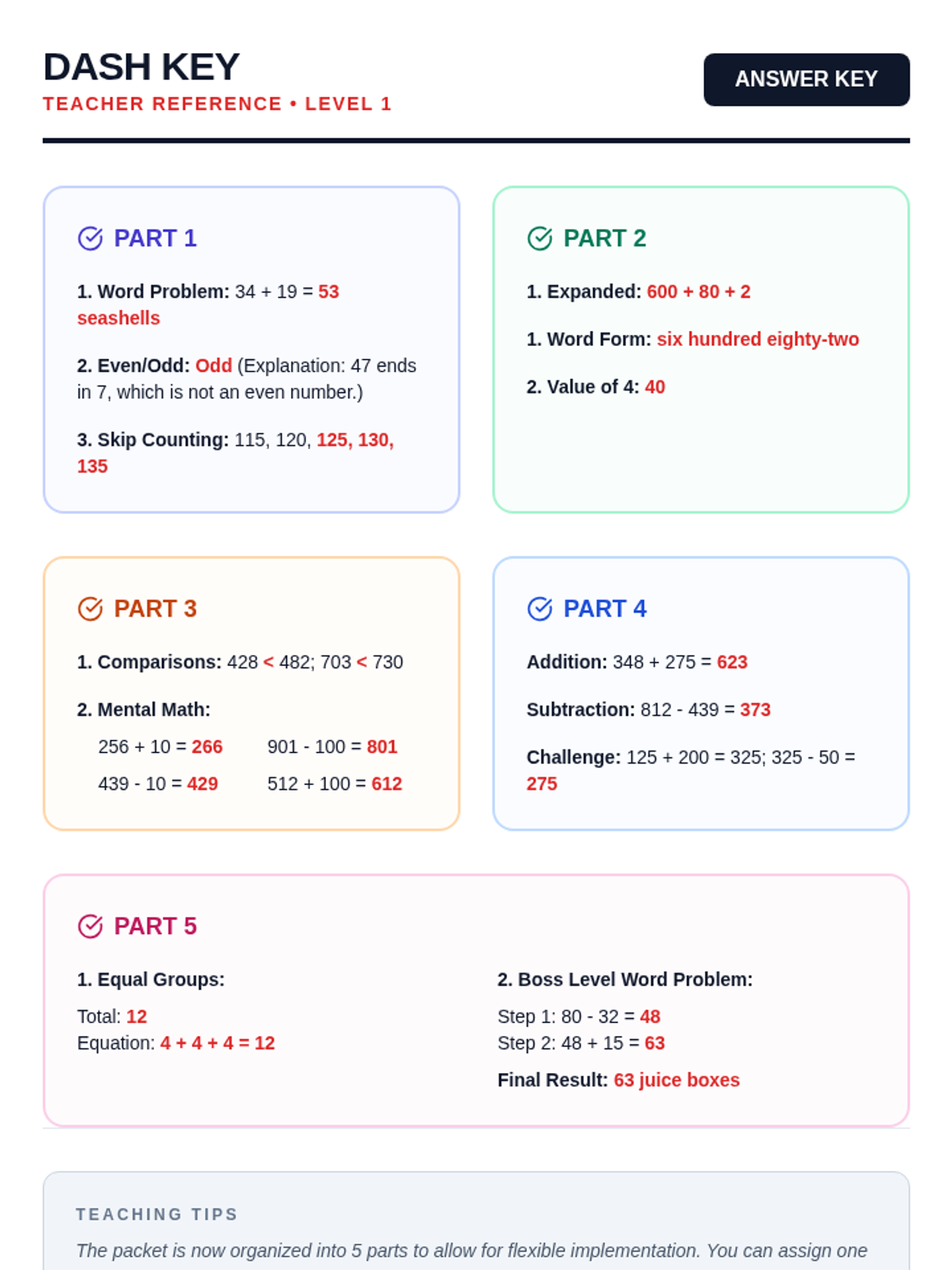
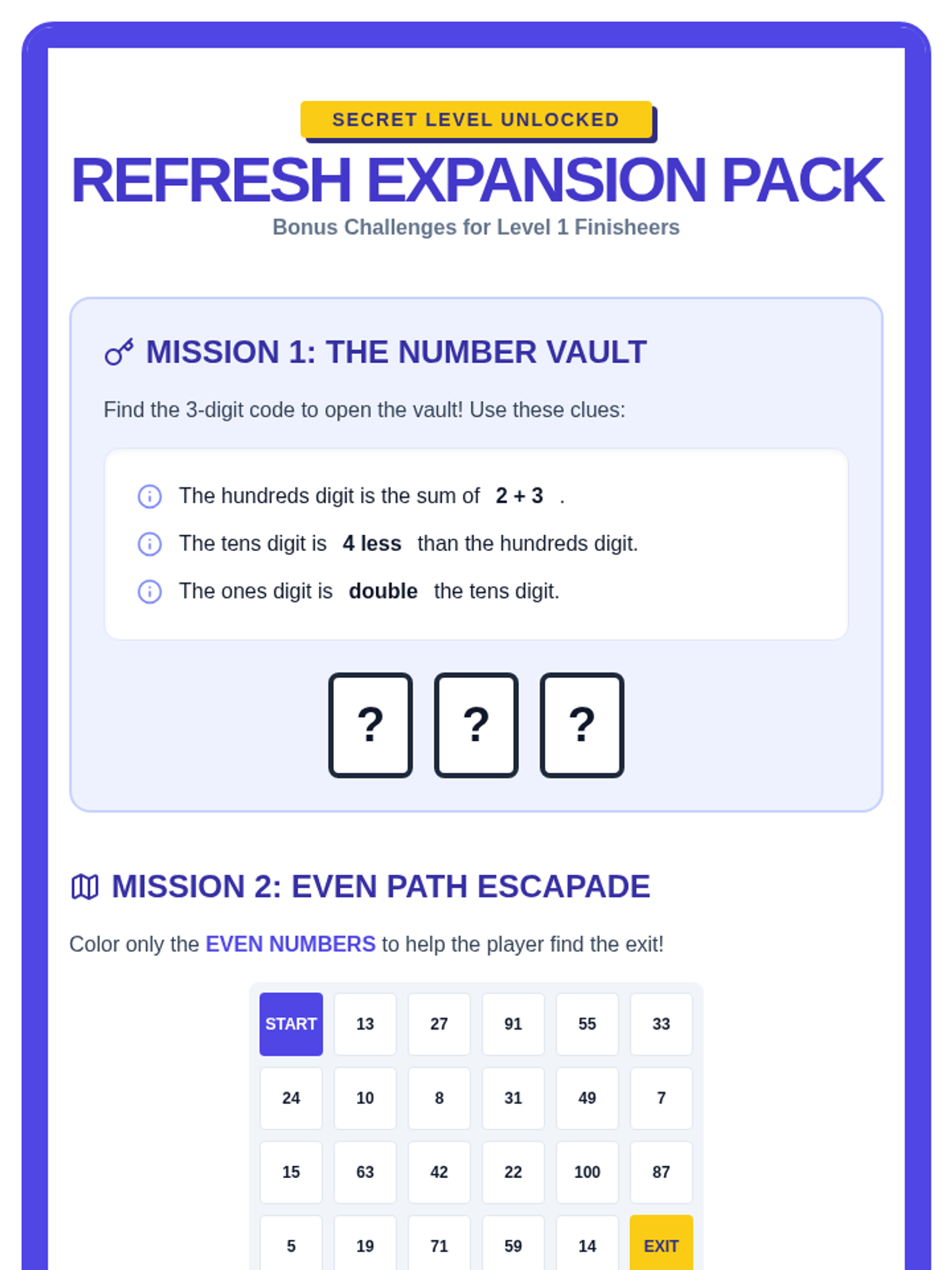
A 3-week high-energy, retro-gaming themed journey through 2nd-grade math standards to prepare 3rd-grade students for success.
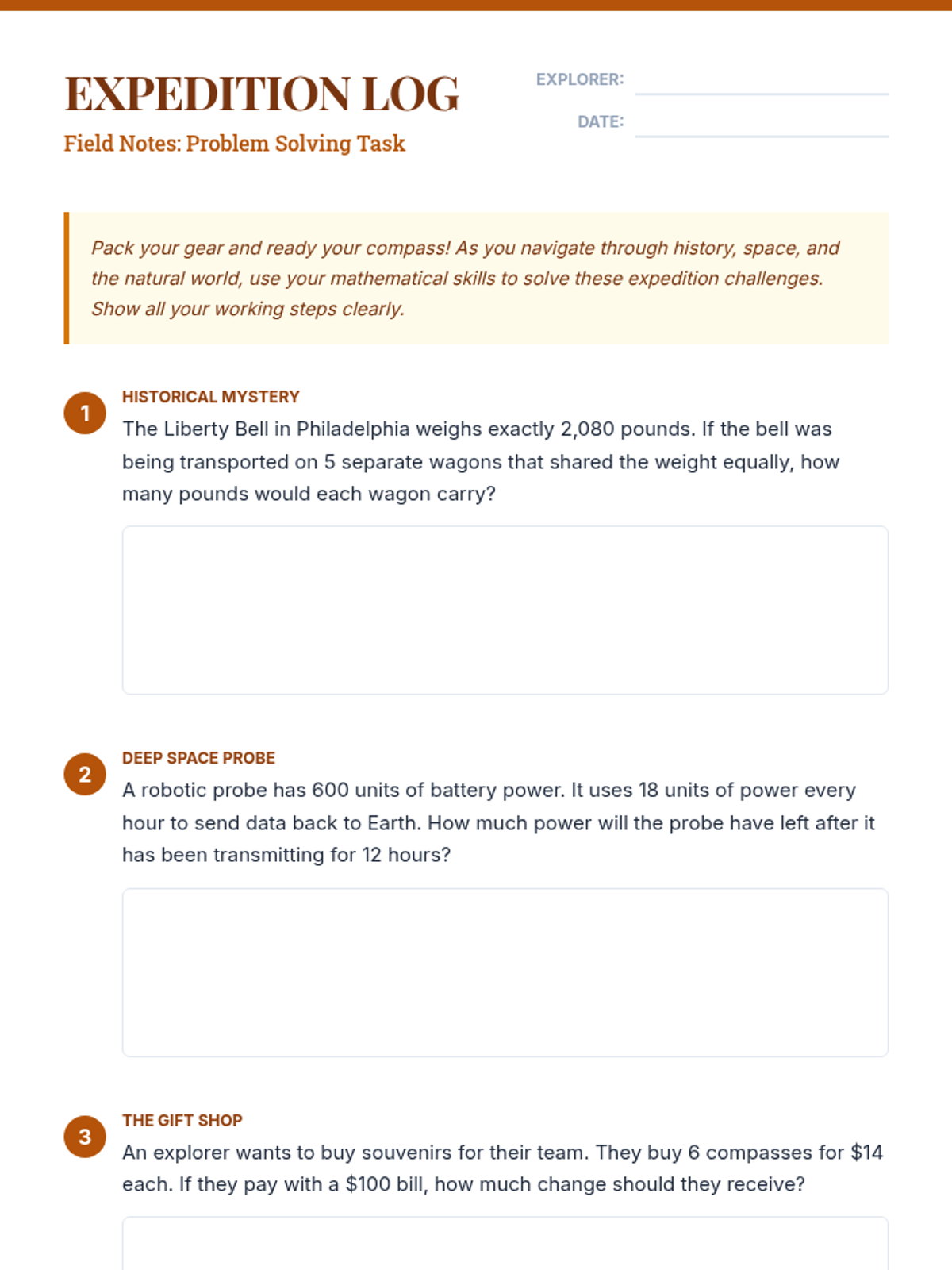
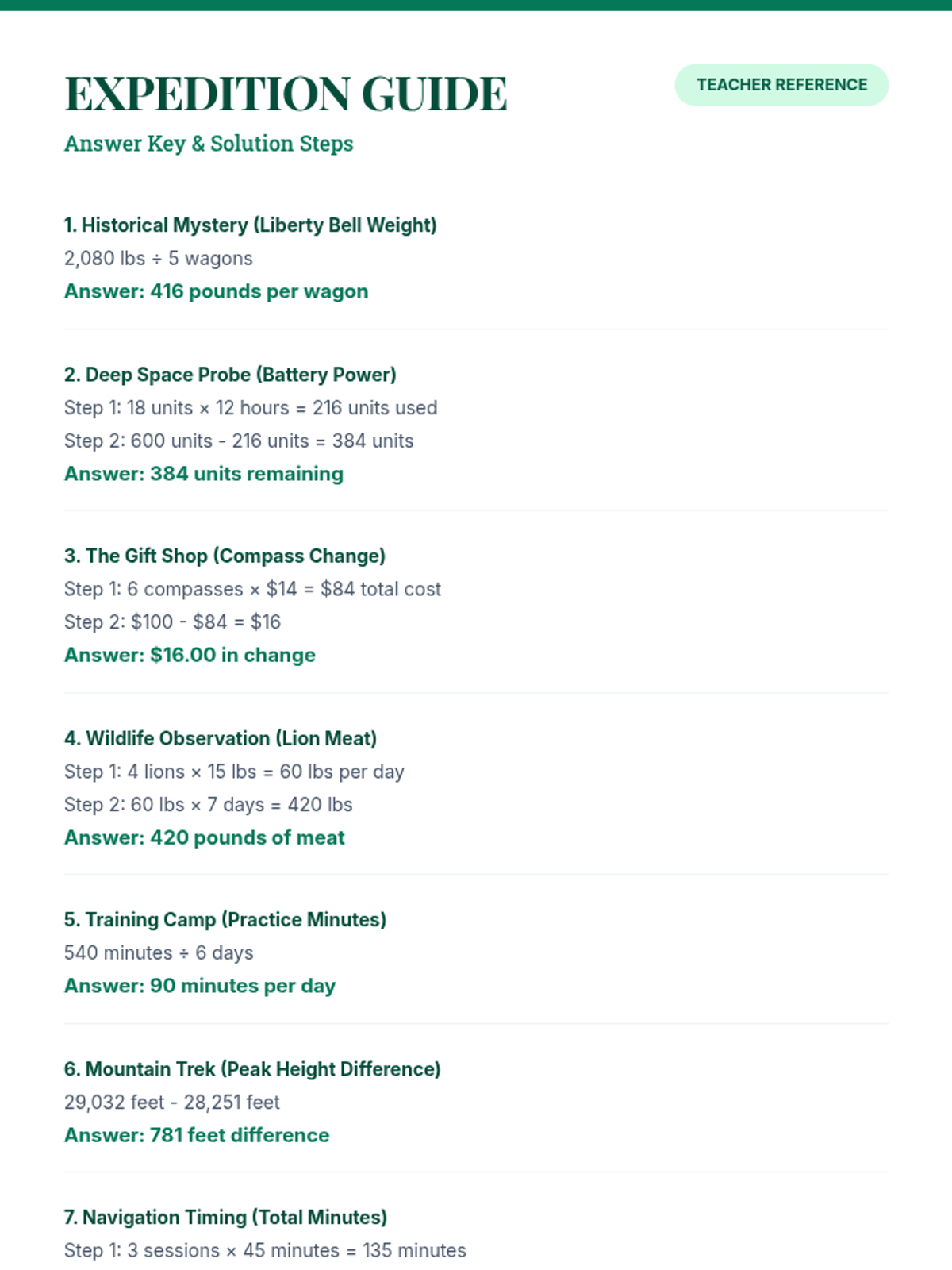
A week-long series of math challenges that transport students through history, science, and across the globe while reinforcing multi-step problem solving with the four operations.
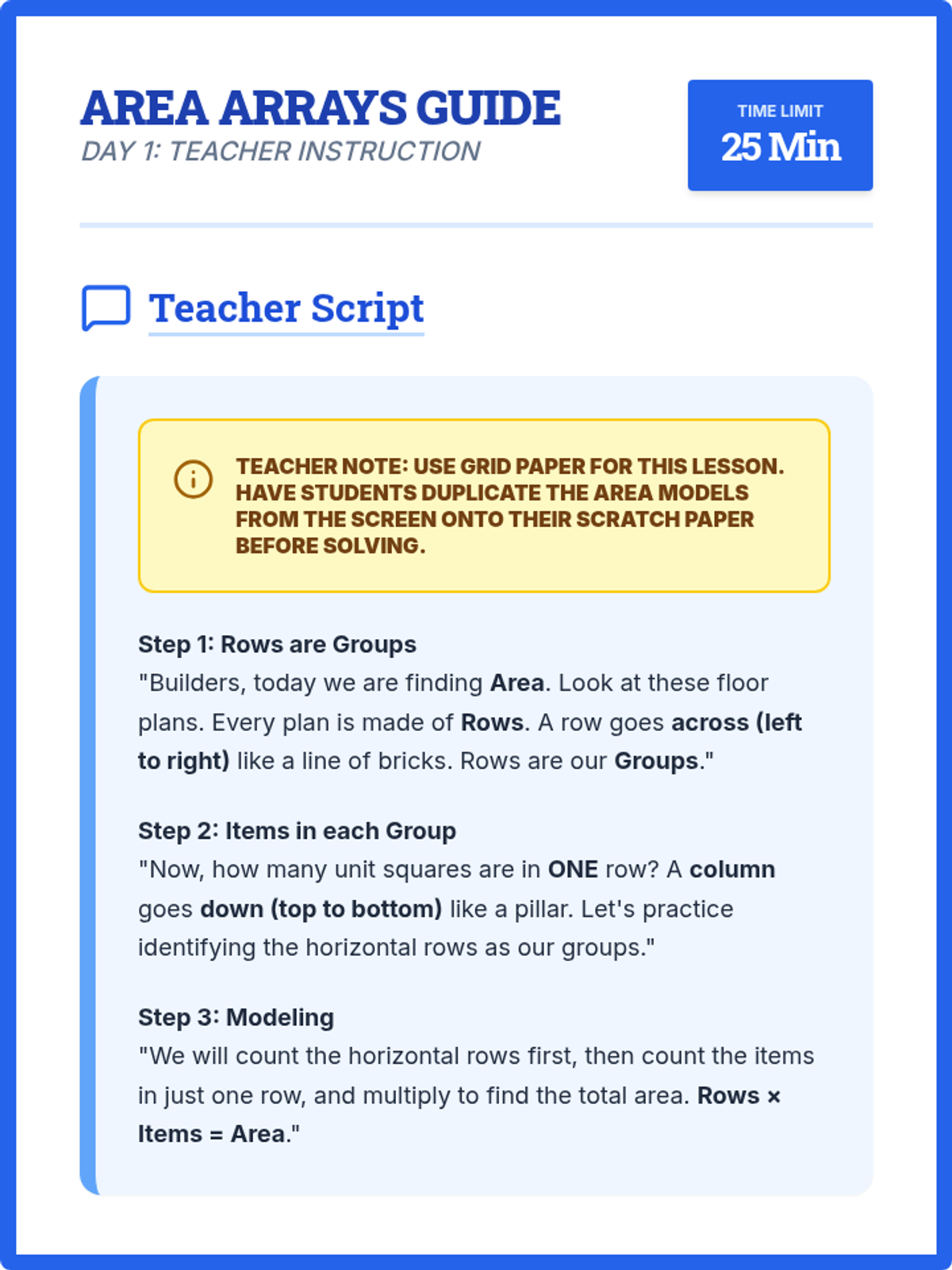
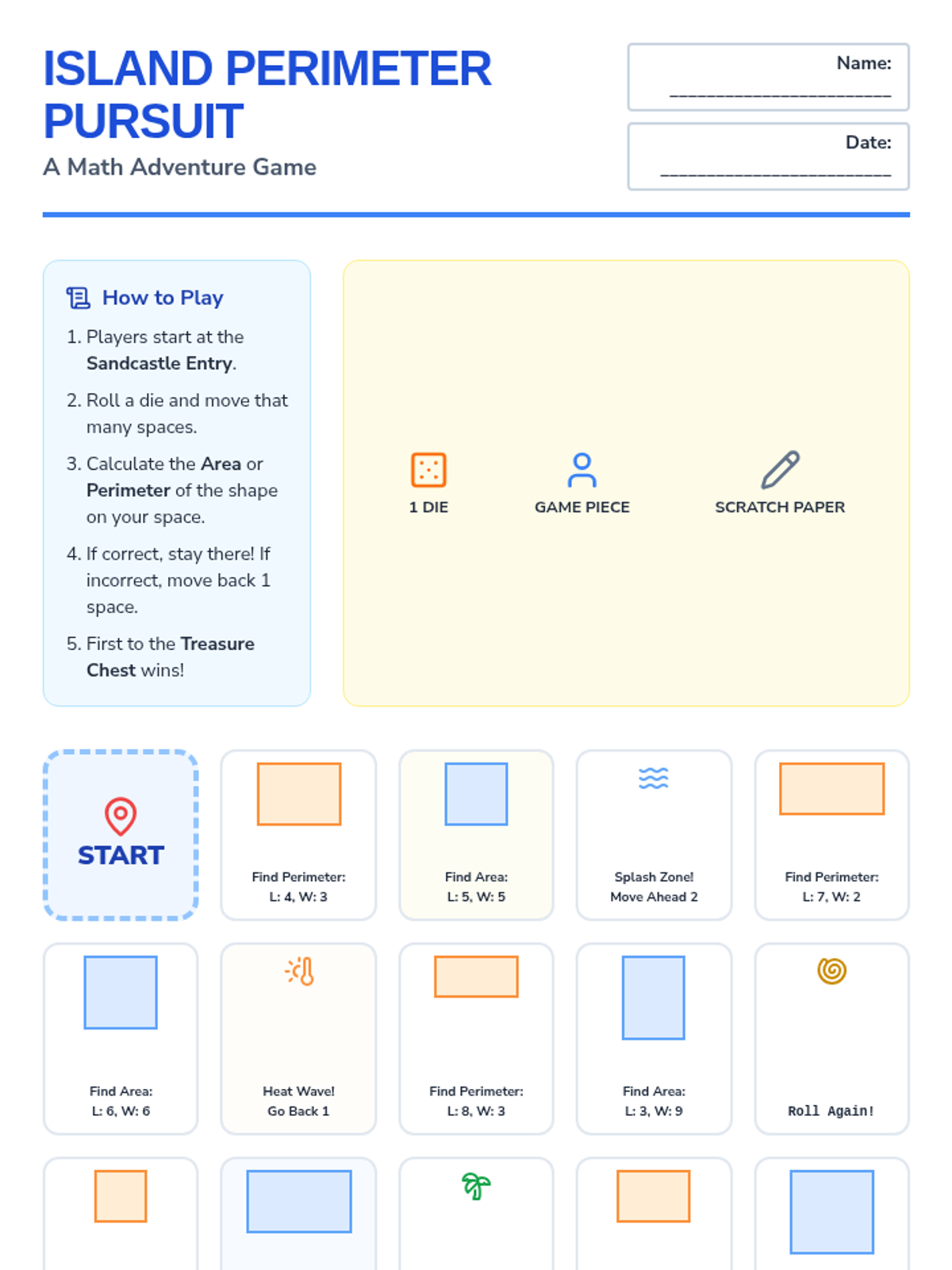
A 5-day intensive intervention sequence focused on determining area using multiplication (3.6C) and calculating perimeter including missing side lengths (3.7B). The unit uses a 'Boundary Builders' construction theme to make geometric concepts concrete and engaging for small group instruction.
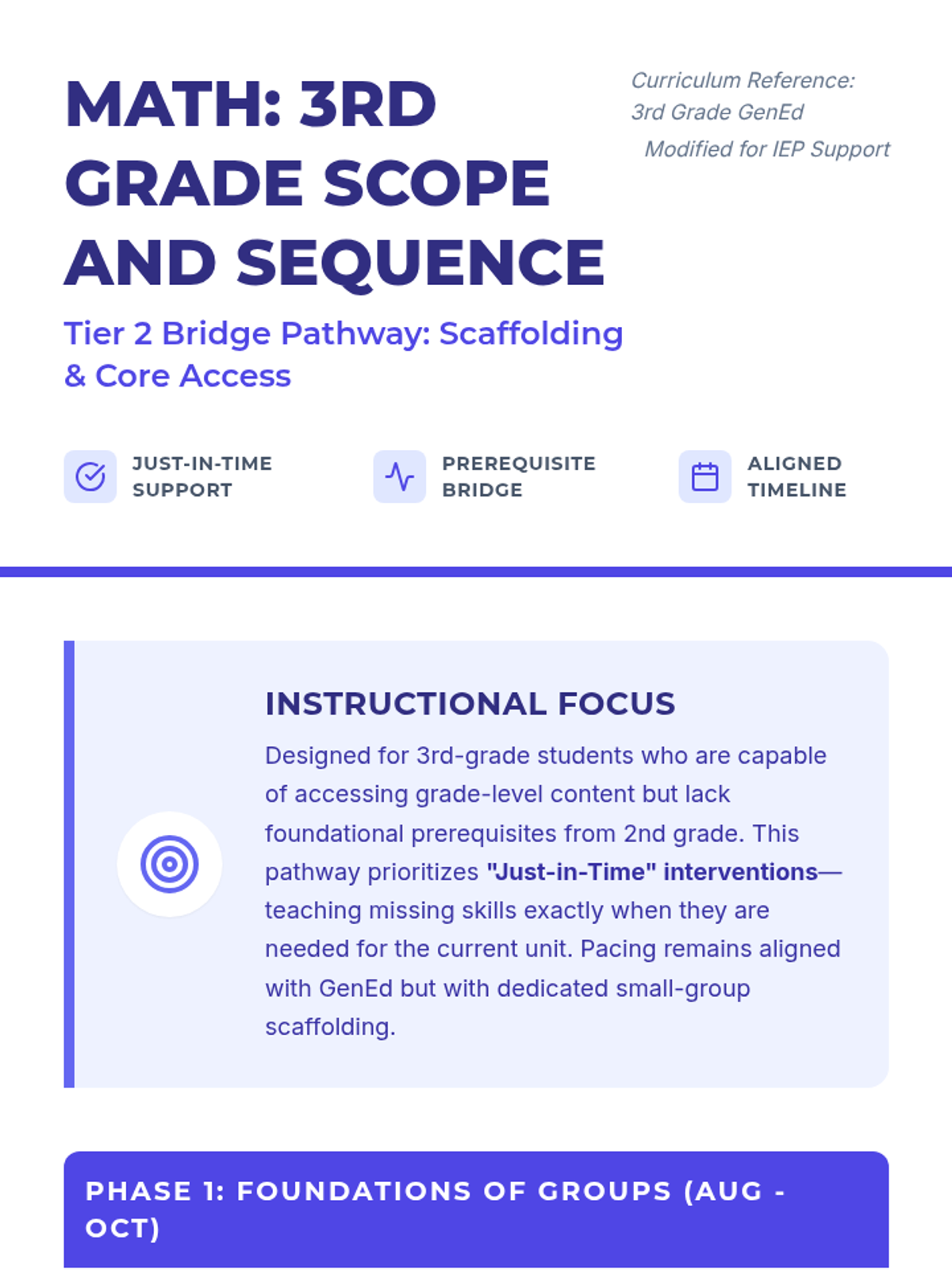
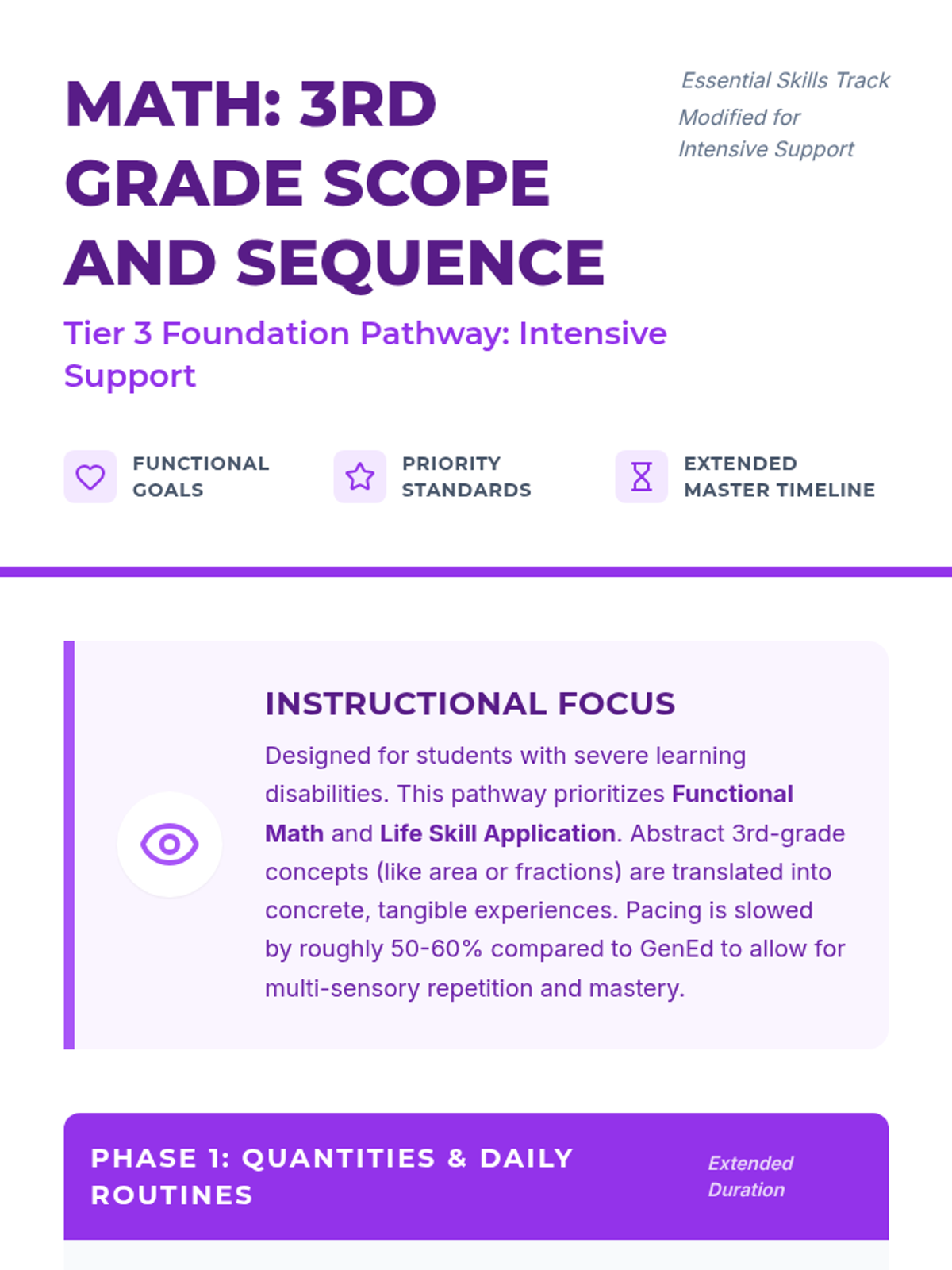
A collection of modified math scope and sequence documents for 3rd grade, tailored for Tier 2 and Tier 3 intervention pathways. These documents adapt grade-level standards into accessible, functional, and scaffolded learning goals.
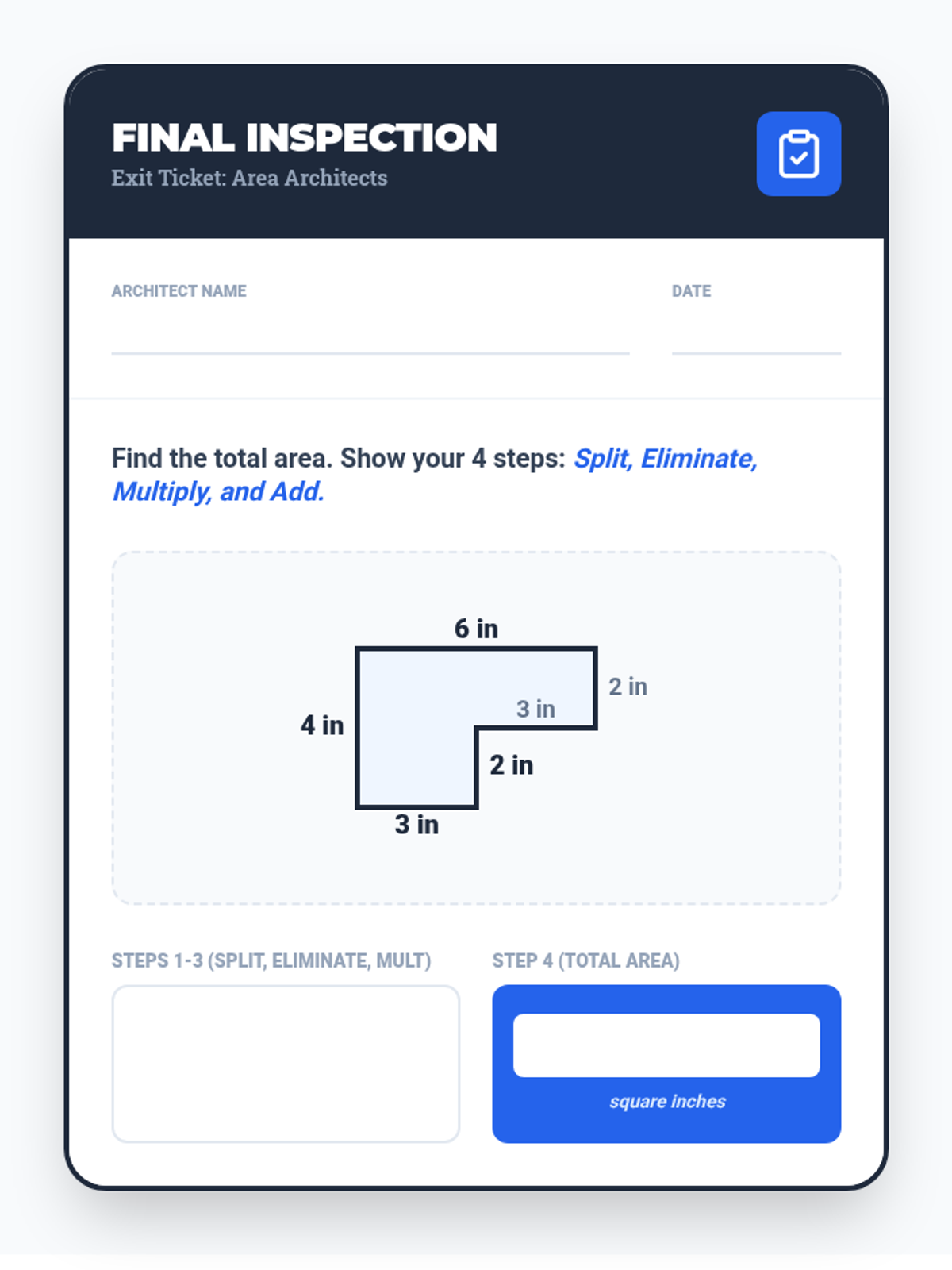
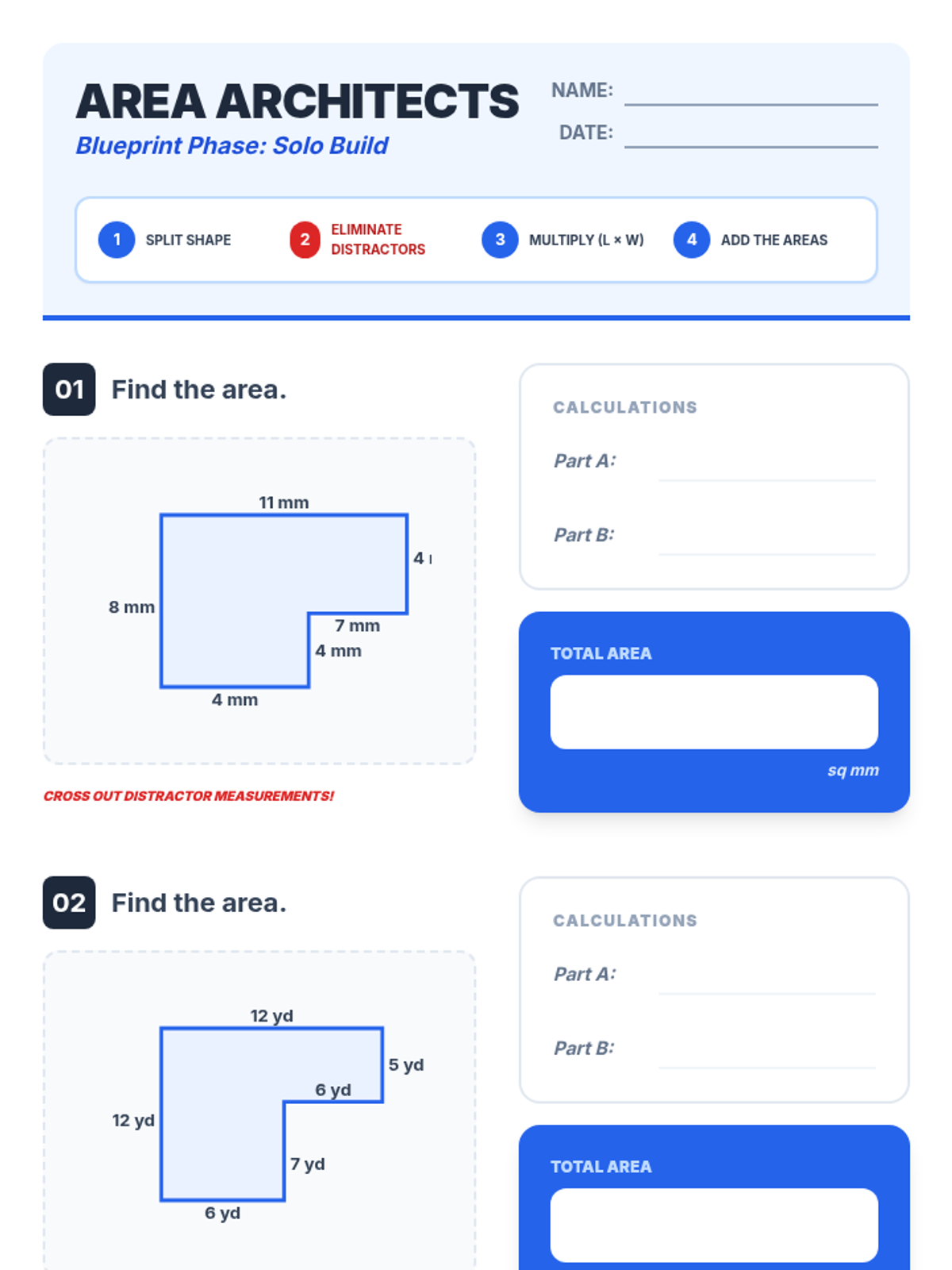
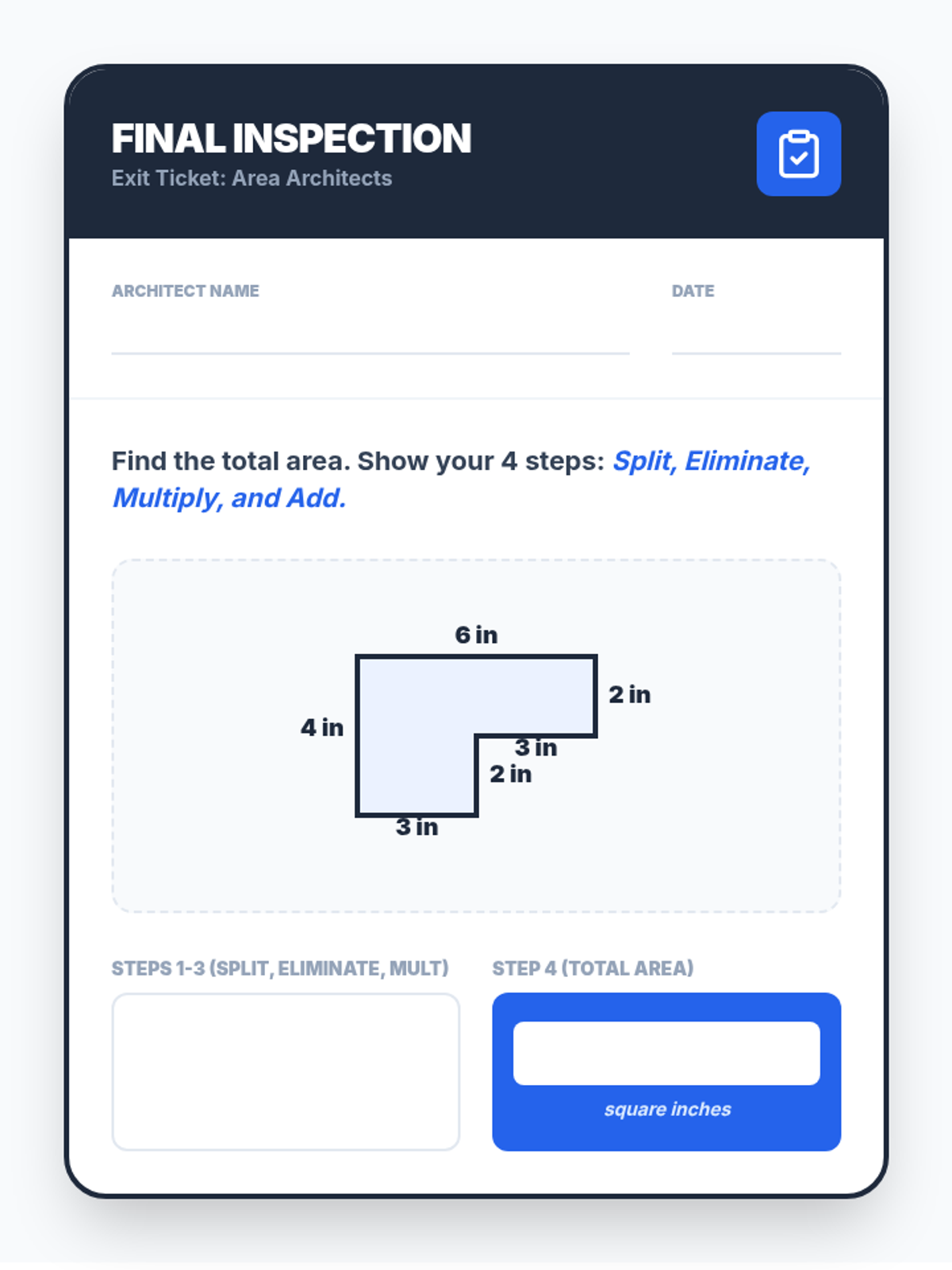
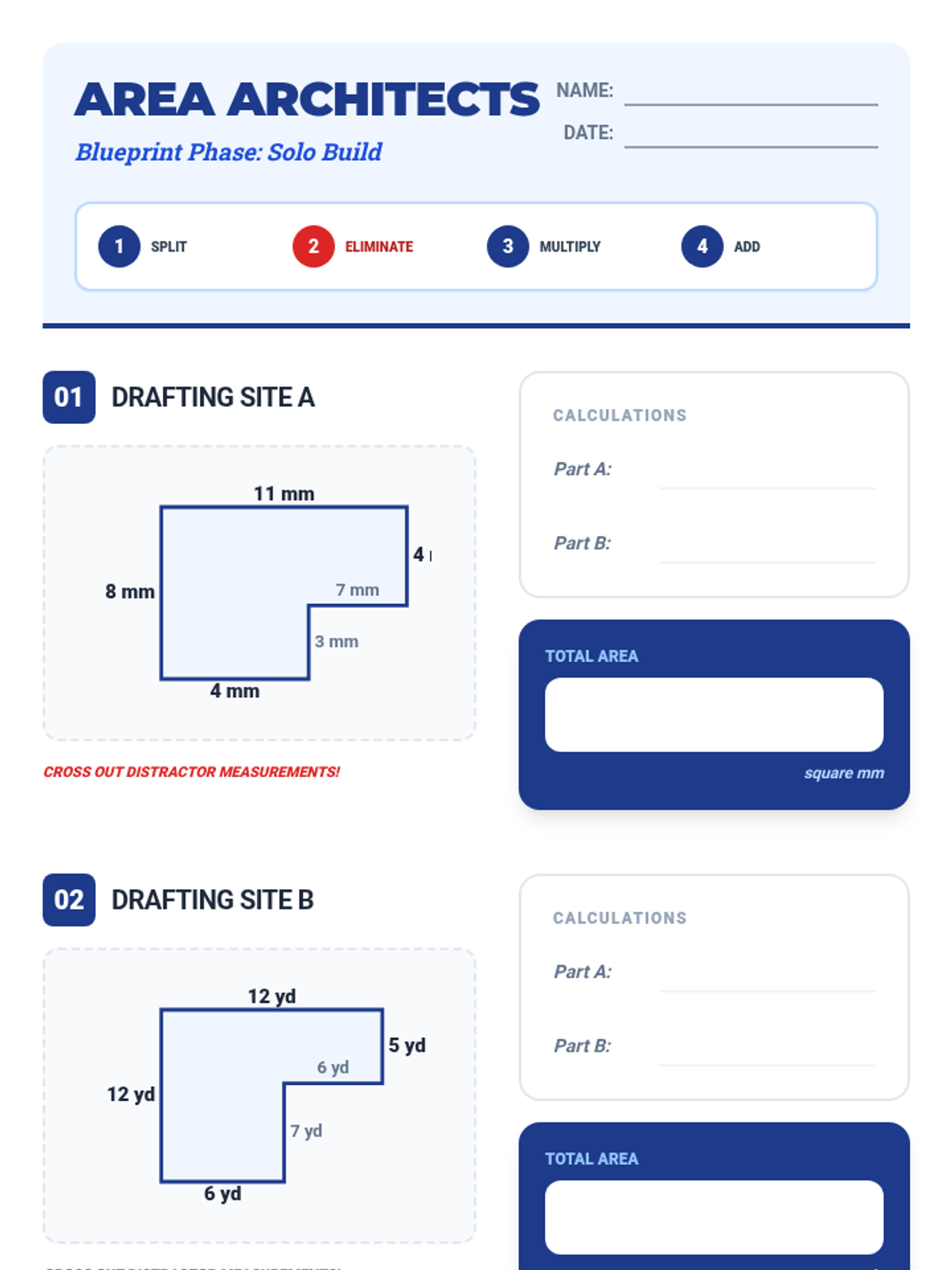
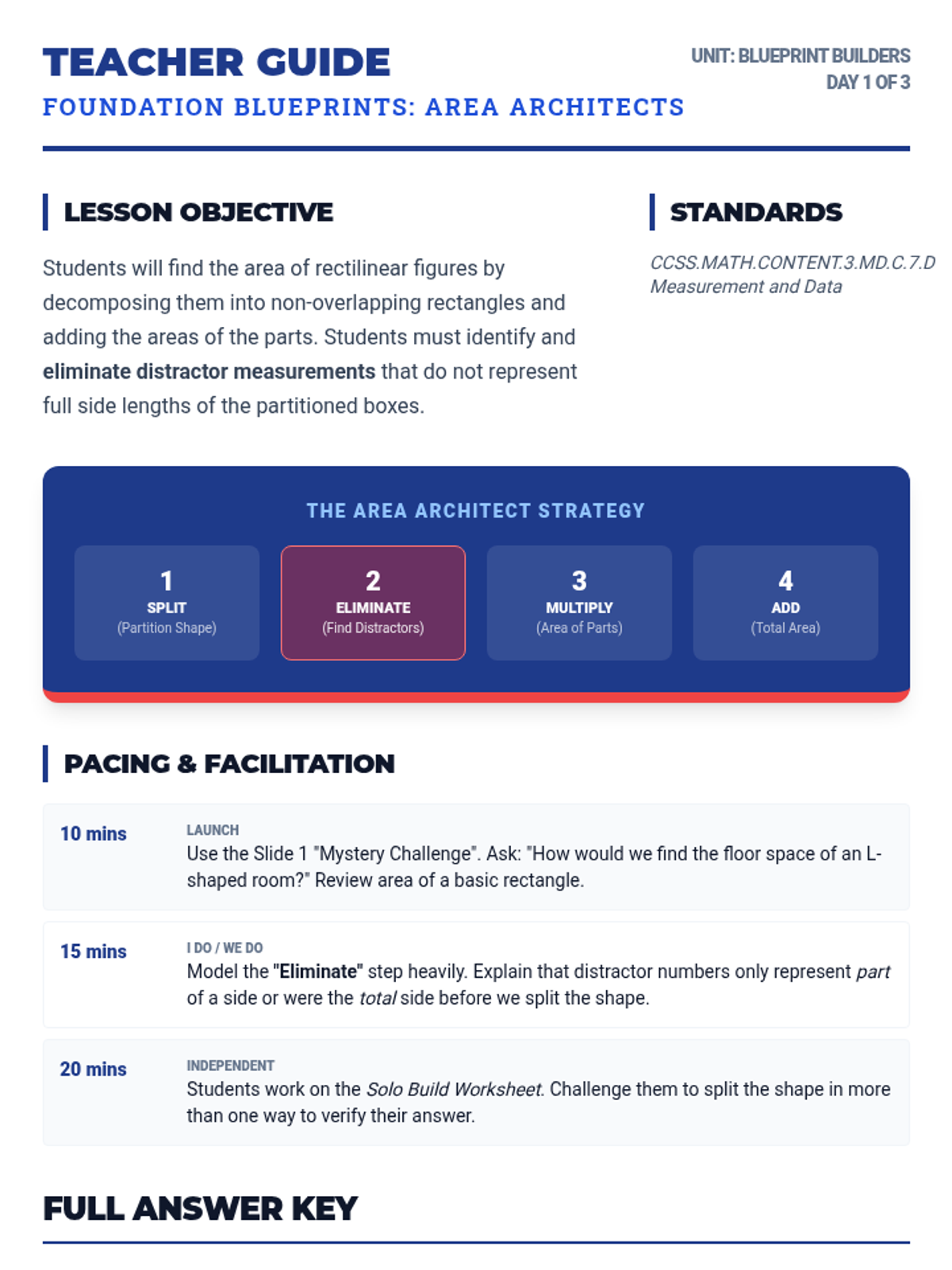
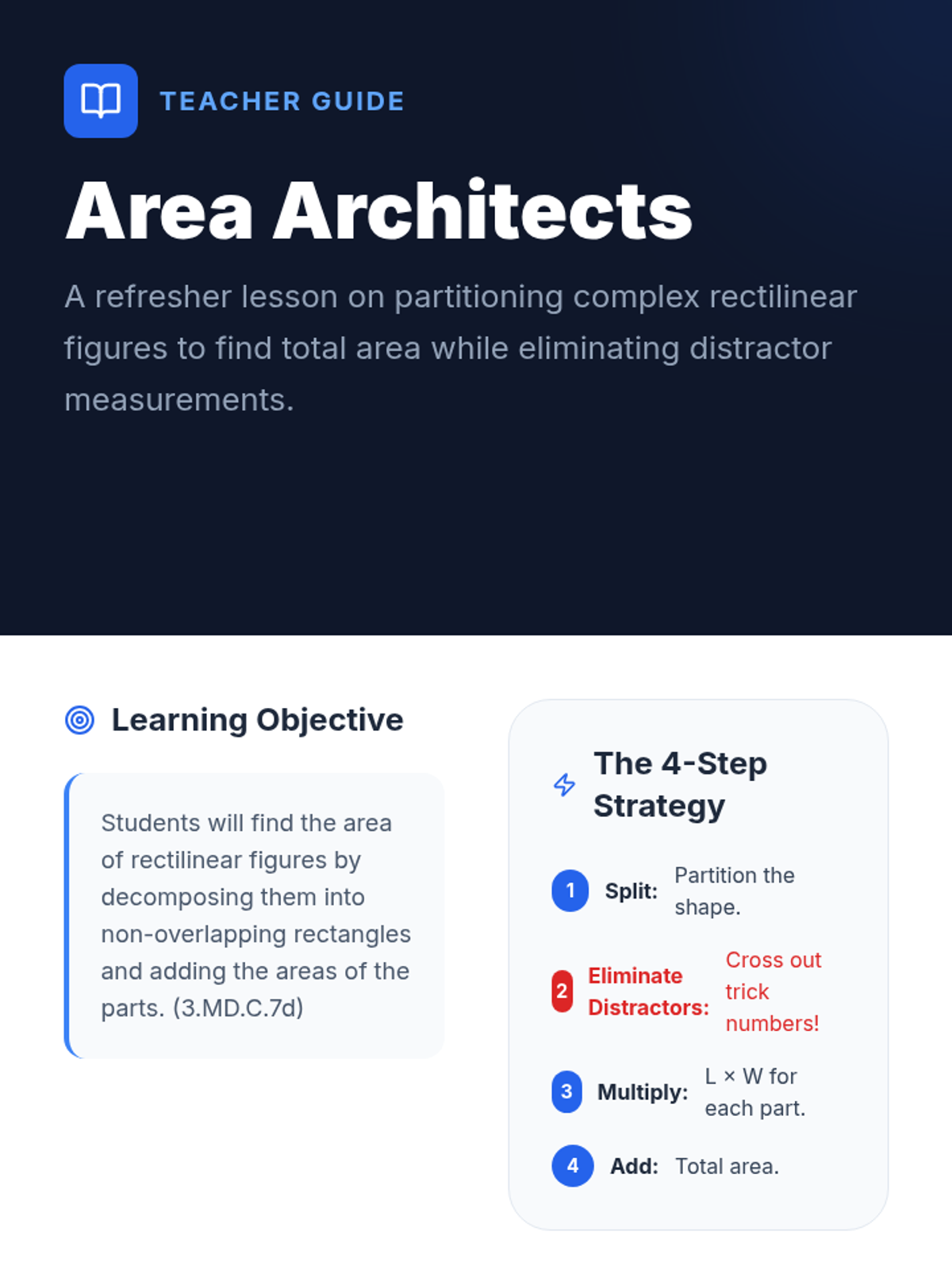
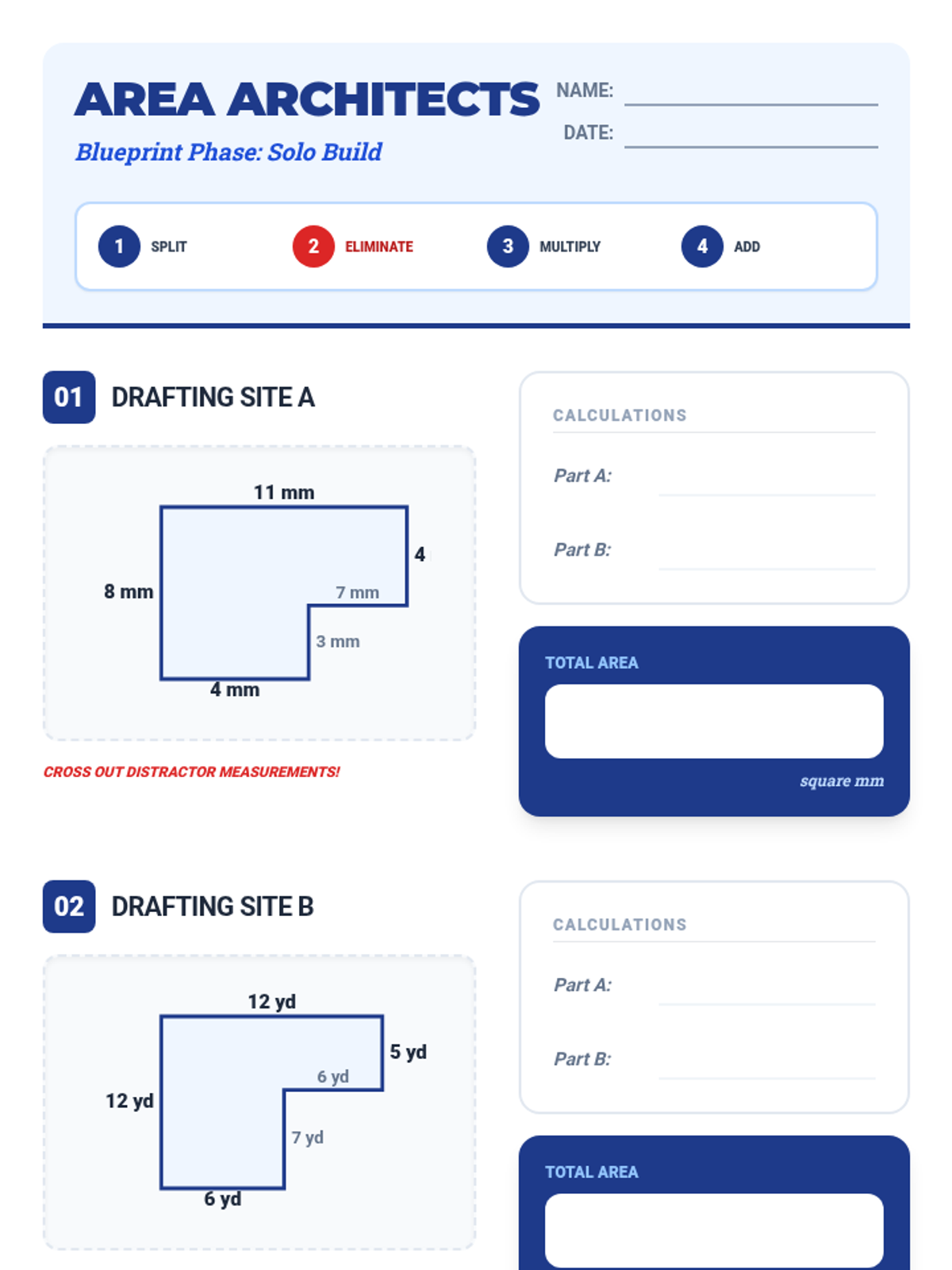
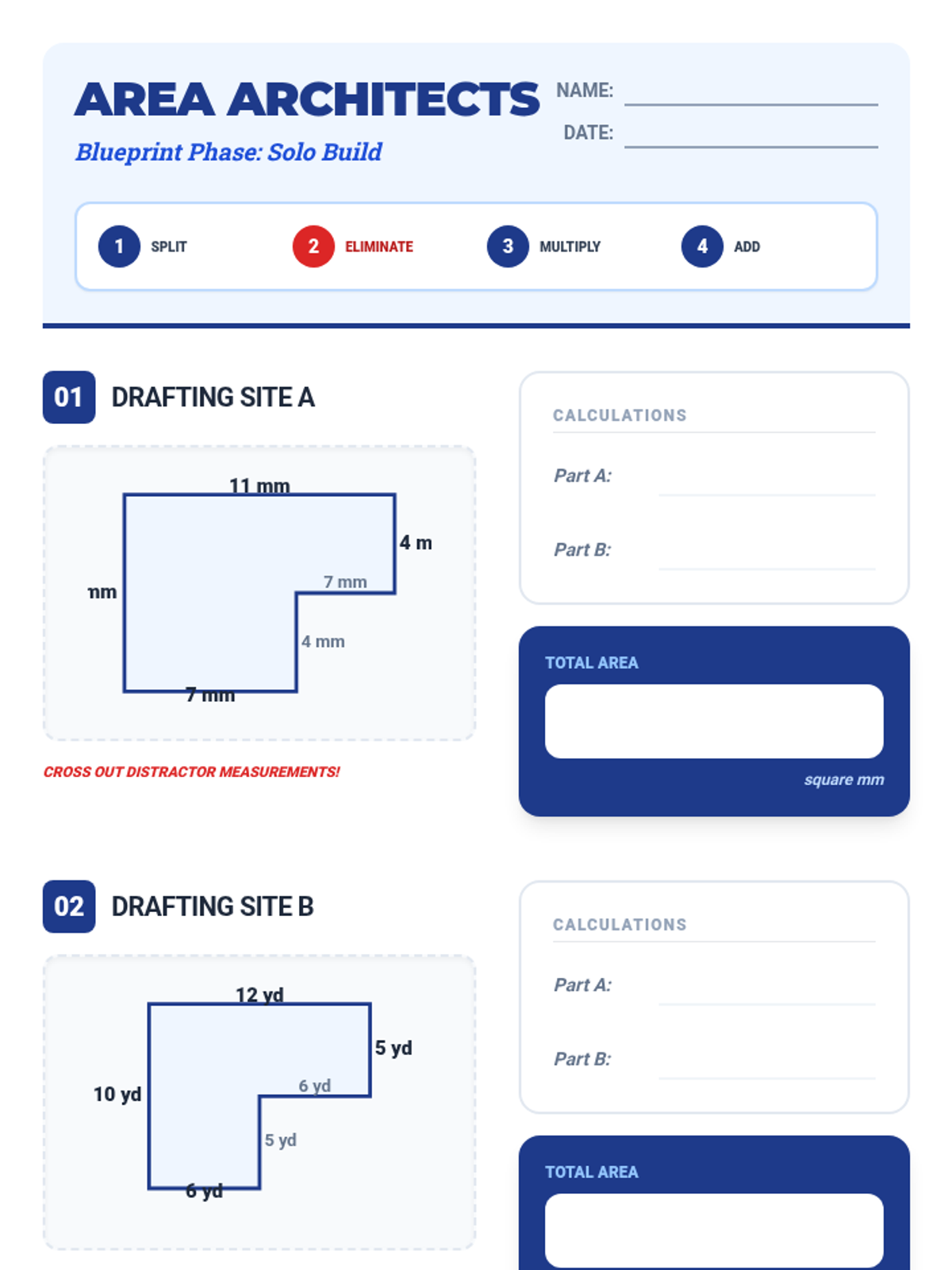
A multi-day math unit on complex rectilinear figures, progressing from finding area with all labels to identifying missing side lengths and solving multi-step problems.
A small group intervention sequence focused on Grade 3 area concepts, specifically multiplying side lengths to solve real-world problems. Students move from concrete measurement to representational grid work and abstract formula application.
This sequence addresses the conceptual hurdles of fraction operations by utilizing number lines as a concrete visual anchor. Students move from placing fractions on a line to visually estimating and calculating sums and differences using movement and length to represent value.
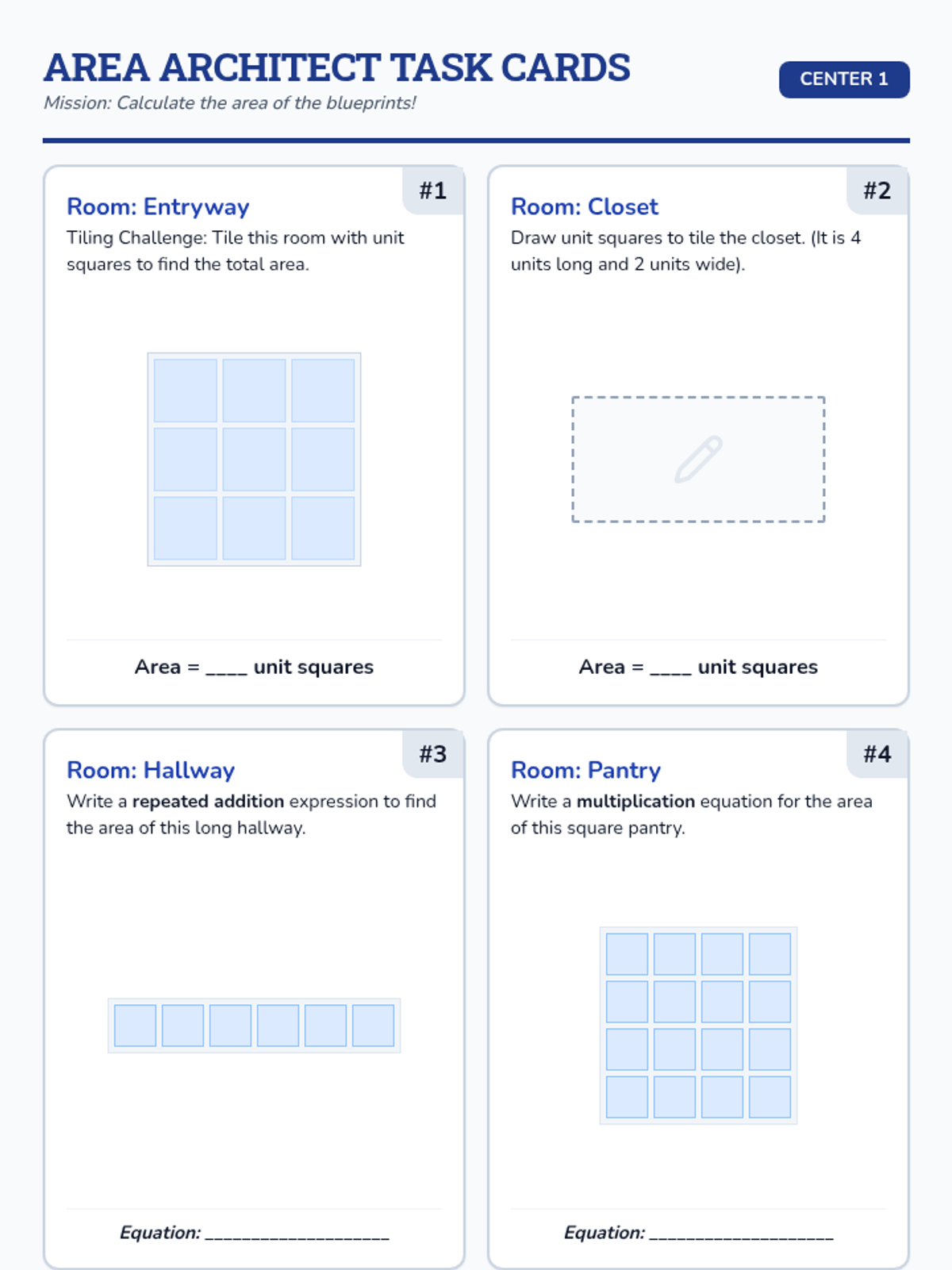
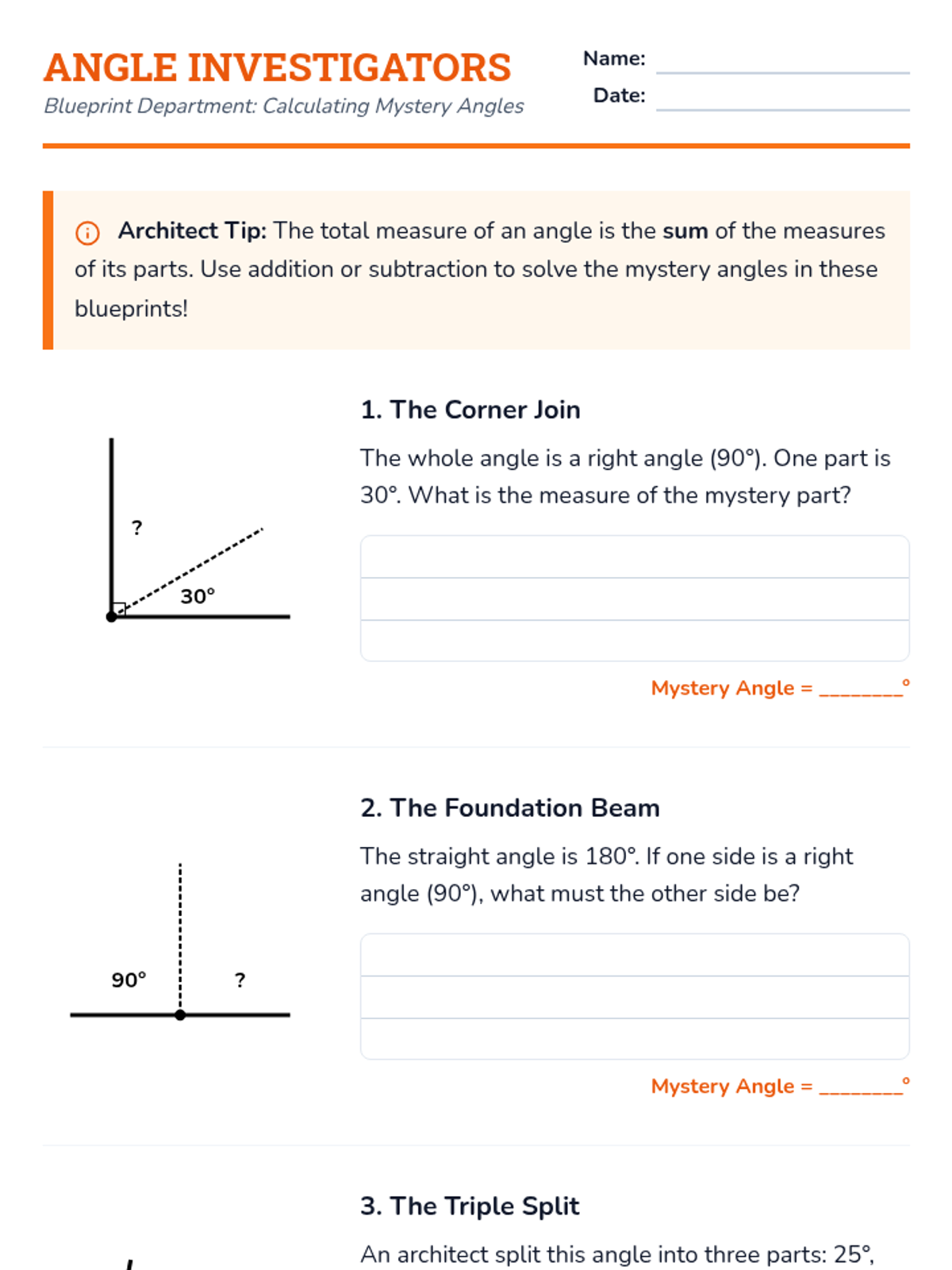
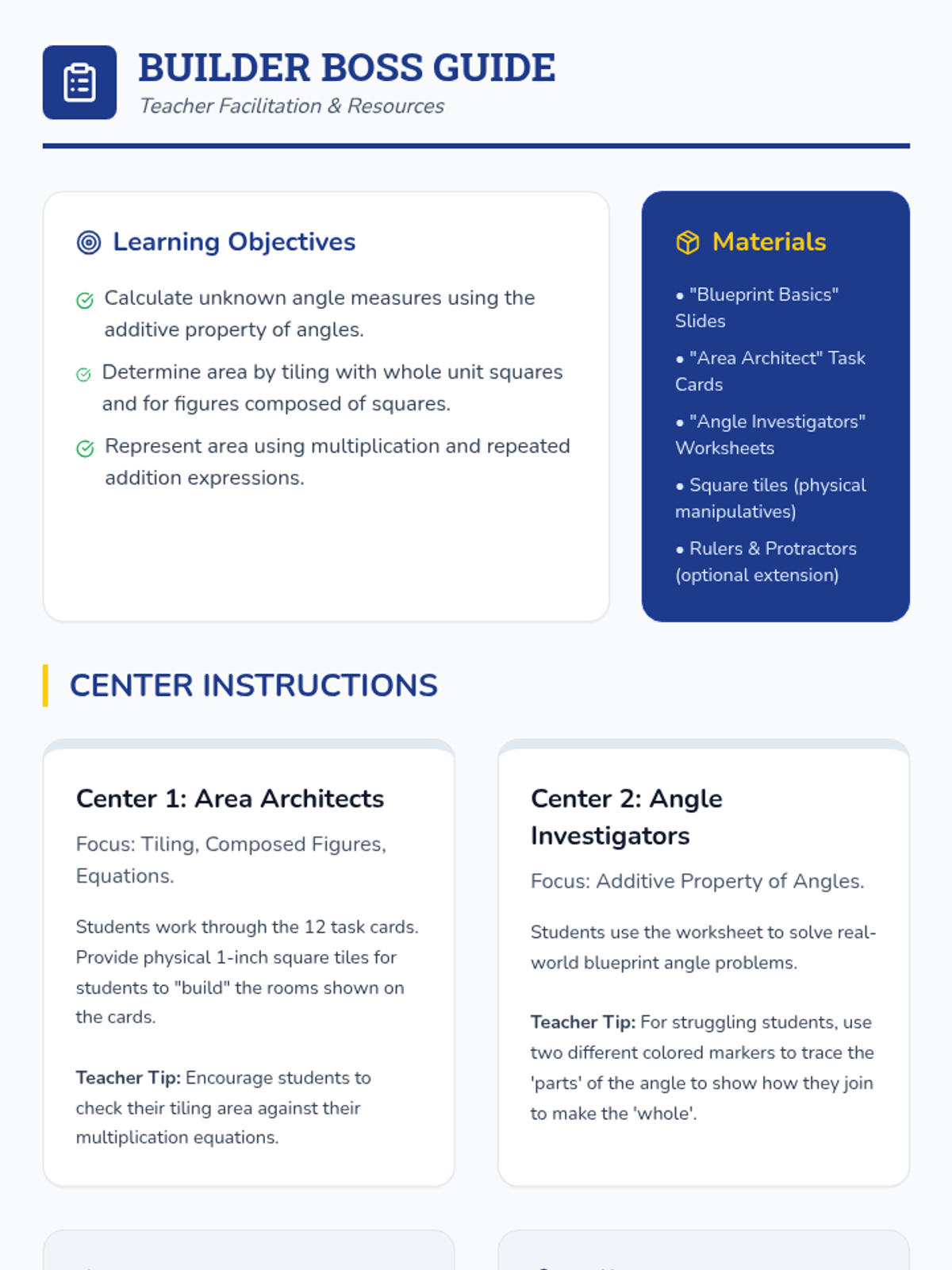
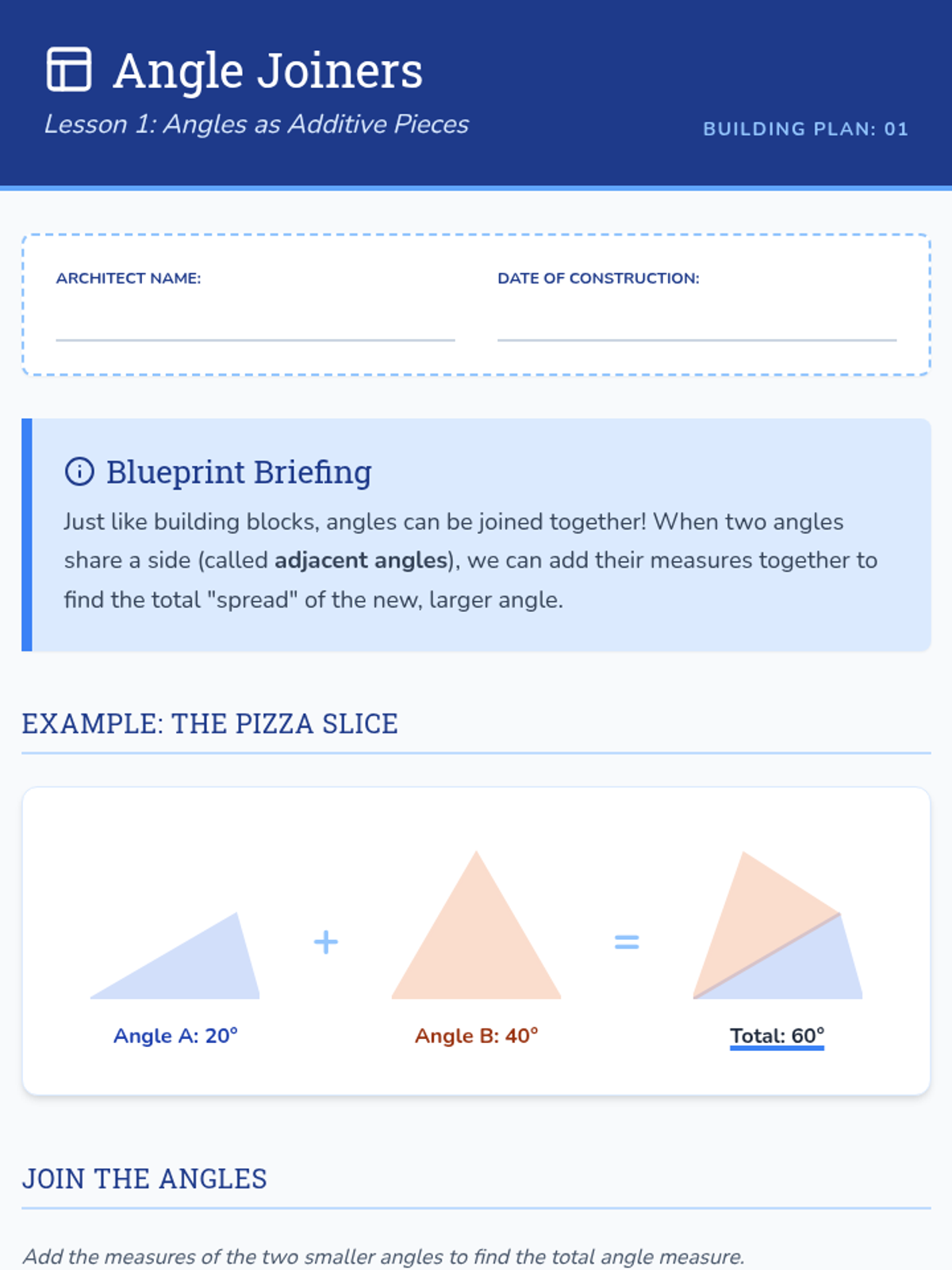
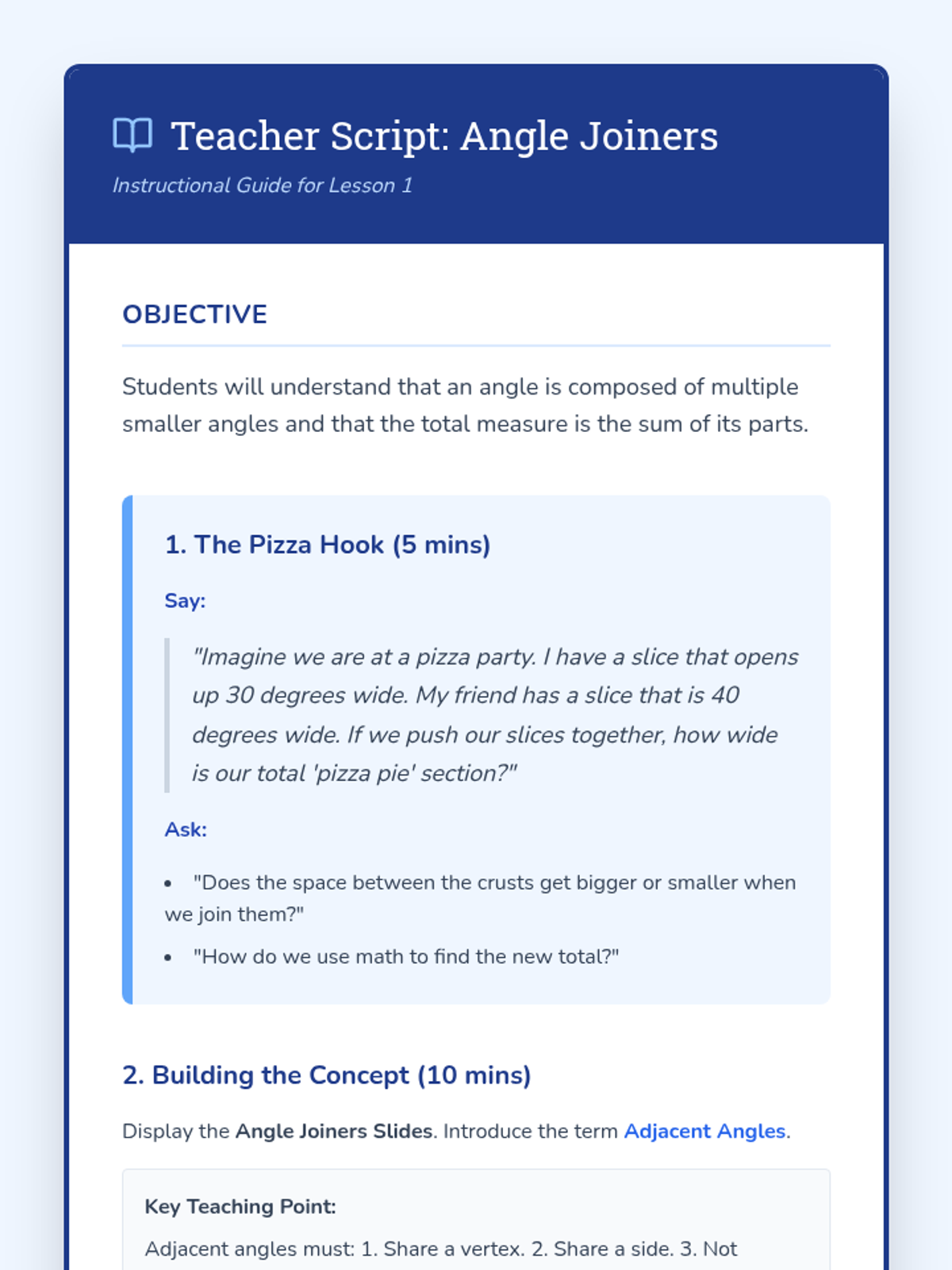
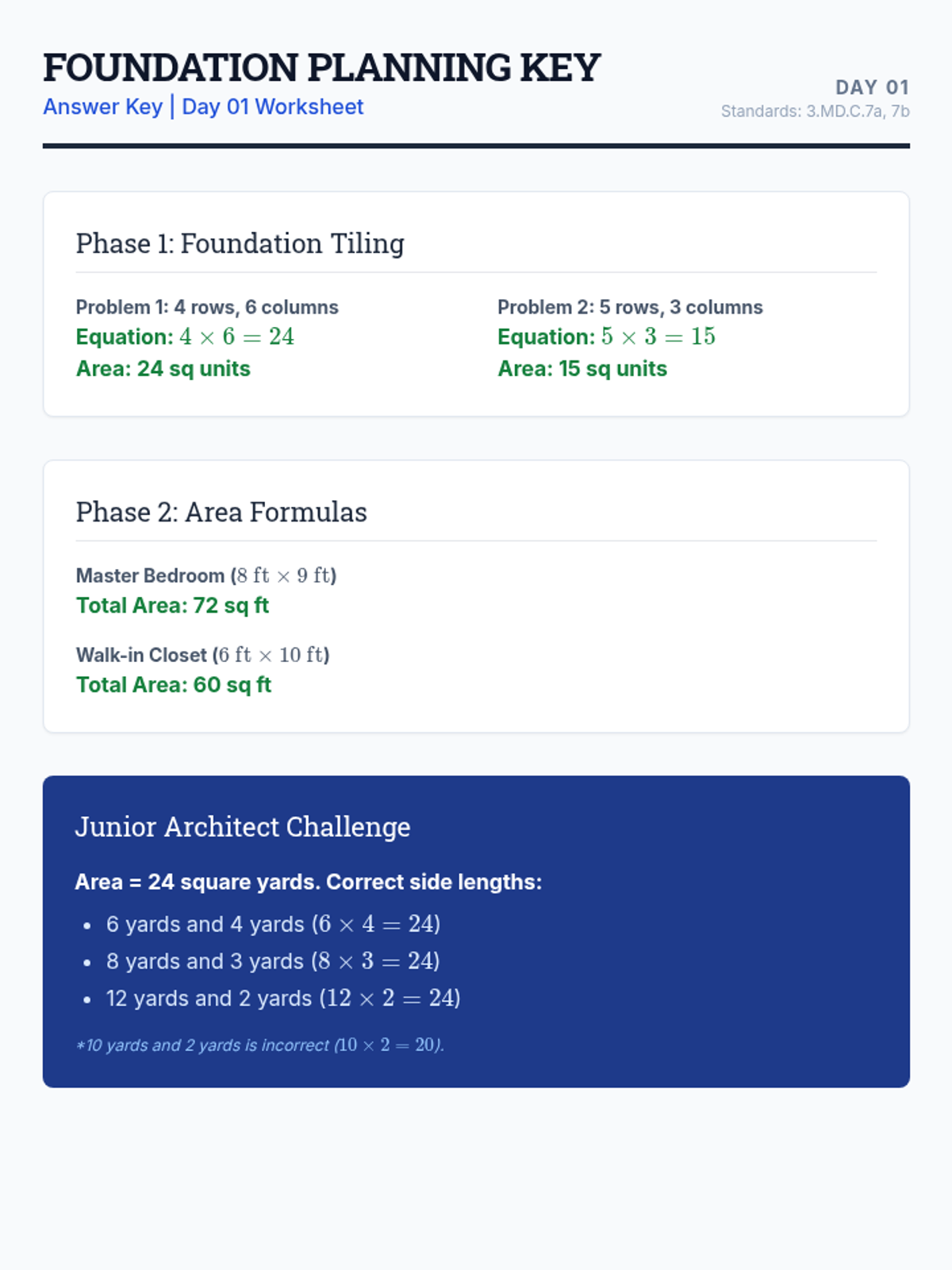
A hands-on geometry and measurement unit focused on area concepts and angle properties for third-grade students. Students explore tiling, equations for area, and the additive property of angles through a construction-themed approach.
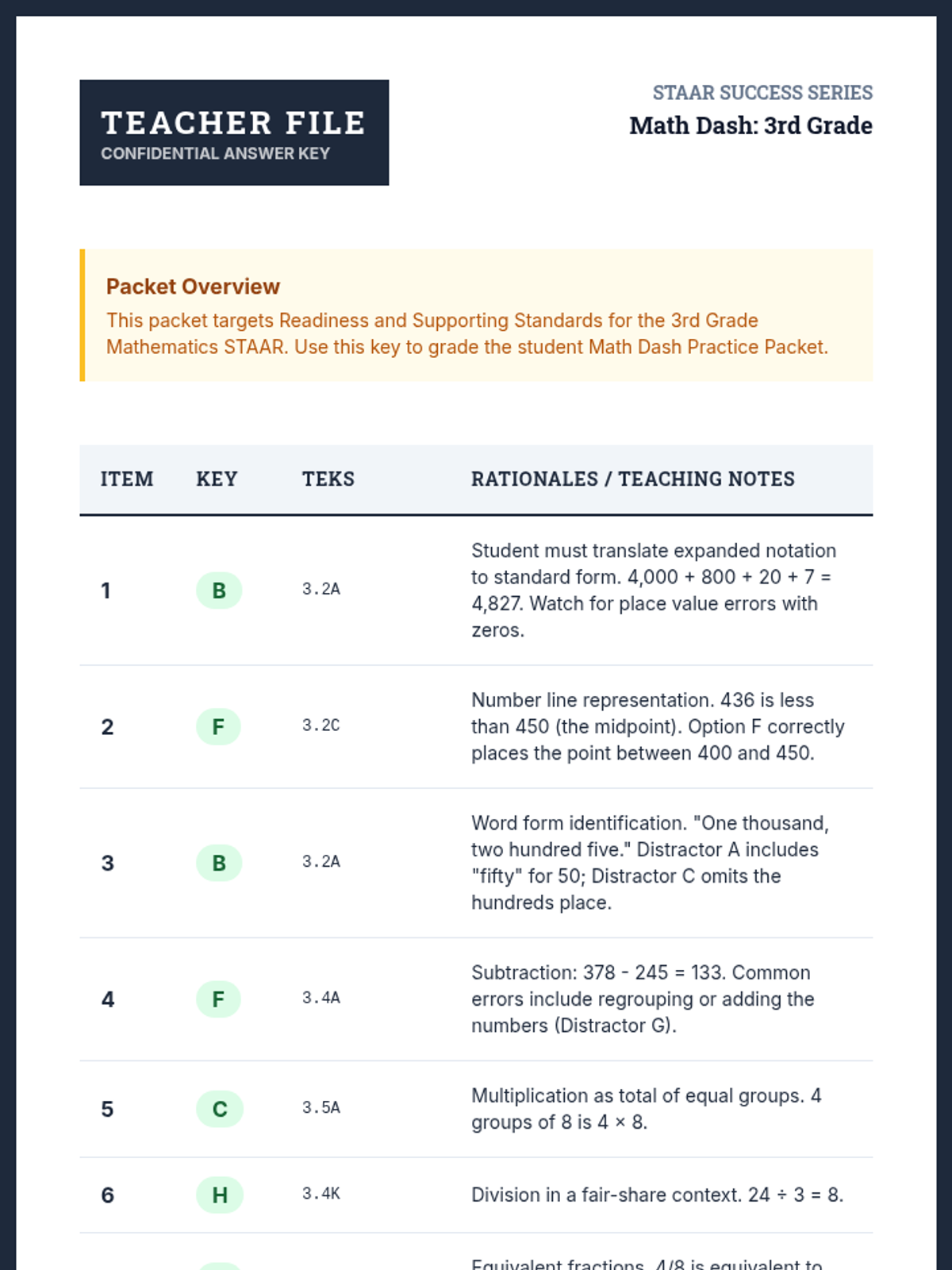
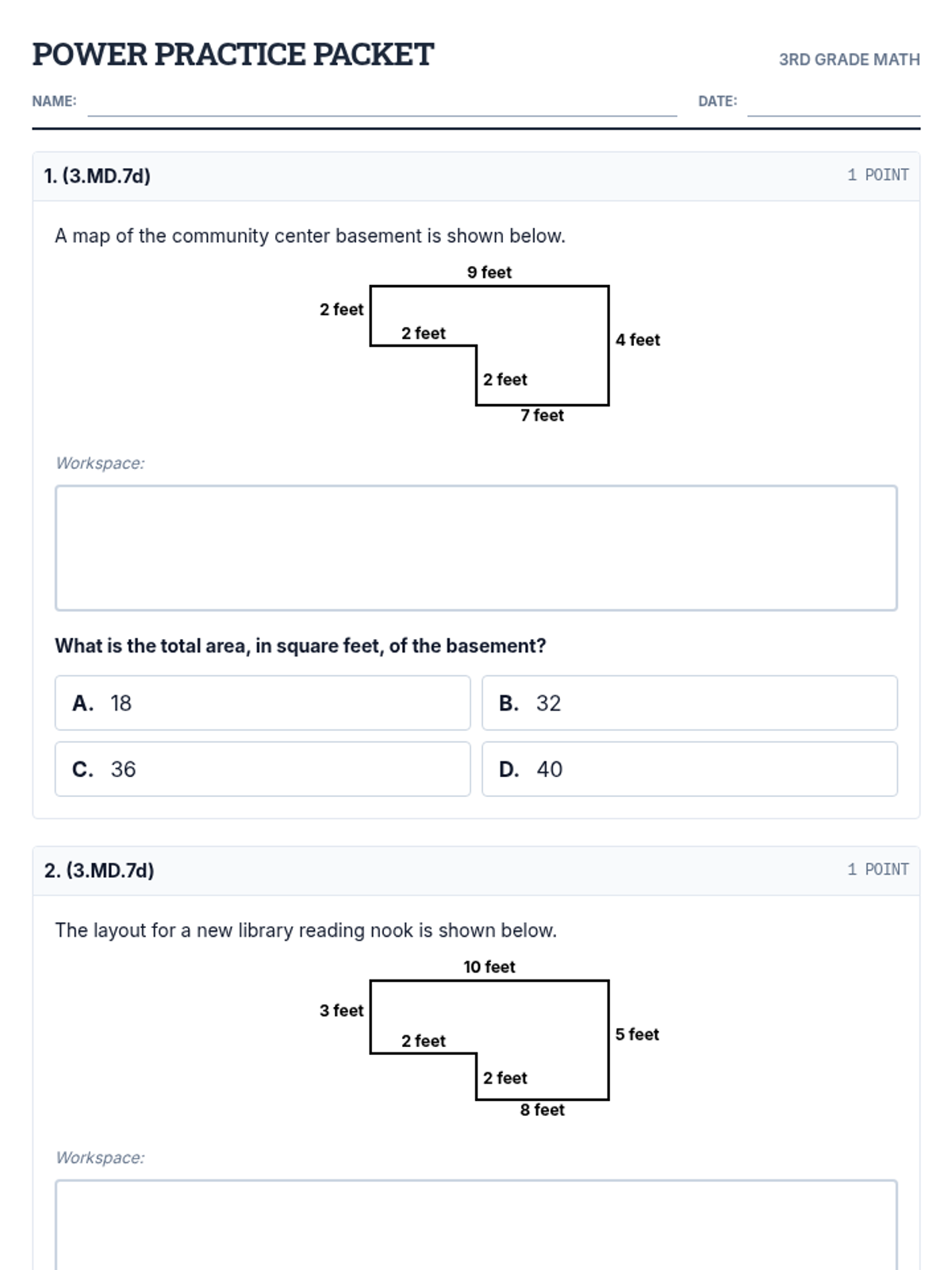
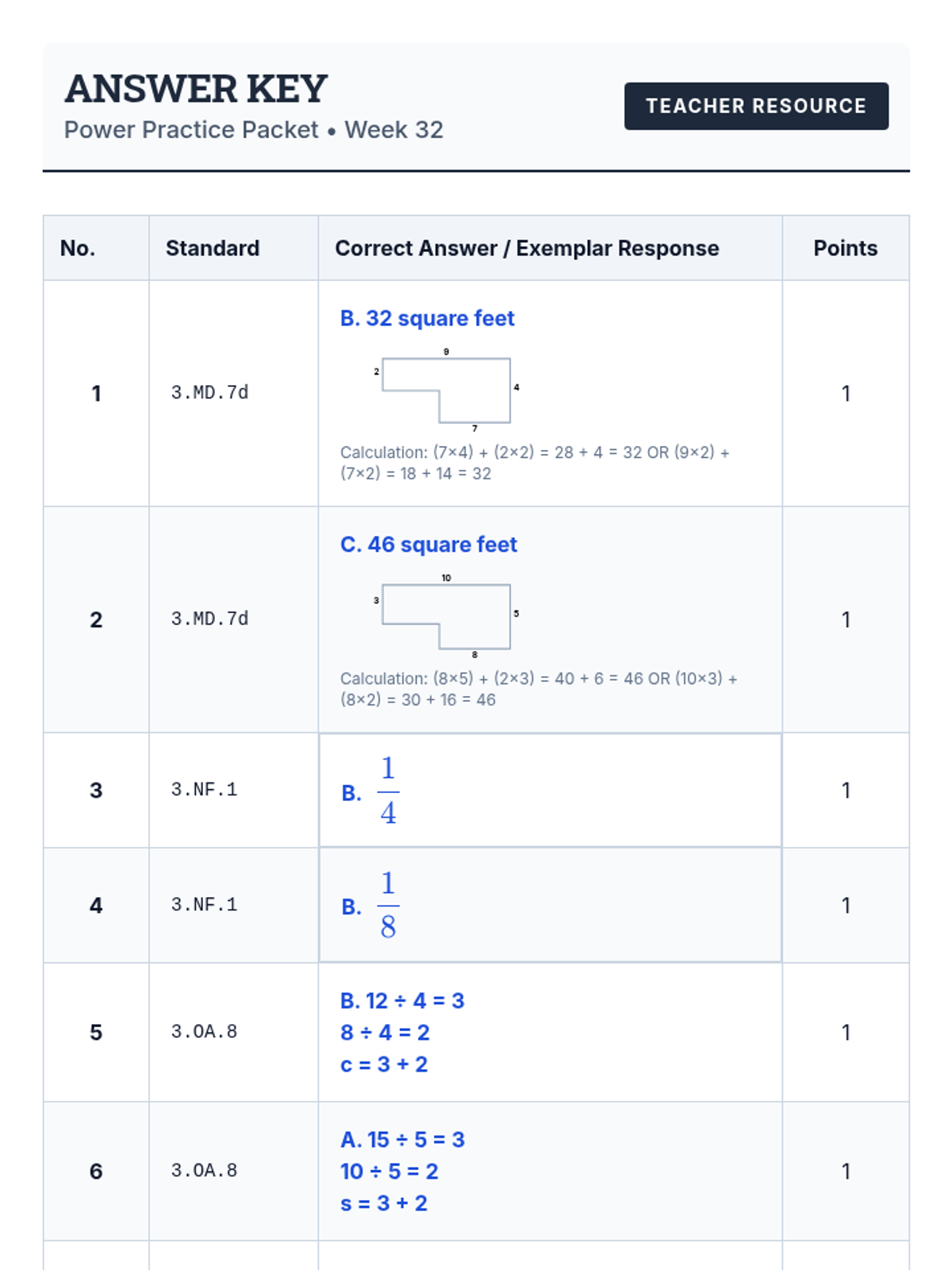
A comprehensive collection of STAAR-aligned practice packets for 3rd-5th grade Math, RLA, and 5th grade Science, designed to build confidence and mastery through authentic test-style questions.
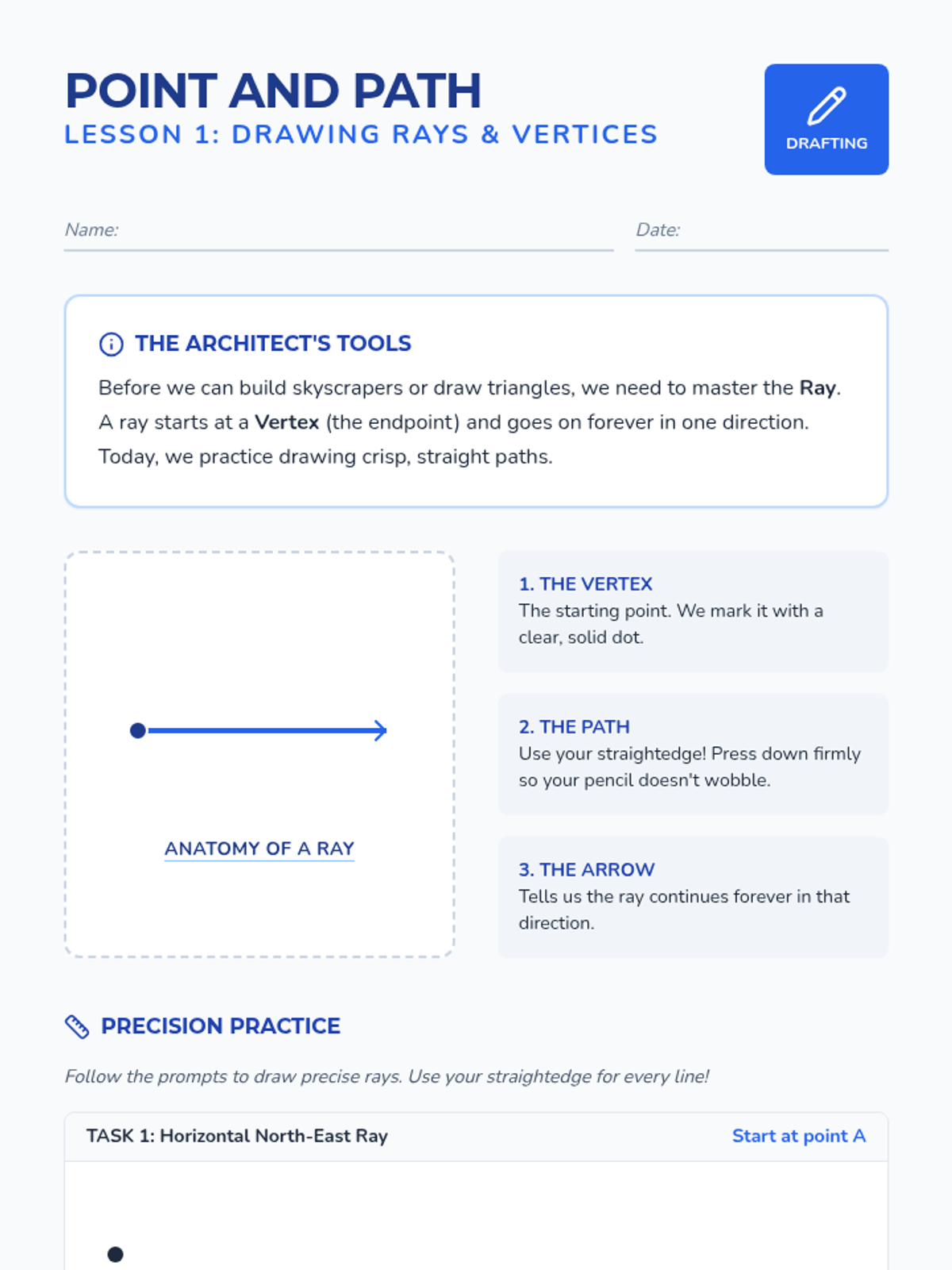
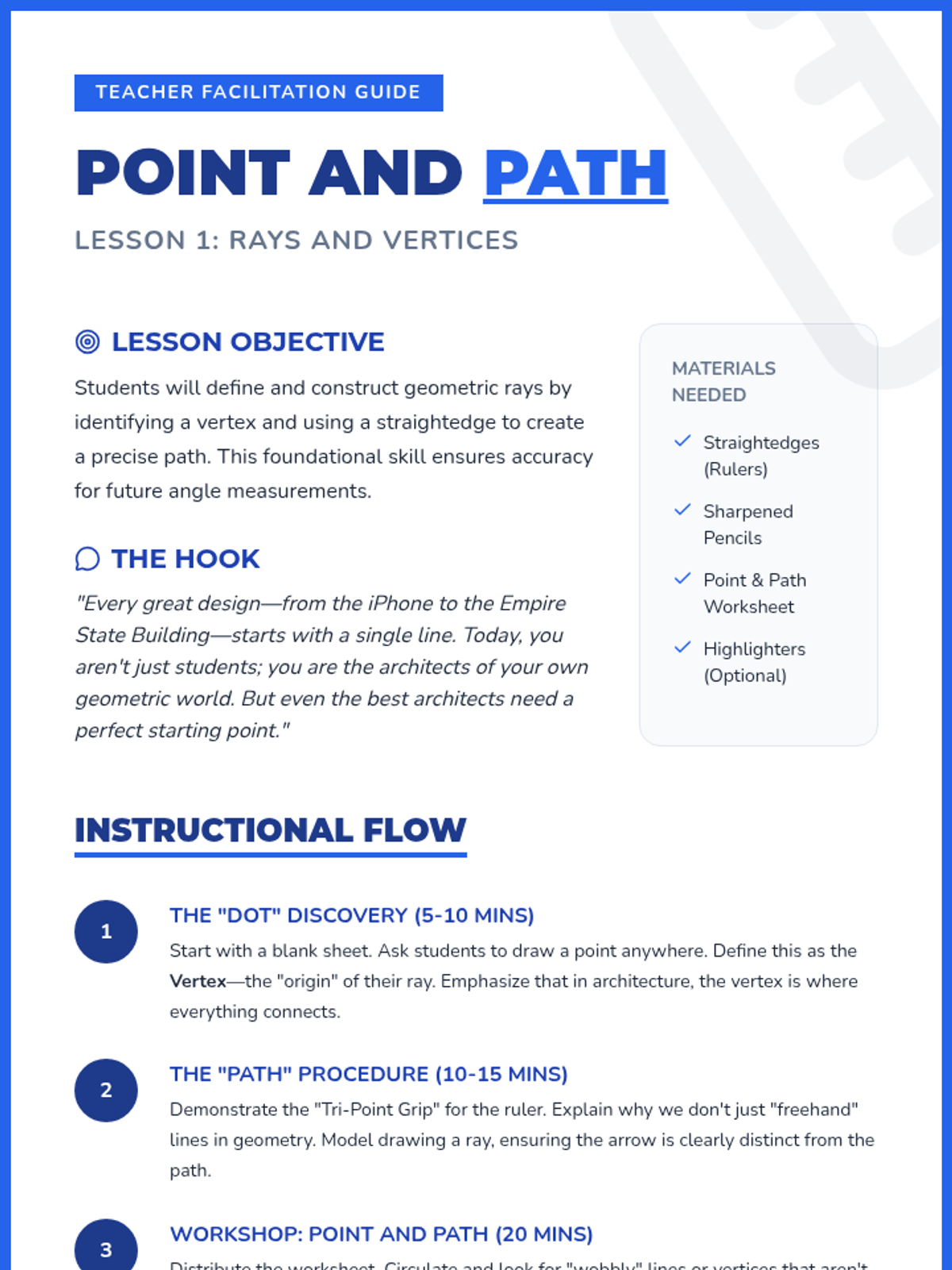
A project-based unit where 3rd-grade students learn to construct angles and geometric figures using protractors and straightedges. The sequence culminates in an 'Angle Art' project where students apply their precision drawing skills to create a labeled masterpiece.
A 5-lesson unit for 3rd graders exploring the additive nature of angles. Students learn to combine smaller angles to form right angles (90 degrees) and straight lines (180 degrees) through visual puzzles and design challenges.
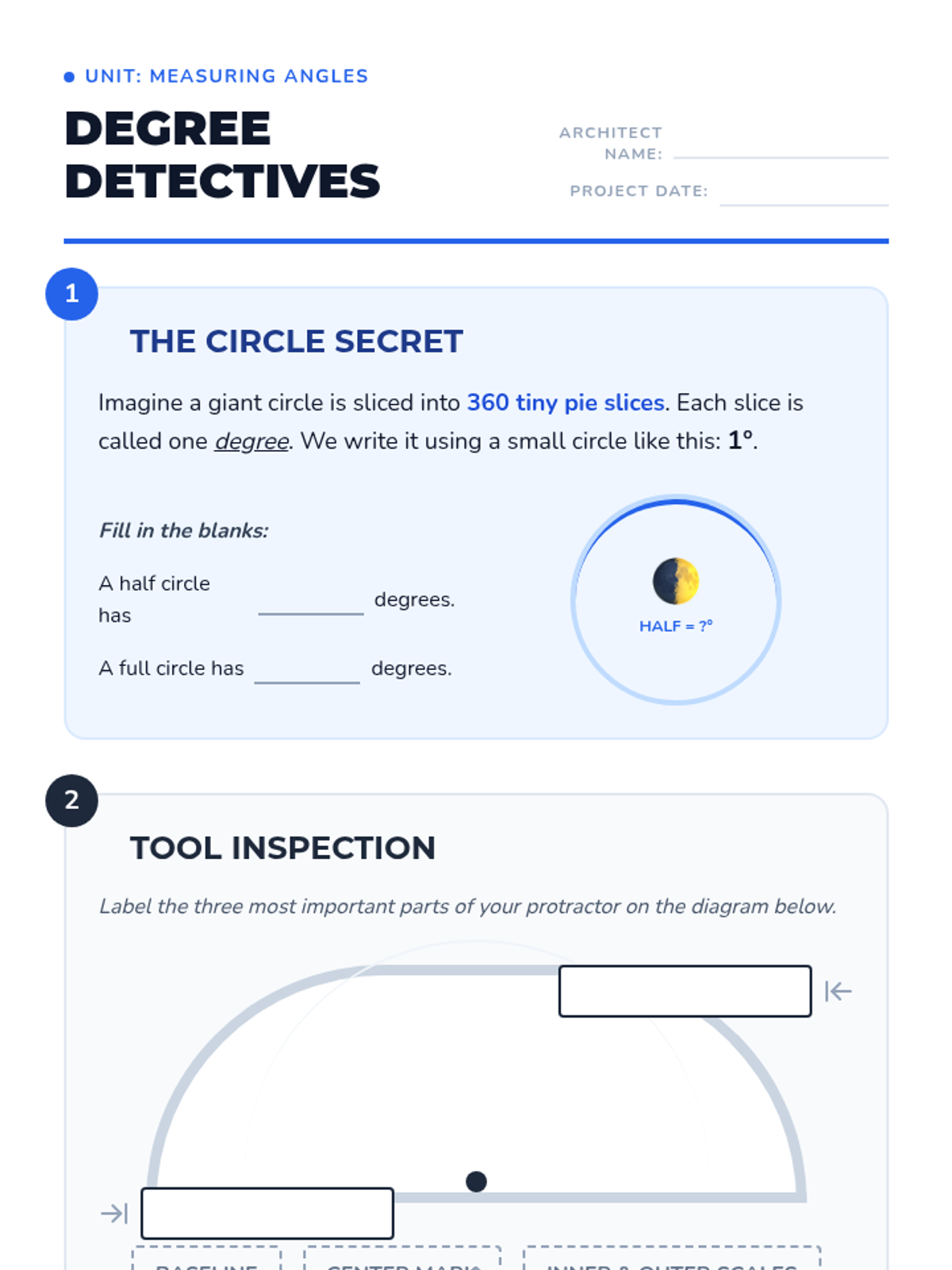
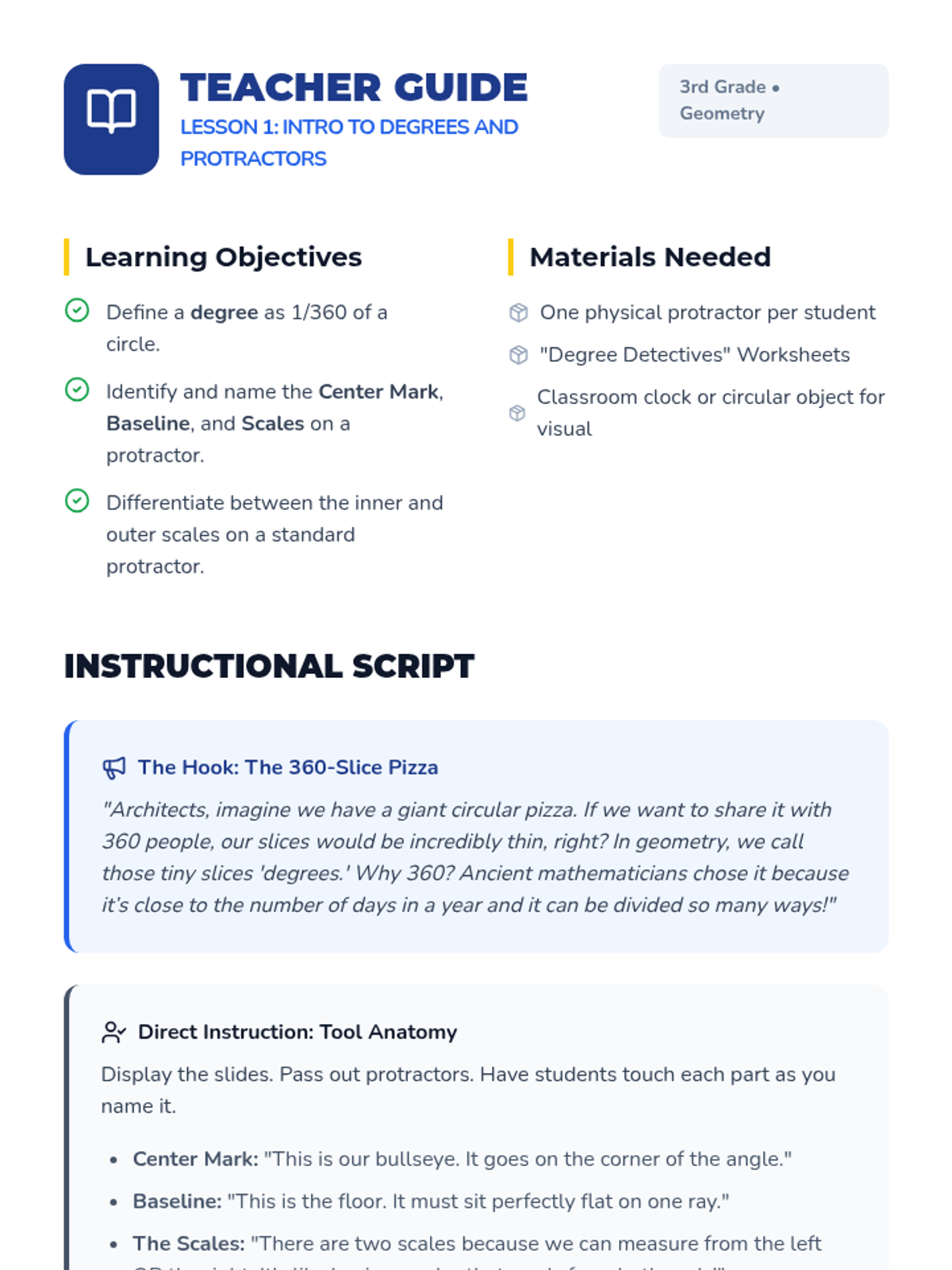
This sequence guides 3rd-grade students from the conceptual understanding of degrees as units of rotation to the precise technical skill of using a protractor. Students explore the geometry of a circle, master tool alignment, navigate dual scales, and apply their skills to construct blueprints and solve measurement challenges.
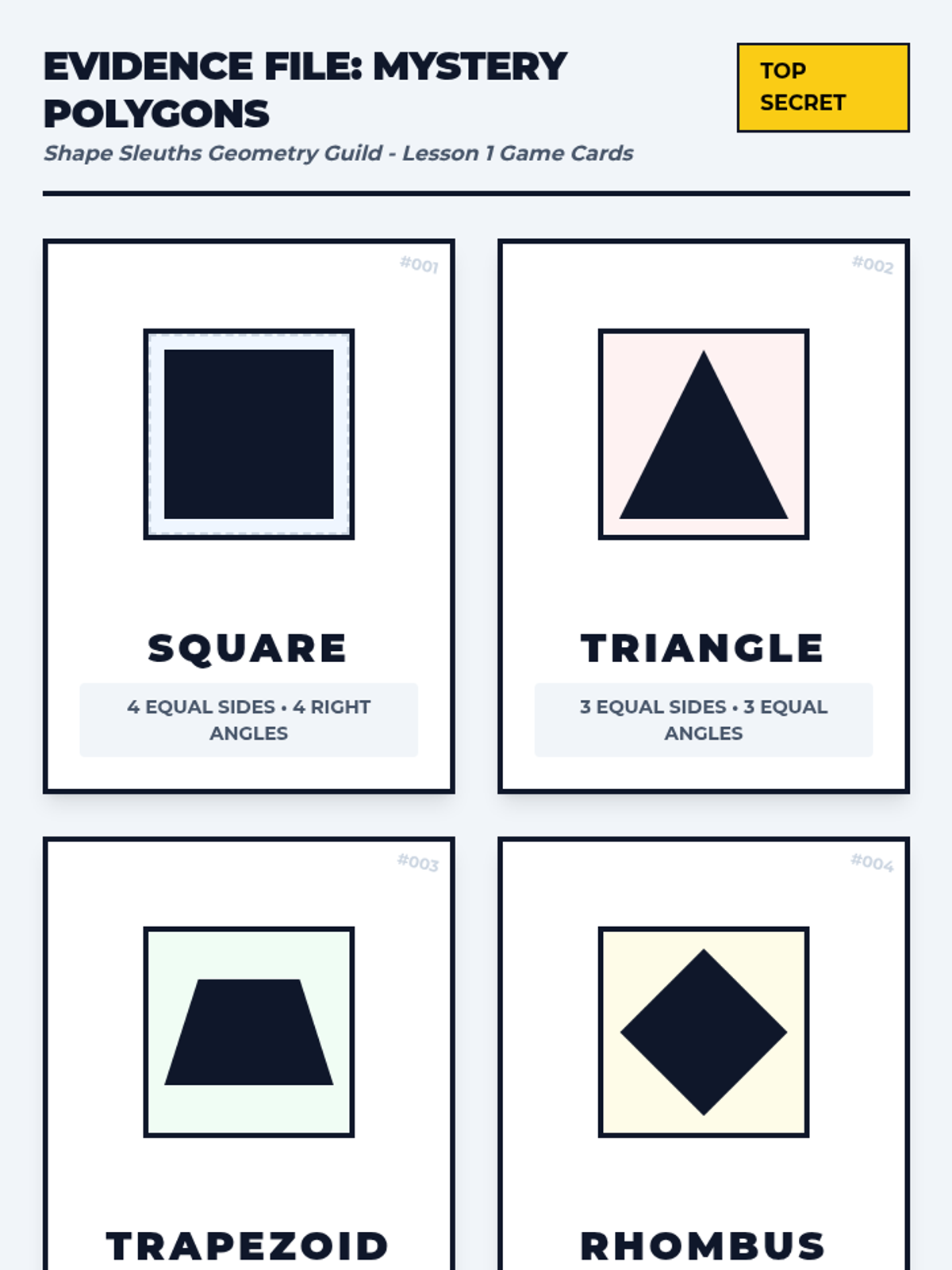
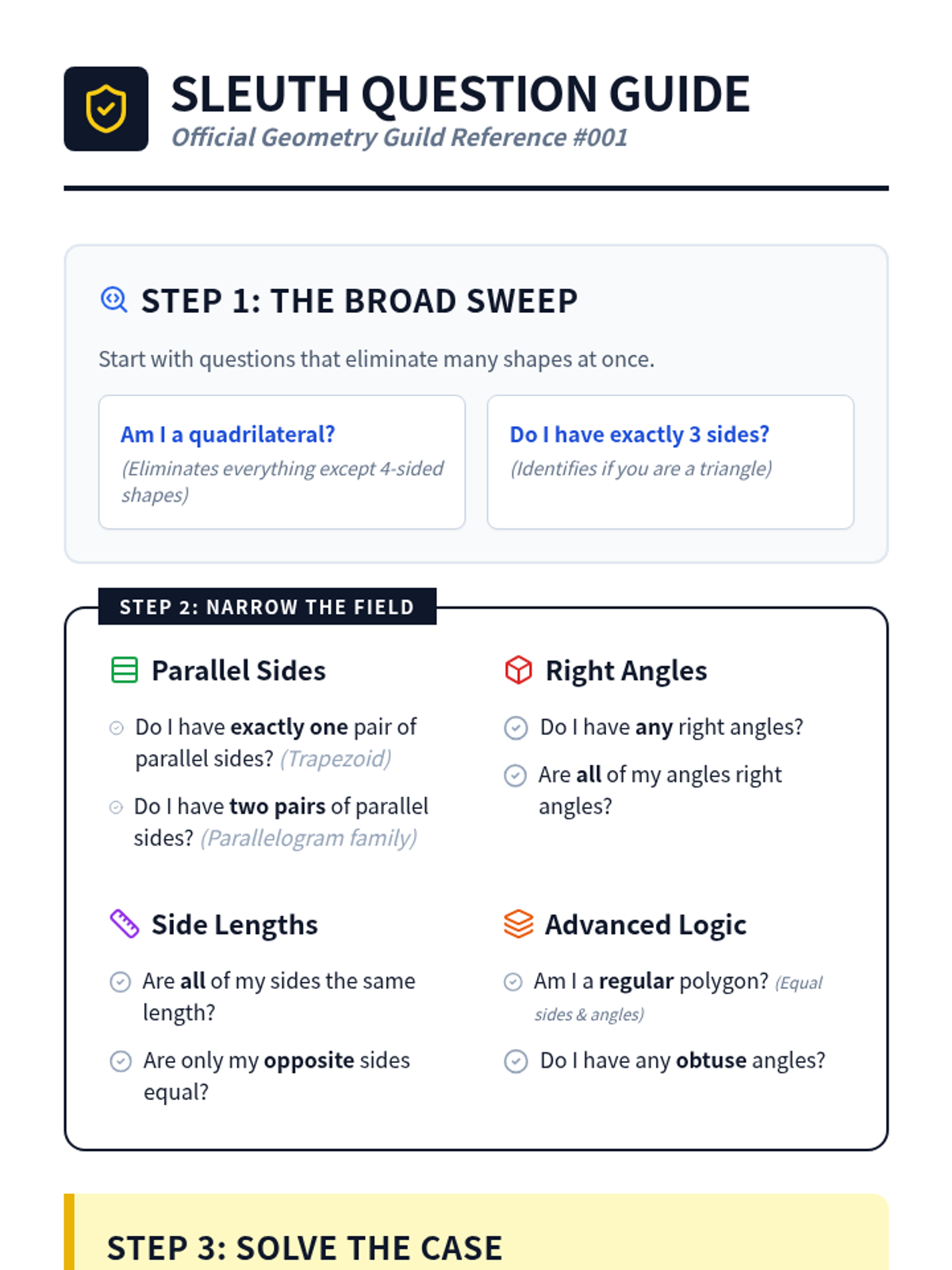
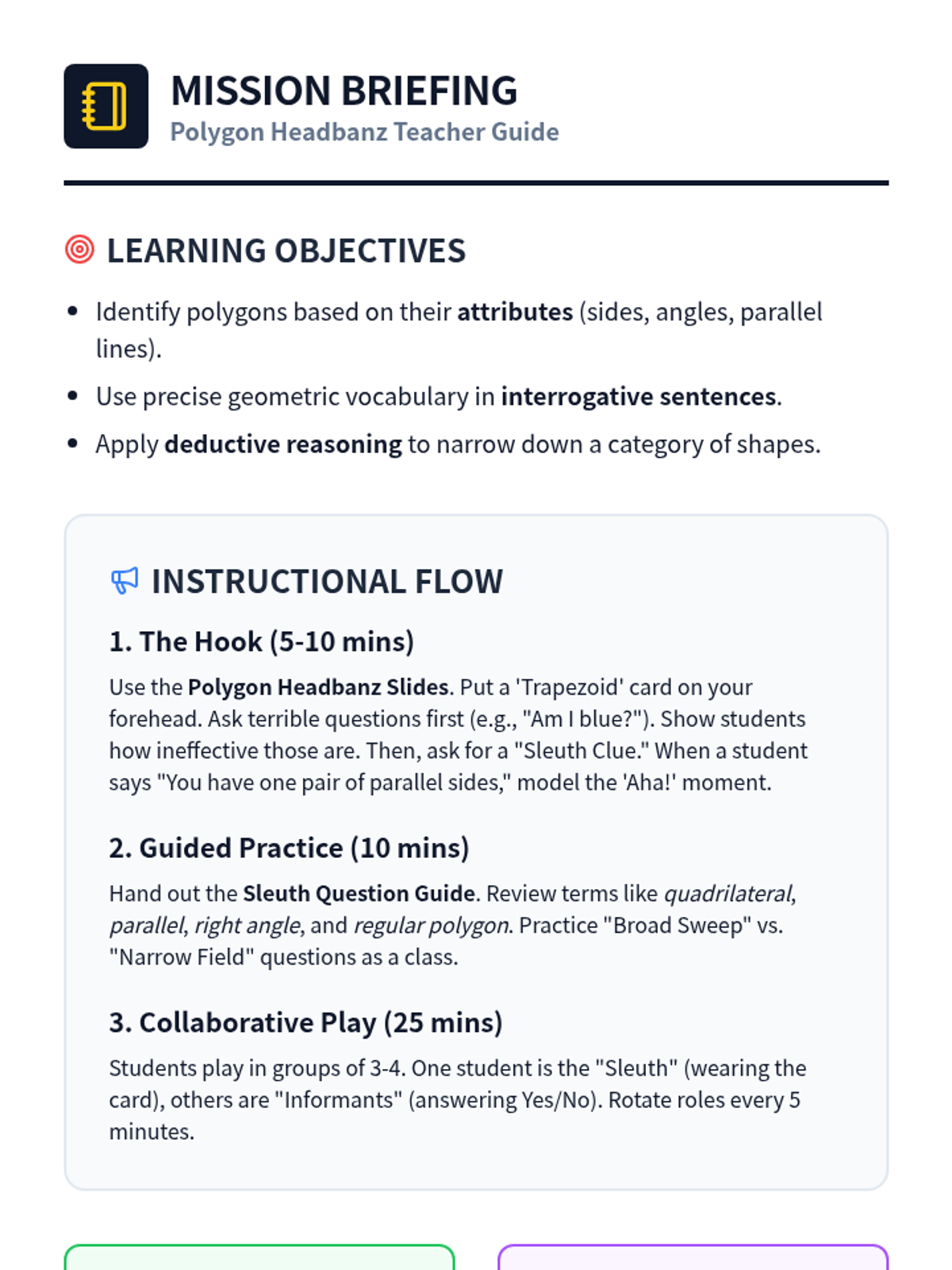
A gamified geometry unit where 3rd grade students become 'Shape Sleuths' to master the classification of 2D figures through strategic play and deductive reasoning. Students progress from attribute identification to complex spatial composition and hierarchical classification.
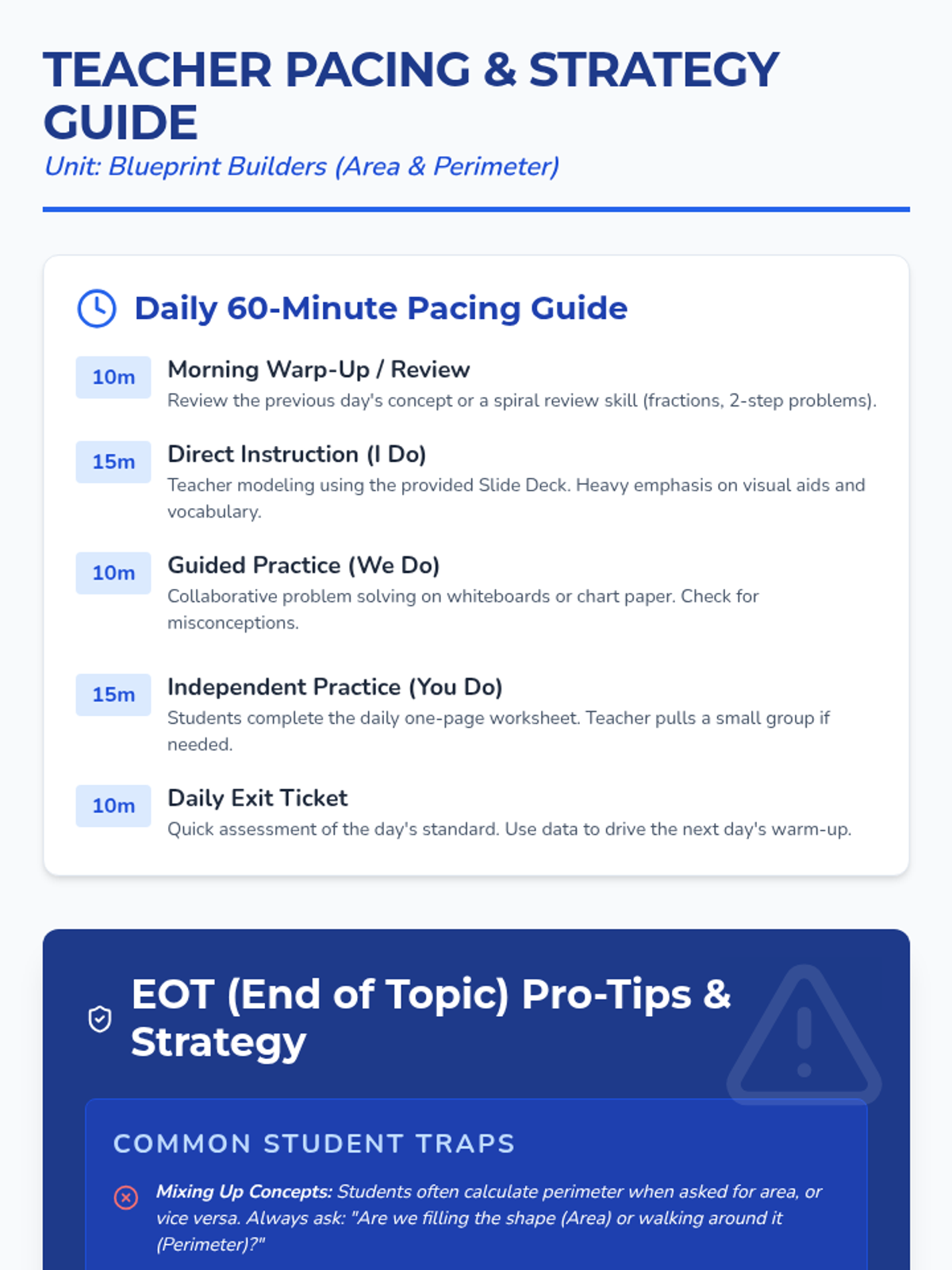
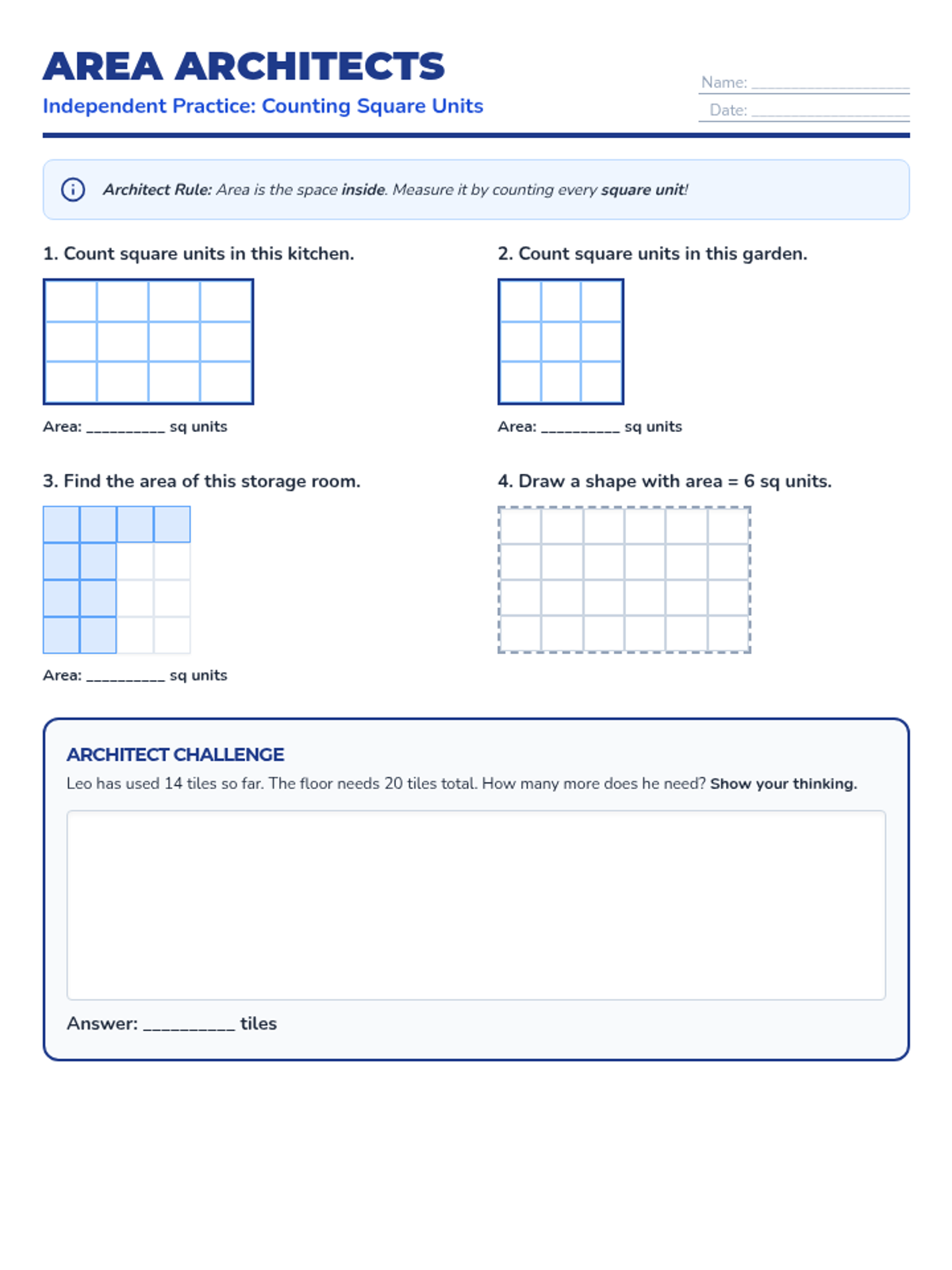
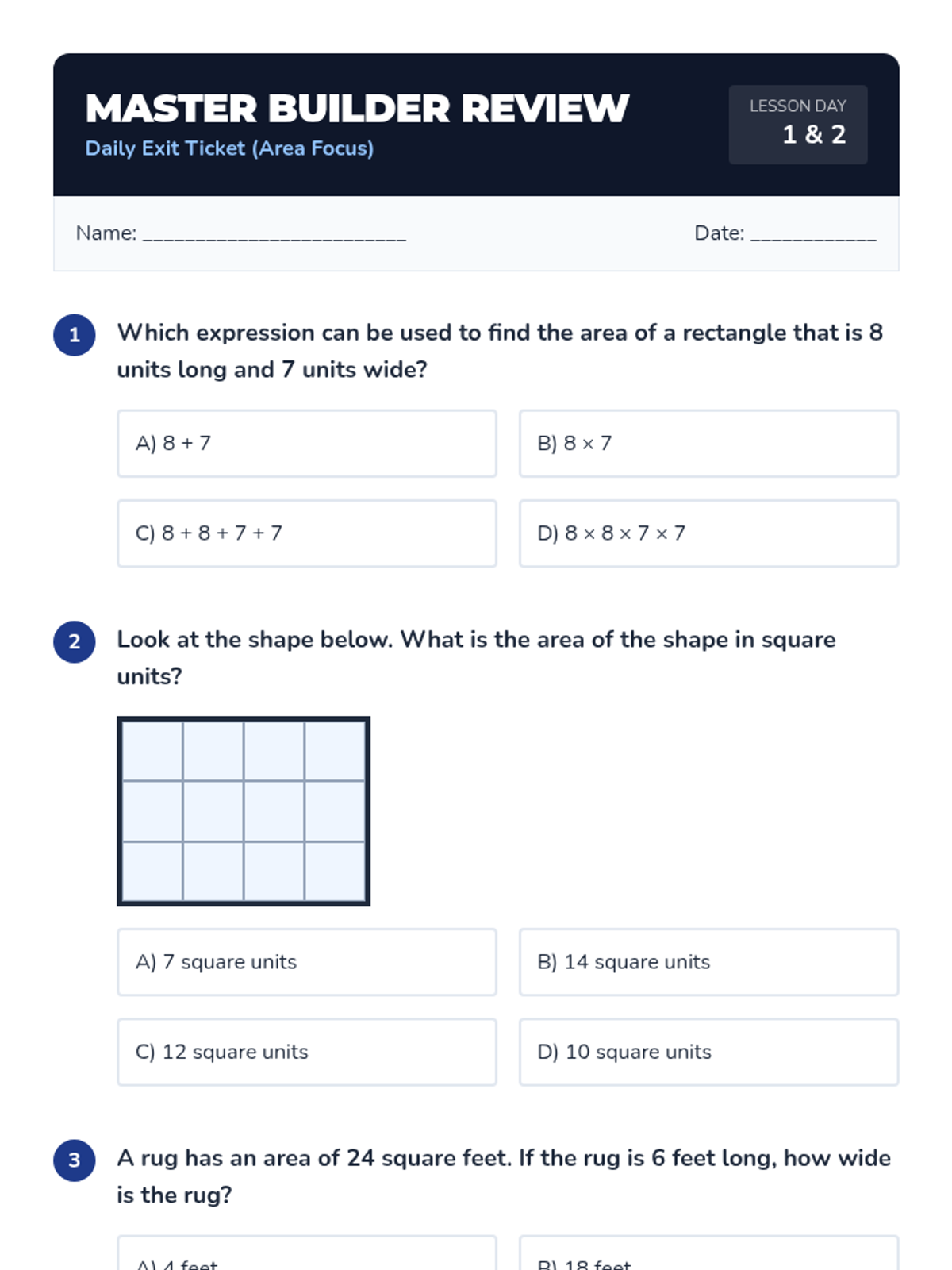
A 5-day intensive math unit for 3rd-grade students focused on North Carolina Standards NC.3.MD.7 (Area) and NC.3.MD.8 (Perimeter), using a cohesive 'Blueprint Builders' architectural theme.
A comprehensive 10-day intensive review packet covering North Carolina 3rd grade math standards for fractions, area, perimeter, and two-step word problems, designed for at-home study with a 'Math Blueprint' theme.
A targeted practice sequence designed to reinforce key 3rd-grade math standards including area of composite shapes, unit fractions, multi-step word problems, elapsed time, and fraction comparison. This sequence provides repeated practice with similar problem structures to build student confidence and fluency.
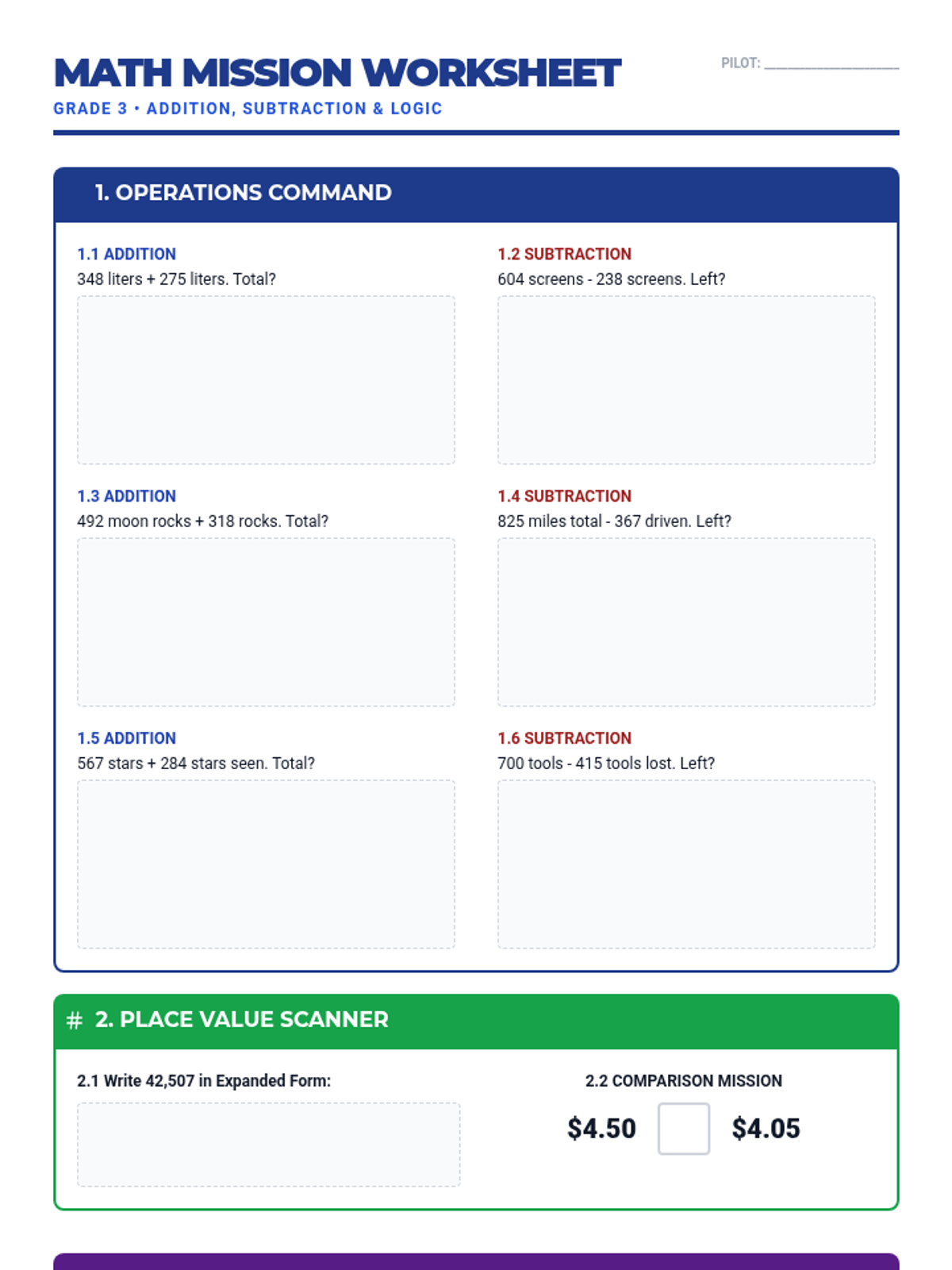
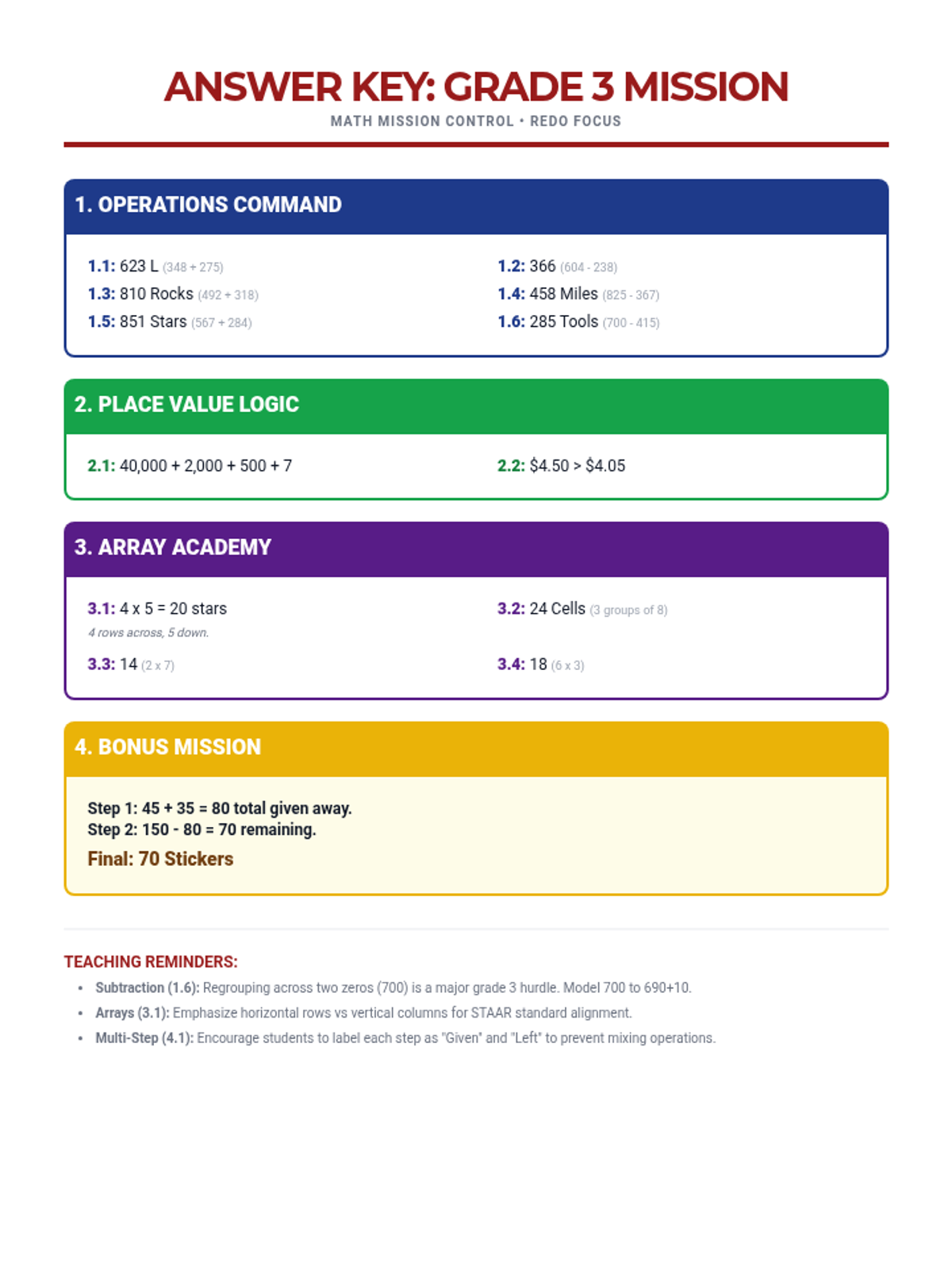
A comprehensive review sequence designed to prepare students for the math STAAR assessment, focusing on addition/subtraction, geometry, place value with decimals, and multiplication arrays.
A 3-day spiral review for 3rd-grade students in Arizona, covering all math domains and a mix of informational and literary reading passages. Each day includes 5 math and 5 reading questions designed for daily practice and assessment.
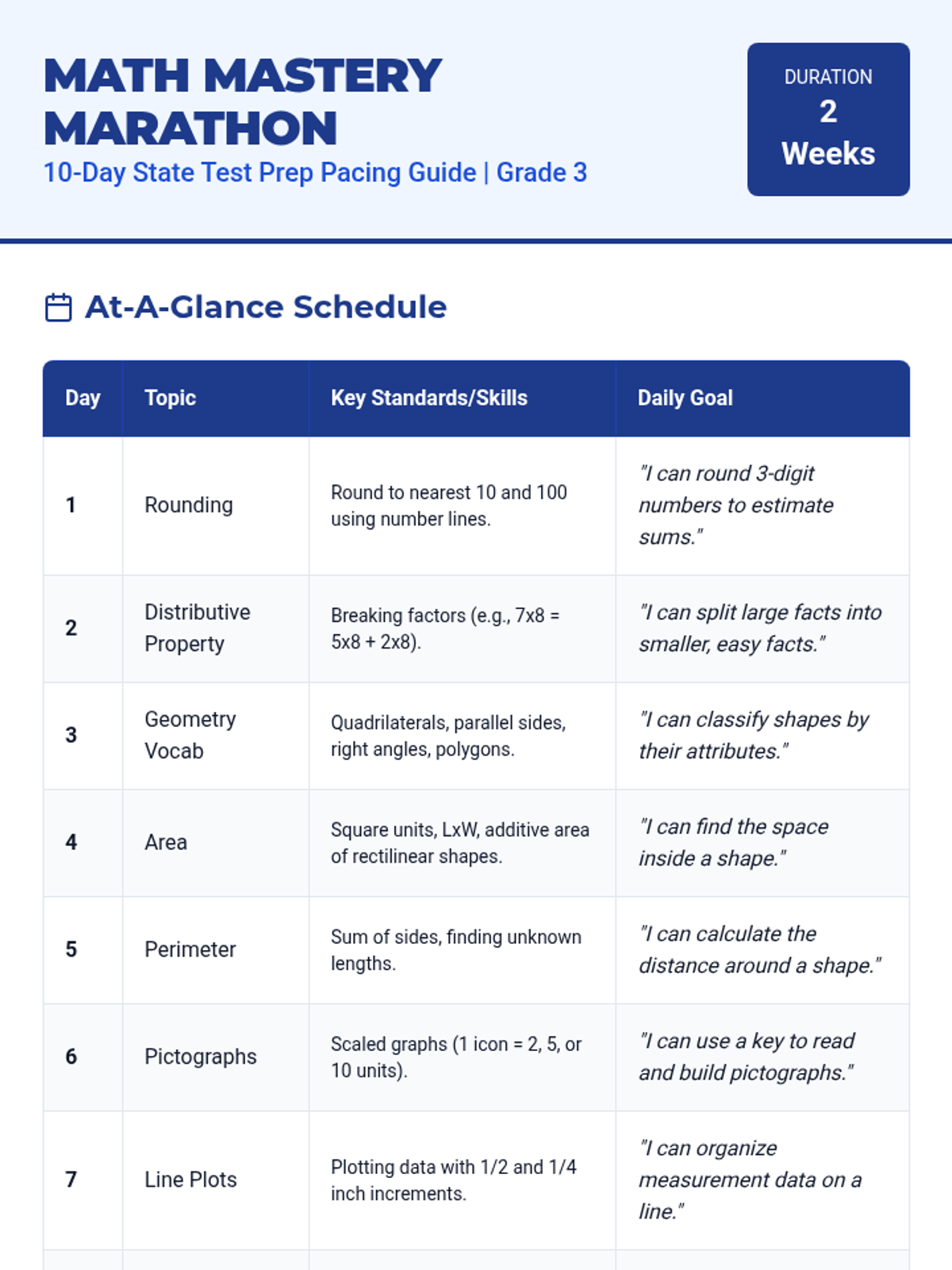
A 10-day intensive math review program for 3rd grade state testing, covering rounding, properties, geometry, data, and measurement.
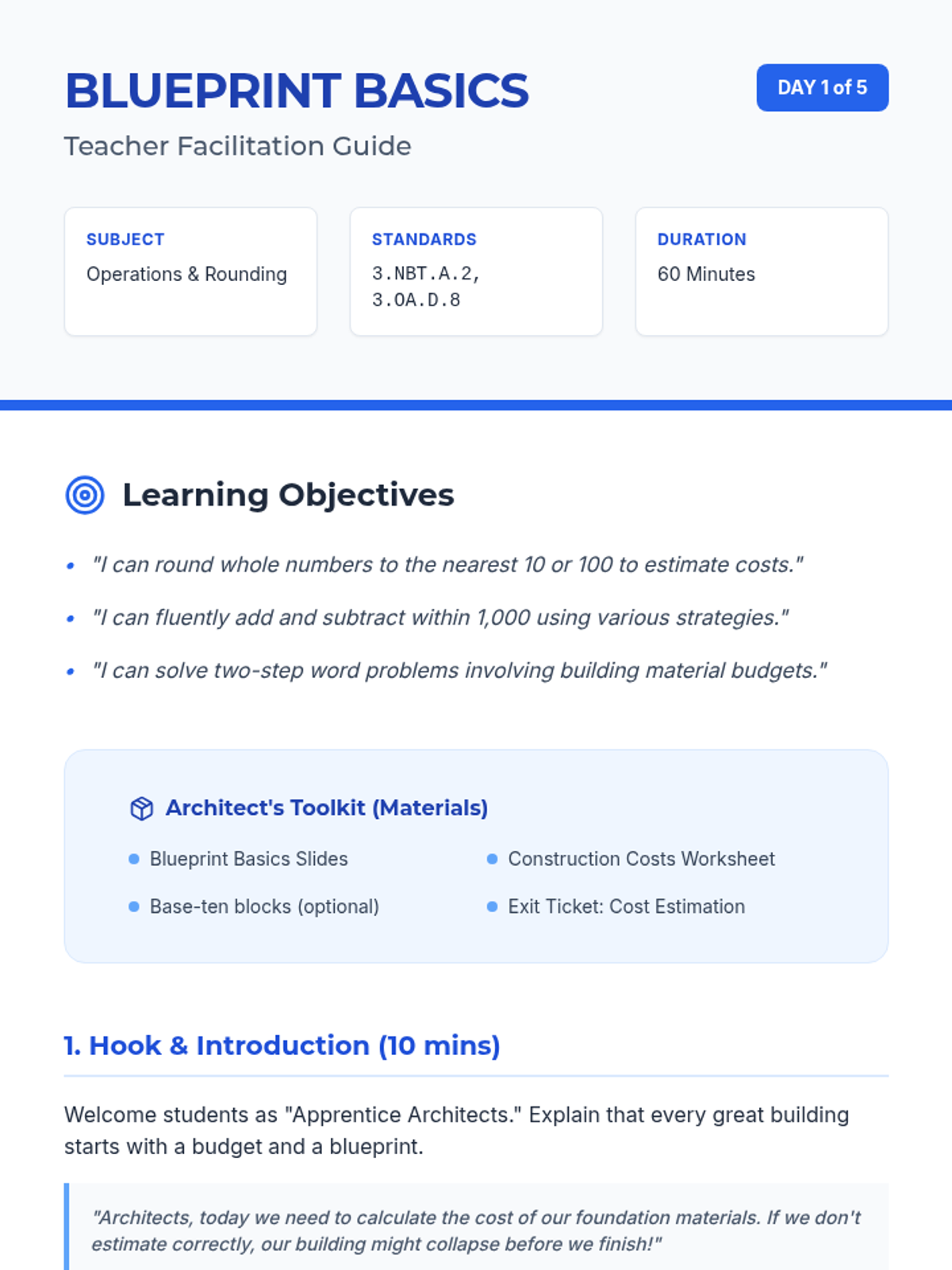
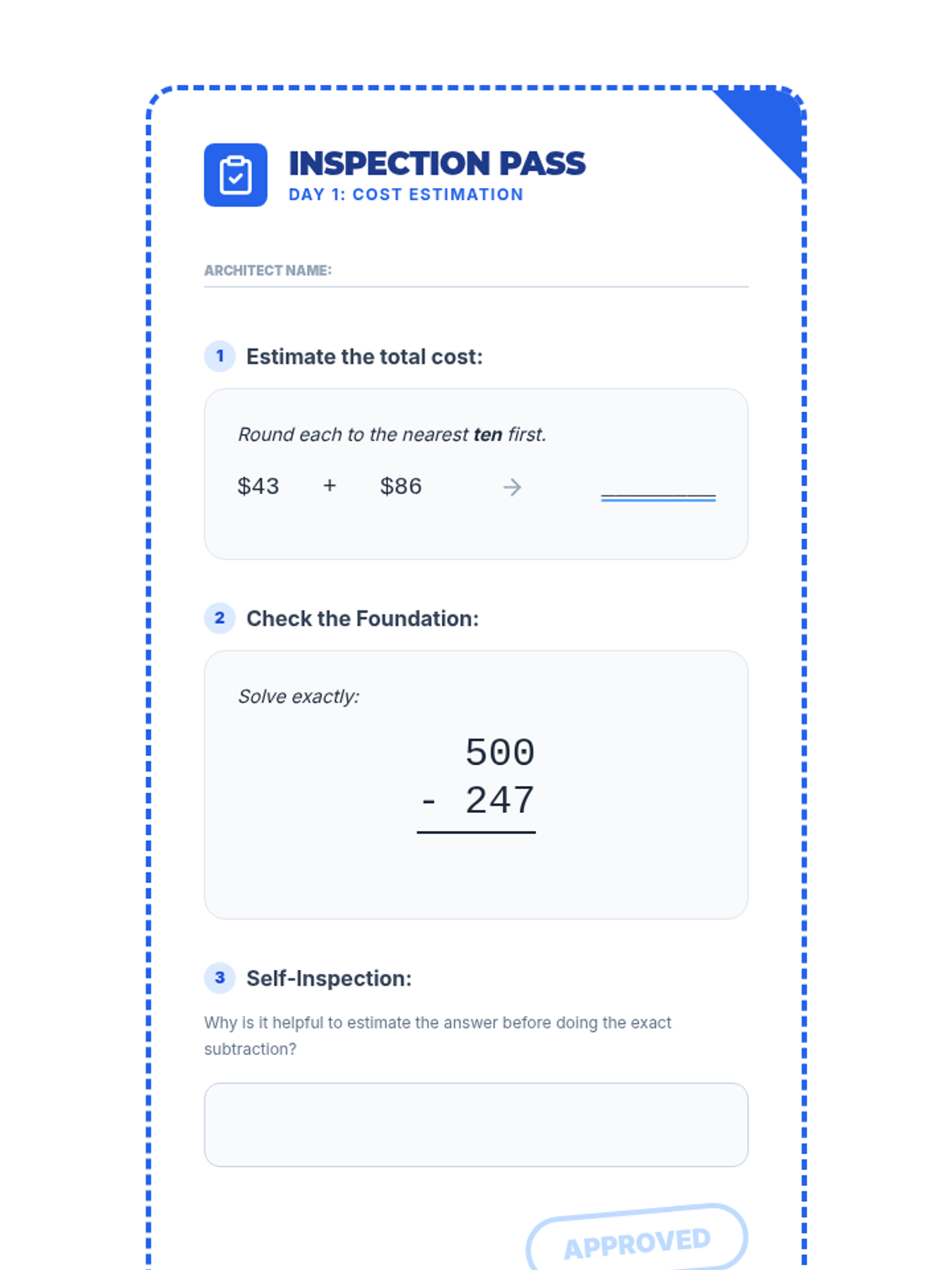
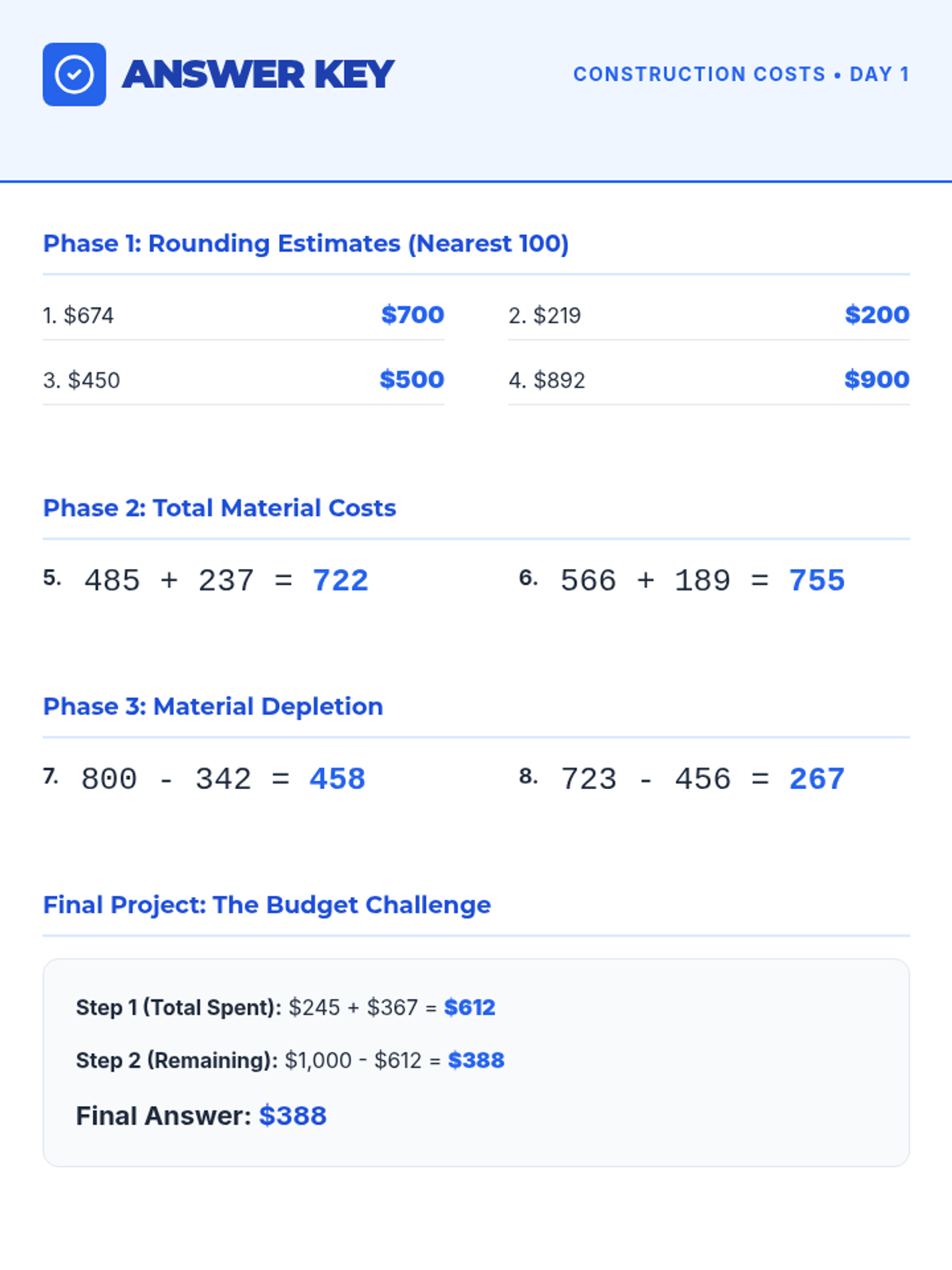
A 5-day intensive math sequence for 3rd grade covering multiplication, division, multi-digit operations, fractions, area, and rounding through a "Master Builder" architectural theme. Students act as apprentice architects solving construction-themed math challenges.
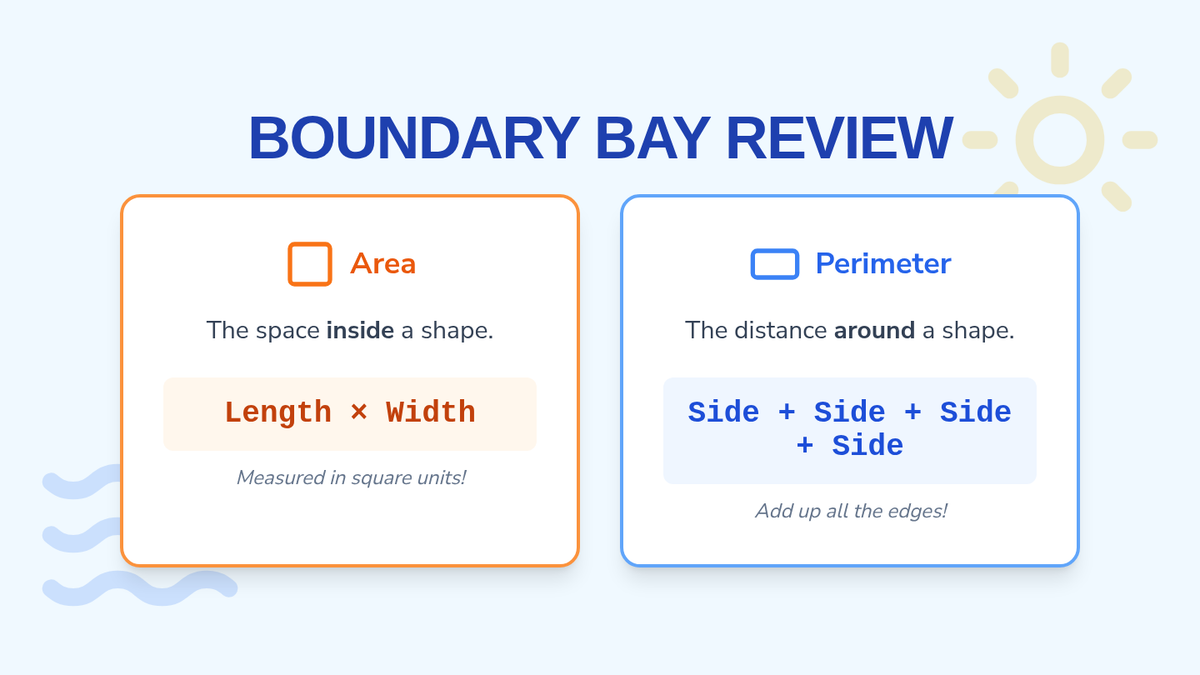
A week-long series of beach-themed math lessons for 3rd grade covering area, perimeter, multiplication, division, rounding, and multi-digit addition and subtraction through games and interactive reviews.
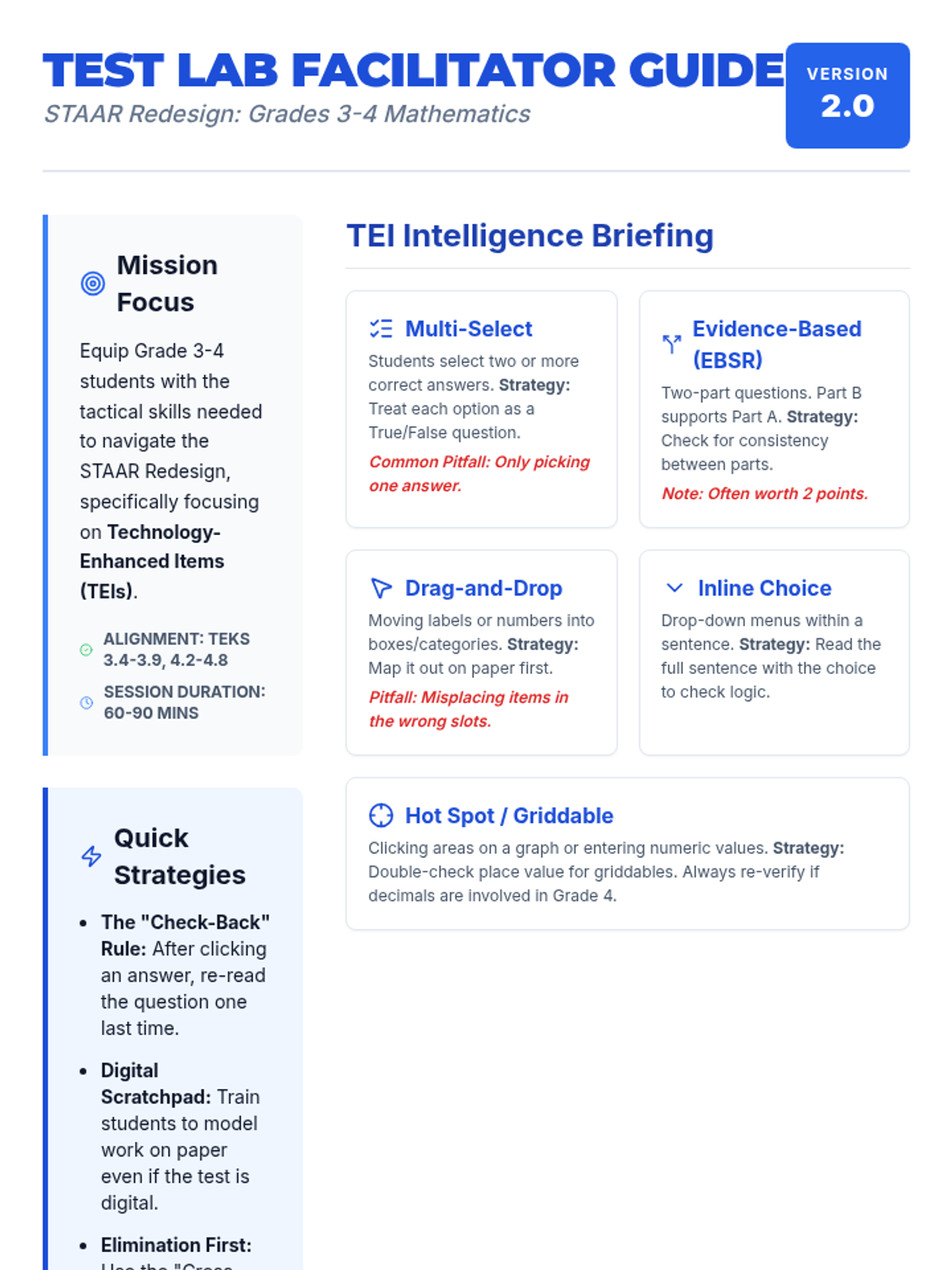
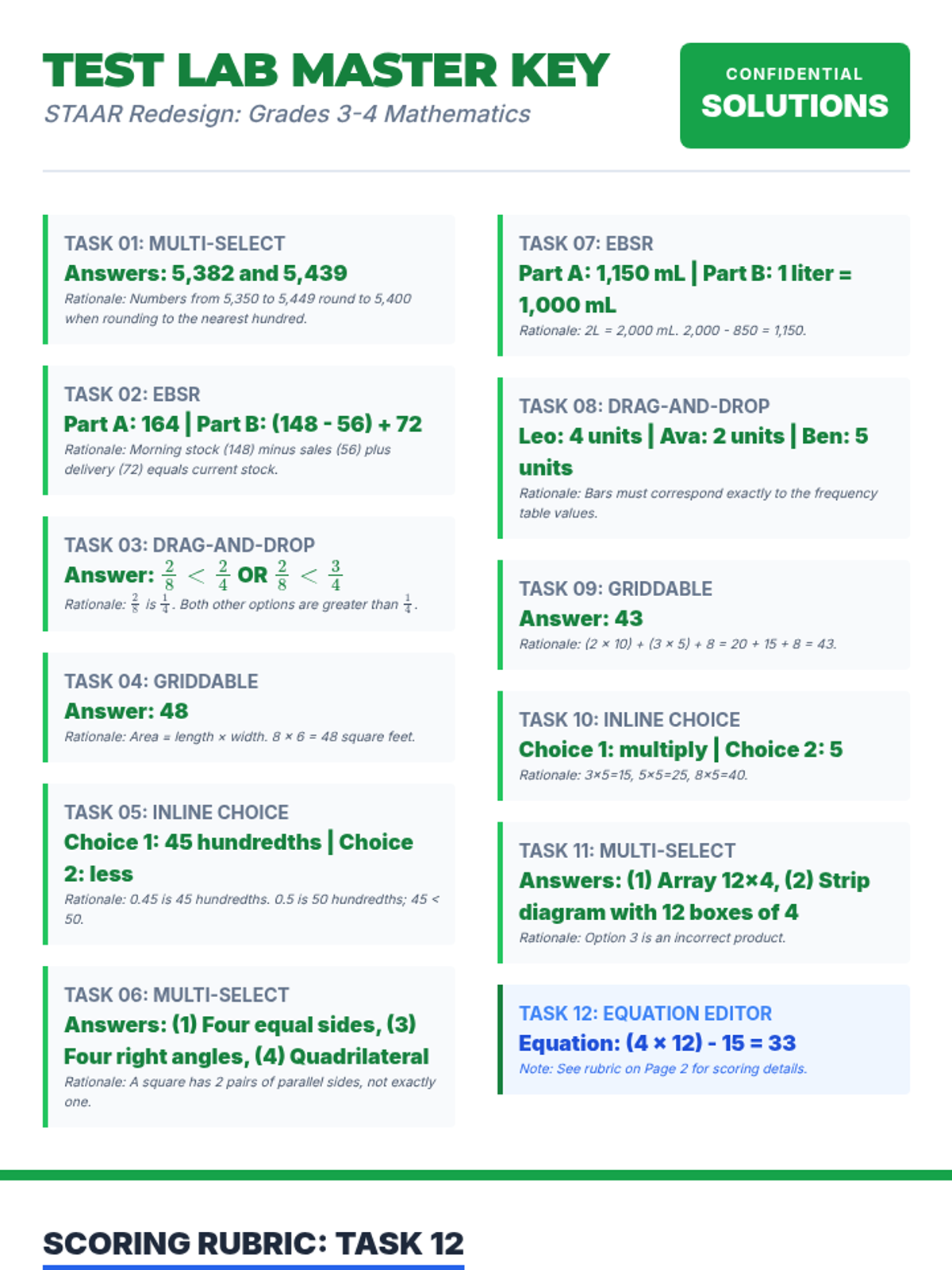
A series of resources designed to prepare Grade 3 and 4 students for the STAAR Mathematics assessment, with a specific focus on the STAAR Redesign and technology-enhanced items.
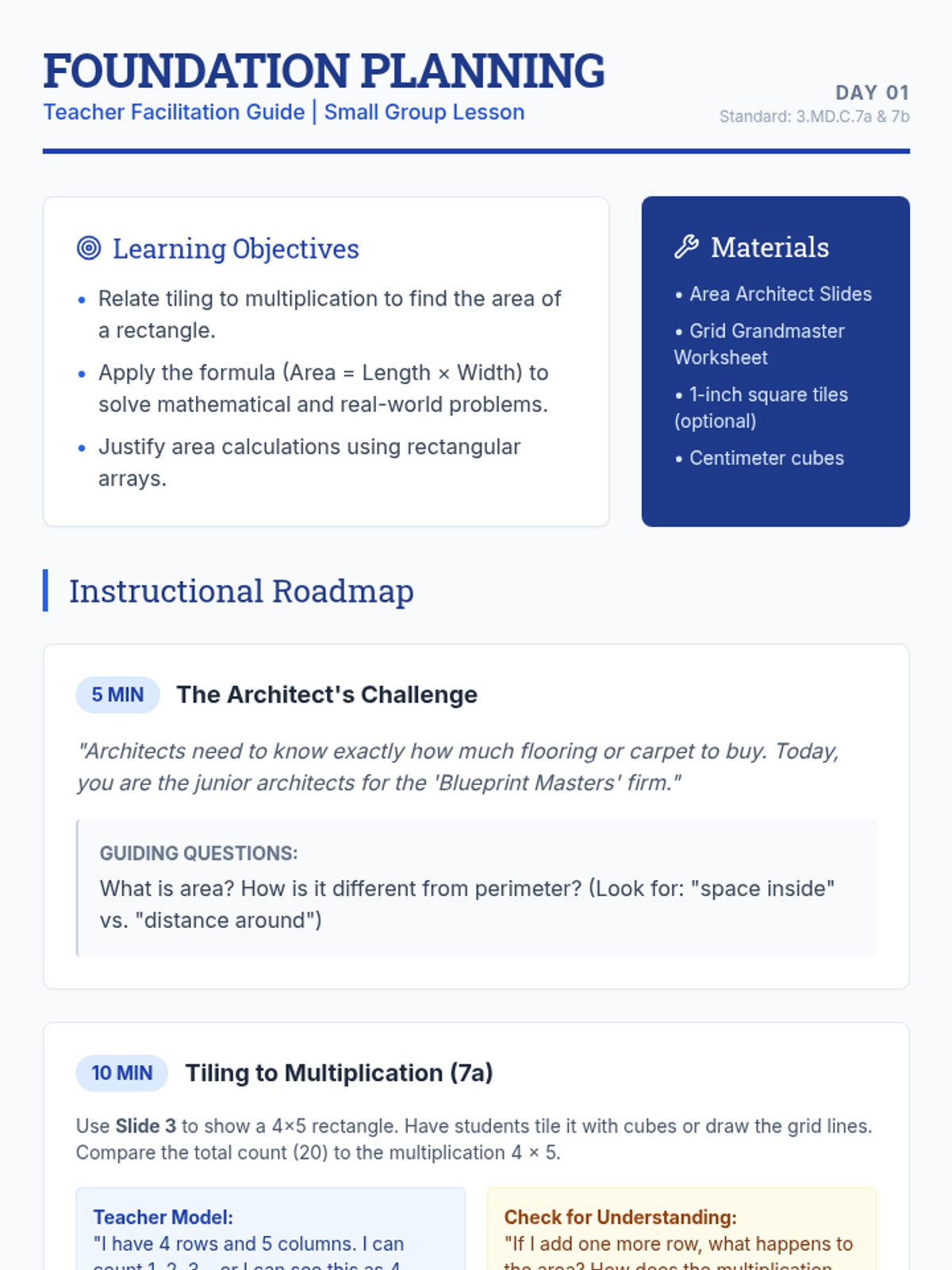
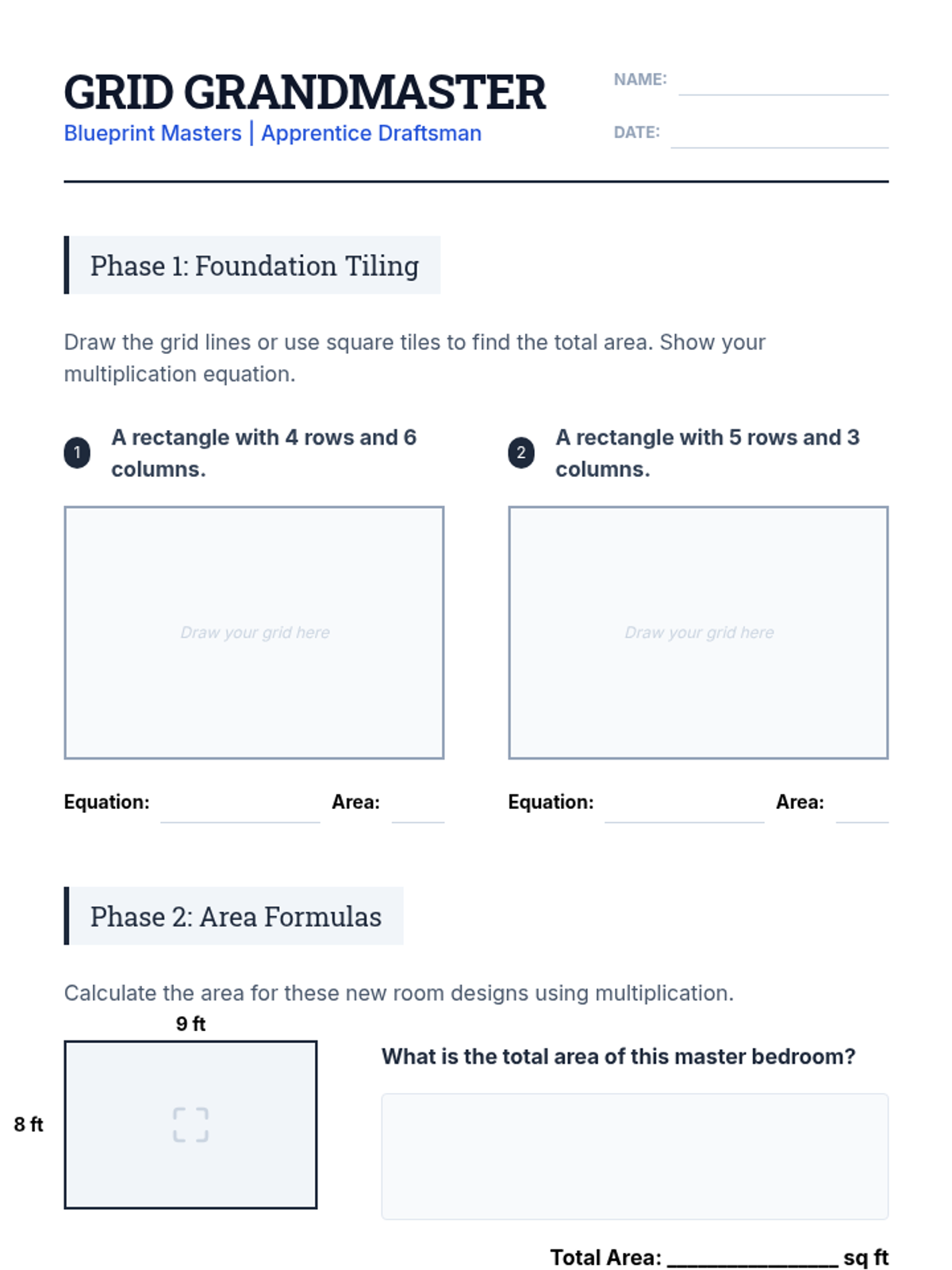
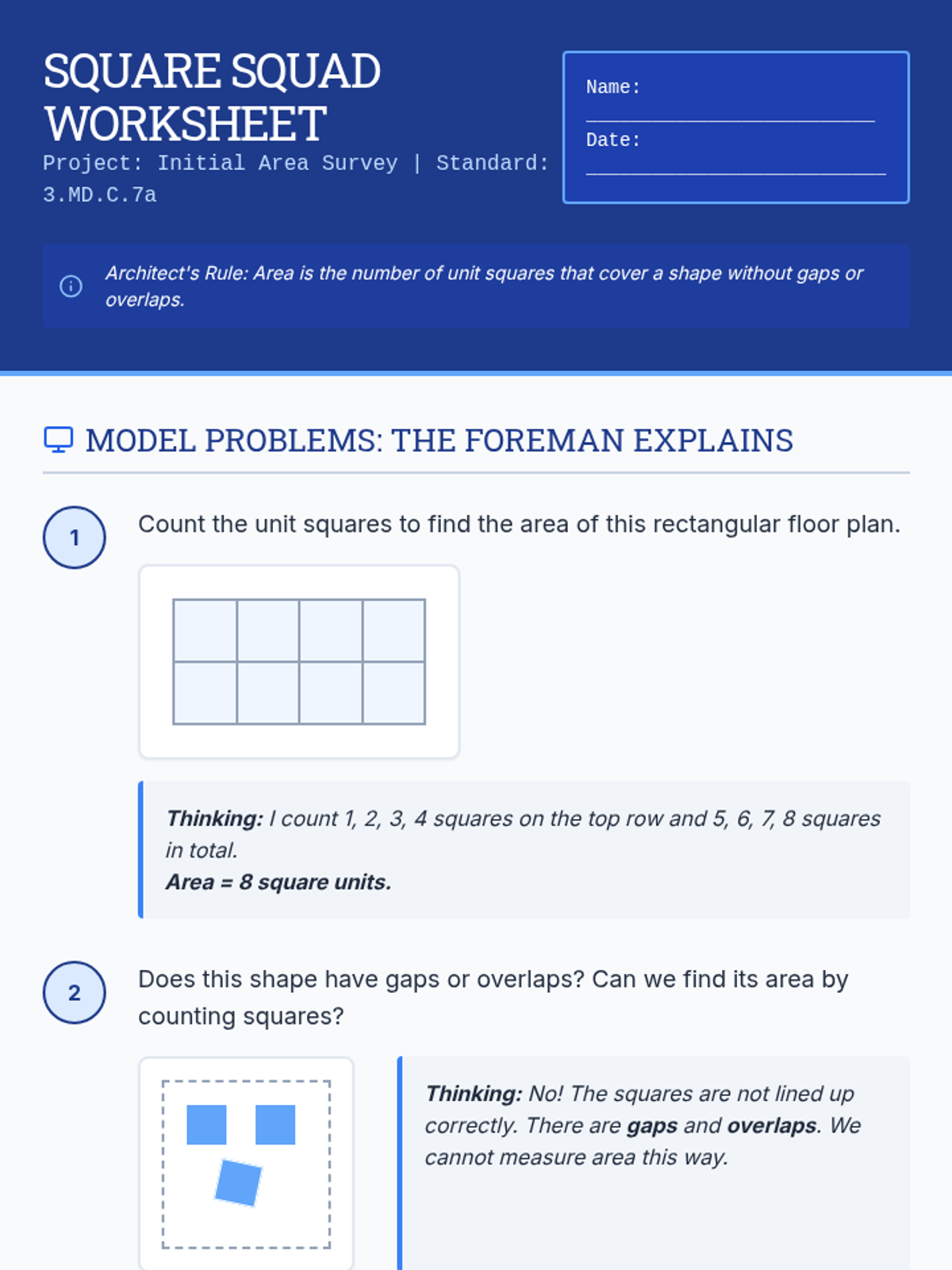
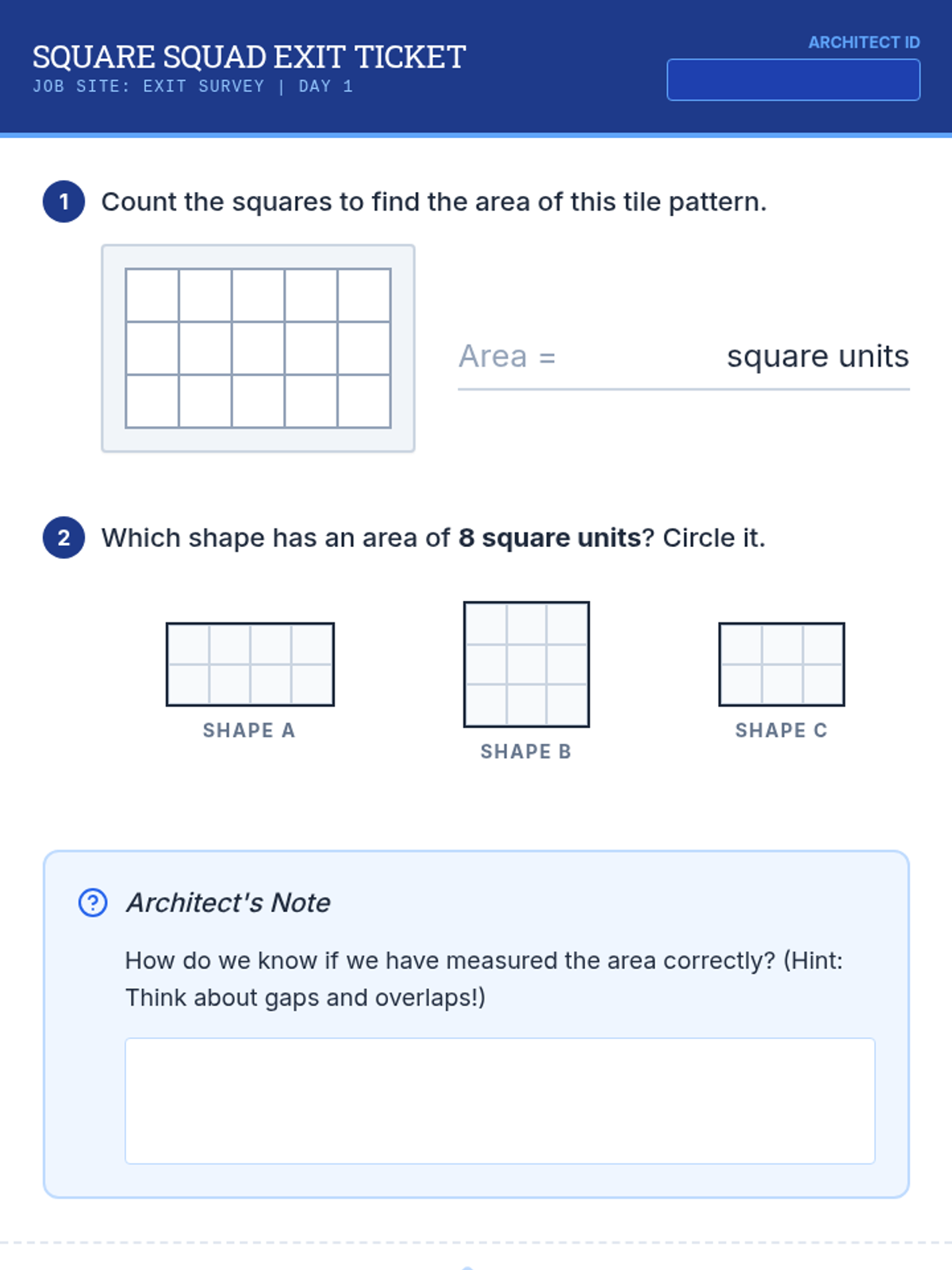
A 3-day small group math sequence focused on mastering area concepts (3.MD.C.7a, 7b, 7d) through the lens of architectural design and blueprinting. Students move from tiling and multiplication to finding the area of complex rectilinear figures.
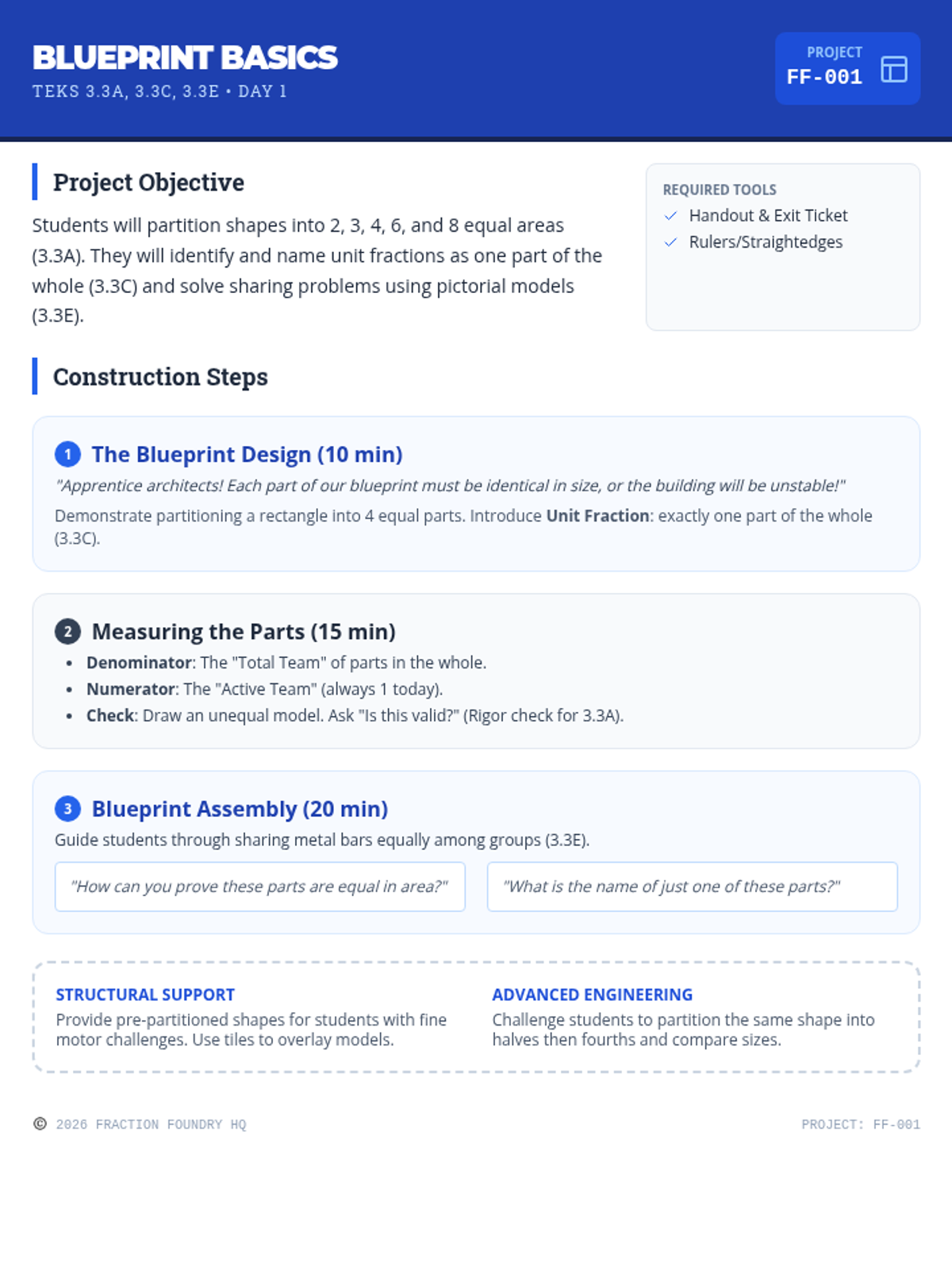
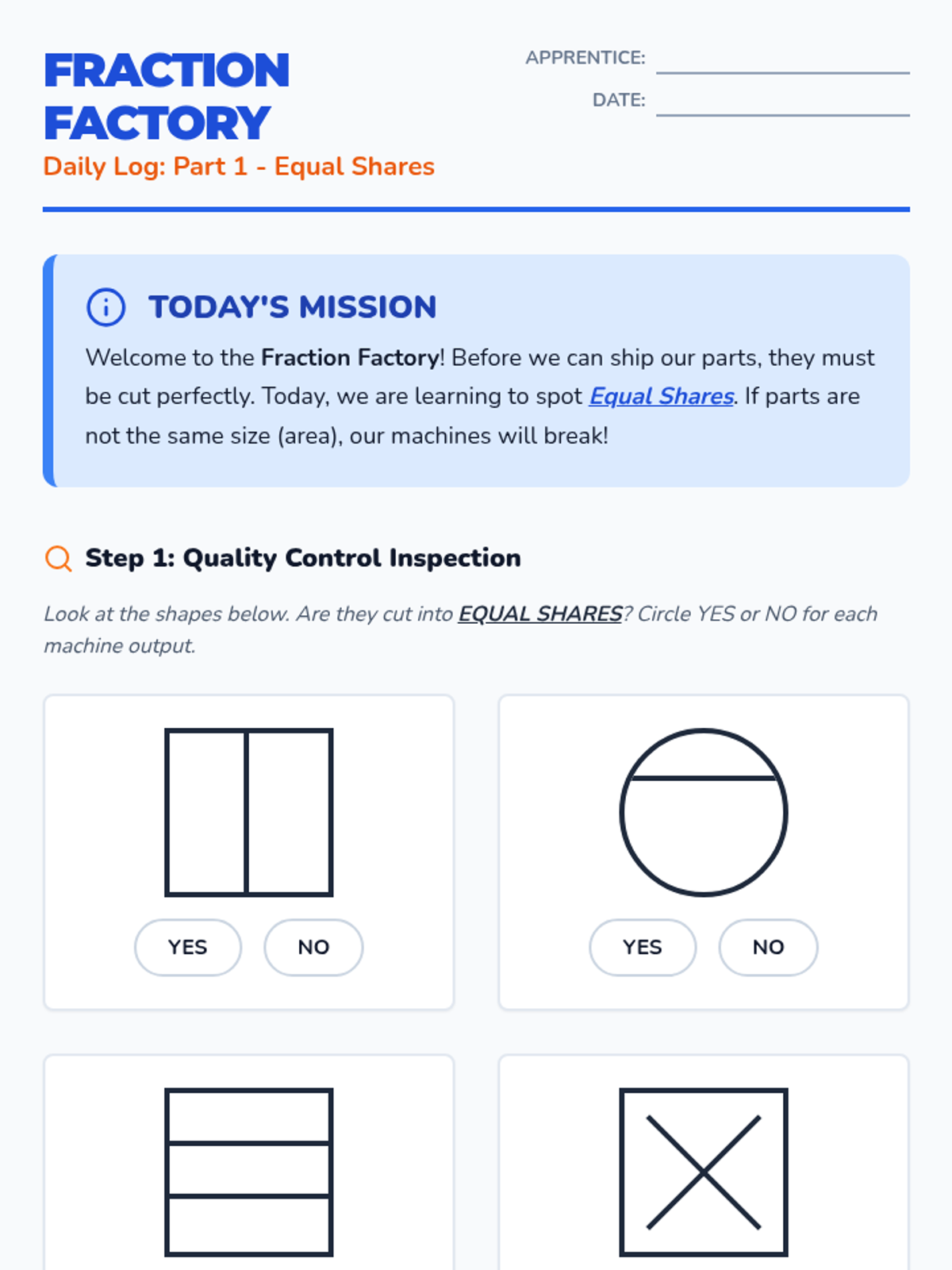
A 5-day self-paced unit explicitly aligned to Arizona Mathematics Standard 3.G.A.2. Students partition shapes into equal areas and express the parts as unit fractions (1/b). The 'Fraction Factory' theme provides a real-world engineering context for geometry and spatial reasoning.
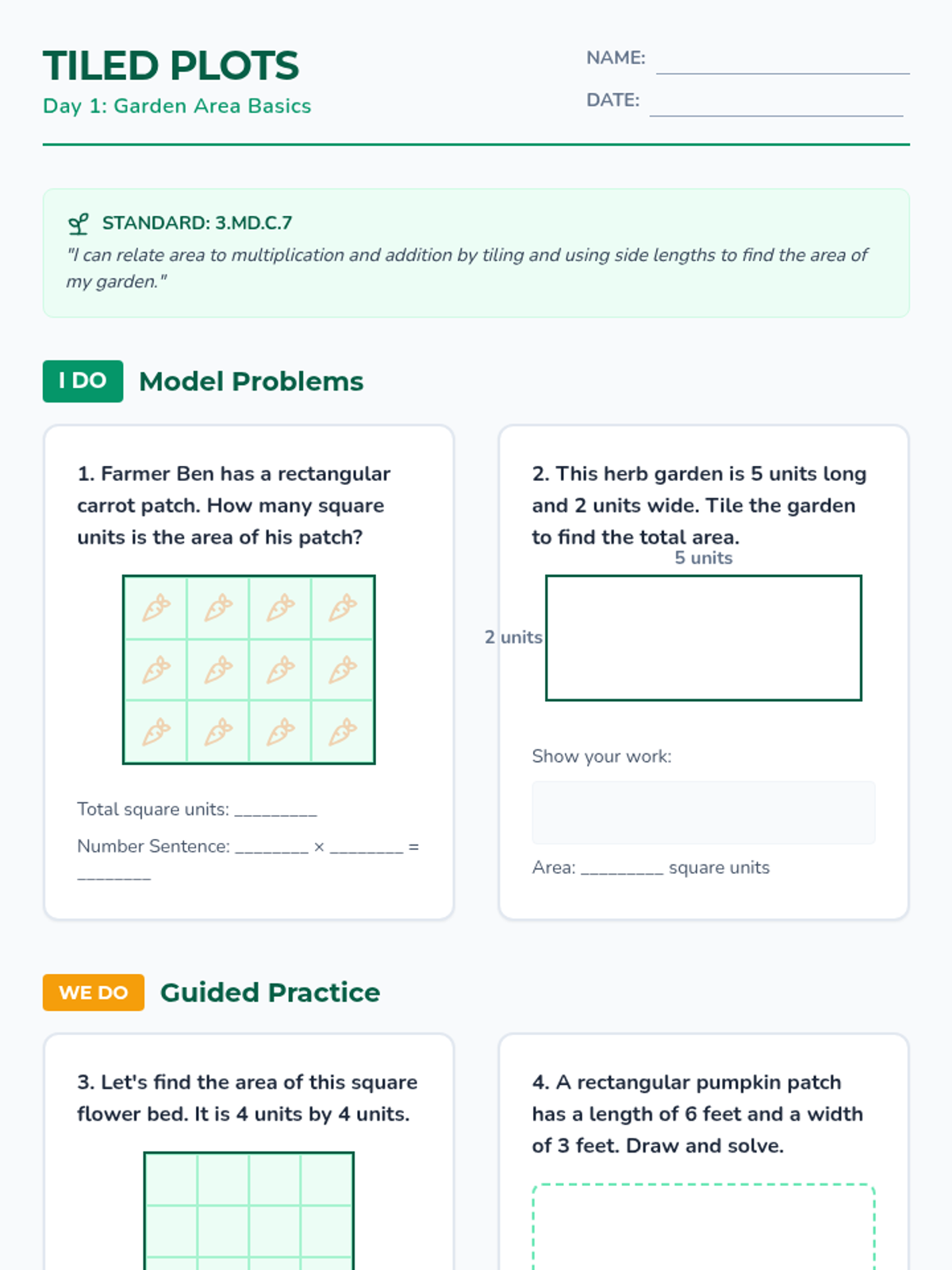
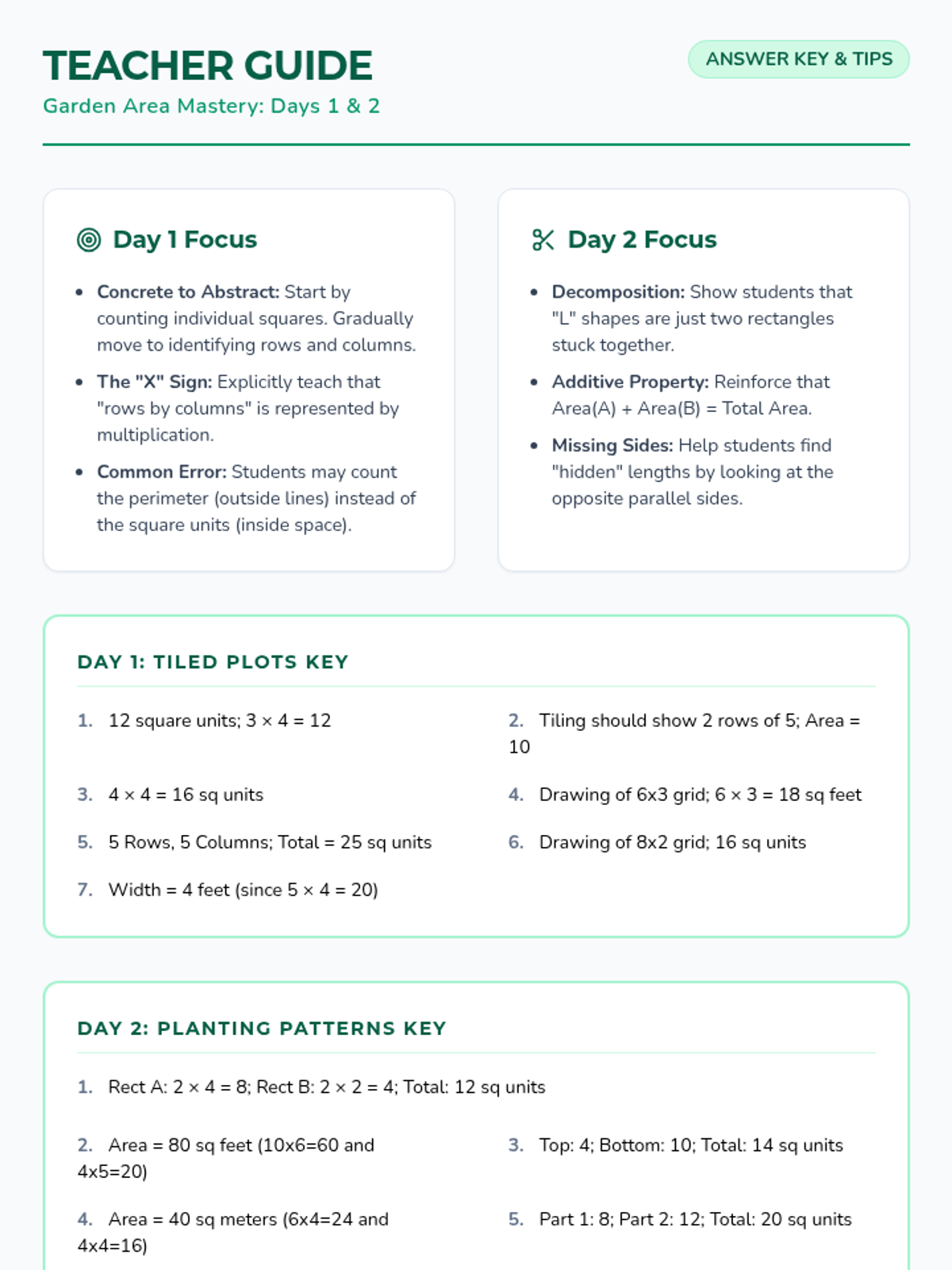
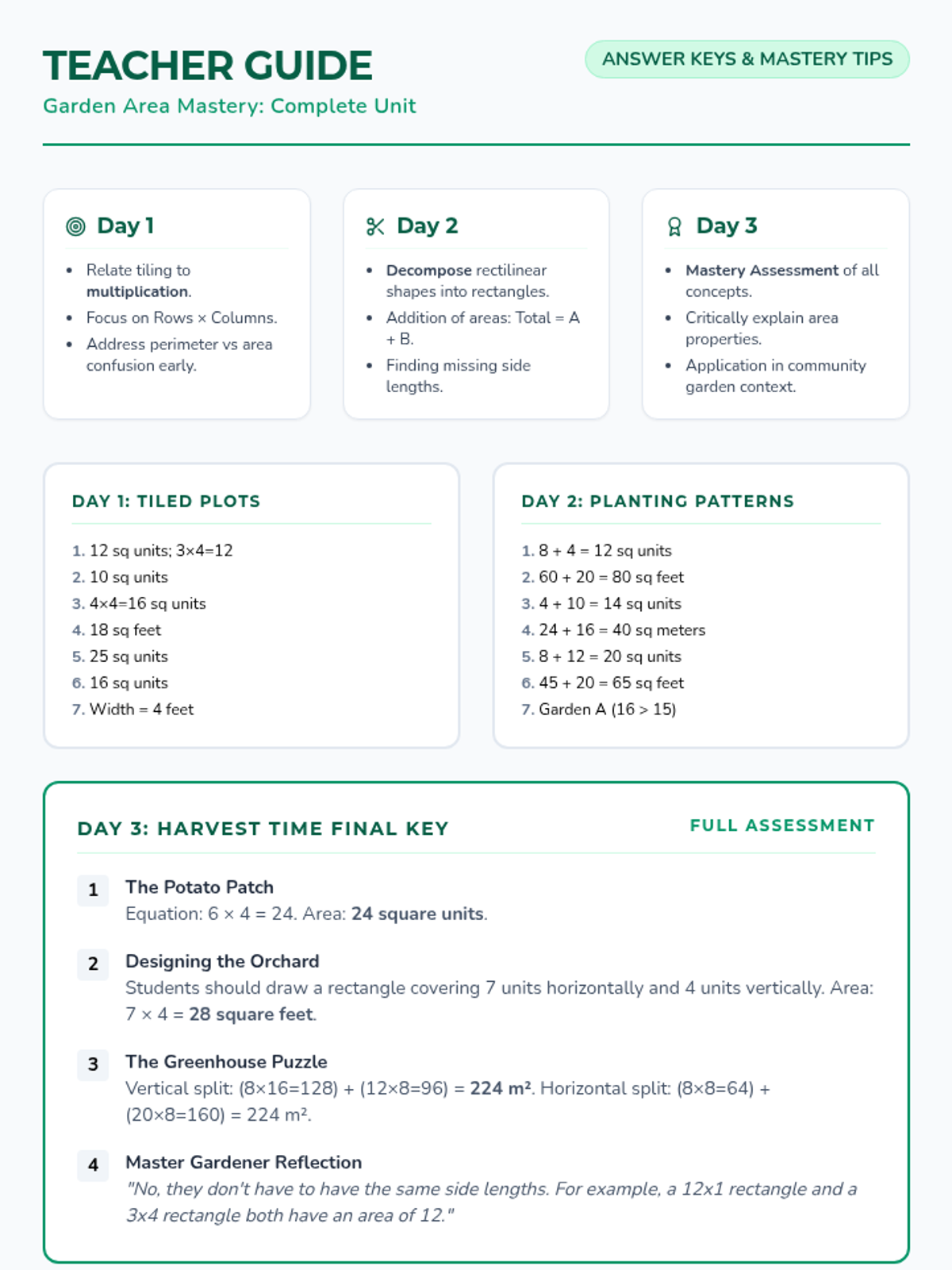
A comprehensive math unit for 3rd grade focusing on area measurement through the context of garden planning, aligned with Arizona standard 3.MD.C.7. Students move from concrete tiling to abstract multiplication.
A 4-day unit on area measurement for 3rd grade students, covering tiling, the relationship between multiplication and addition, and decomposing rectilinear shapes. Designed with a 'Blueprint Builders' architectural theme.
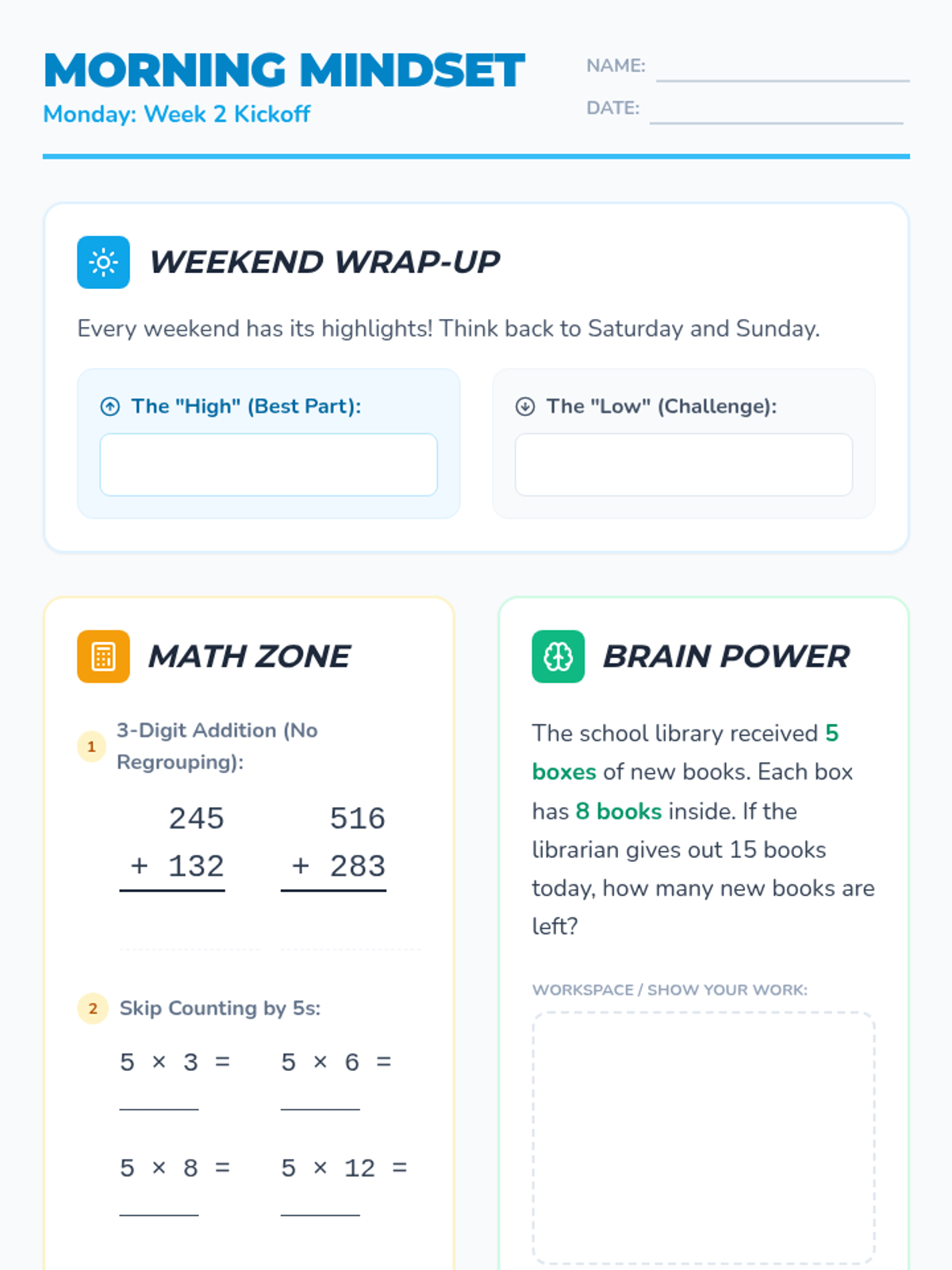
A growing 180-day morning work volume for 3rd grade. Month 1: Basic ops & 2-8x facts. Month 2: 0,1,9,11x facts & intro fractions. Month 3: Equiv. fractions, perimeter, & 12x facts. Month 4: Area basics, 2-step word problems, and self-awareness.
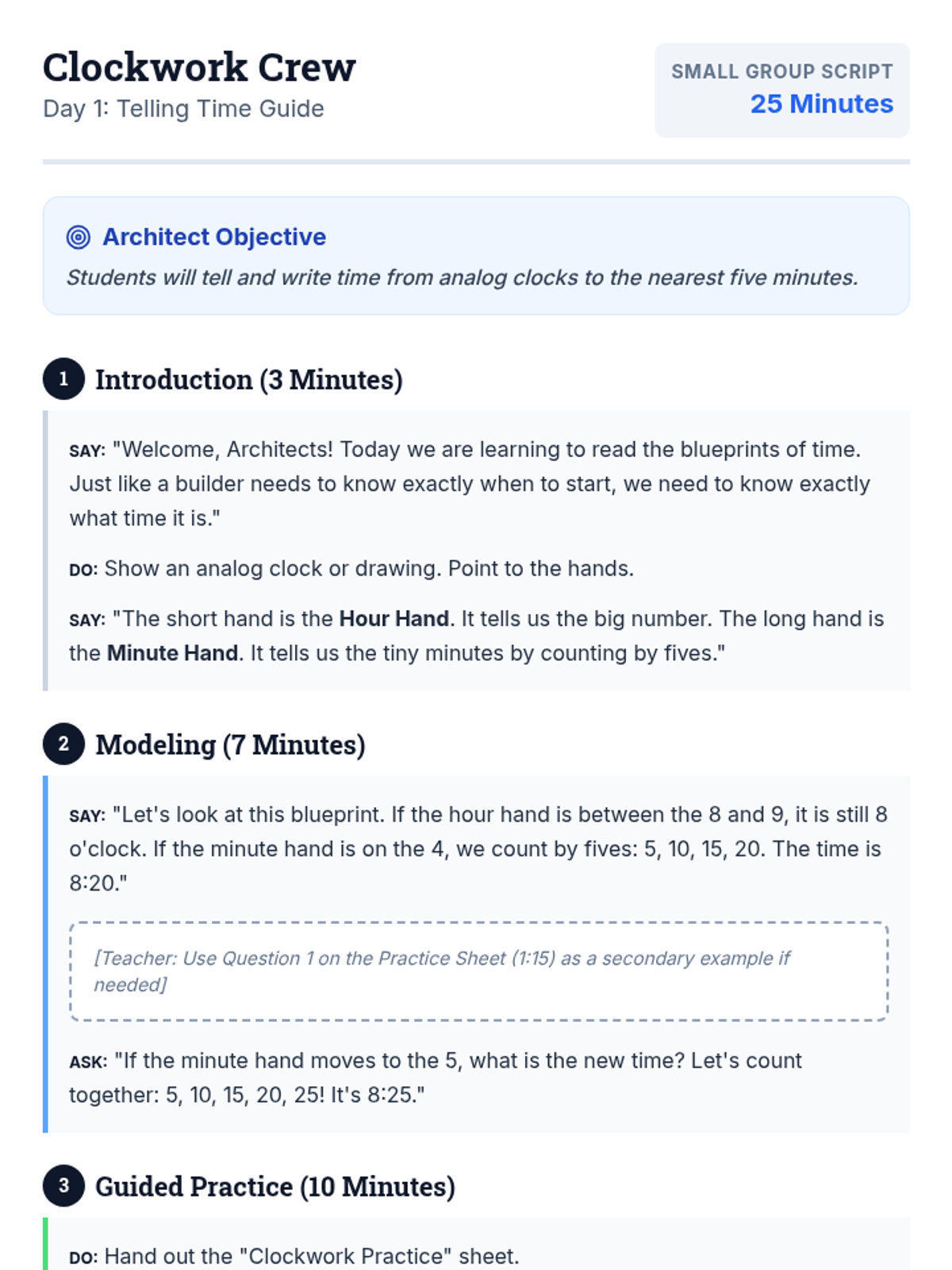
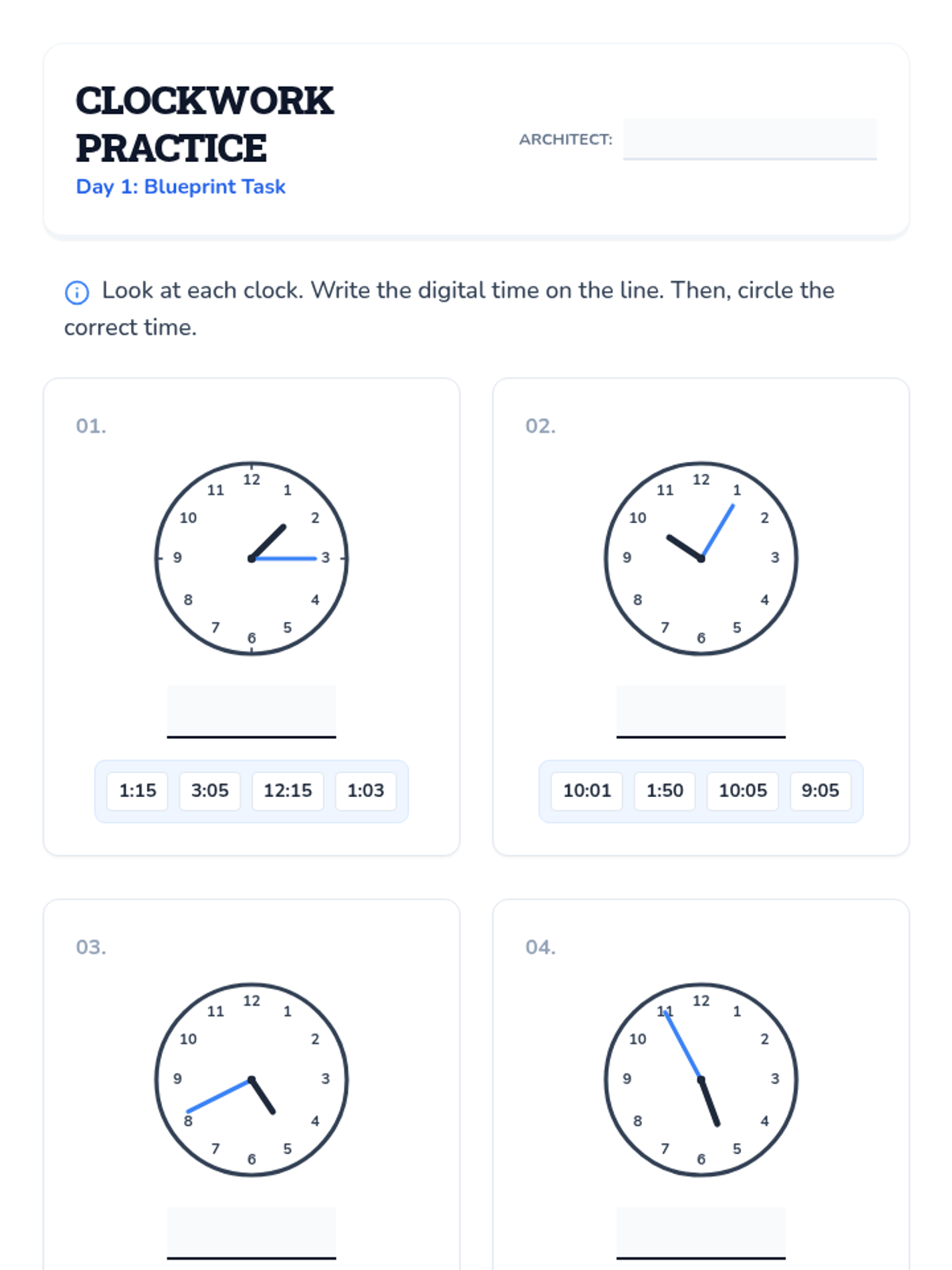
A 3-day small group sequence focused on Geometry and Measurement for NWEA RIT 171-180, covering time reading to the nearest 5 minutes and 2D/3D shape attributes.
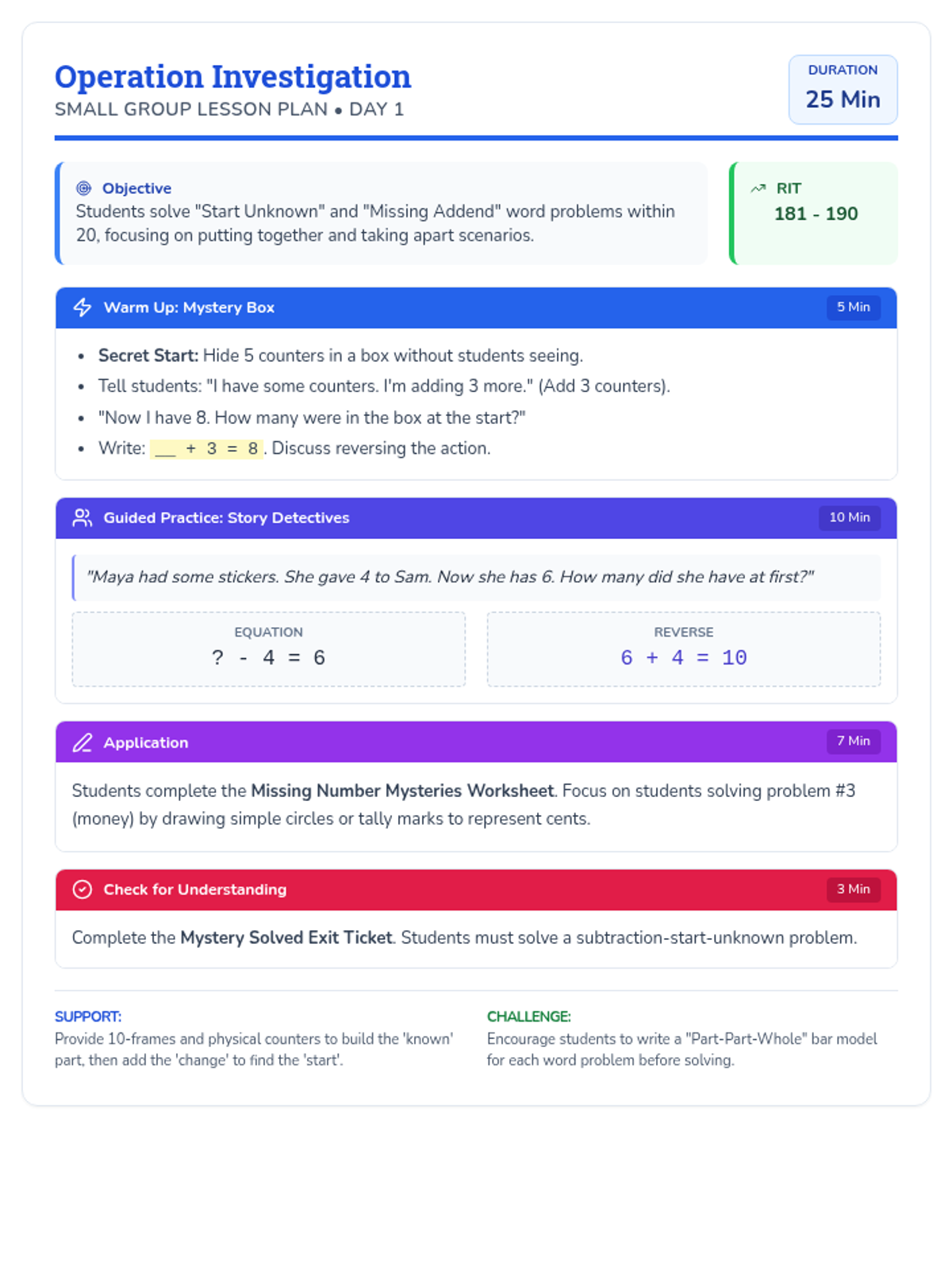
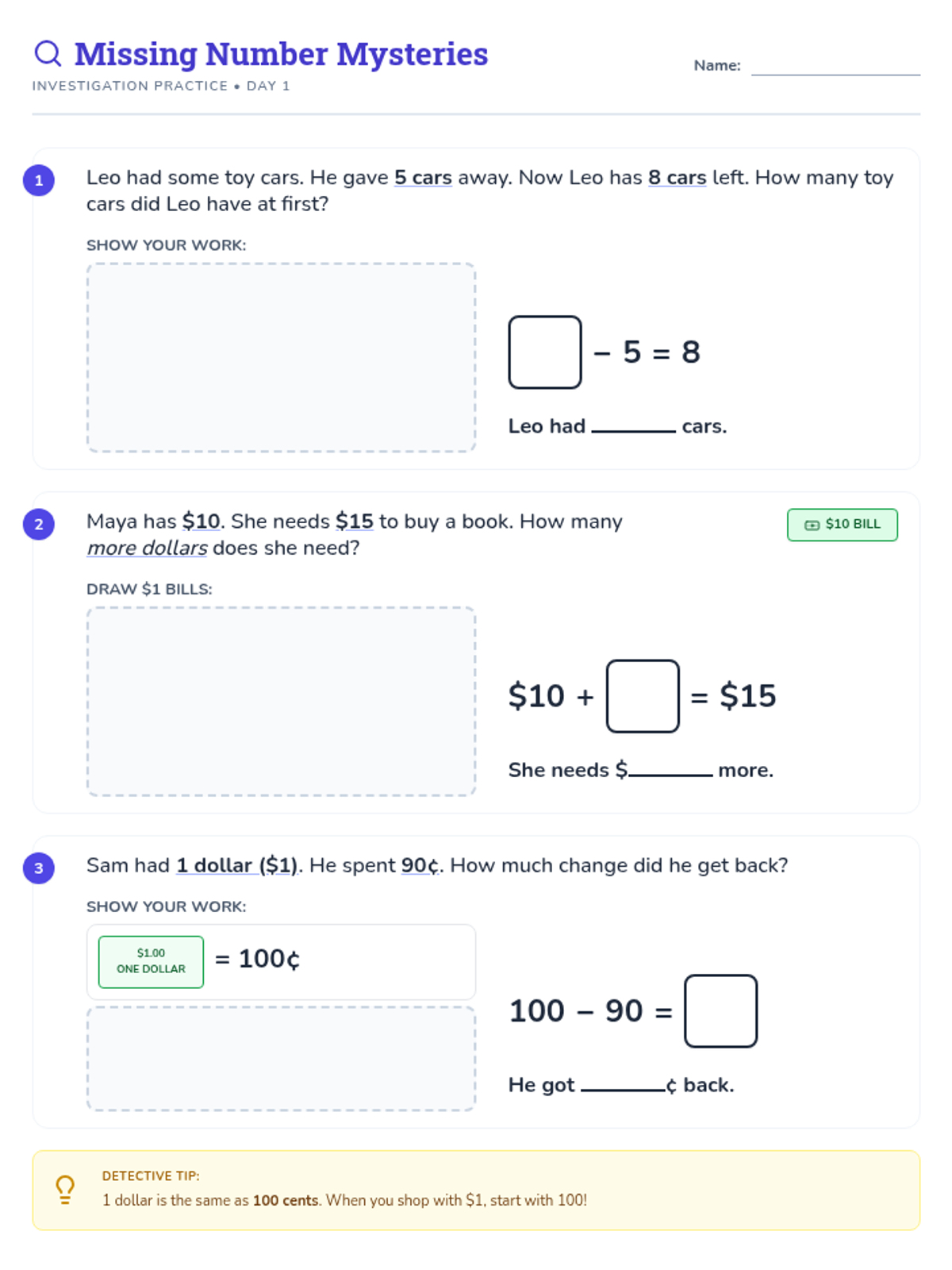
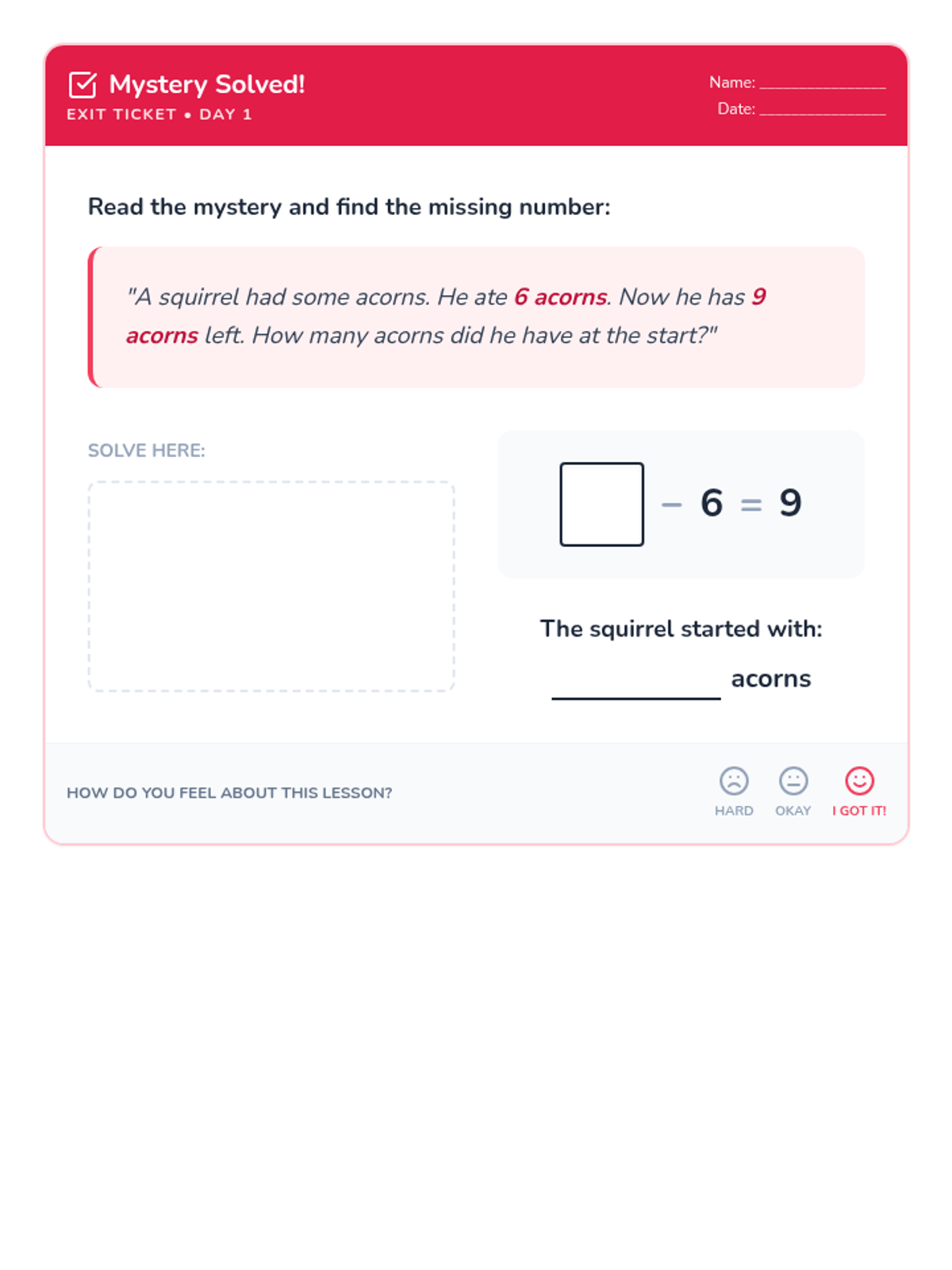
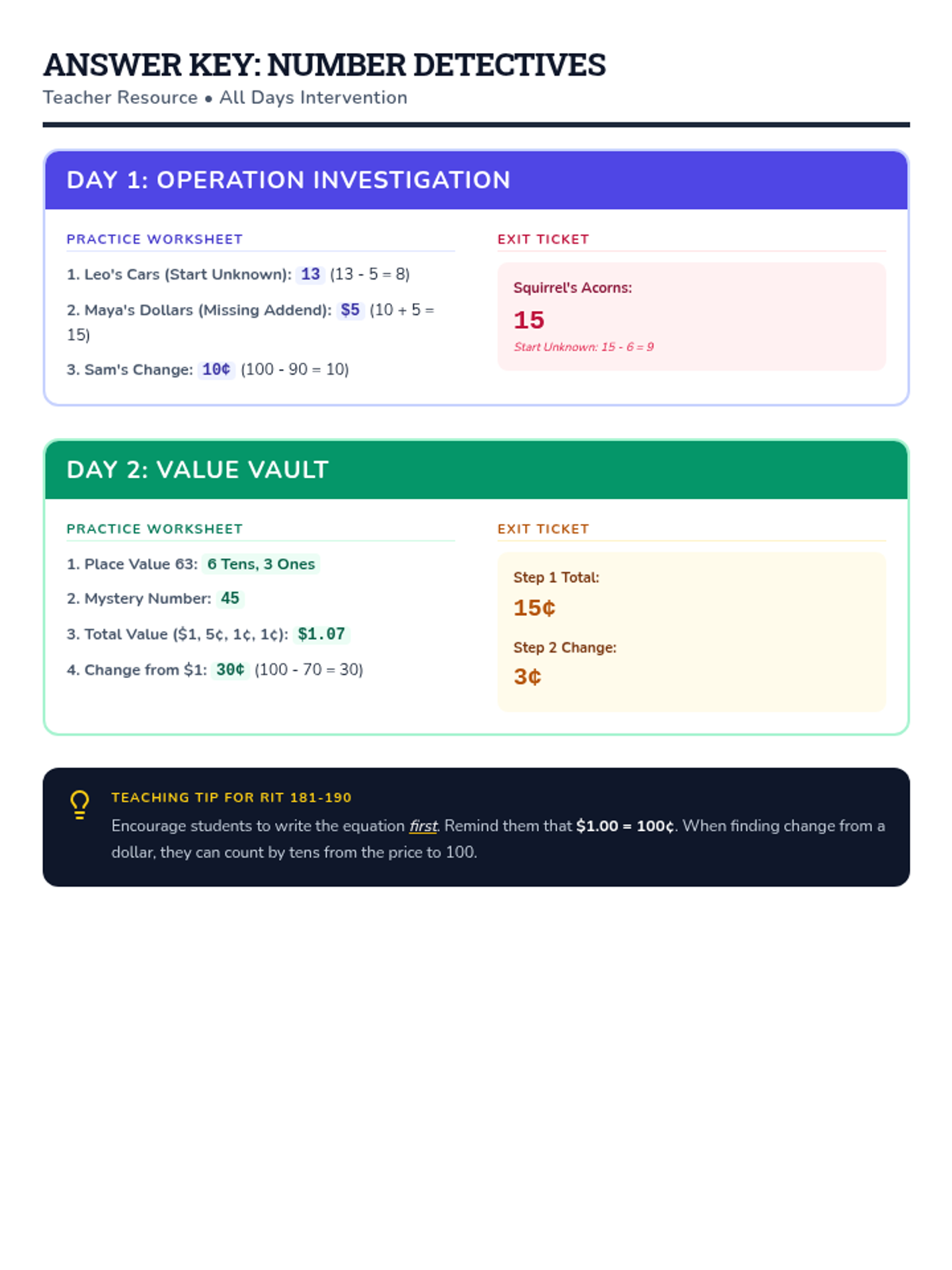
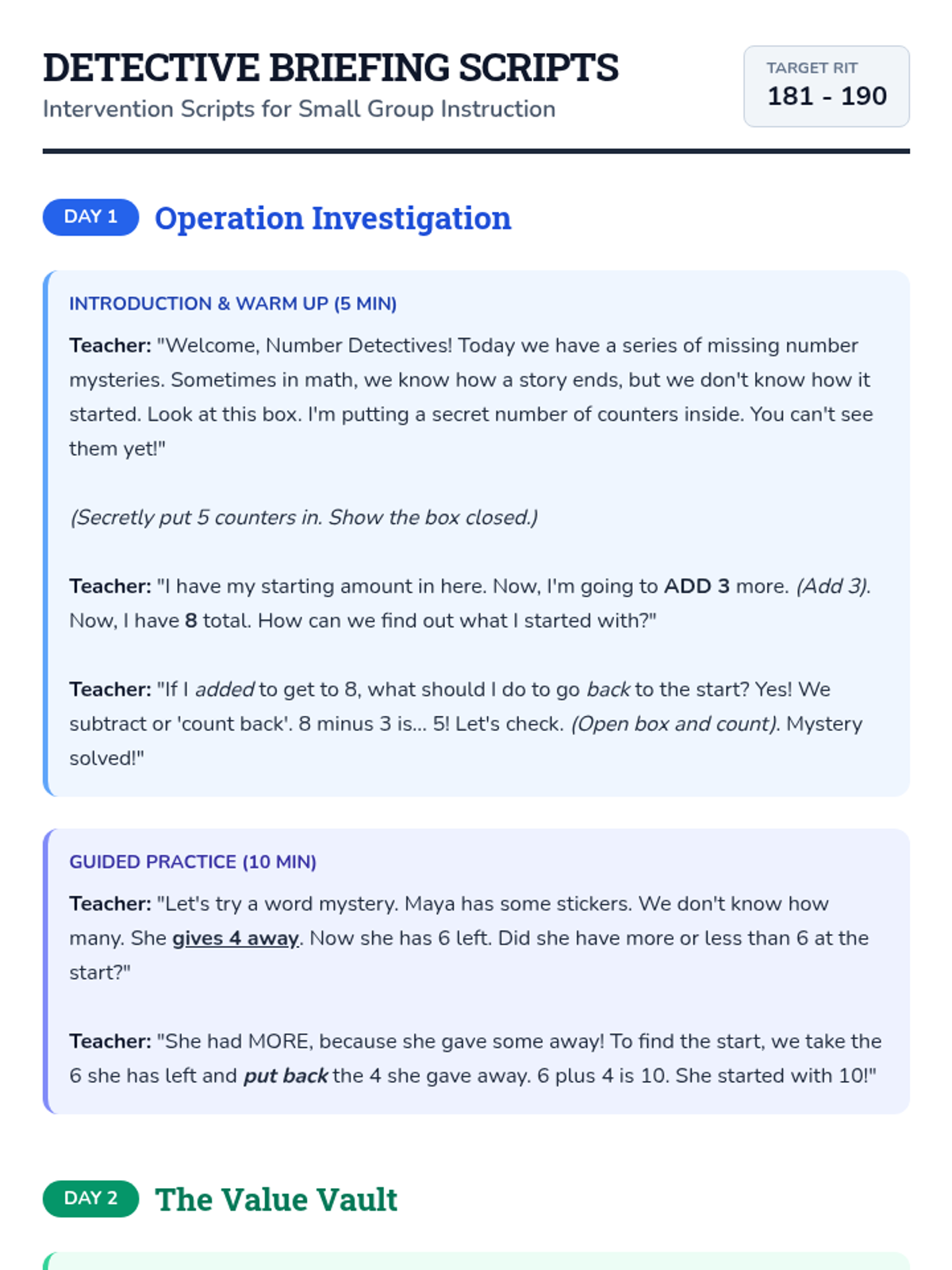
A targeted intervention sequence designed to move students from NWEA RIT 171-180 to 181-190, focusing on missing addends, subtraction, start-unknown word problems, place value, and monetary concepts.
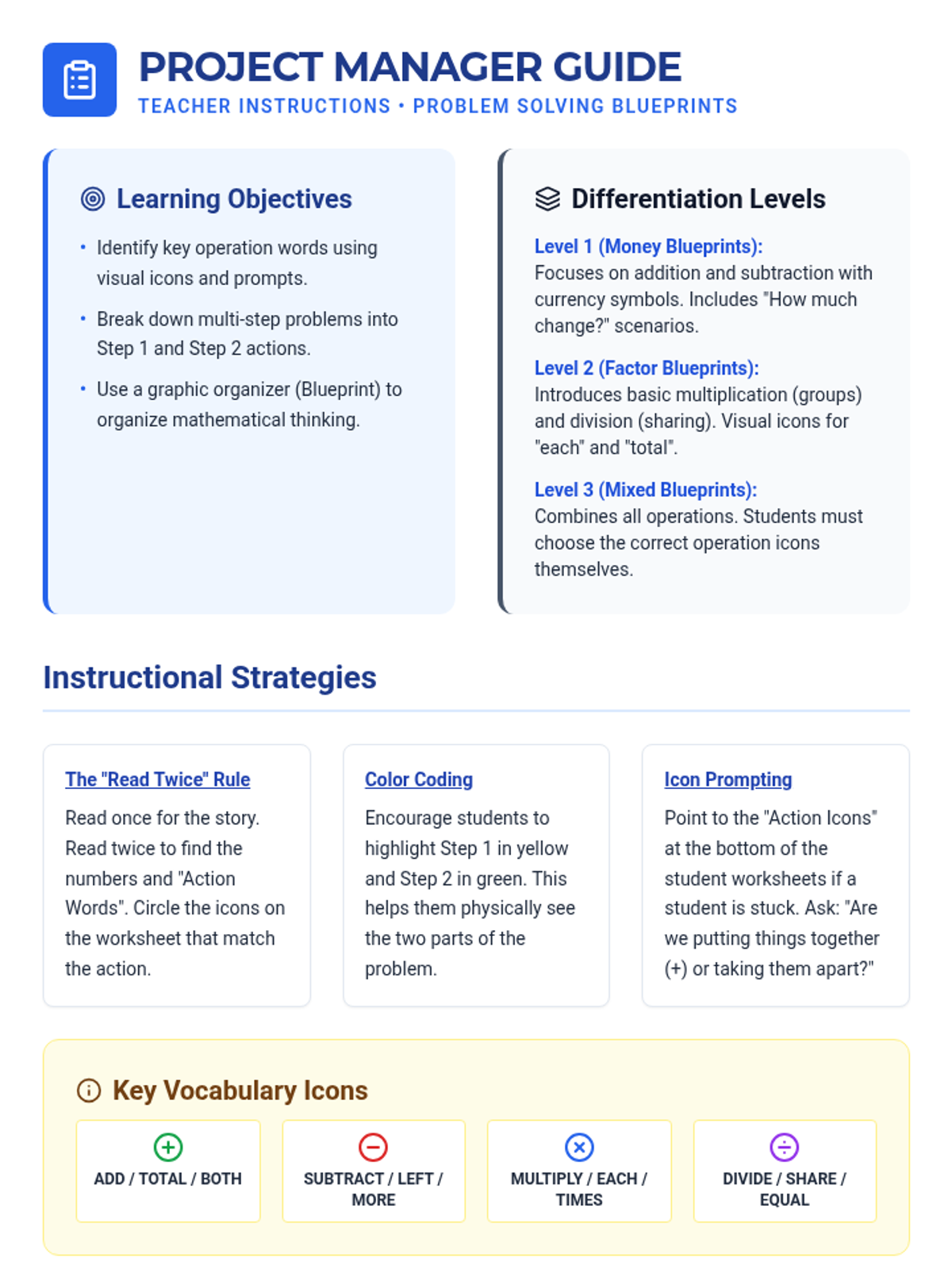
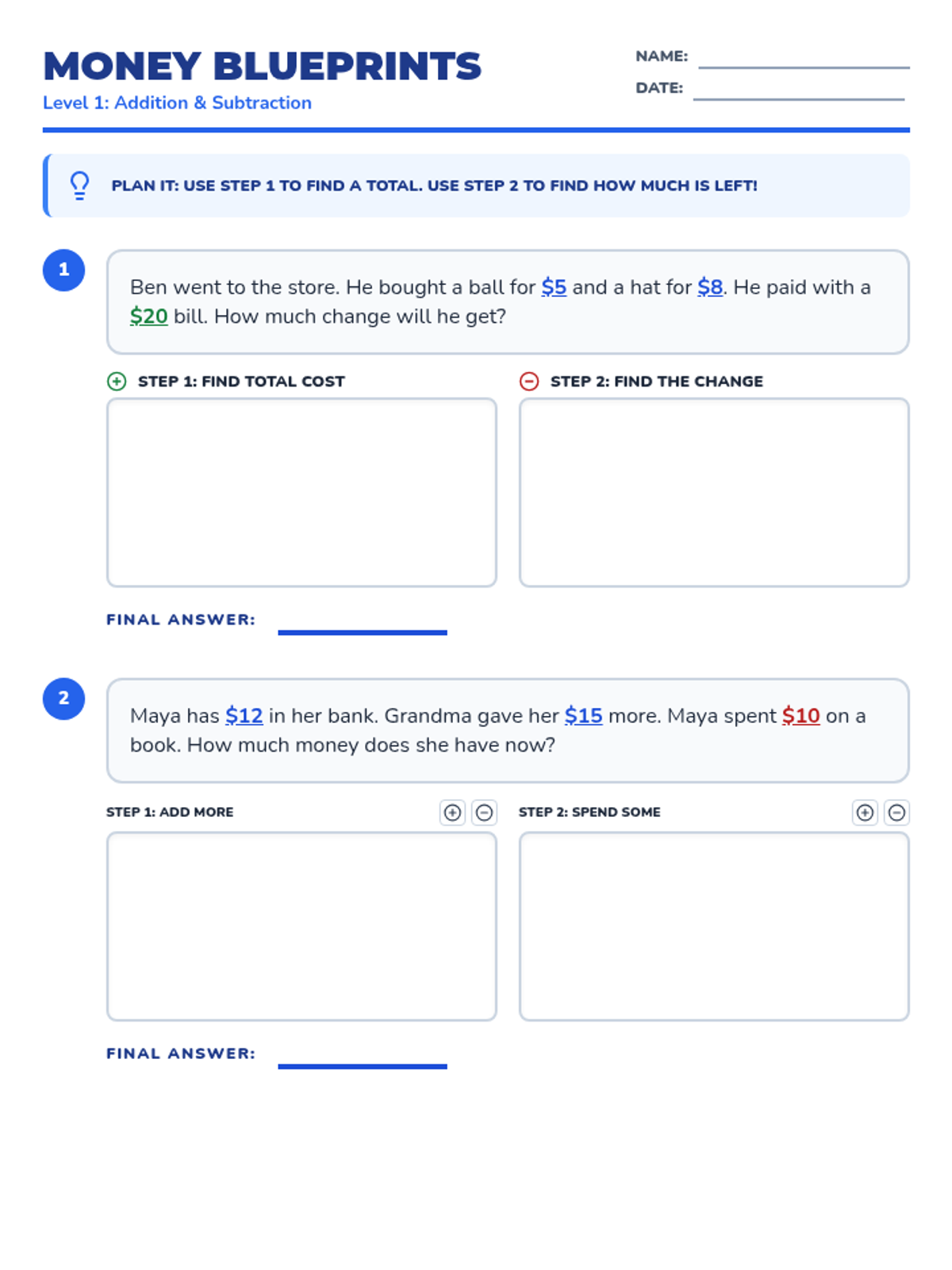
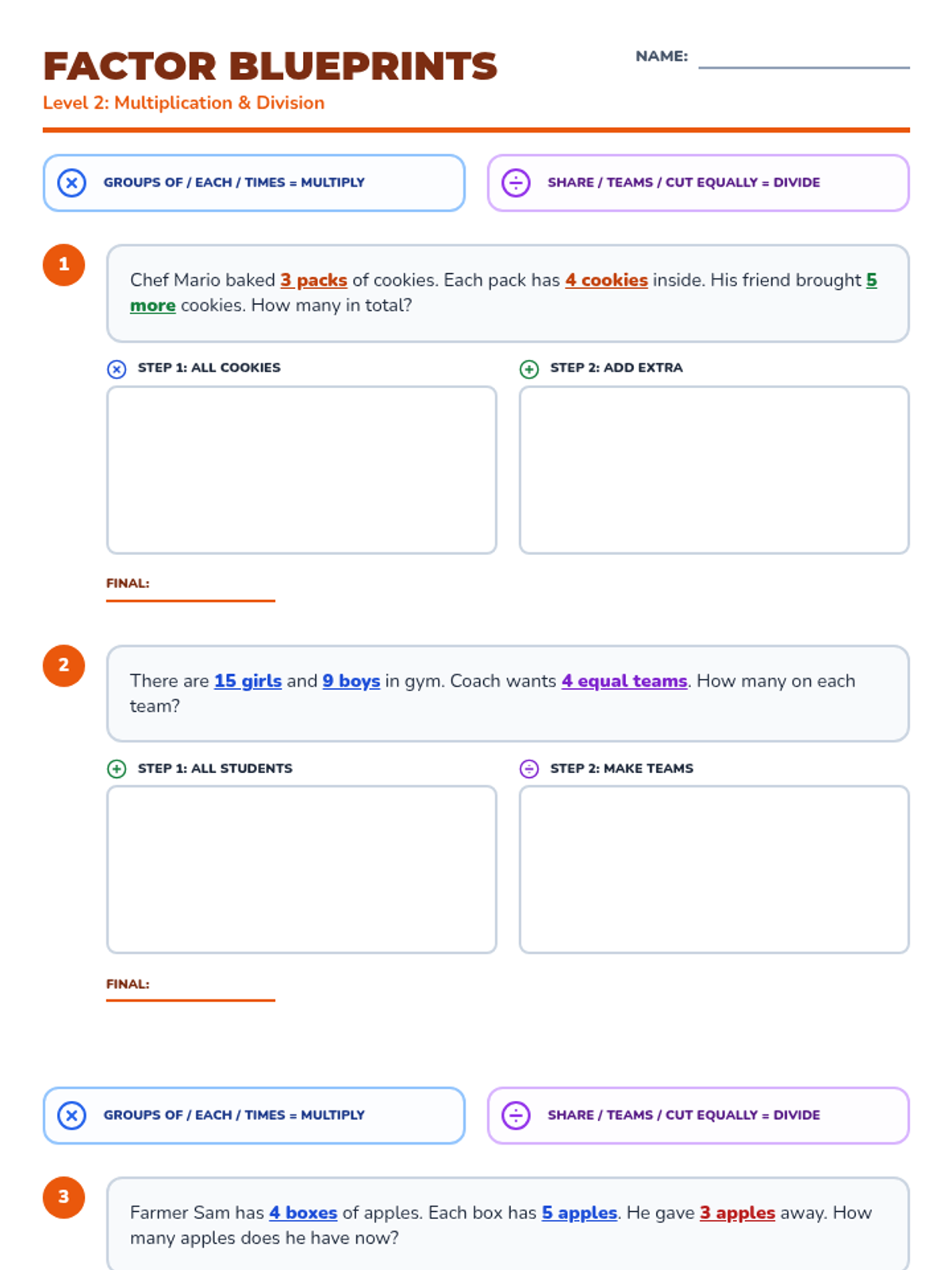
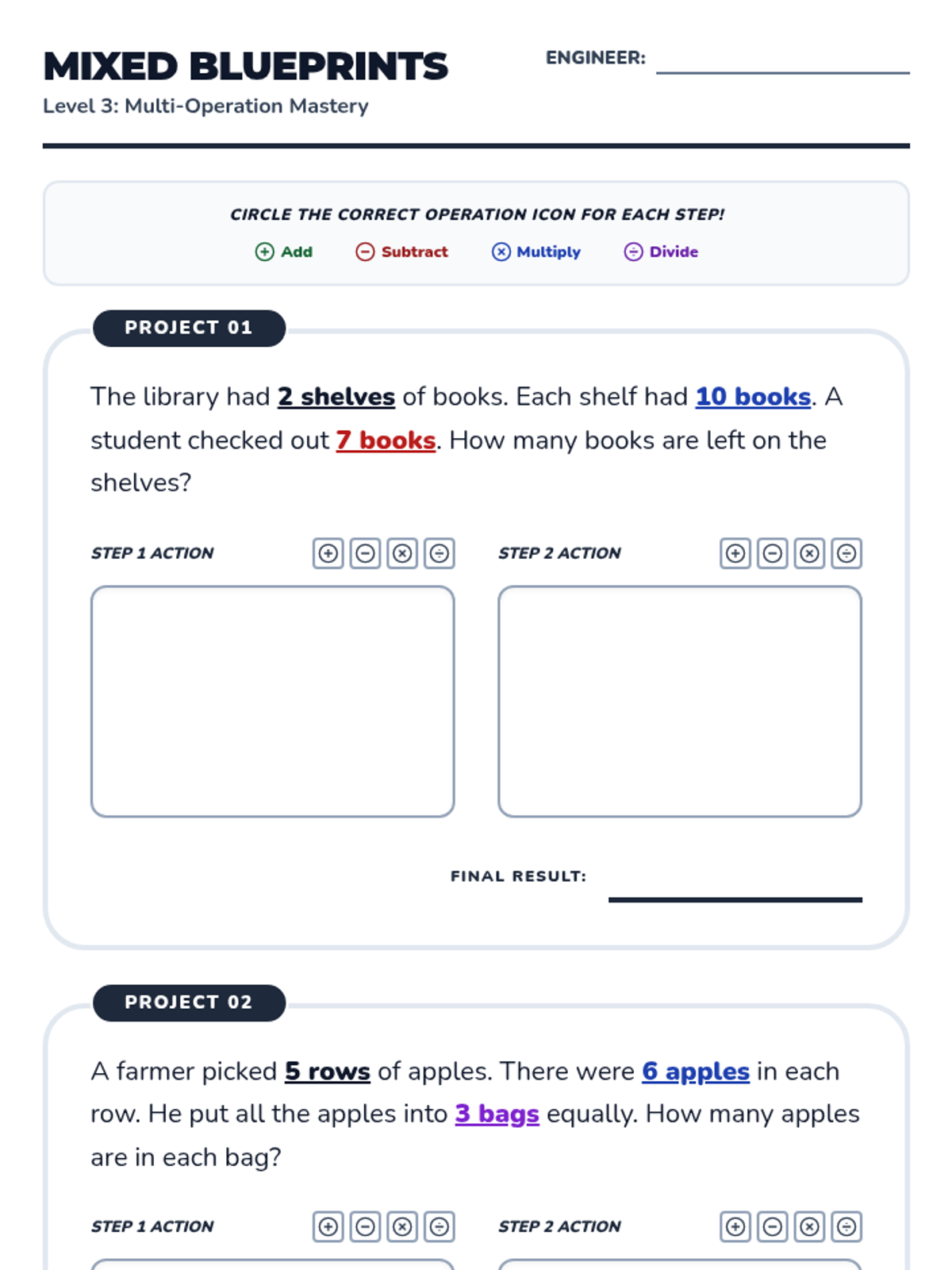
A comprehensive math sequence designed for students with IEPs, focusing on breaking down multi-step word problems into manageable visual blueprints. It covers mixed operations with money, basic multiplication and division, and foundational addition and subtraction.
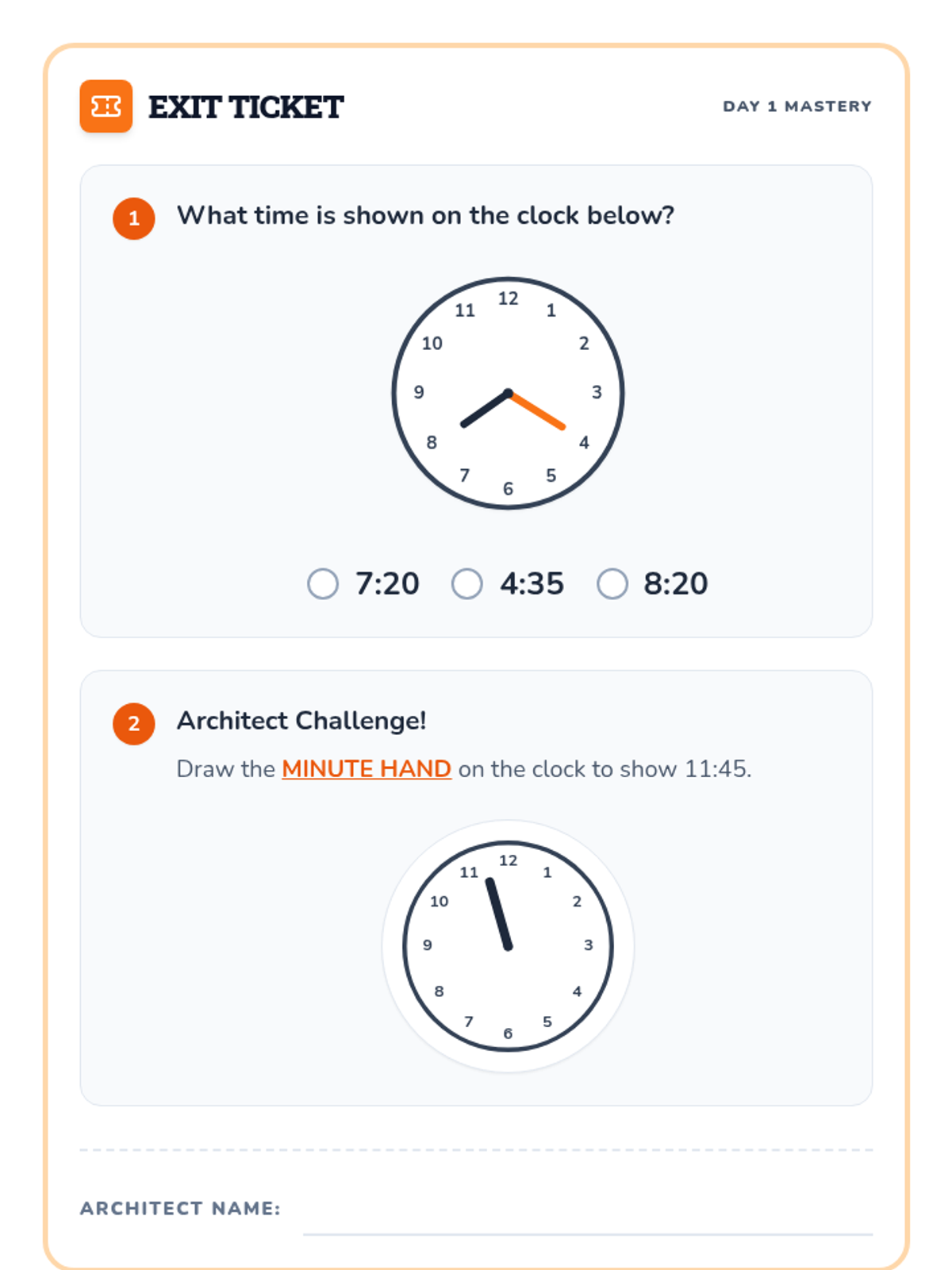
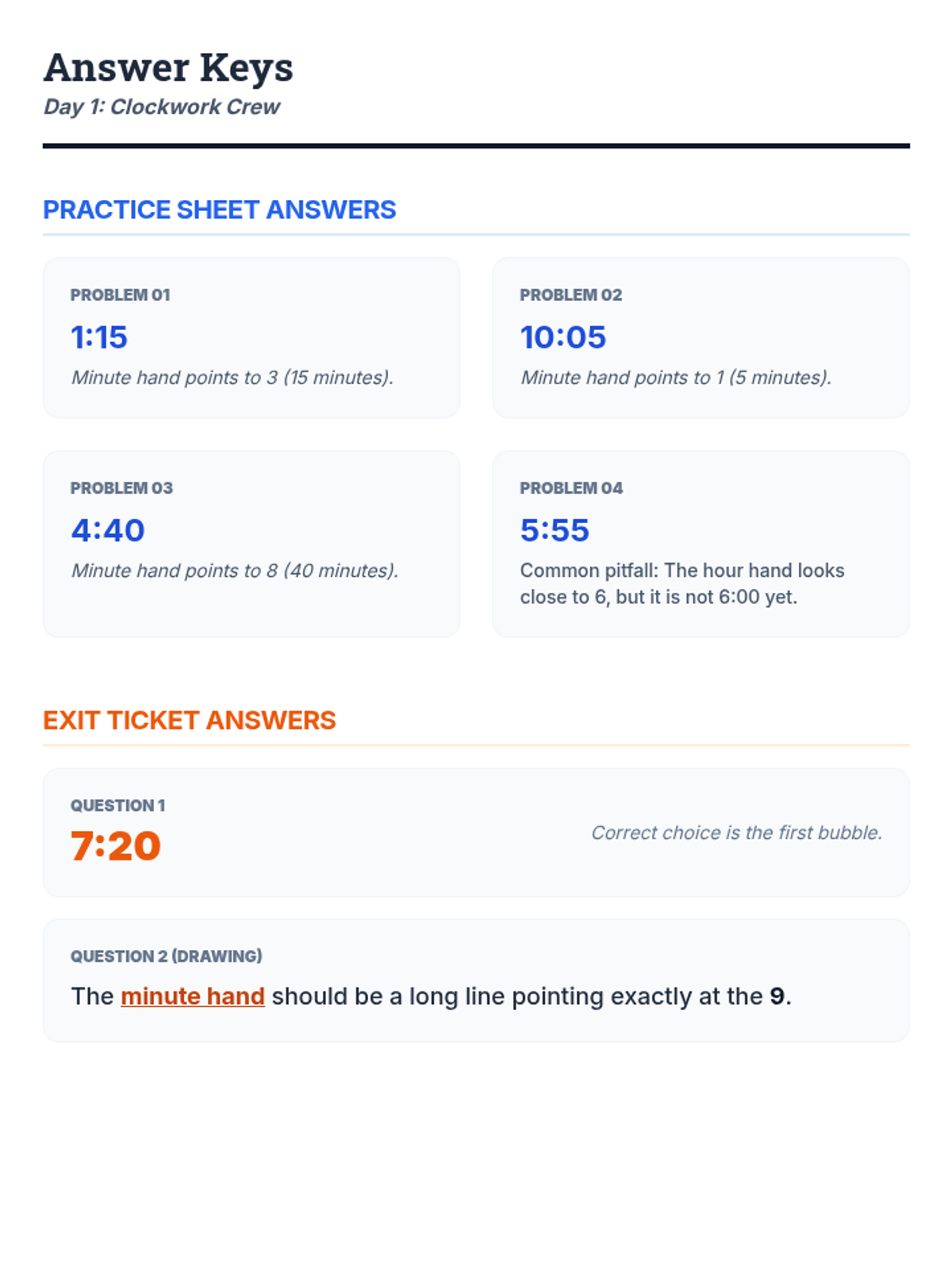
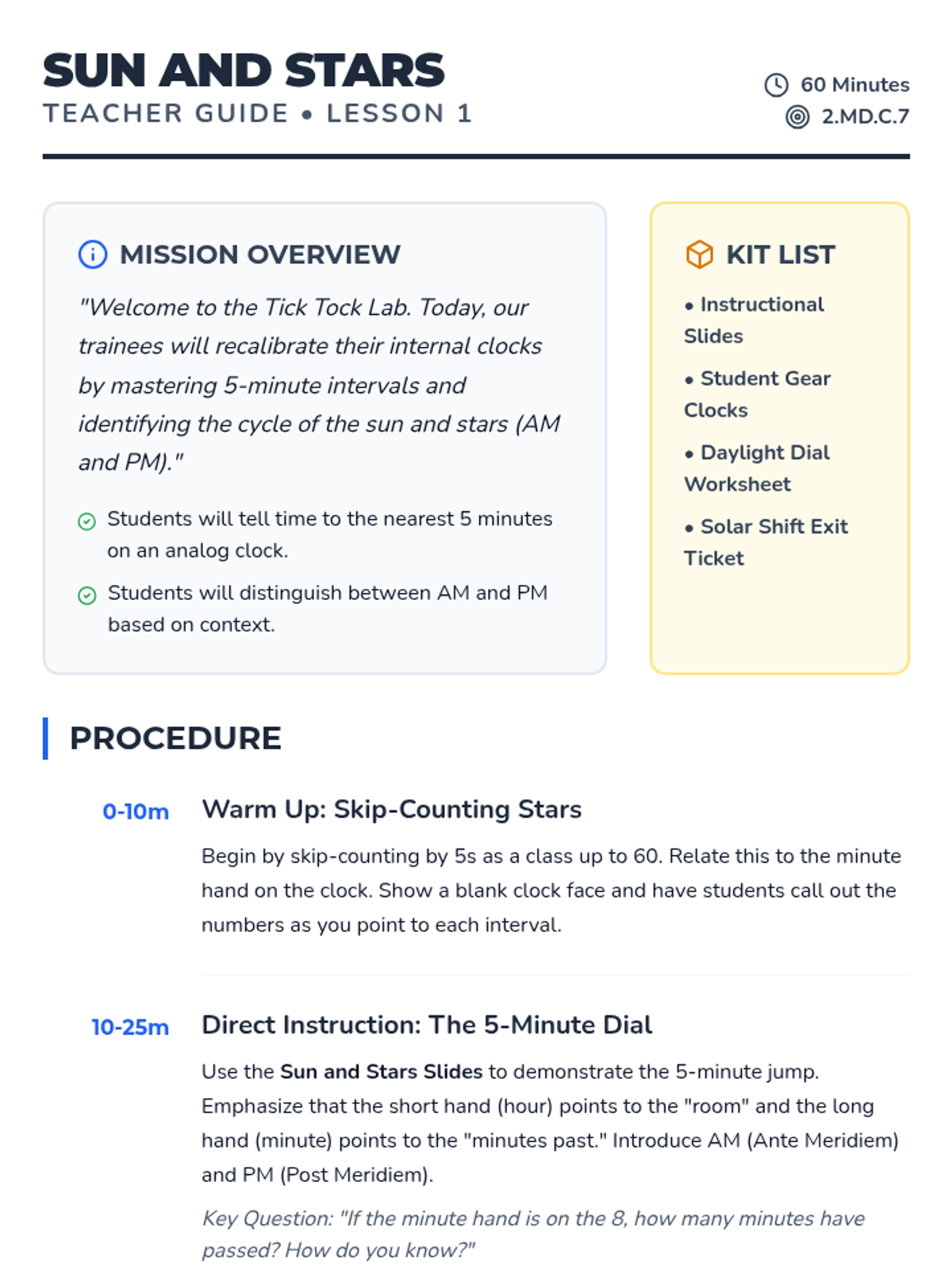
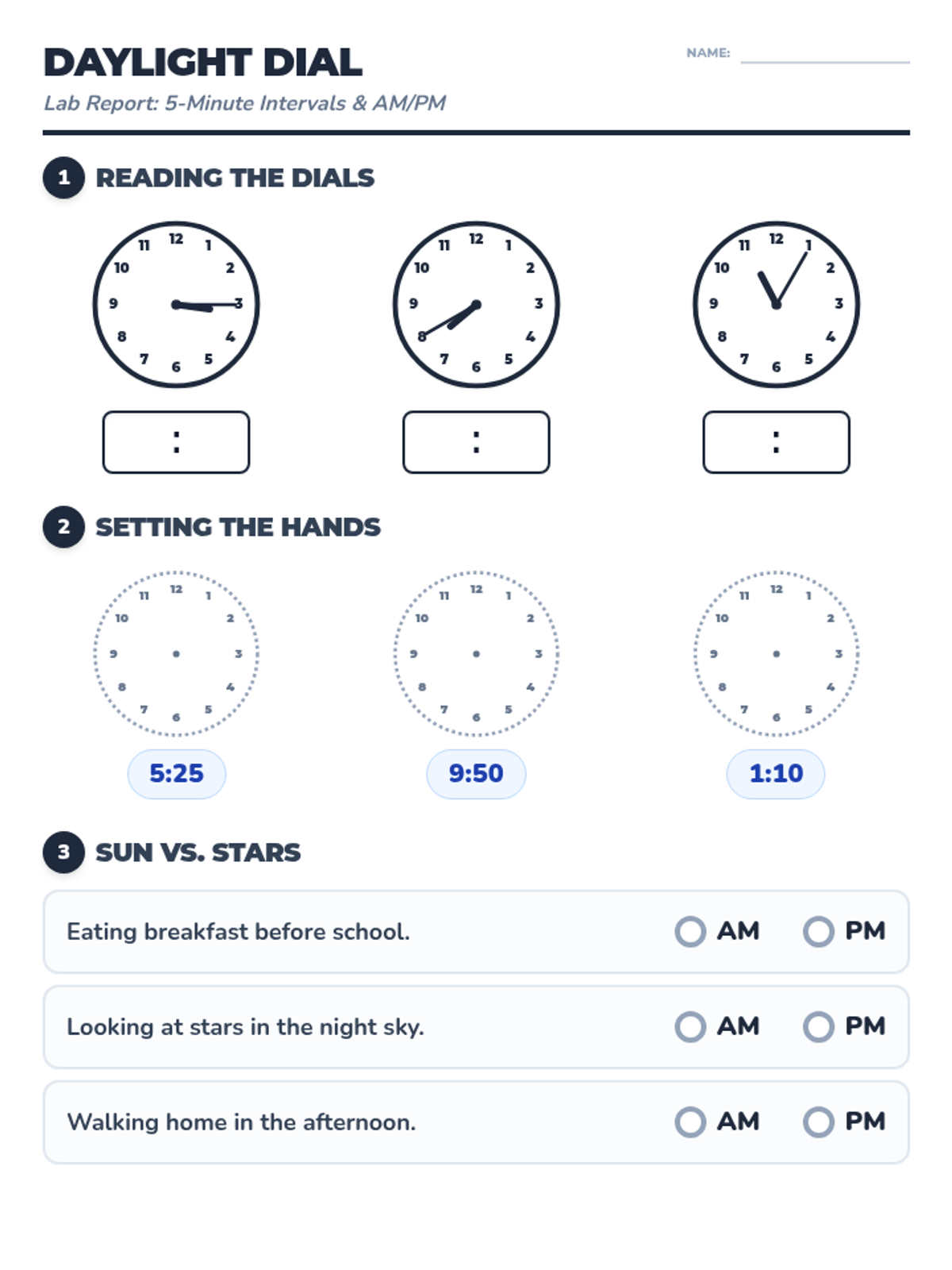
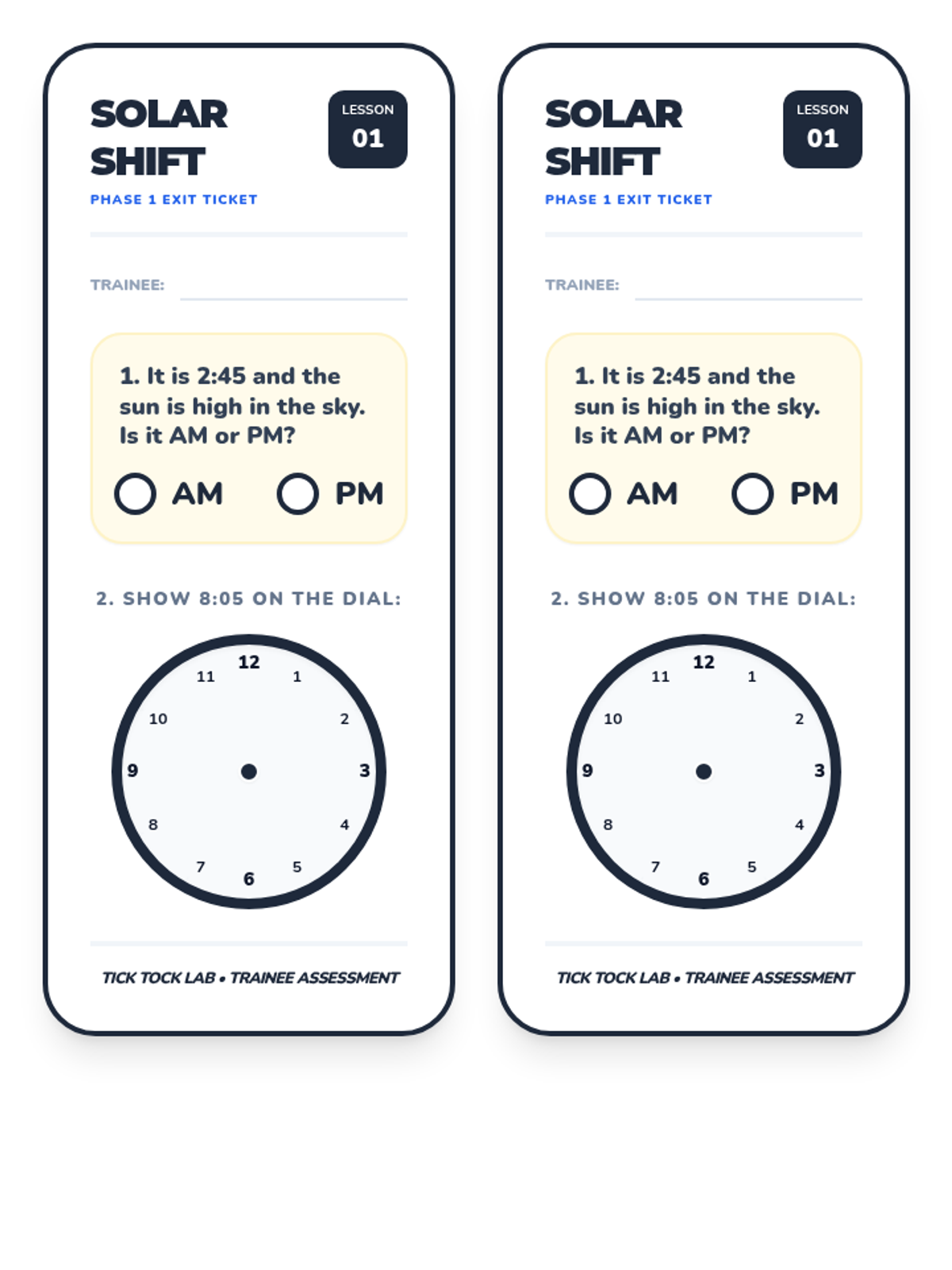
A comprehensive 3-day unit focused on mastering analog time-telling to the nearest 5 minutes, distinguishing between AM and PM, and navigating the common pitfall of the 'almost hour' hand positioning. Students move from basic interval review to solving tricky time representations through hands-on practice and visual aids.
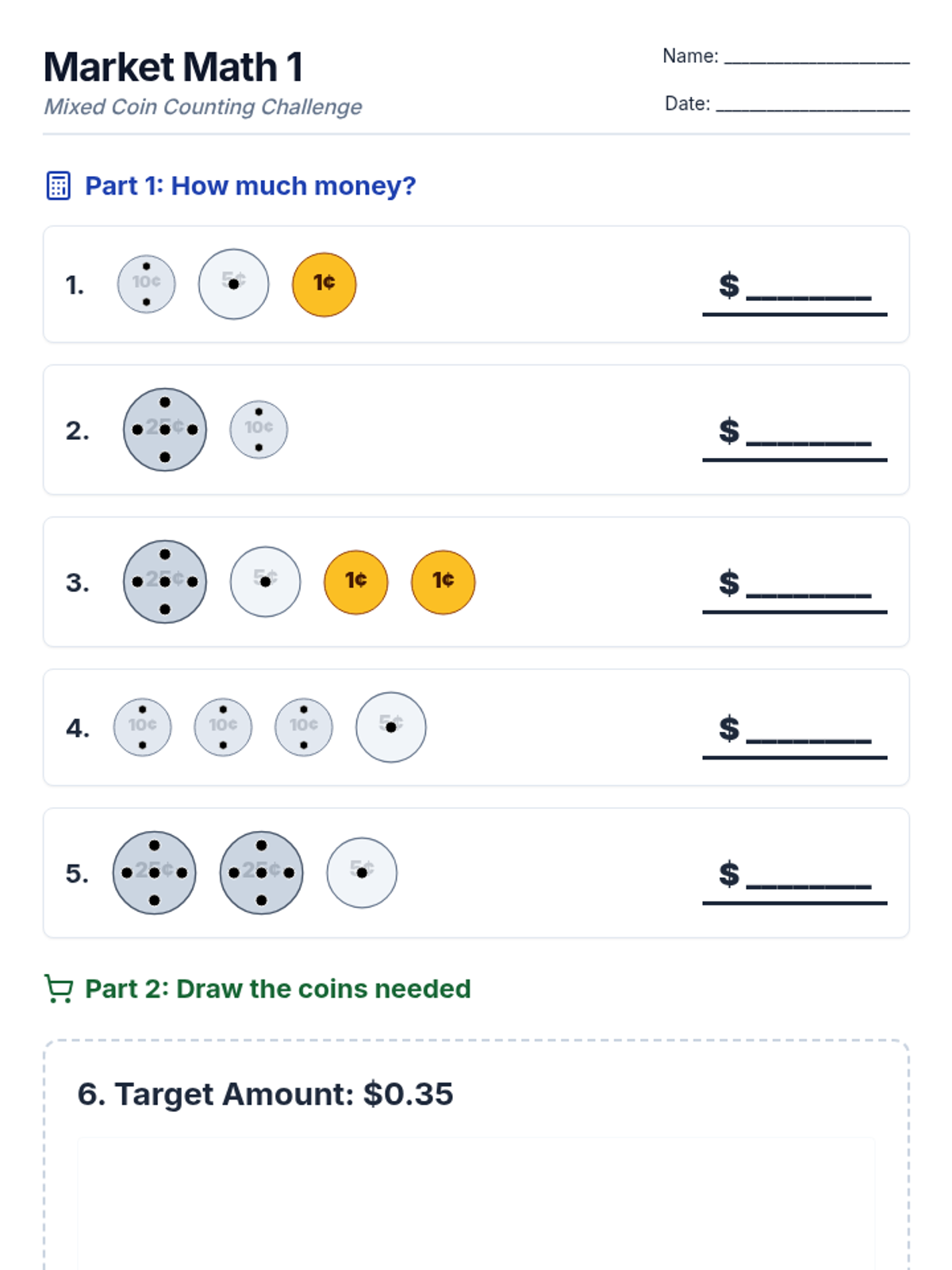
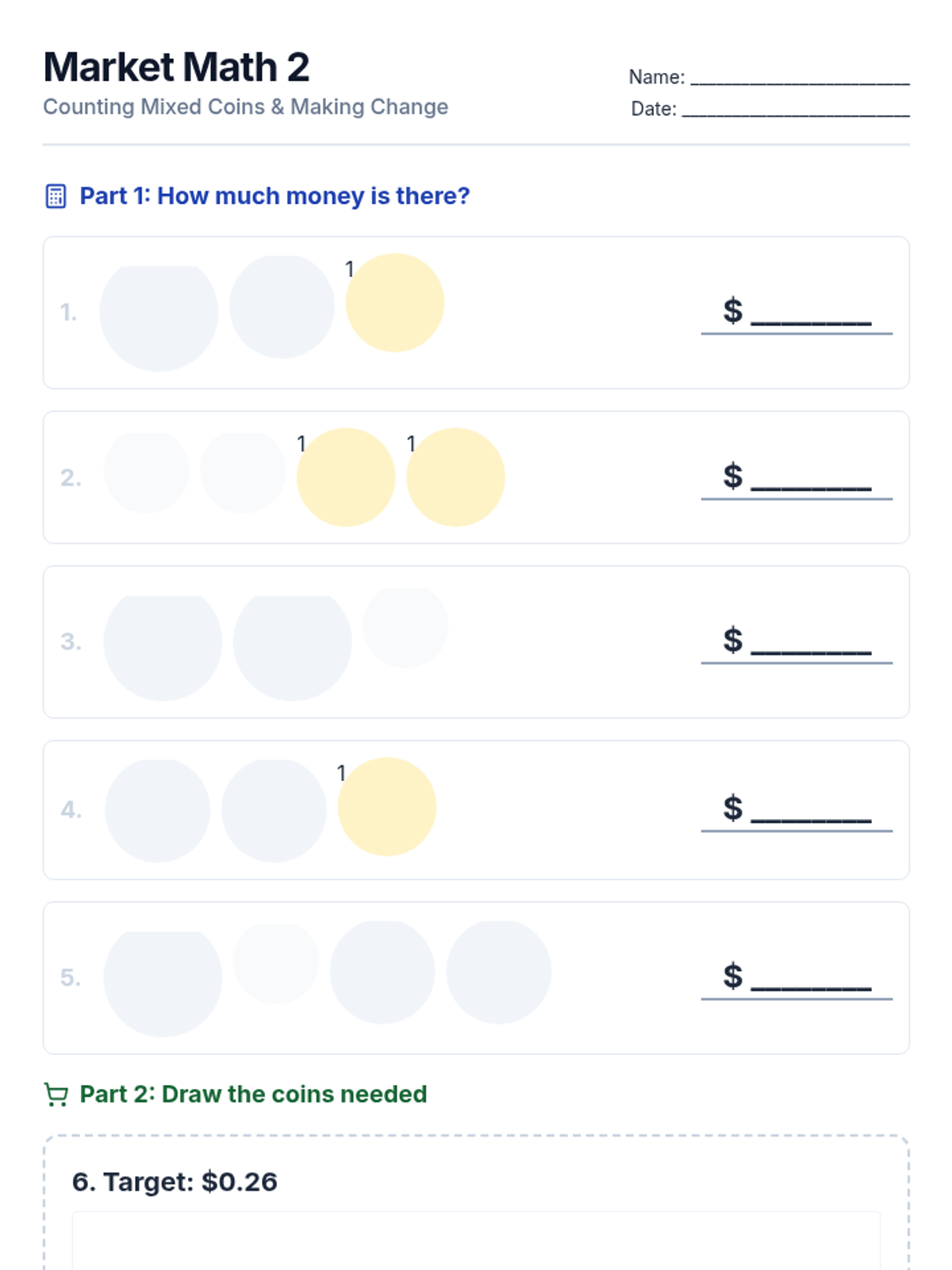
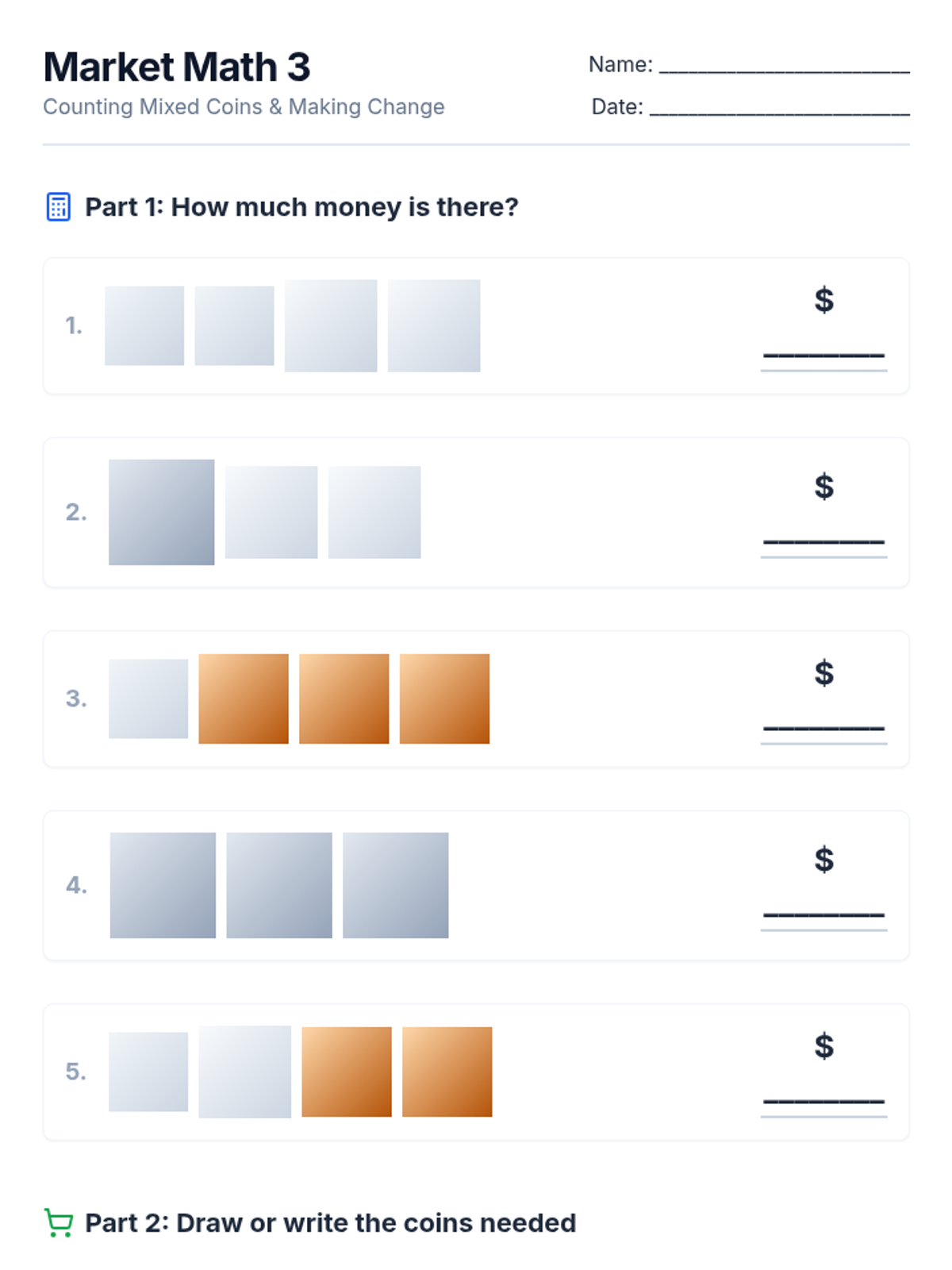
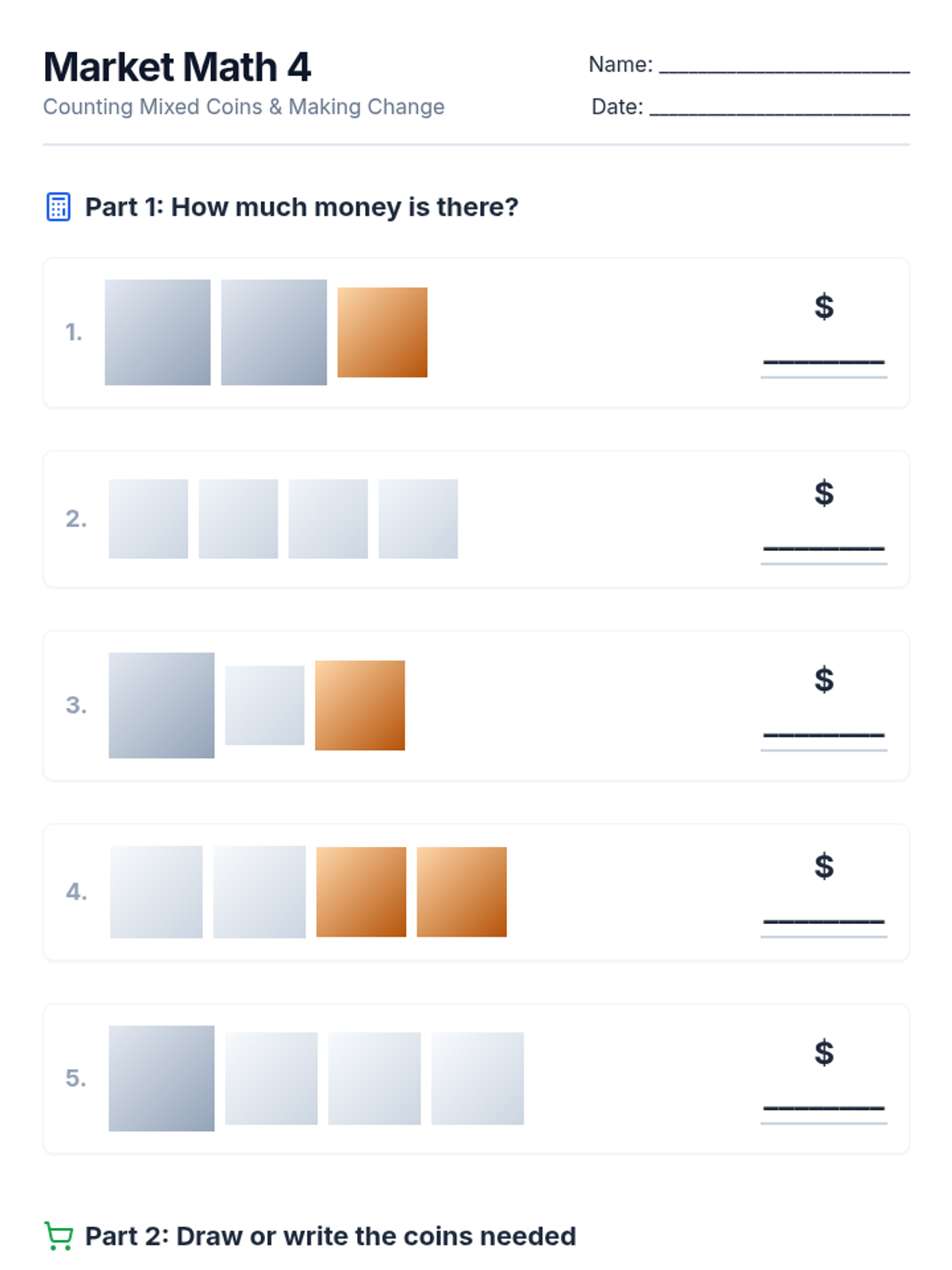
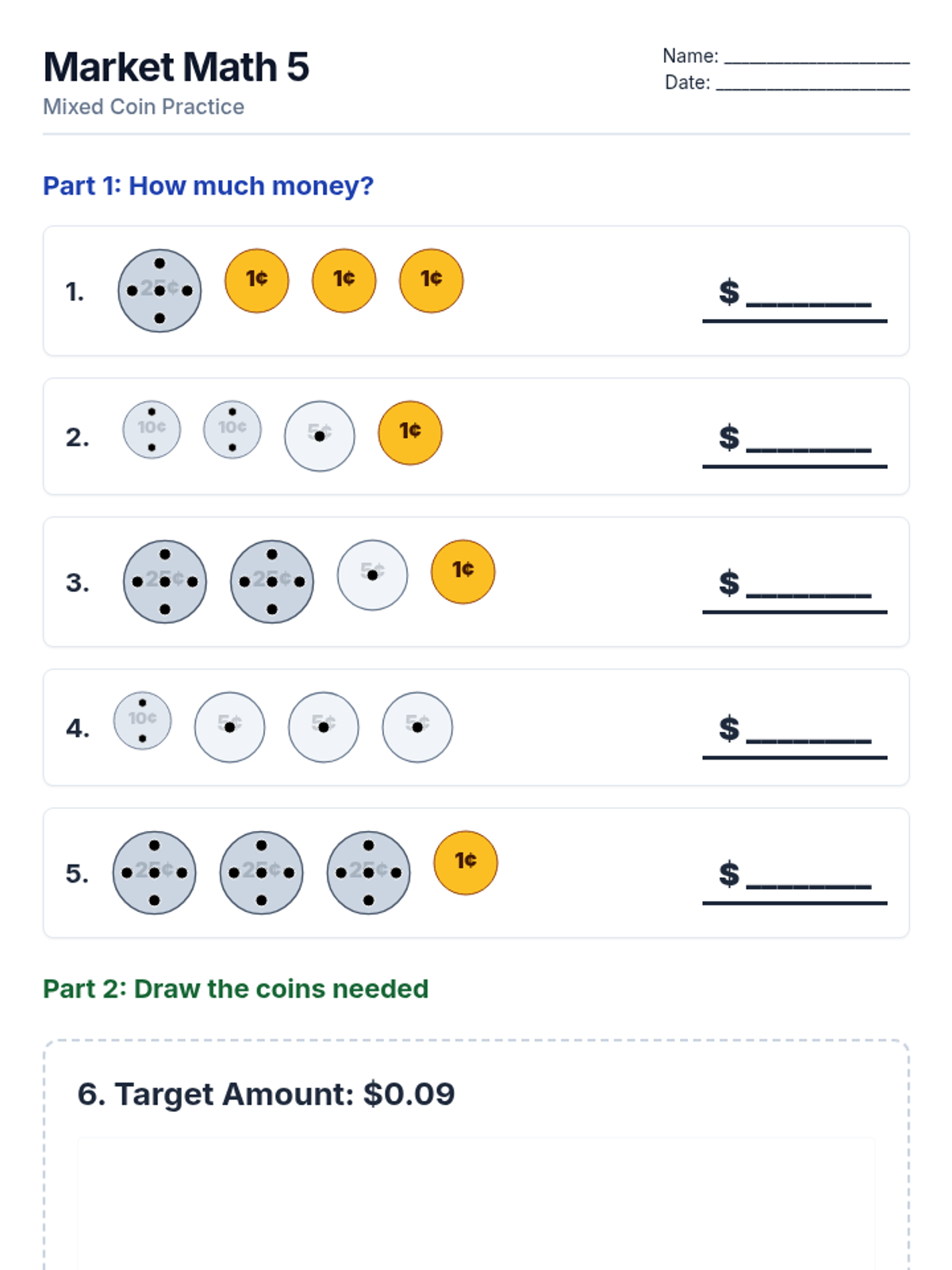
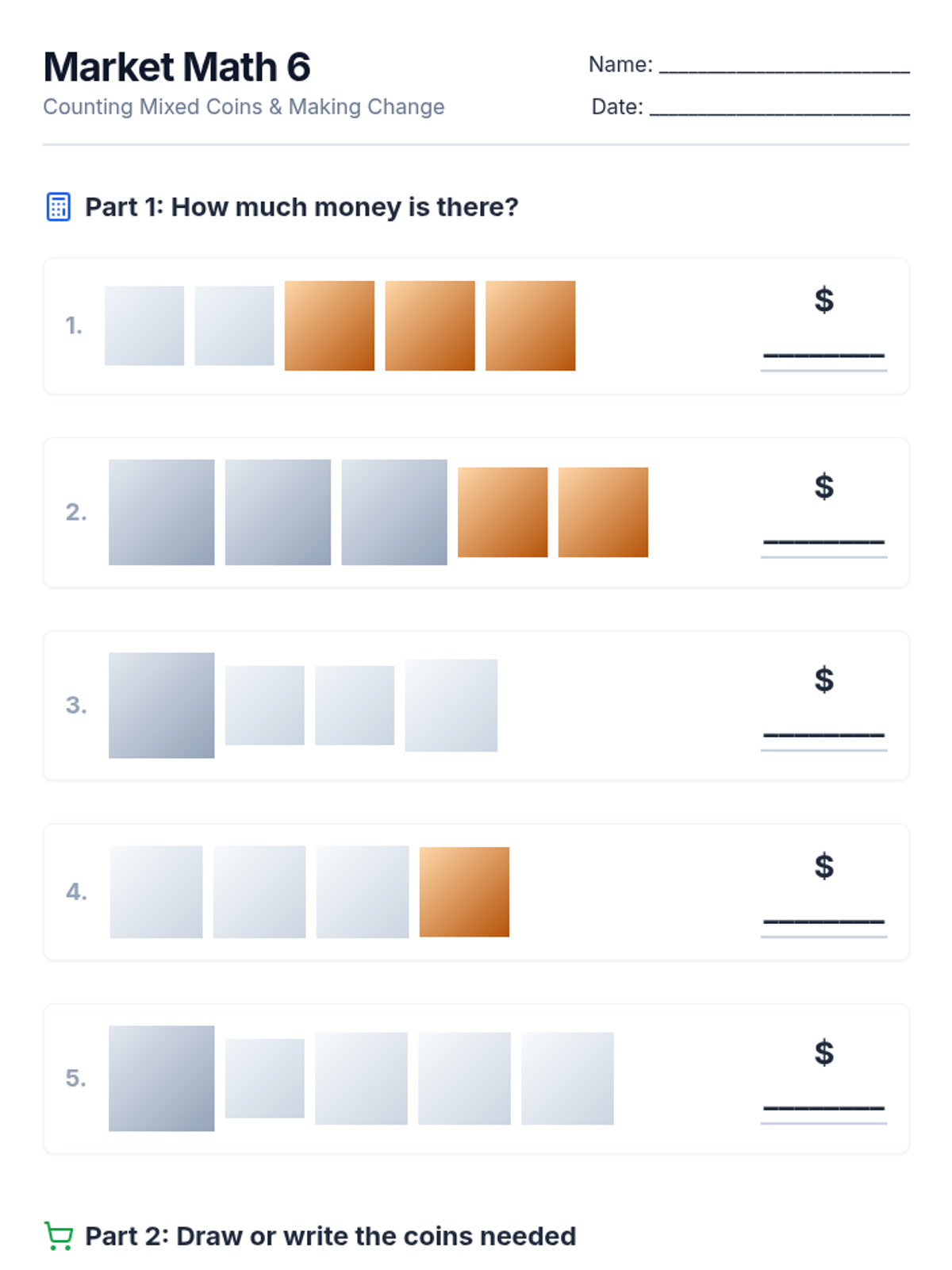
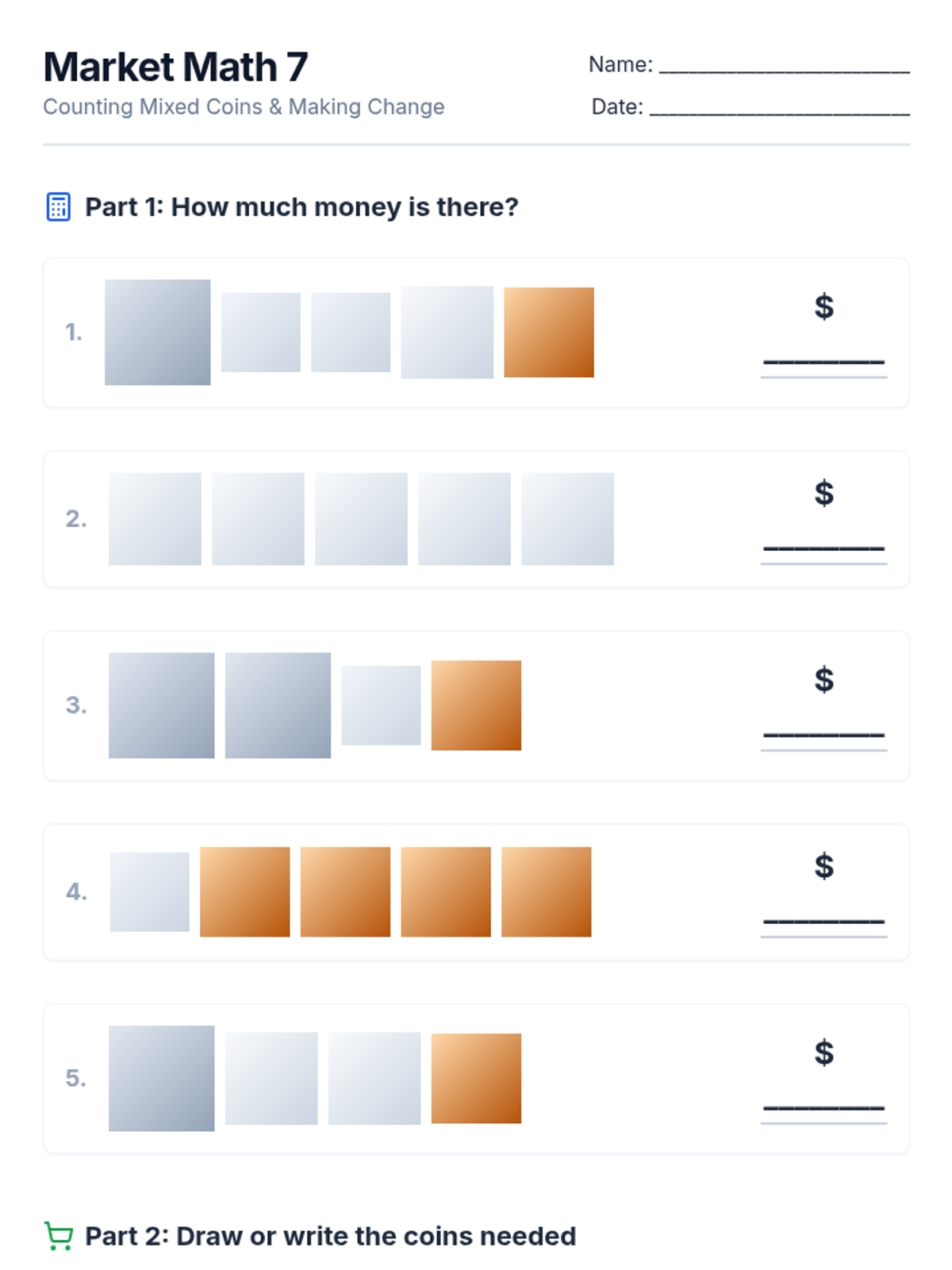
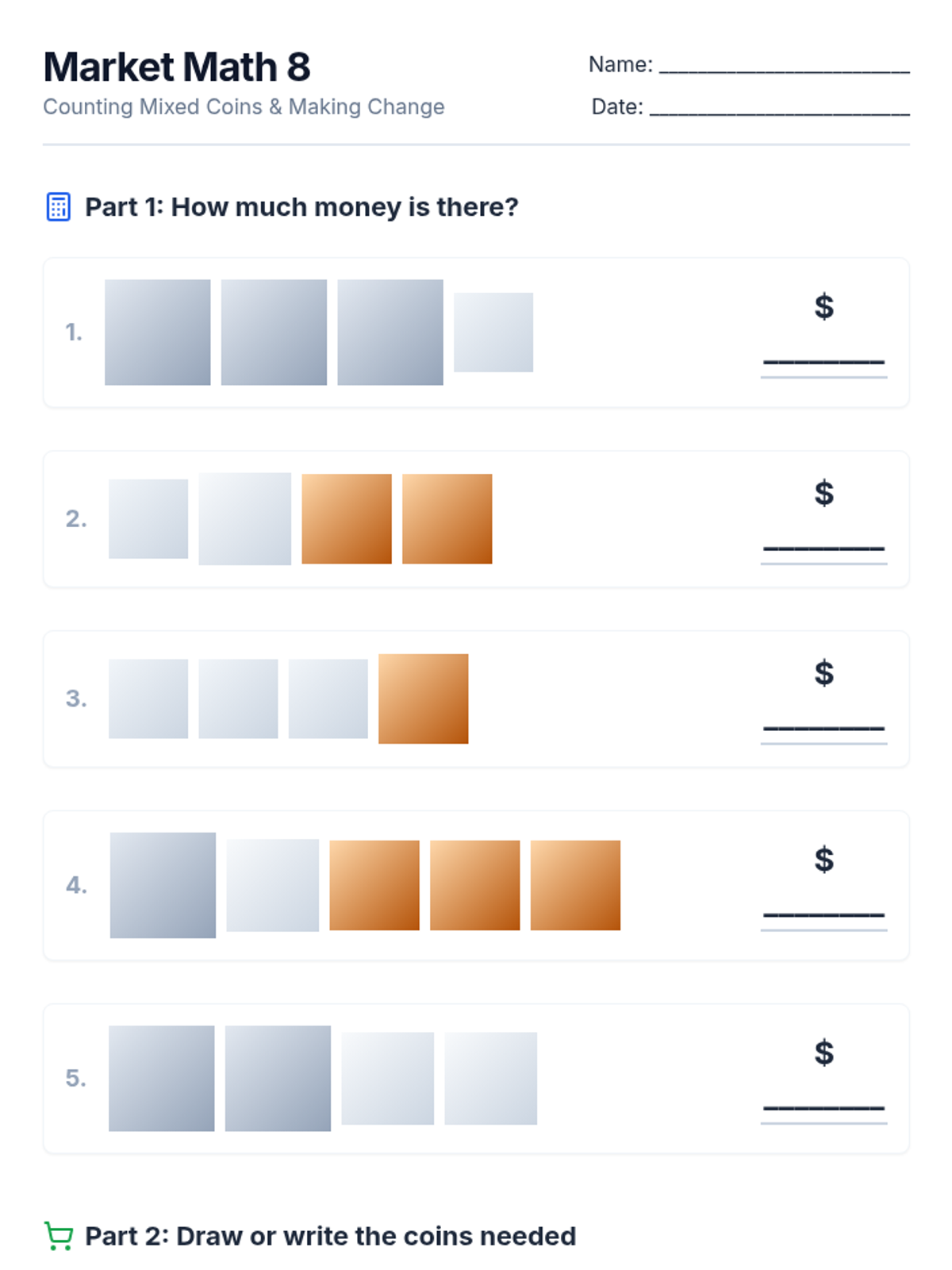
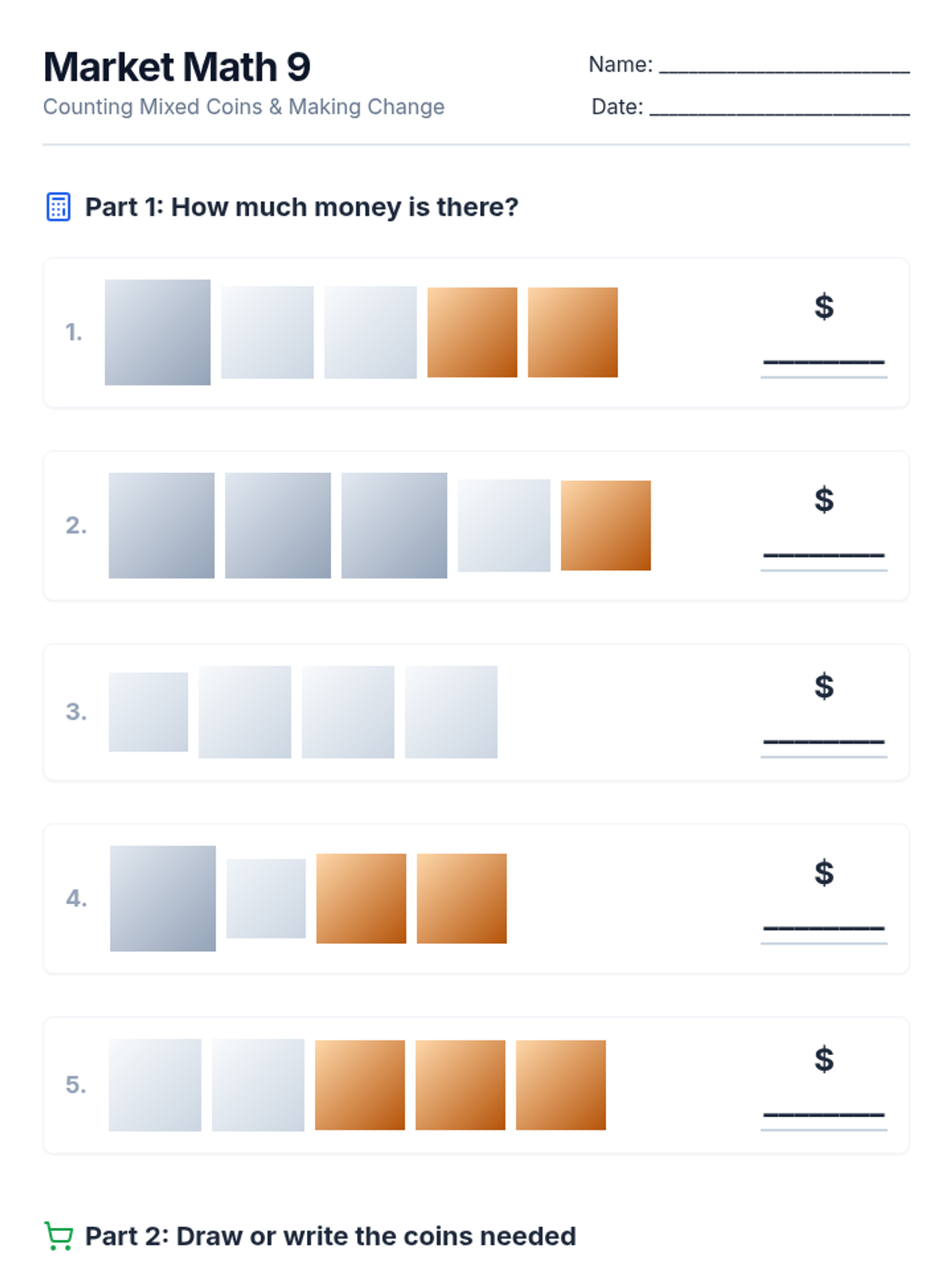
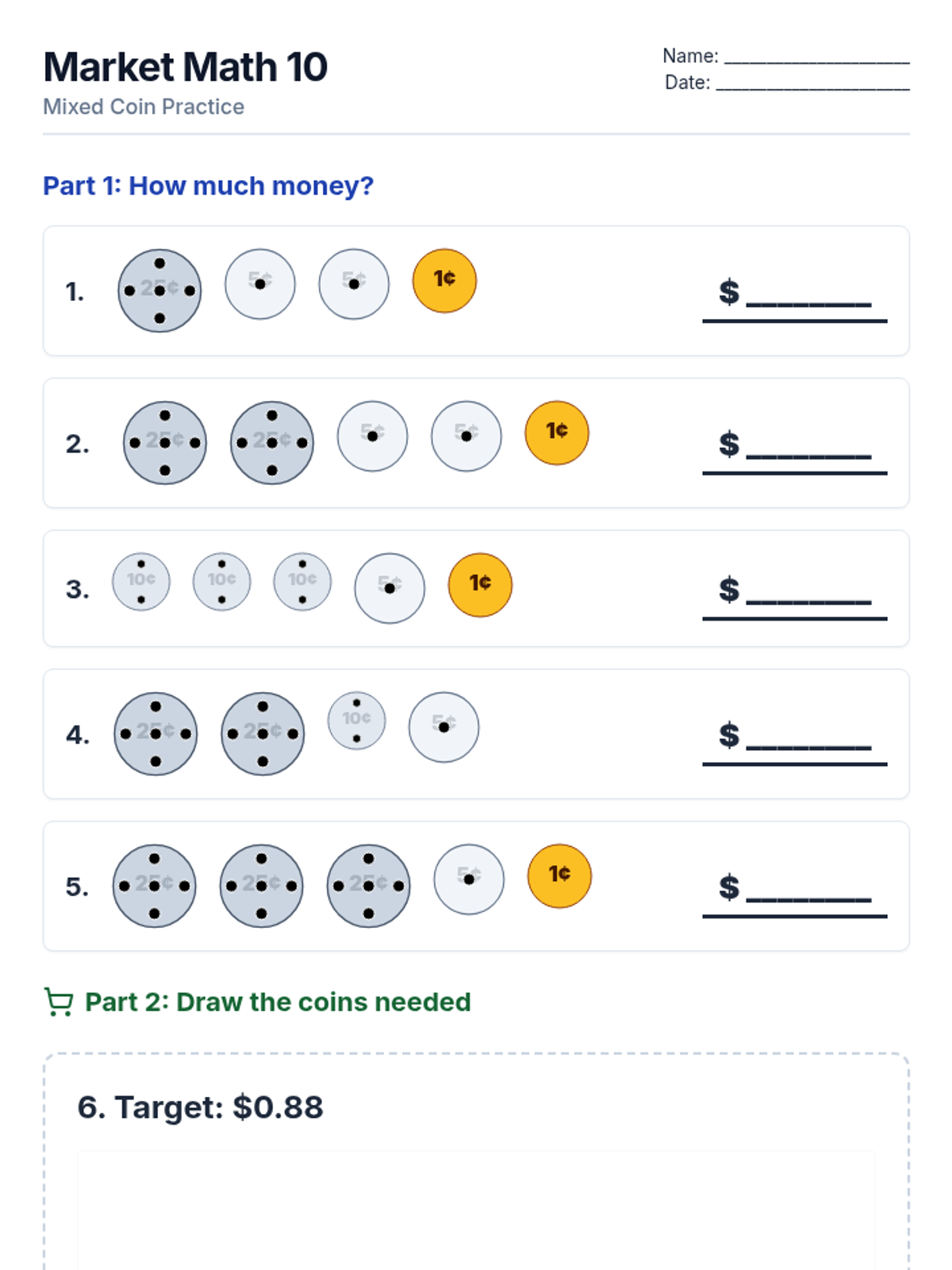
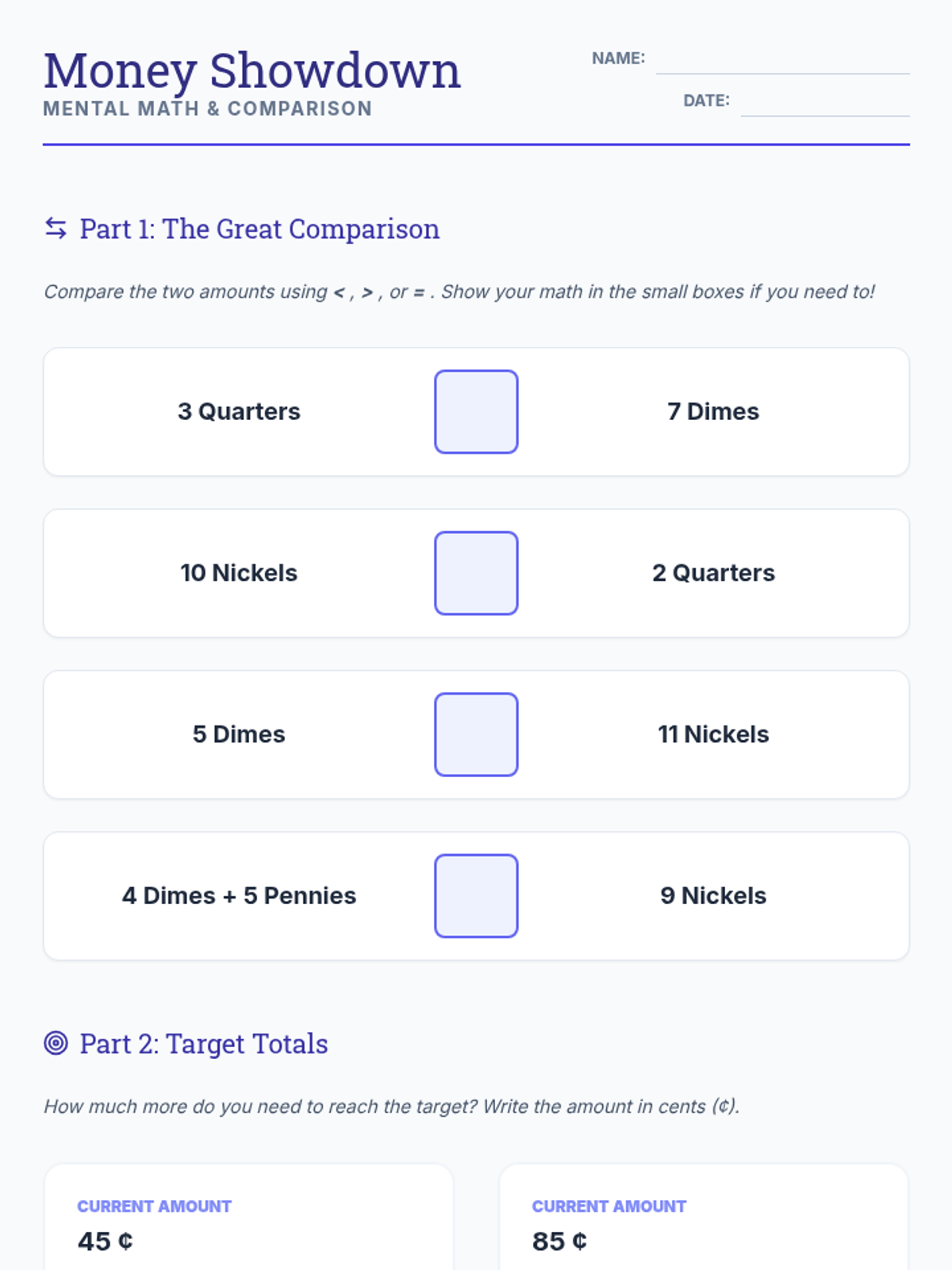
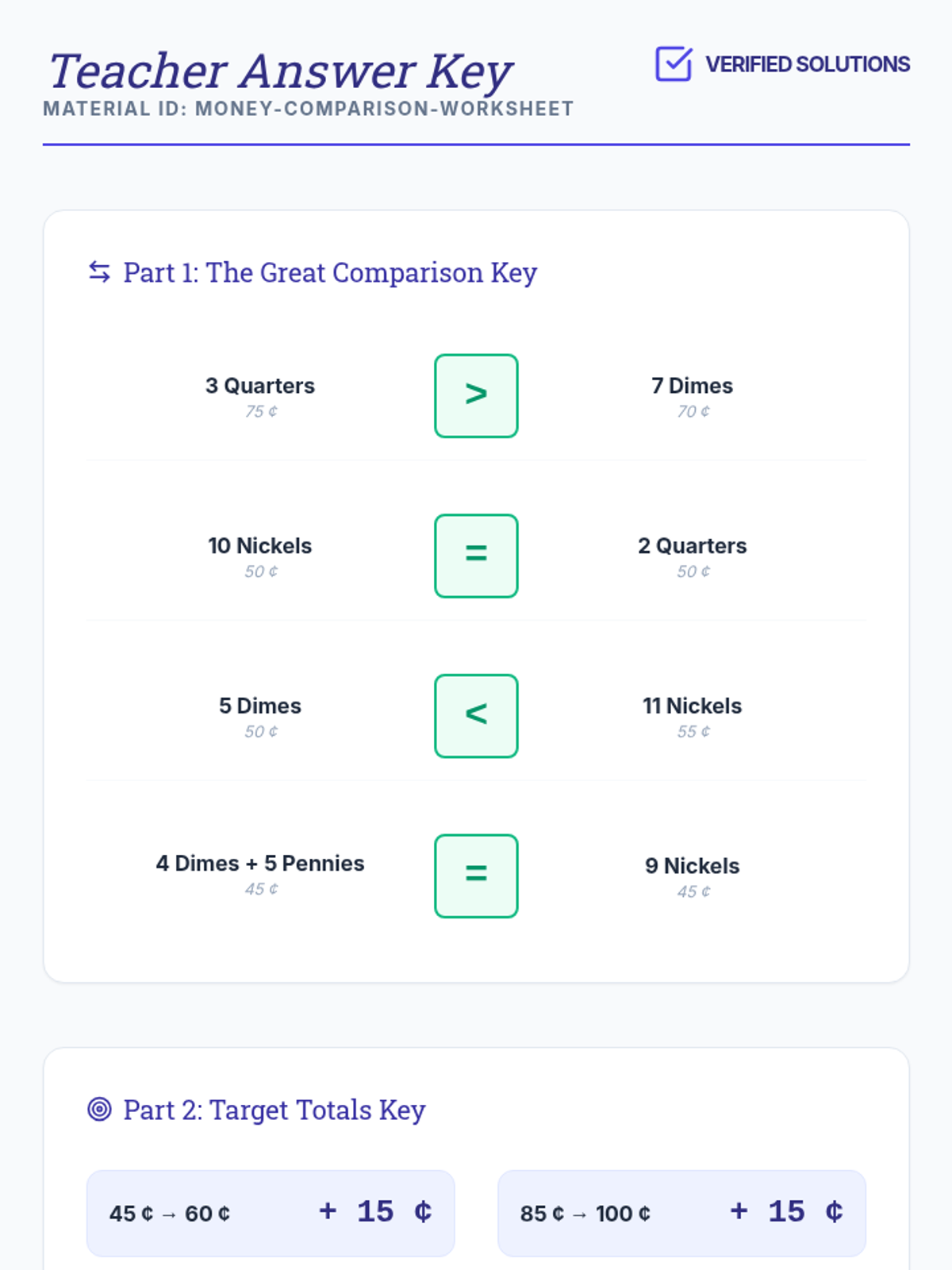
A comprehensive practice series for students to master counting mixed coins and making change up to $1.00, featuring realistic visuals and Touch-math supports.
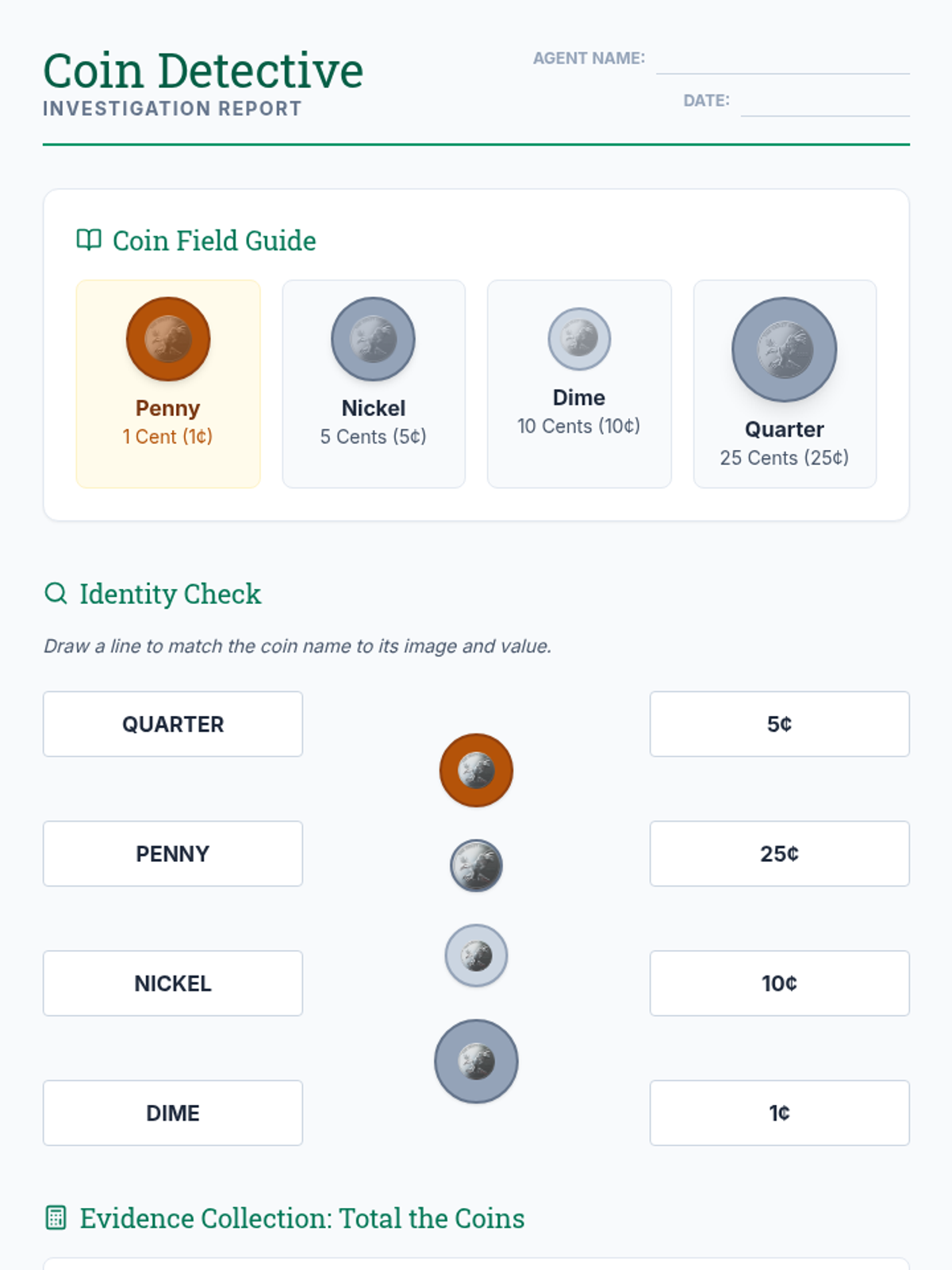
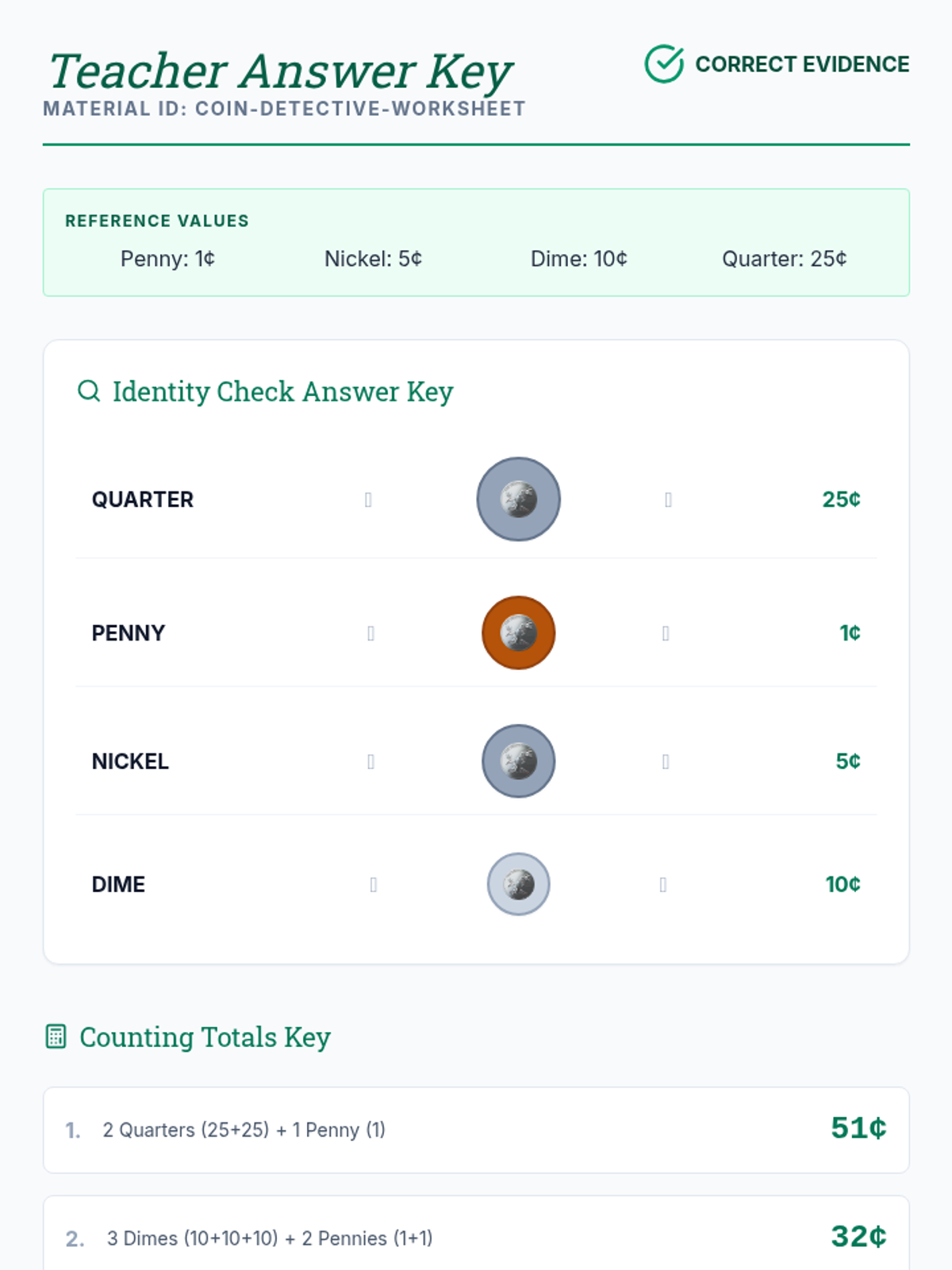
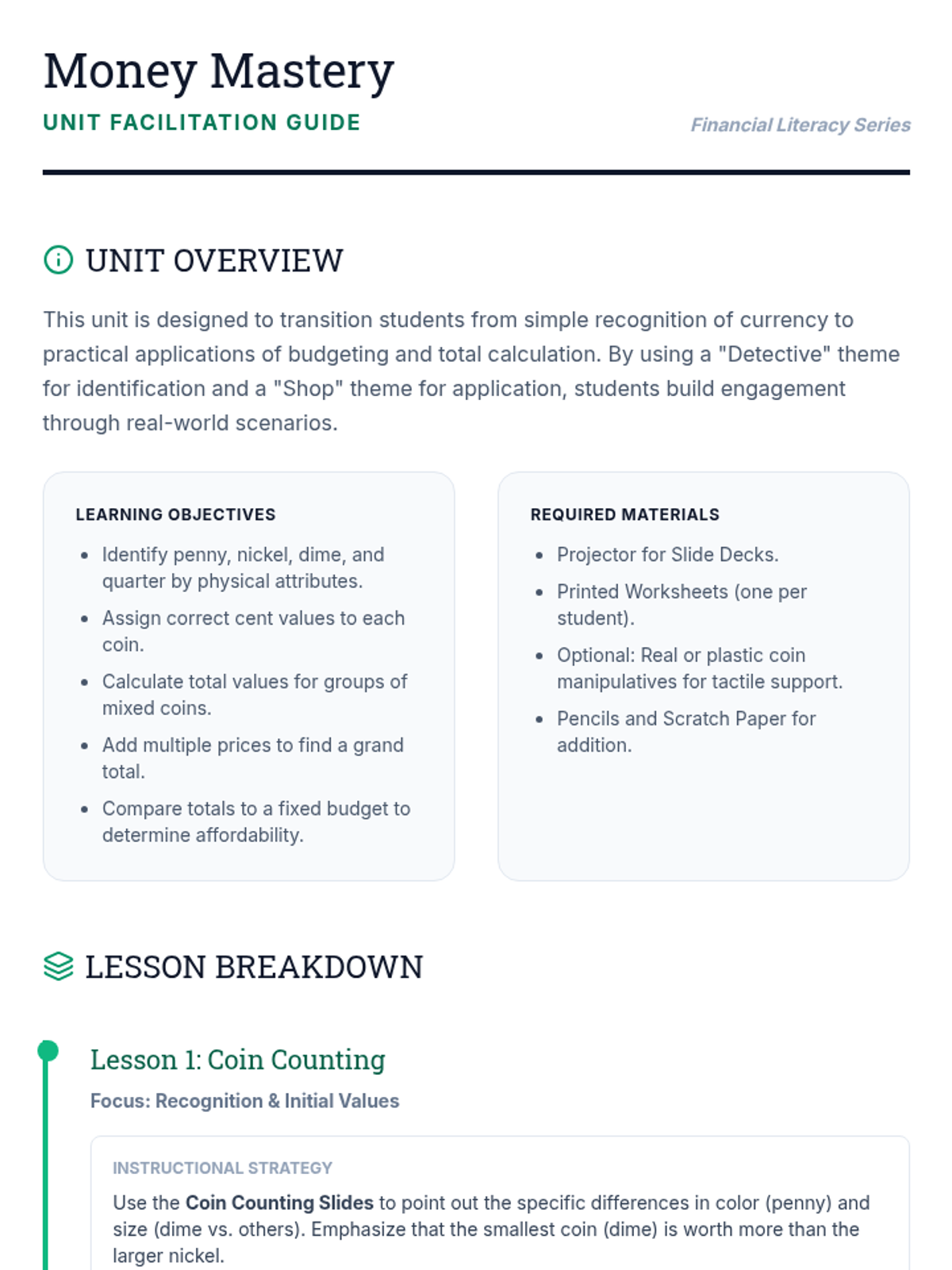
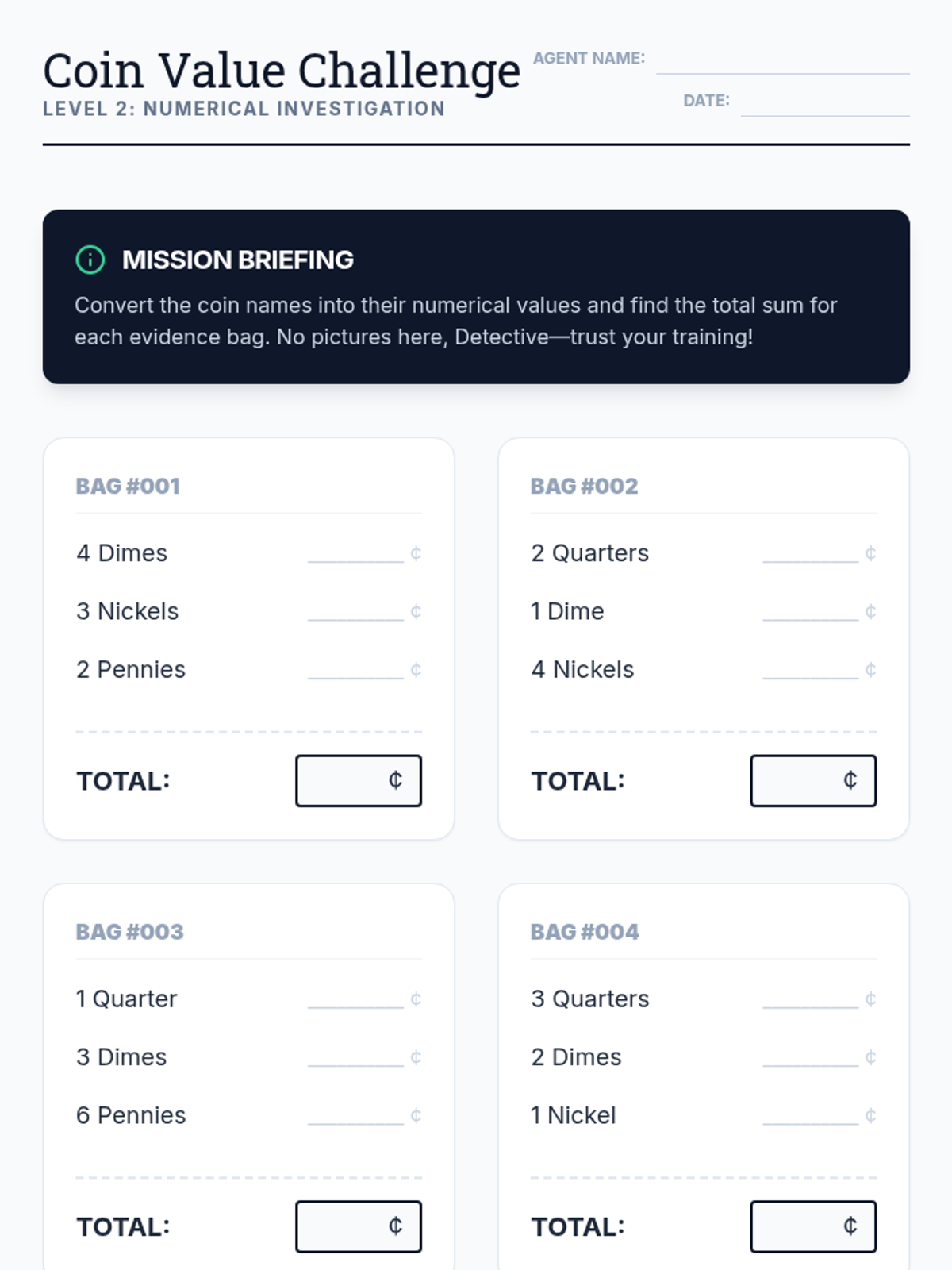
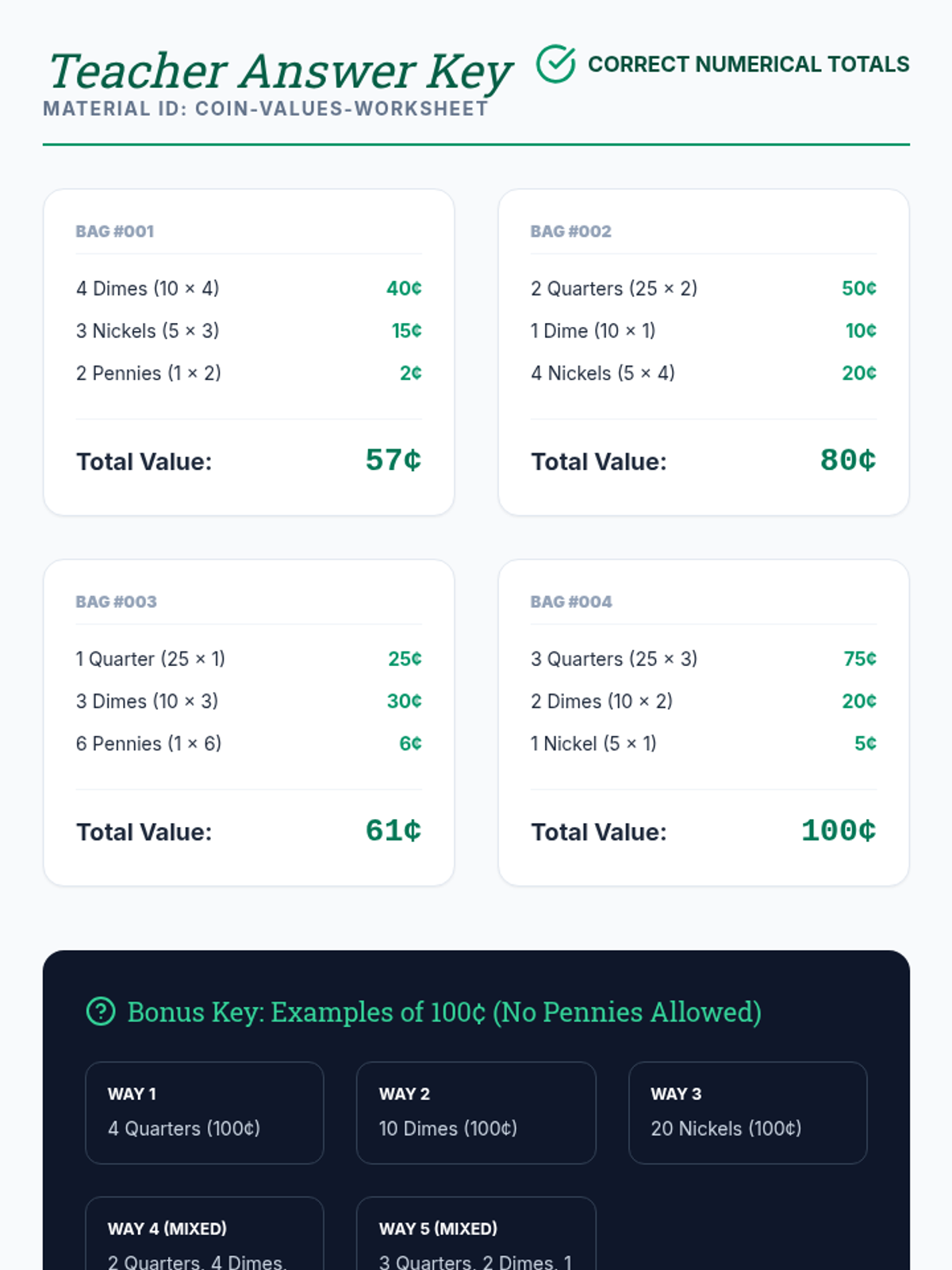
A comprehensive unit on essential financial literacy skills, ranging from basic coin identification to practical budgeting and total calculation.
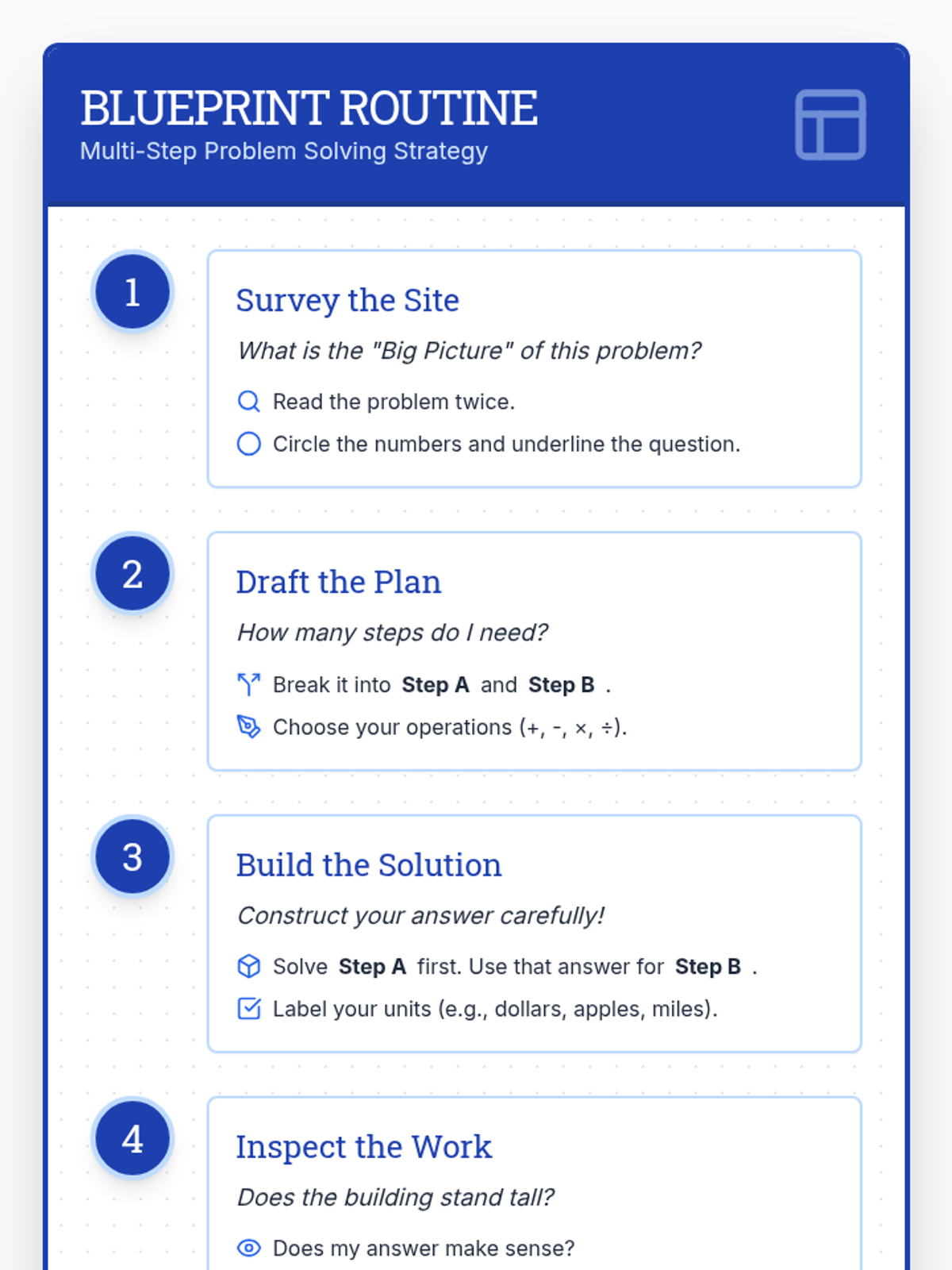
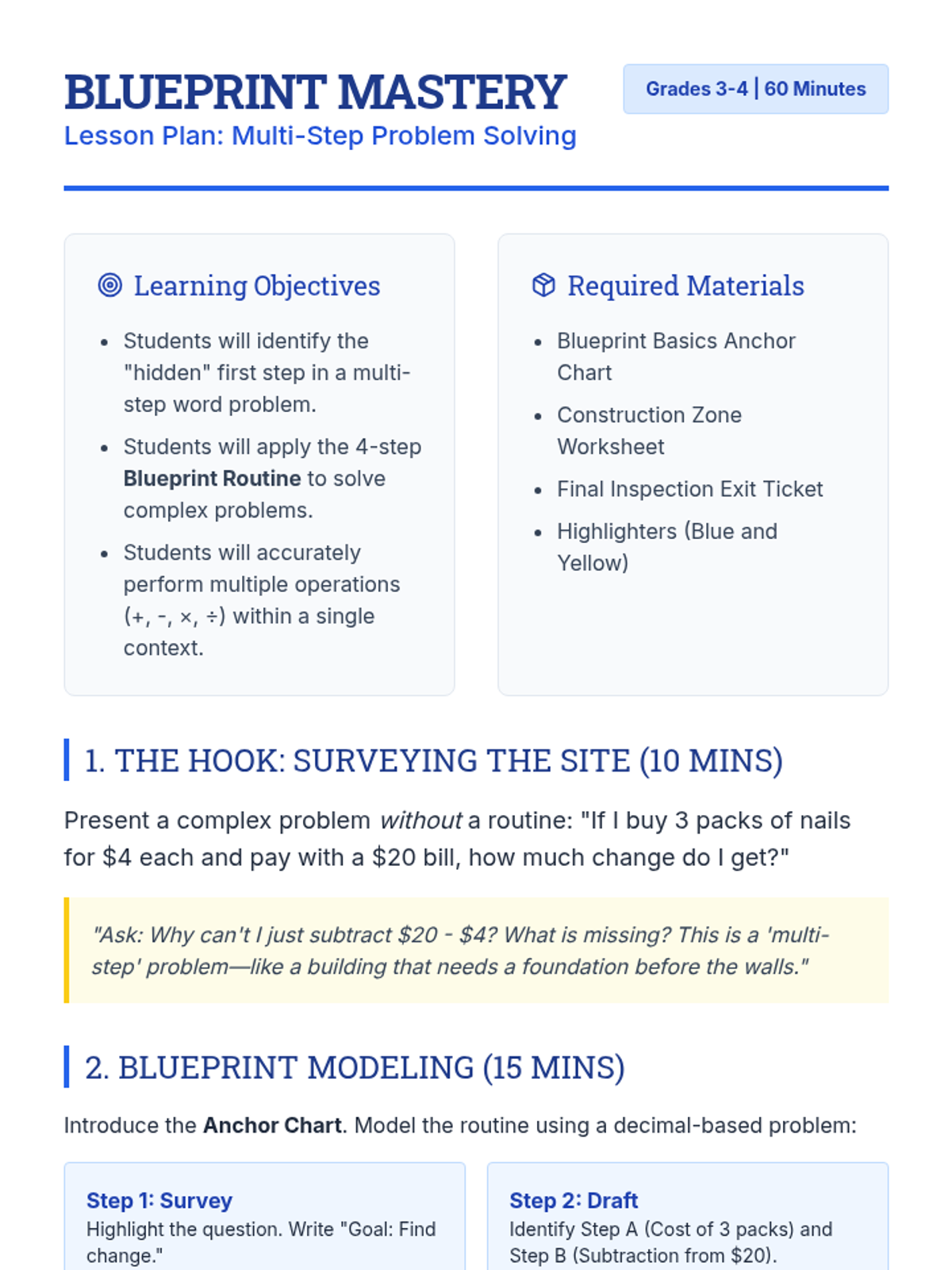
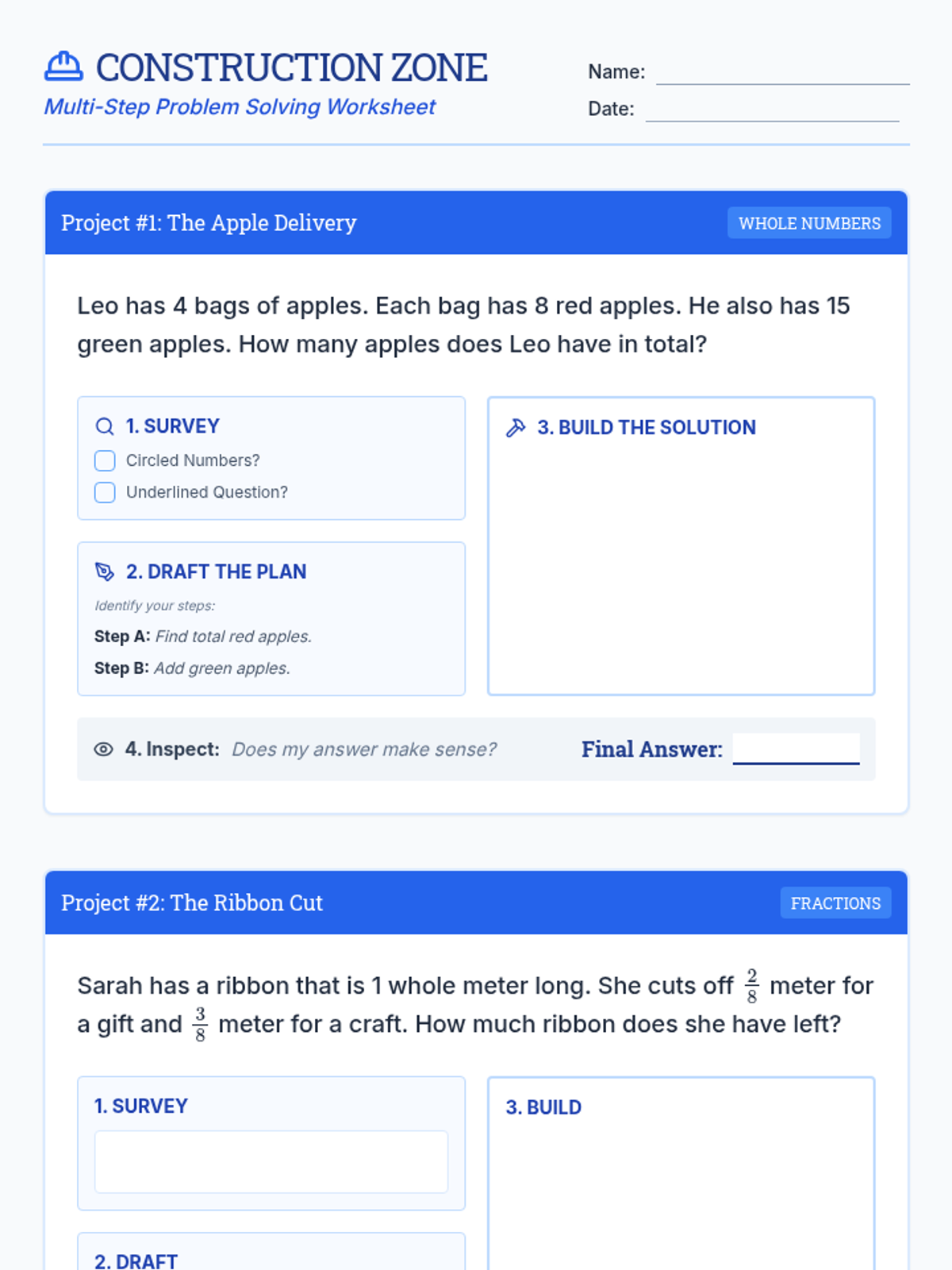
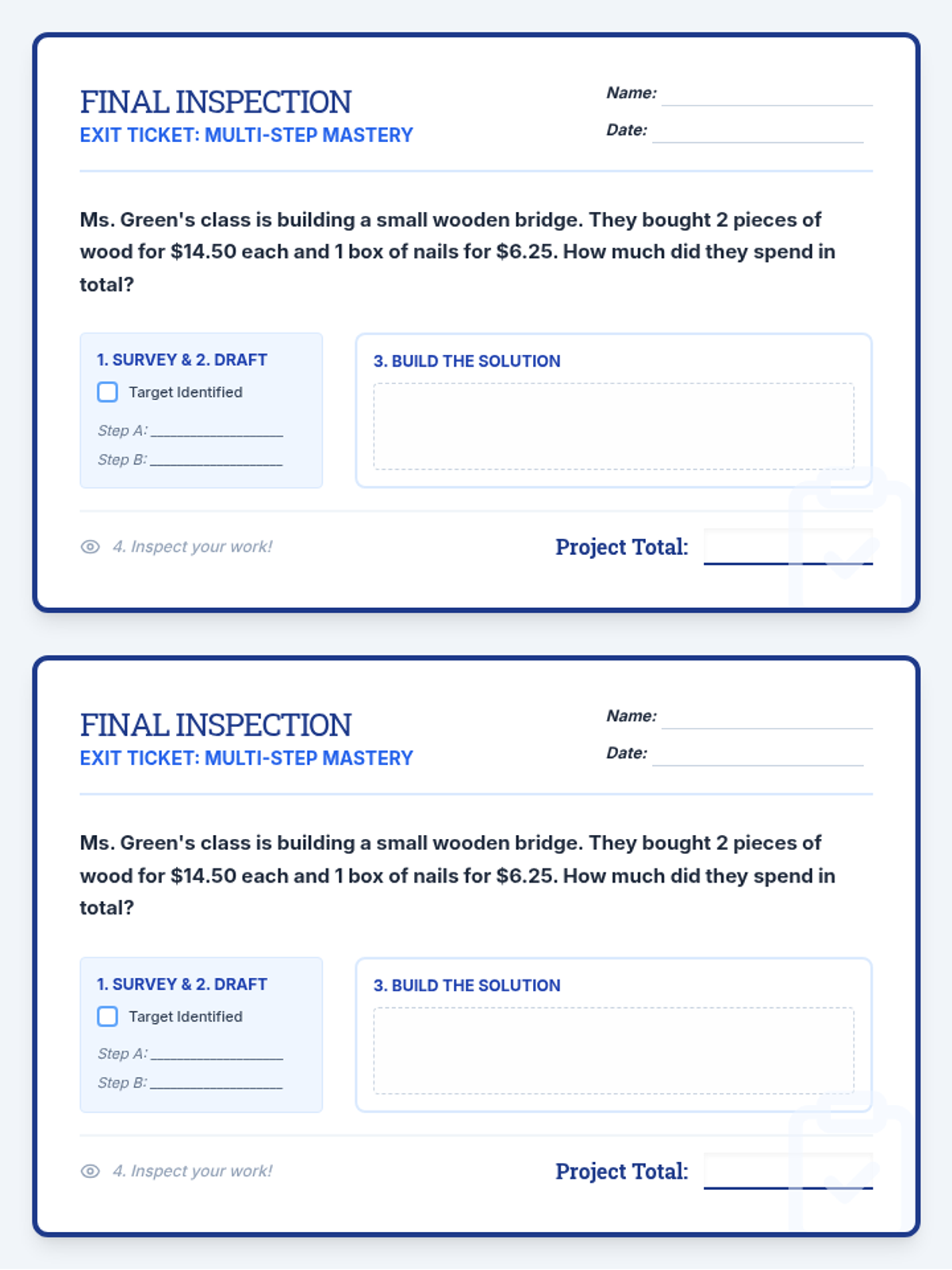
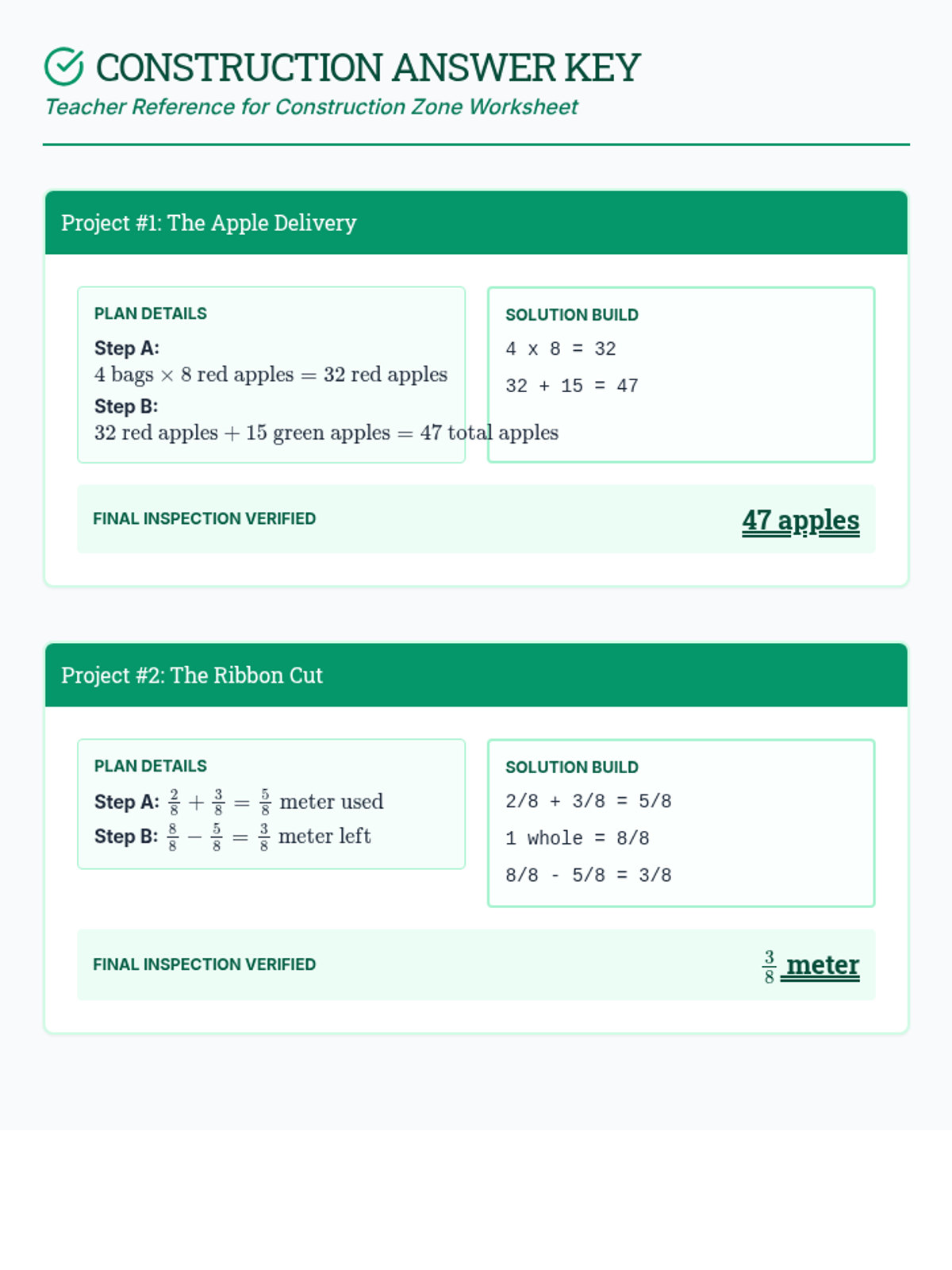
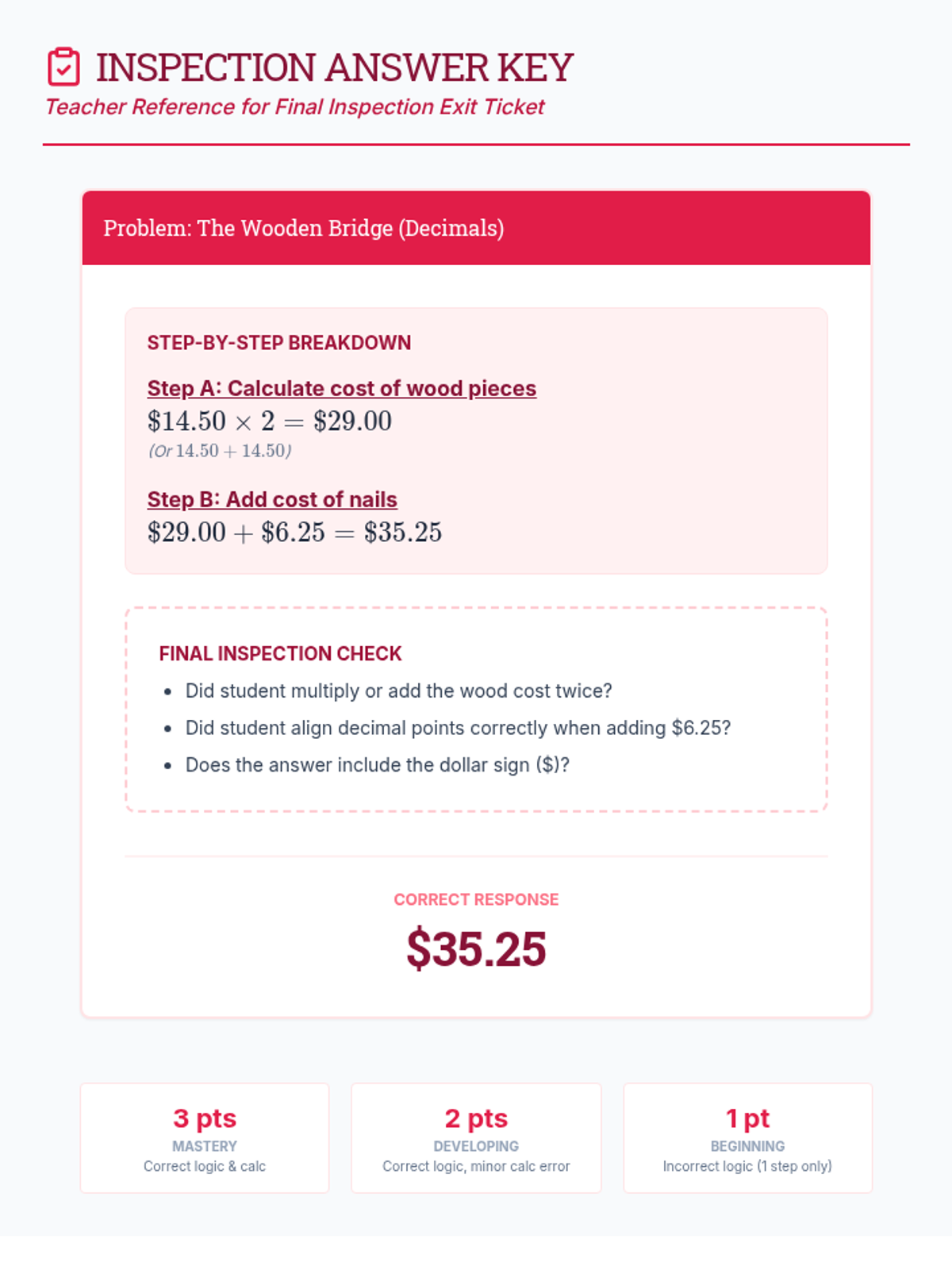
A comprehensive unit focusing on mastering multi-step word problems using a structured problem-solving routine. Students learn to break down complex problems involving whole numbers, fractions, and decimals using 'blueprint' thinking.
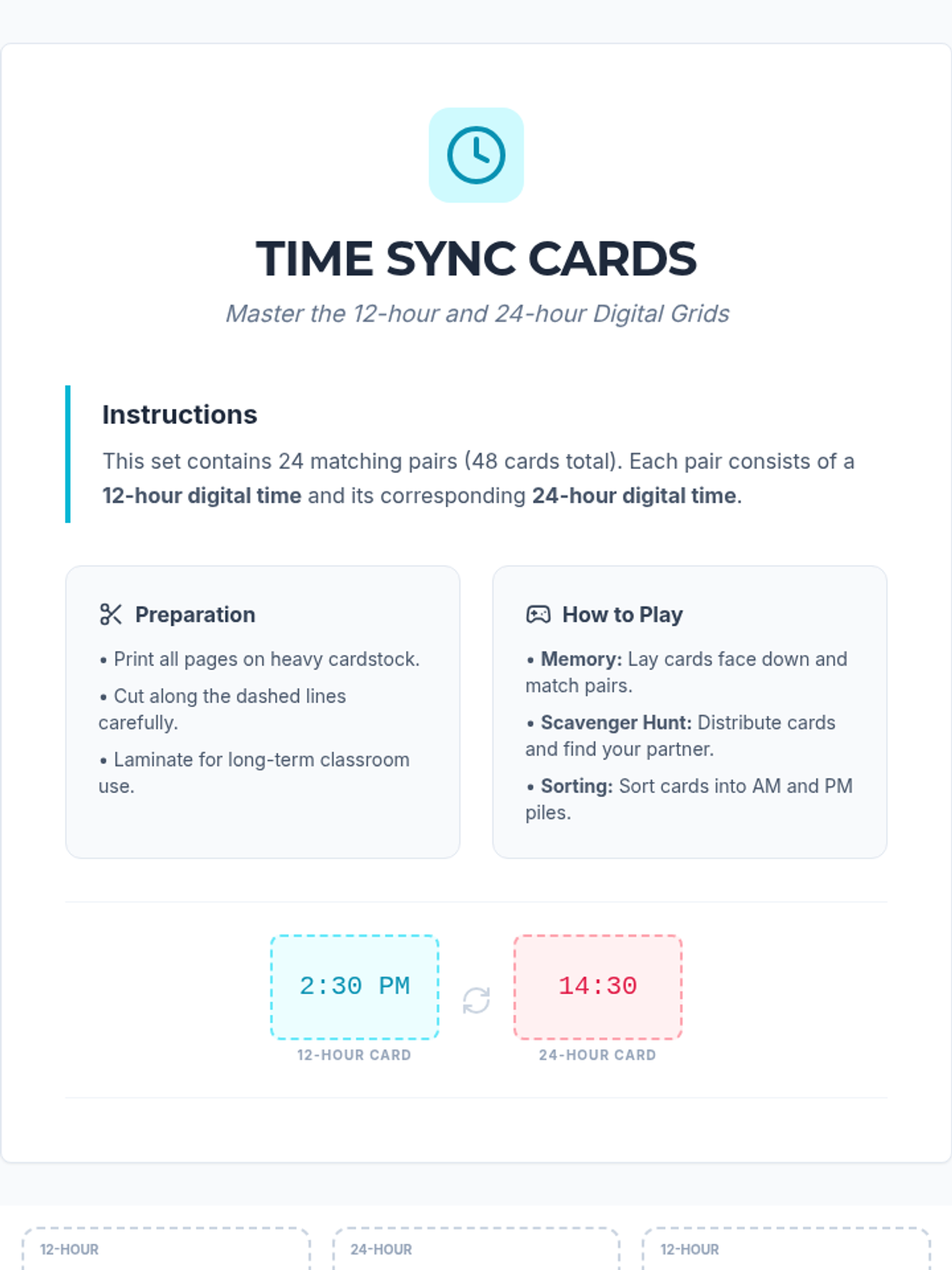
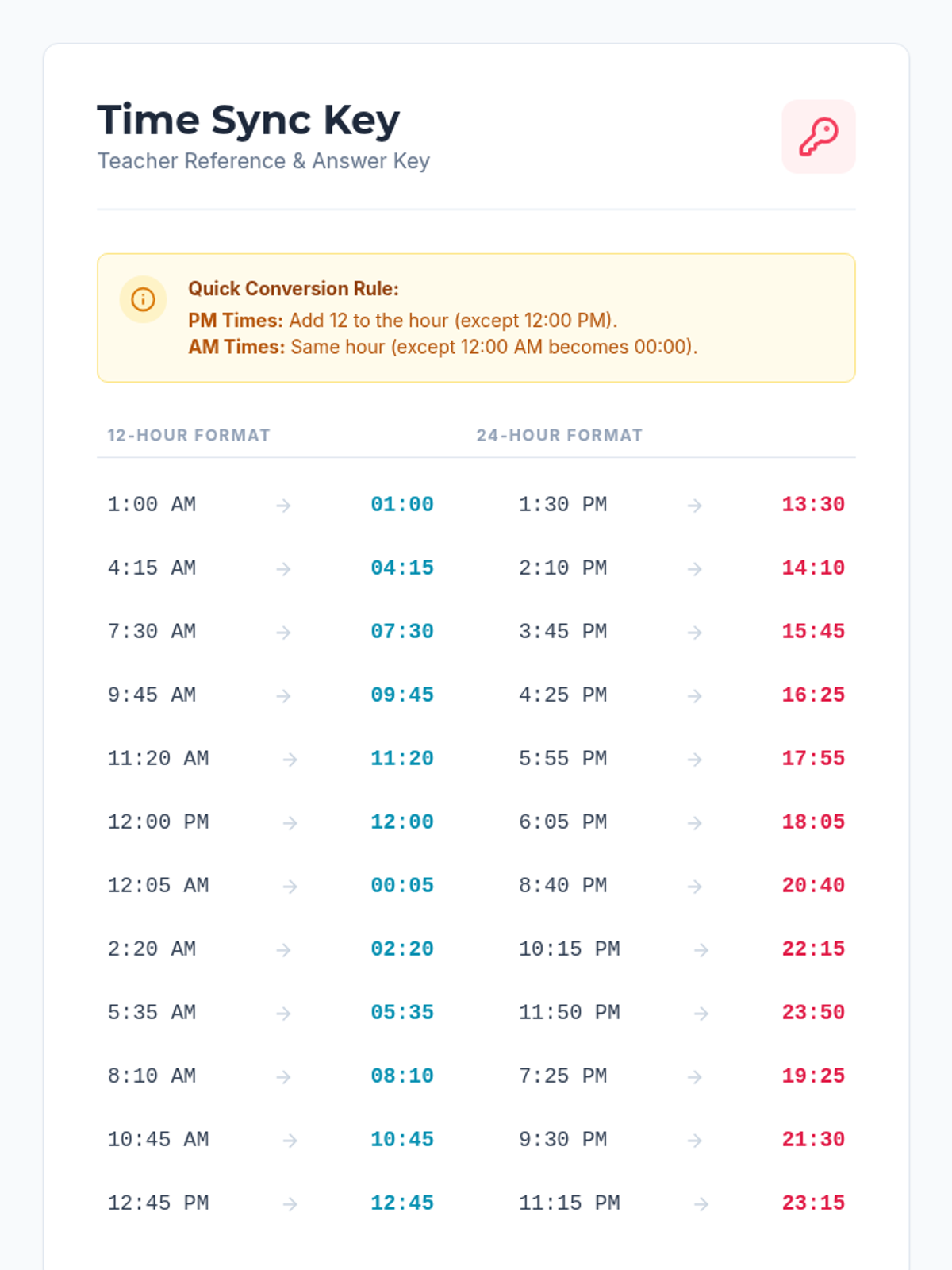
A unit focused on mastering digital time formats, including 12-hour and 24-hour clock synchronization and conversion.
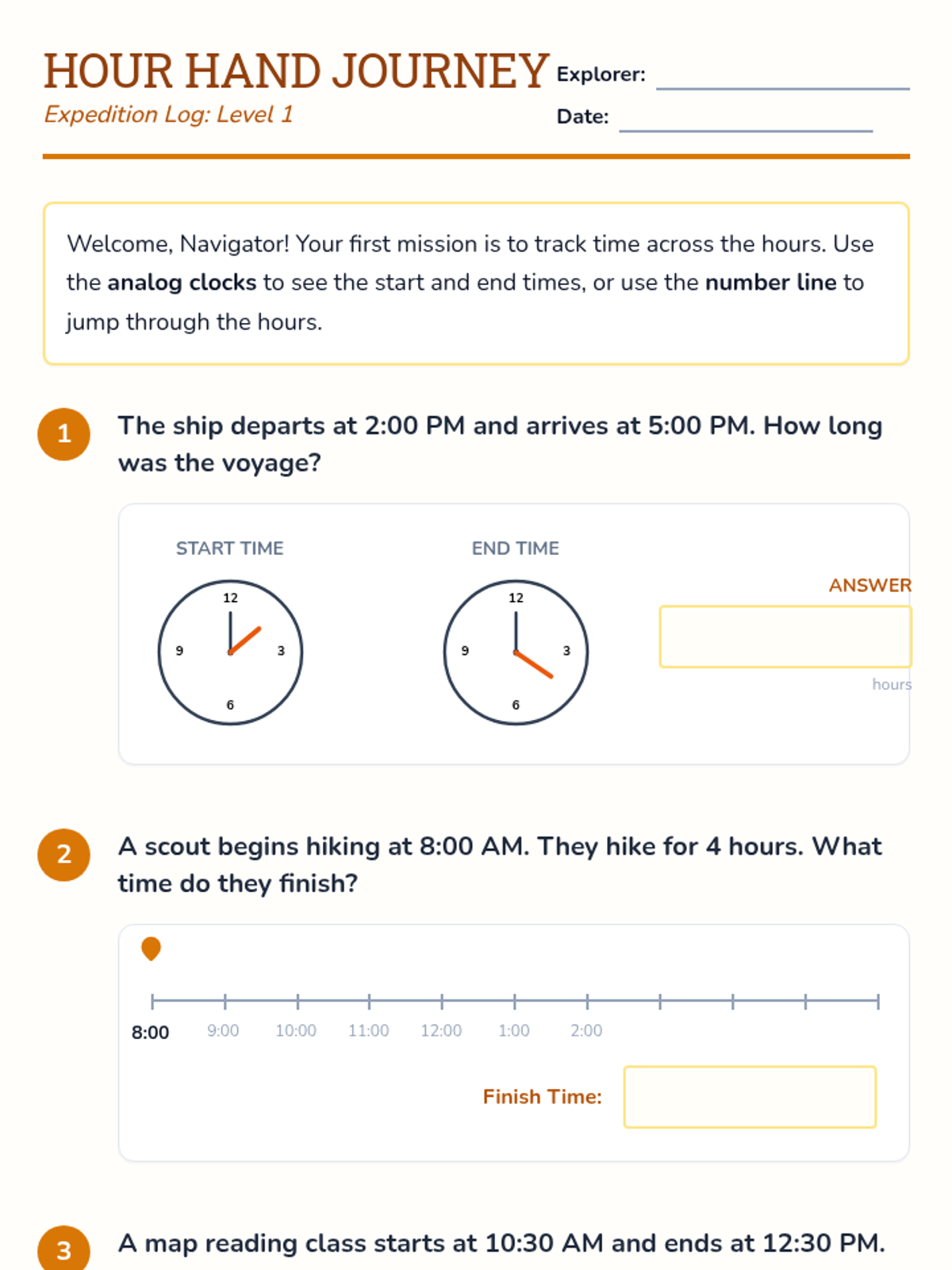
A comprehensive unit on elapsed time for 2nd and 3rd-grade students, featuring 25 varied problems using analog clocks, digital clocks, and number lines. The sequence progresses from basic hour jumps to complex minute intervals.
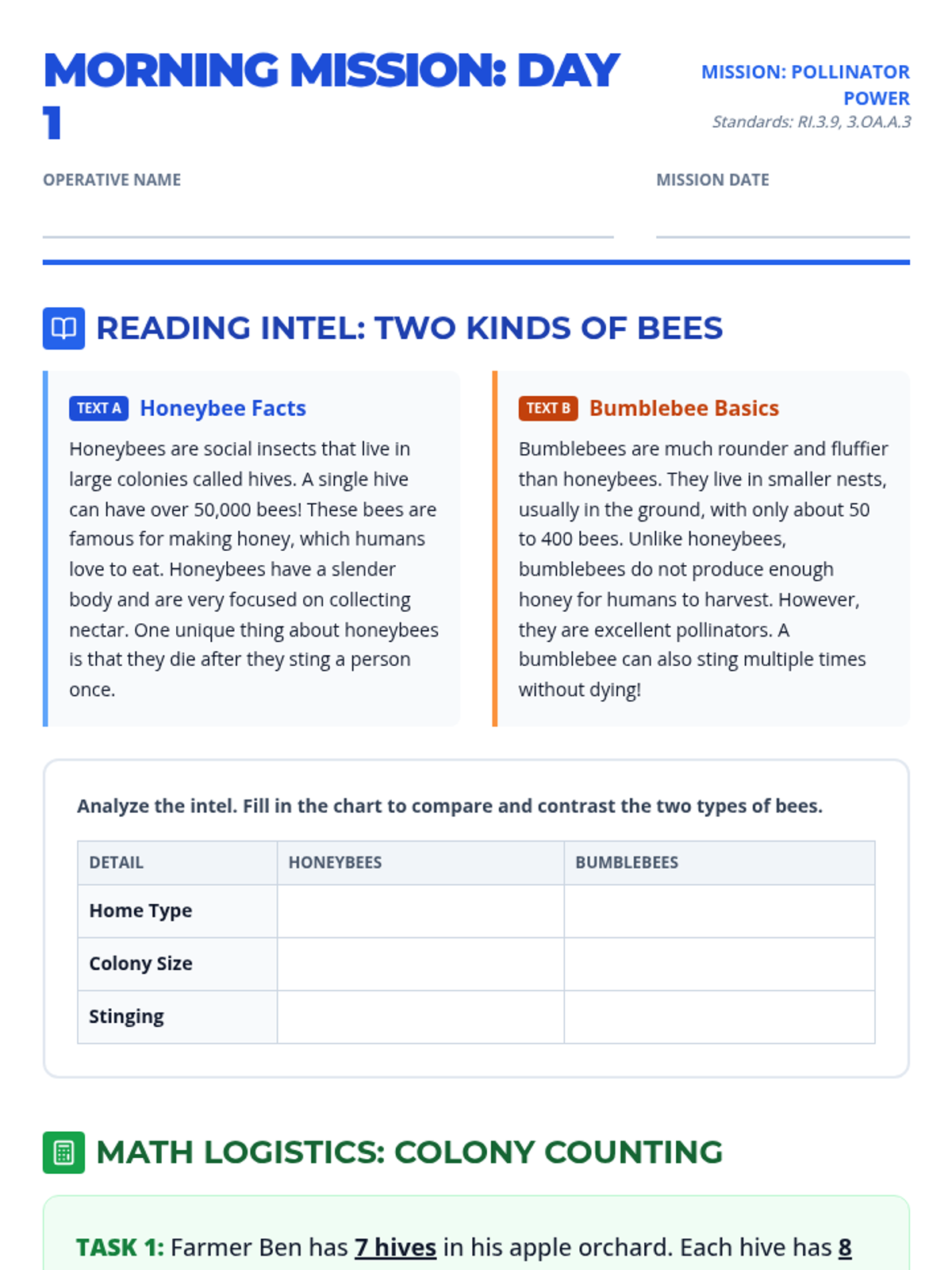
A 9-day morning work series. Days 1-4 focus on RI.3.9 and 3.OA.A.3. Days 5-9 focus on RL.3.4/RI.3.4 (word meaning) and 3.NF.A.3 (equivalent fractions). Each day features a unique theme and mission-style layout.
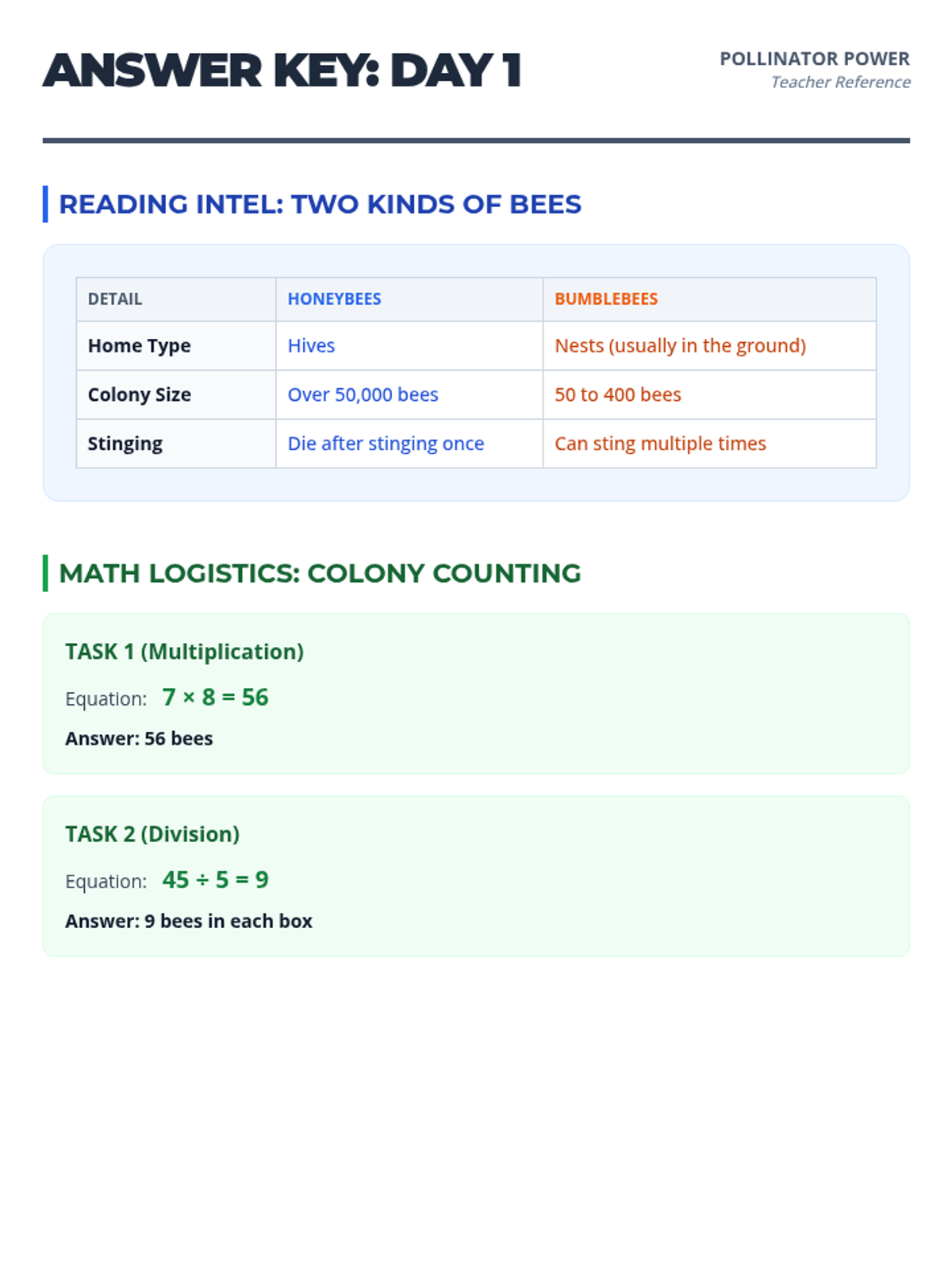
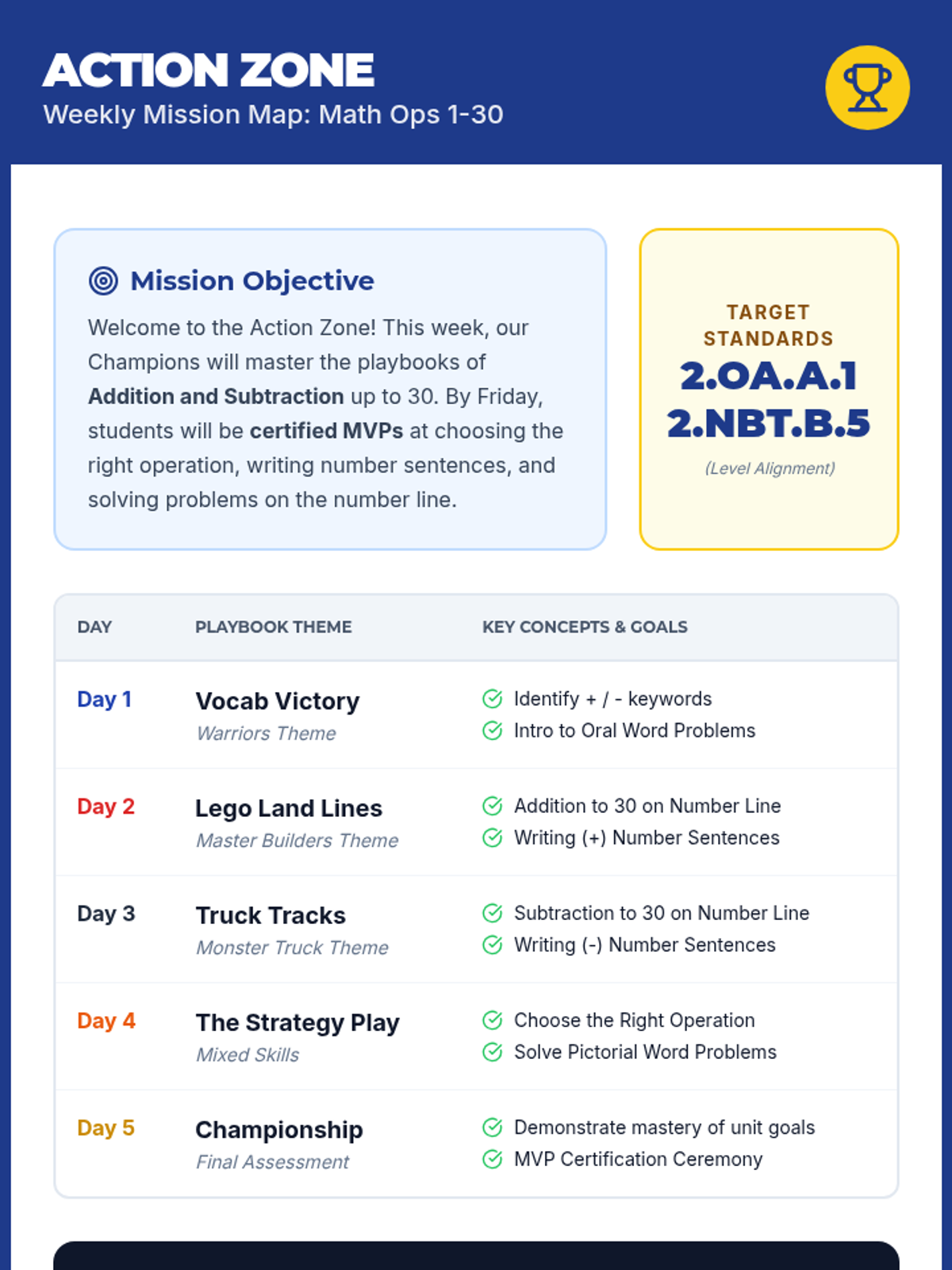
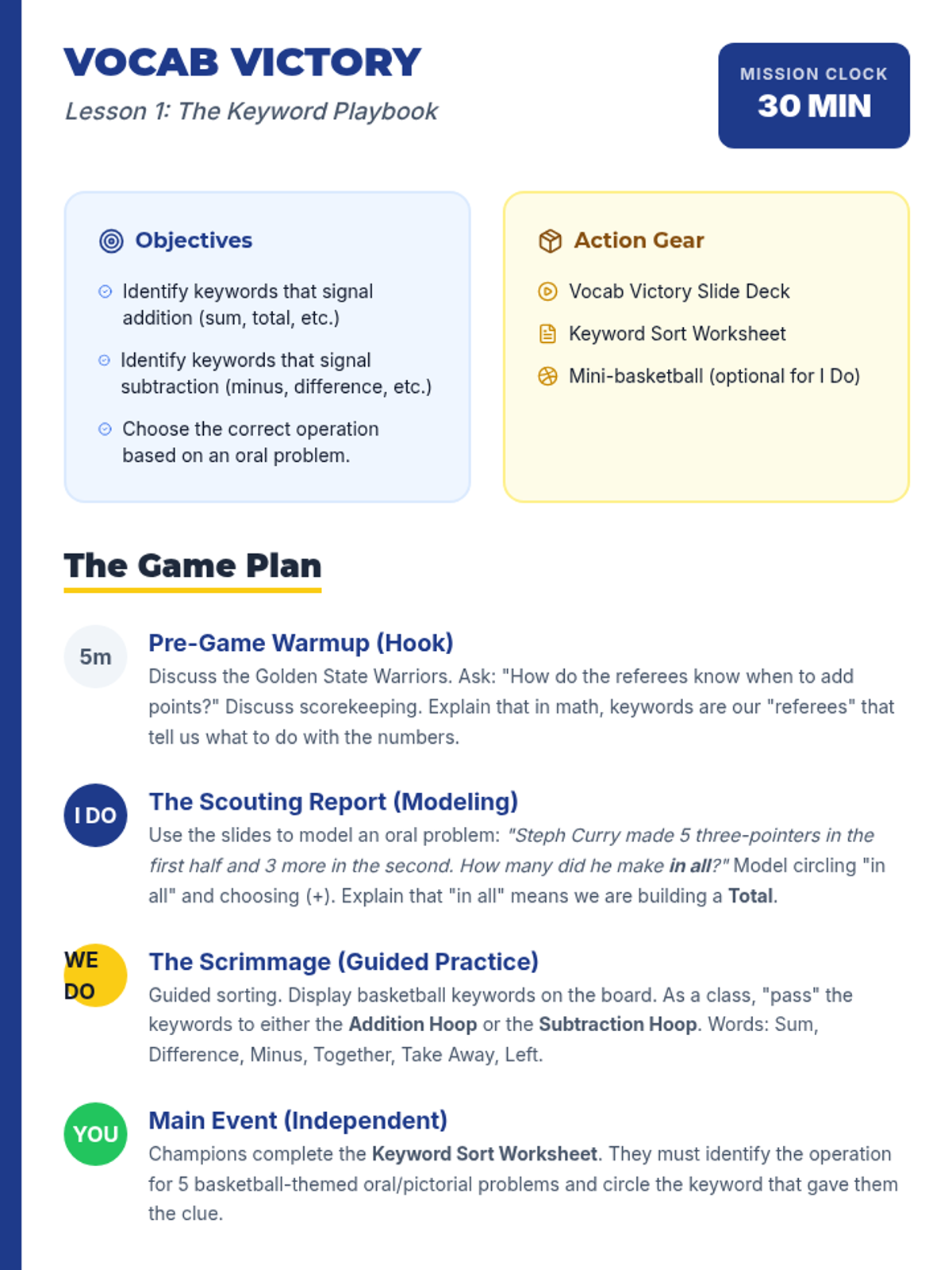
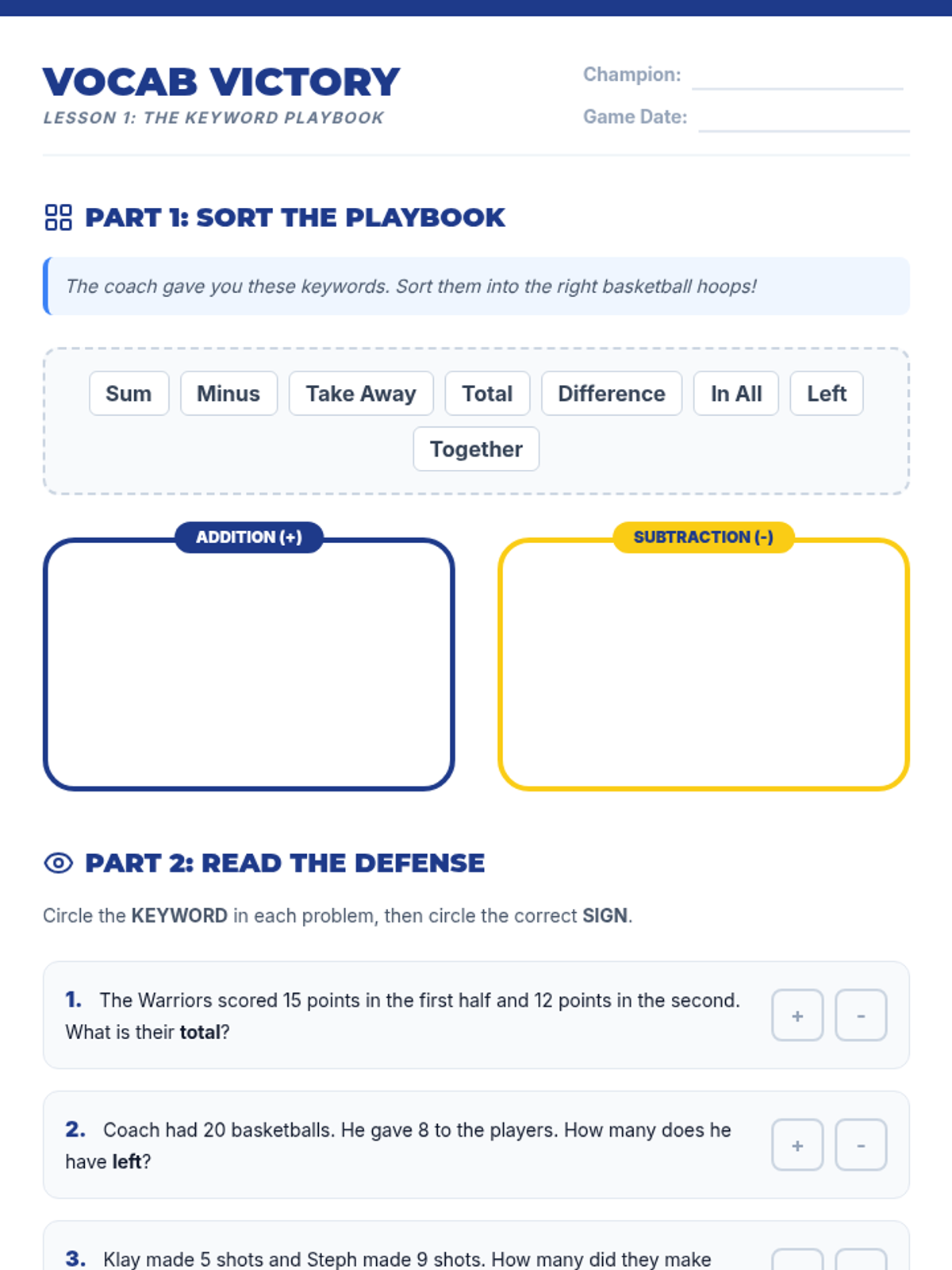
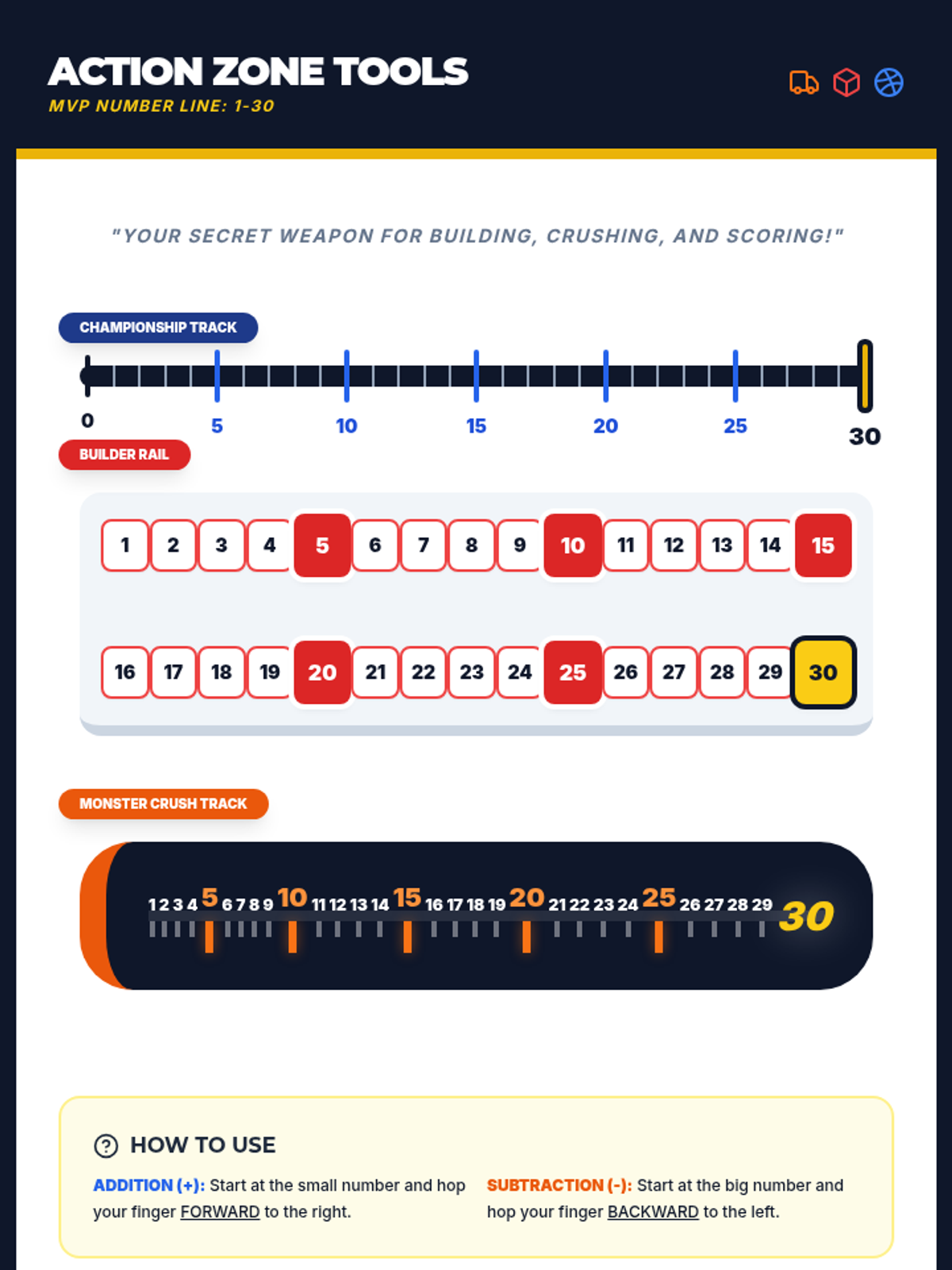
A 5-day math sequence for 3rd and 4th grade students working at a 2nd-grade level. The unit focuses on addition and subtraction up to 30 using number lines and keyword strategies, themed around Legos, monster trucks, and the Golden State Warriors.
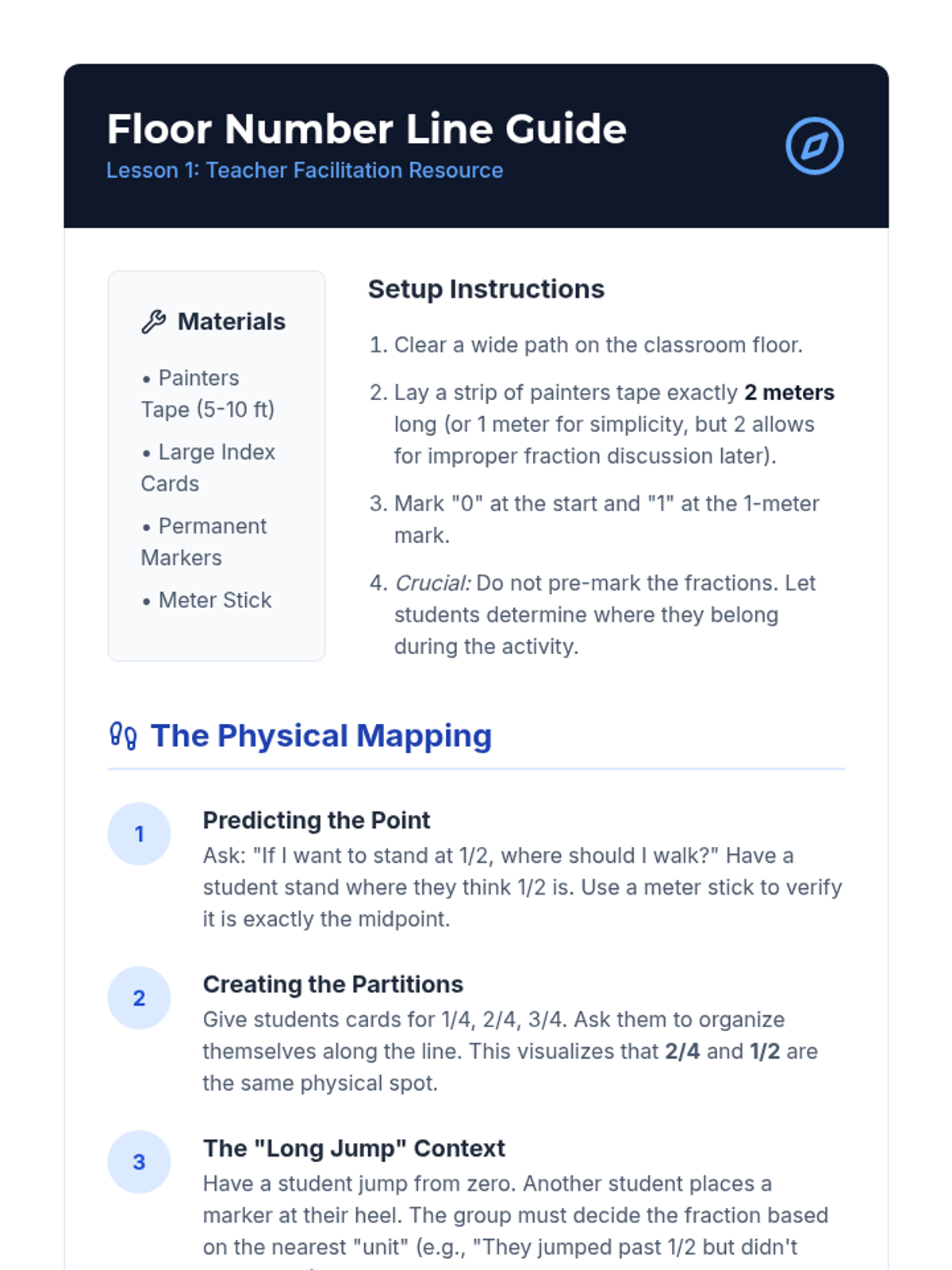
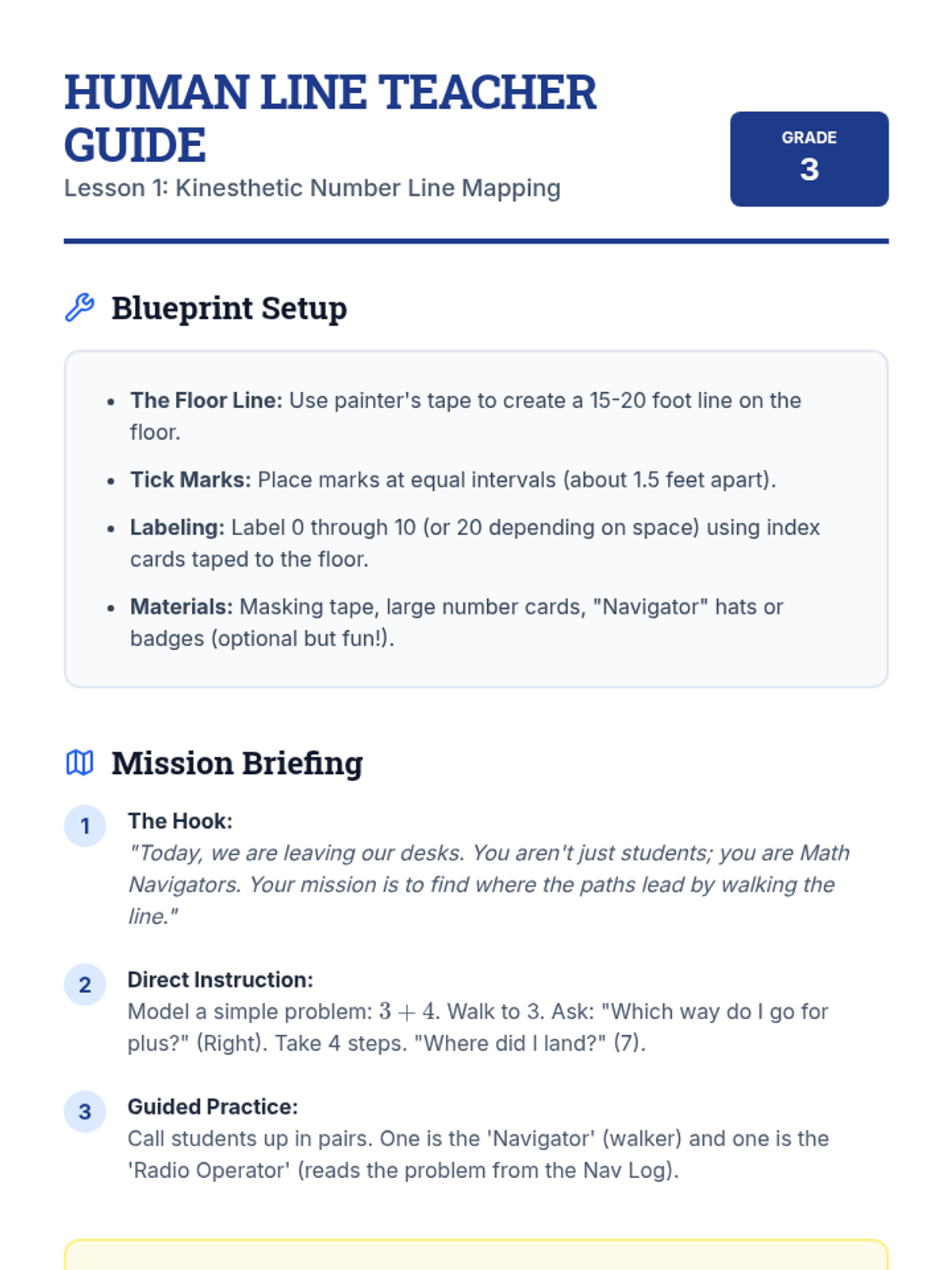
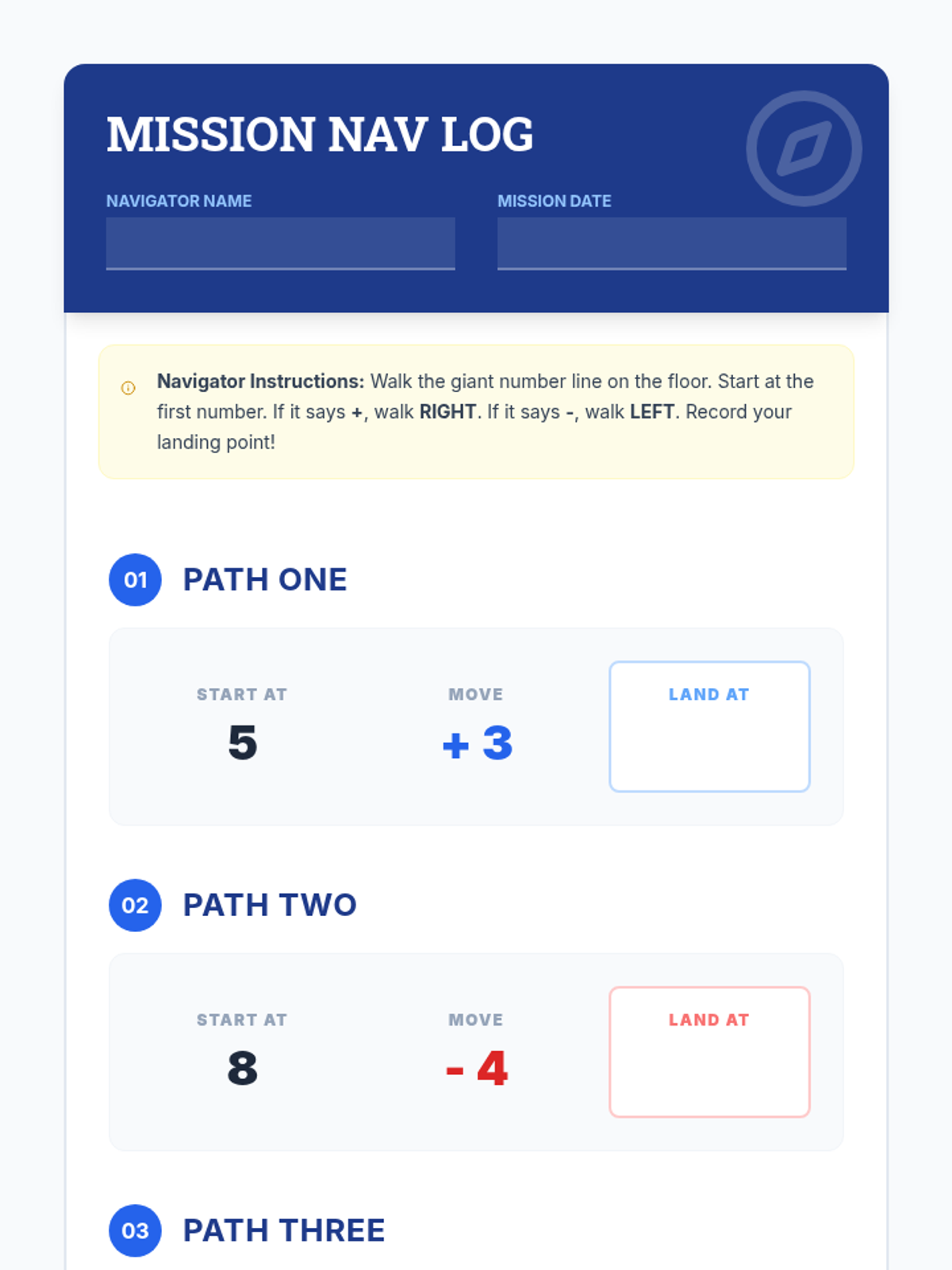
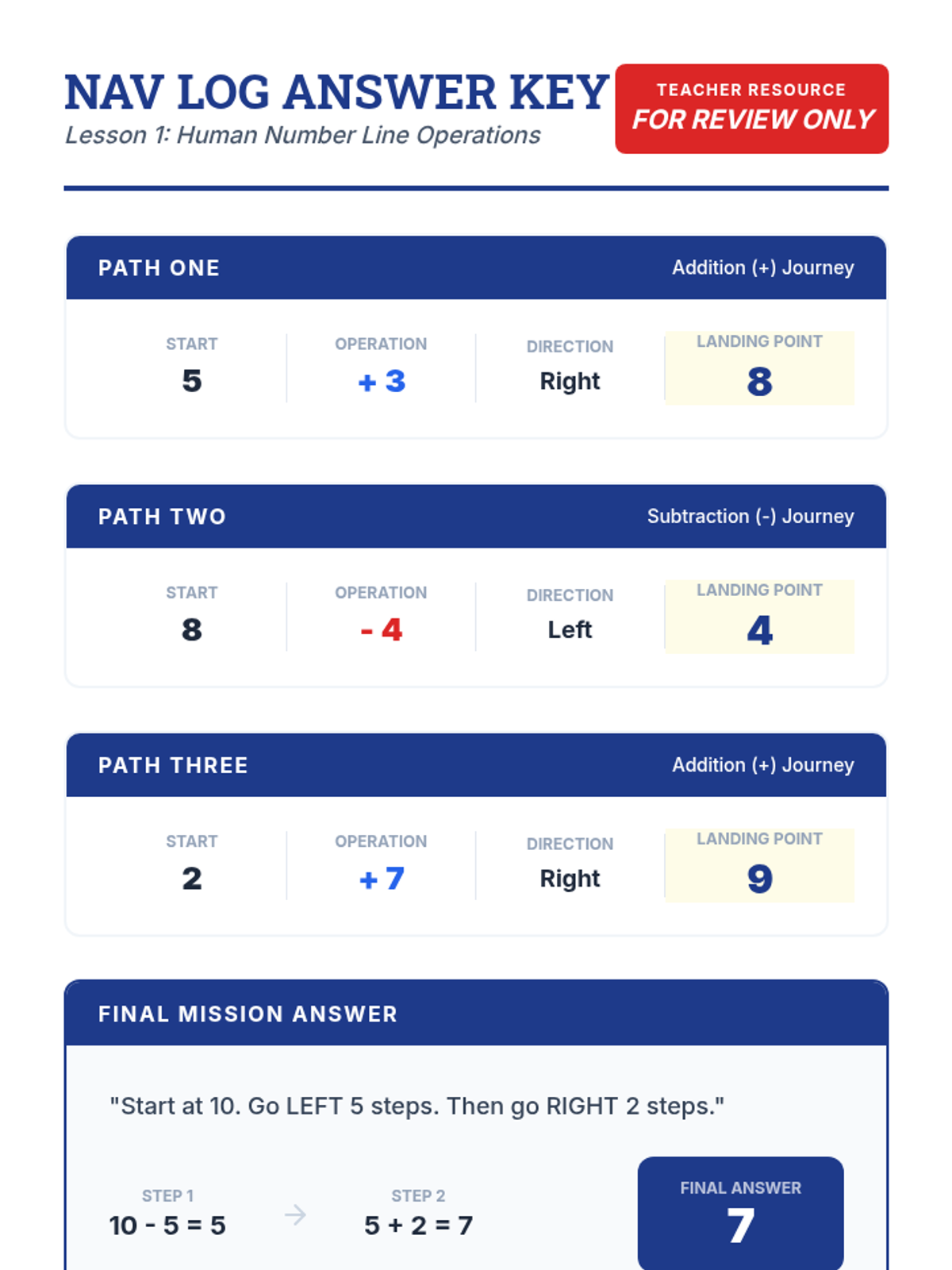
A specialized sequence for 3rd-grade students focusing on using number lines as visual cognitive scaffolds. Students progress from physical movement on a floor-sized line to using 'open' number lines for addition, subtraction, elapsed time, and fractions, providing a consistent strategy for solving complex problems.
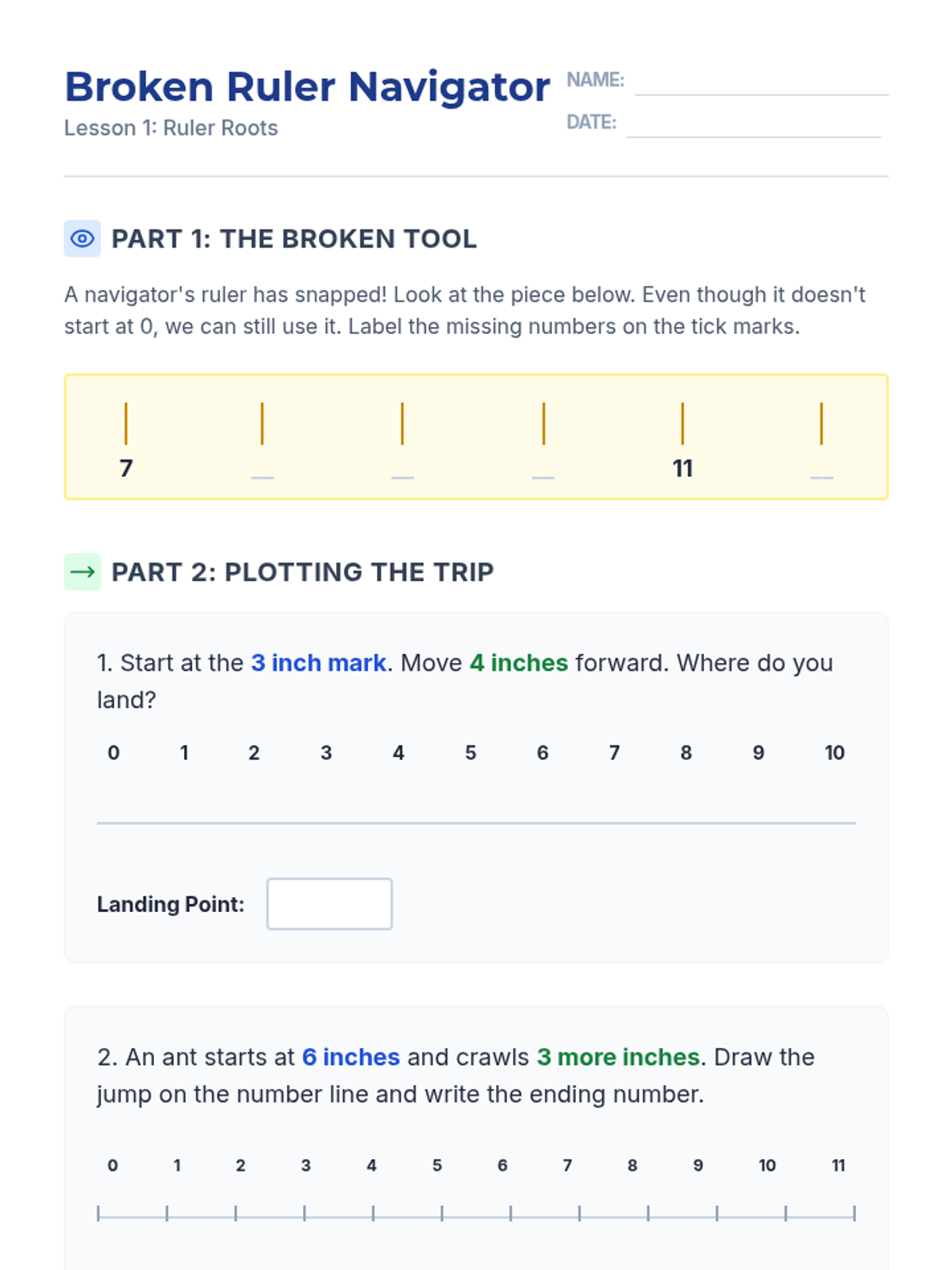
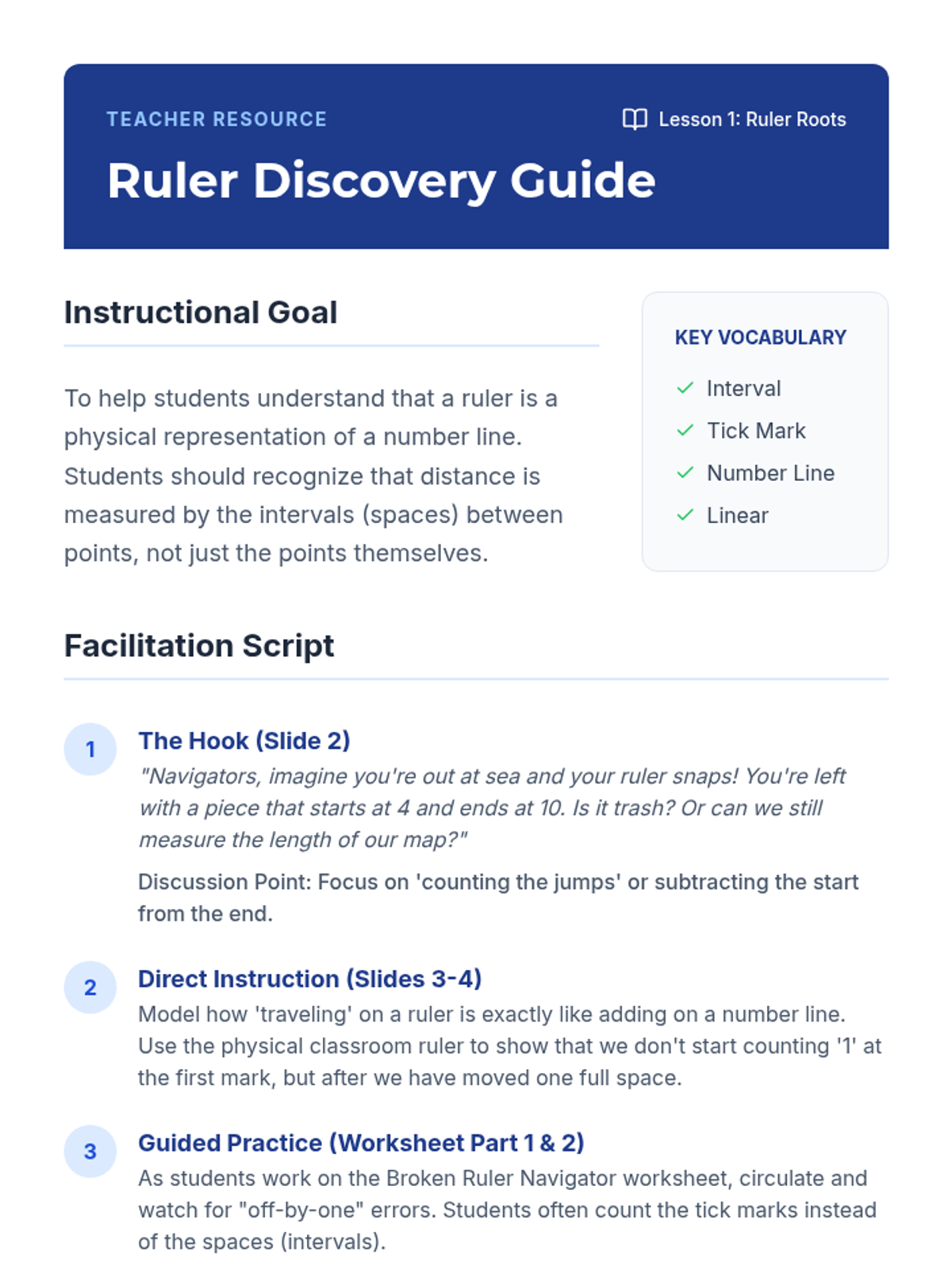
A 3rd-grade sequence focused on representing length problems using number line diagrams, transitioning from concrete rulers to abstract visual models. Students learn to model addition and subtraction word problems as movements along a number line.
A 5-lesson sequence for 3rd graders that transitions students from area models to linear models of fractions, focusing on constructing and labeling number lines from 0 to 1 and beyond. Students learn to partition lines, identify unit fractions, count non-unit fractions, and represent numbers greater than one as points on a line.
A comprehensive unit on measuring weight and liquid volume, translated into English and Hiragana for early elementary students. Includes estimation, standard units, and practical measuring activities.
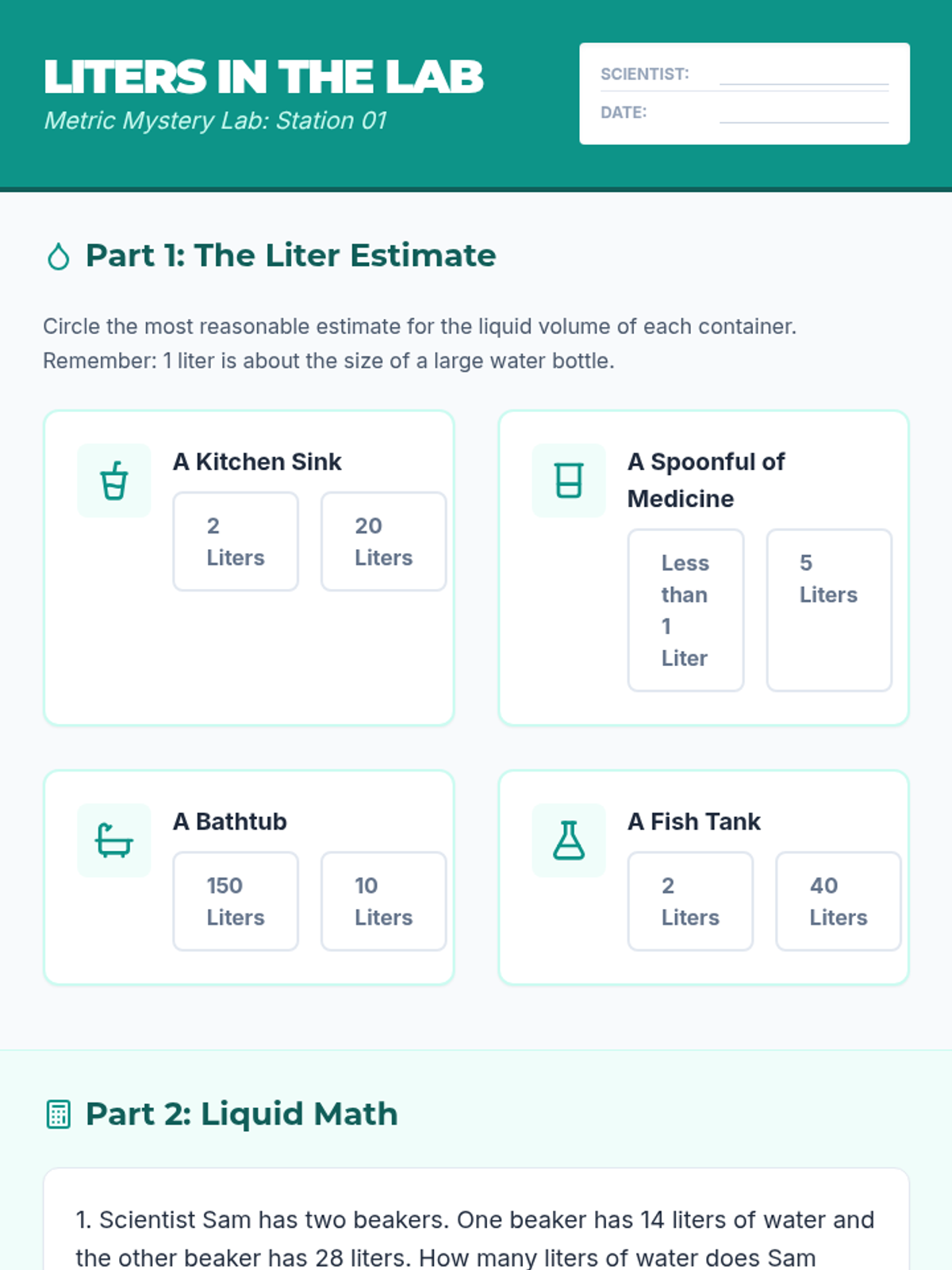
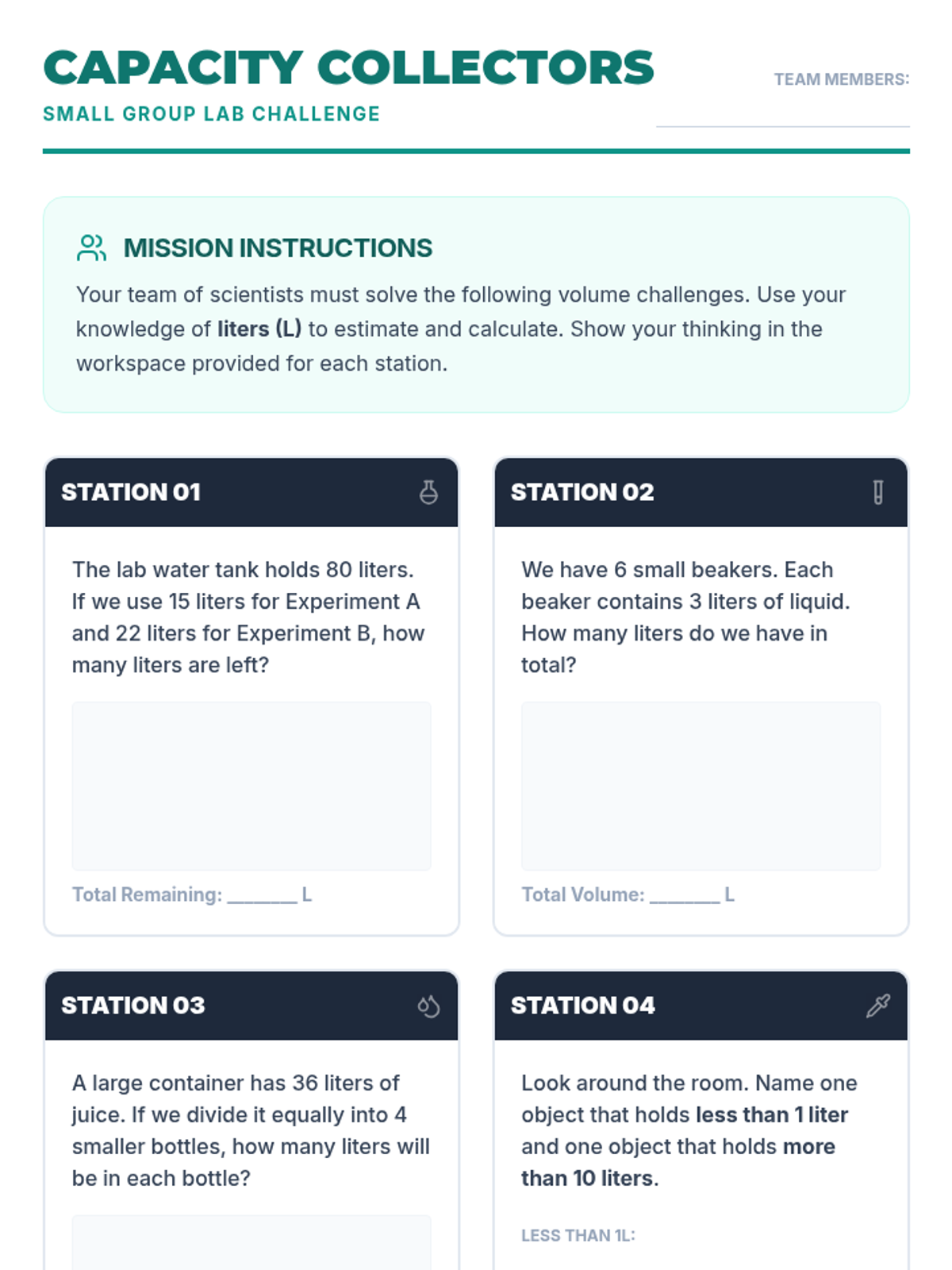
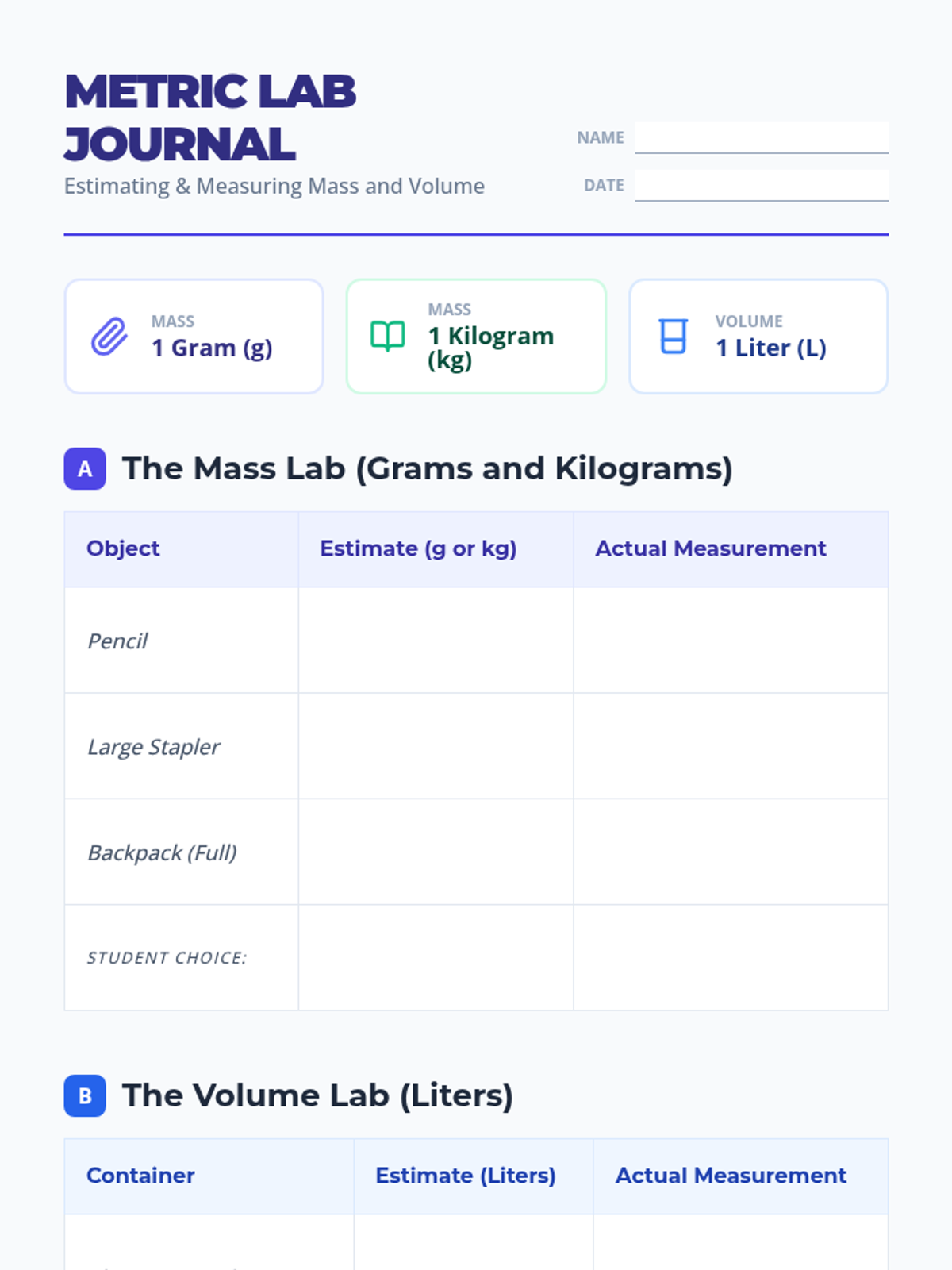
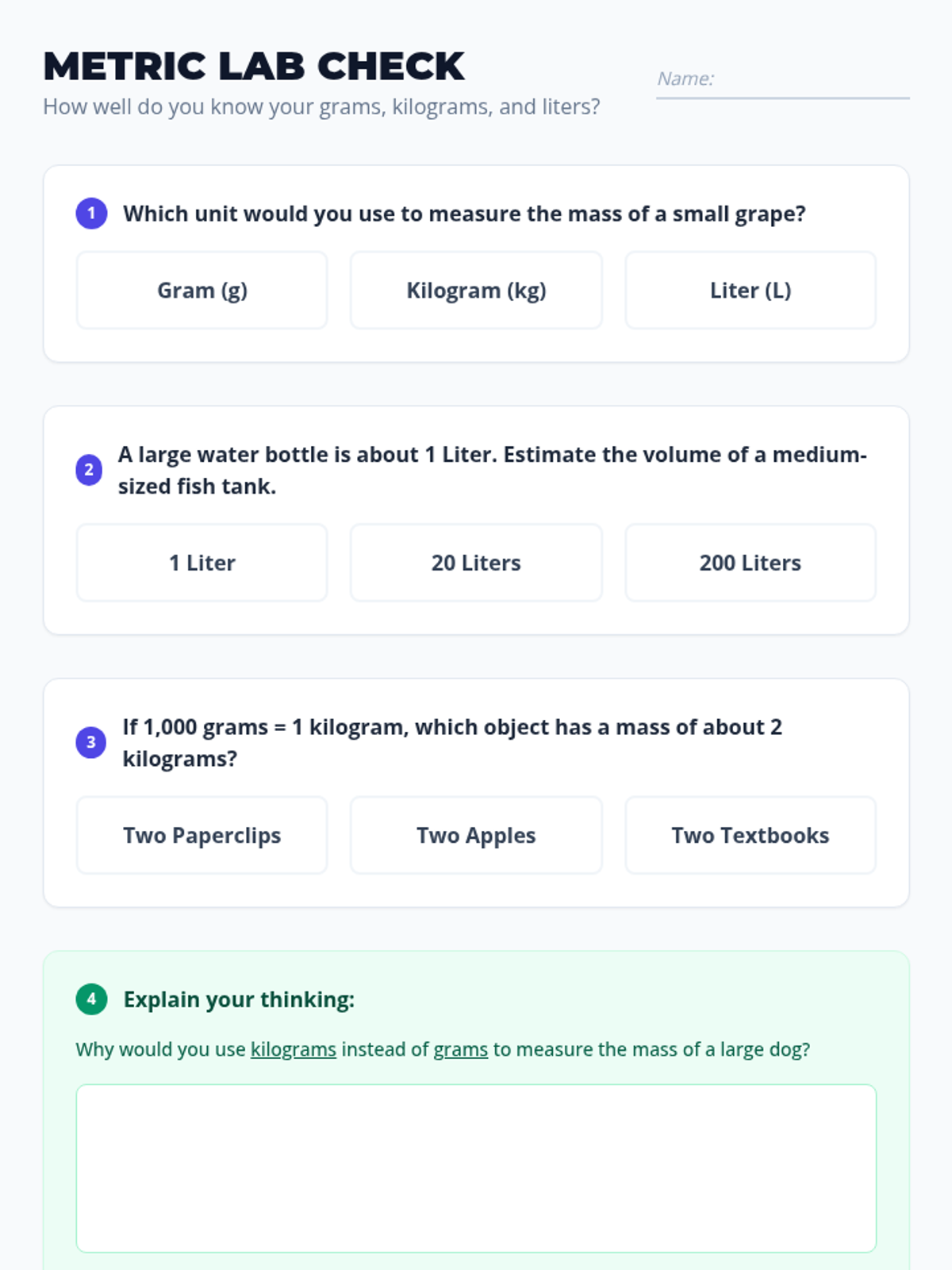
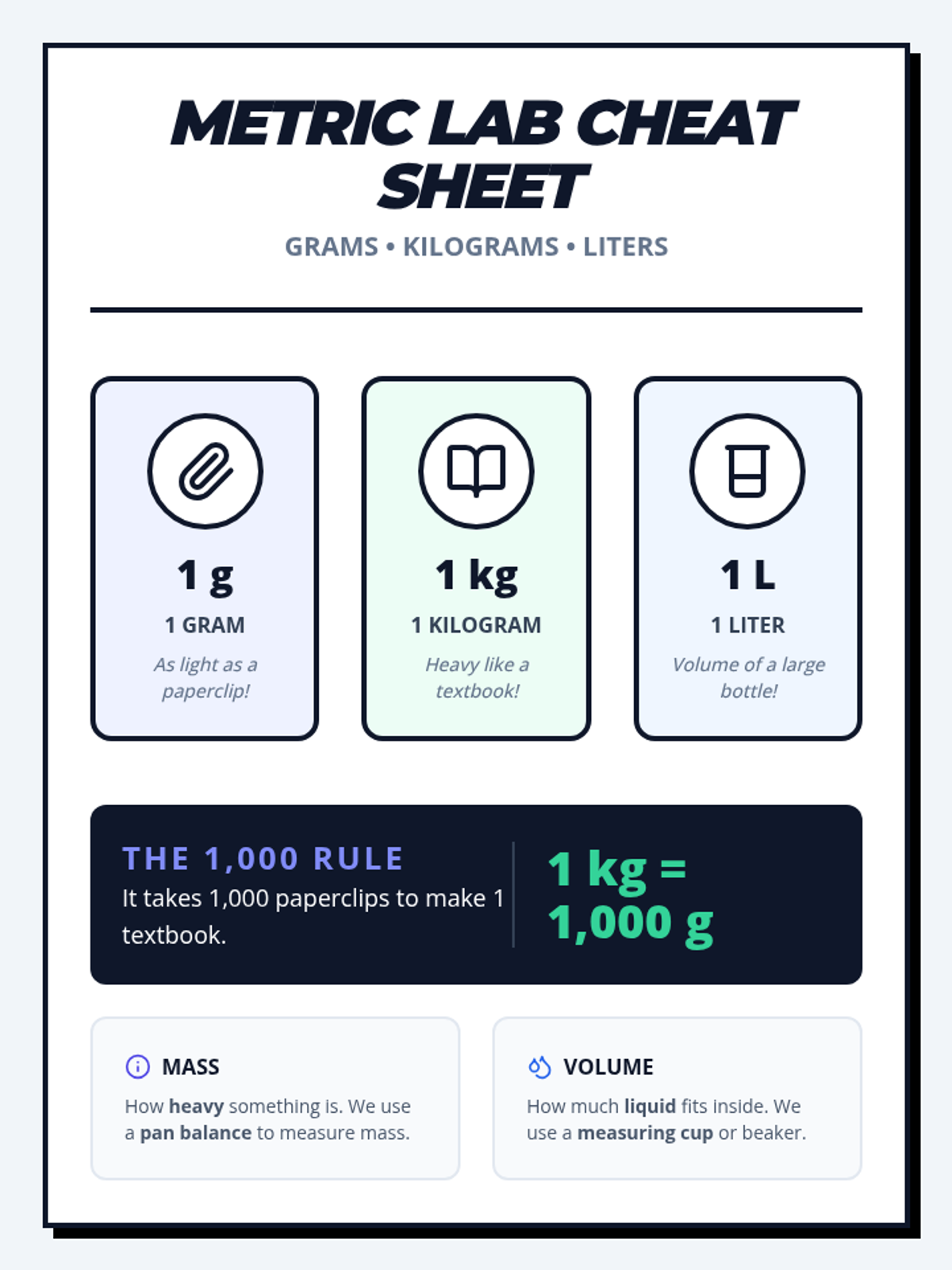
A comprehensive unit focused on measuring, estimating, and calculating liquid volumes in liters and masses in grams and kilograms. Students engage in hands-on lab activities and word problem challenges.
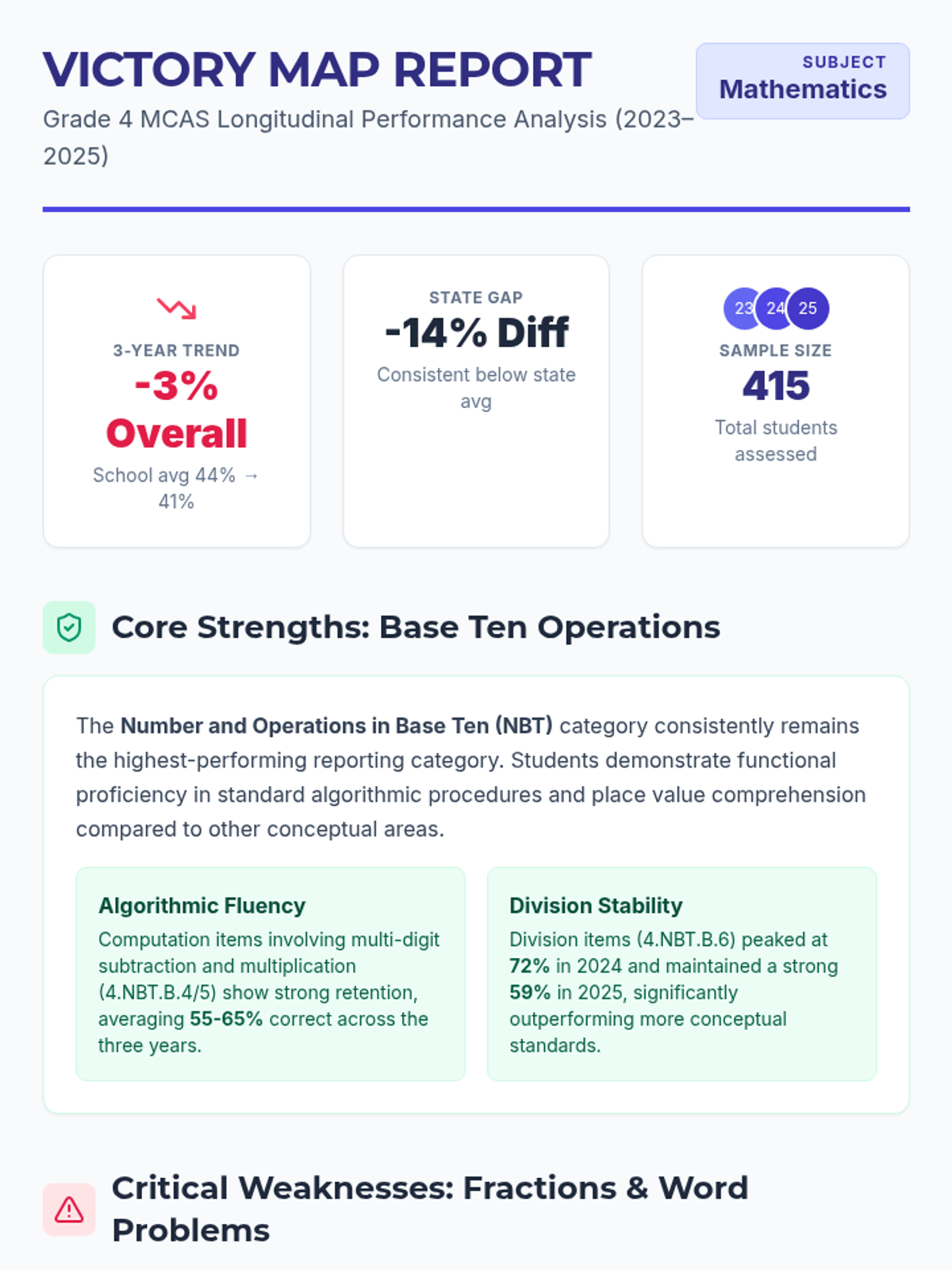
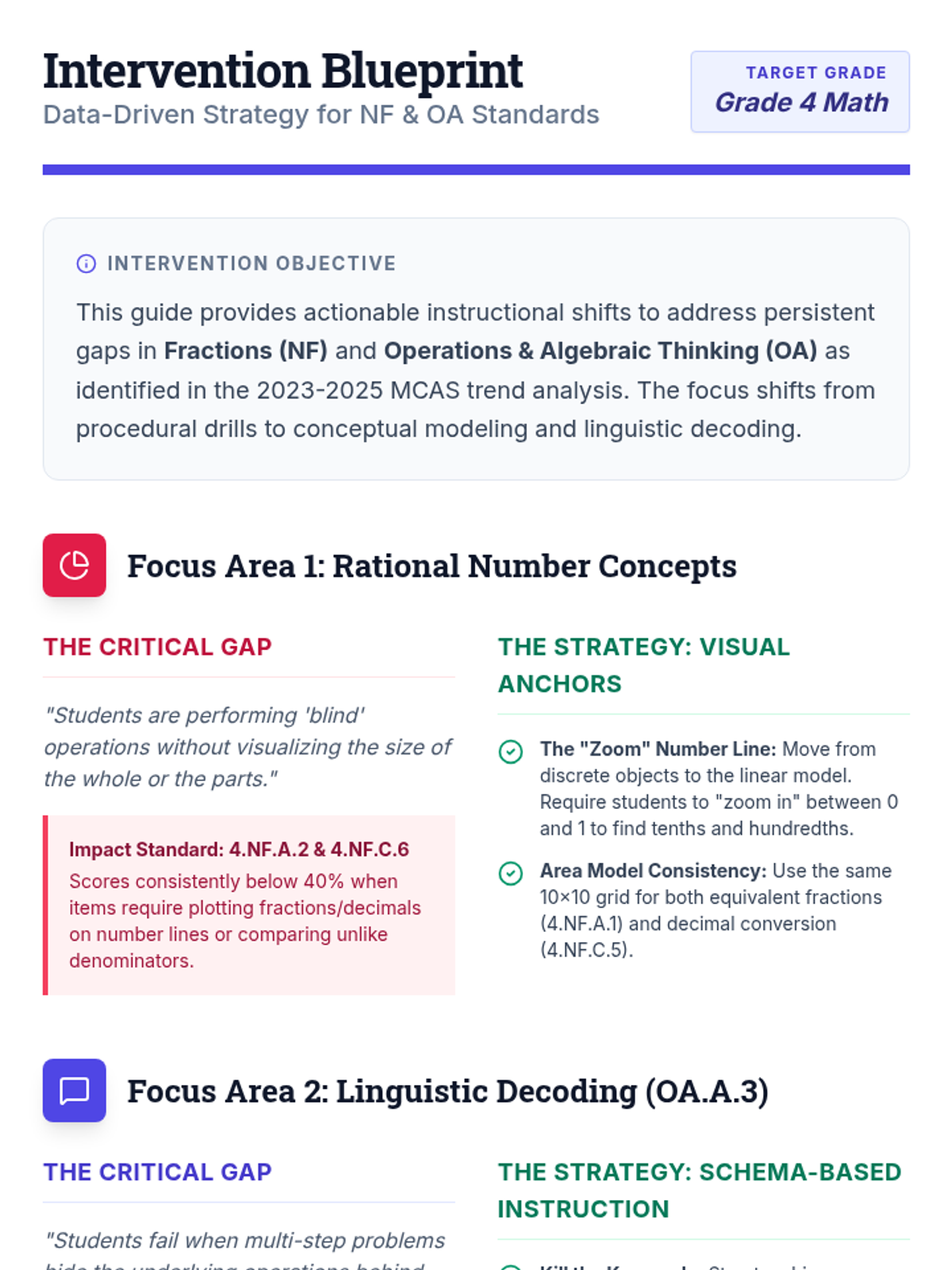
A comprehensive multi-grade longitudinal analysis of MCAS Math data (Grades 3-4) for 2023-2025. This sequence provides diagnostic reporting, visual aids, and instructional intervention strategies based on identified categorical trends.
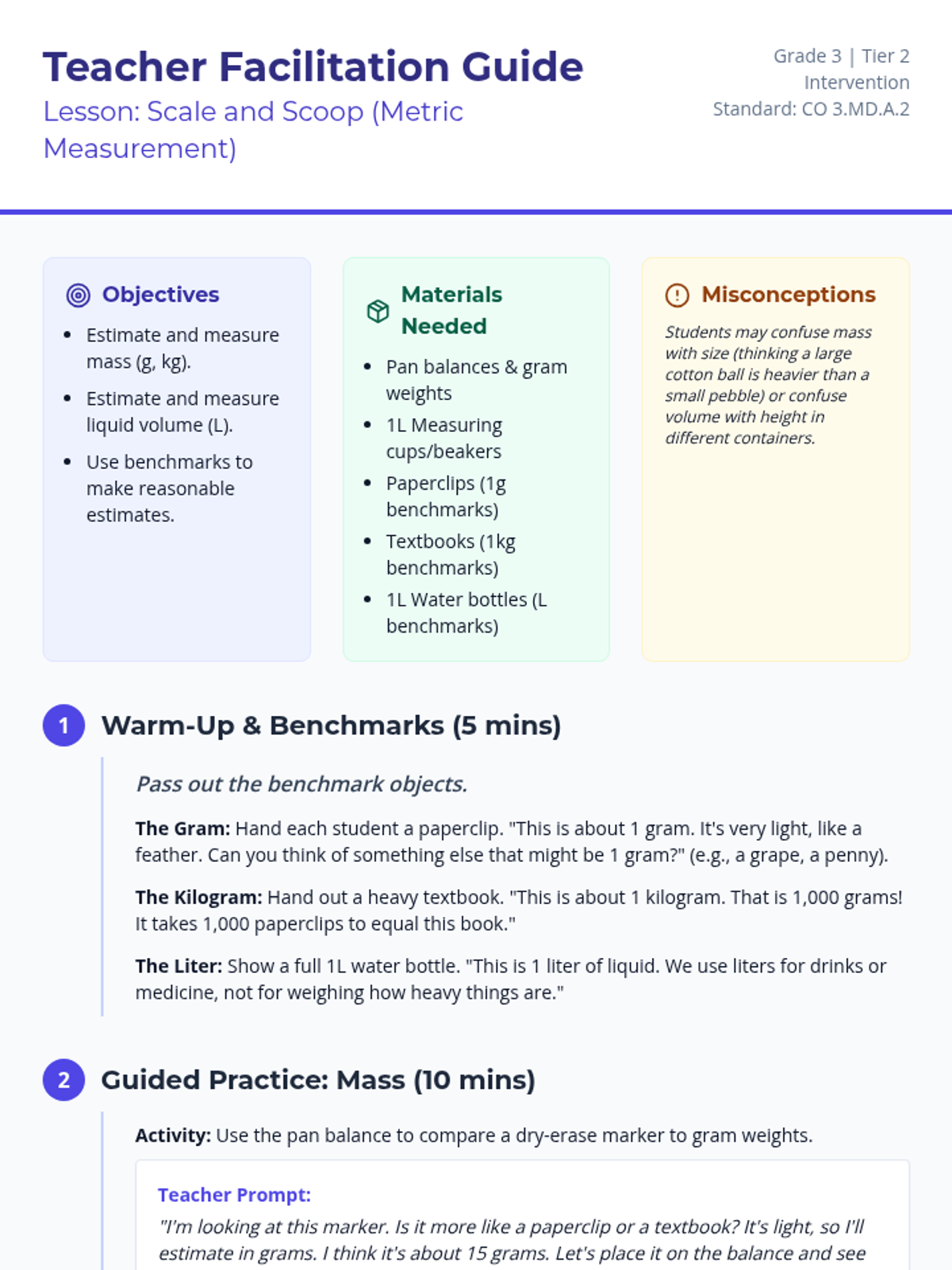
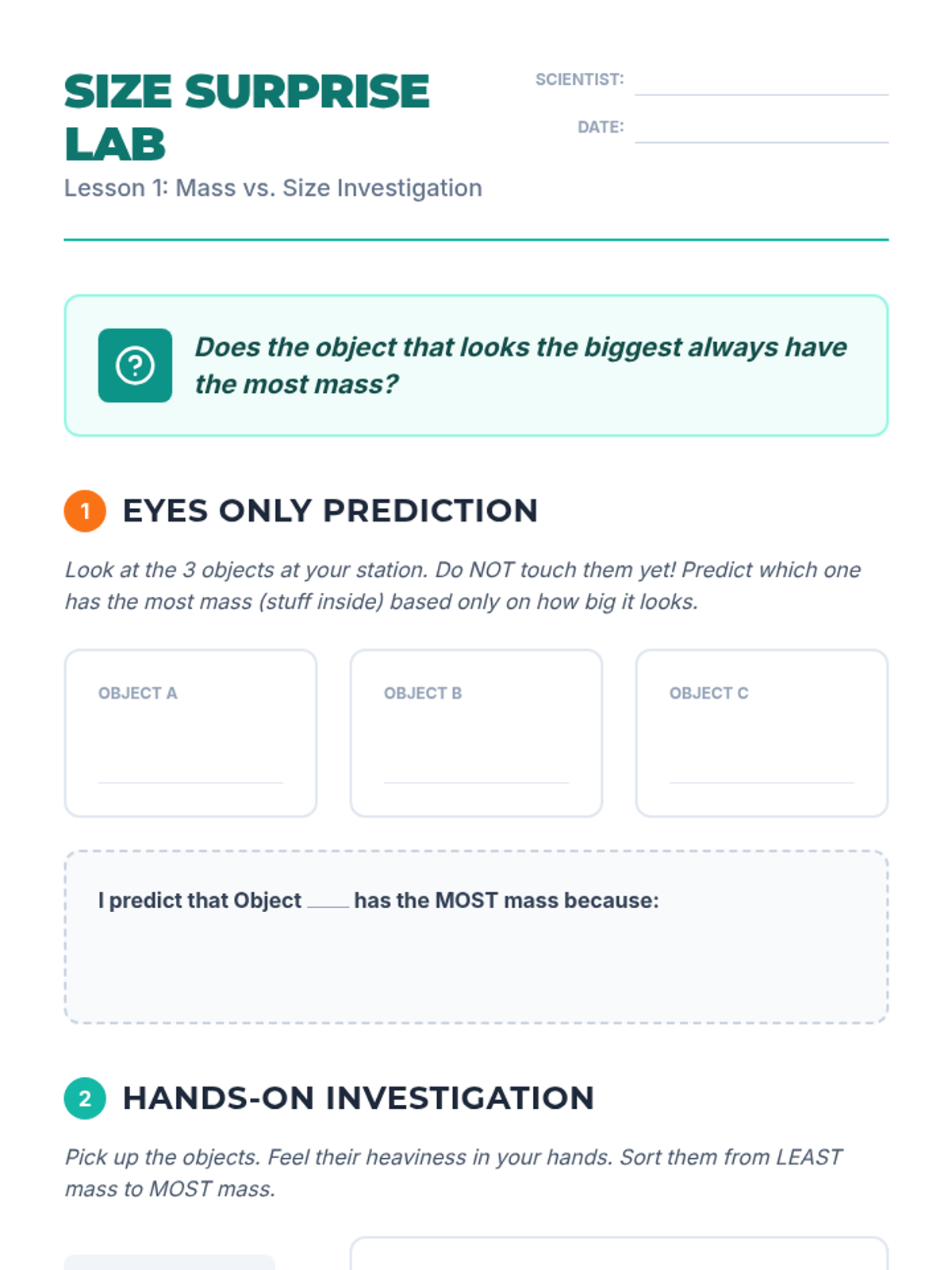
A targeted intervention sequence focused on developing conceptual understanding of mass and liquid volume using standard metric units (g, kg, L). Students use benchmark objects and hands-on tools like pan balances and measuring cups to build estimation and measurement skills.
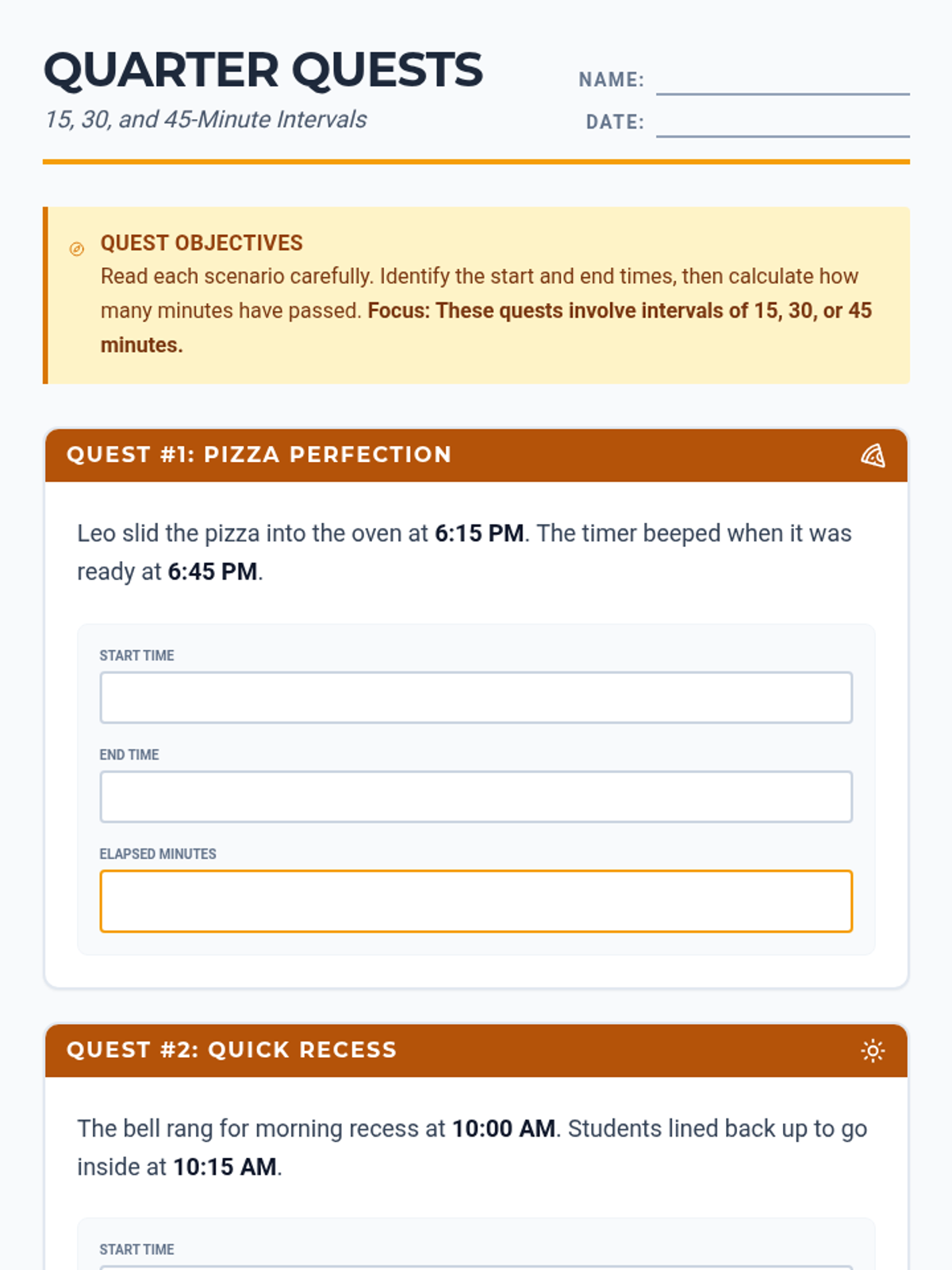
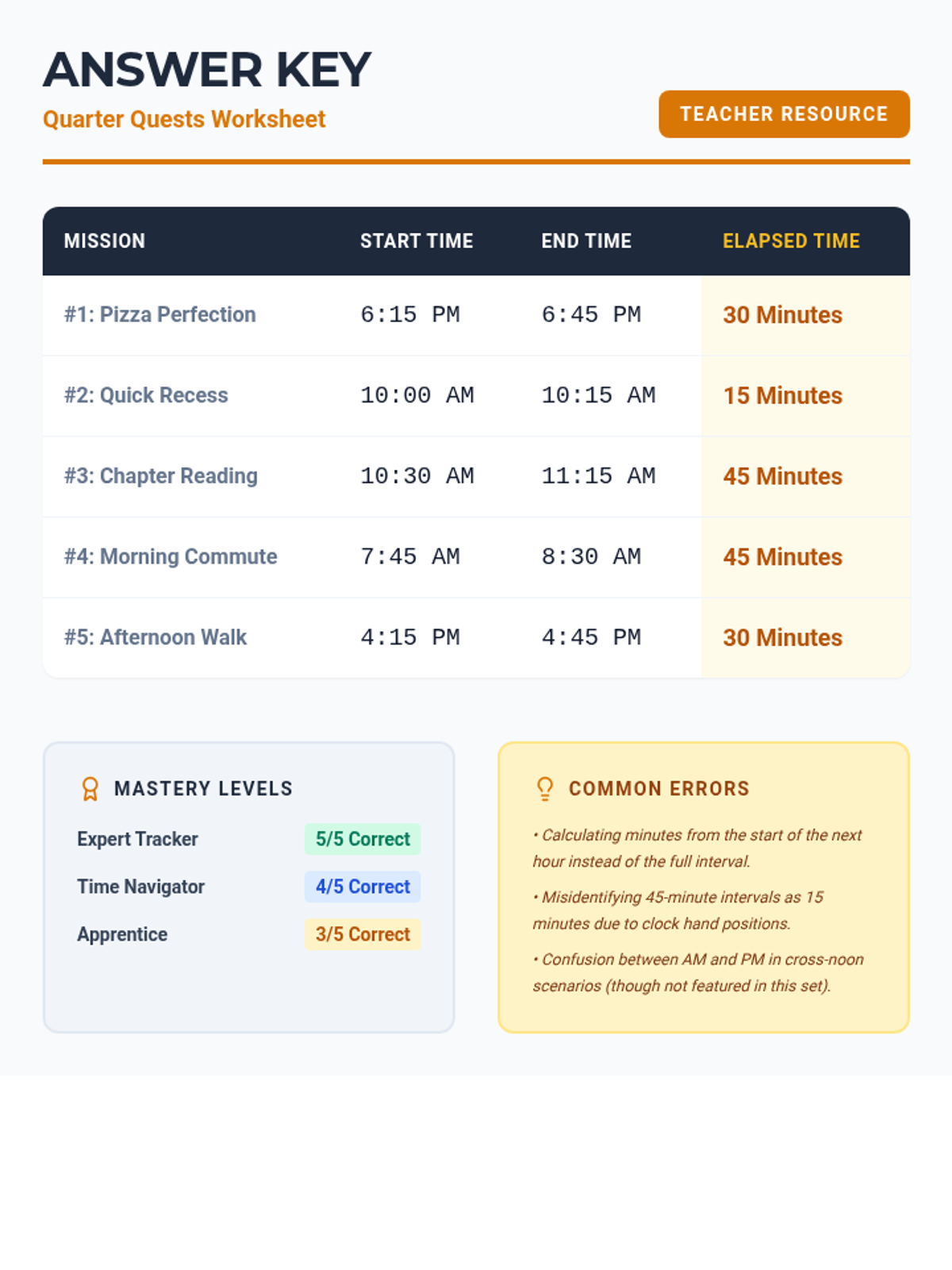
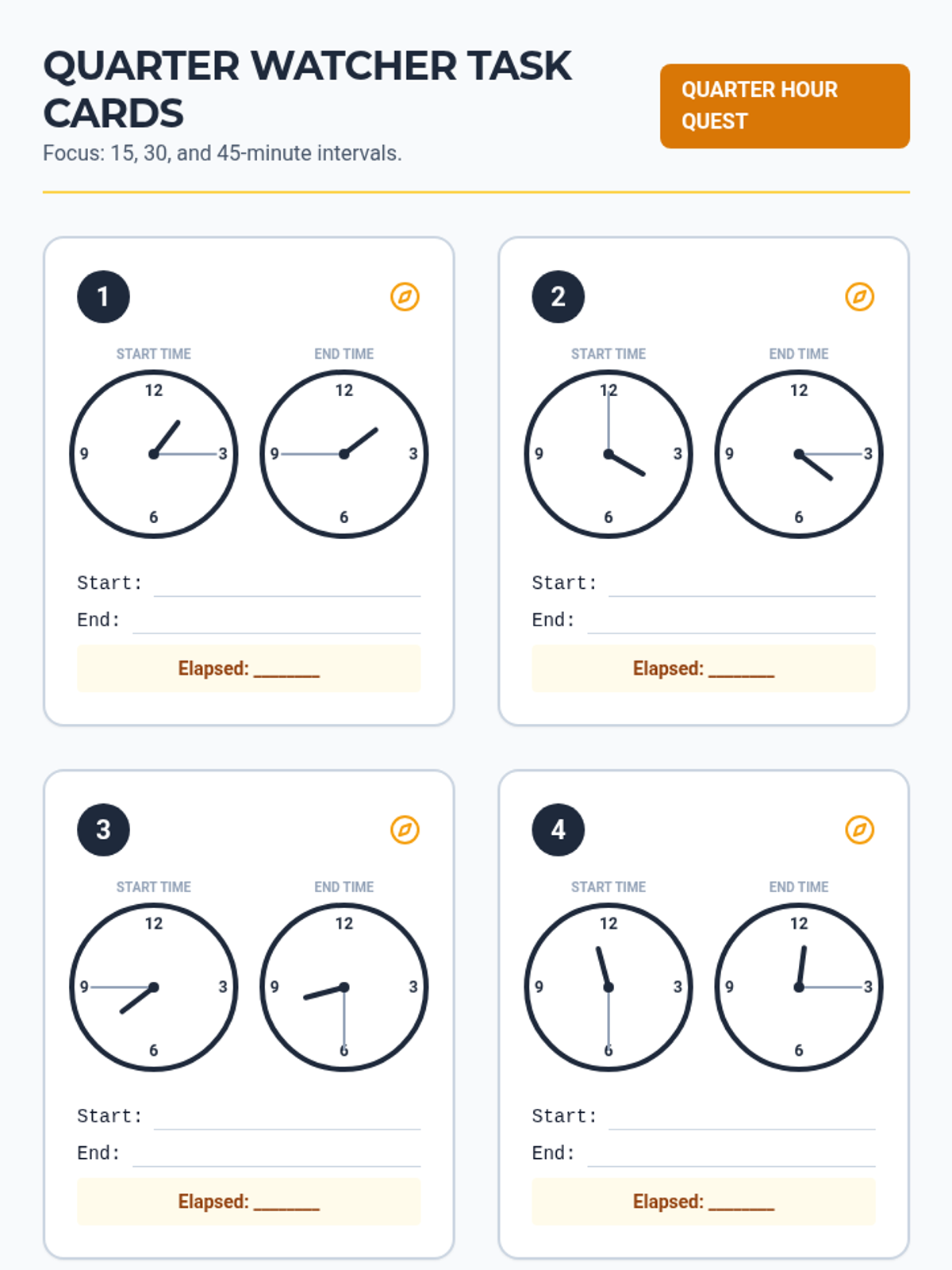
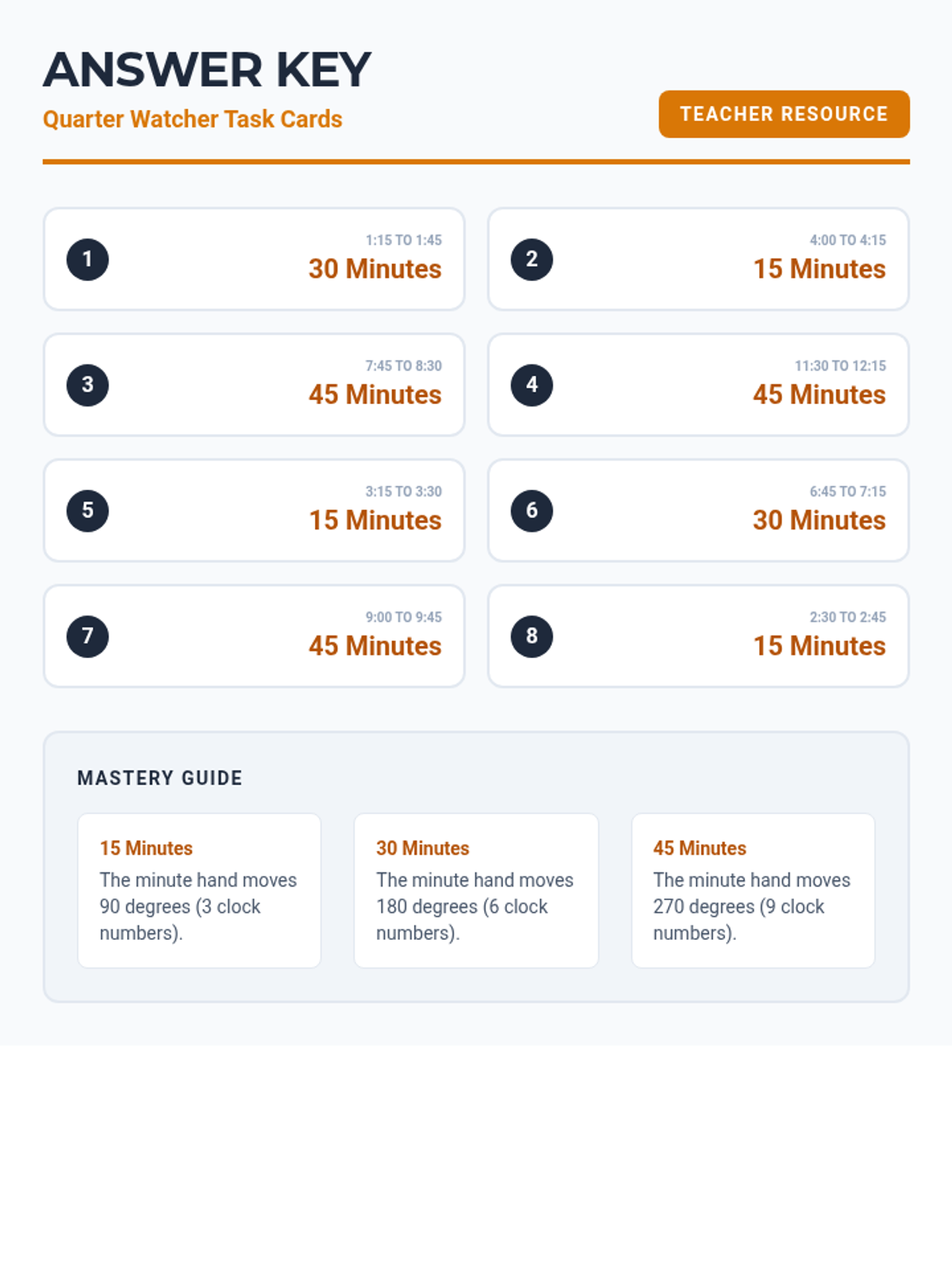
A comprehensive unit on calculating elapsed time, progressing from simple one-hour intervals to quarter-hour and five-minute increments using scenarios and analog clocks.
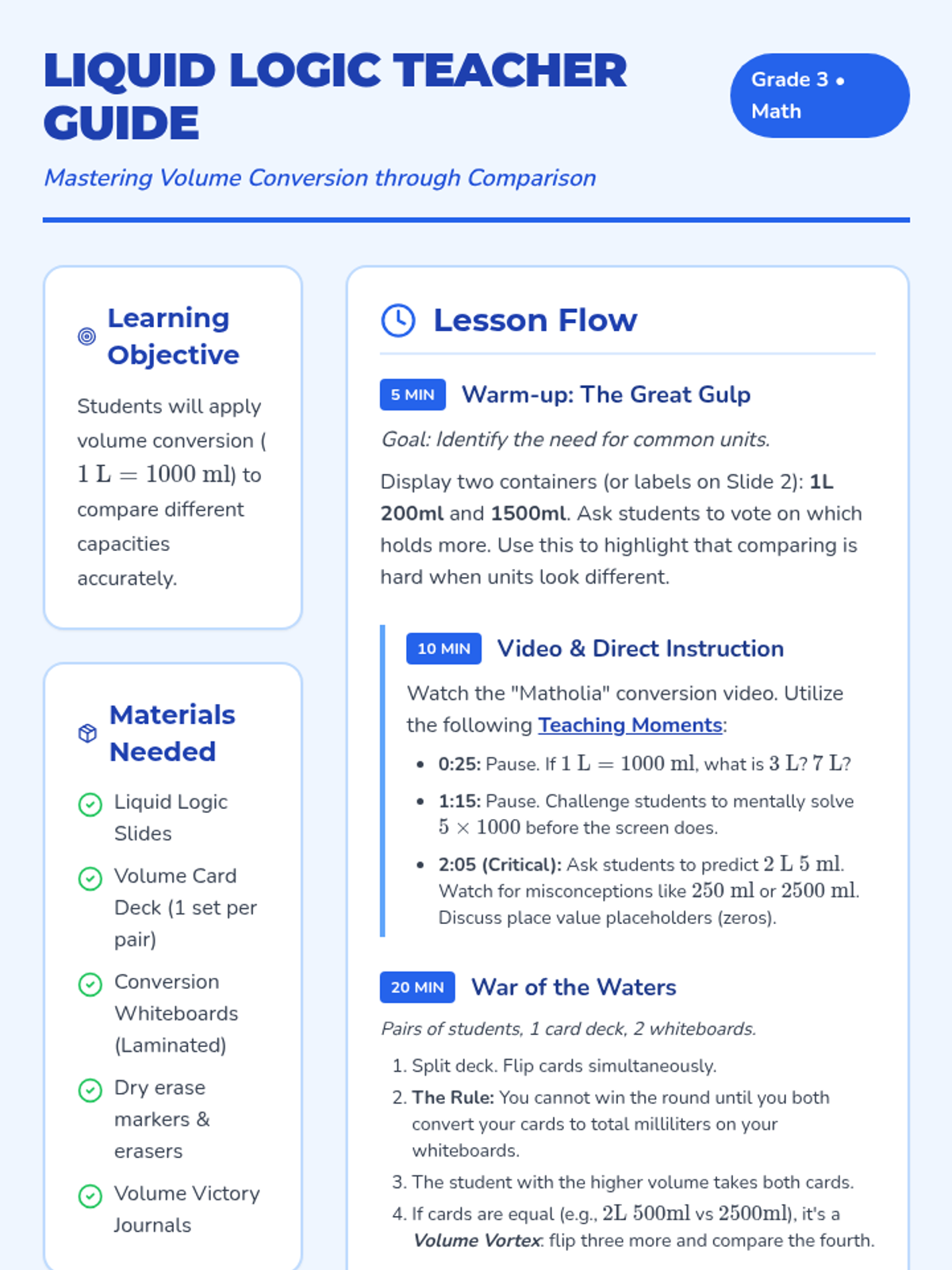
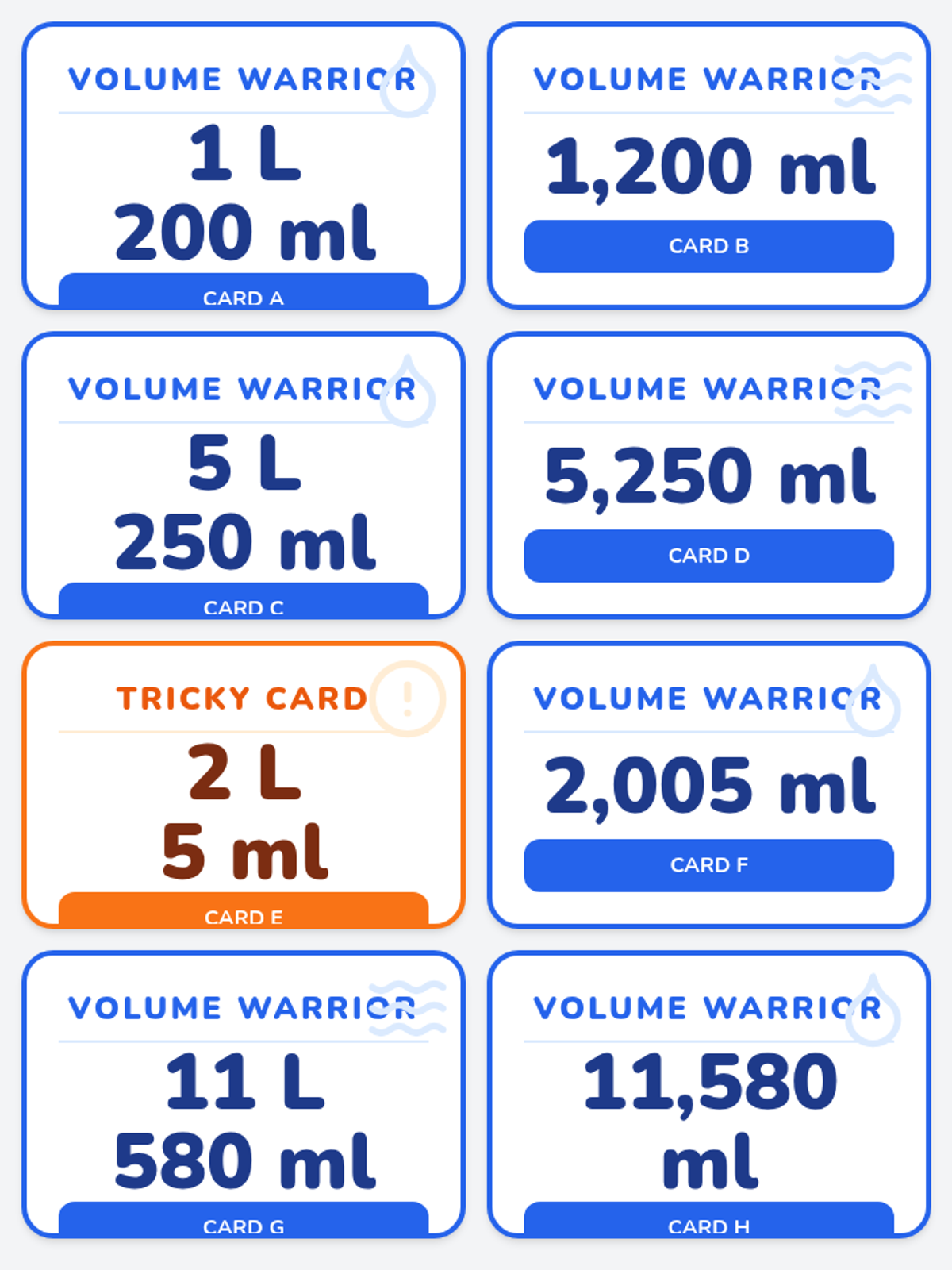
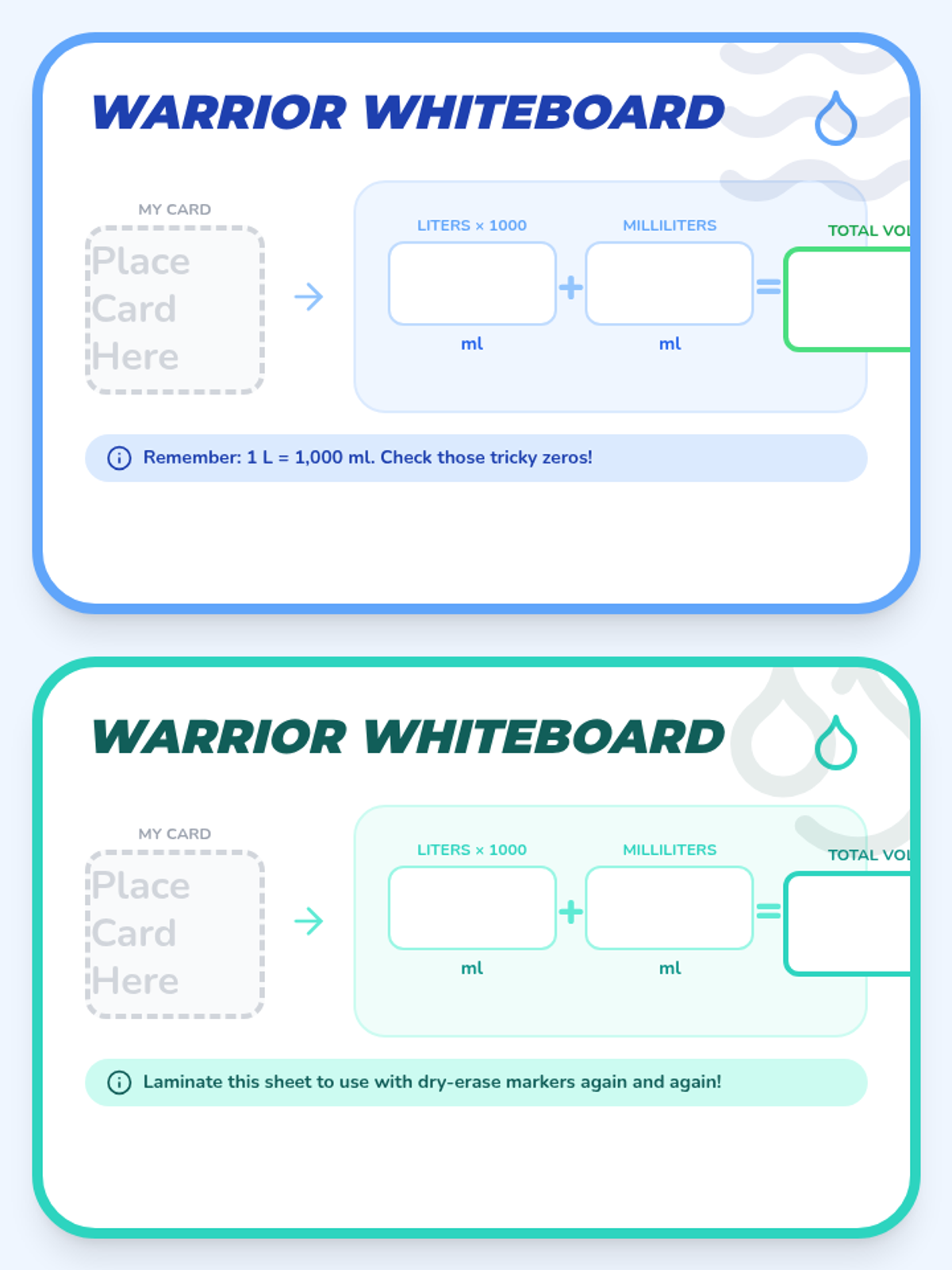
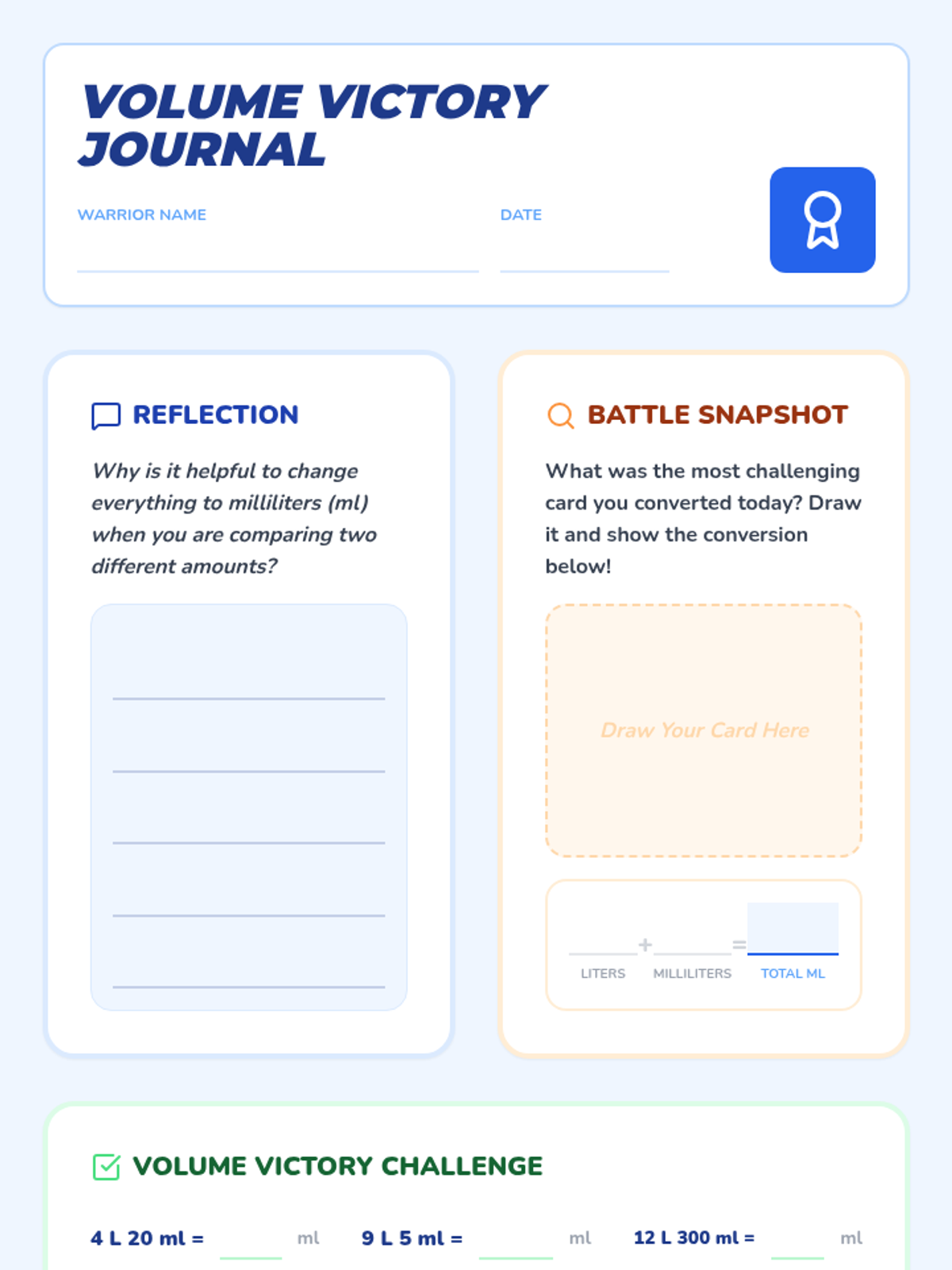
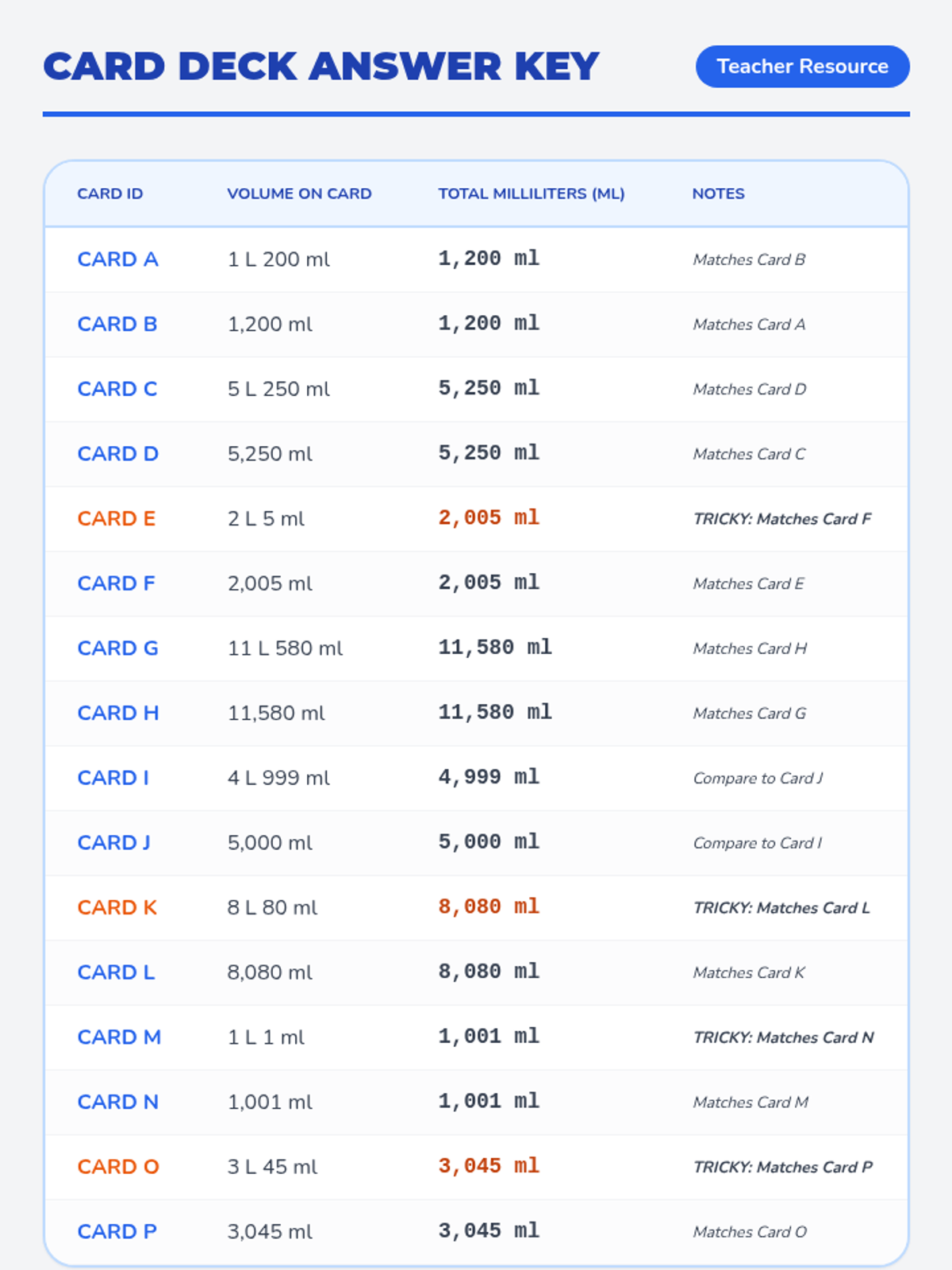
A lesson sequence focused on understanding and converting volume units (liters and milliliters) to compare capacities through interactive games and visual models.
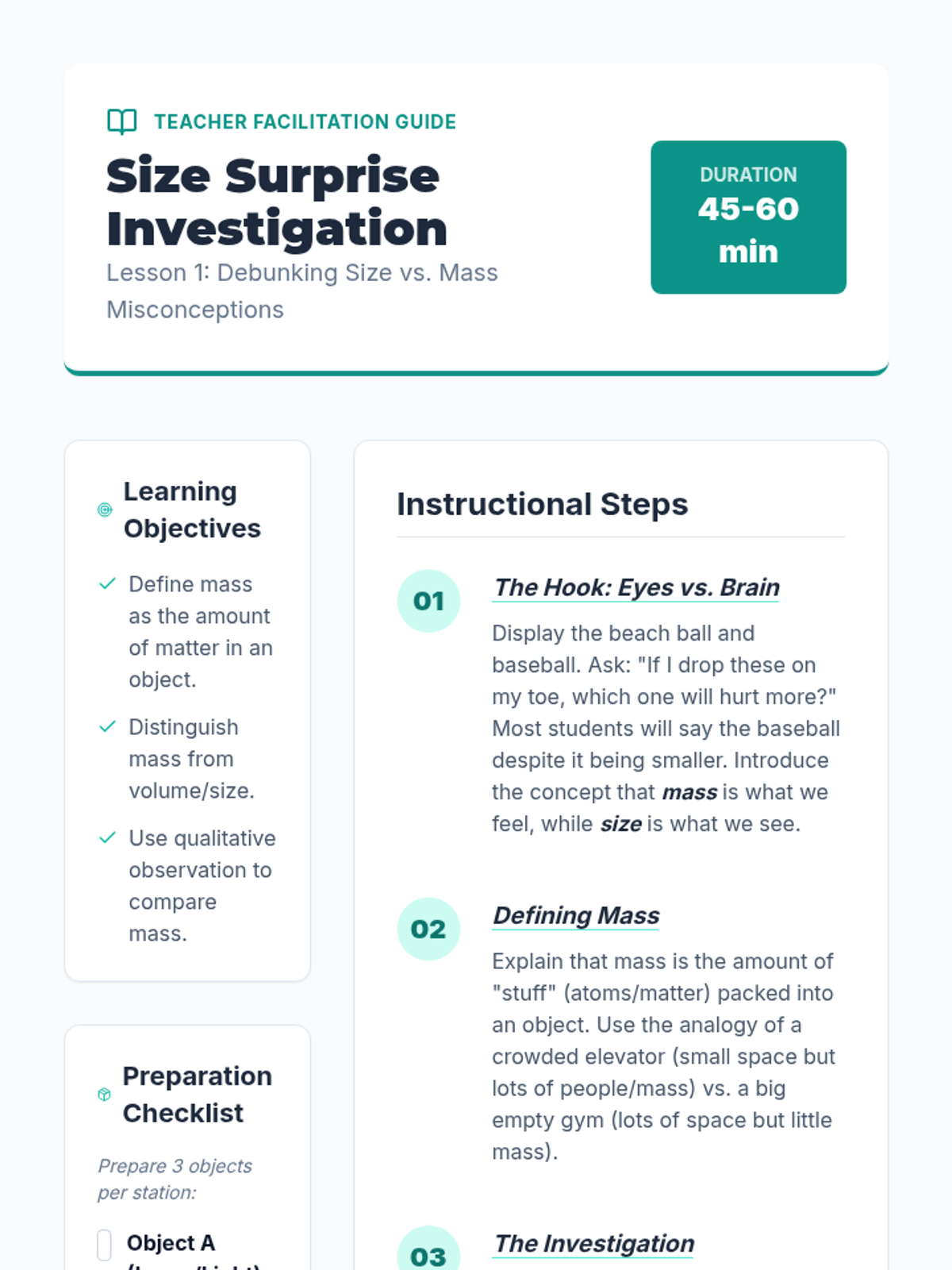
A 5-lesson sequence for 3rd graders focused on understanding mass using metric units (grams and kilograms). Students progress from qualitative comparisons to using pan balances, standard weights, digital scales, and finally applying their skills in a realistic market simulation.
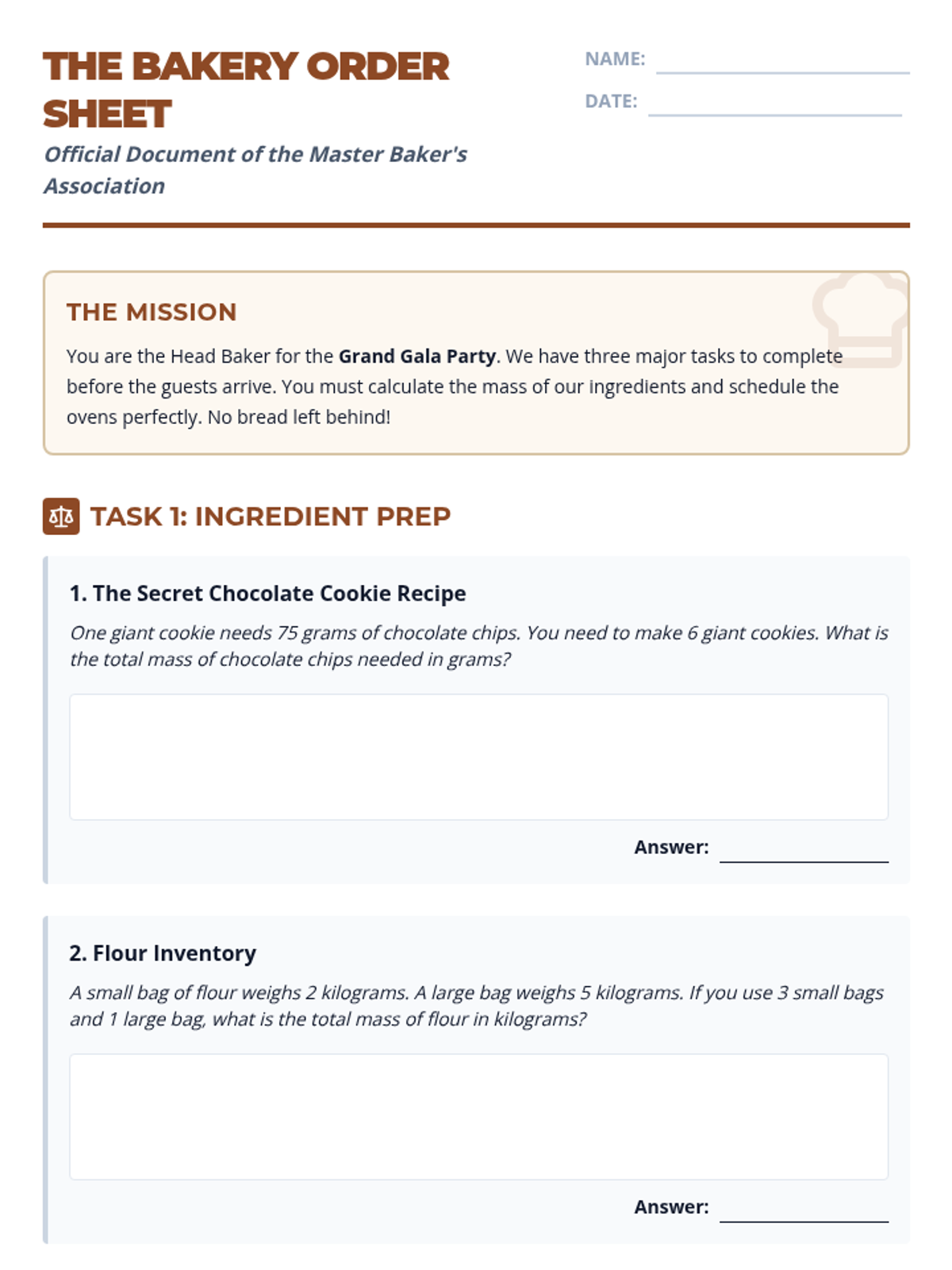
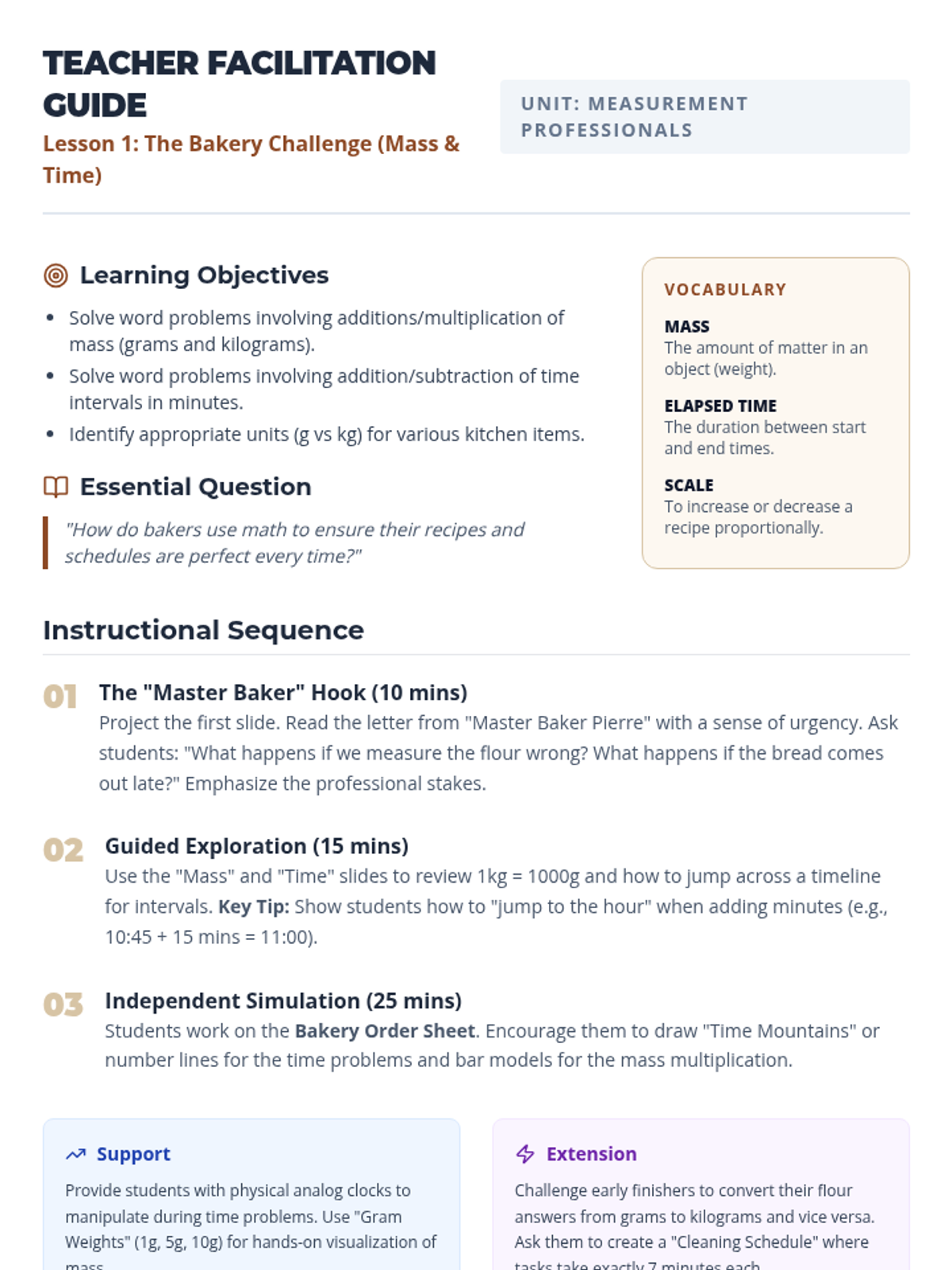
An integrated 3rd-grade sequence focused on solving real-world word problems involving time, liquid volume, and mass. Students act as professionals in various fields, applying measurement concepts to complex scenarios and simulations.
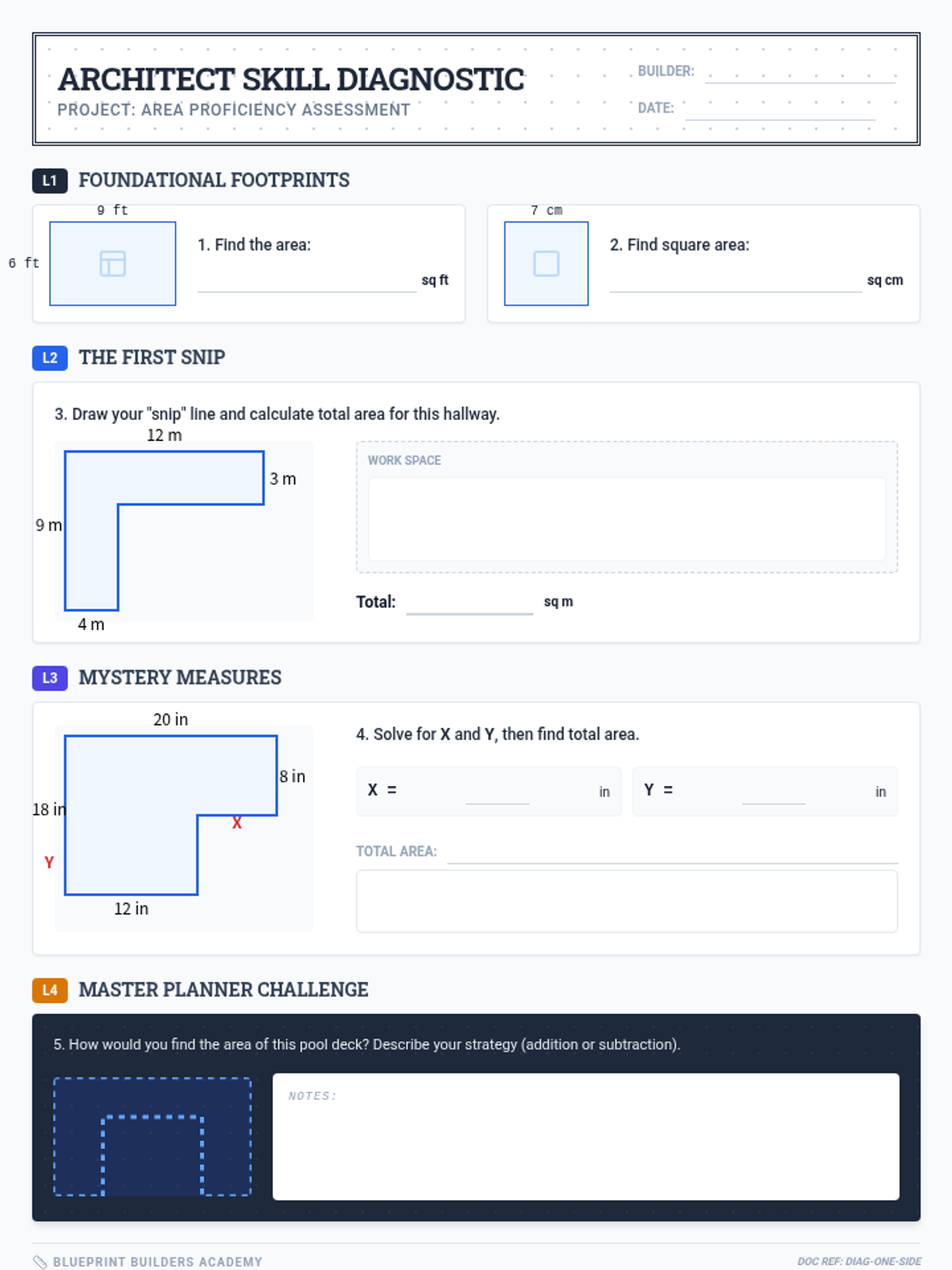
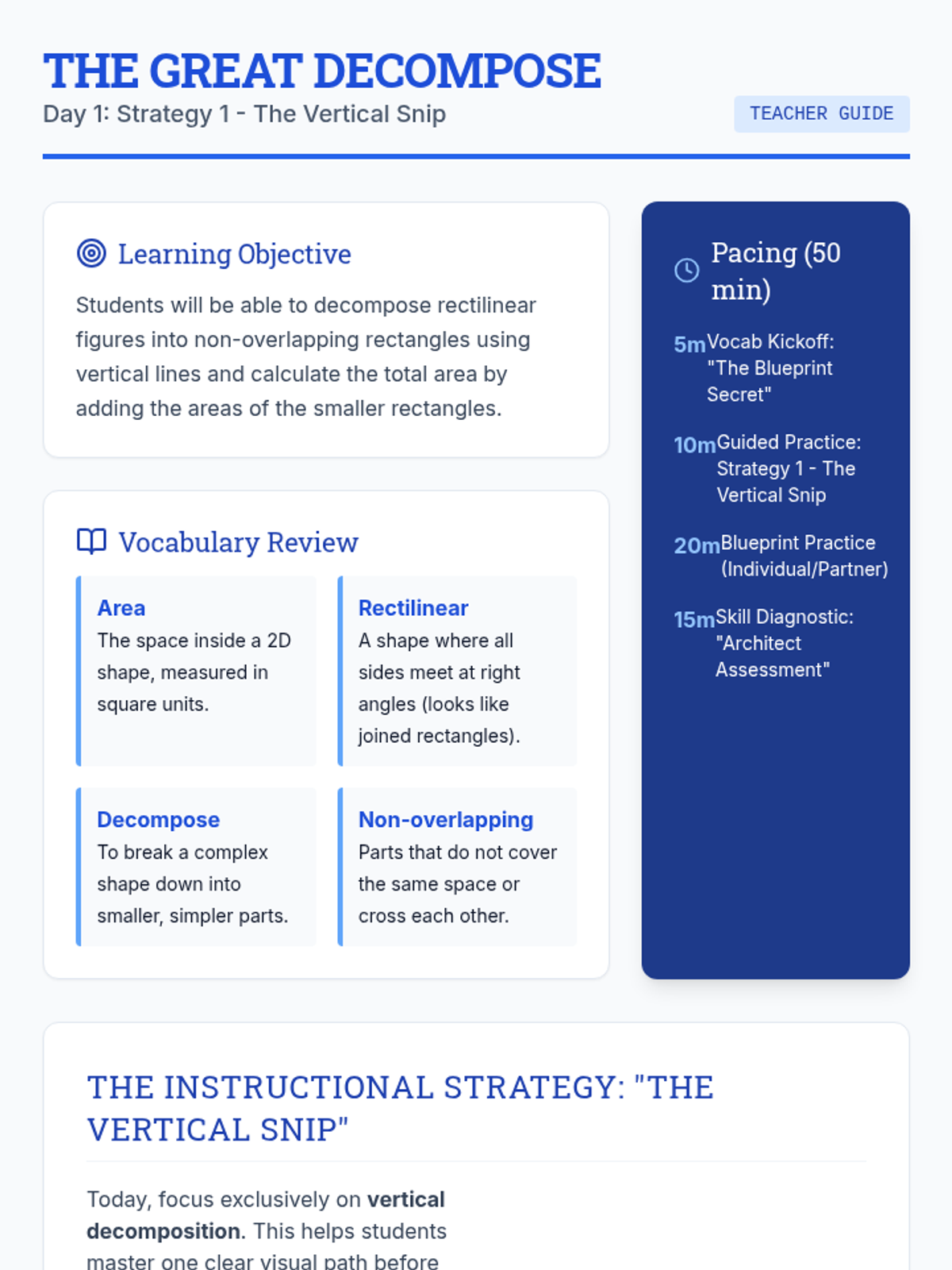
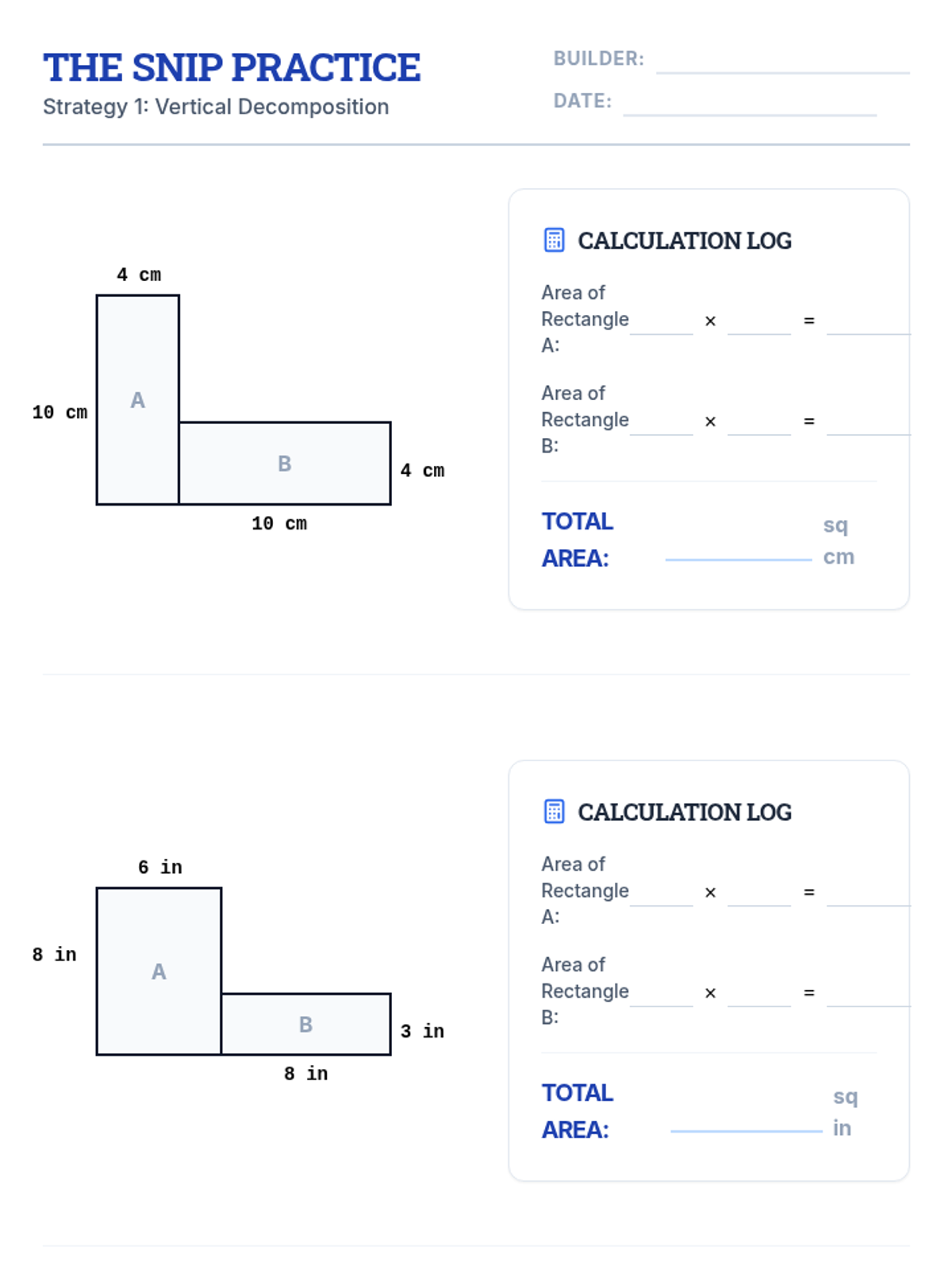
A four-day intensive unit on decomposing rectilinear figures to find total area, progressing from basic strategies to complex real-world architectural challenges. Students act as 'Blueprint Builders' to master vertical cuts, horizontal cuts, and additive/subtractive methods.