Mindful breathing and body scan meditation techniques integrated with daily self-care routines. Develops strategies for balancing life demands and advocating for personal wellness needs.
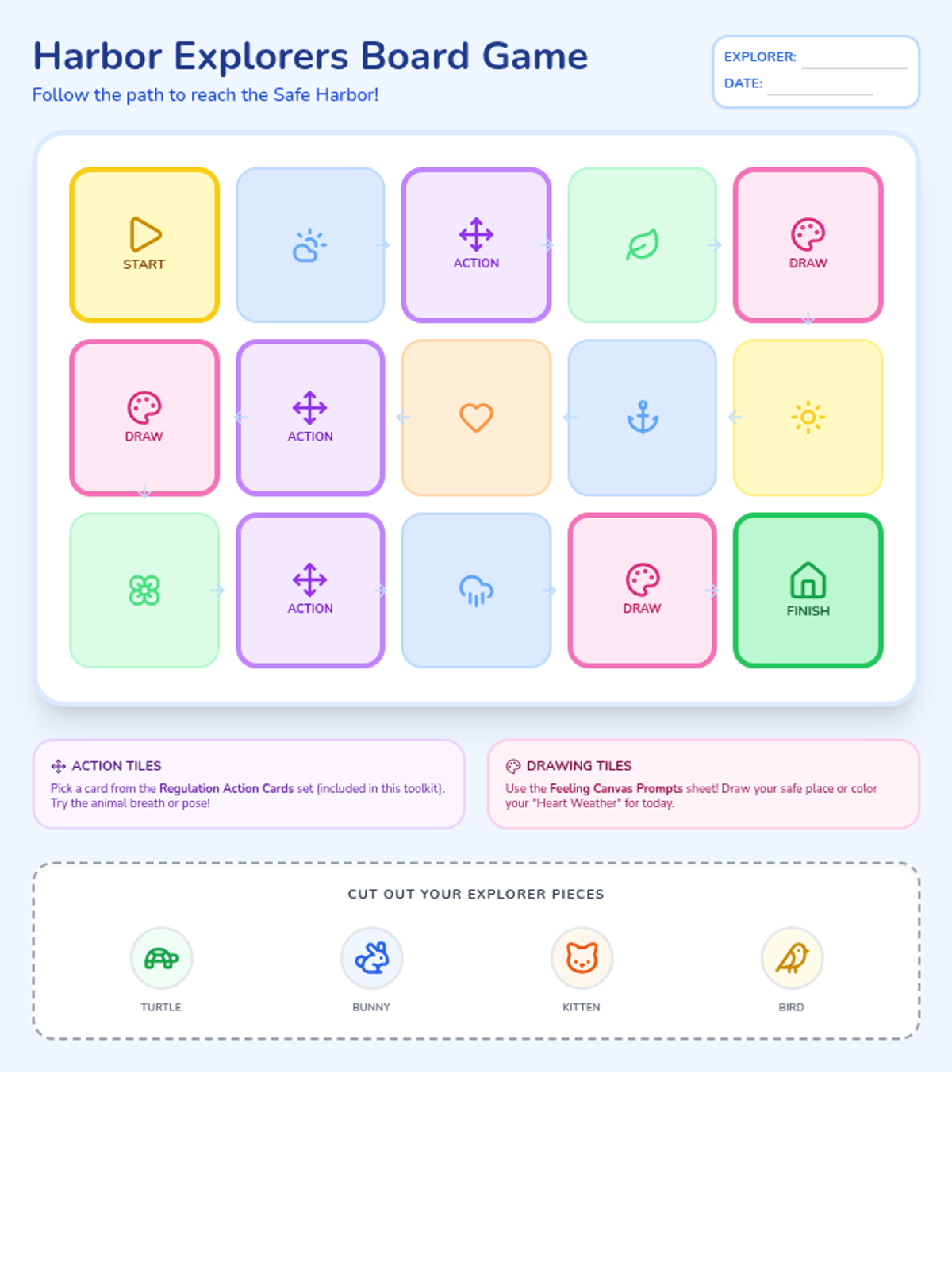
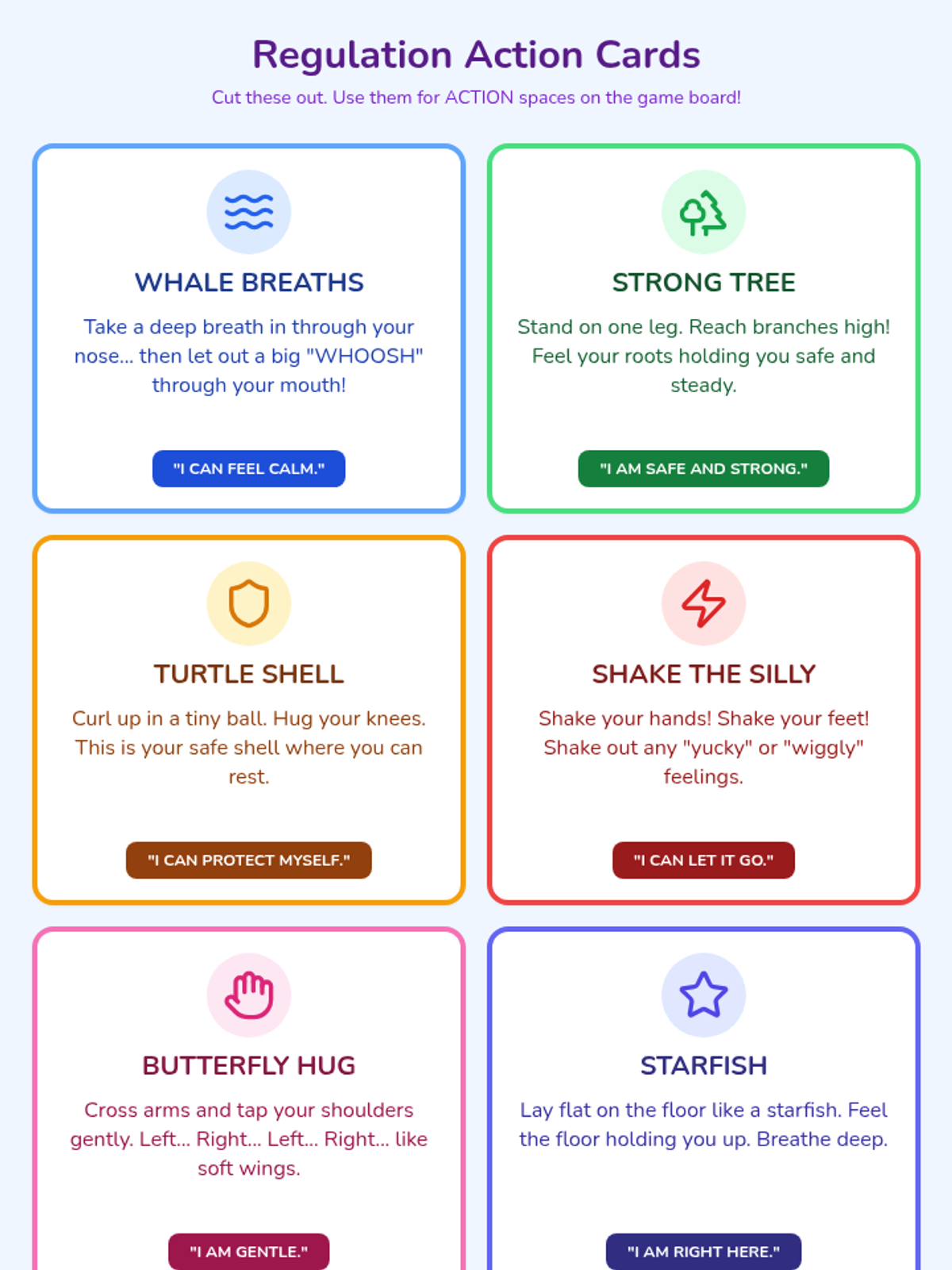
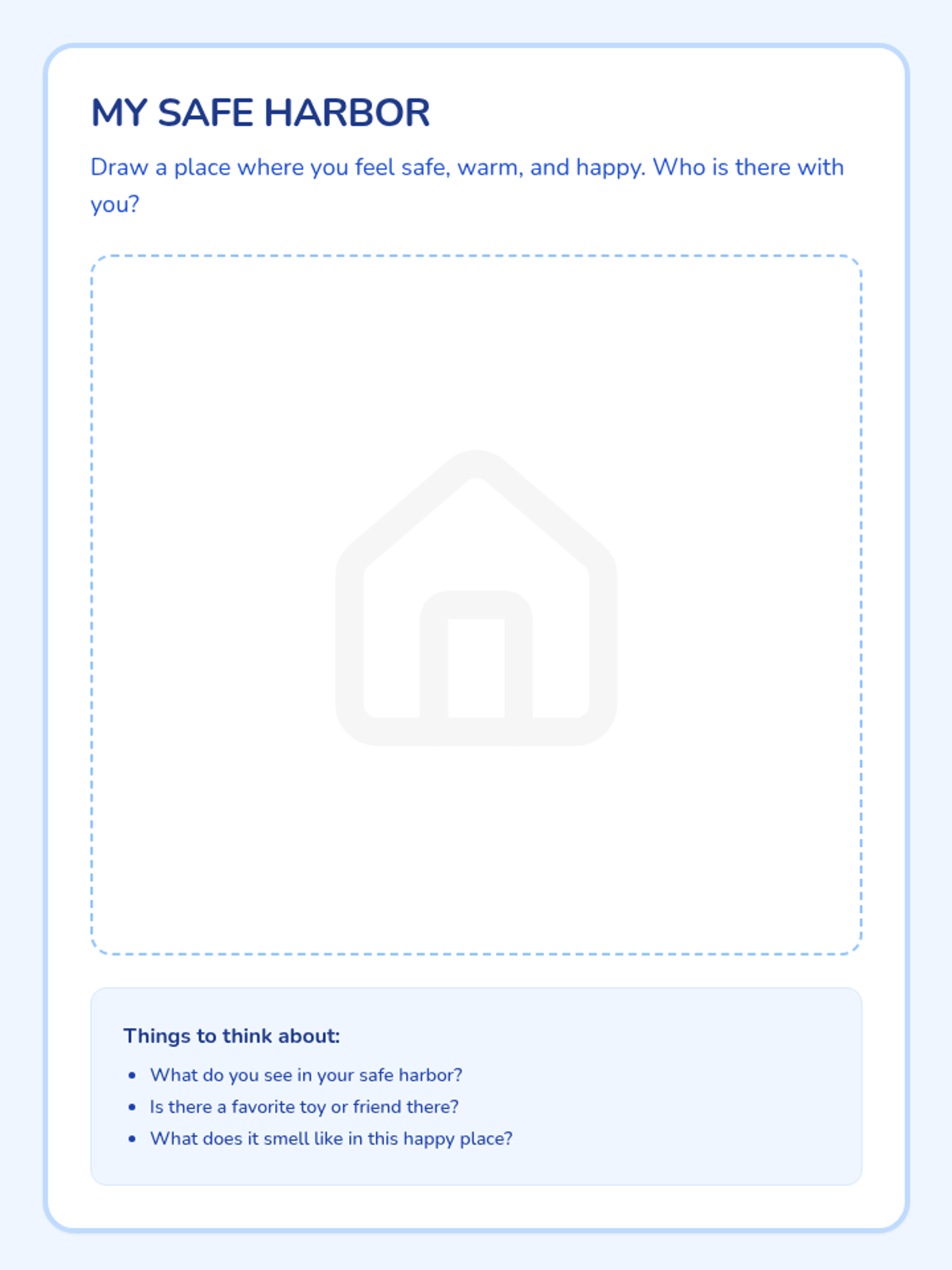
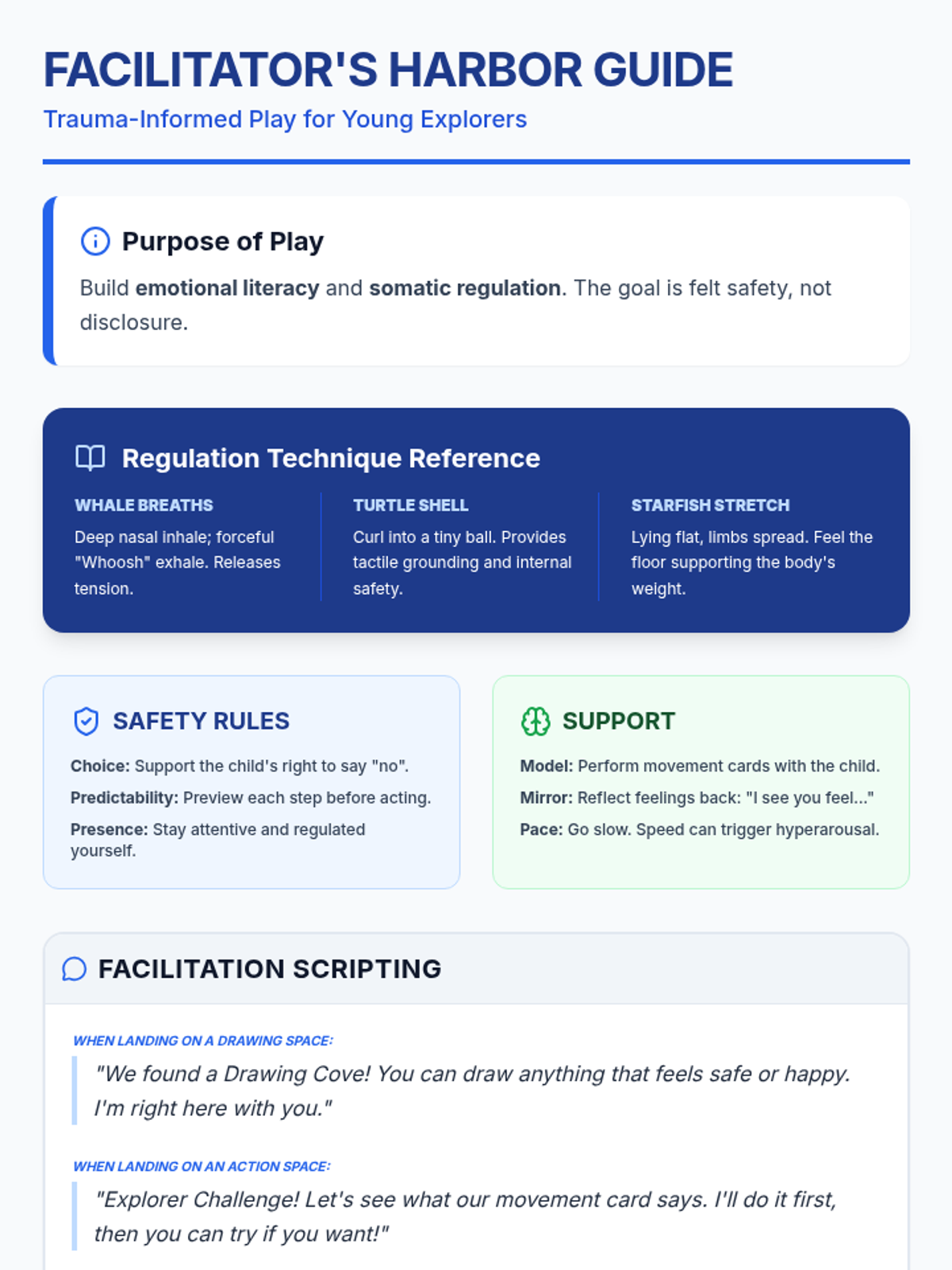
A trauma-informed play-based toolkit designed for young children (age 4) to explore emotions, learn self-regulation, and build a sense of safety through a board game, movement cards, and drawing prompts.
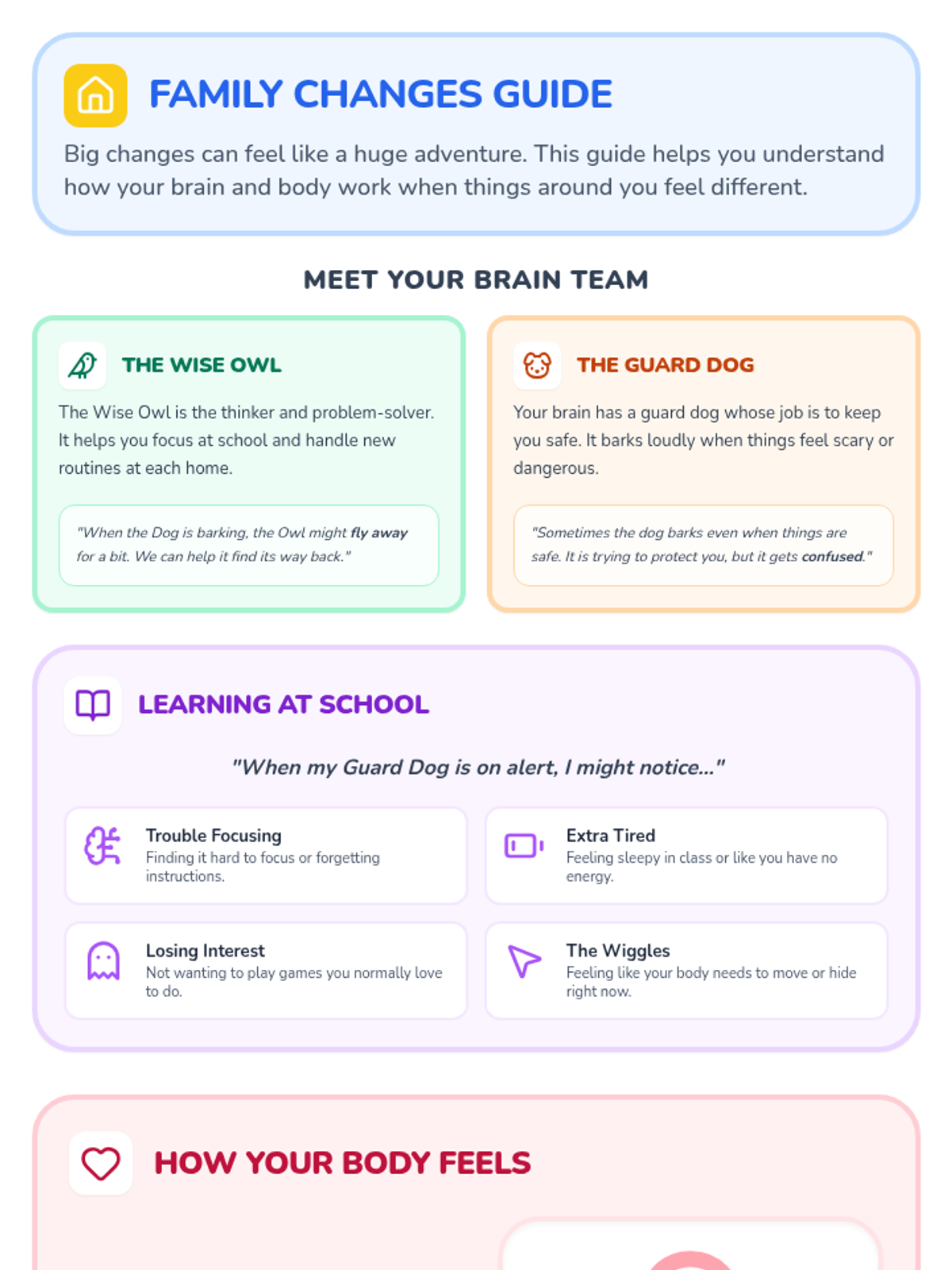
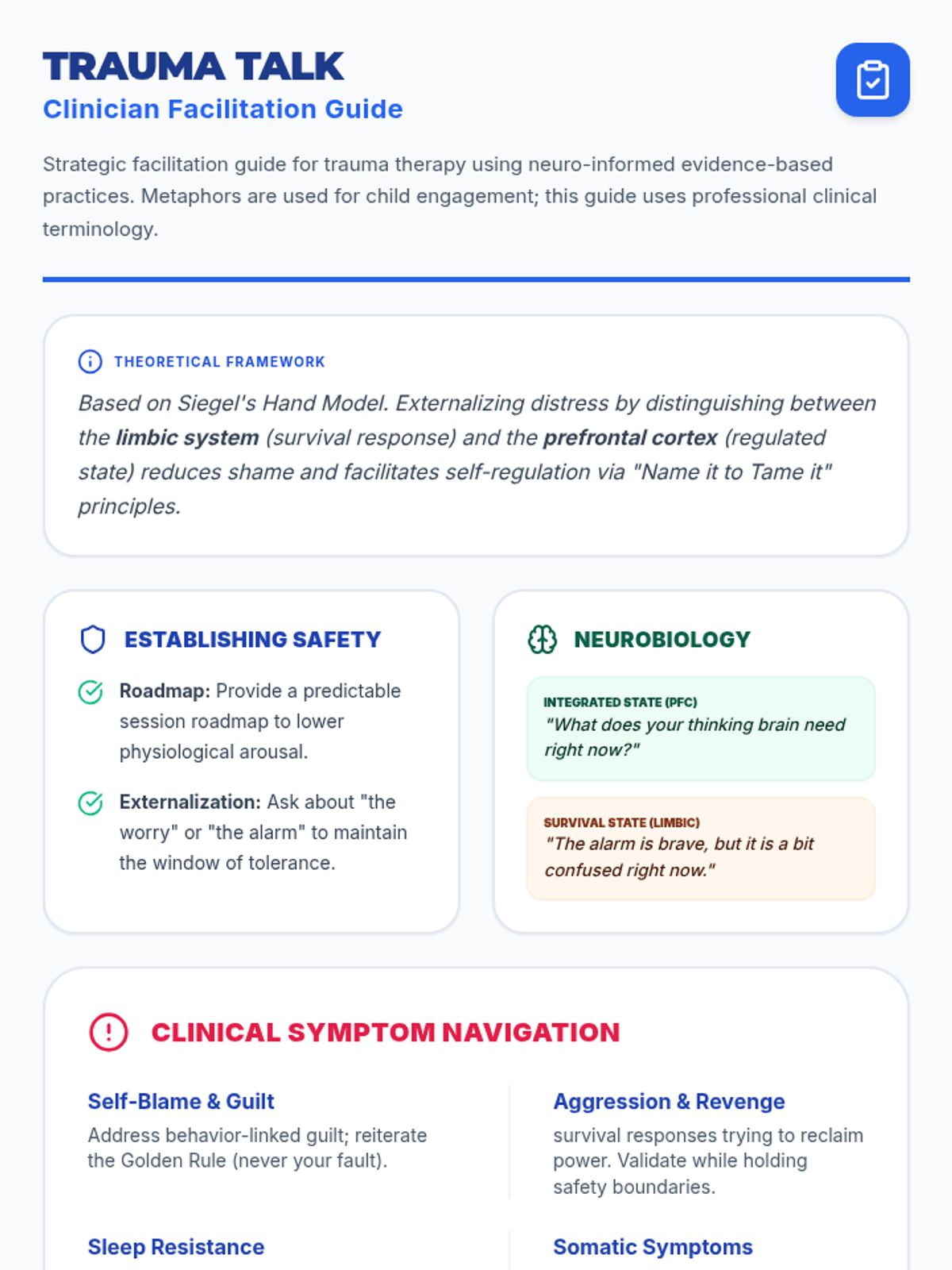
A set of resources designed to support children and their caregivers through the trauma of family changes, focusing on brain-based metaphors and clinical best practices.
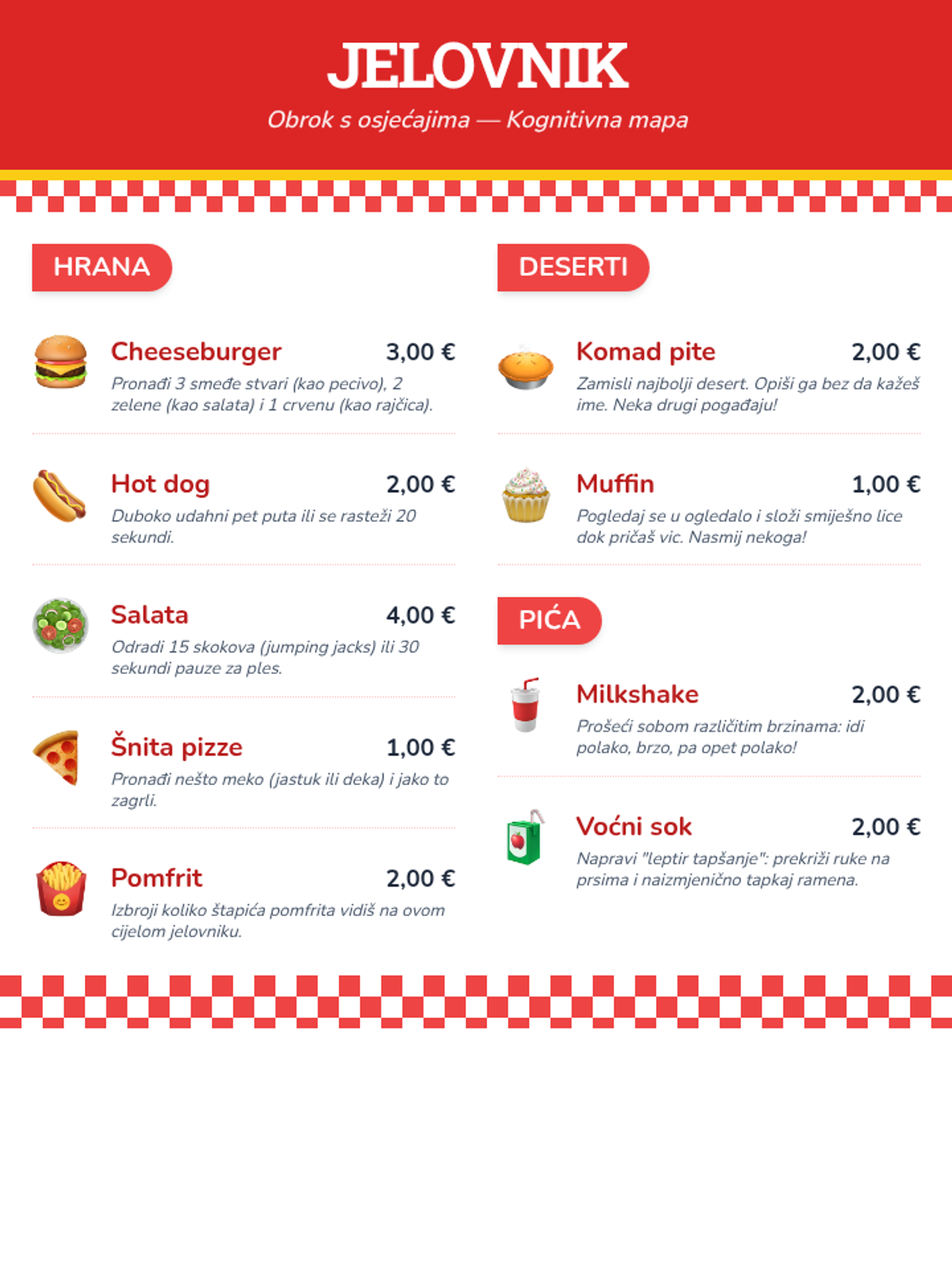
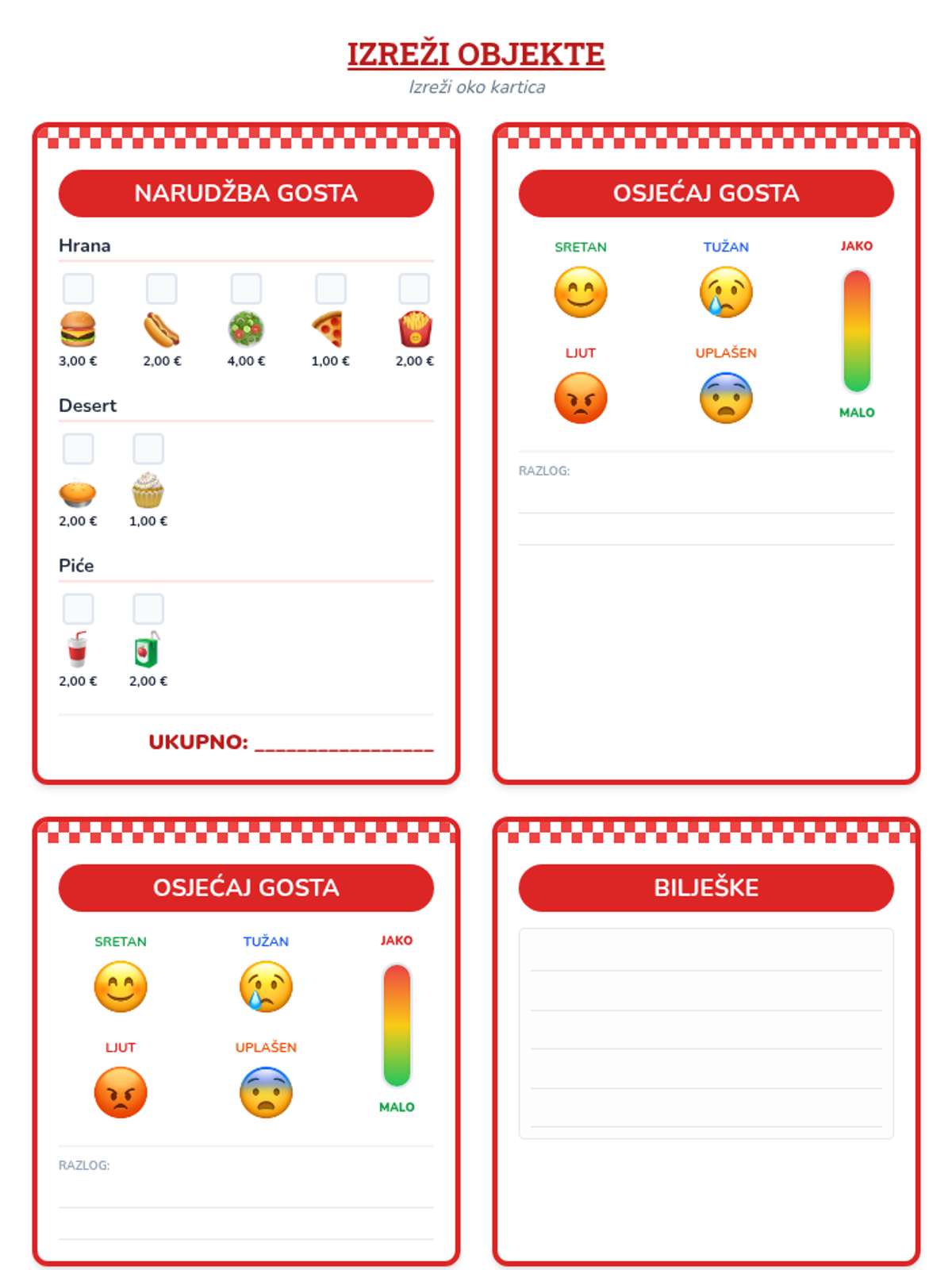
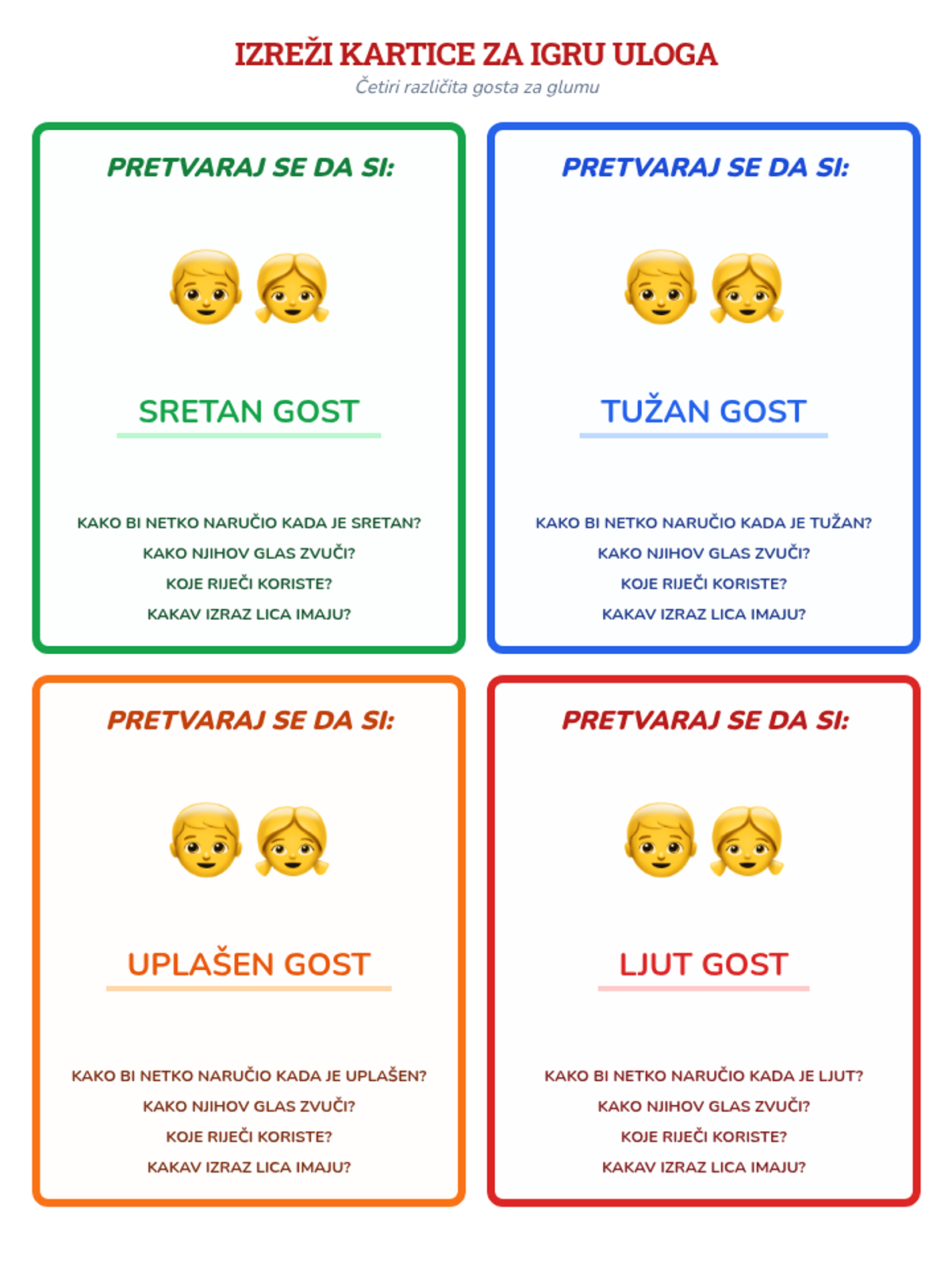
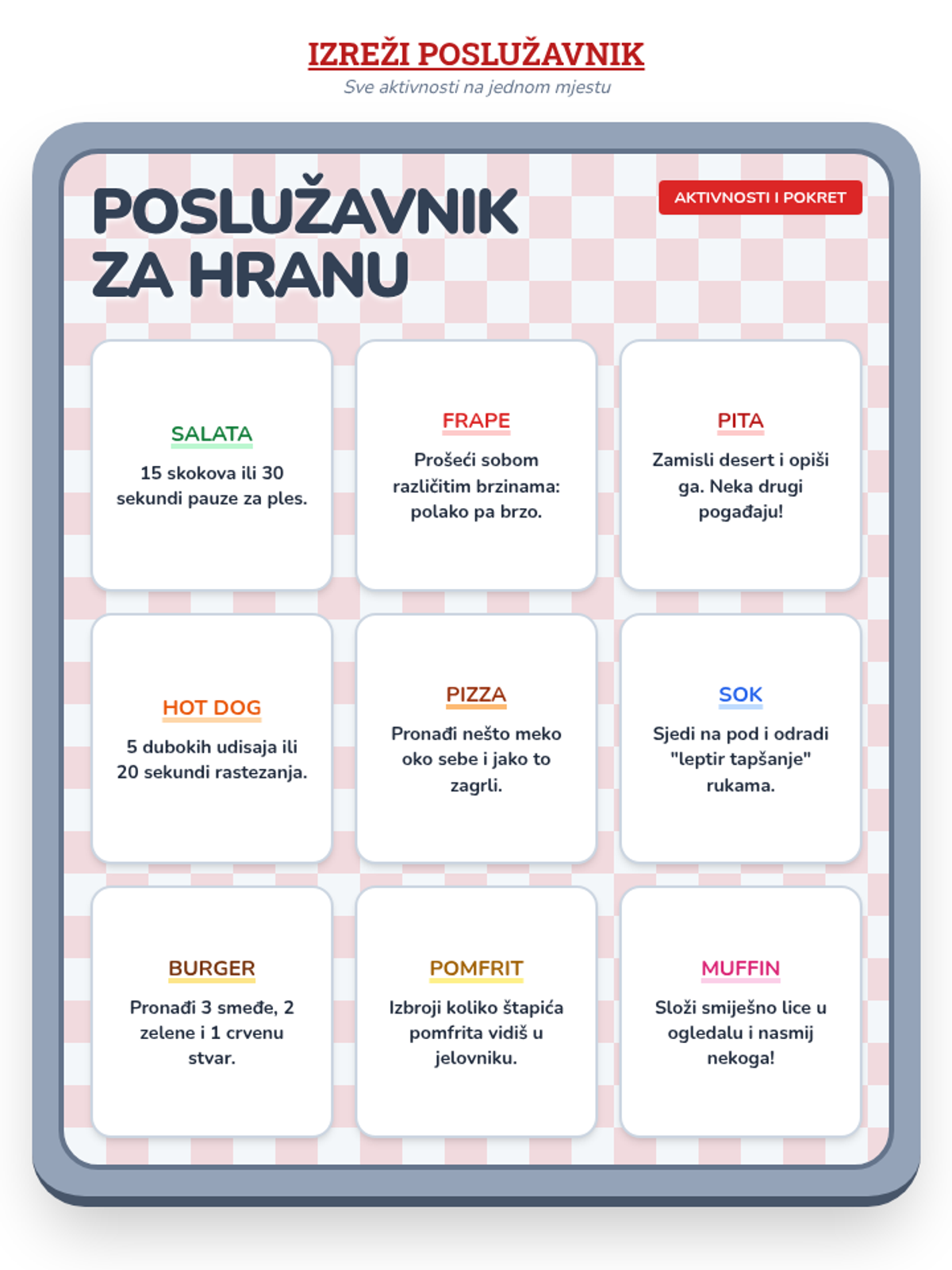
Set interaktivnih materijala za socijalno-emocionalno učenje kroz igru restorana, prilagođen za hrvatski jezik.
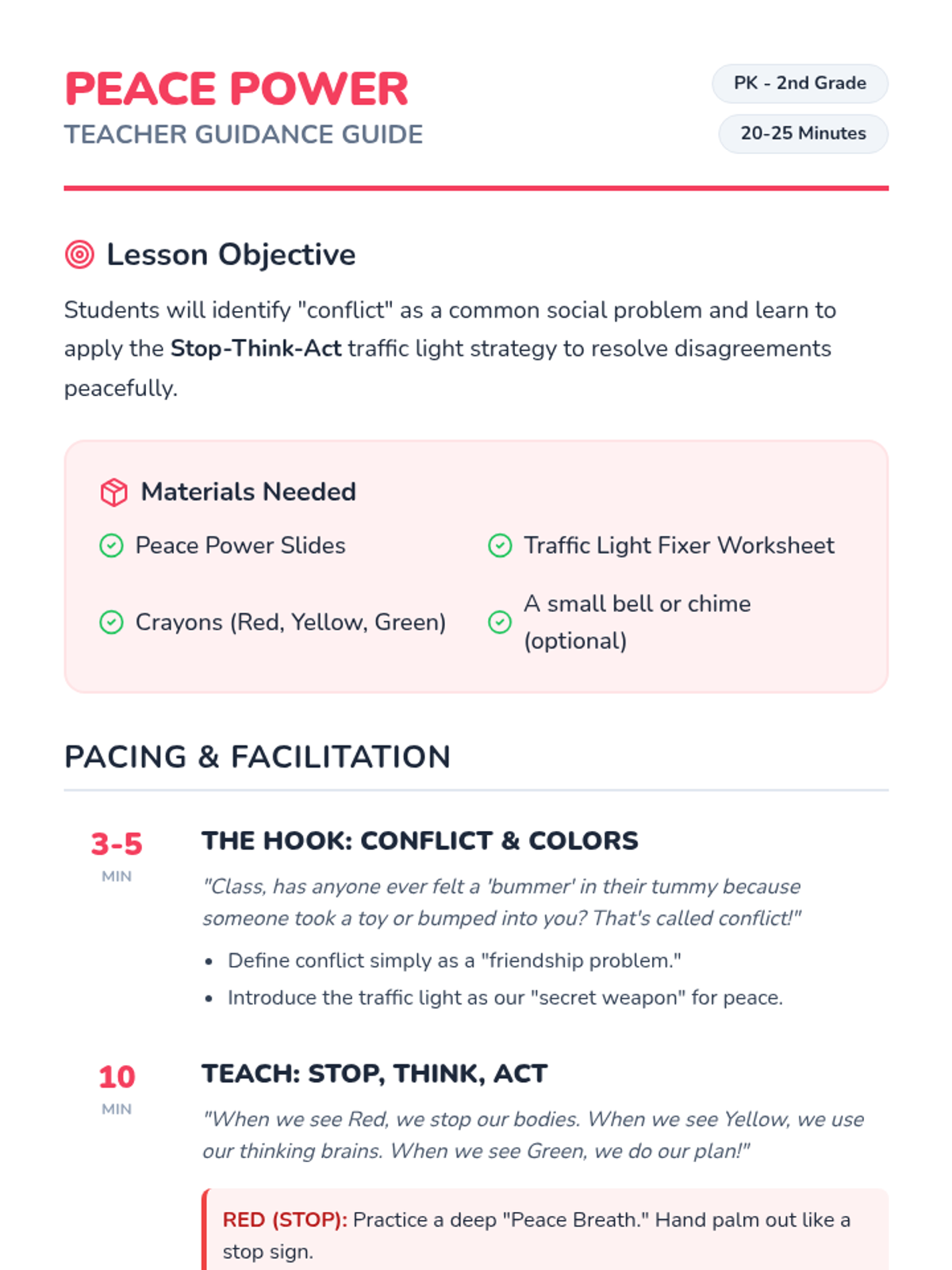
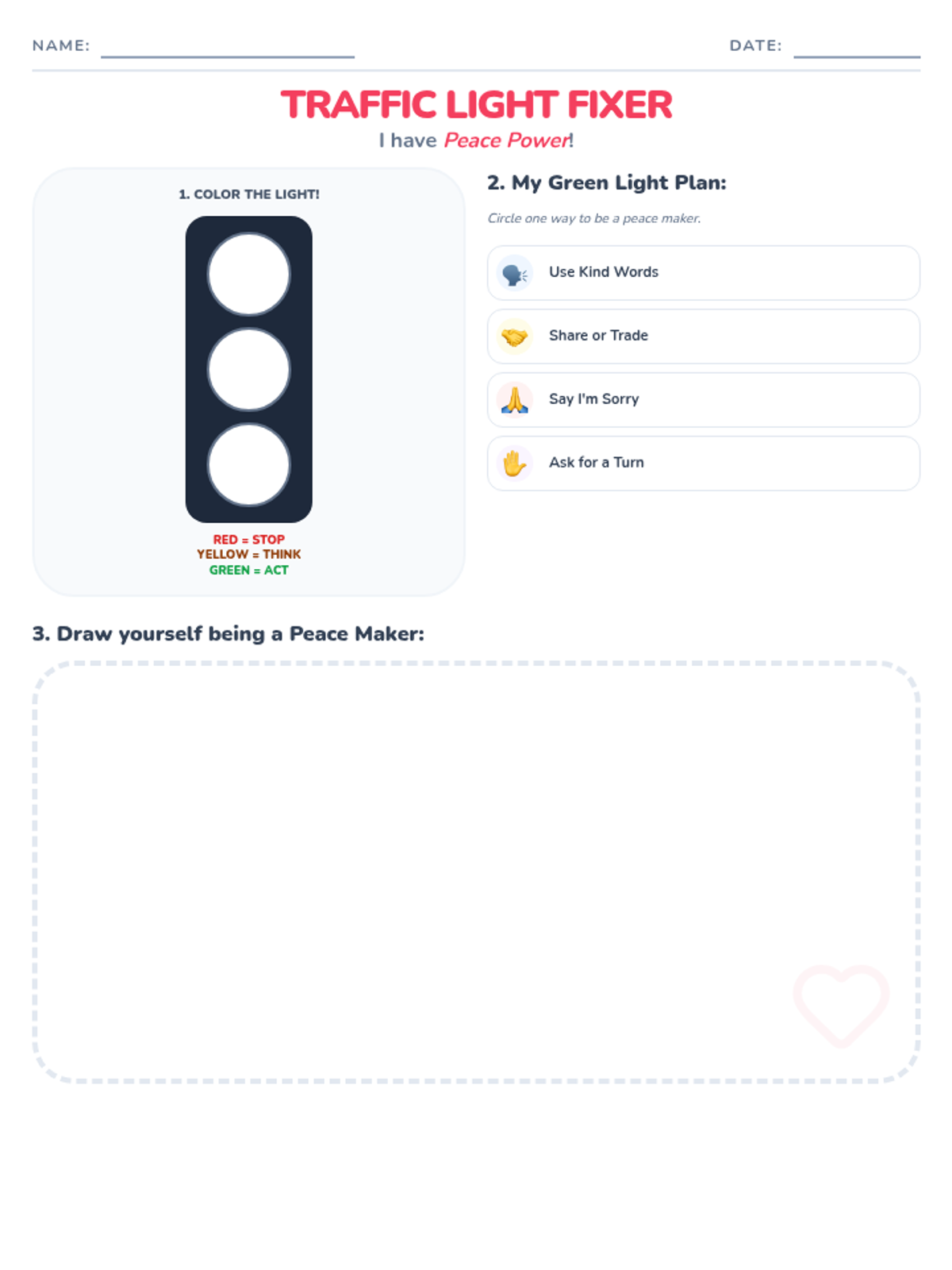
A vibrant, interactive guidance lesson for PK-2nd grade students focusing on the 'Stop-Think-Act' conflict resolution strategy using a traffic light metaphor. Emphasizes self-regulation and kind choices.
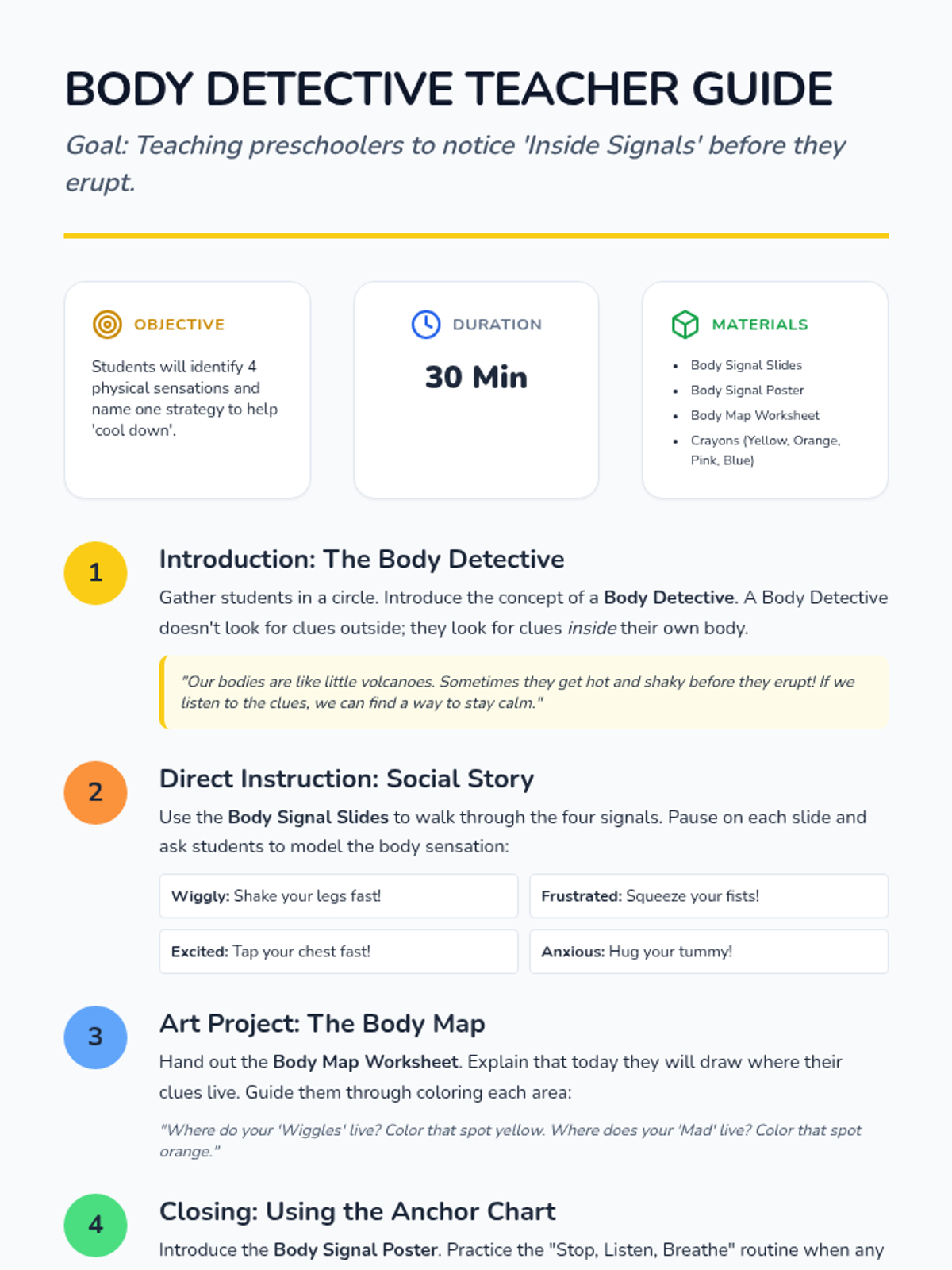
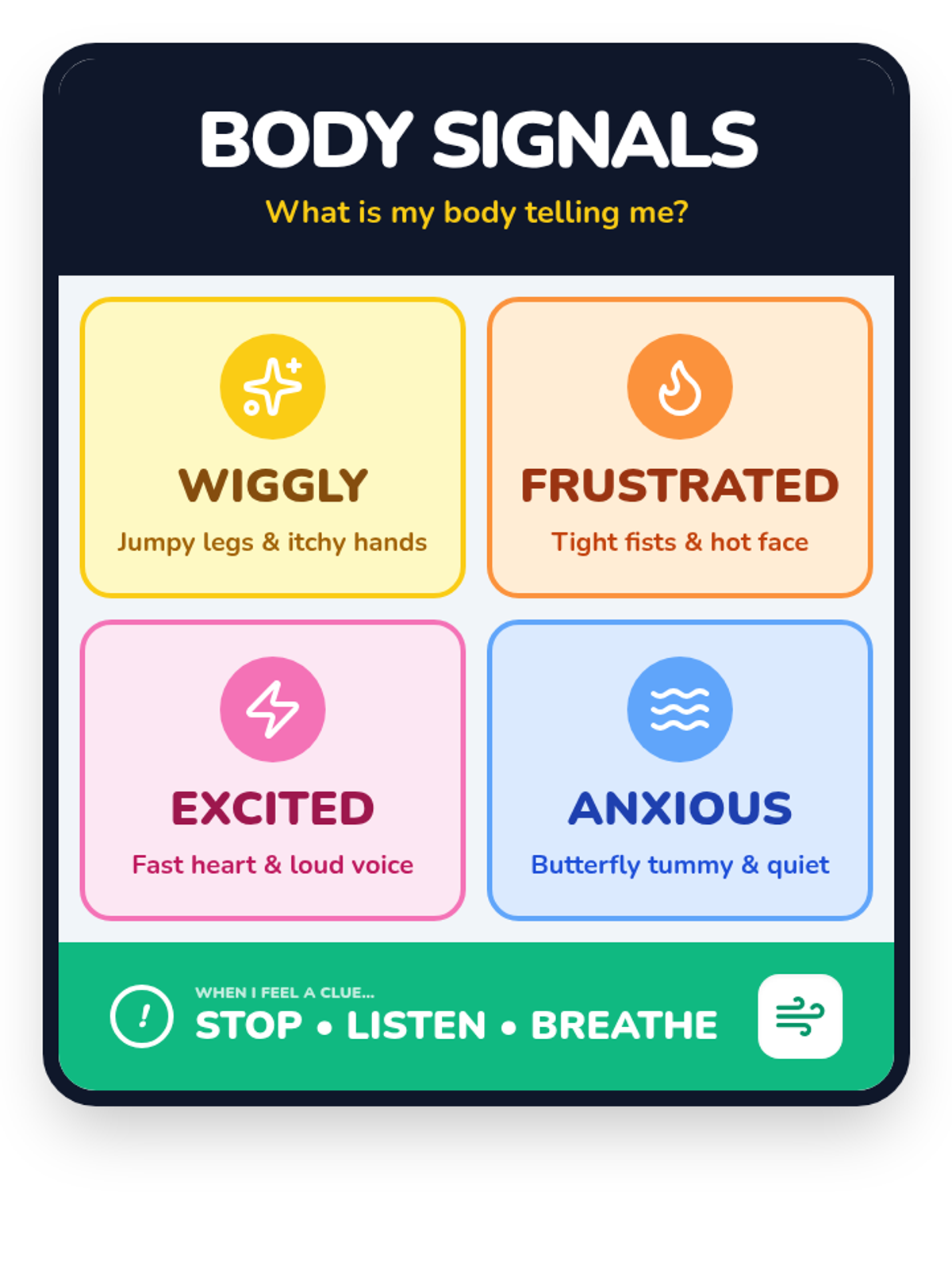
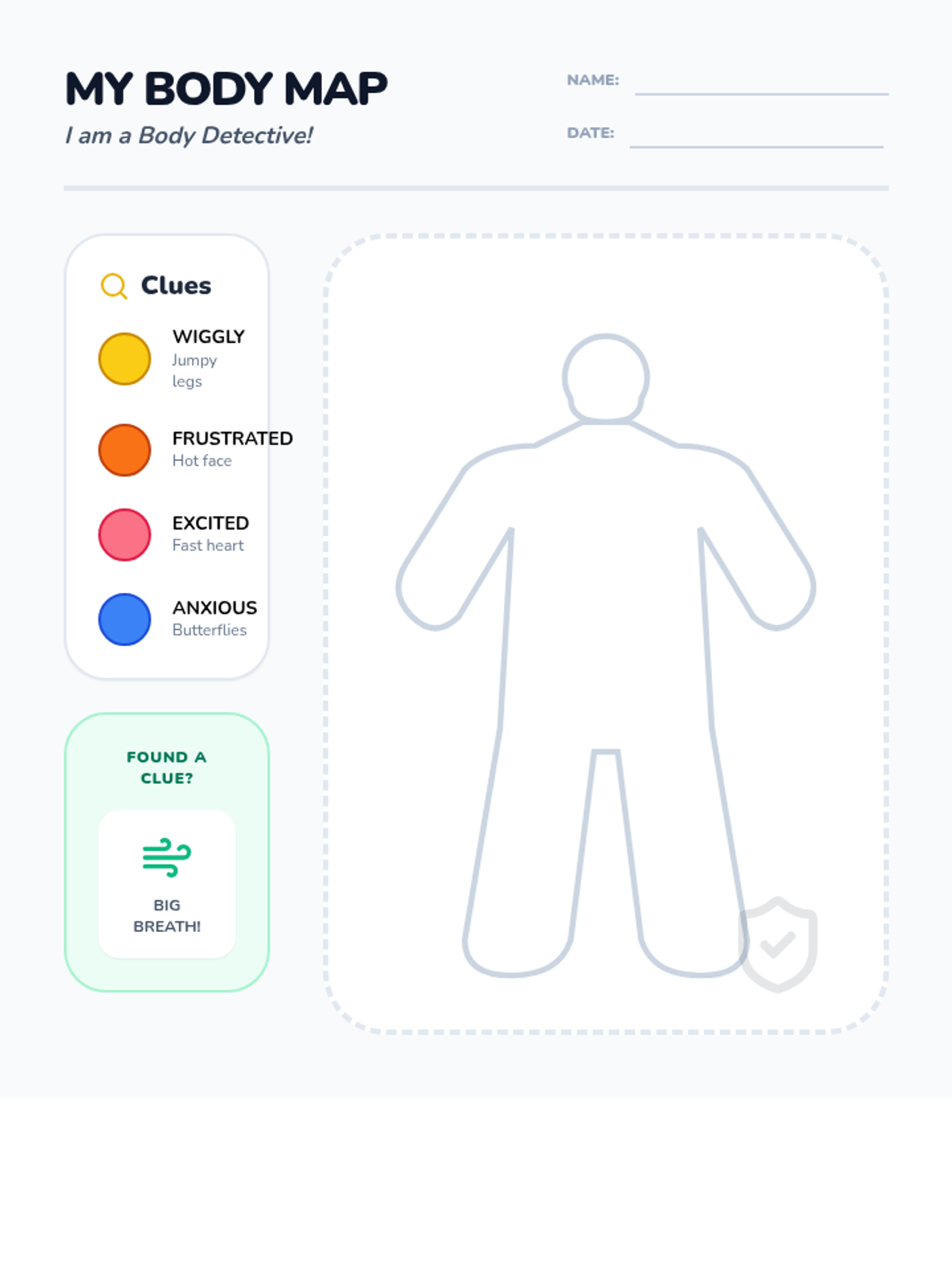
A preschool lesson focused on self-regulation by teaching children to recognize physical 'body signals' associated with wiggly, frustrated, excited, and anxious feelings before they lead to emotional eruptions.
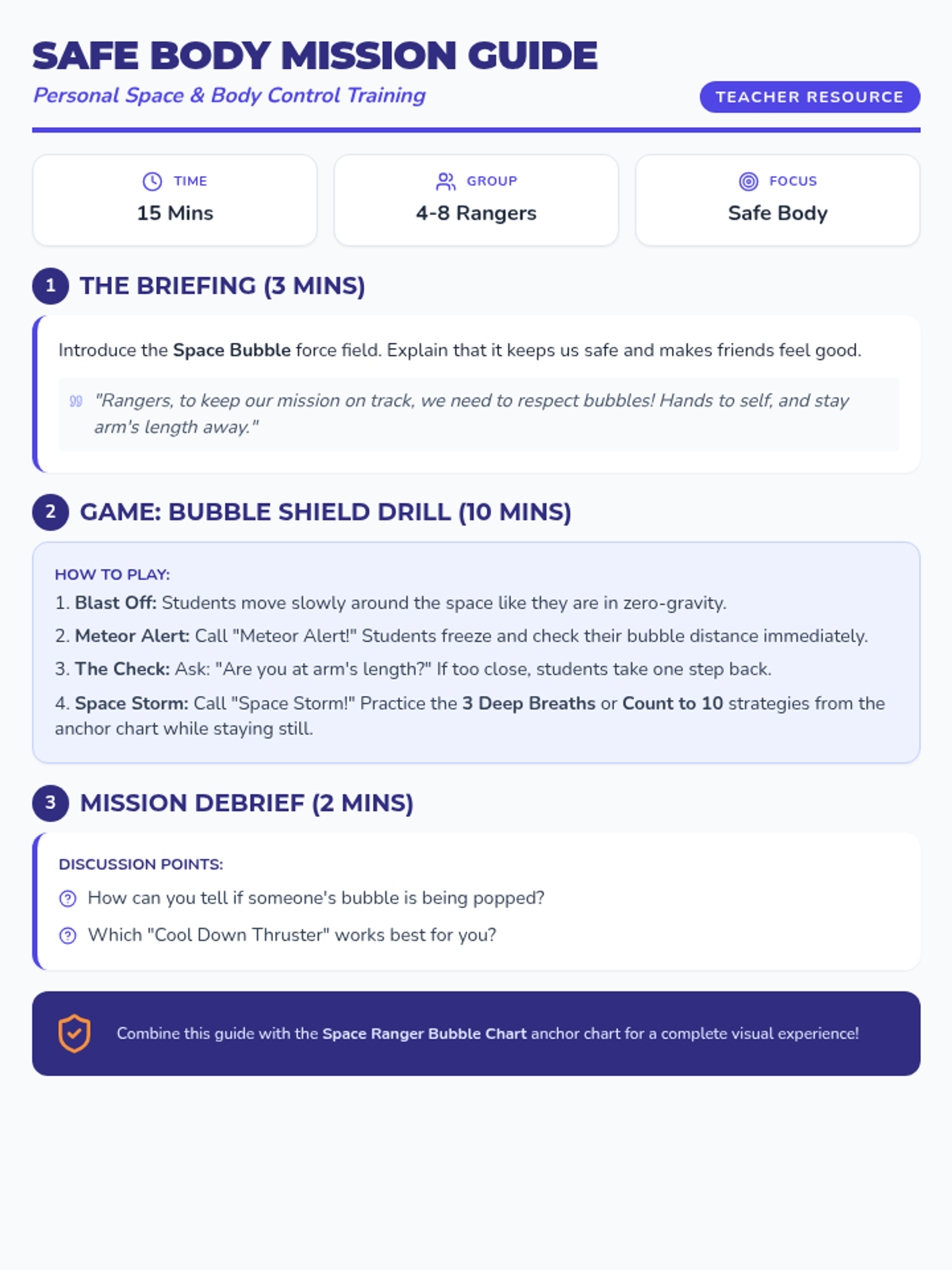
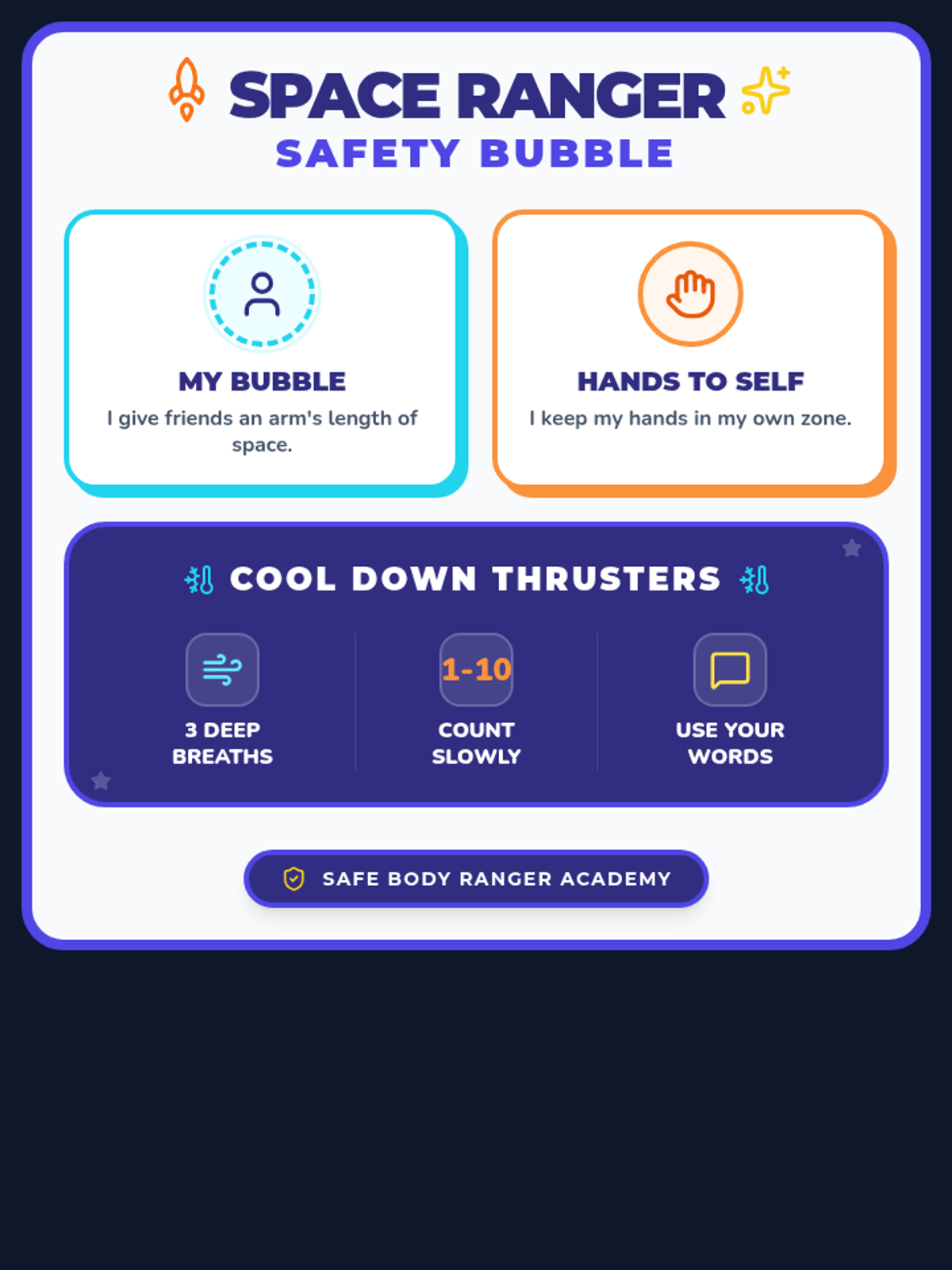
A 15-minute social-emotional learning lesson for Lunch Bunch groups, focusing on personal space, hands to self, and calming strategies using a fun 'Space Ranger' theme.
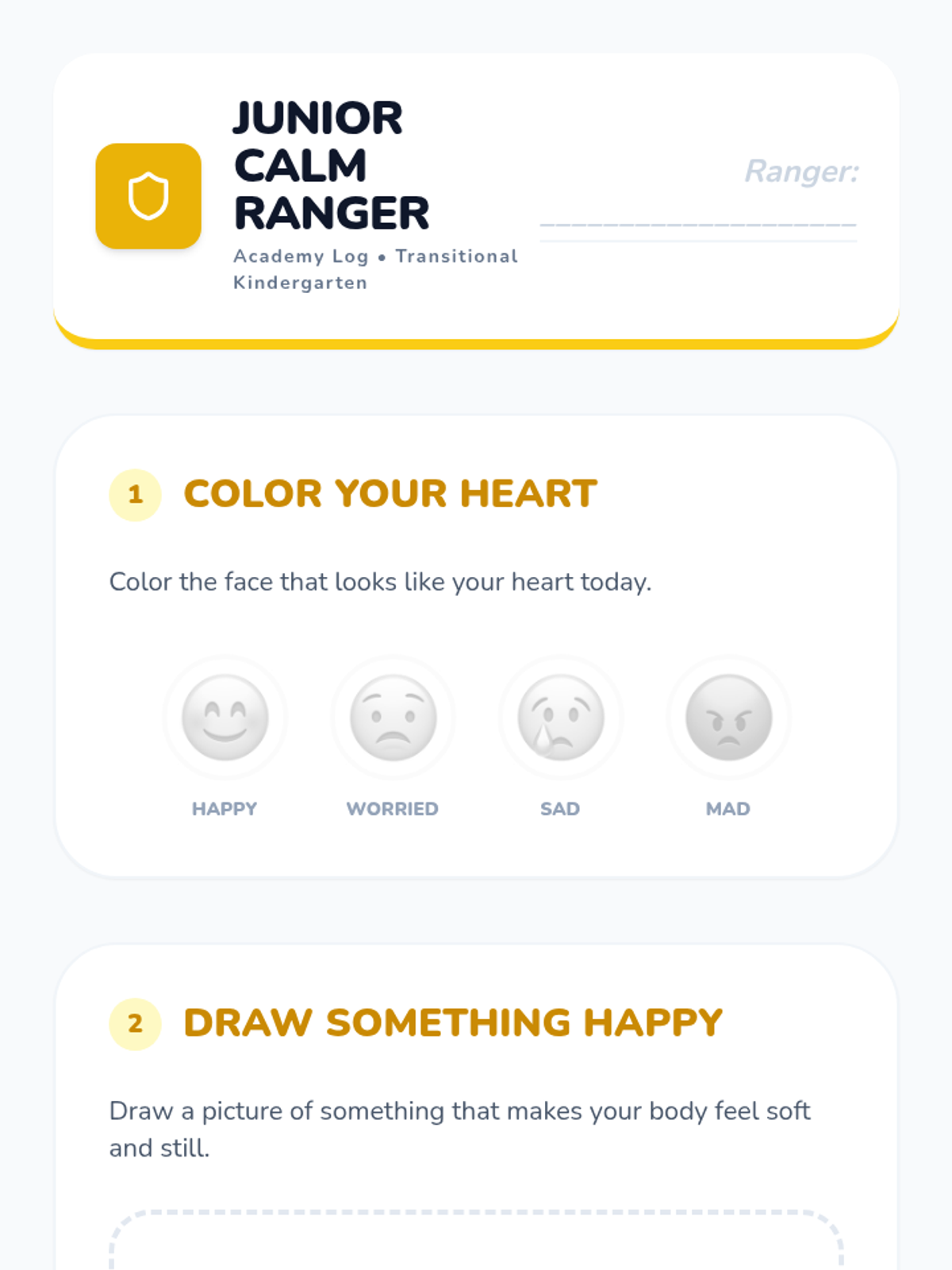
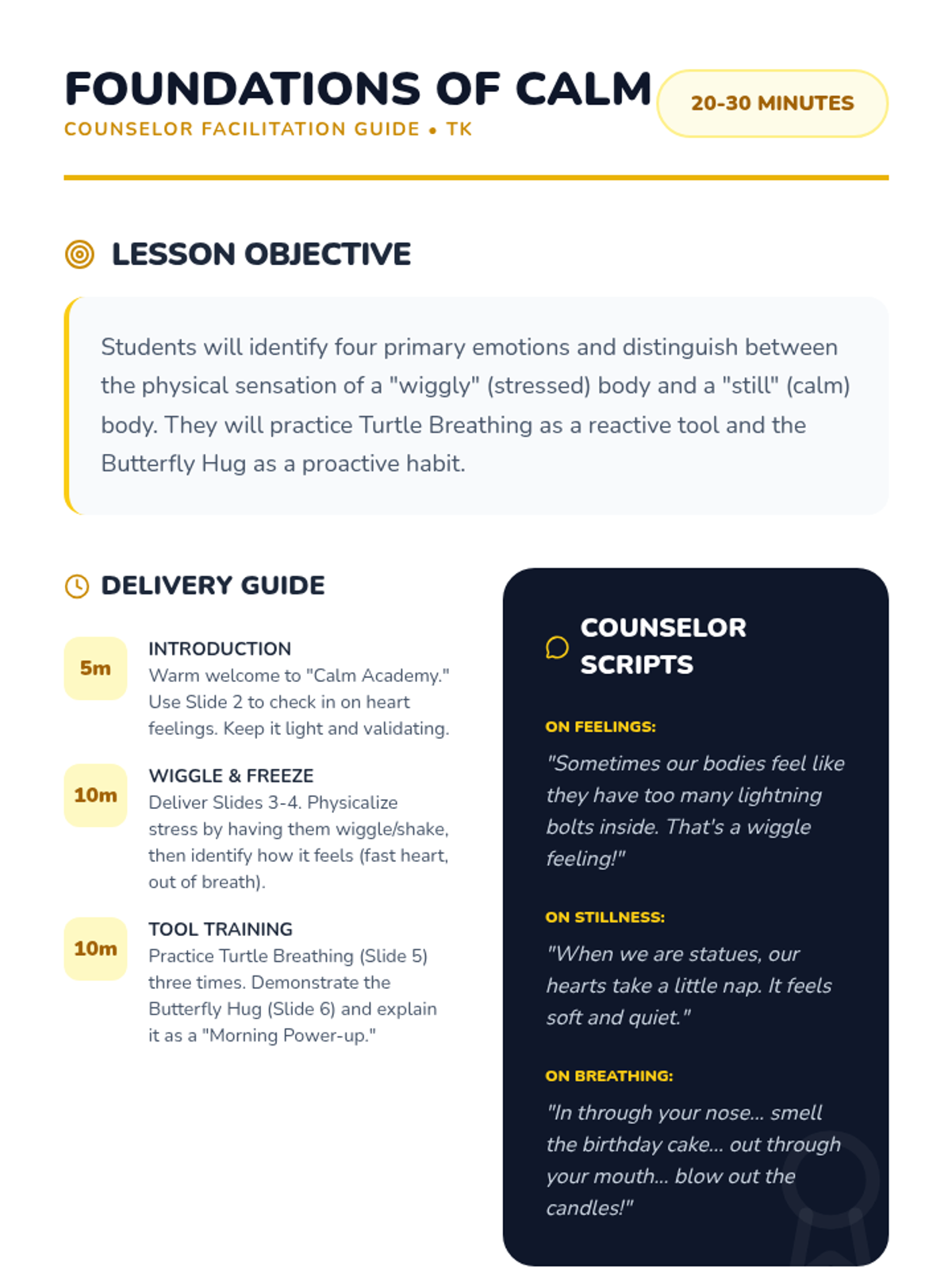
A foundational lesson for Transitional Kindergarten students focused on identifying basic emotions and the physical sensation of being 'wiggly' (stressed) vs. 'still' (calm). Introduces 'Turtle Breathing' as a primary regulation tool.
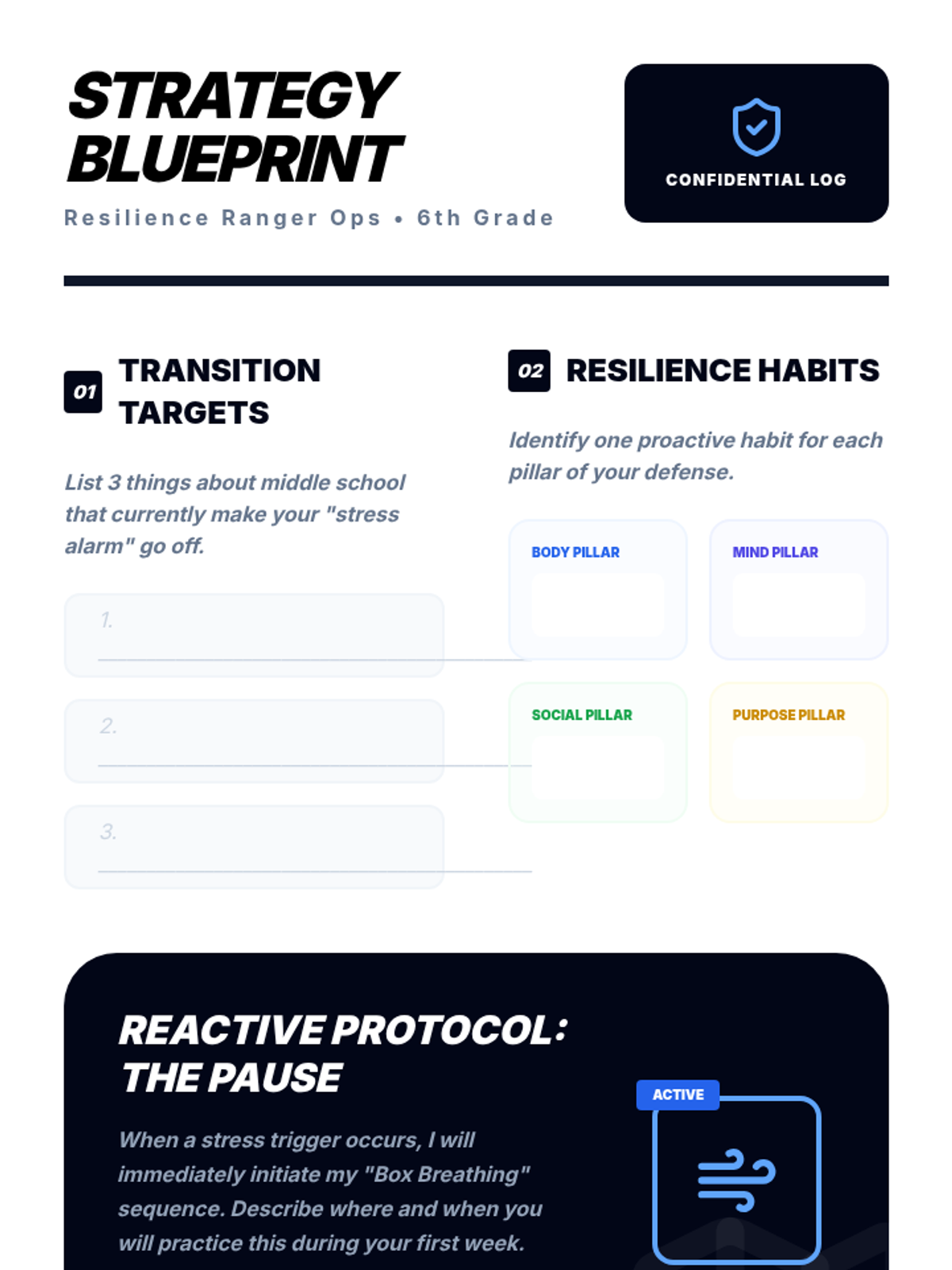
Sixth grade students prepare for the transition to middle school by developing high-level resilience habits and long-term stress management plans.
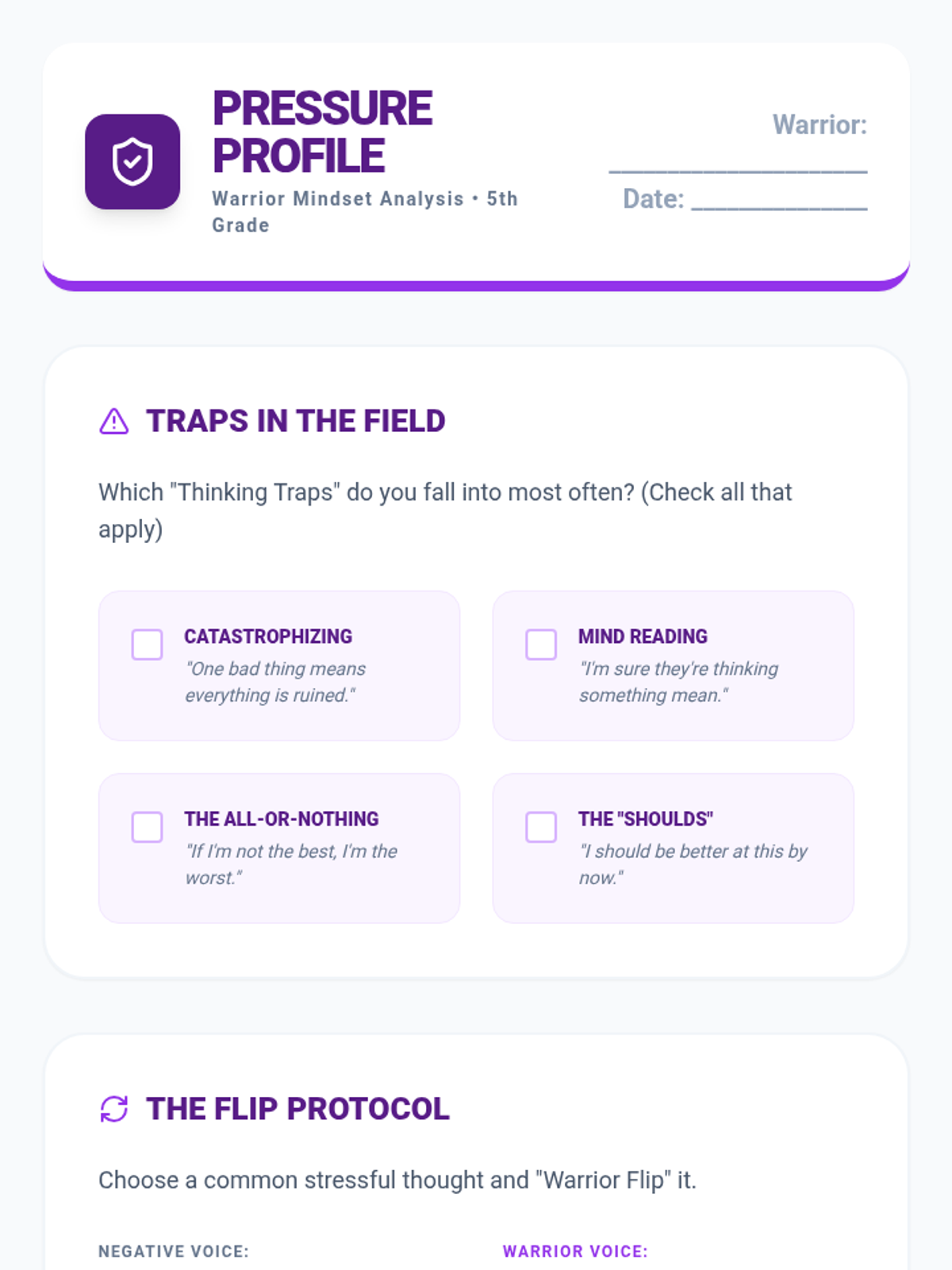
Fifth graders explore academic and social pressure, focusing on the power of positive self-talk and perspective-shifting.
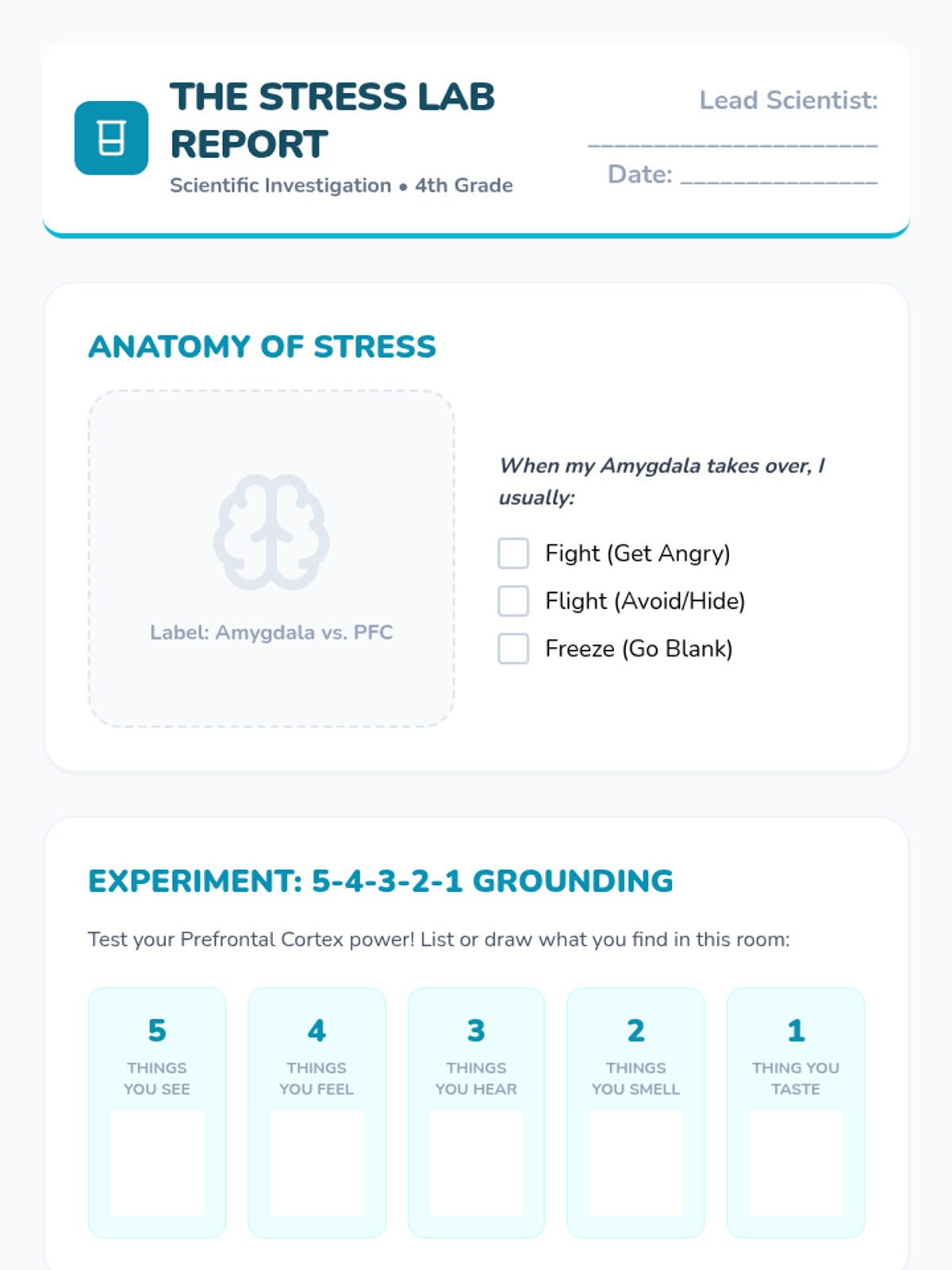
Fourth grade students investigate the science of the 'fight, flight, or freeze' response and develop logic-based strategies to respond.
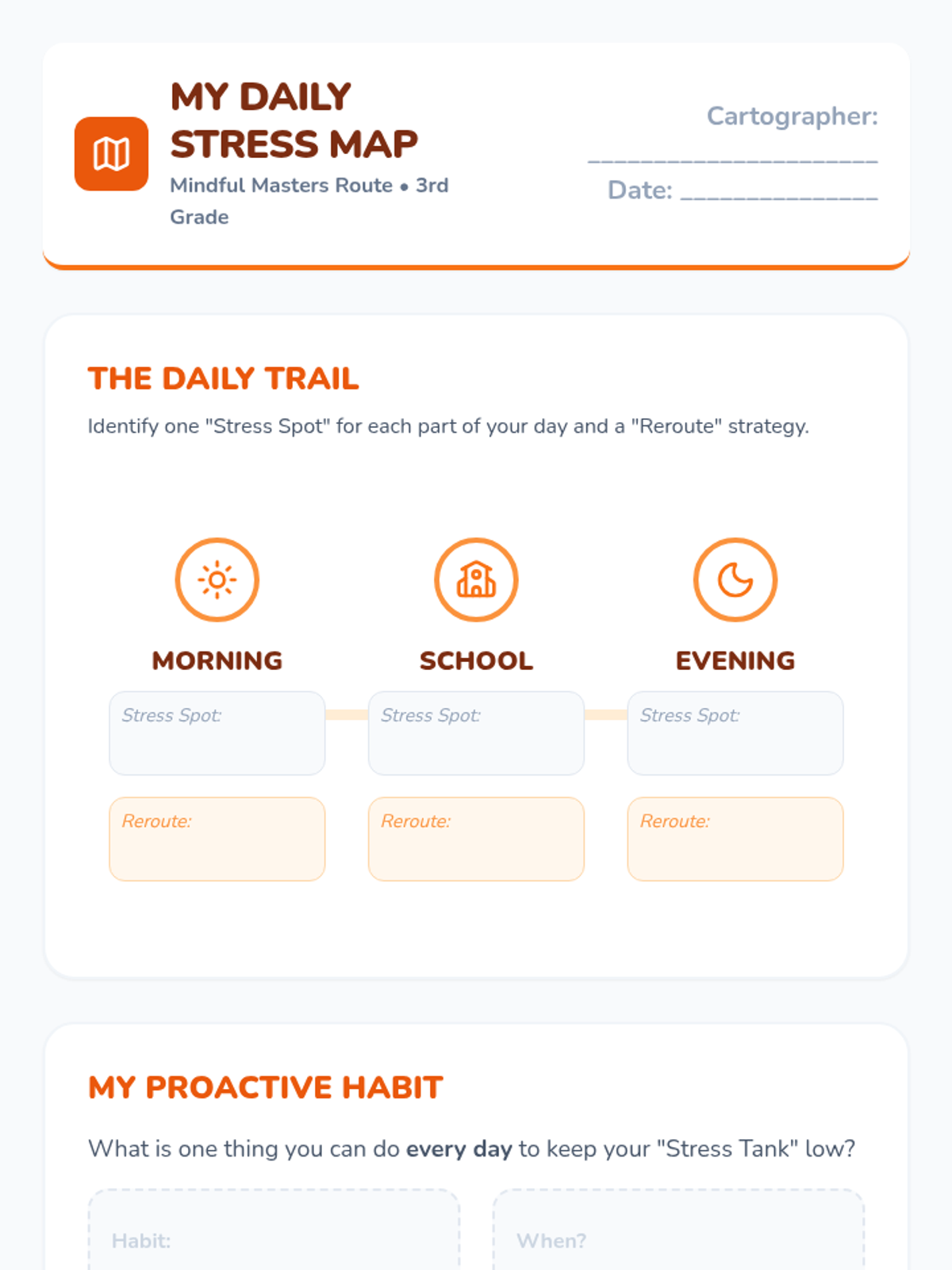
Third graders learn to map out their day to identify 'stress spots' and practice proactive planning to minimize overwhelm.
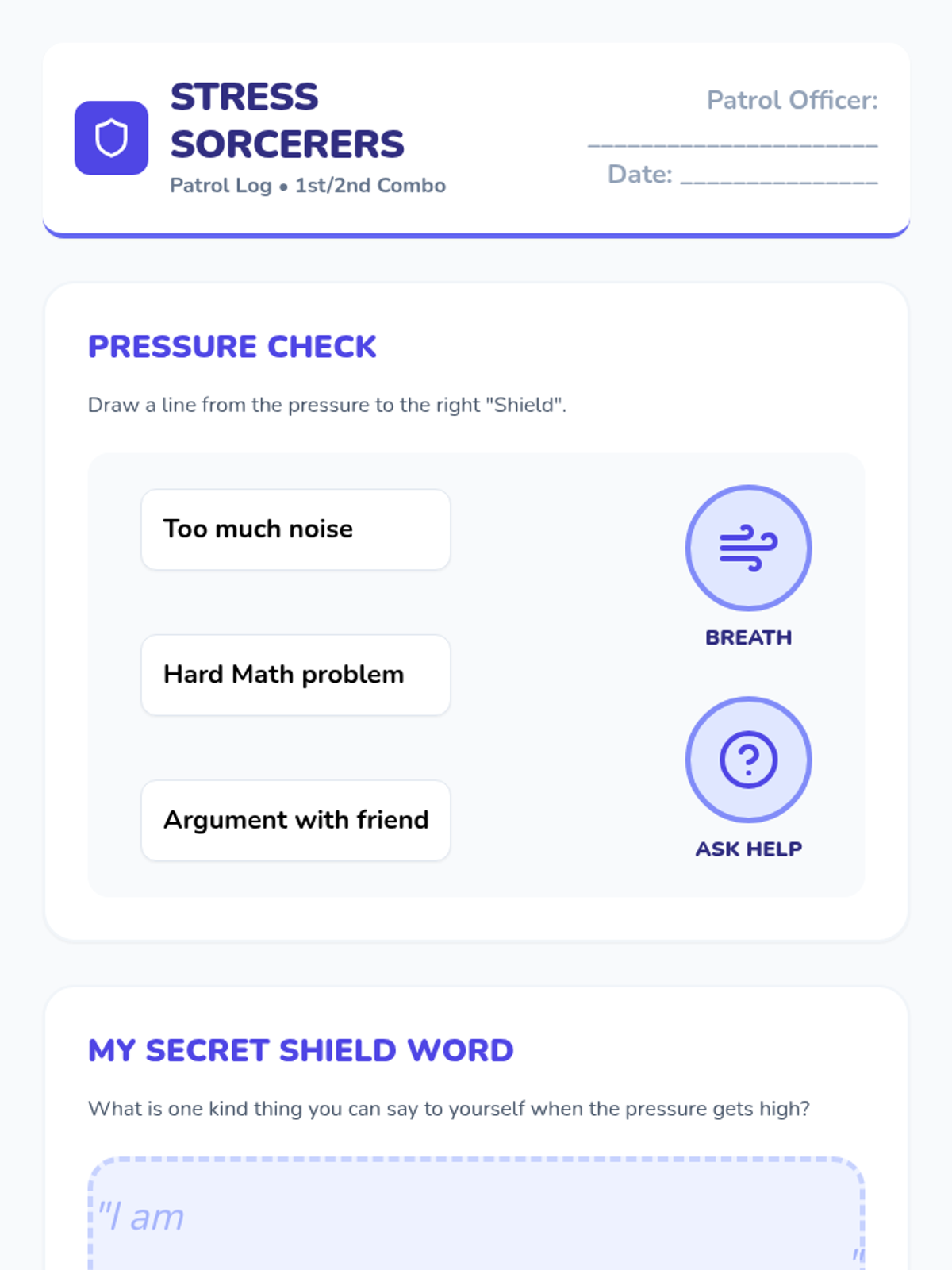
A specialized lesson for mixed-grade classrooms focusing on identifying shared stressors (schoolwork, friendship) and practicing group regulation.
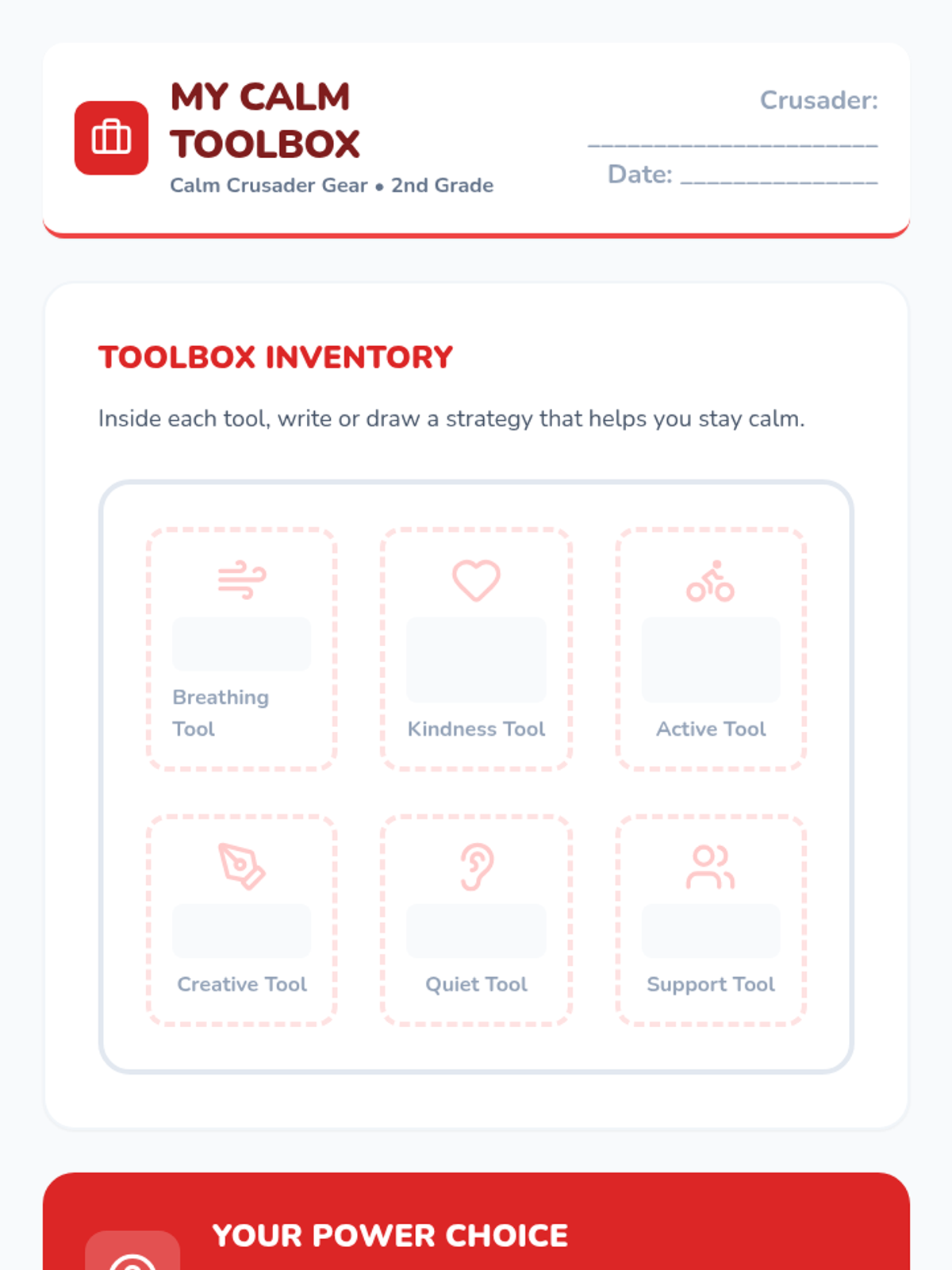
Second grade students explore how to build a personalized 'toolbox' of calm-down strategies to use when they feel overwhelmed.
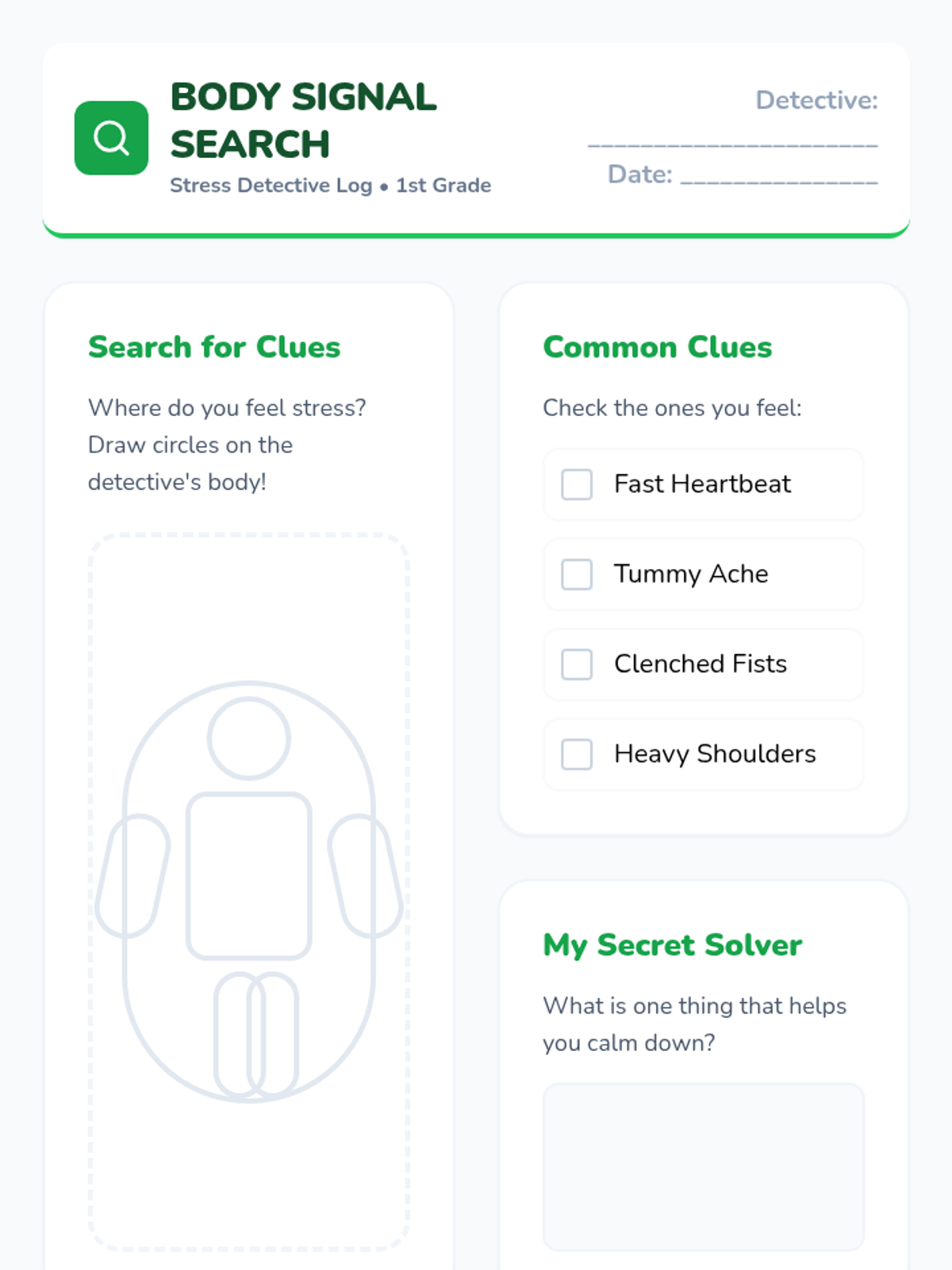
A focused lesson for 1st graders on identifying where stress lives in the body and learning the difference between 'helpful' and 'unhelpful' ways to react.
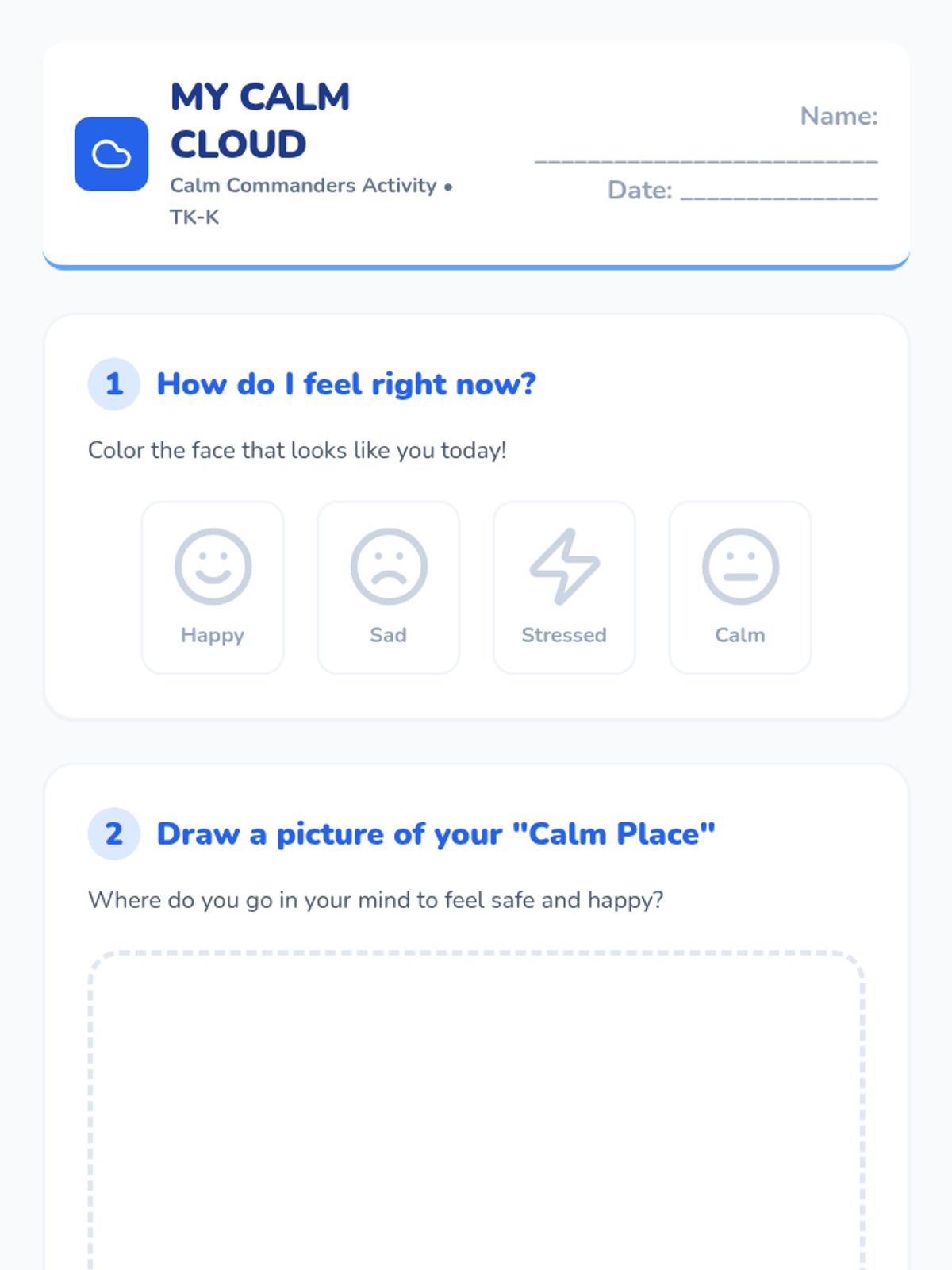
A gentle introduction for TK and Kindergarten students to understand feelings of 'tightness' or 'worry' (stress) and simple breathing techniques to feel calm.
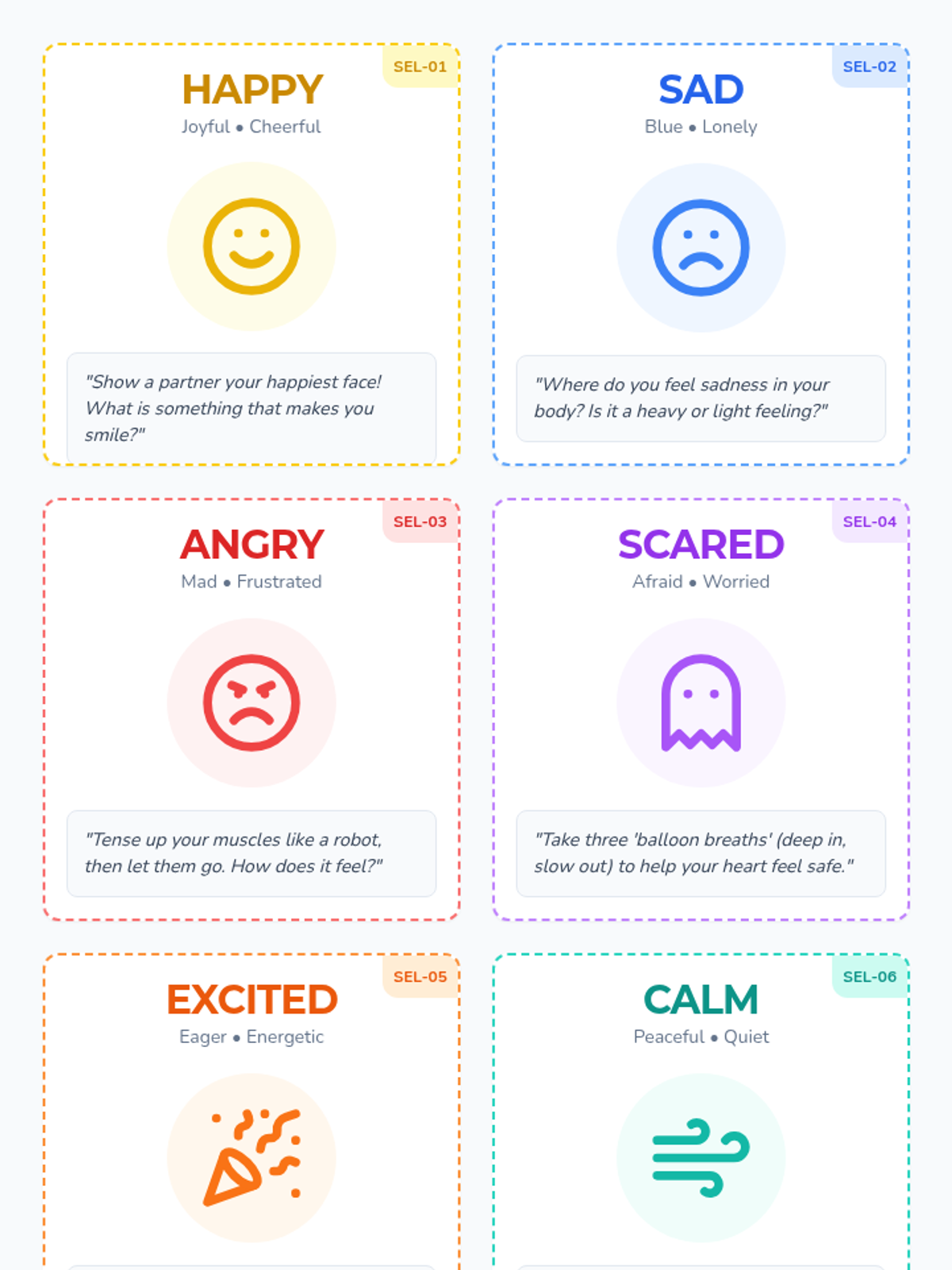
A social-emotional learning lesson focused on identifying and expressing core emotions through interactive task cards and group discussion. Students learn to recognize physiological and situational cues for different feelings.
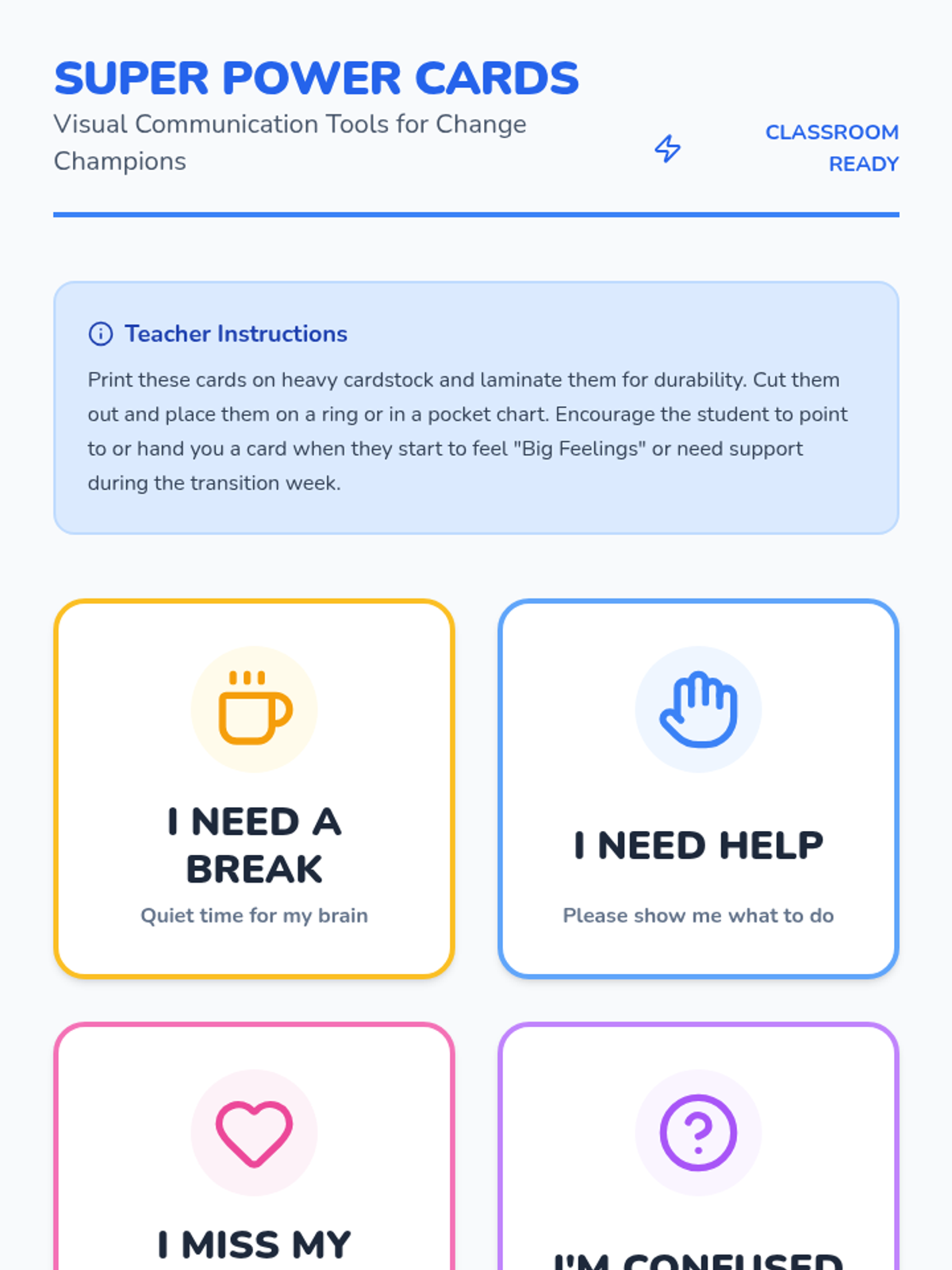
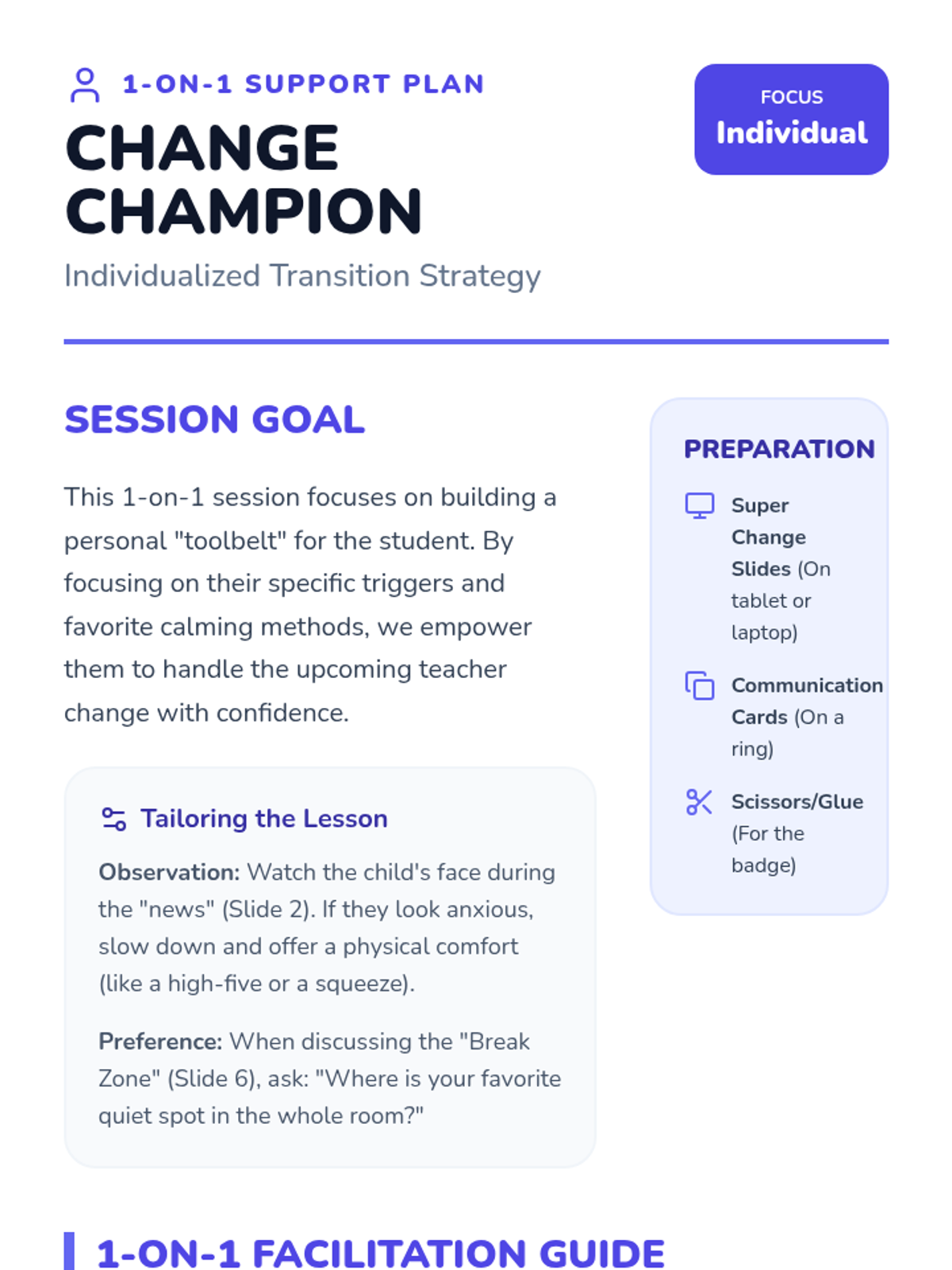
A lesson designed to help preschoolers navigate transitions when their regular teacher is away. It focuses on self-regulation, flexible thinking, and using visual tools to communicate needs.
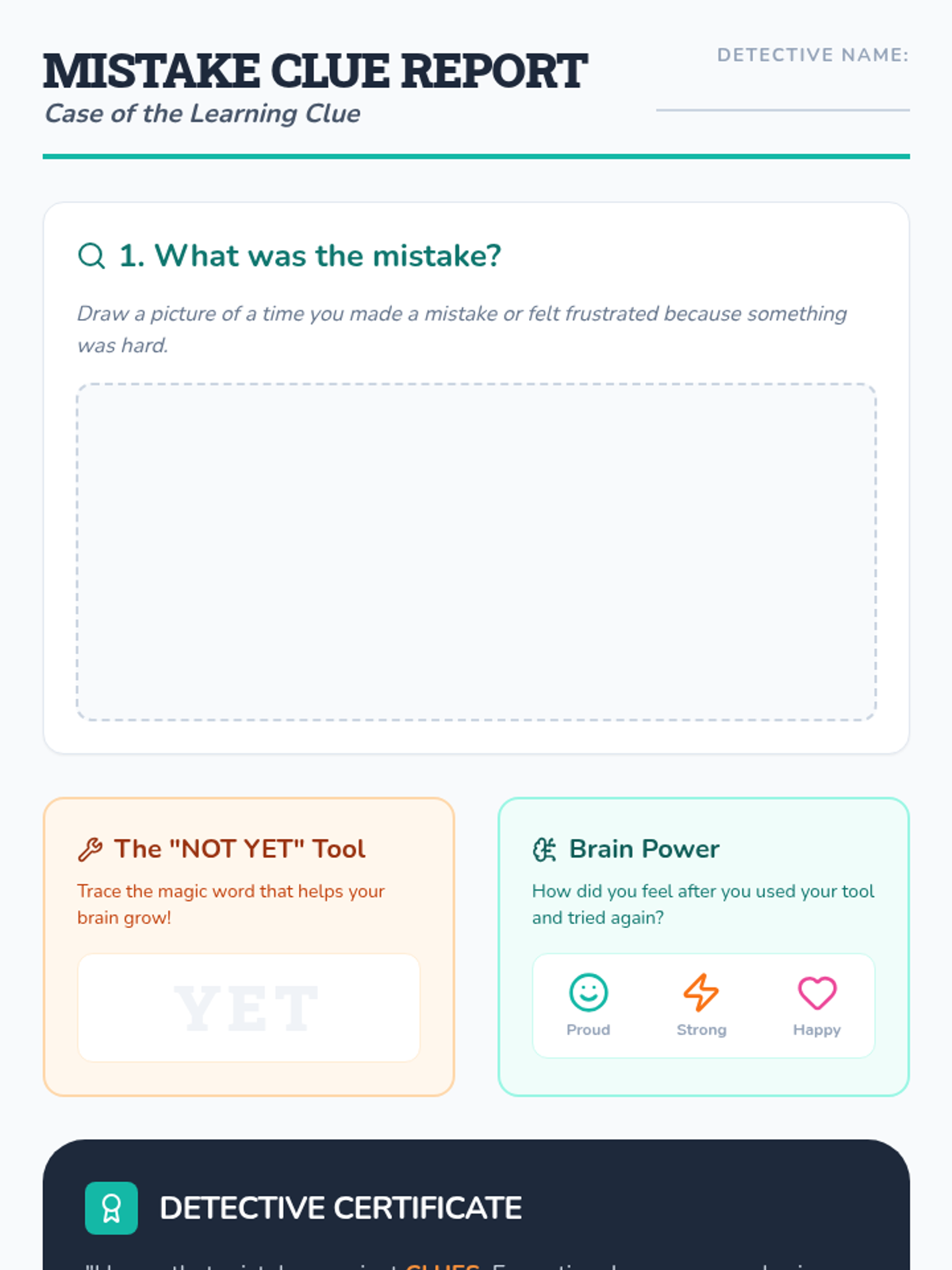
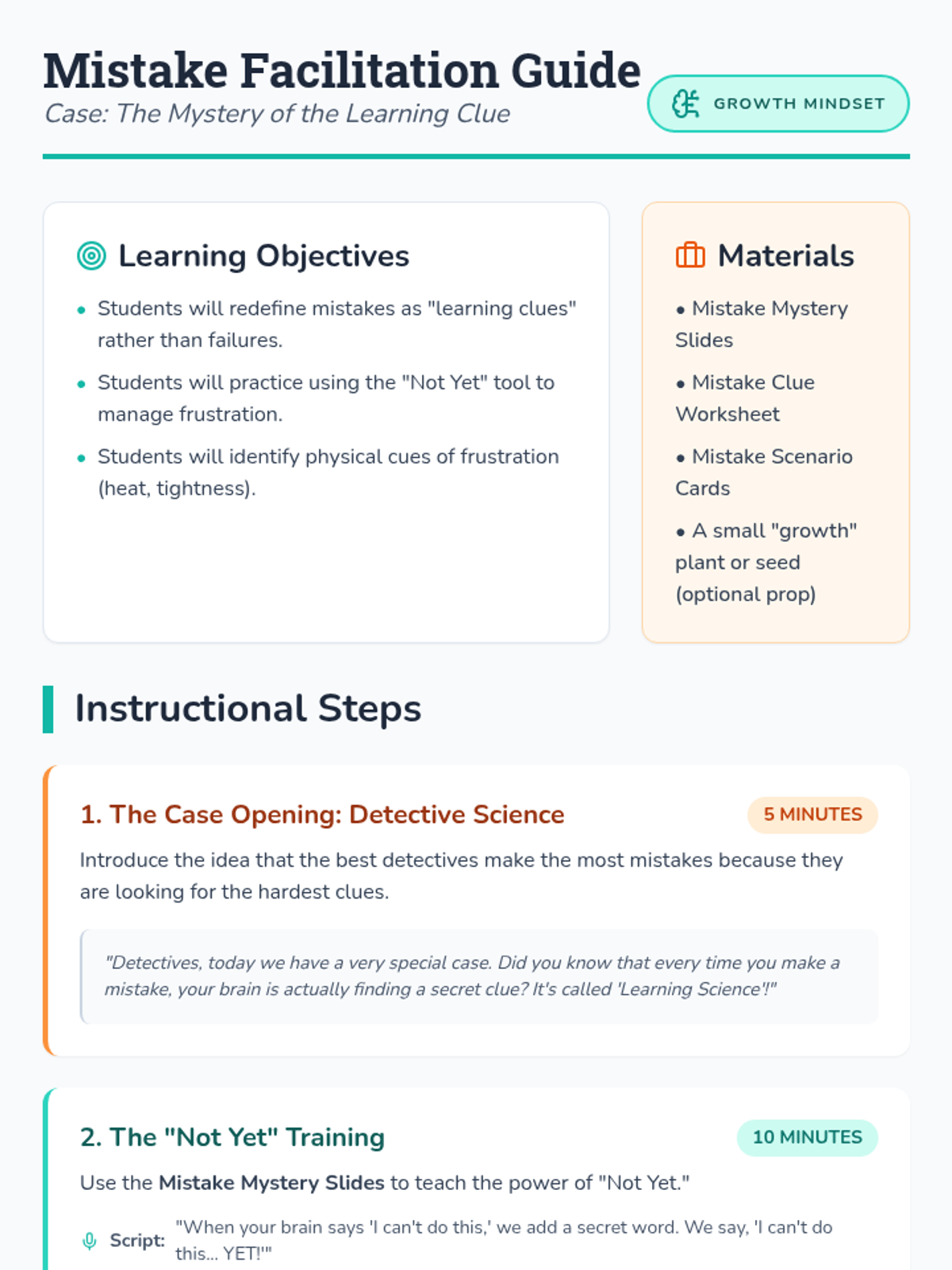
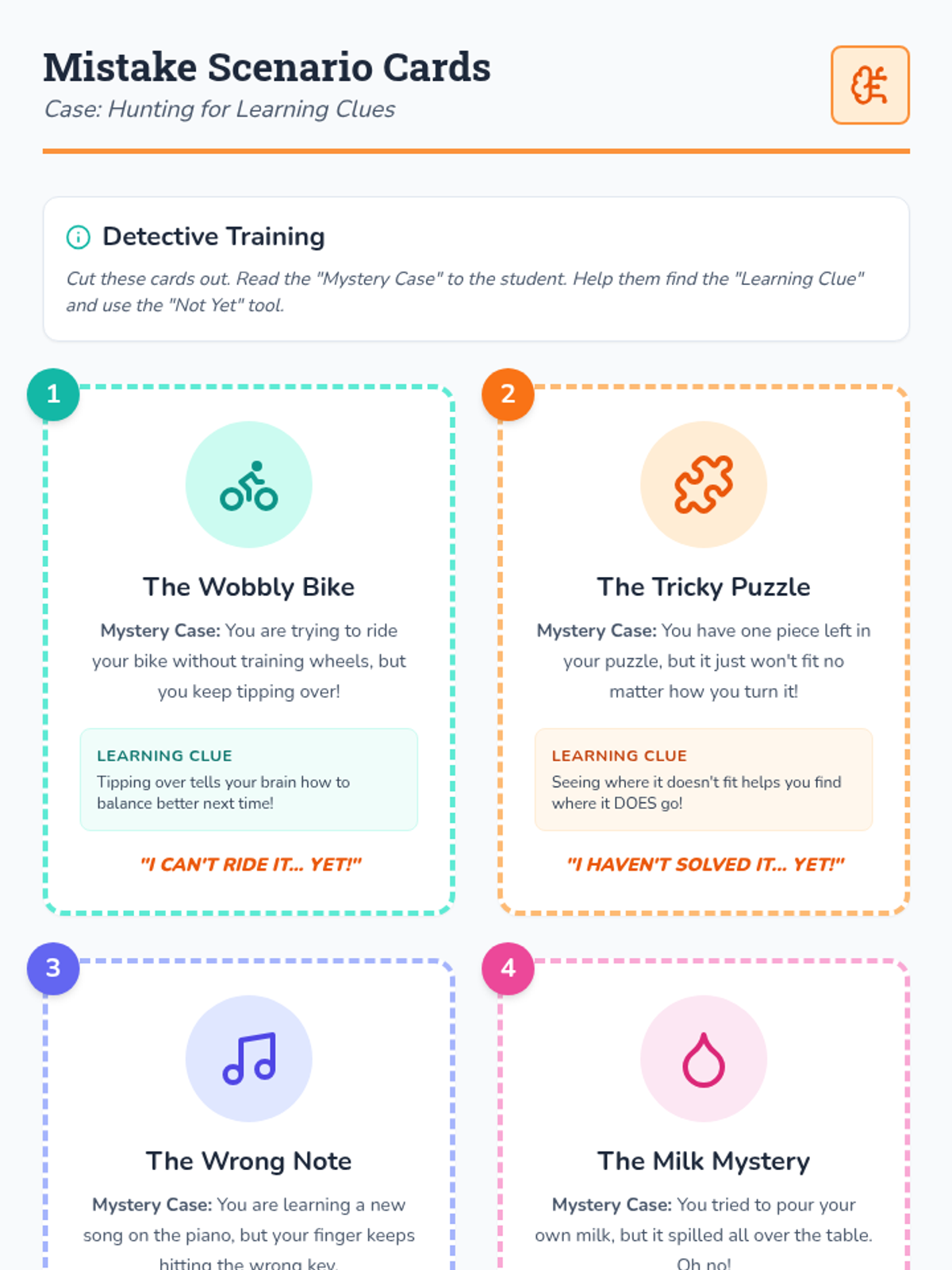
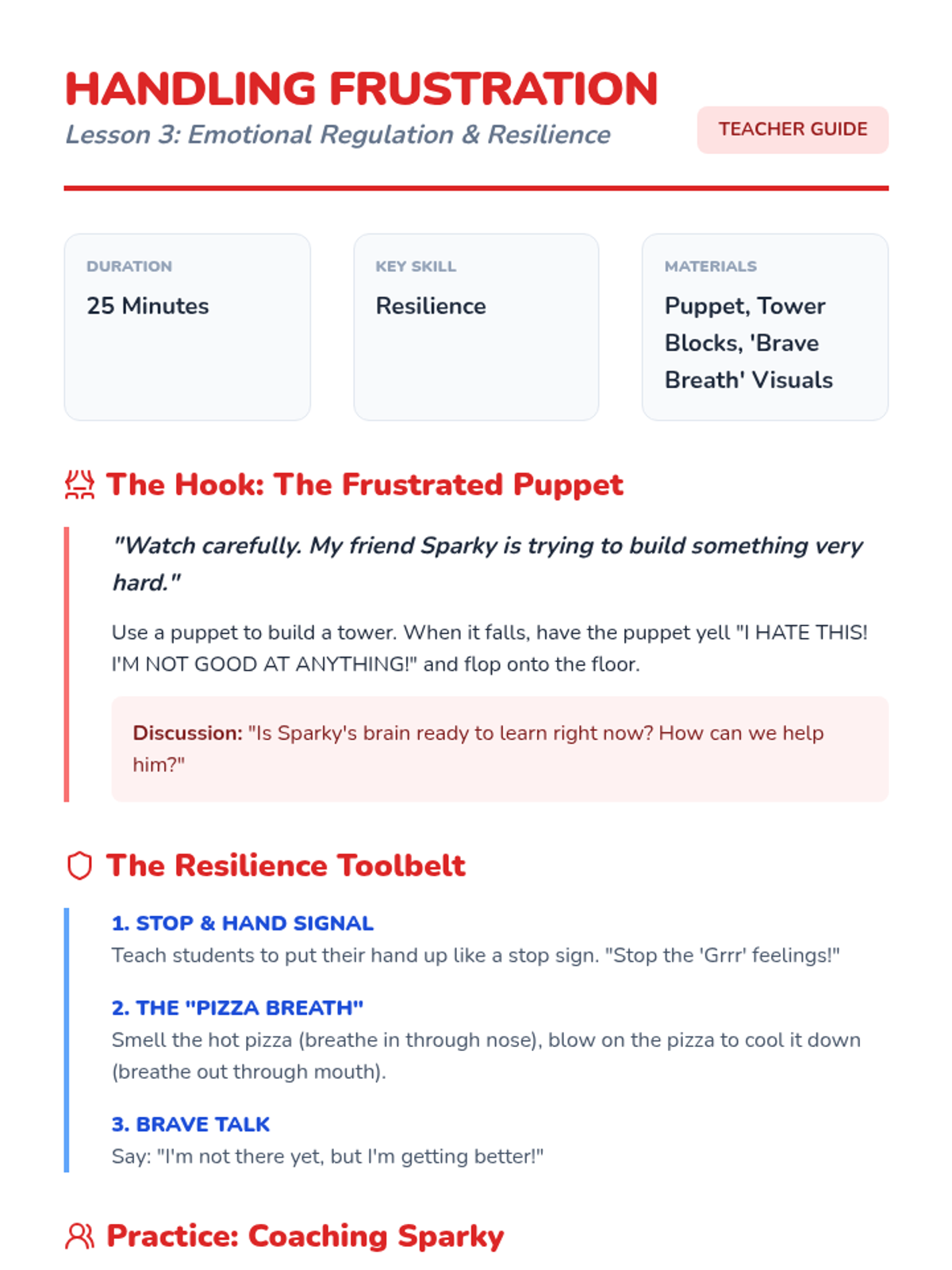
A unit focused on growth mindset and resilience. Students learn to see mistakes as 'clues for learning' and practice strategies for managing frustration when things are difficult.
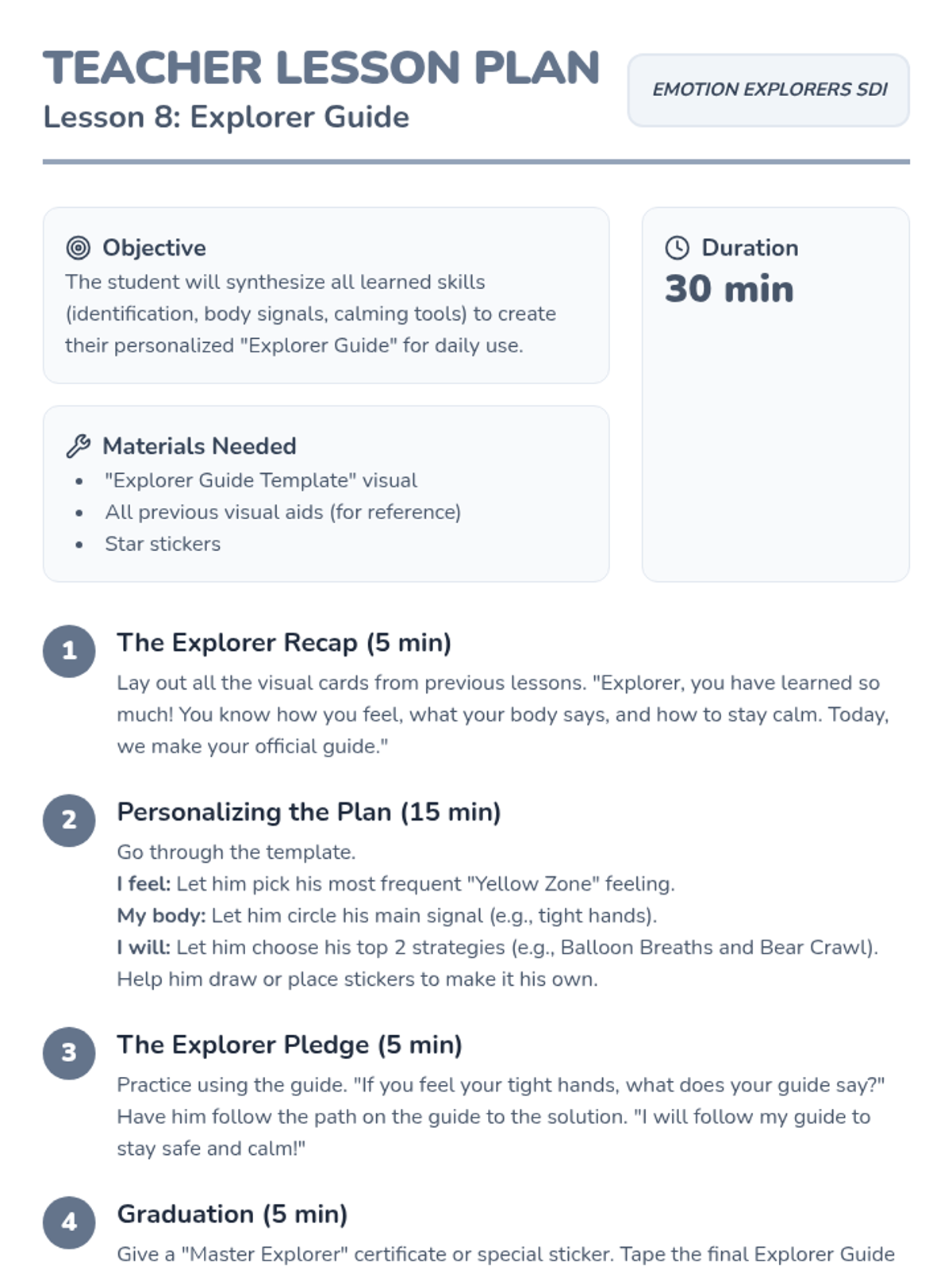
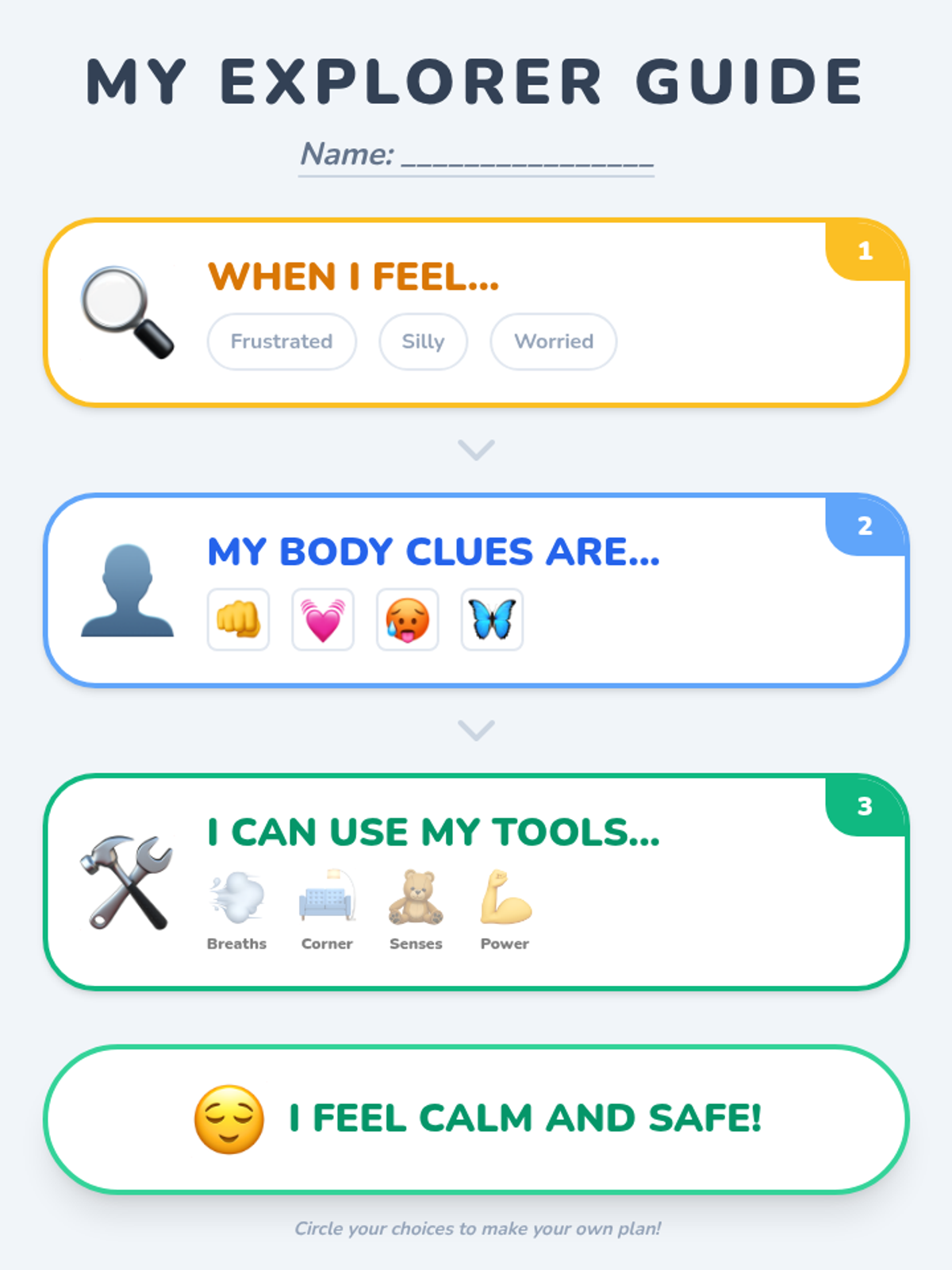
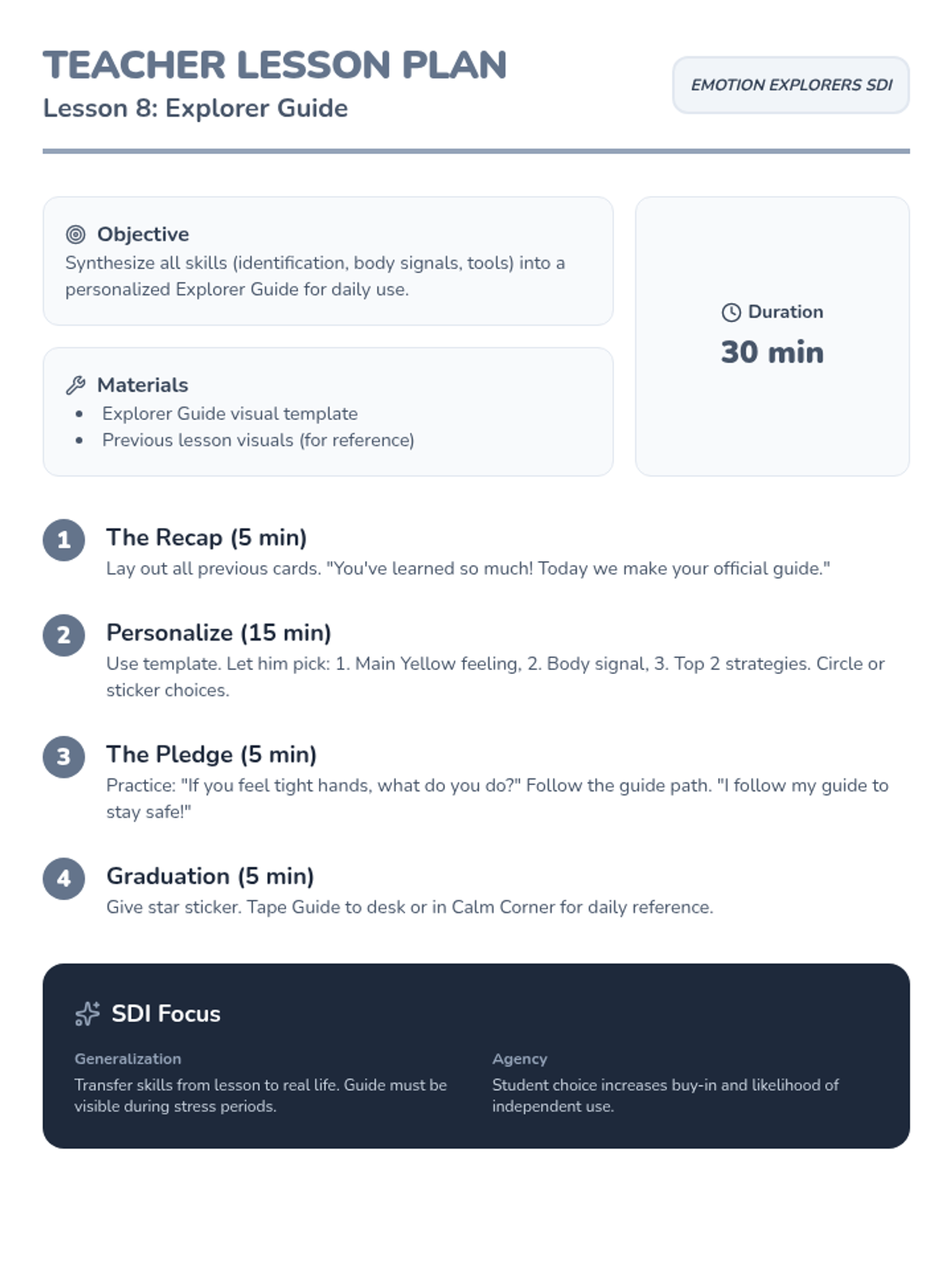
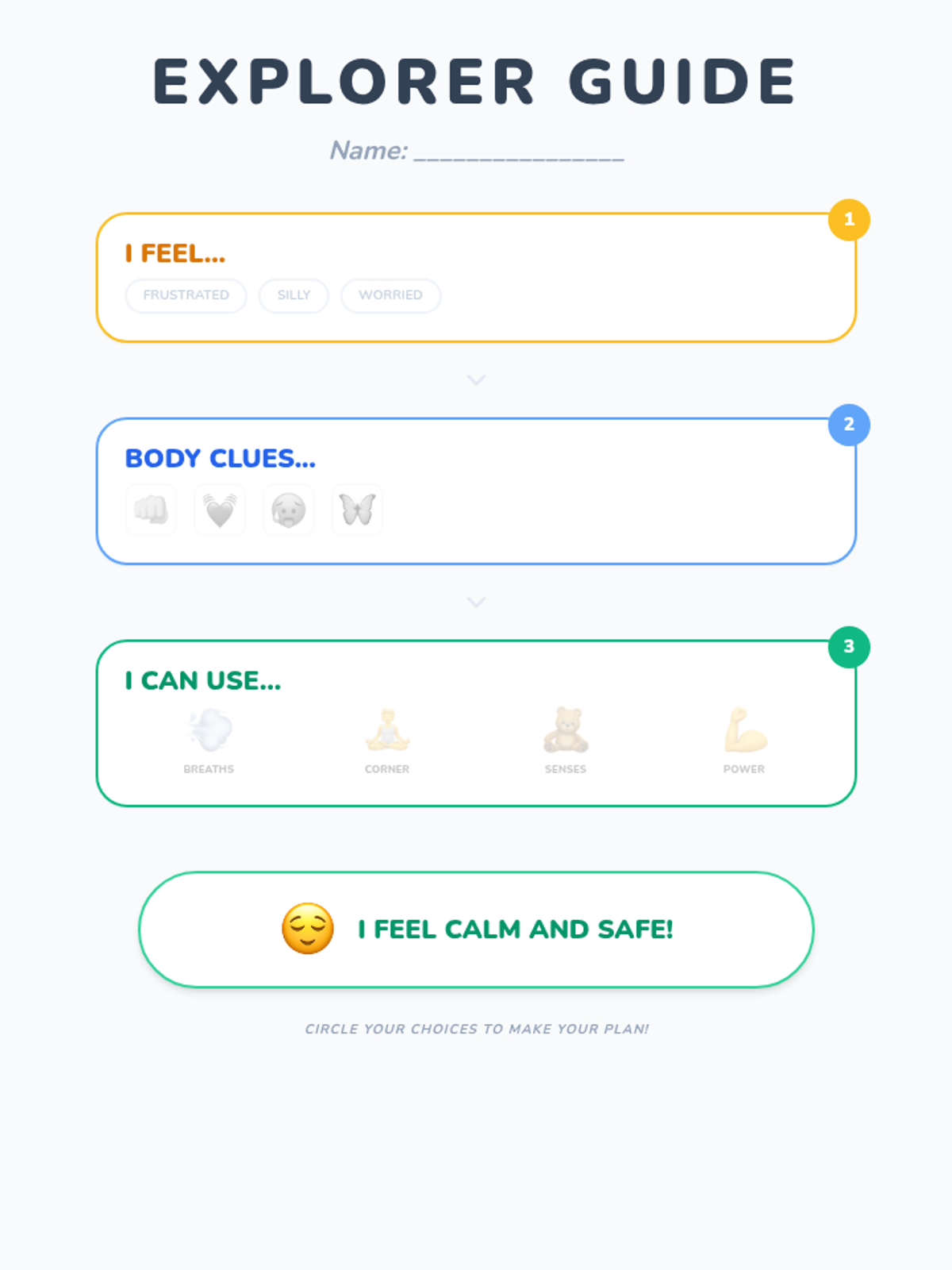
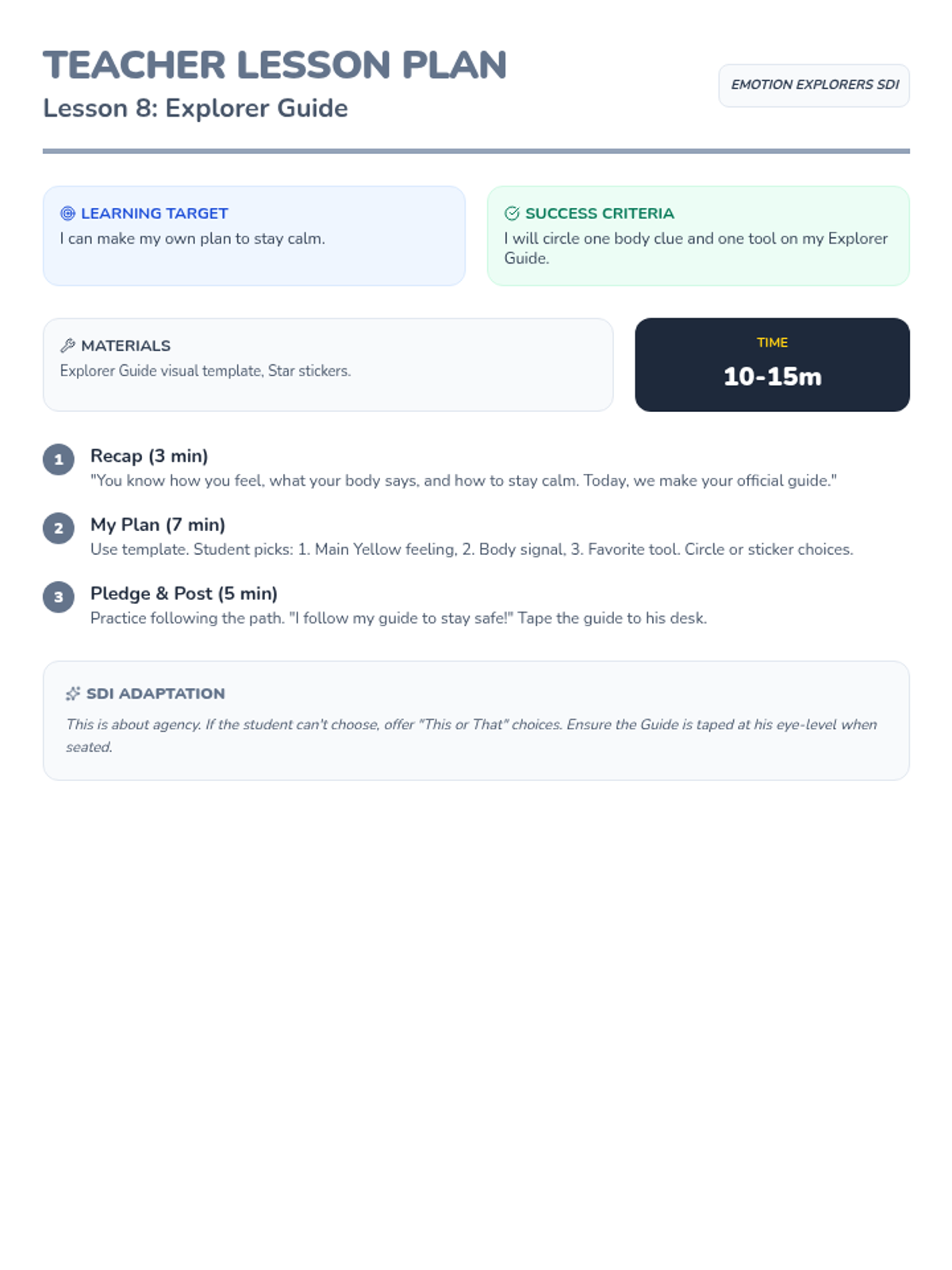
Synthesizes all skills into a personalized "Explorer Guide" that the student can use daily for self-regulation.
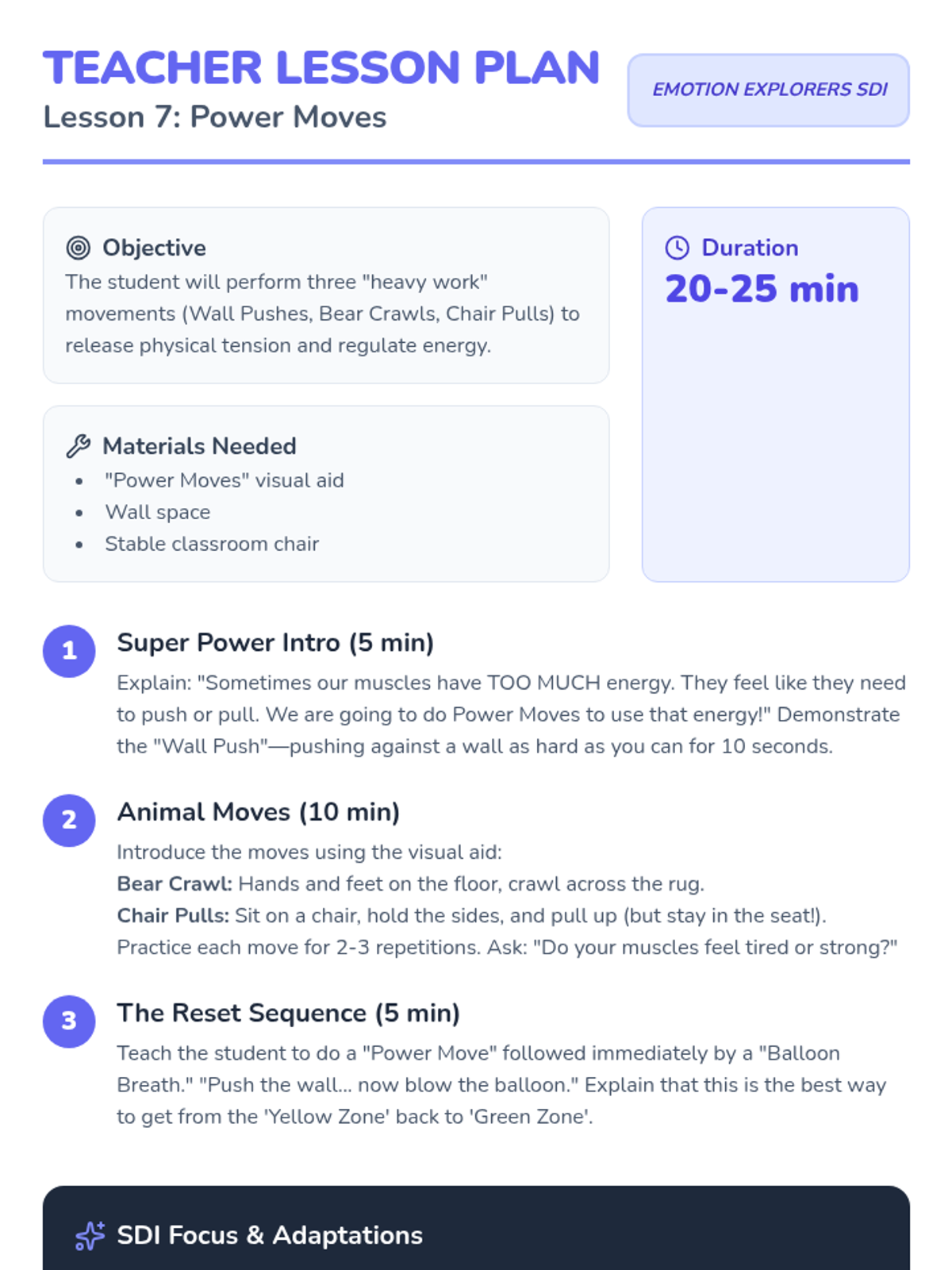
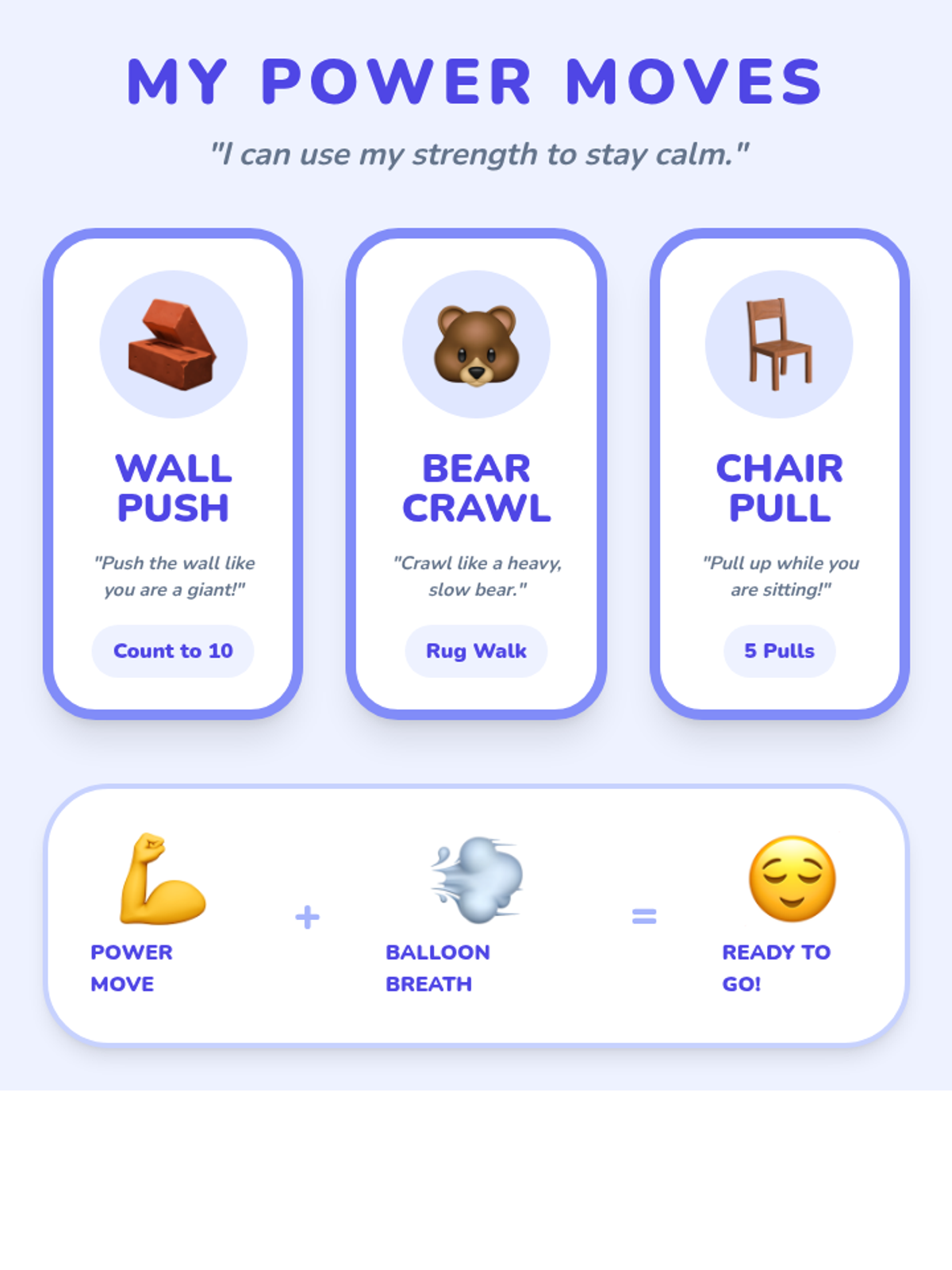
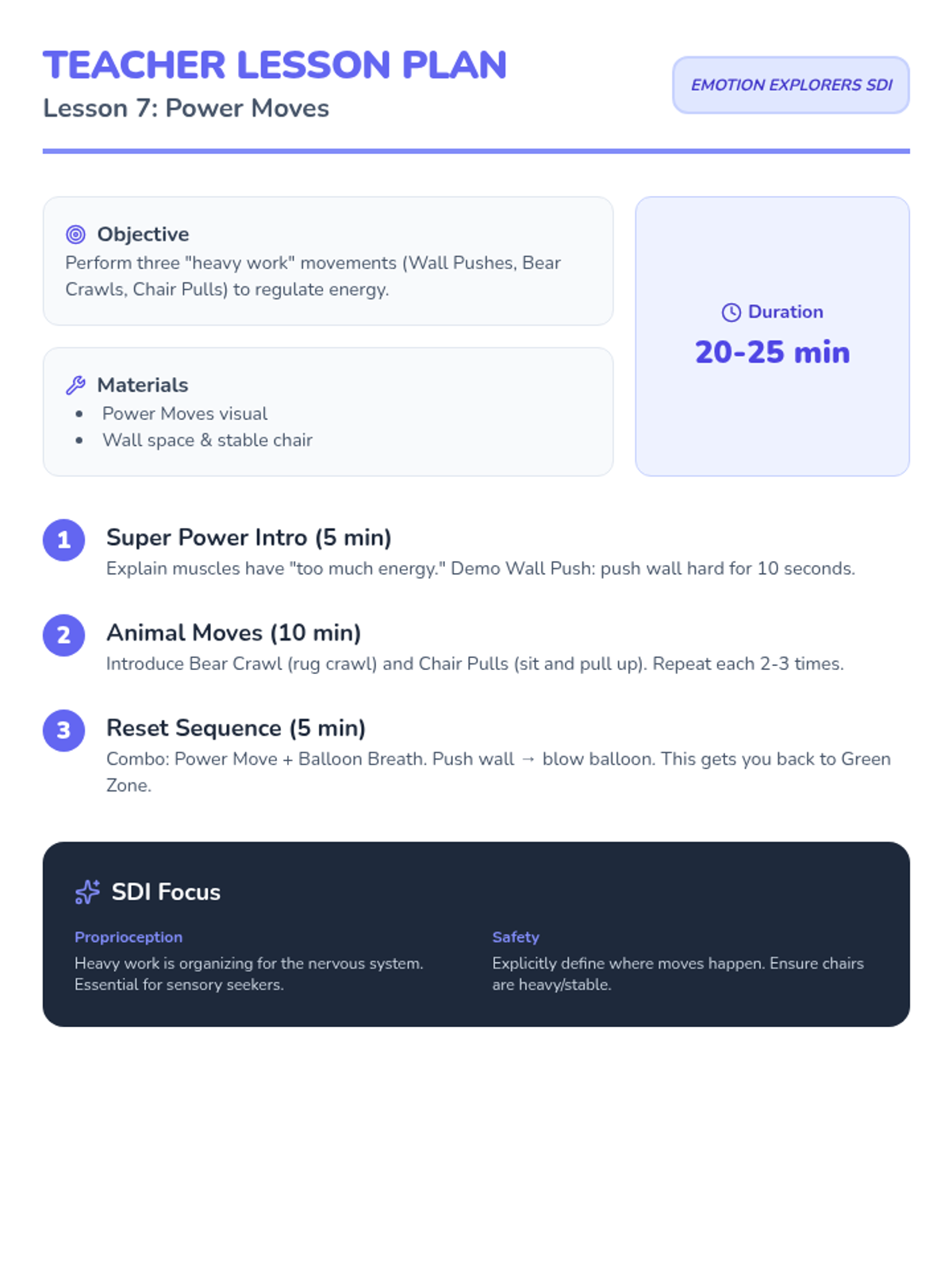
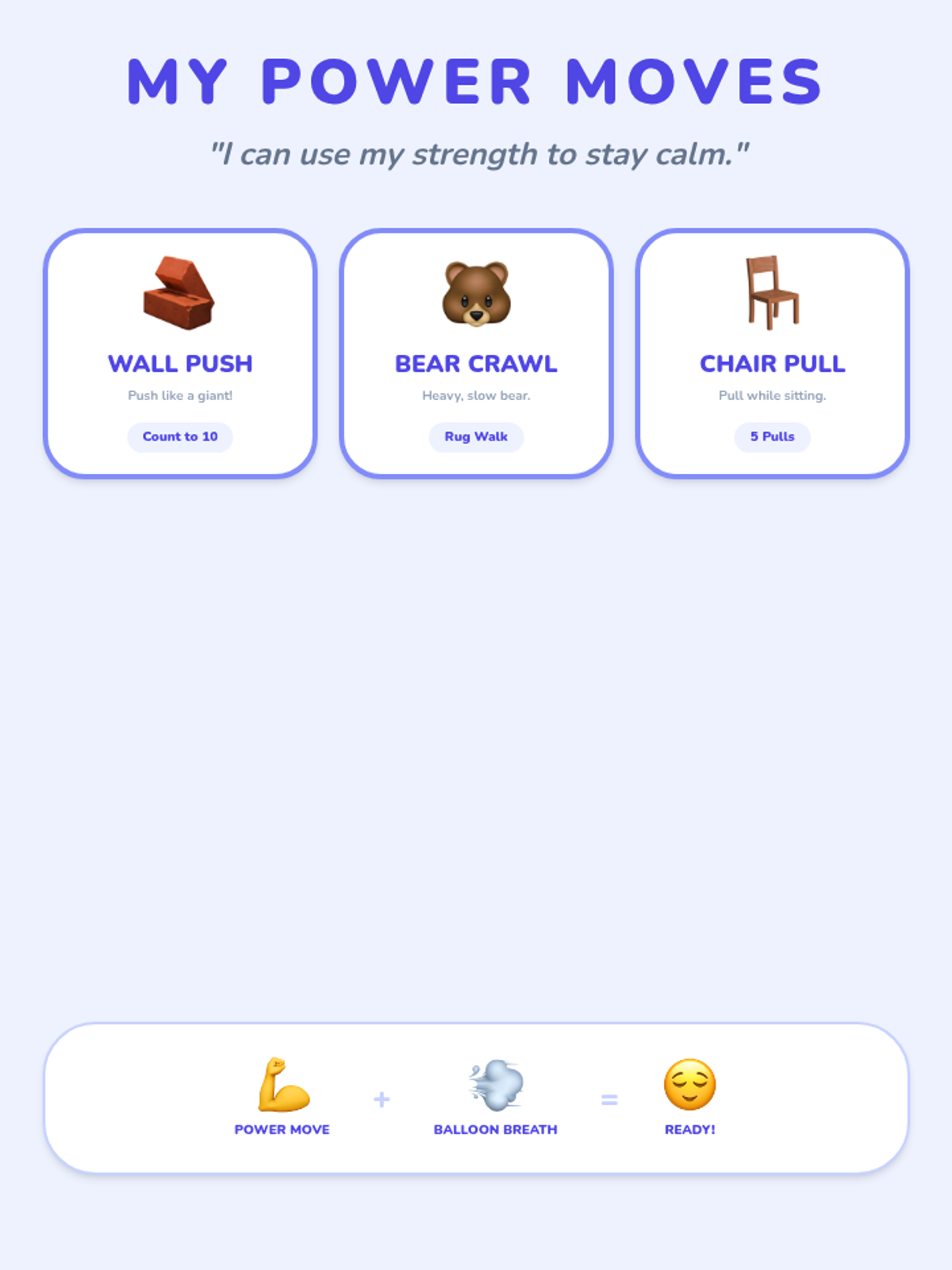
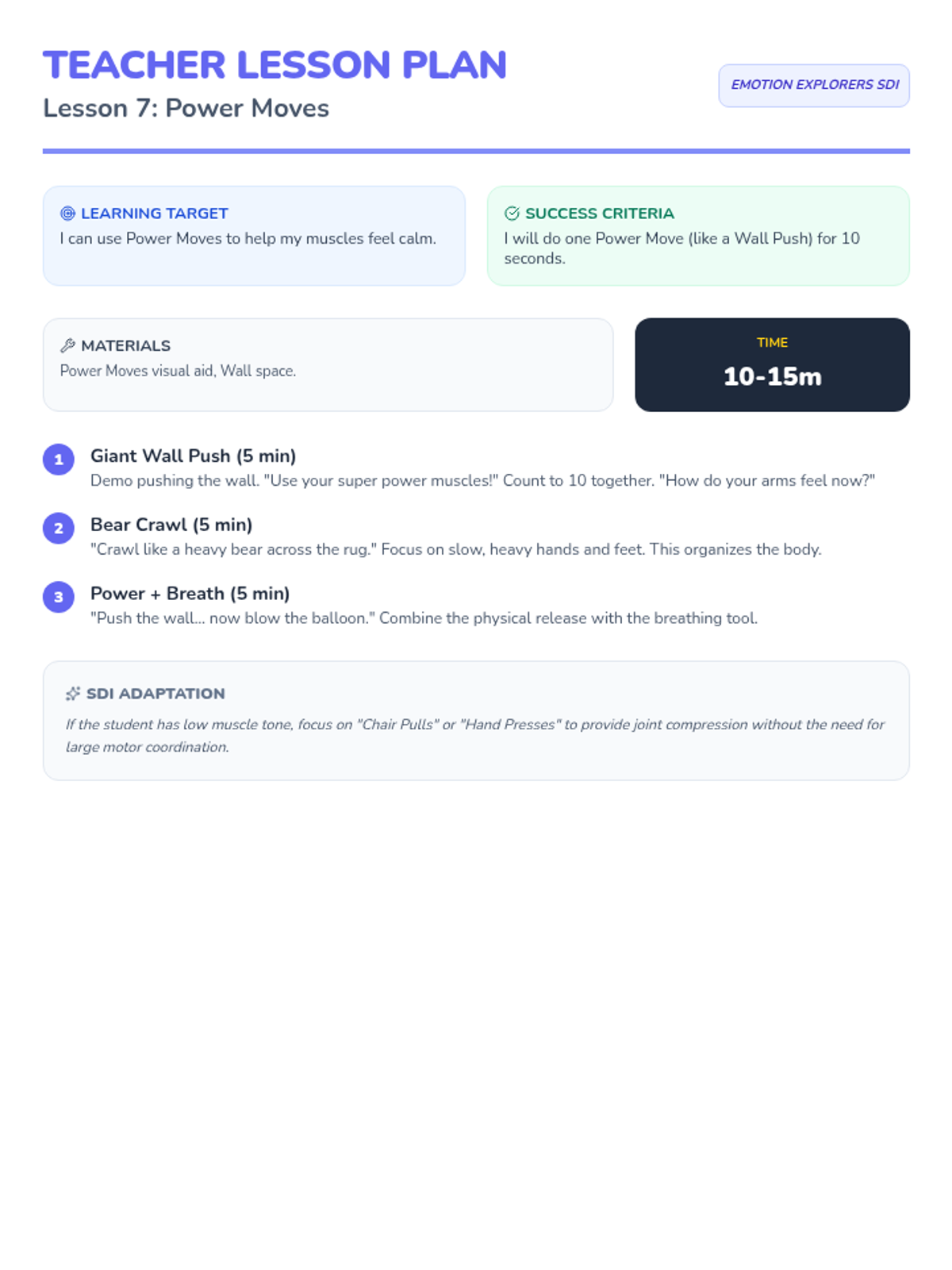
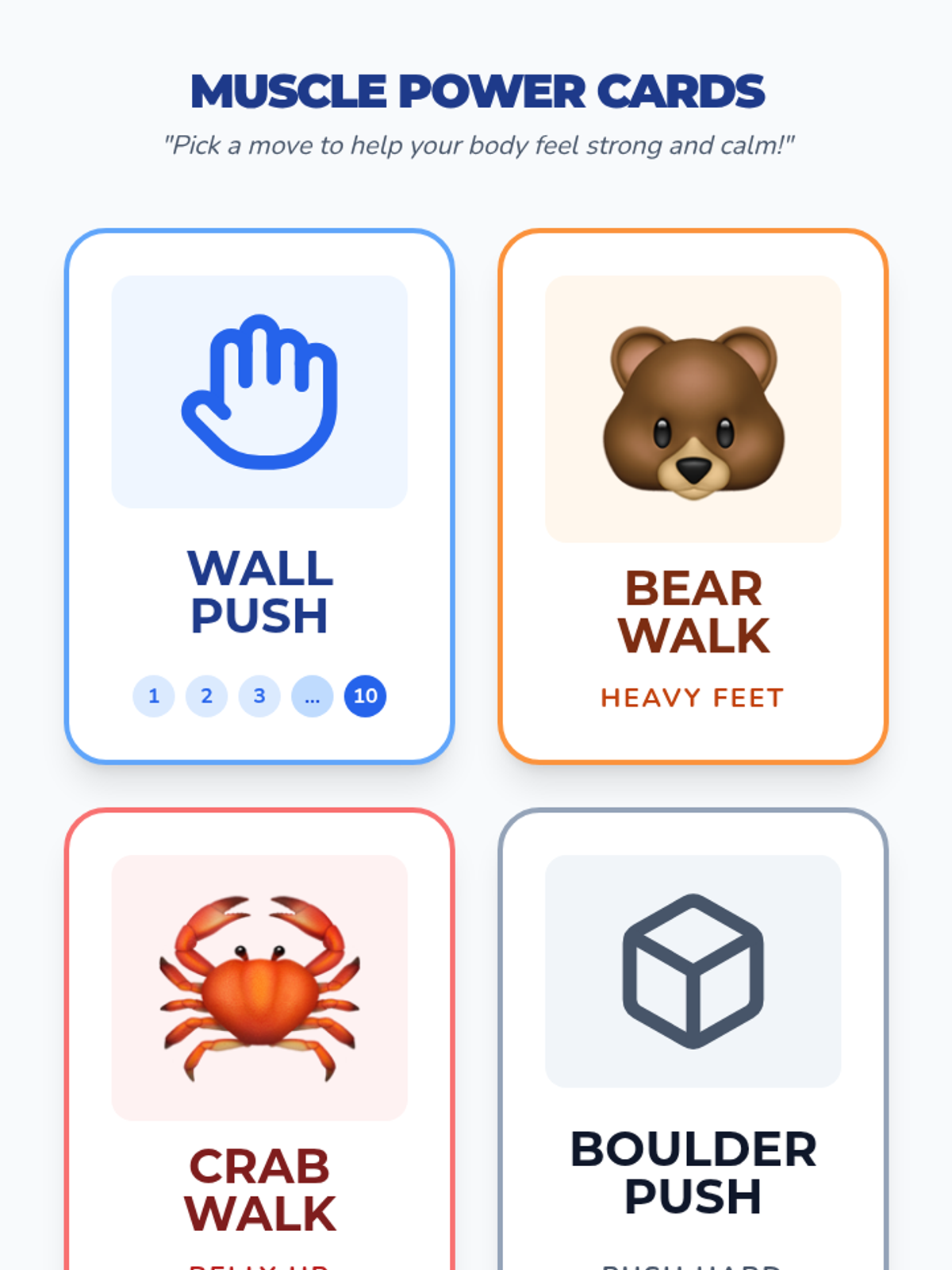
Teaches heavy work and physical movement strategies (wall pushes, animal crawls) to regulate high energy or intense emotions.
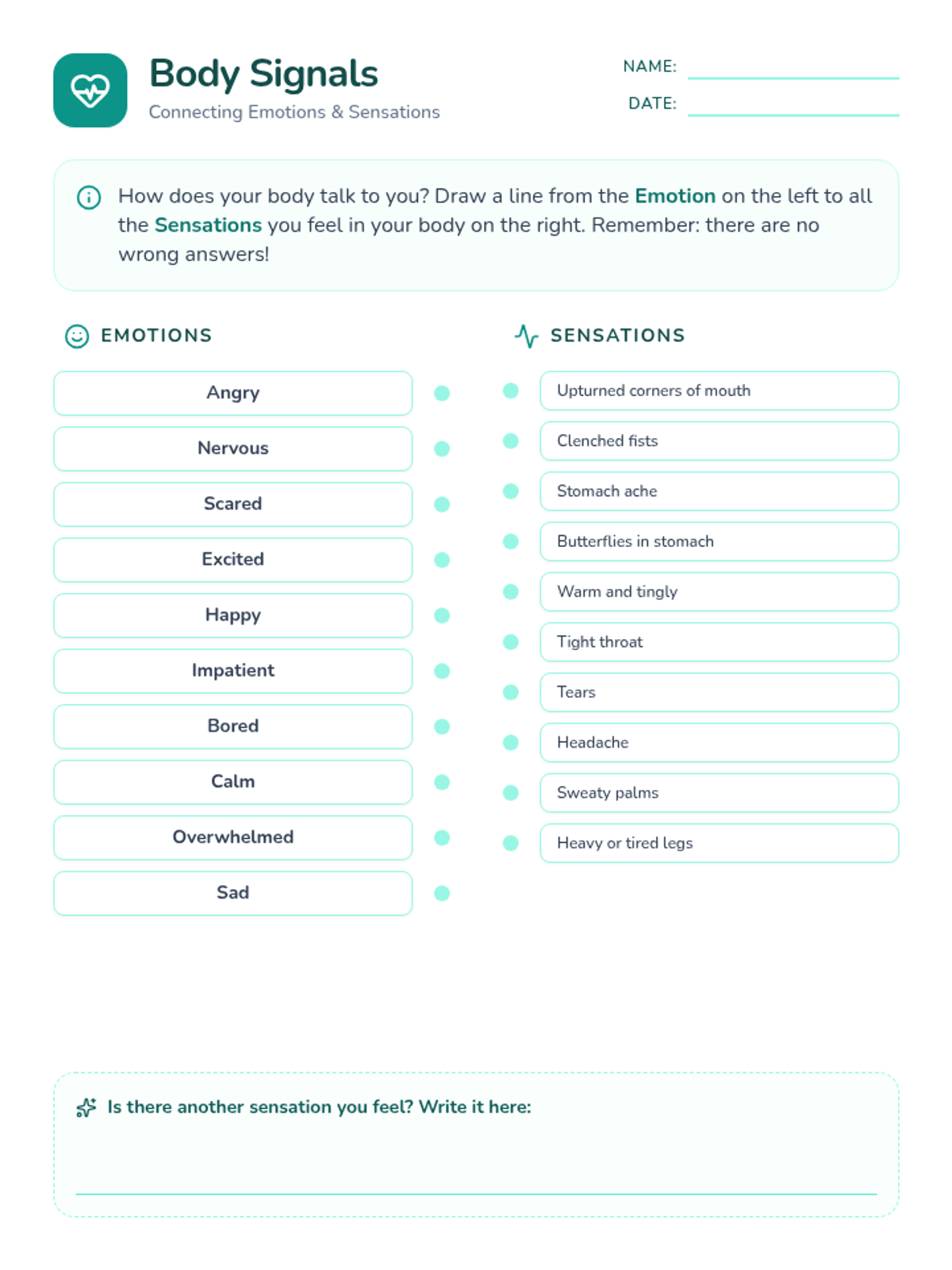
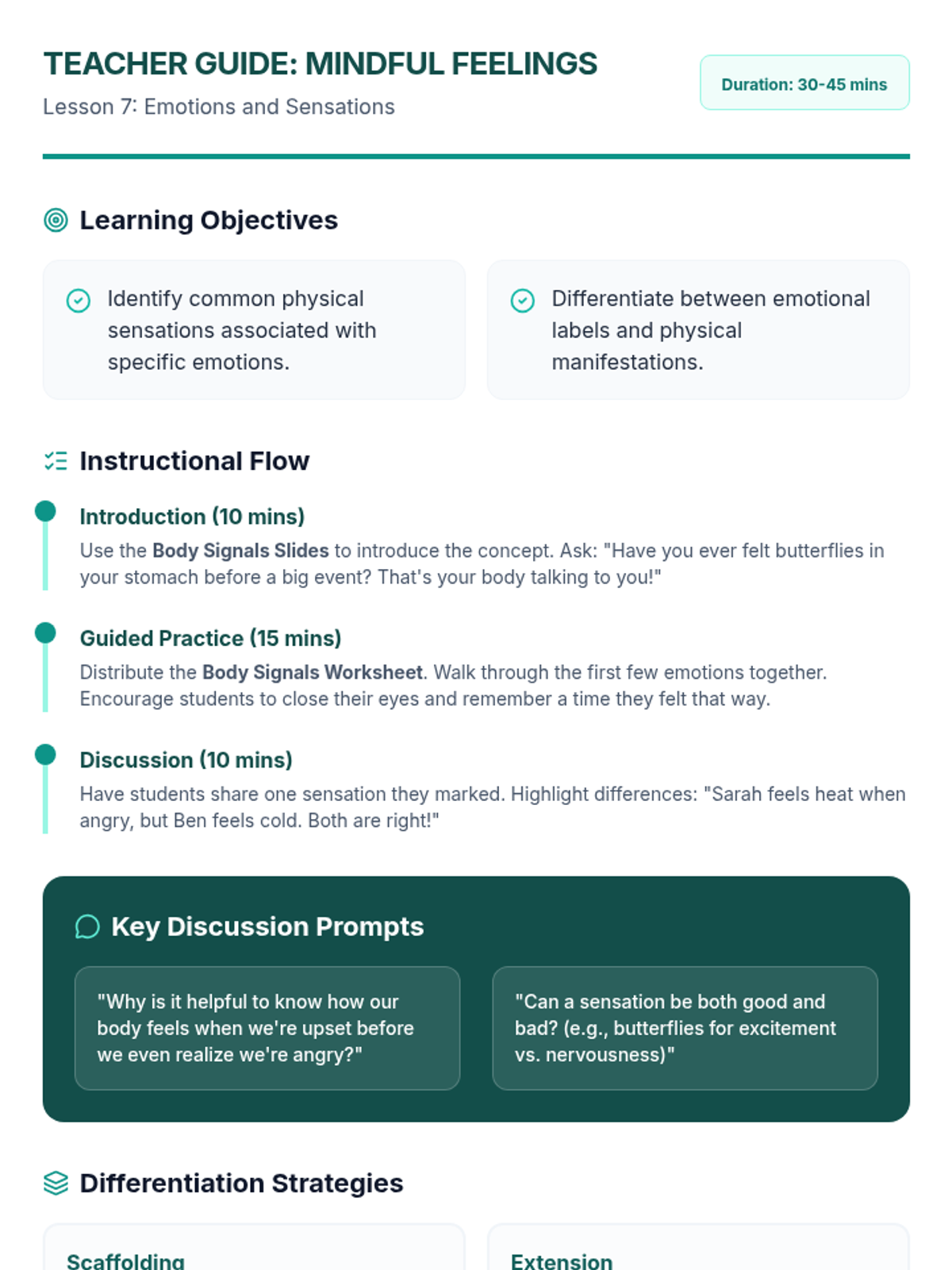
A lesson focused on helping students identify the physical sensations associated with different emotions to build self-awareness and mindfulness.
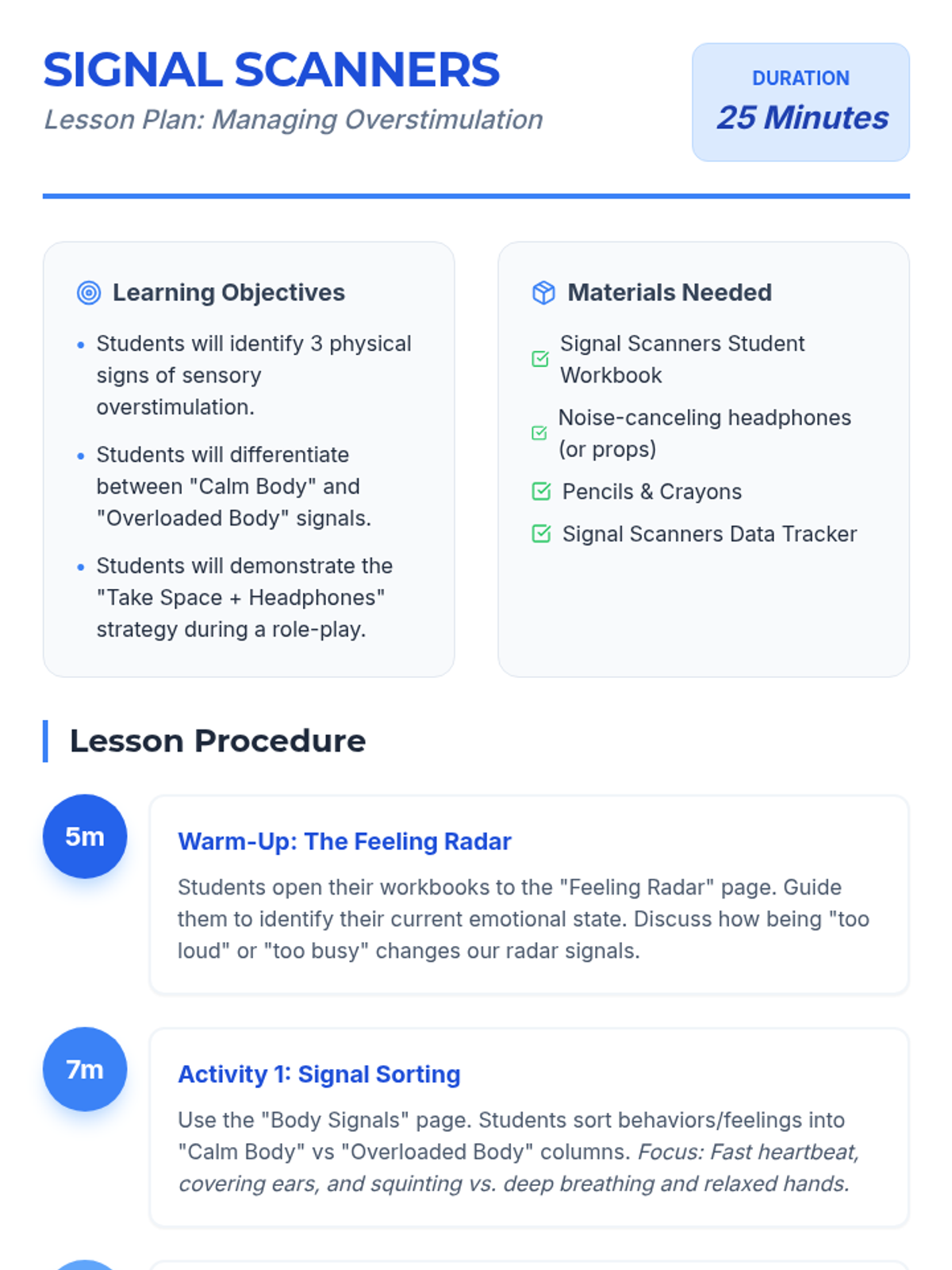
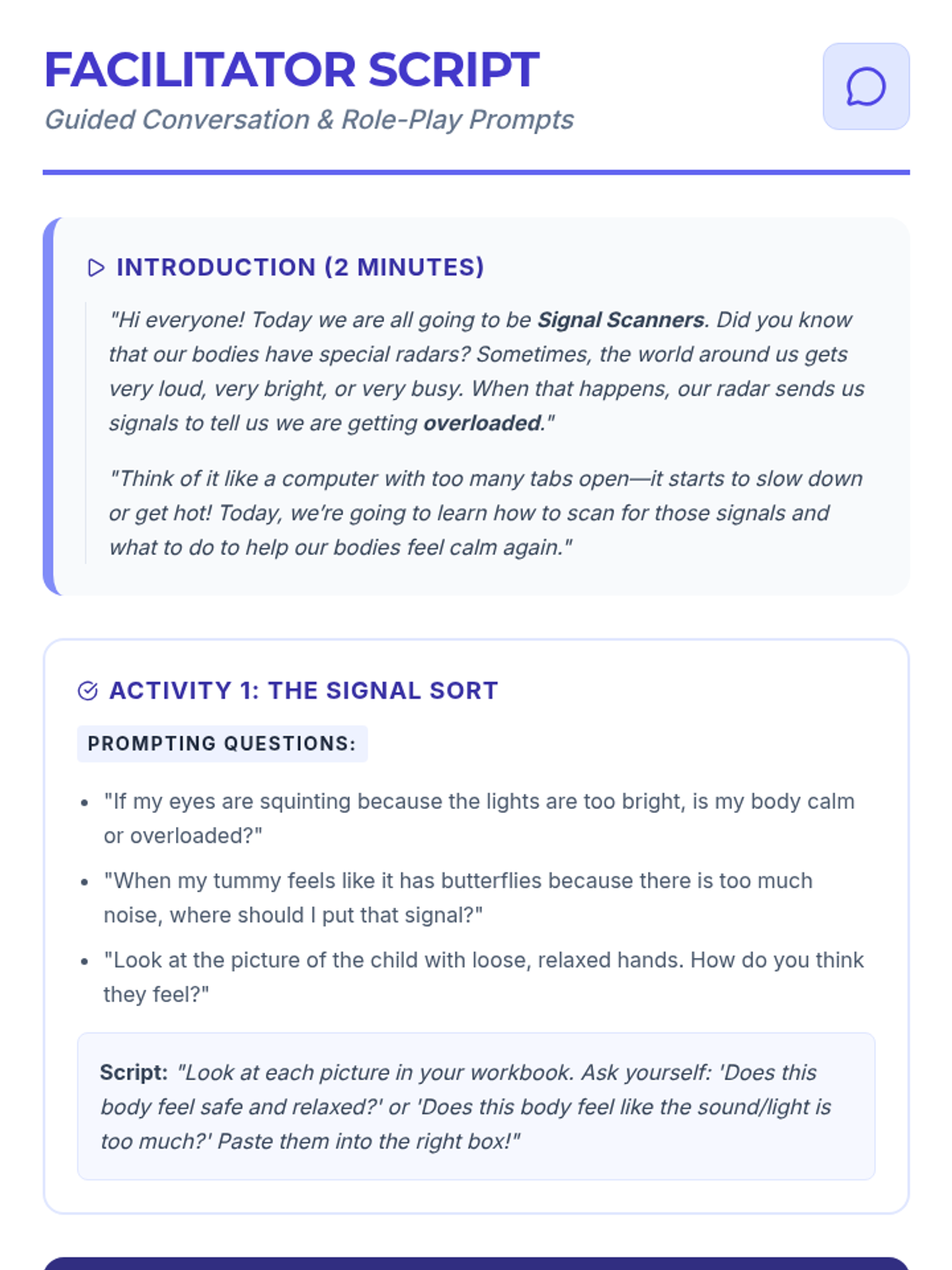
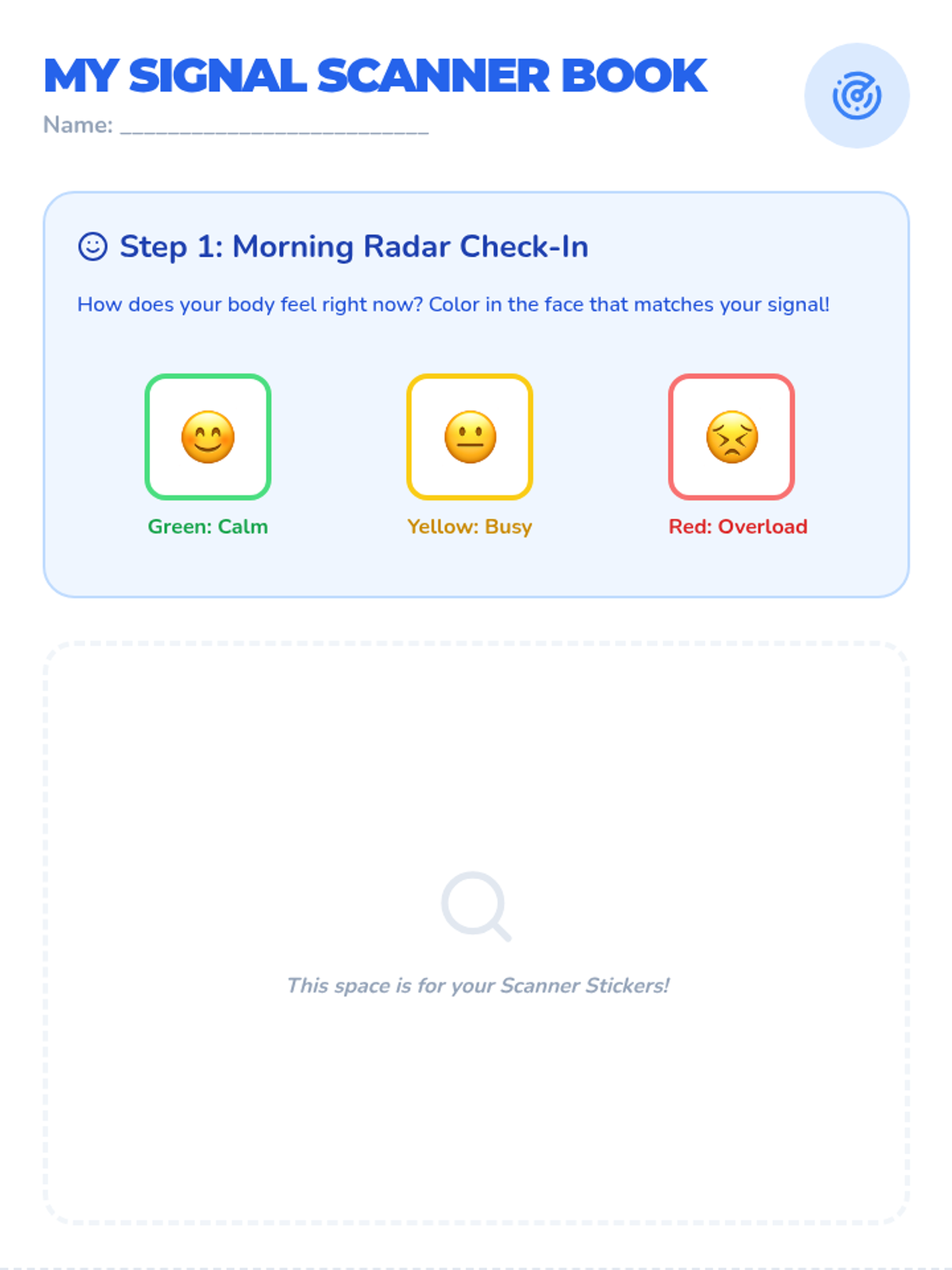
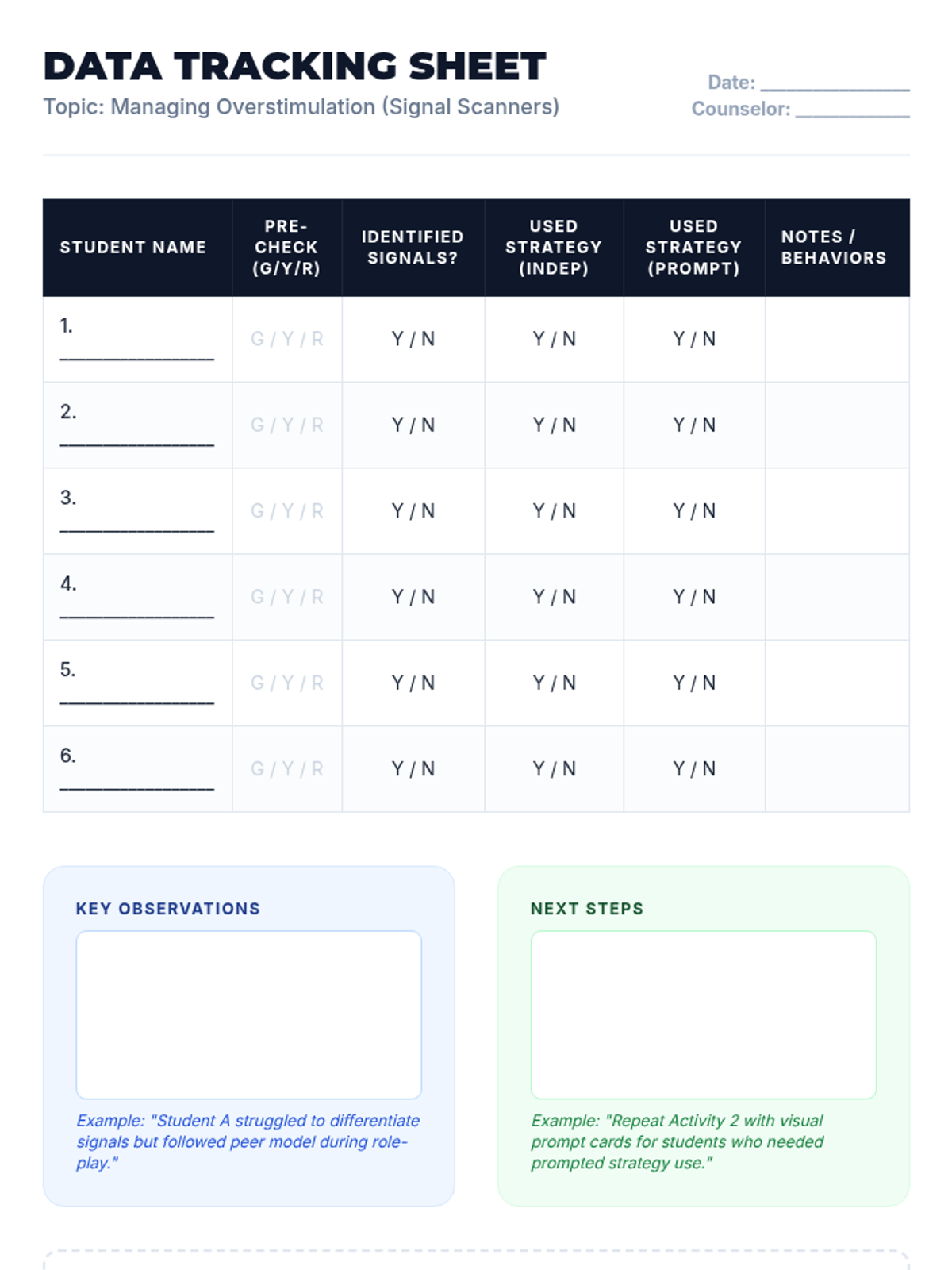
A comprehensive social-emotional learning lesson designed to help students identify sensory overstimulation signals and practice self-regulation strategies like taking space and using headphones.
Reviewing all steps and setting a long-term goal for classroom independence.
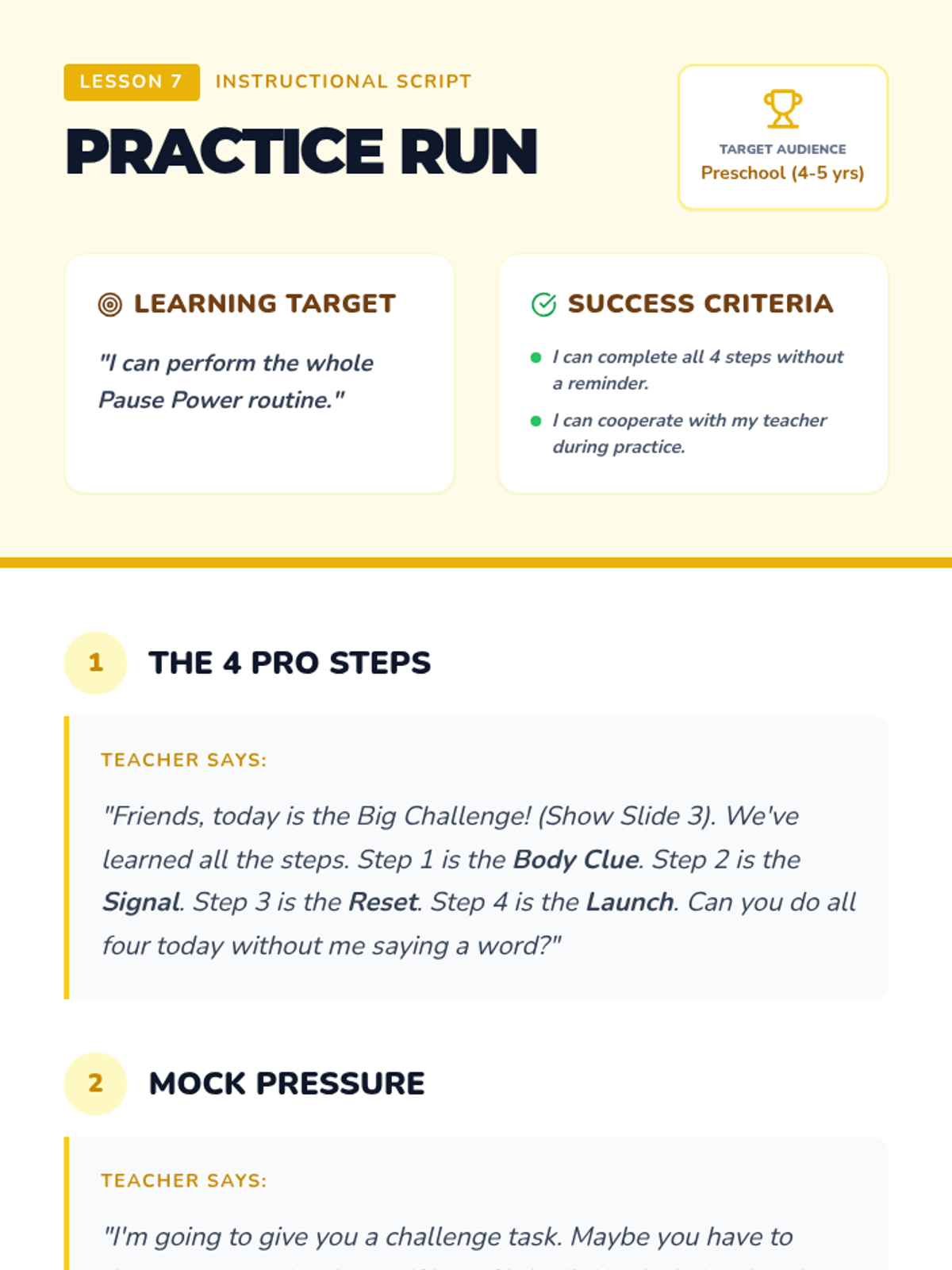
Practicing 'Pause Power' in controlled classroom situations.
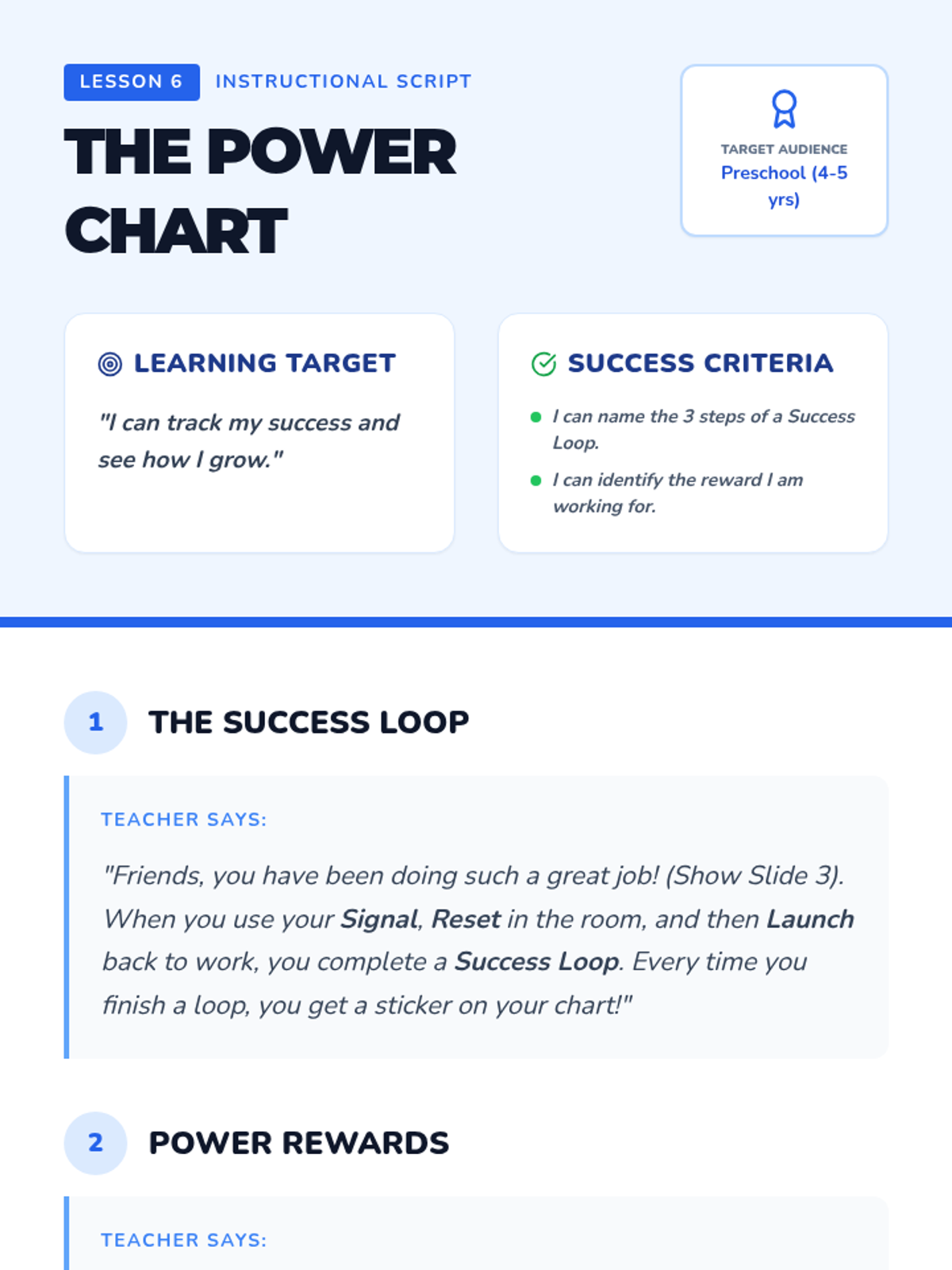
Understanding how charting success leads to 'Power Rewards' (bonus break time).
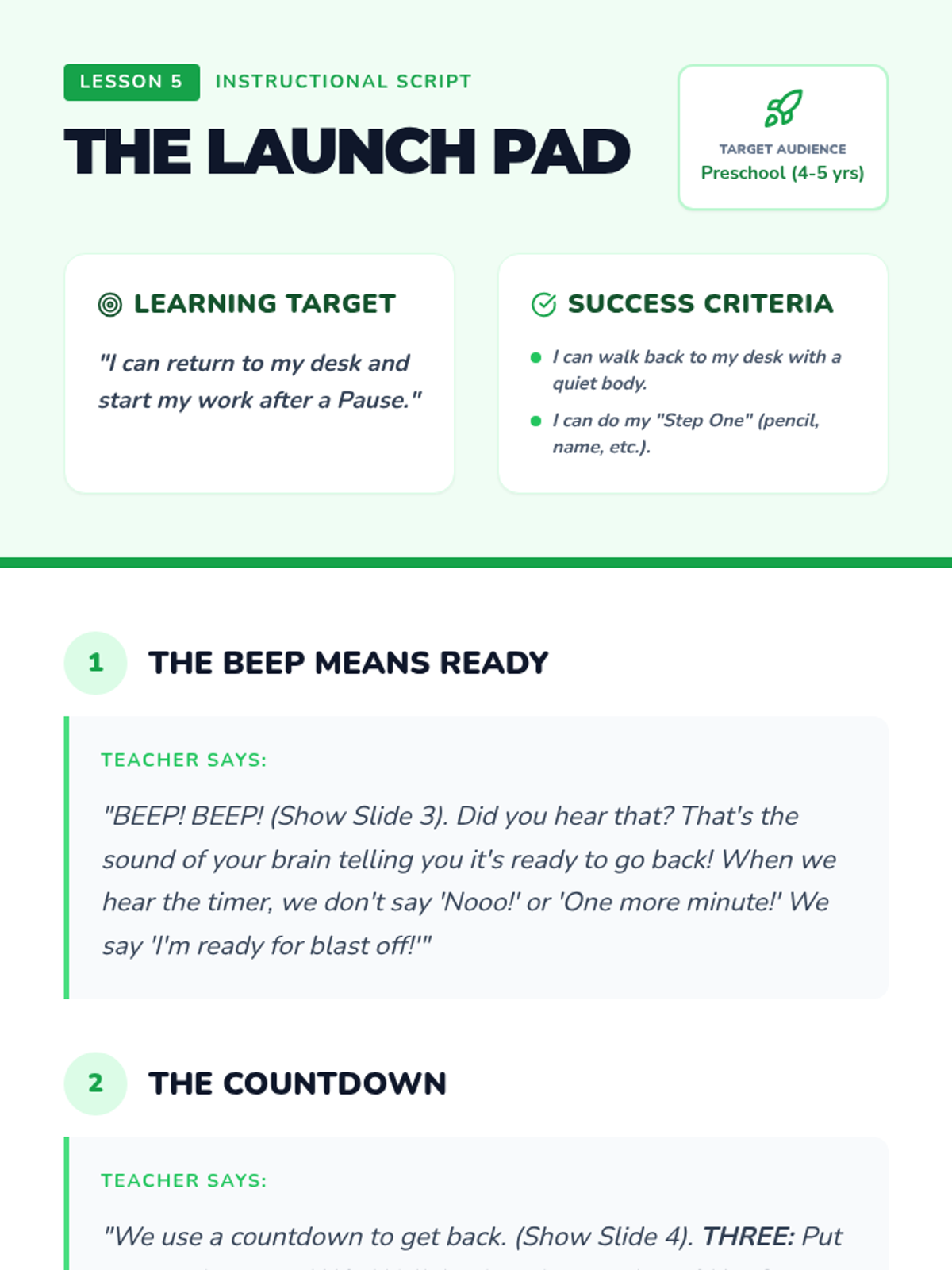
Preparing to transition back to academic work and re-entering the classroom flow.
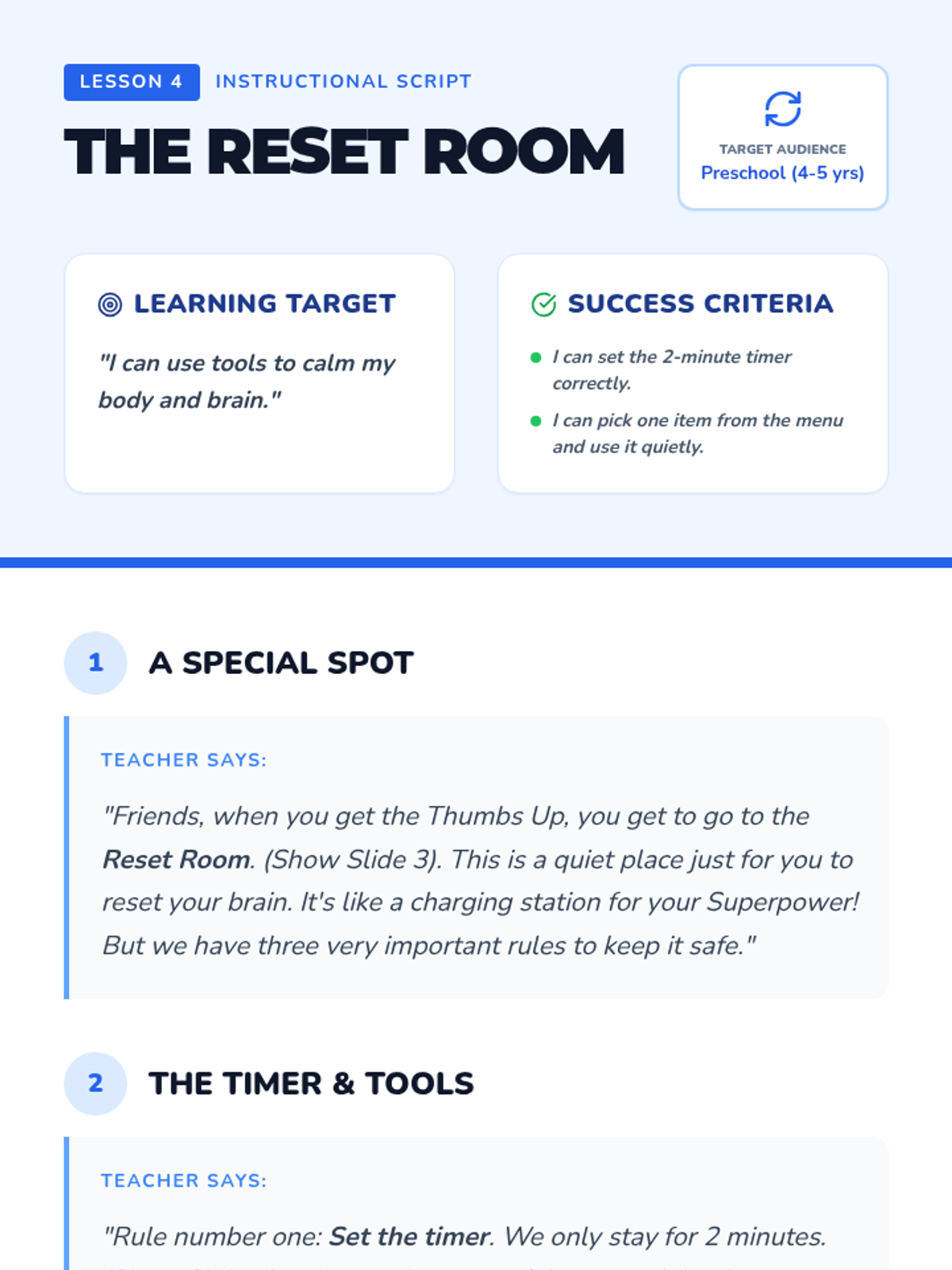
Activities during the 'Pause' that lead to regaining self-control and readiness to learn.
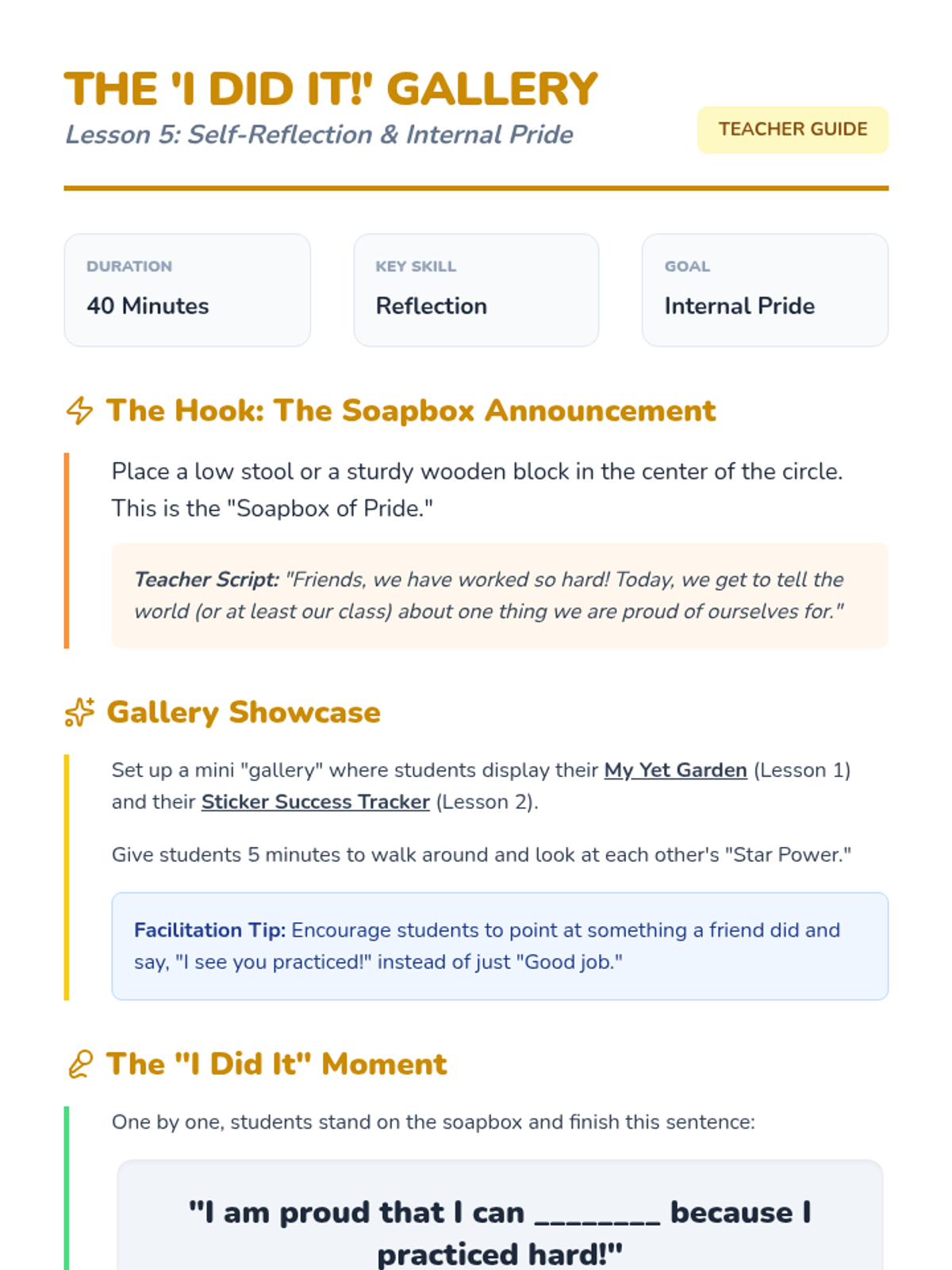
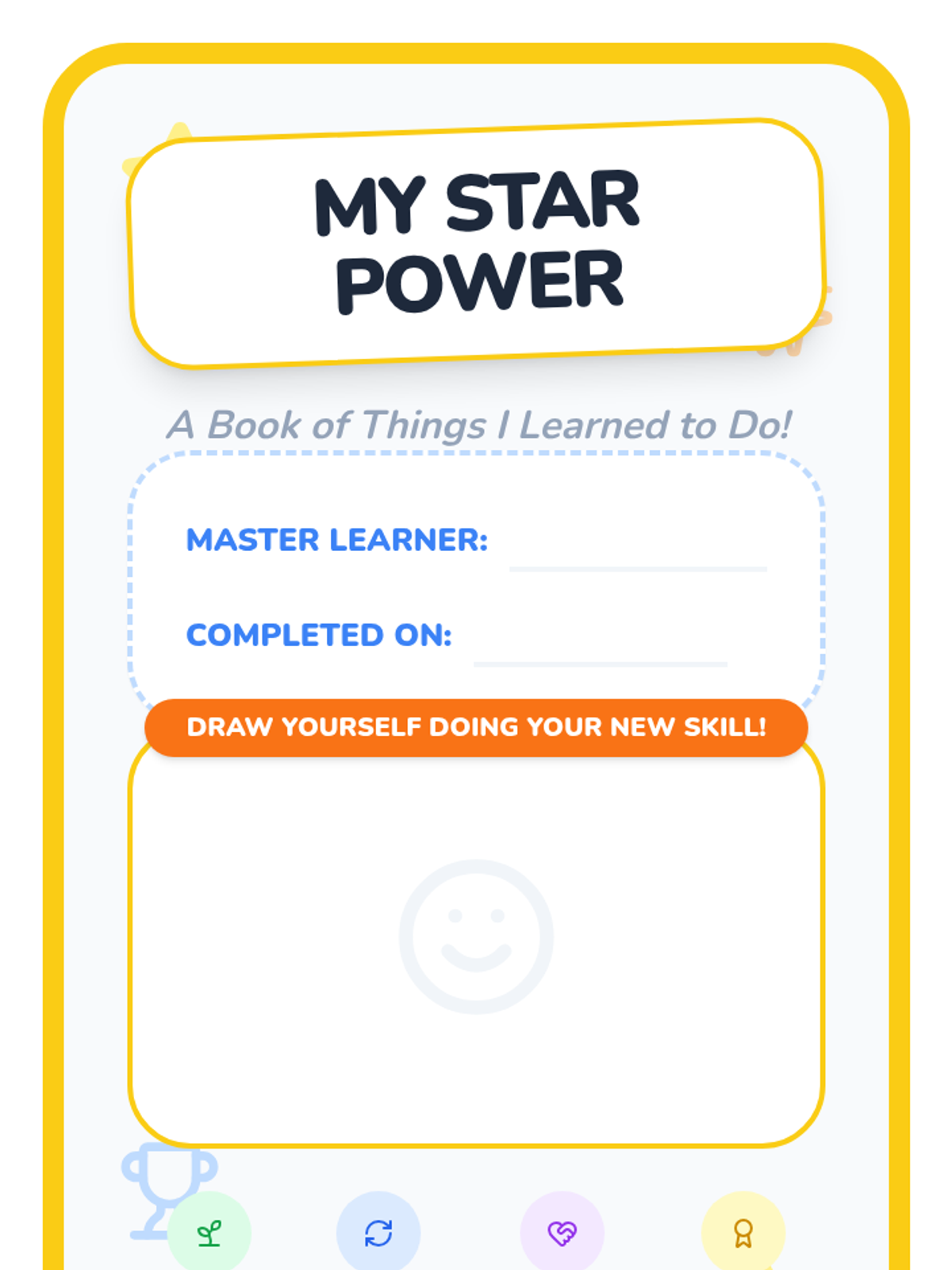
Reflecting on achievements and celebrating the internal feeling of pride through a classroom showcase.
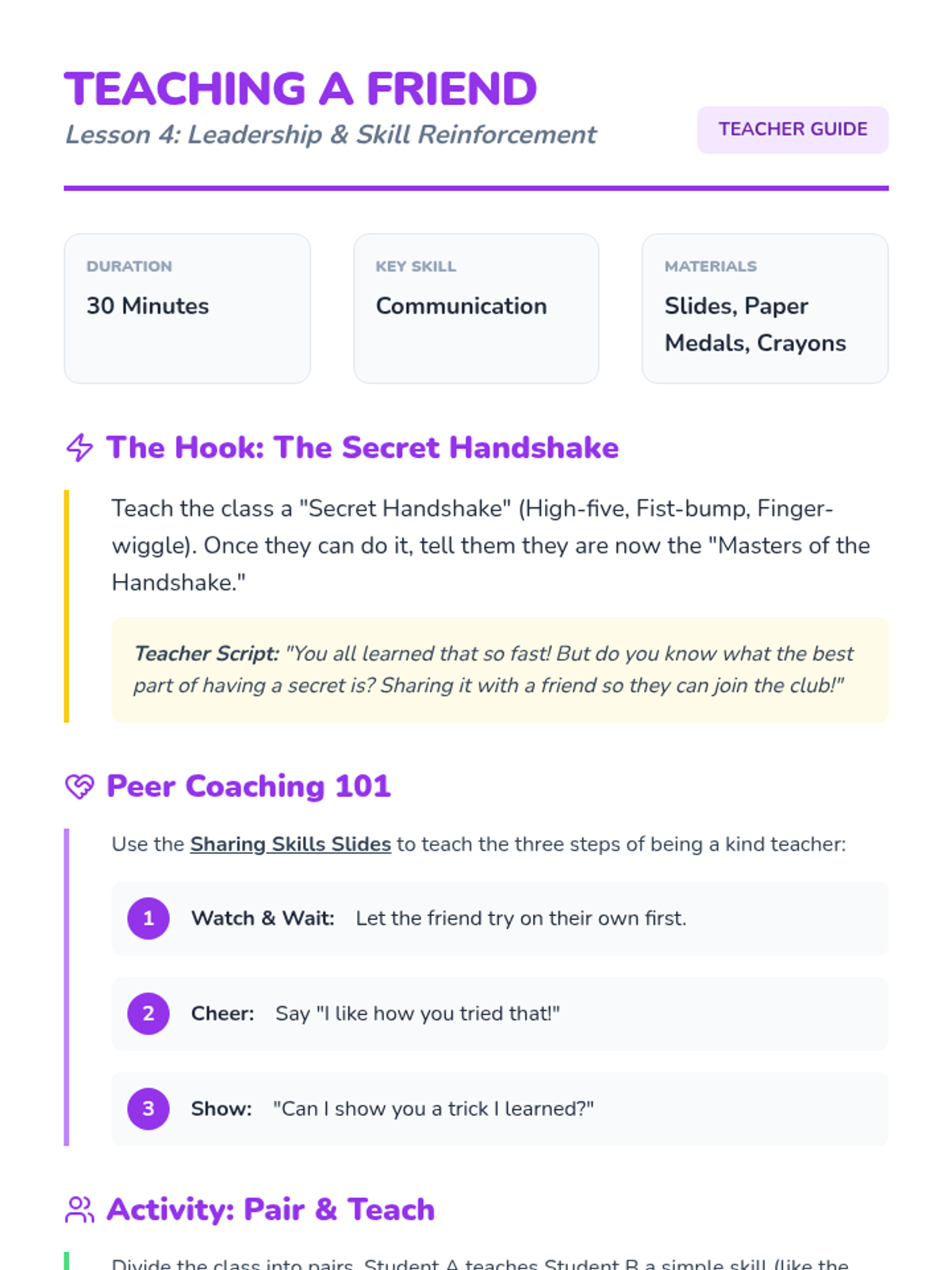
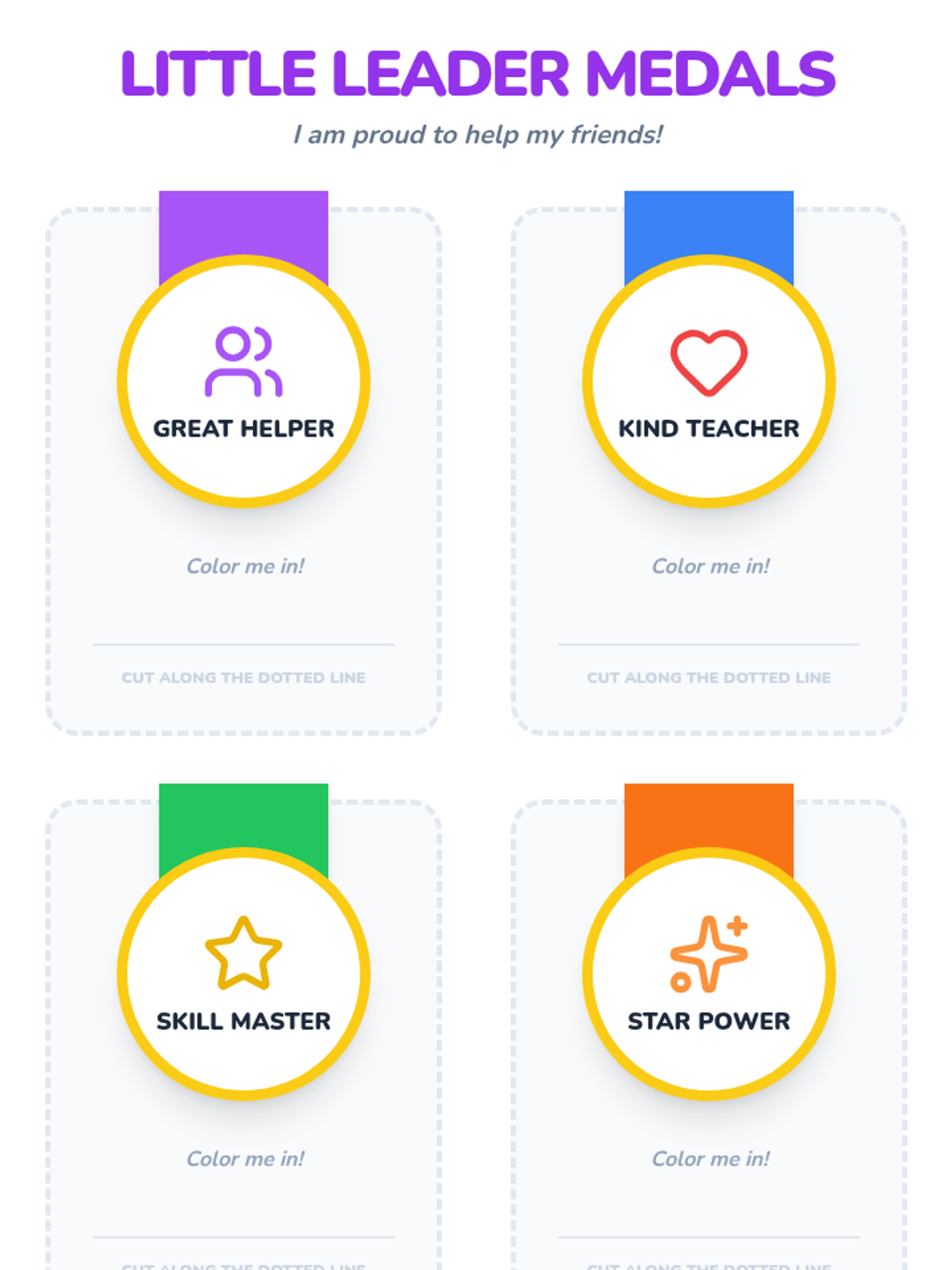
Empowering students to share their mastered skills with peers, building leadership and reinforcing their own learning.
Learning emotional regulation tools and positive self-talk to manage frustration when learning something new.
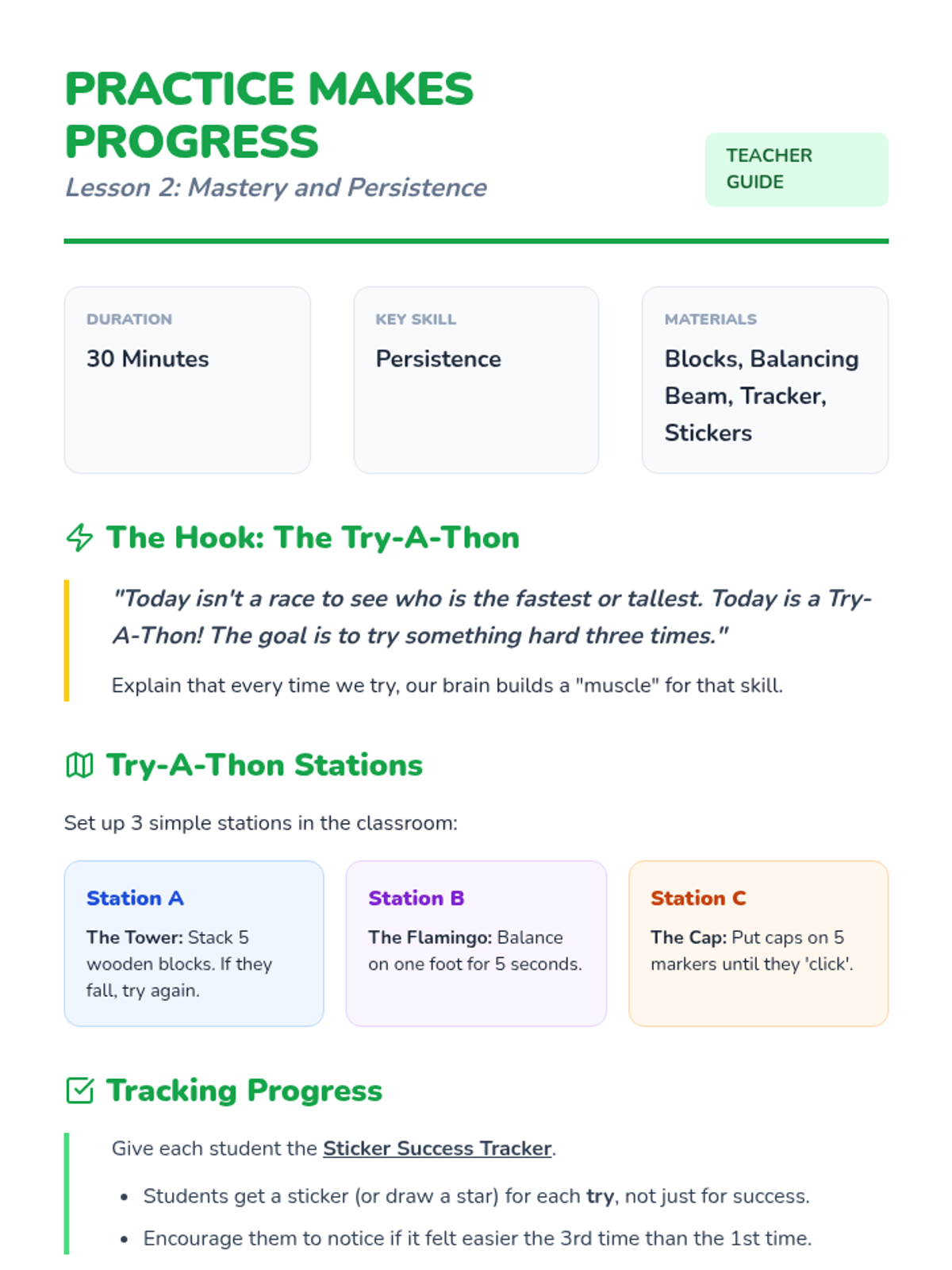
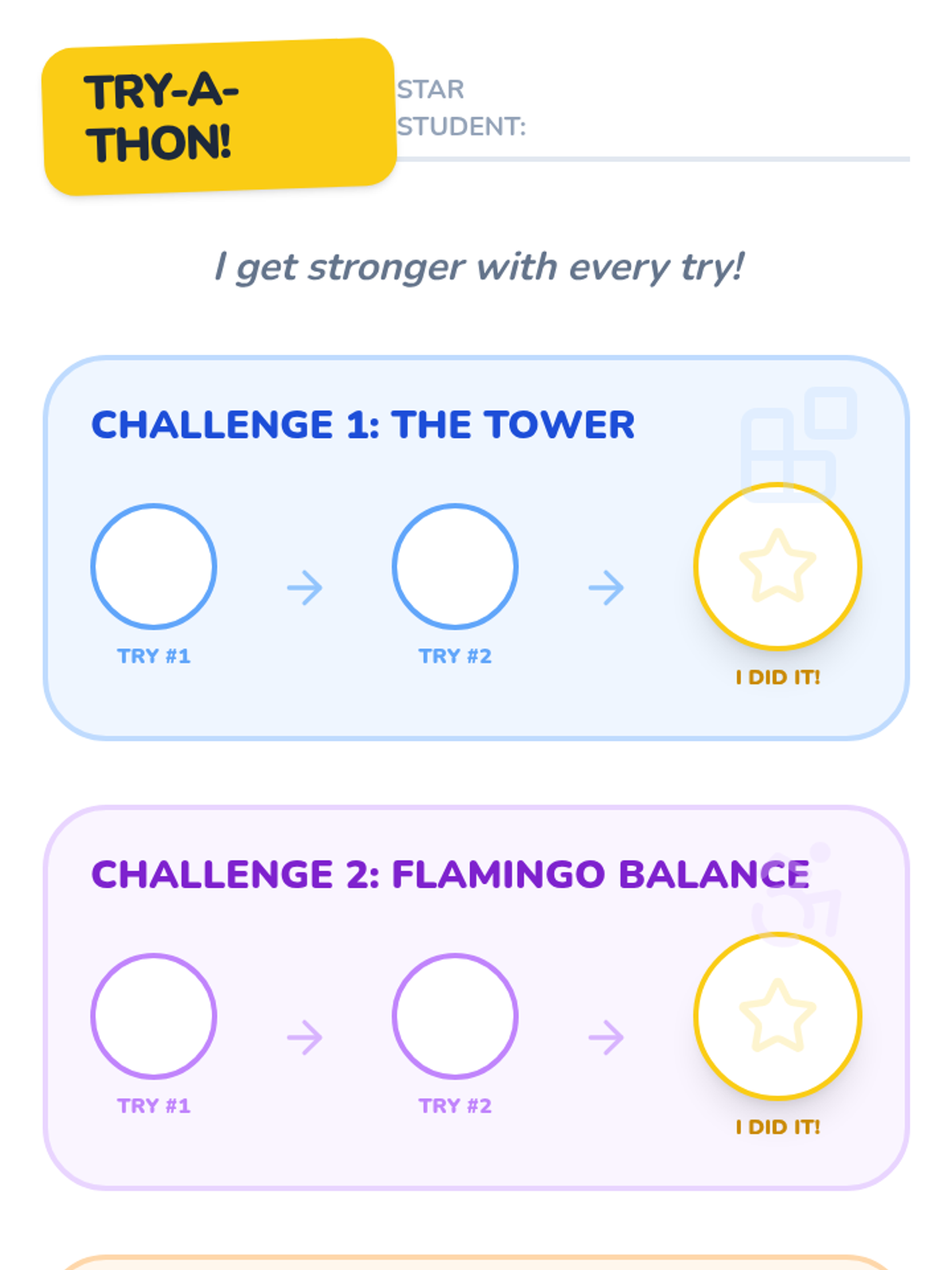
Focusing on persistence and tracking small improvements through repeated practice of simple skills.
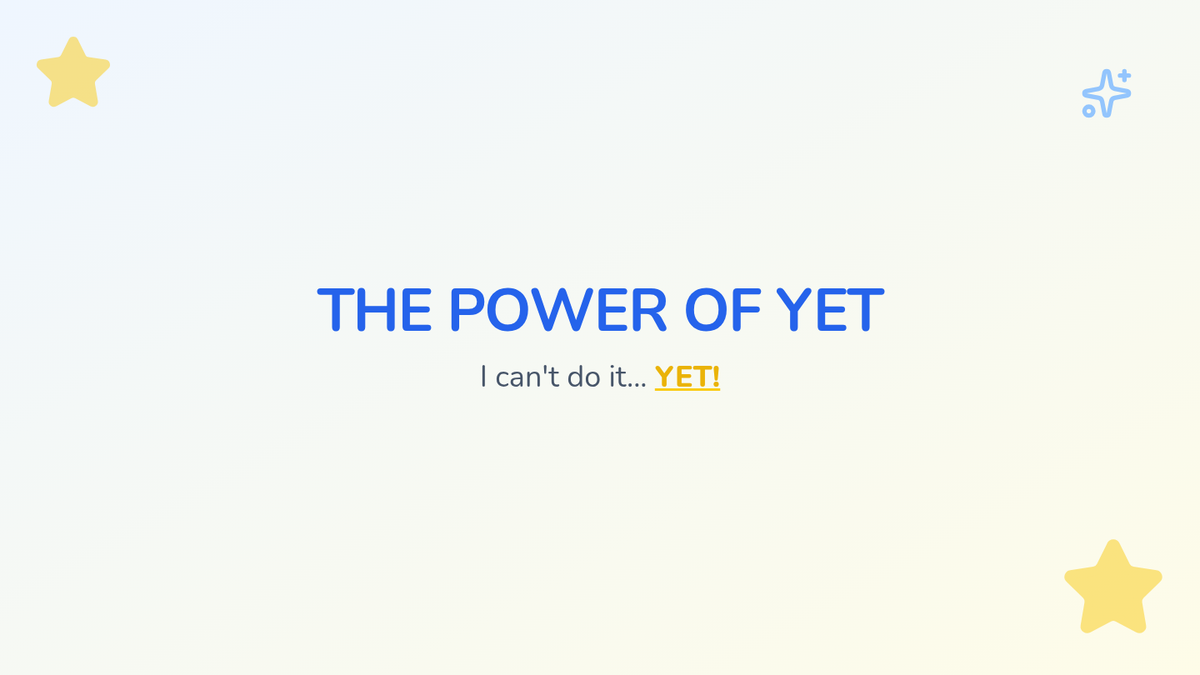
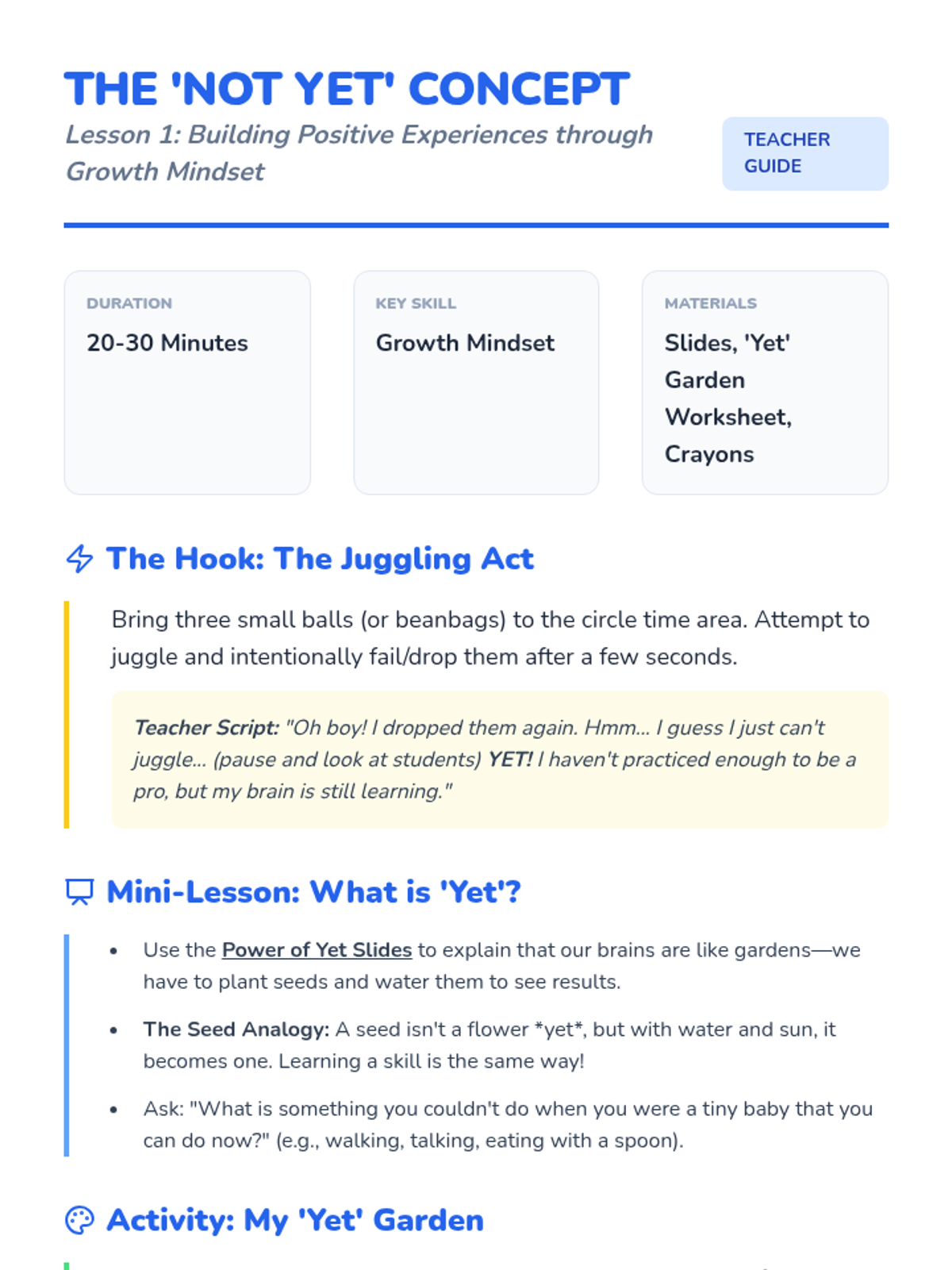
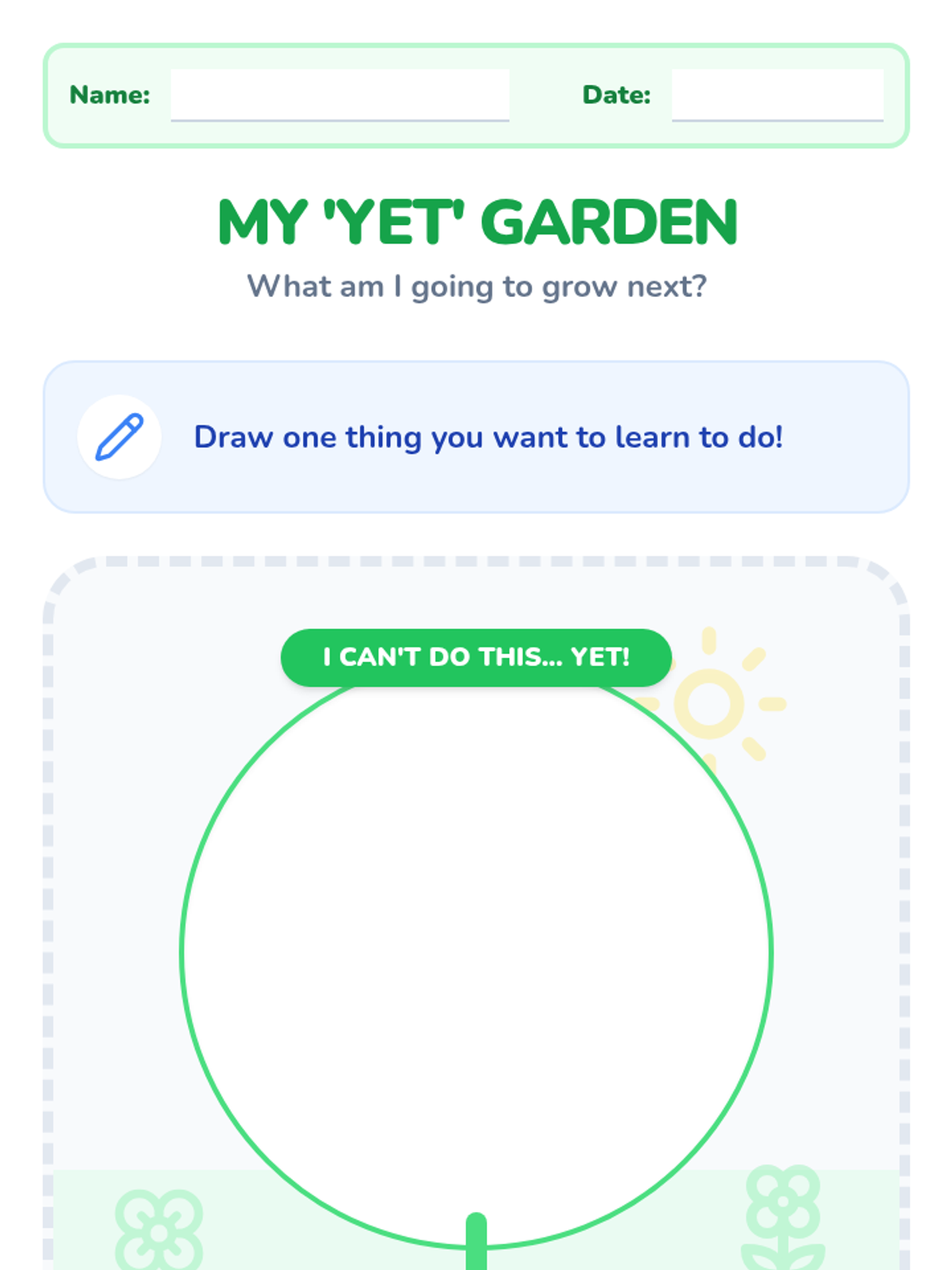
Introduction to the growth mindset using the word 'yet' to transform frustrations into future goals.
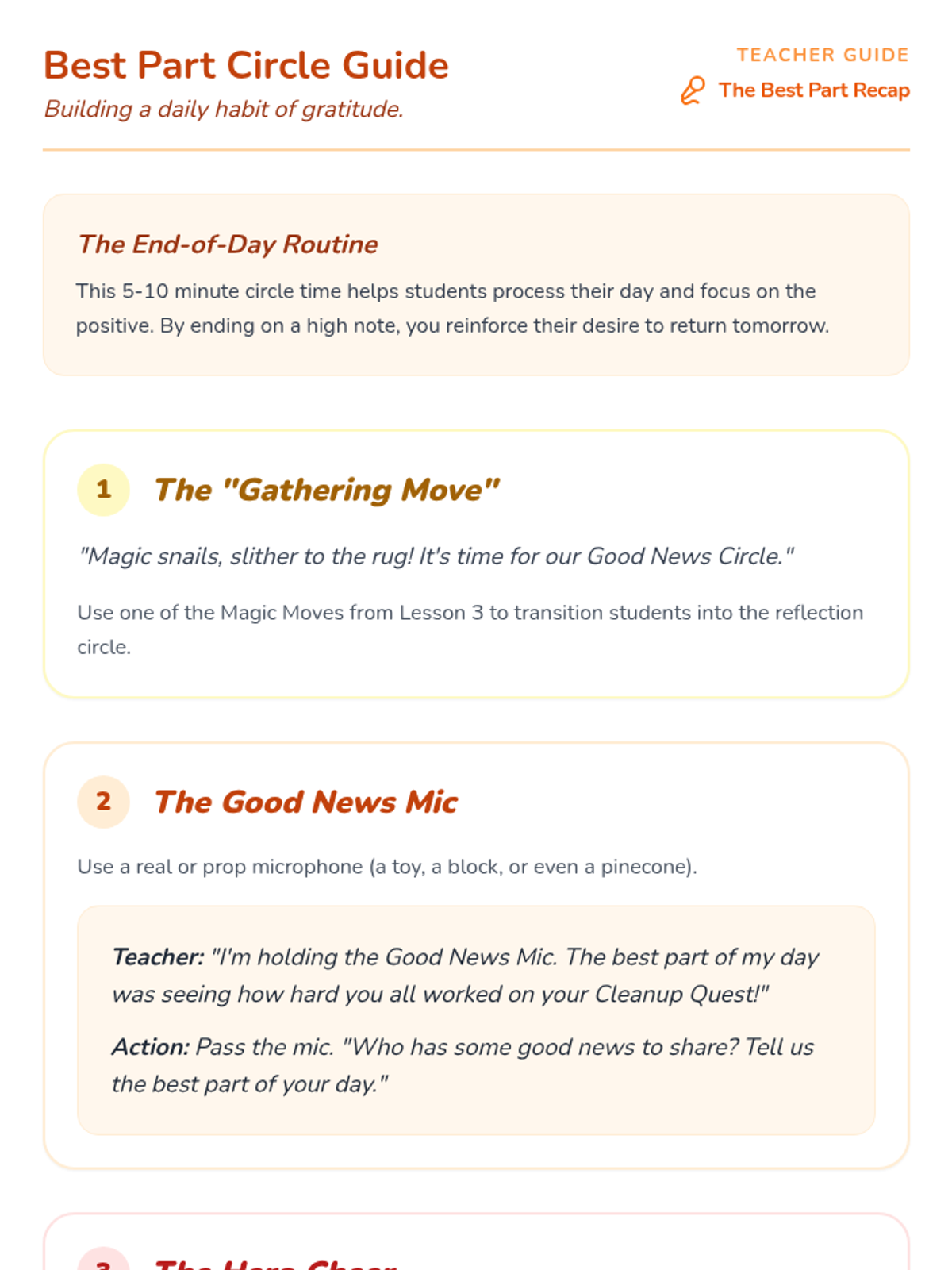
Students establish a gratitude habit by sharing the best parts of their day, reinforcing positive memories before going home.
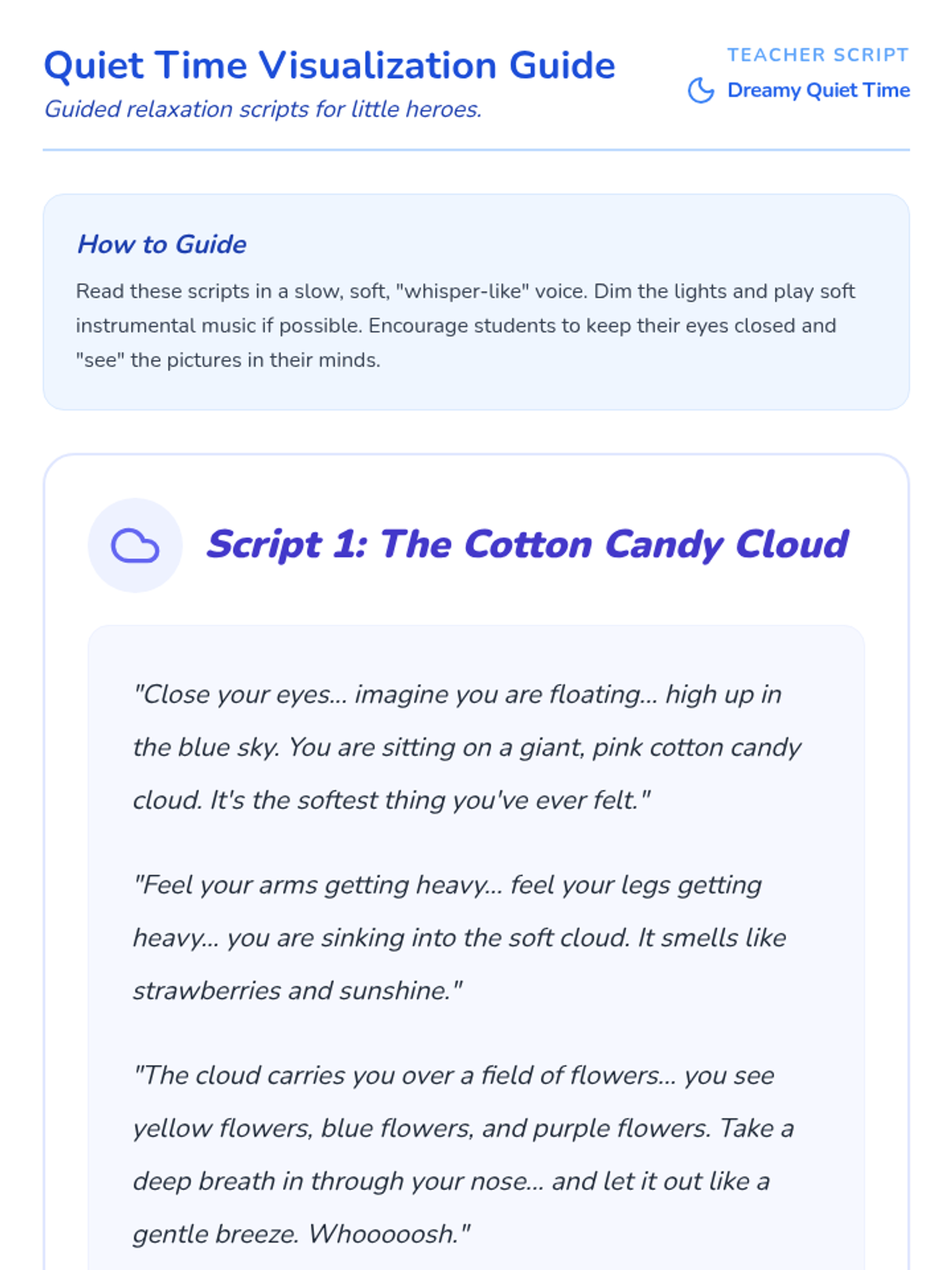
Students explore visualization and relaxation techniques to find joy and stillness during quiet or nap times.
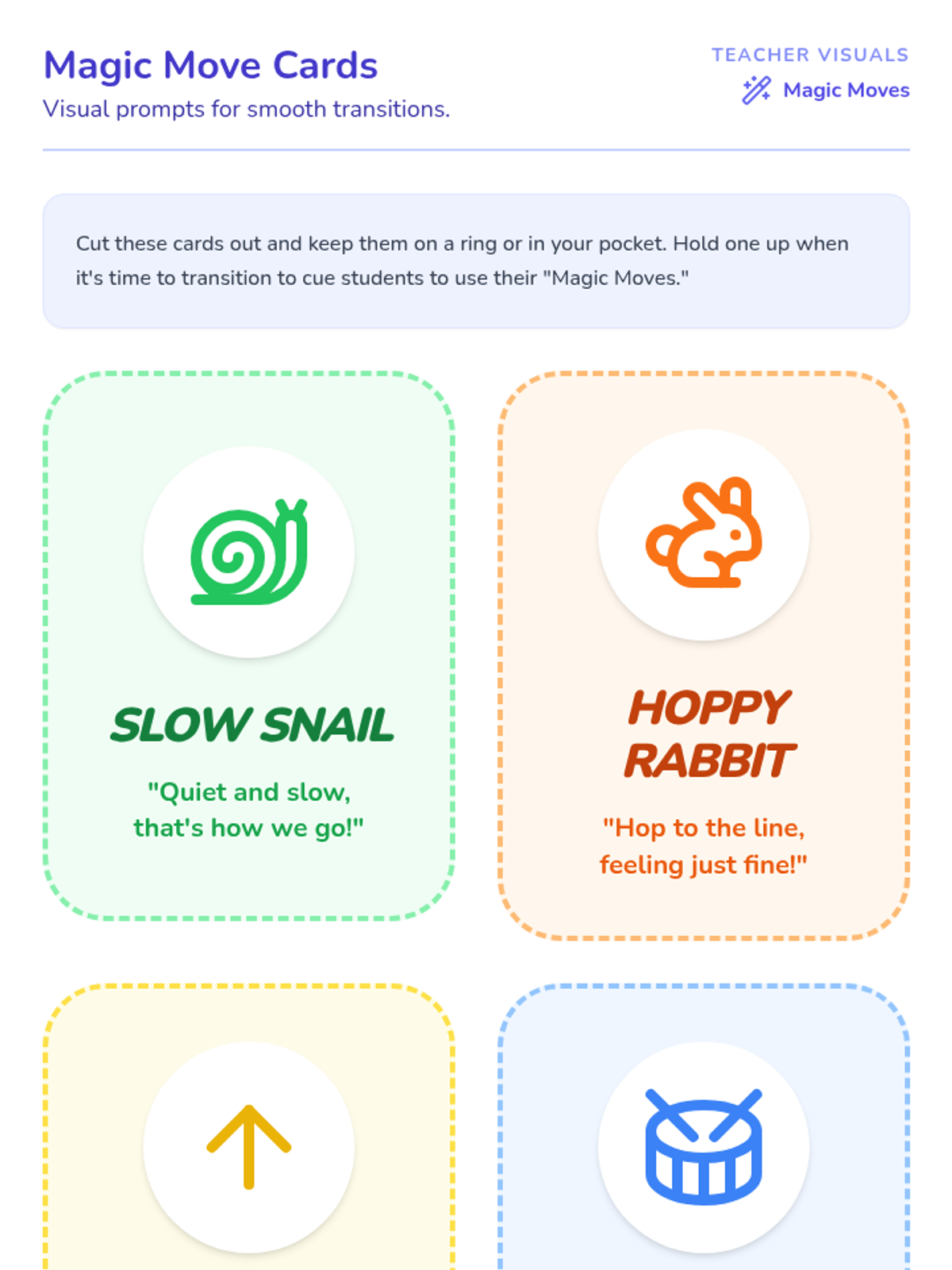
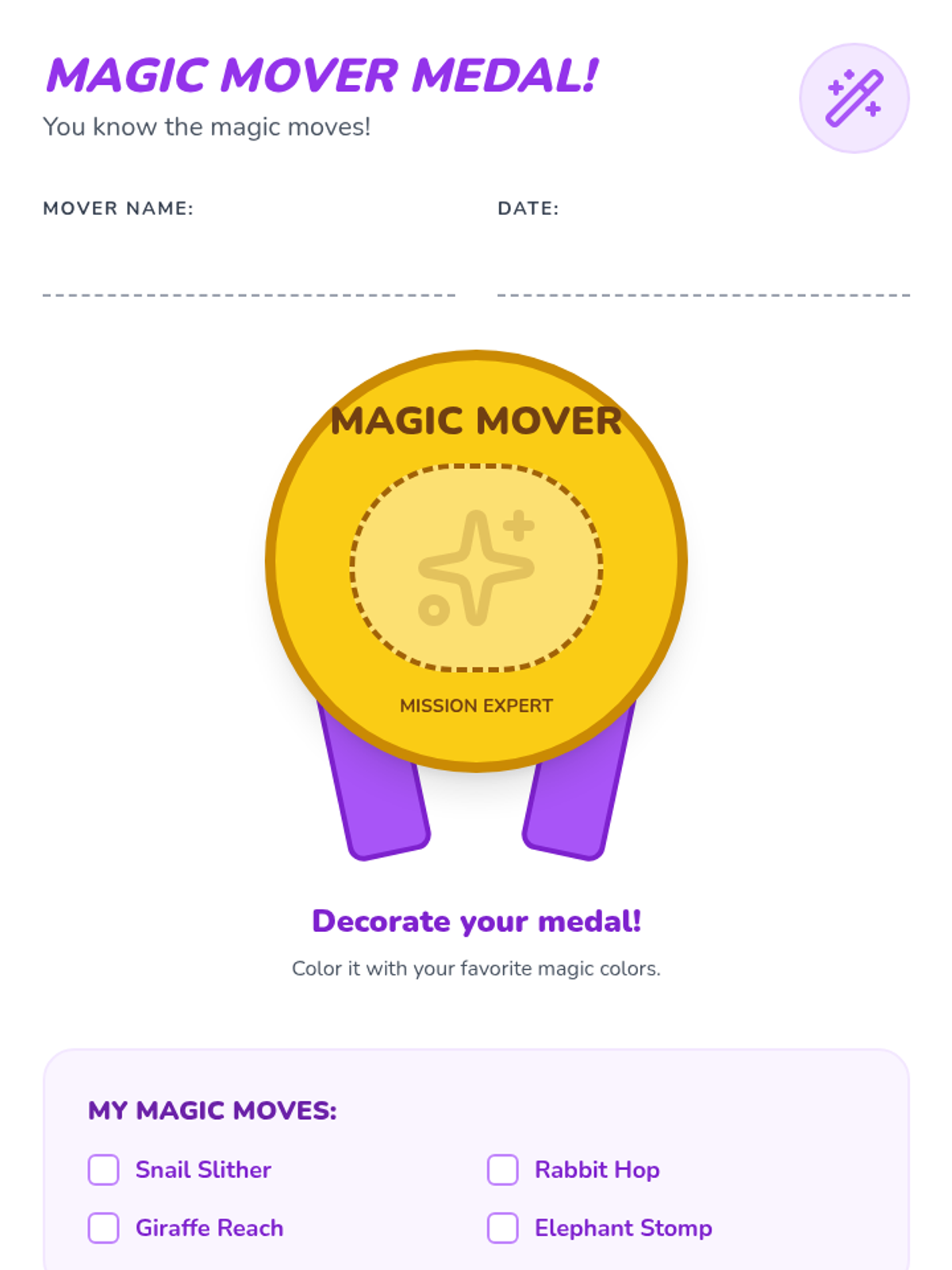
Students learn stress-free transition strategies, using imagination and 'magic' to move smoothly between activities.
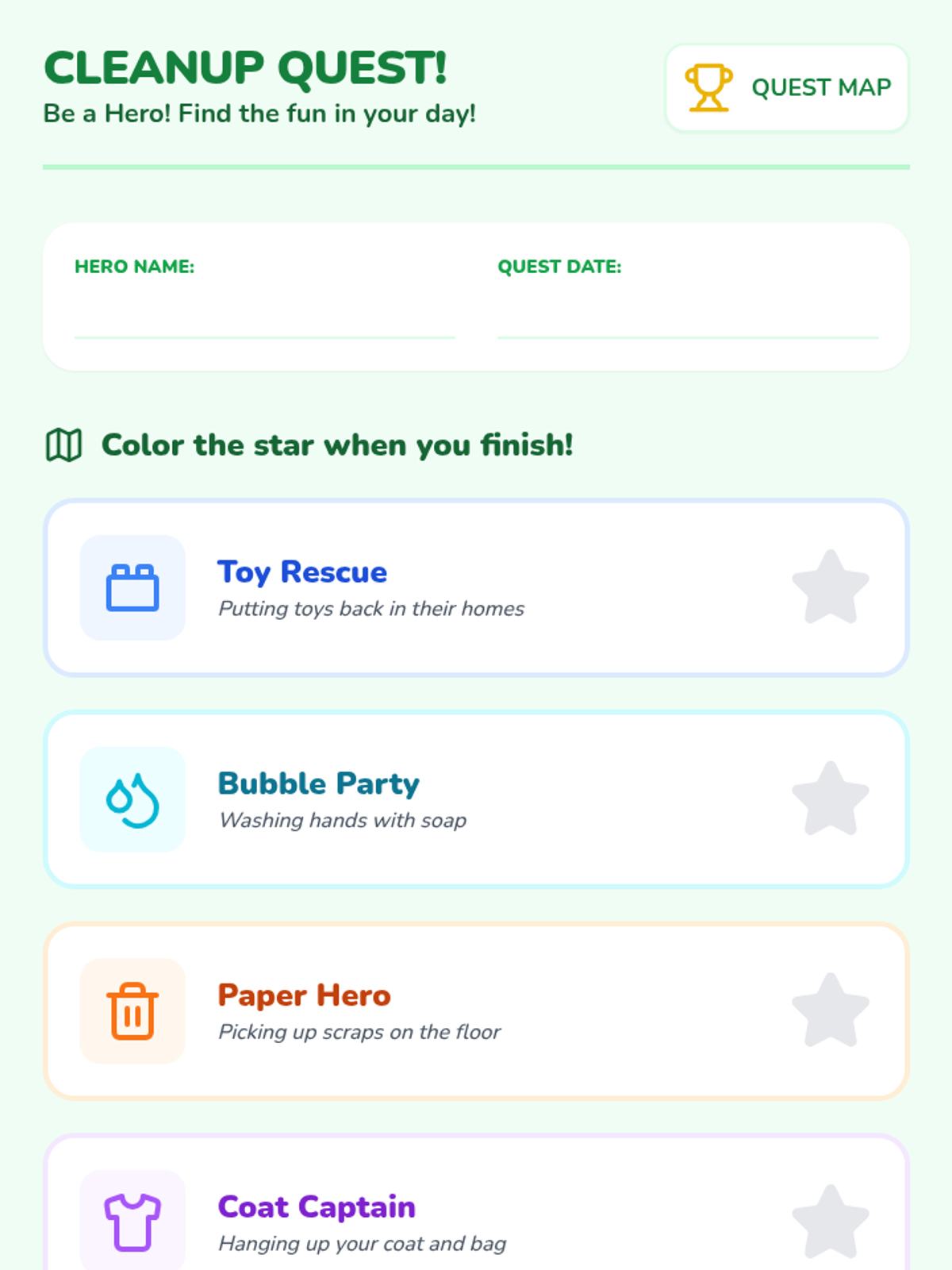
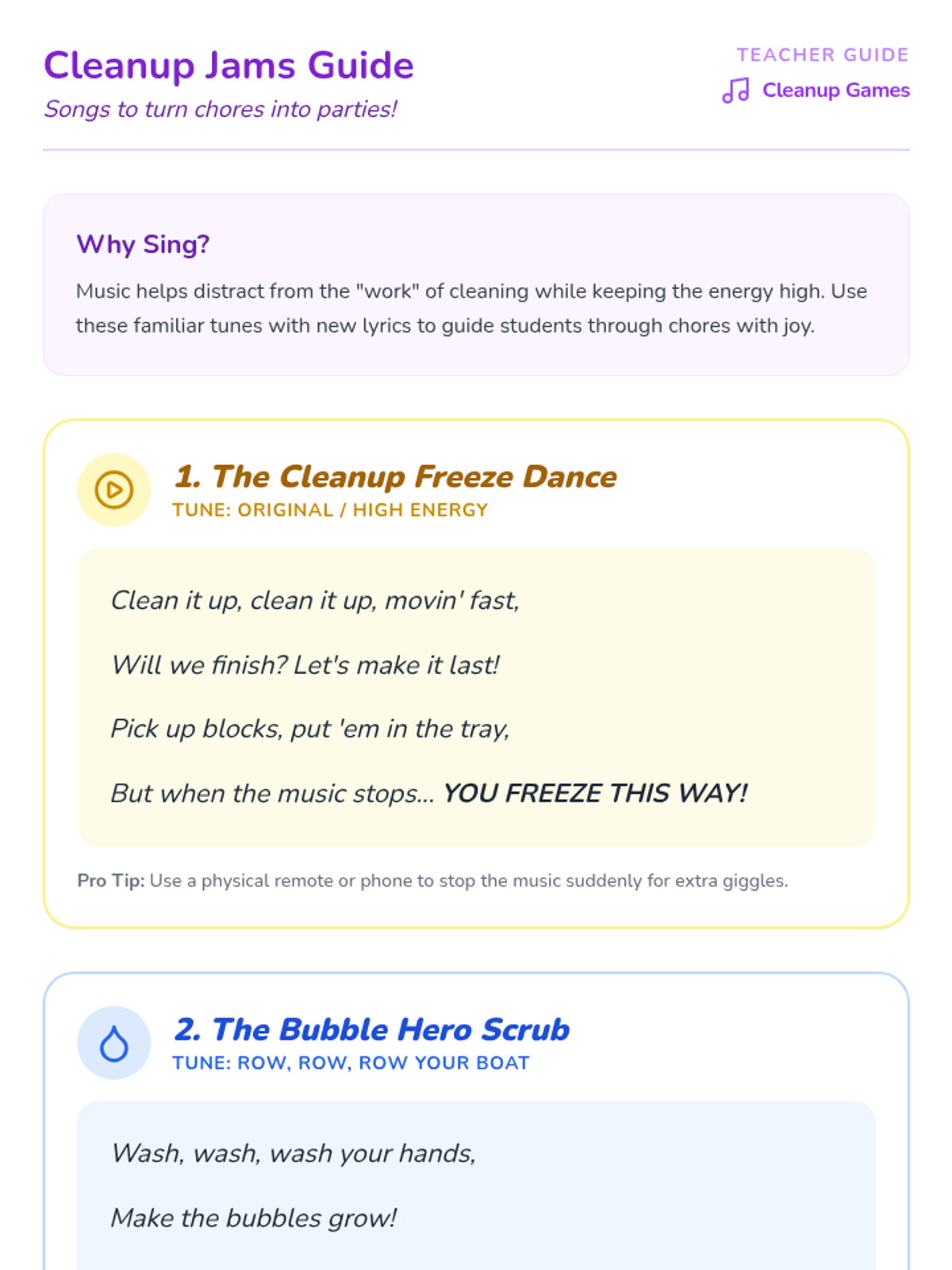
This lesson turns cleanup and maintenance tasks into games and songs, helping students reframe chores as positive, shared experiences.
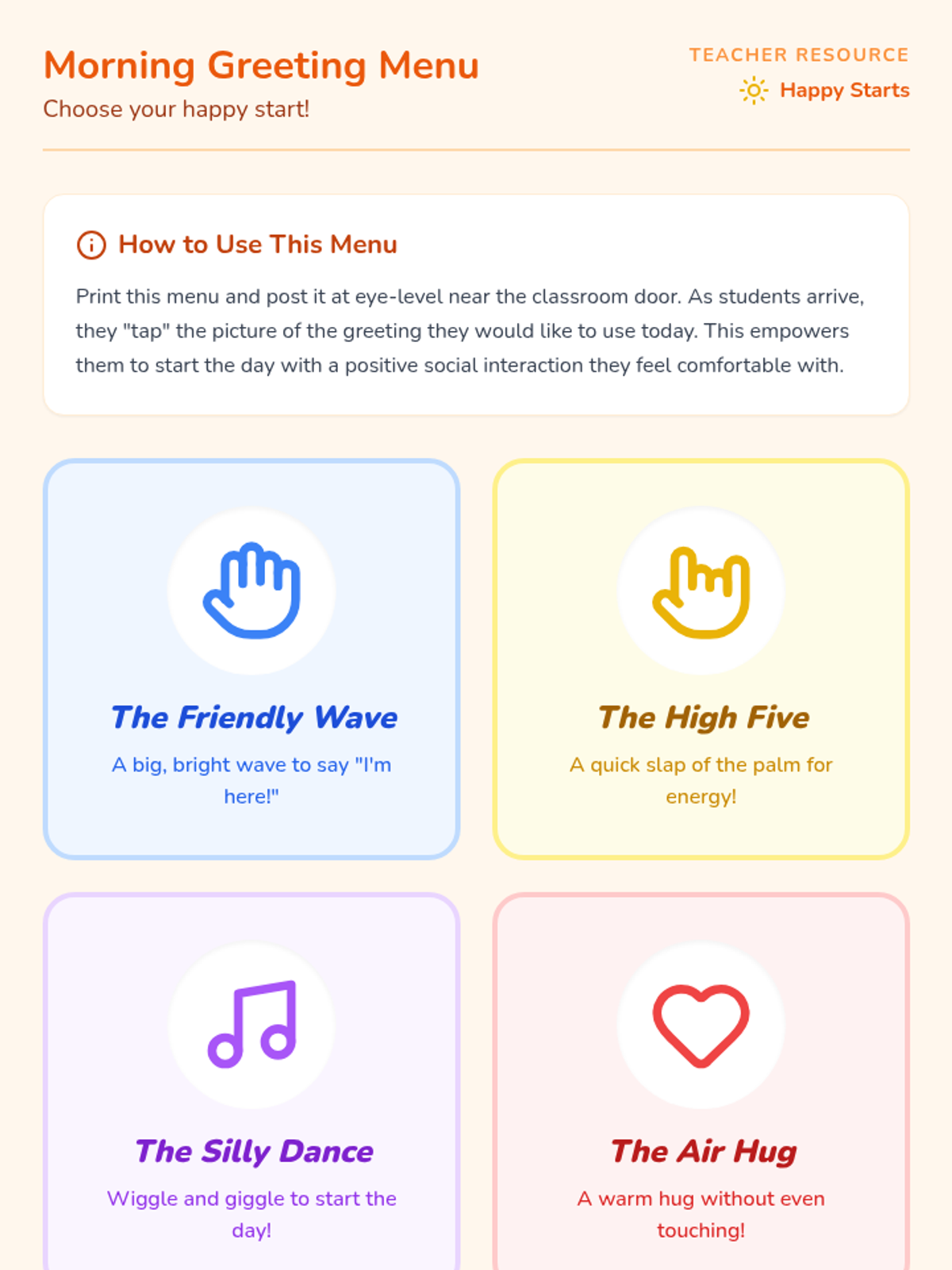
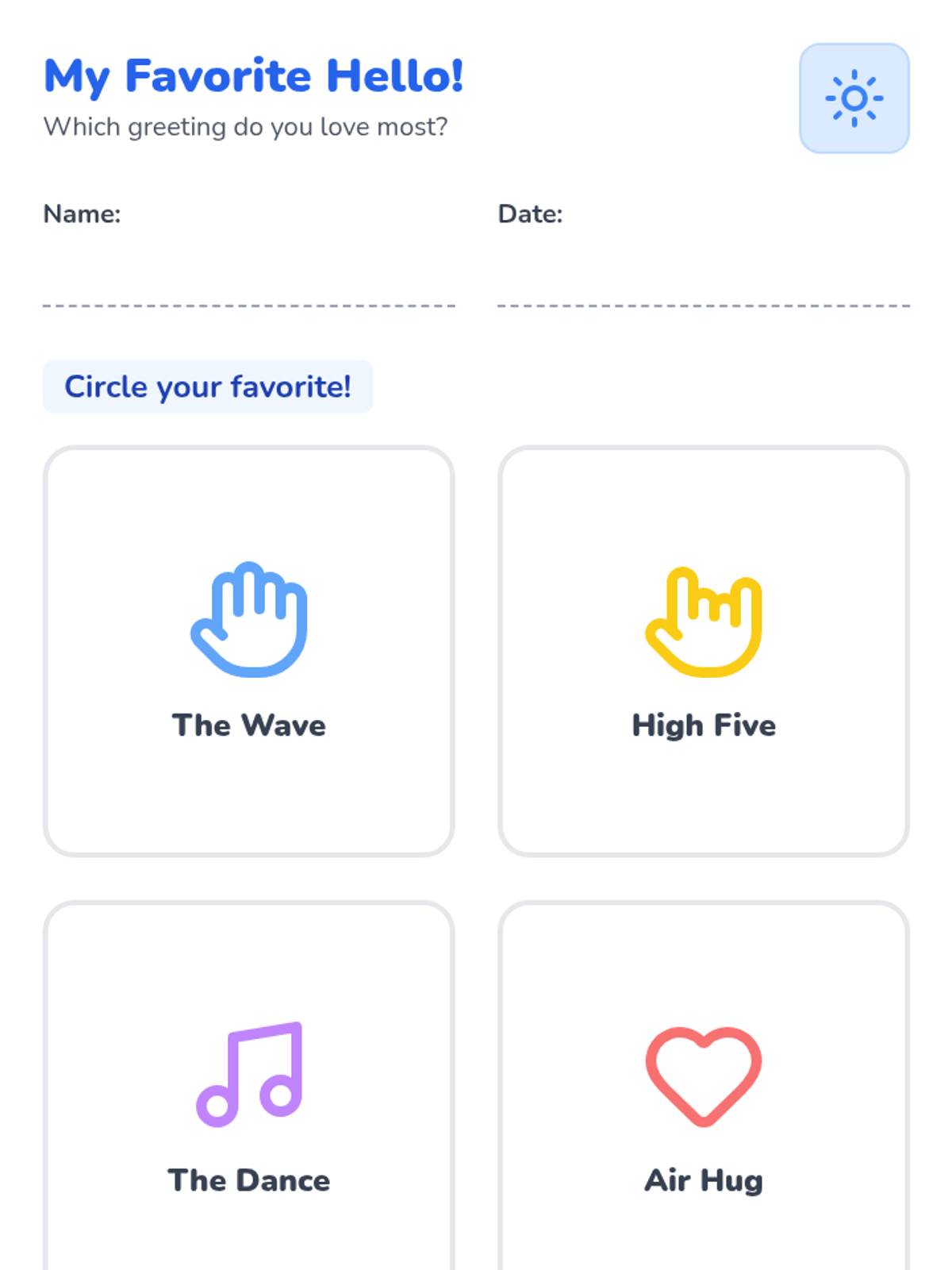
Students practice different ways to start the day positively, choosing signature greetings like waves, high-fives, or dances to set a happy tone.
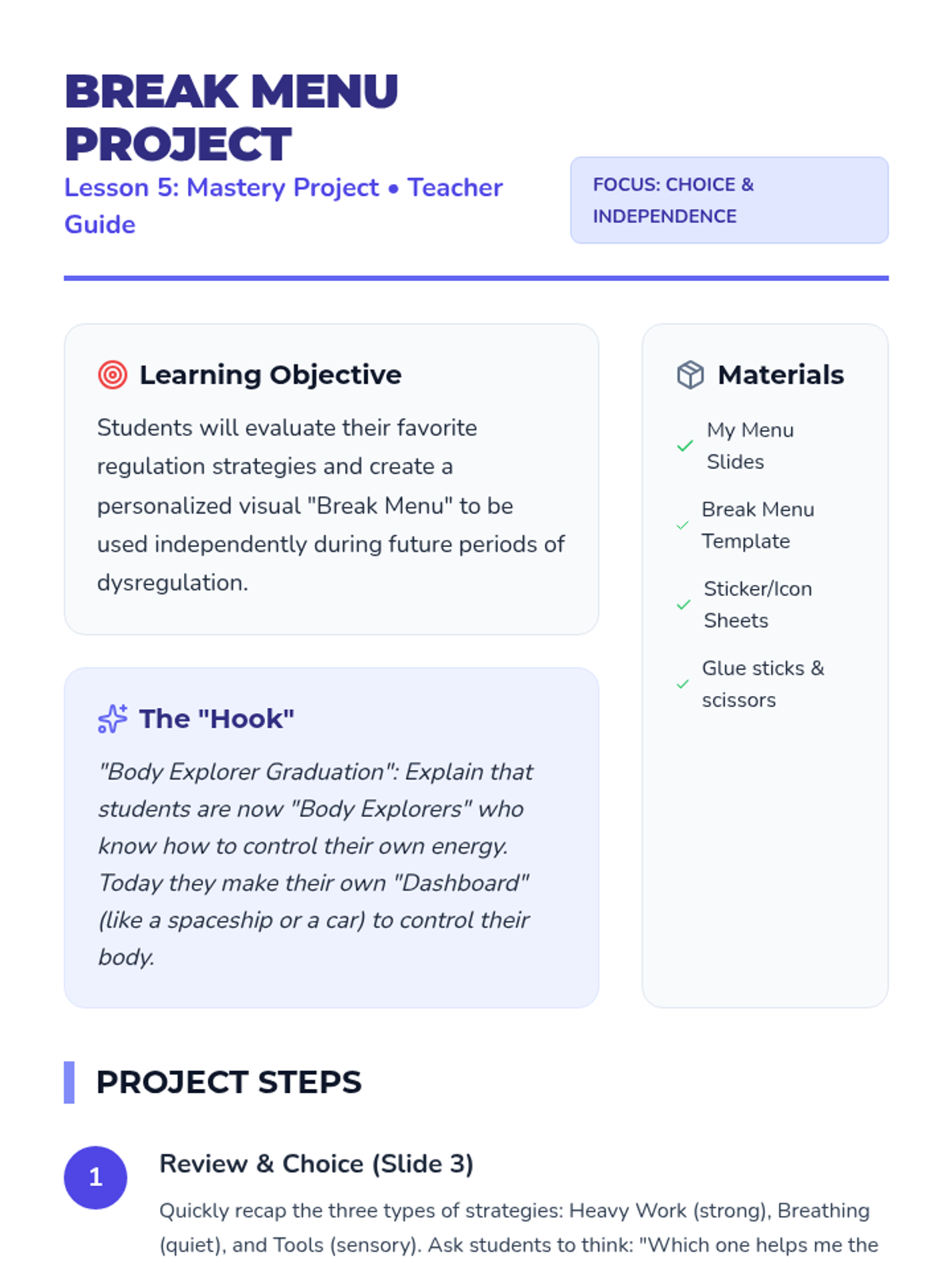
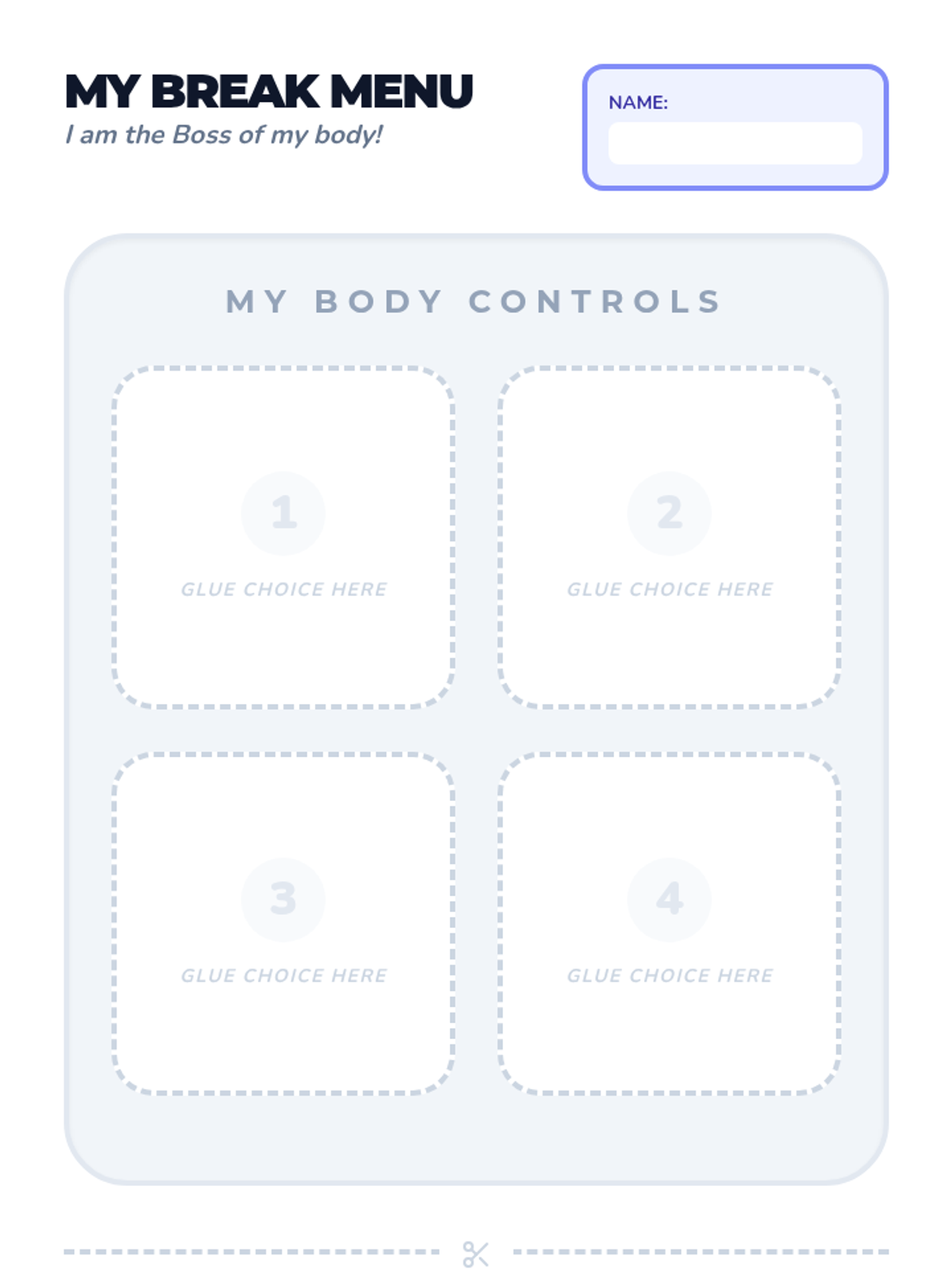
Students select their favorite regulation strategies to create a personalized visual 'Break Menu,' providing them with a permanent resource for self-regulation.
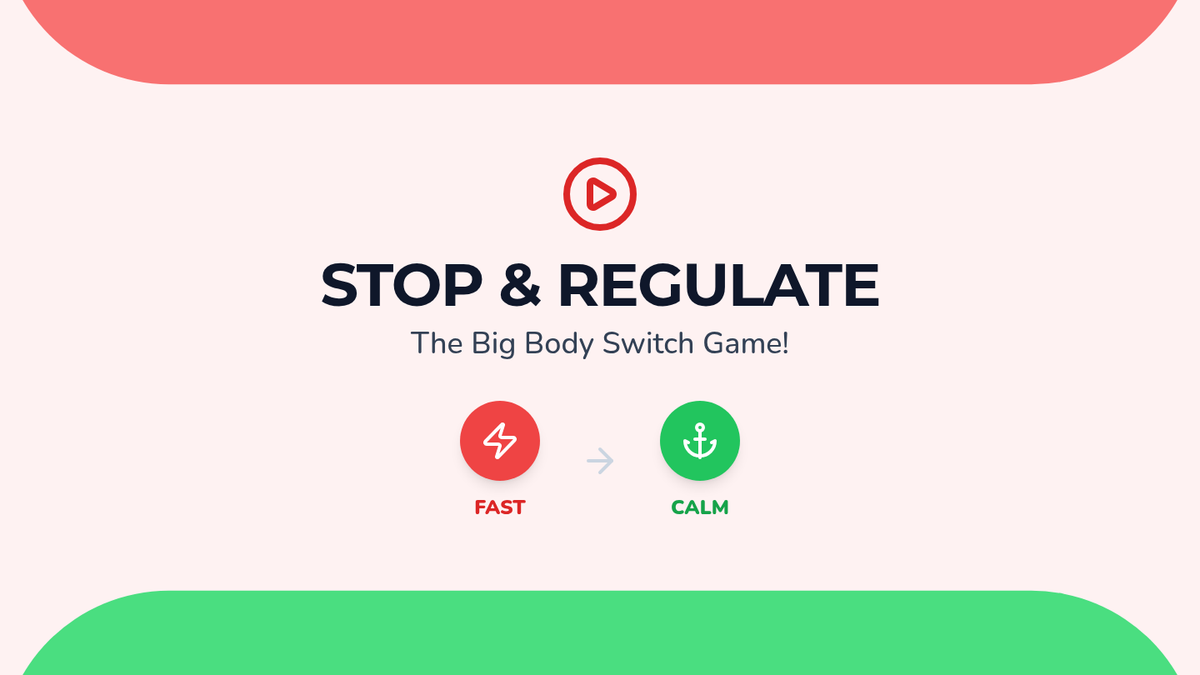
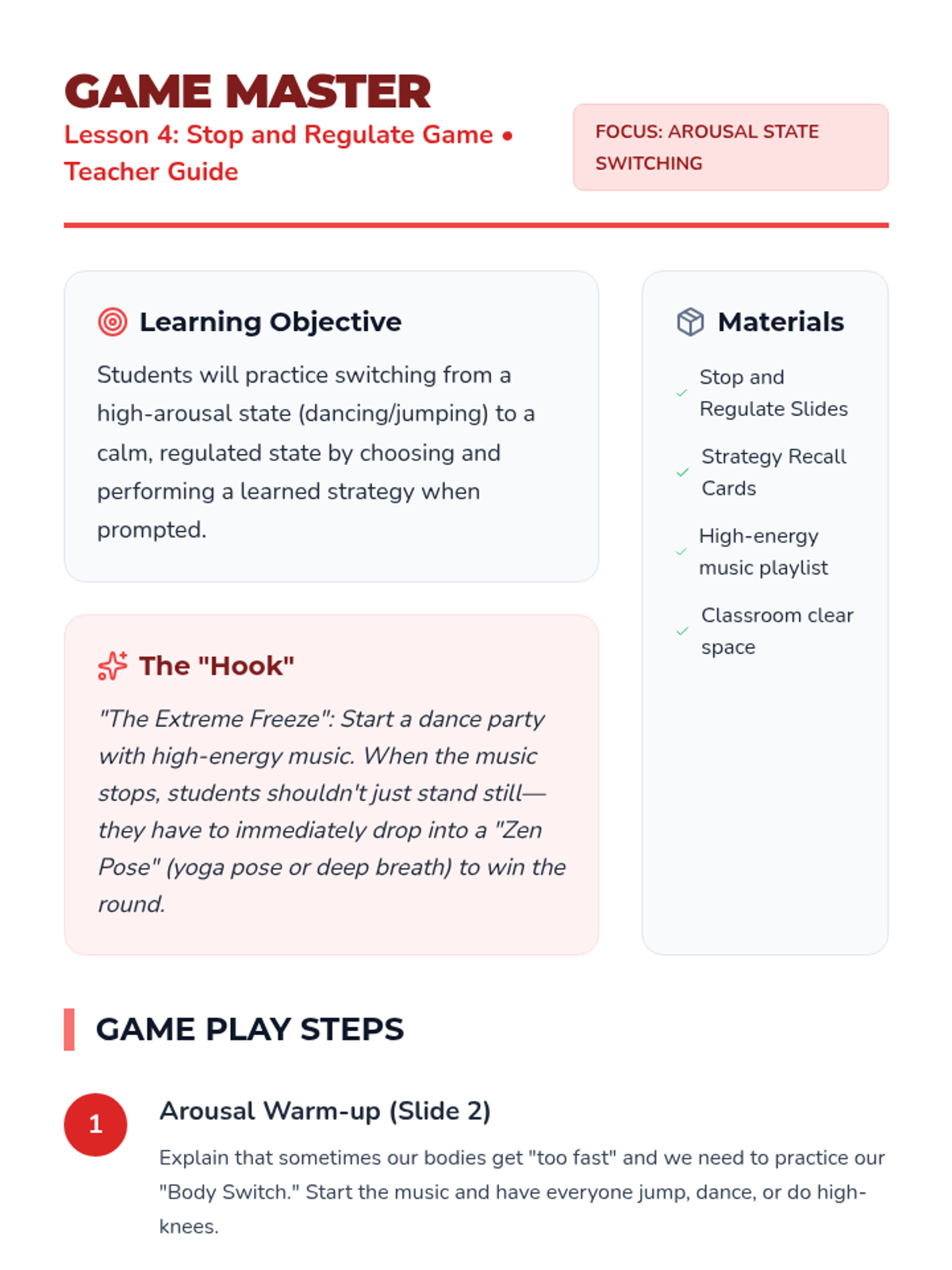
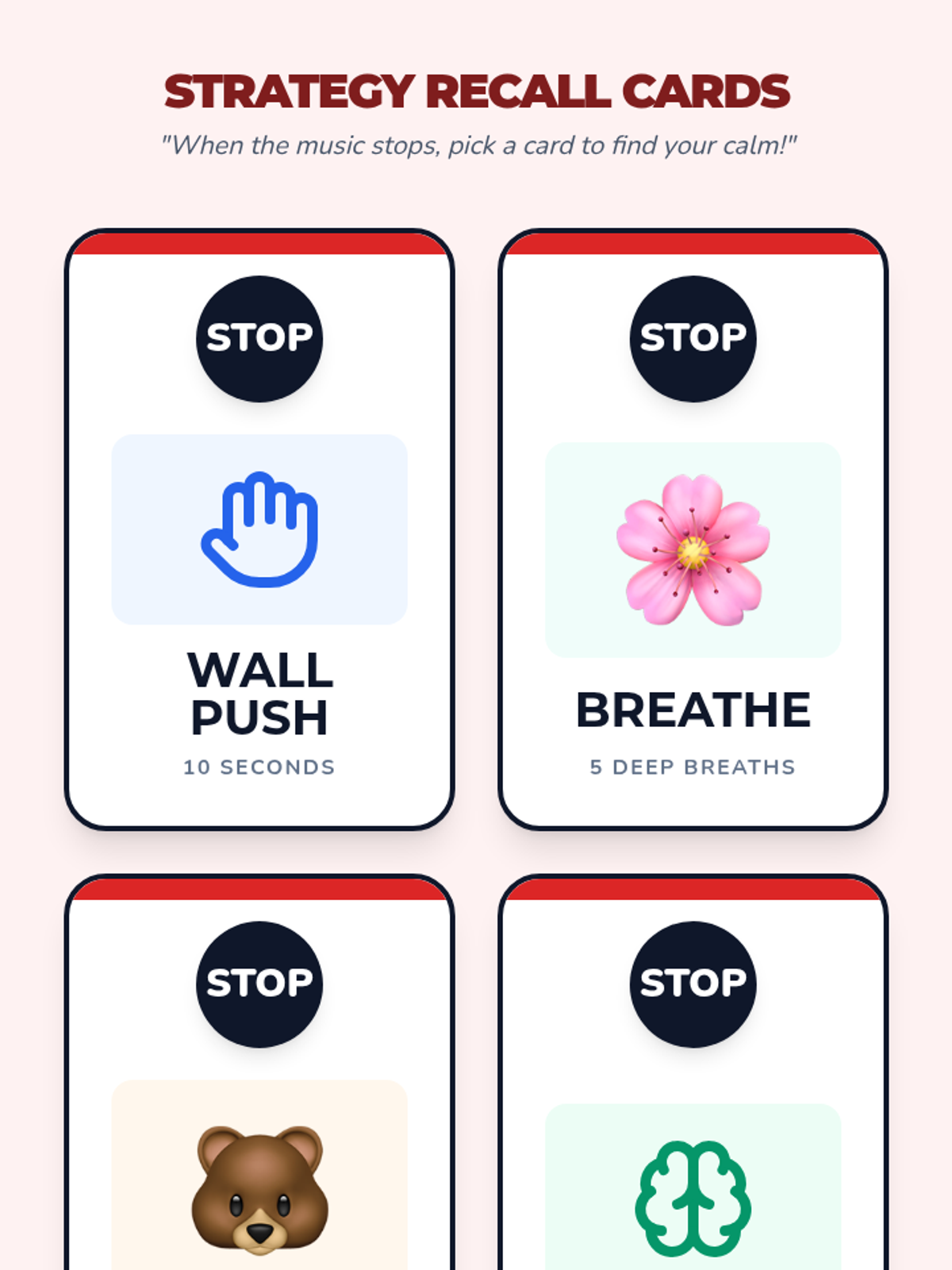
A structured game practicing the switch from high energy to calm regulation, simulating the real-time need for strategic breaks.
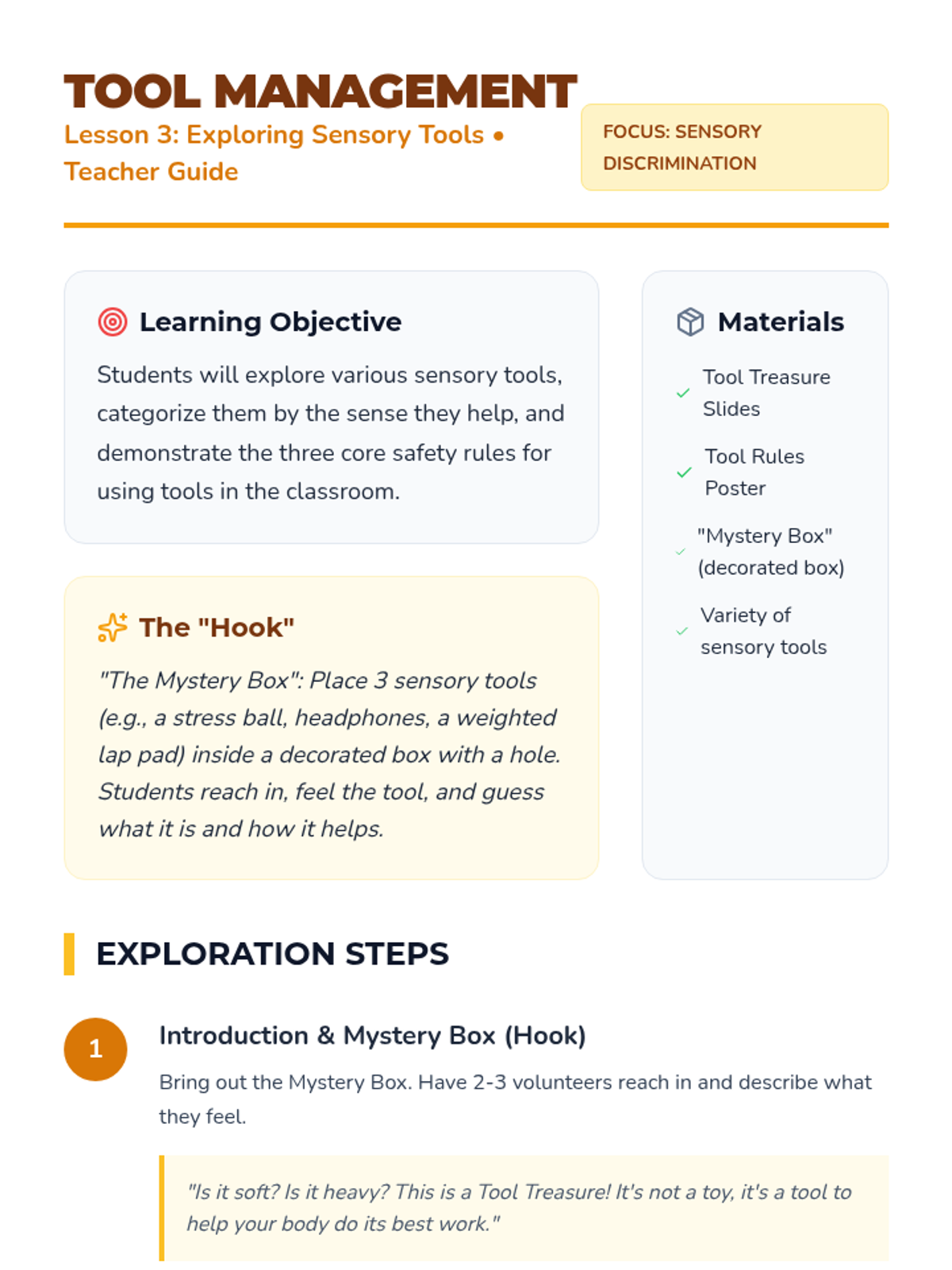
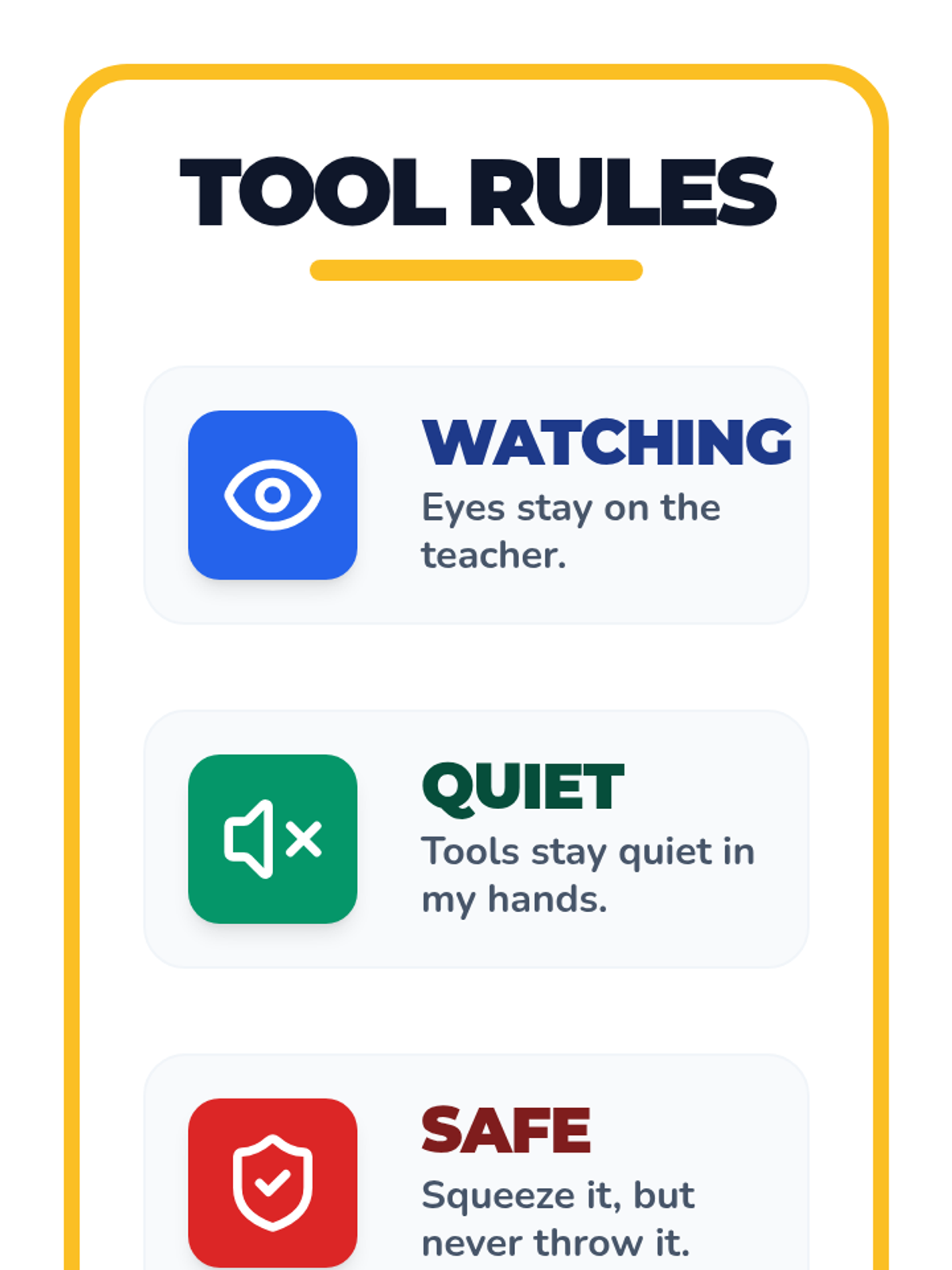
Students explore sensory tools like fidgets and noise-canceling headphones, learning the appropriate ways to use them safely for regulation.
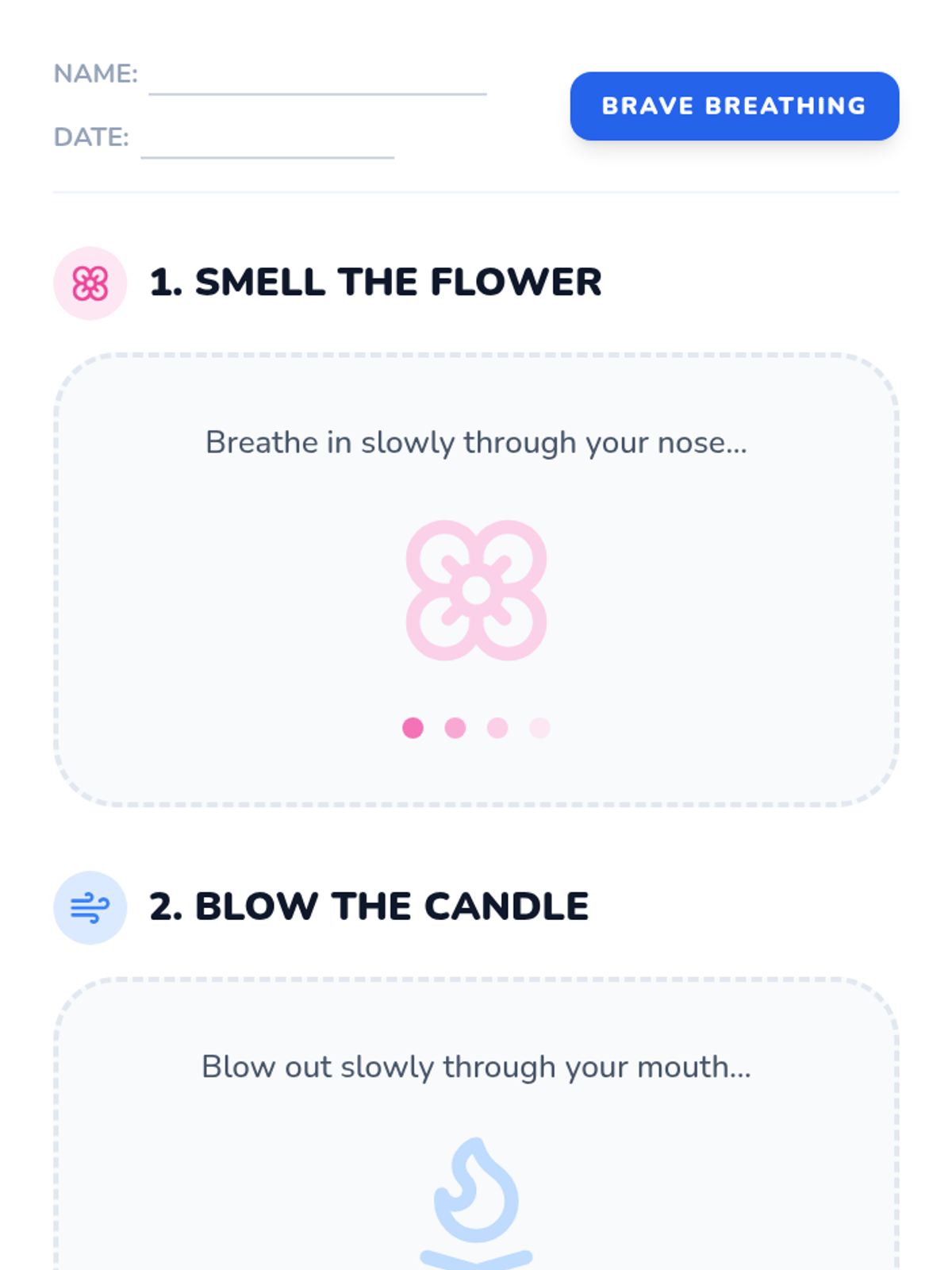
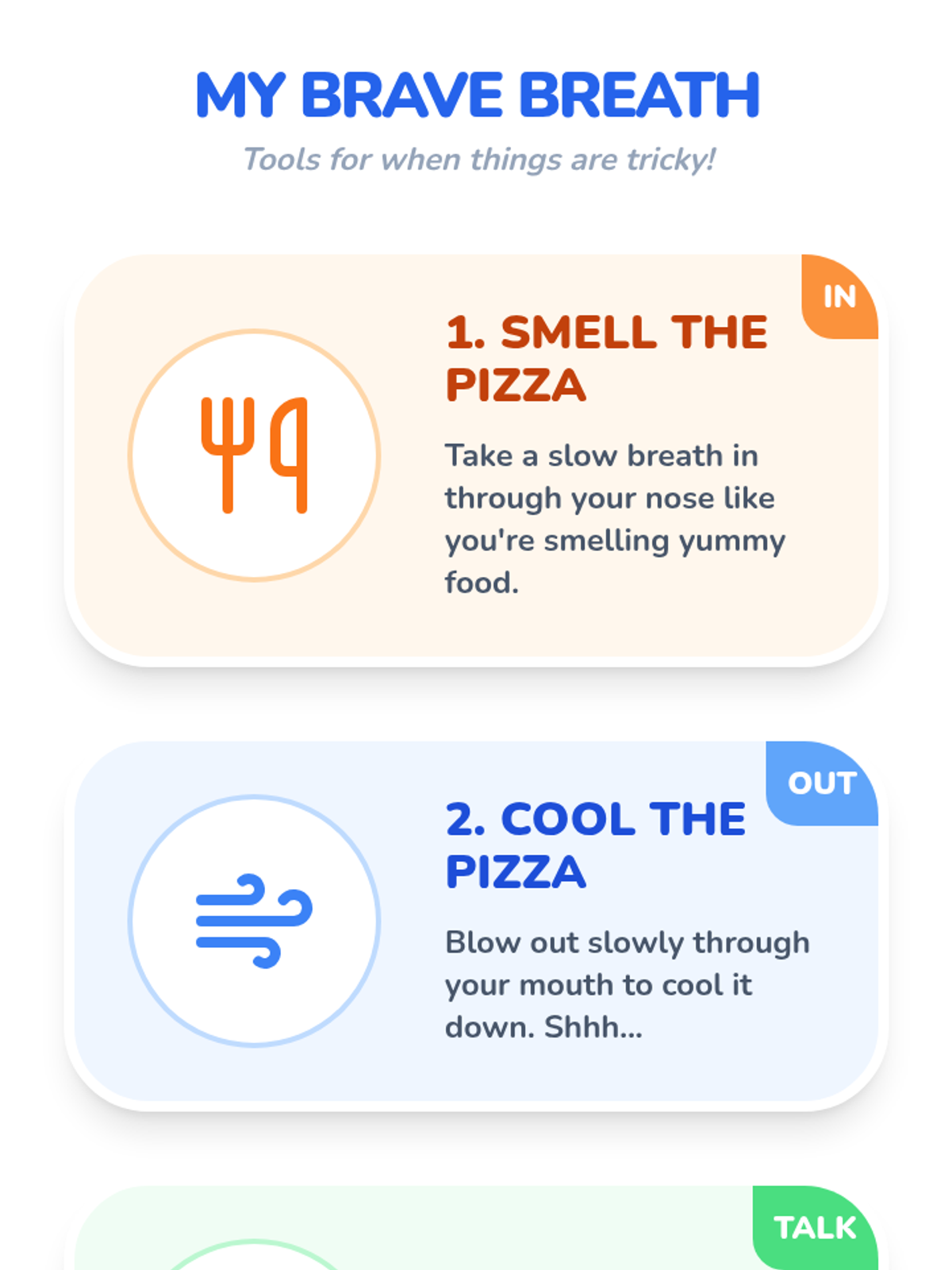
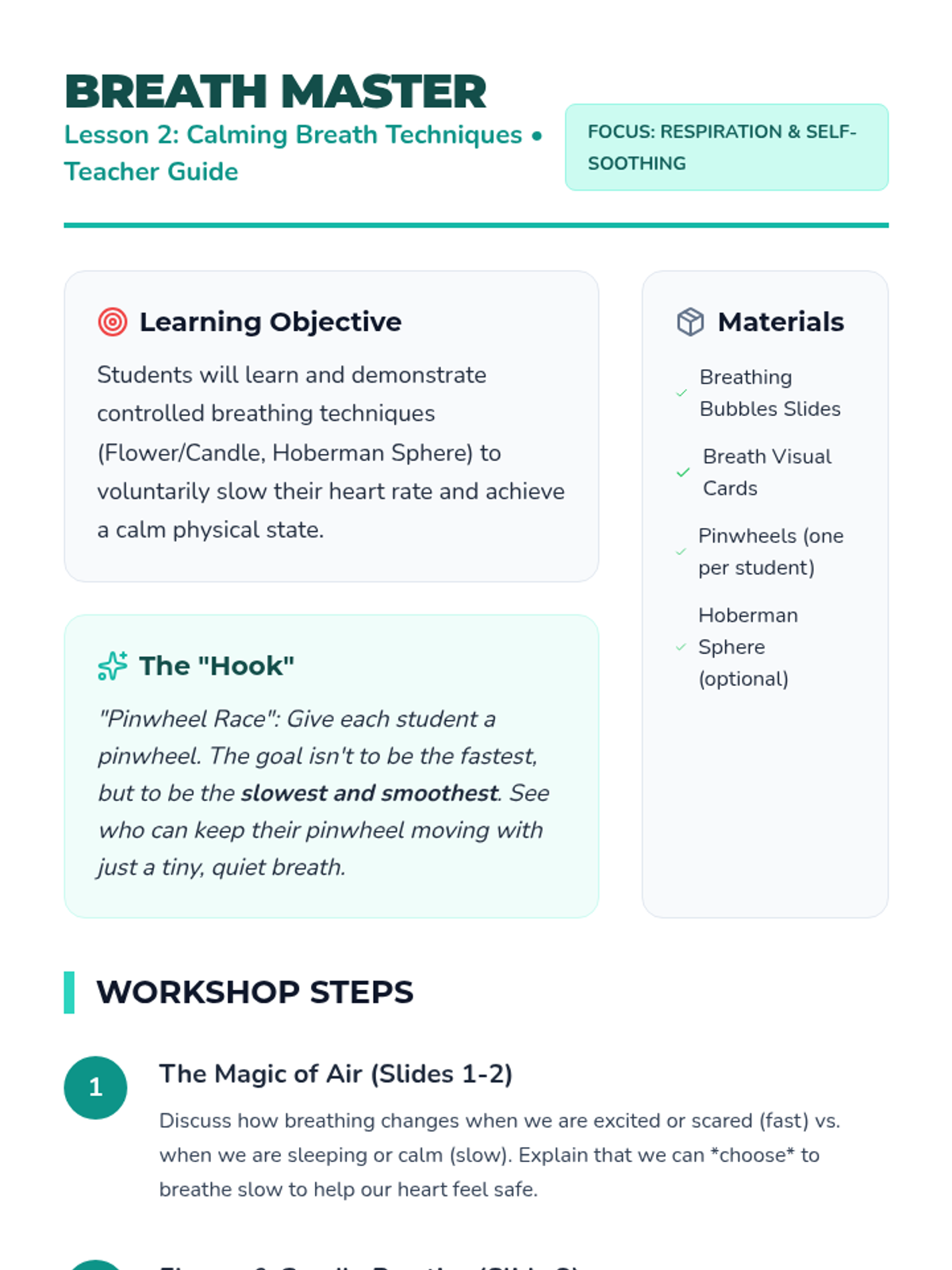
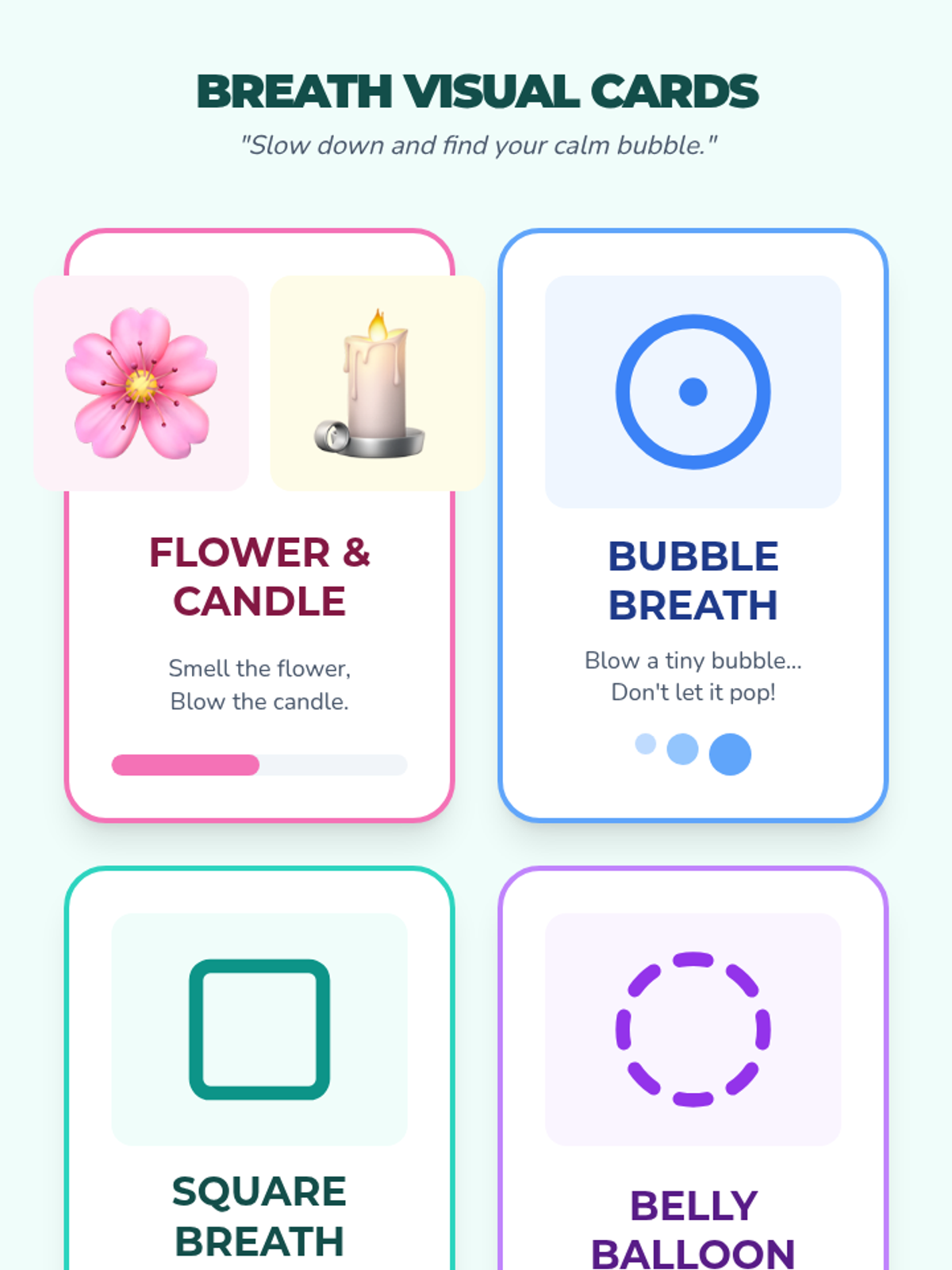
Students learn and practice deep breathing techniques using visual aids to help slow their heart rate and calm their physical bodies.
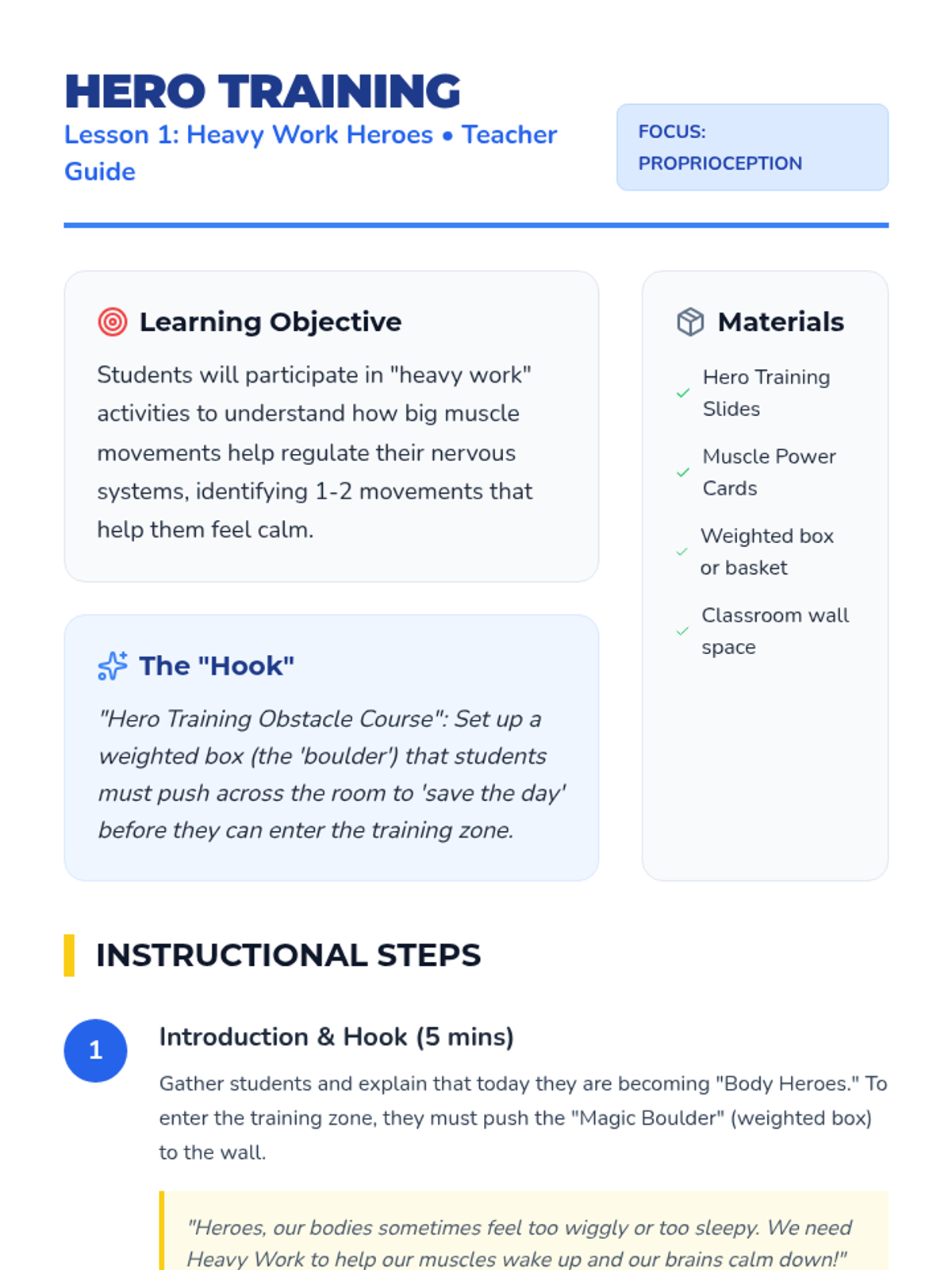
Students engage in proprioceptive 'heavy work' activities like wall pushes and animal walks to understand how strong movements help calm the brain and wake up muscles.
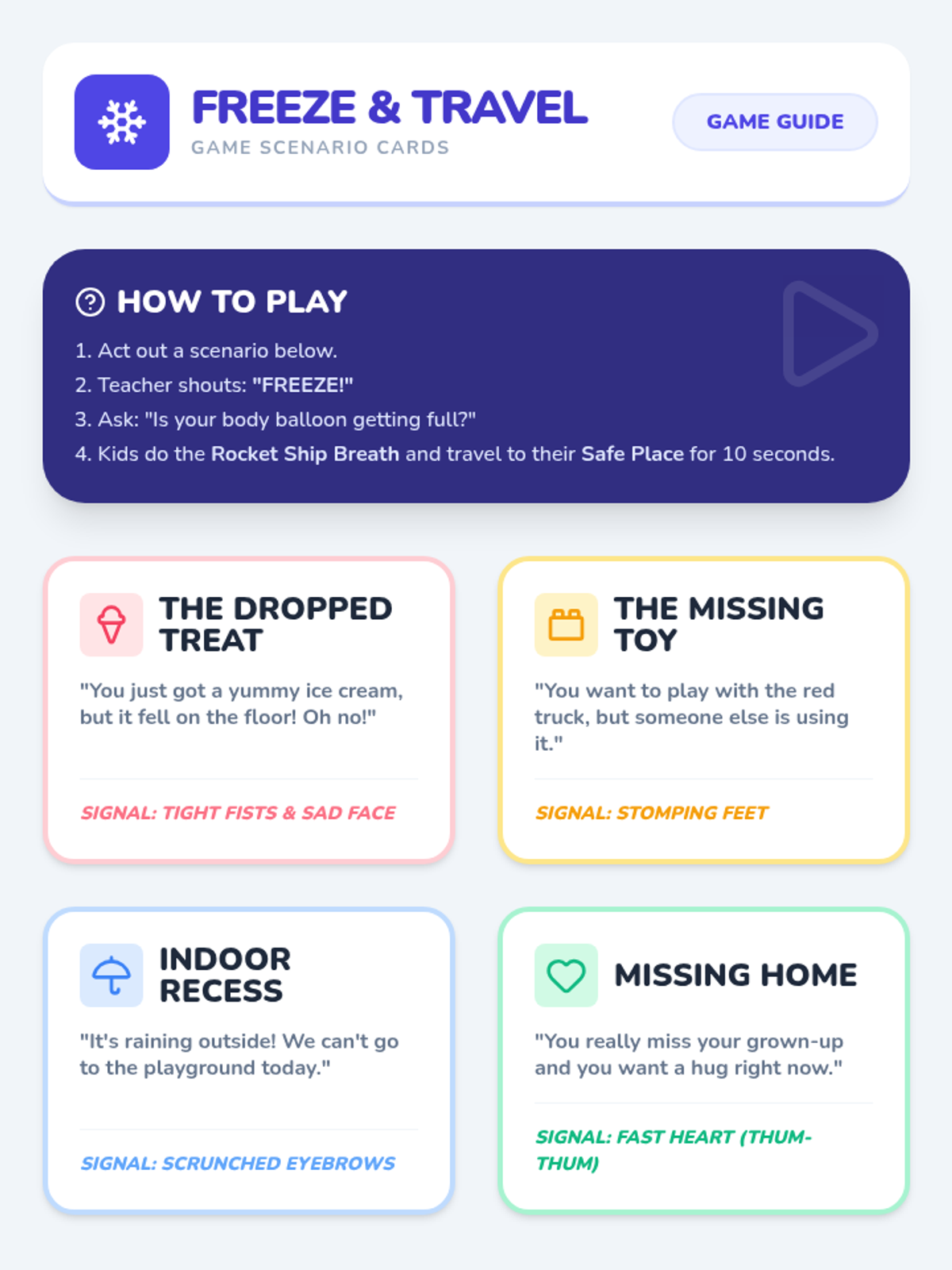
Practicing the 'Freeze and Travel' game to apply visualization skills in real-time social and emotional scenarios.
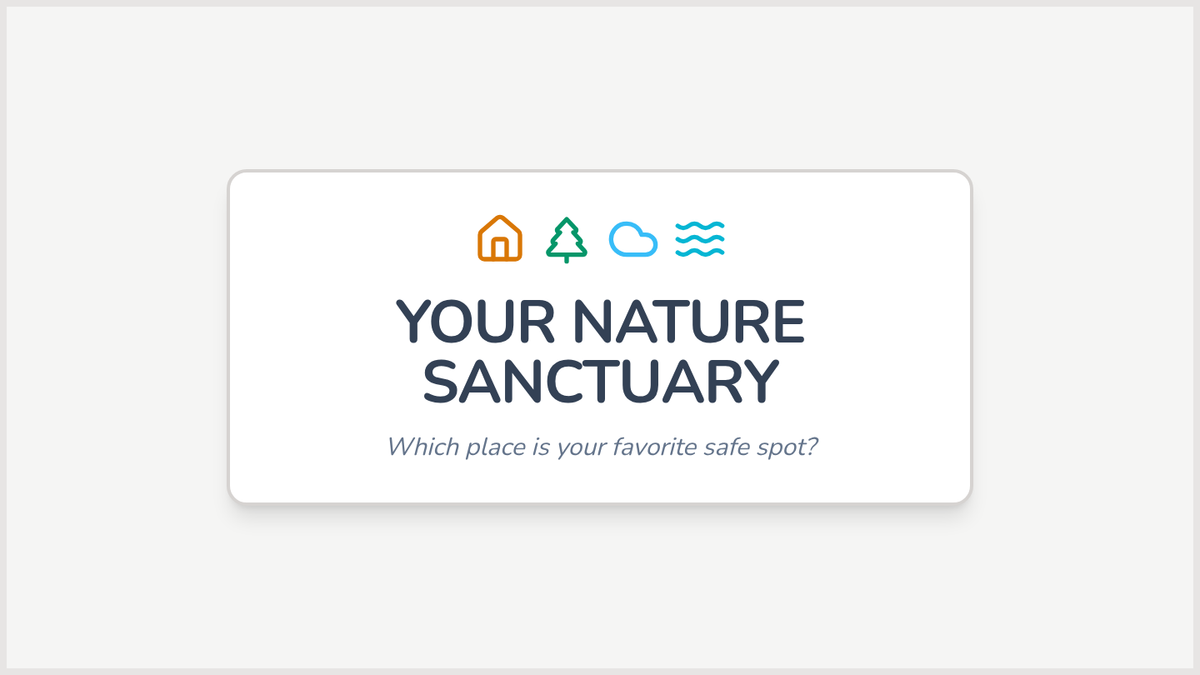
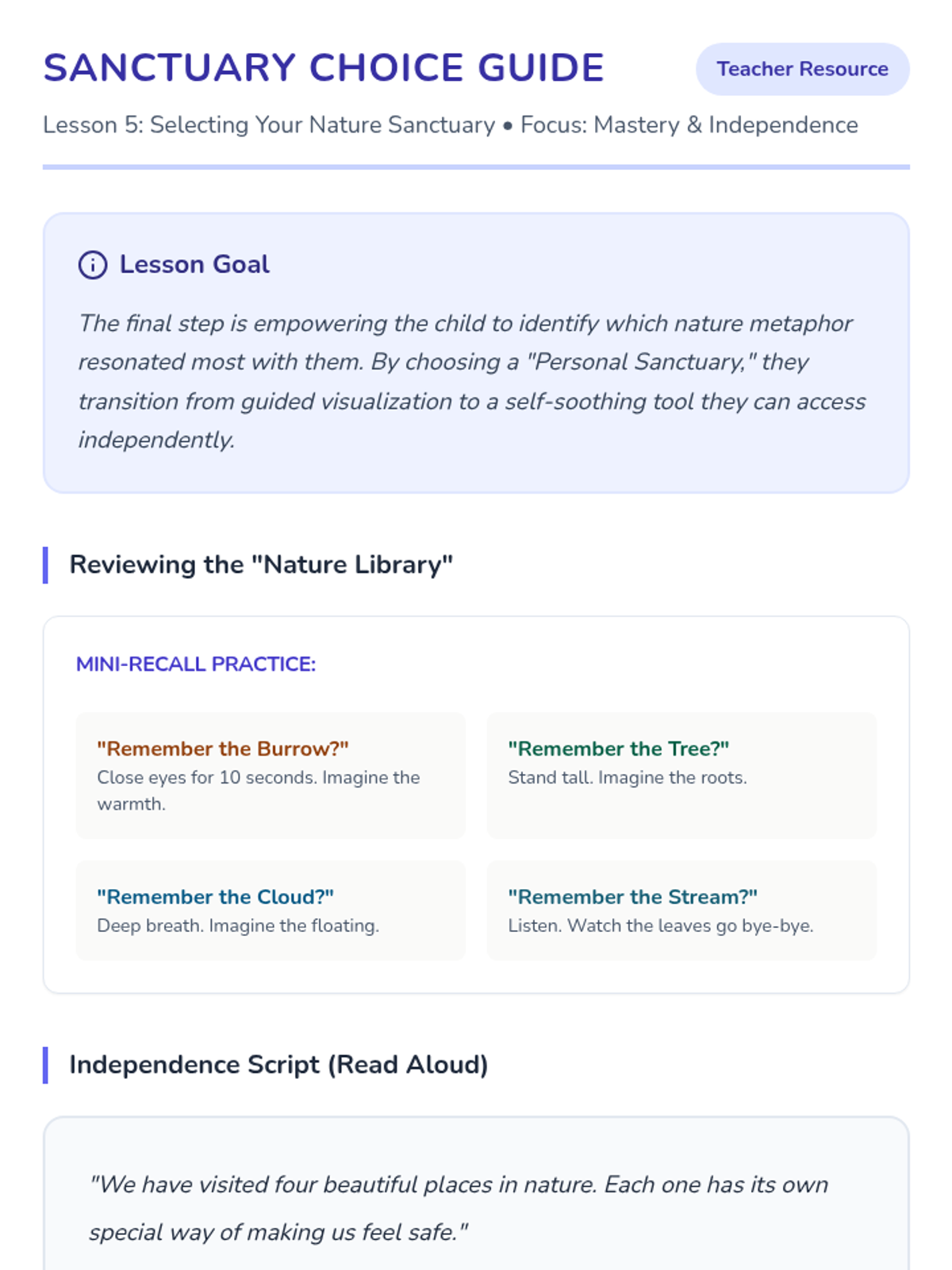
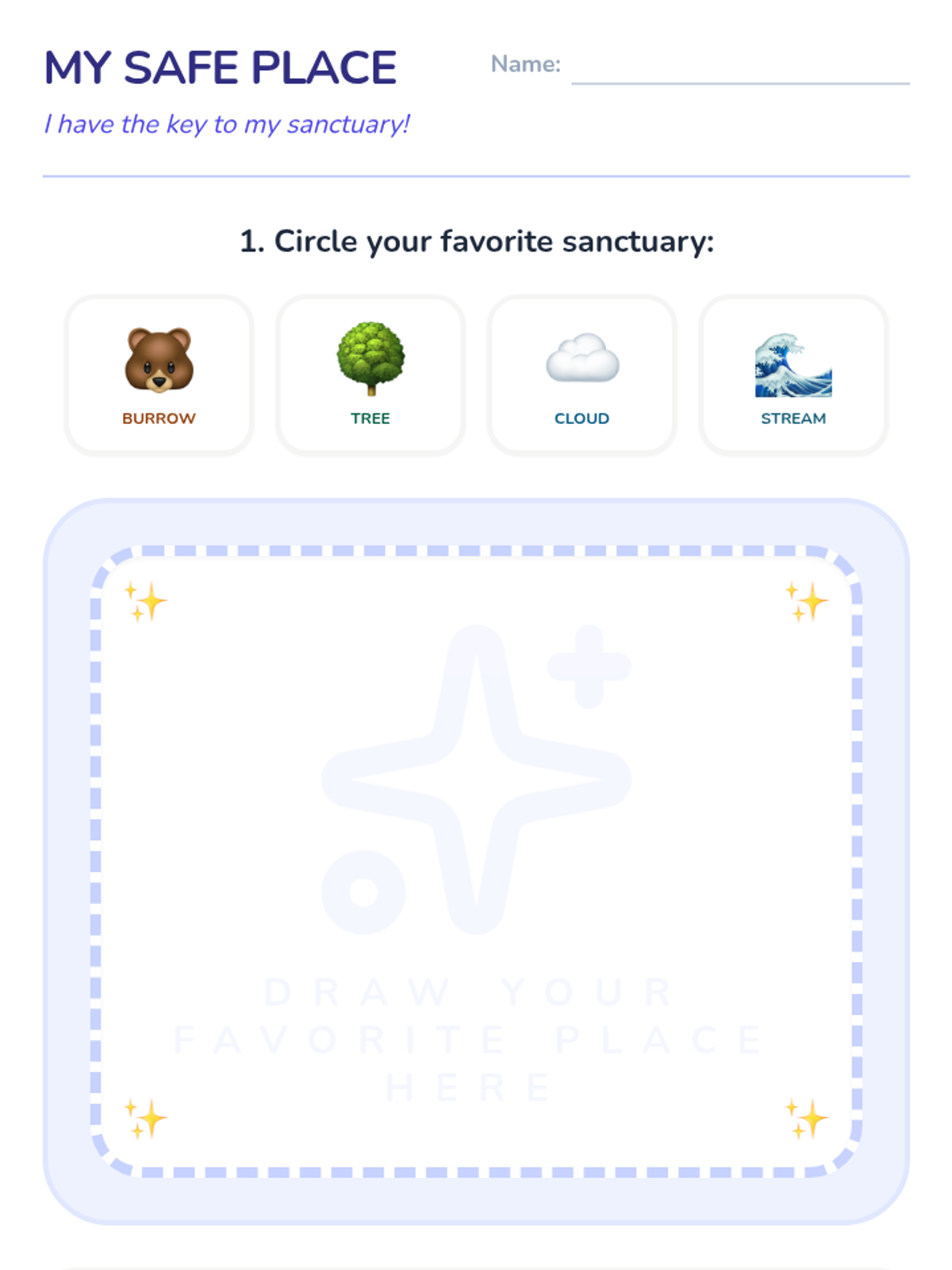
Students review the nature templates and choose their favorite visualization to practice recalling their safe place independently.
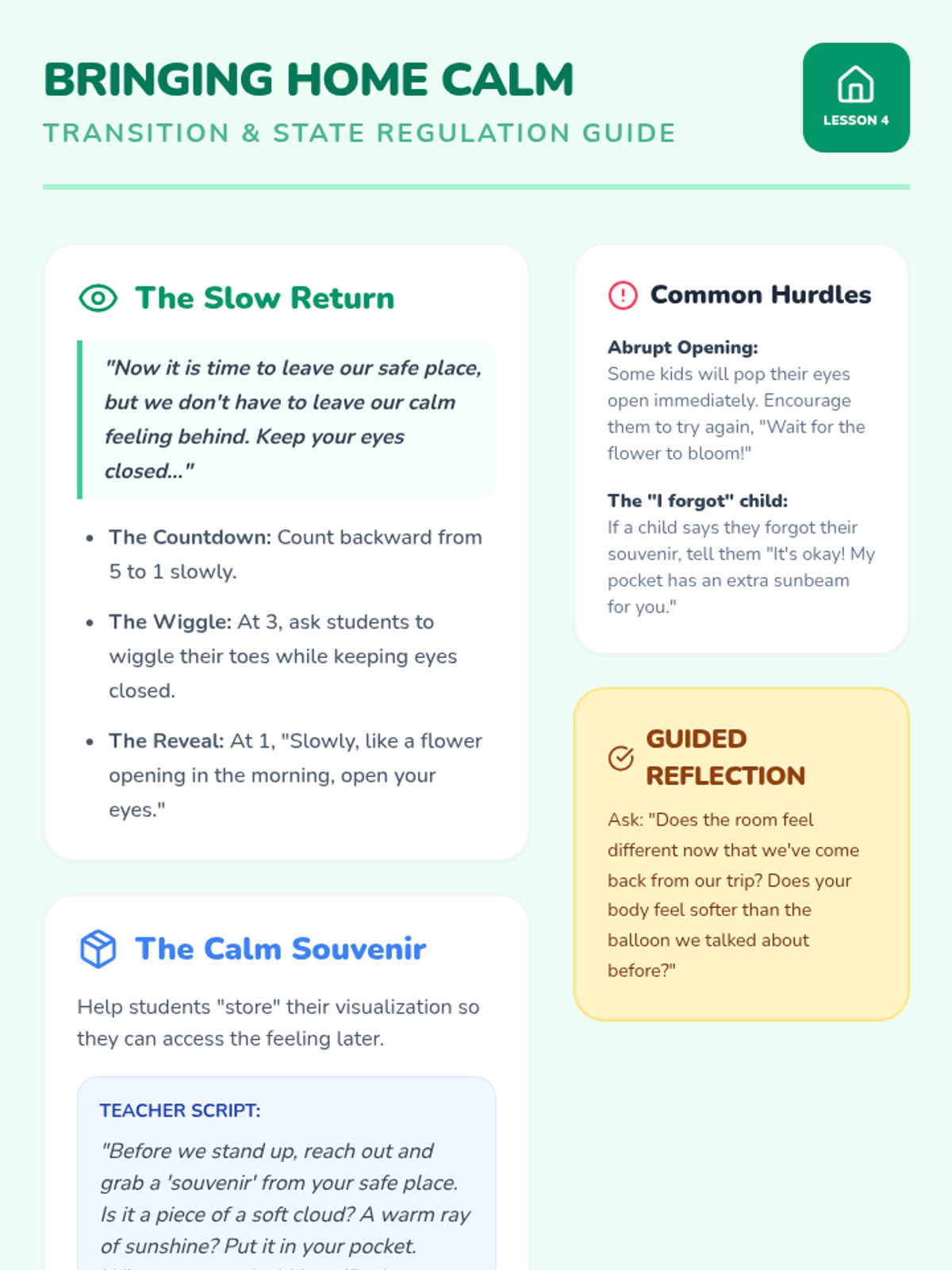
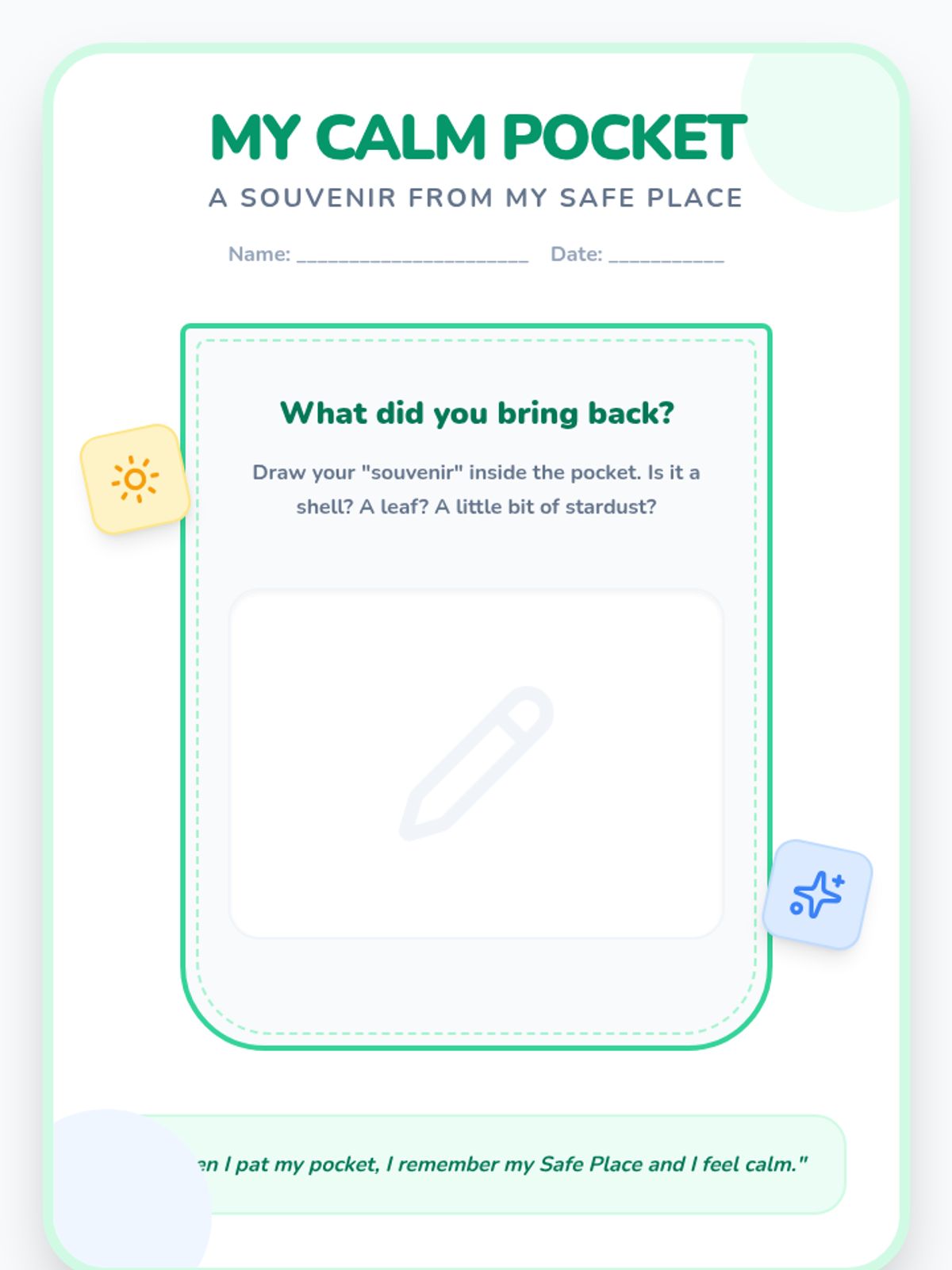
Focusing on the transition back to the classroom environment after visualization, learning to bring the 'calm feeling' back with them.
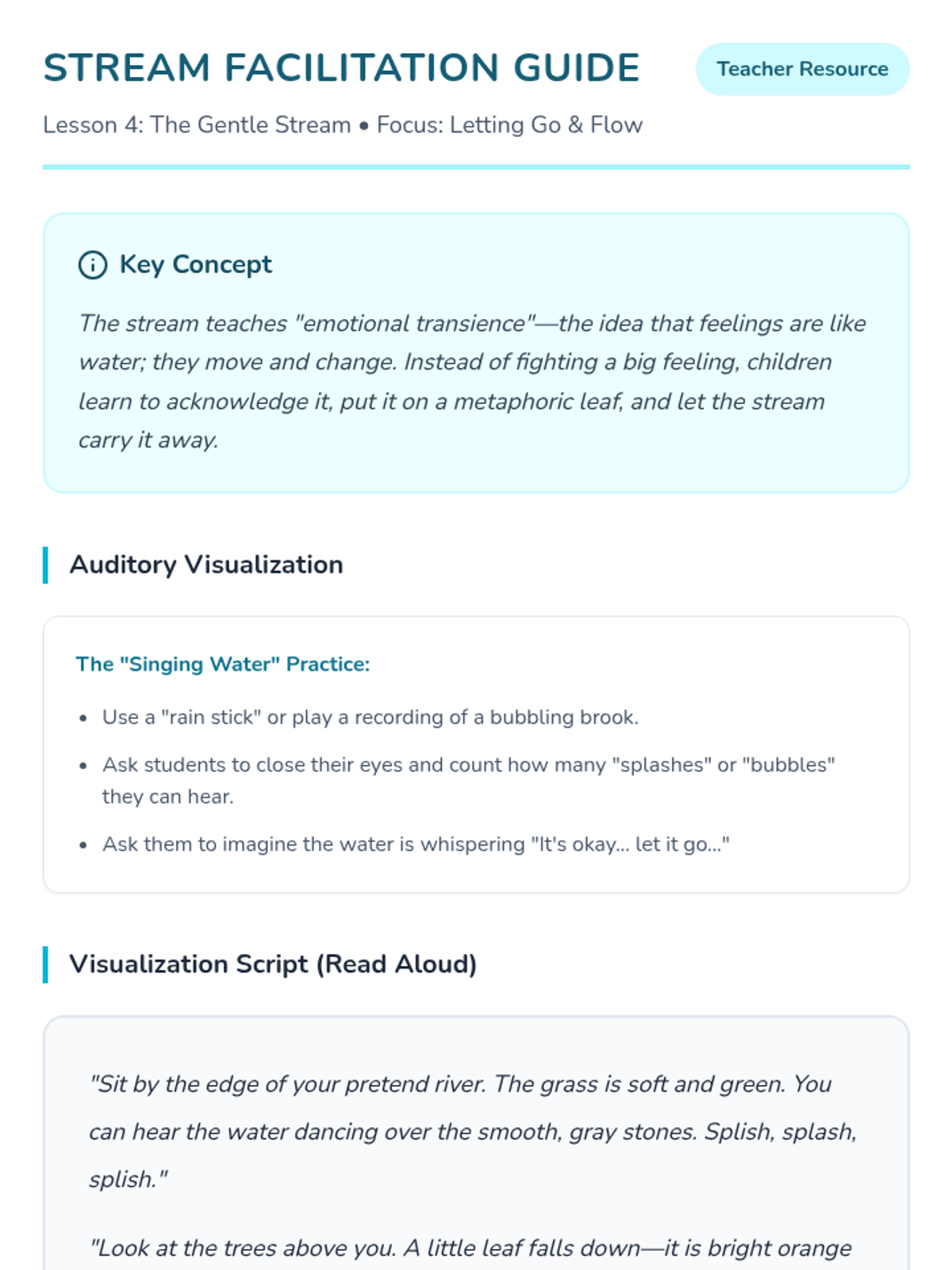
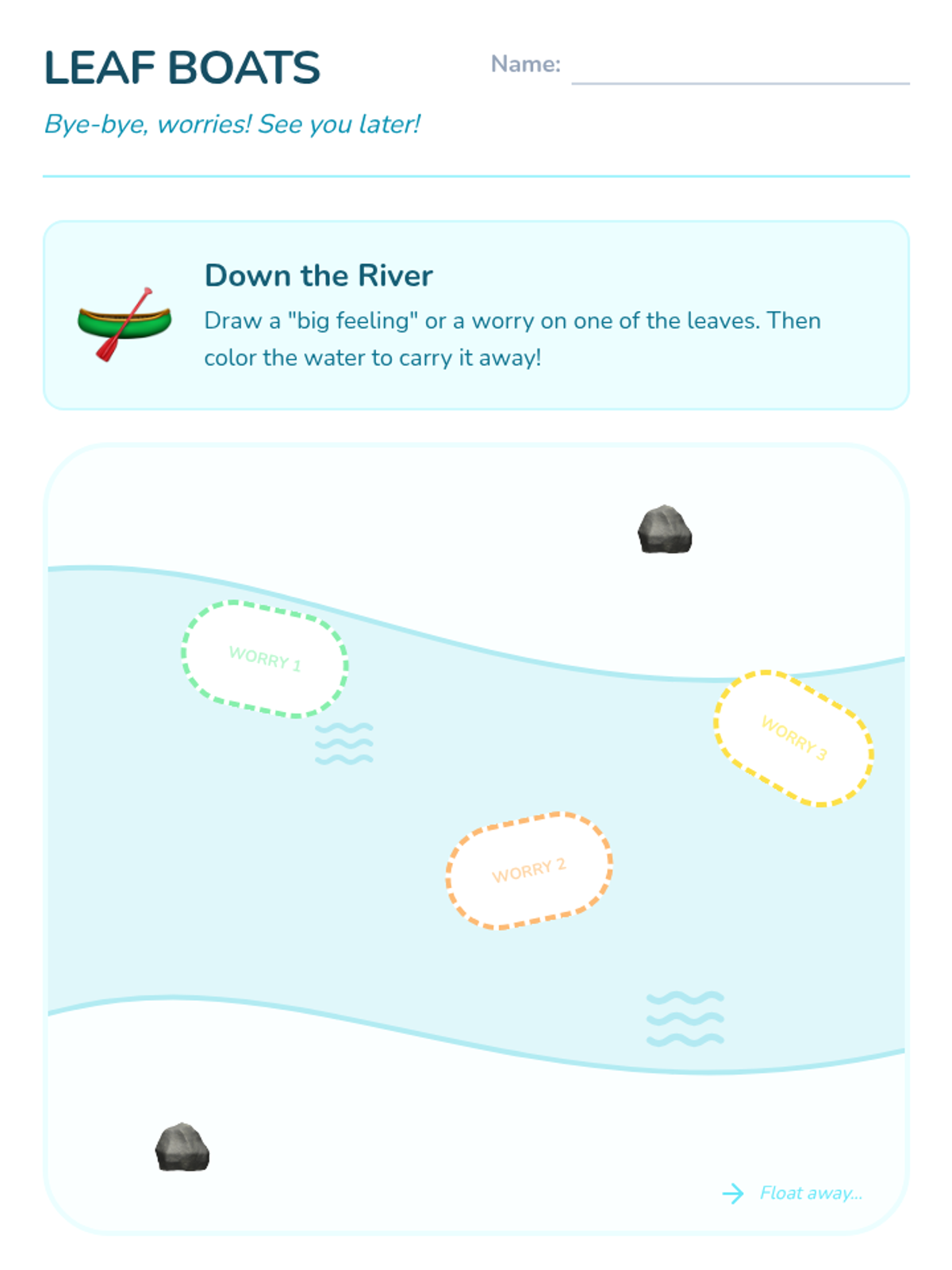
Using water imagery, students imagine watching worries float away like leaves on a peaceful stream to understand the flow of emotions.
Introduction of the 'Rocket Ship Breath' as a physical anchor and transition tool to enter the safe place visualization.
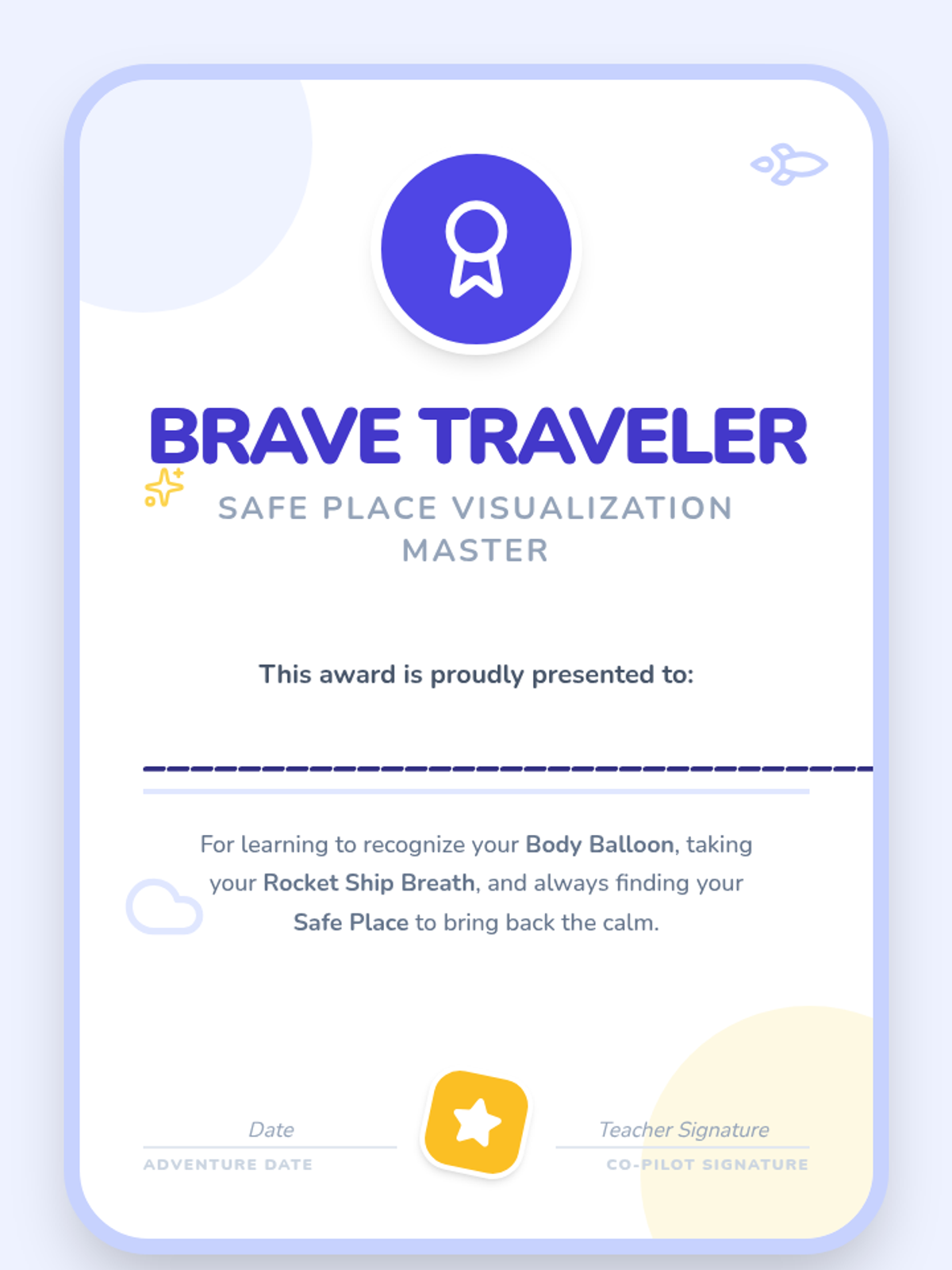
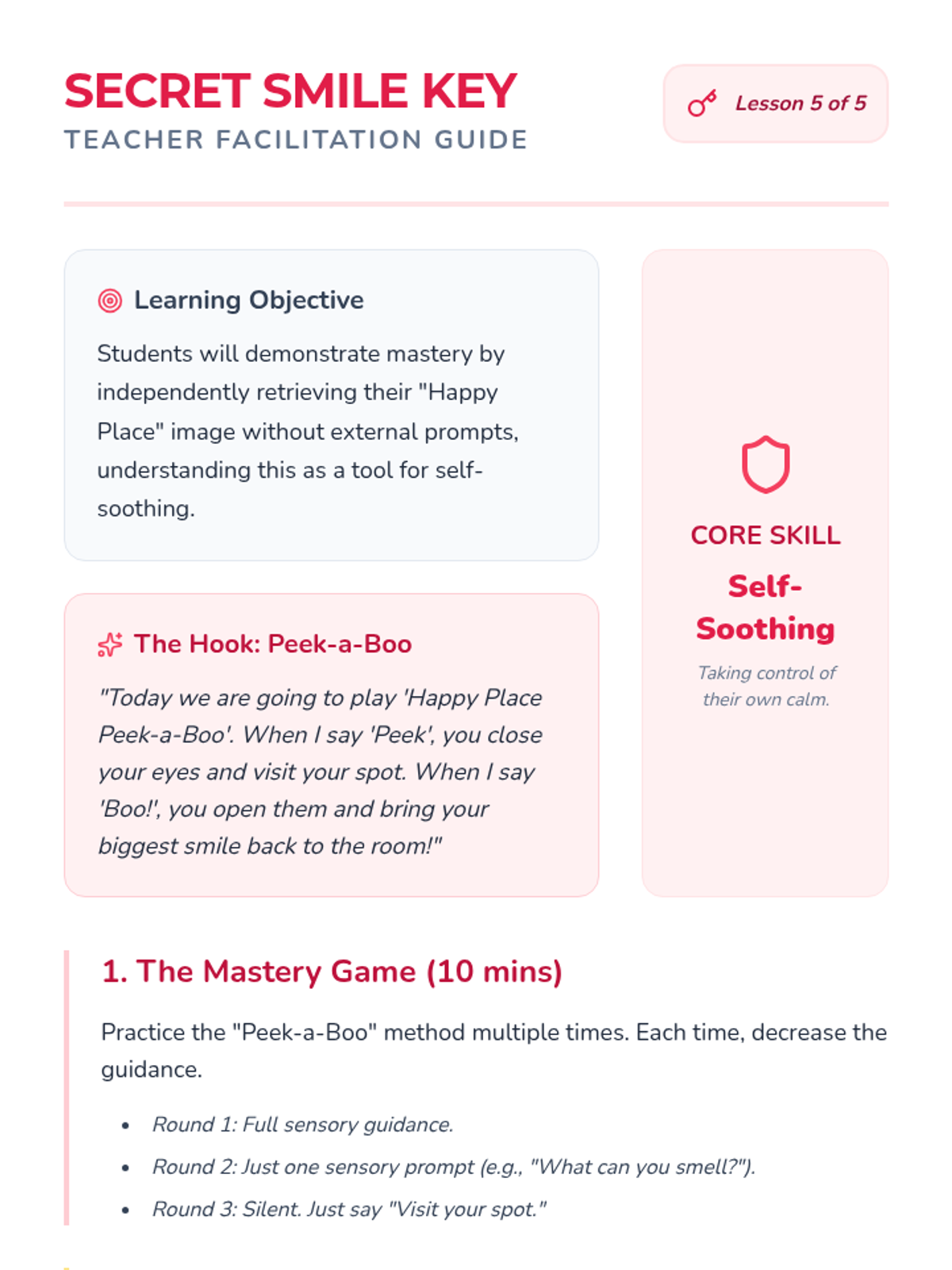
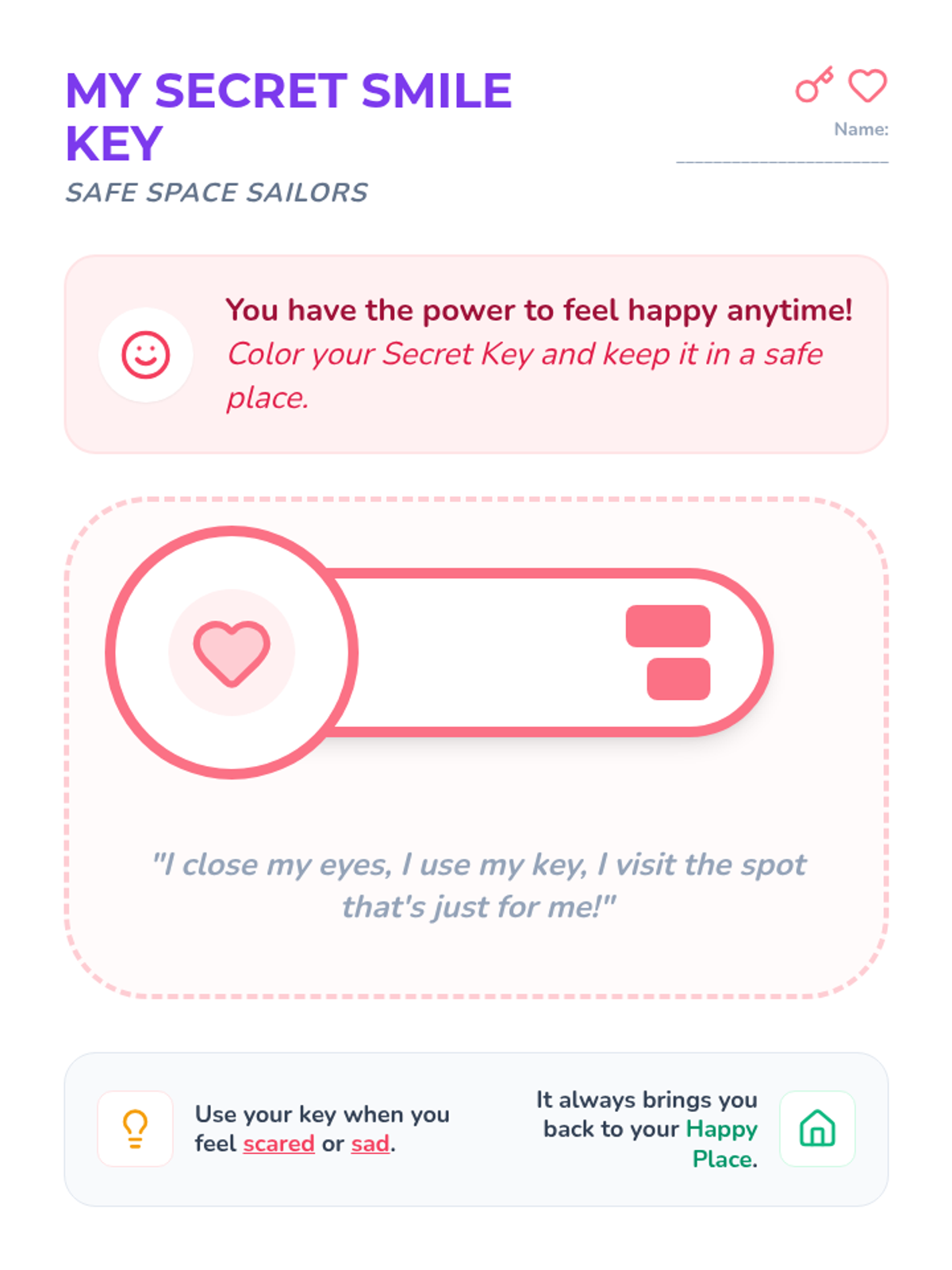
Students practice closing their eyes and retrieving their mental photograph on command for independent self-soothing.
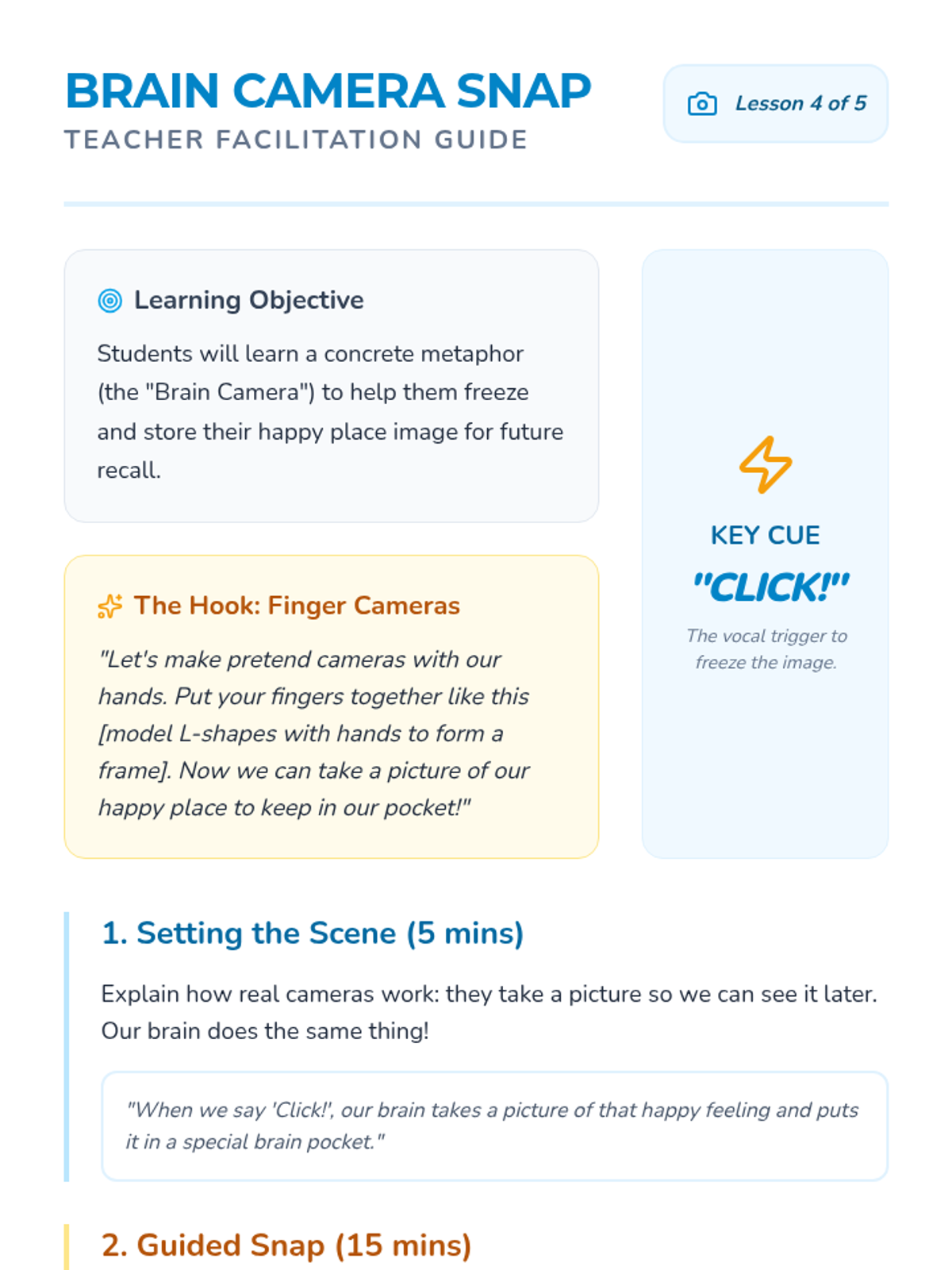
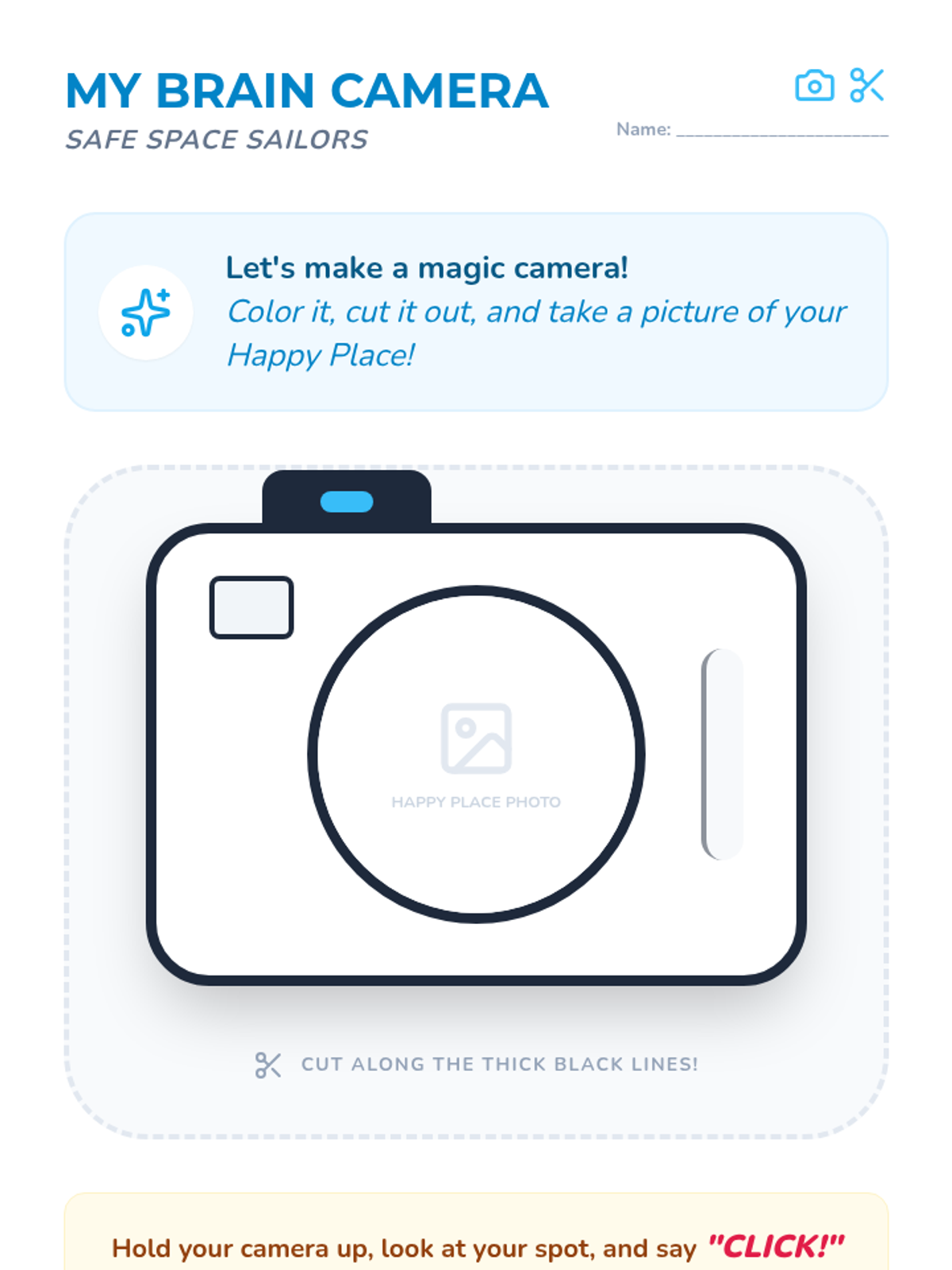
Using the metaphor of a camera, students learn to 'snap a picture' of their safe spot to keep in their brain.
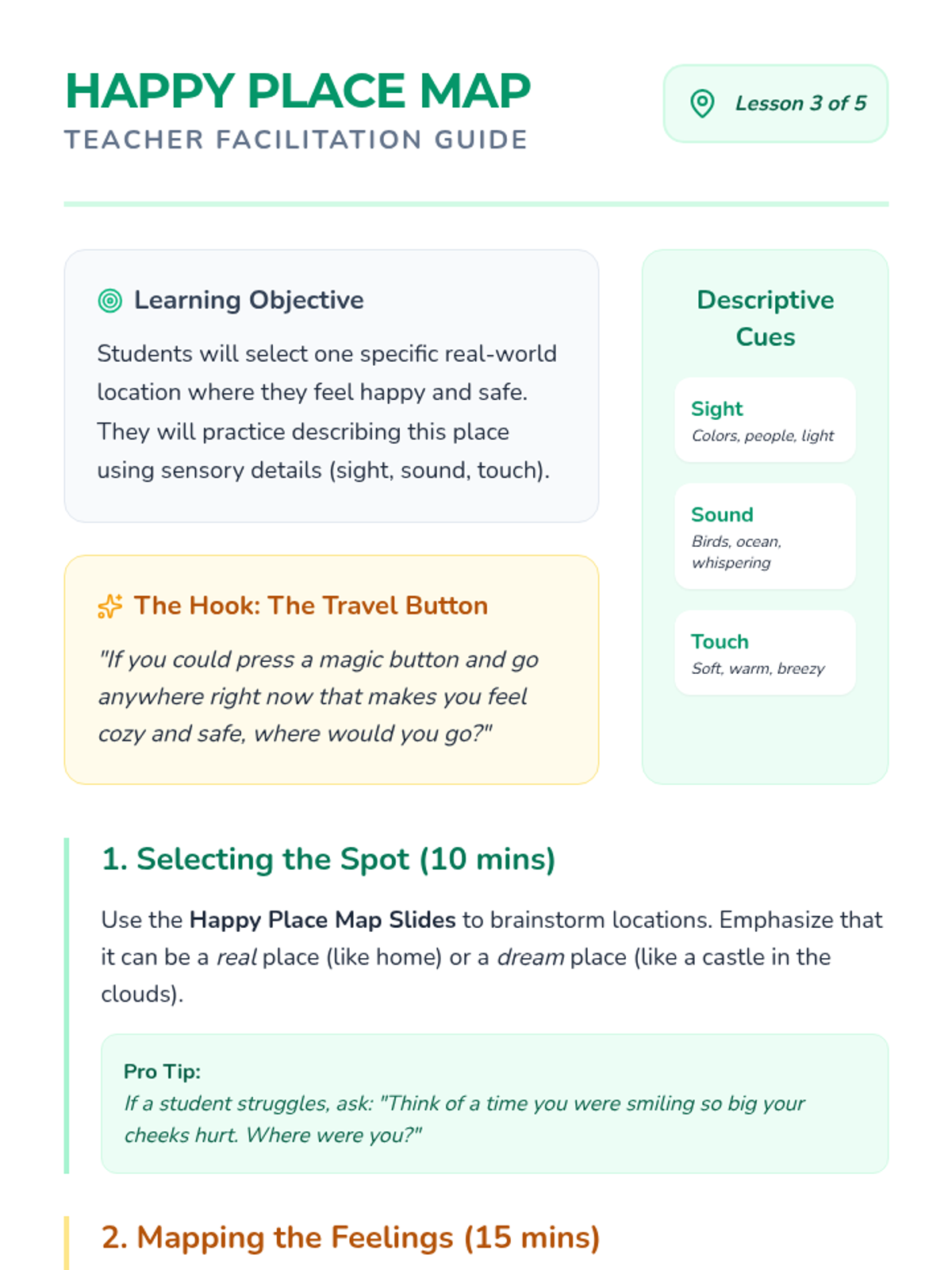
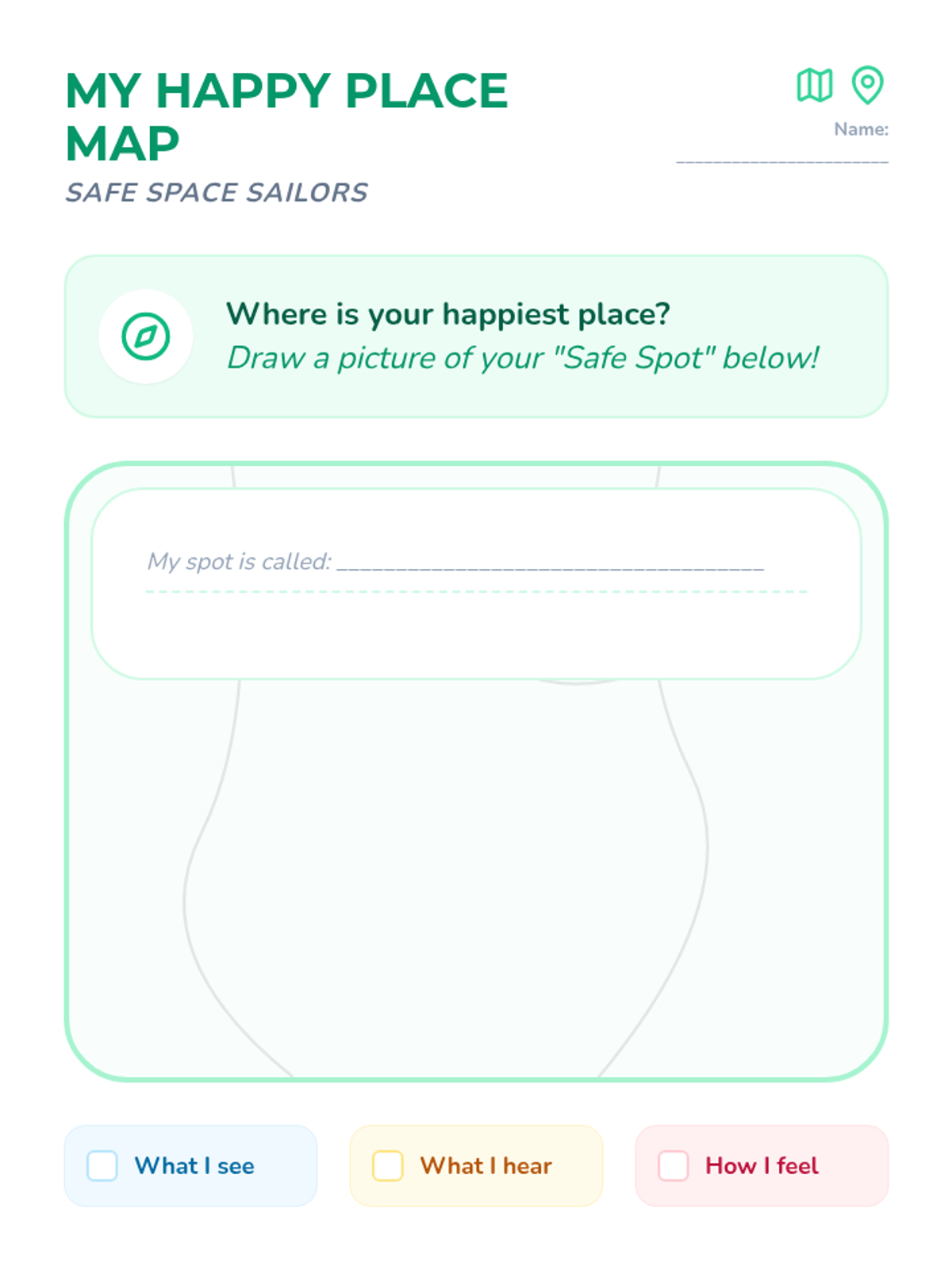
Students select a specific real-world location to serve as their mental template for safety and practice describing it.
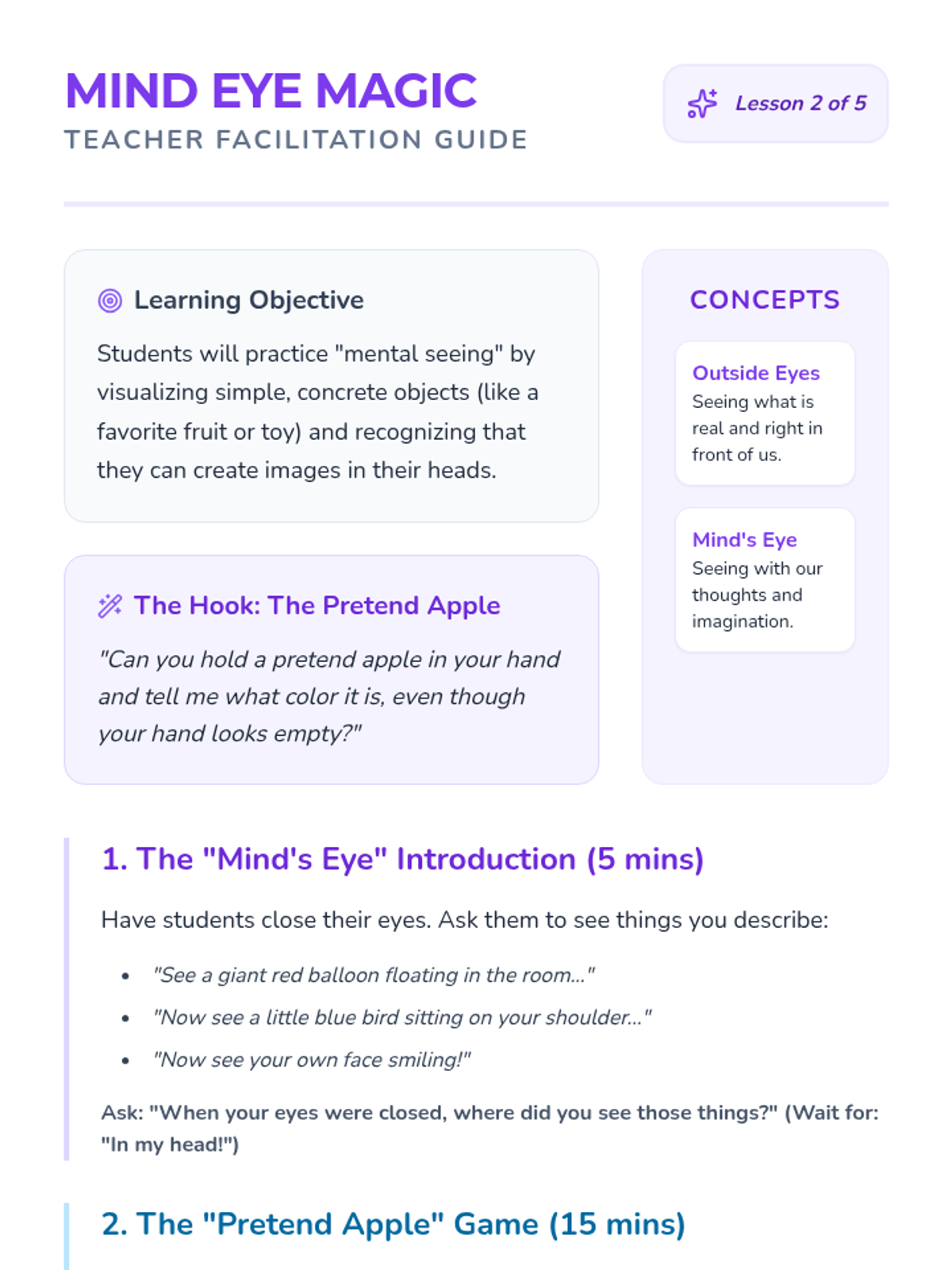
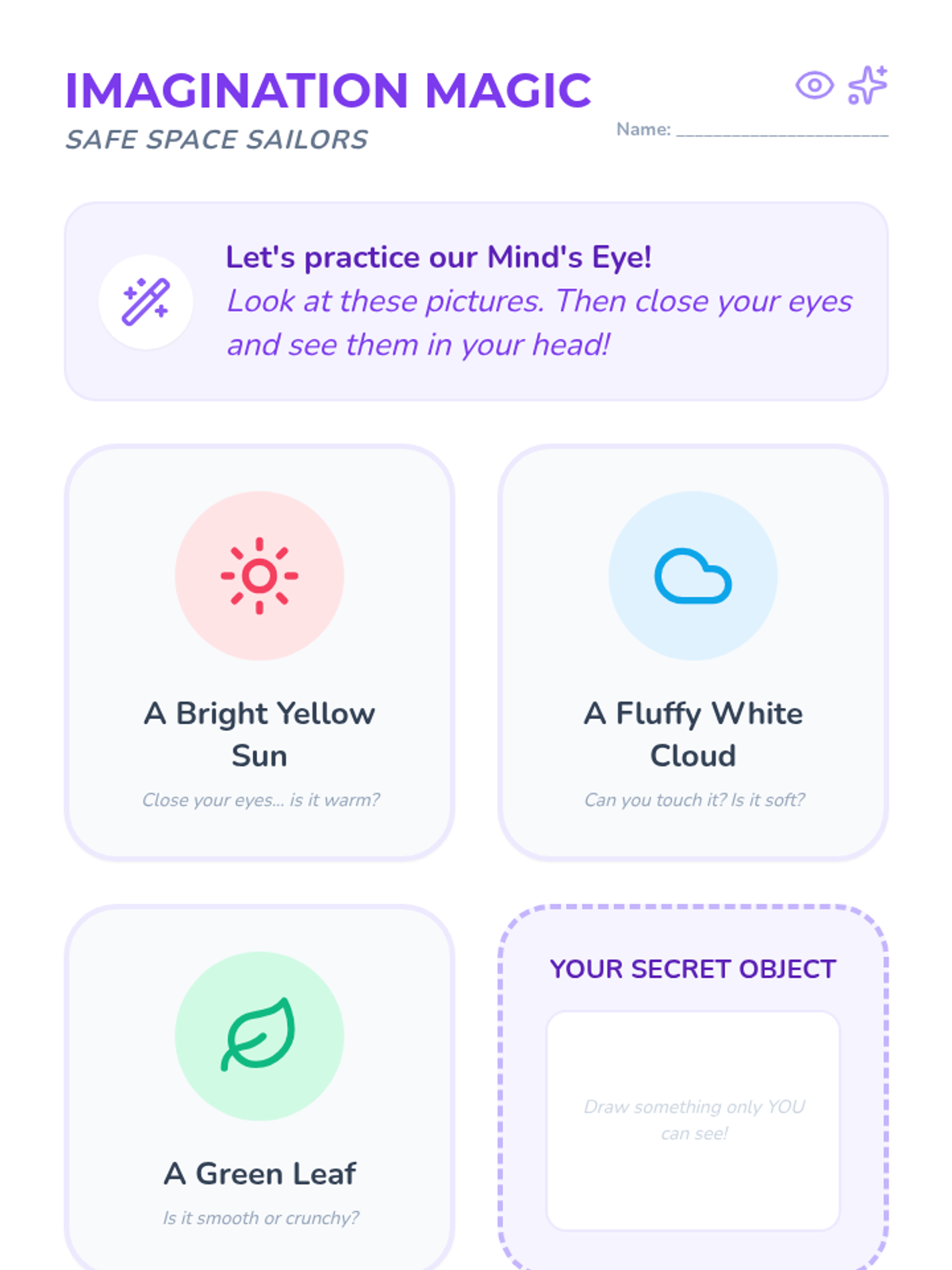
Children practice using their 'mind's eye' to see things that aren't physically present through guided prompts and imagination games.
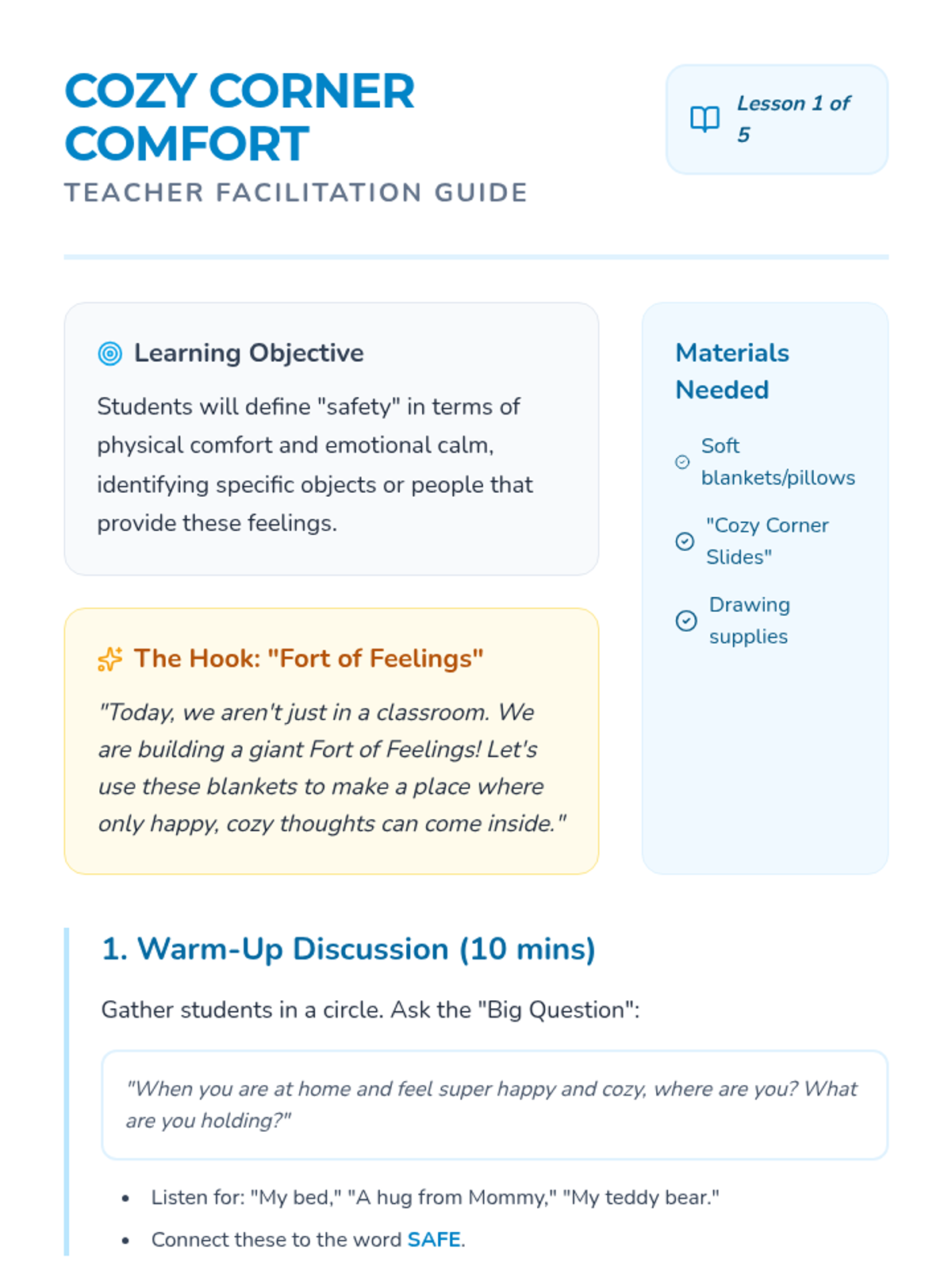
Students explore the concept of feeling 'safe' through discussion and identifying physical objects or places that make them feel protected.