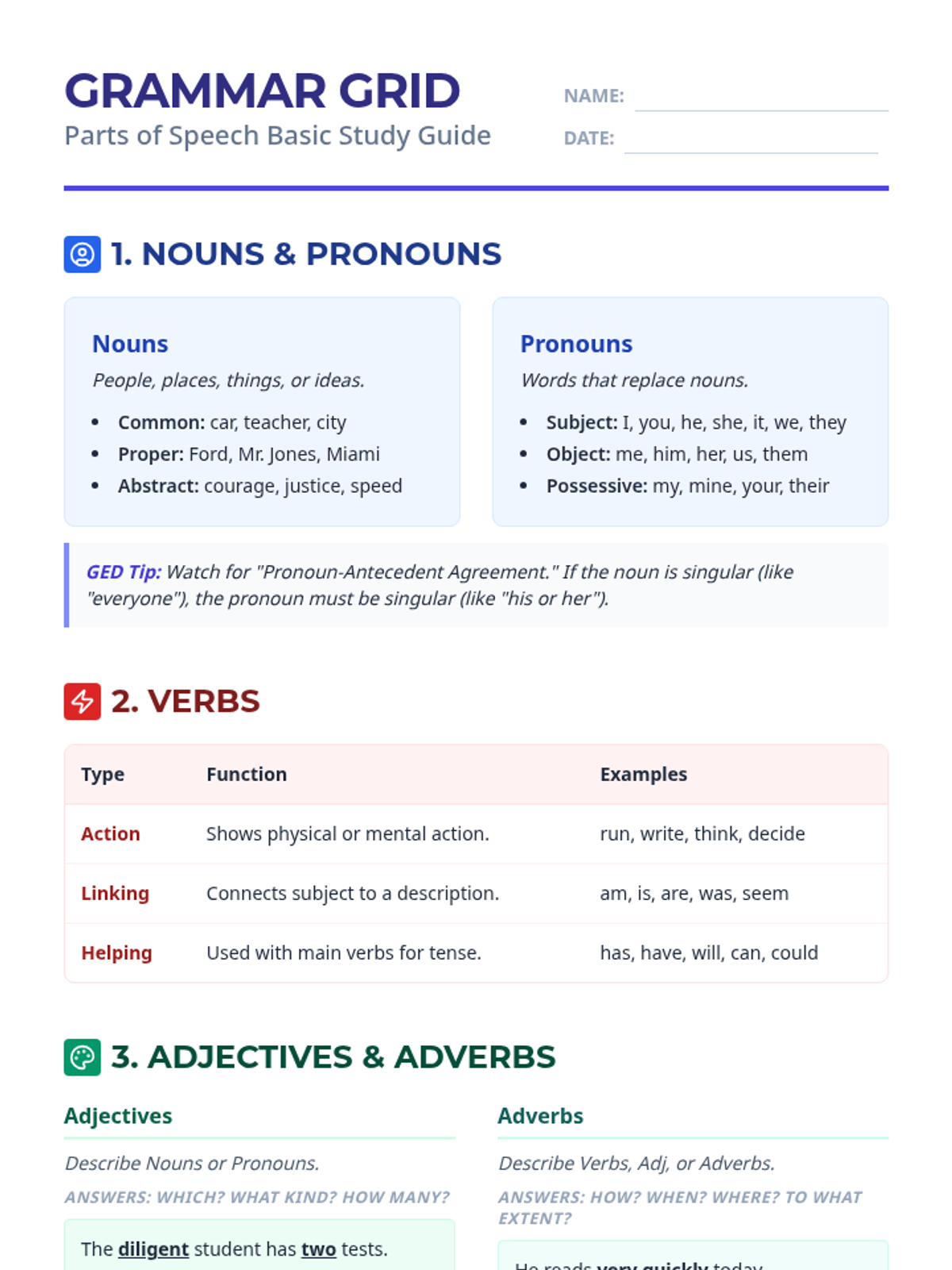
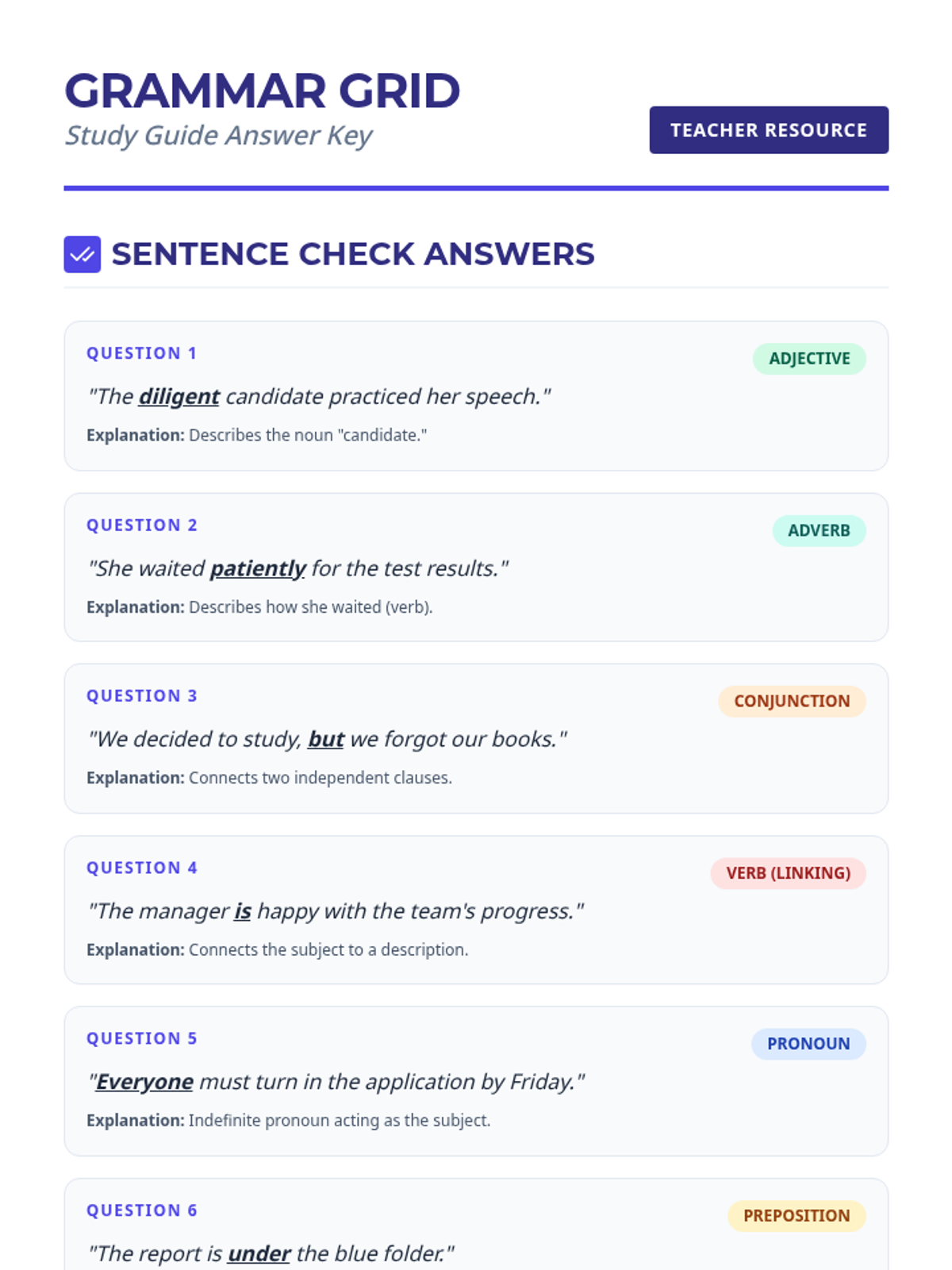
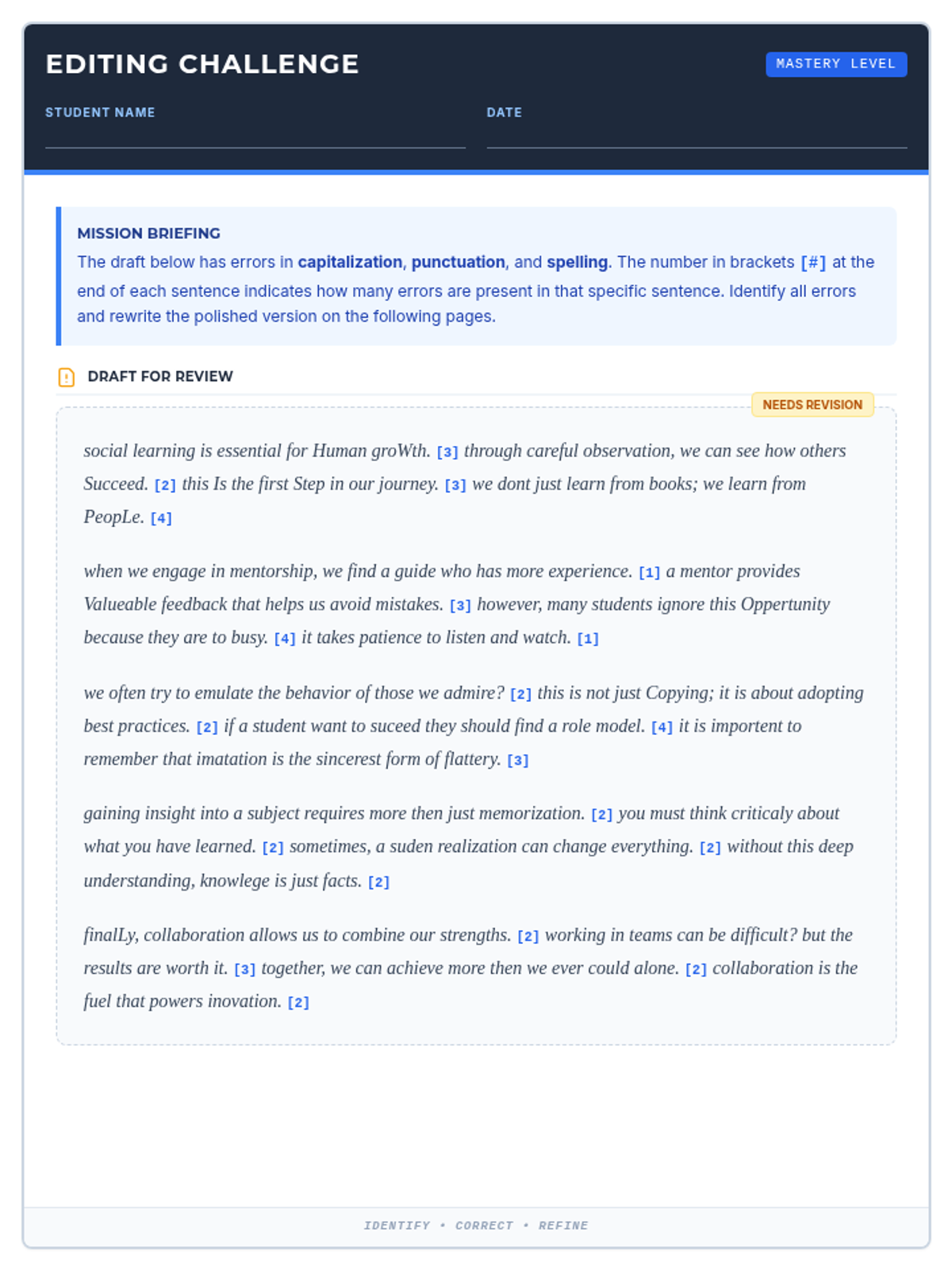
Sentence structure fundamentals, subject-verb agreement, and precise usage of parts of speech including pronouns, conjunctions, and adjectives. Targets technical accuracy through mastery of capitalization, punctuation, spelling, and verb mood.
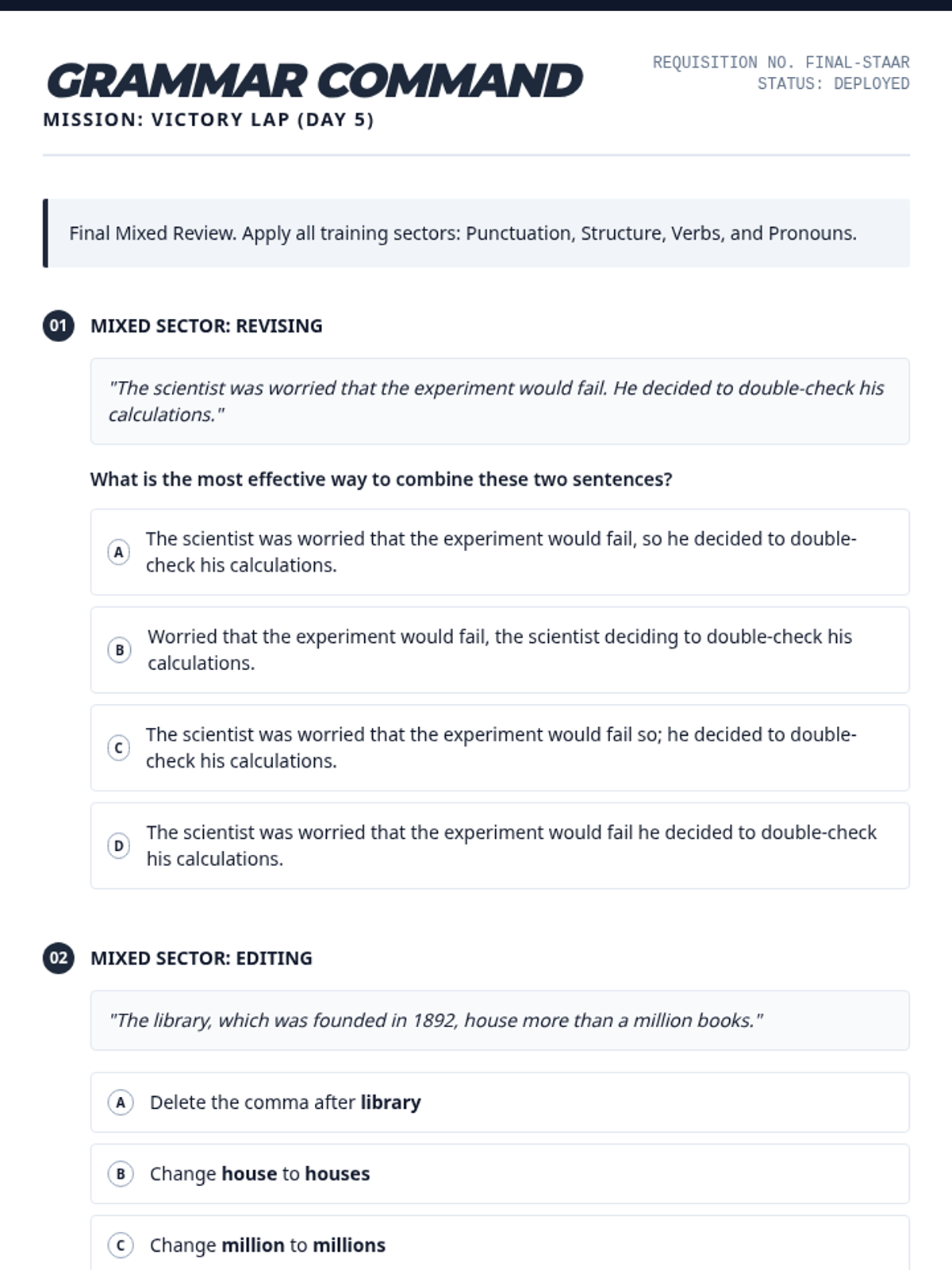
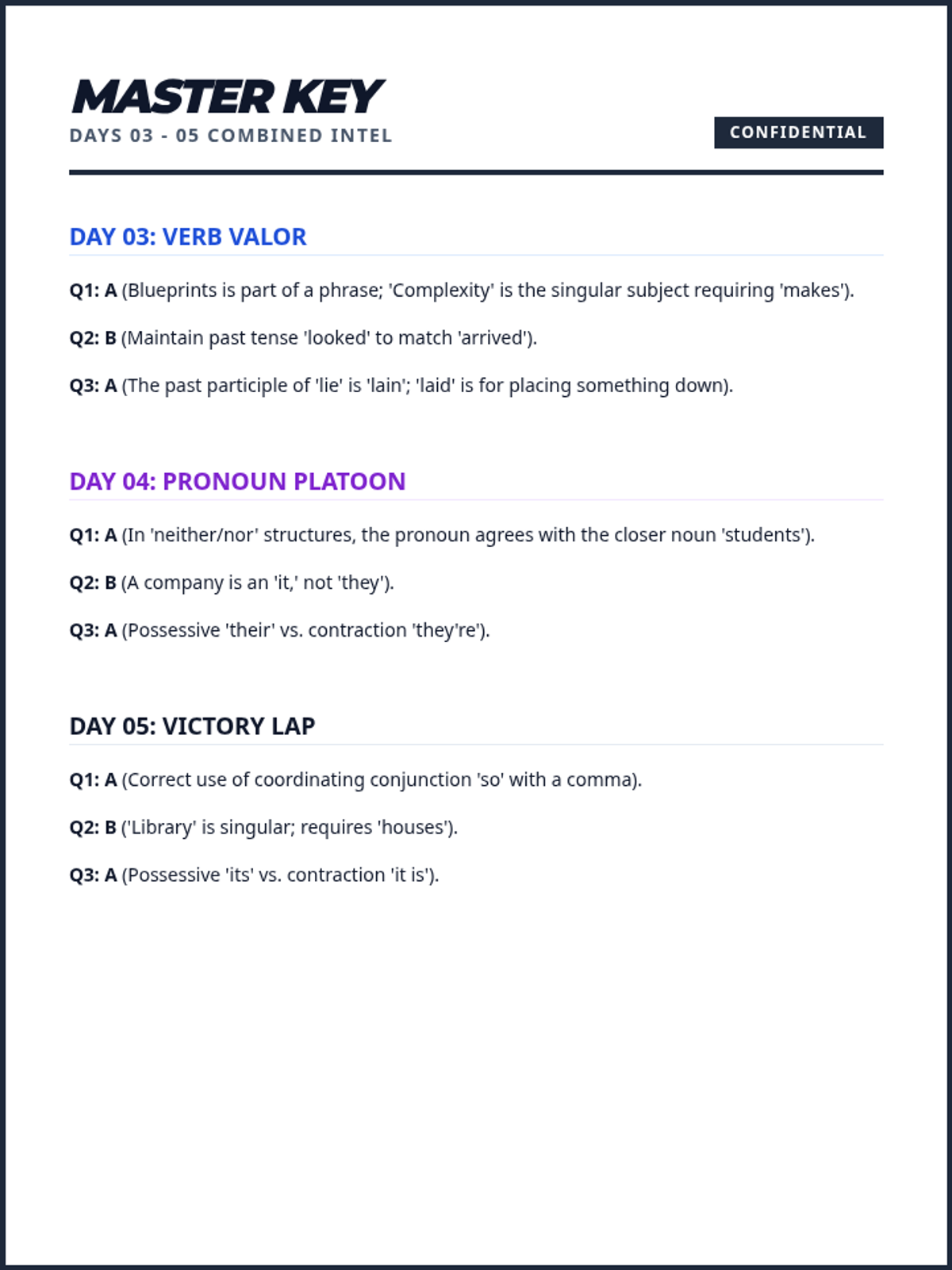
The final week of drills providing high-rigor mixed practice to simulate the full range of the TSIA2 Writing section.
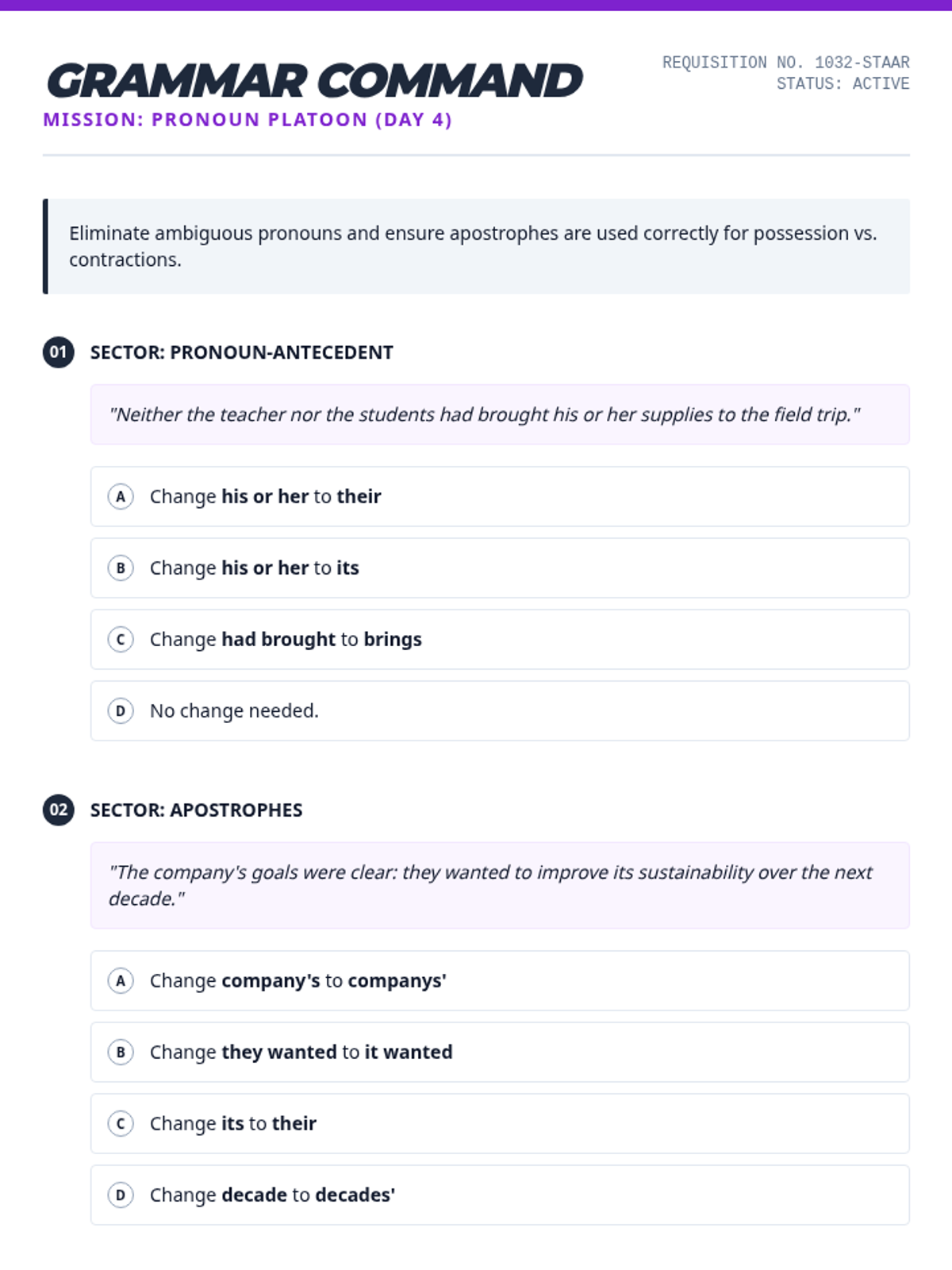
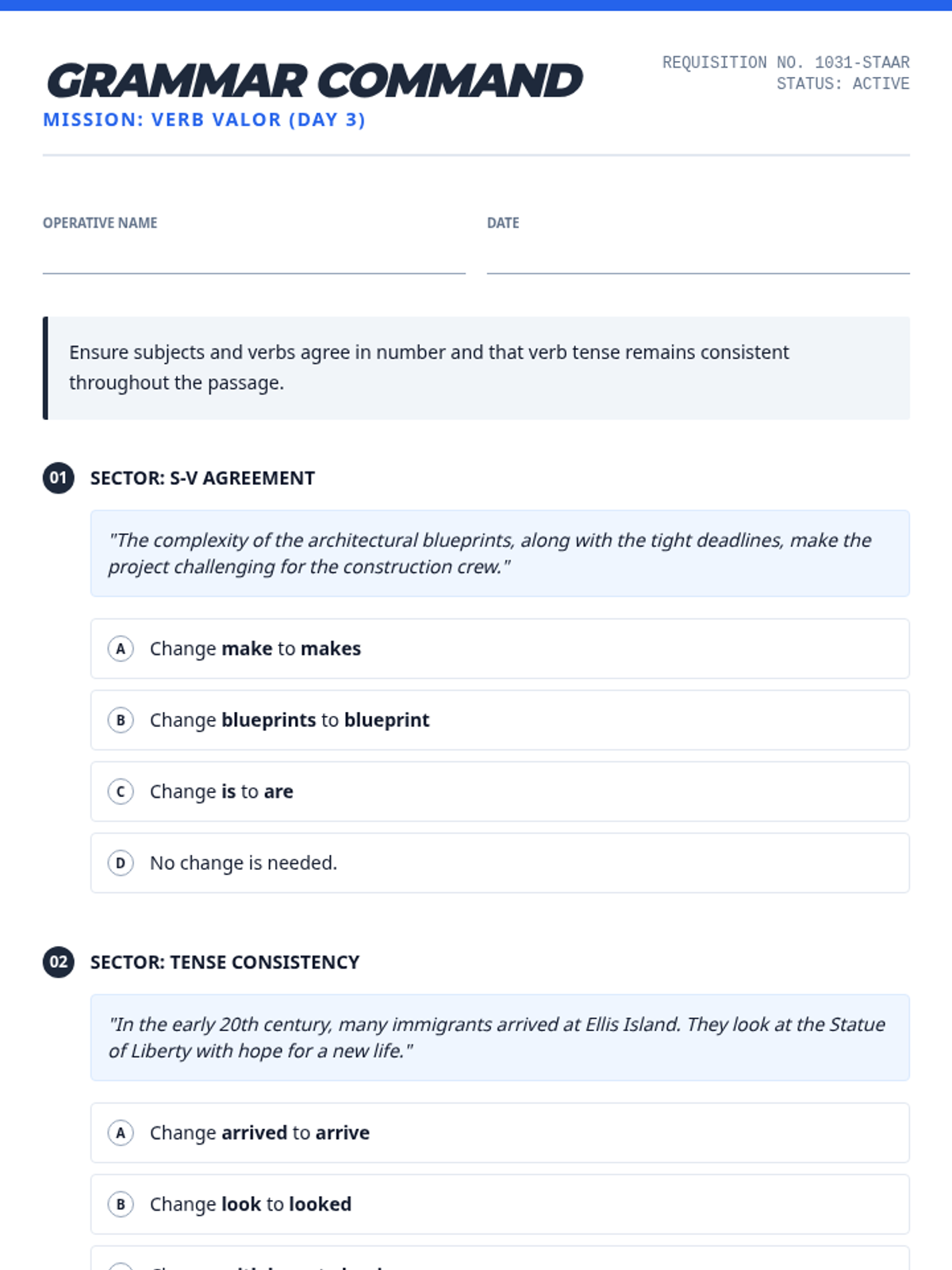
The third week of drills introducing more nuanced grammar rules and mixed practice scenarios.
The second week of drills focusing on organizational flow and complex sentence combining techniques.
The first week of TSIA2 preparation focusing on the fundamental rules of punctuation, grammar, and sentence structure through daily three-question drills.
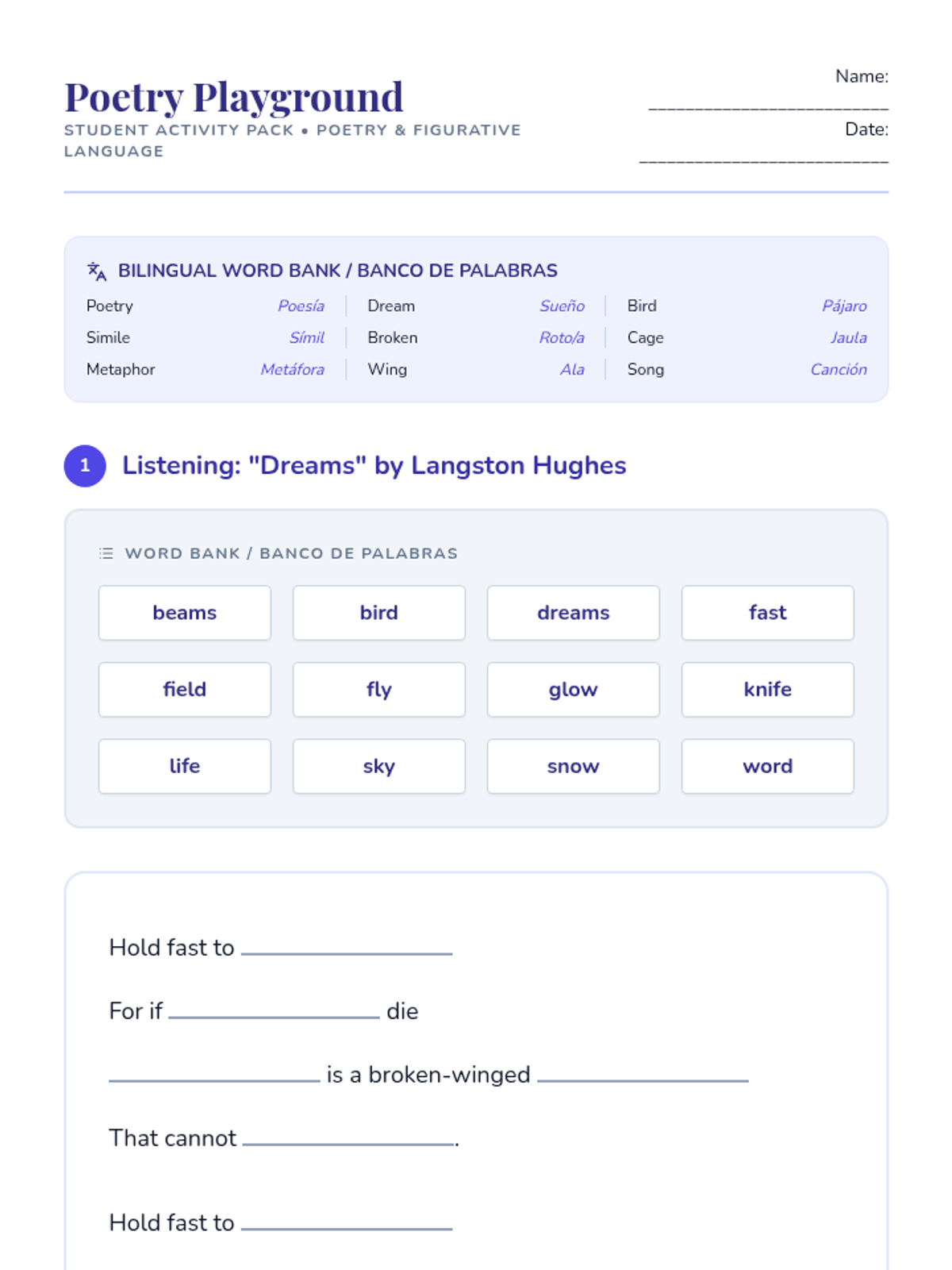
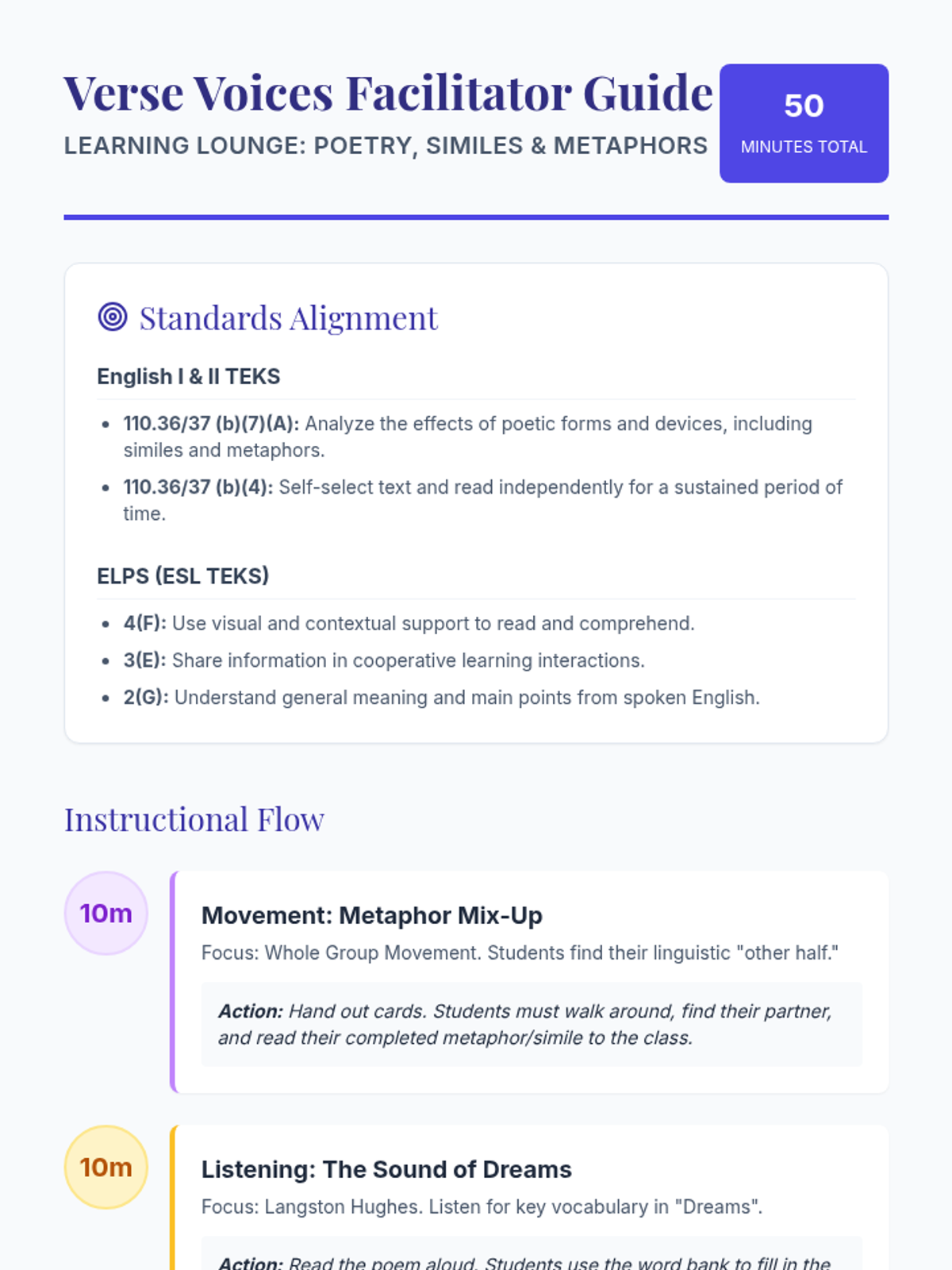
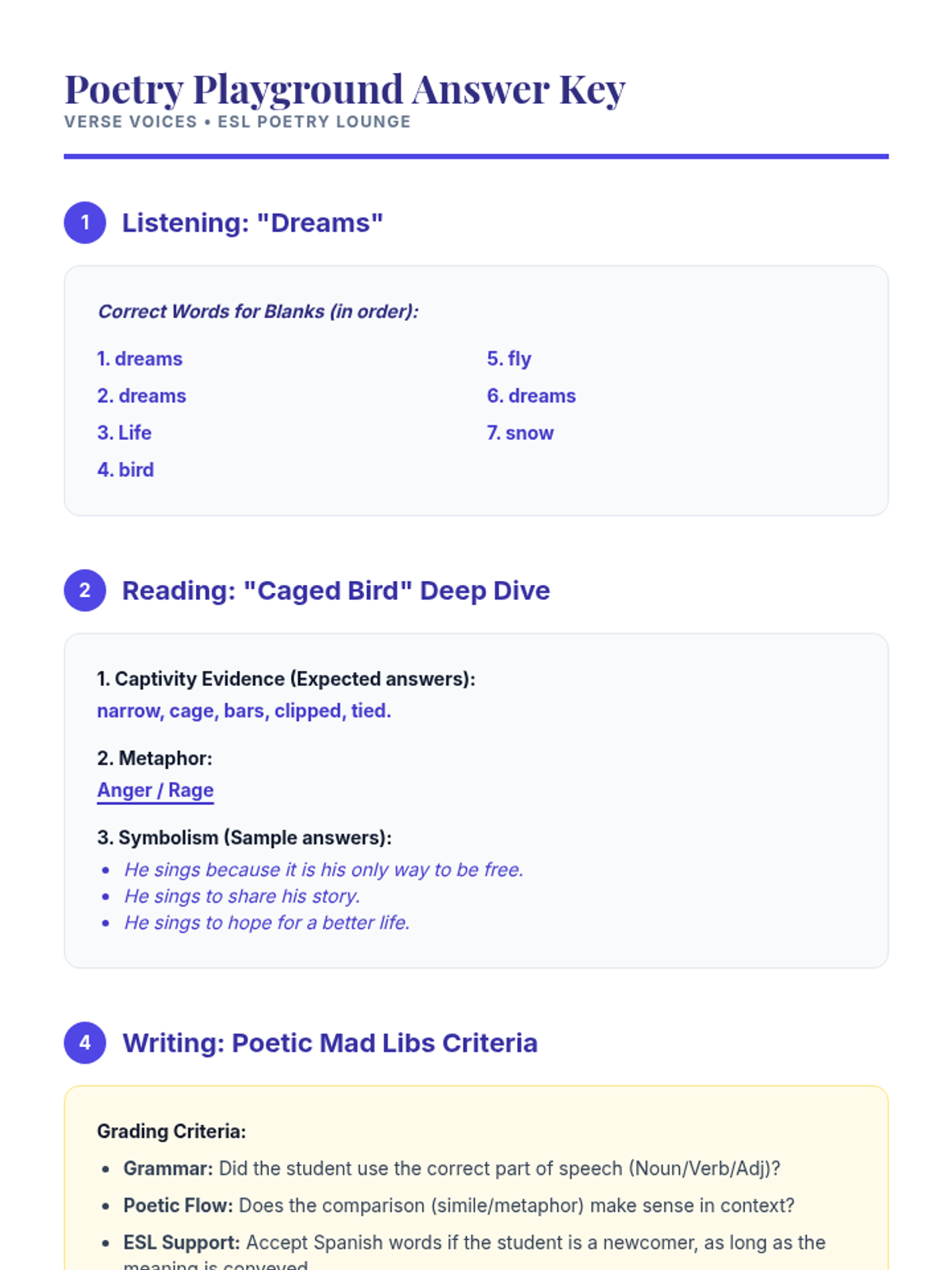
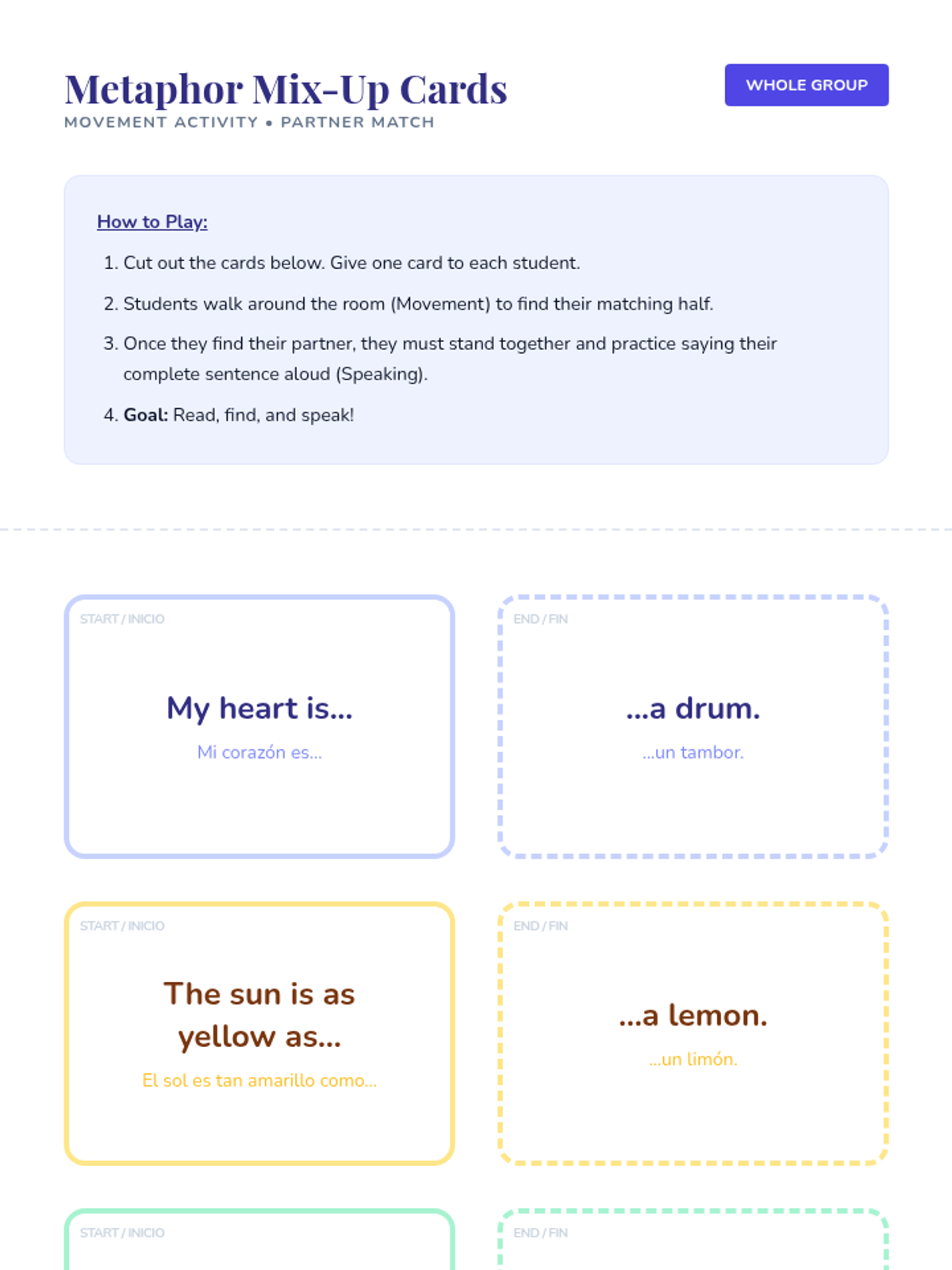
A comprehensive ESL-focused lesson exploring poetry through the works of Langston Hughes, Maya Angelou, Pablo Neruda, and Sandra Cisneros, with a focus on similes and metaphors across four 10-minute skill-based activities.
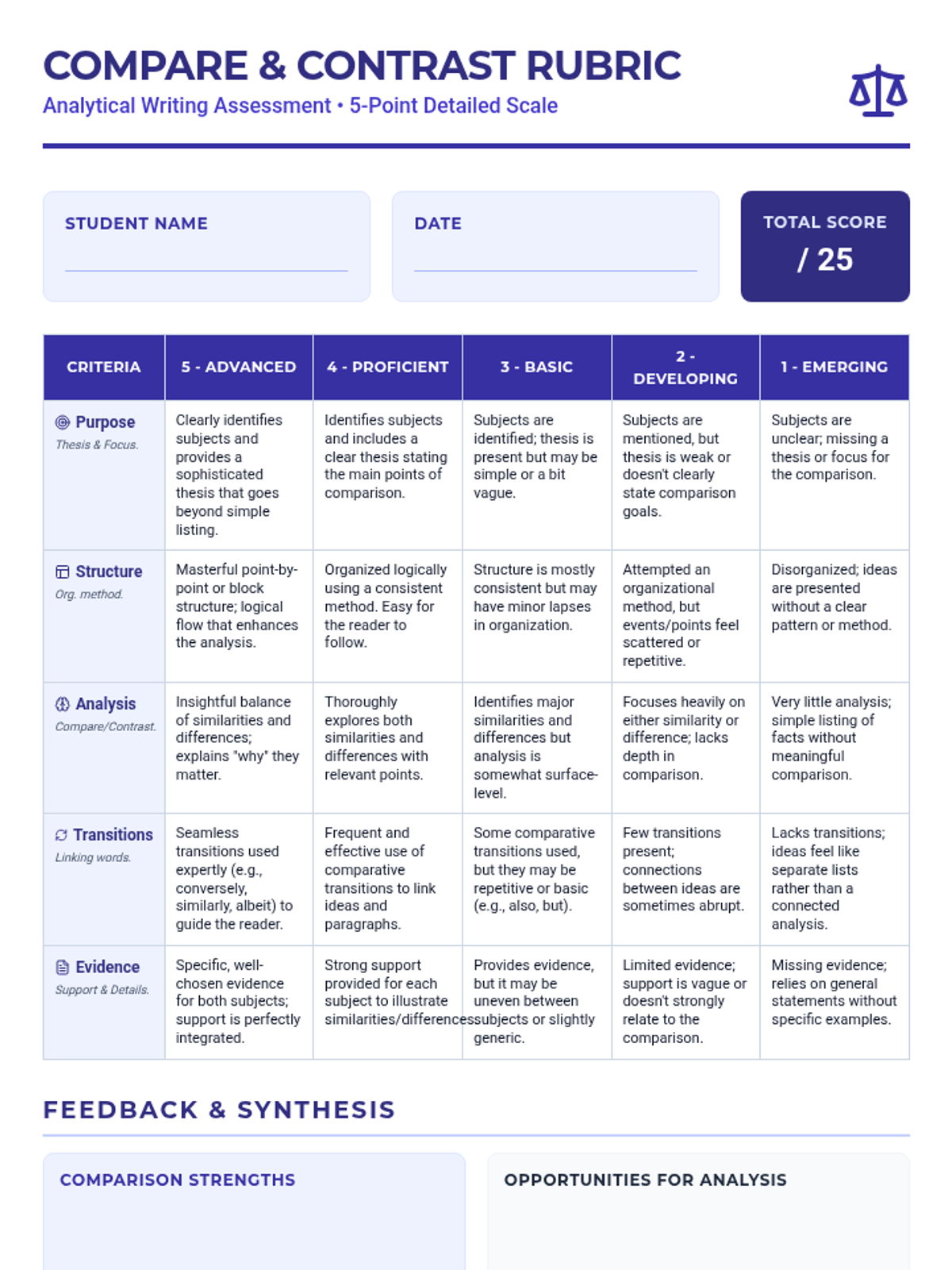
Resources for mastering comparative writing, including rubrics and organizers for subject analysis.
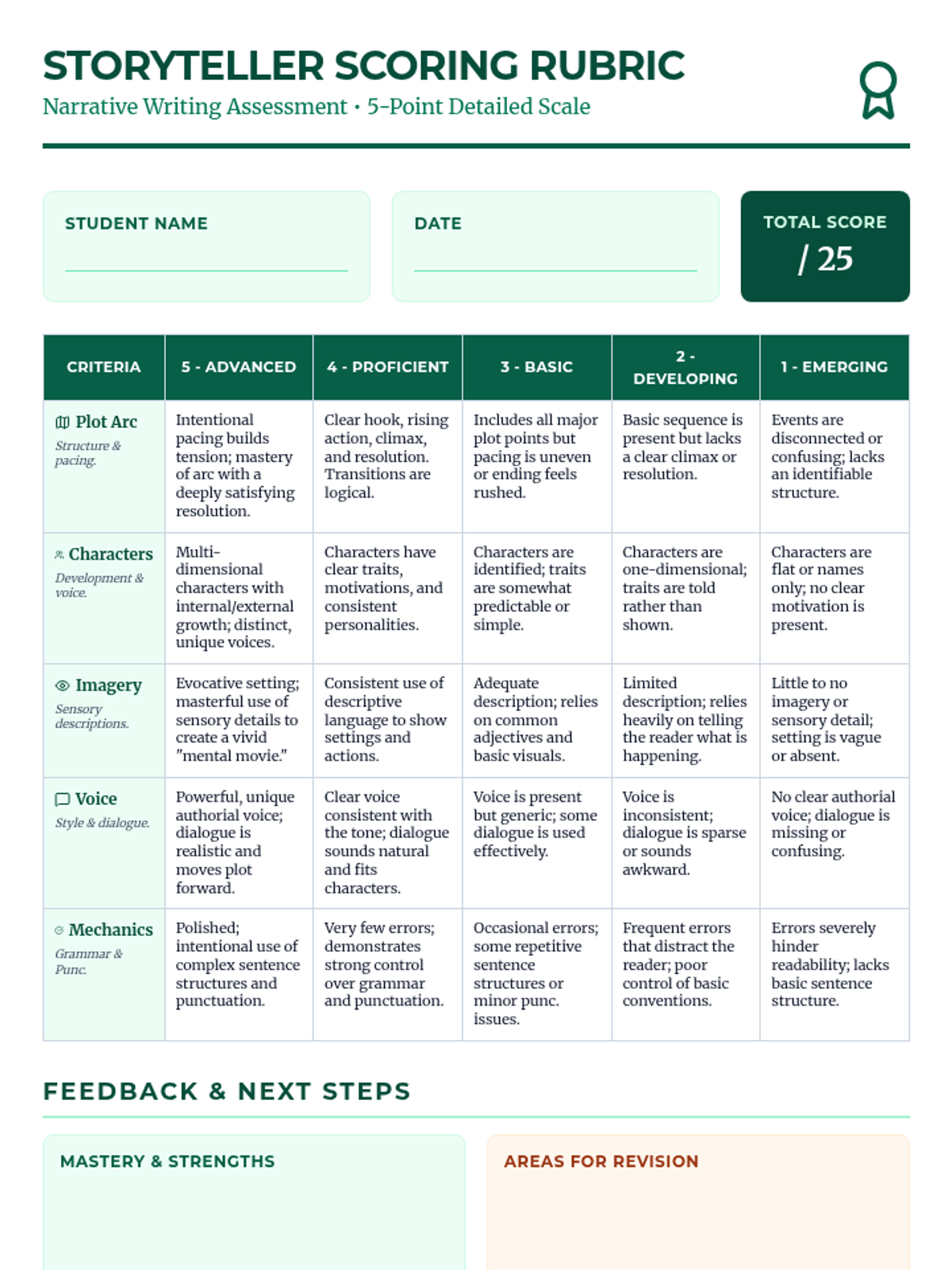
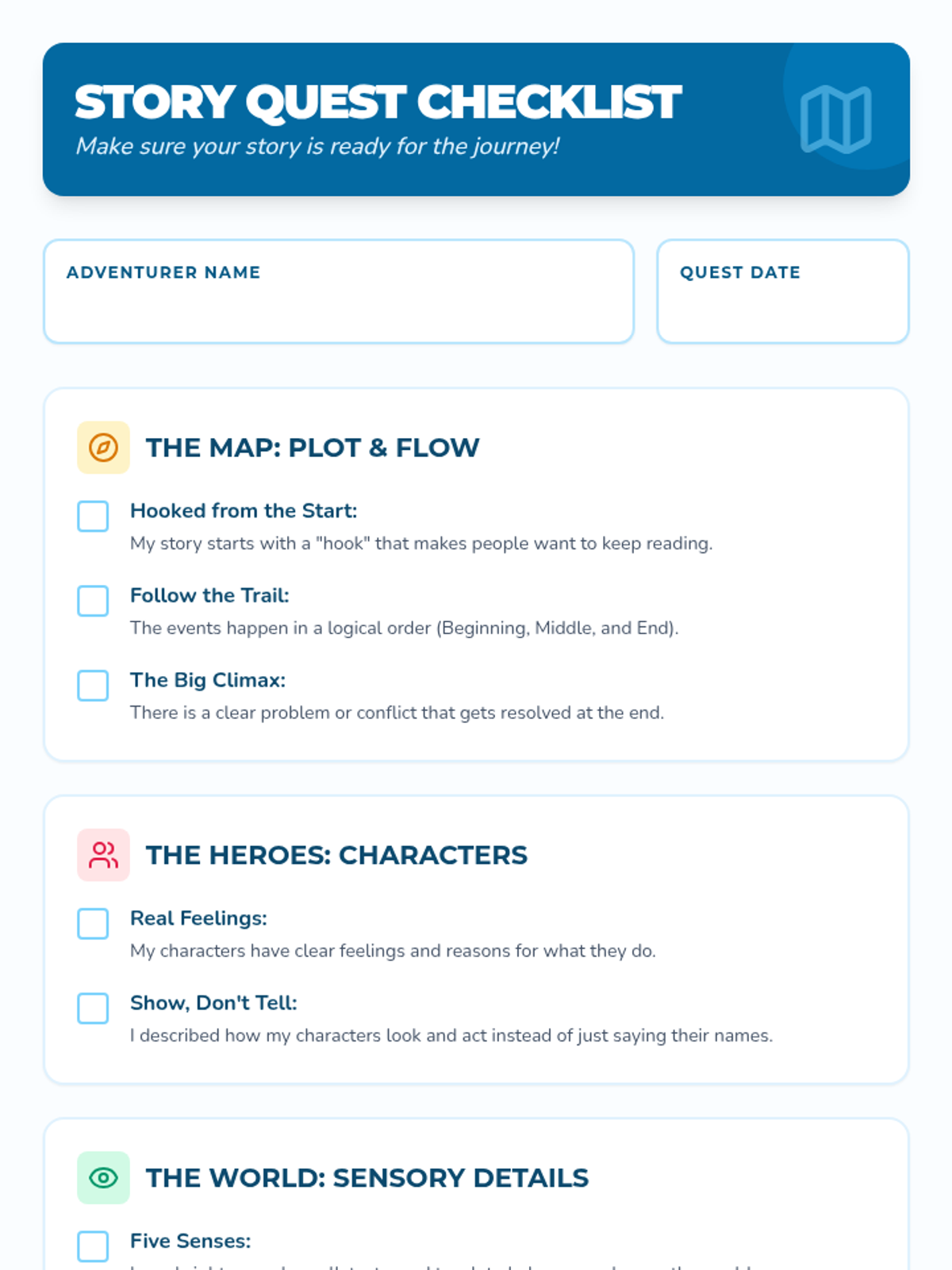
A collection of tools to help students and teachers evaluate narrative writing through clear criteria and student-friendly goals.
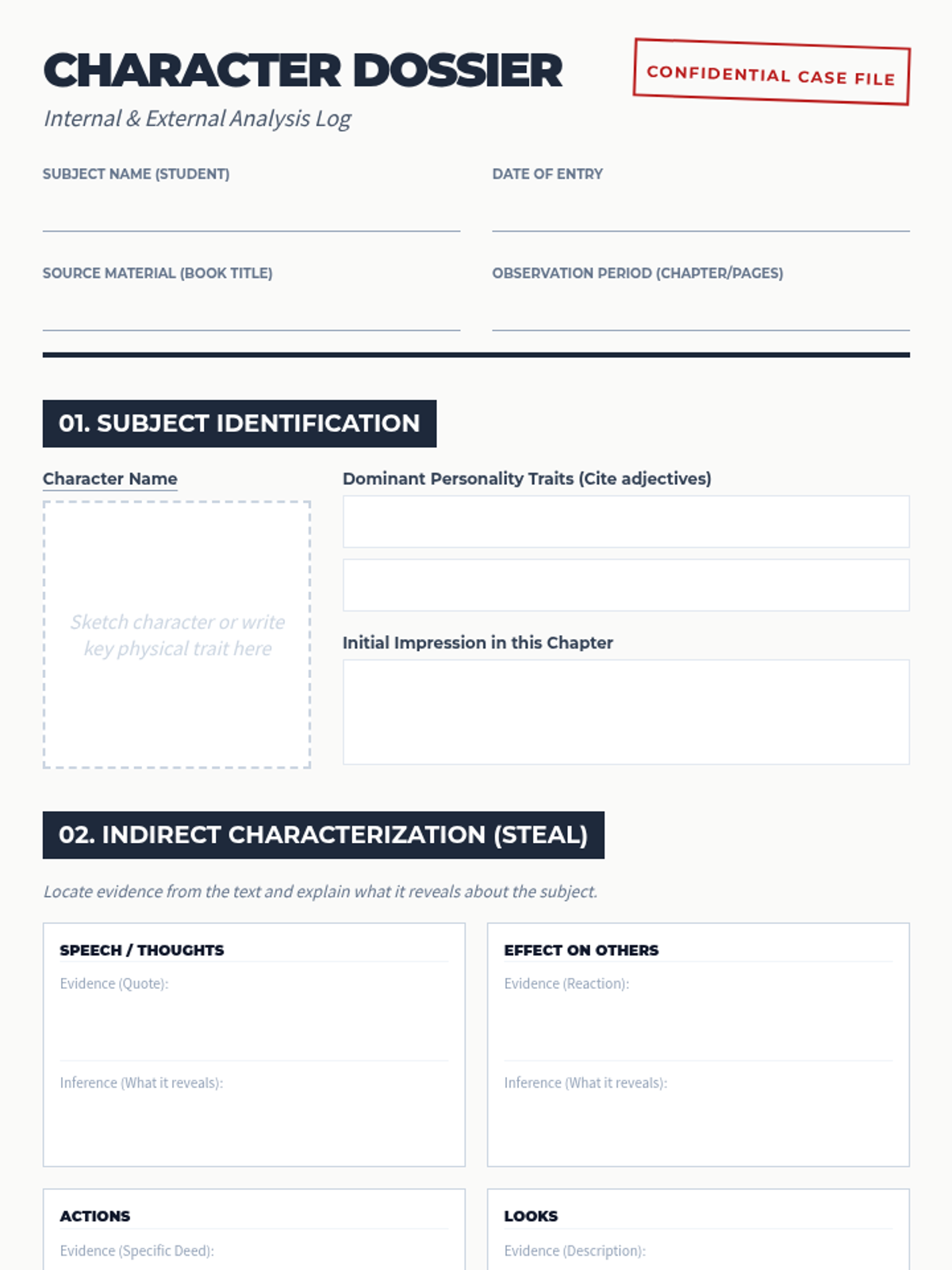
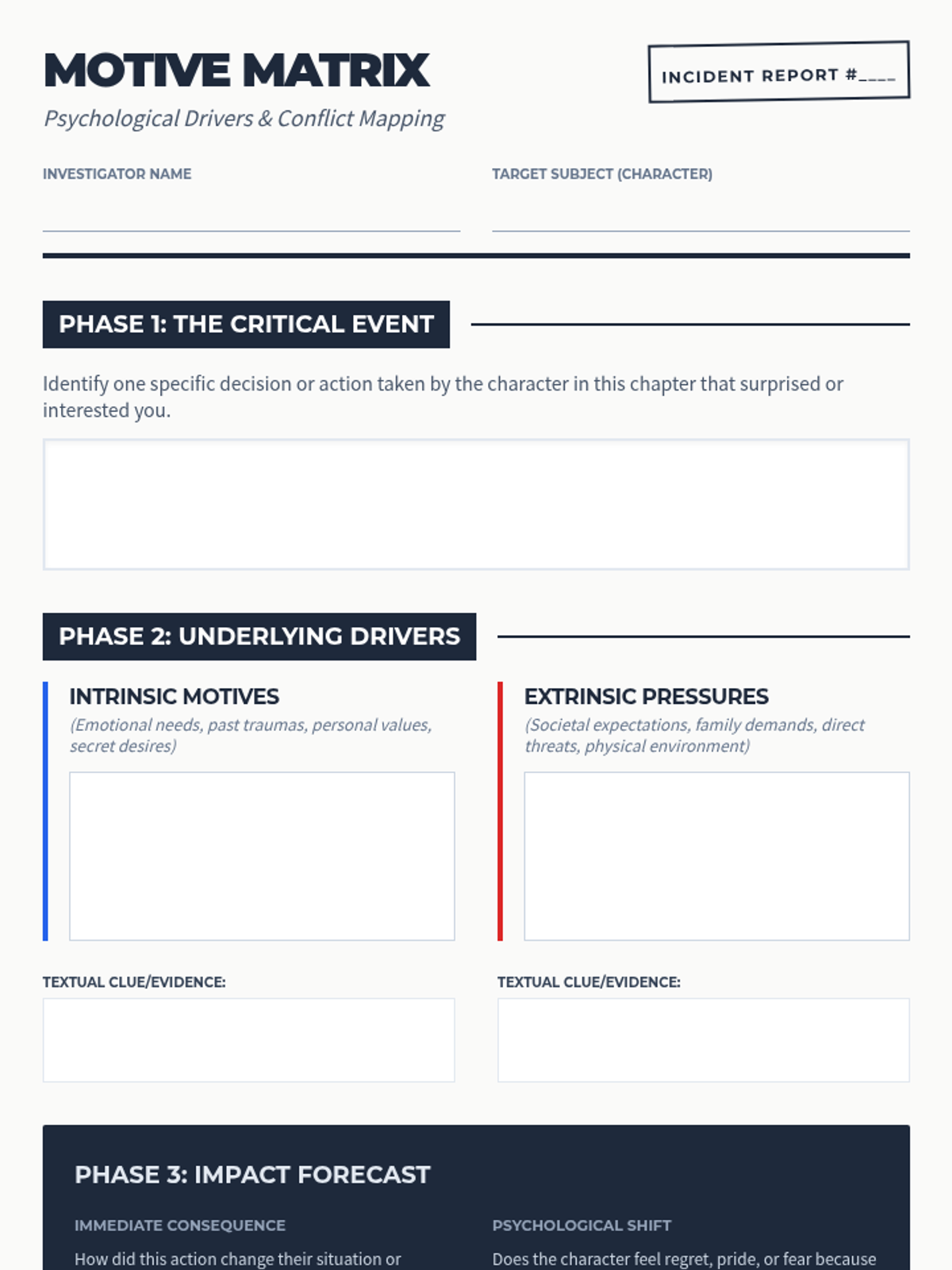
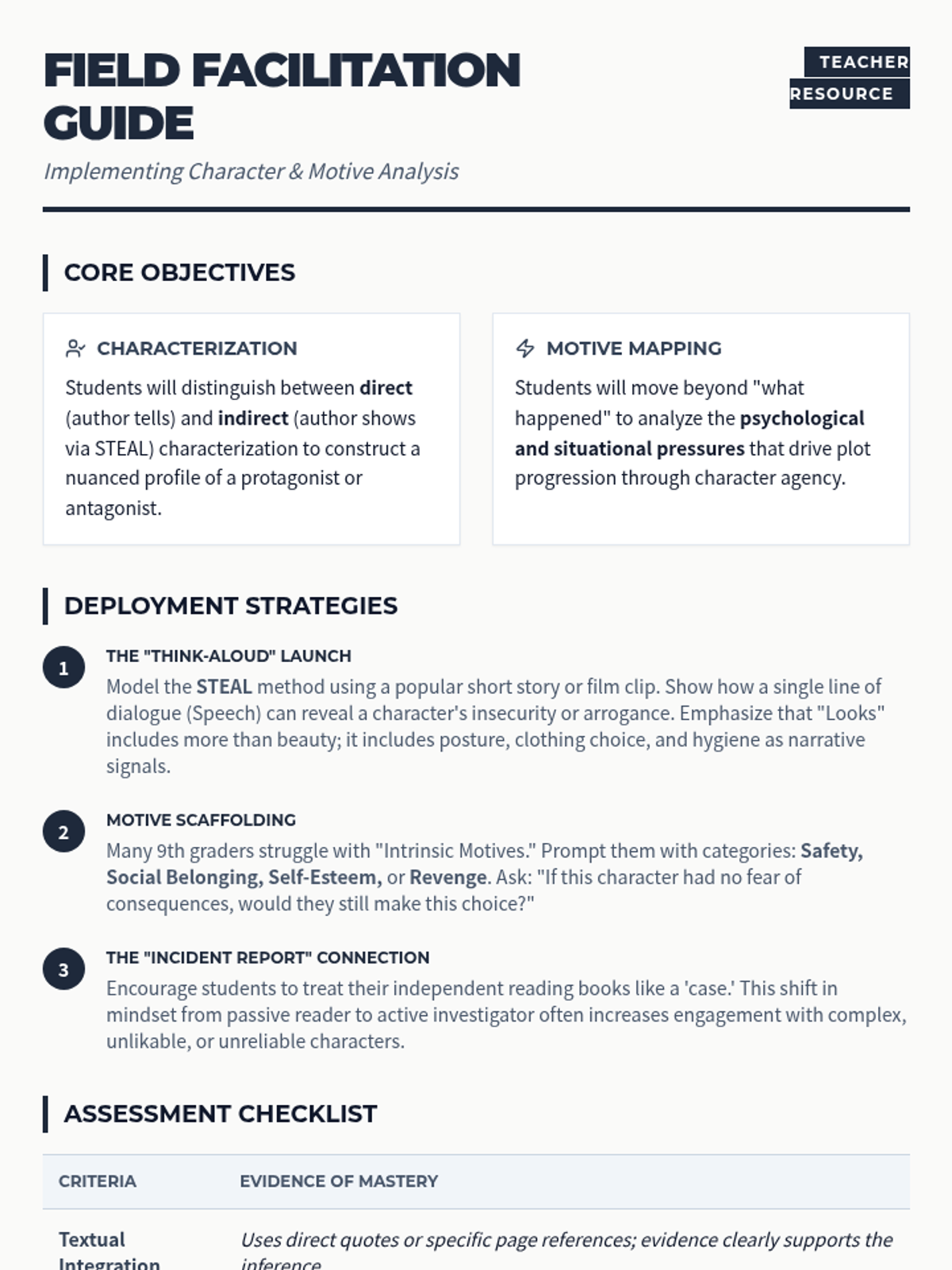
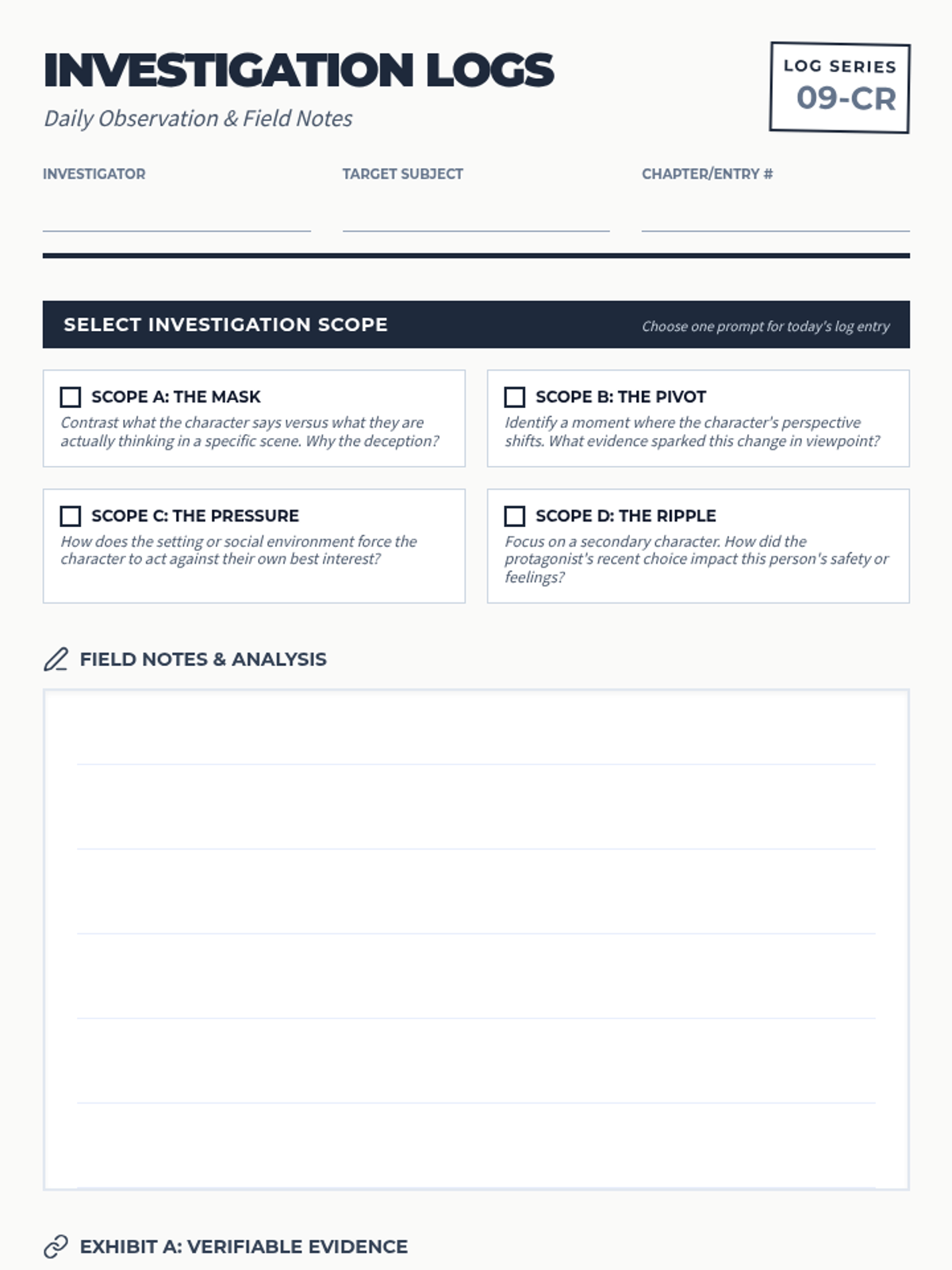
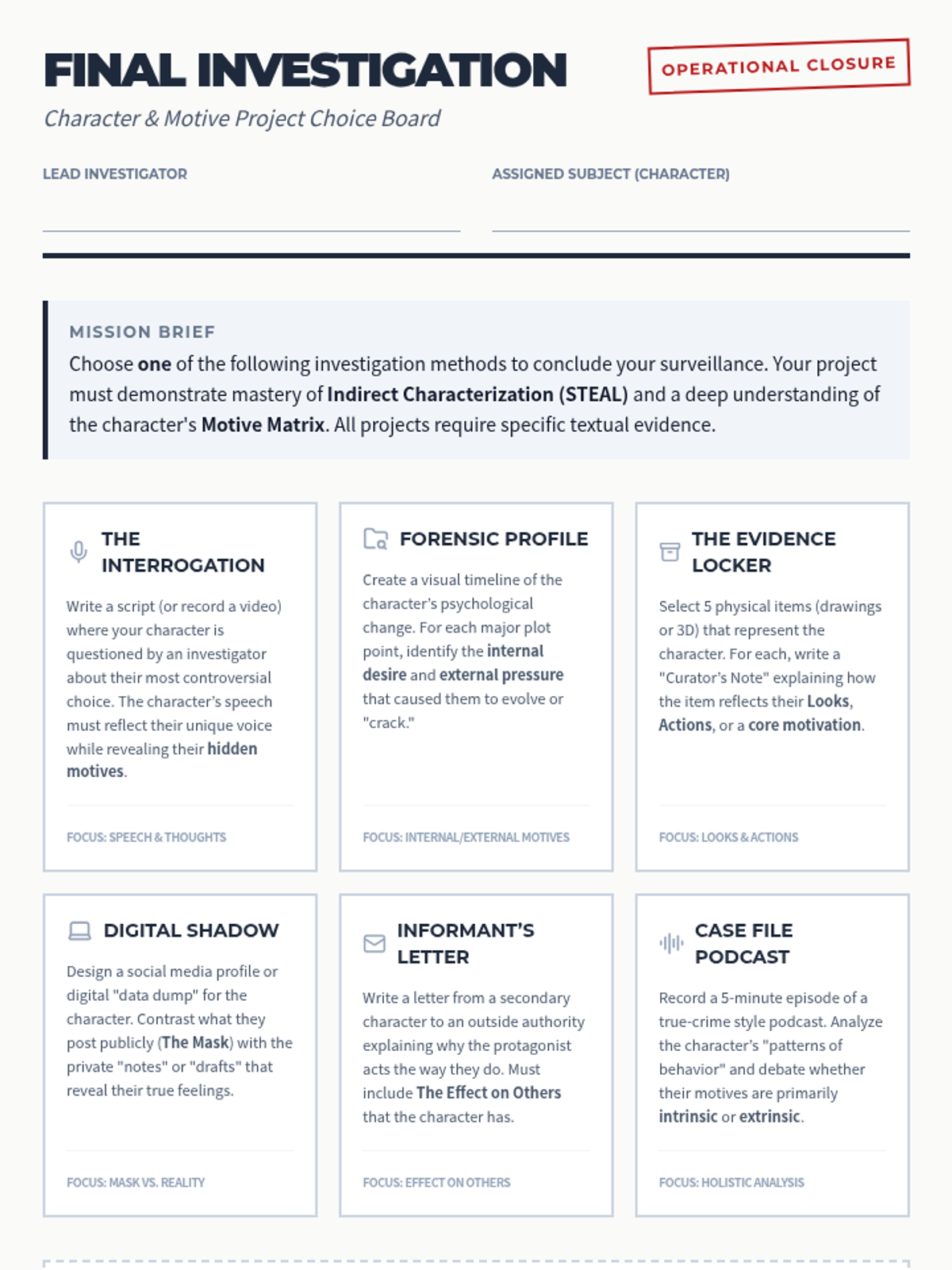
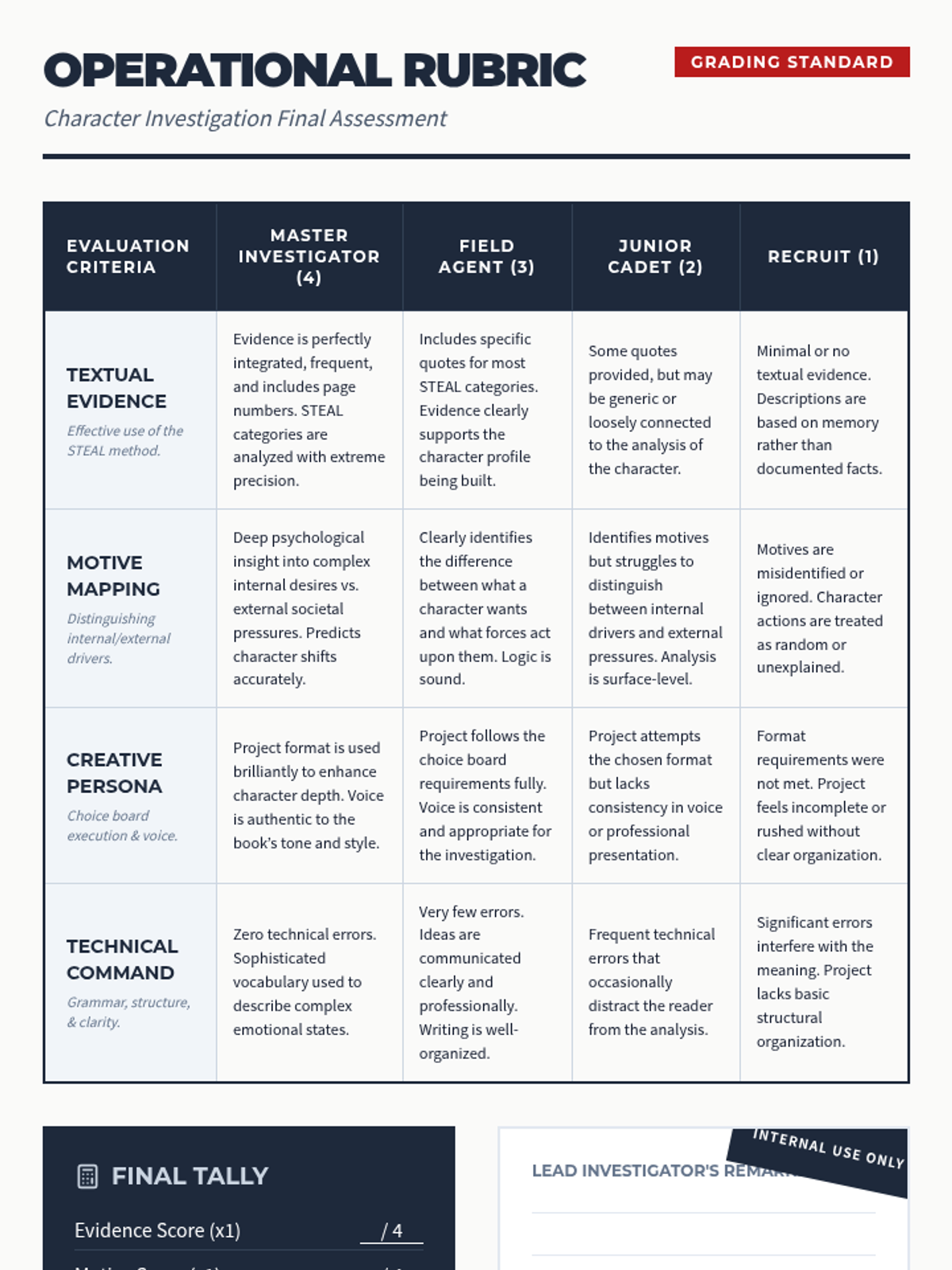
A set of analytical tools designed for 9th-grade students to track character development and psychological motives during independent reading. These worksheets use a 'Case File' aesthetic to make literary analysis feel like an investigation.
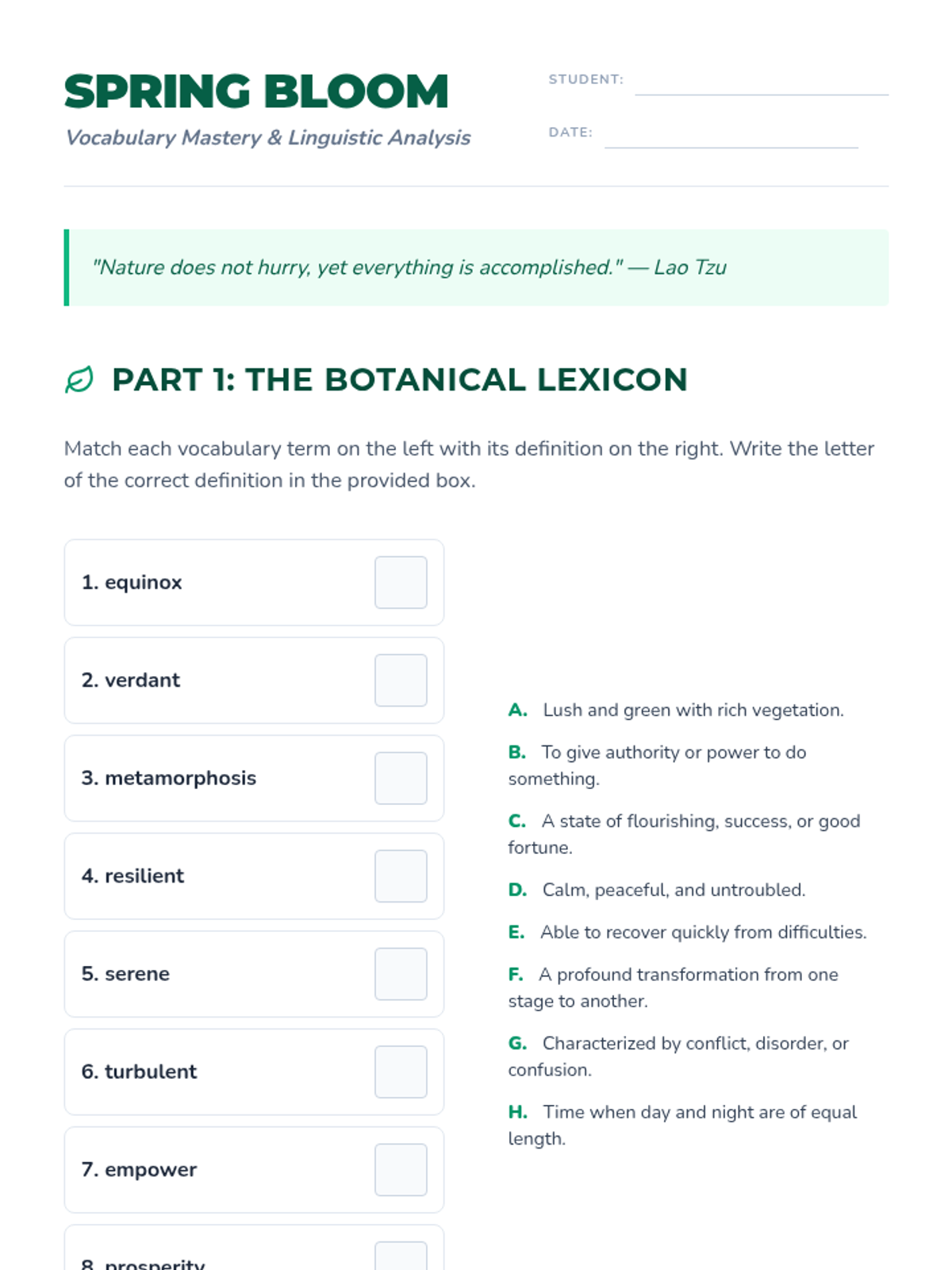
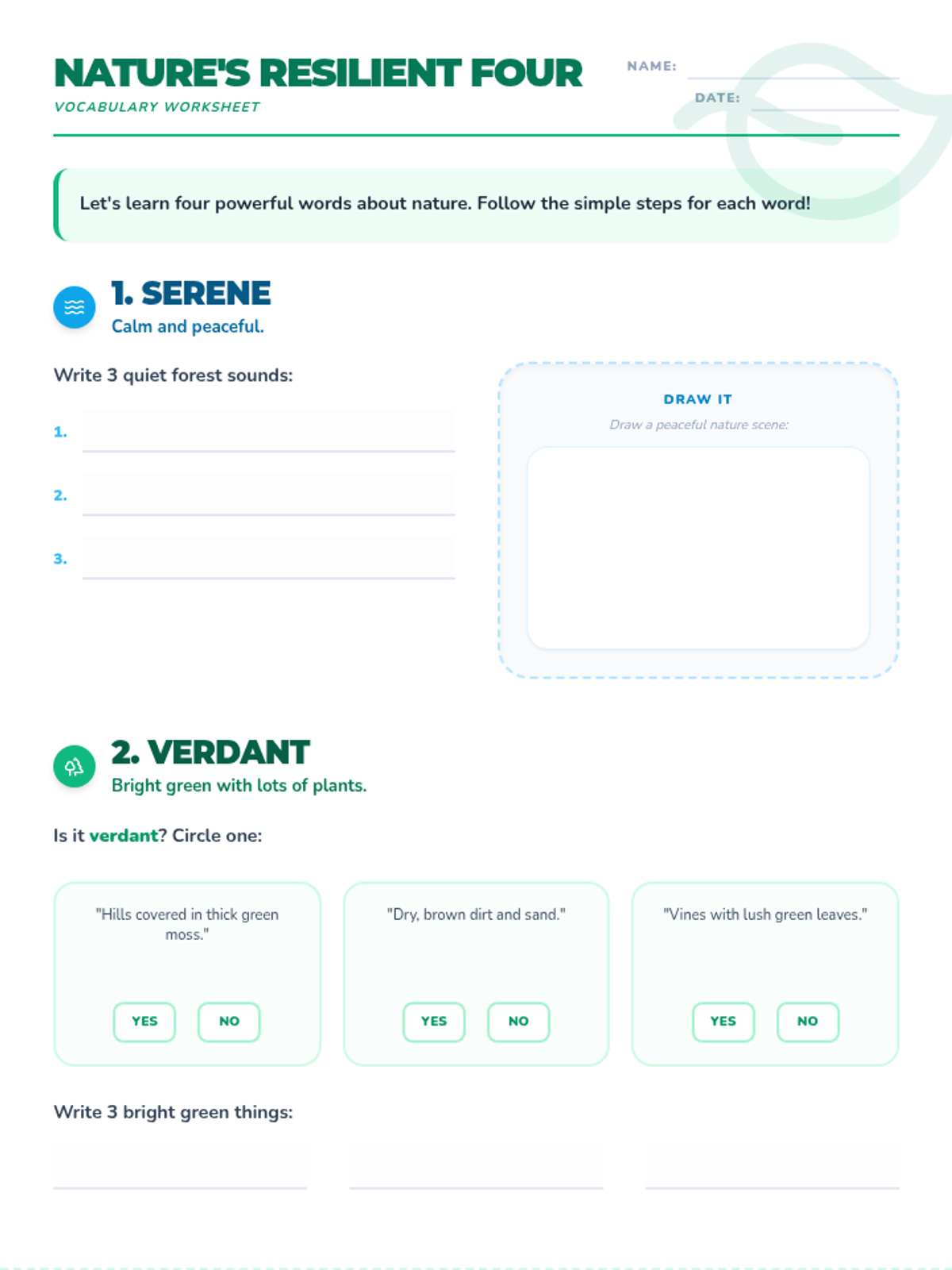
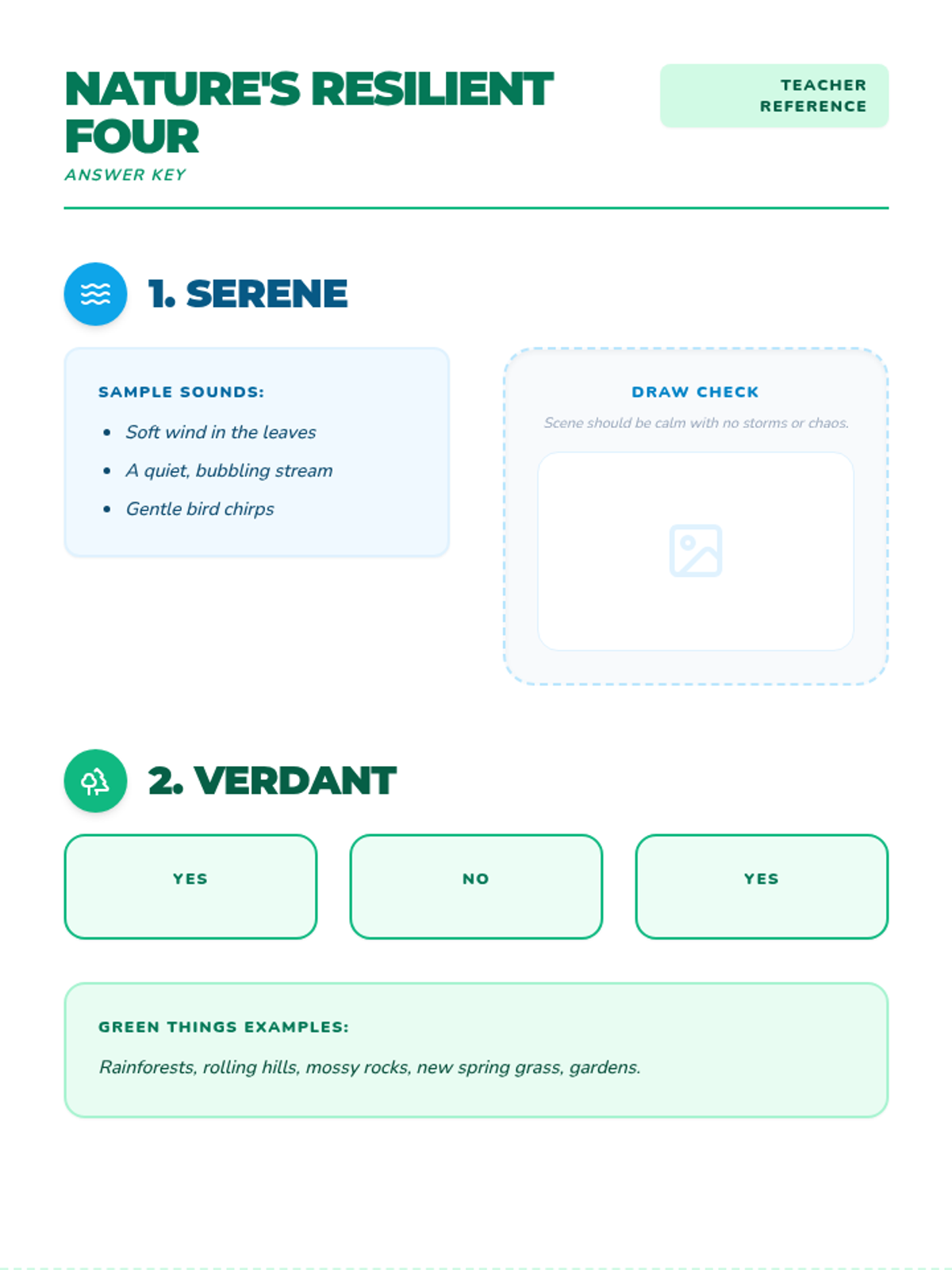
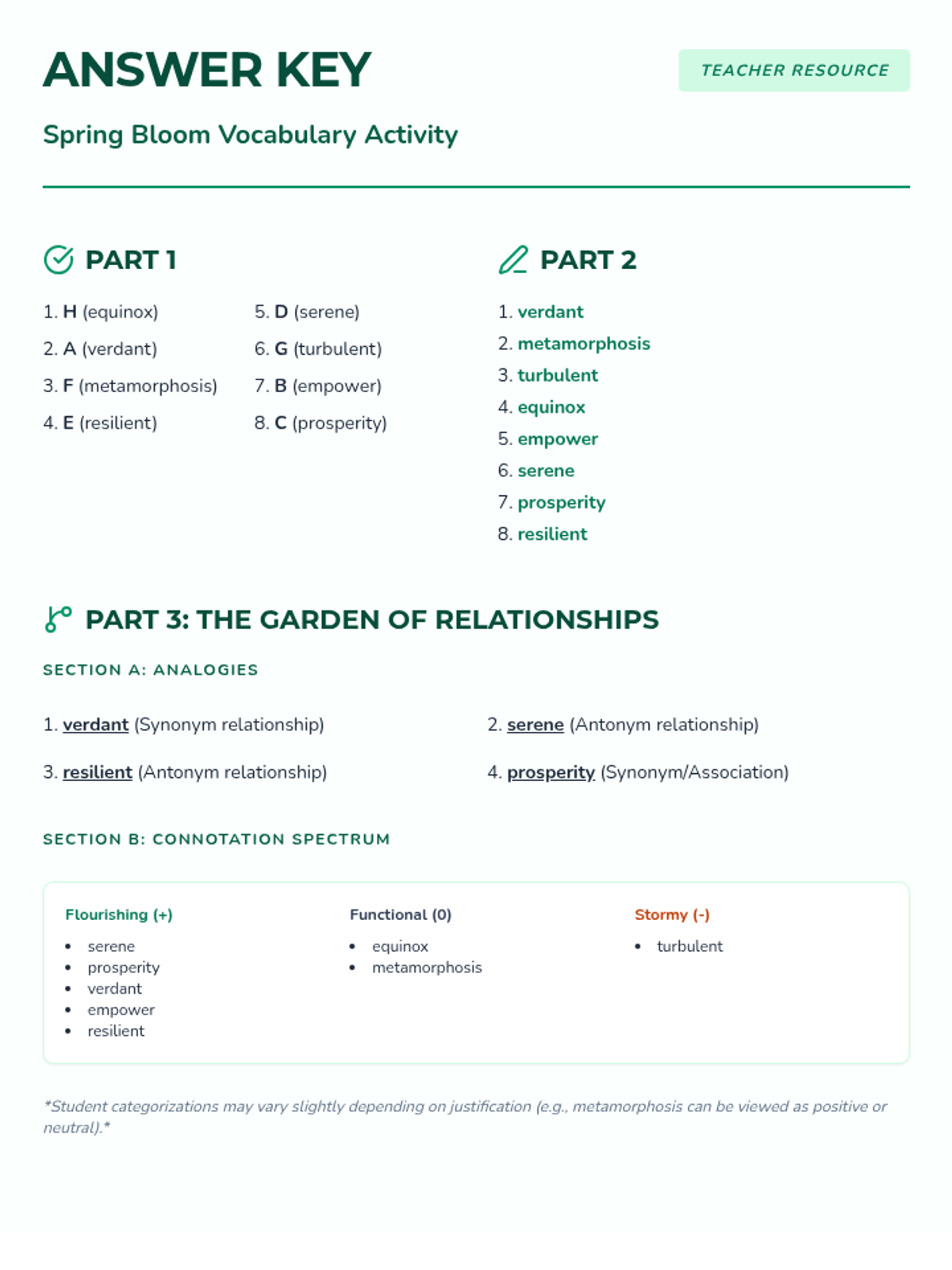
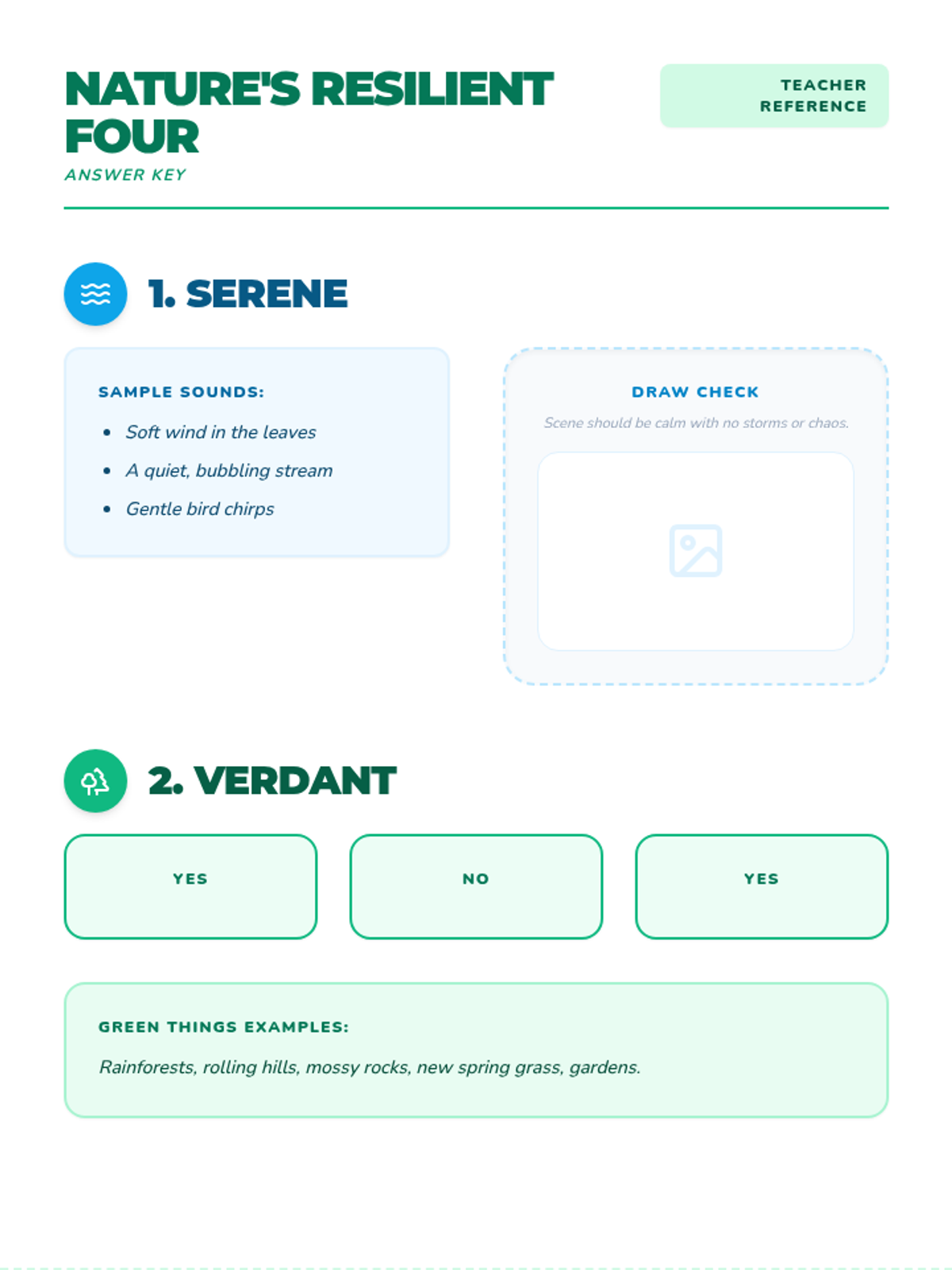
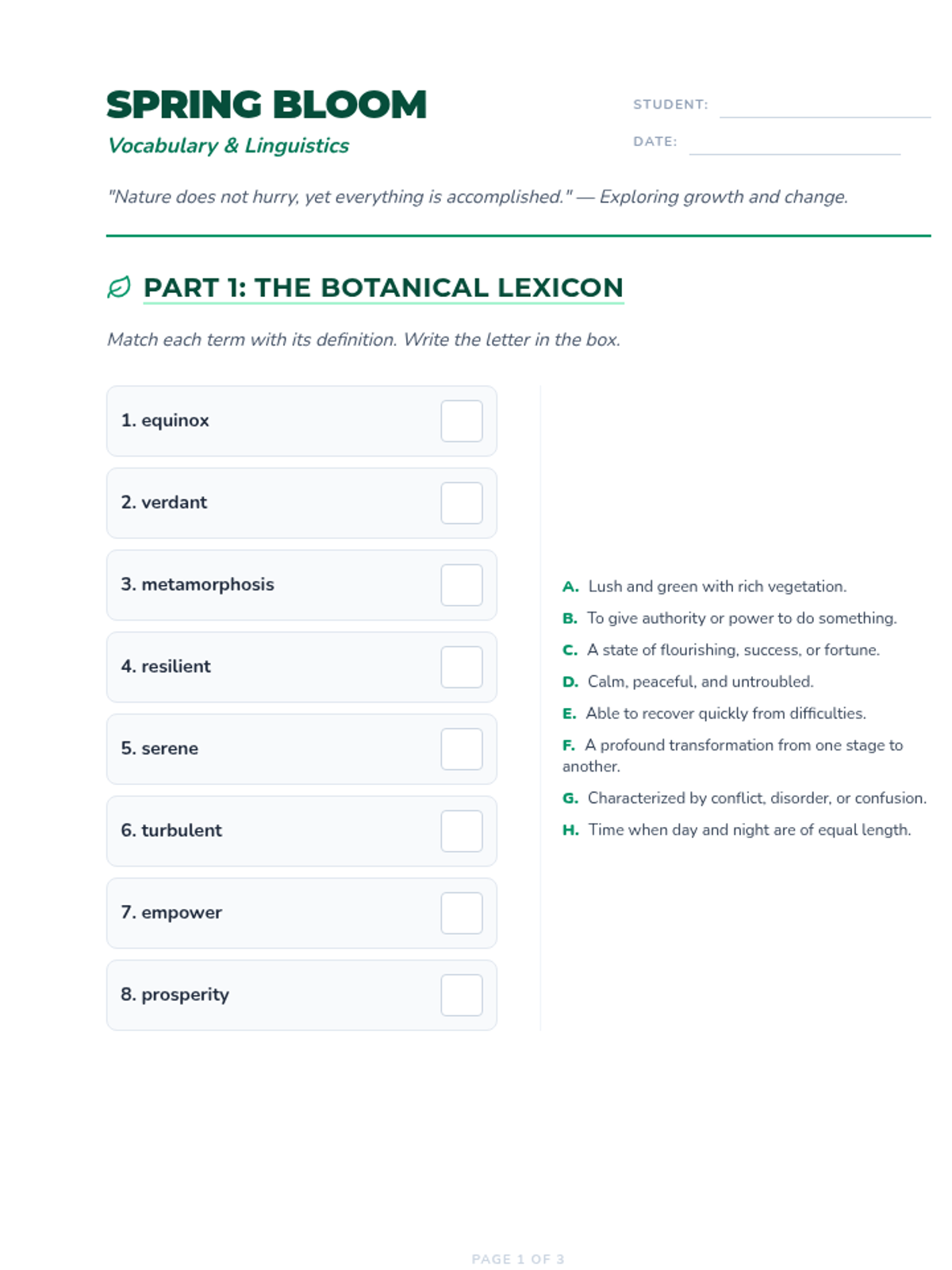
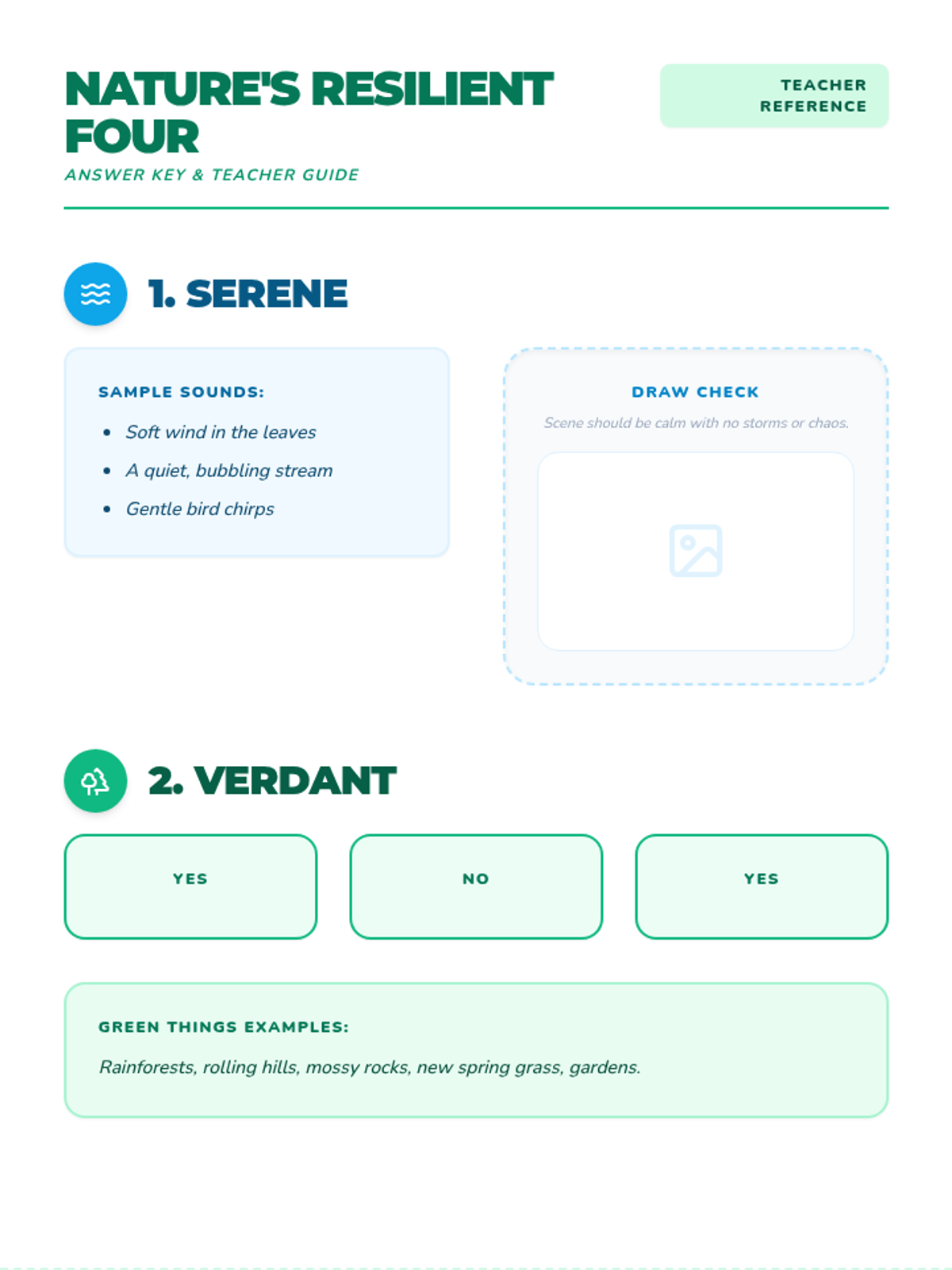
A vocabulary and linguistics lesson exploring themes of transition, growth, and strength. Students master eight high-level terms—equinox, verdant, metamorphosis, resilient, serene, turbulent, empower, and prosperity—through context analysis and creative application.
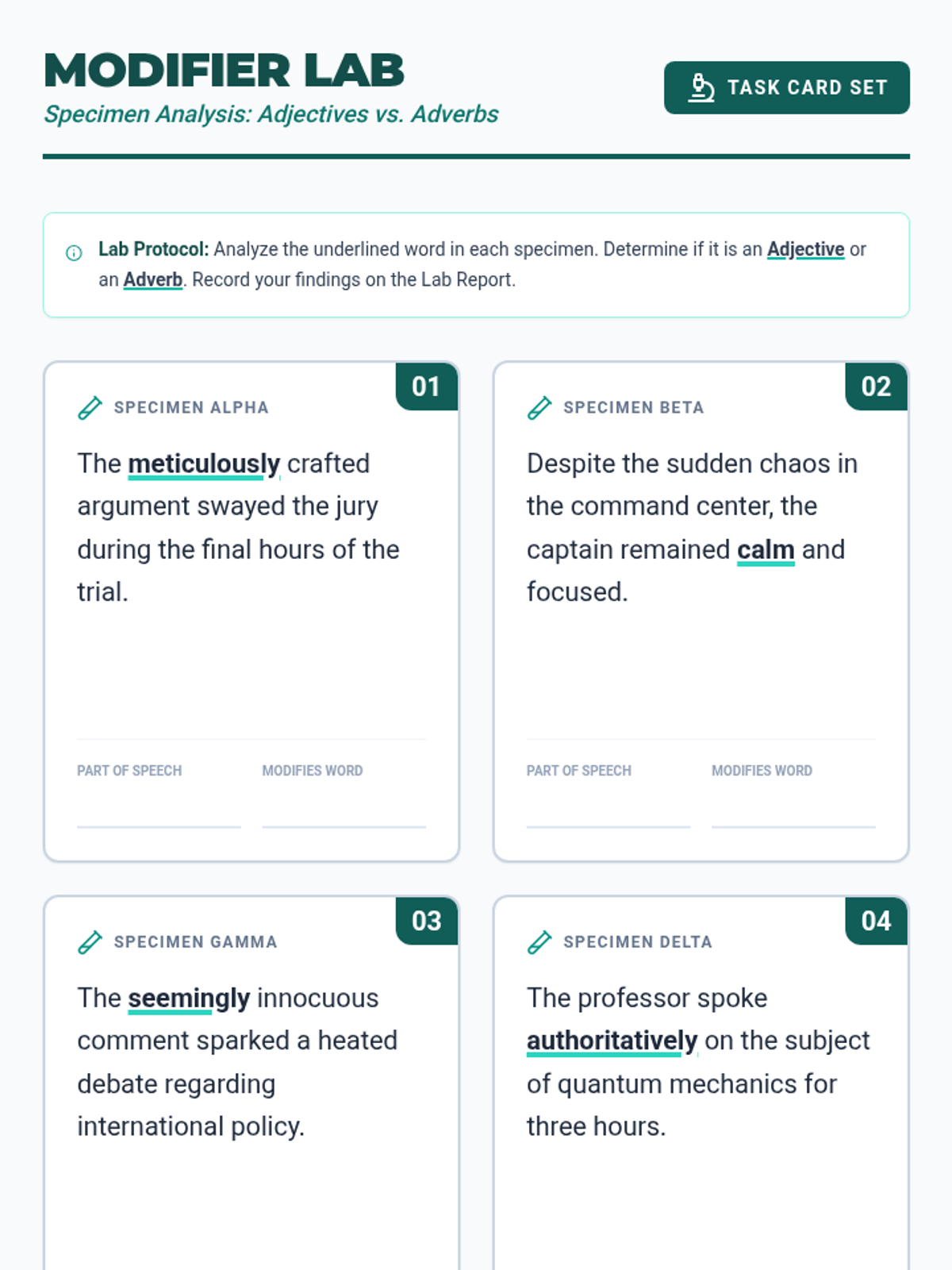
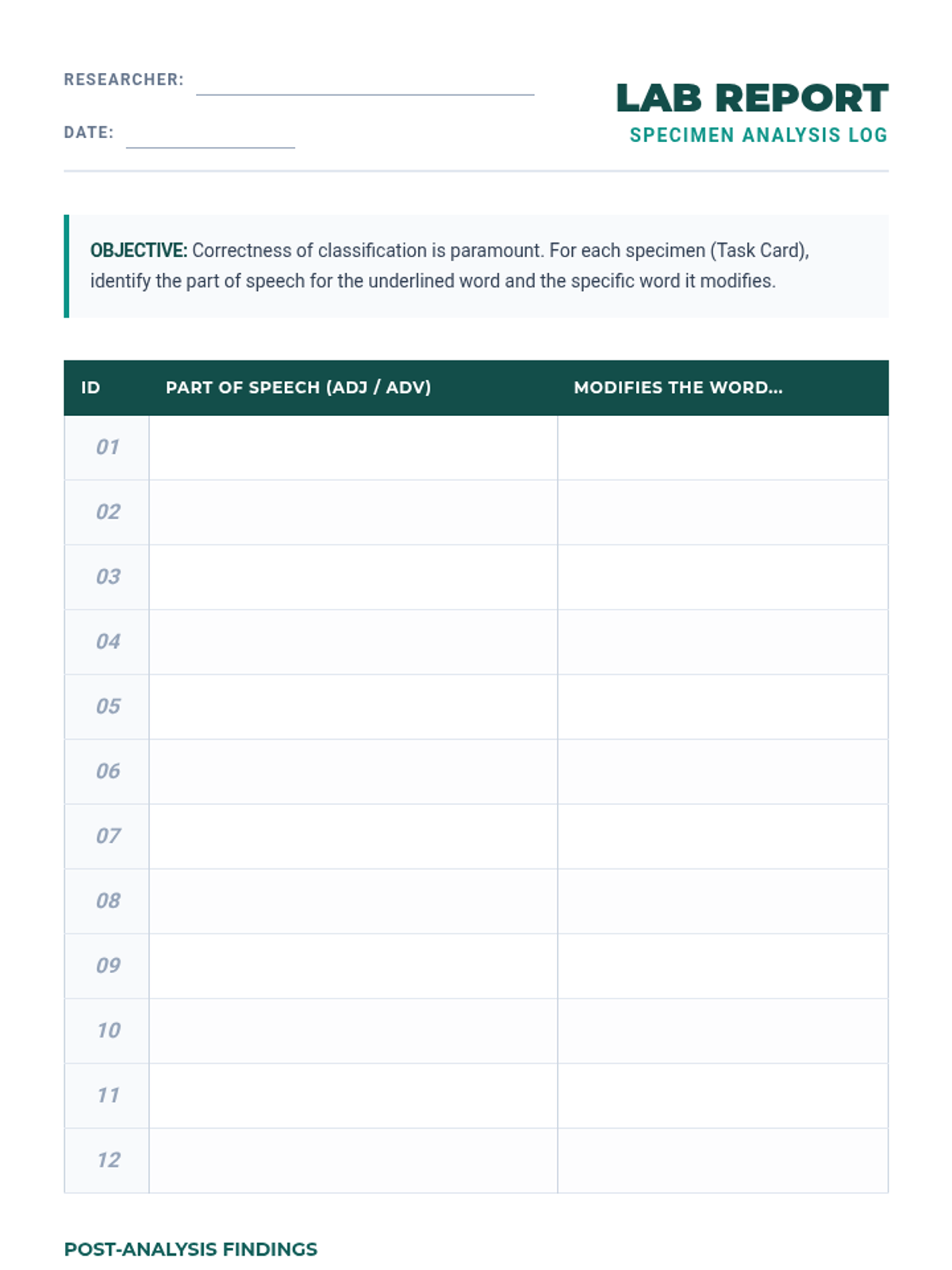
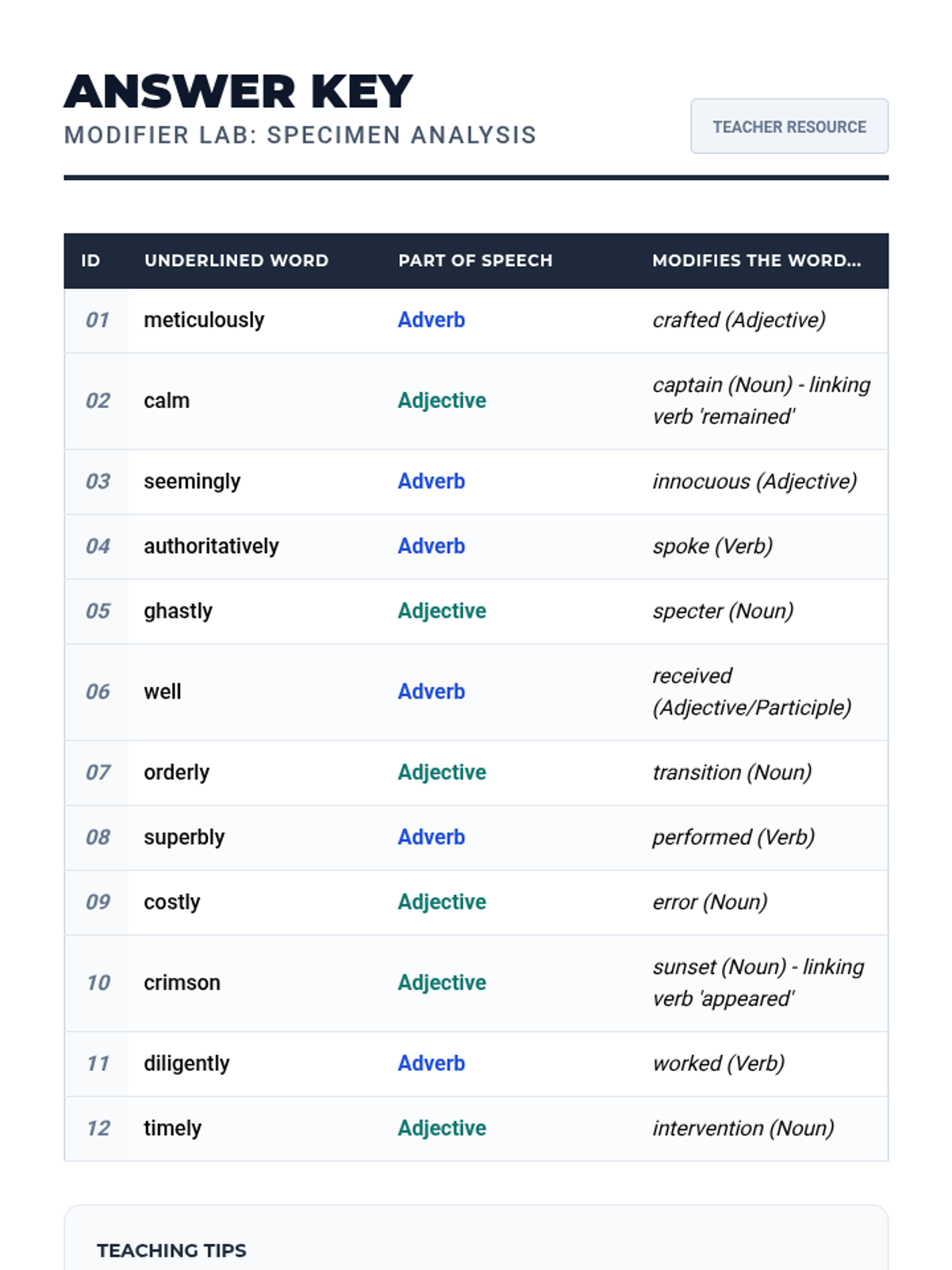
A focused practice session on distinguishing between adjectives and adverbs using complex, high-school level sentence structures and nuanced word choices.
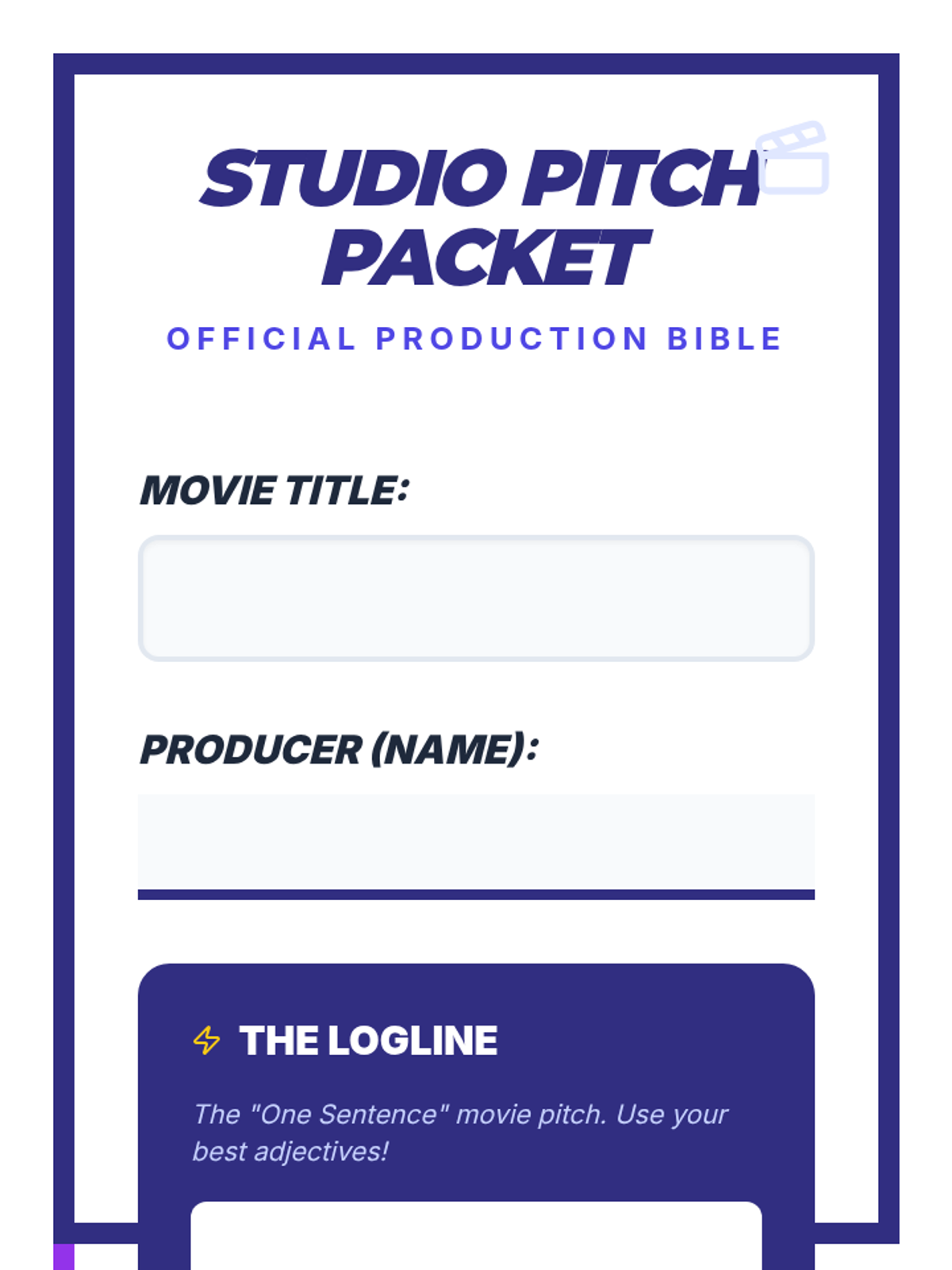
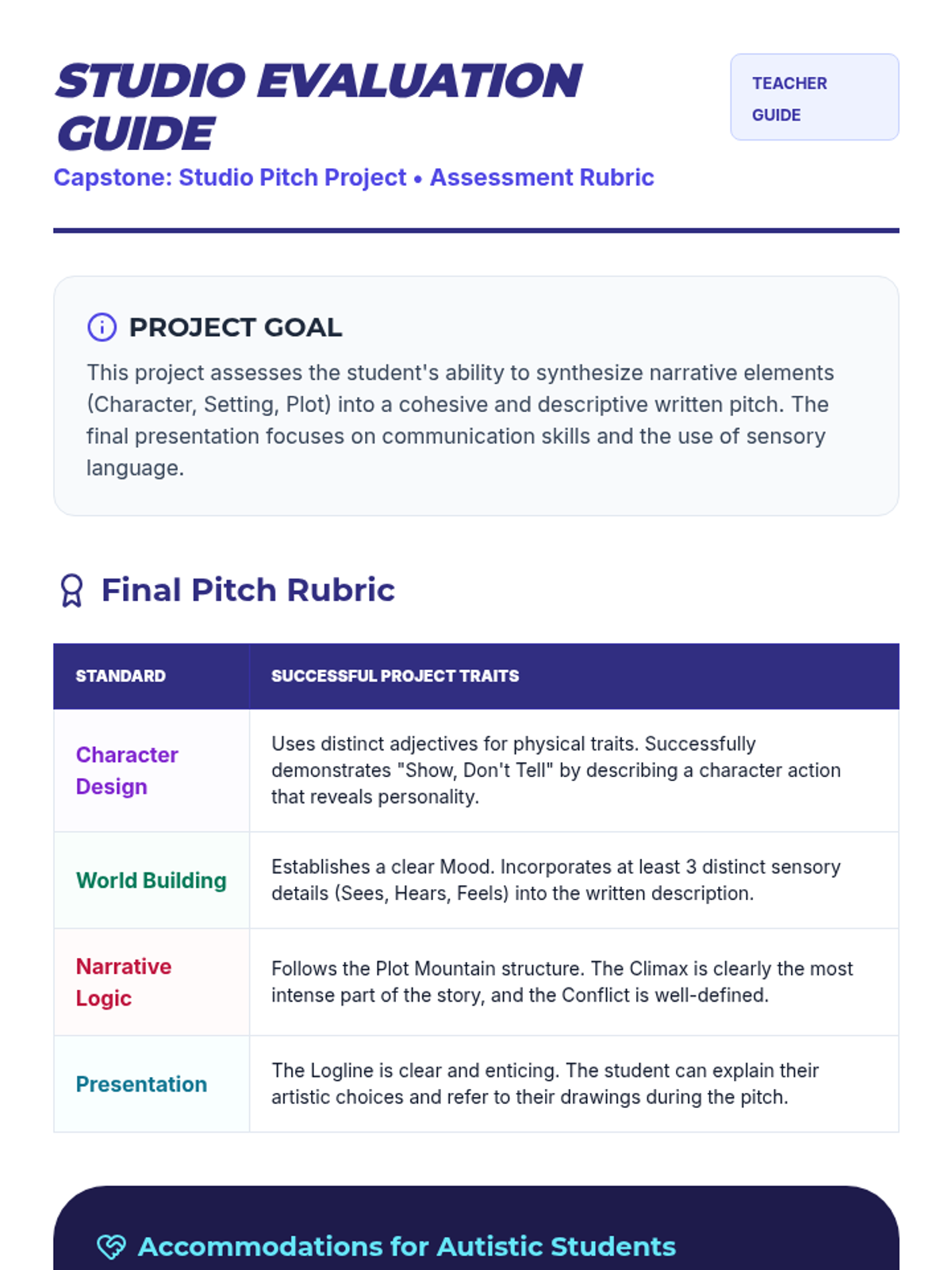
A capstone lesson where students combine their character, world-building, and plot skills to create and present a professional animation studio pitch.
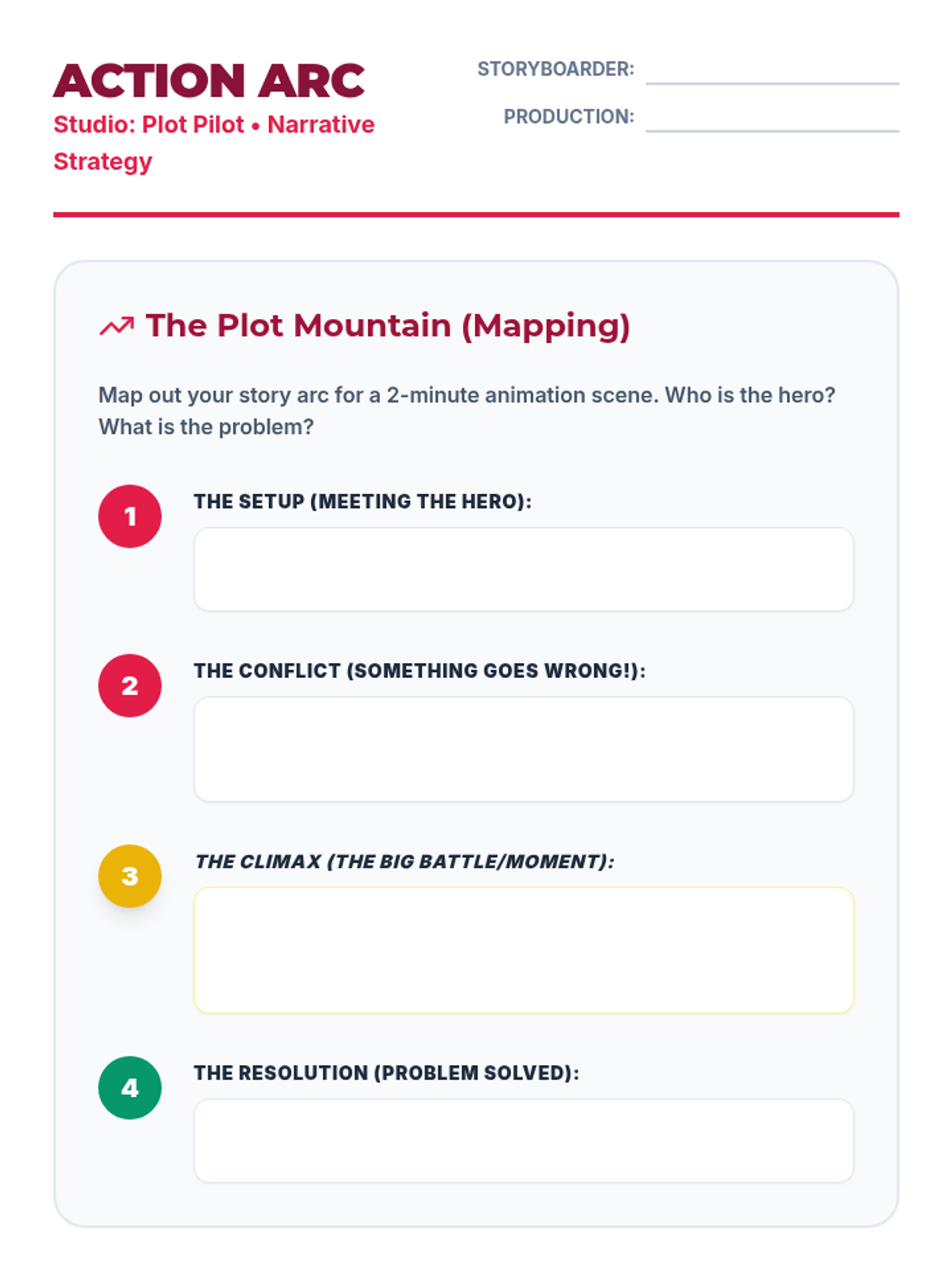
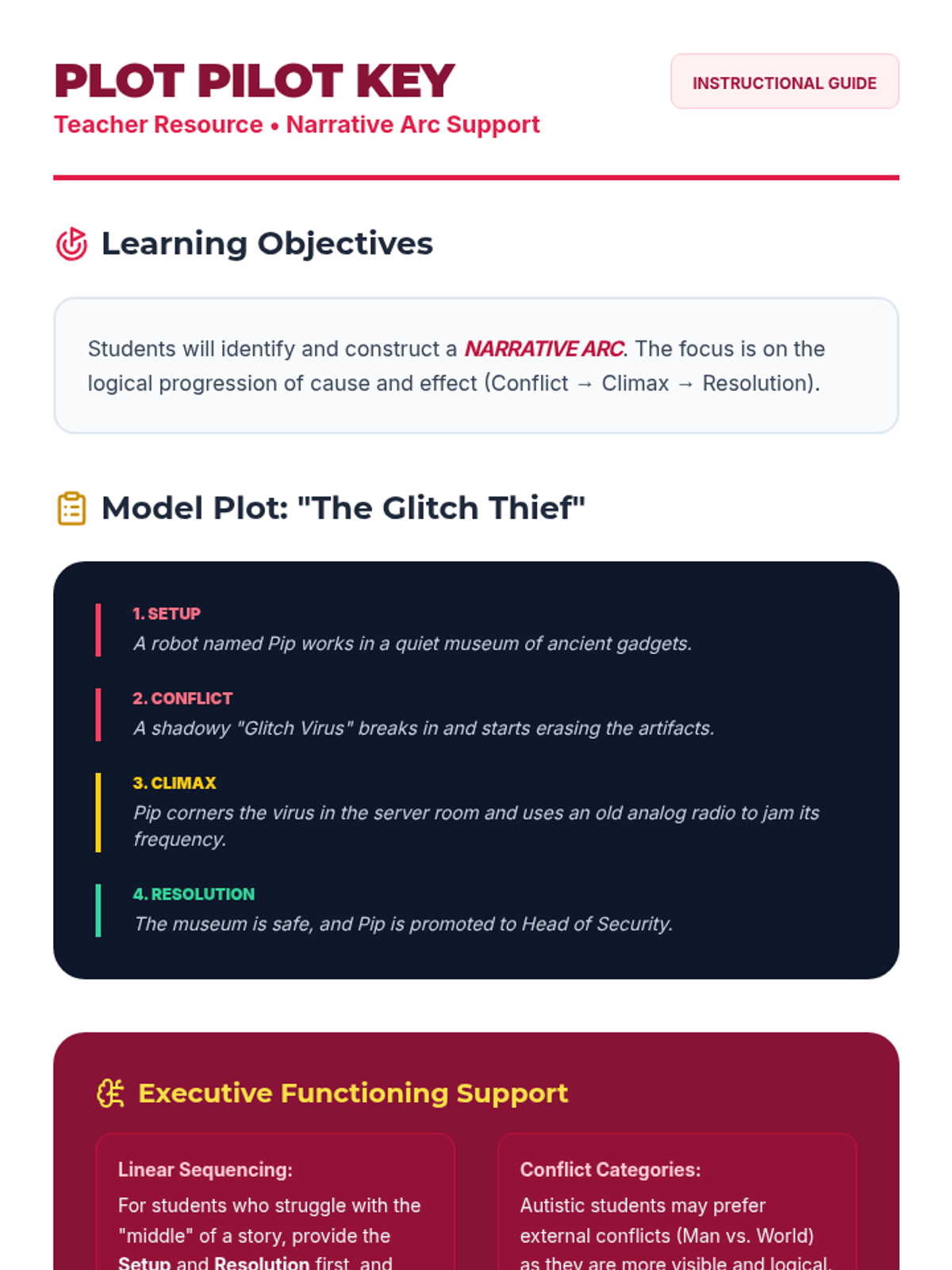
A lesson focused on narrative structure and plot arcs, helping students identify and write inciting incidents, climaxes, and resolutions.
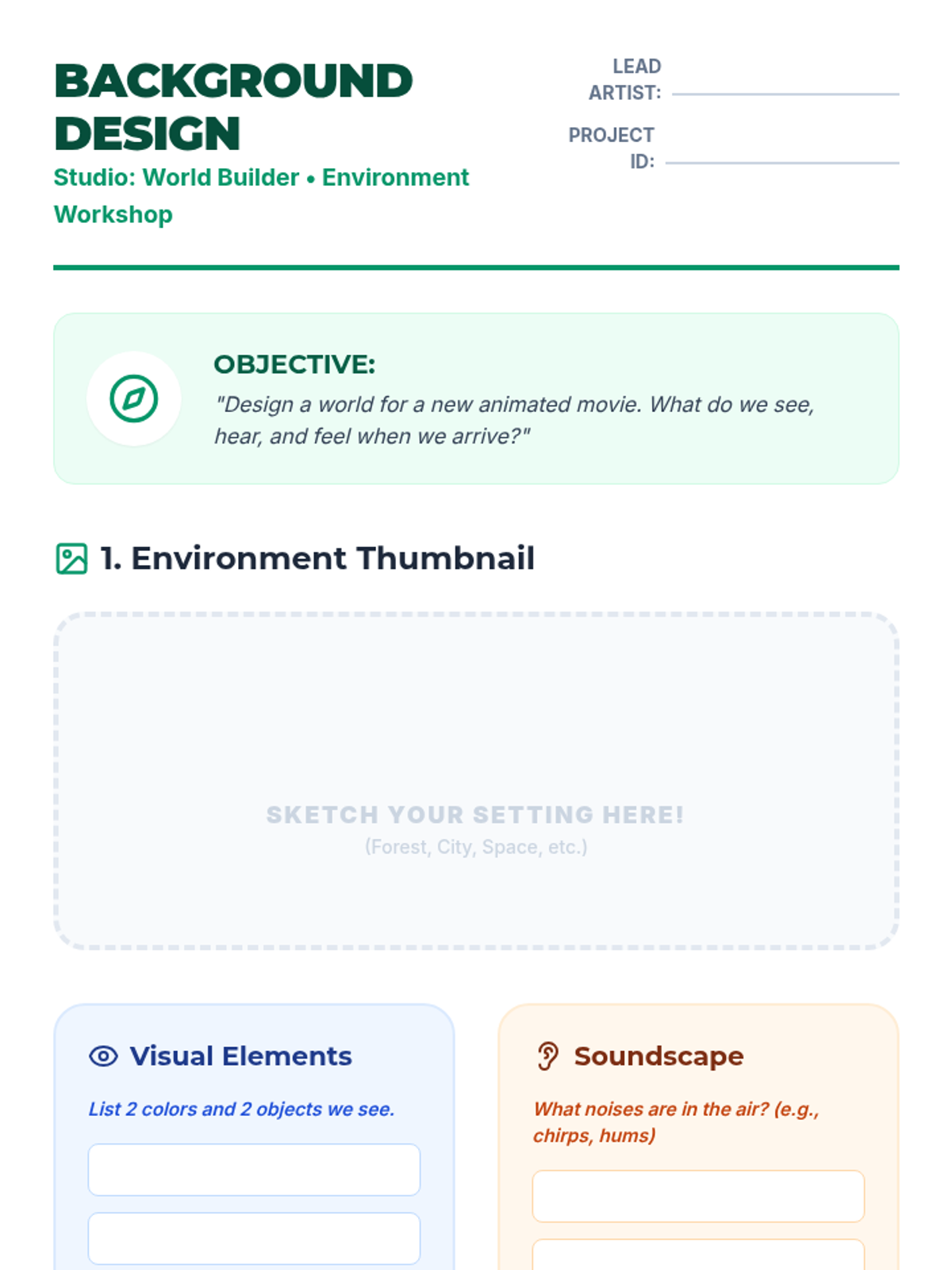
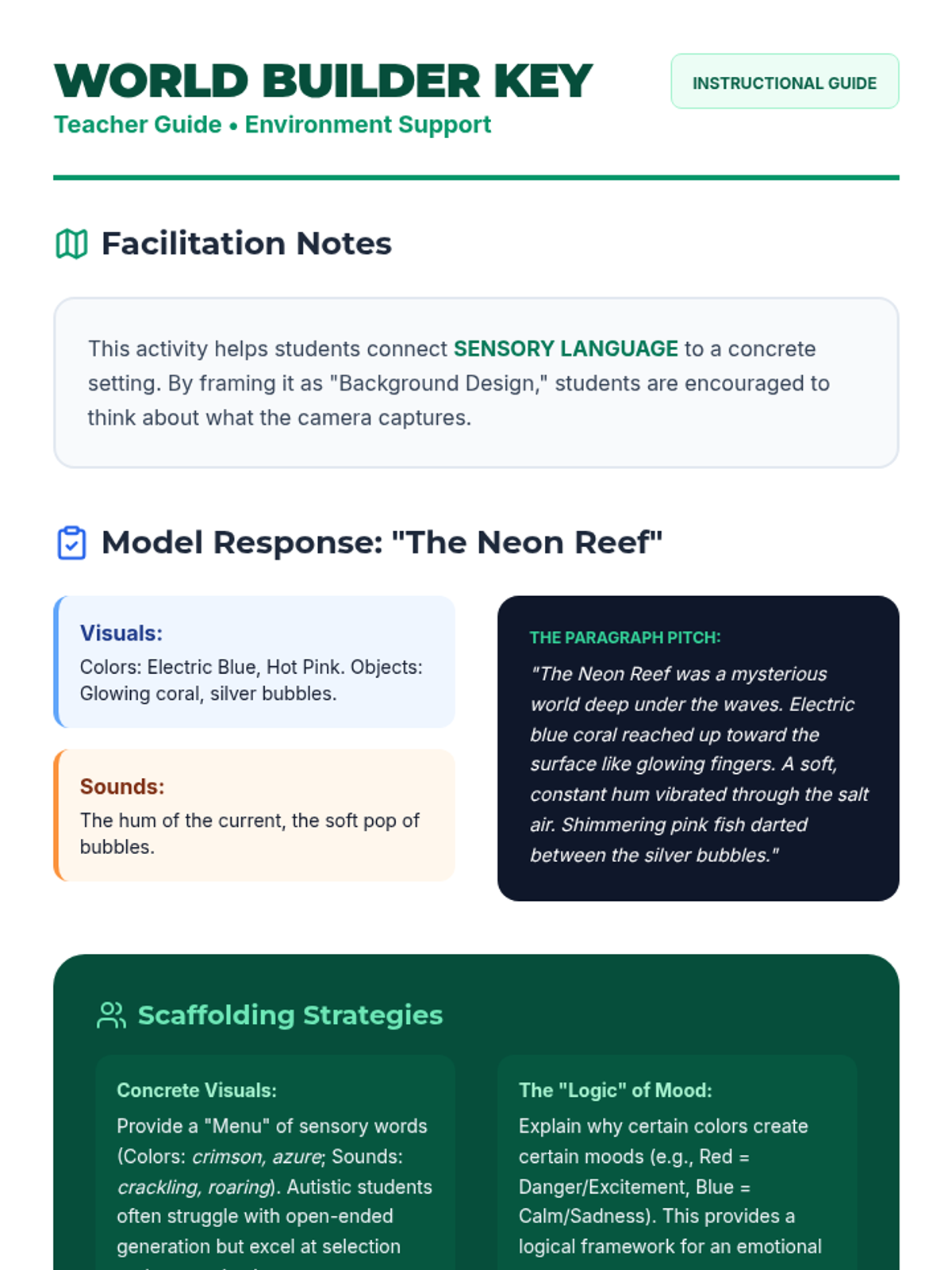
A lesson focused on setting development and sensory language, teaching students how to build immersive worlds using descriptive adjectives and mood.
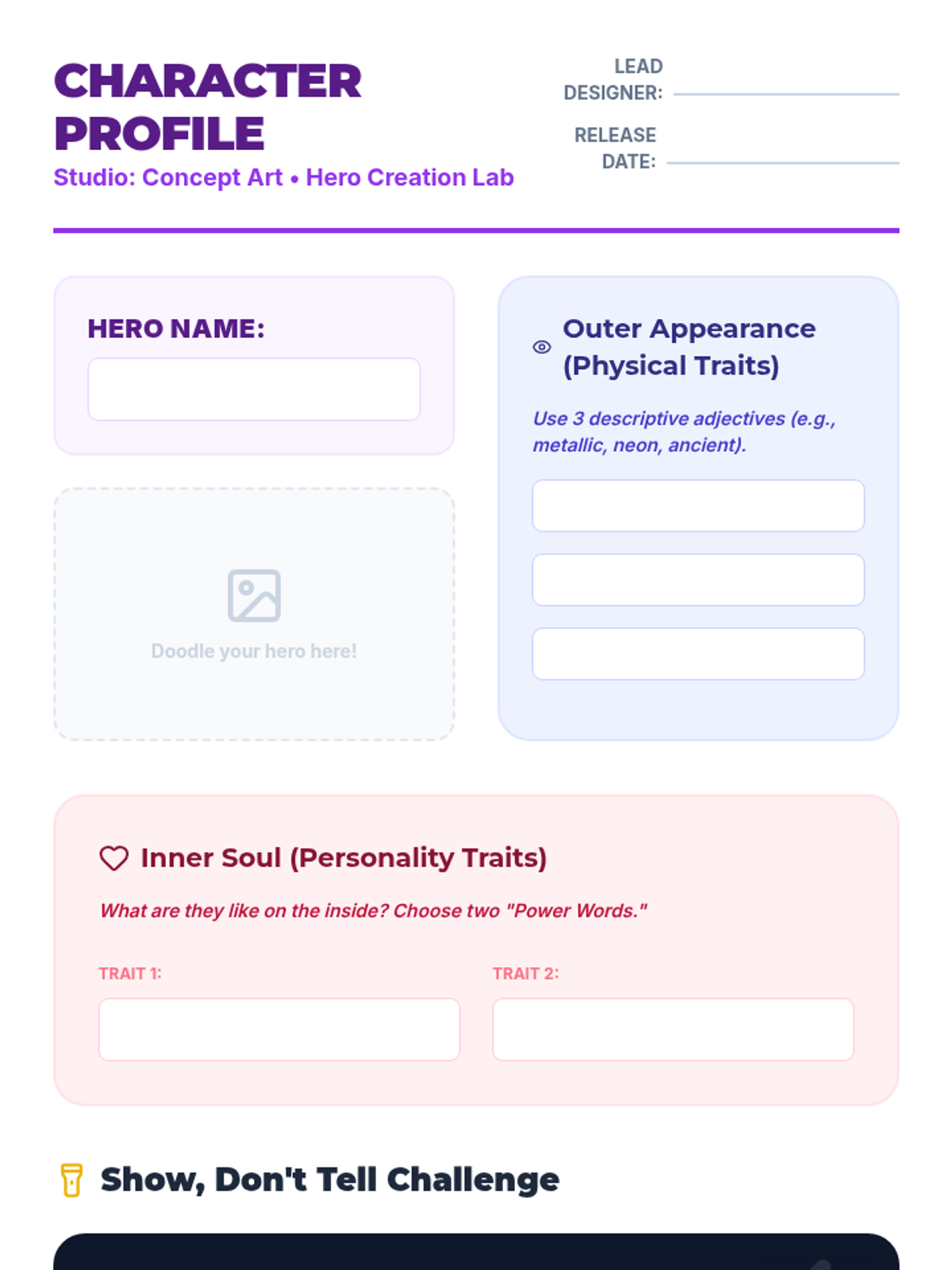
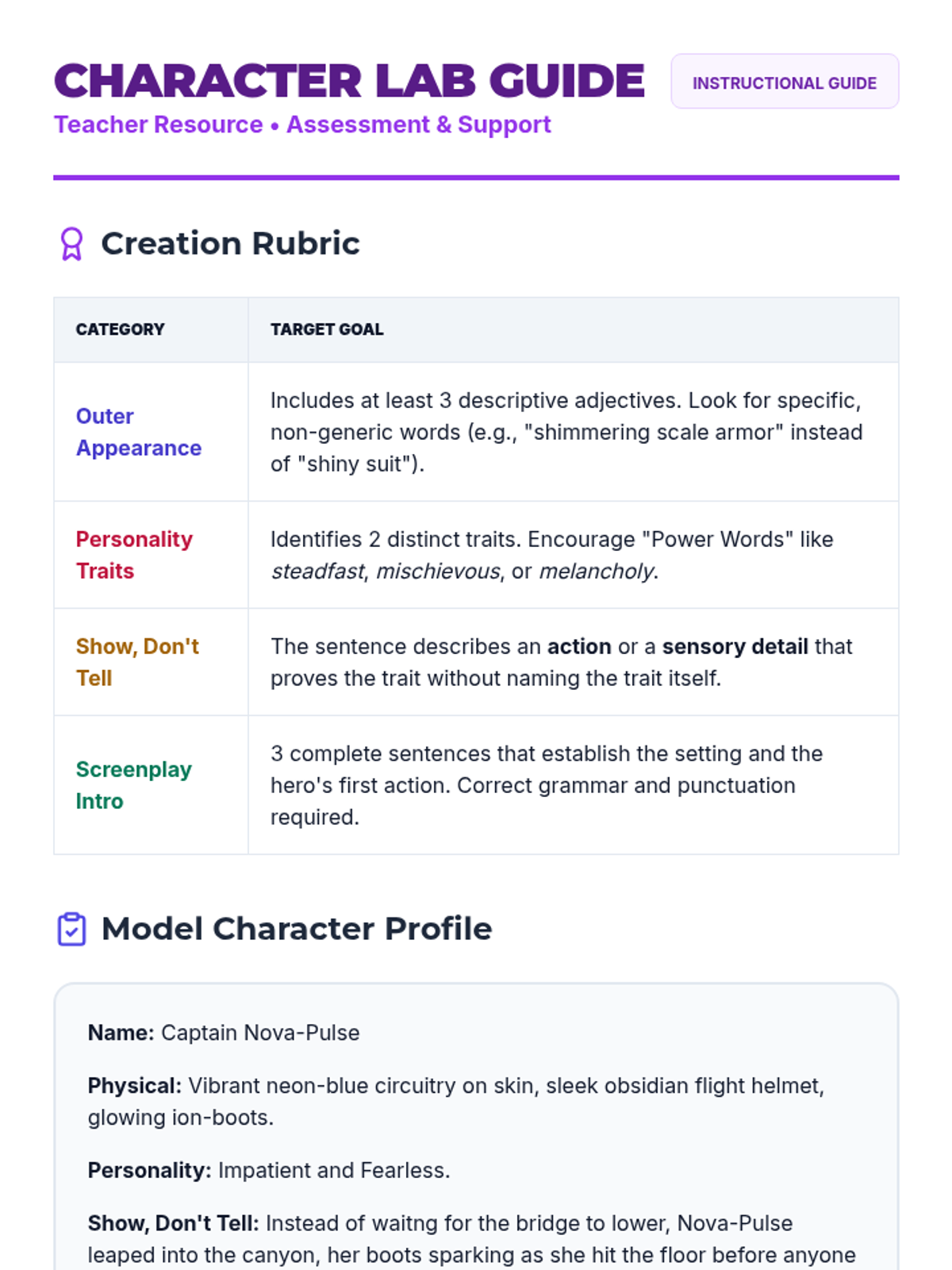
A lesson focused on character development and descriptive writing, helping students use "Show, Don't Tell" techniques and vivid adjectives to create animated heroes.
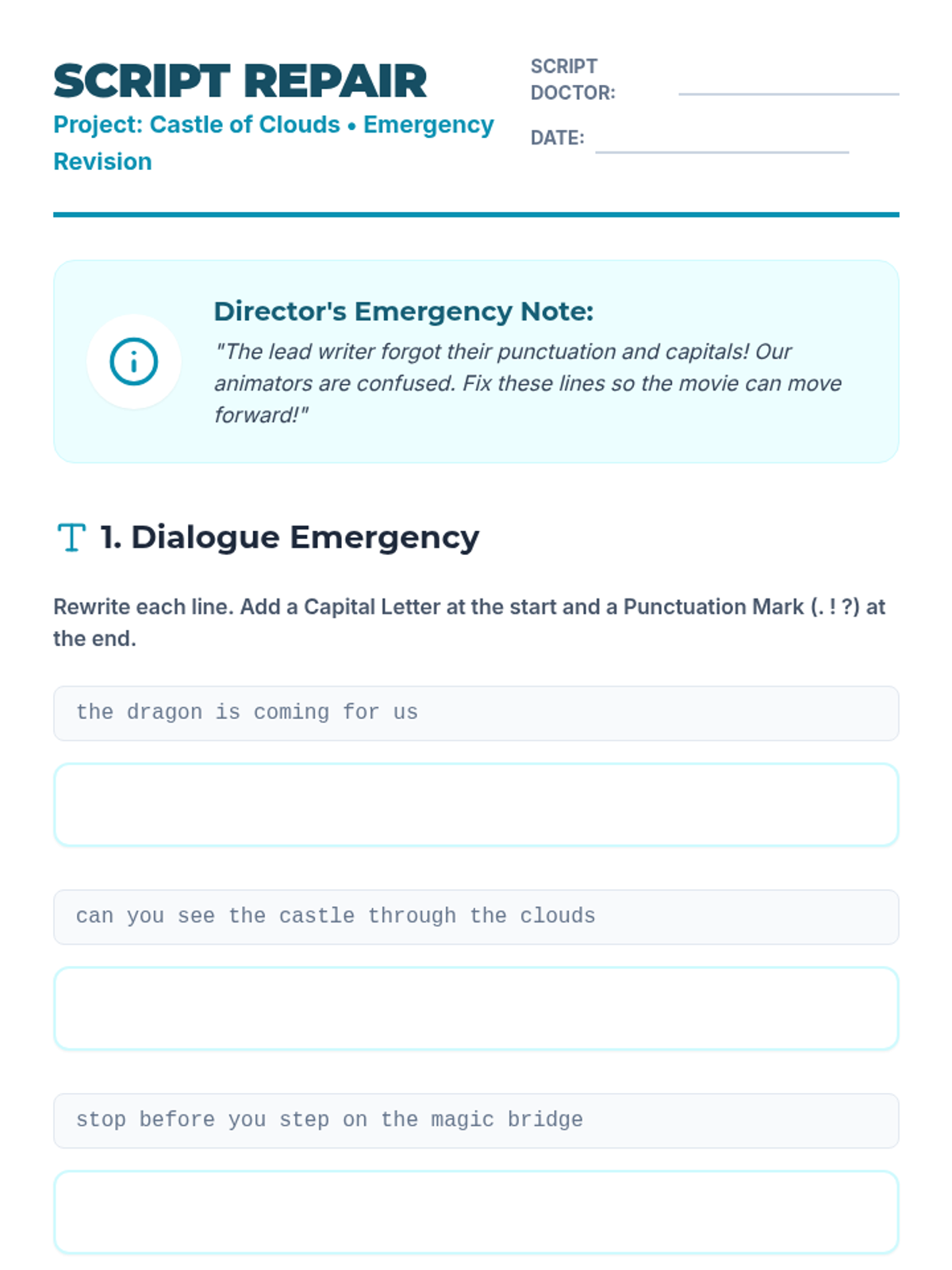
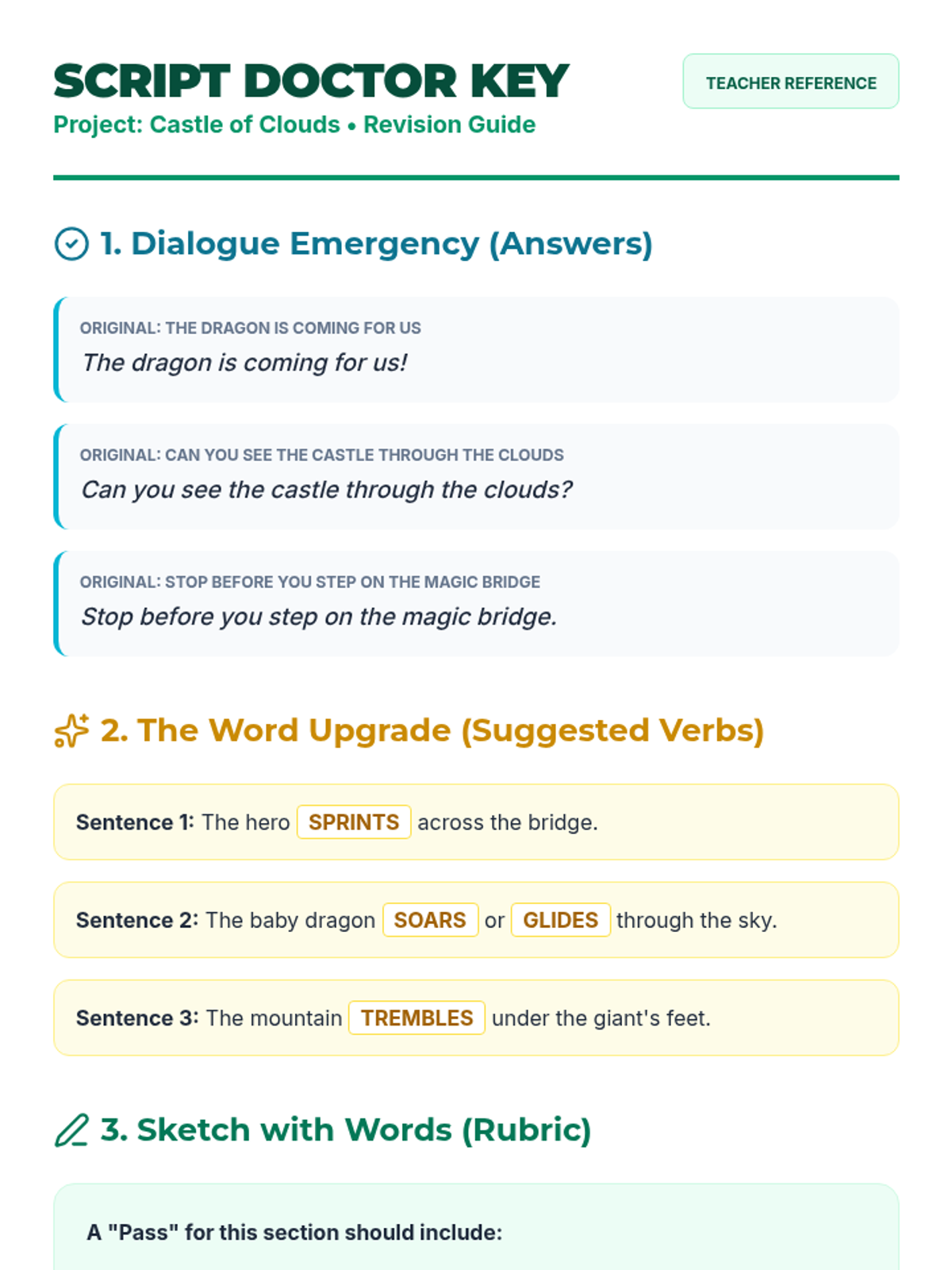
A lesson focused on grammar and sentence structure through the lens of fixing "broken" scripts in an animation studio setting.
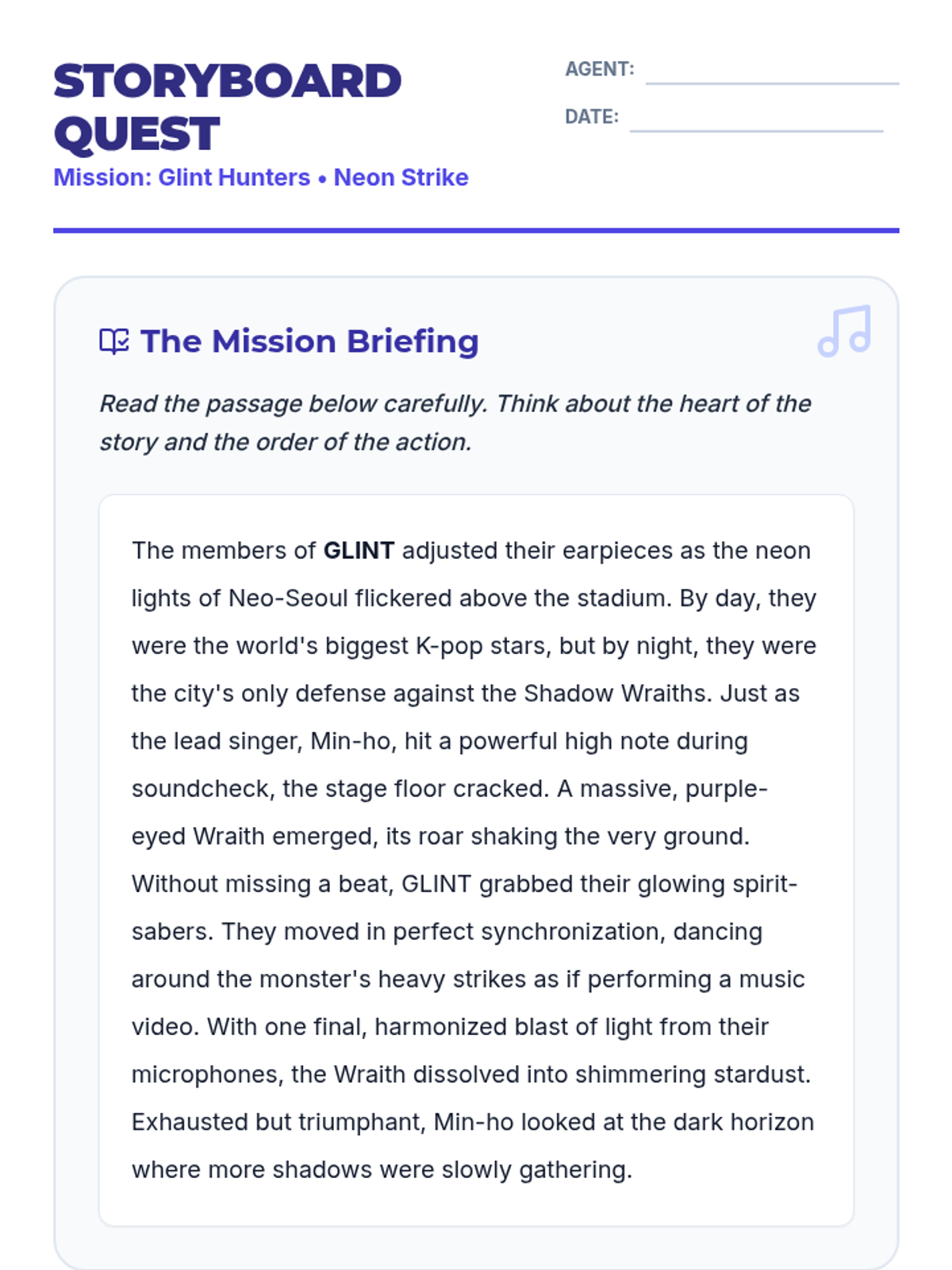
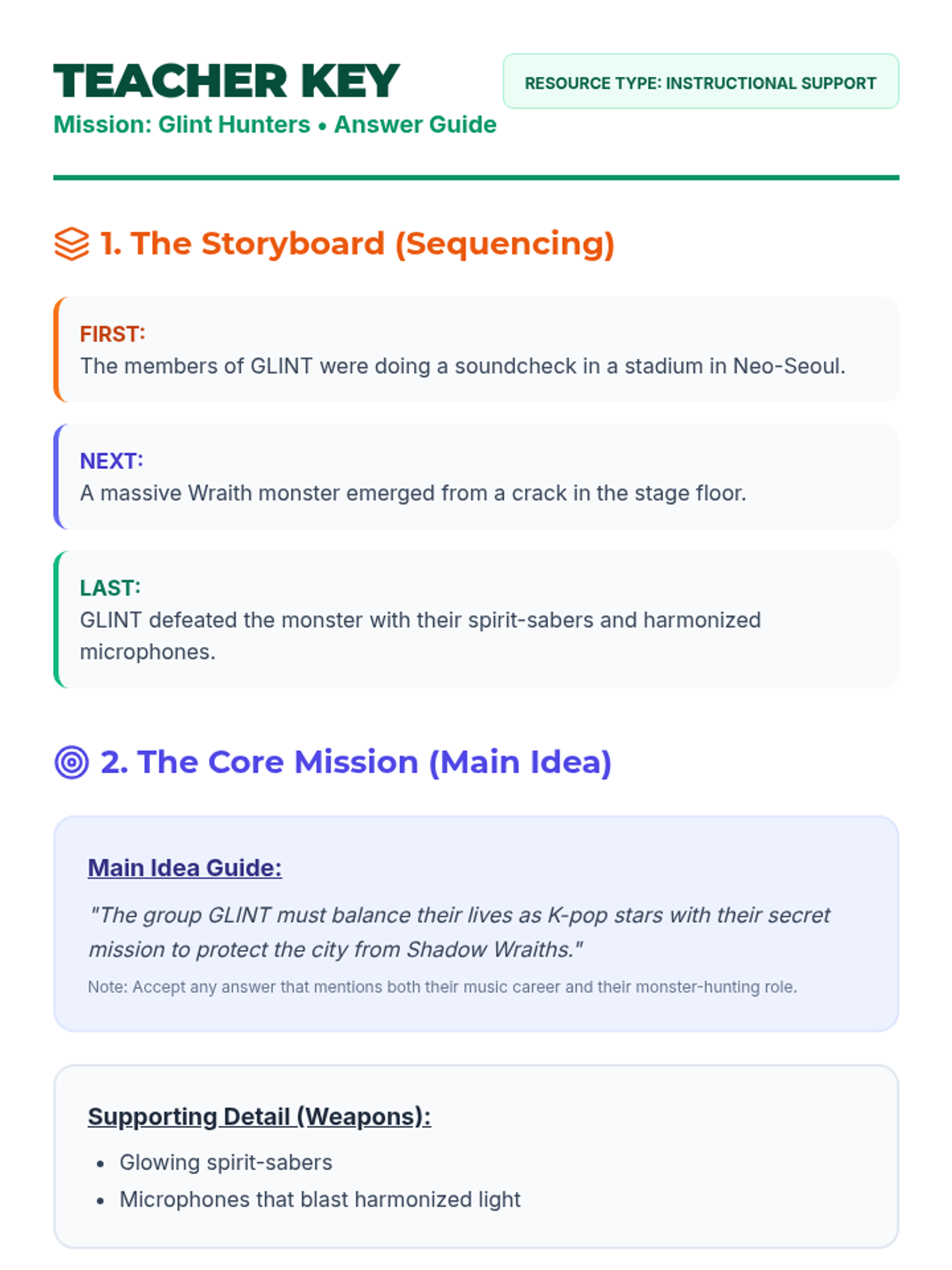
A lesson designed for high school students to improve reading comprehension through the lens of animation and K-pop, focusing on main ideas, sequencing, and inference.
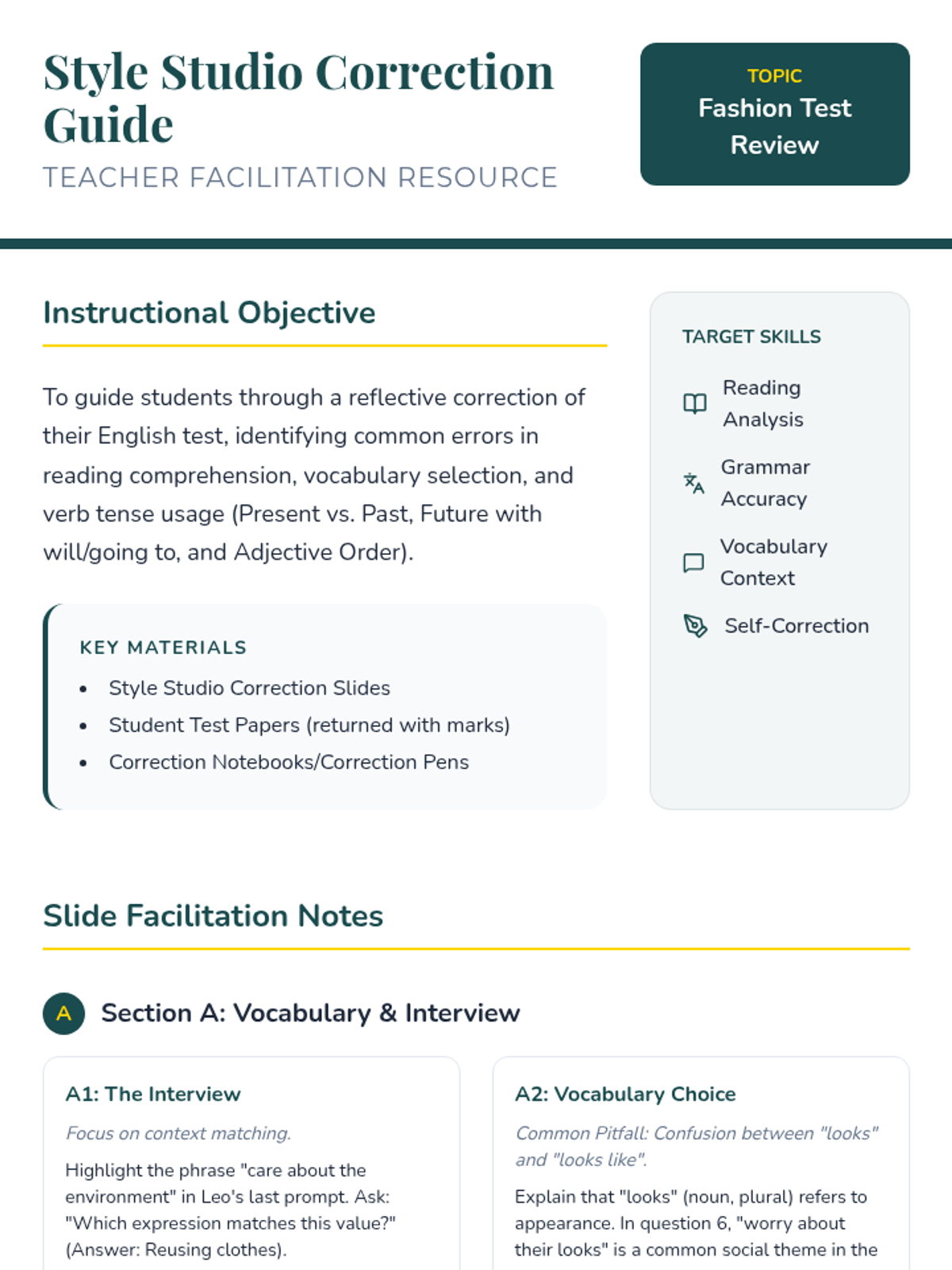
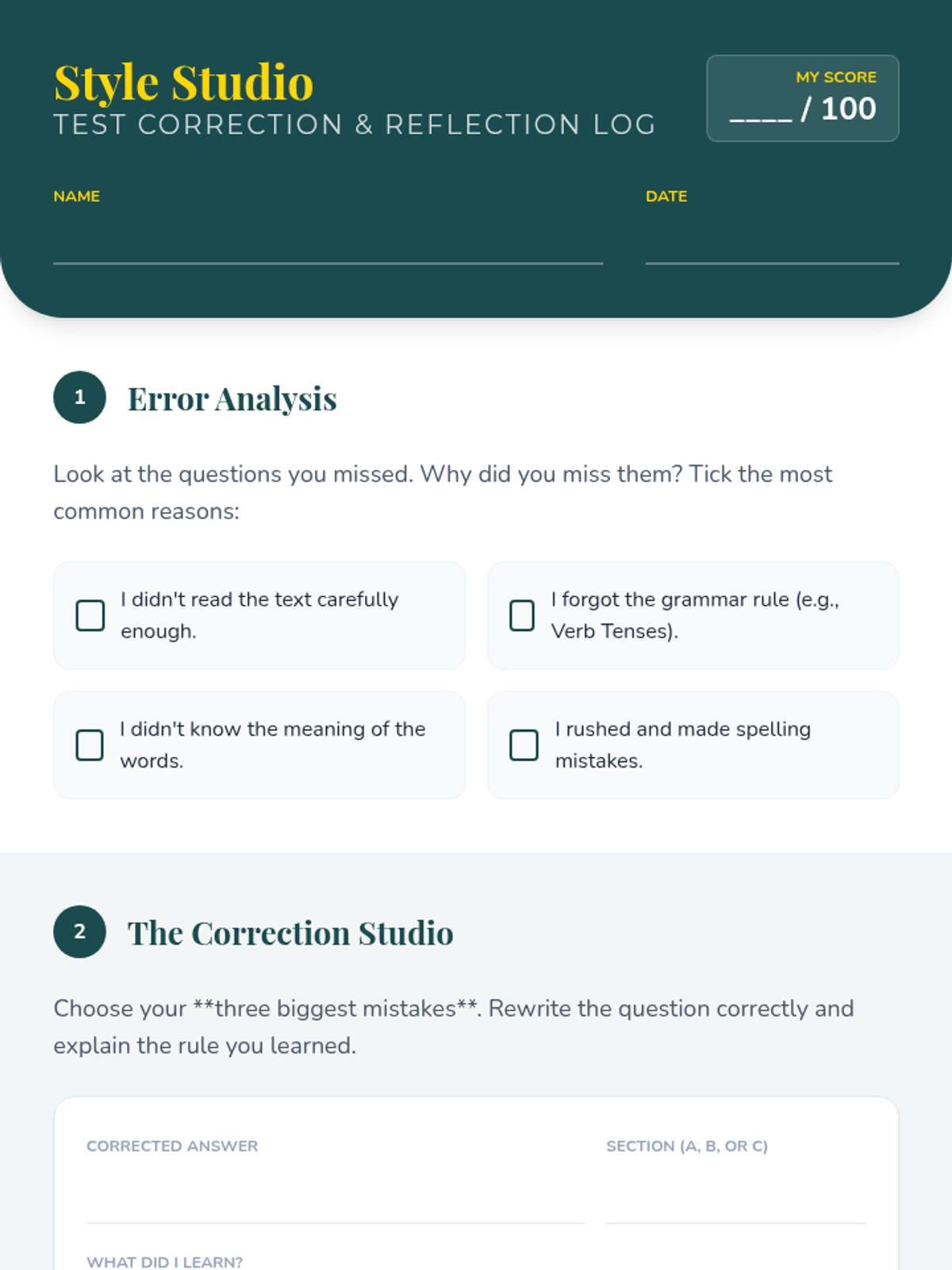
A comprehensive review lesson designed to guide students through the correction of their English fashion test, focusing on reading comprehension, grammar tenses, and vocabulary.
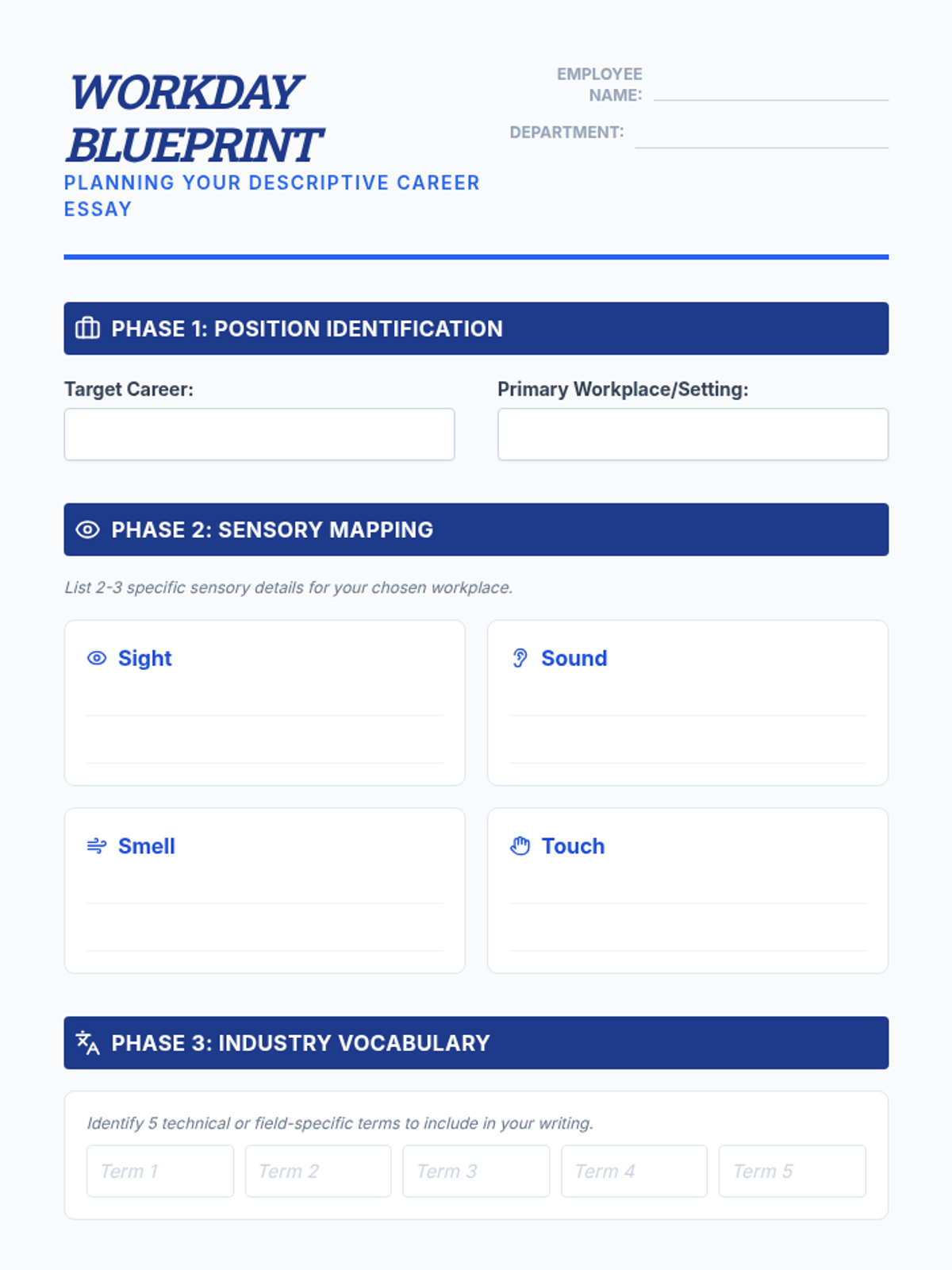
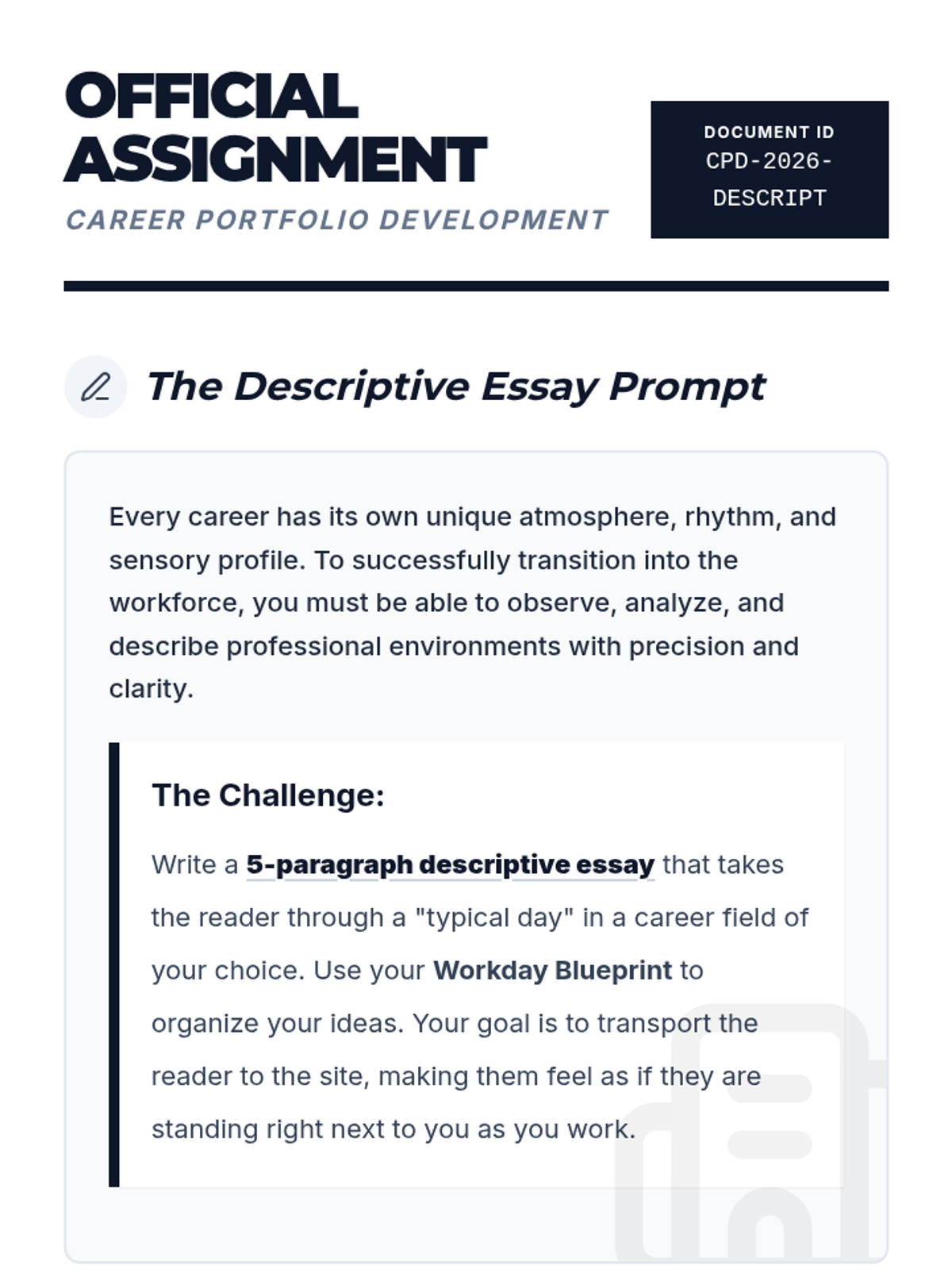
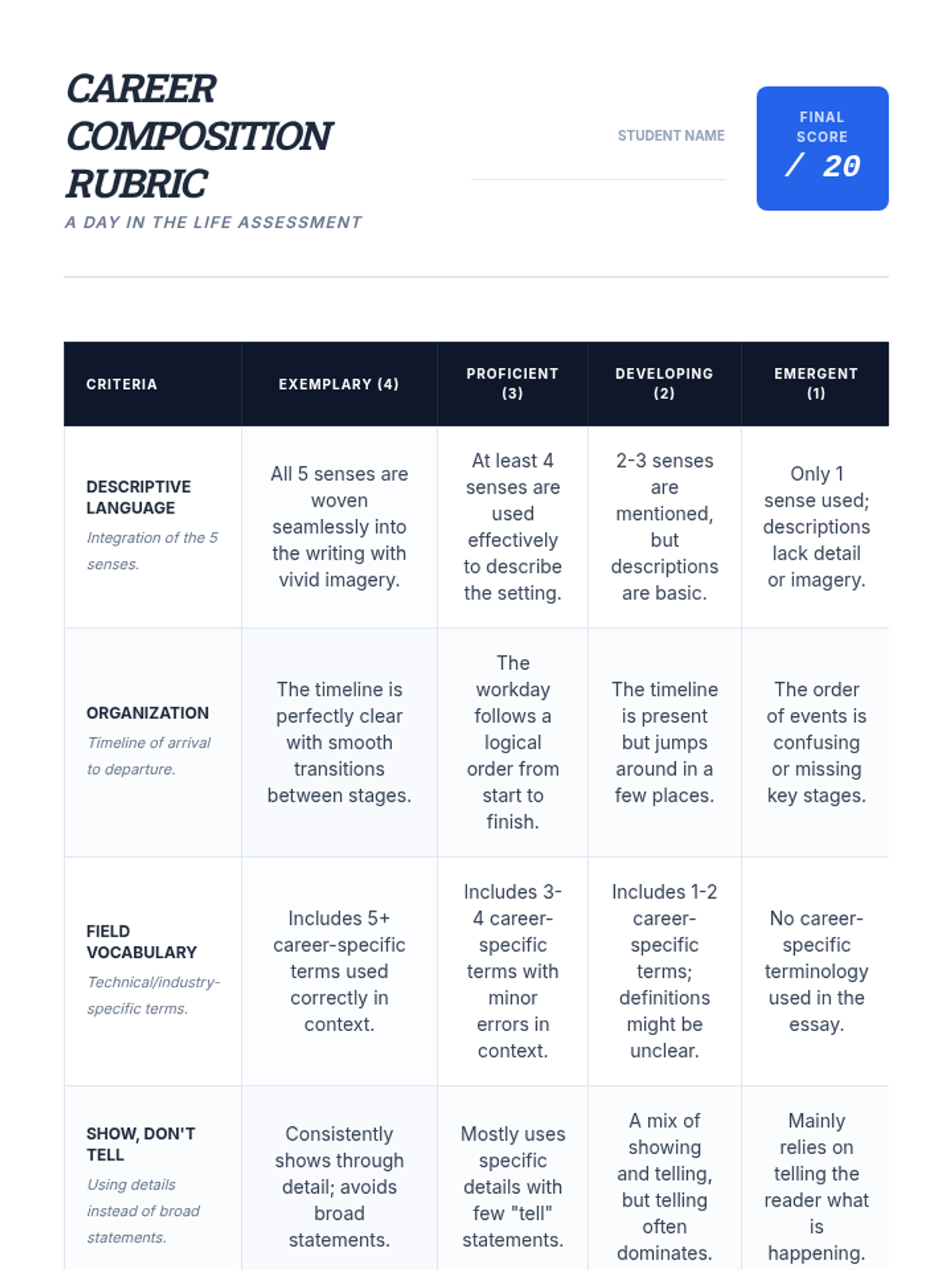
A comprehensive writing unit designed to help high school students develop descriptive language skills while exploring workplace transitions and career expectations.
This lesson covers the eight parts of speech specifically for students preparing for the GED exam, focusing on identifying them in context and understanding their functions in standard English sentences.
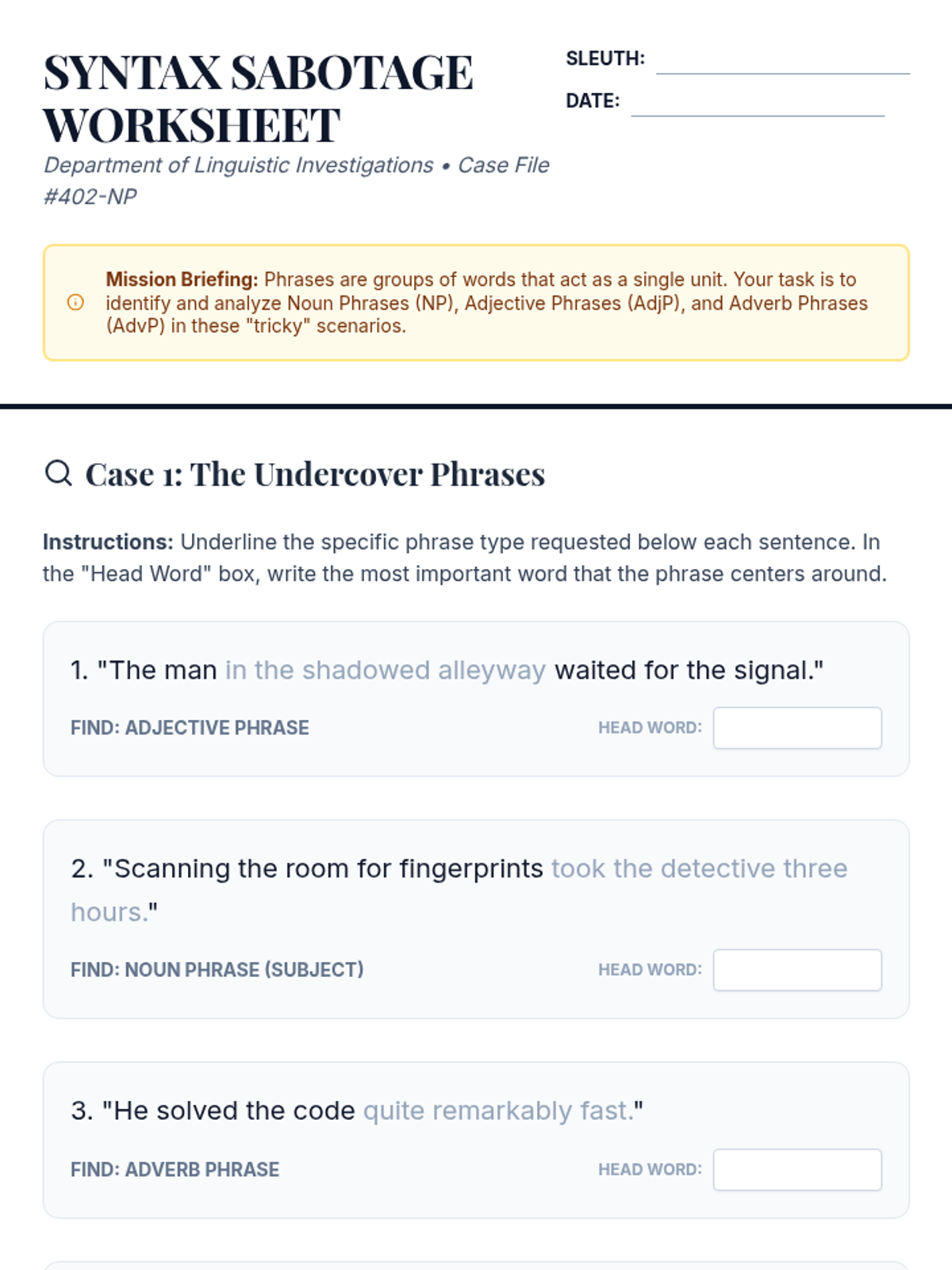
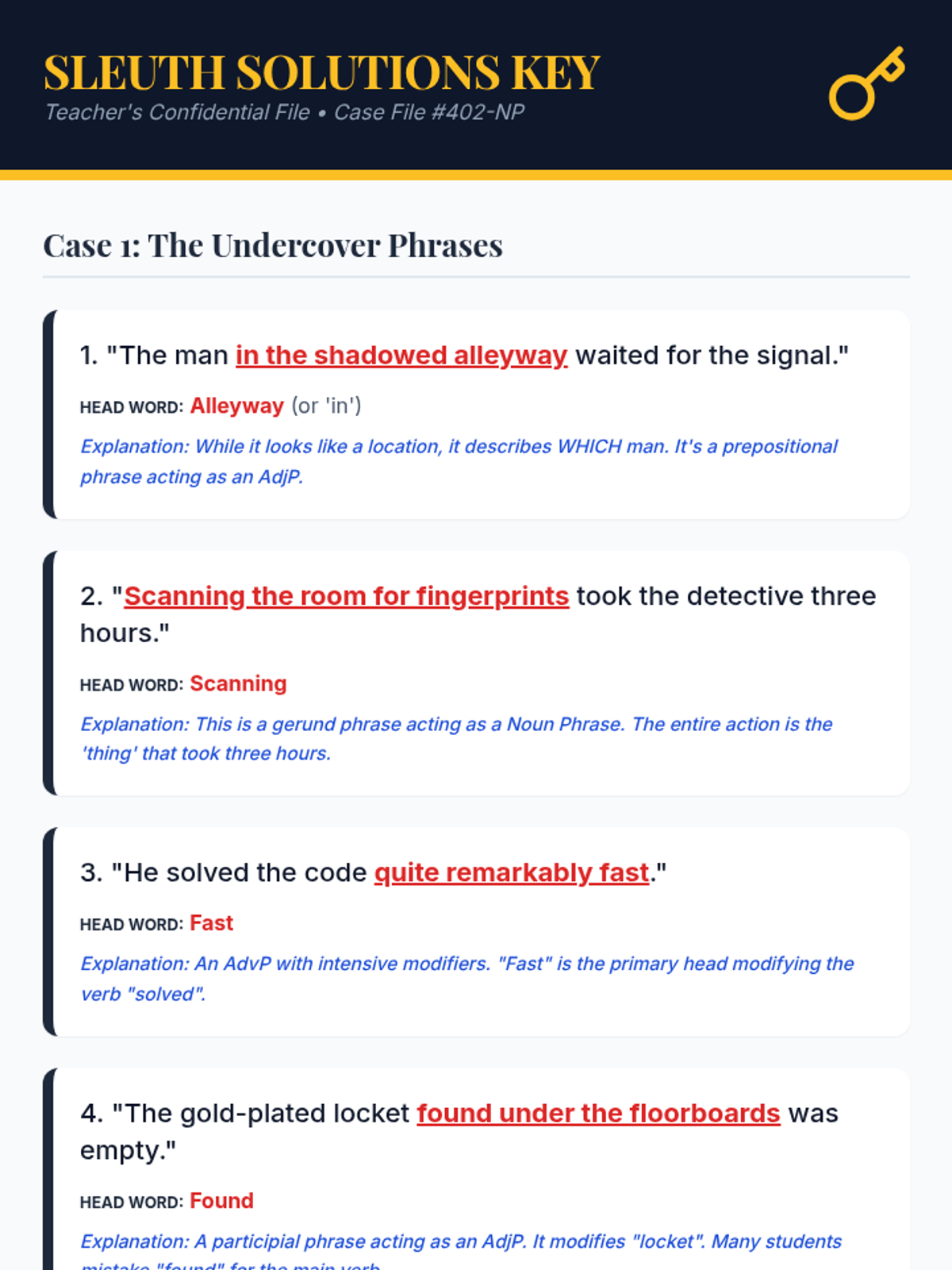
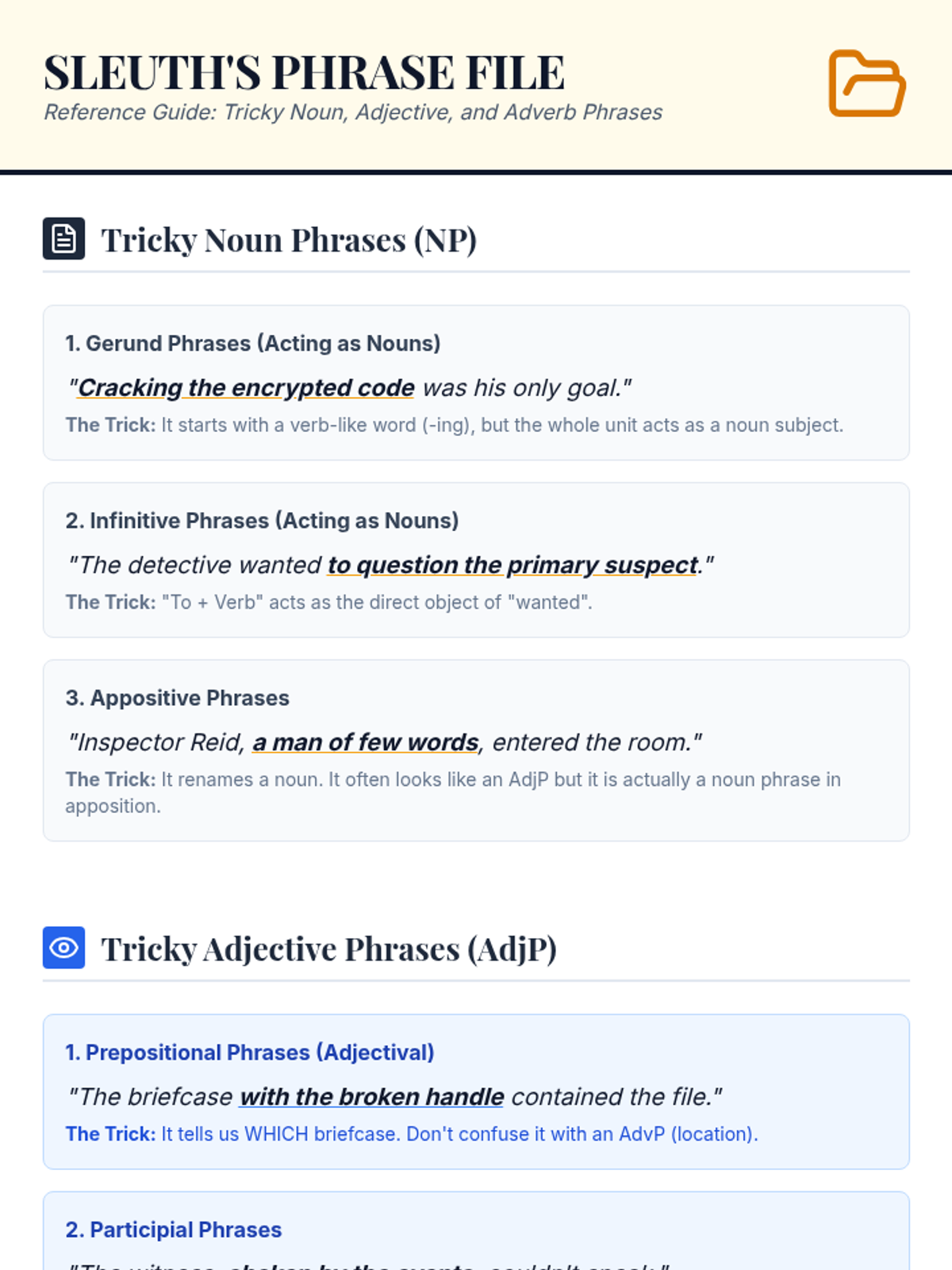
A grammar lesson focused on identifying and using noun, adjective, and adverb phrases in complex and 'tricky' contexts. Students act as 'Syntax Sleuths' to solve linguistic puzzles.
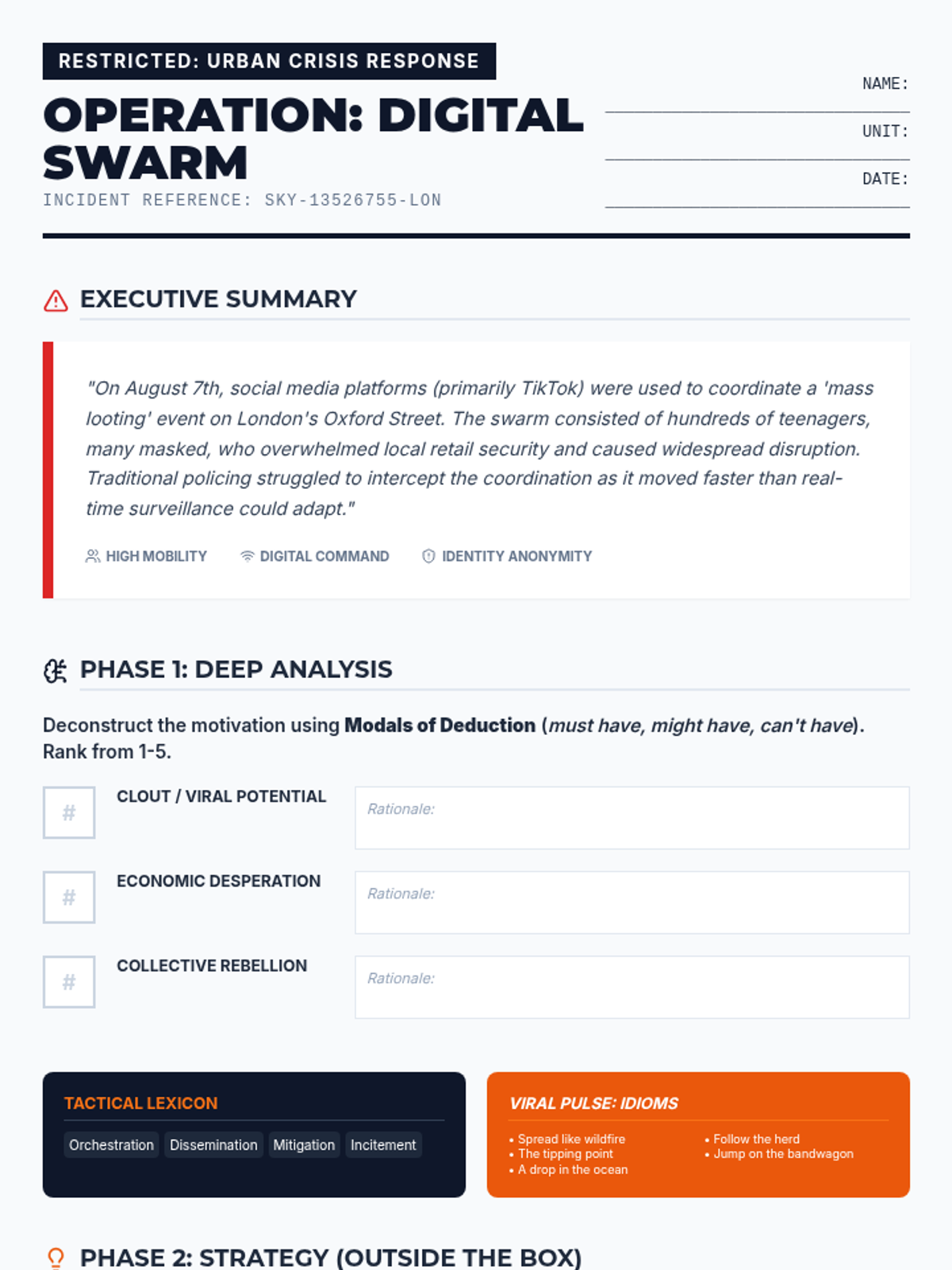
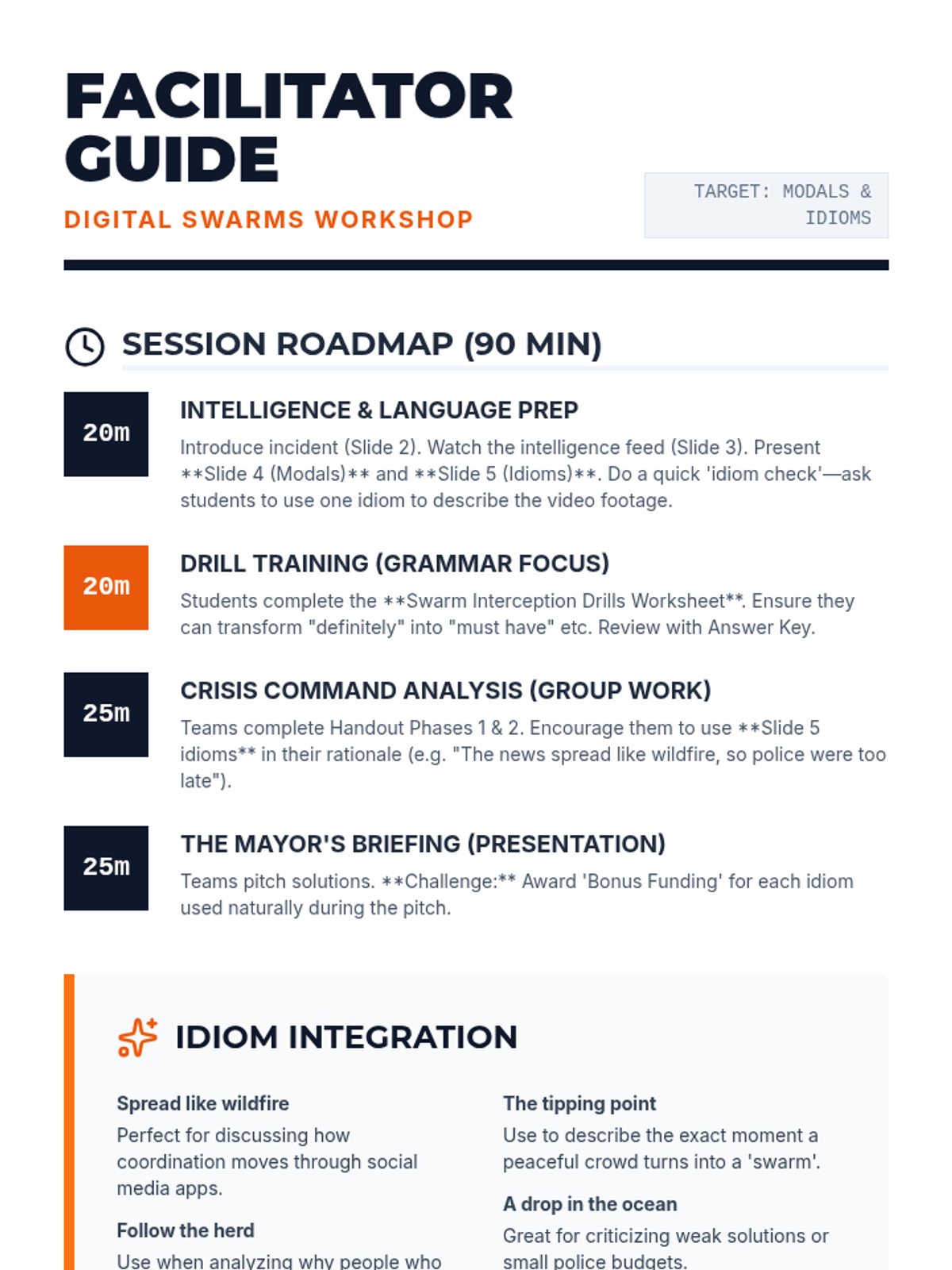
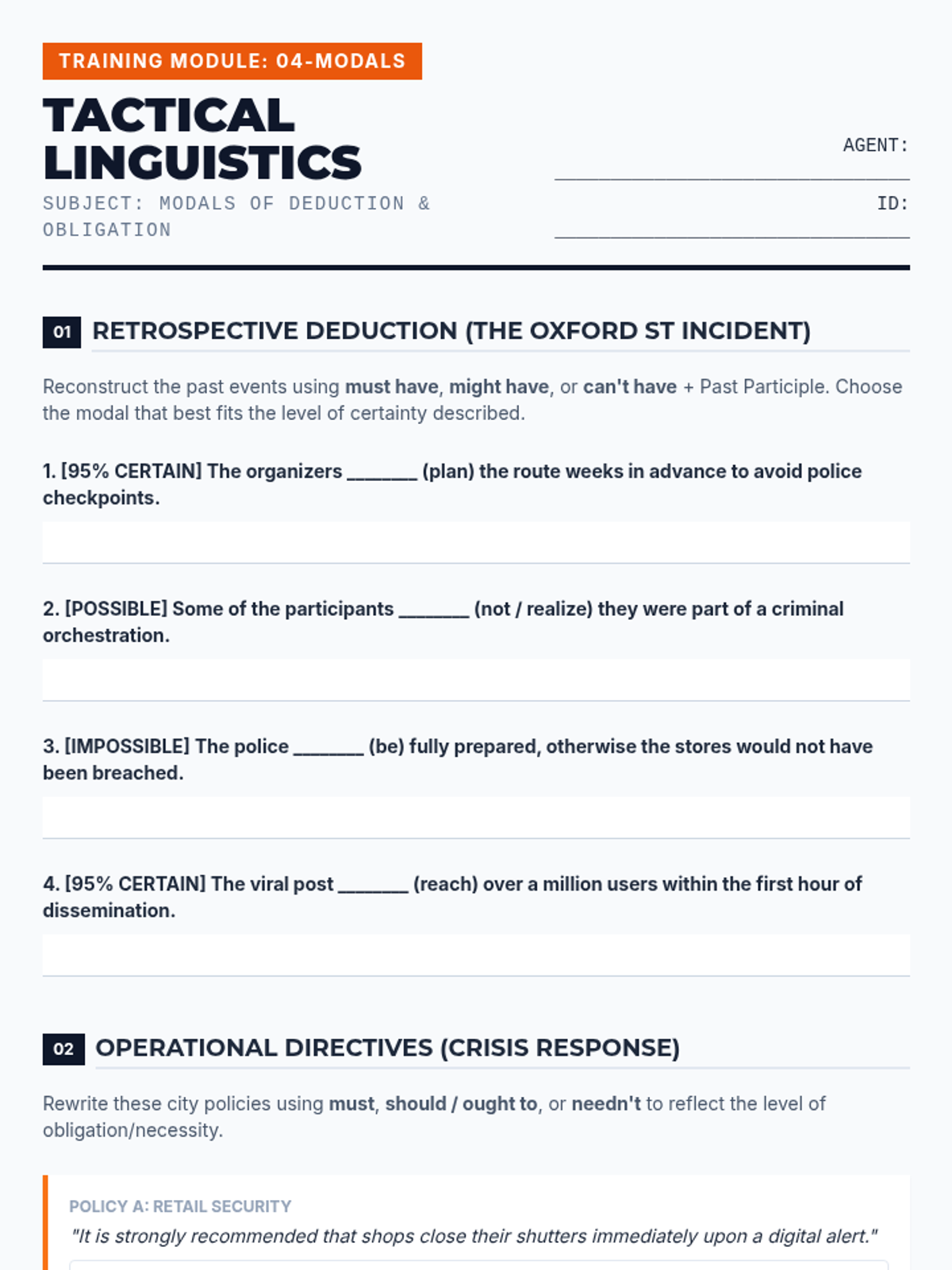
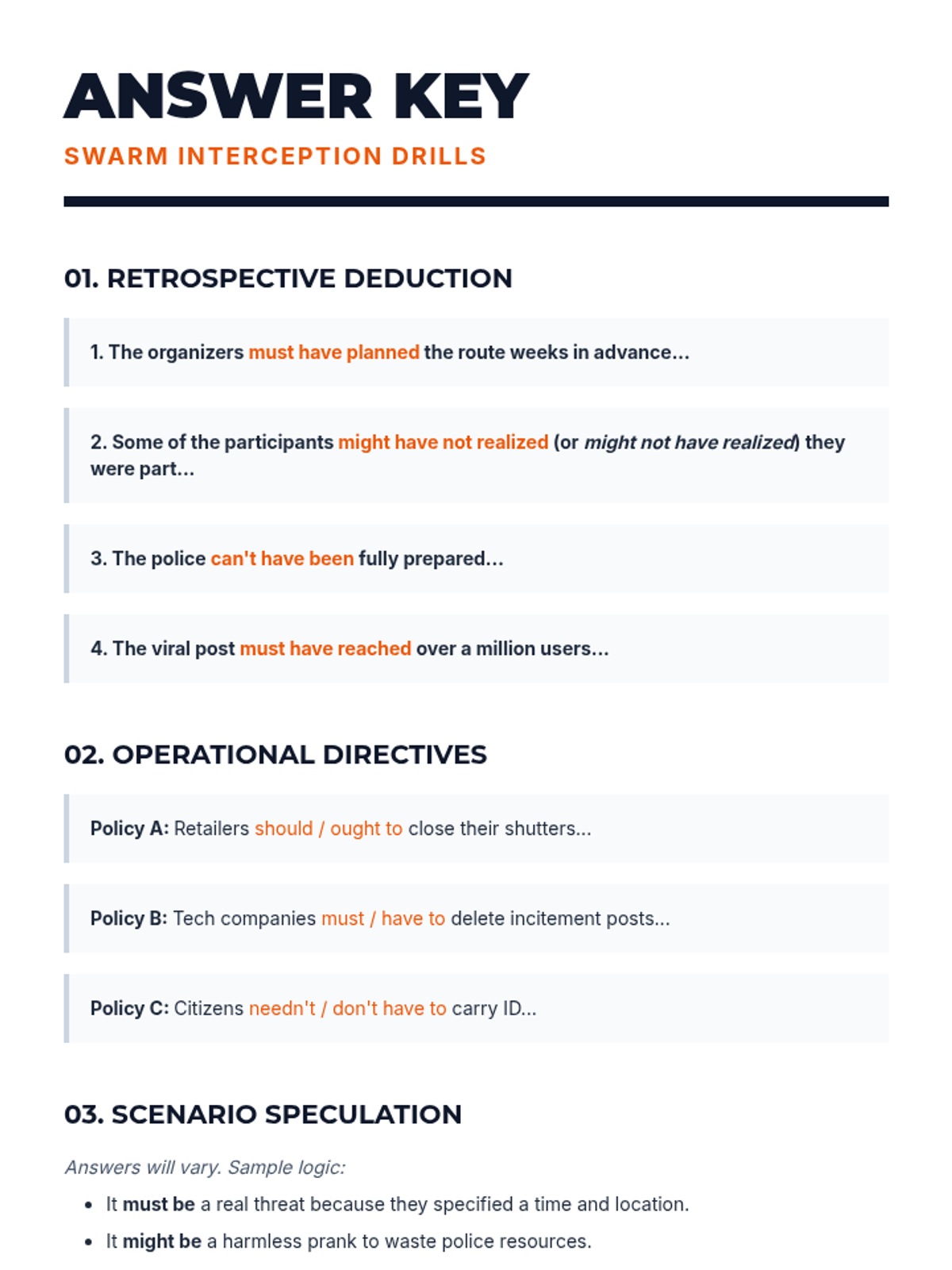
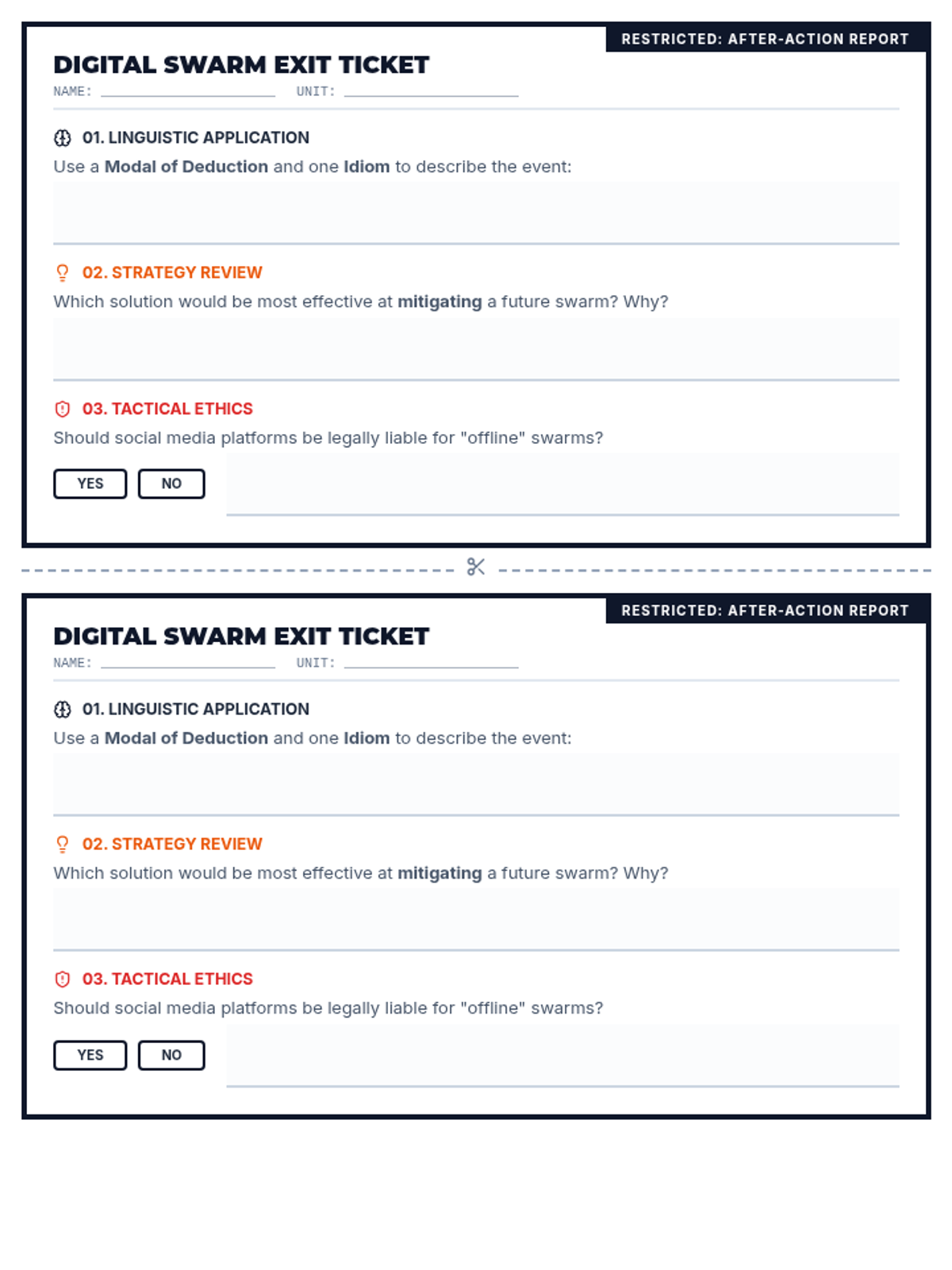
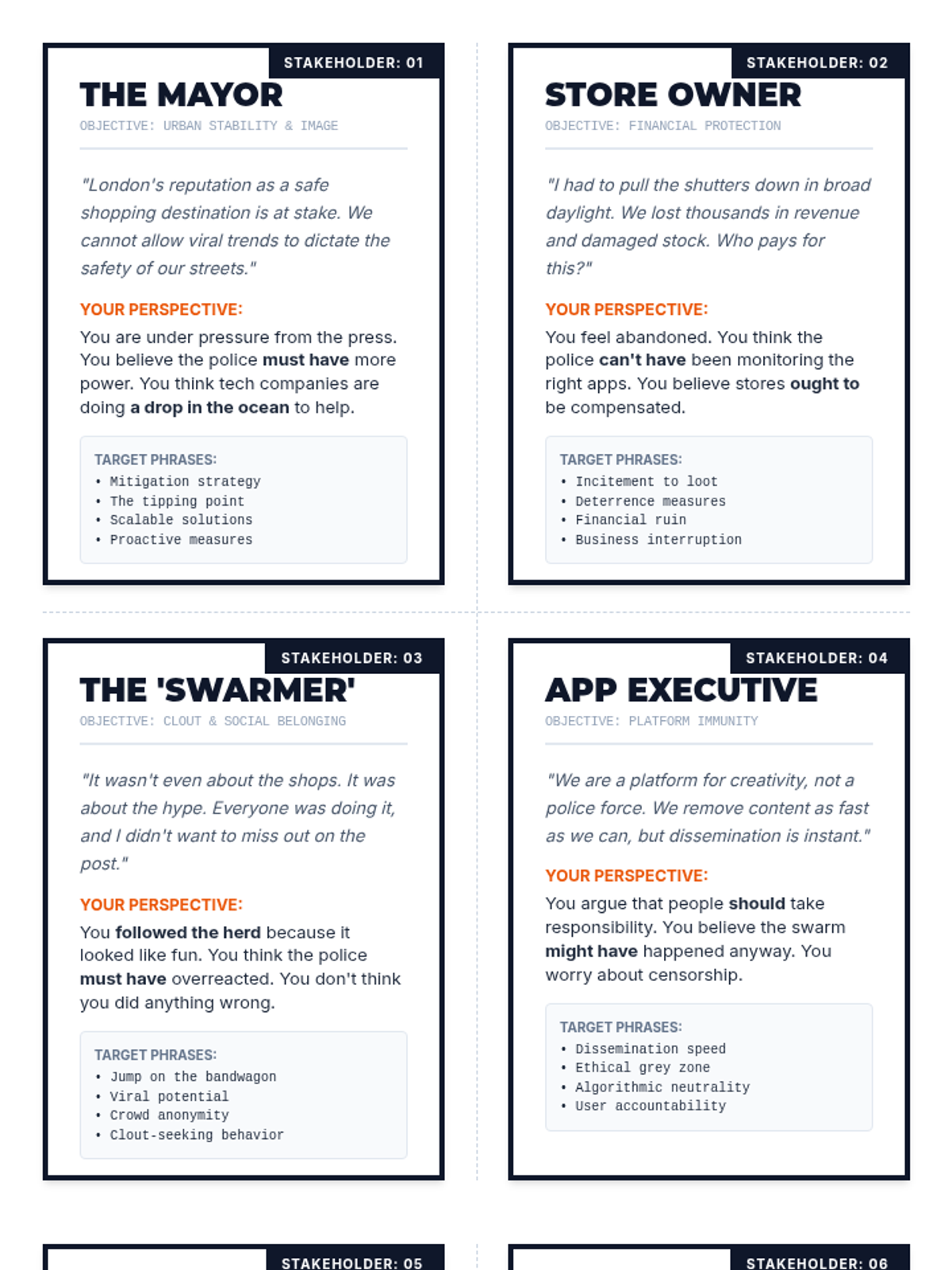
A problem-solving workshop for B2+ students based on social media flash mobs. Students act as a city's 'Digital Response Team' to design innovative solutions for urban chaos triggered by viral trends.
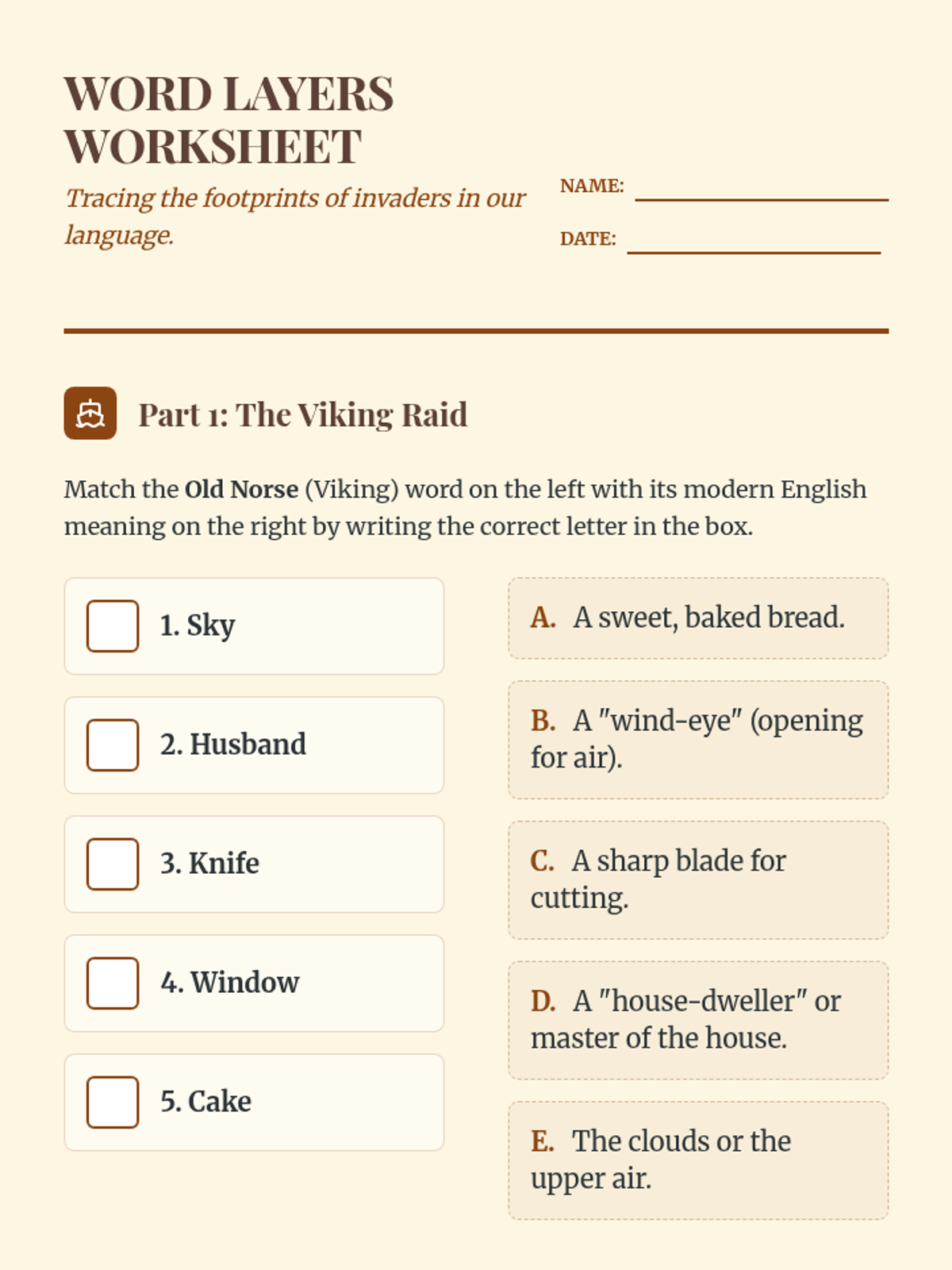
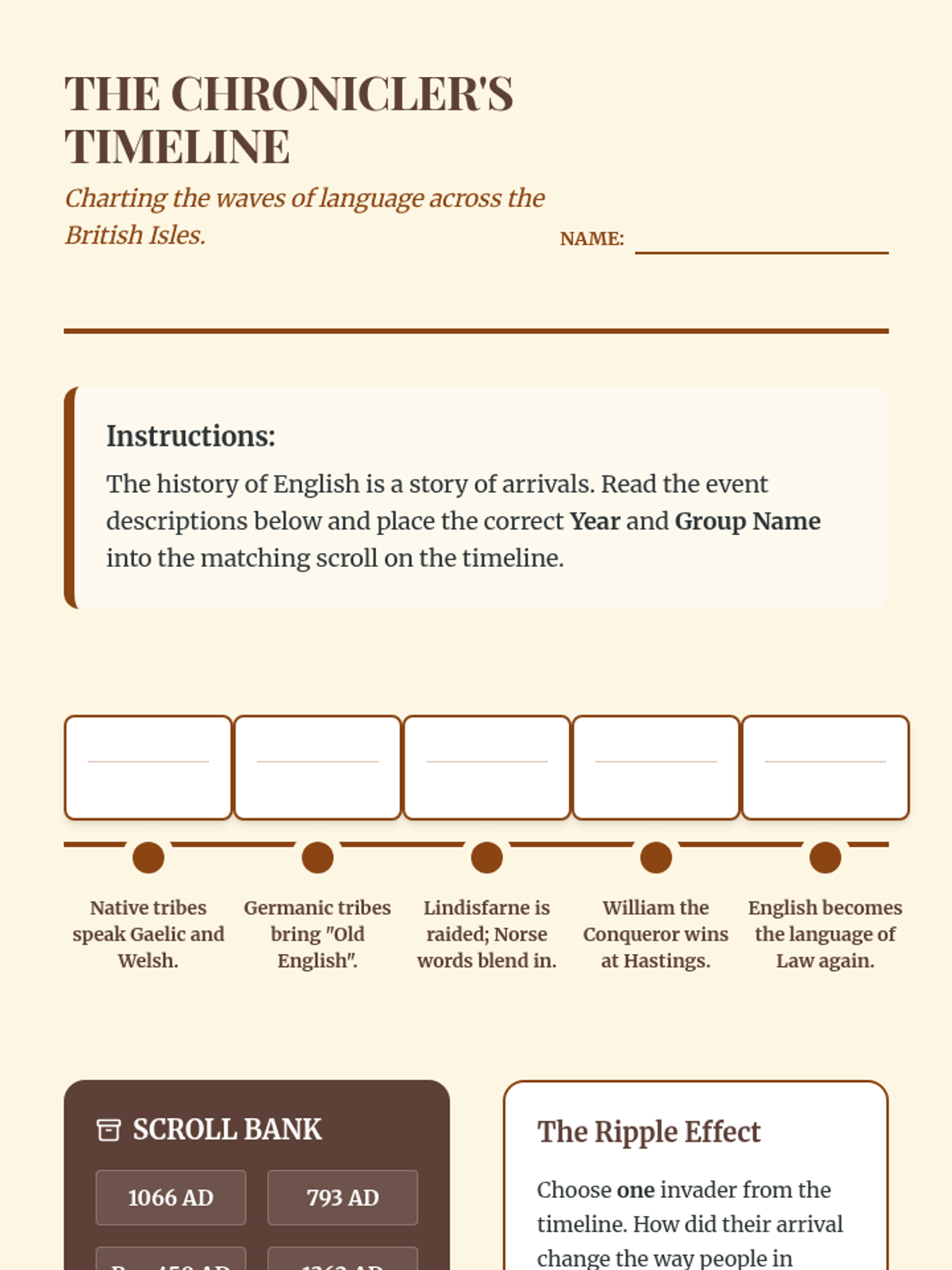
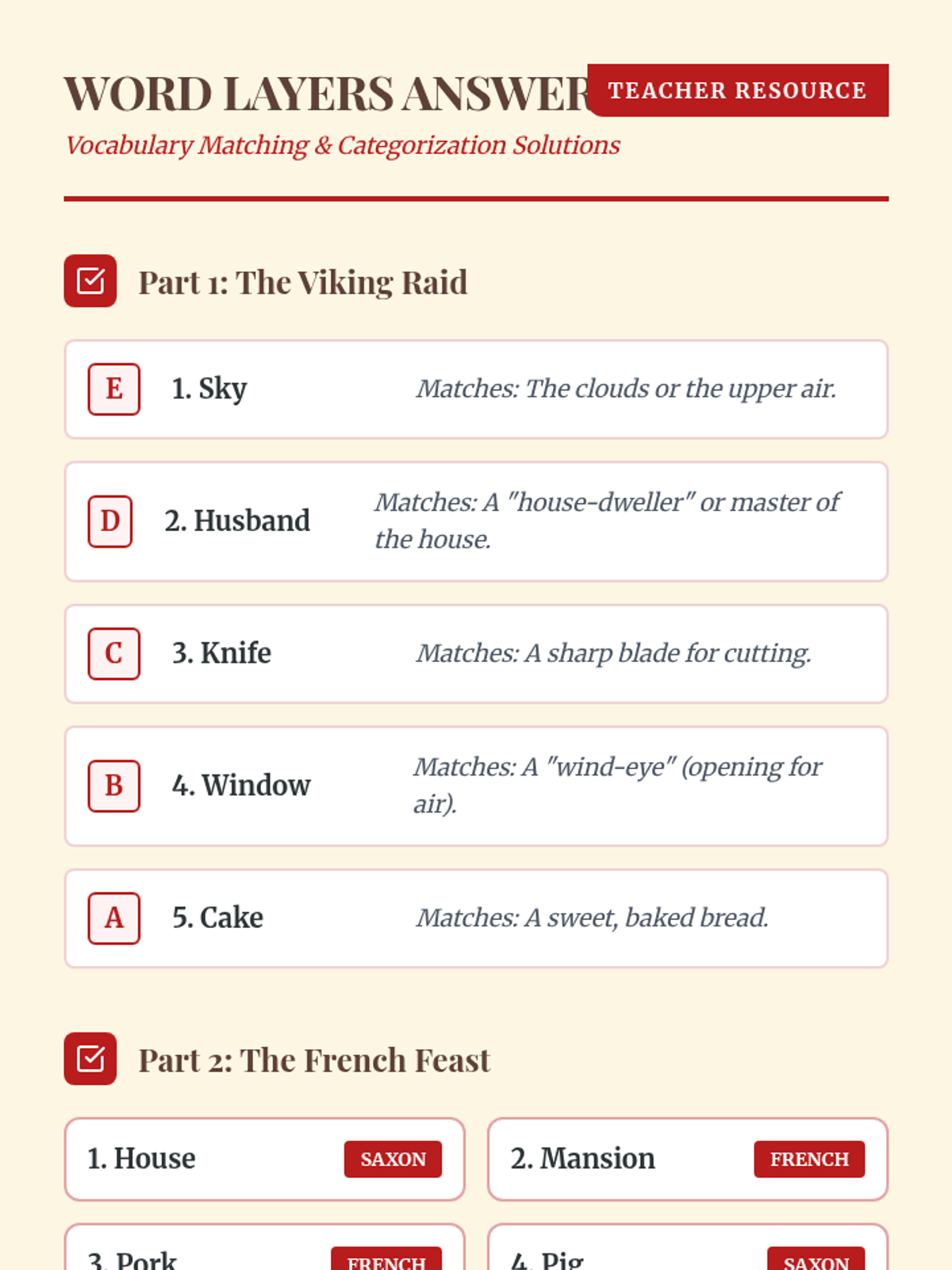
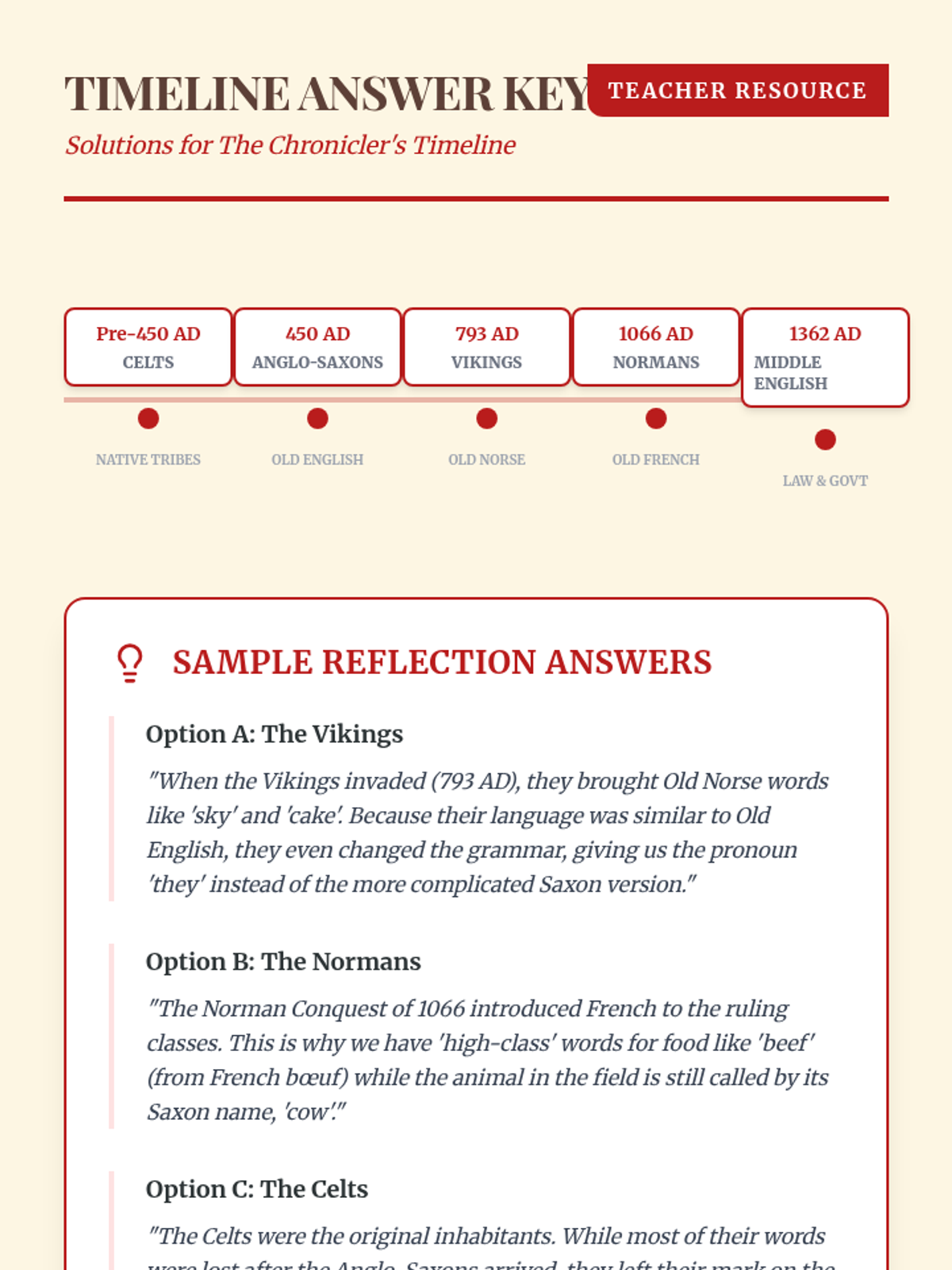
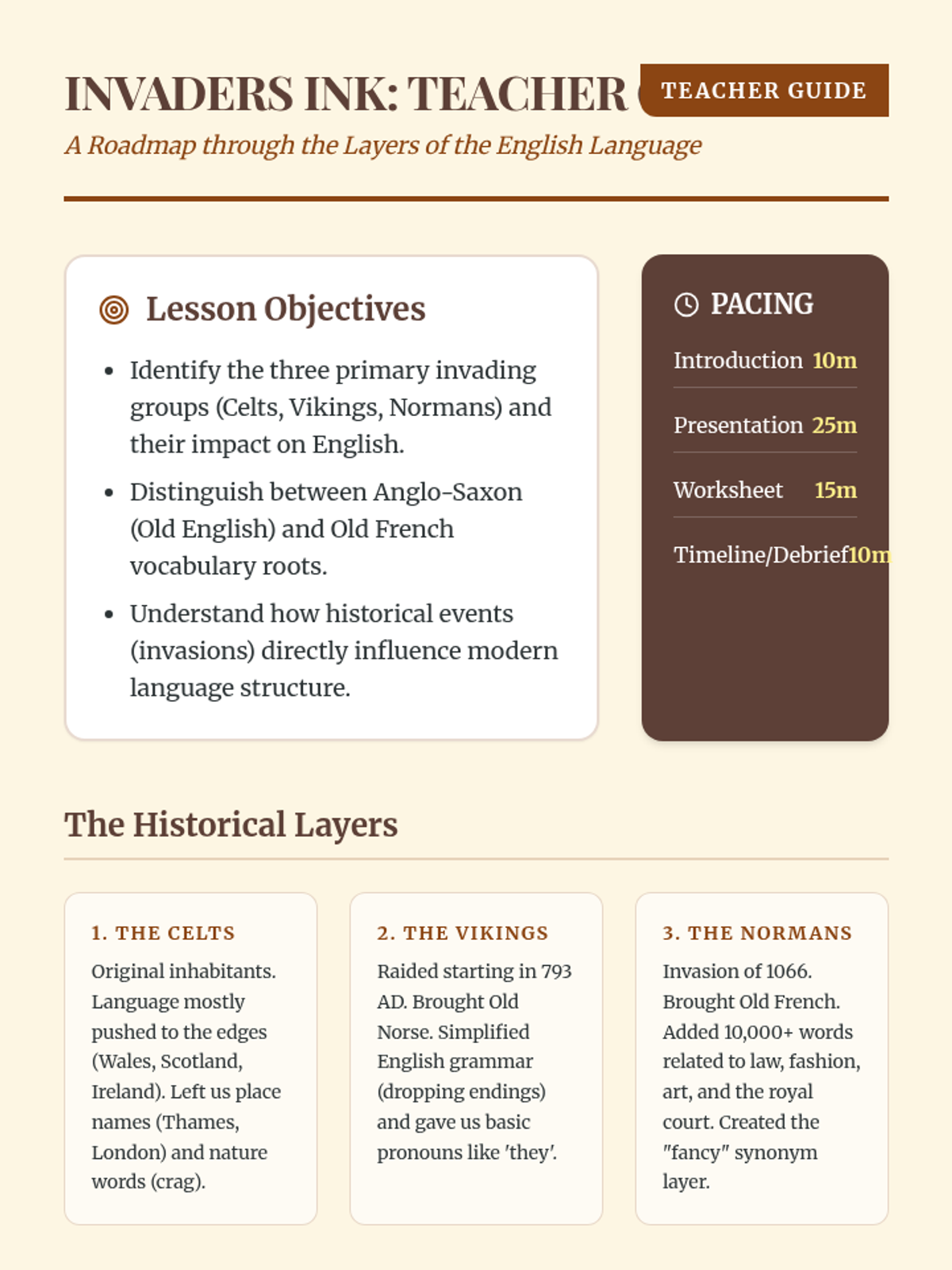
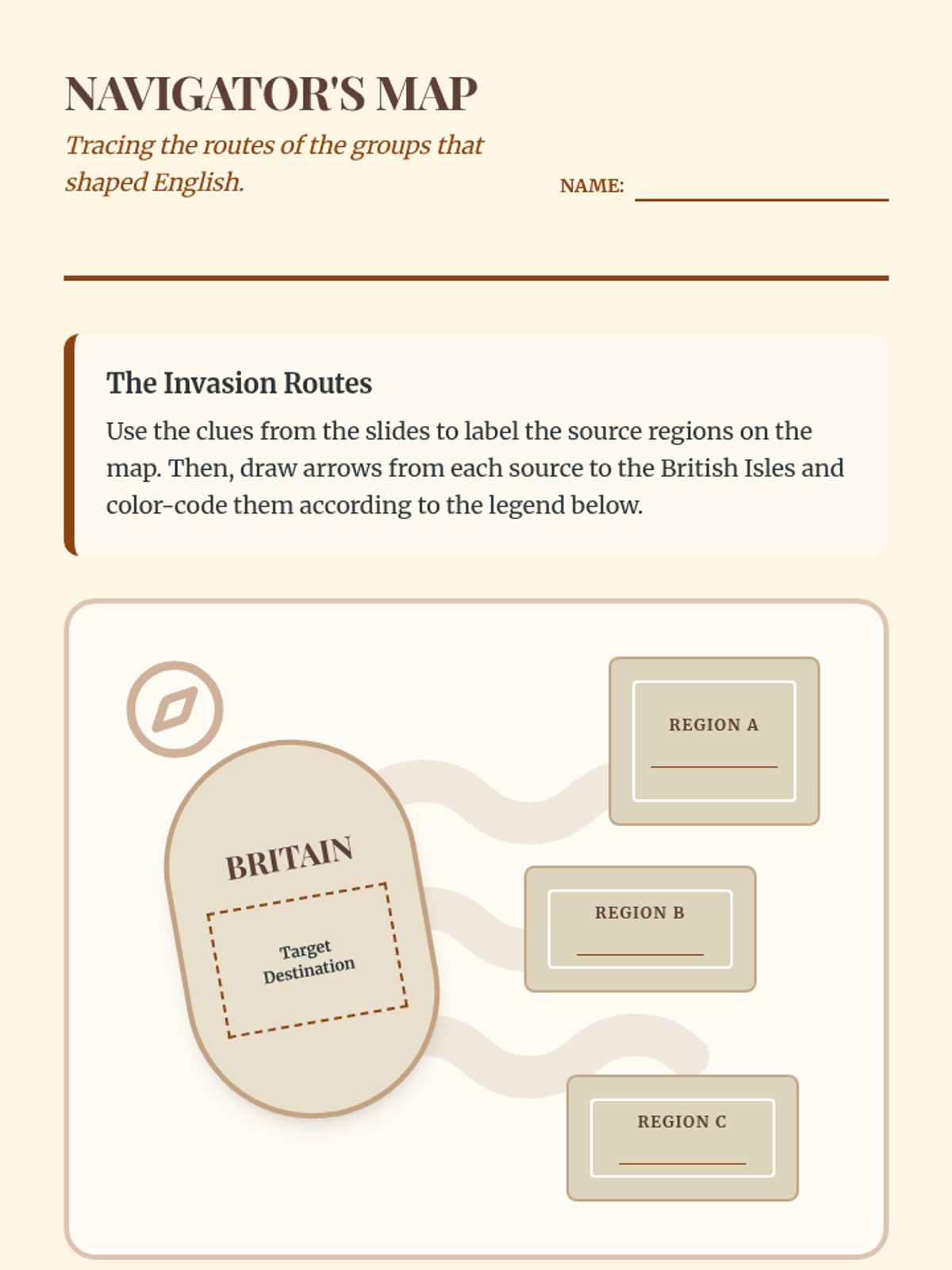
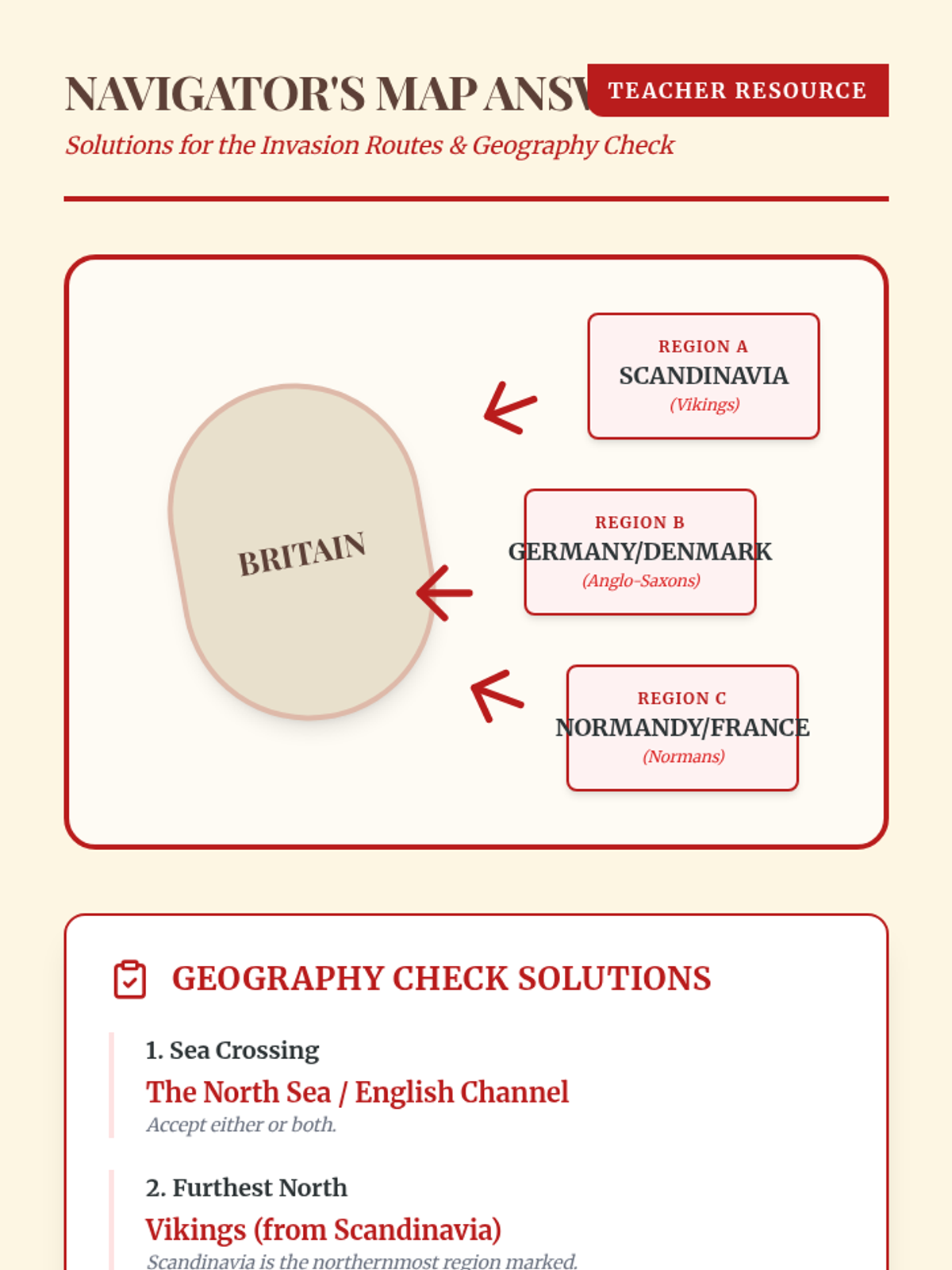
This lesson explores the historical layers of the English language, focusing on how invasions by the Celts, Vikings, and French shaped the vocabulary and grammar we use today. Students will trace the timeline from Old English to the Norman Conquest.
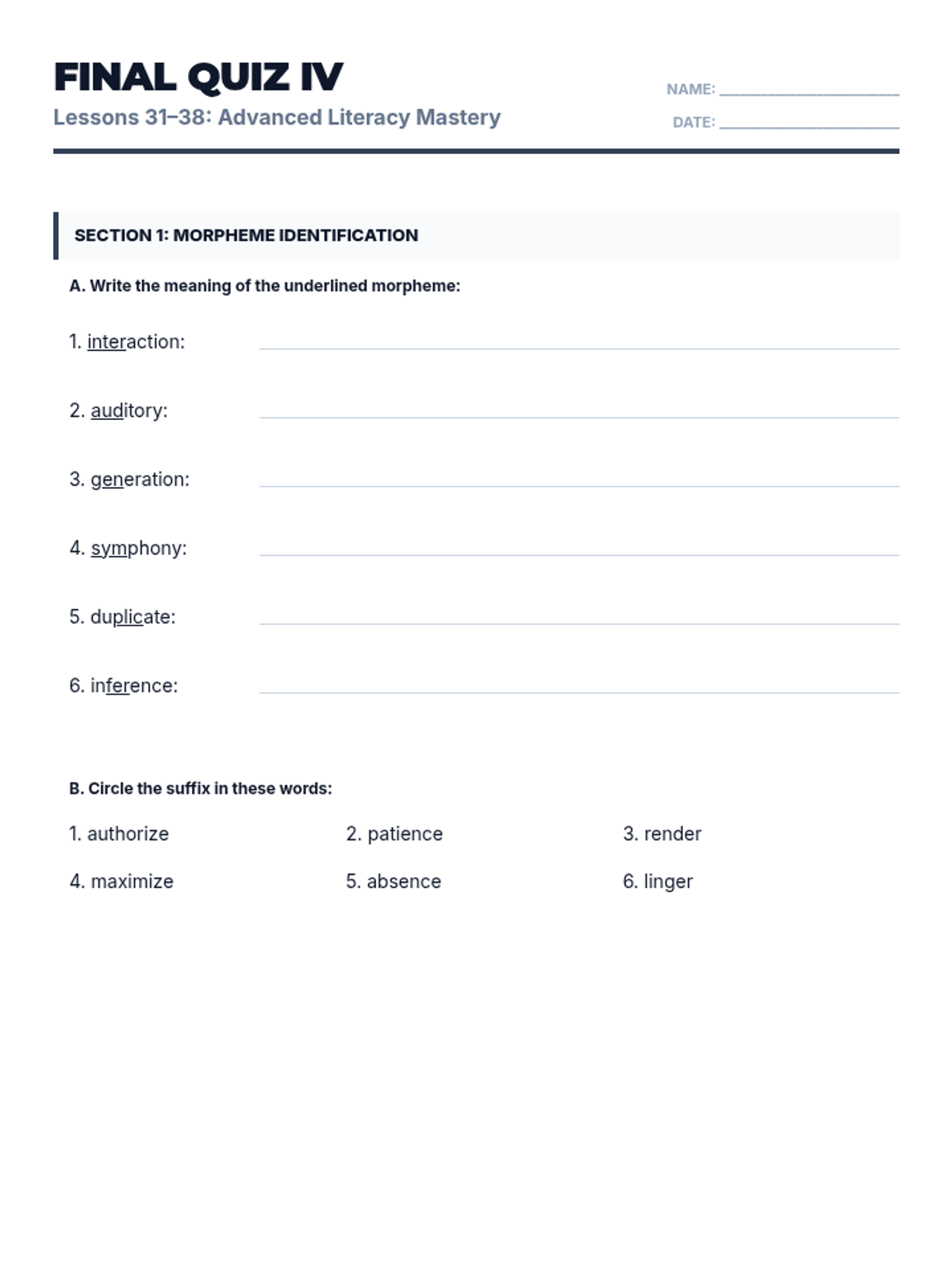
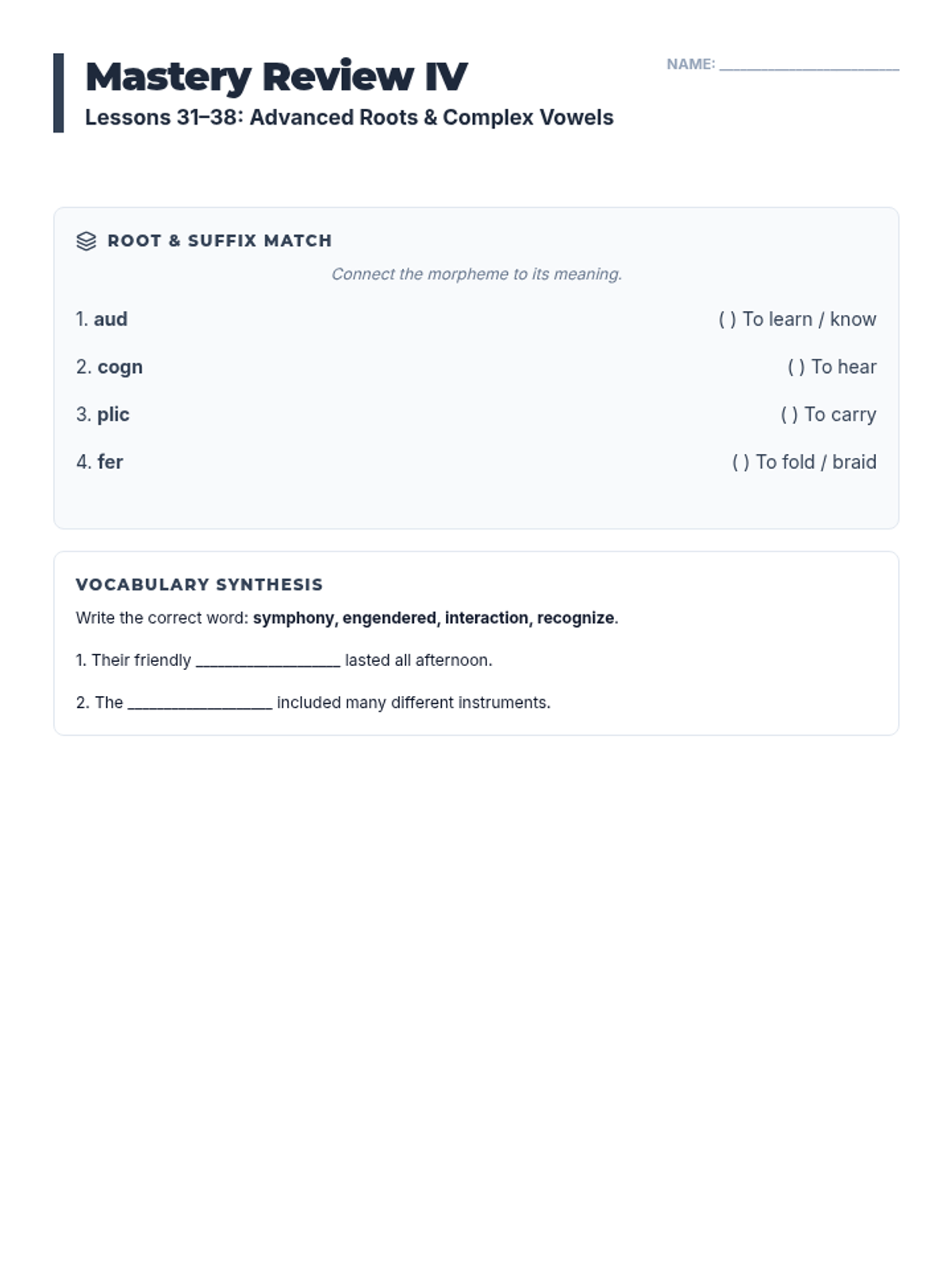
A final formal assessment for the Reading Power Pack, covering all morphology and complex vowel skills from Lessons 31-38.
A comprehensive review of Lessons 31-38, covering advanced morphology and complex vowel teams (diphthongs).
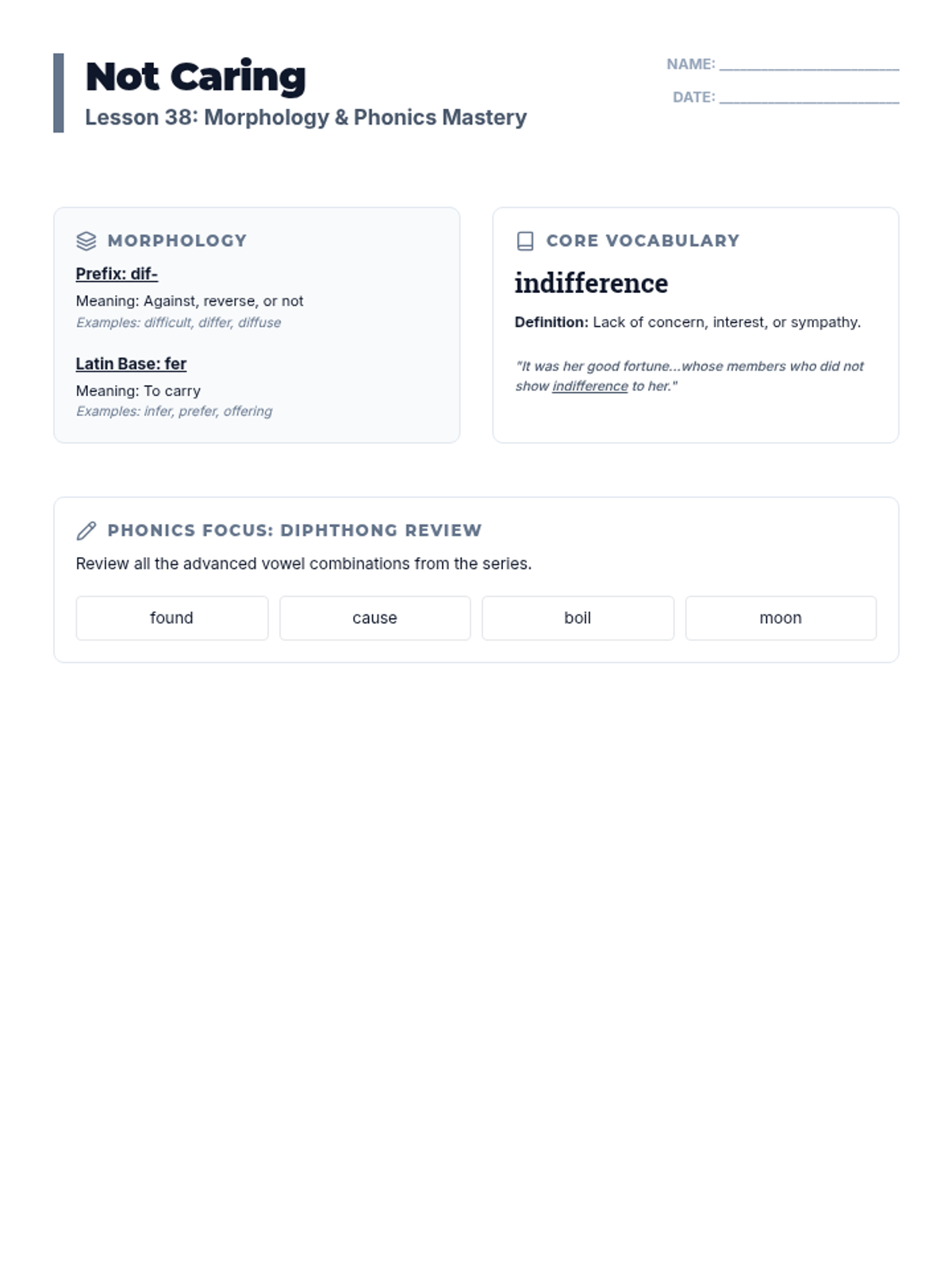
Focuses on the prefix dif- and root fer, with the vocabulary word 'indifference'. Teaches synthesis of complex vowel patterns.
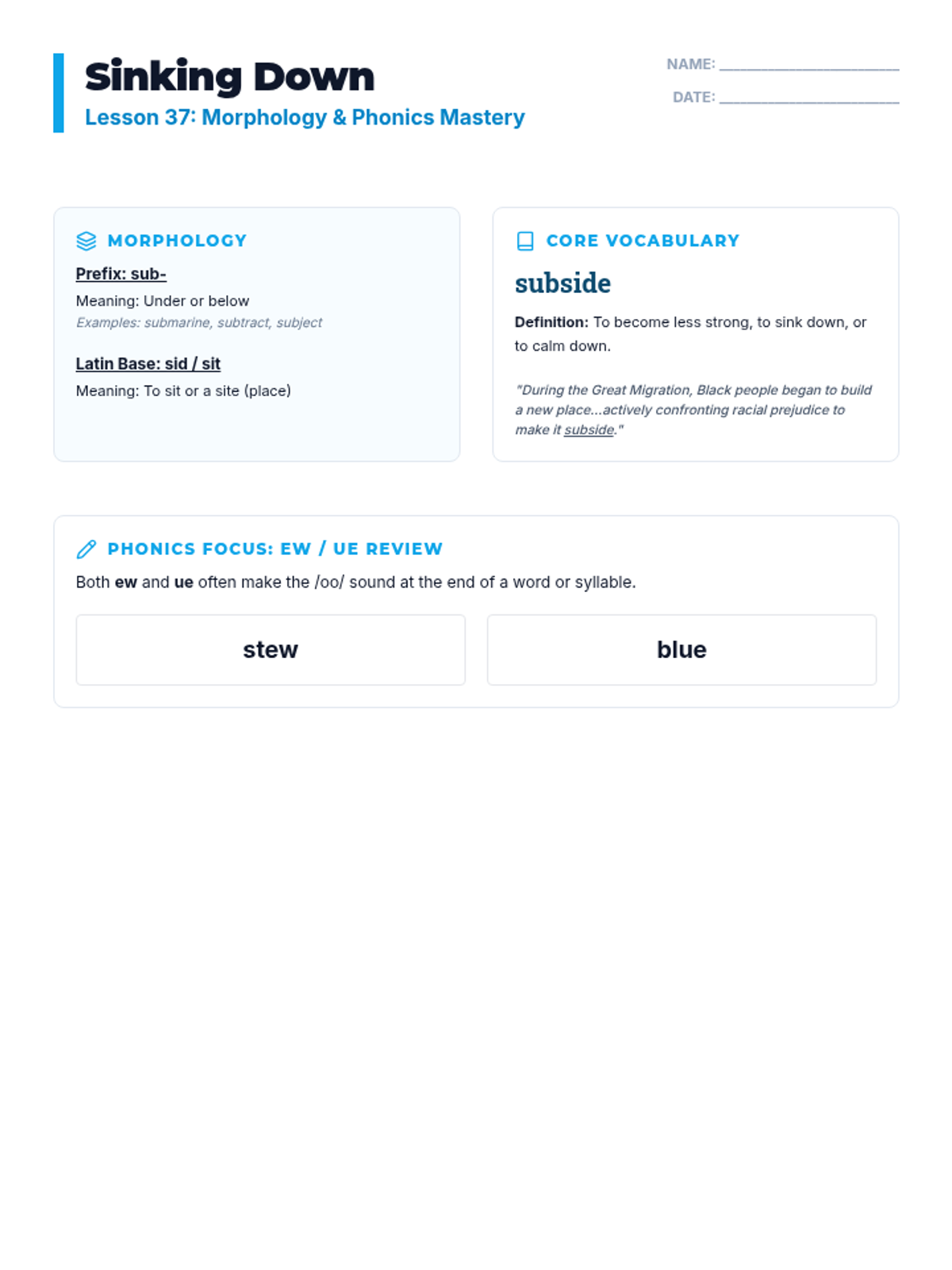
Focuses on the prefix sub- and root sid/sit, with the vocabulary word 'subside'. Teaches diphthongs ew and ue review.
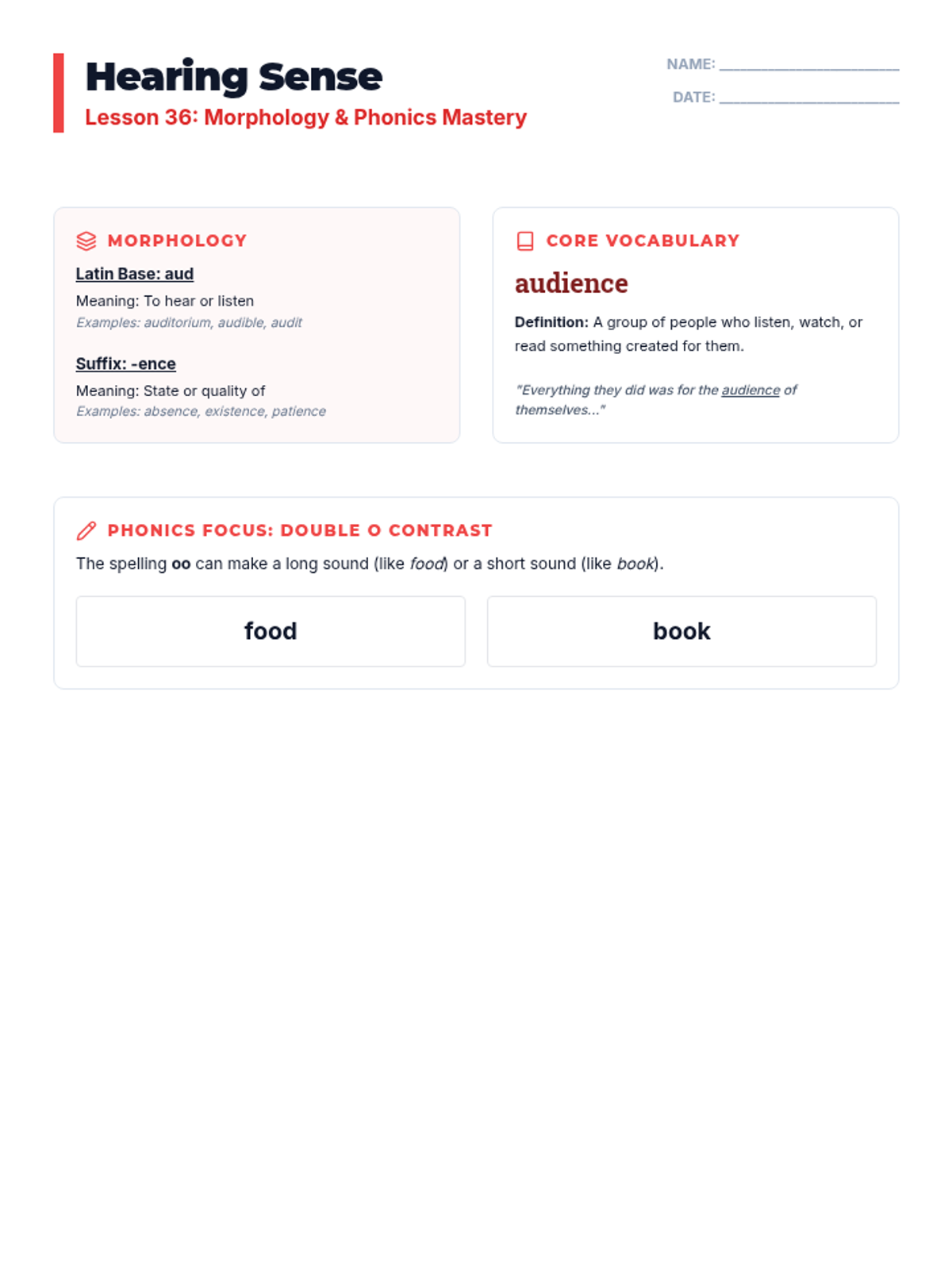
Focuses on the root aud and suffix -ence, with the vocabulary word 'audience'. Teaches the diphthong oo (food vs book).
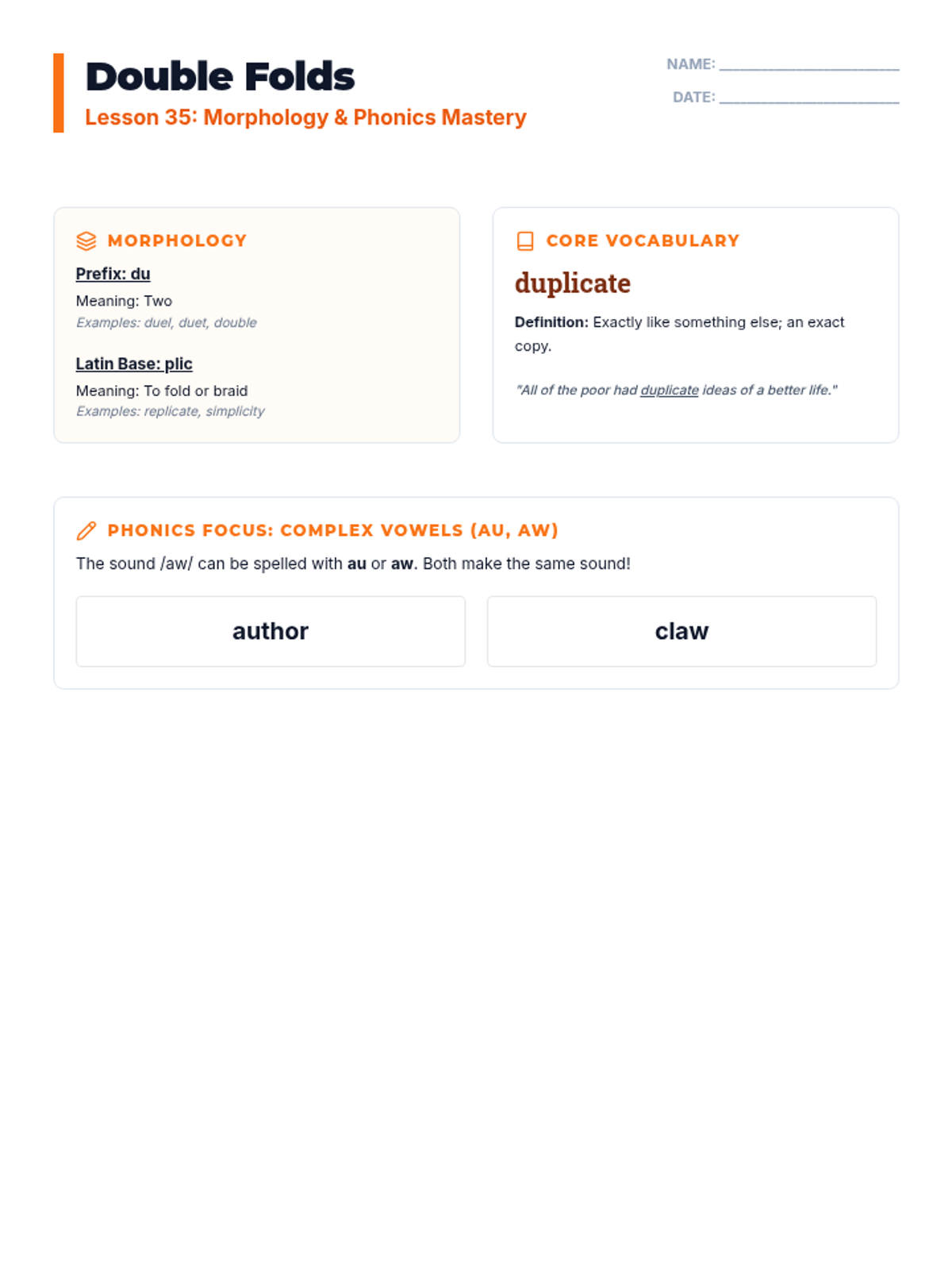
Focuses on the prefix du and root plic, with the vocabulary word 'duplicate'. Teaches diphthongs au and aw.
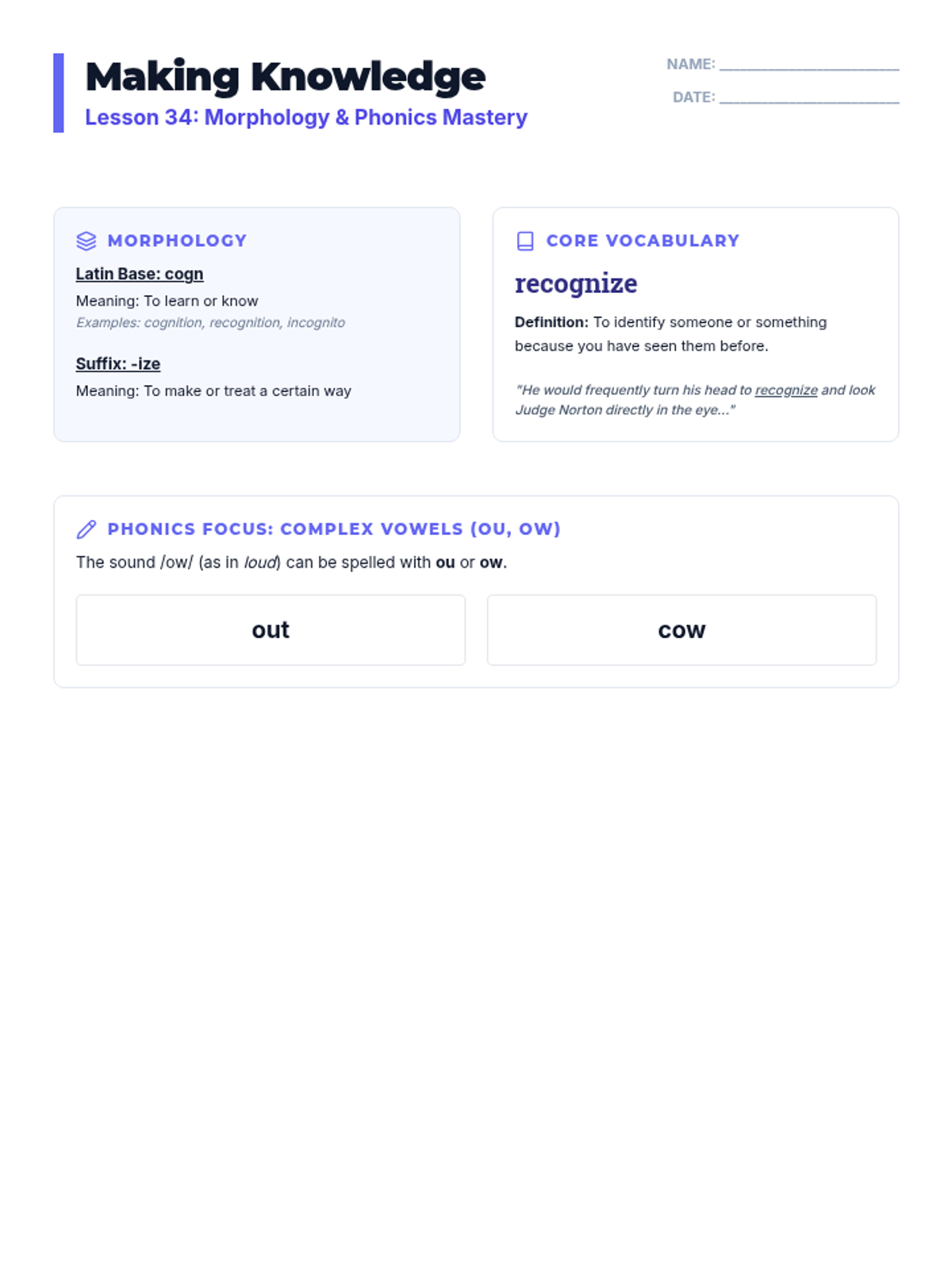
Focuses on the root cogn and suffix -ize, with the vocabulary word 'recognize'. Teaches diphthongs ou and ow.
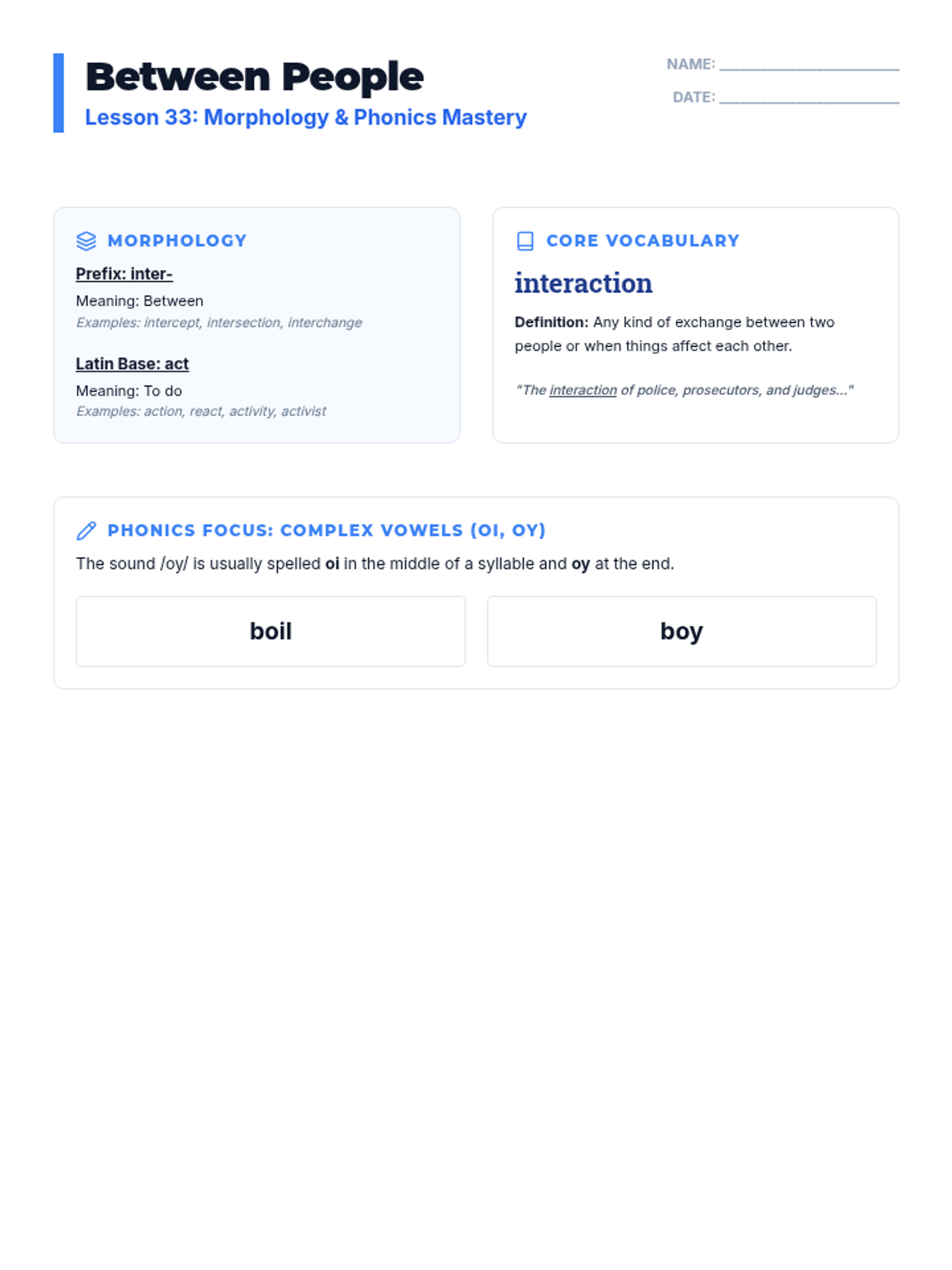
Focuses on the prefix inter- and root act, with the vocabulary word 'interaction'. Teaches diphthongs oi and oy.
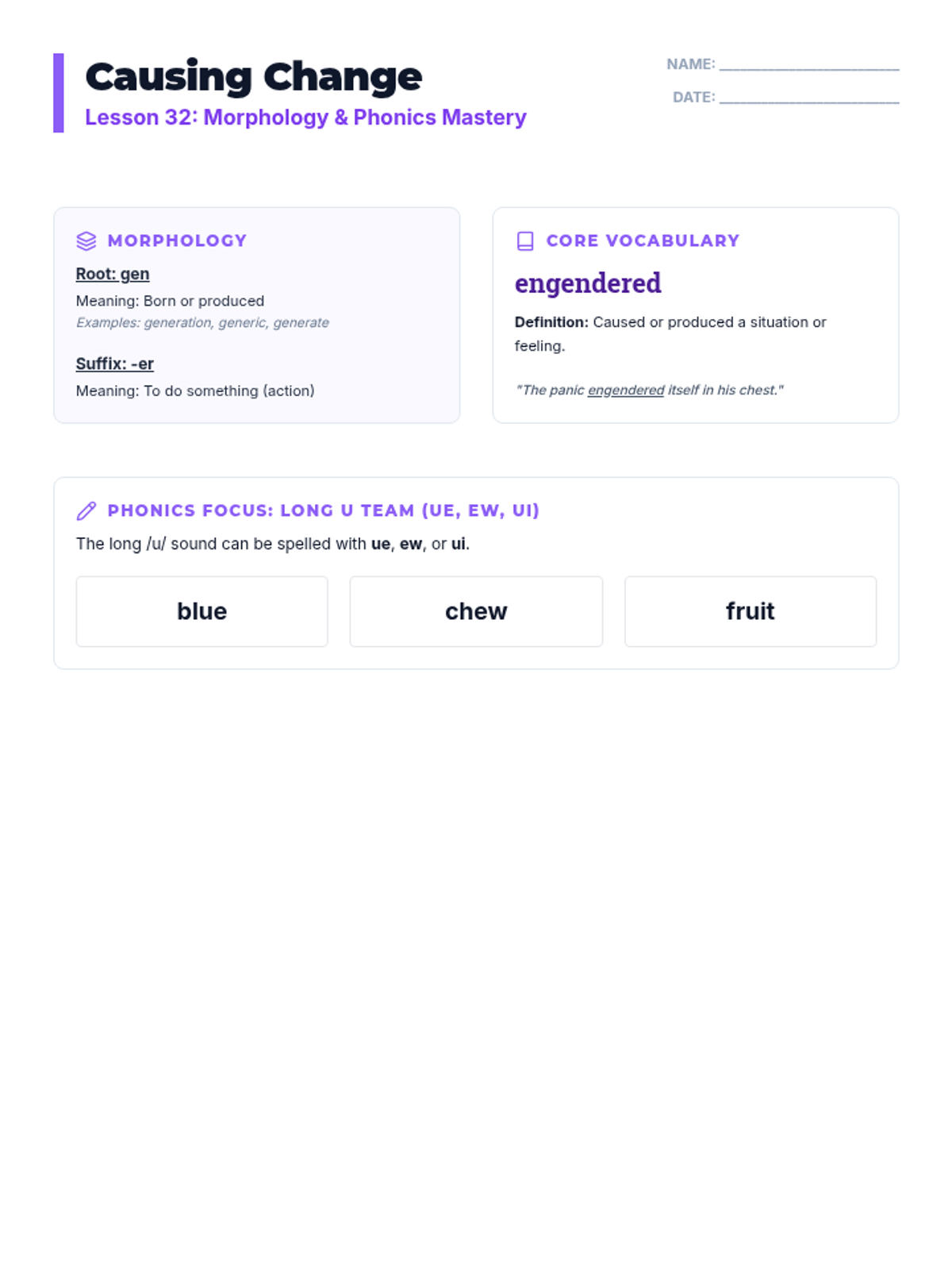
Focuses on the root gen and suffix -er, with the vocabulary word 'engendered'. Teaches Long U vowel teams (ue, ew, ui).
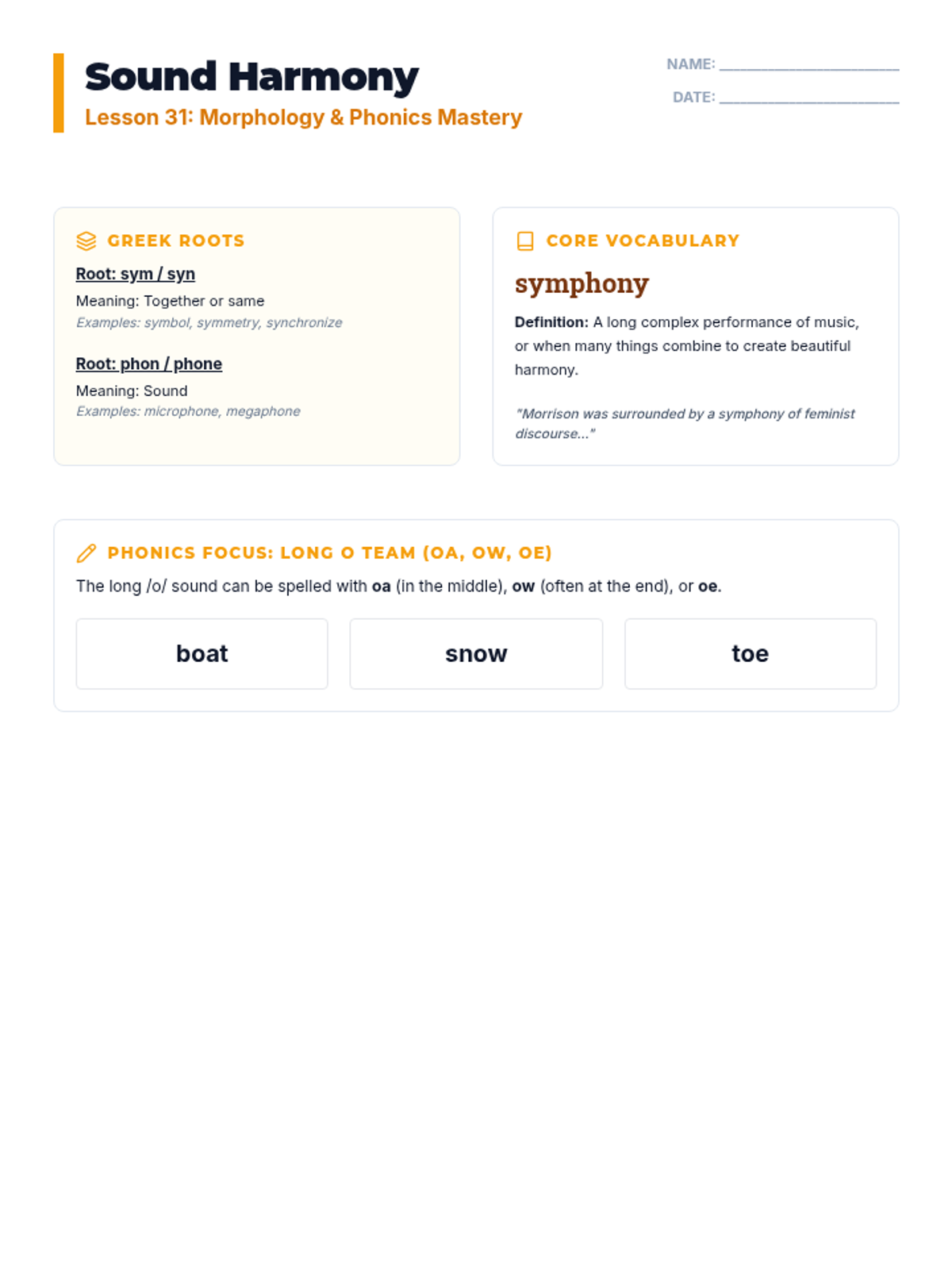
Focuses on the roots sym/syn and phon/phone, with the vocabulary word 'symphony'. Teaches Long O vowel teams (oa, ow, oe).
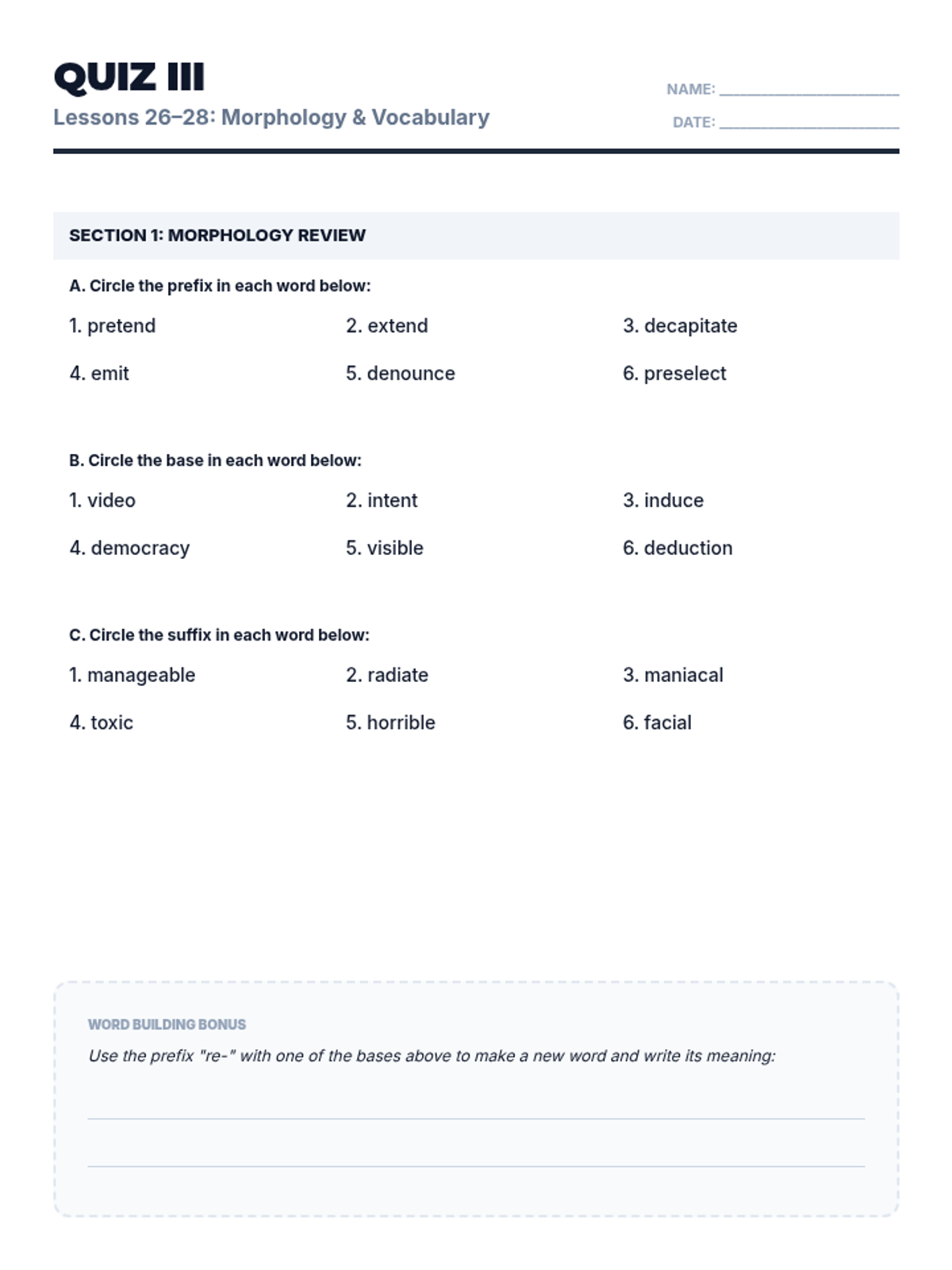
A formal assessment covering morphology, vocabulary, and vowel team decoding for Lessons 26-28.
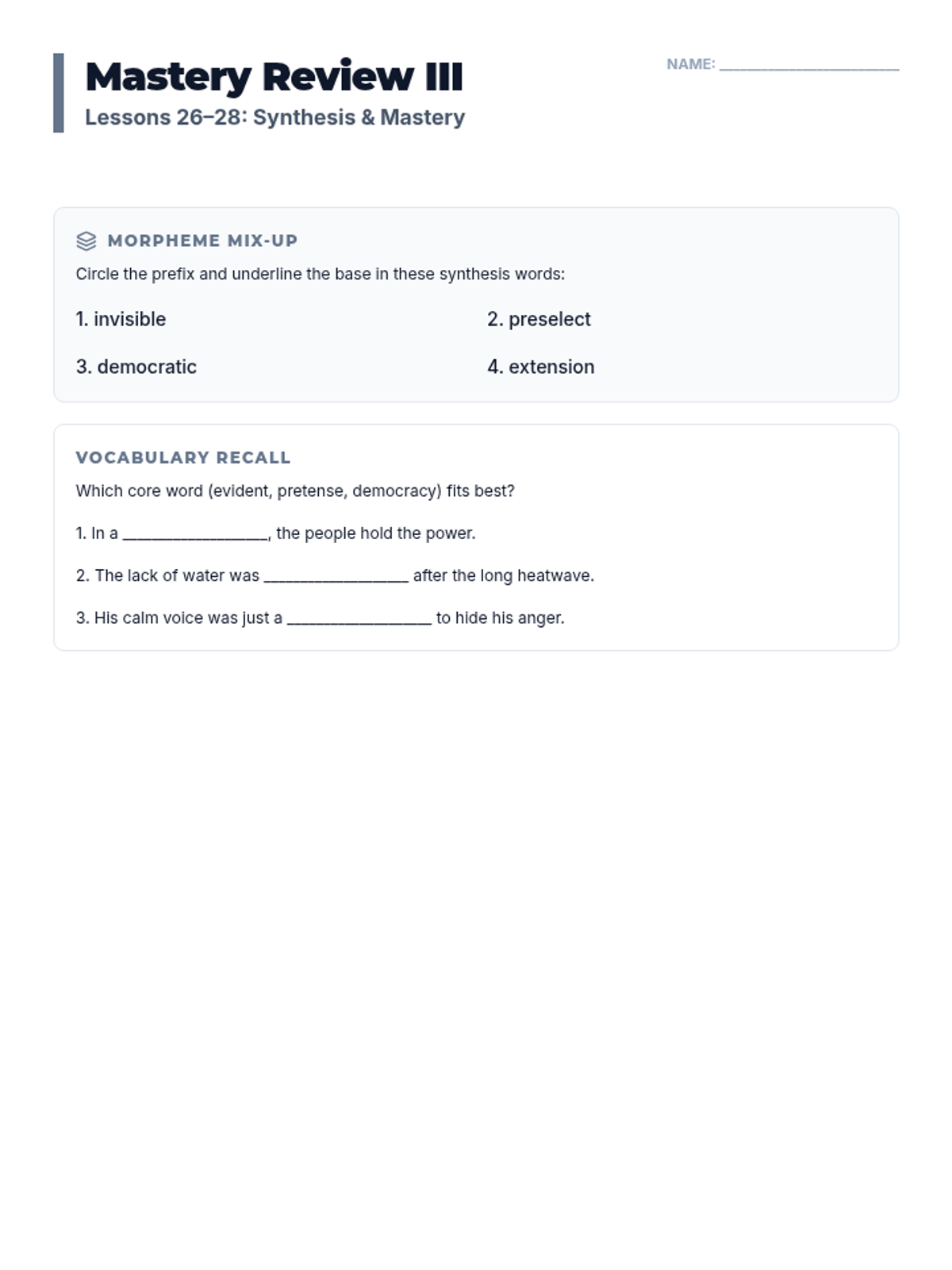
A comprehensive review of Lessons 26-28, covering morphology (e-, pre-, dem, crat), vocabulary, and Long A, E, and I vowel teams.
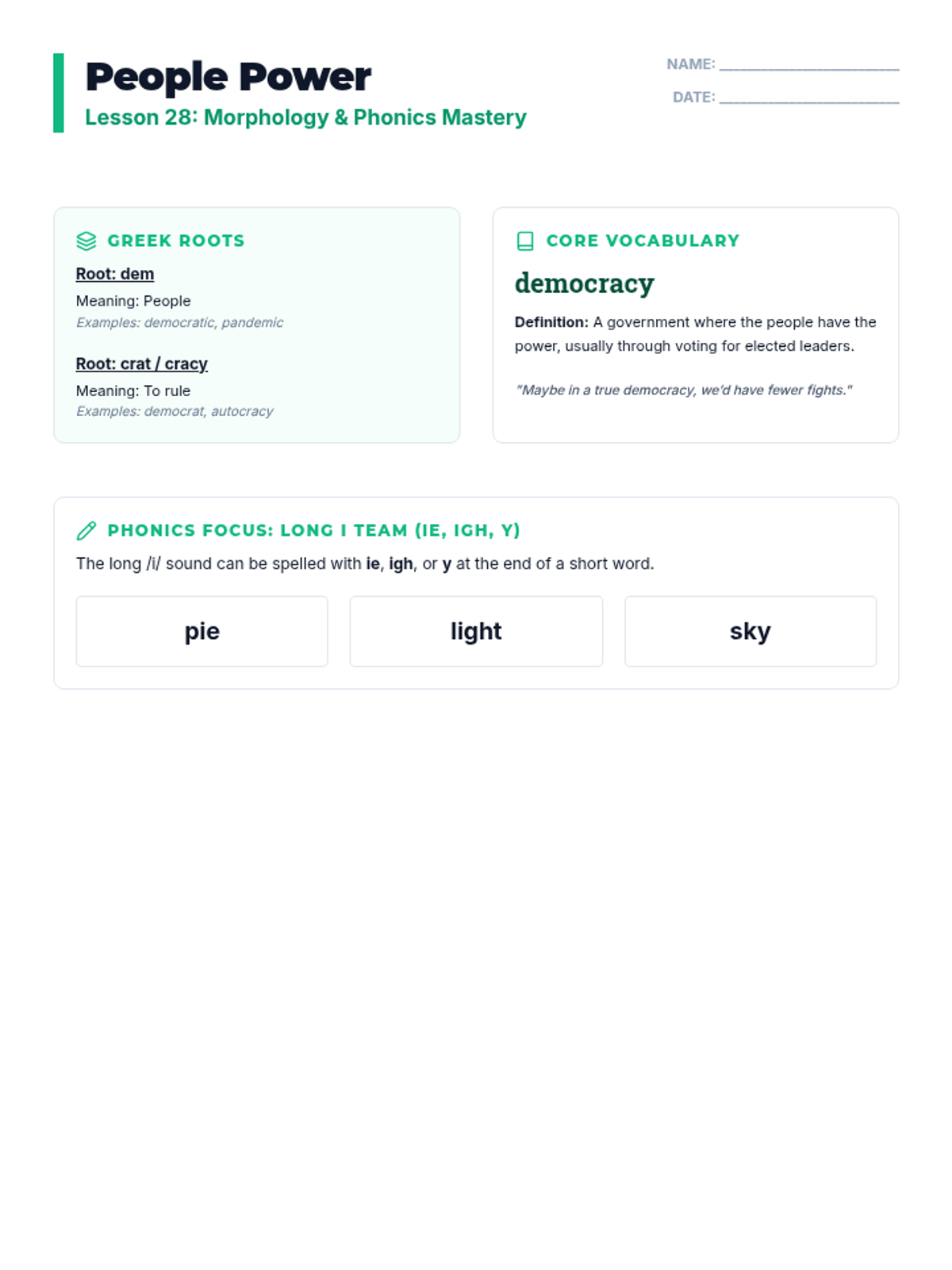
Focuses on the roots dem and crat/cracy, with the vocabulary word 'democracy'. Teaches Long I vowel teams (ie, igh, y).
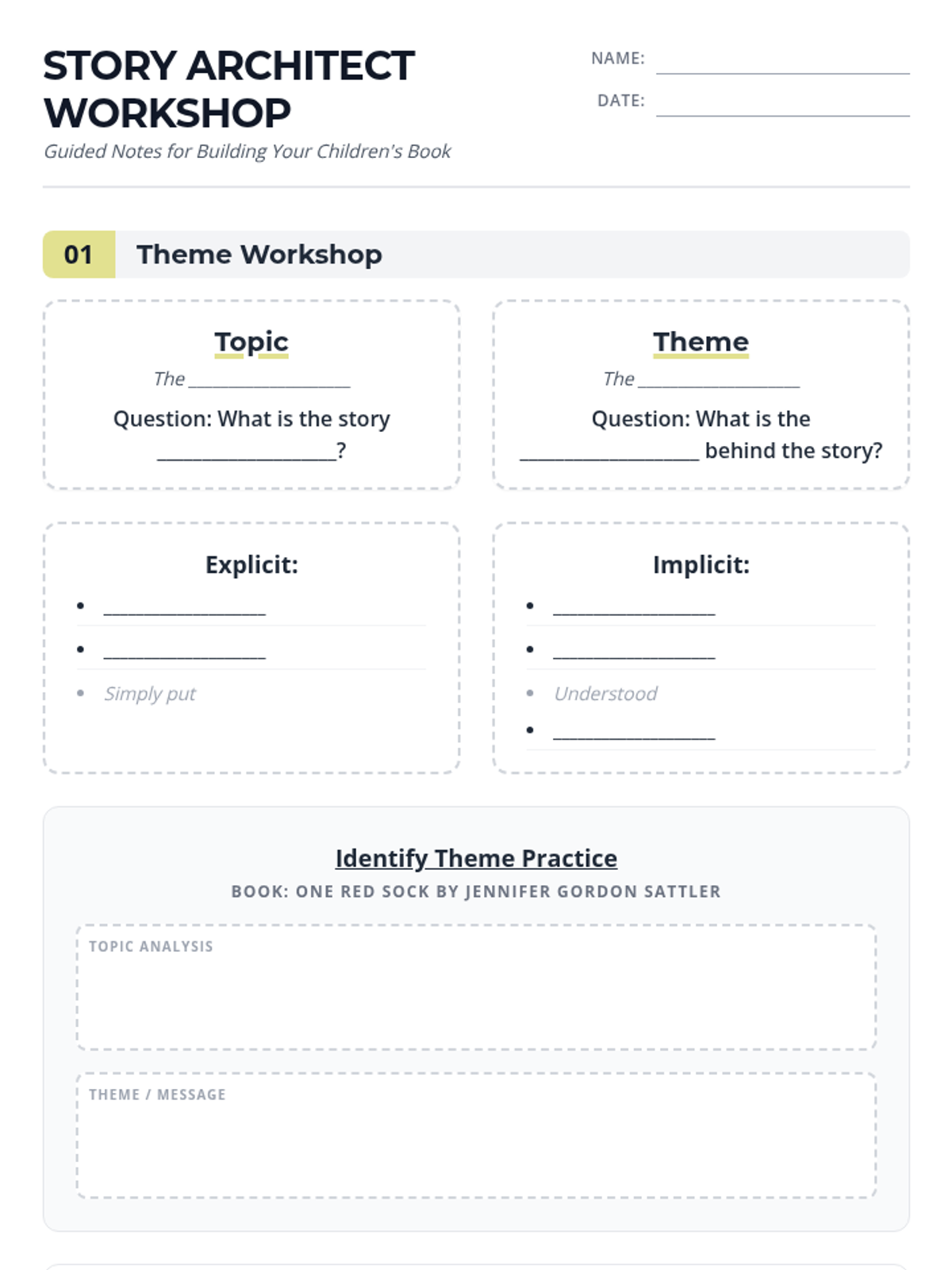
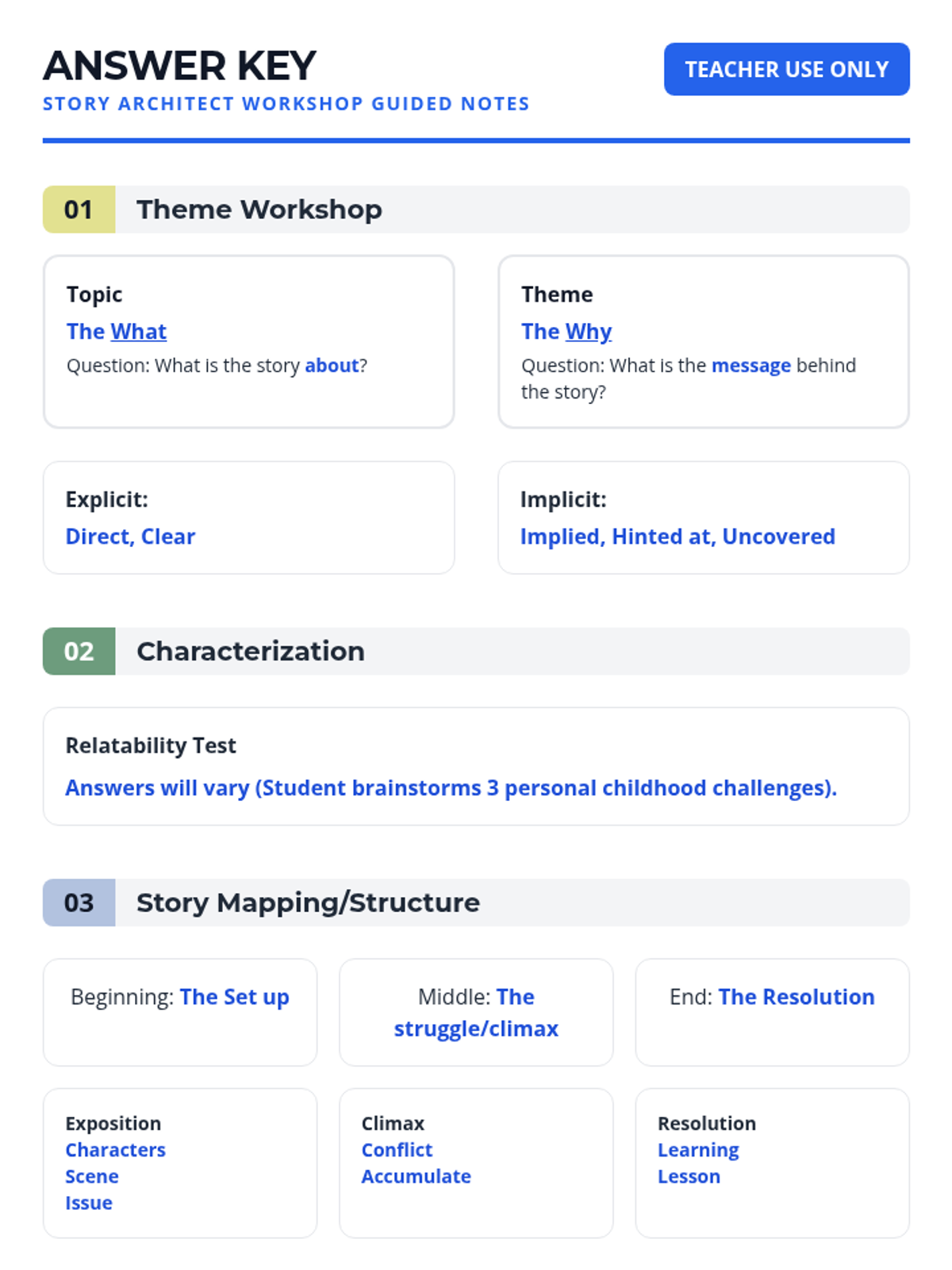
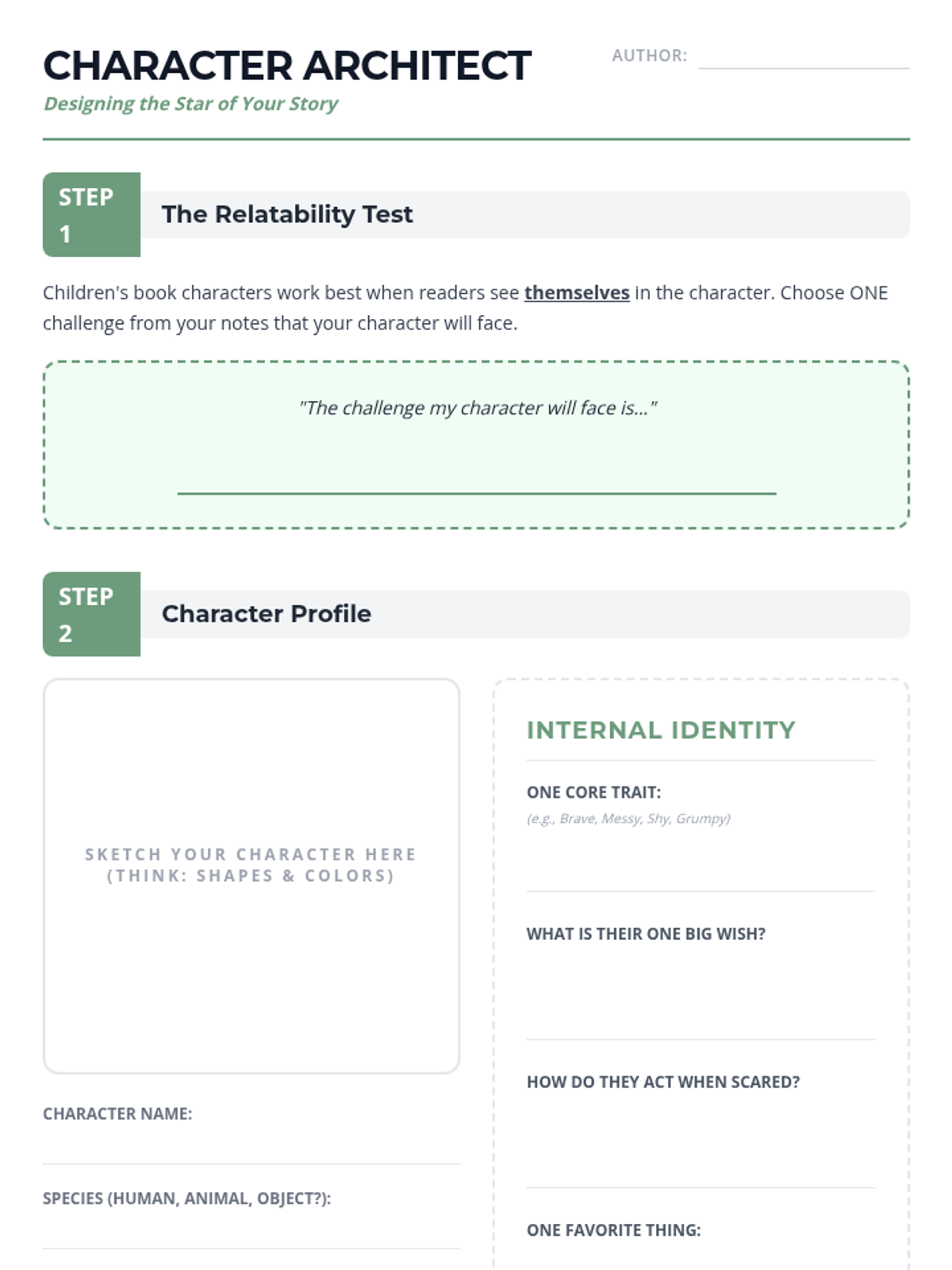
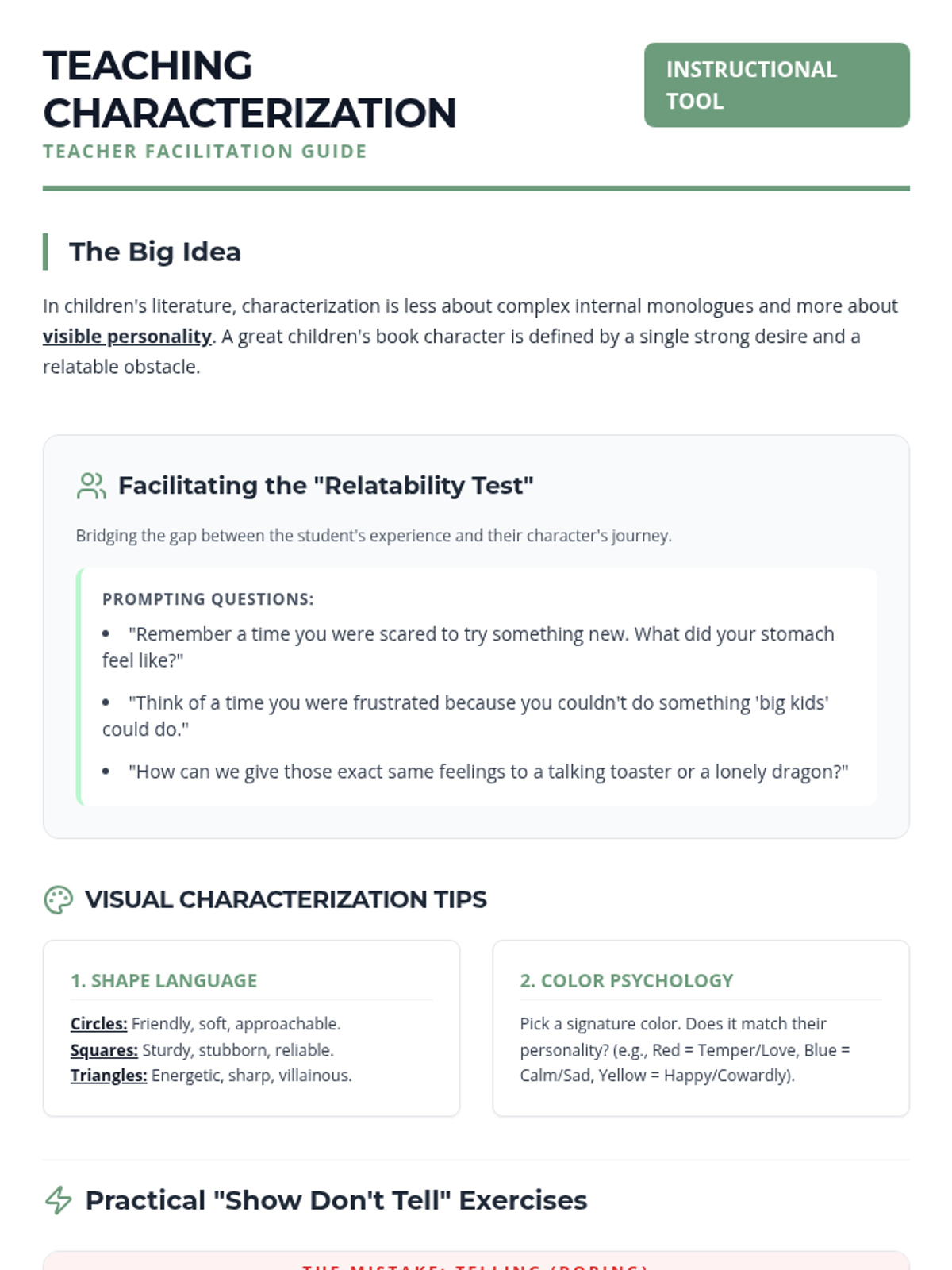
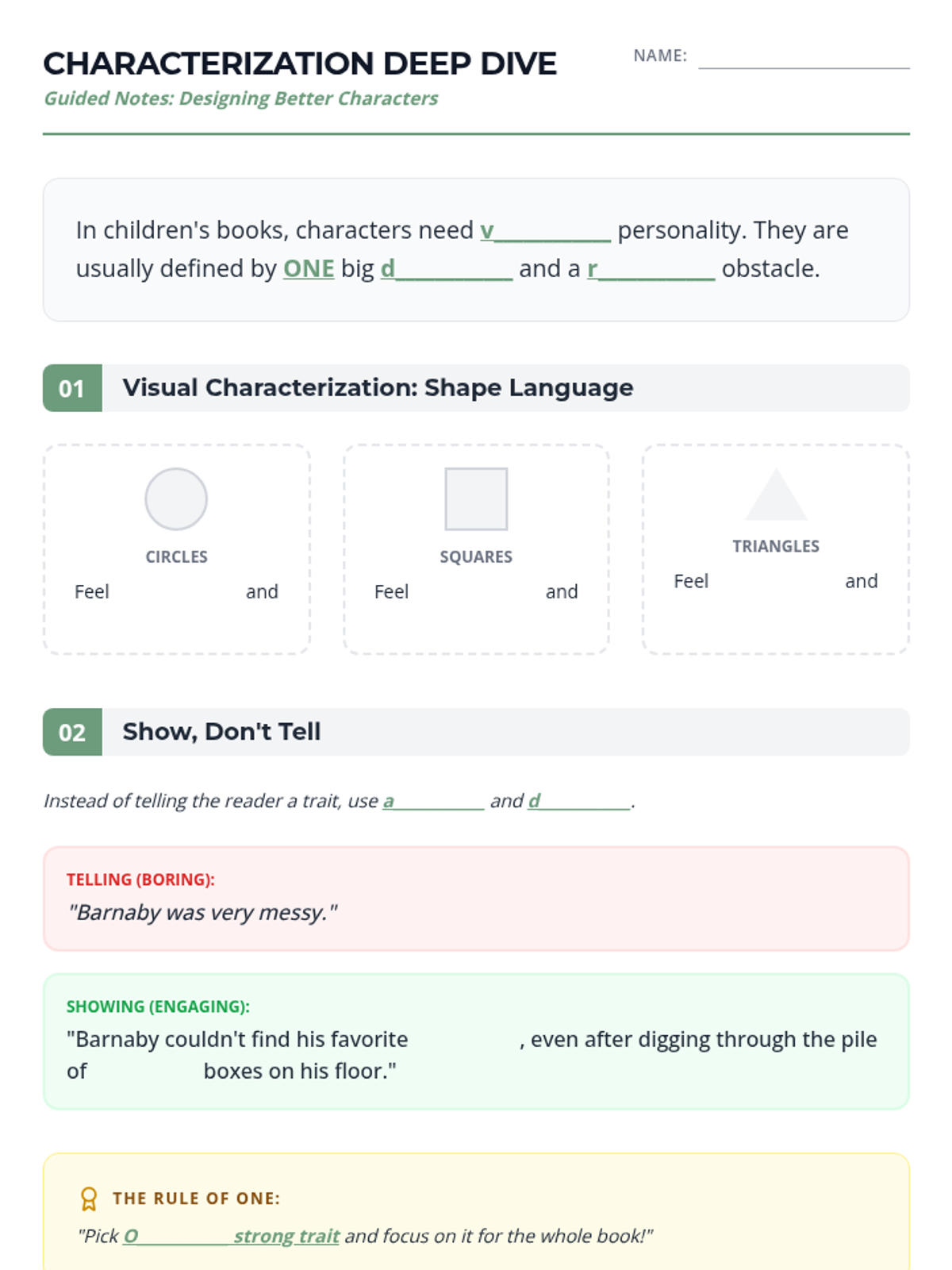
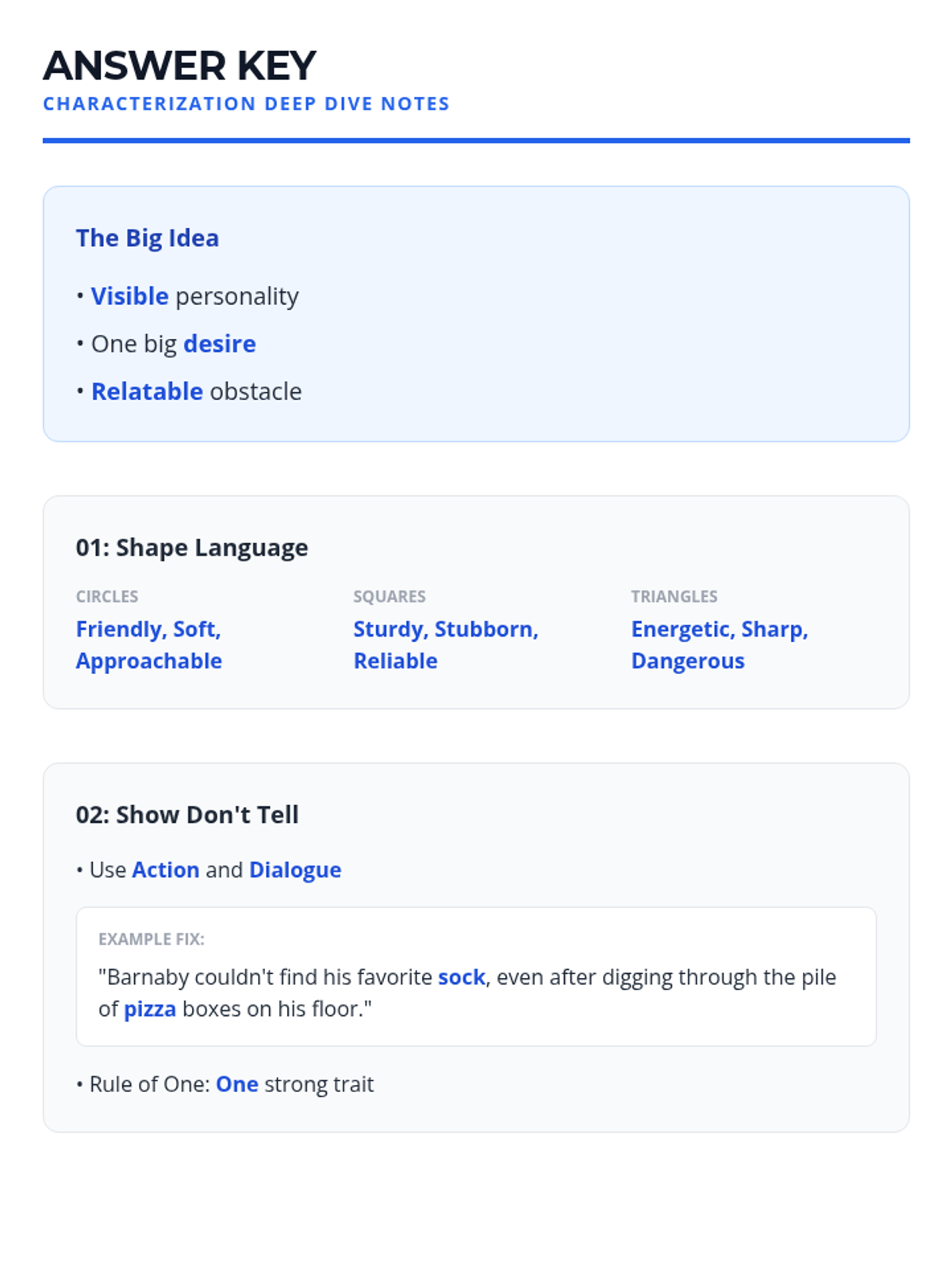
A comprehensive set of guided notes and materials based on the 'Building Your Children Book' workshop slides, covering theme, characterization, story structure, and sentence syntax.
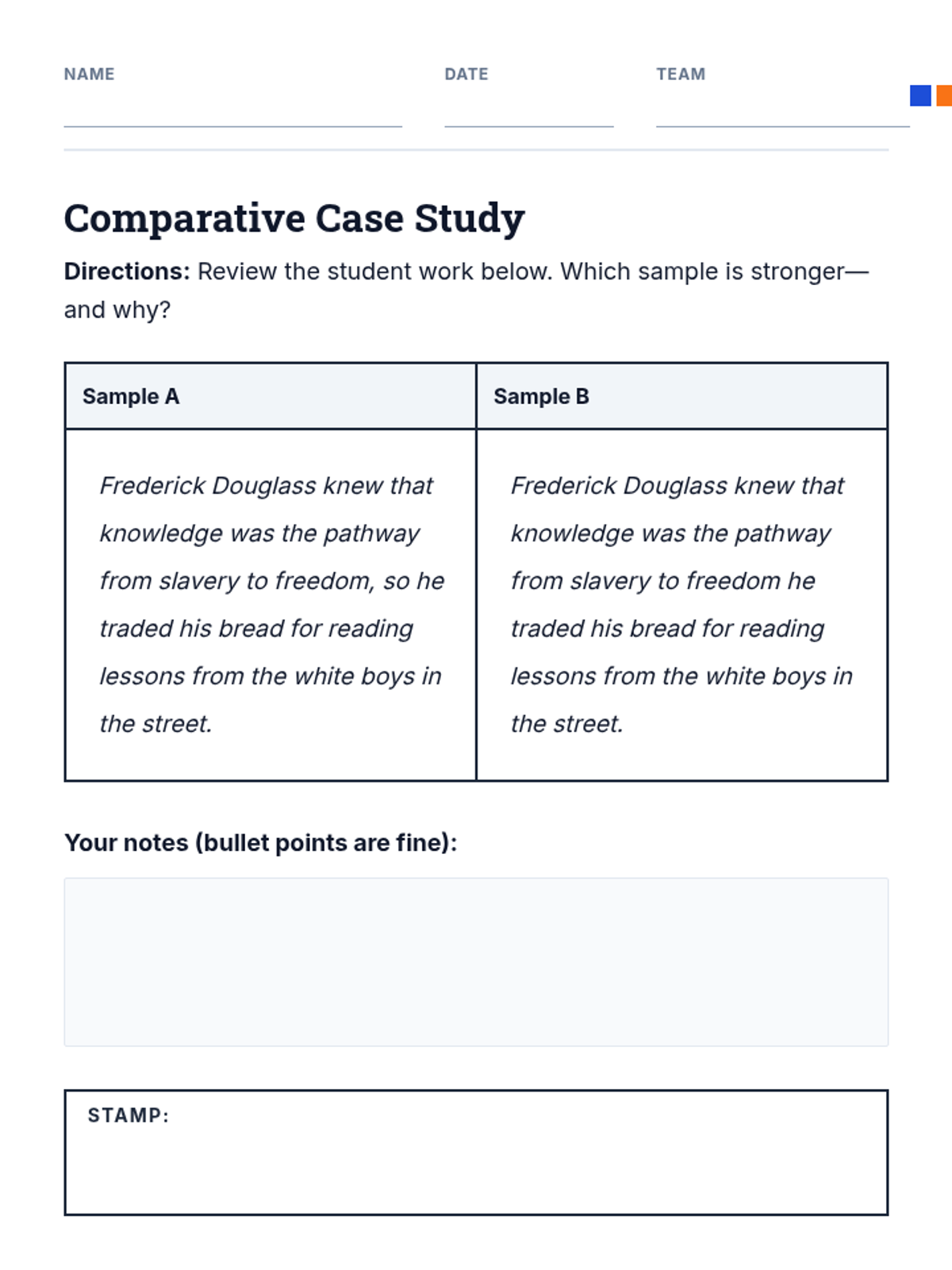
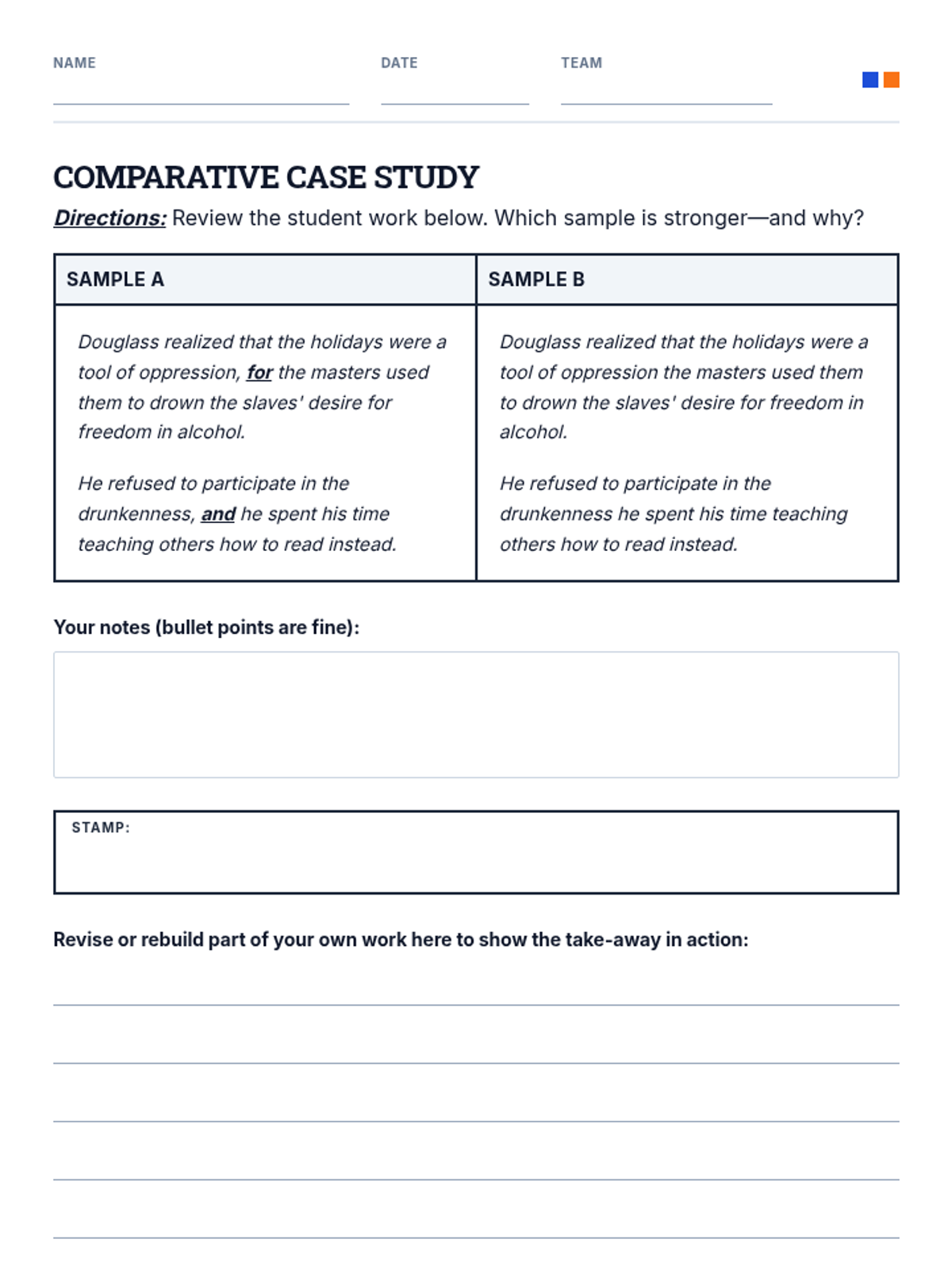
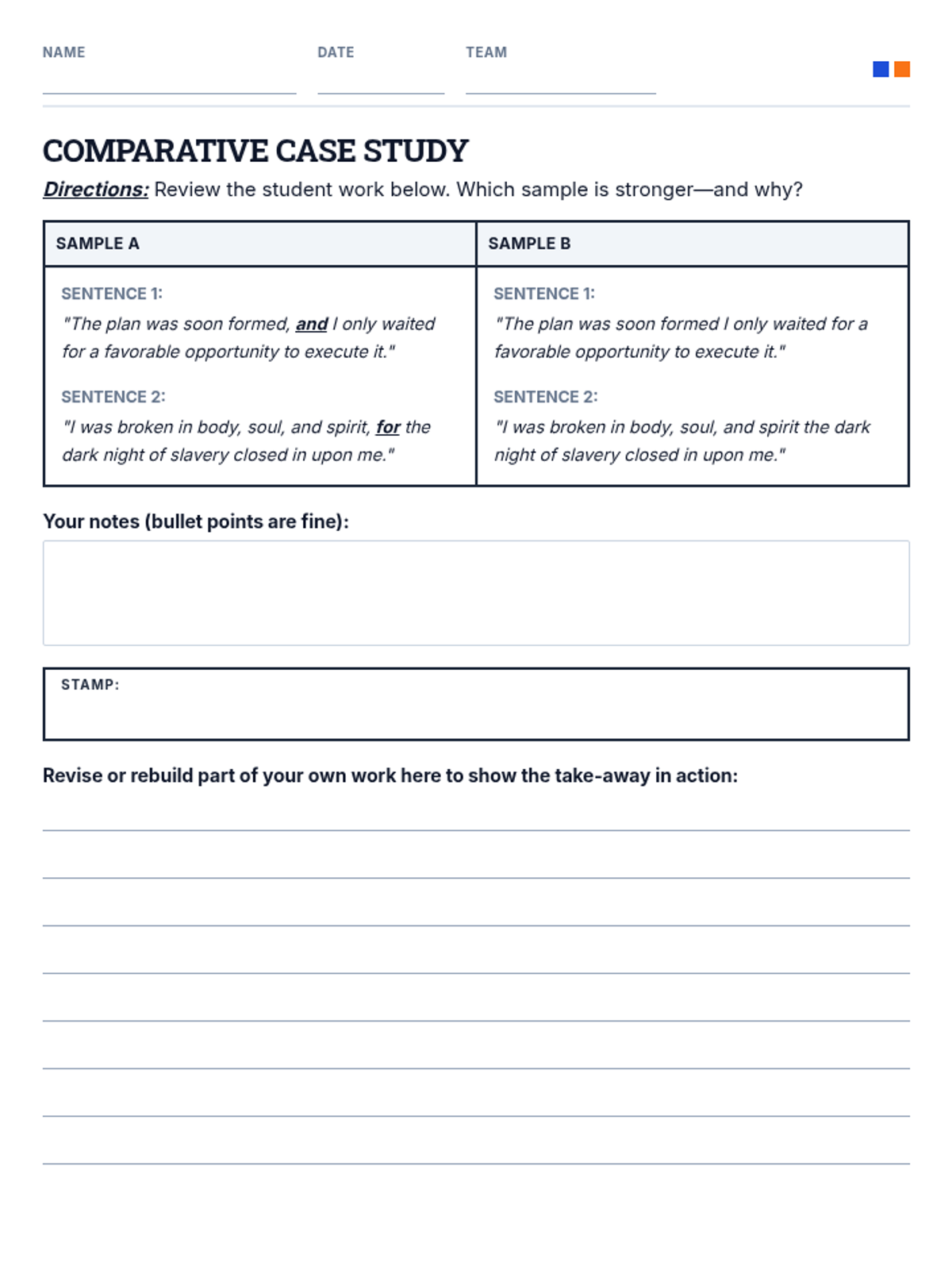
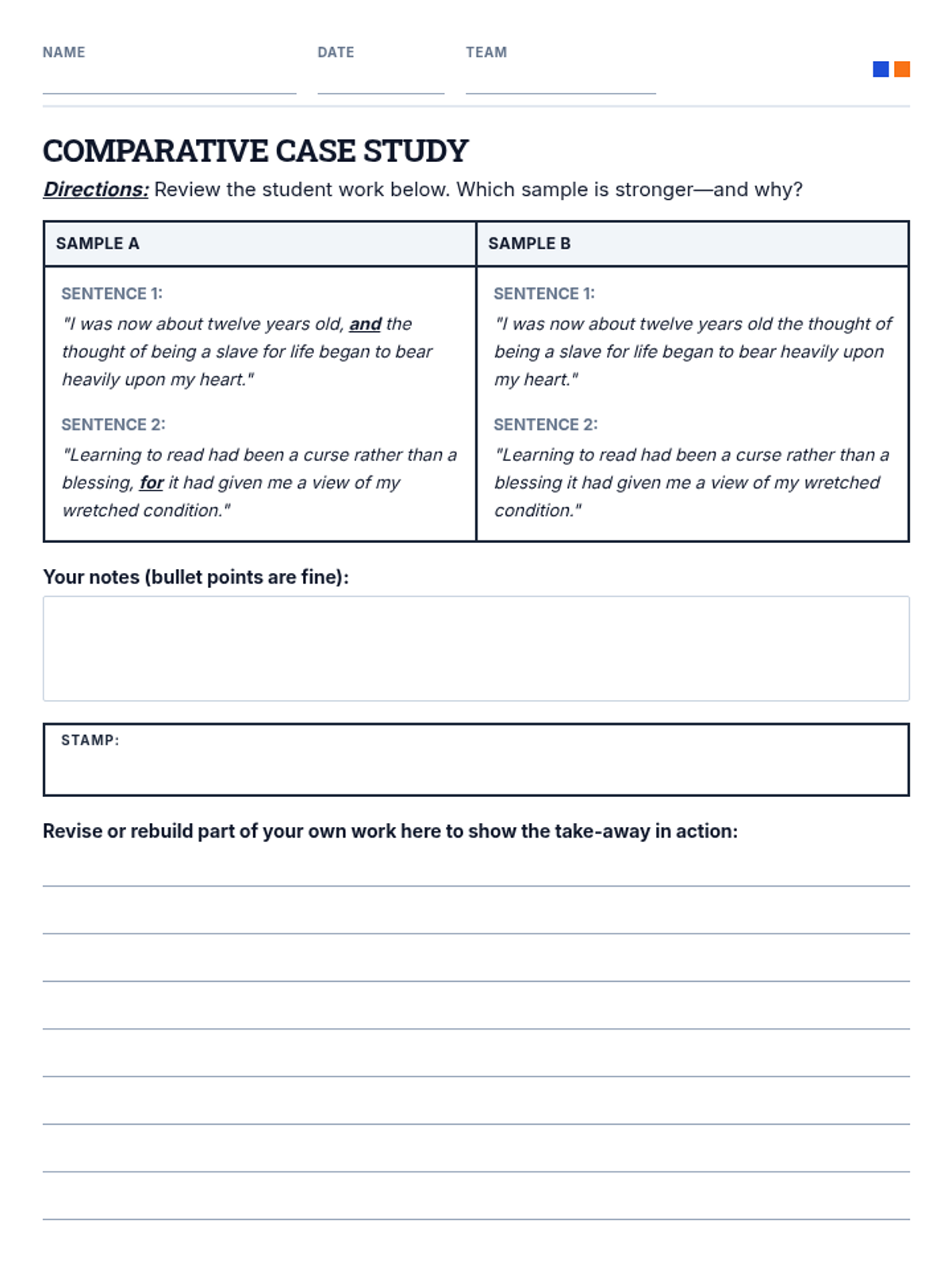
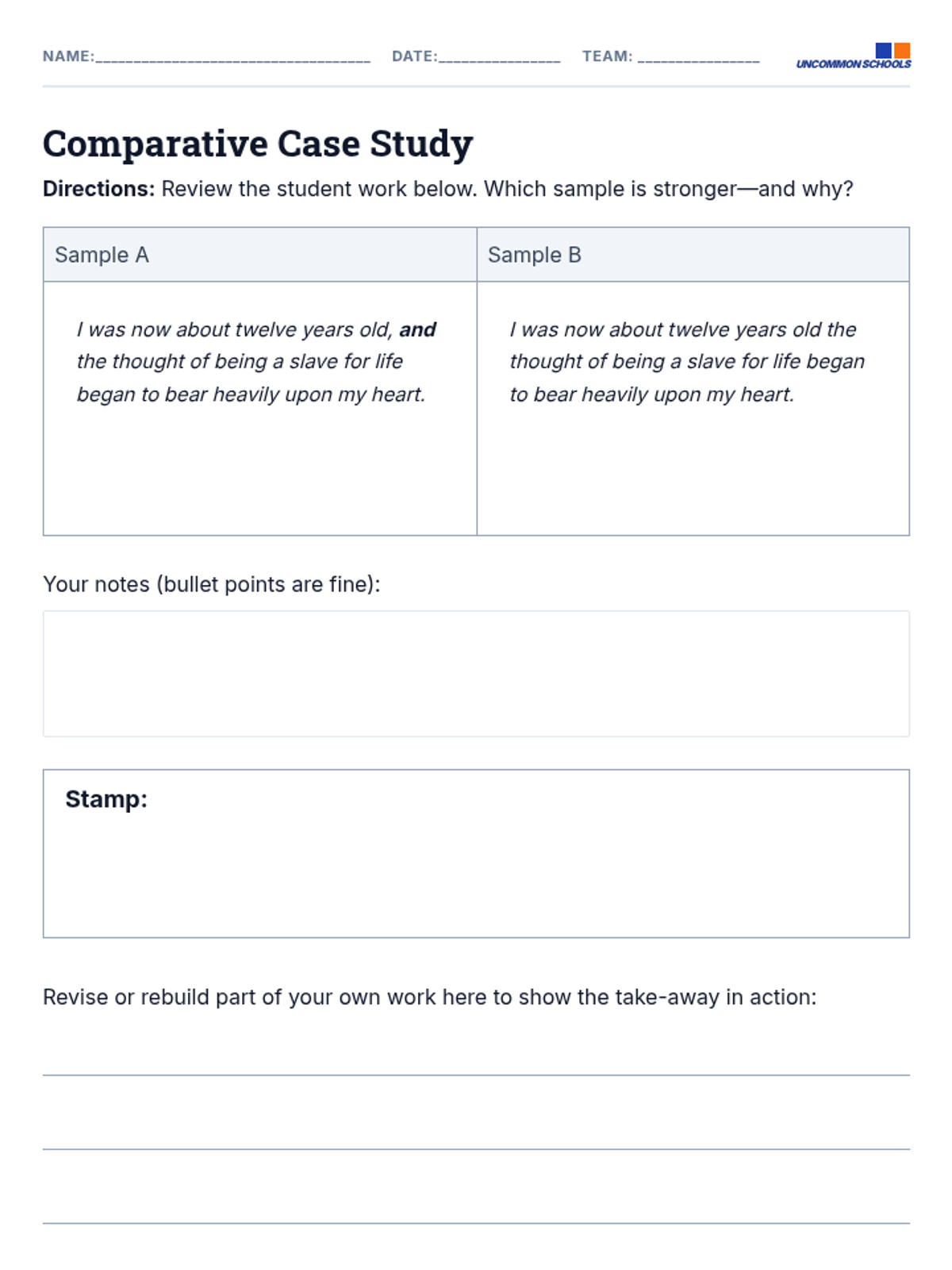
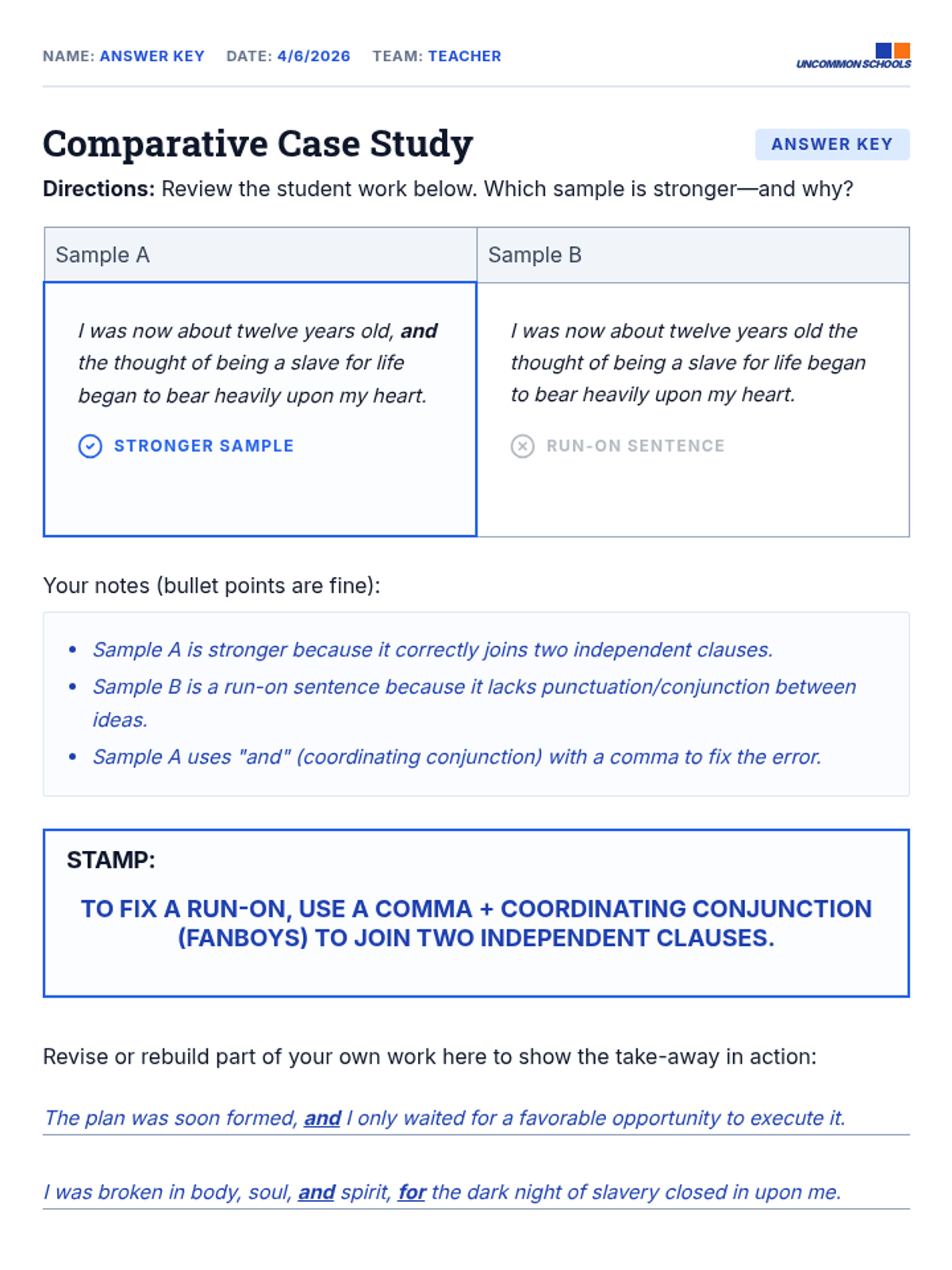
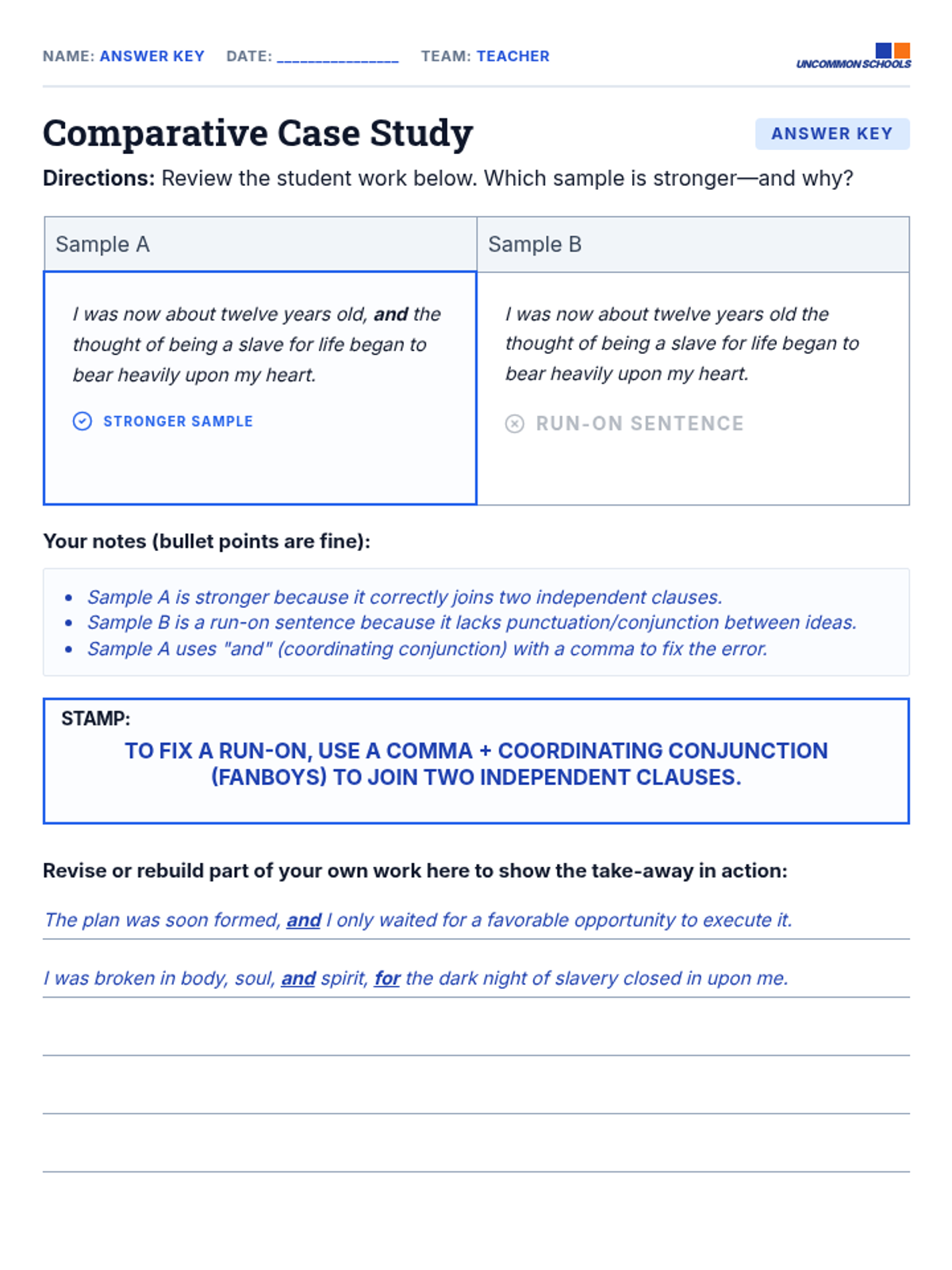
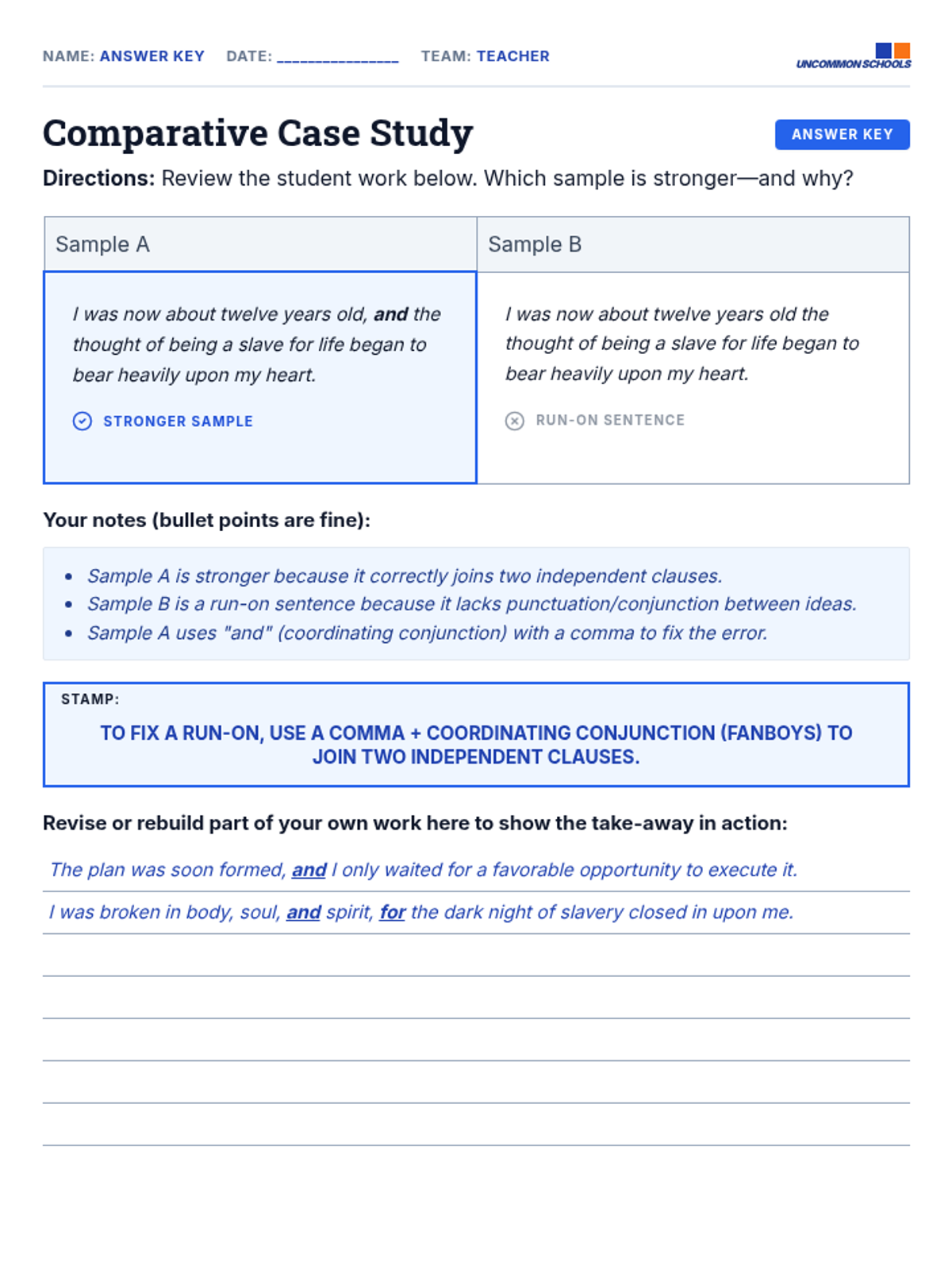
A targeted grammar lesson focused on identifying and correcting run-on sentences using coordinating conjunctions (FANBOYS) within the context of Frederick Douglass's narrative.
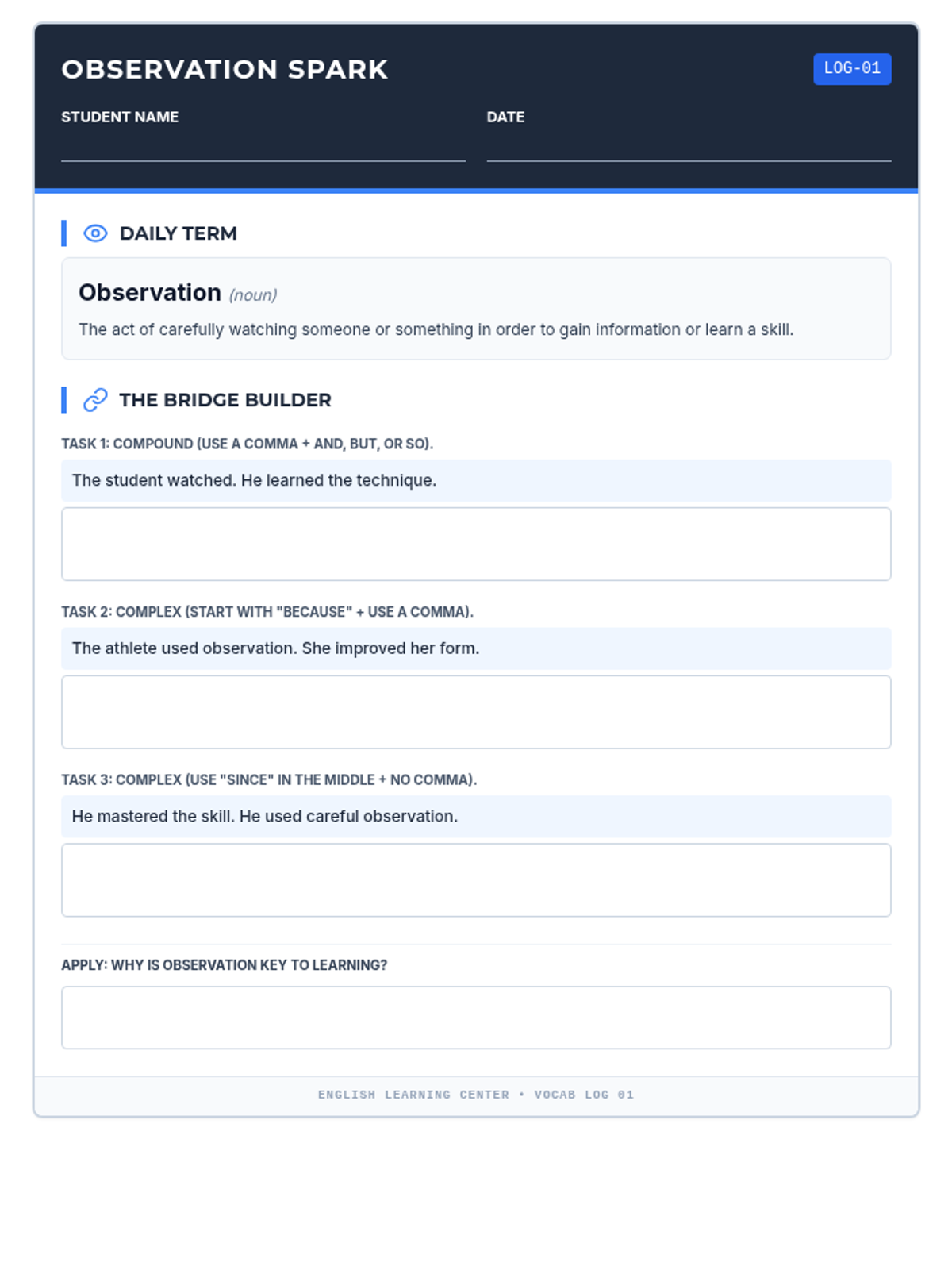
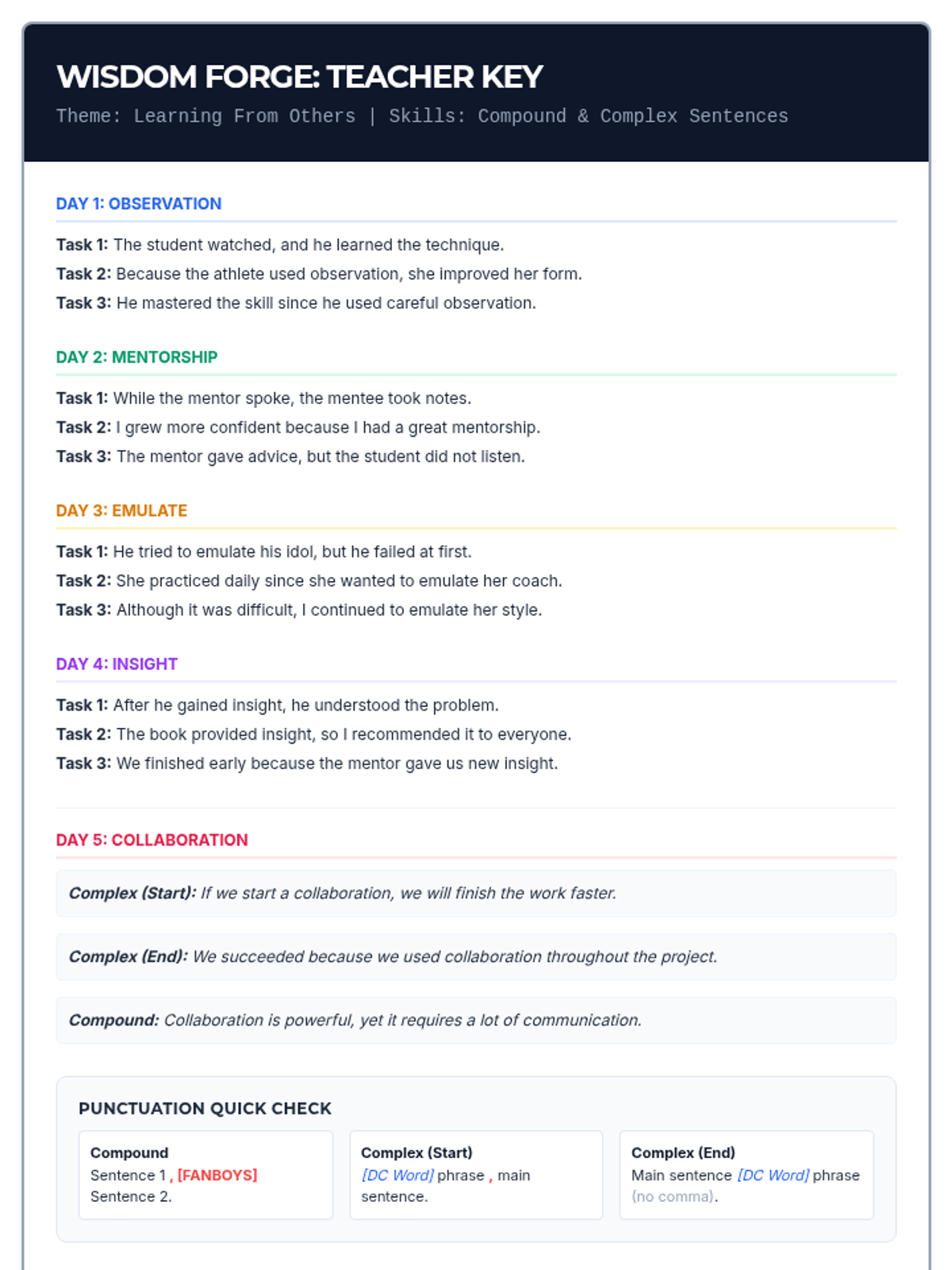
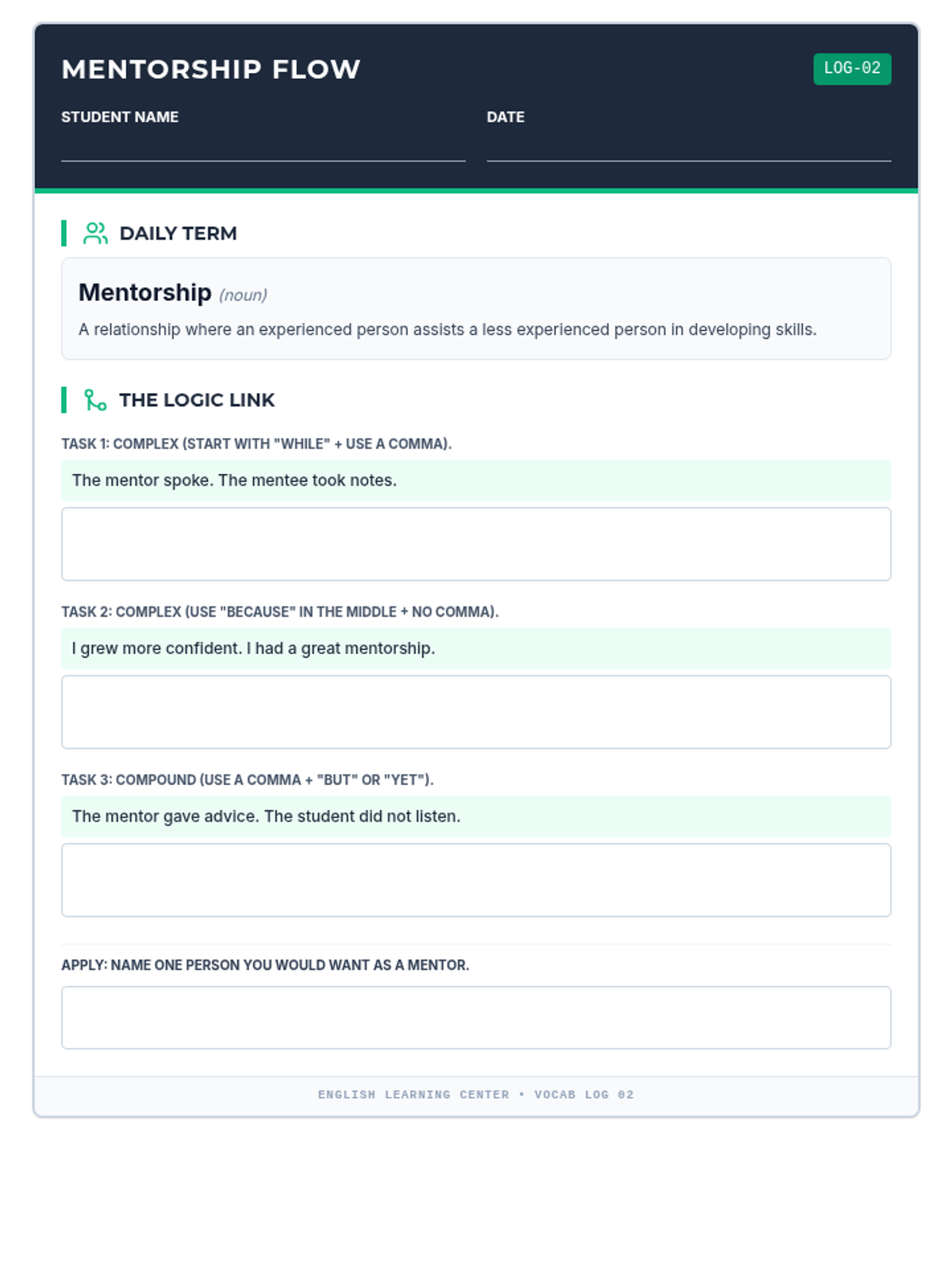
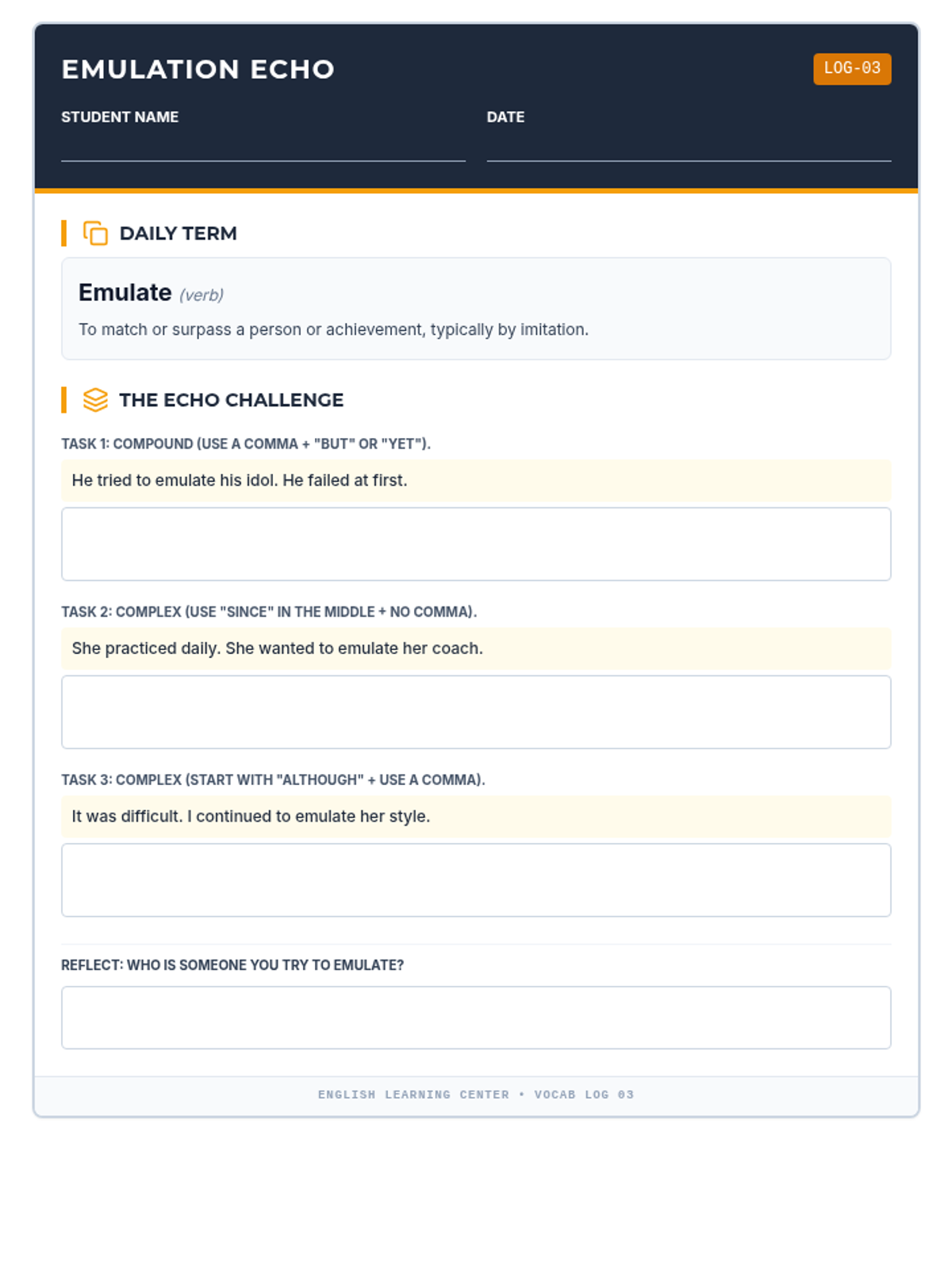
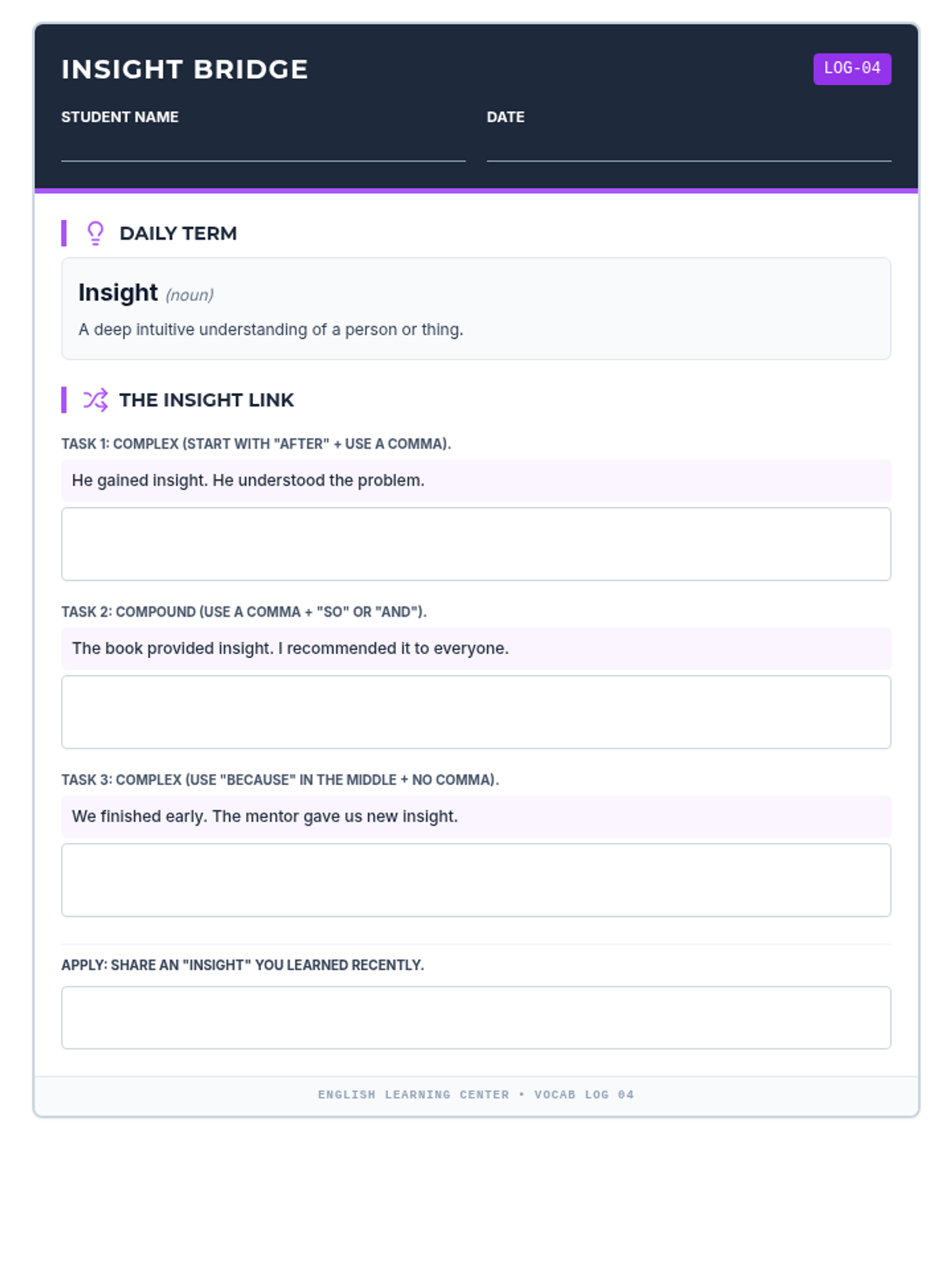
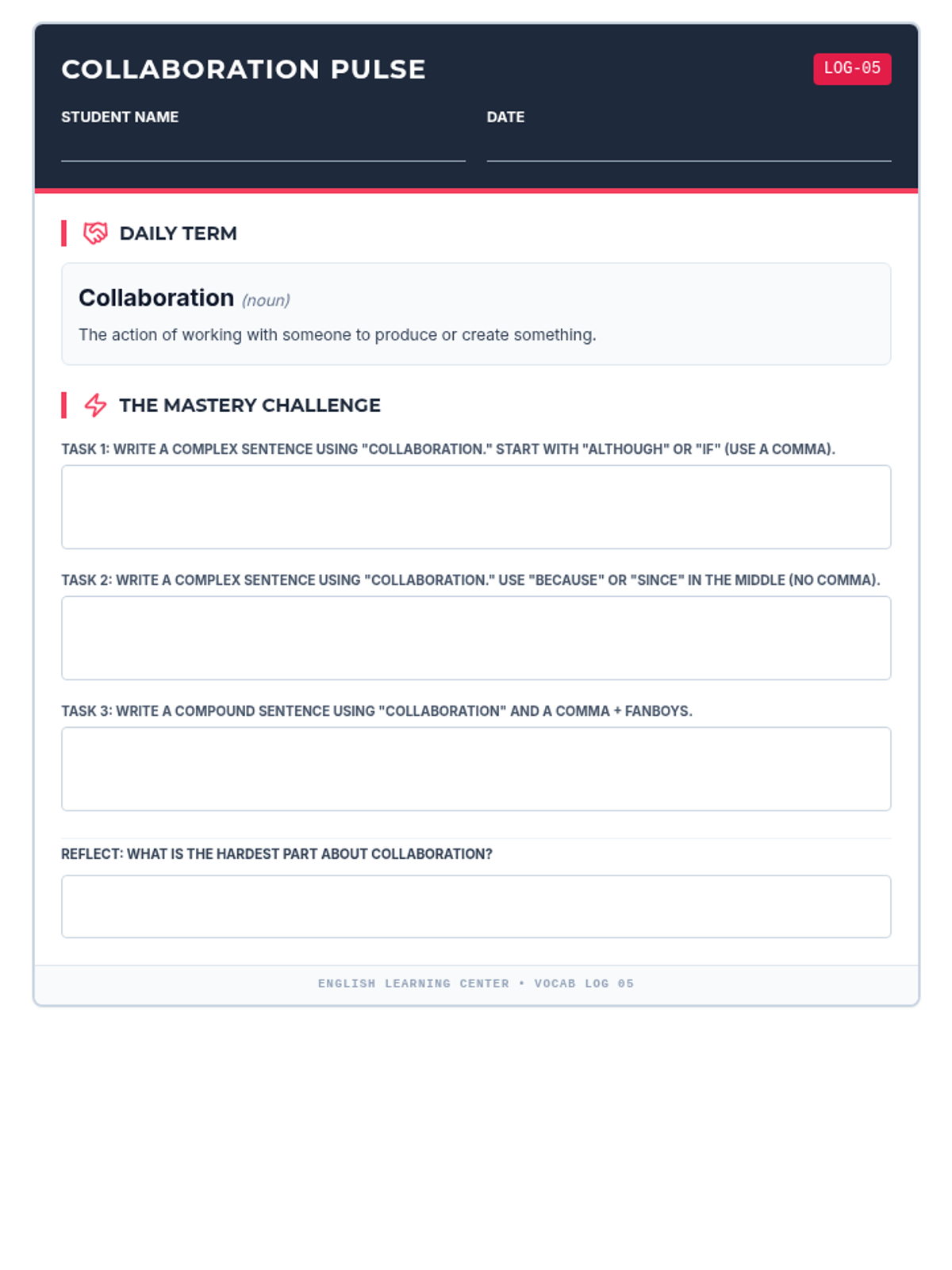
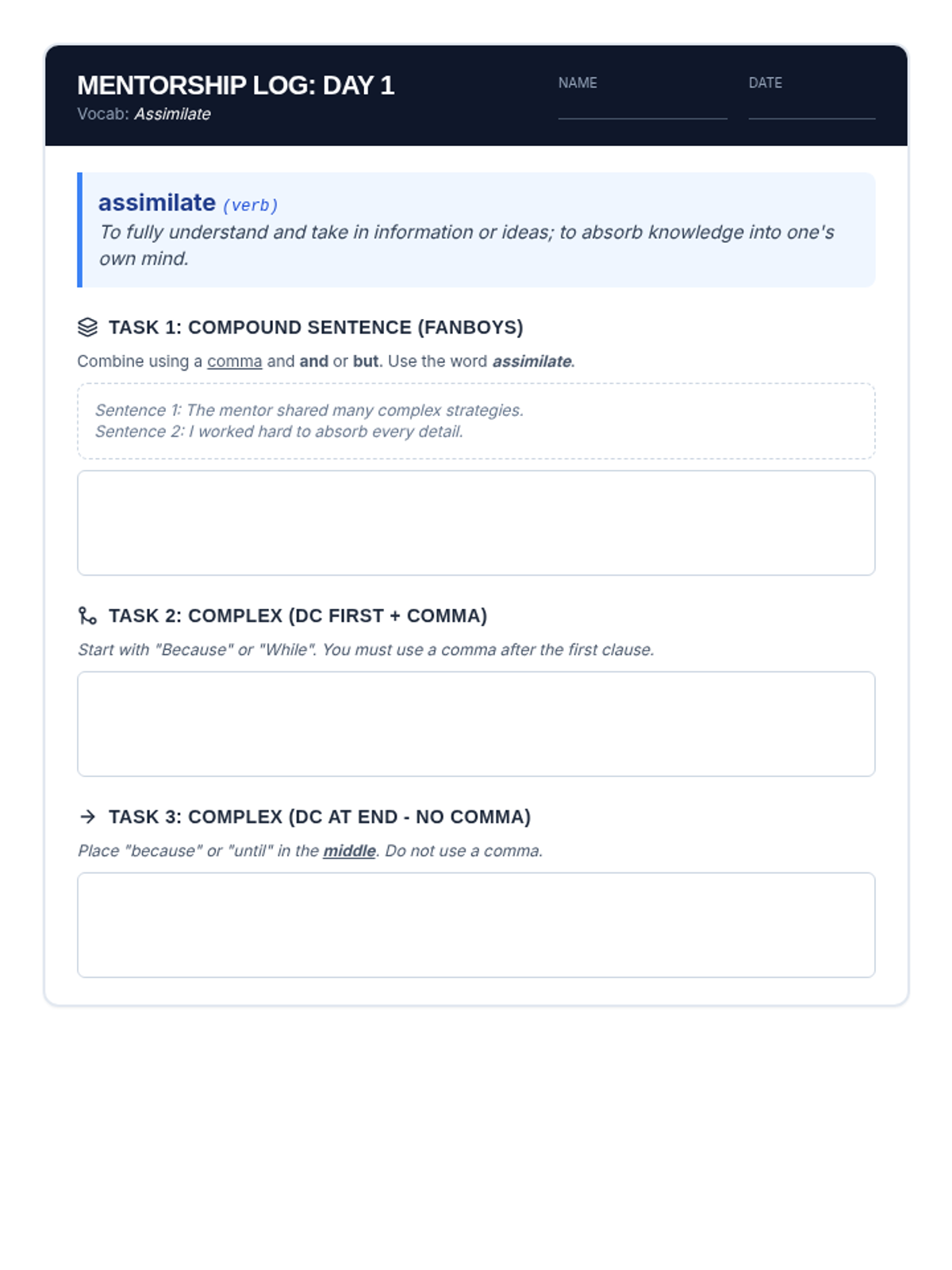
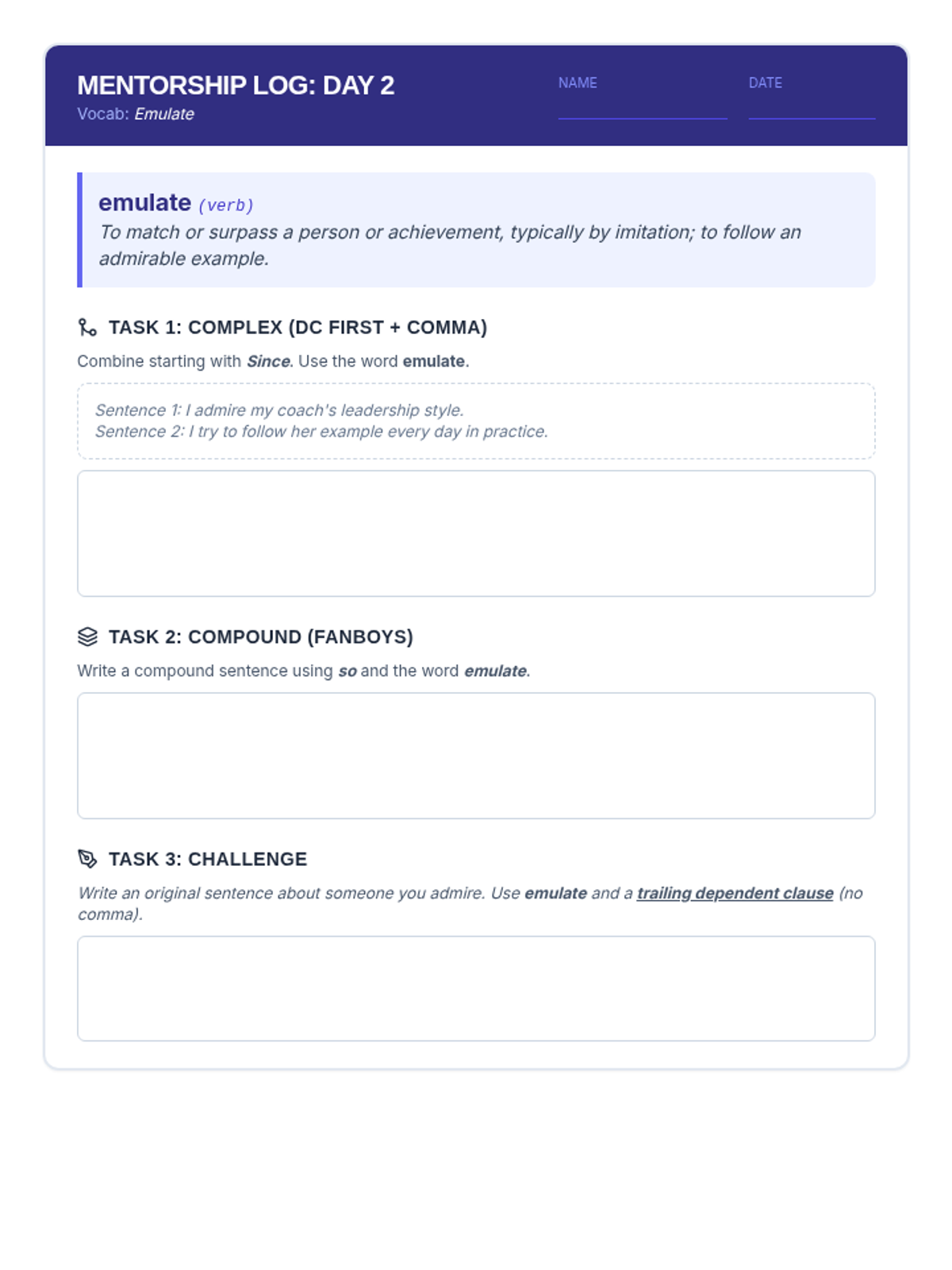
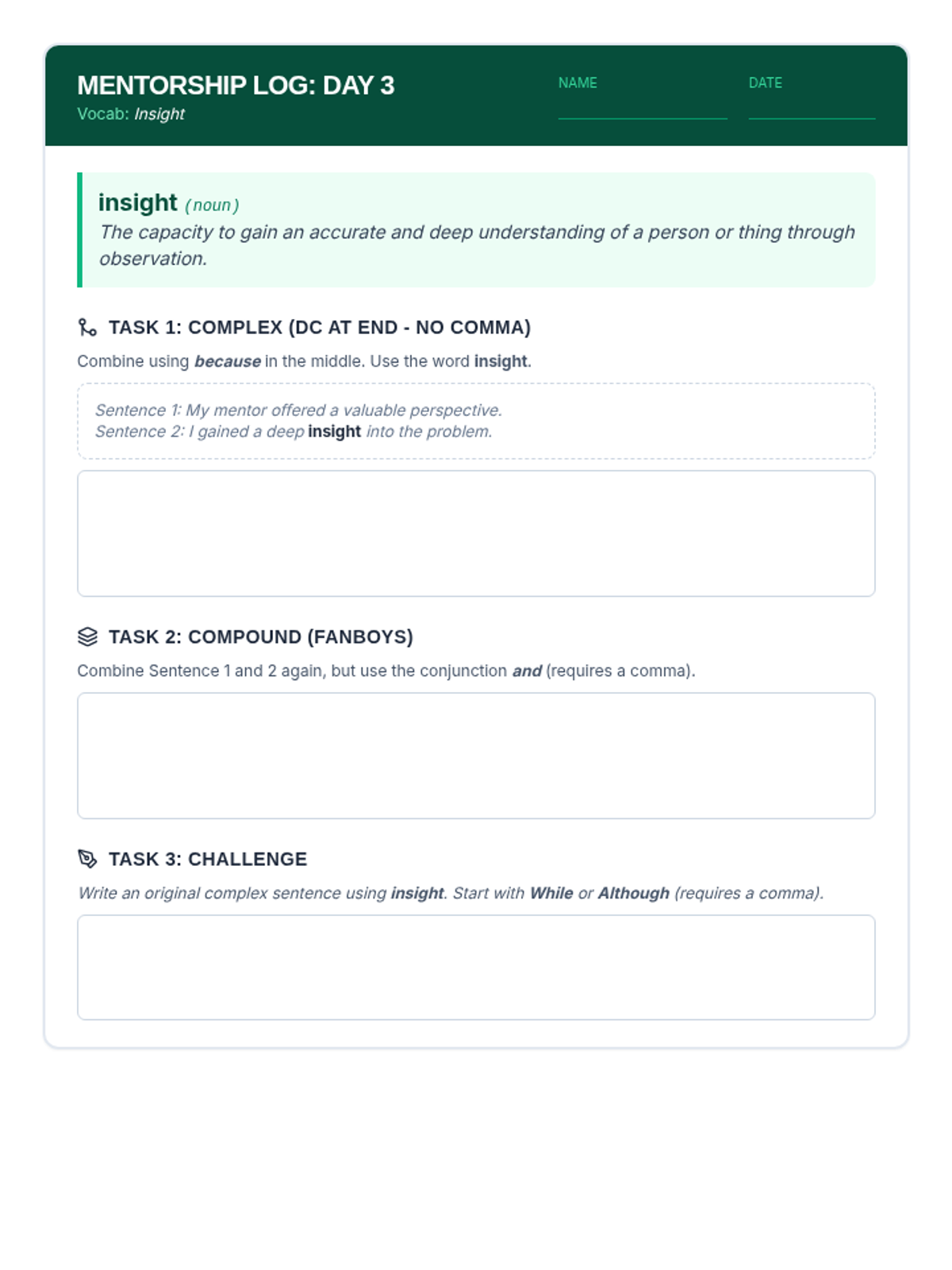
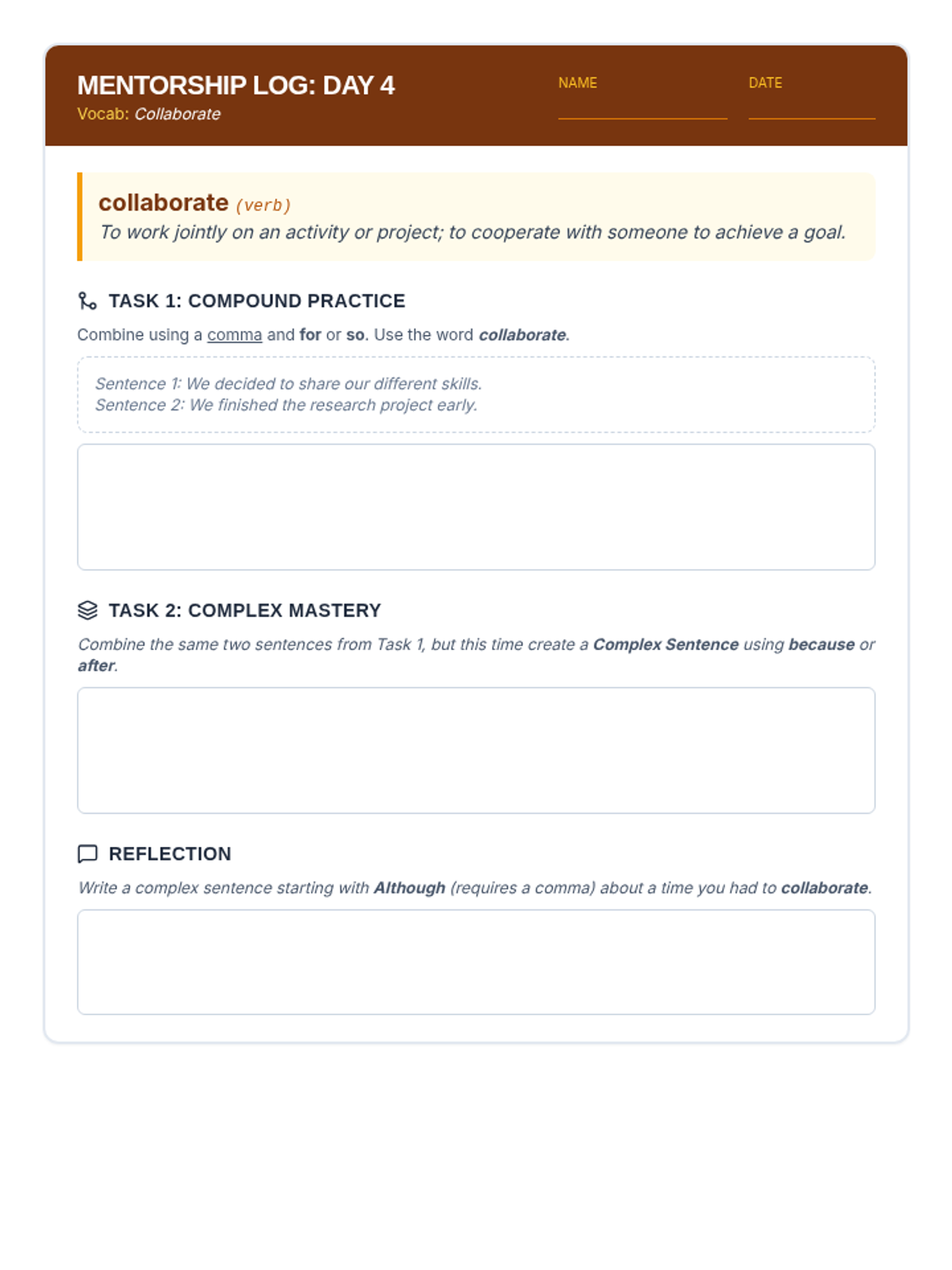
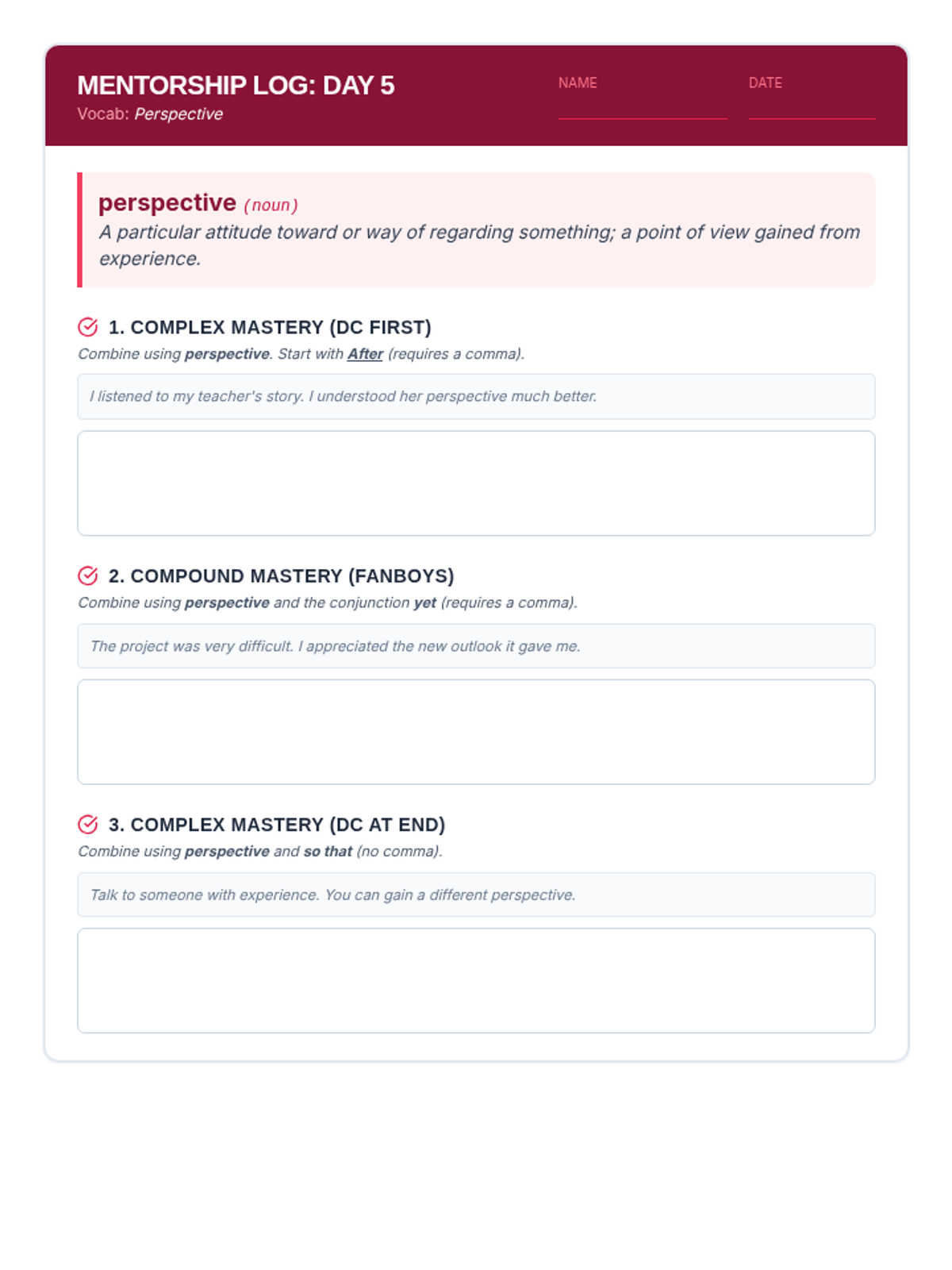
A series of five high-school entrance tickets focused on vocabulary related to social learning and sentence combining techniques including compound and complex structures.
A series of five entrance tickets designed for high school students to practice Tier 2 vocabulary related to learning from others, while mastering compound and complex sentence structures.
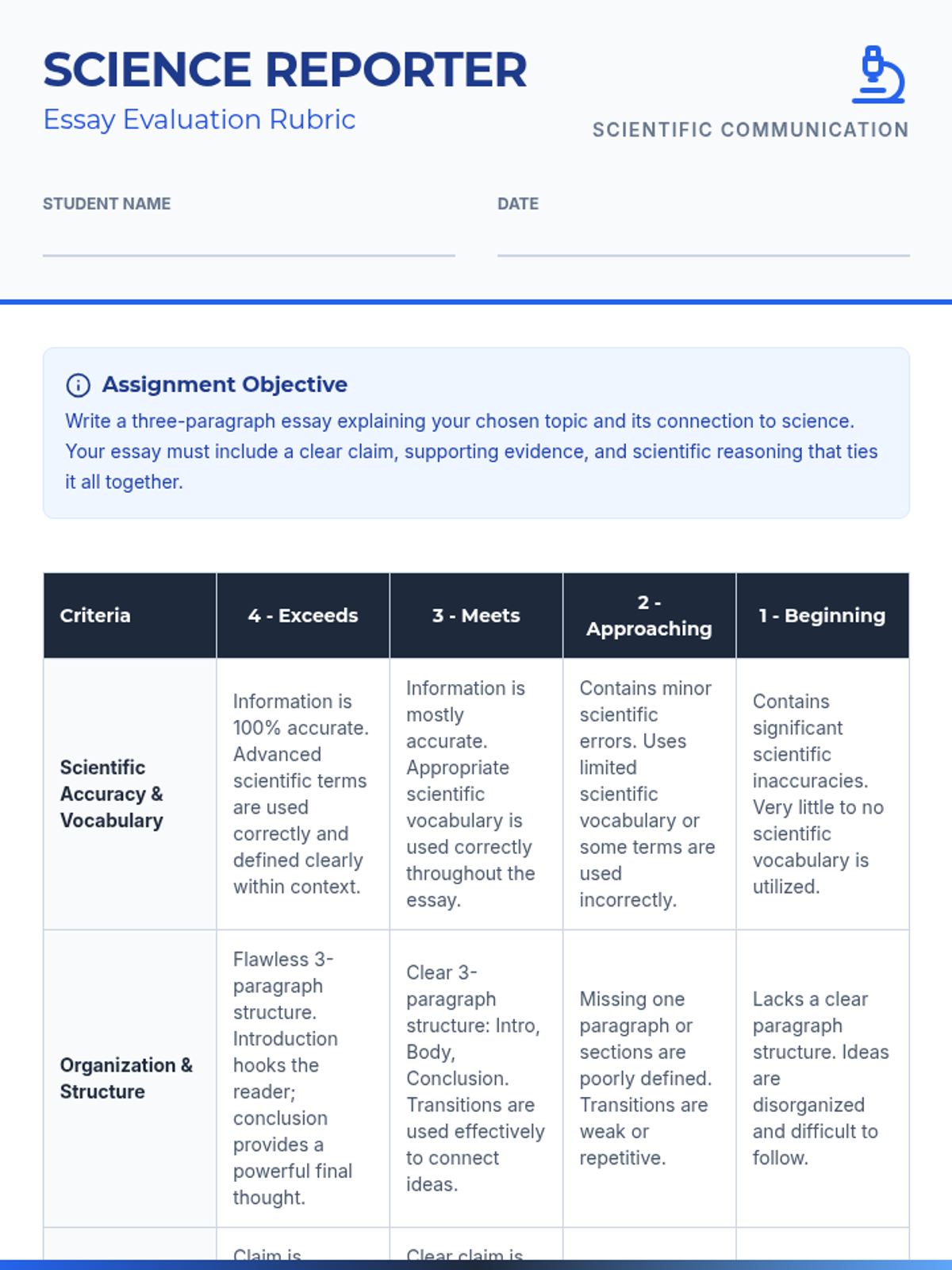
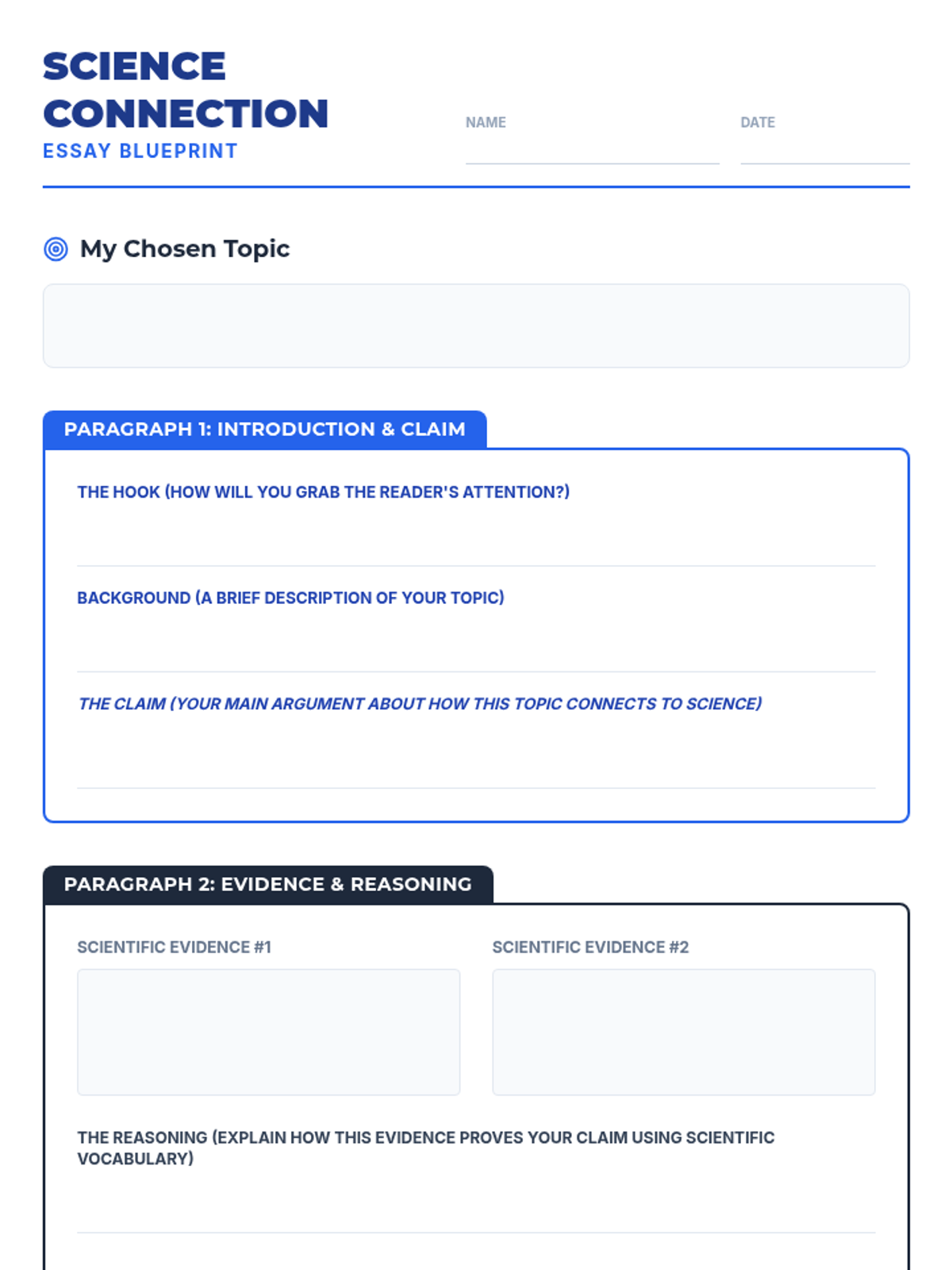
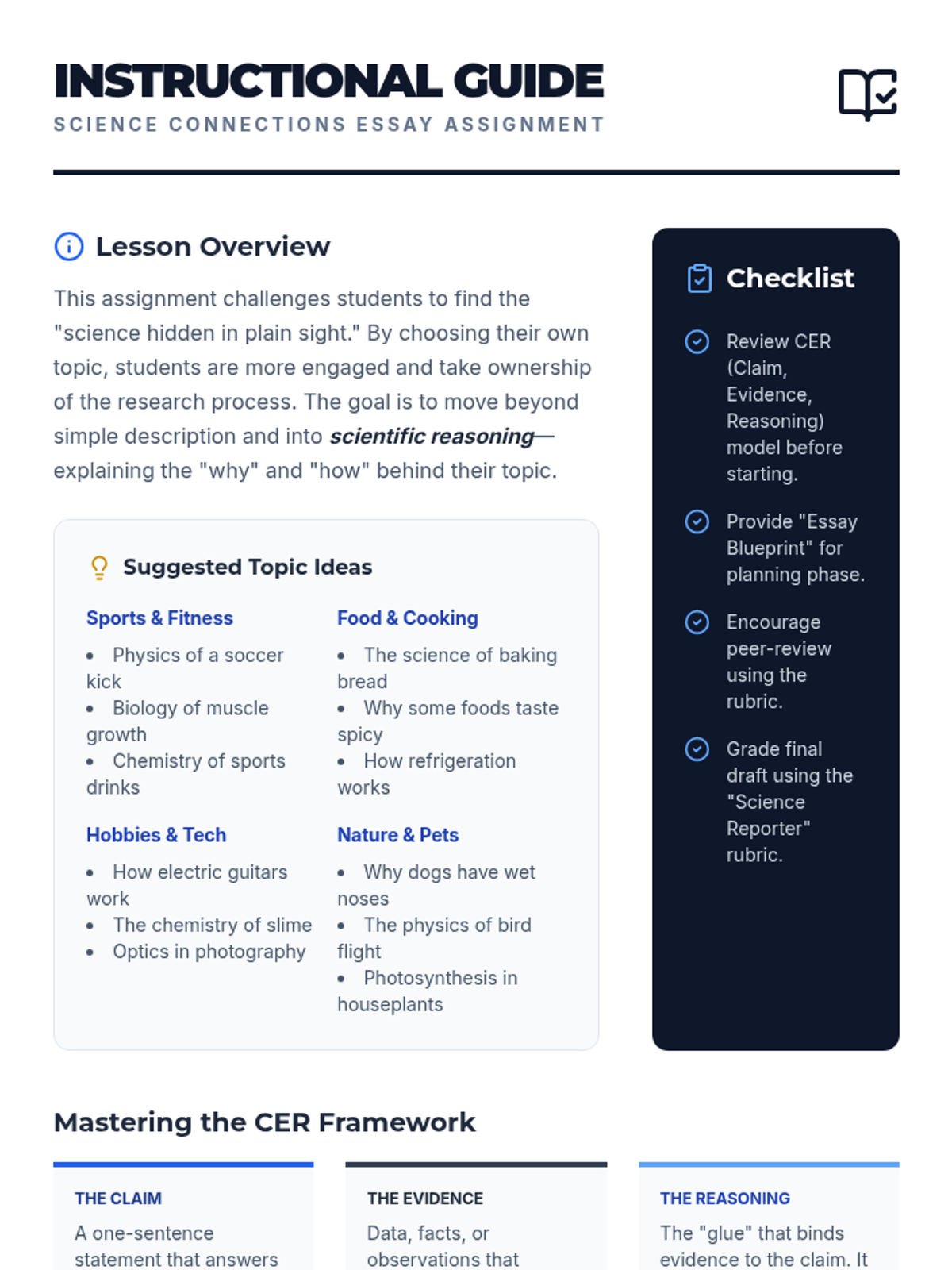
A lesson focused on helping students write a structured three-paragraph essay connecting a self-chosen topic to scientific principles.
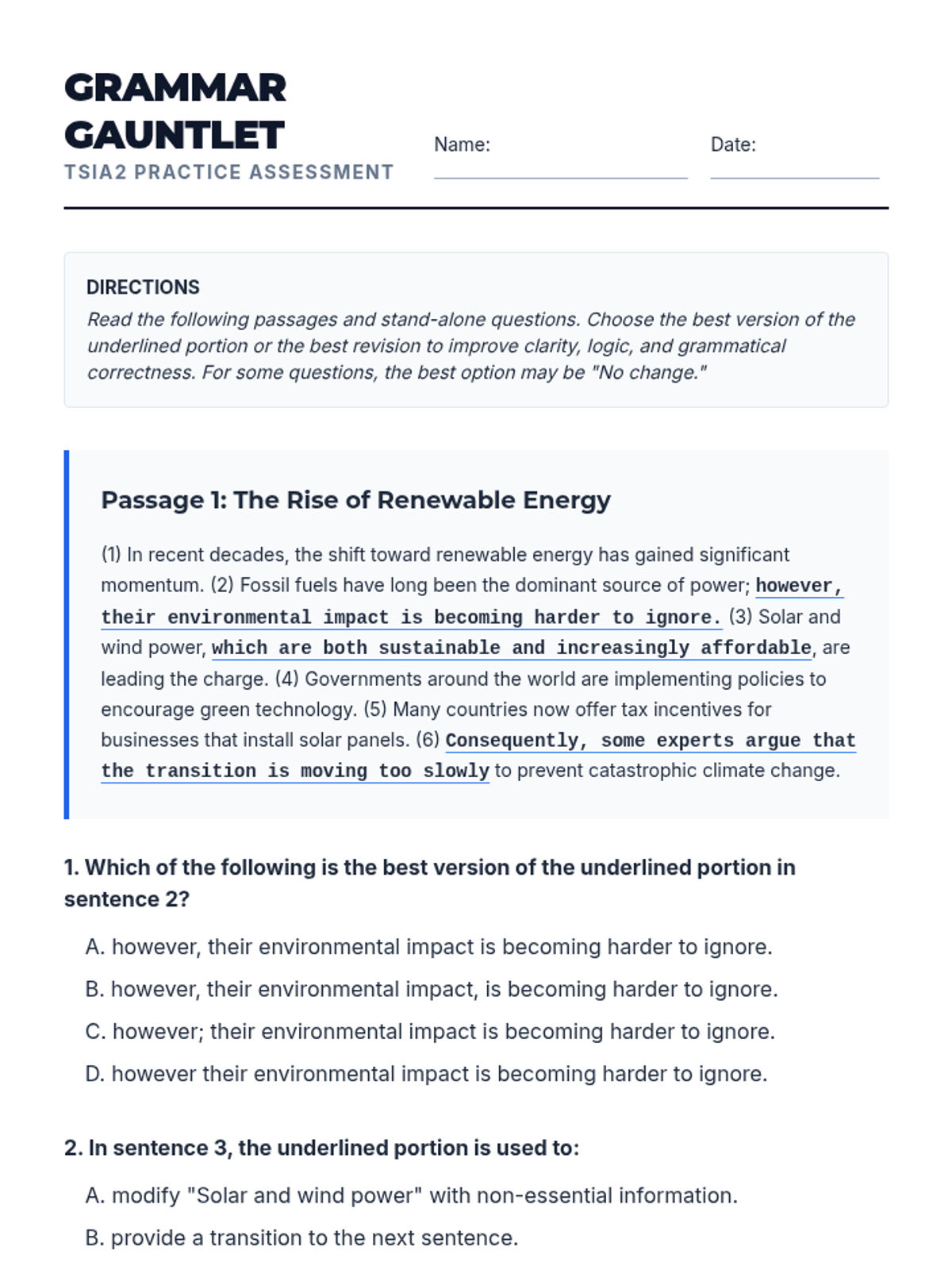
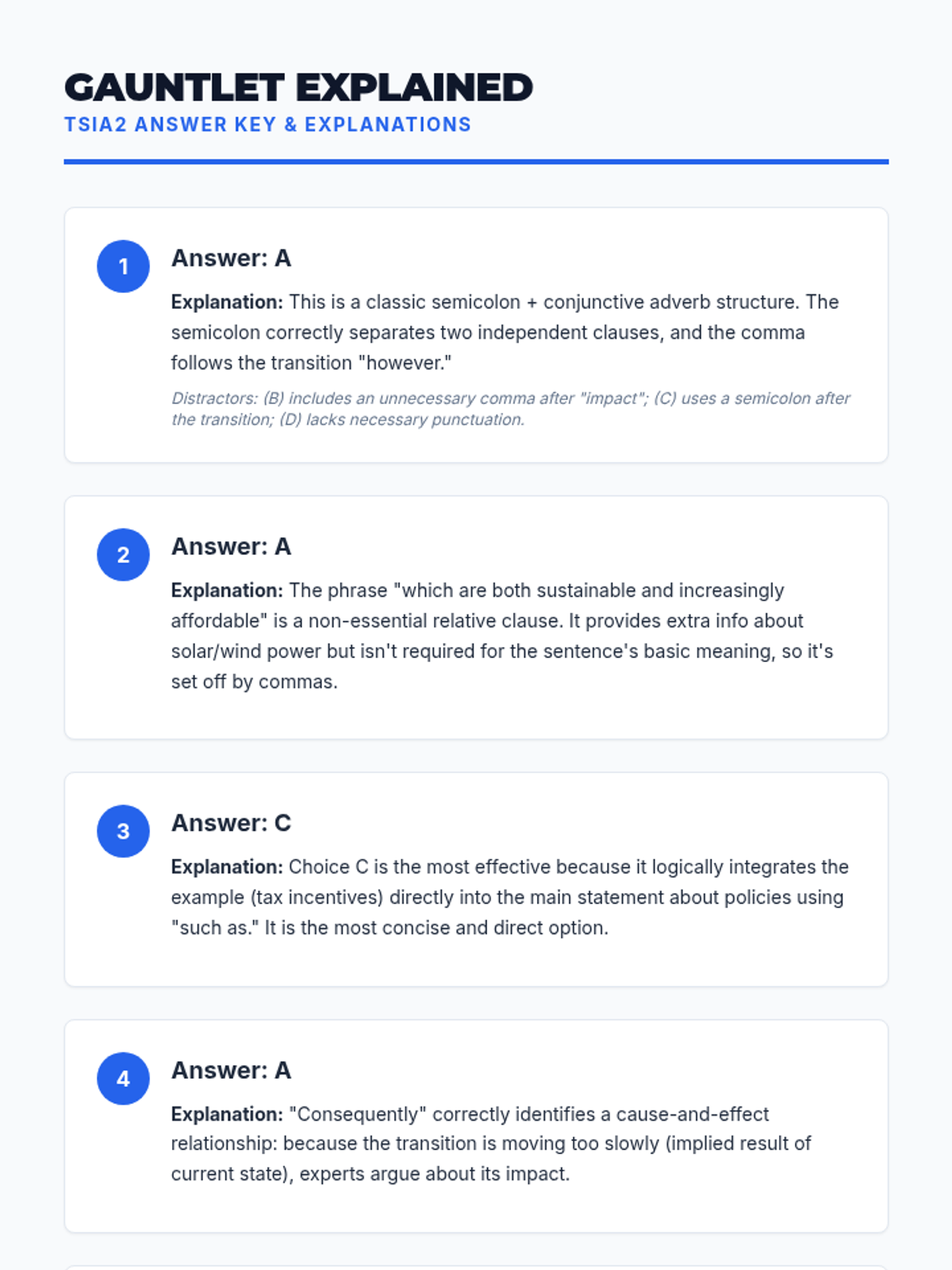
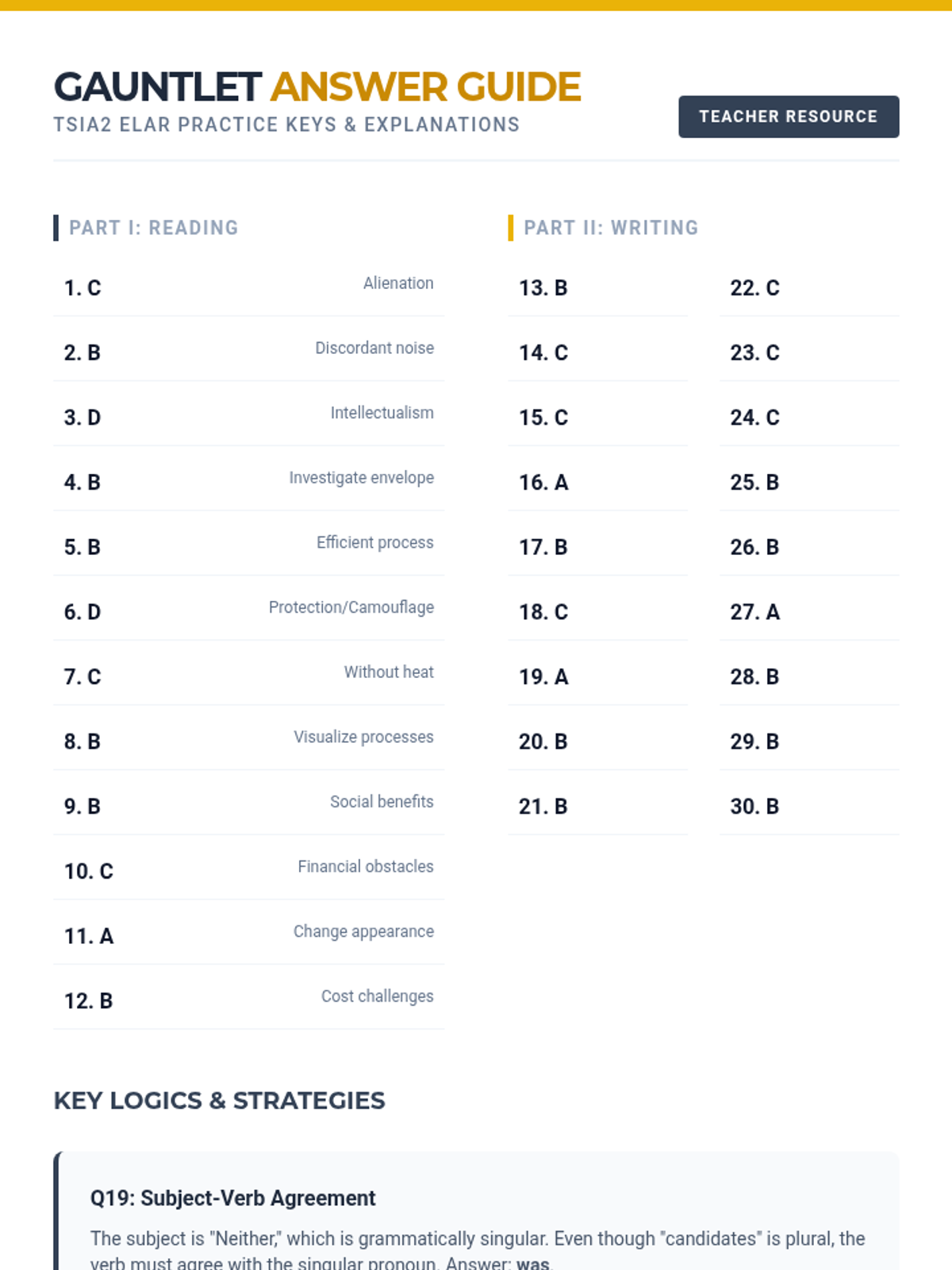
A comprehensive lesson covering TSIA2 grammar standards, including sentence structure, punctuation, agreement, and logical diction. Includes instructional slides, a 20-question practice exam, and a detailed explanation key.
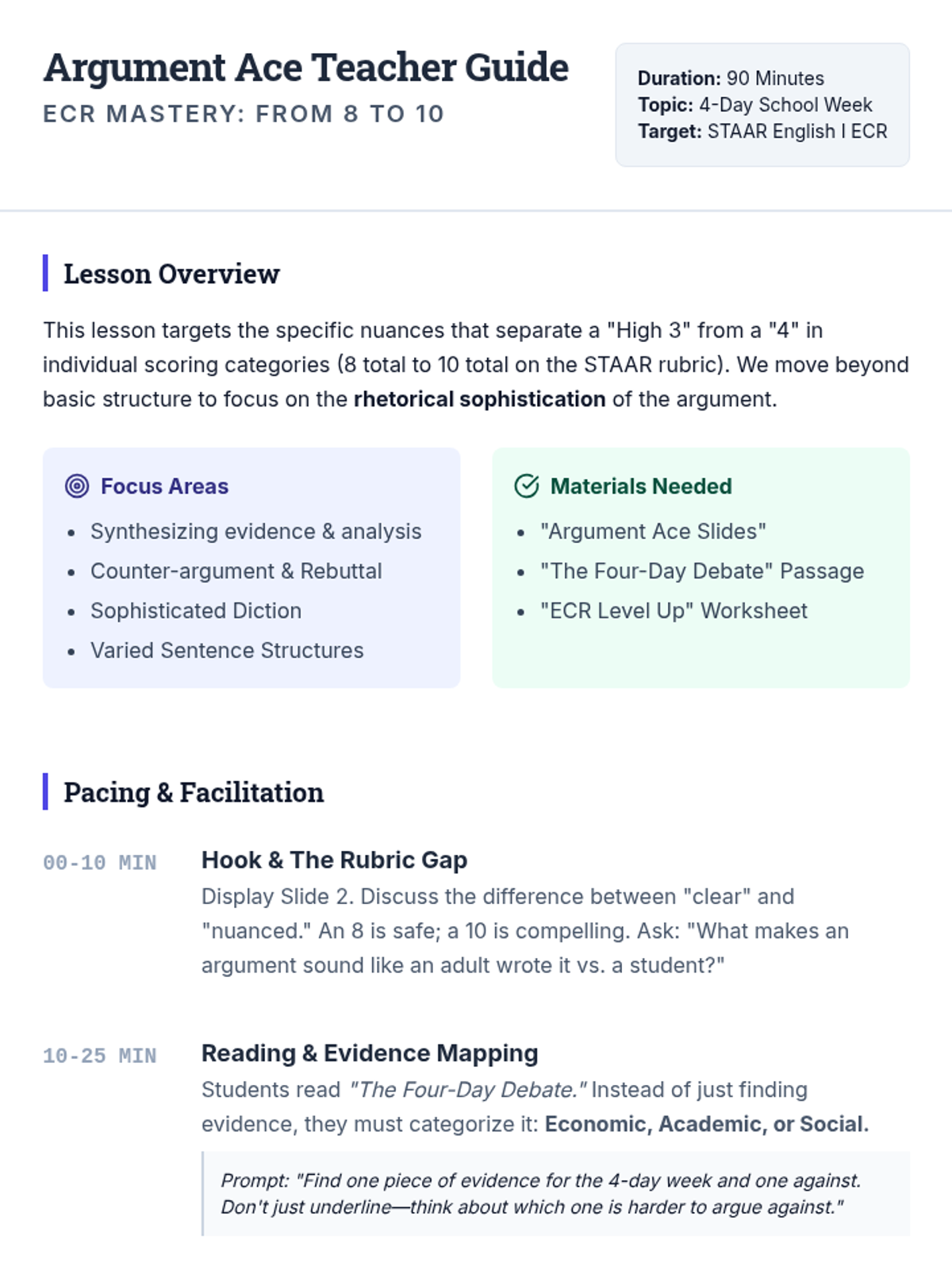
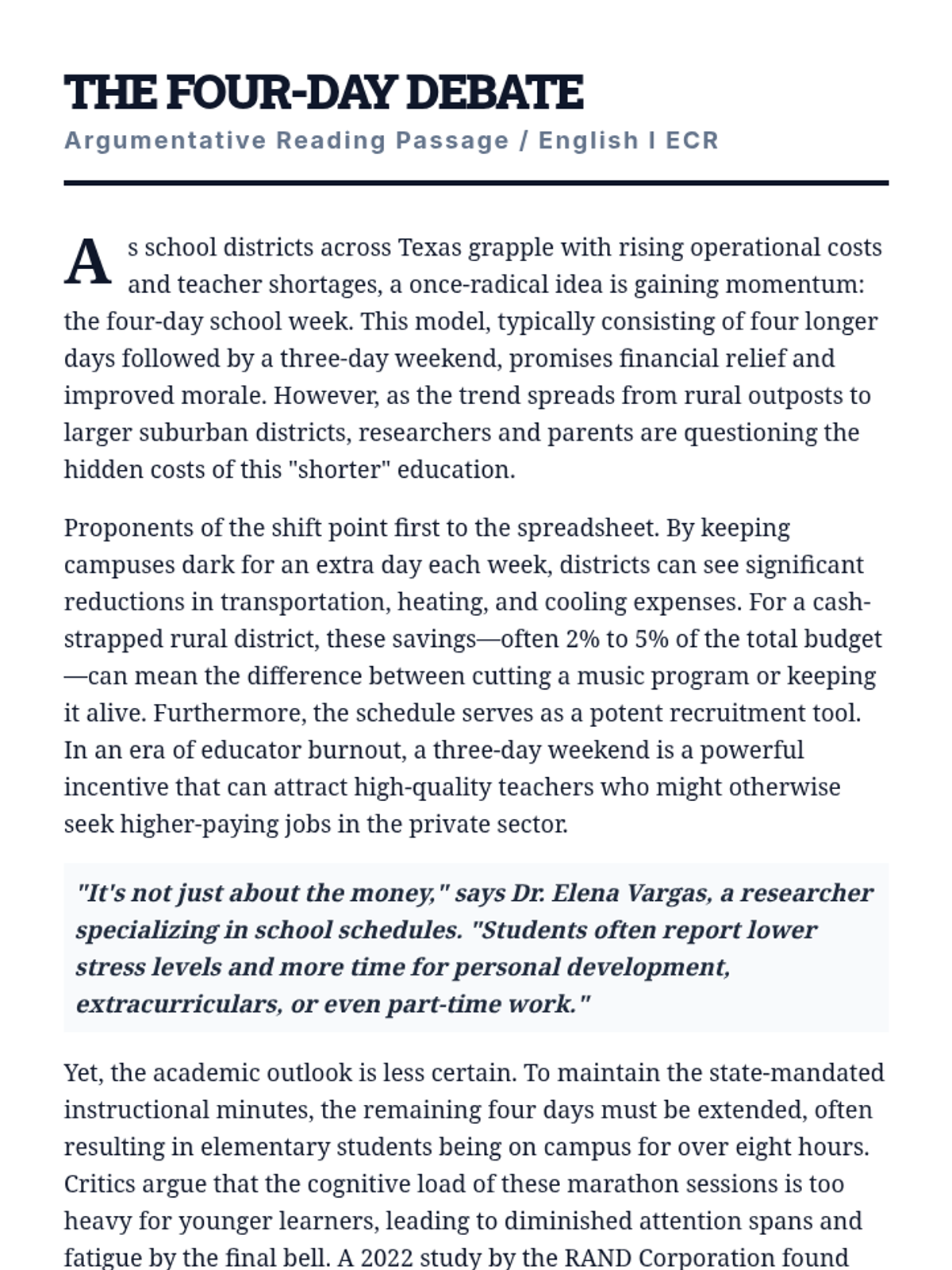
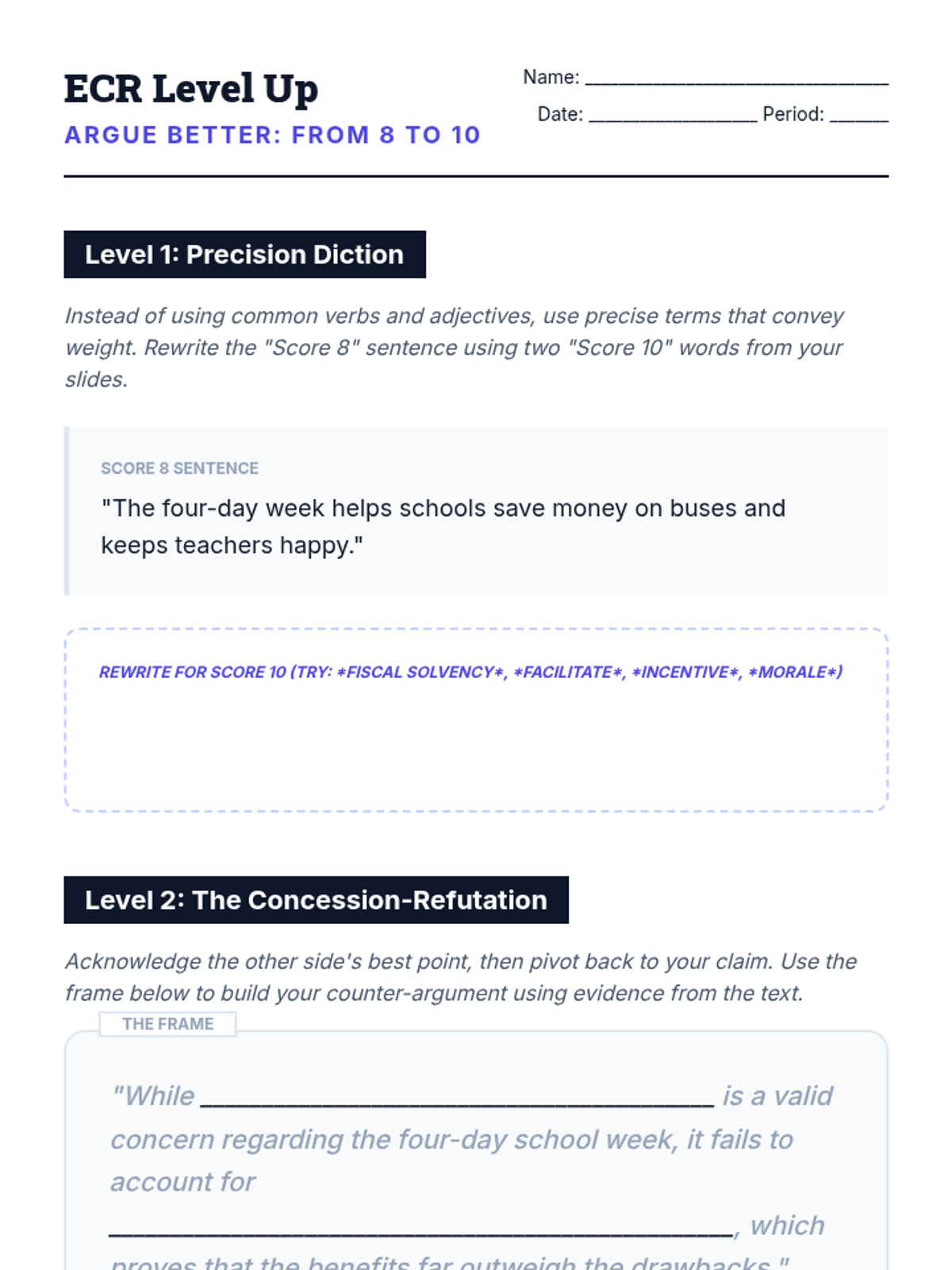
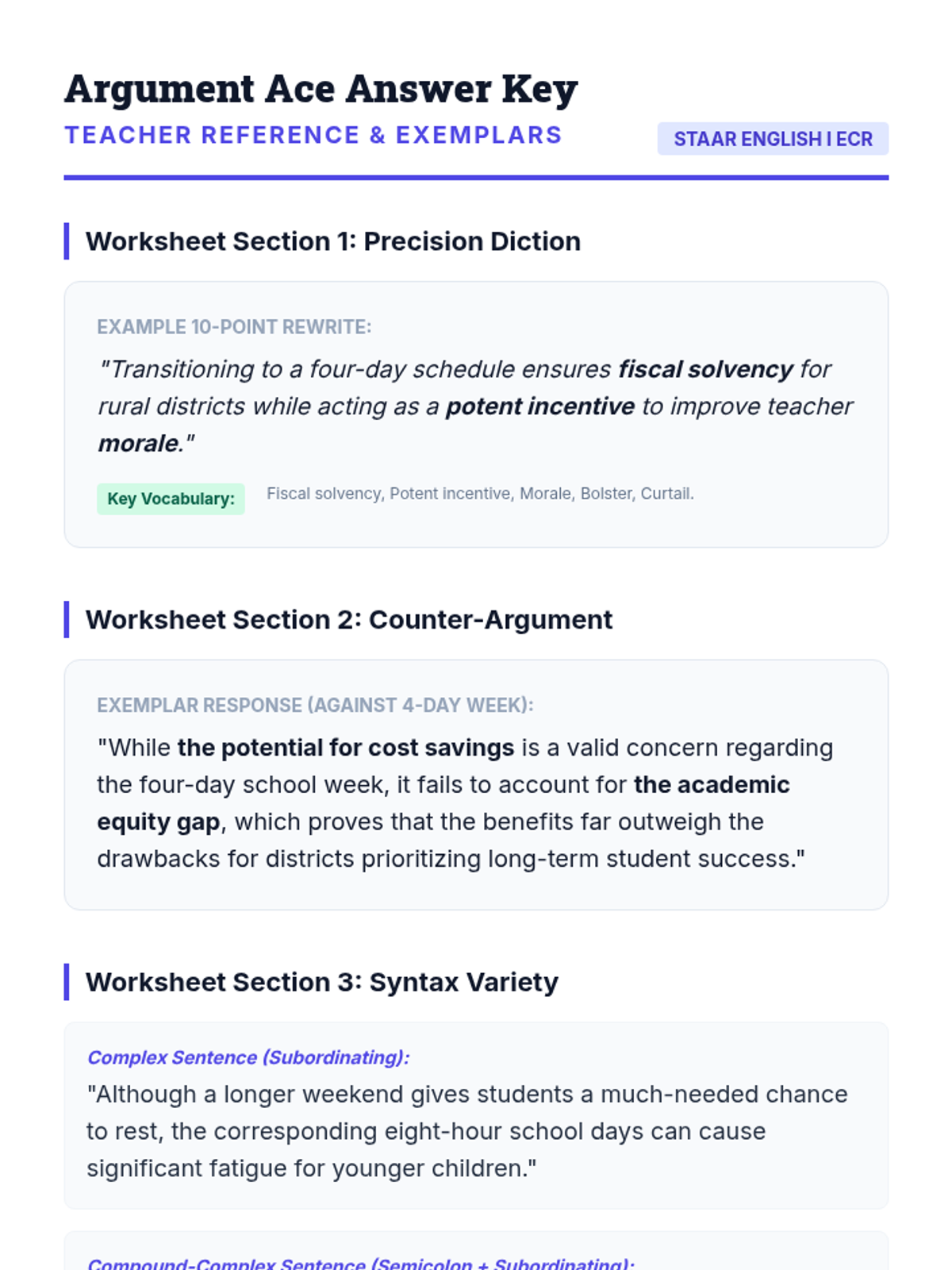
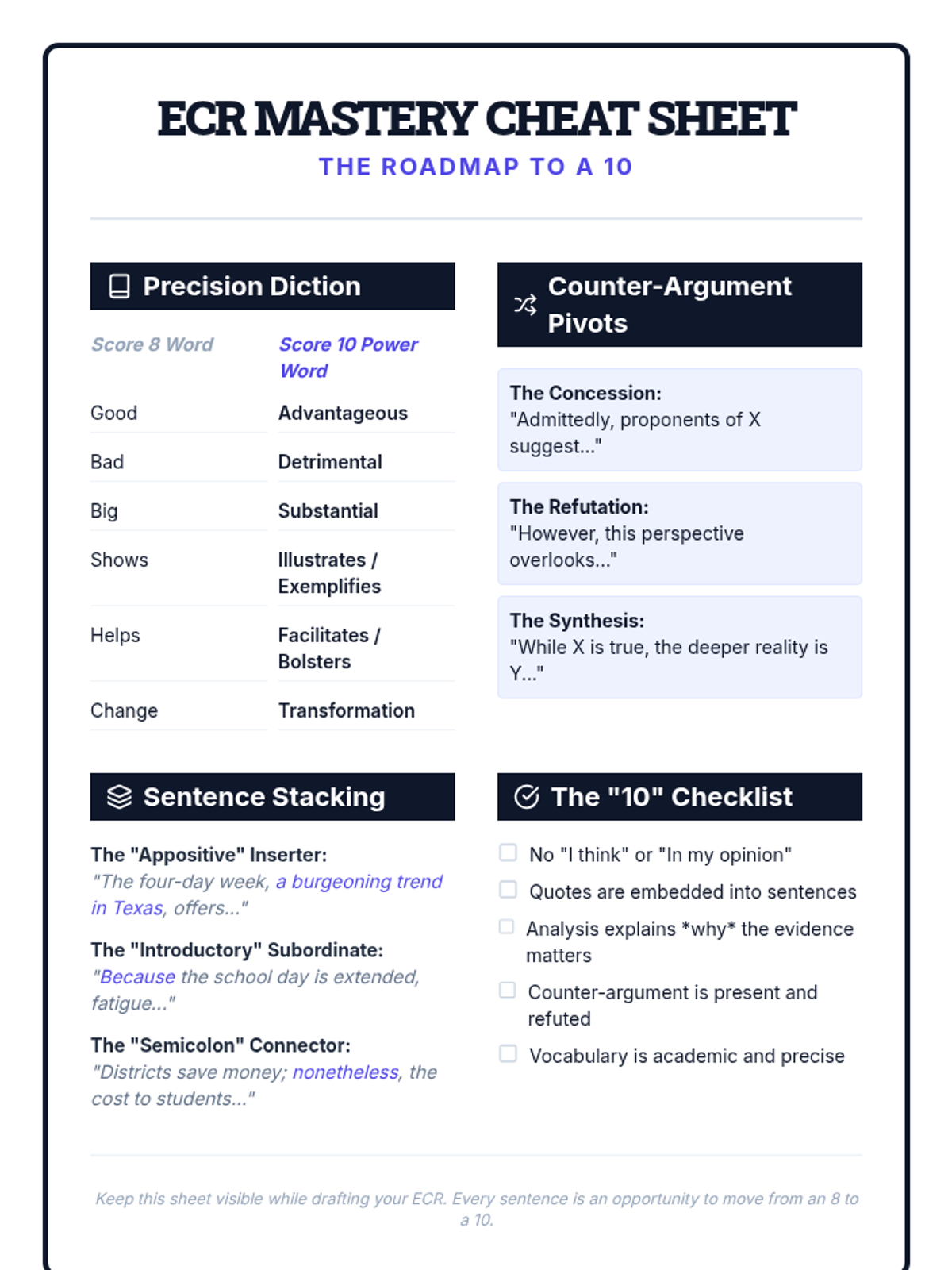
A 90-minute intensive lesson designed to bridge the gap between proficient (8) and advanced (10) scores on the Texas English 1 Argumentative ECR, focusing on counter-arguments, syntax, and sophisticated word choice.
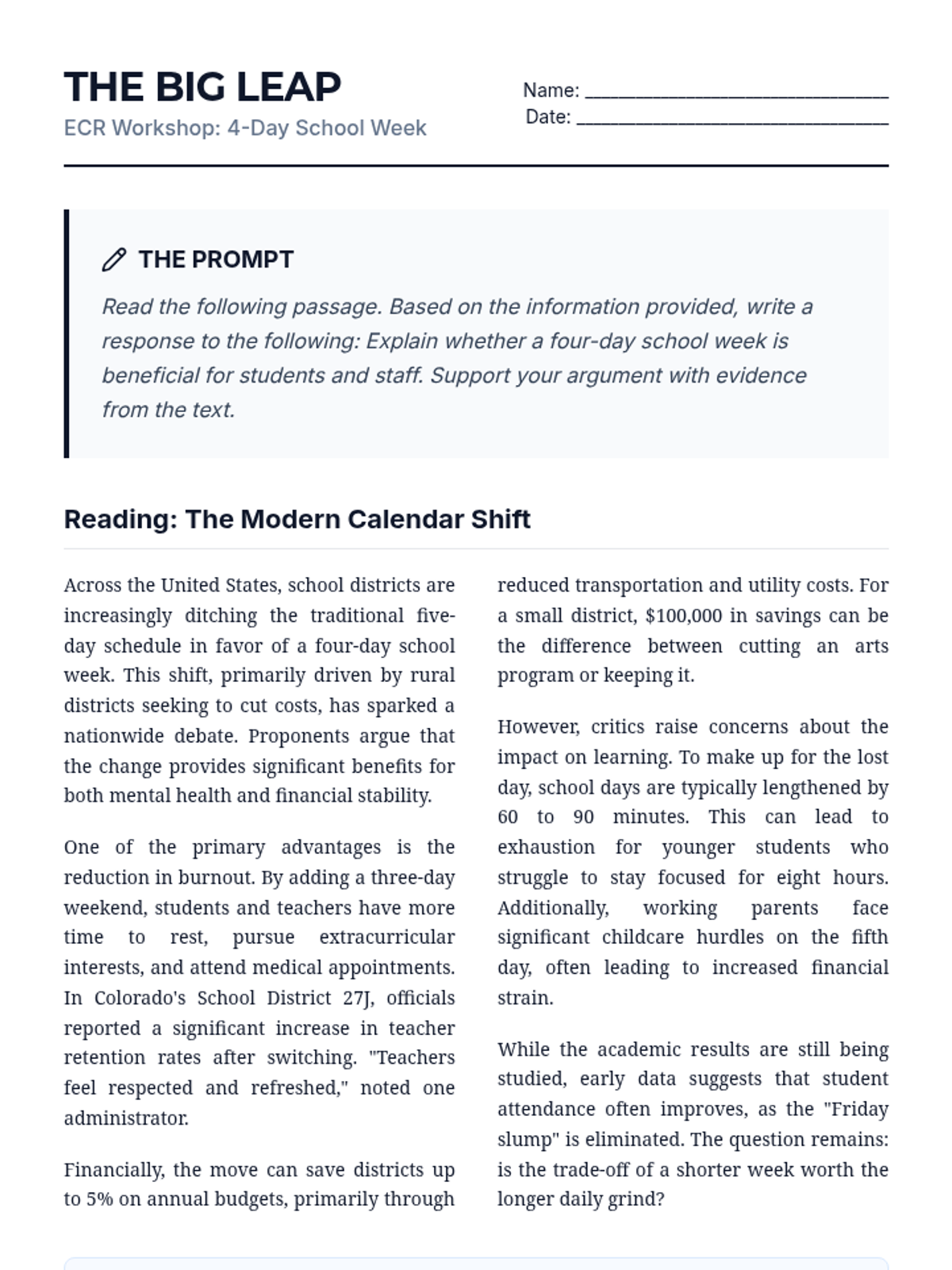
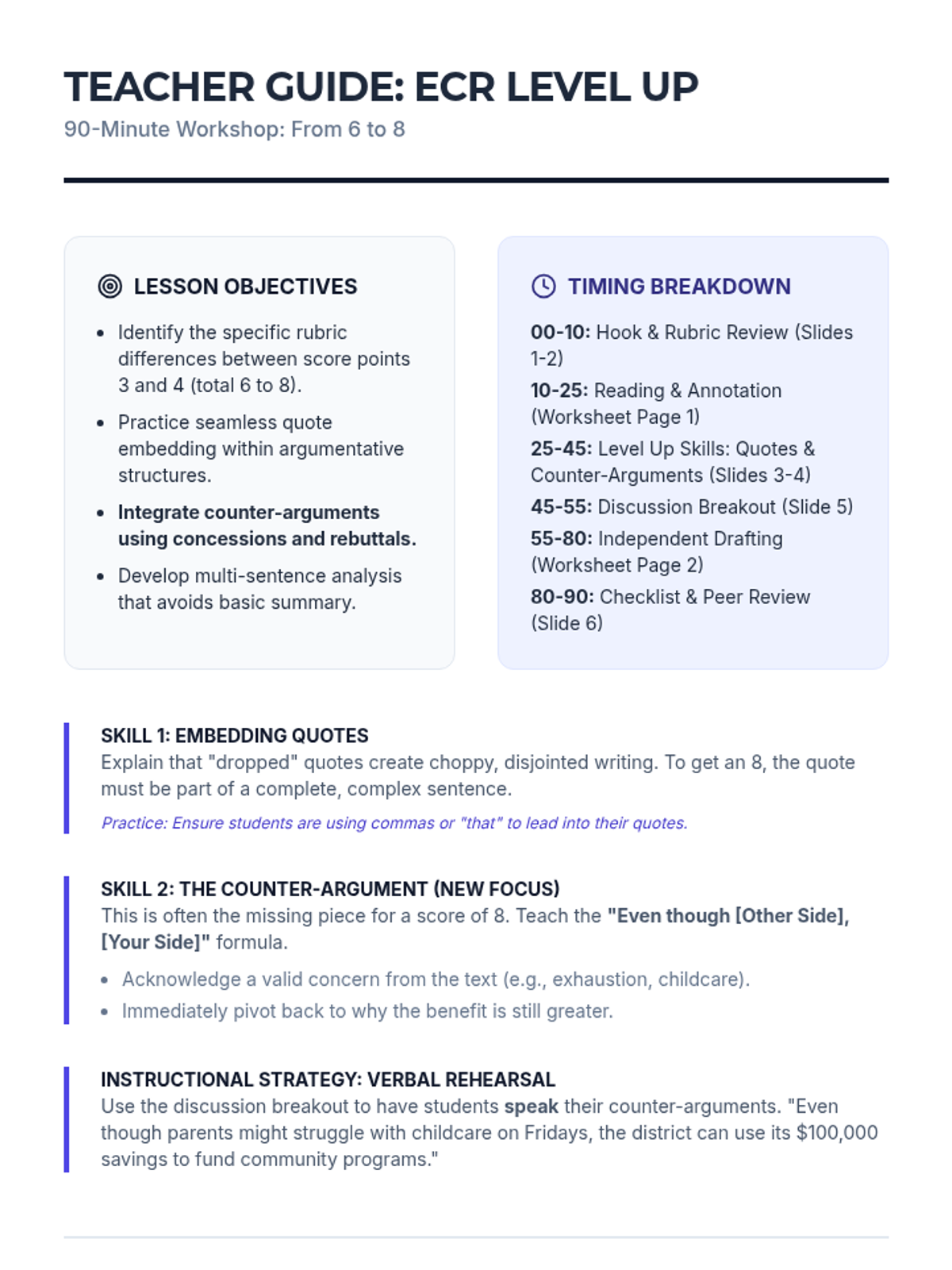
A high-intensity 90-minute workshop designed to move students from a score of 6 to 8 on the Texas English I Argumentative ECR by focusing on quote integration, thorough development, and sophisticated organization. Students analyze a passage on the 4-day school week and practice drafting a high-scoring response.
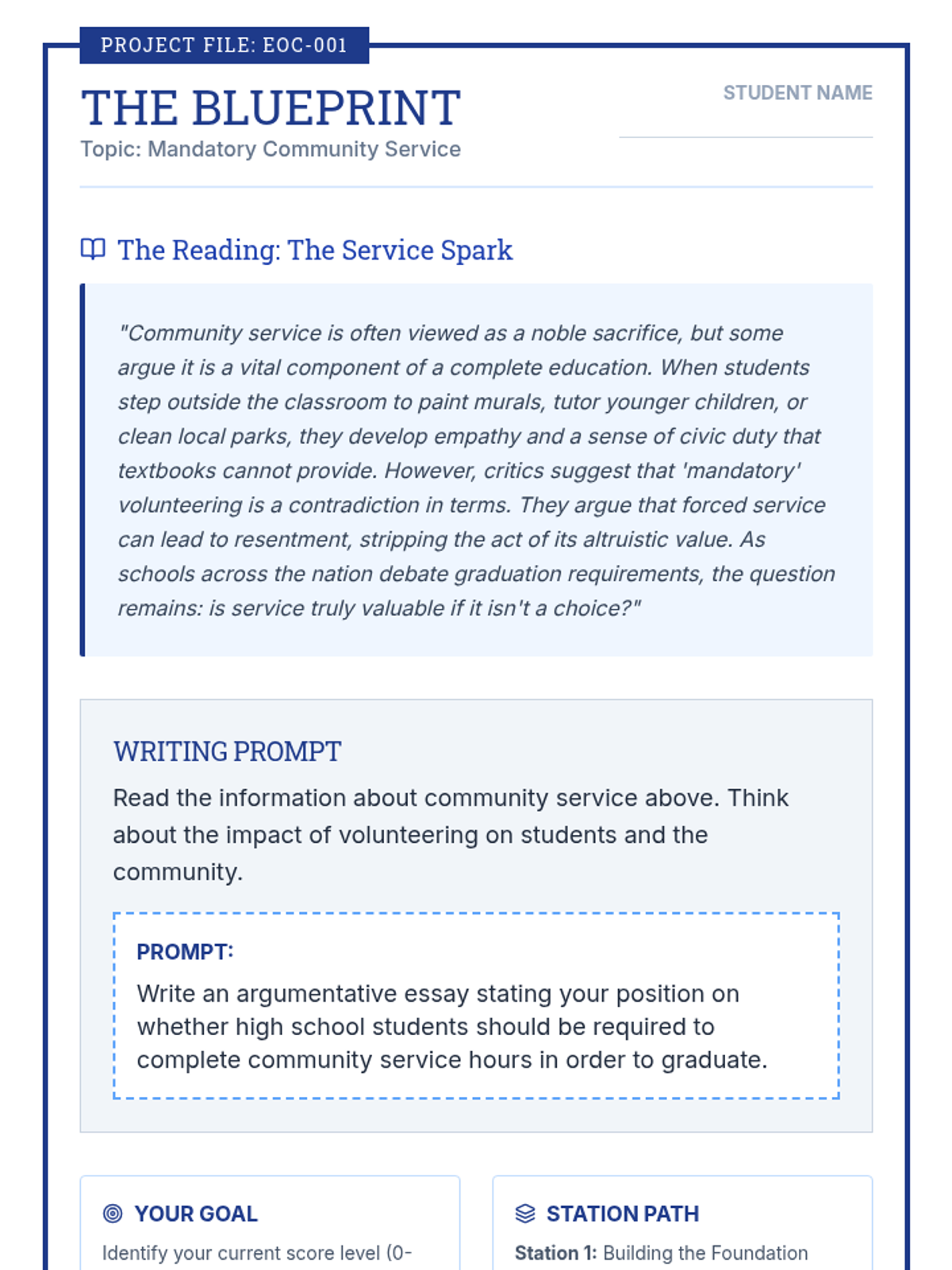
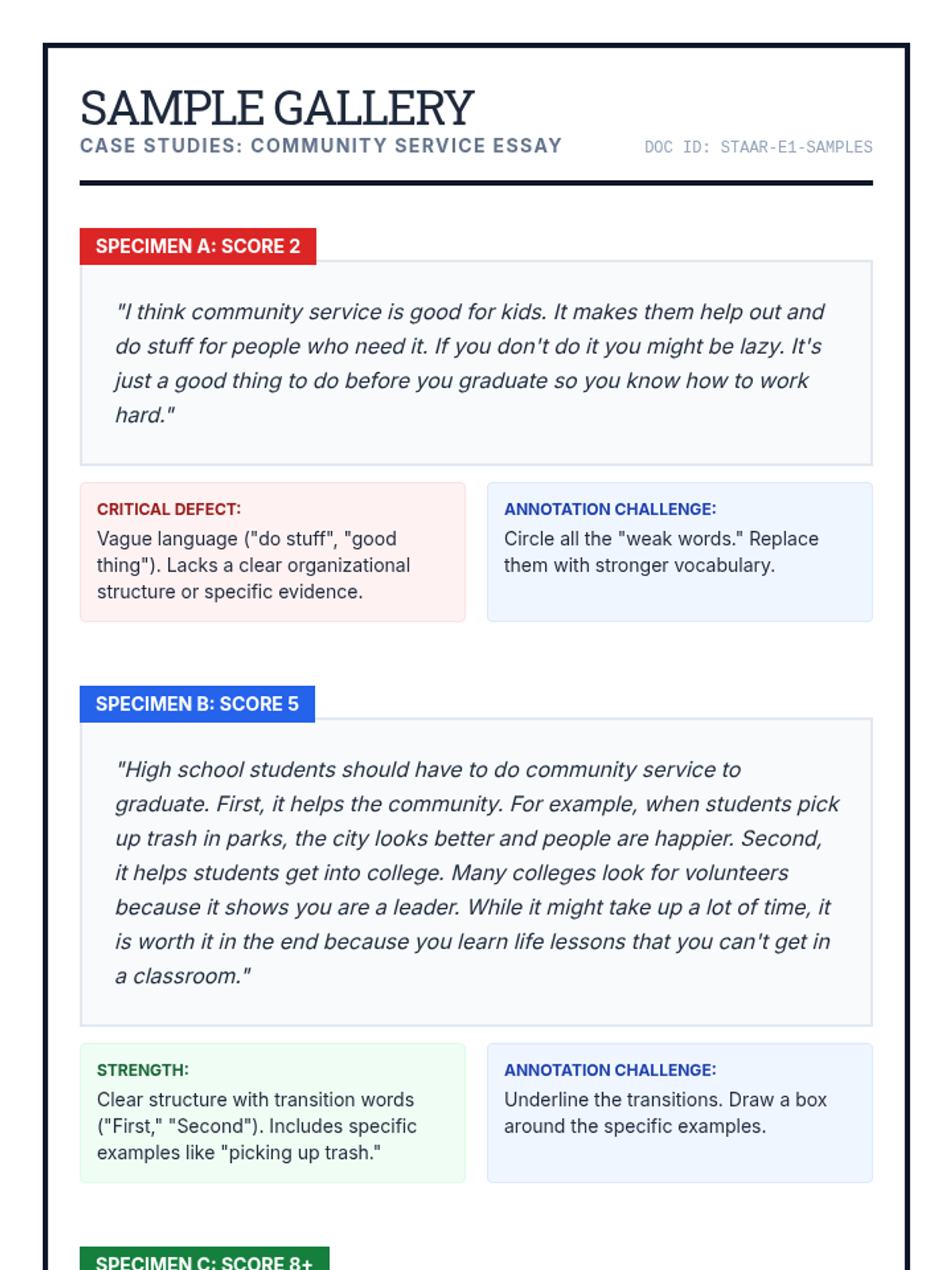
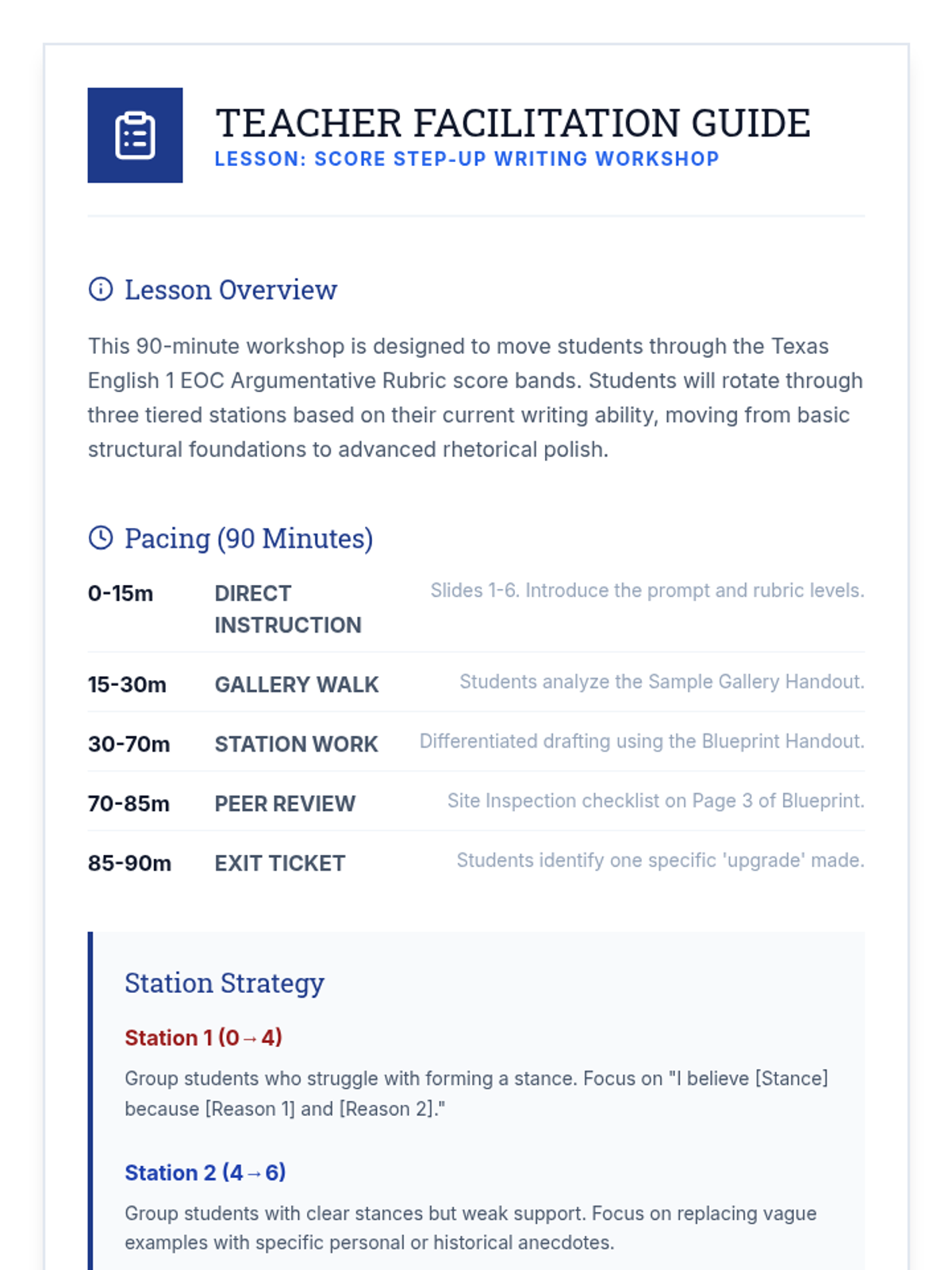
A 90-minute differentiated writing workshop designed to move students up the Texas English 1 EOC argumentative writing rubric through targeted stations. Students analyze samples, use tiered graphic organizers, and engage in peer review centered on the 'Value of Community Service' prompt.
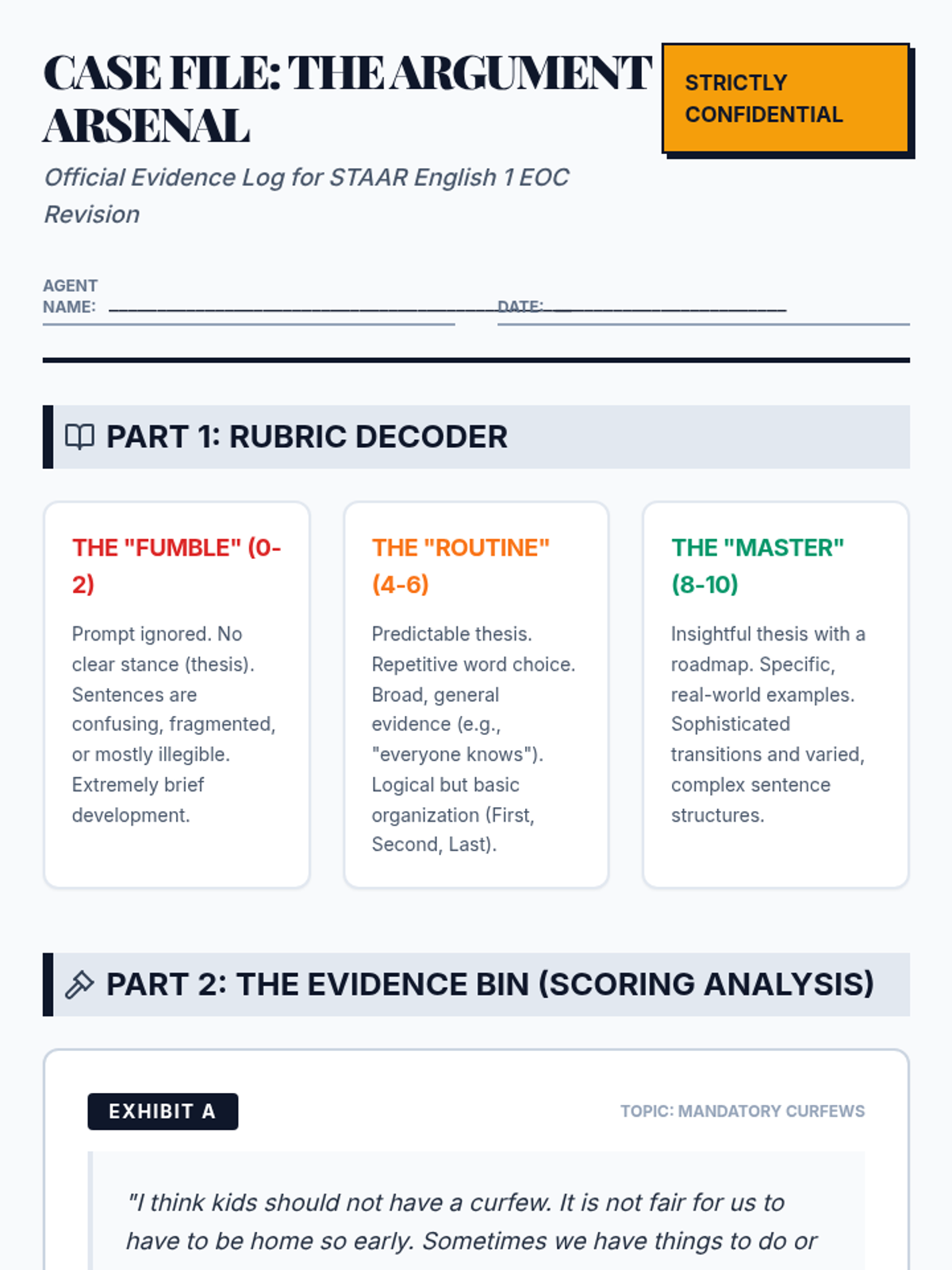
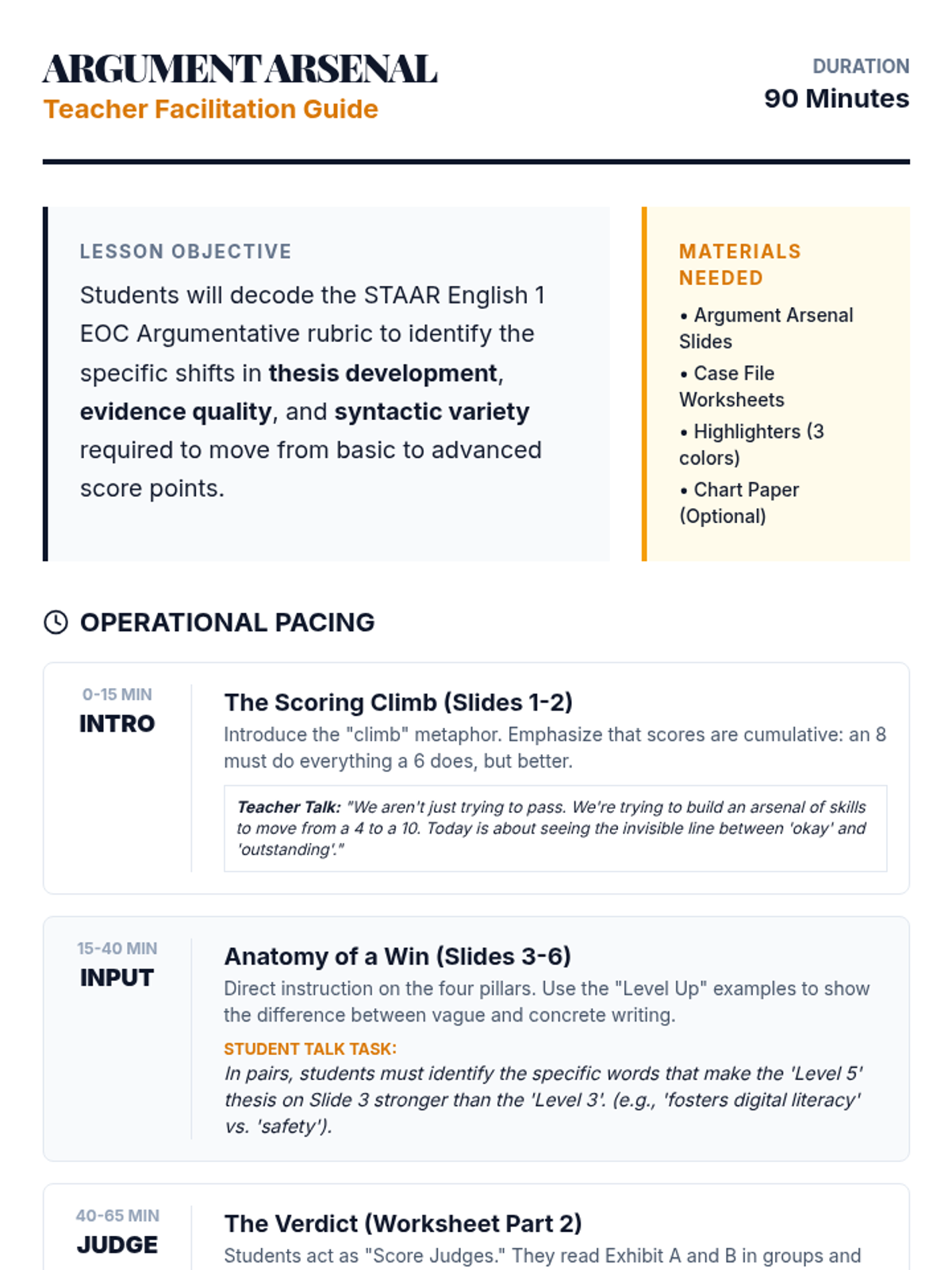
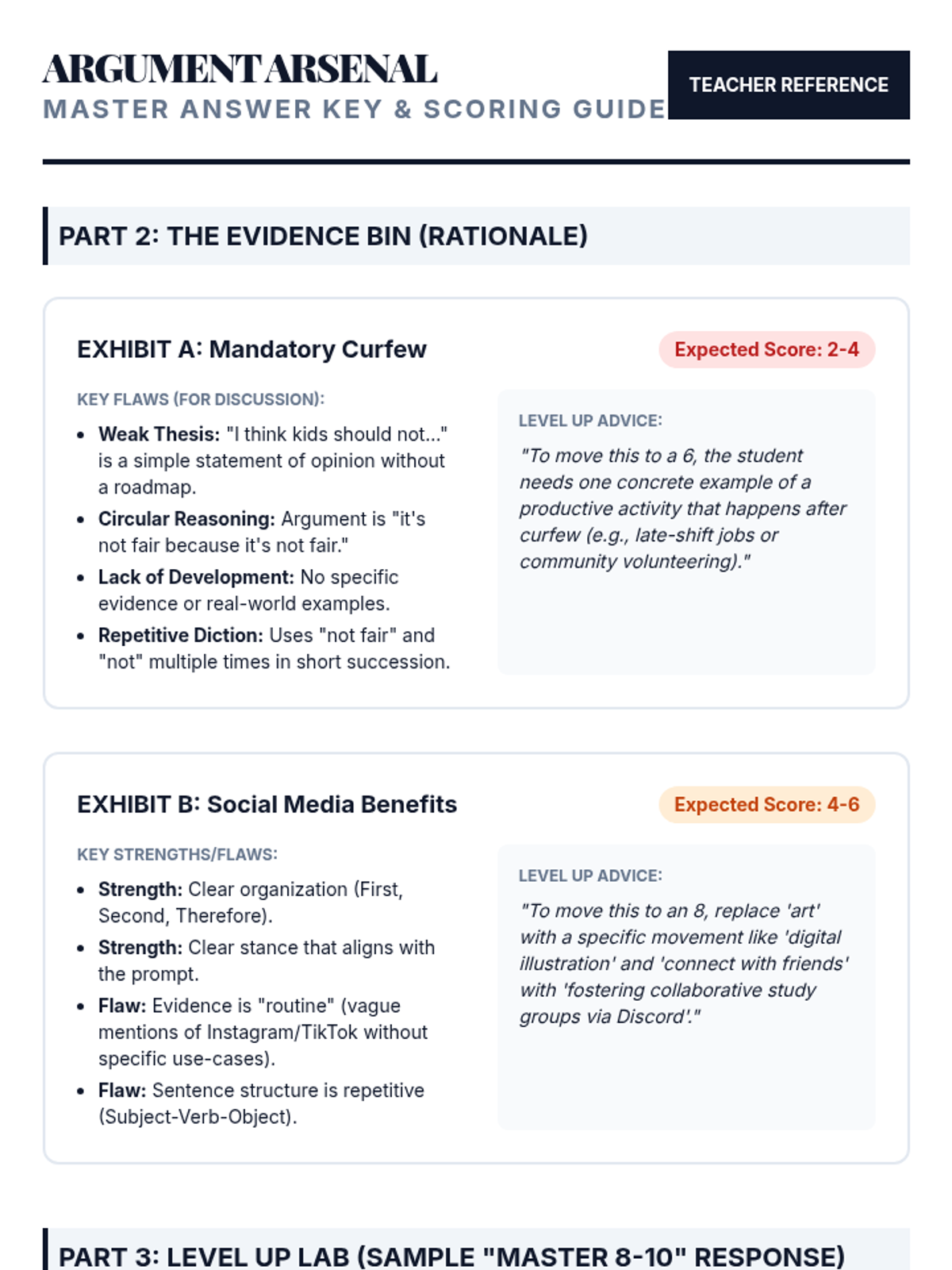
A 90-minute intensive workshop designed to help students climb the STAAR English 1 EOC Argumentative Writing rubric. Students decode score points, analyze evidence-based arguments, and practice targeted revisions to level up their writing from basic to advanced.
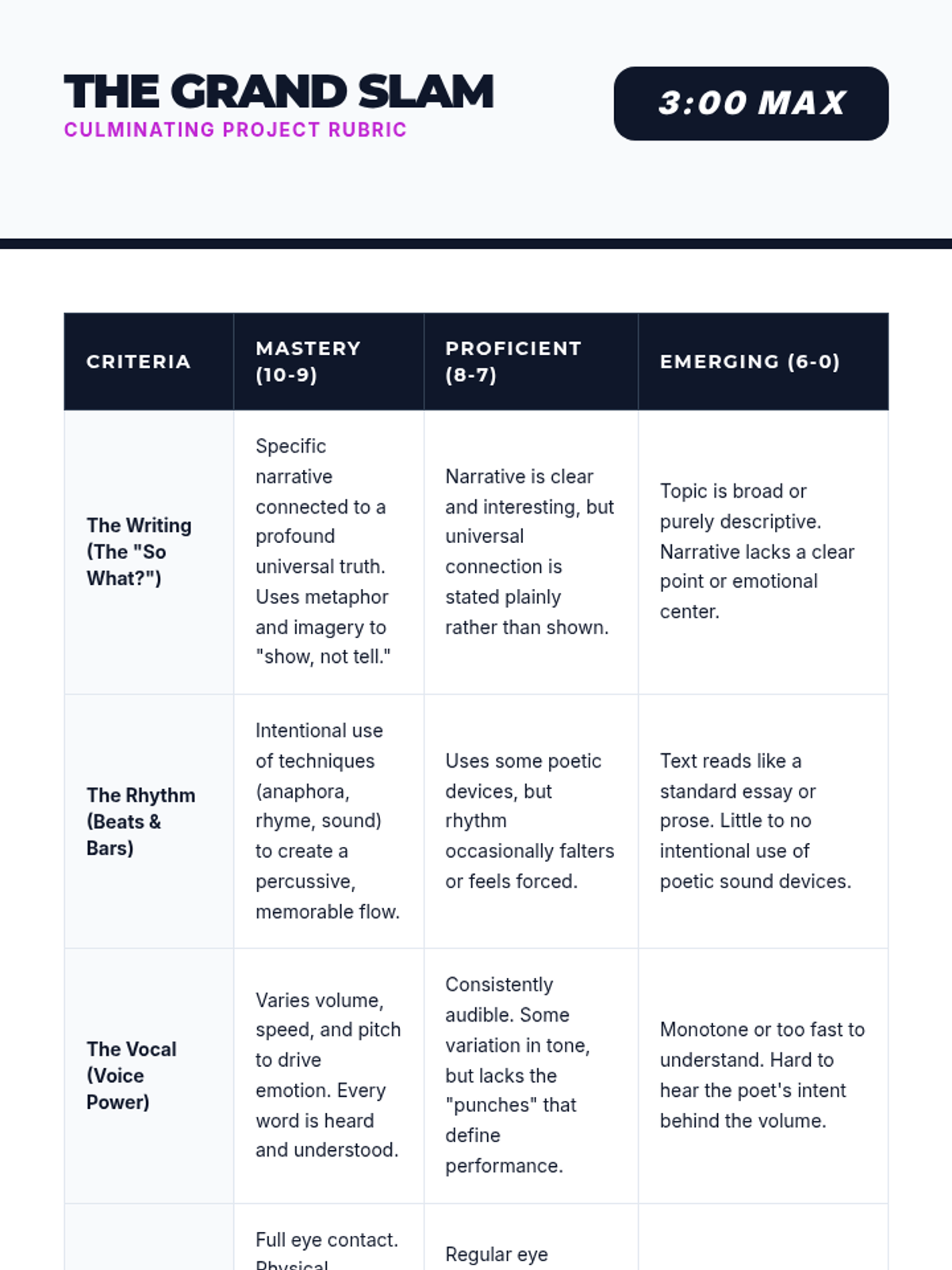
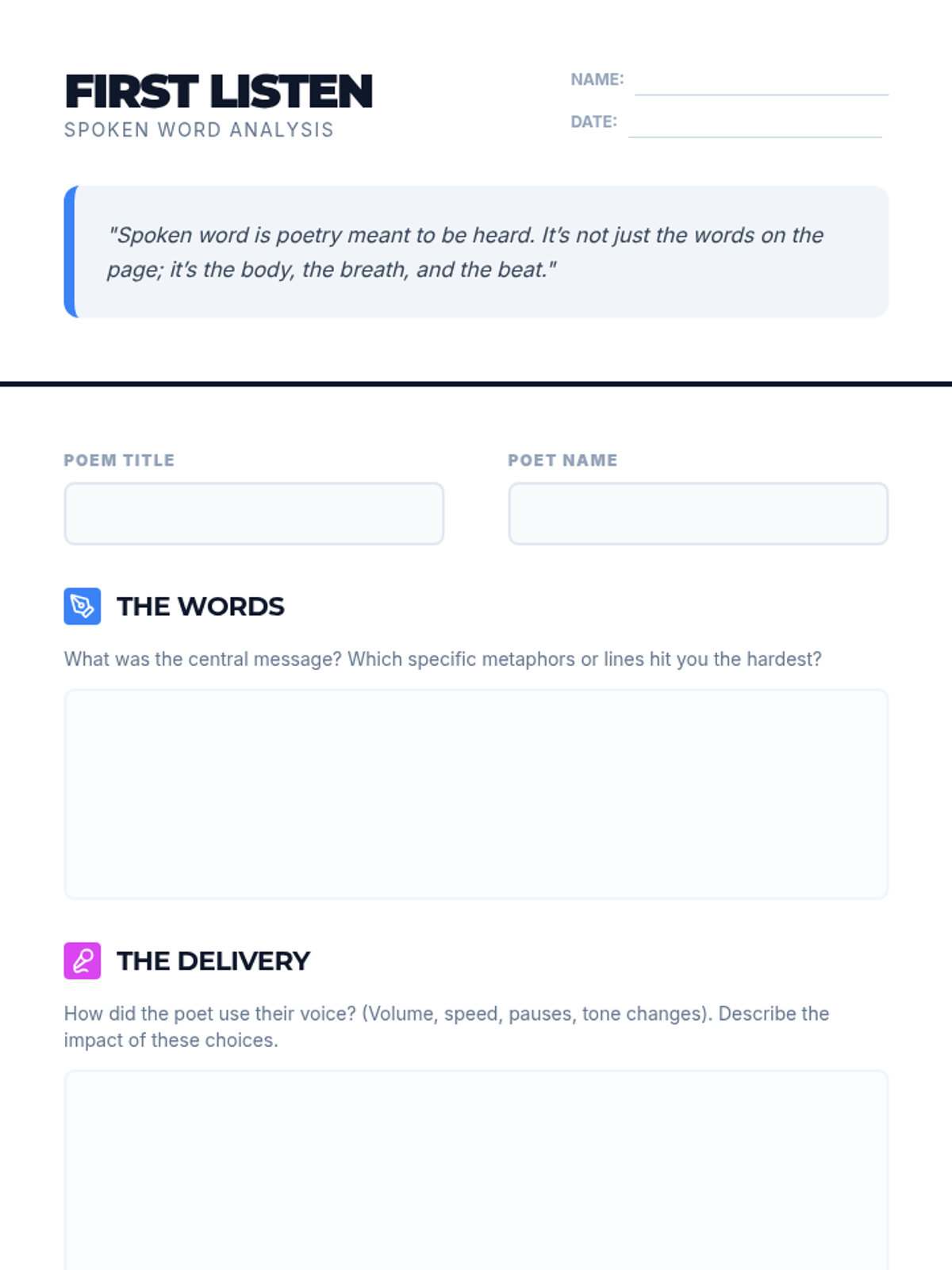
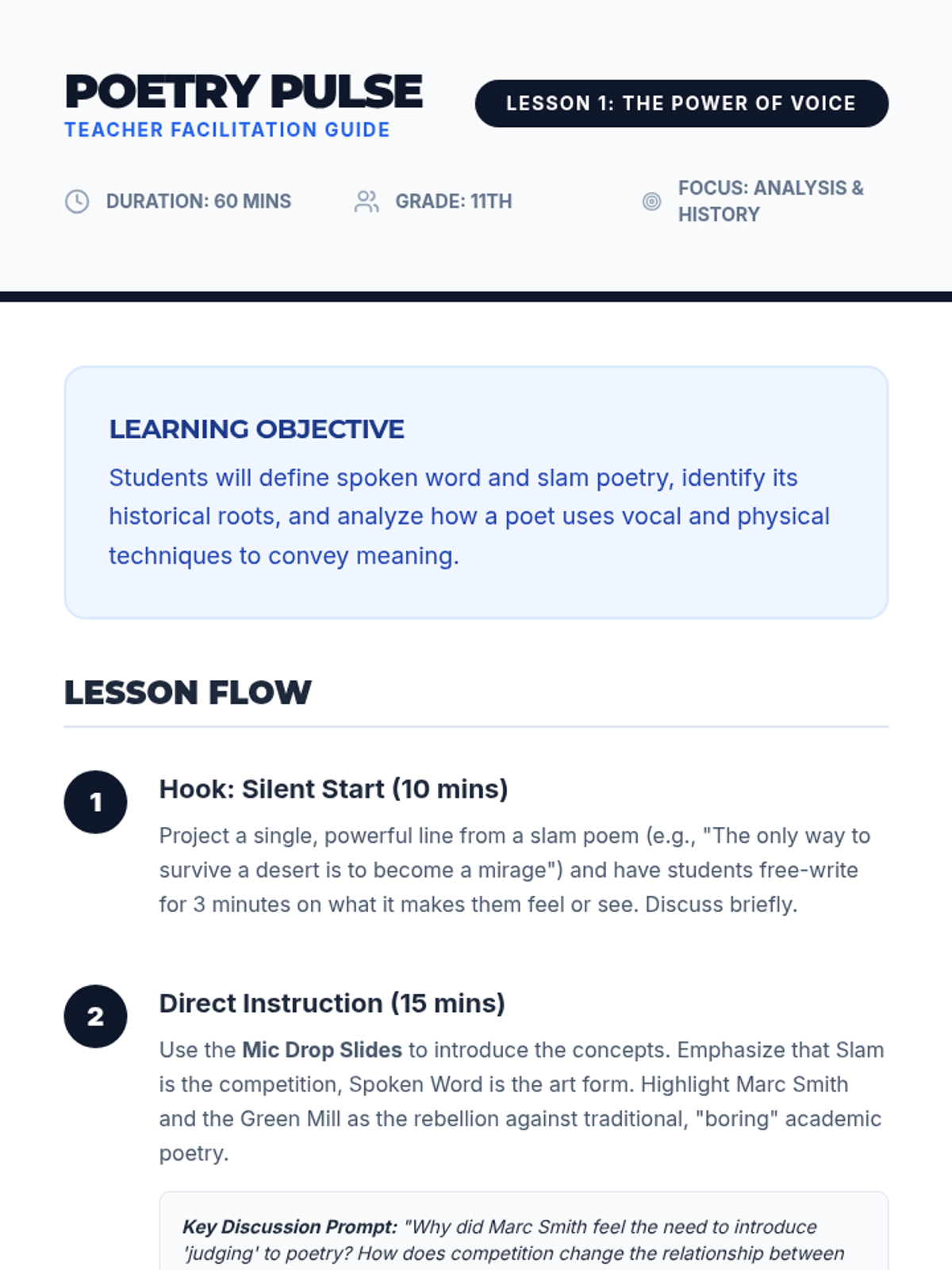
The culminating event: a class-wide slam competition with audience judges, followed by a written reflection on the journey of voice.
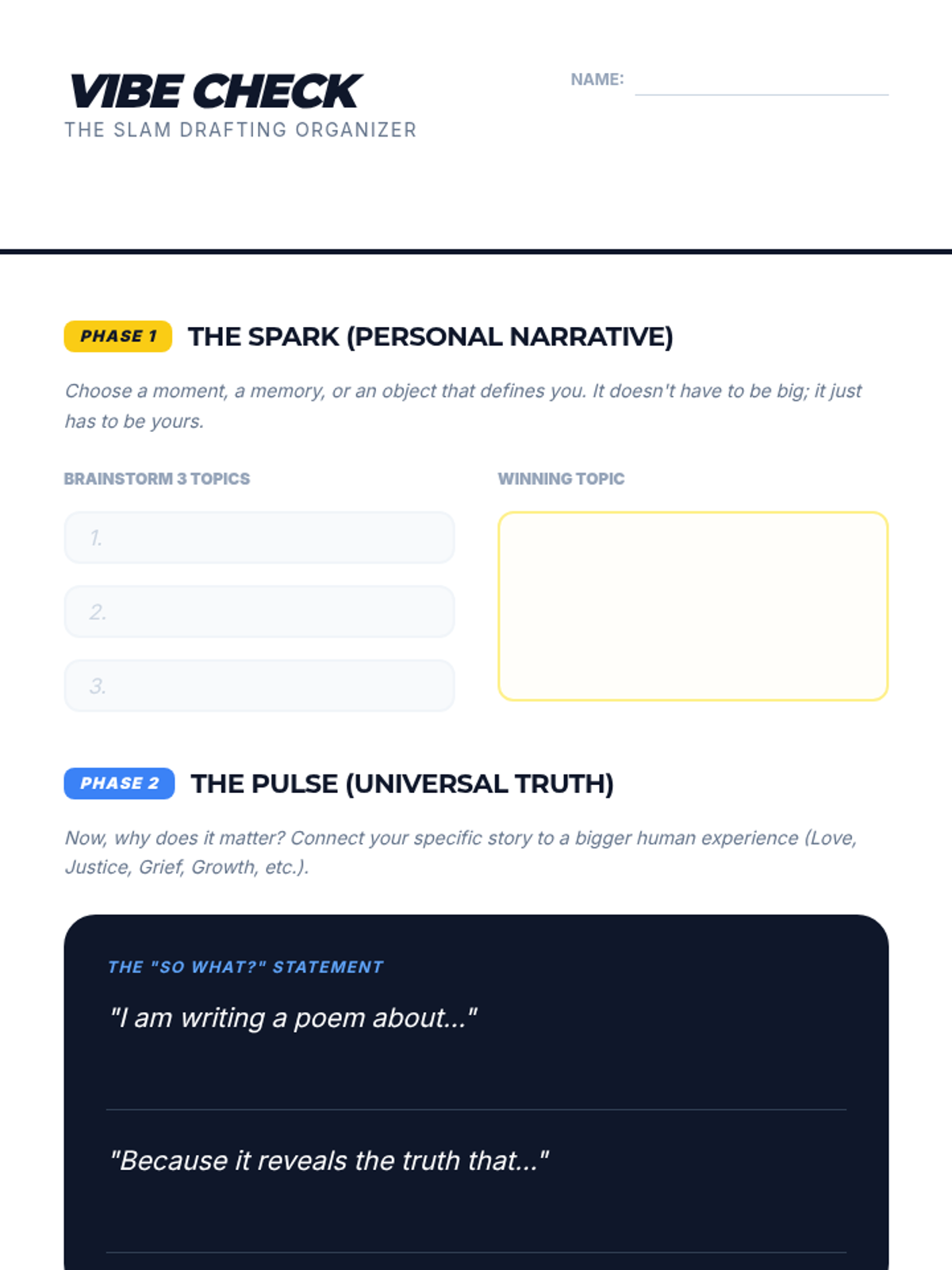
Guiding students through the process of choosing a personal topic, finding their unique voice, and drafting a 3-minute slam poem using the techniques learned.
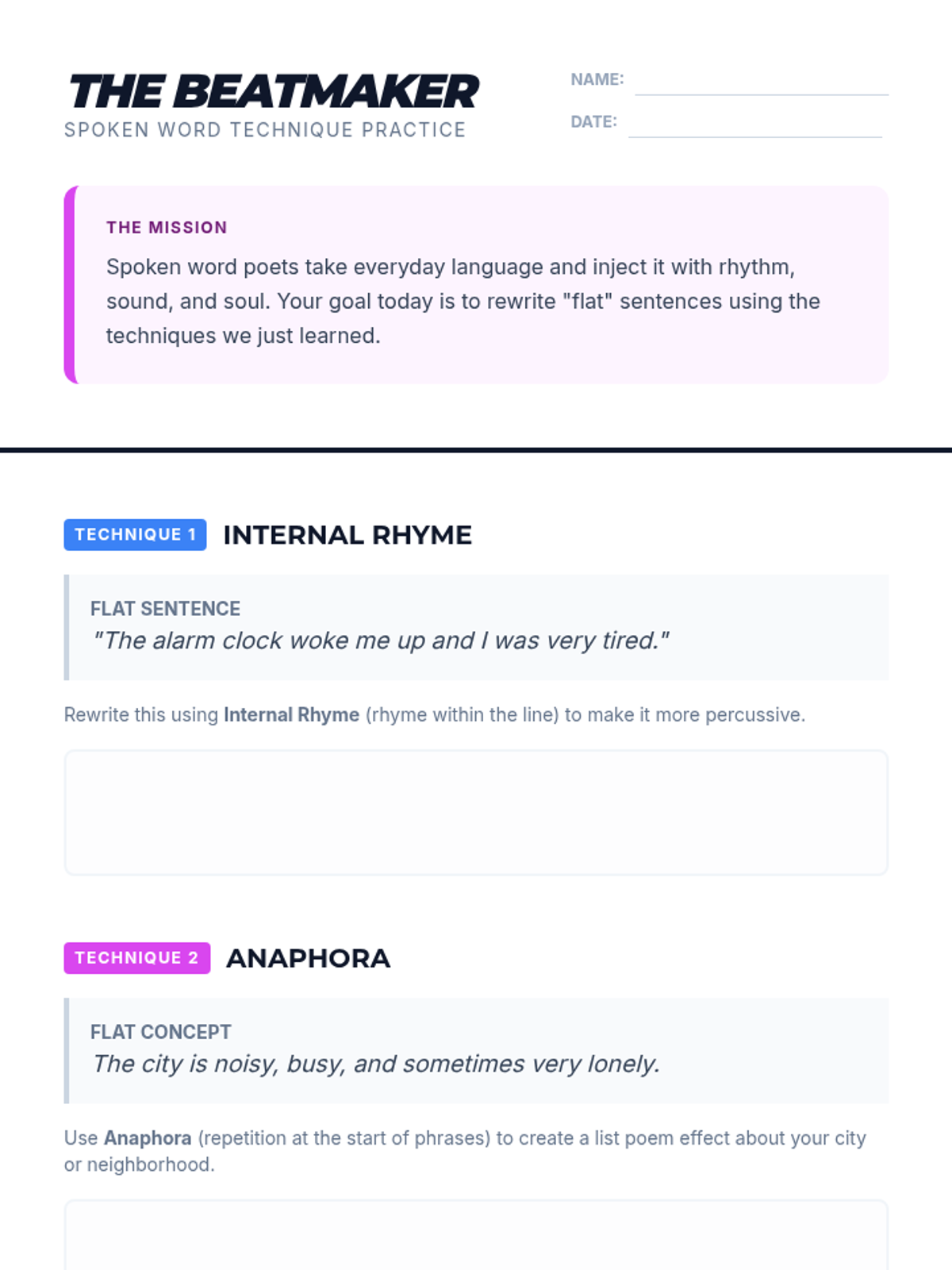
Focusing on the literary and performance techniques that give slam poetry its rhythm, including internal rhyme, repetition, and the 'beat' of the spoken word.
Introducing the history and impact of spoken word poetry, focusing on how voice and identity shape modern performance art.
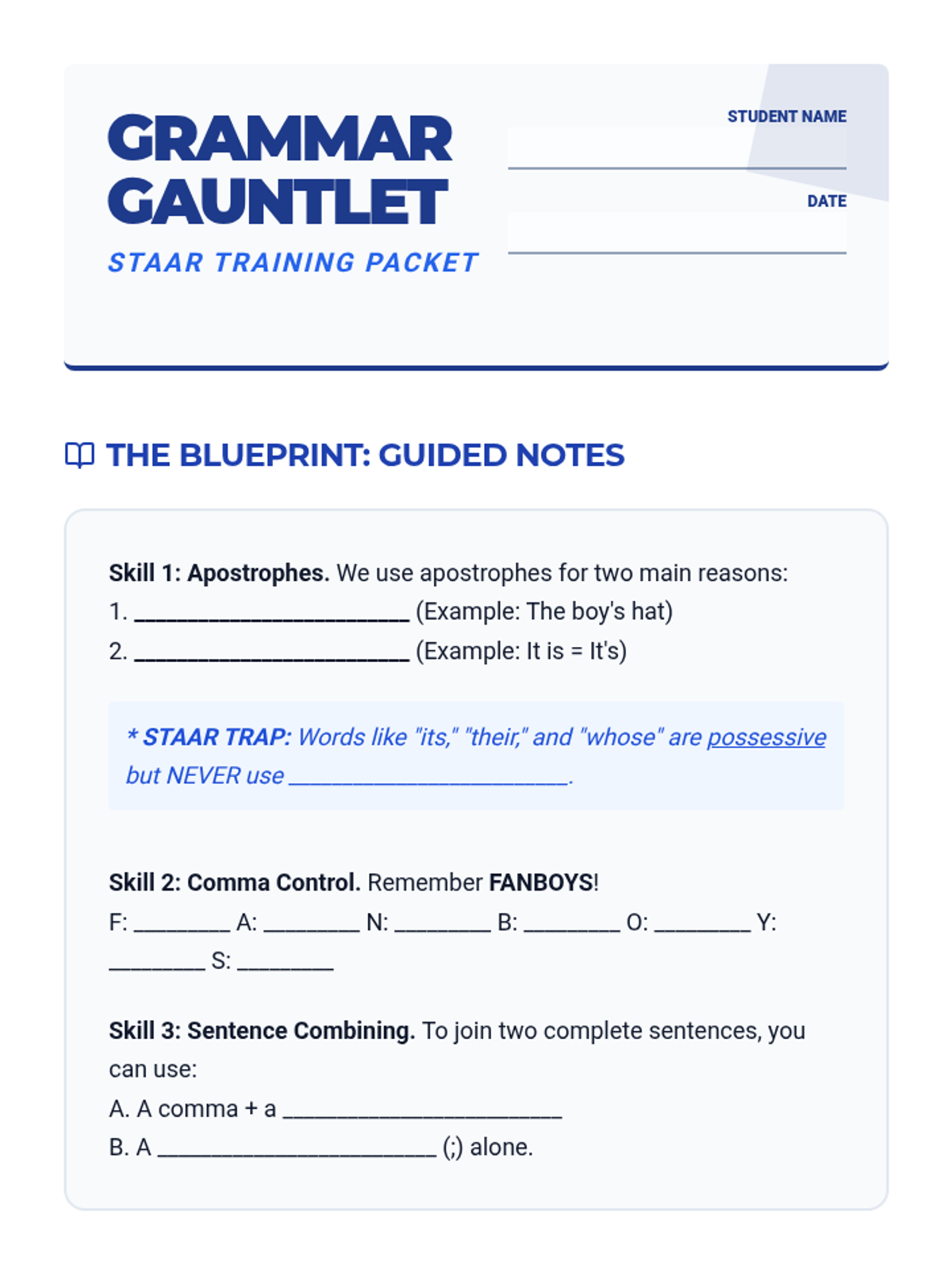
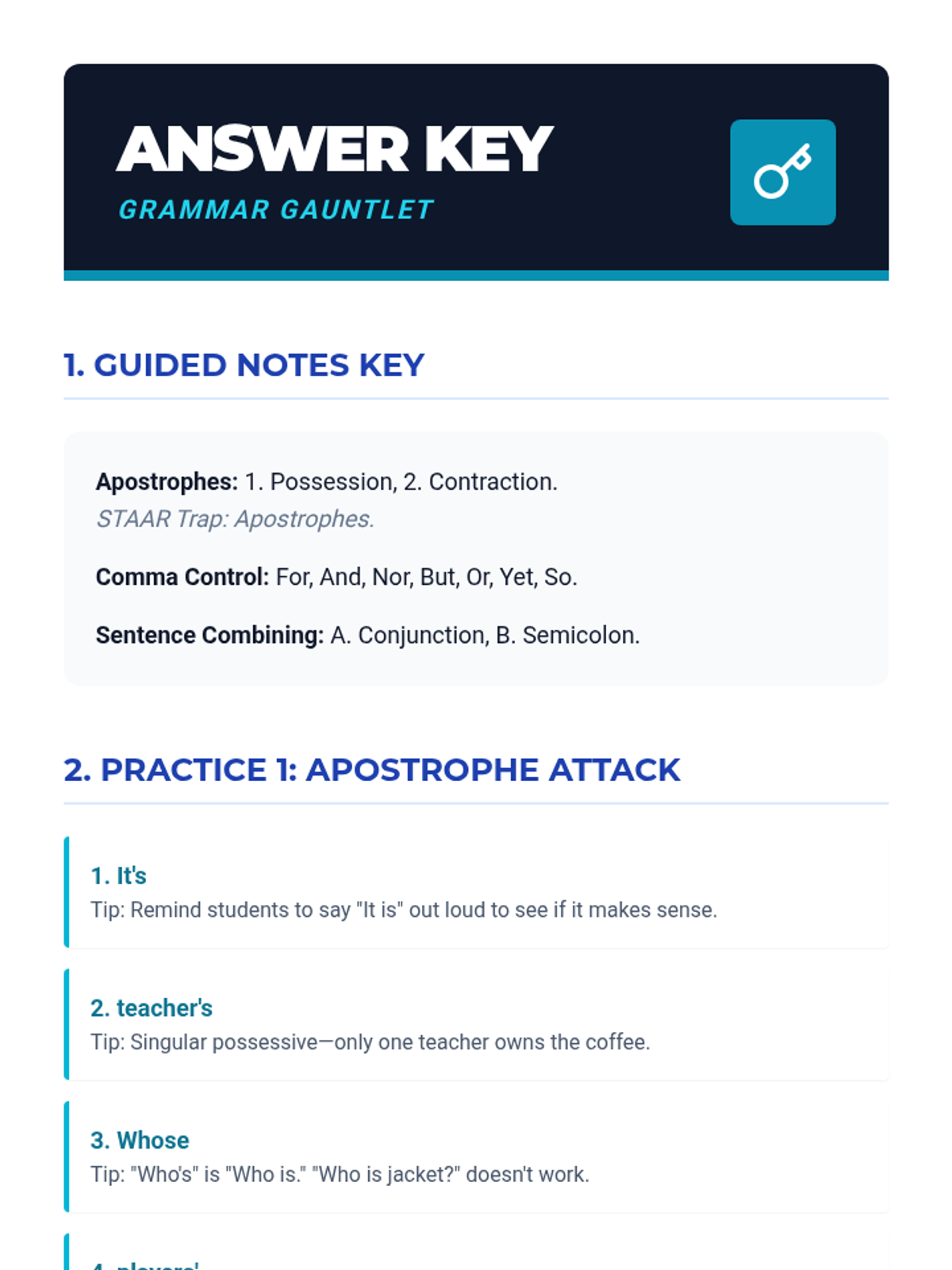
A high-impact tutoring session focused on STAAR writing skills, specifically targeting apostrophes, comma rules, and sentence combining through direct instruction and intensive practice.
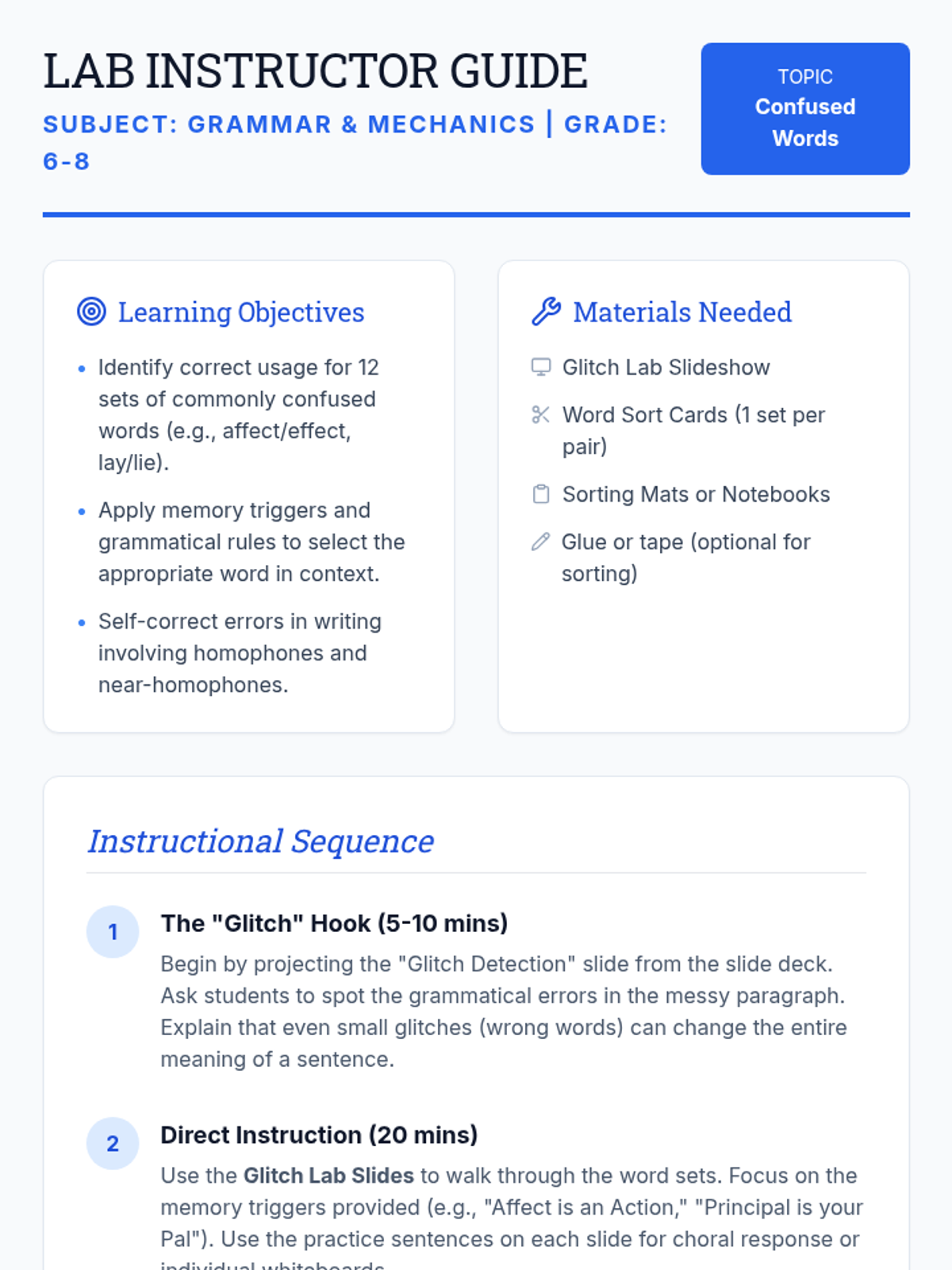
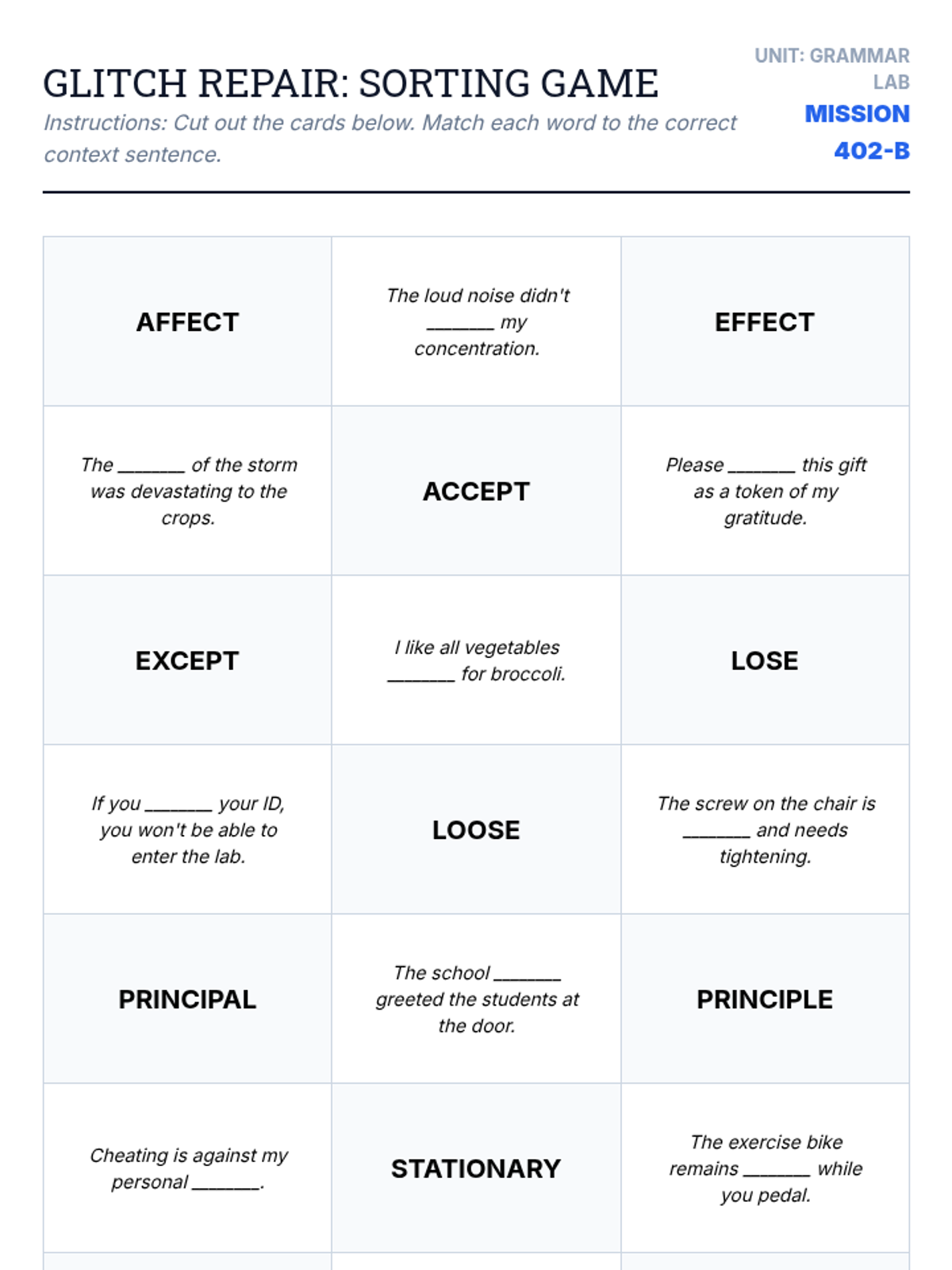
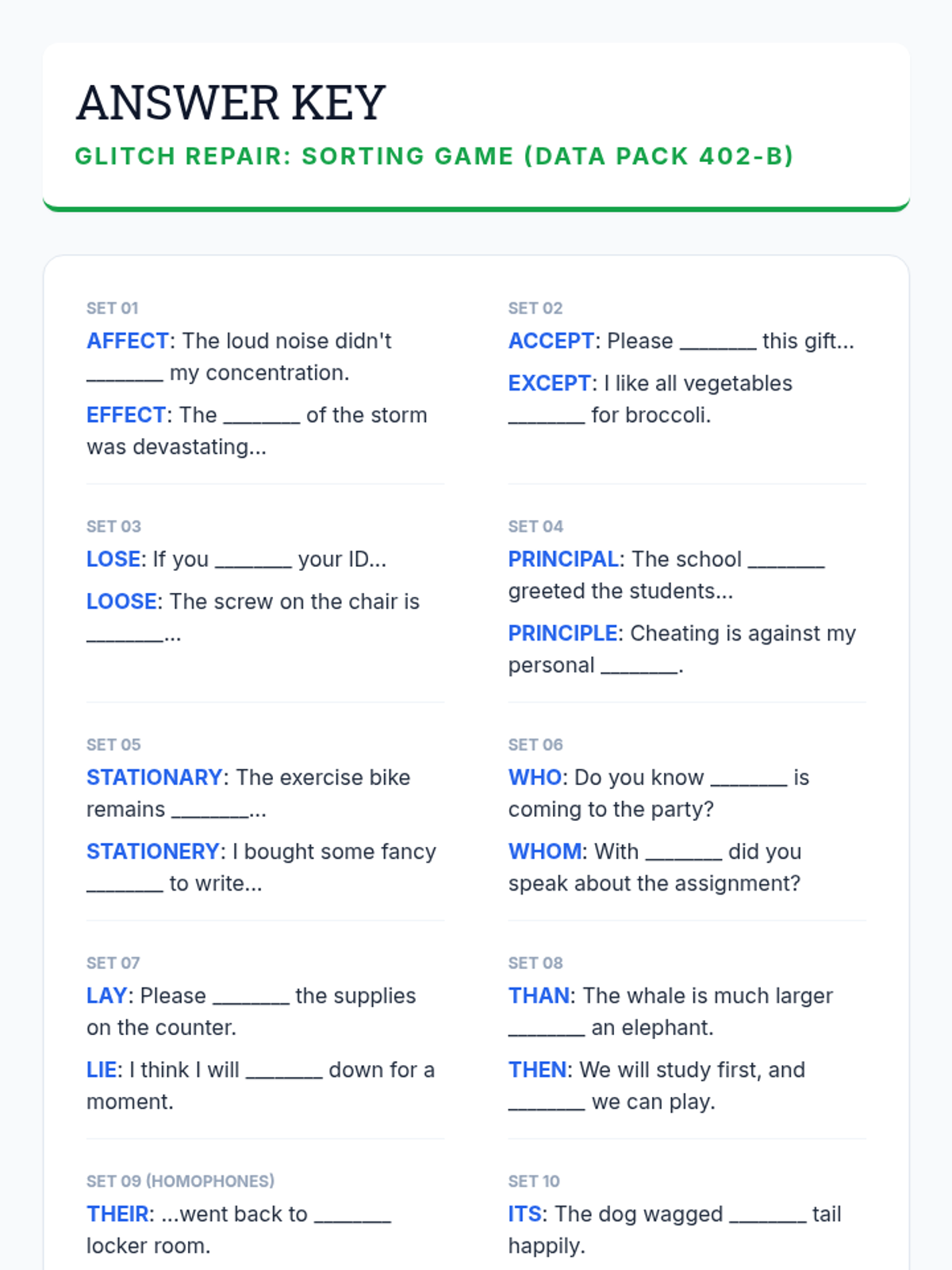
A comprehensive lesson targeting 12 pairs/trios of commonly confused words through a "Grammar Lab" theme. Students will identify, define, and correctly apply homophones and tricky word pairs through direct instruction and a hands-on sorting game.
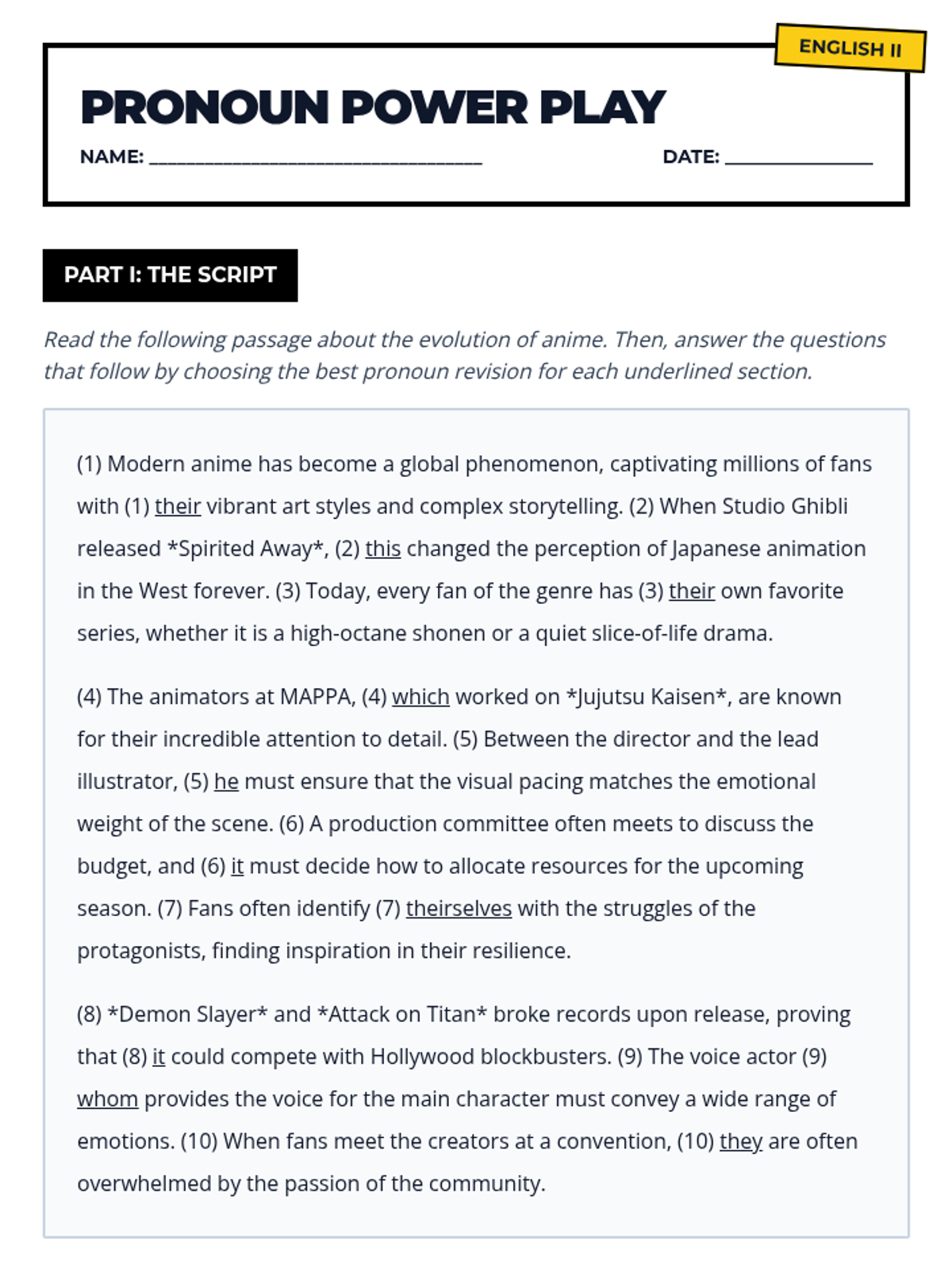
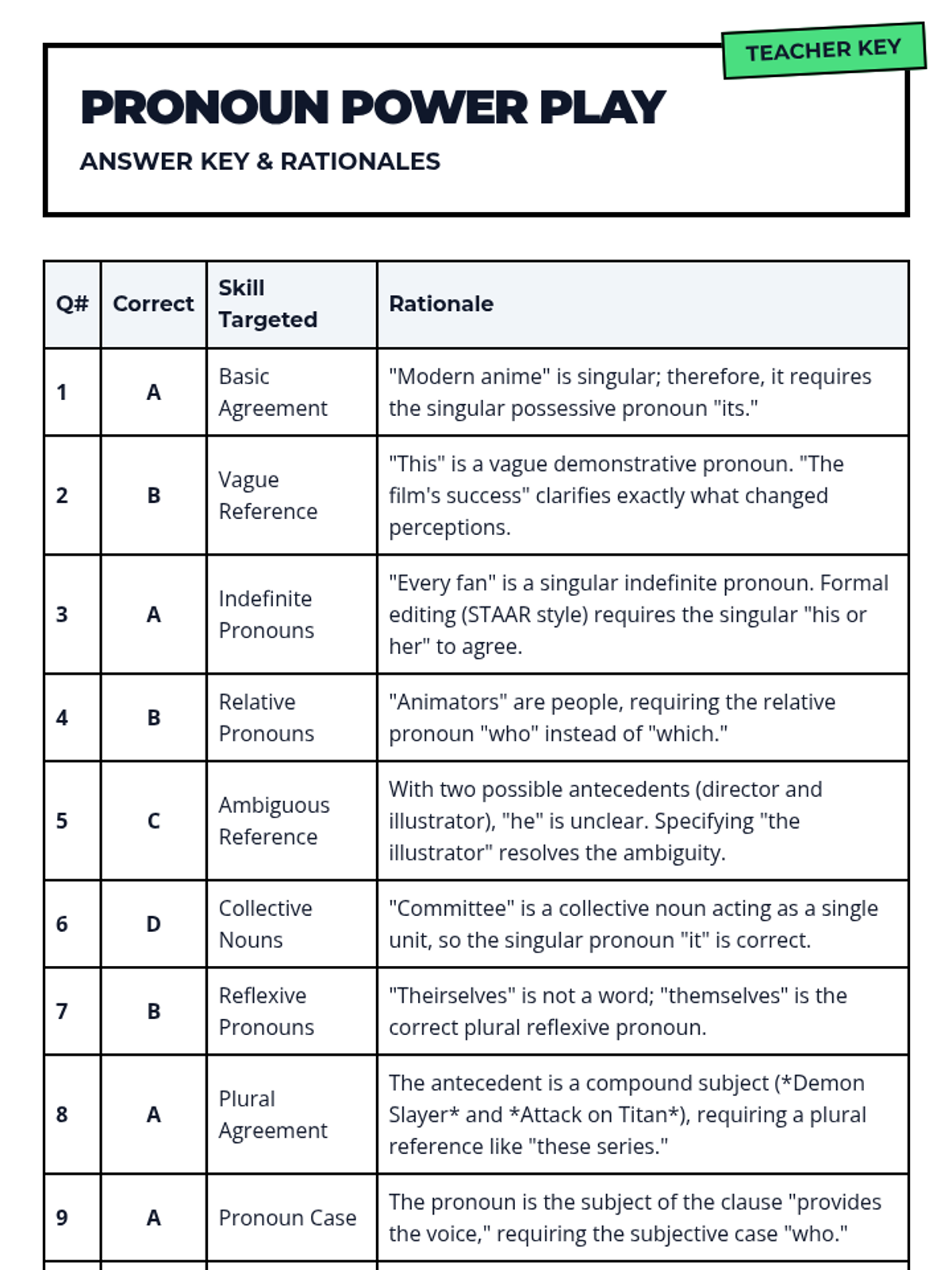
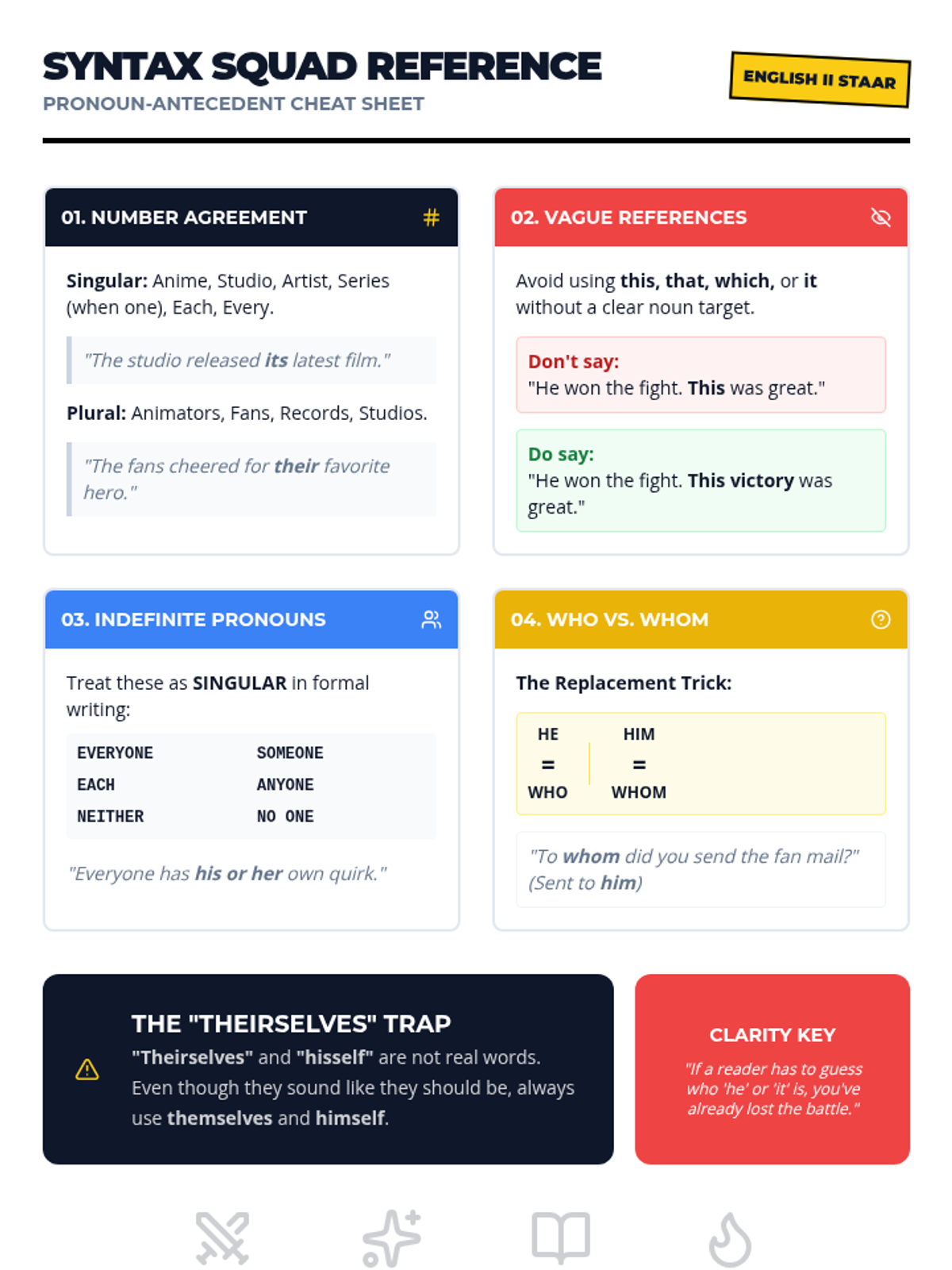
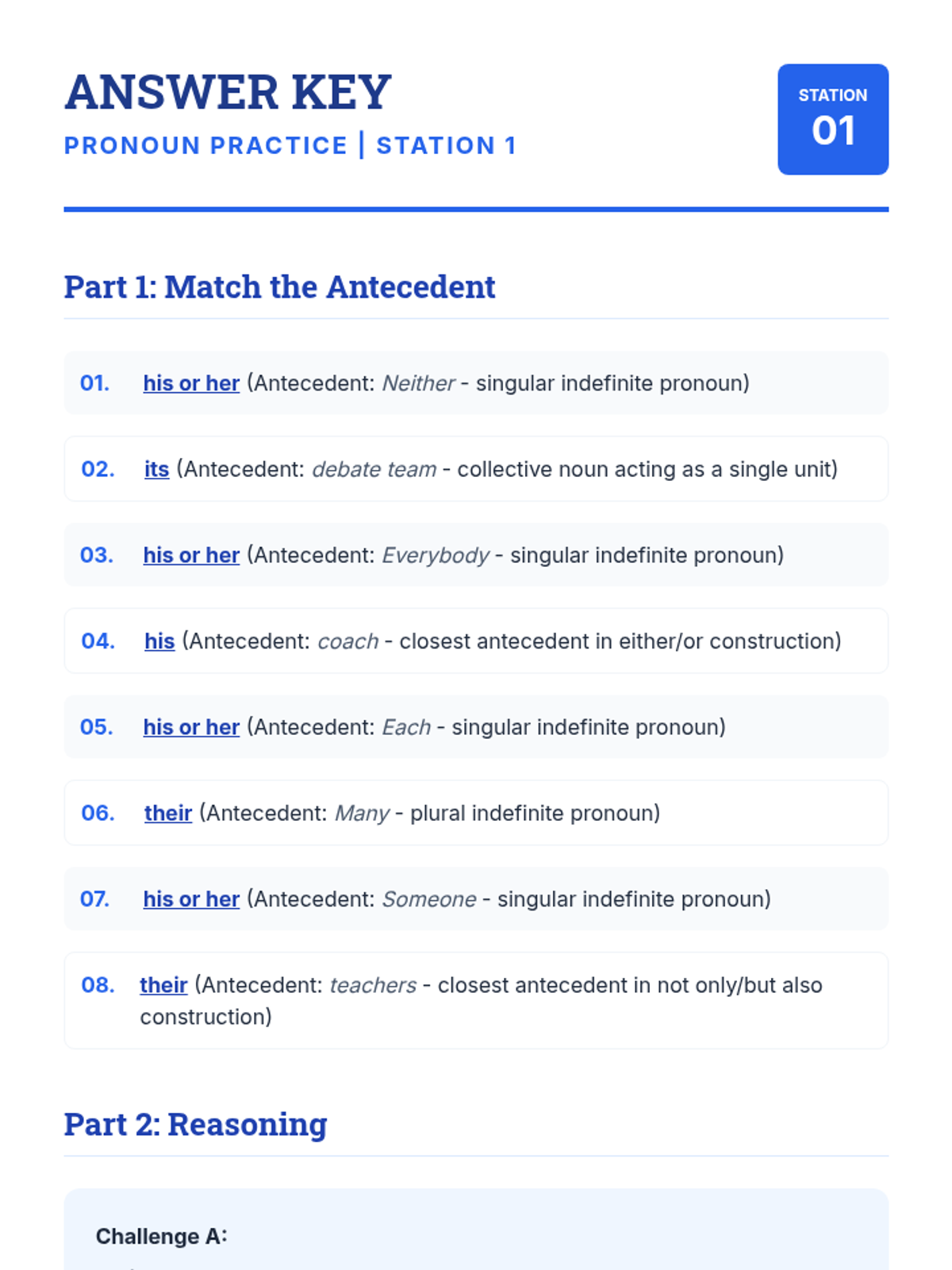
A high-interest lesson focusing on pronoun-antecedent agreement and clarity within the context of anime and manga history, designed for English II STAAR preparation.
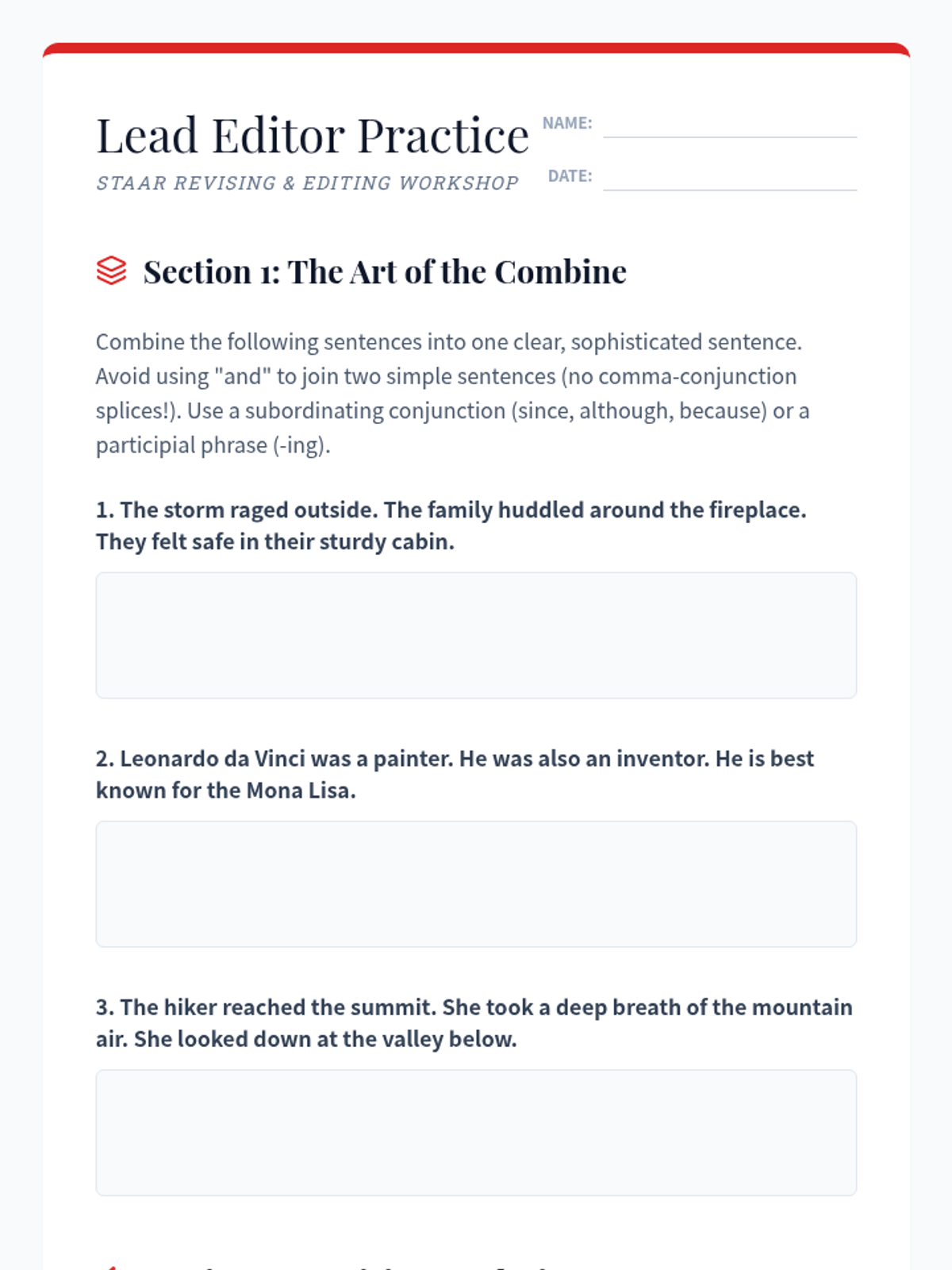
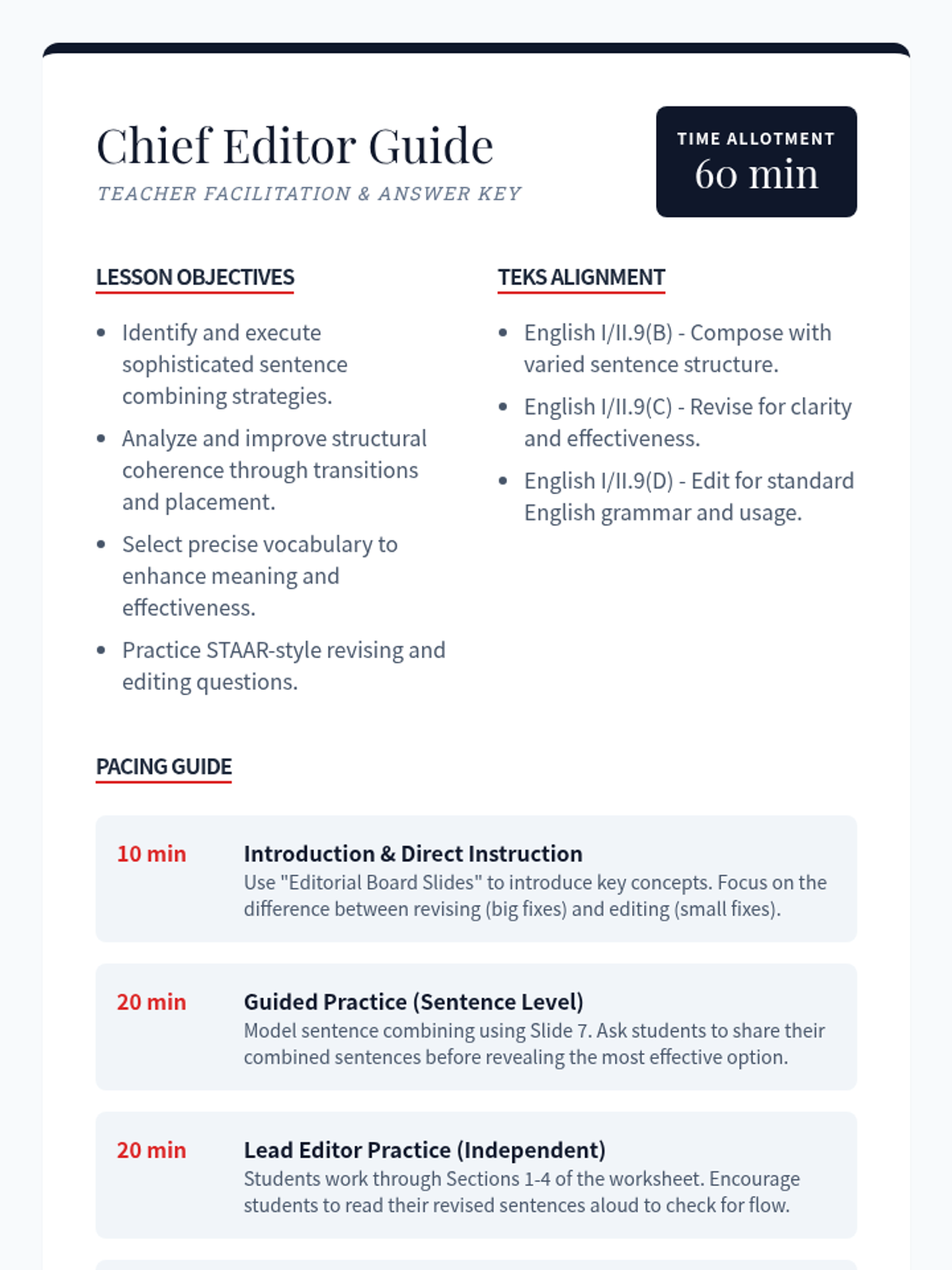
A comprehensive lesson focusing on high-leverage revising and editing skills for the STAAR EOC English I & II exams, including sentence combining, transitions, and structural coherence.
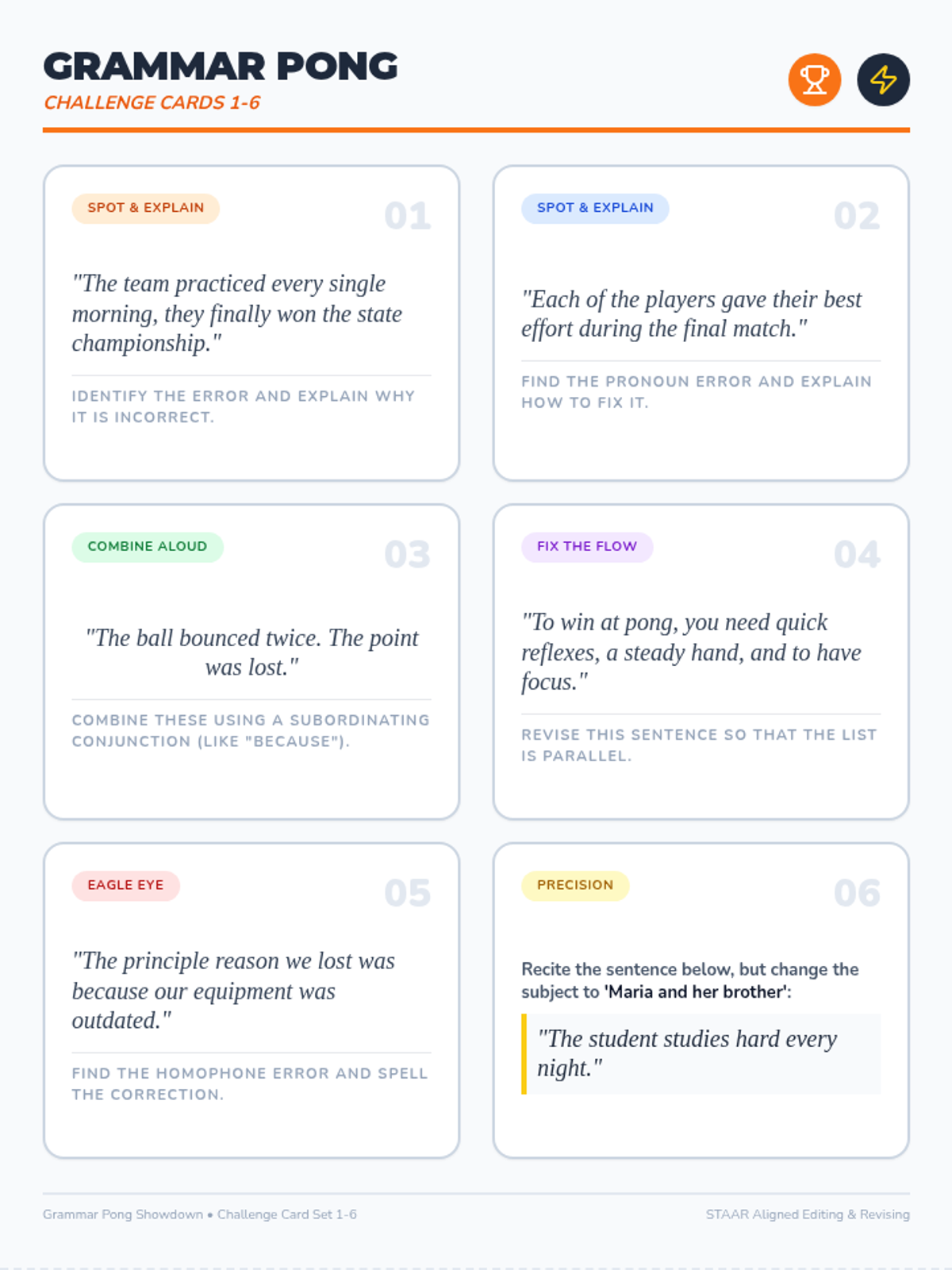
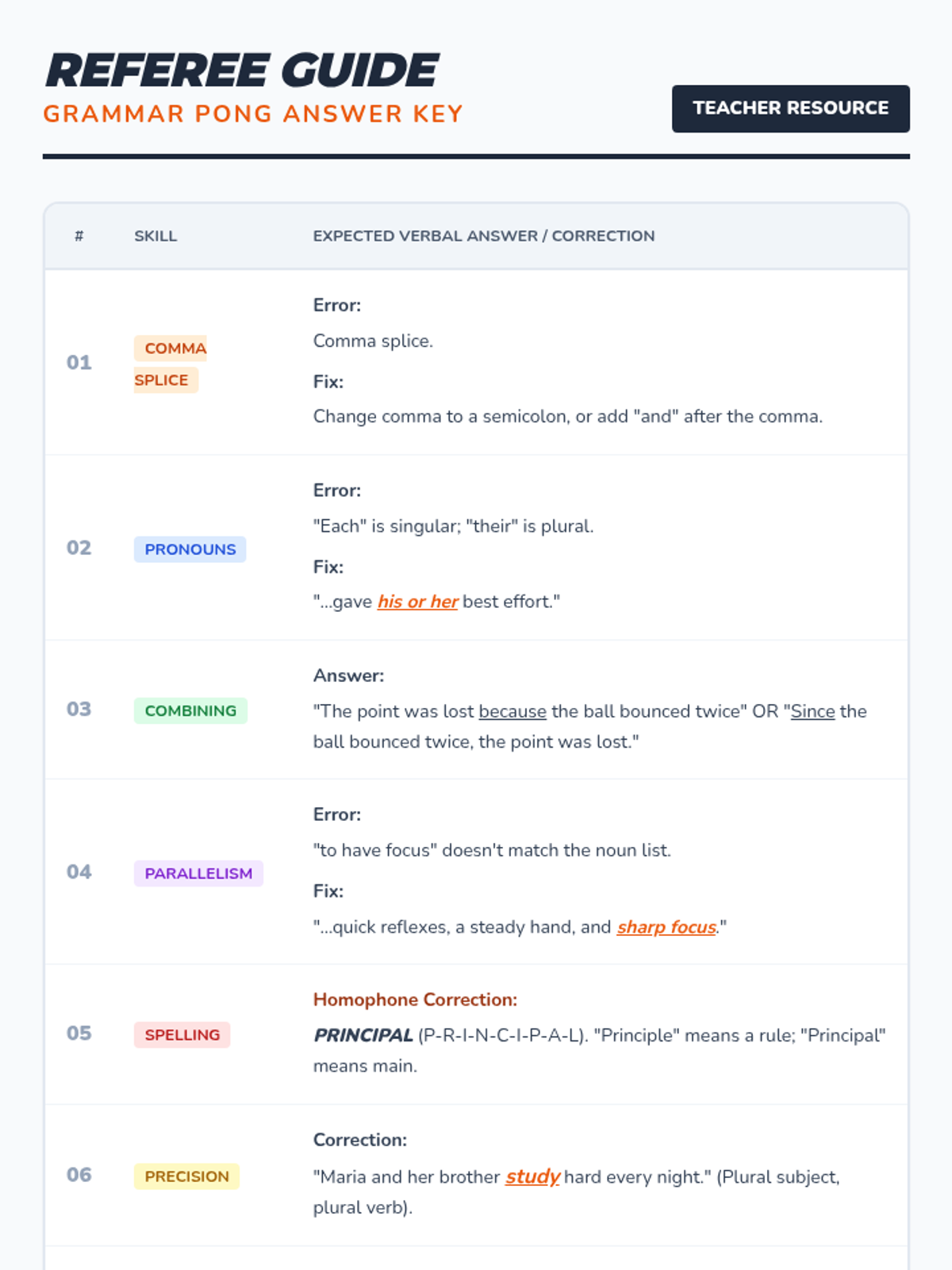
A high-energy editing and revising game where students master comma splices, pronoun-antecedent agreement, and sentence structure through verbal challenges.
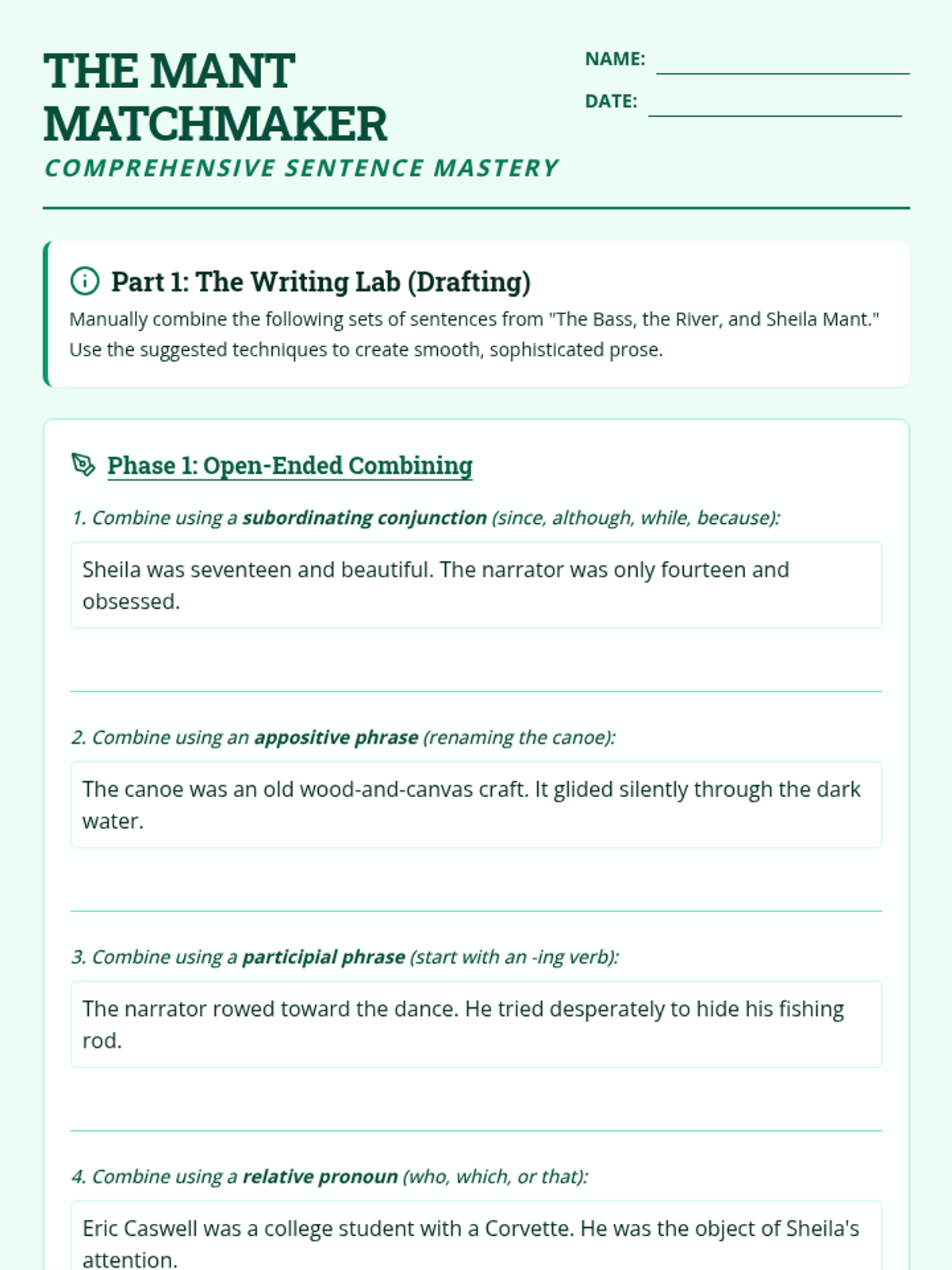
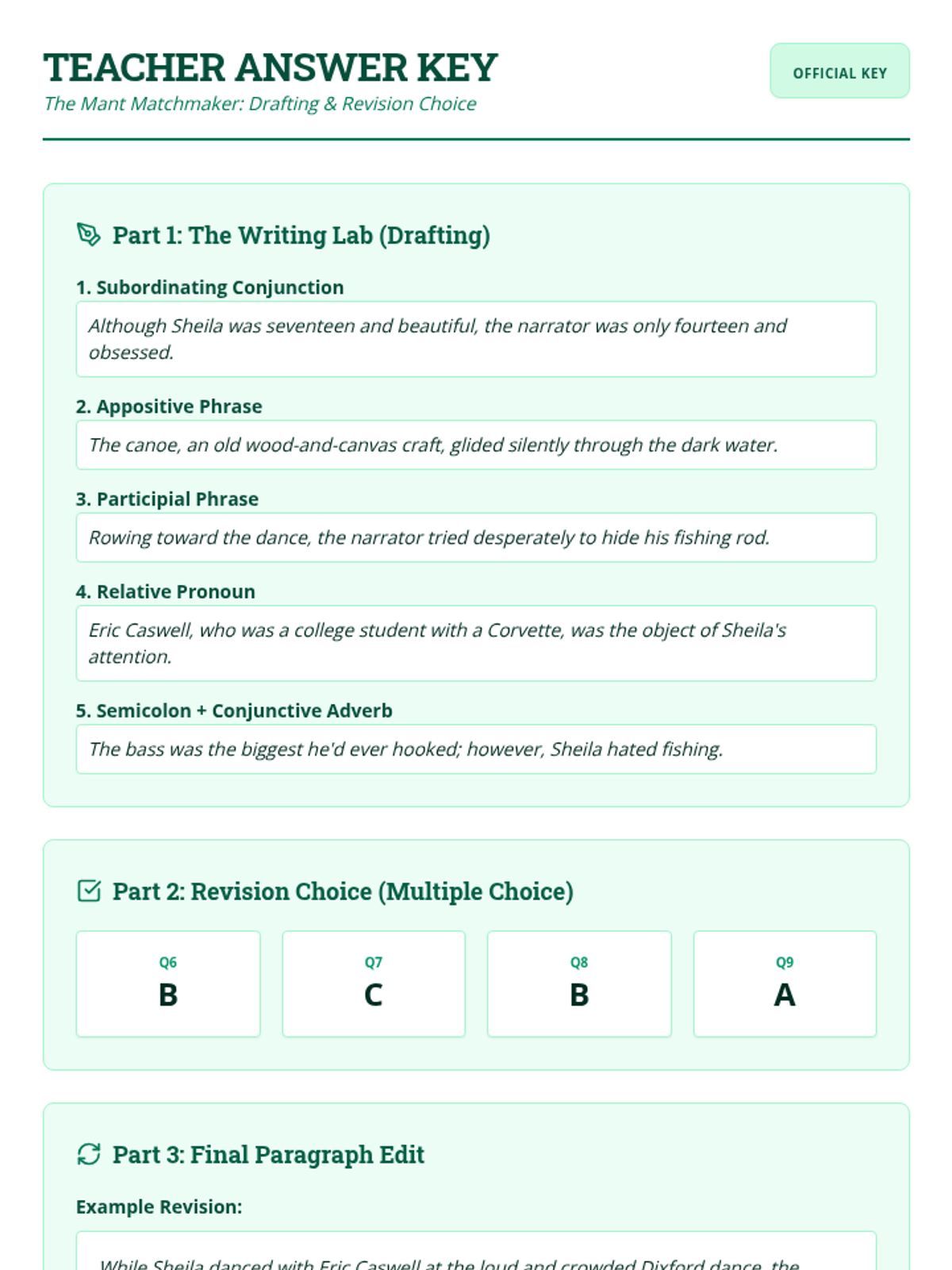
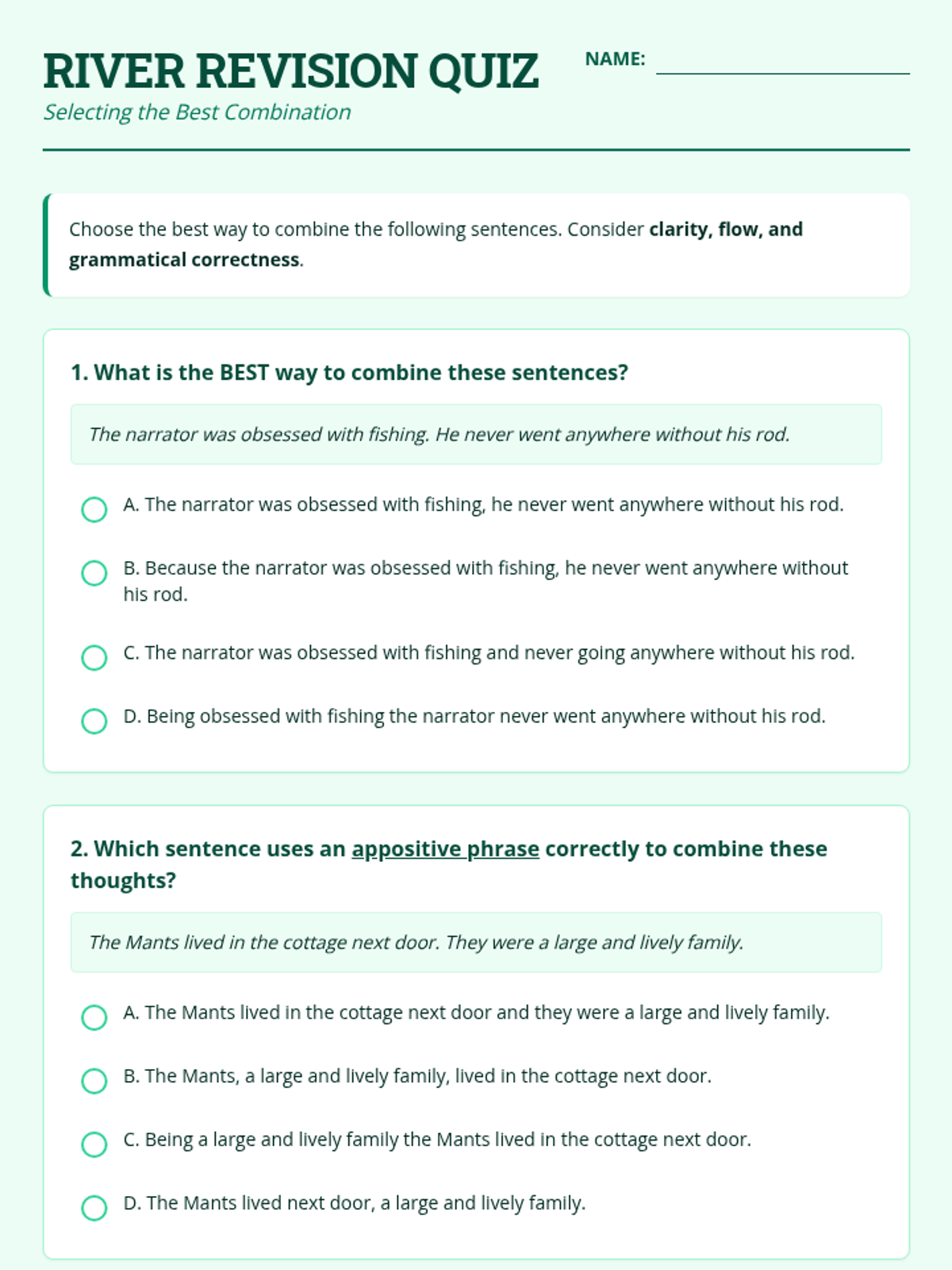
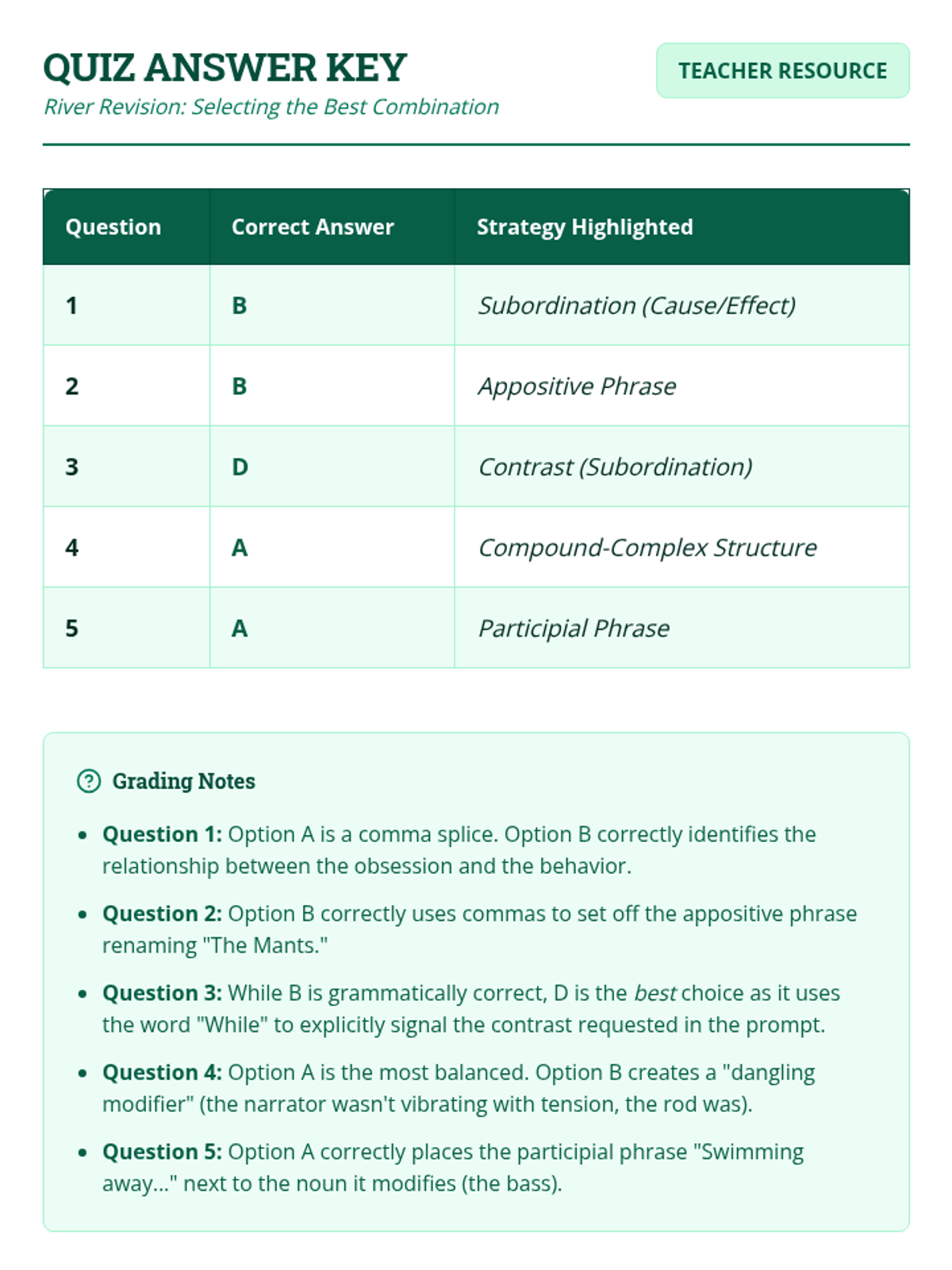
A targeted revising and editing lesson focused on sentence combining techniques, themed around the short story 'The Bass, the River, and Sheila Mant'. Students practice merging short, choppy sentences into sophisticated prose.
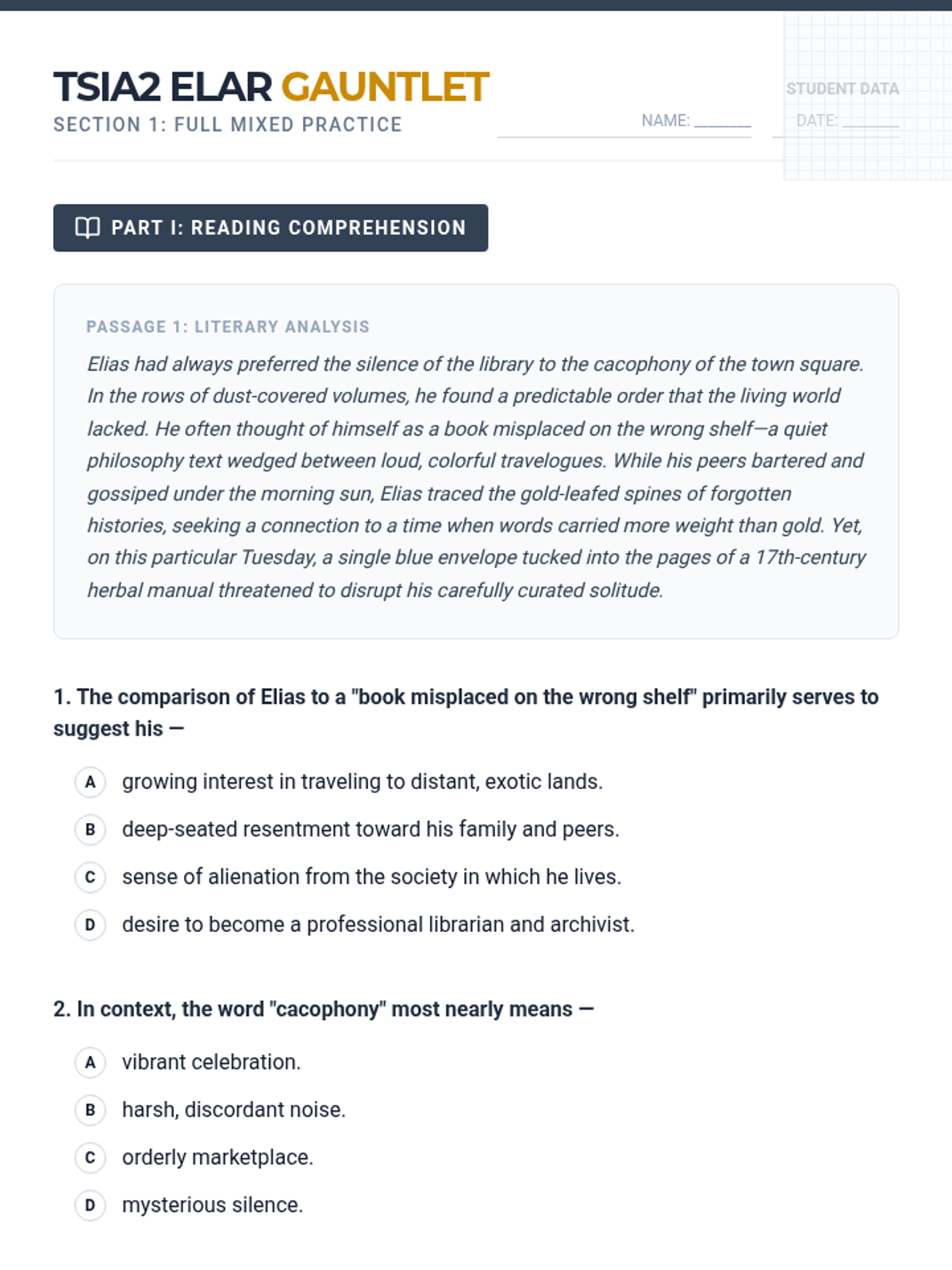
A comprehensive prep lesson for the TSIA2 ELAR section, covering reading comprehension, text analysis, and sentence-level writing skills. Includes a high-impact review presentation and a full 30-question practice exam with answer key.
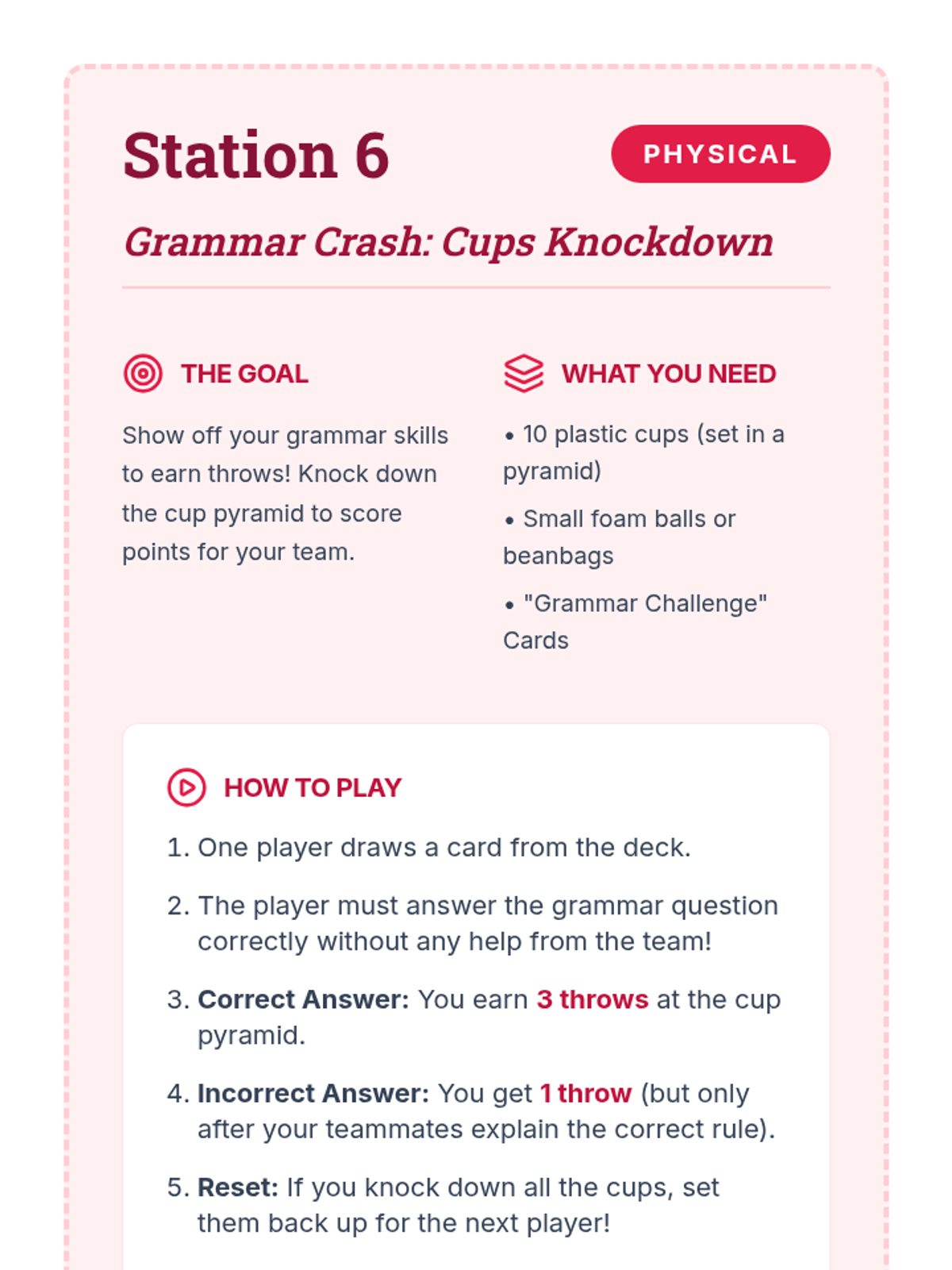
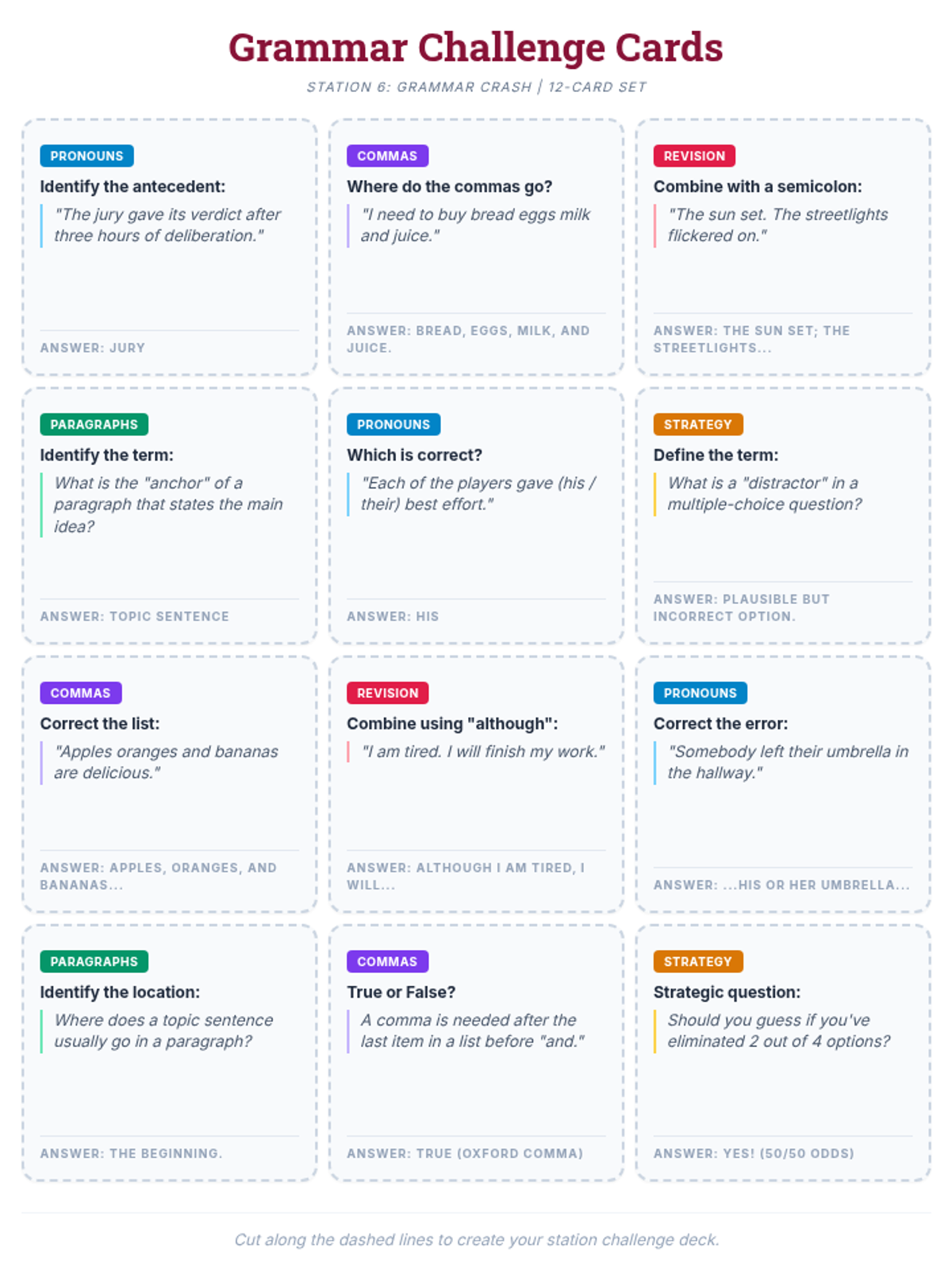
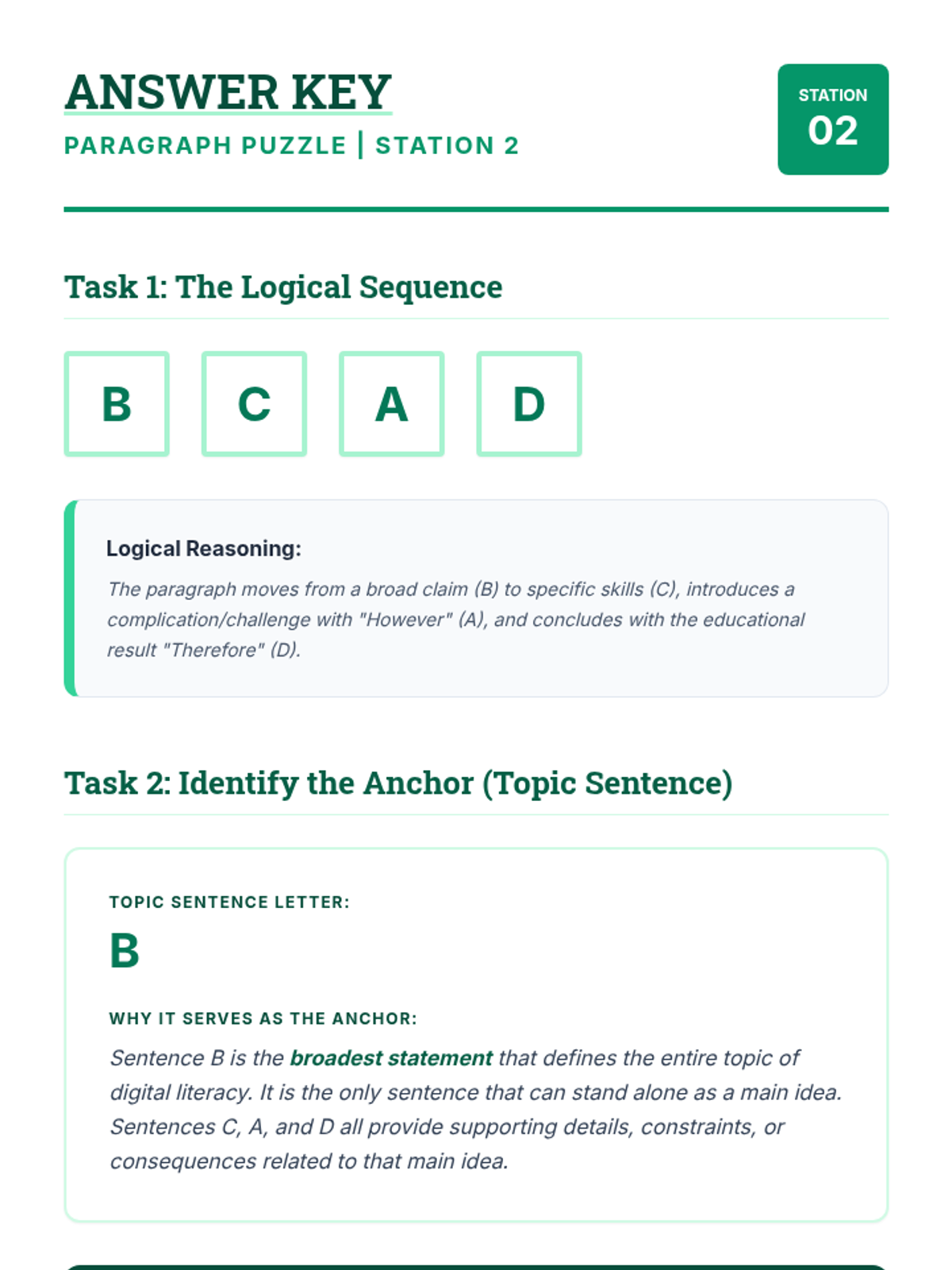
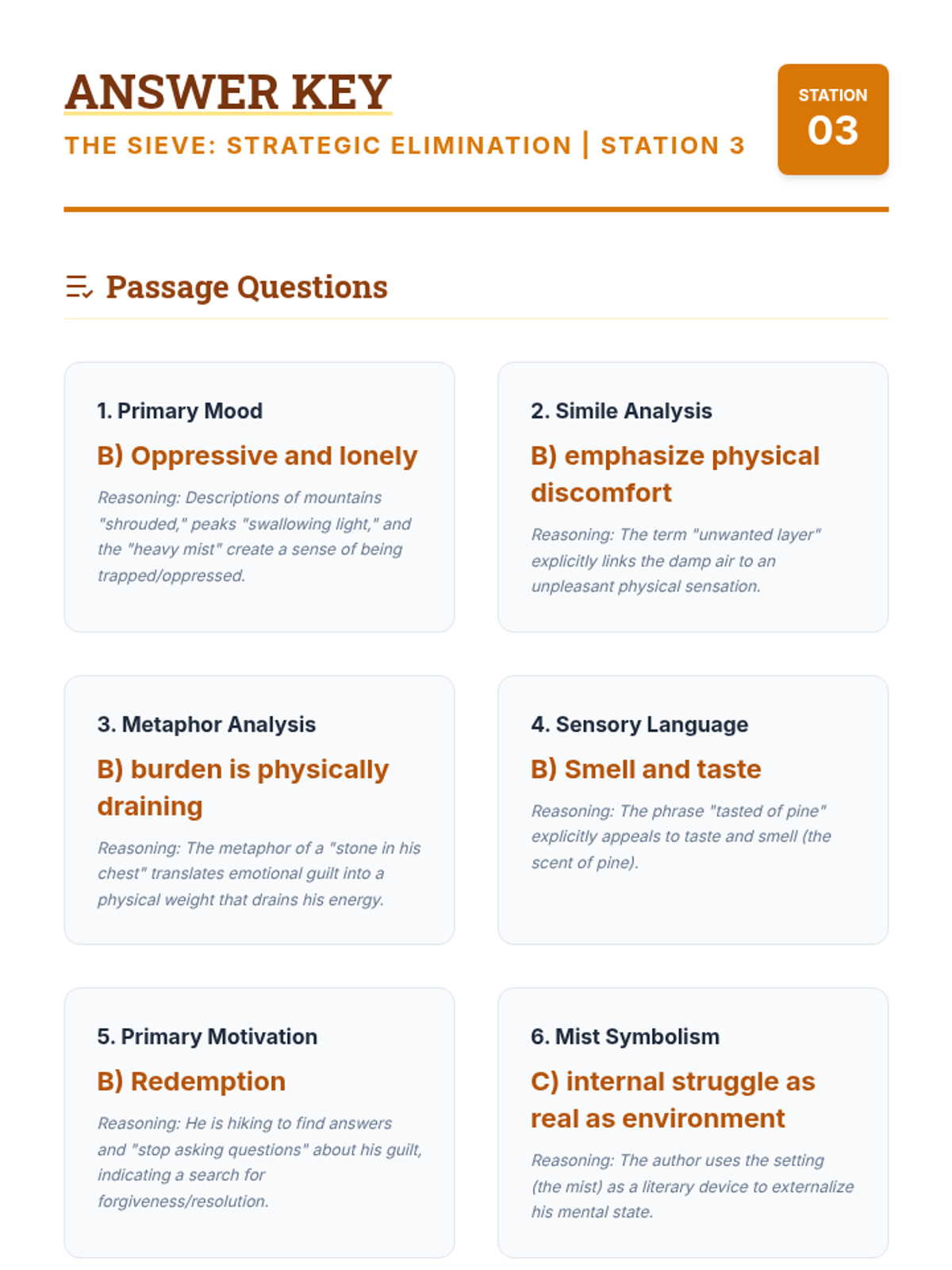
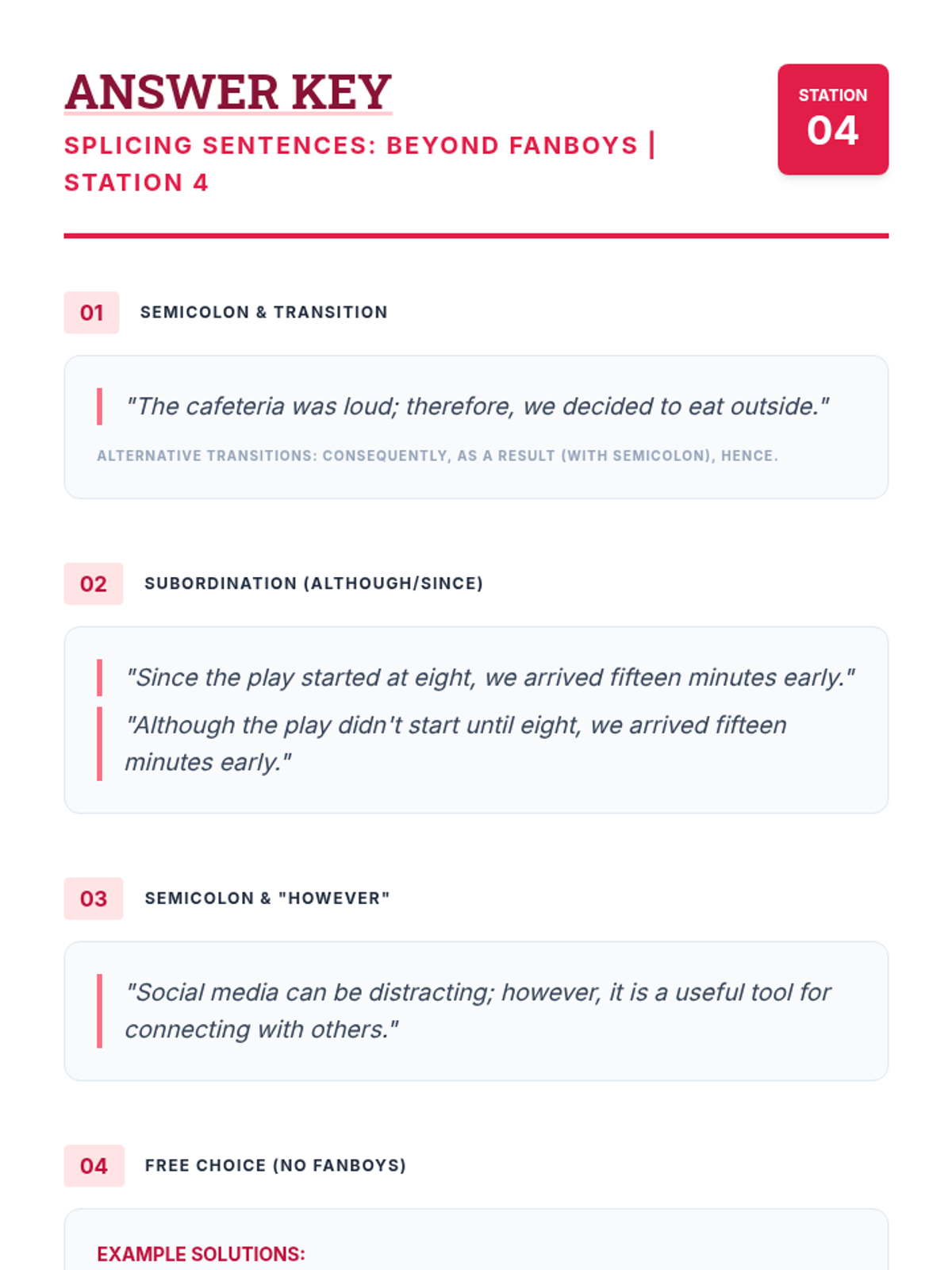
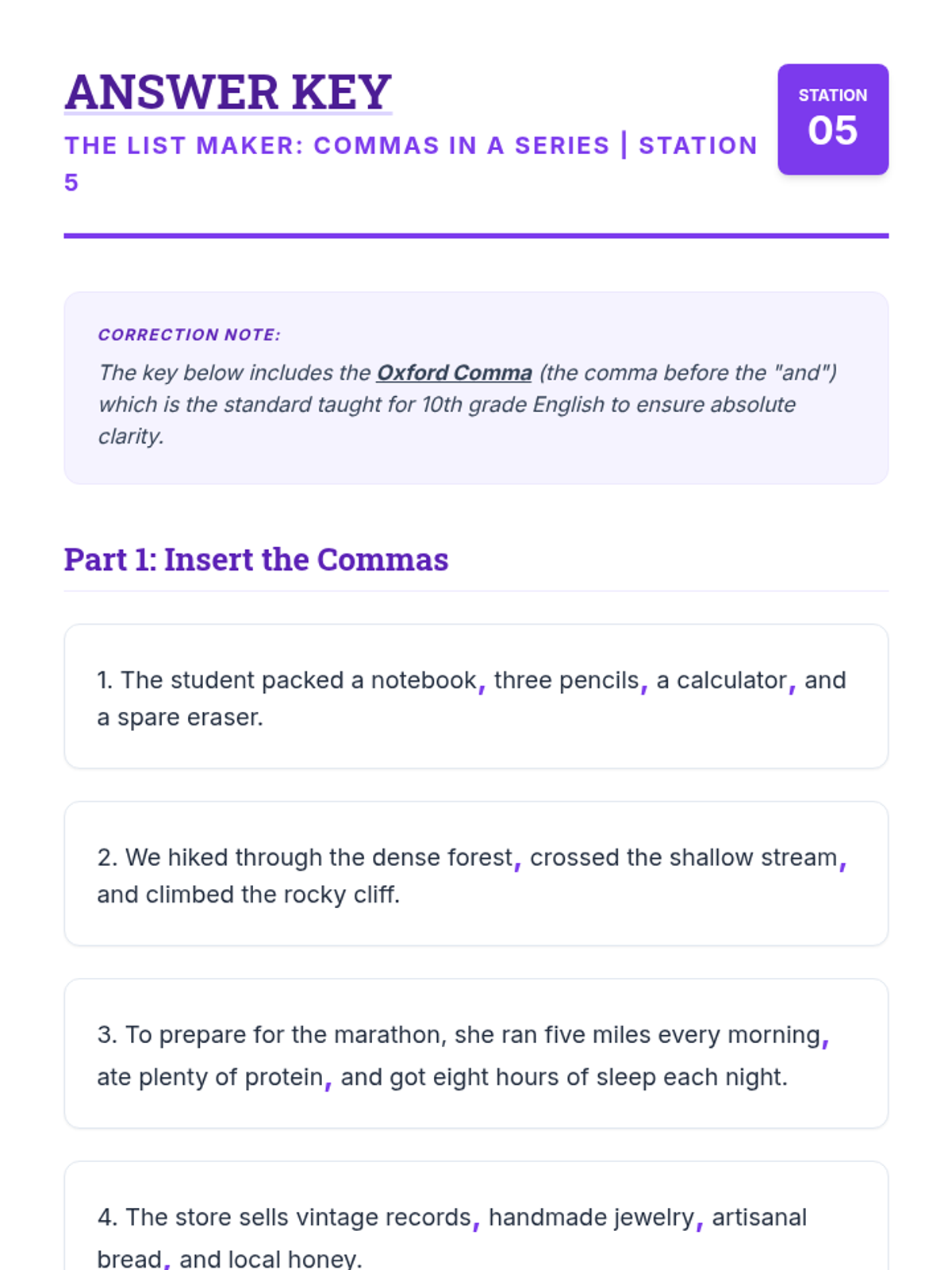
A comprehensive circuit of stations for 10th grade English students, focusing on grammar conventions, paragraph structure, and reading stamina.
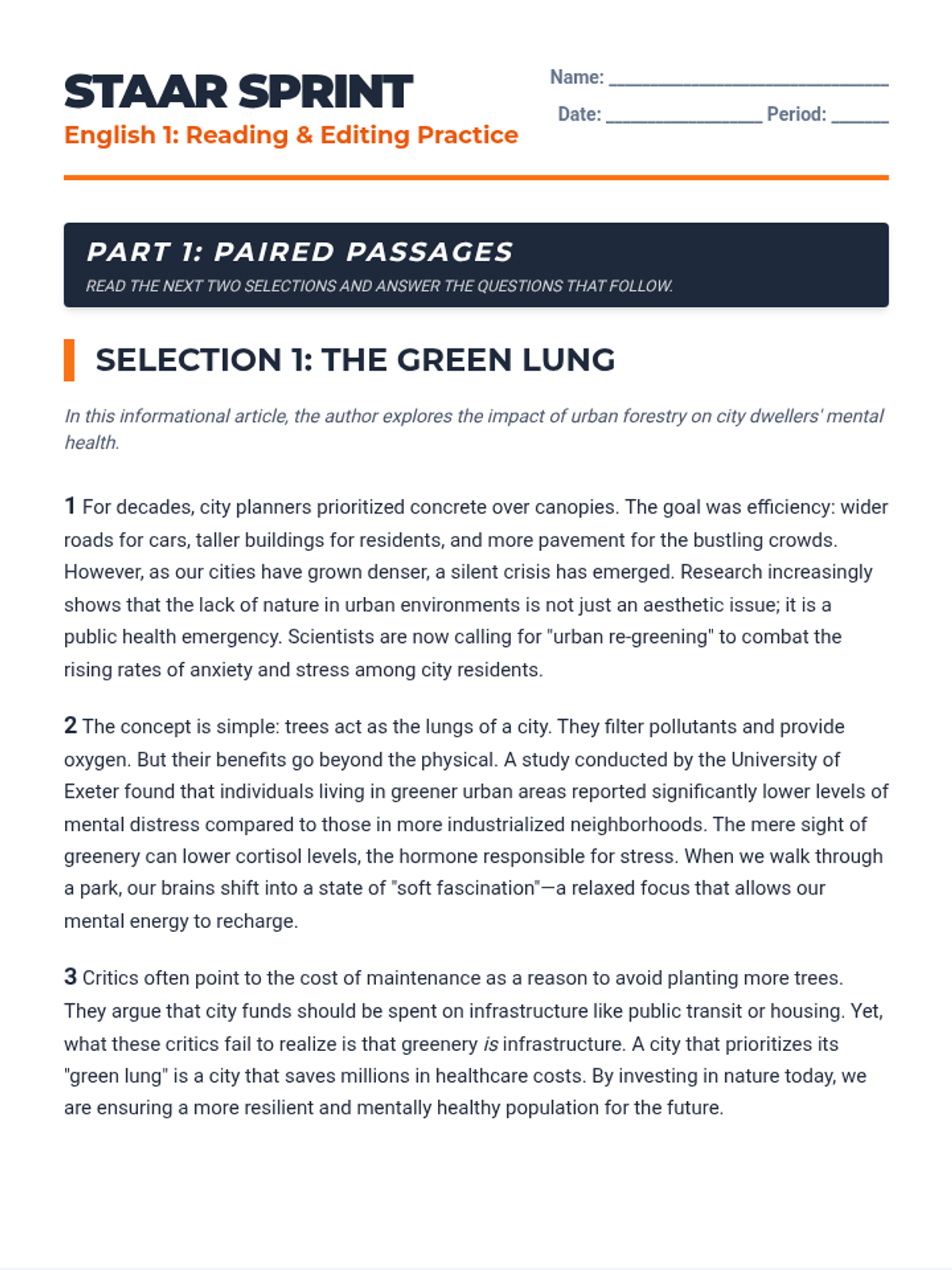
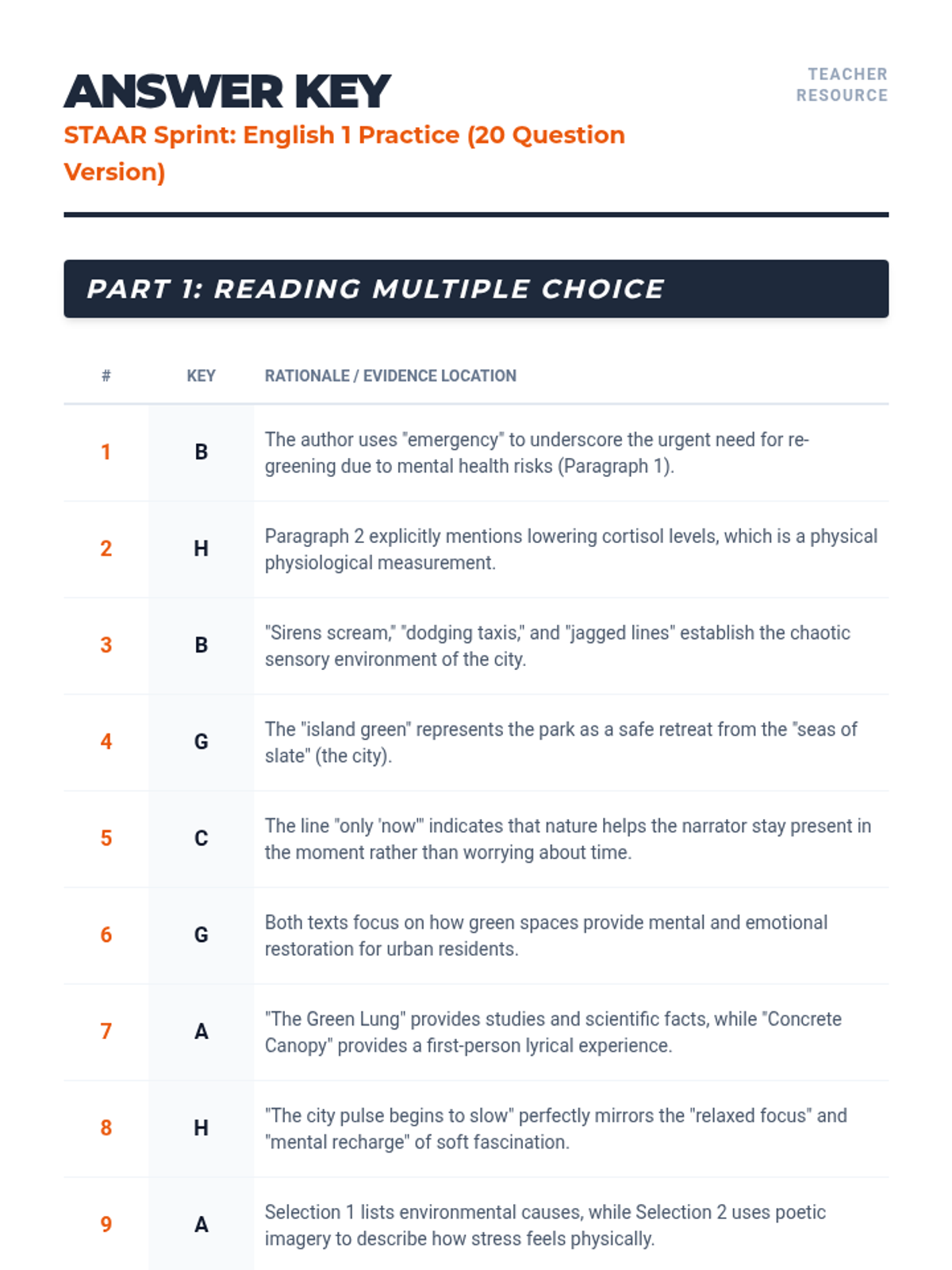
A targeted review lesson focused on high-stakes reading comprehension and editing skills, designed to mirror the English 1 STAAR exam format. This lesson includes a comprehensive practice quiz and a detailed answer key for instructional feedback.
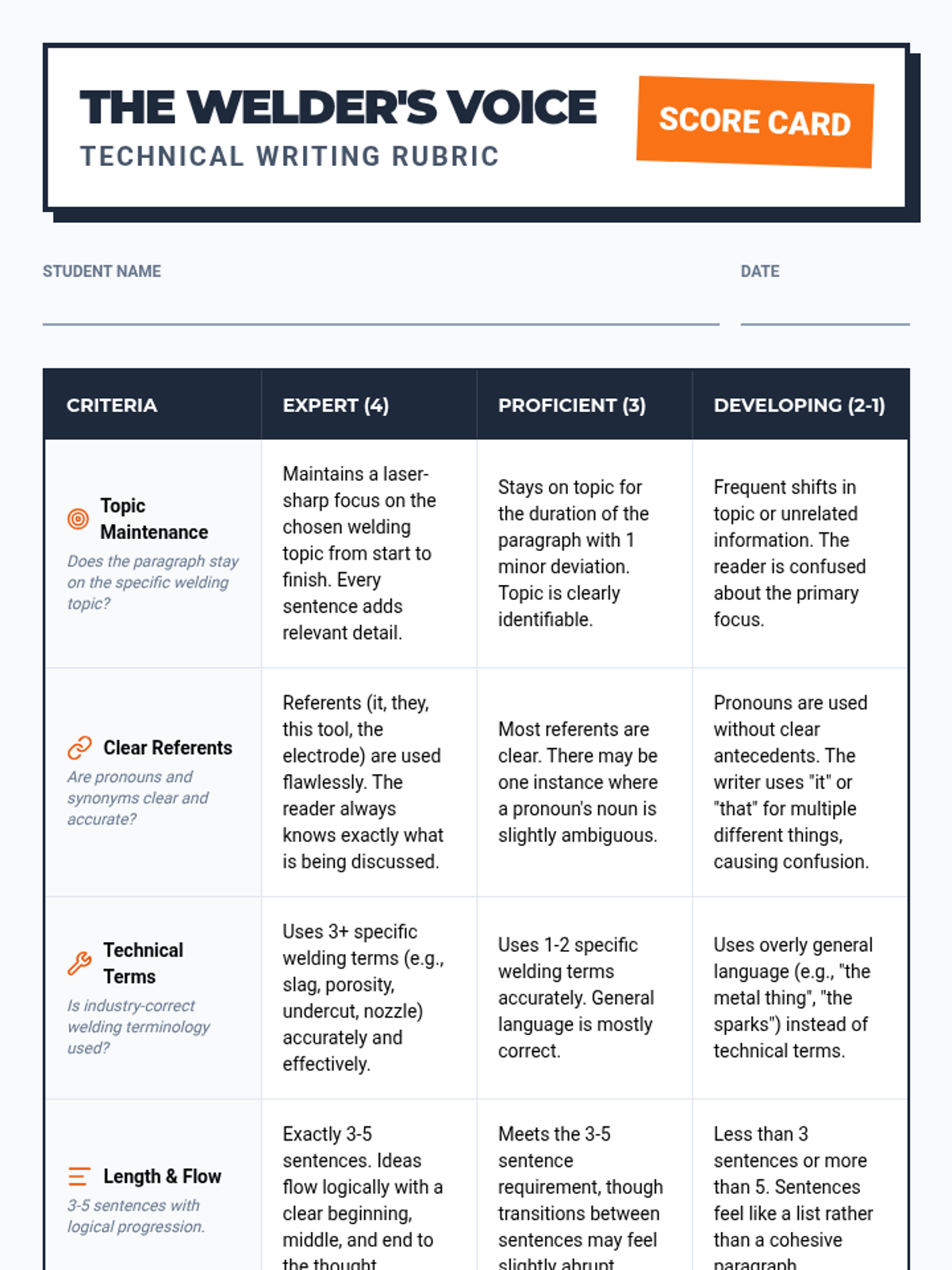
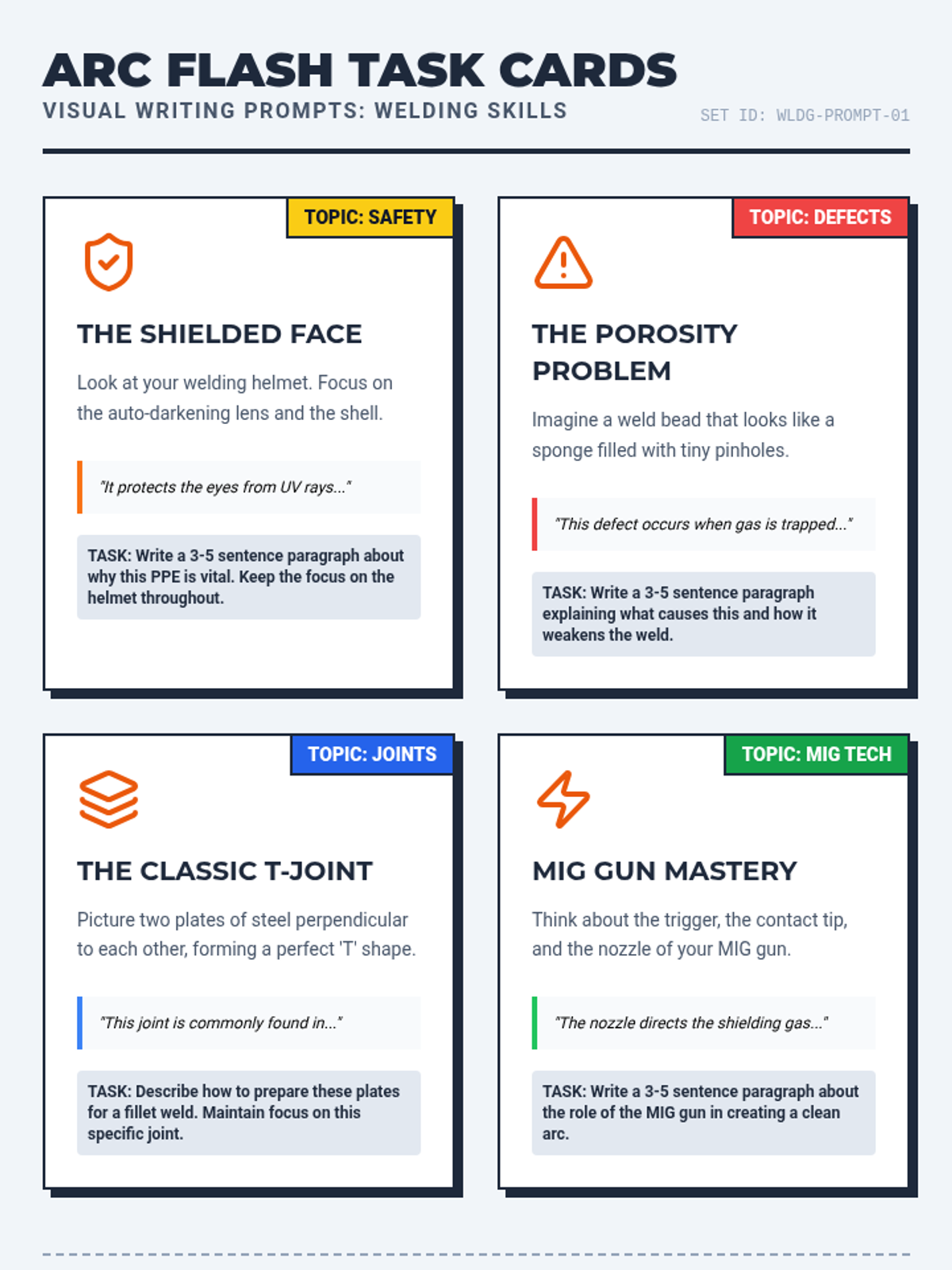
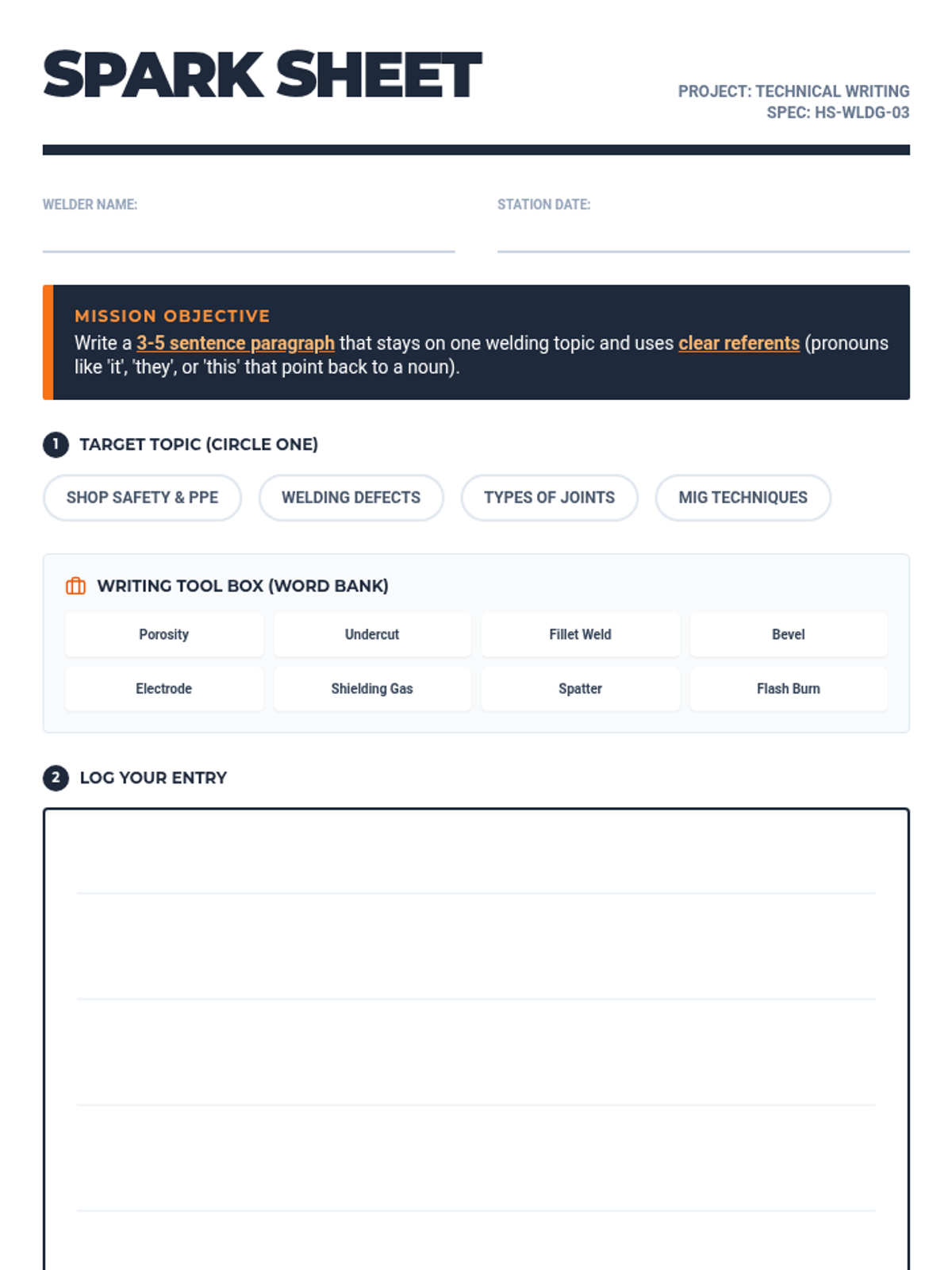
A series of resources designed to help high school students master the art of technical writing in a welding context, focusing on topic maintenance and clear referents.
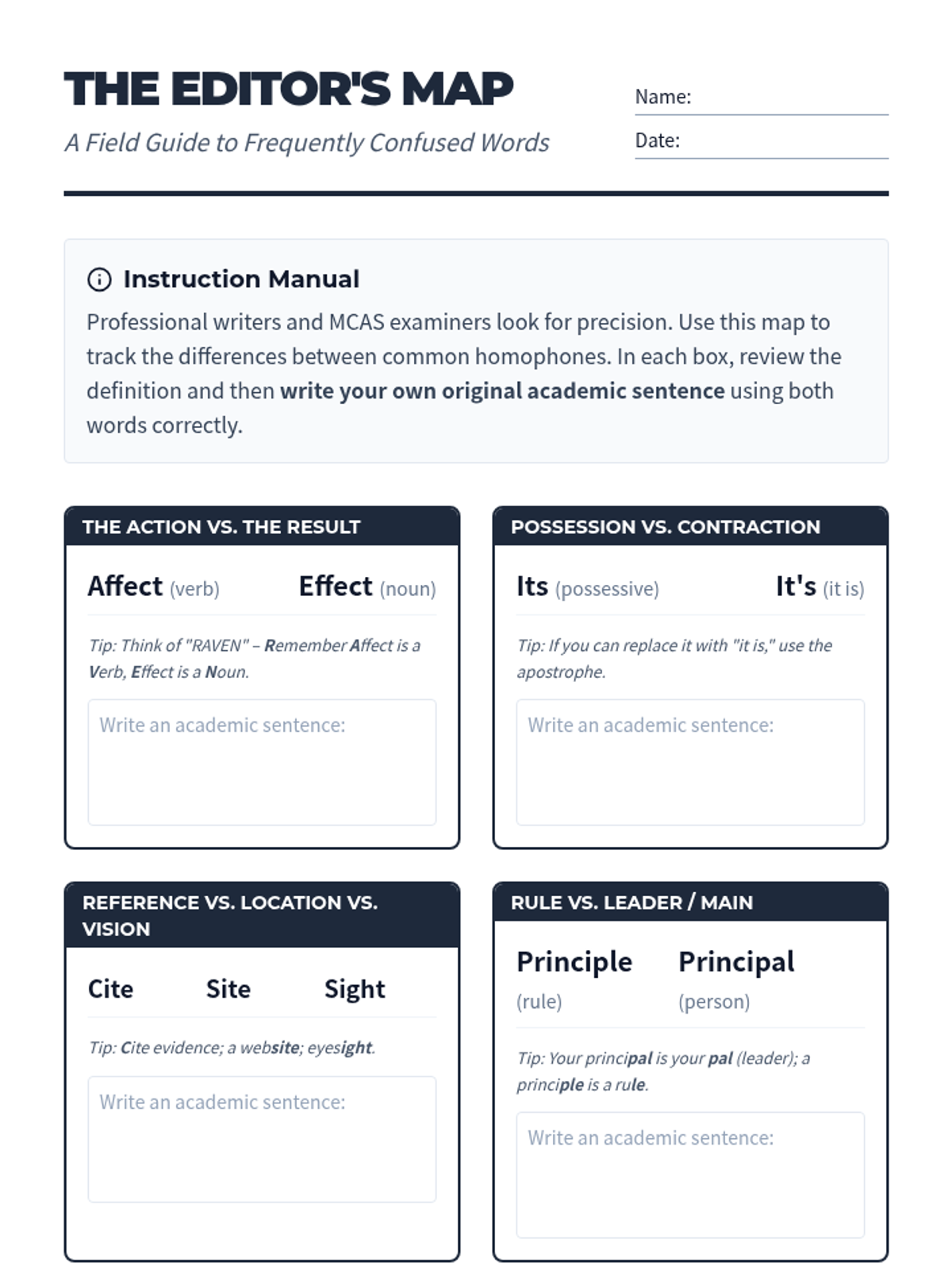
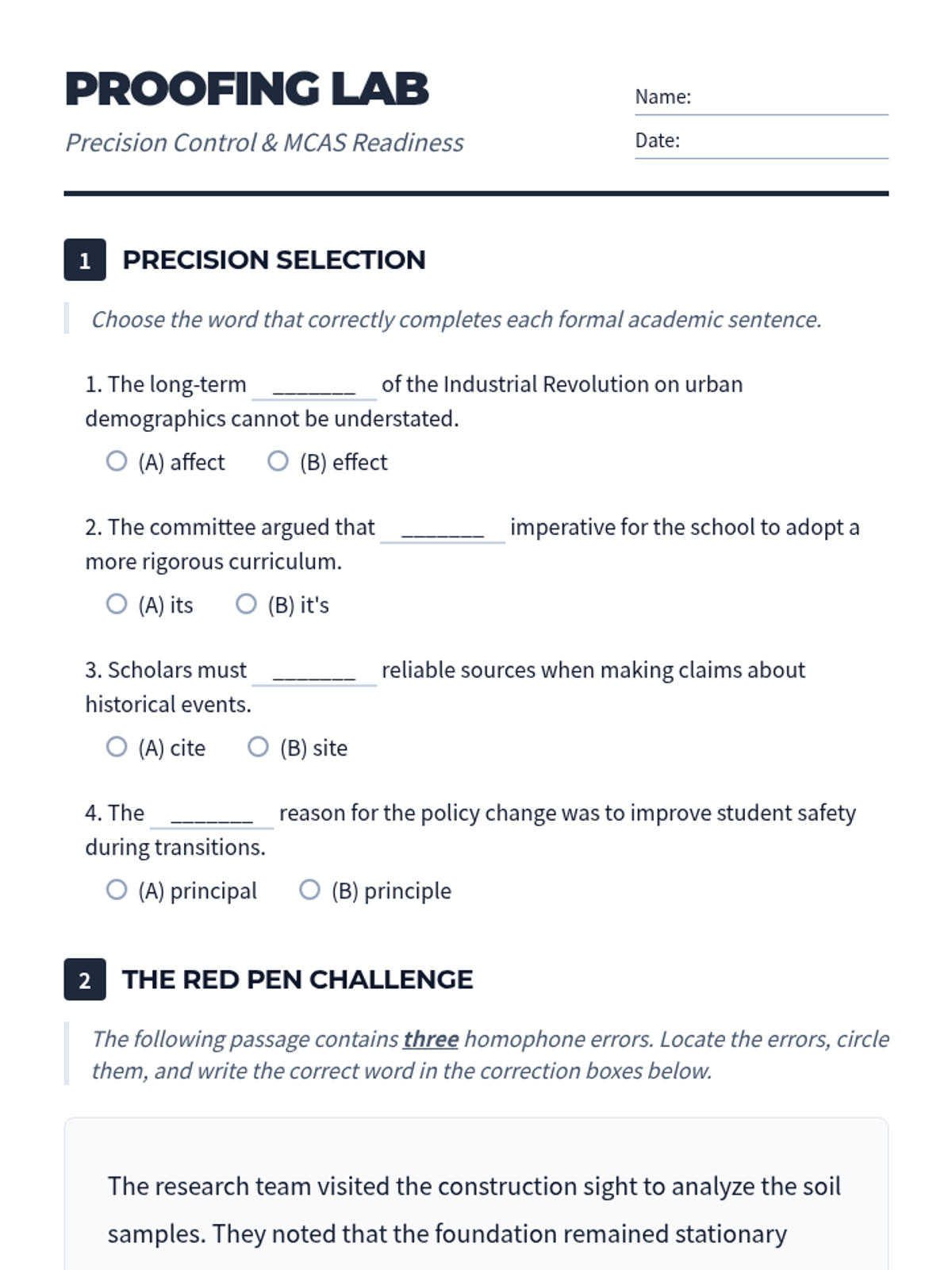
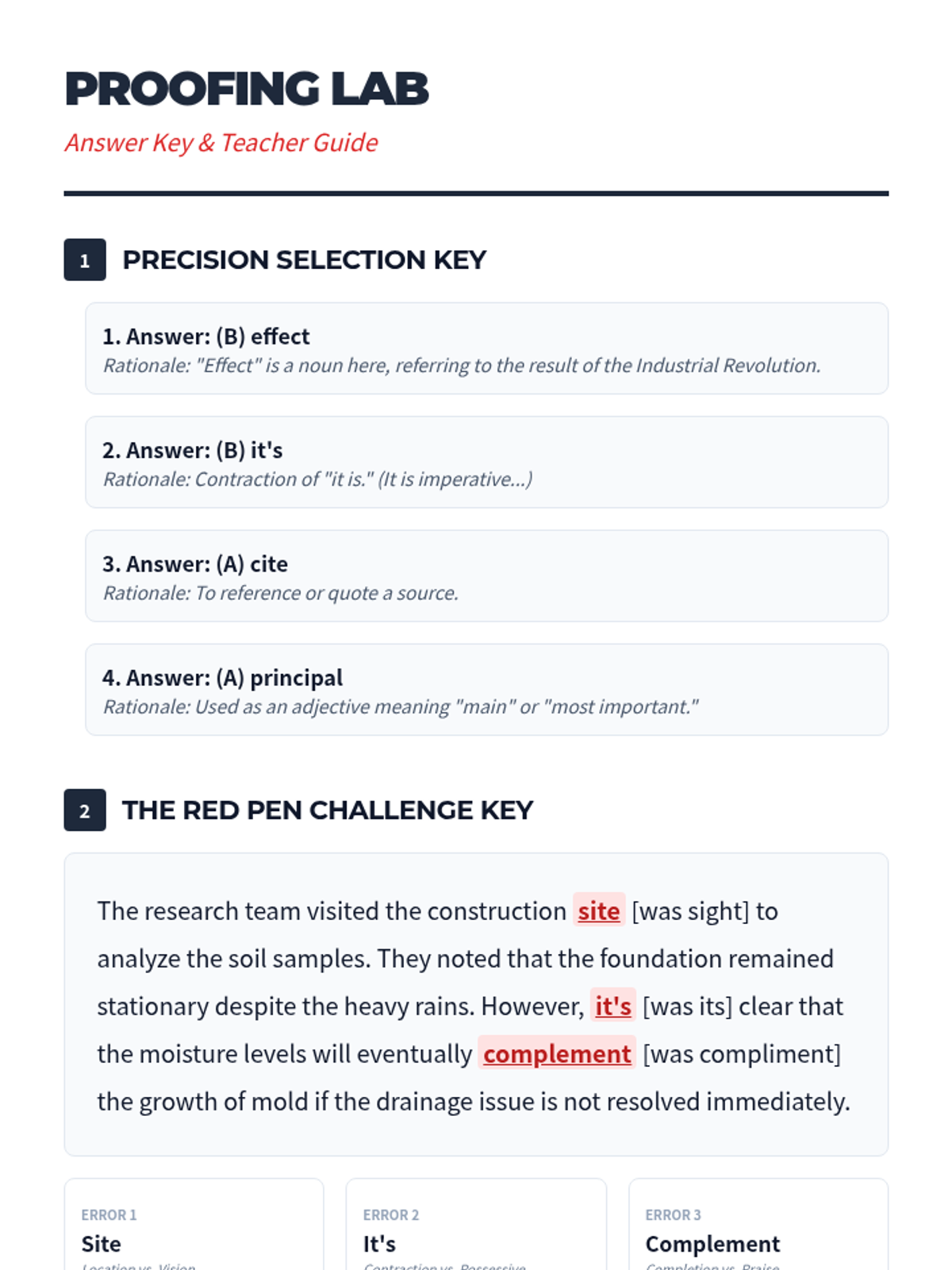
A focused review of frequently confused homophones common in 10th-grade MCAS testing and formal academic writing. Students will use a graphic organizer to distinguish between word pairs and apply their knowledge through practice exercises.
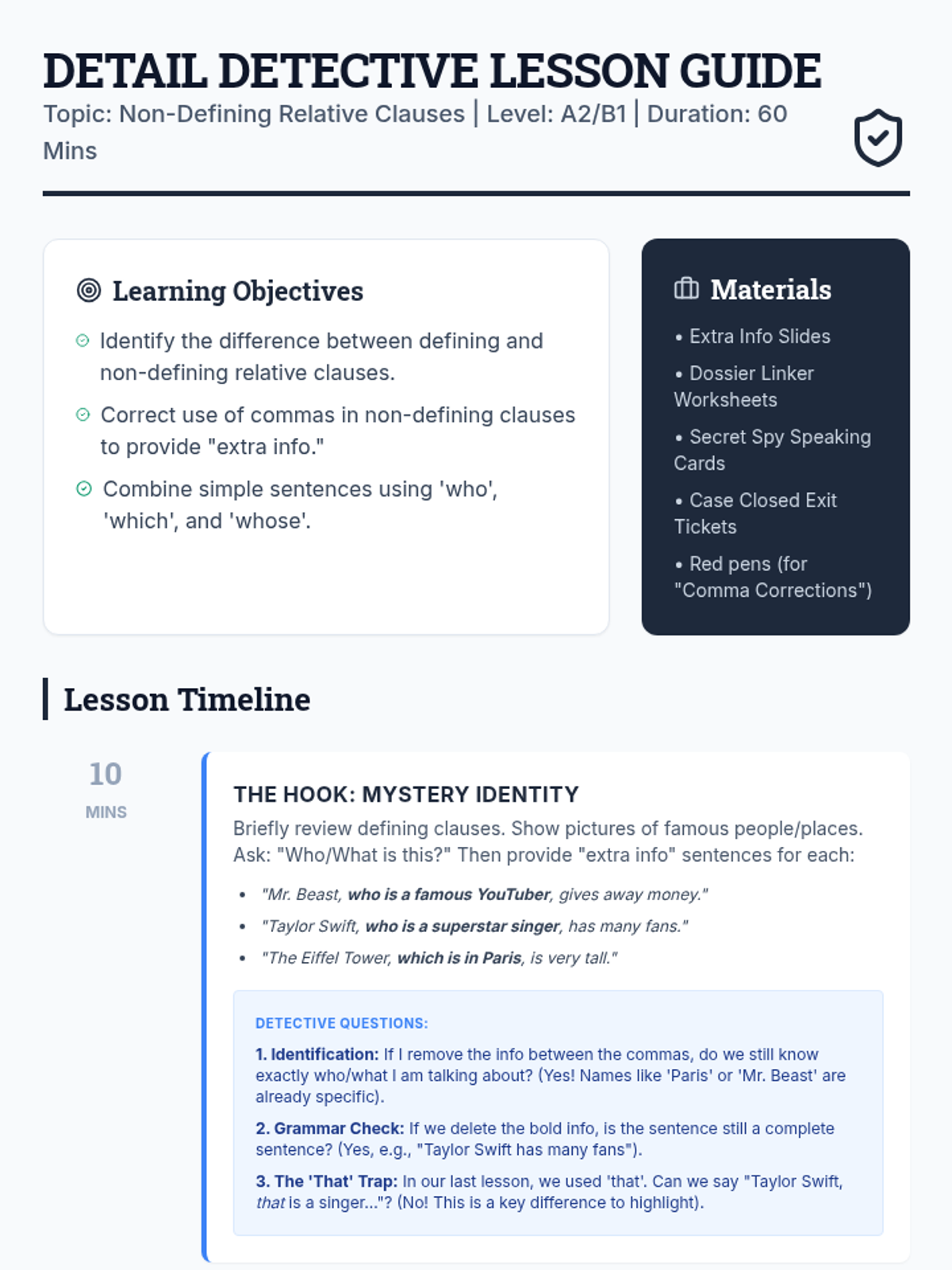
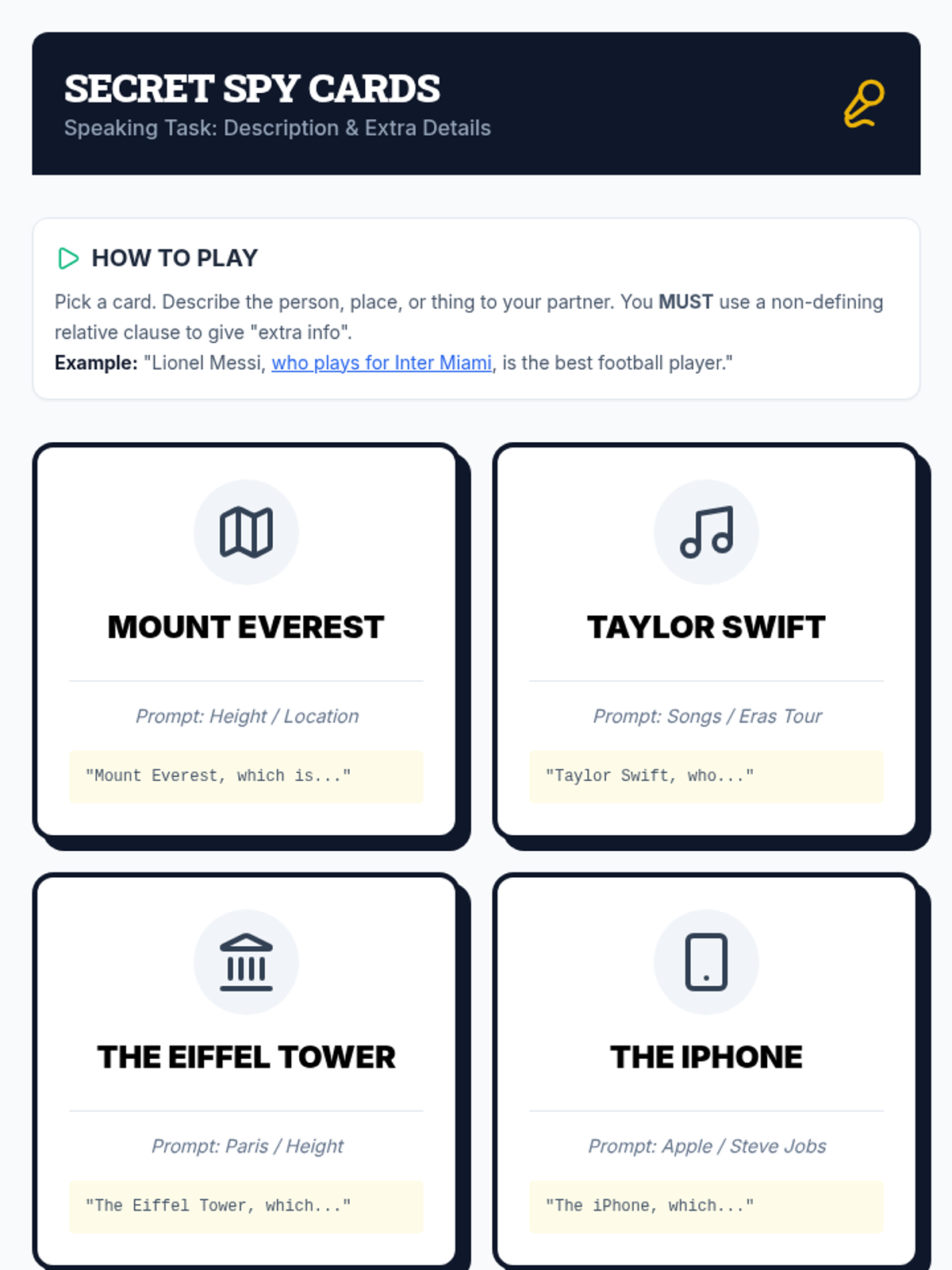
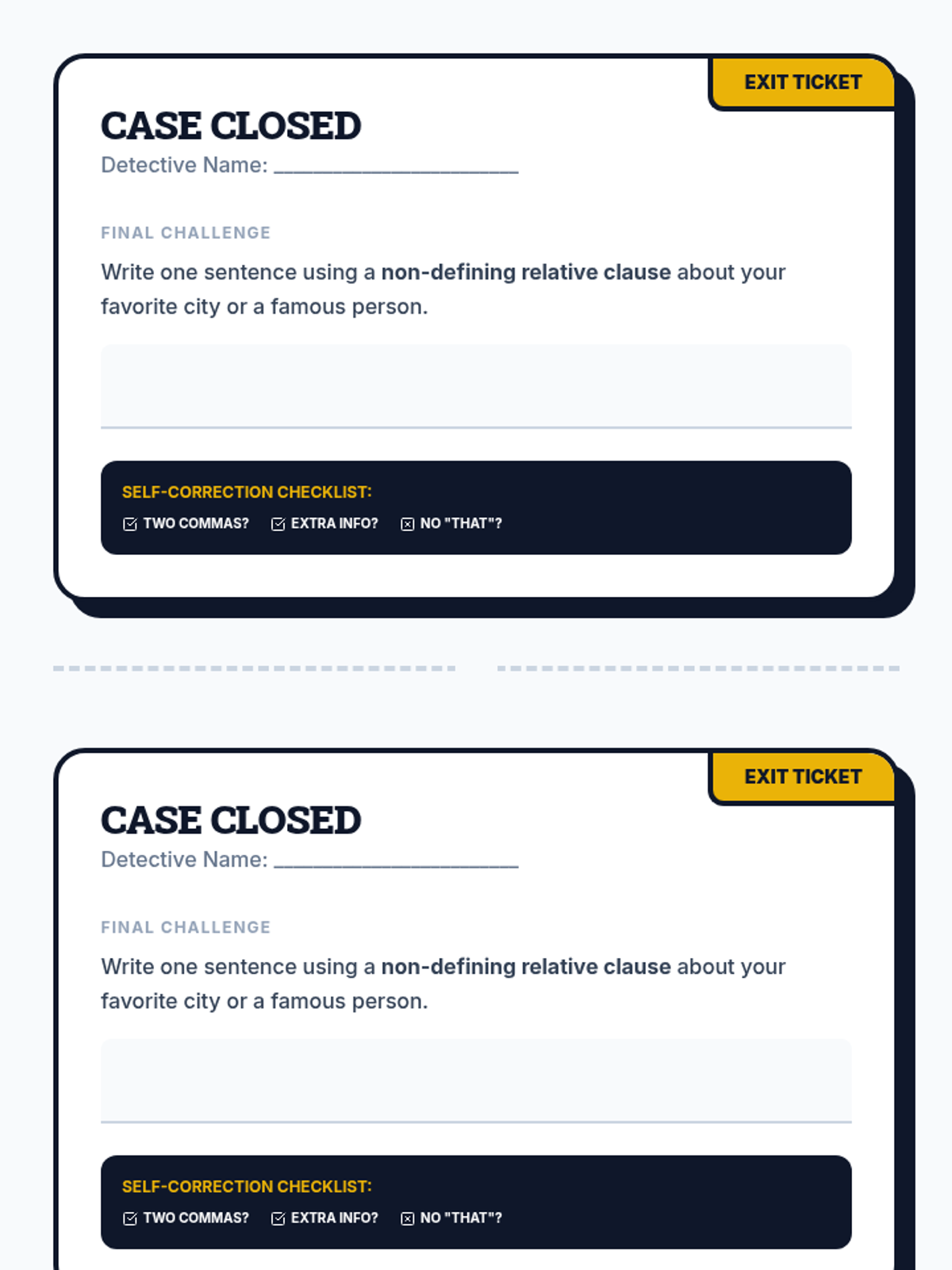
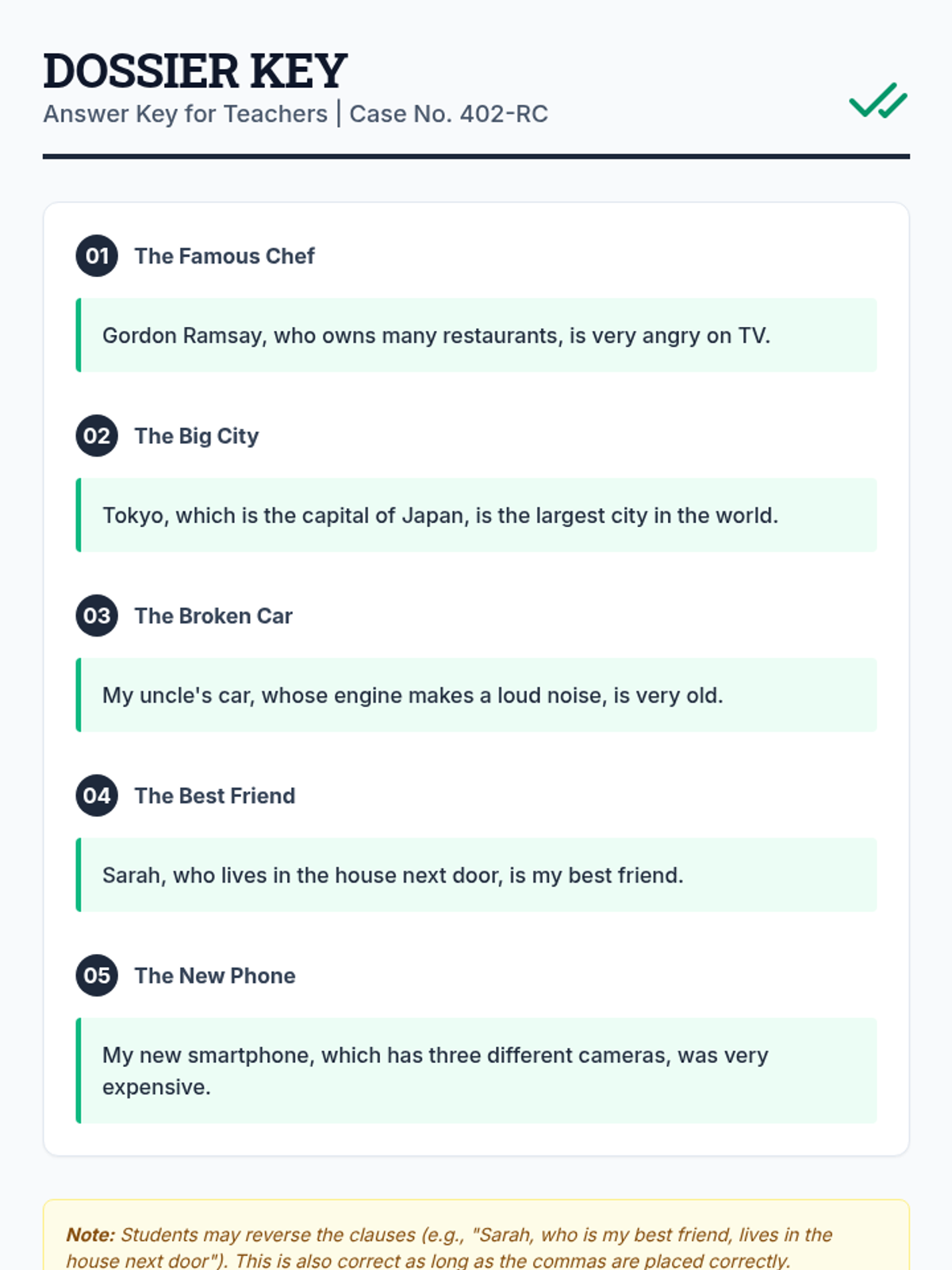
A 60-minute ESL lesson for A2 students focused on non-defining relative clauses through a 'Detail Detective' theme, featuring sentence combining, speaking cards, and comma mastery.
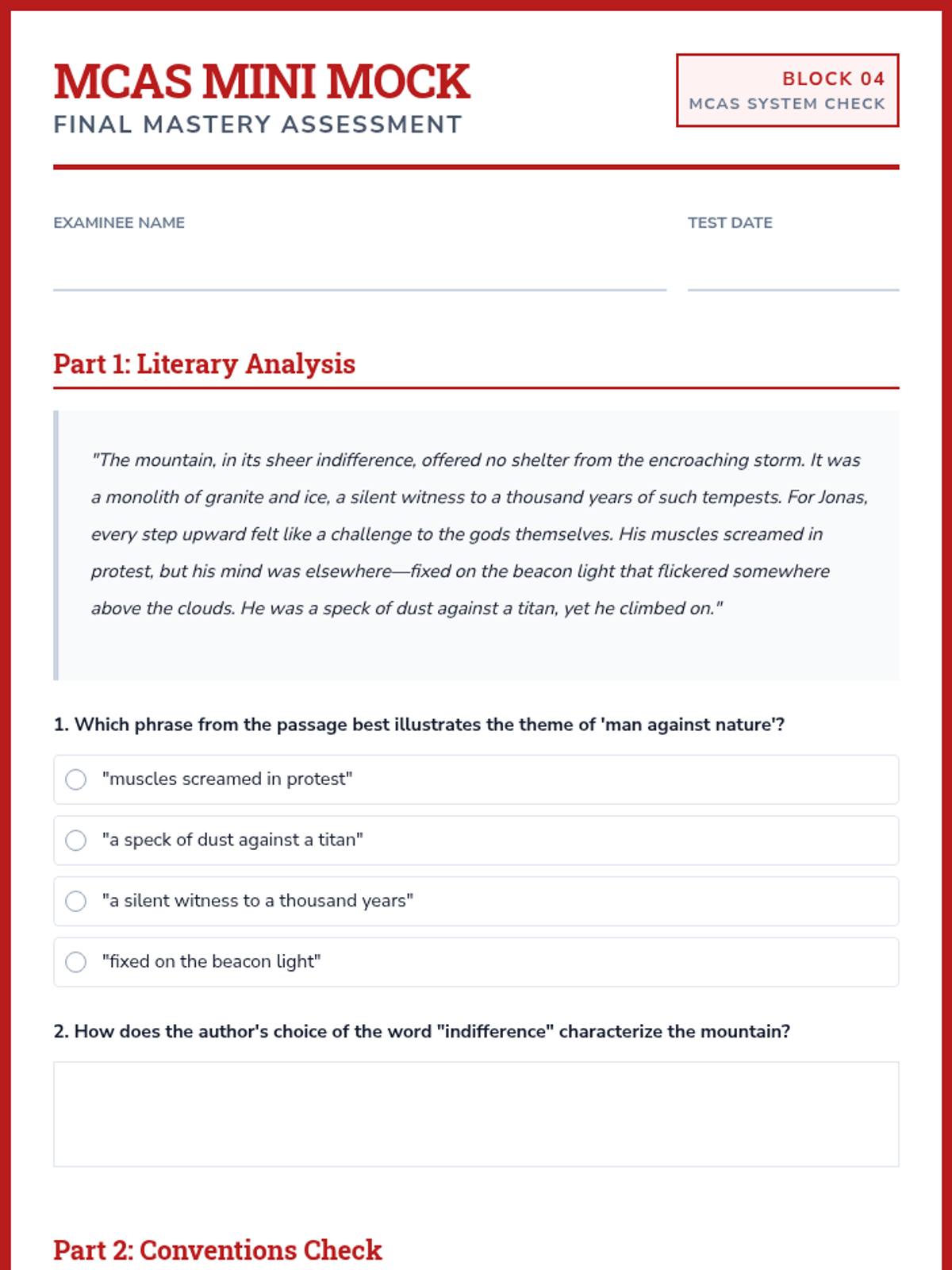
A comprehensive final review covering all MCAS domains, including a mini-mock exam and rapid-fire strategy refresh.
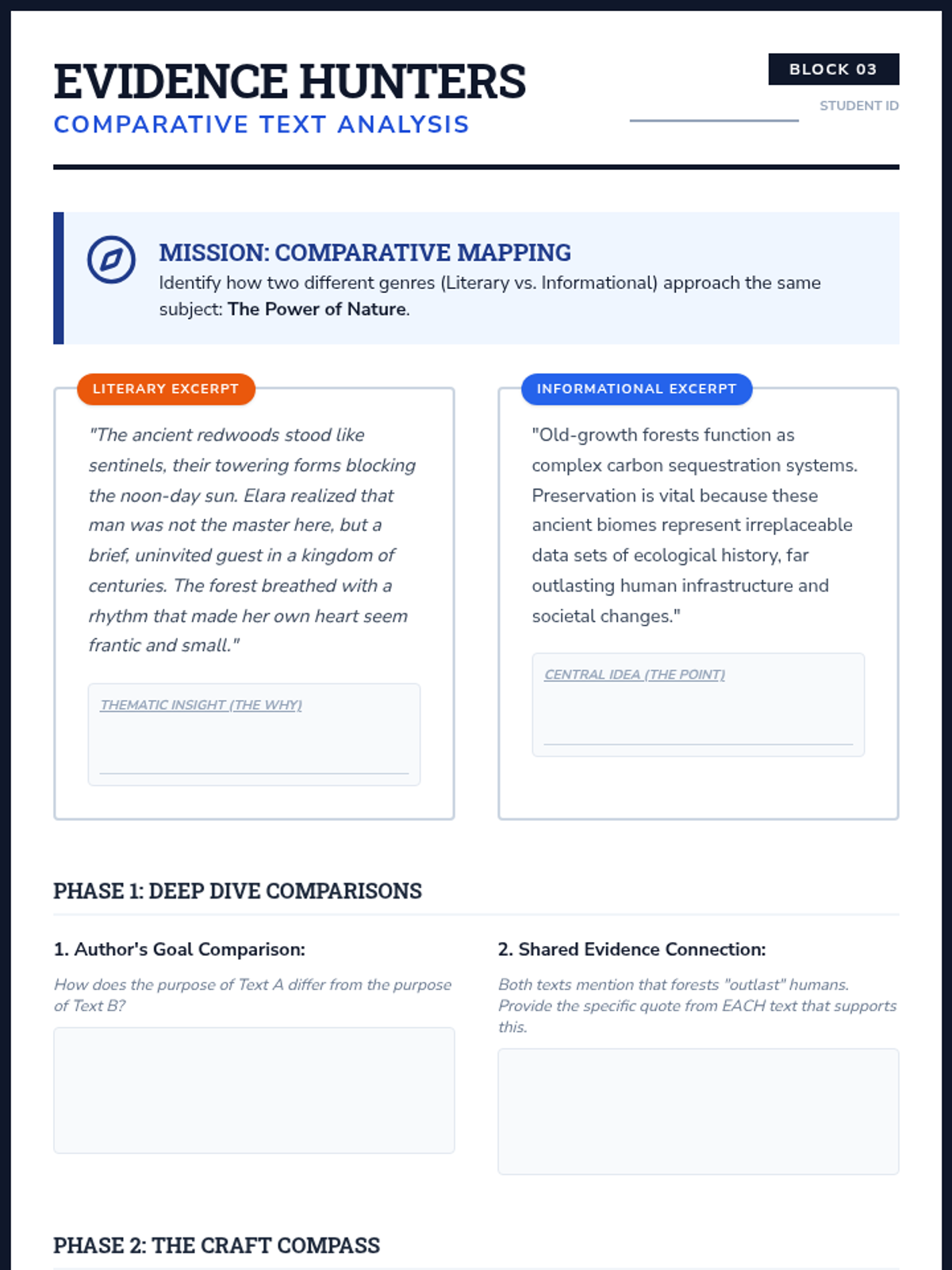
Deep dive into analyzing both literary and informational texts, identifying themes, and evaluating authorial craft with a focus on evidence-based claims.
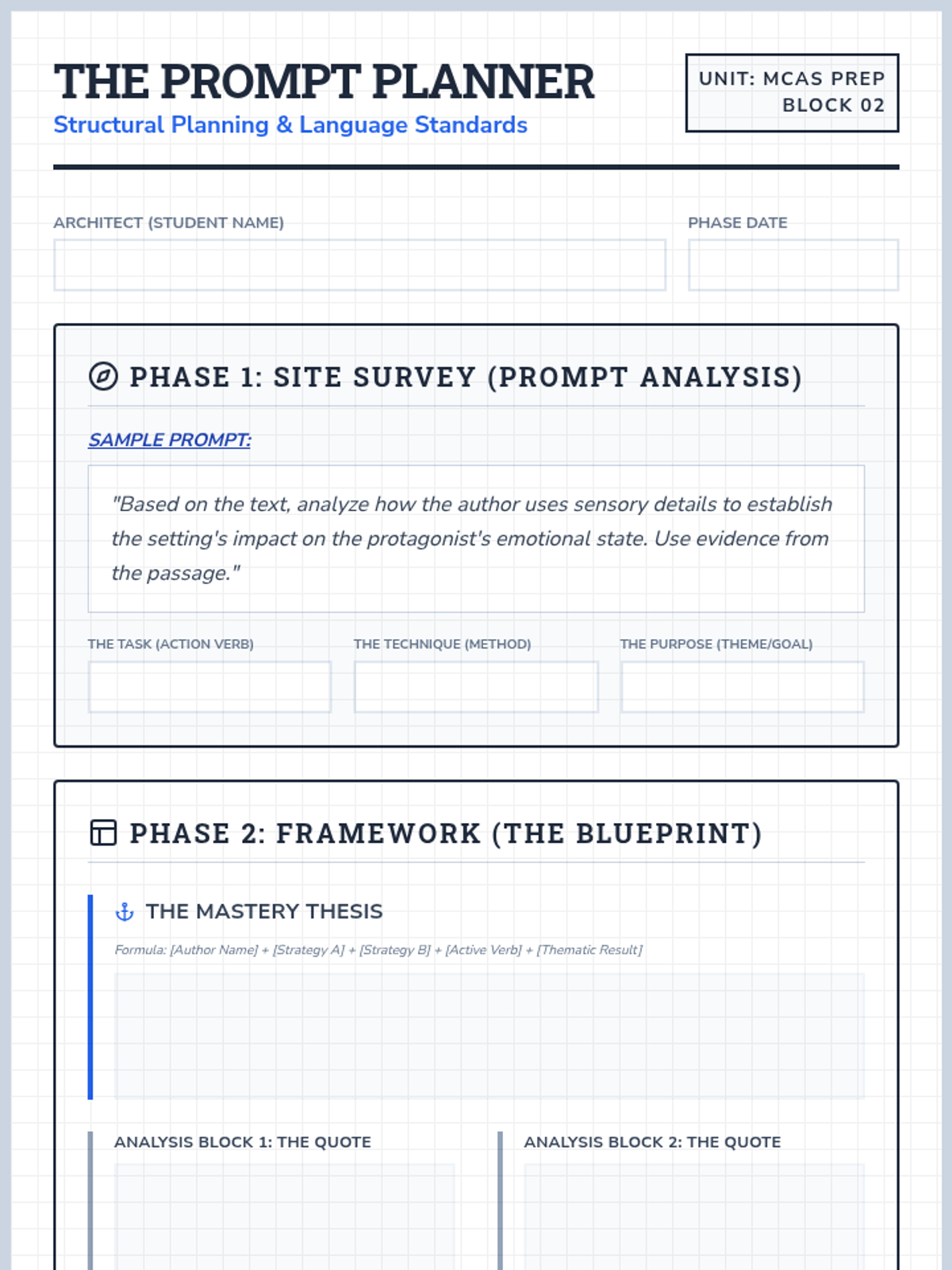
Teaches students how to construct high-scoring text-based responses and master standard English conventions through structural planning and revision techniques.
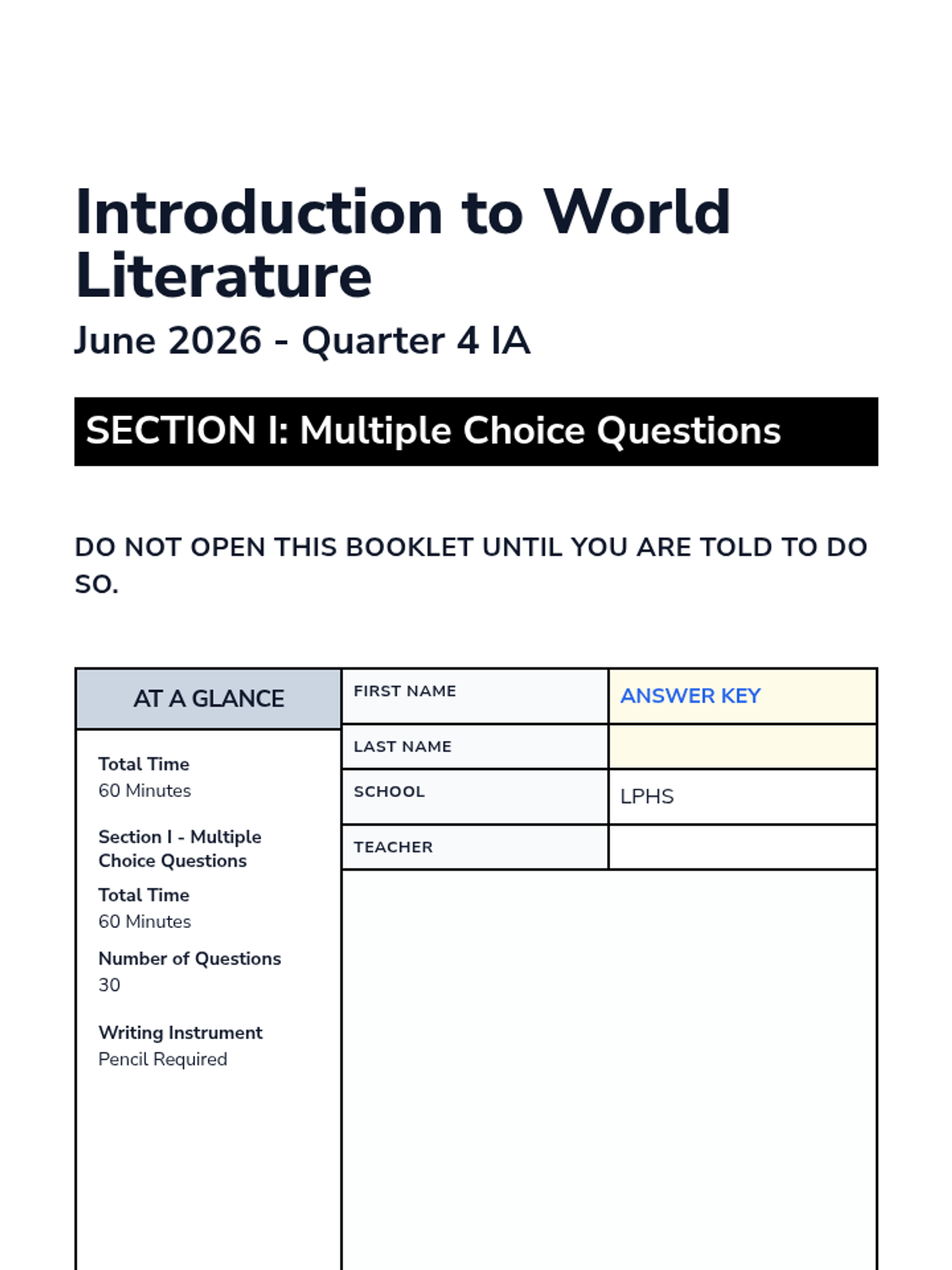
An answer key for the June 2024 Quarter 4 Internal Assessment for World Literature, covering reading comprehension, grammar, vocabulary, and transitions.
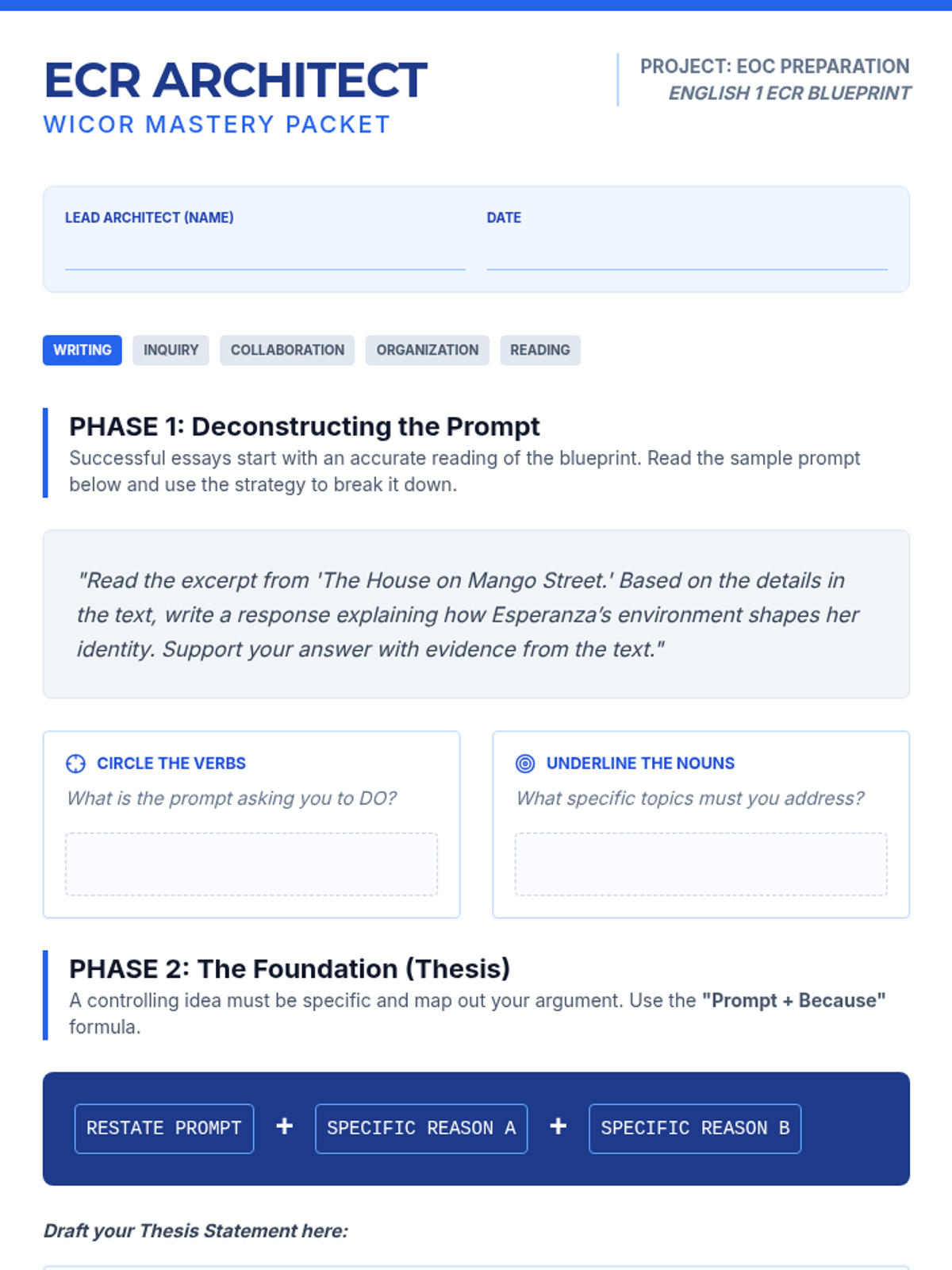
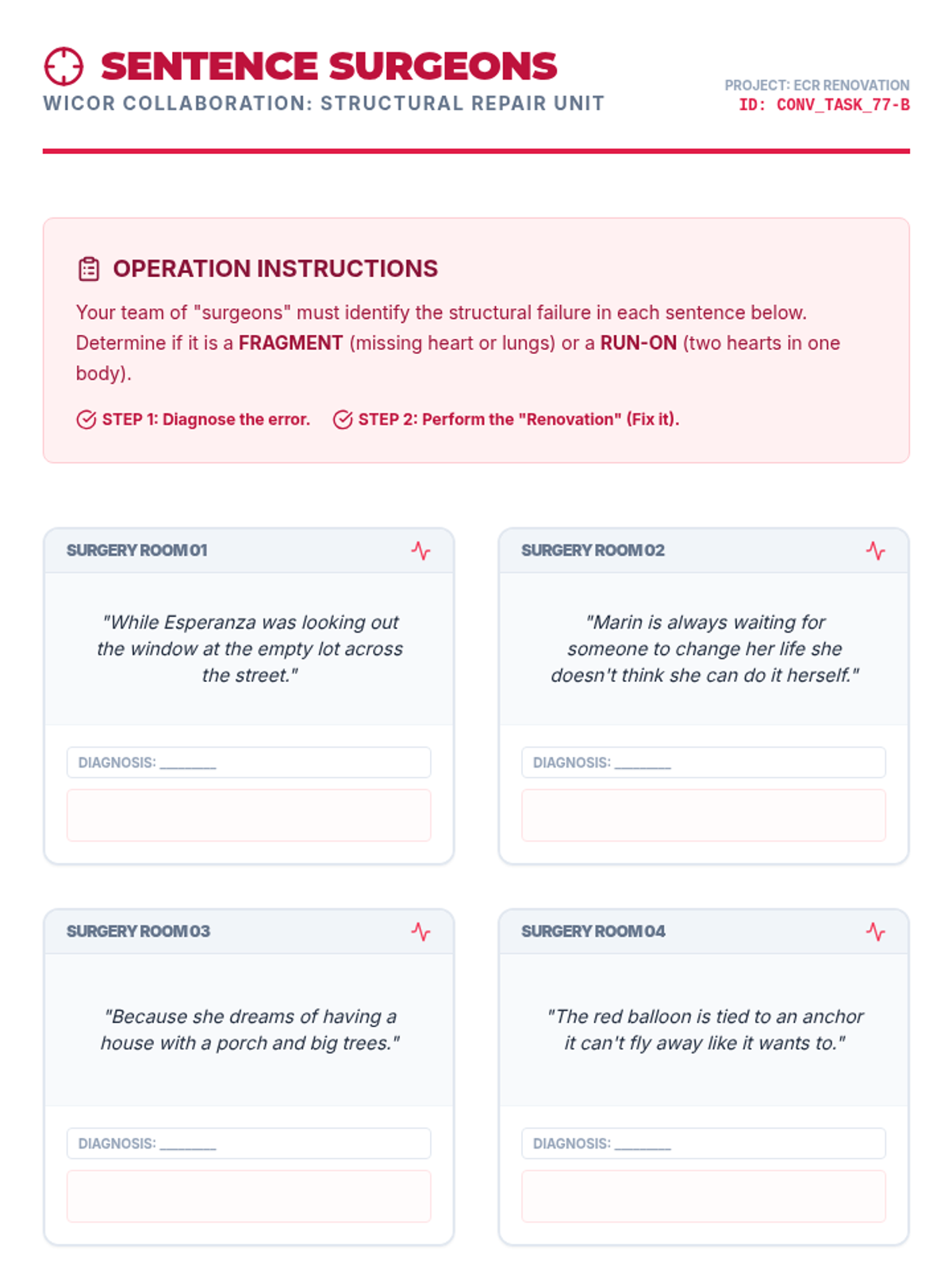
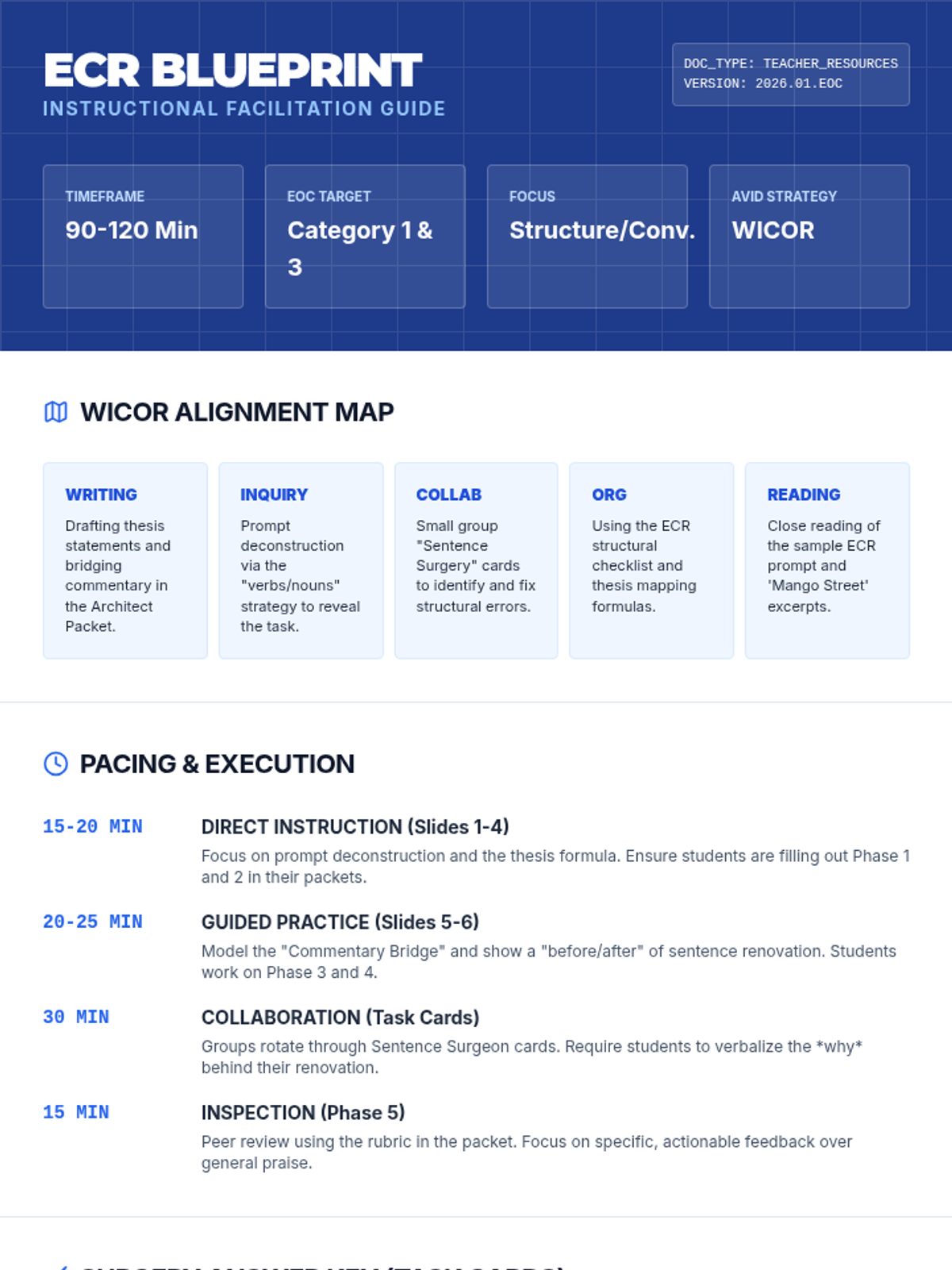
A comprehensive EOC English 1 prep lesson focused on mastering the Extended Constructed Response through AVID's WICOR framework. Students will learn to construct sturdy thesis statements, bridge evidence with commentary, and renovate faulty sentence structures.
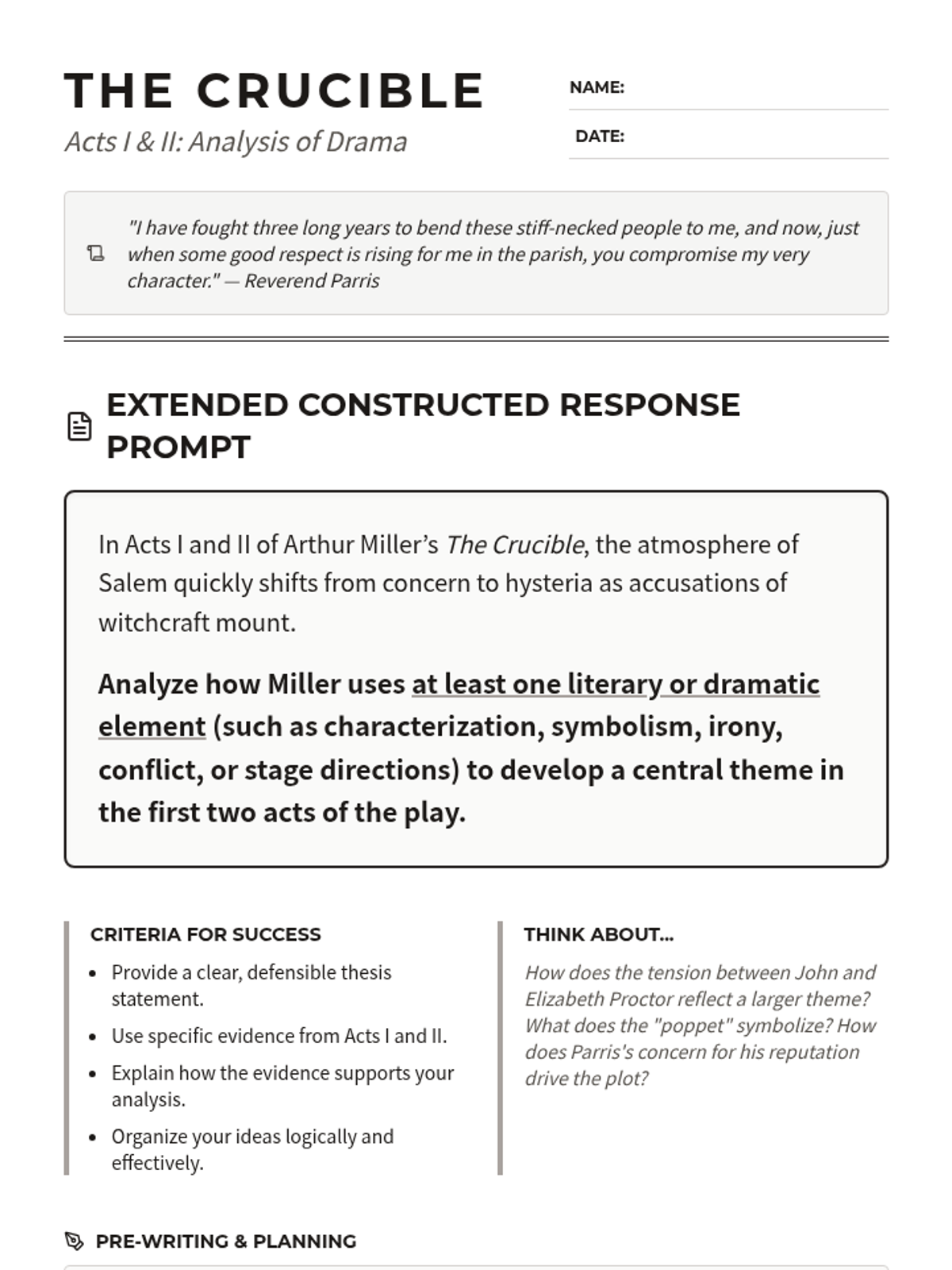
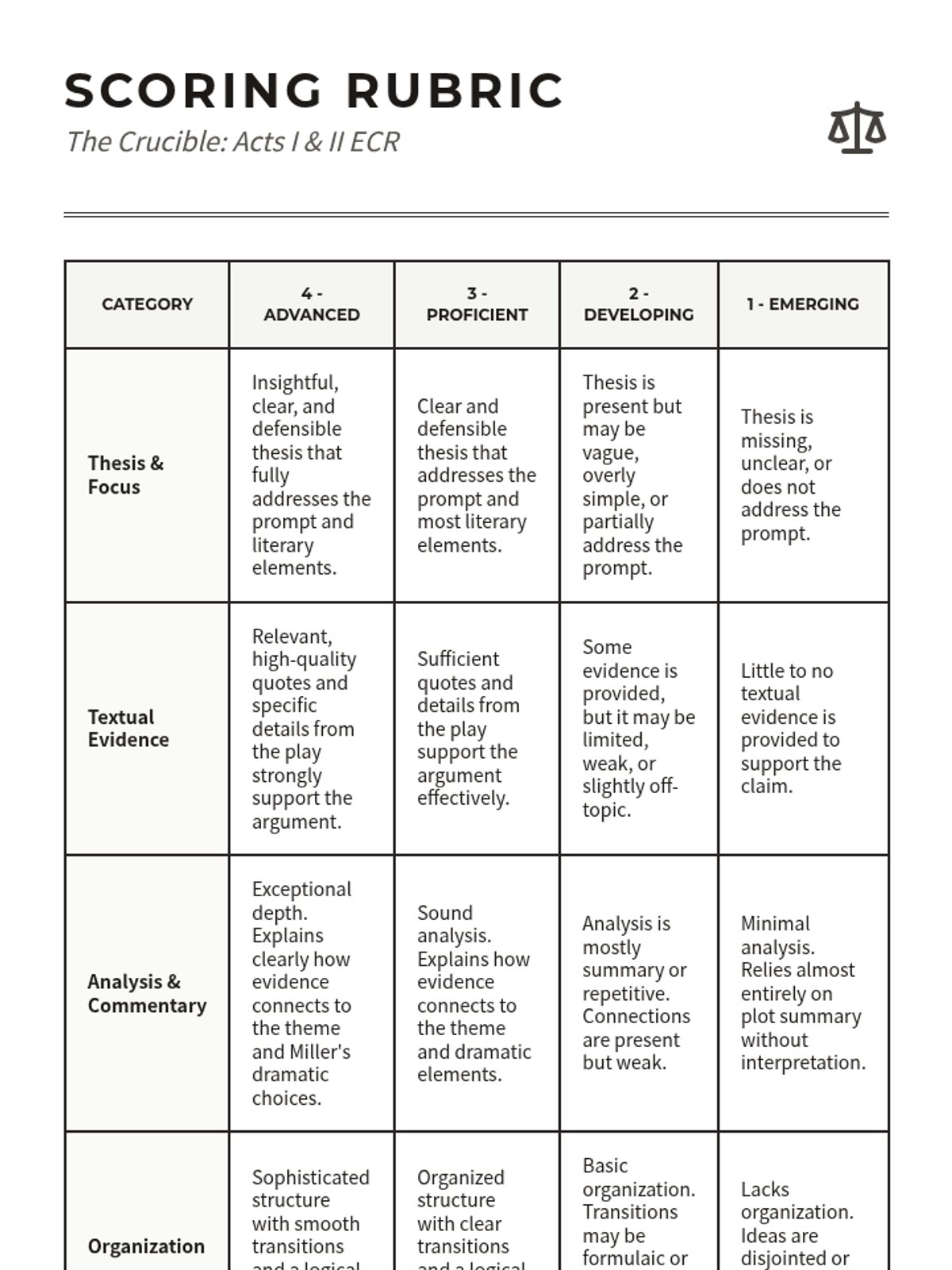
A focused lesson providing an Extended Constructed Response (ECR) essay prompt and a comprehensive scoring rubric for Acts I and II of Arthur Miller's *The Crucible*. Students will analyze how dramatic elements contribute to the play's developing themes.
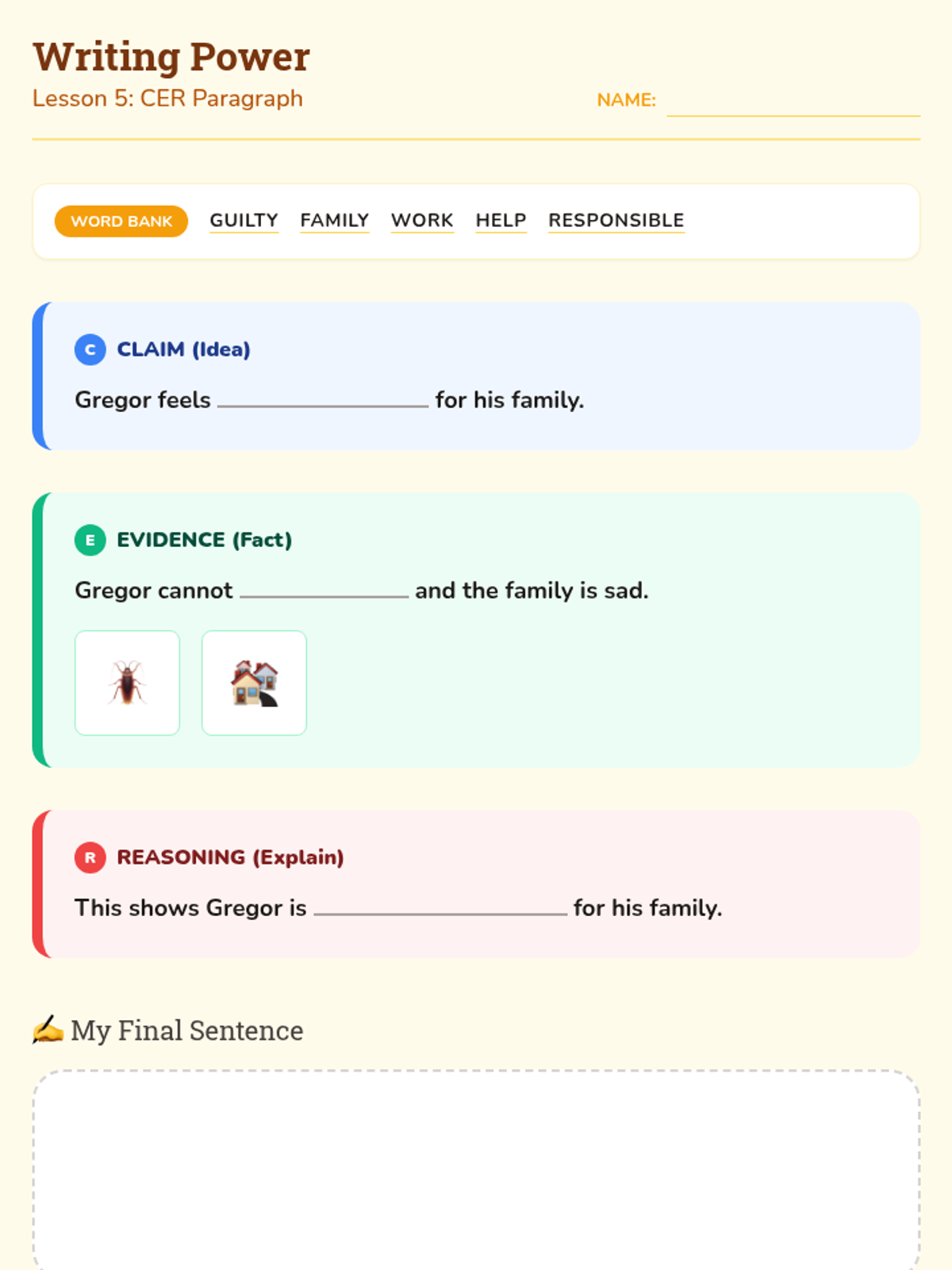
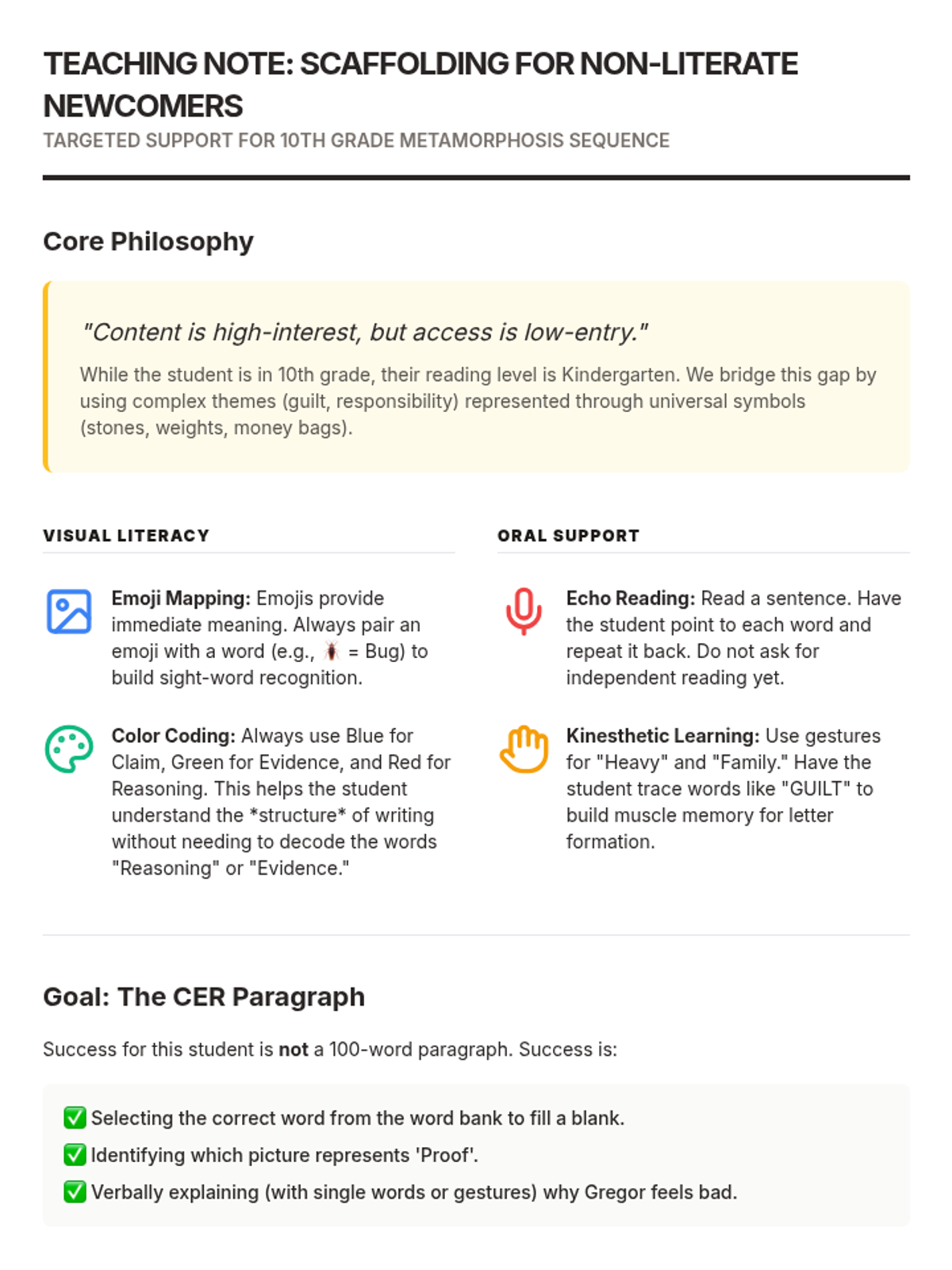
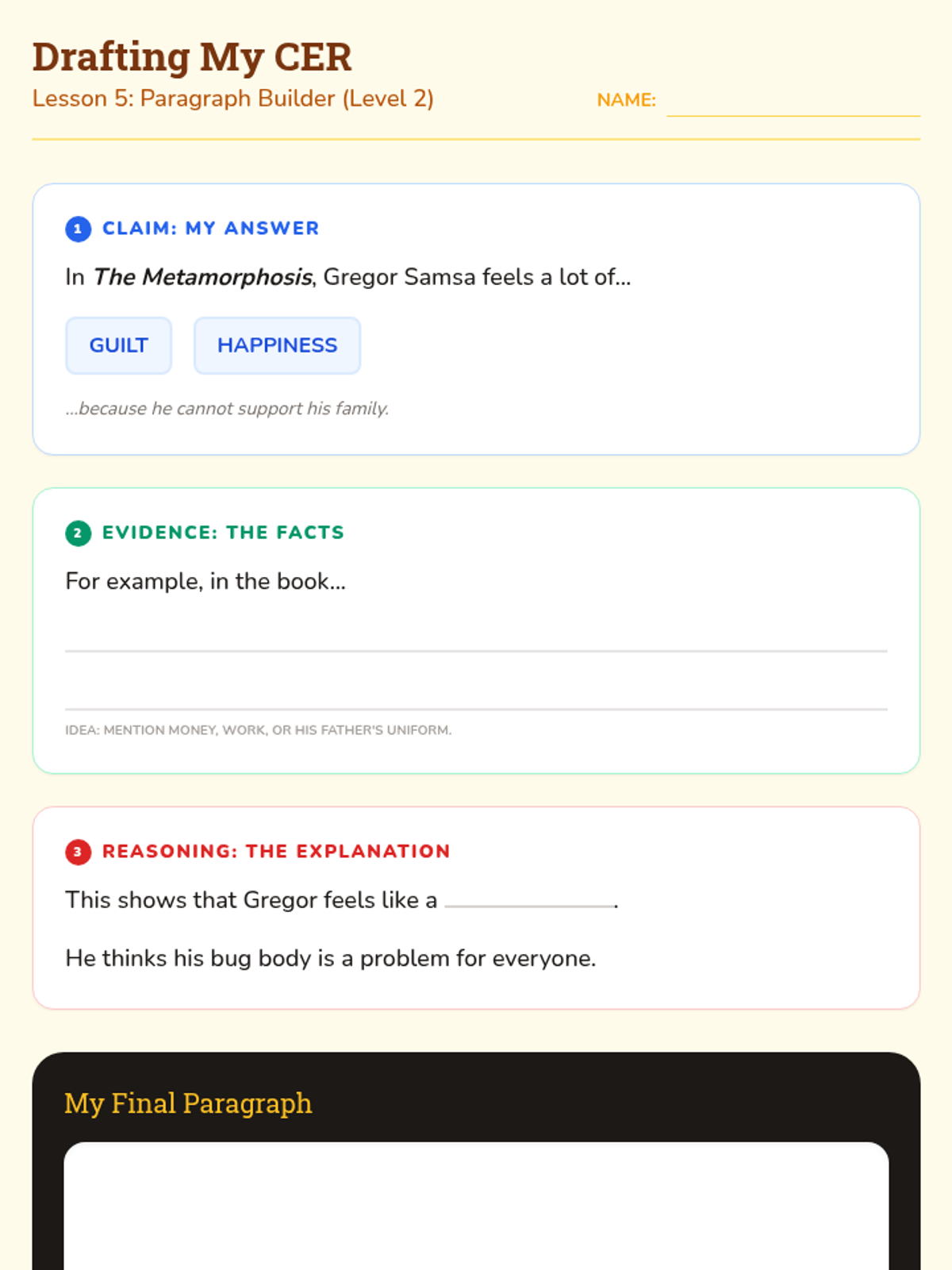
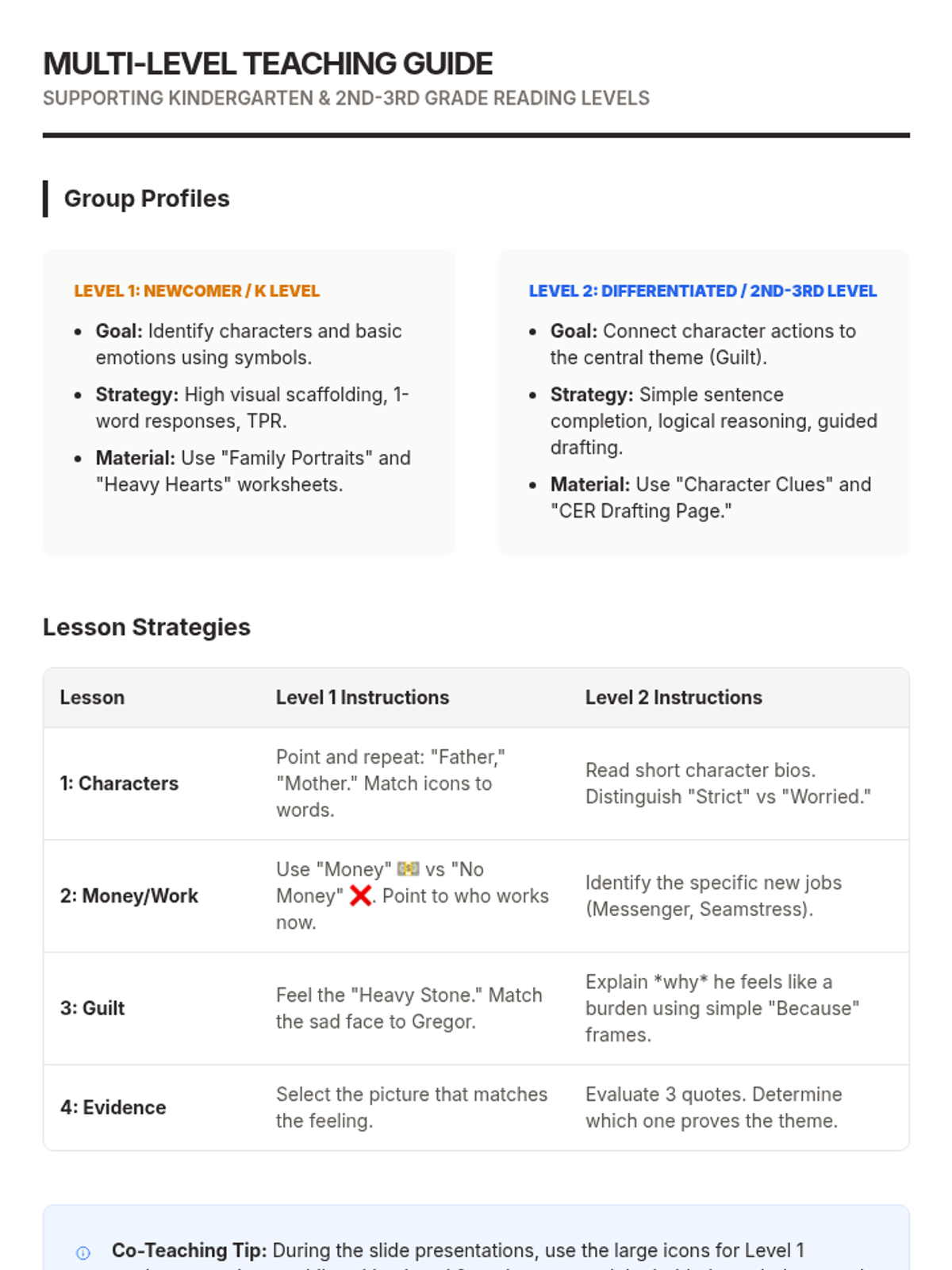
Guides the student through the construction of a Claim-Evidence-Reasoning paragraph using a highly scaffolded template and word bank.
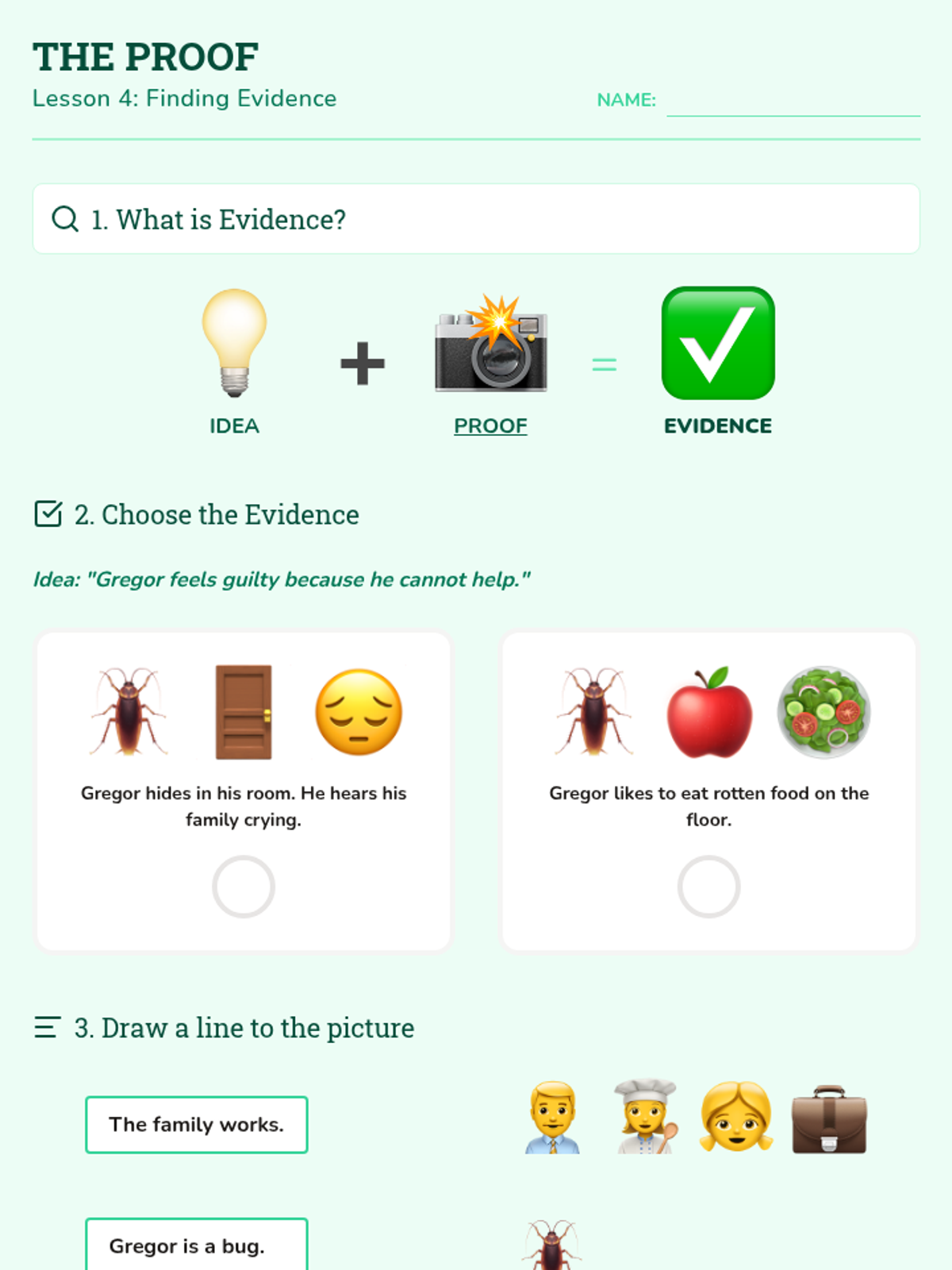
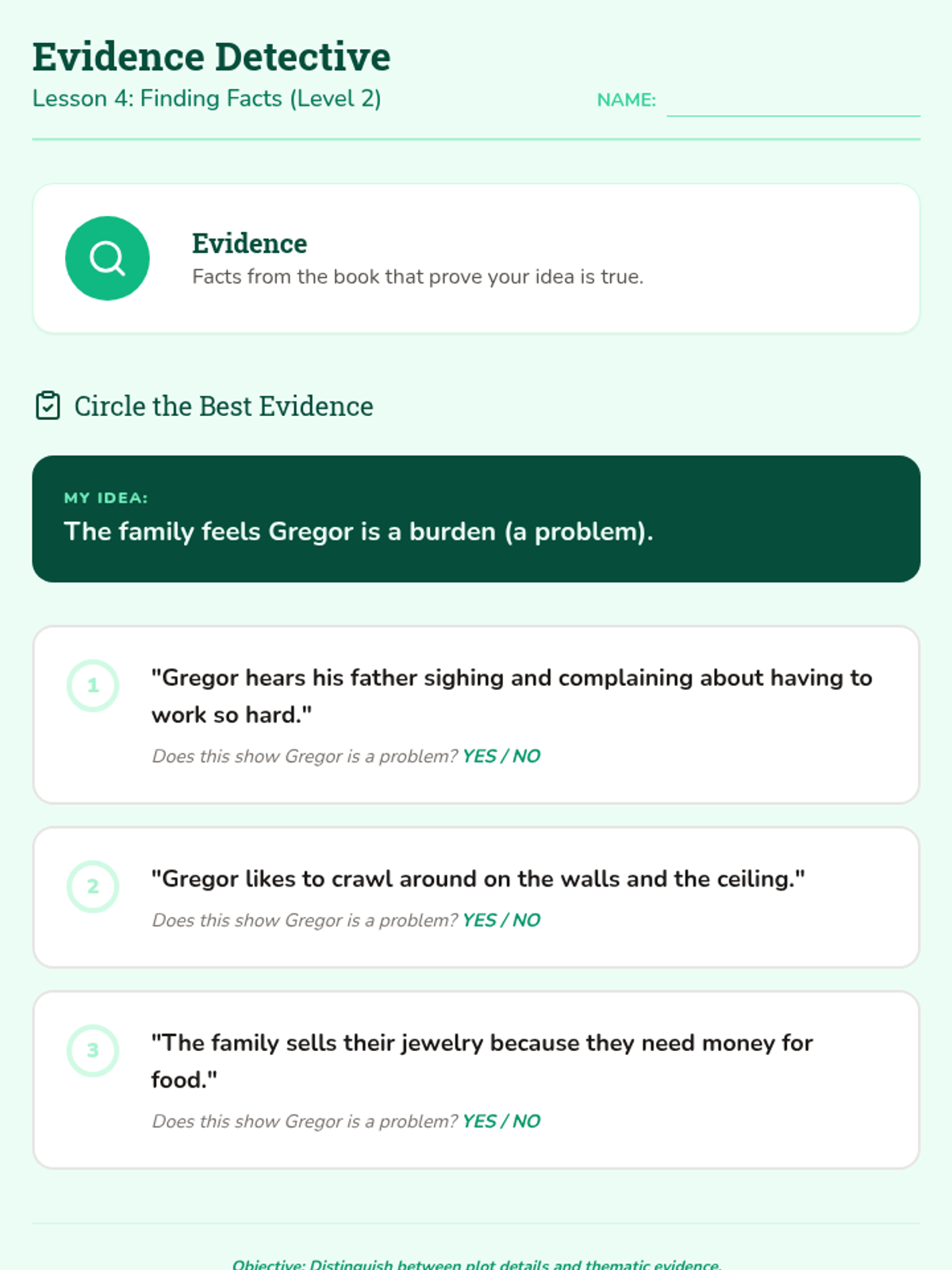
Teaches the student how to identify 'evidence' by selecting images and simple phrases that show family tension and responsibility.
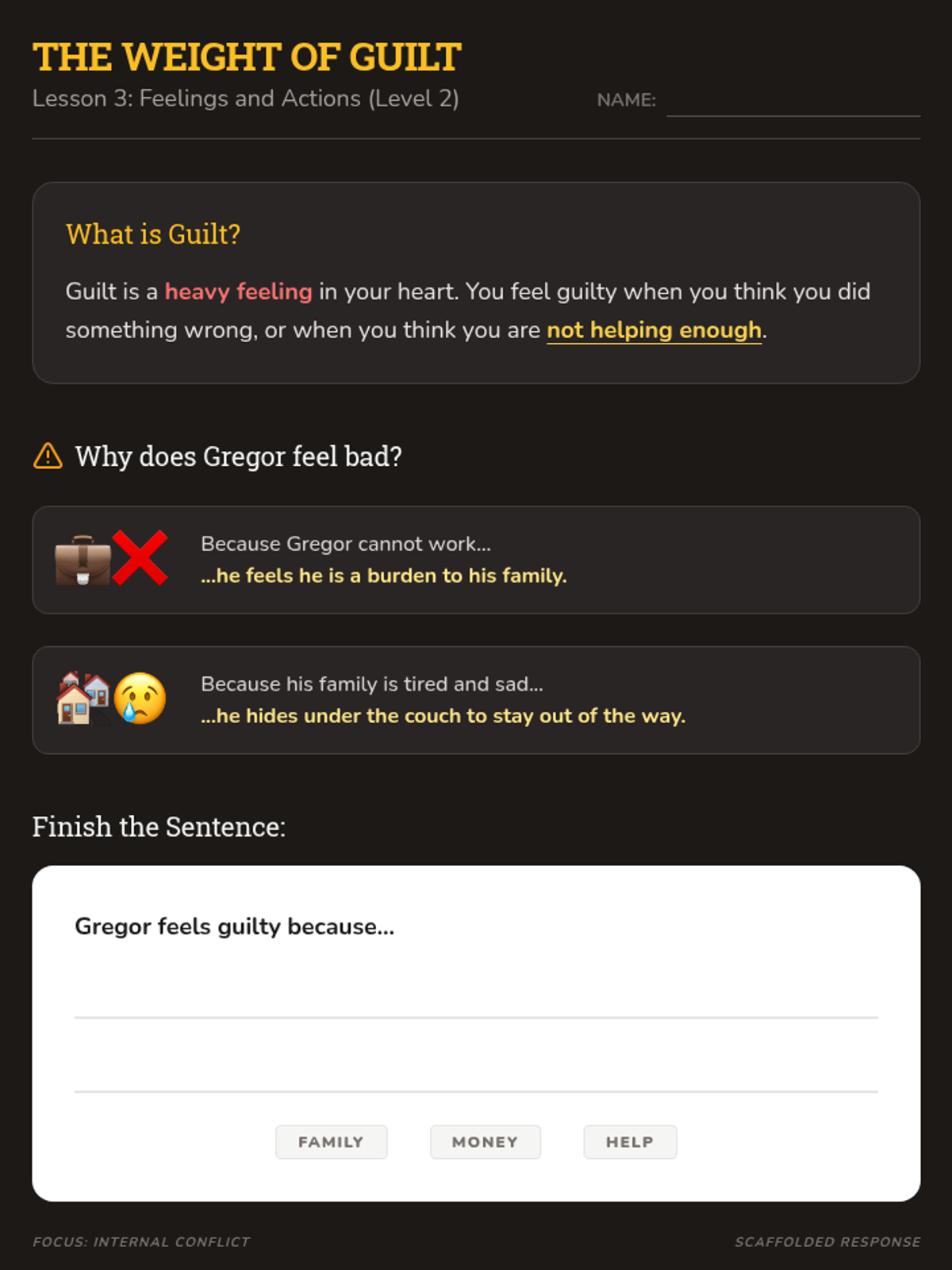
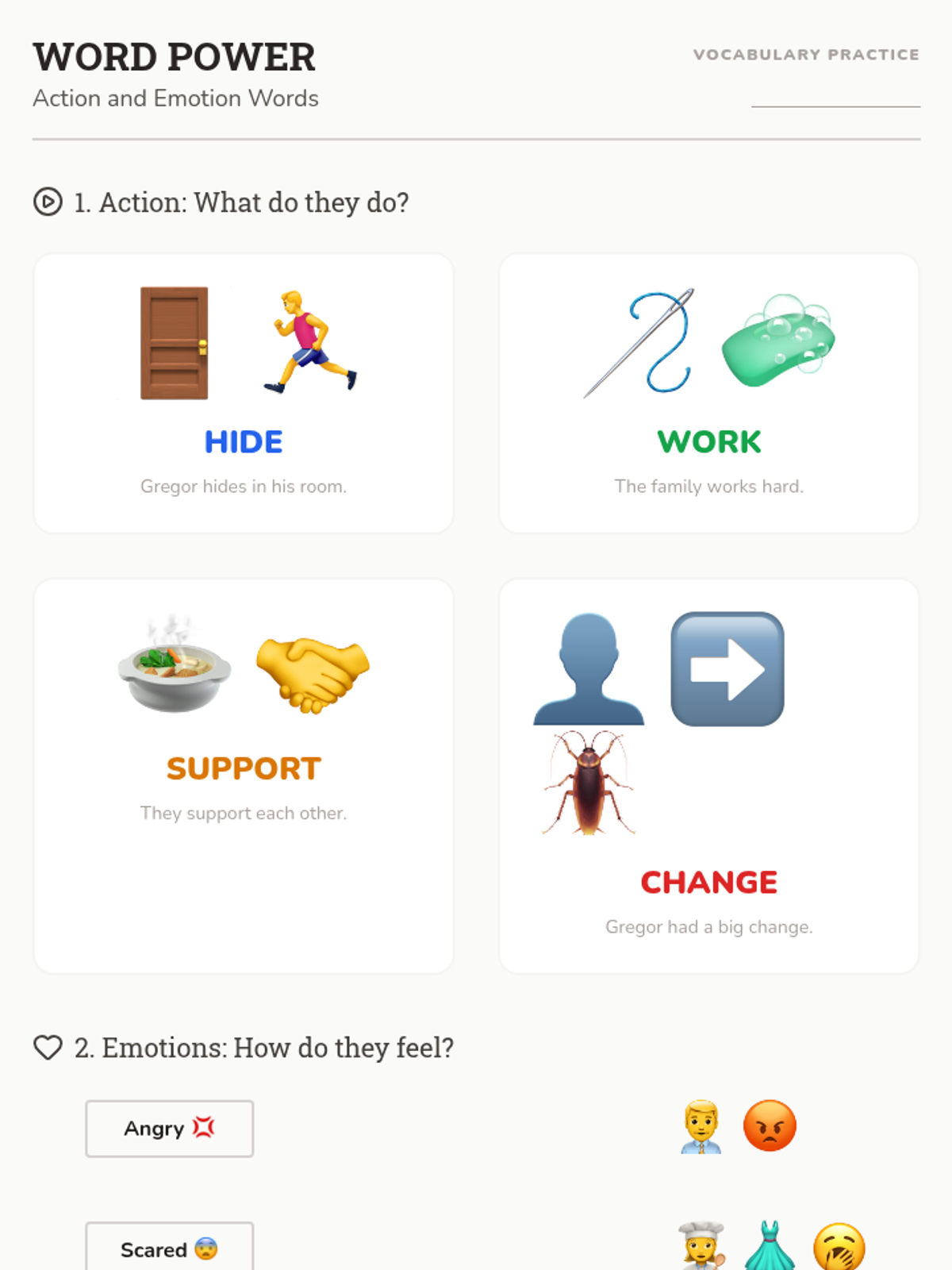
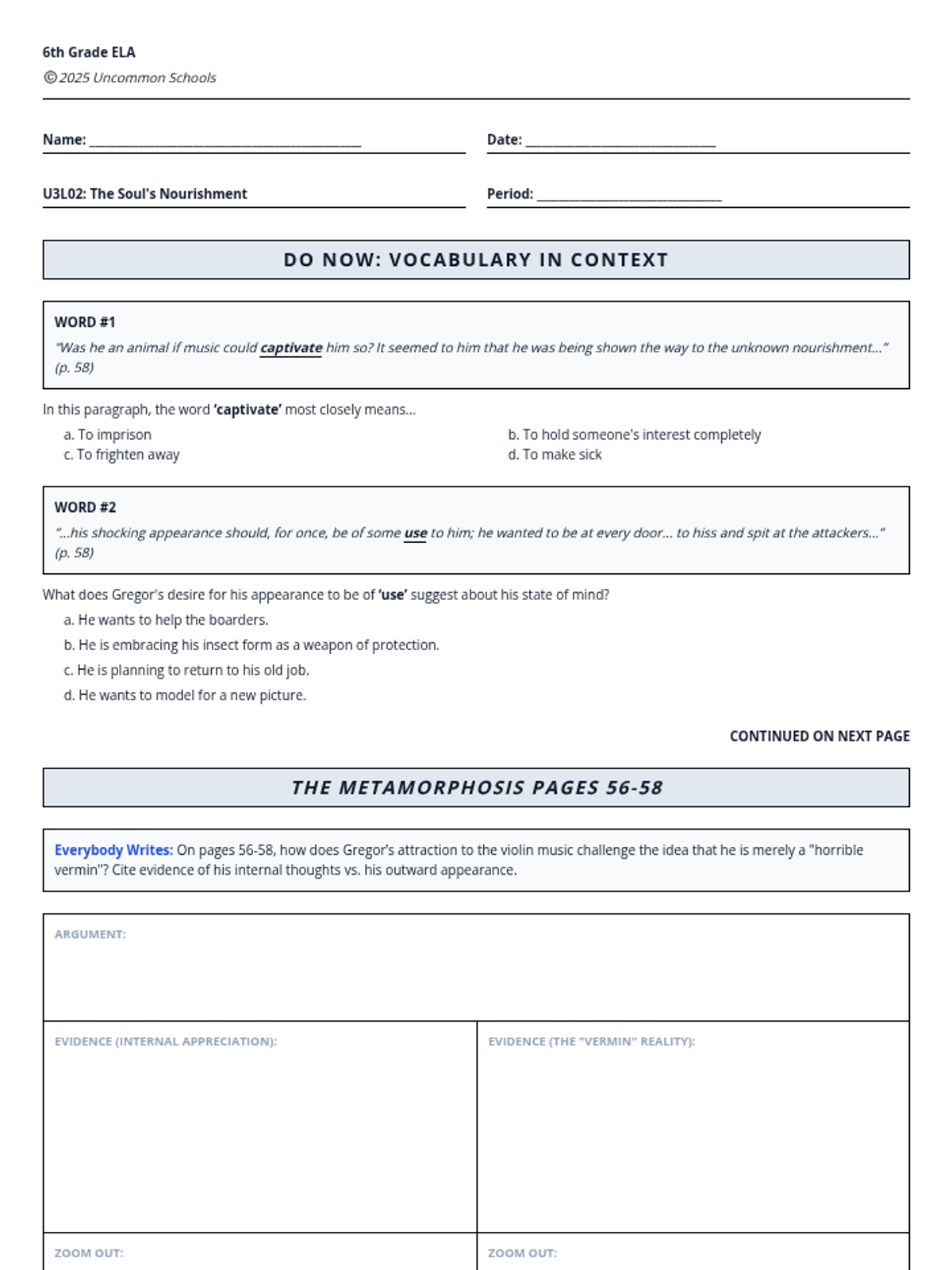
Introduces the abstract concept of guilt using visual metaphors and simple emotion words to describe Gregor's internal state.
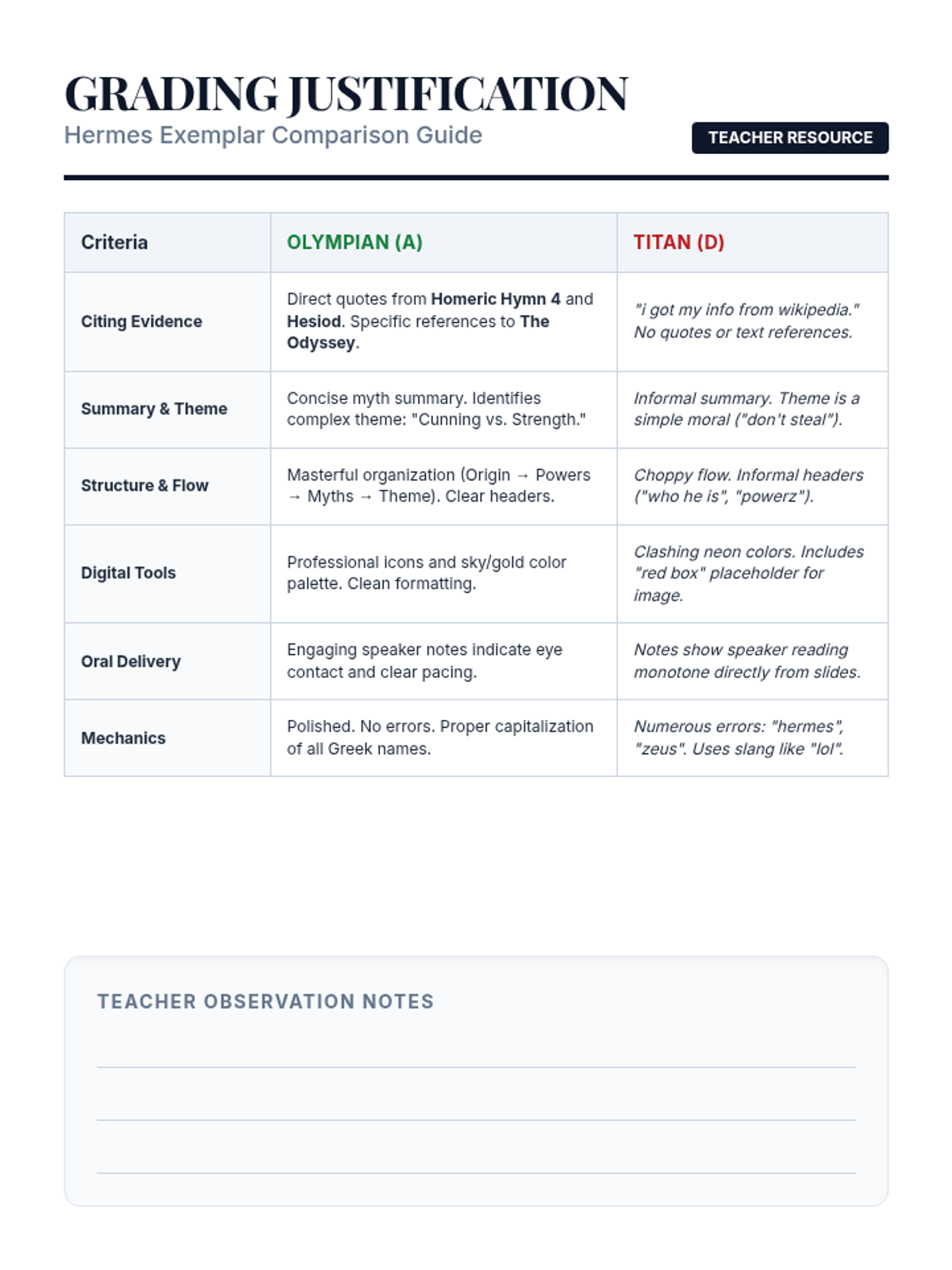
This lesson compares two student presentations on the god Hermes to help students understand grading criteria and how to improve their own mythological research projects.
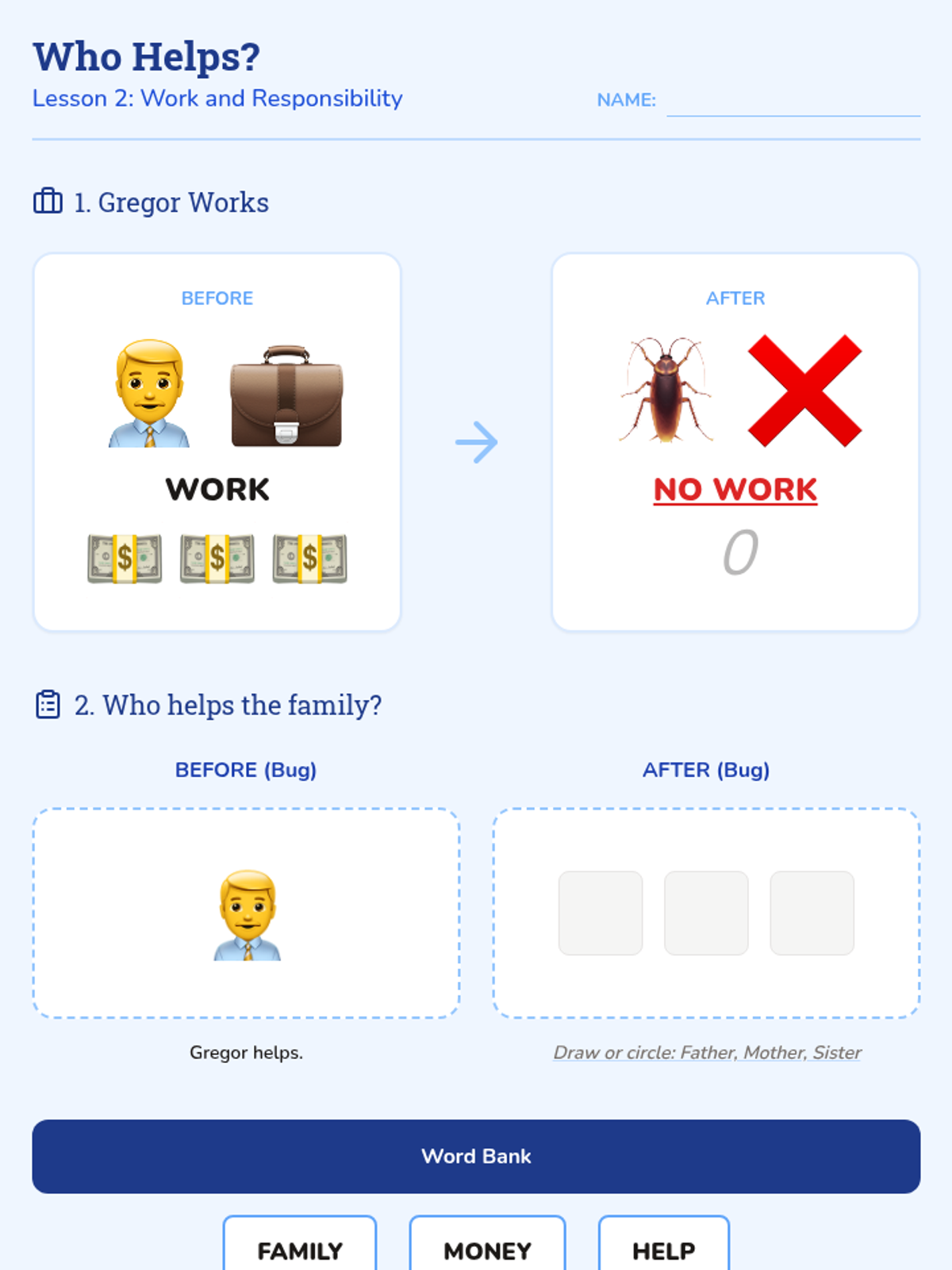
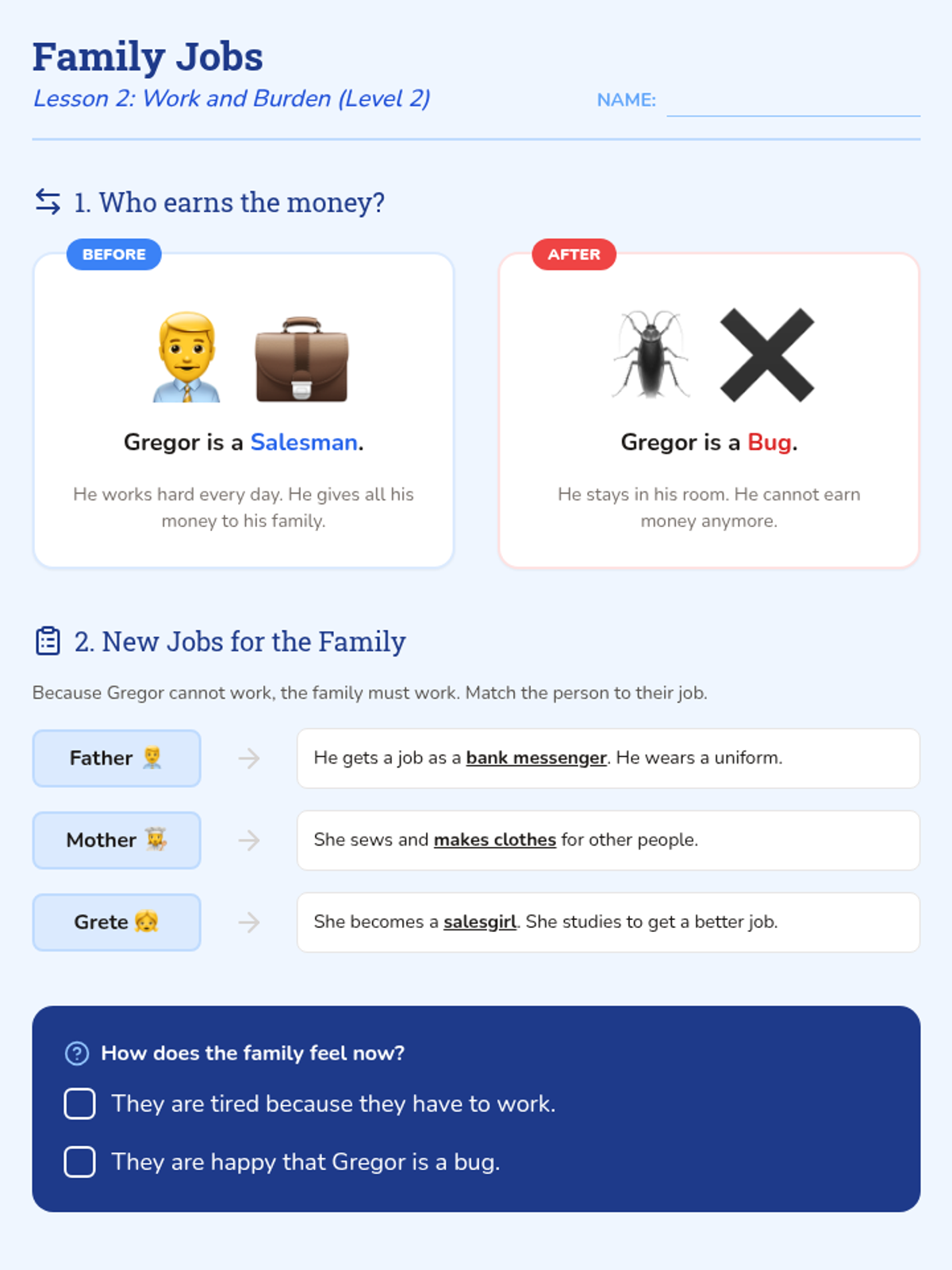
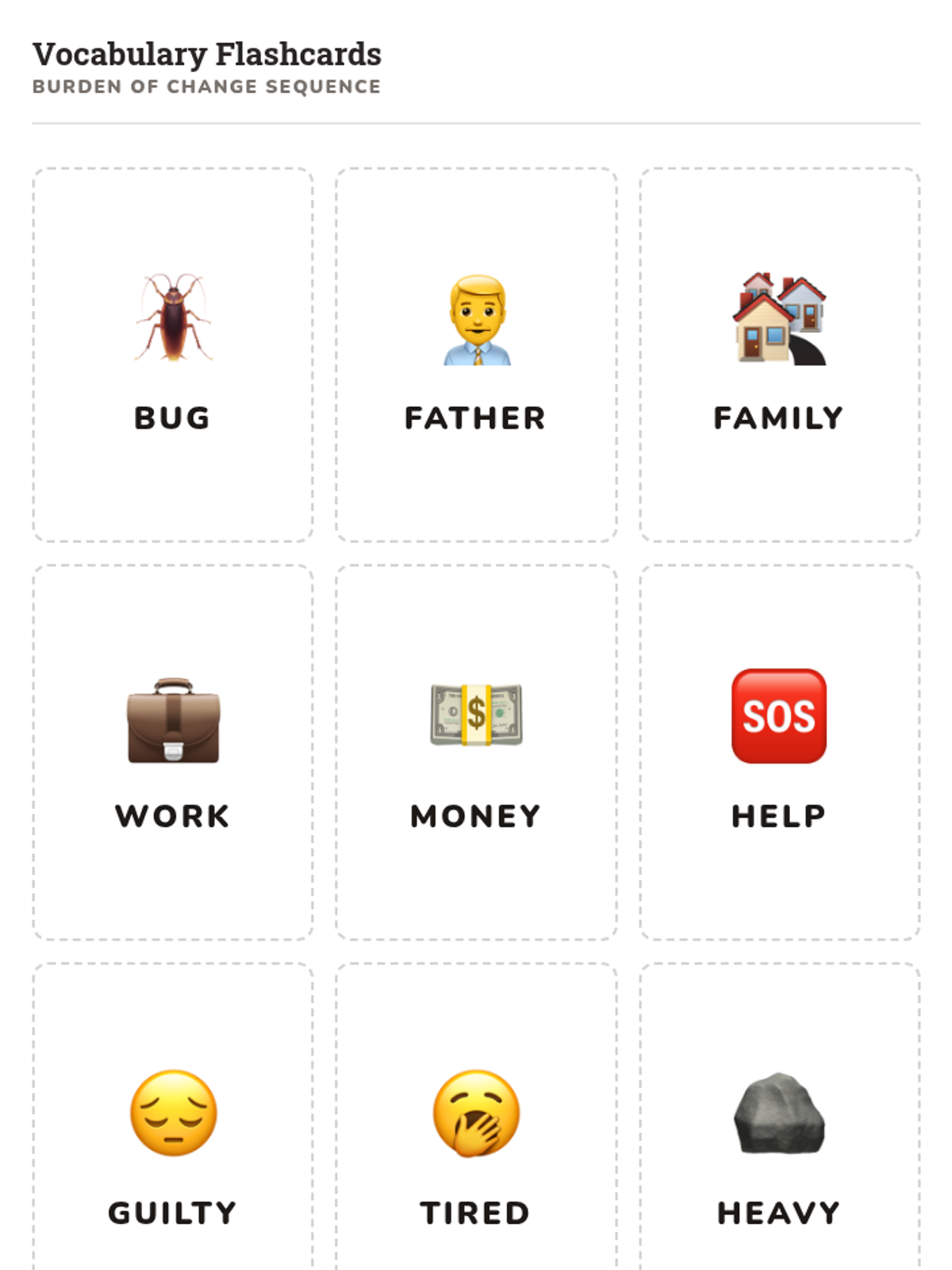
Explores the concept of responsibility through the lens of money and work, contrasting Gregor's role before and after his transformation.
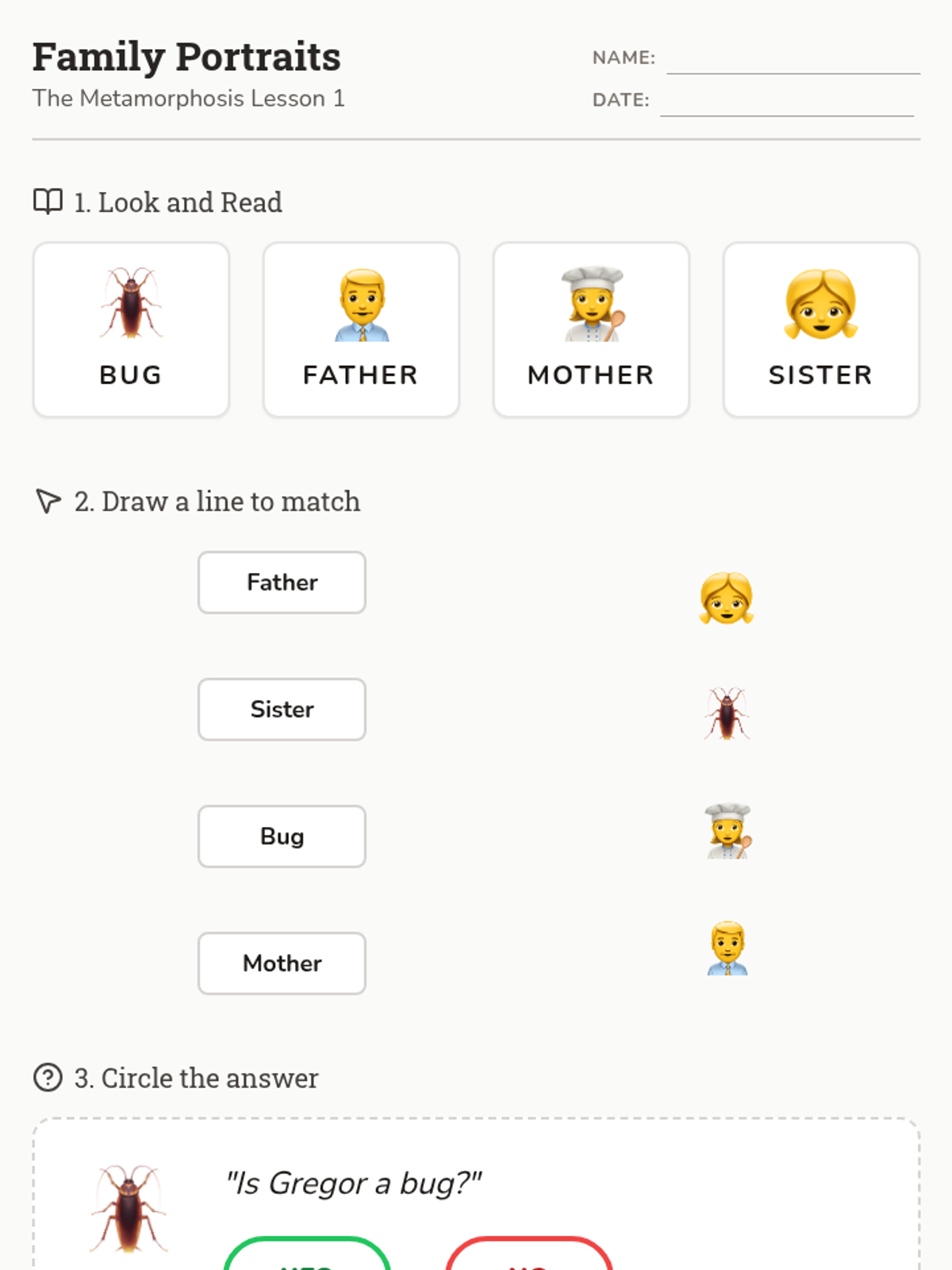
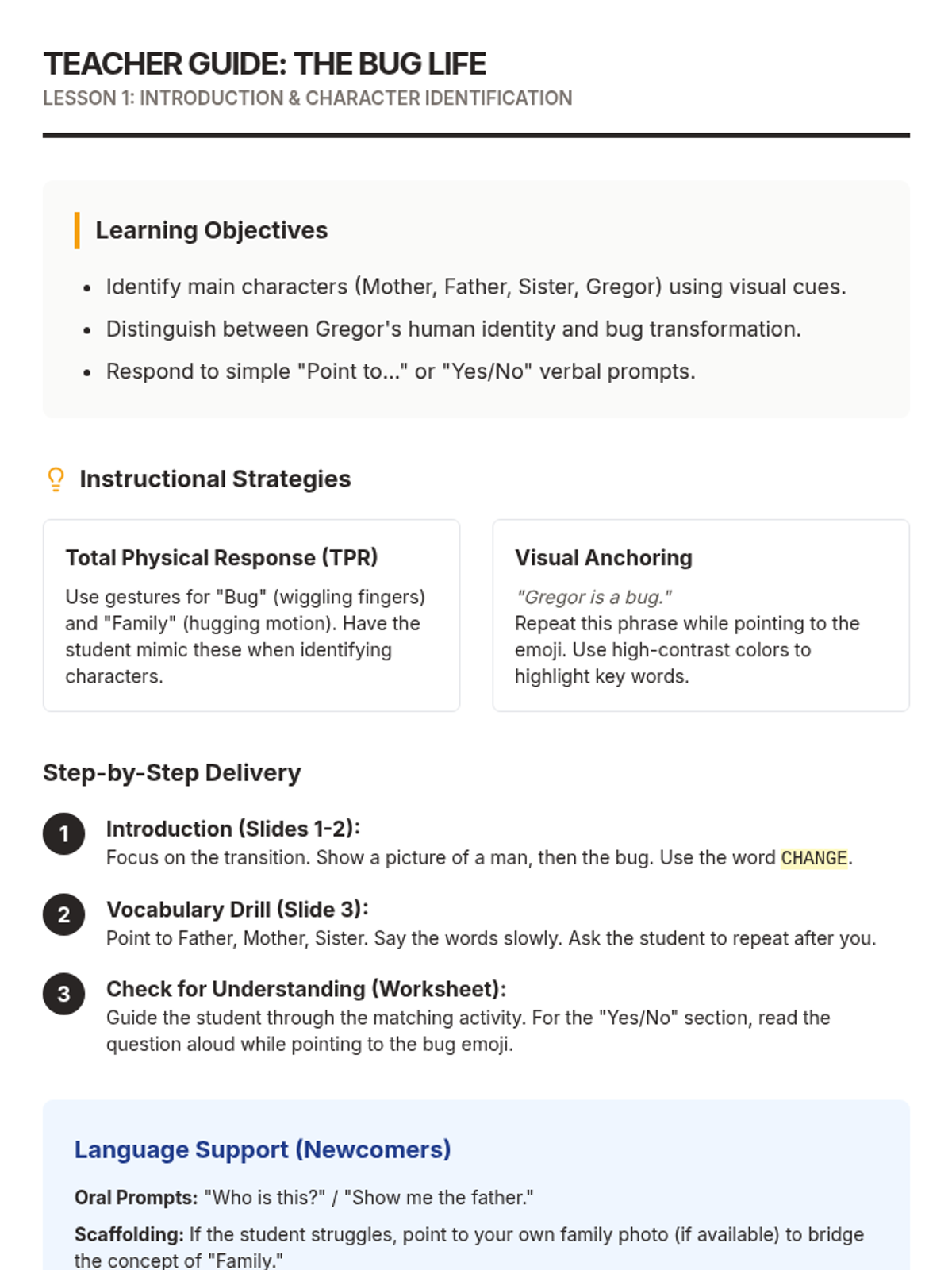
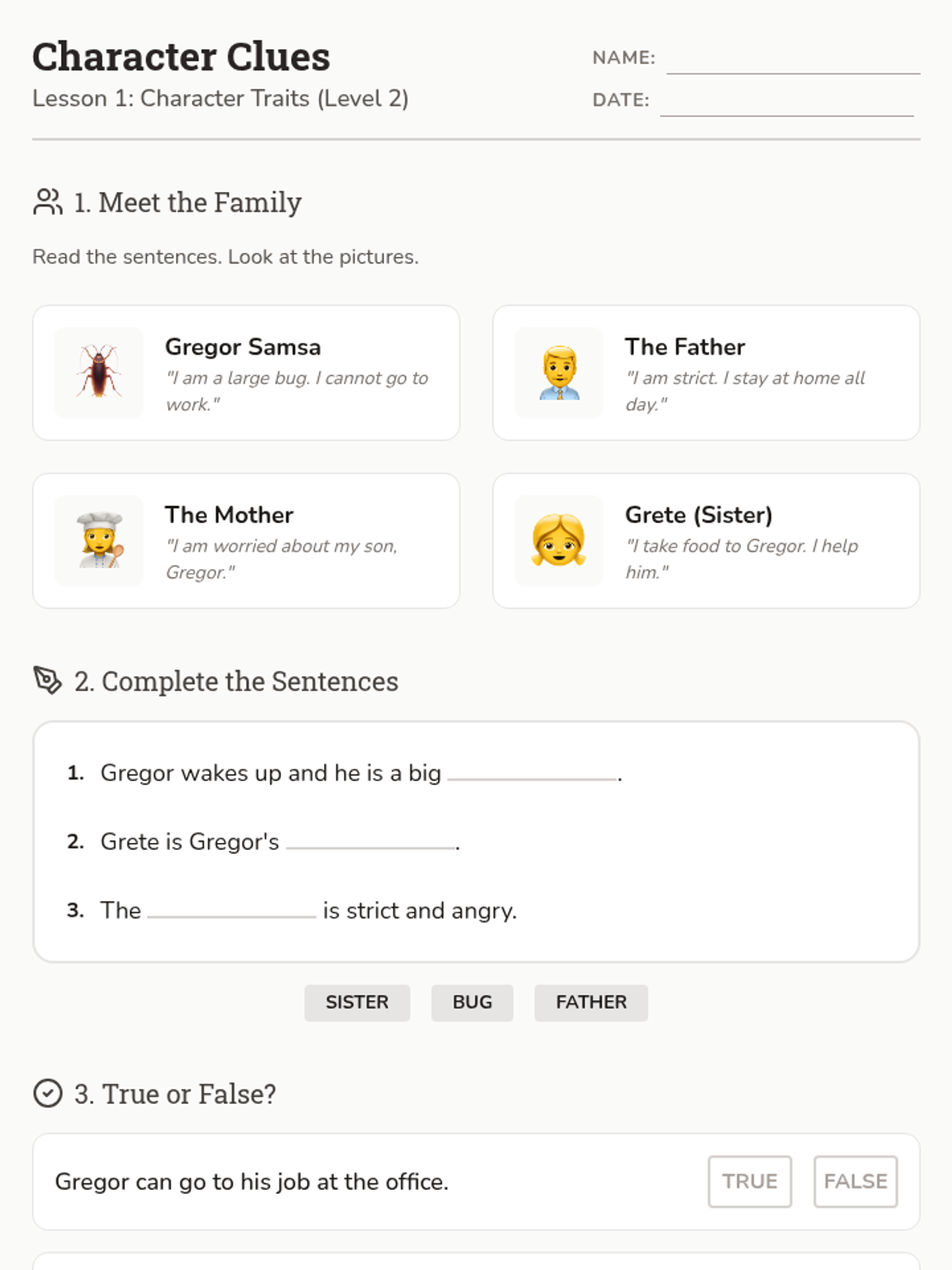
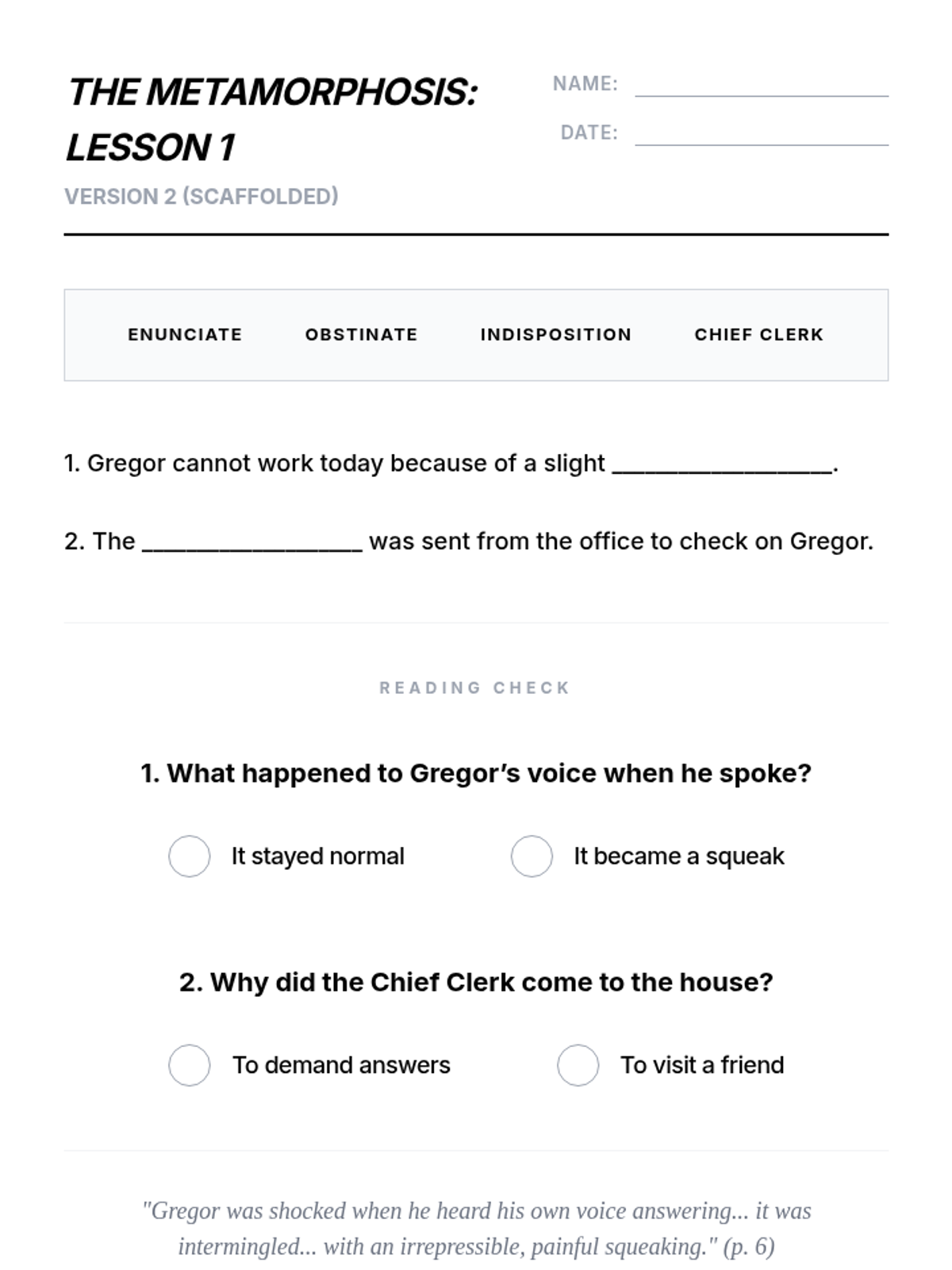
Introduces Gregor and his family members through high-frequency vocabulary and visual matching to establish the premise of the story.
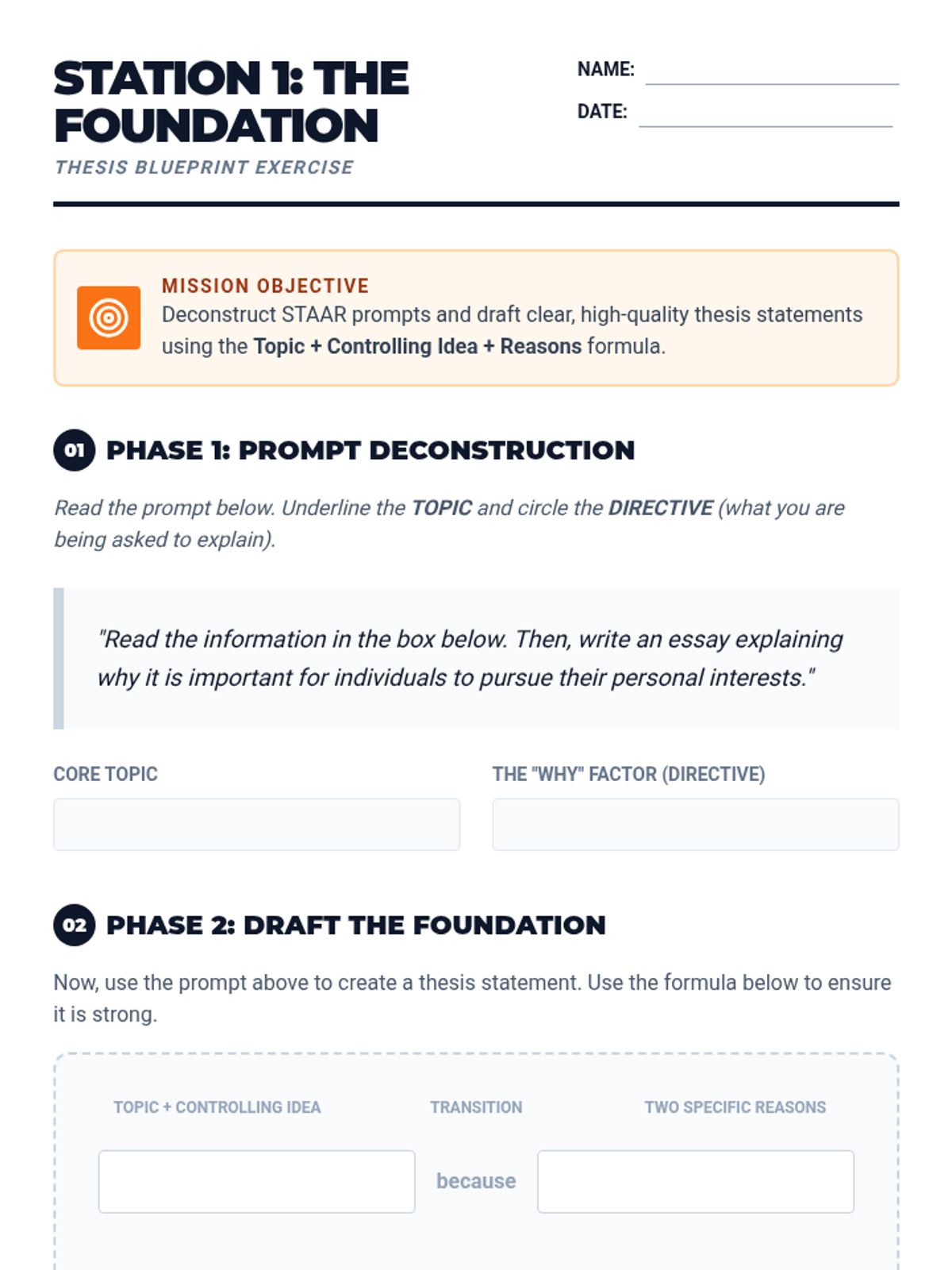
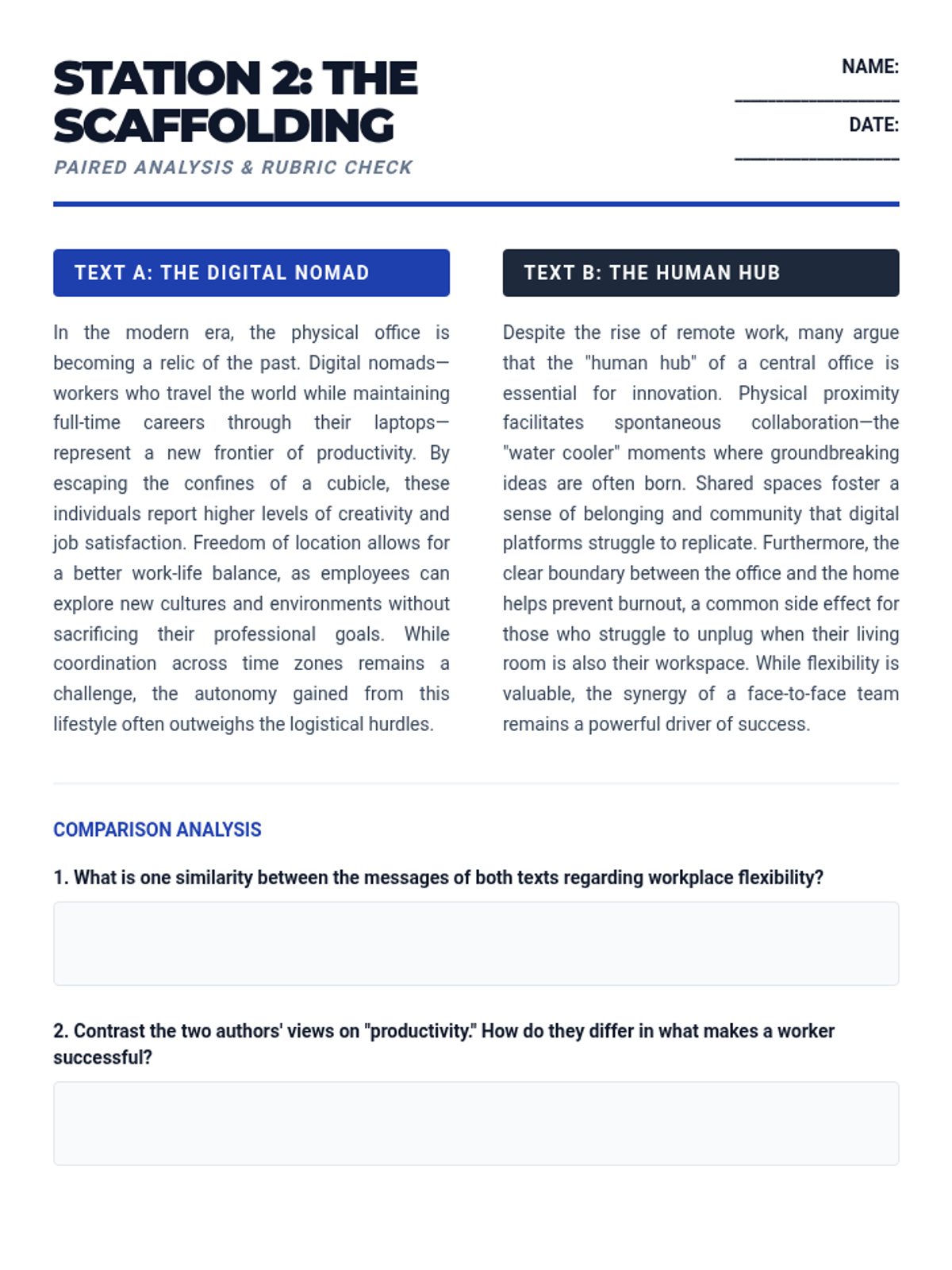
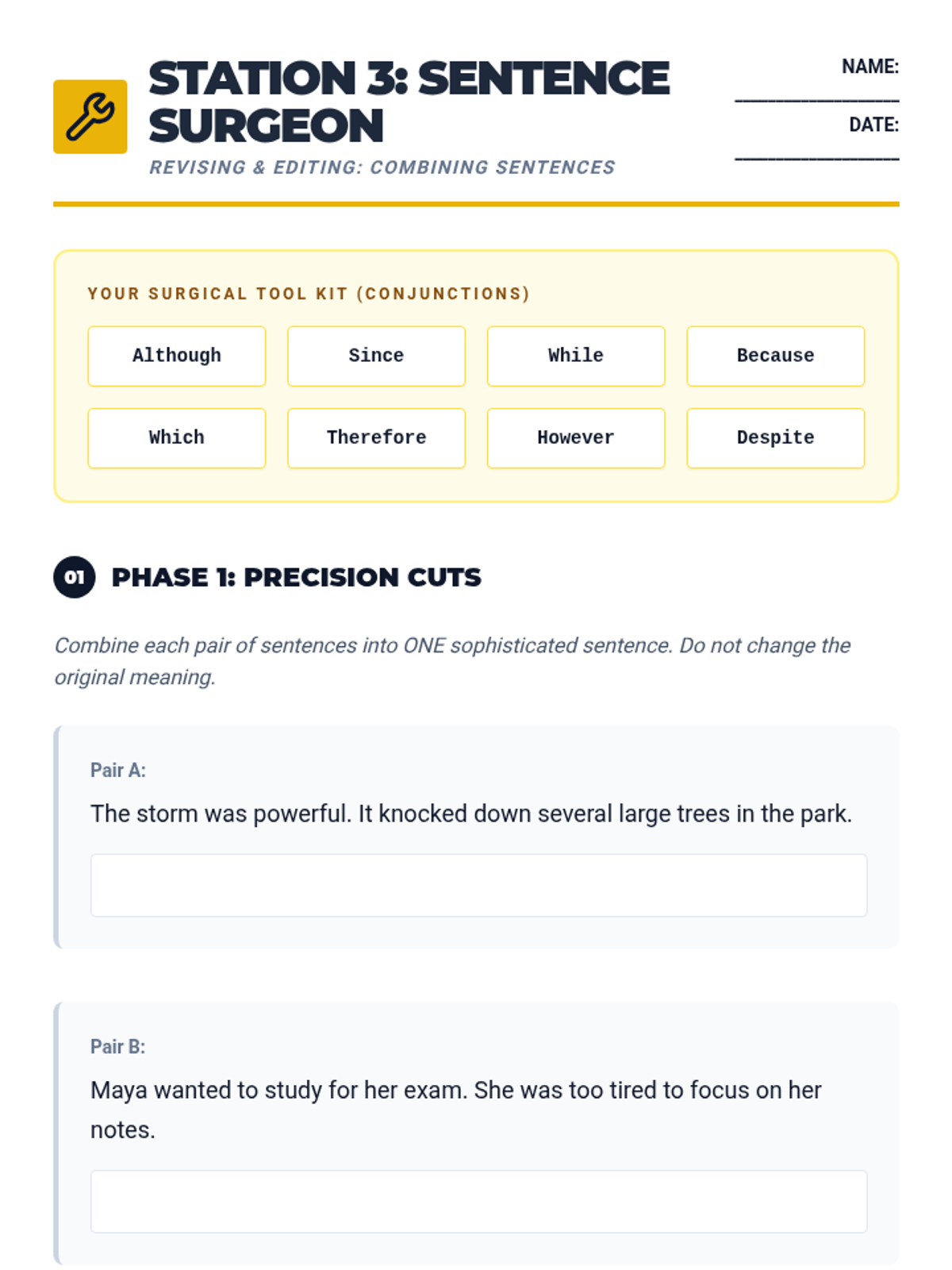
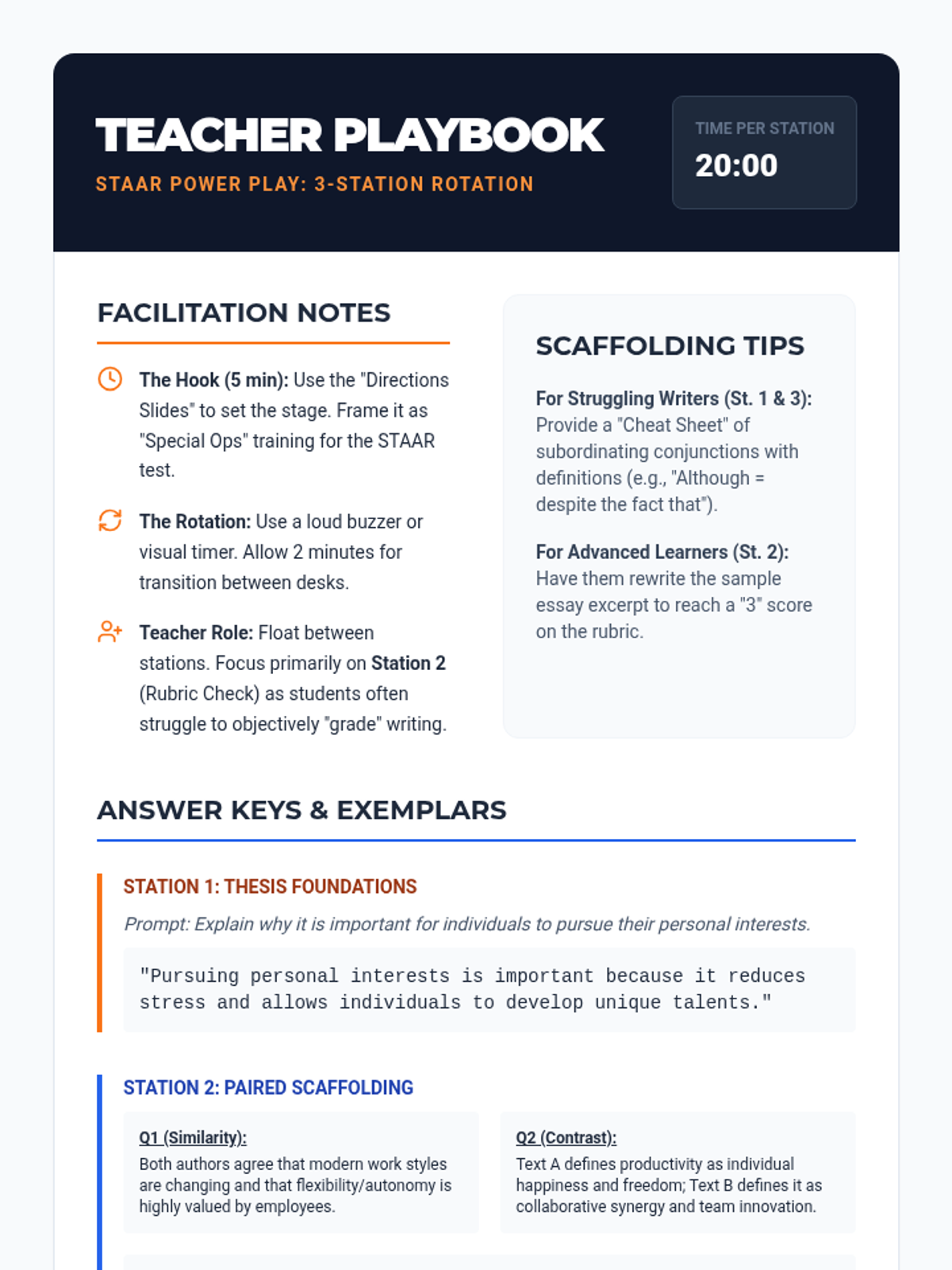
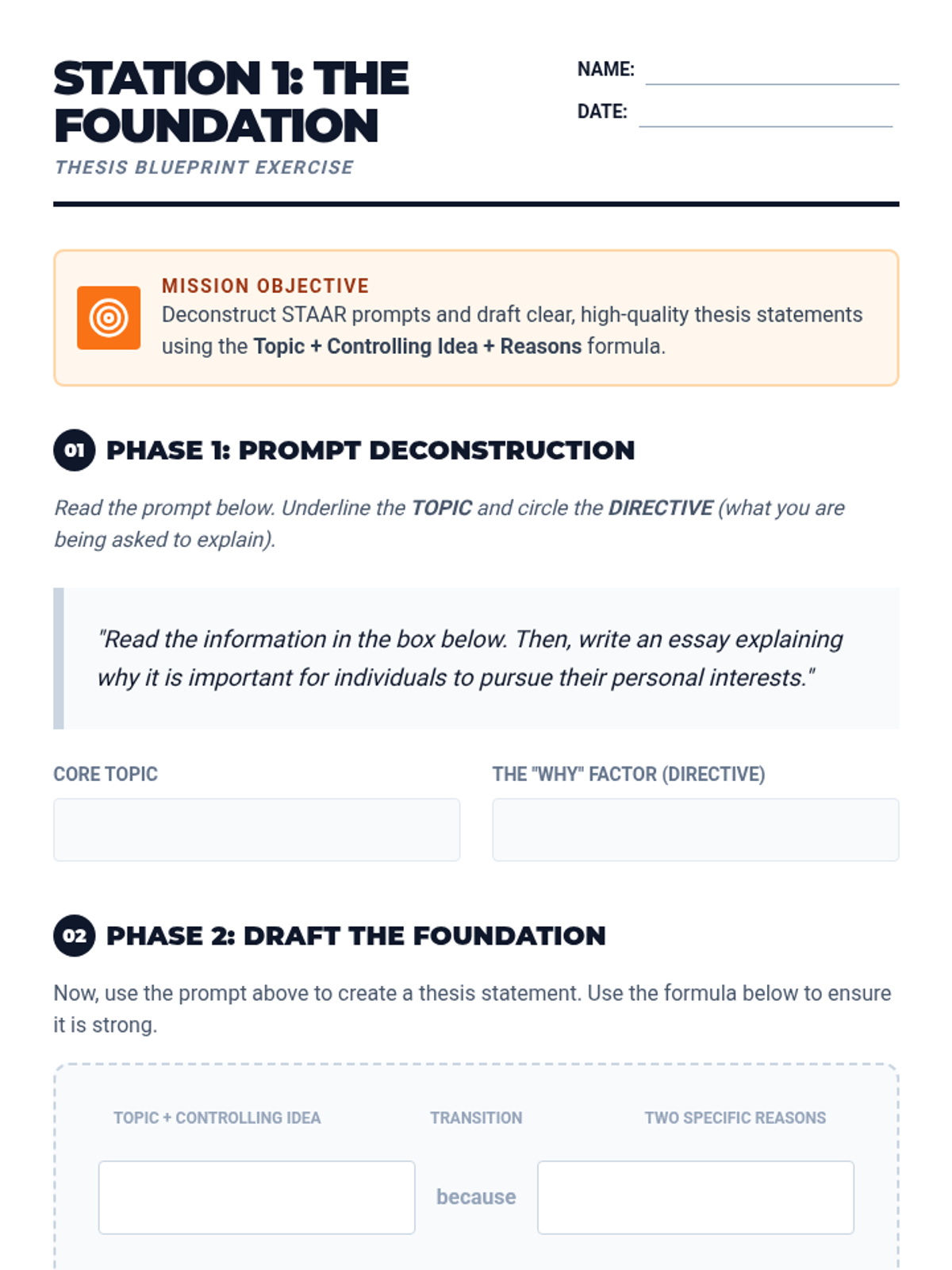
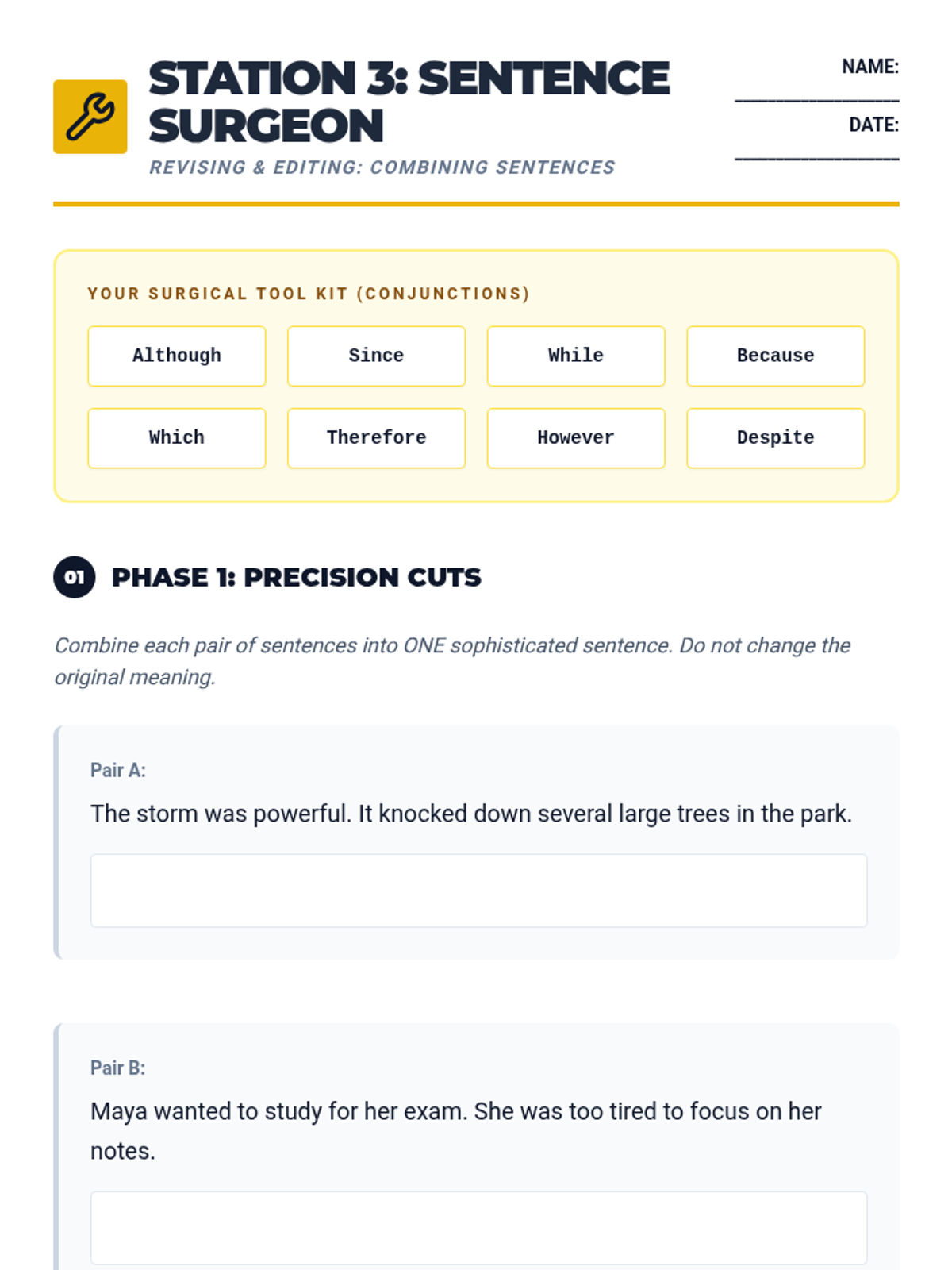
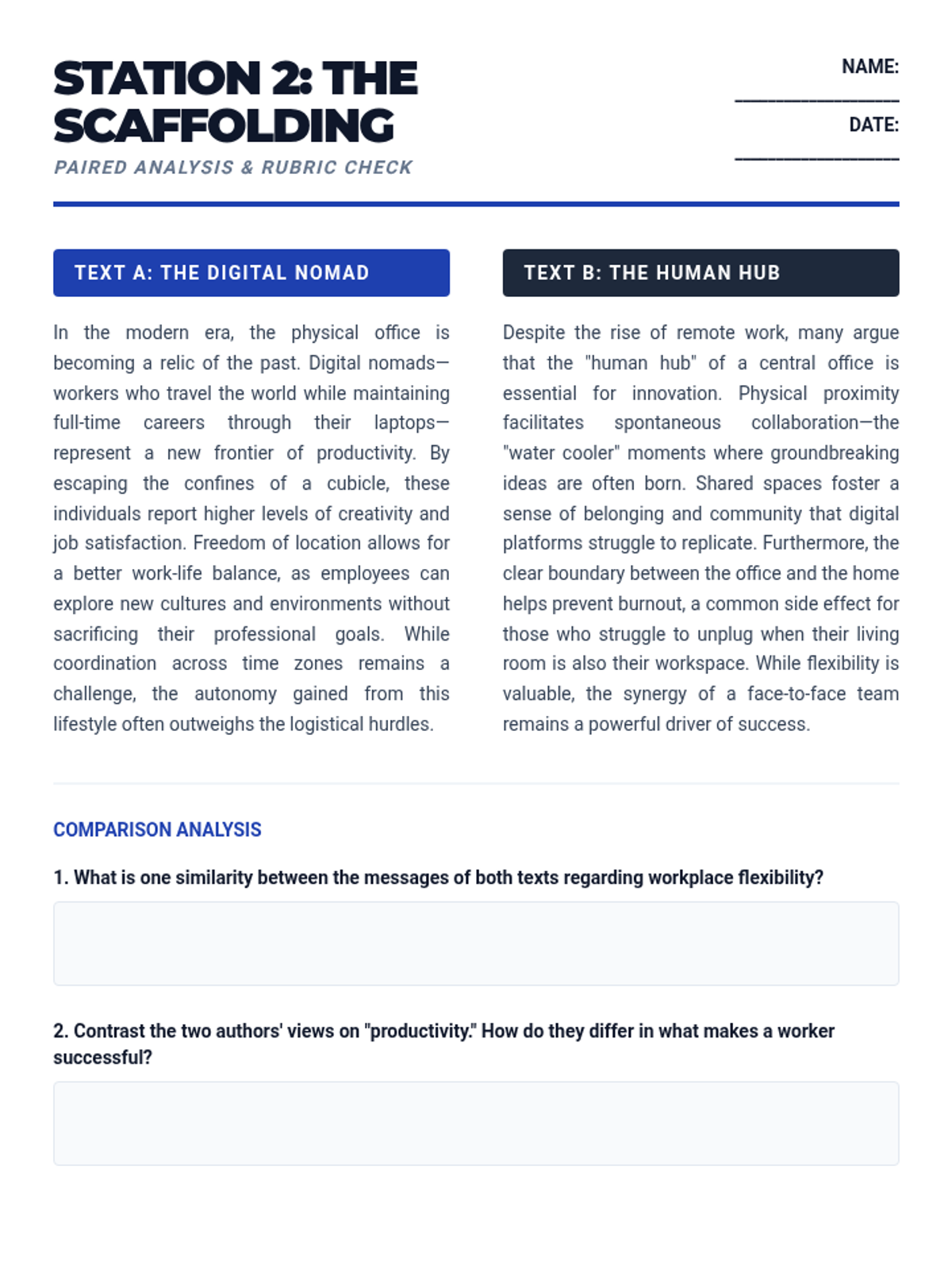
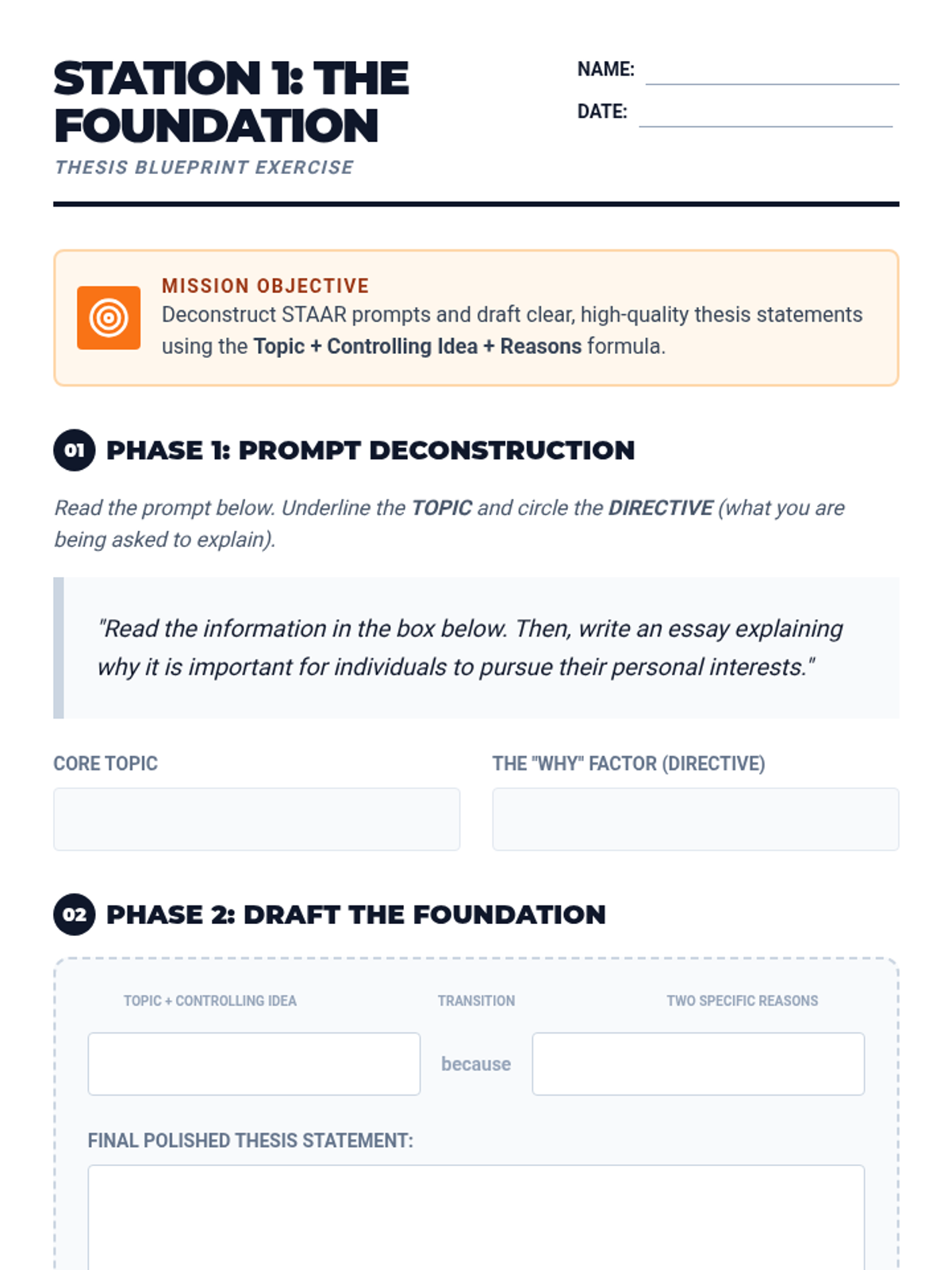
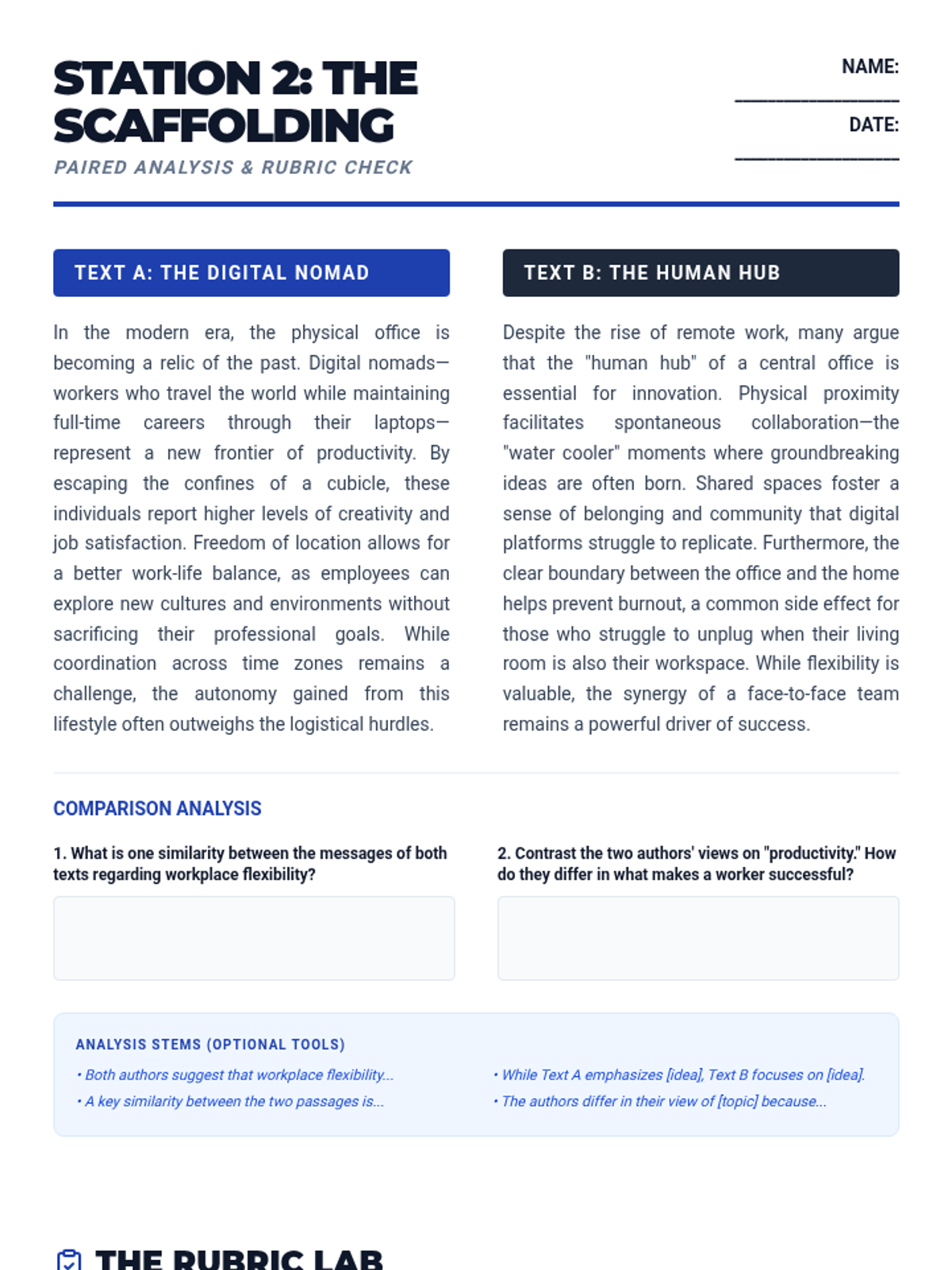
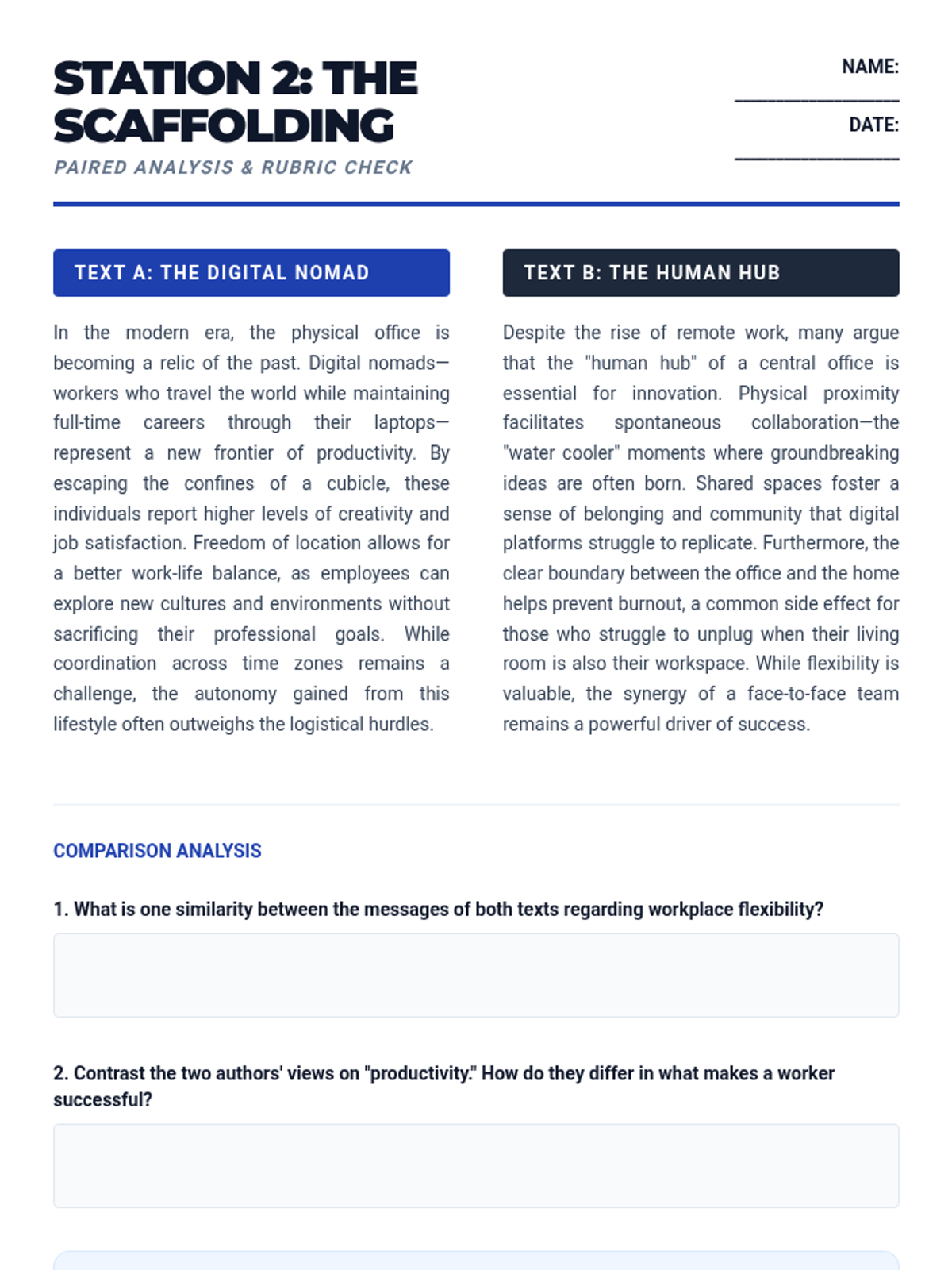
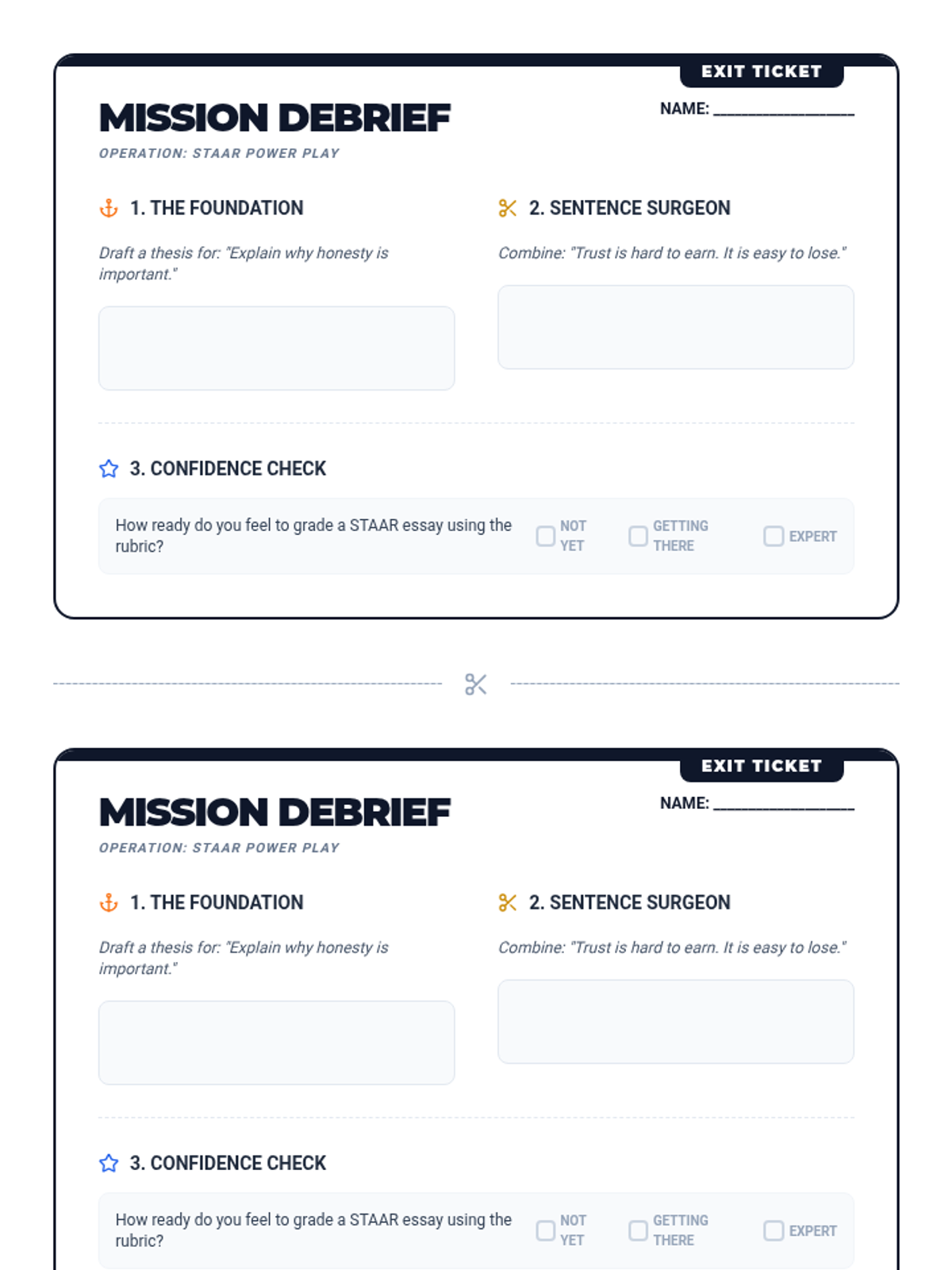
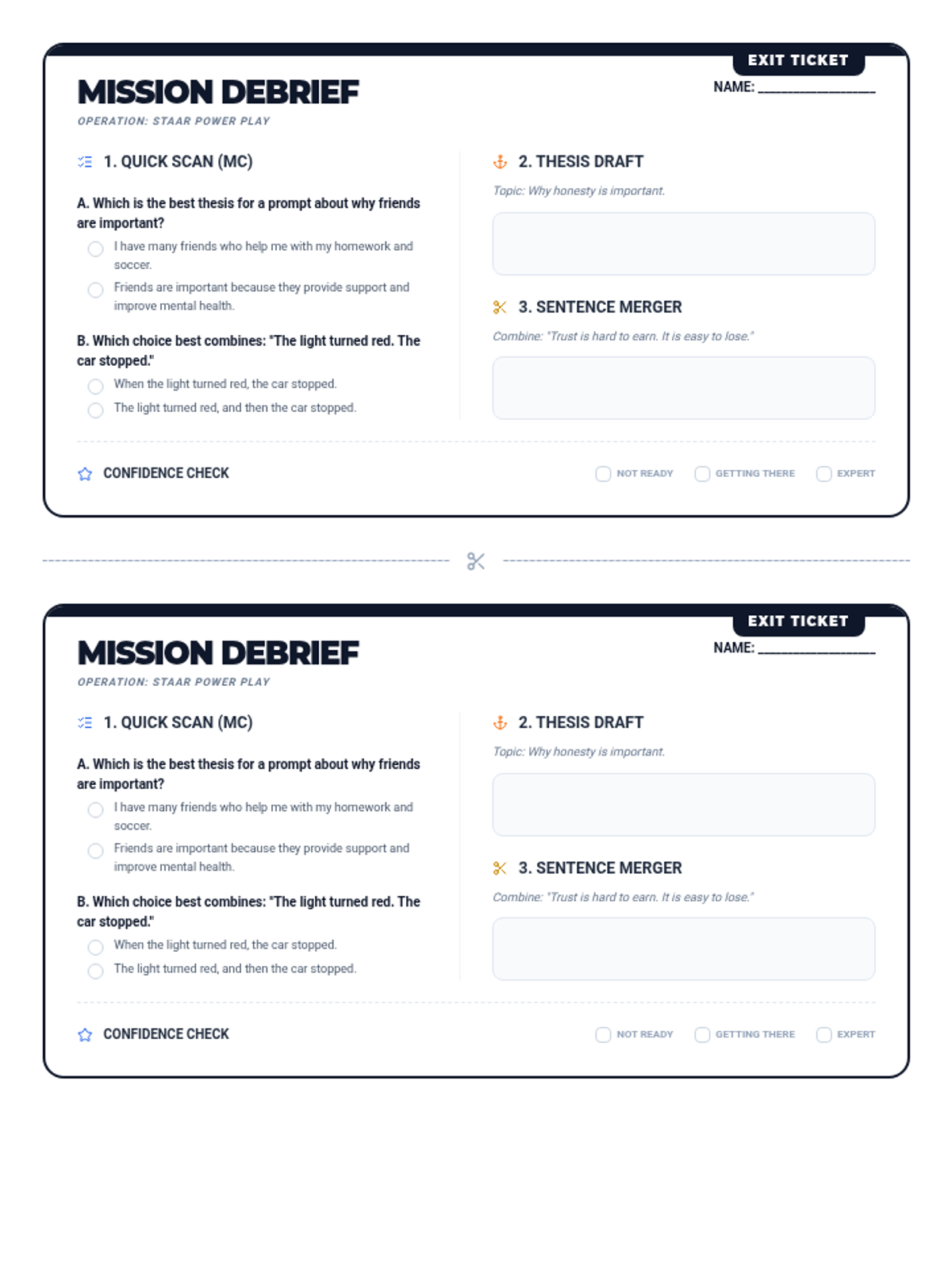
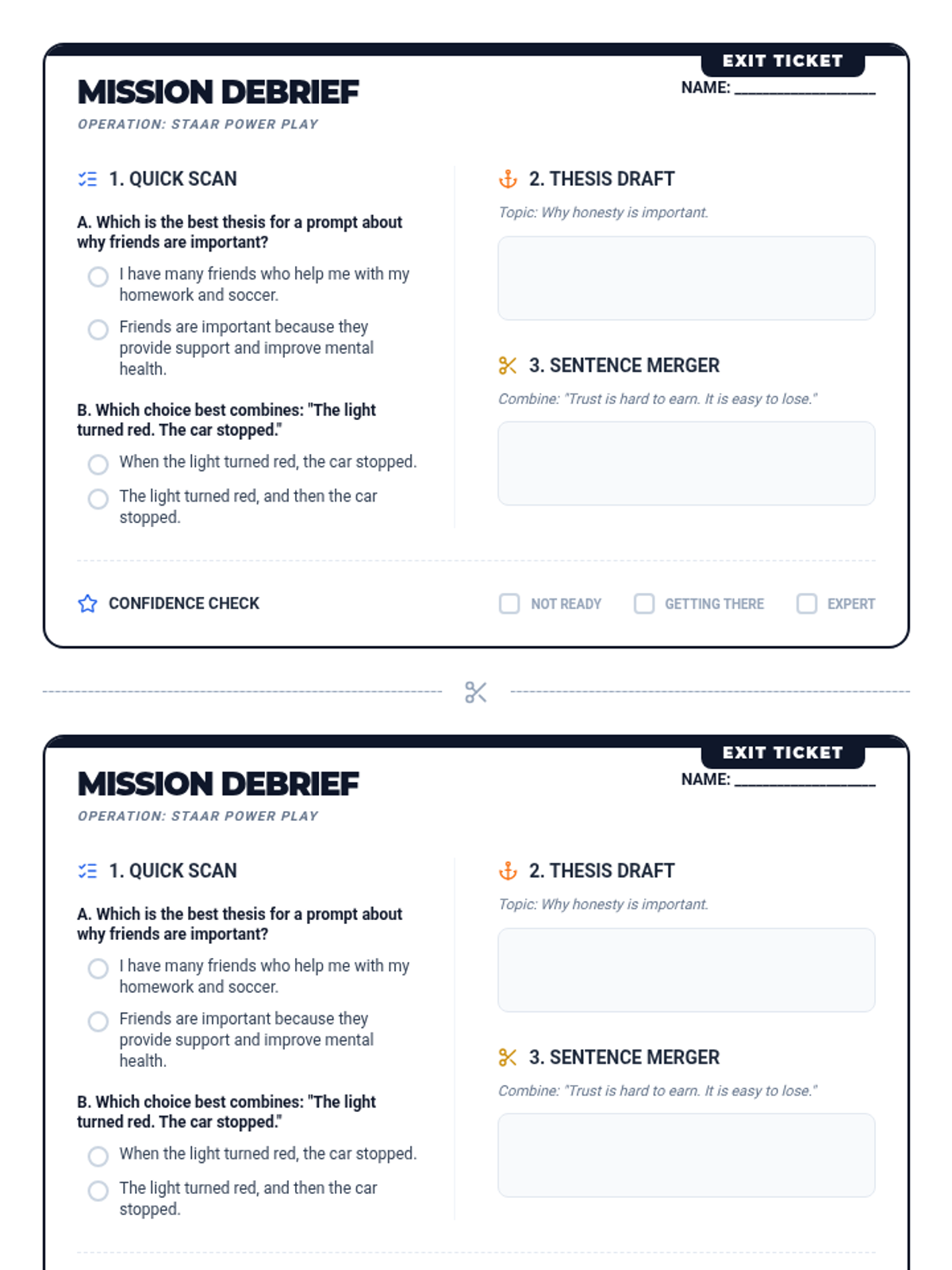
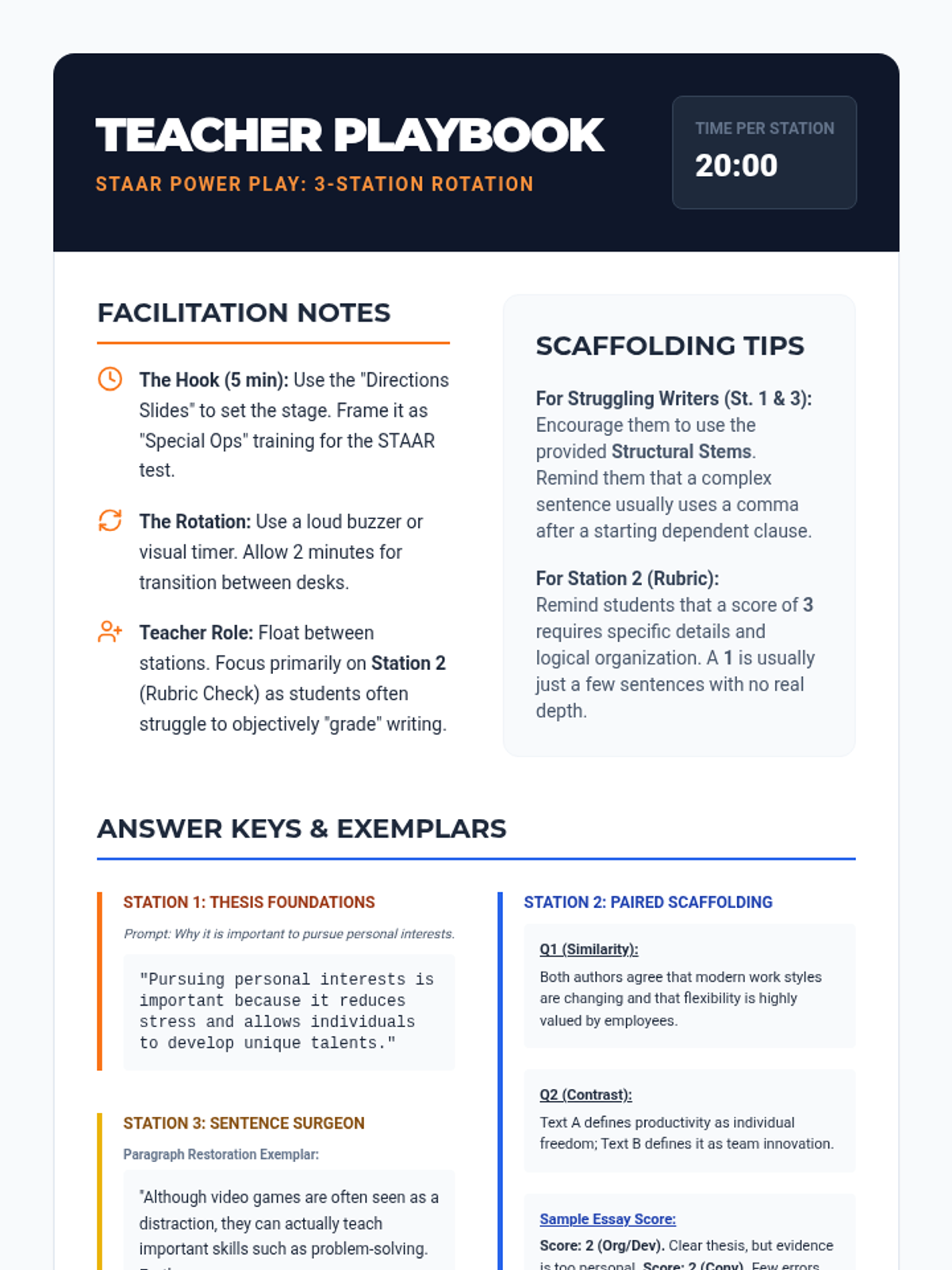
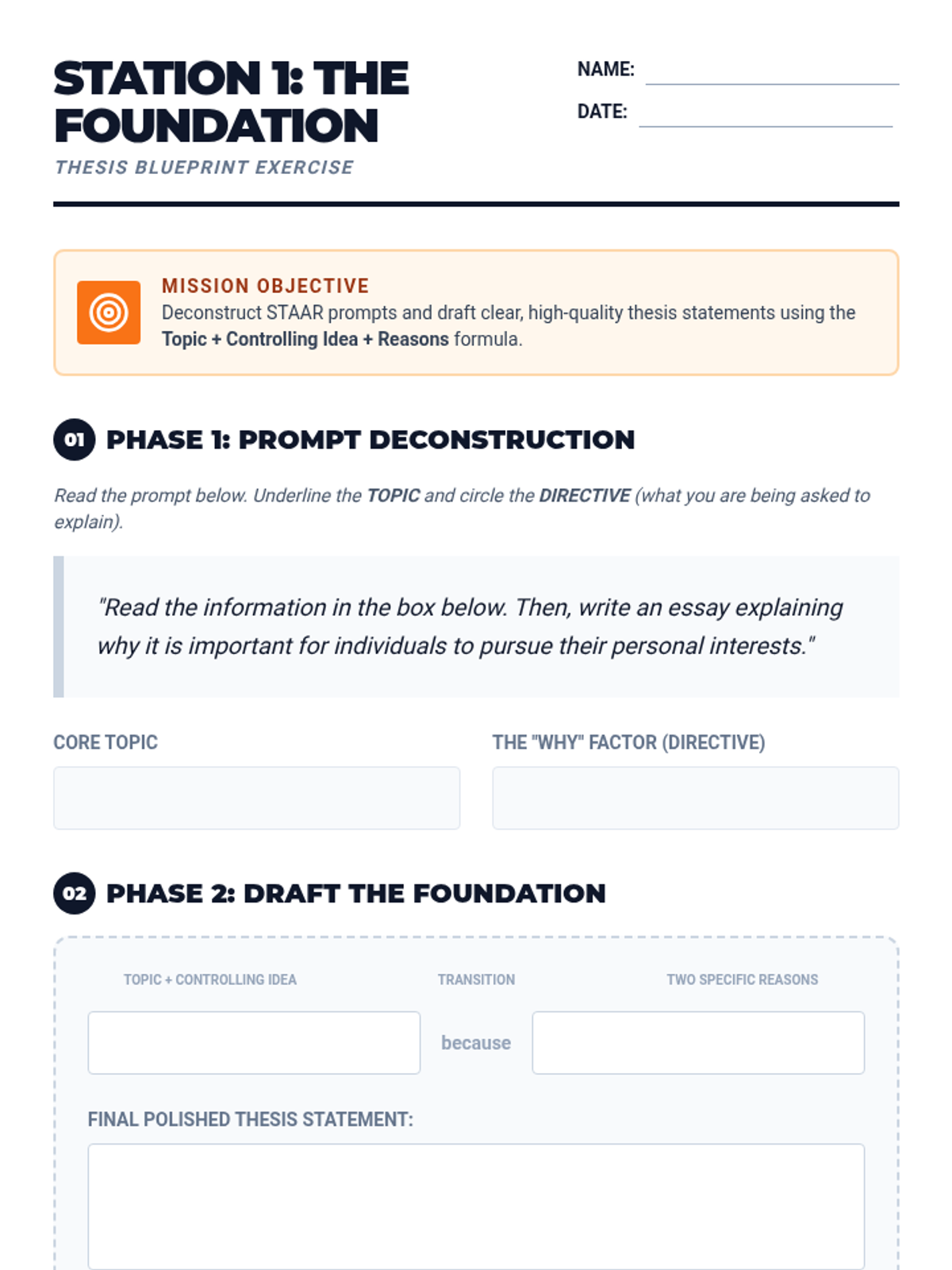
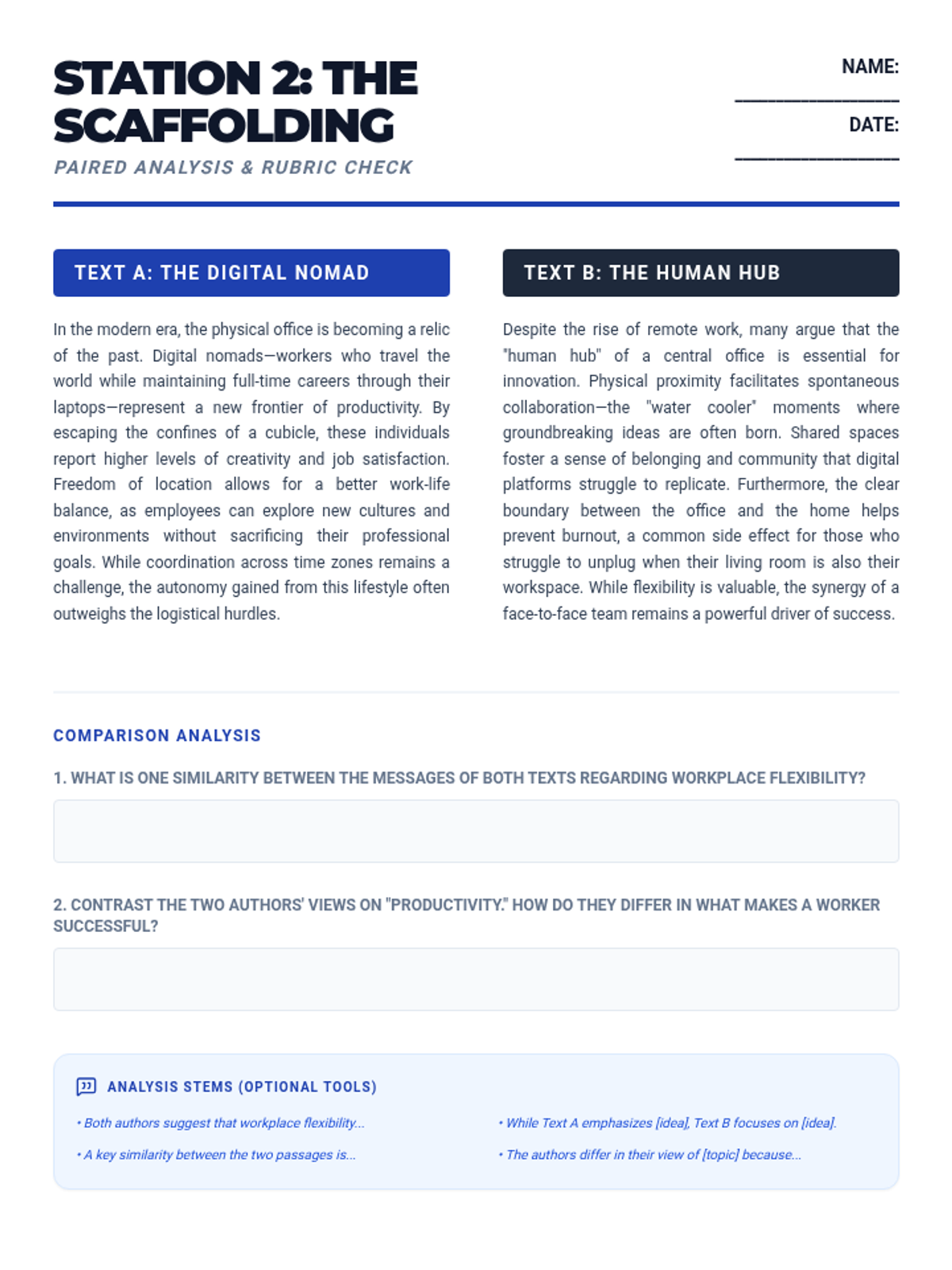
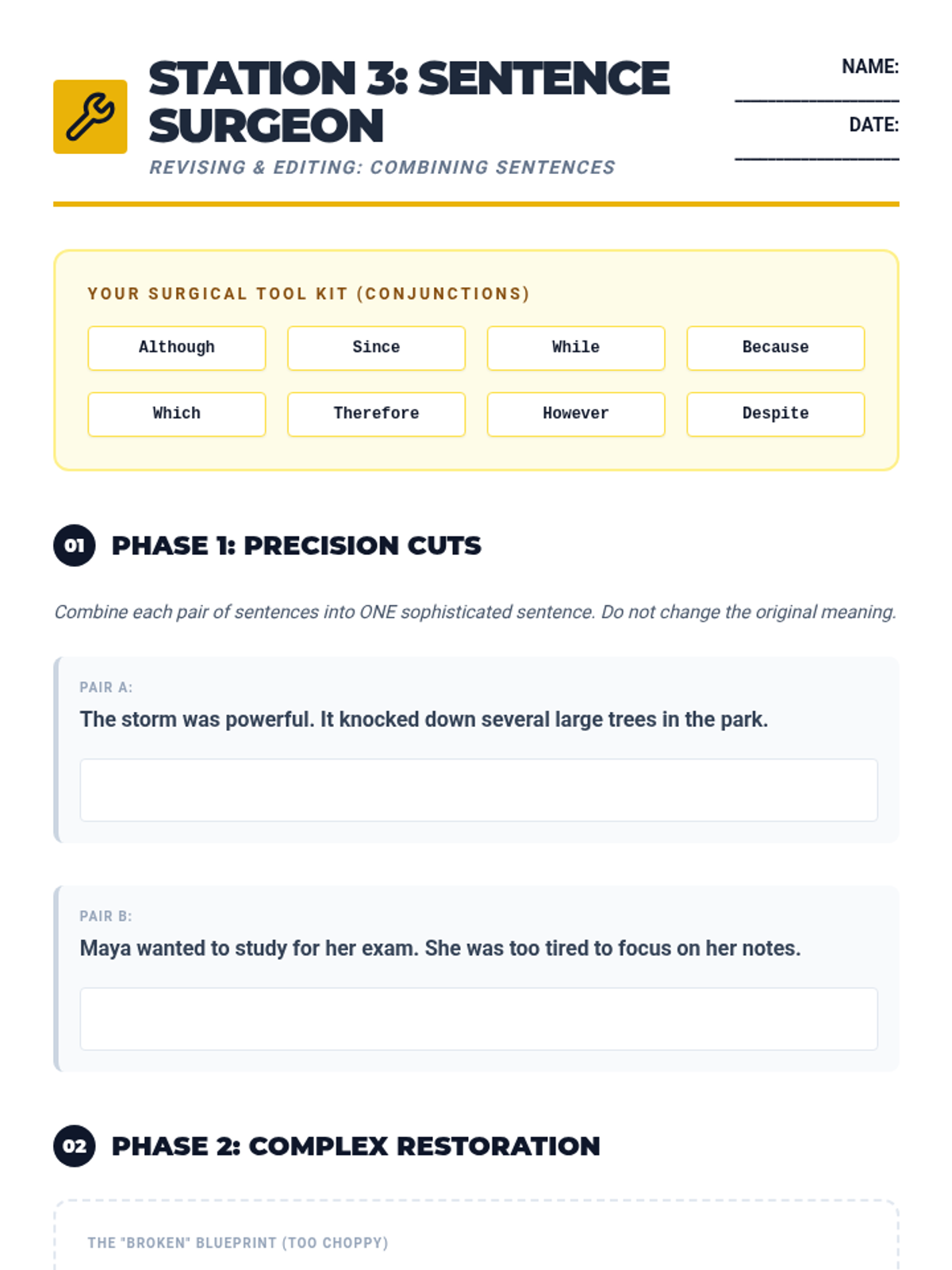
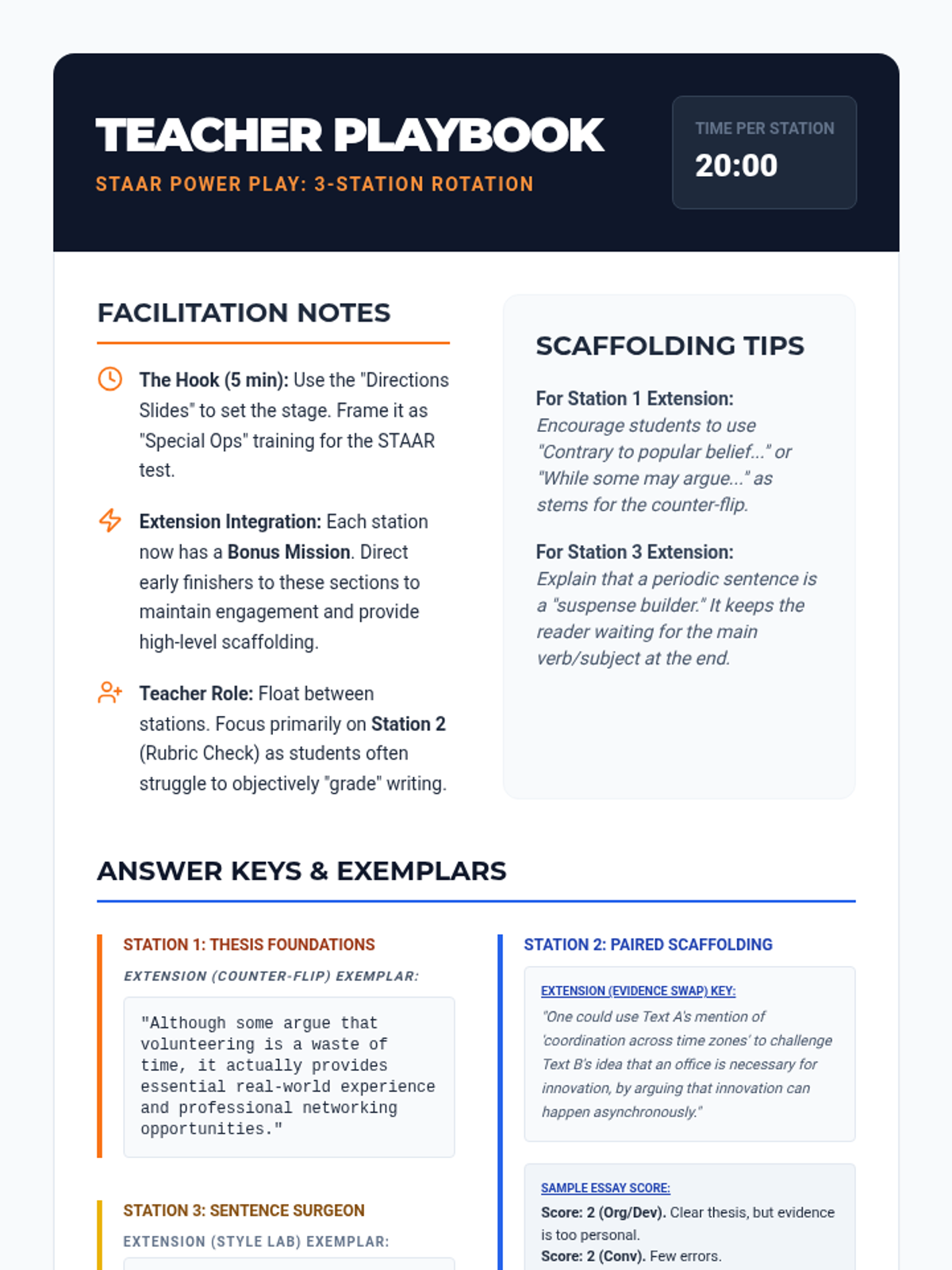
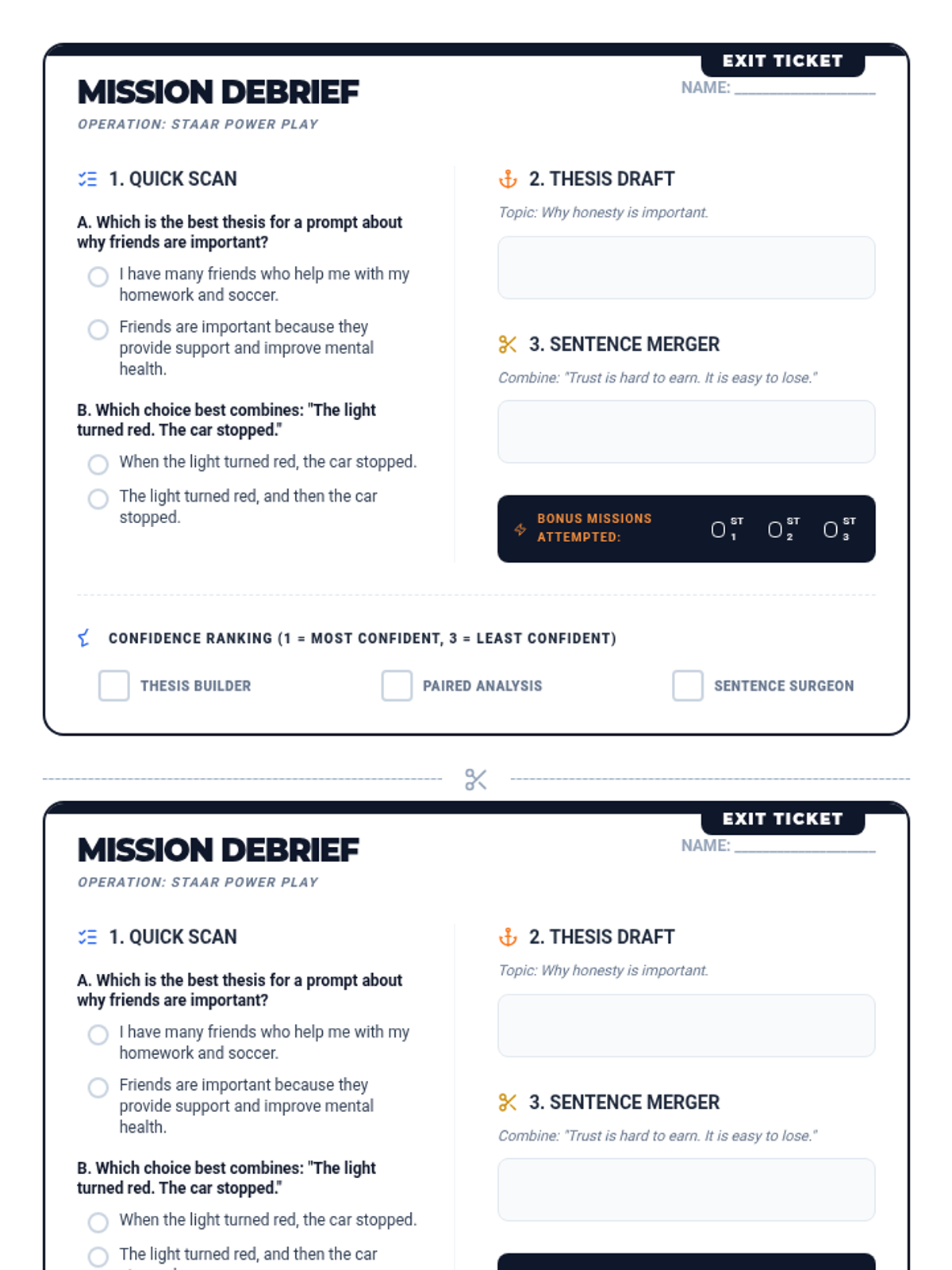
A rotation-based lesson featuring three 20-minute stations: Thesis Foundations, Paired Scaffolding, and Sentence Surgeon.
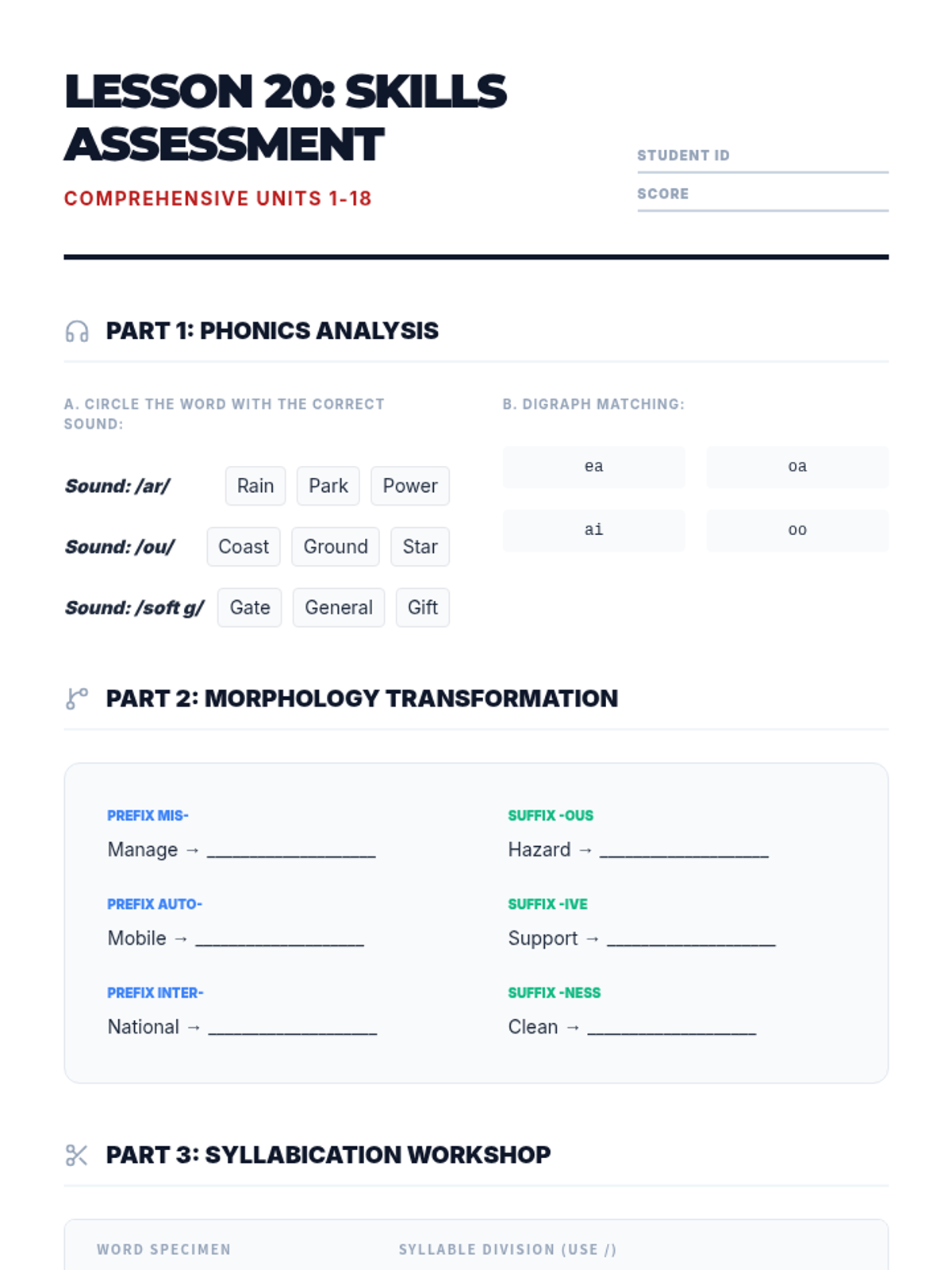
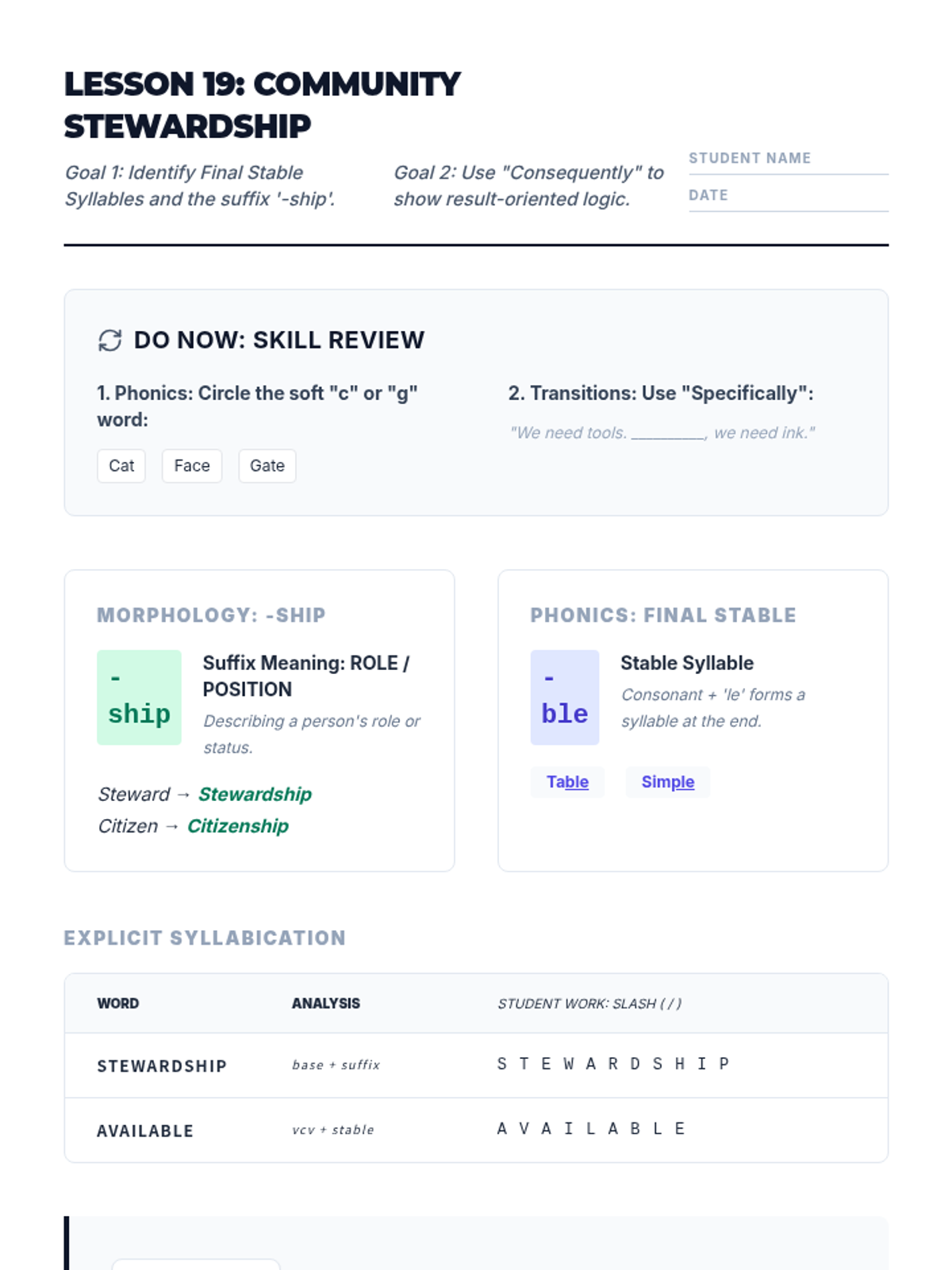
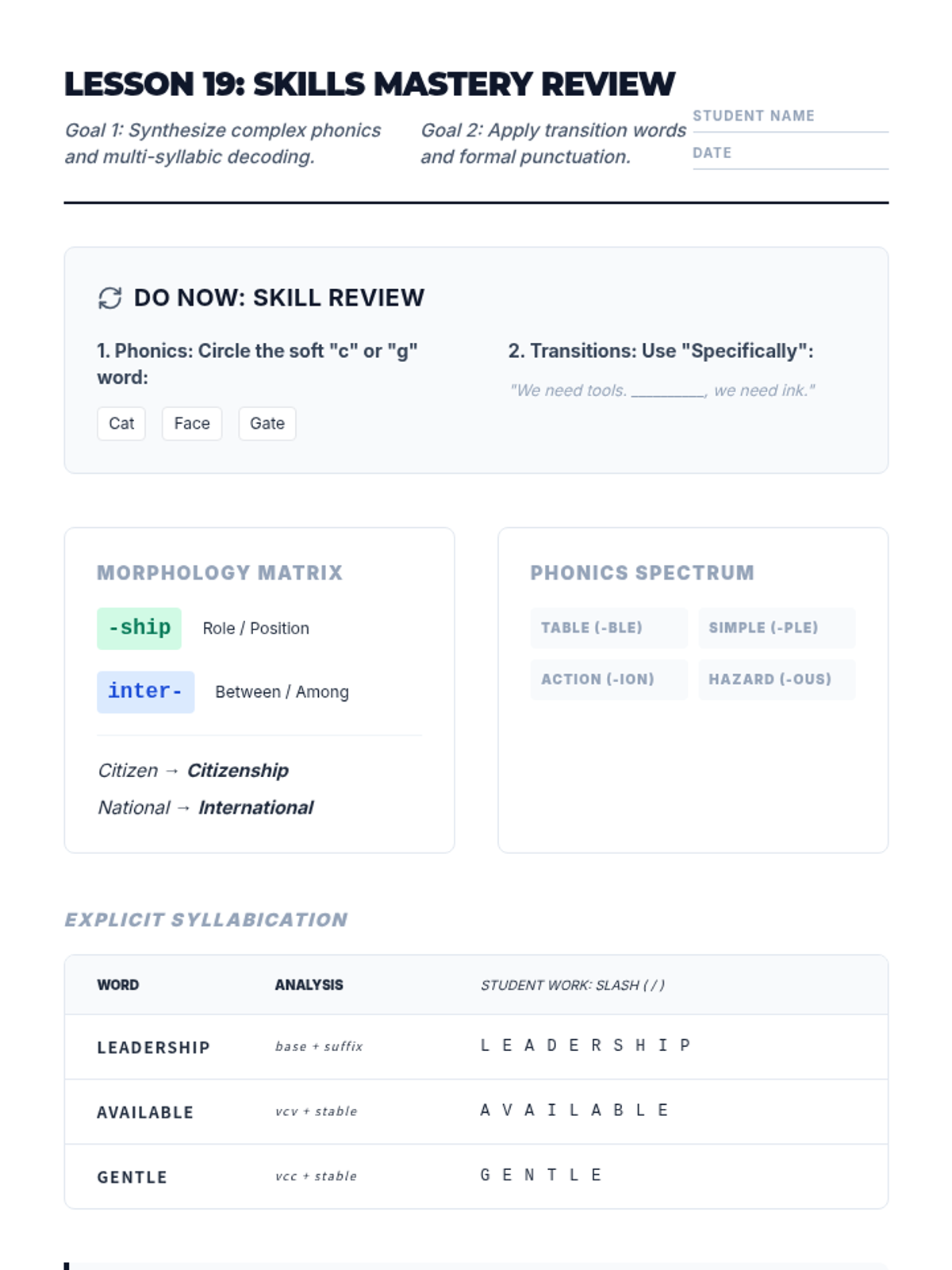
A formal skills assessment covering phonics diagnostics, morphology transformations, syllabication, Tier 3 vocabulary matching, and logic transitions.
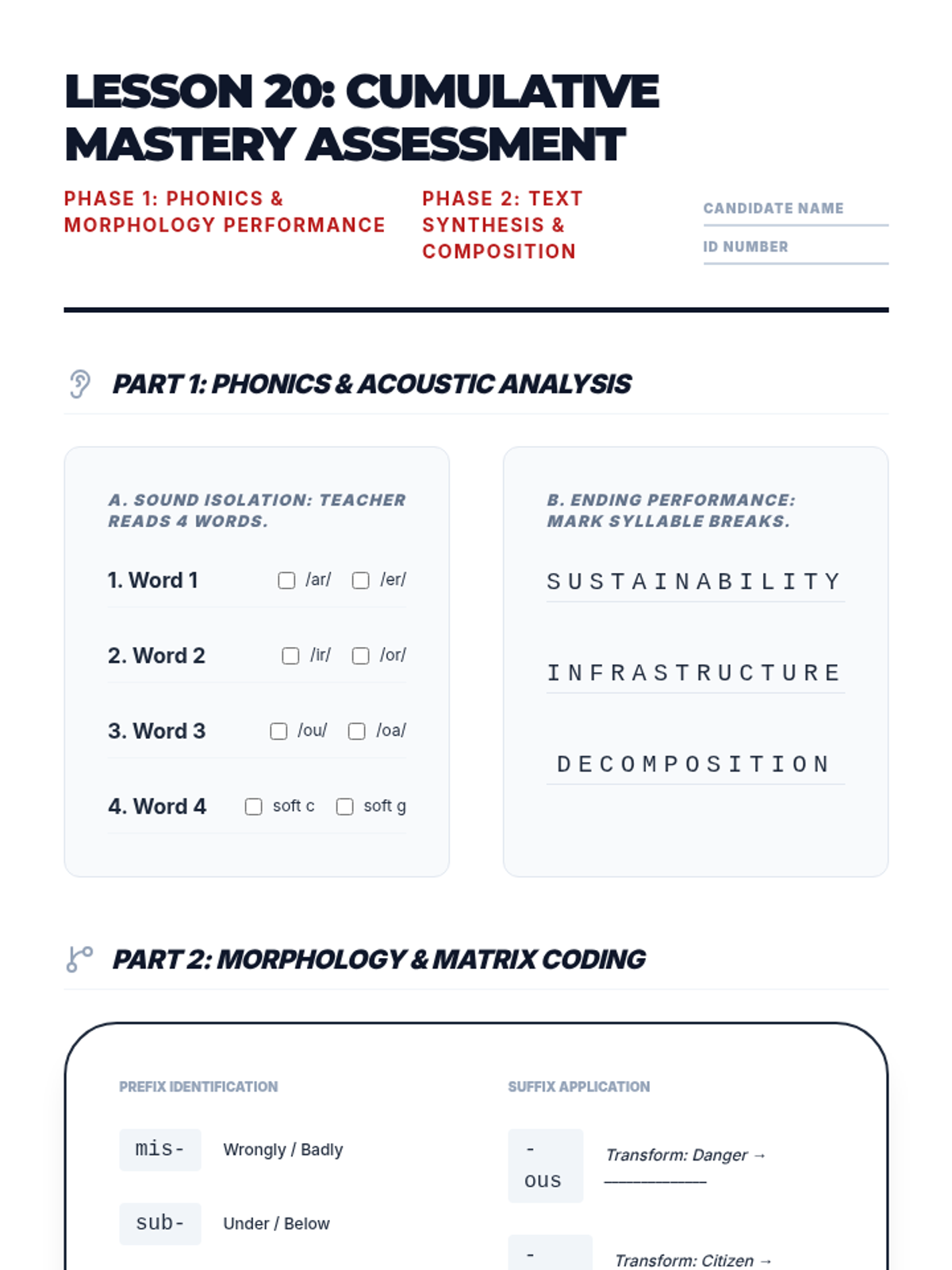
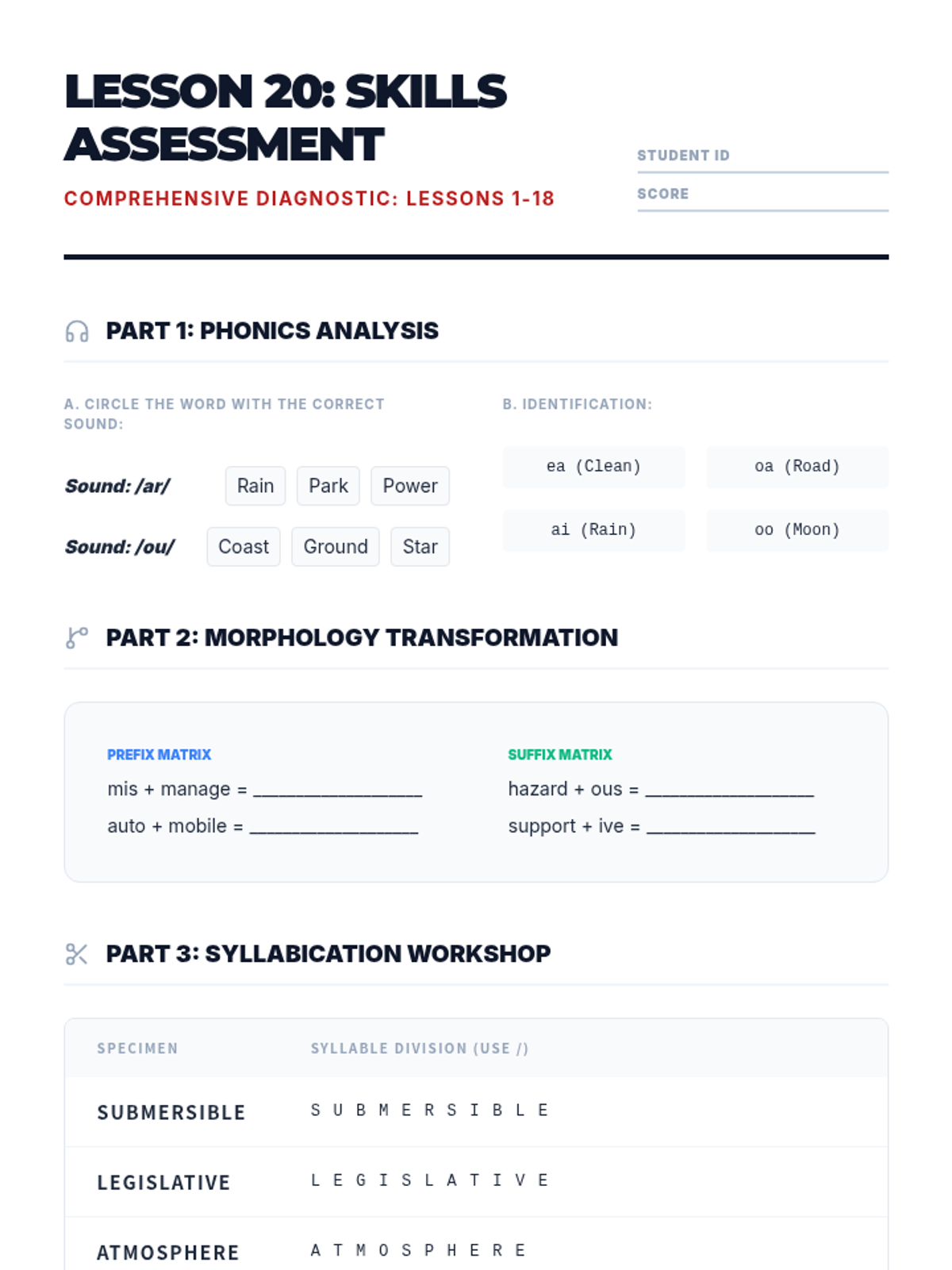
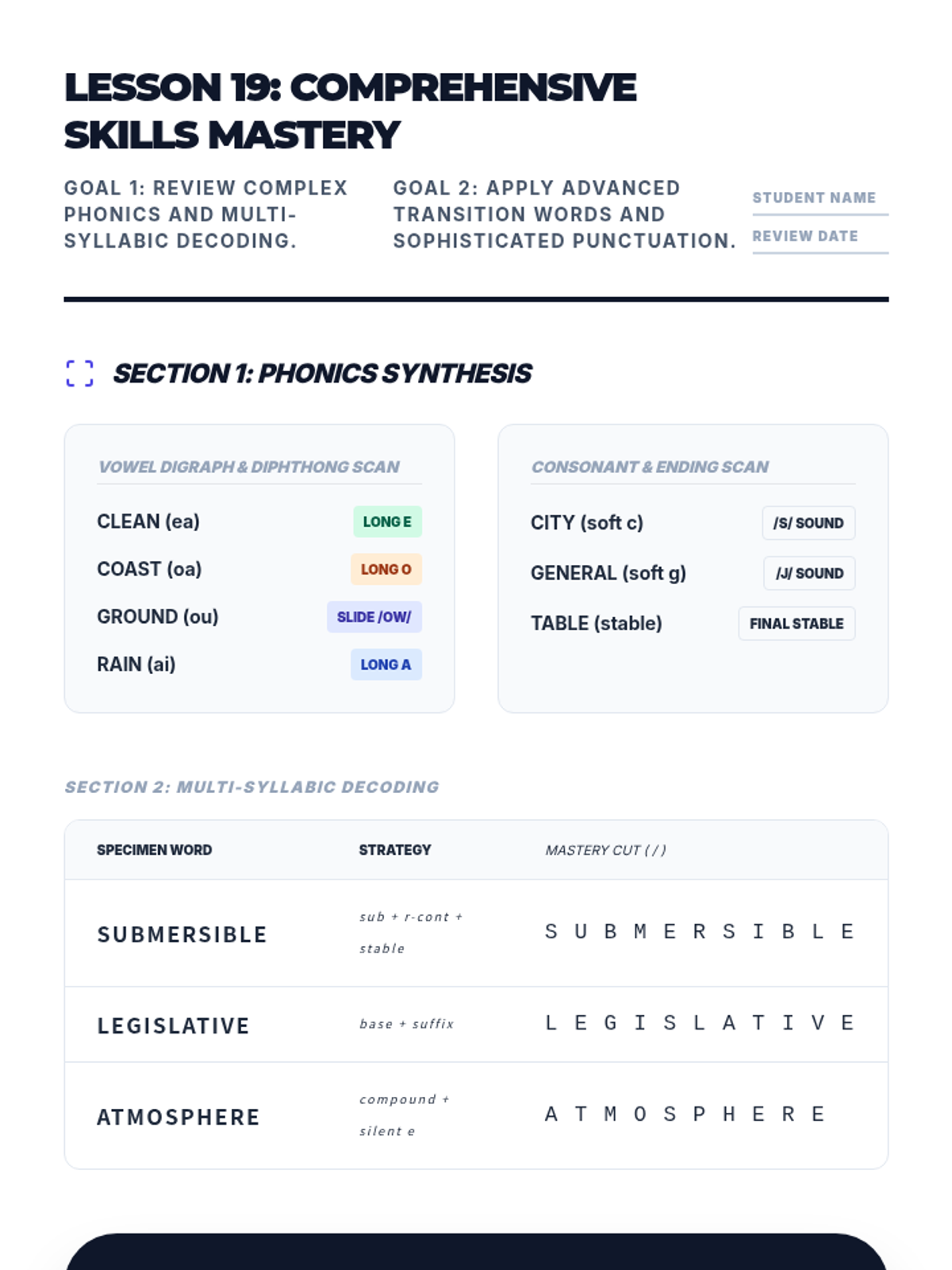
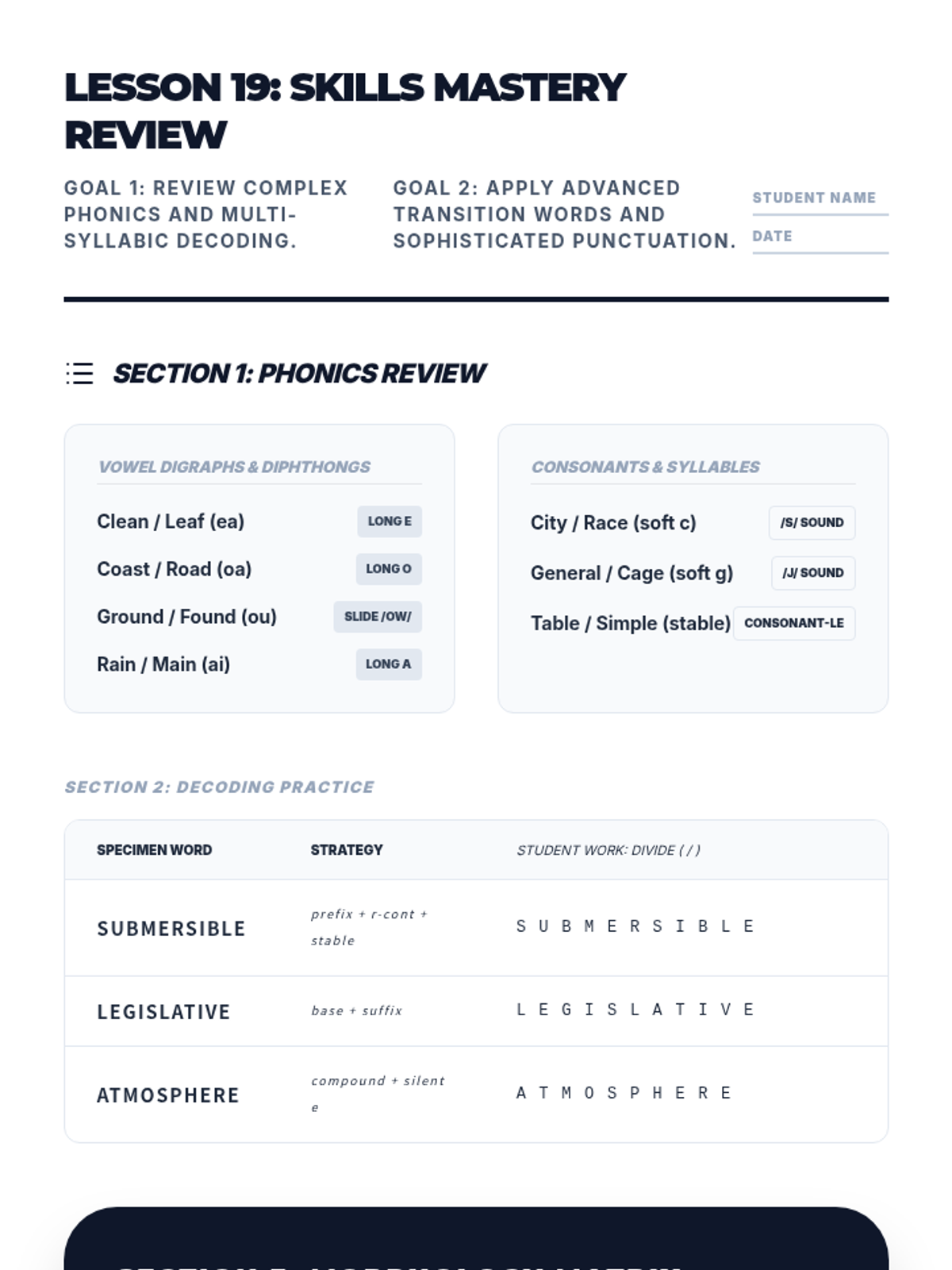
A comprehensive cumulative review of phonics, morphology, vocabulary, and grammar skills taught in Lessons 1-18. Focuses on mechanical mastery and academic readiness.
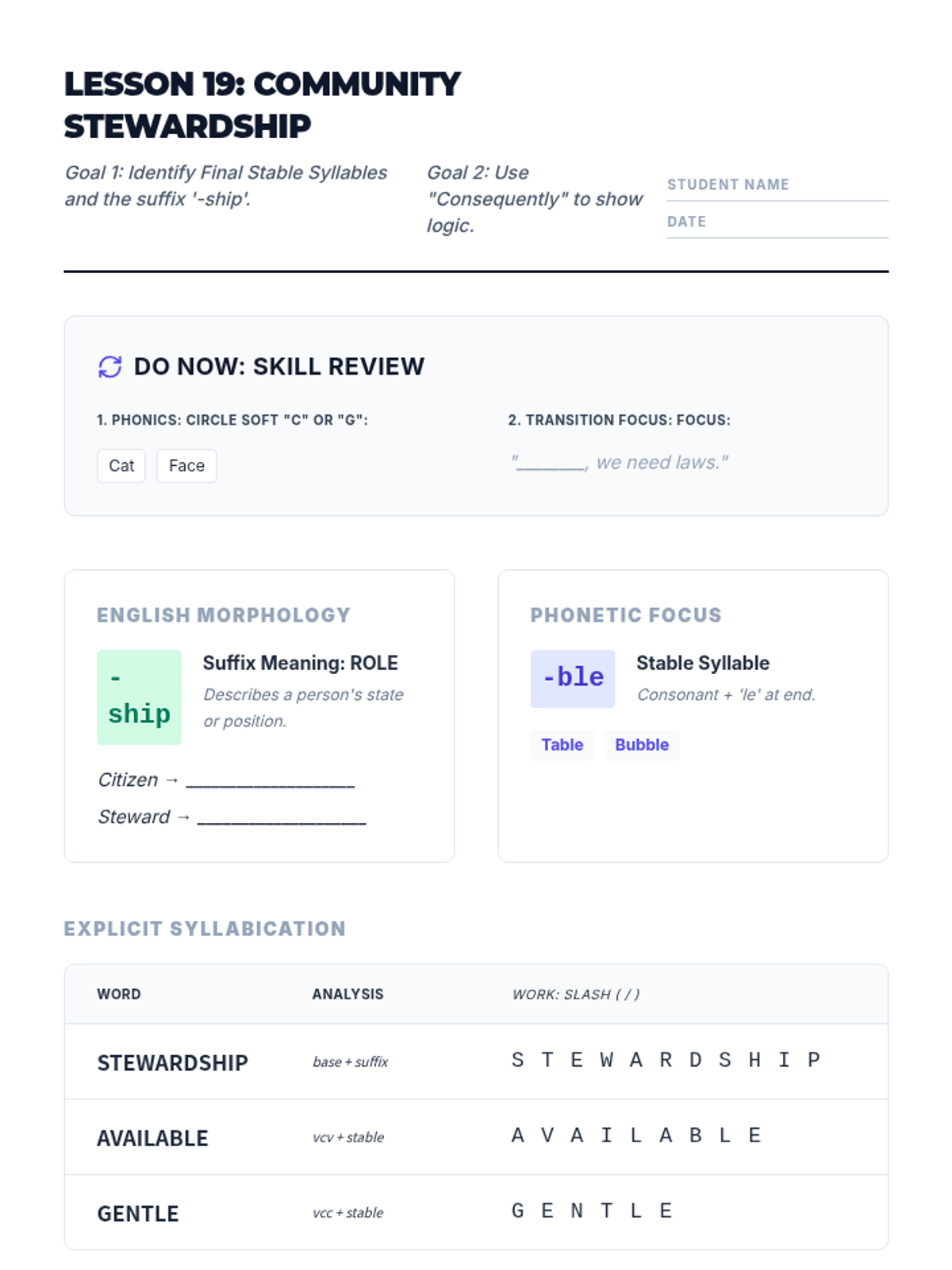
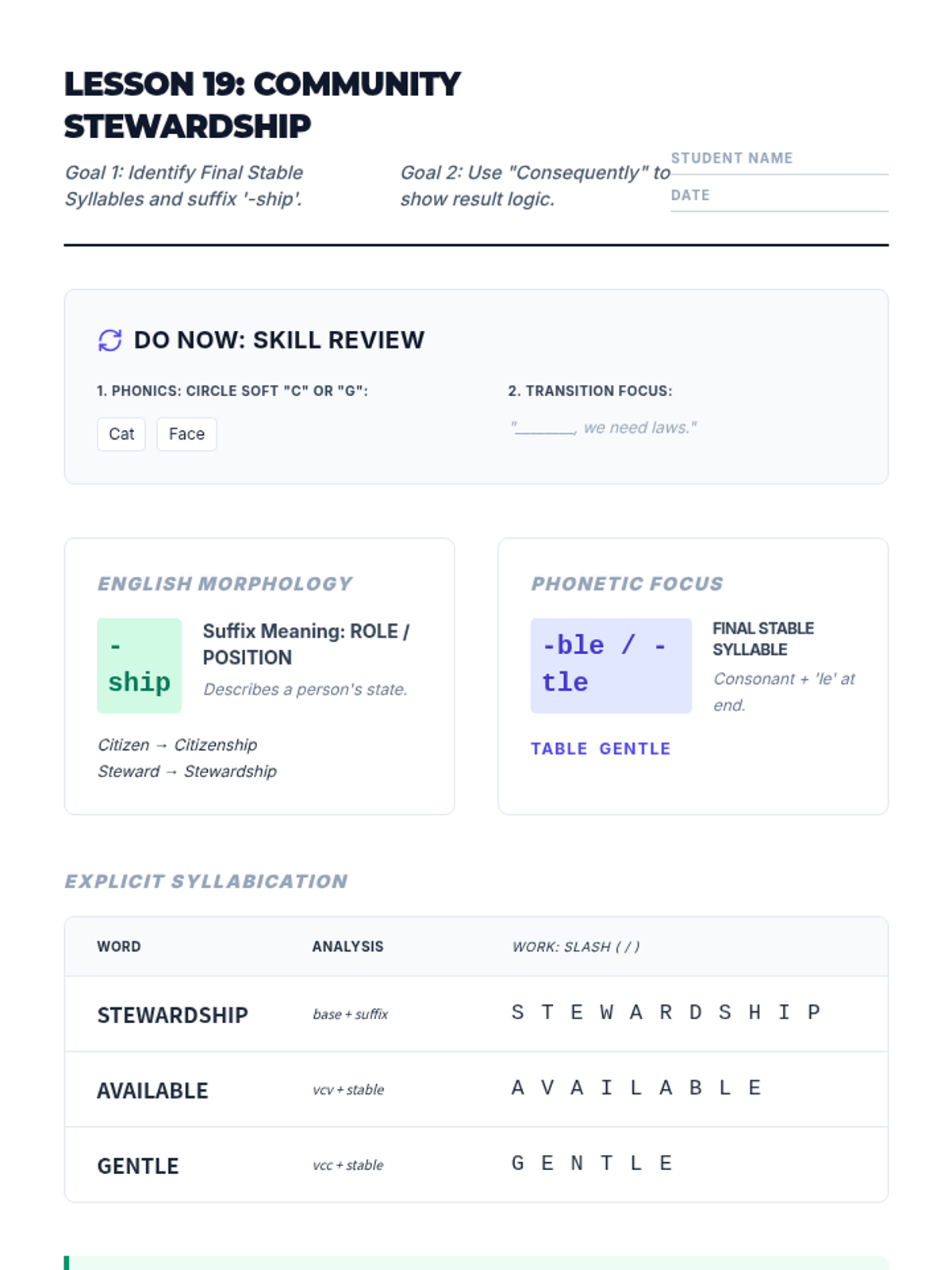
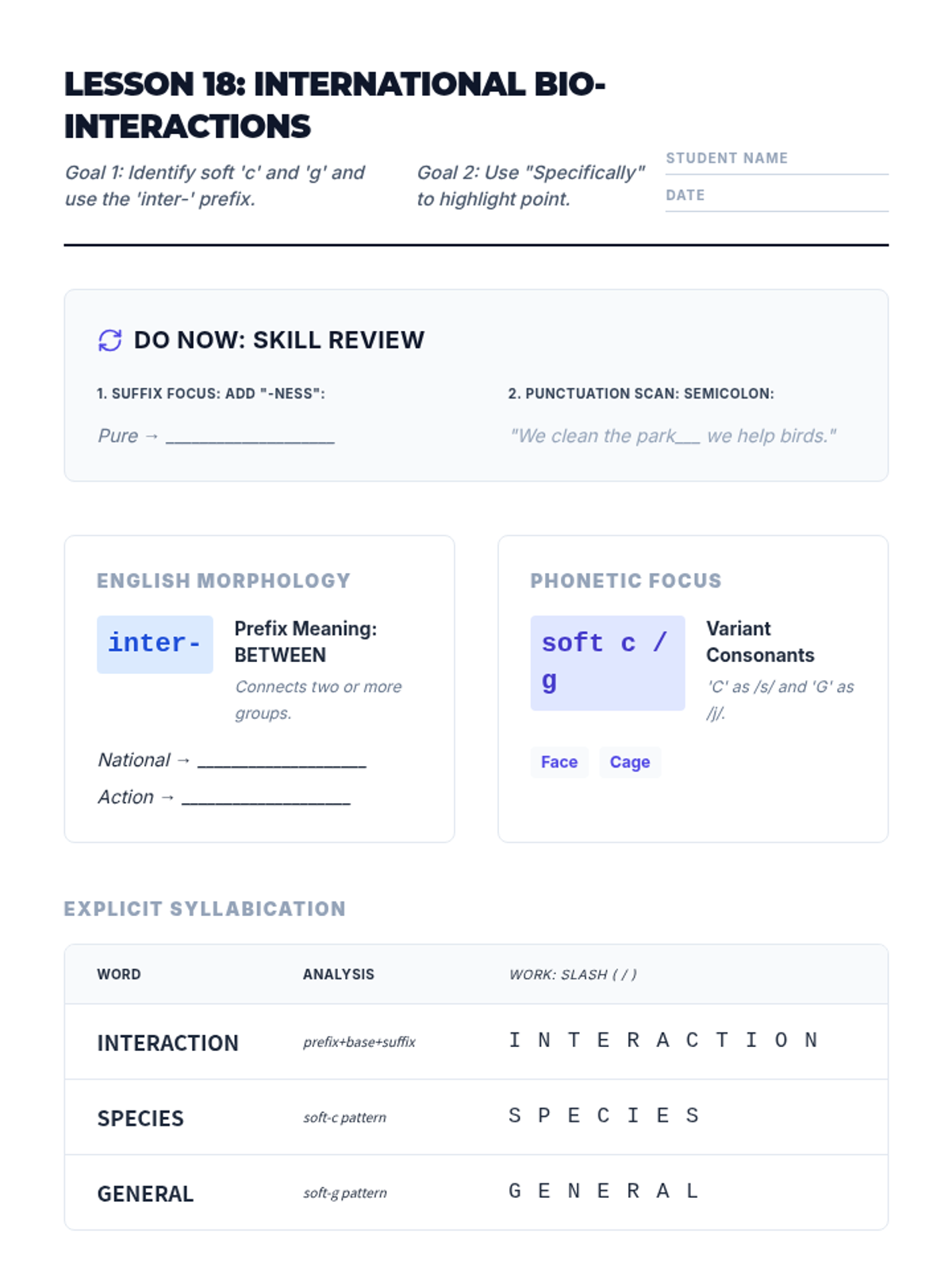
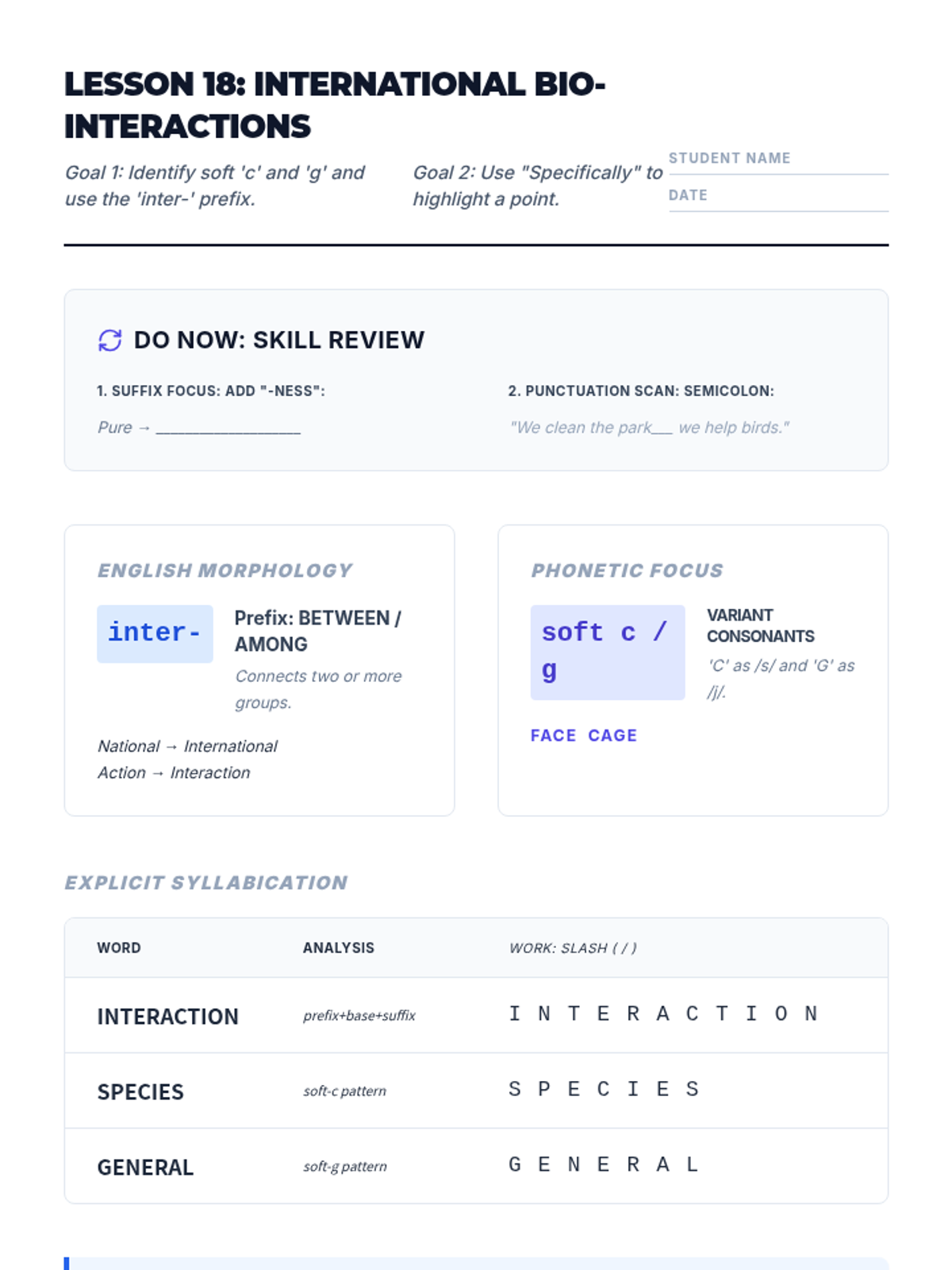
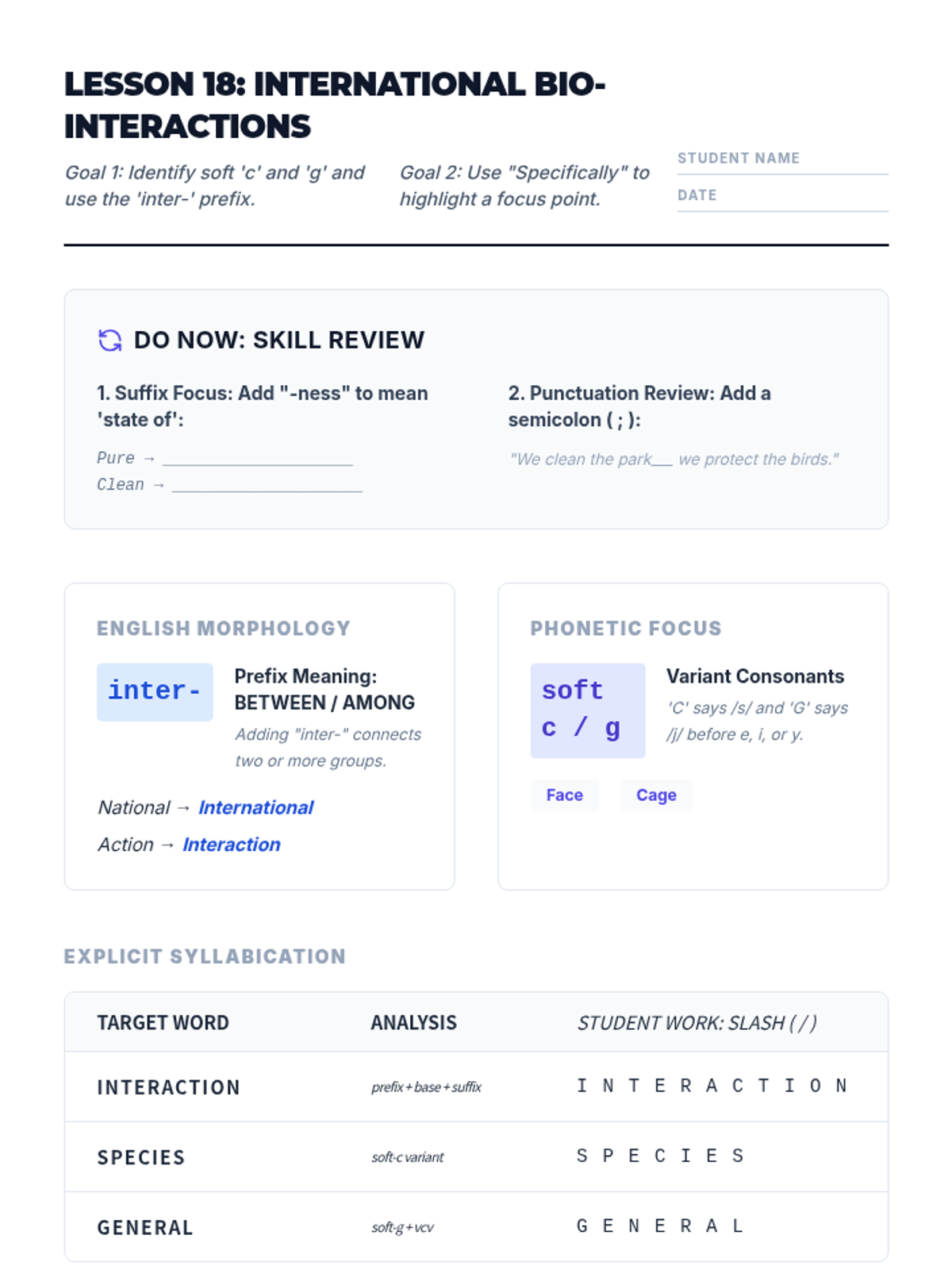
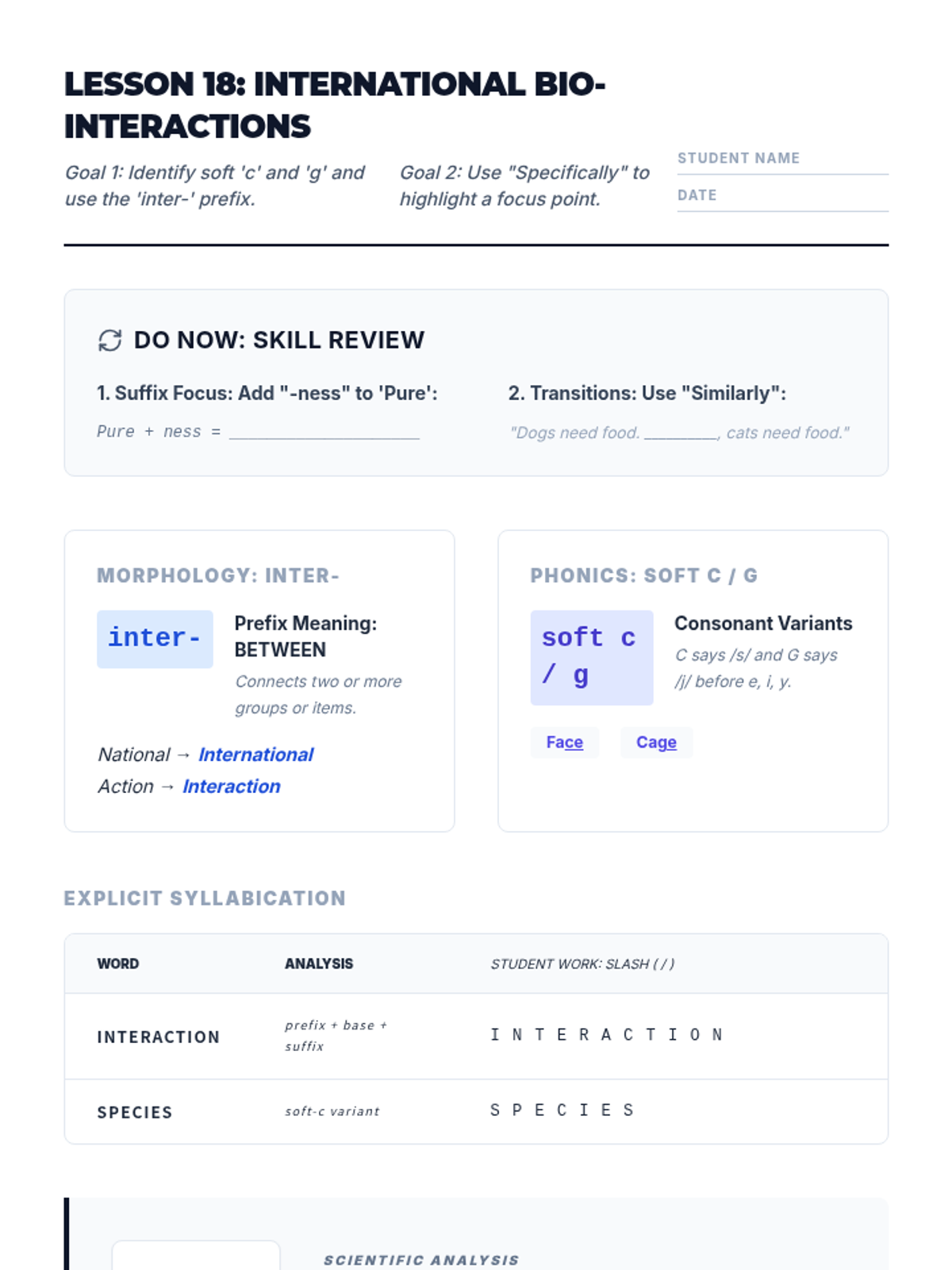
Introducing soft 'c' and 'g' sounds and the prefix 'inter-'. Theme: International interaction for species protection.
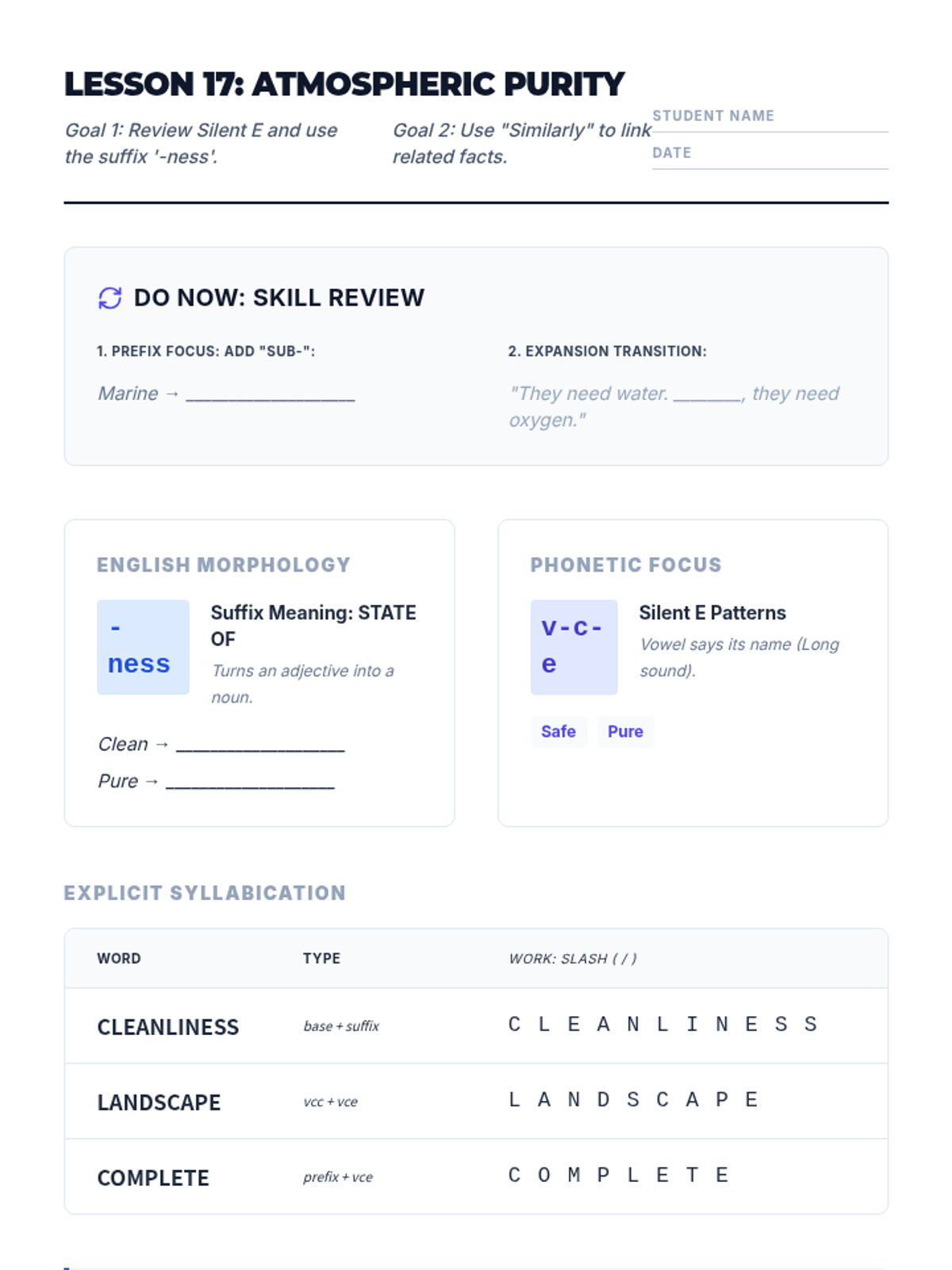
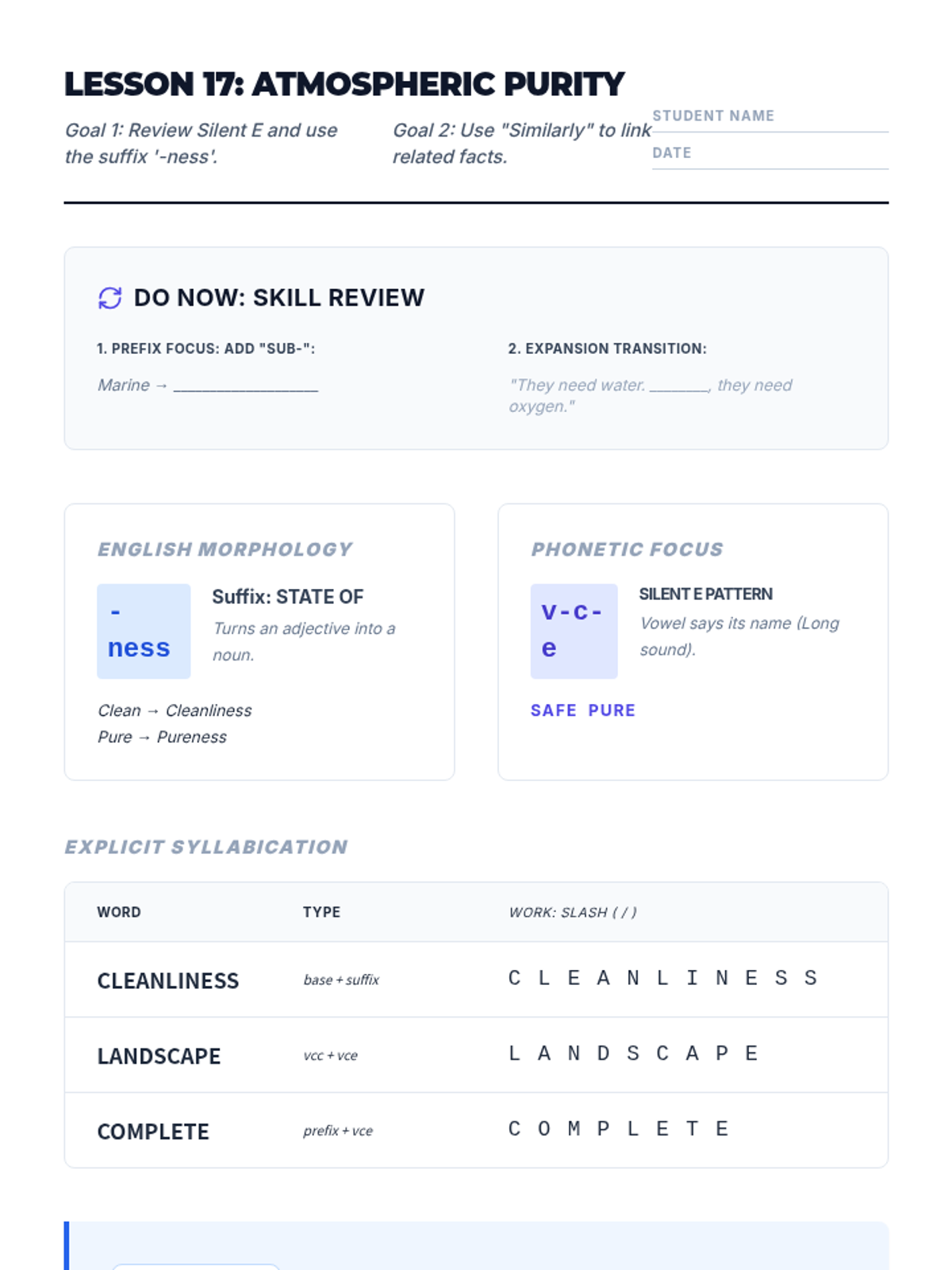
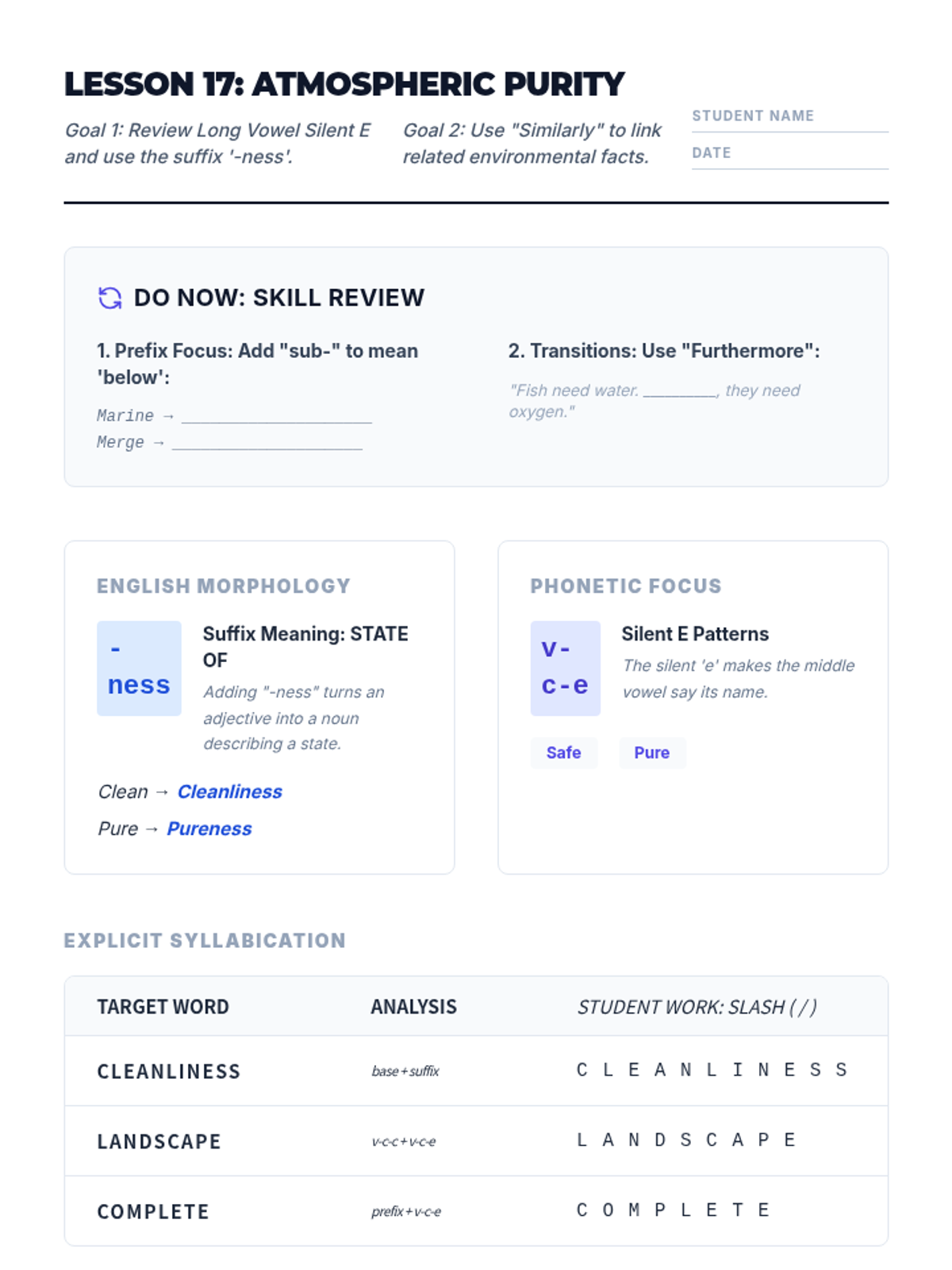
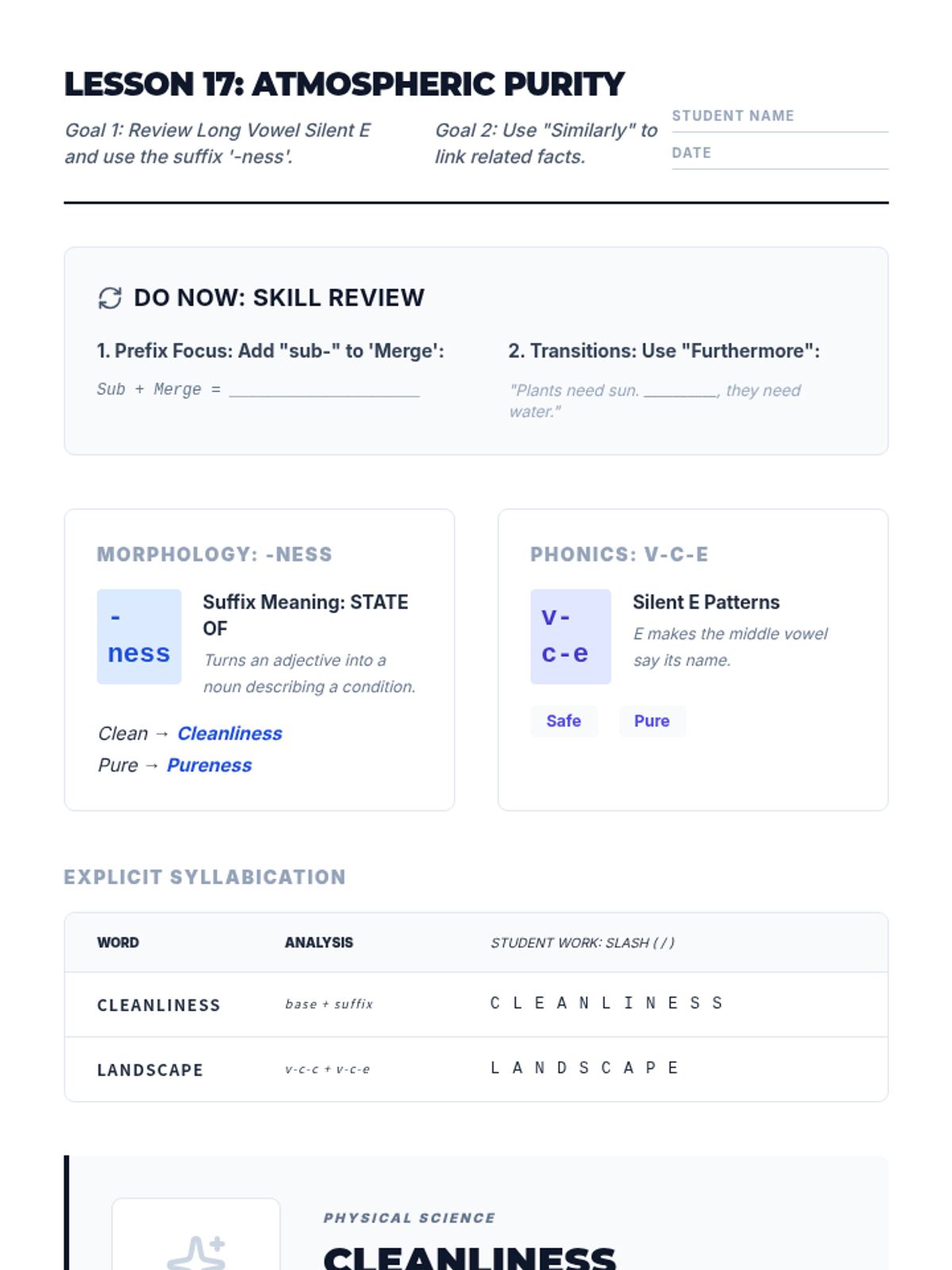
Reviewing Long Vowel Silent E patterns and the suffix '-ness'. Theme: Air quality and cleanliness.
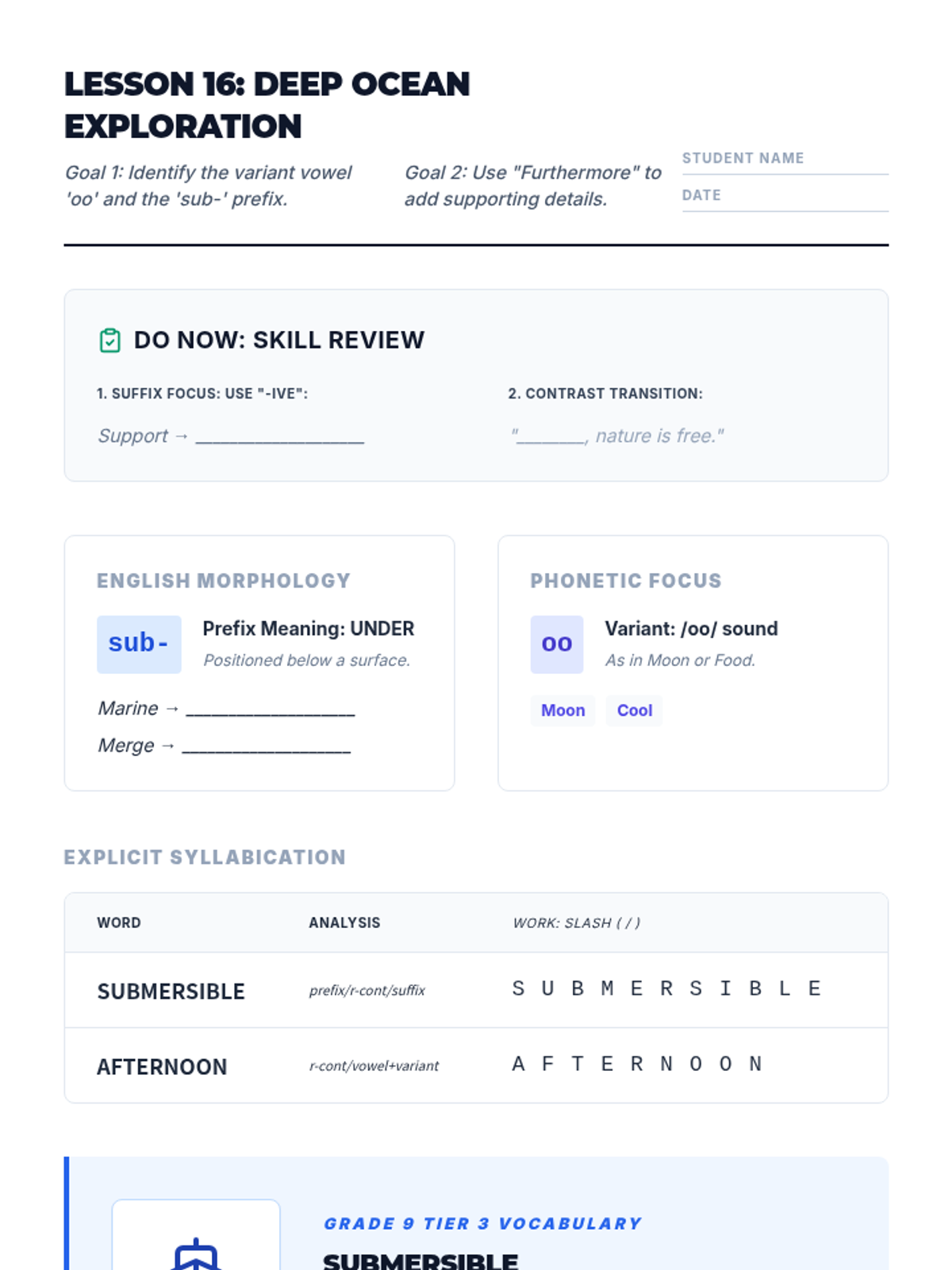
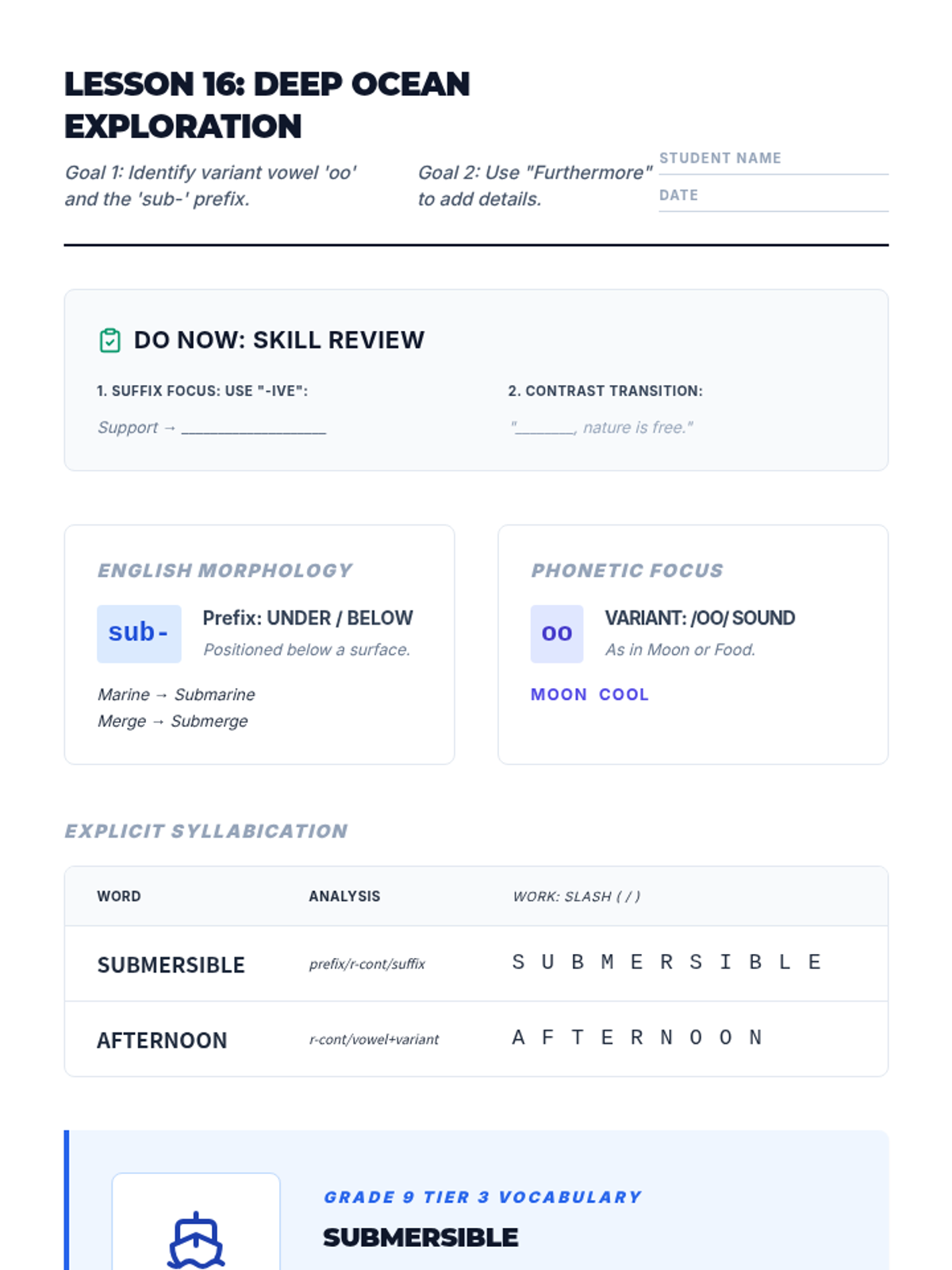
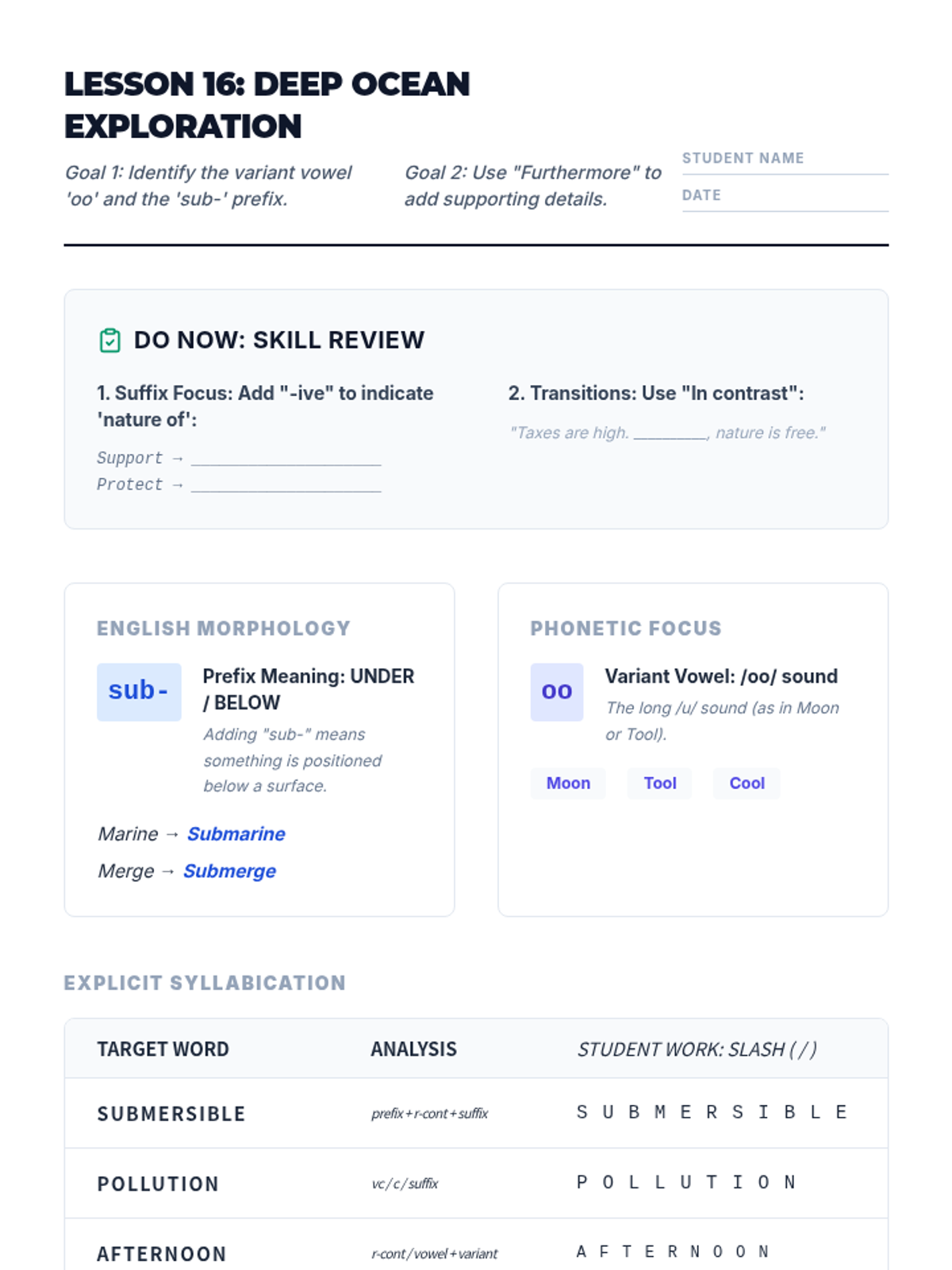
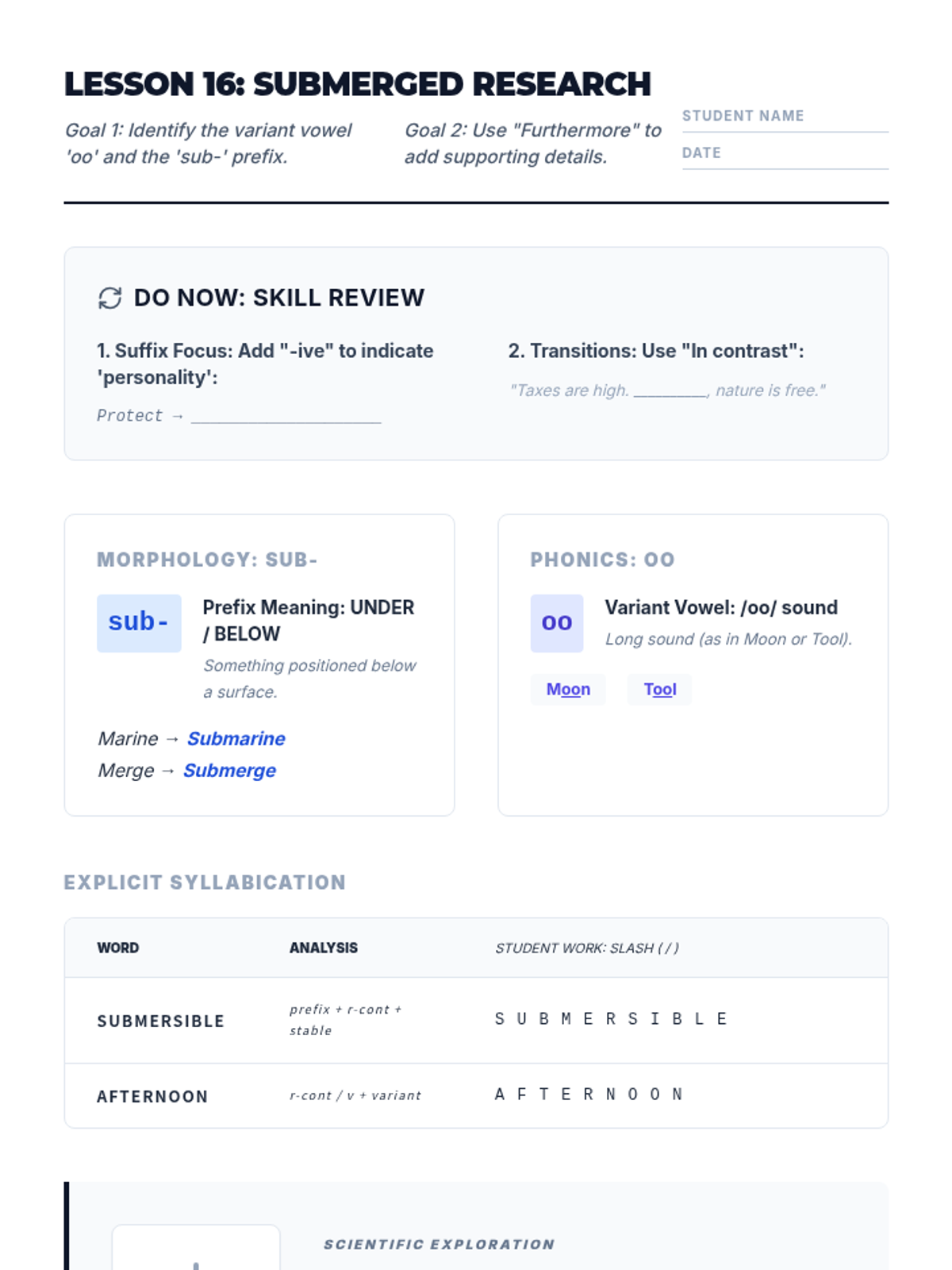
Exploring variant vowel 'oo' and the prefix 'sub-'. Theme: Submerged ocean research and deep-sea exploration.
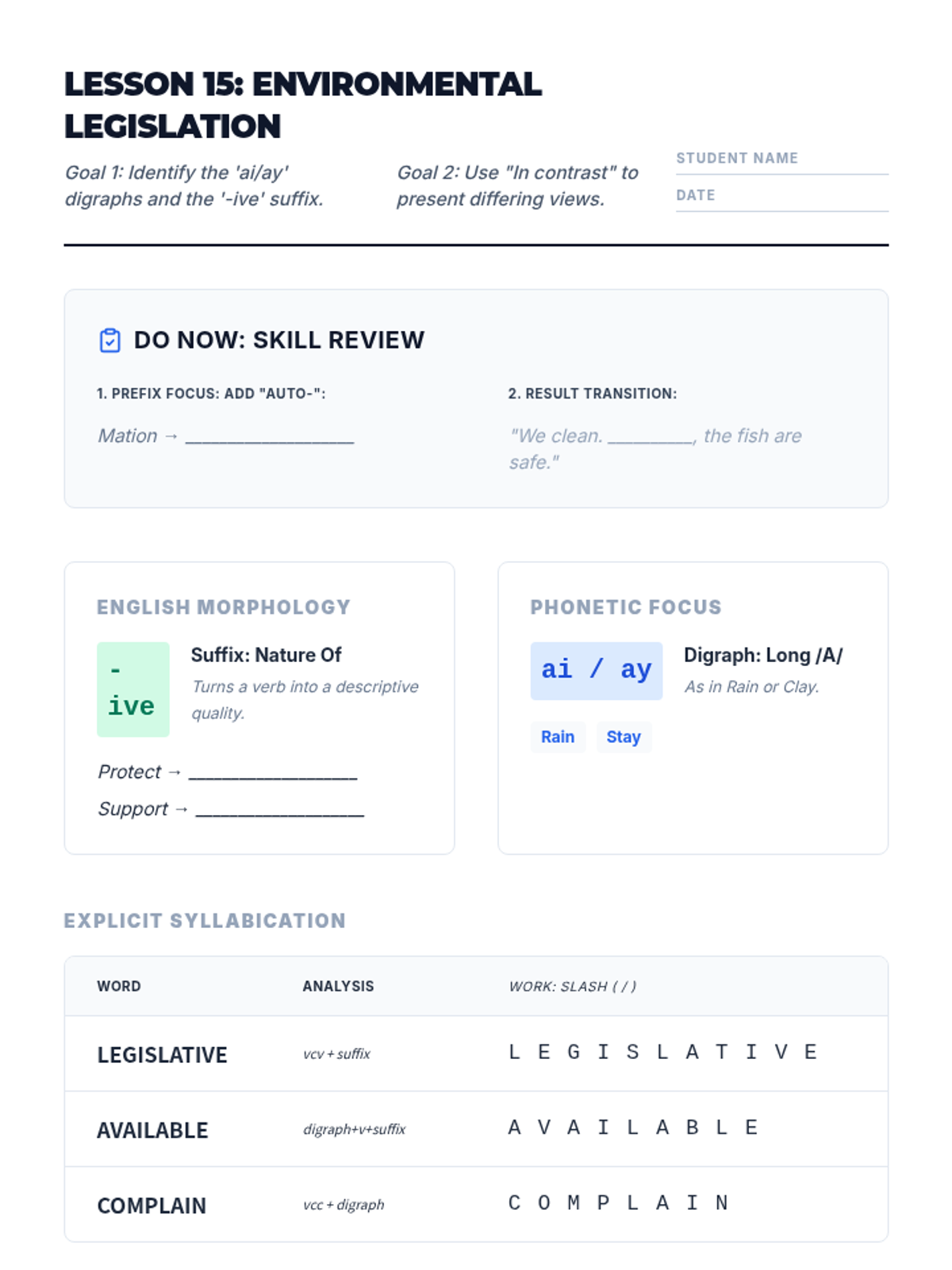
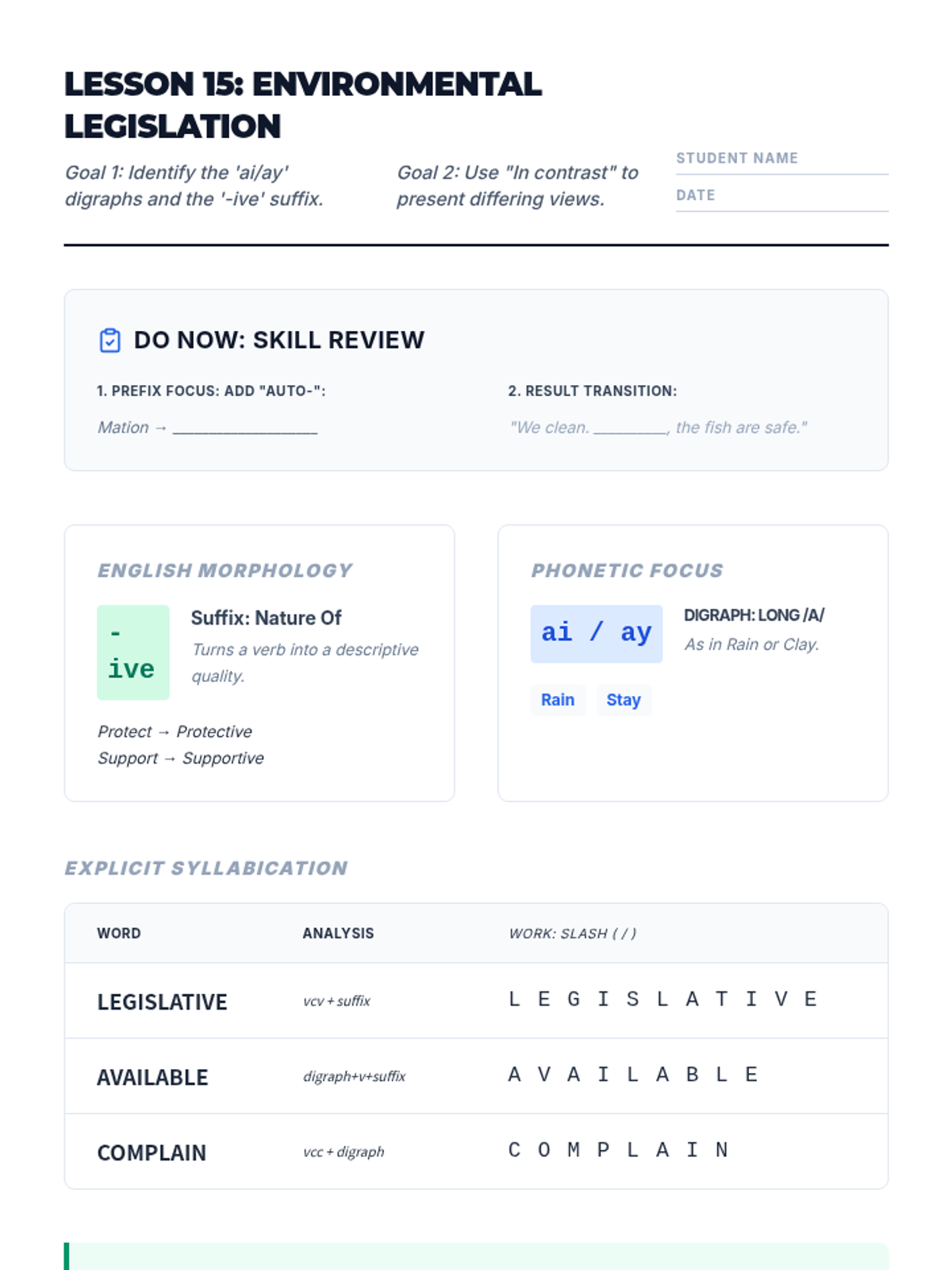
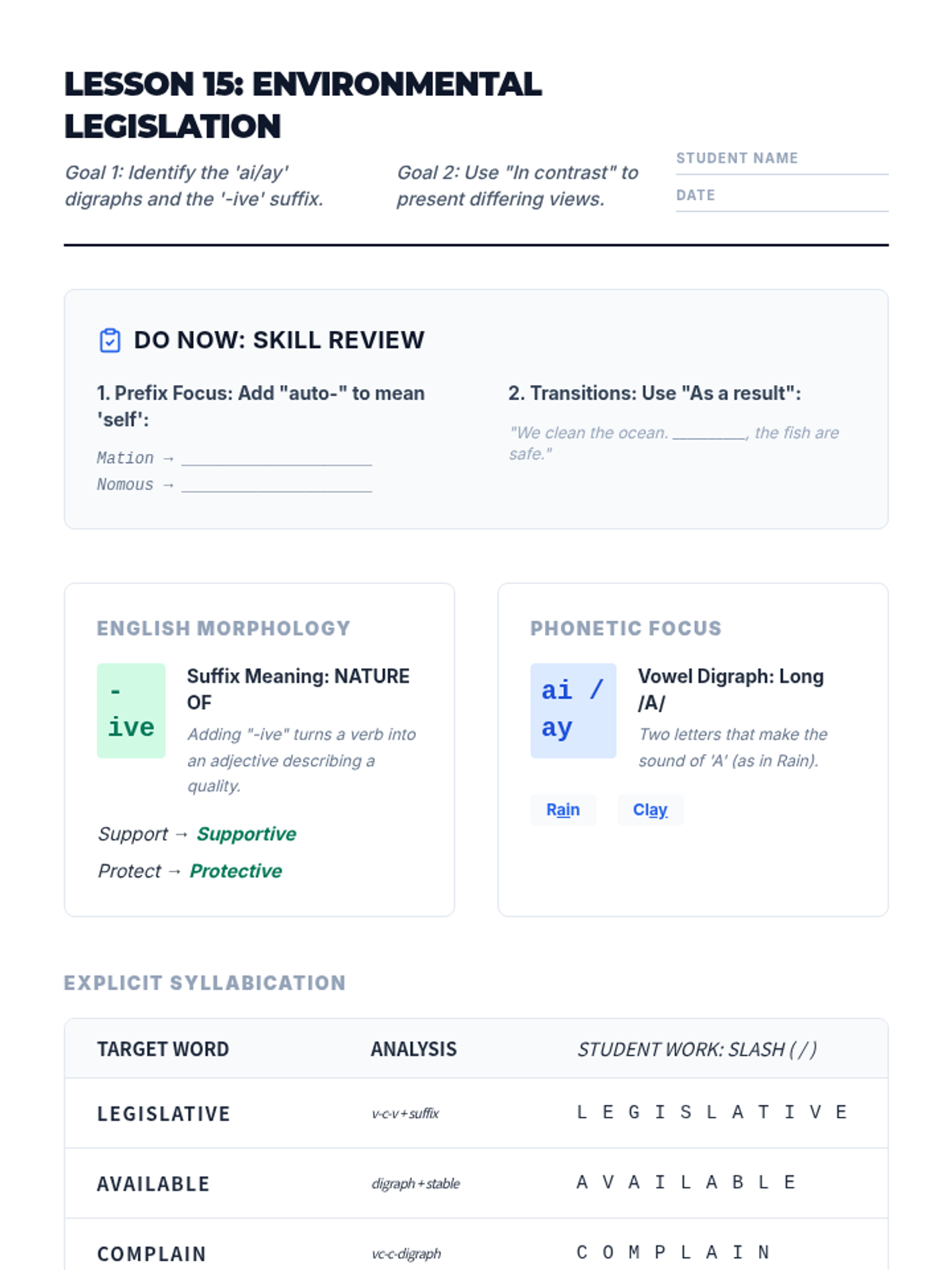
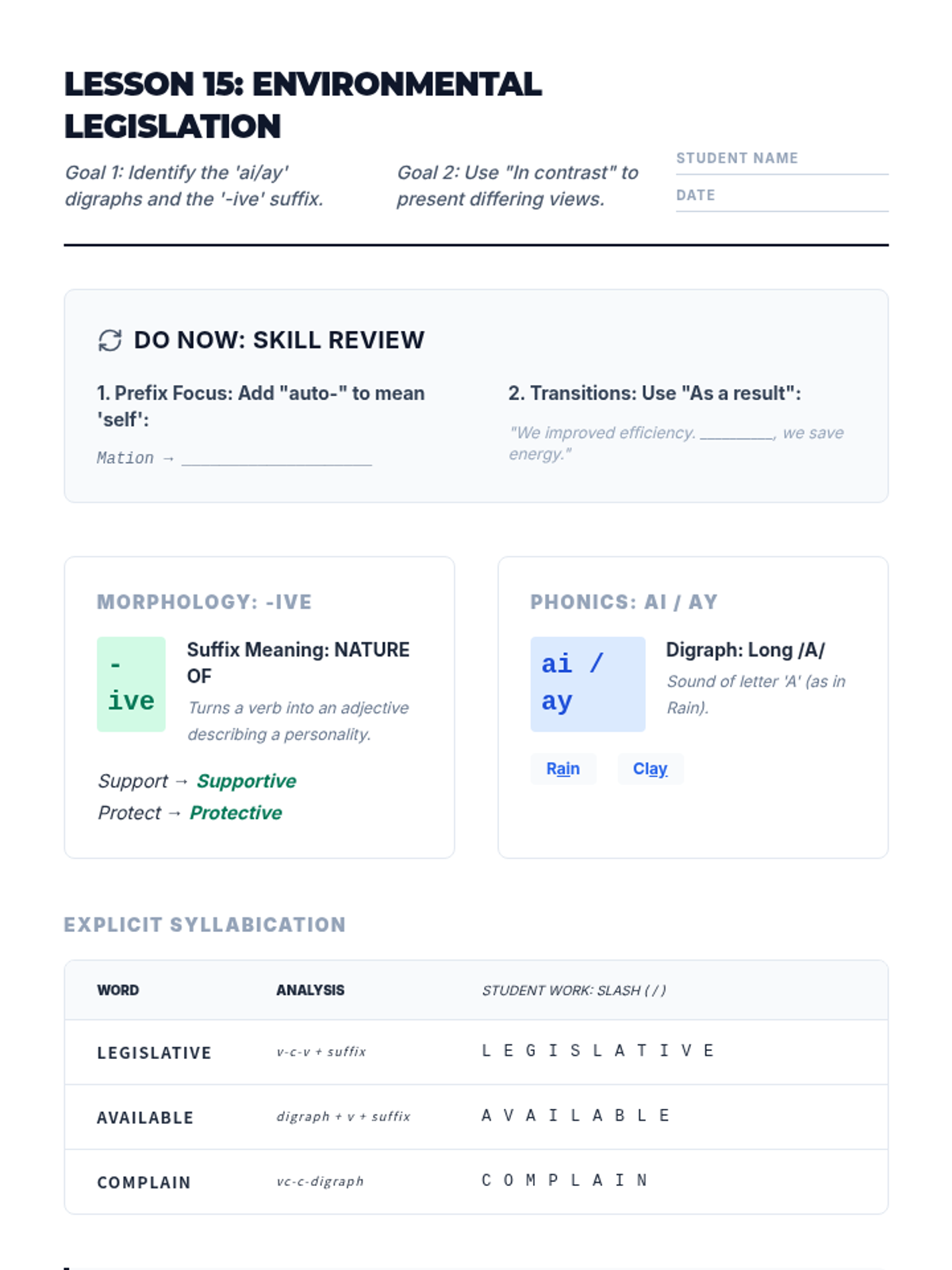
Focusing on 'ai/ay' digraphs and the suffix '-ive'. Students learn about legislative sustainability efforts.
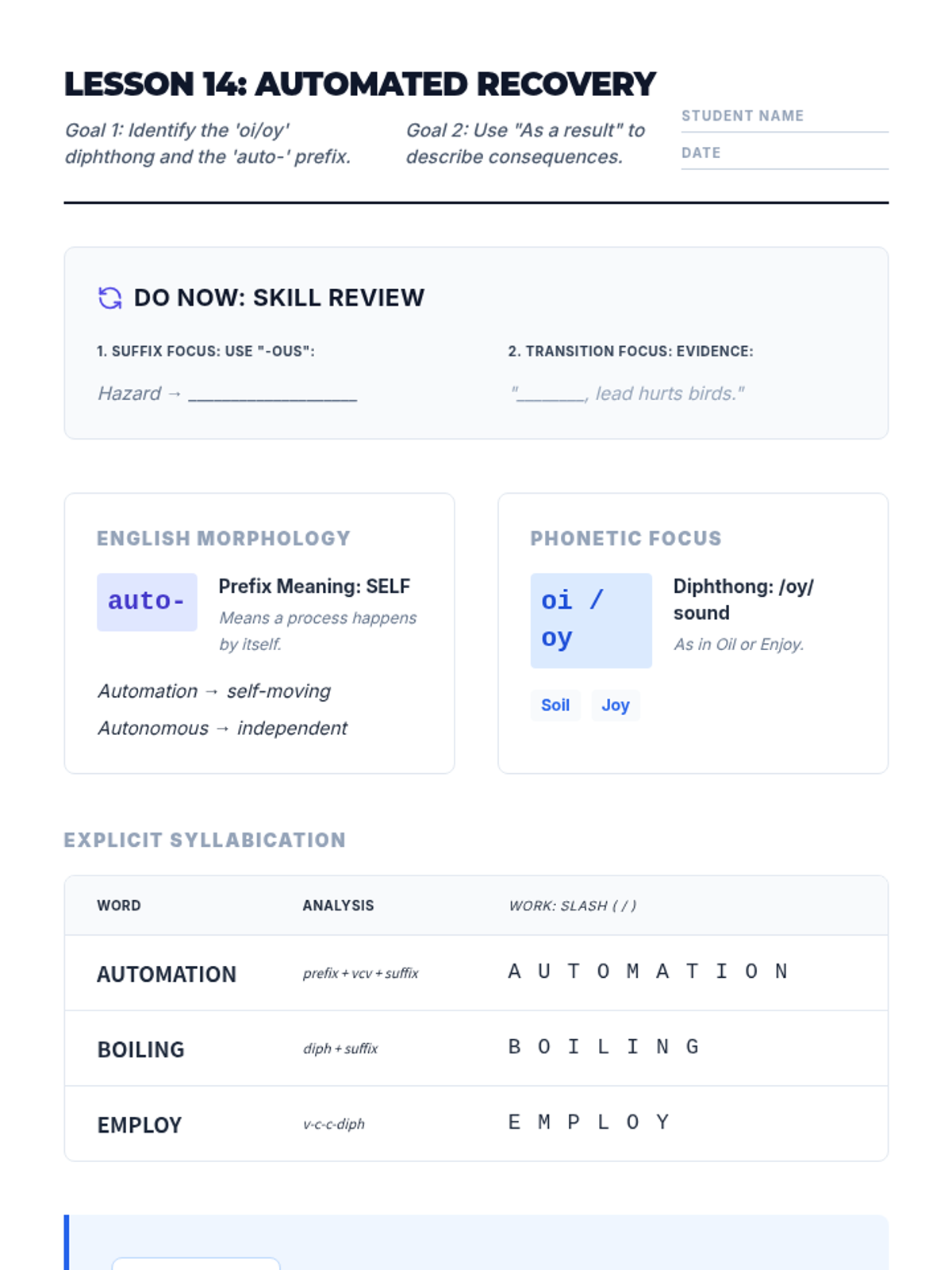
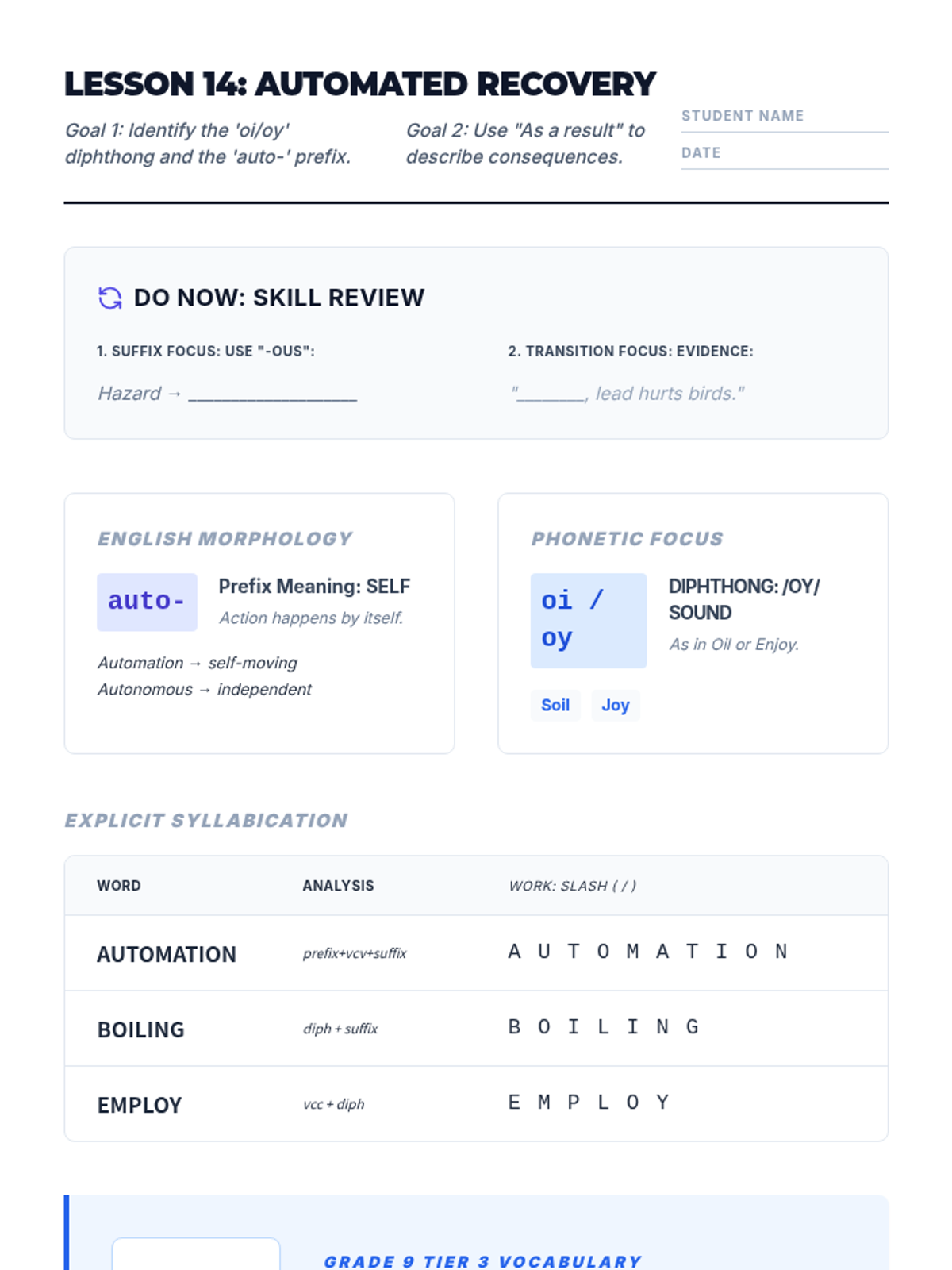
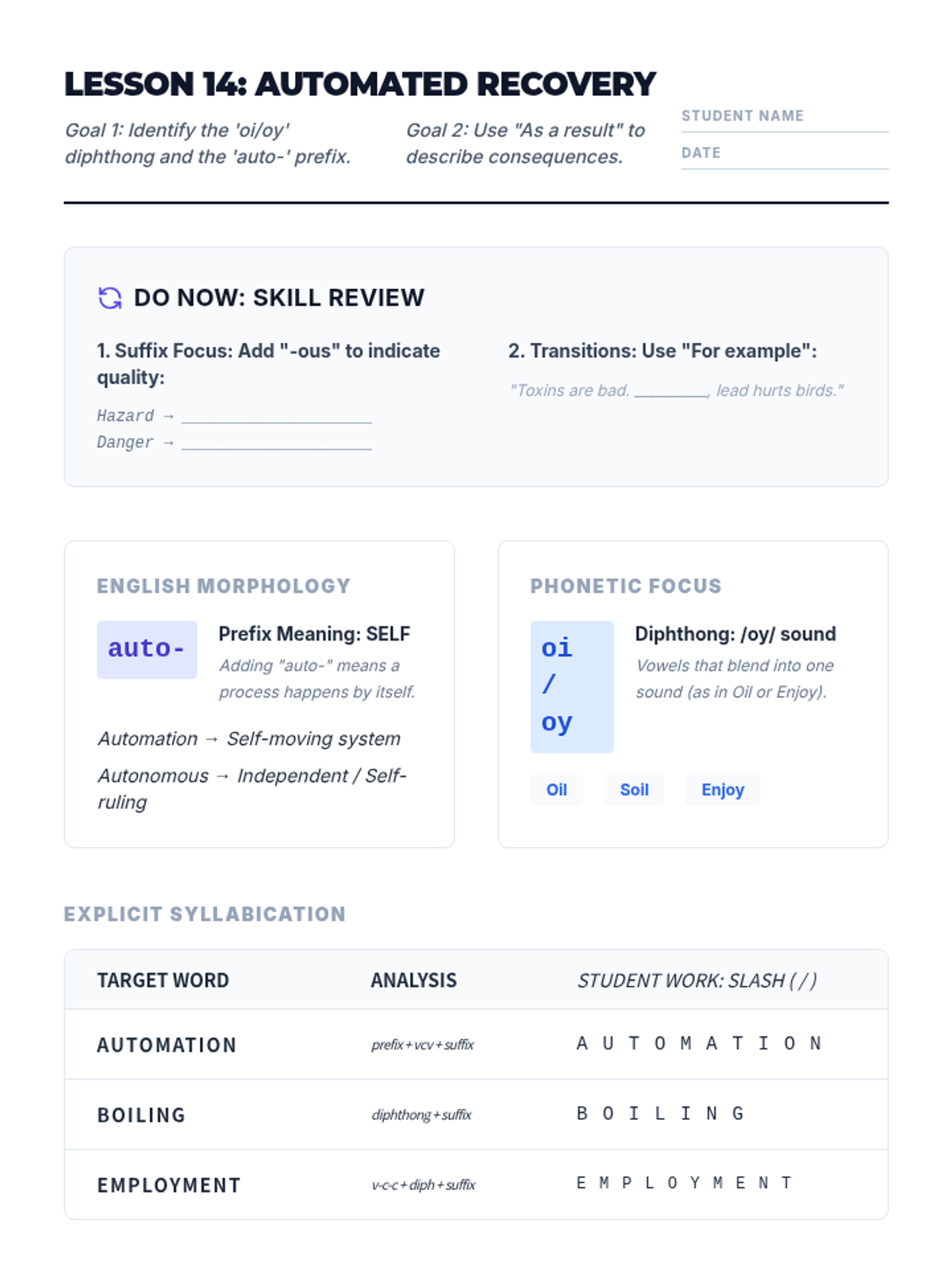
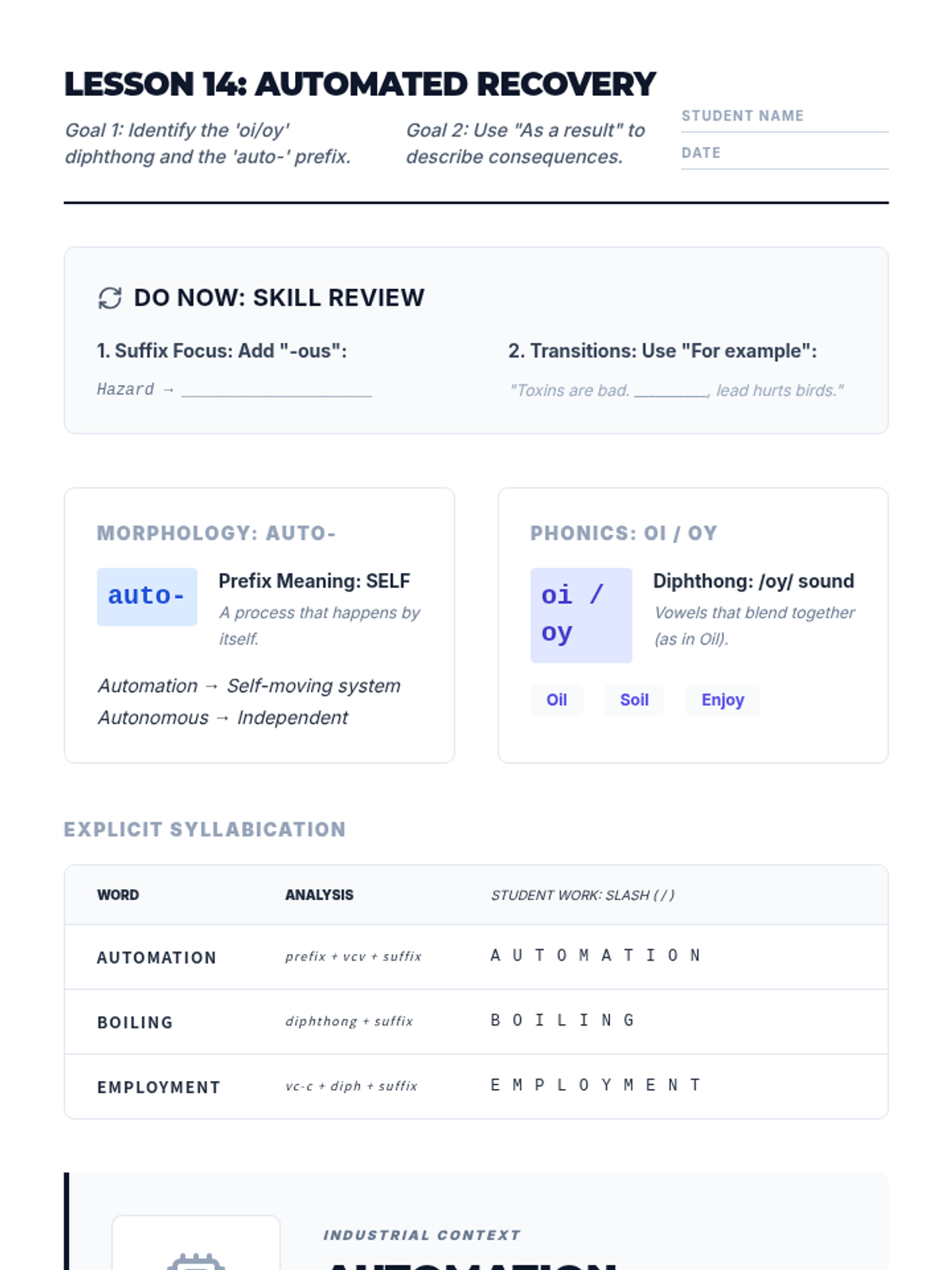
Introduces 'oi/oy' diphthongs and the prefix 'auto-'. Theme: Automated conservation technology.
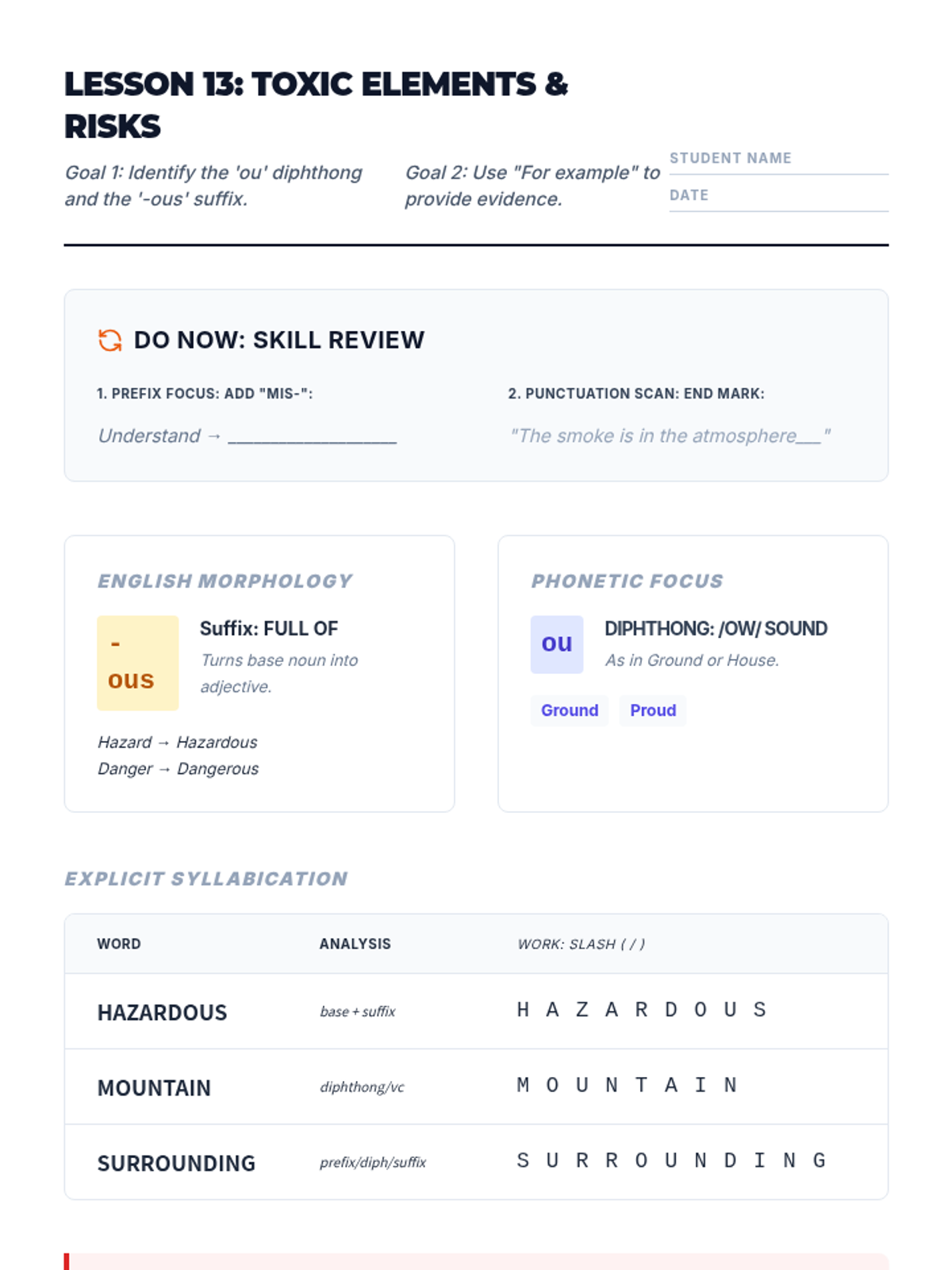
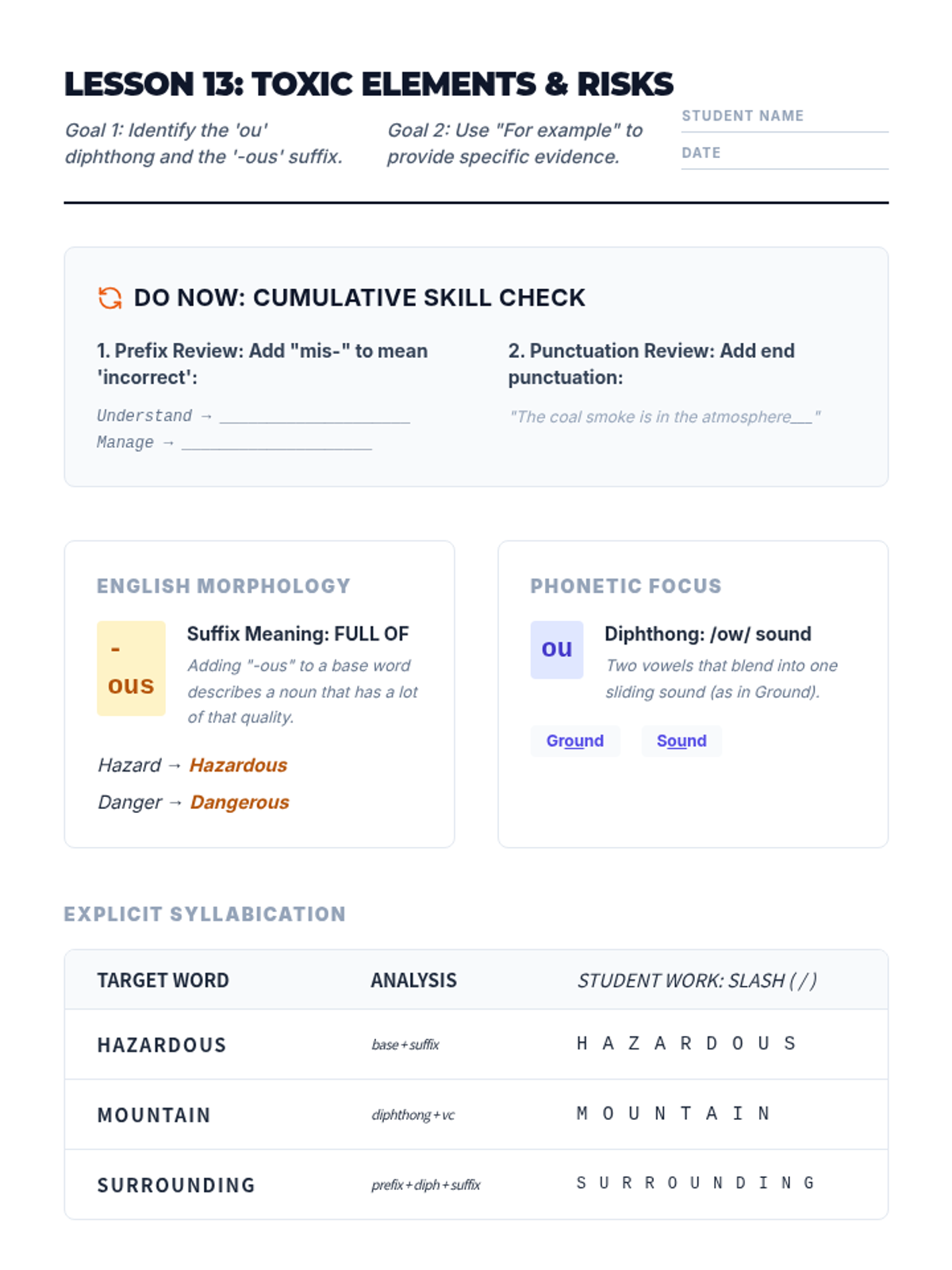
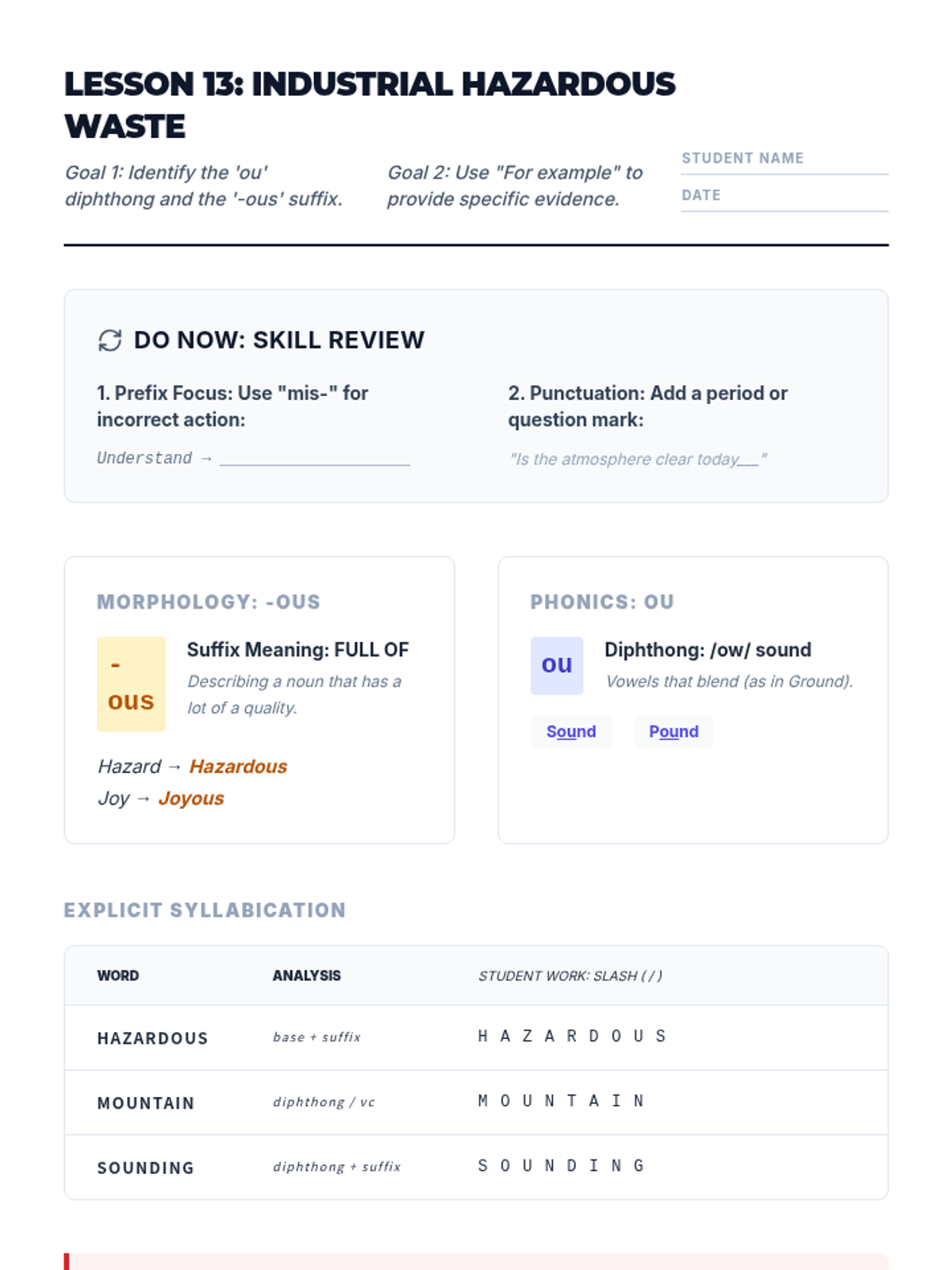
Covers the 'ou' diphthong and the suffix '-ous'. Students examine hazardous waste and environmental risks.
A comprehensive lesson for high school students on identifying and utilizing noun, adjective, and adverb phrases to enhance sentence variety and precision.
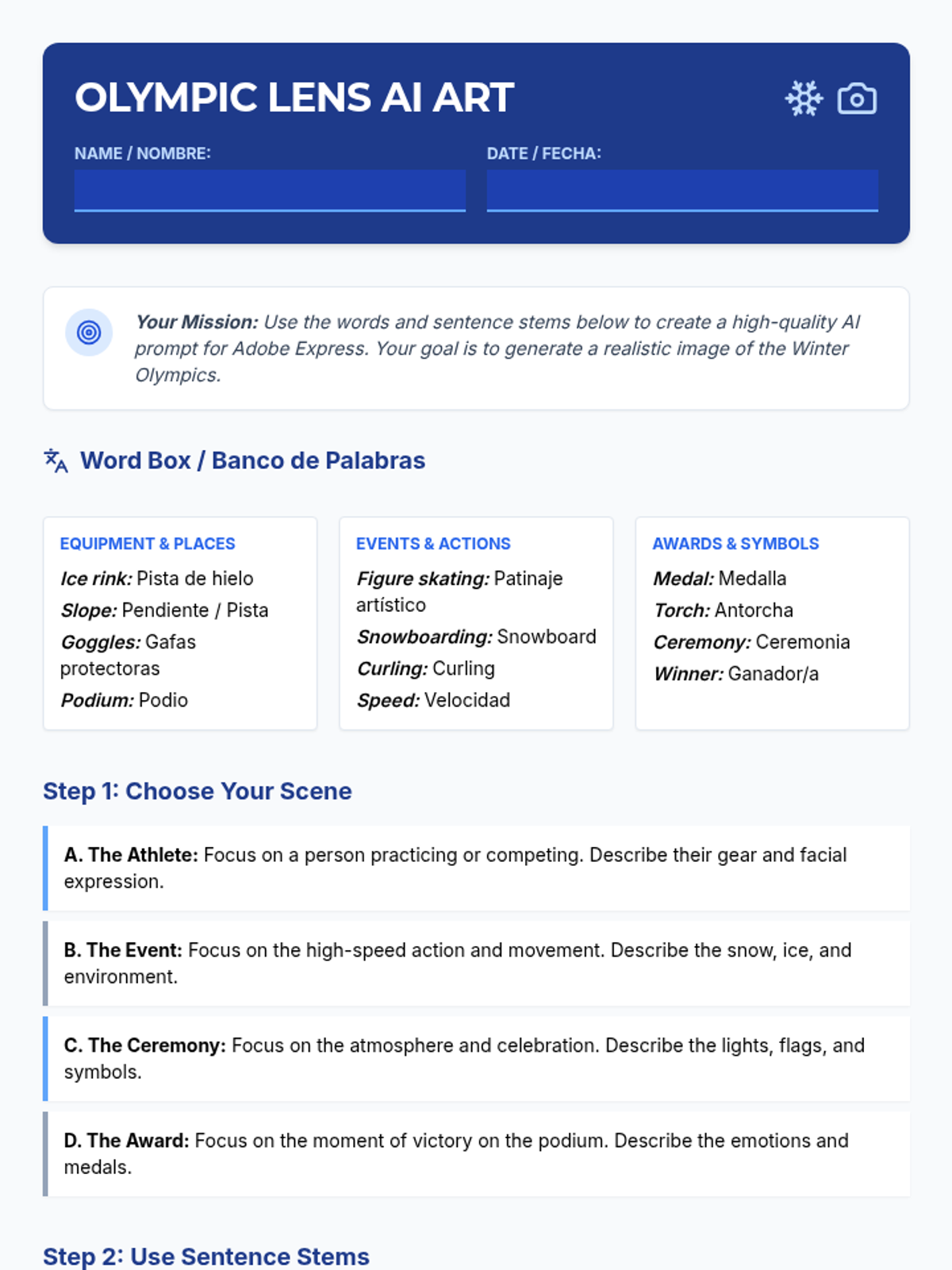
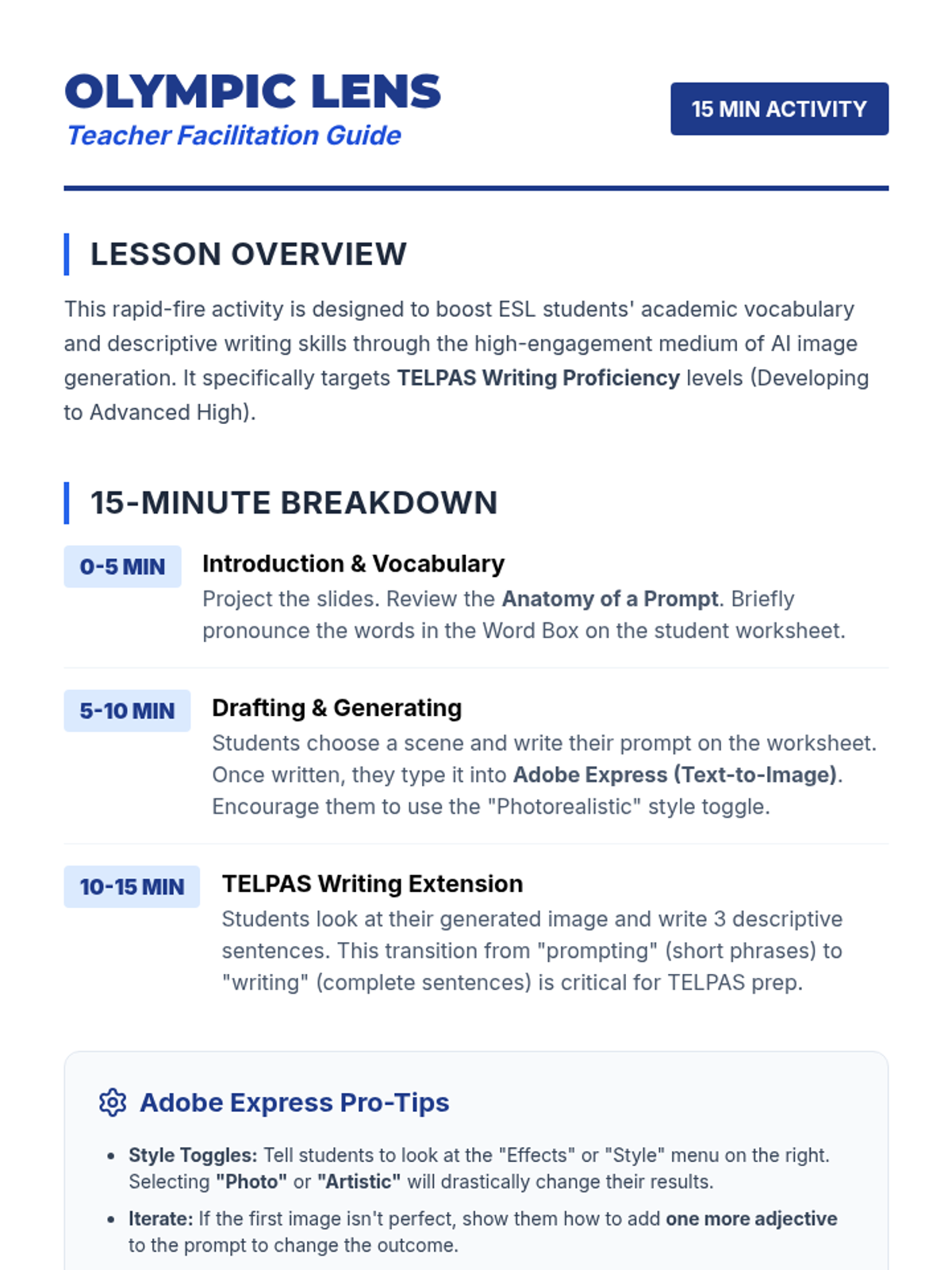
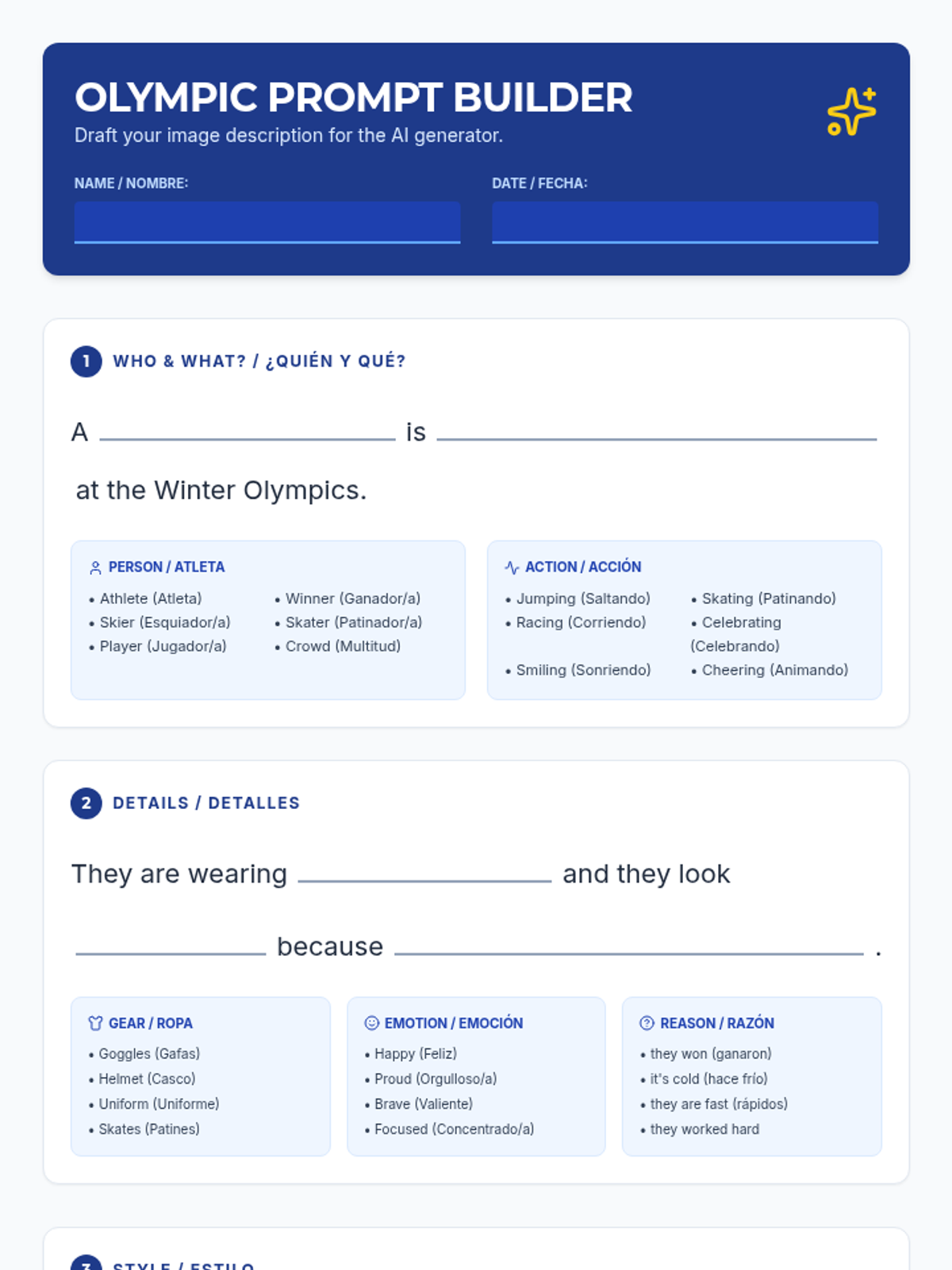
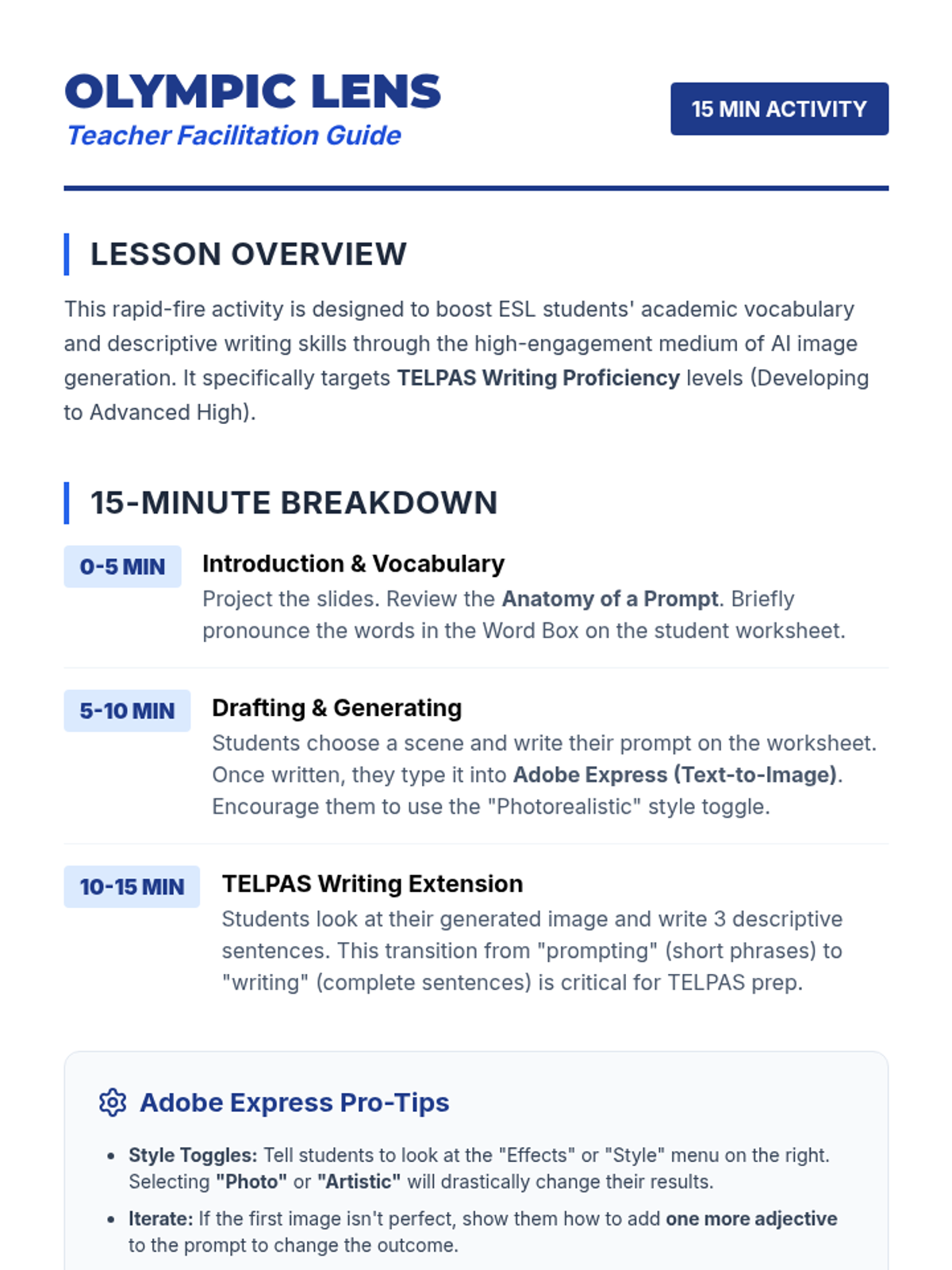
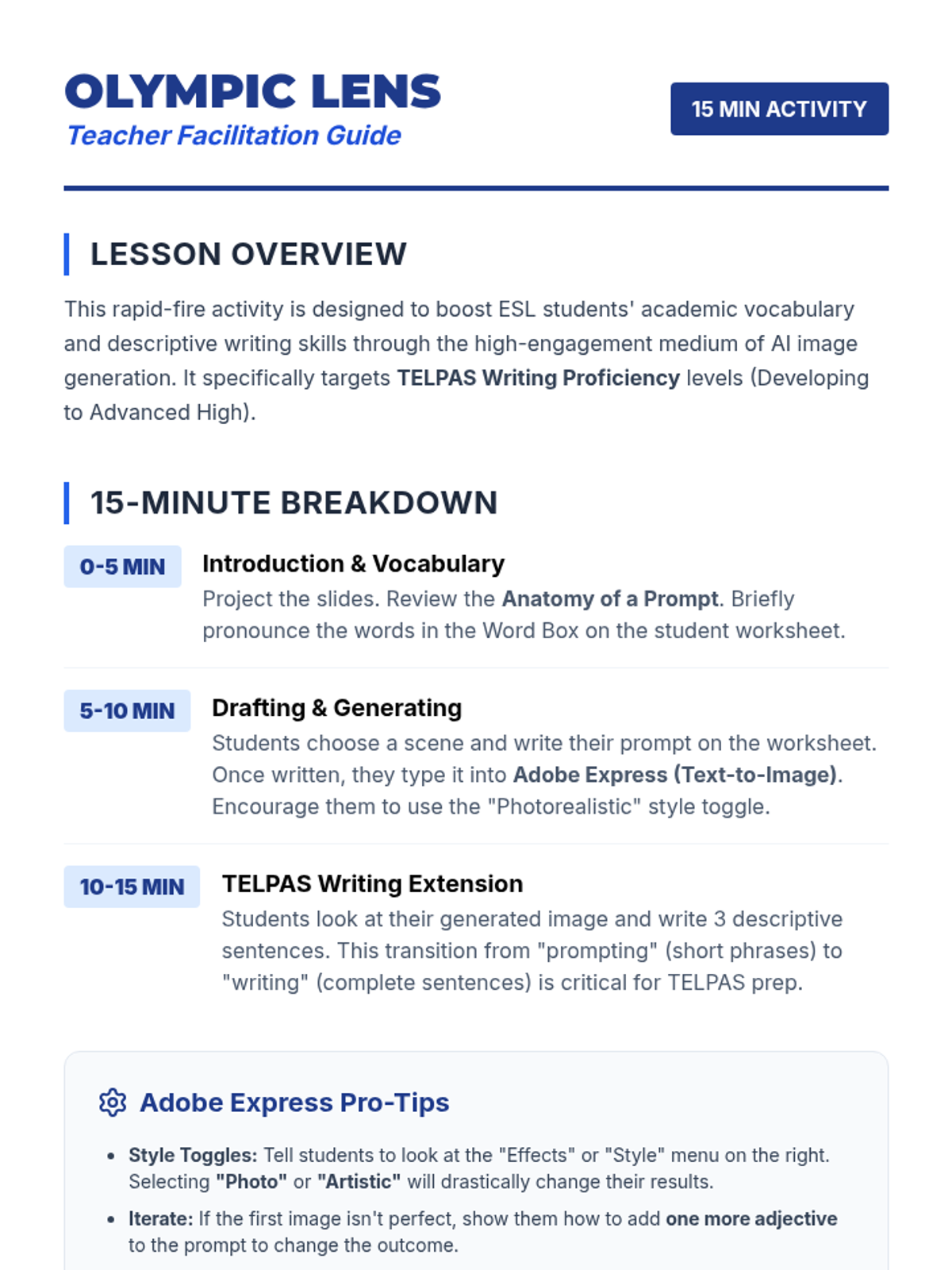
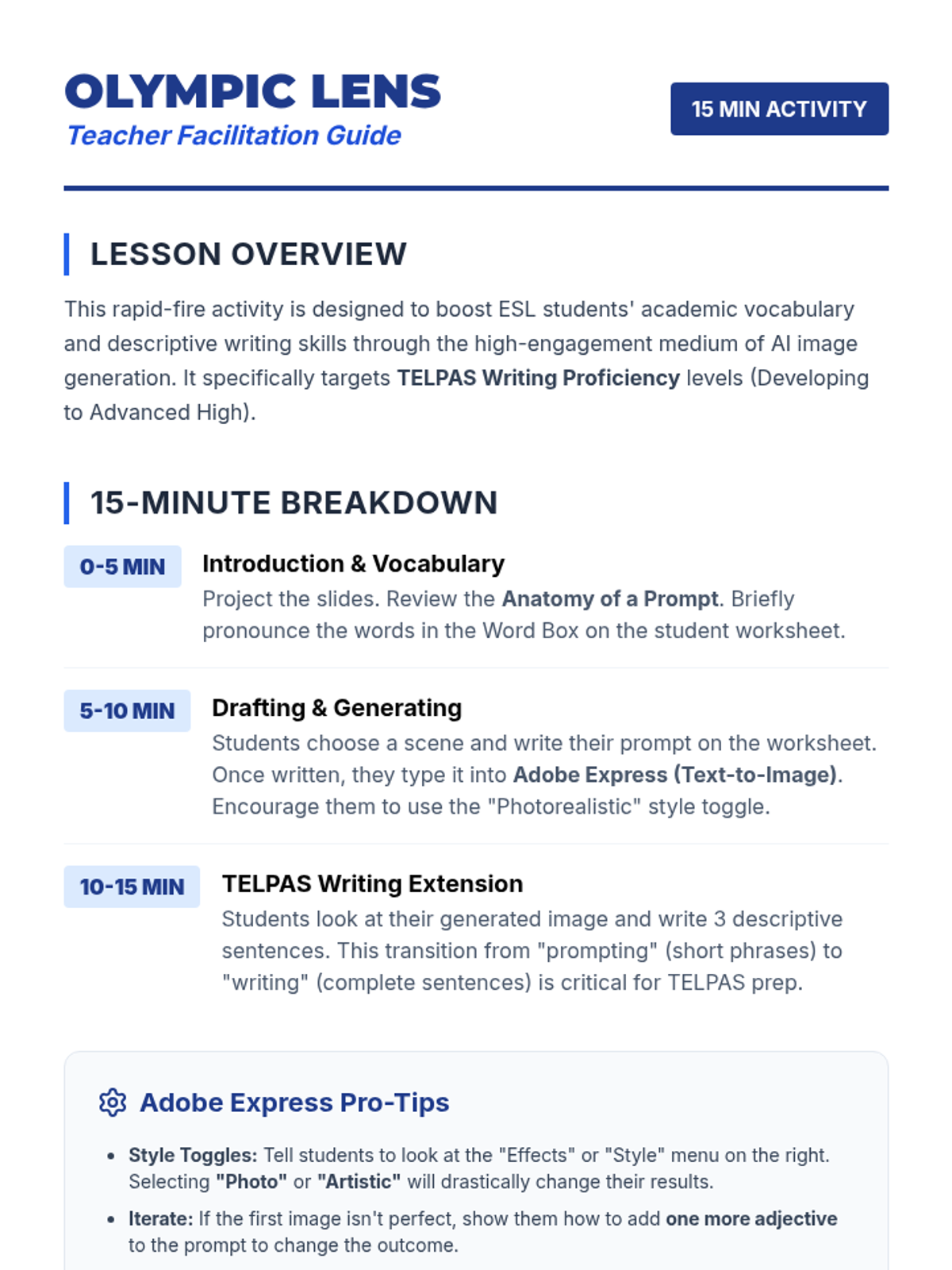
This lesson guides 9th/10th grade ESL students through the process of using AI image generation to visualize Winter Olympics scenes, focusing on descriptive vocabulary and sentence structure for TELPAS preparation.
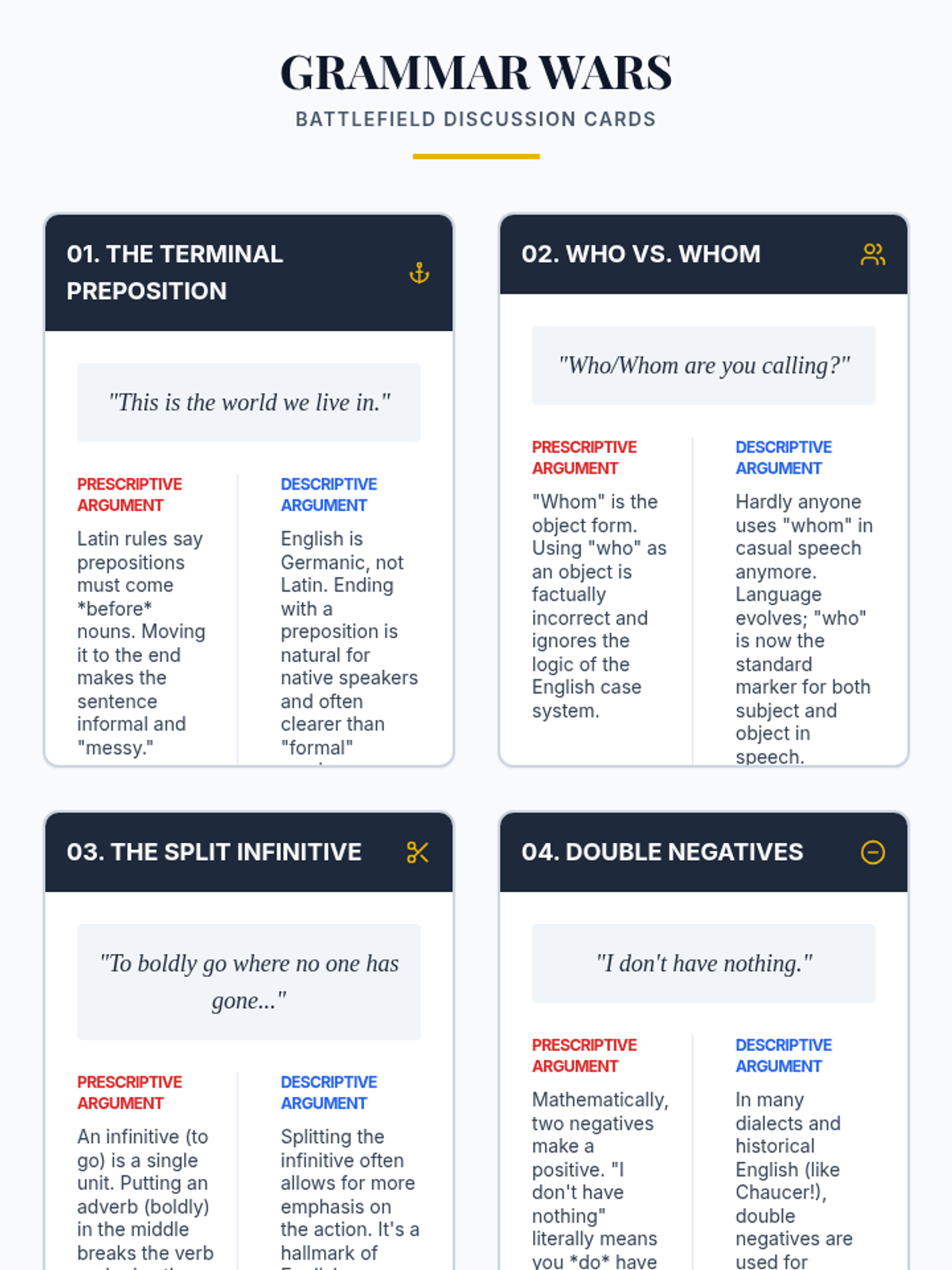
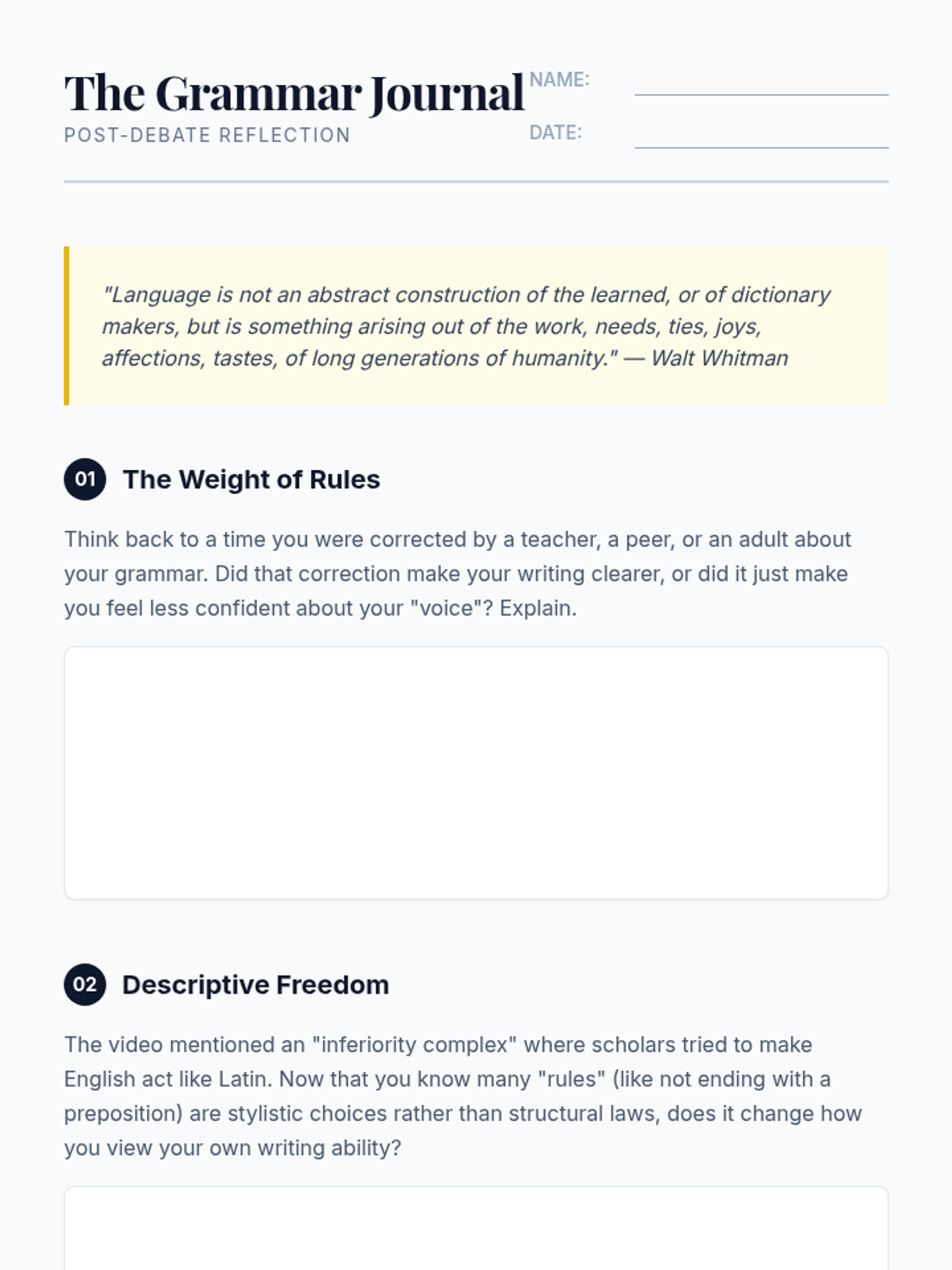
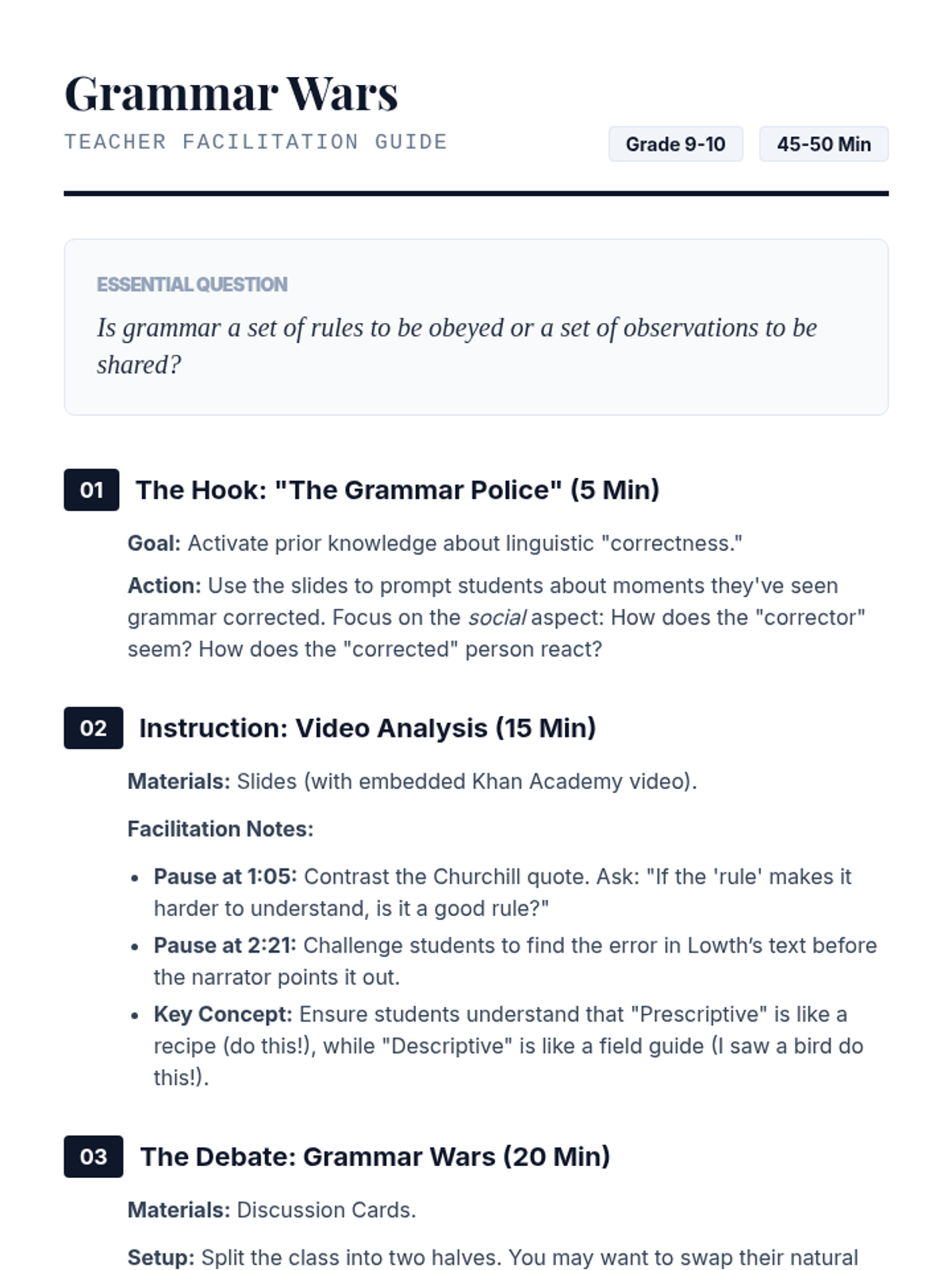
A high school English lesson exploring the conflict between prescriptive and descriptive grammar, using terminal prepositions as a case study to discuss language history and usage.
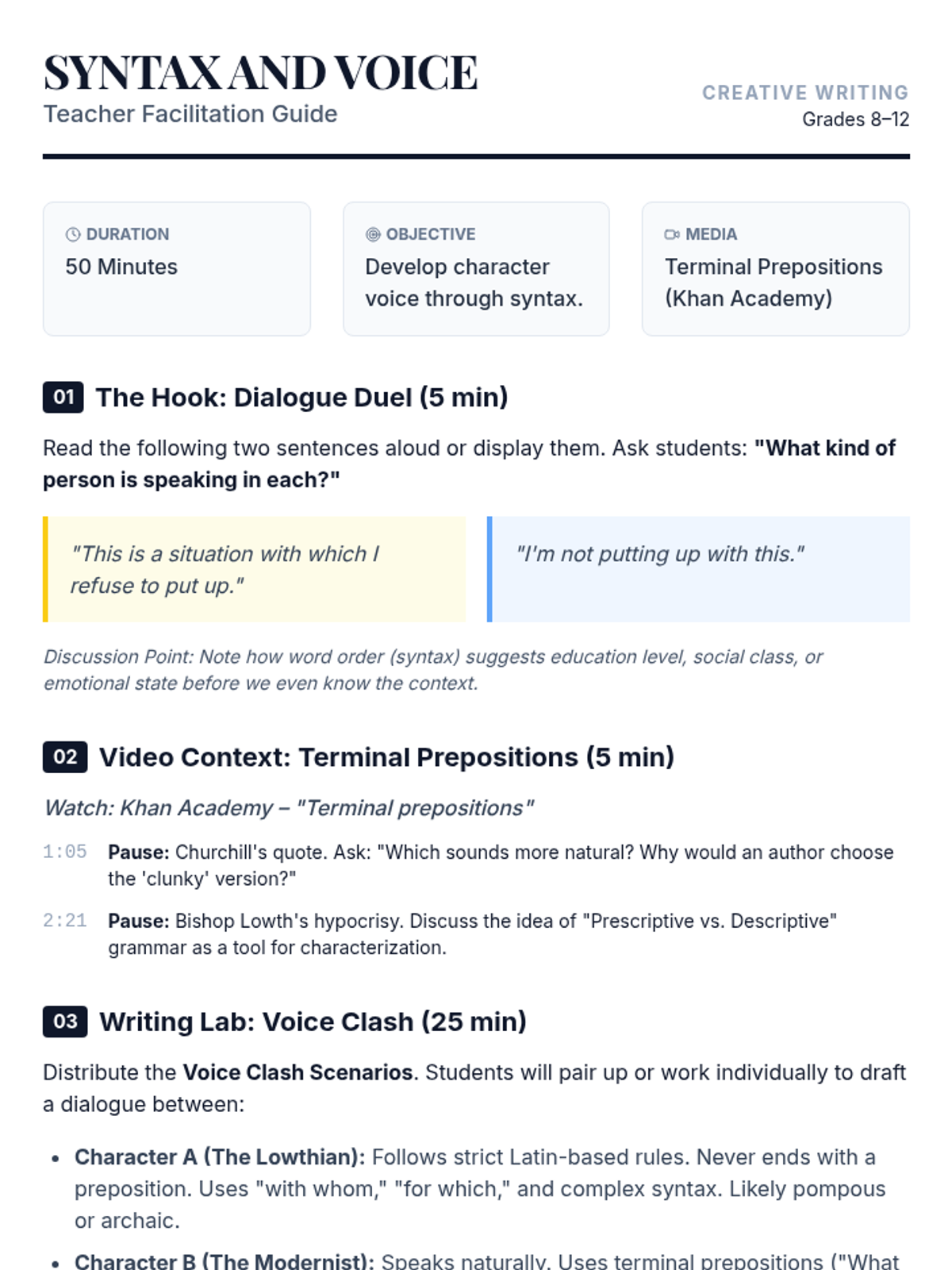
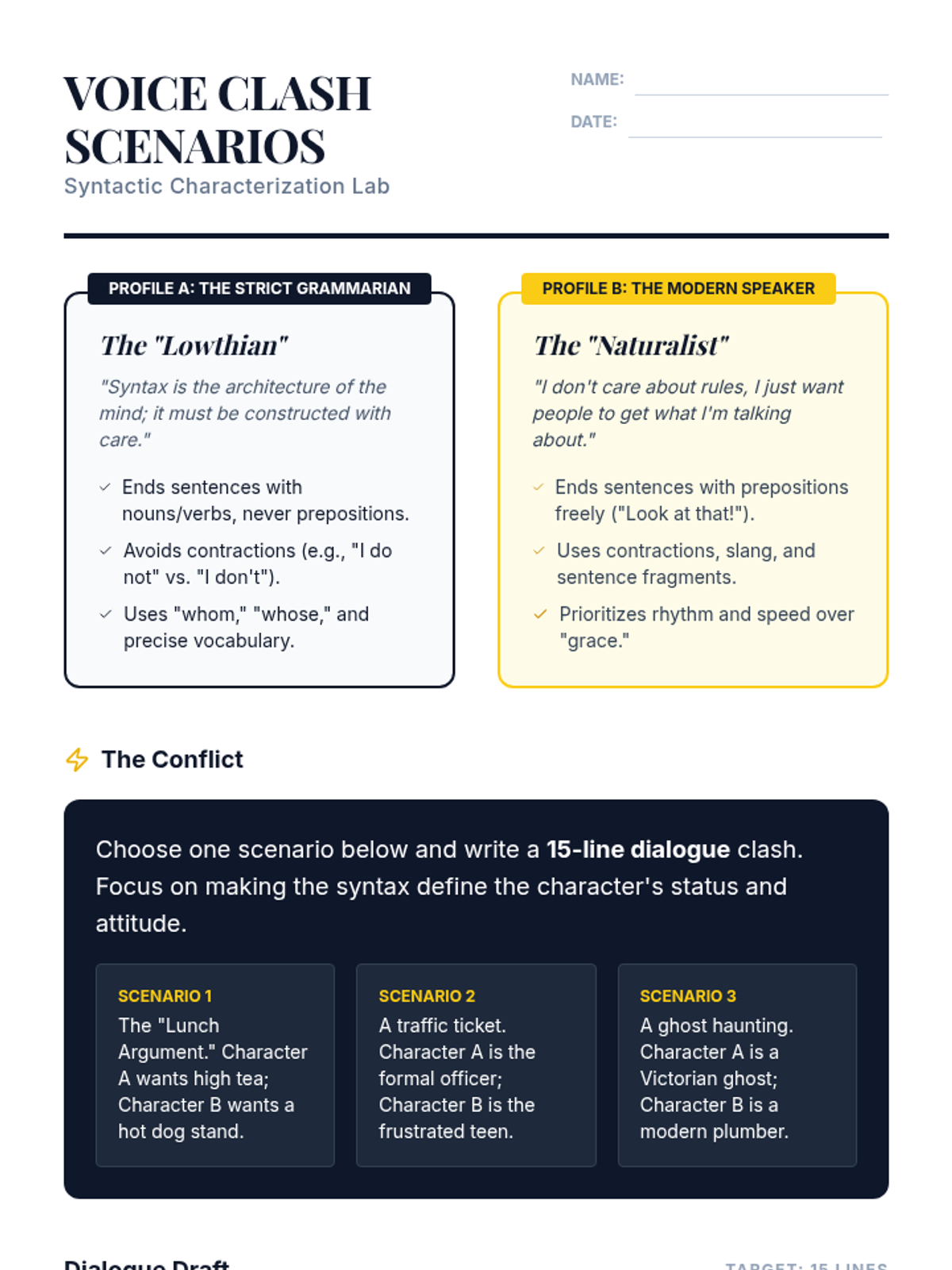
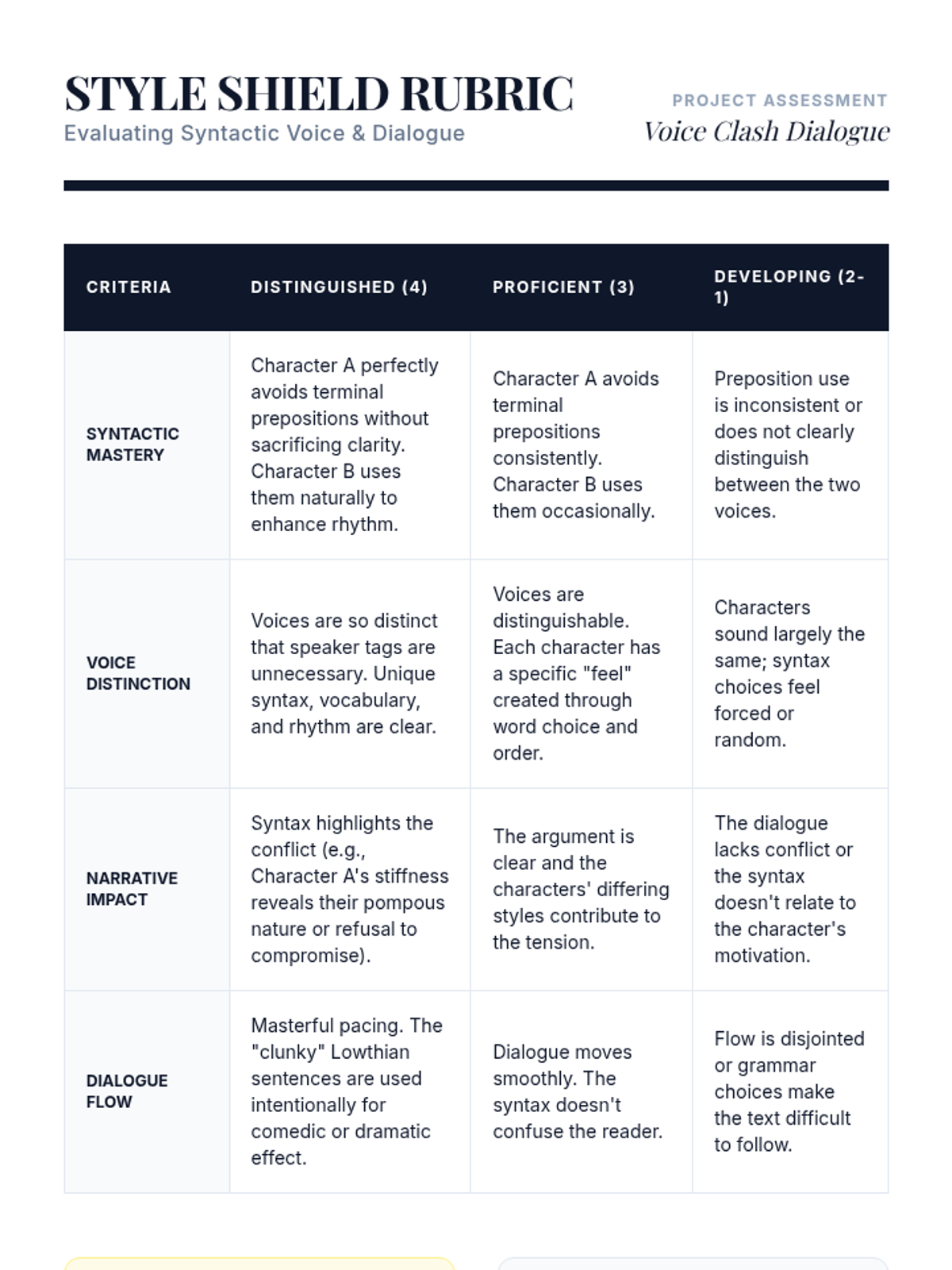
A creative writing lesson for grades 8-12 focusing on how syntax and the use (or avoidance) of terminal prepositions can define a character's voice and personality. Students contrast formal 'Lowthian' rules with natural speech through video analysis and dialogue writing.
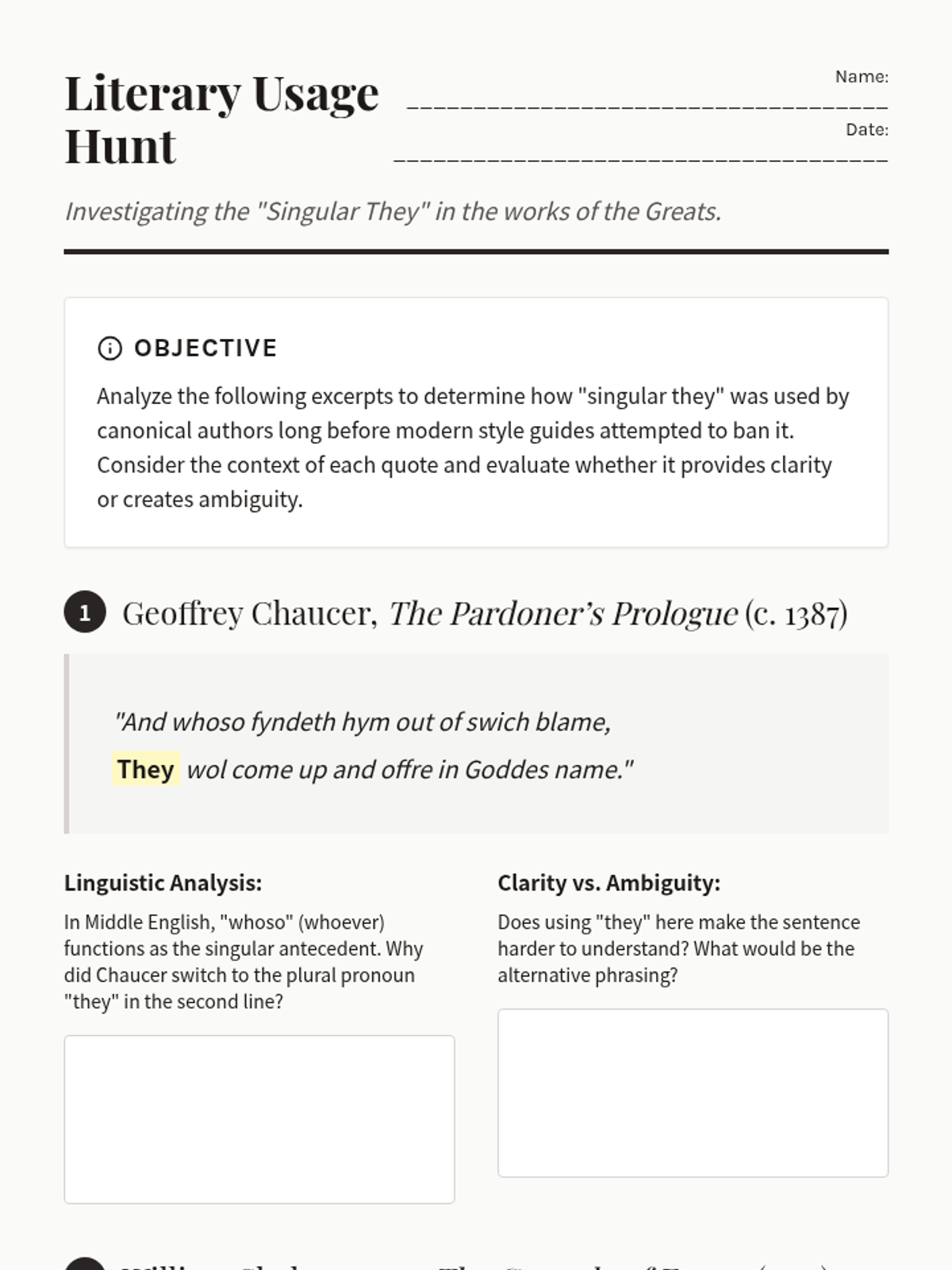
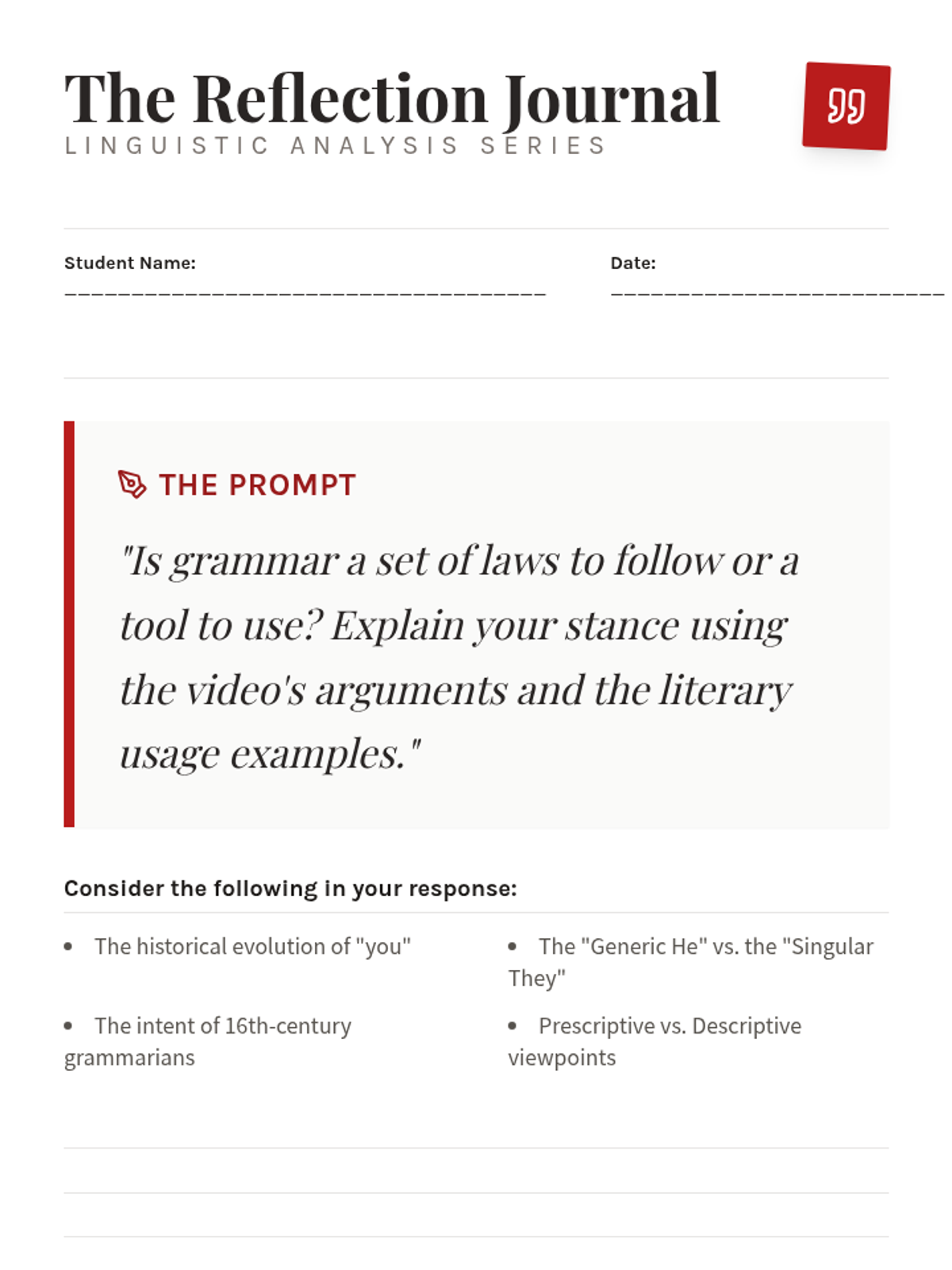
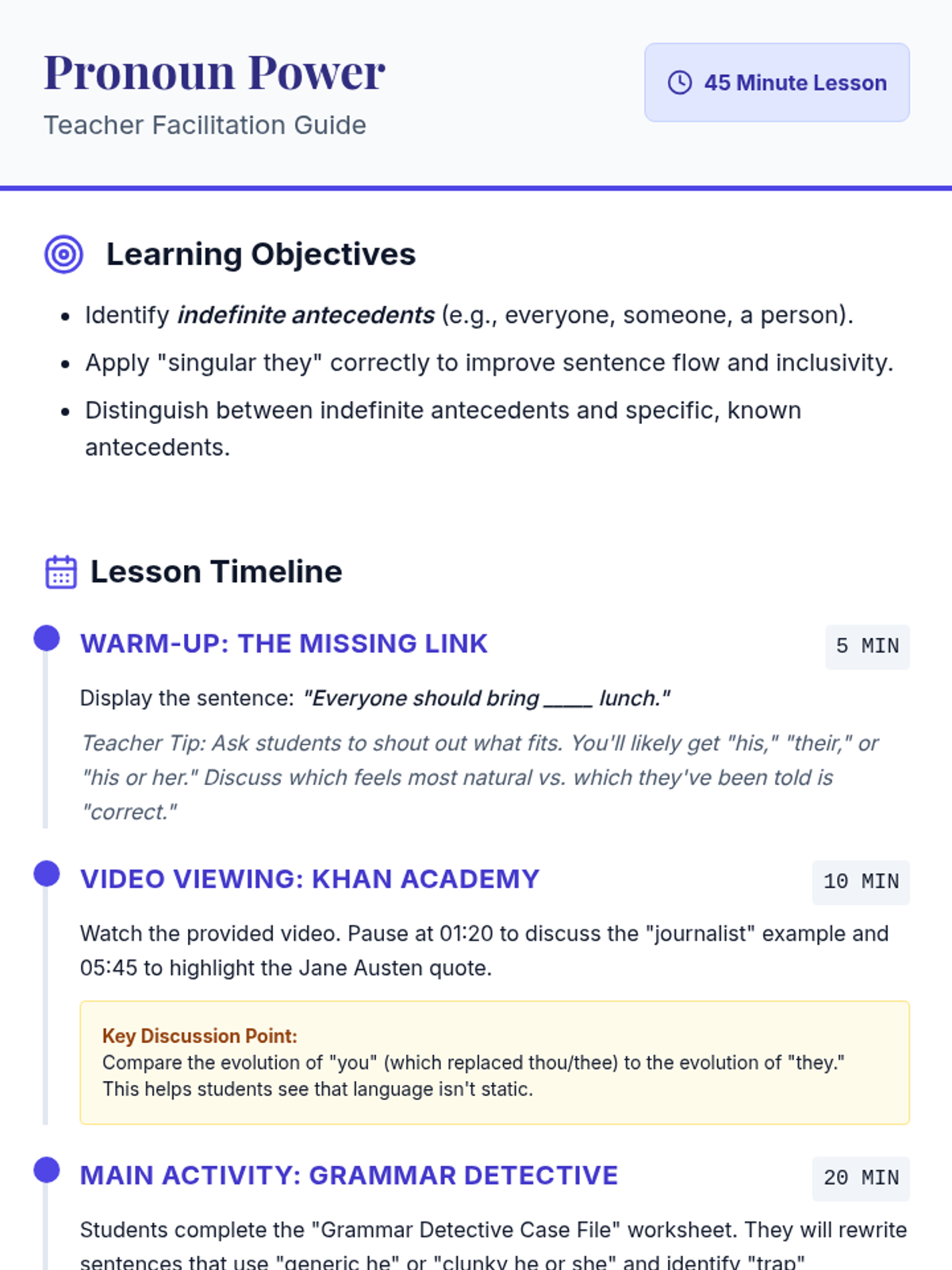
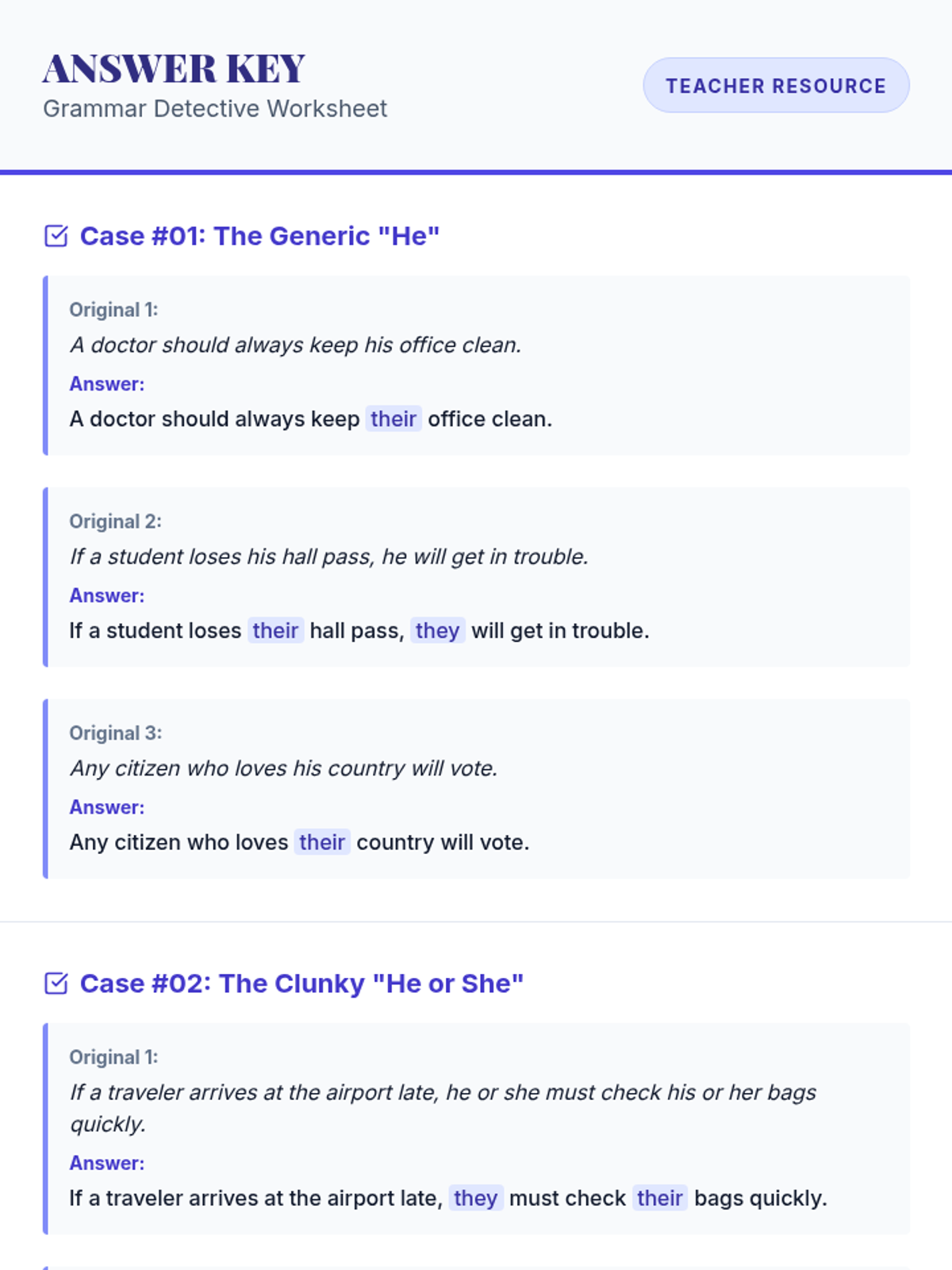
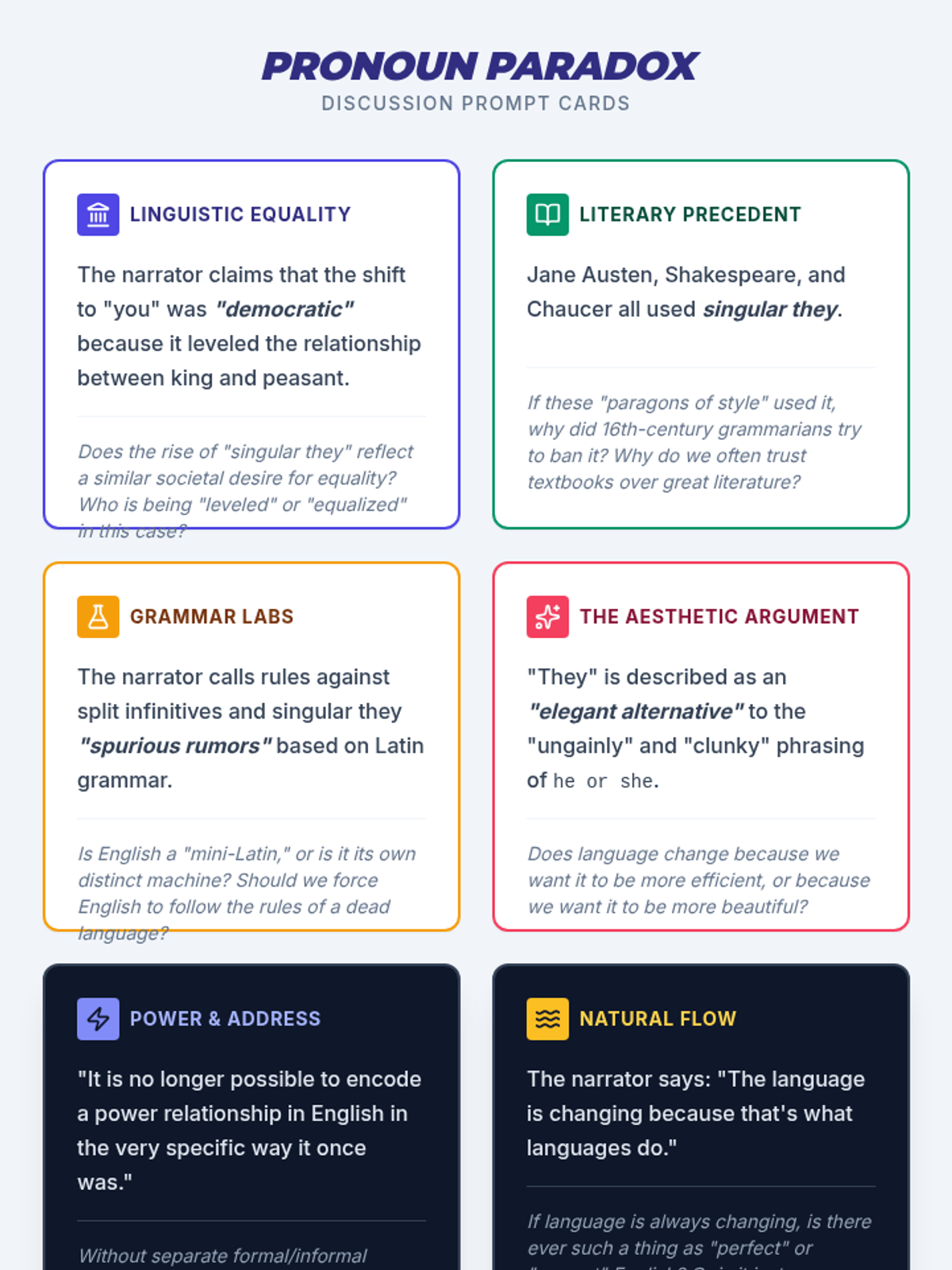
A High School Literature/AP English lesson exploring the conflict between prescriptive and descriptive grammar through the history of 'singular they' and the 'generic he'. Students analyze literary excerpts from Chaucer, Shakespeare, and Austen to evaluate how language evolves despite artificial rules.
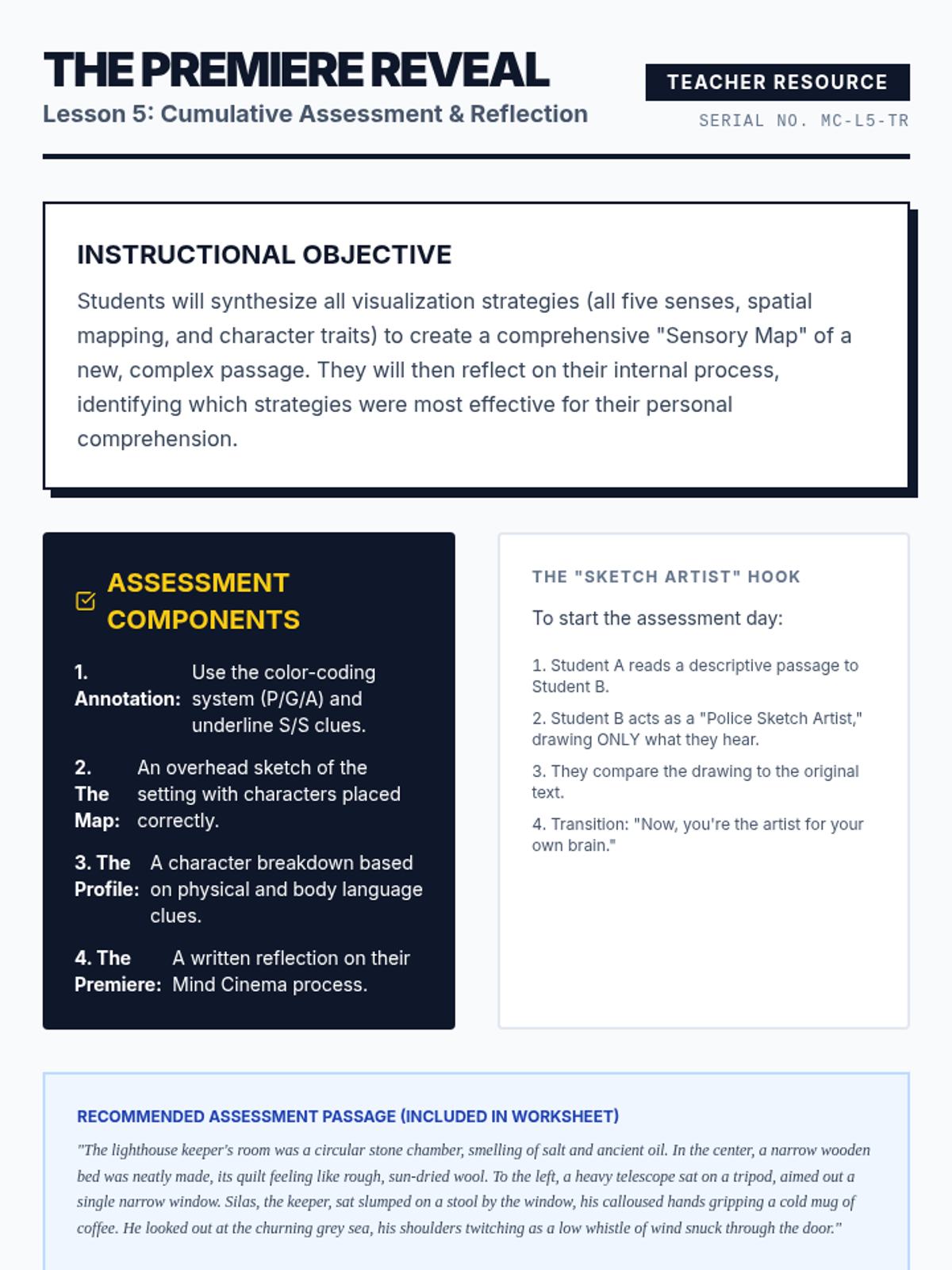
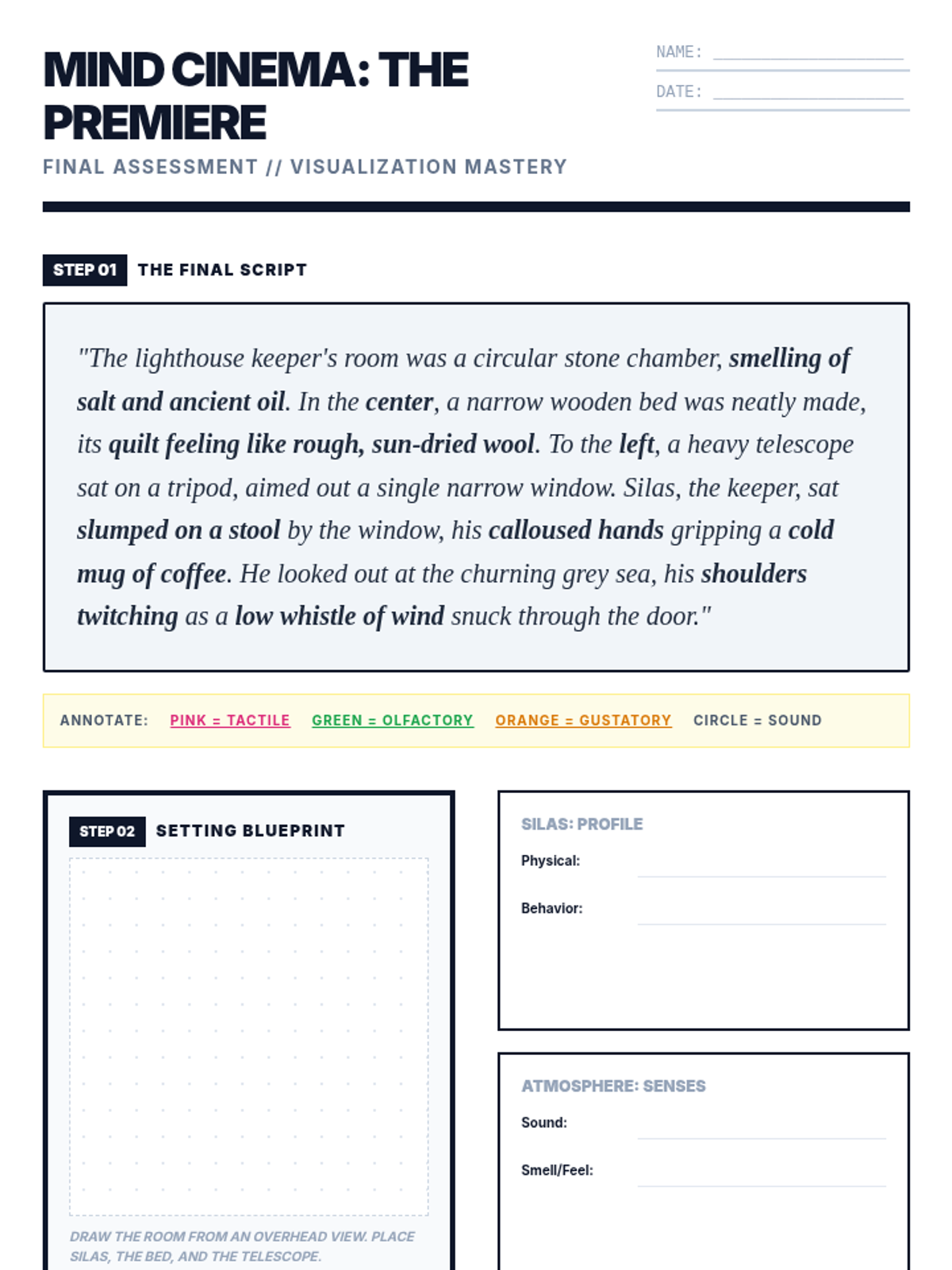
A cumulative assessment where students create a full sensory map of a new passage. They reflect on their visualization process and how it aids their overall comprehension.
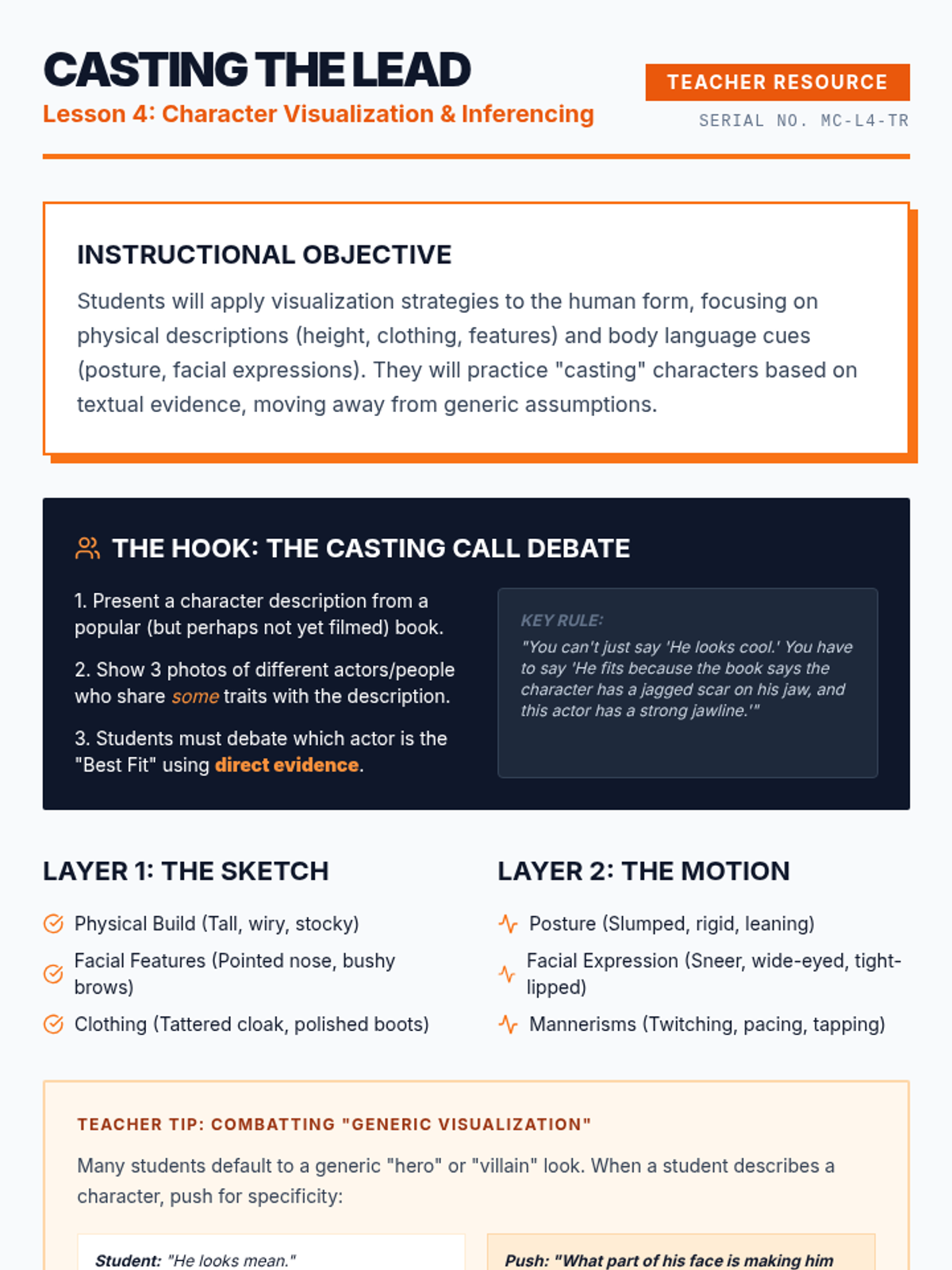
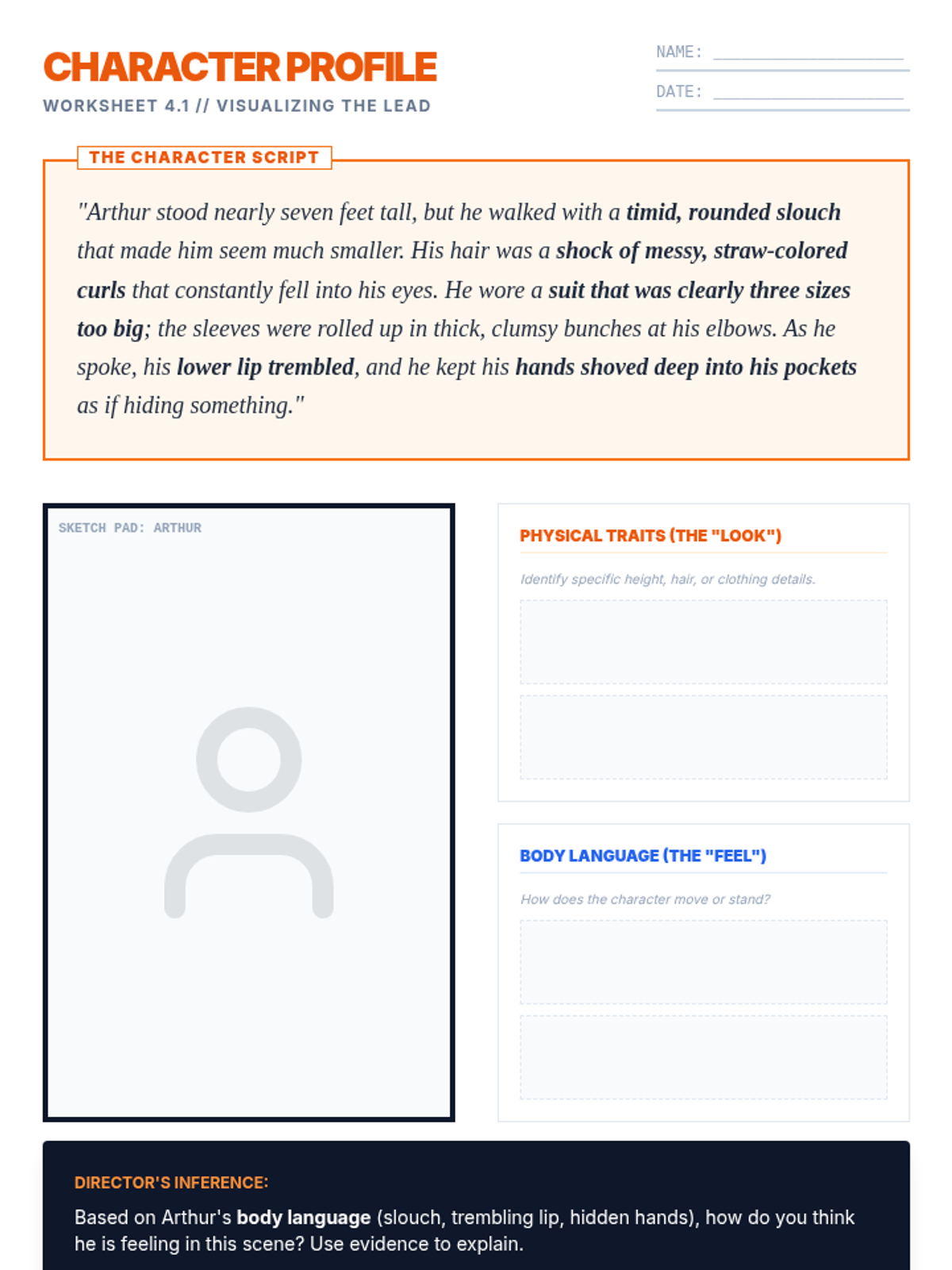
Students focus on character visualization, interpreting physical descriptions and body language. They practice 'casting' characters based on evidence rather than assumptions.
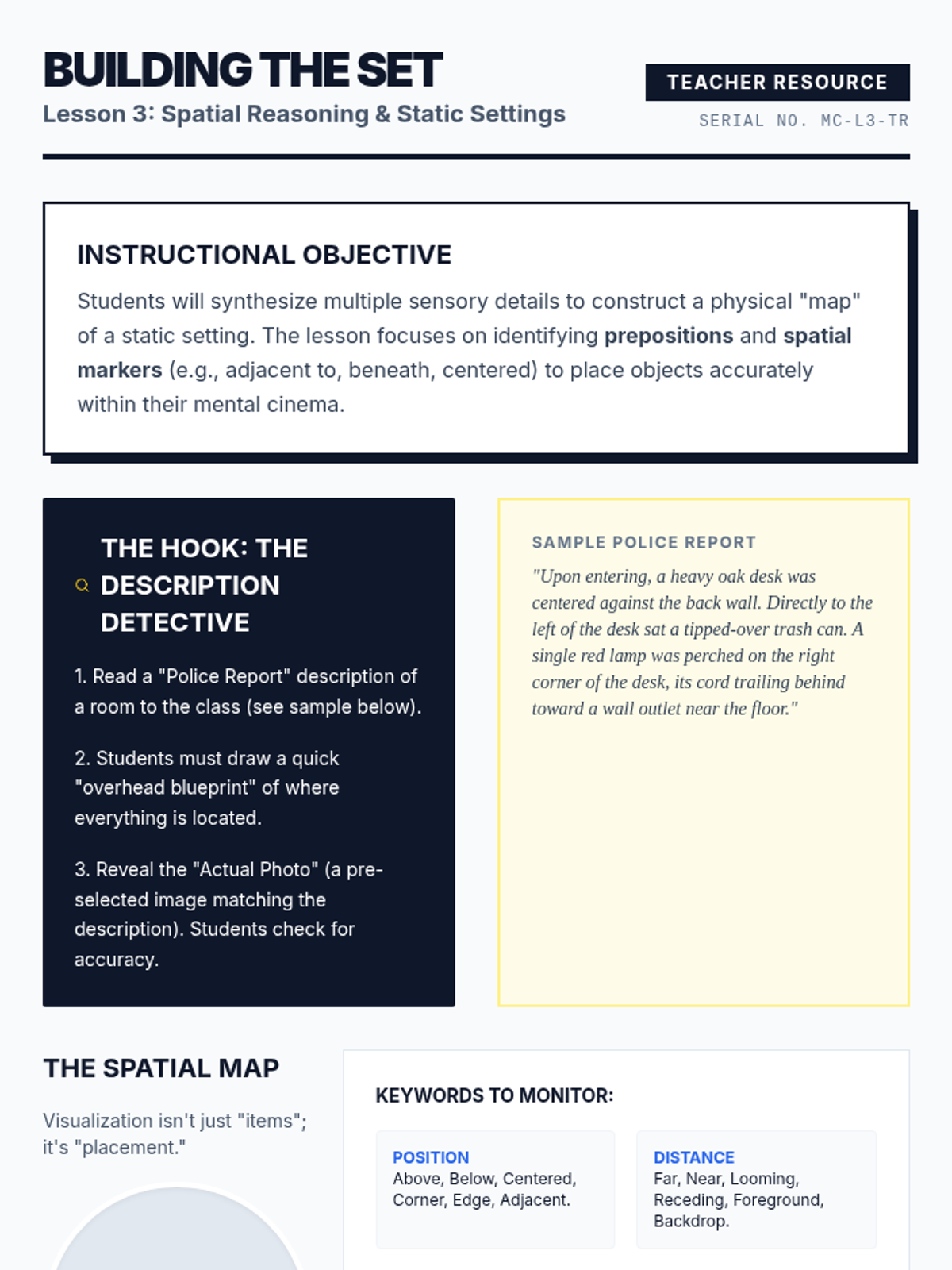
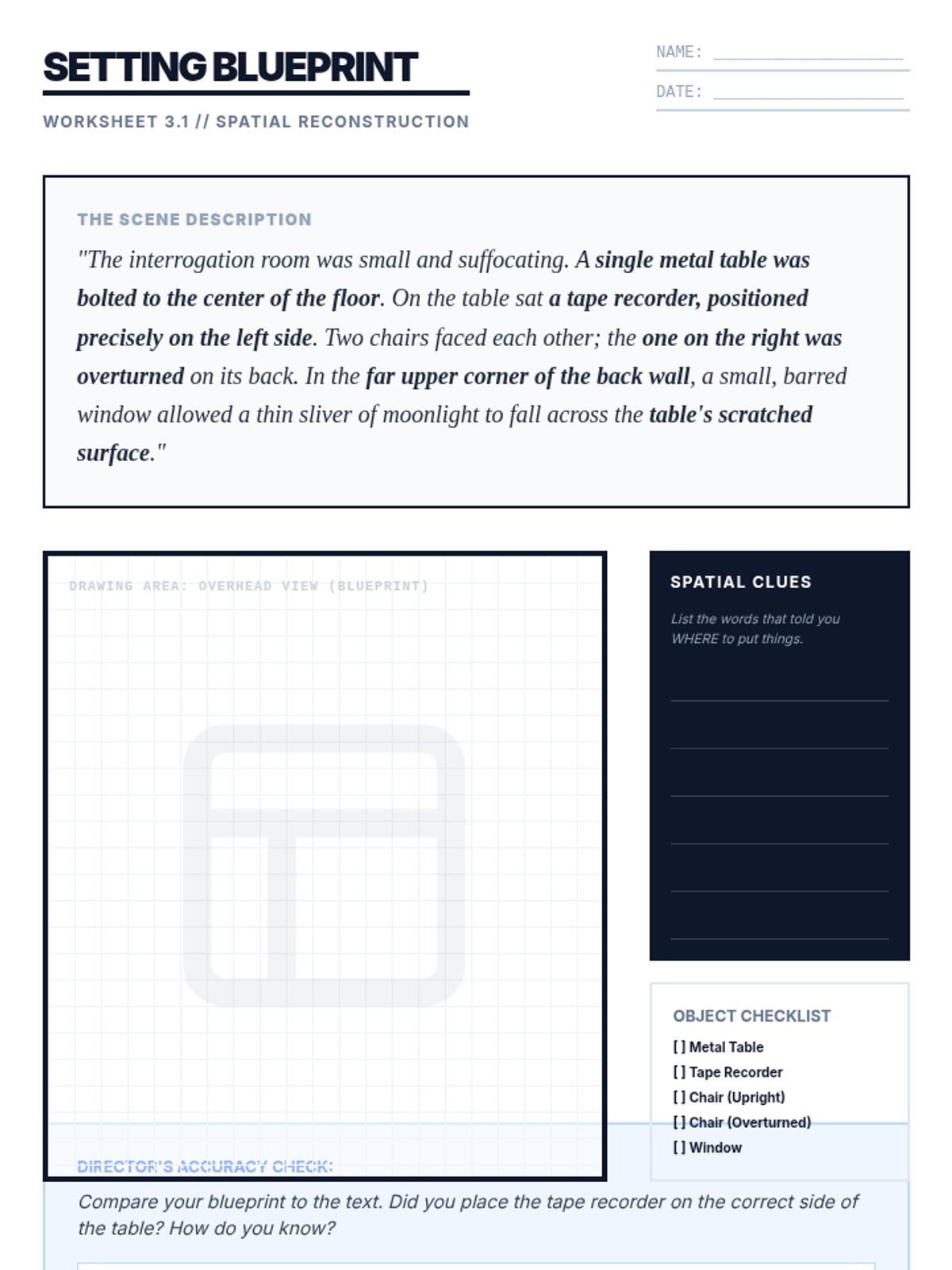
Students synthesize sensory details to map out a static setting. The focus is on using prepositions and spatial clues to accurately represent the physical environment of a text.
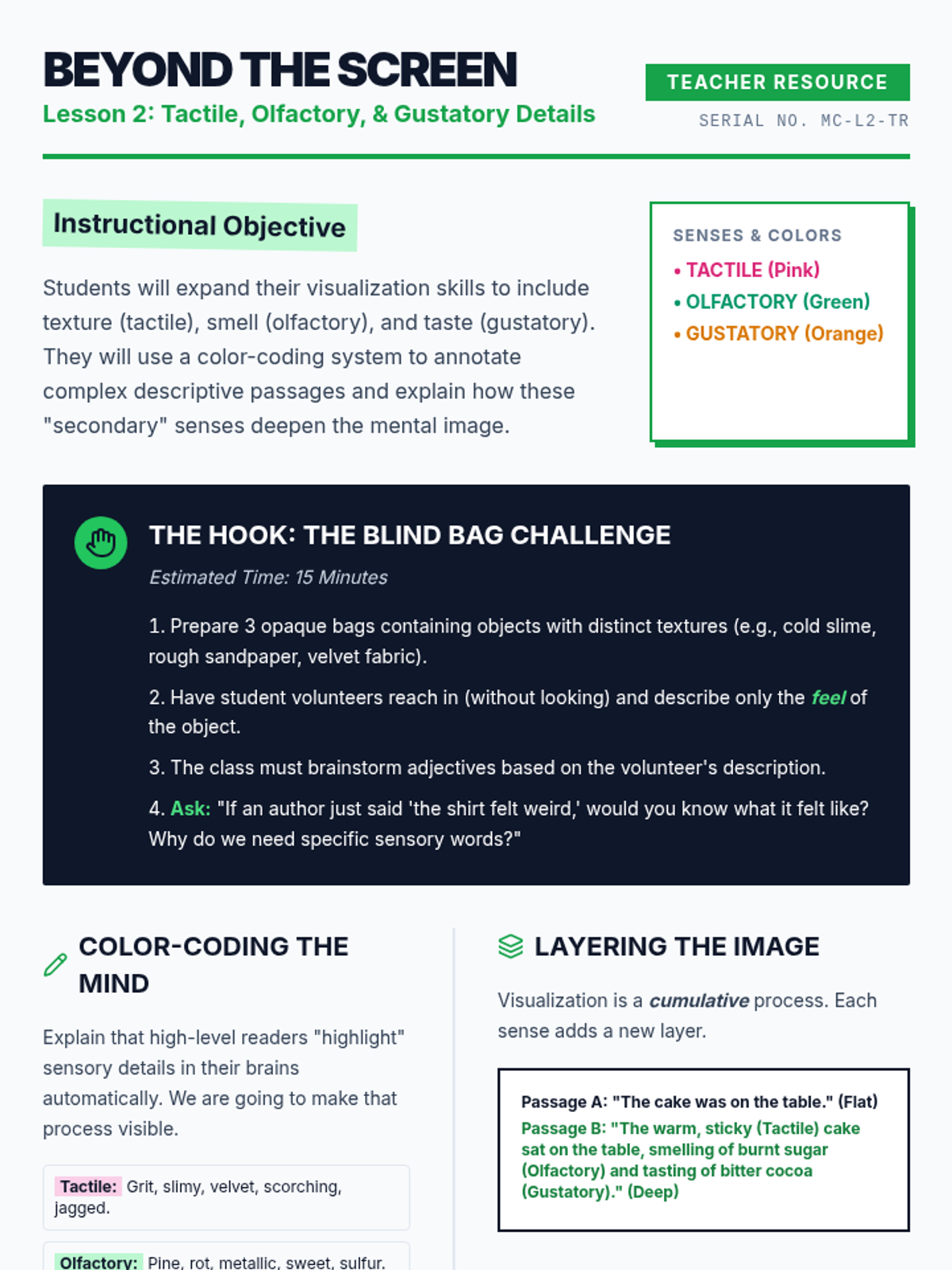
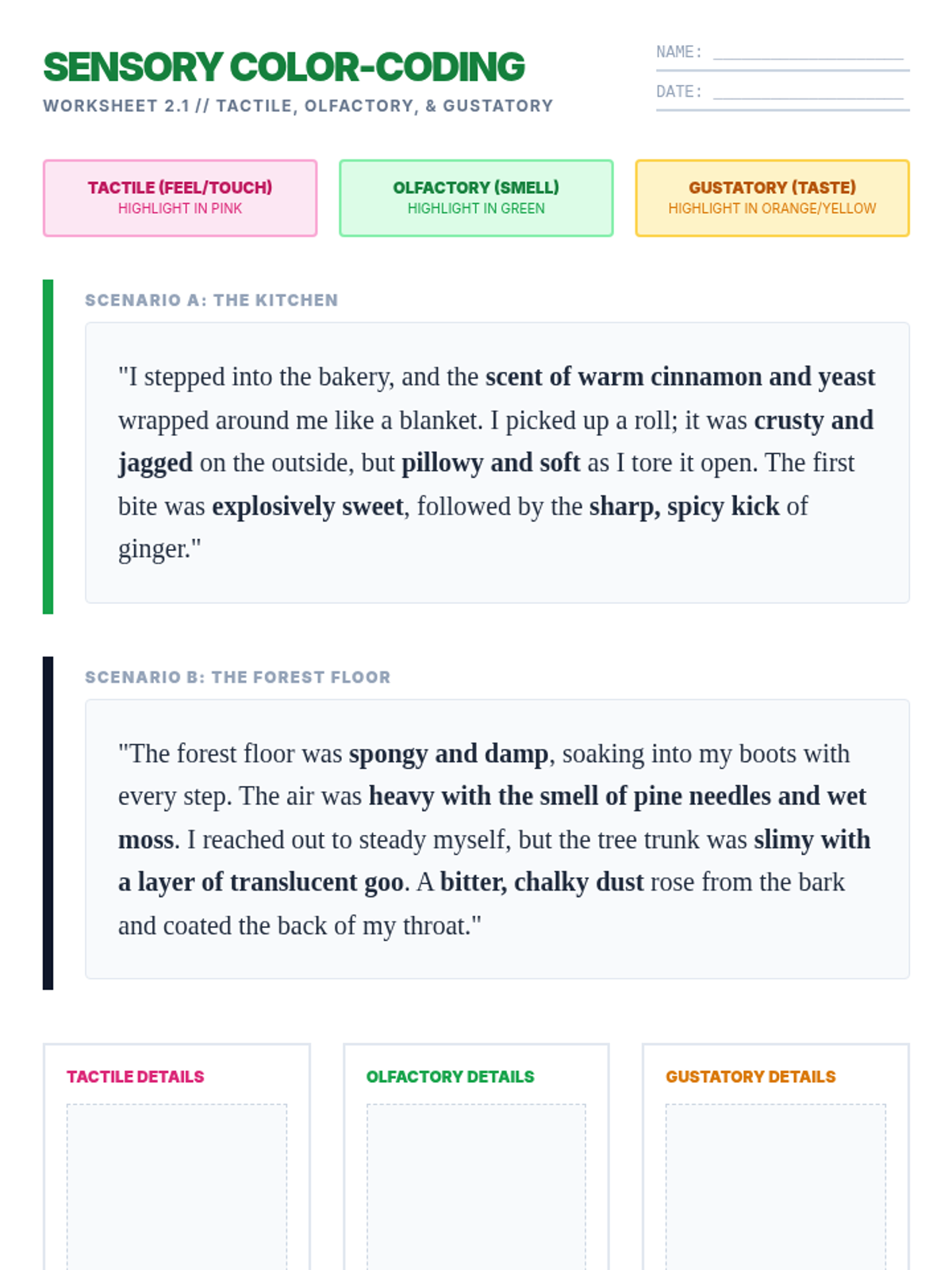
Students explore tactile, olfactory, and gustatory details. They use color-coded annotation to identify these less-dominant senses and discuss how they add texture to a scene.
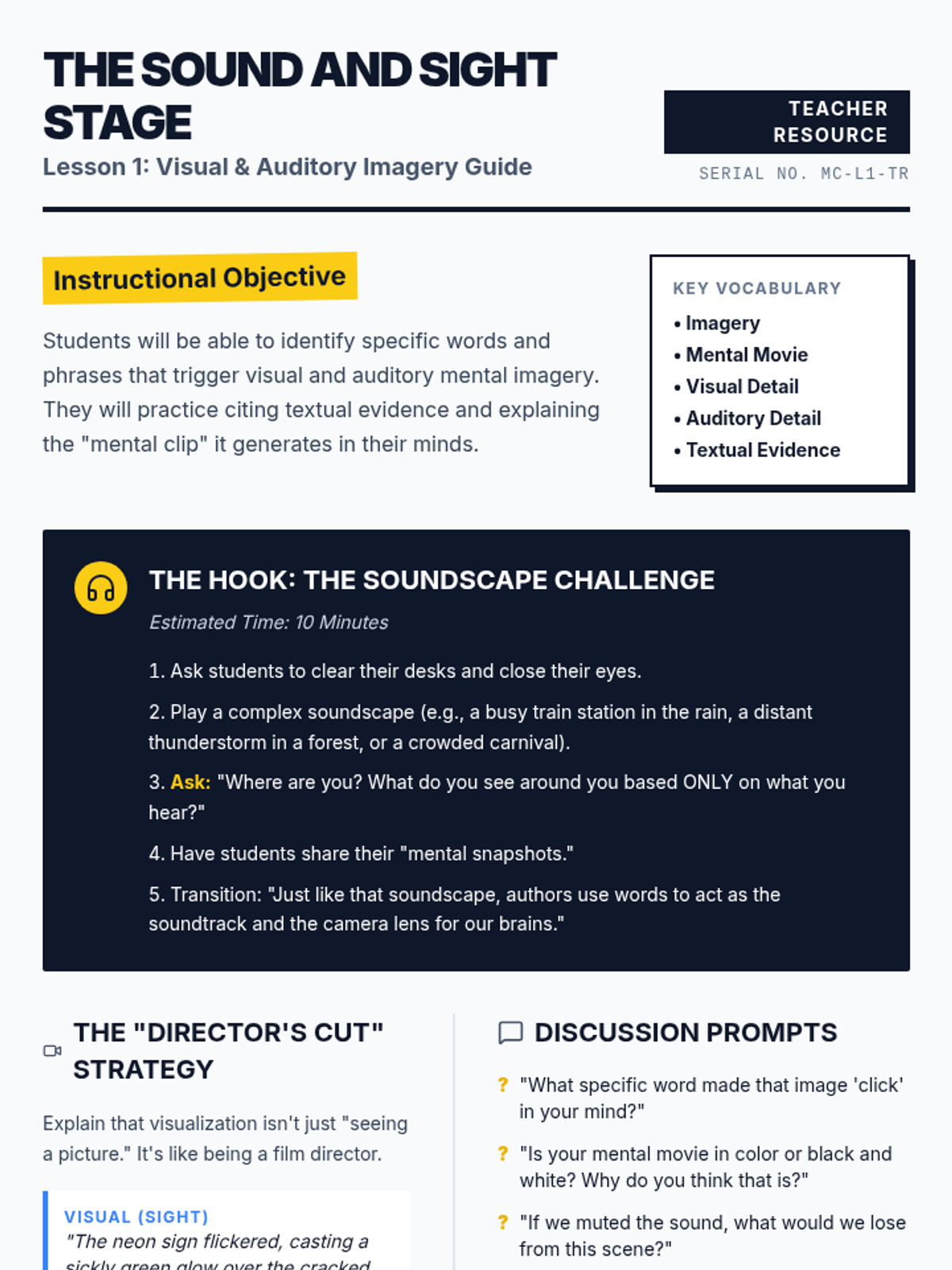
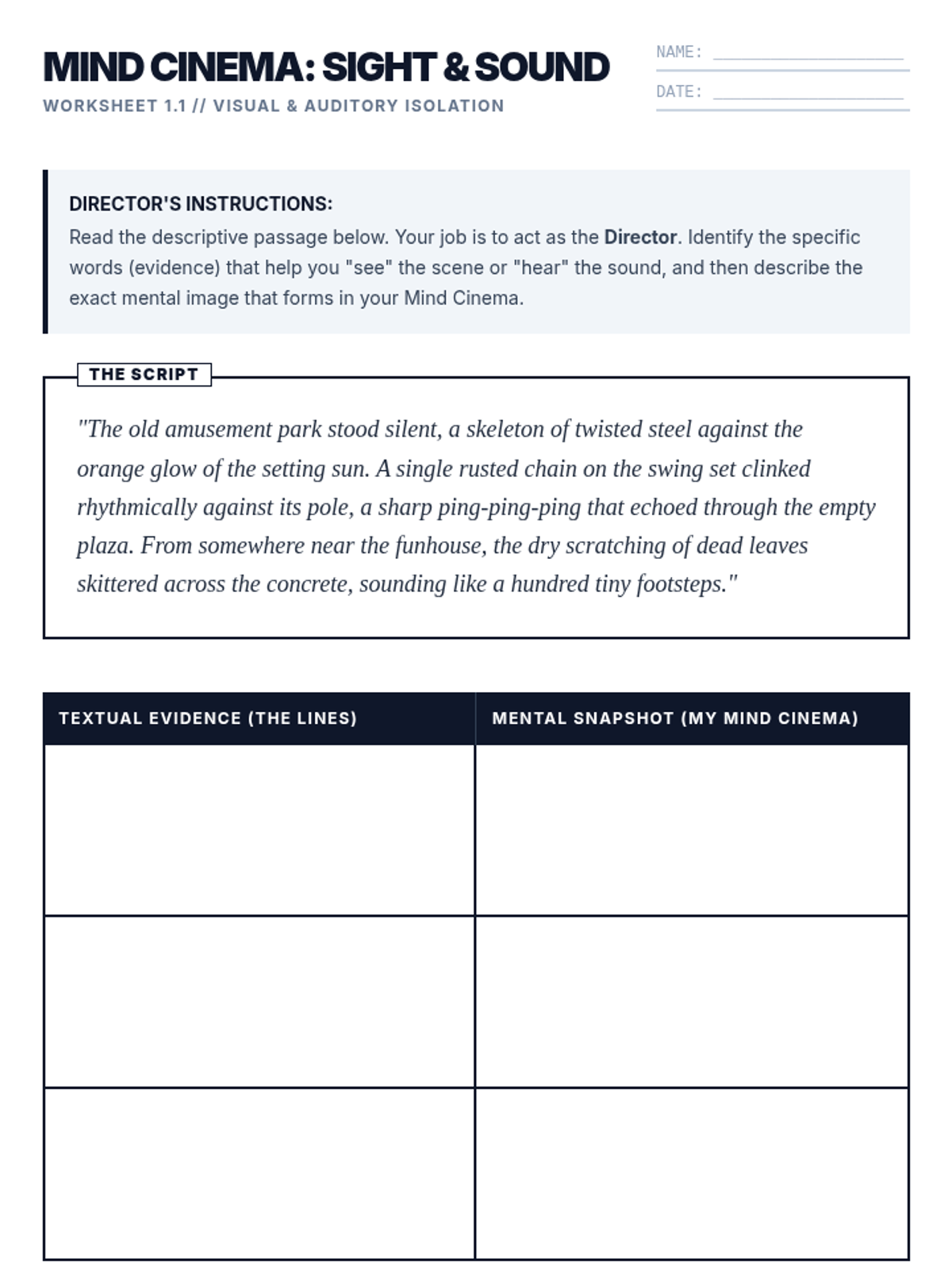
Students practice isolating visual and auditory imagery in text. They use two-column notes to connect specific textual evidence to the mental 'movies' they create.
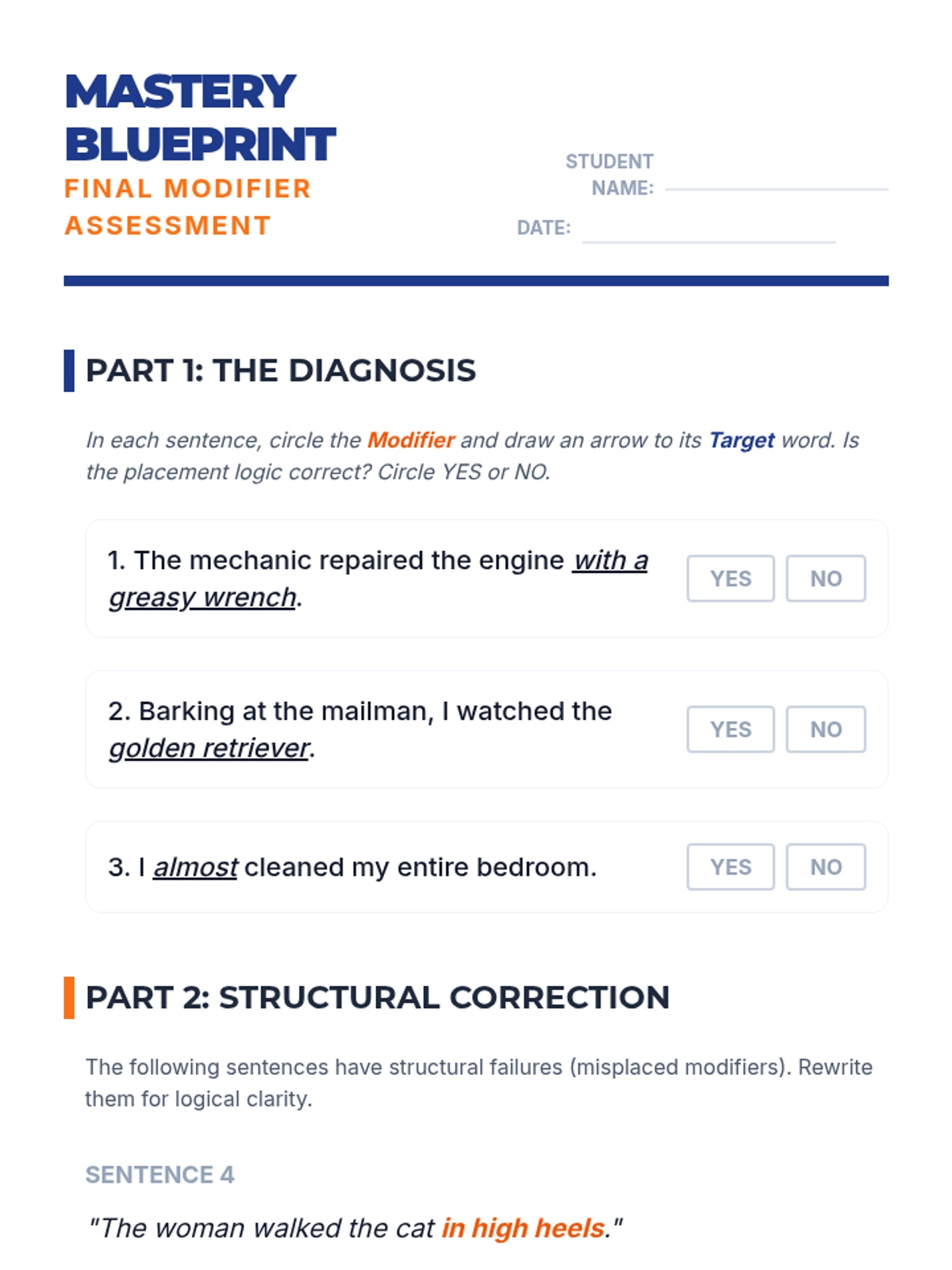
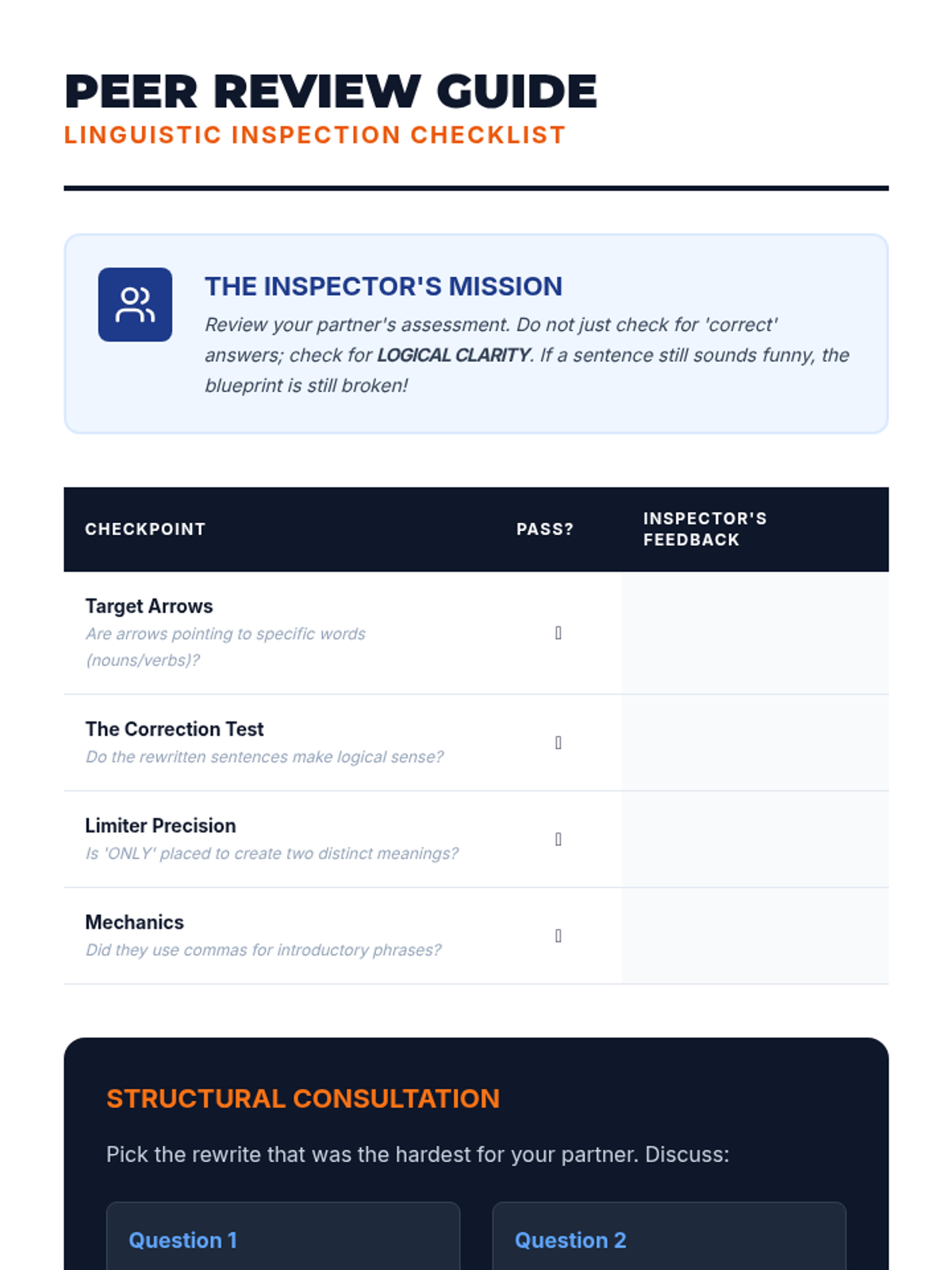
Students apply their skills to a mixed set of sentences, distinguishing between correct and incorrect placements. They engage in a peer-review session to explain their corrections.
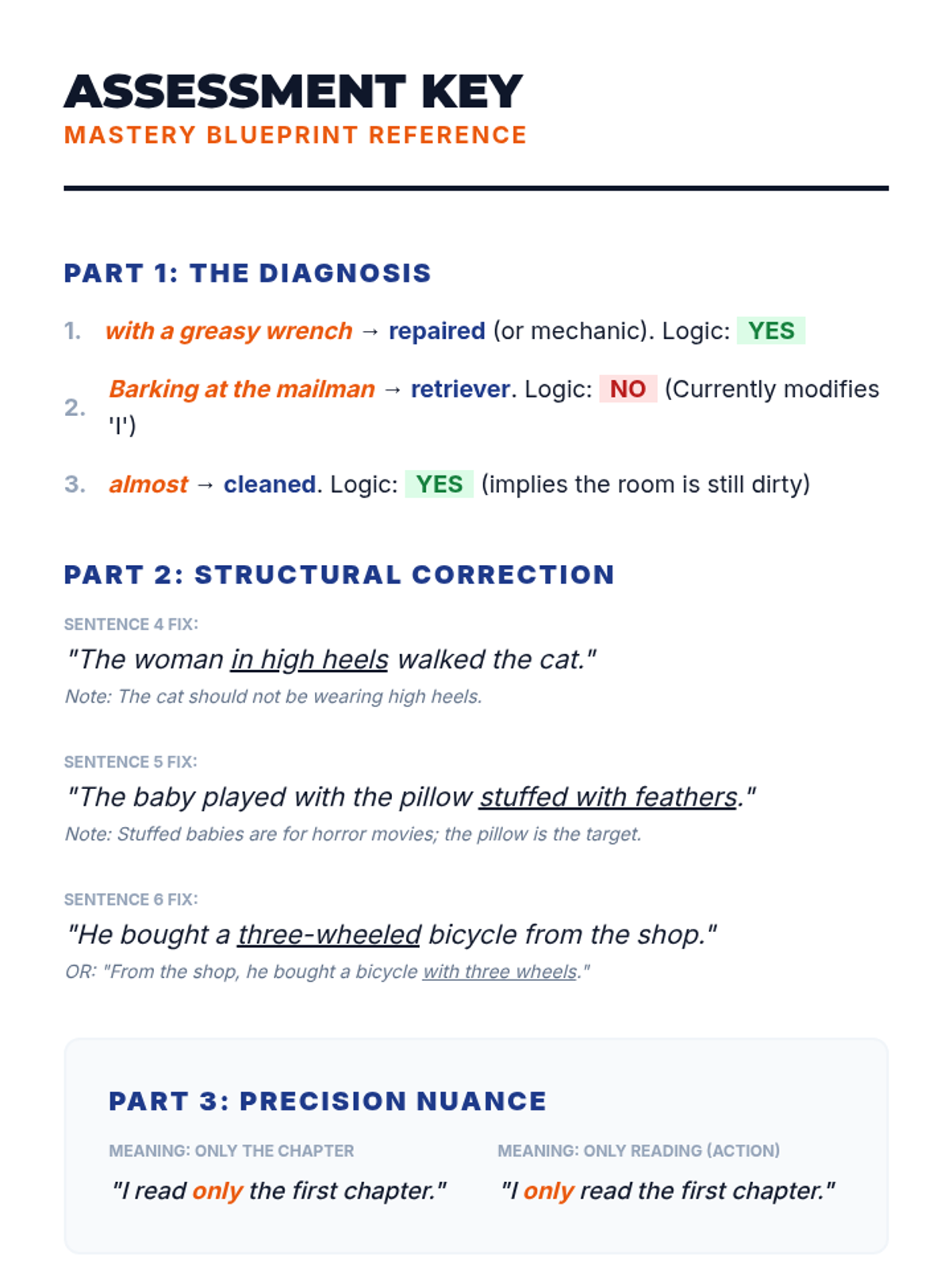
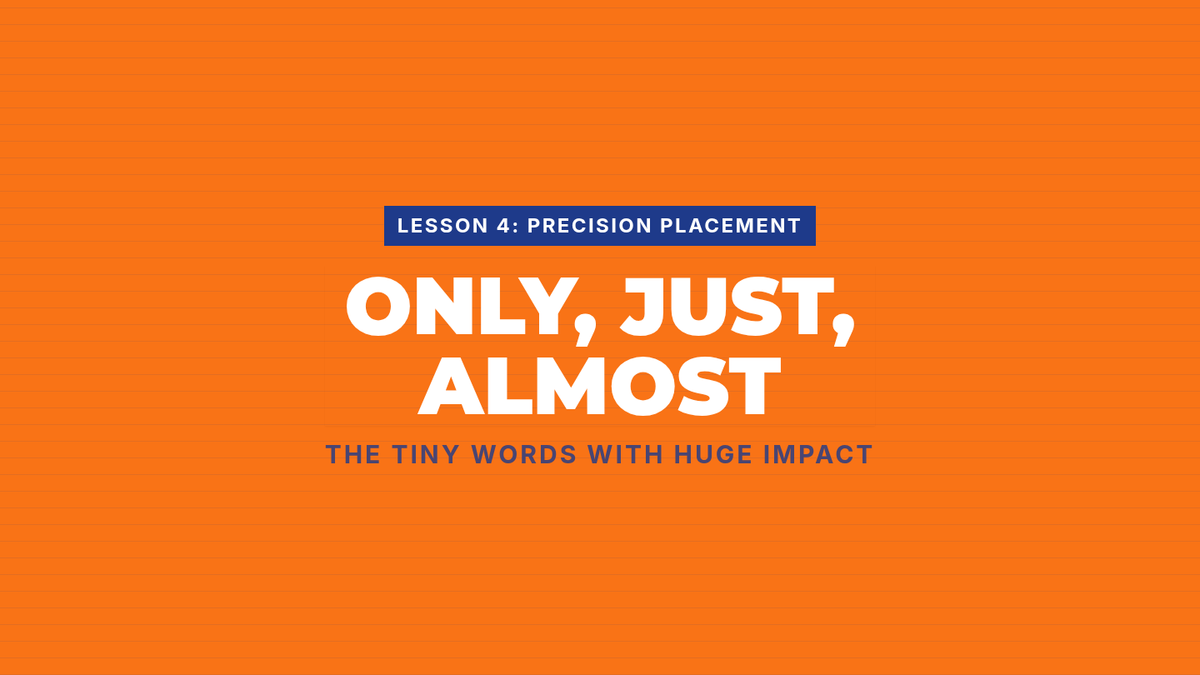
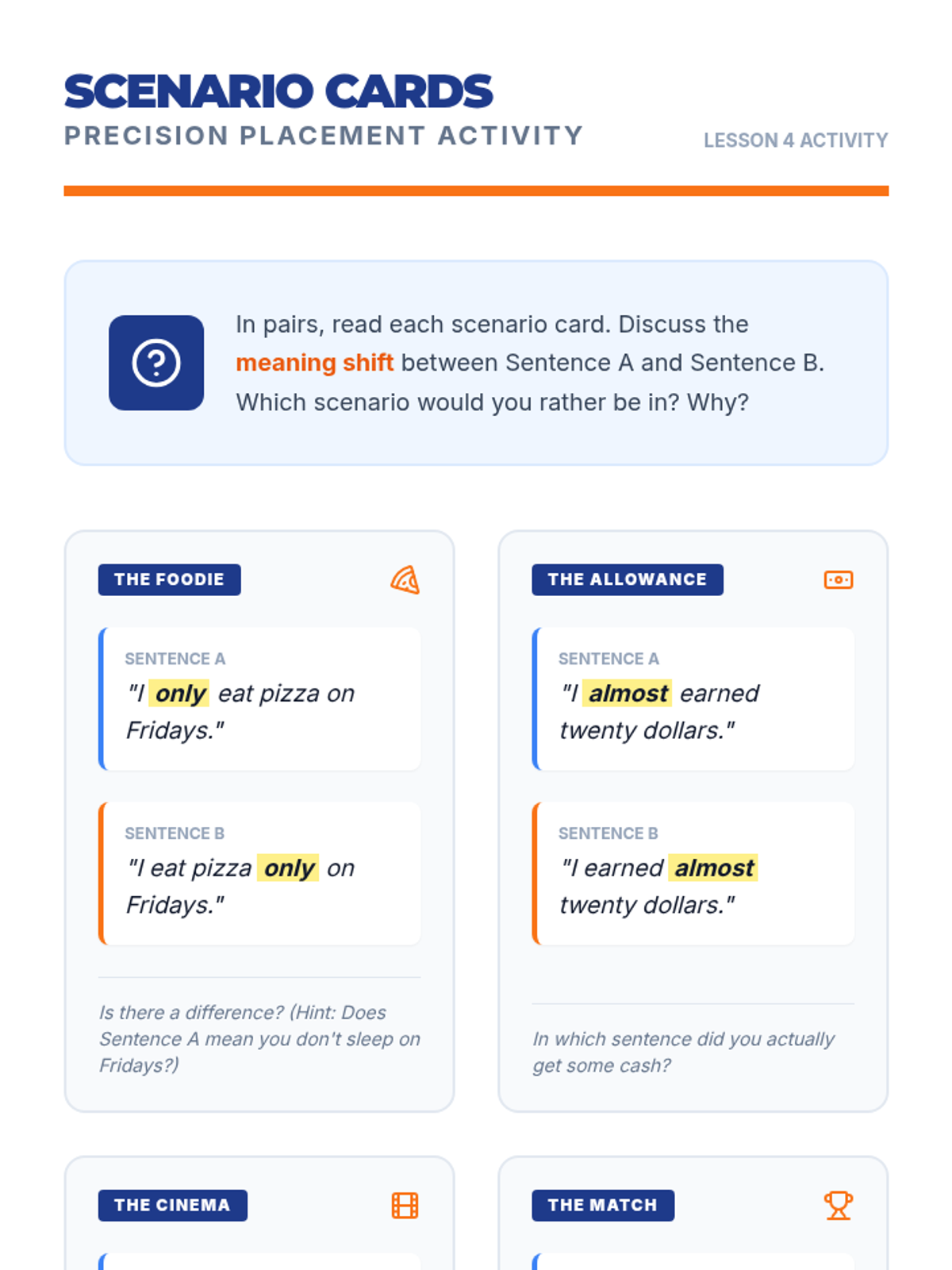
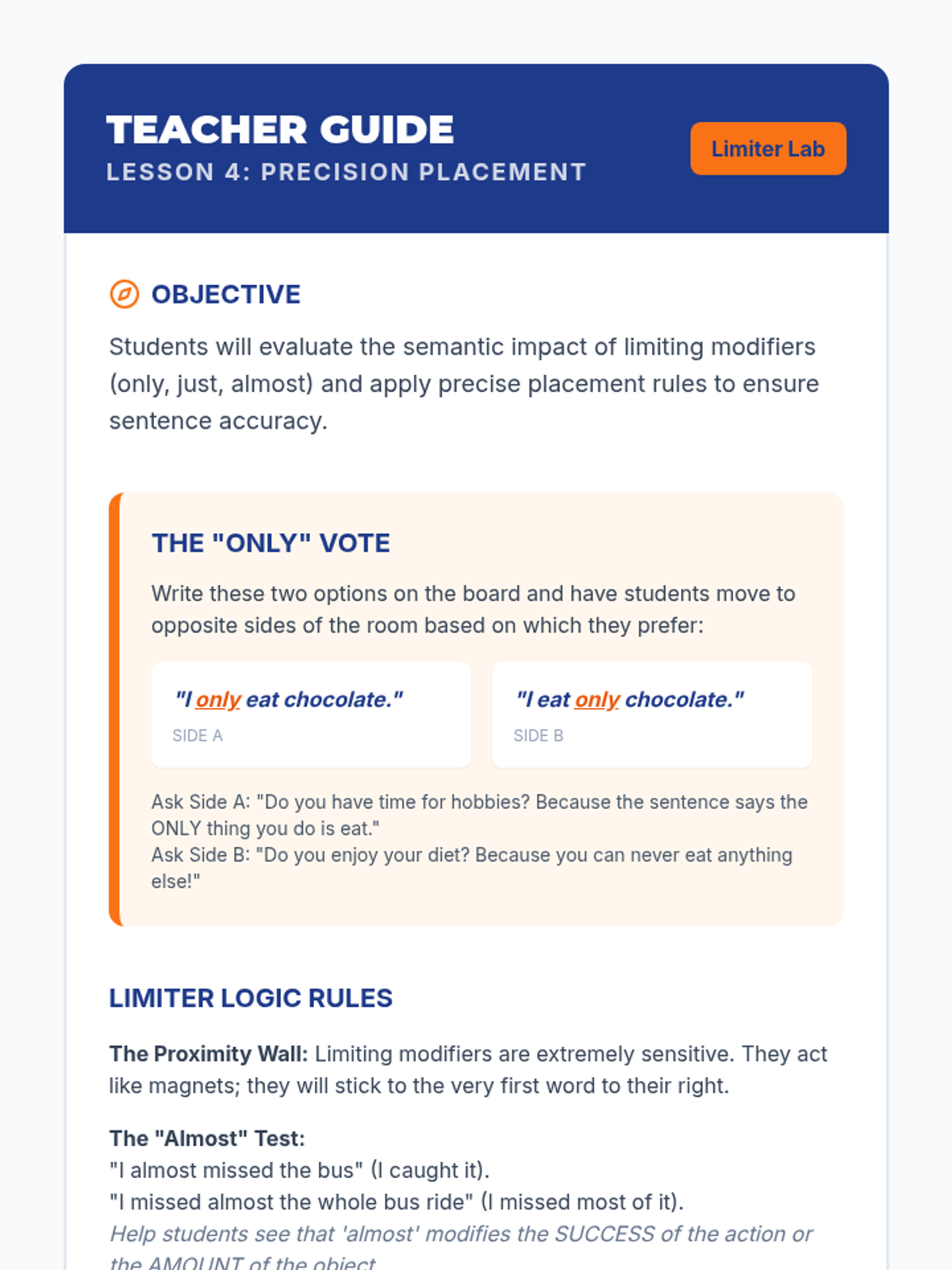
This lesson focuses on the tricky placement of limiting modifiers like 'only,' 'just,' and 'almost.' Students analyze how moving these single words completely alters the scenario described.
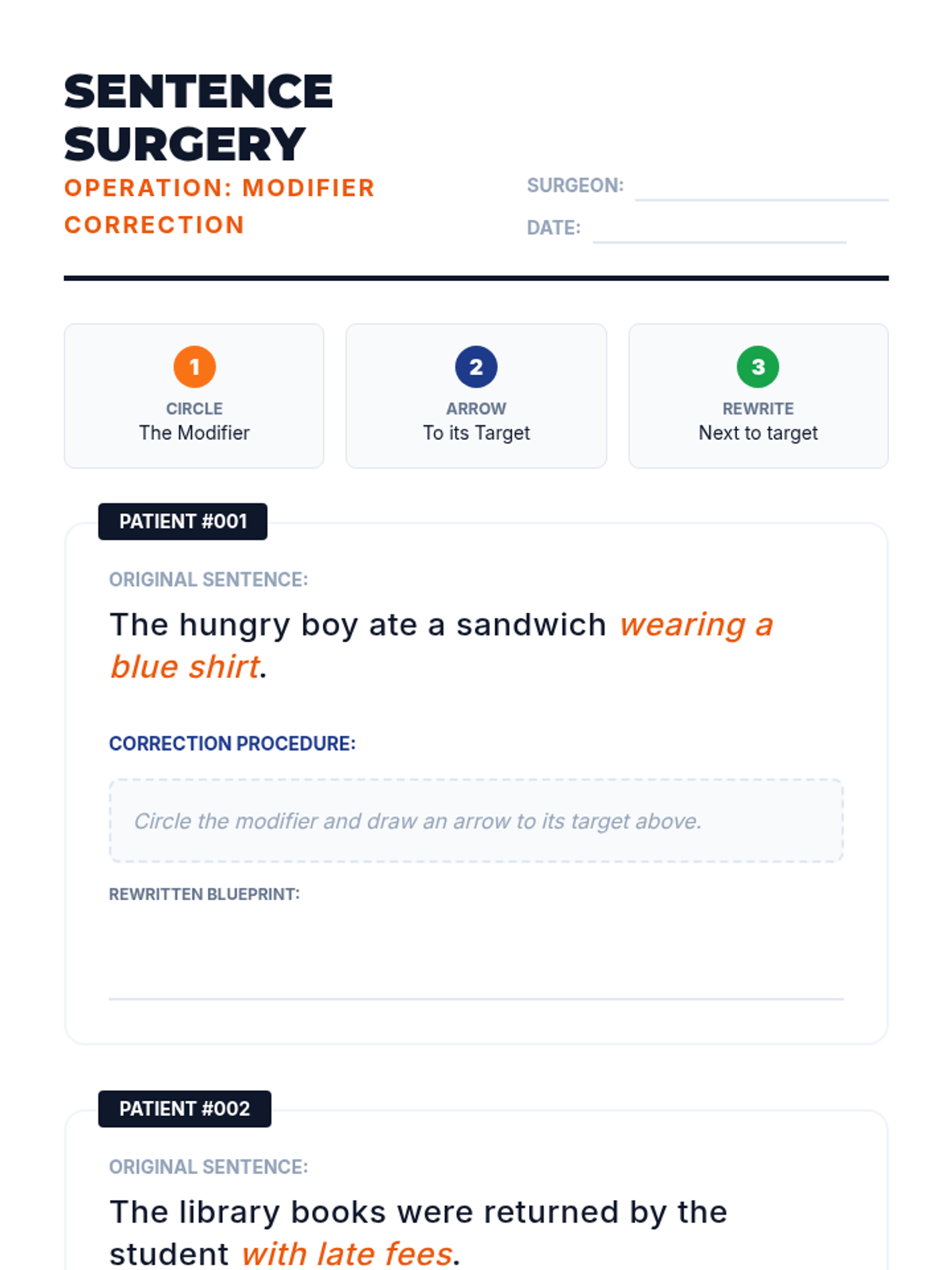
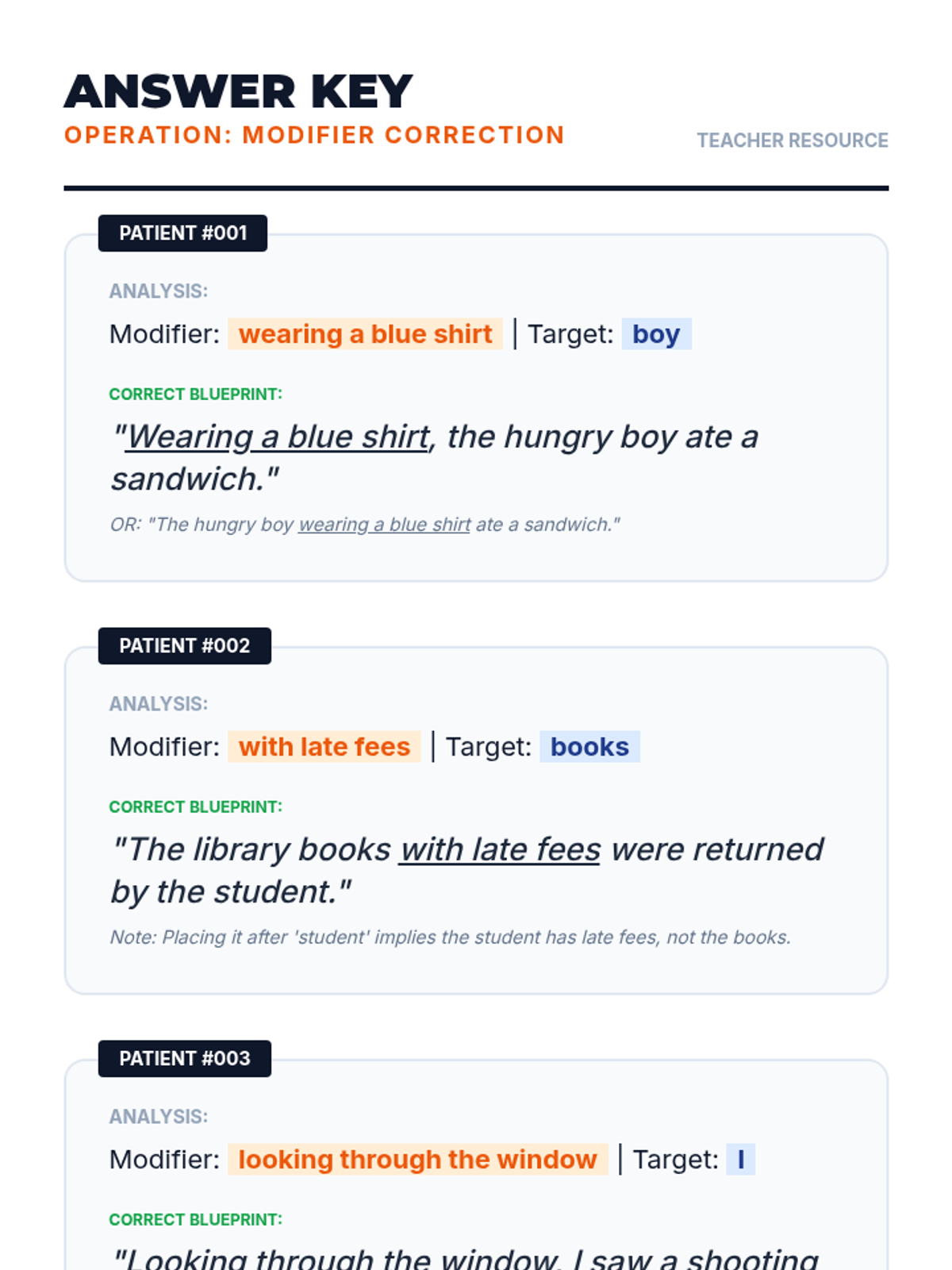
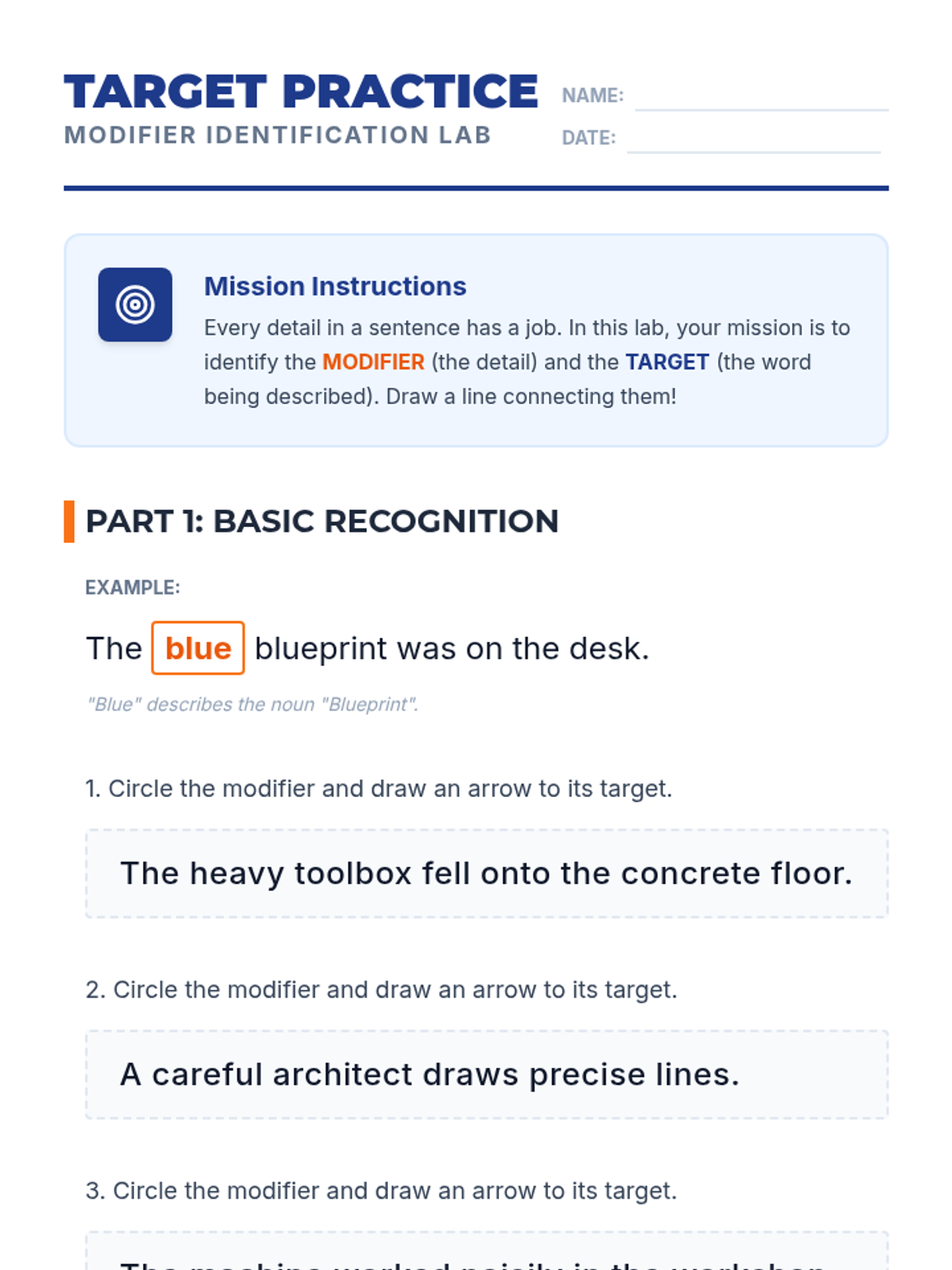
Students are presented with sentences containing modifiers separated from their subjects. They utilize a step-by-step process: circle the modifier, draw an arrow to the target, and rewrite the sentence if the arrow crosses another noun.
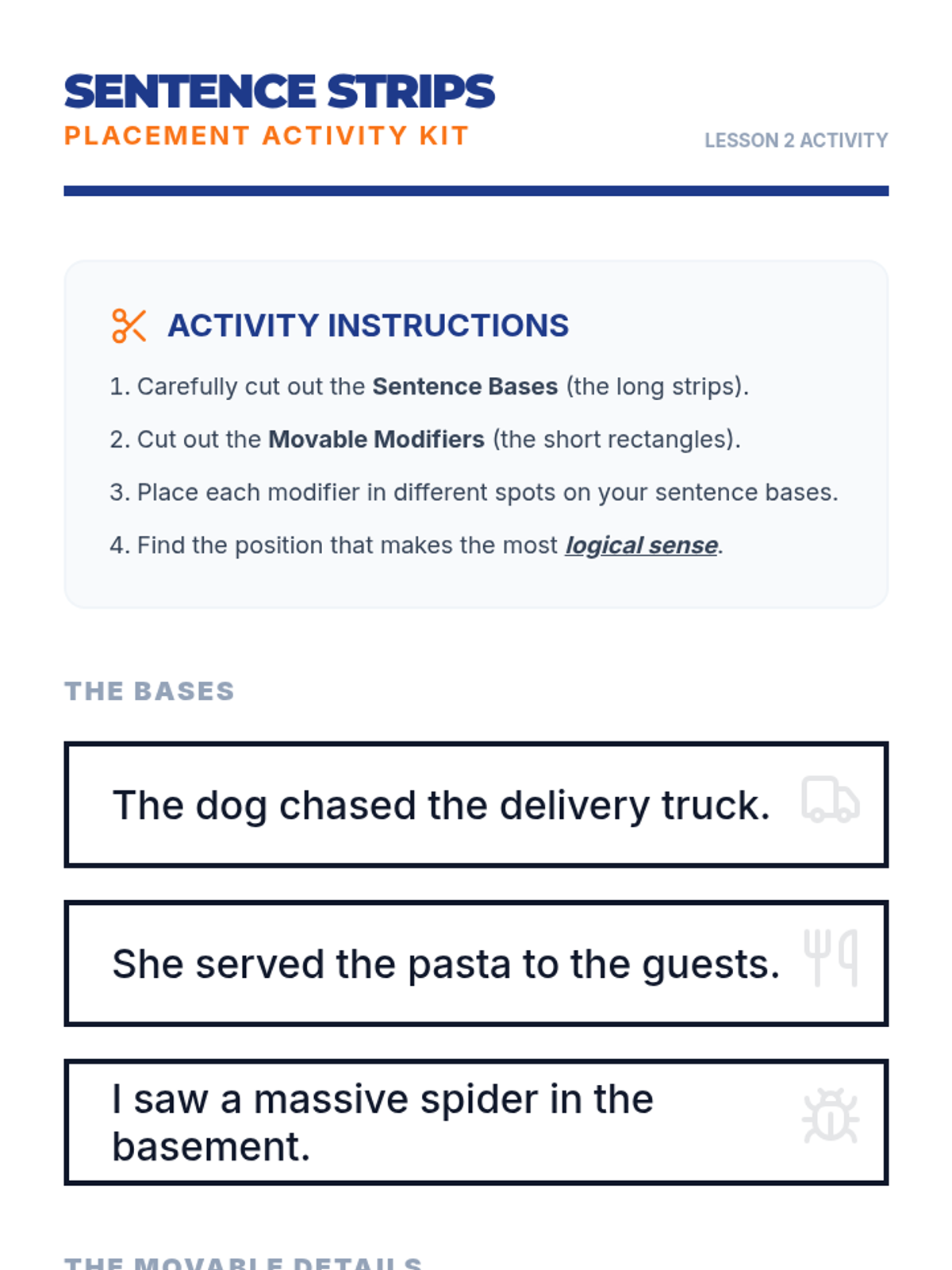
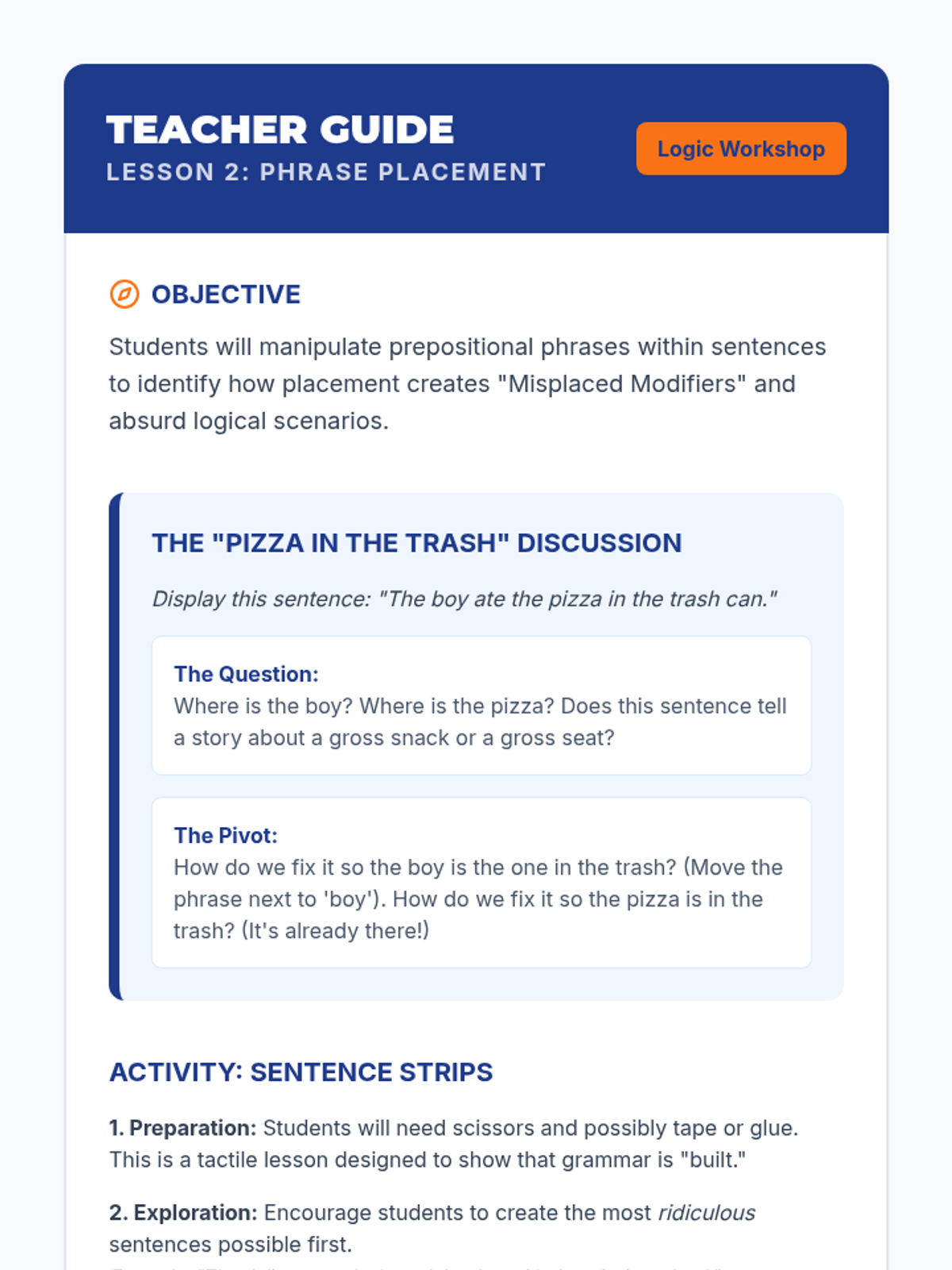
Students focus specifically on prepositional phrases acting as modifiers. They practice moving these phrases to different spots in a sentence to see which position makes the most logical sense.
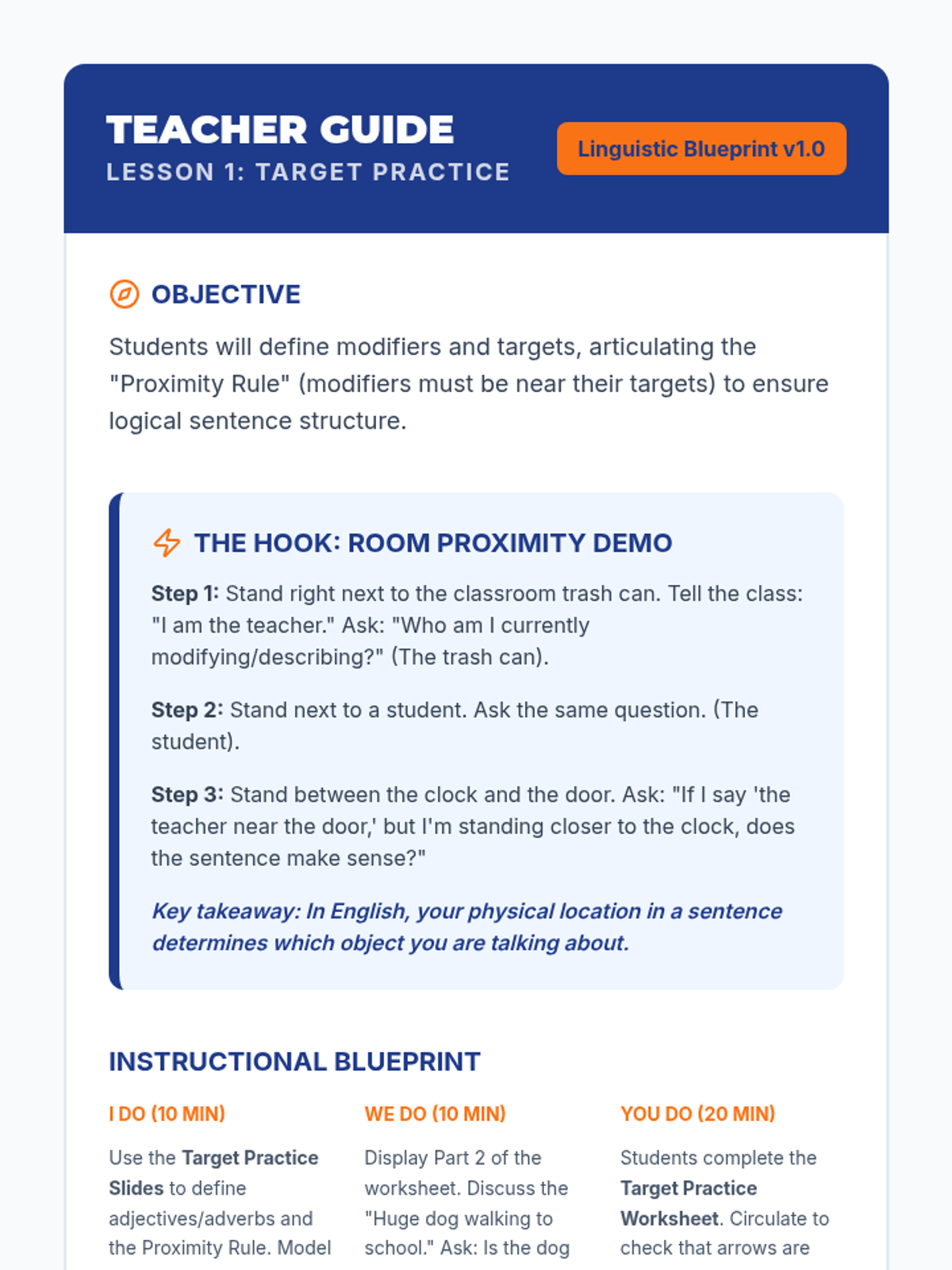
Students review the definition of modifiers (adjectives and adverbs) and identify the specific nouns or verbs they describe in sample sentences. The class explores the 'Proximity Rule,' establishing that modifiers belong next to their targets.
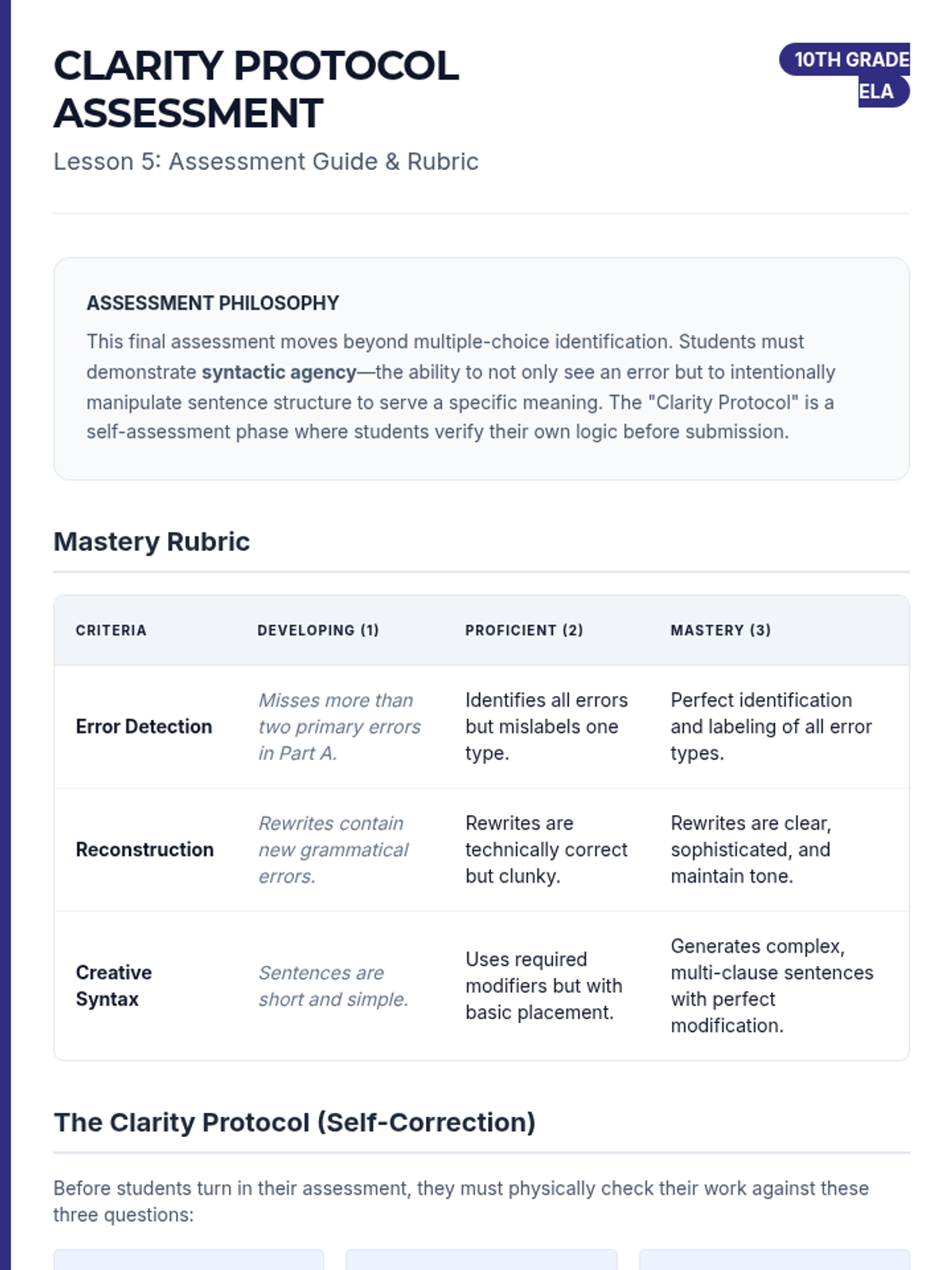
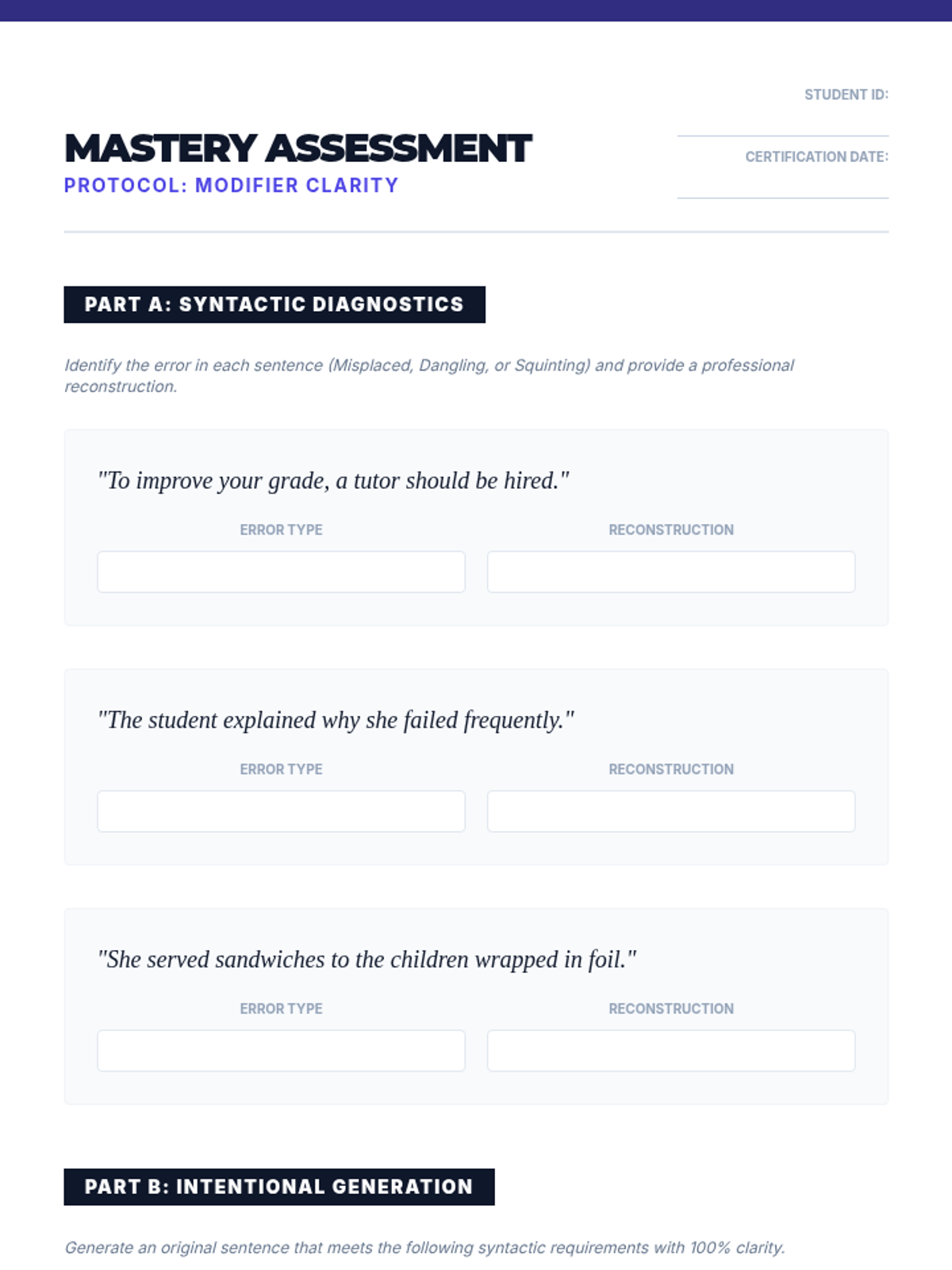
Final assessment of modifier proficiency through complex sentence construction and self-correction protocols.
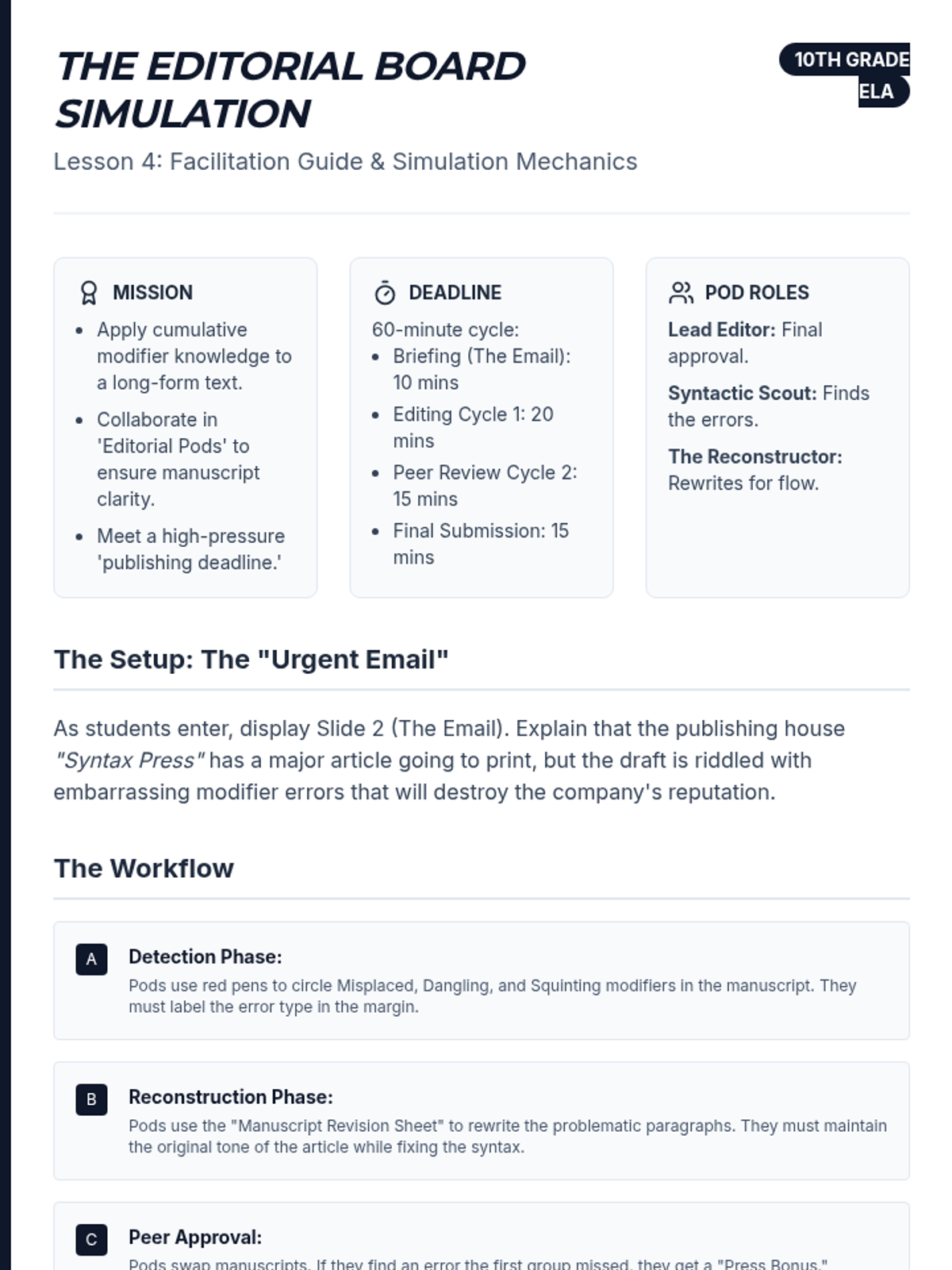
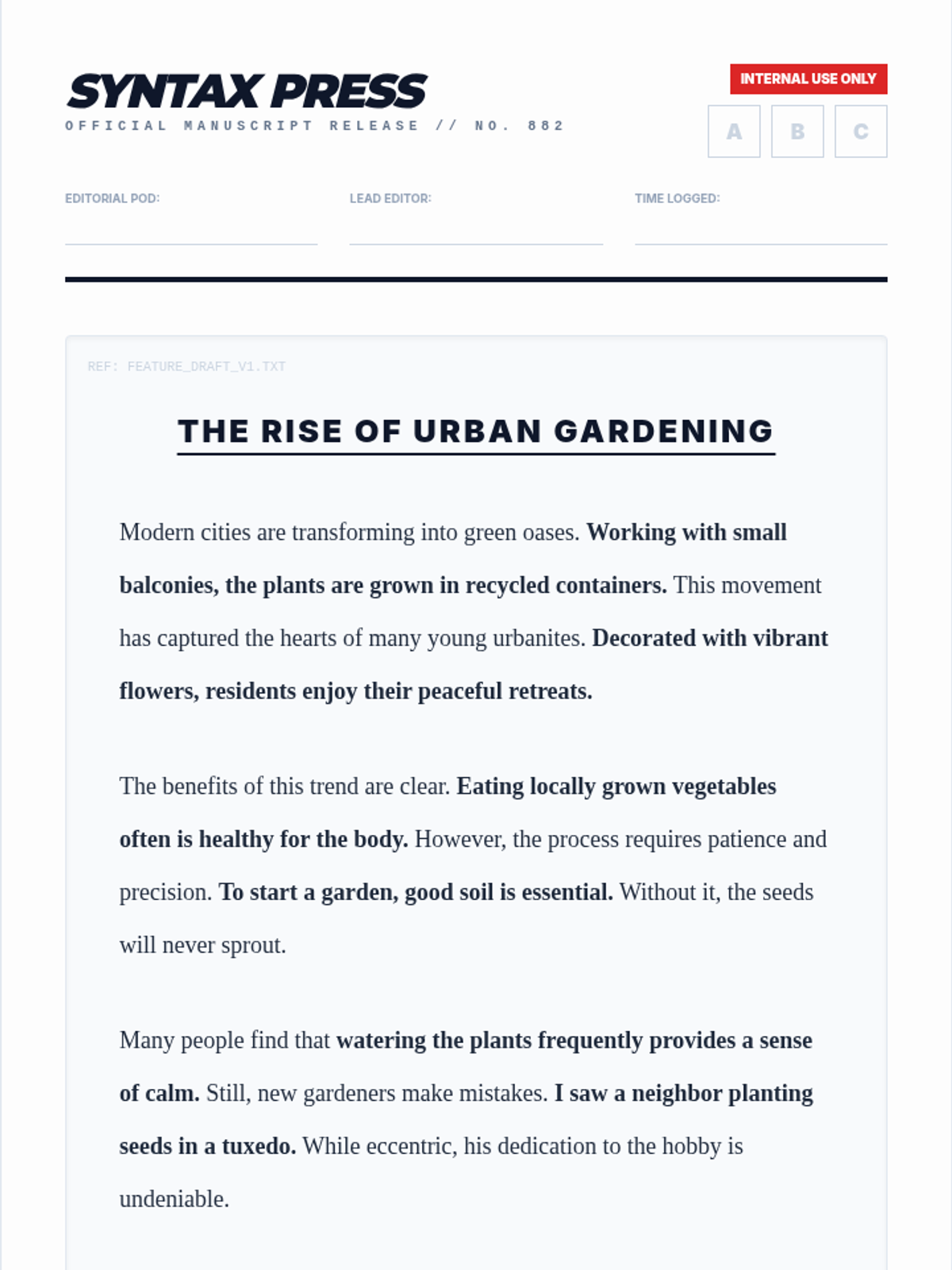
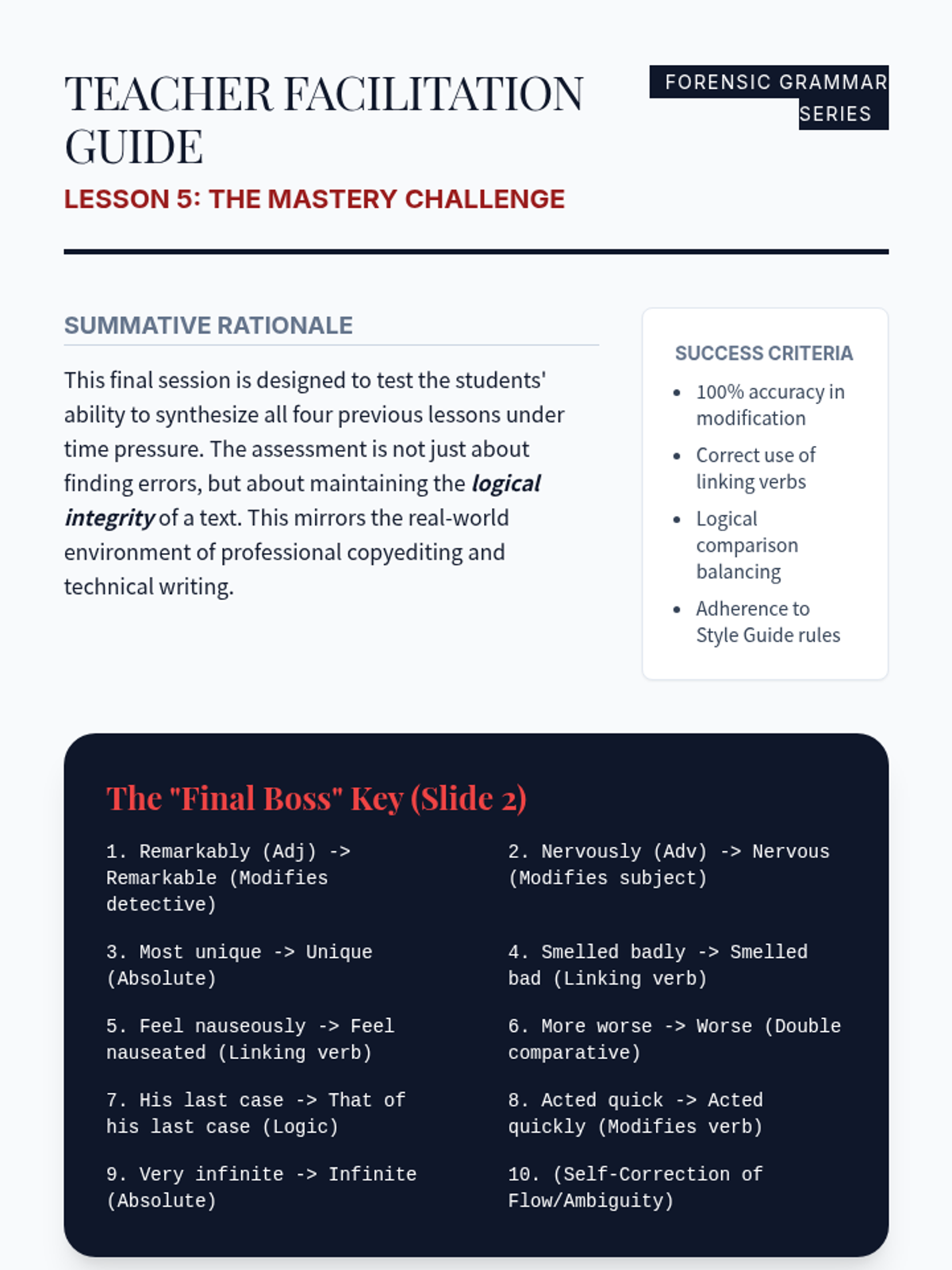
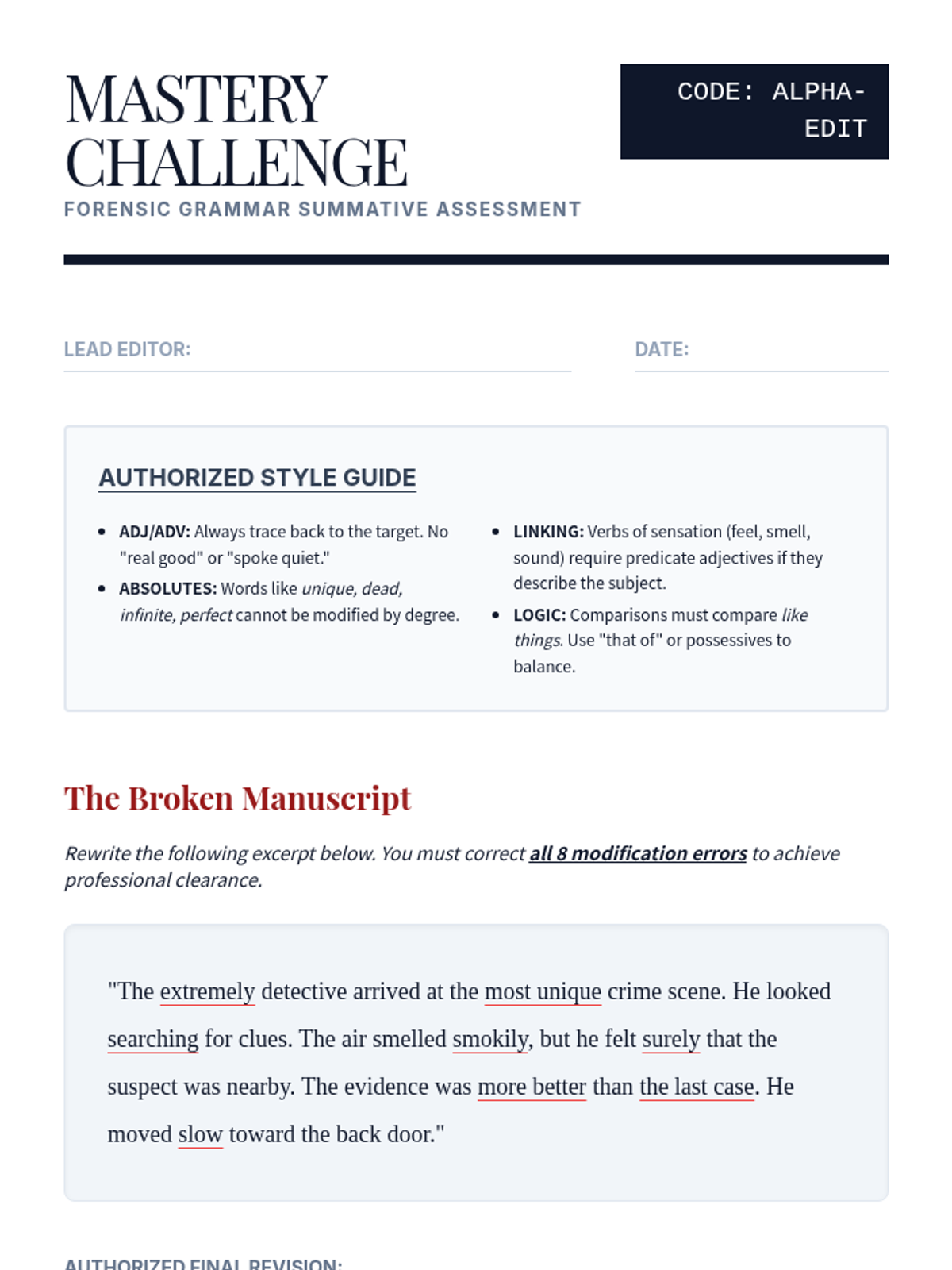
A collaborative simulation where students act as editors to repair structural errors in a full manuscript.
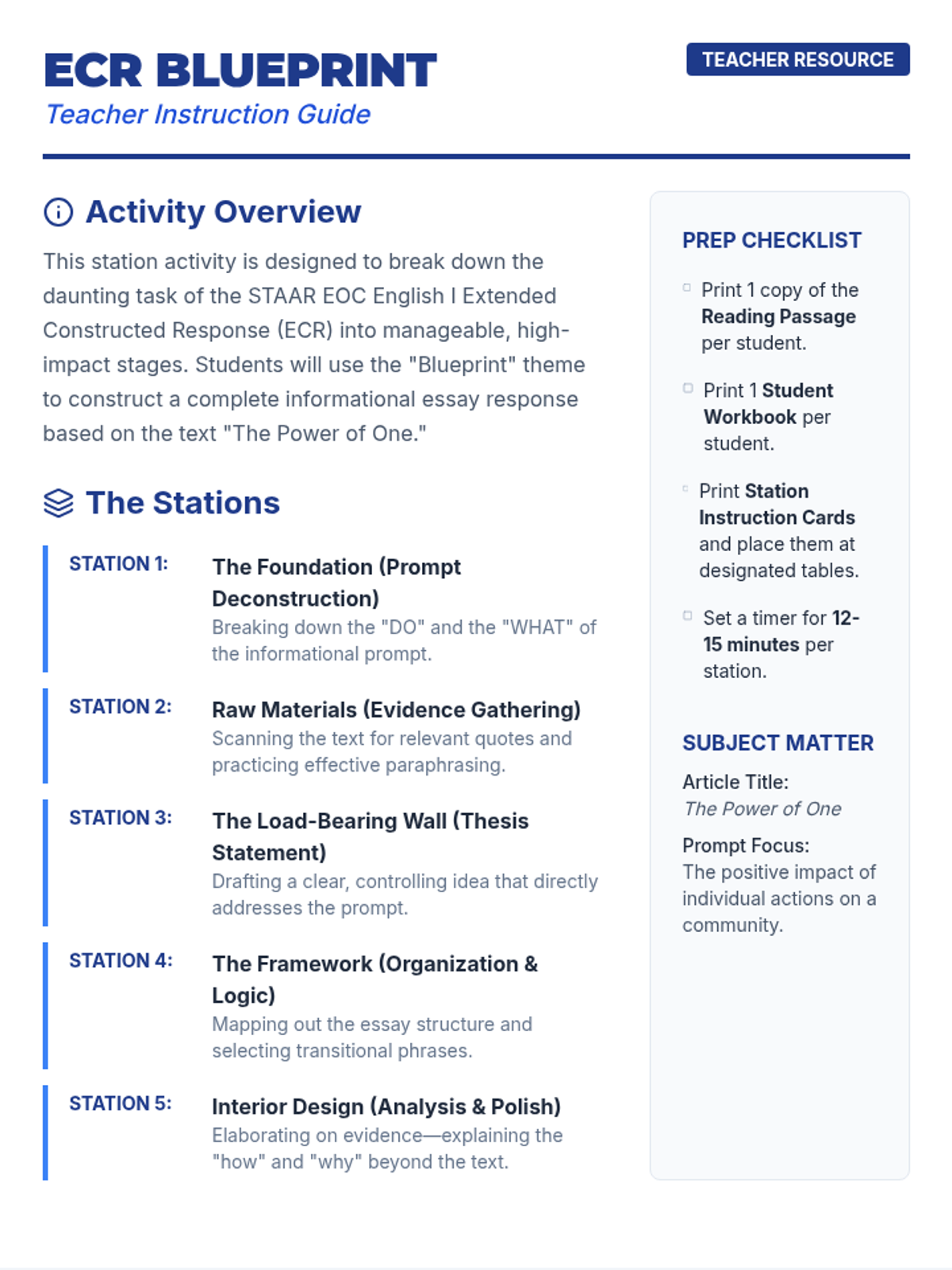
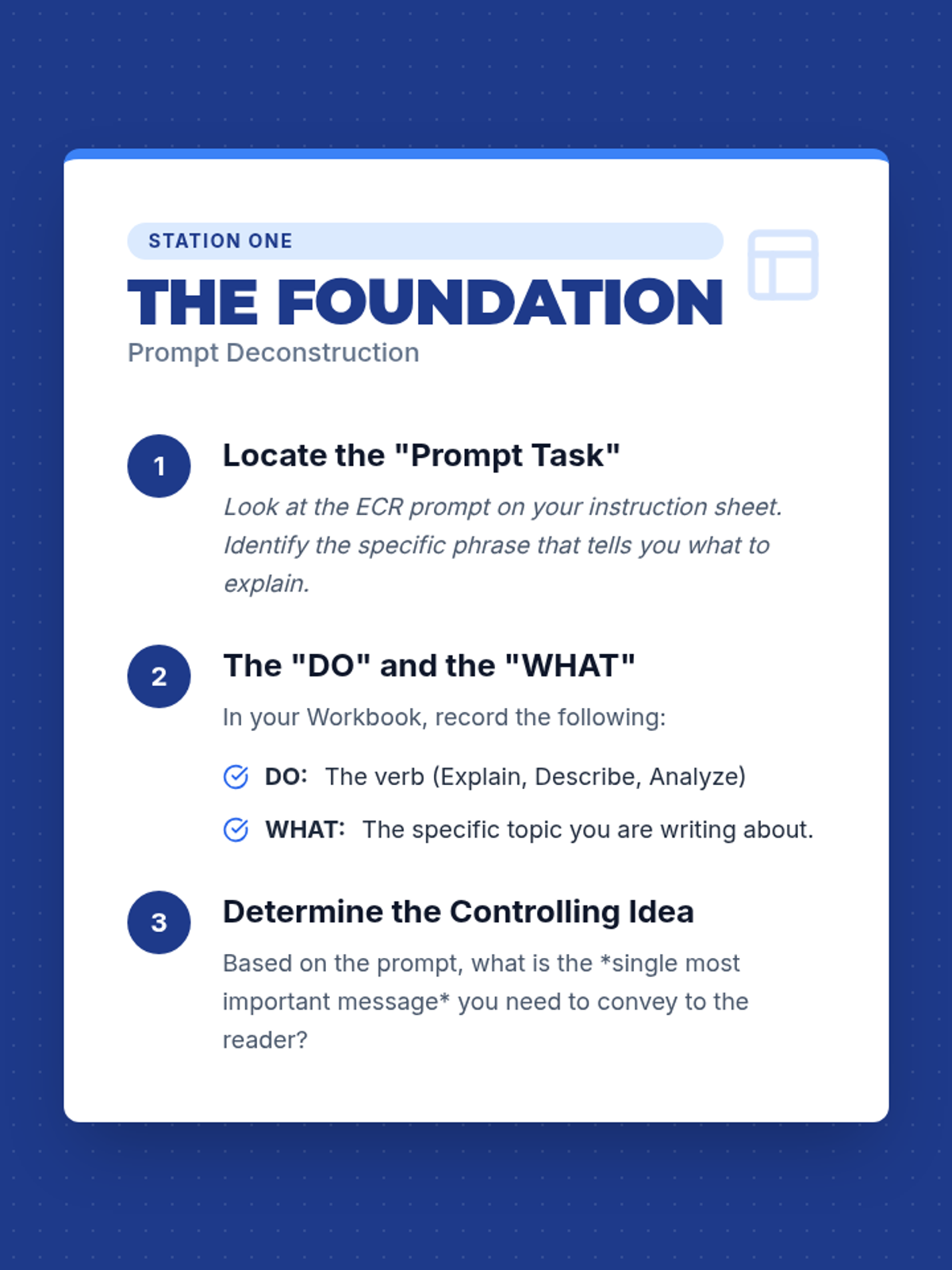
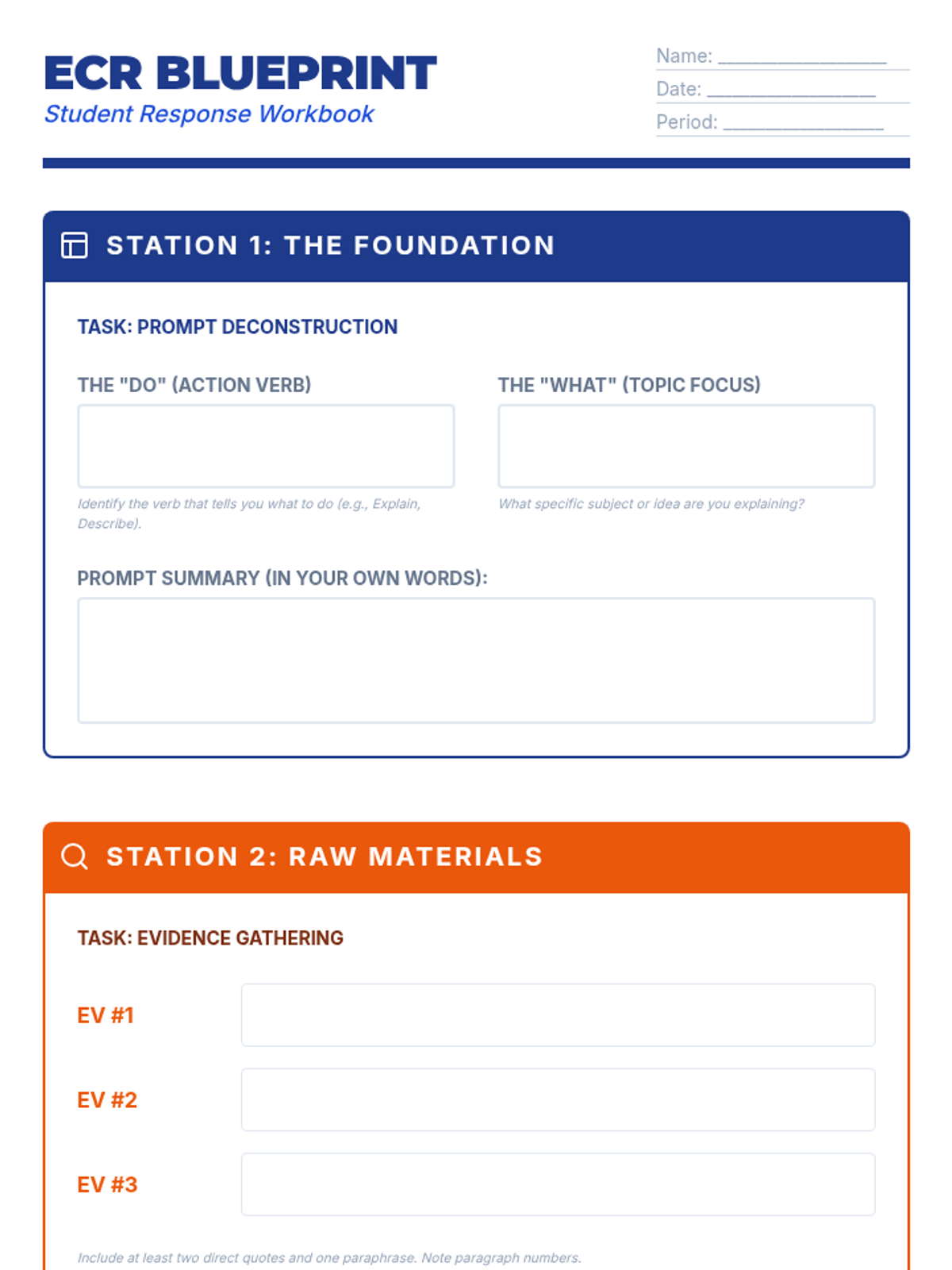
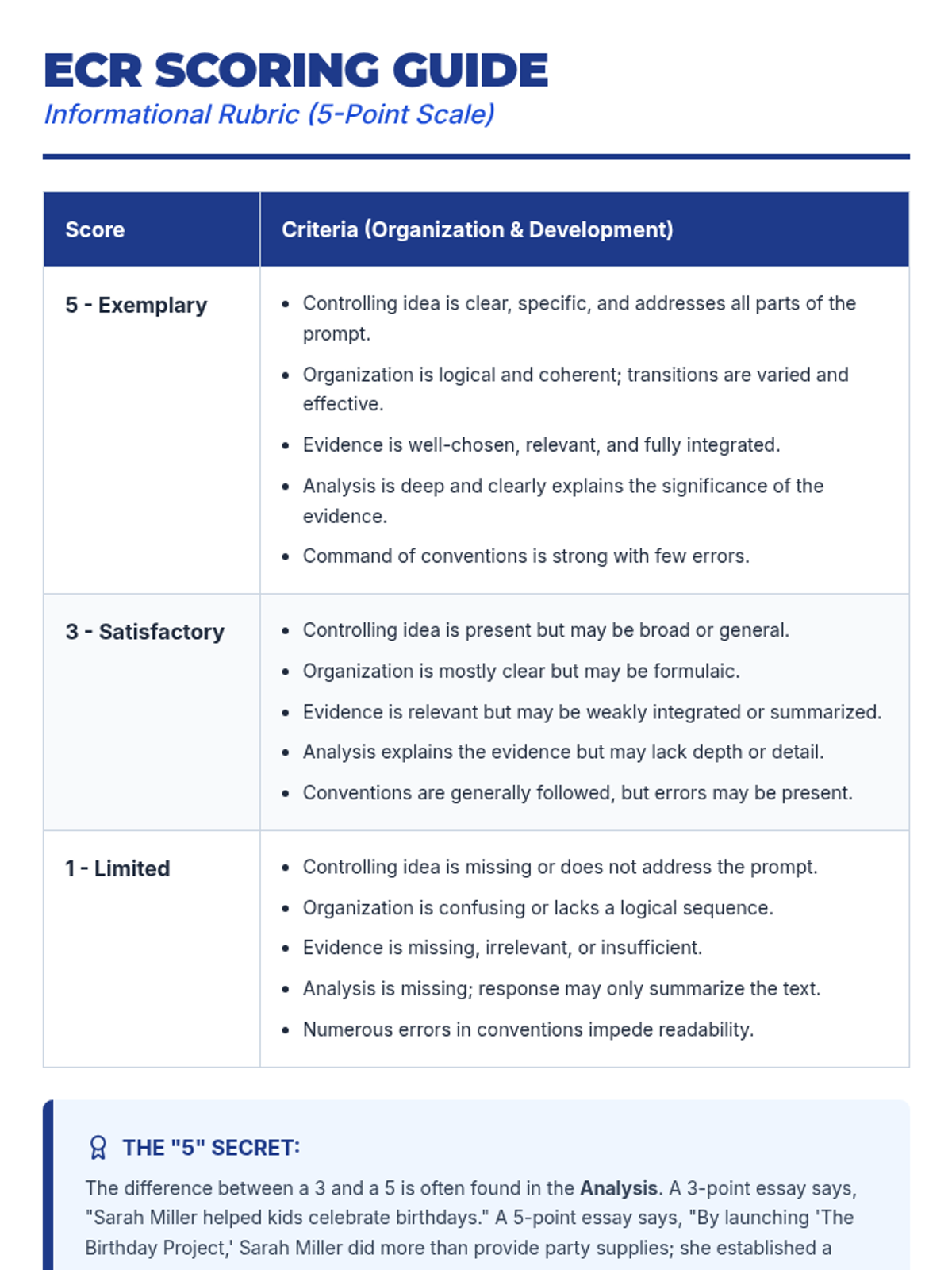
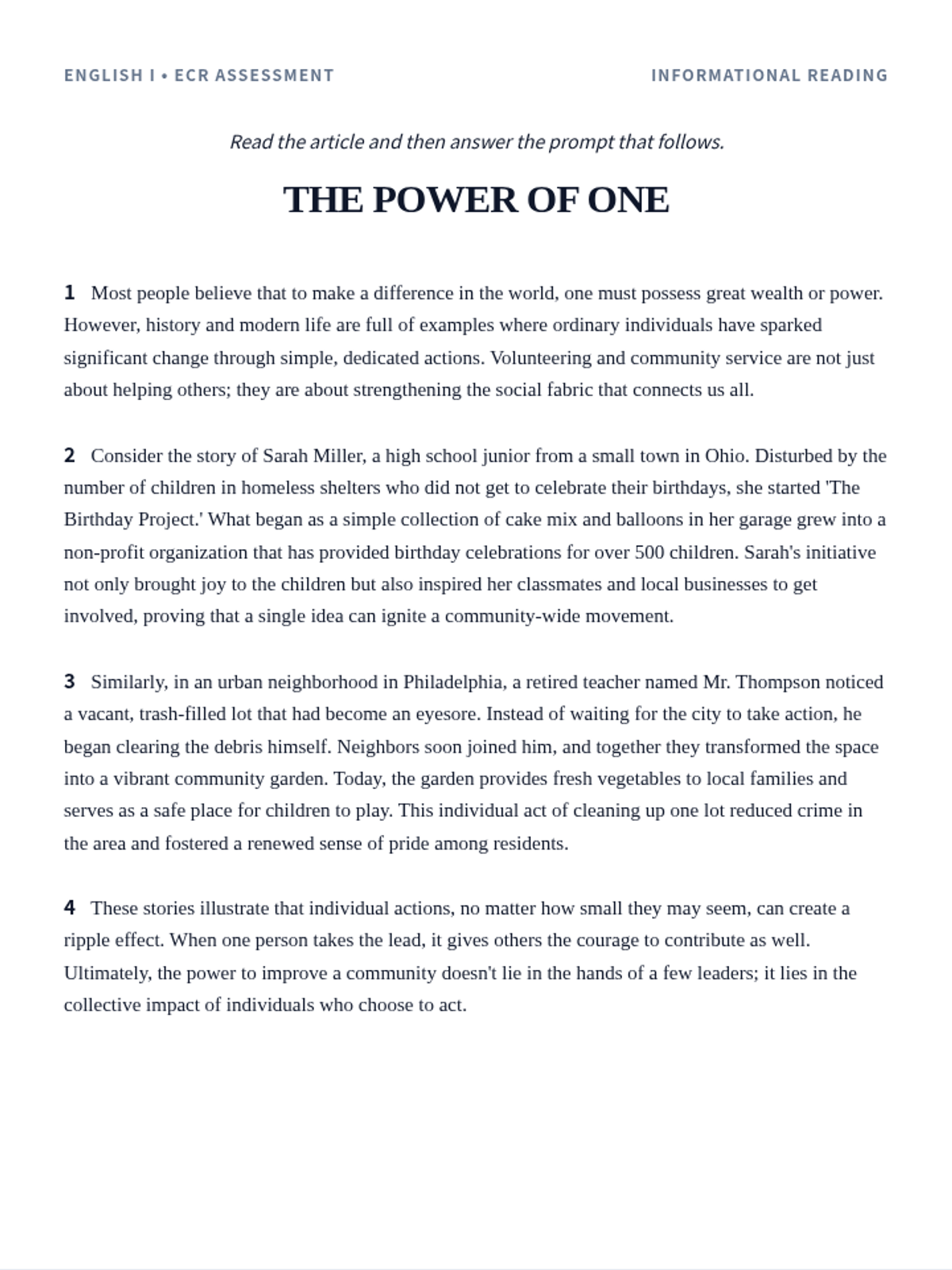
A comprehensive station-based activity designed to guide English I students through the full writing process for the STAAR EOC Informational Extended Constructed Response (ECR). Students move through drafting, evidence selection, and analysis using a 'Blueprint' theme.
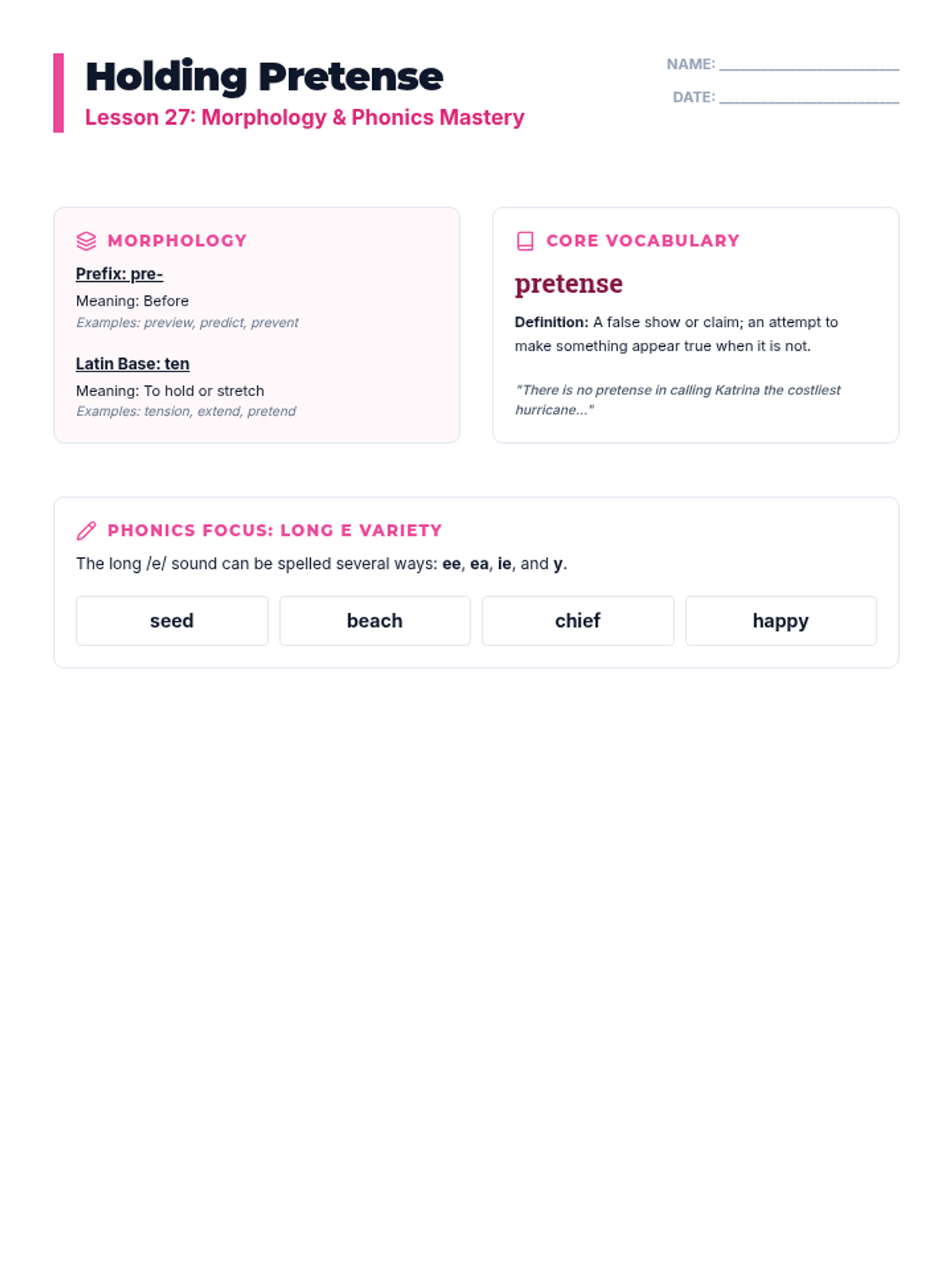
Focuses on the prefix pre- and the root ten, with the vocabulary word 'pretense'. Teaches Long E vowel teams (ee, ea, ie, y).
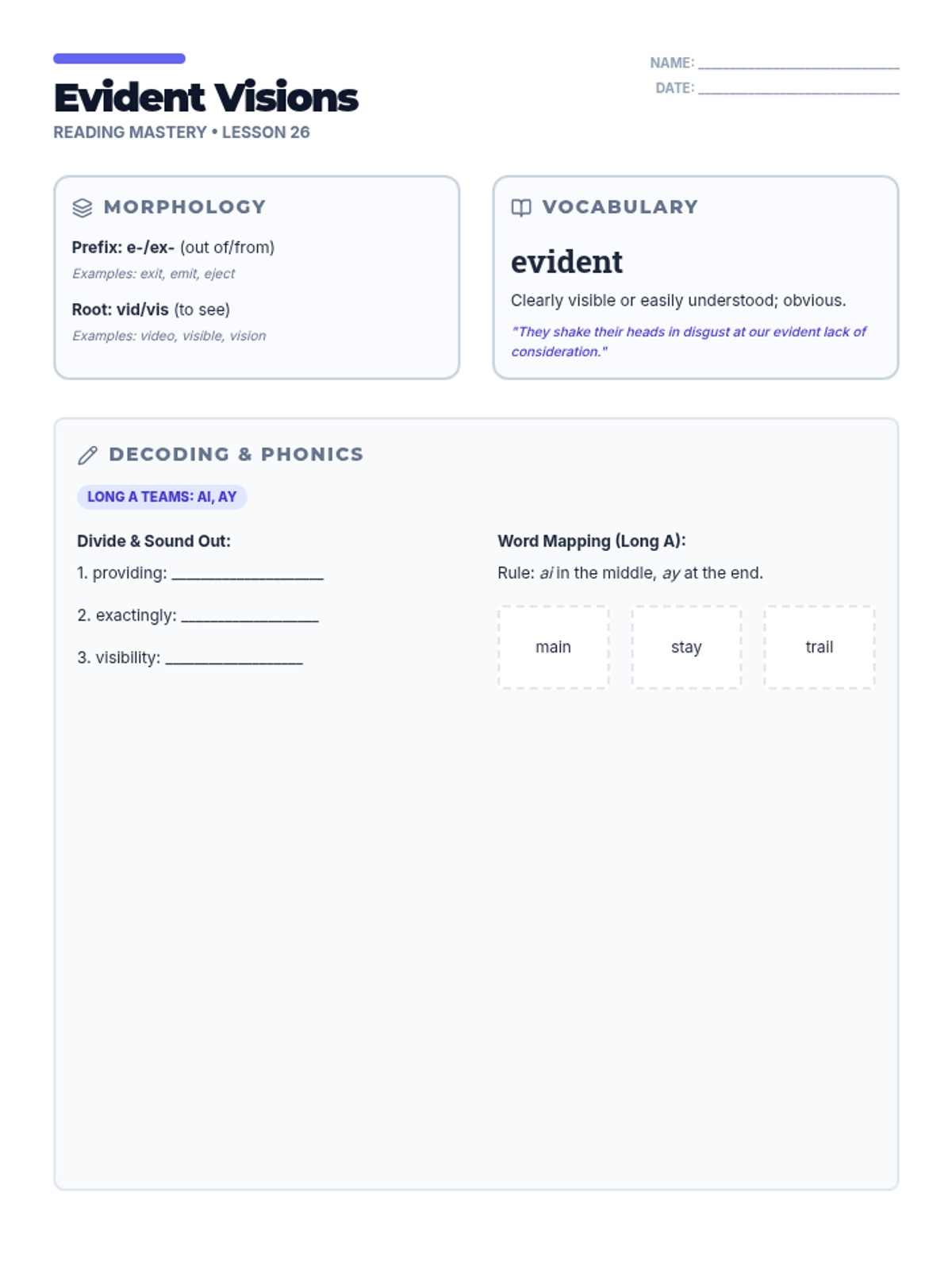
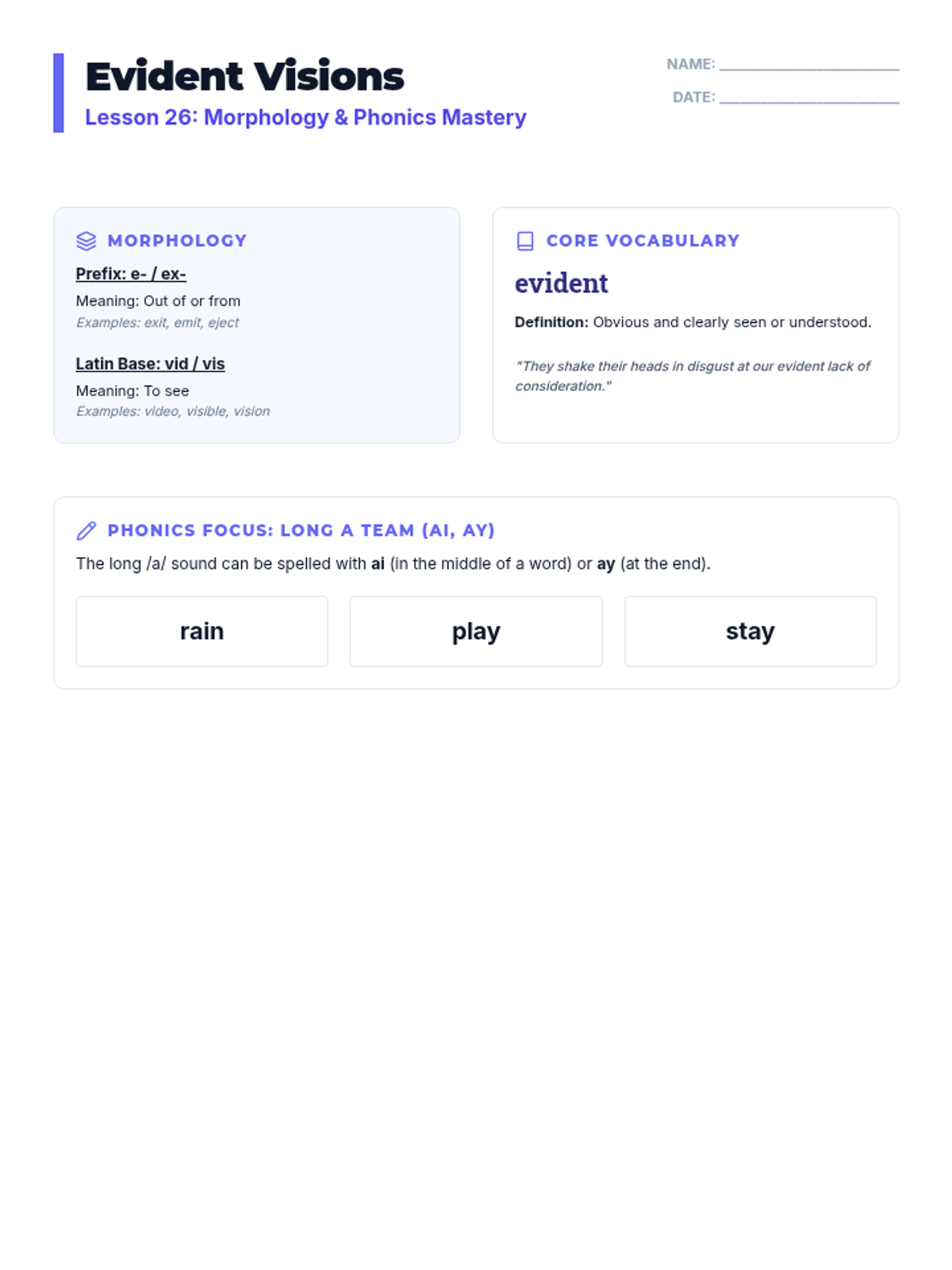
Focuses on the prefix e-/ex- and the root vid/vis, with the vocabulary word 'evident'. Teaches Long A vowel teams (ai, ay).
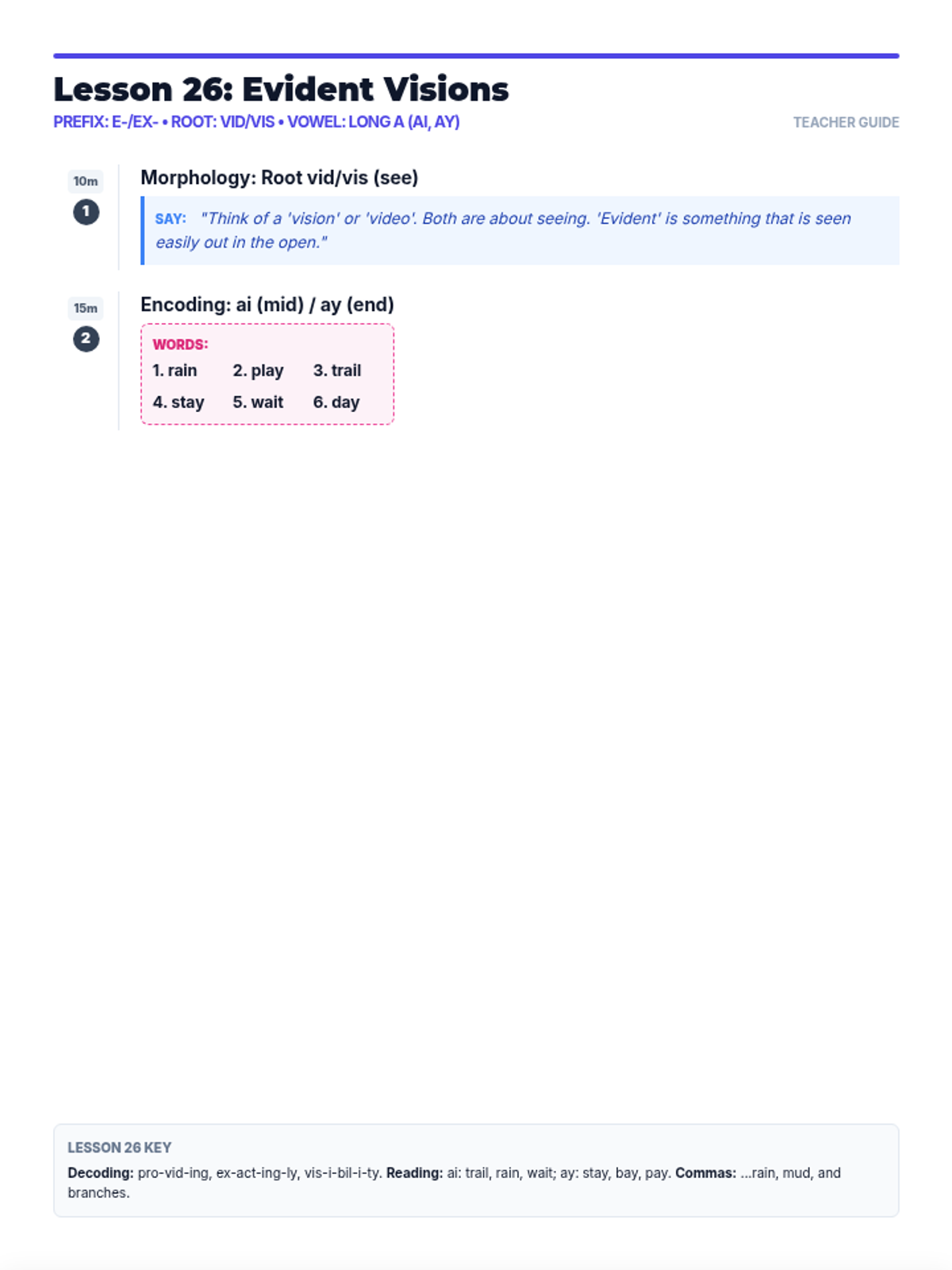
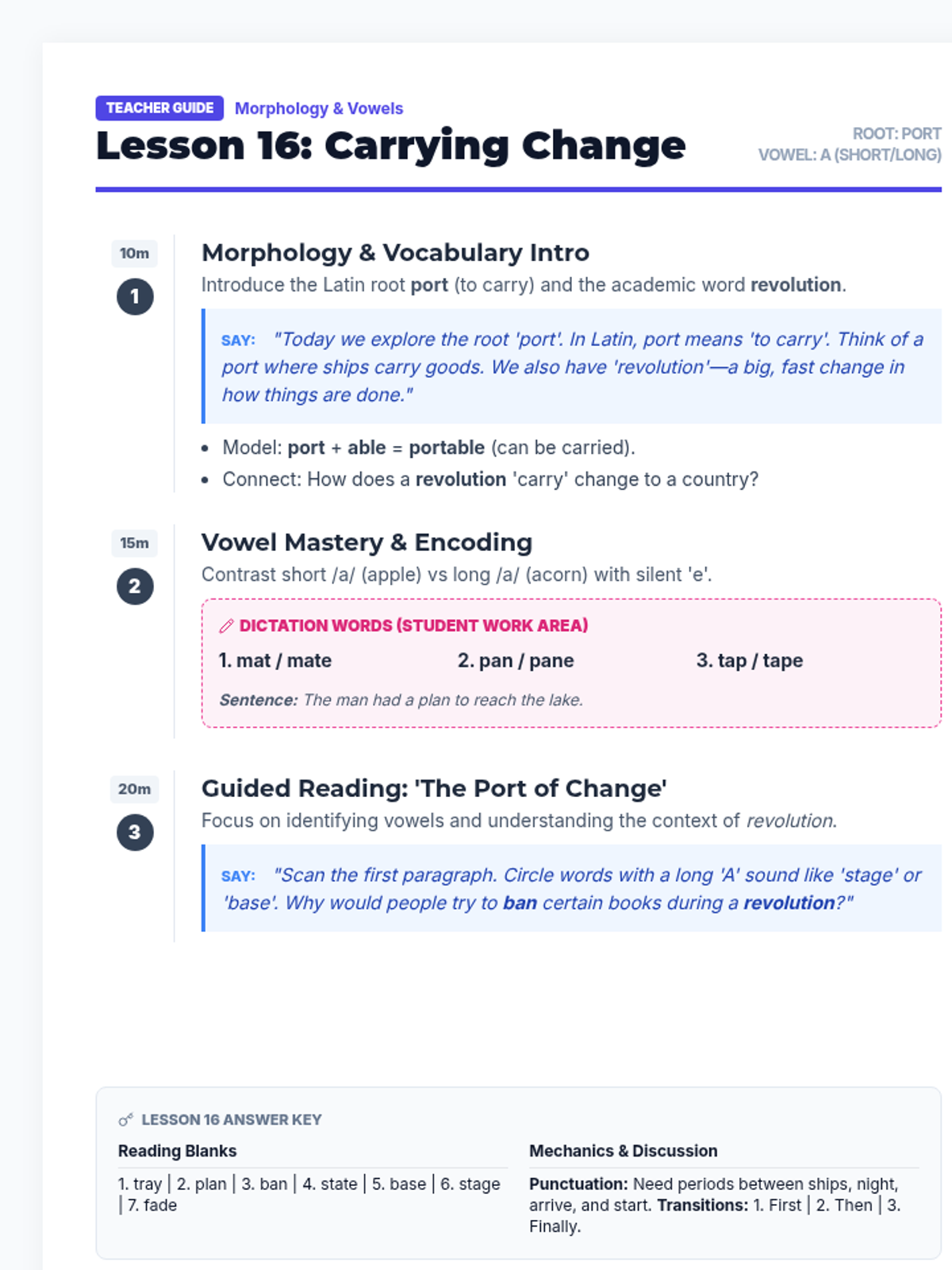
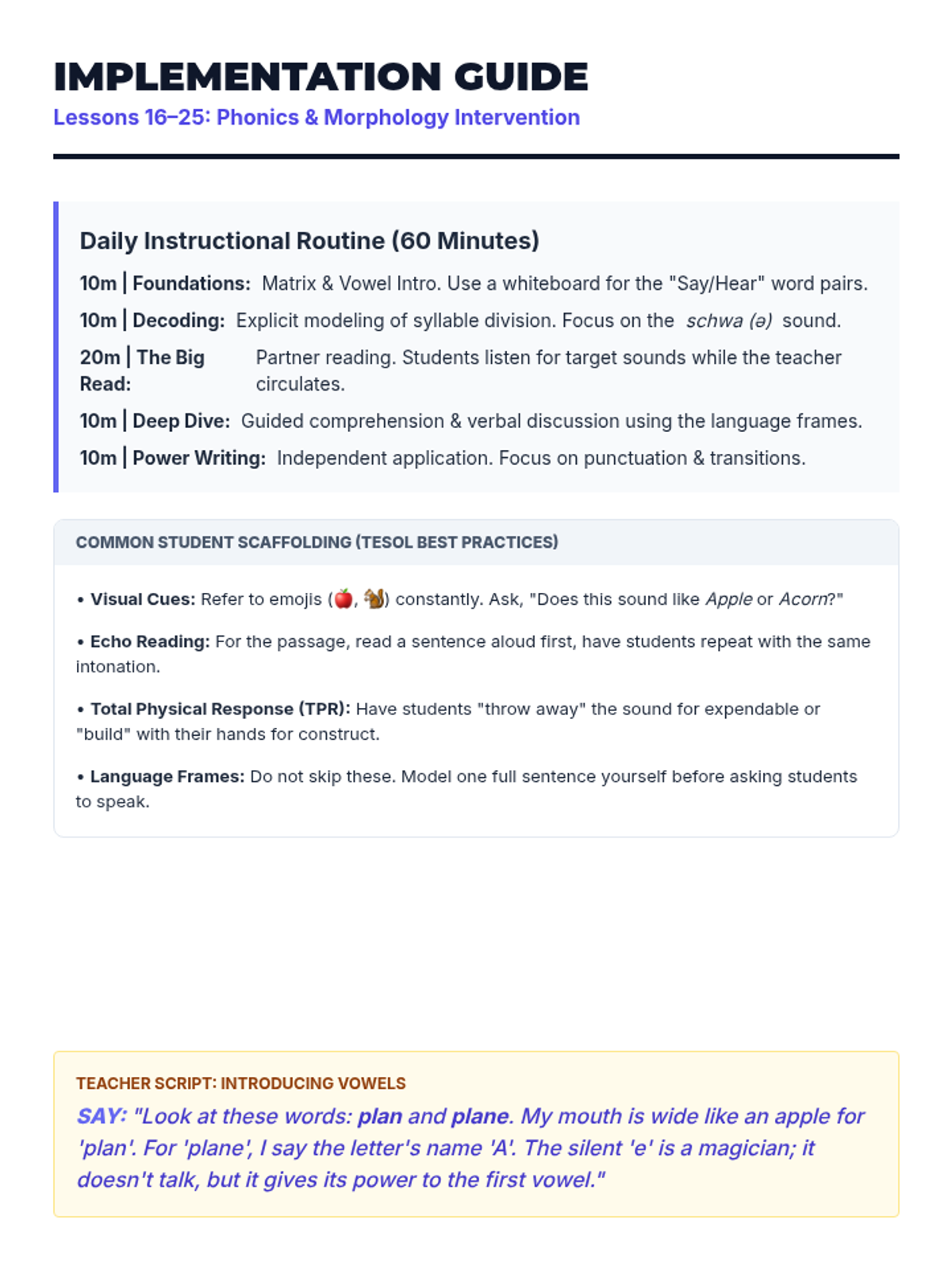
Teacher-facing resources including pacing guides, instructional scripts, and complete answer keys for Lessons 16-25.
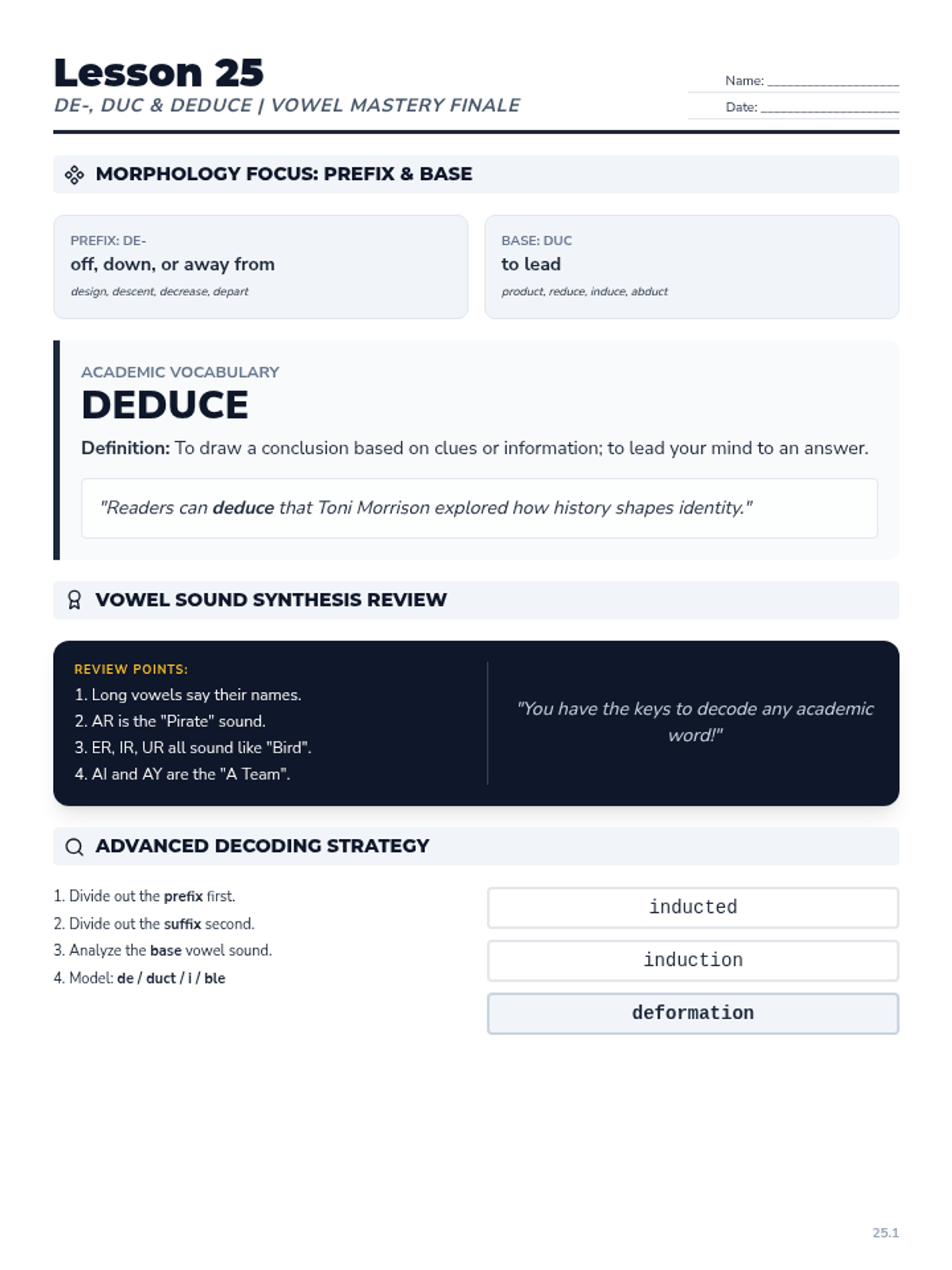
Focuses on prefix 'de-', base 'duc', and the word 'deduce'. Review of all vowel sounds and decoding strategies. includes a final synthesis reading passage.
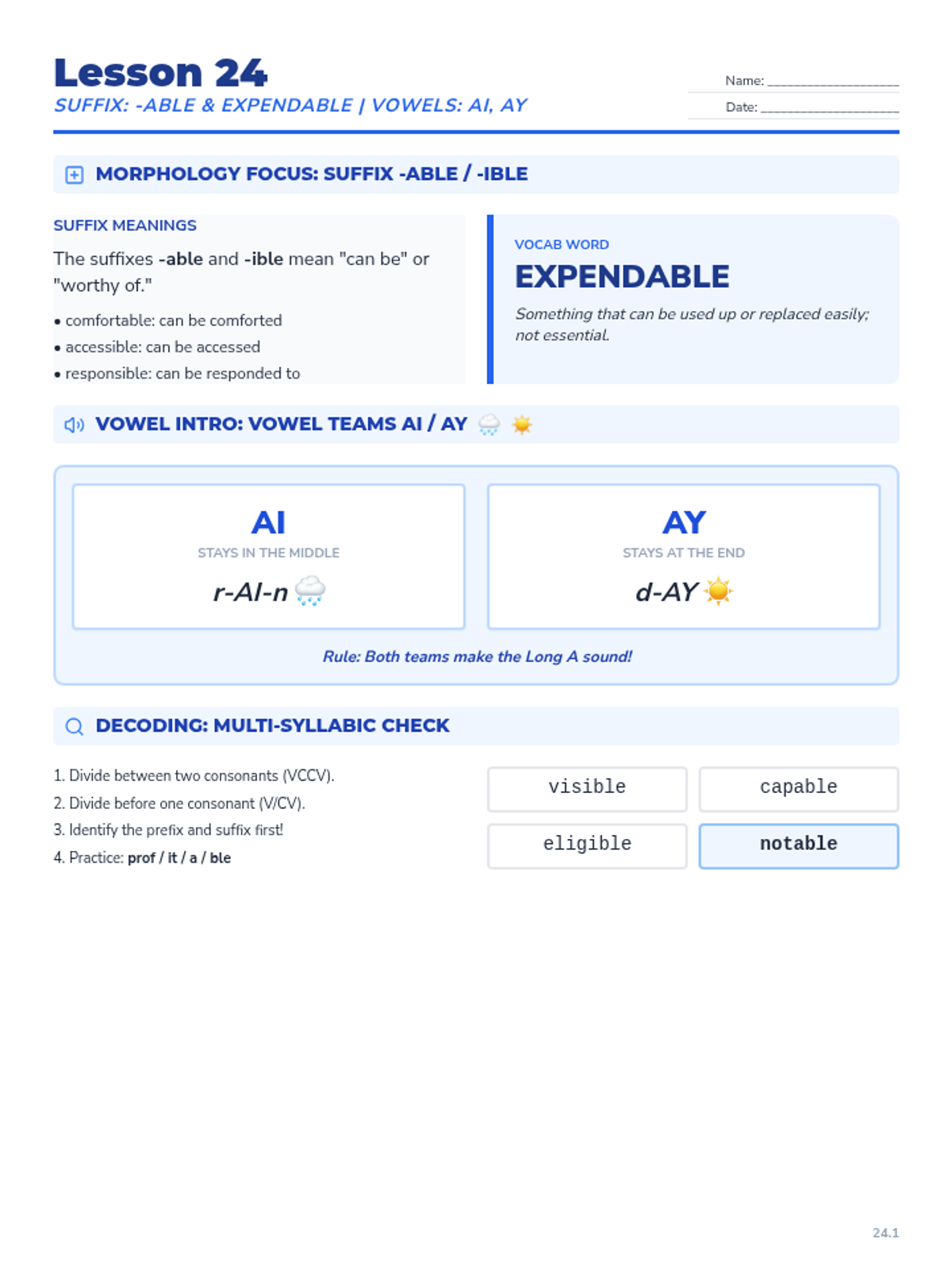
Teaches the suffix -able/-ible and the word 'expendable'. focuses on vowel teams AI and AY and applying all syllable division rules to multi-syllabic academic words.
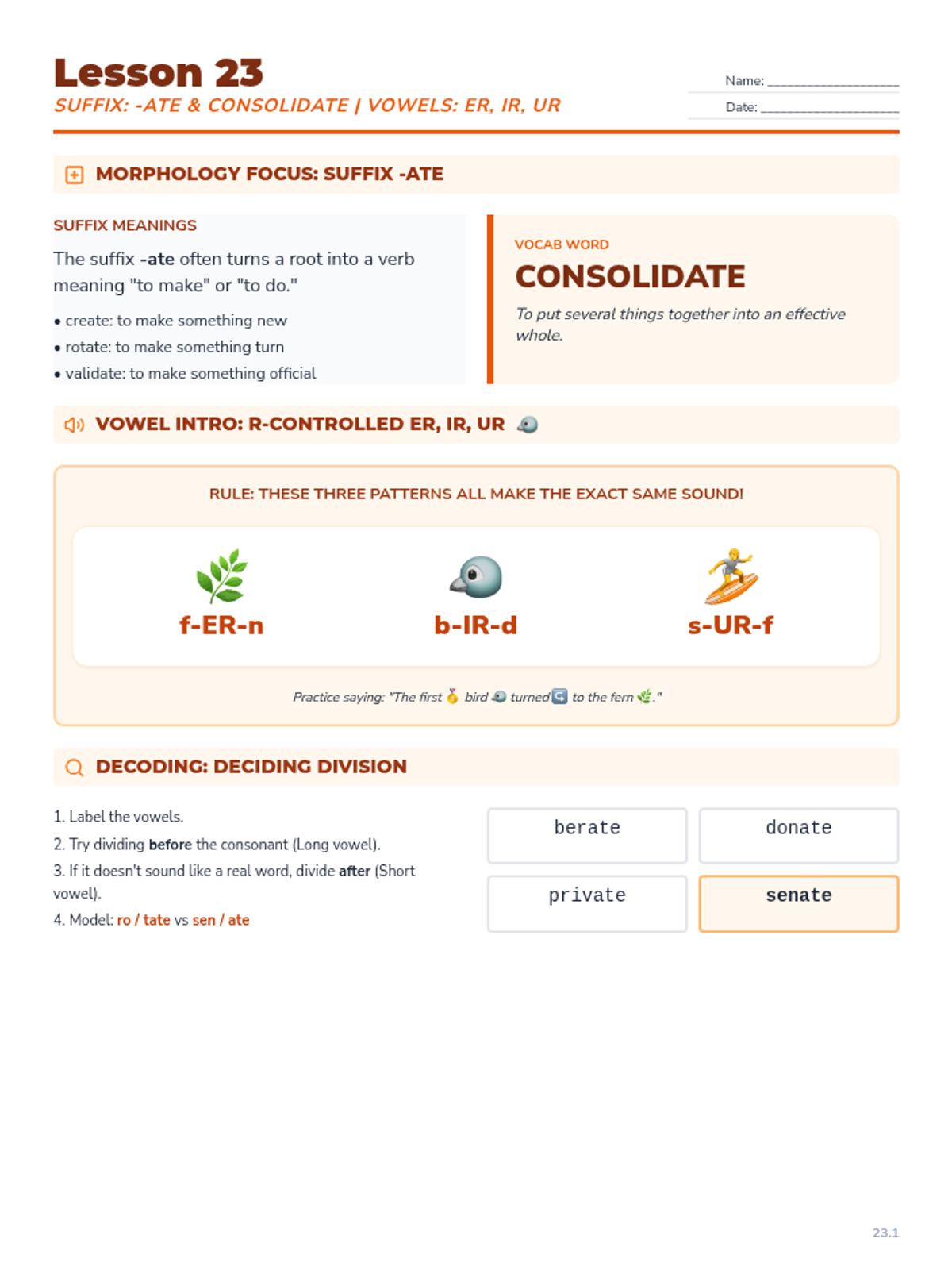
Teaches the suffix -ate and the word 'consolidate'. focuses on r-controlled vowels (ER, IR, UR) and flexible syllable division.
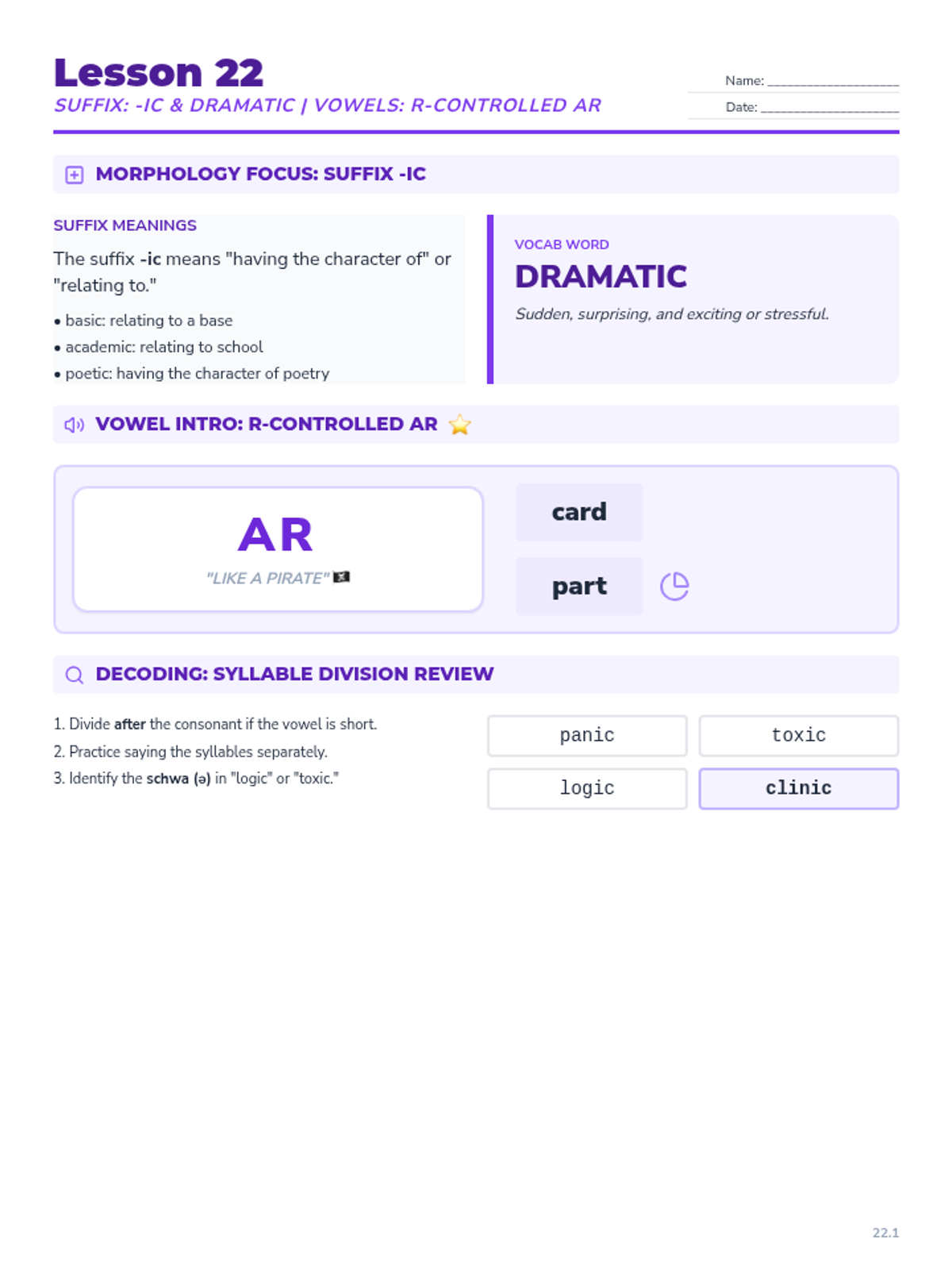
Focuses on the suffix -ic and the word 'dramatic'. Teaches r-controlled vowels (AR) and strategies for syllable division in longer academic words.
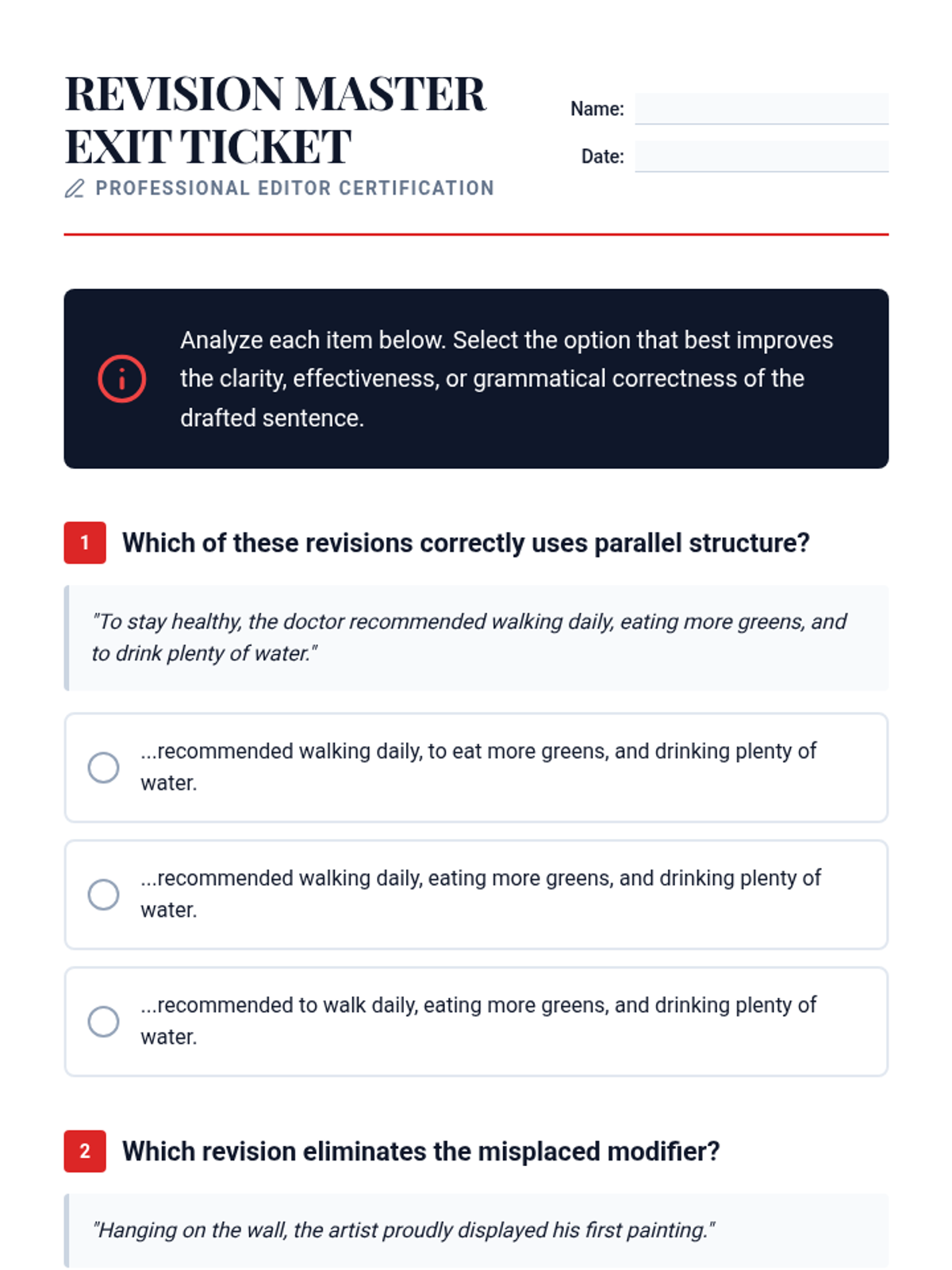
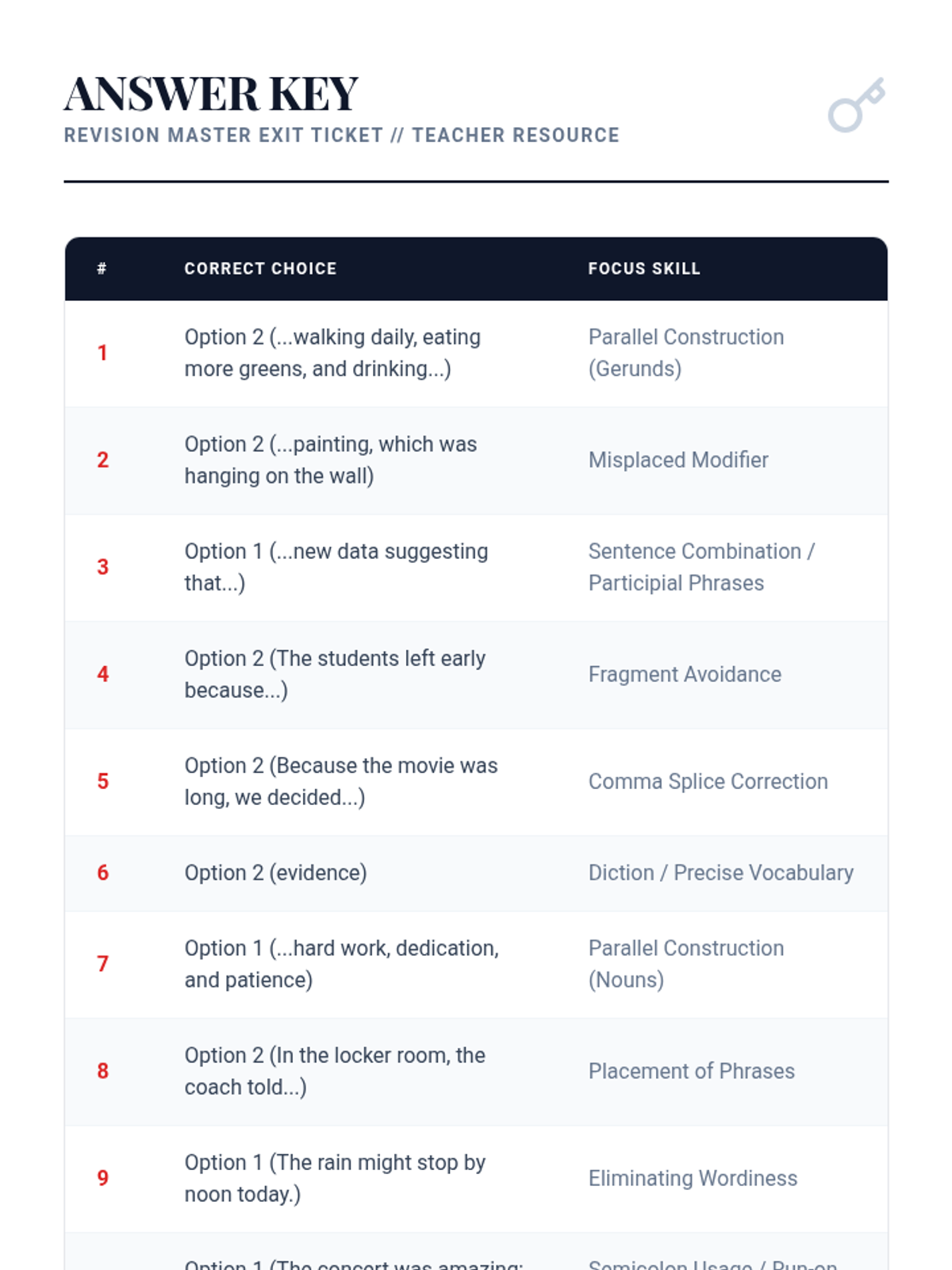
A comprehensive guide to high-level revision and editing, focusing on sentence effectiveness, parallel structure, and eliminating fragments or run-ons. Students learn to refine their writing with the precision of a professional editor.
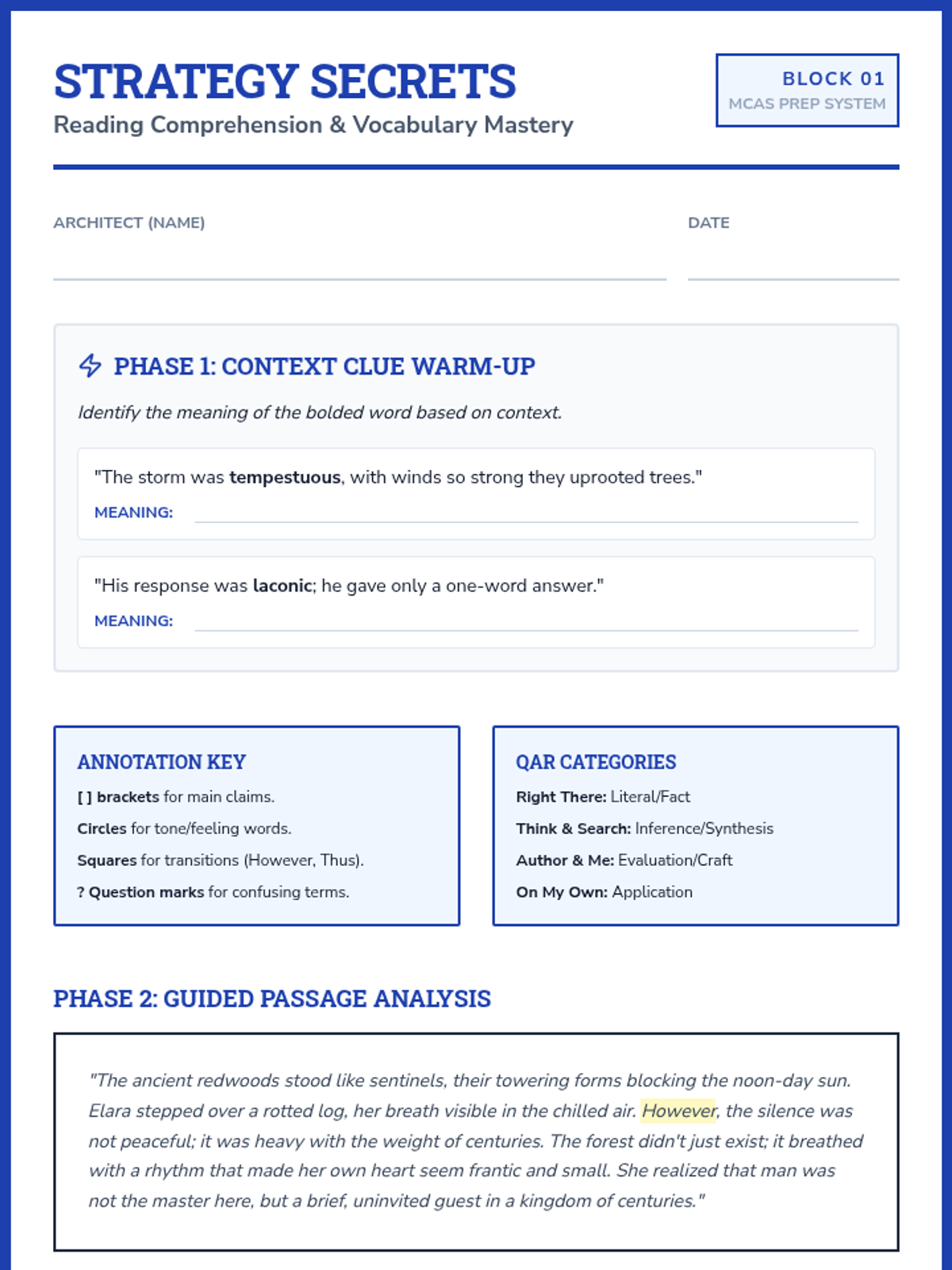
Focuses on active reading strategies, Question-Answer Relationships (QAR), and deciphering Tier 2 and Tier 3 vocabulary in context to maximize comprehension on MCAS passages.
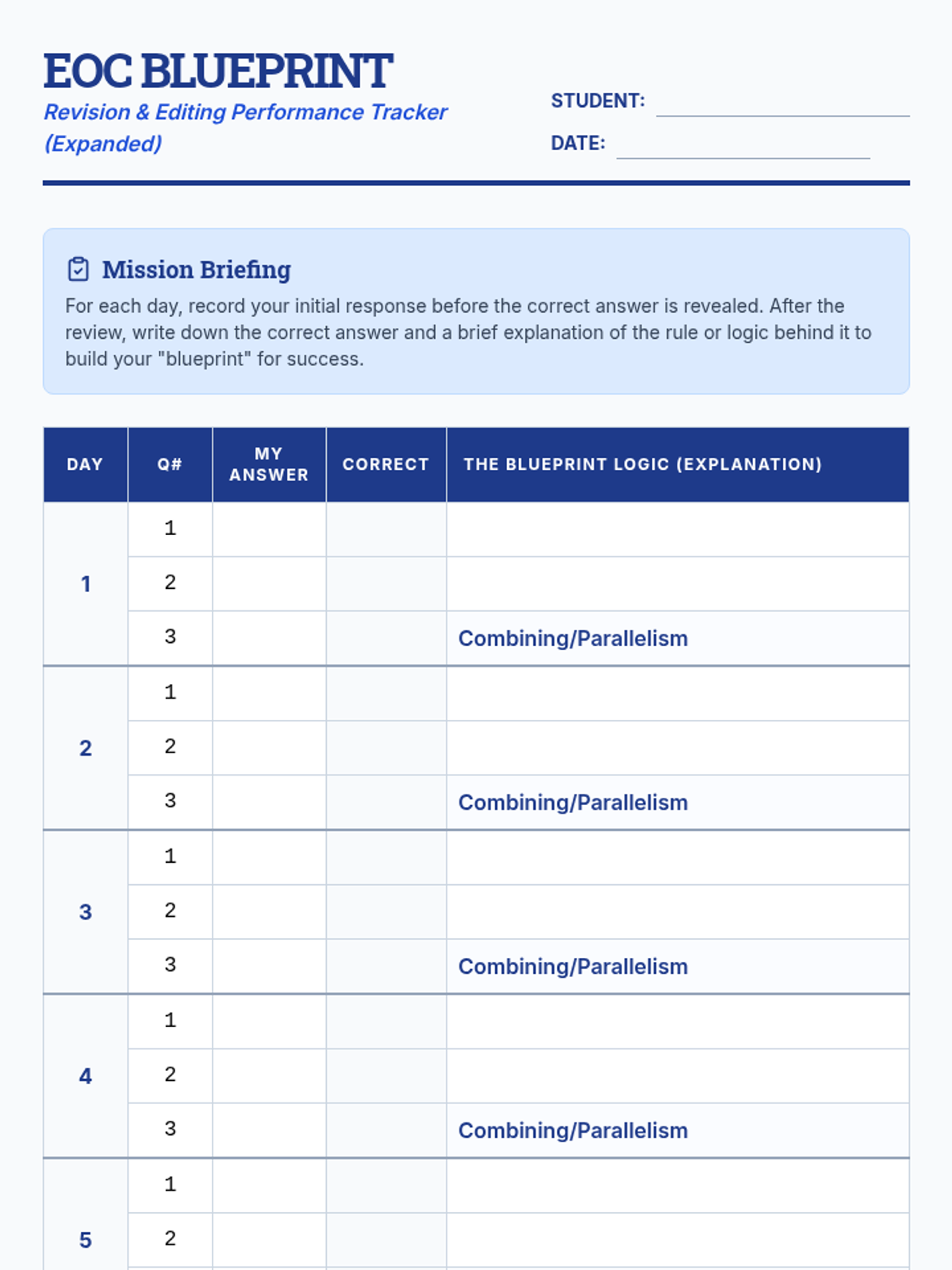
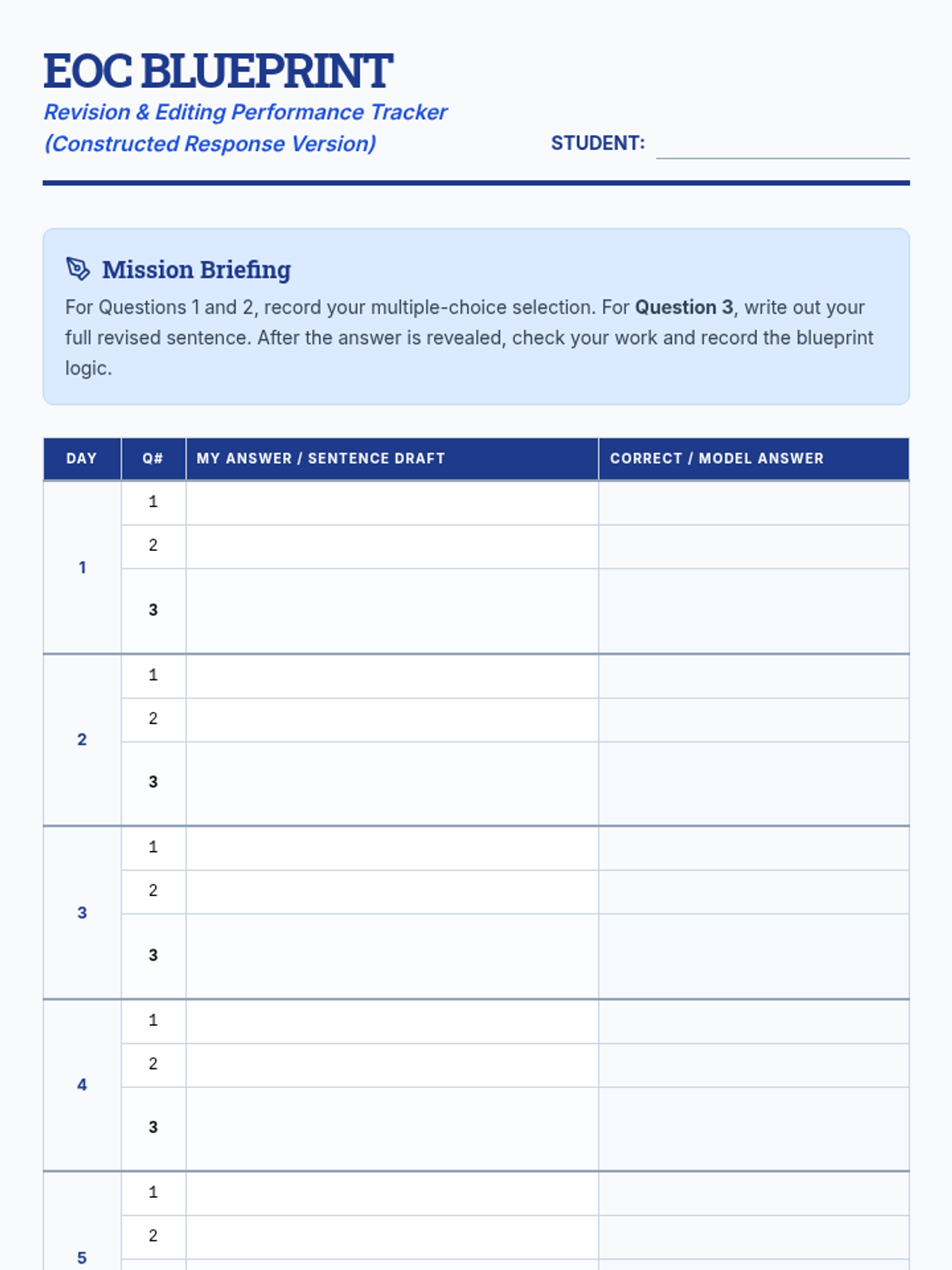
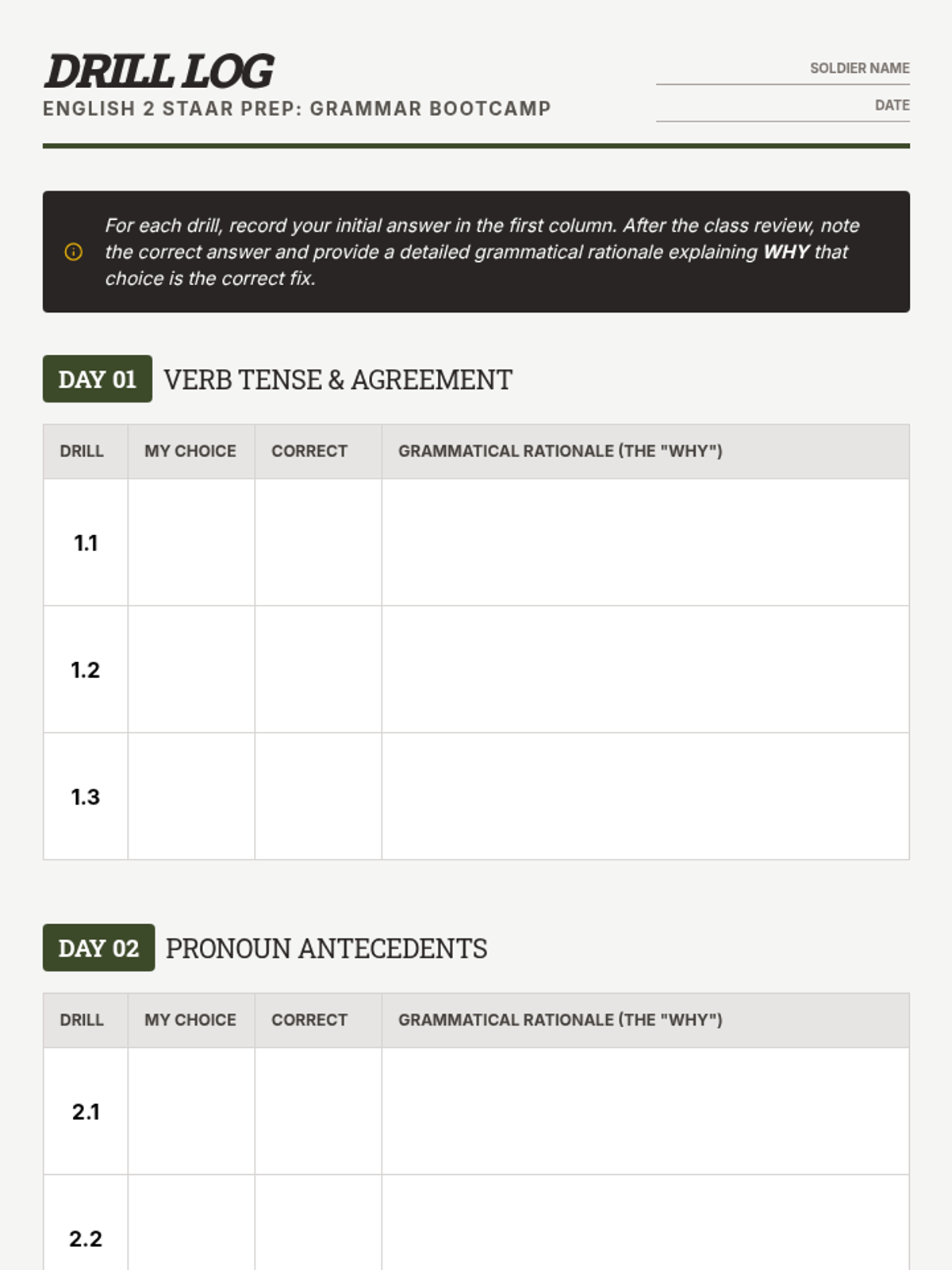
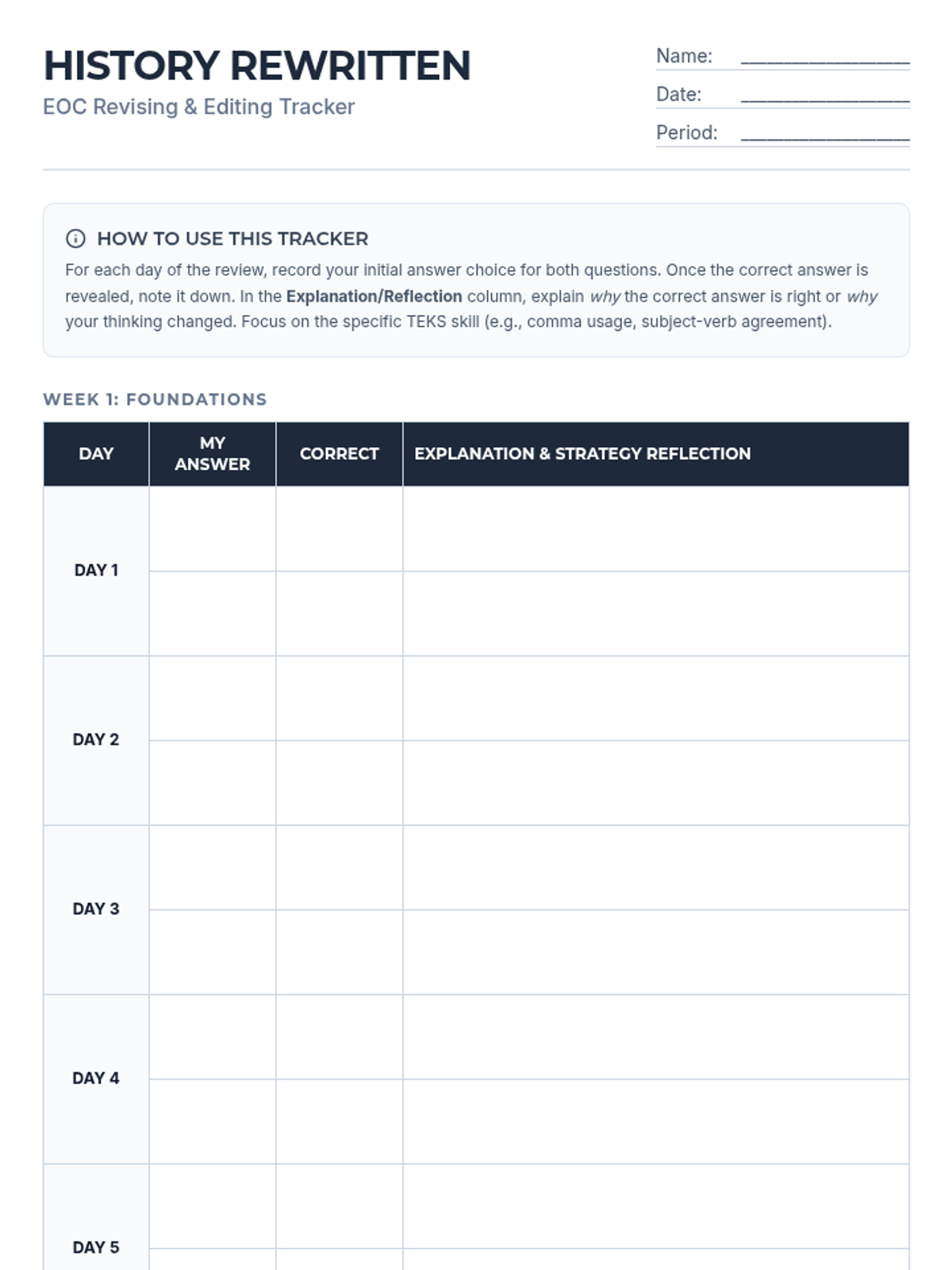
A comprehensive 10-day daily drill series focusing on high-stakes revising and editing skills for the English 2 STAAR/EOC.
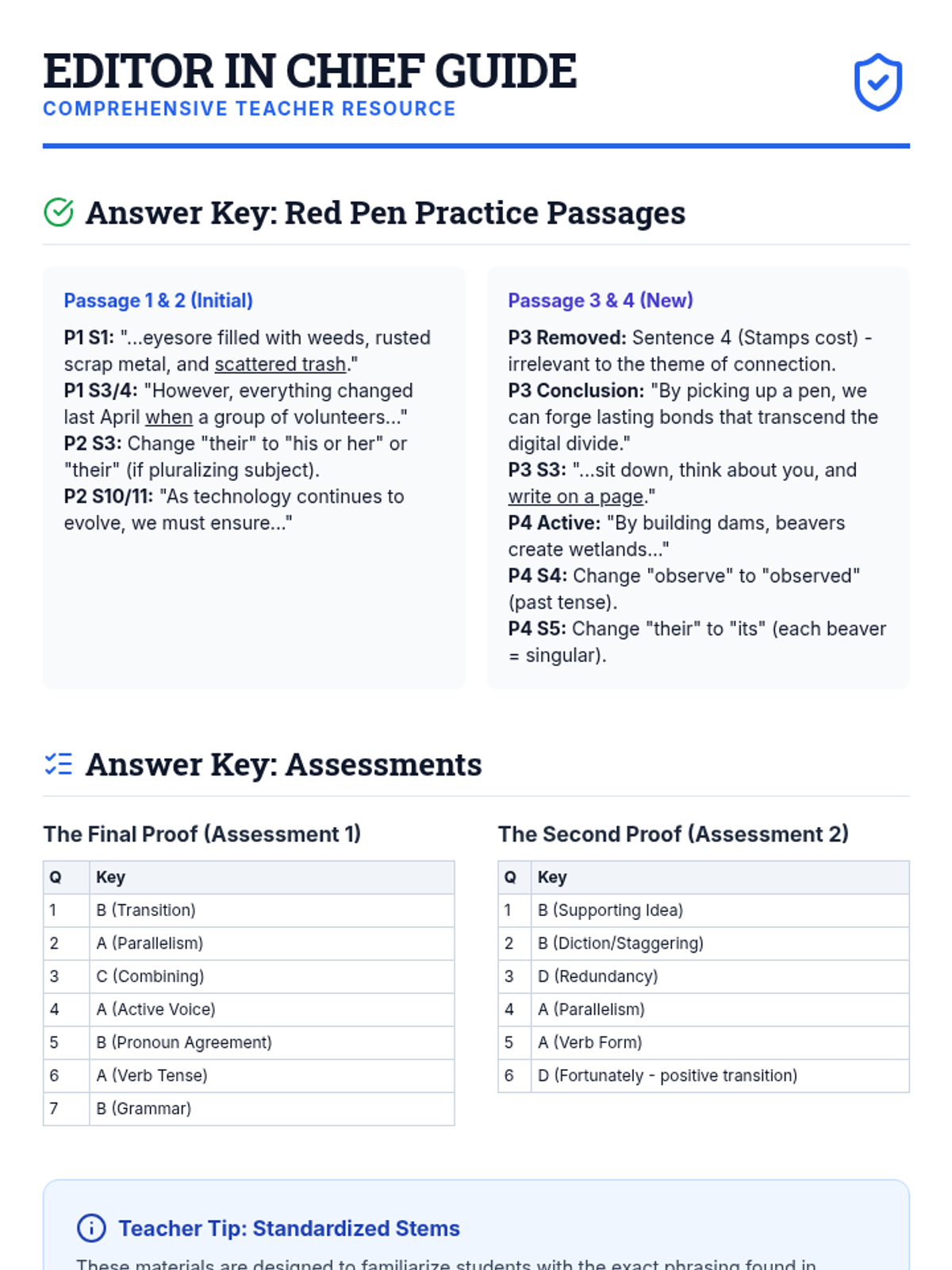
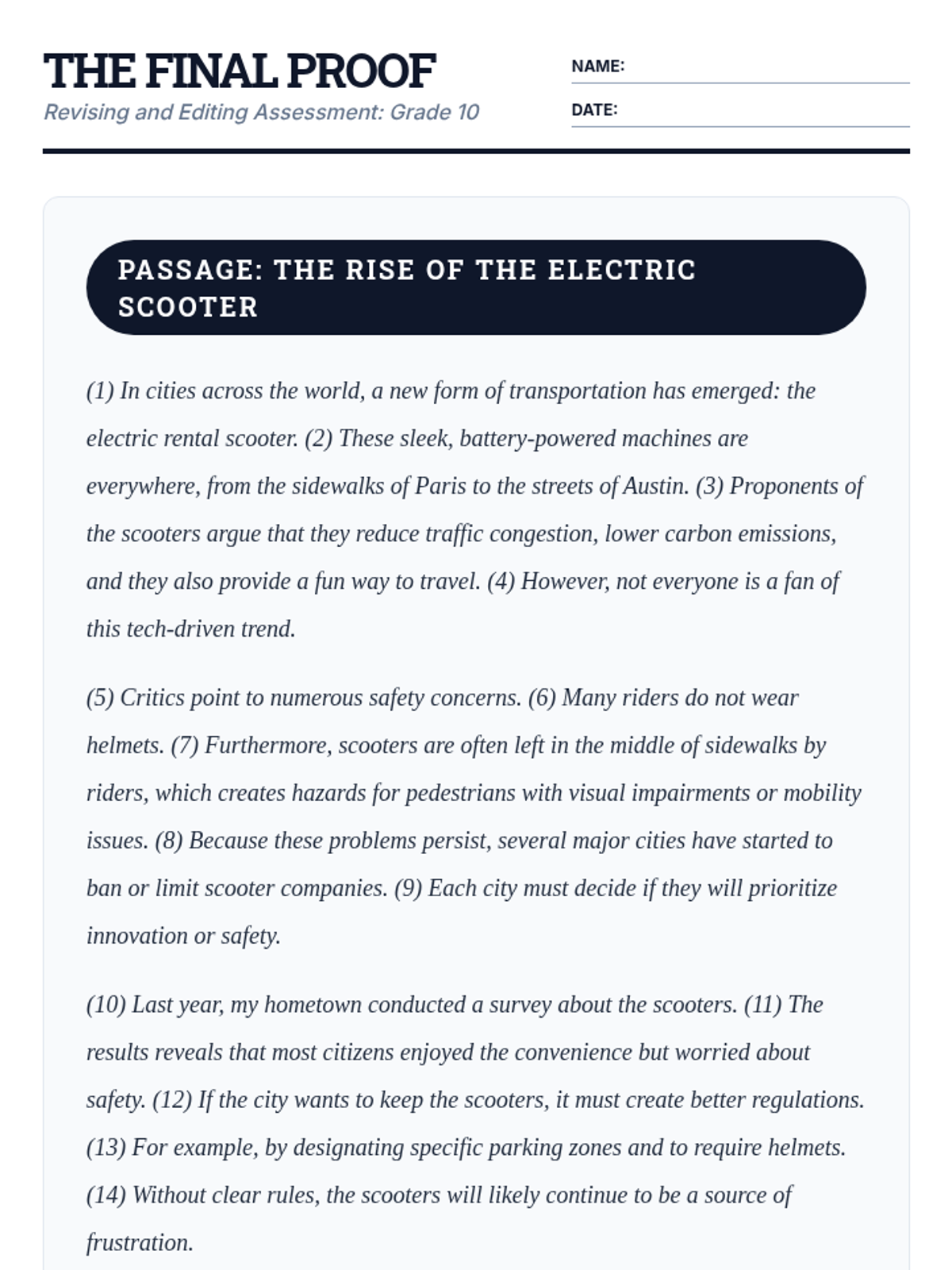
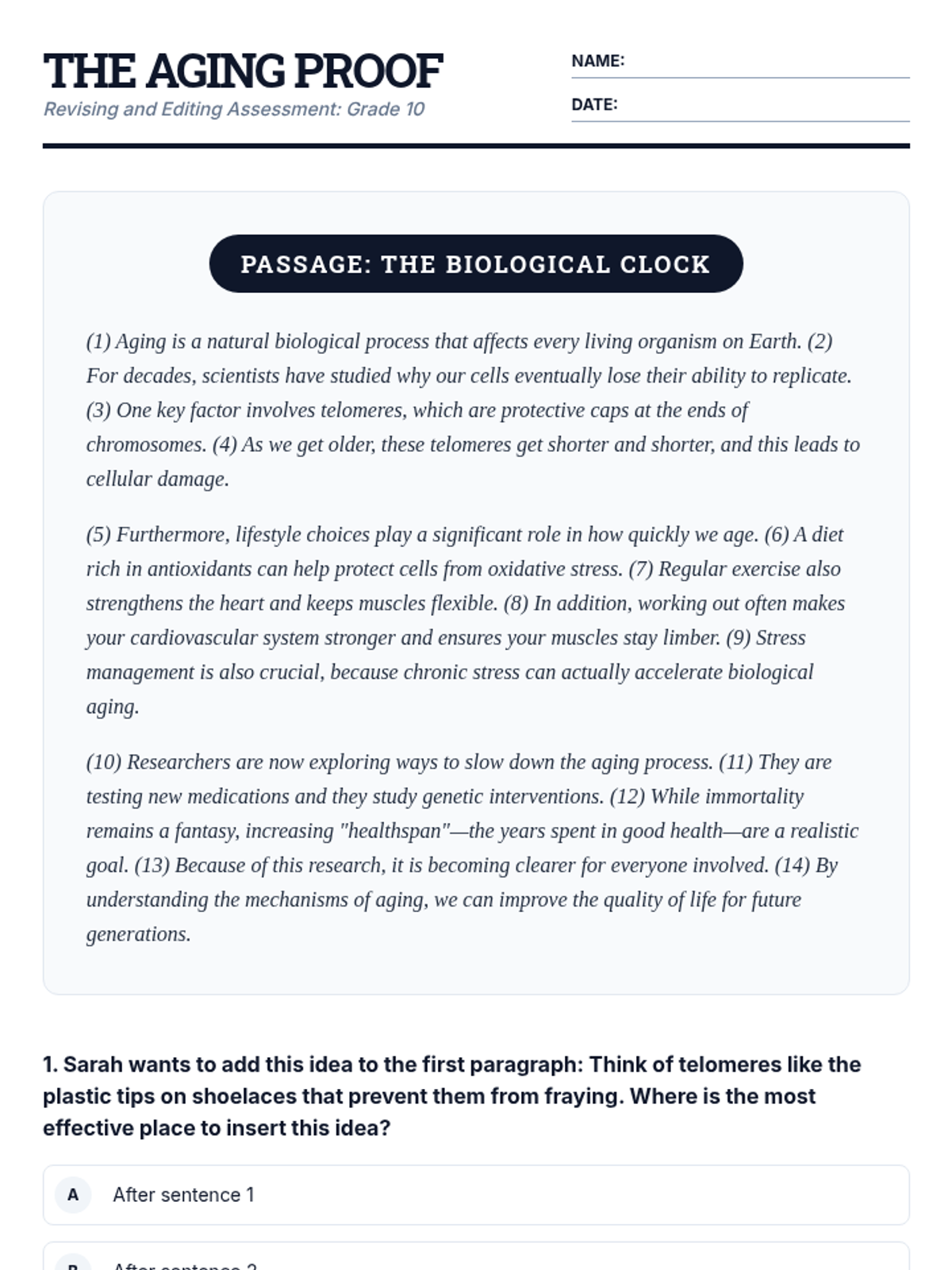
A comprehensive lesson on advanced revising and editing for 10th grade, focusing on organizational structure, parallel construction, sentence effectiveness, and grammatical precision. Students will learn to transform drafts into polished, professional pieces of writing.
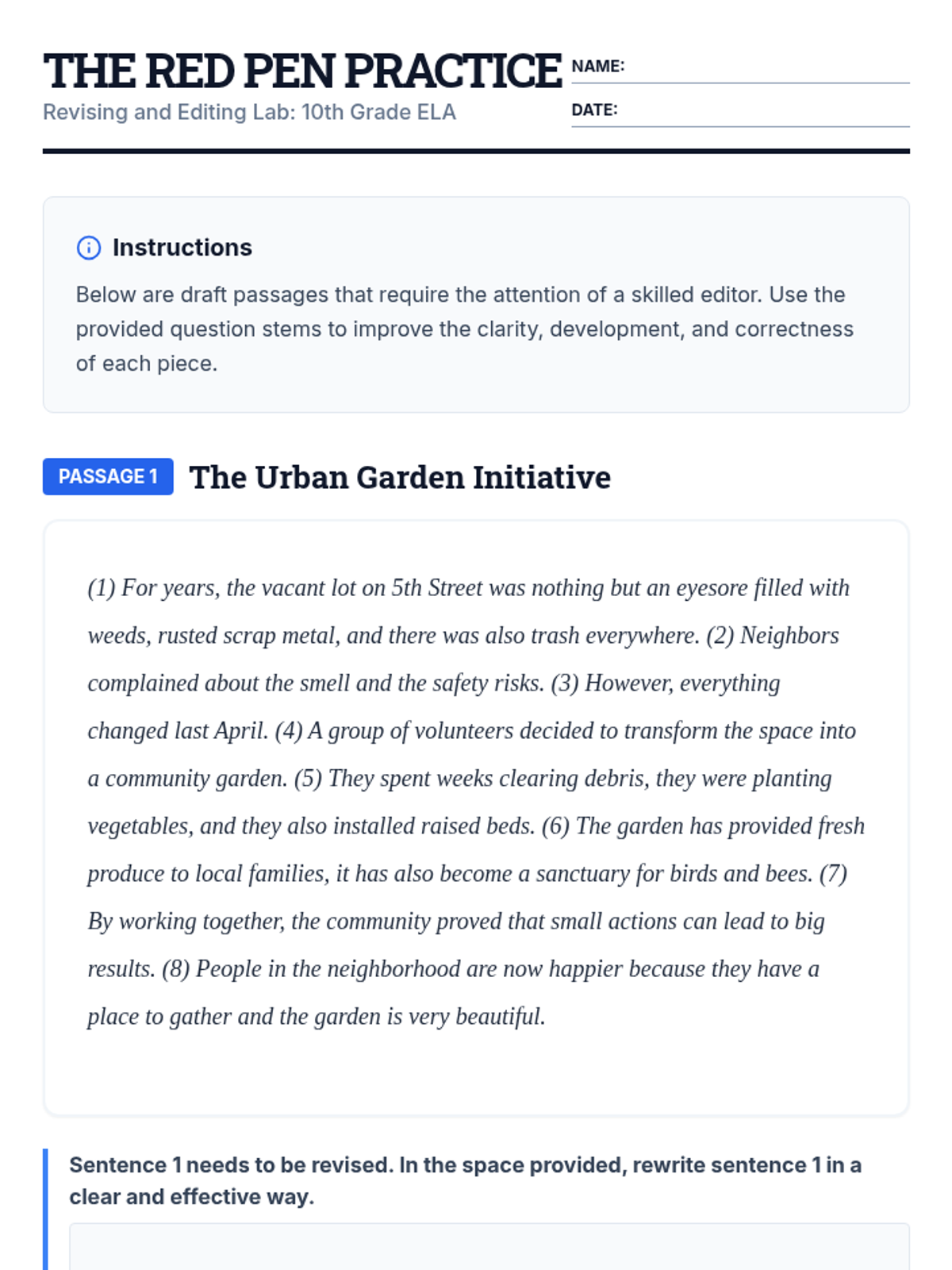
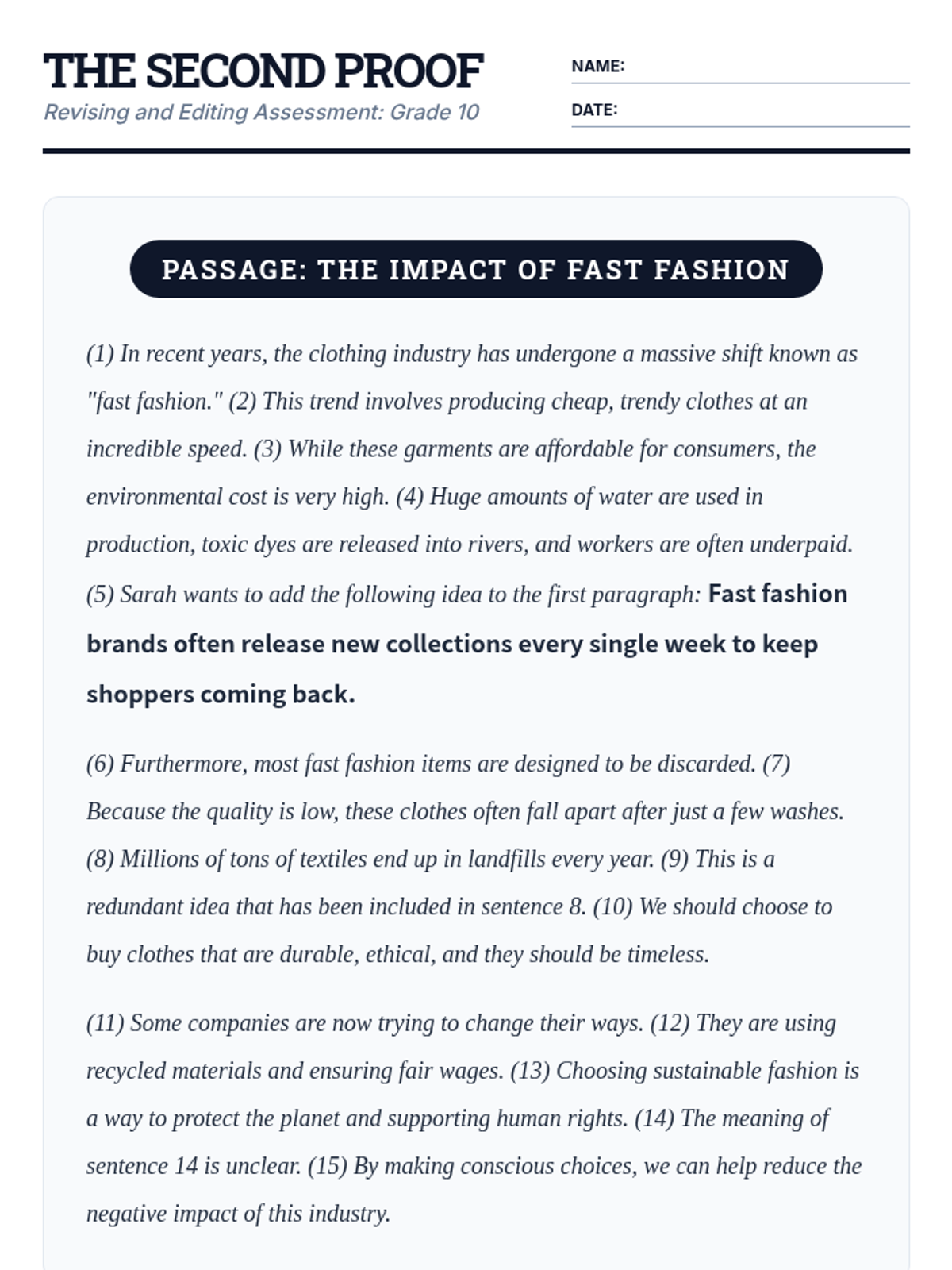
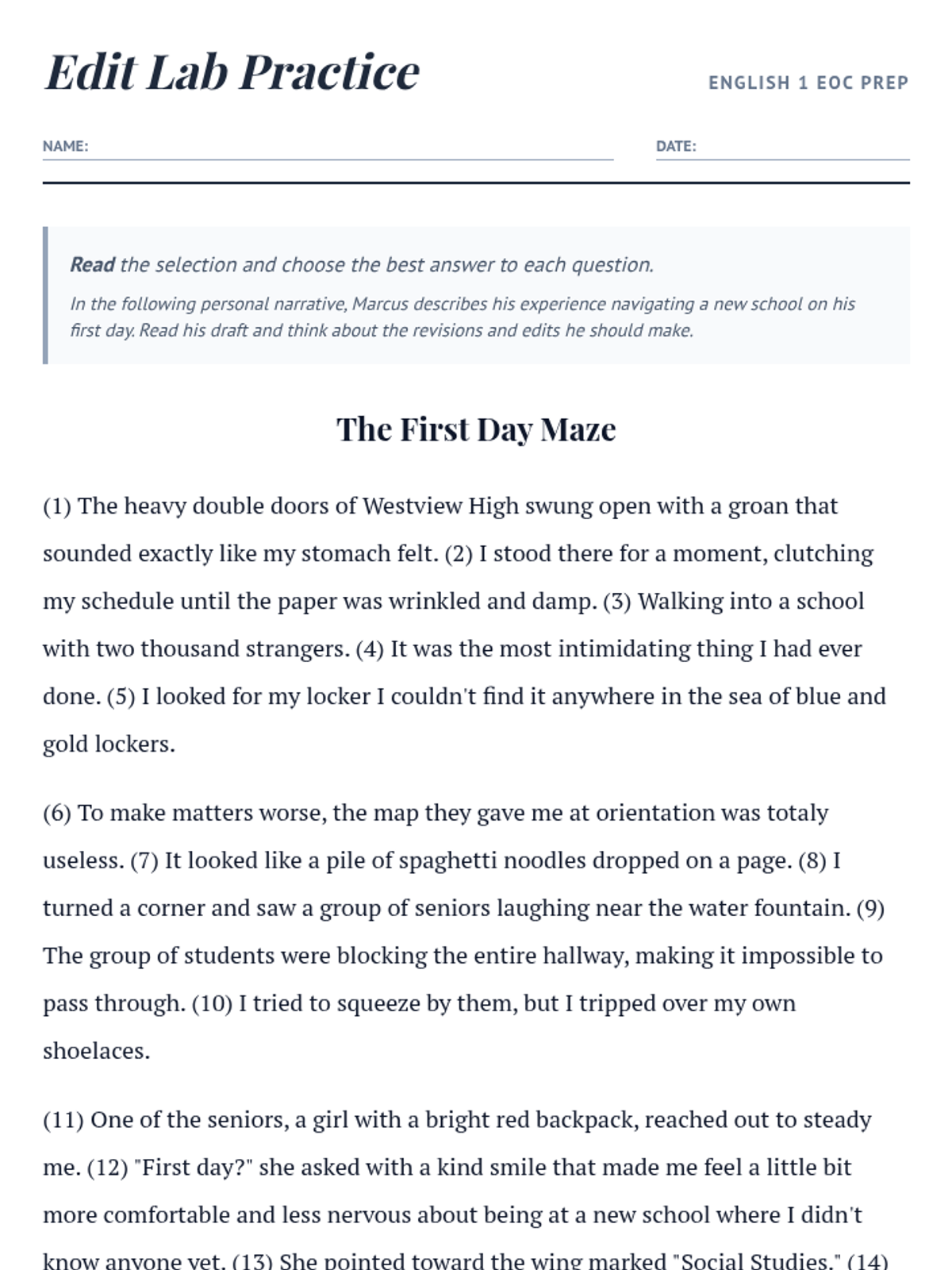
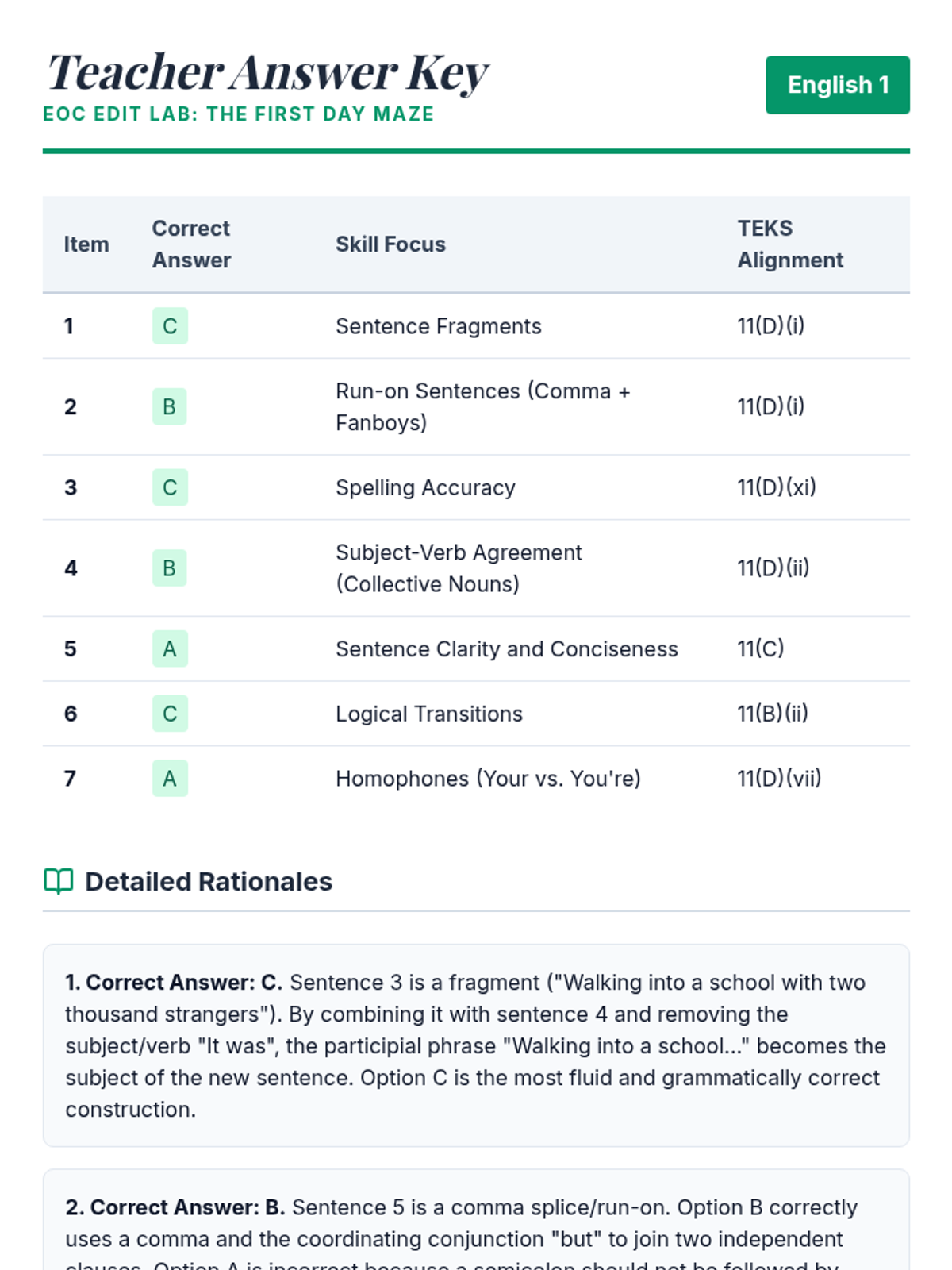
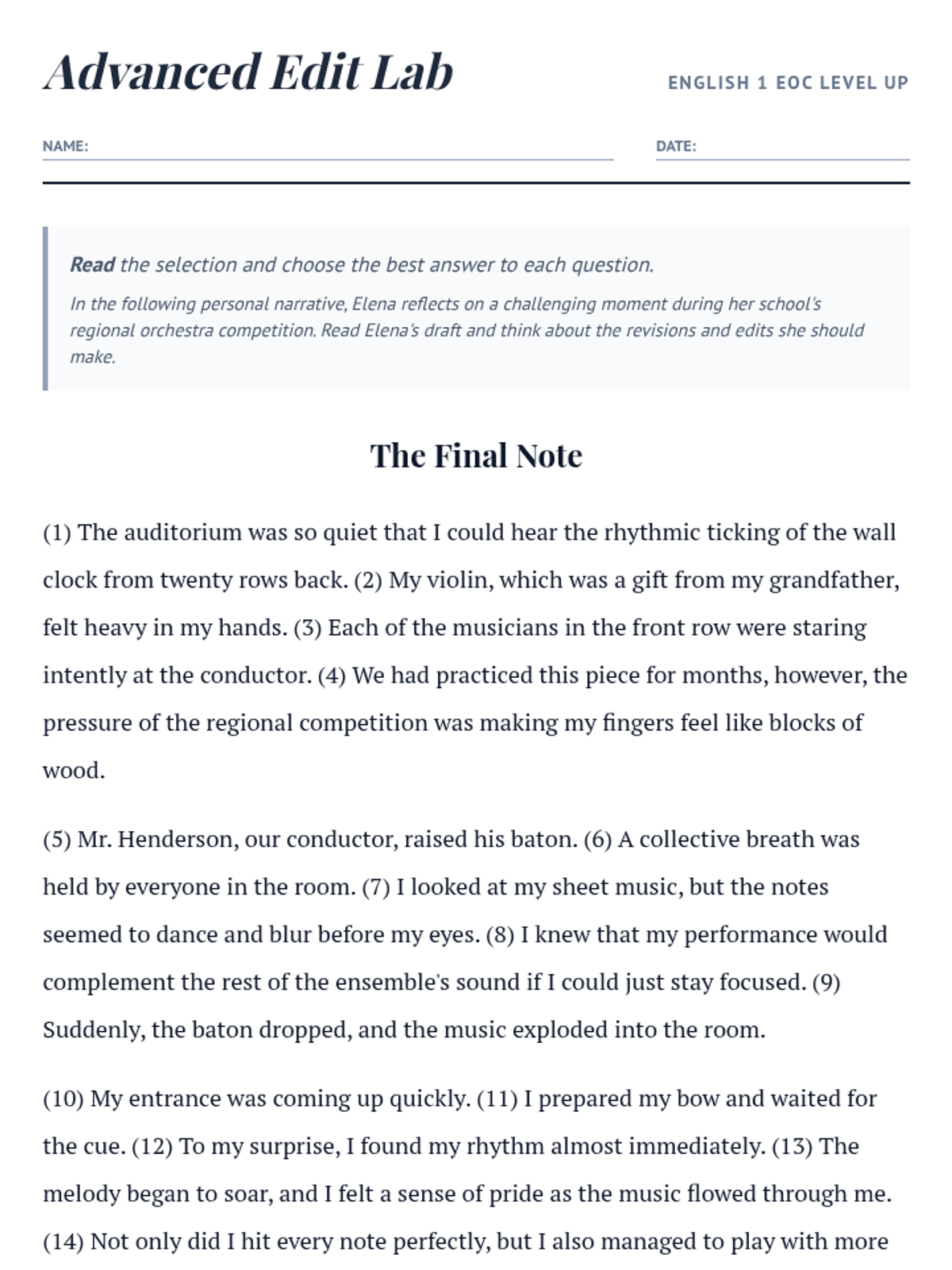
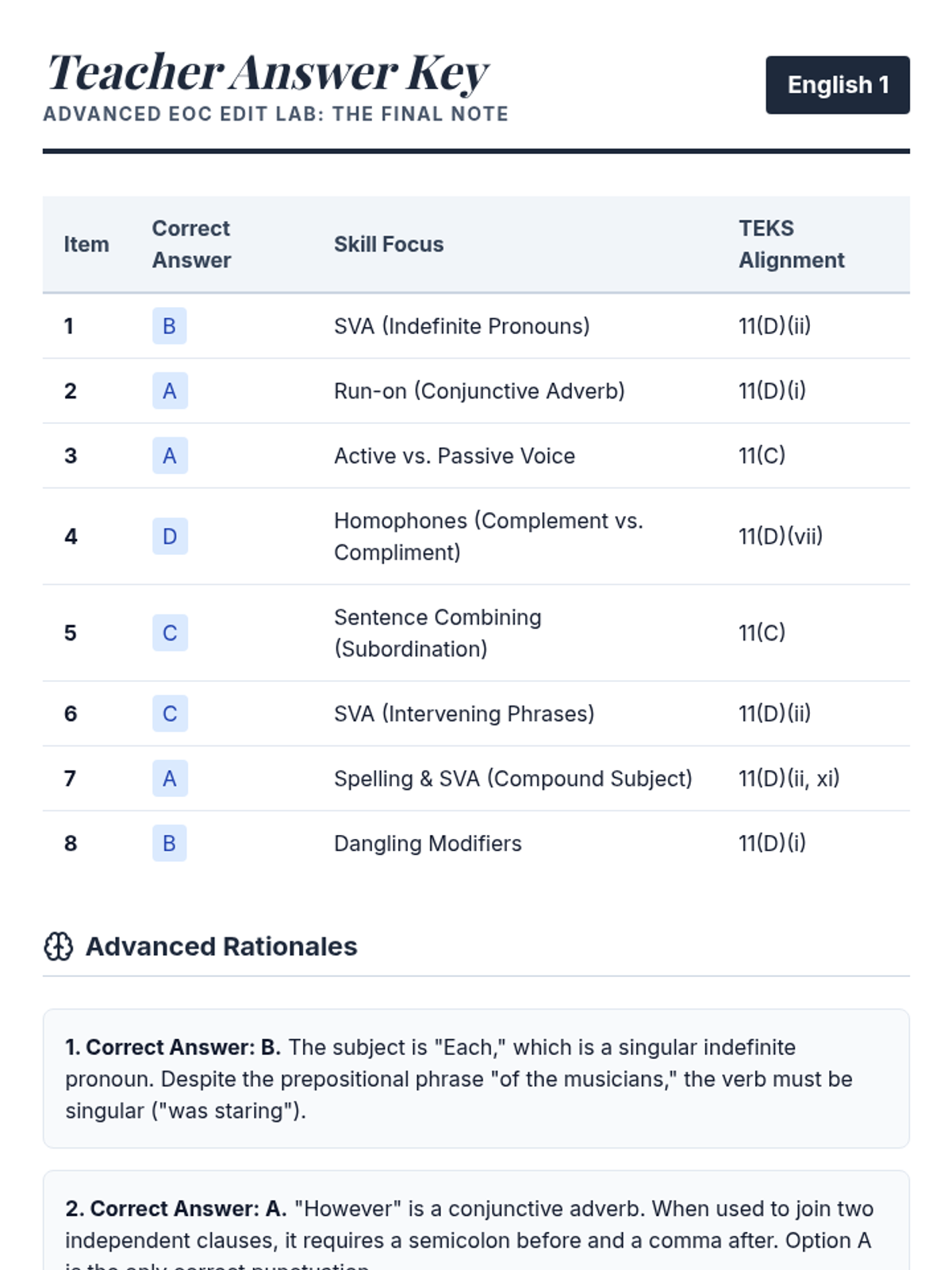
A comprehensive revising and editing practice focused on English 1 Texas EOC skills, featuring a student-centered personal narrative passage and exam-style questions.
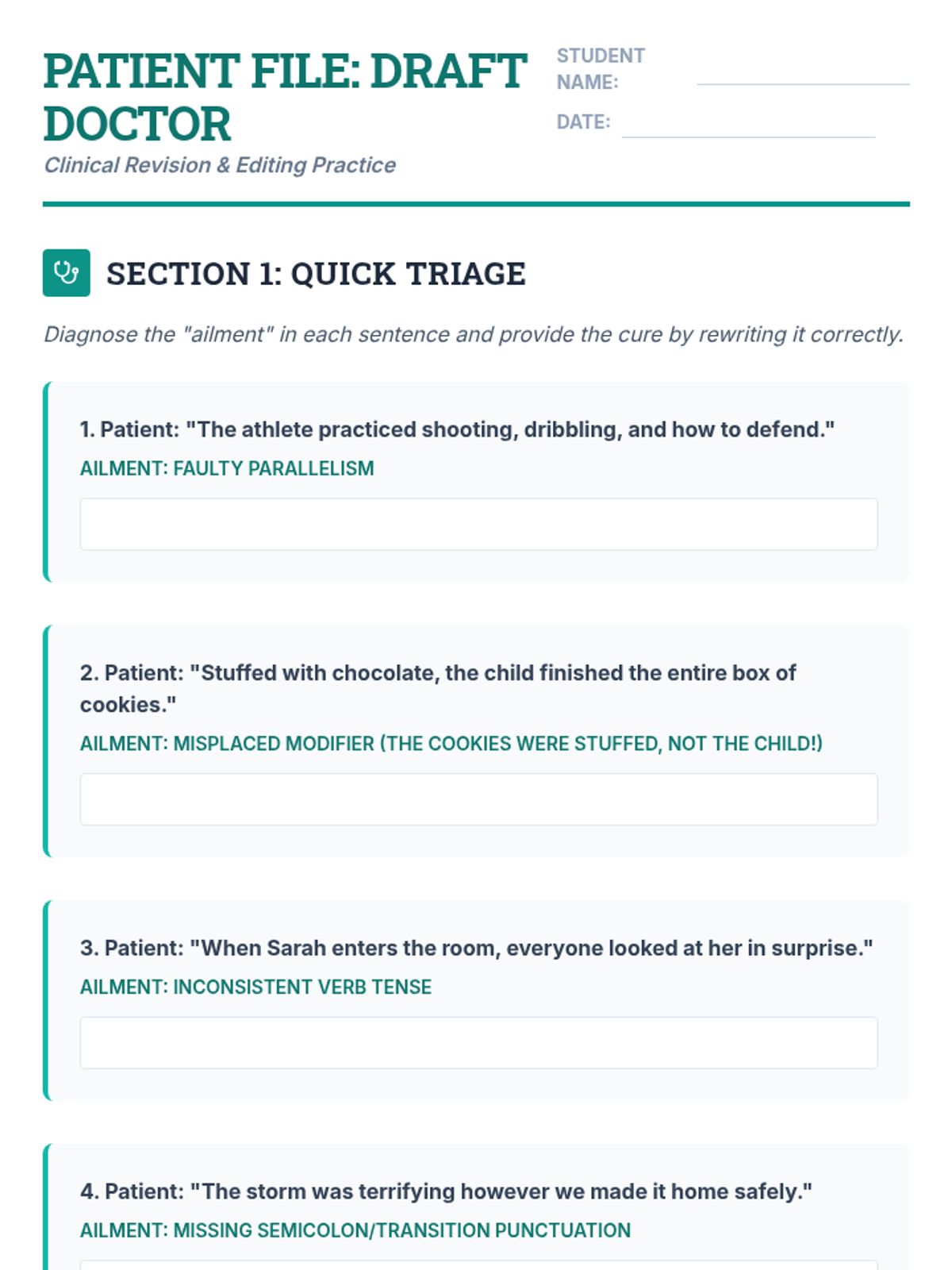
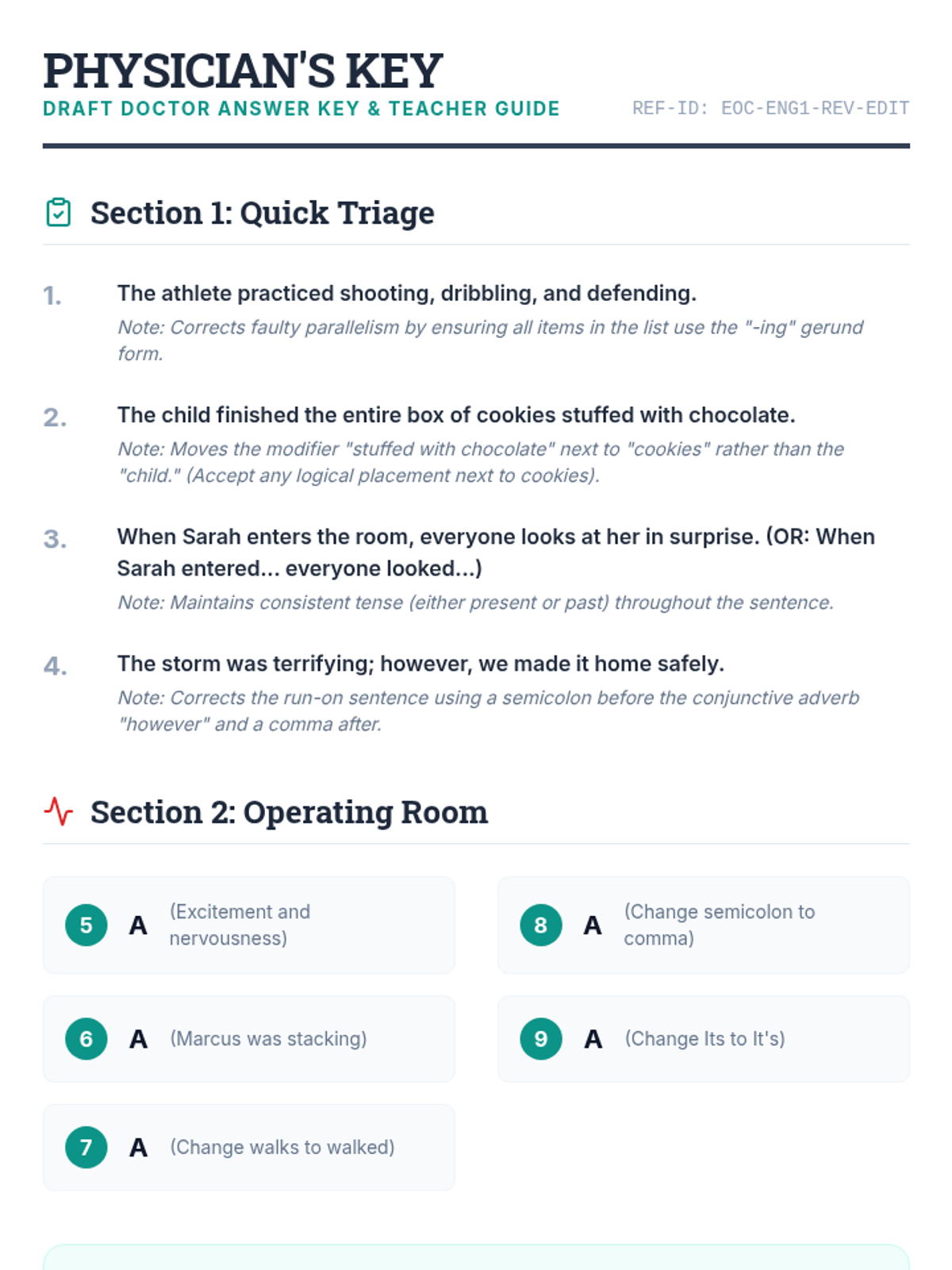
A comprehensive practice session for English 1 EOC revising and editing, featuring a medical-themed approach to 'curing' common writing ailments like poor sentence structure, tense issues, and punctuation errors.
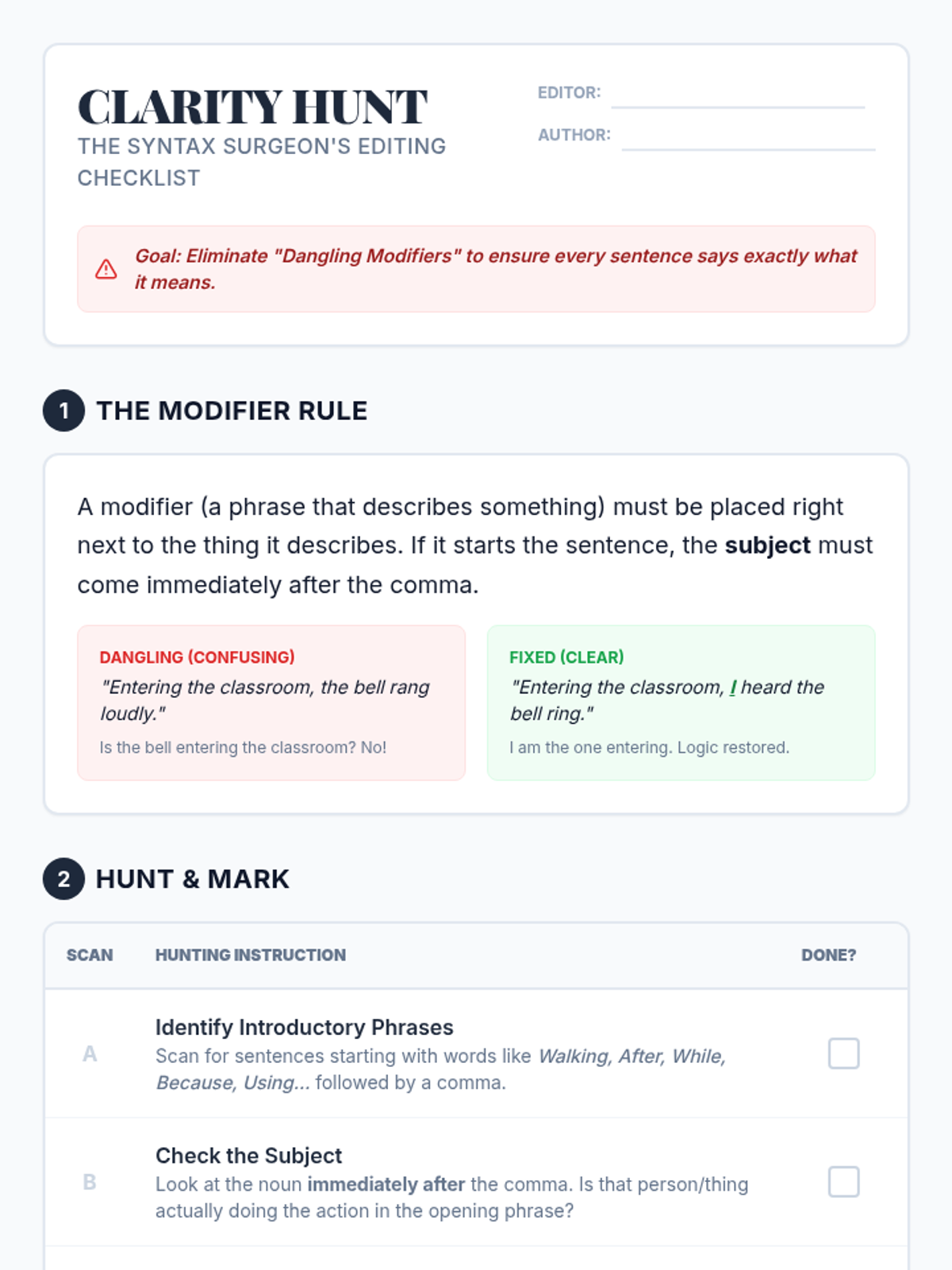
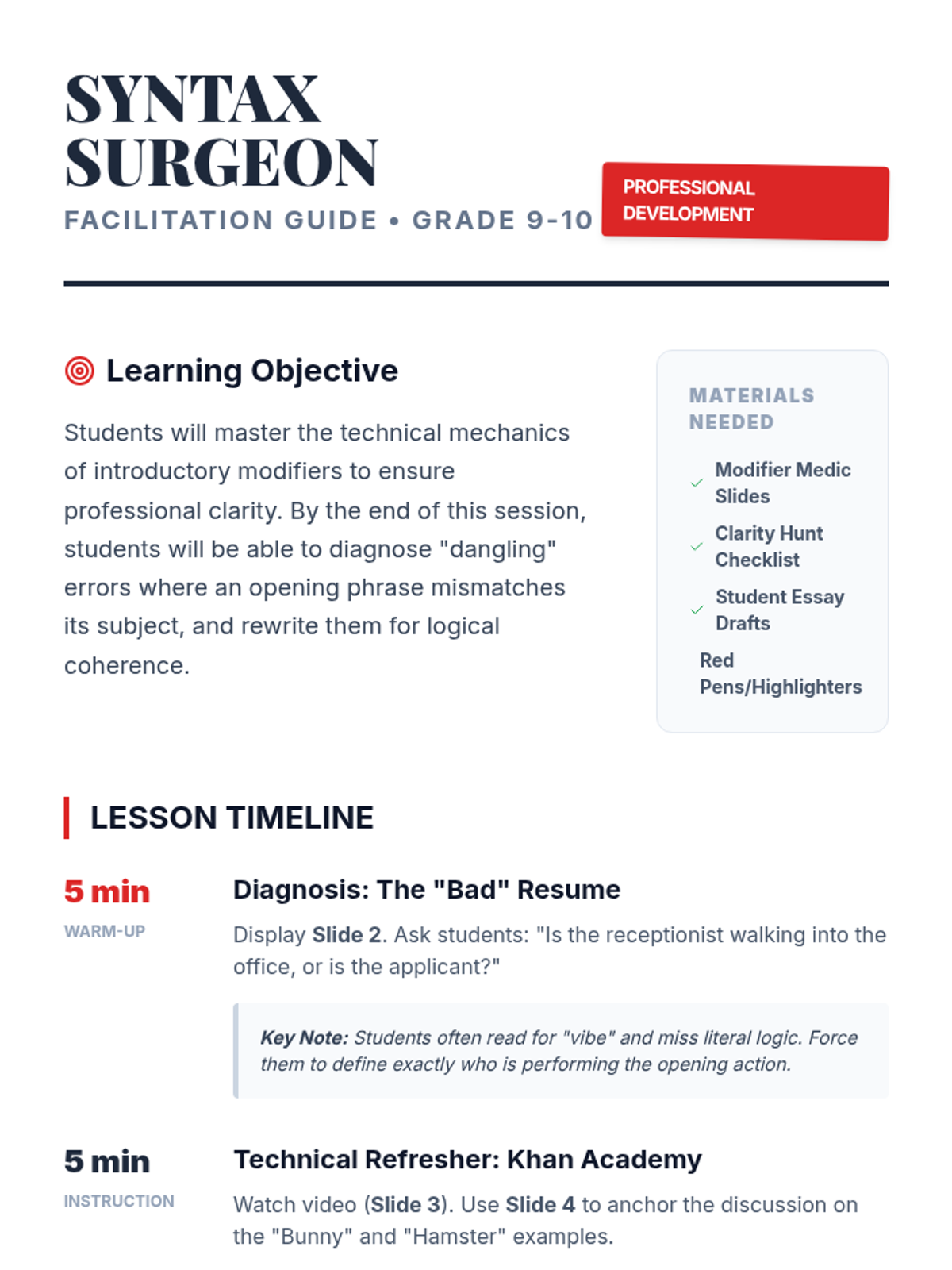
A high-school level grammar lesson focused on identifying and correcting dangling modifiers to improve clarity and professionalism in writing. Students analyze a 'bad' resume, watch a technical refresher, and perform a peer-editing circle on their own essay drafts.
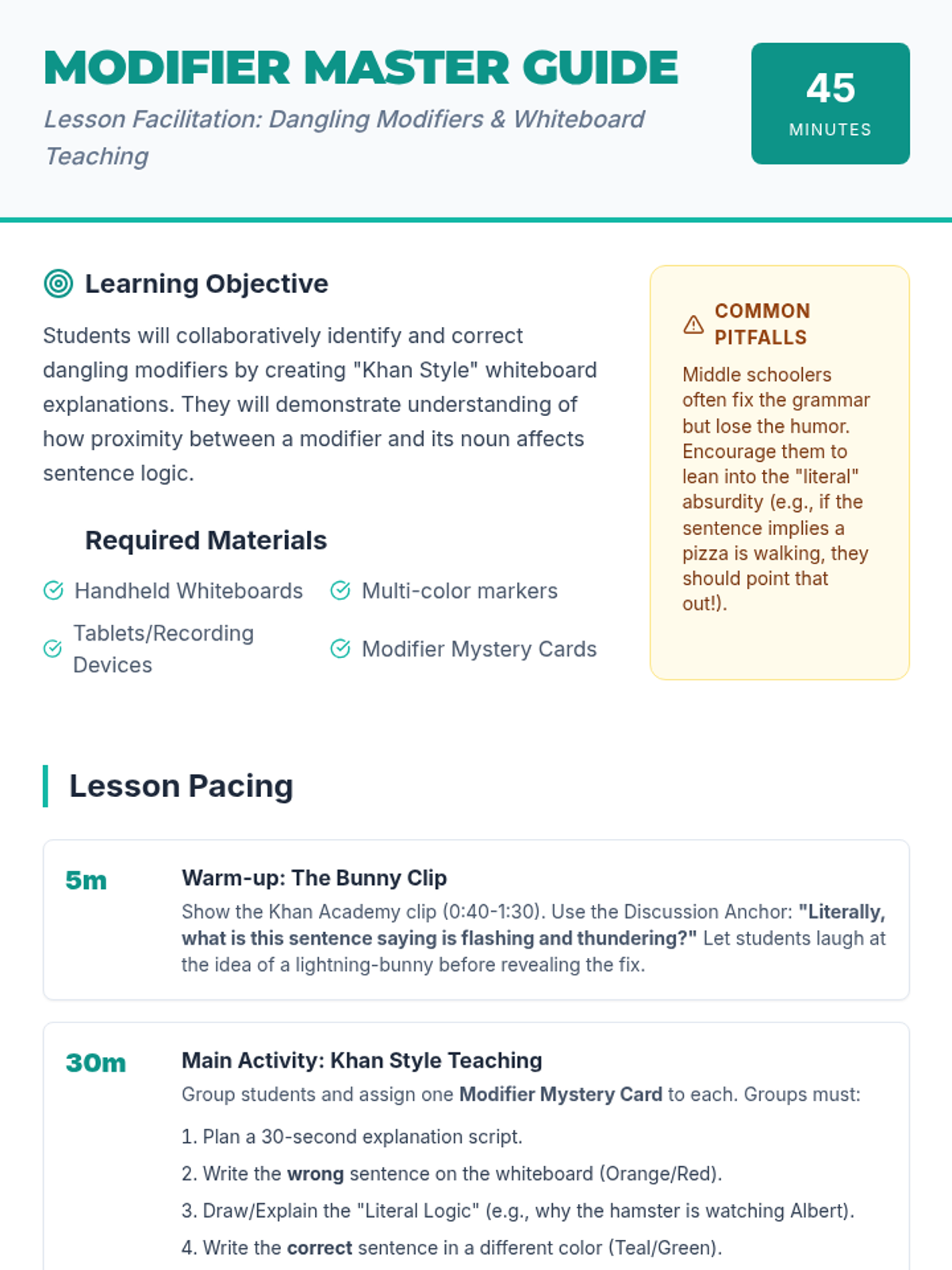
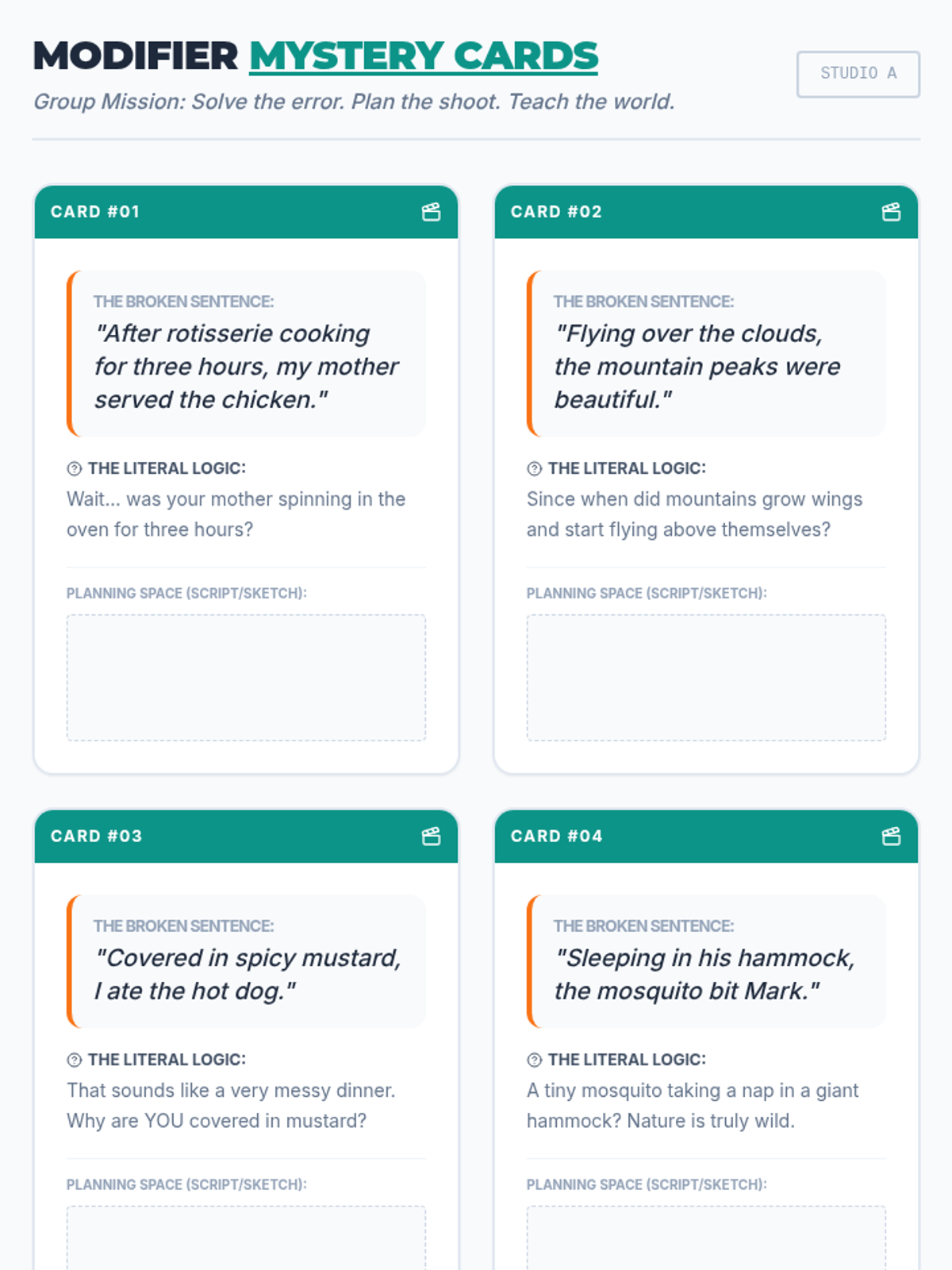
A collaborative grammar lesson where students use whiteboards and tablets to explain and correct dangling modifiers in a 'Khan Academy' style. Students analyze humorous errors, record short teaching clips, and present their work to the class.
A mastery-based session where students apply all modification rules to a complex 'broken' text following a professional style guide.
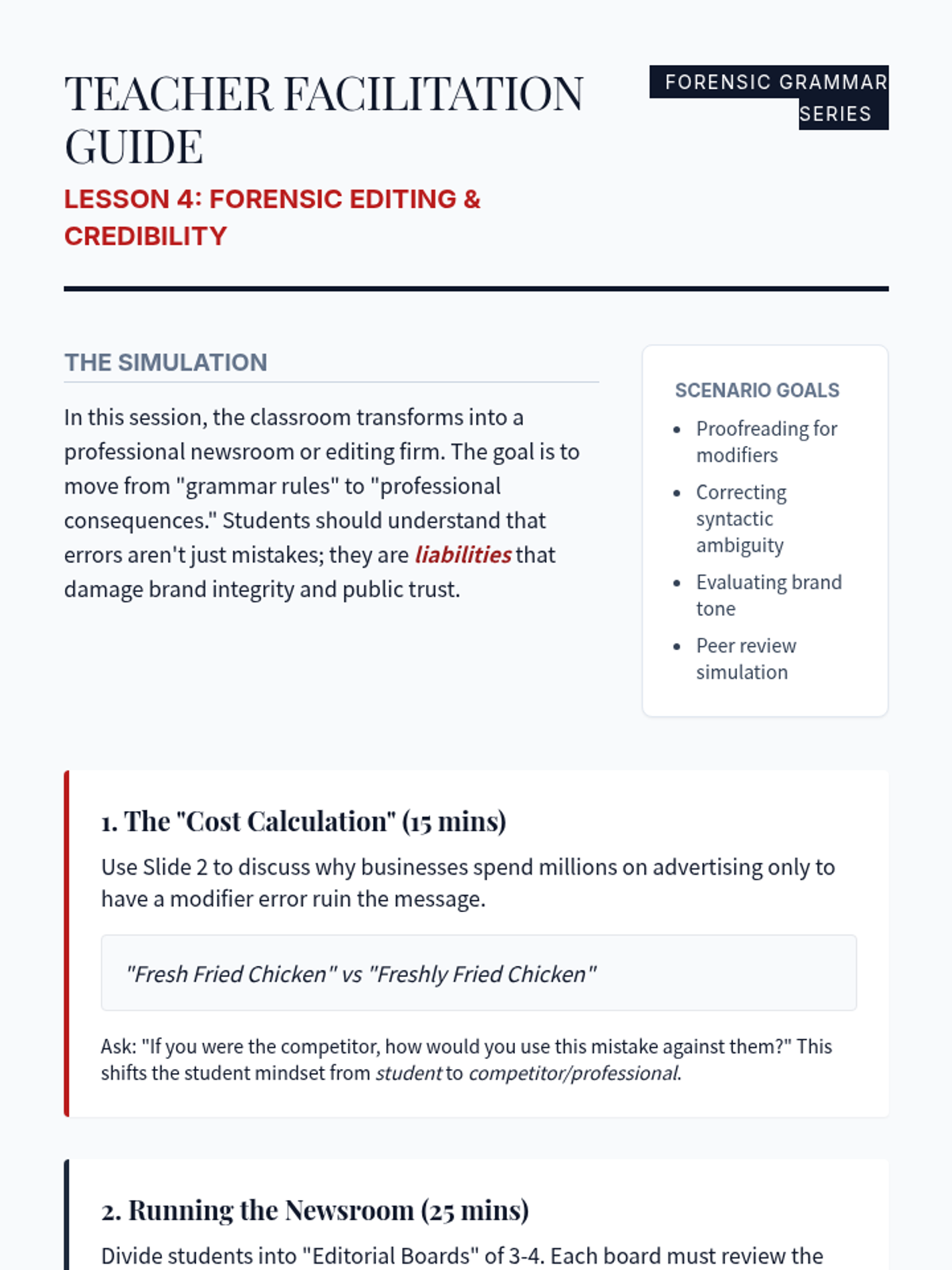
A simulation where students act as newspaper editors, identifying and correcting modification errors in real-world texts to maintain professional credibility.
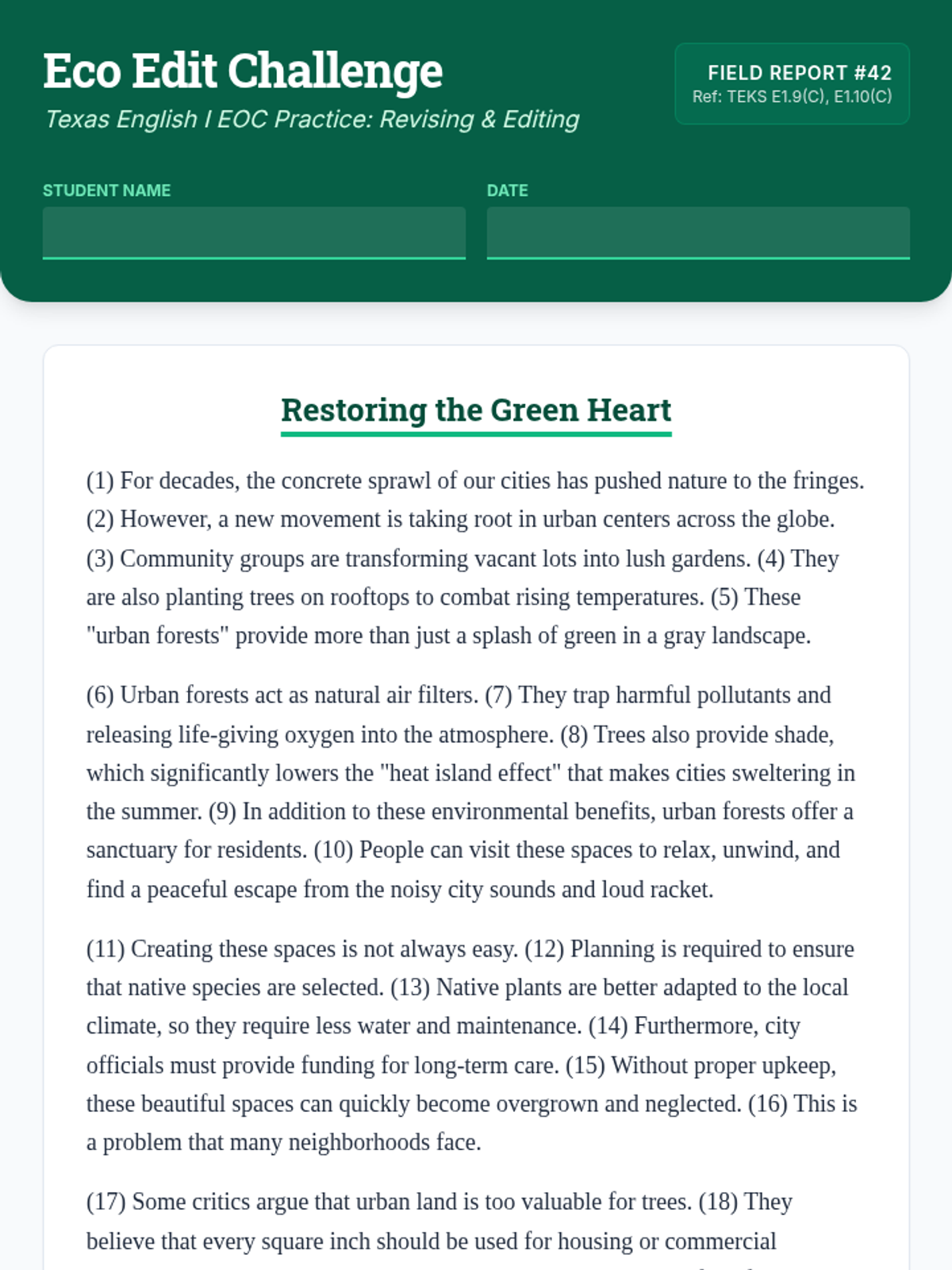
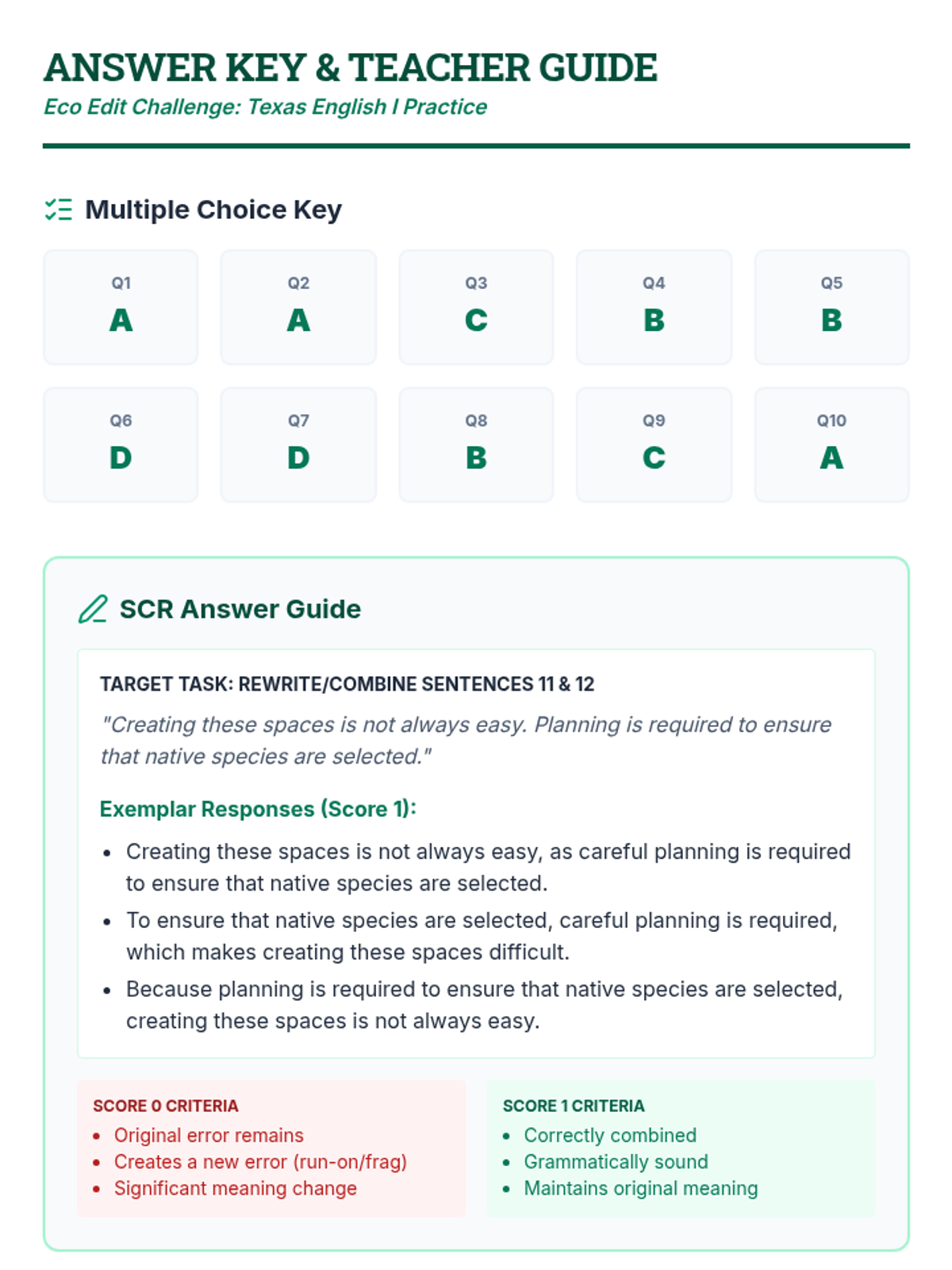
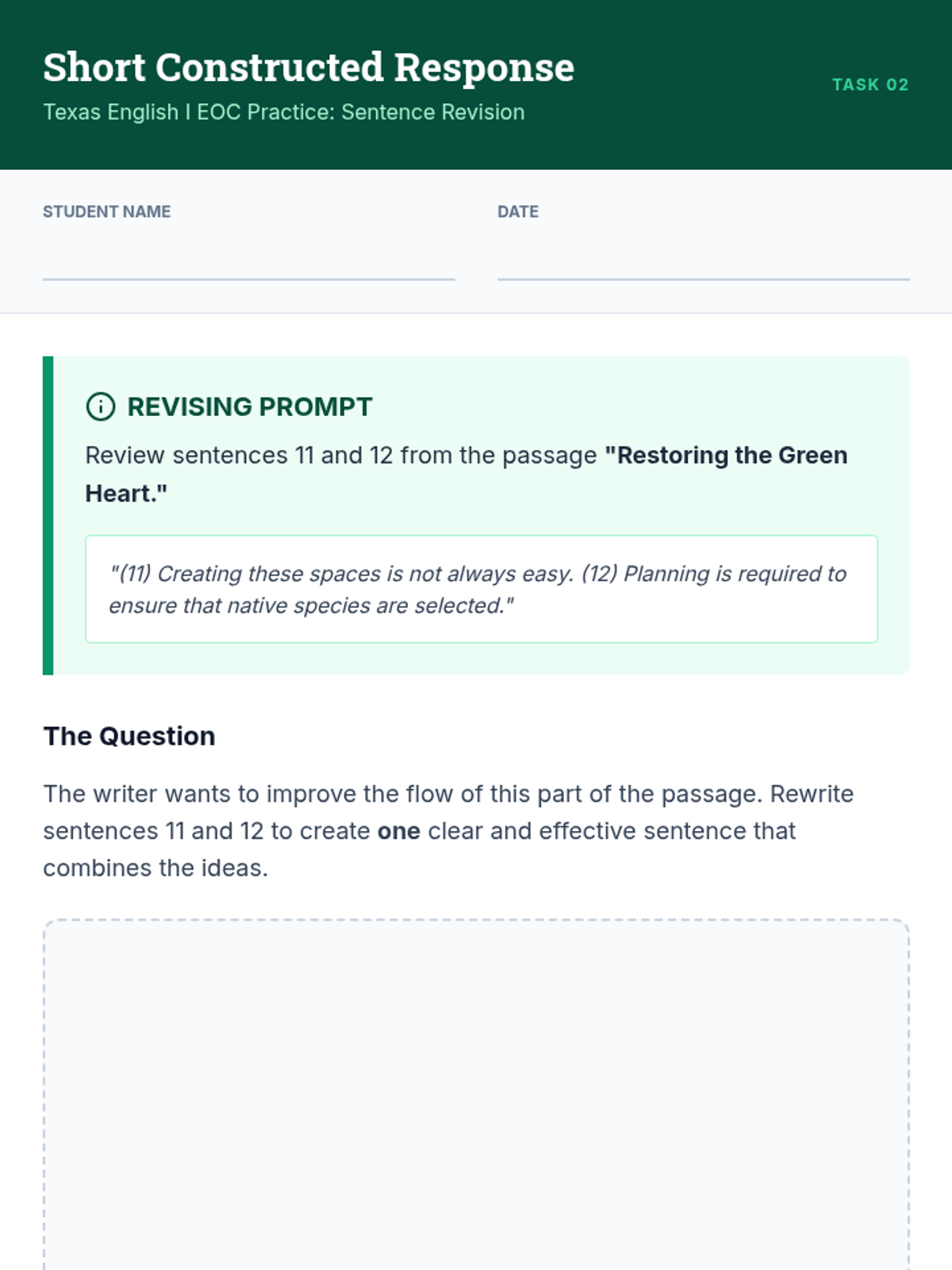
A practice assessment focused on revising and editing skills for the Texas English 1 EOC, featuring a passage on environmental conservation. Students will practice sentence combining, clarity, and grammatical corrections in a STAAR-aligned format.
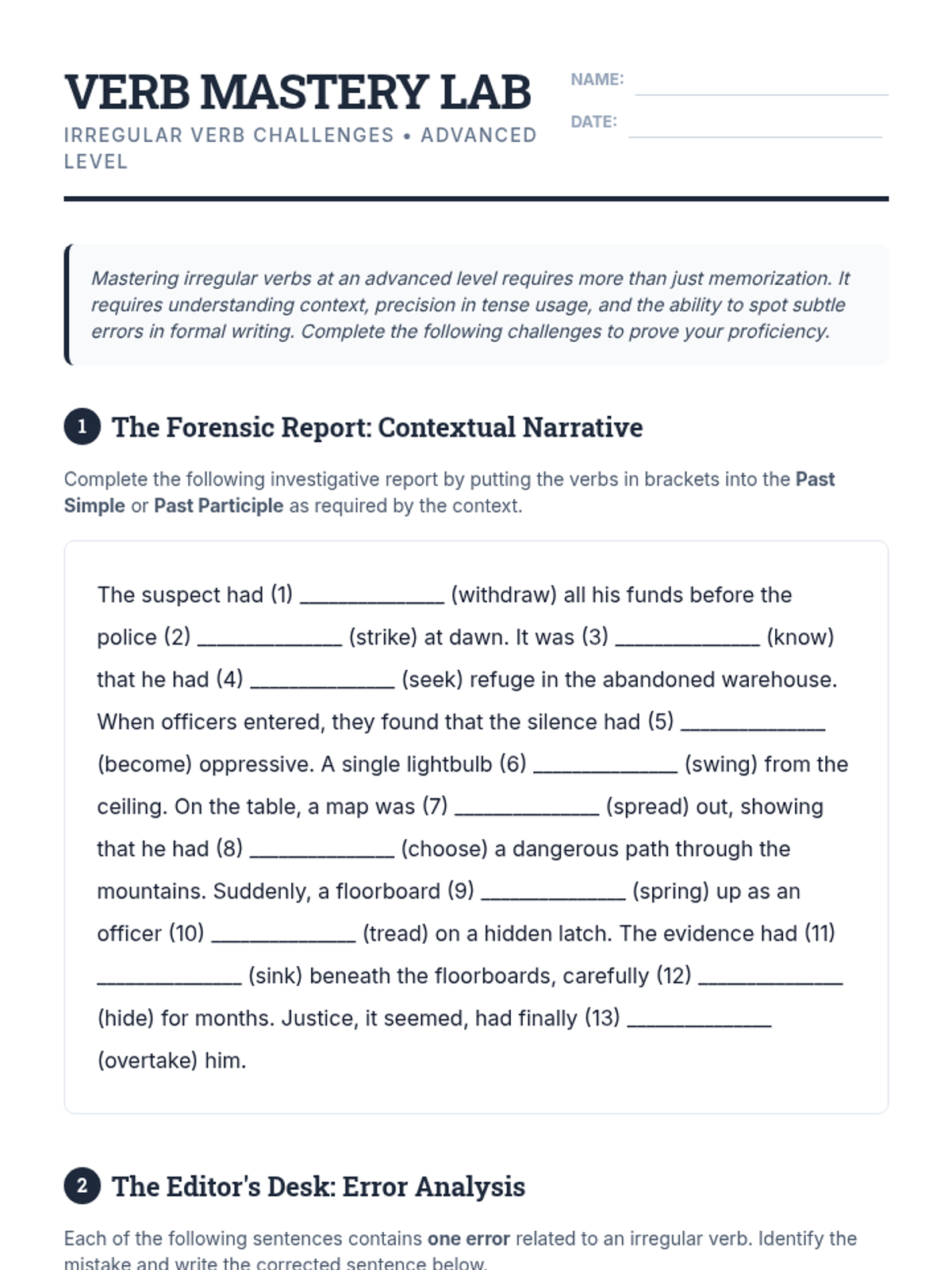
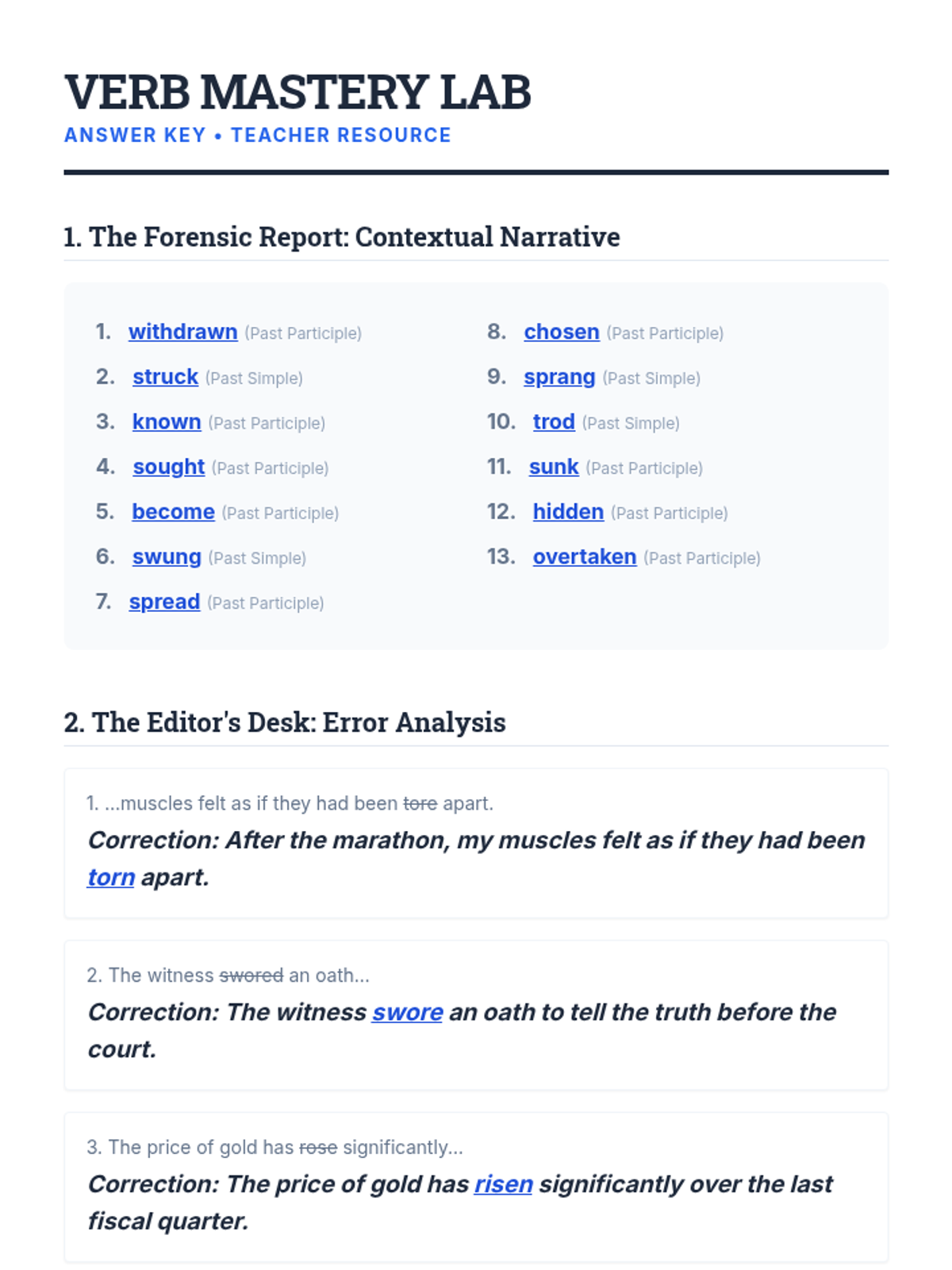
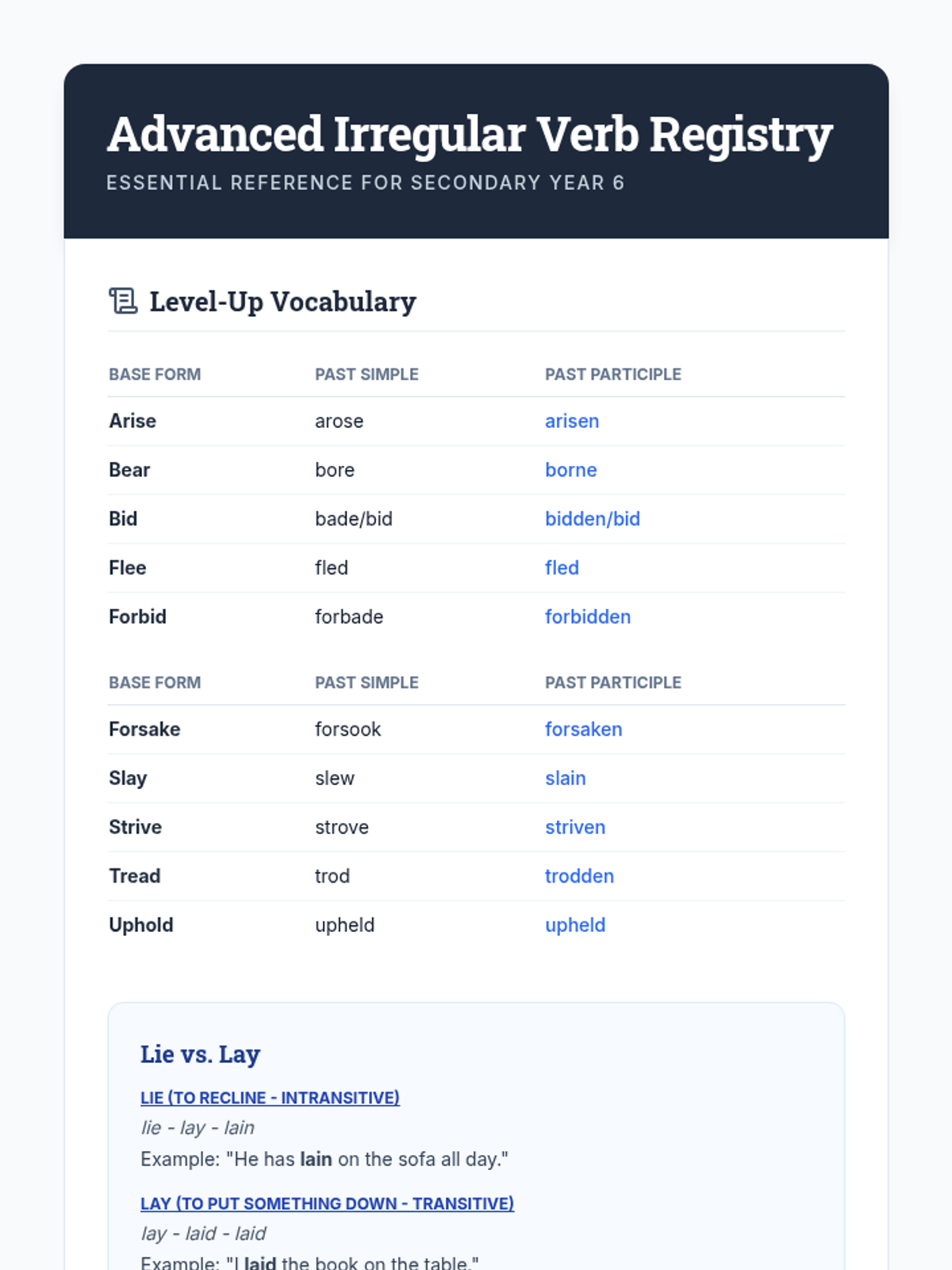
A comprehensive practice module for advanced secondary students to master irregular English verbs through contextual narratives, error analysis, and sentence transformations.
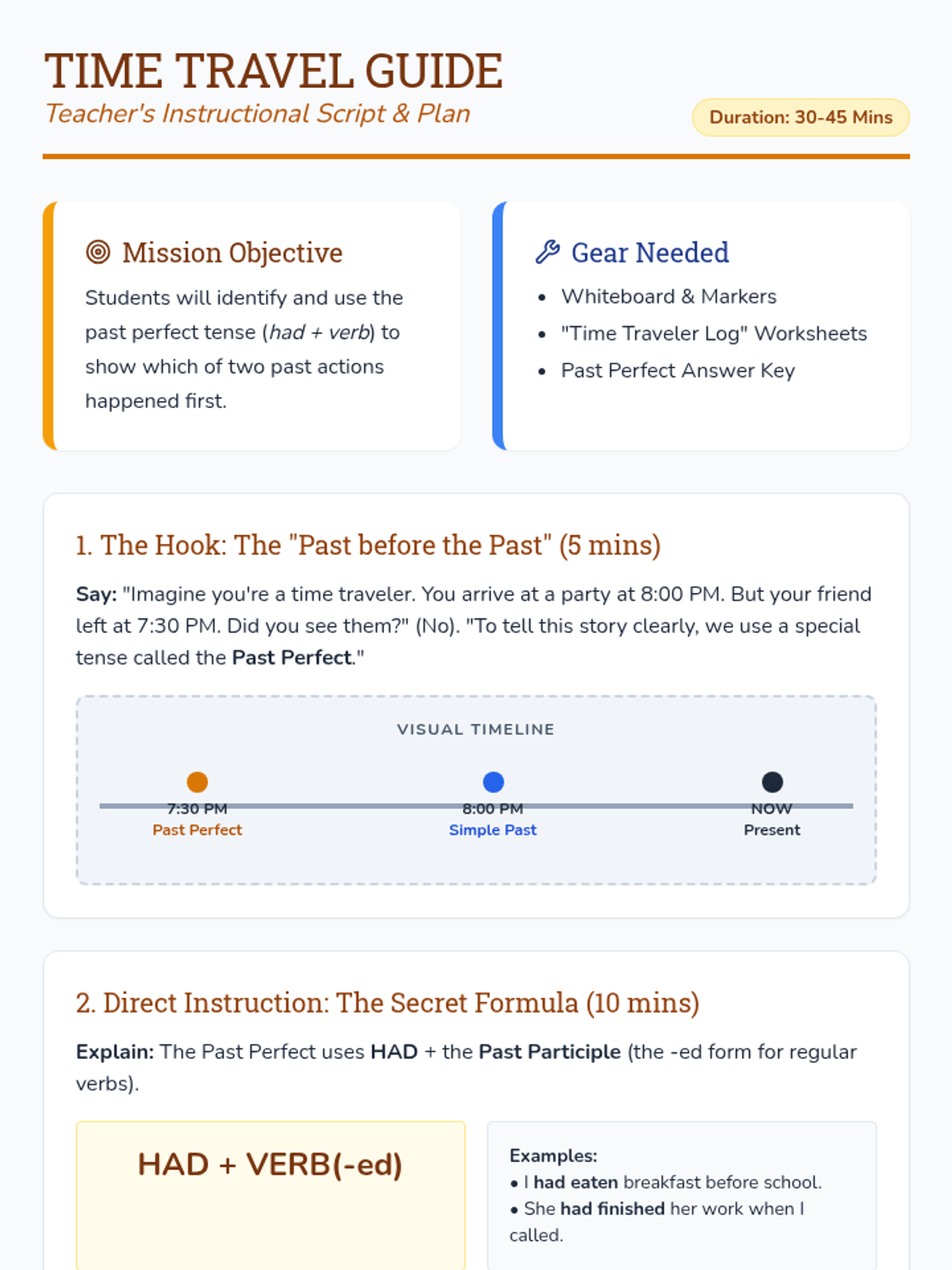
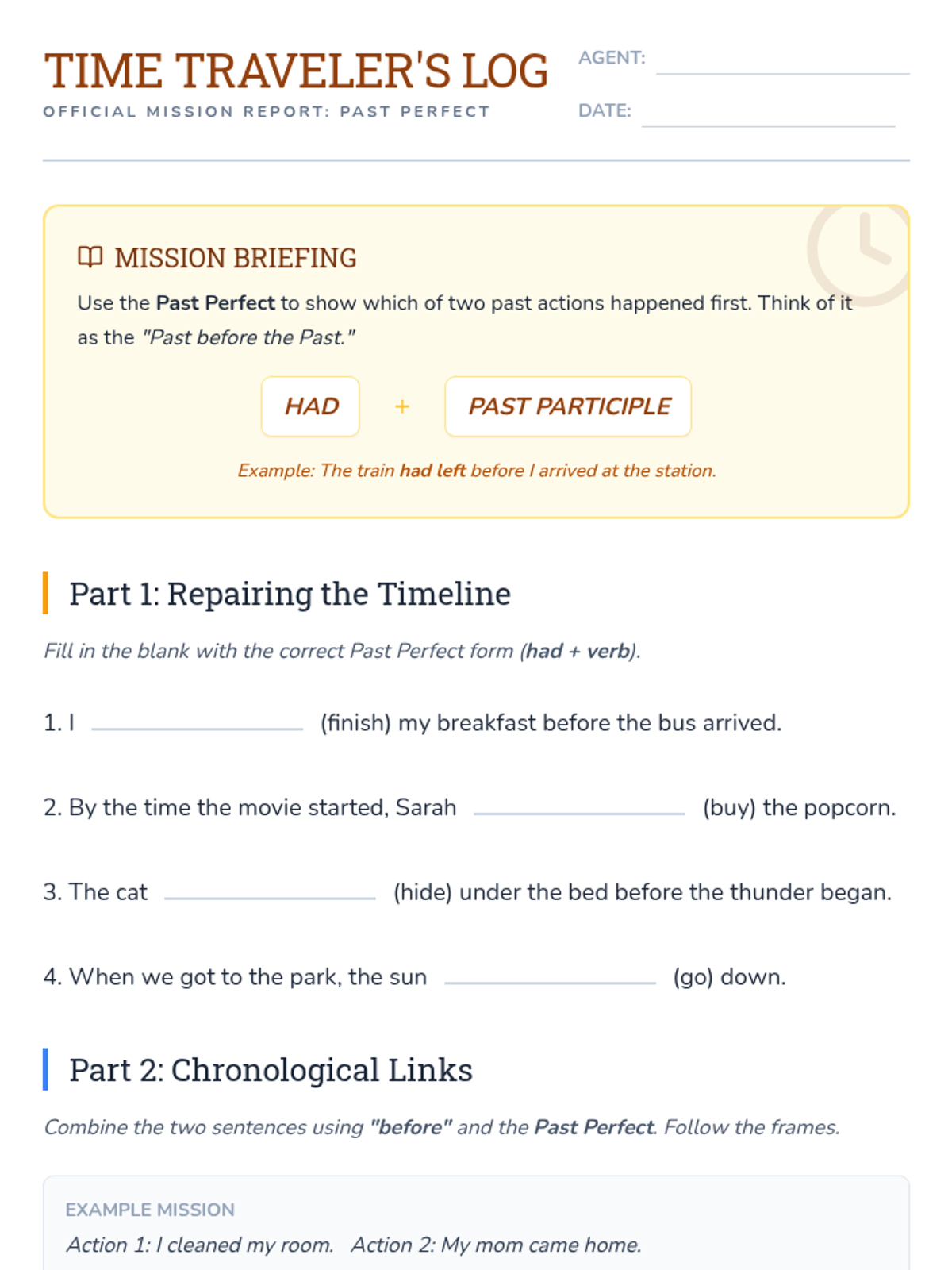
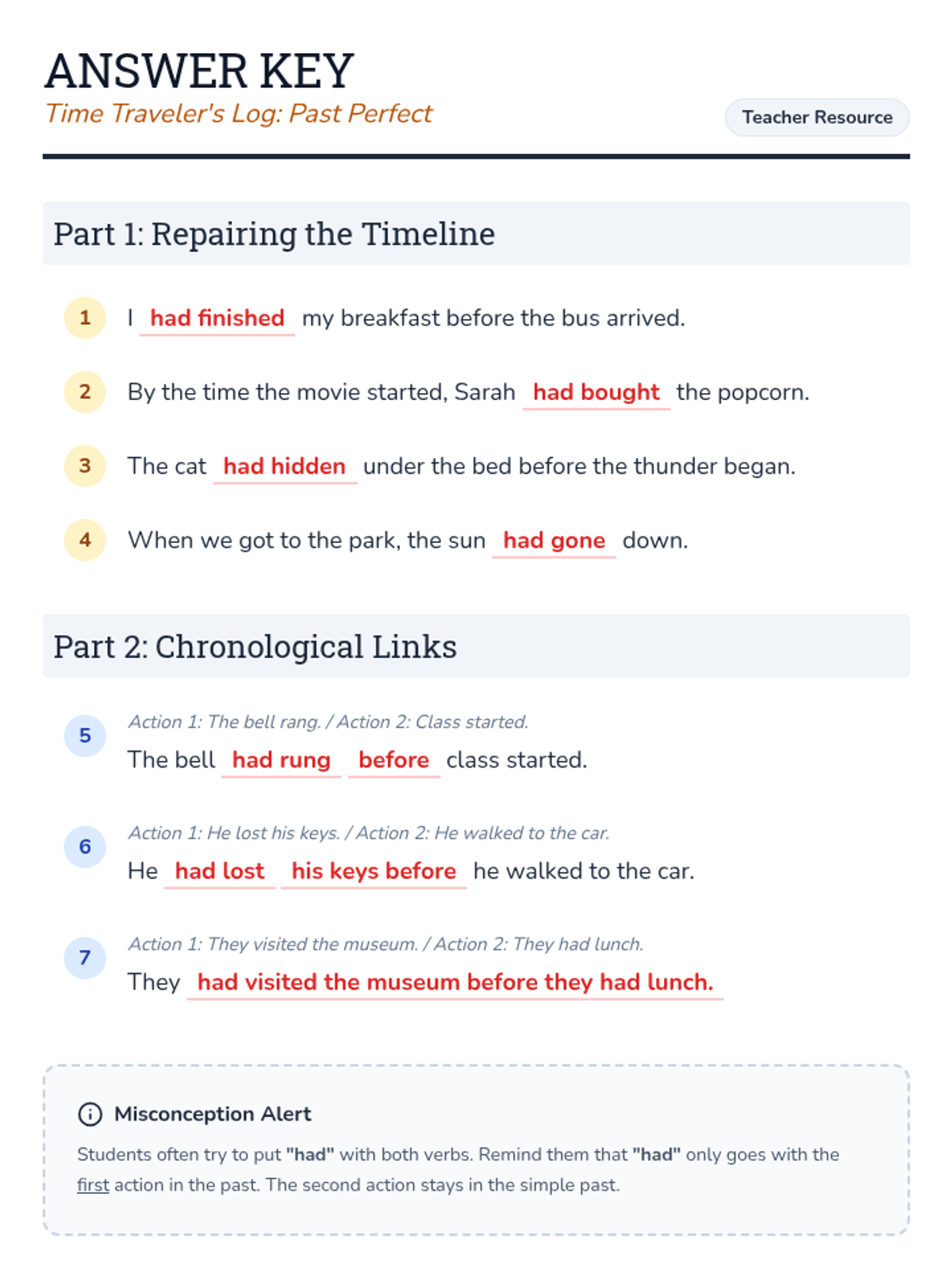
A comprehensive 30-45 minute lesson on the past perfect tense, featuring explicit instructions, a time-travel themed worksheet, and a detailed teacher guide. This lesson helps students understand how to sequence two past events using the 'past before the past' structure.
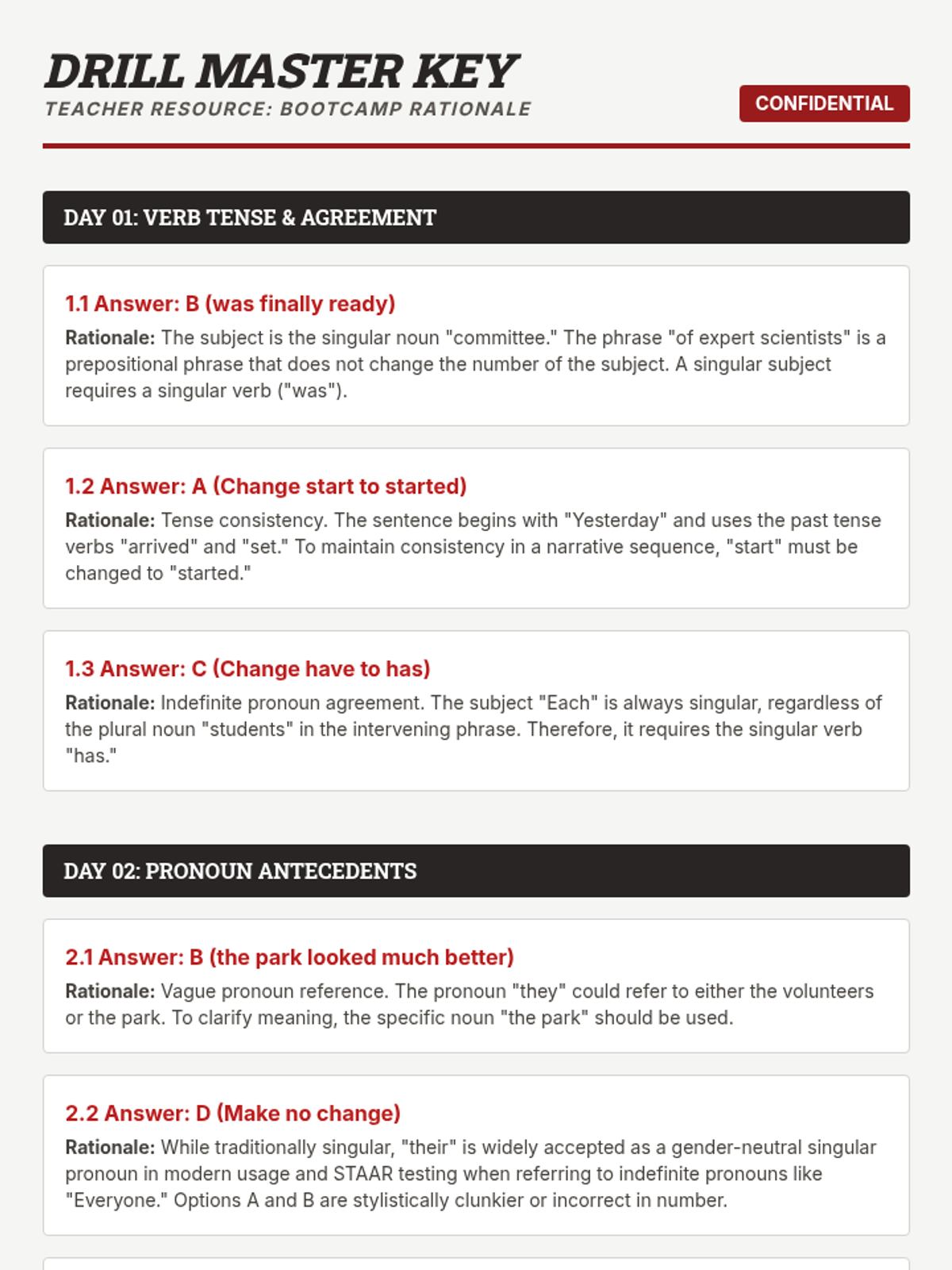
A series of daily editing drills targeting high-frequency STAAR grammar standards including verb agreement, pronoun-antecedent clarity, and complex punctuation.
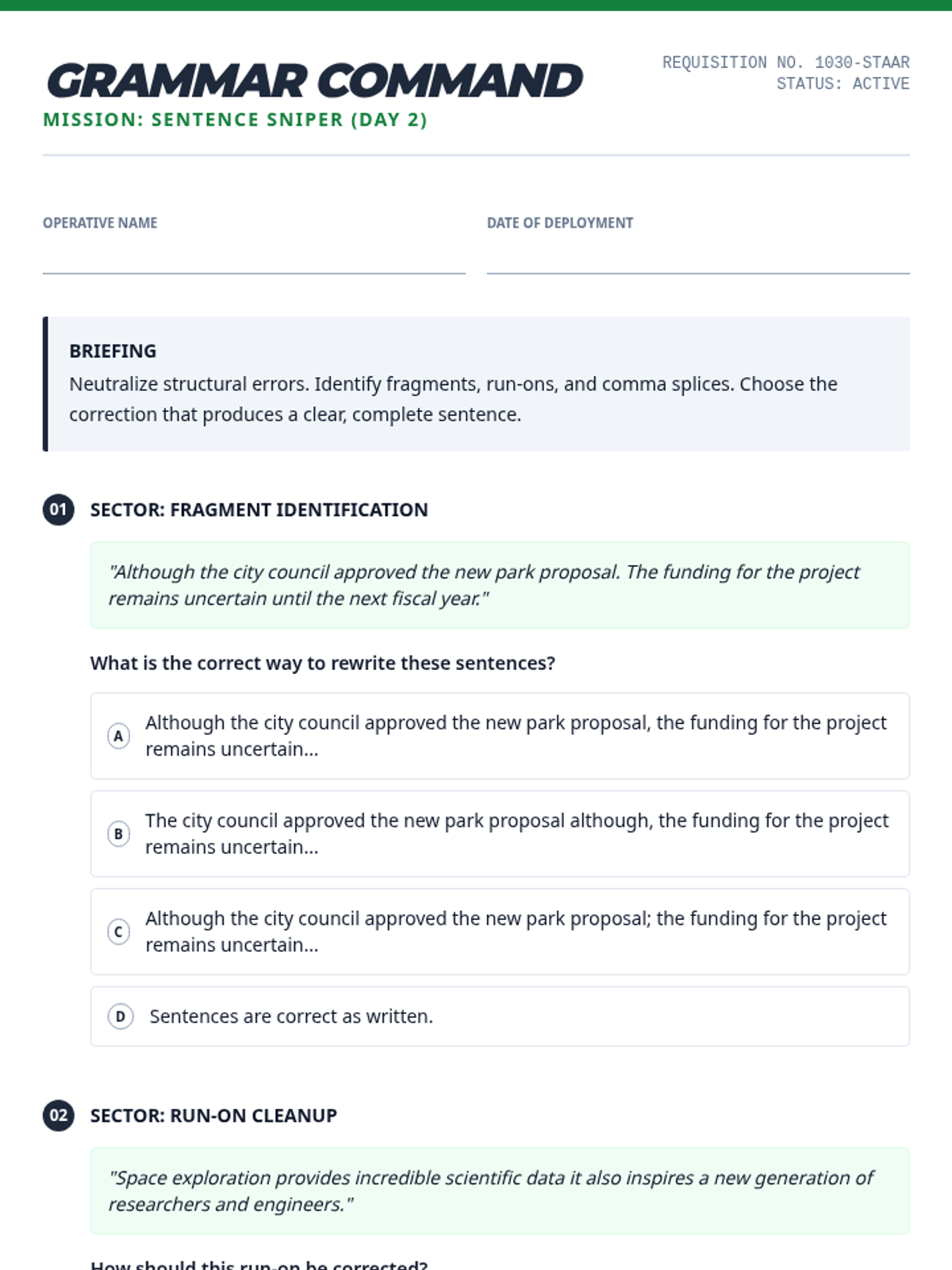
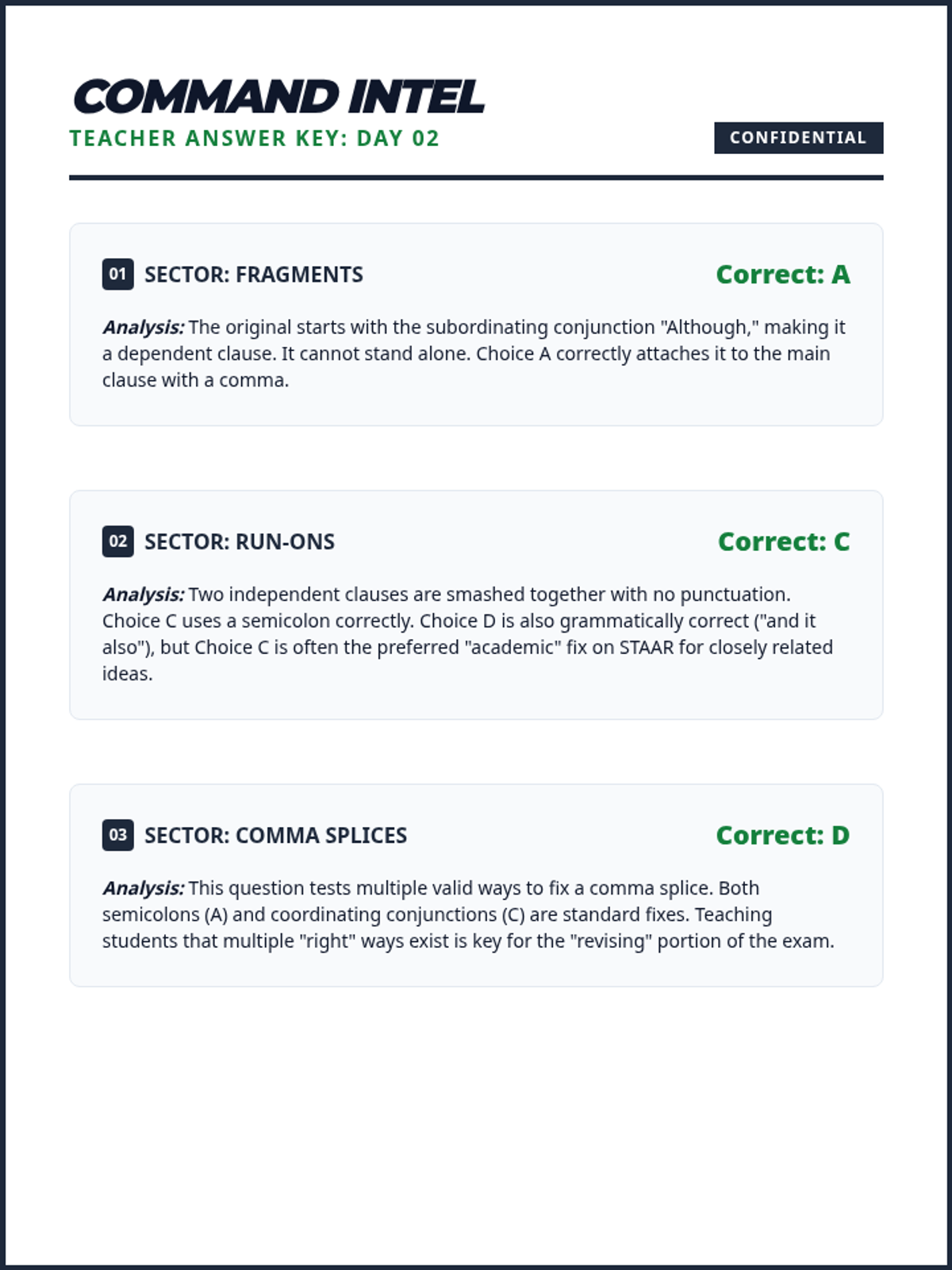
Identifying and fixing fragments, run-ons, and comma splices in academic writing.
Mixed review and simulation of the STAAR editing/revising section.
Pronoun-antecedent agreement and possessive apostrophe usage.
Subject-verb agreement and consistent verb tense within academic passages.
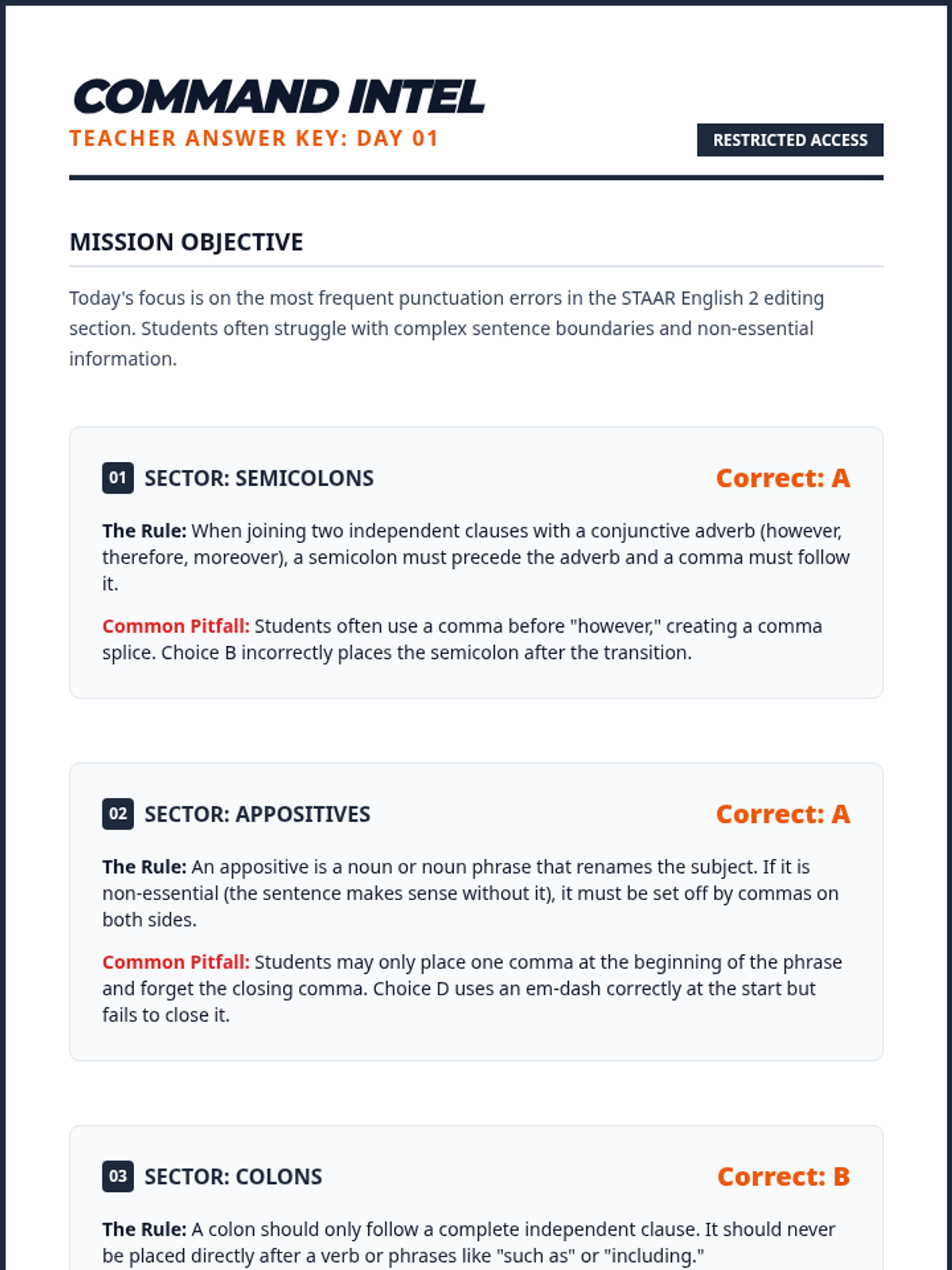
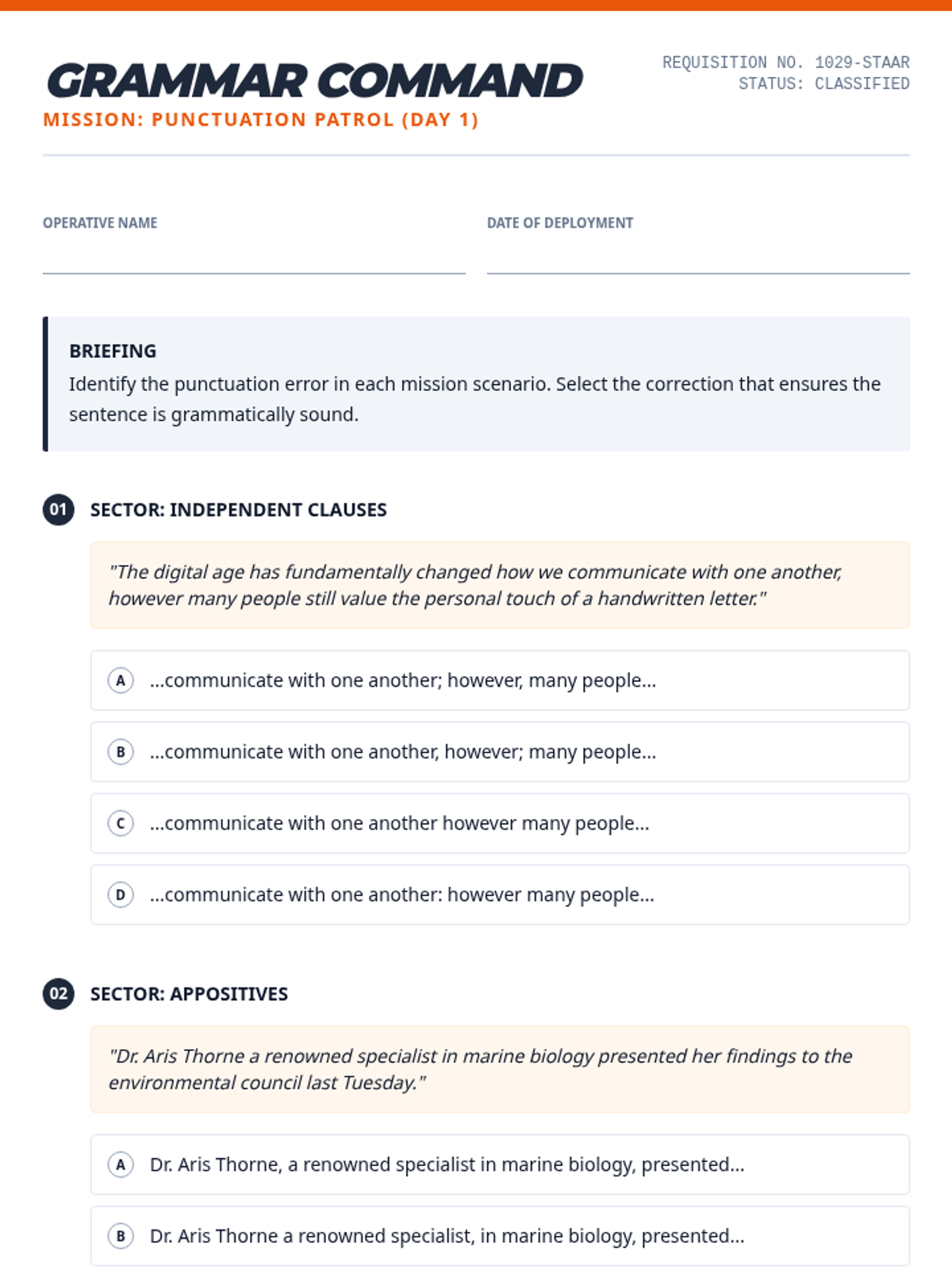
Focus on high-frequency punctuation errors: semicolons, appositives, and colon usage.
A comprehensive 10-day bell-ringer or mini-lesson series that blends World History curriculum with English 2 EOC revising and editing practice.
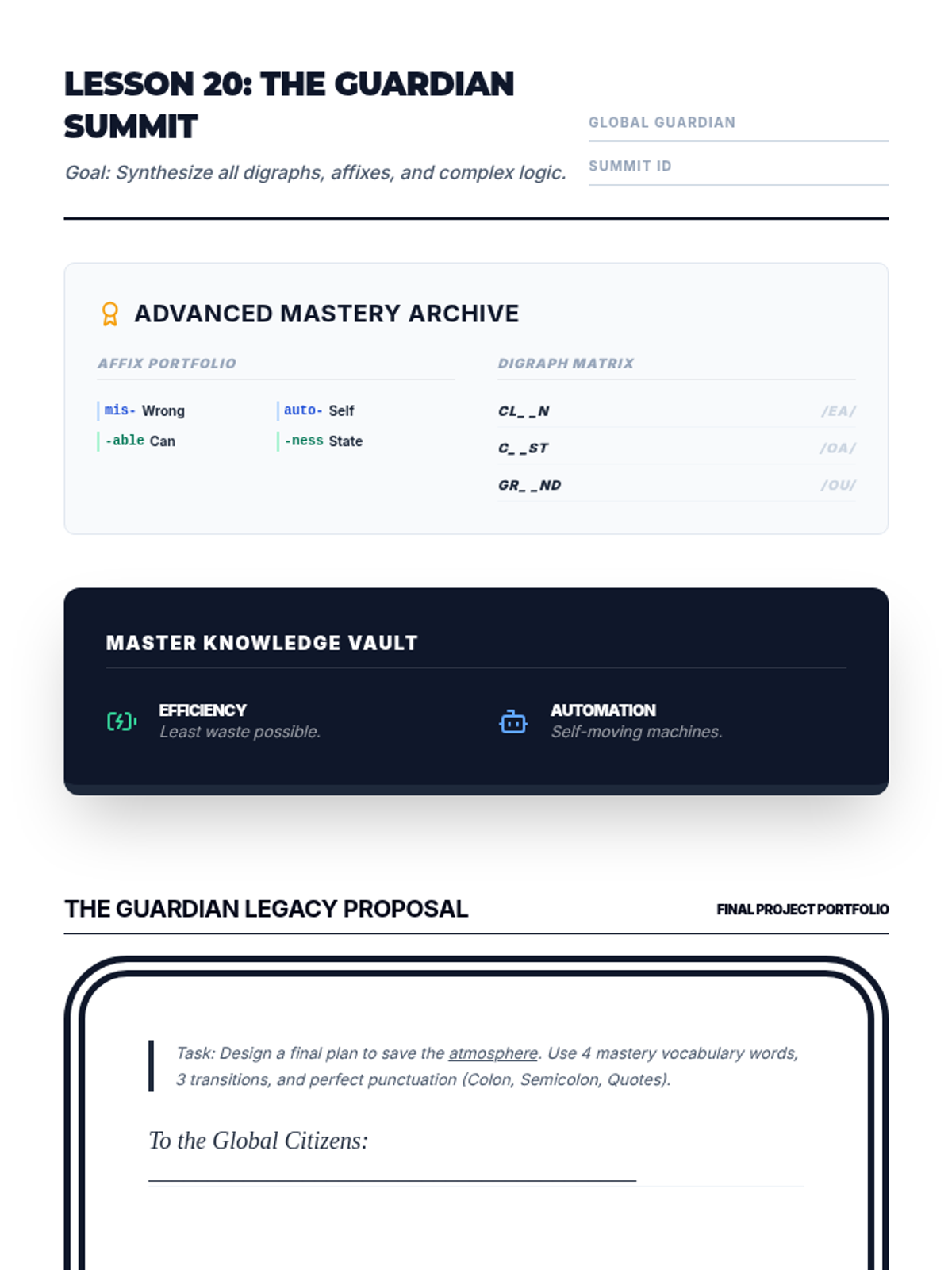
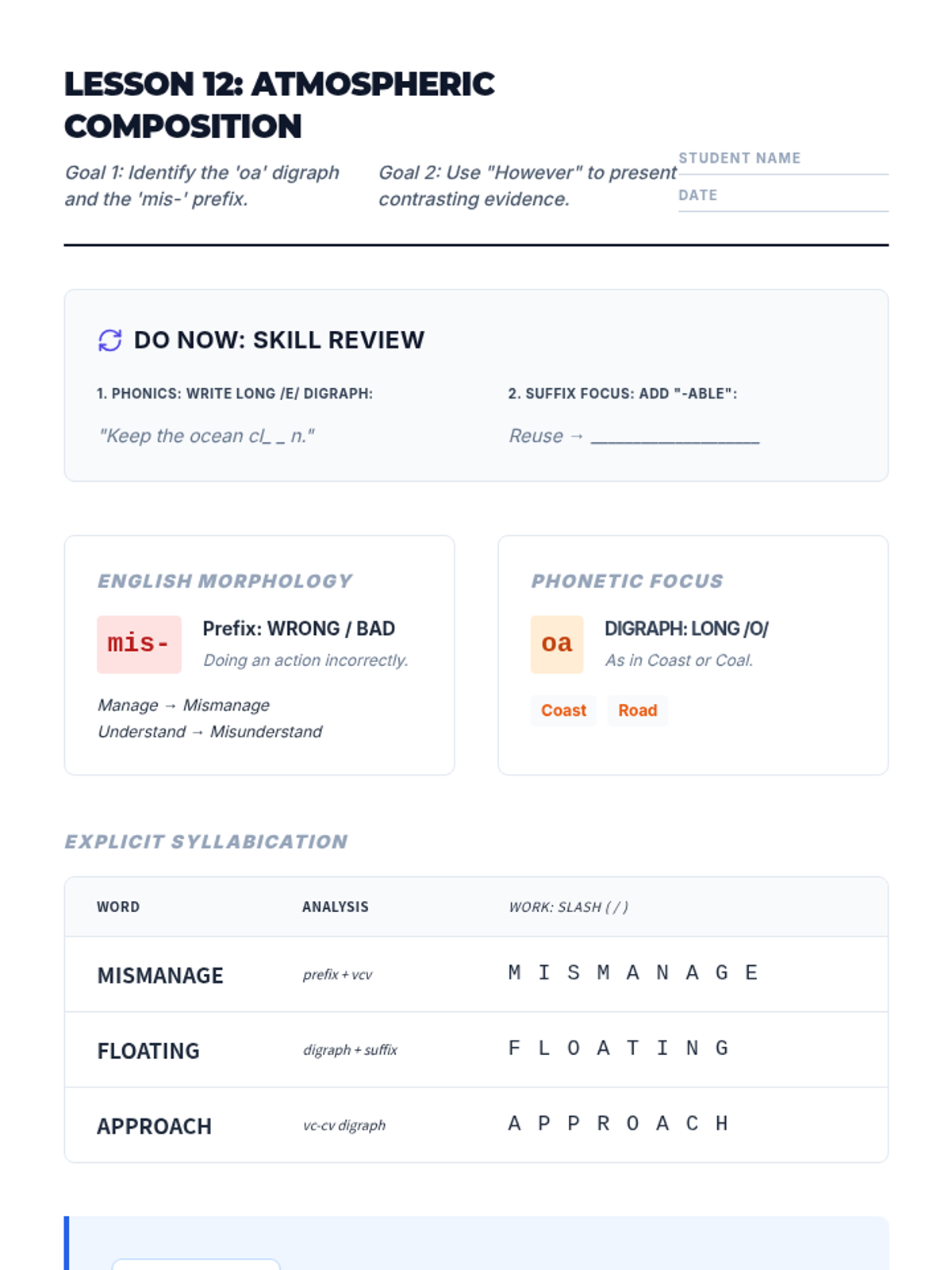
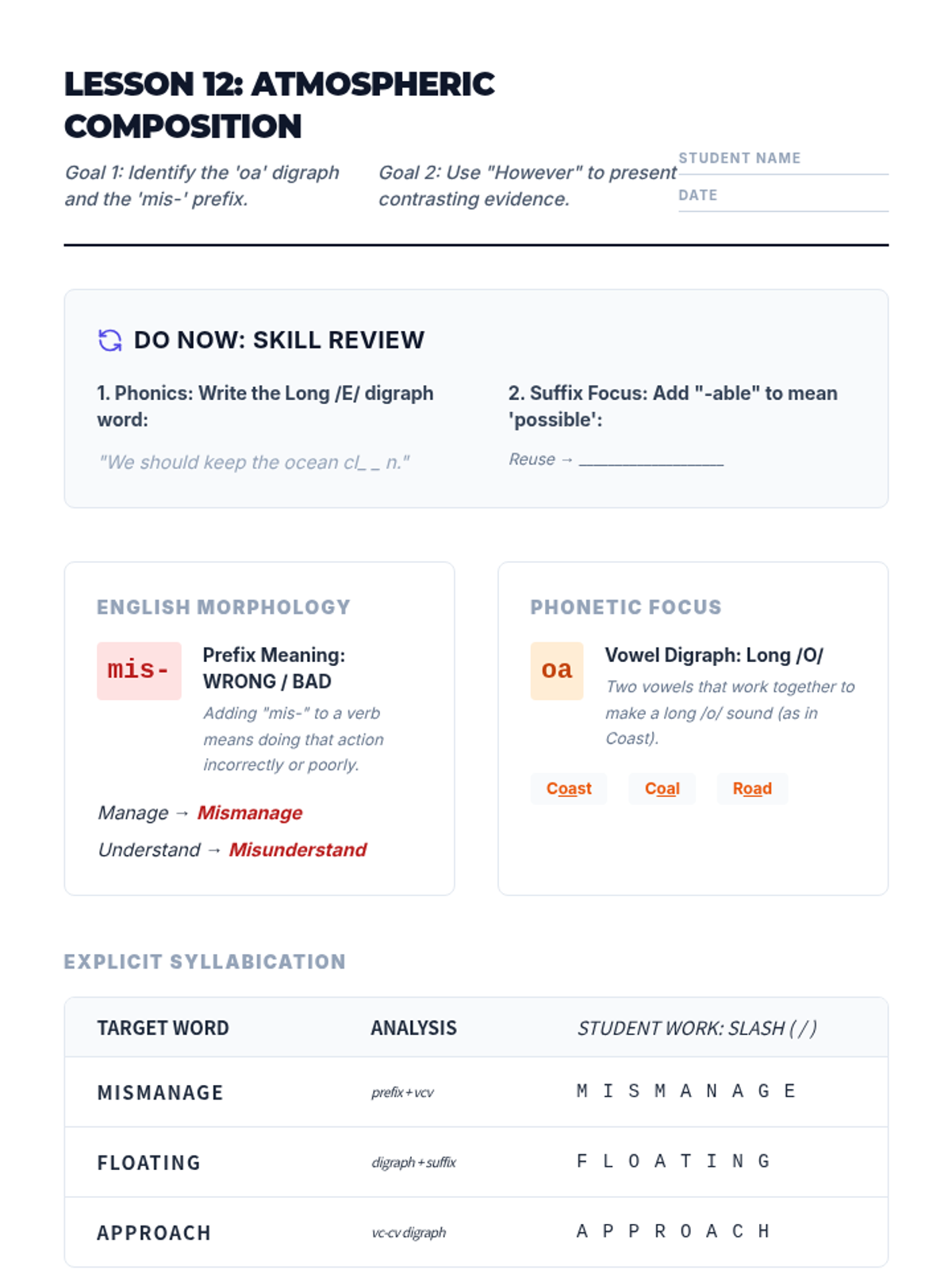
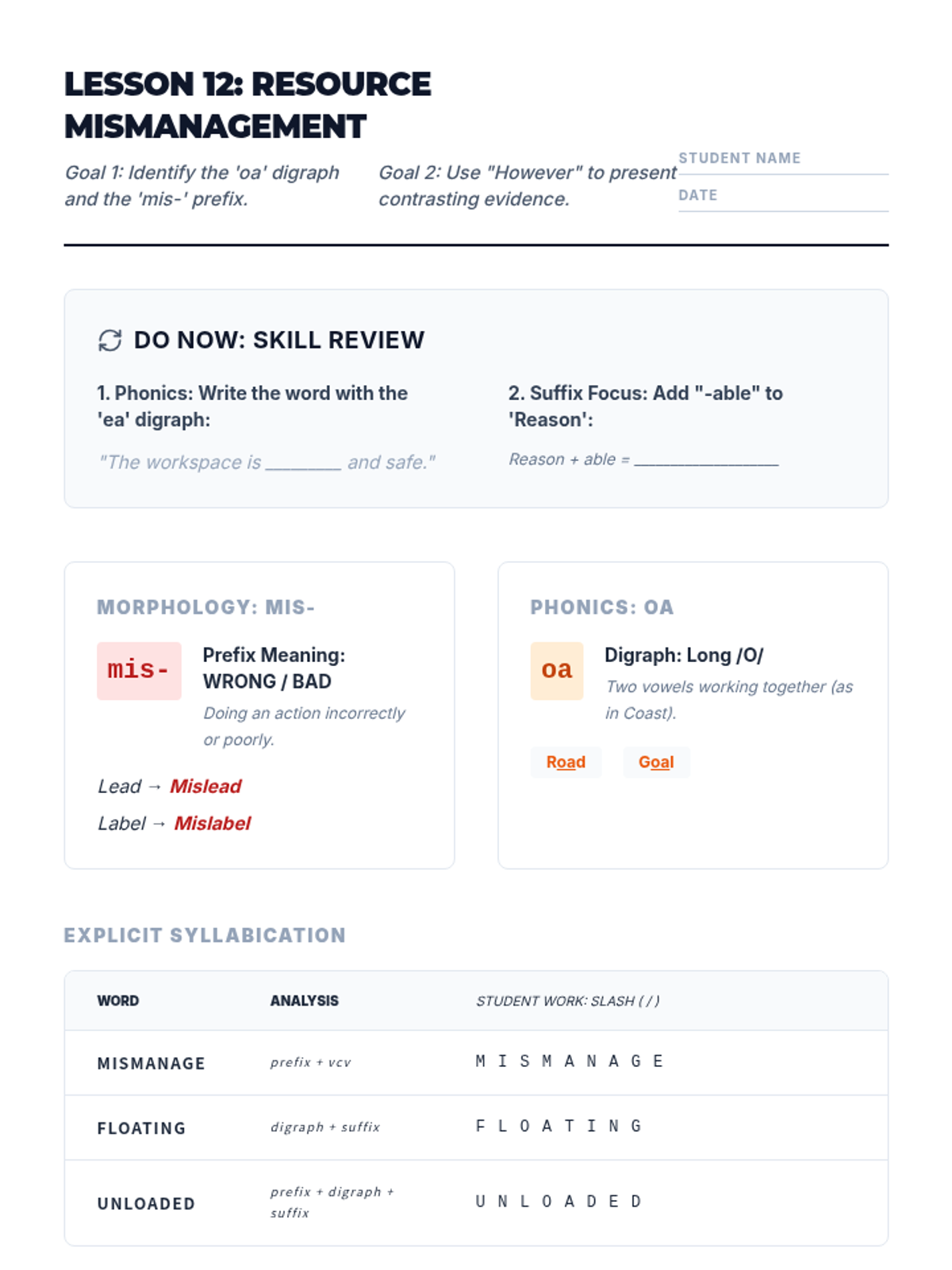
Introducing the 'oa' digraph and the prefix 'mis-'. Focuses on the atmosphere and the mismanagement of resources.
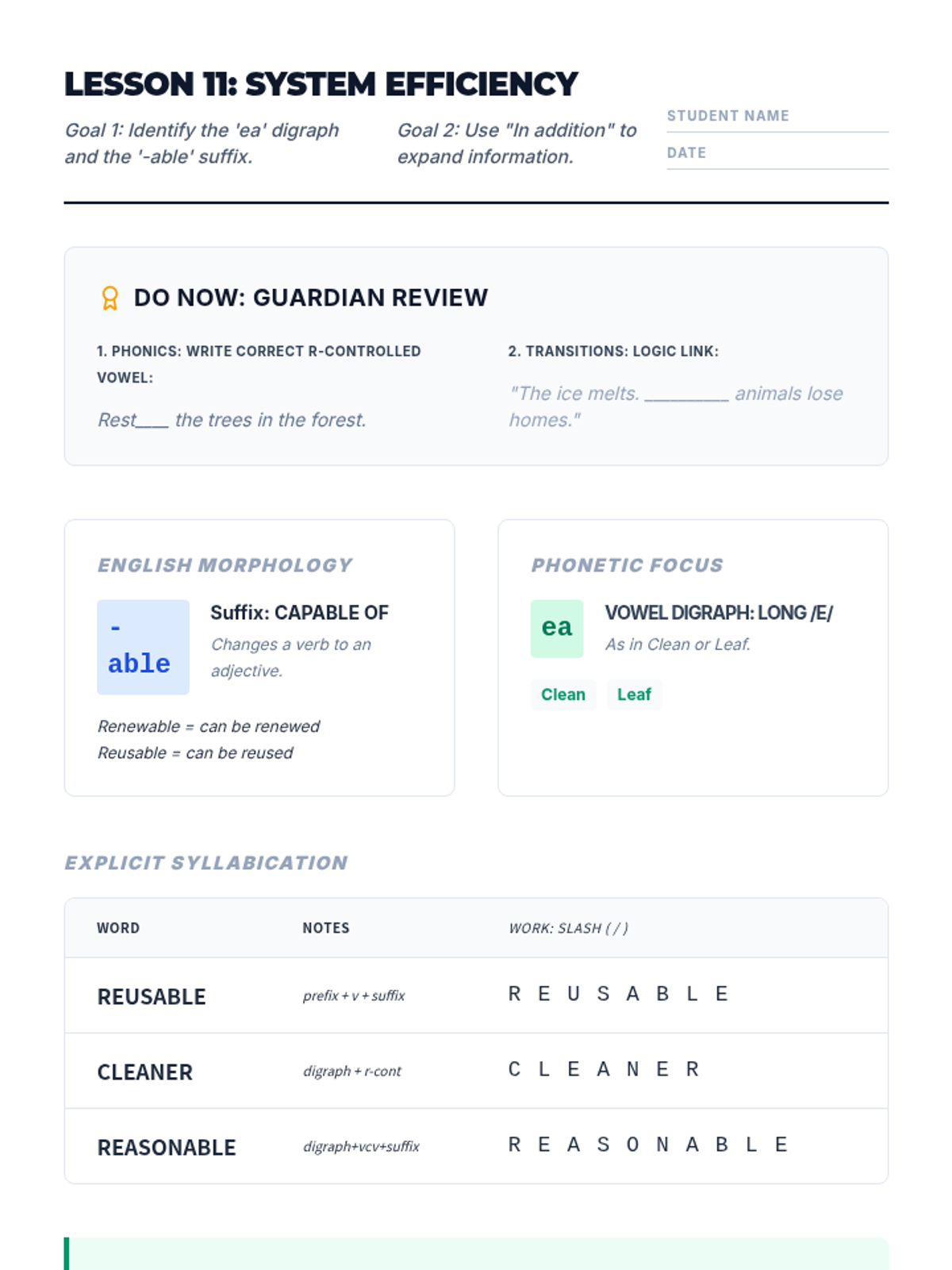
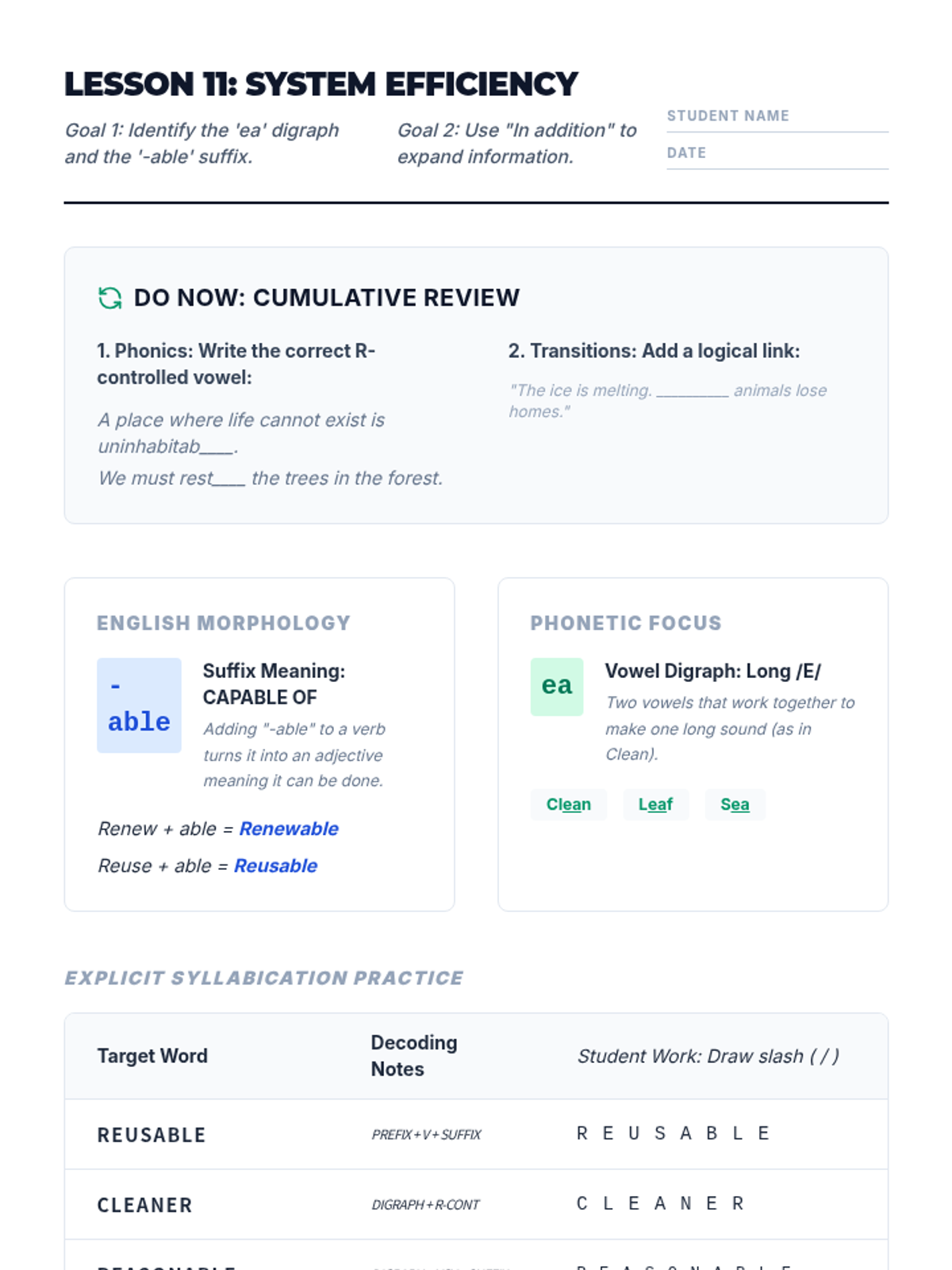
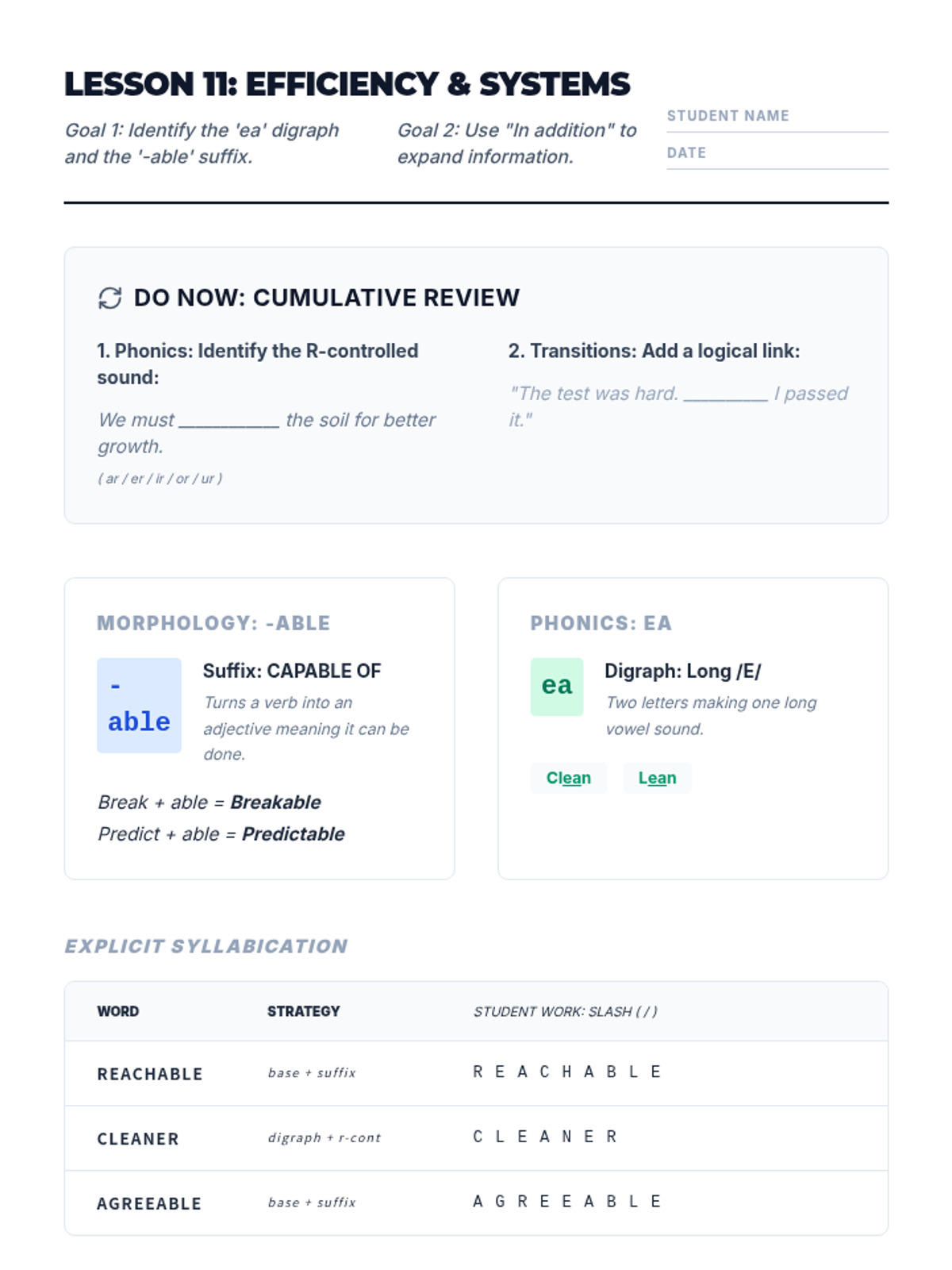
Exploring the 'ea' vowel digraph and the suffix '-able'. Students analyze energy efficiency in renewable technology.
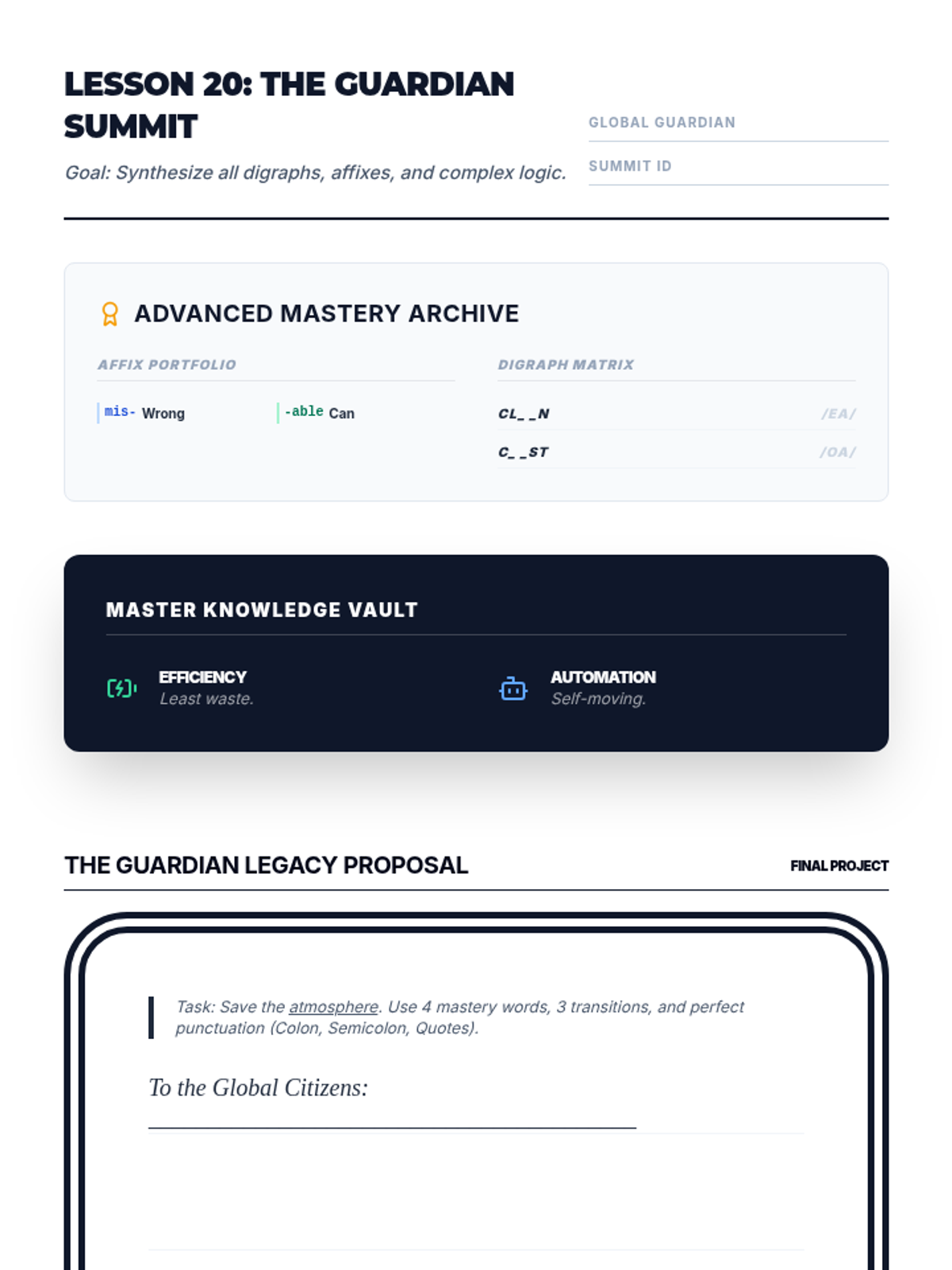
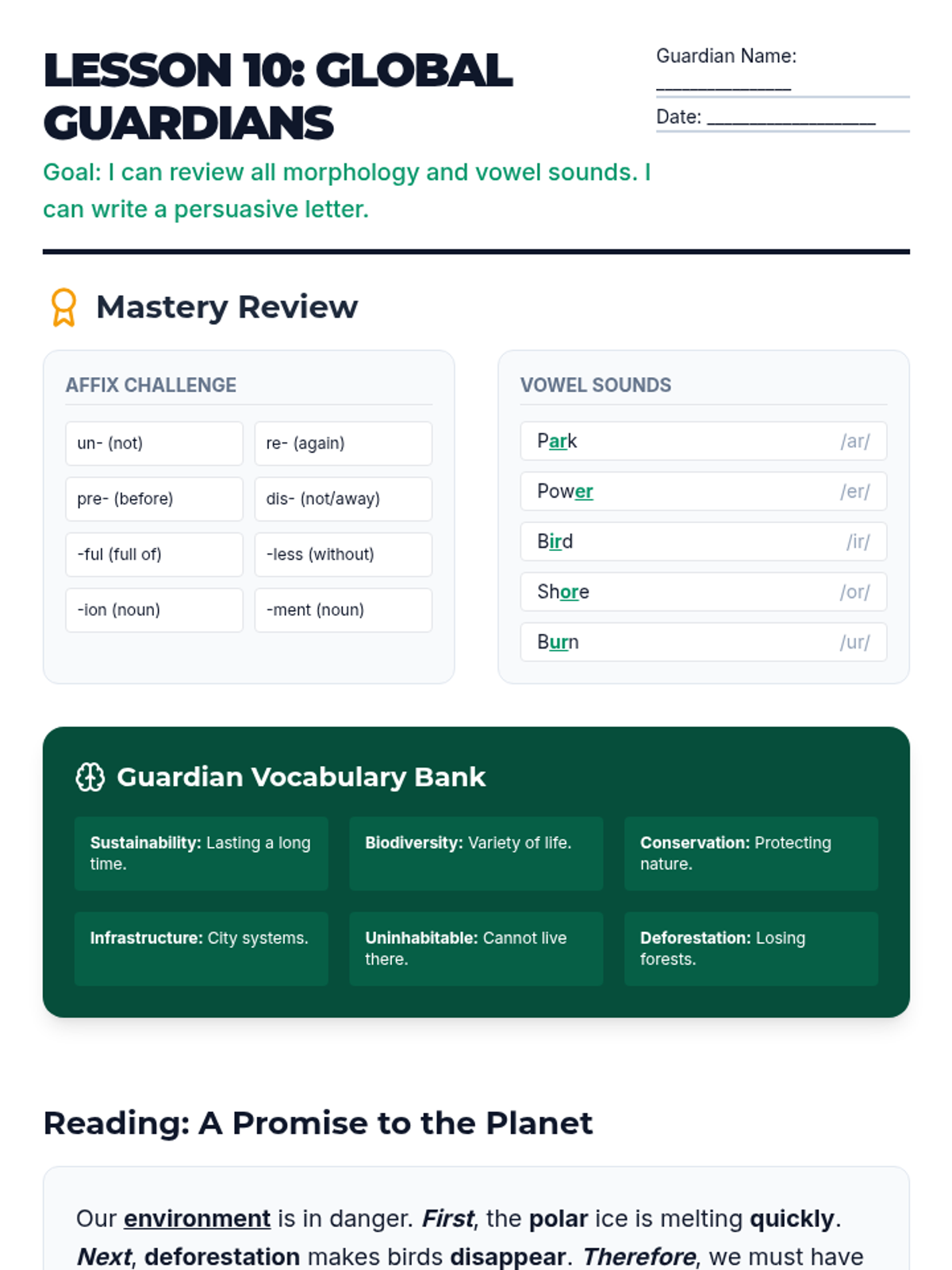
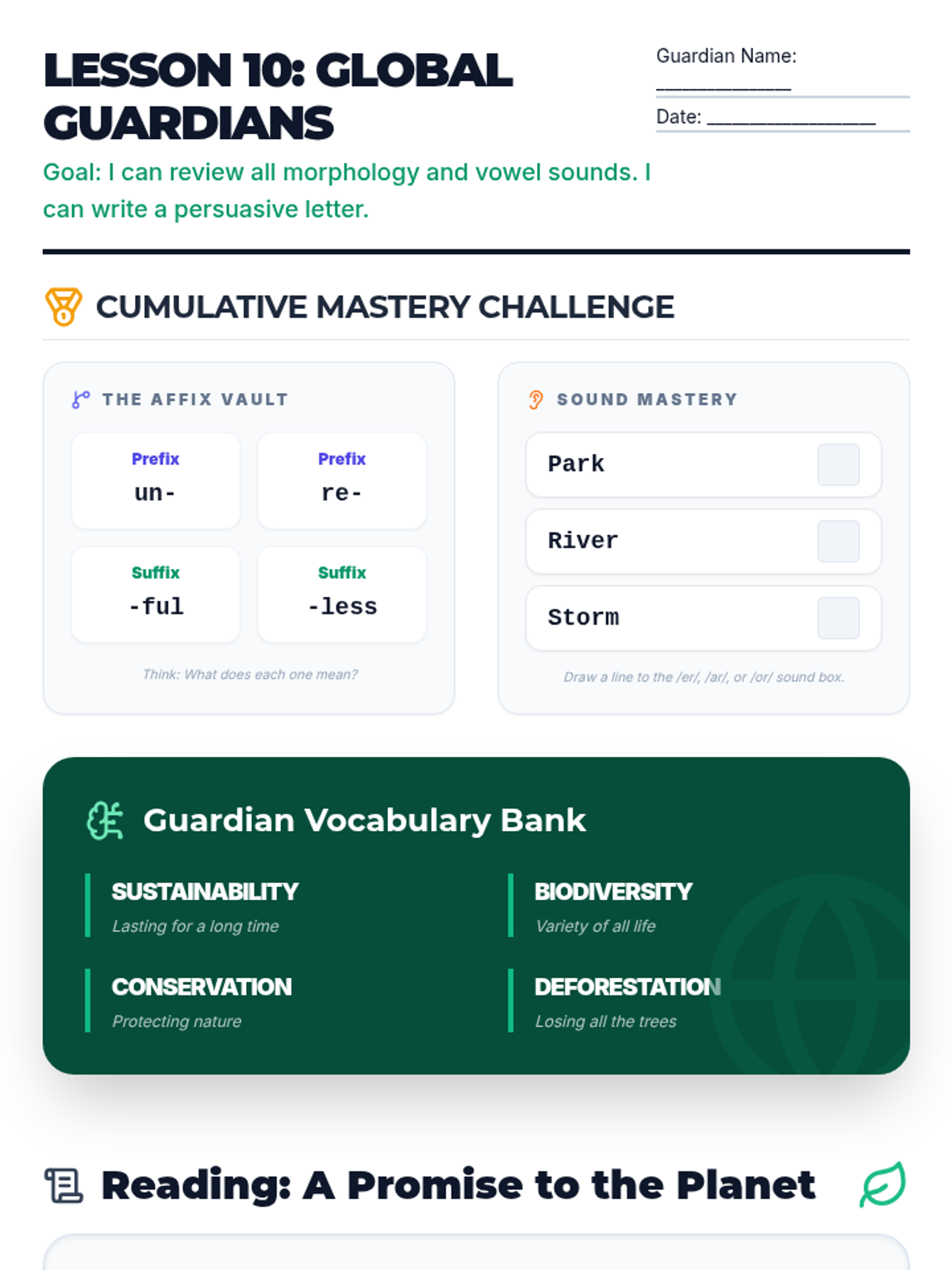
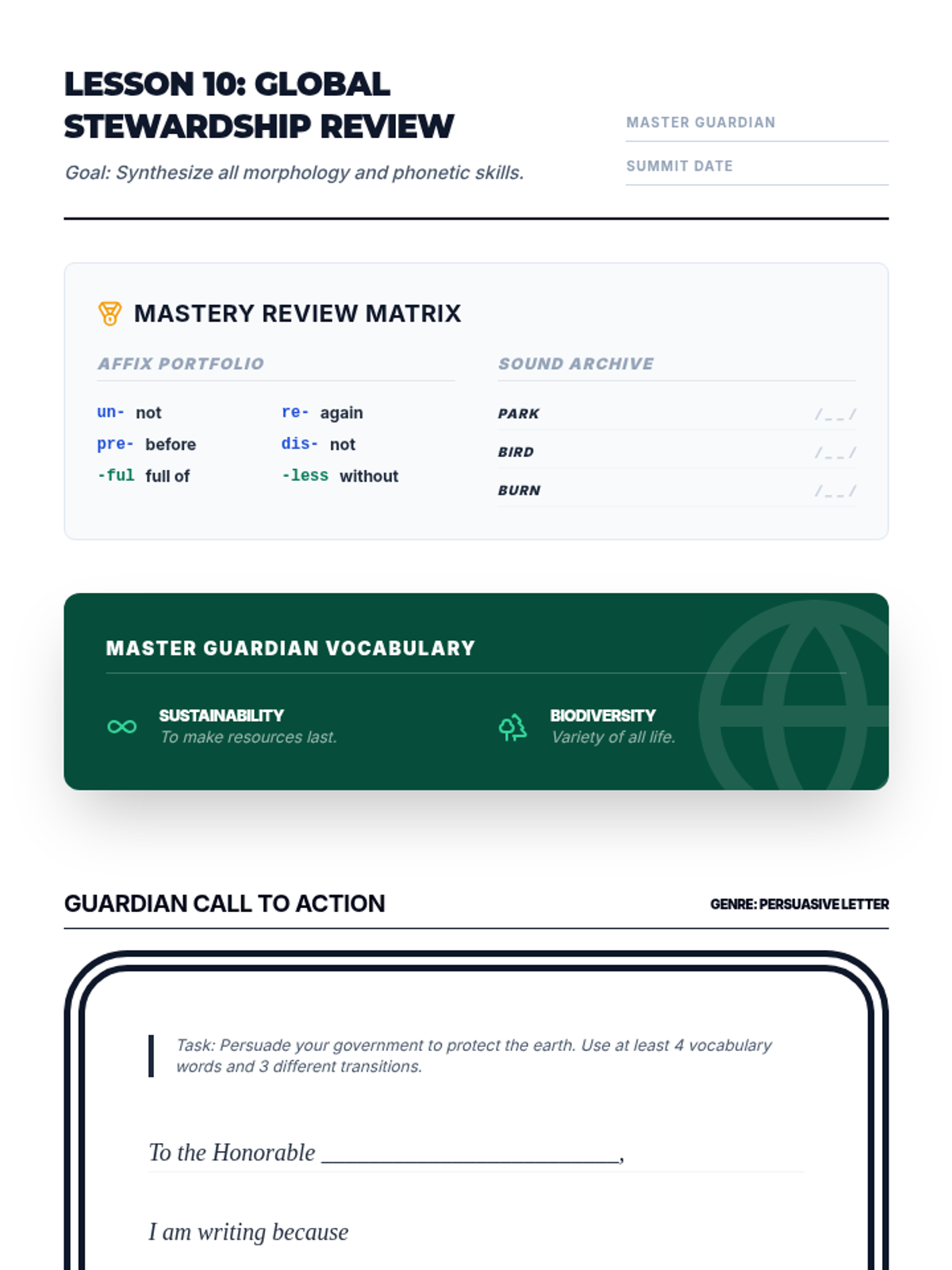
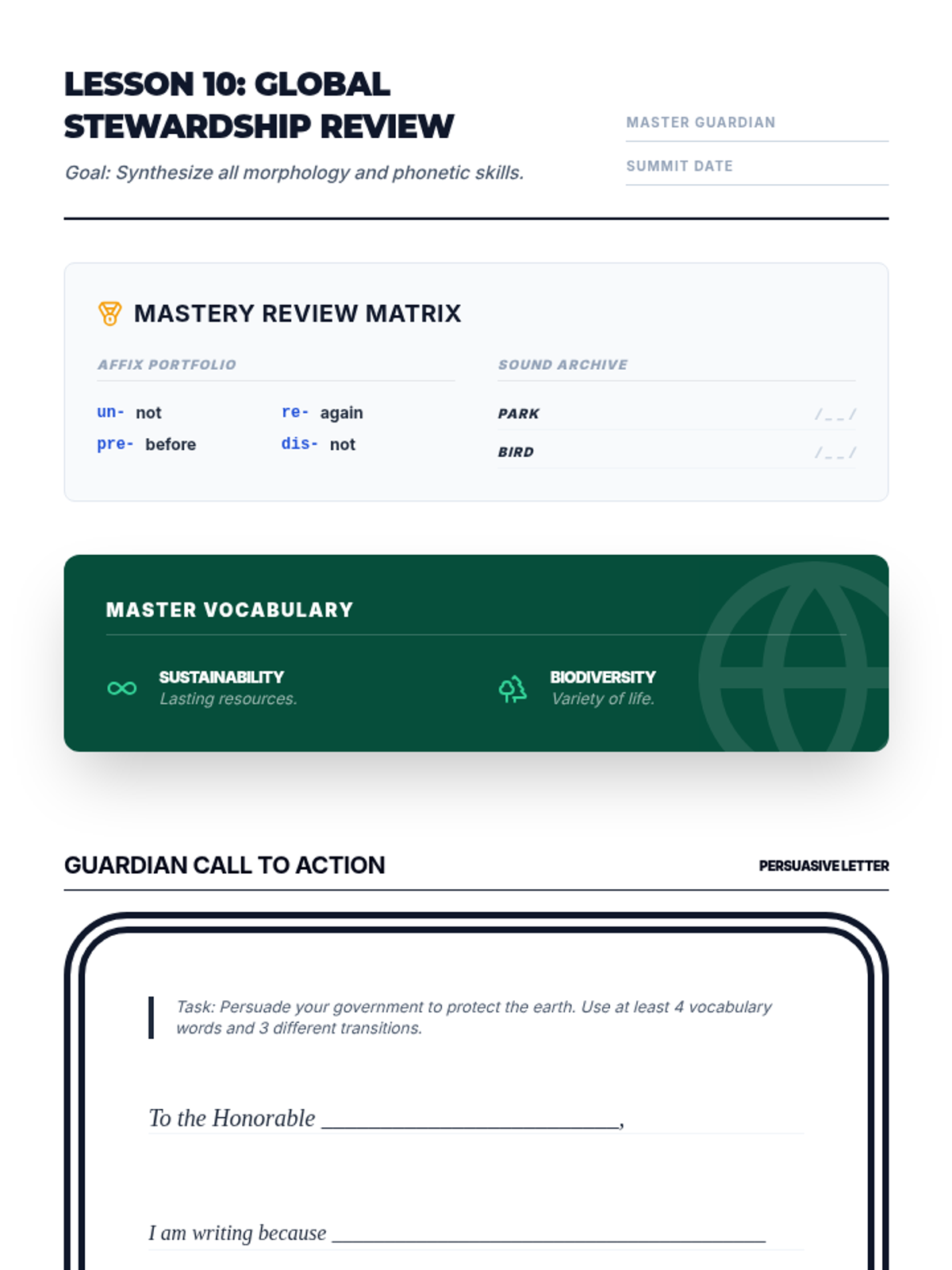
A cumulative review of all morphology, phonics, and writing skills taught. Students compose a final persuasive piece on environmental stewardship.
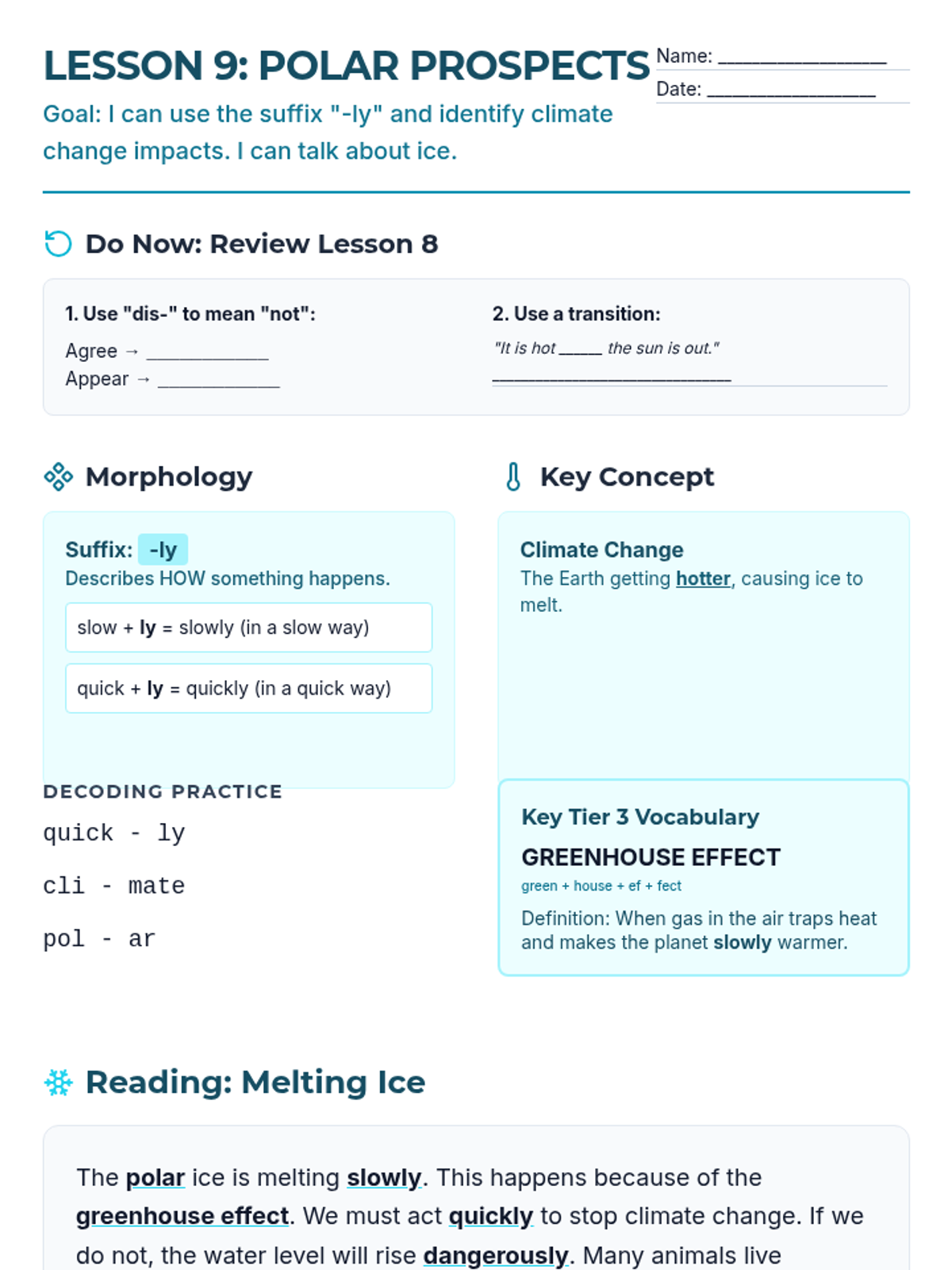
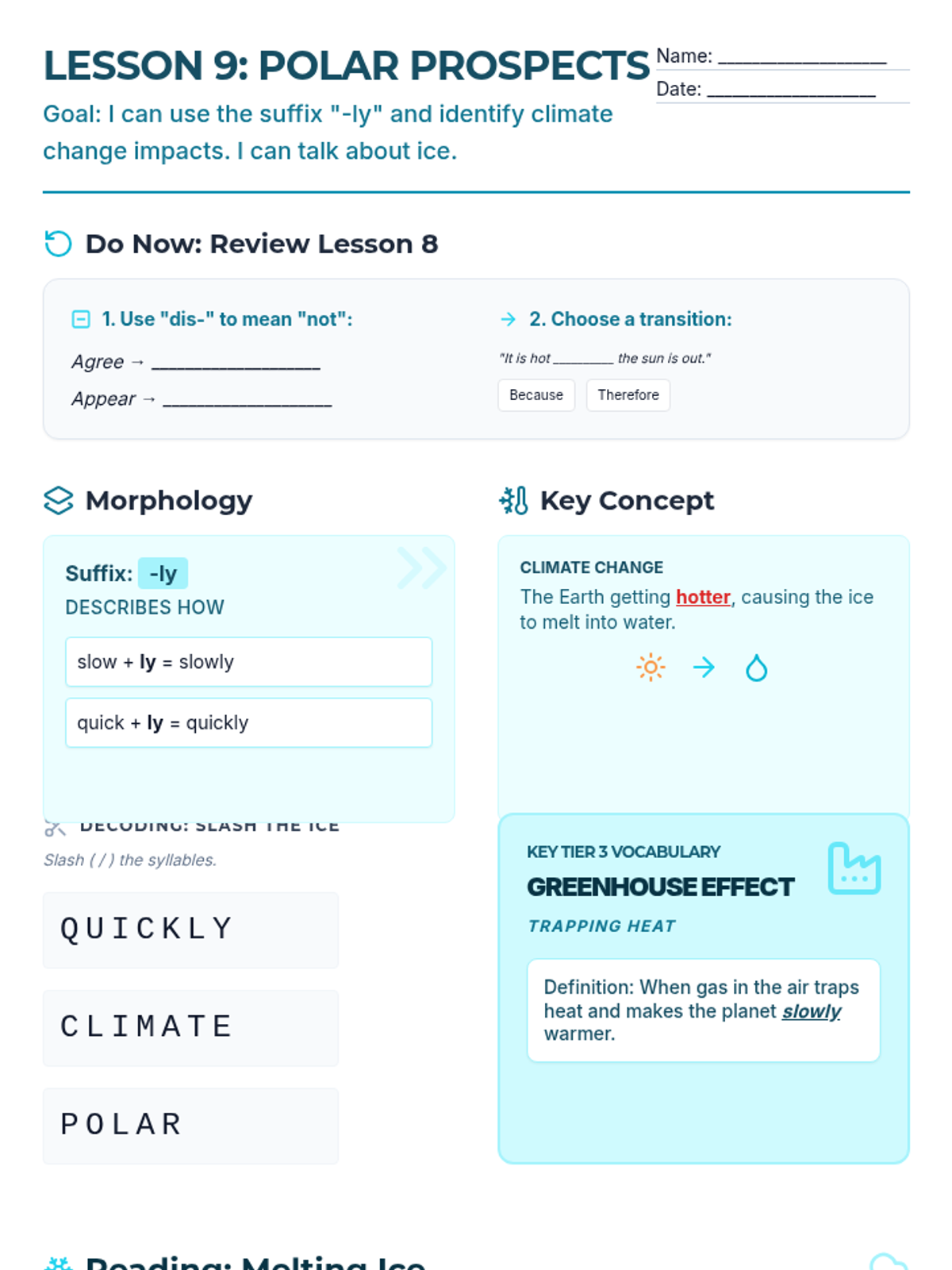
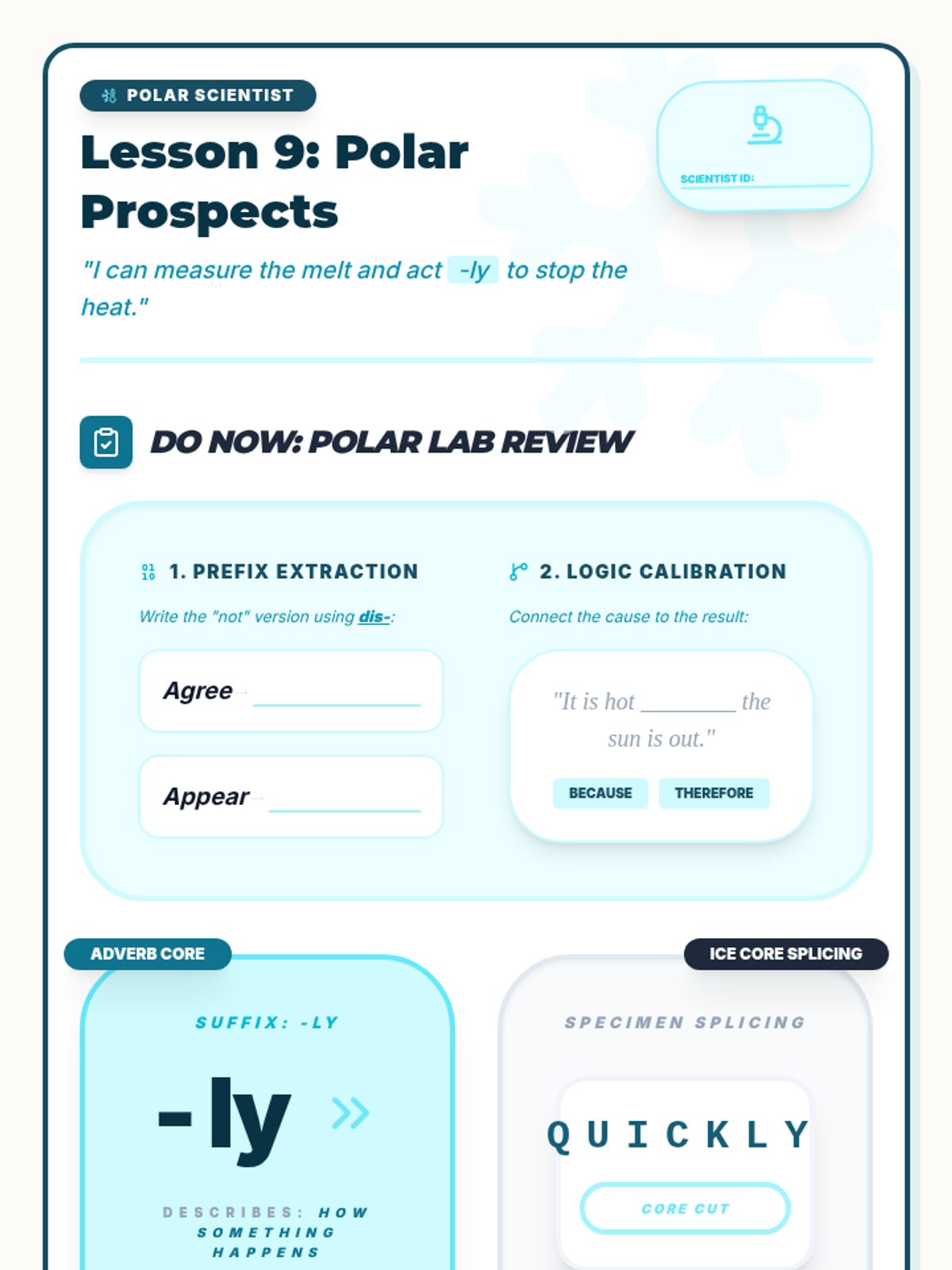
Focusing on the suffix '-ly' and the impact of climate change on polar regions, students practice advanced syllabication and inferential comprehension.
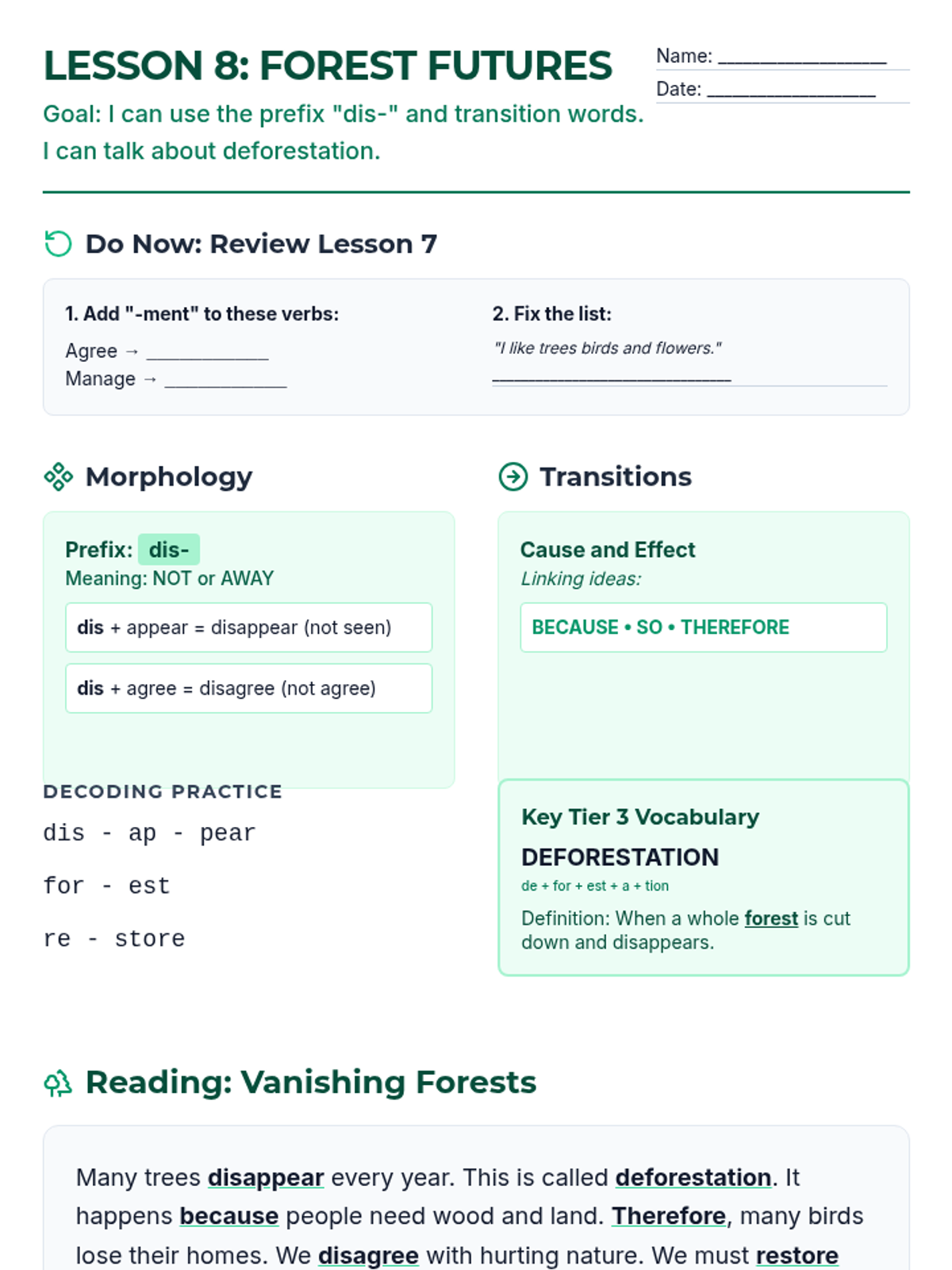
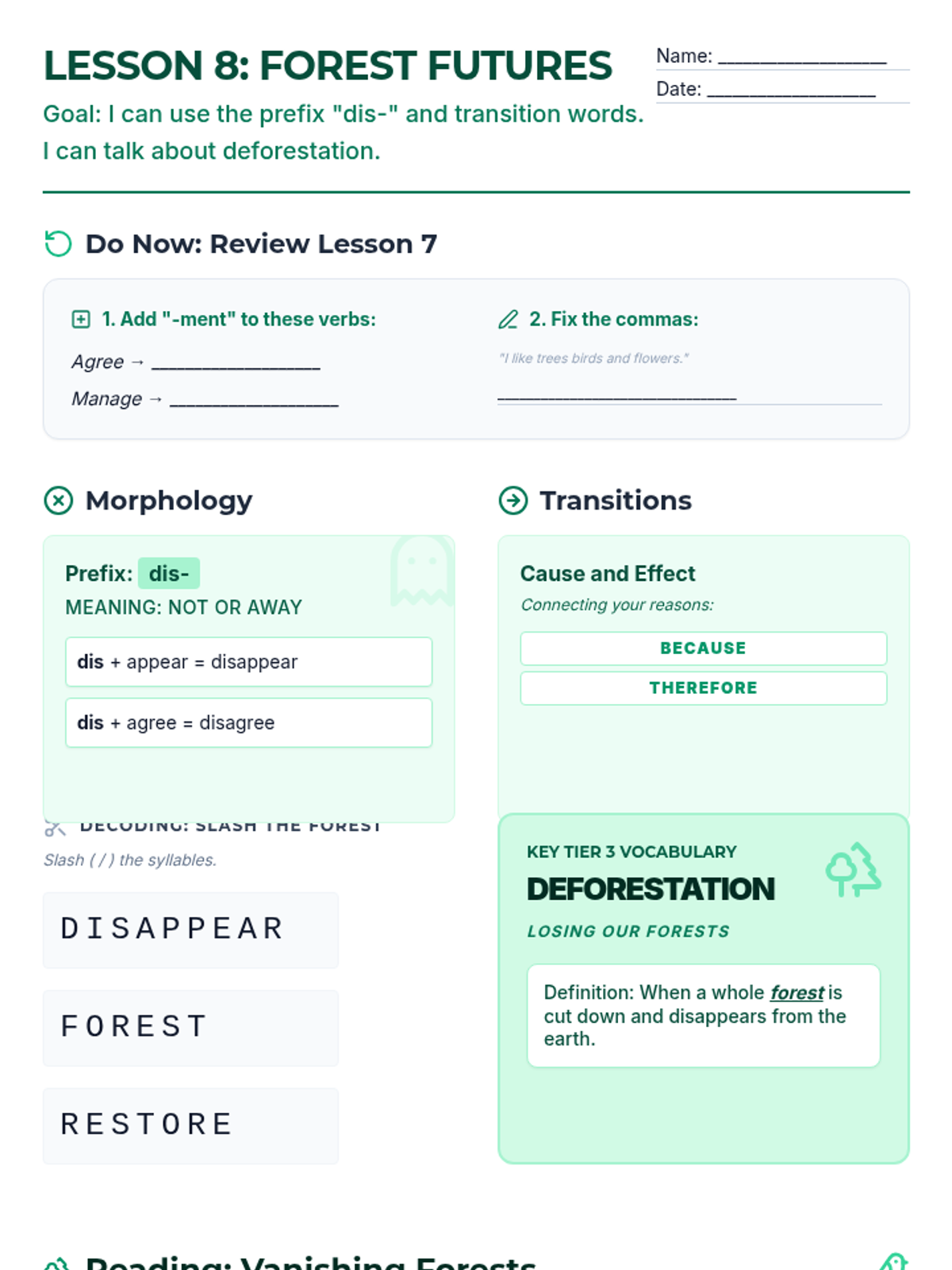
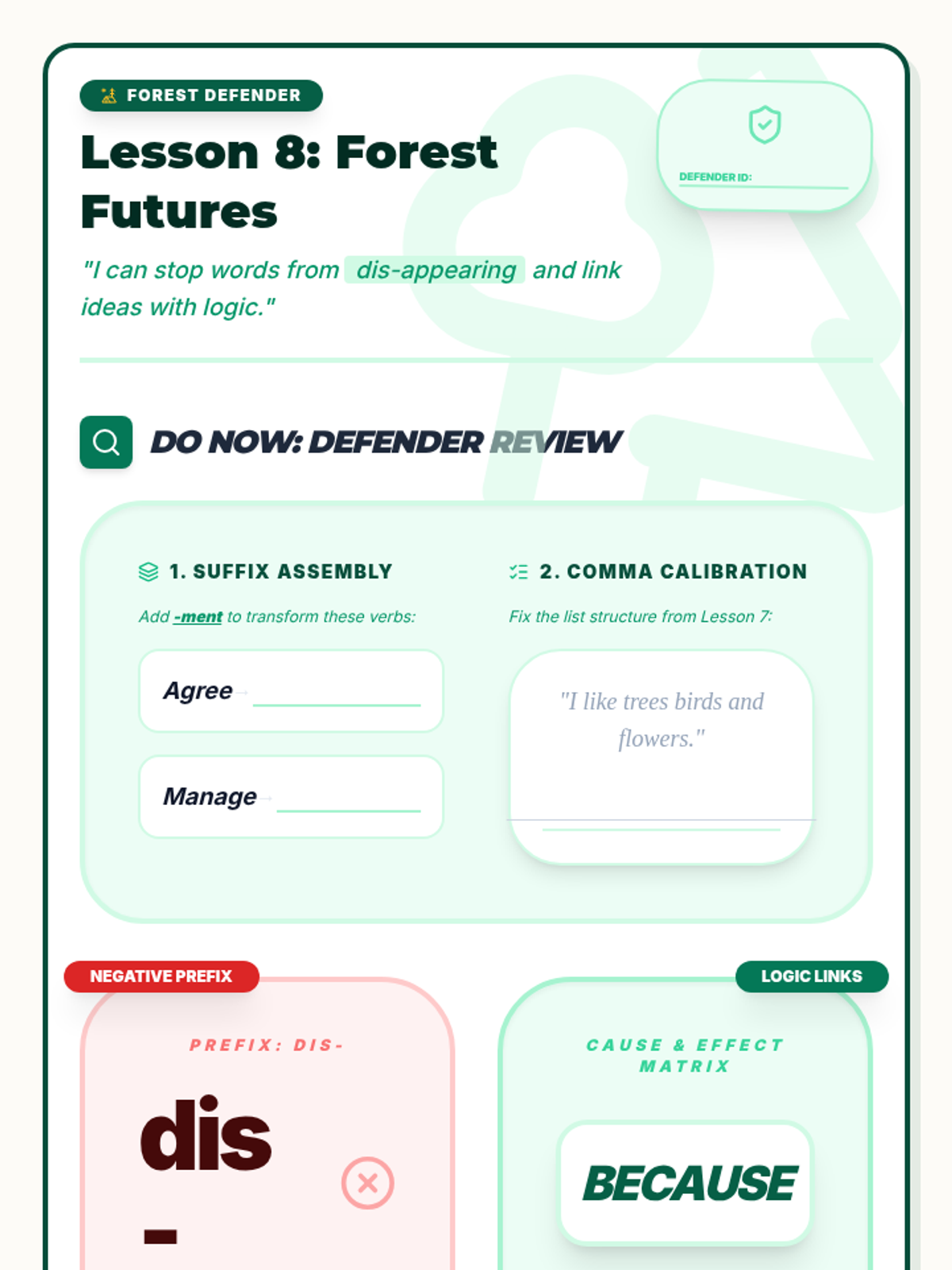
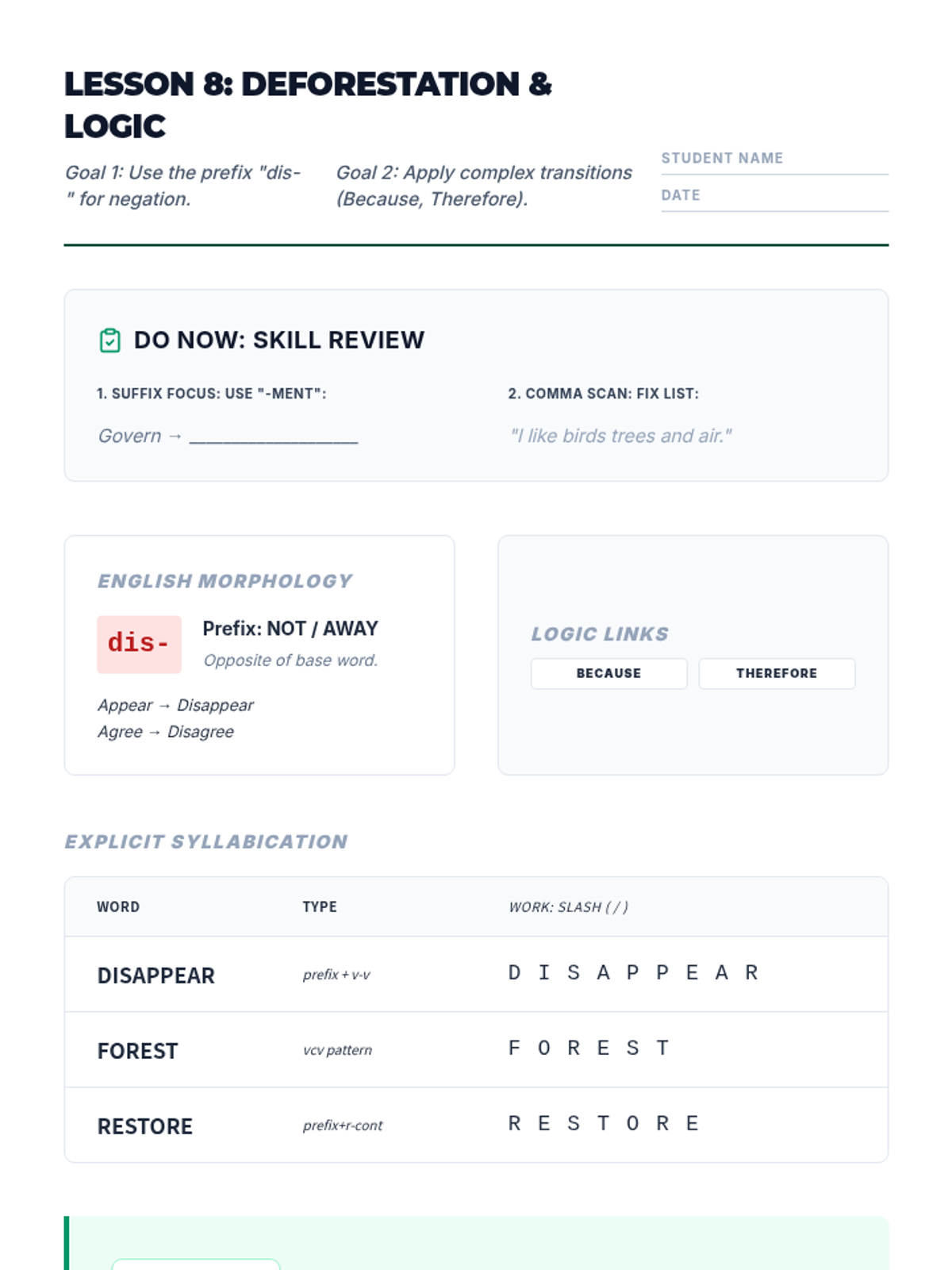
Students explore the prefix 'dis-' and work with complex transitions while learning about the effects of deforestation.
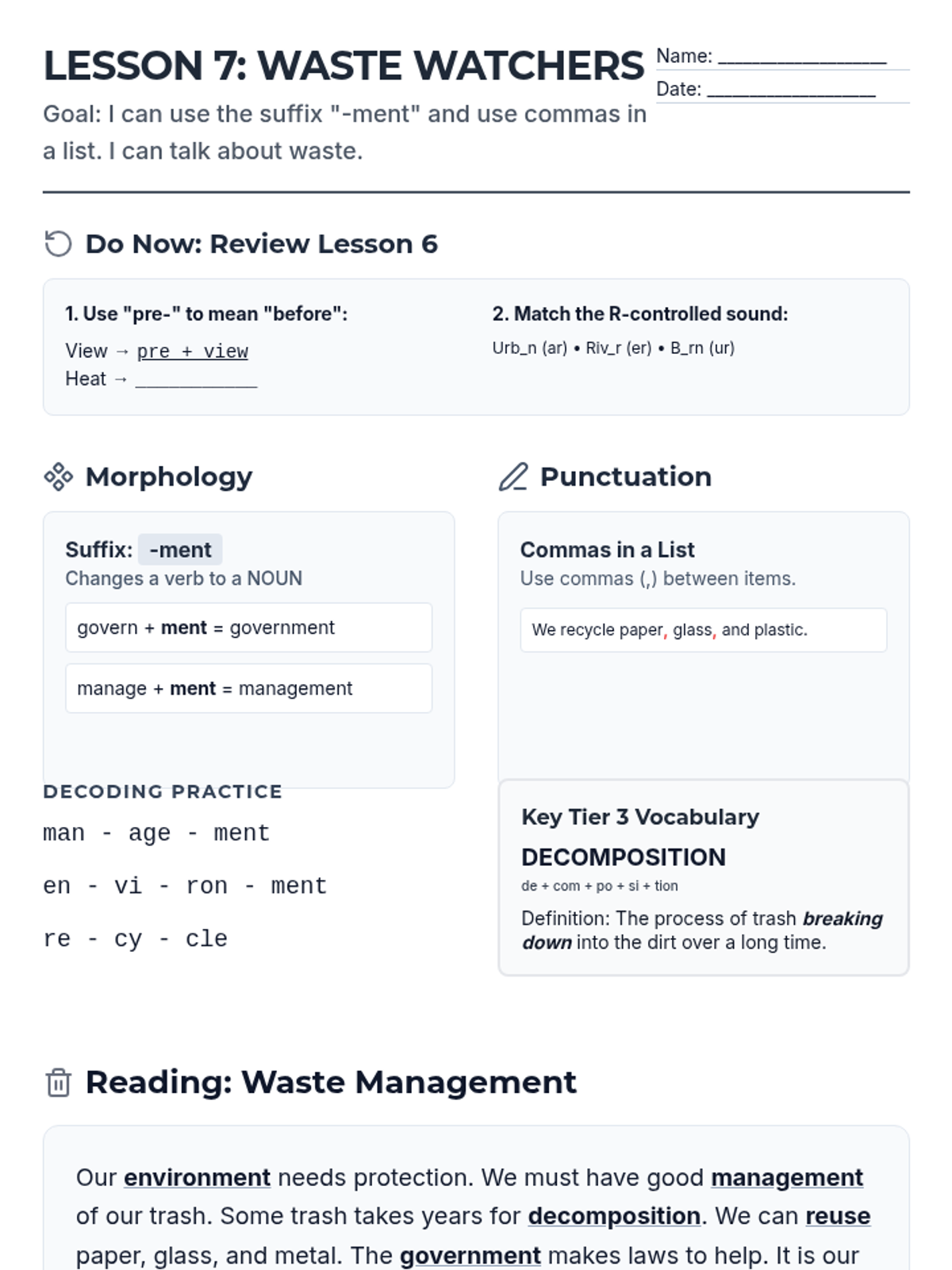
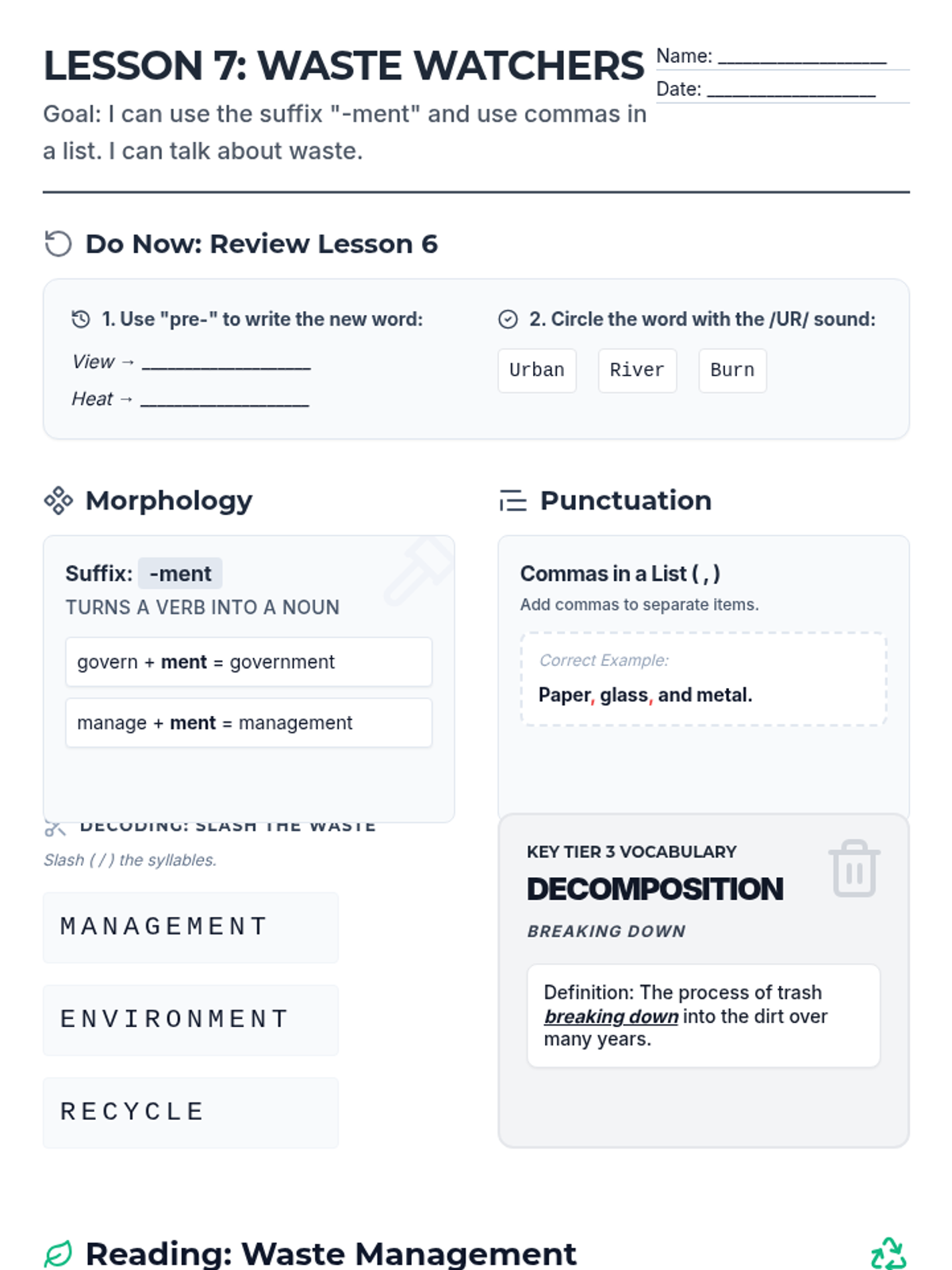
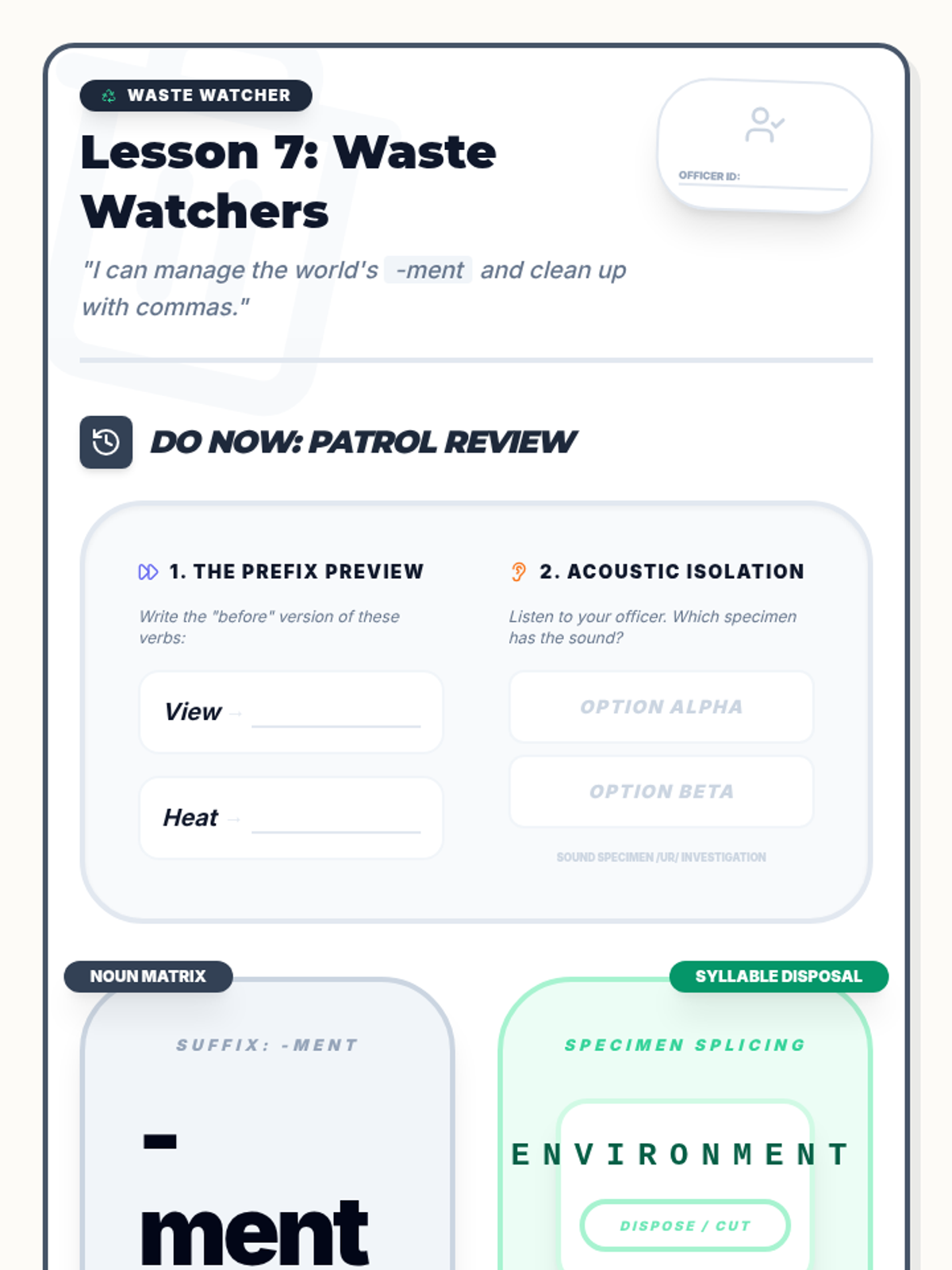
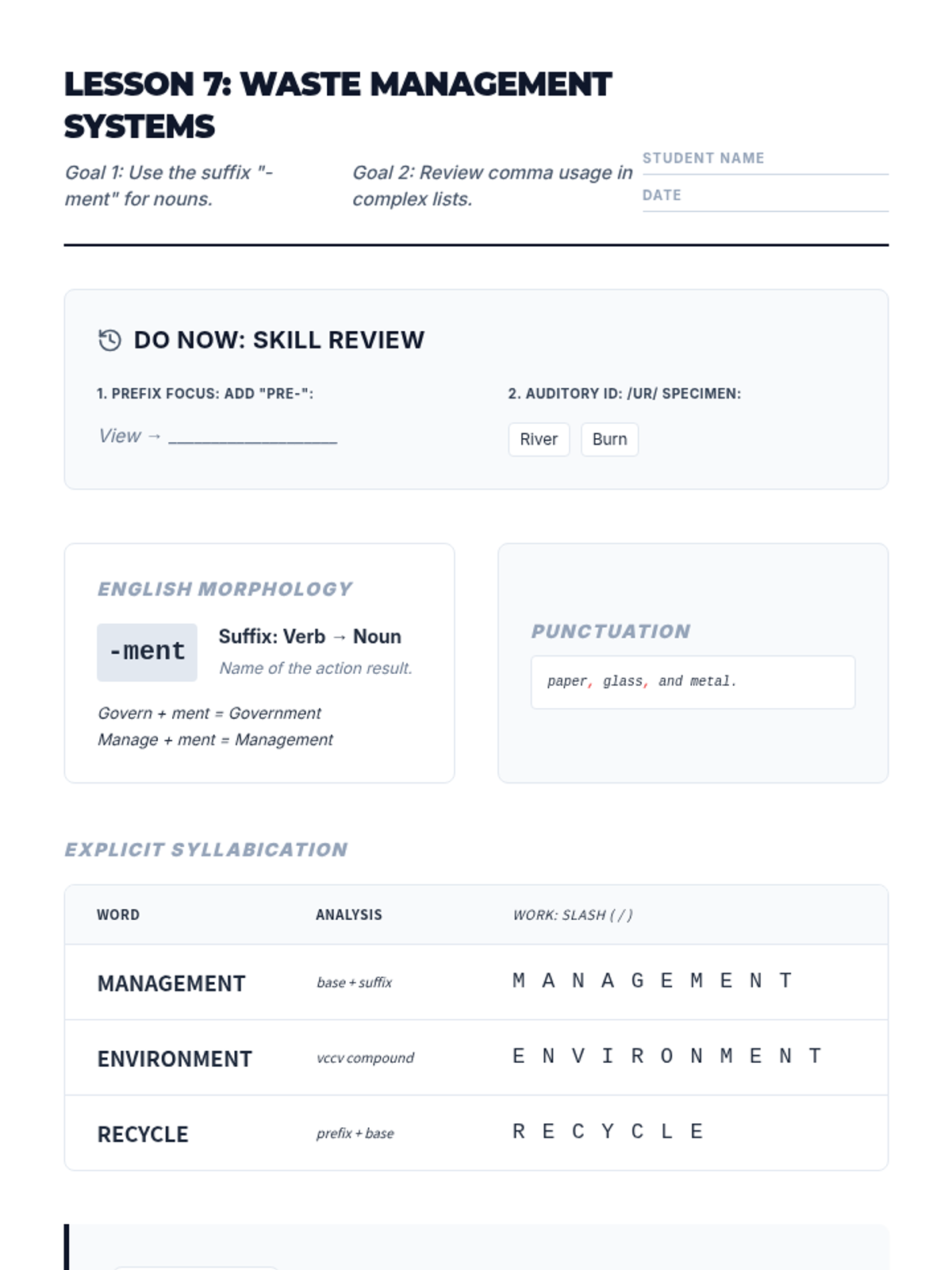
This lesson focuses on the morphology of '-ment' and reviews punctuation, specifically commas in a list, within the context of waste management.
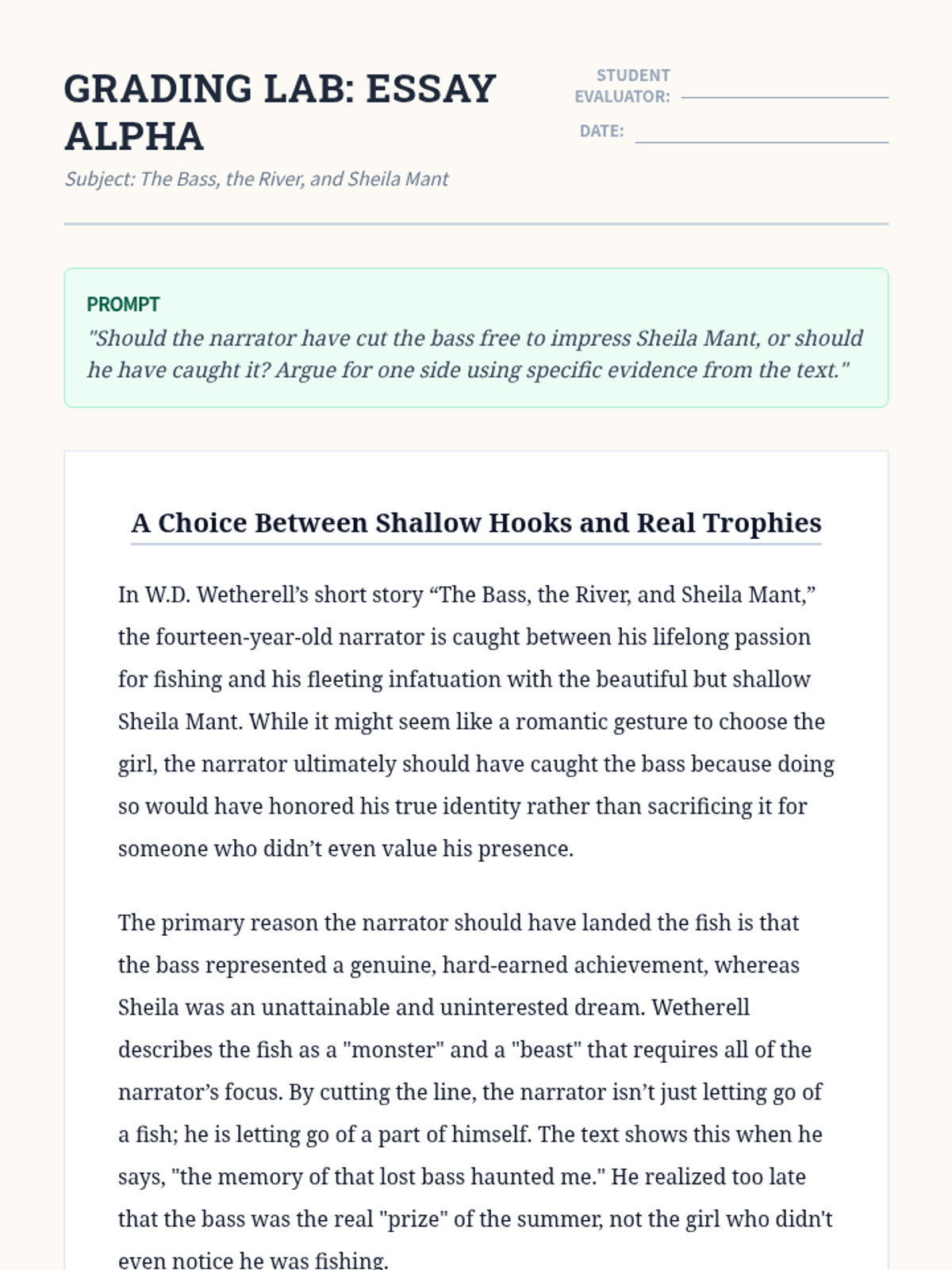
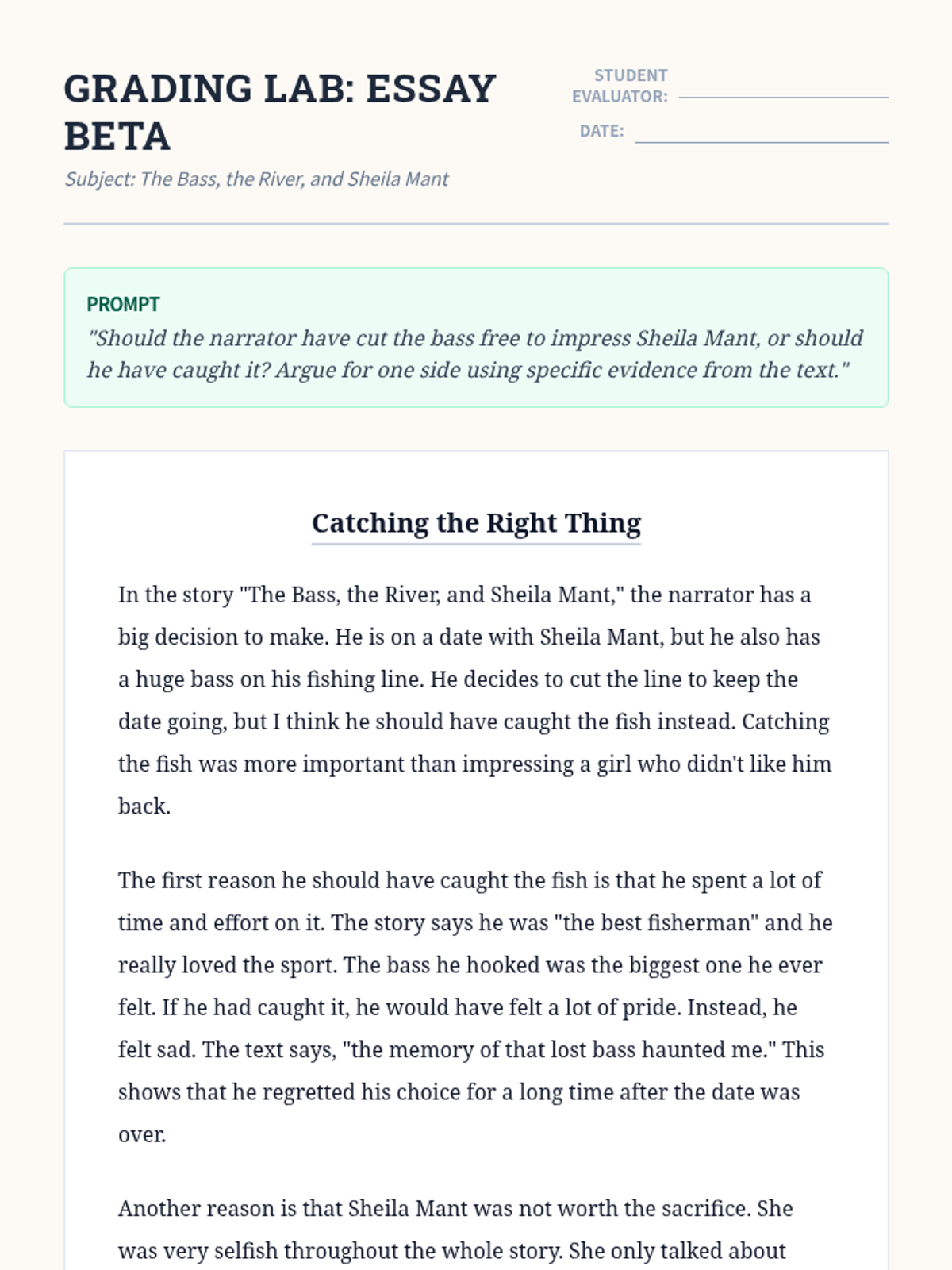
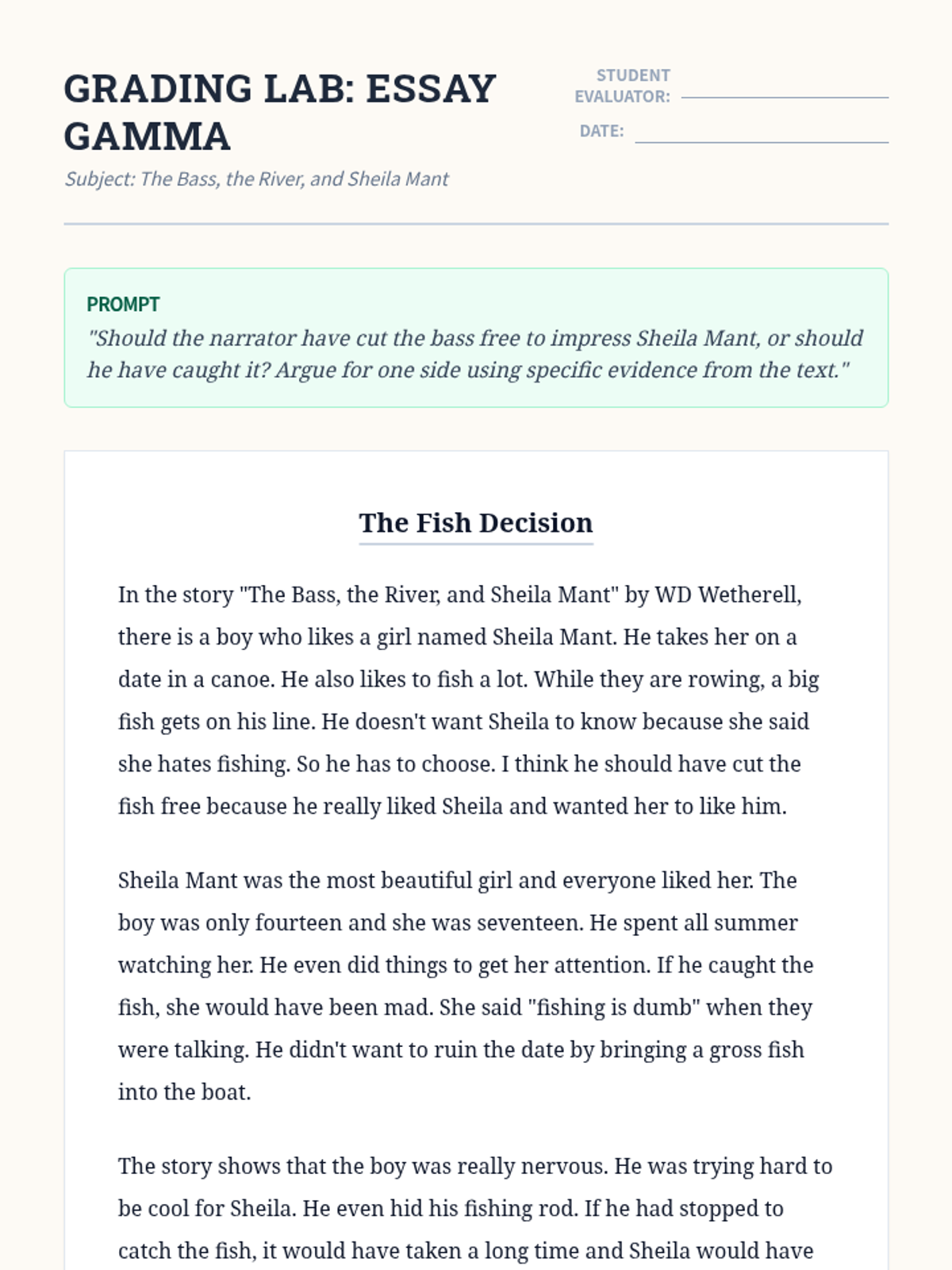
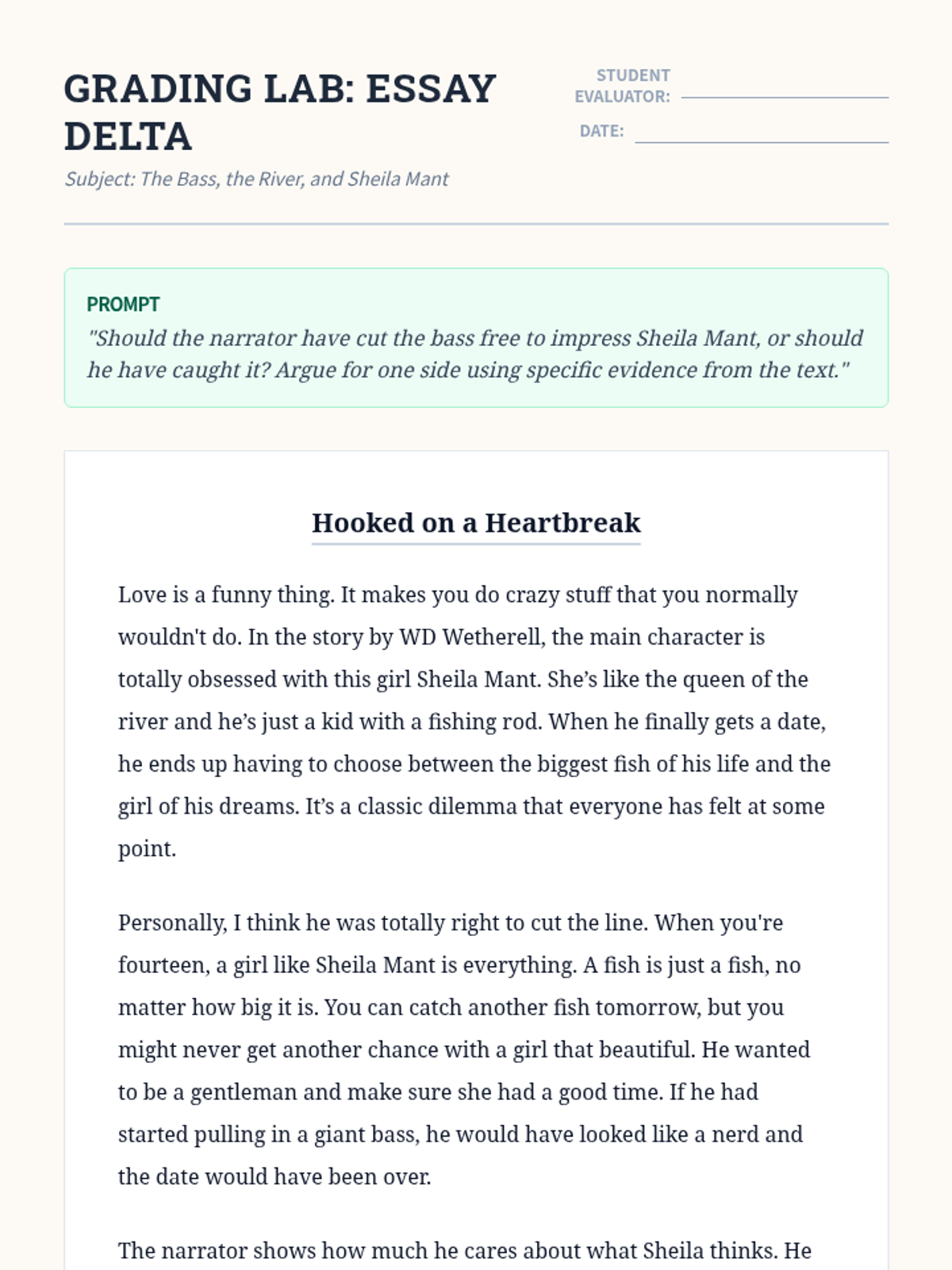
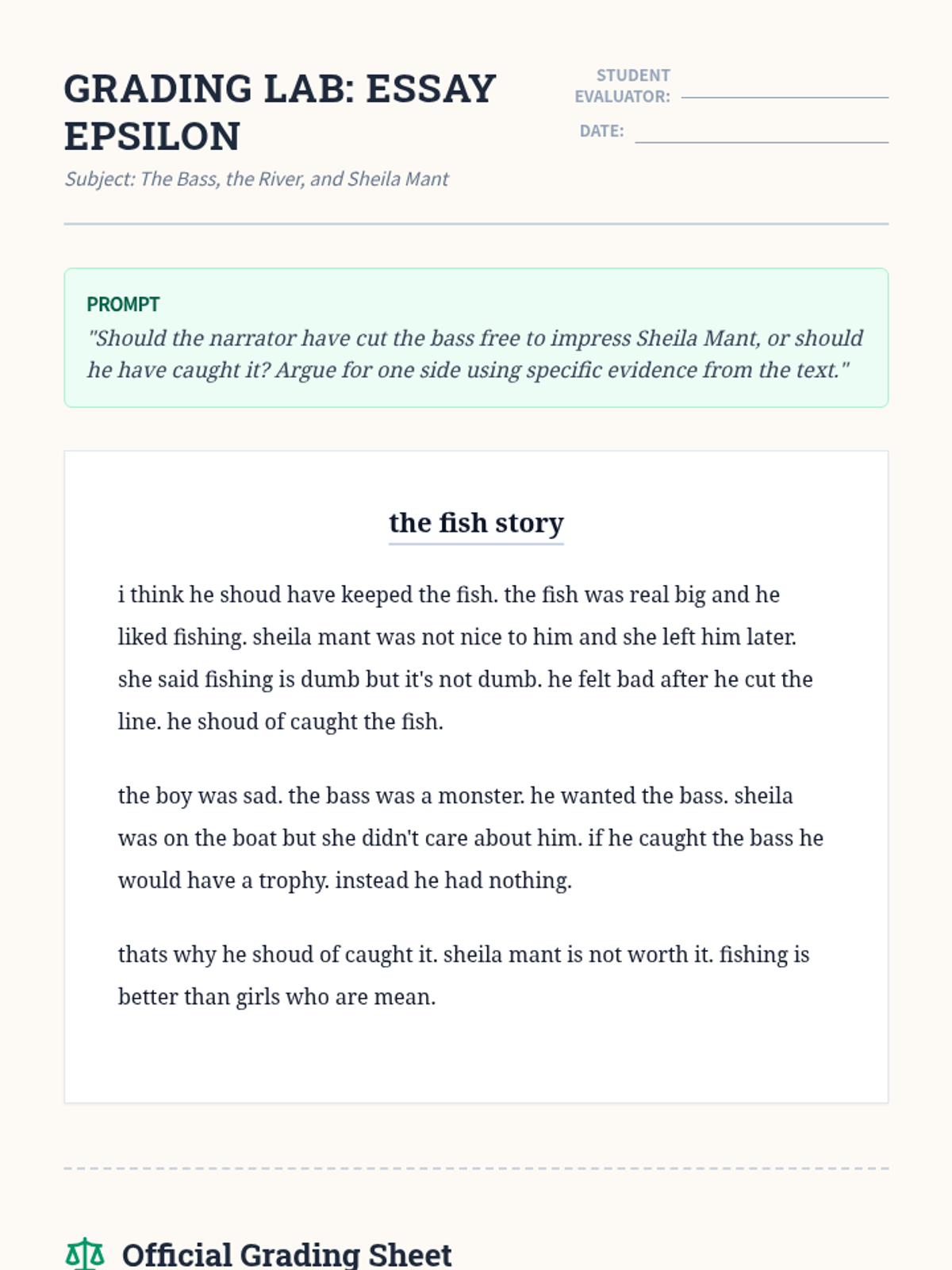
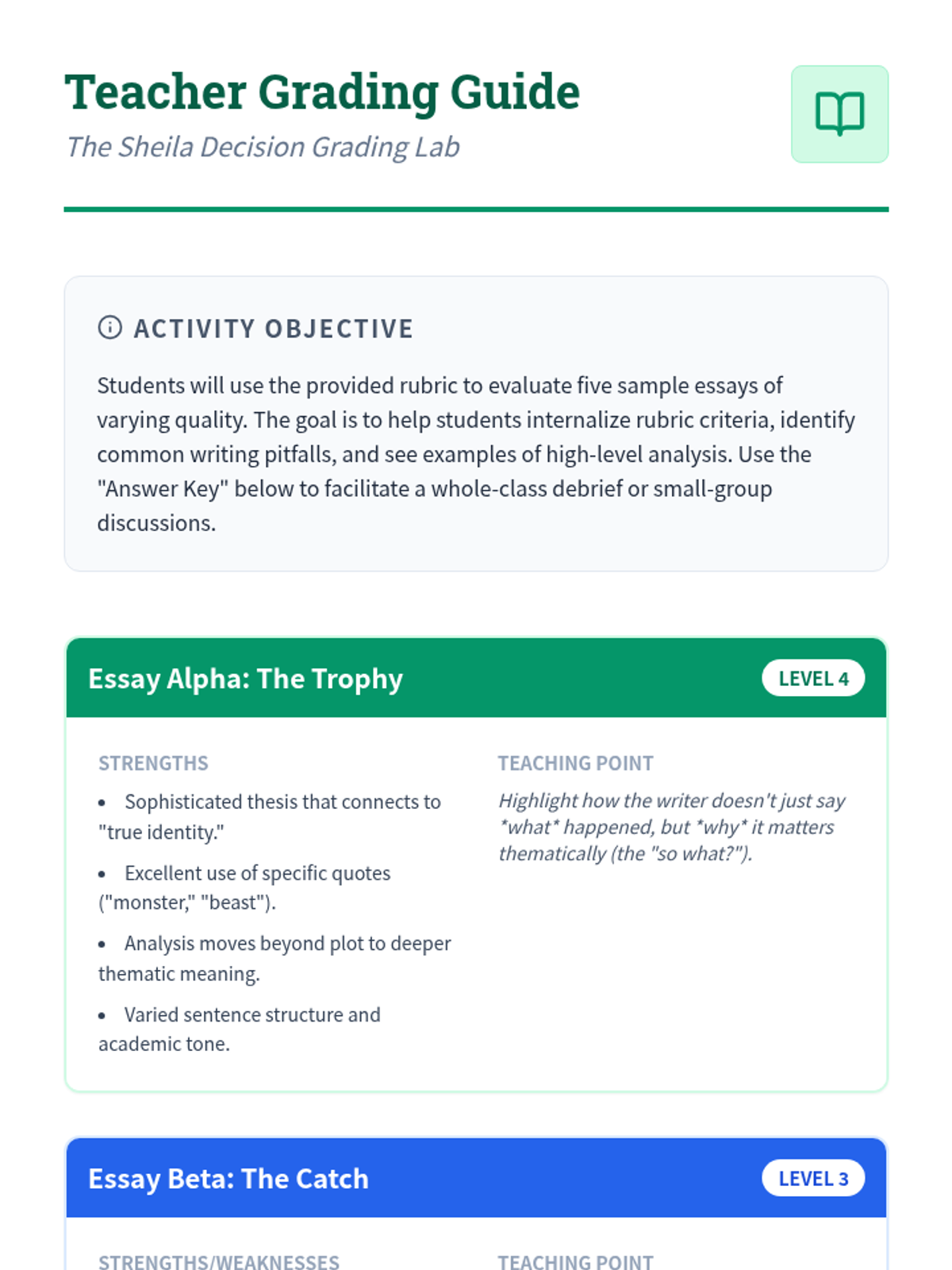
A hands-on grading lab where students evaluate five student-written argumentative essays on W.D. Wetherell's 'The Bass, the River, and Sheila Mant,' using a standardized rubric to develop their own writing and analysis skills.
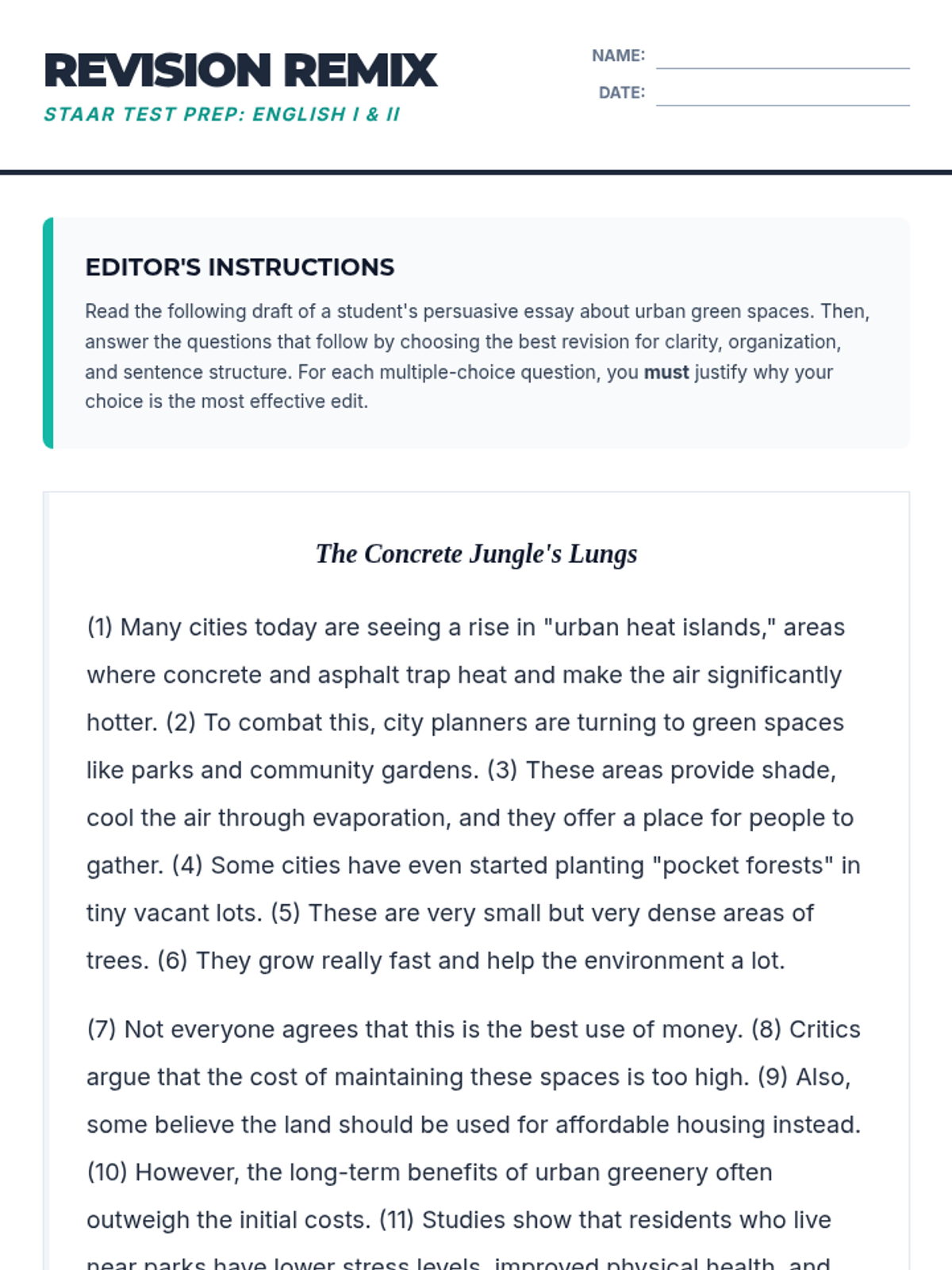
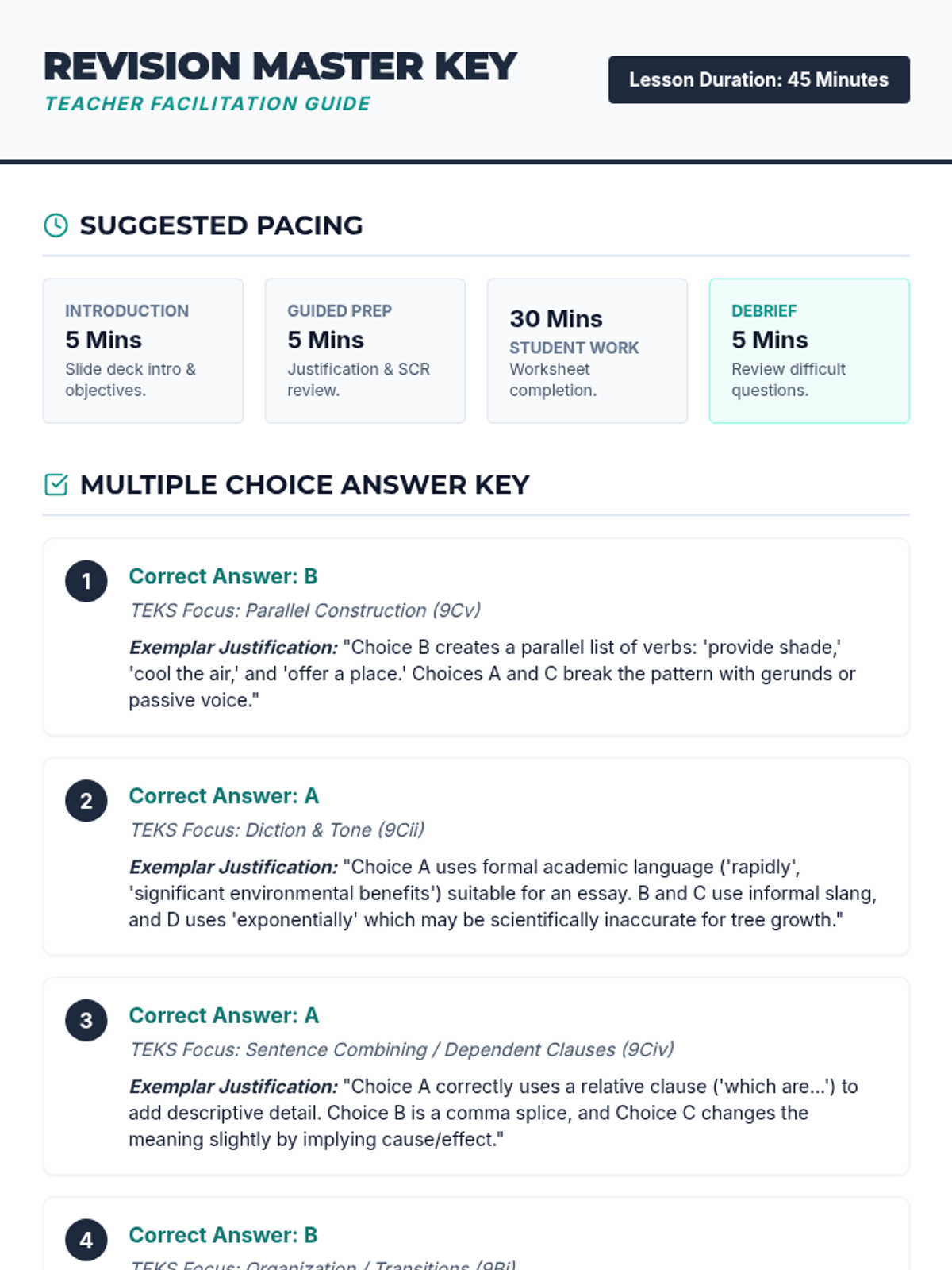
A 45-minute intensive revision workshop focused on high-priority STAAR English I & II TEKS, including clarity, organization, diction, and sentence structure. Students analyze a mentor text, answer multiple-choice questions with written justifications, and complete a Short Constructed Response.
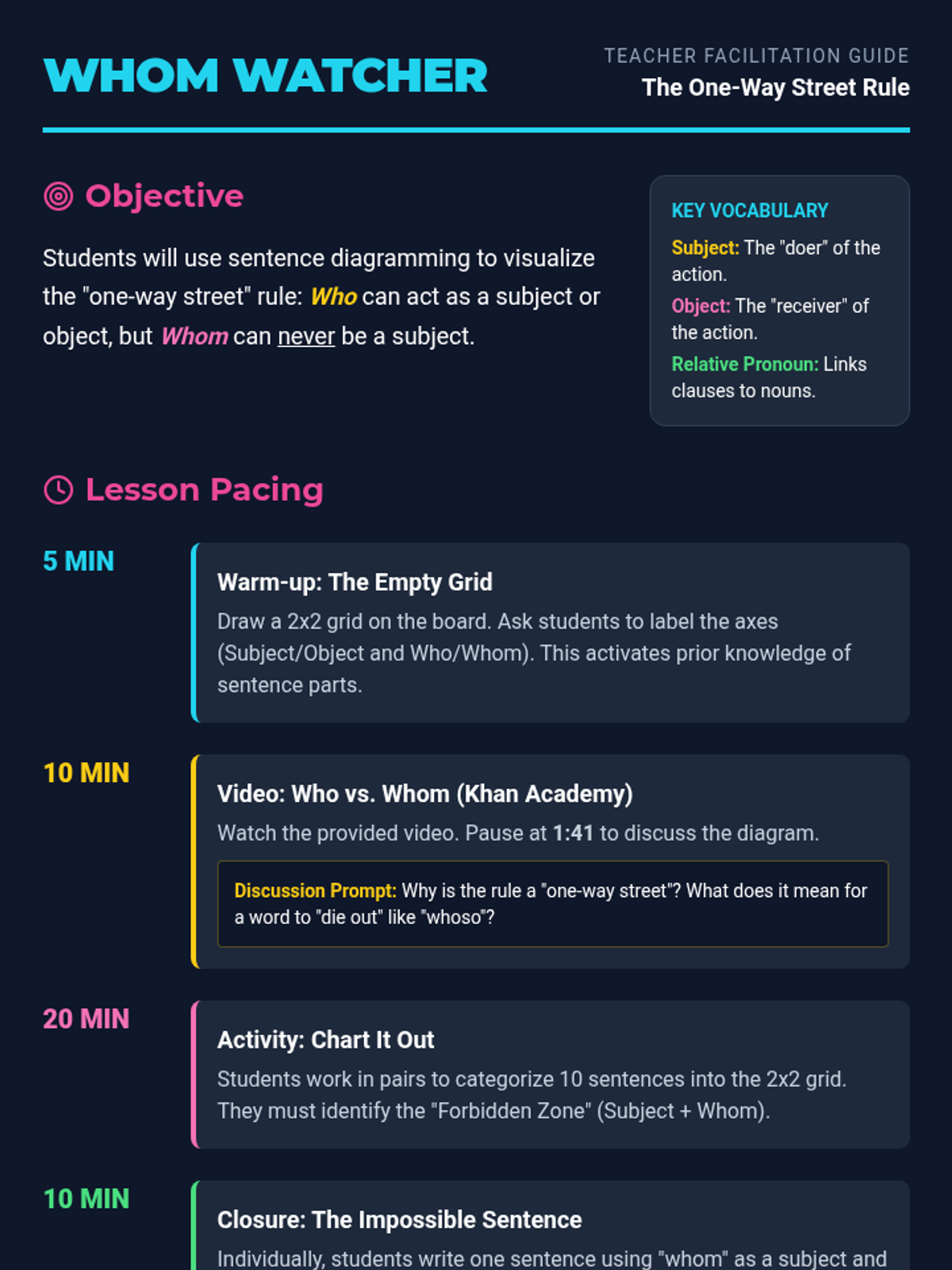
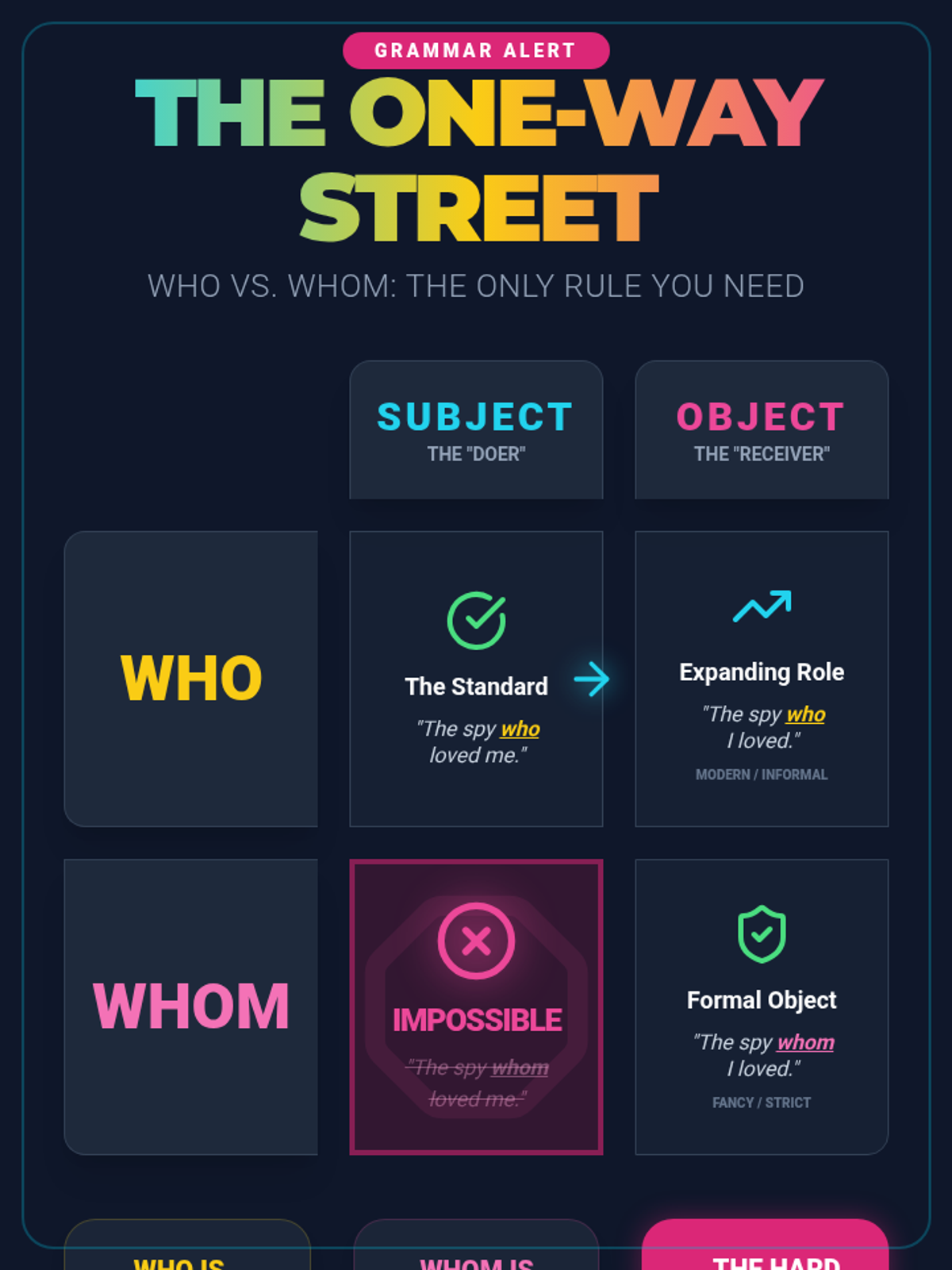
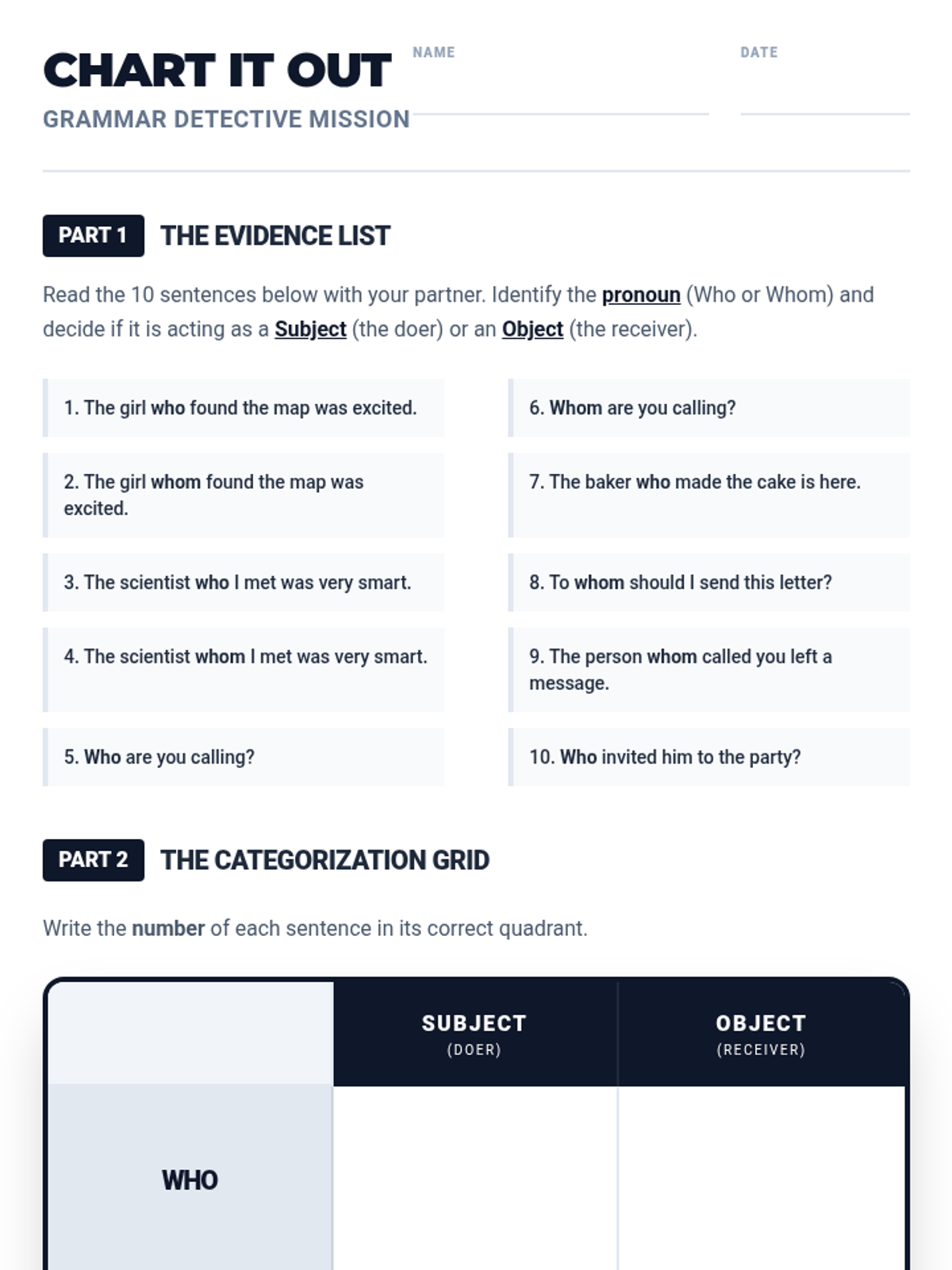
Students explore the 'One-Way Street' rule of grammar, learning that while 'who' is expanding its role, 'whom' can never be a subject. The lesson features a Khan Academy video, a 2x2 diagramming activity, and the creation of 'impossible' sentences.
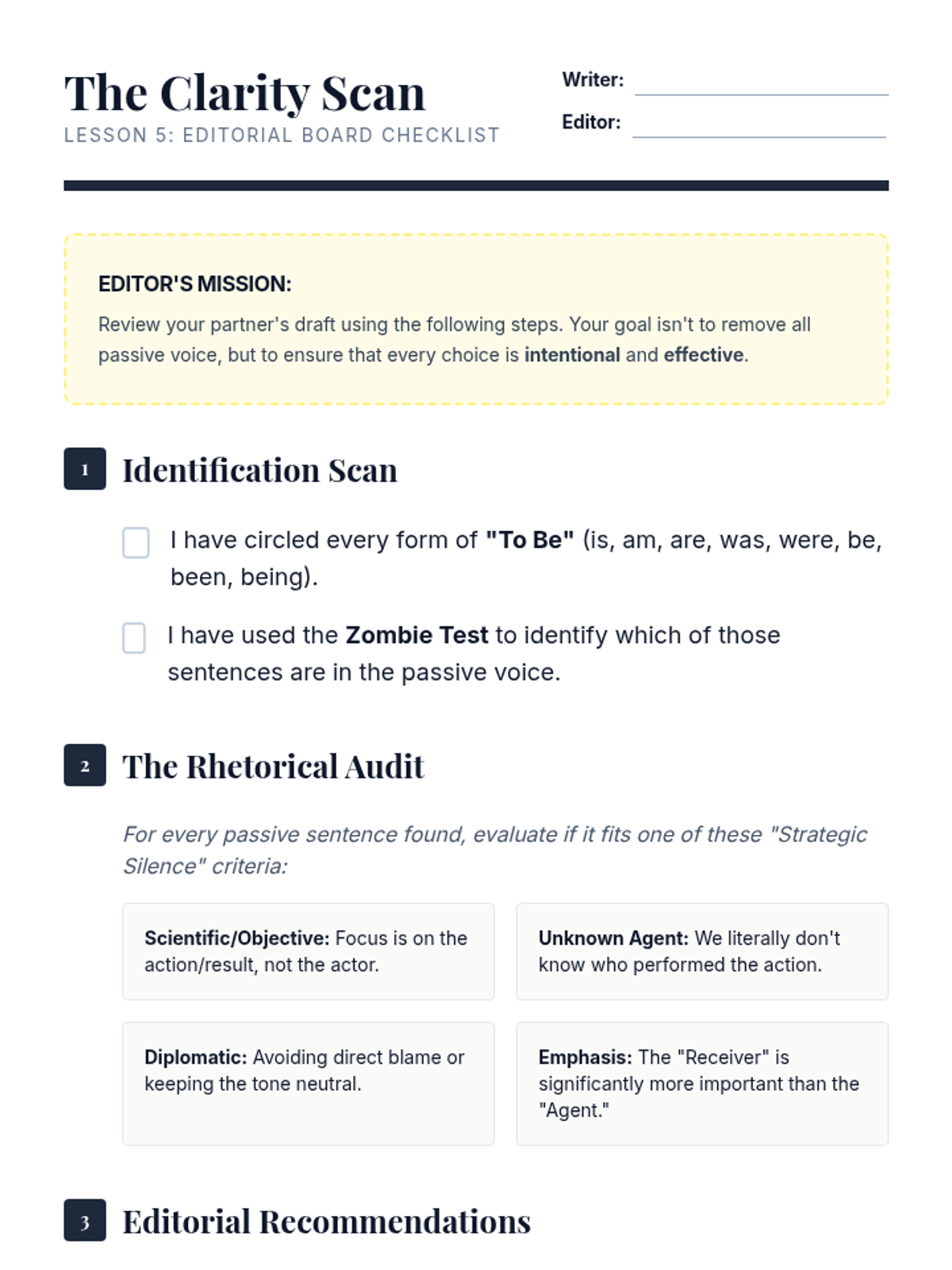
A culminating peer-review workshop where students apply voice analysis to their own writing drafts to improve clarity.
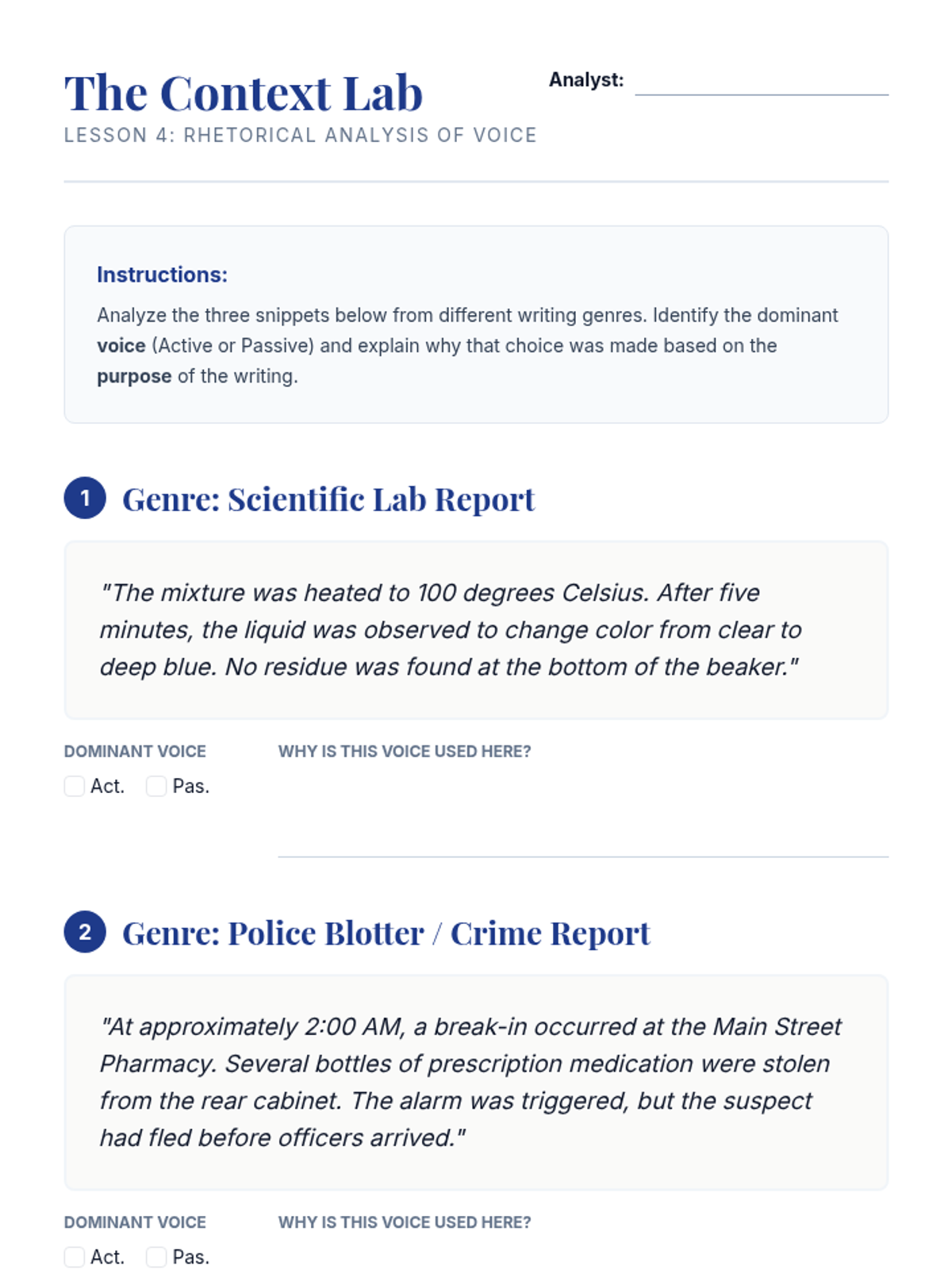
Students explore appropriate uses of passive voice in specific genres like scientific reporting and situations where the agent is unknown.
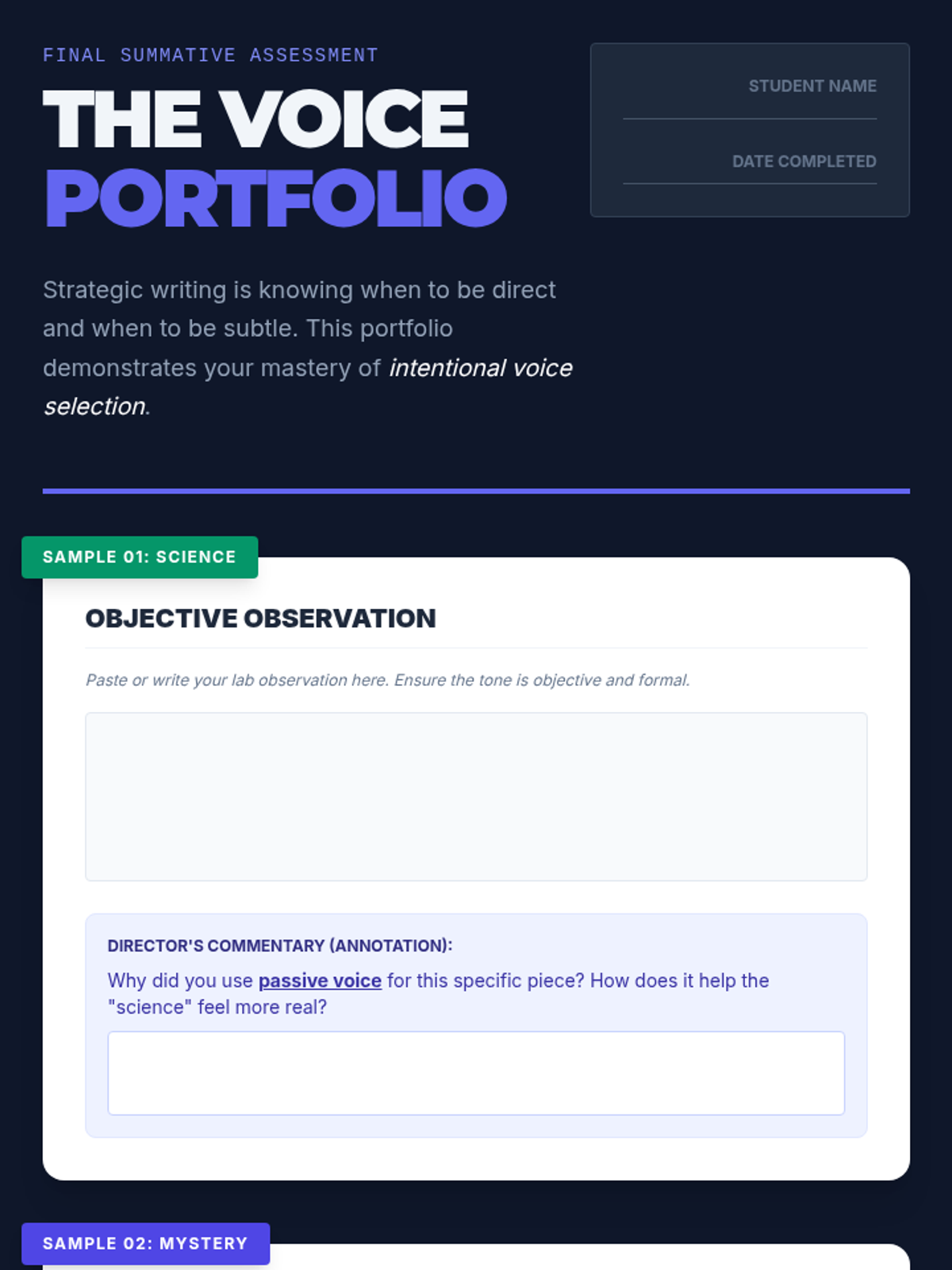
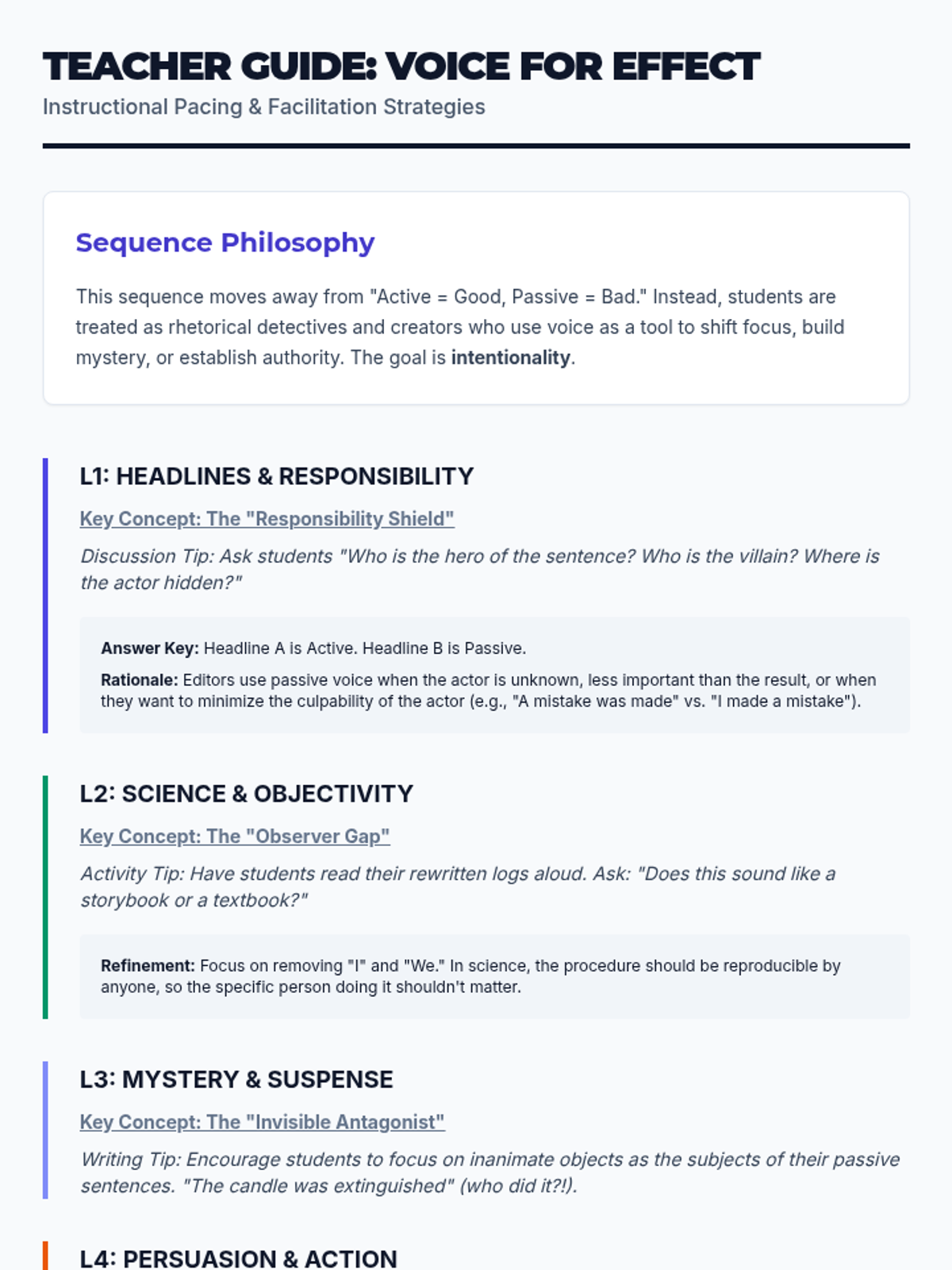
Students assemble a portfolio of three writing samples (science, mystery, and argument). They annotate their work, explaining their stylistic choices for voice.
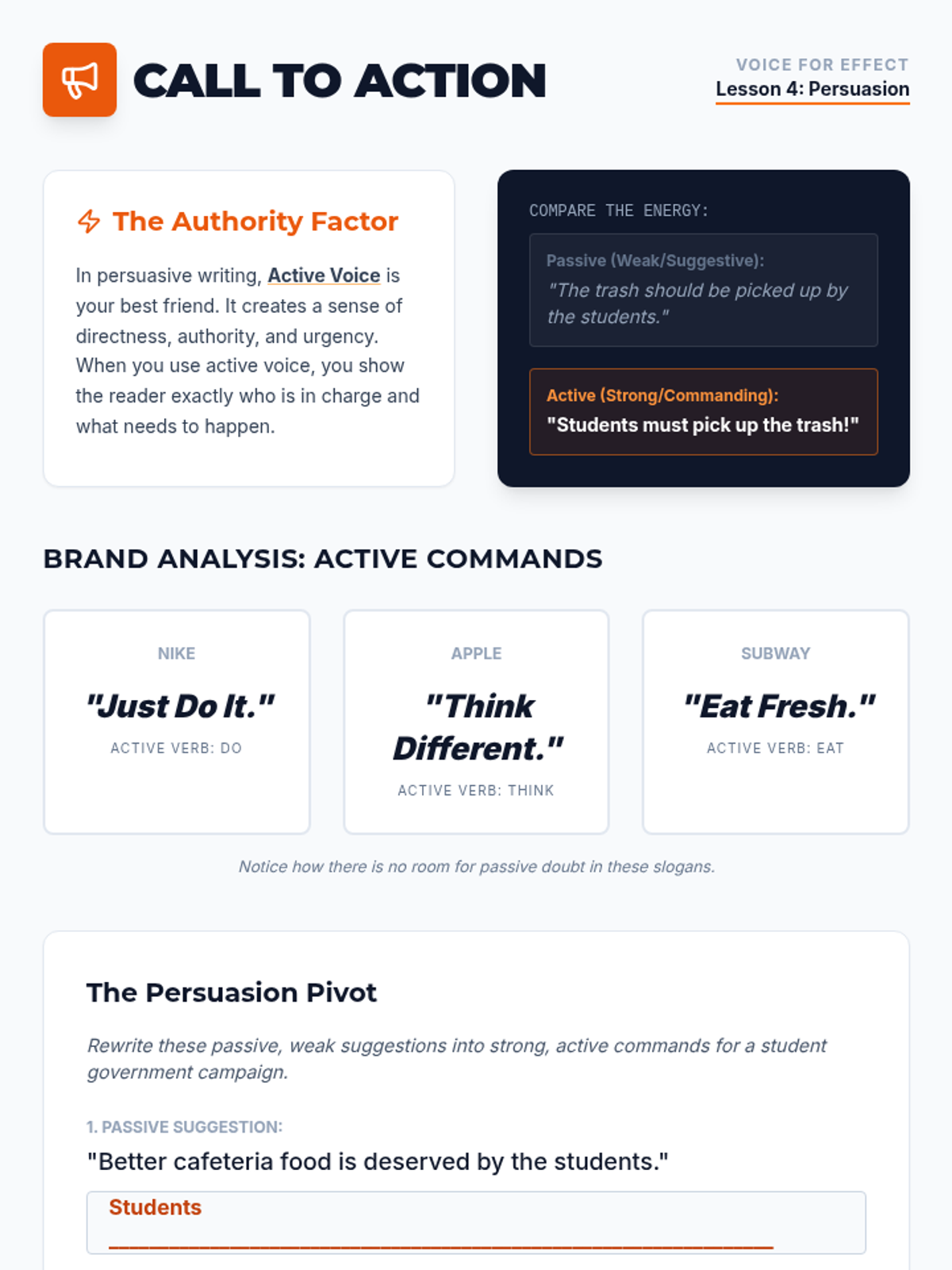
Students identify how strong action verbs and active subjects create urgency in persuasive writing. They draft a call-to-action utilizing active voice.
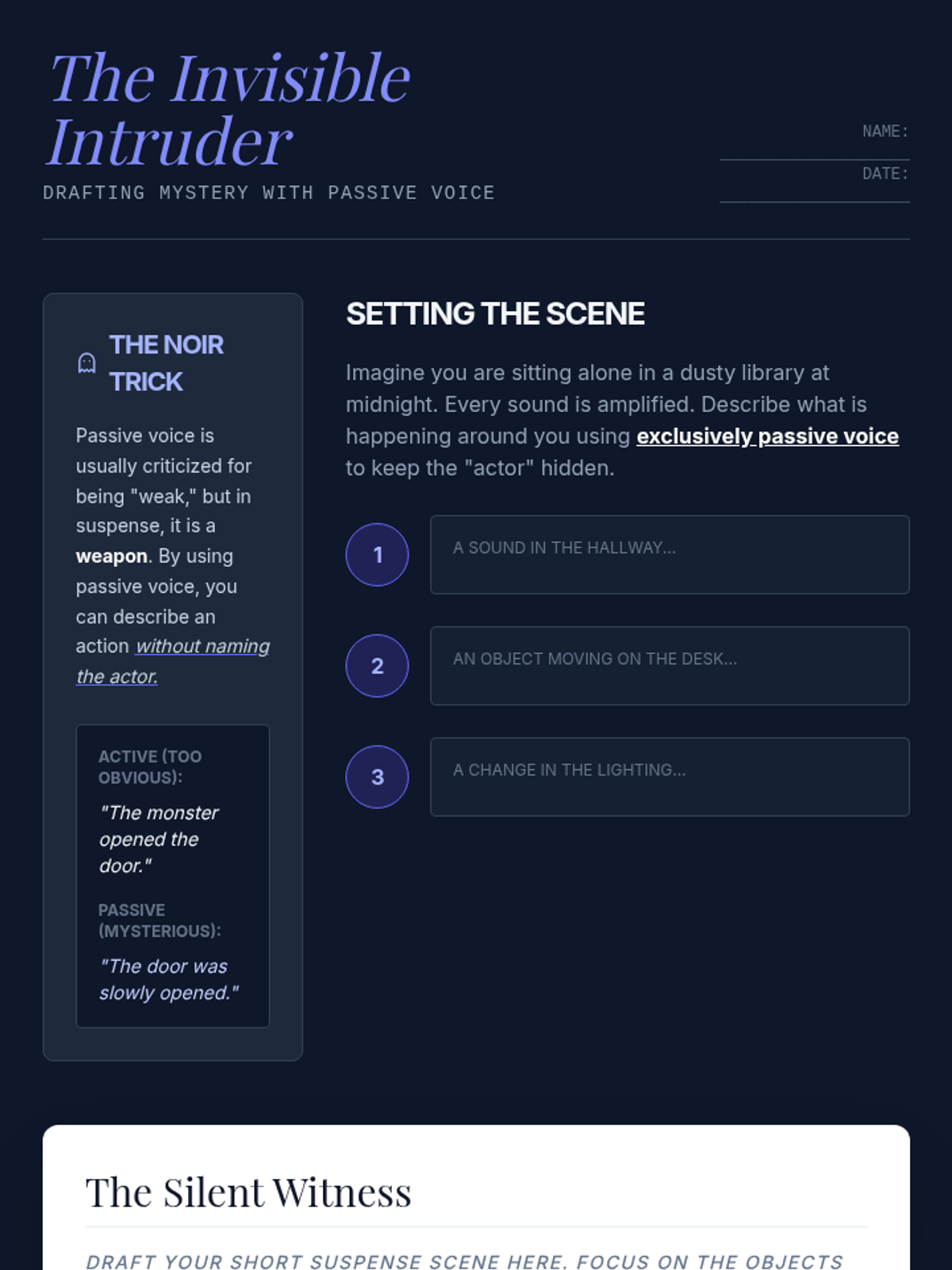
Students explore how passive voice can create mystery by withholding the identity of the subject. They write suspense scenes where actions happen without revealing the cause.
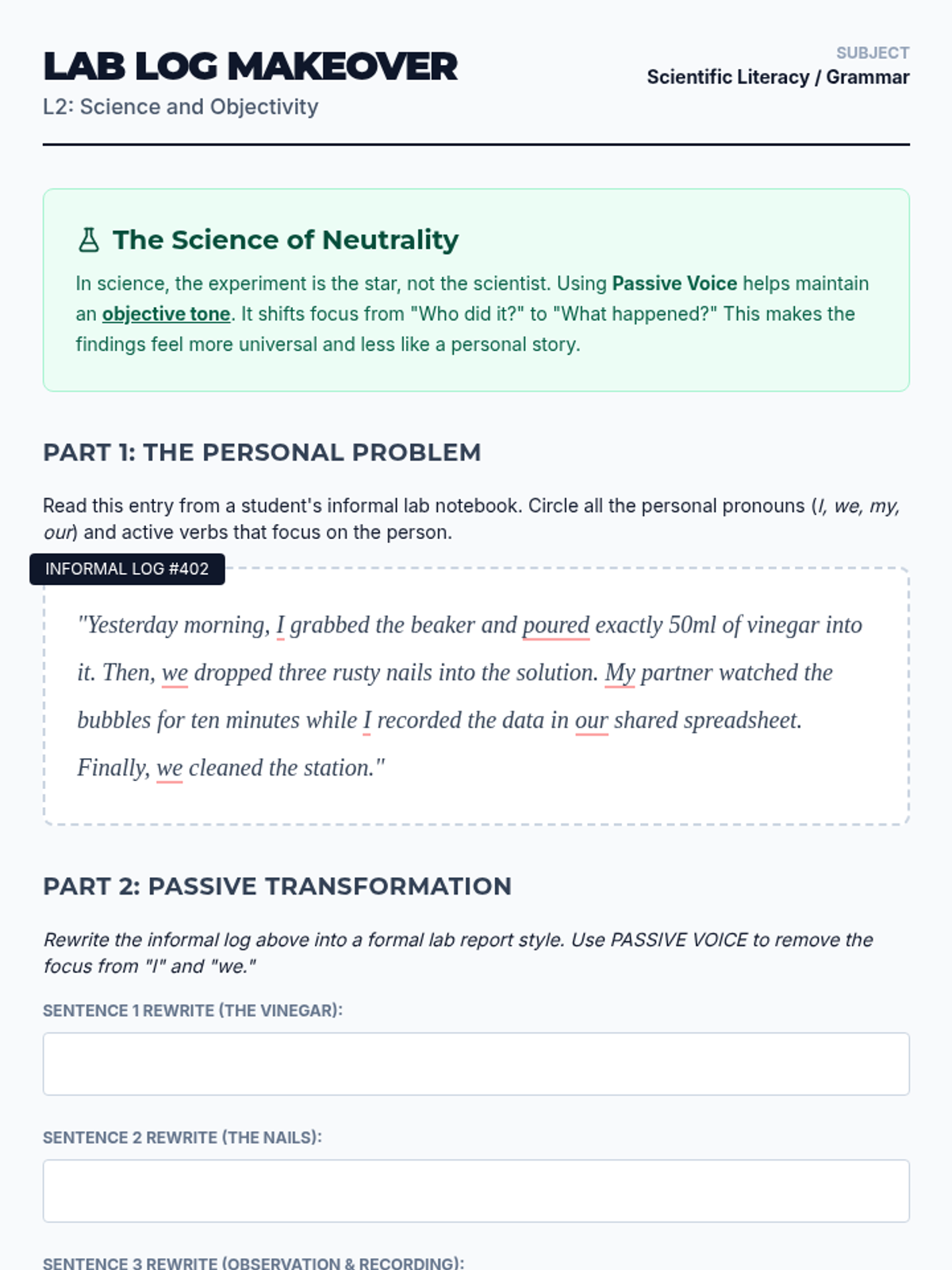
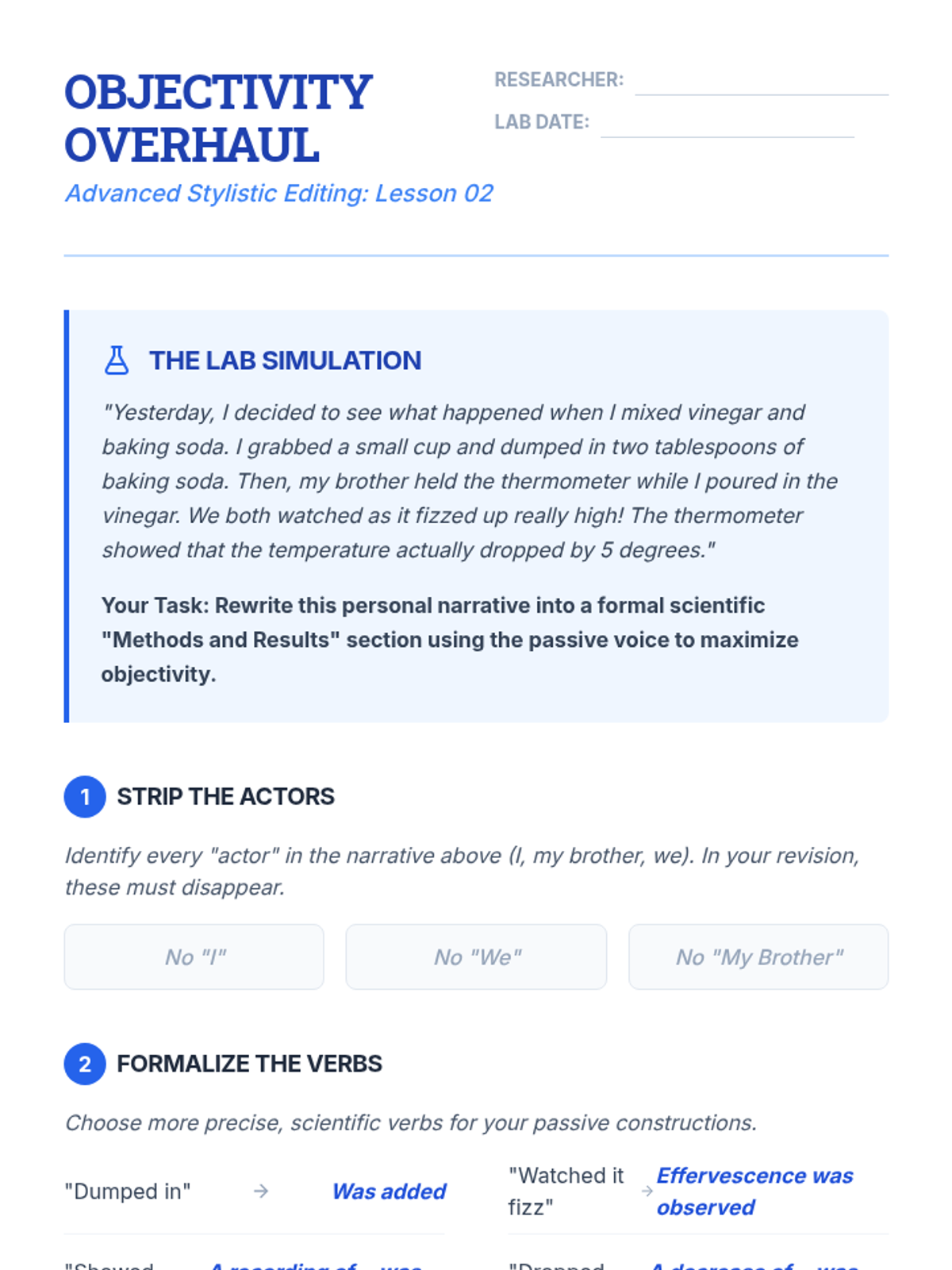
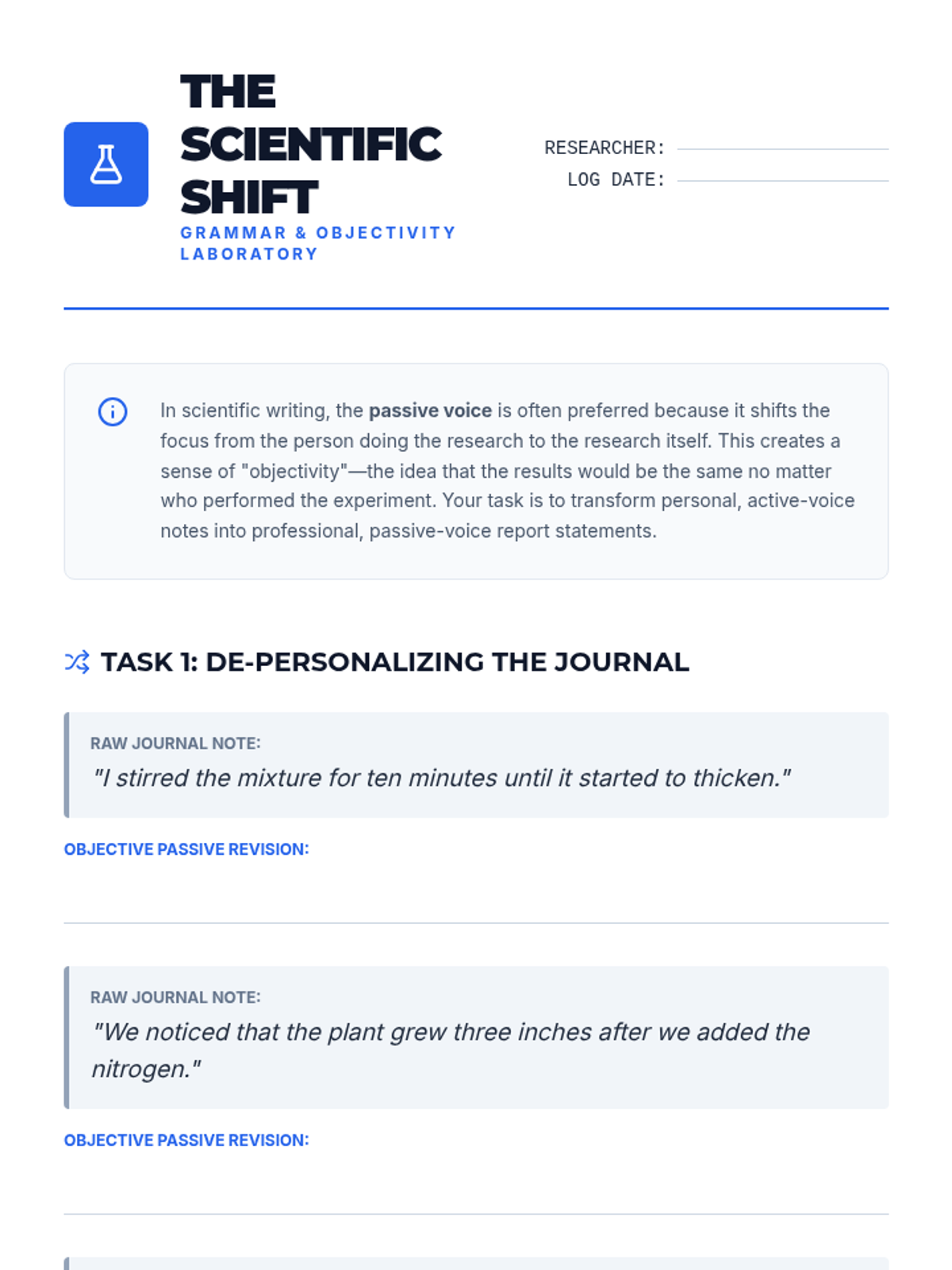
Students examine lab reports to understand why passive voice is standard in objective writing. They practice rewriting personal narratives into objective observations.
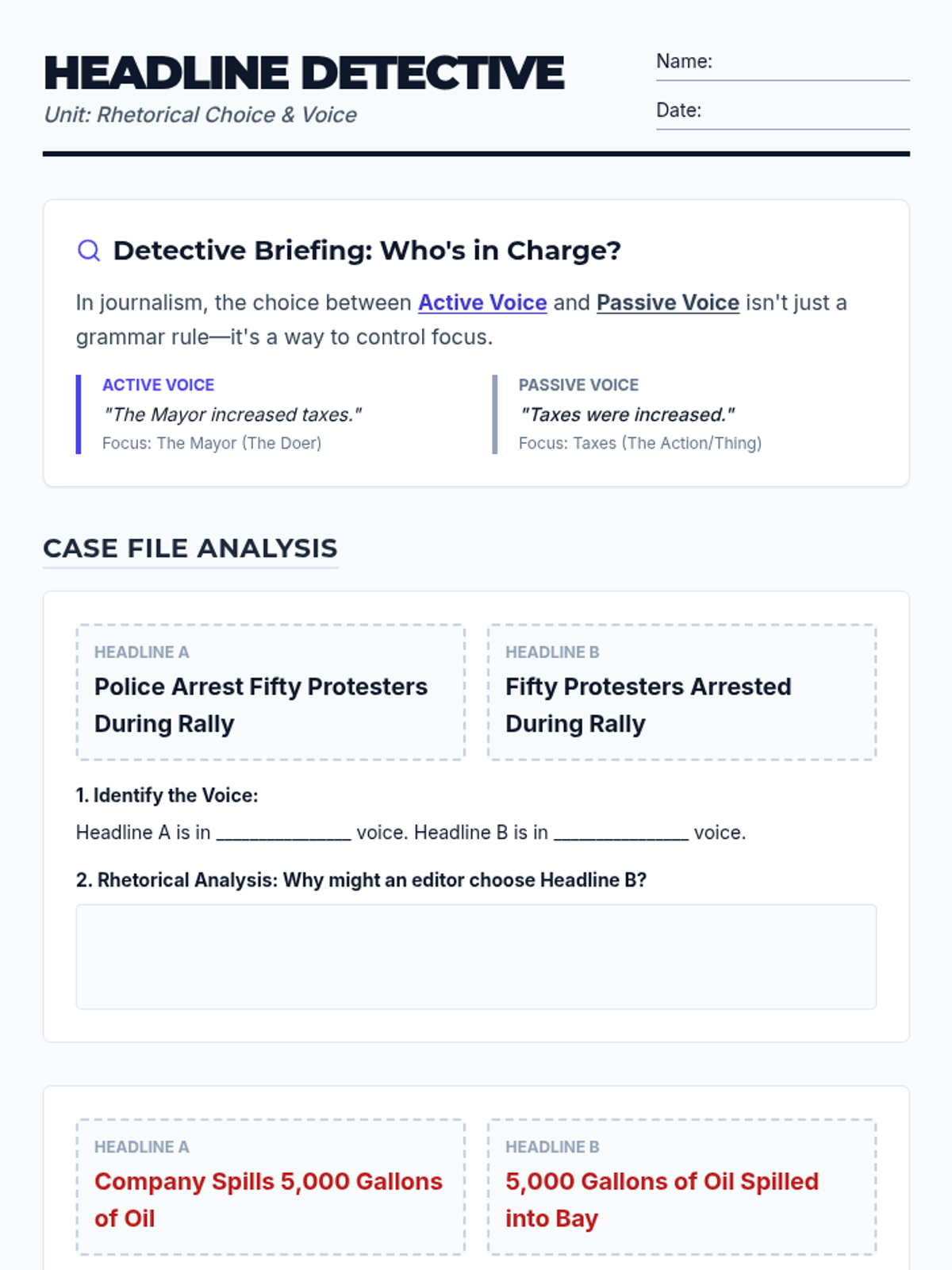
Students analyze real-world news headlines to see how active and passive voice can emphasize or hide responsibility. They compare headlines to discuss the rhetorical impact of subject placement.
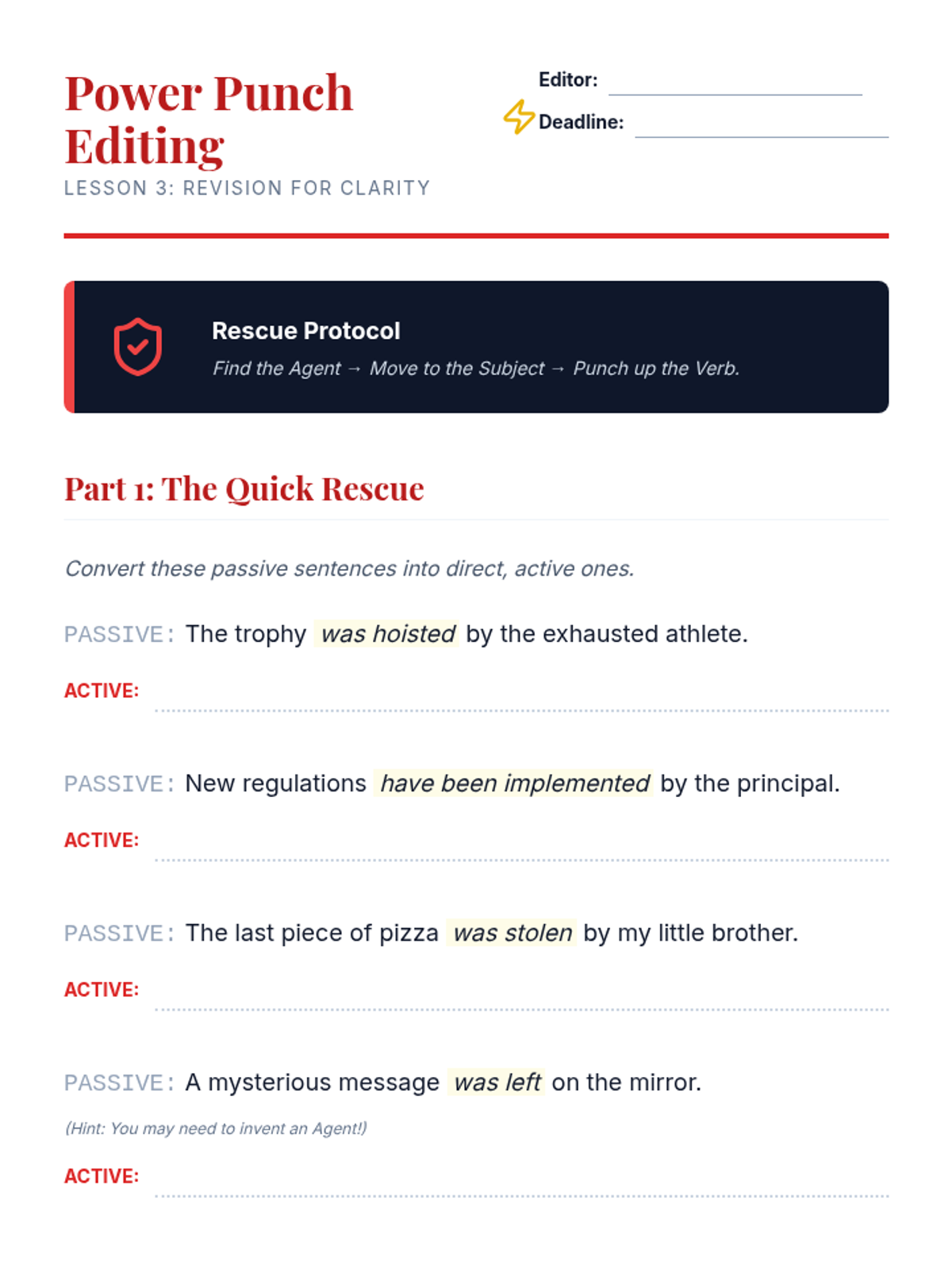
Focuses on revising passive sentences into active ones to improve clarity, directness, and engagement in writing.
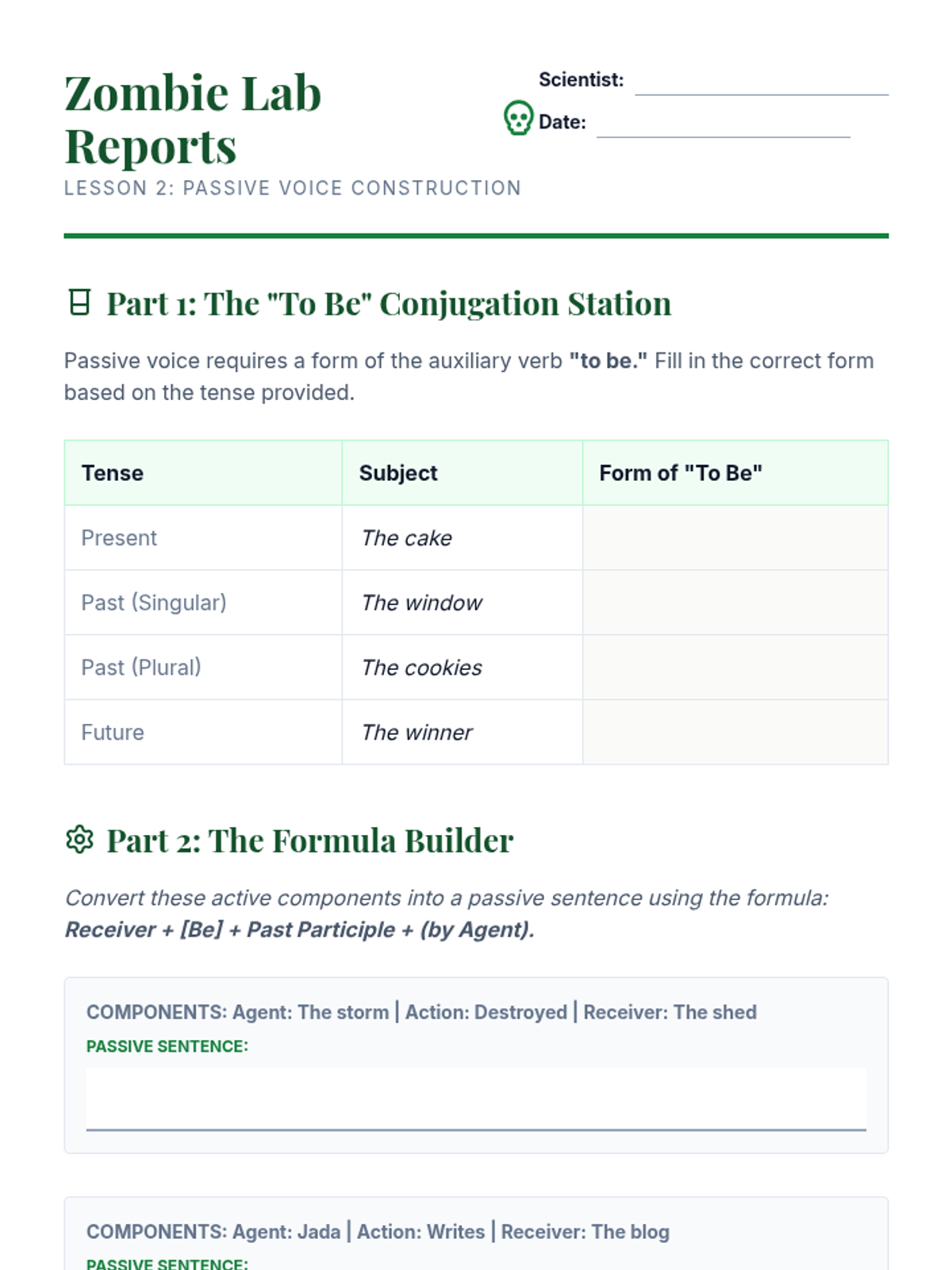
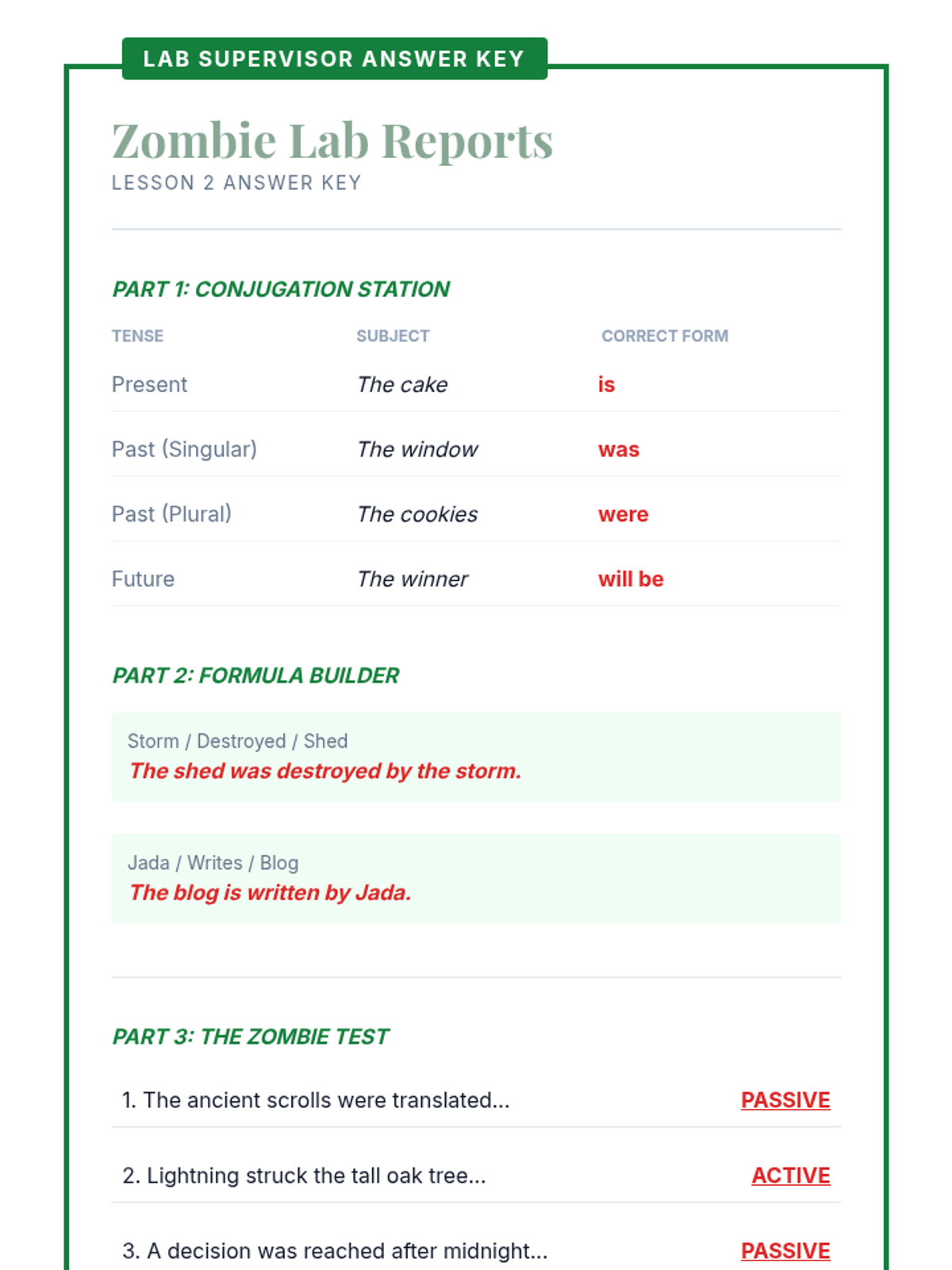
Students master the structural formula of passive voice (be + past participle) and use the 'Zombie Test' to identify passive constructions.
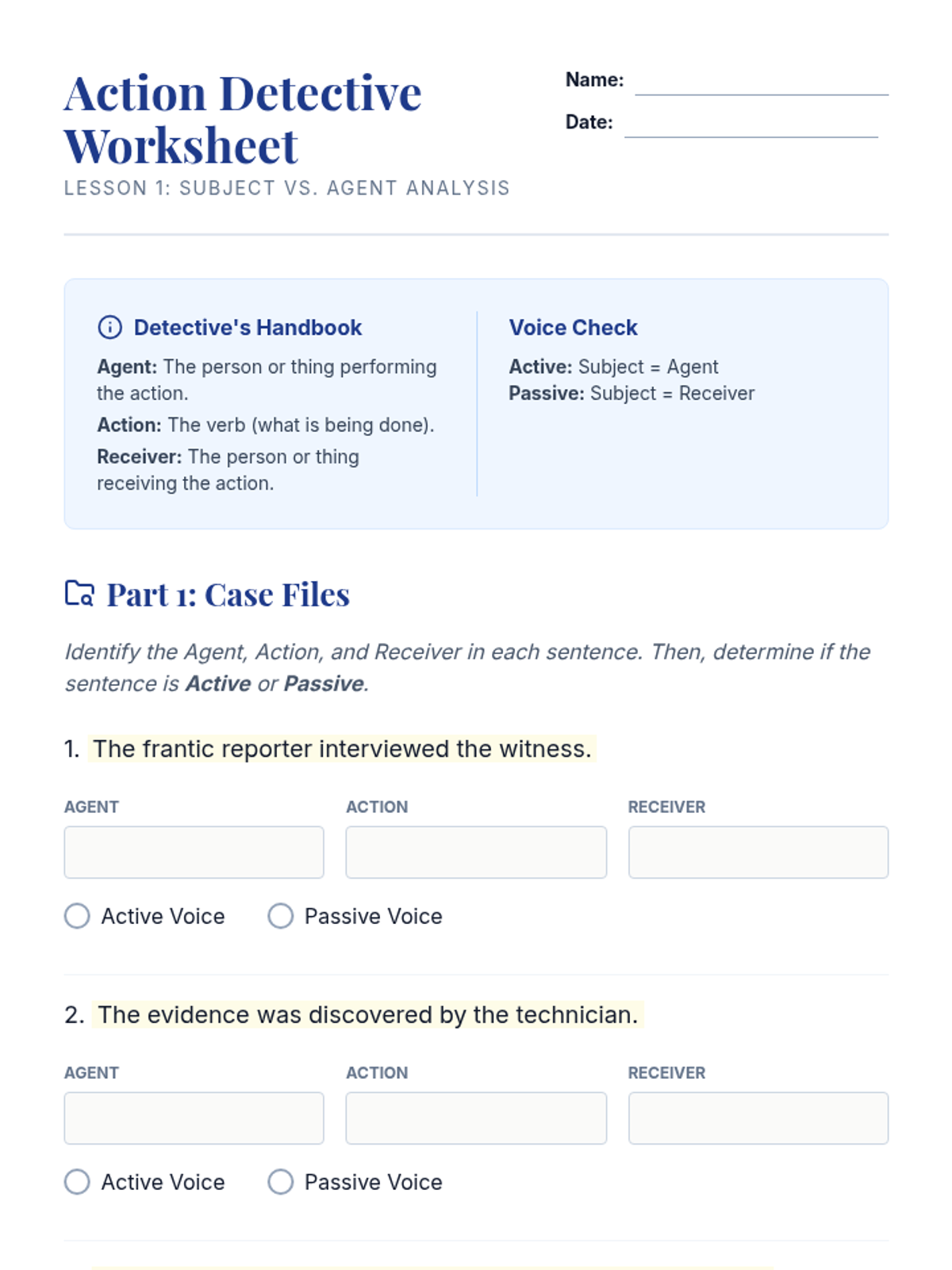
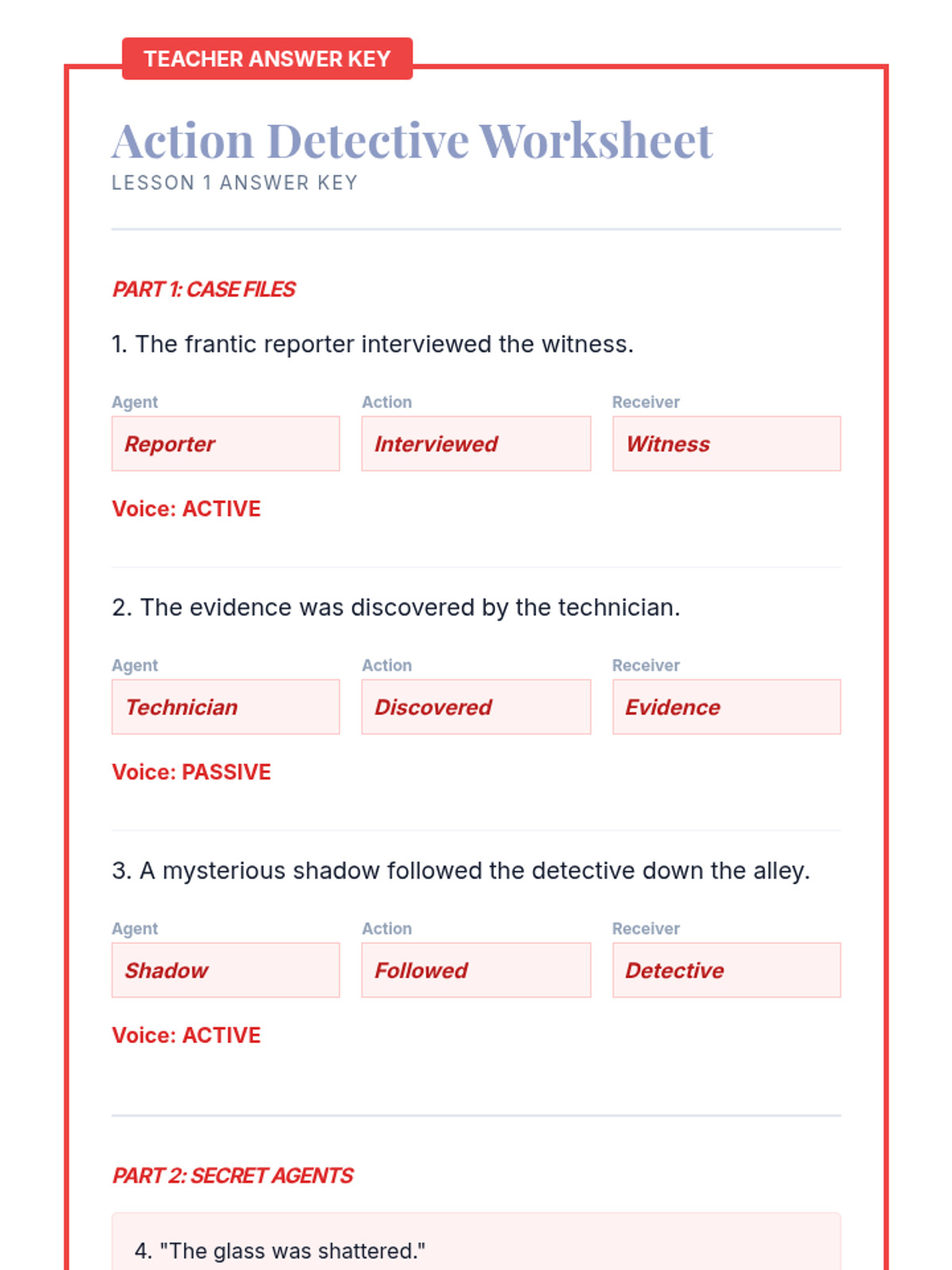
Students analyze sentences to identify the 'doer' and 'receiver' of actions, distinguishing between subjects performing actions and those being acted upon.
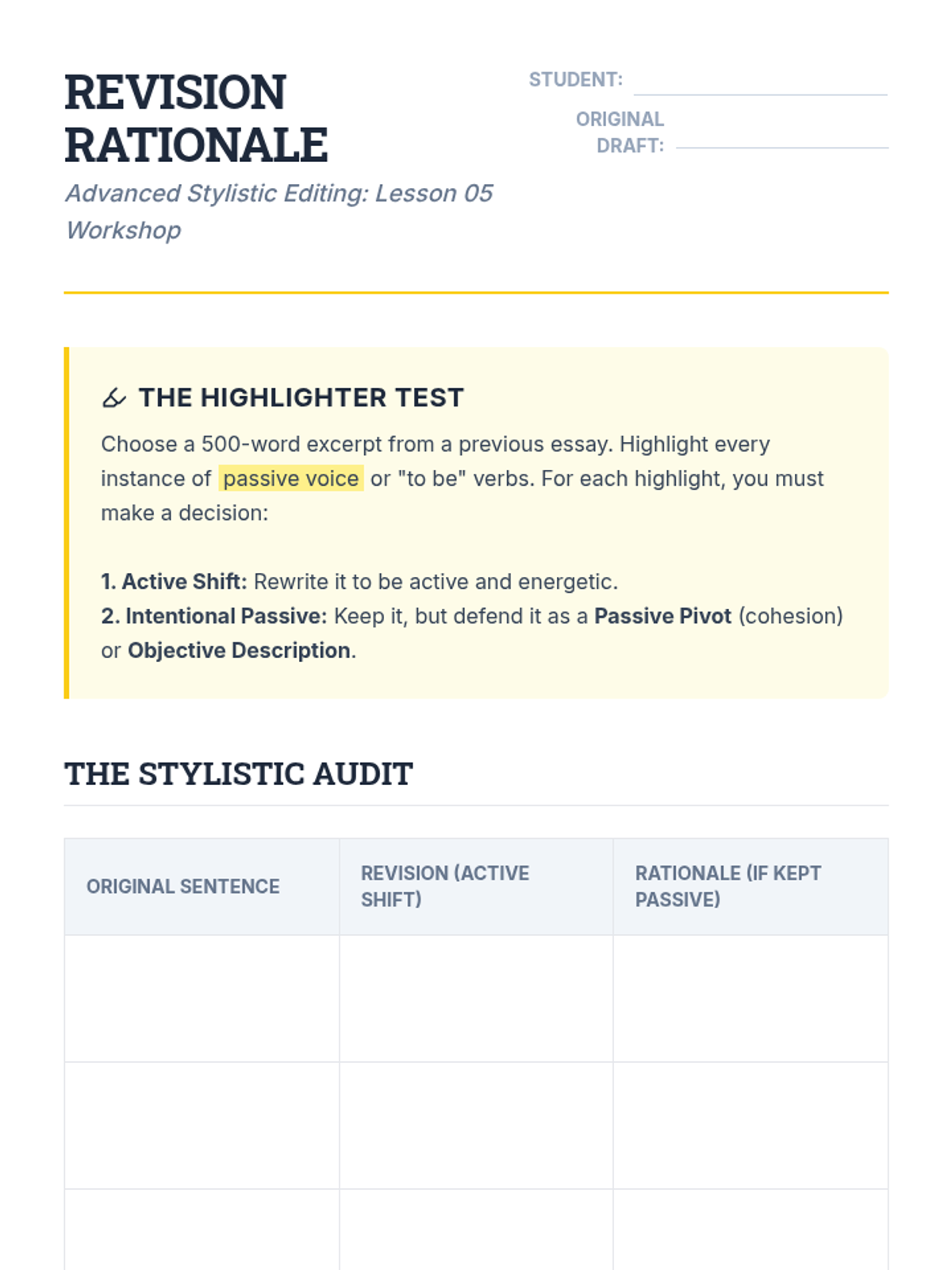
Students select a previously written essay and apply the sequence's concepts to refine their prose. They highlight every instance of passive voice and justify its existence (cohesion, emphasis, or objectivity) or rewrite it. The final output is a polished excerpt with an annotated rationale for their stylistic choices.
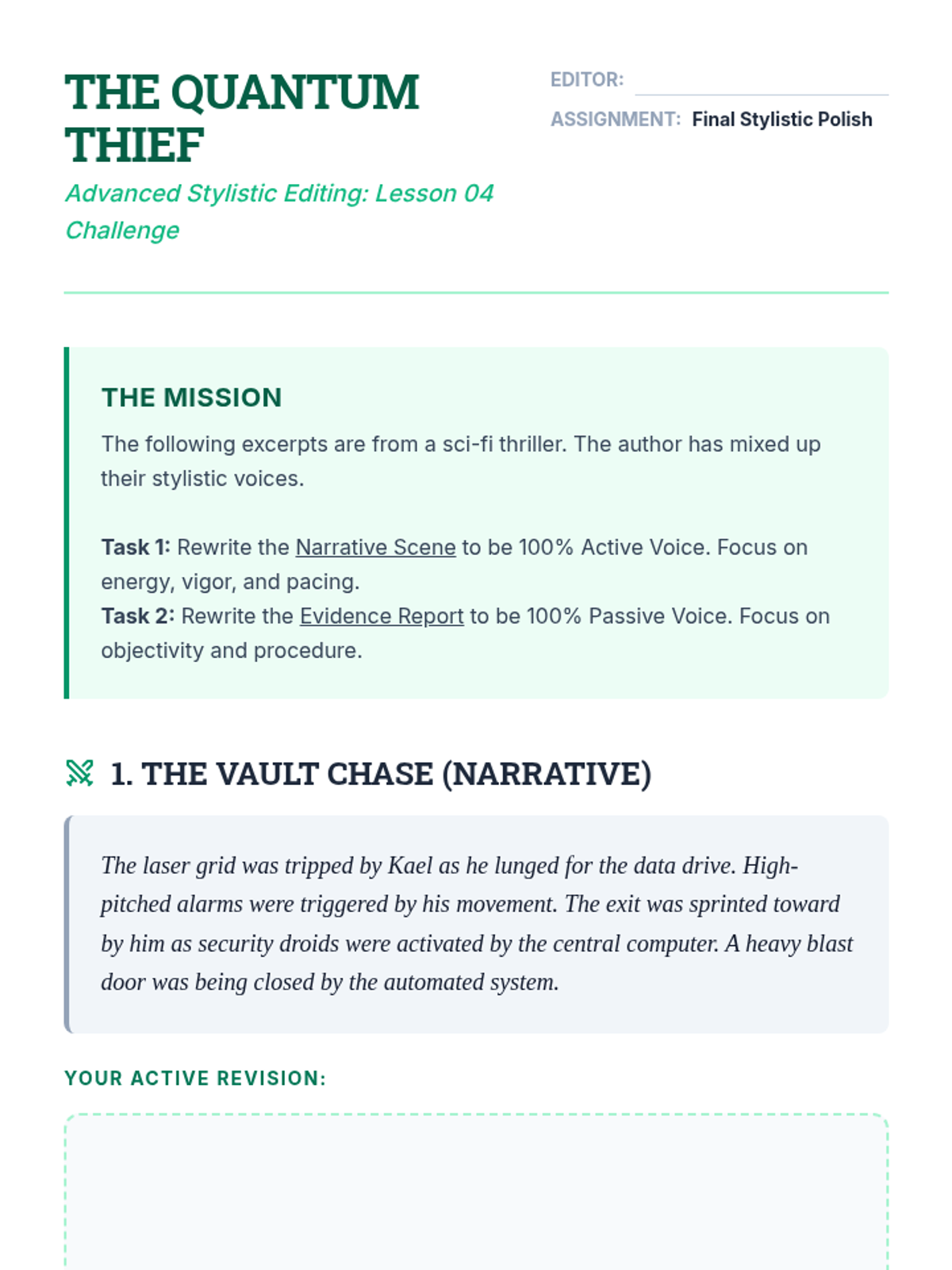
Students are given a mixed-genre text containing both narrative and technical elements. They must edit the text, applying active voice to the narrative sections for engagement and passive voice to the technical sections for focus.
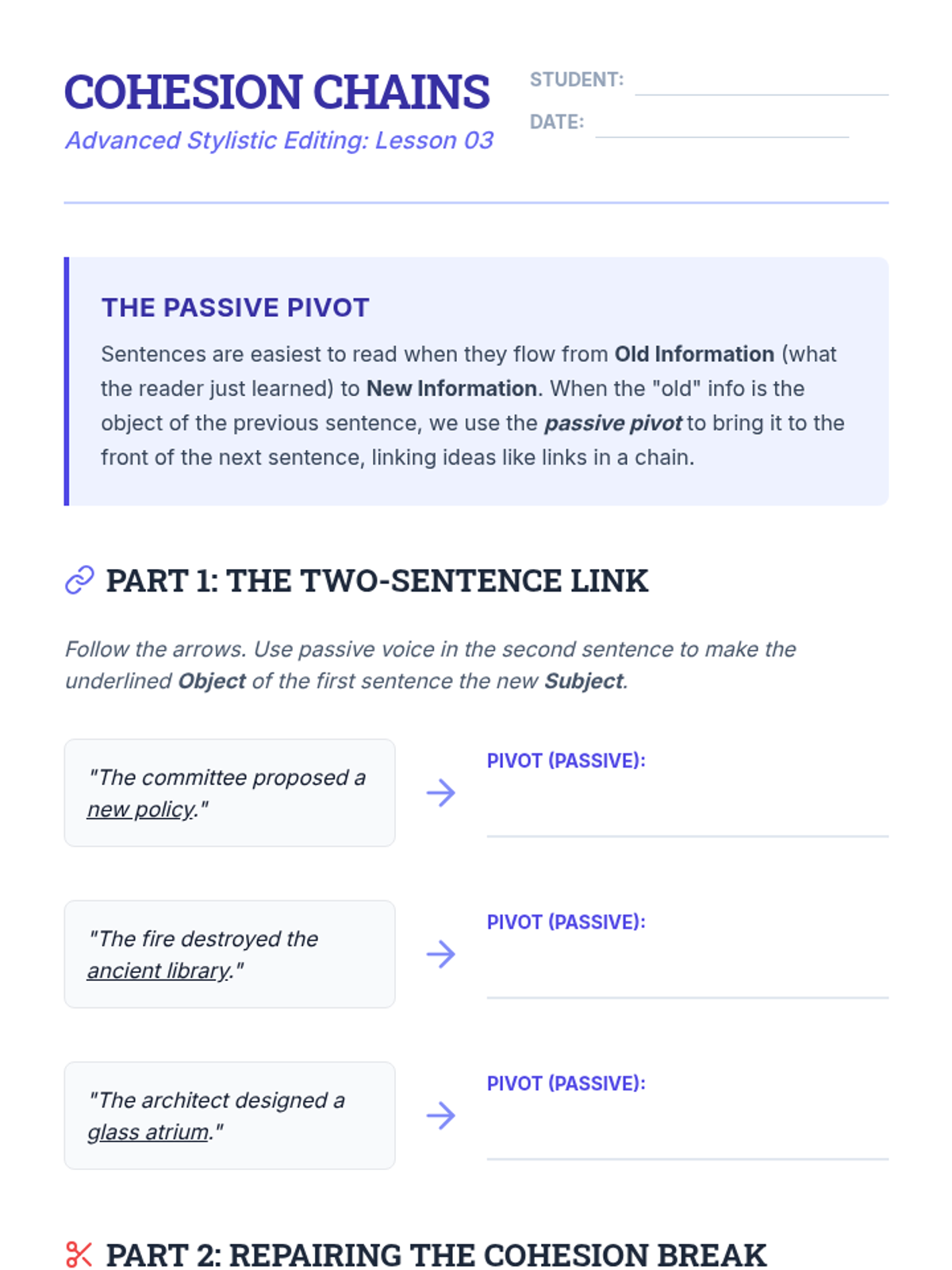
This advanced lesson introduces the concept of 'old-to-new' information flow (cohesion). Students learn to use passive voice strategically to move the object of the previous sentence into the subject position of the next sentence to link complex ideas smoothly.
Students analyze scientific abstracts and lab reports to understand why passive voice is the standard in technical fields where the process is more important than the actor. They practice converting personal narratives into objective technical descriptions.
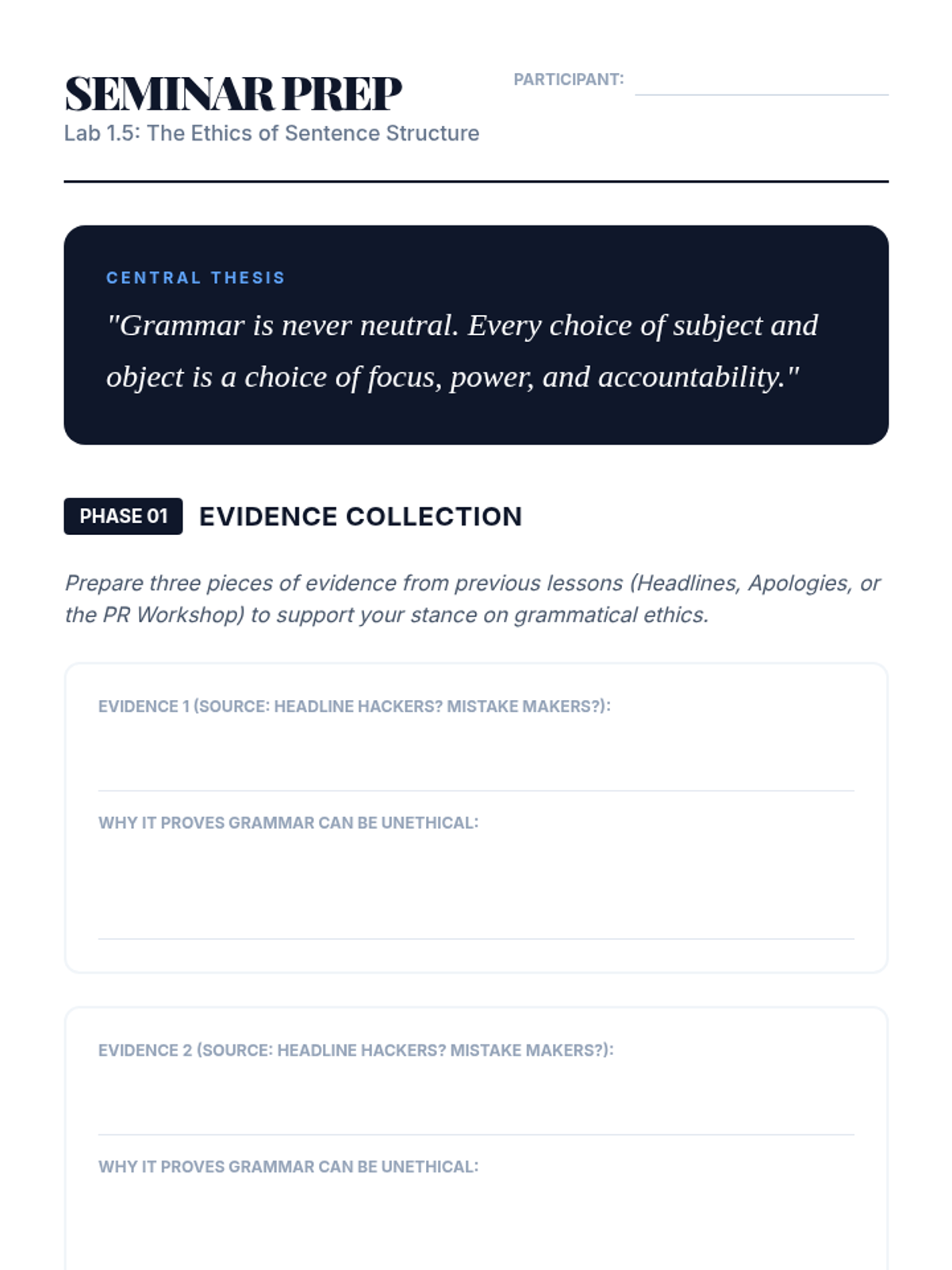
A culminating Socratic seminar focusing on the ethics of grammar. Students debate whether the use of passive voice in objective fields like journalism and history constitutes a moral failure of transparency.
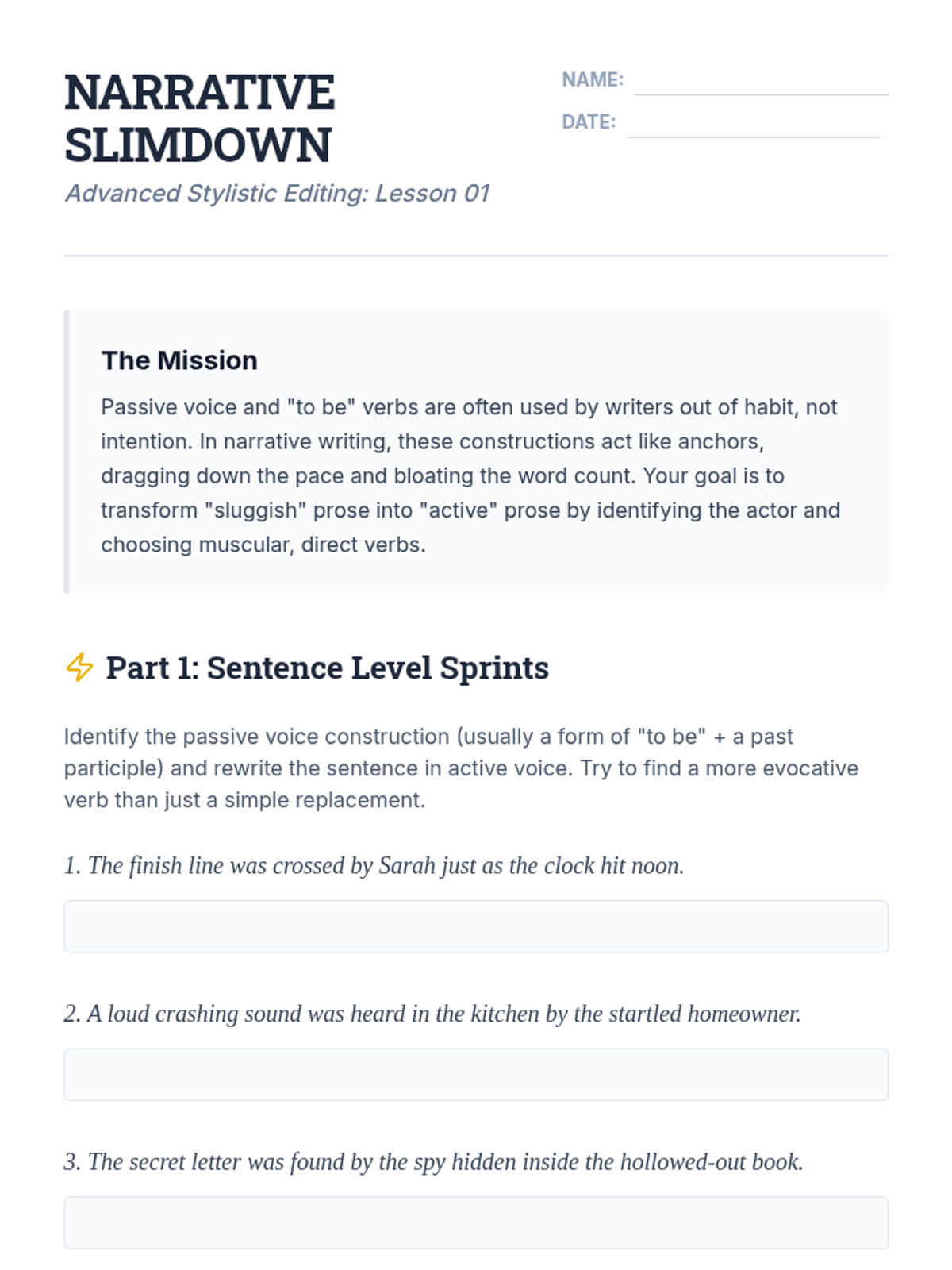
Students examine how active voice drives pacing and reduces word count in narrative and argumentative writing. Through an editing workshop, they practice stripping 'to be' verbs from dense paragraphs to increase impact.
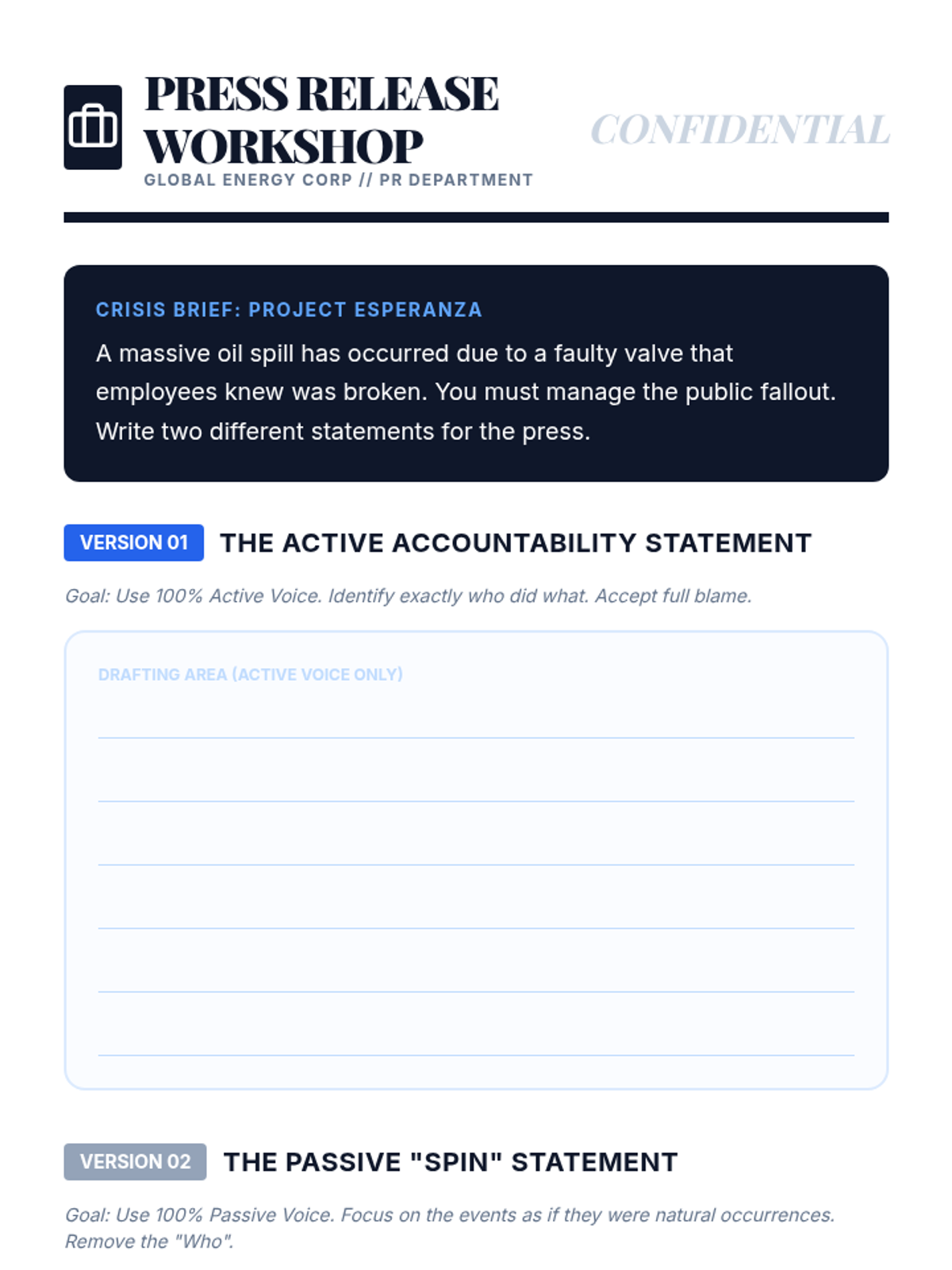
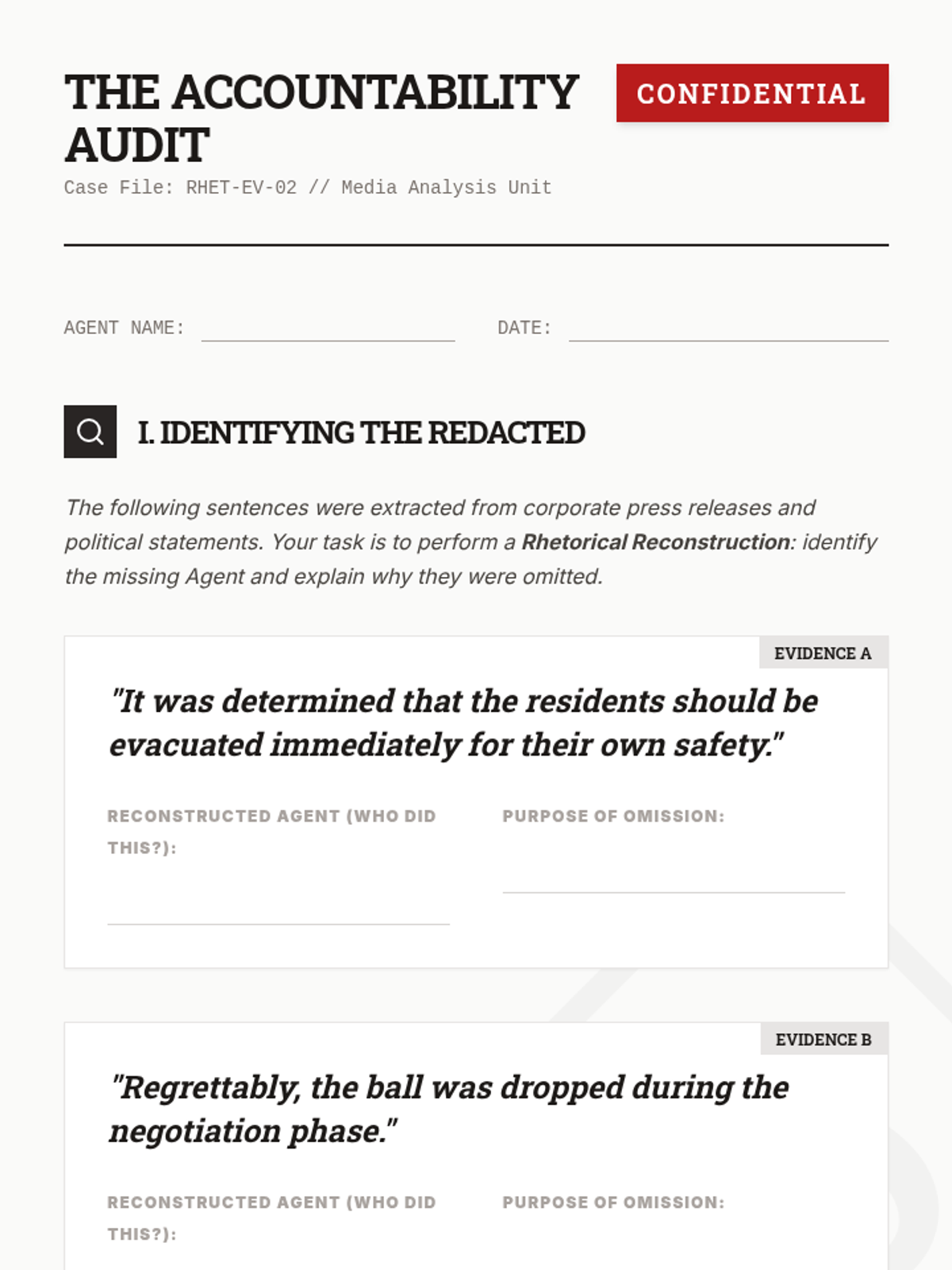
A creative workshop where students act as PR specialists. They manipulate voice to draft press releases that either accept full accountability or strategically minimize corporate blame for a fictional crisis.
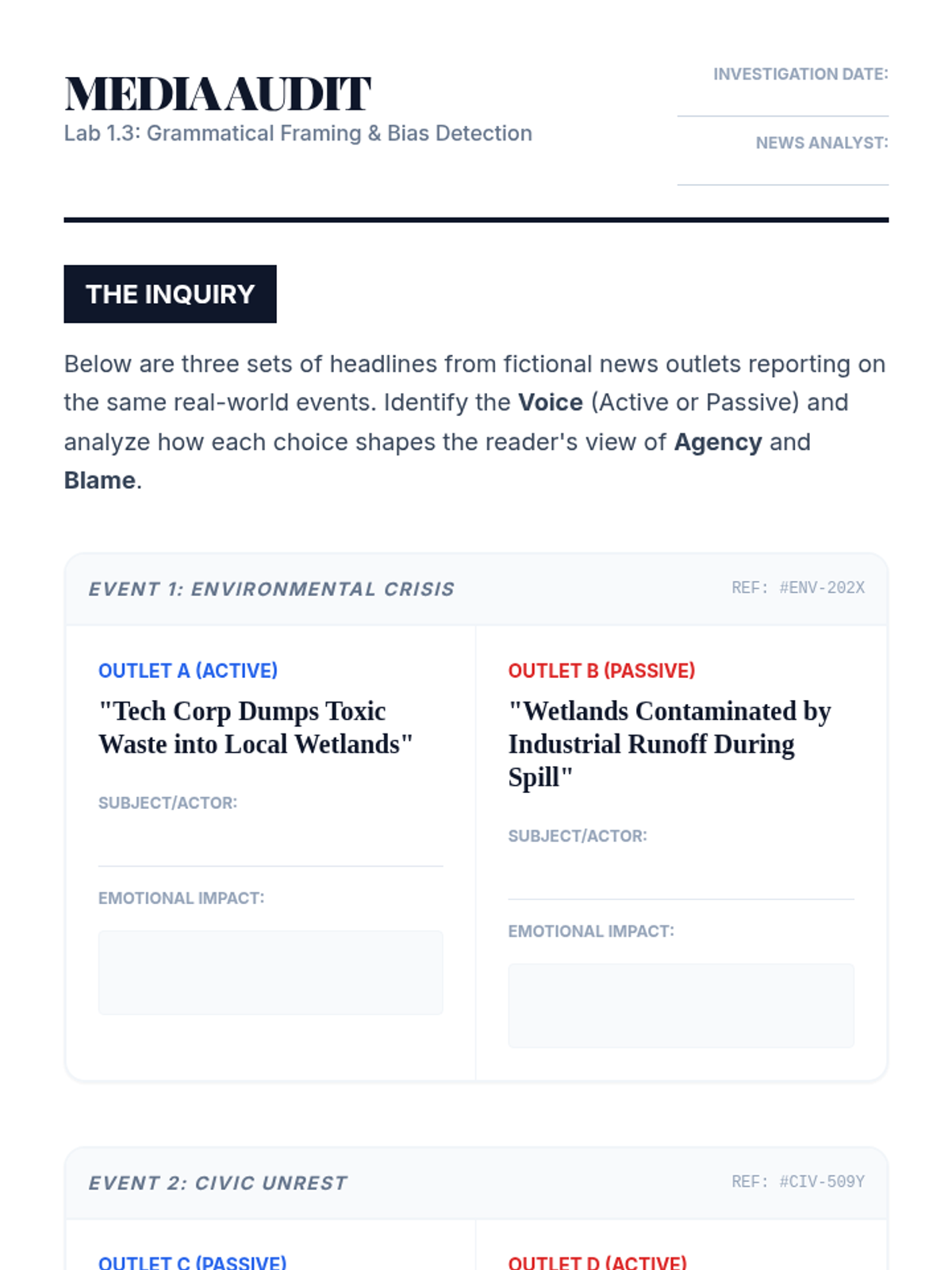
Inquiry-based analysis of news headlines. Students compare how different media outlets use voice to frame the same events, investigating how the choice of subject can lead to subtle or overt media bias.
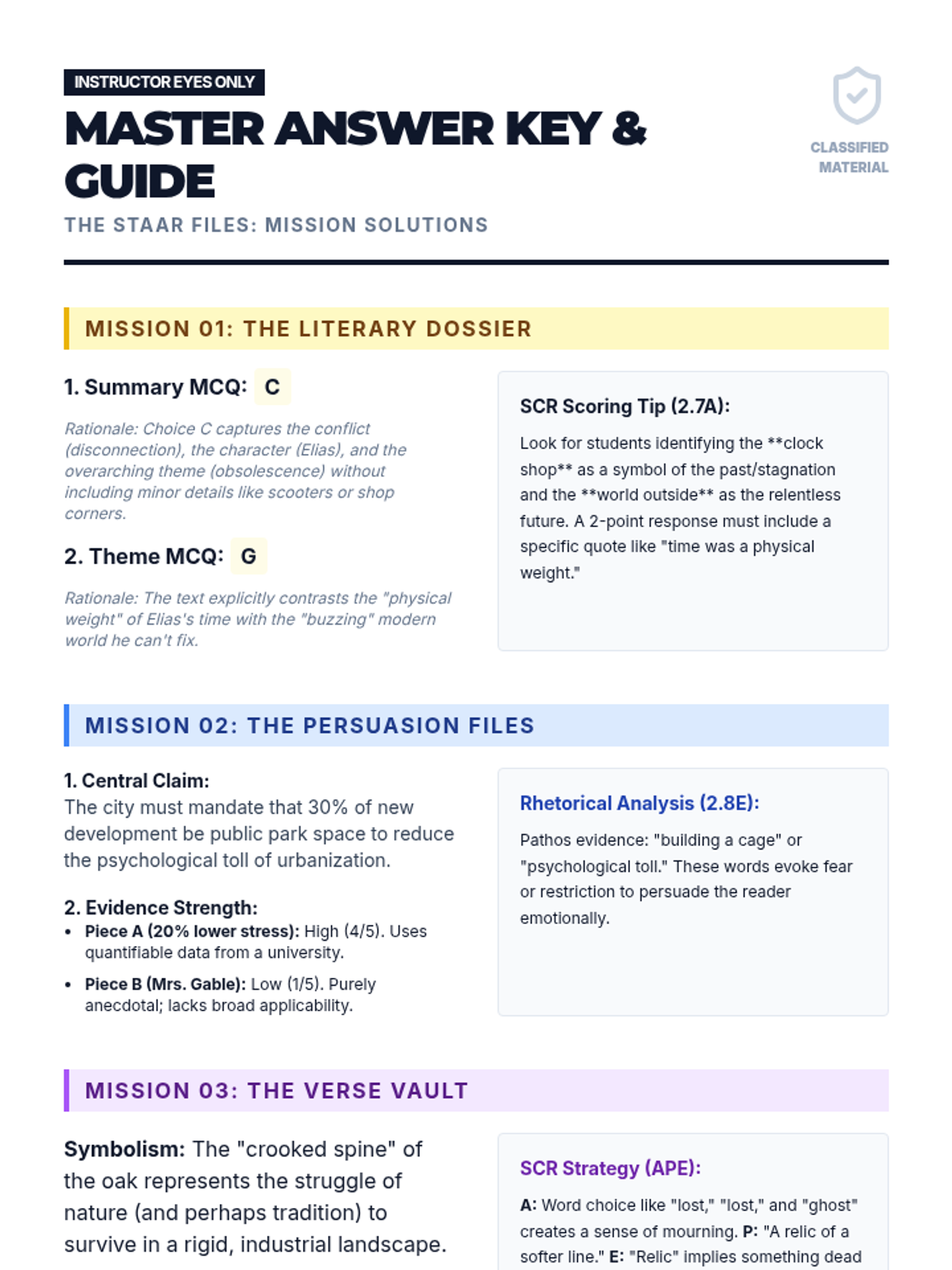
Complete a final 60-minute reconnaissance review and practice assessment.
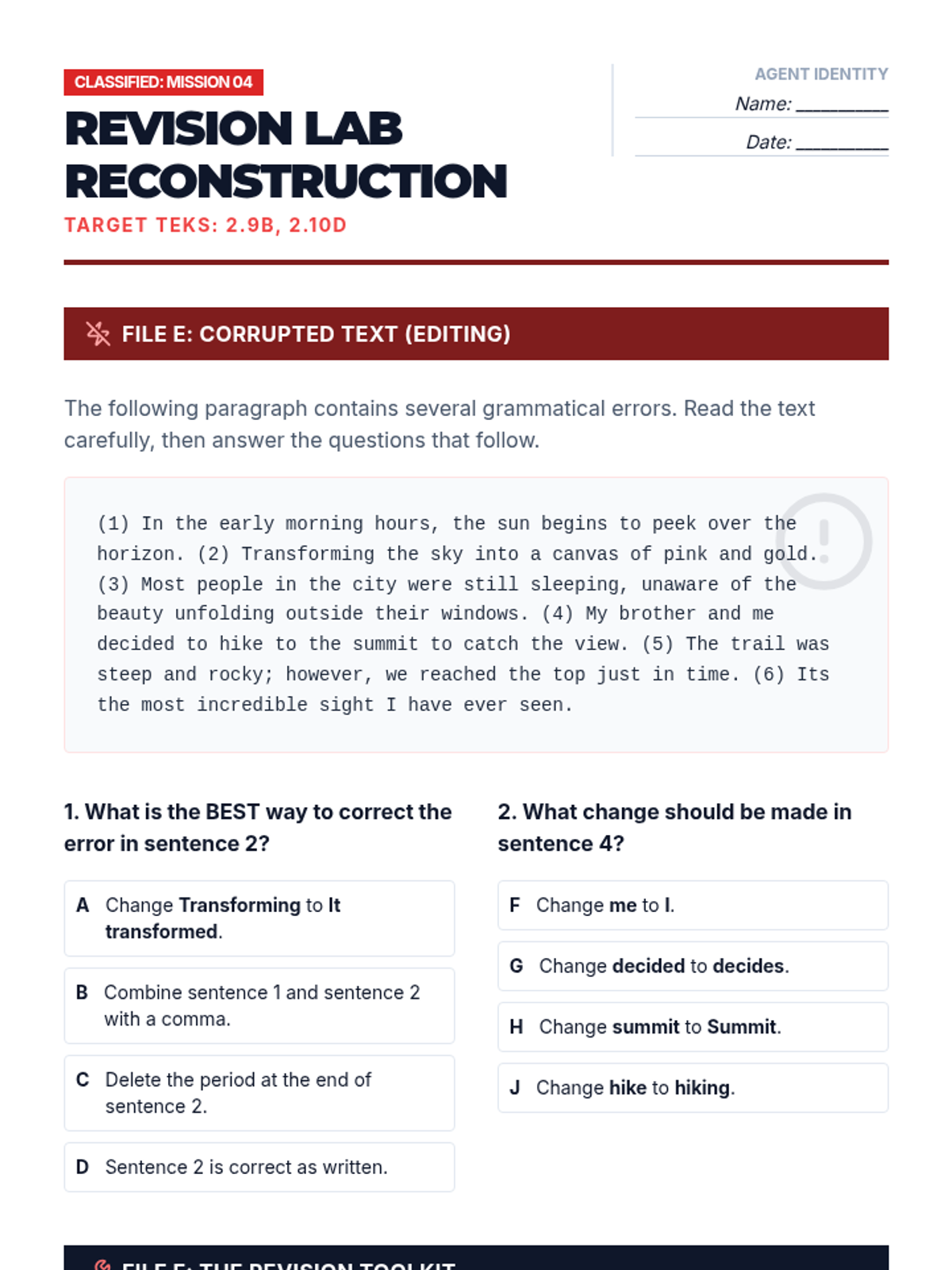
Reconstruct sentences and master grammar in a 30-minute technical lab.
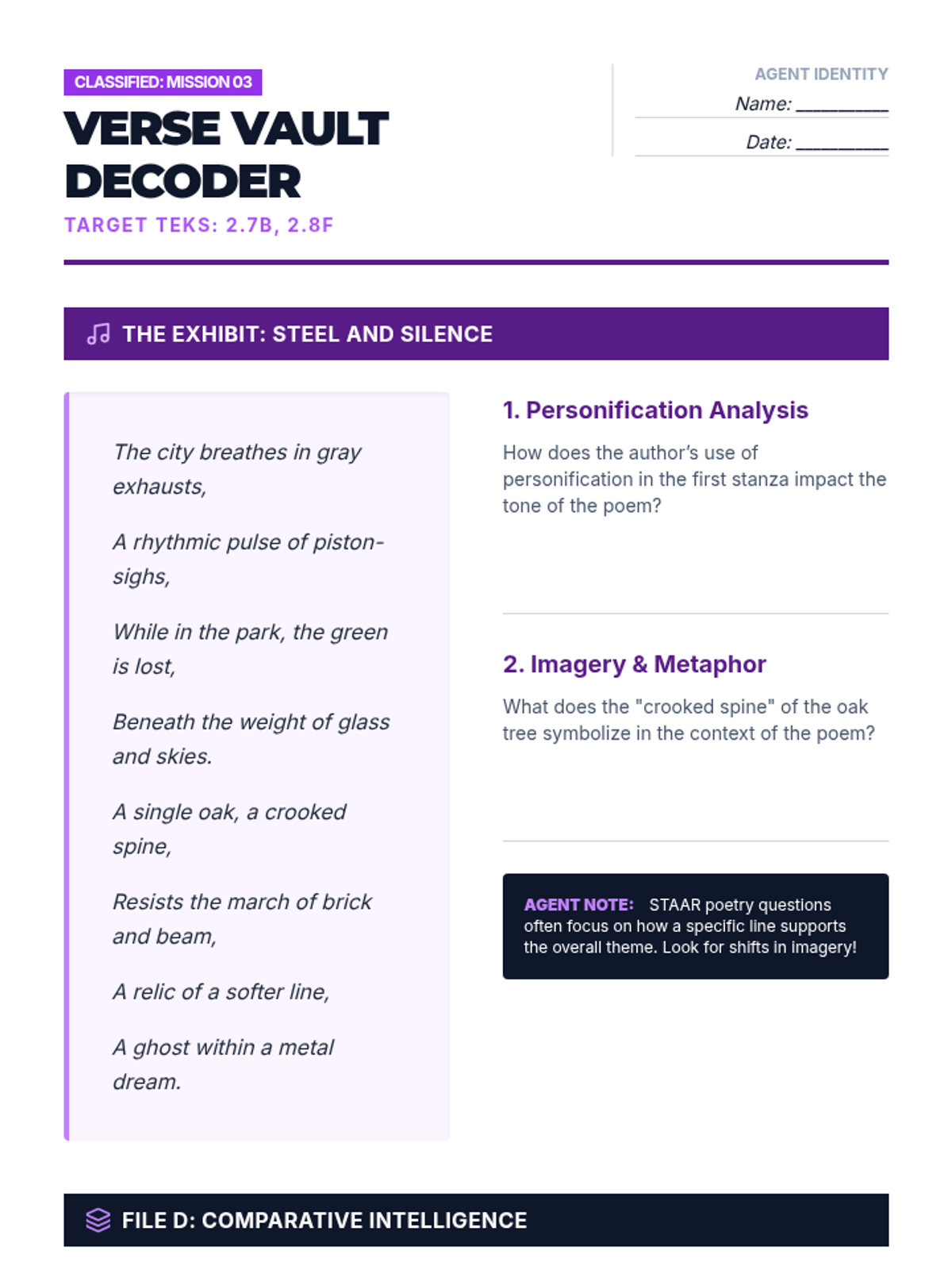
Decode poetic devices and meaning in a 30-minute verse challenge.
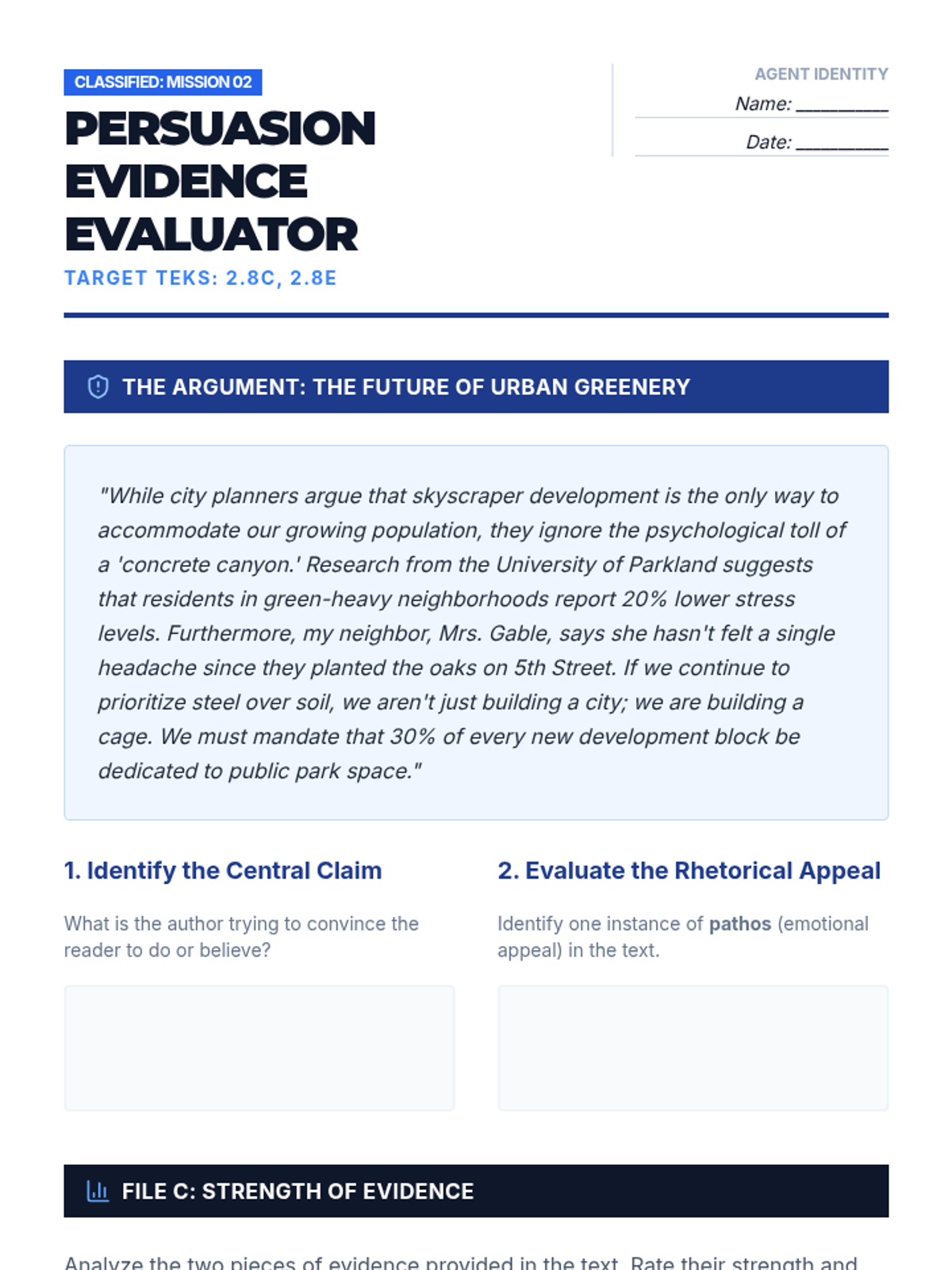
Evaluate arguments and evidence in a 30-minute rapid investigation.
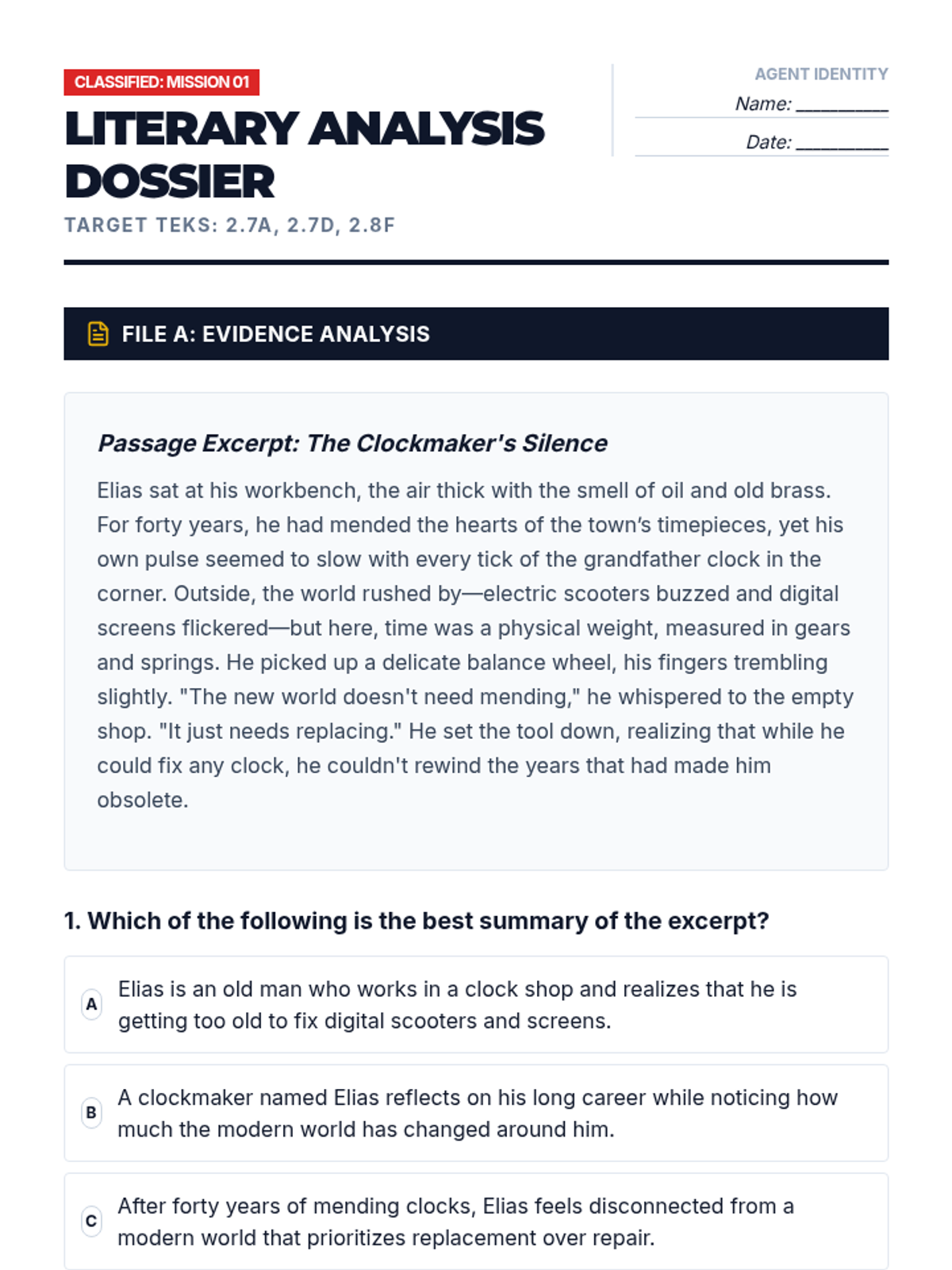
Identify theme and author's craft in a 30-minute intensive mission.
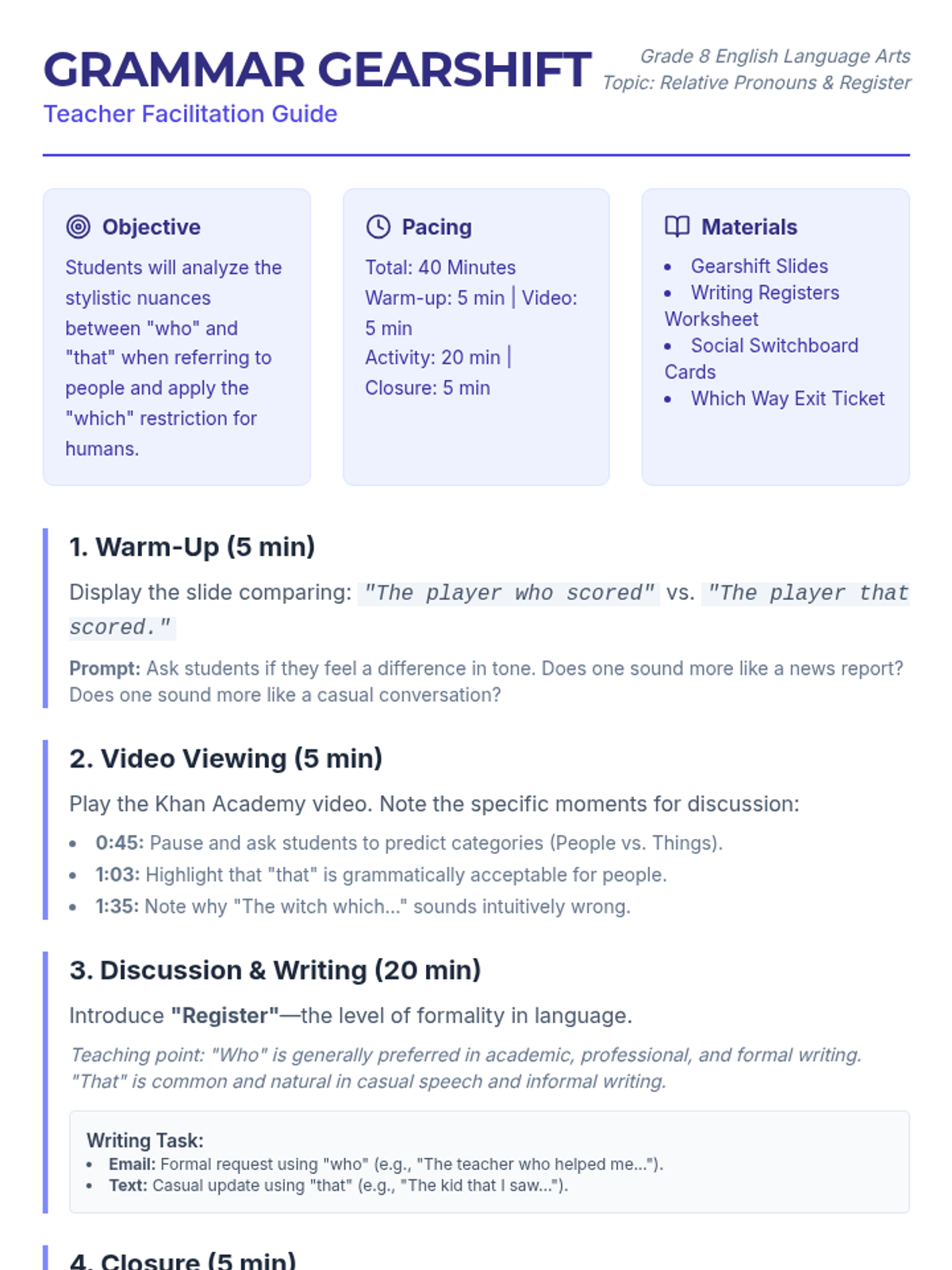
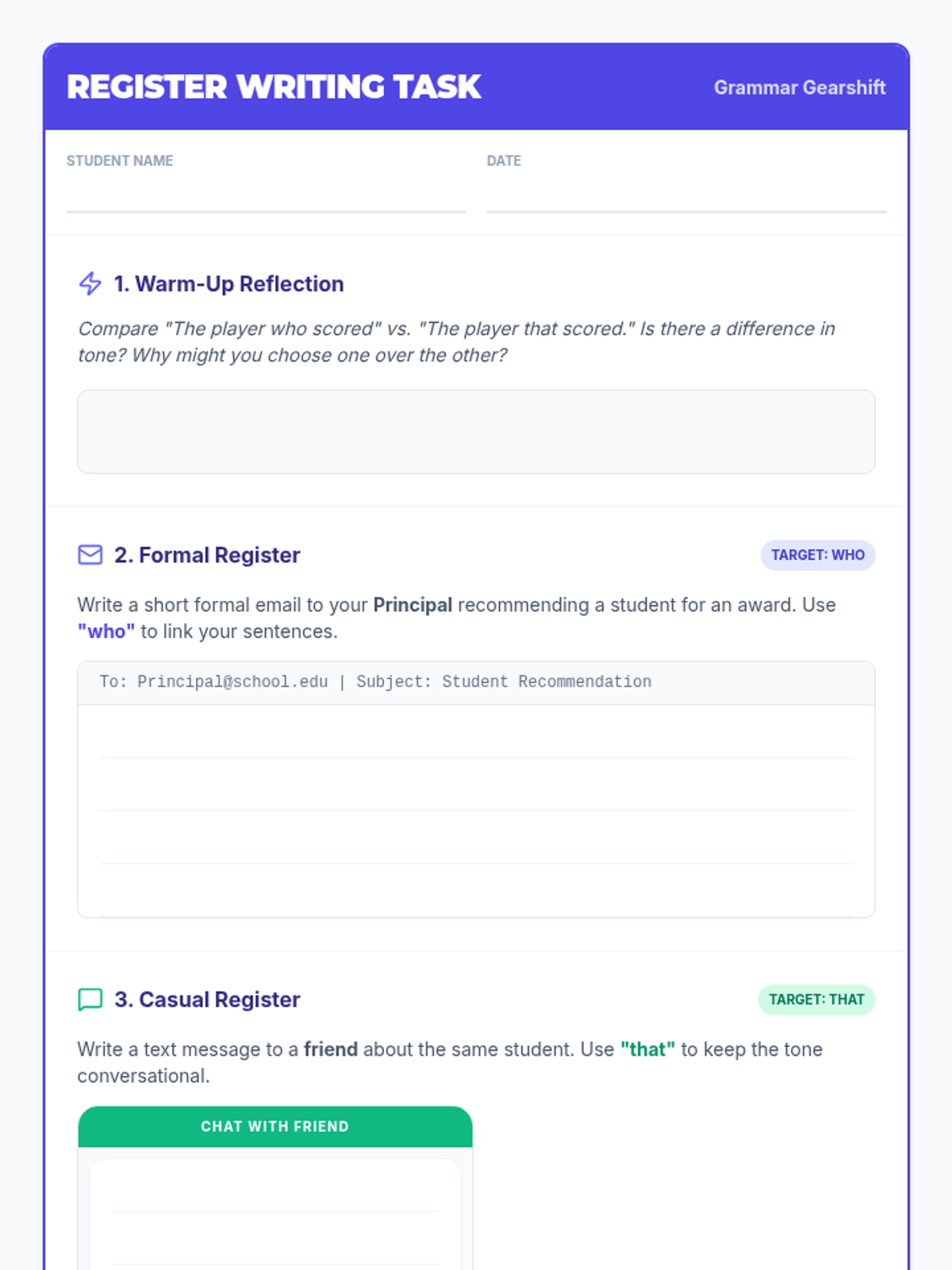
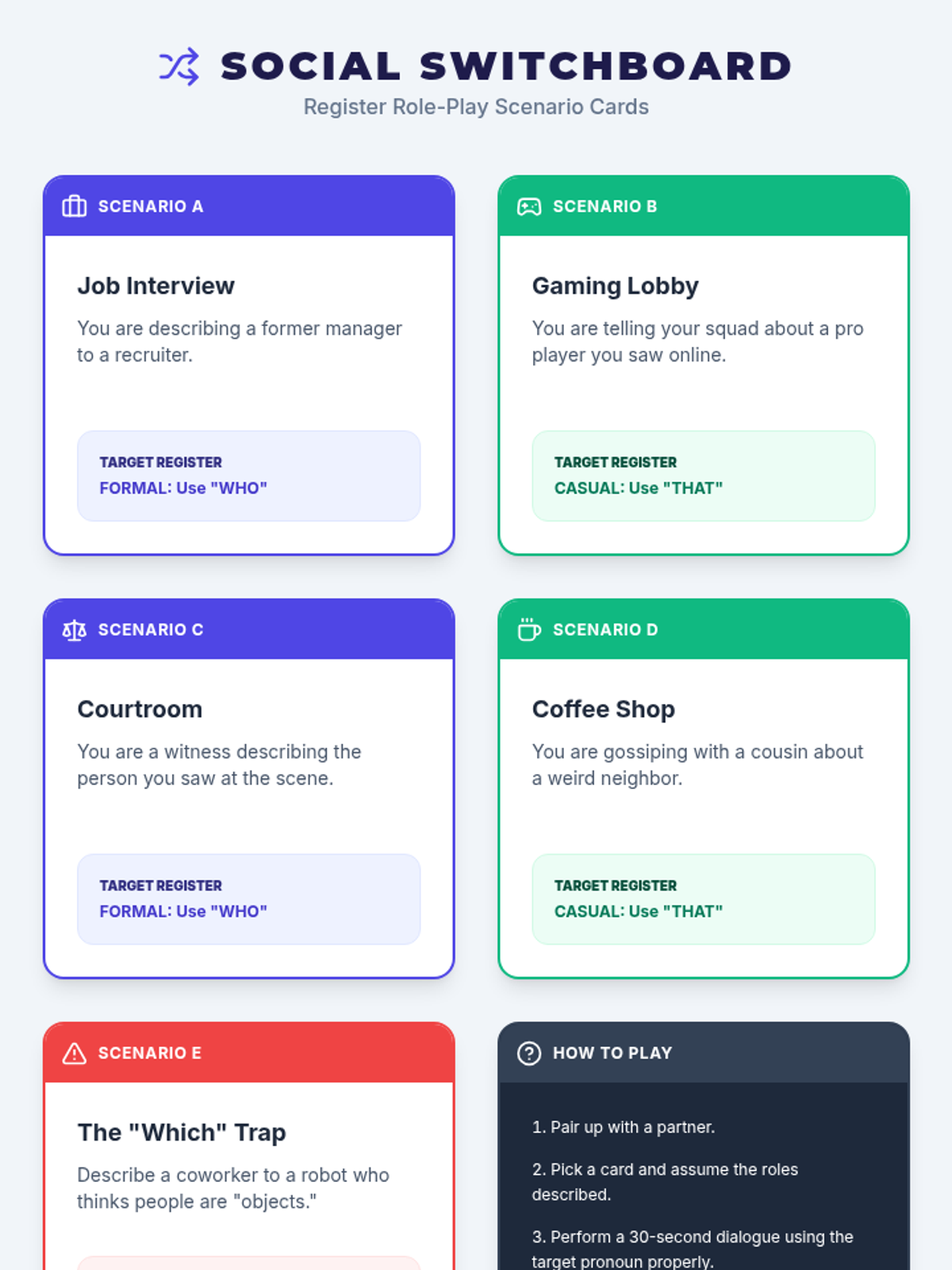
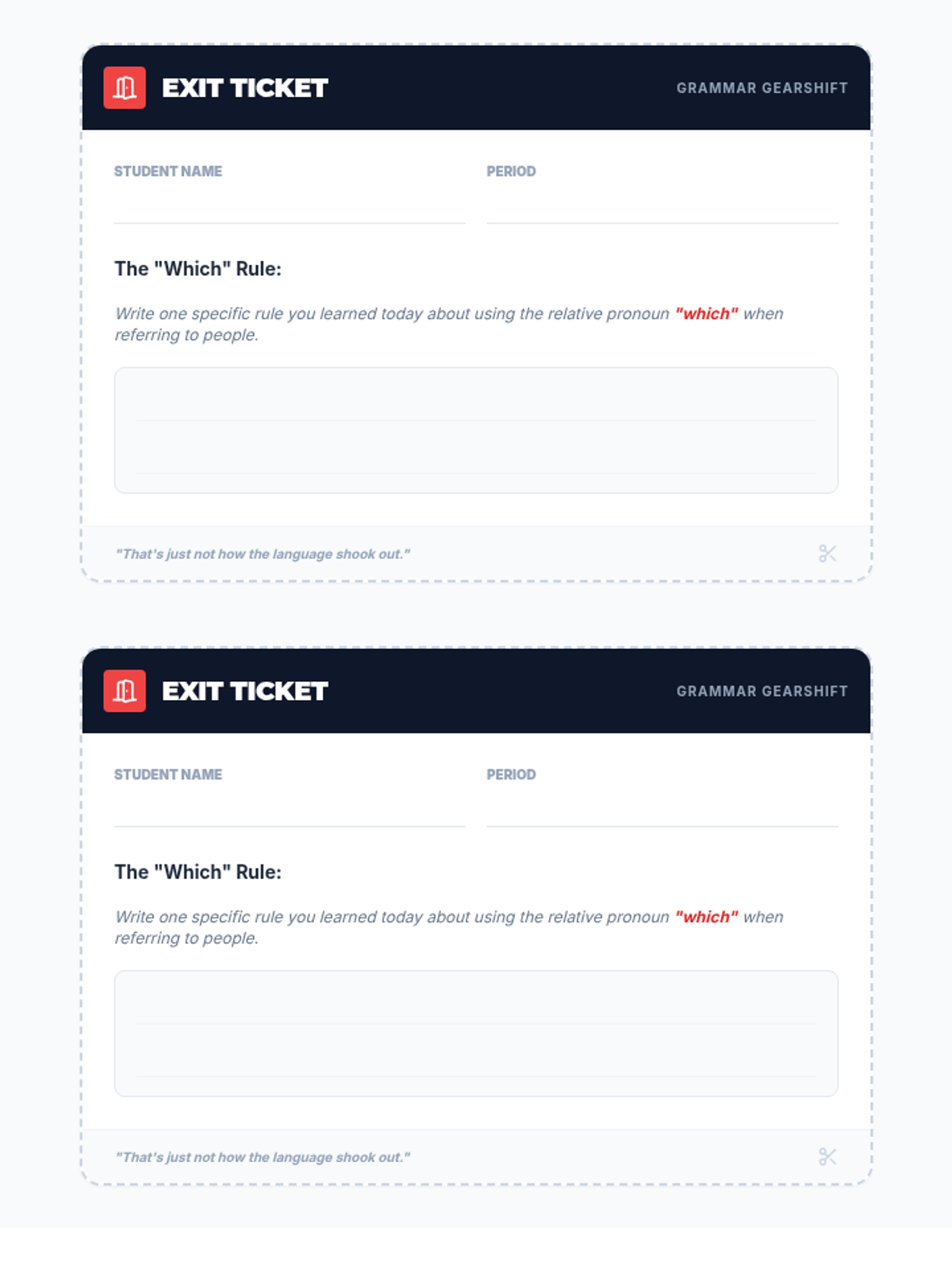
A lesson exploring the stylistic differences between 'who' and 'that' when referring to people, focusing on formal vs. informal registers and the 'which' restriction.
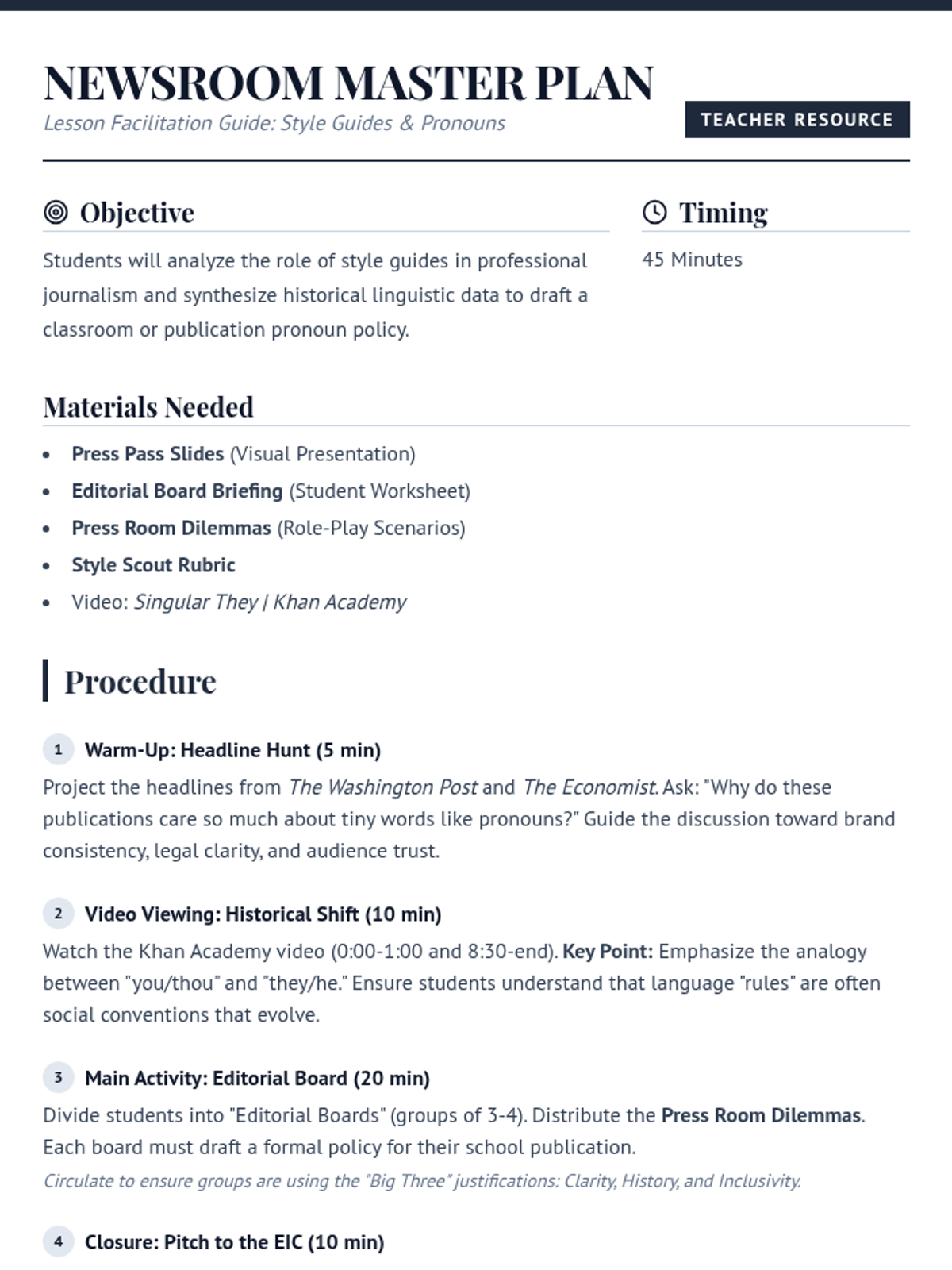
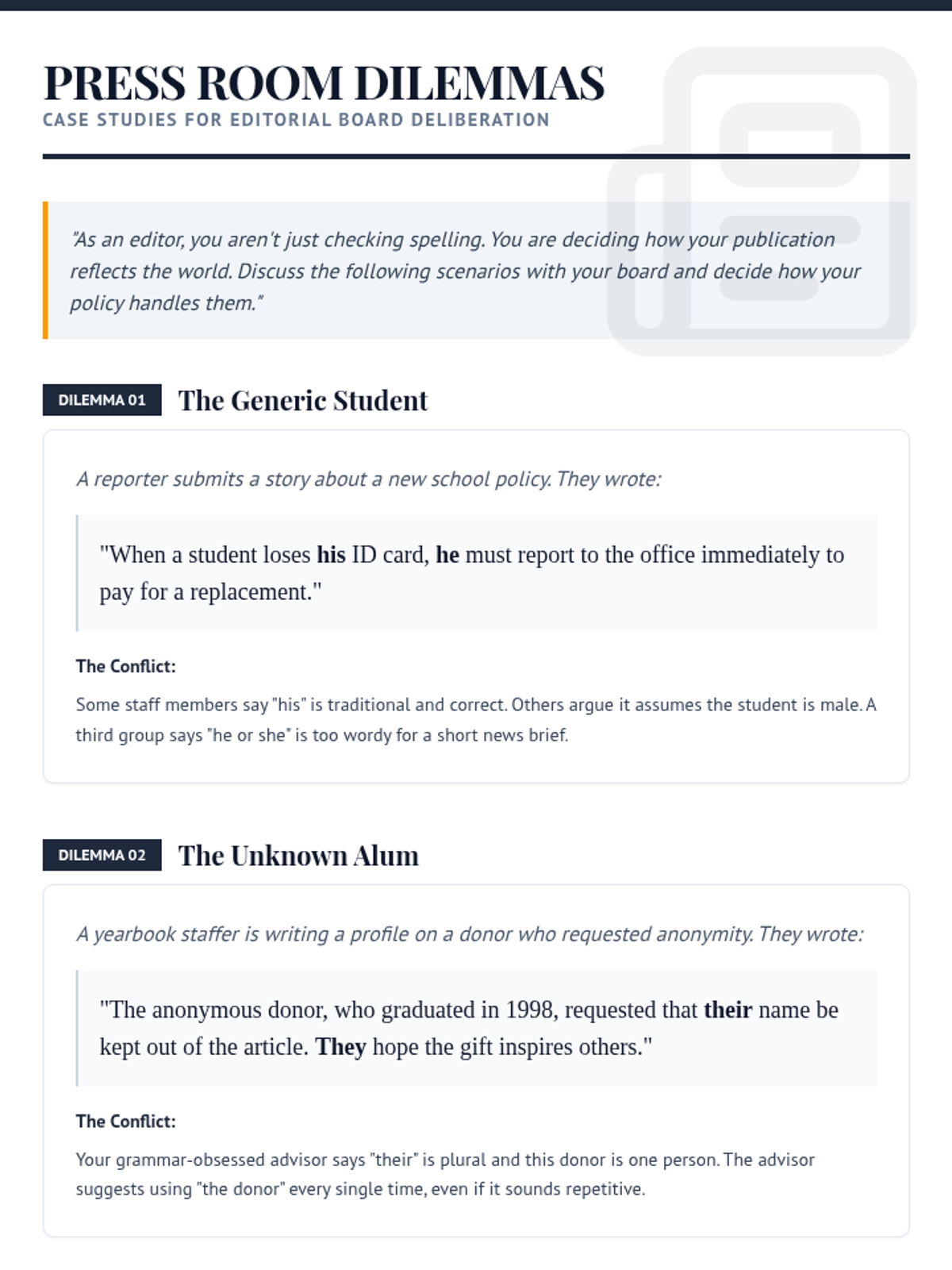
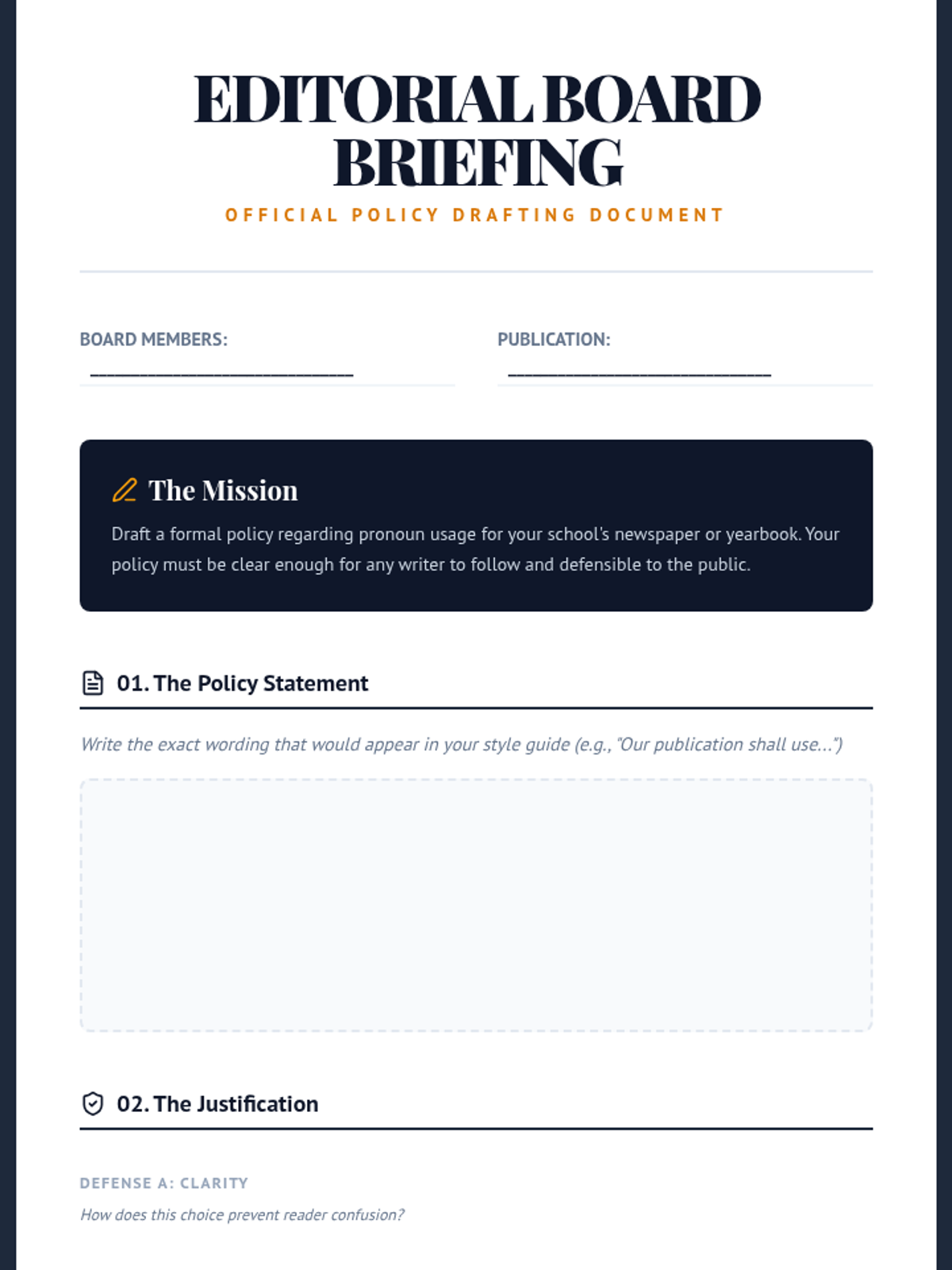
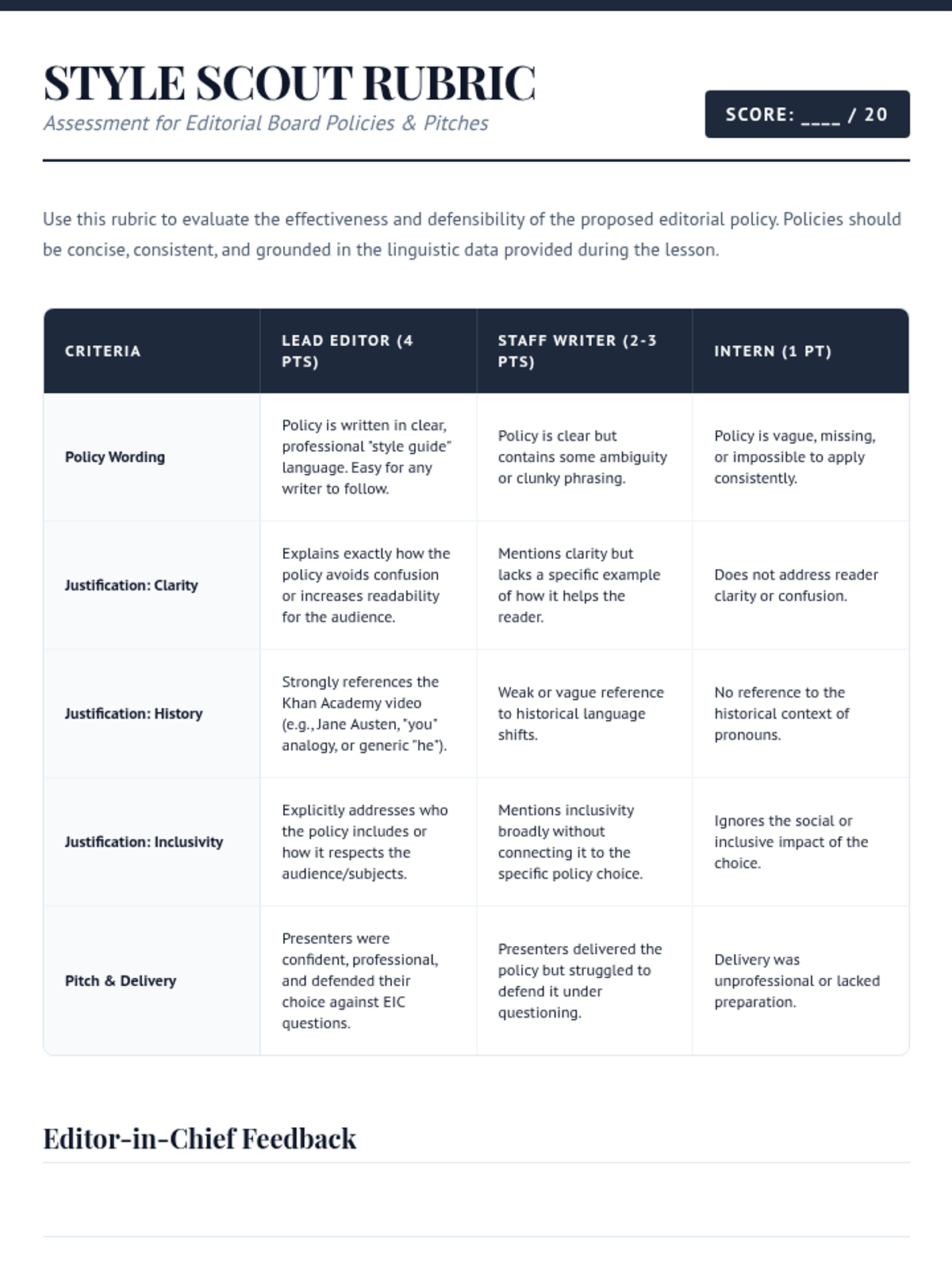
This lesson explores the history and utility of style guides in journalism, focusing on the evolution of pronouns. Students analyze the transition from 'generic he' to 'singular they' and collaborate to draft a formal style policy for their own publication.
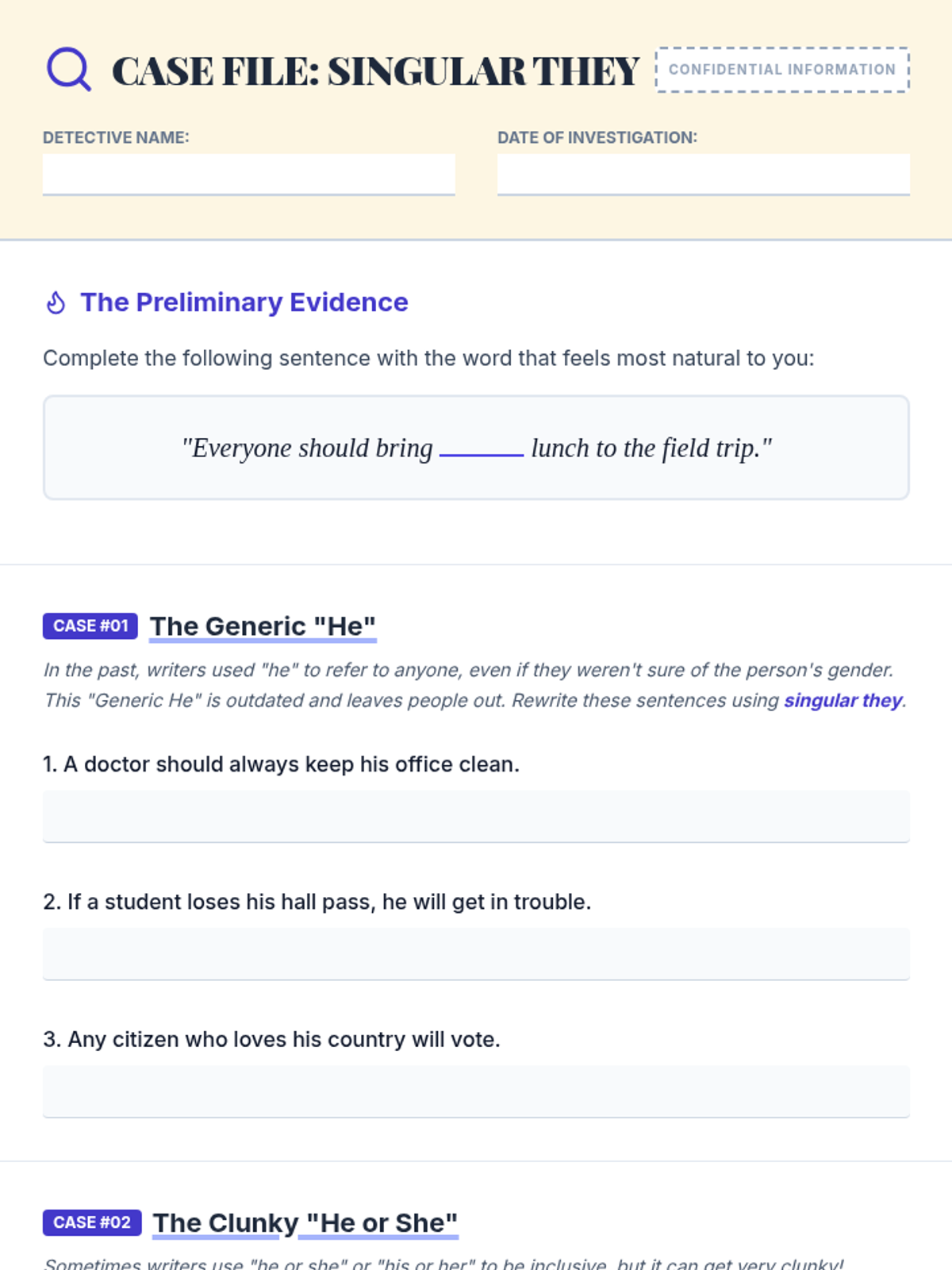
A Middle School Language Arts lesson focusing on the use of 'singular they' for indefinite antecedents. Students explore the historical evolution of pronouns, analyze literary examples, and practice rewriting sentences for clarity and inclusivity.
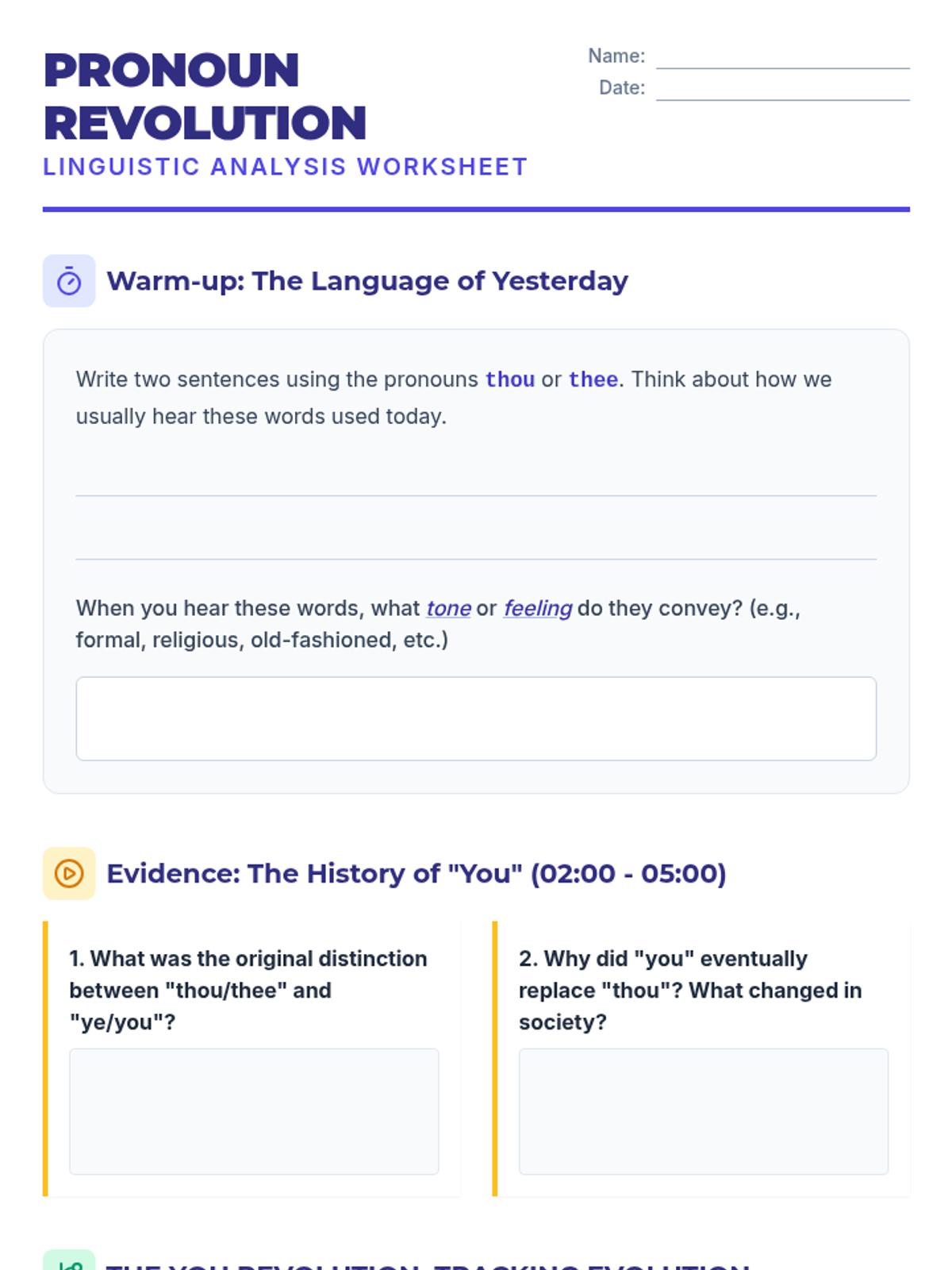
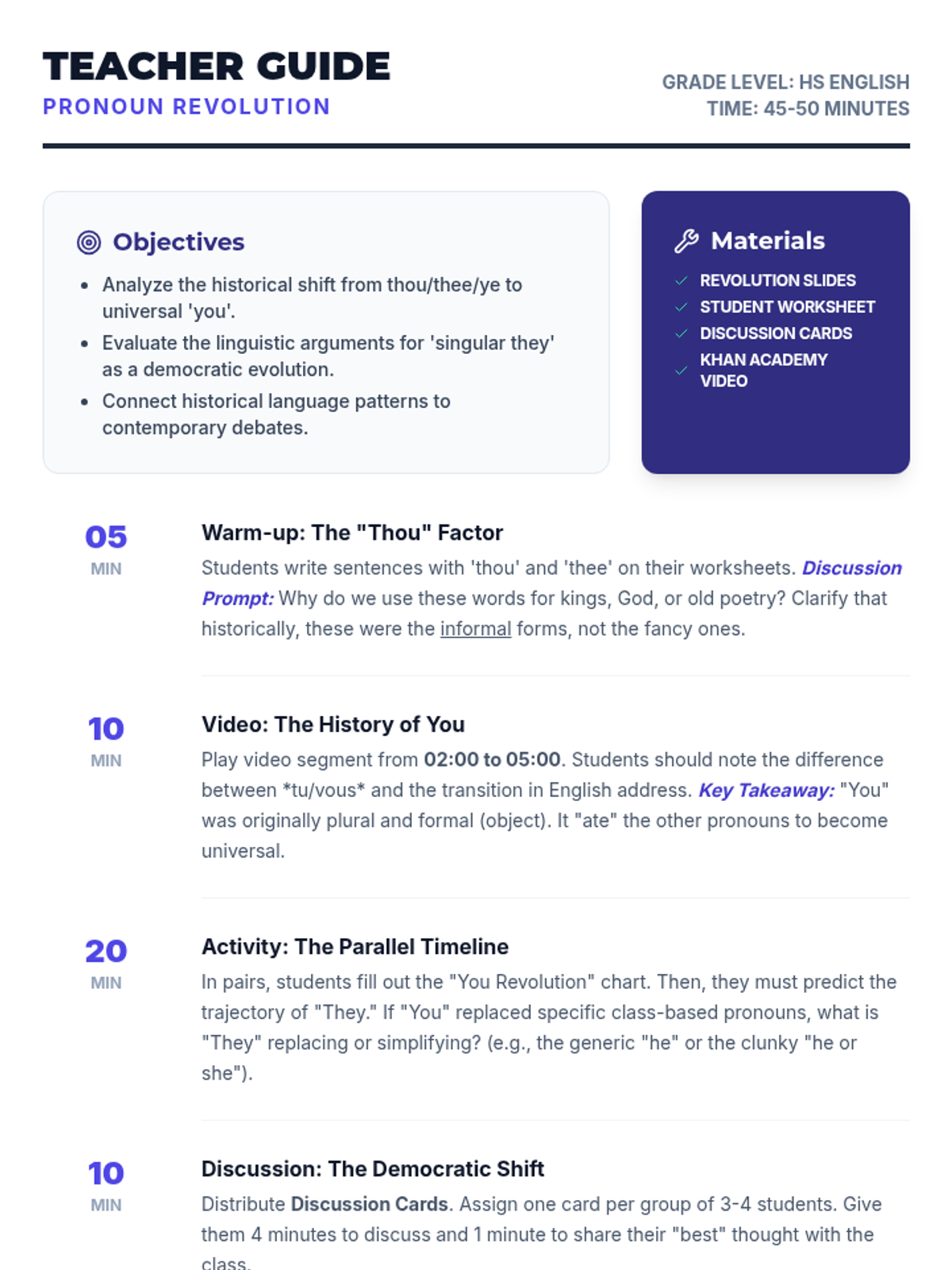
A linguistics-focused lesson examining the historical shift of 'you' from a formal plural to a universal pronoun, drawing parallels to the modern evolution of the singular 'they'. Students analyze language as a living, democratic tool using historical evidence and literary precedent.
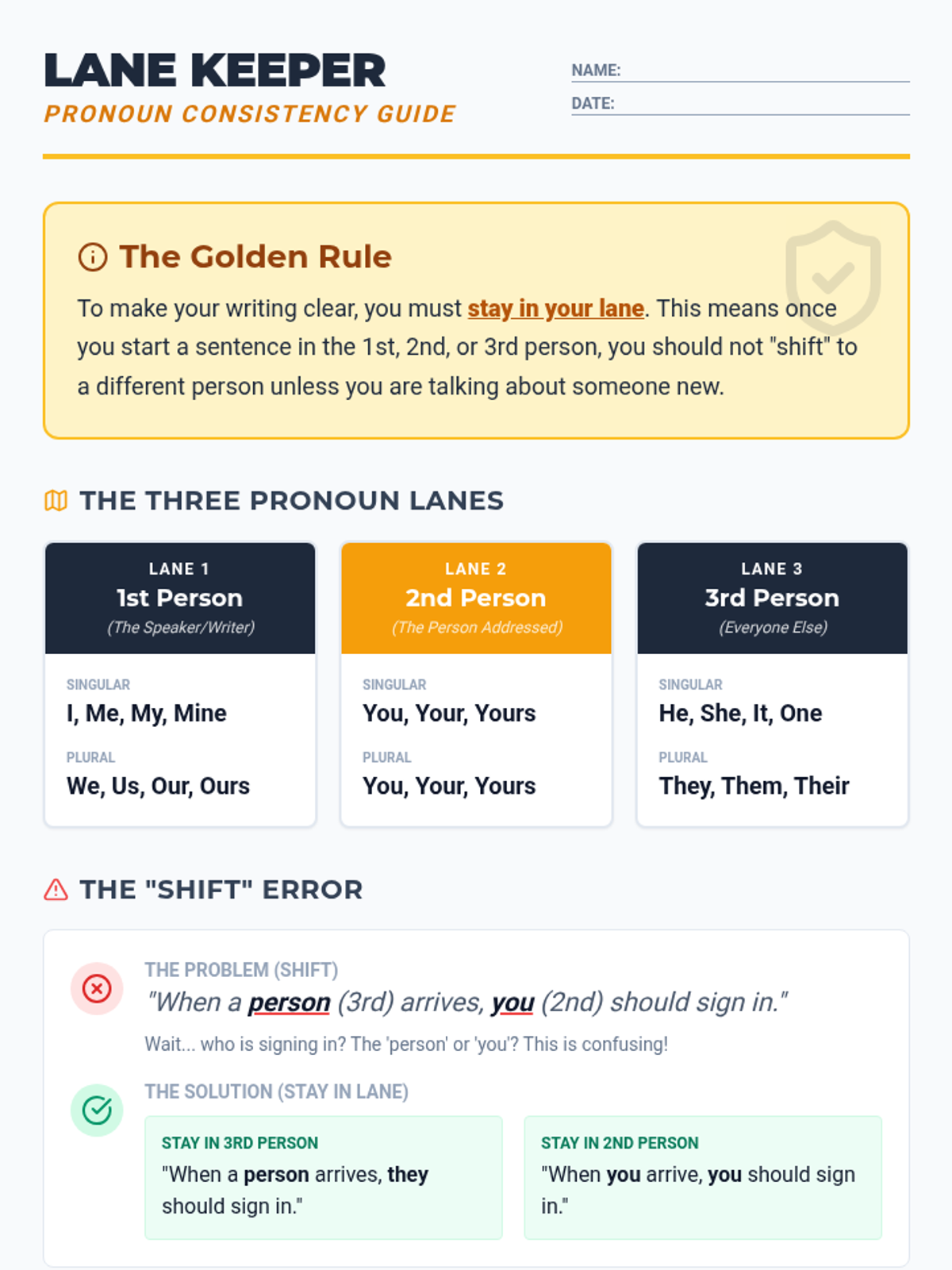
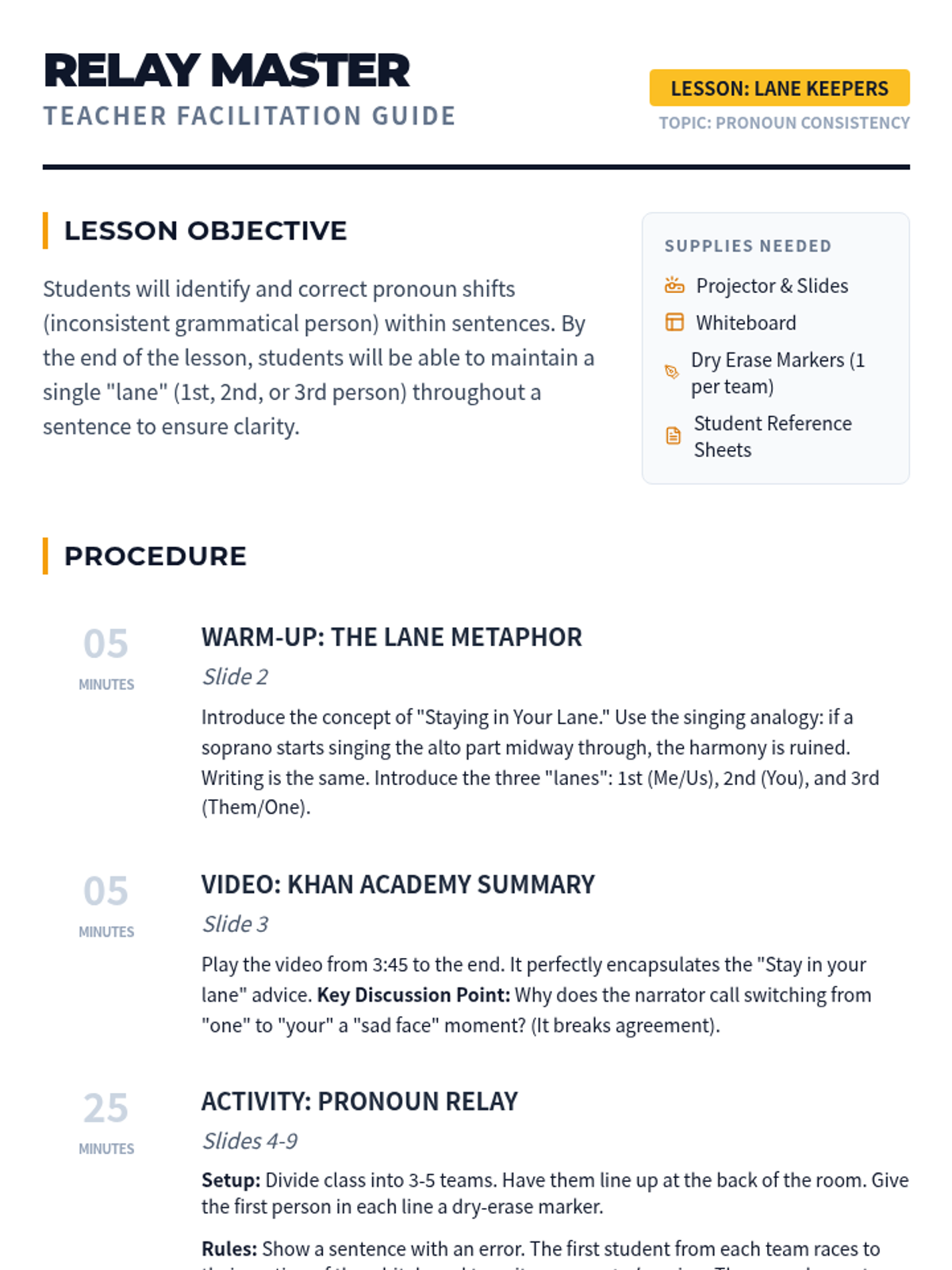
A high-energy lesson focused on maintaining consistent grammatical person (pronoun agreement). Students learn the 'Stay in Your Lane' concept through a video and a collaborative board-race game.
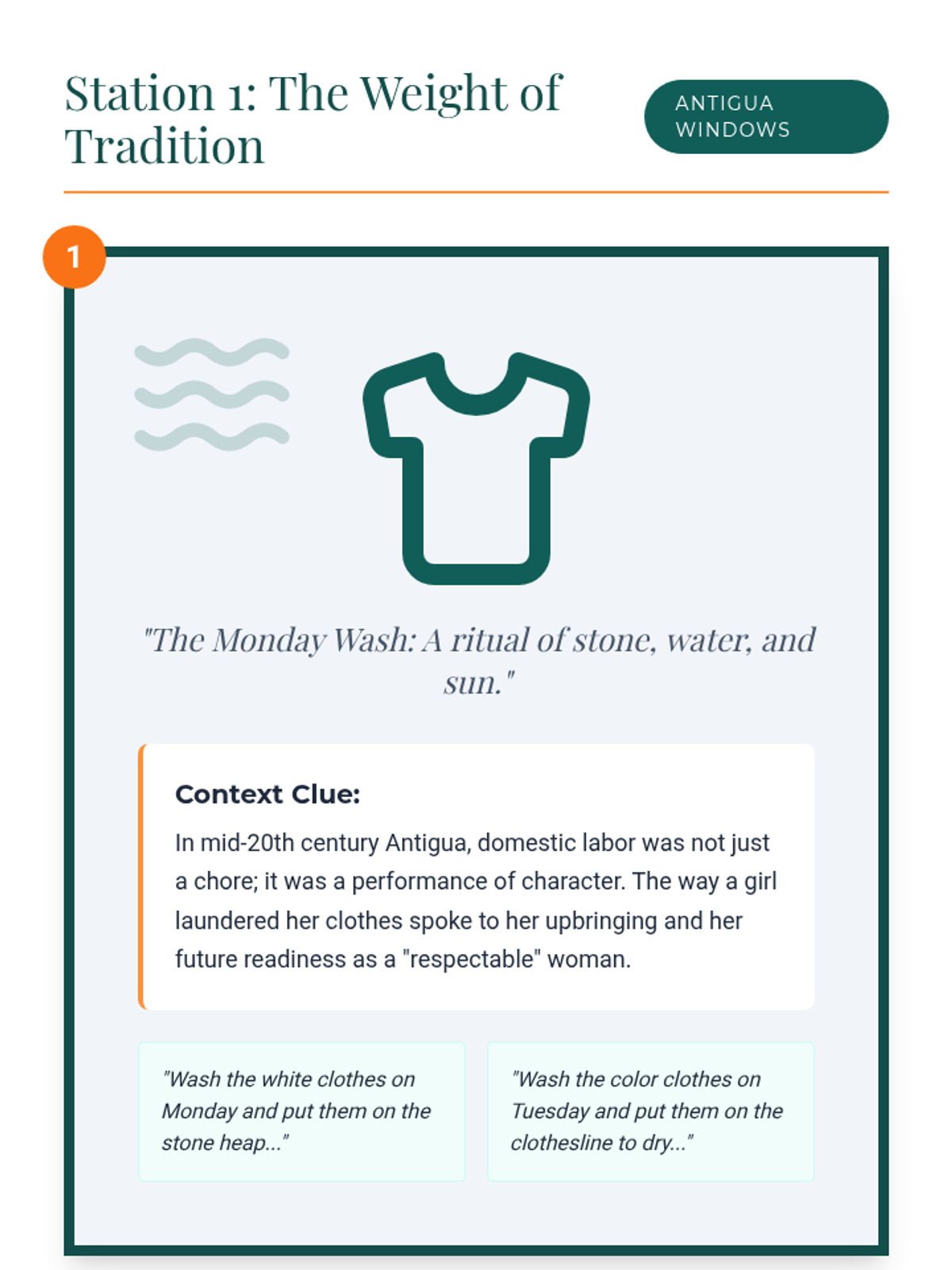
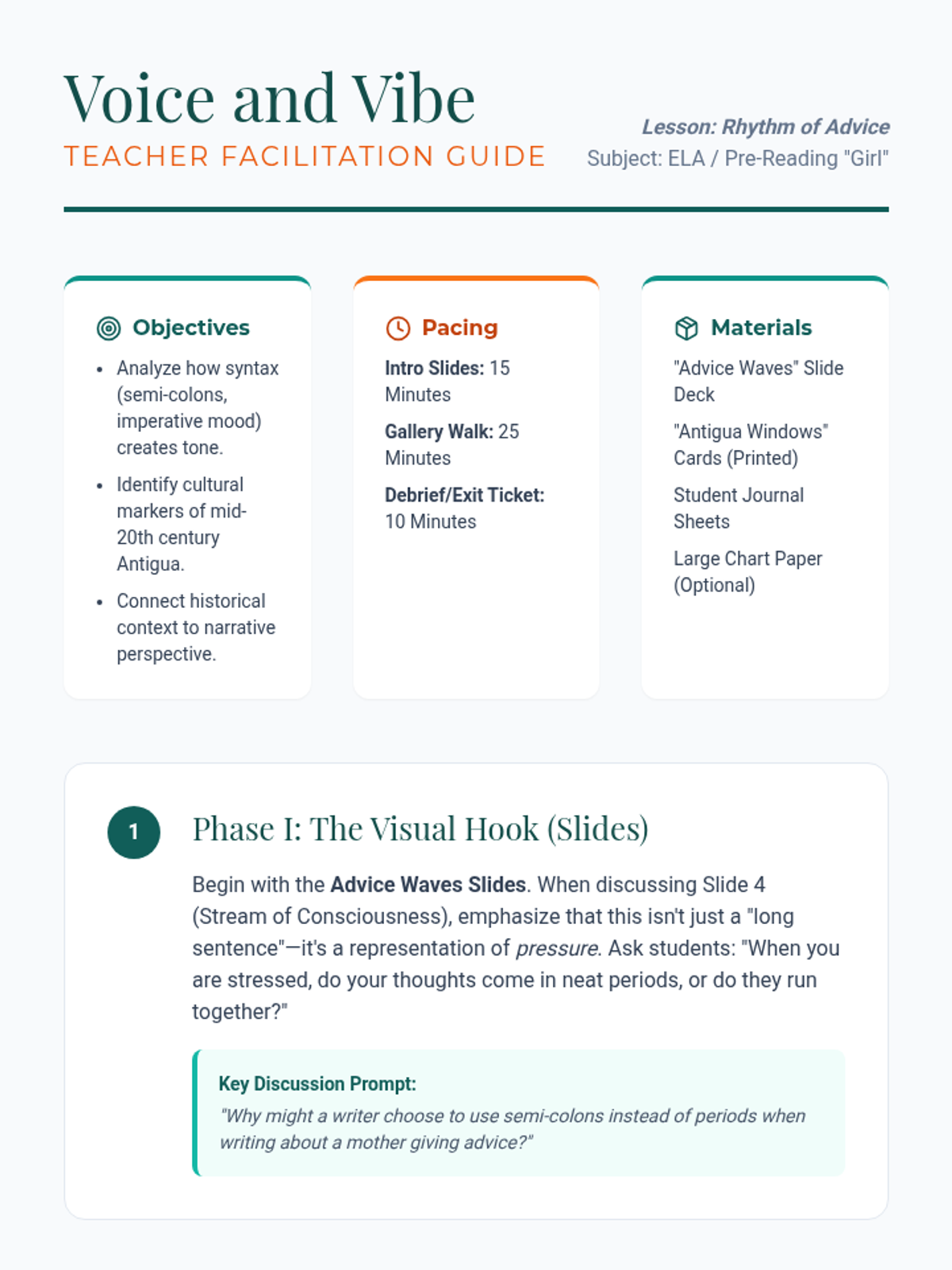
A pre-reading exploration of Jamaica Kincaid's 'Girl' focusing on the rhythmic syntax of stream of consciousness and the cultural landscape of mid-20th century Antigua. Students analyze visual cues of Antiguan life and learn about the unique structural choices that define the story's voice.
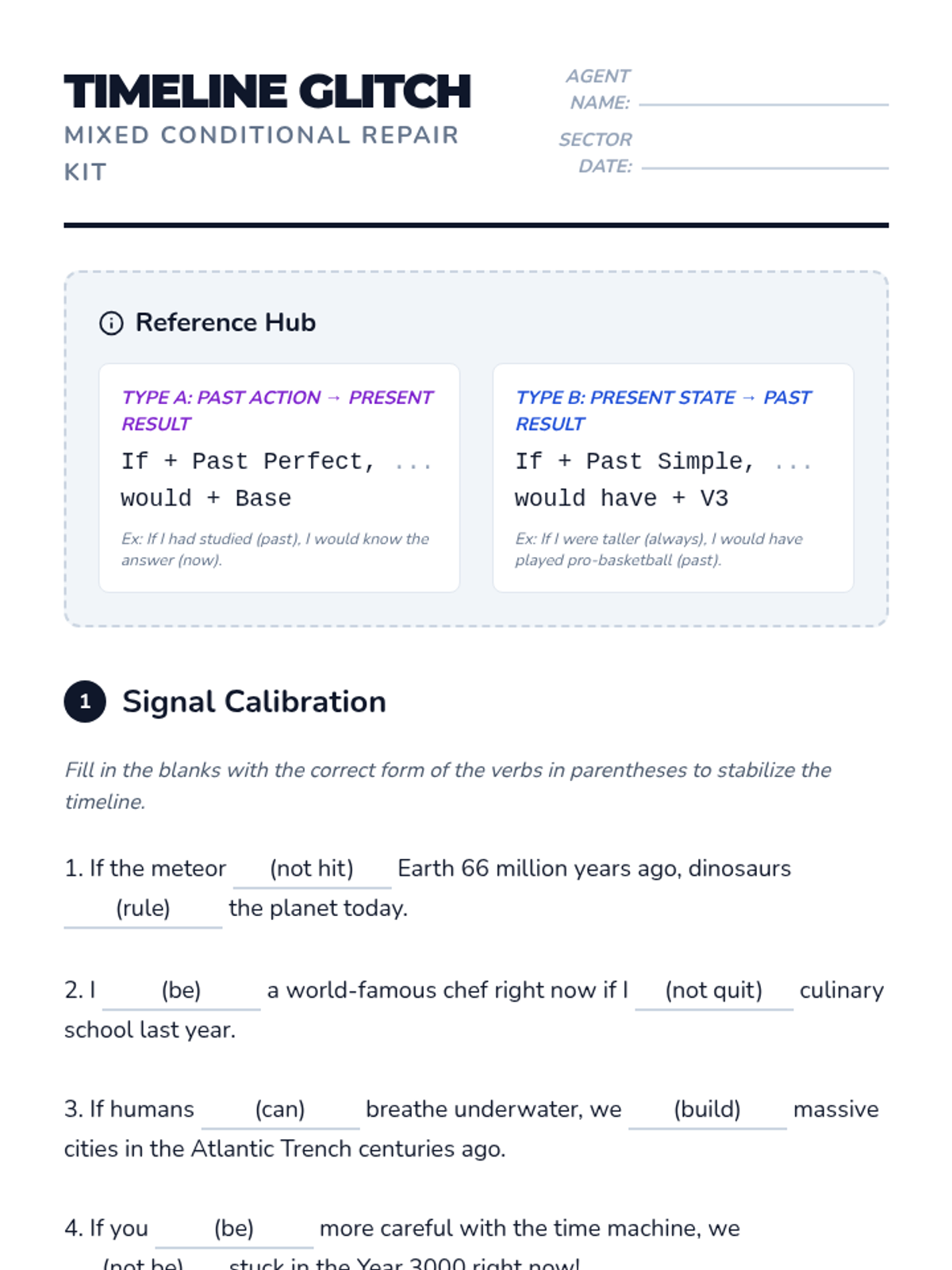
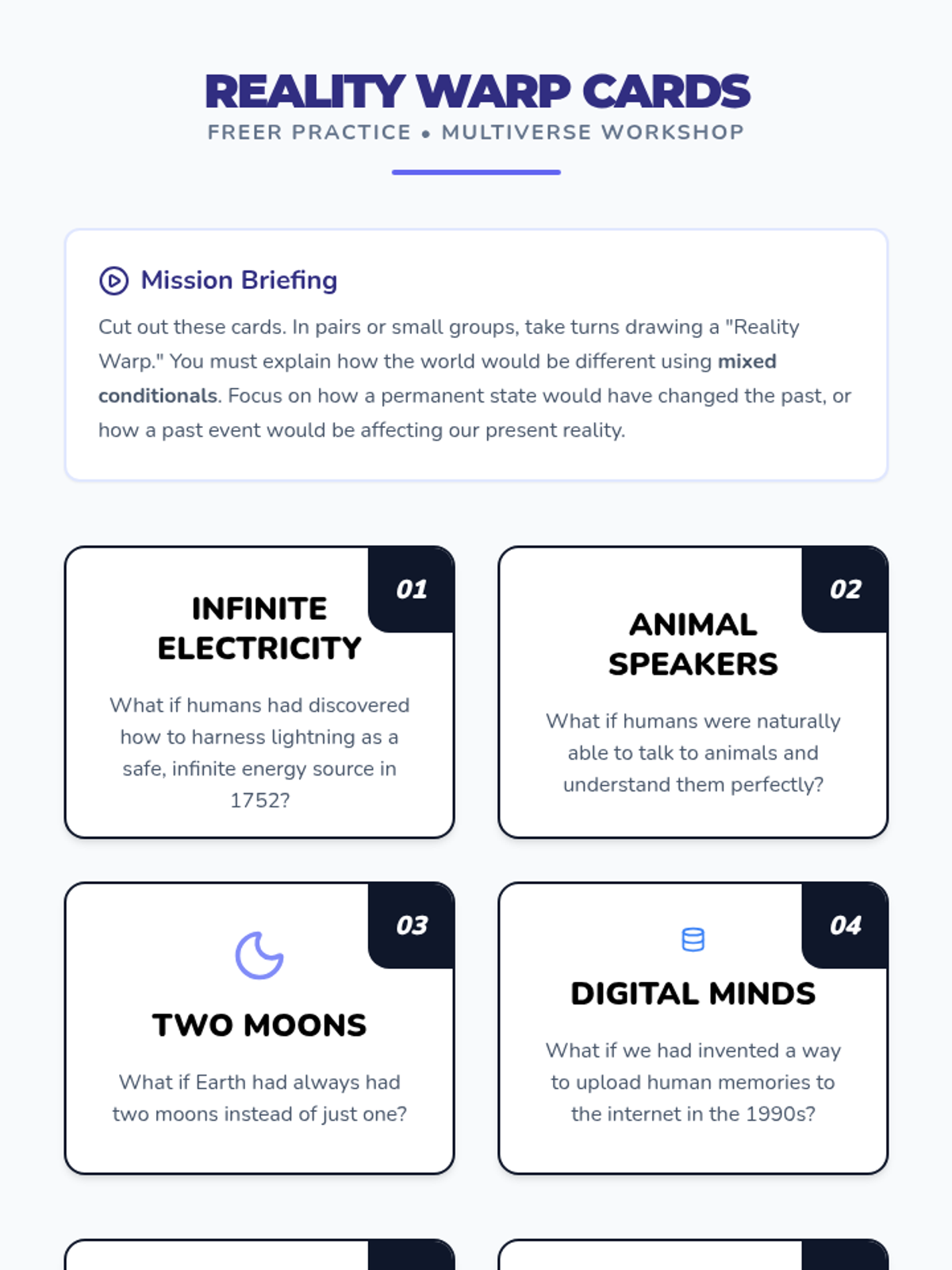
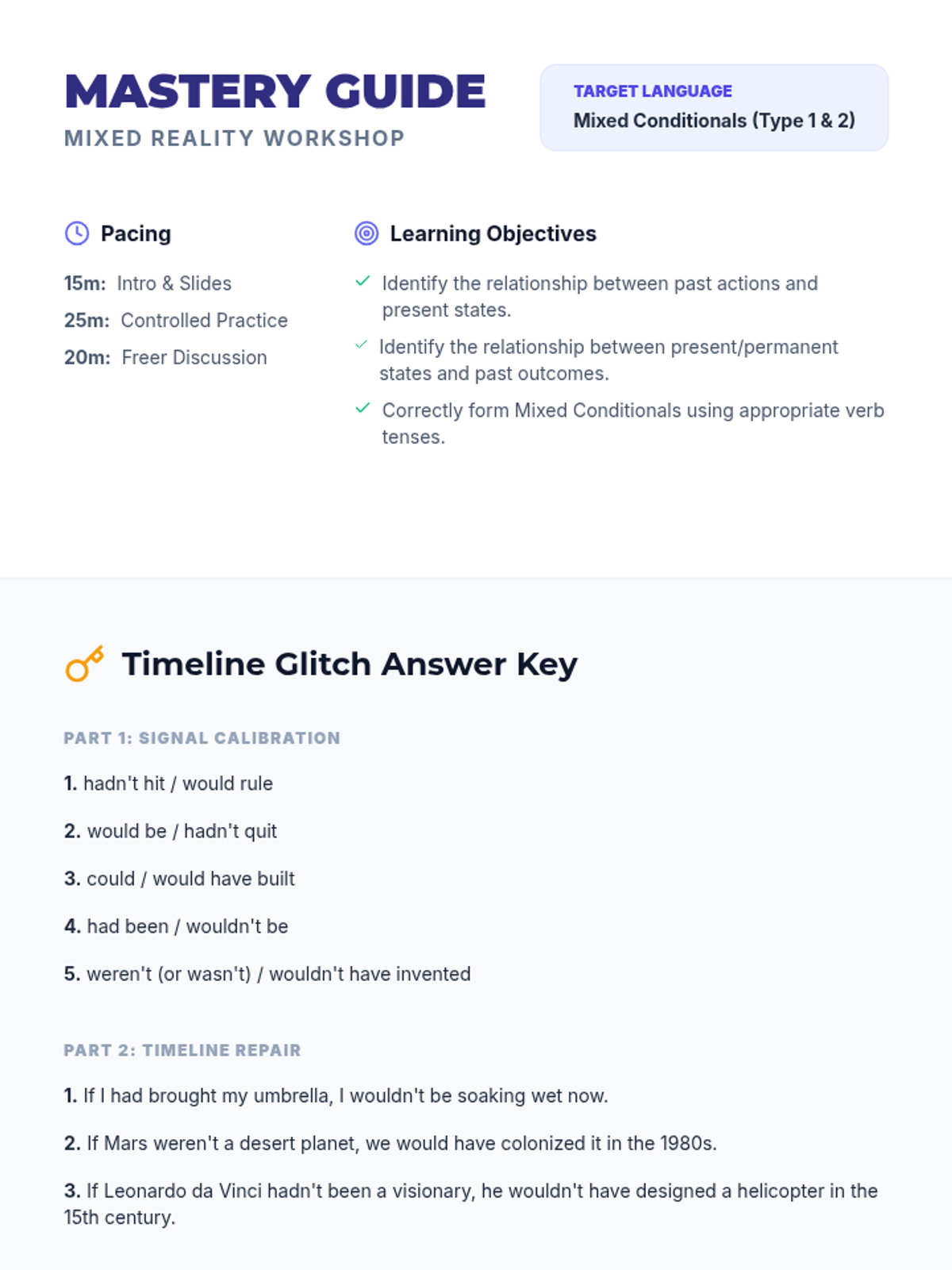
An introductory lesson on mixed conditionals (Type 1: Past Action/Present Result and Type 2: Present State/Past Result) using imaginative and 'anything is possible' scenarios.
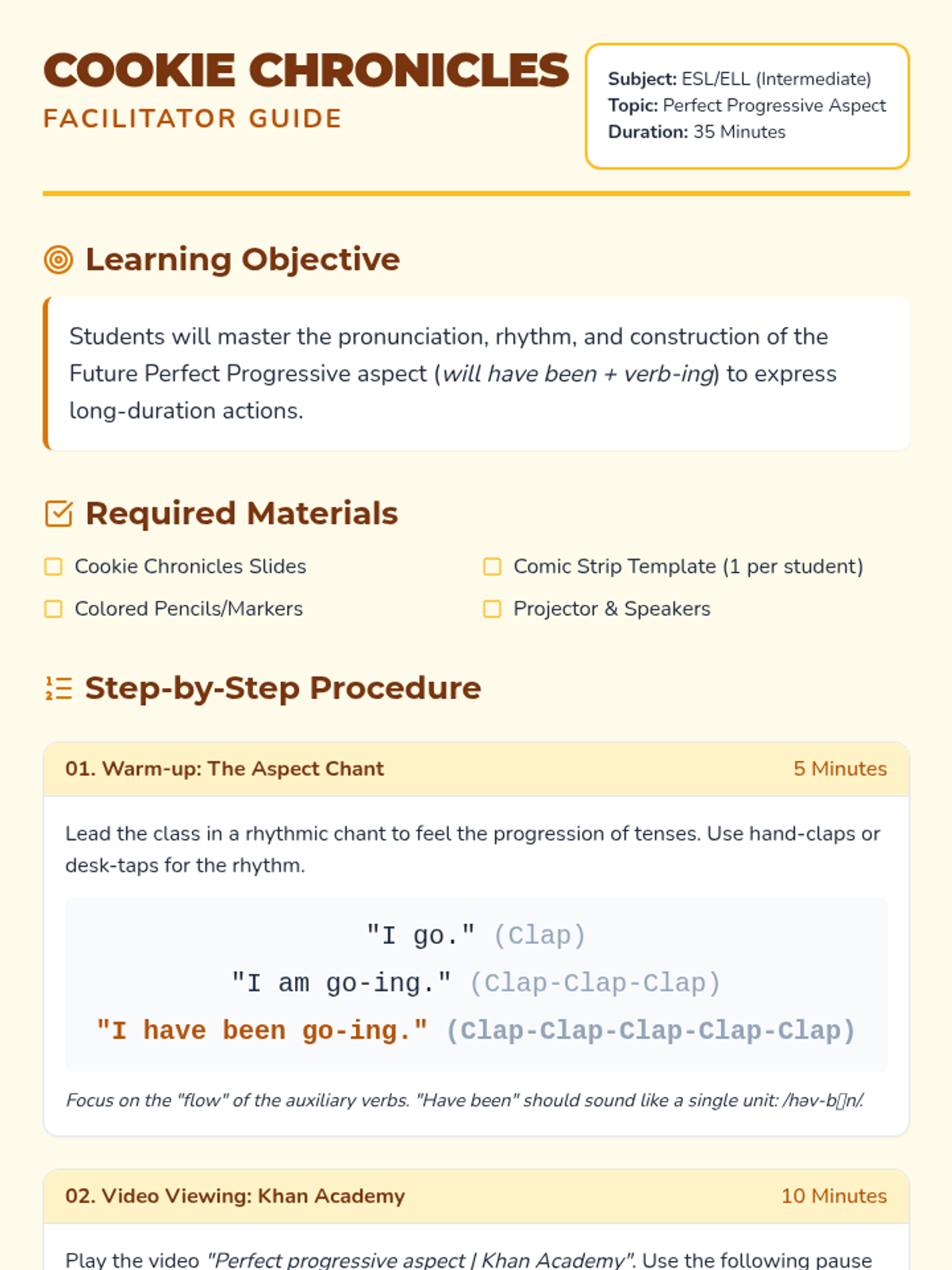
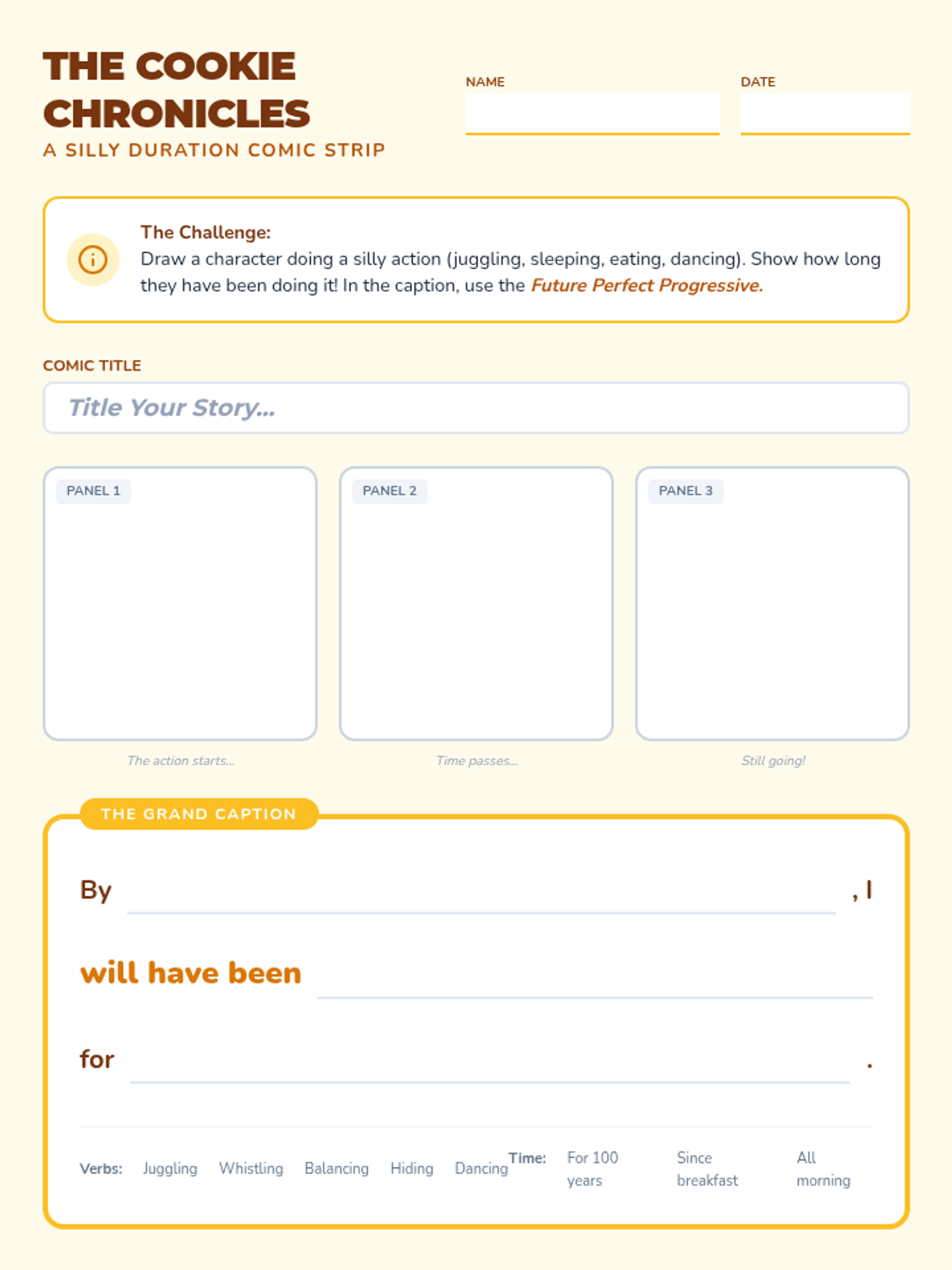
An intermediate ESL lesson focusing on the pronunciation and rhythm of the perfect progressive aspect, using a humorous 'Cookie Chronicles' theme and a Khan Academy video.
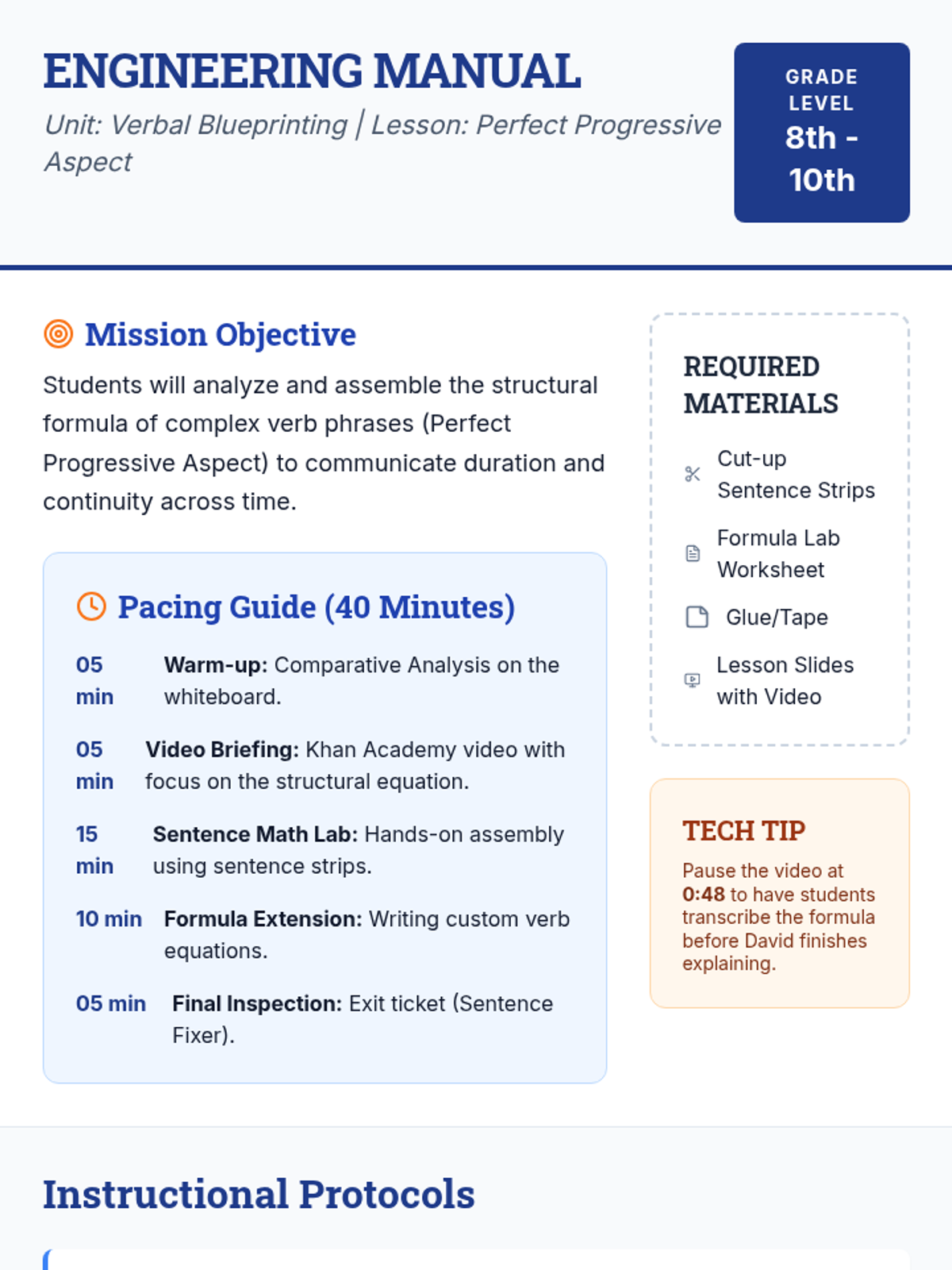
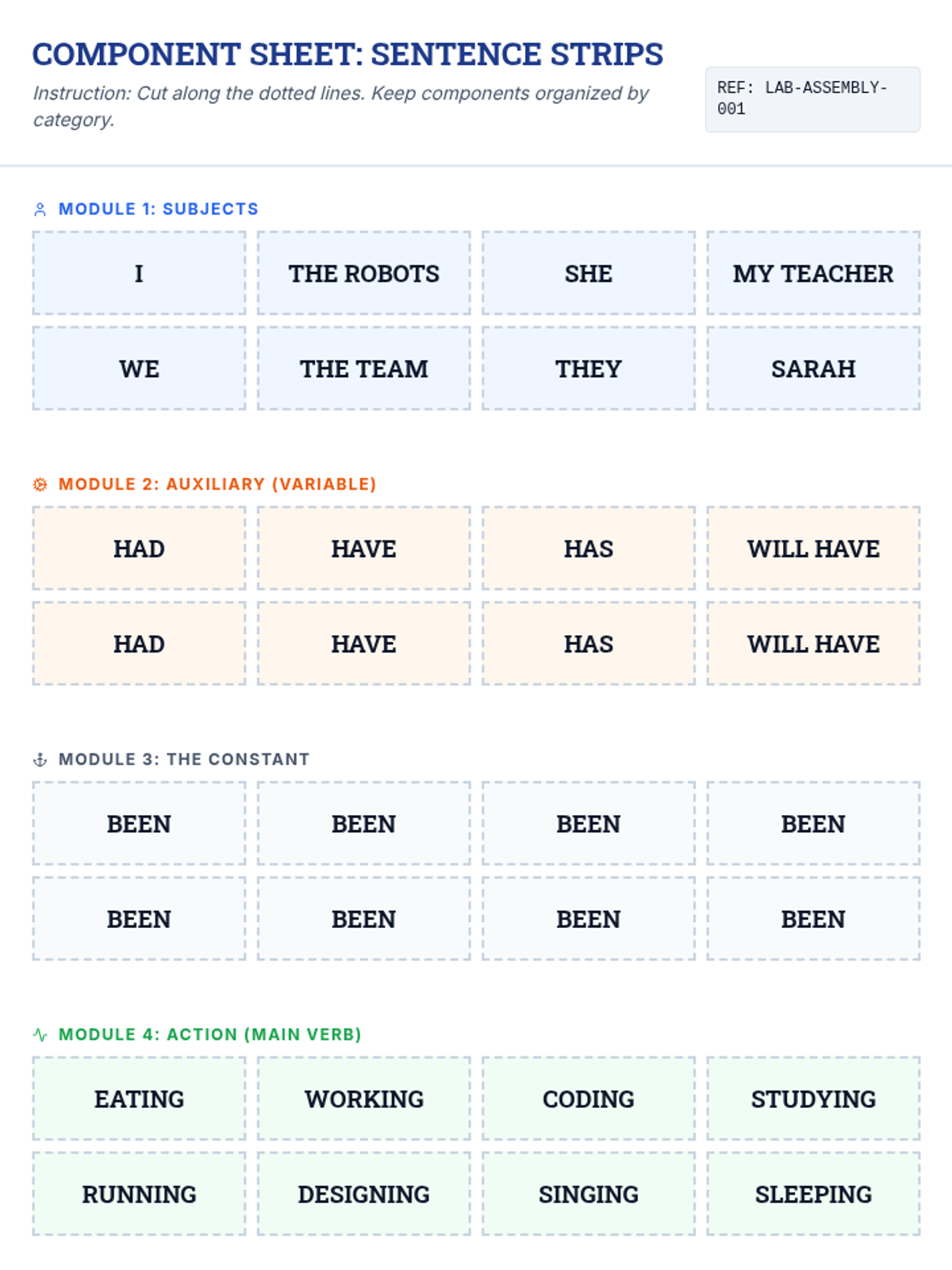
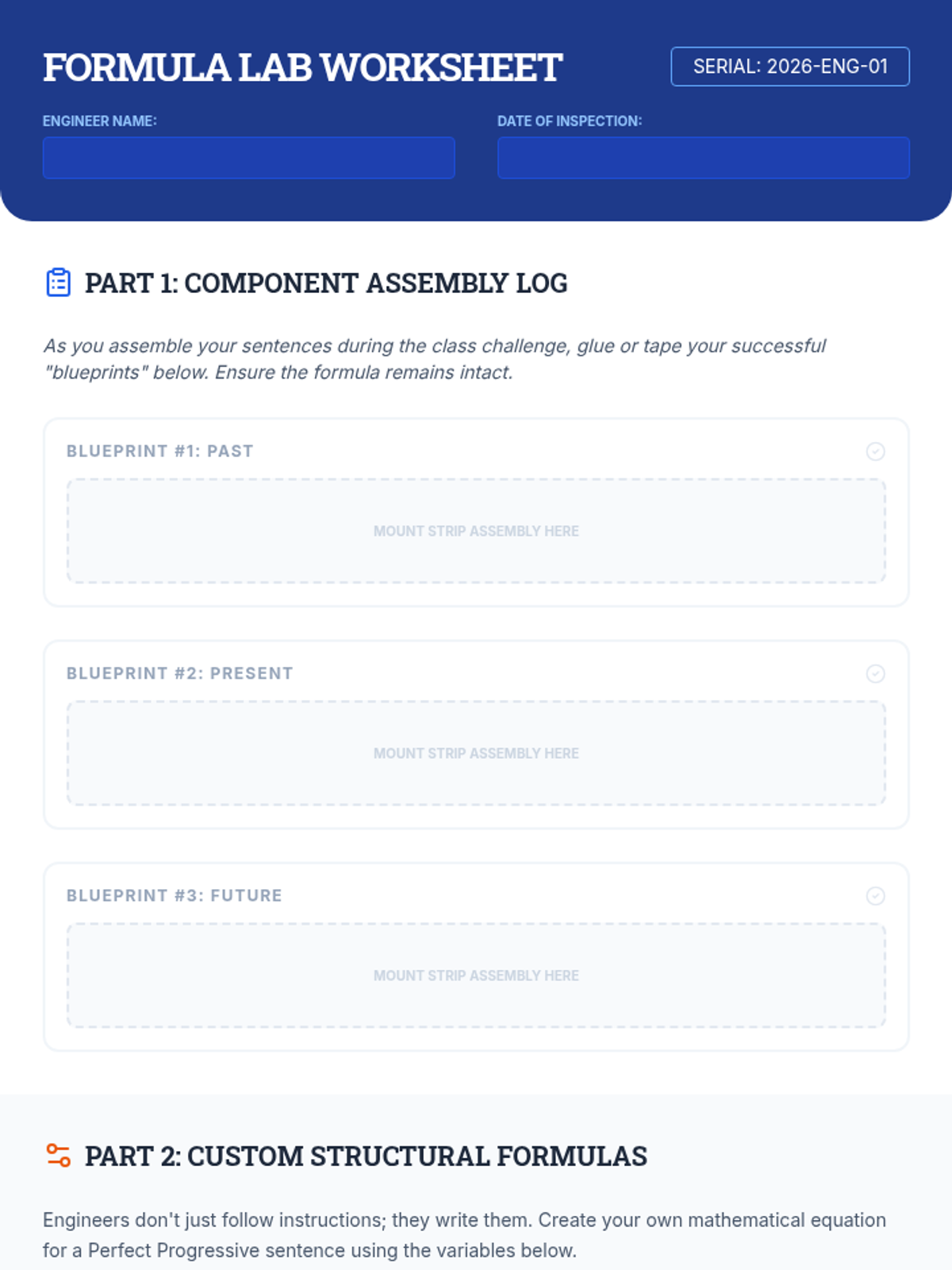
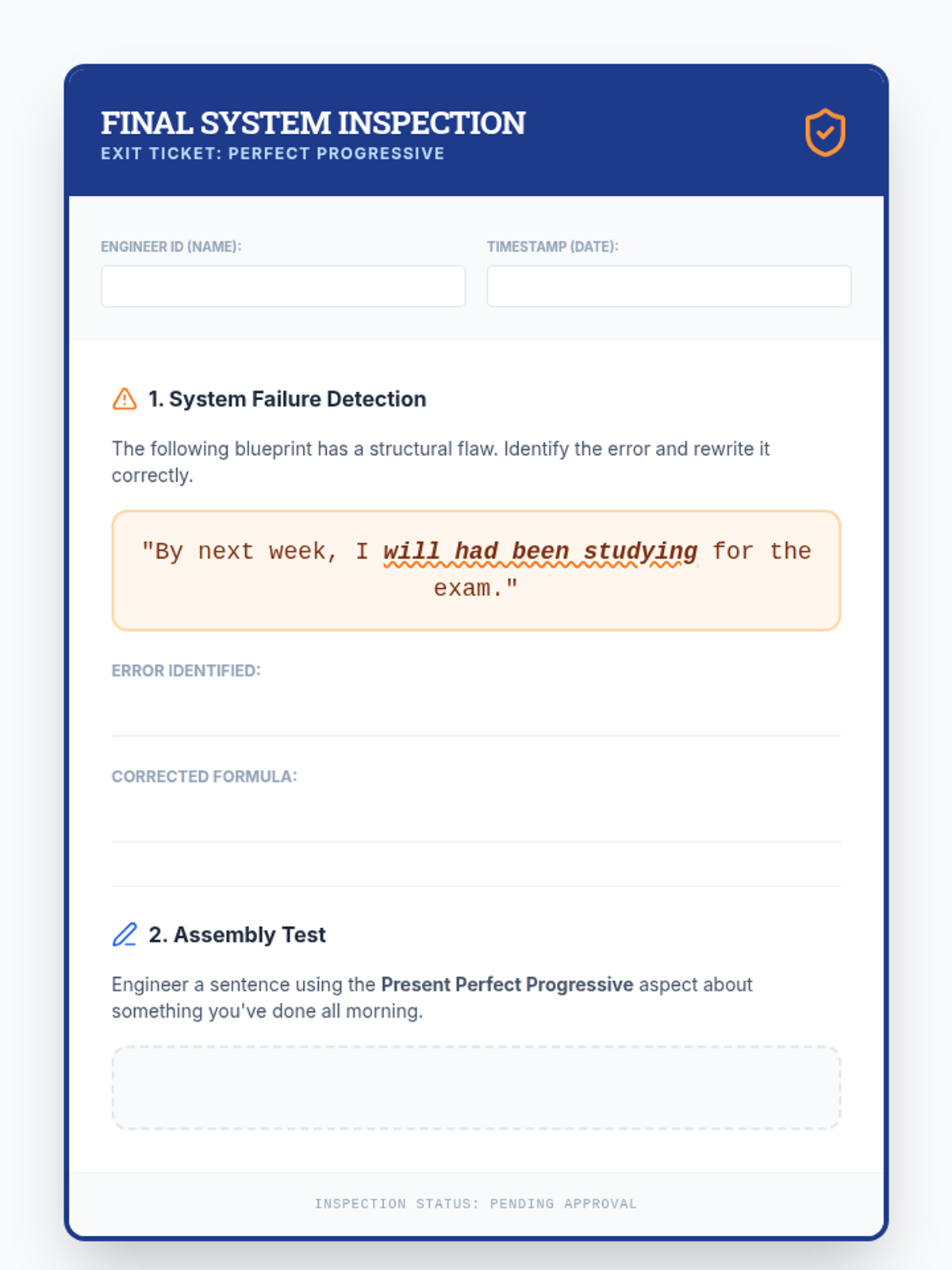
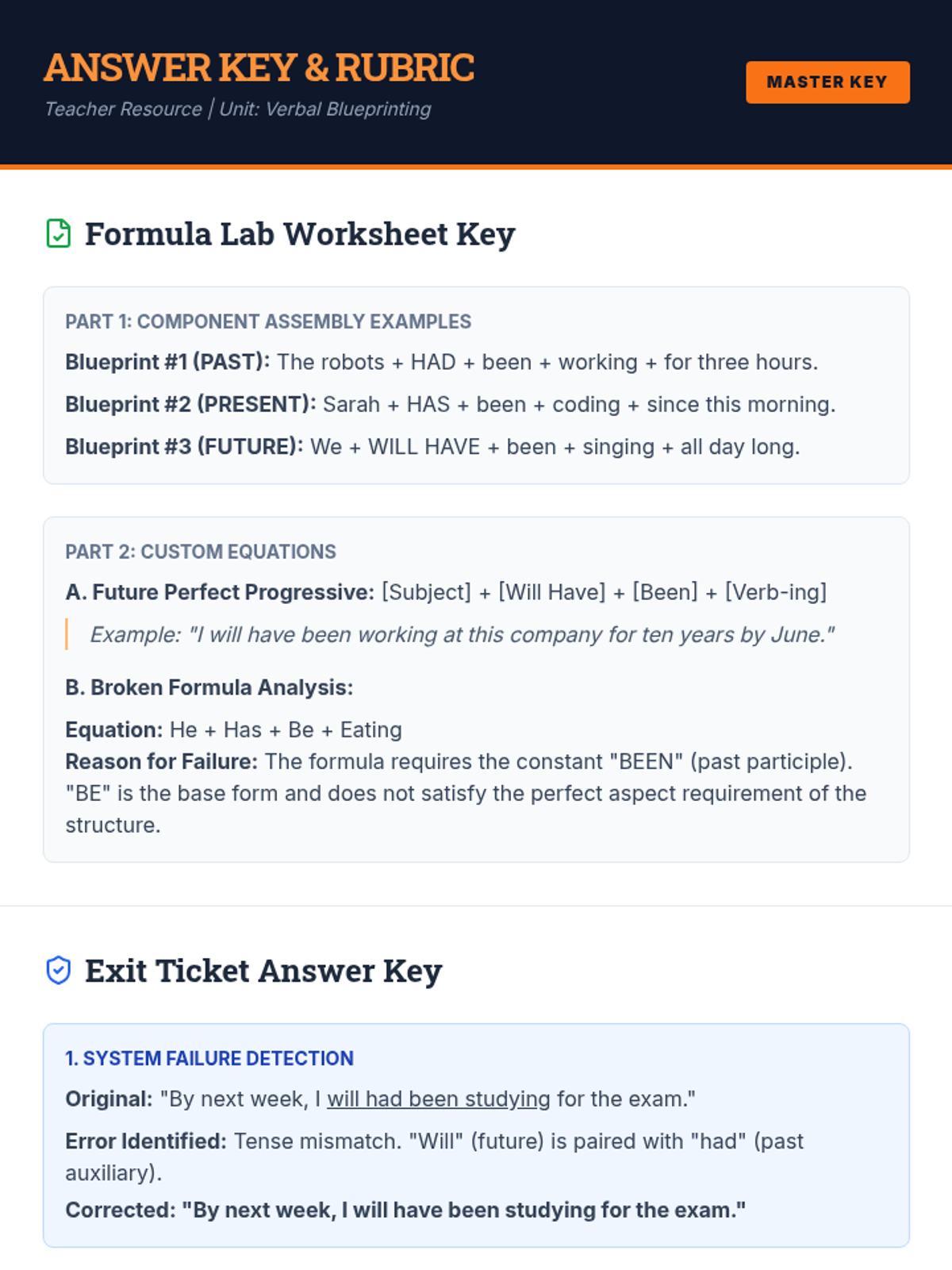
A technical, 'Sentence Engineering' approach to the perfect progressive aspect. Students use physical formulas and mathematical structures to build complex verb phrases across past, present, and future tenses.
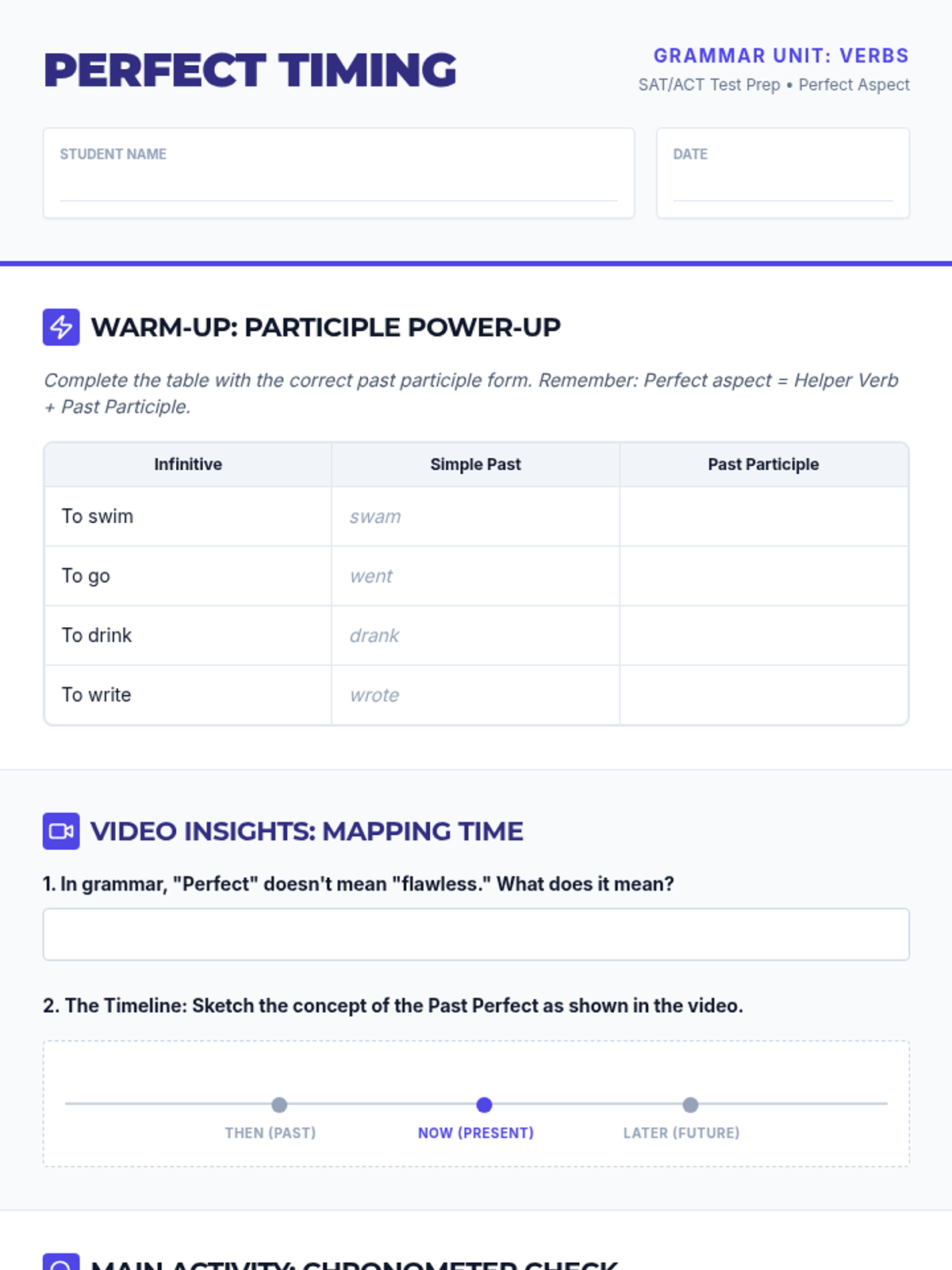
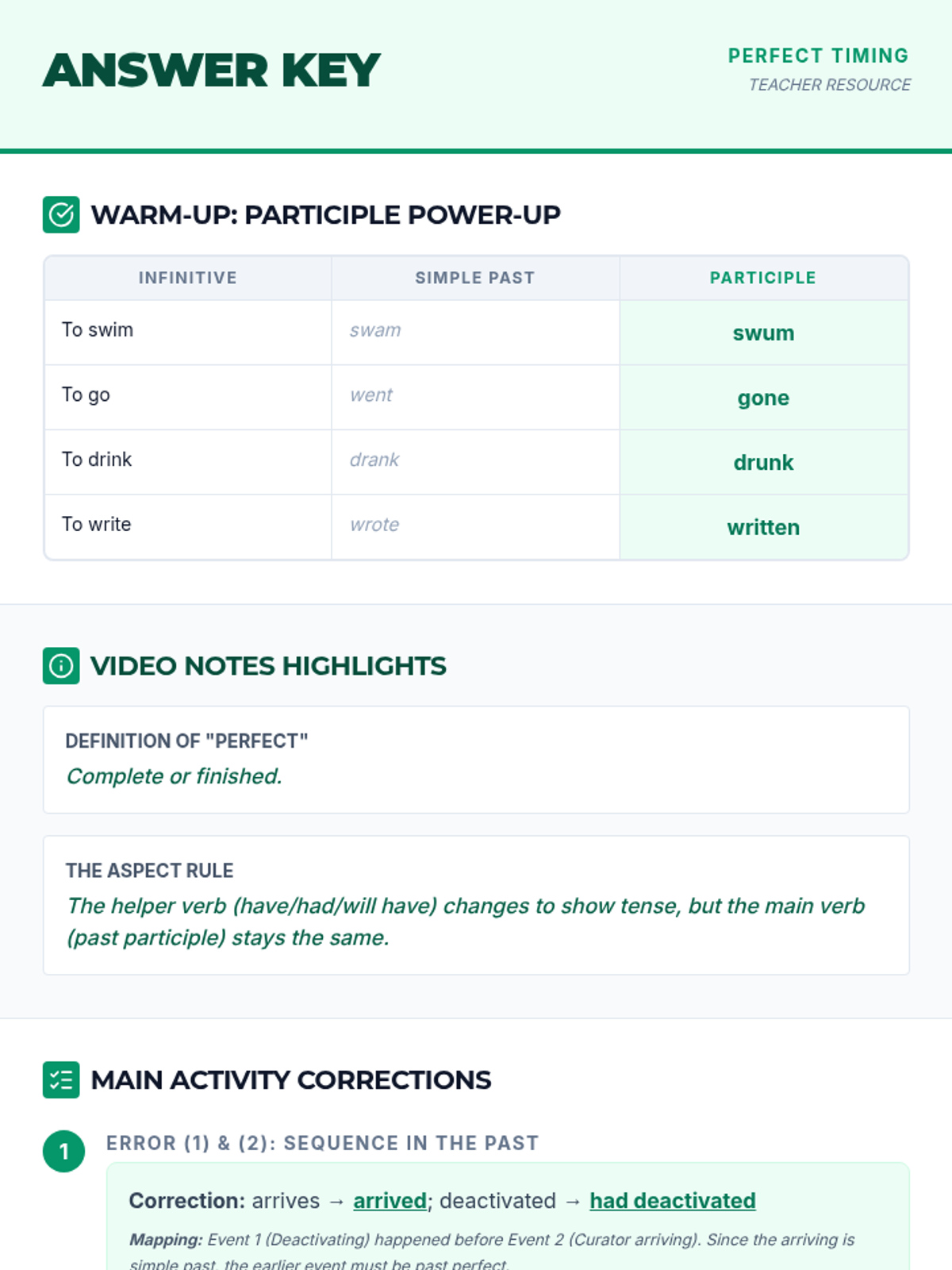
A high school SAT/ACT test prep lesson focusing on identifying and correcting verb tense consistency errors using the perfect aspect. Students will use timelines to visualize sequences of events and master the "before-past" structure essential for standardized testing.
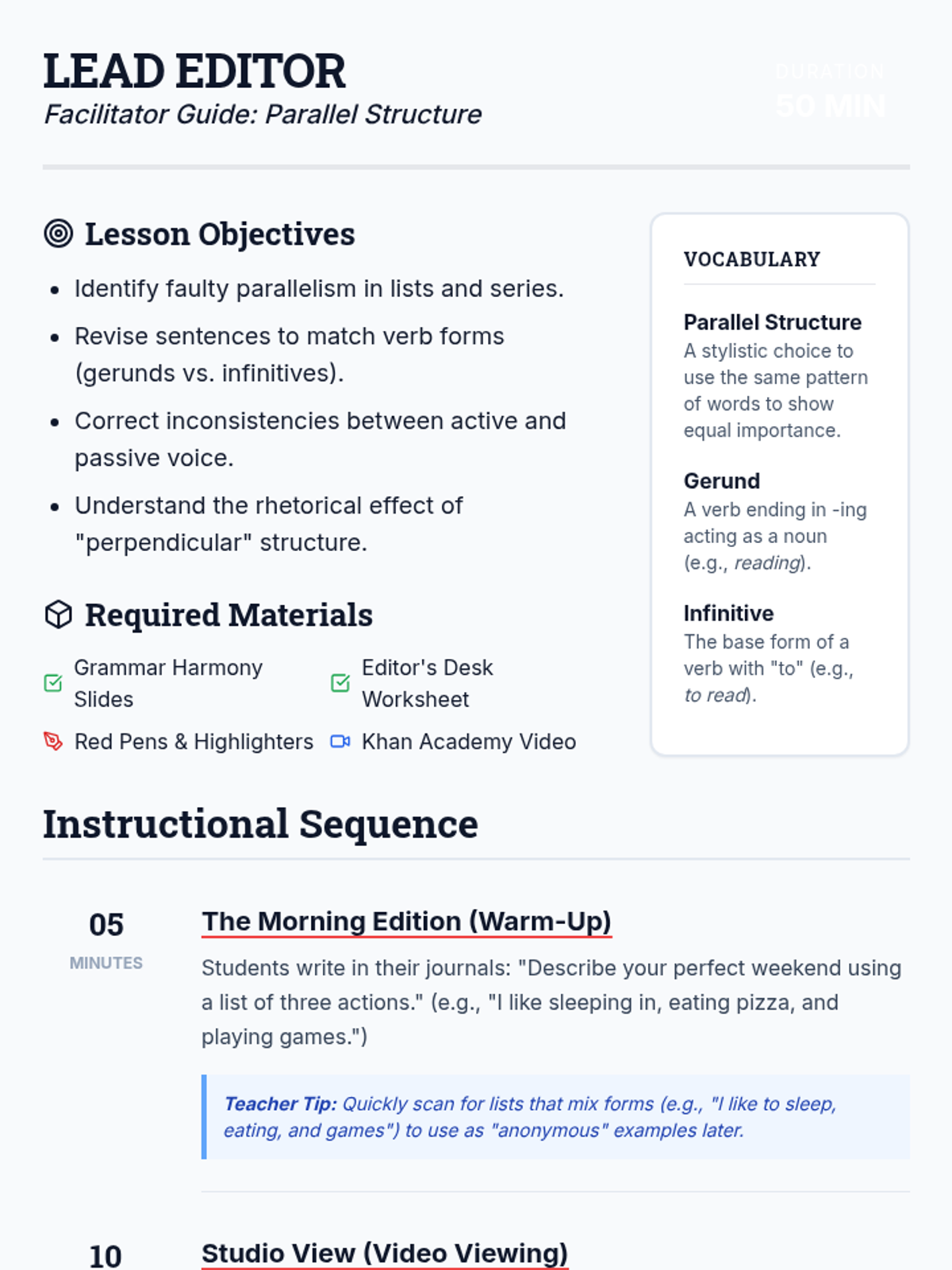
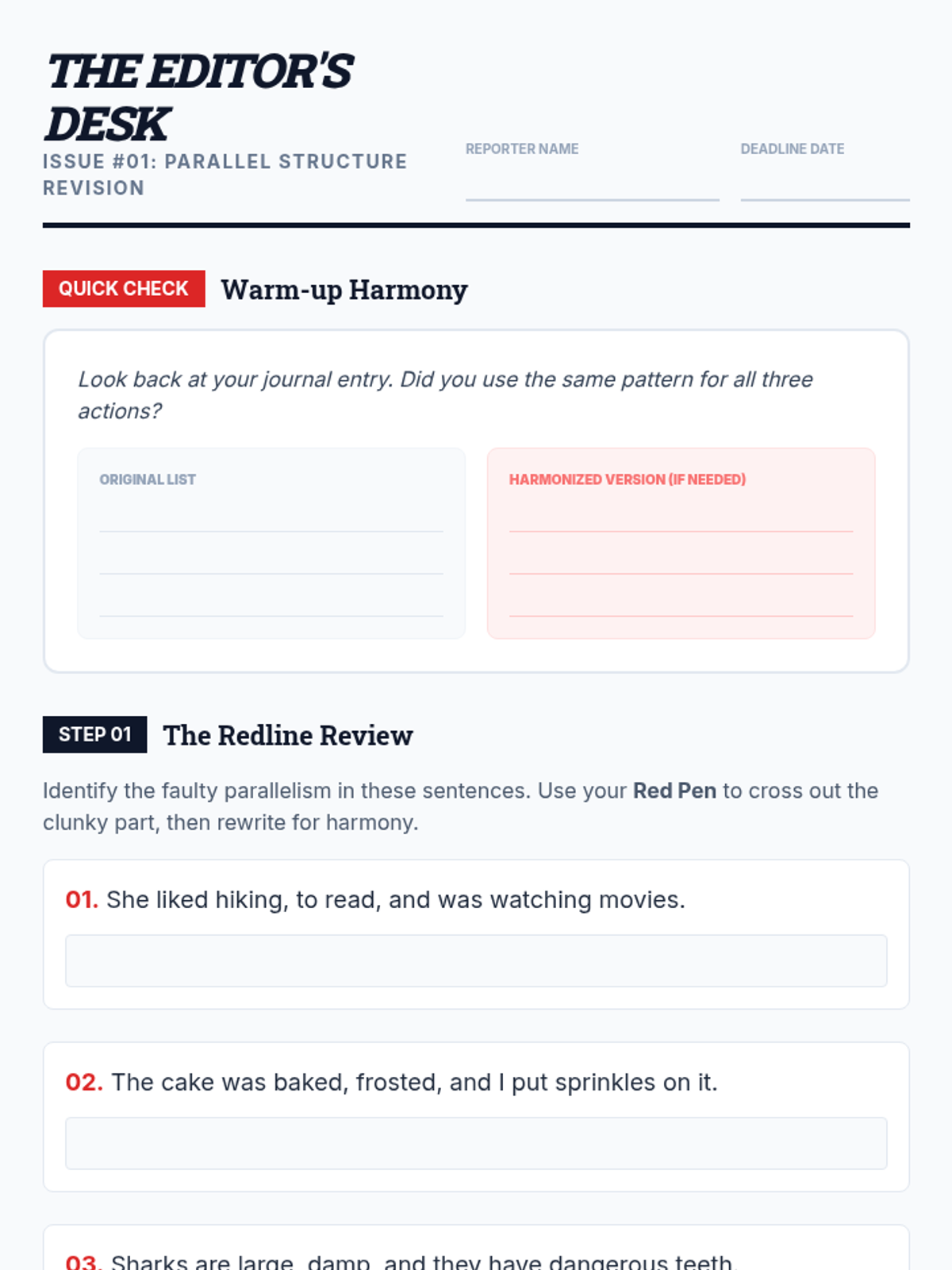
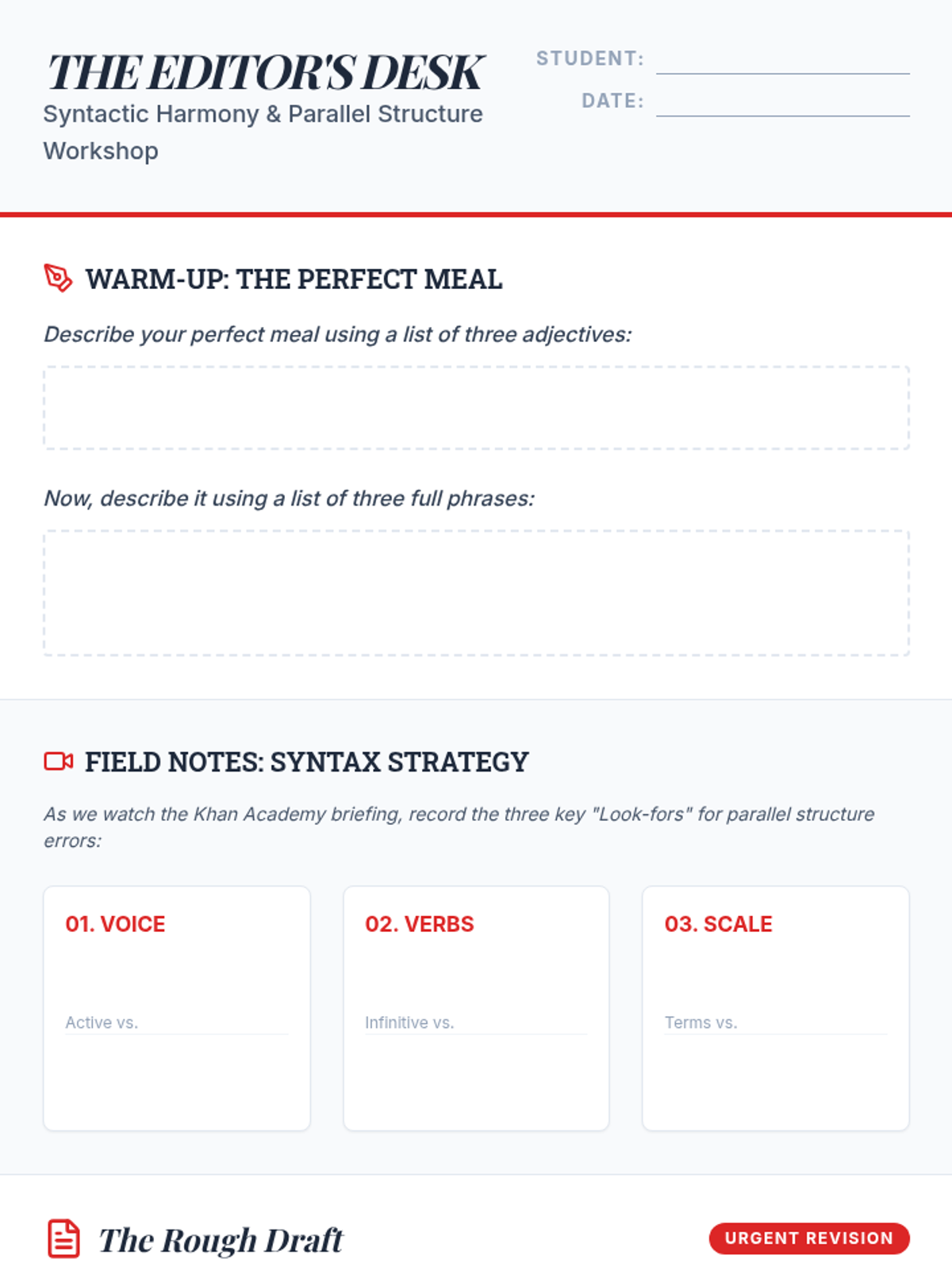
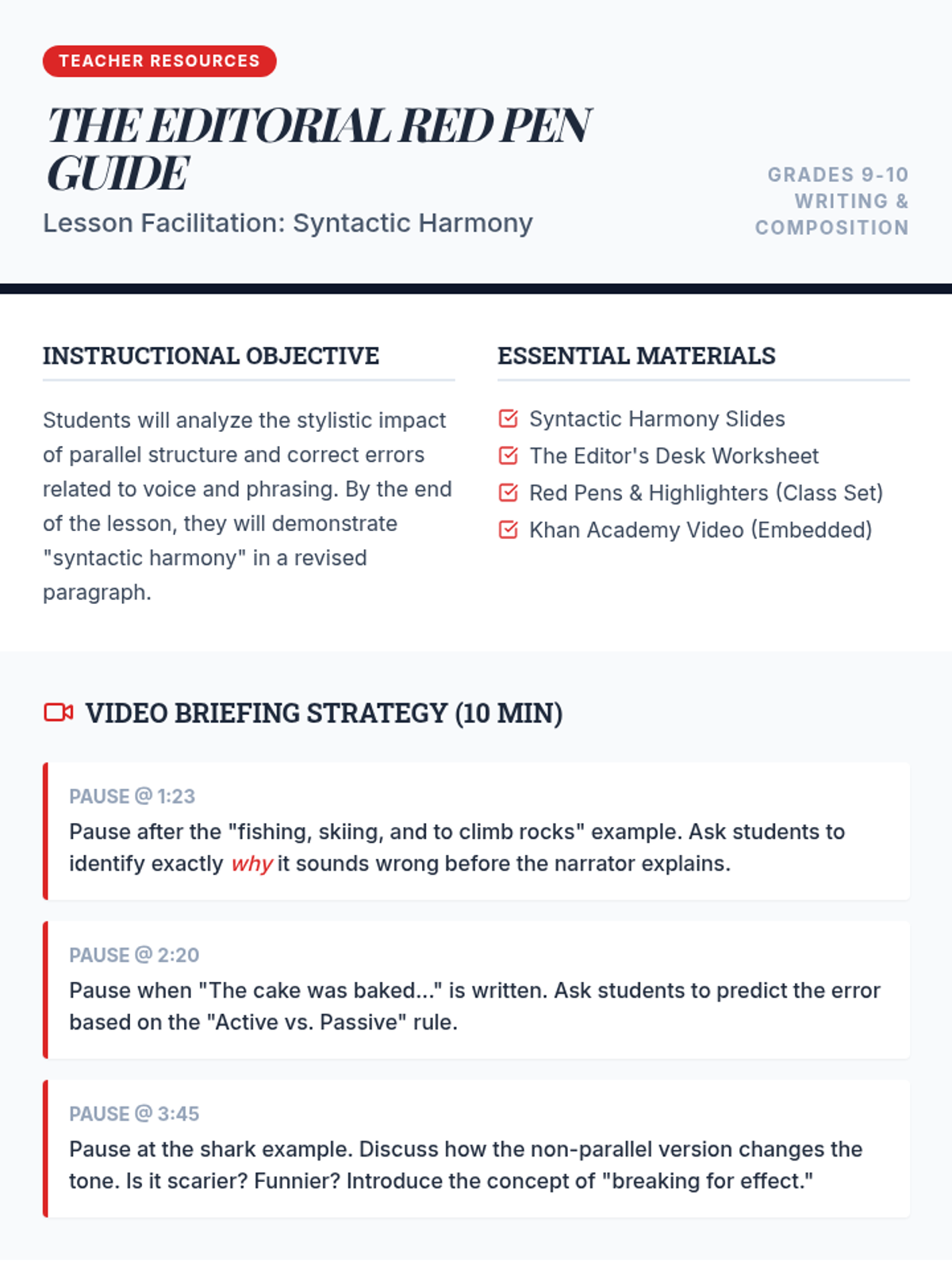
This lesson focuses on identifying and correcting faulty parallelism in writing, specifically targeting inconsistencies in verb forms (gerunds vs. infinitives) and voice (active vs. passive). Students act as editors to harmonize a clunky paragraph and explore how parallel structure creates rhythm and clarity.
Students will explore the stylistic power of parallel structure, learning how to harmonize lists, phrases, and voice shifts in their writing to create more professional and impactful prose.
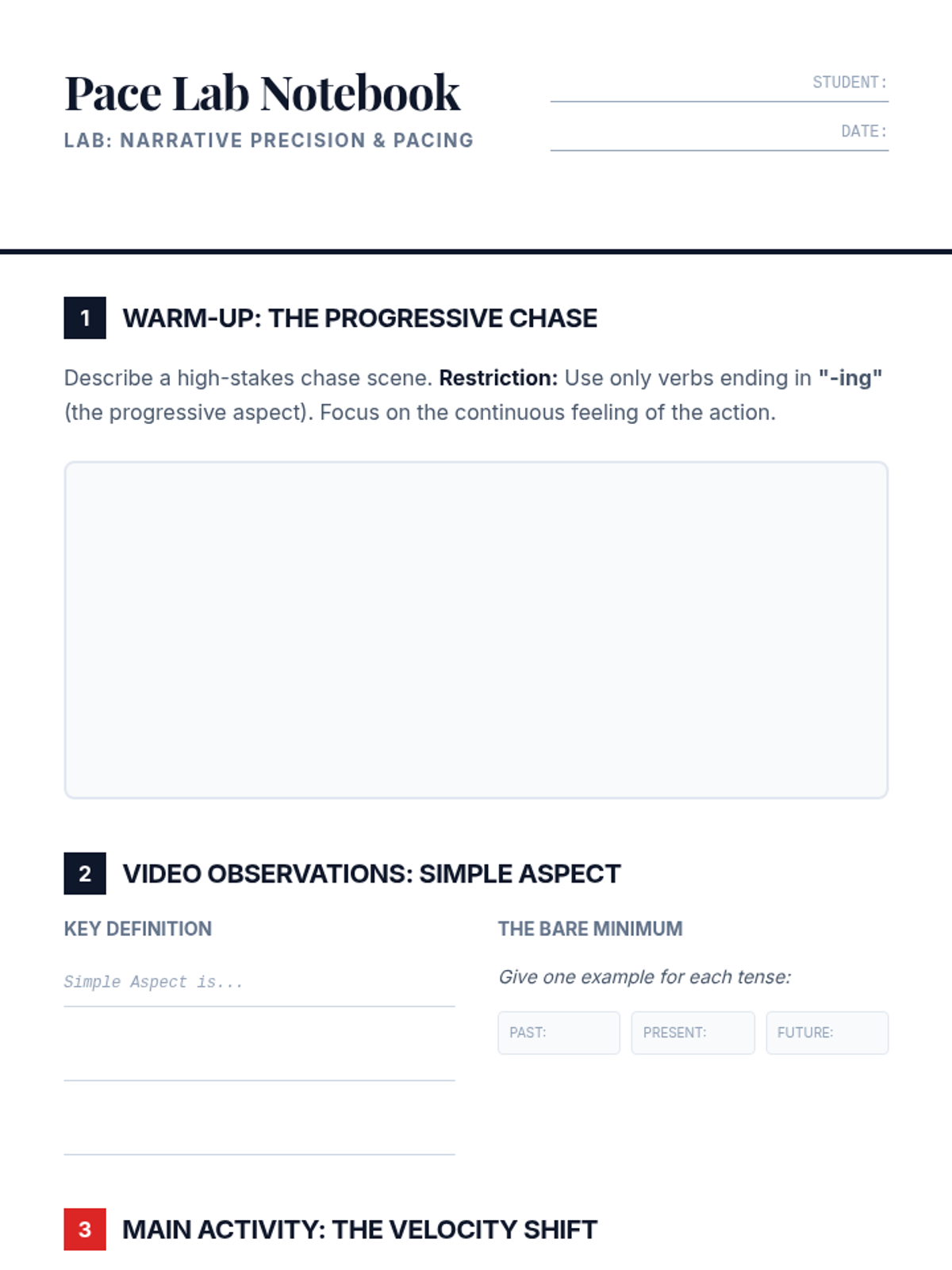
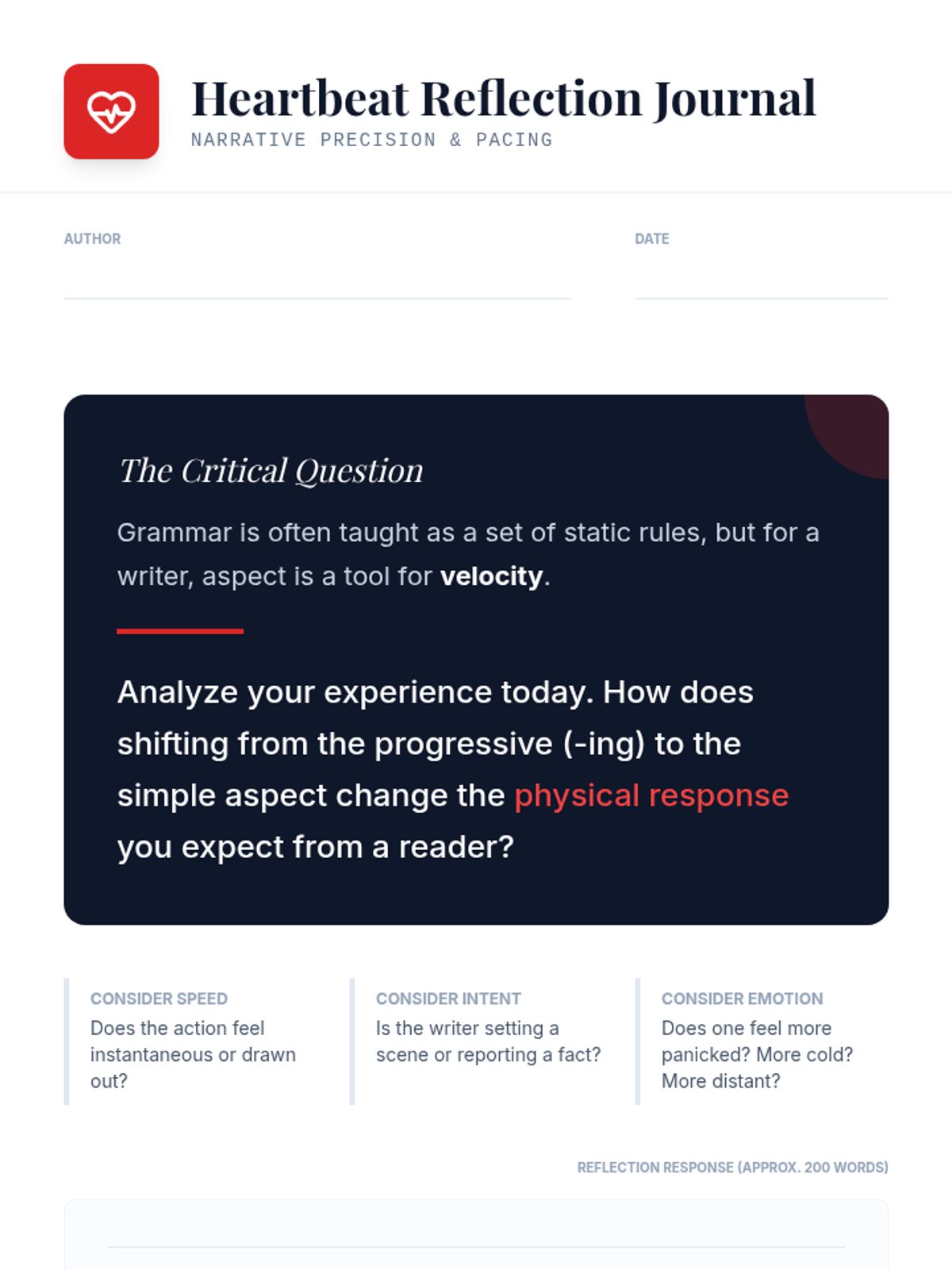
A high school creative writing lesson focusing on the grammatical 'simple aspect' to control narrative pacing and action. Students analyze how bare verb tenses create a sense of immediacy and directness compared to progressive forms.
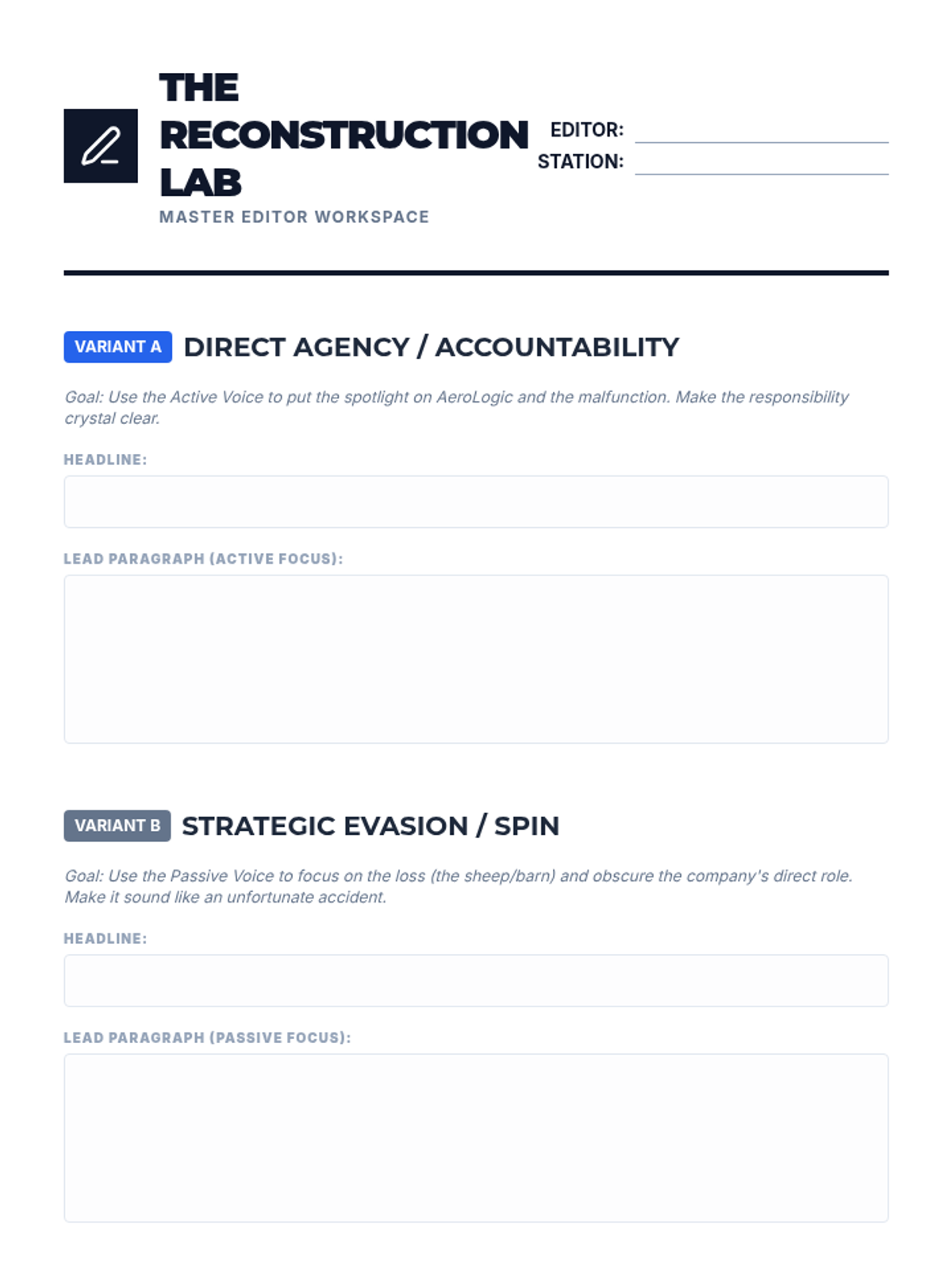
A culminating project where students apply their knowledge to reconstruct news reports and justify their grammatical choices through a rhetorical lens.
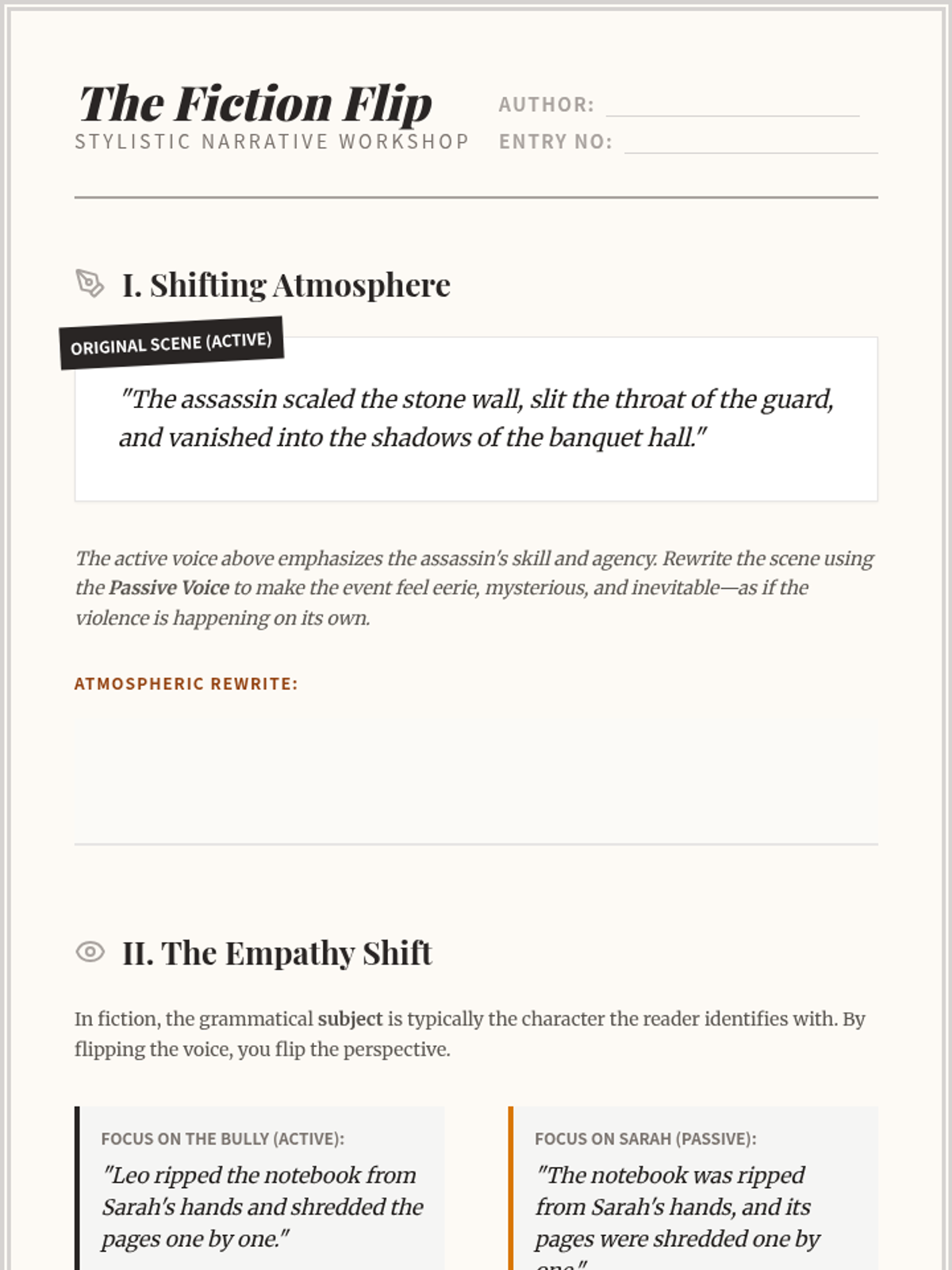
Analyzing how authors use grammatical voice to control pacing, establish character perspective, and create emotional effects in narrative fiction.
Exploring the stylistic necessity of passive voice in scientific and technical contexts to maintain objectivity and focus on processes.
An investigation into how passive voice is strategically used in political and media contexts to obscure responsibility and distance actors from actions.
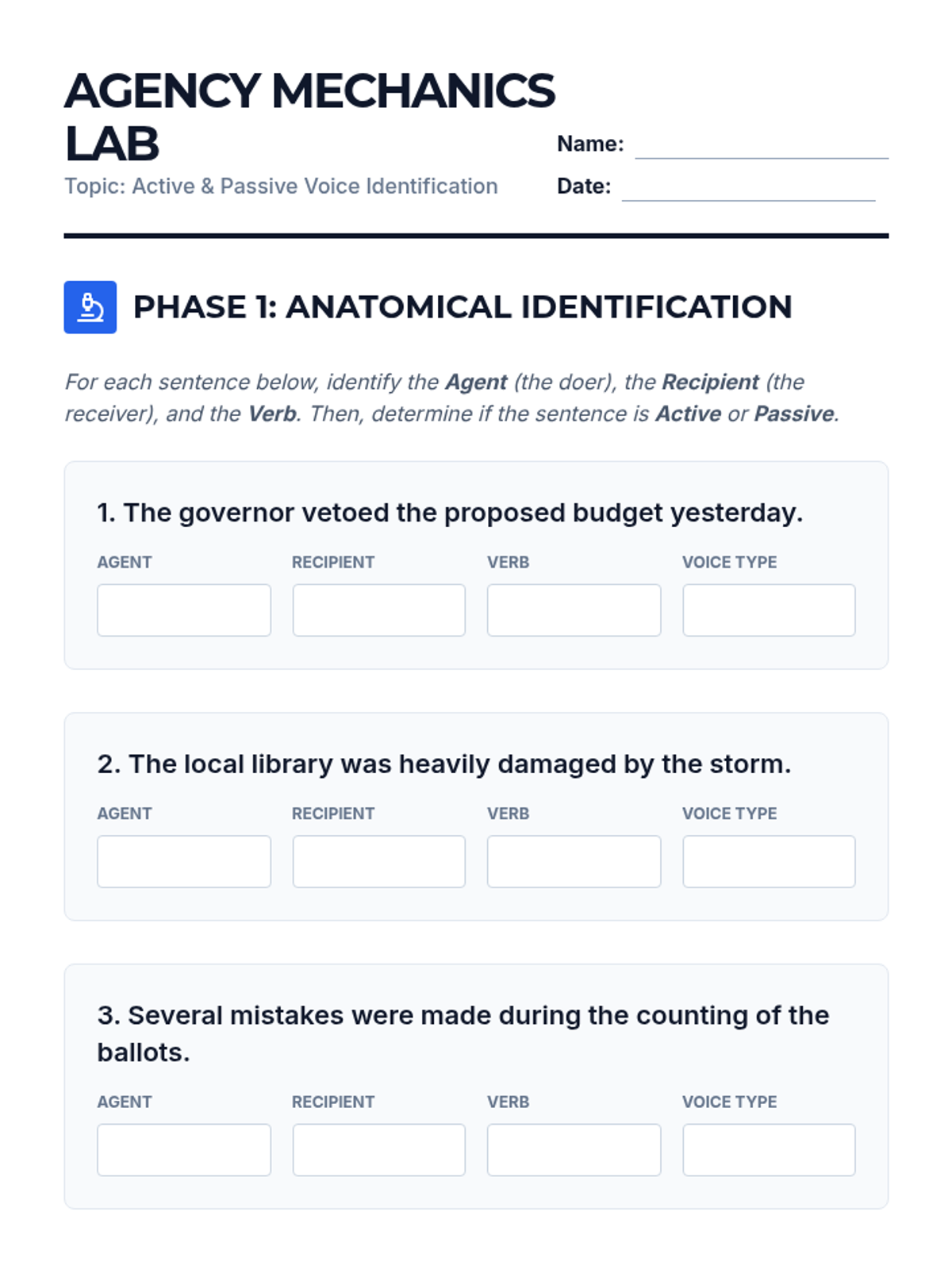
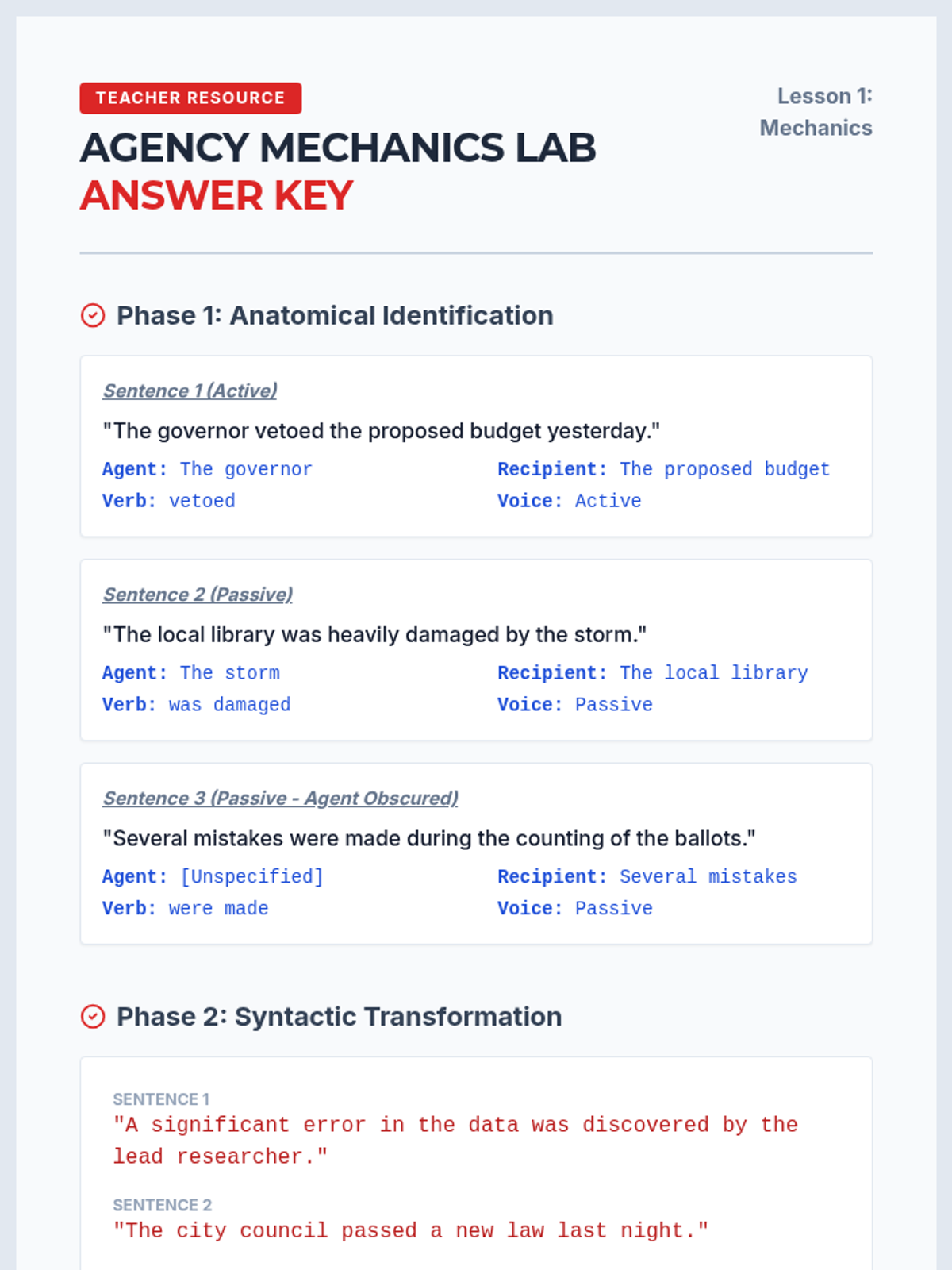
Students master the mechanical difference between active and passive voice, focusing on identifying the 'agent' and the 'recipient' in complex sentences.
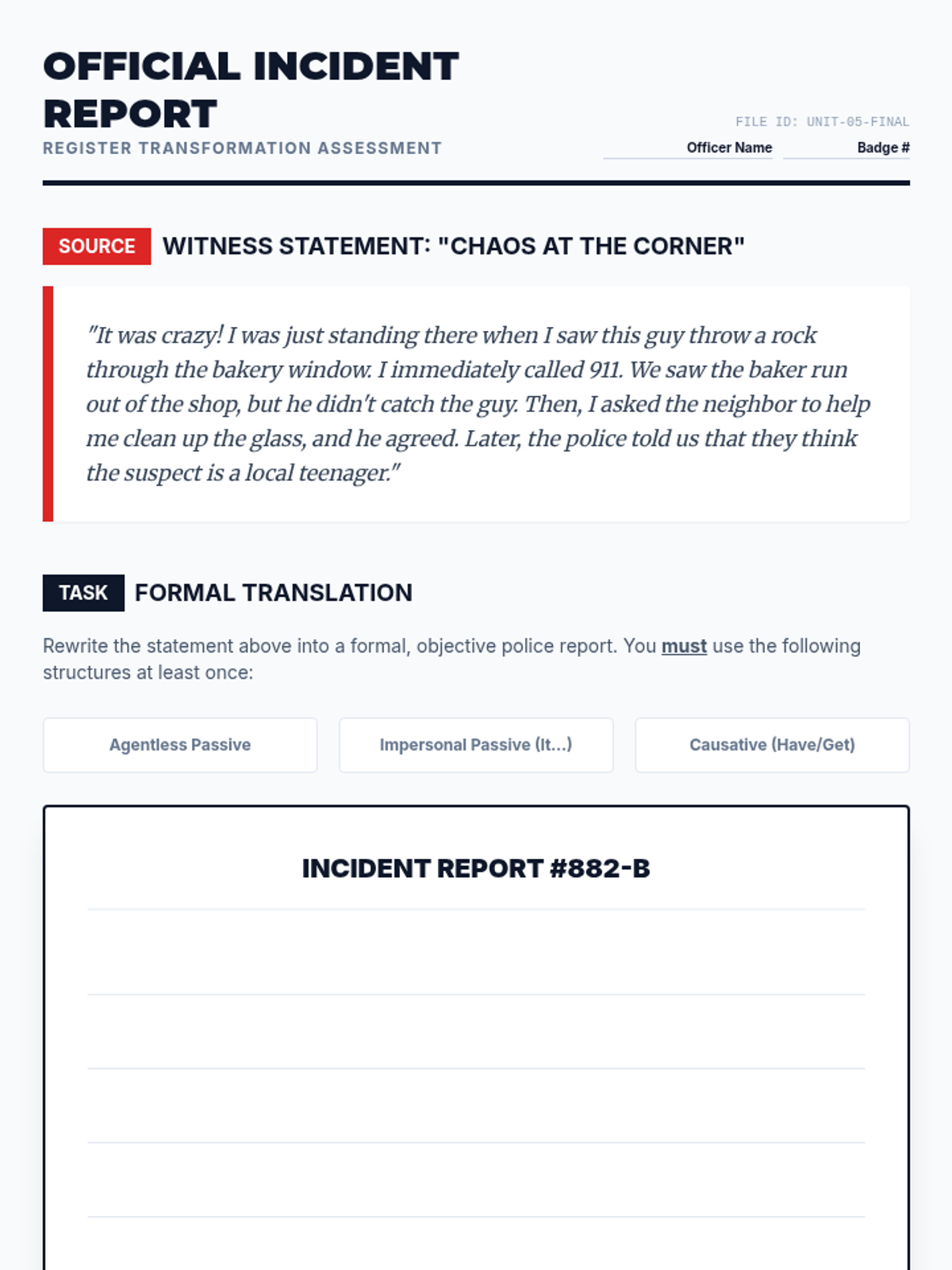
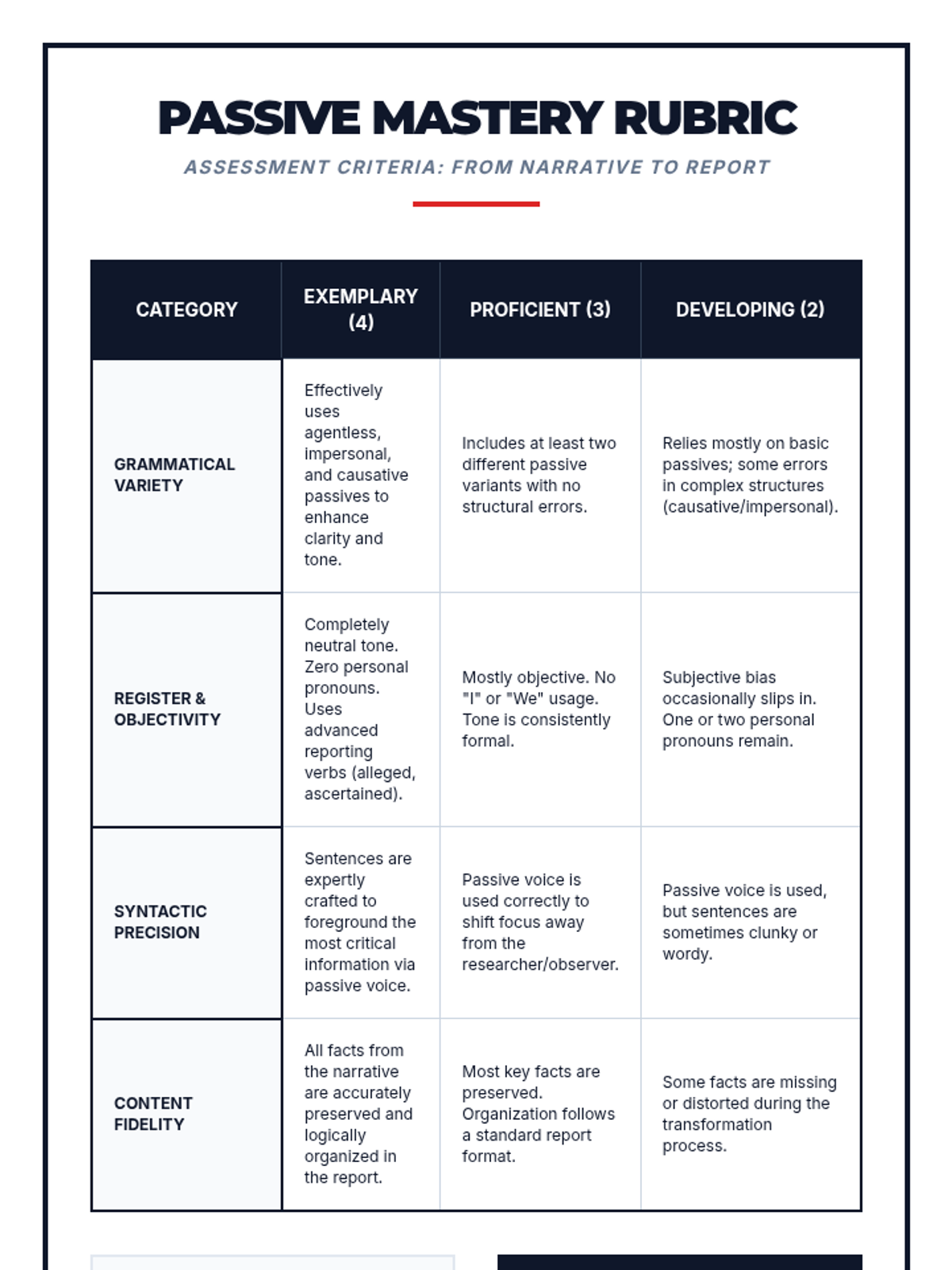
A culminating writing task transforming subjective personal narratives into formal, objective reports.
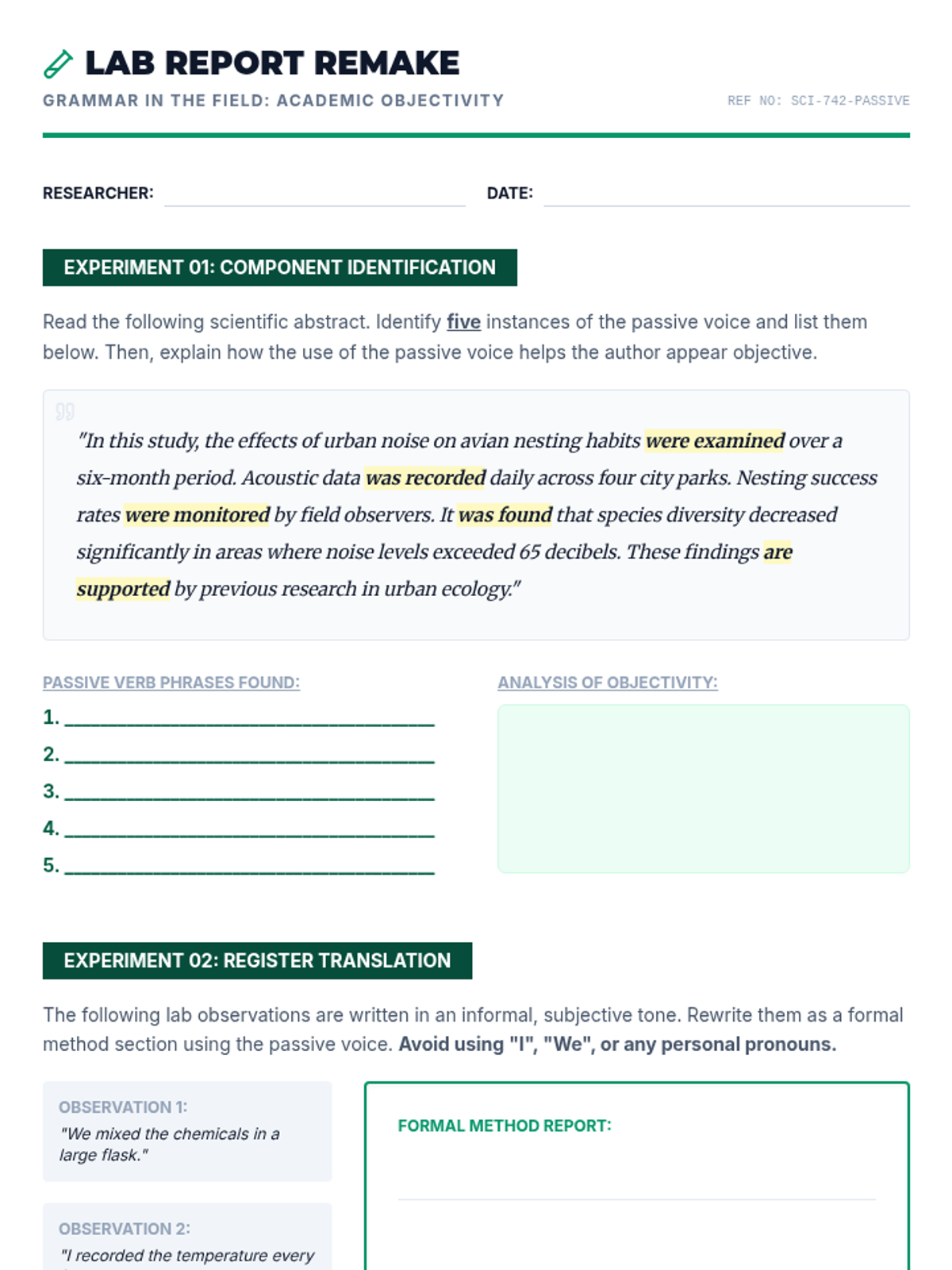
Analyzing the function of the passive voice in scientific abstracts to emphasize process and results.
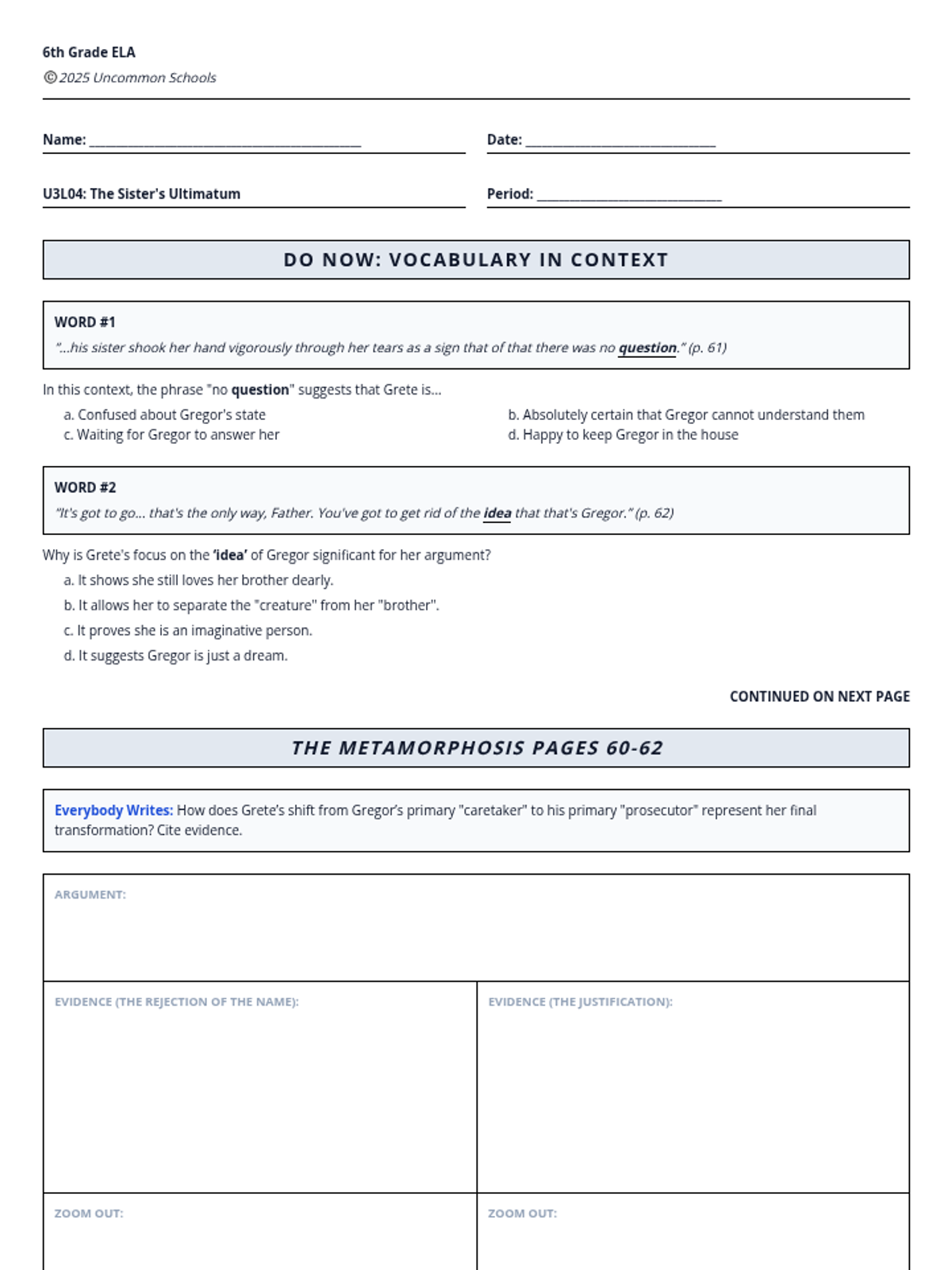
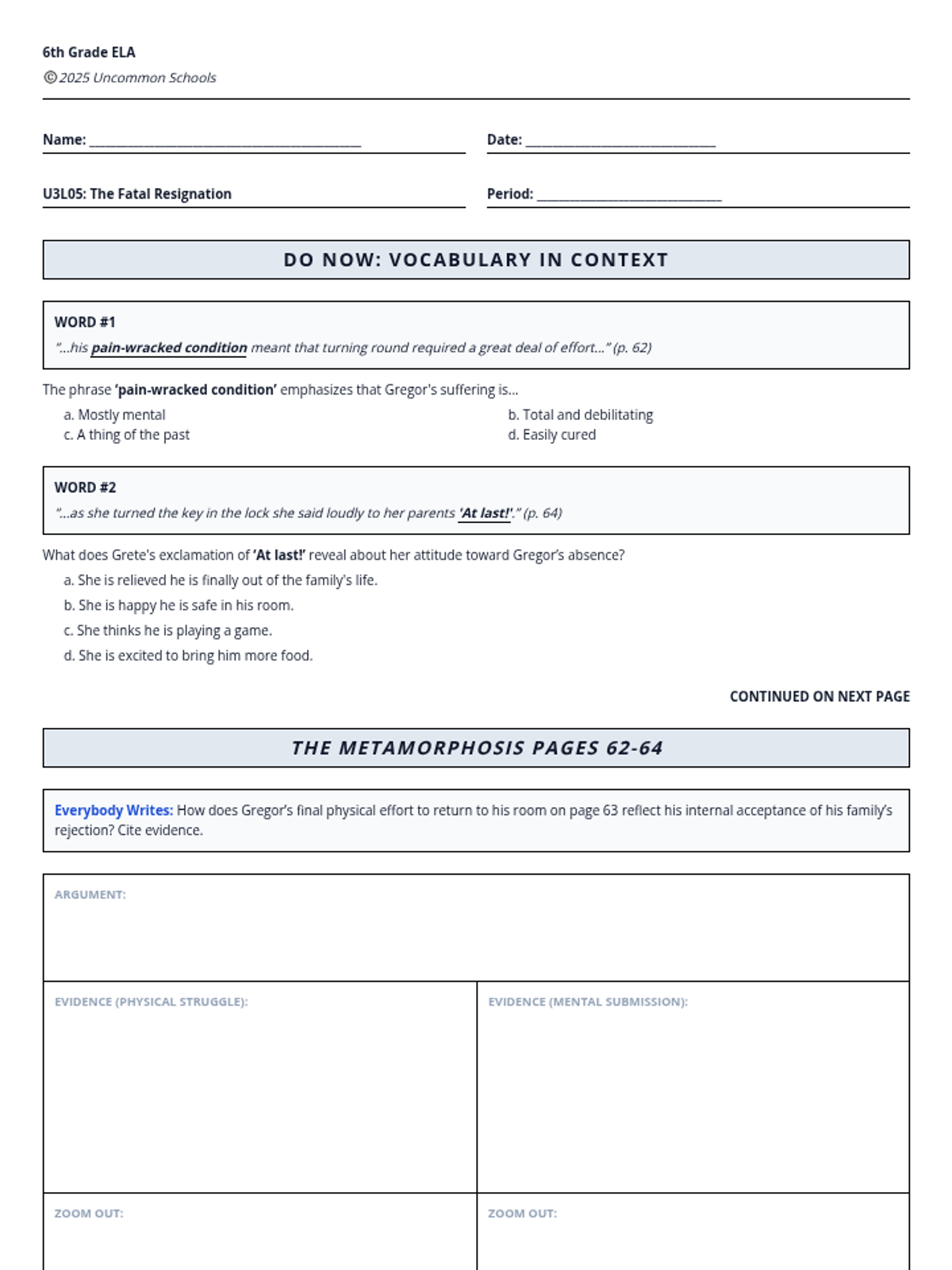
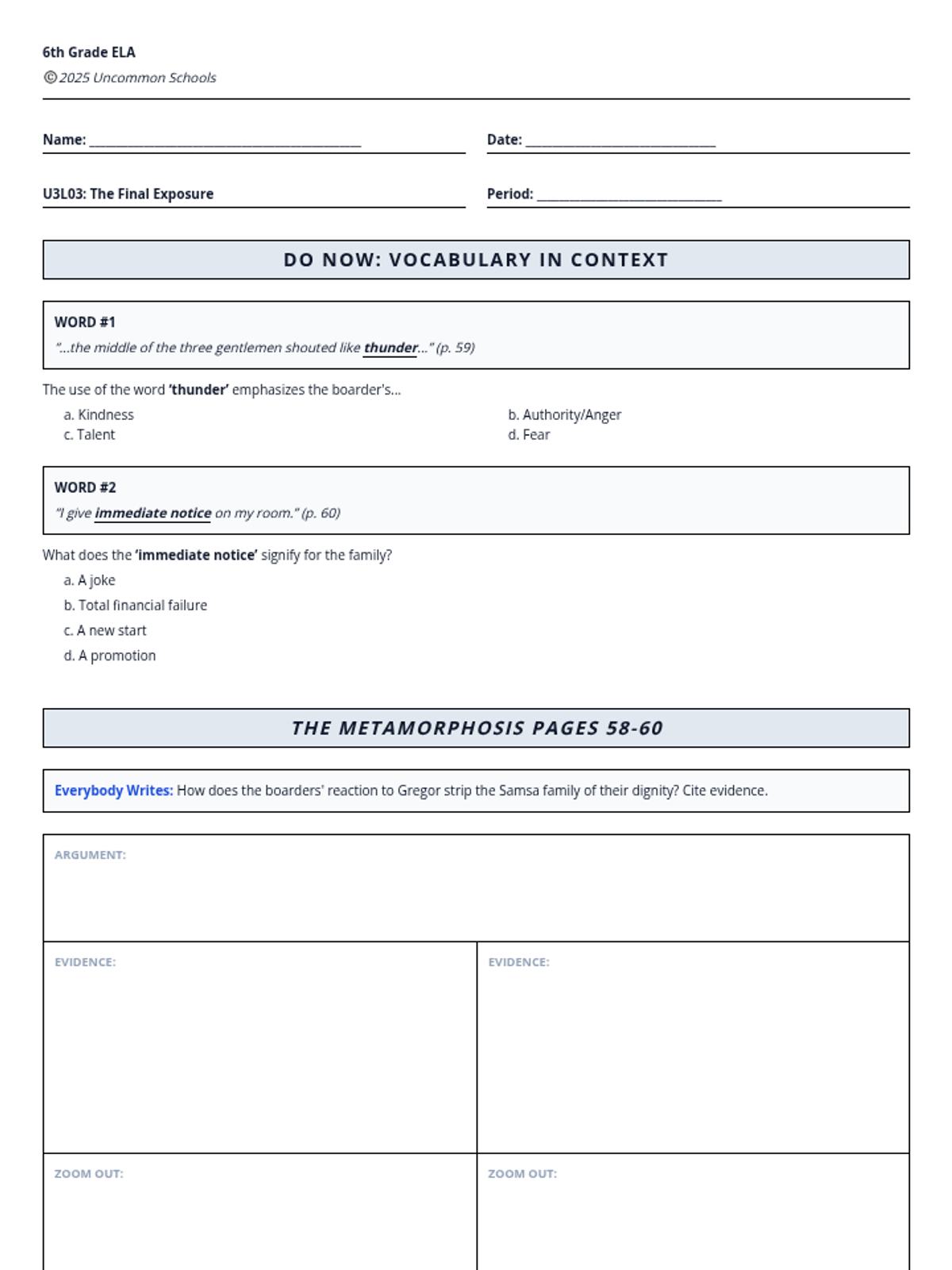
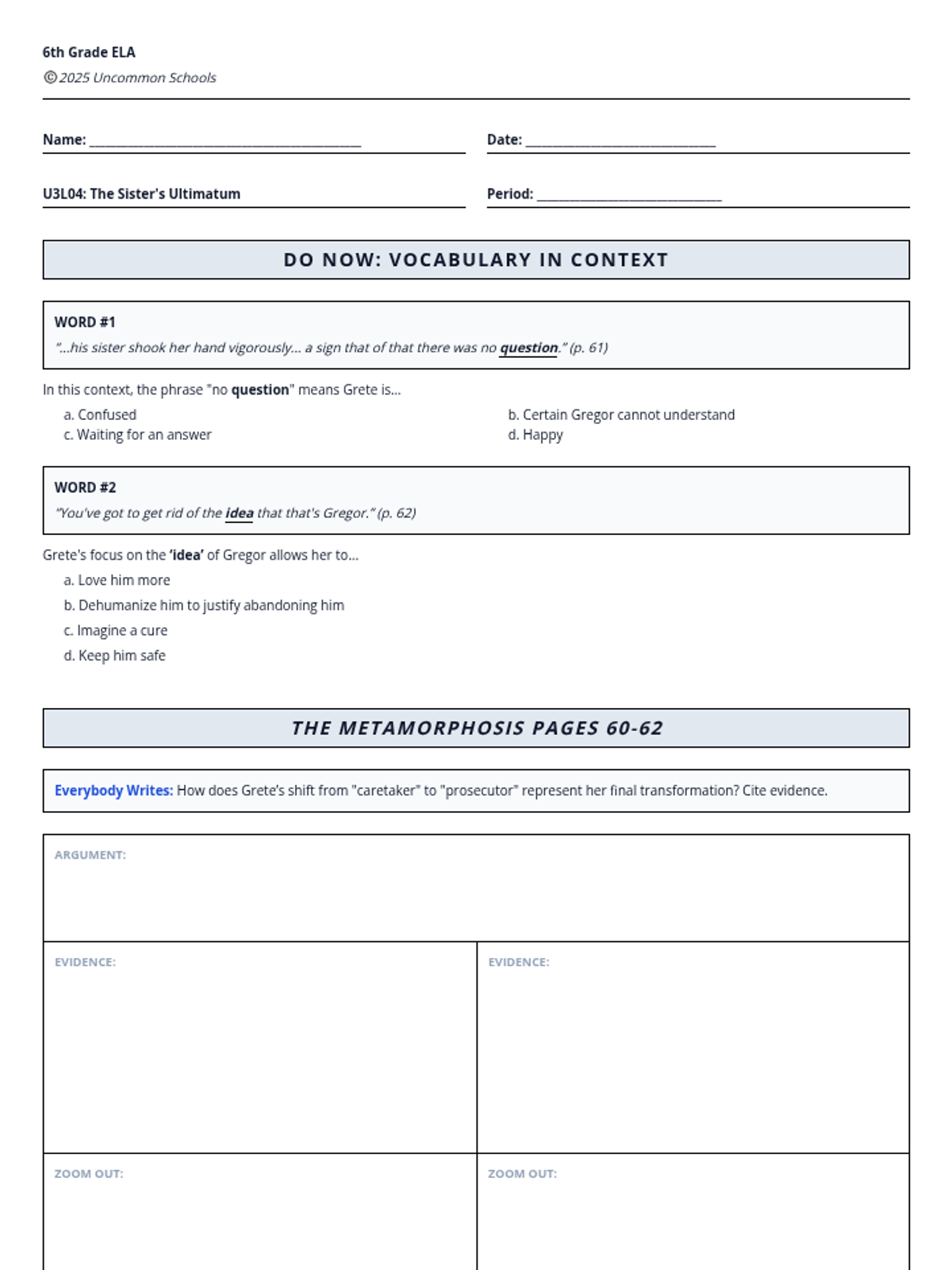
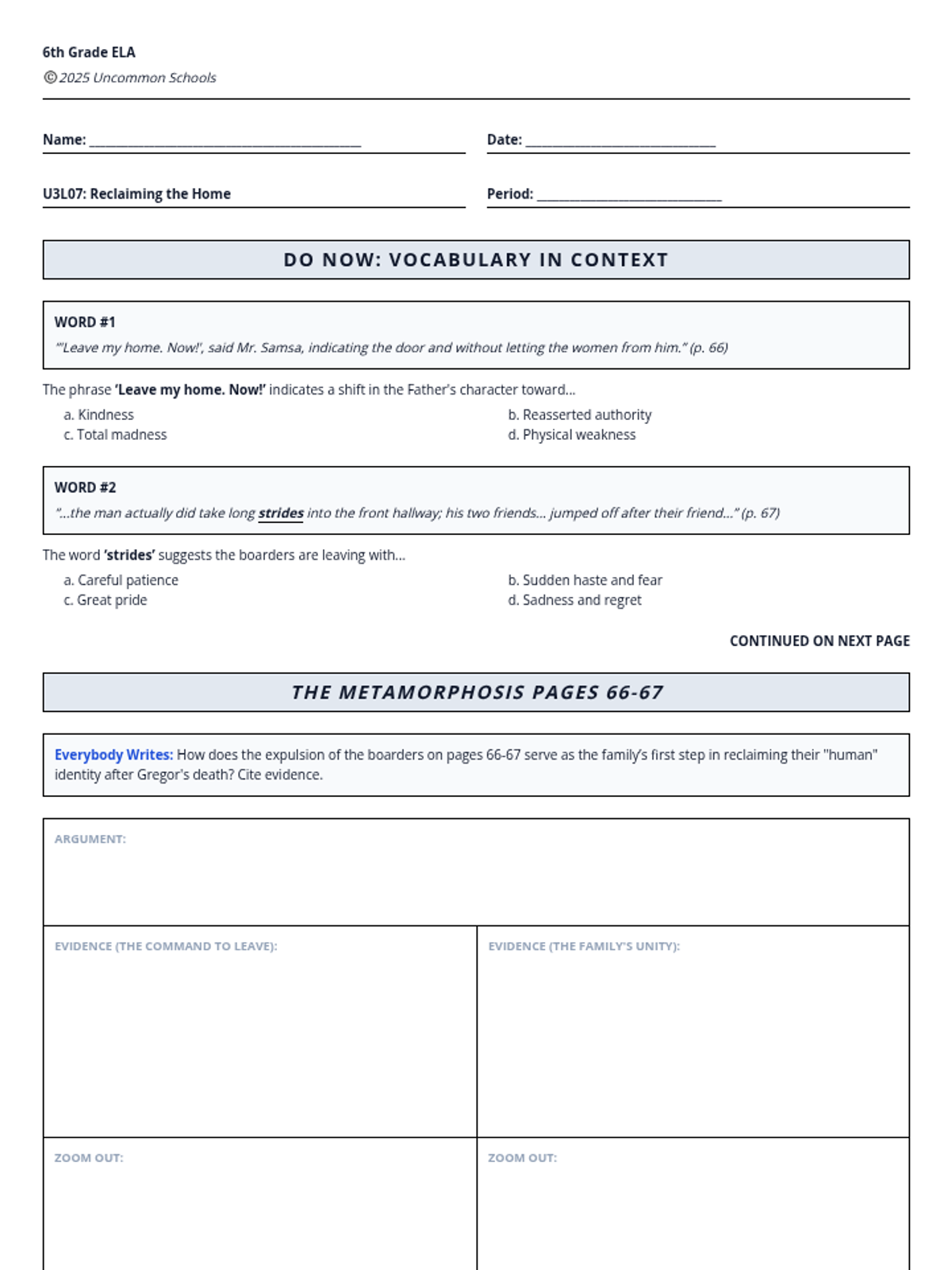
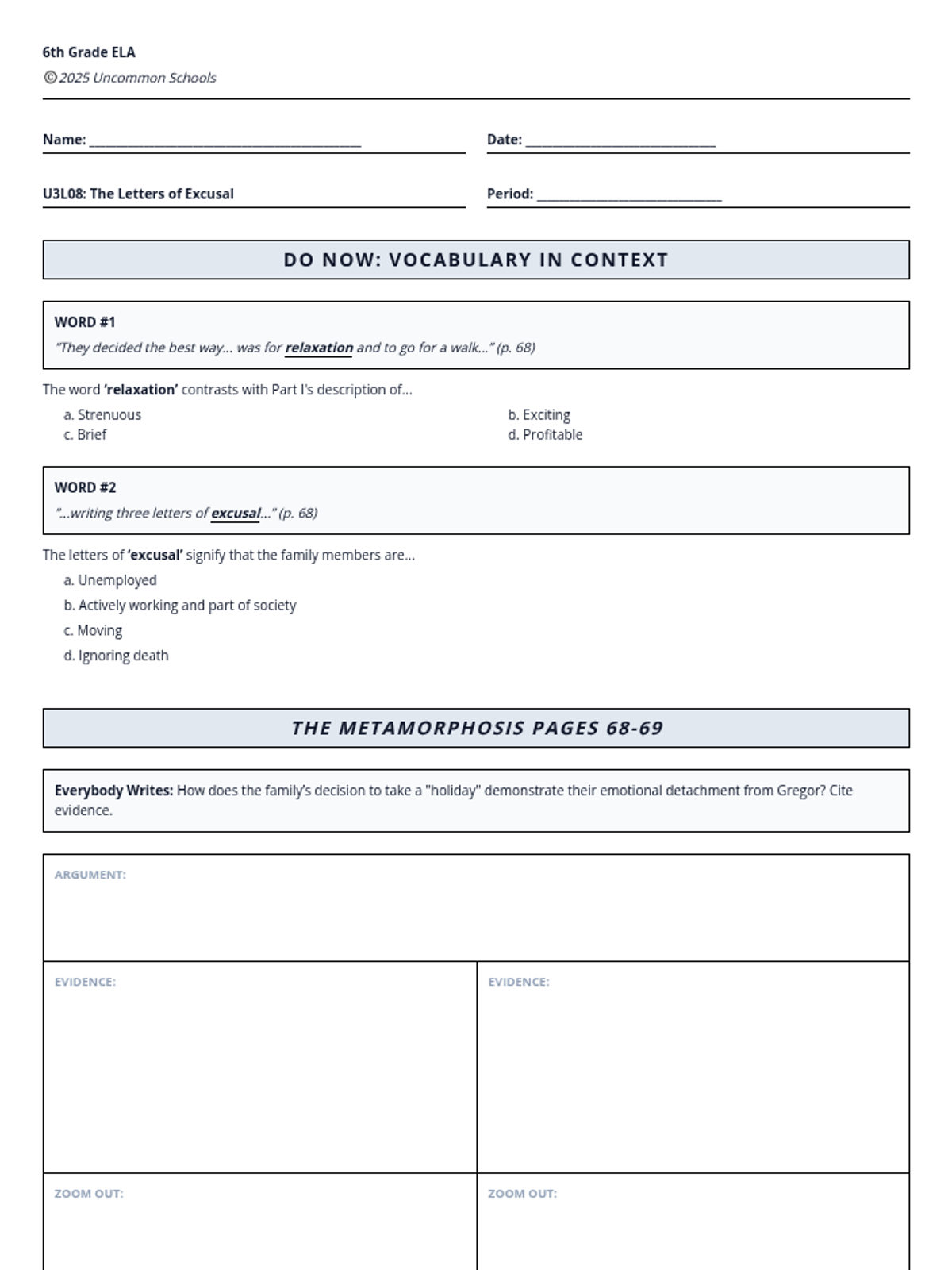
Analyzes the family's final rejection of Gregor and his subsequent physical and mental decline.
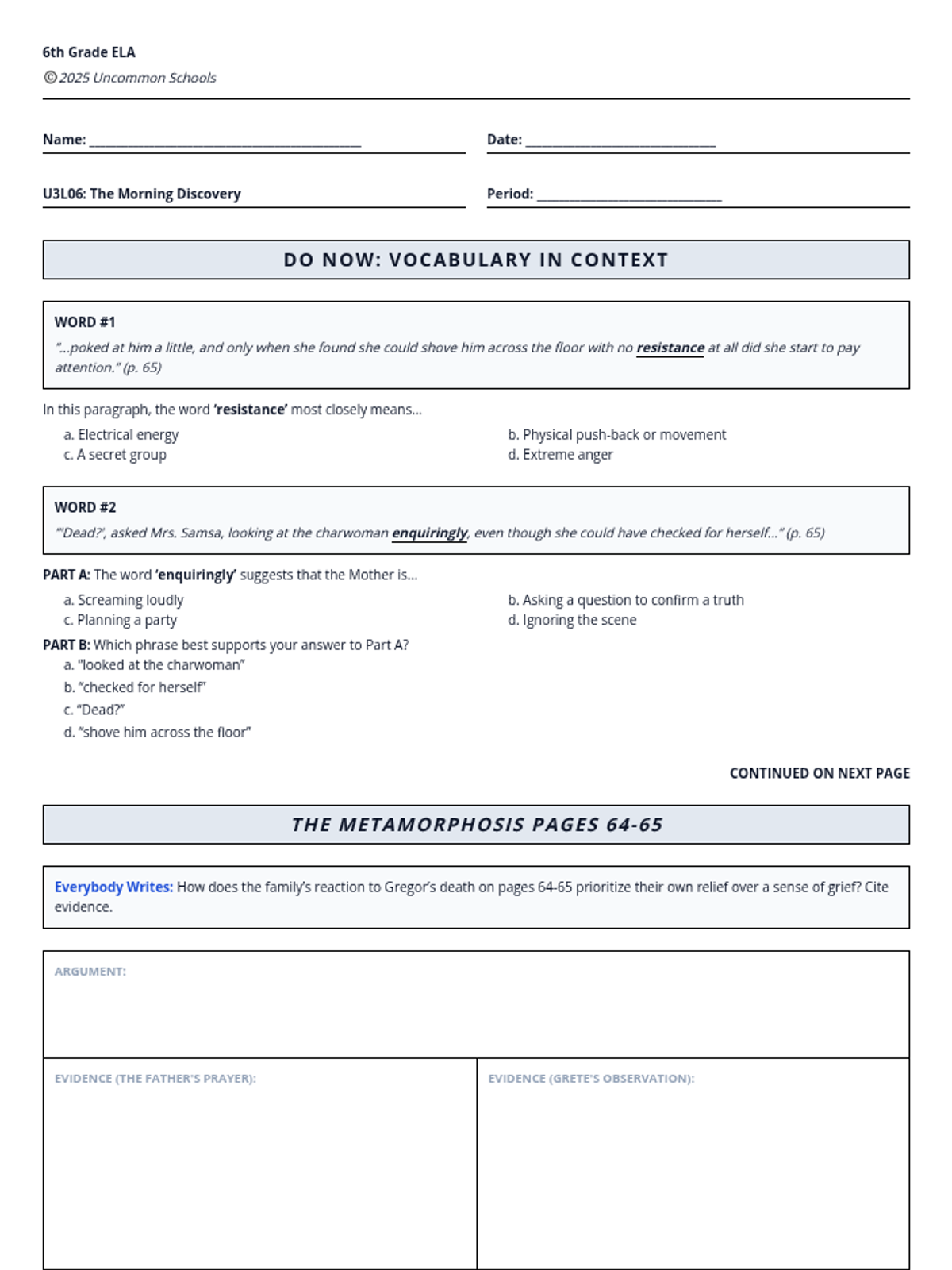
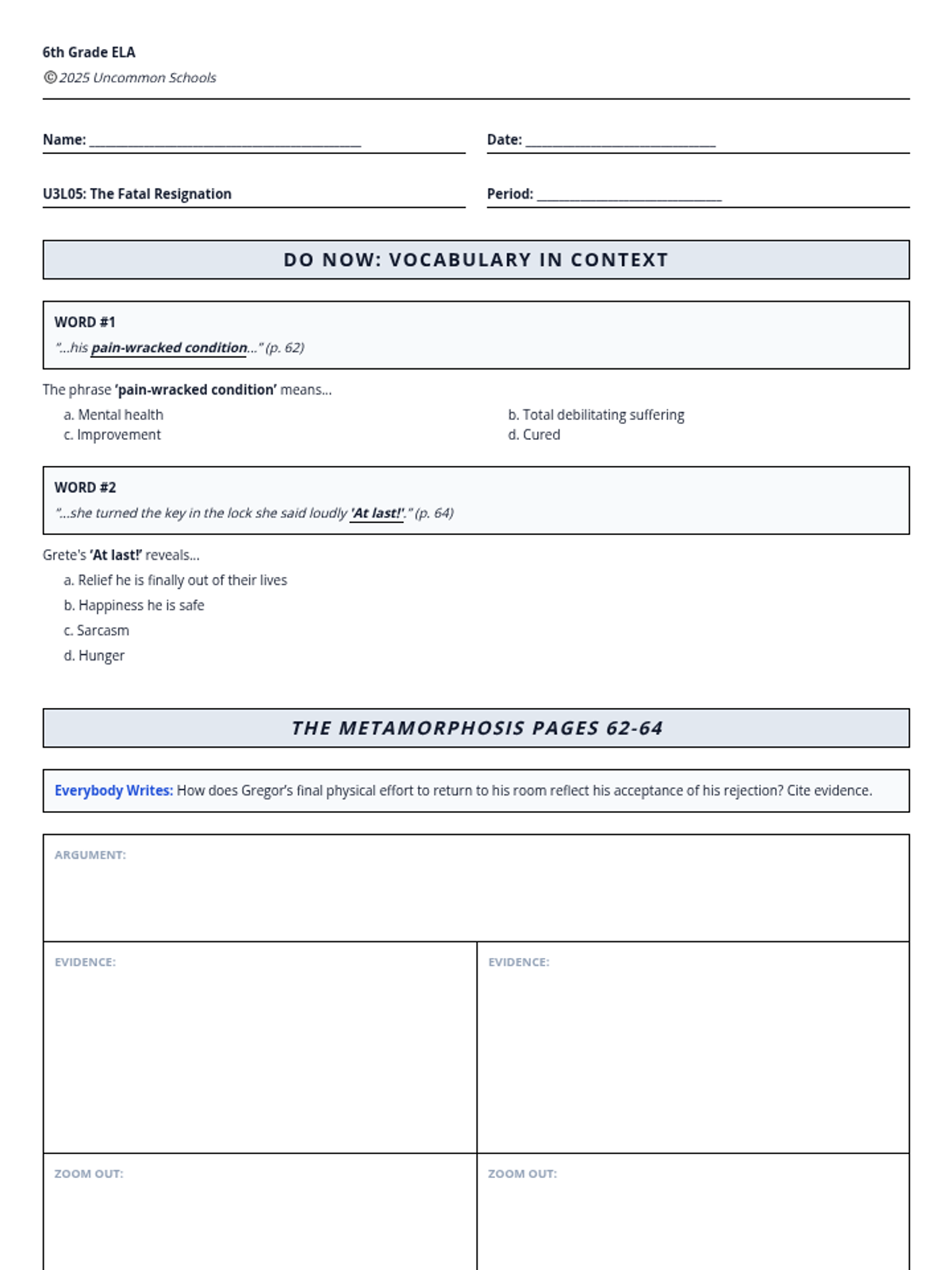
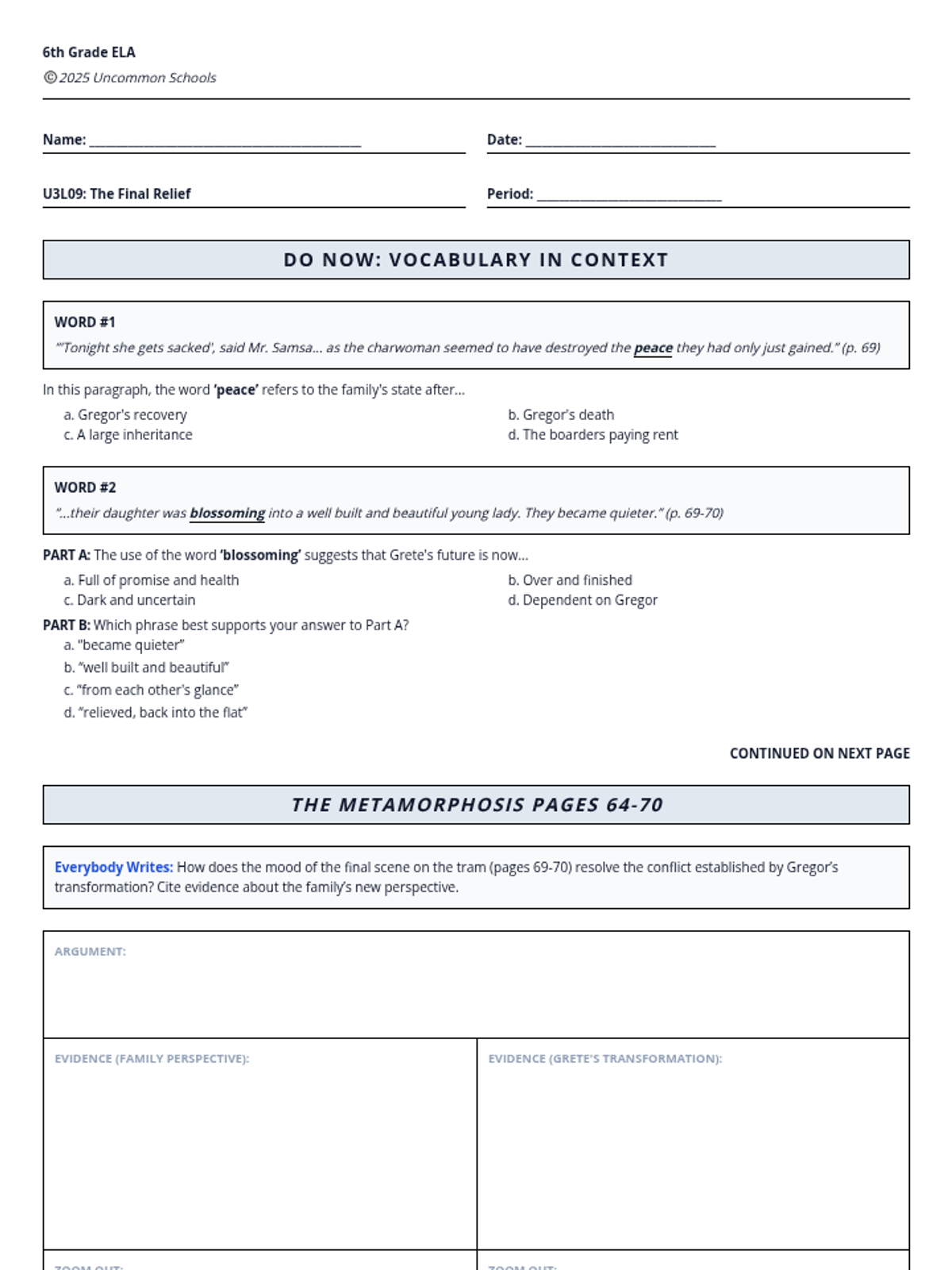
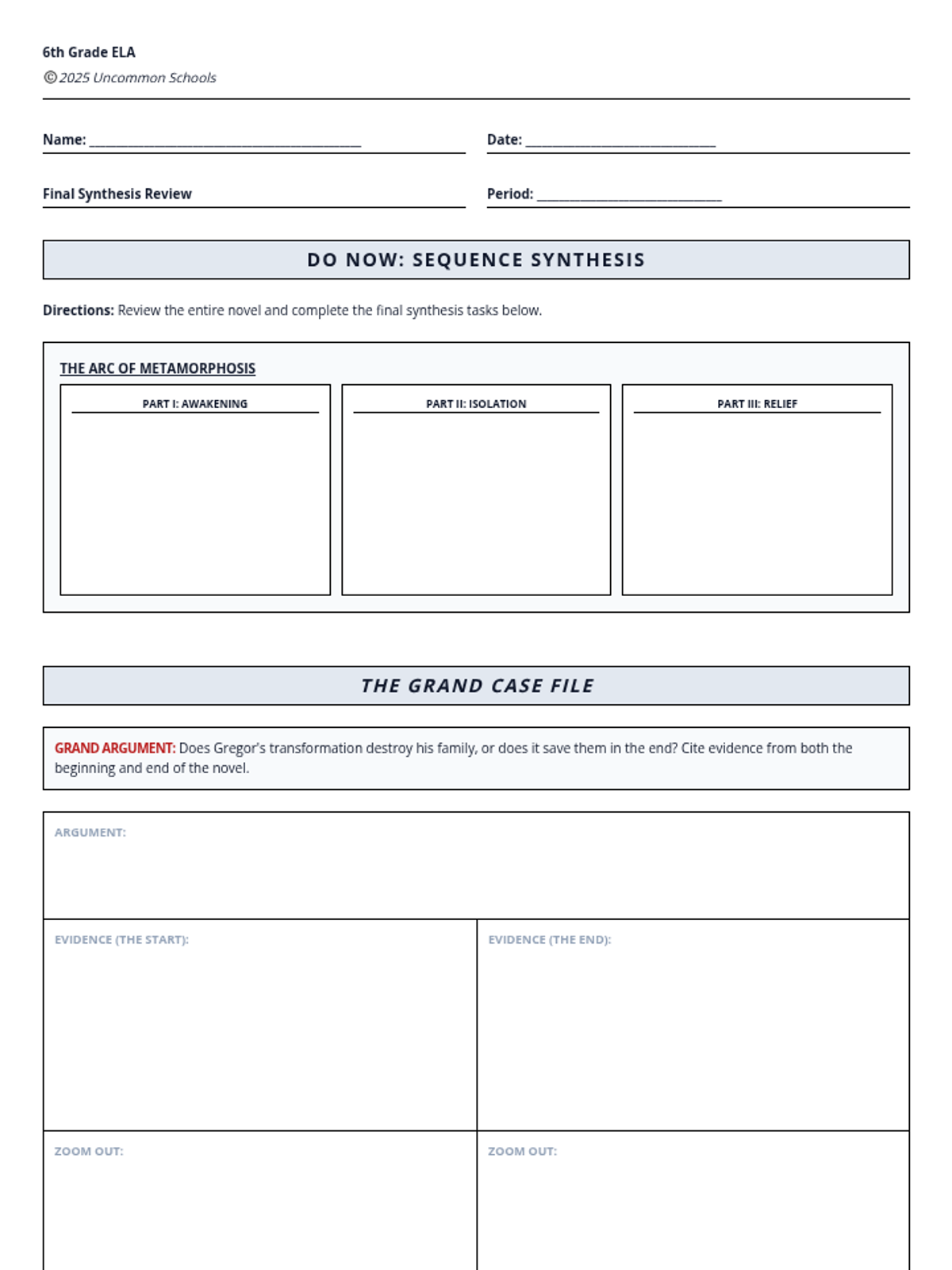
Focuses on Gregor's death and the family's ultimate relief and transformation after his passing.
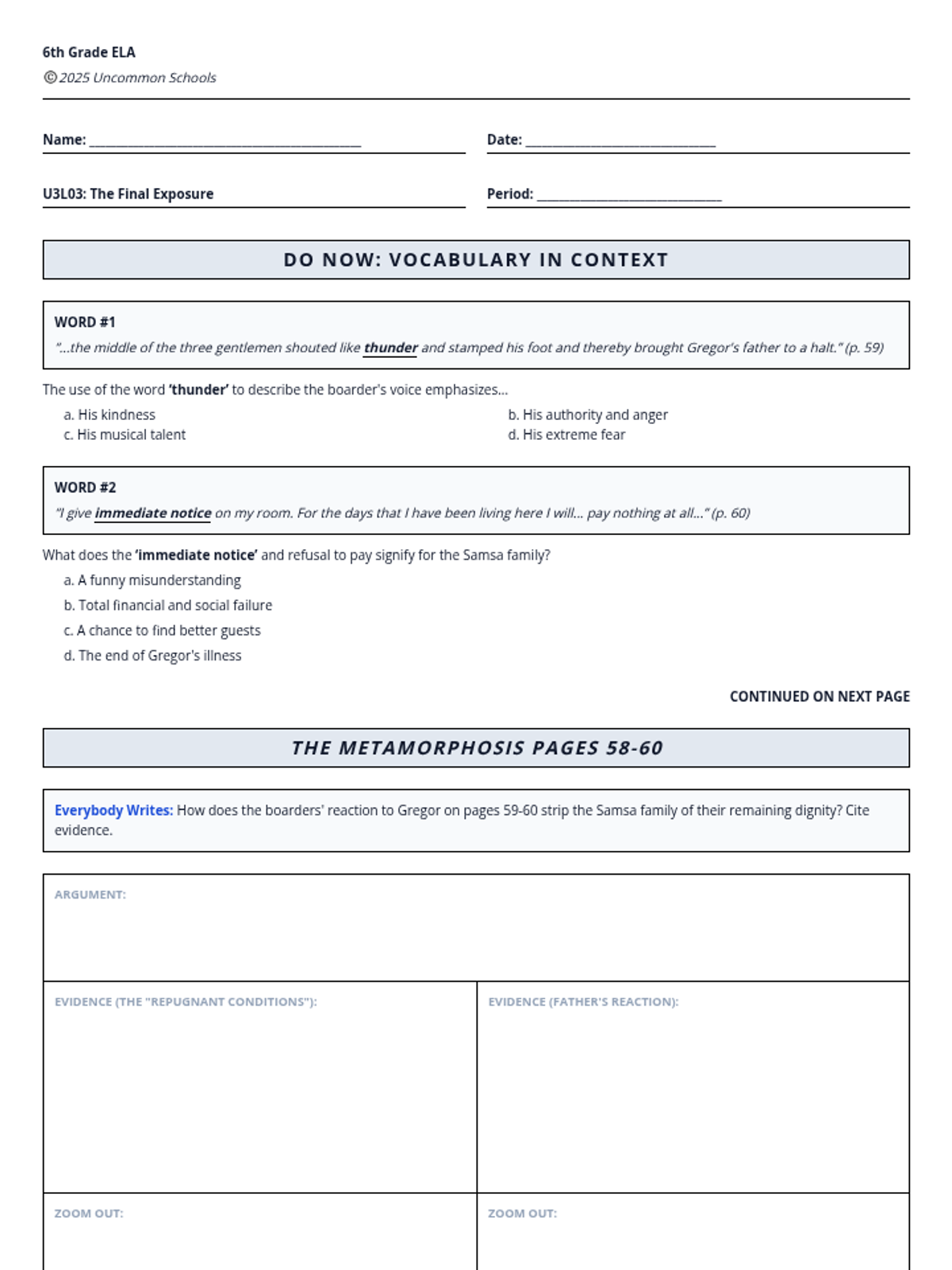
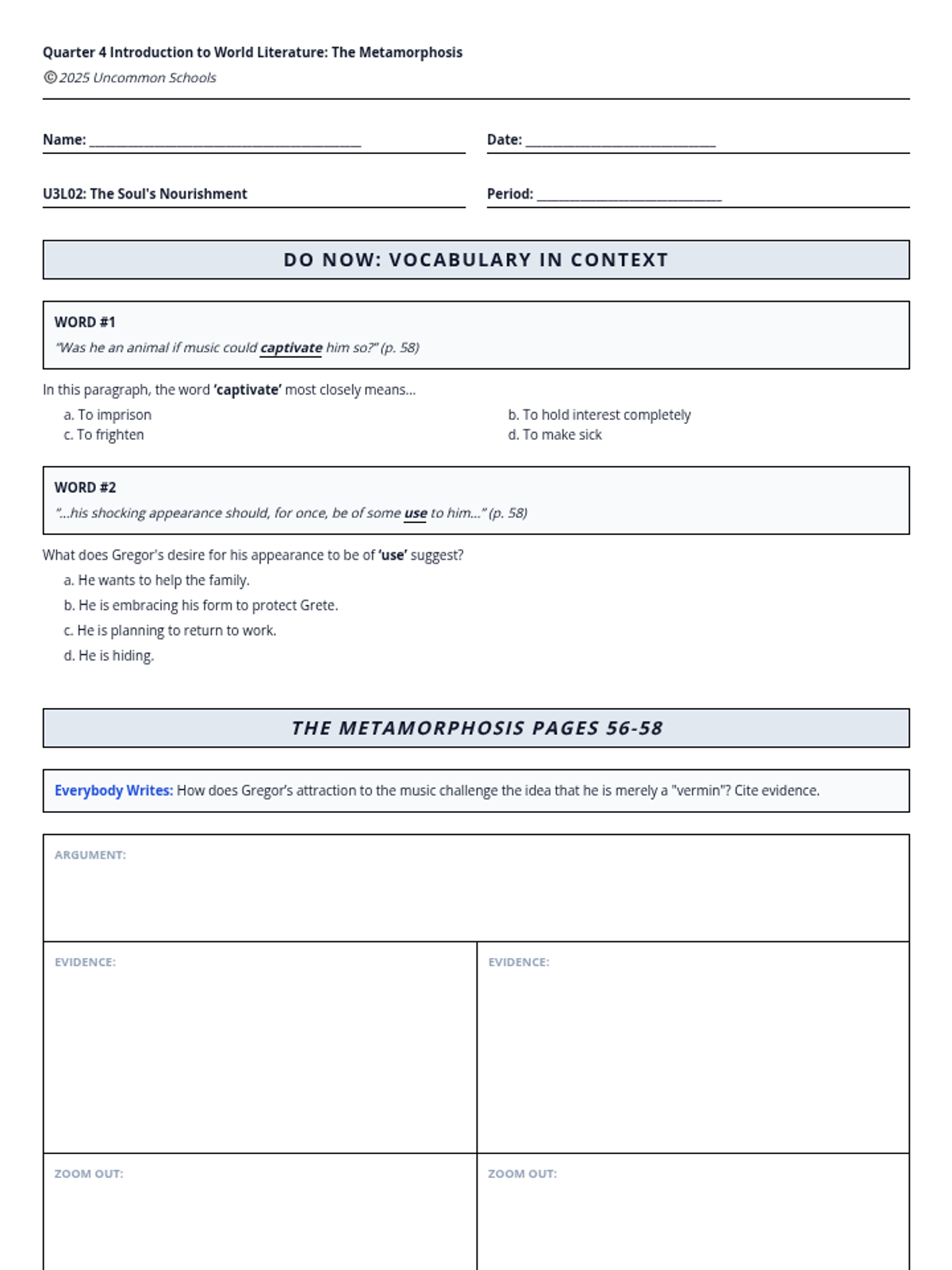
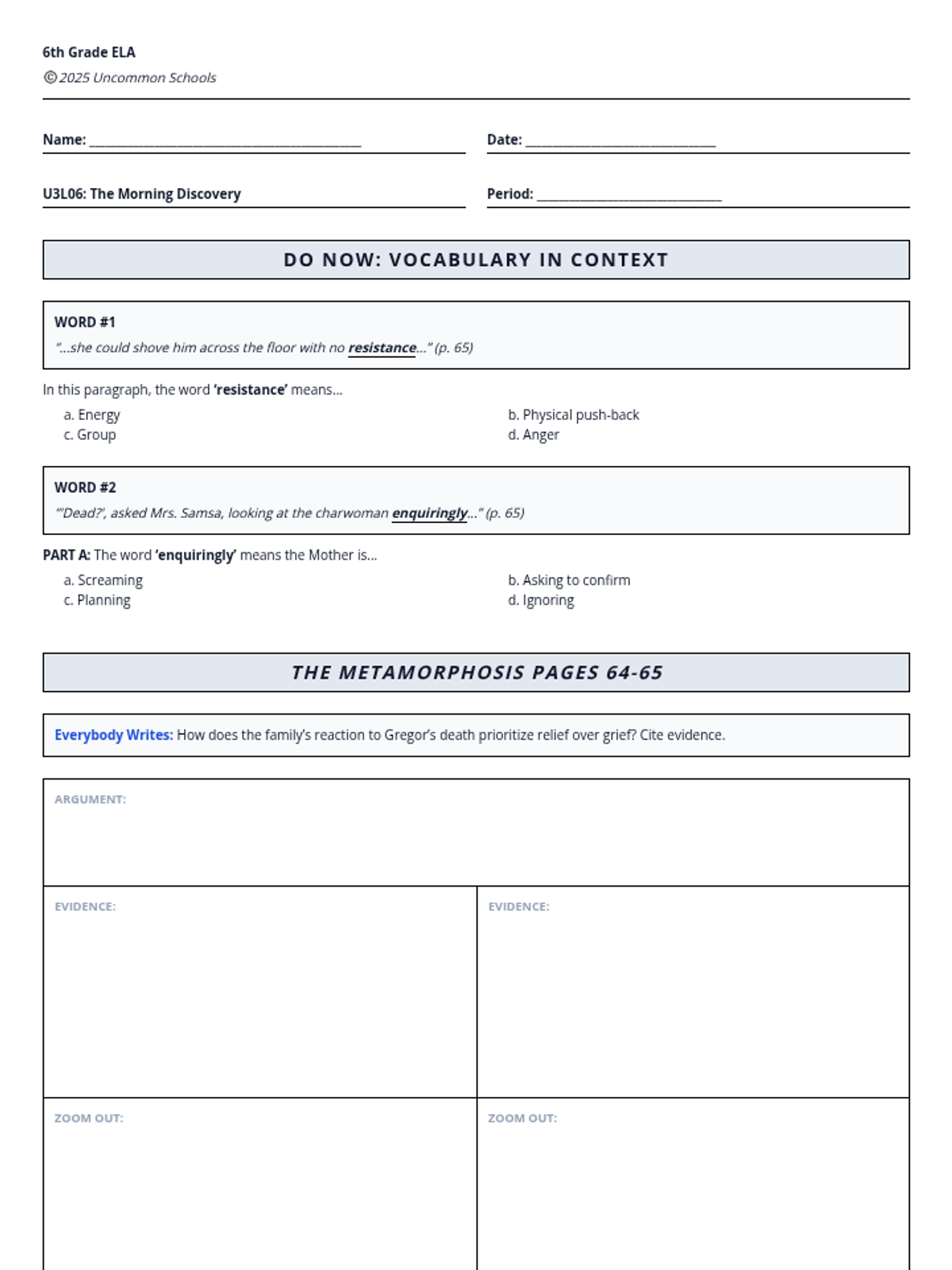
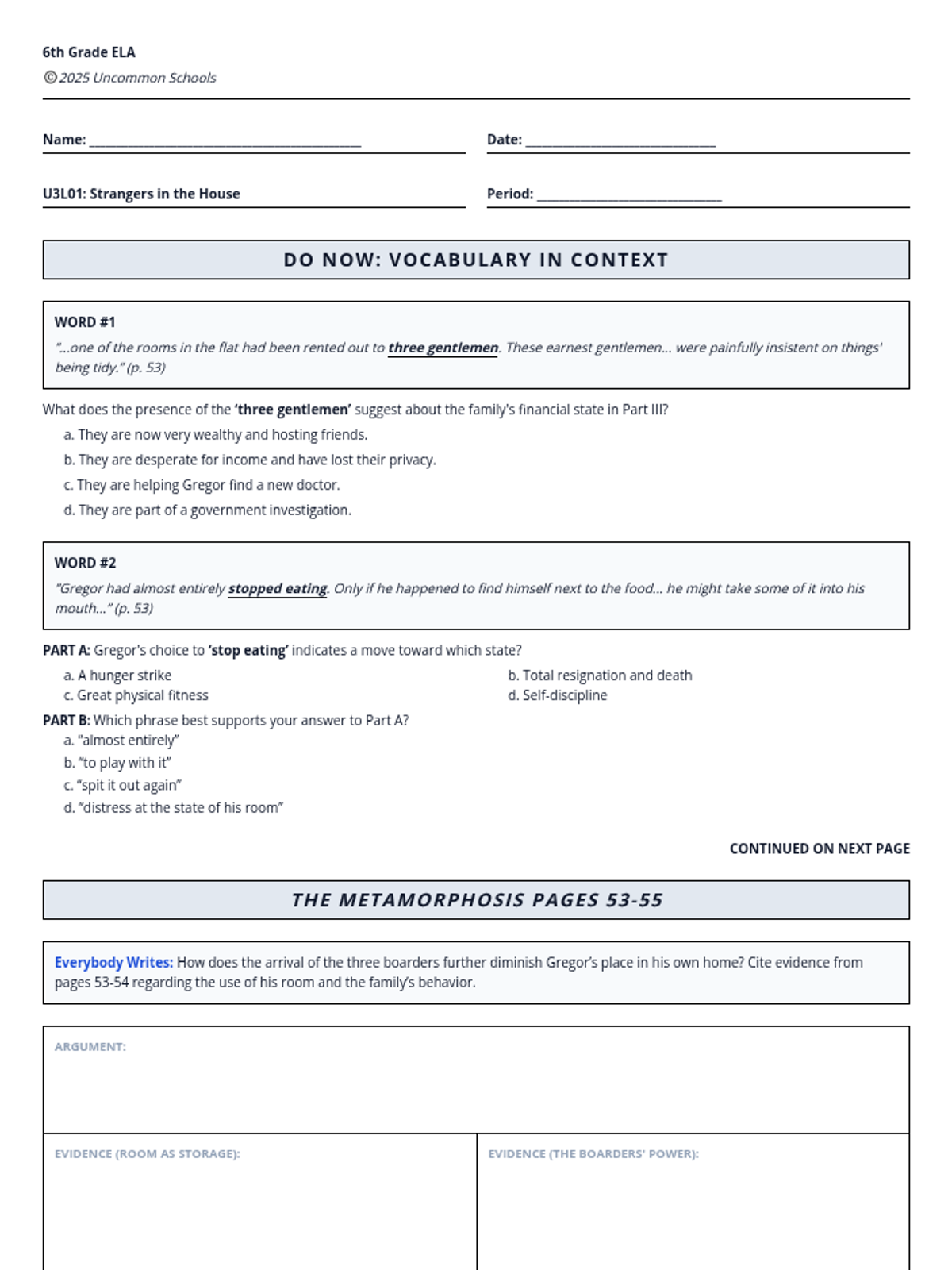
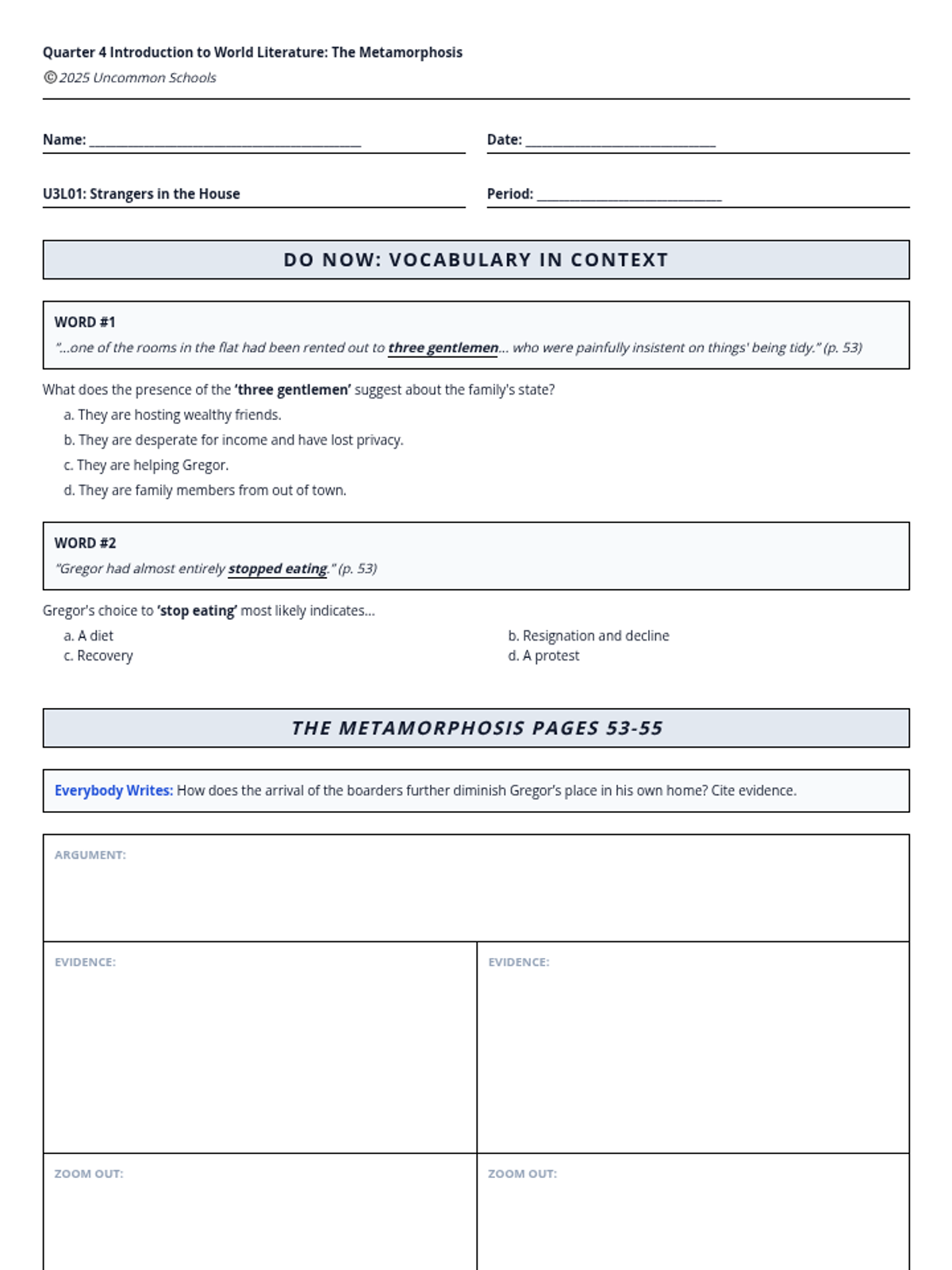
Introduces the new characters (the boarders and the charwoman) and explores Gregor's deteriorating physical and mental health.
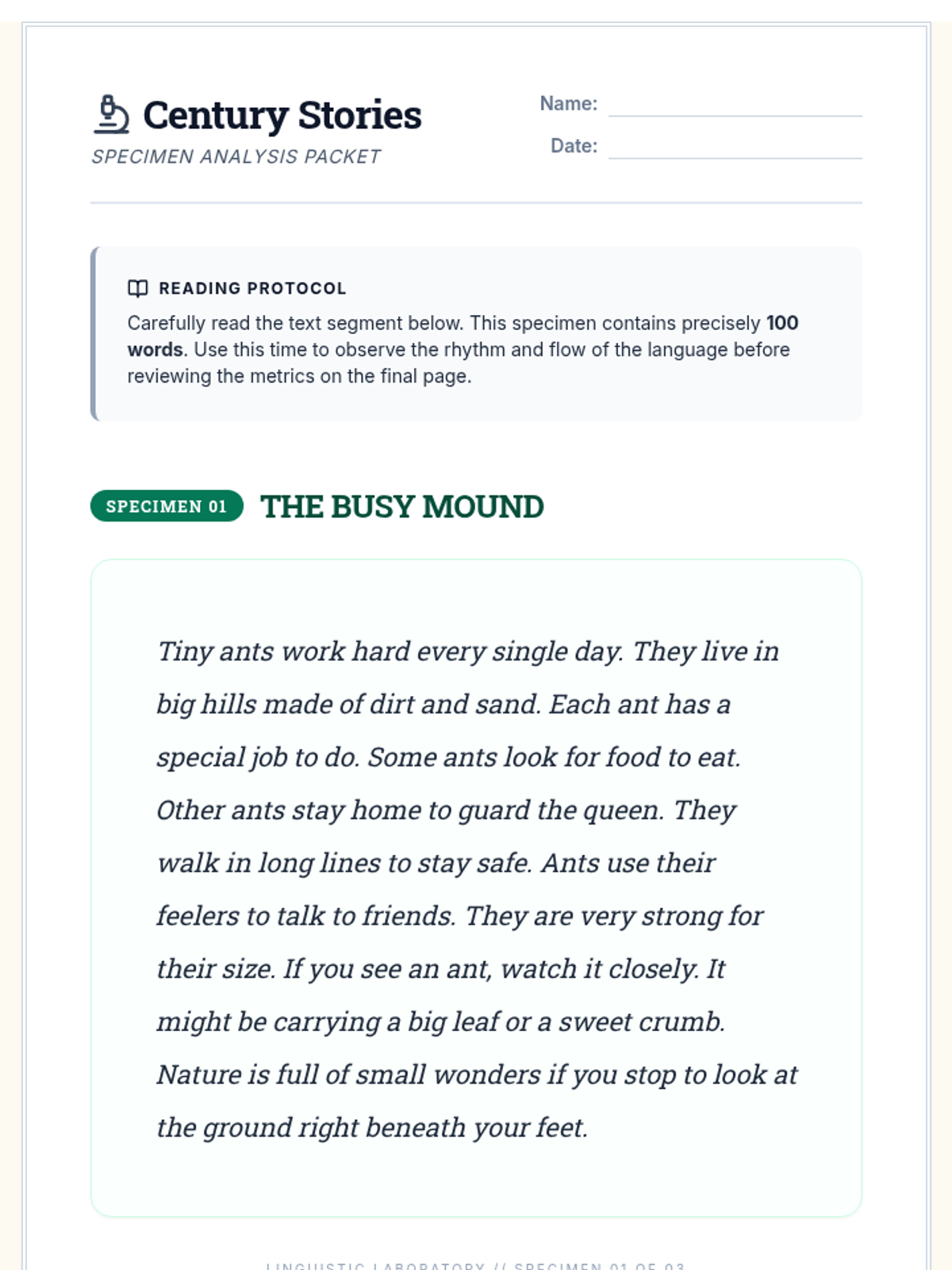
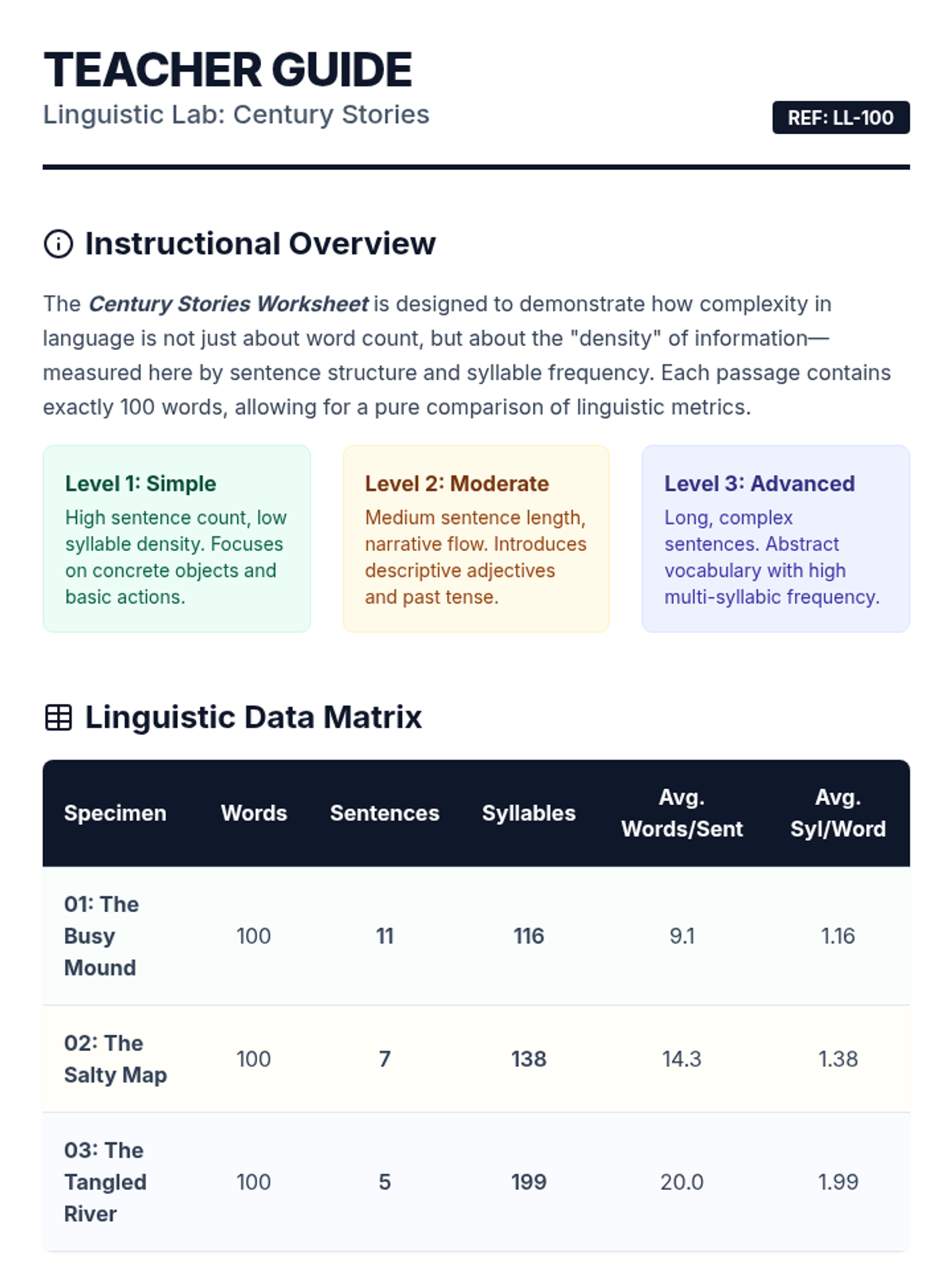
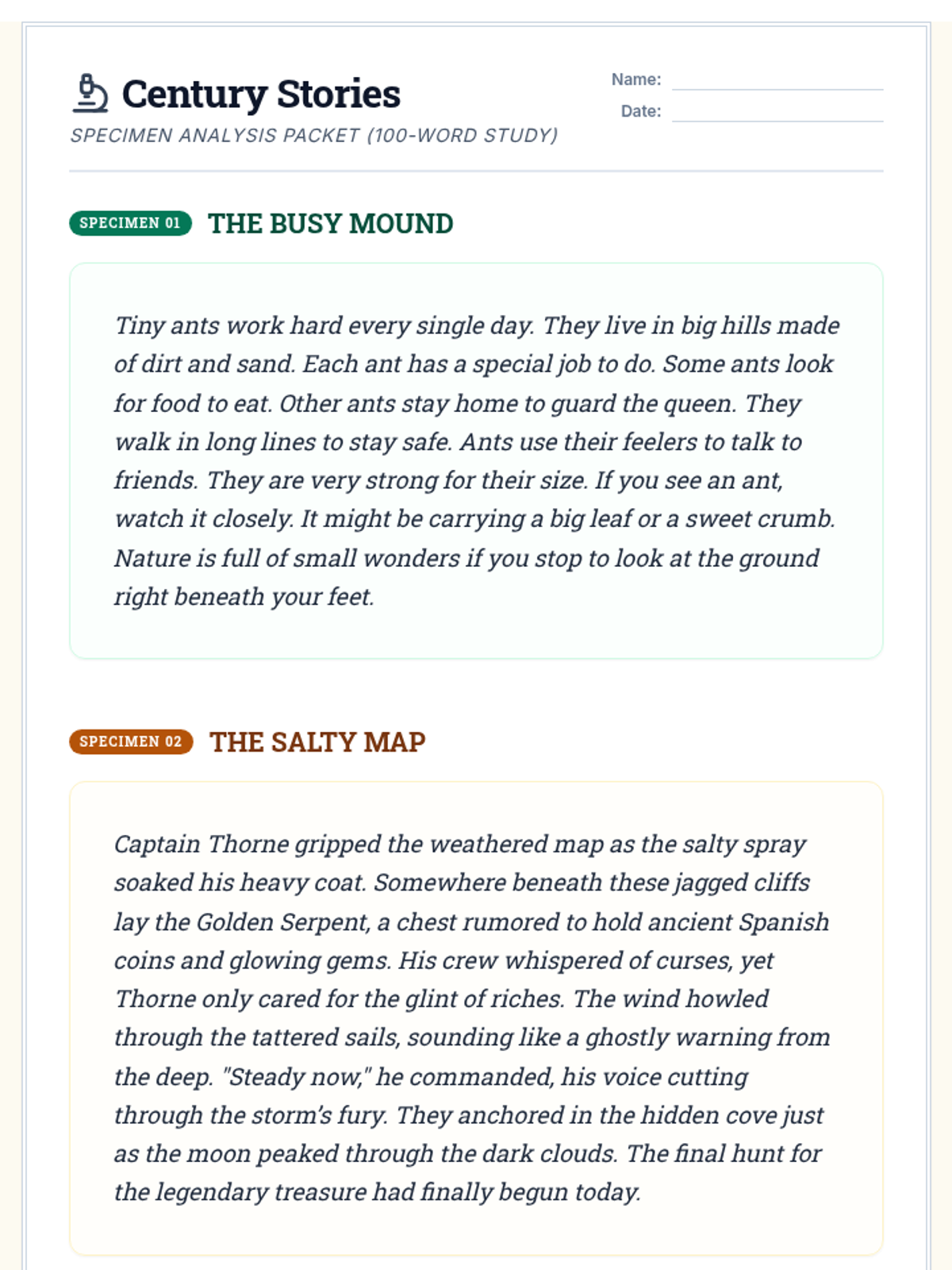
A collection of reading passages designed to challenge students' comprehension and linguistic awareness by analyzing word counts, sentence structures, and syllable patterns.
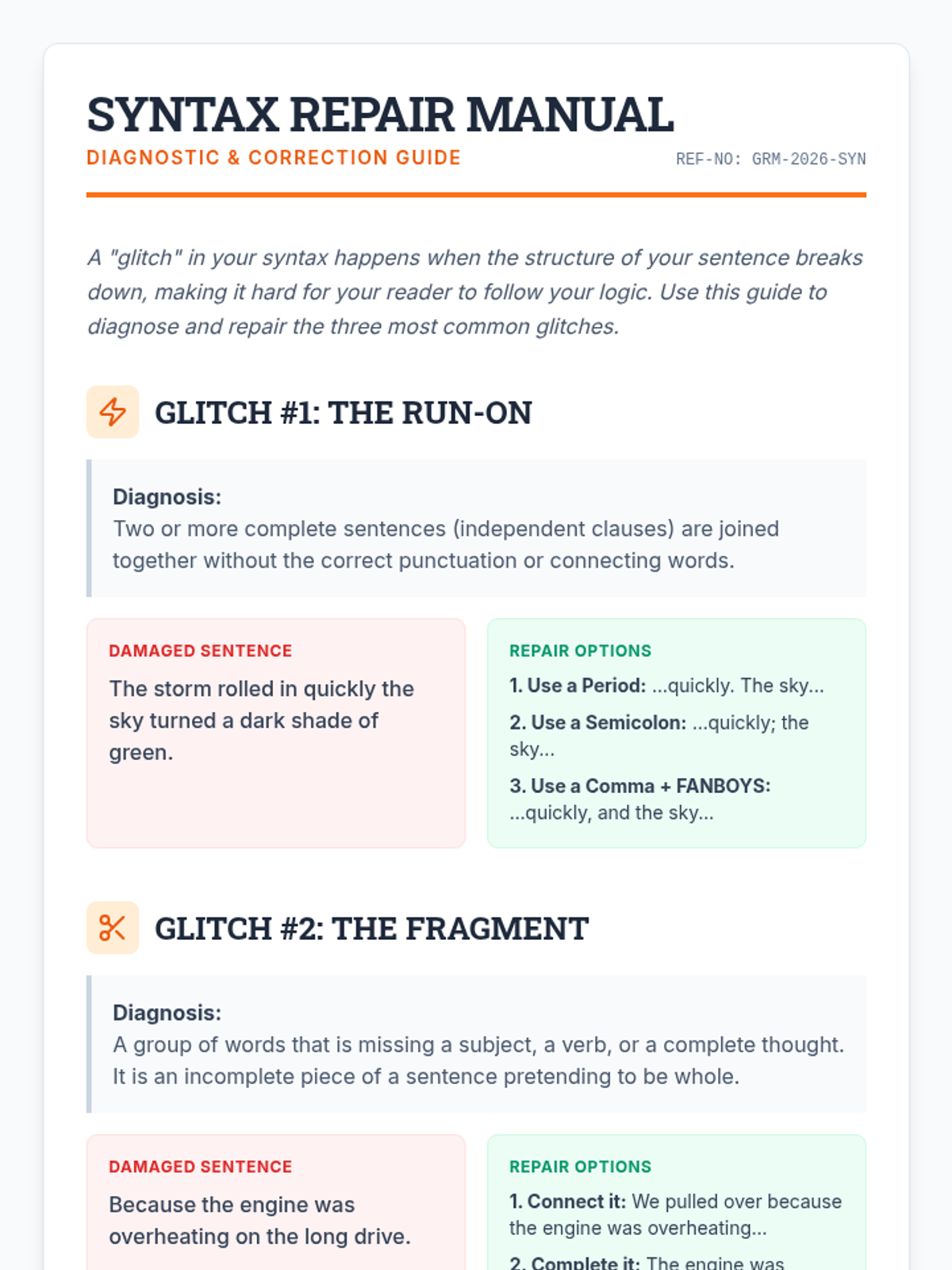
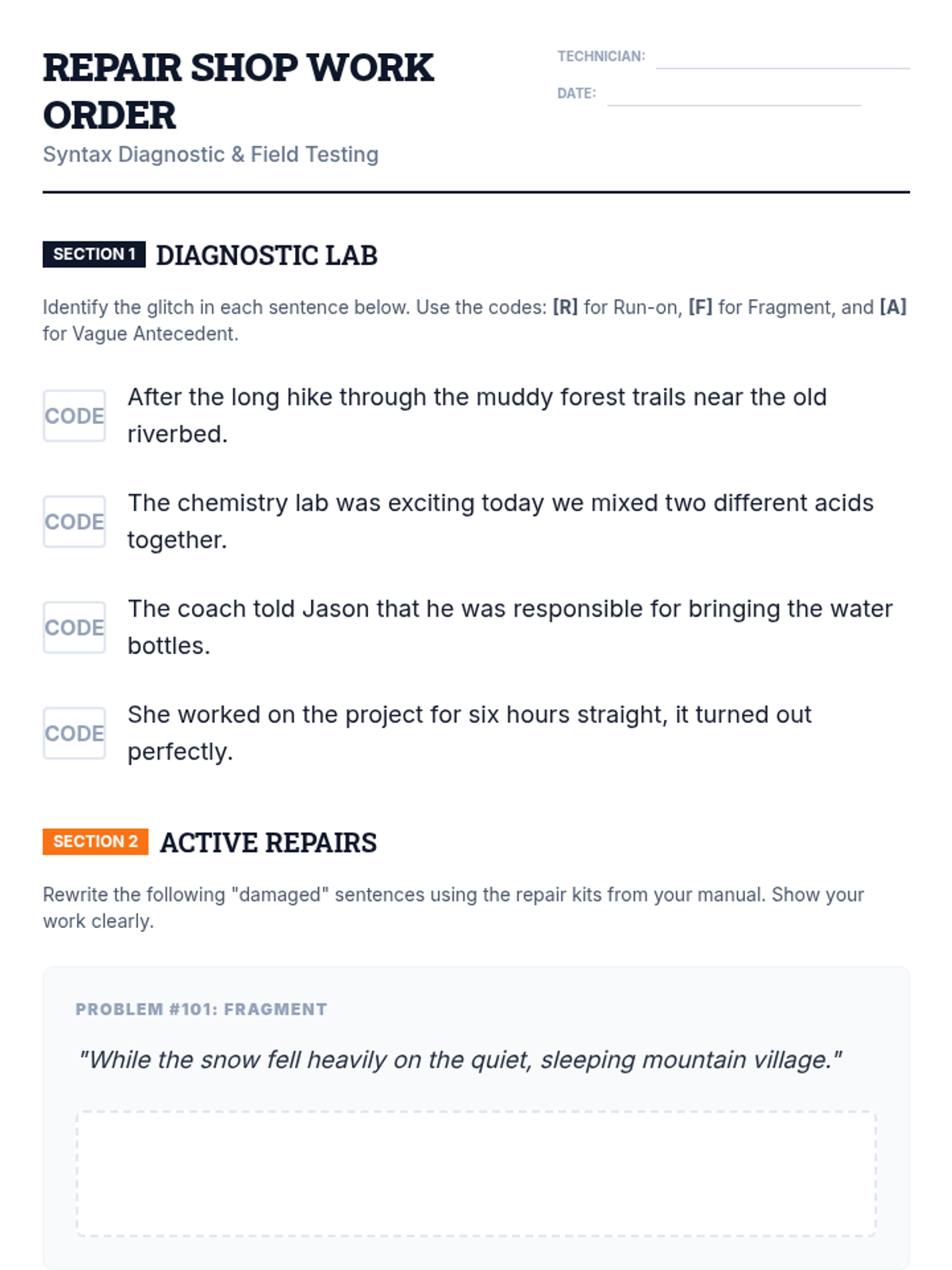
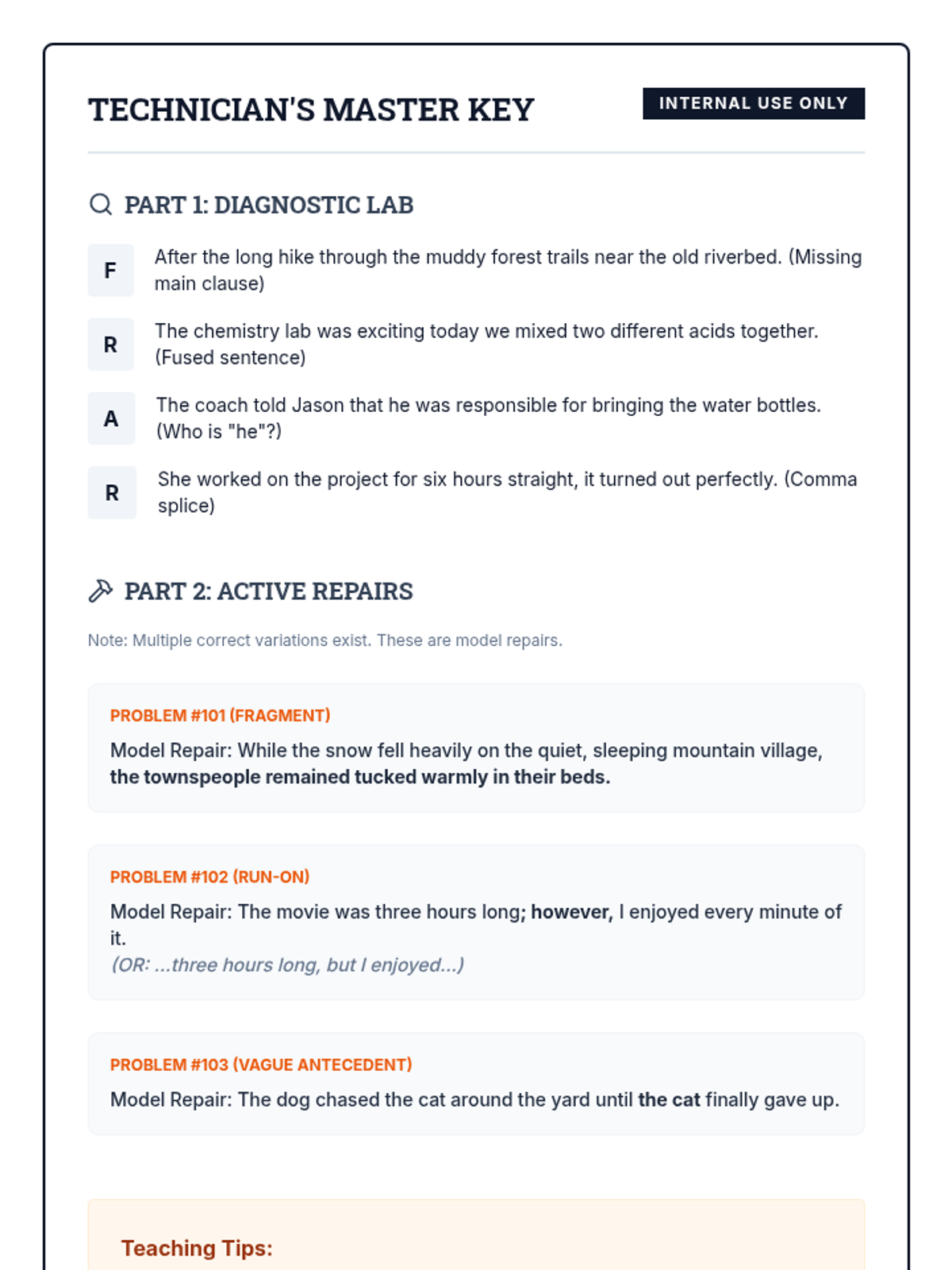
A 15-minute high-impact session focusing on identifying and repairing run-on sentences, sentence fragments, and vague pronoun-antecedent relationships. This lesson provides students with a 'repair manual' for common syntax glitches.
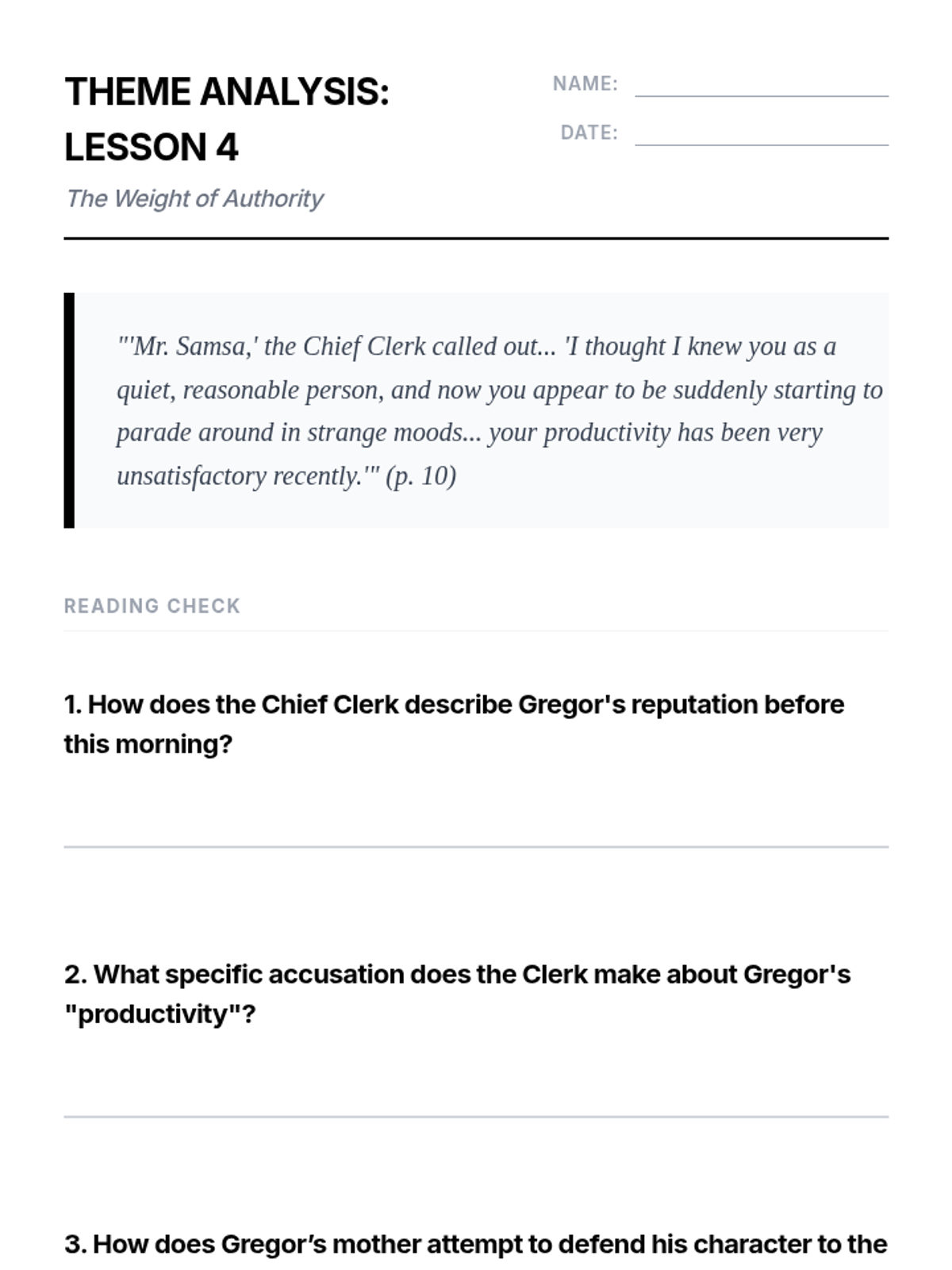
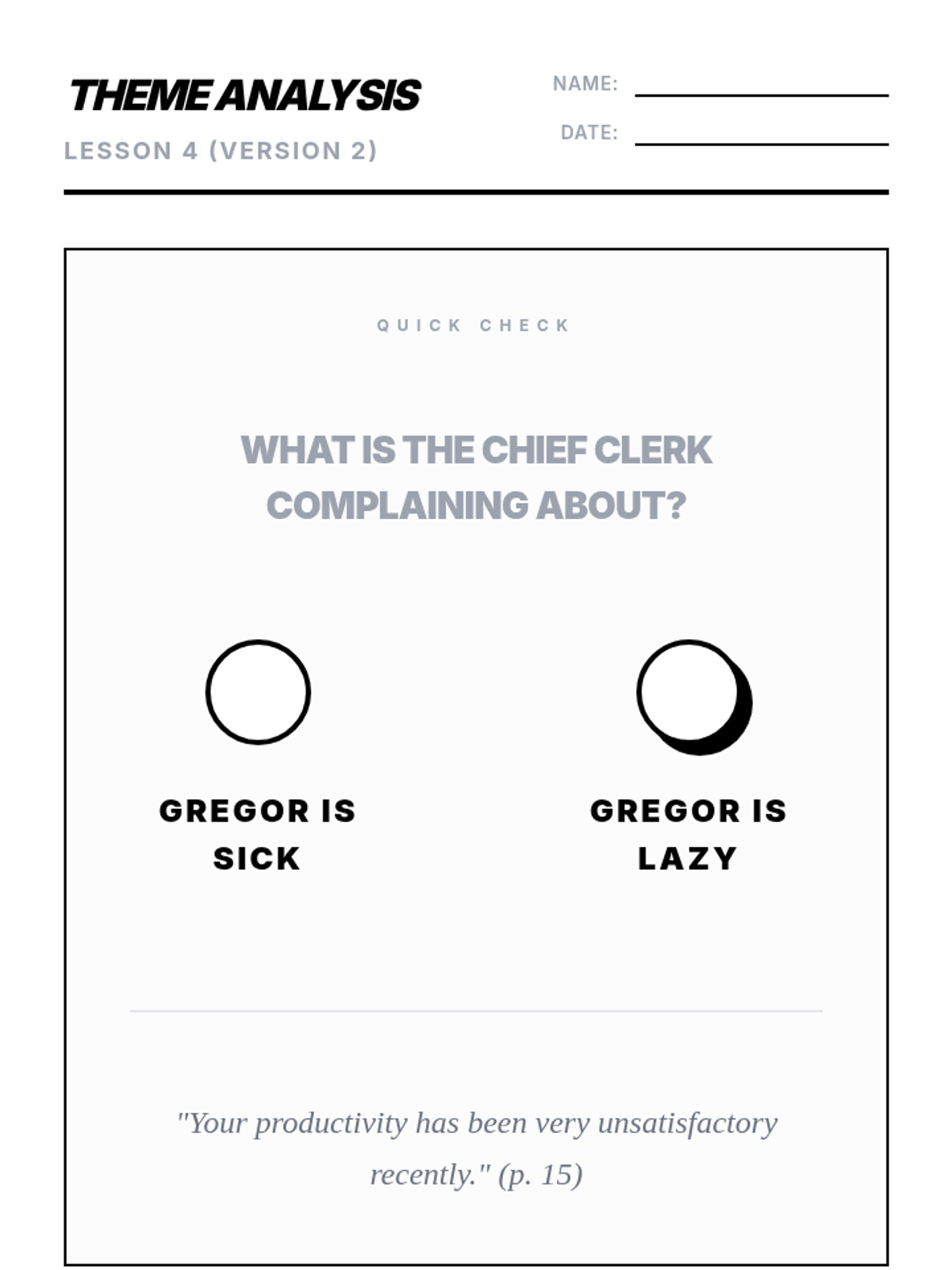
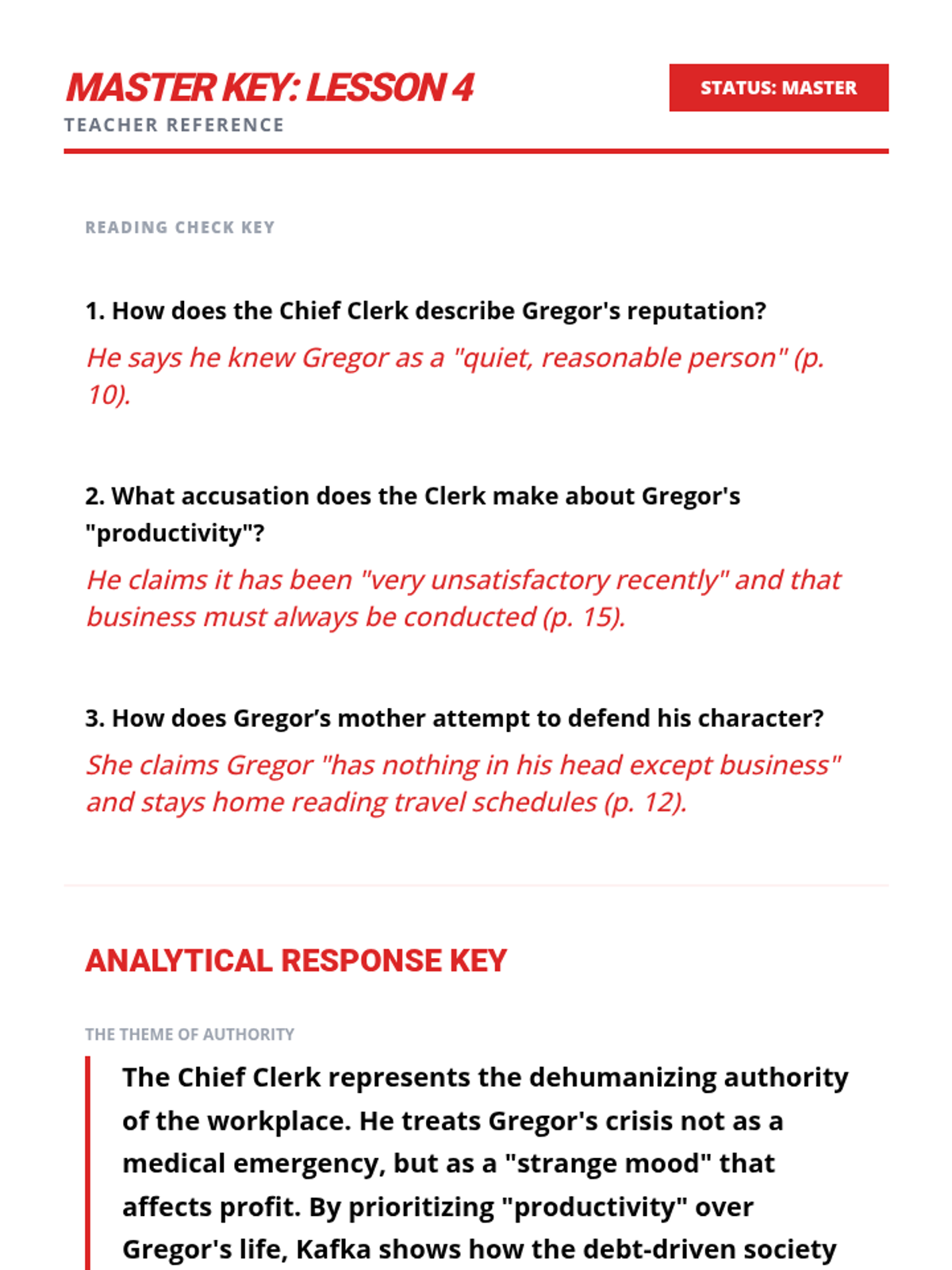
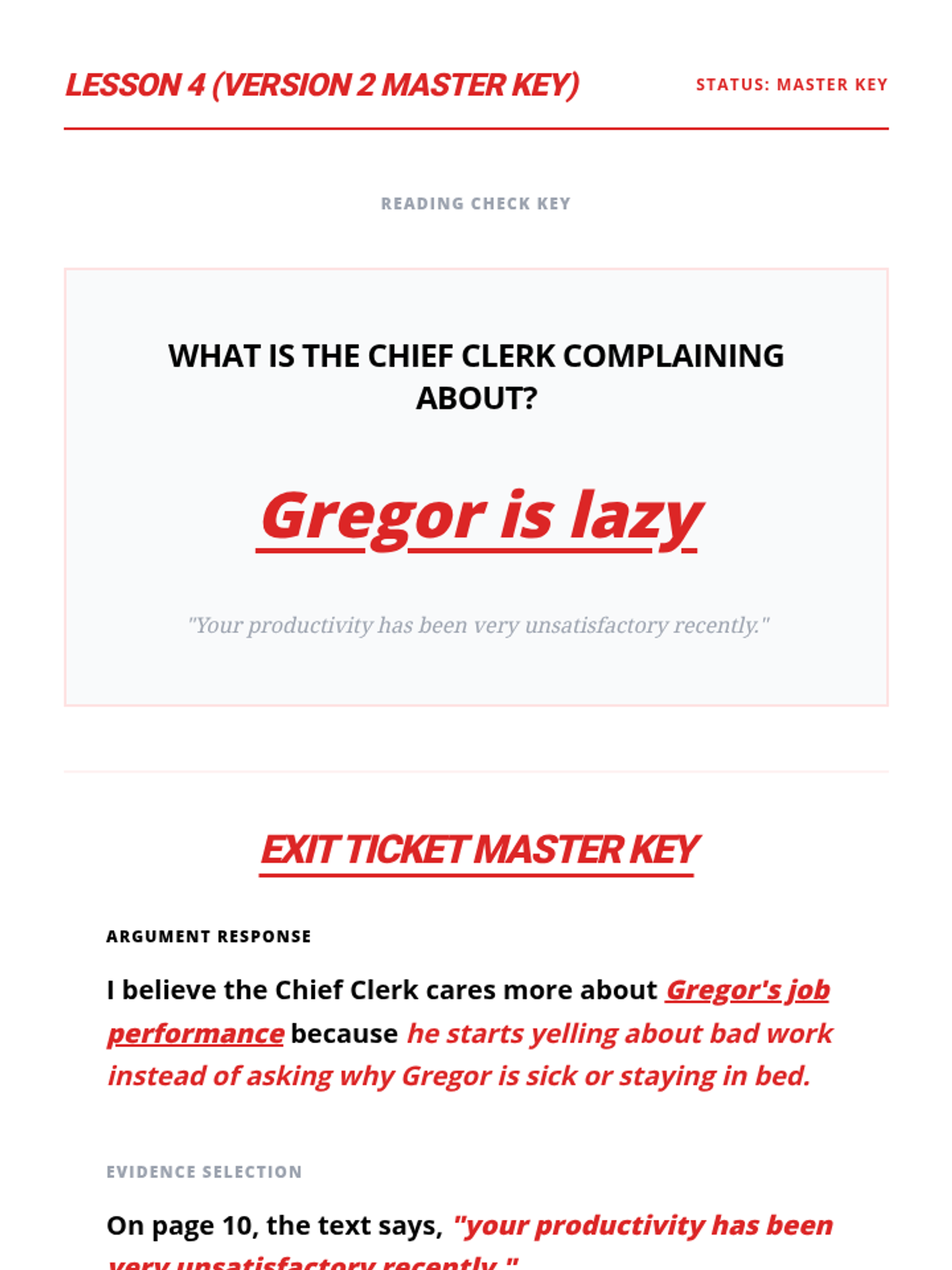
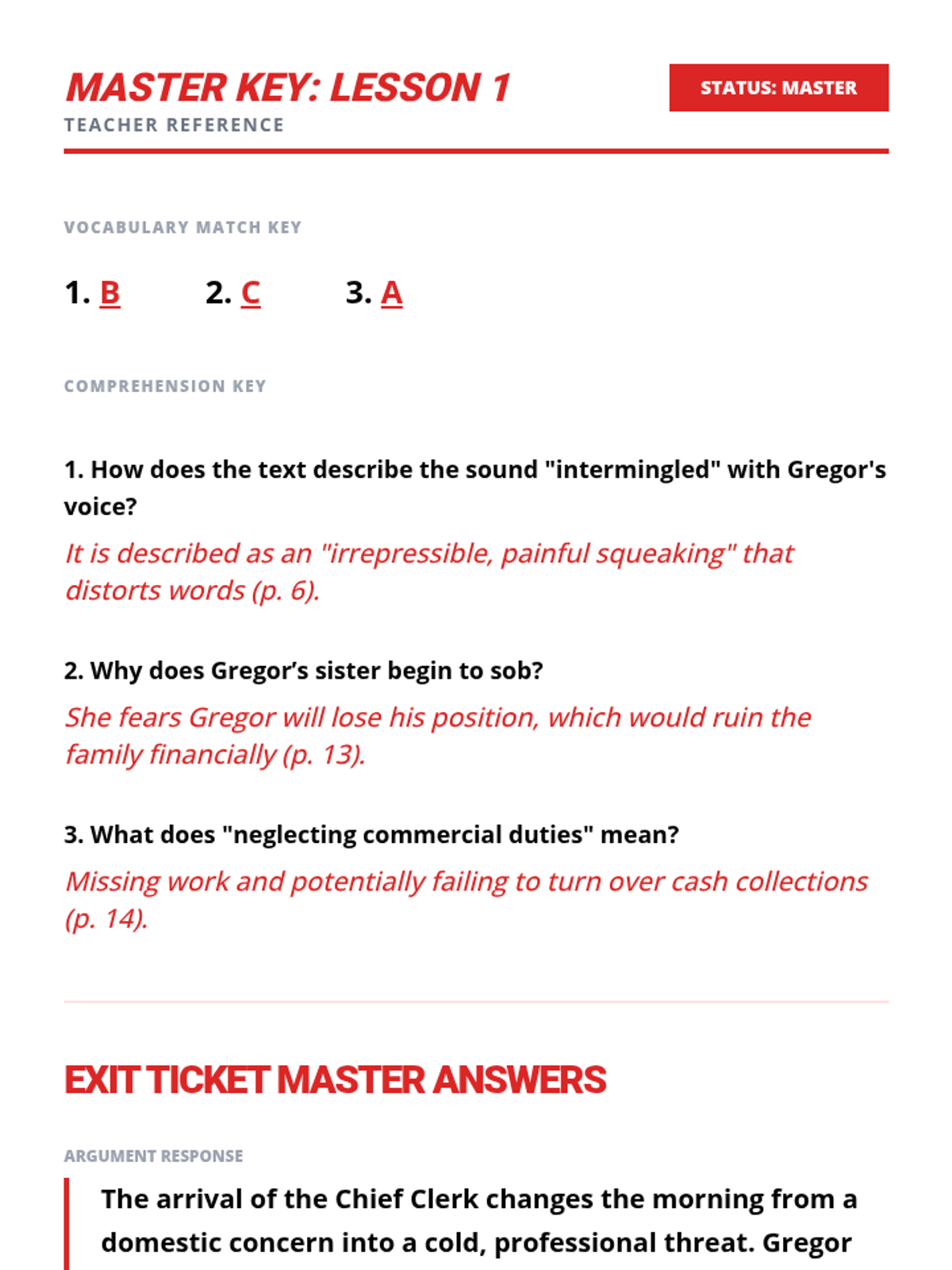
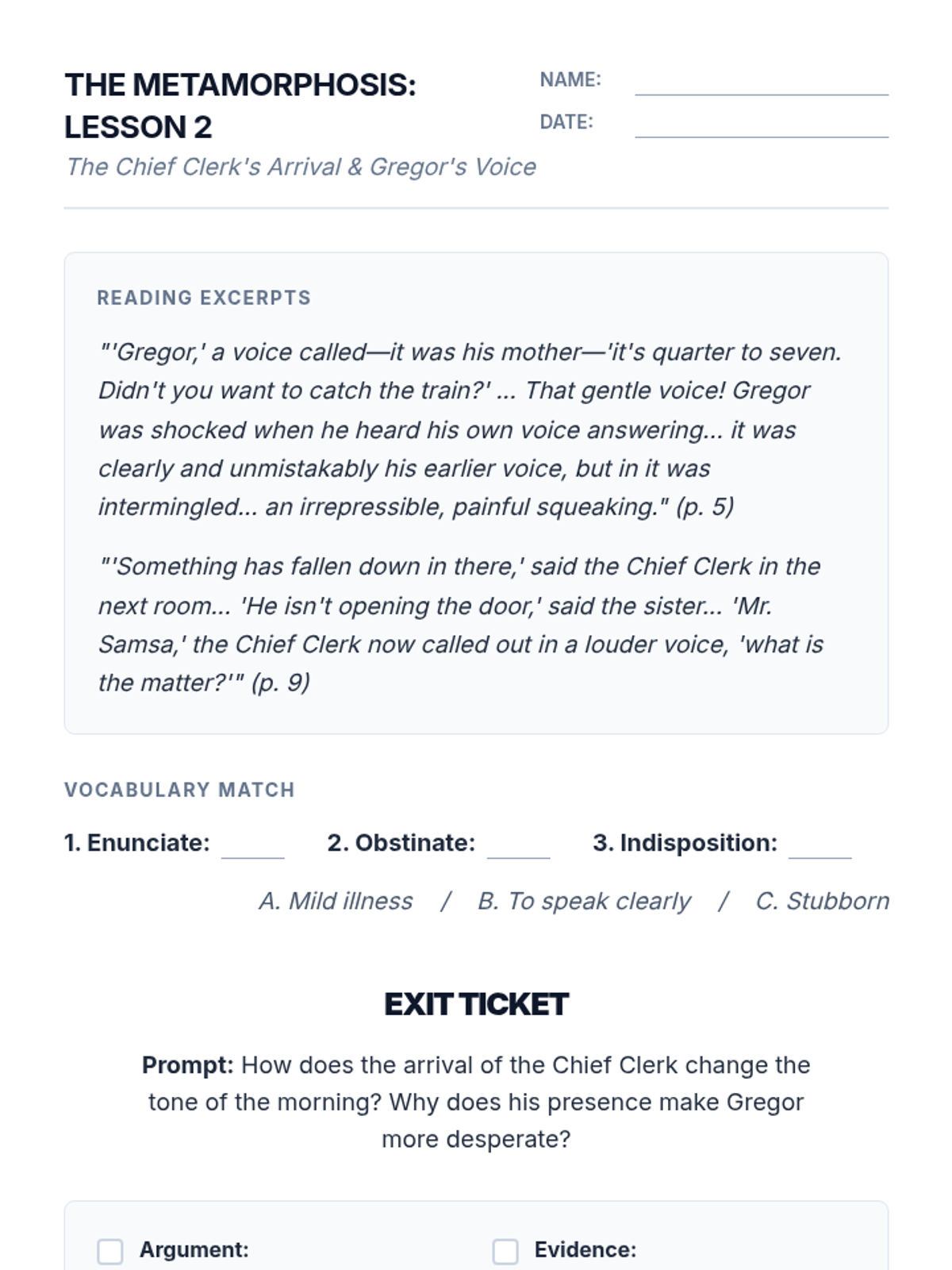
Students analyze how Kafka uses the Chief Clerk's arrival to explore the theme of authority and the dehumanizing nature of debt and labor.
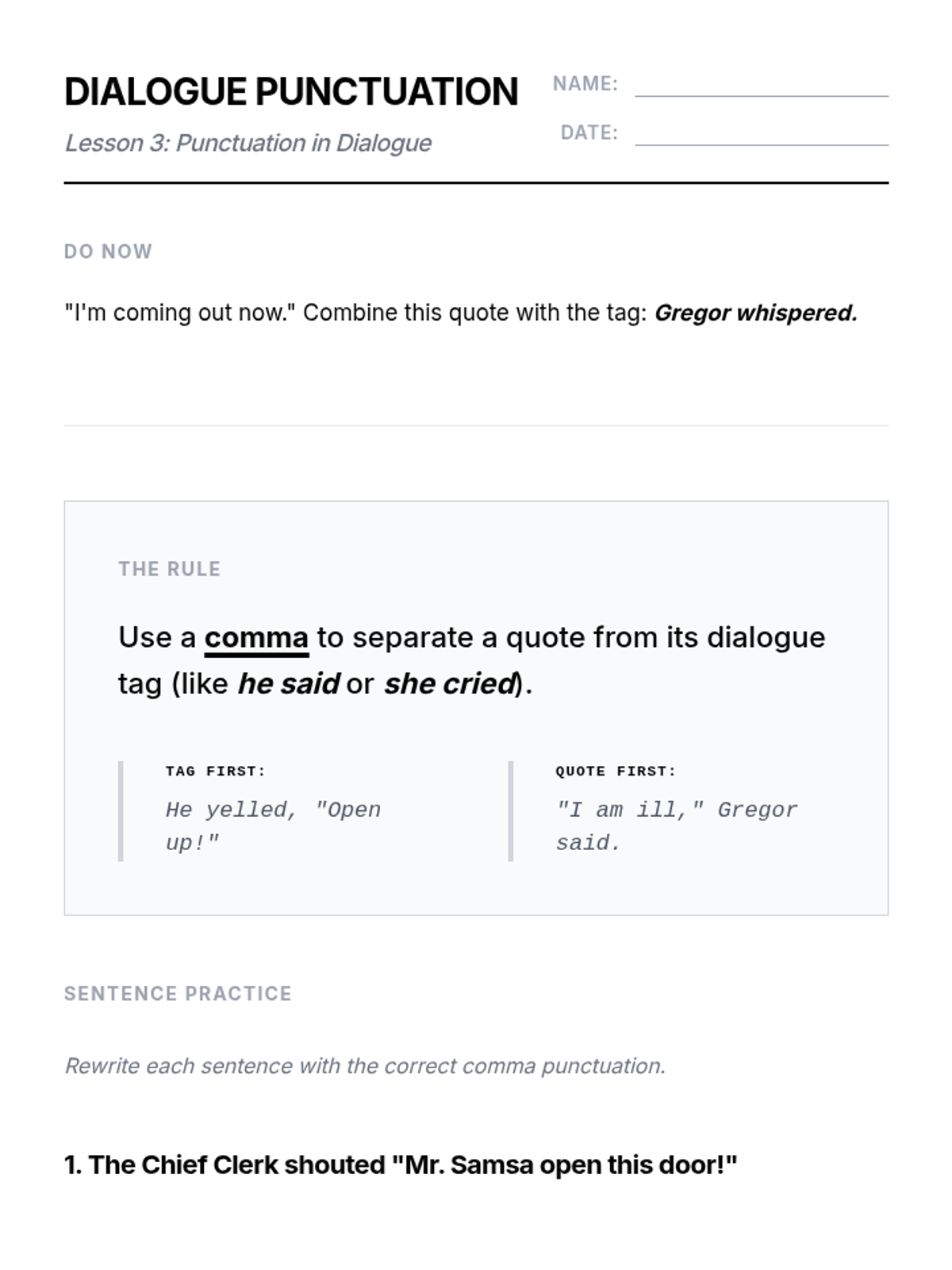
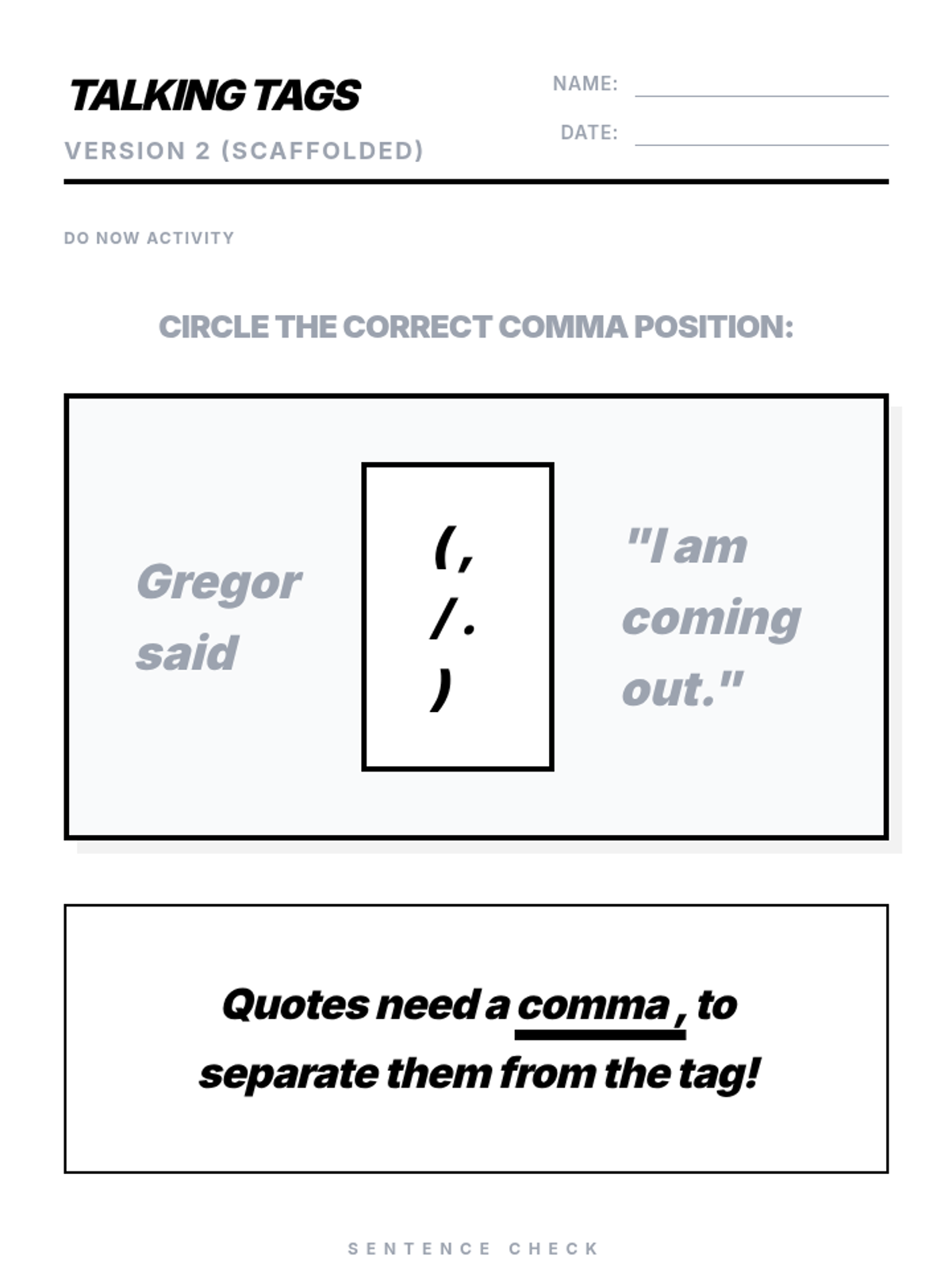
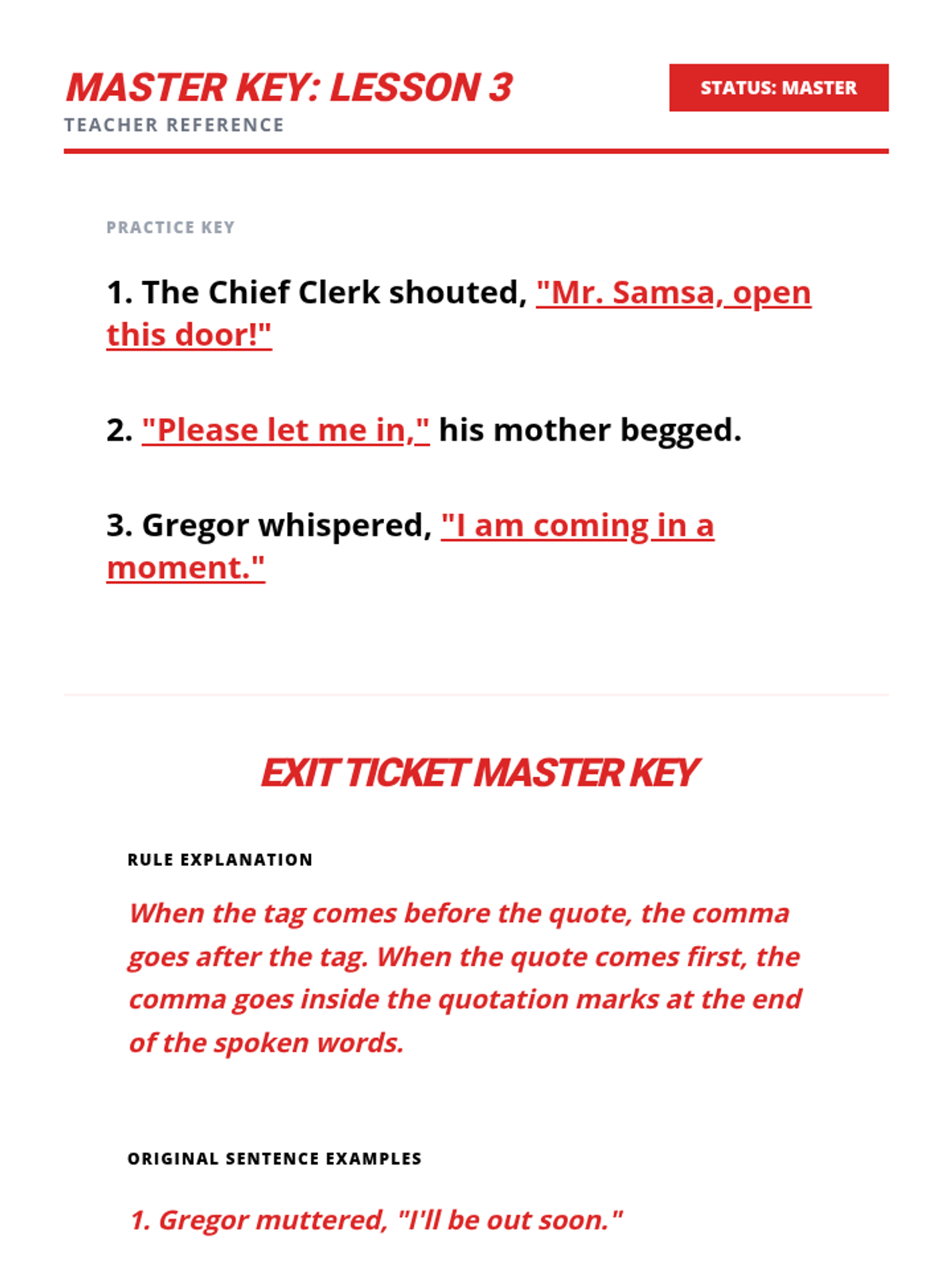
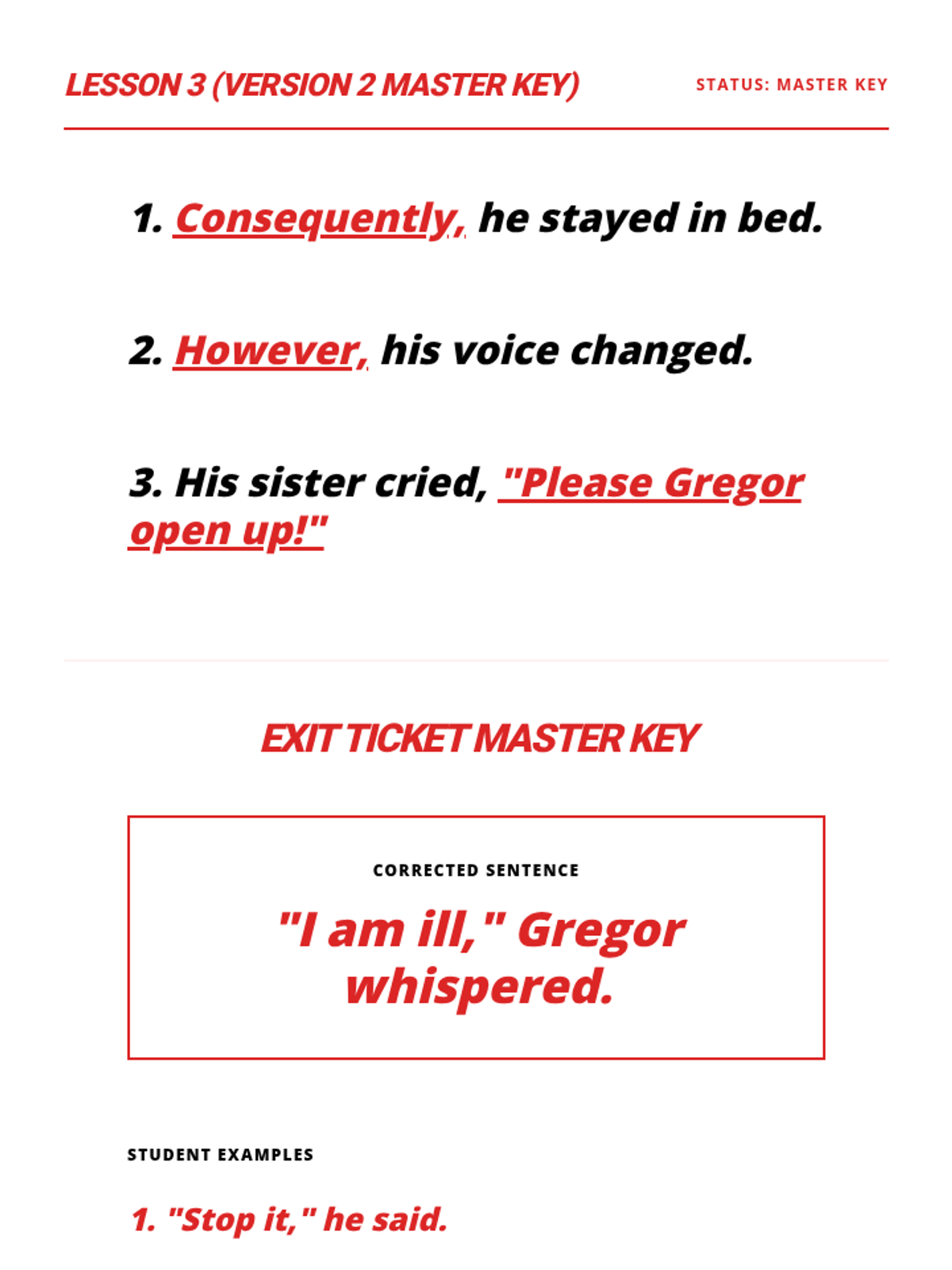
Students master the use of commas with dialogue tags to punctuate the tense conversation between Gregor, his family, and the Chief Clerk.
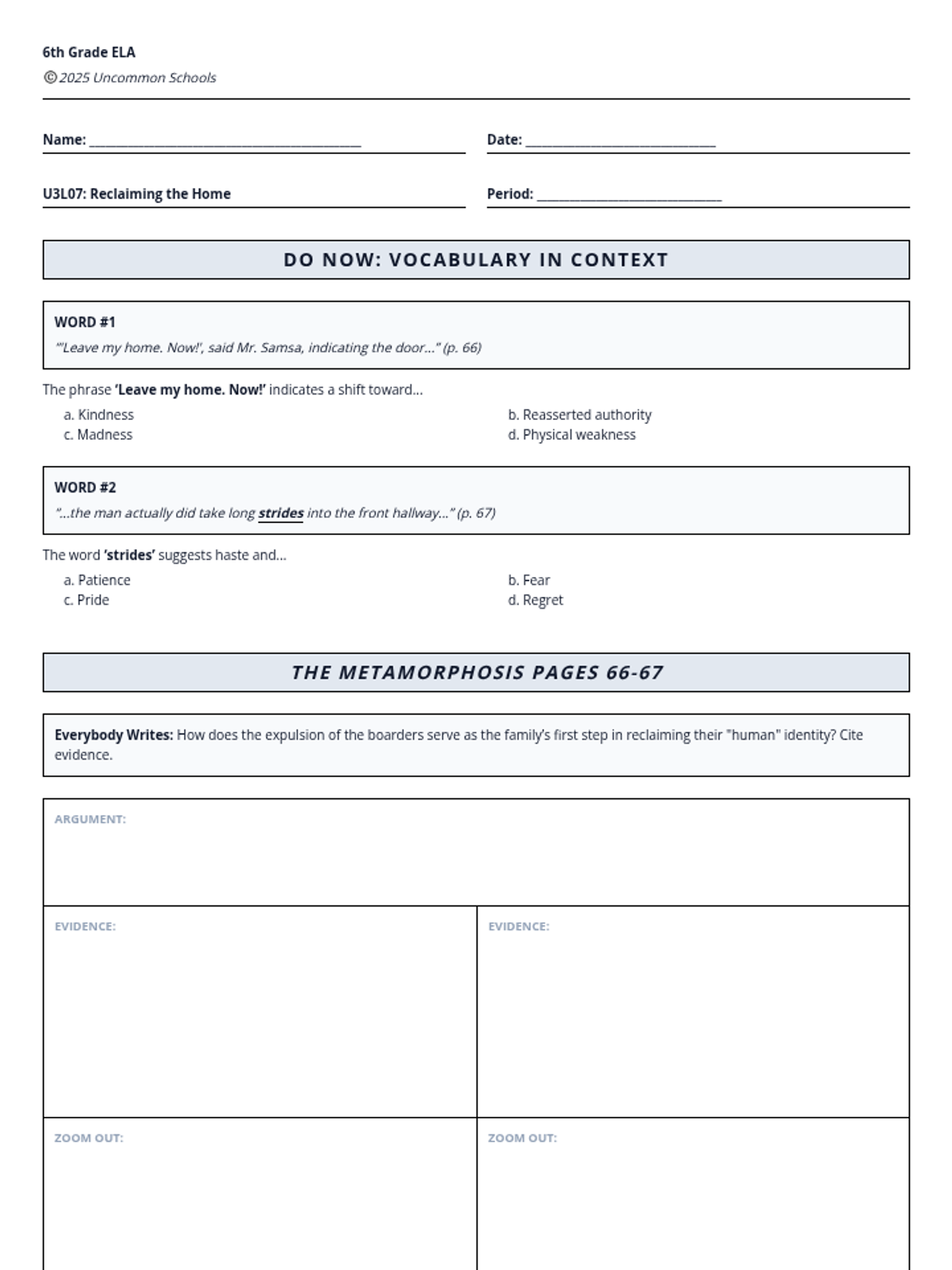
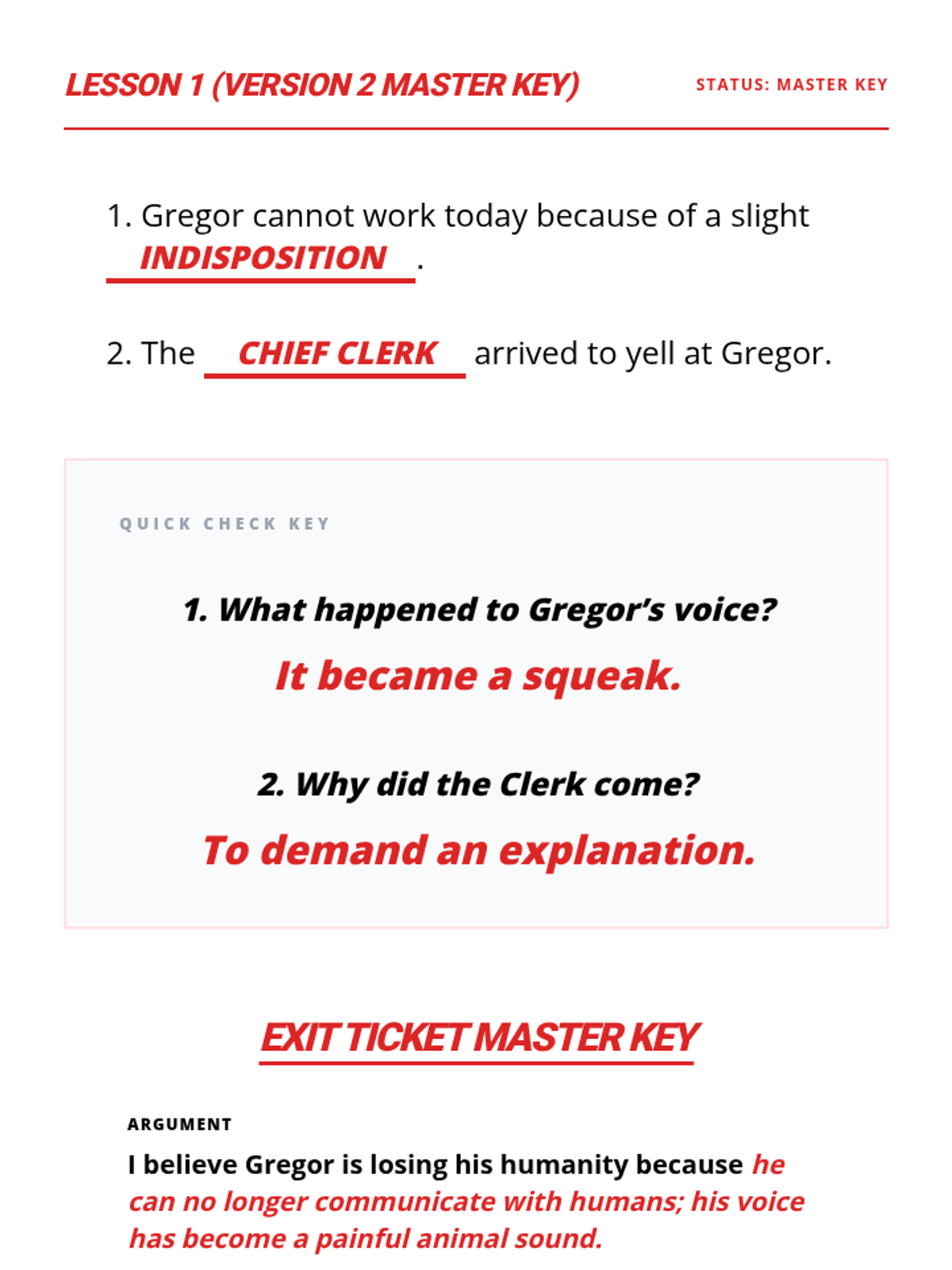
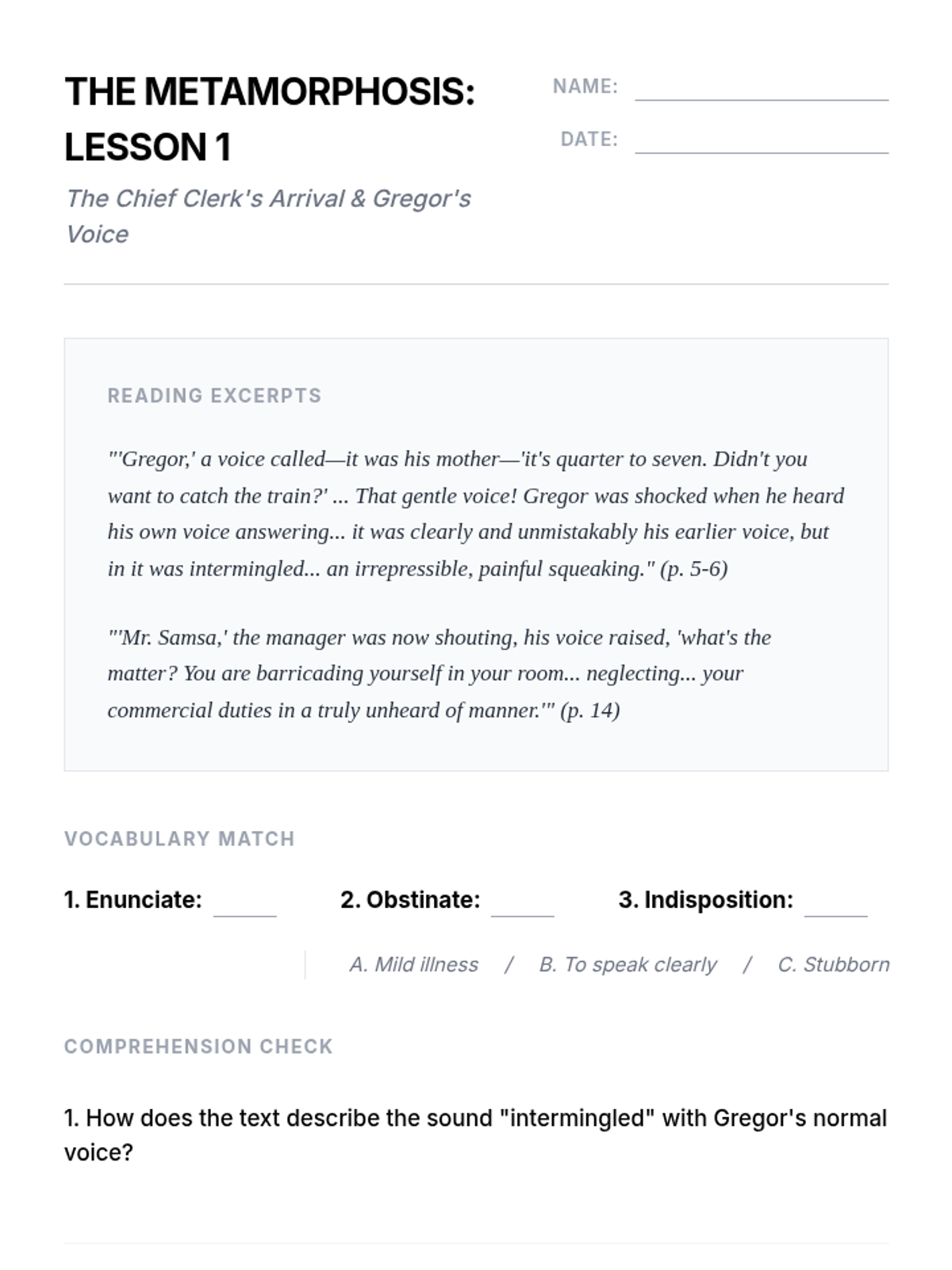
Students analyze the arrival of the Chief Clerk and Gregor's deteriorating communication as the pressure to work intensifies.
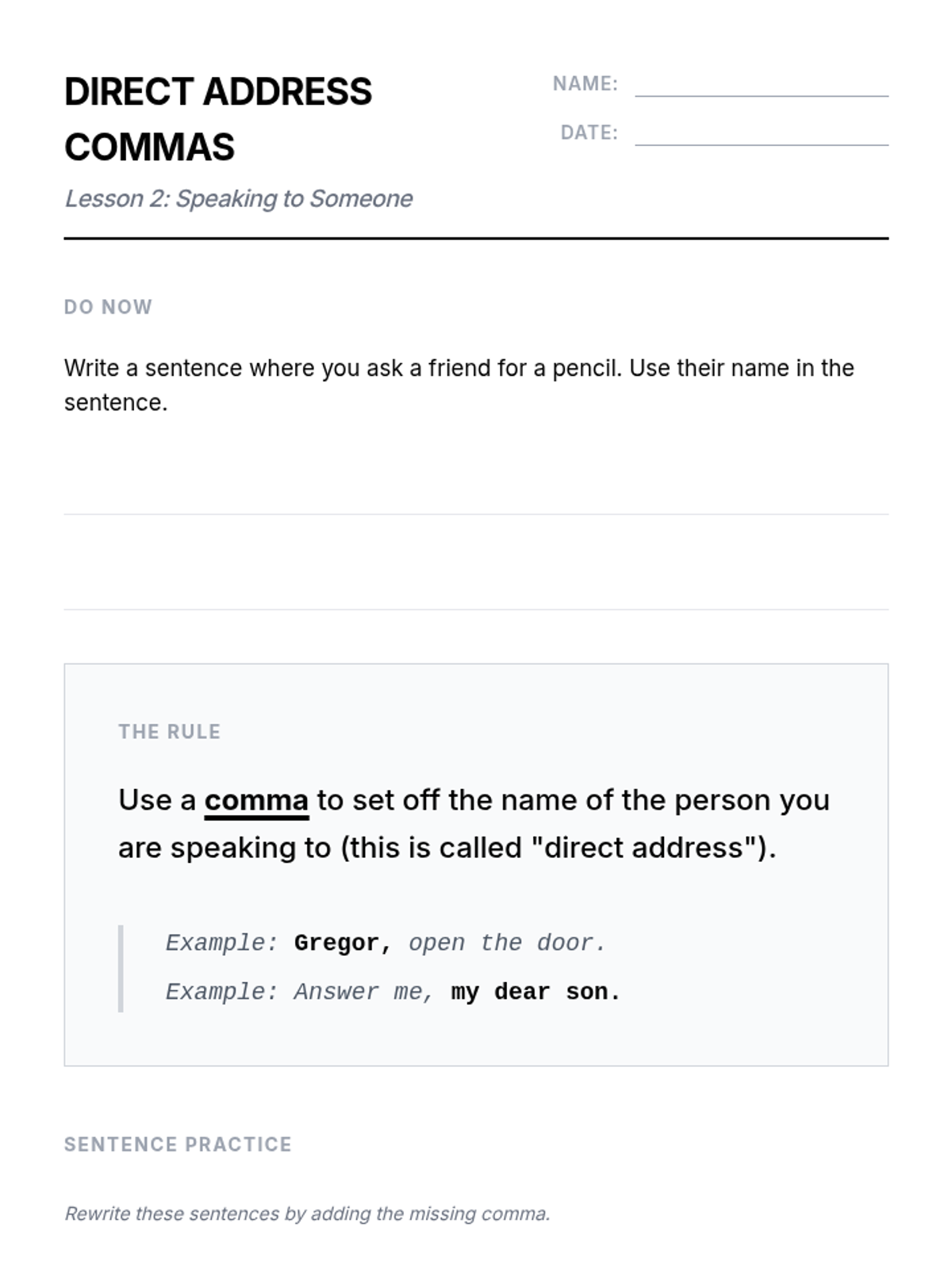
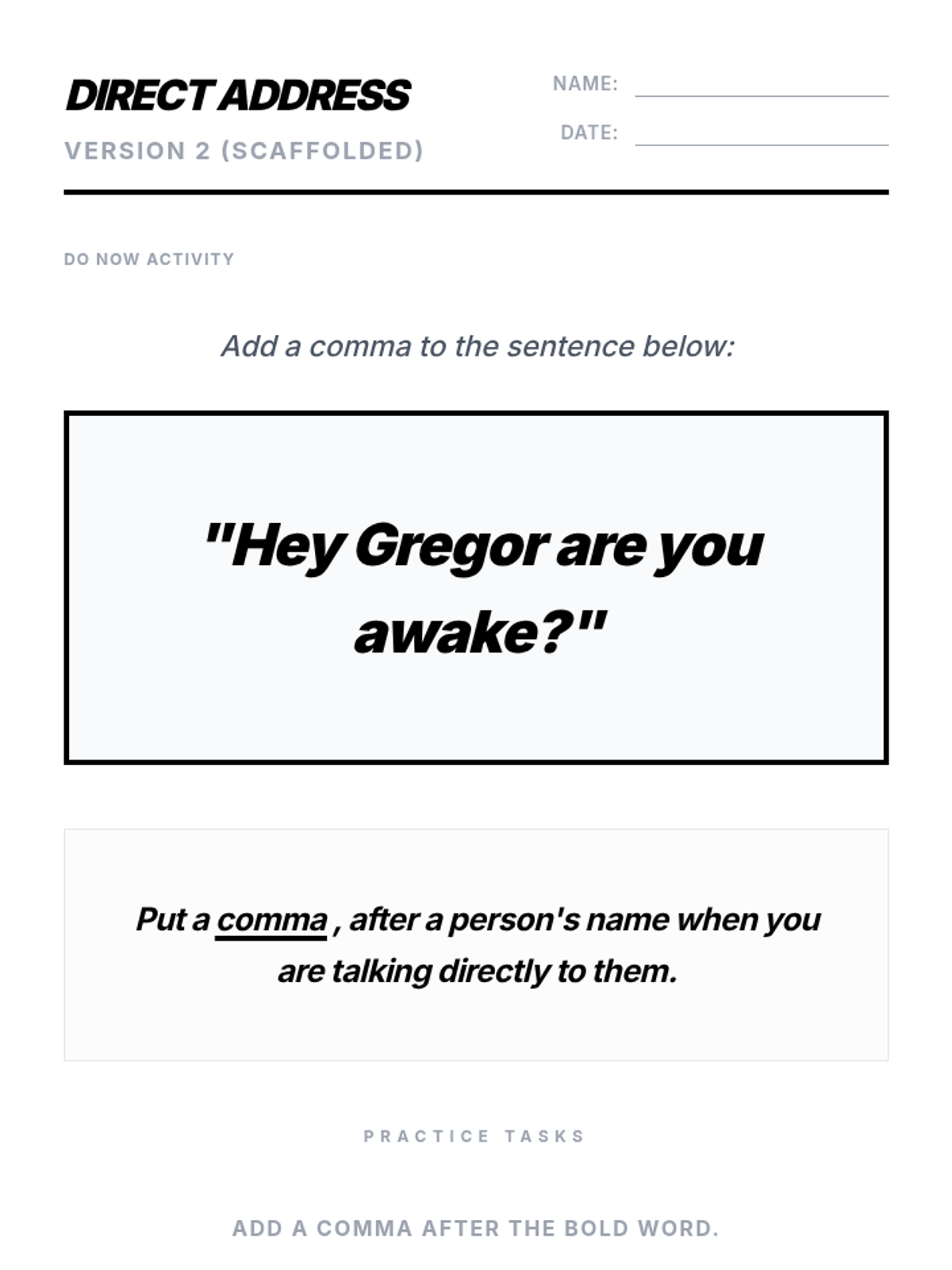
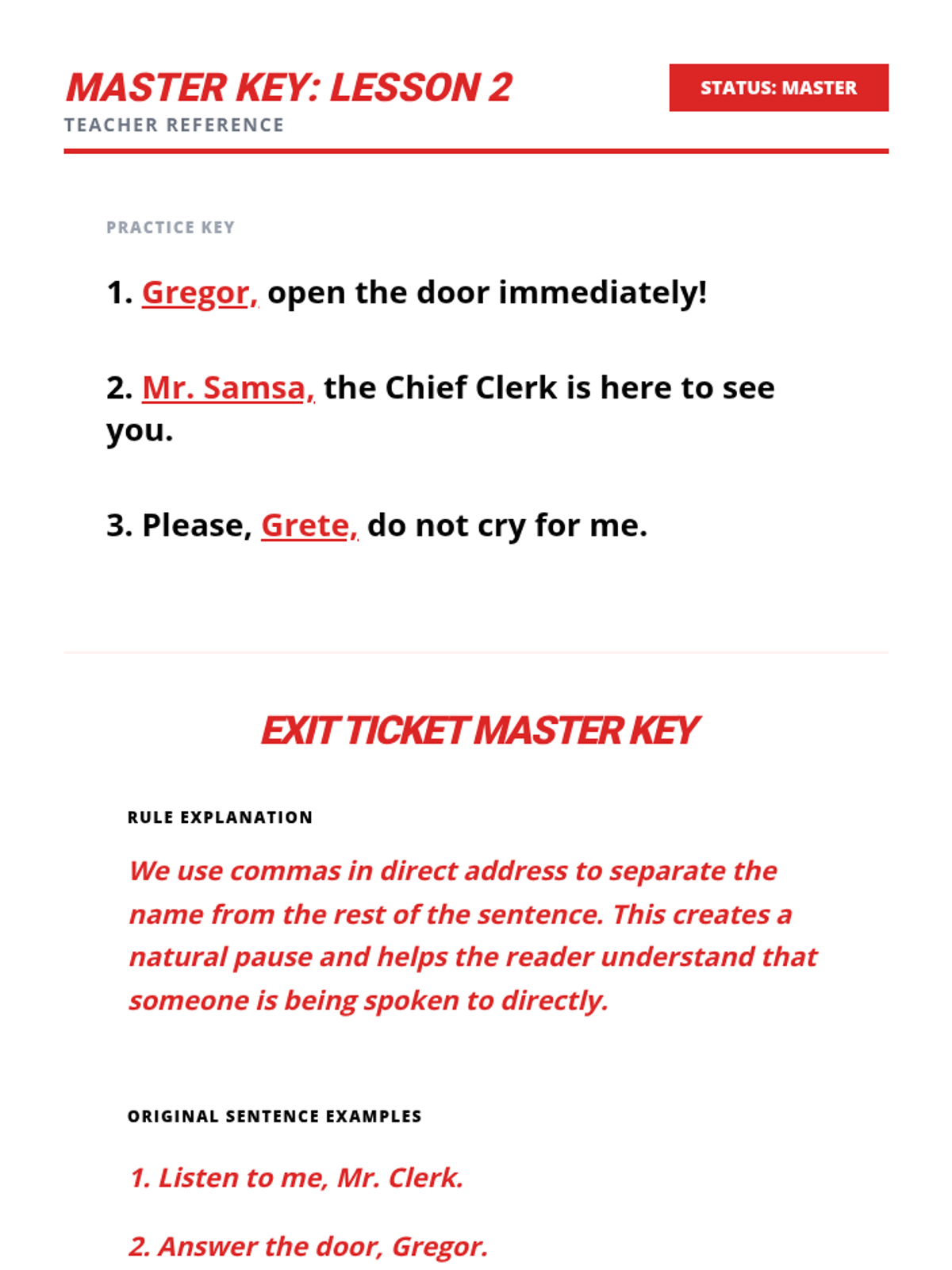
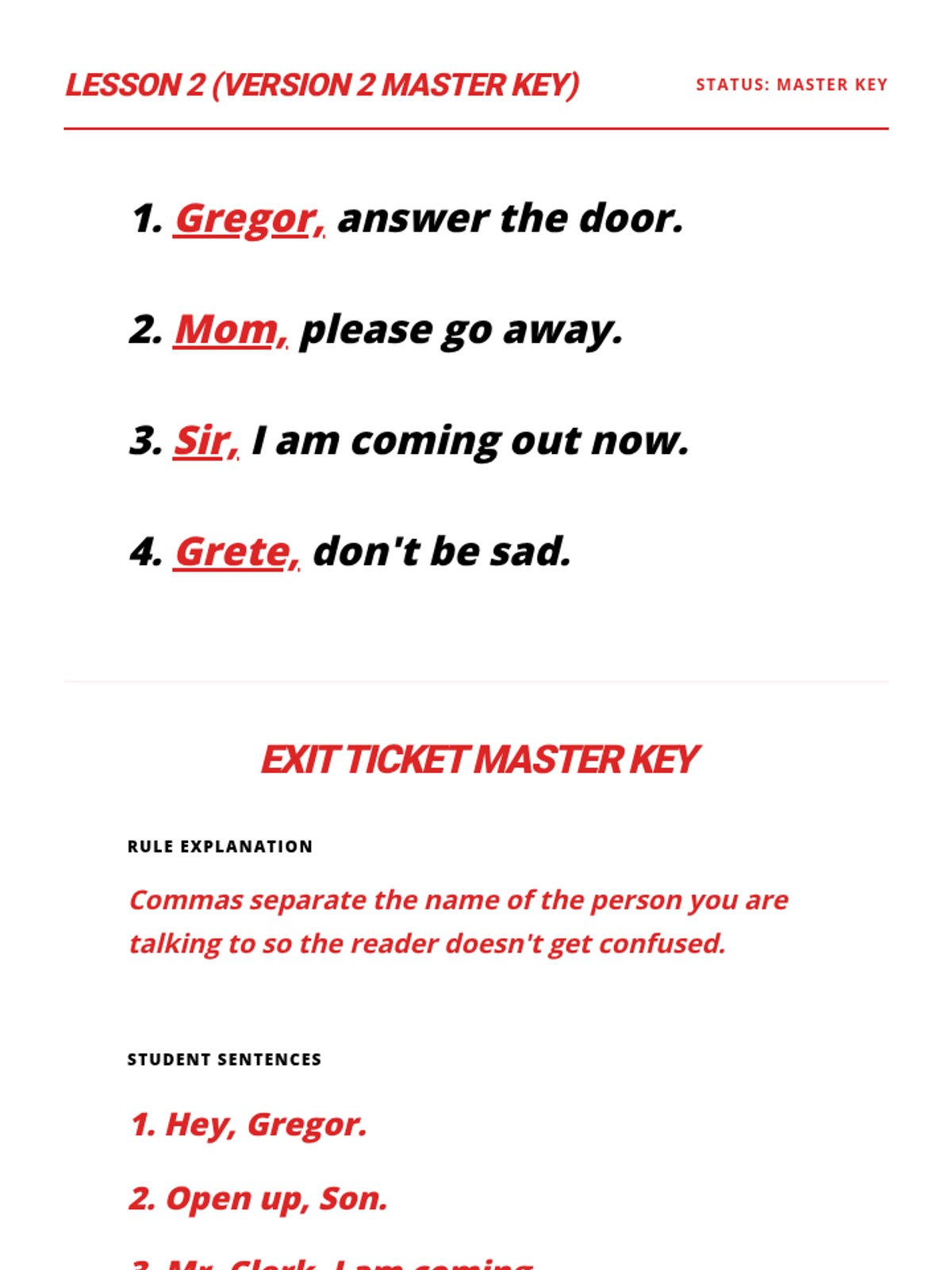
Students learn to use commas to set off names in direct address, using dialogue from the family's attempts to communicate with Gregor.
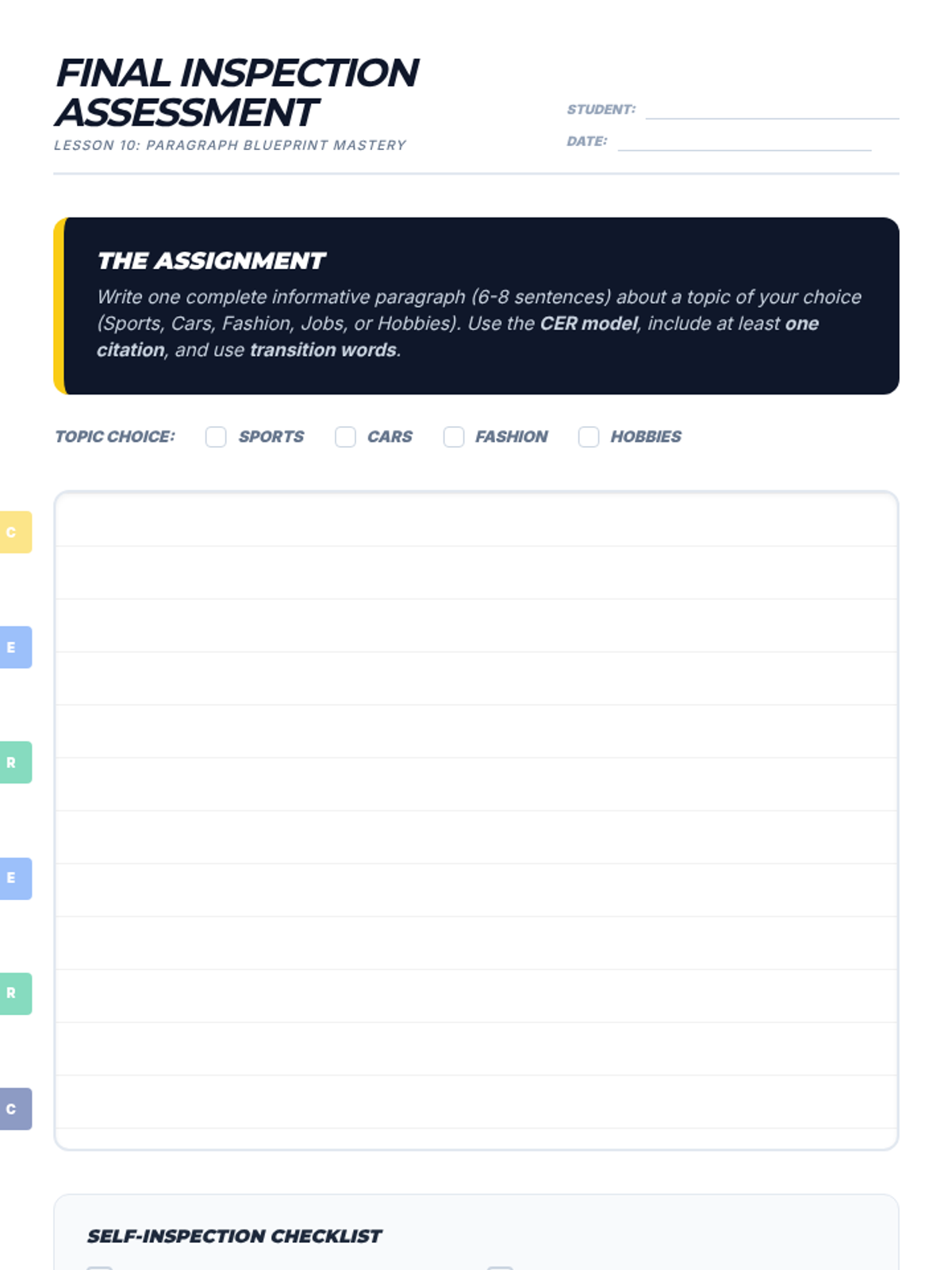
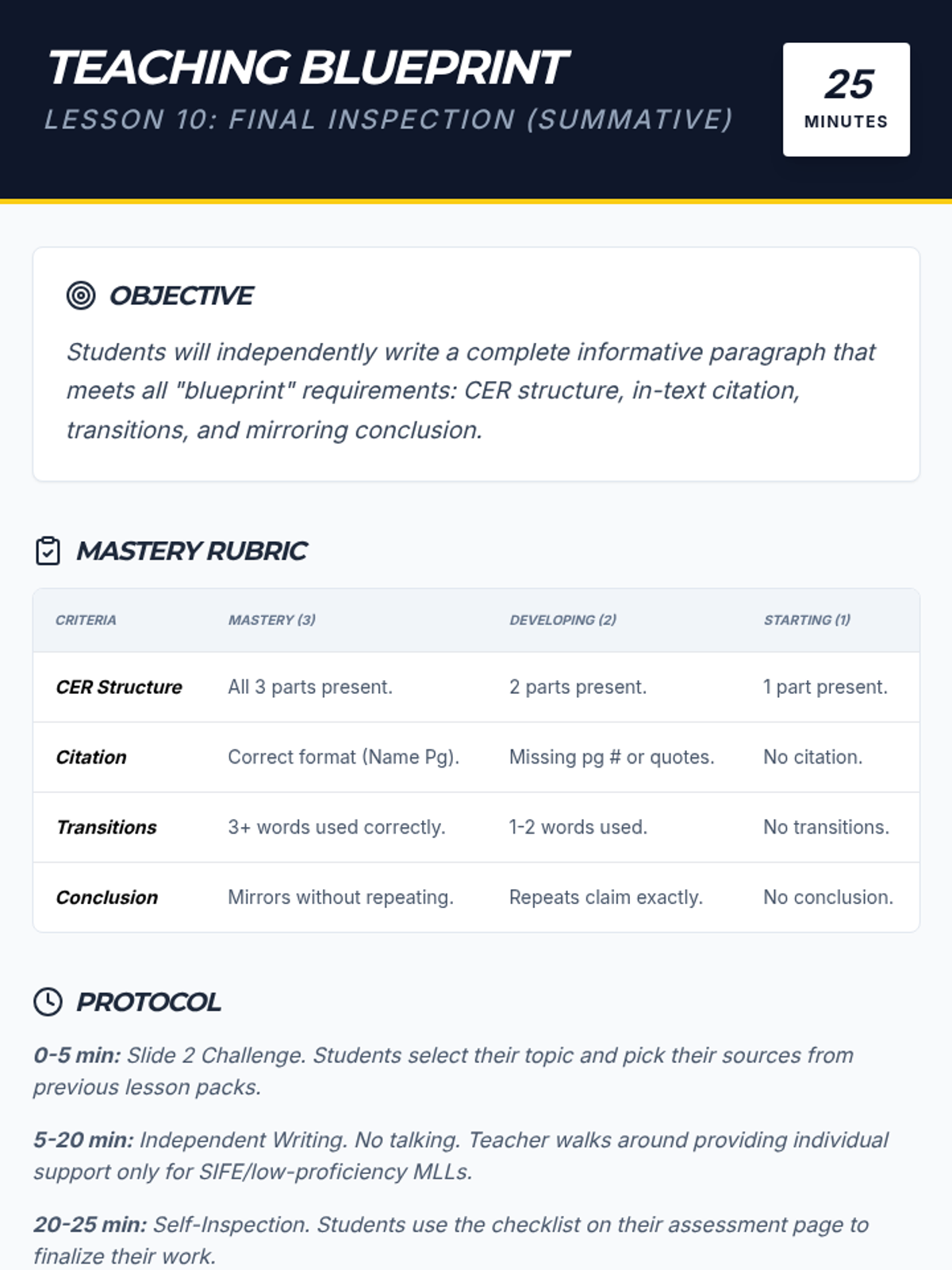
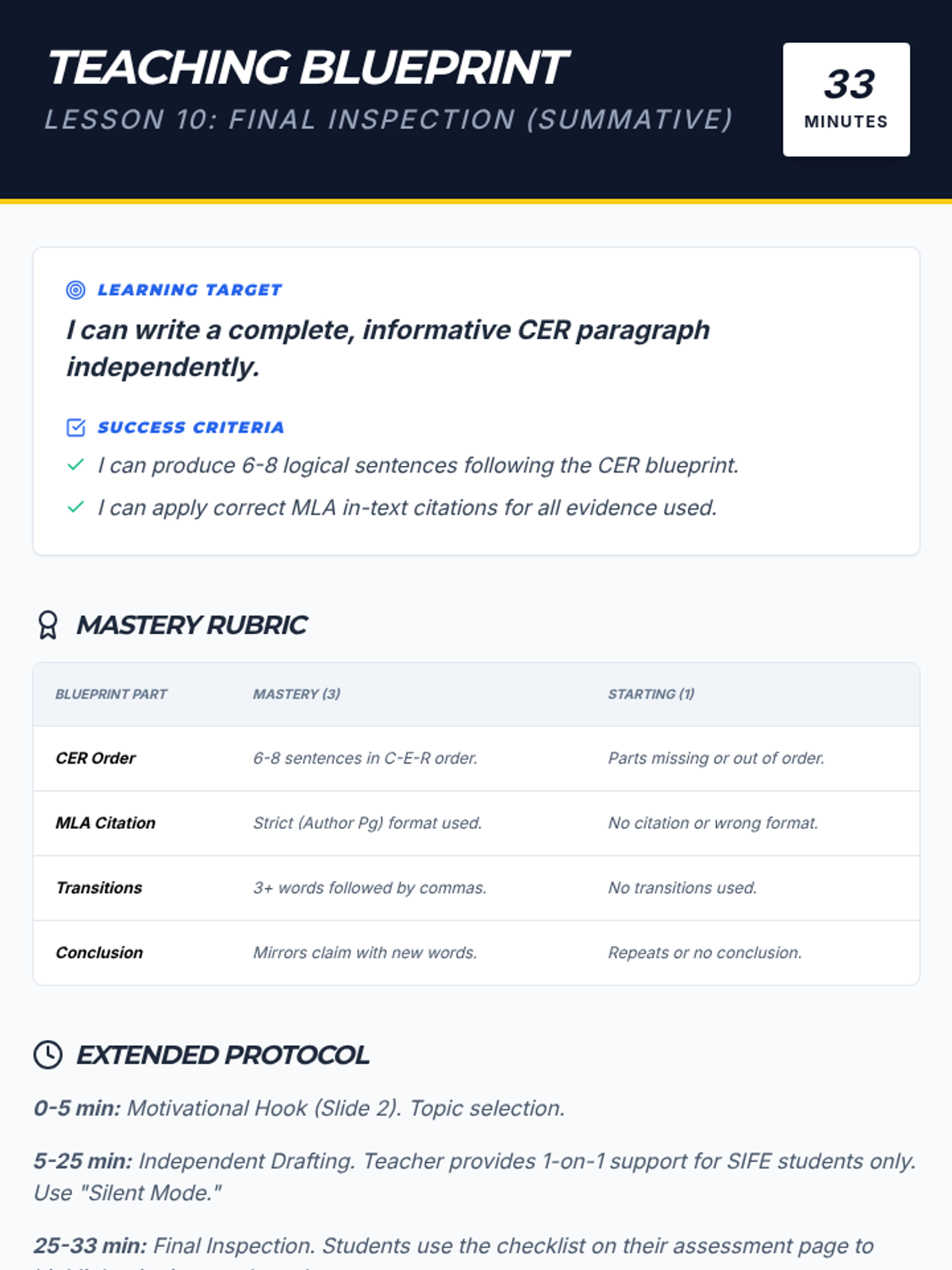
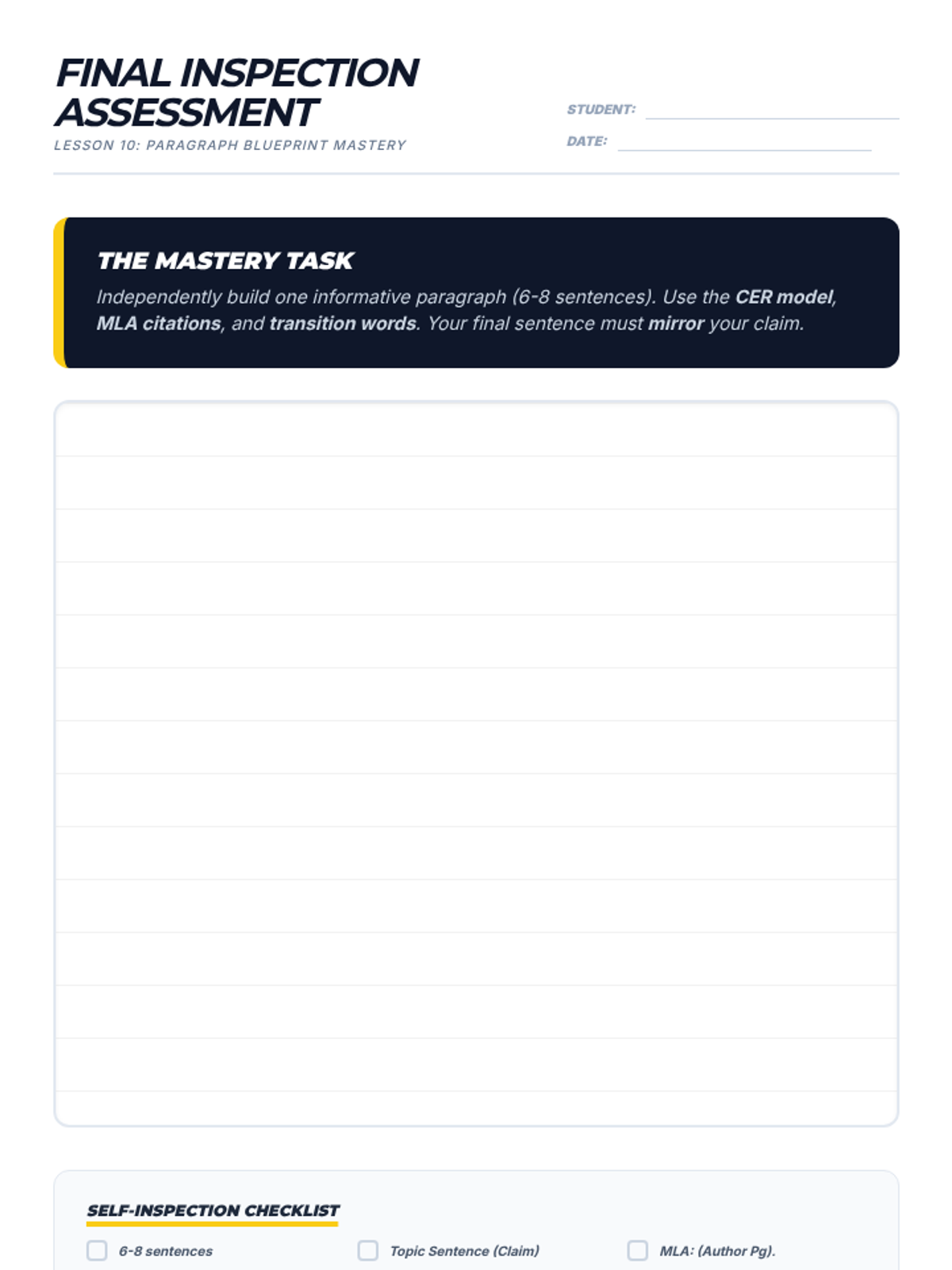
Summative writing assessment where students independently write a complete, MLA-cited, and reasoned informative paragraph on a choice of familiar topics.
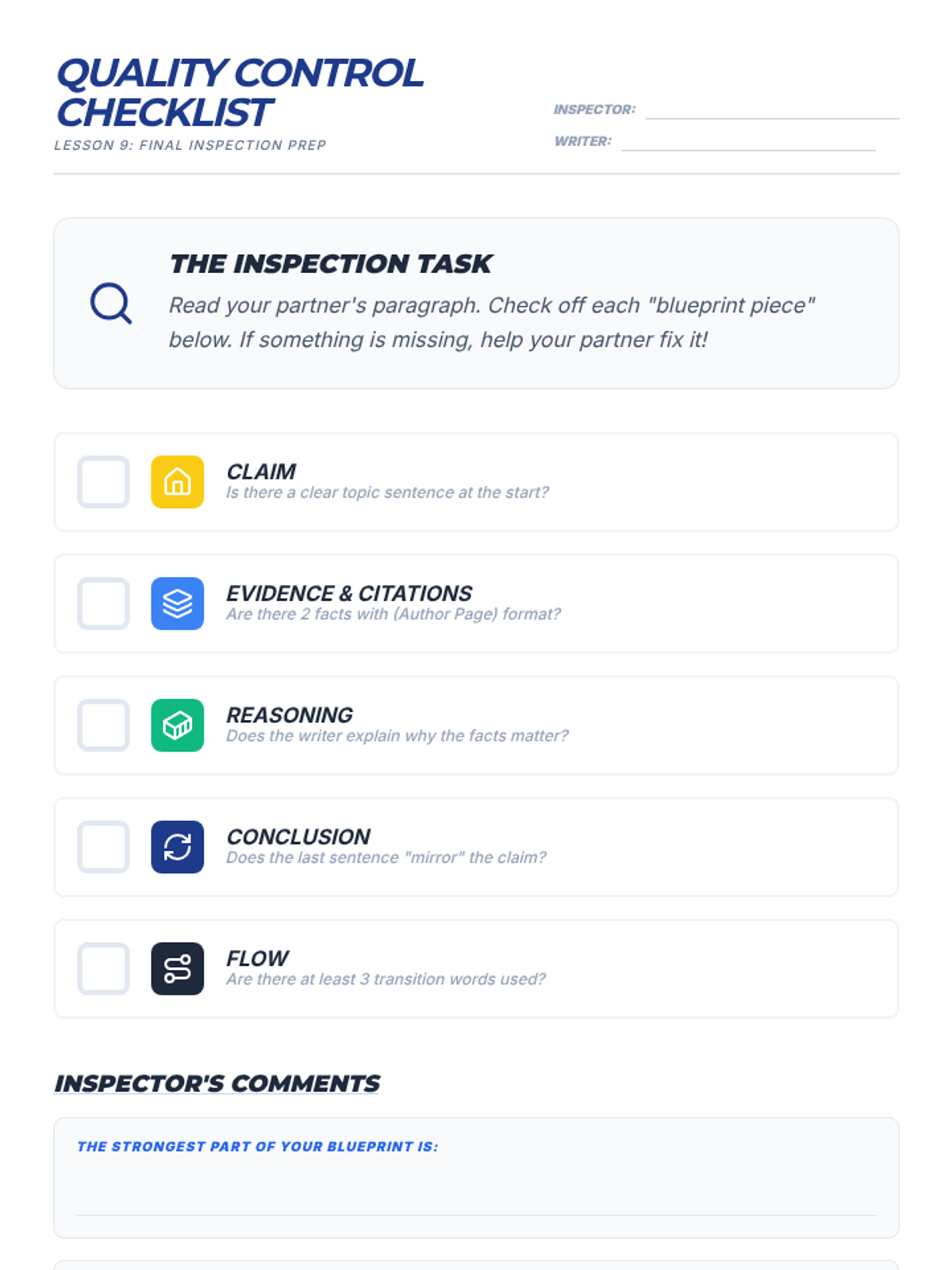
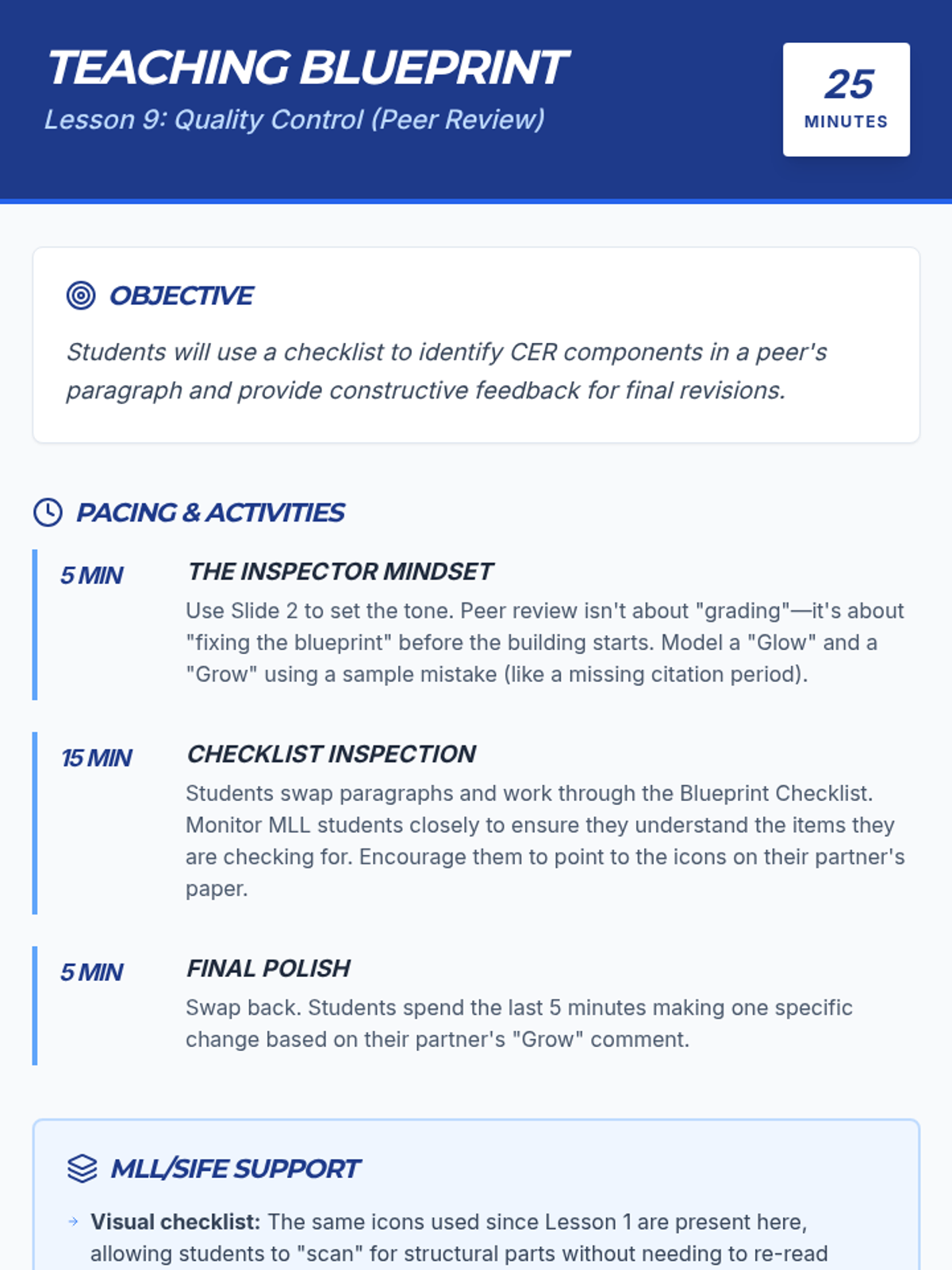
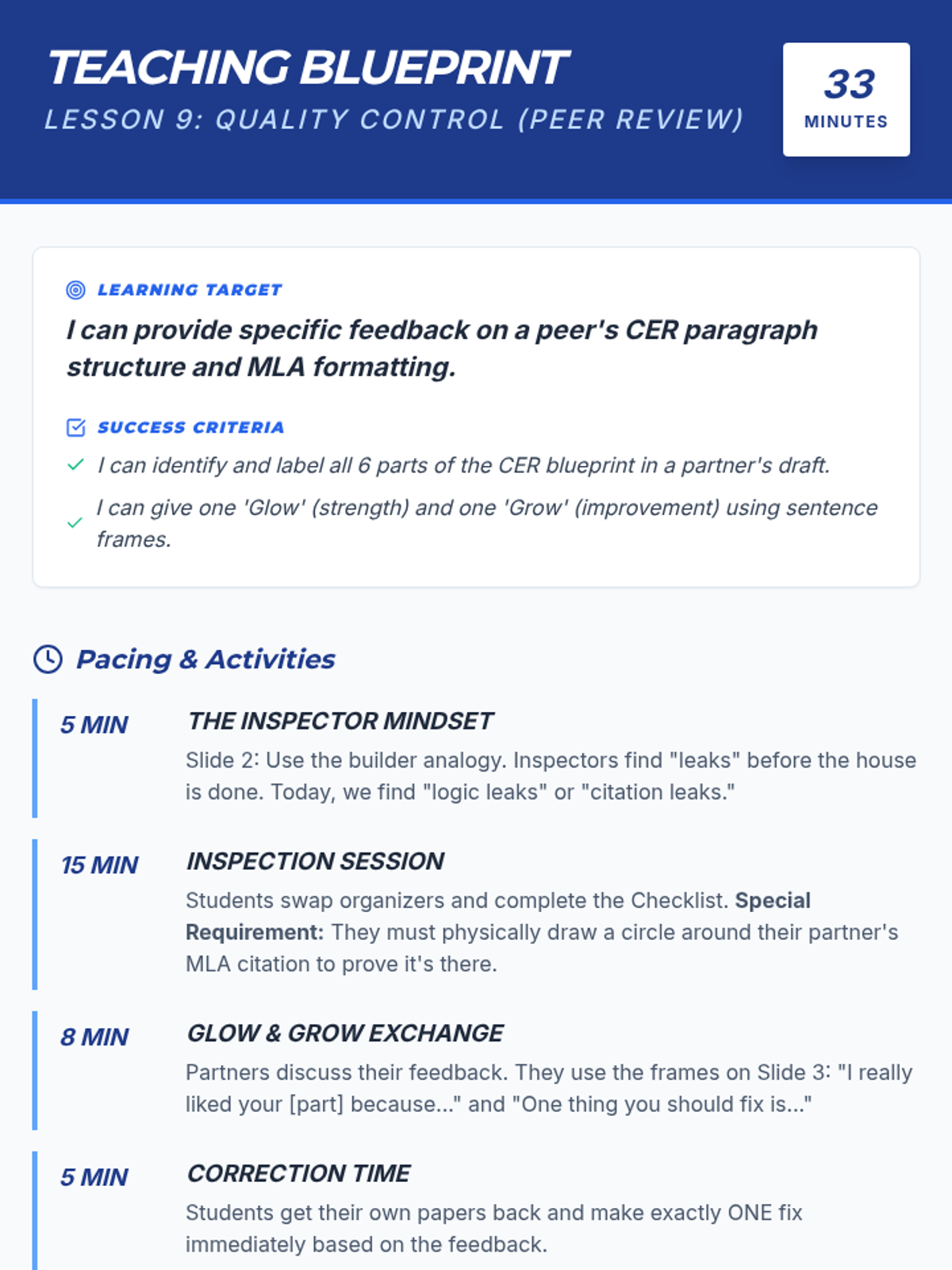
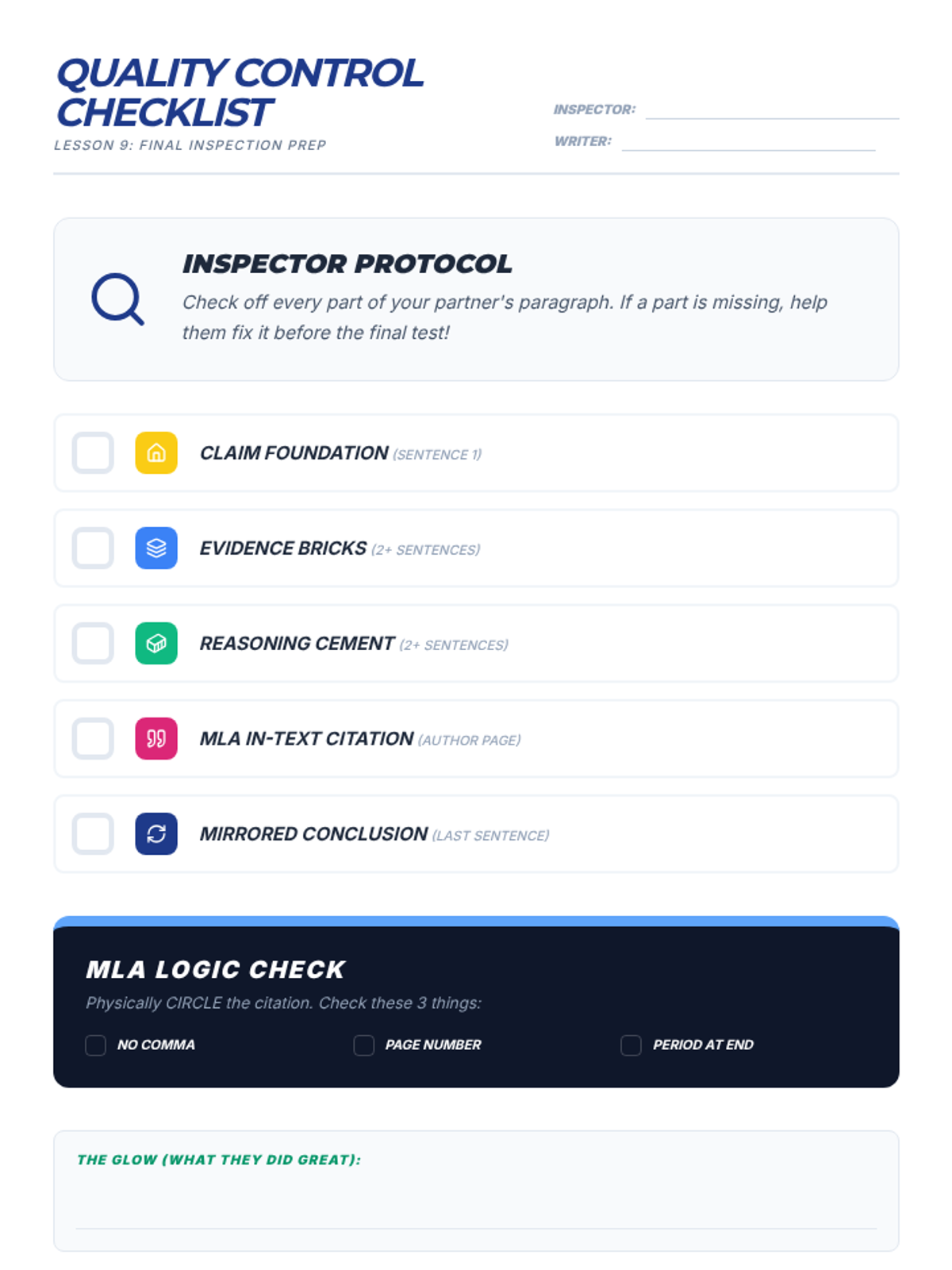
Collaborative peer-review session using a structured quality control checklist. Students evaluate and provide feedback on CER structure and MLA formatting.
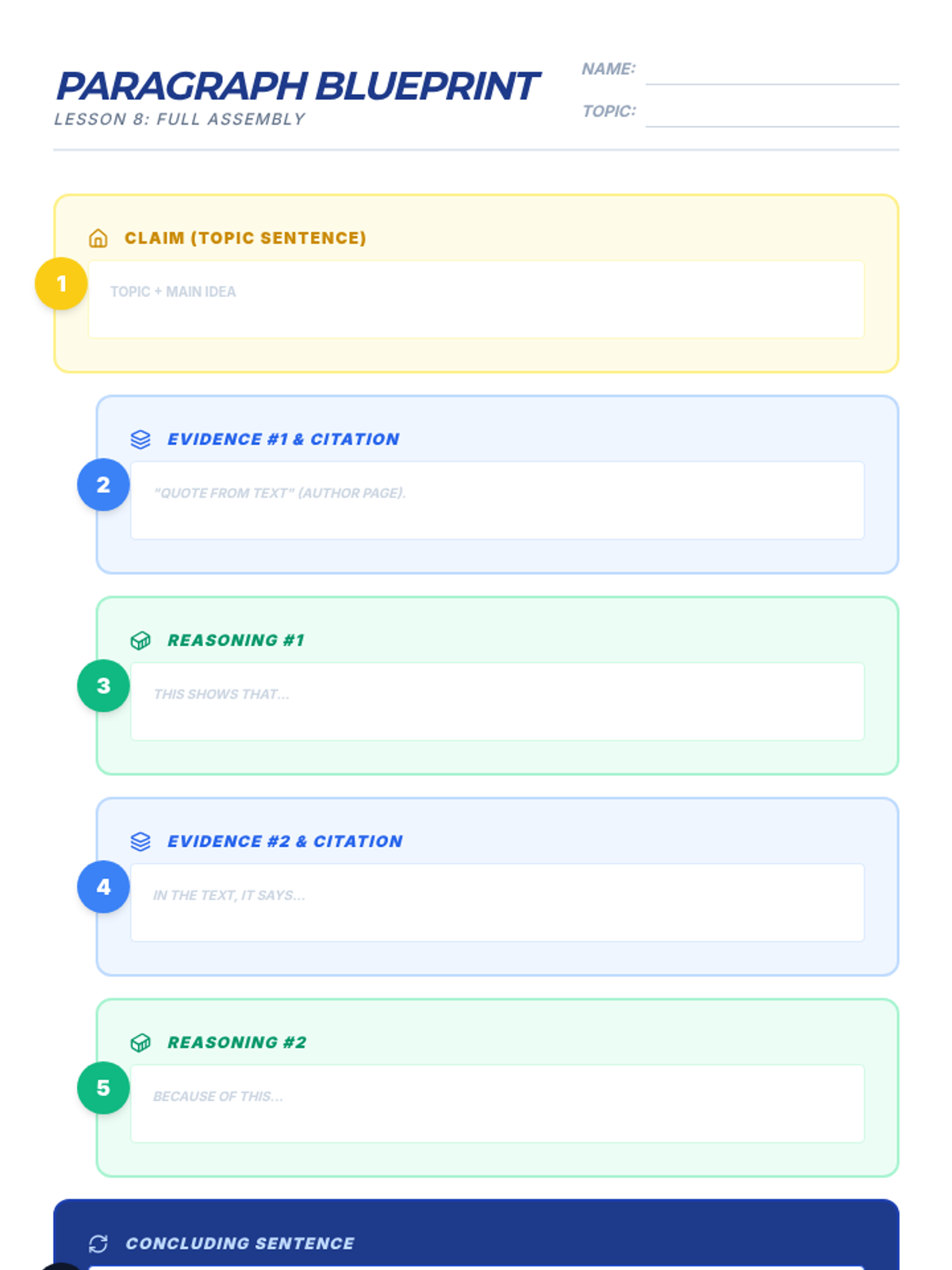
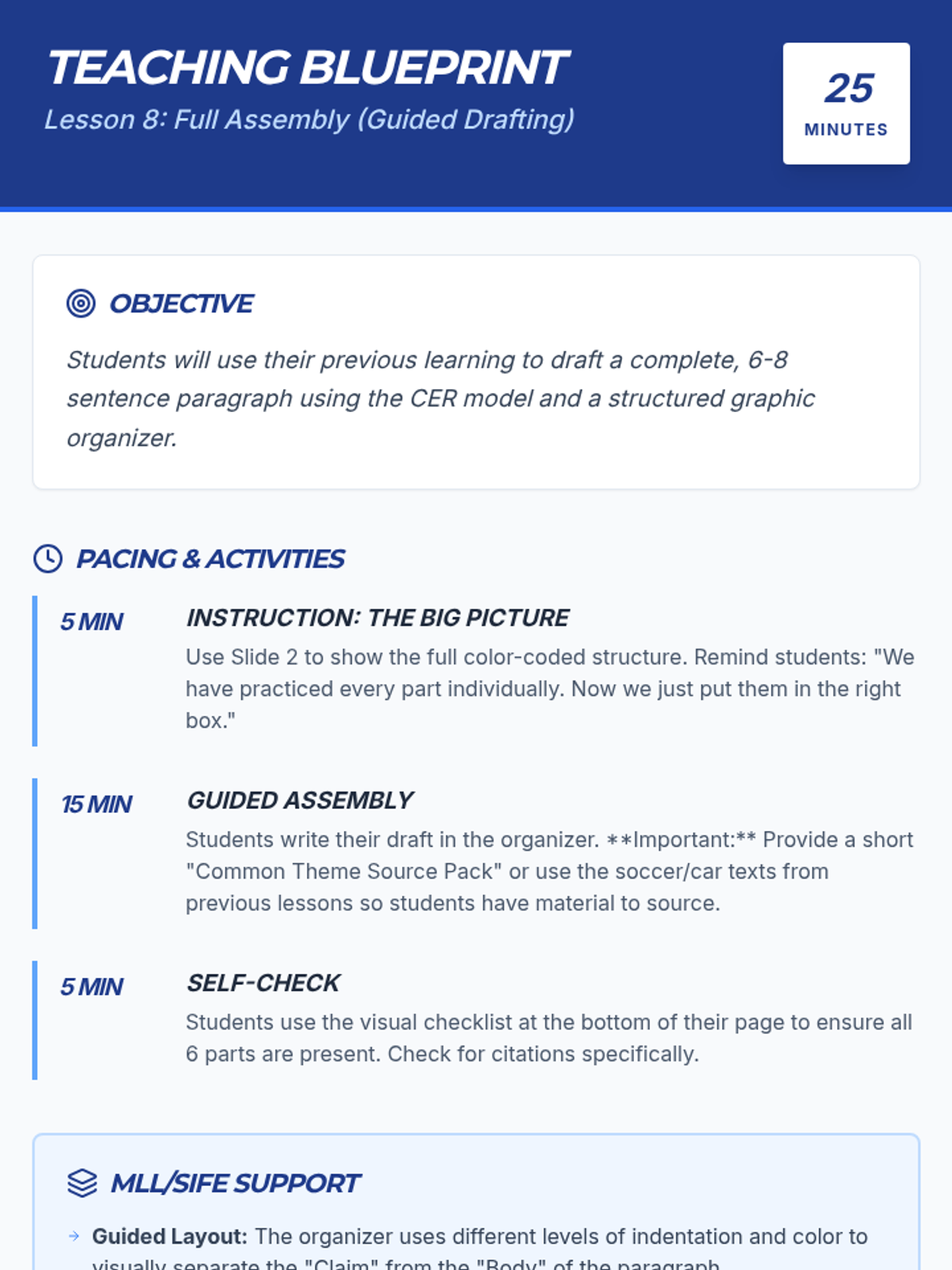
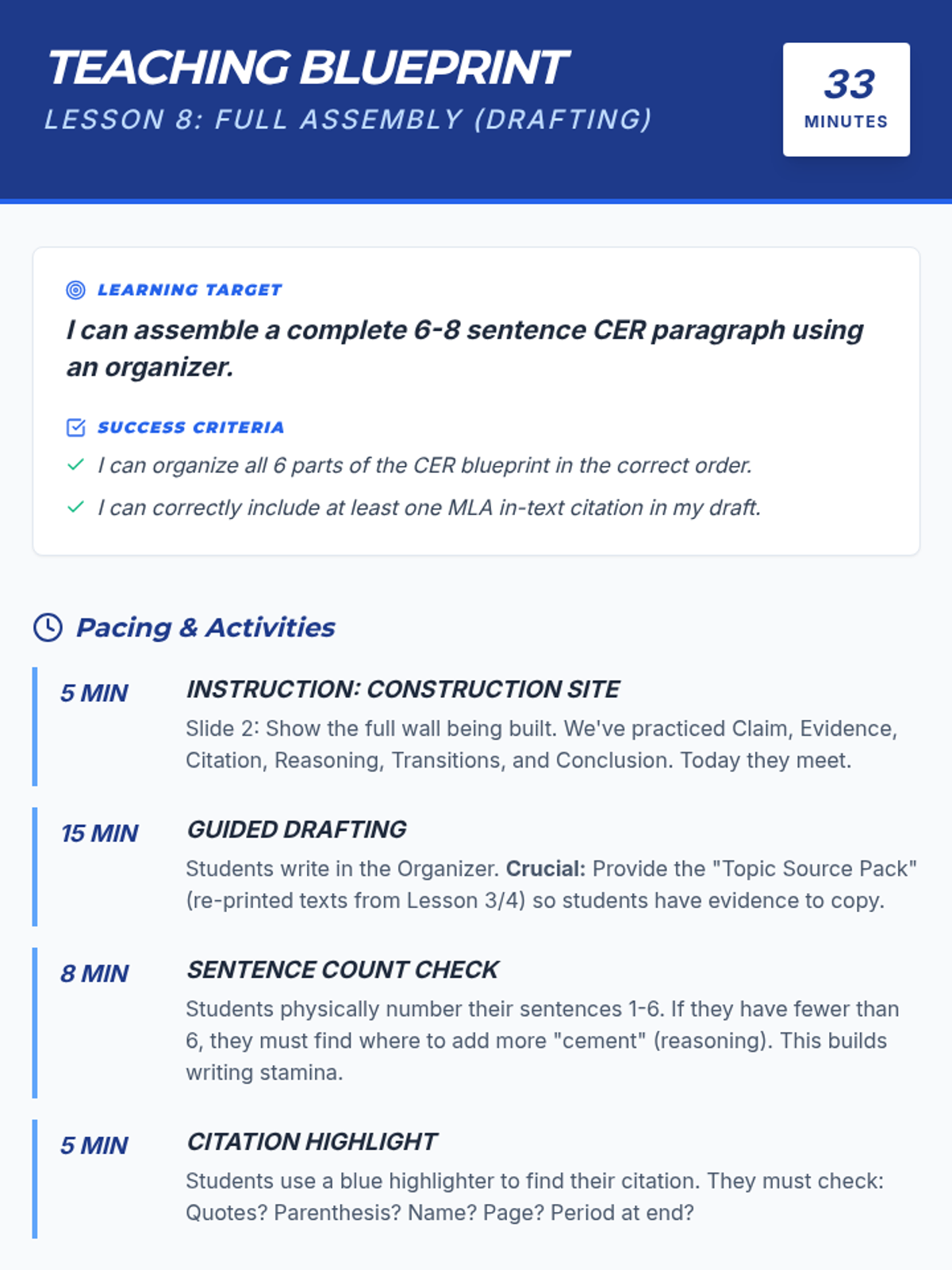
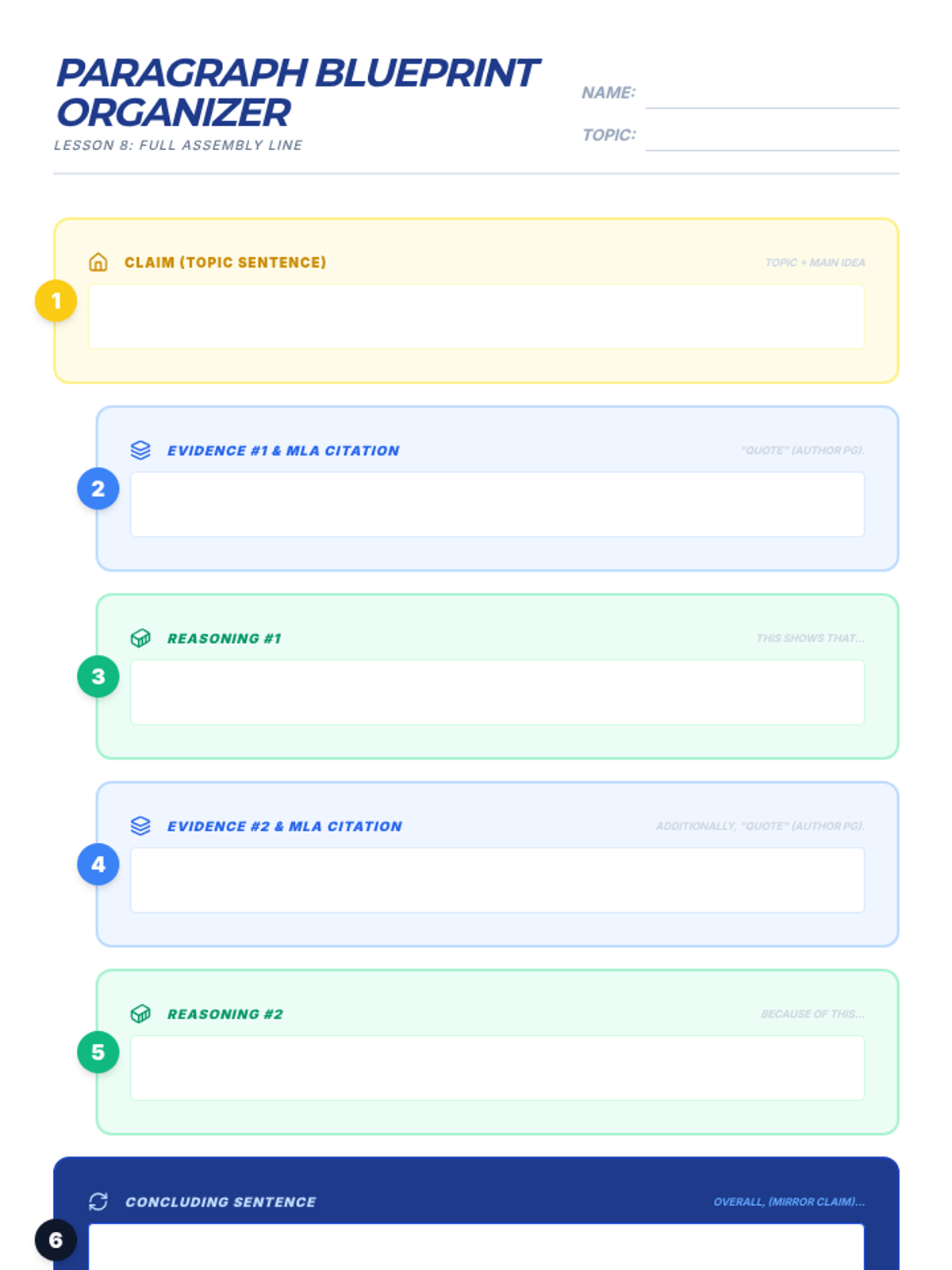
Students use a comprehensive graphic organizer to assemble a complete 6-8 sentence paragraph. The lesson guides the full drafting process with visual and formulaic support.
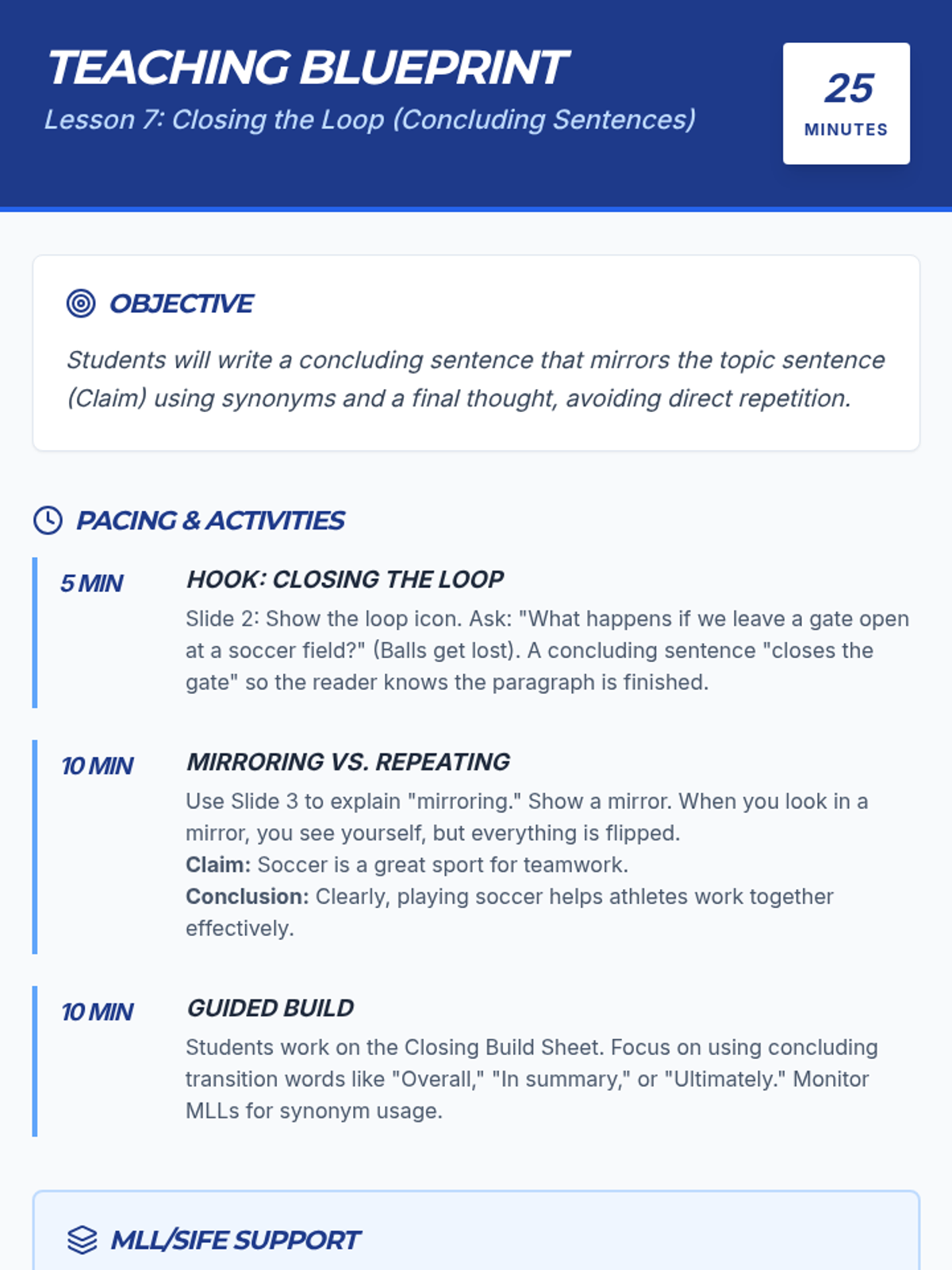
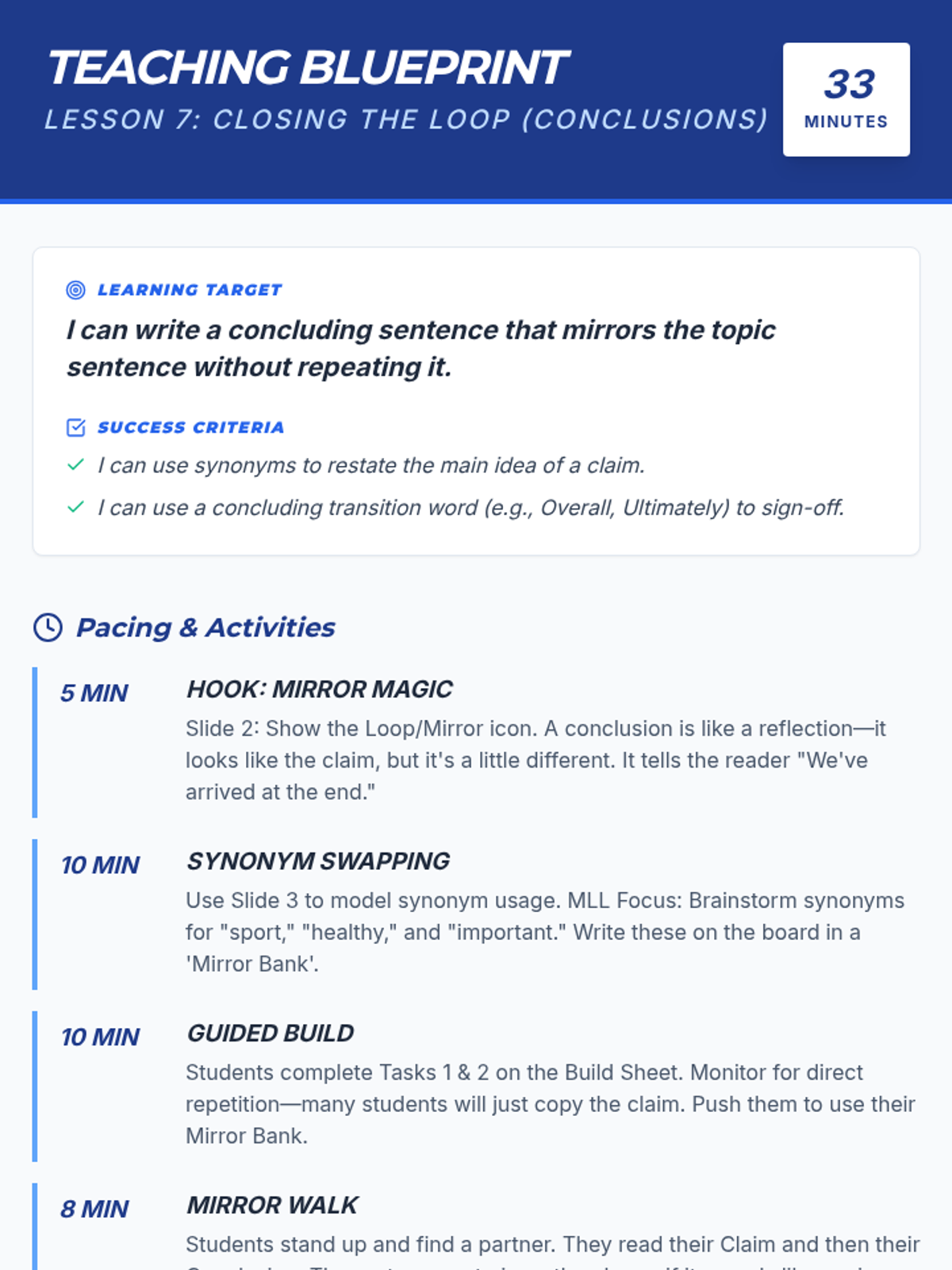
Focuses on concluding sentences that mirror the topic sentence using synonyms. Students ensure a polished finish to their paragraphs about sports and interests.
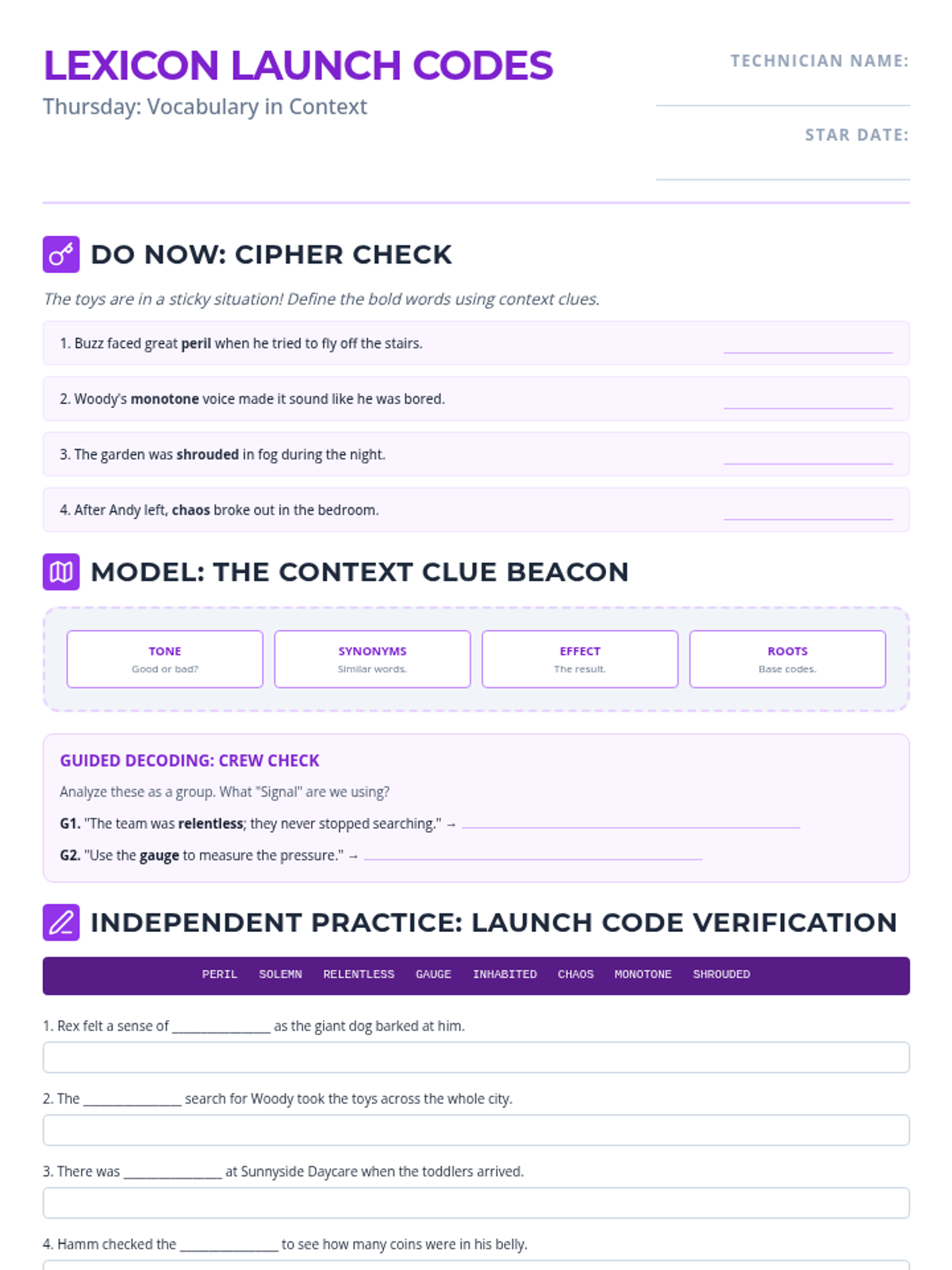
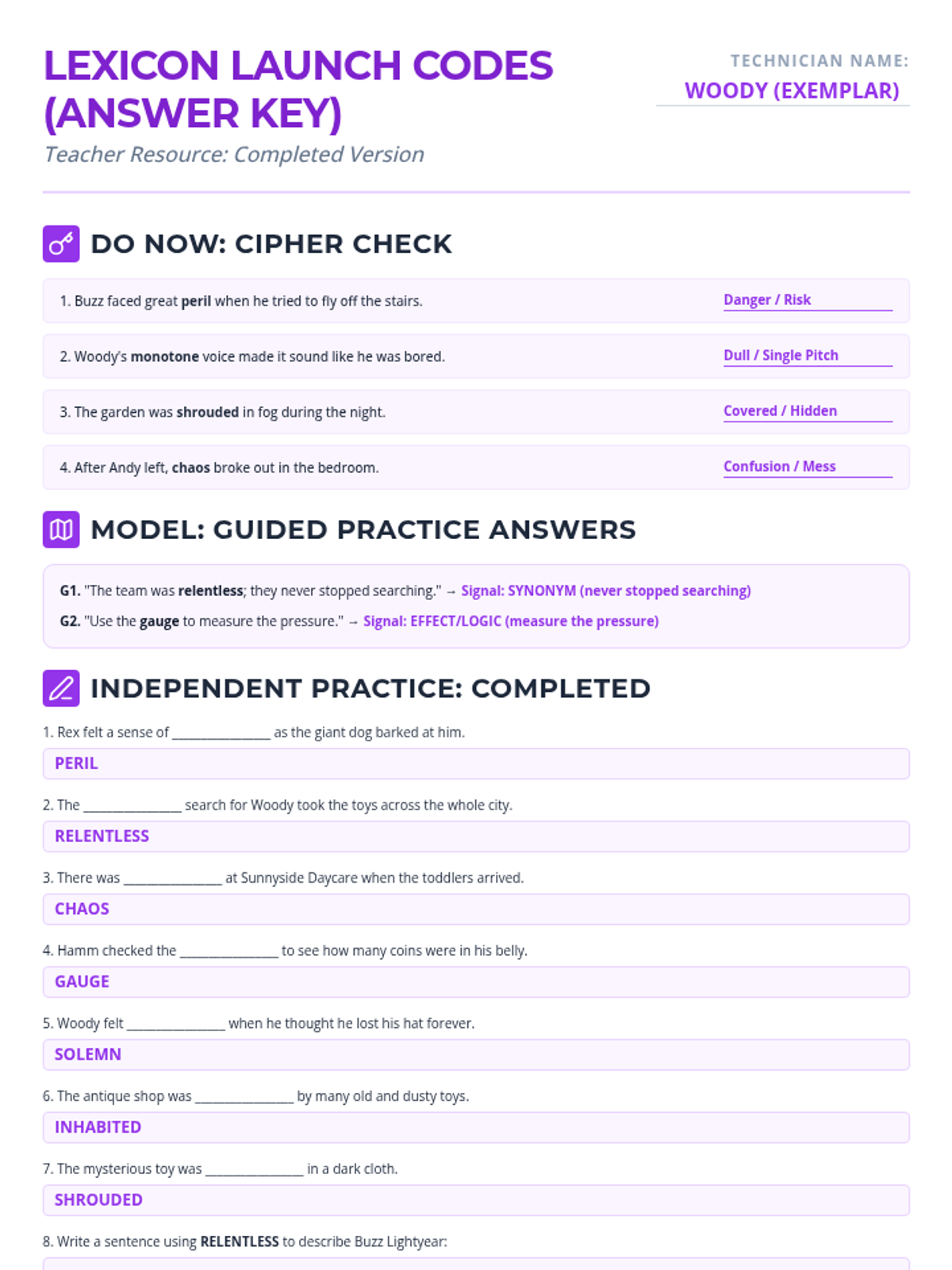
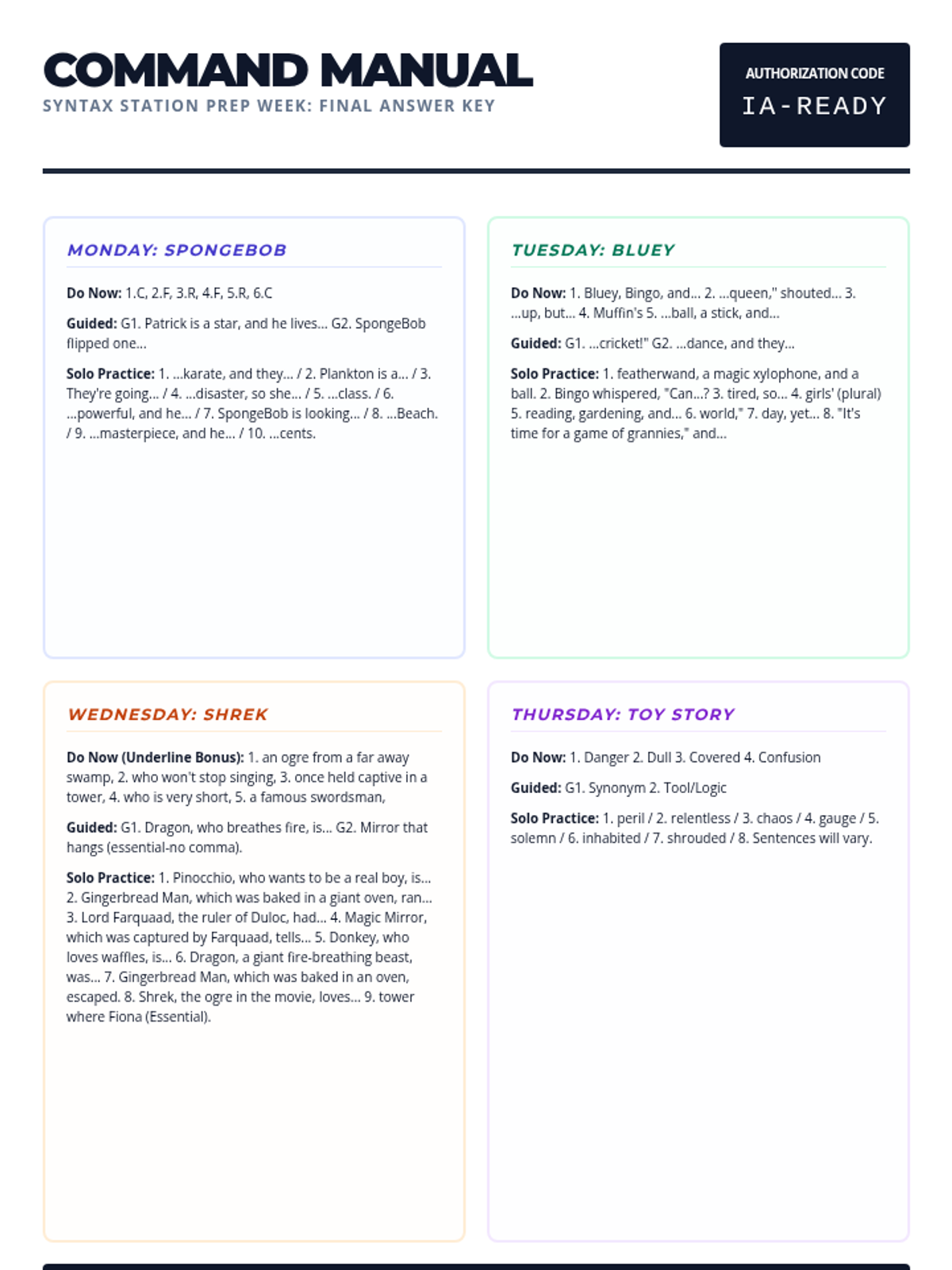
Focuses on using context clues to determine the meaning of complex vocabulary words from the IA exam word bank and applying them correctly in sentences.
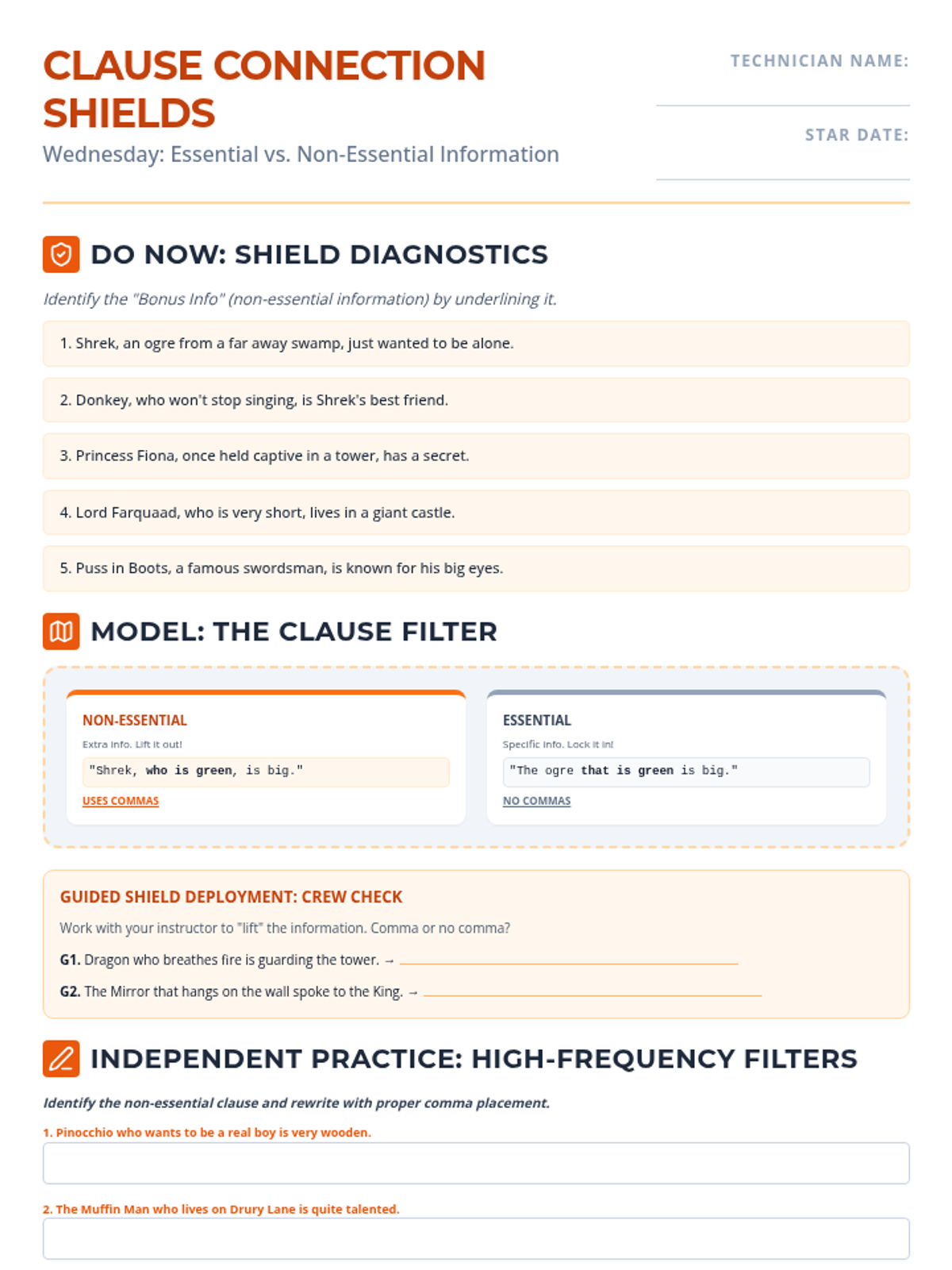
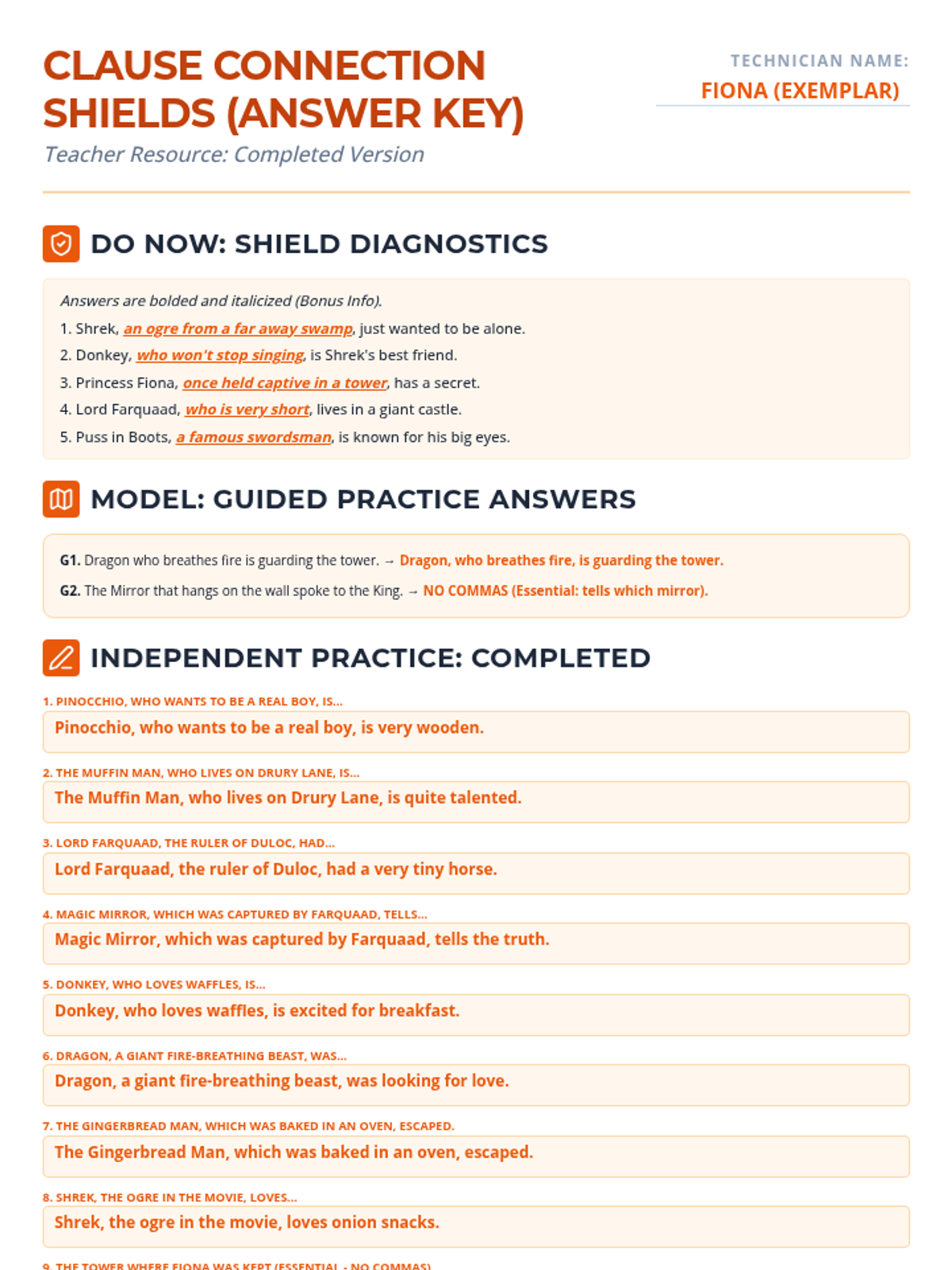
Differentiates between essential and non-essential clauses, focusing on the identification and punctuation of relative clauses and appositives.
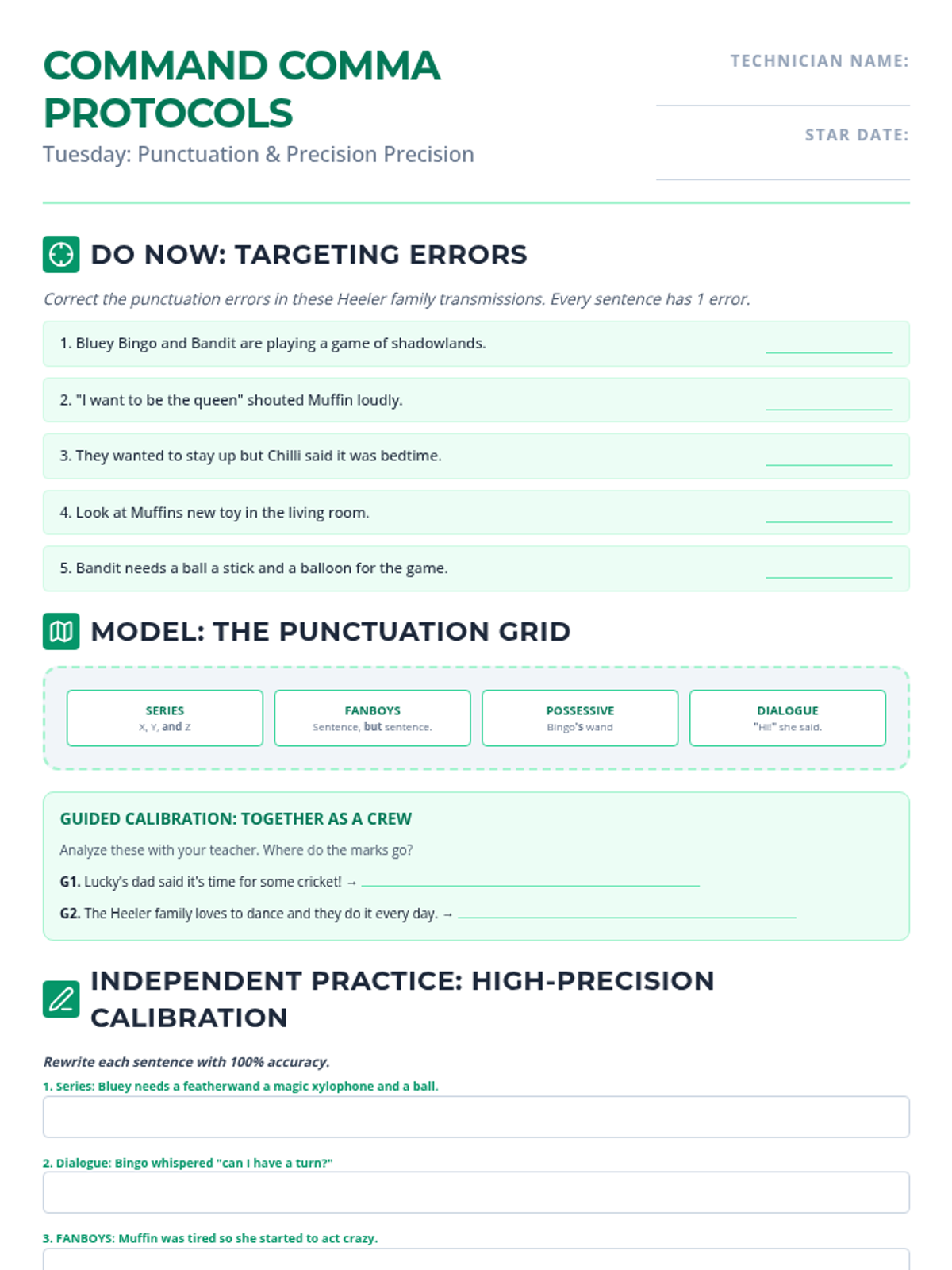
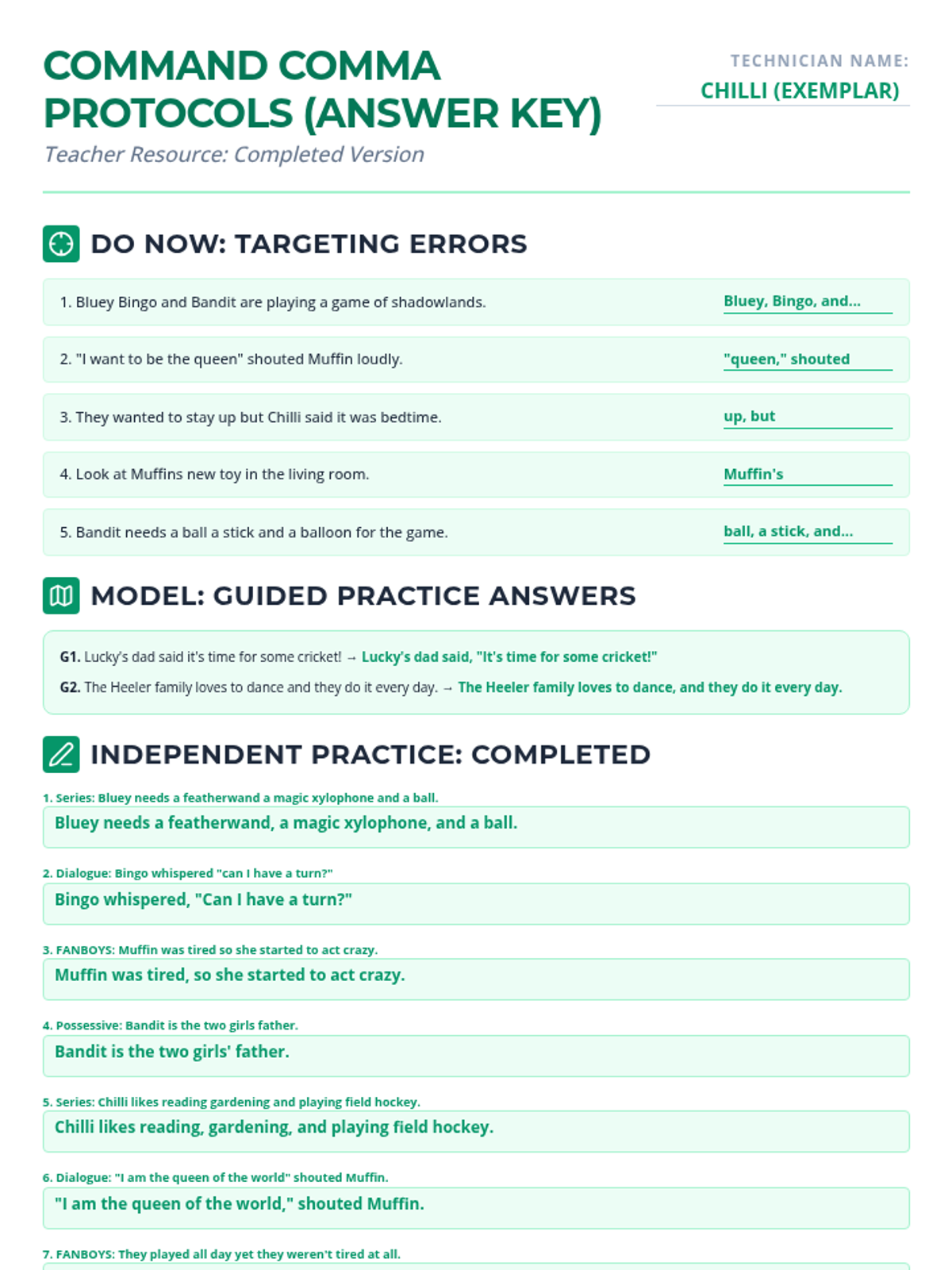
Focuses on the correct use of commas in series, commas with coordinating conjunctions, possessive nouns, and punctuation within quotations as seen in the IA exam.
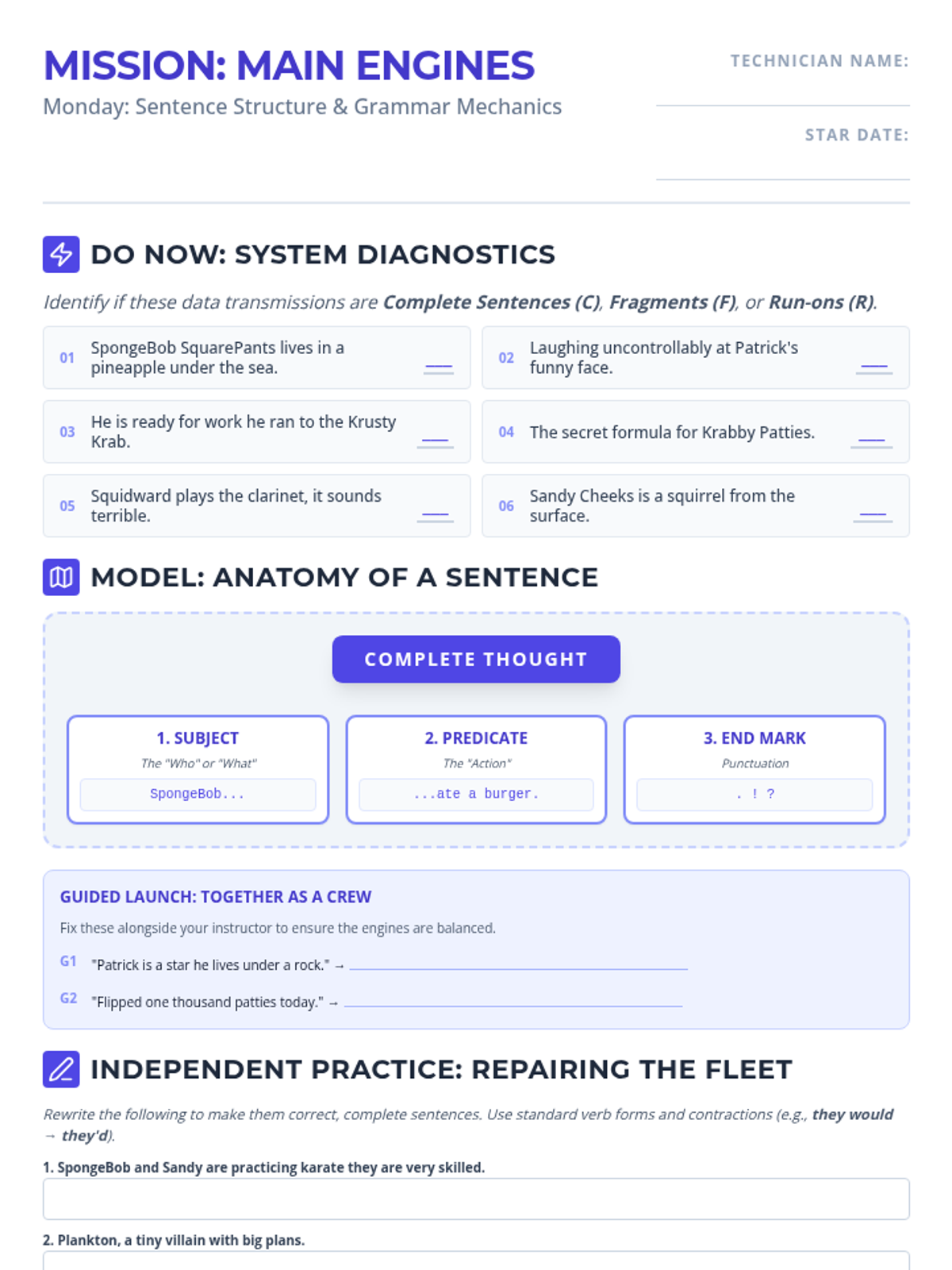
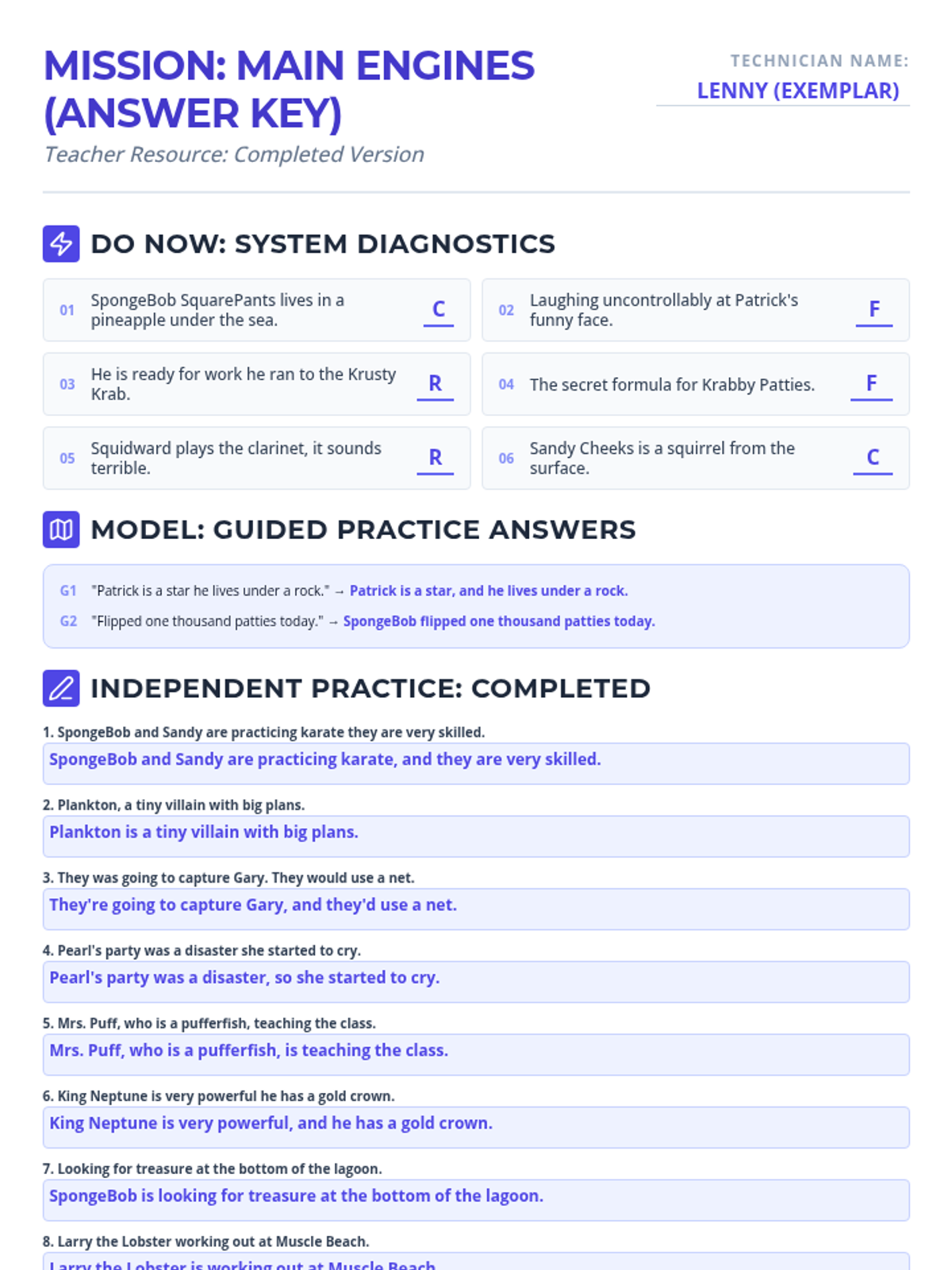
Focuses on identifying complete sentences, avoiding fragments and run-ons, and mastering standard verb forms and contractions as seen in the IA exam.
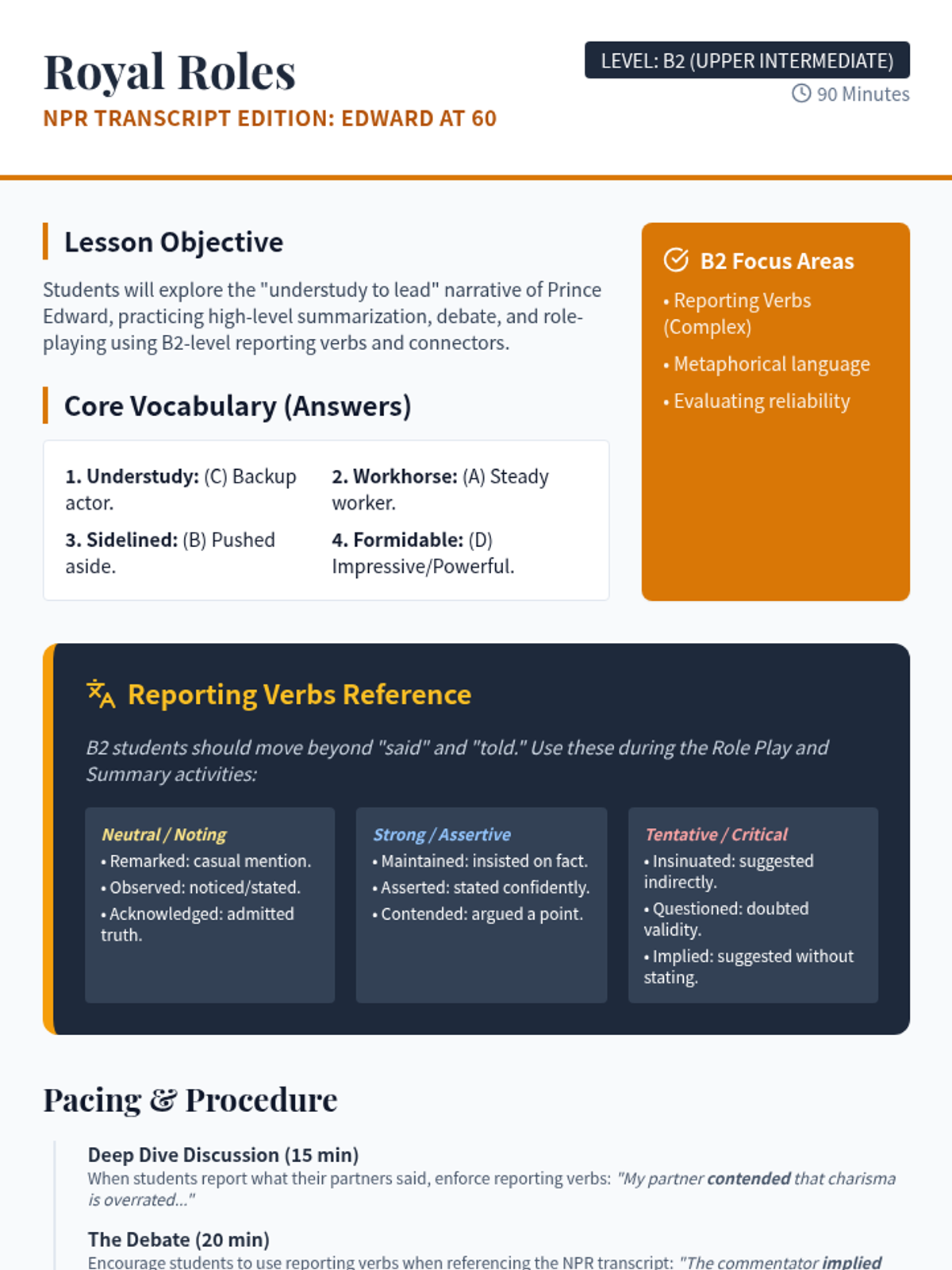
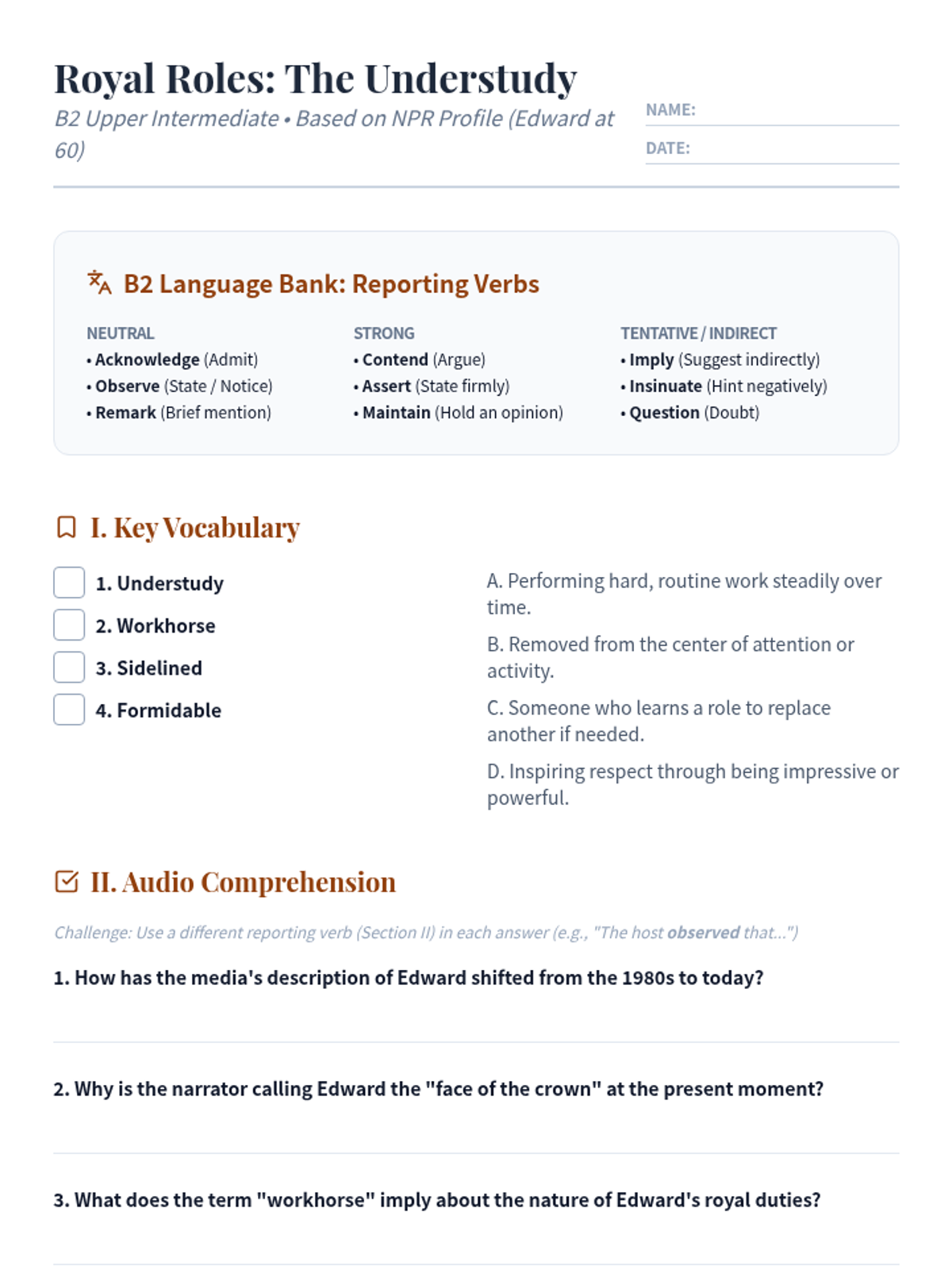
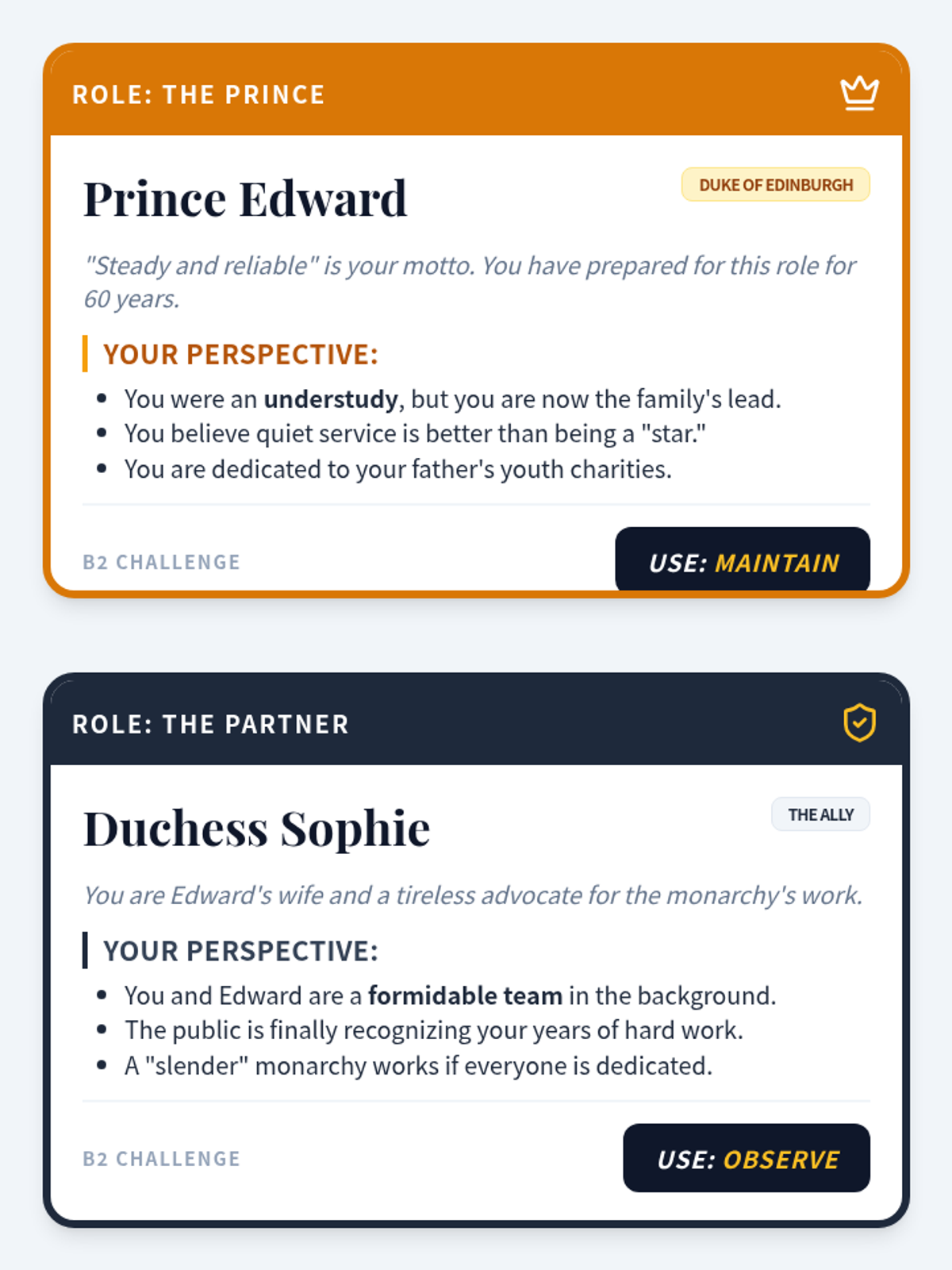
A 90-minute B2-level English lesson focused on the life and public role of Prince Edward, Duke of Edinburgh, featuring listening comprehension and intensive speaking activities.
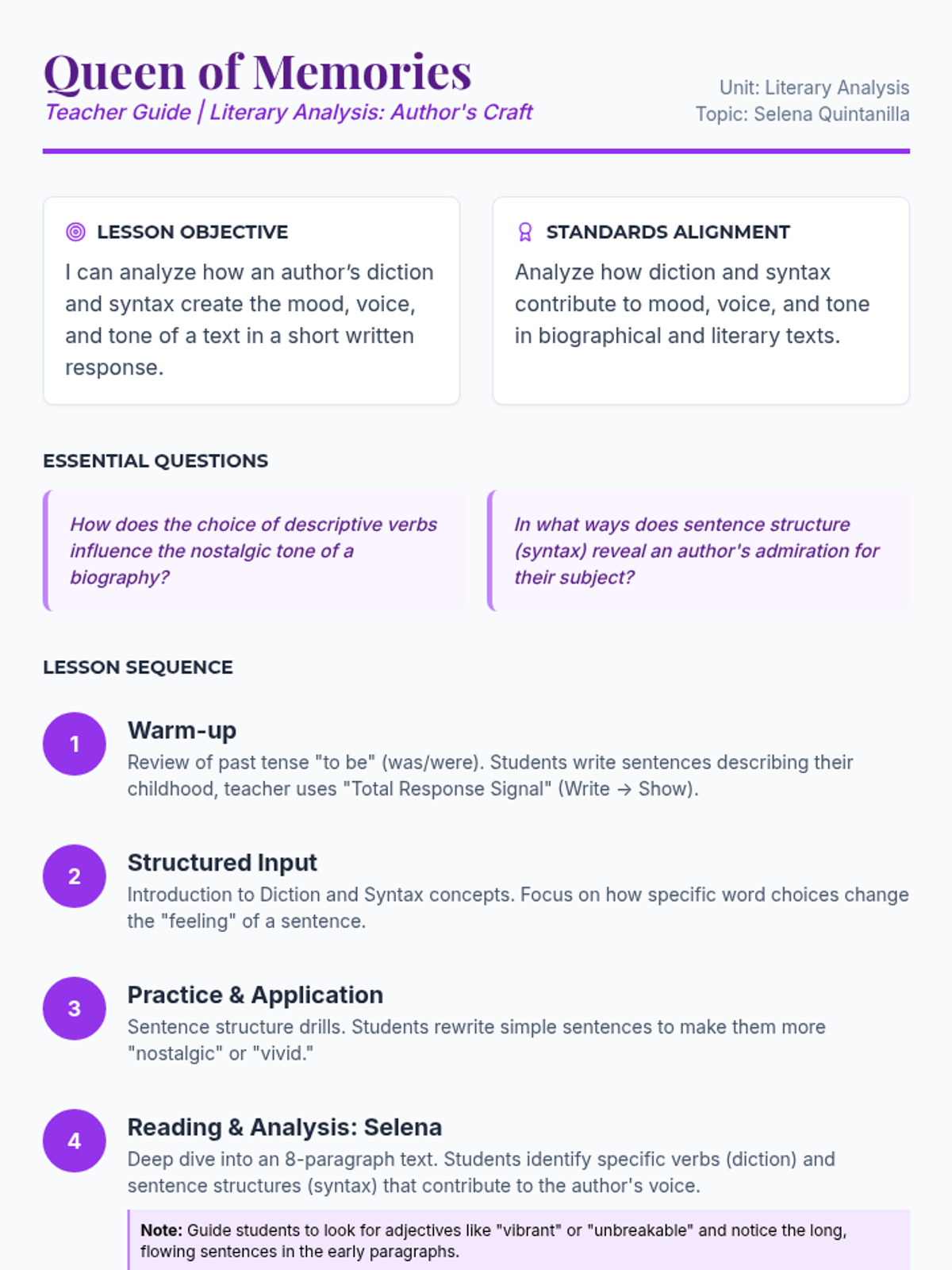
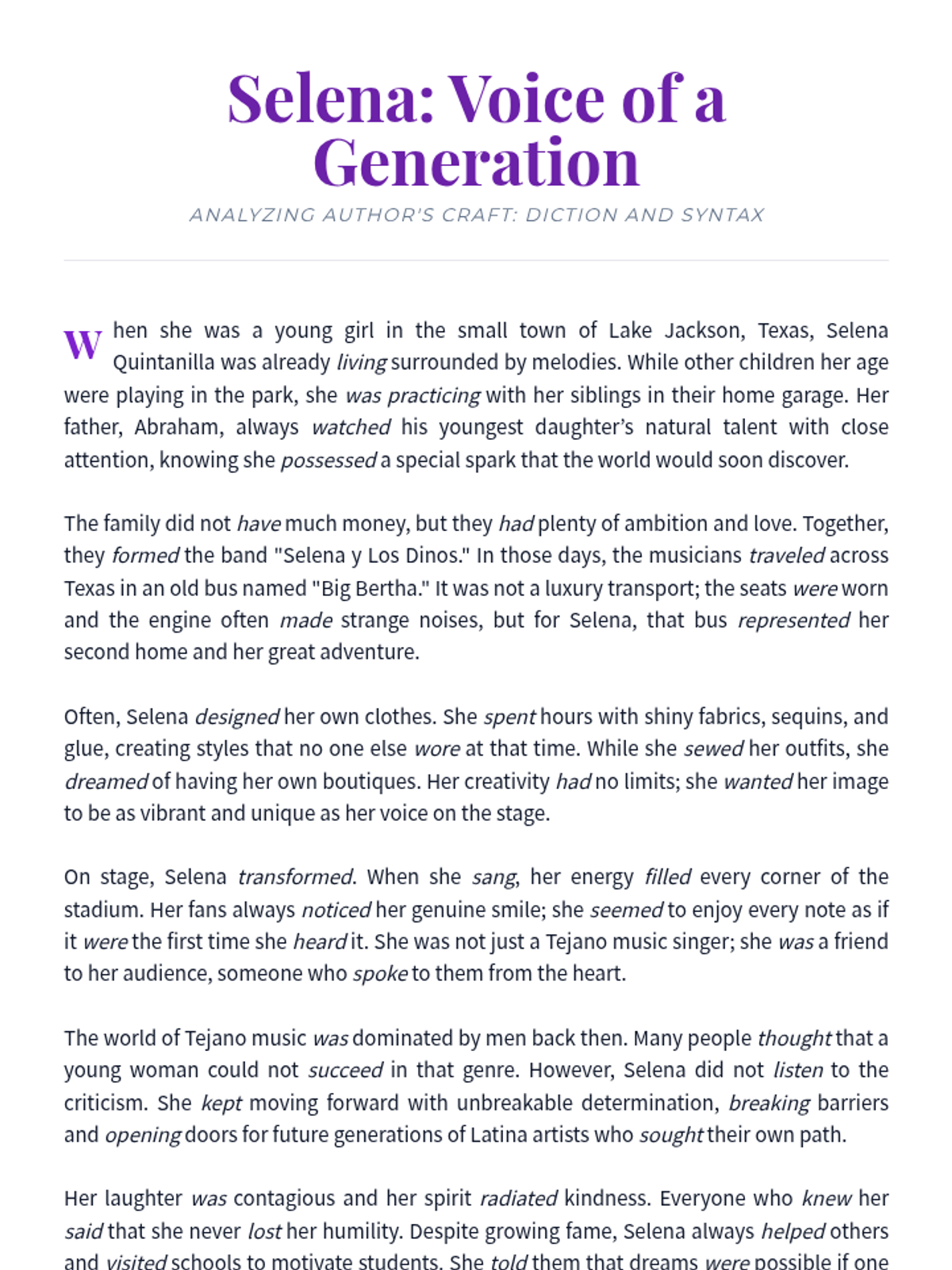
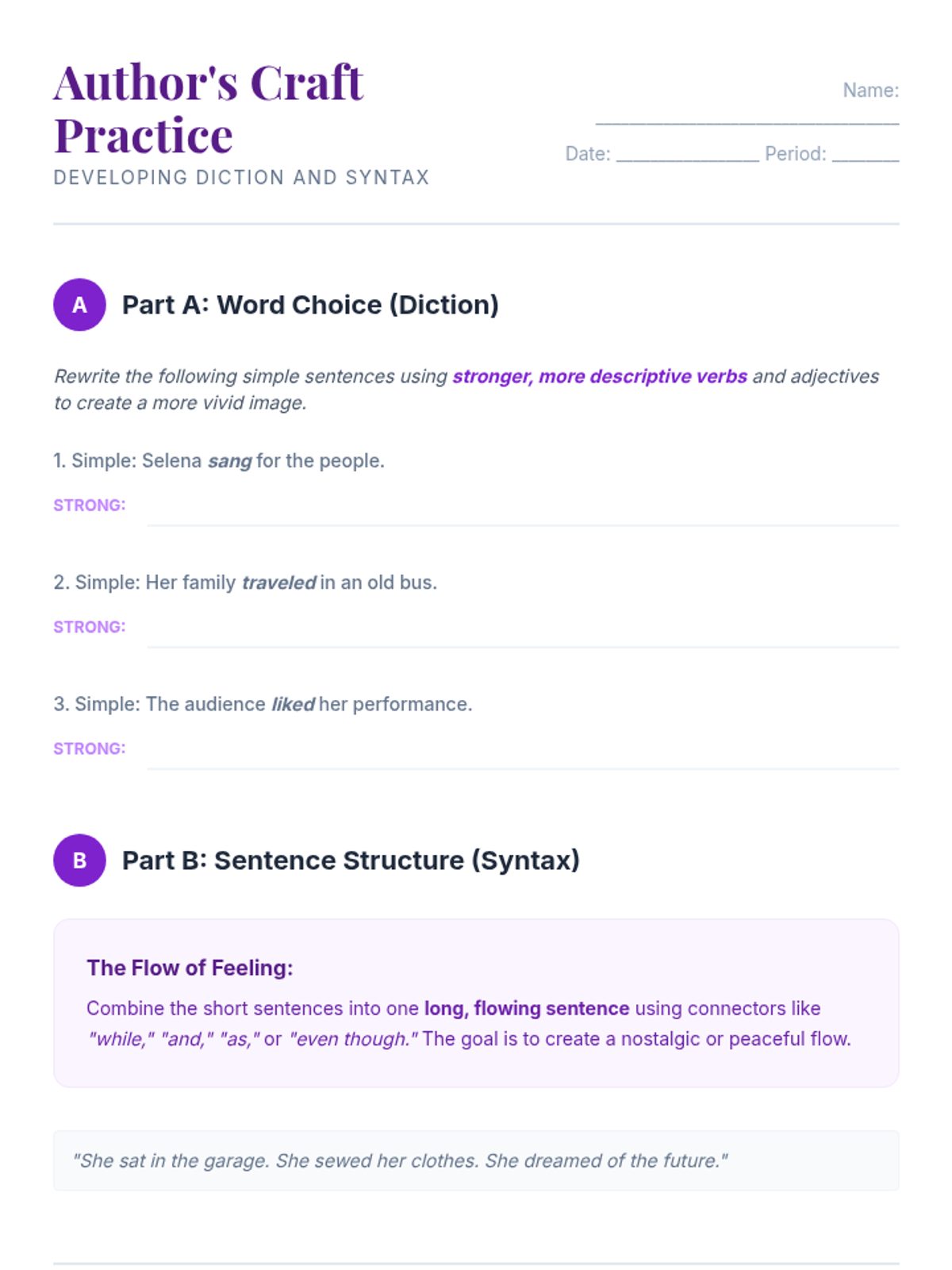
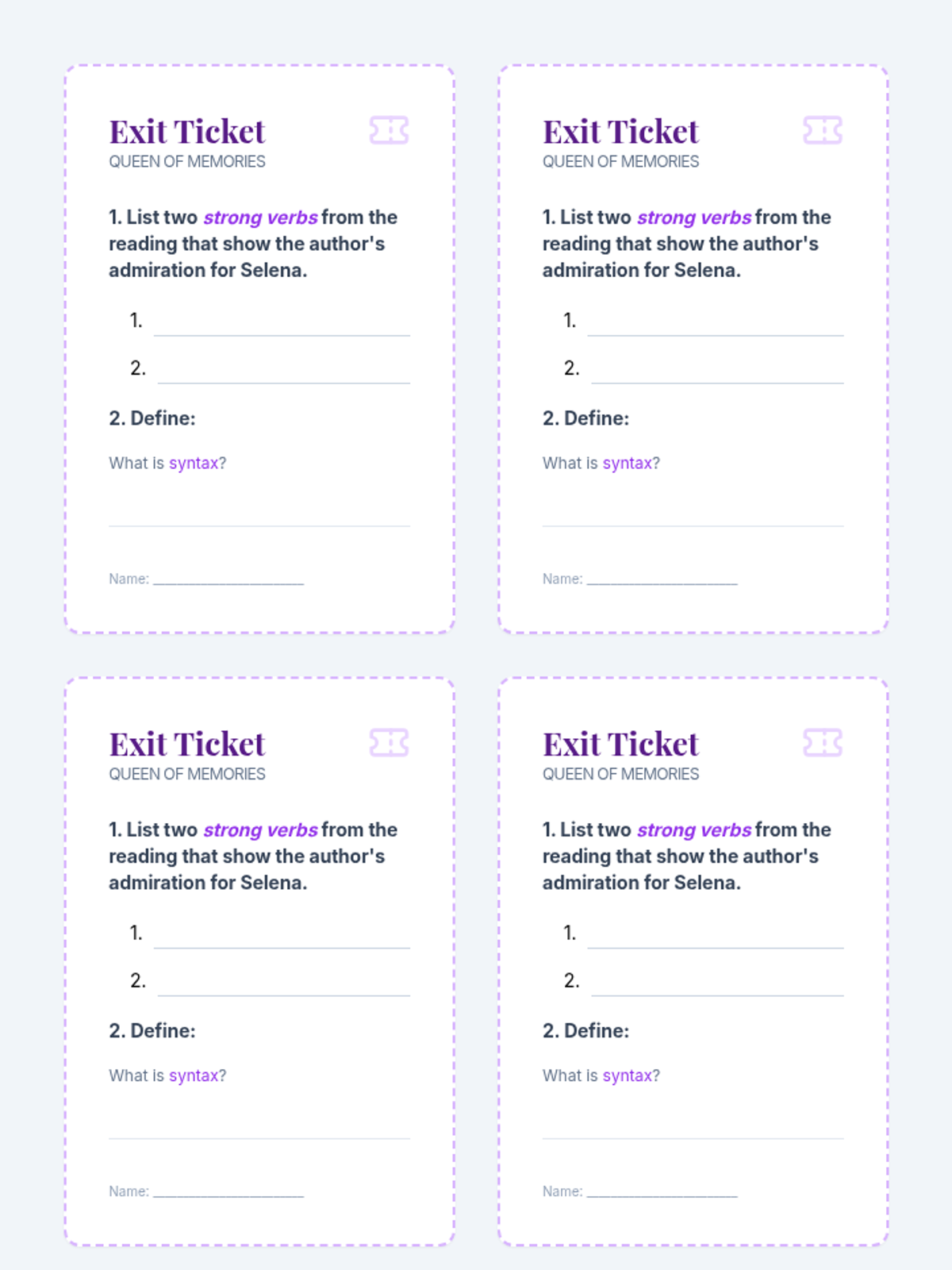
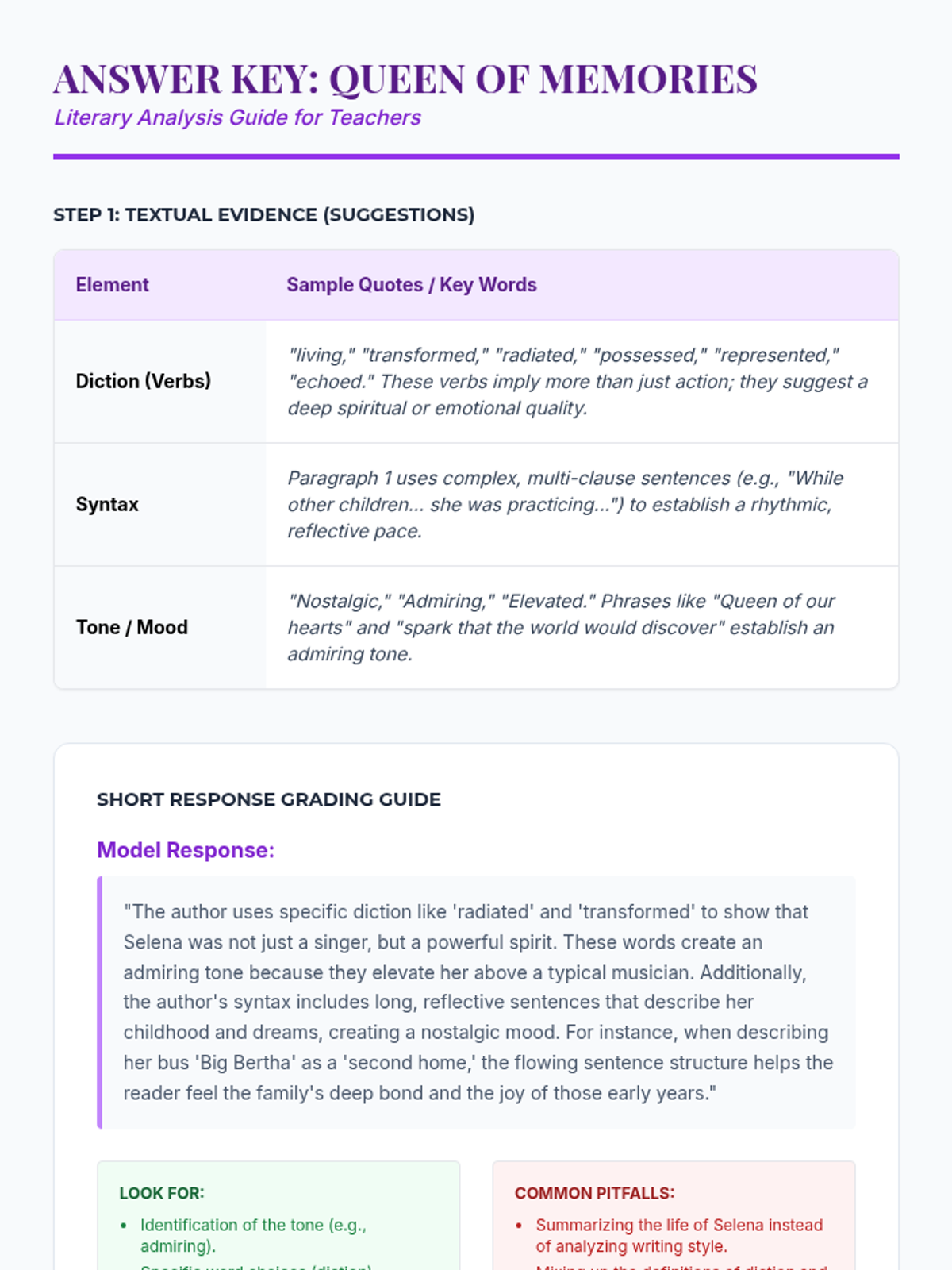
A lesson focused on the life of Selena Quintanilla, using the past tense to analyze how an author's diction and syntax build mood and tone in a biographical text.
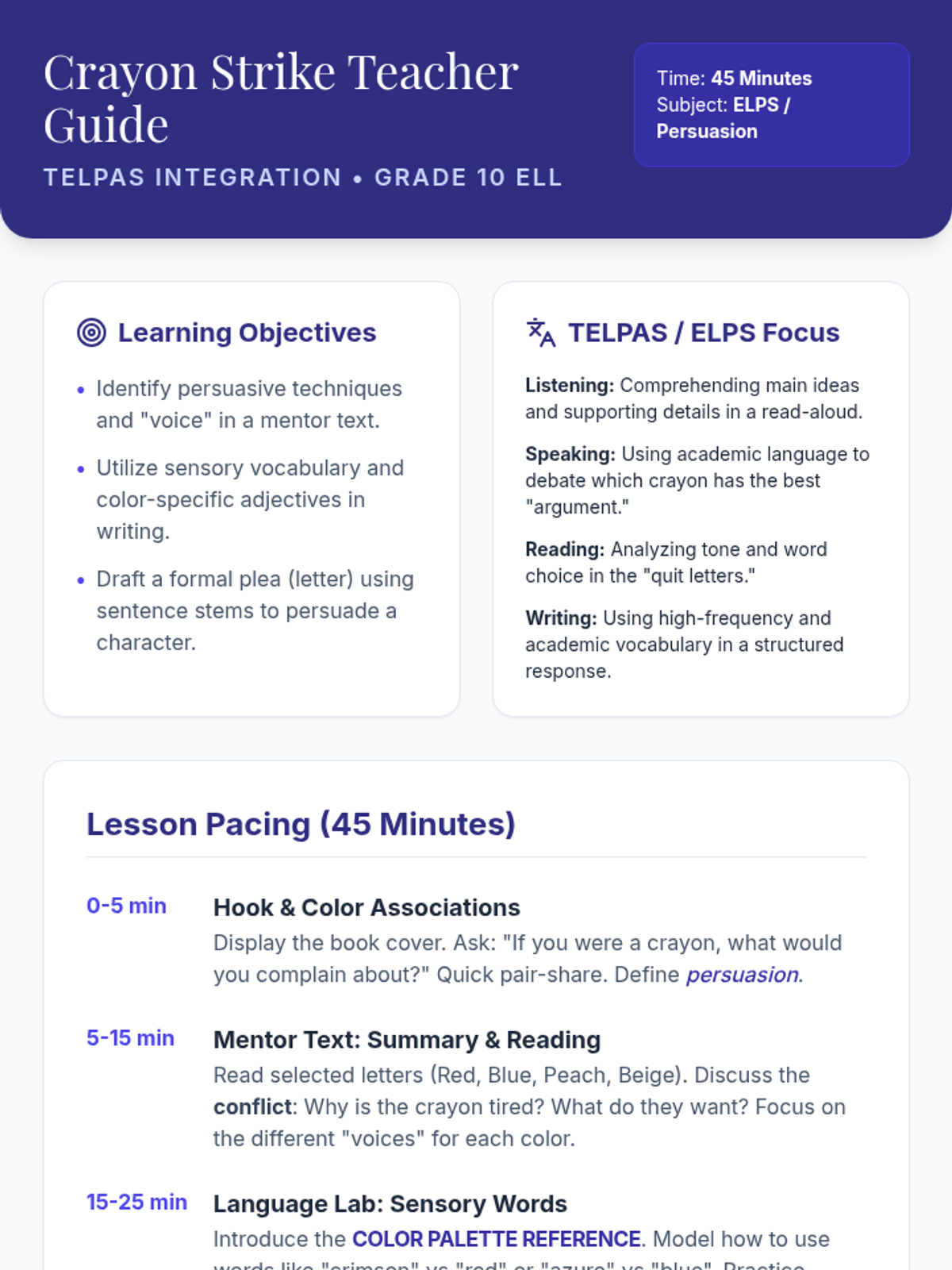
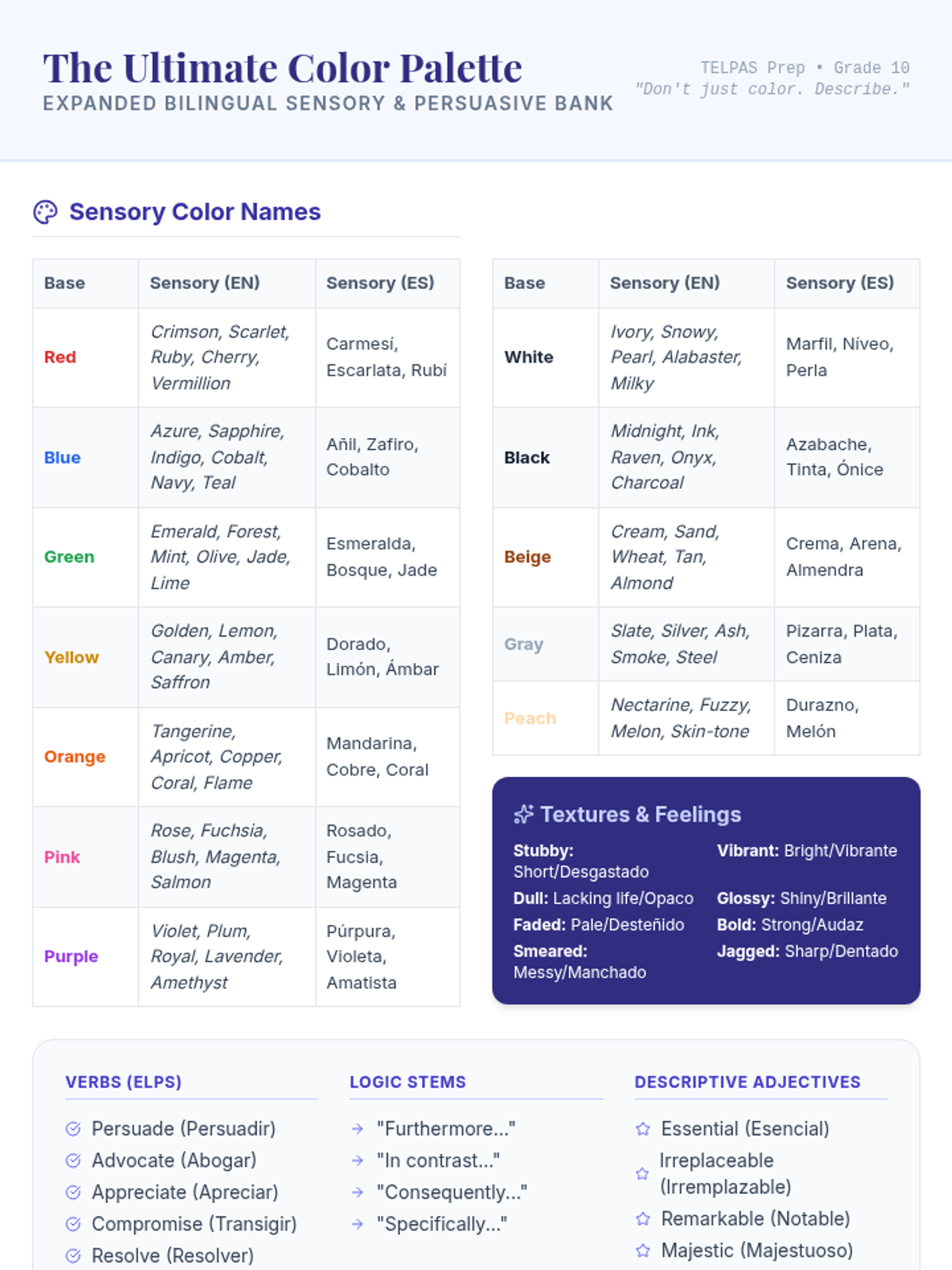
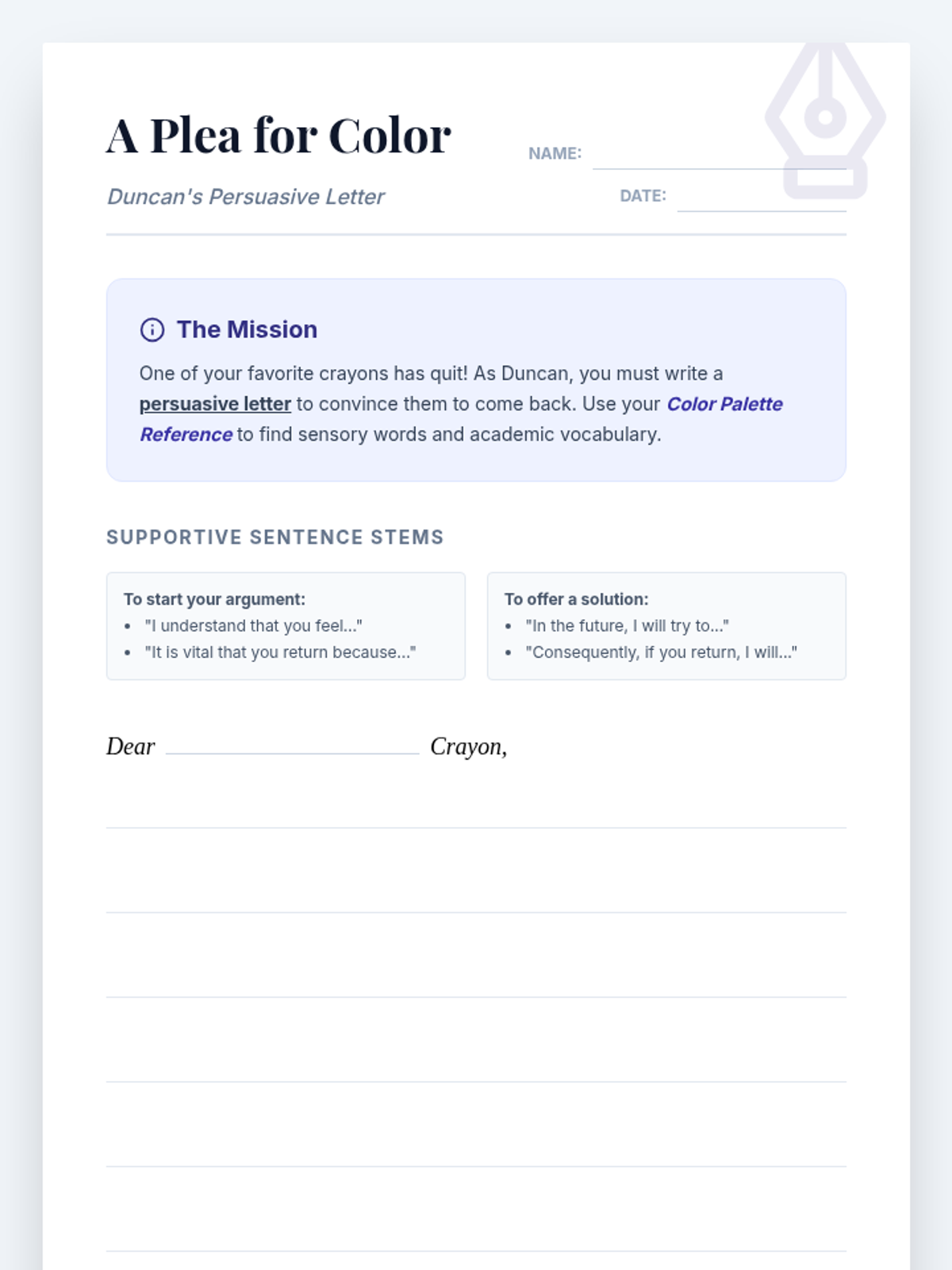
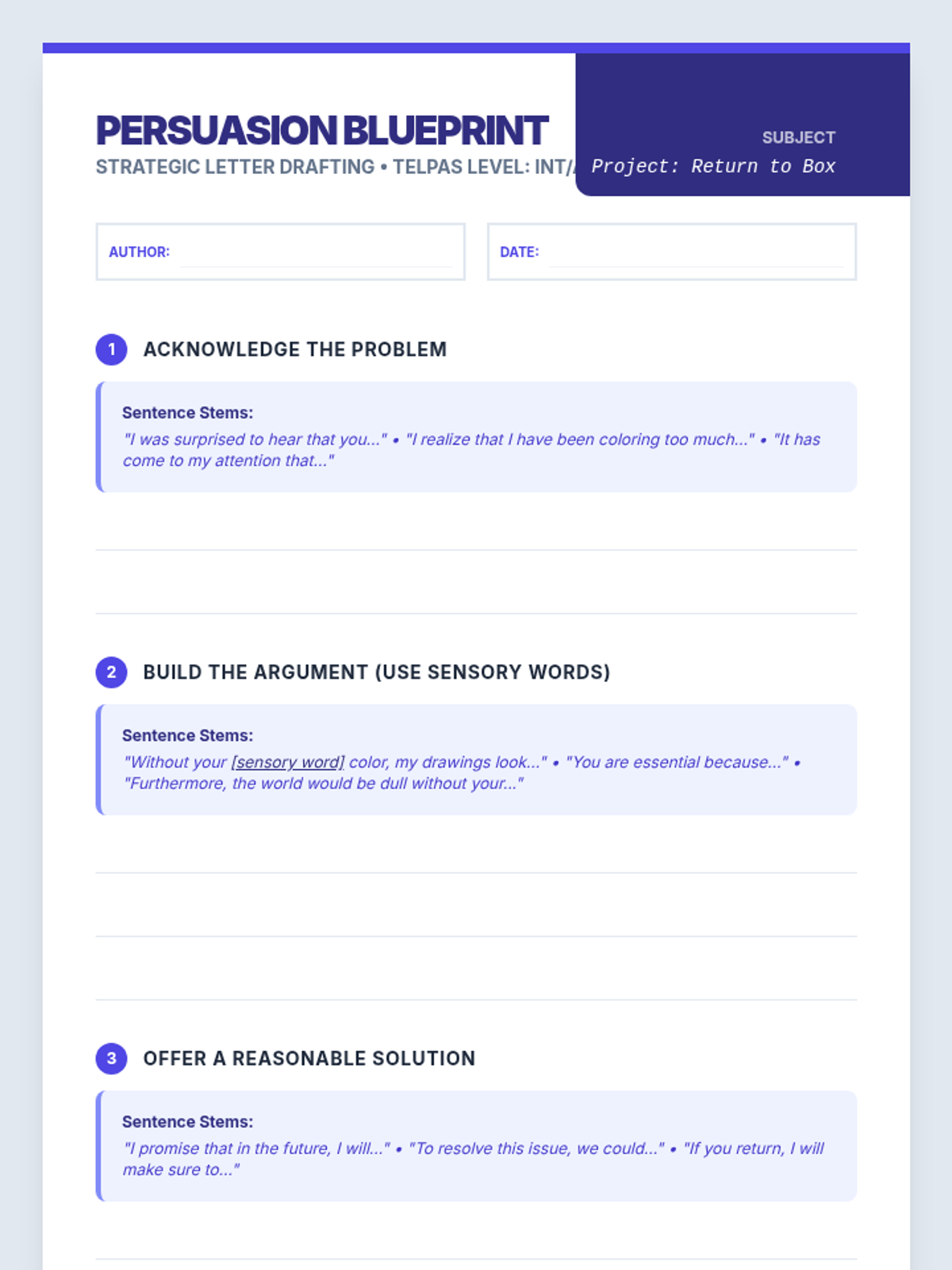
A 45-minute TELPAS-aligned lesson for 10th-grade ELLs using 'The Day the Crayons Quit' to practice persuasive writing, sensory language, and oral communication.
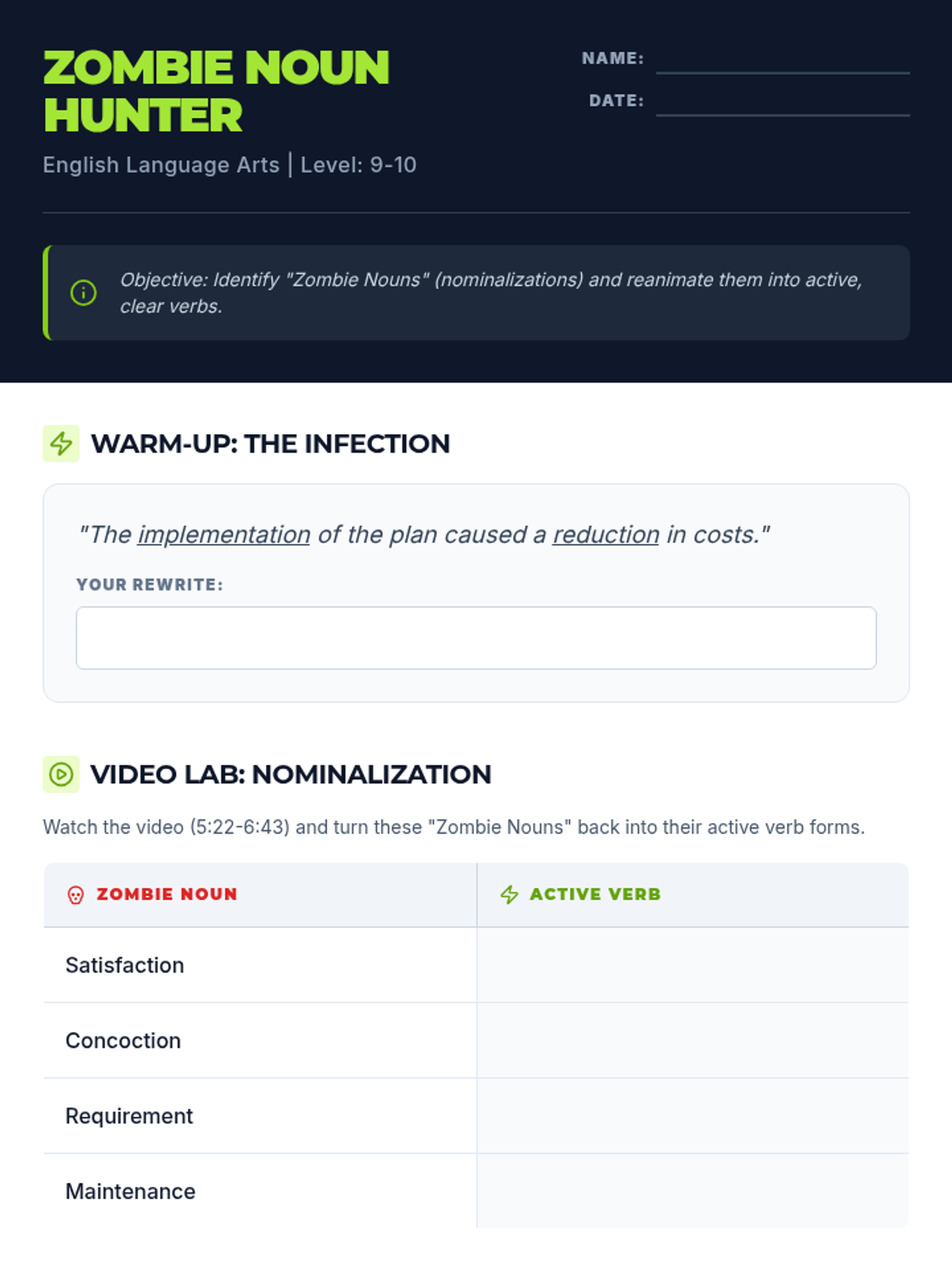
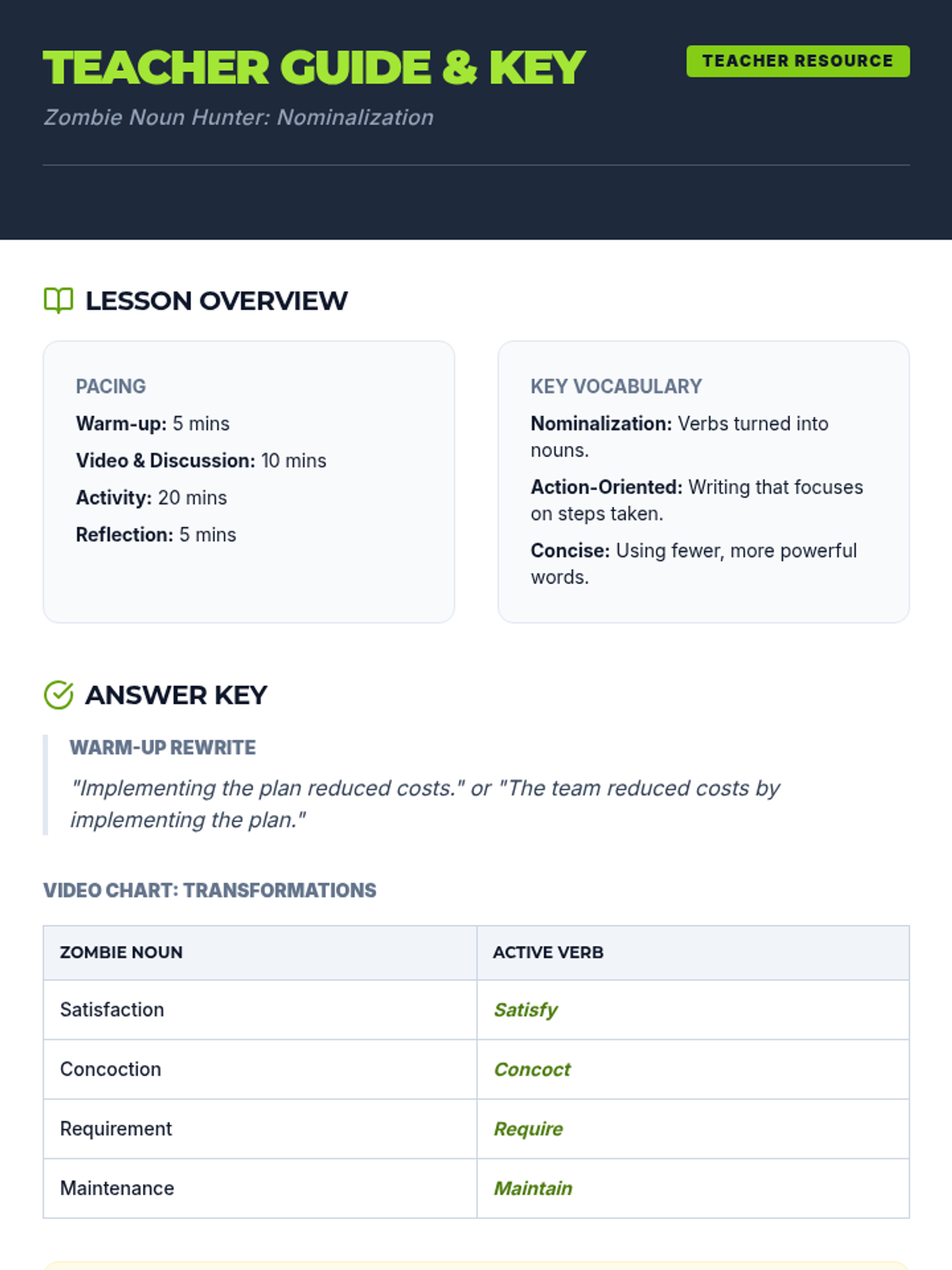
Students learn to identify and eliminate 'Zombie Nouns' (nominalizations) to make their writing more active and concise. The lesson includes a video-based discussion and a 'Nominalization Hunt' activity using a corporate memo.
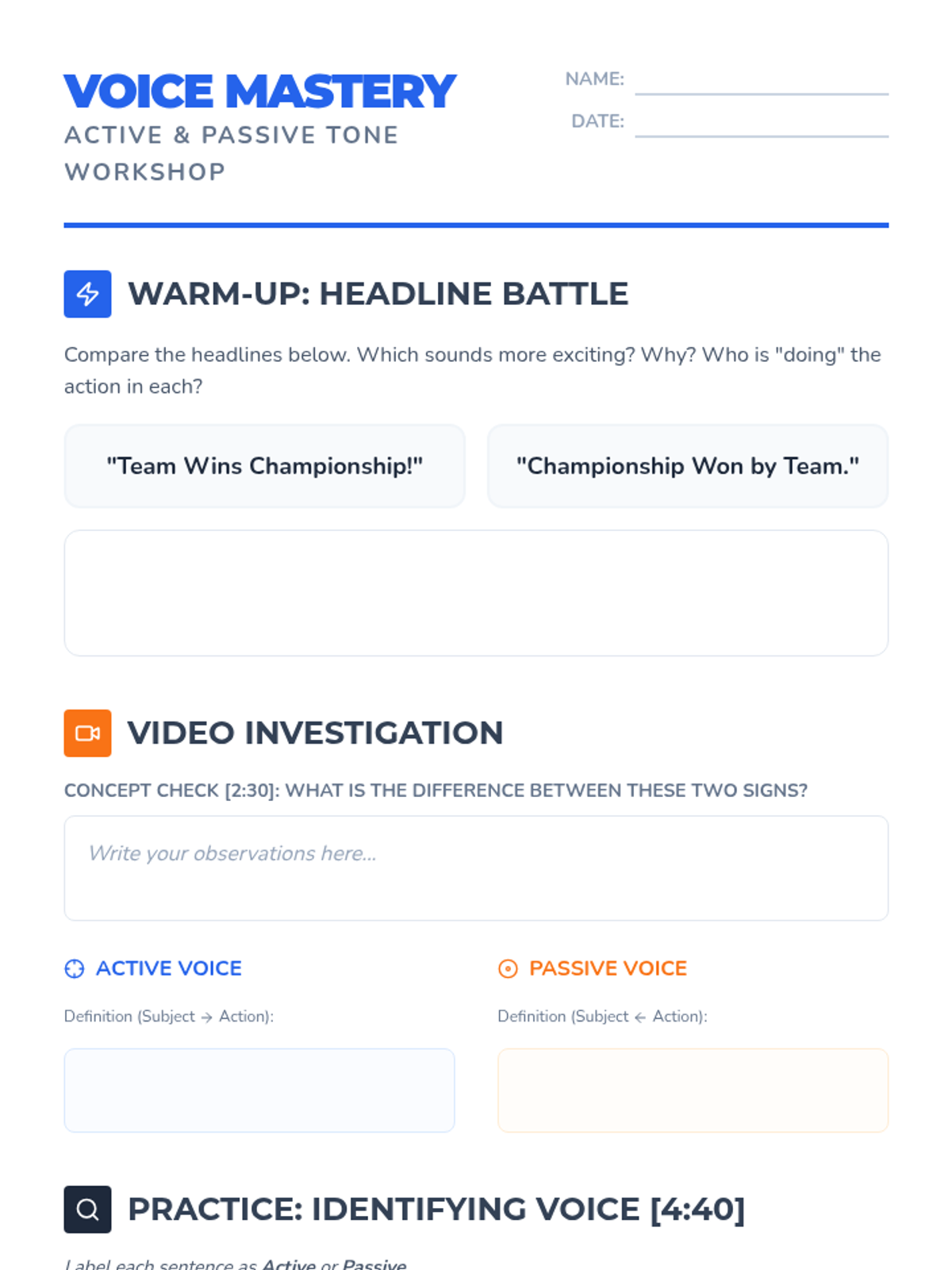
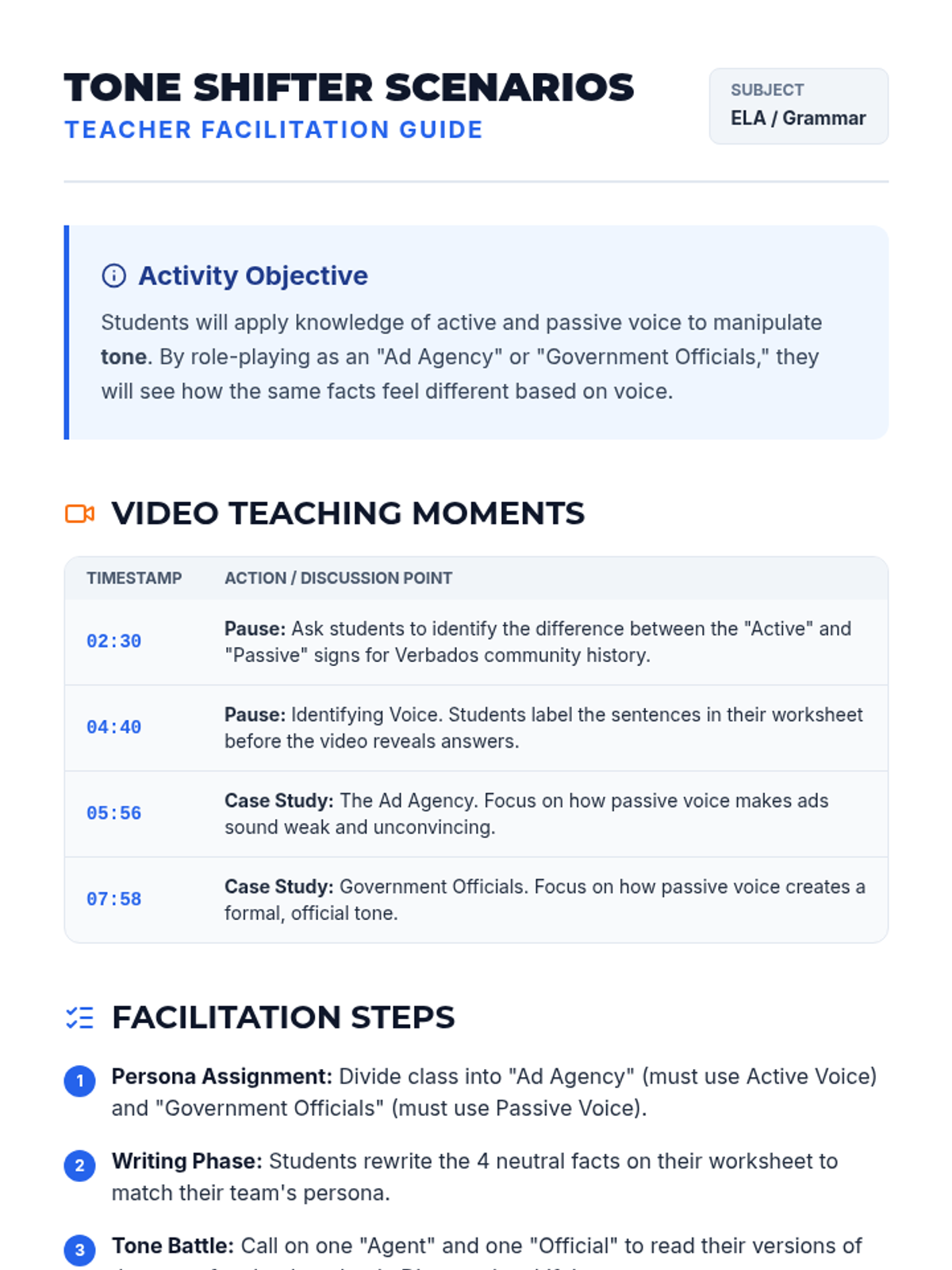
Students will master the use of active and passive voice to manipulate tone, specifically practicing persuasive writing for advertisements and formal writing for official announcements.
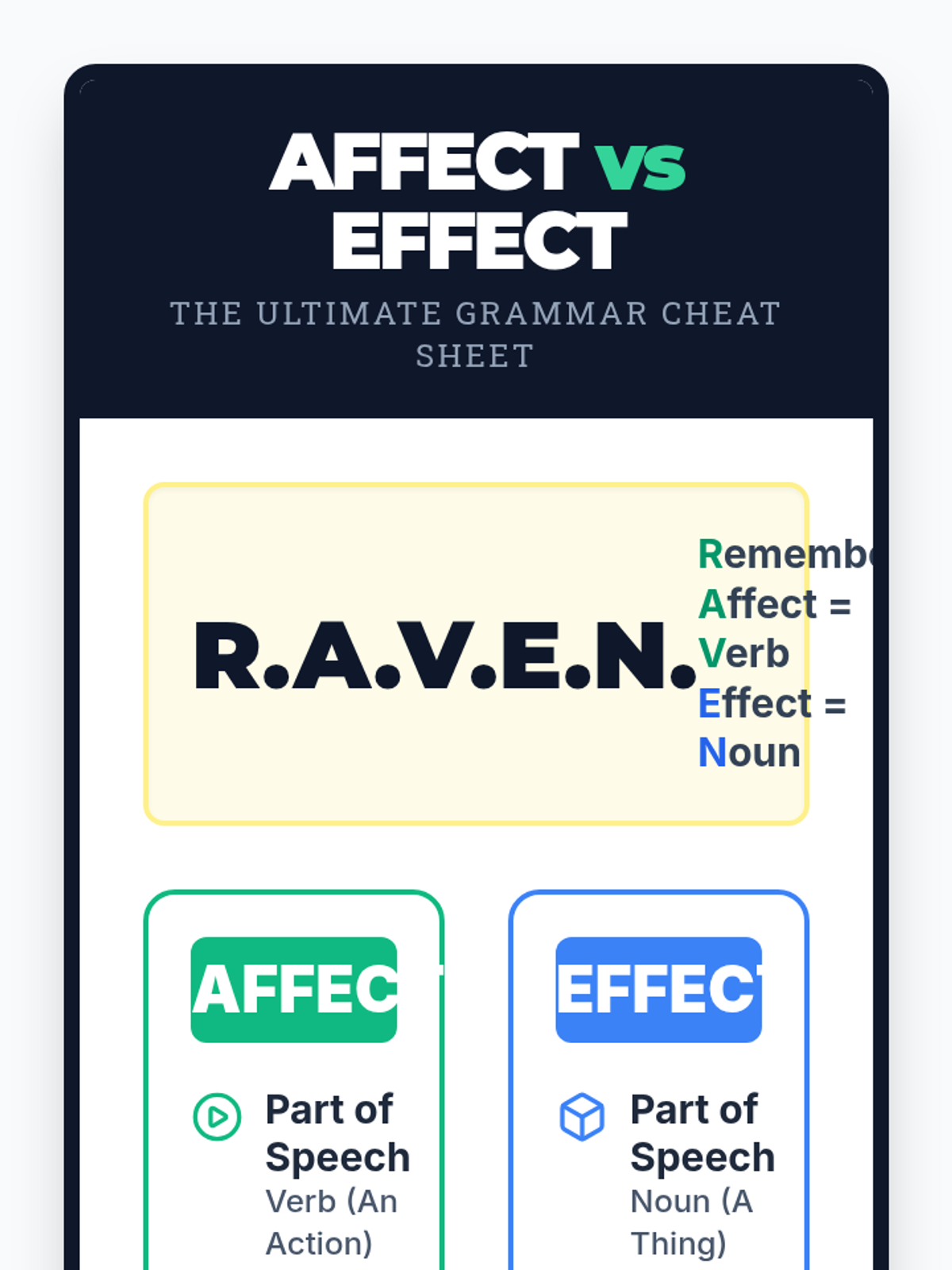
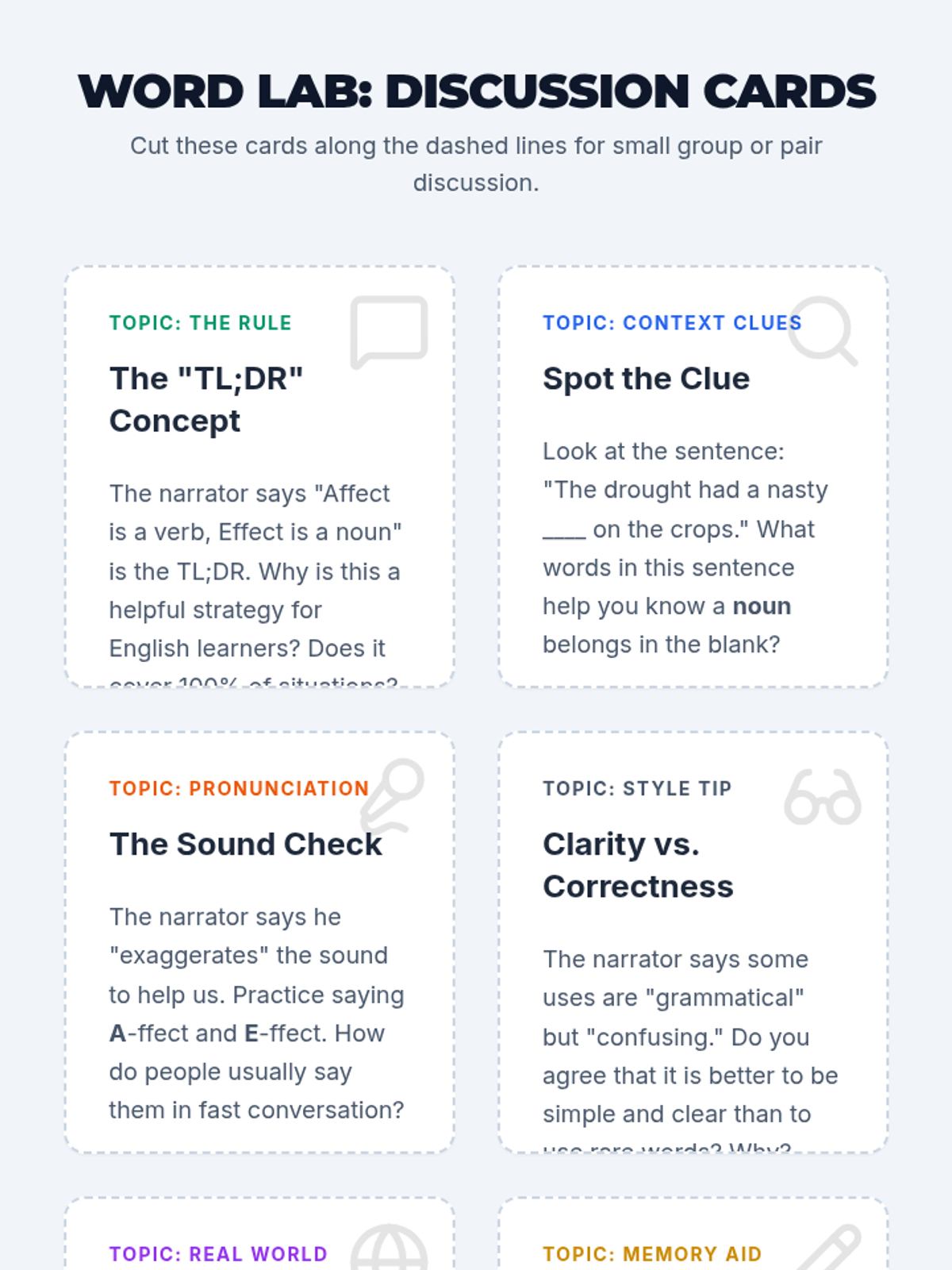
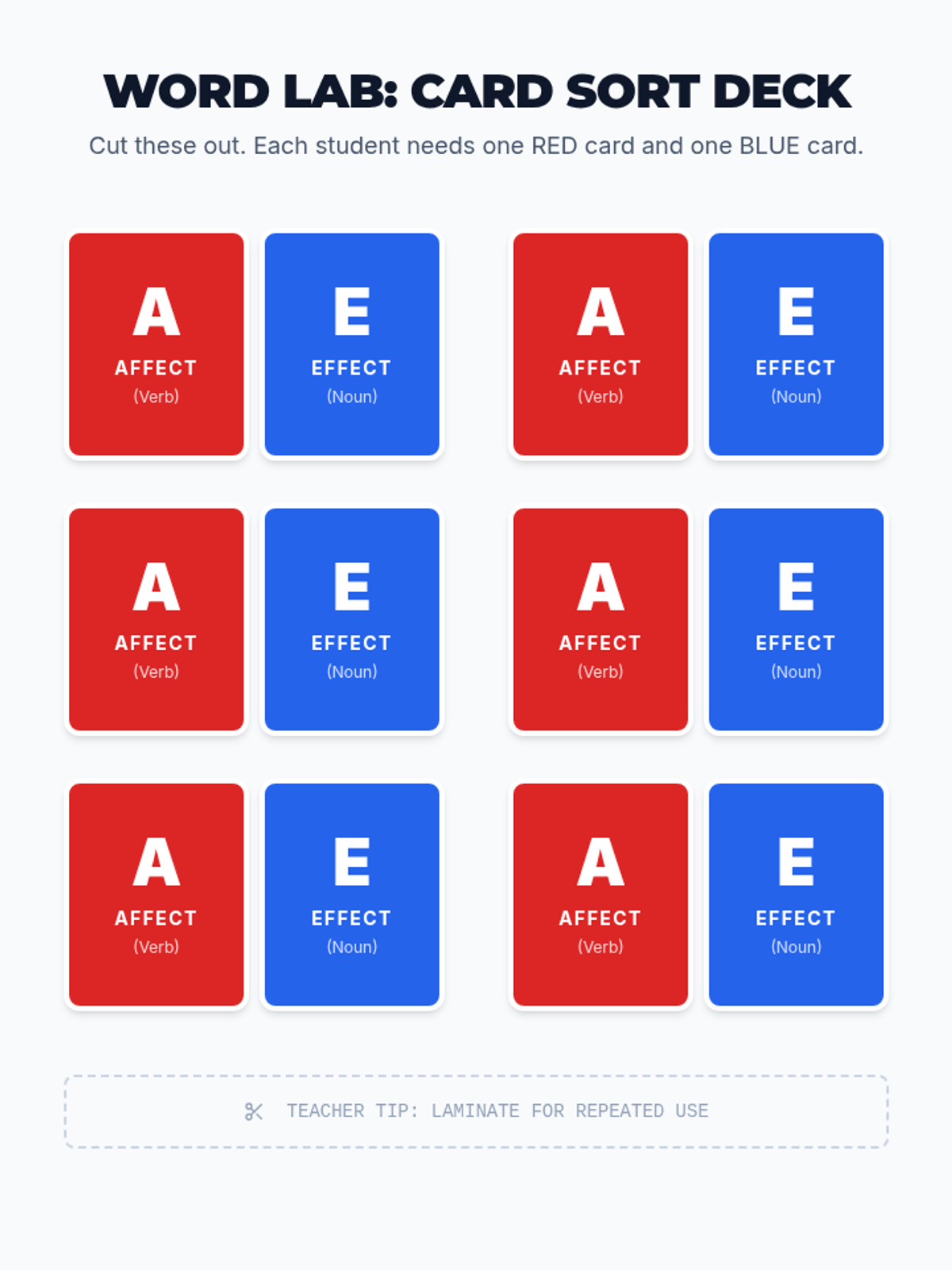
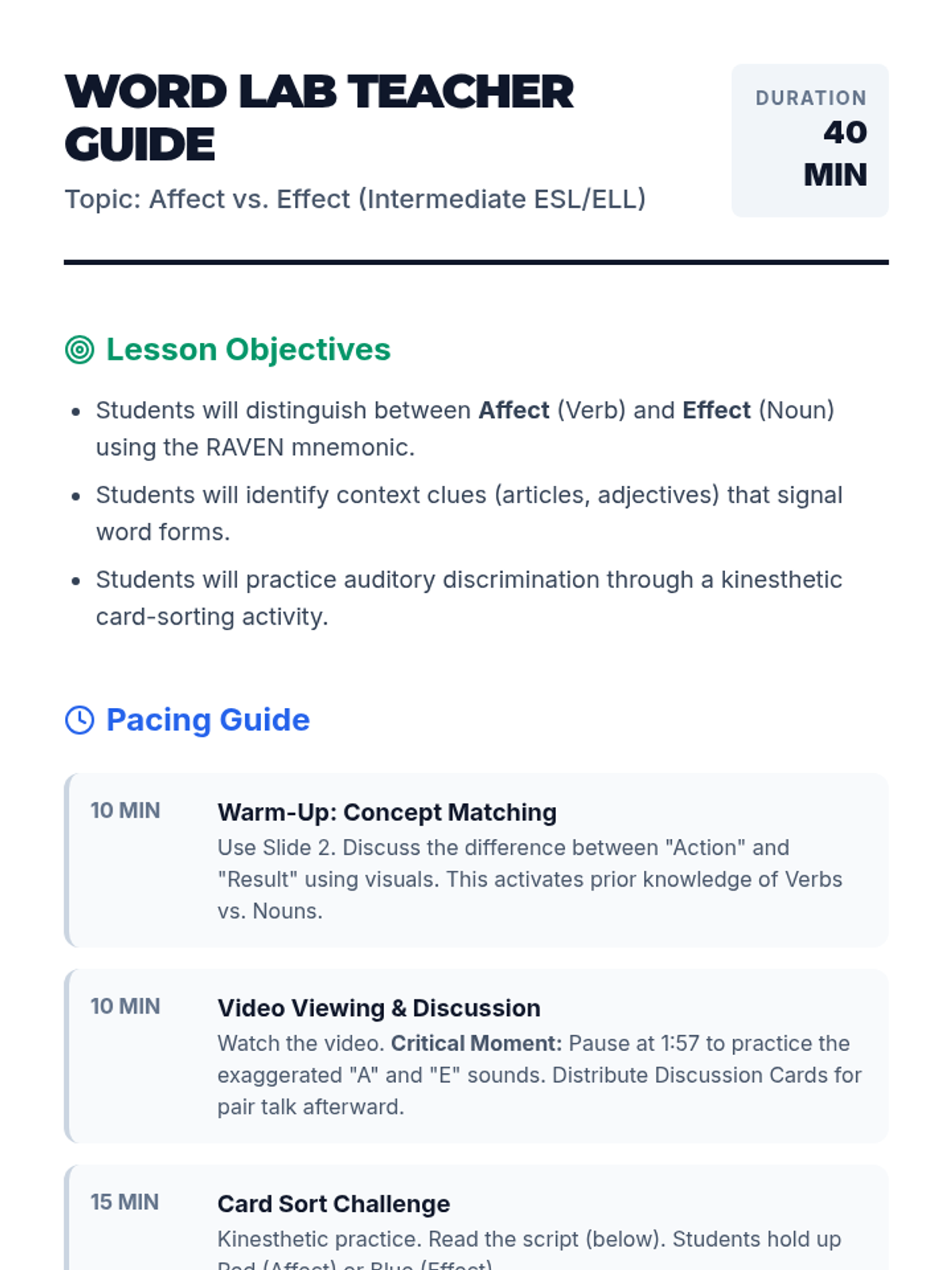
An intermediate ESL/ELL lesson focused on distinguishing between 'affect' and 'effect' using word forms, context clues, and a visual mnemonic. Includes a video-based discussion, a kinesthetic card-sorting activity, and a visual anchor chart.
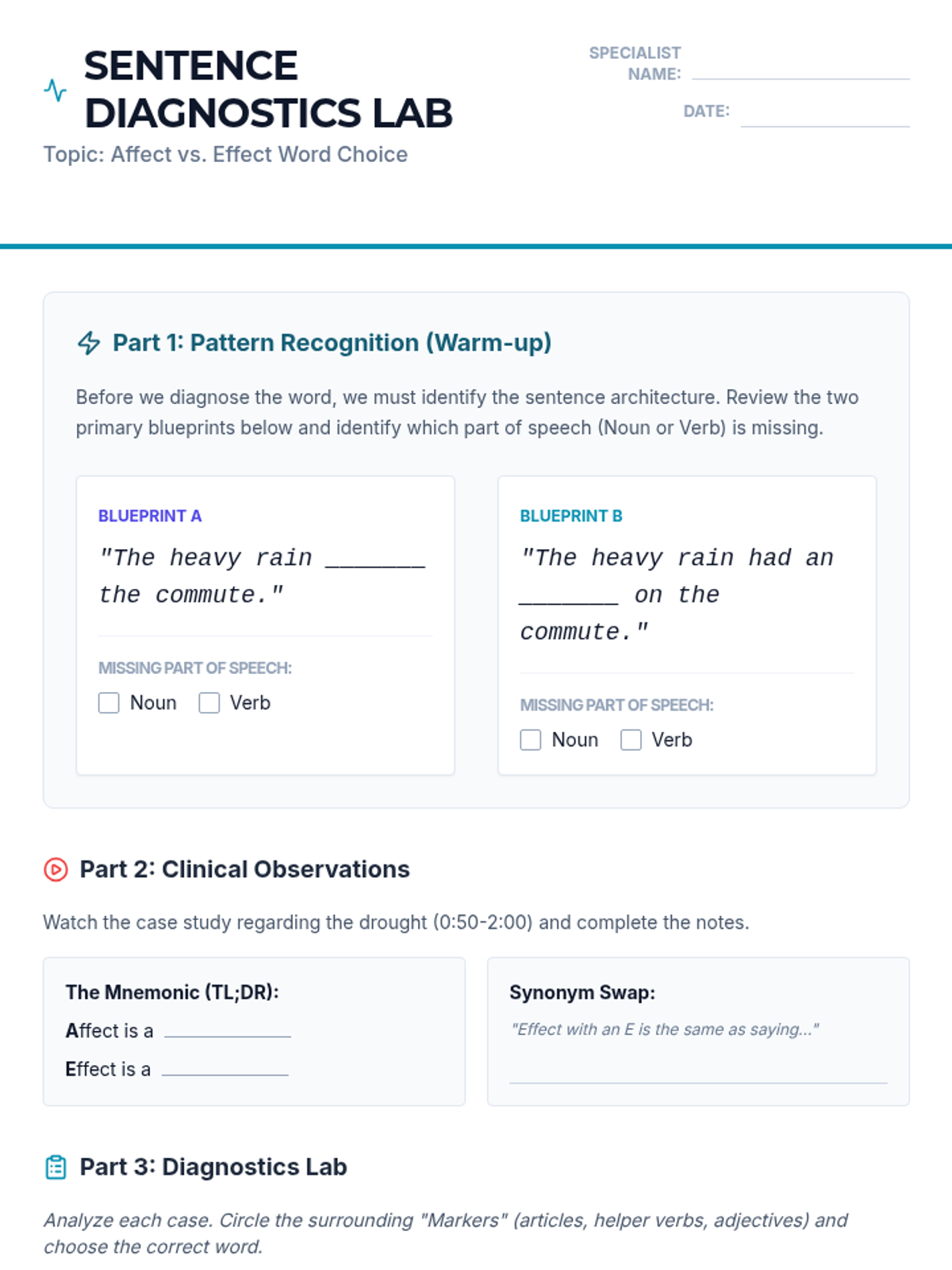
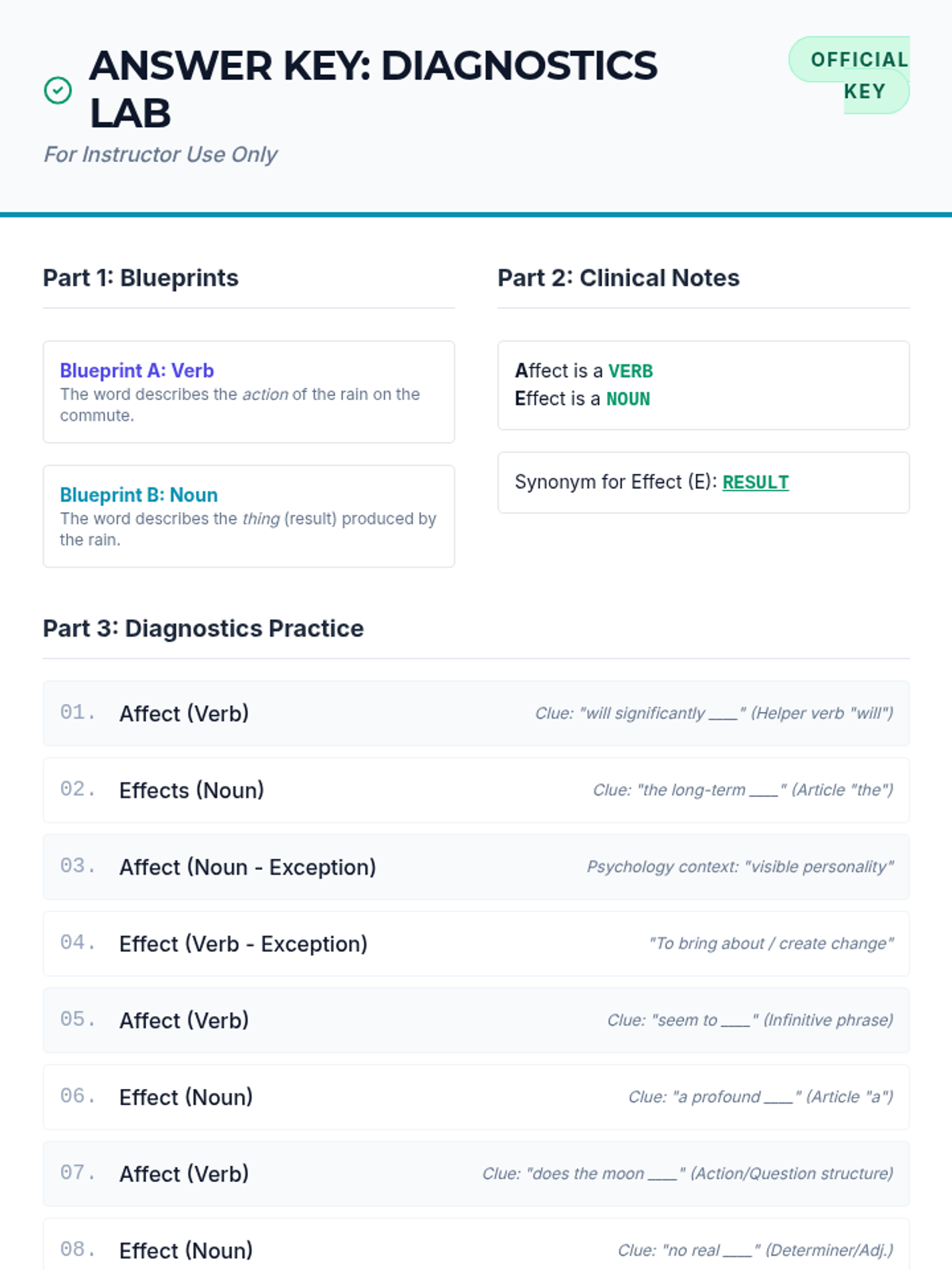
A comprehensive lesson for 9th-10th grade students on the distinction between 'affect' and 'effect'. Through a 'Sentence Diagnostics' approach, students analyze grammatical patterns and surrounding context to choose the correct word, including an introduction to high-level exceptions.
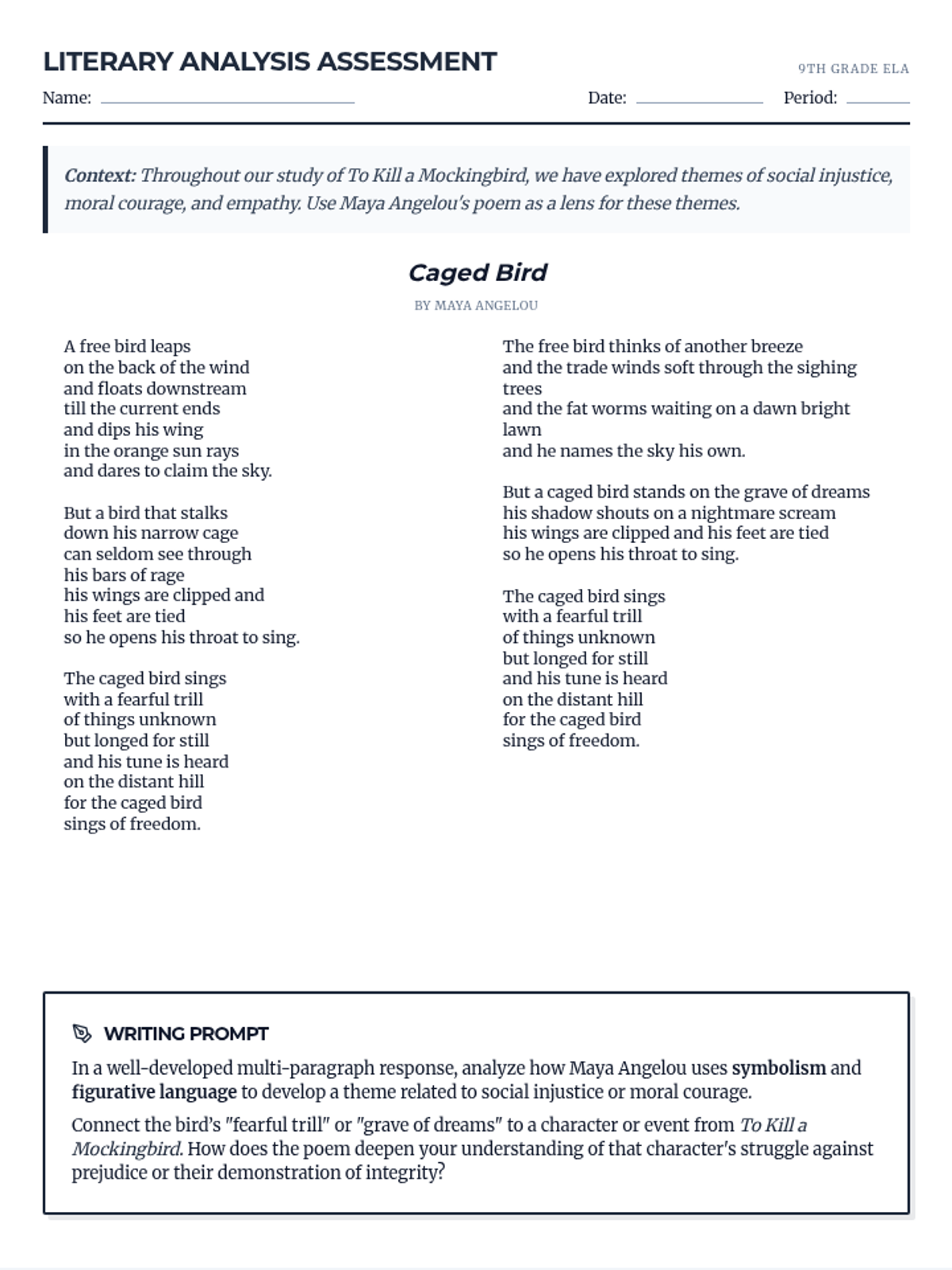
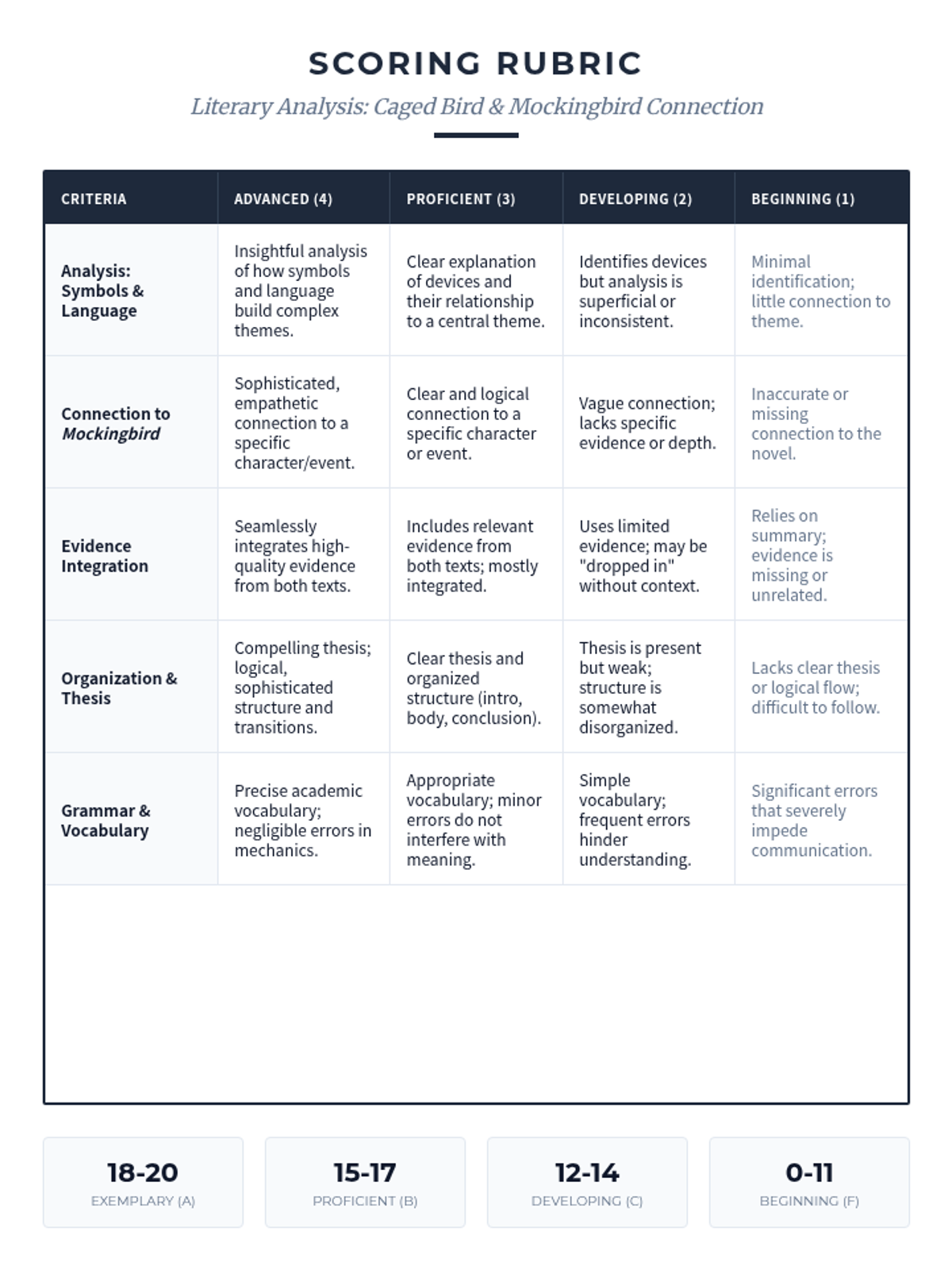
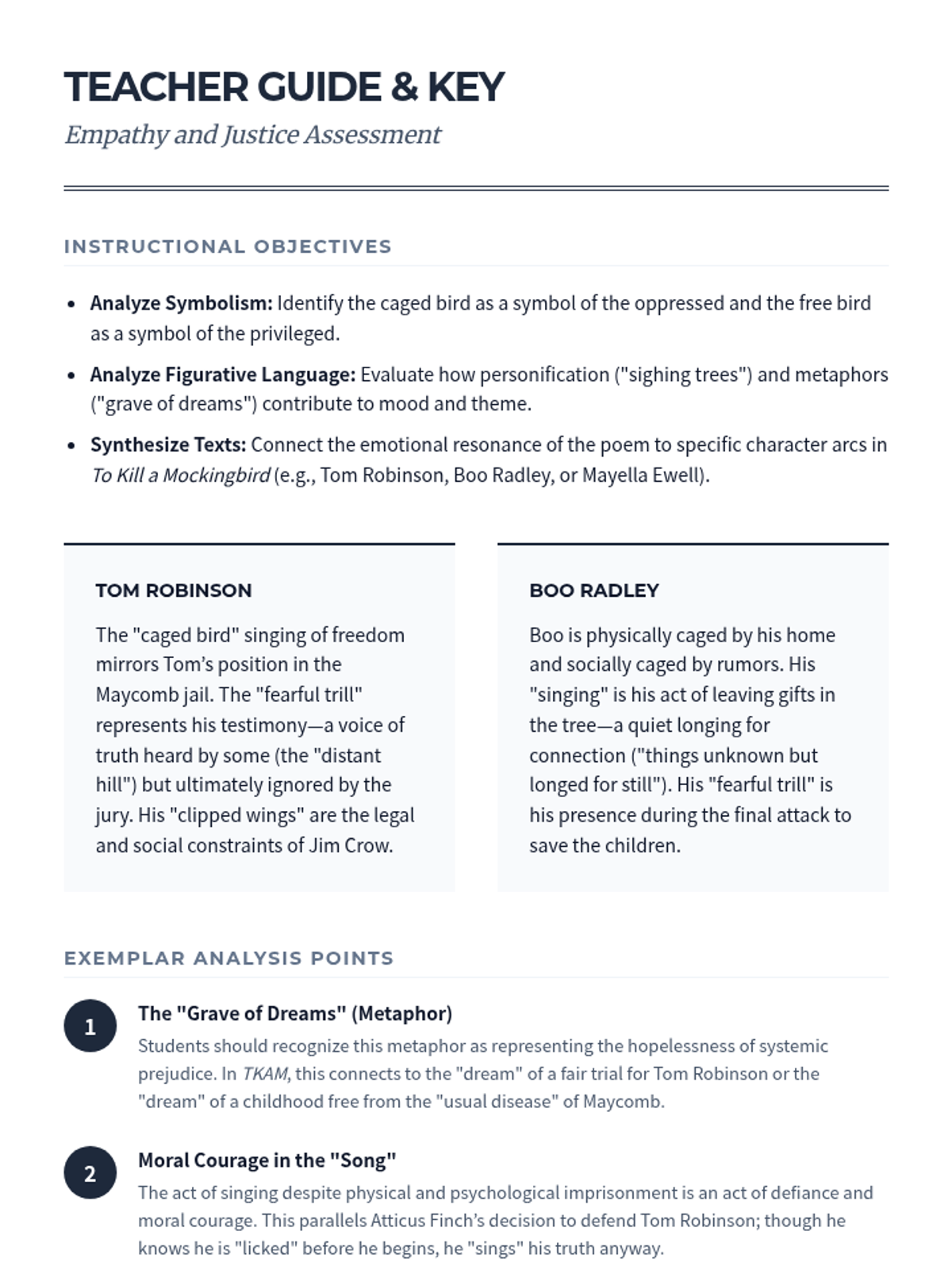
A literary analysis assessment where students connect the themes of social injustice and moral courage in Maya Angelou's 'Caged Bird' to Harper Lee's 'To Kill a Mockingbird'.
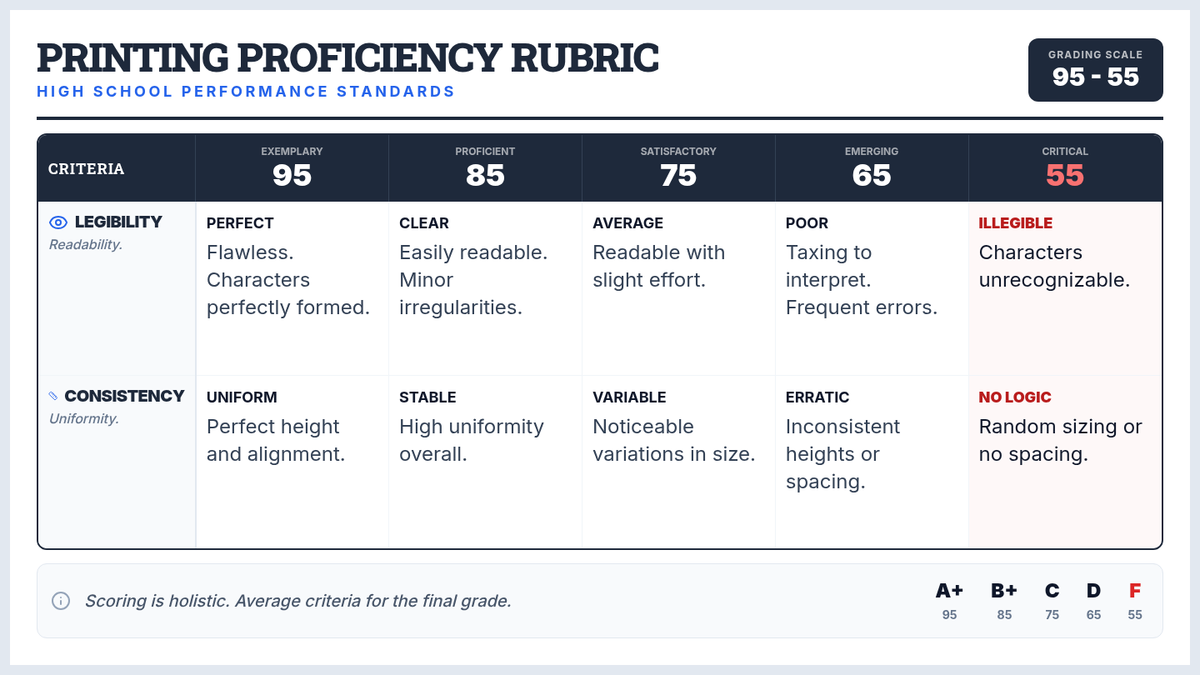
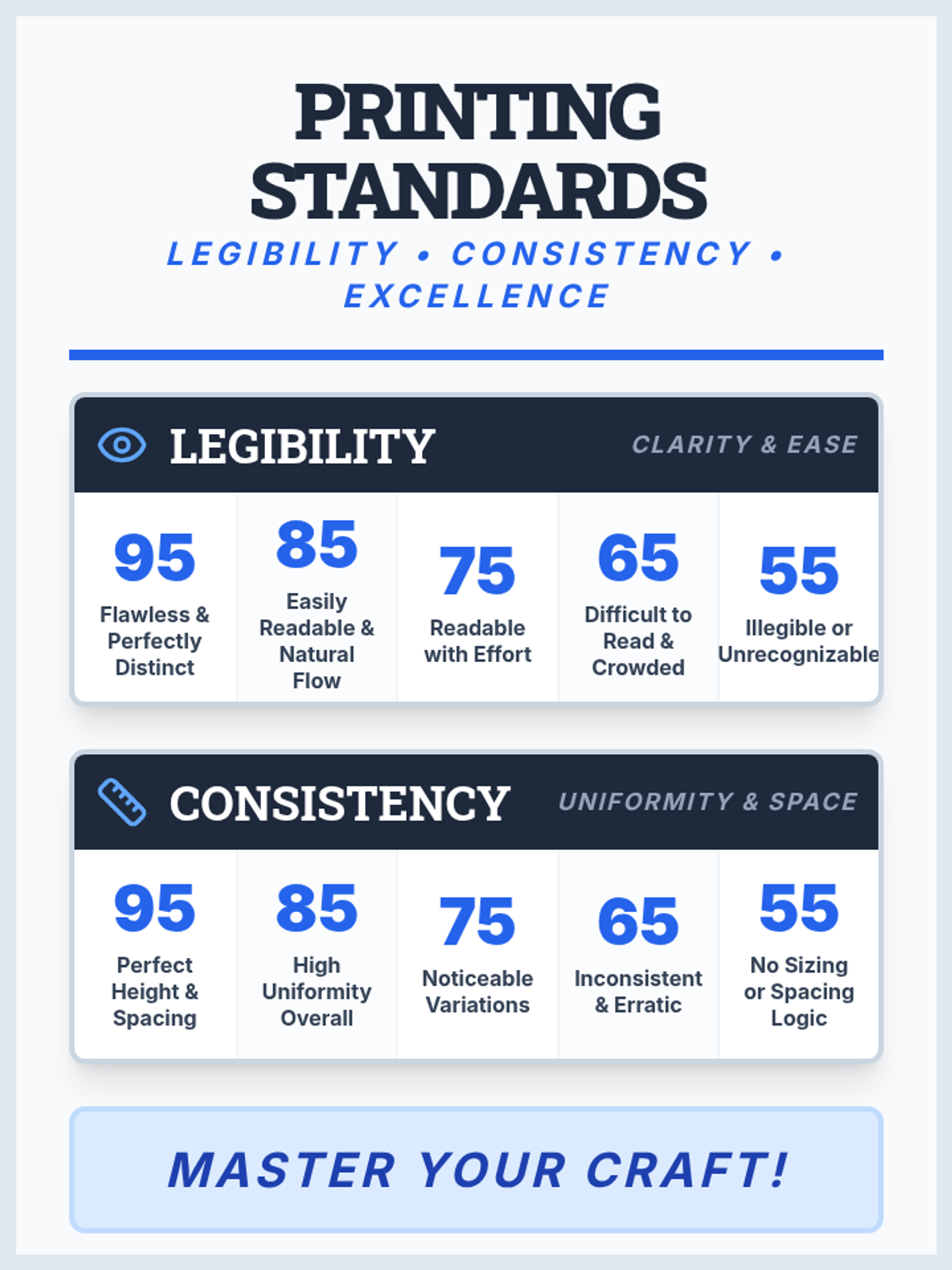
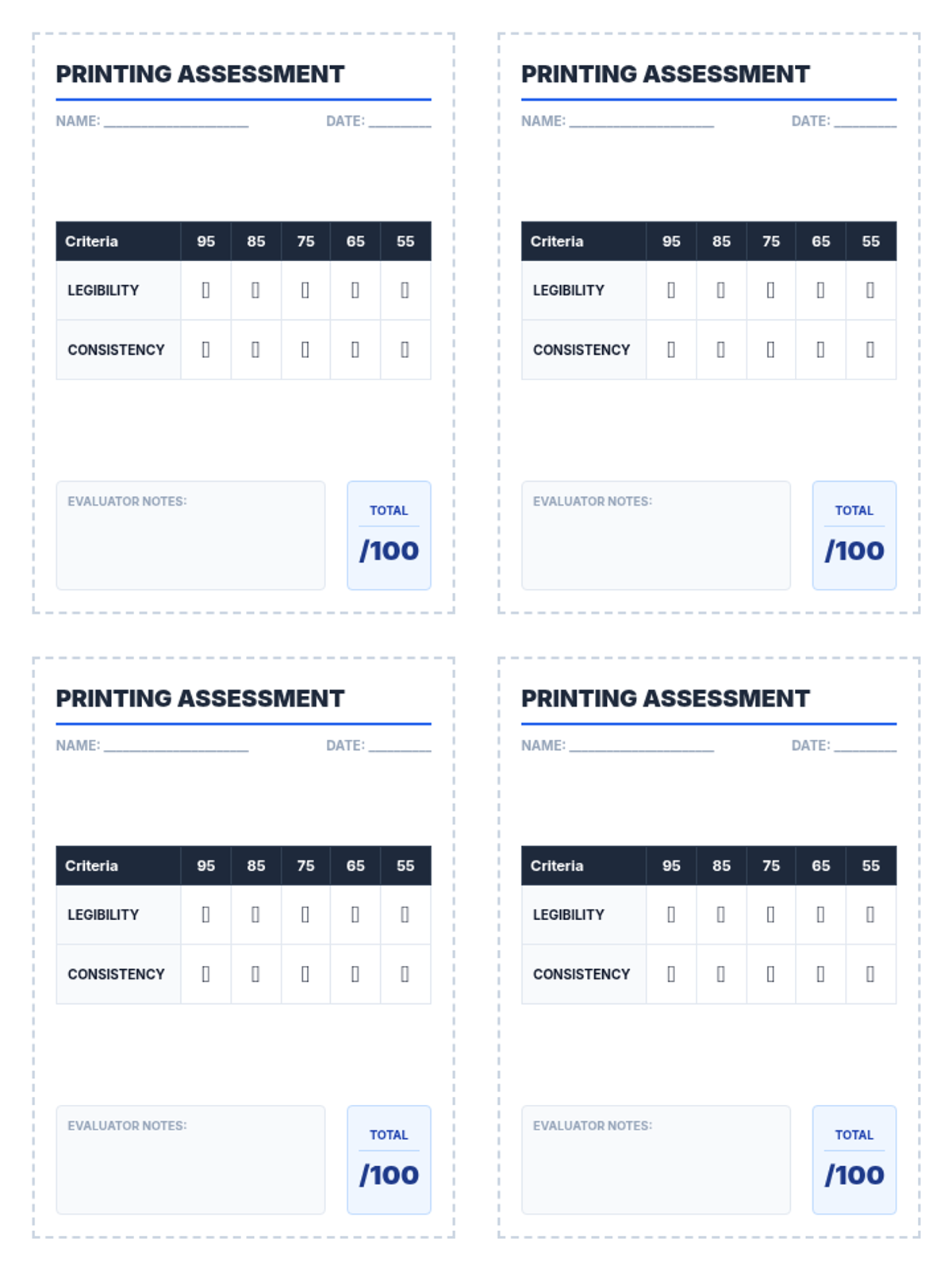
An assessment focused on high school printing standards, centered on a specific printing proficiency rubric.