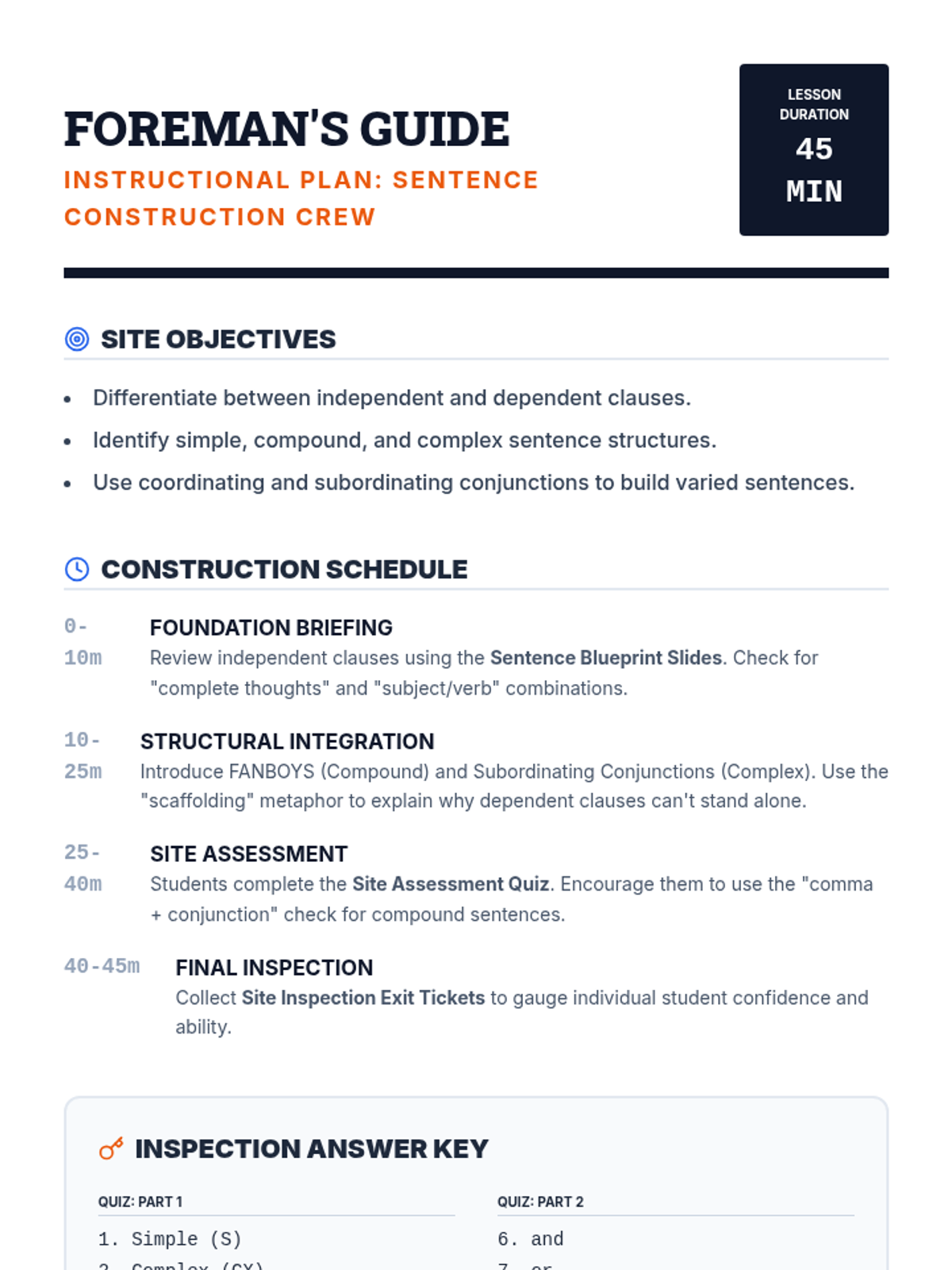
A high-energy lesson focused on maintaining consistent grammatical person (pronoun agreement). Students learn the 'Stay in Your Lane' concept through a video and a collaborative board-race game.
A lesson focused on analyzing character motivations and perceptions in the short story 'The Lure of Sheila Mant' by W.D. Wetherell. Students will explore how the narrator views the Mant family and Sheila herself through close reading and textual evidence.
A culminating project where students reflect on the 8-week journey and create a 'Value Vault' for themselves or Gregor.
Analyzes the end of the novella, Gregor's death, and the family's disturbing relief and new-found 'value'.
Focuses on Part III, the arrival of the boarders, and Gregor becoming a 'nuisance' in his own home.
Analyzes the climax of Part II, the father's return to work, and the symbolic 'apple' attack on Gregor.
Explores the changing relationship between Gregor and Grete, the moving of the furniture, and the concept of 'pity' vs 'value'.
Covers the transition to Part II, focusing on Gregor's physical changes, his new diet, and the loss of his human voice.
A focus on Part I of the novella, exploring the theme of work as identity and the manager's visit as a symbol of surveillance.
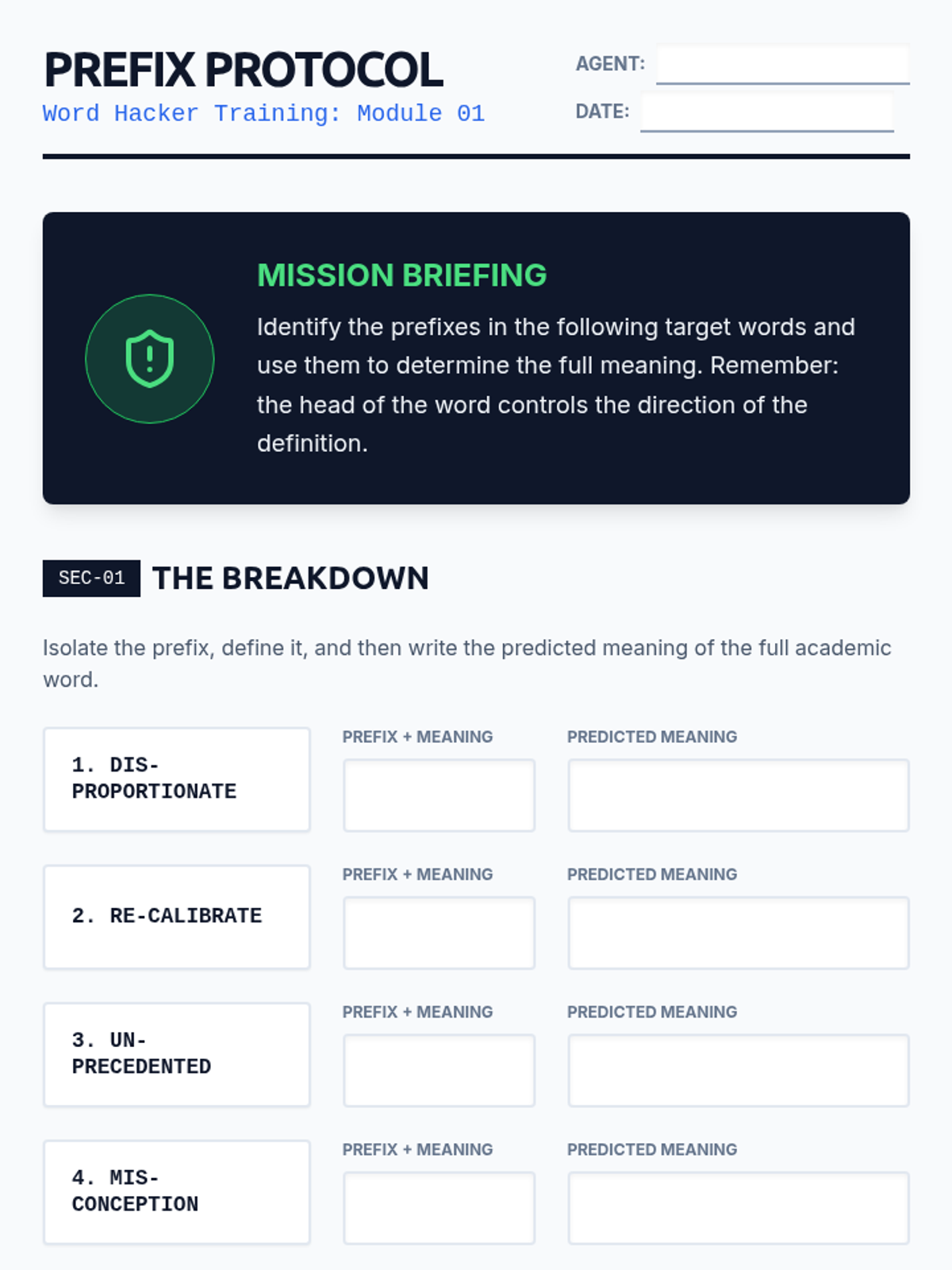
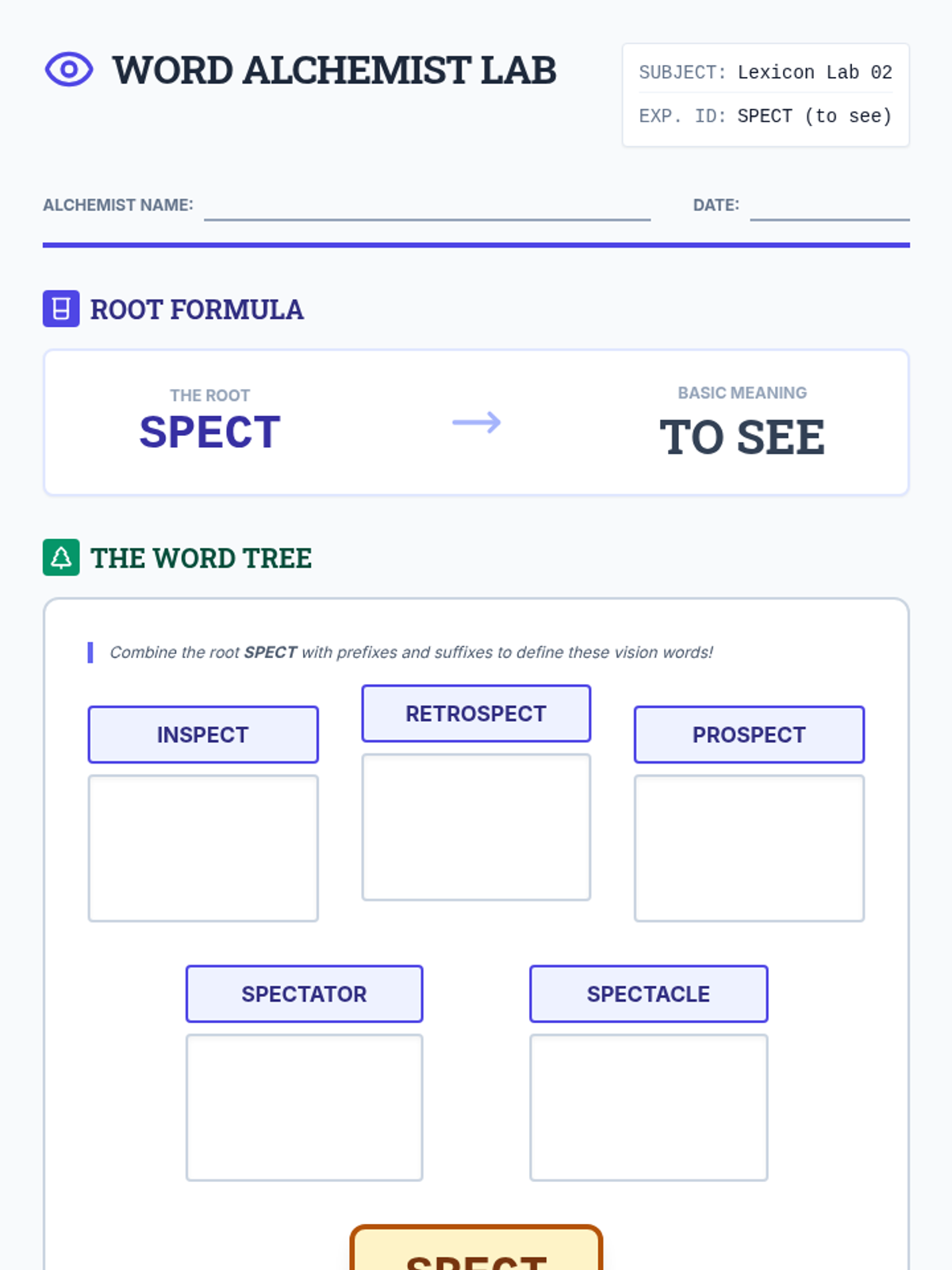
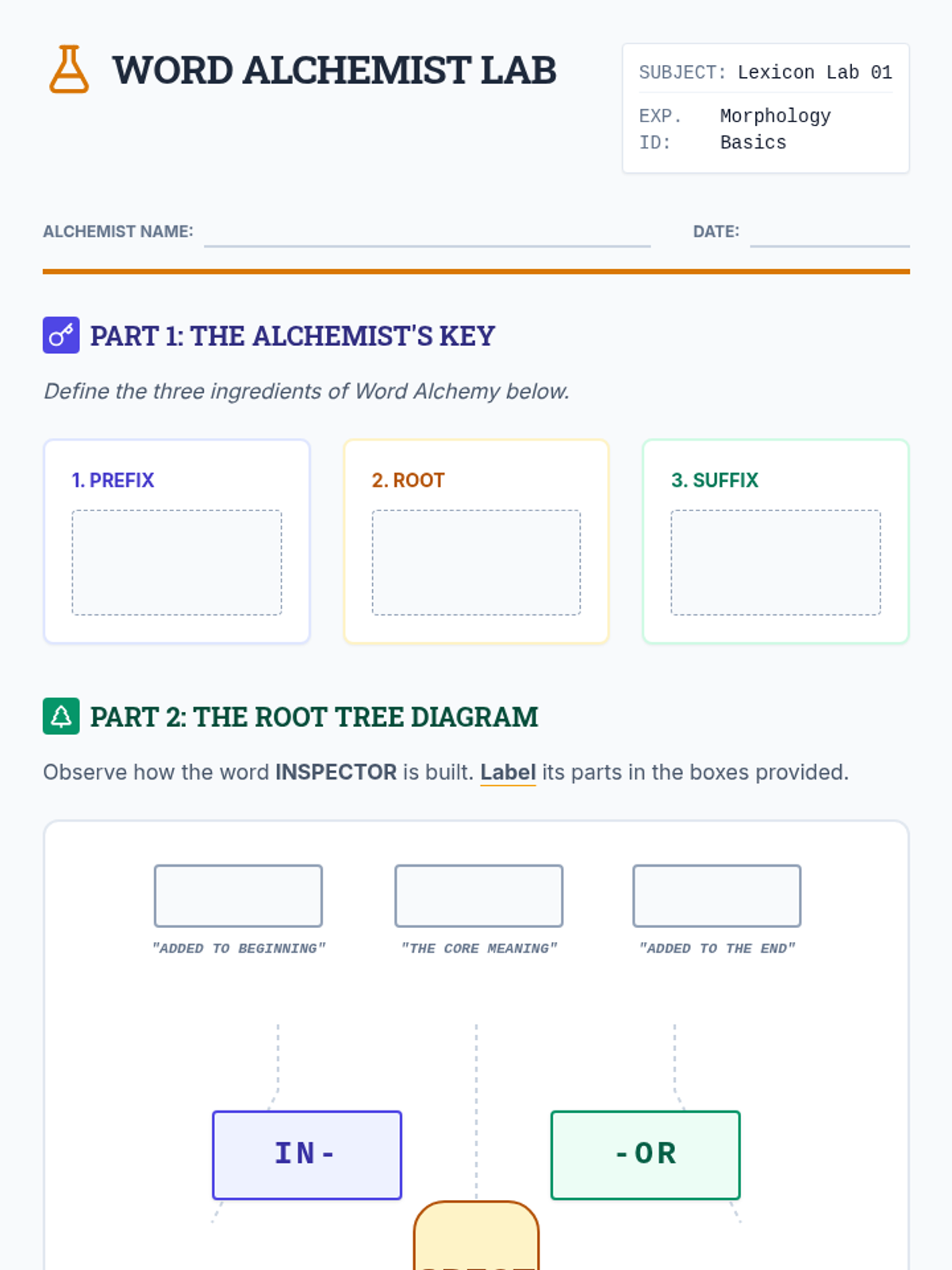
A 30-minute introductory lesson where students learn to decode complex words using a list of 24 common morphemes.
A mixed-practice mission focusing on word choice, sentence clarity, and overall passage coherence to simulate the full STAAR Revising and Editing experience.
Drills punctuation rules including commas in series, introductory phrases, and compound sentences, as well as semicolon usage for sentence variety.
Concentrates on subject-verb agreement and pronoun-antecedent agreement, ensuring students can spot subtle grammatical errors in complex sentences.
Targets logical organization and transitions between ideas, helping students select the most effective words or phrases to connect sentences and paragraphs.
Focuses on identifying and correcting fragments and run-on sentences while practicing effective sentence combining techniques common on the STAAR EOC.
An 8th-grade ELA lesson focused on Chapter 15 ('The Cigarette') of Persepolis, exploring themes of coming-of-age, rebellion, and oppression through analytical writing and collaborative discussion.
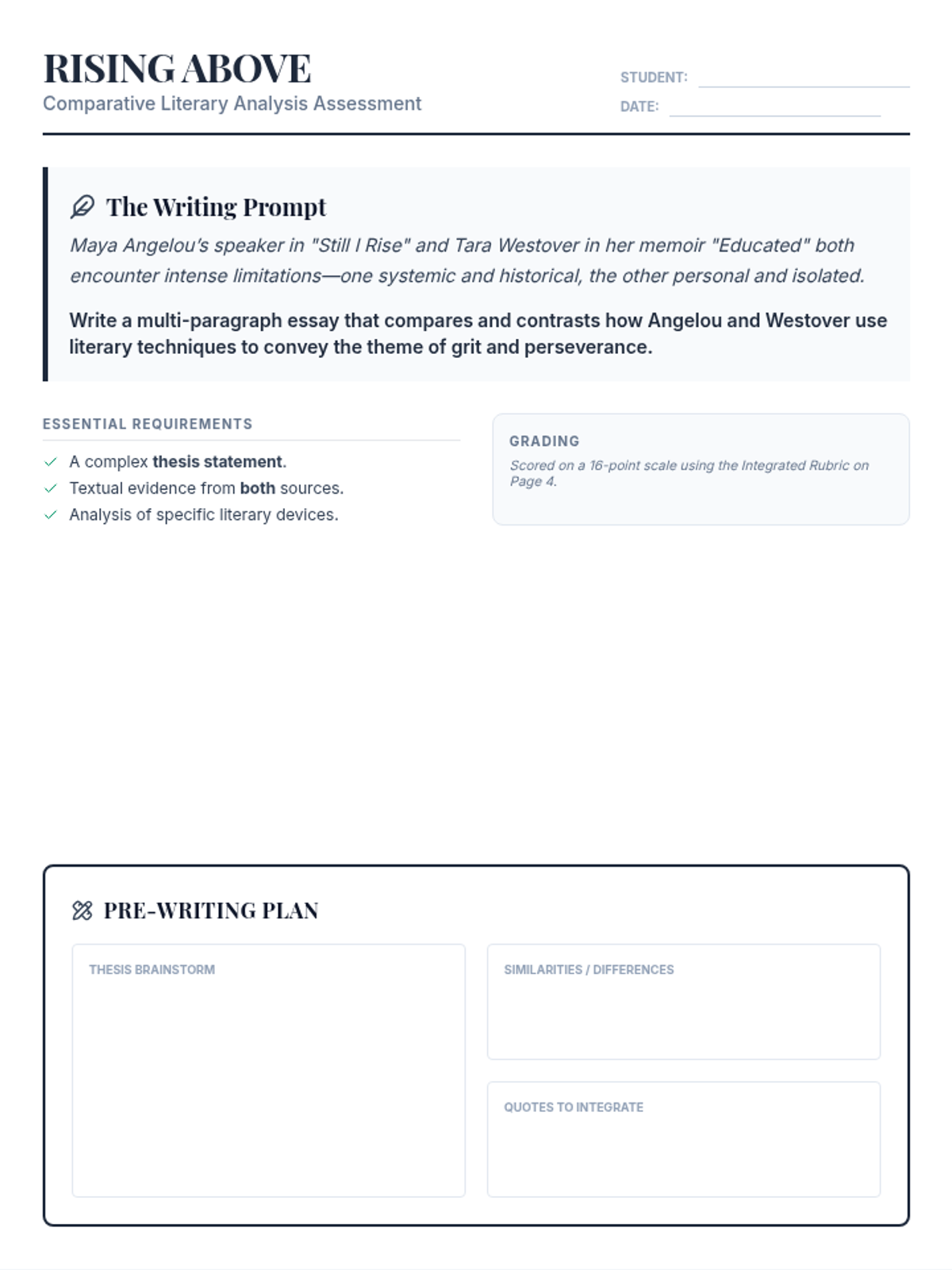
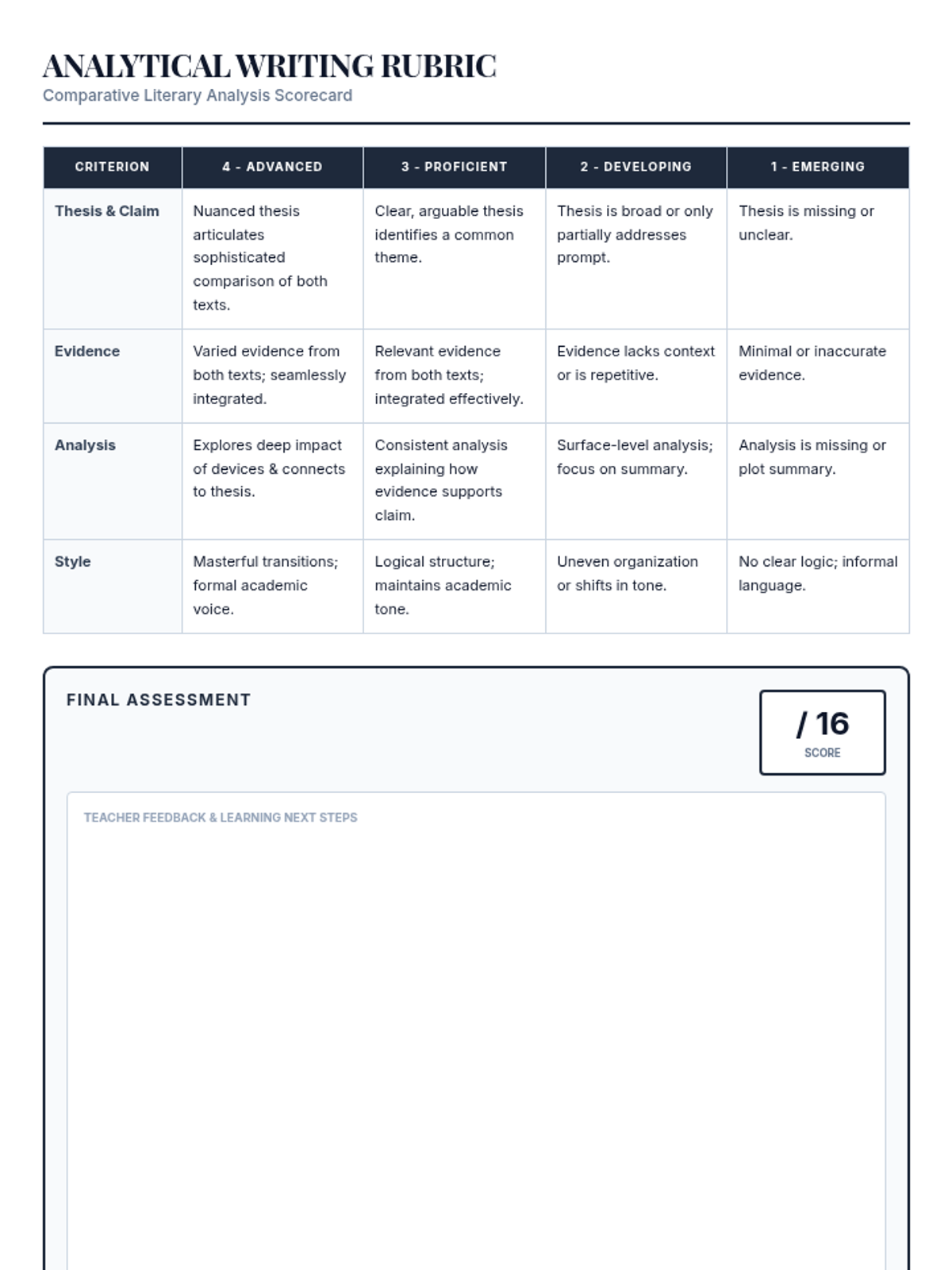
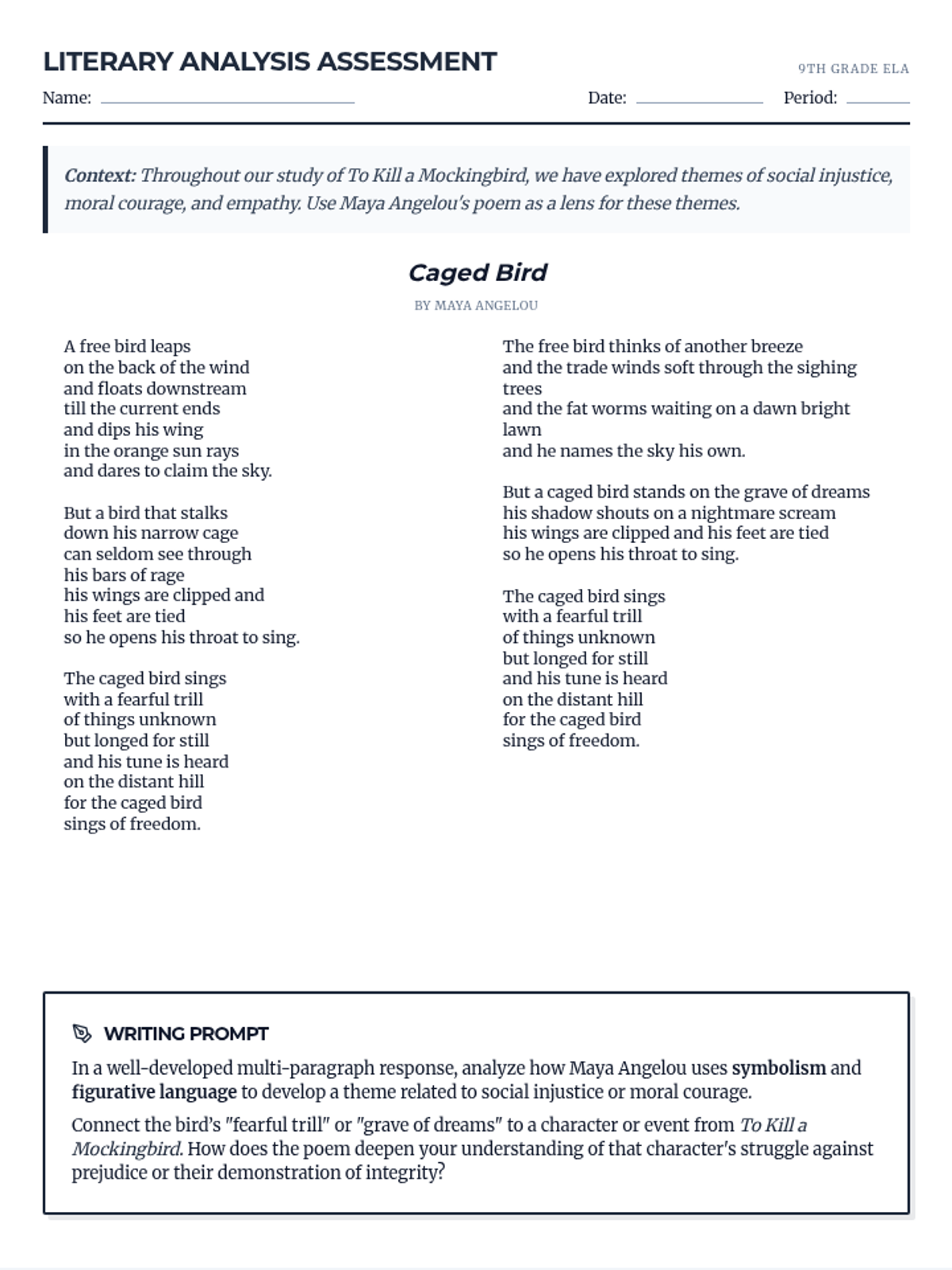
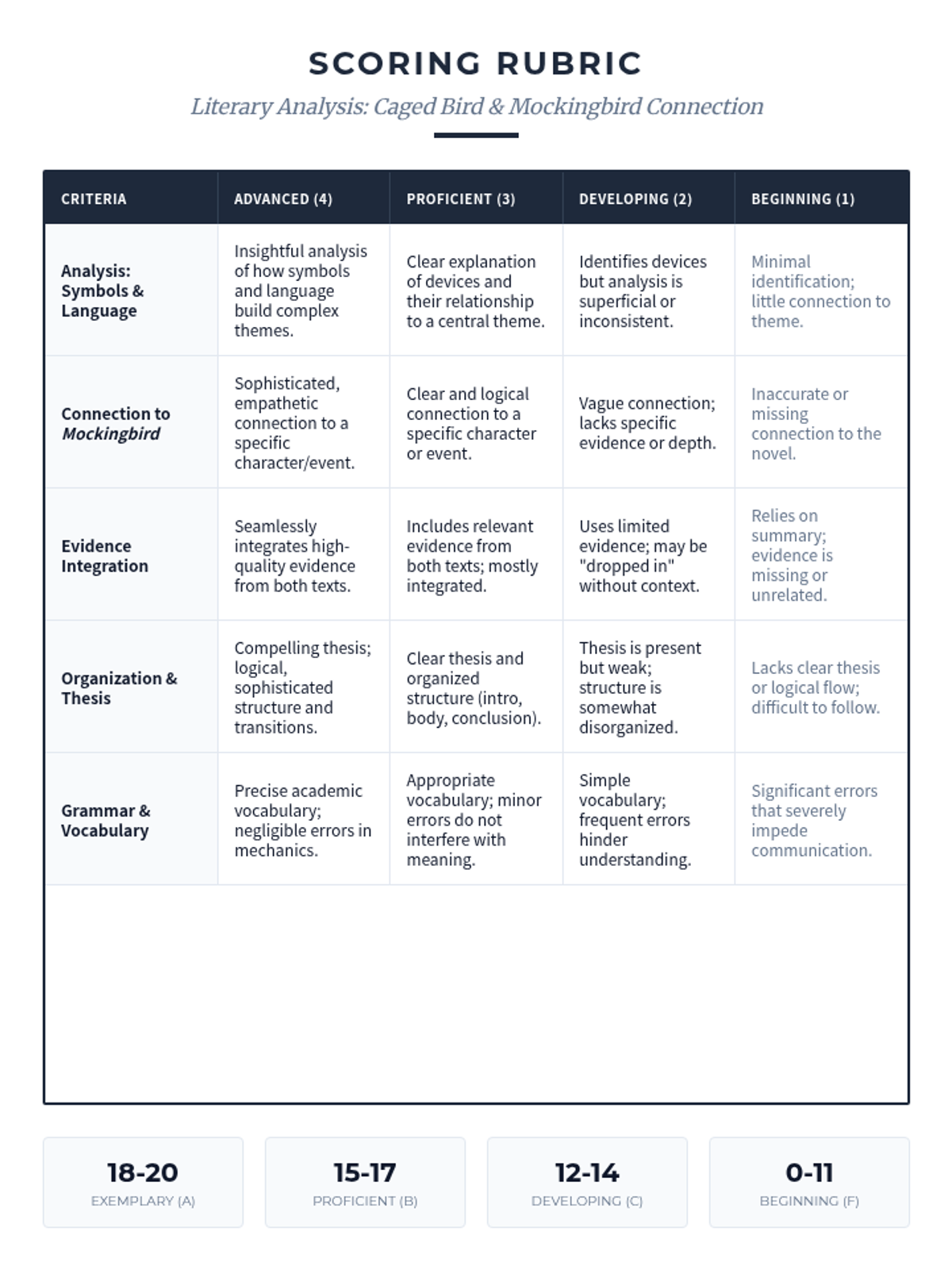
A lesson focused on helping students master the criteria for successful argumentative writing using a student-friendly checklist based on state-aligned rubrics.
A self-paced TELPAS practice session for 11th and 12th grade students, focusing on Advanced and Advanced High speaking and writing tasks through modern, relevant prompts.
A 50-minute introductory lesson on Kafka's Metamorphosis, focusing on the shift from literal to abstract value through the lens of Gregor's transformation. Designed for special education students with high-engagement whiteboard activities.
A 1-hour intensive review session focused on identifying central ideas and evaluating the evidence authors use to build strong arguments, utilizing passages from the NY Grade 7 ELA Interim Assessment.
An 8th-grade ELA lesson focusing on the symbolic power of the Oscar Holden record and other recurring objects in Jamie Ford's *Hotel on the Corner of Bitter and Sweet*. Students explore how physical items carry emotional weight and develop deeper themes within a narrative.
An 8th-grade ELA lesson focused on identifying and analyzing the purpose of flashbacks within a narrative structure, specifically examining how they reveal character history and advance the plot.
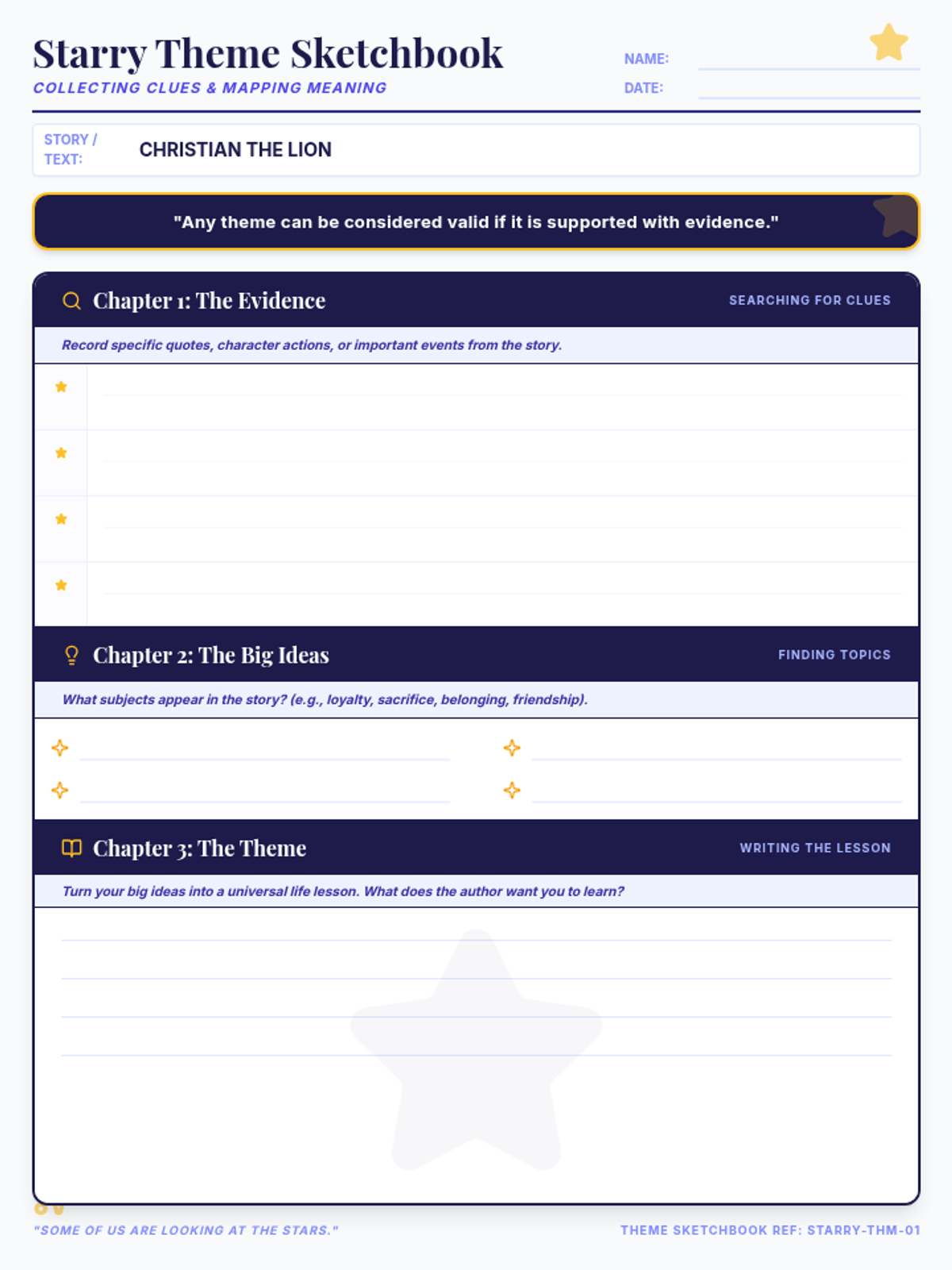
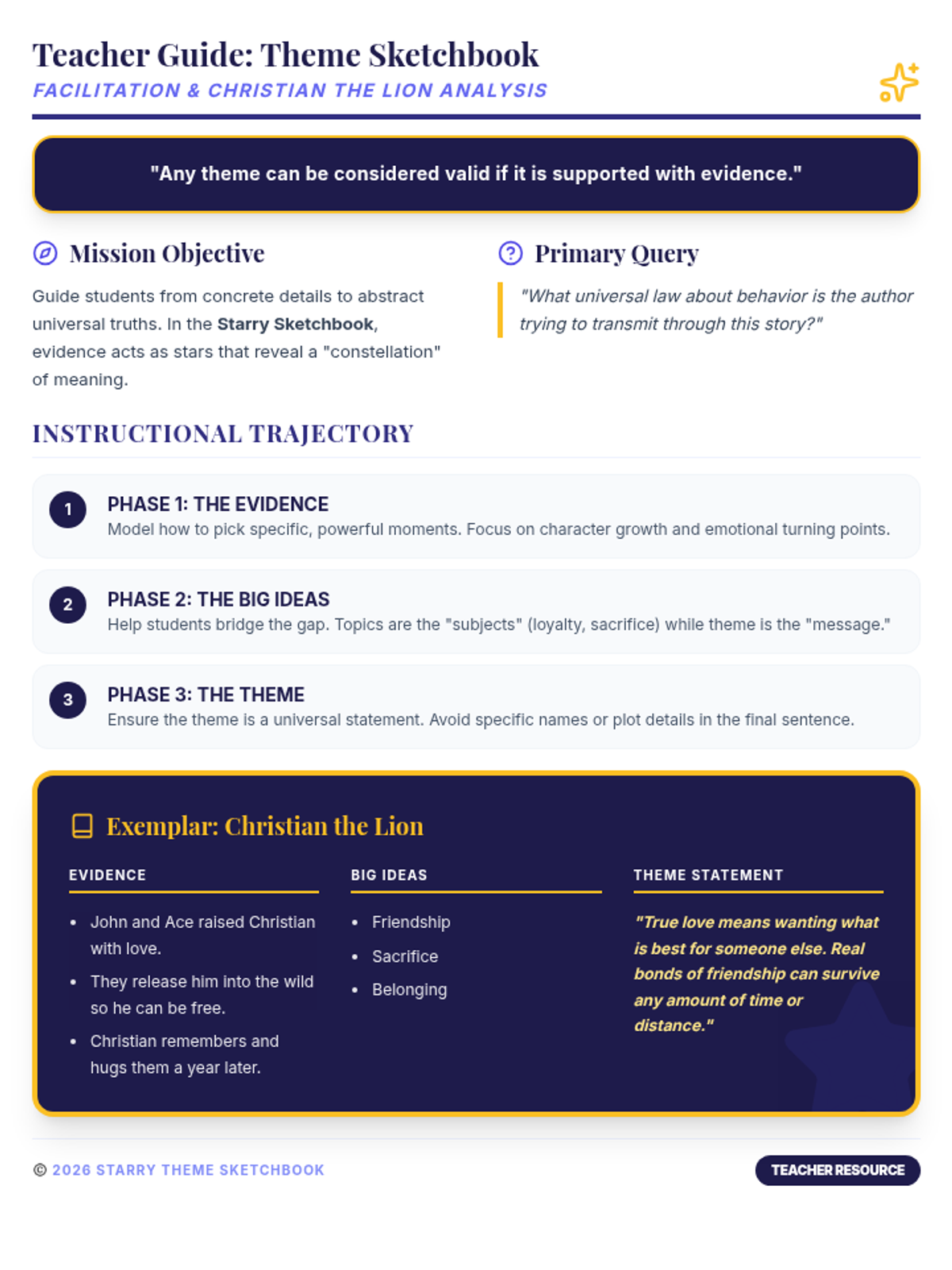
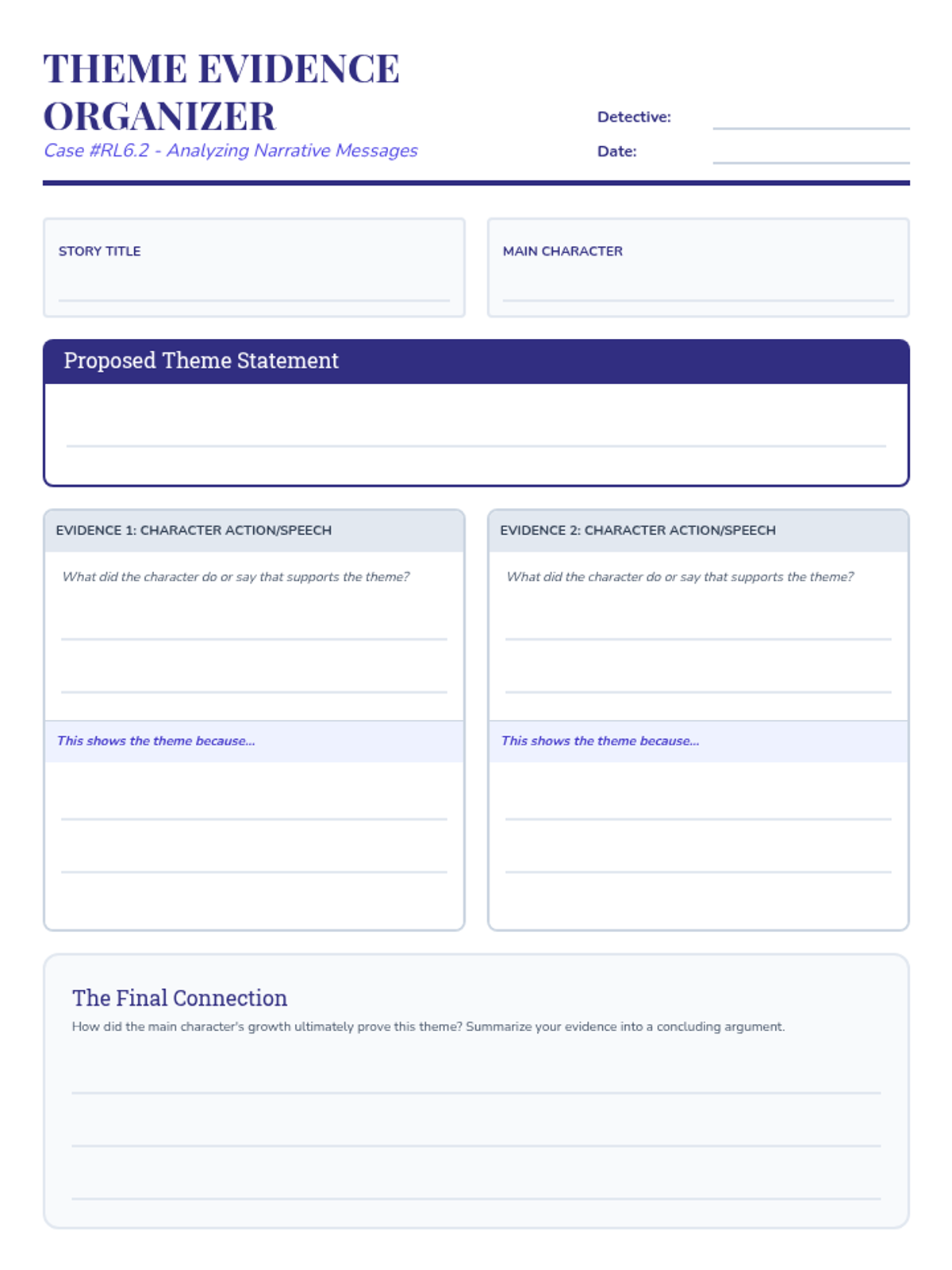
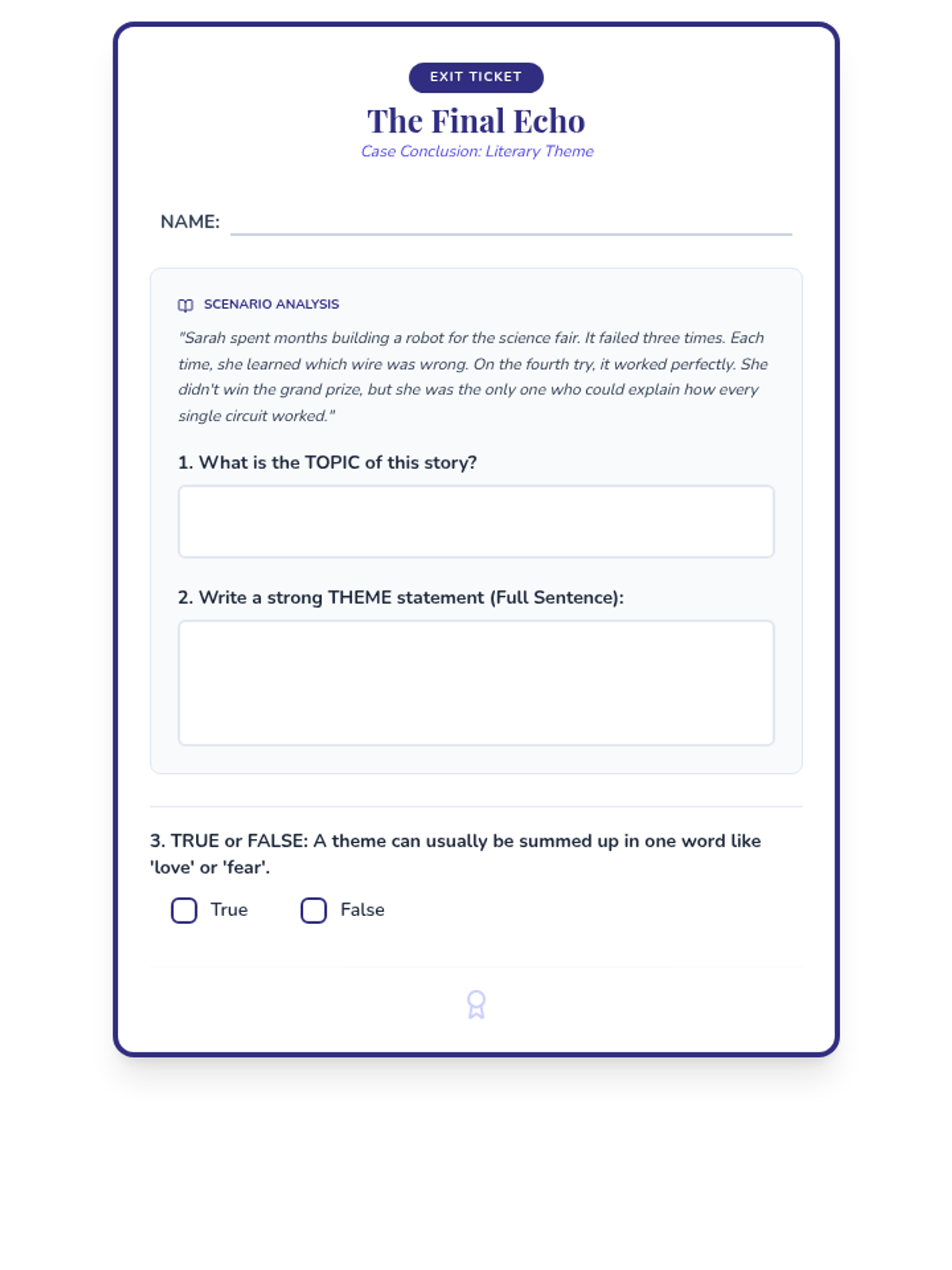
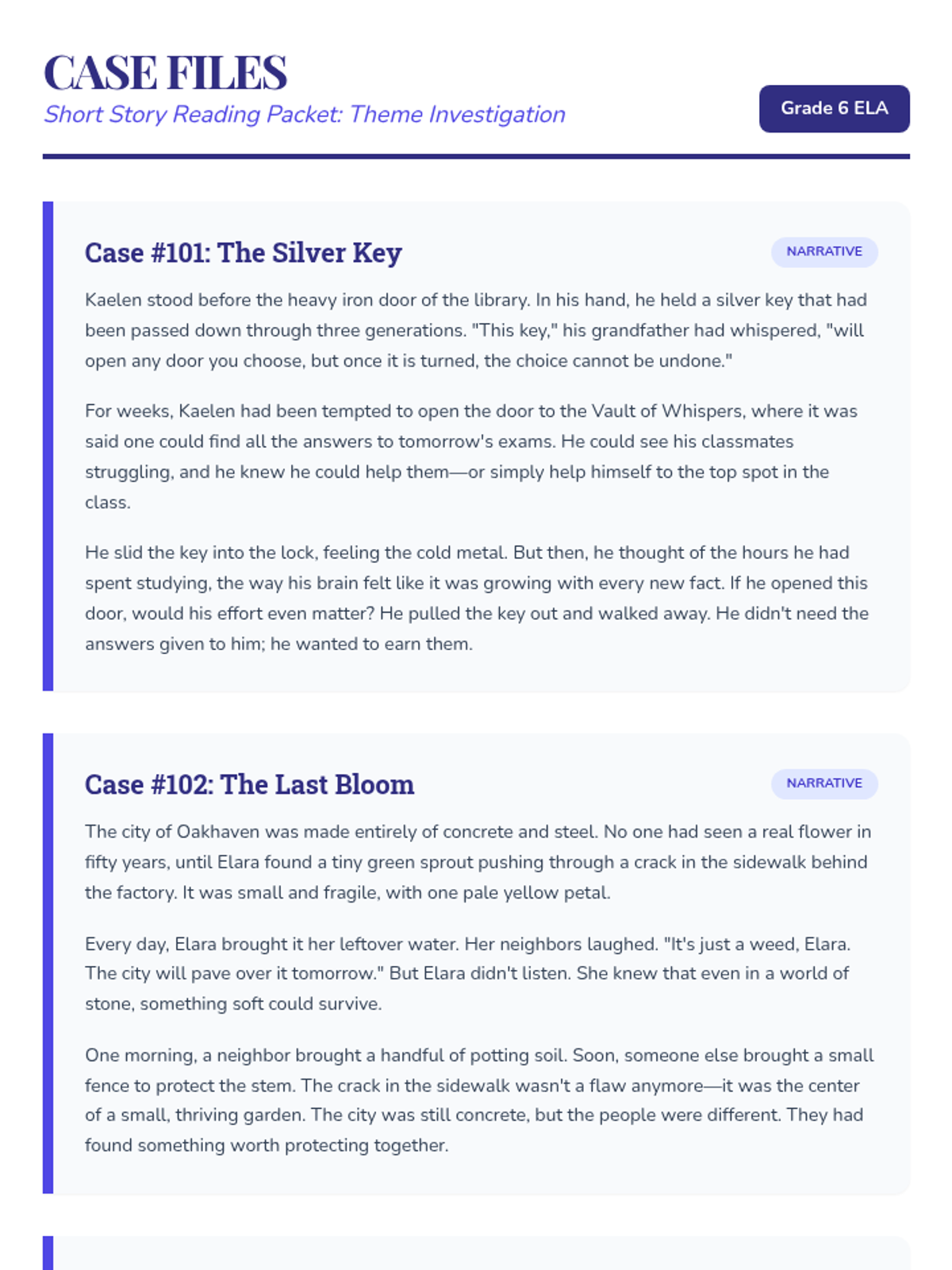
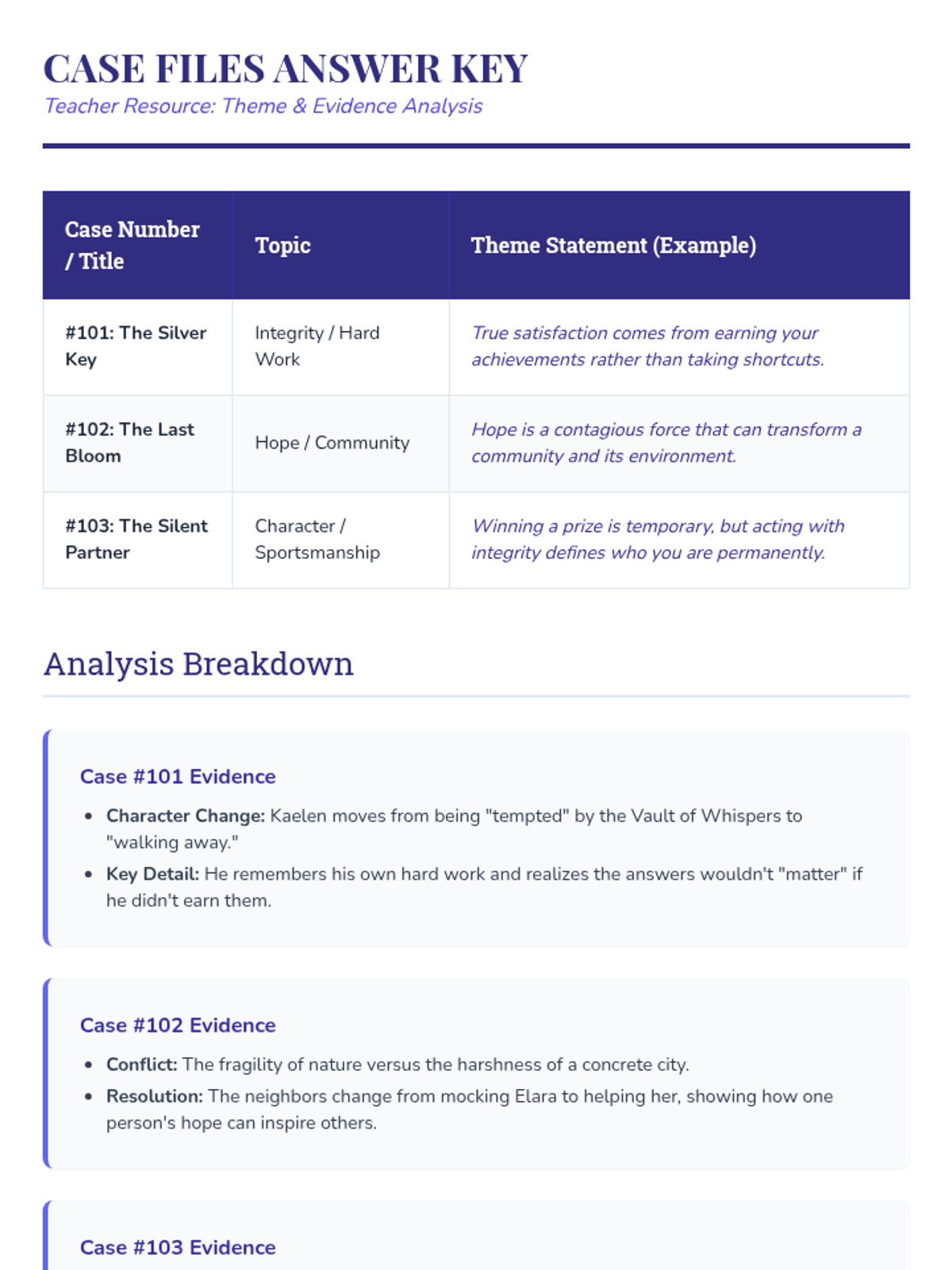
An introductory lesson on identifying and tracking literary themes like identity, prejudice, and memory, using a detective-style 'investigation' framework.
A 60-minute ELA lesson focused on analyzing author's diction and drawing logical inferences using excerpts from the Grade 7 Interim Assessment. Students will explore how specific word choices shape meaning and tone through guided and independent practice.
This lesson equips 8th-grade students with the tools to identify and analyze propaganda techniques in media, fostering critical thinking and media literacy. Students will explore common devices like bandwagon, testimonials, and glittering generalities through real-world examples.
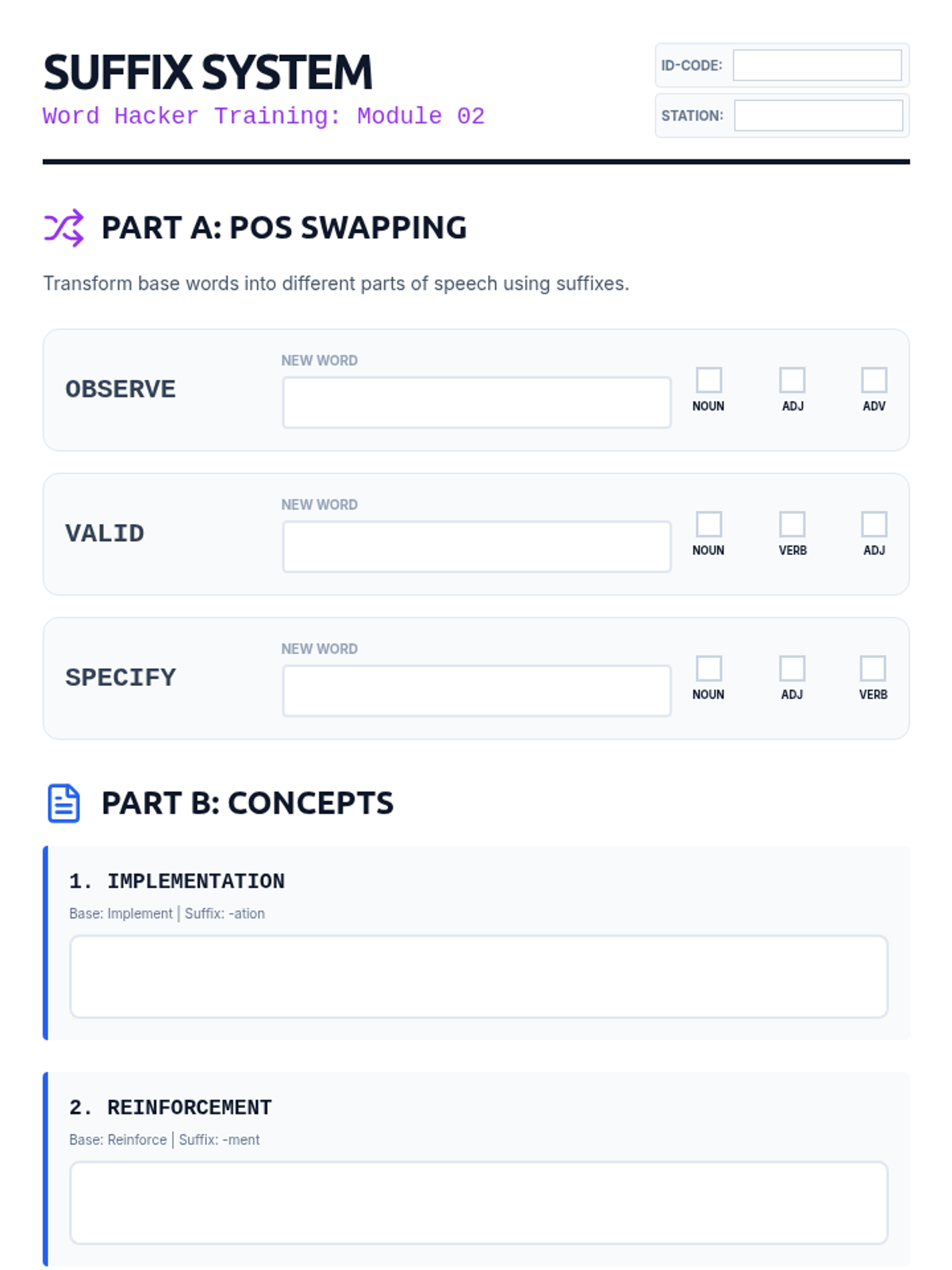
A sophisticated phonics lesson designed for high schoolers, focusing on multisyllabic decoding, advanced vowel teams, and academic morphology using a 'Linguistic Lab' theme.
An immersive exploration of narrative structure where 8th graders master the art of plot mapping, character development, and thematic analysis using nautical-themed blueprints and charts. Students transform into 'Plot Pilots' to navigate complex texts and construct their own compelling stories.
This lesson equips 8th-grade students with the tools to identify and analyze propaganda techniques across various media formats. Students will investigate the 'Big 7' propaganda devices, evaluate source credibility, and practice 'unmasking' persuasive rhetoric in real-world examples.
A targeted vocabulary lesson focusing on five 'F' words (Fickle, Fidelity, Fidelity, Figurative, Flabbergasted, Flaccid) specifically designed for Deaf and Hard of Hearing high schoolers using visual learning strategies and a 'Silent Cinema' game.
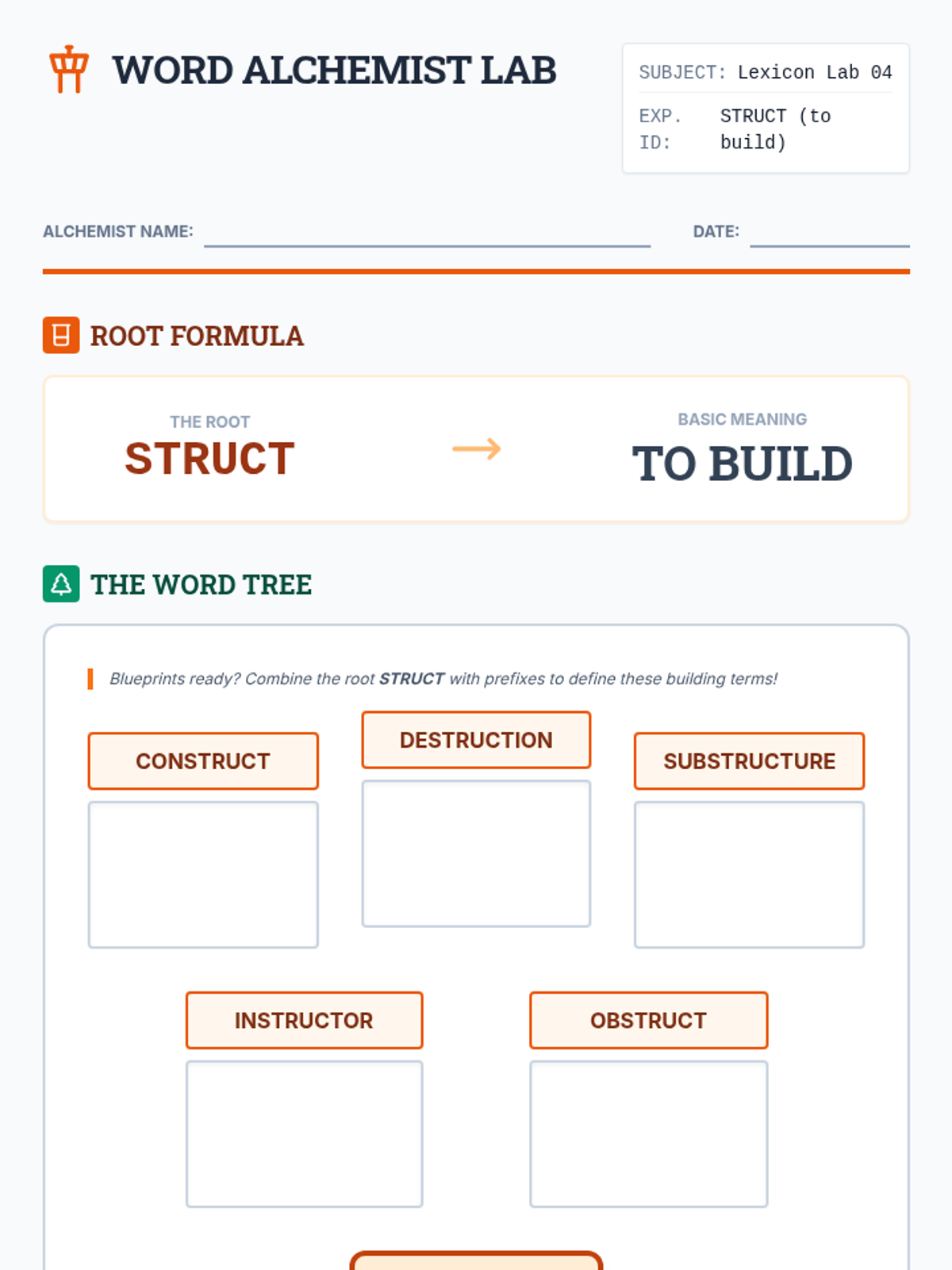
A focused 20-minute SAT vocabulary lesson for DHH students focusing on five 'F' words: Fickle, Fidelity, Figurative, Flabbergasted, and Flaccid. Includes visual instruction, context-based discussion, and a writing-focused assessment.
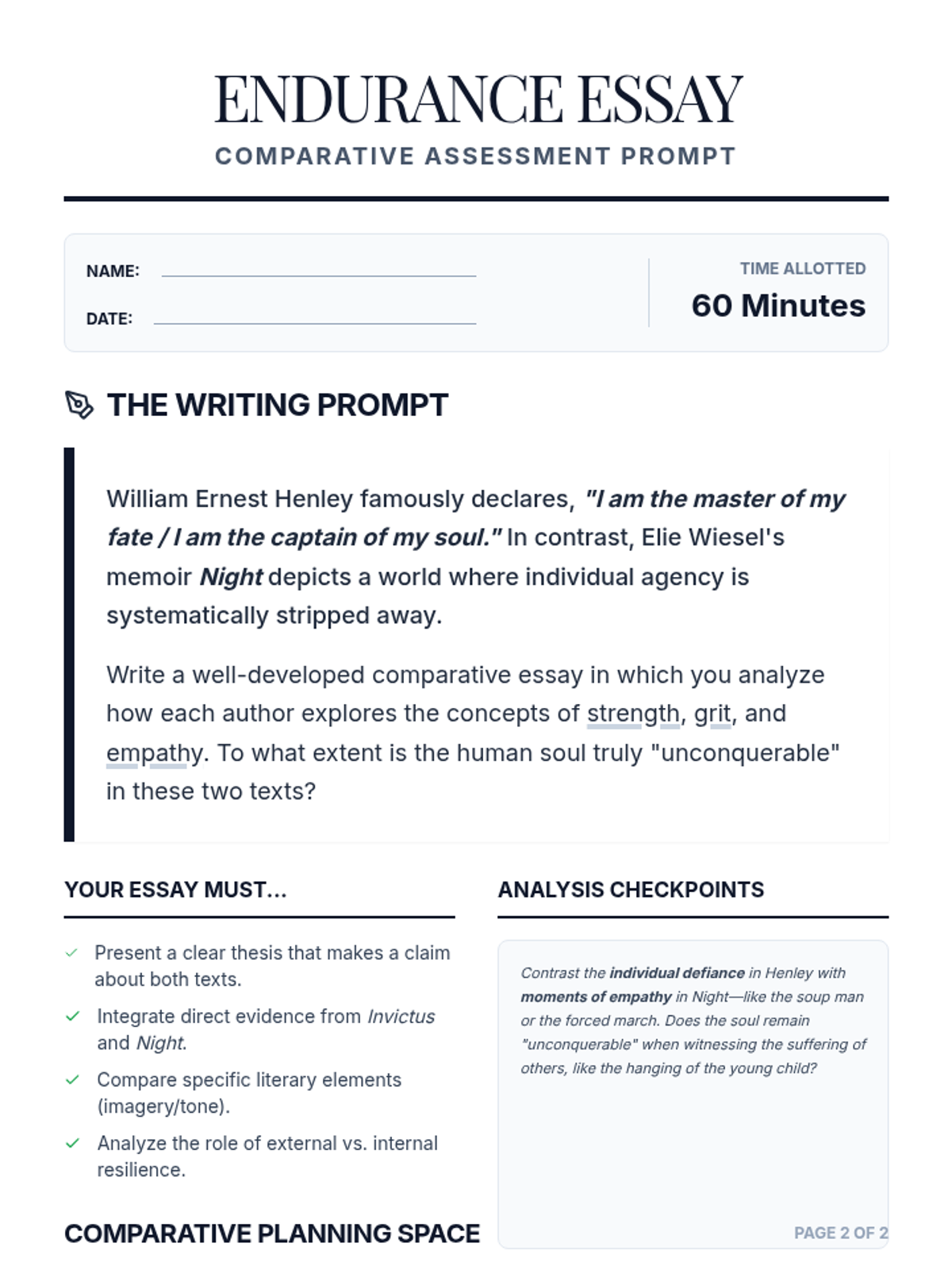
A focused practice session for the TSIA2 English essay, teaching students how to brainstorm and organize opposing viewpoints using T-charts for high-scoring argumentative writing.
This lesson explores the pivotal transitions in the novel *Tangerine* during the month of September, focusing on Paul Fisher's move to Tangerine Middle School and the cultural shift he experiences.
A 45-minute deep dive into Shakespeare's Macbeth, focusing on the corruption of power, dramatic conventions, and the sensory impact of language. Students explore character archetypes through creative projects like wanted posters and social media profiles while honing their descriptive writing skills.