A 5-day introductory physics lesson for 3rd graders exploring the relationship between an object's speed and its kinetic energy through hands-on ramp experiments and activities.
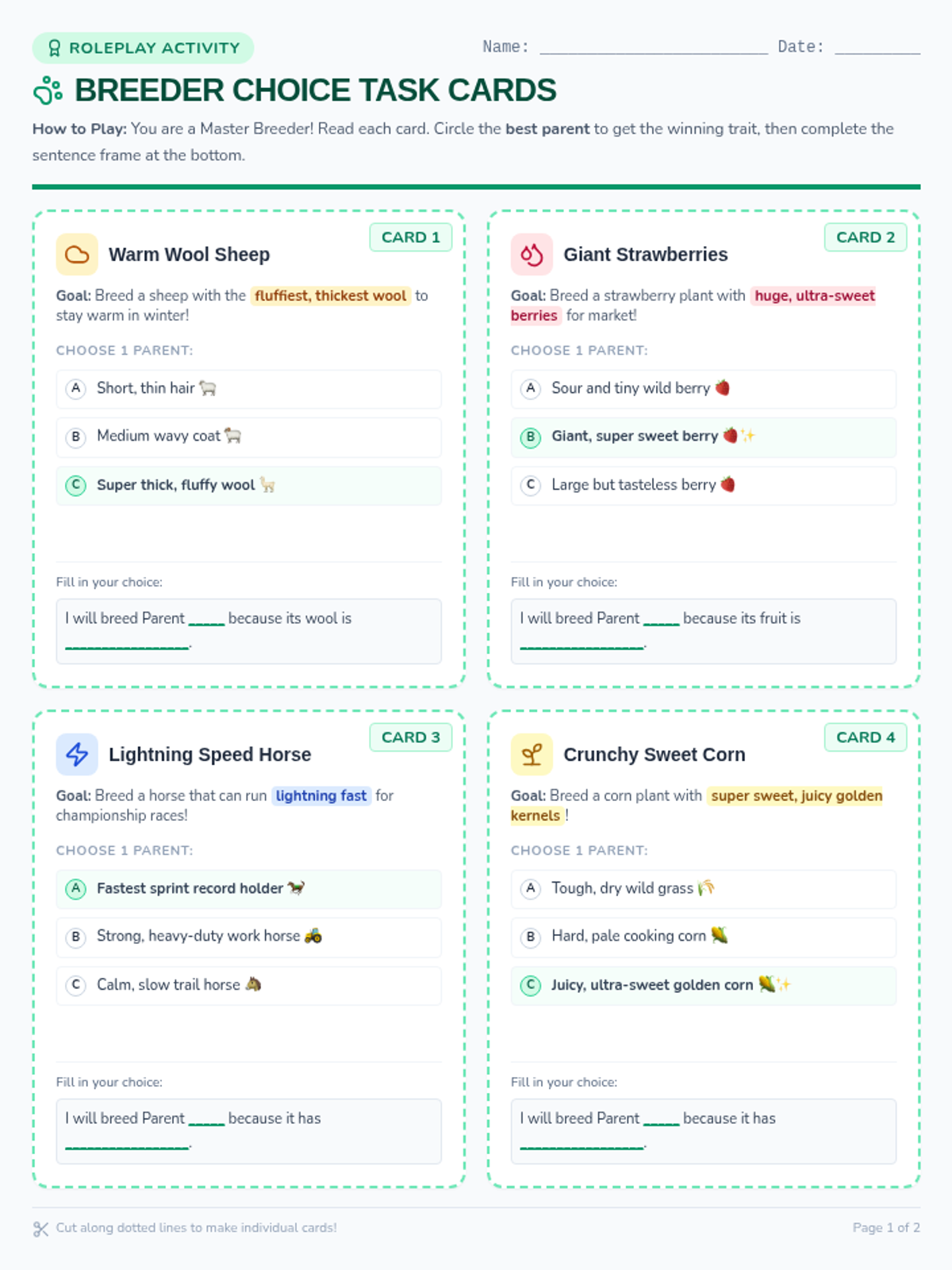
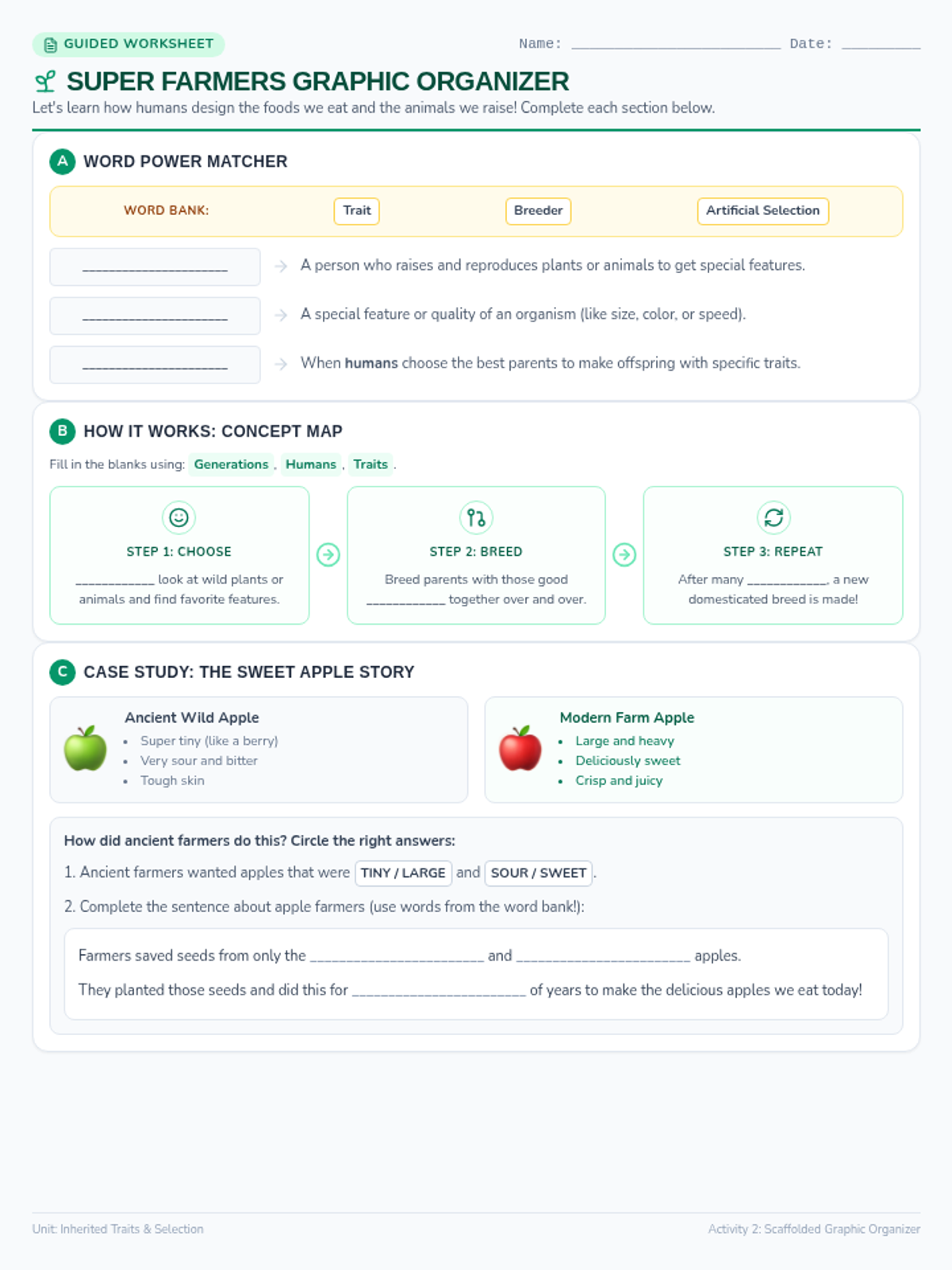
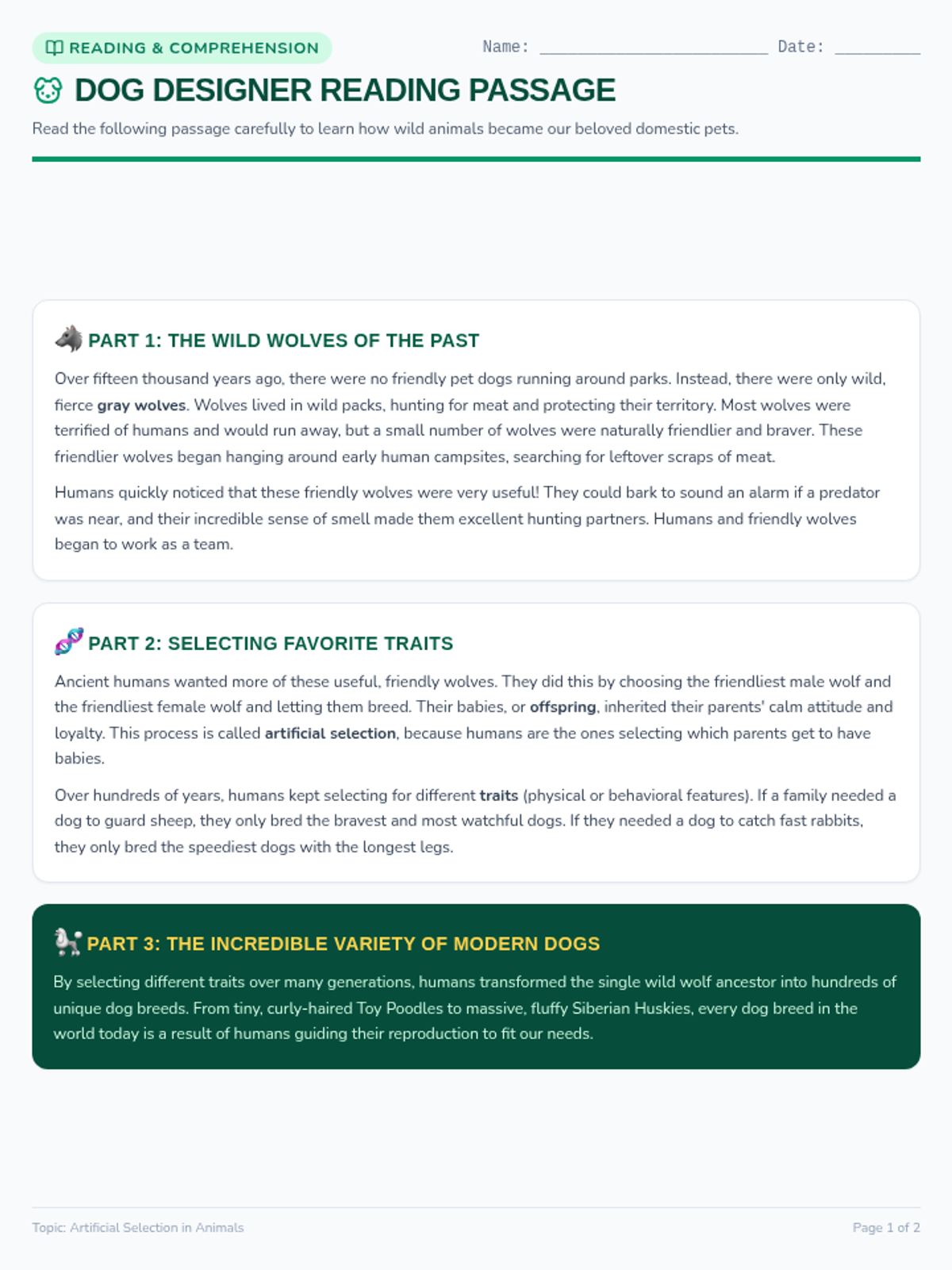
A hands-on, highly visual lesson where students explore artificial selection by roleplaying as breeders and farmers. Students analyze traits in dogs, crops, and livestock using scaffolded organizers, visual task cards, and matching tasks.
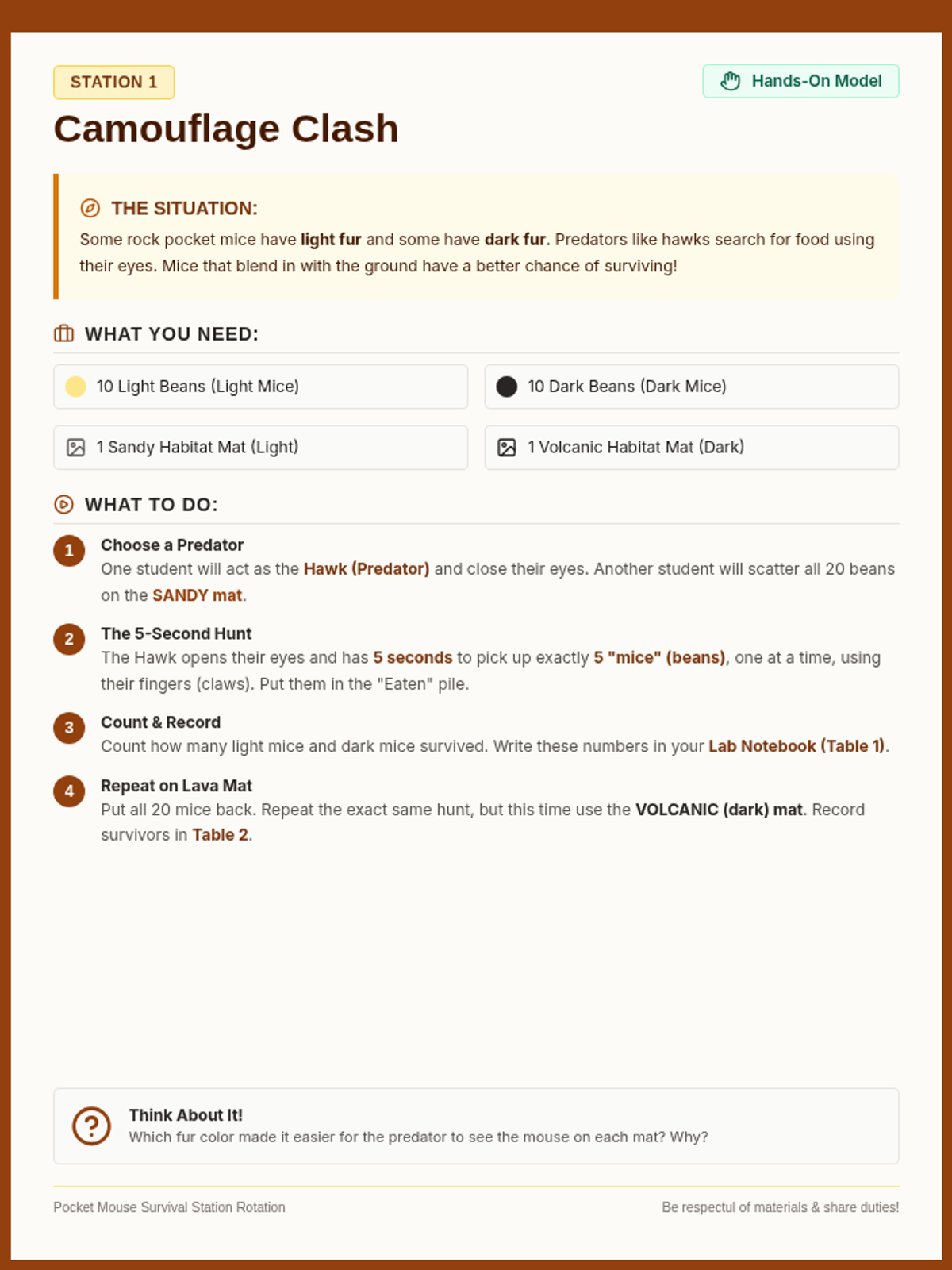
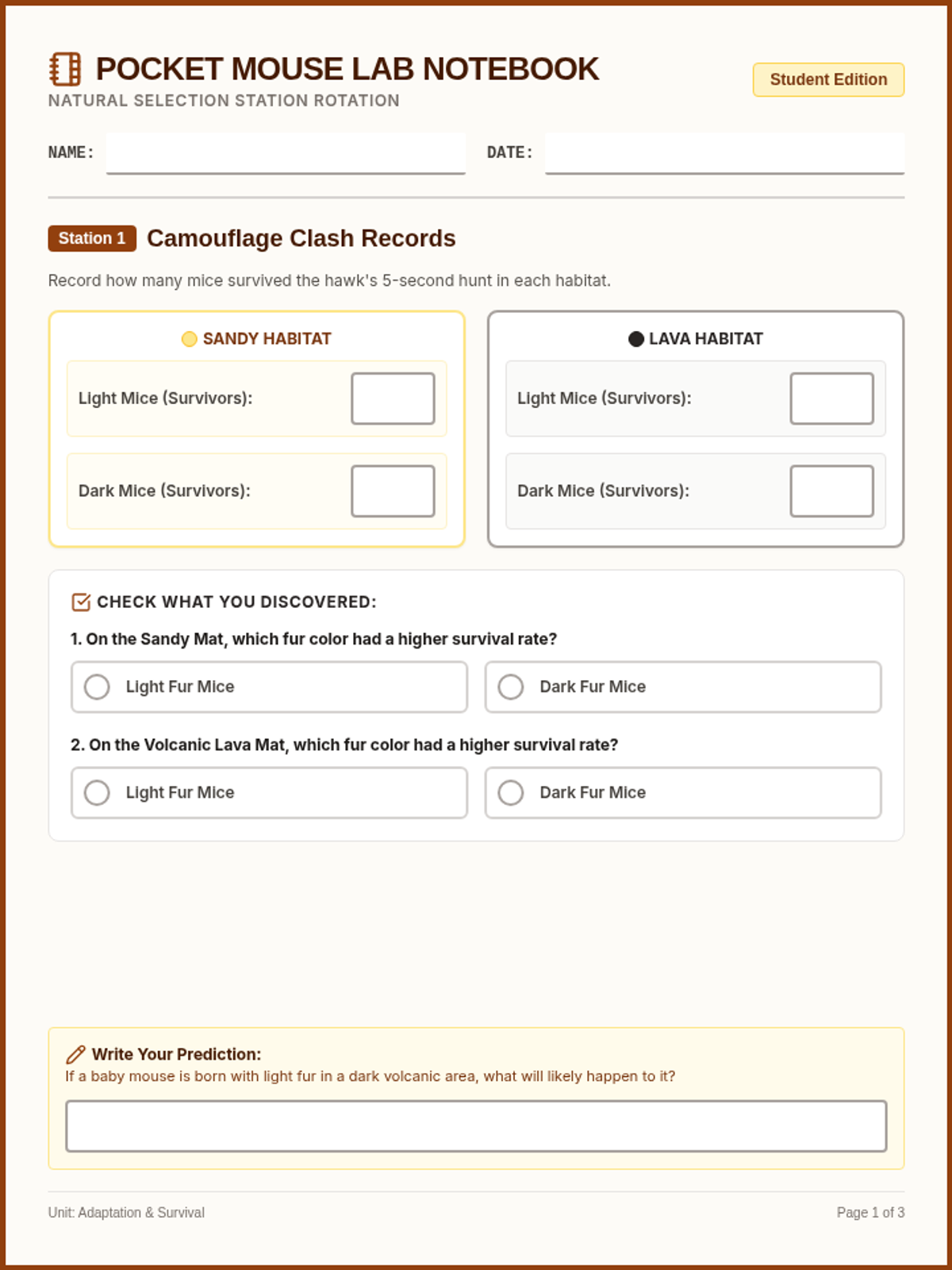
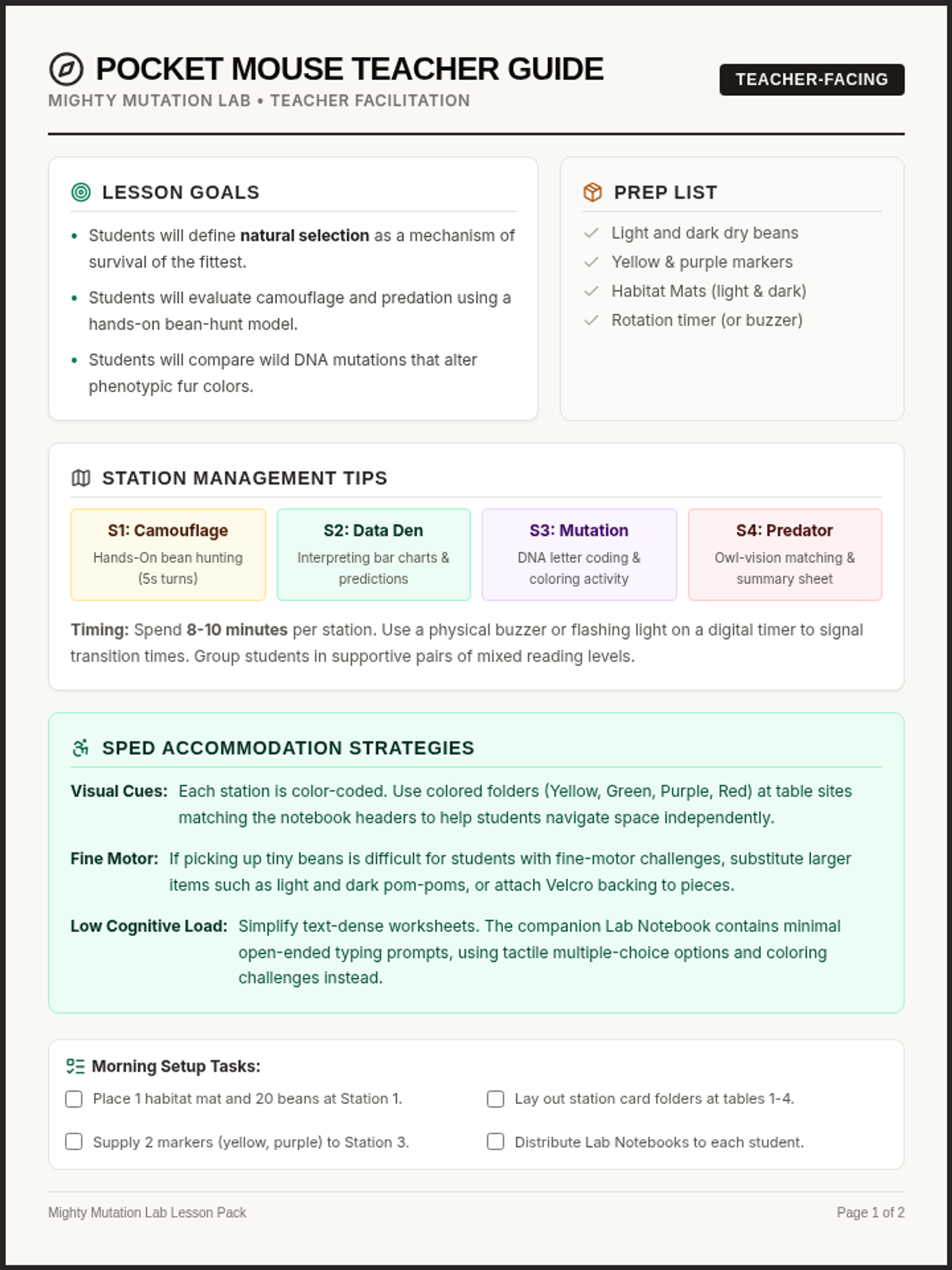
A Station Rotation Lab lesson focusing on natural selection and survival of the fittest using the real-world Rock Pocket Mouse scenario, designed to be high school special education friendly.
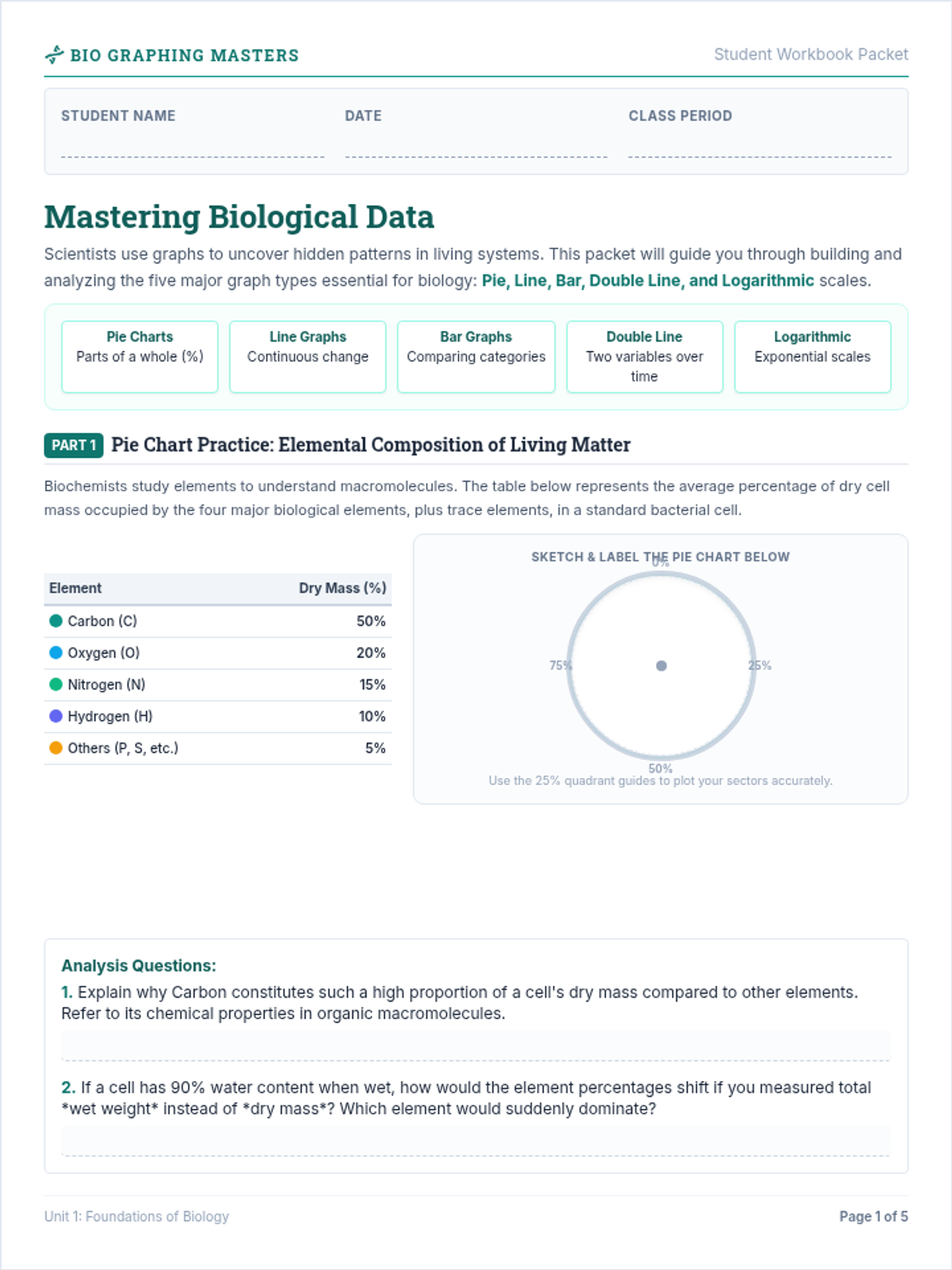
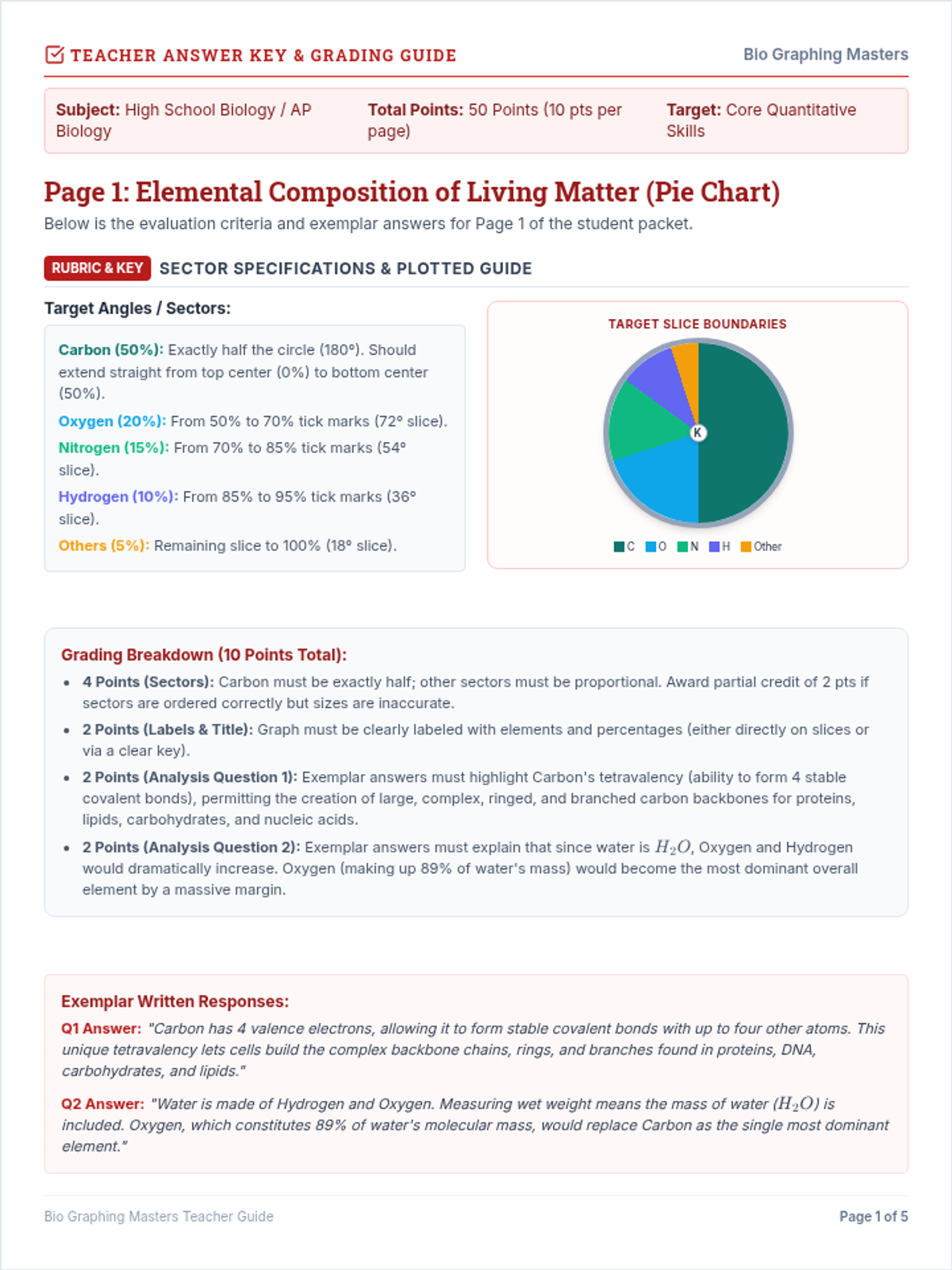
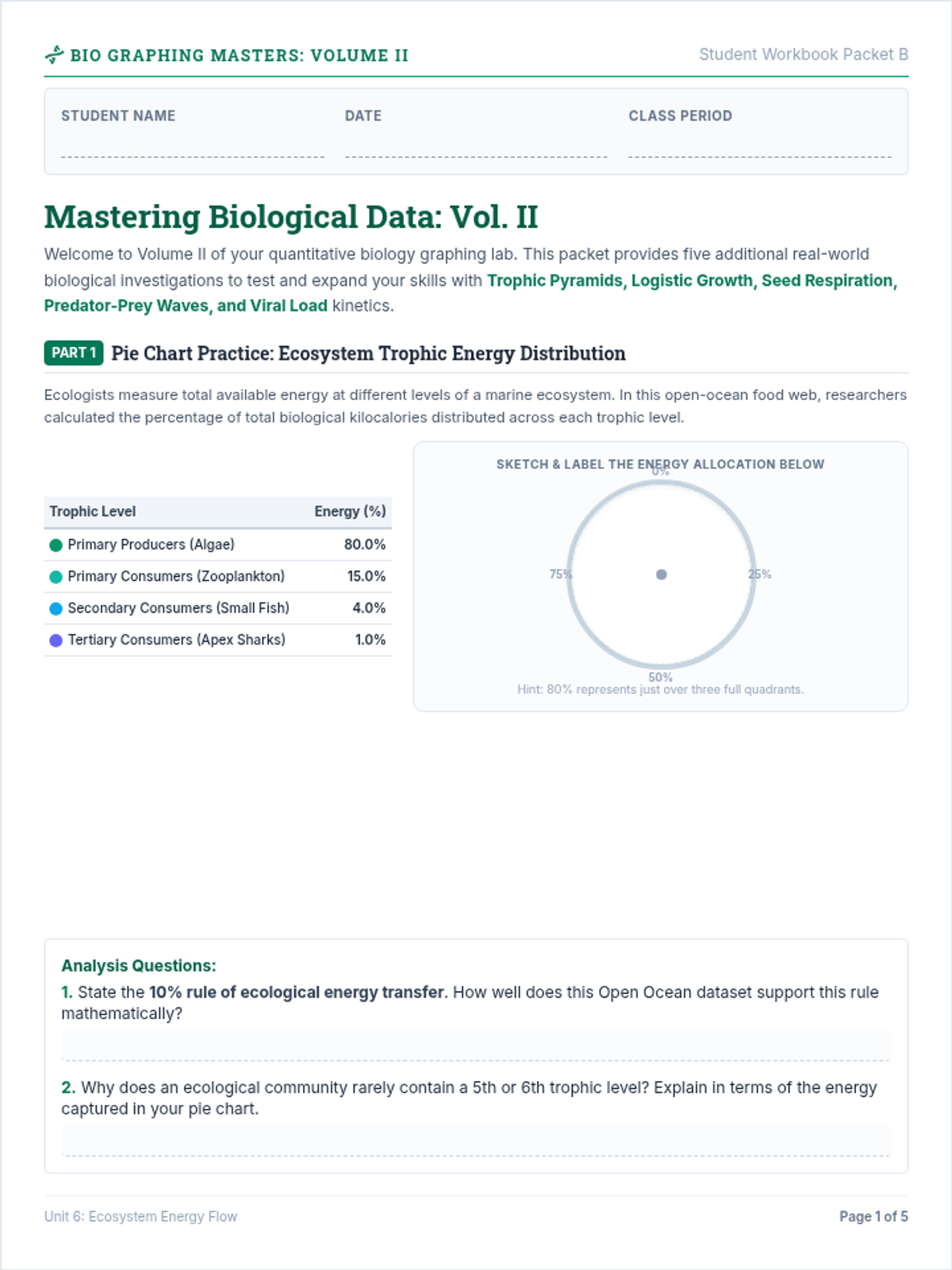
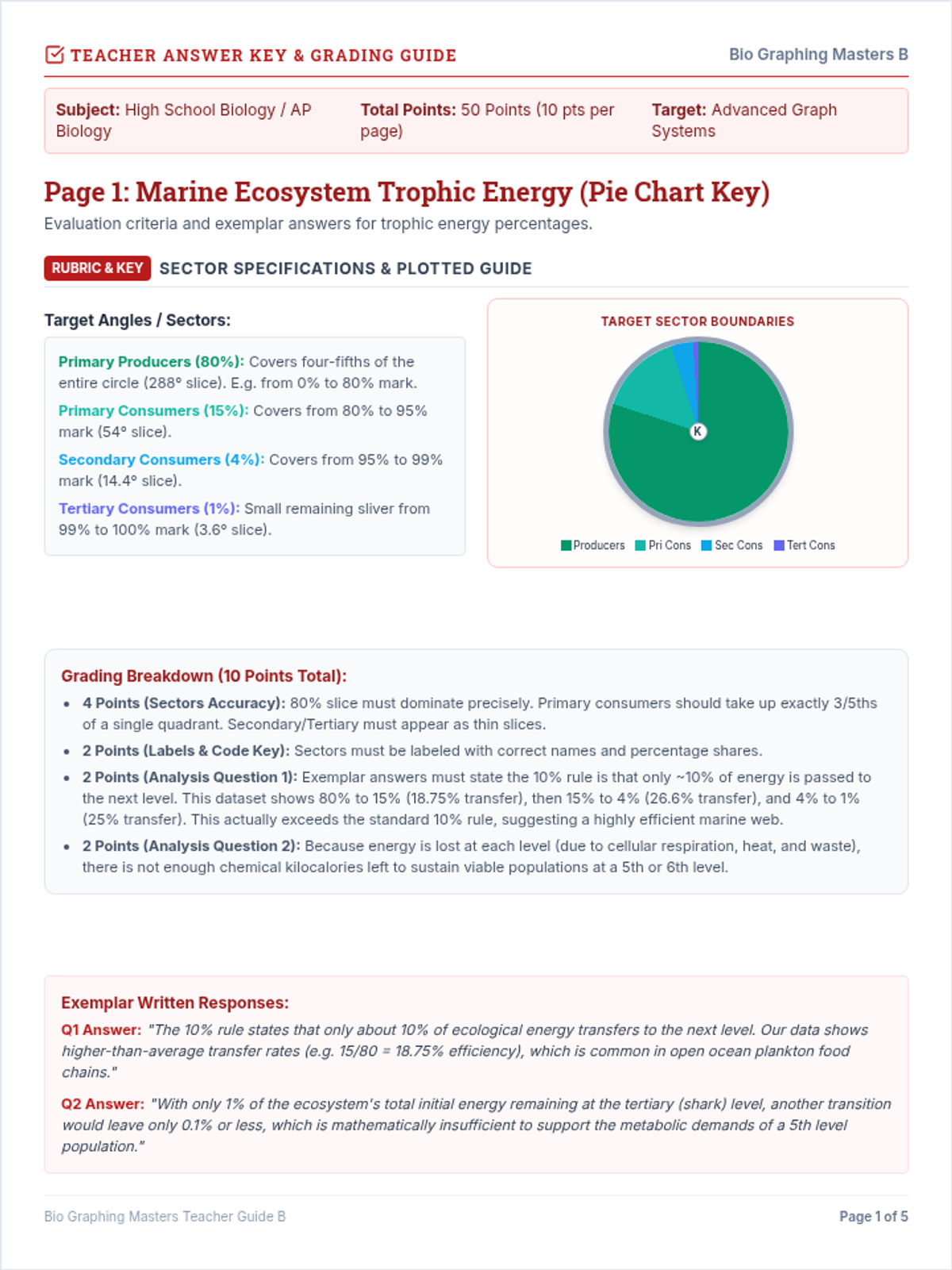
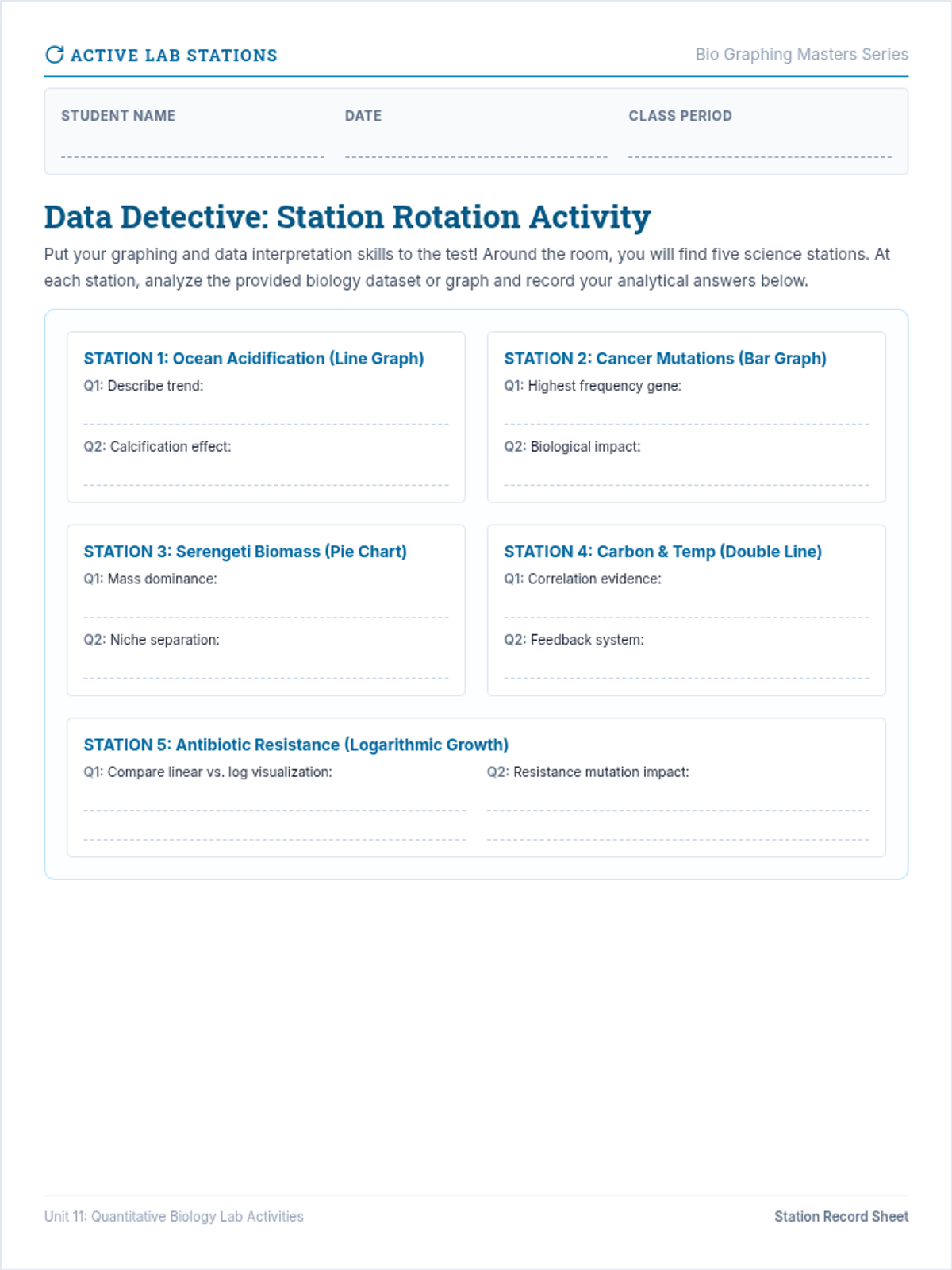
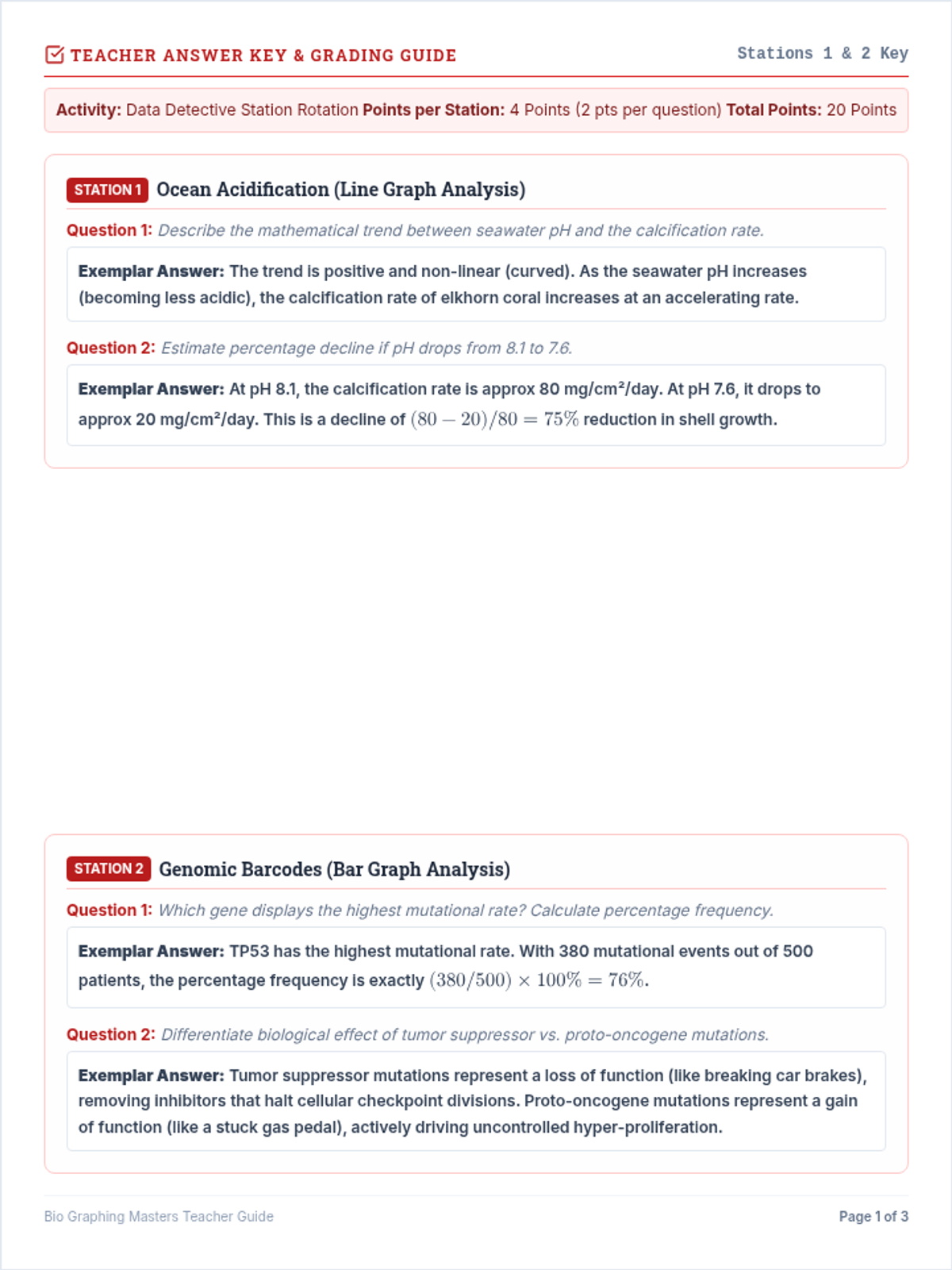
A comprehensive graphing skills lesson in biology. Students will learn how to parse, select, and construct five key graph types (pie, line, bar, double line, and logarithmic graphs) using authentic biological datasets.
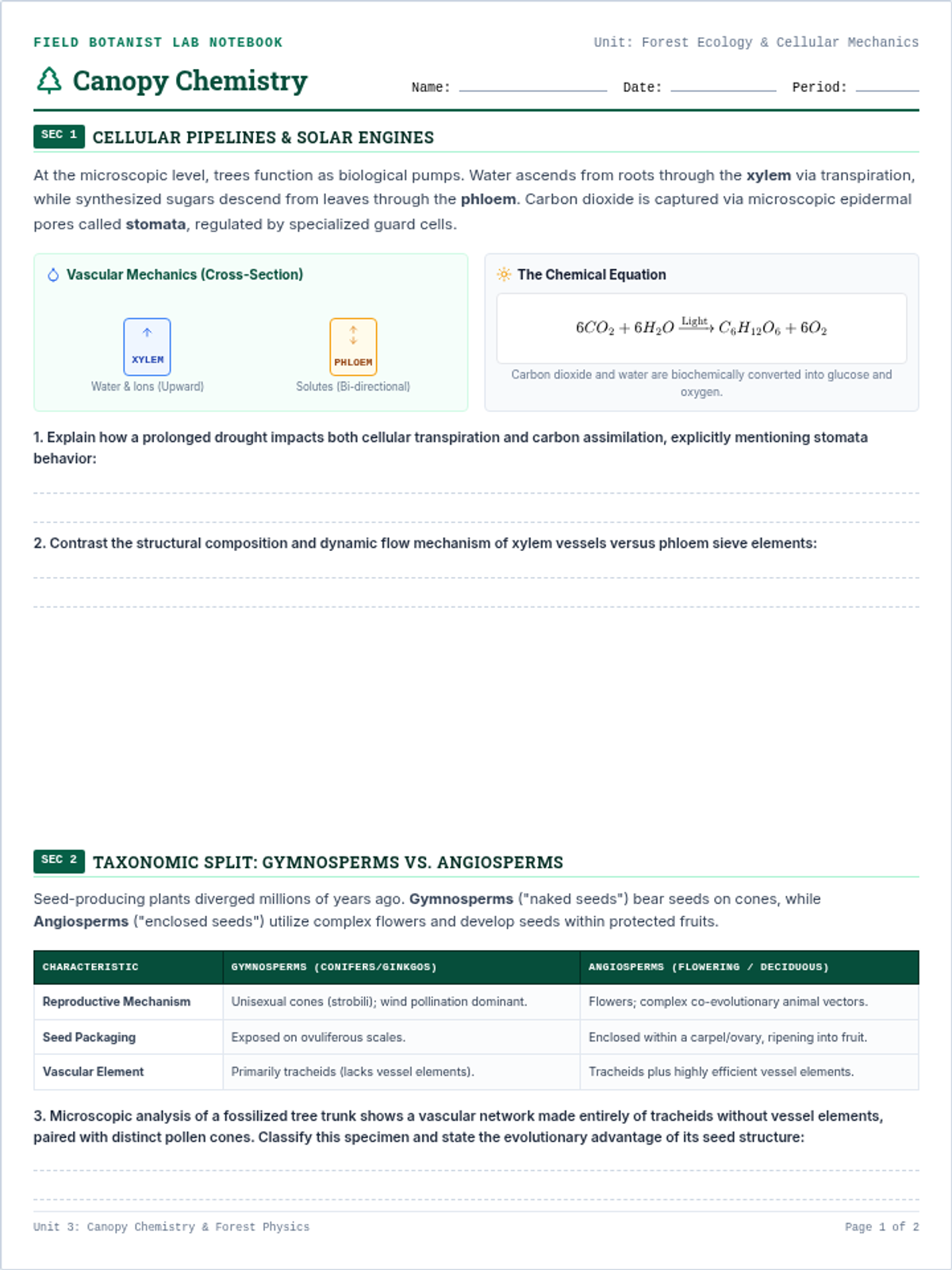
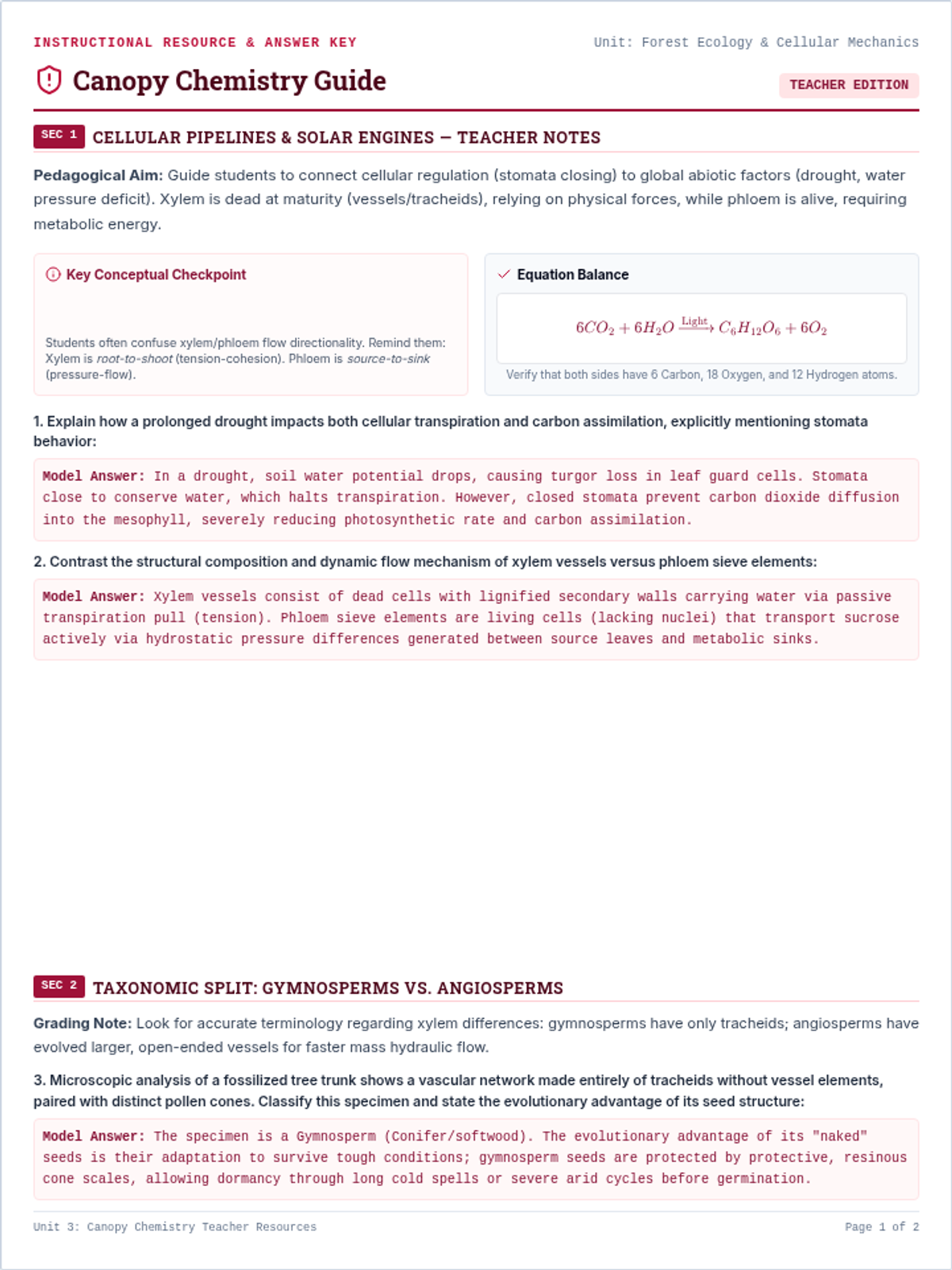
An in-depth investigation into the ecological, cellular, and evolutionary mechanics of trees. Students analyze carbon sequestration, vascular transport, angiosperm vs. gymnosperm taxonomy, and design conservation strategies.
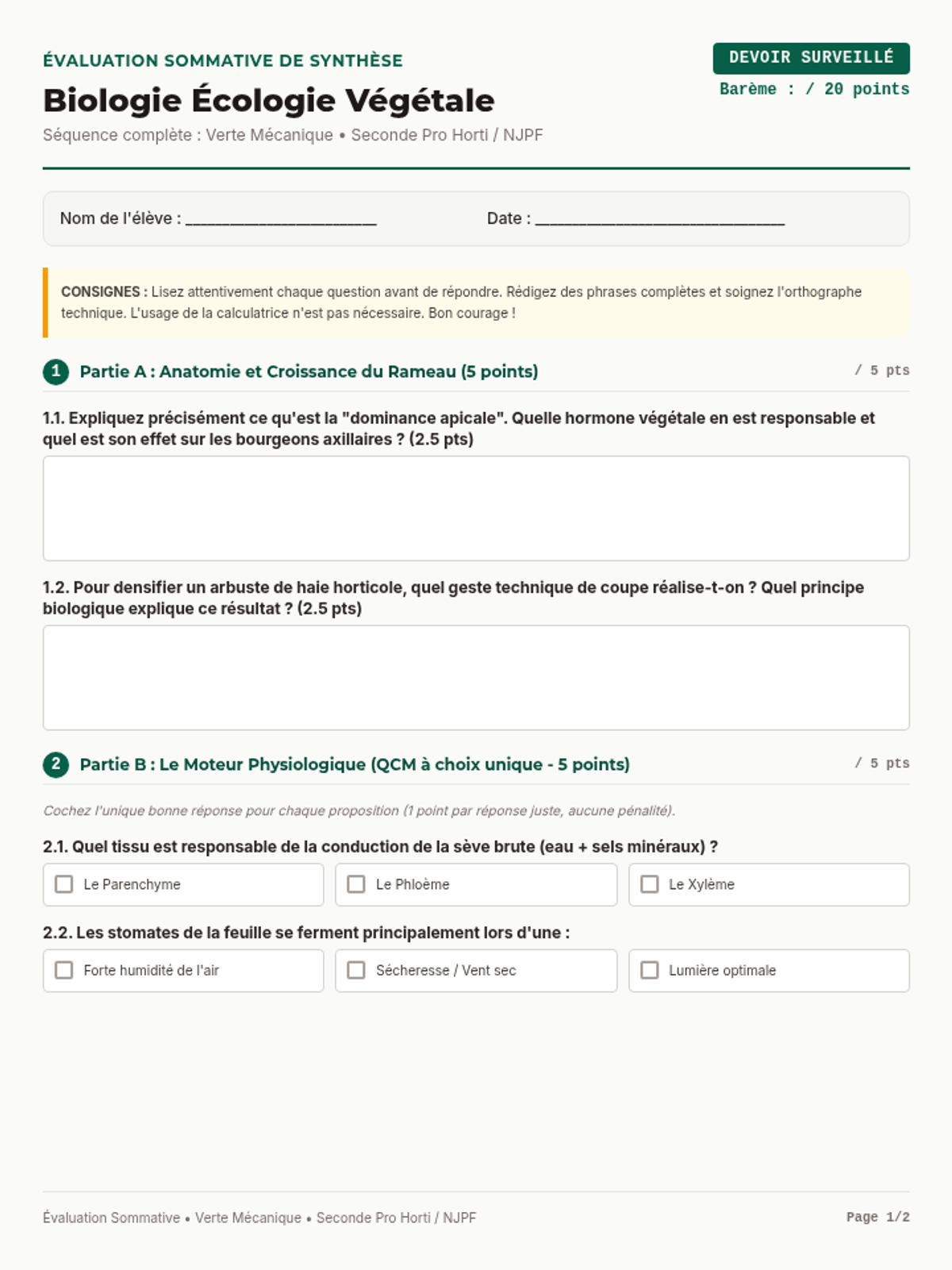
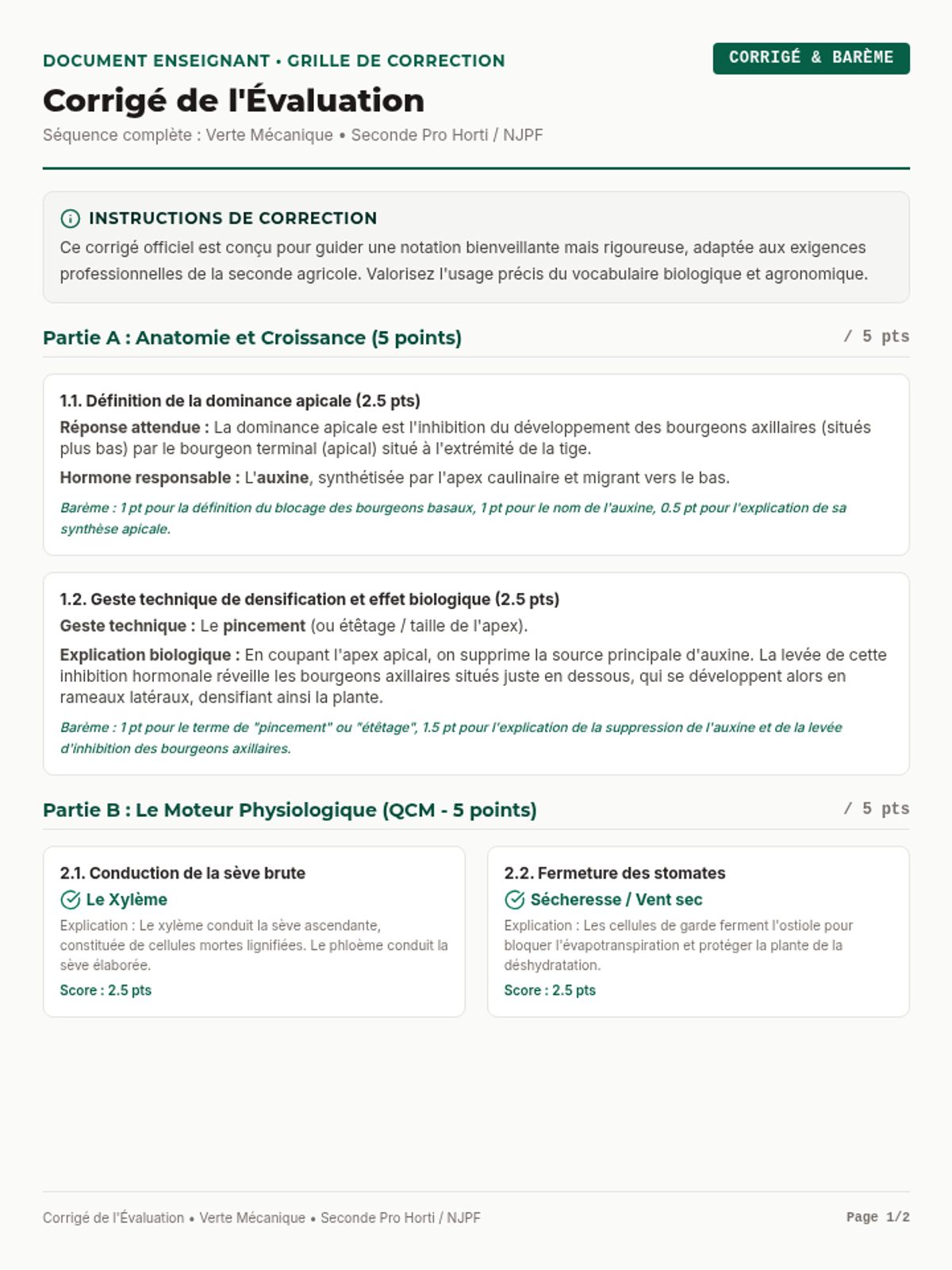
Étude de l'écophysiologie végétale, de la classification et des critères de reconnaissance des végétaux. Ce module montre comment les plantes s'adaptent aux contraintes environnementales (stress hydrique, sol, climat) et comment ces connaissances guident les choix professionnels d'aménagement et de culture.
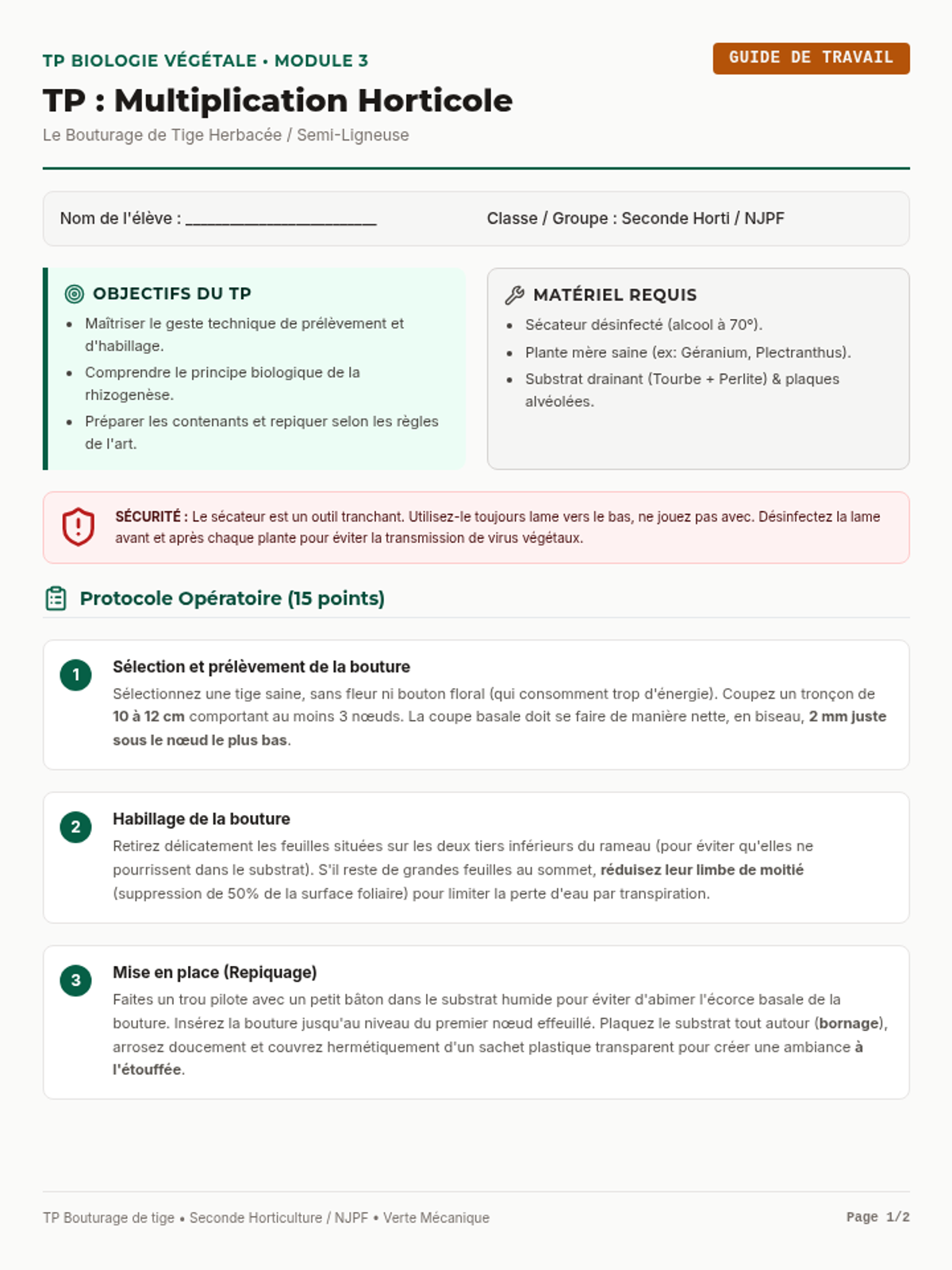
Approche de la biologie de la reproduction végétale (fleur, graines, pollinisation) et des techniques de multiplication horticole. Les élèves étudient l'anatomie florale, les cycles de développement et pratiquent des gestes techniques professionnels (bouturage, greffage).
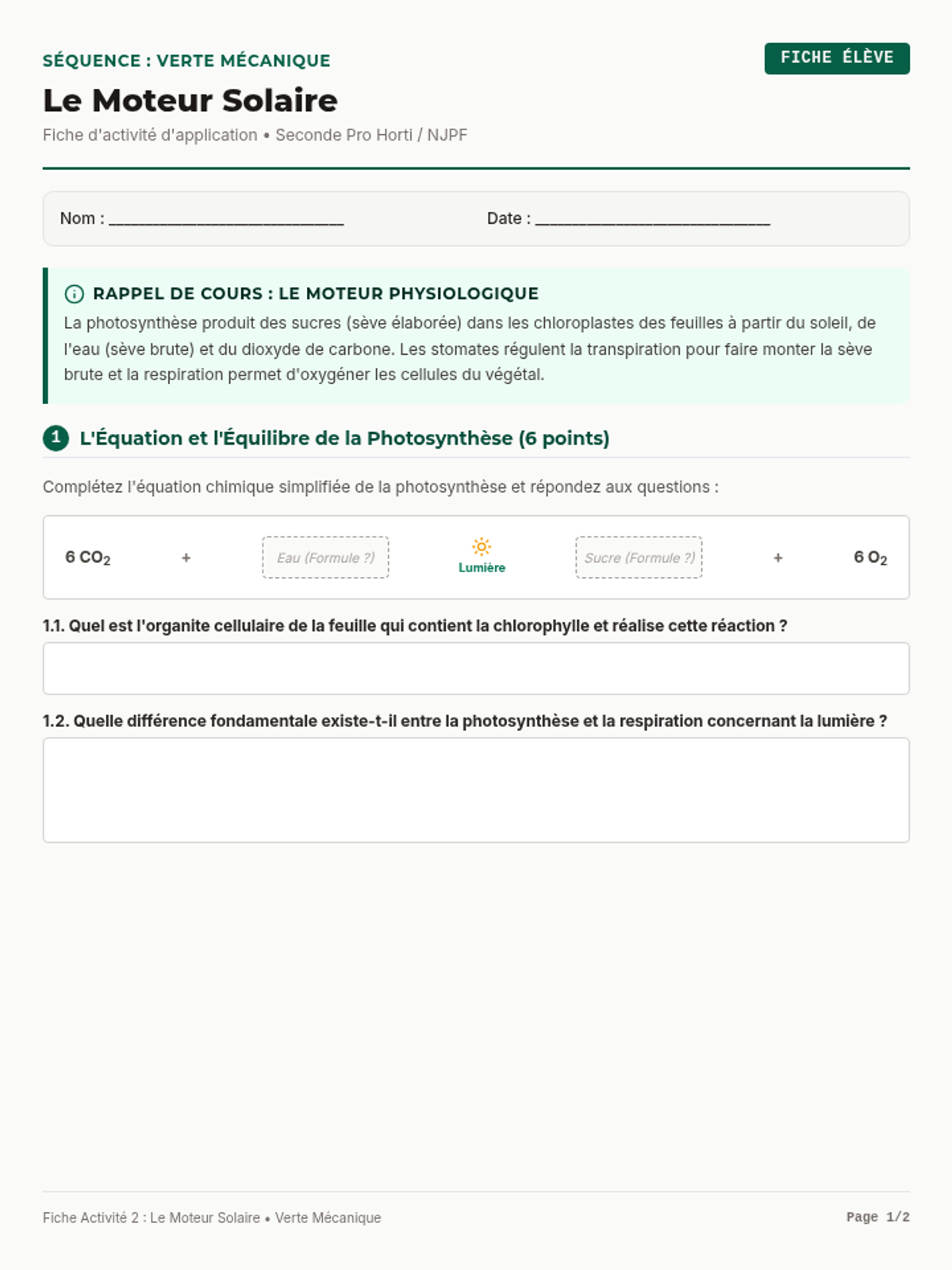
Exploration de la physiologie et de la nutrition végétale. Ce chapitre analyse le processus de photosynthèse, la respiration cellulaire, la transpiration foliaire, l'absorption de l'eau et des minéraux par les racines et la double circulation des sèves.
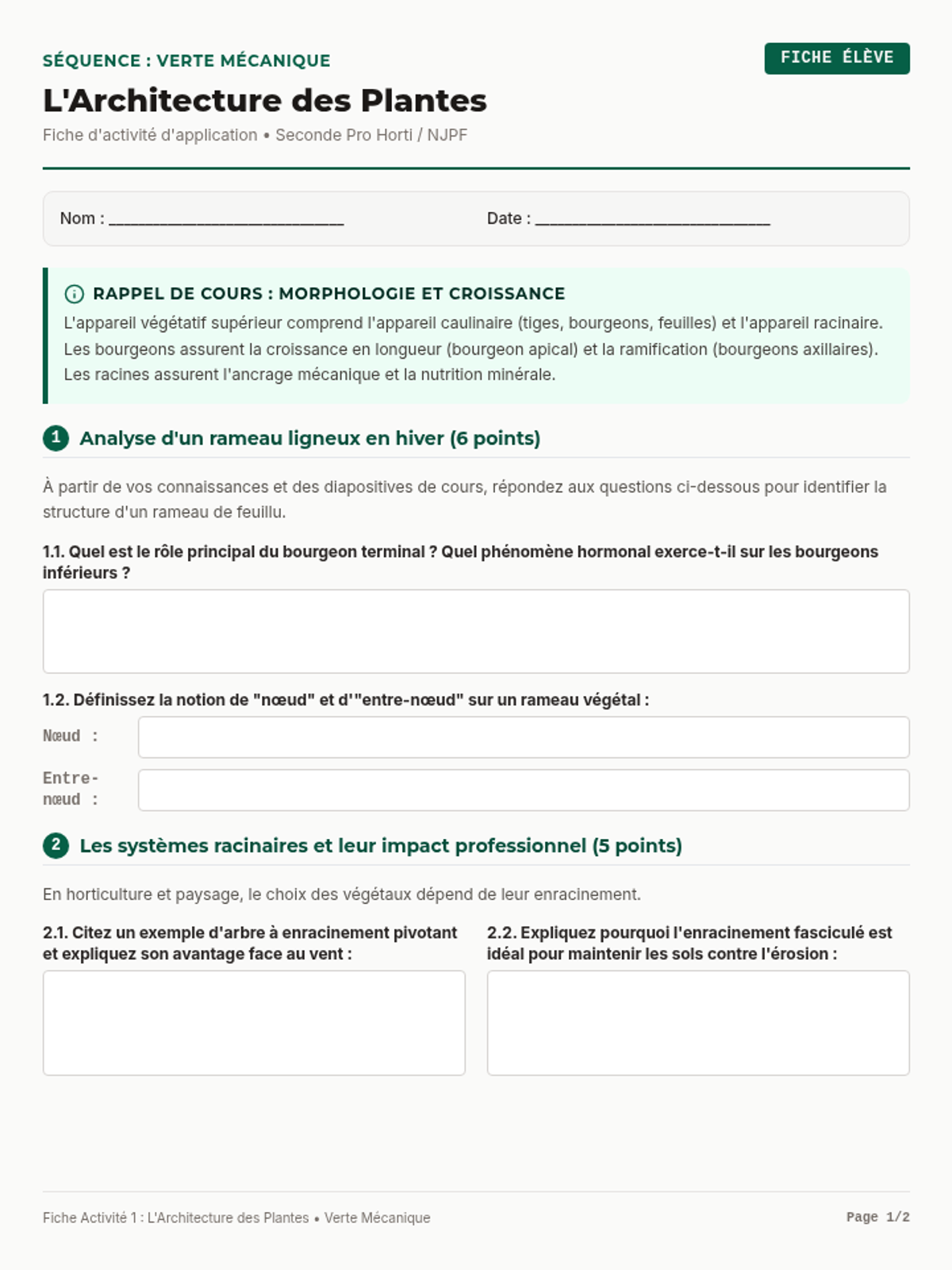
Étude de l'anatomie et de la morphologie des plantes horticoles et forestières. Les élèves apprennent à identifier les organes principaux (racines, tiges, feuilles, bourgeons), la structure des tissus végétaux et leur importance pour les pratiques professionnelles de taille et d'entretien.
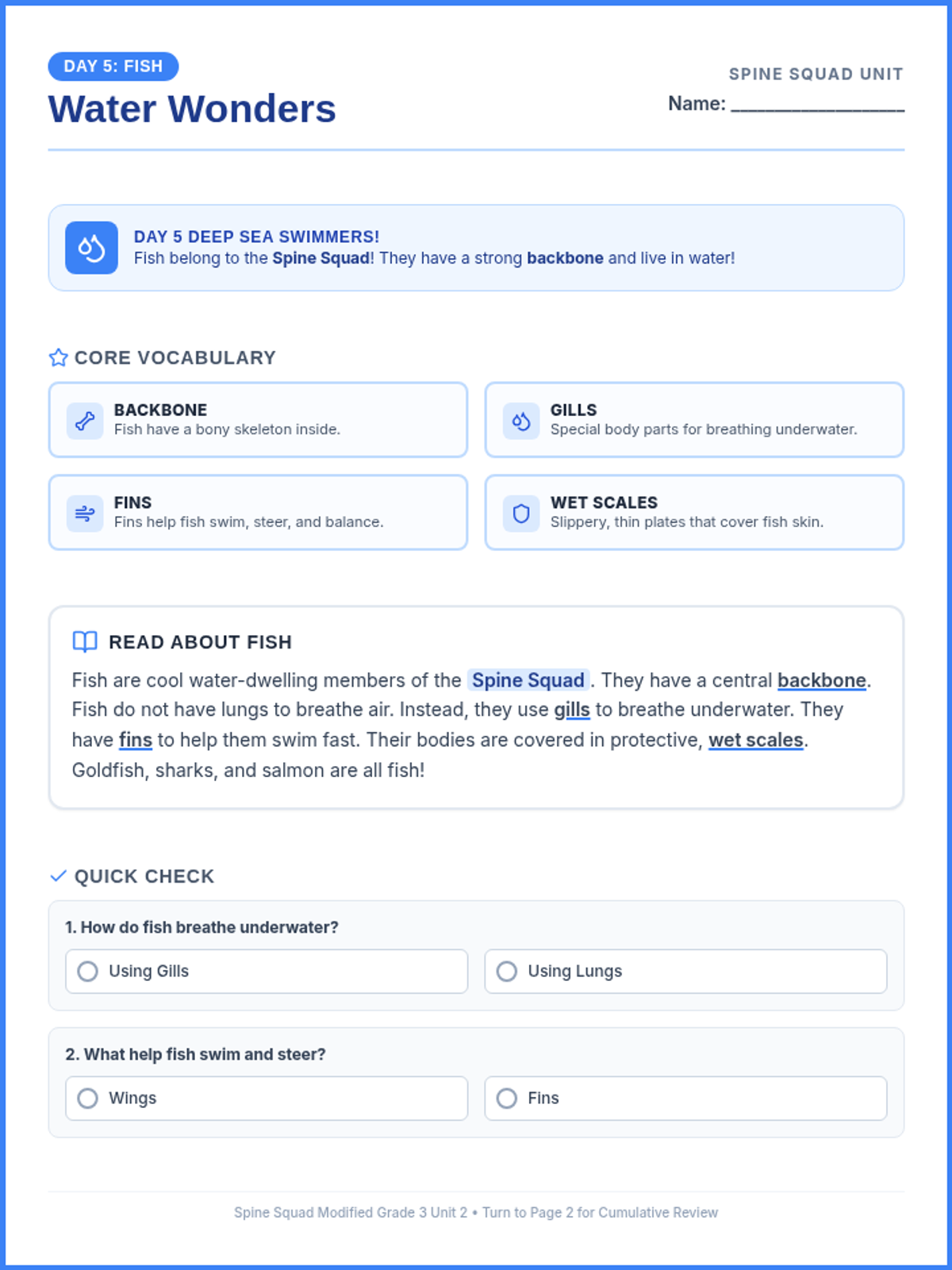
In this fifth and final lesson of the Spine Squad unit, students explore fish, focusing on gills, fins, scales, and underwater survival, with a final cumulative review of the five vertebrate groups.
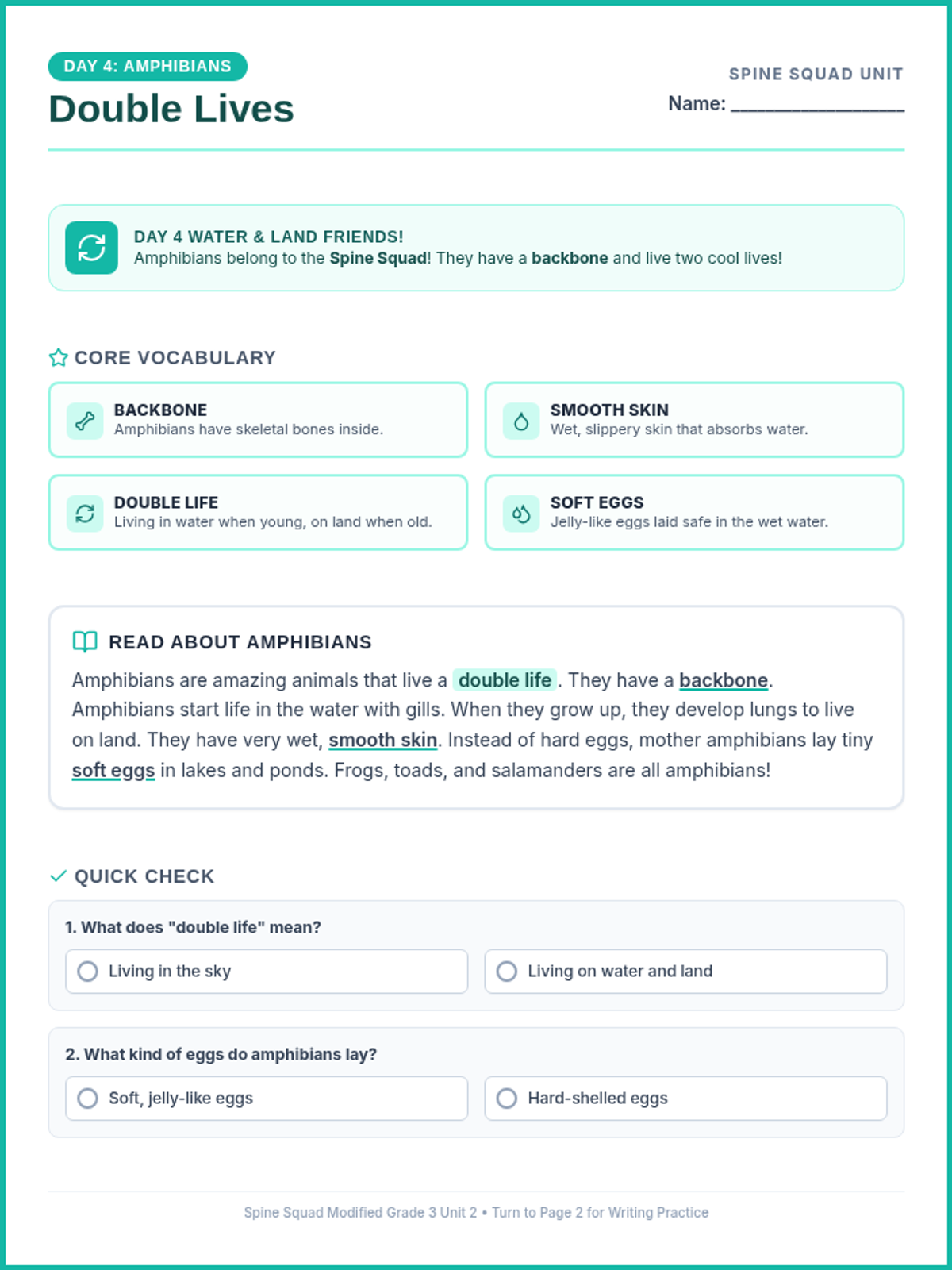
In this fourth lesson of the Spine Squad unit, students study amphibians, understanding how they live on water and land, lay soft eggs, and have smooth, wet skin, with scaffolded reading and tracing.
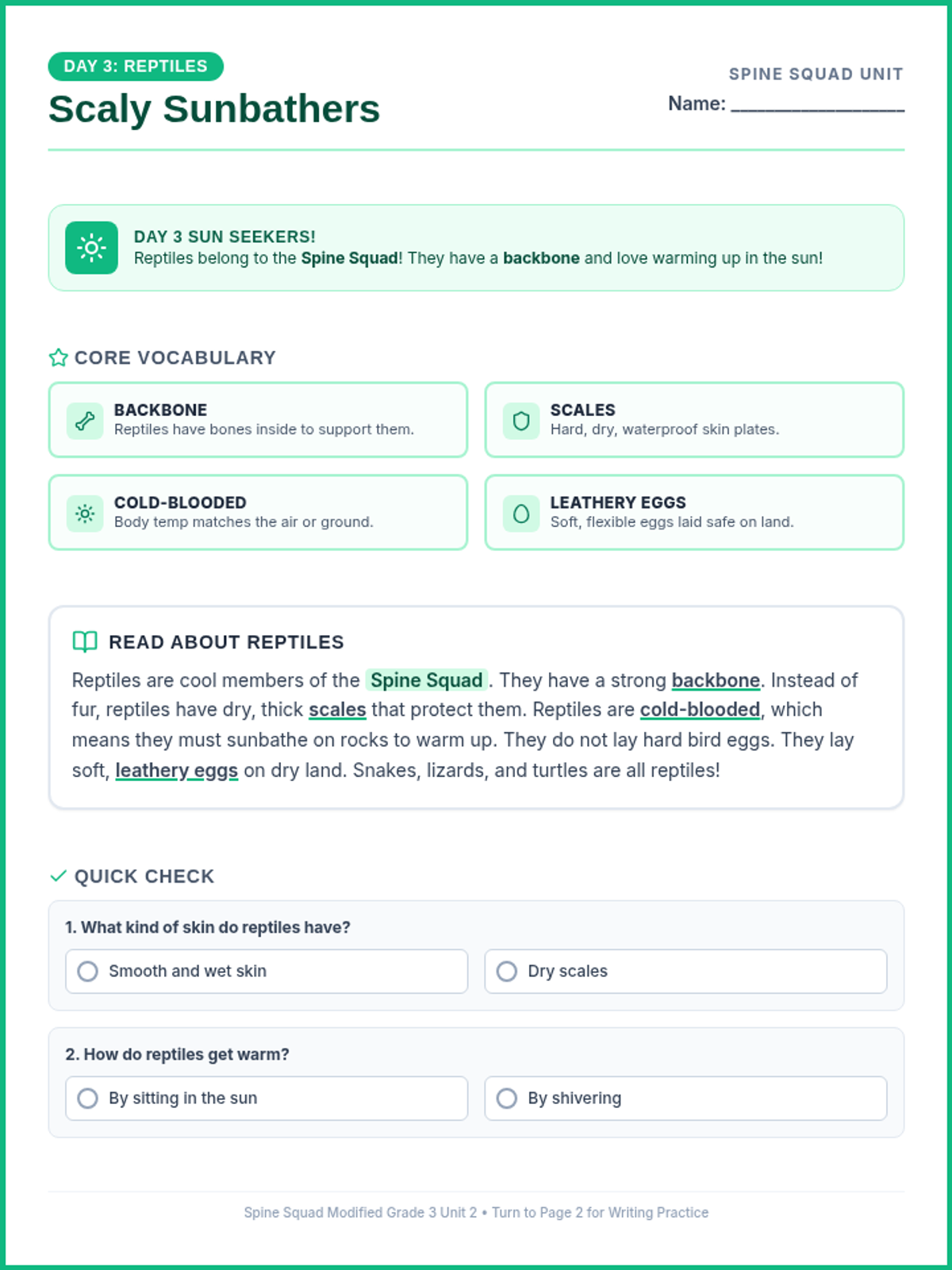
In this third lesson of the Spine Squad unit, students identify reptiles, exploring characteristics such as scales, cold-blooded regulation, and laying leathery eggs on land, supported by guided tracing.
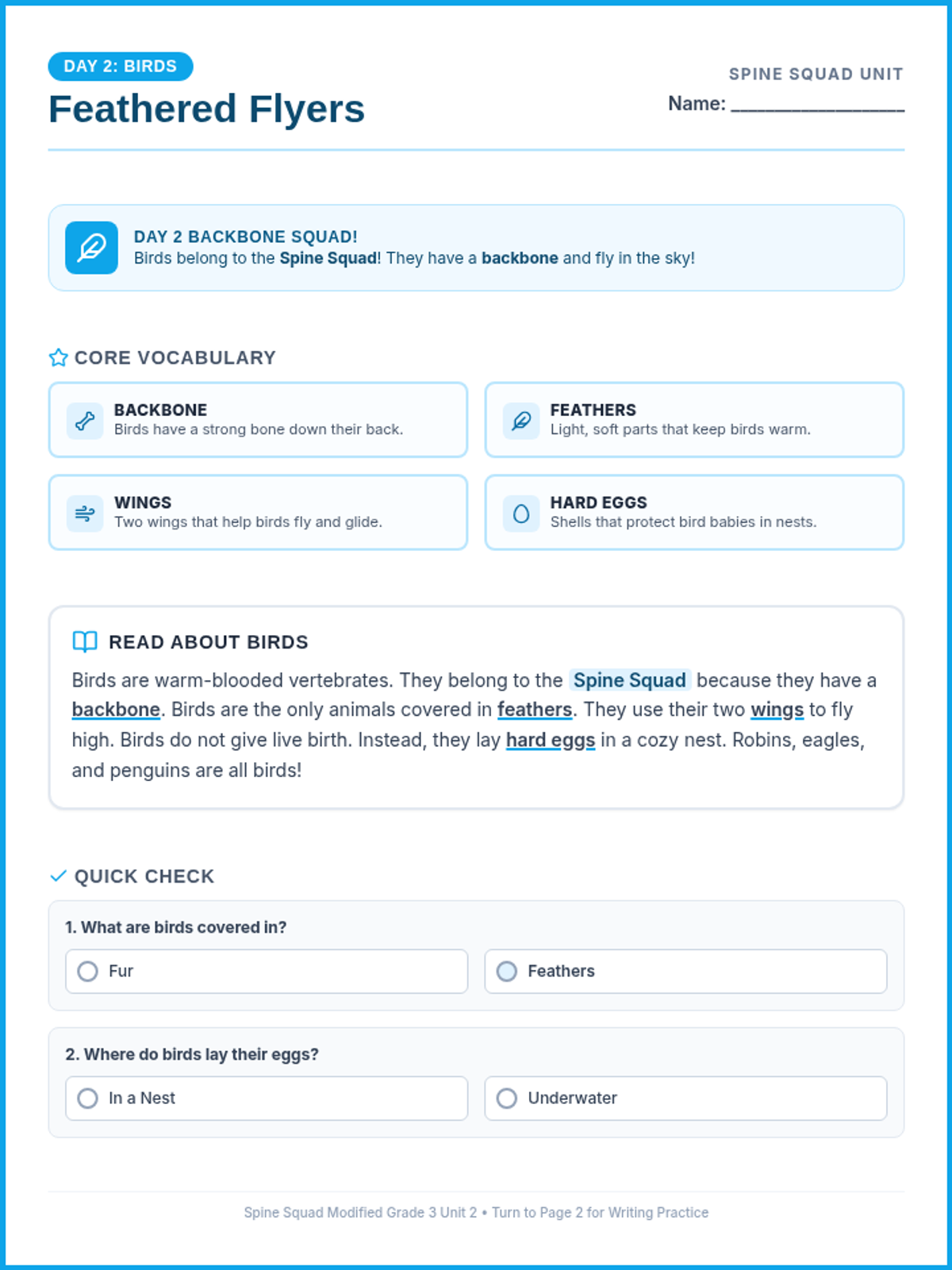
In this second lesson of the Spine Squad unit, students examine the key characteristics of birds, including feathers, wings, and laying hard-shelled eggs, using scaffolded comprehension prompts and tracing.
In this first lesson of the Spine Squad unit, students explore the unique traits of mammals, focusing on fur/hair, live birth, and milk production with heavy visual support and tracing activities.
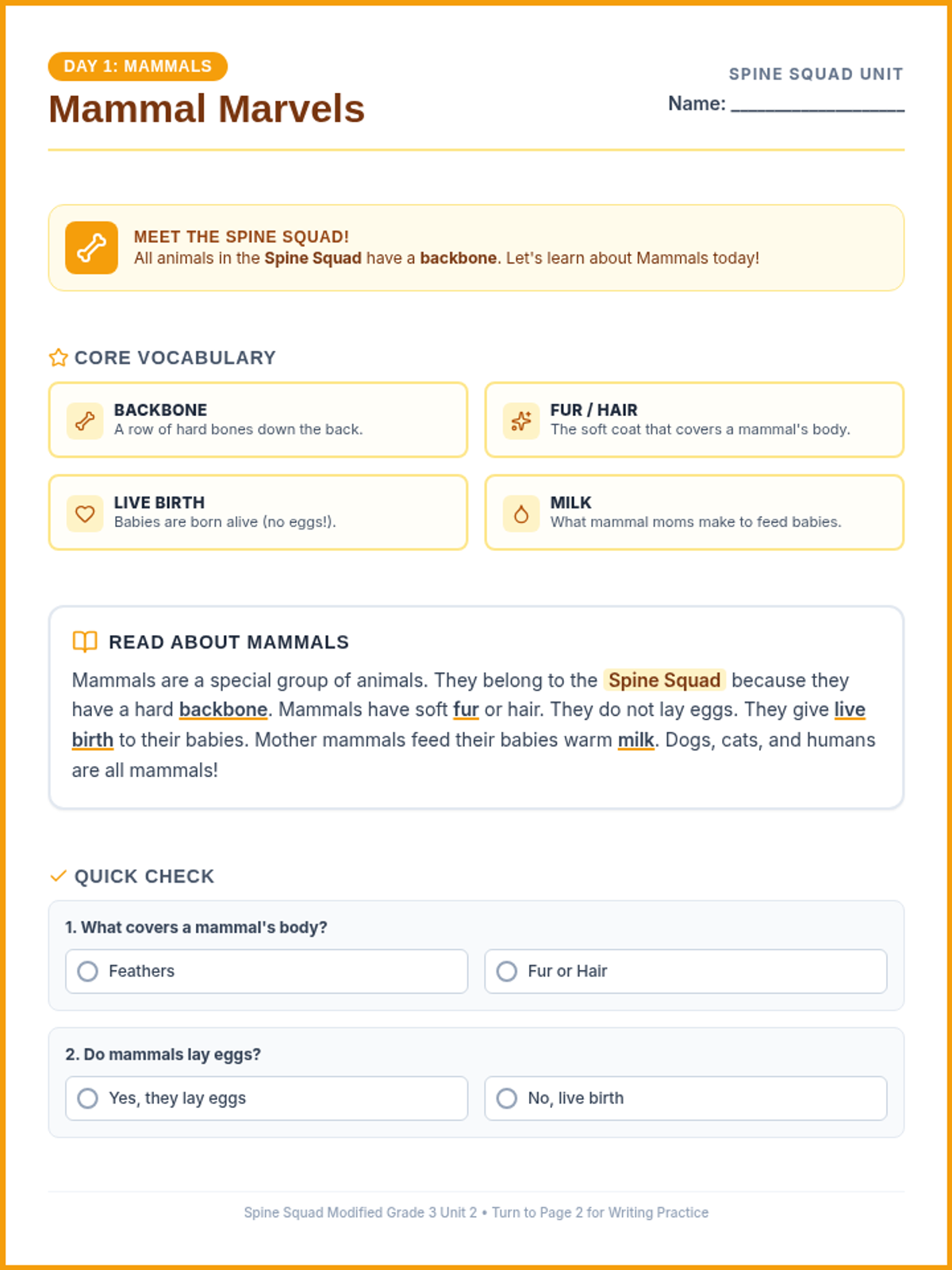
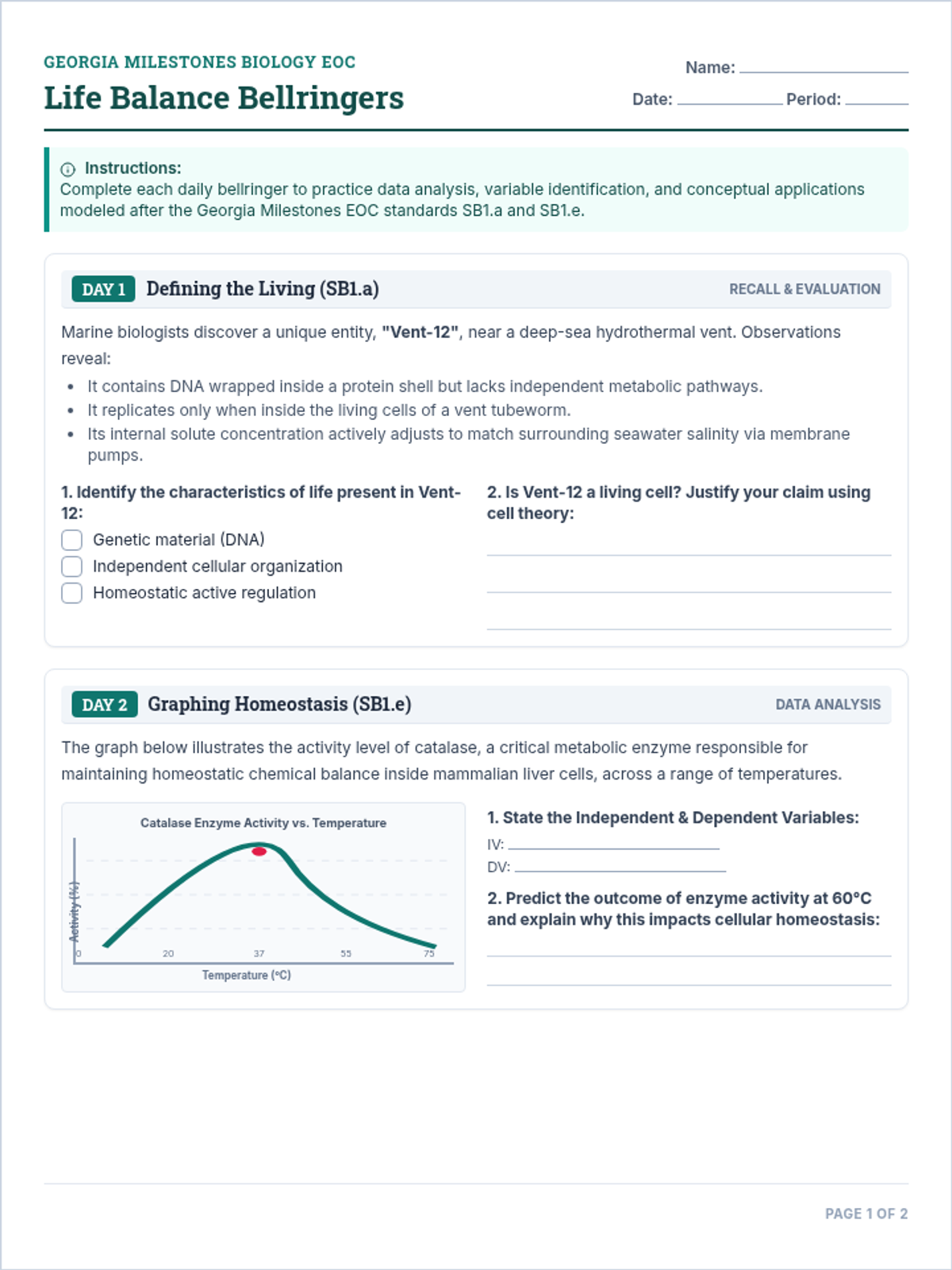
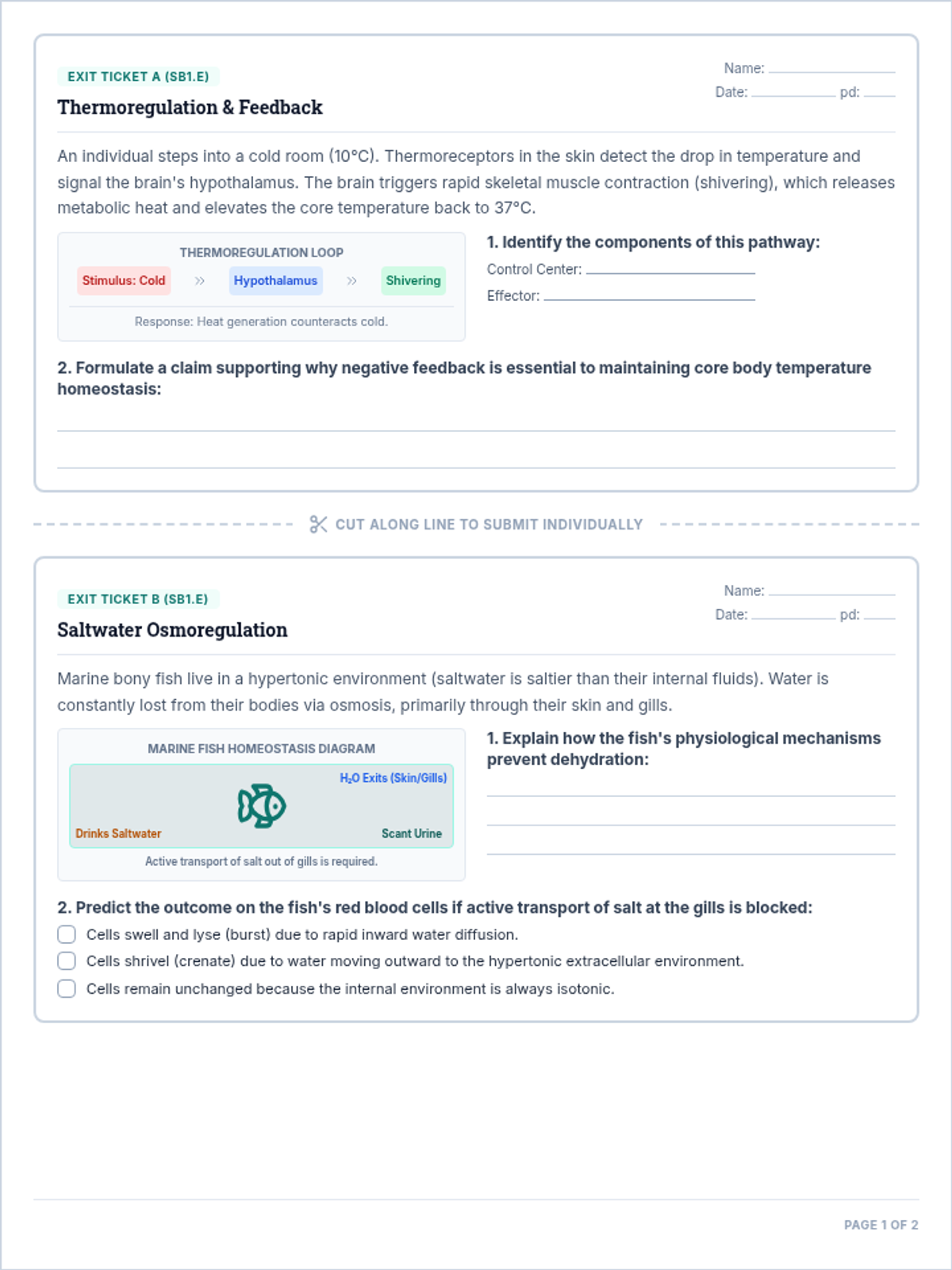
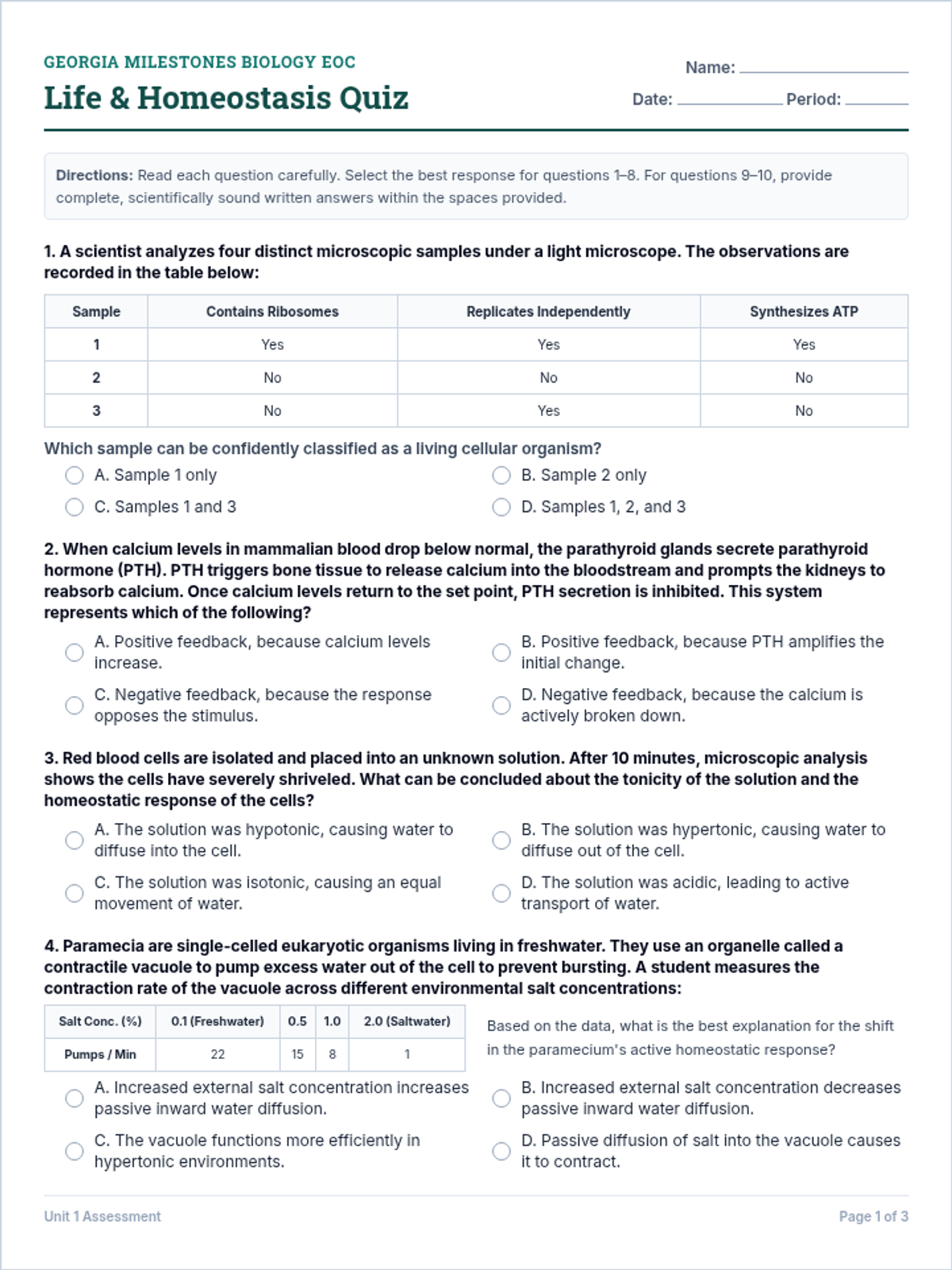
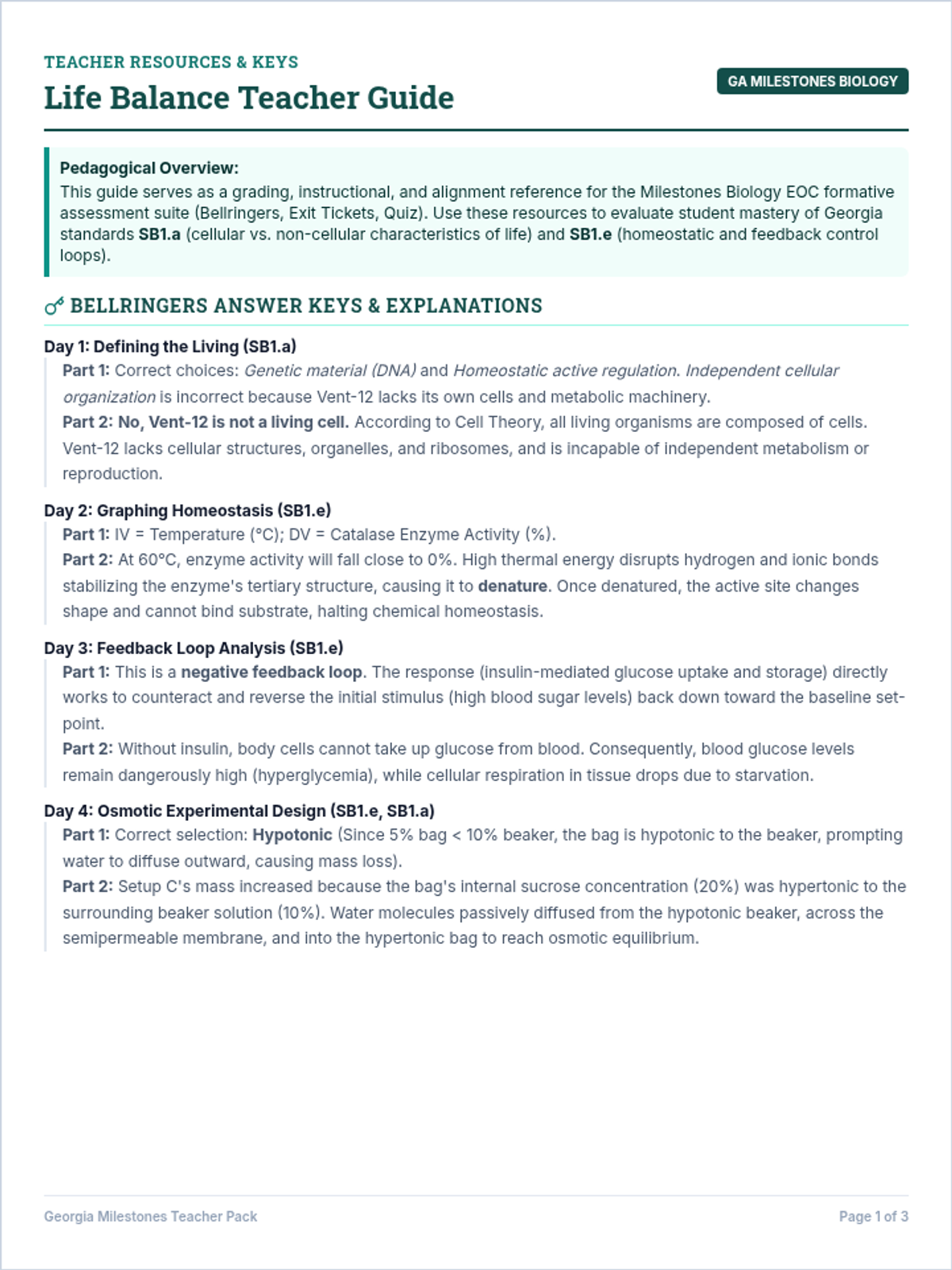
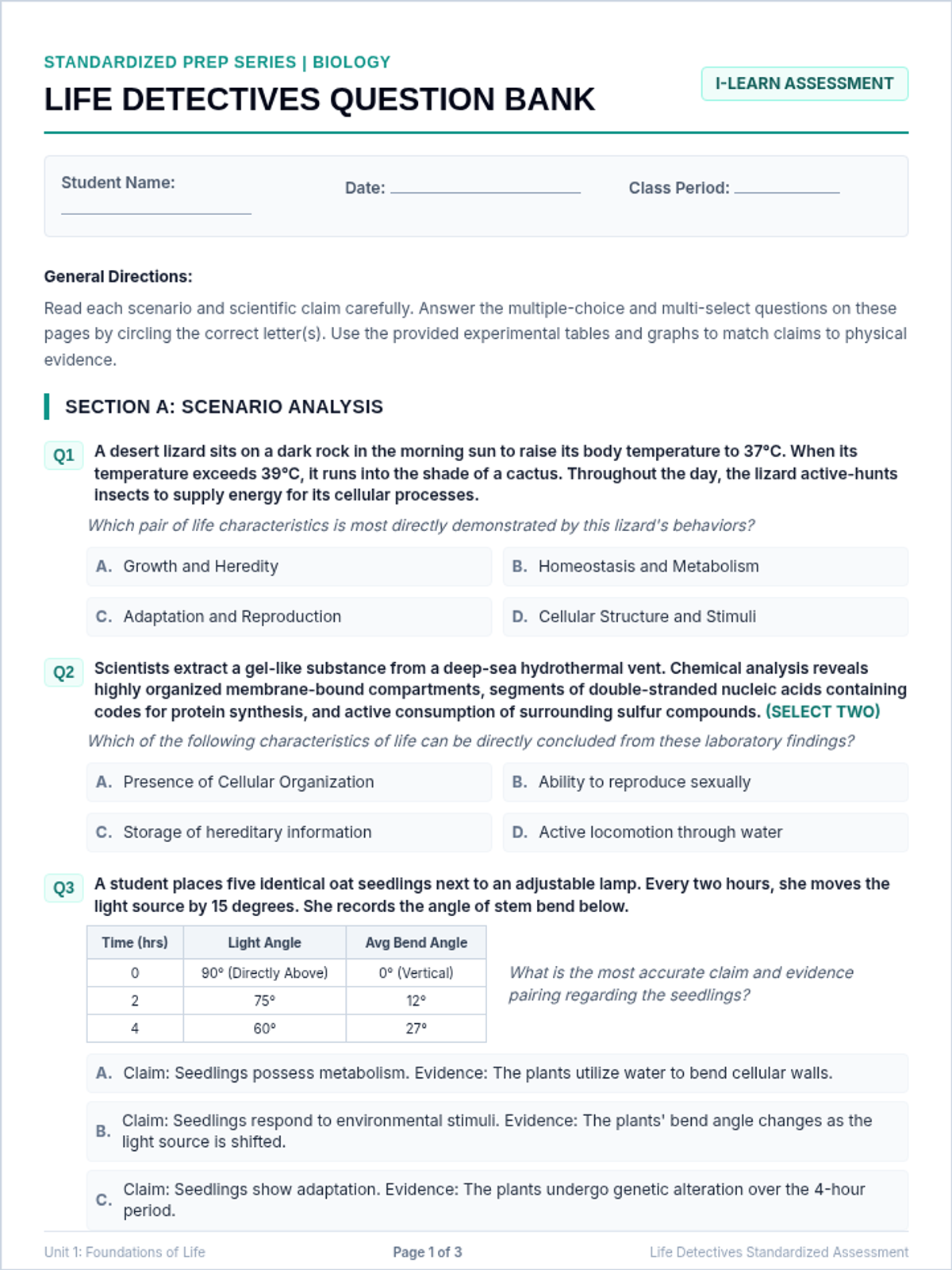
A rigorous, Georgia Milestones Biology EOC-aligned formative assessment pack focusing on the characteristics of life and homeostasis. This lesson contains highly structured bellringers, daily exit tickets, a diagnostic-style quiz, and a comprehensive teacher answer key and guide emphasizing graph, variable, and experimental data analysis.
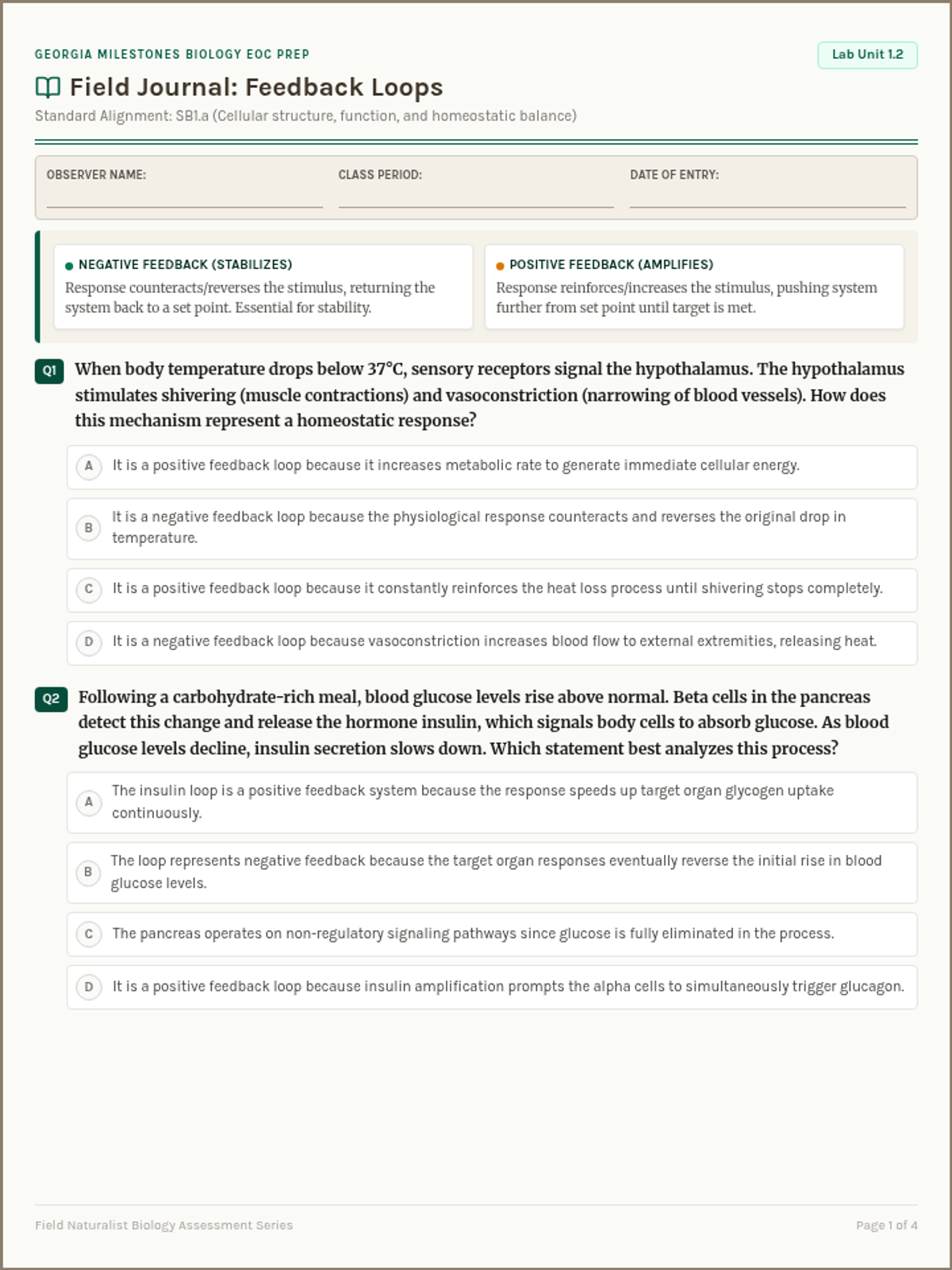
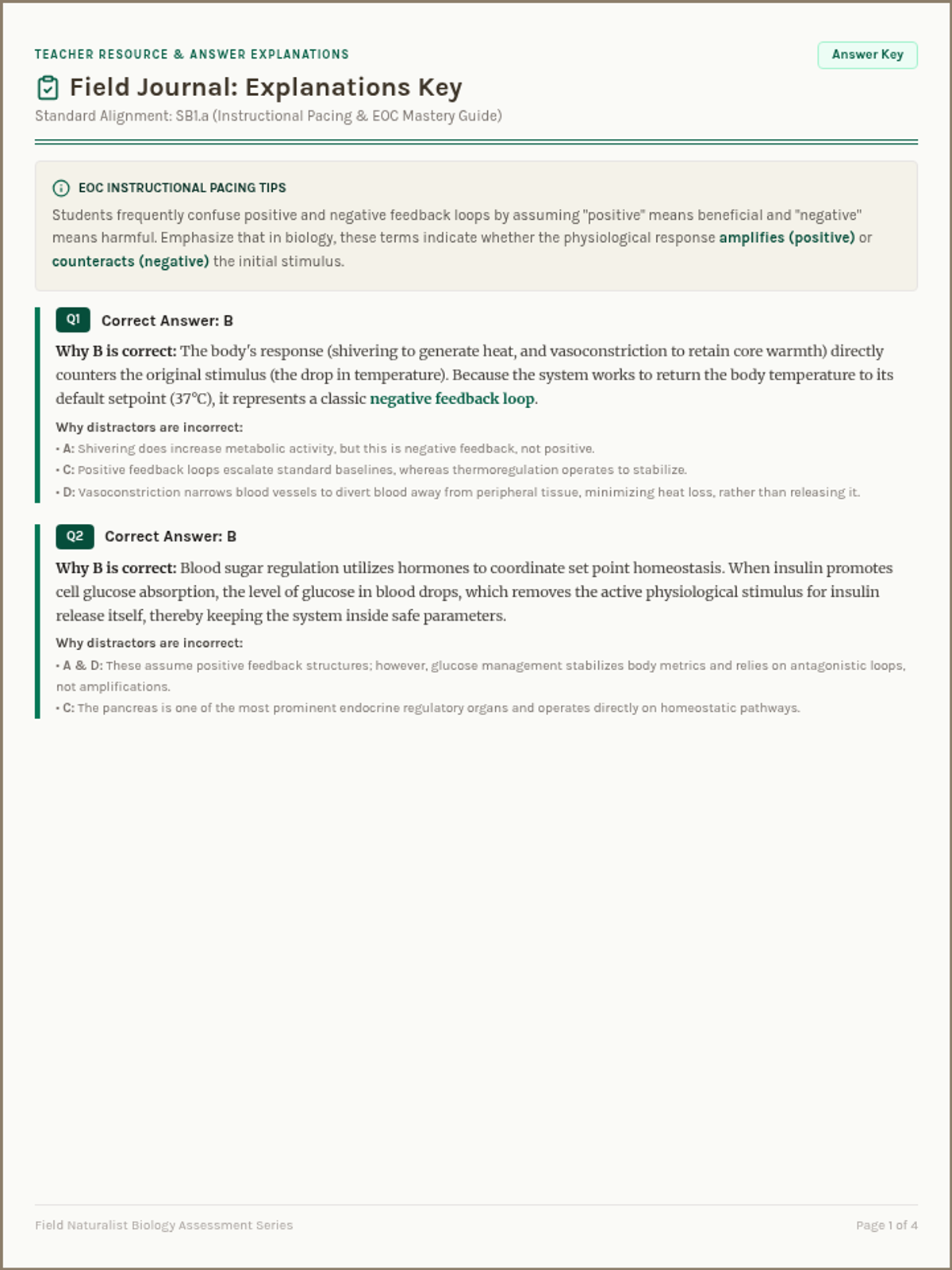
A targeted prep lesson designed to master positive and negative feedback loops for the Georgia Milestones Biology EOC assessment. Includes rigorous, standards-aligned practice questions and a detailed teacher explanation guide.
A rigorous assessment and practice suite designed to prepare students for standardized science exams. It focuses on the characteristics of life through scenario-based multiple-choice questions and evidence-based experimental data analysis.
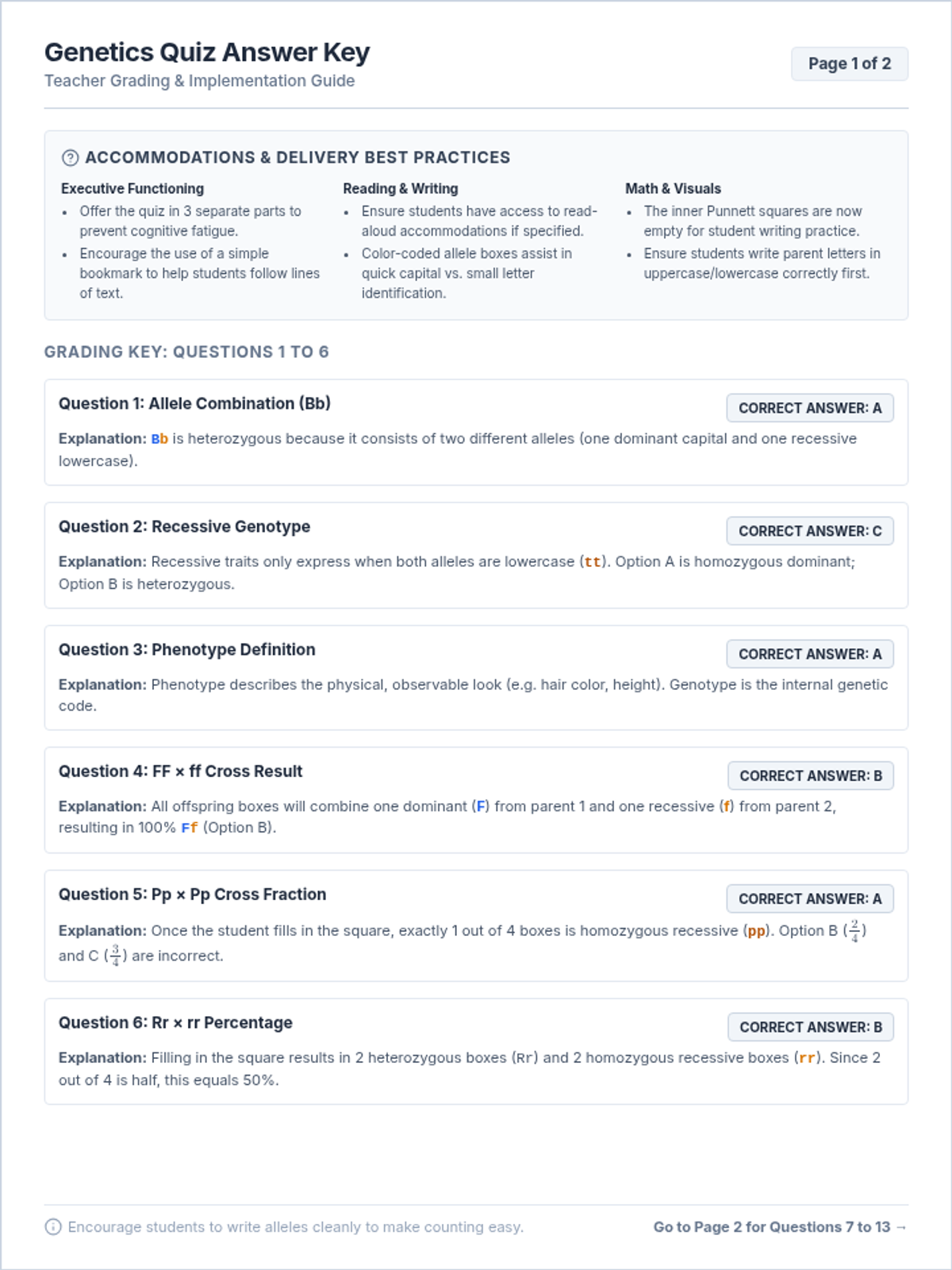
A custom accommodated quiz pack on genetics, designed specifically for students with reading, writing, math, and executive functioning challenges. Includes a highly scaffolded student quiz and a comprehensive teacher answer key with pedagogical guidance.
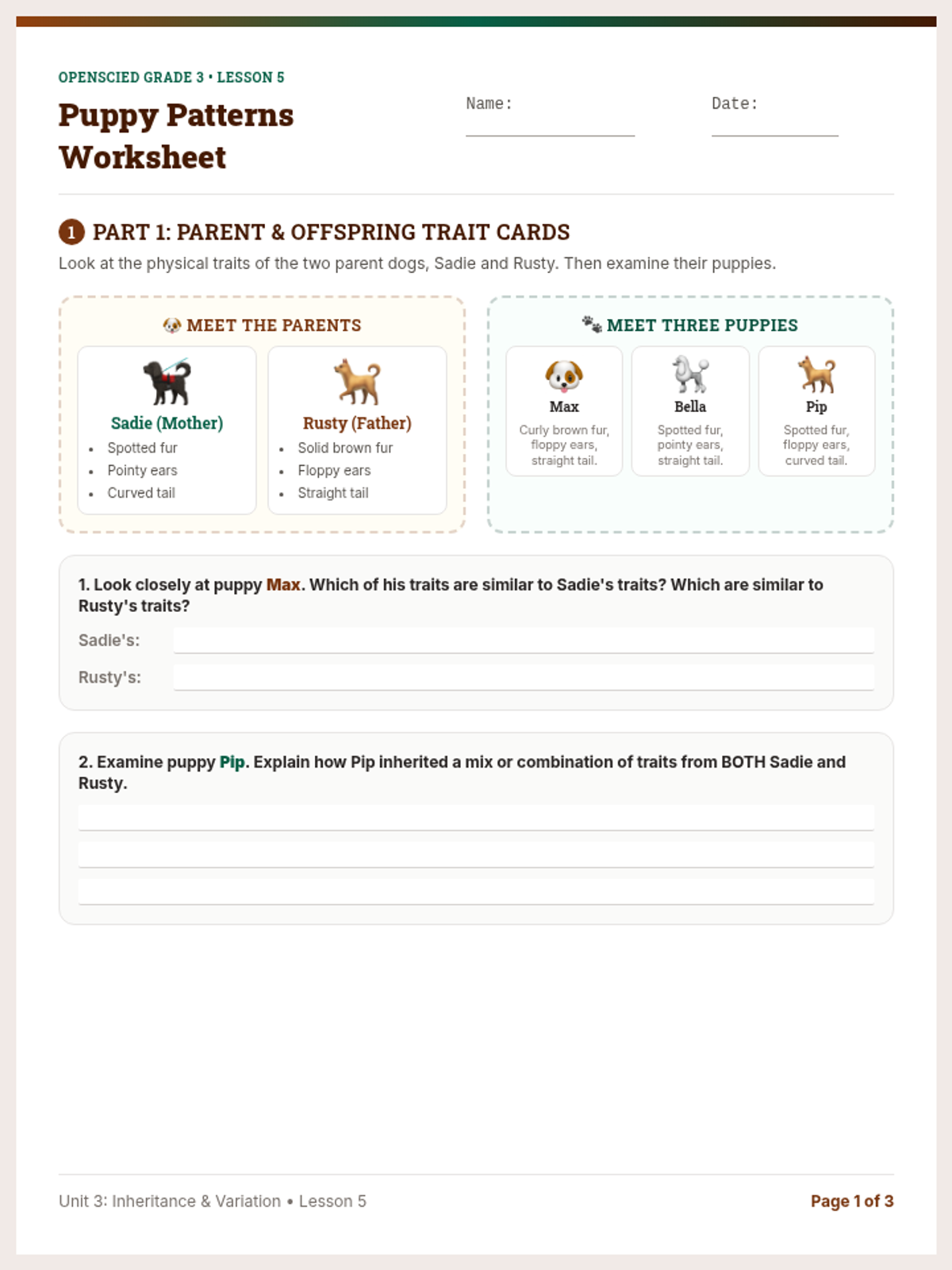
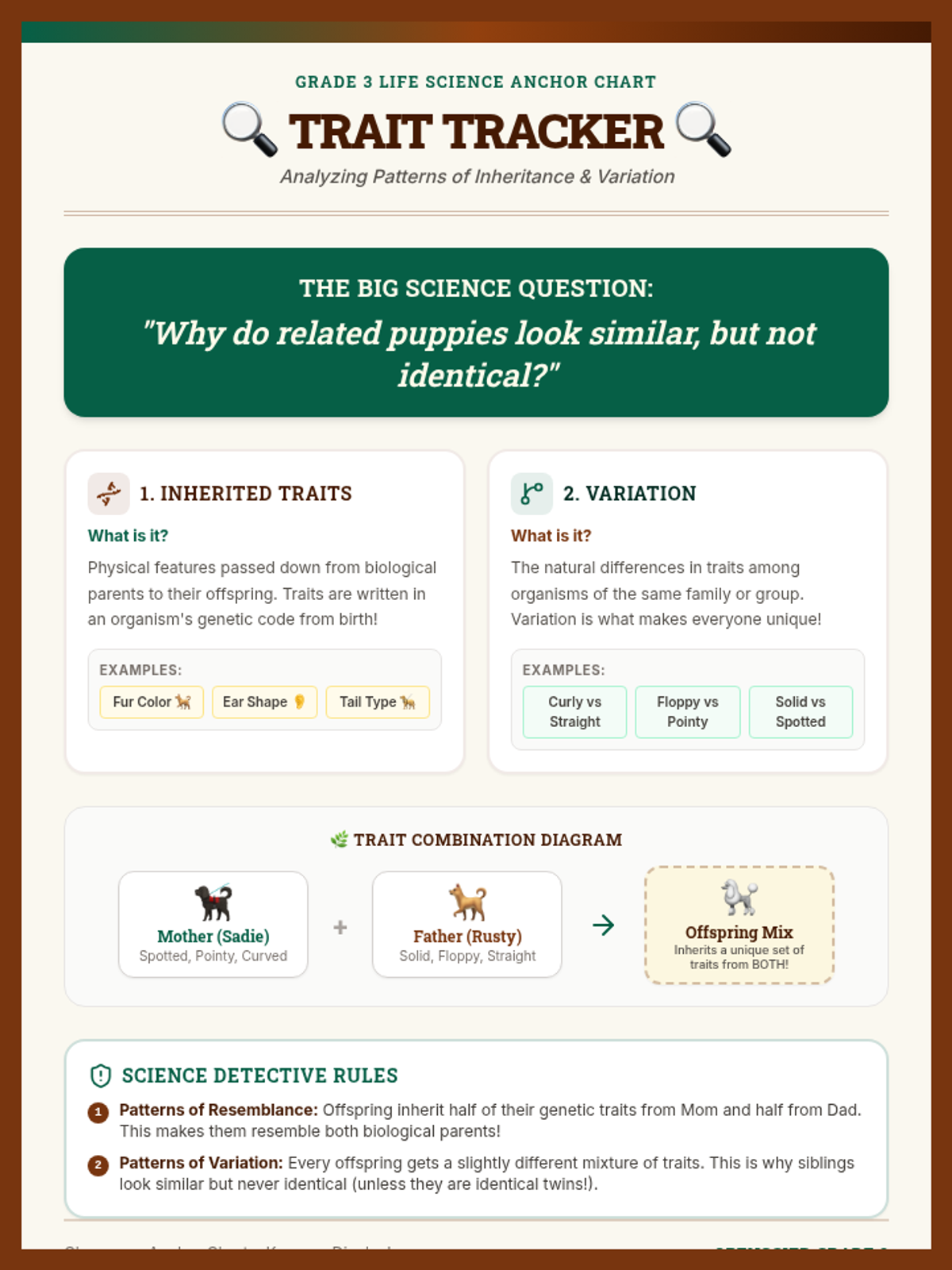
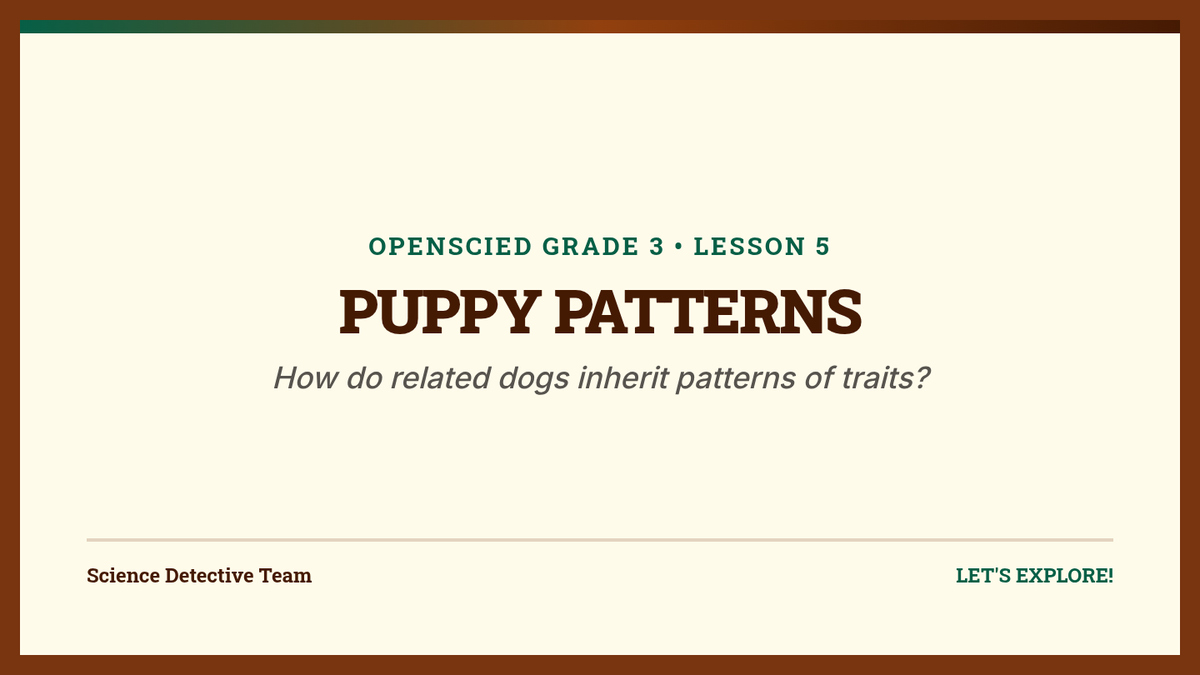
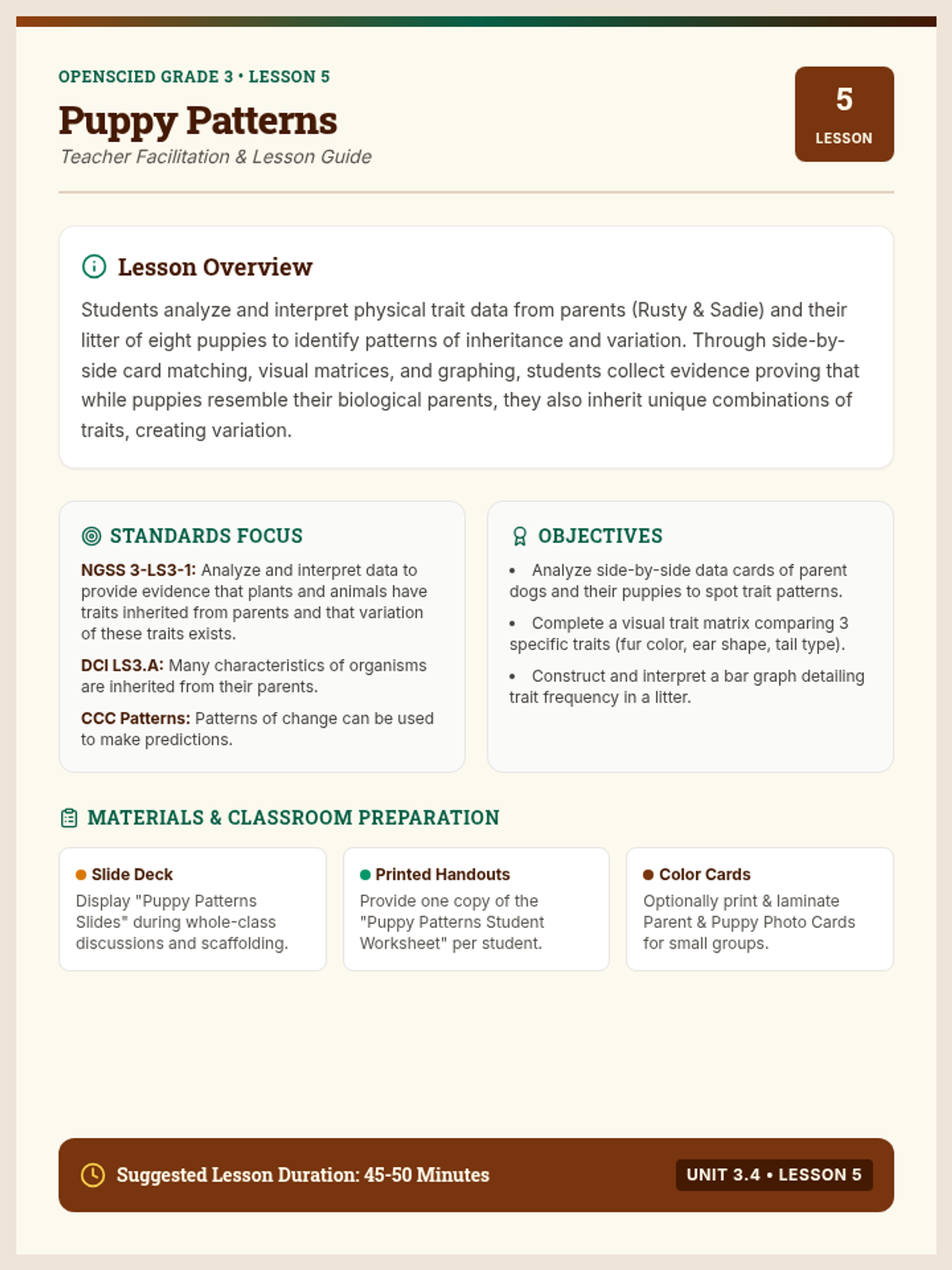
An OpenSciEd-aligned 3rd grade science lesson where students analyze and interpret data from parent dogs and their litters to discover patterns of inheritance and variation in physical traits.
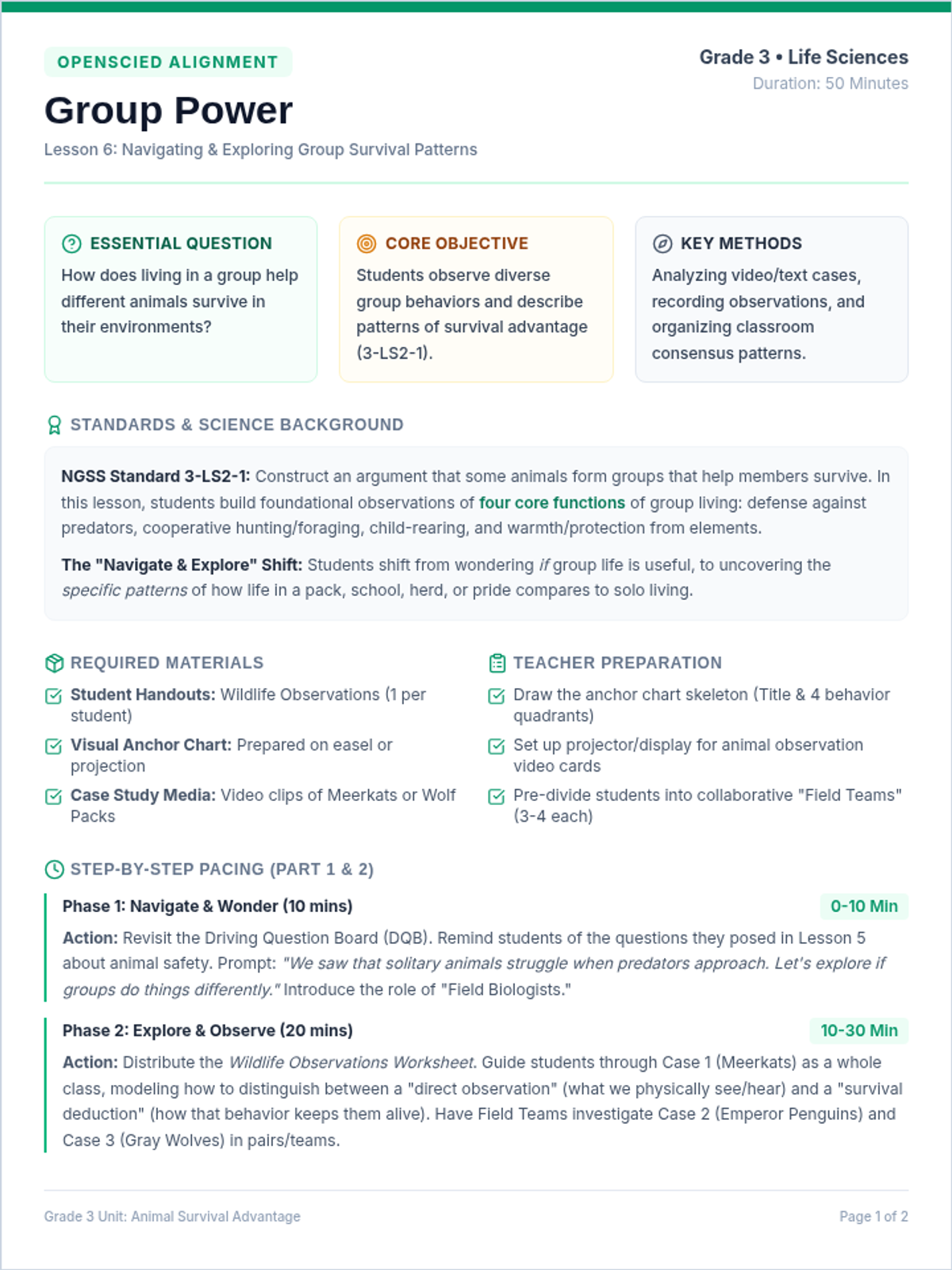
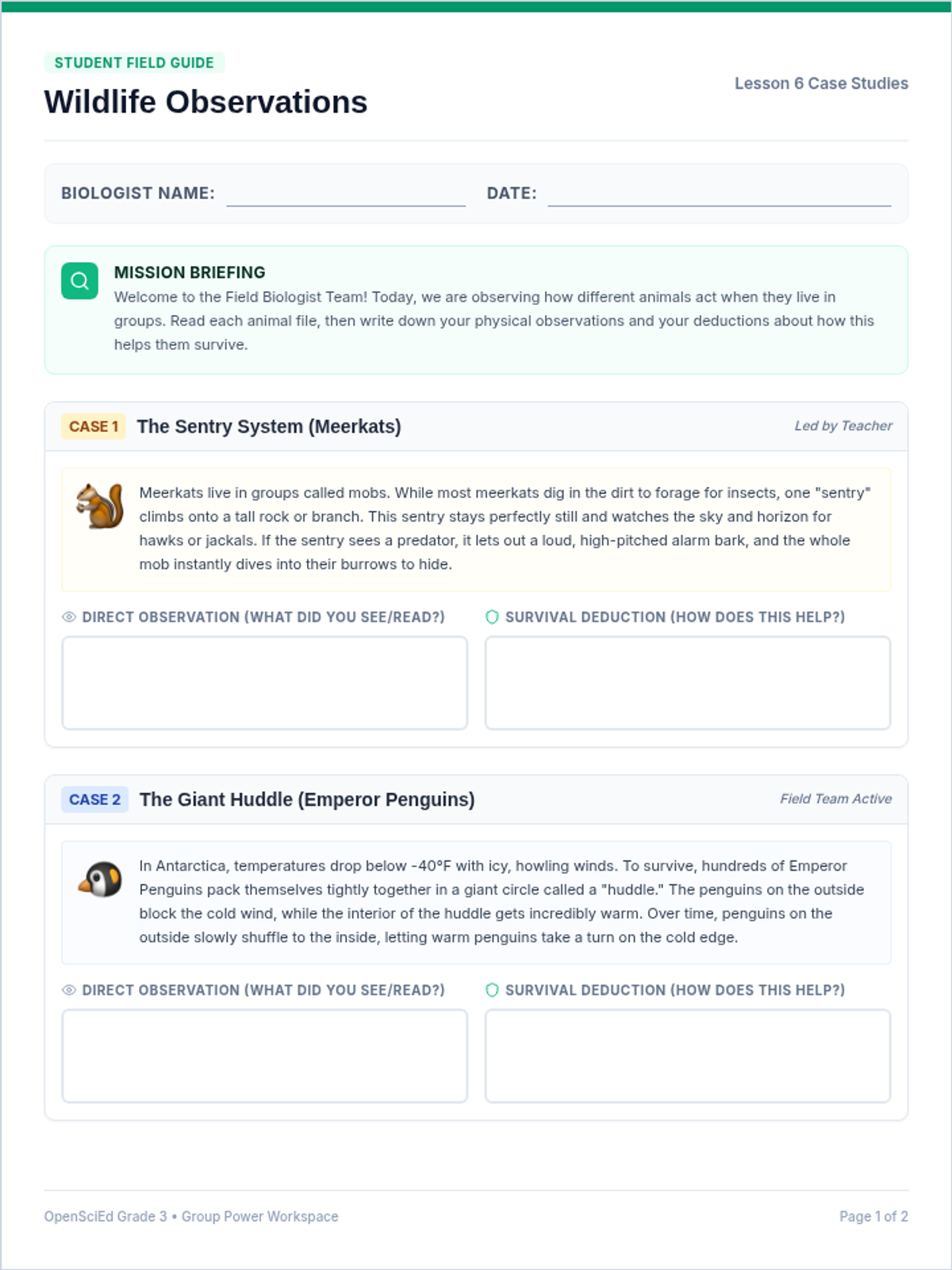
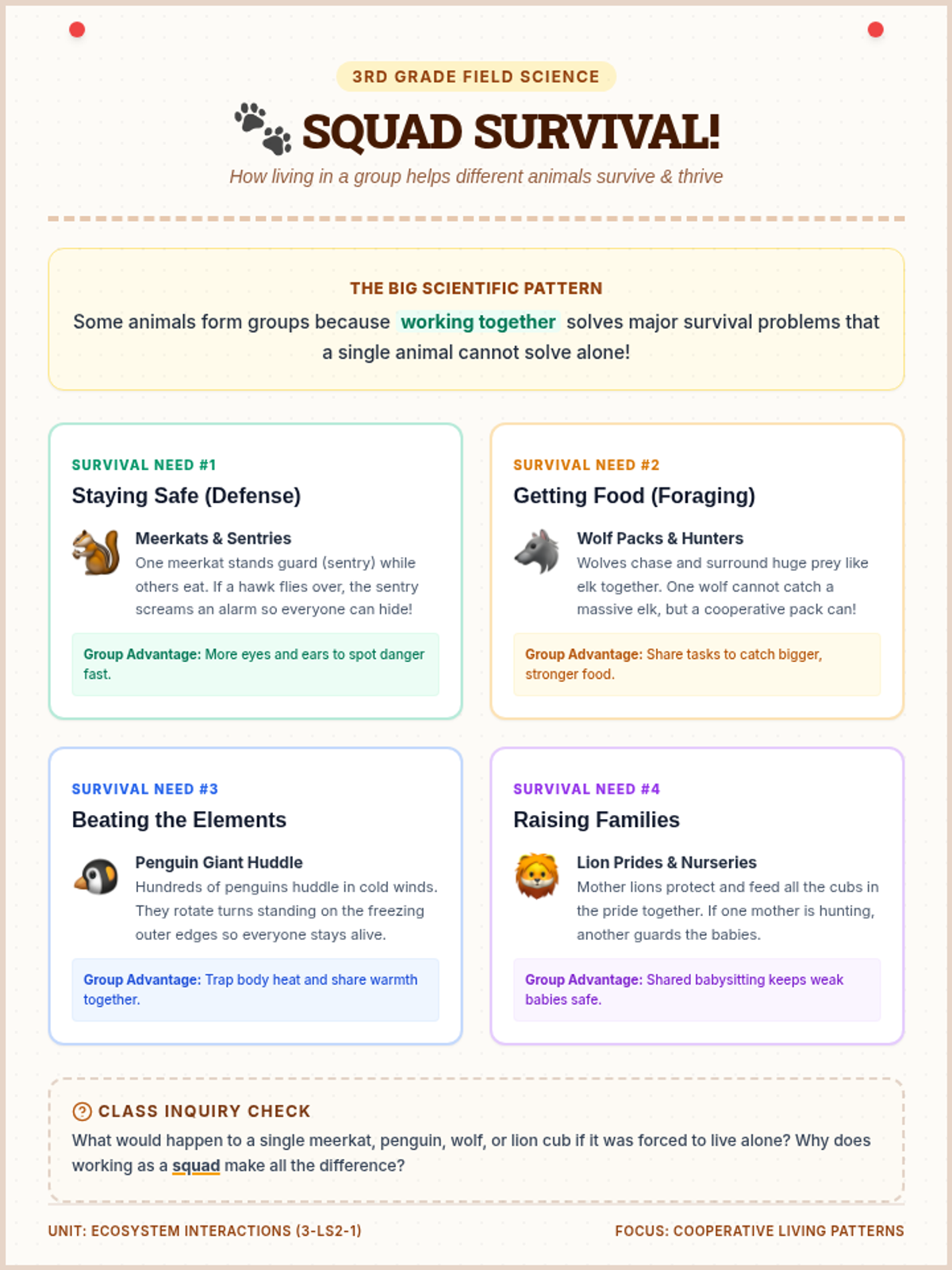
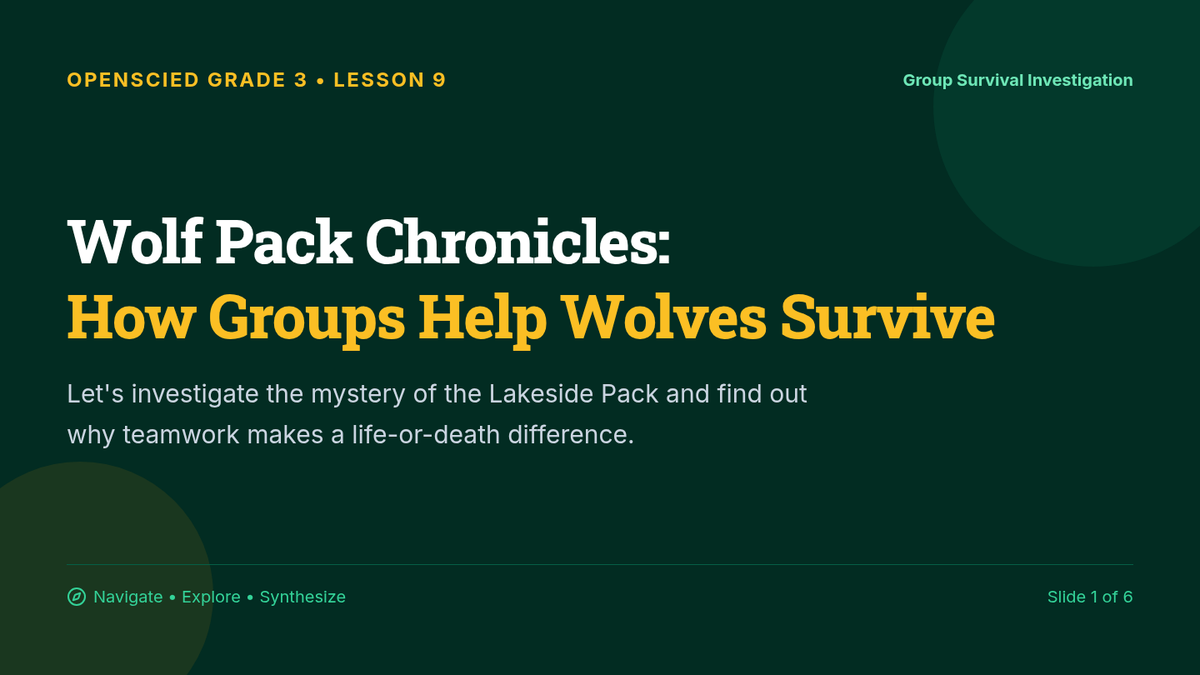
An OpenSciEd-aligned lesson where 3rd graders observe animal behaviors and describe patterns of how living in groups helps different species survive. Students analyze diverse wildlife examples to uncover the survival advantages of cooperative living.
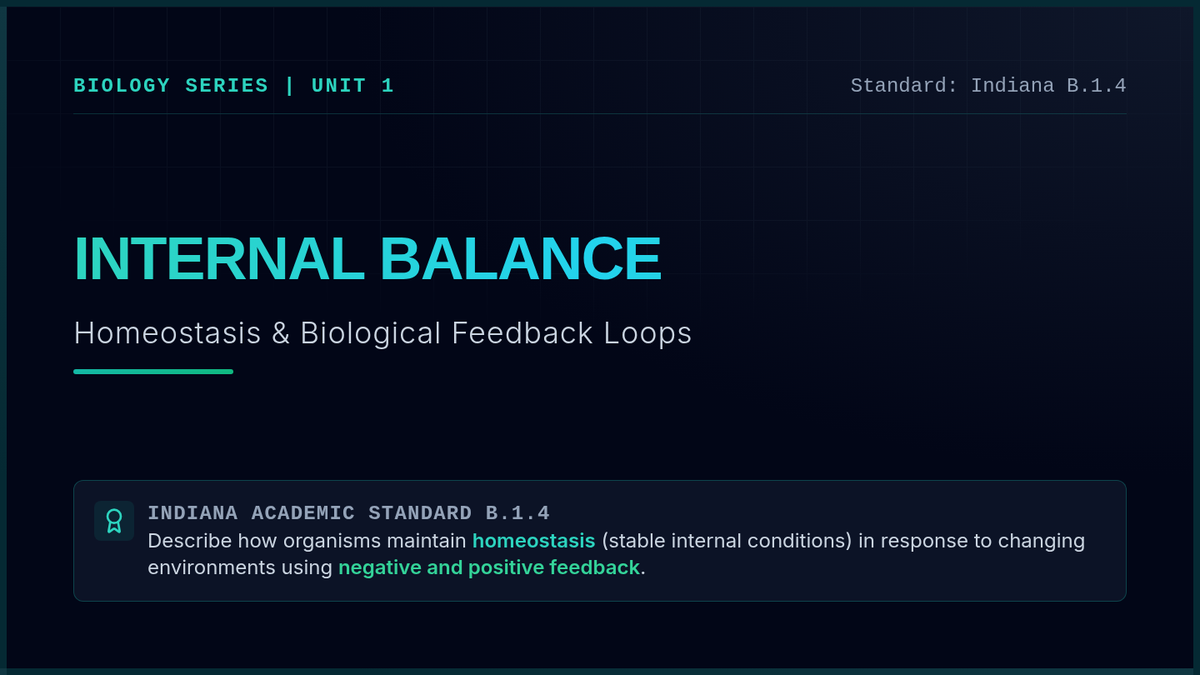
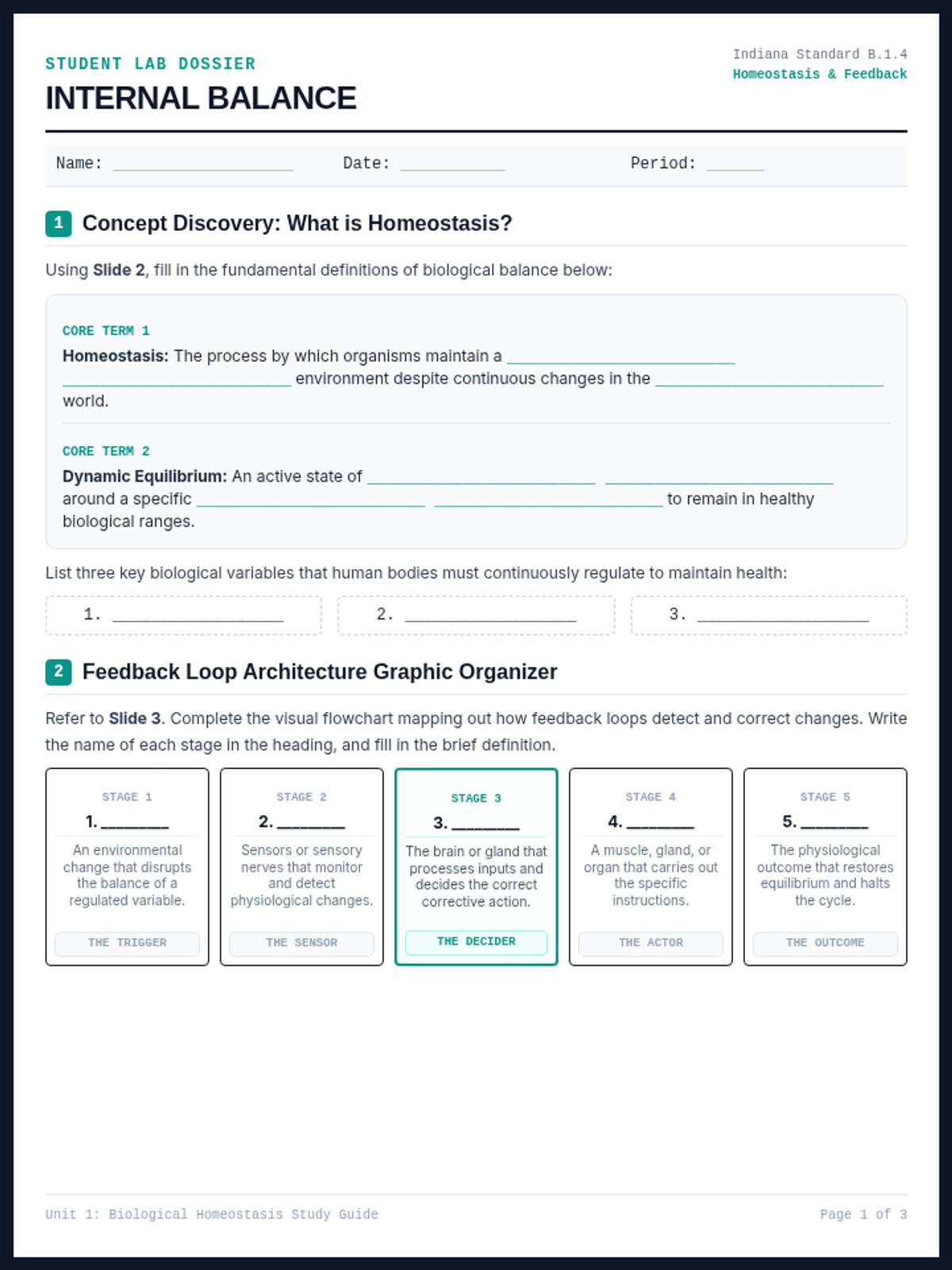
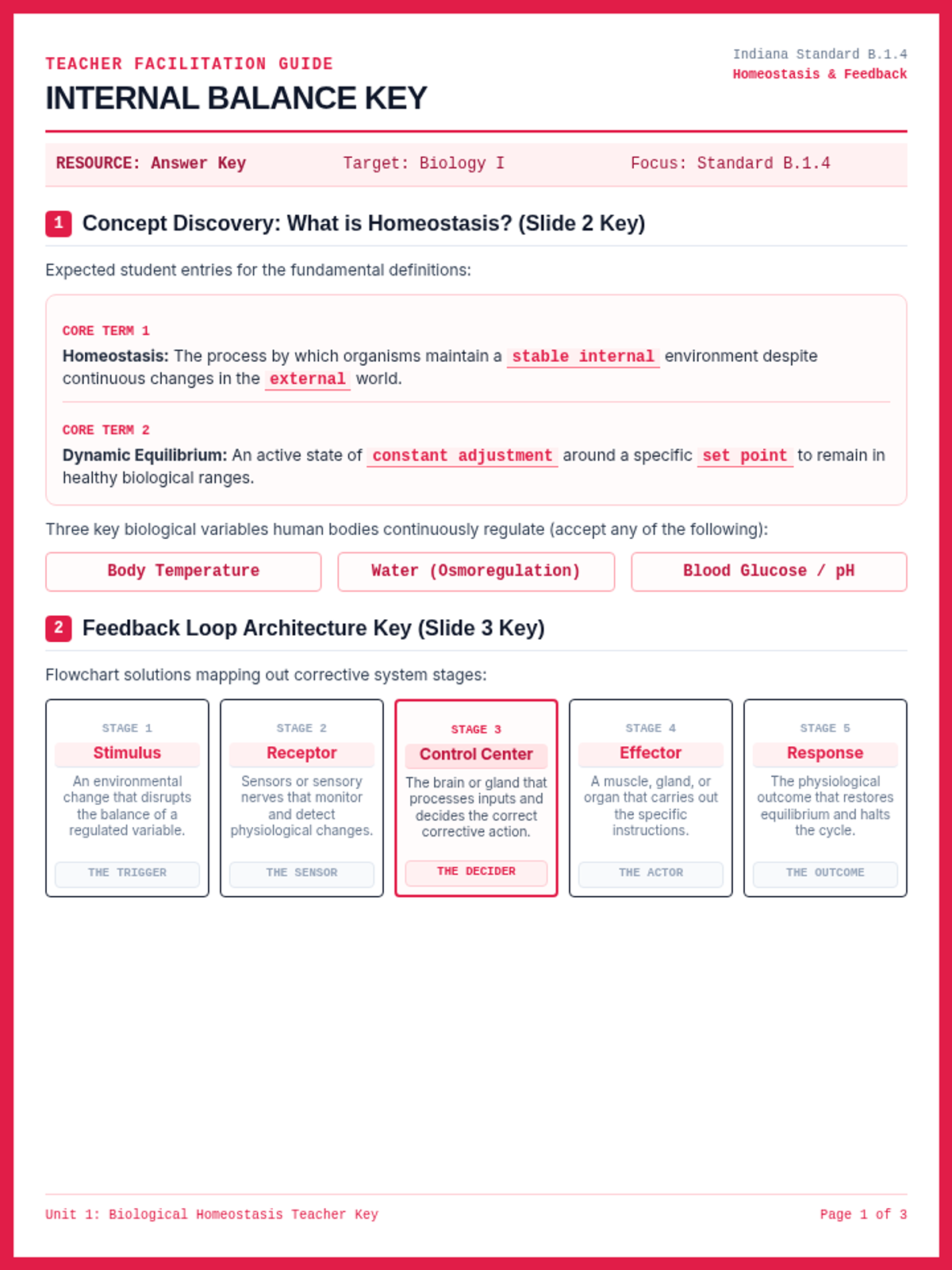
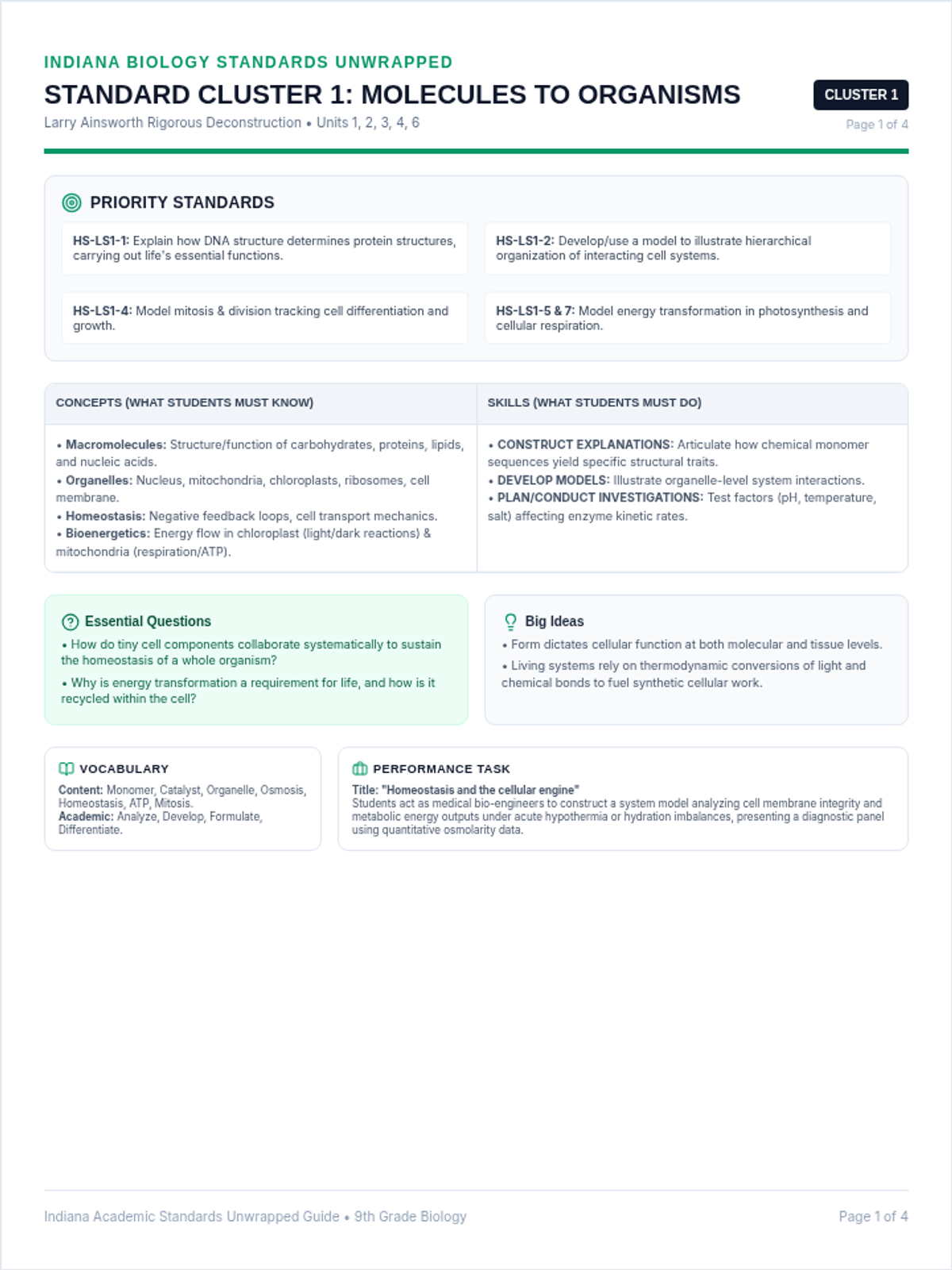
A comprehensive biology lesson on homeostasis and biological feedback mechanisms, aligned with Indiana Academic Standard Biology B.1.4. The lesson includes a highly visual slide deck and matching guided student notesheets with graphic organizers and real-world case studies.
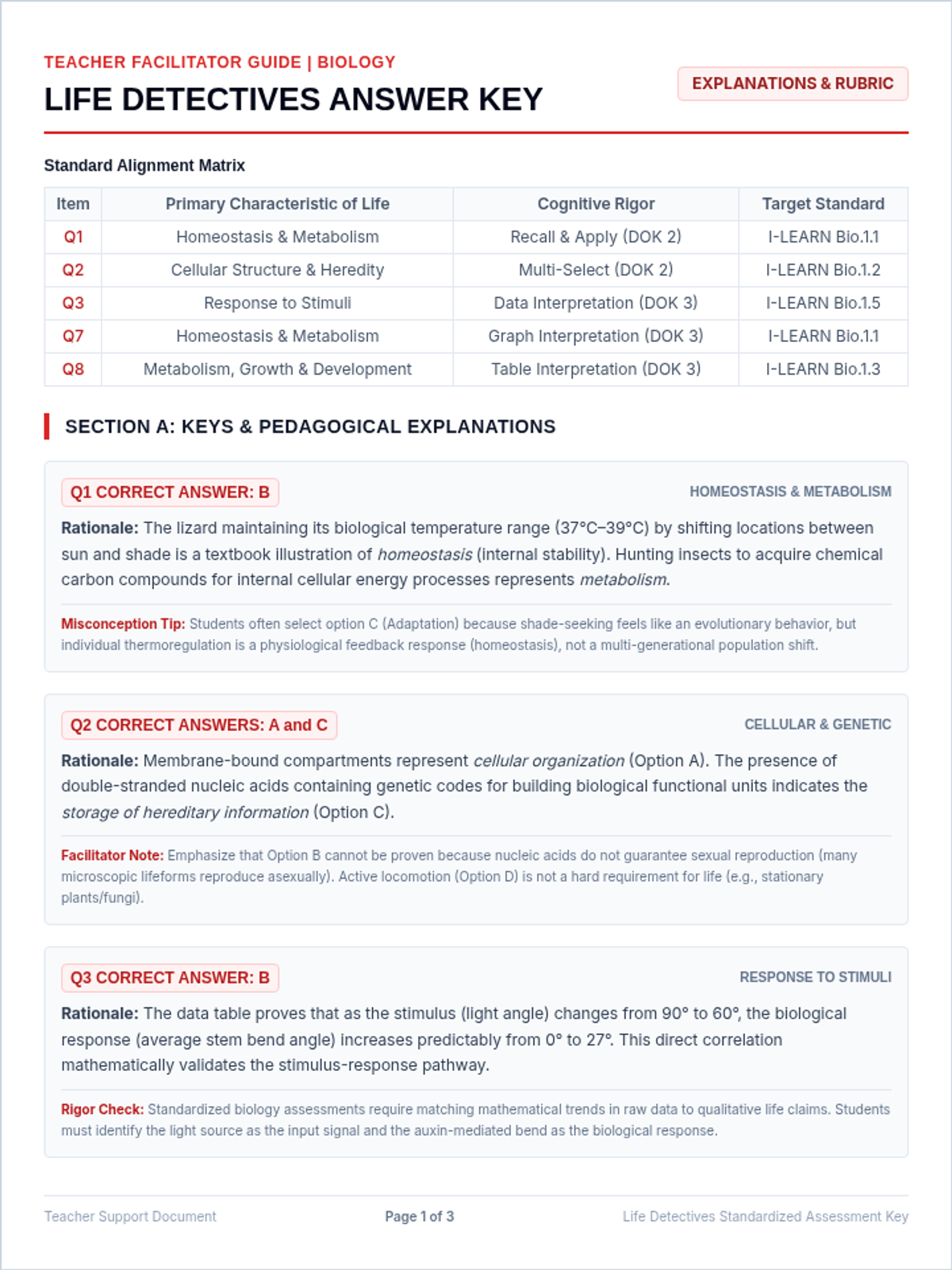
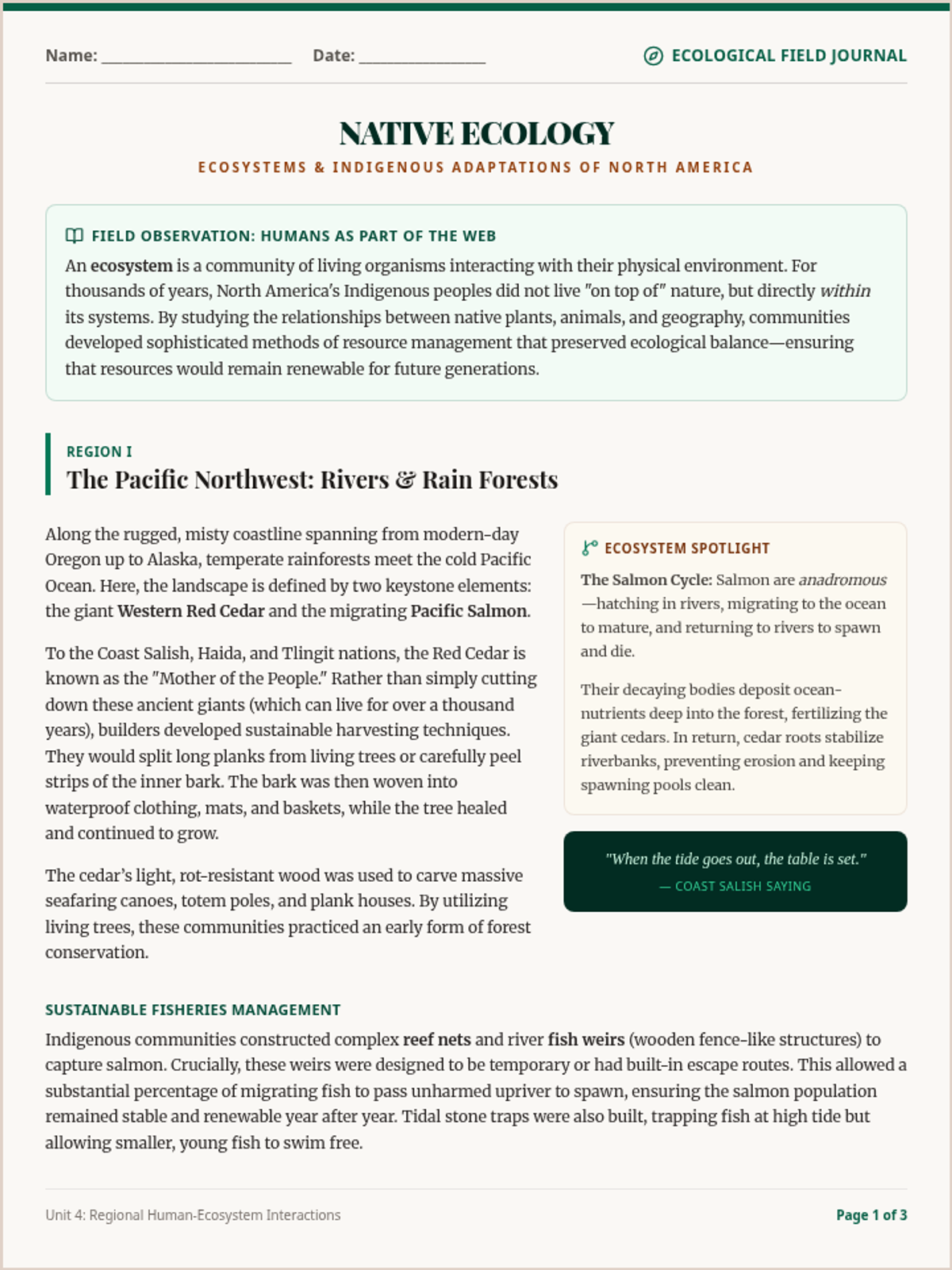
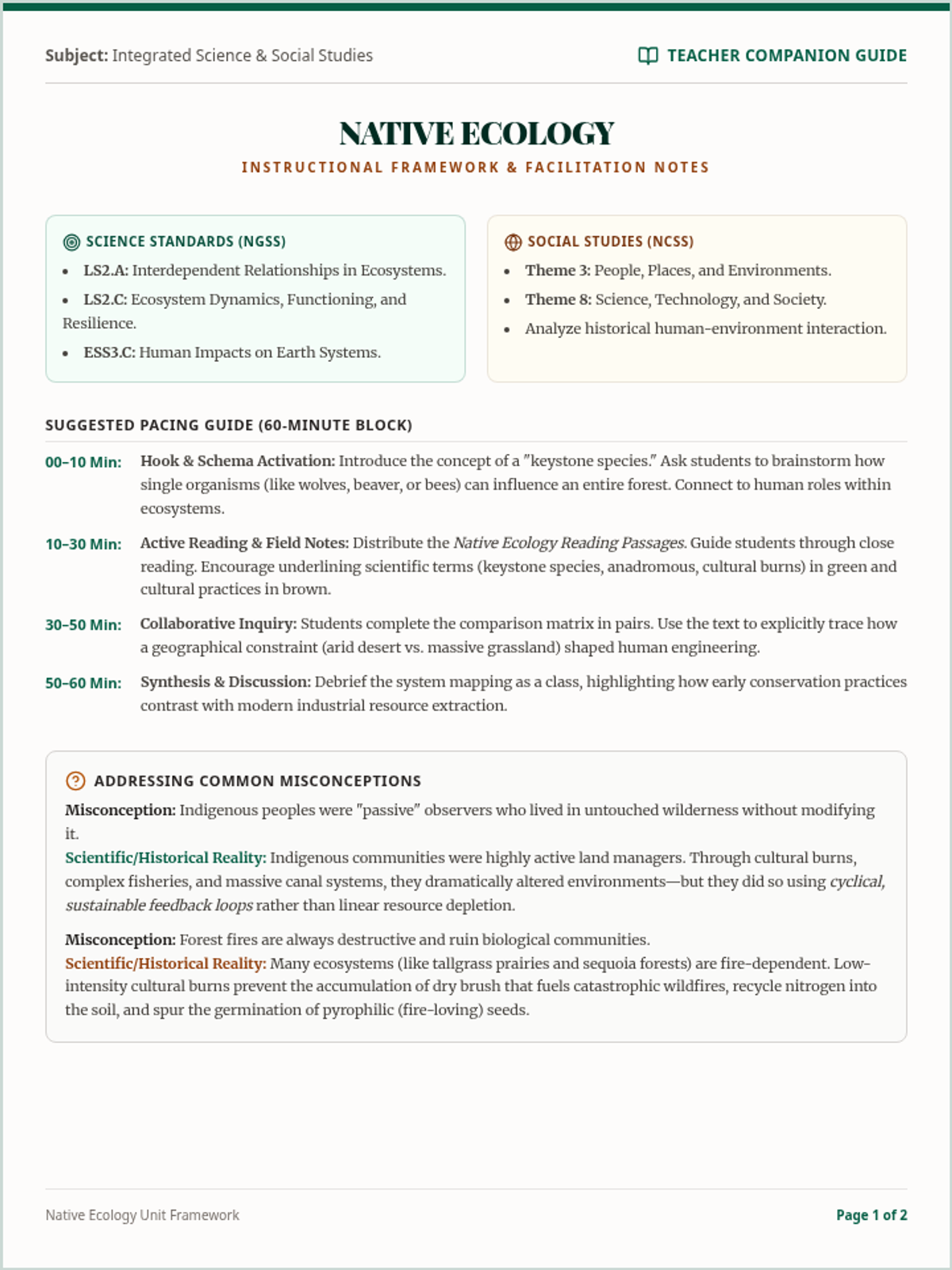
An integrated science and social studies lesson exploring how regional ecosystems and native species supported historical Indigenous communities across North America. Students analyze the ecological relationships and cultural adaptations of three distinct regions.
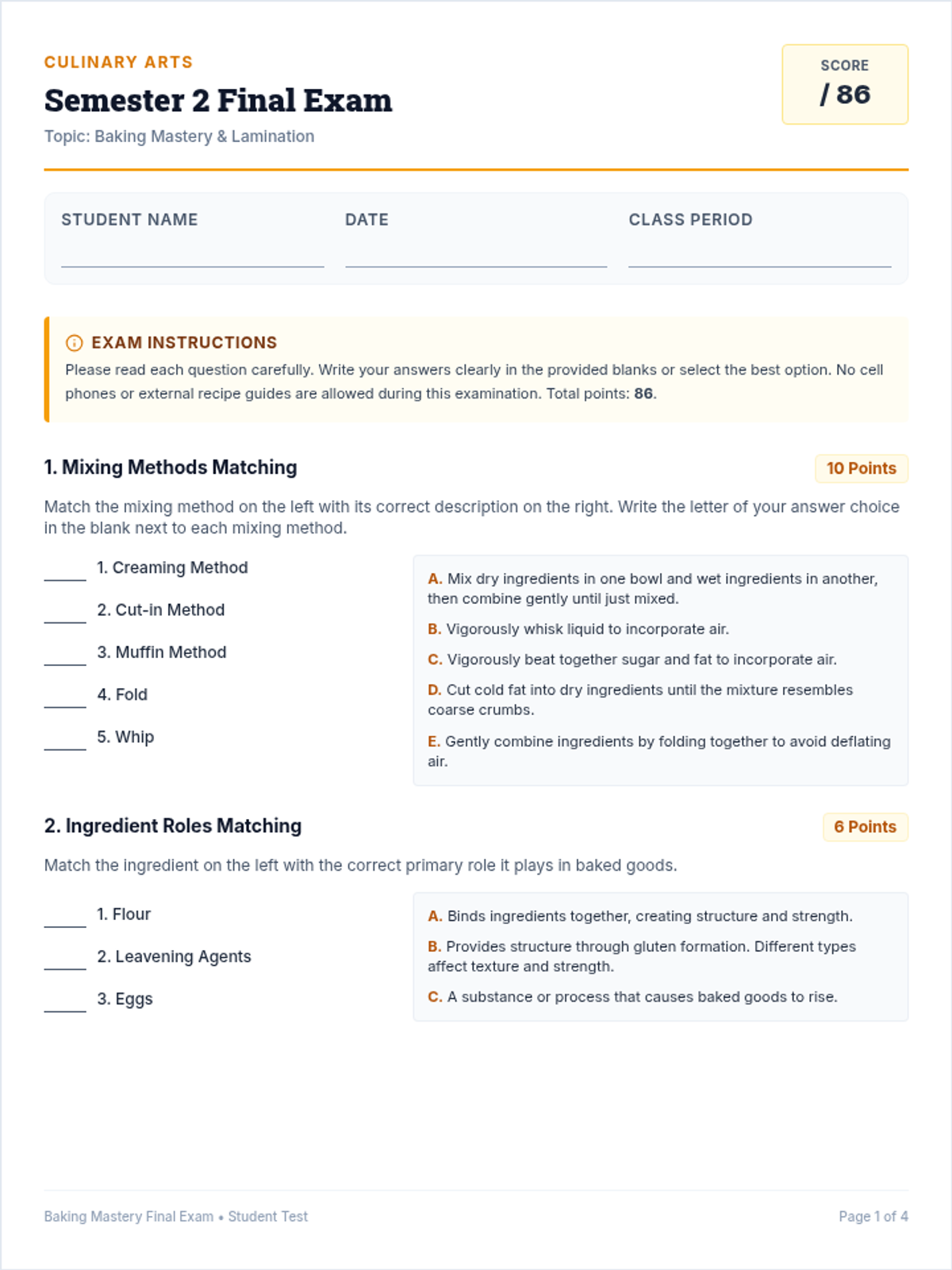
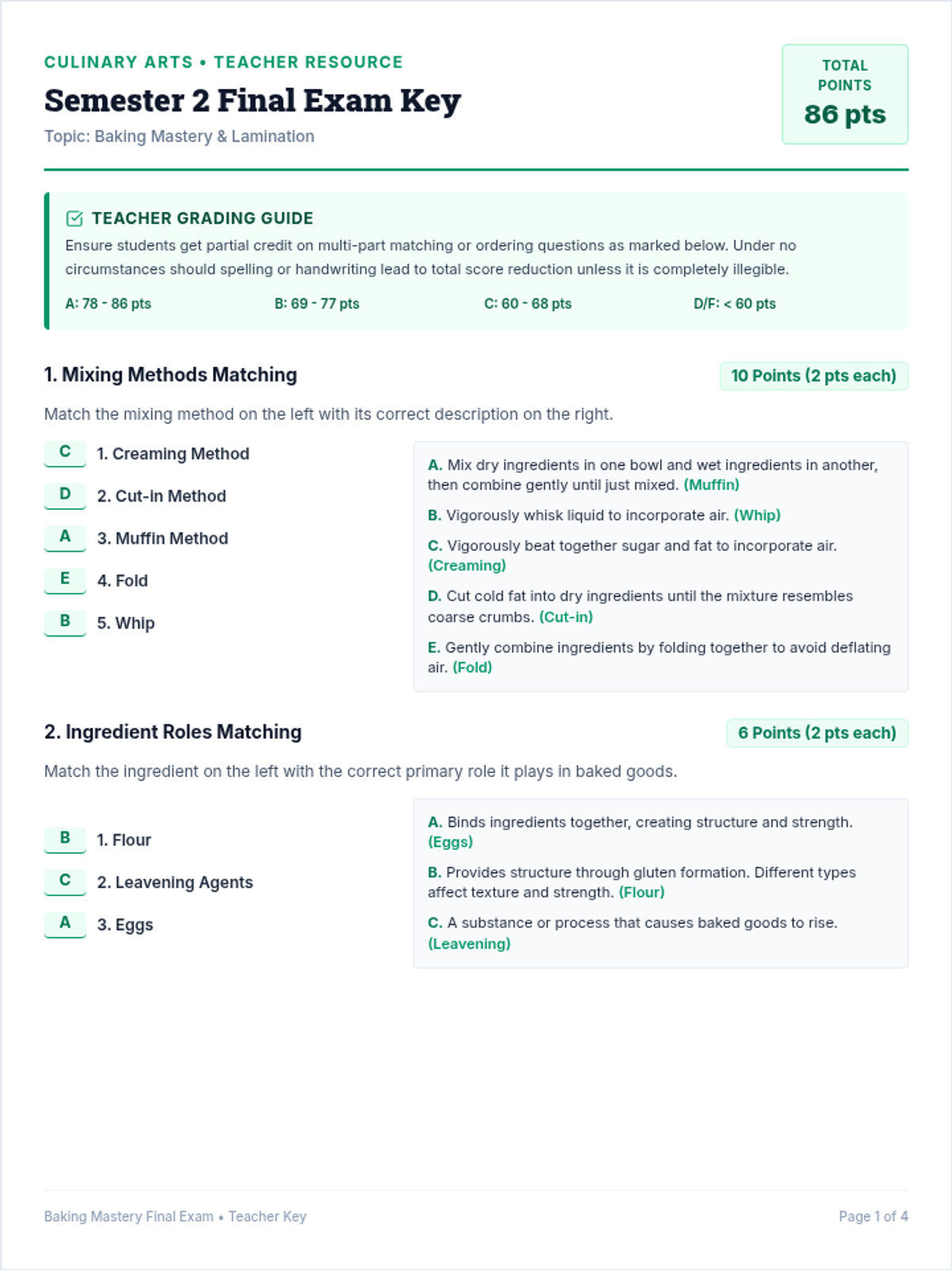
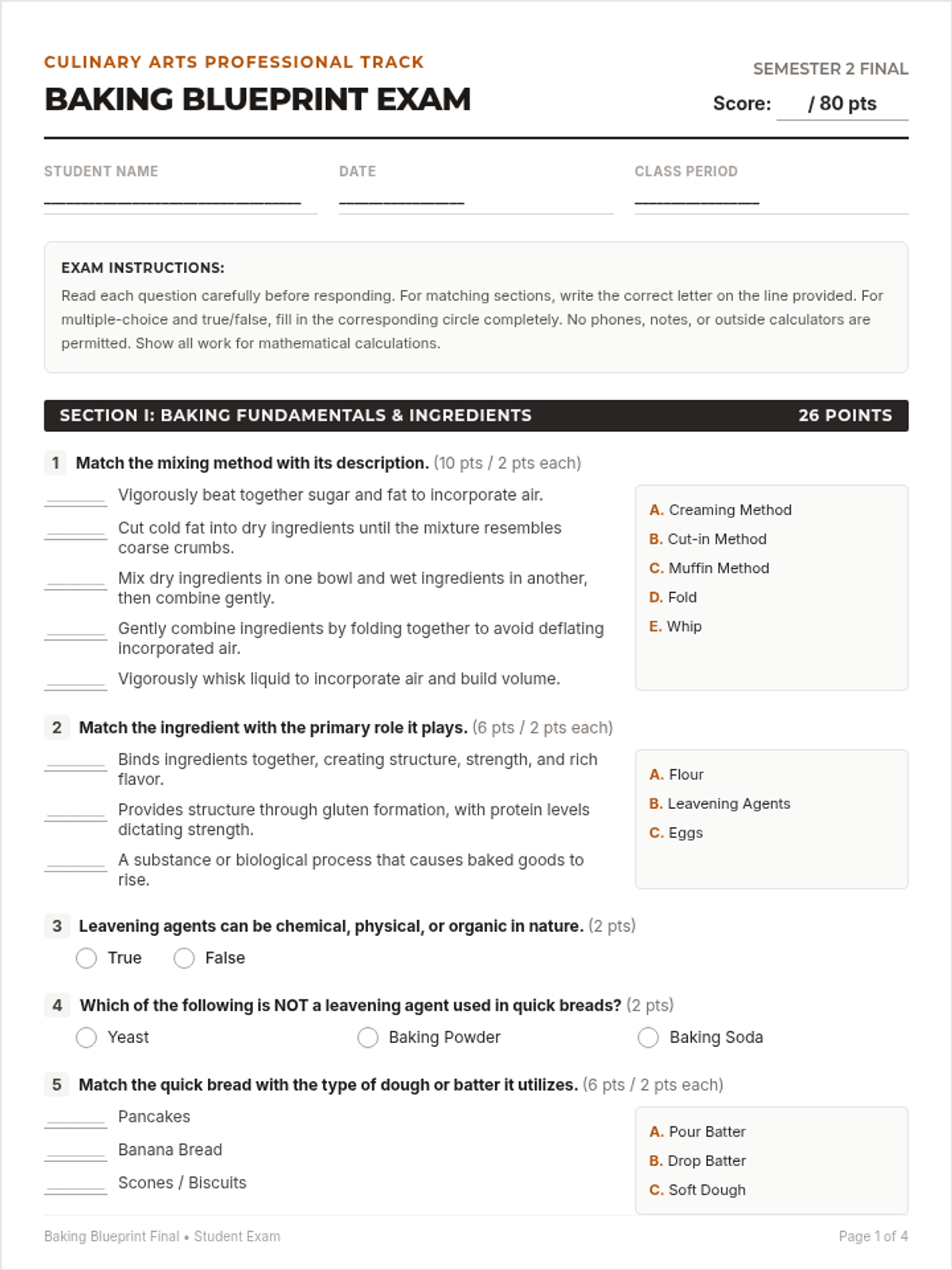
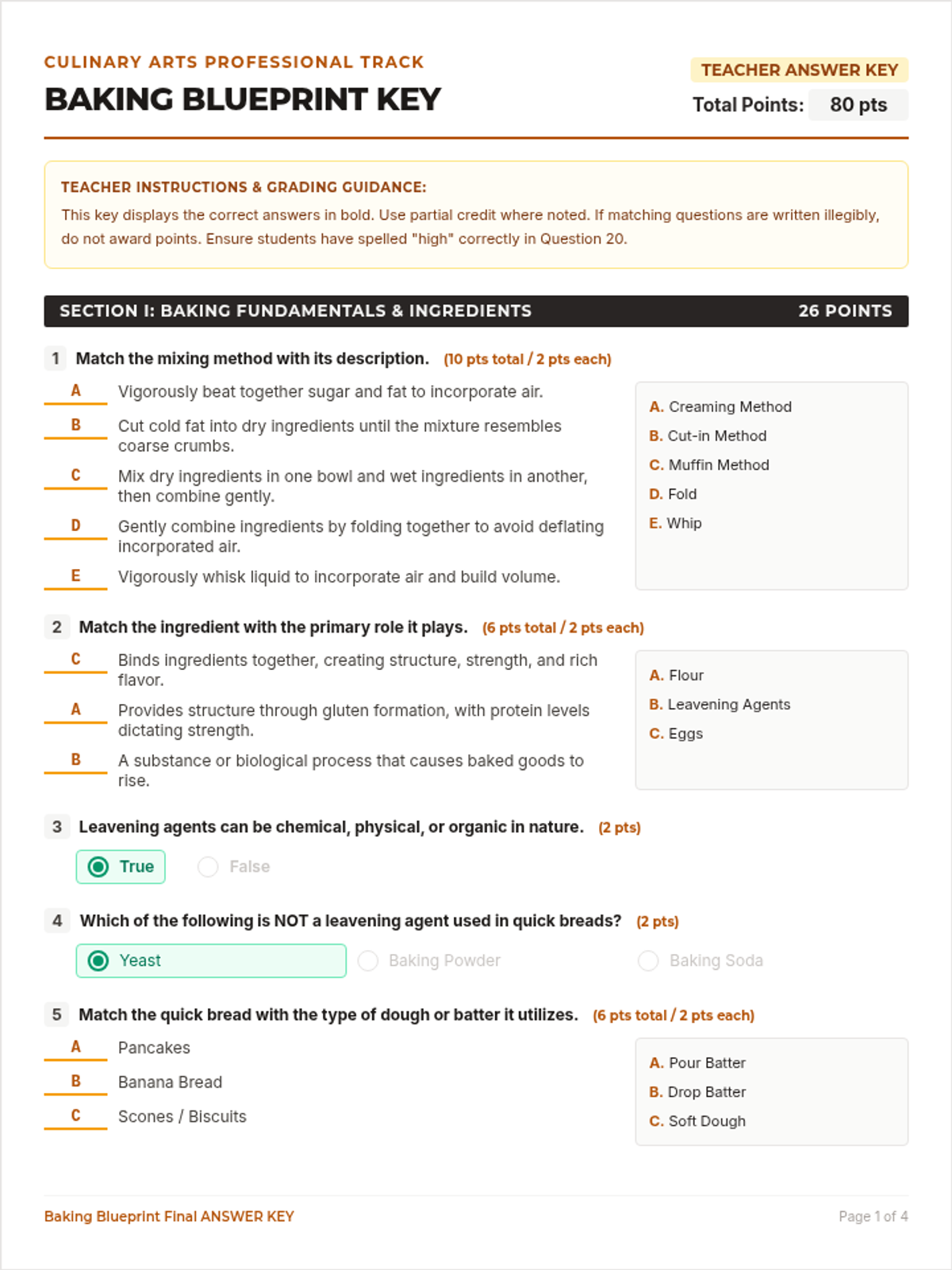
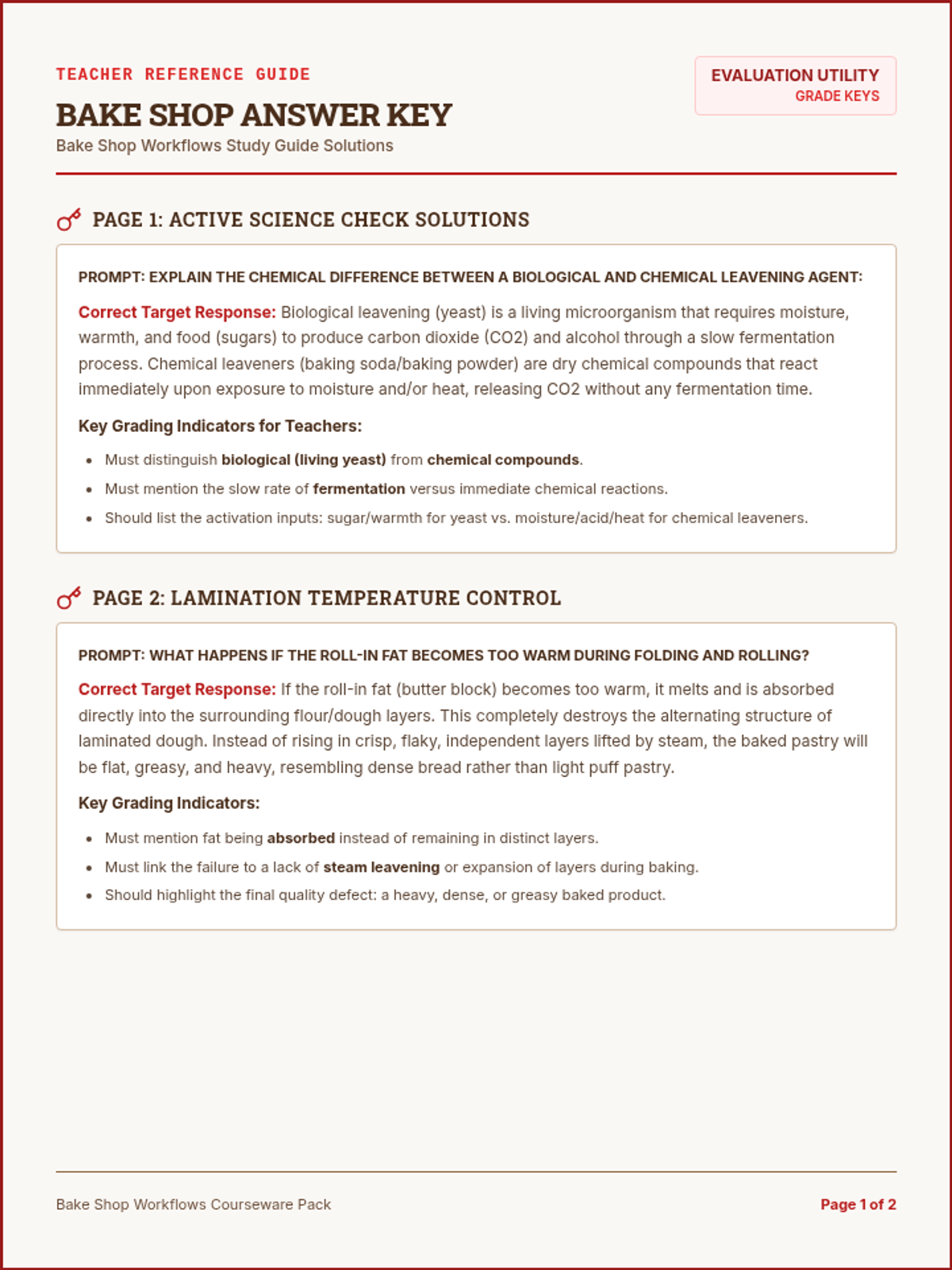
A comprehensive evaluation of baking methods, ingredients, yeast dough preparation, and laminating techniques for Culinary Arts students. Includes a student exam and a matching teacher answer key.
A comprehensive Semester 2 Final Exam for a high school or college Culinary Arts course, covering mixing methods, baking ingredients, leavening agents, quick breads, yeast breads, pies/pastries, lamination, and baker's percentages. Includes a student-ready exam and a fully annotated teacher's answer key.
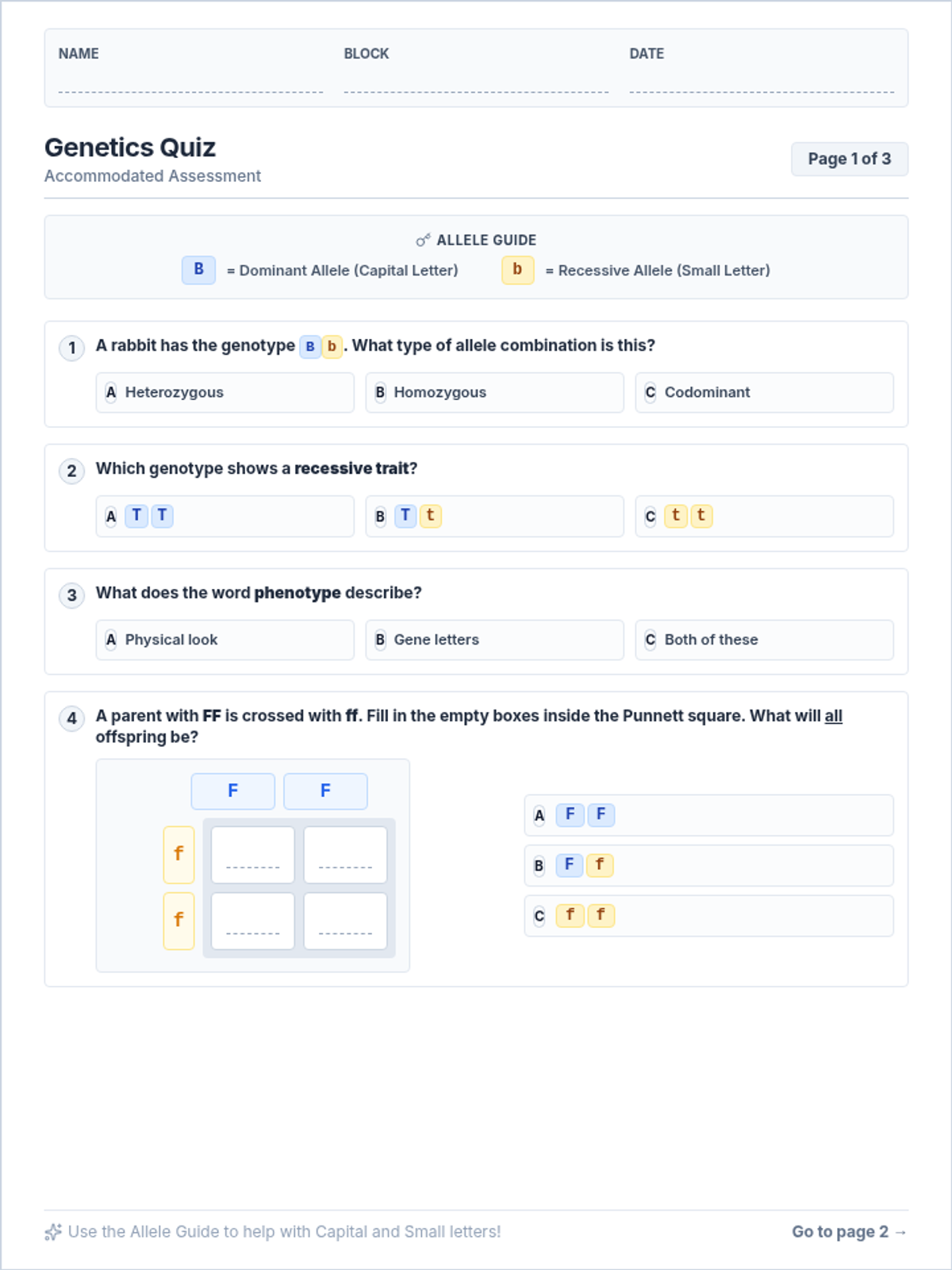
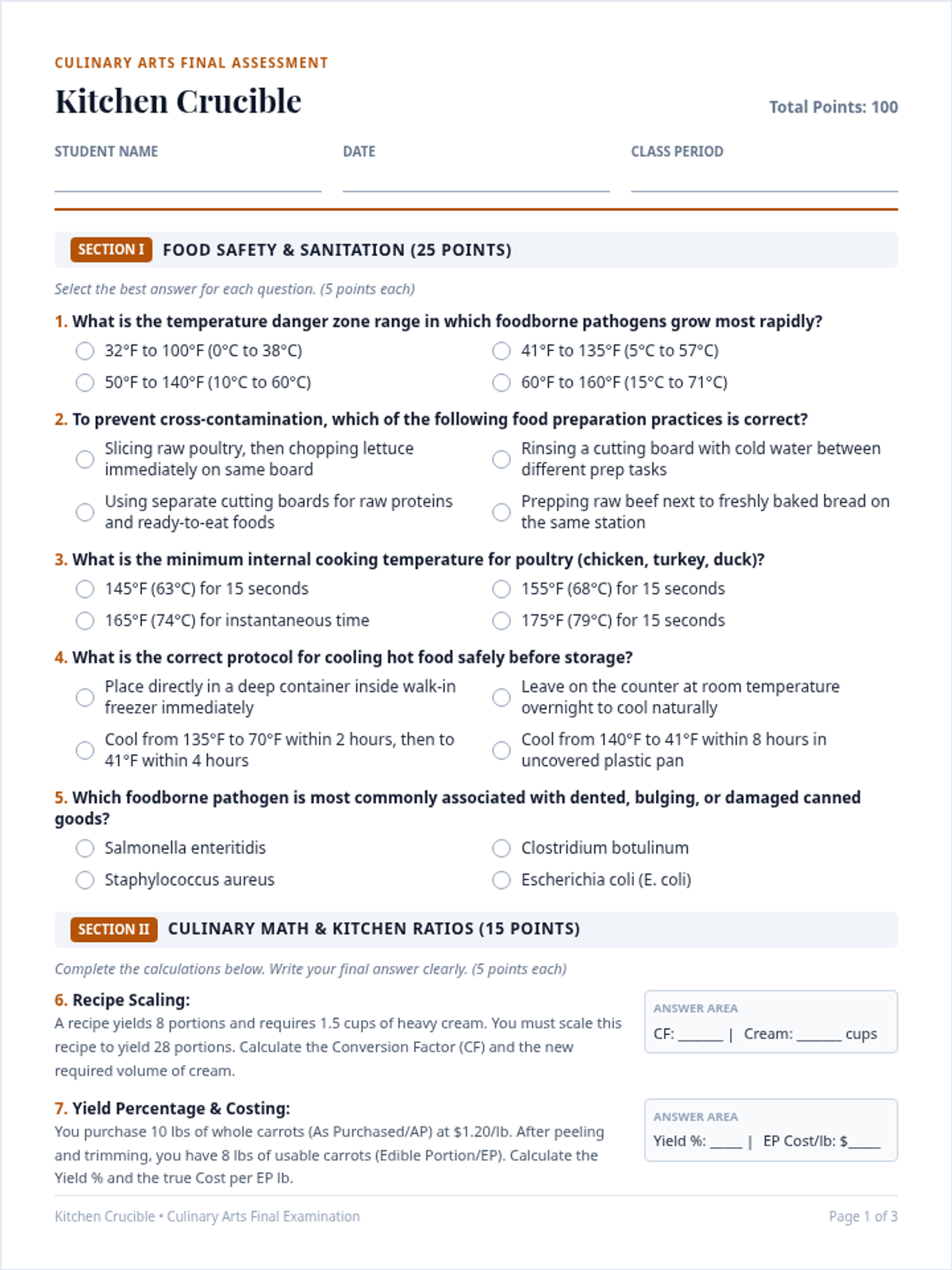
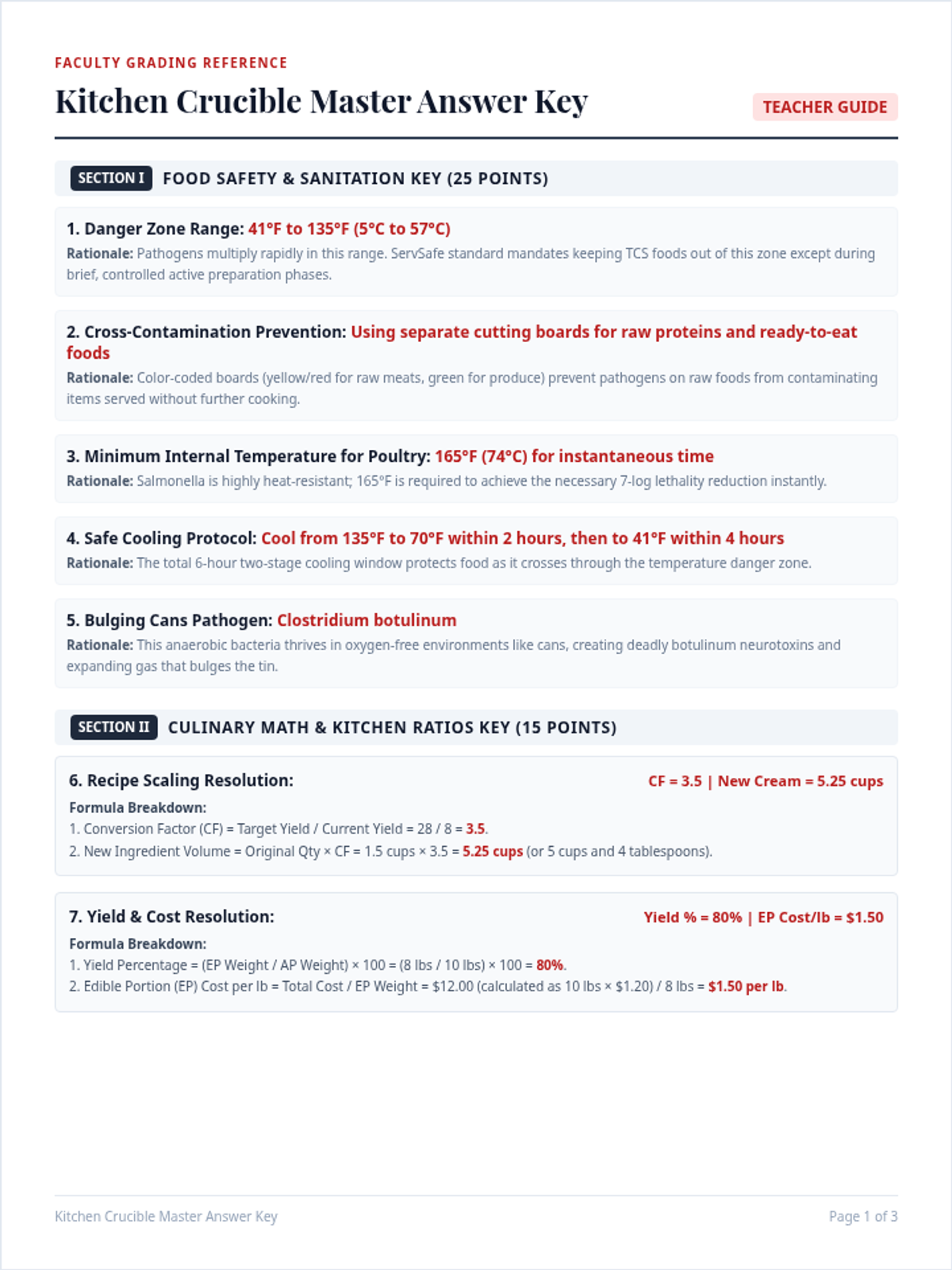
A comprehensive final assessment package for culinary arts students, featuring a multi-page written exam covering food safety, culinary math, cooking techniques, and mother sauces, paired with a complete teacher answer key and rubric.
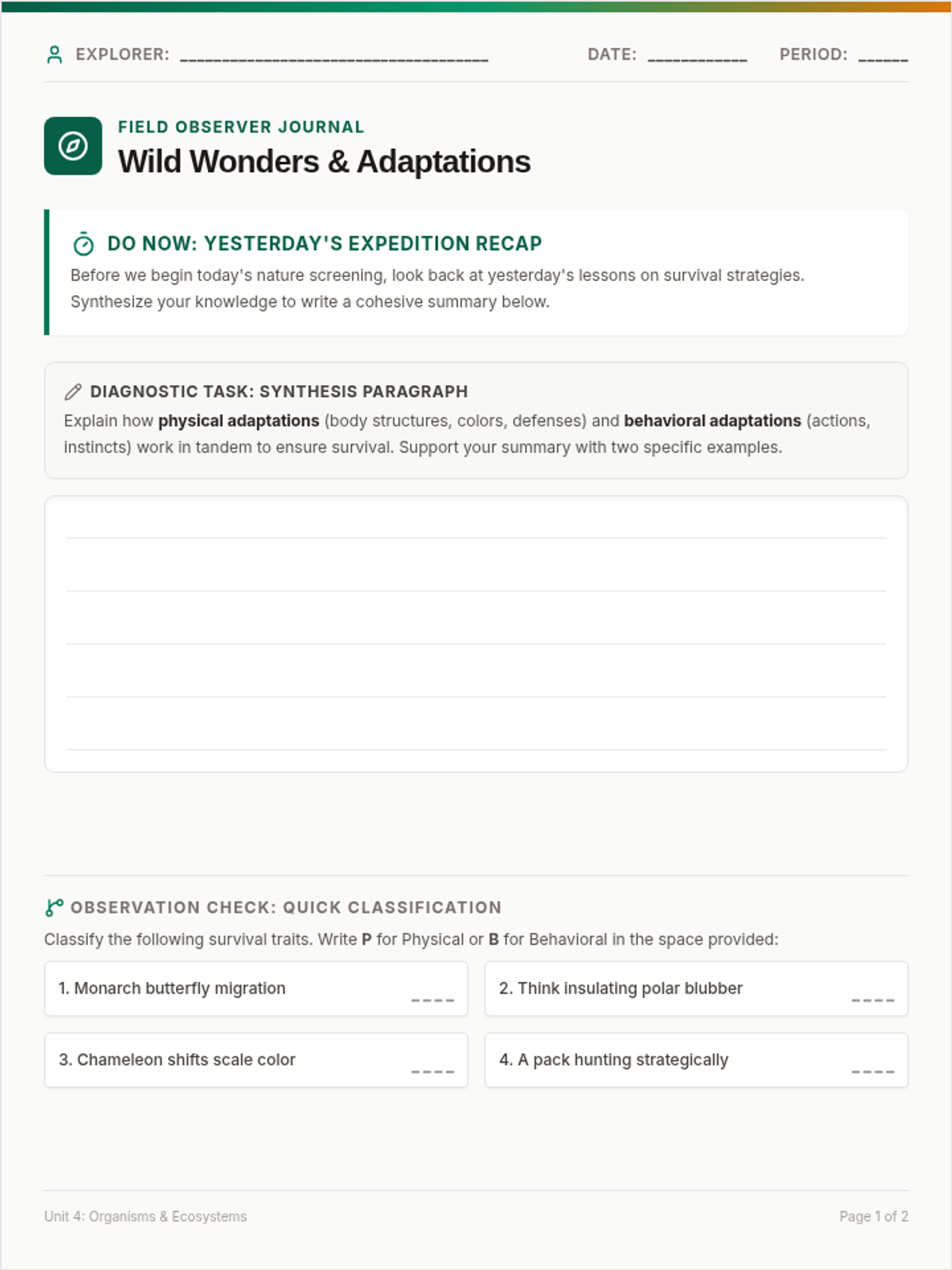
A lesson exploring how physical and behavioral traits help organisms survive in their environments, featuring a video documentary review and diagnostic summary.
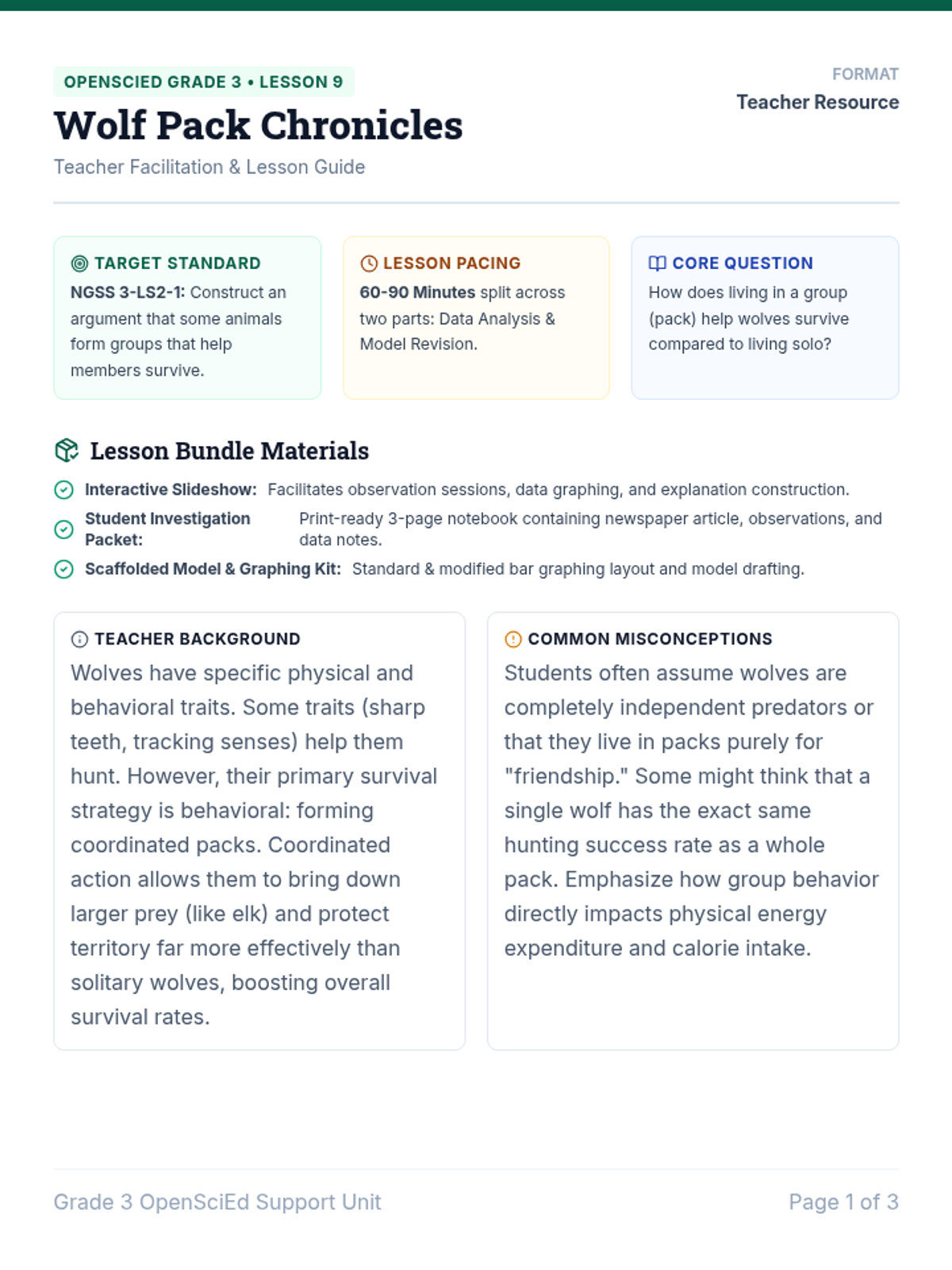
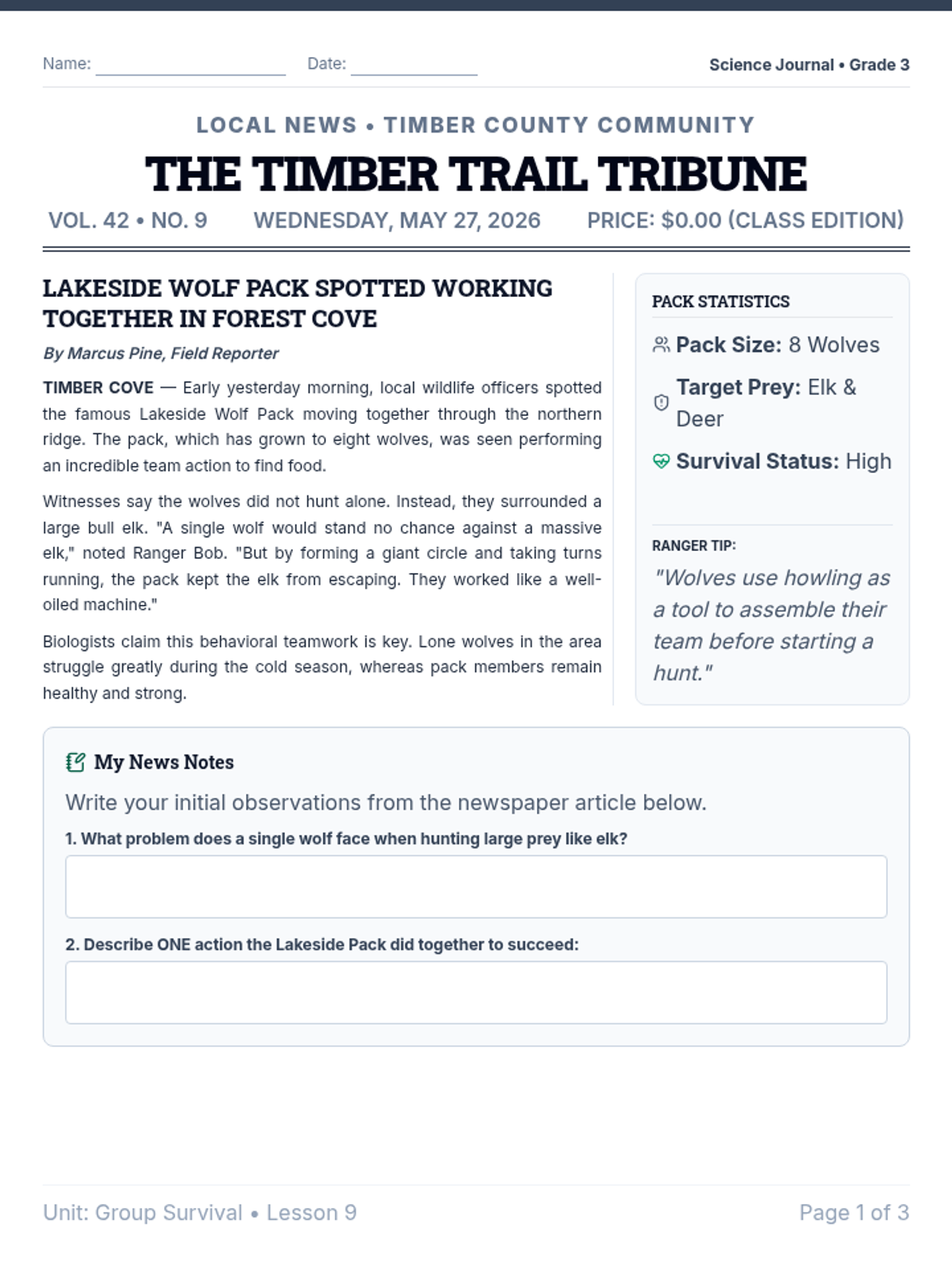
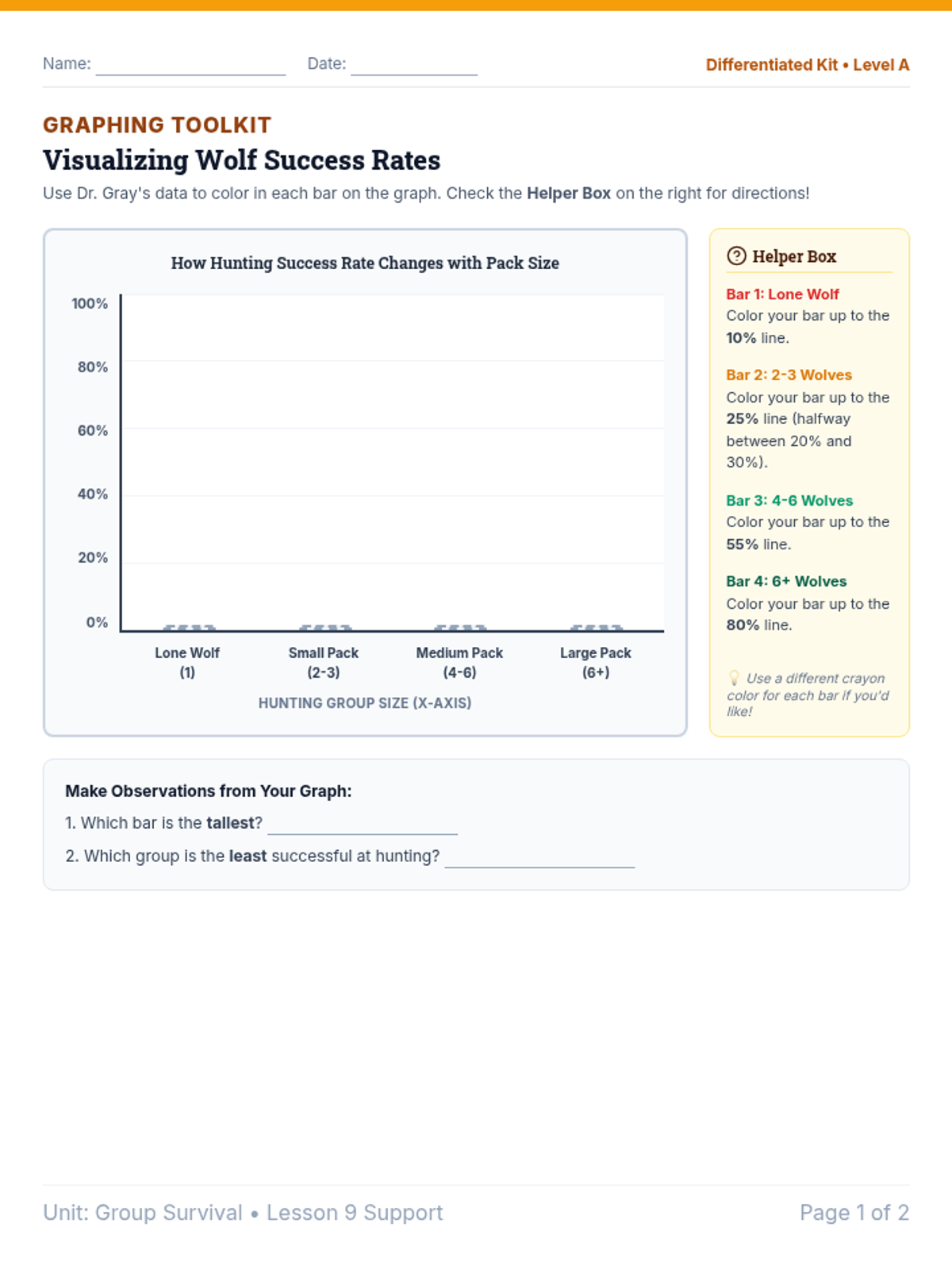
A third-grade OpenSciEd Lesson 9 investigation where students explore wolf traits and group survival. Students read a local newspaper article about a wolf pack, analyze expert data on traits, build a bar graph, and revise their models to explain how living in groups helps wolves survive.
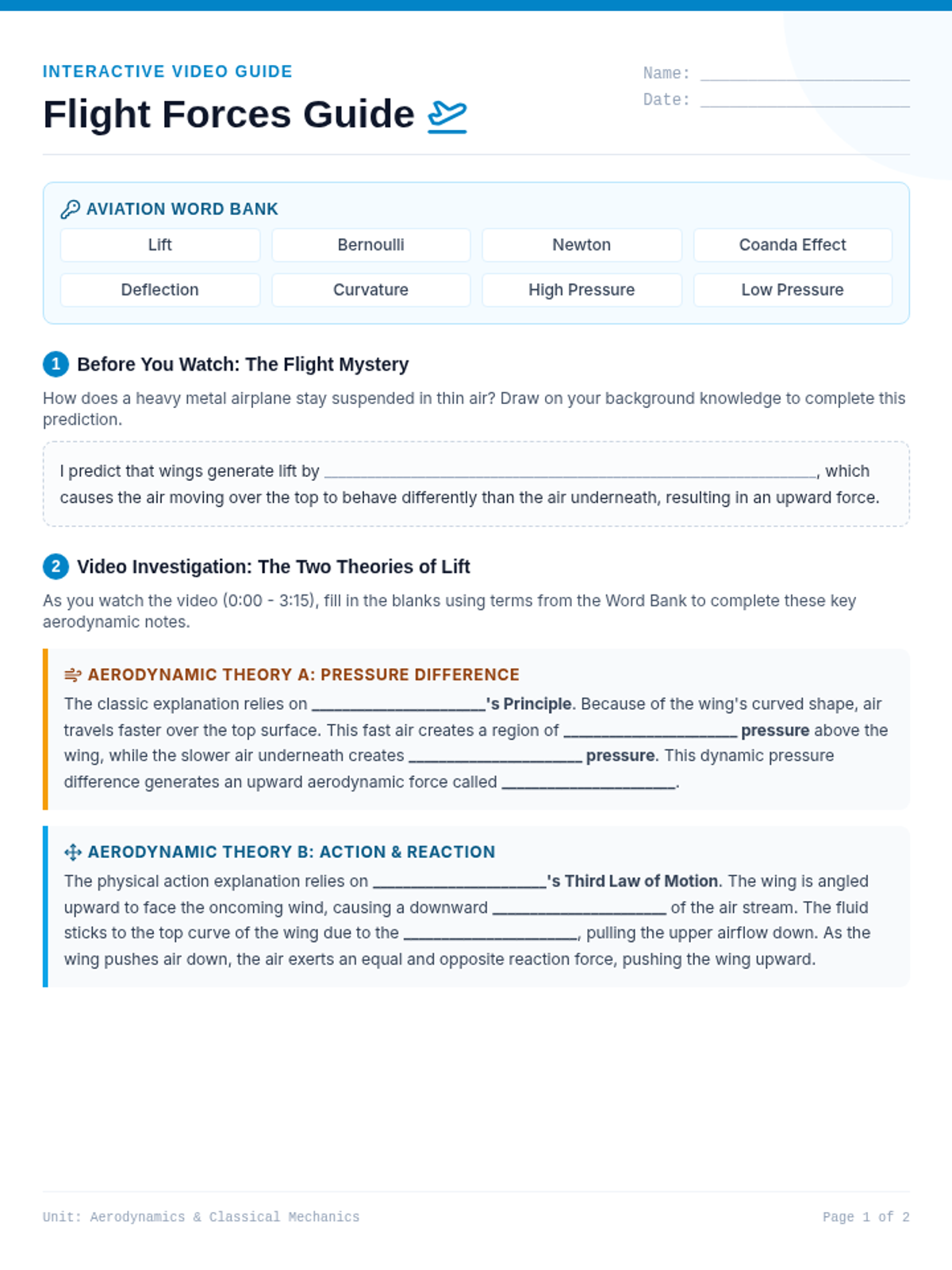
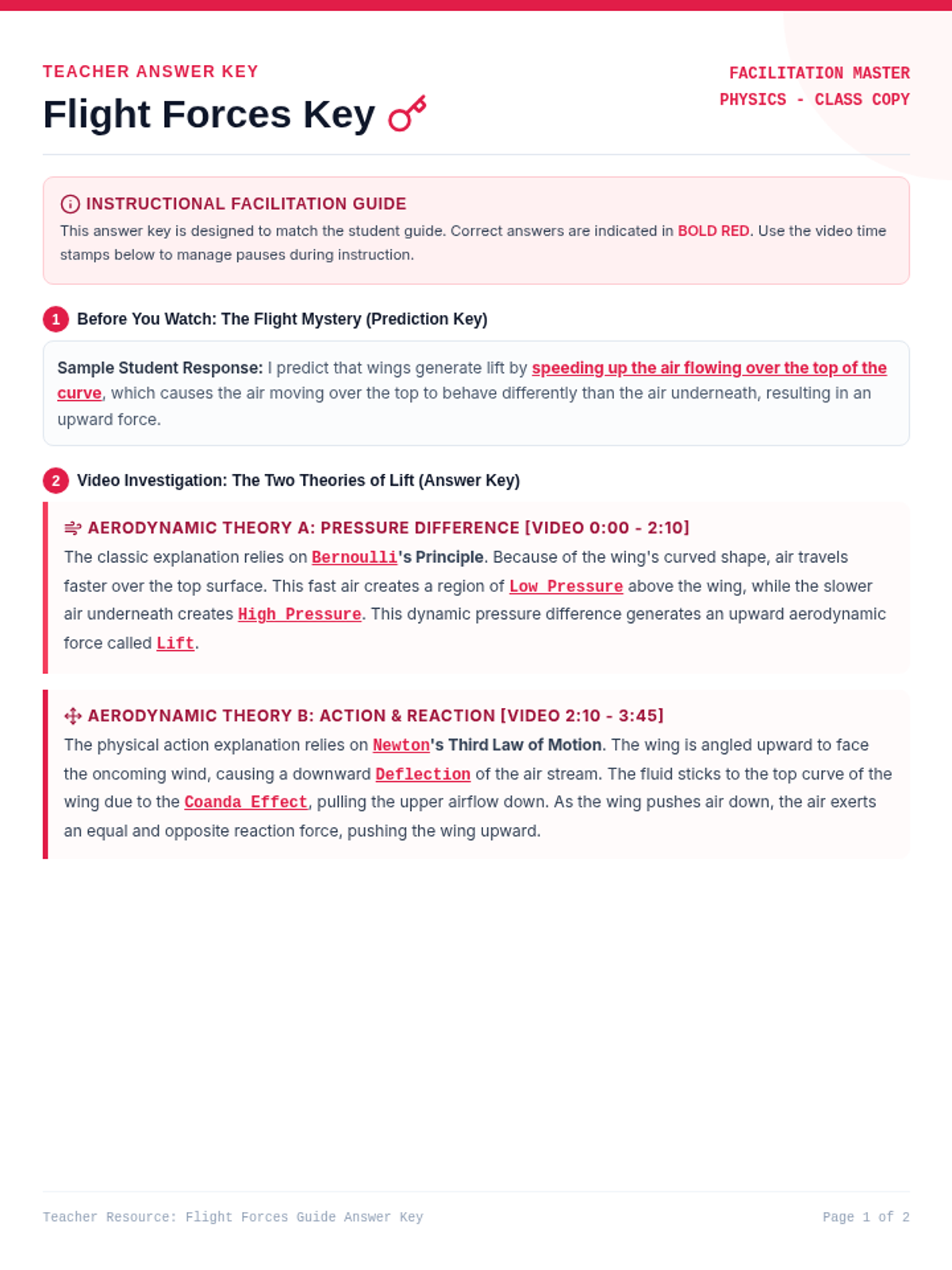
An engaging physics lesson exploring the aerodynamics of flight, centering around an interactive video guide, visual slides, and scaffolded student guided notes with sentence frames.
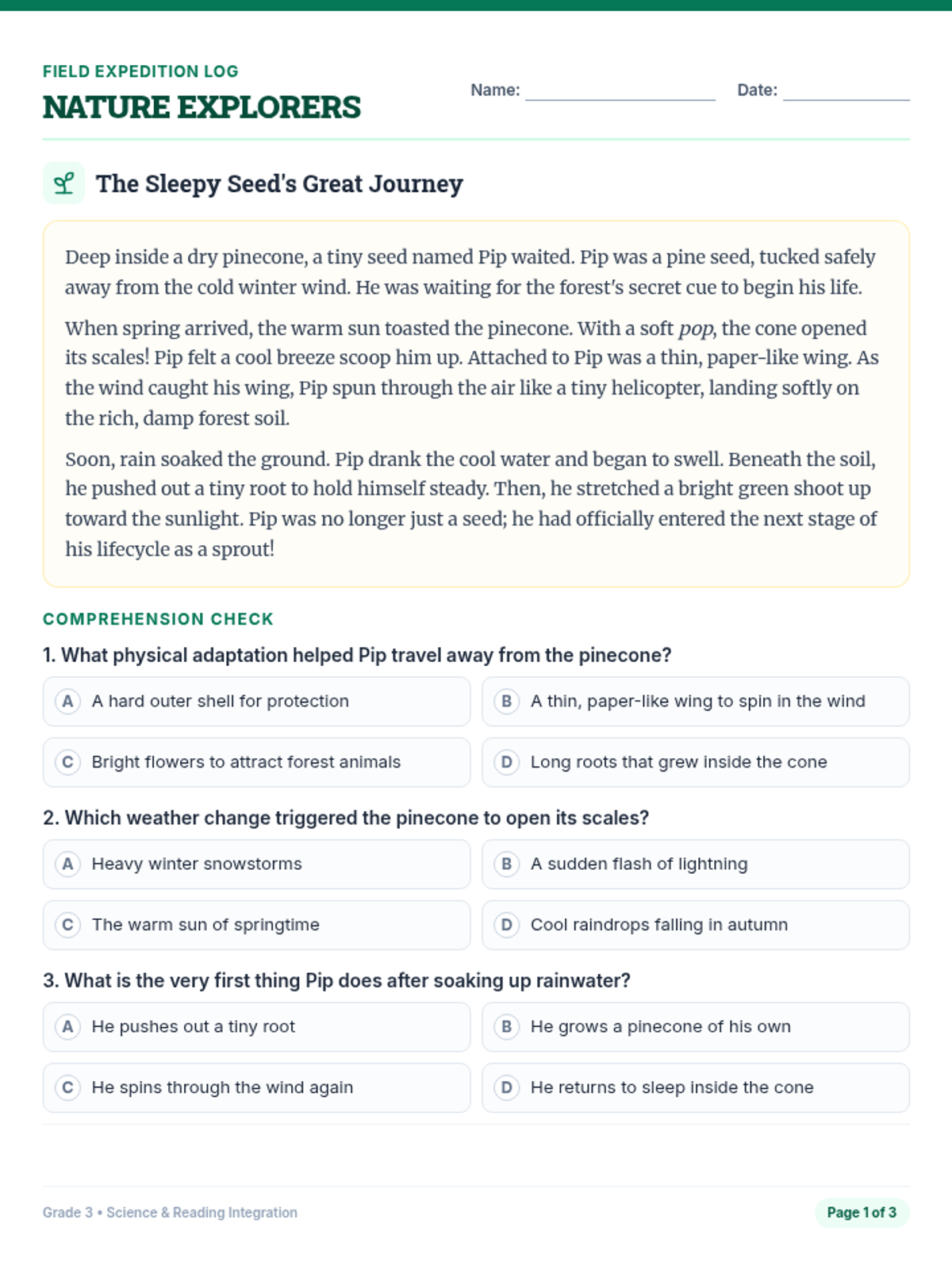
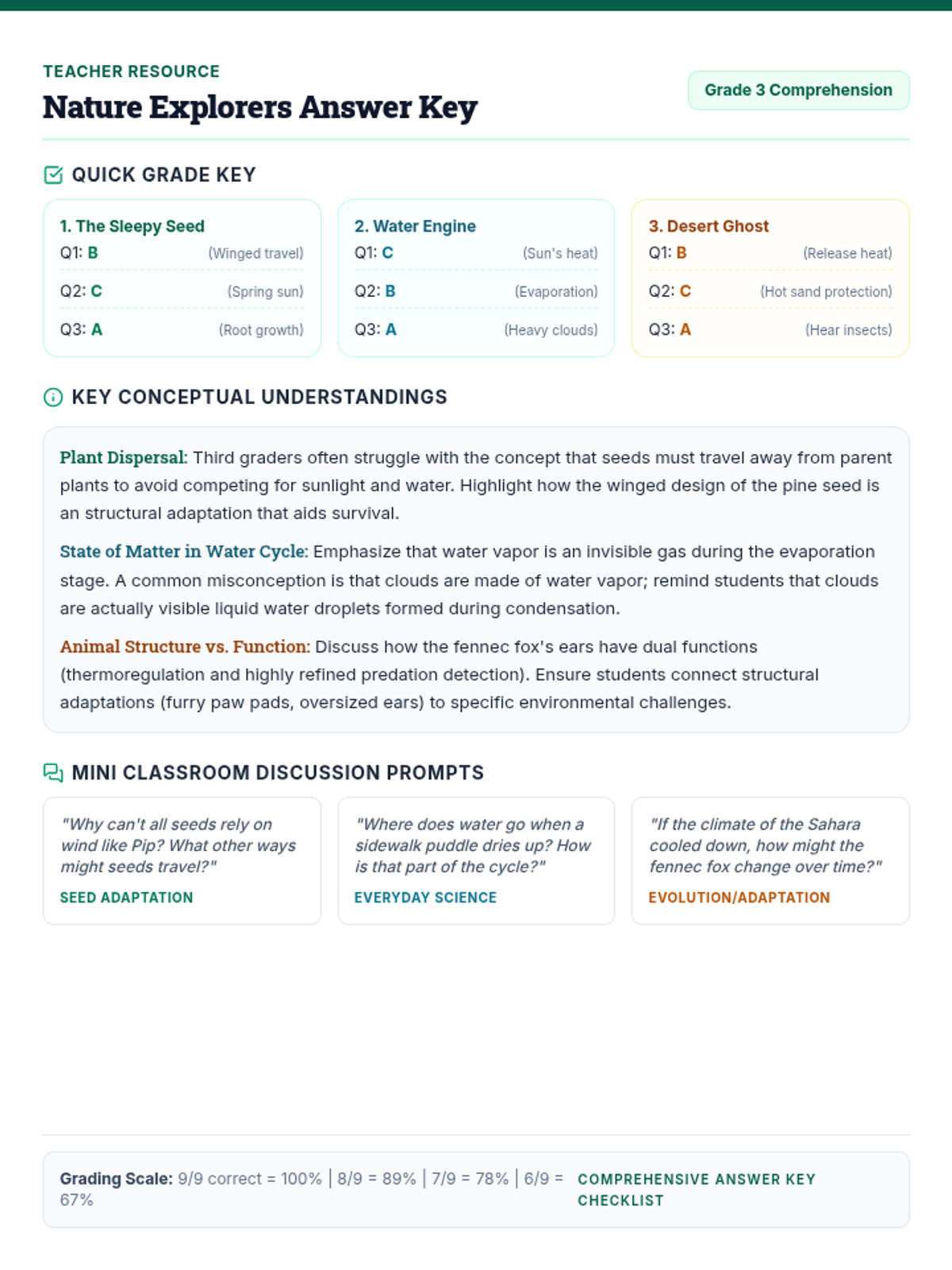
A comprehensive third-grade reading comprehension resource featuring engaging passages about plant lifecycles, weather patterns, and animal adaptations.
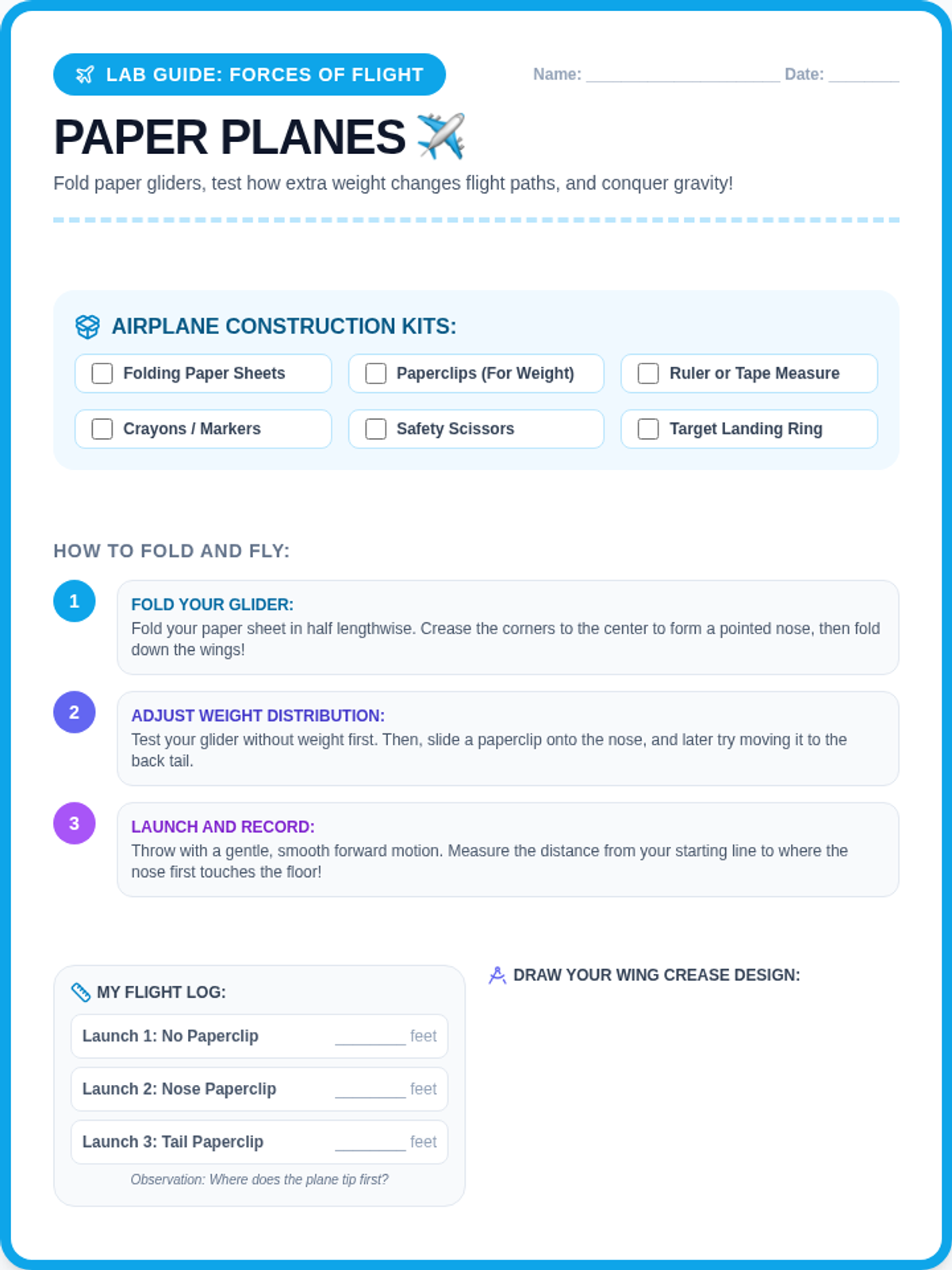
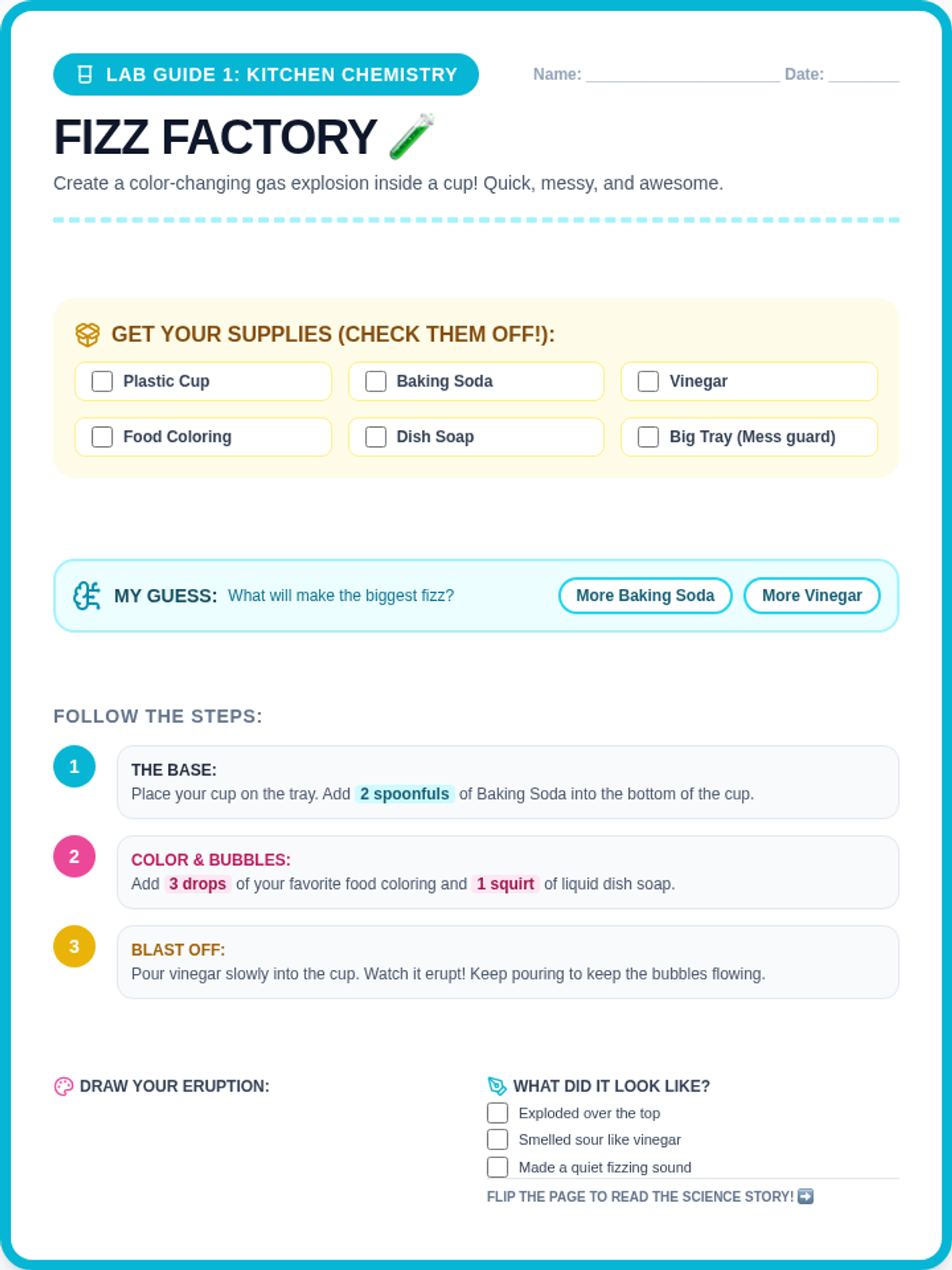
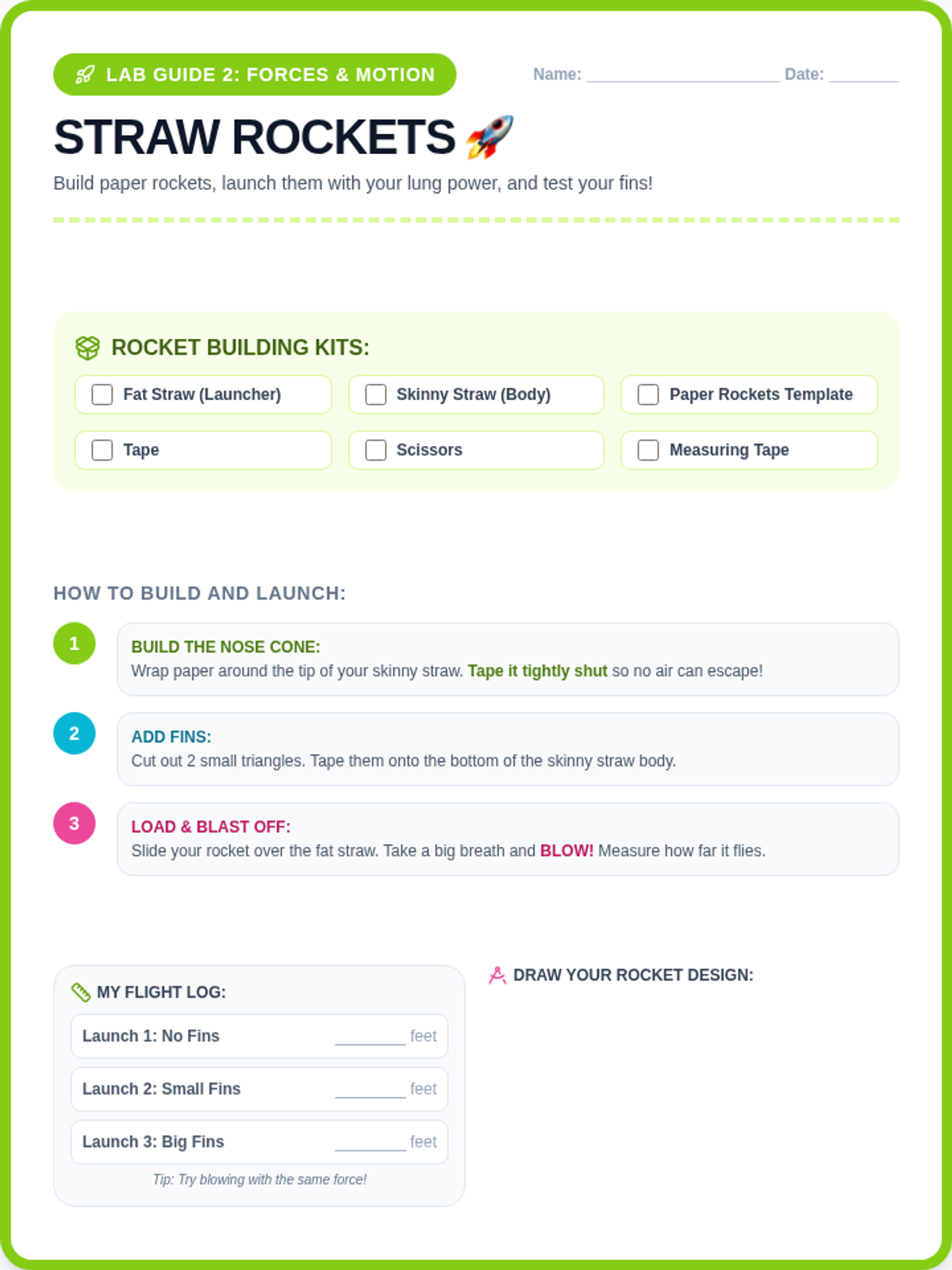
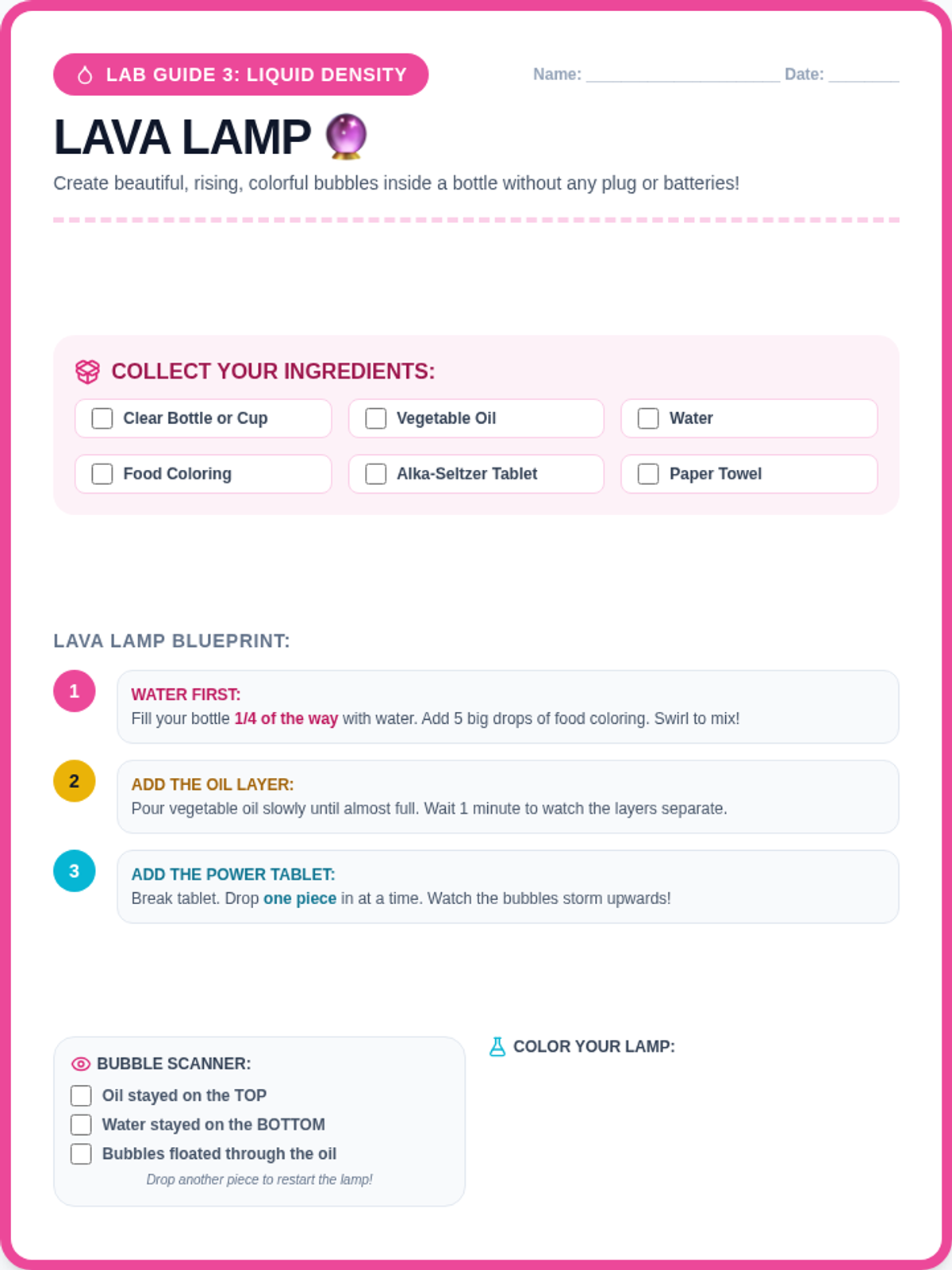
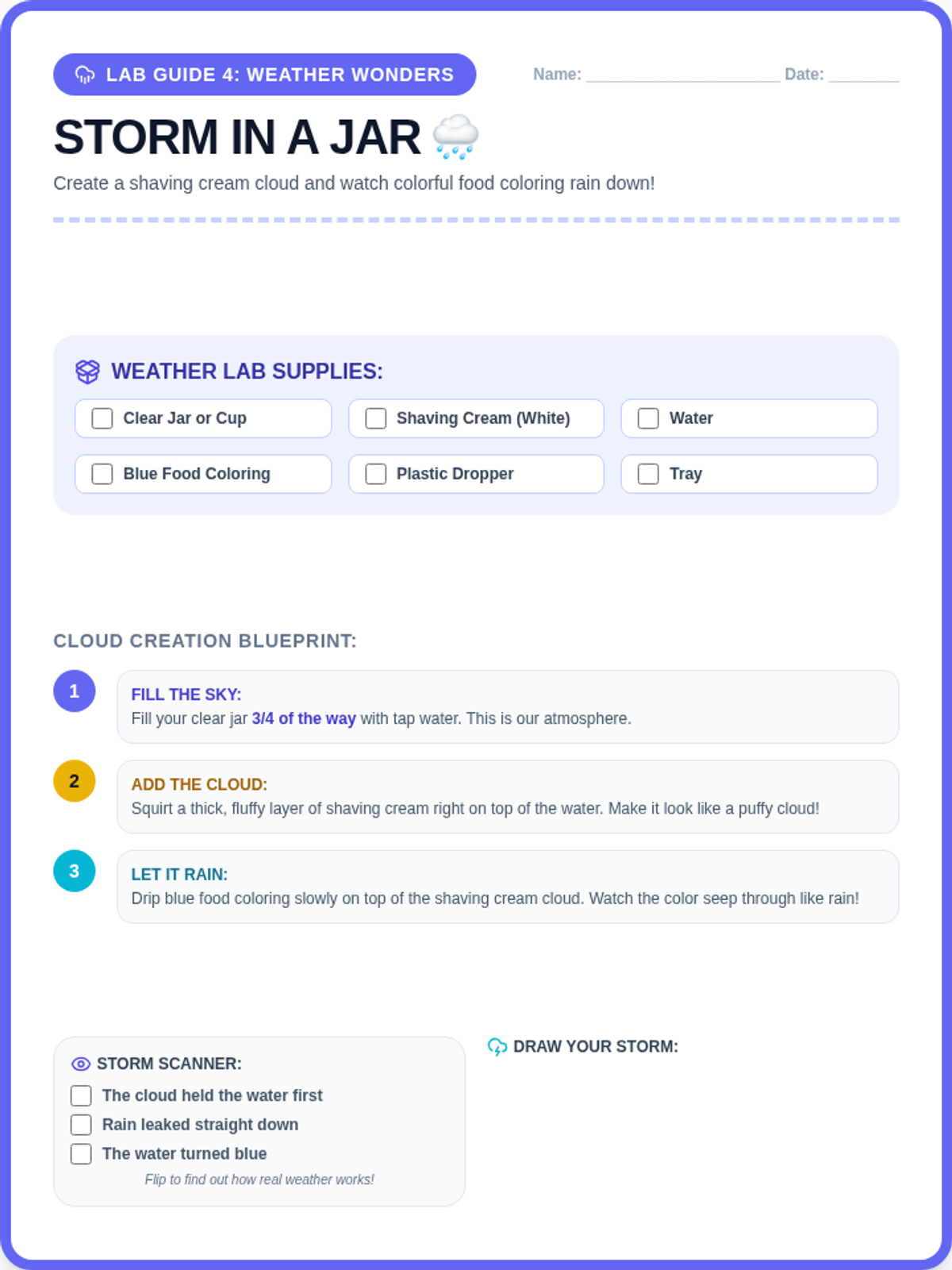
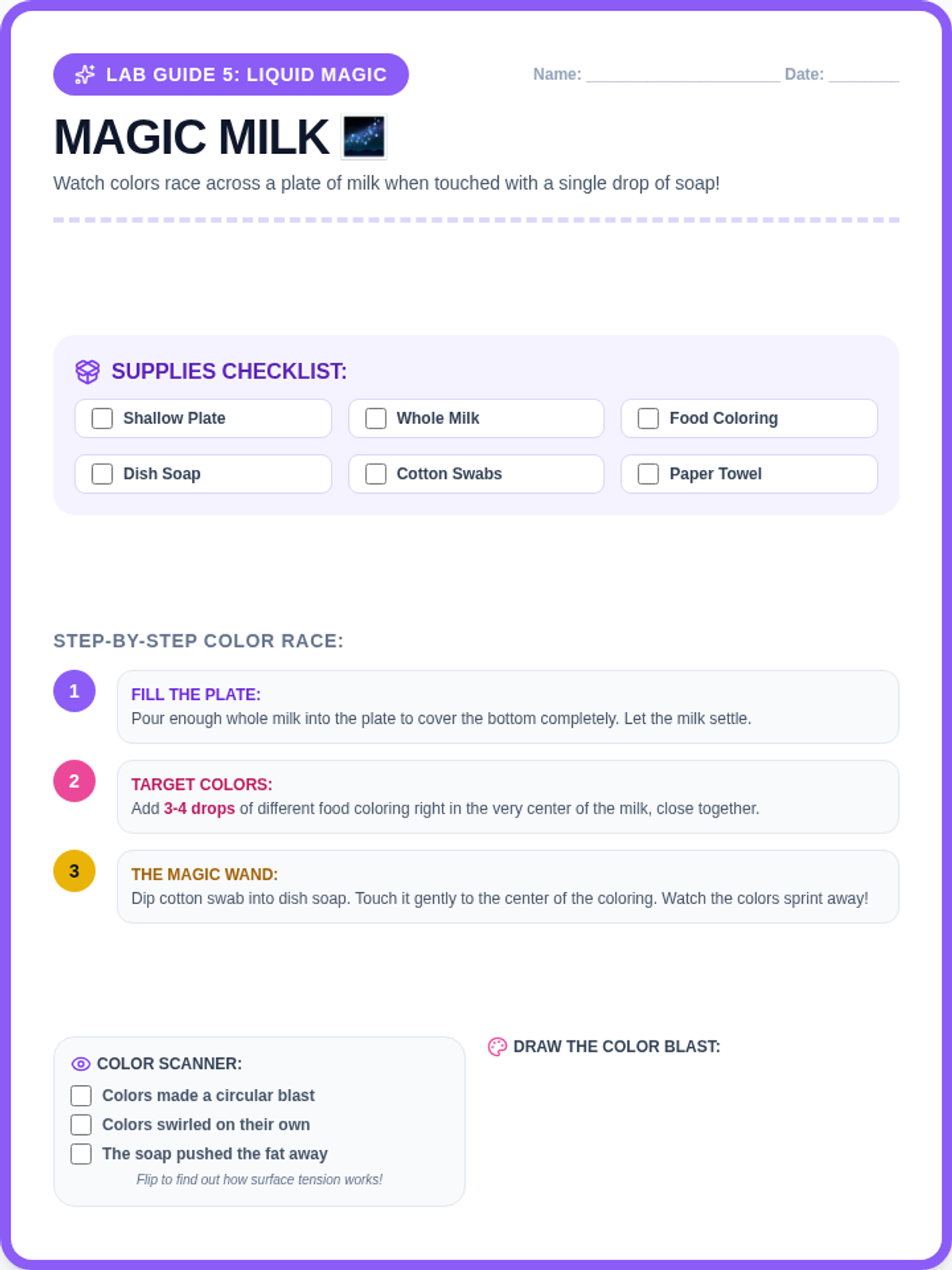
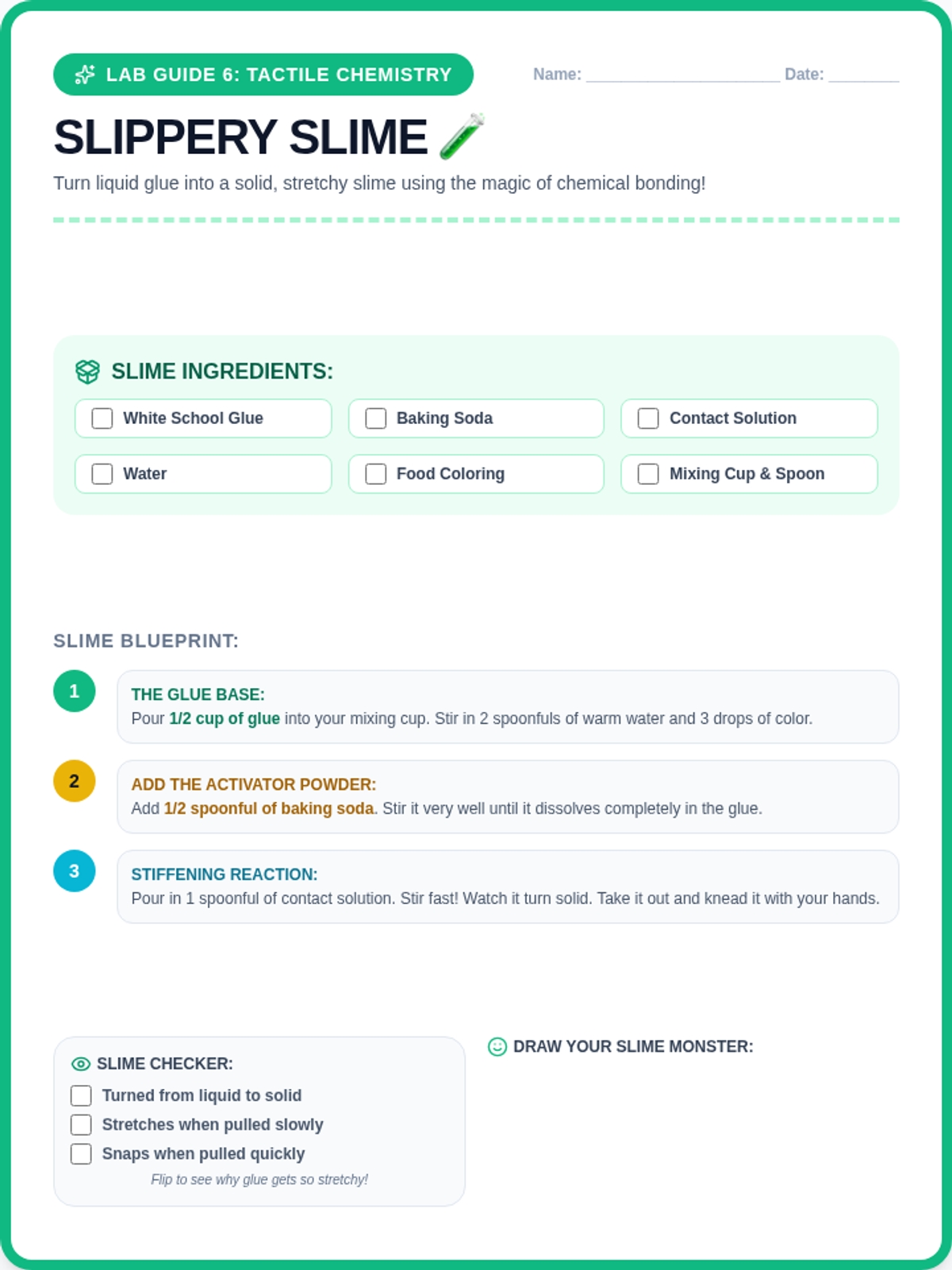
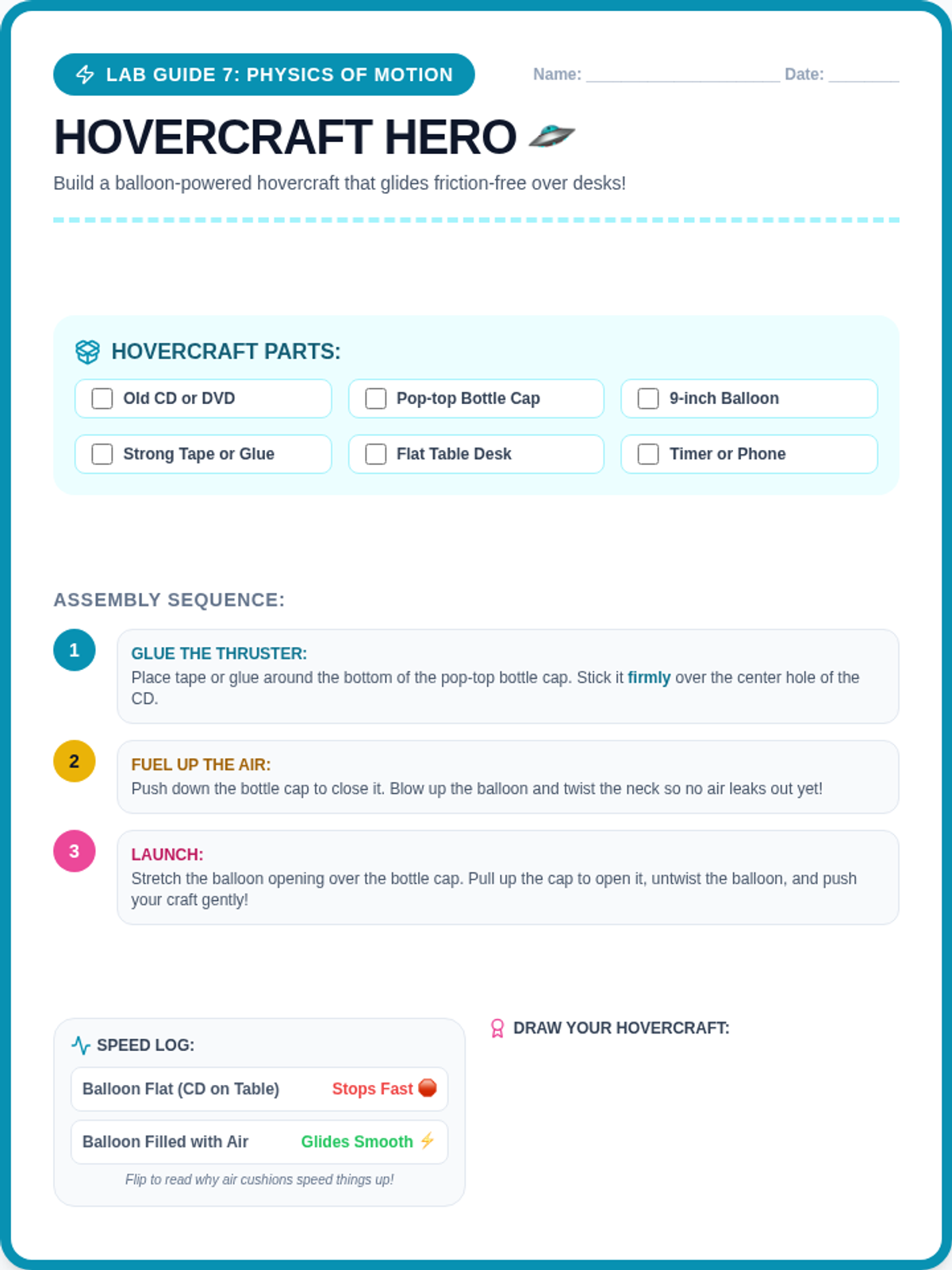
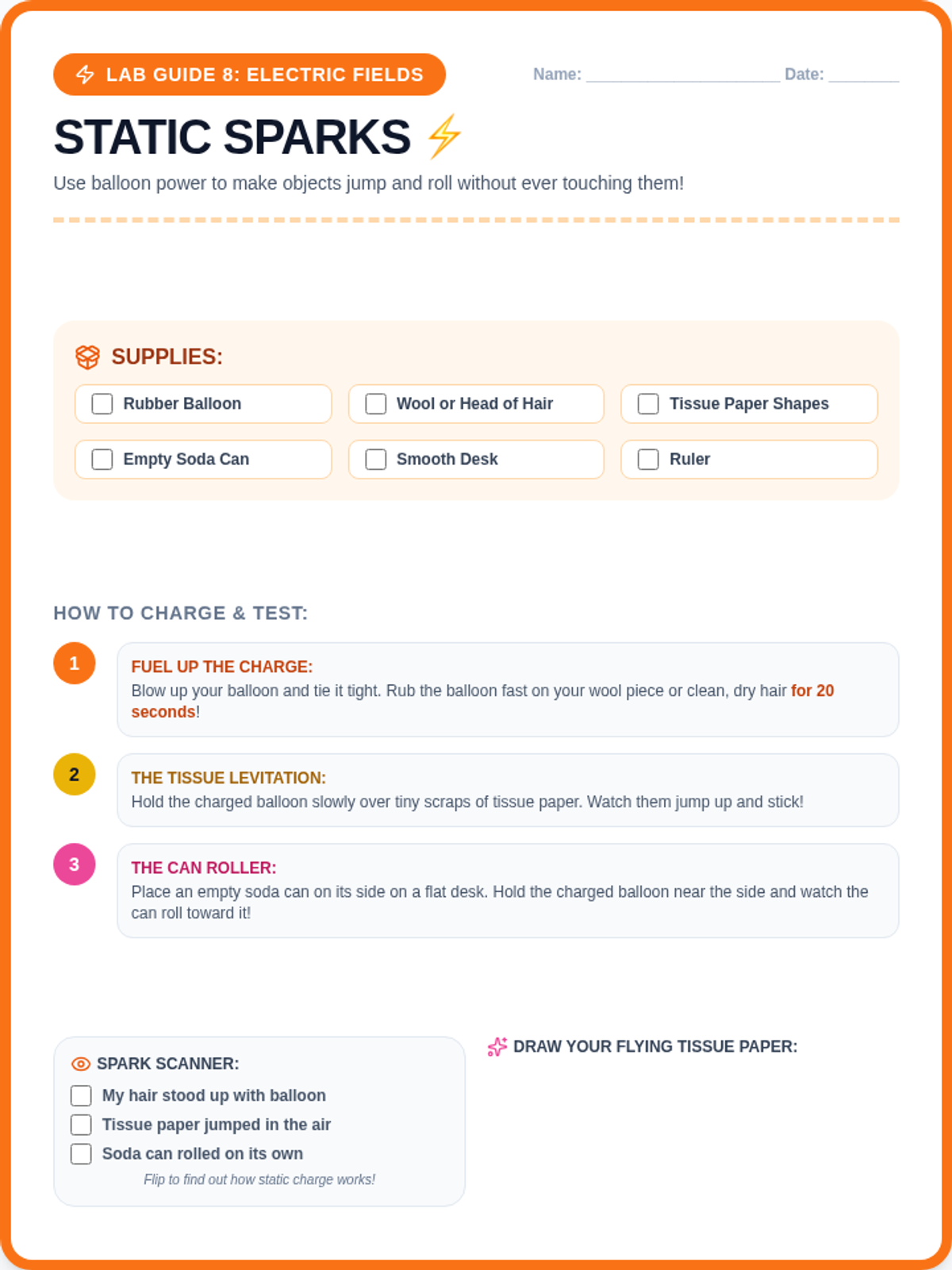
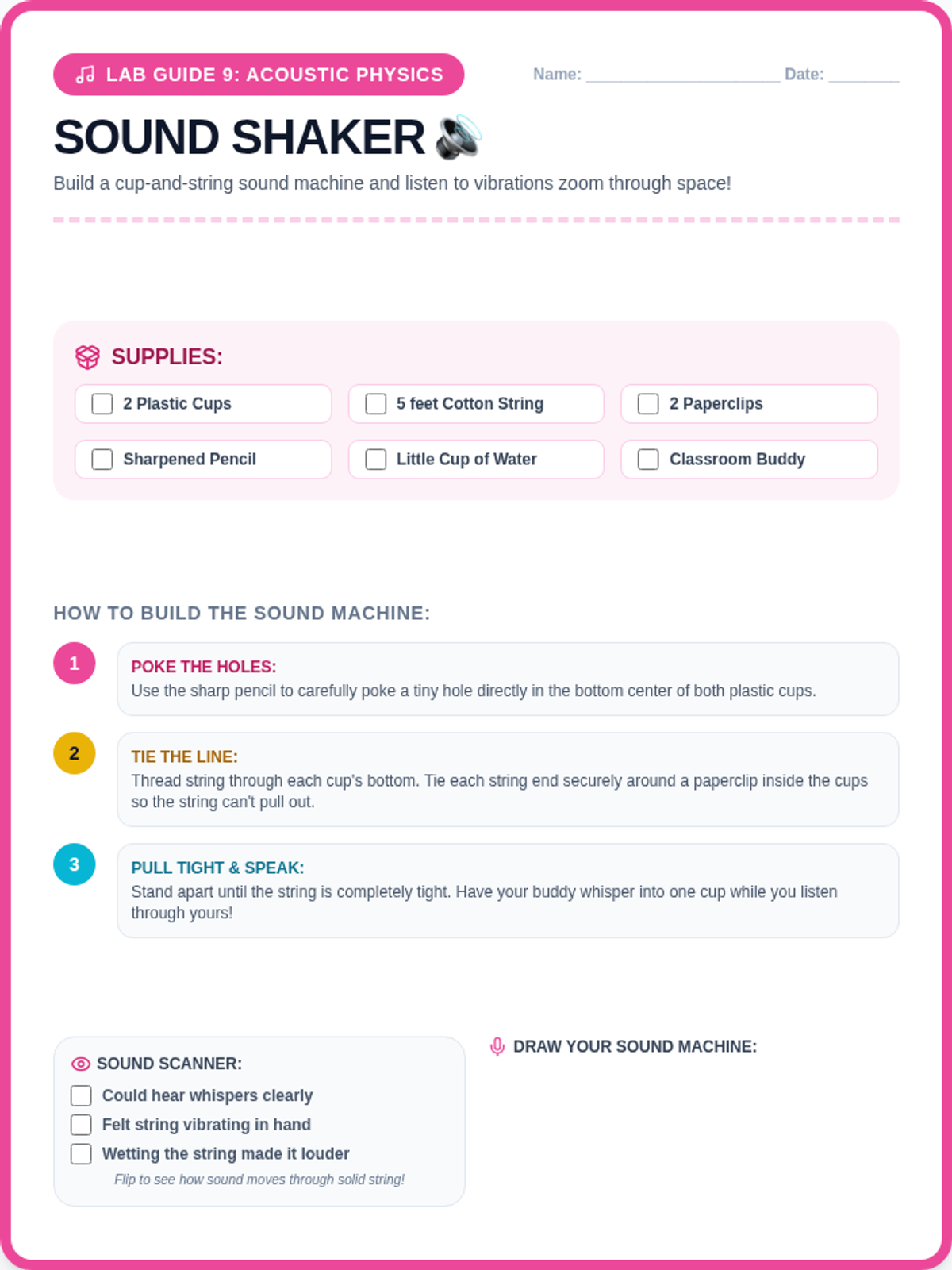
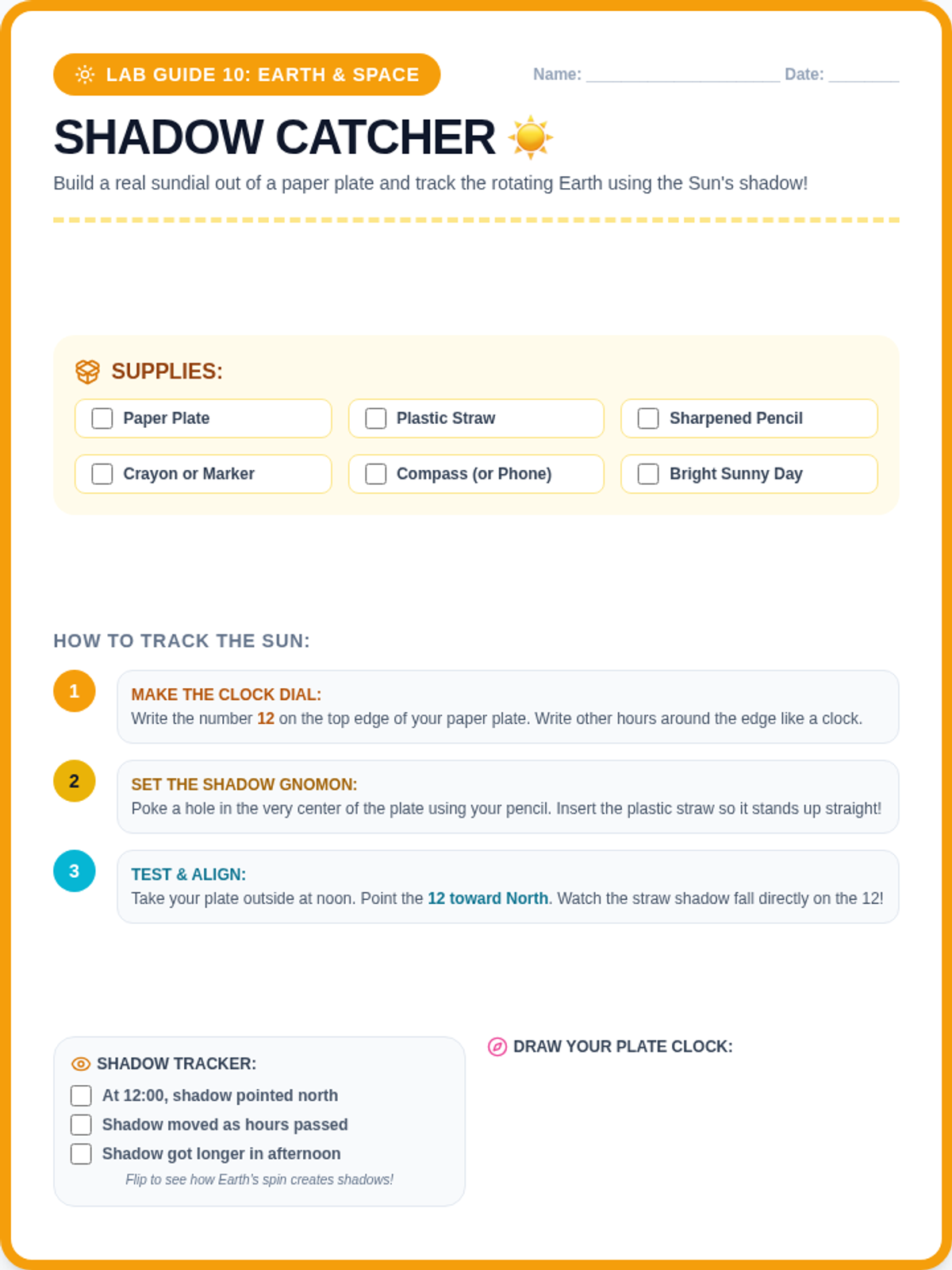
A hands-on, highly engaging, low-cost end-of-year science unit designed for 6th-grade students of lower academic levels. It features simplified, visual step-by-step guides for independent, sensory-rich experiments exploring kitchen chemistry, forces, and density.
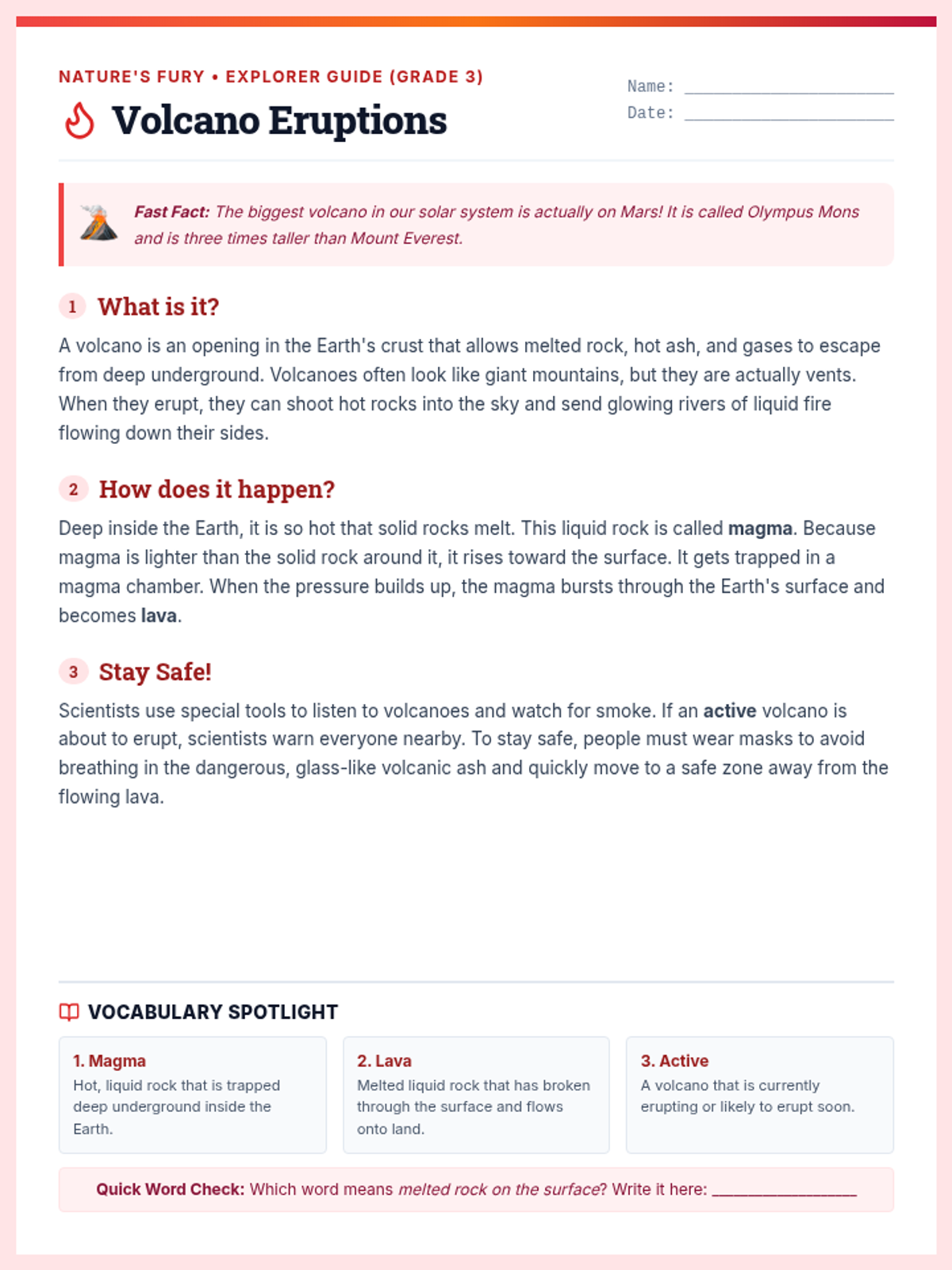
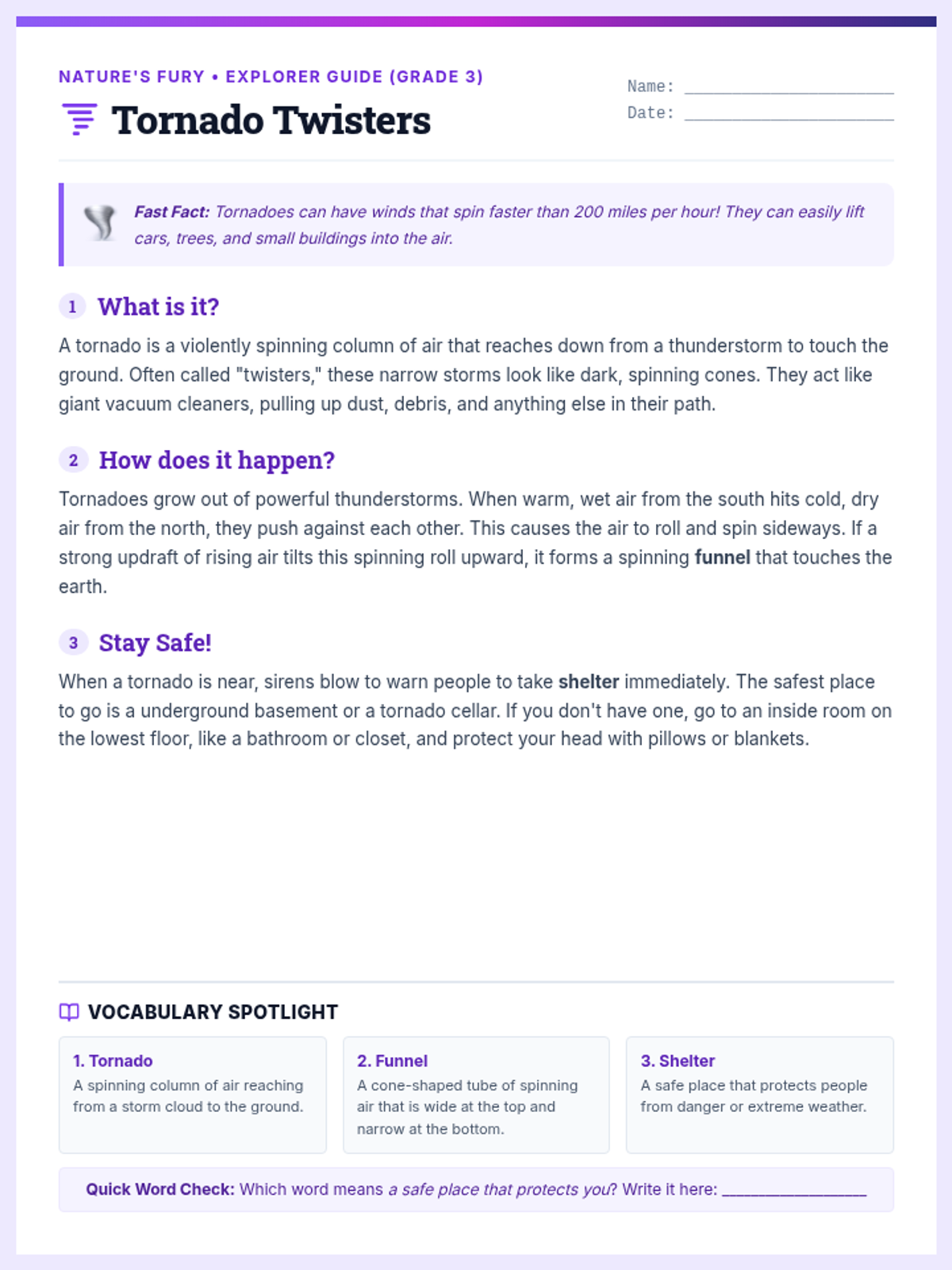
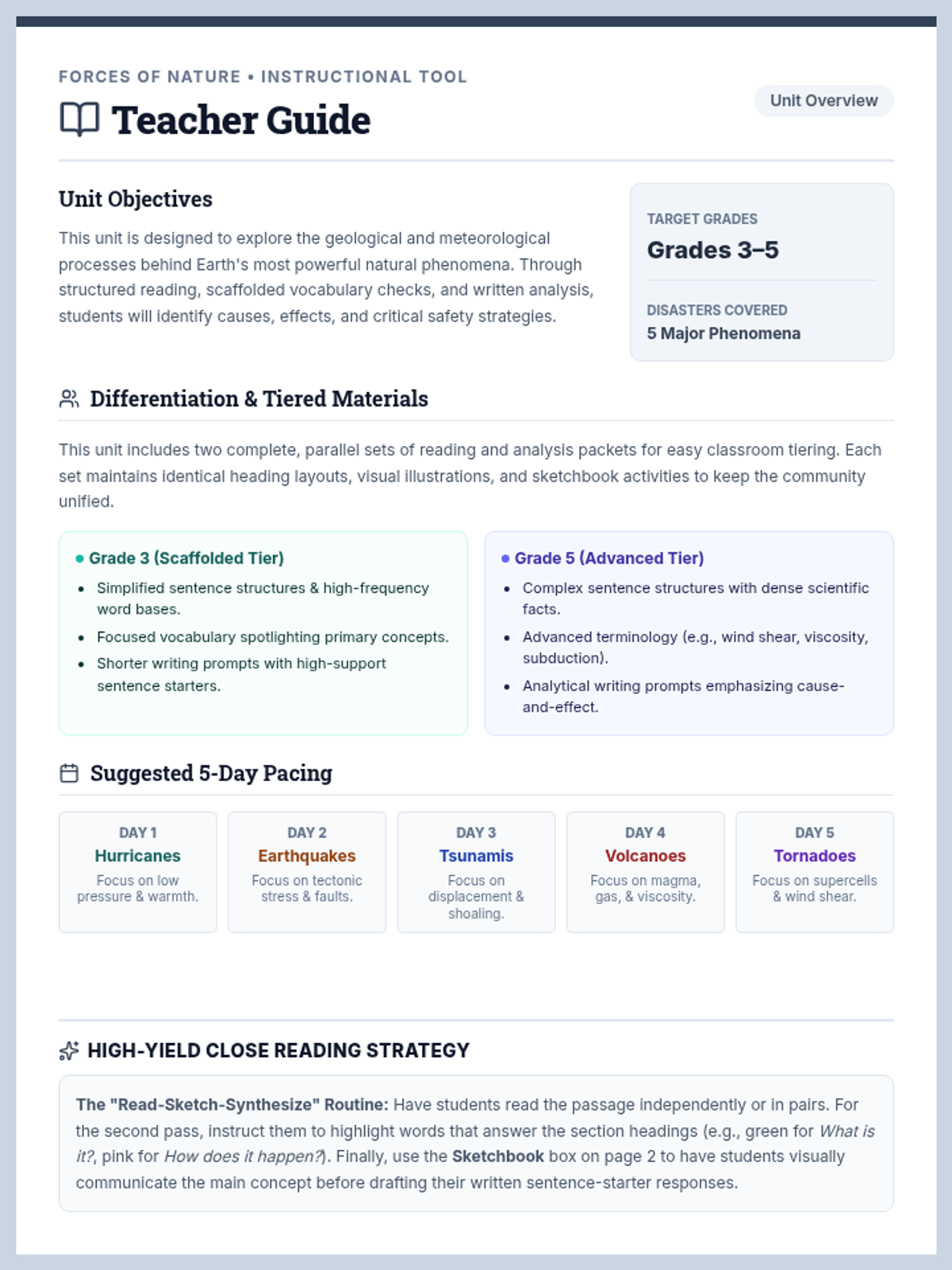
A science unit exploring five powerful natural disasters. Students read highly structured, scaffolded articles at both third-grade and fifth-grade reading levels, practice key vocabulary, and complete comprehension checks with sentence frames and starters.
An interactive, visually rich lesson preparing Florida students for severe storms and hurricanes. Covers emergency kit building, weather alerts, home action plans, and sensory coping strategies to reduce storm anxiety.
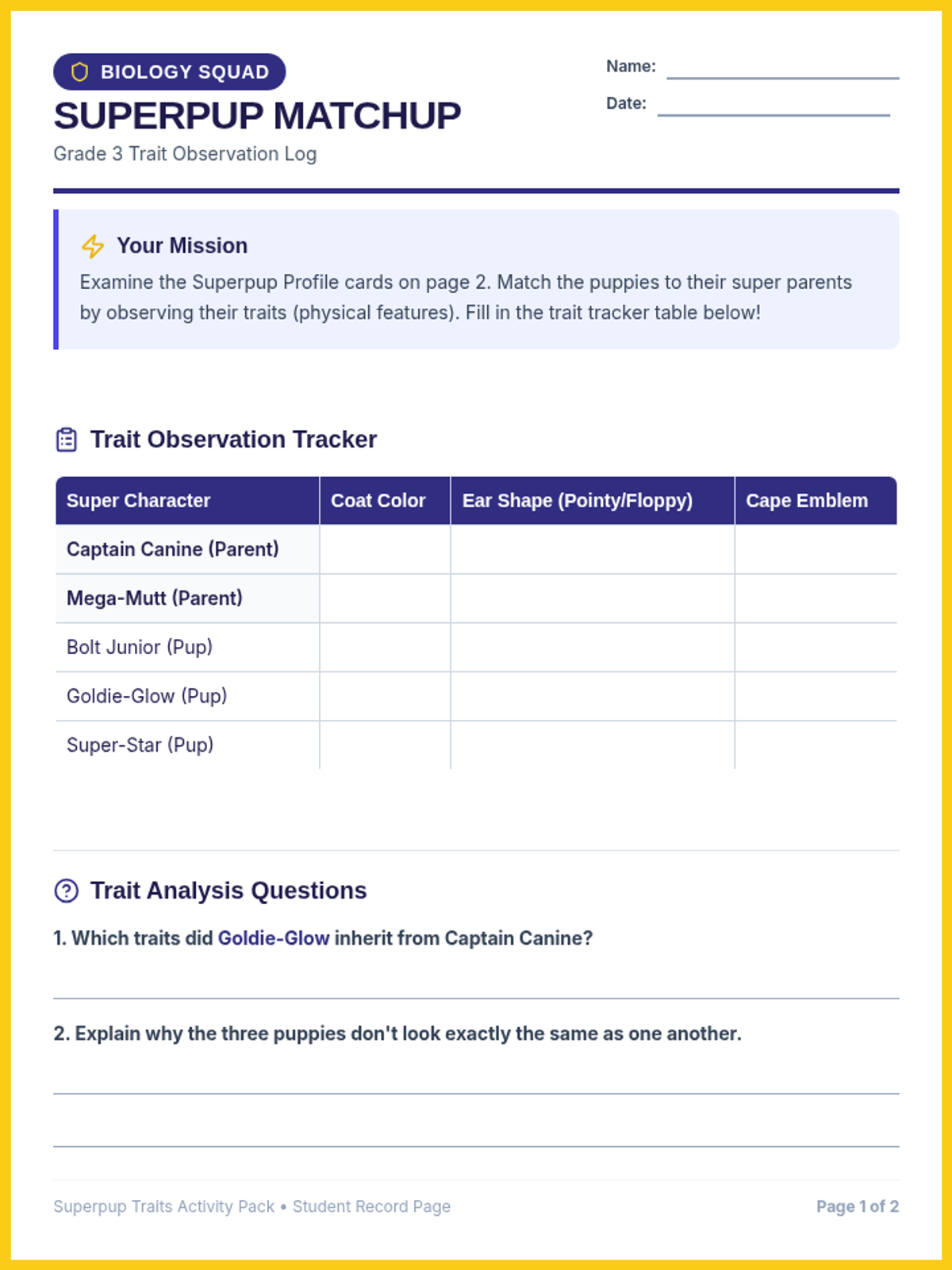
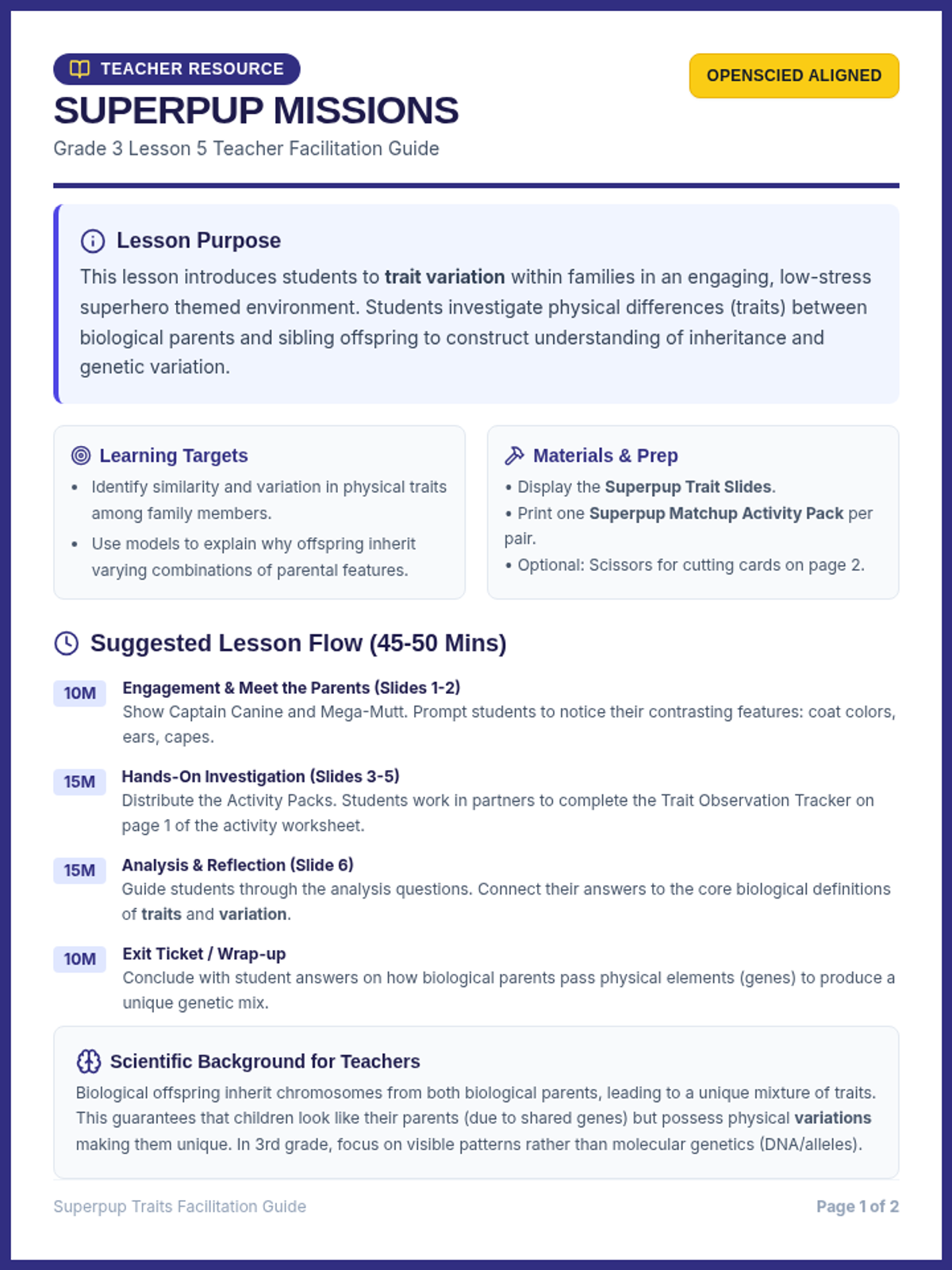
An engaging 3rd-grade science lesson exploring trait variation within families. Students observe and match cute superhero dogs to investigate how traits are inherited with variations.
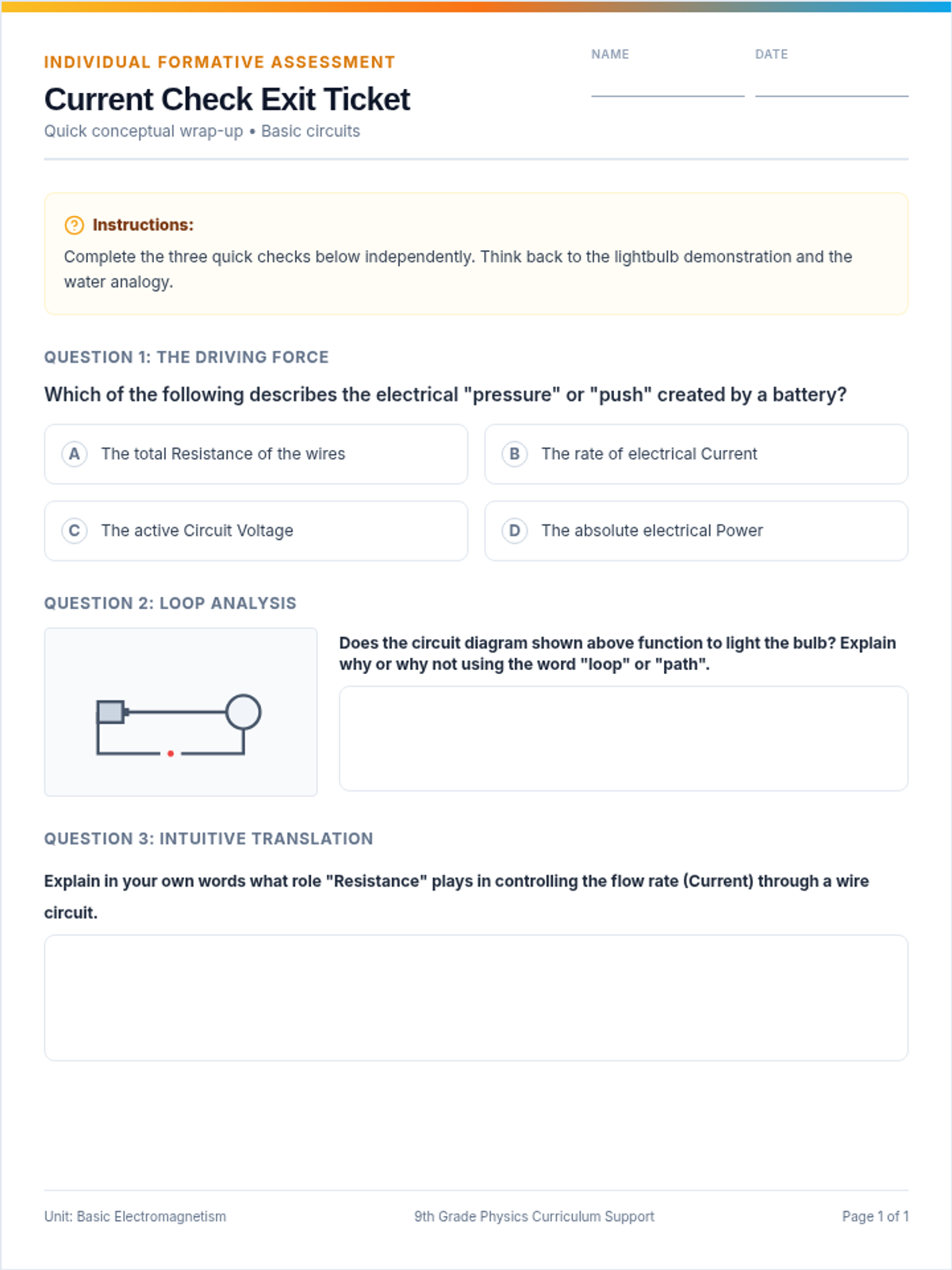
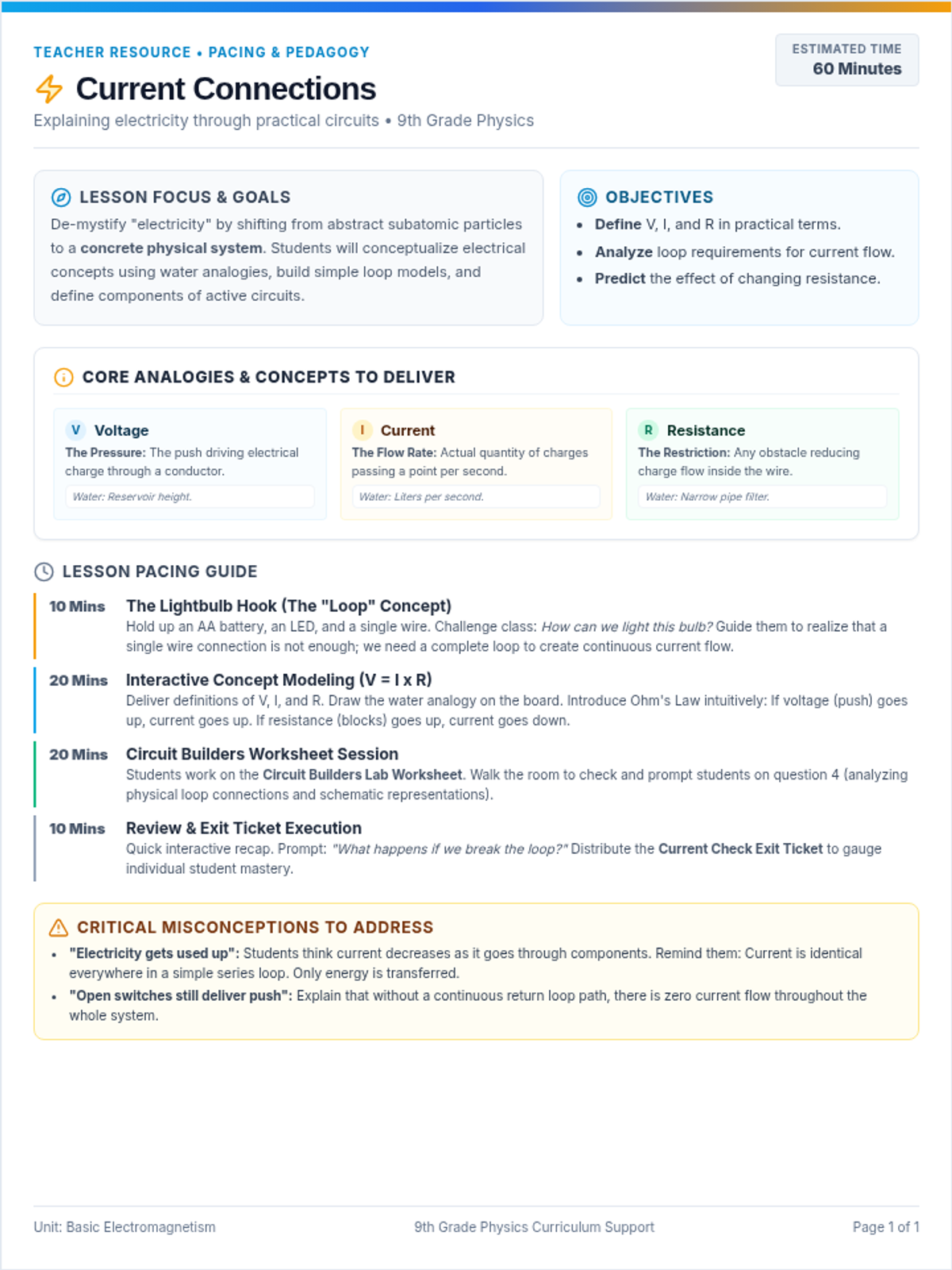
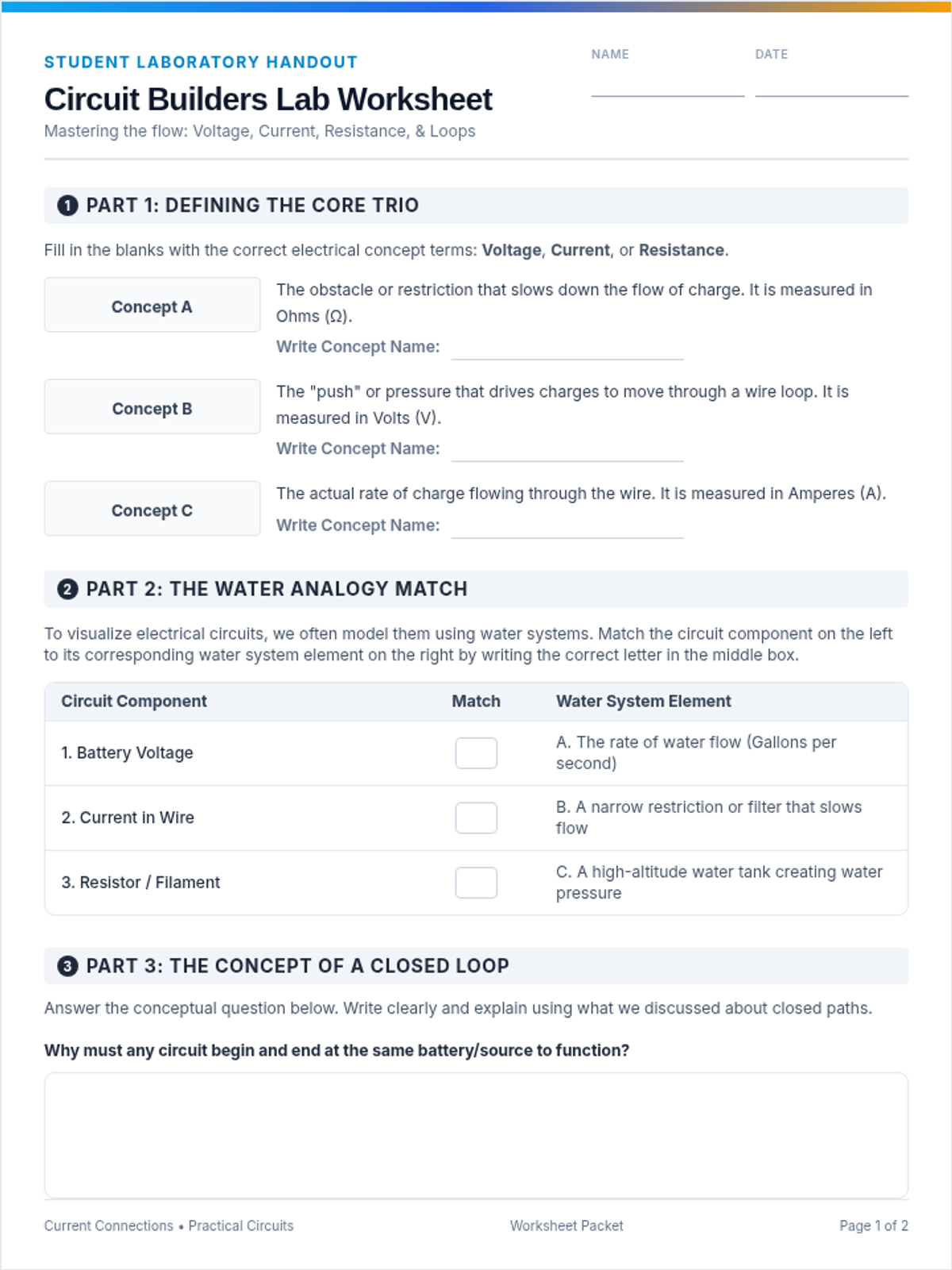
A comprehensive 9th-grade physics lesson exploring electricity through practical circuits, covering voltage, current, resistance, and closed loops with hands-on analysis.
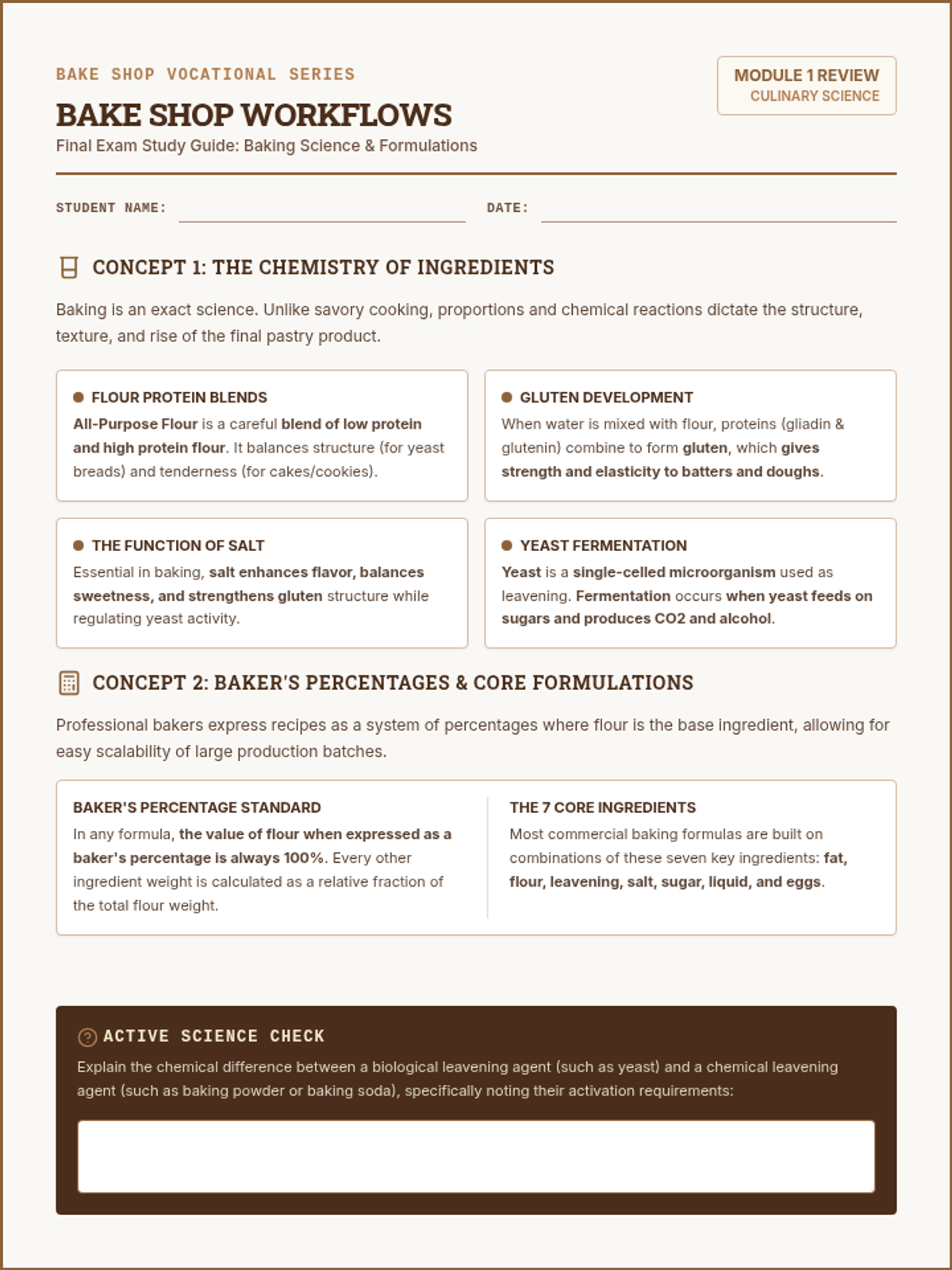
A high-yield vocational lesson focusing on commercial baking science, pastry production techniques, laminated doughs, and professional bake shop workflows.
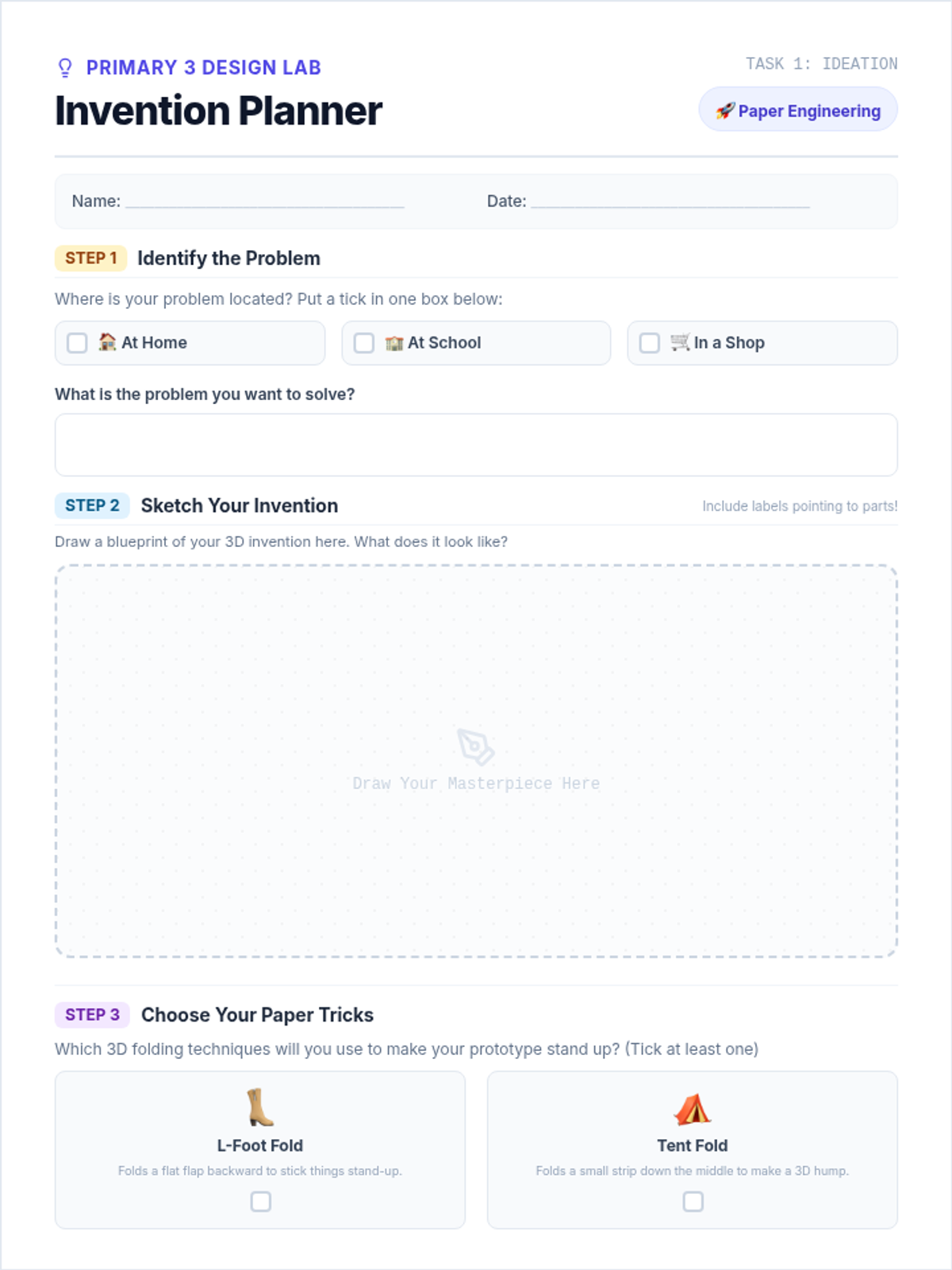
A lesson focused on designing a helpful paper-prototype invention for home, school, or shop, incorporating 3D paper-folding techniques for Primary 3 students.
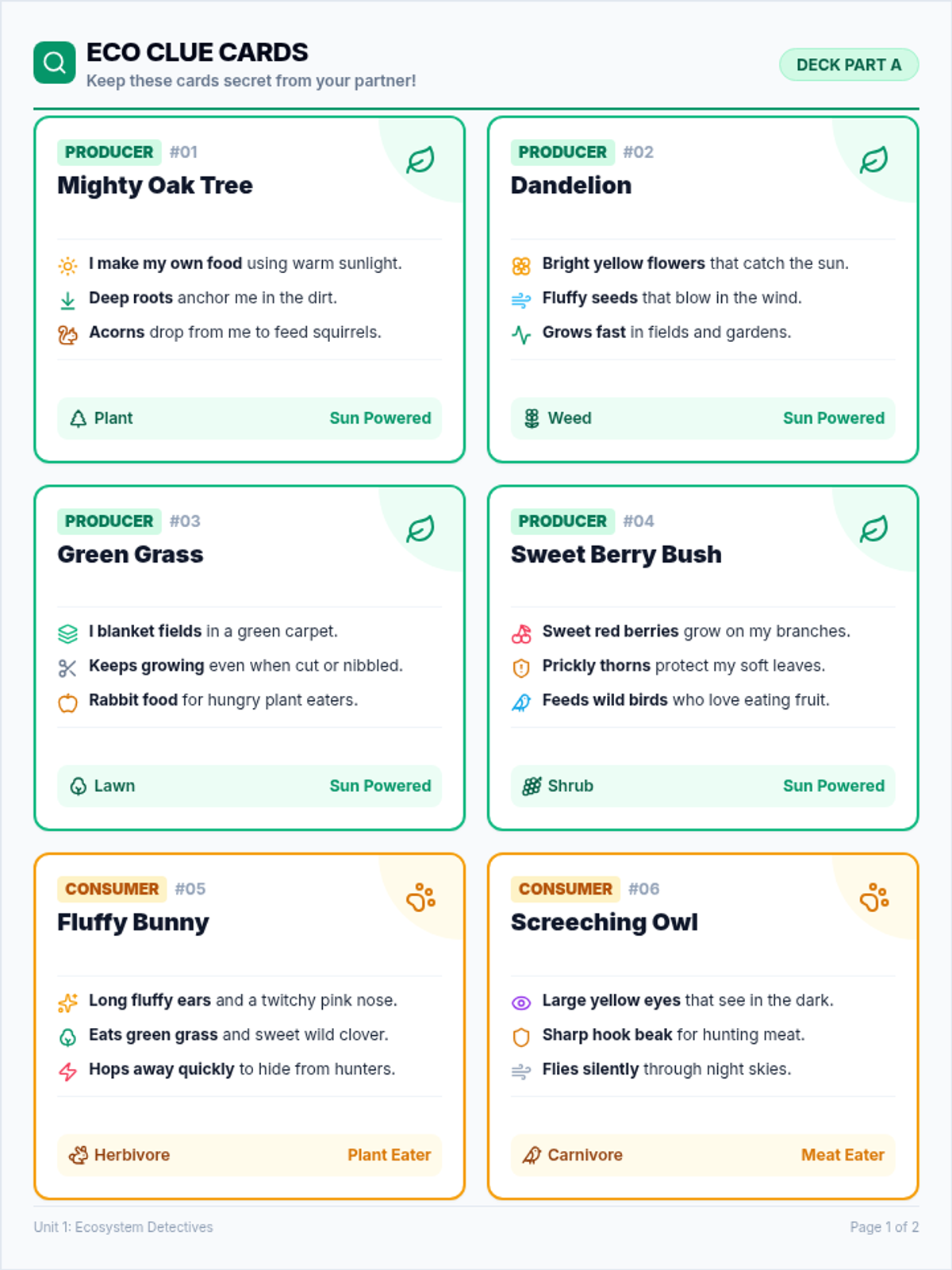
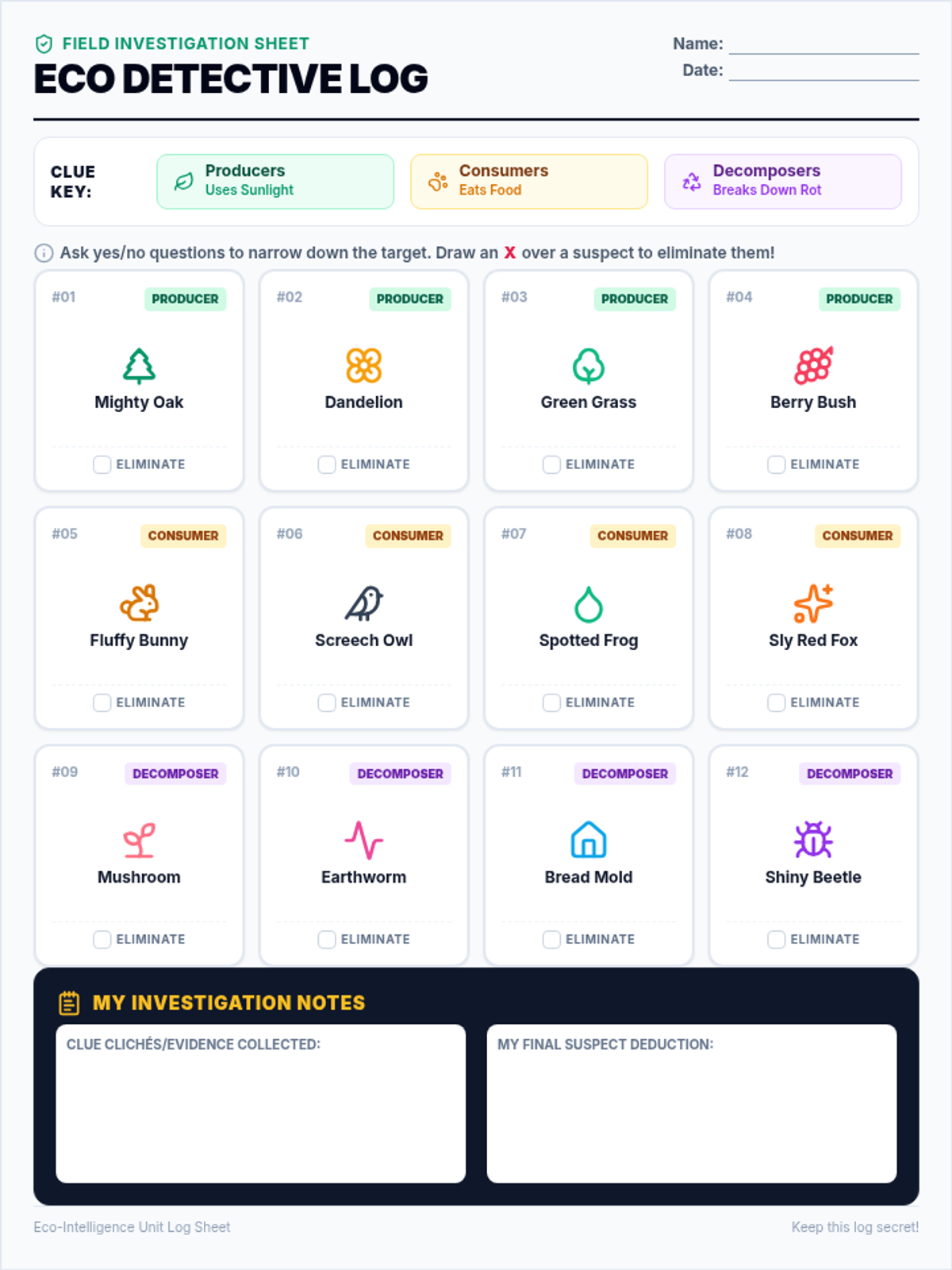
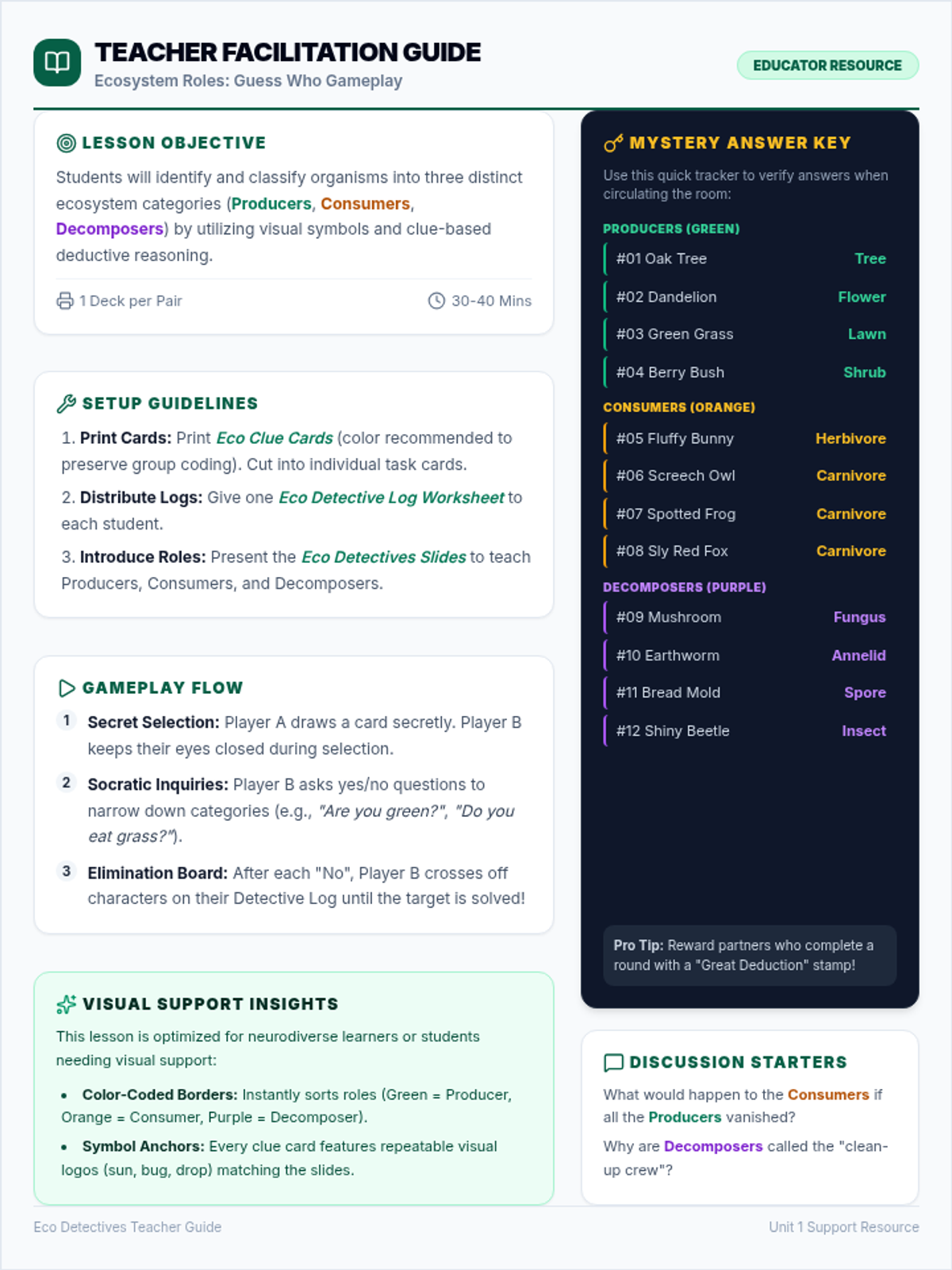
An interactive, visual-heavy lesson where students investigate ecosystem roles (producers, consumers, and decomposers) through an engaging 'Guess Who' style game. Includes visual-support clue cards, a detective tracking sheet, and a comprehensive teacher guide.
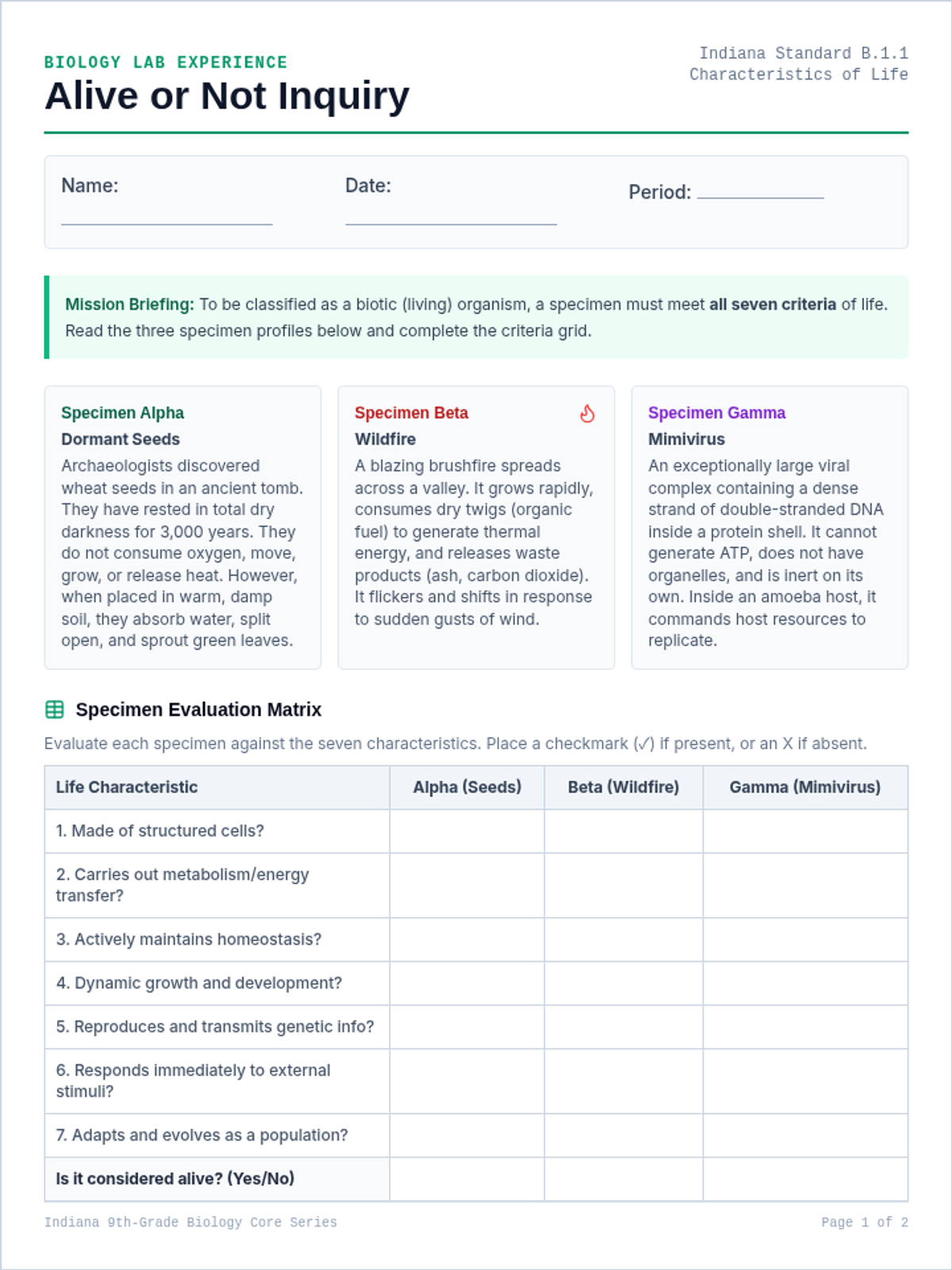
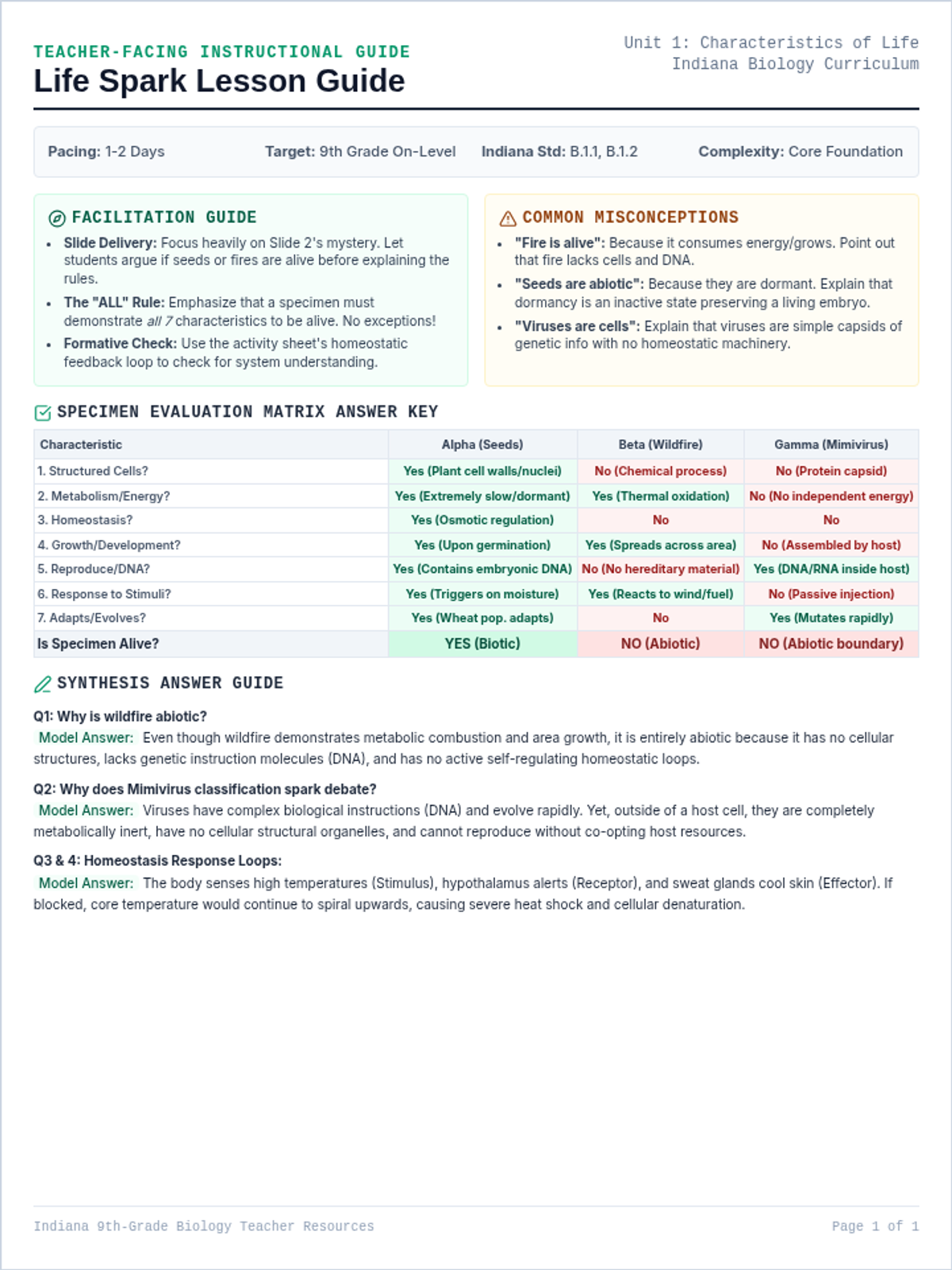
An introductory unit exploring the seven characteristics of living things, structural organization, and homeostatic balance in organisms, aligned with Indiana Academic Standards.
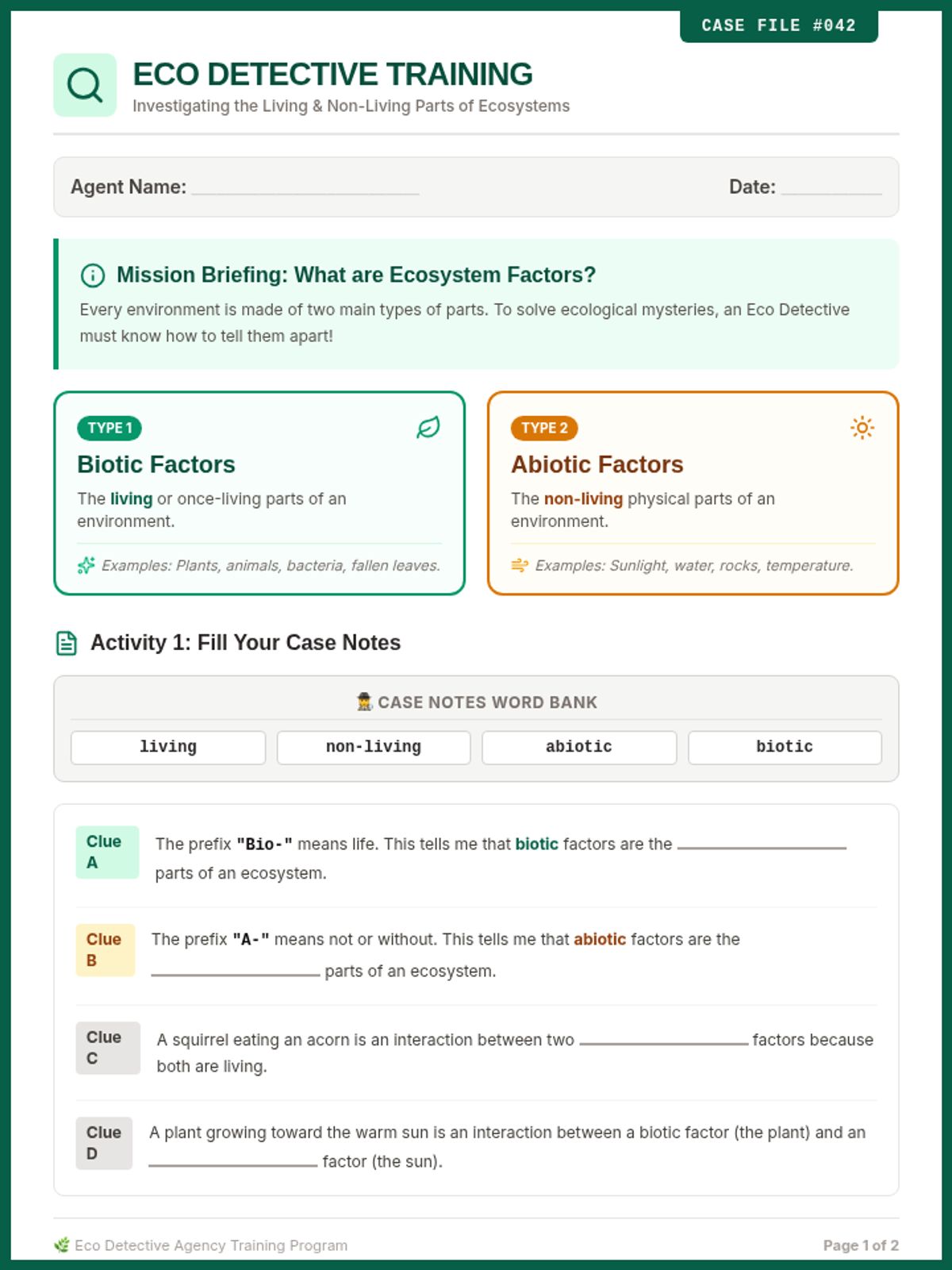
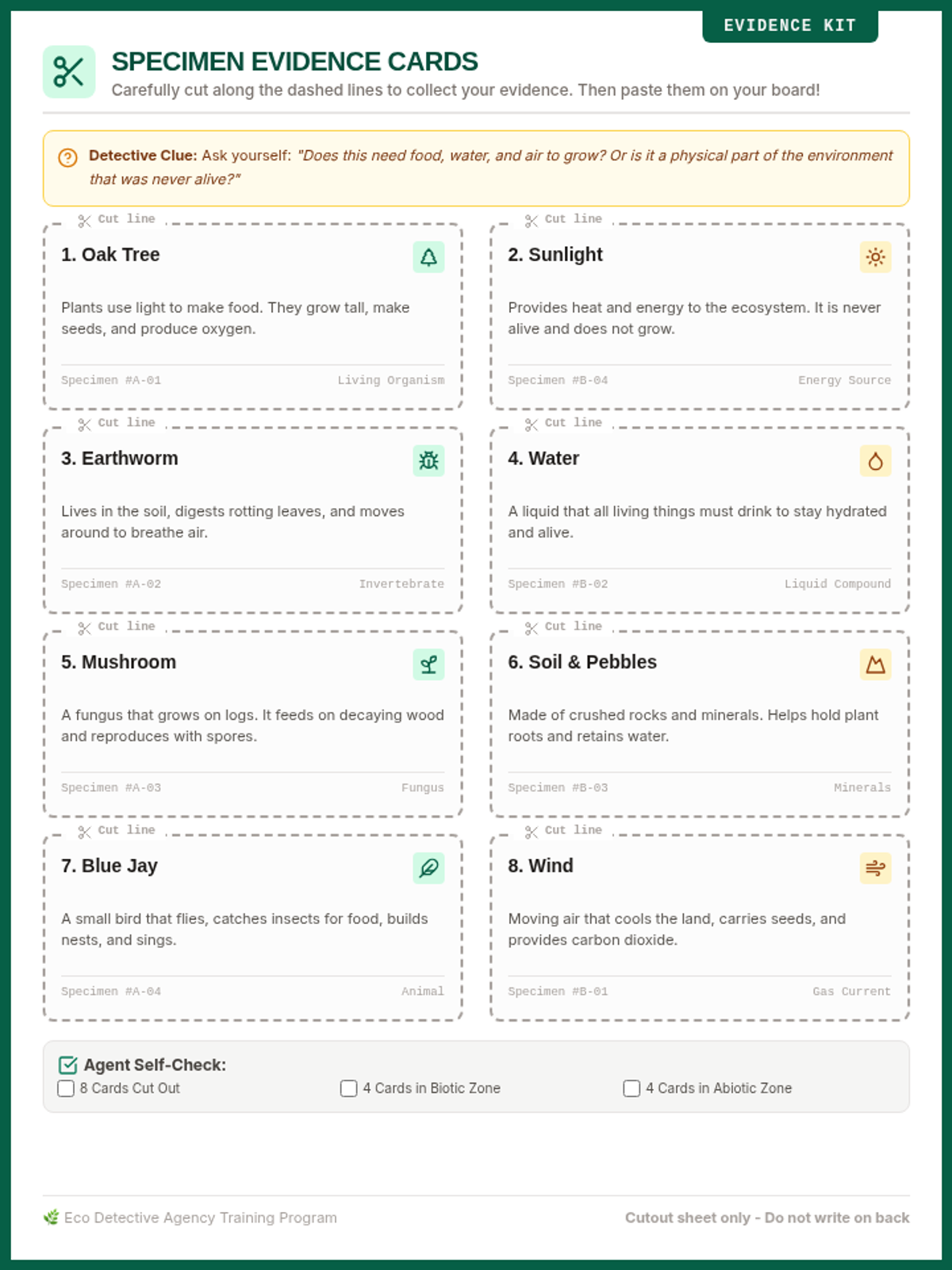
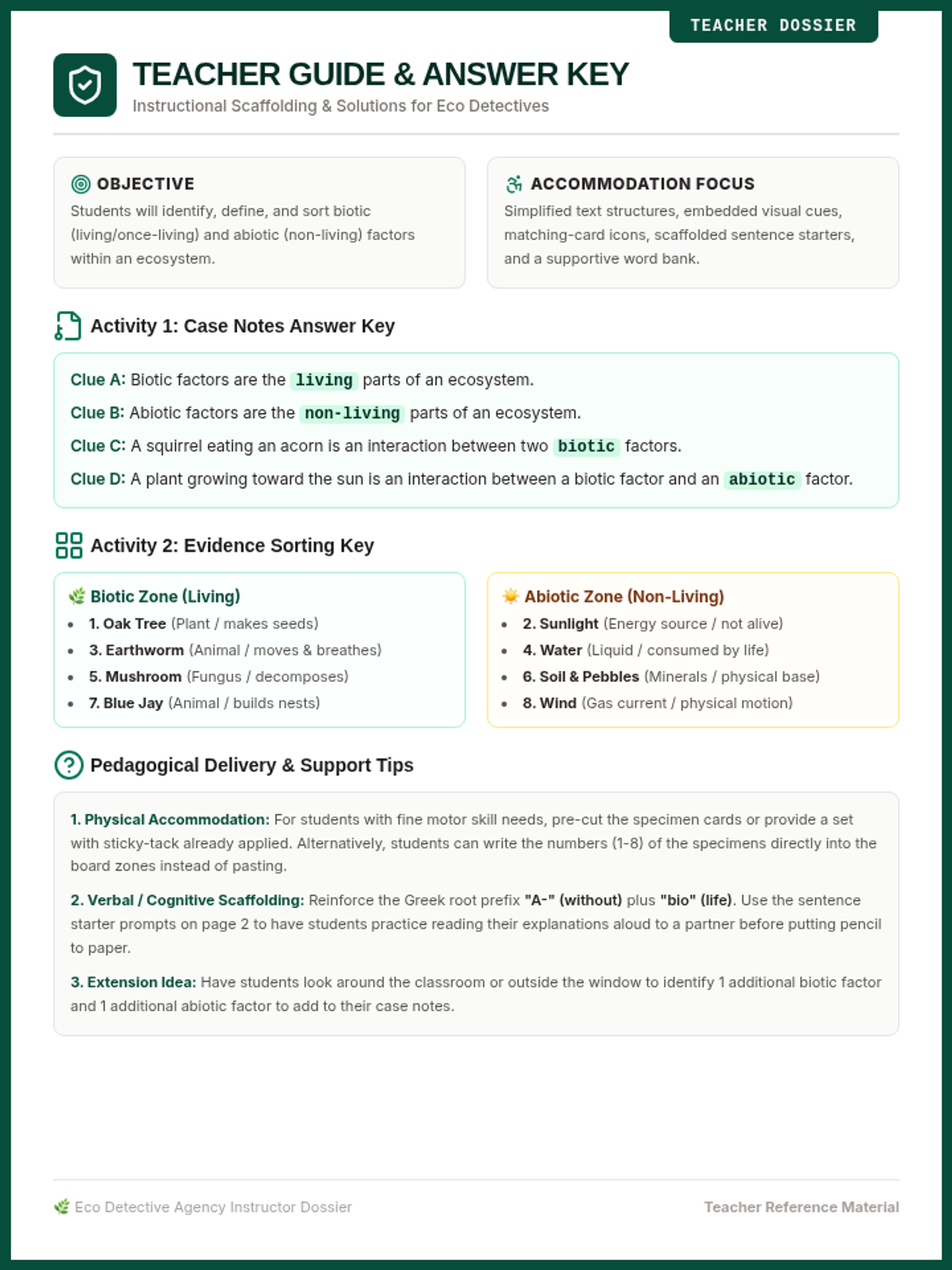
An interactive, scaffolded lesson introducing biotic and abiotic factors in ecosystems. Includes guided notes with sentence starters, a word bank, and a hands-on sorting activity designed for students requiring accommodation.
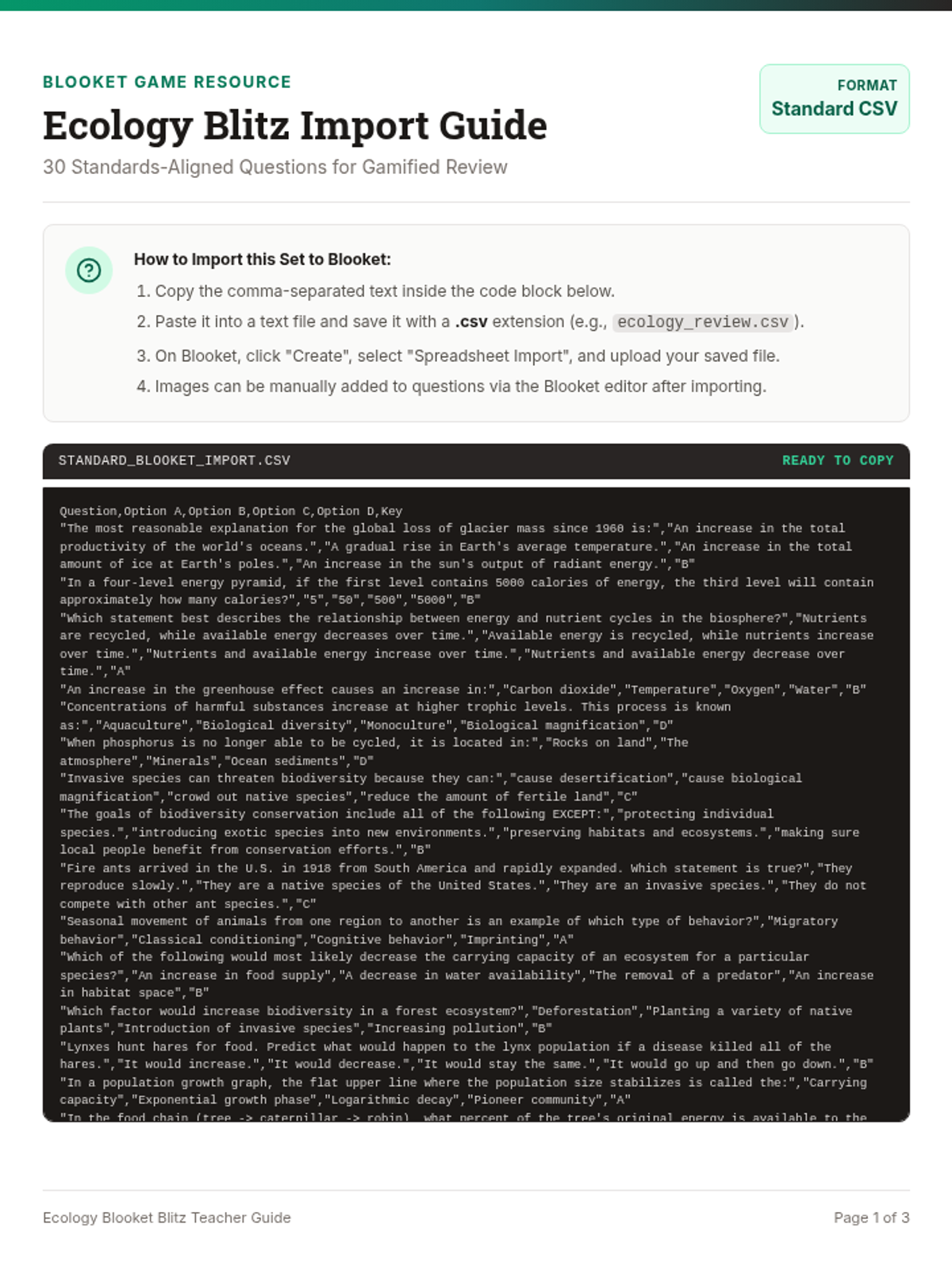
A high-energy ecology review lesson utilizing a gamified Blooket activity. It contains a complete Blooket-ready question bank and teacher guide featuring 30 standards-aligned ecology questions designed to evaluate understanding of ecosystems, energy pyramids, human impacts, and biochemical cycles.
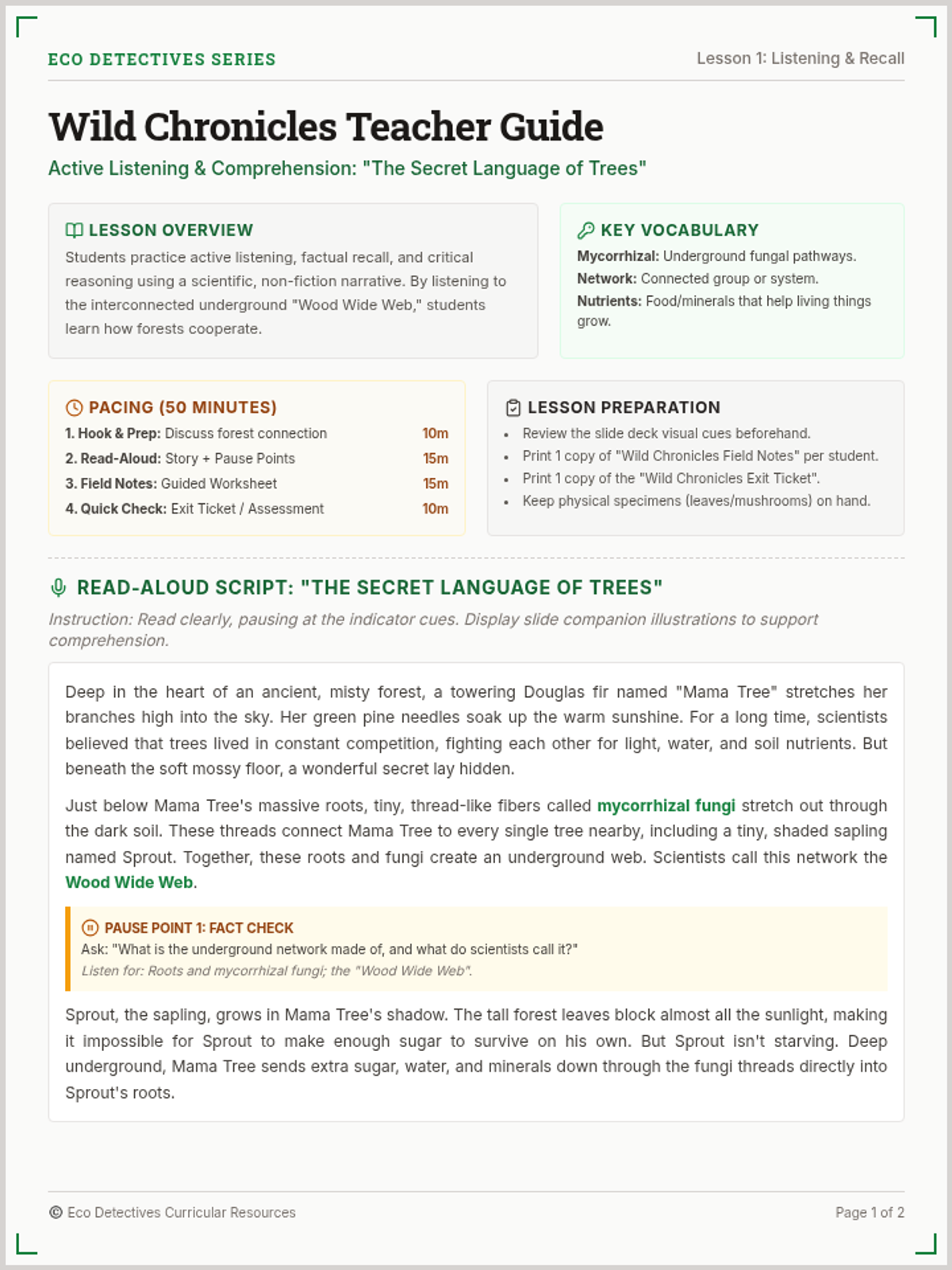
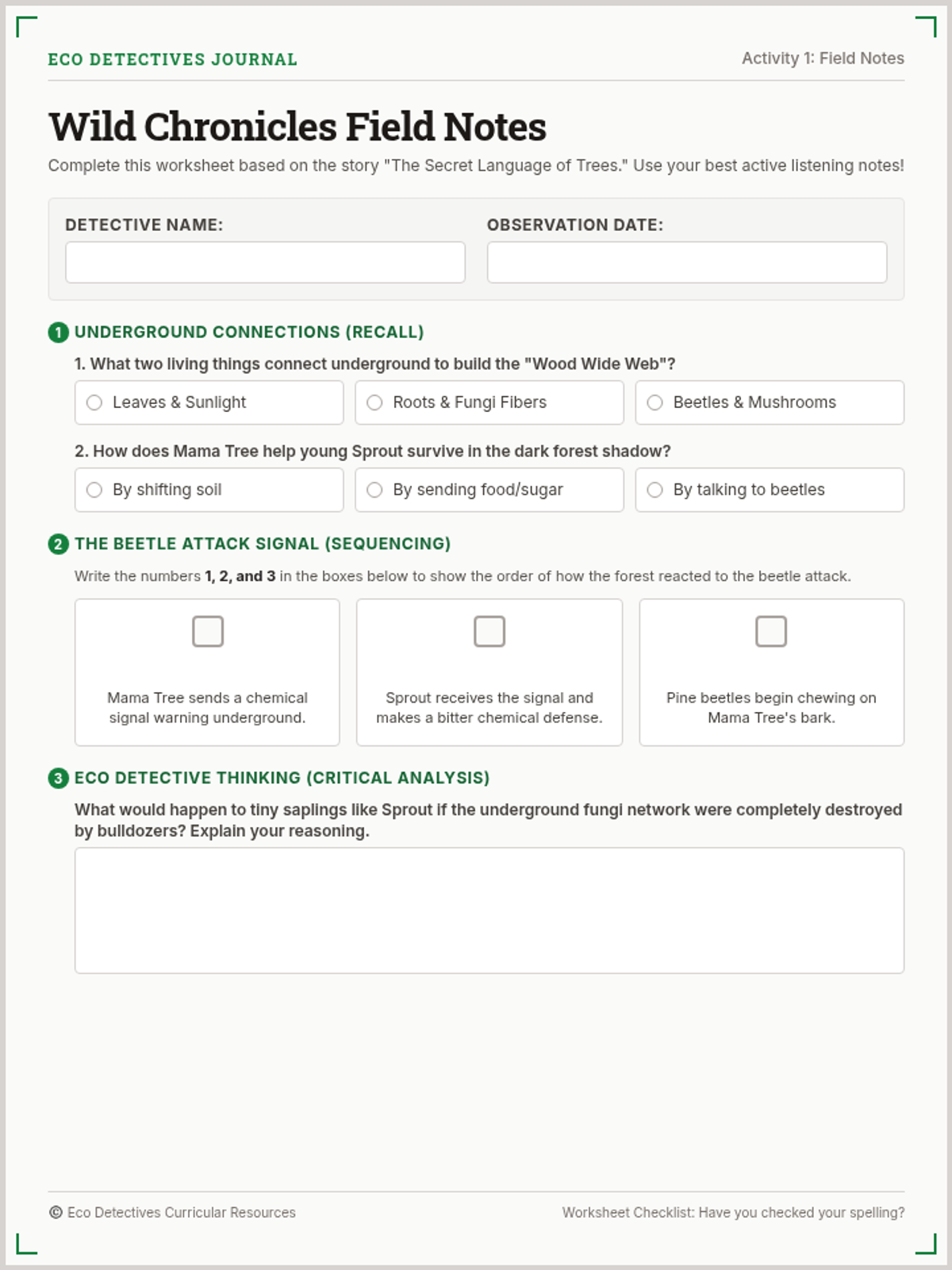
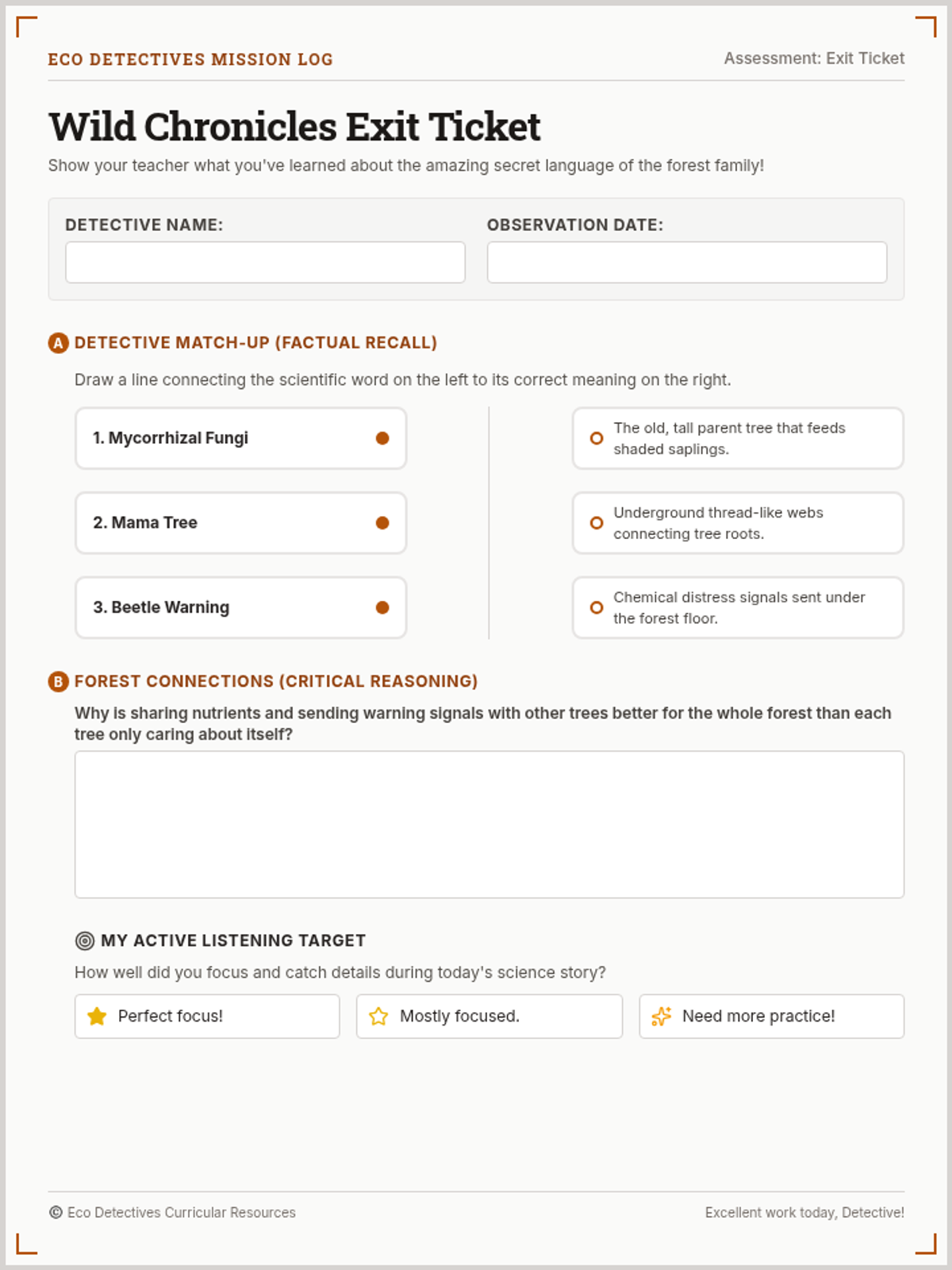
Students listen to 'The Secret Language of Trees', a non-fiction narrative about mycorrhizal networks, practicing active listening, recalling key facts, and thinking critically about ecosystem cooperation.
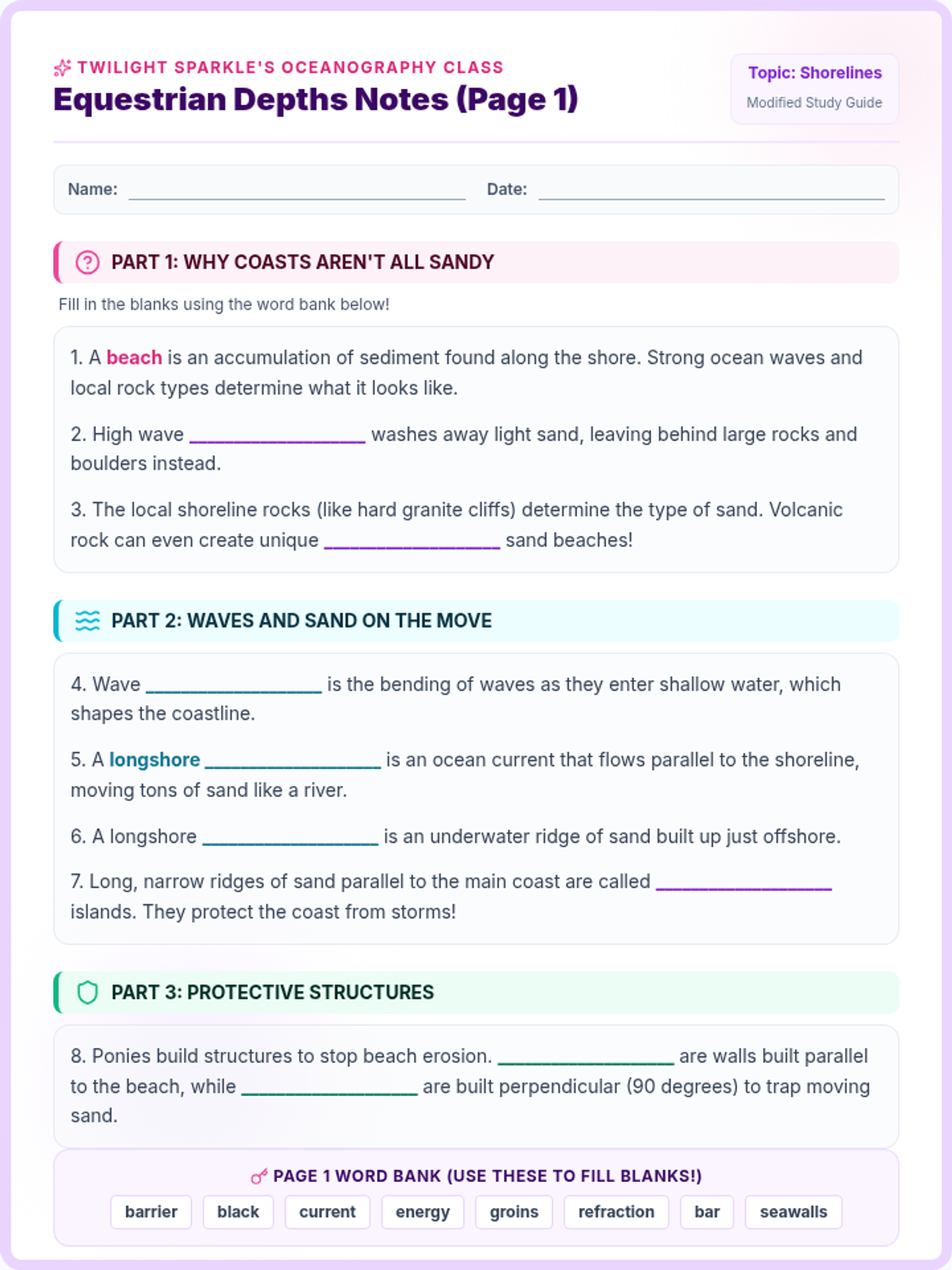
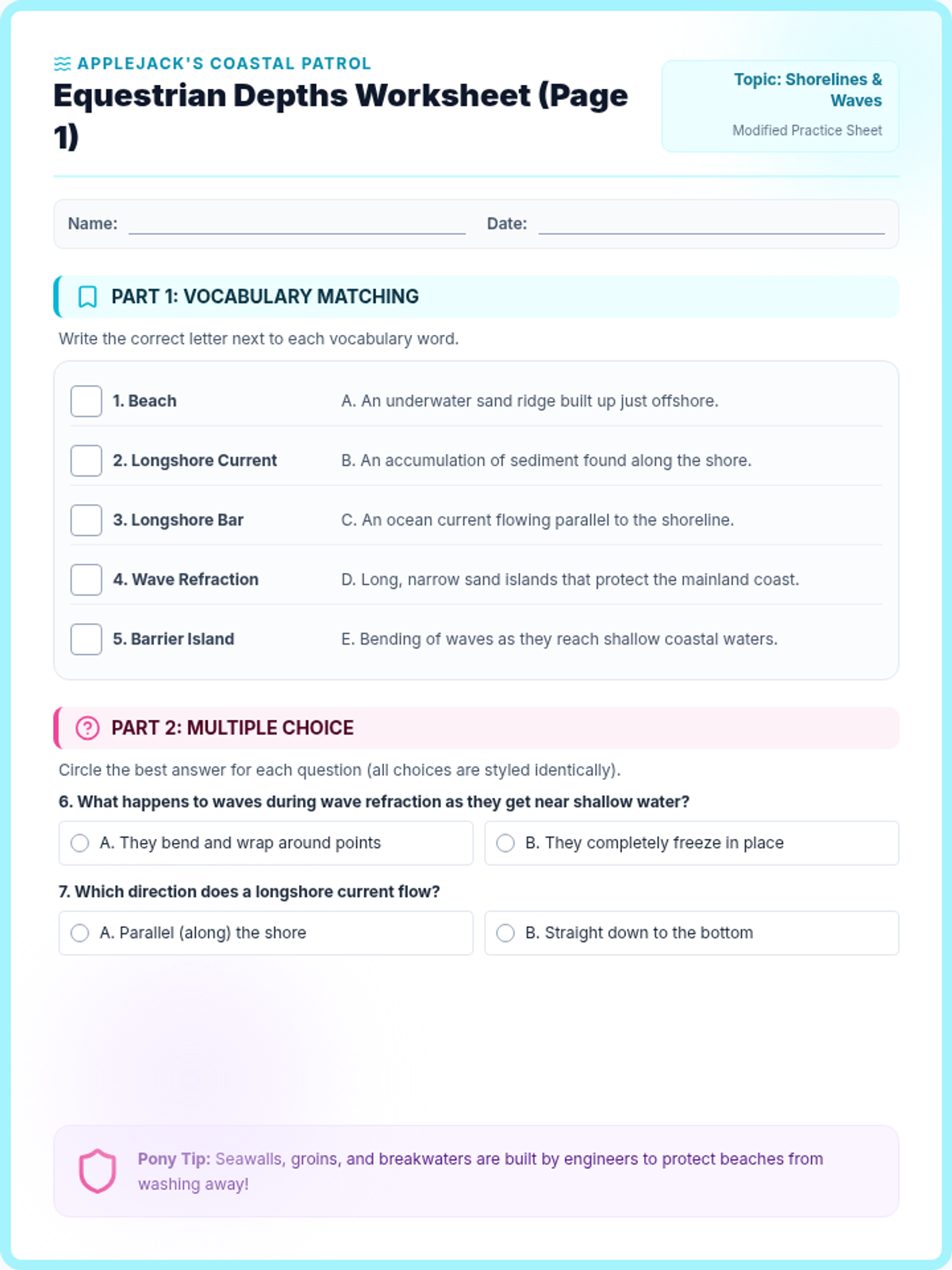
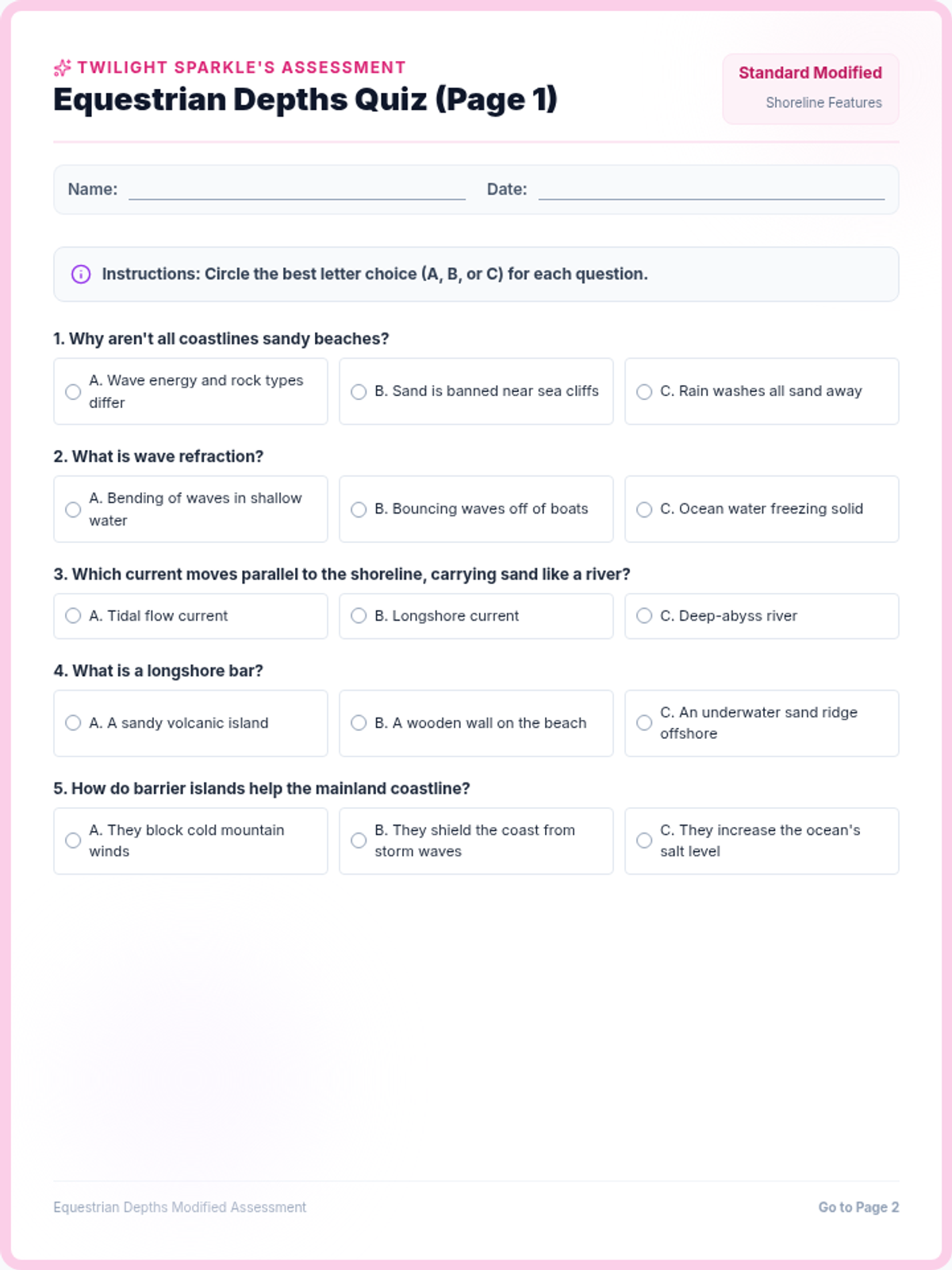
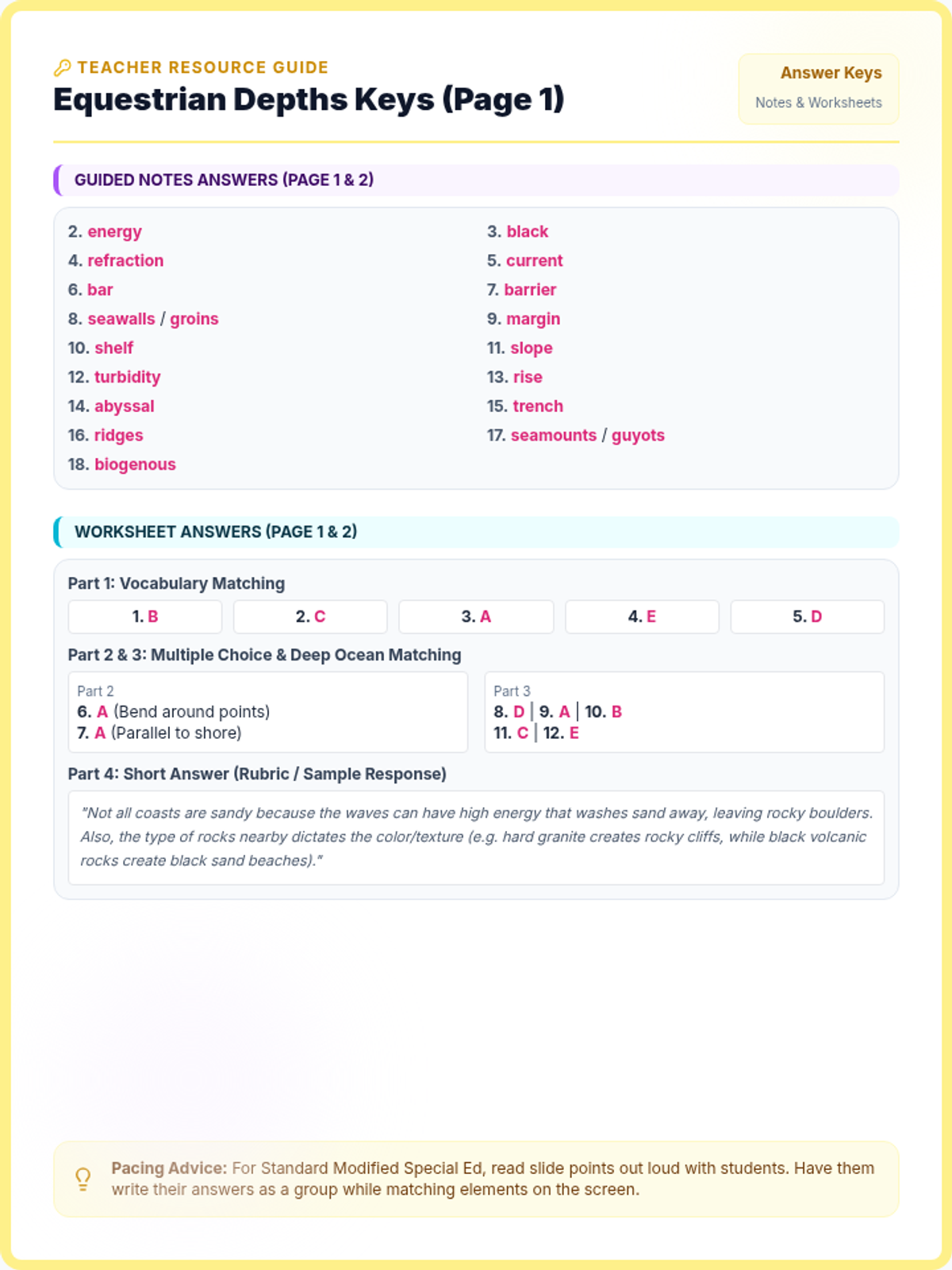
A lesson on oceanography covering shorelines, coastal features, and the deep seafloor, adapted with a friendly My Little Pony decorative theme and chunked, accessible text for Standard Modified Special Education students.
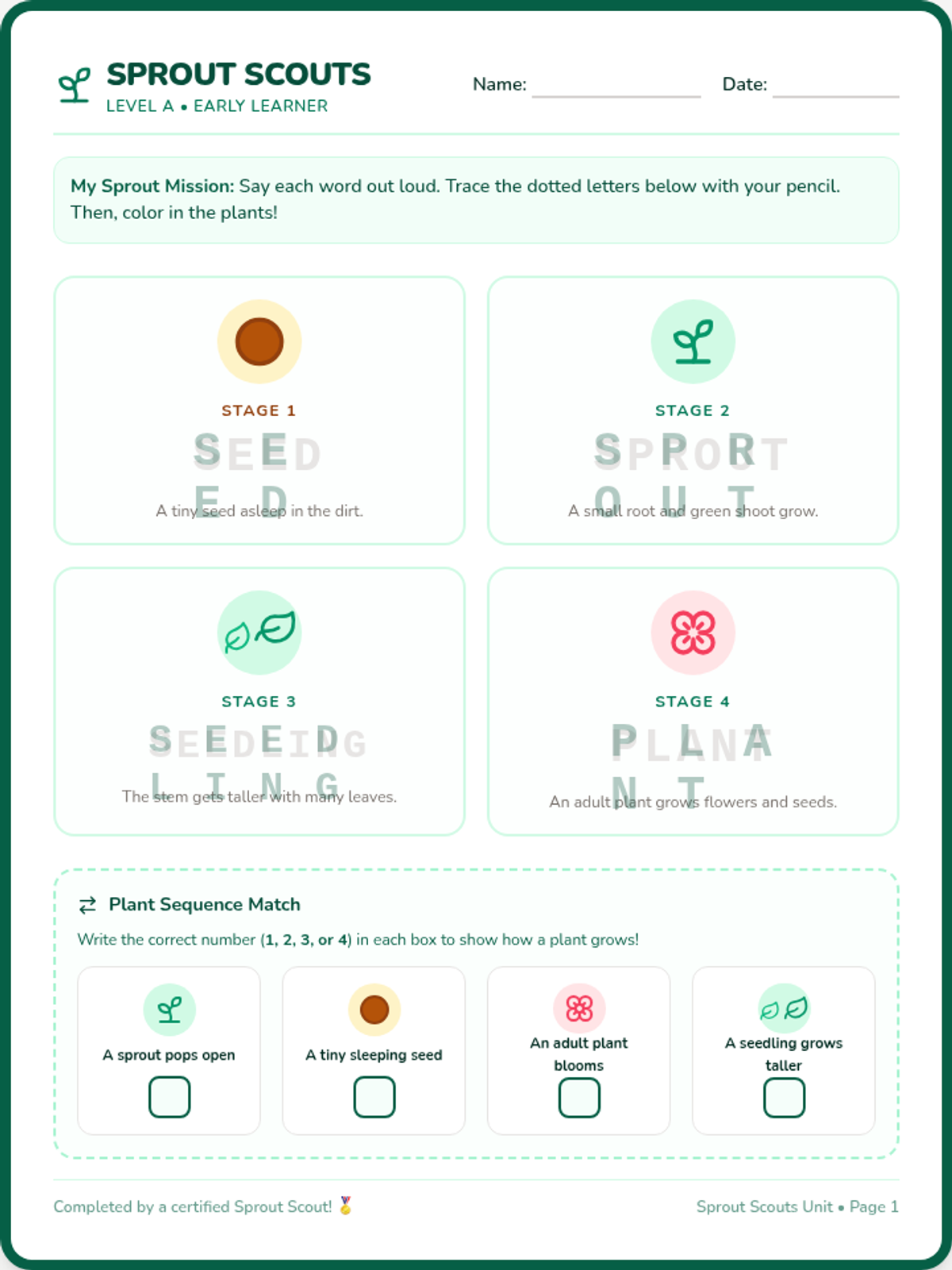
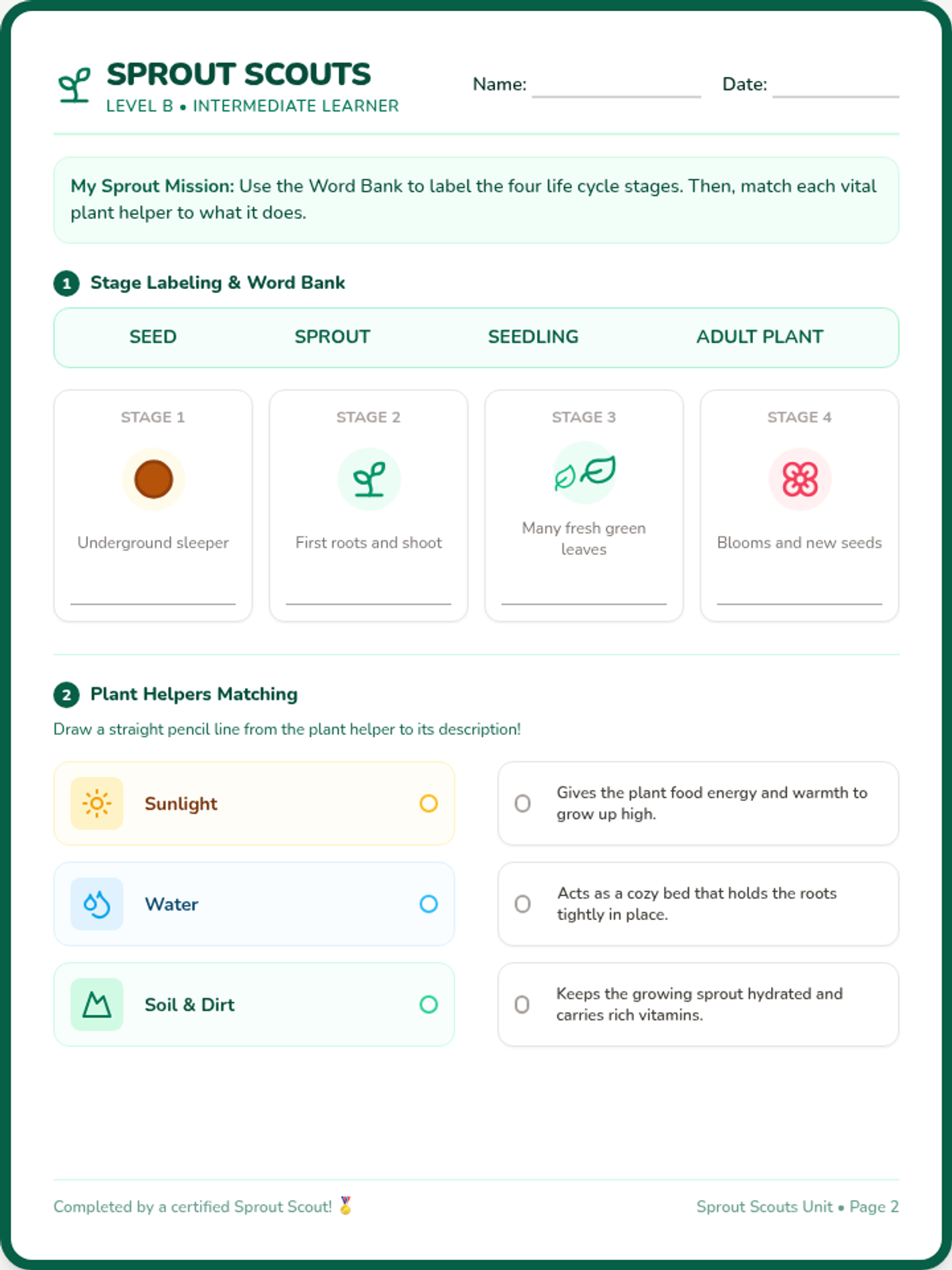
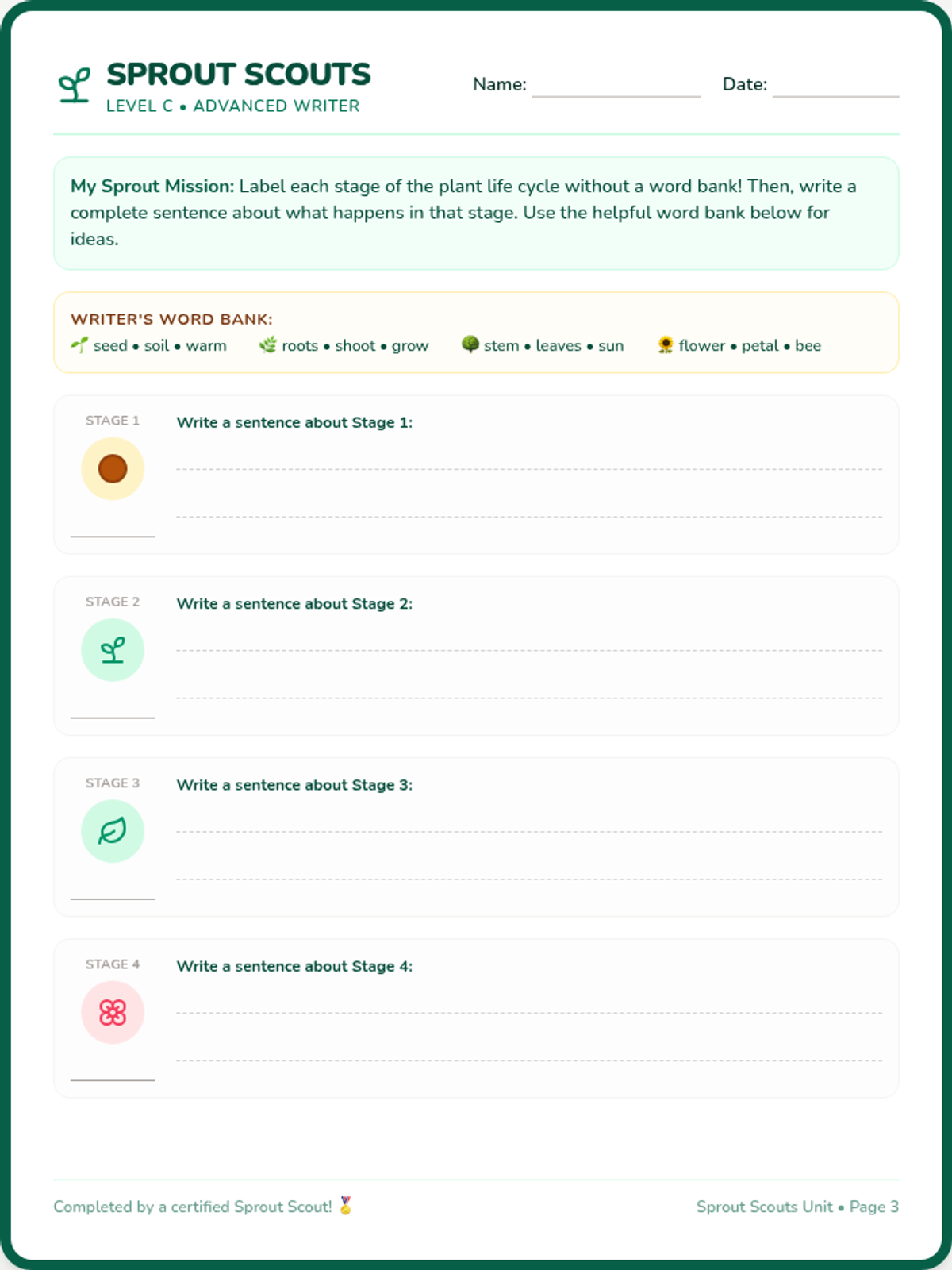
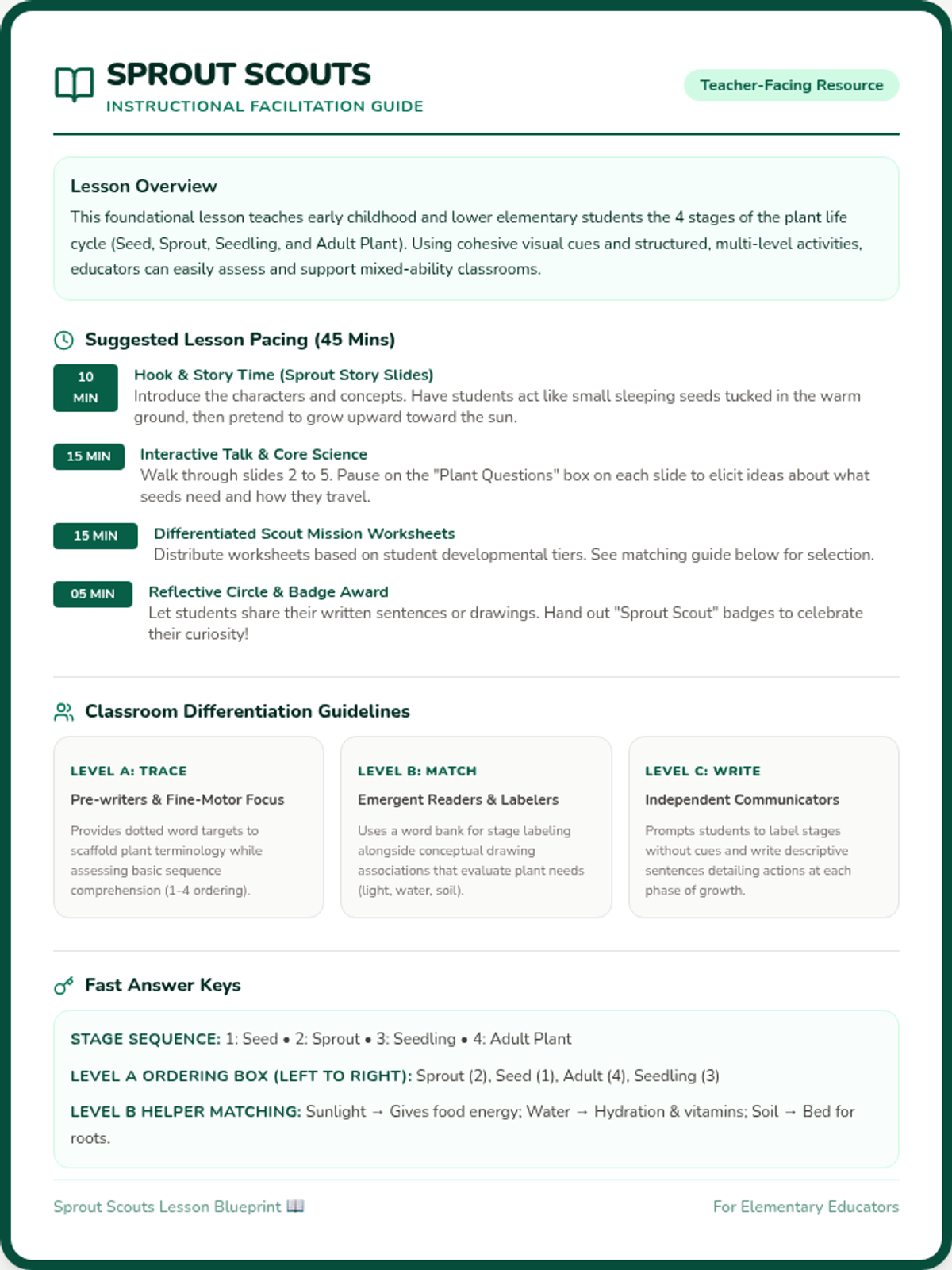
A foundational biology lesson exploring the simple life cycle of a plant from seed to sprout to adult. Includes interactive slides, a comprehensive teacher guide, and three tiers of differentiated worksheets to support early writers, matchers, and independent sentence-builders.
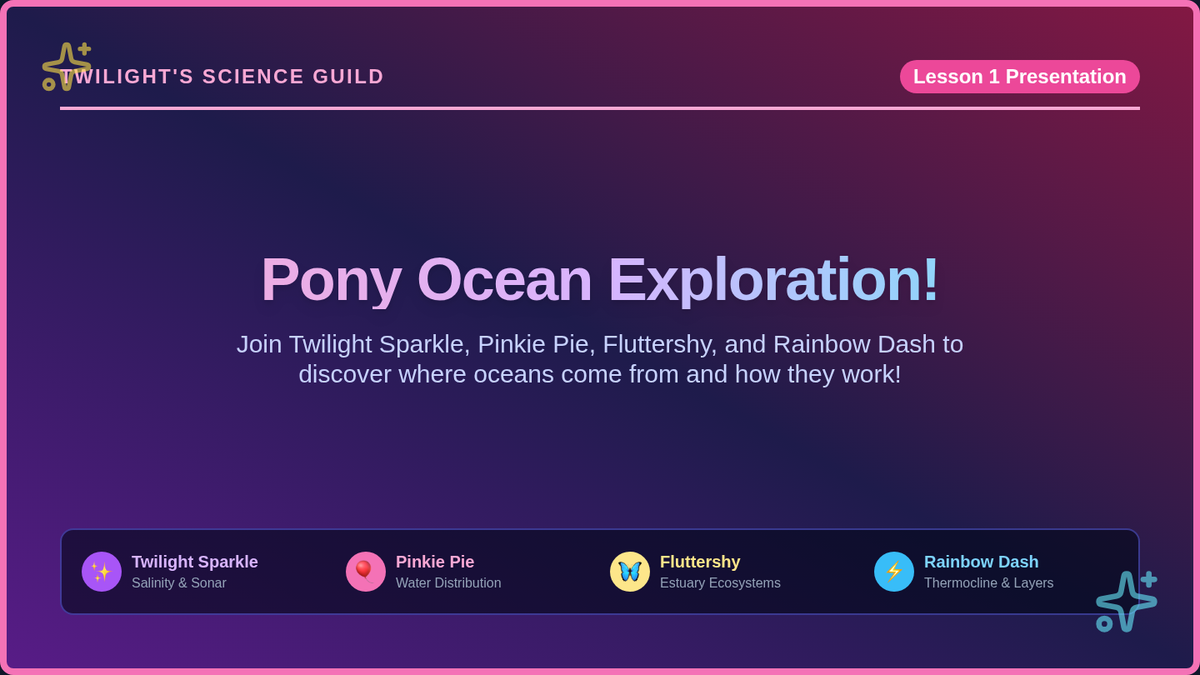
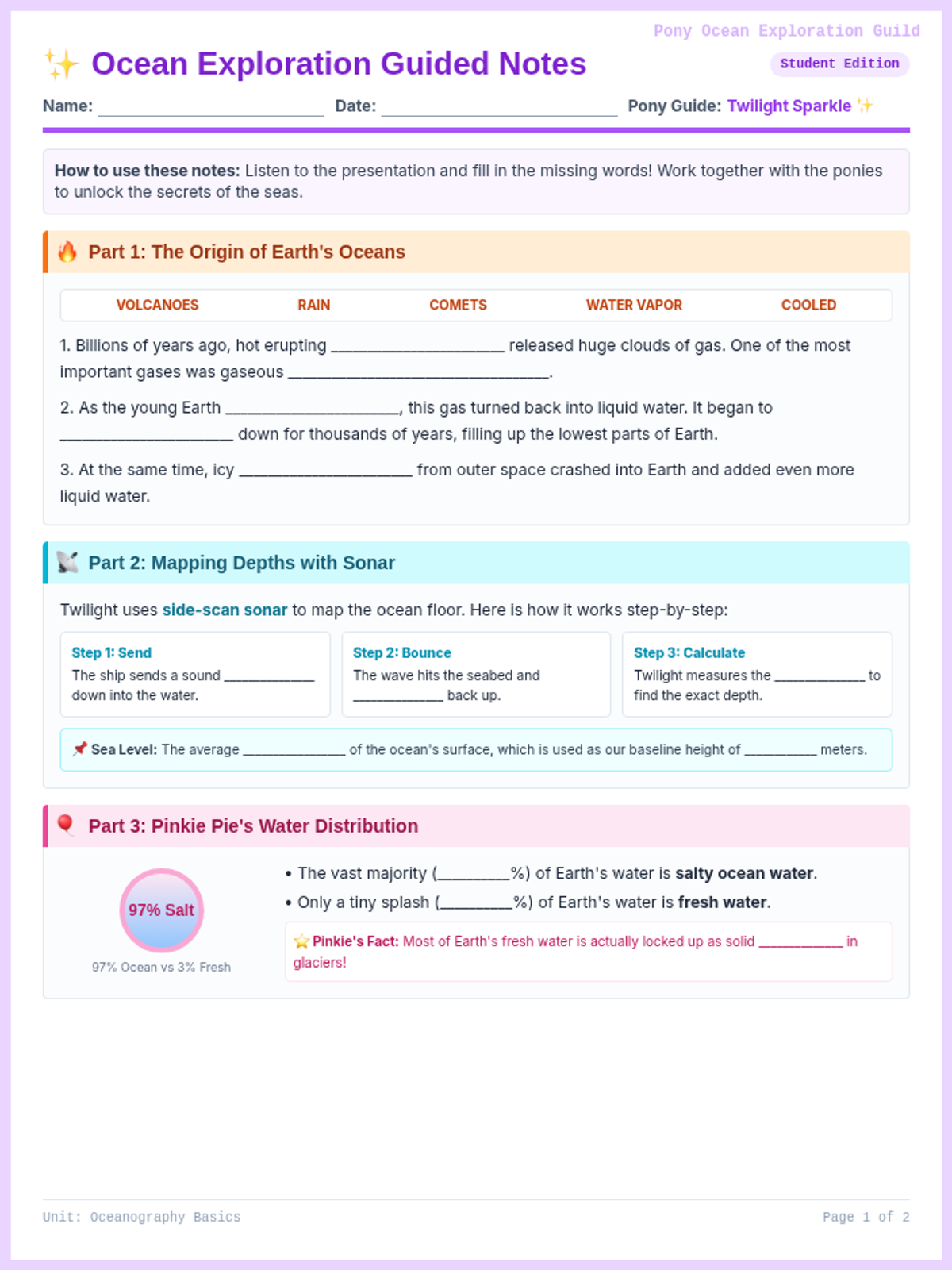
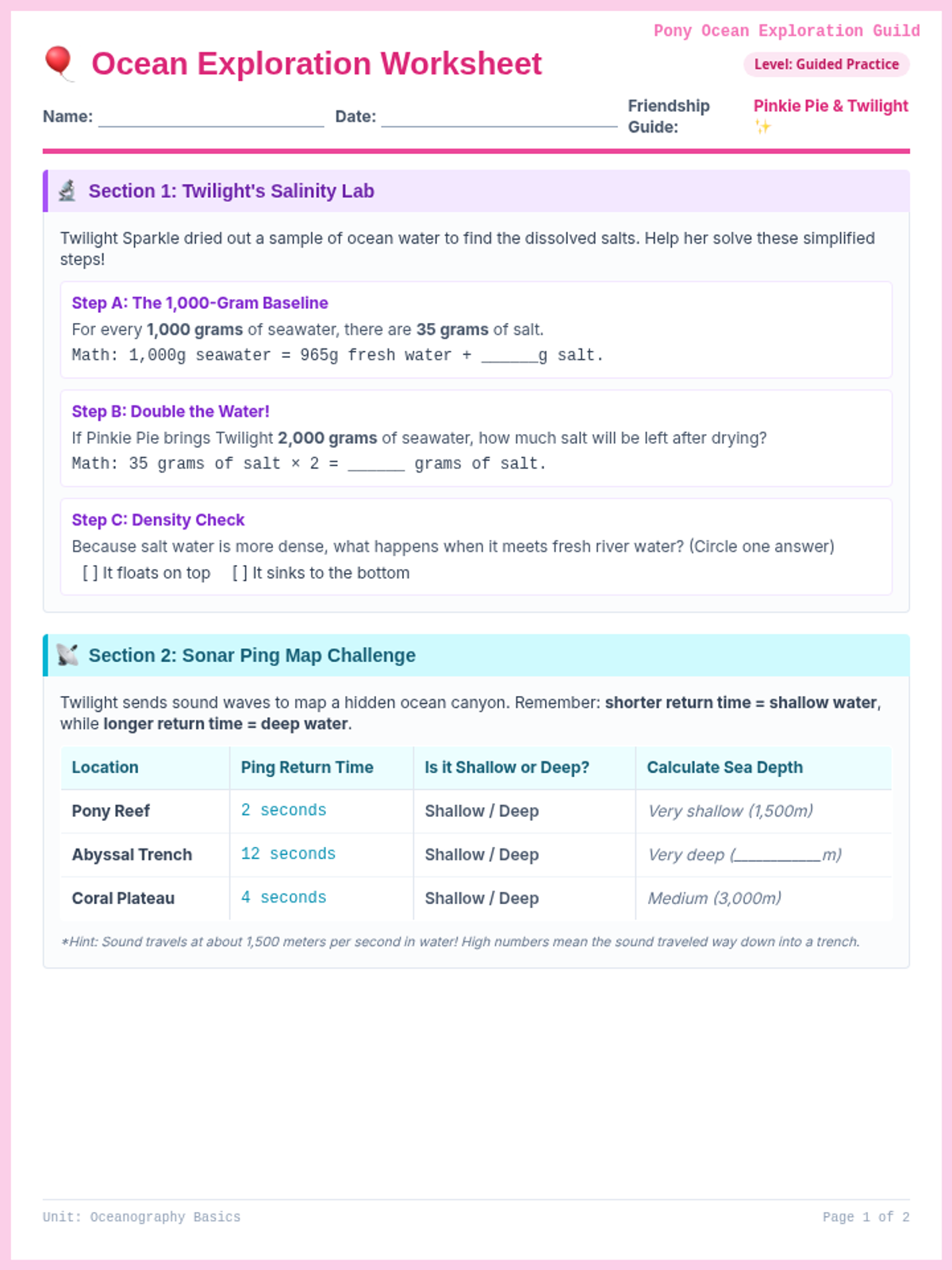
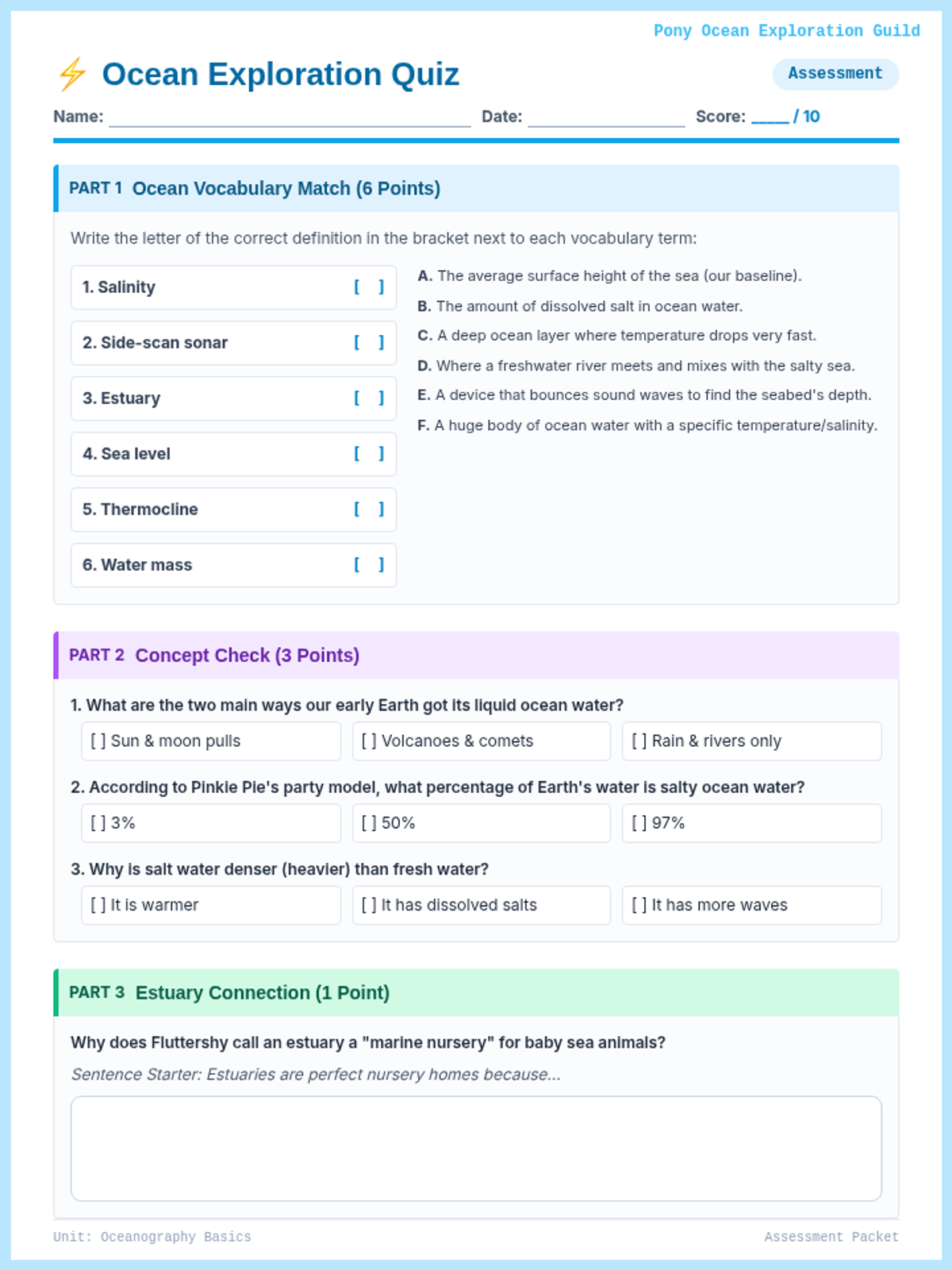
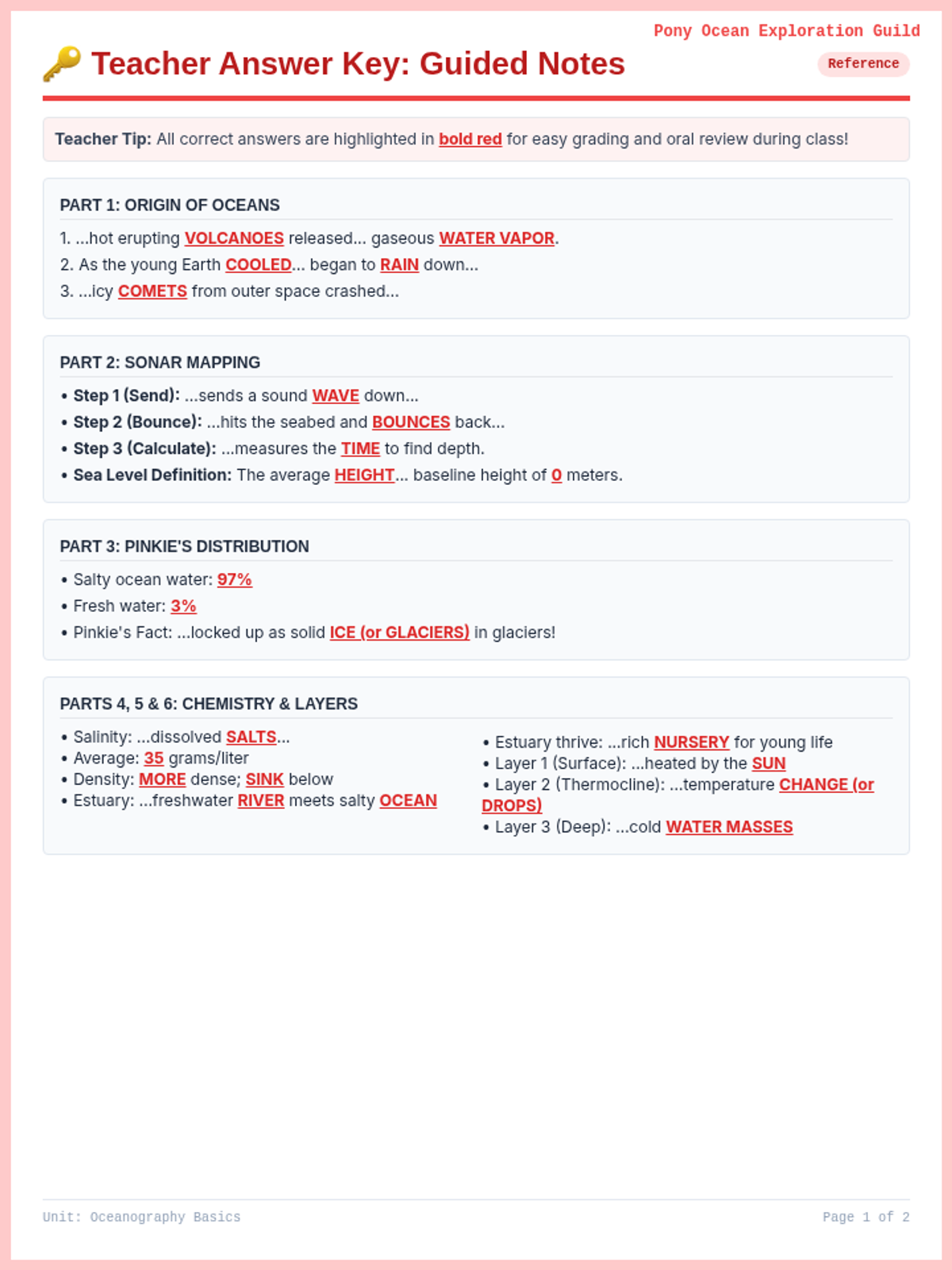
Join Twilight Sparkle, Pinkie Pie, Fluttershy, and Rainbow Dash as they explore the origin, composition, and structure of Earth's oceans. This lesson is highly visual, simplified, and carefully structured with guided practice, word banks, and sentence starters.
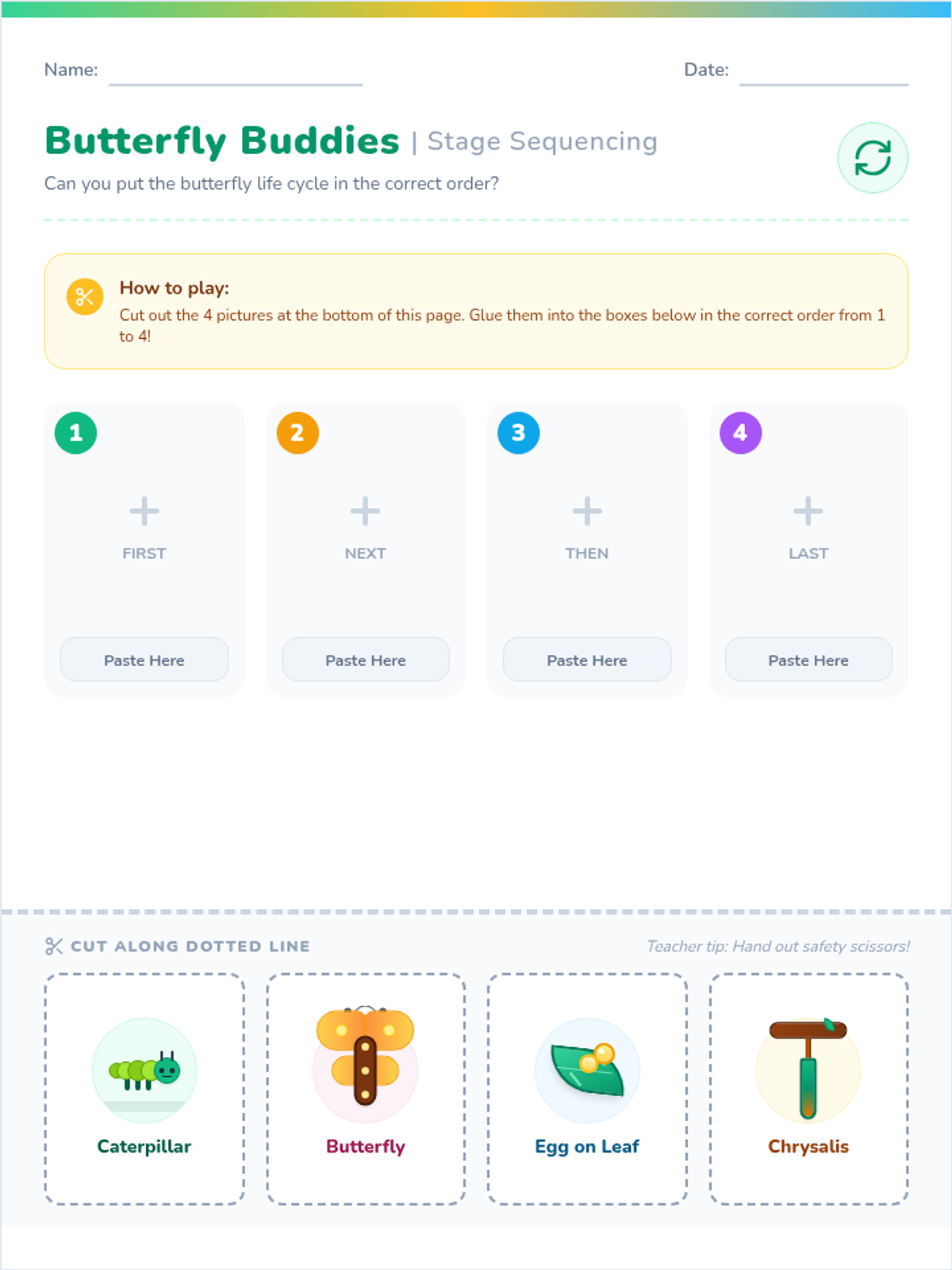
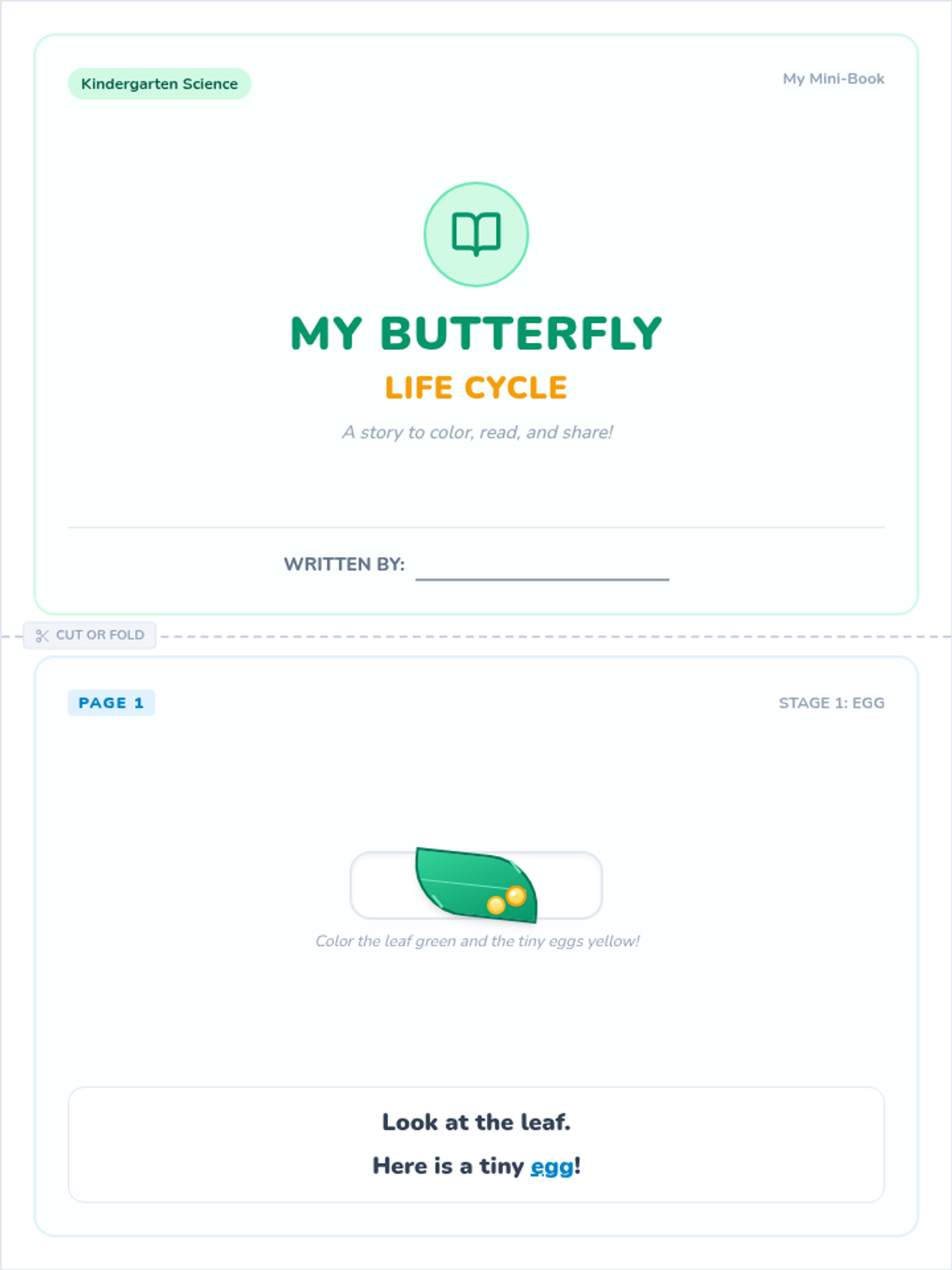
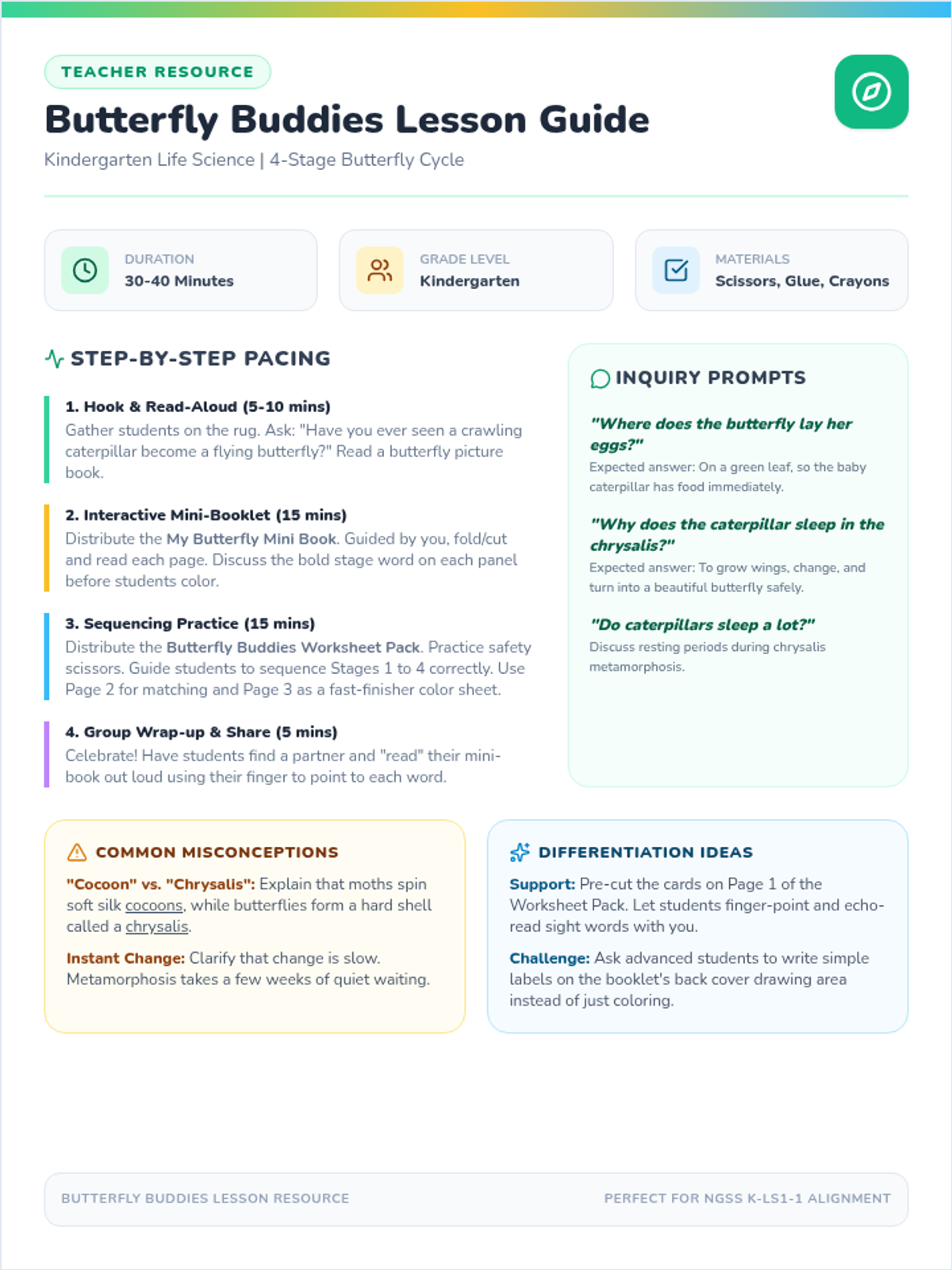
A friendly, hands-on kindergarten lesson exploring the four stages of a butterfly's life cycle: egg, caterpillar, chrysalis, and butterfly. Students learn through sequencing, labeling, coloring, and reading a foldable mini-booklet.
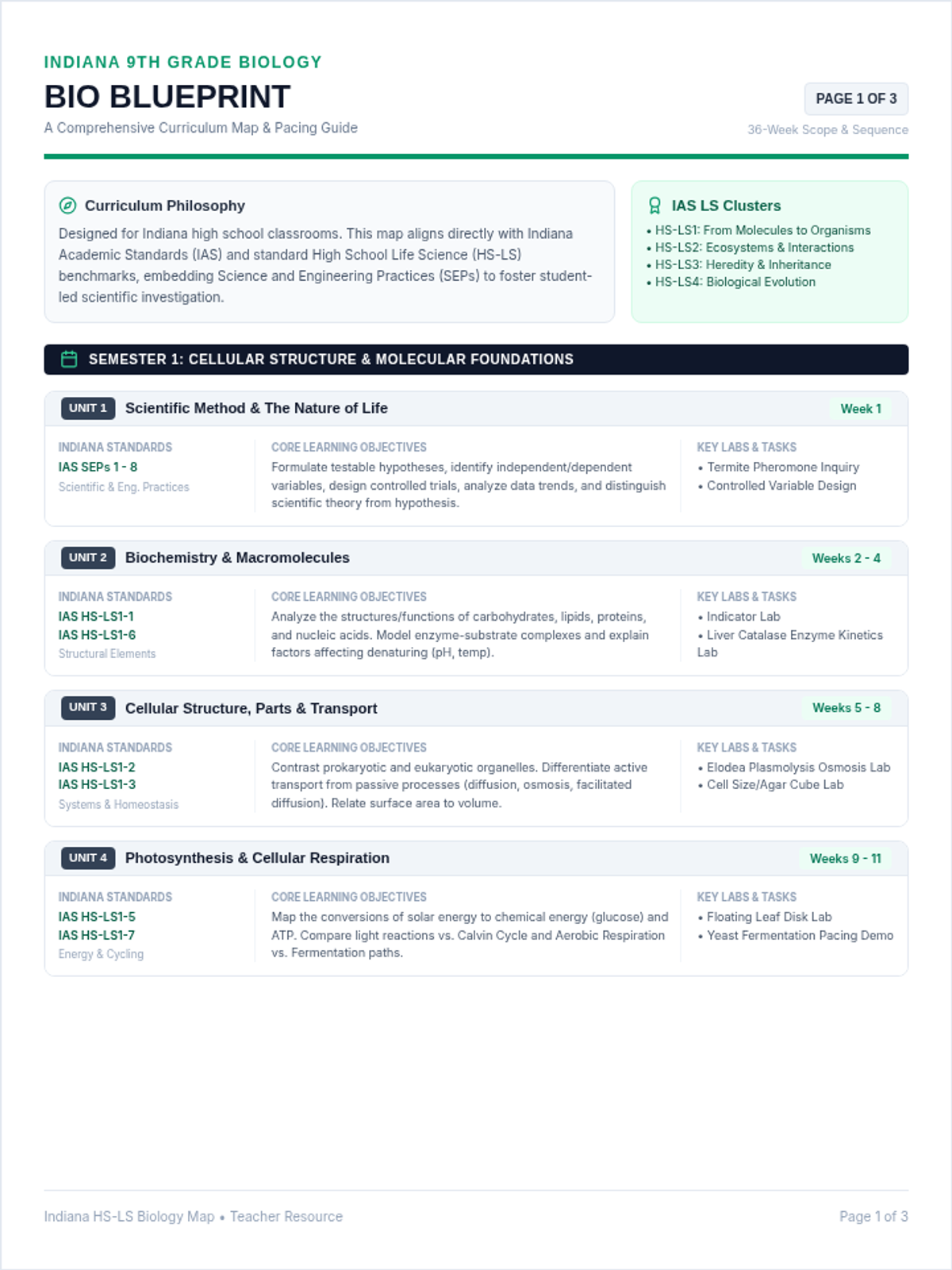
High-level curriculum planning resources, alignment maps, and pacing guides for teaching Indiana 9th-grade Biology.
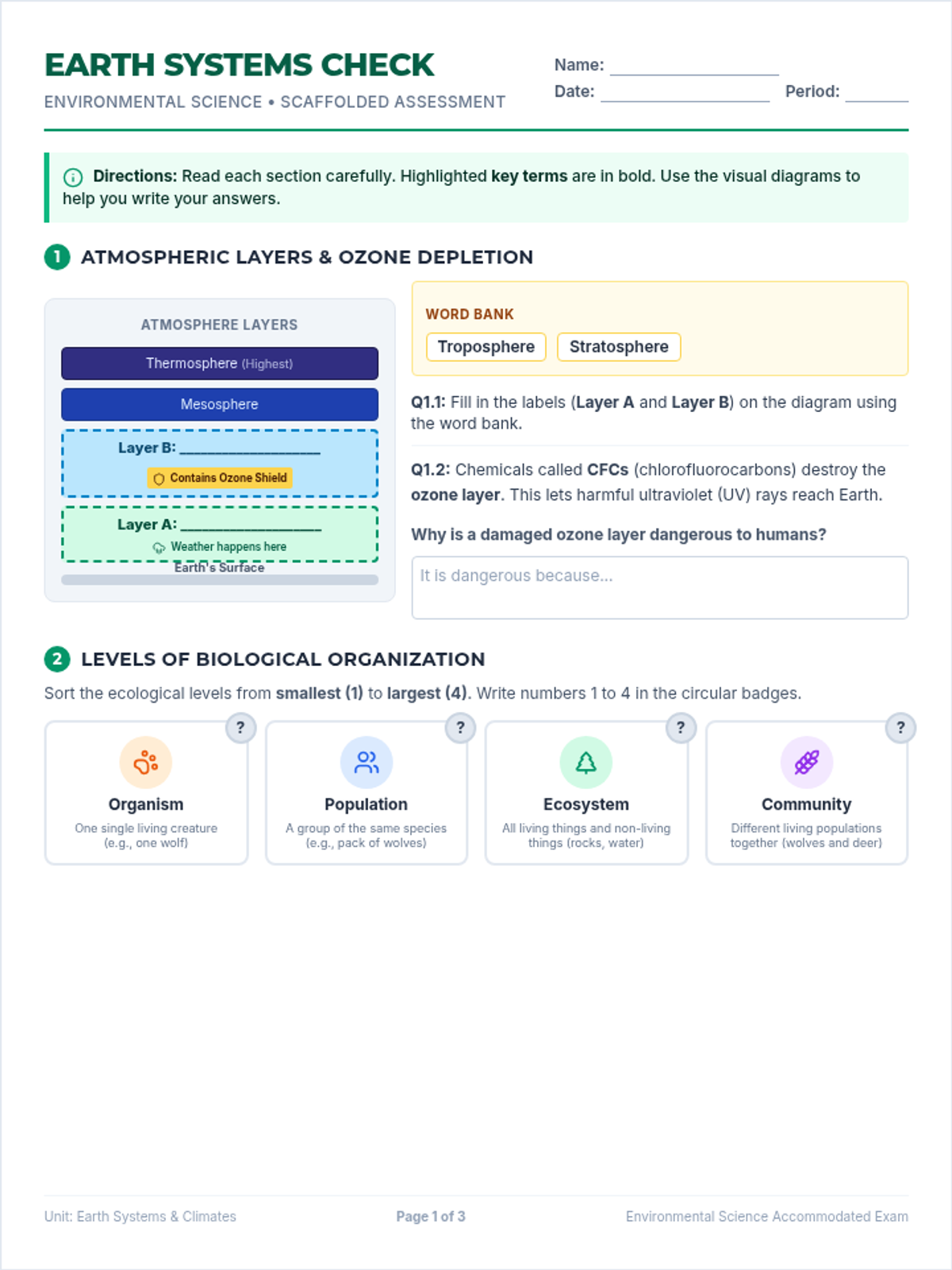
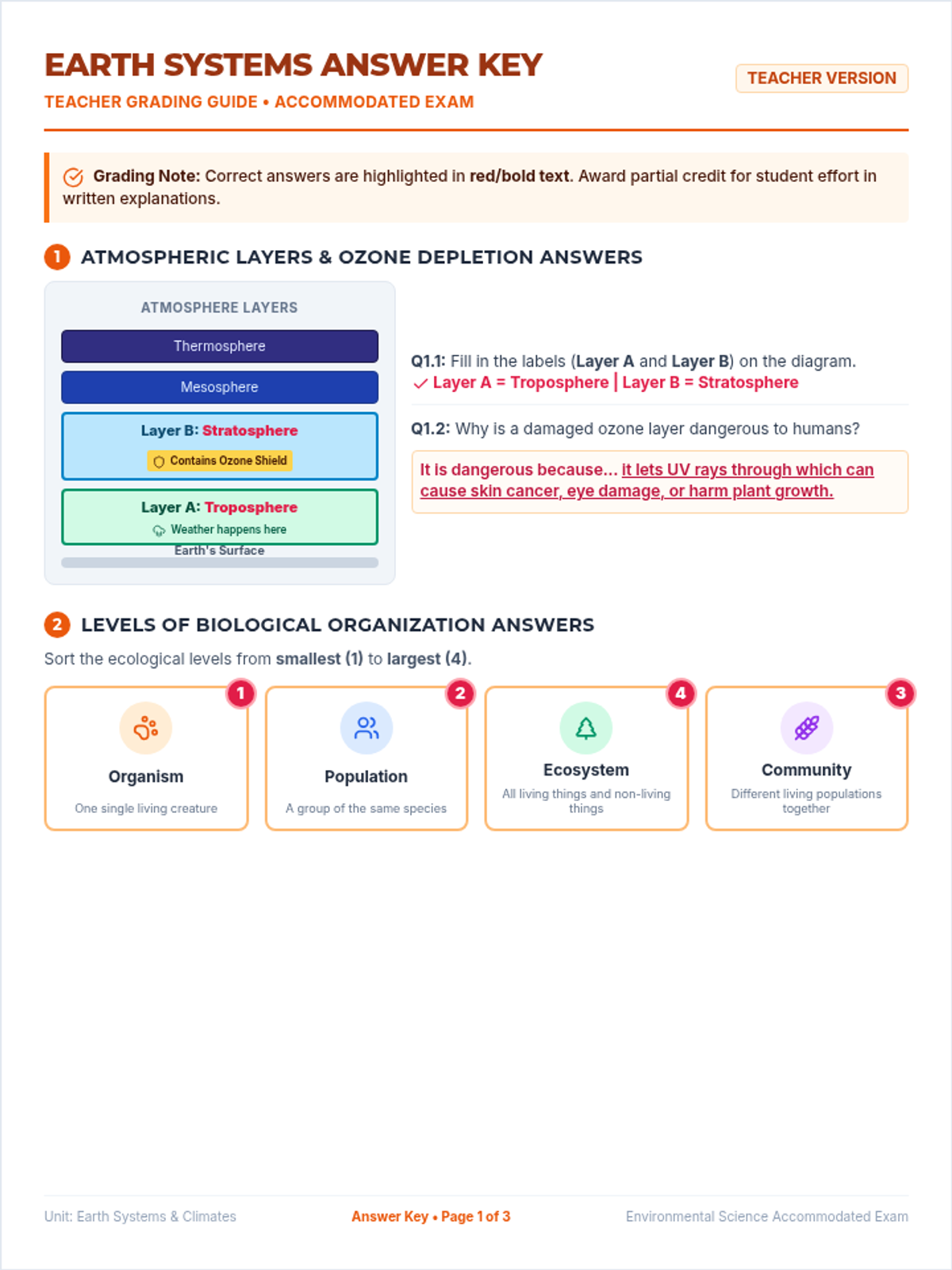
A highly visual, scaffolded assessment and corresponding answer key covering atmospheric layers, resource classification, carbon footprints, biological levels, trophic webs, ice proxies, and photosynthesis.
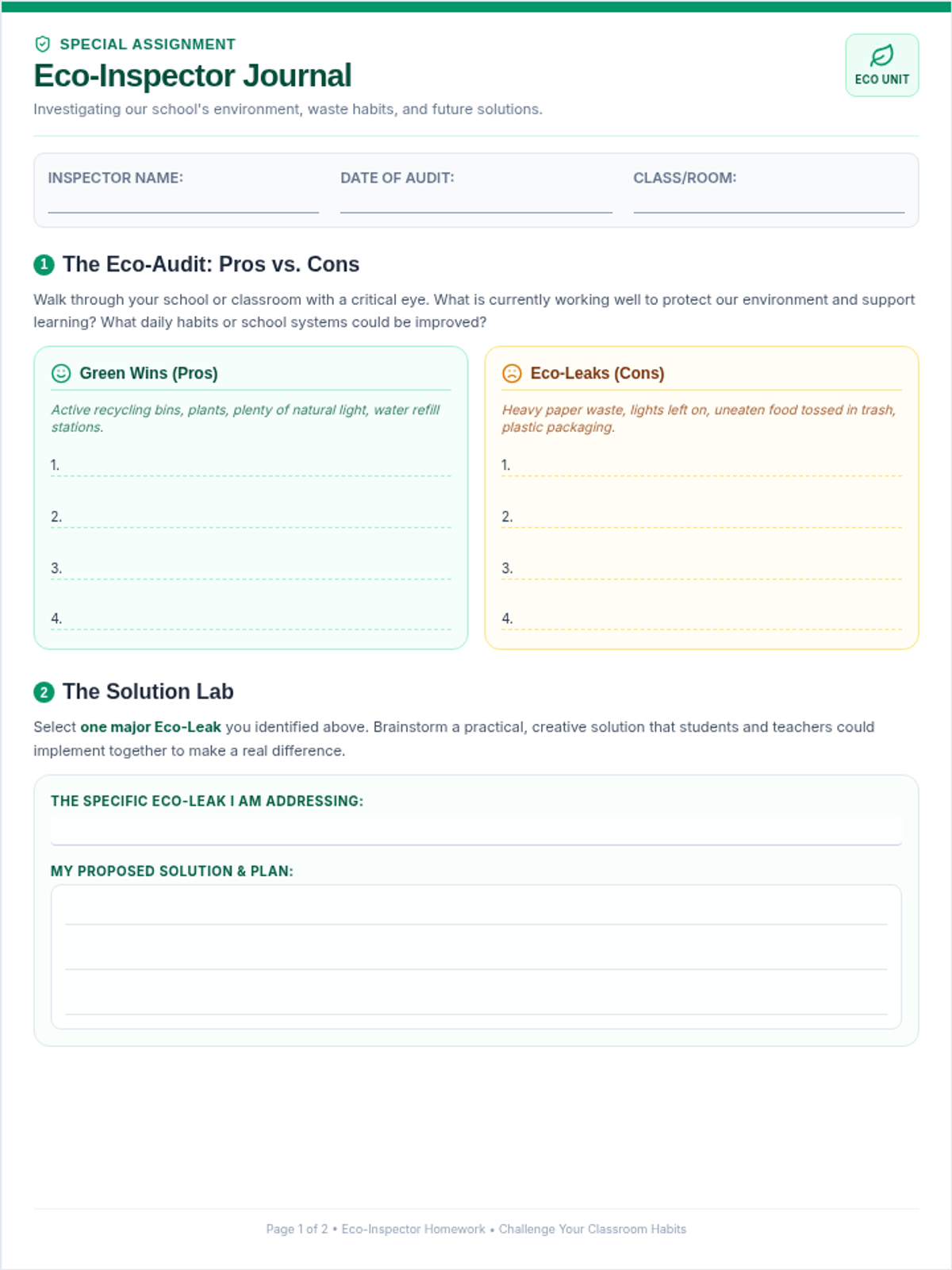
A homework-centered lesson where students investigate school environmental habits, conduct a mini-audit, and plan statistical data collection around waste and ecological impact.