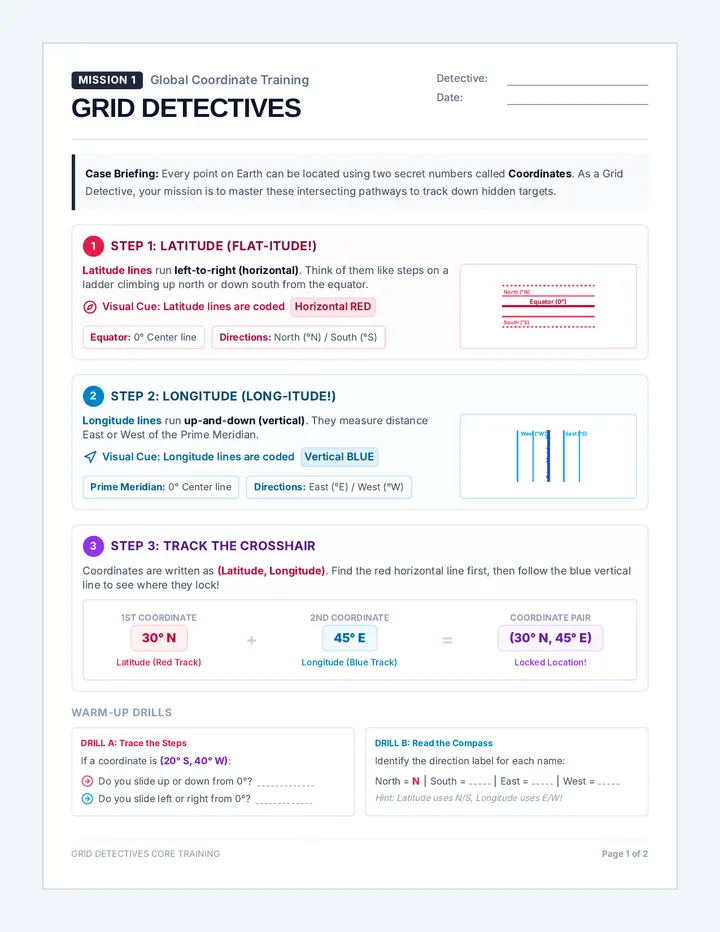
A hands-on geography lesson where 4th-5th graders master the difference between absolute and relative location through video analysis and a schoolyard scavenger hunt.
A unit assessment covering prominent African American leaders, their roles as agents of change, and the systemic barriers they worked to dismantle within their communities.
A collection of resources for an educational information booth about Peru at a cultural fair, including a fact sheet and interactive trivia cards.
A collection of reflective and creative activities for Memorial Day, including a poppy craft writing activity, a gratitude letter template, and acrostic poems to honor fallen heroes.
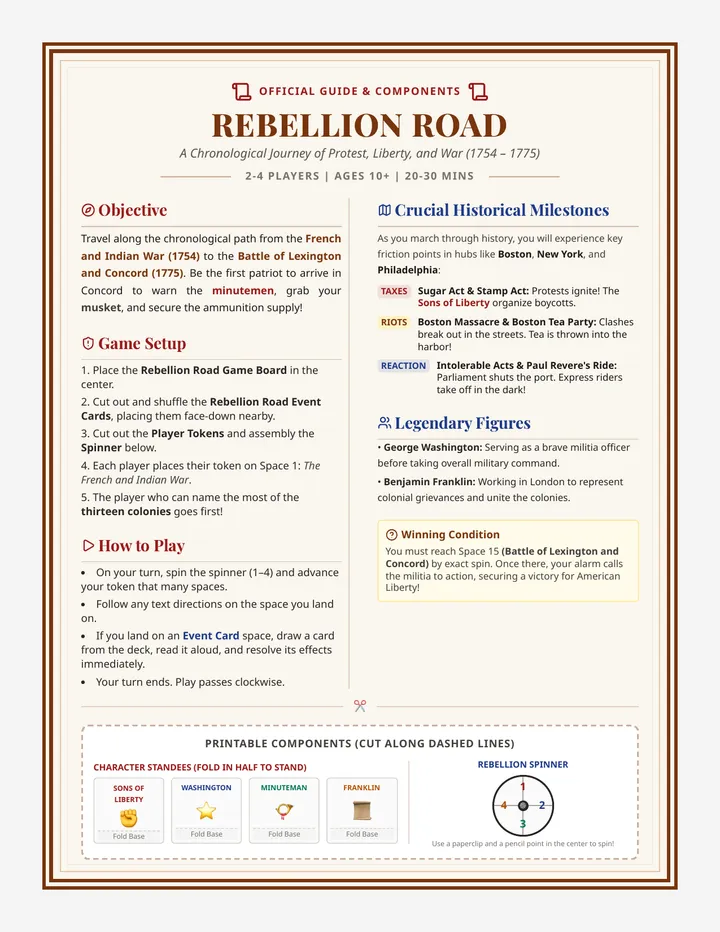
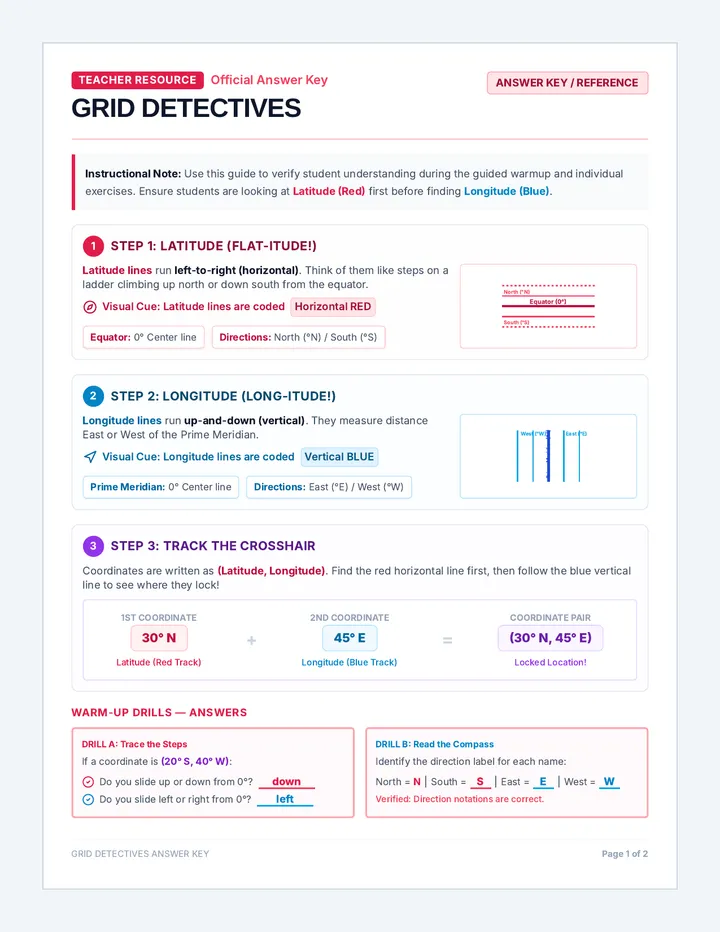
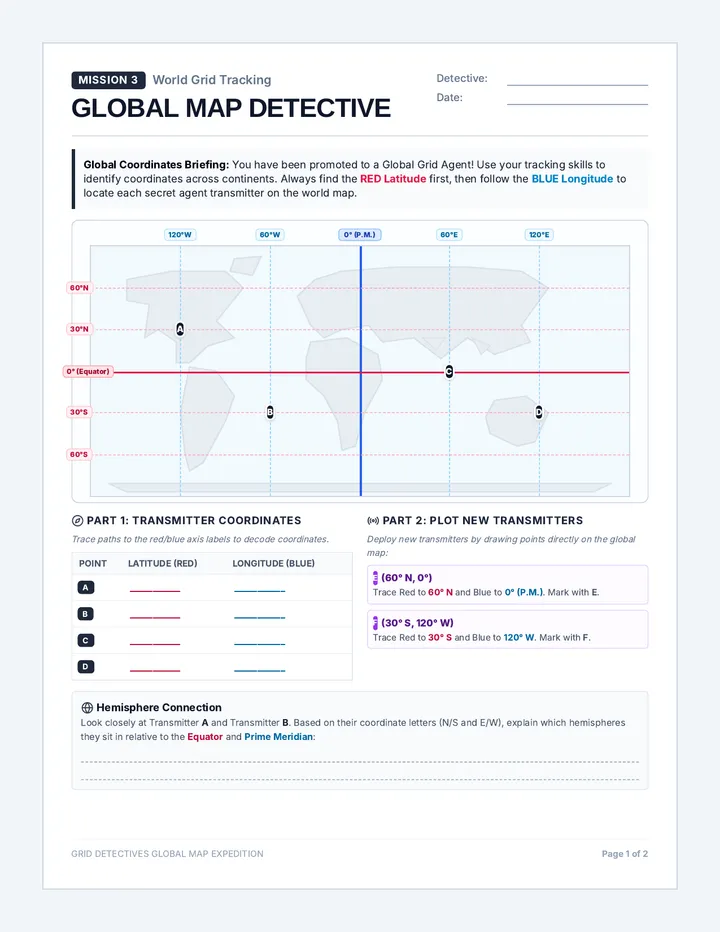
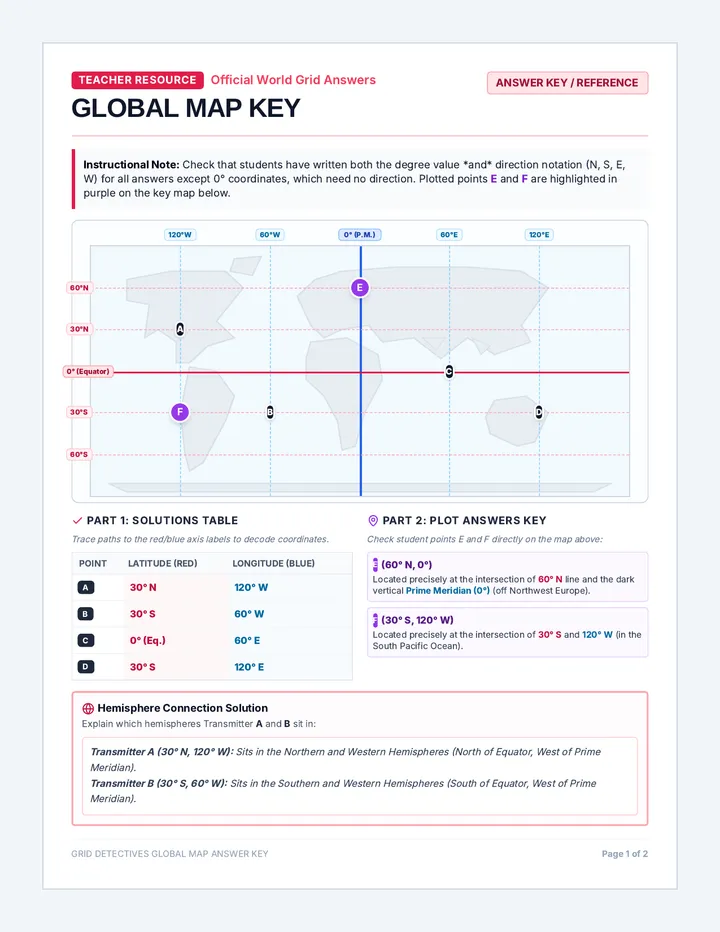
This lesson explores the Homestead Act of 1862 and the logistical realities of settling the American West, focusing on the grid system and survival challenges.
An introductory overview of all 50 states, focusing on visual identification, nomenclature, and basic facts.
A lesson introducing students to famous figures from Ohio and their contributions to history, science, and sports.
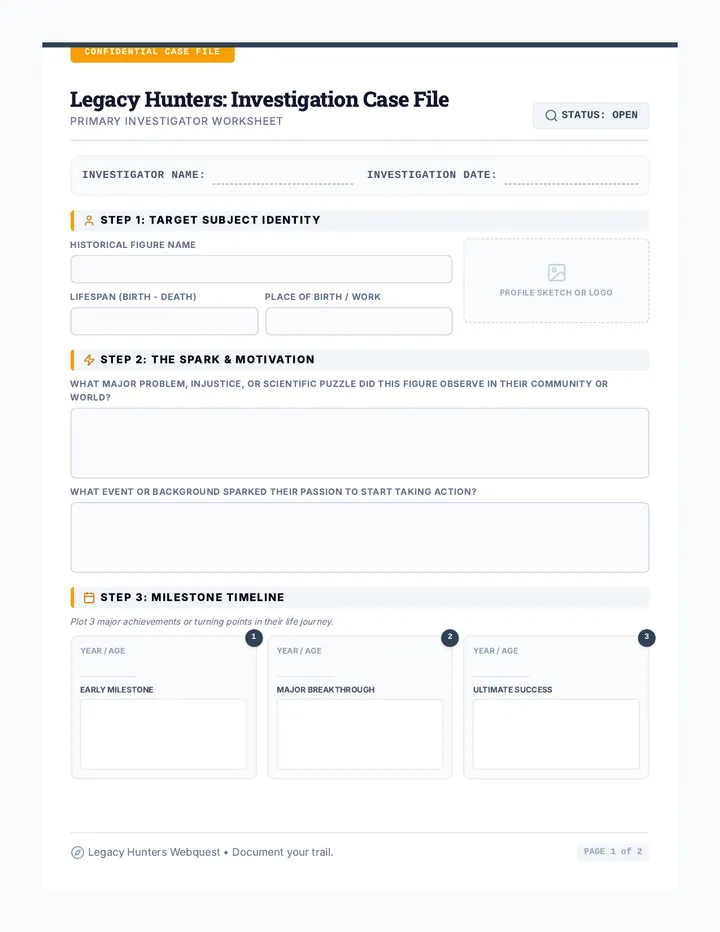
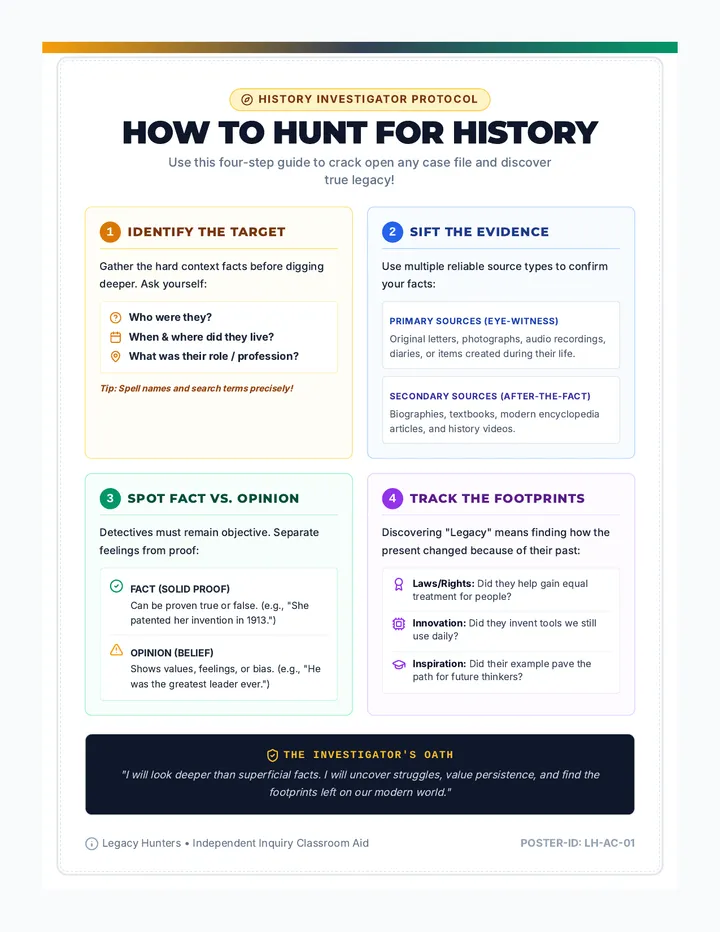
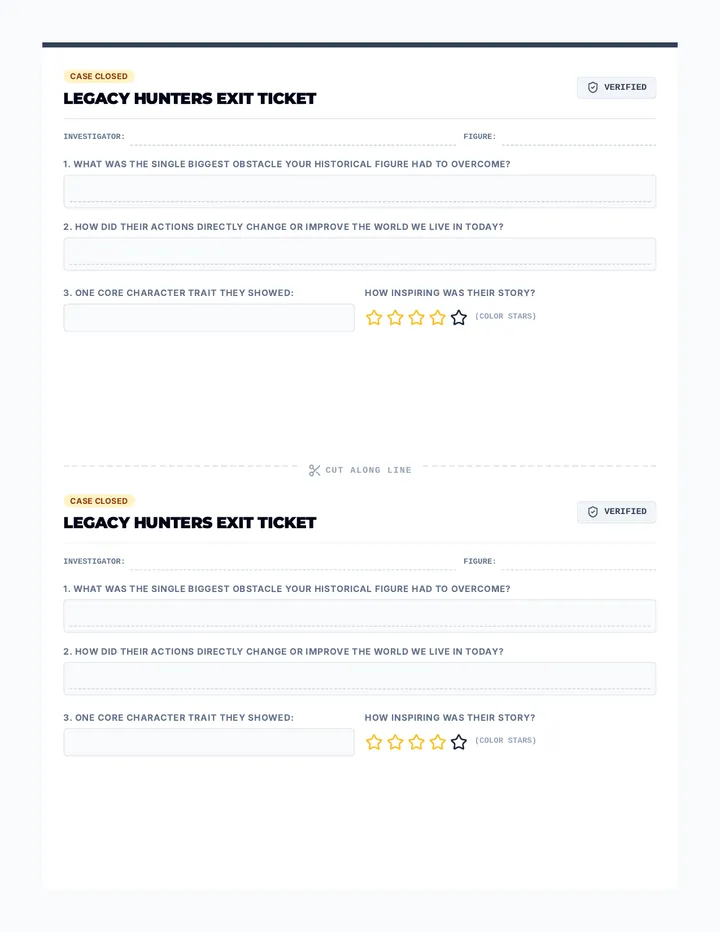
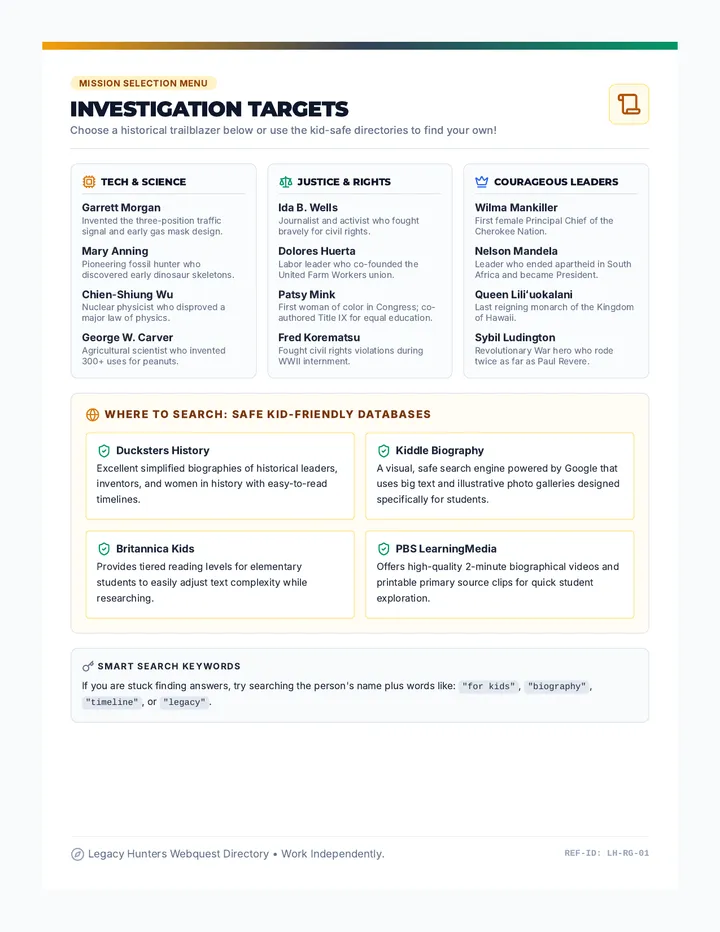
Students explore the complex legacy of Alexander the Great through a guided reading and evidence-based analysis of his actions as either a hero or a villain.
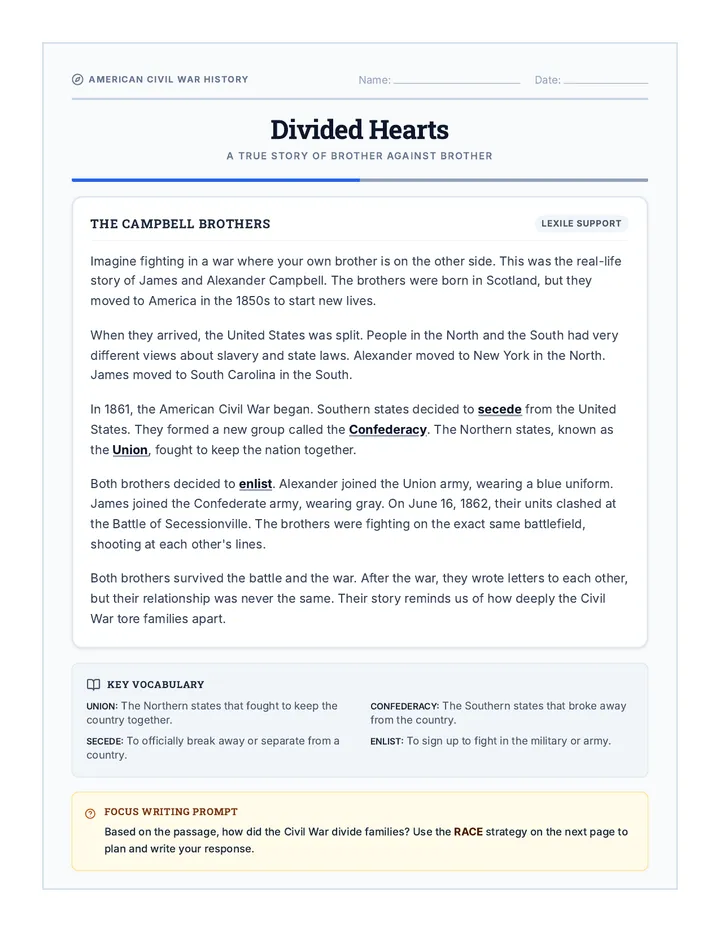
A deep dive into the underlying tensions that led to the American Civil War, focusing on slavery, sectionalism, and states' rights. Students research specific triggers and report their findings in a historical newspaper format.
This lesson explores the social and political transformations following the Creole Revolutions in Latin America, specifically designed with scaffolds for IEP students to express their understanding of new freedoms and government structures.
An introductory lesson to Ancient Greece for 4th graders, covering the unique geography of the Mediterranean, the origins of the Olympic Games, and the fascinating world of Greek Mythology.
Students conceptualize, design, and present a new nation, integrating knowledge of political science, physical geography, and sociology.
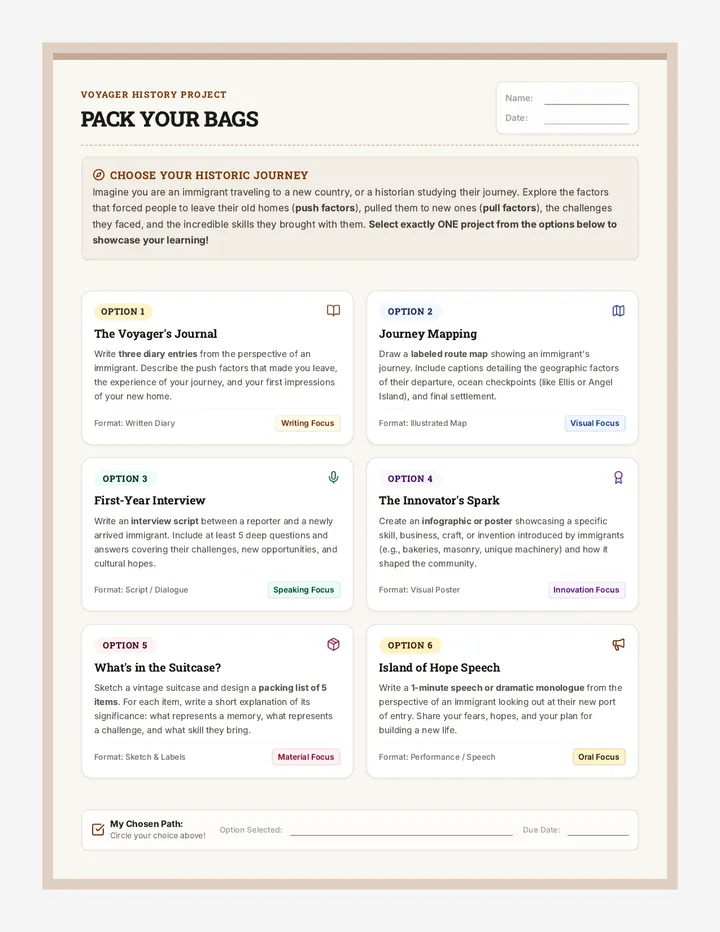
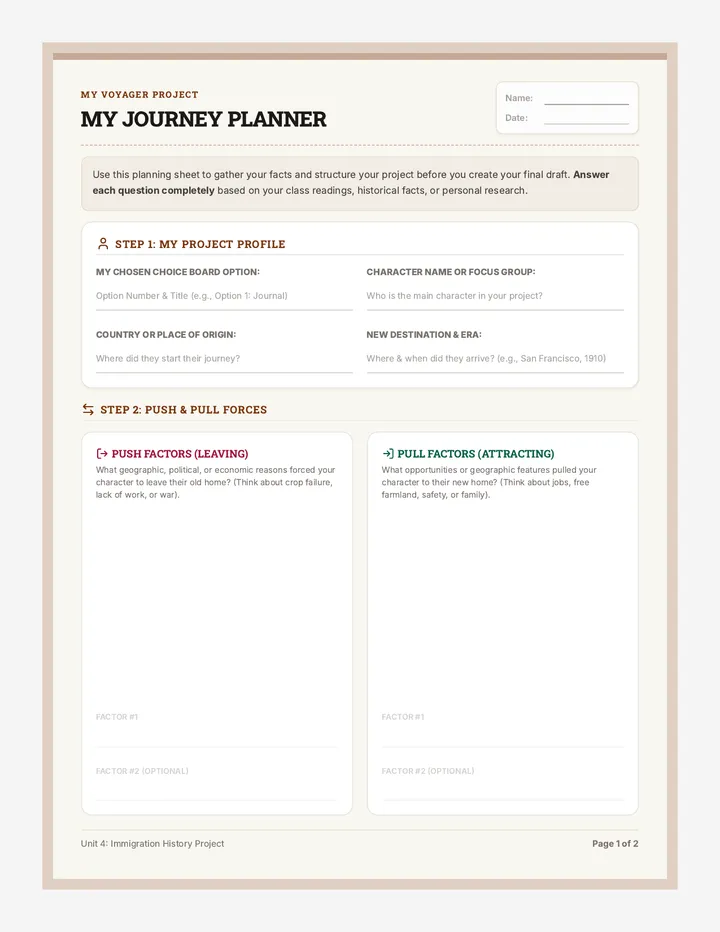
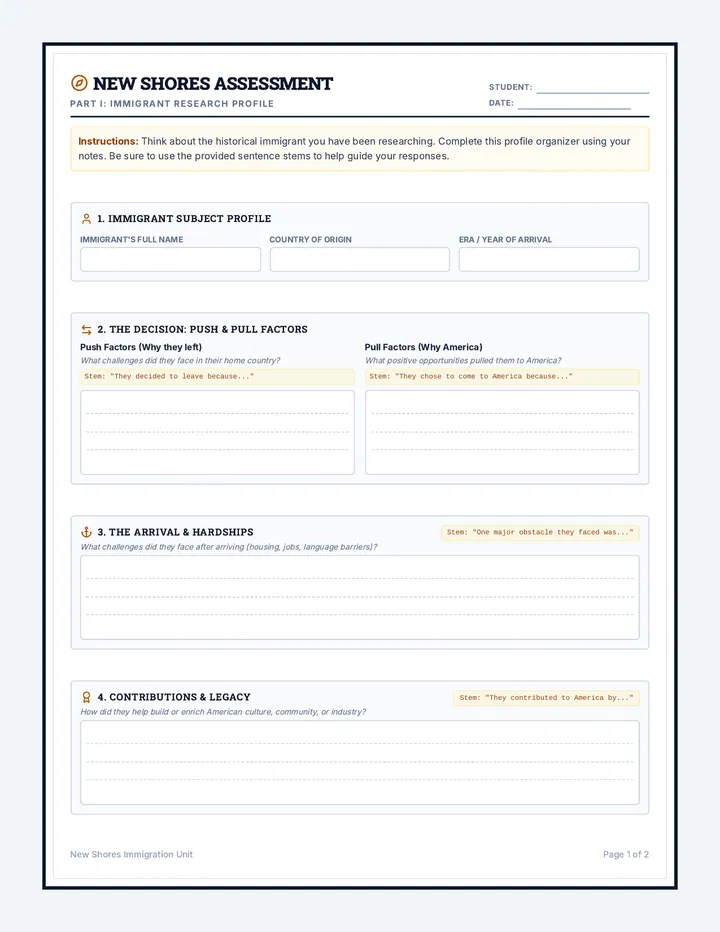
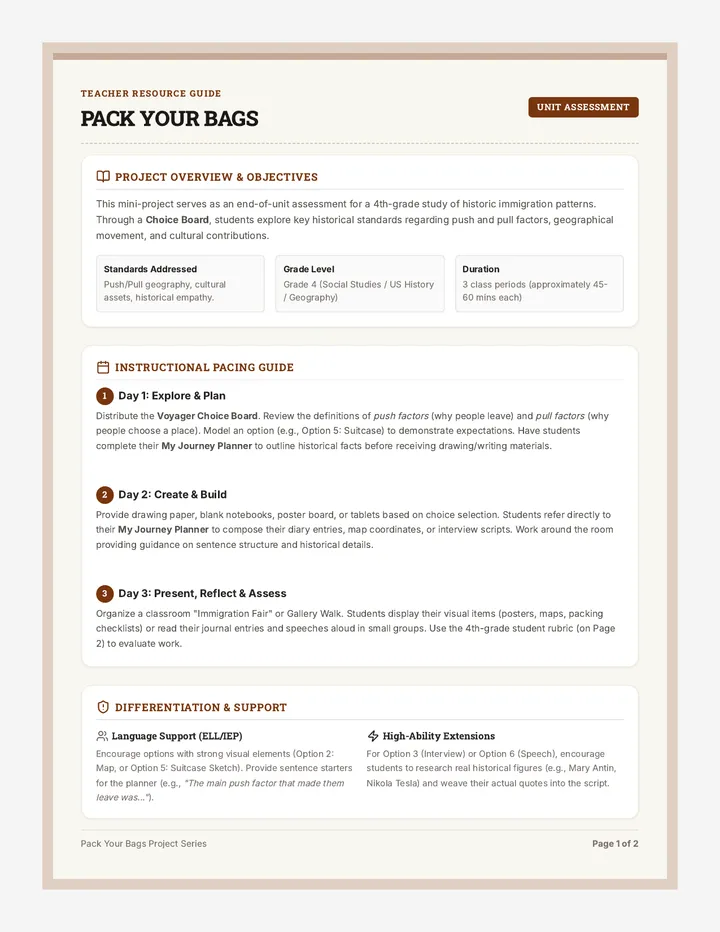
A substitute-ready lesson focusing on the emotional and practical aspects of immigration, where students decide what five essential items they would pack in a single suitcase.
A lesson exploring the impact of Harriet Beecher Stowe's novel 'Uncle Tom's Cabin' on the abolitionist movement, designed for 3rd-4th grade students.
A lesson focused on evaluating the Louisiana Purchase through a short speech. Students use primary source facts to build a claim, support it with reasons, and present their perspective on the 1803 land deal.
A high-energy lesson on cryptography and the history of the Enigma machine, designed to motivate students before the WYTOPP state assessment. Students learn about substitution ciphers and decode a secret message of encouragement.
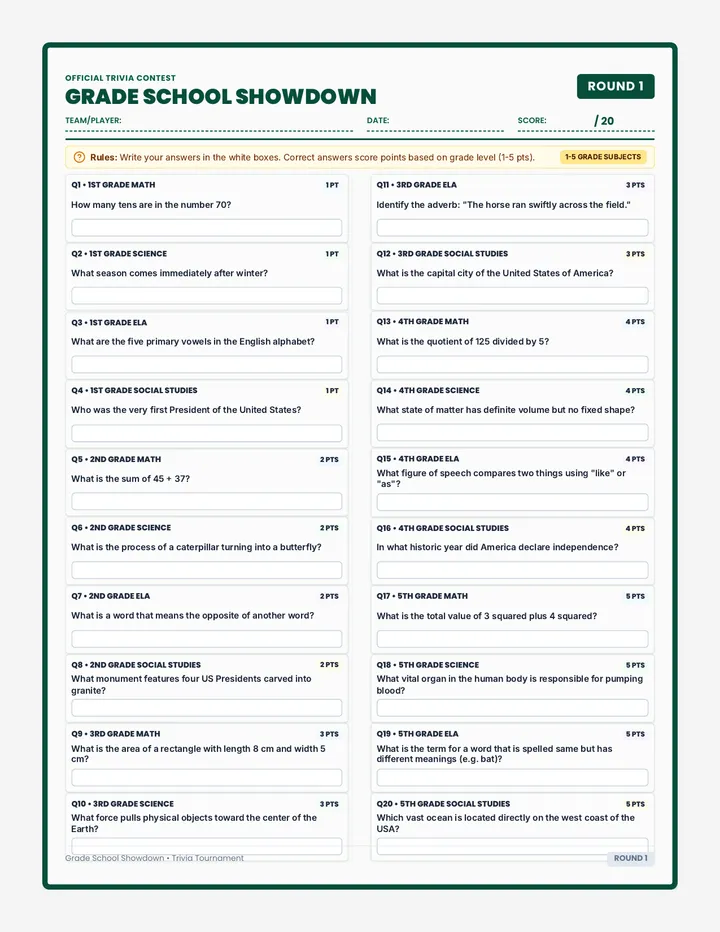
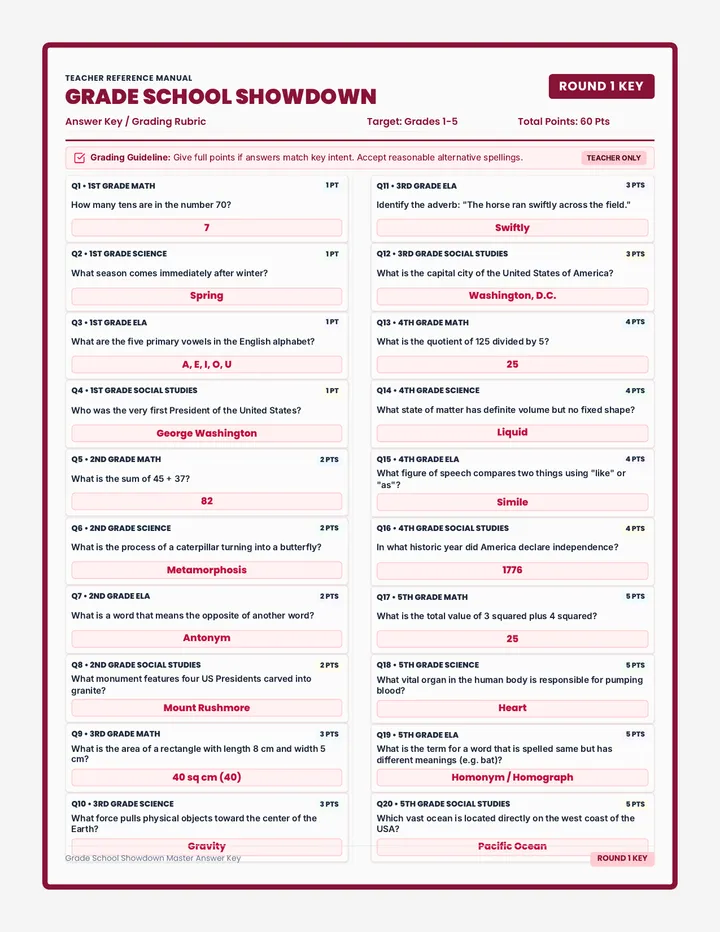
An immersive simulation where students experience the hardships and hopes of 19th-century westward expansion through first-person narrative writing and historical analysis.
A comprehensive review of the foundational documents that shaped Early America, including the Declaration of Independence, the Preamble, and the US Constitution.
A history and technology lesson for 8-year-olds exploring how daily life has transformed through technological advancement, featuring visual comparisons and differentiated tasks for EAL learners.
A multi-day research project where students investigate the leaders of Indiana's three branches of government: the Governor, a local legislator, and the Chief Justice.
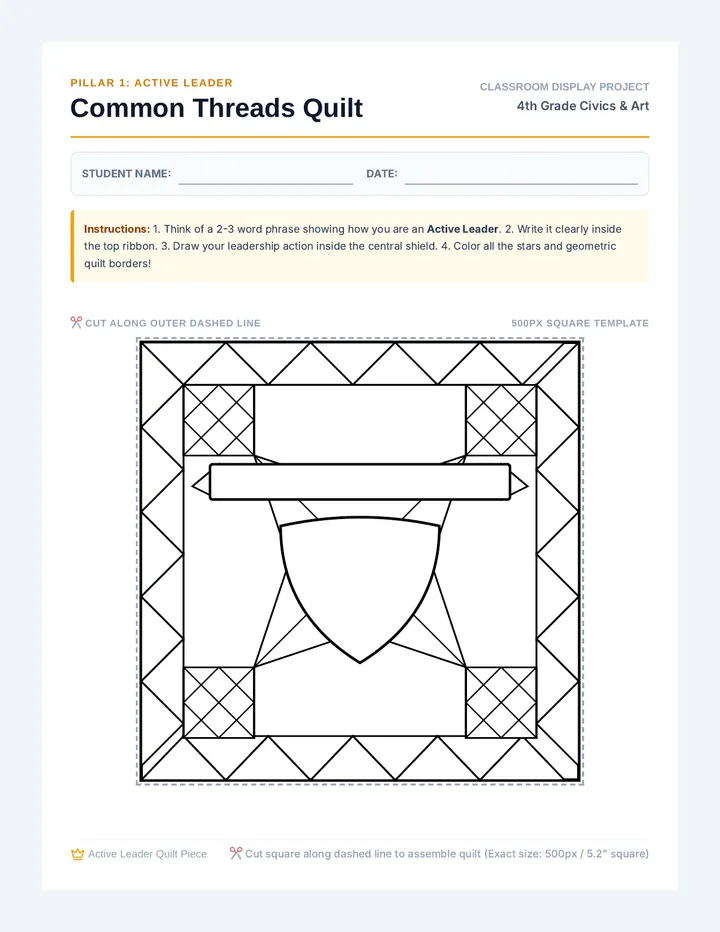
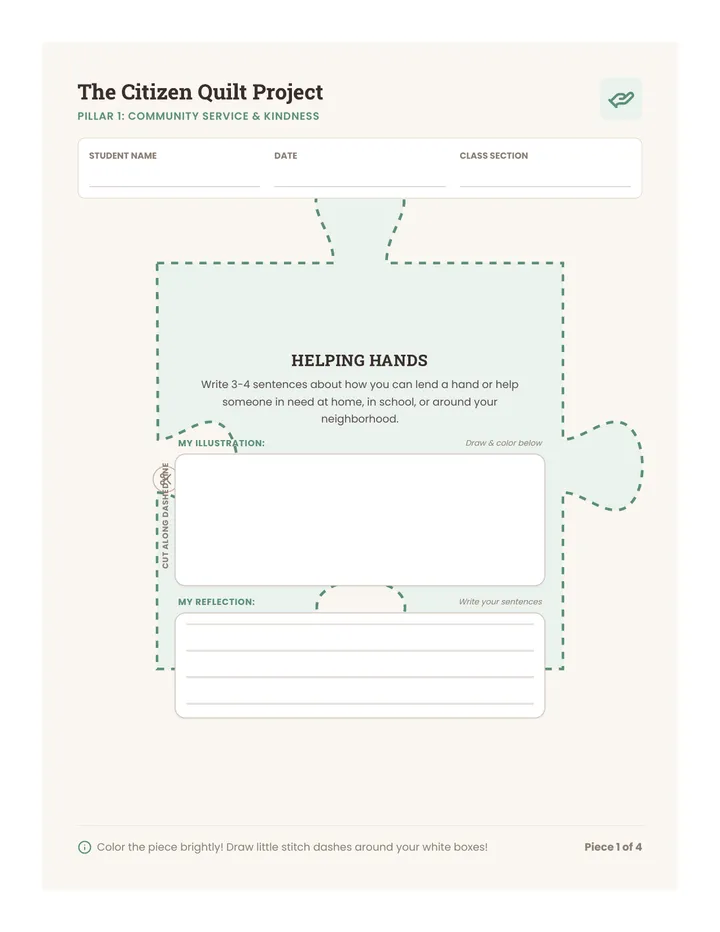
Focuses on school-wide impact where students design a service project to improve their school environment, culture, or community connection.
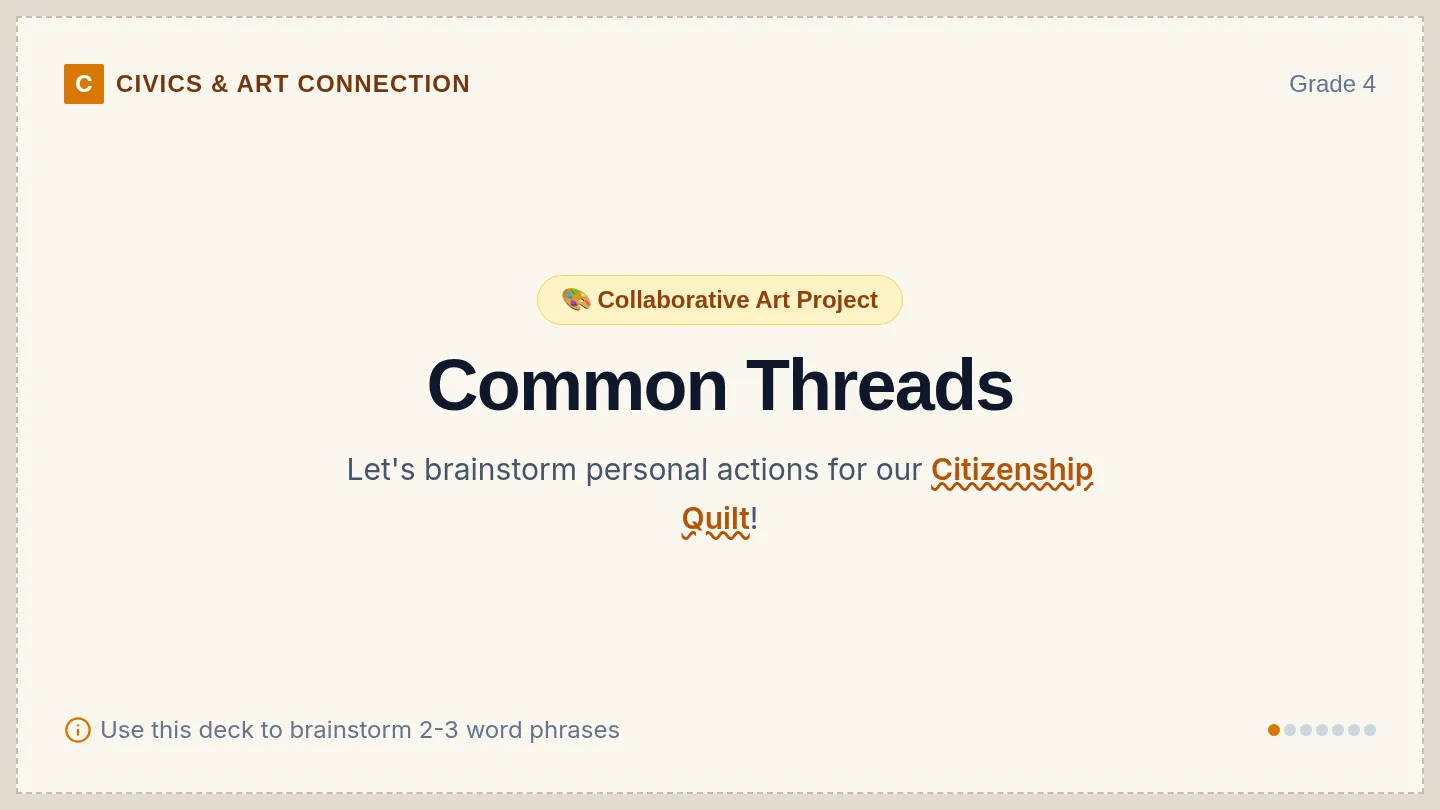
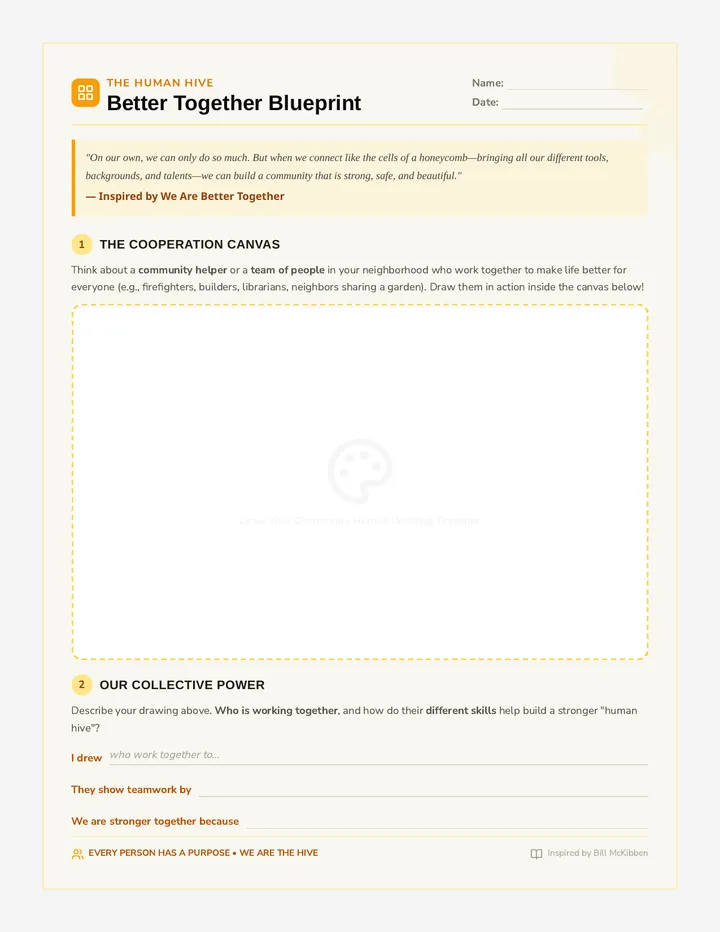
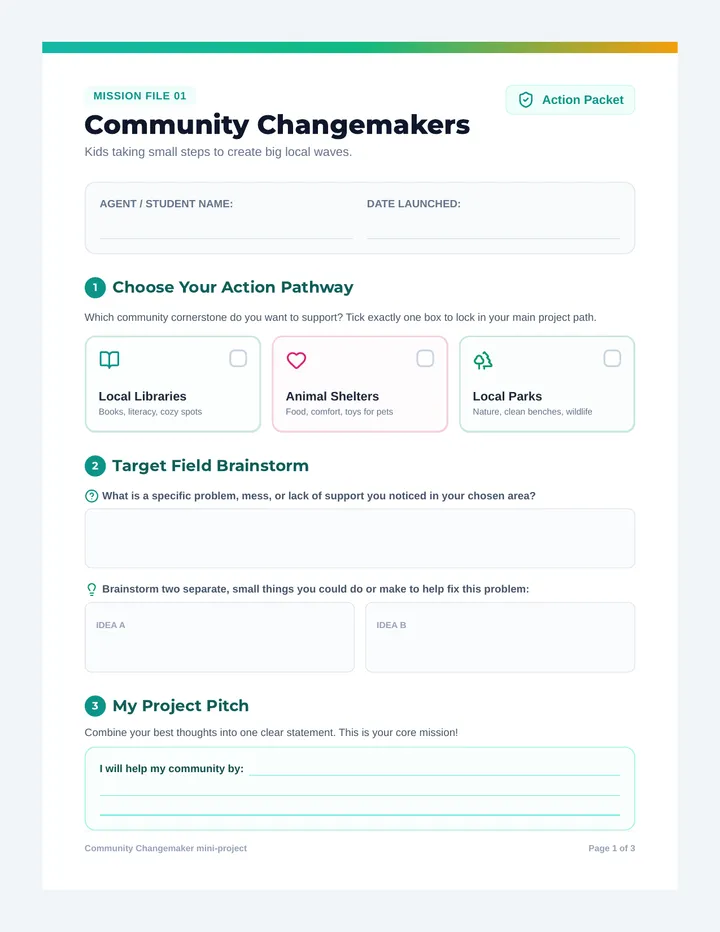
Students explore the concept of neighborhood impact by mapping local needs and brainstorming small, actionable steps to help their immediate community.