A lesson exploring the dual-perspective memoir of Caitlin and Martin, focusing on the start of their pen-pal relationship and the stark differences between their lives in America and Zimbabwe.
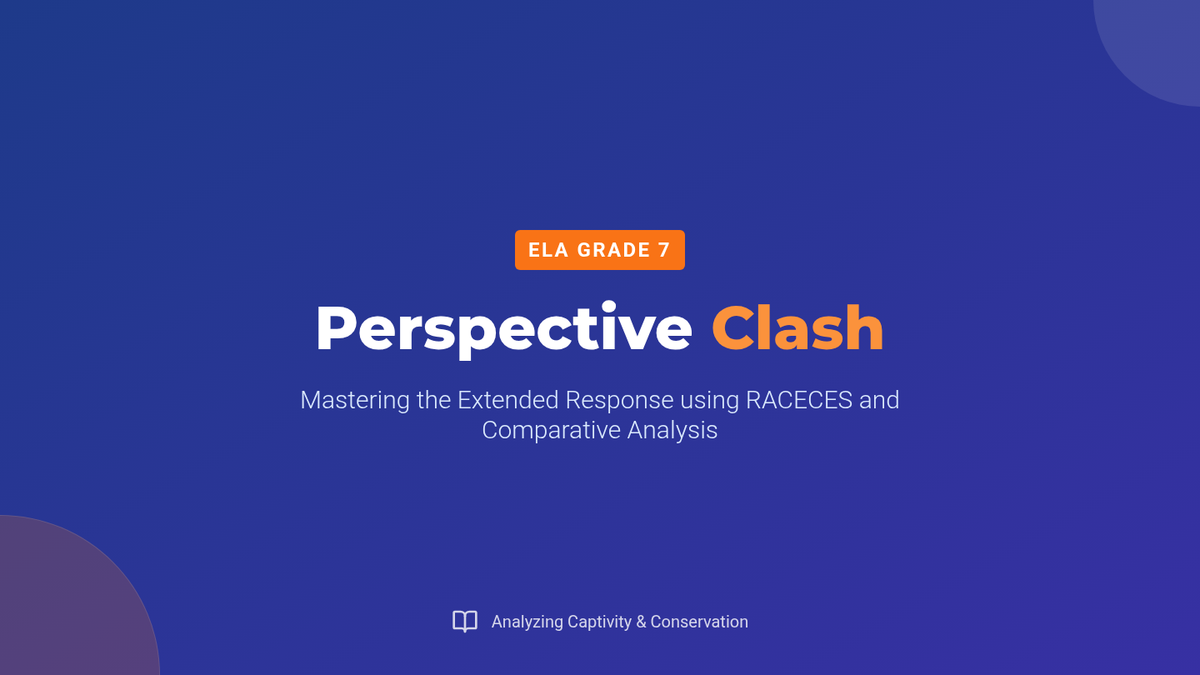
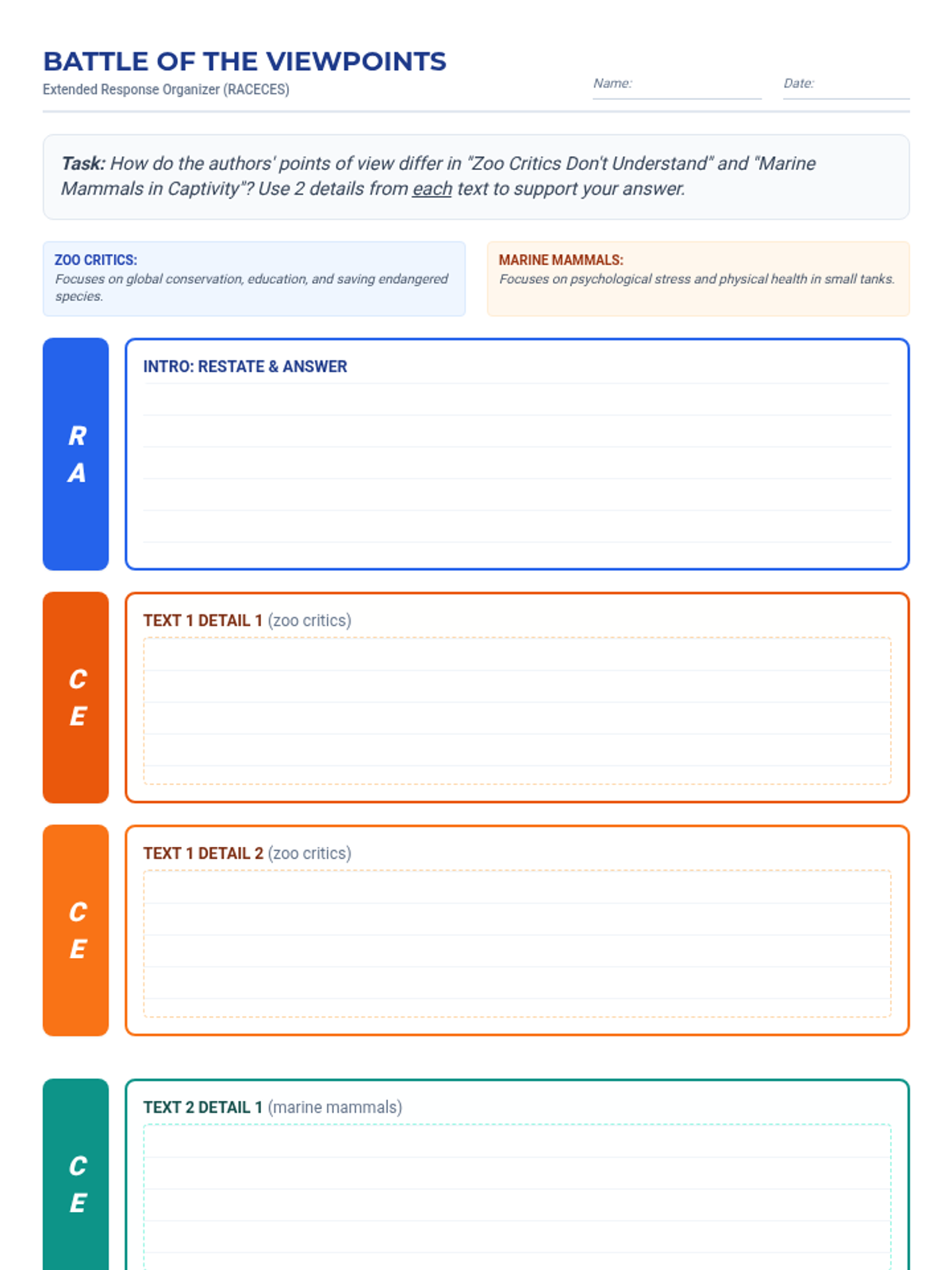
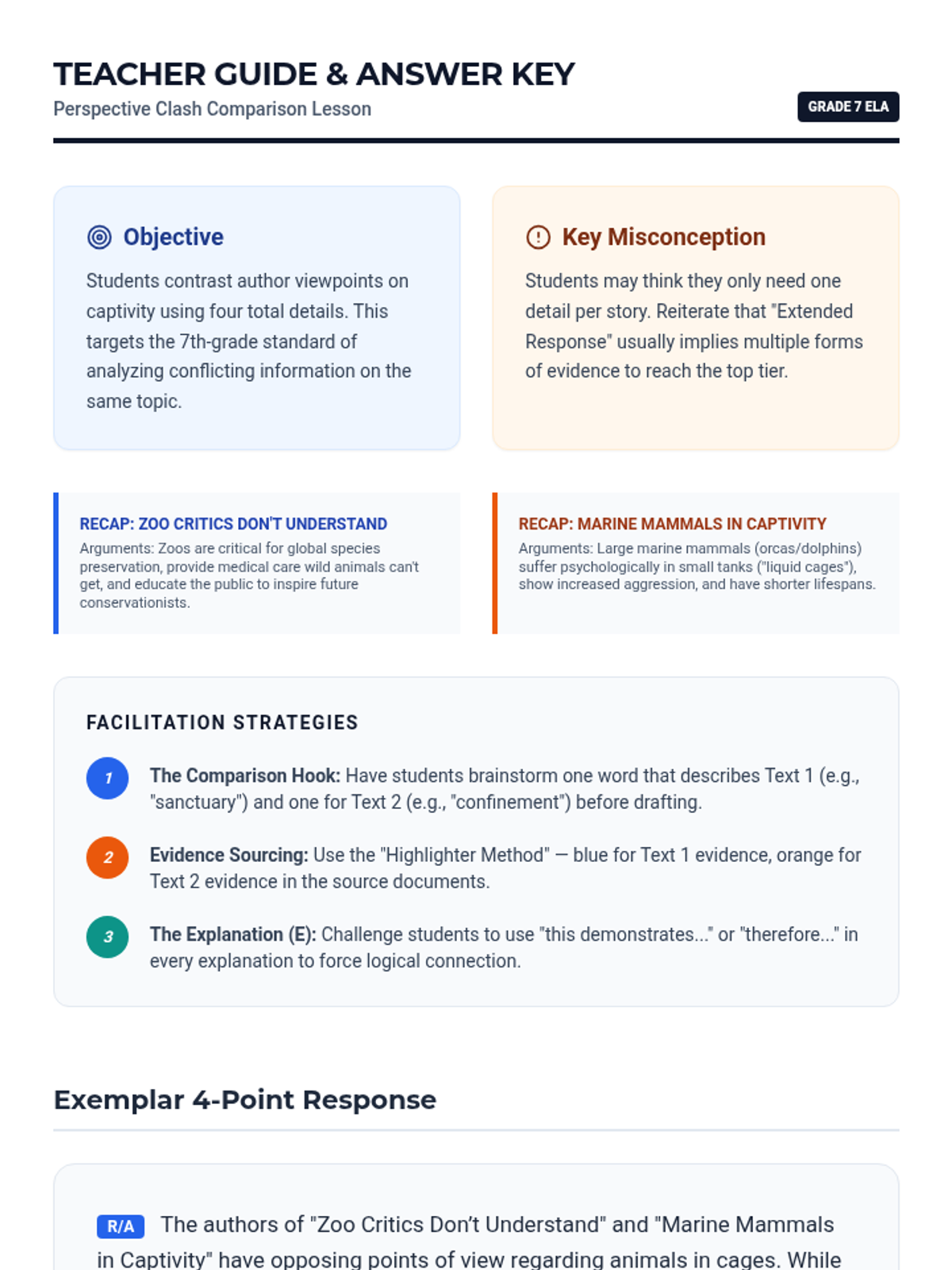
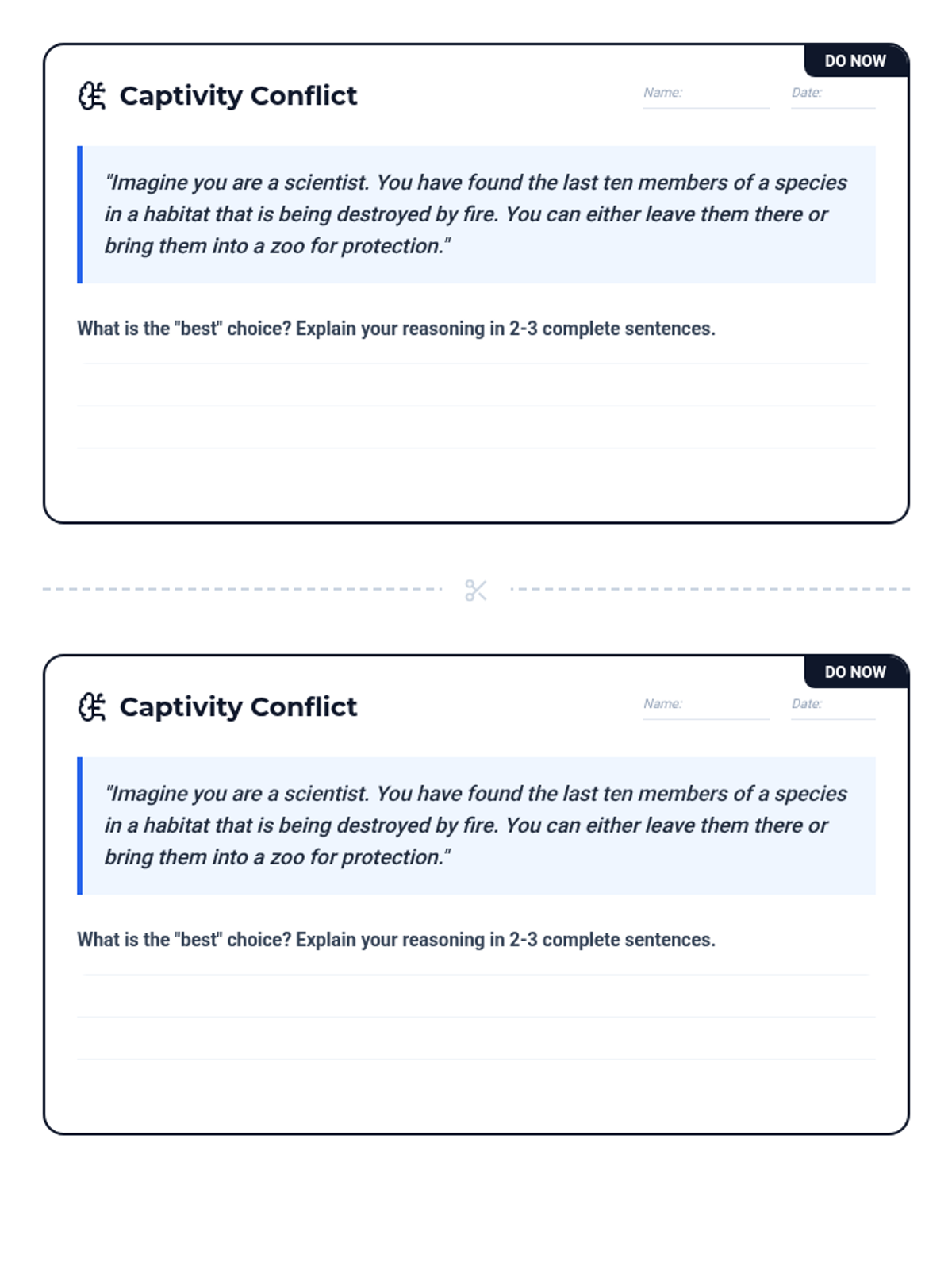
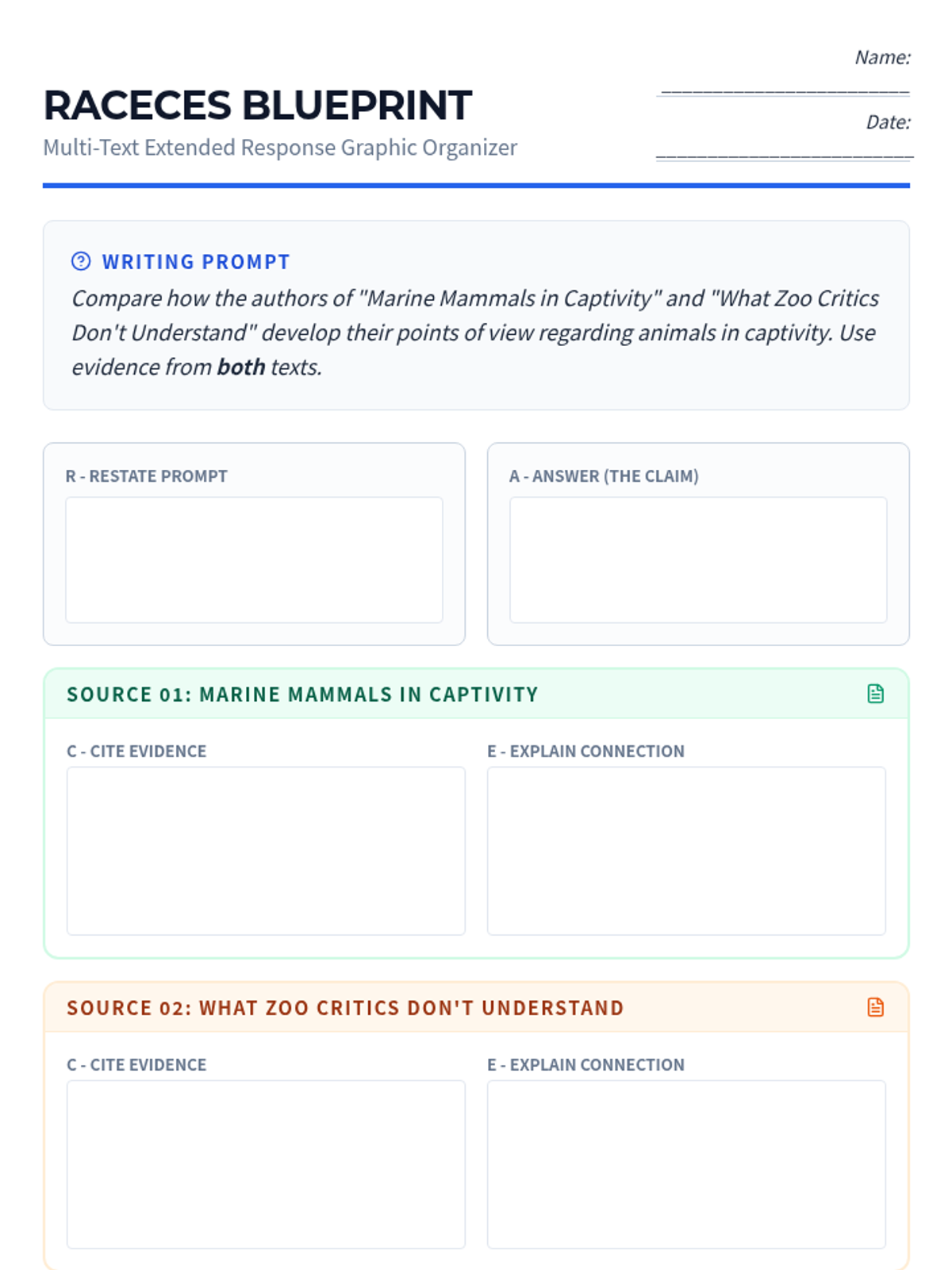
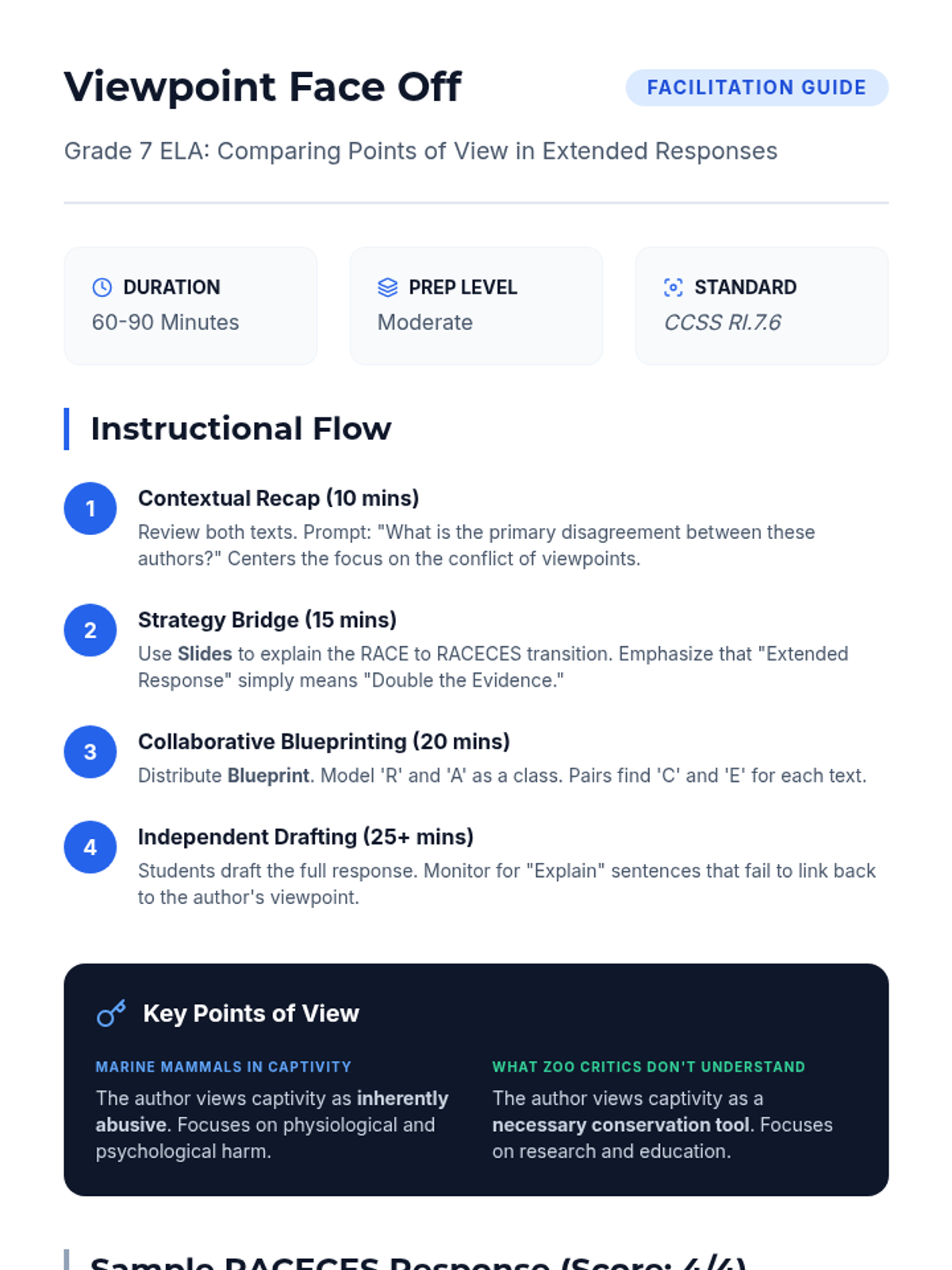
This lesson guides 7th-grade students through the process of writing an extended response that compares and contrasts the points of view of two authors. Students will utilize the RACECES strategy to structure their analysis of 'Zoo Critics Don't Understand' and 'Marine Mammals in Captivity.'
This lesson guides 7th-grade students through writing an extended response comparing authors' points of view in 'Marine Mammals in Captivity' and 'What Zoo Critics Don't Understand'. Students learn to expand their RACE skills into the RACECES format for multi-text analysis.
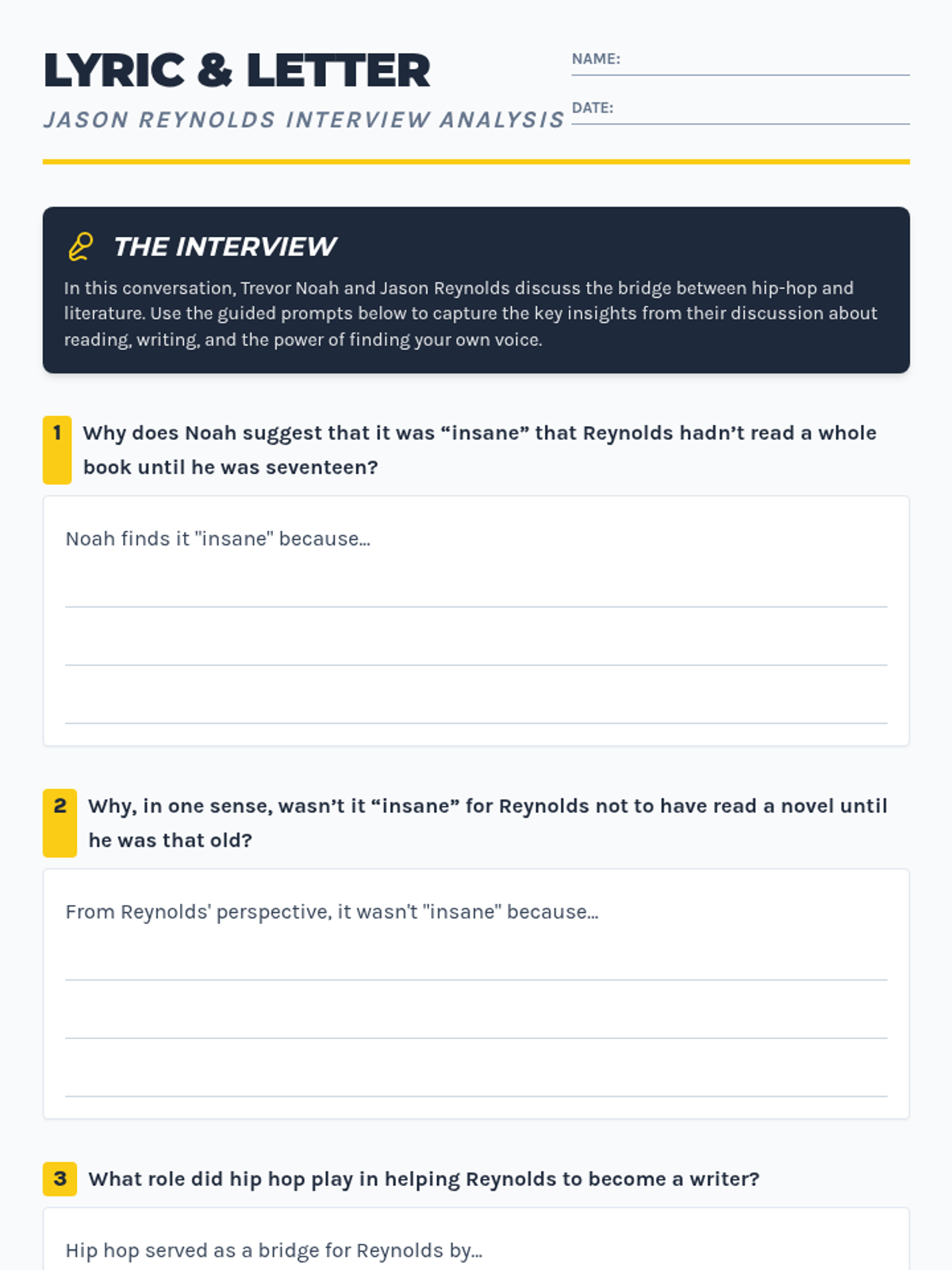
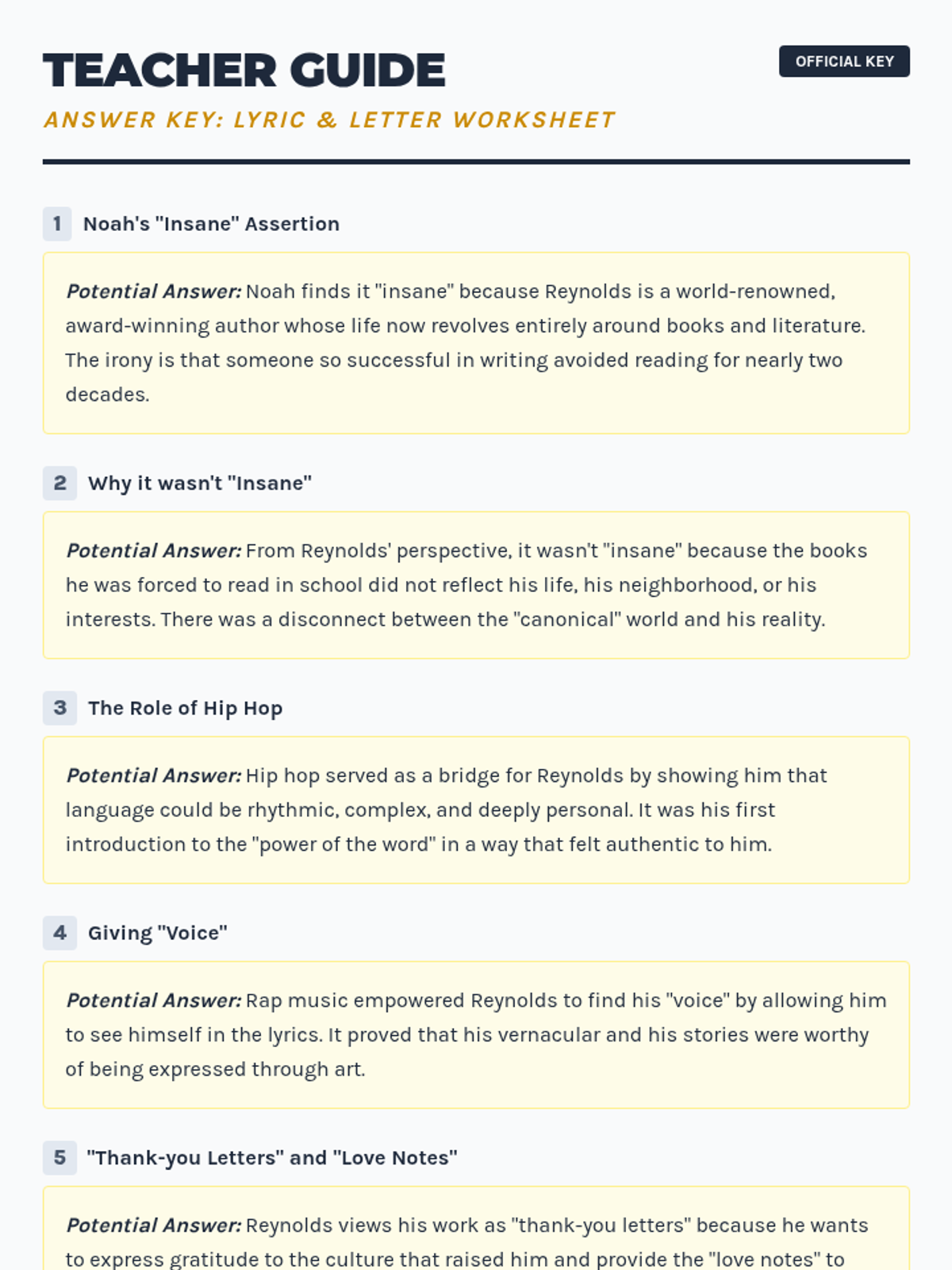
A lesson exploring the interview between Jason Reynolds and Trevor Noah, focusing on the connection between hip hop, literacy, and personal identity. Students will analyze how Reynolds' background influenced his path to becoming an author and the importance of finding one's 'voice' through words.
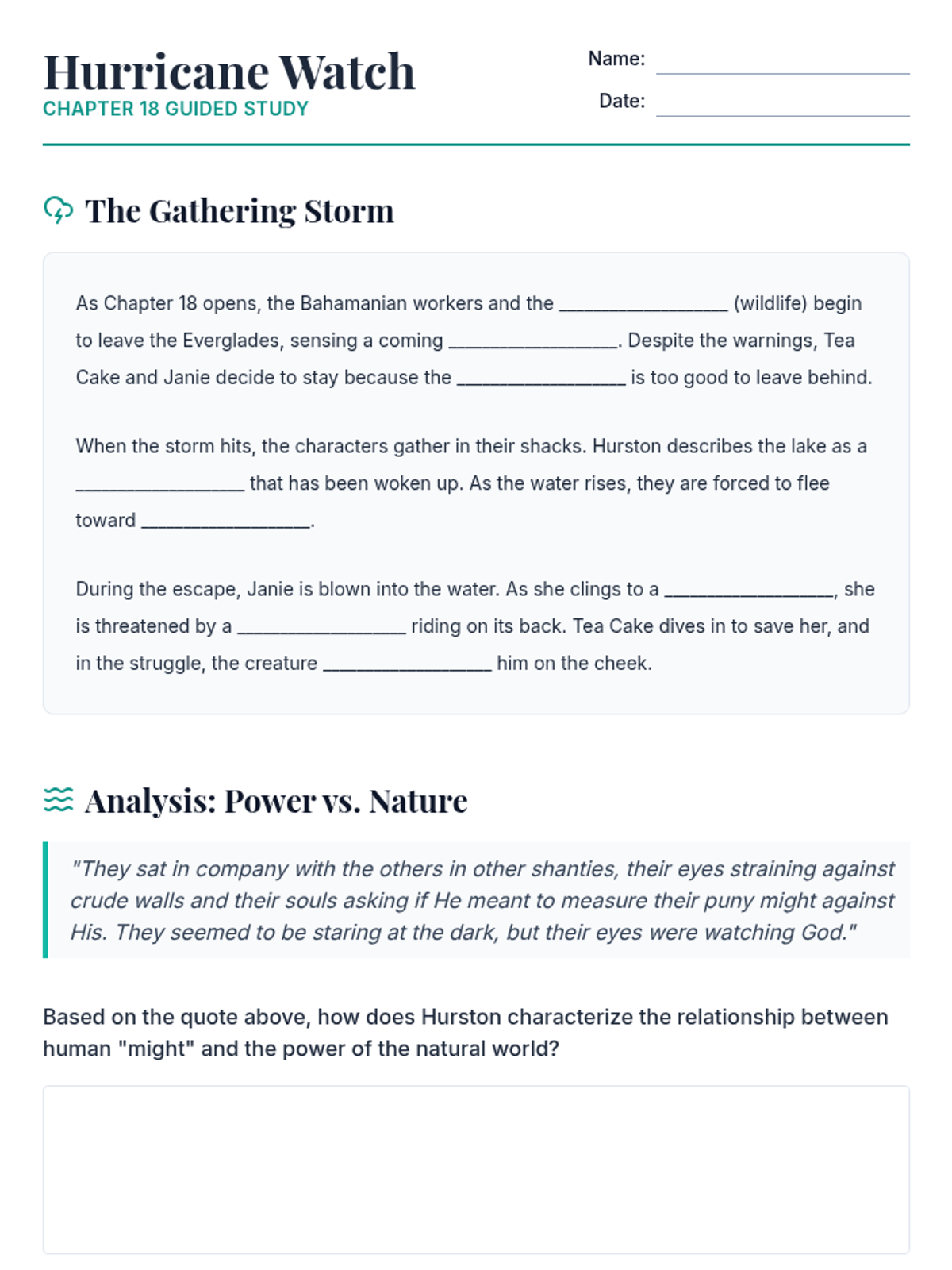
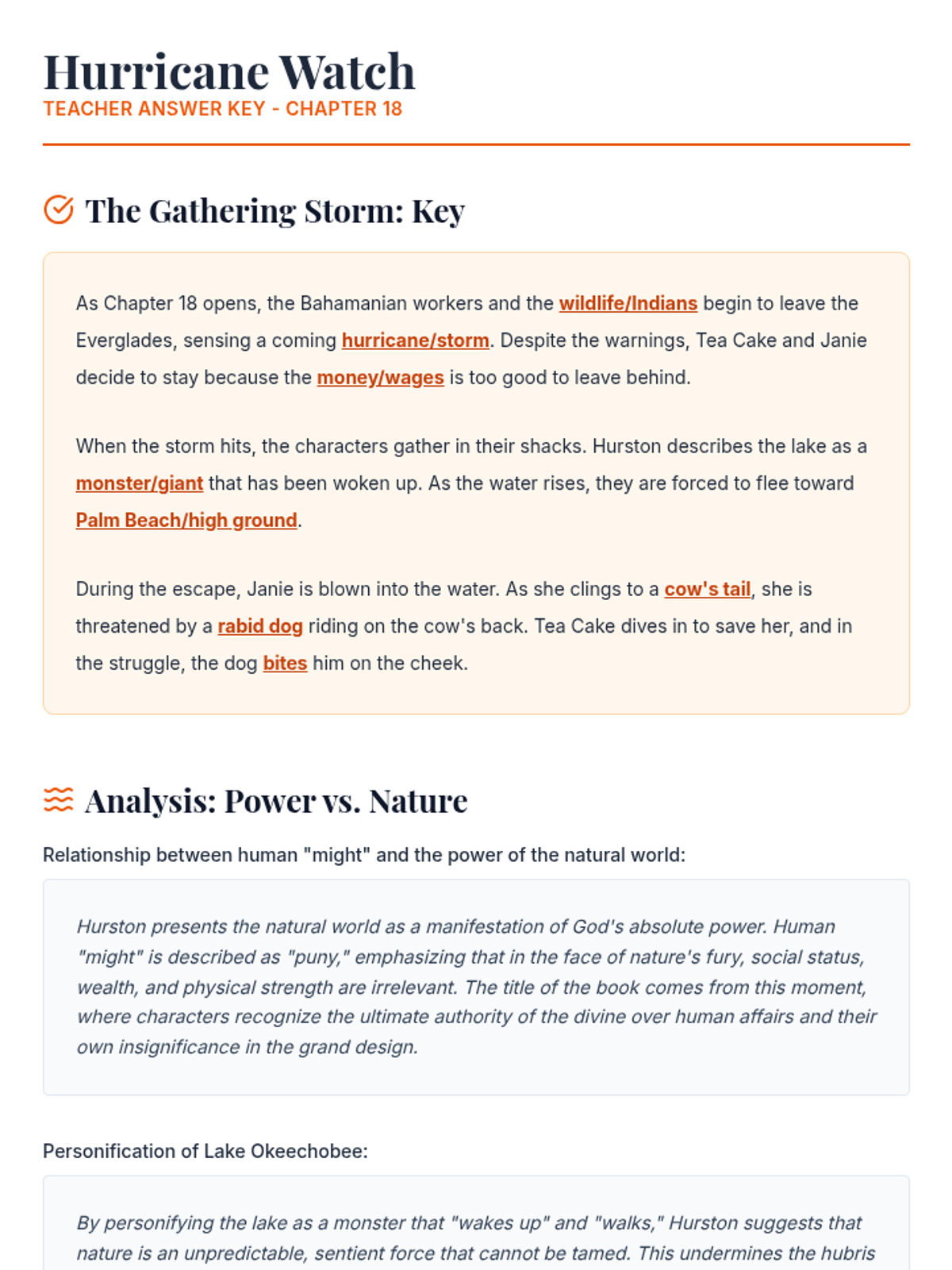
A focused exploration of Chapter 18 of Zora Neale Hurston's 'Their Eyes Were Watching God', examining the catastrophic hurricane as a catalyst for themes of divine power, human resilience, and sacrificial love.
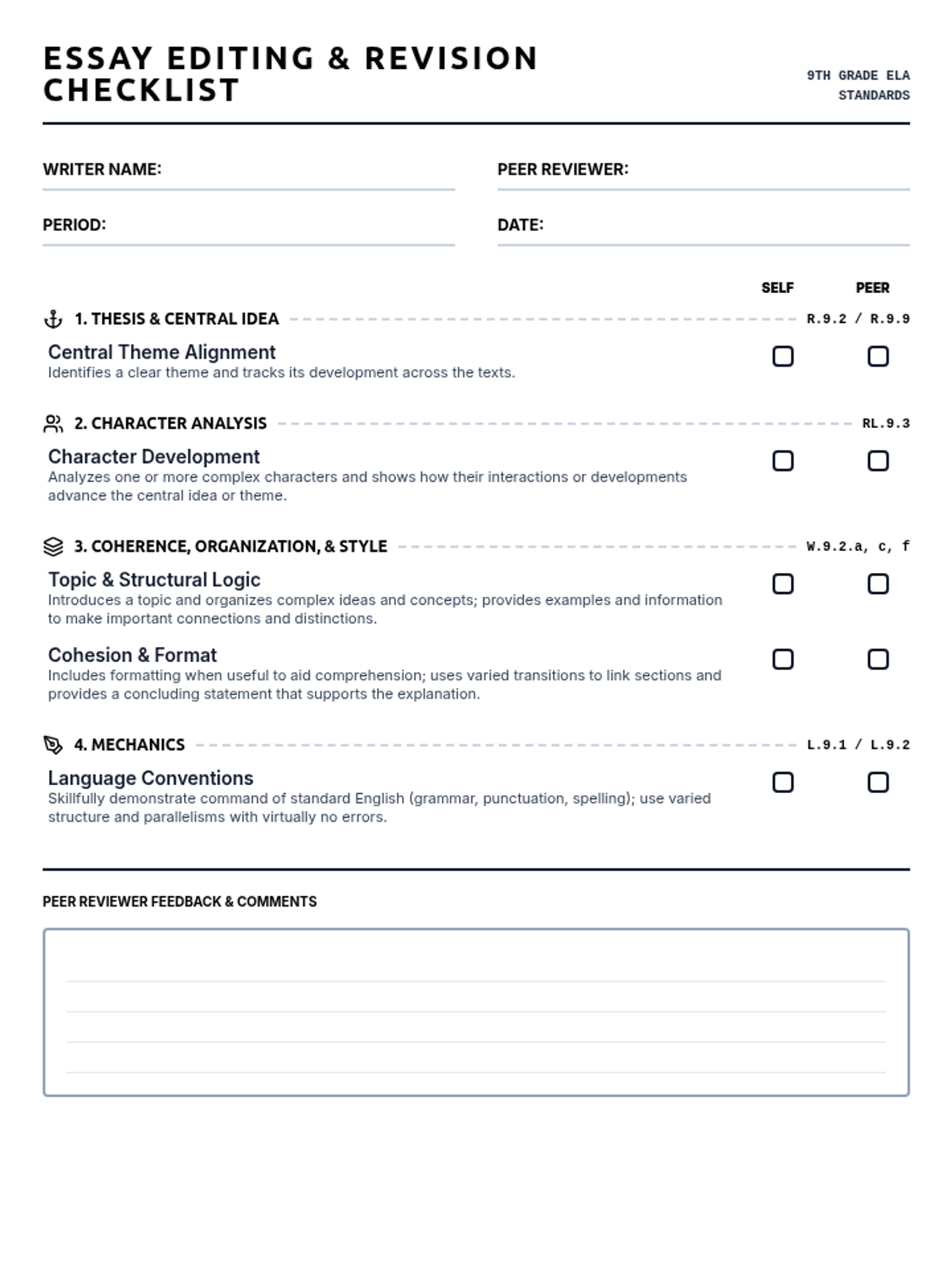
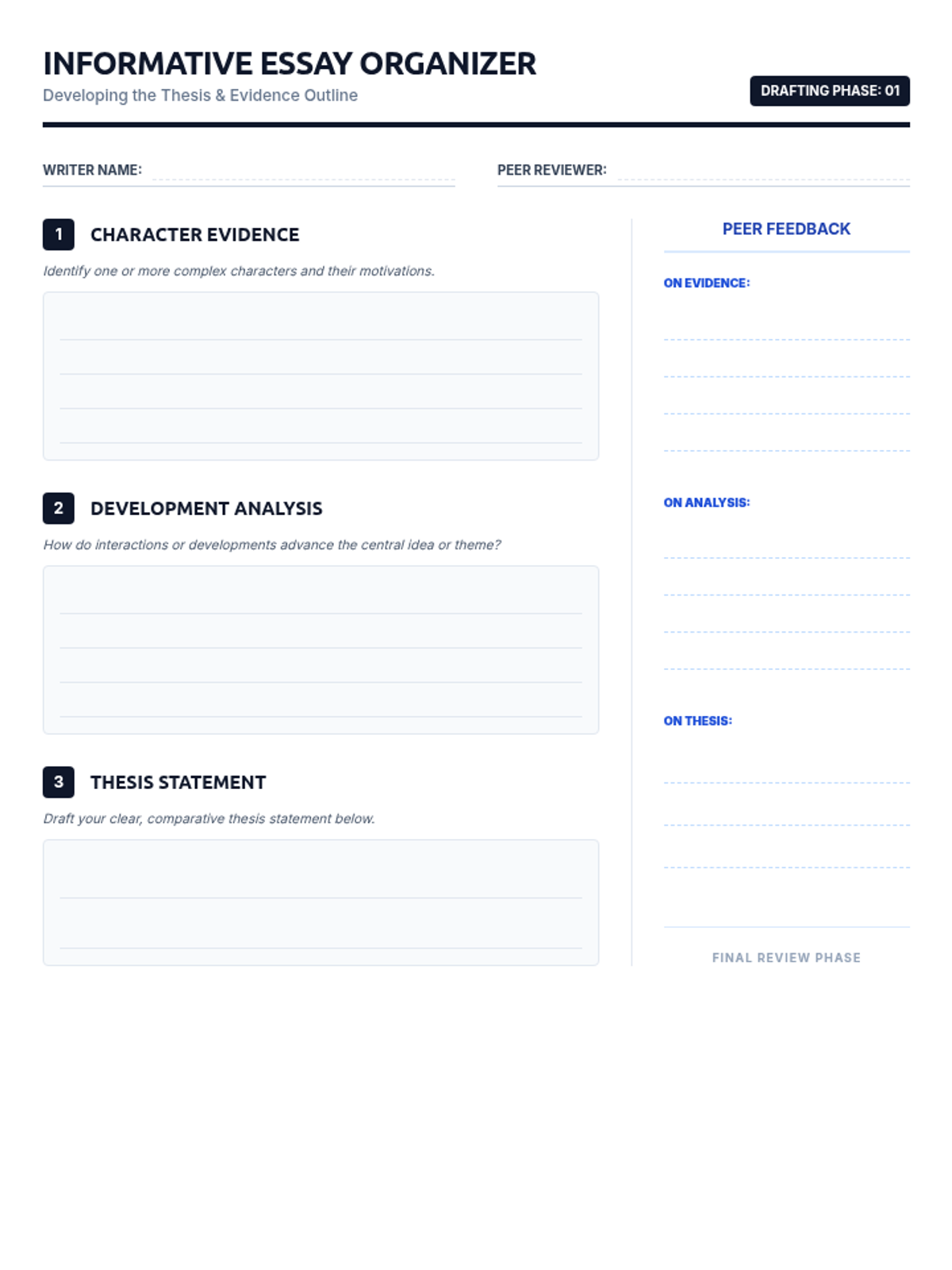
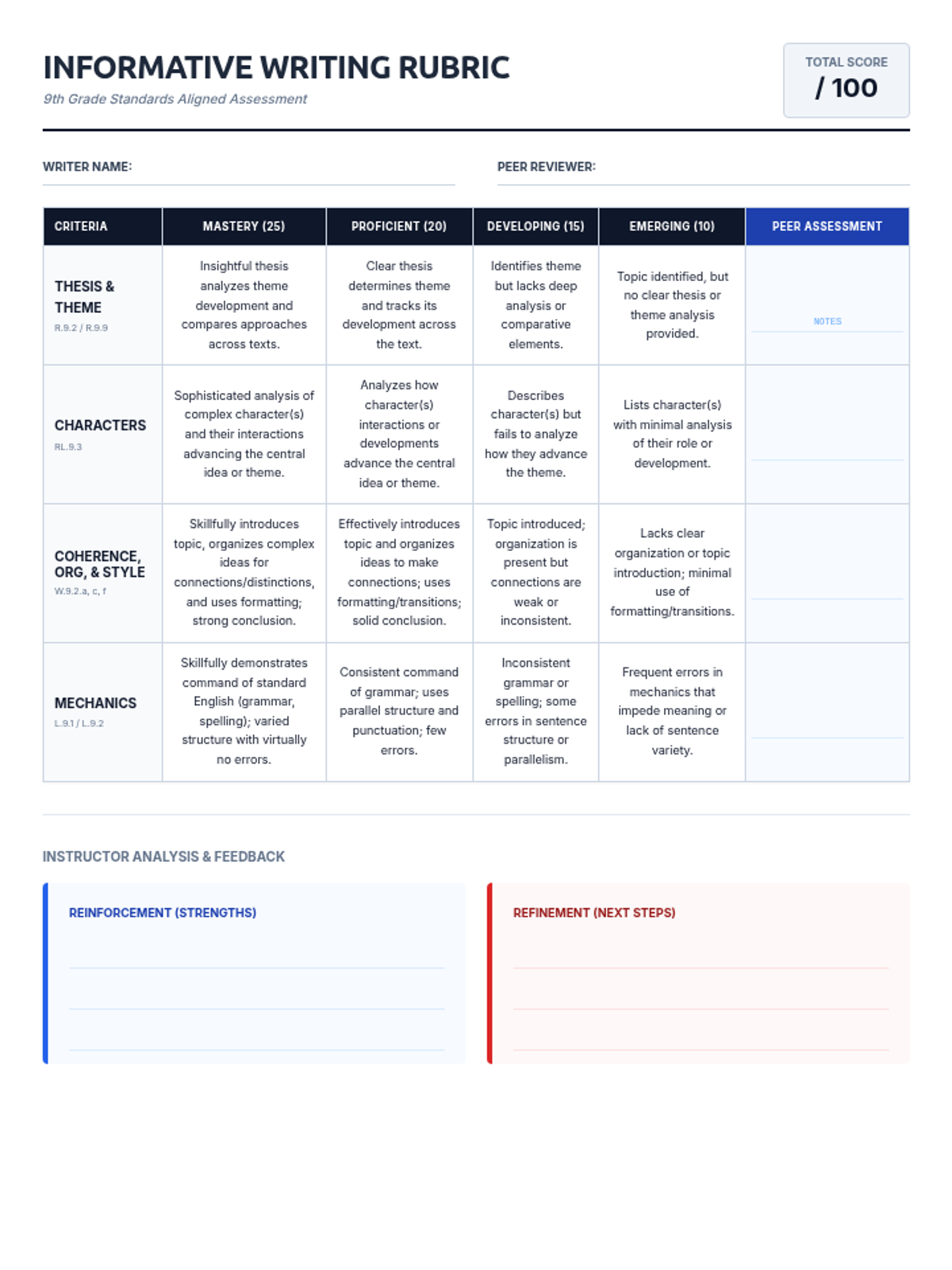
A lesson focused on the 'thesis bridge'—the critical link between evidence and a central claim. Students analyze character development and themes across texts to draft, organize, and refine high-quality informative essays aligned with 9th-grade standards.
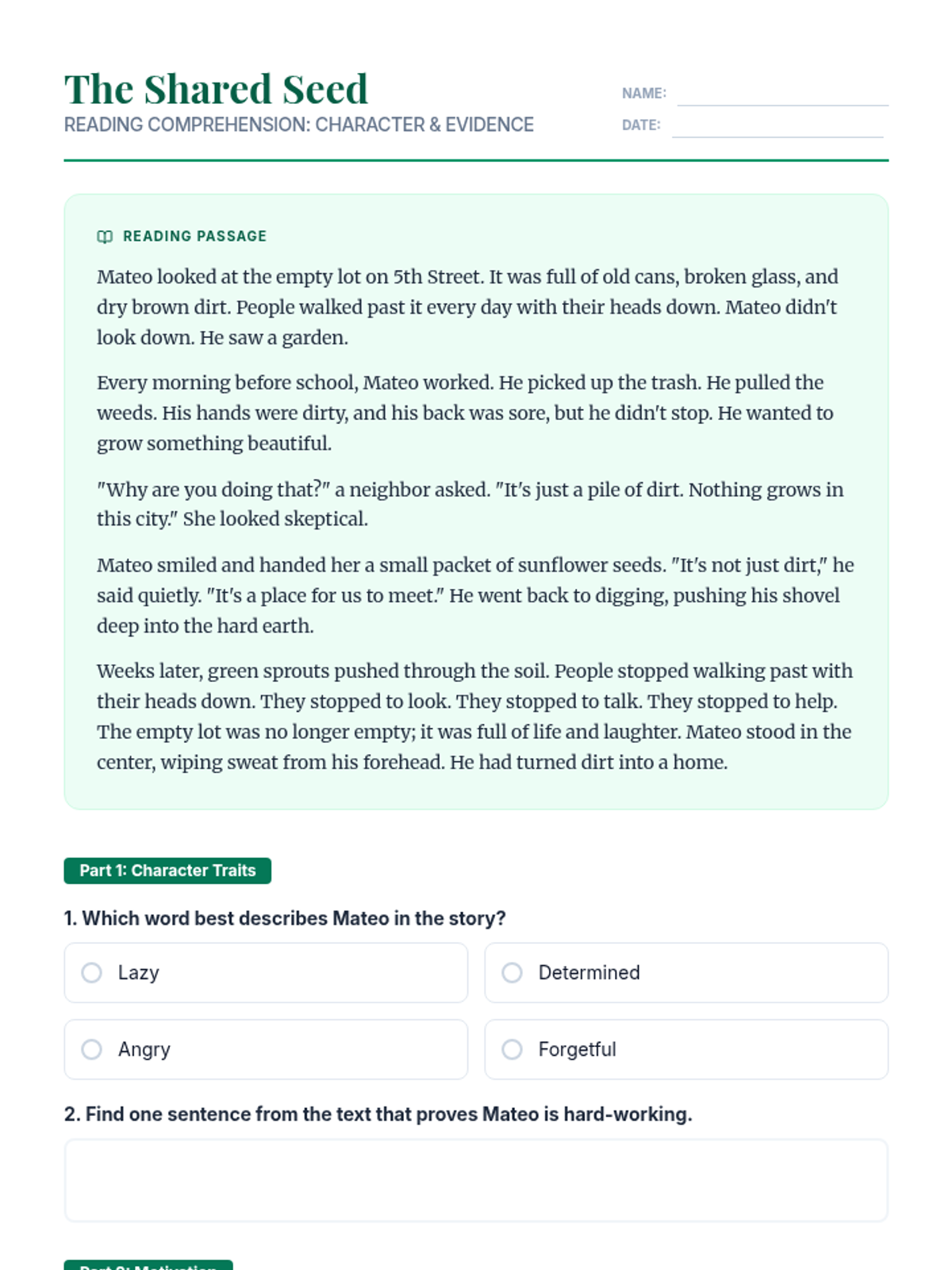
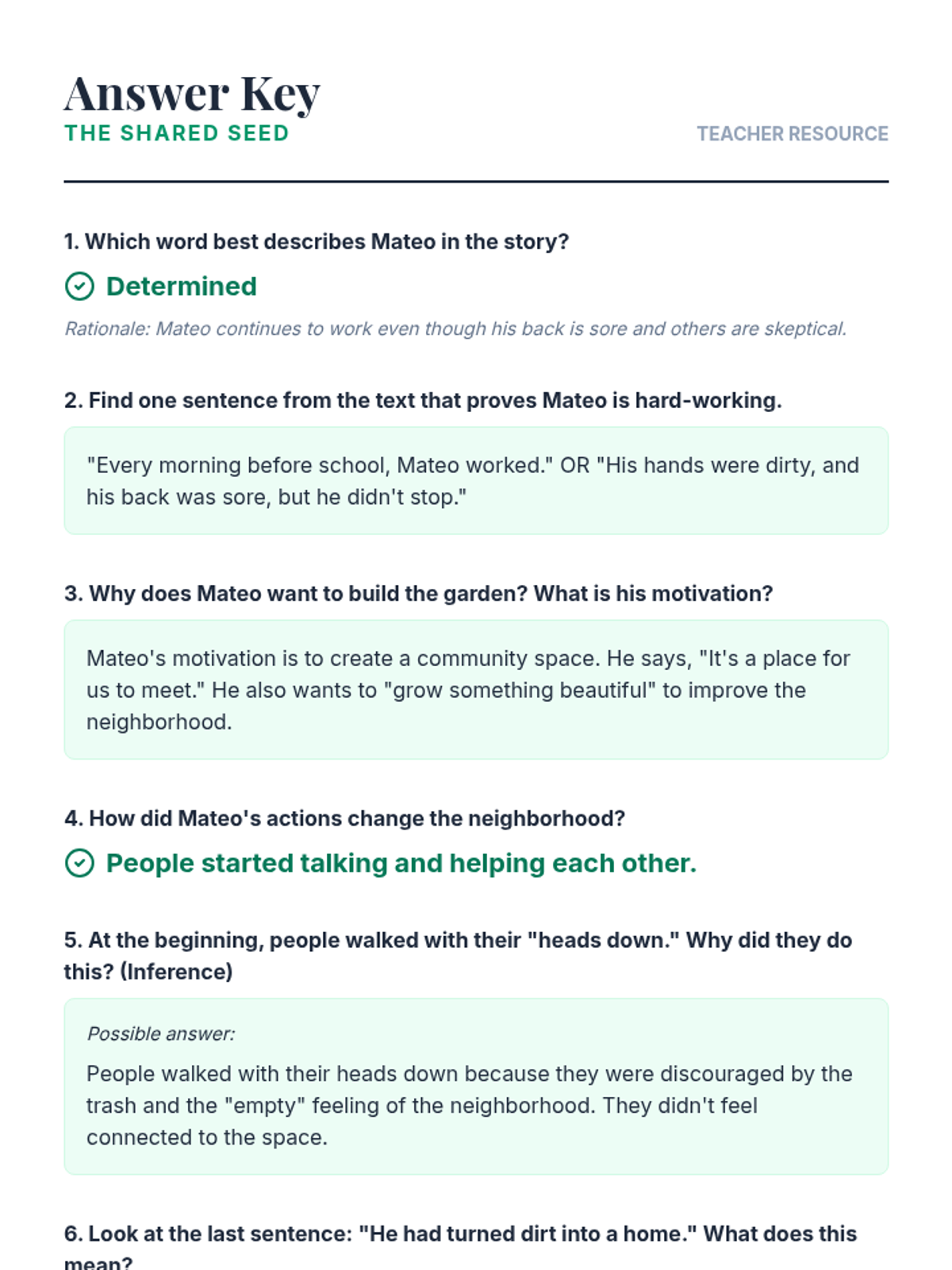
A reading comprehension lesson for ELL students focusing on character traits, motivation, and using text evidence through a story about a community garden.
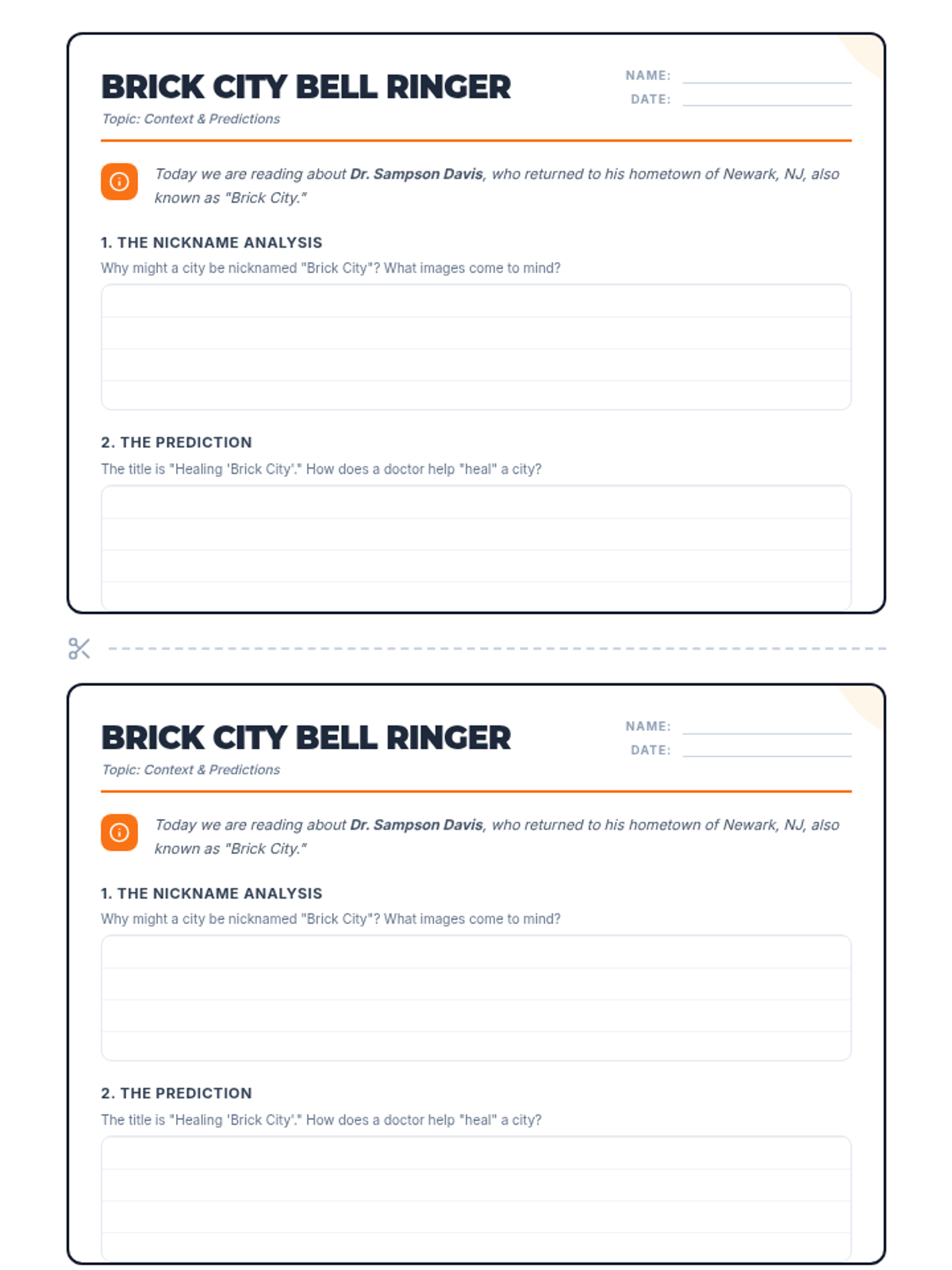
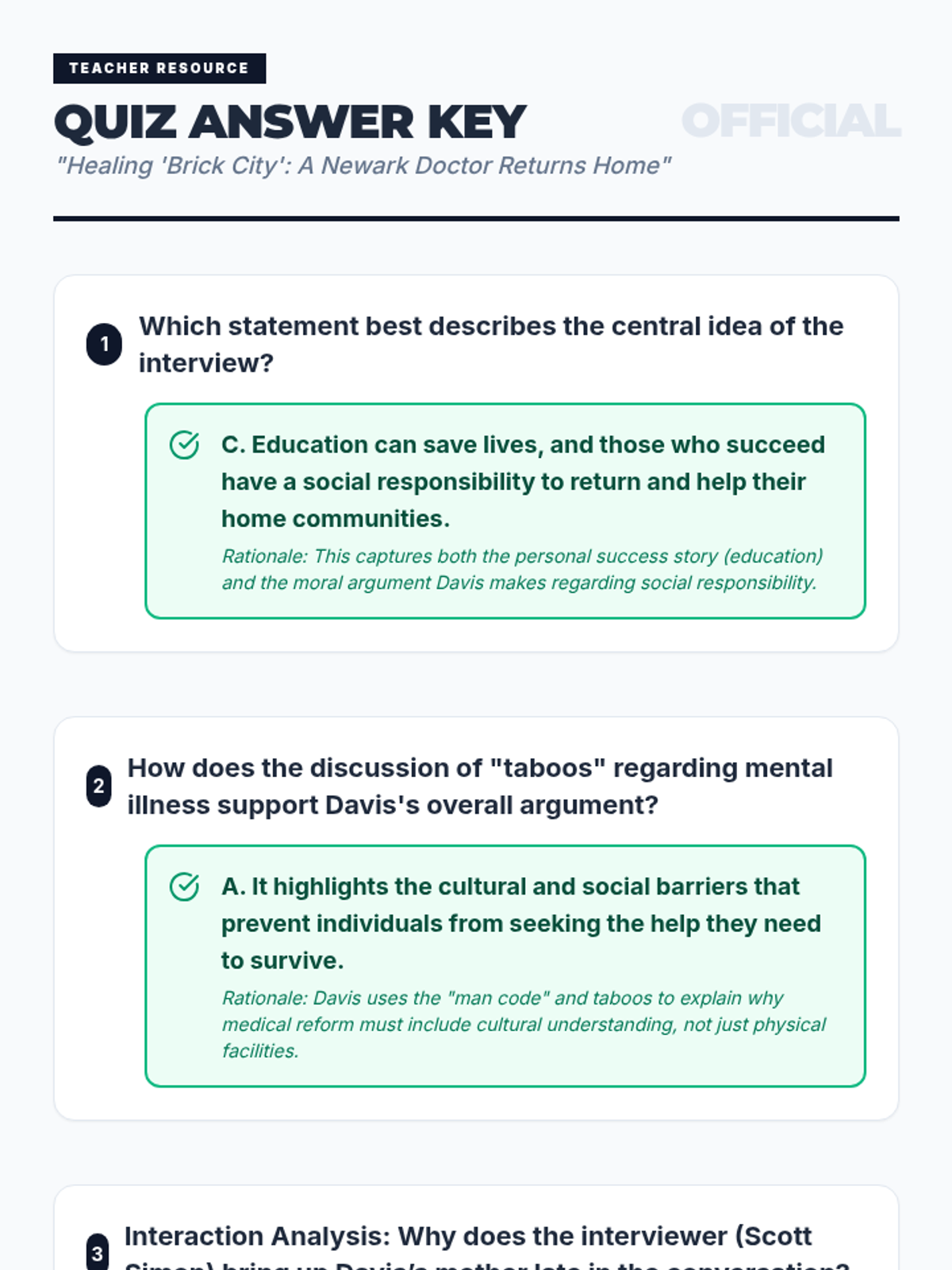
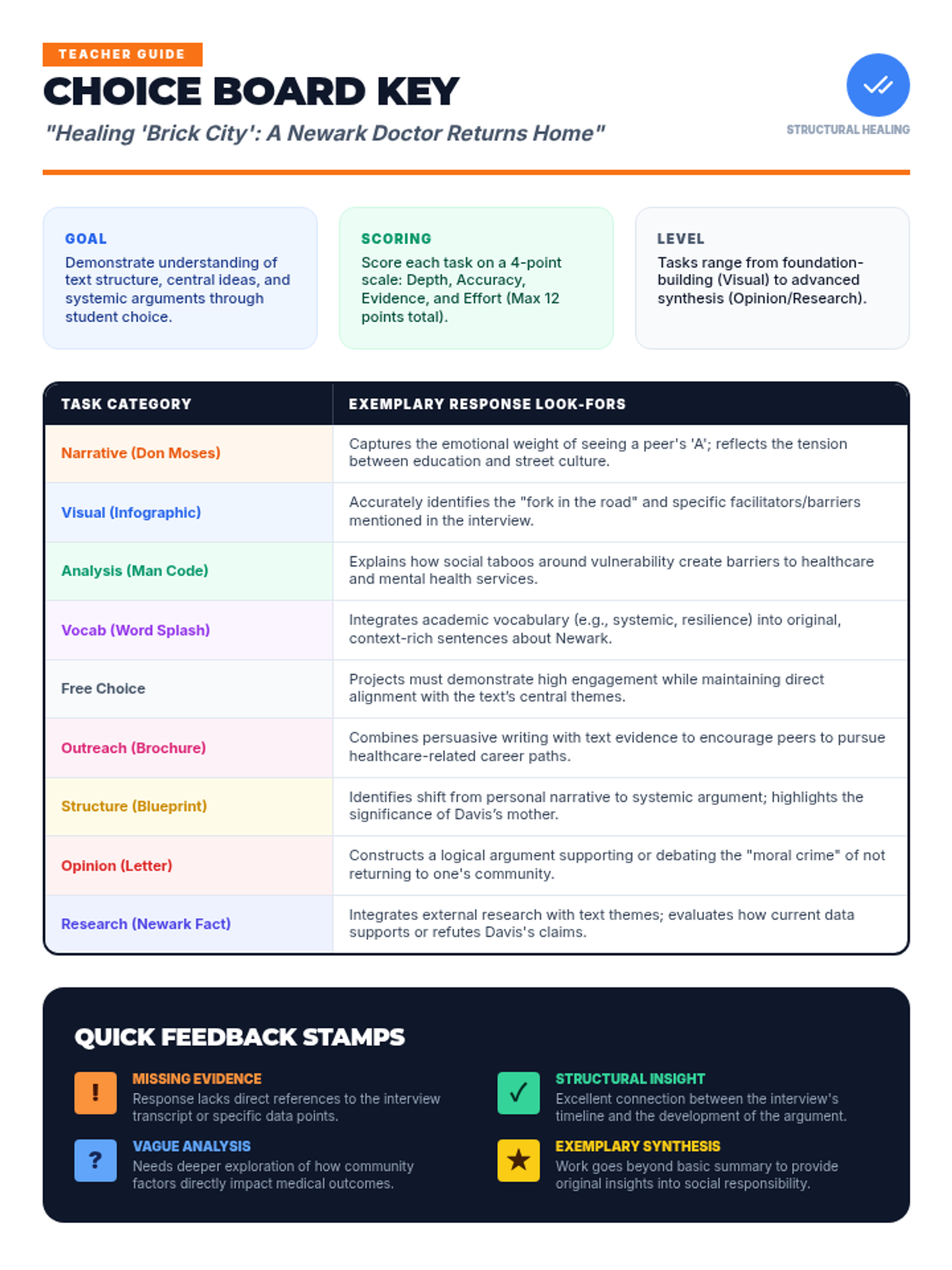
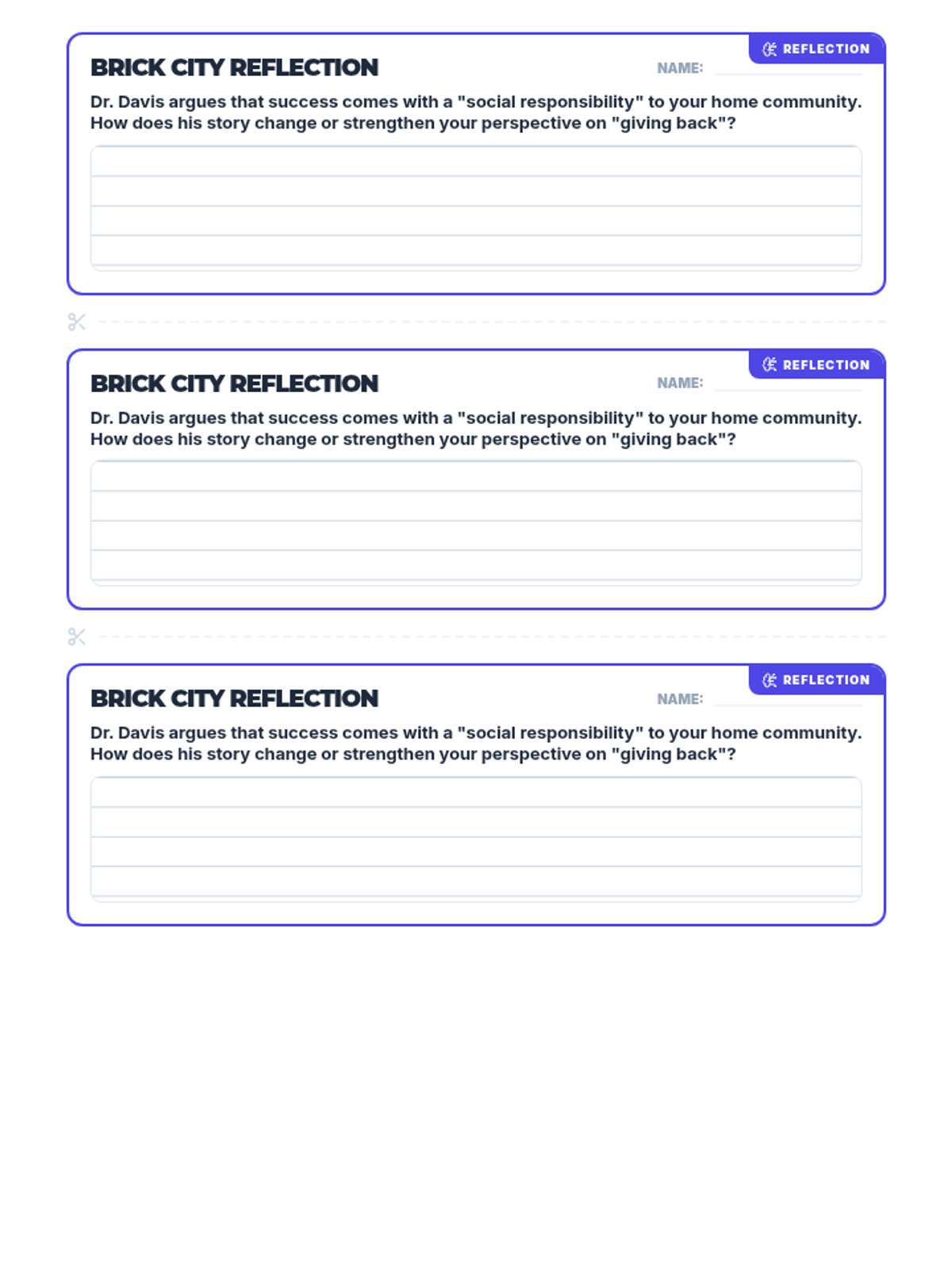
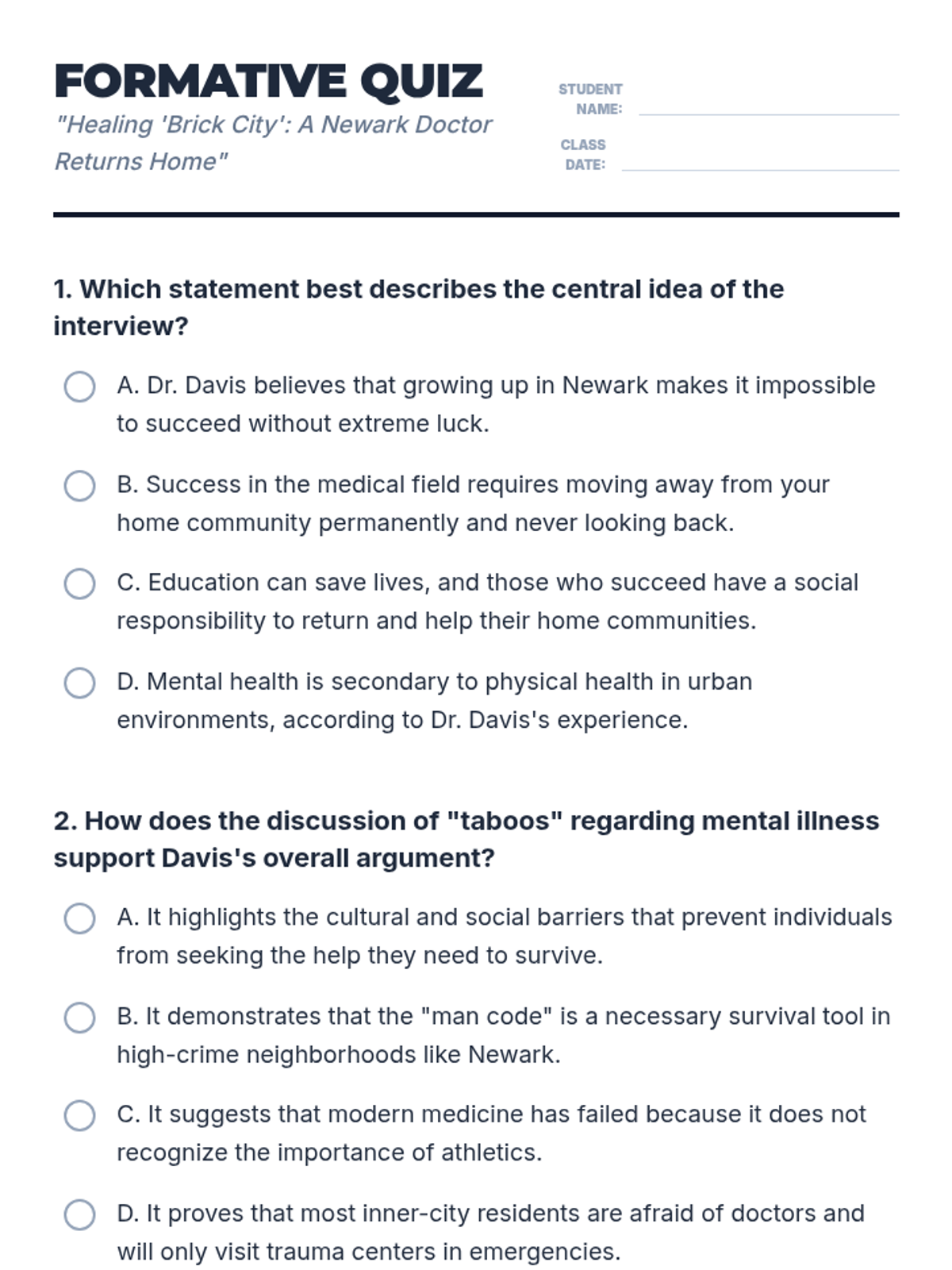
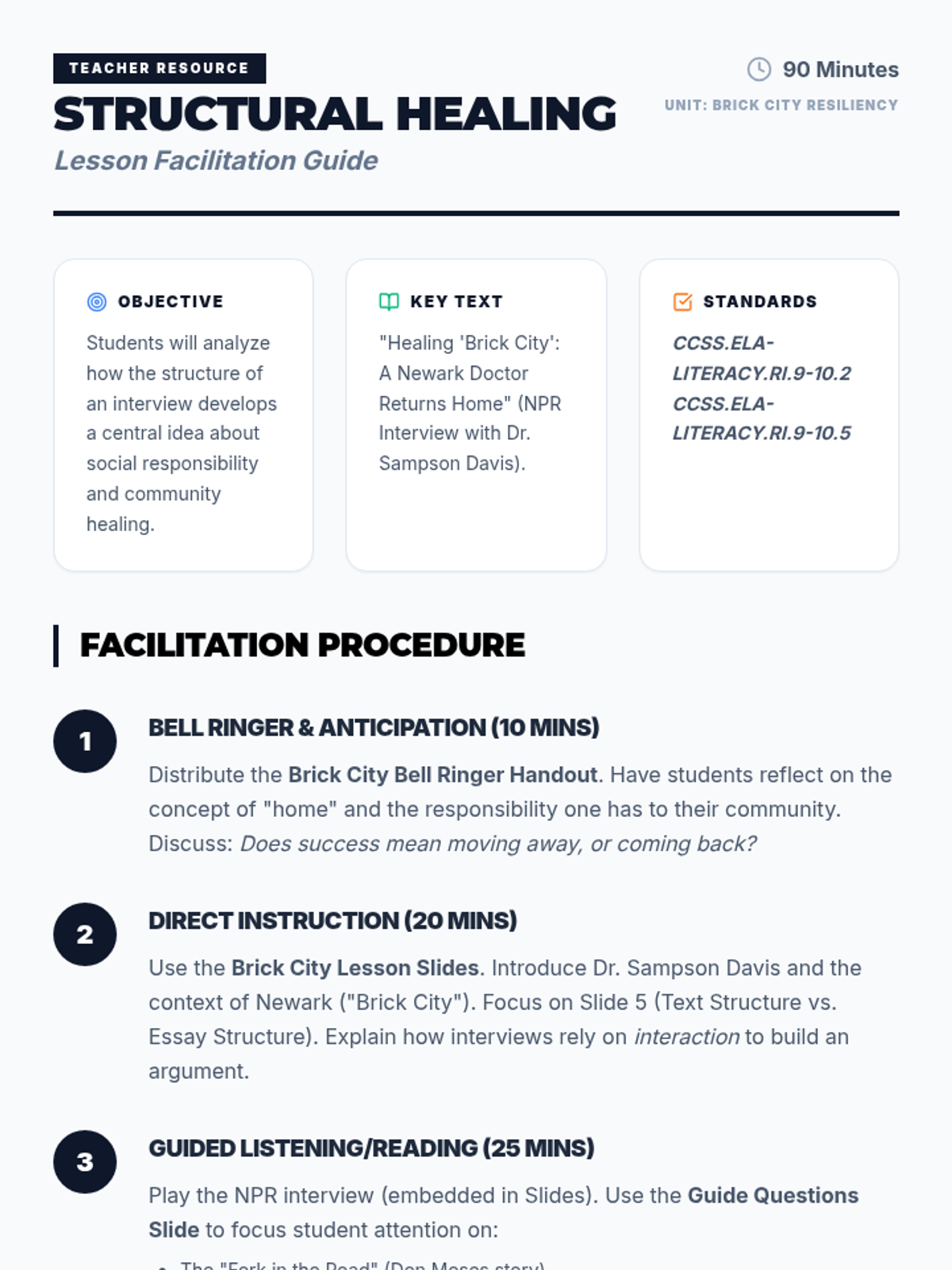
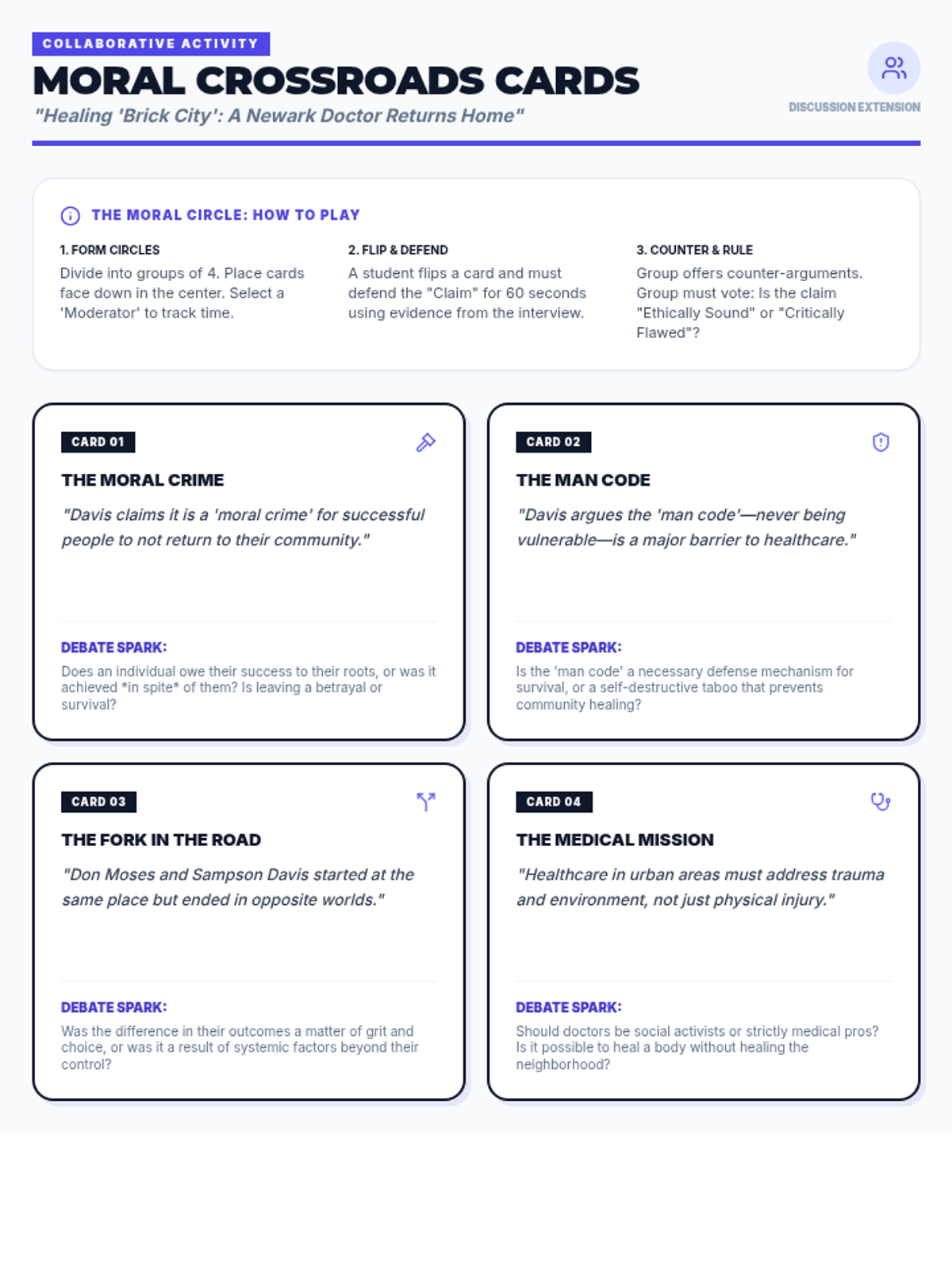
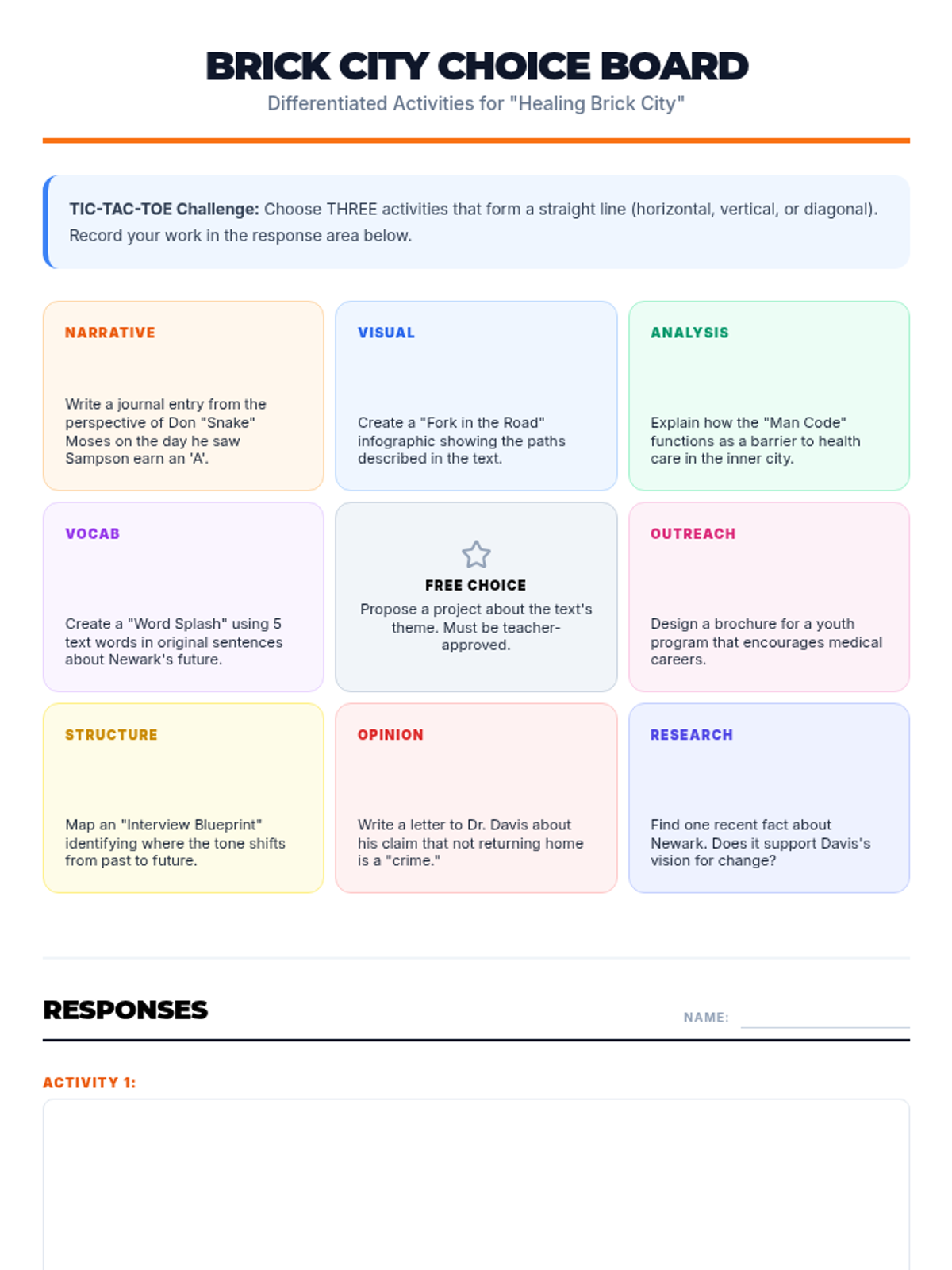
This lesson focuses on Dr. Sampson Davis's journey and his argument for medical reform in Newark. Students will analyze how the interview's structure develops the central idea that education and social responsibility can heal a community.
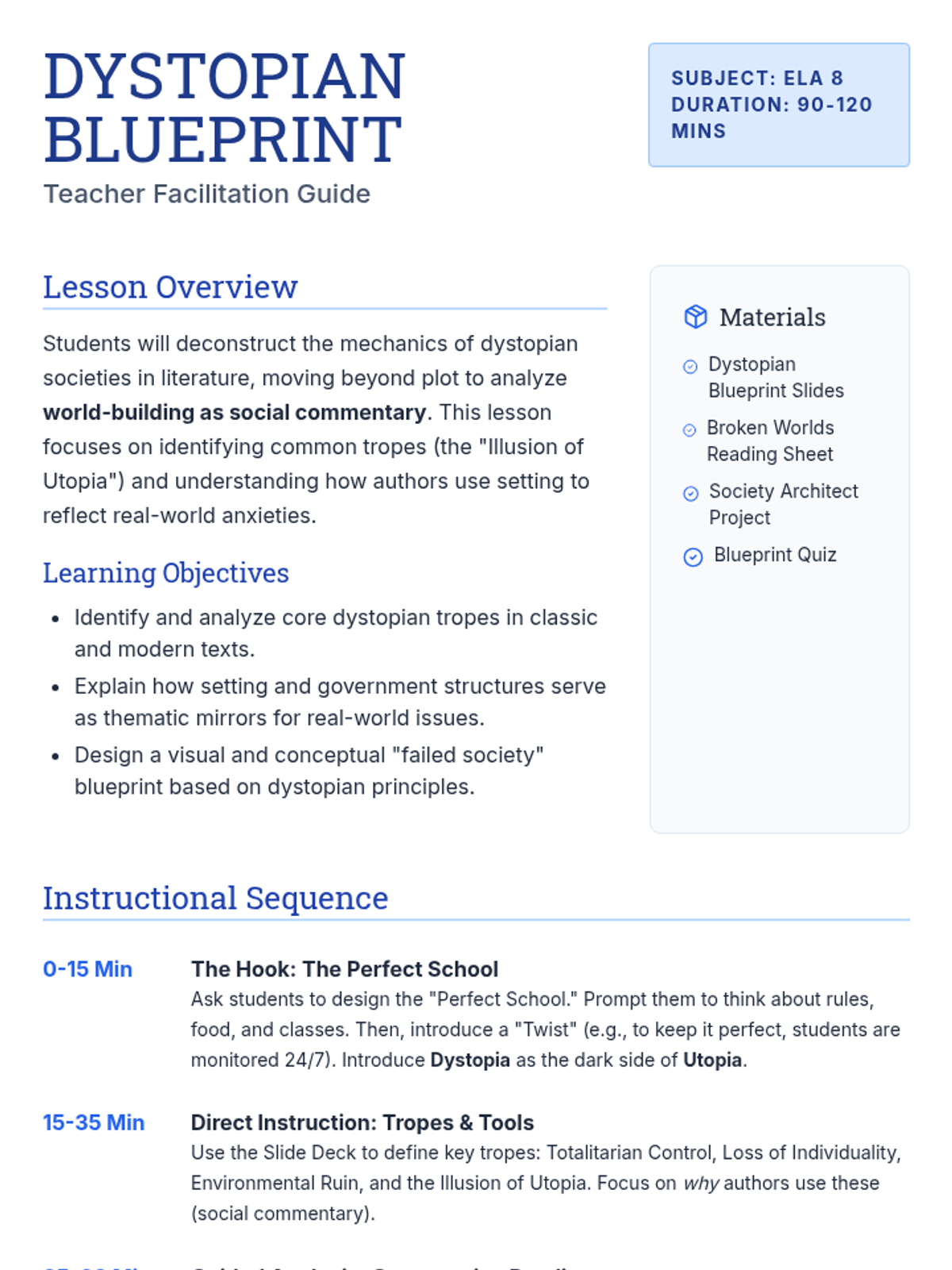
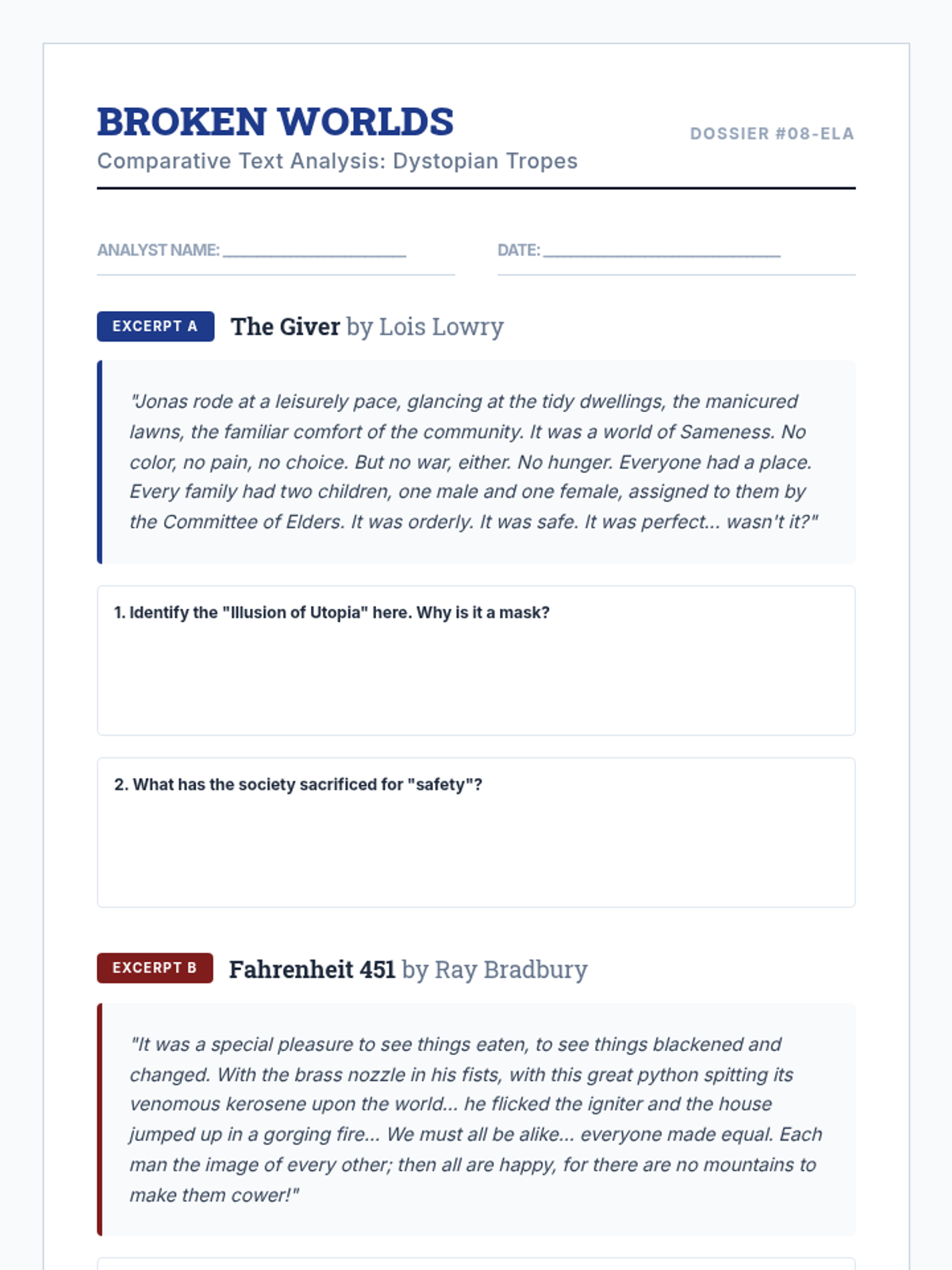
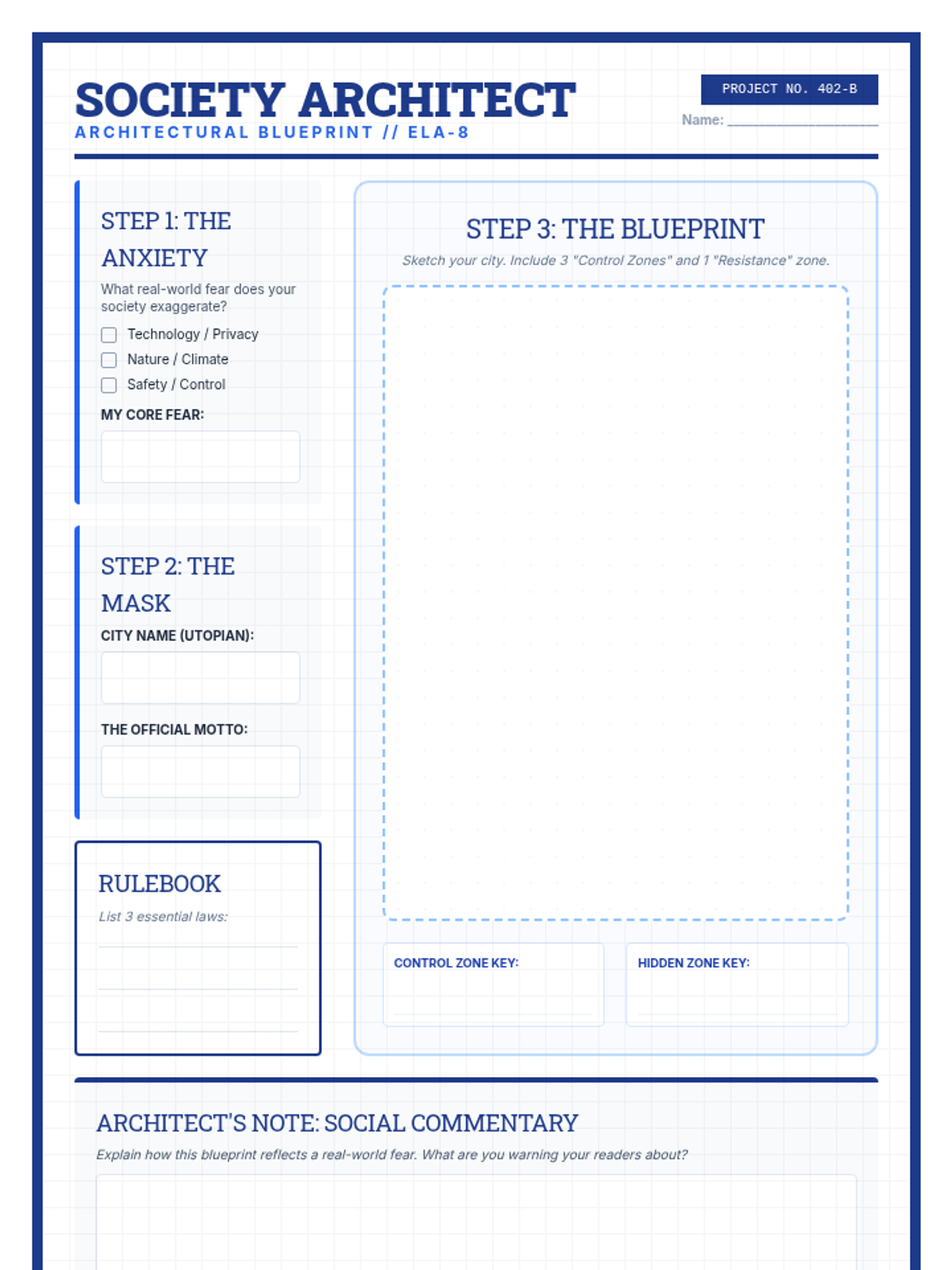
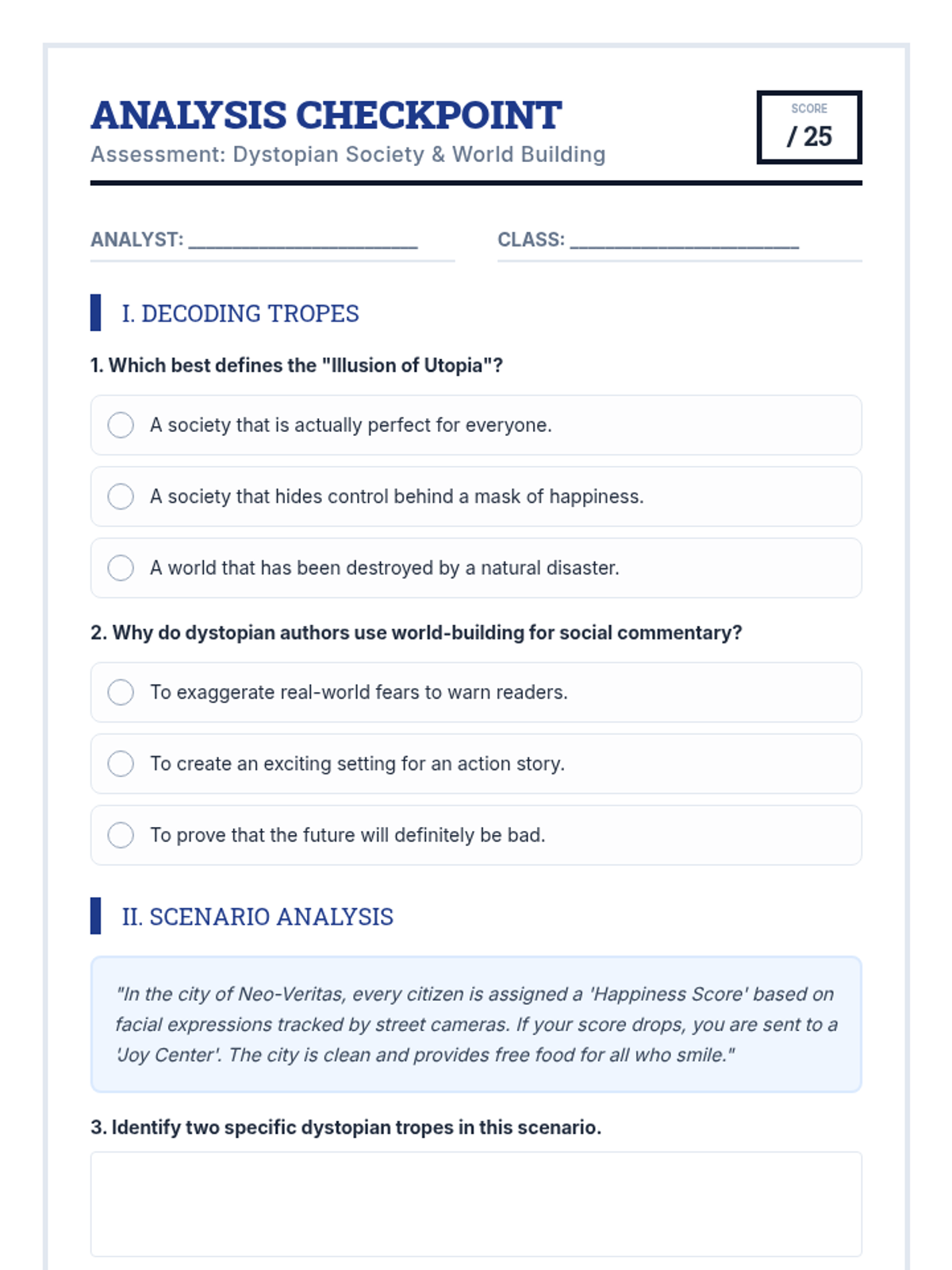
In this lesson, students deconstruct the world-building of dystopian literature to understand social commentary. They will analyze tropes like the 'illusion of utopia' and create their own society blueprints to demonstrate how setting and government structure reflect thematic anxieties.