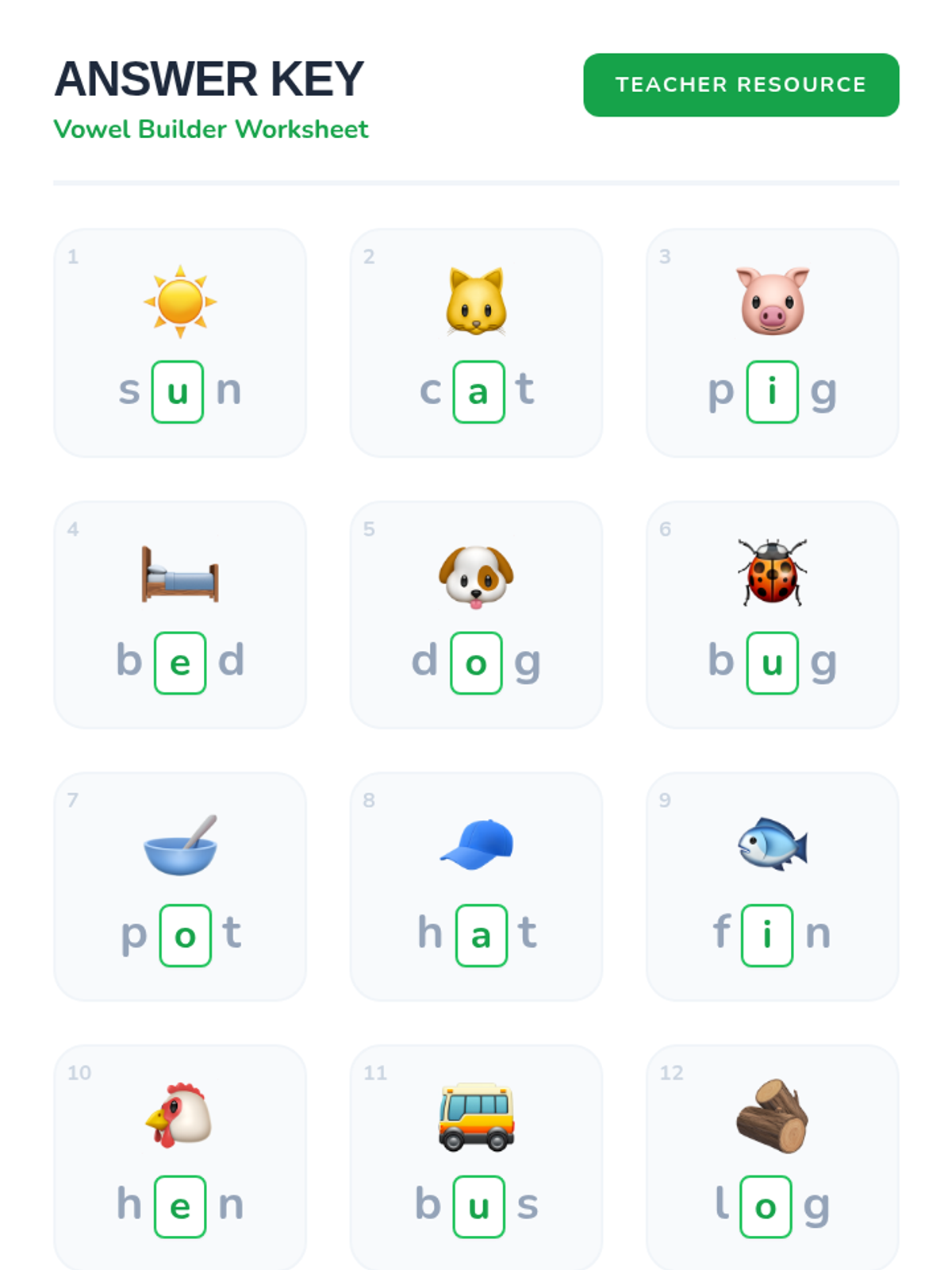
A magical introduction to blending CVC words for kindergarteners, using the 'tap, tap, slide' method to transform individual sounds into complete words.
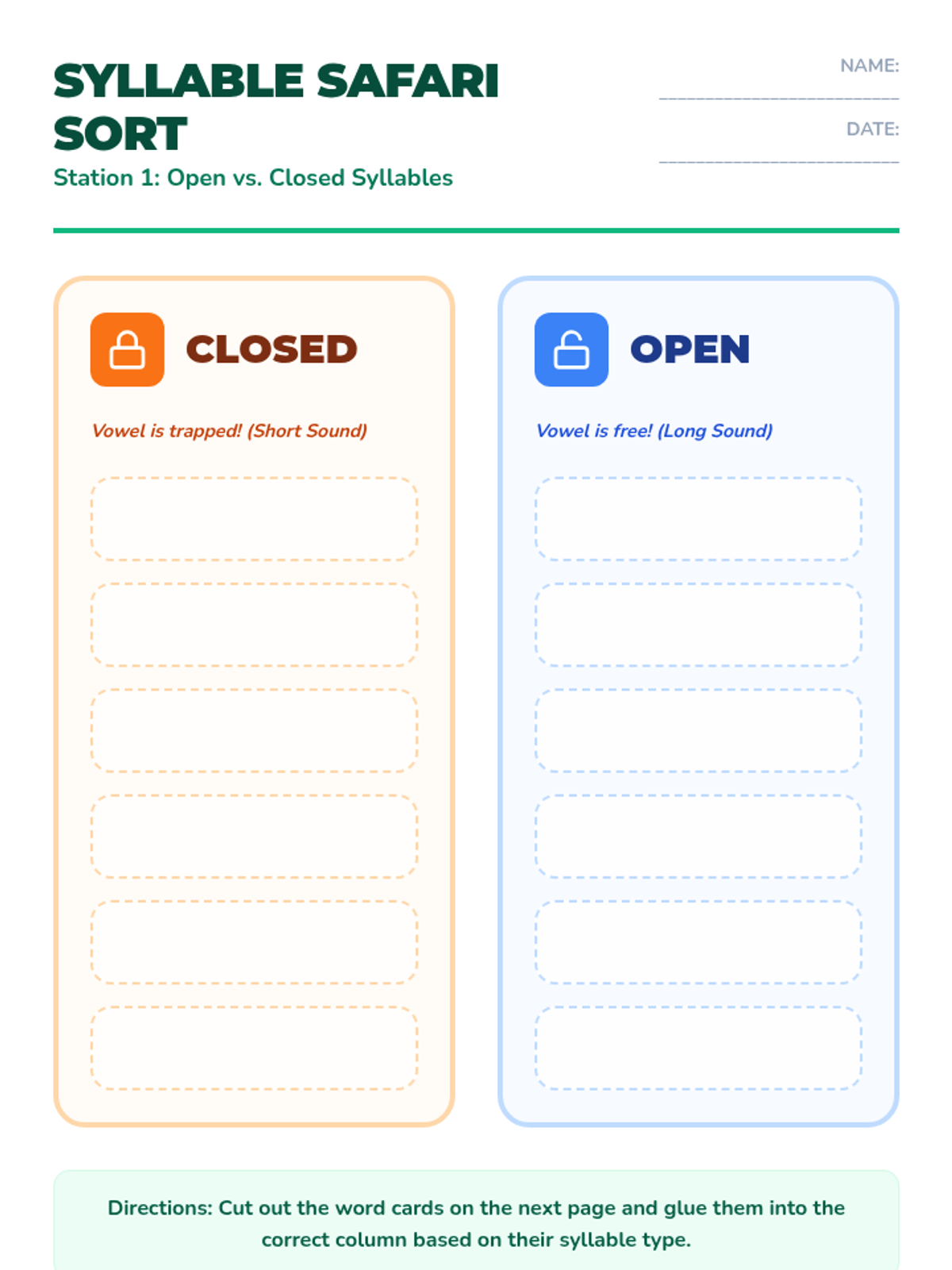
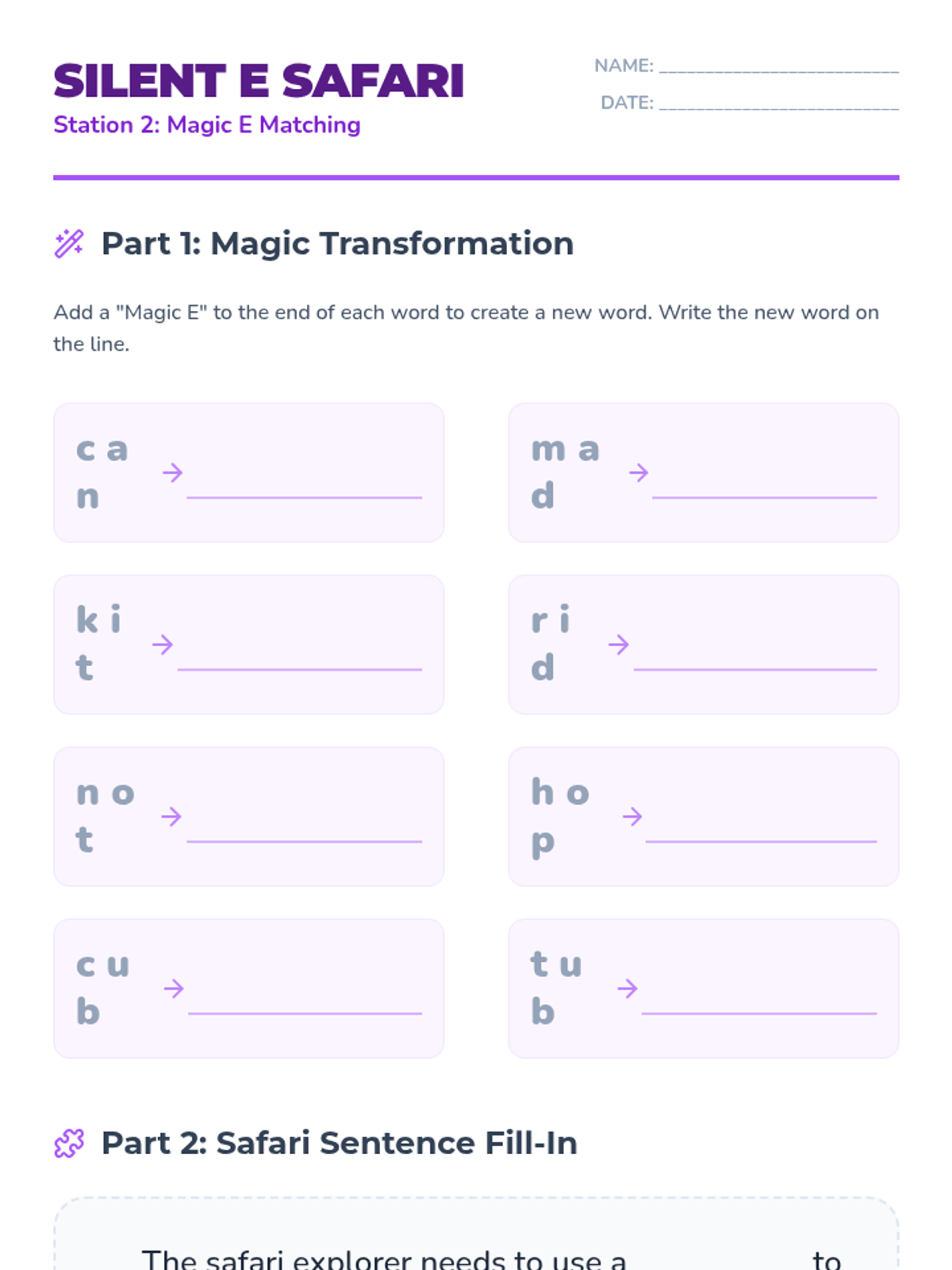
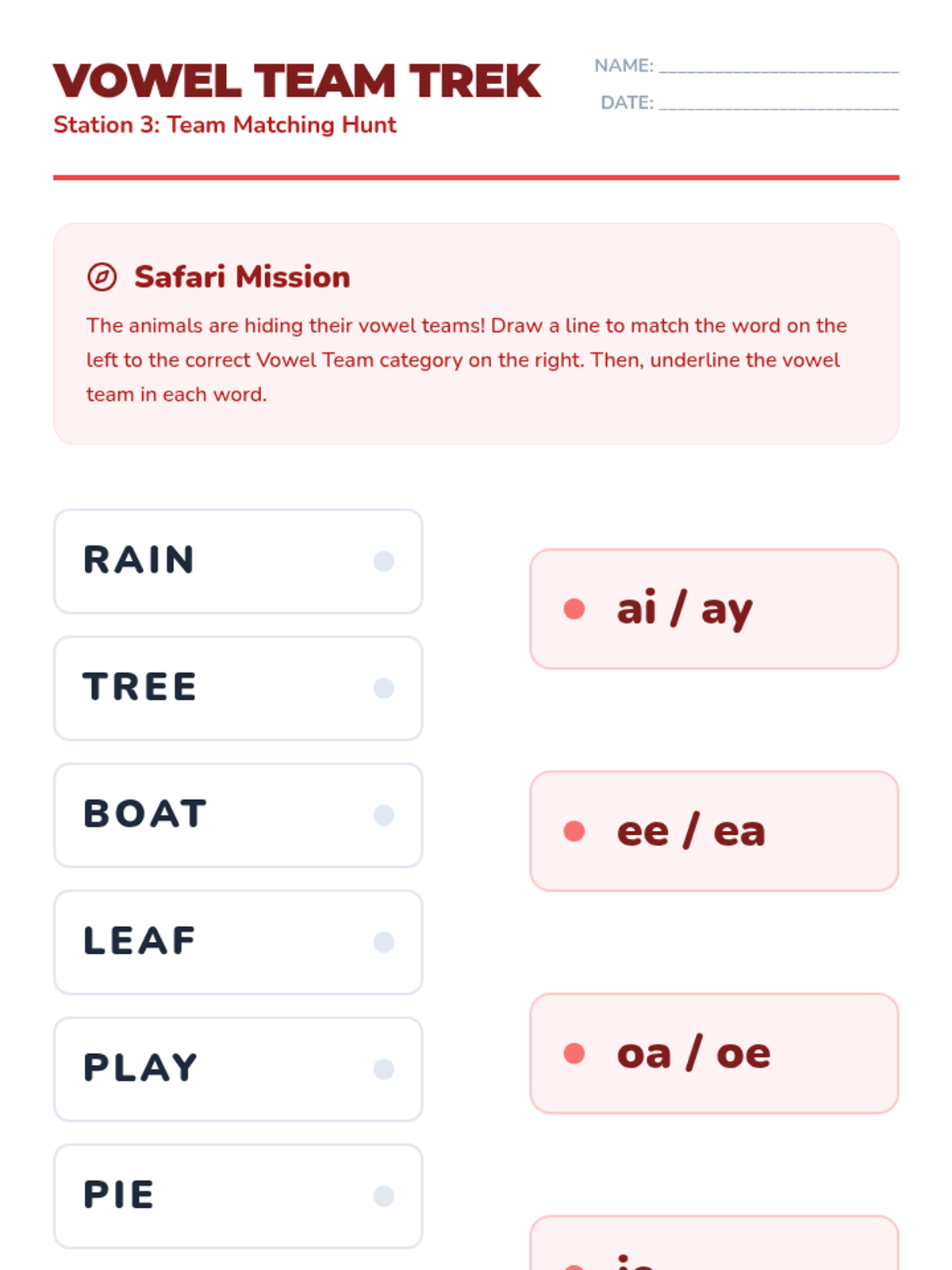
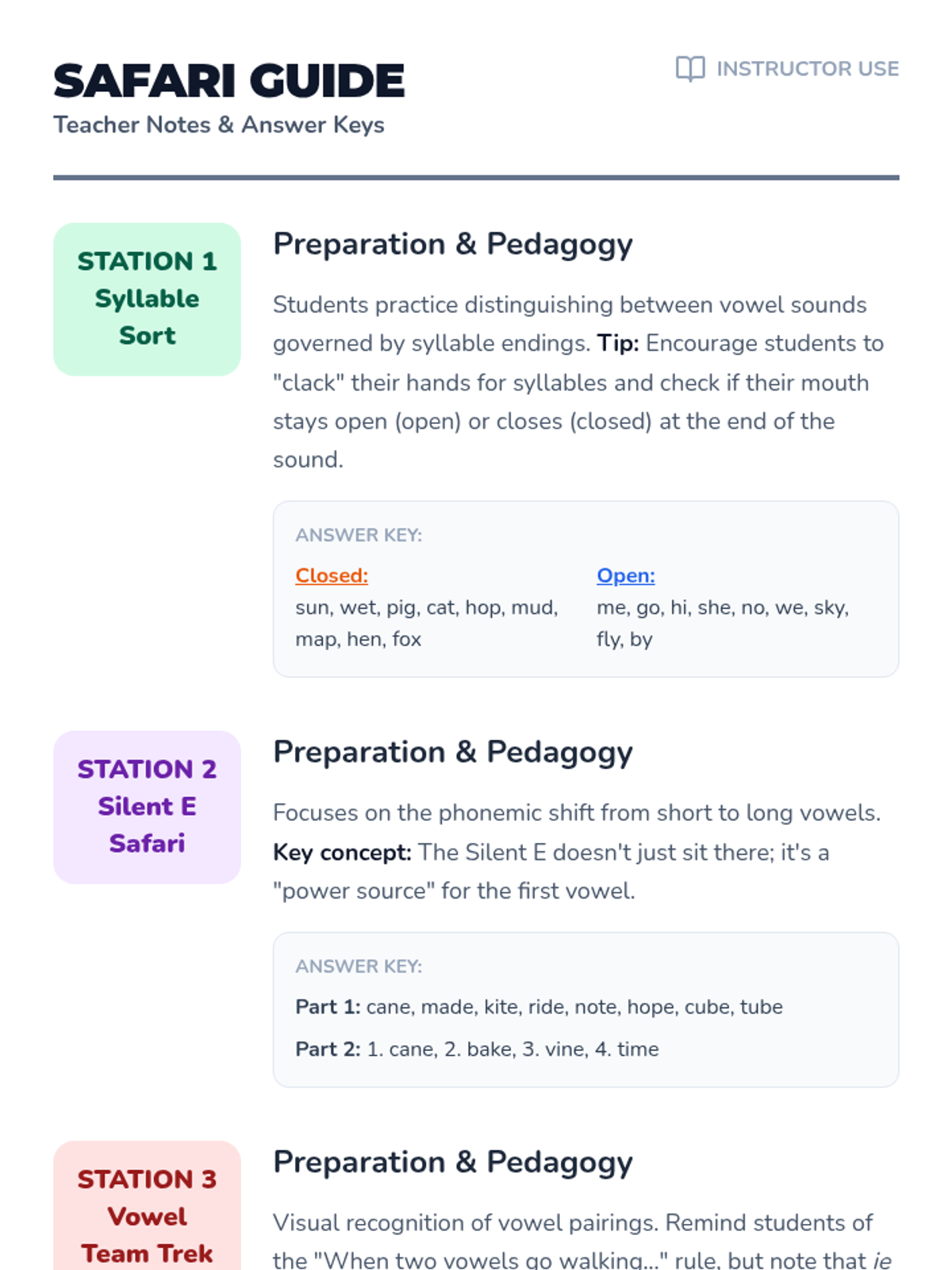
A series of hands-on phonics station activities focused on mastering syllable types, including open, closed, silent e, and vowel teams through sorting and matching.
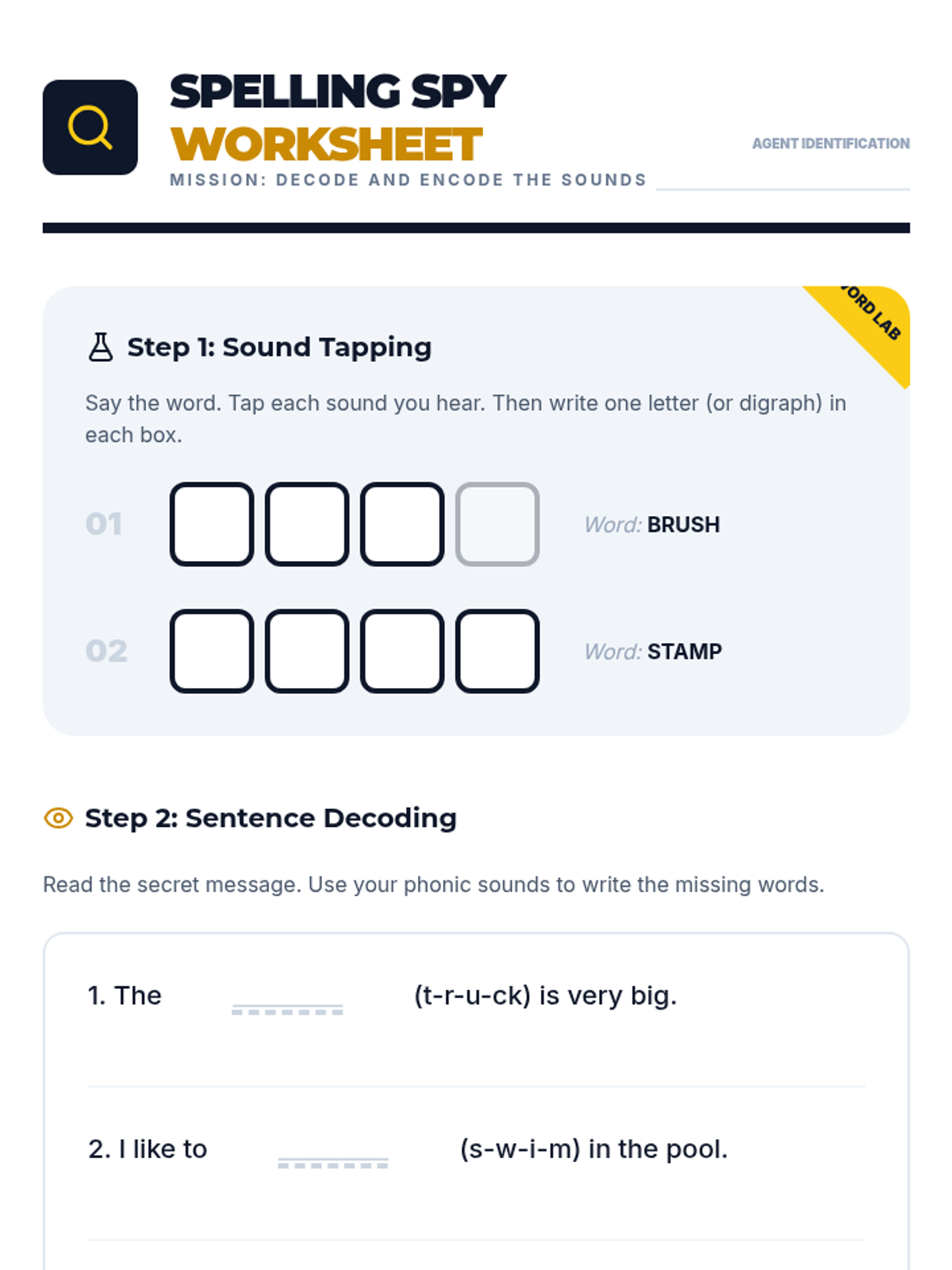
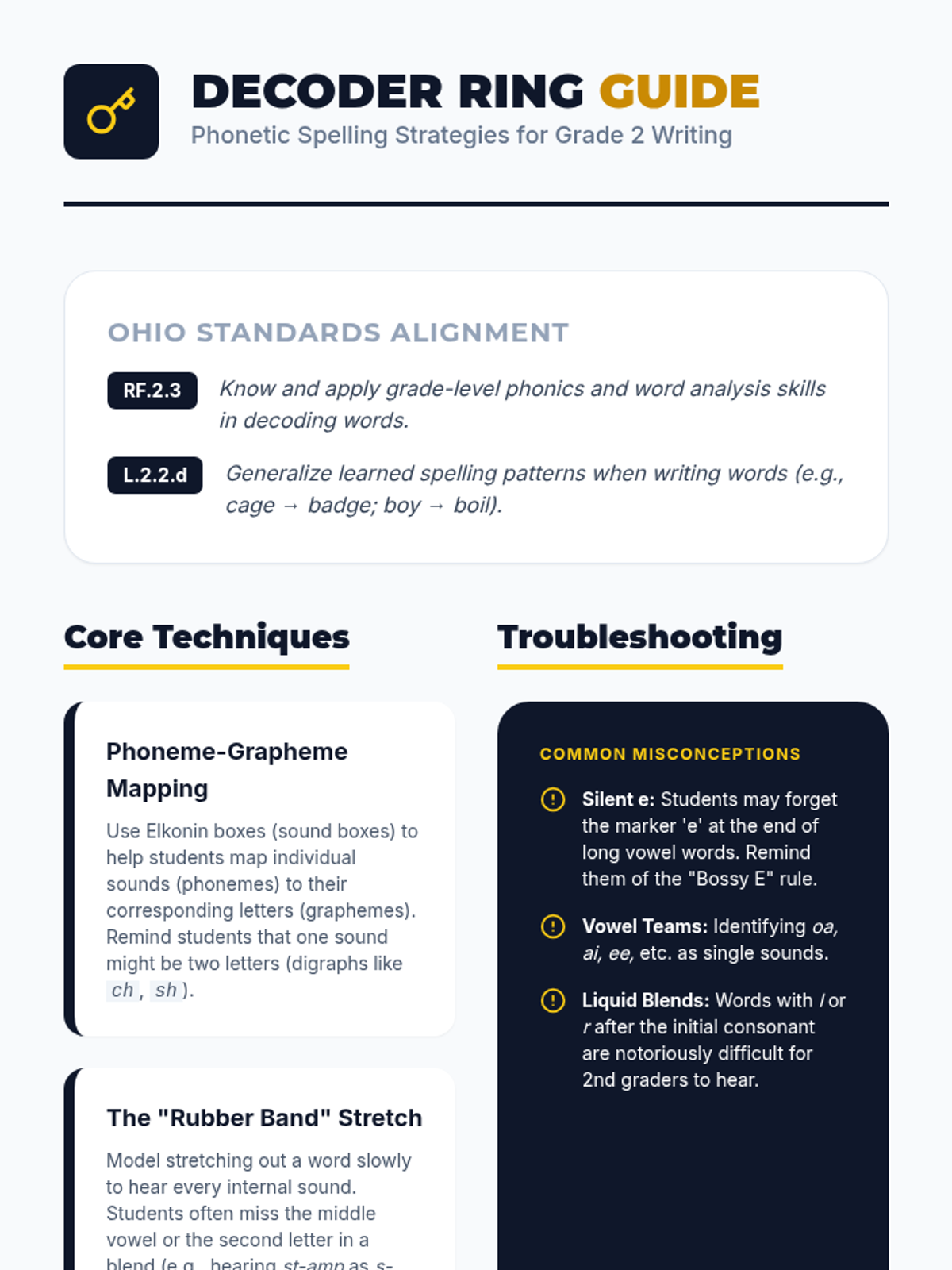
Focuses on applying phonetic knowledge to written expression. Students practice spelling complex words using phonemic awareness and decoding strategies in their writing.
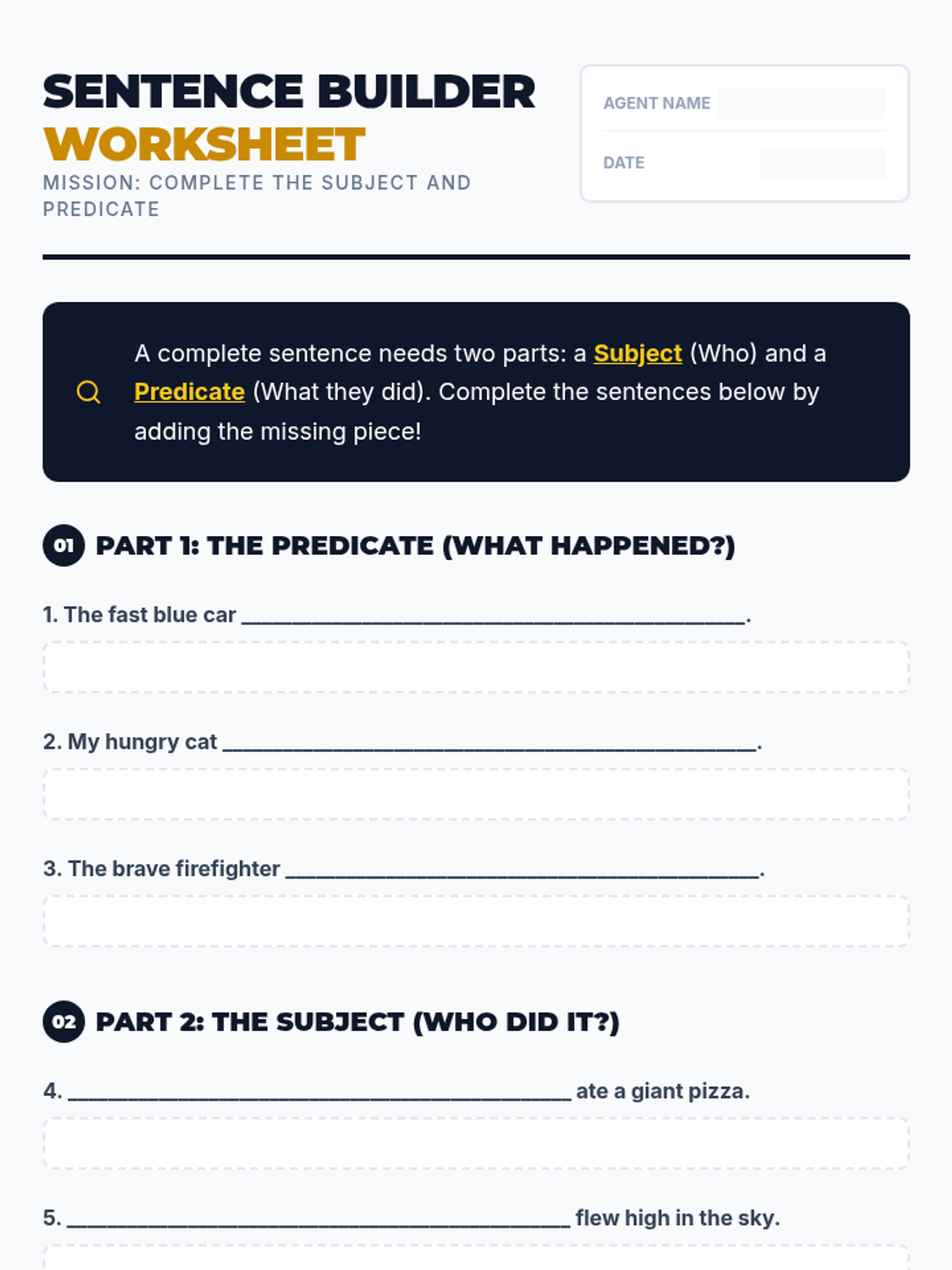
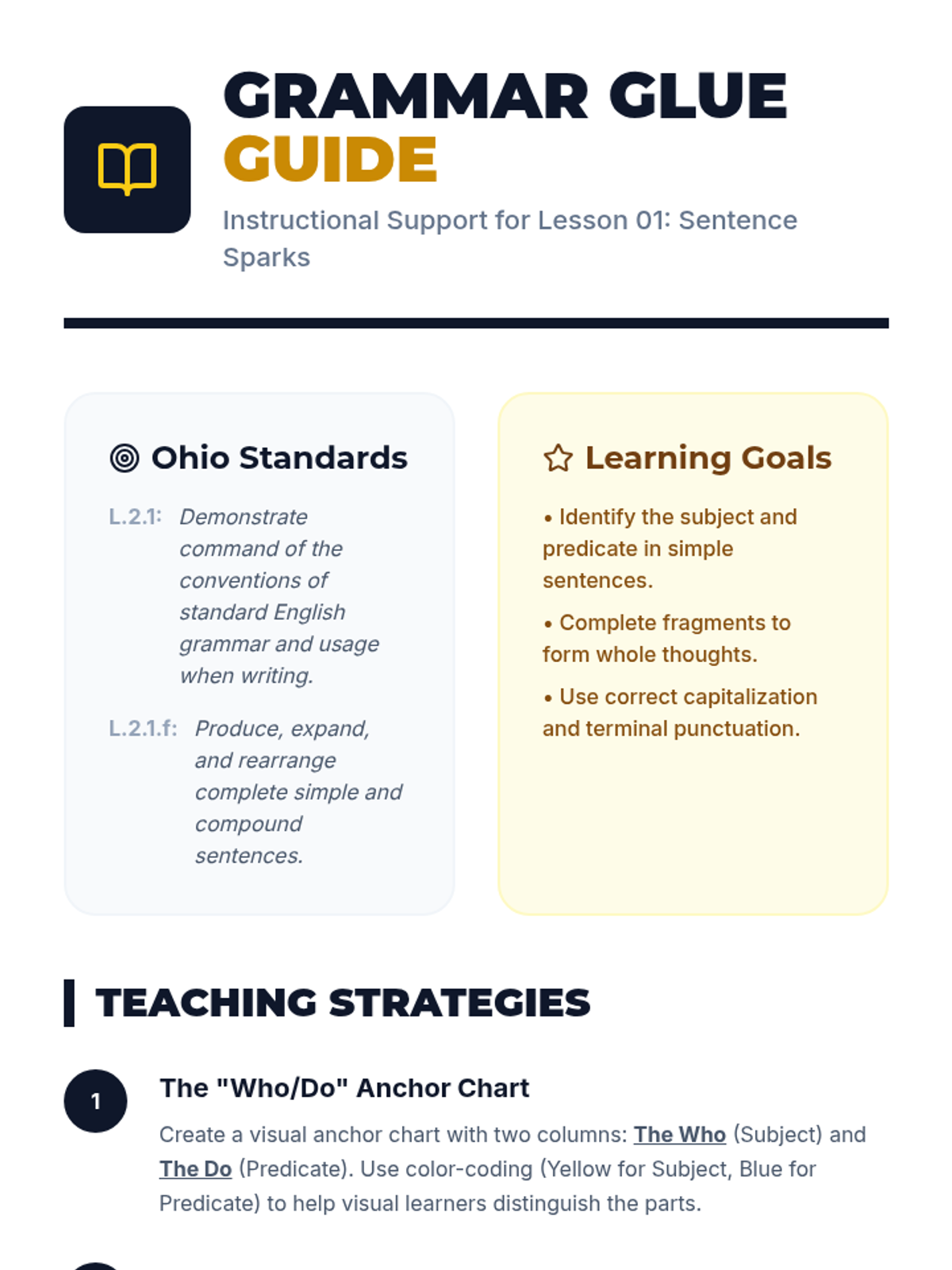
Students learn to identify and create complete sentences by understanding the 'Who' (Subject) and the 'Do' (Predicate). Includes practice with capitalization and punctuation.
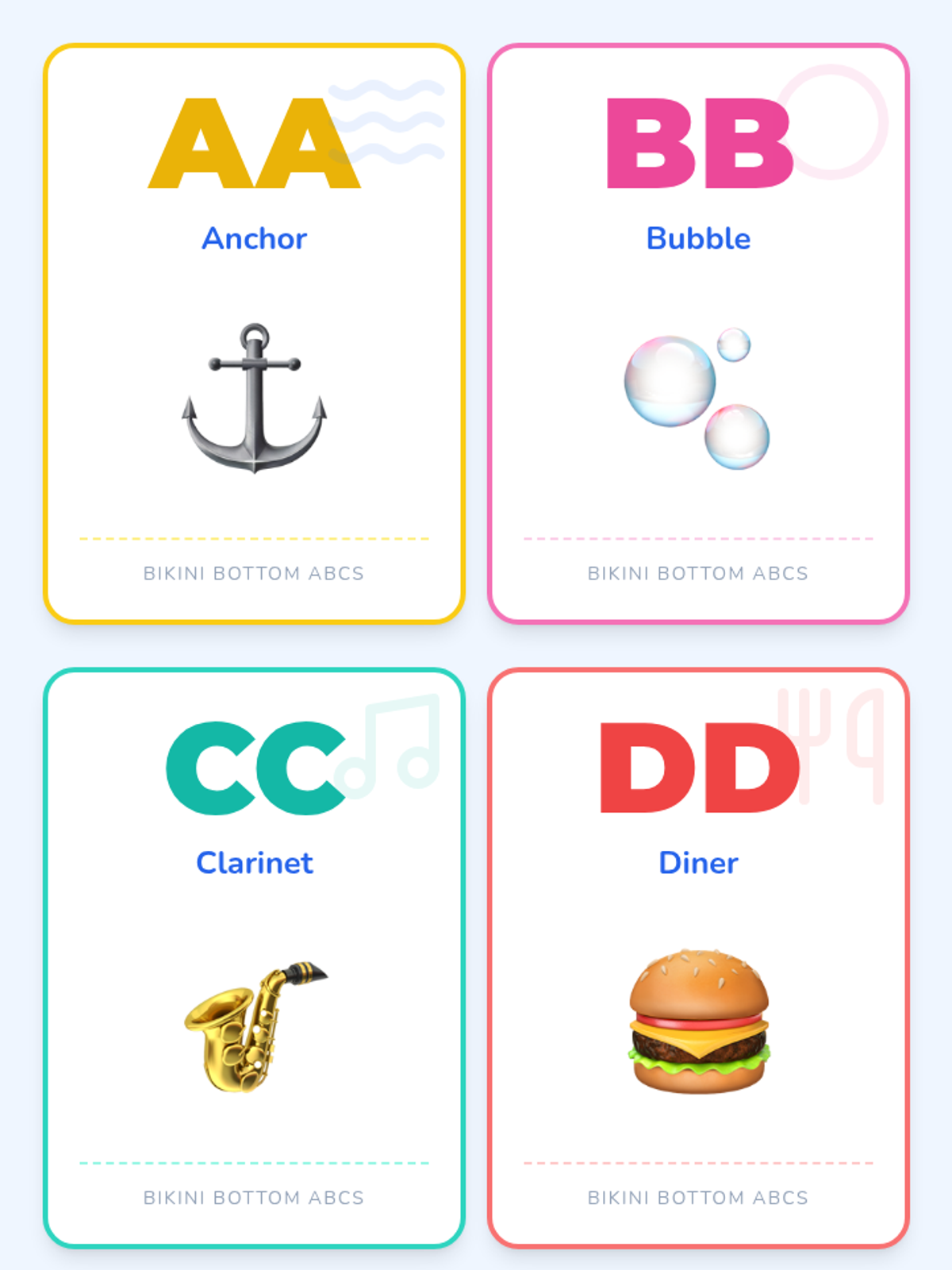
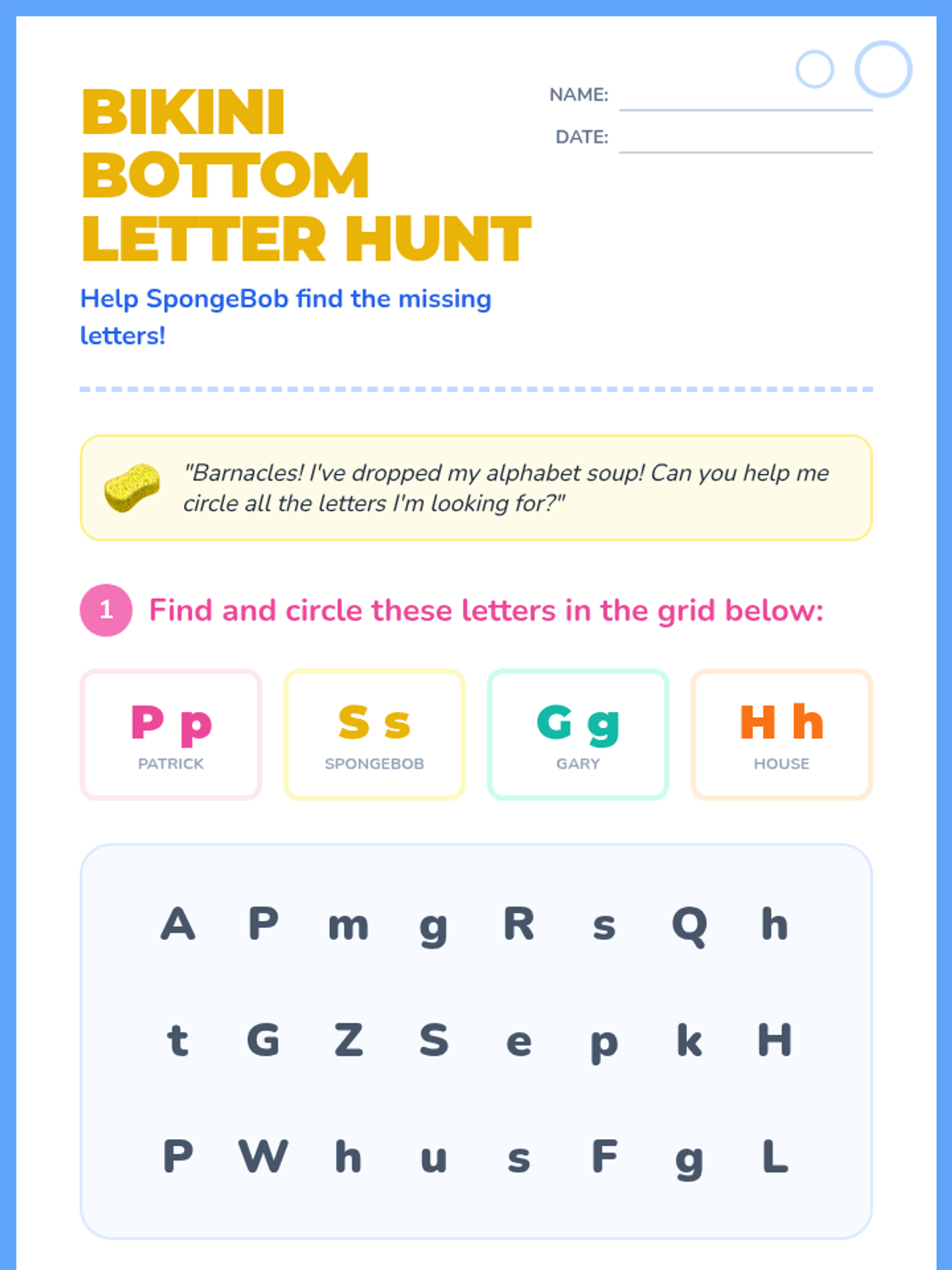
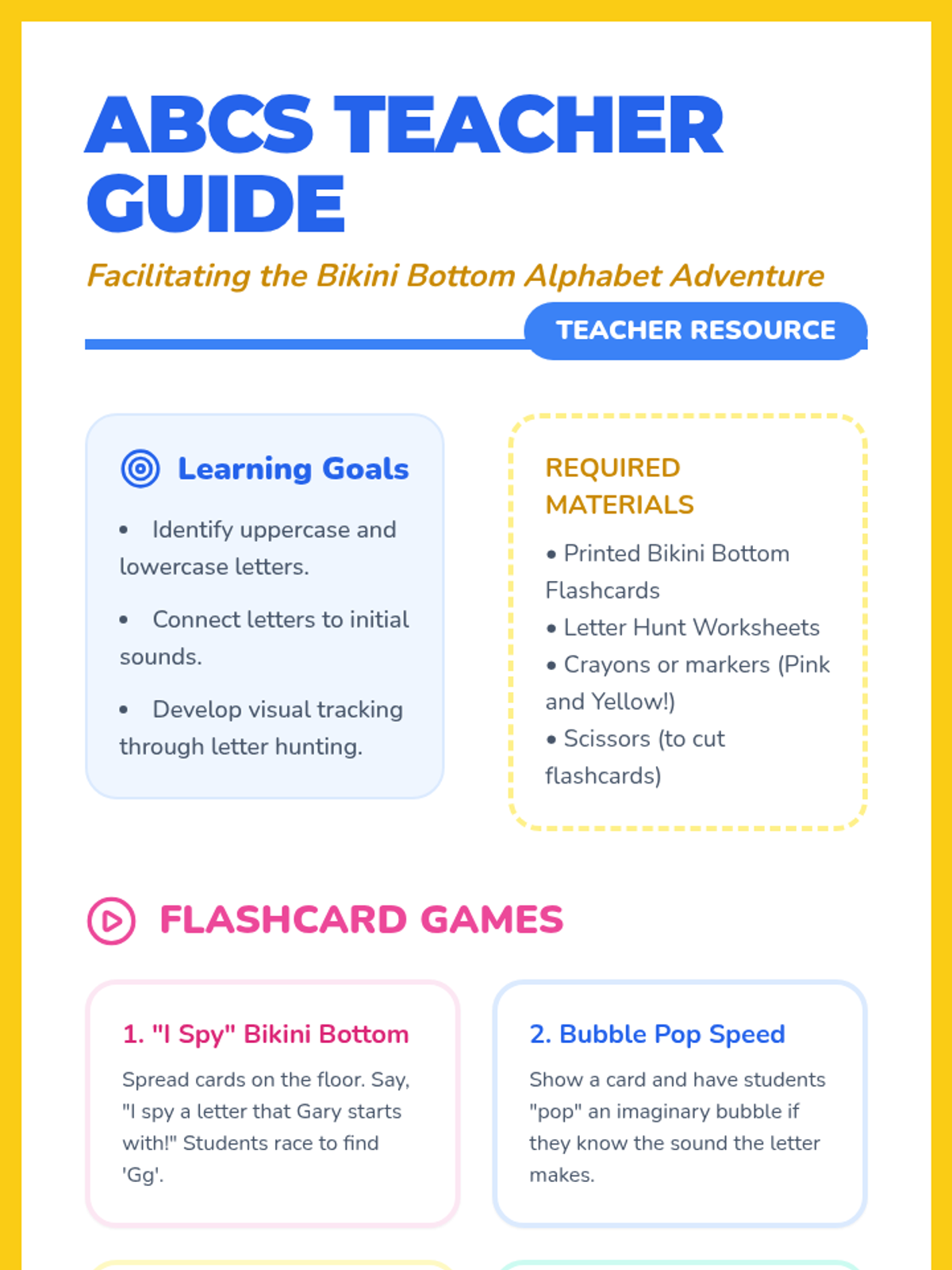
A fun, SpongeBob-themed lesson focused on mastering letter recognition through interactive flashcards and engaging activities set in Bikini Bottom.
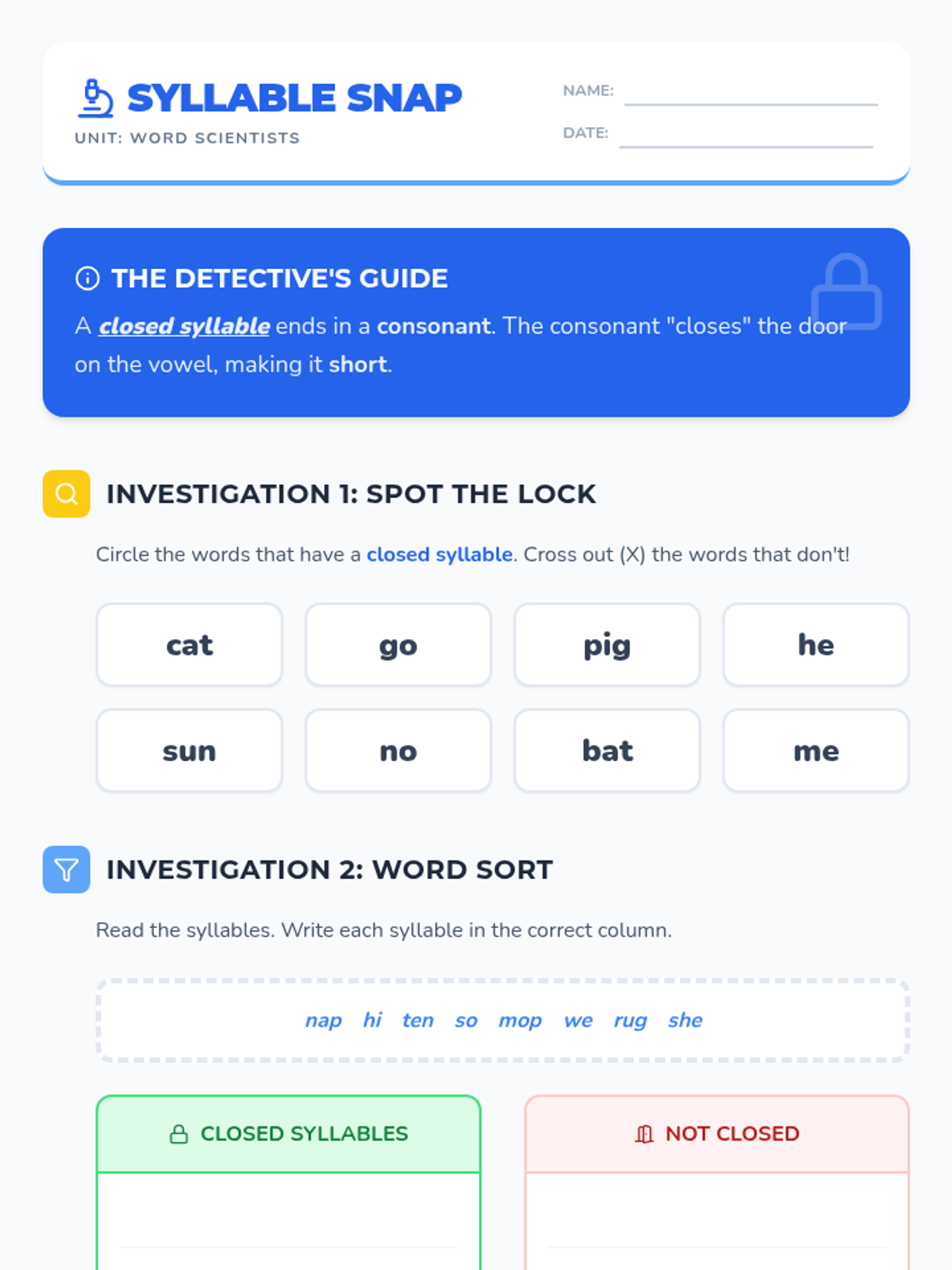
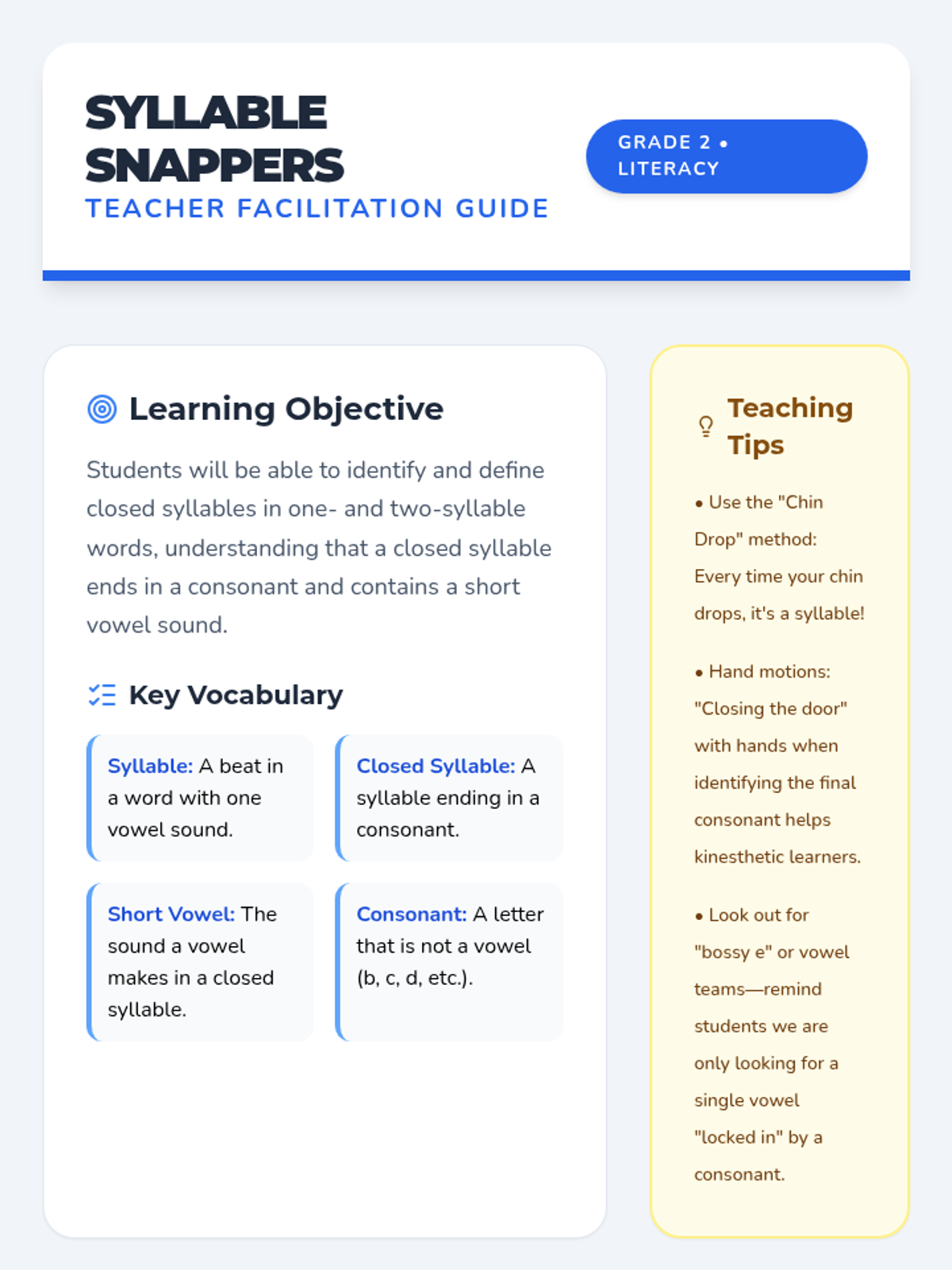
An introductory lesson for second graders to identify and understand closed syllables through interactive slides and hands-on practice.
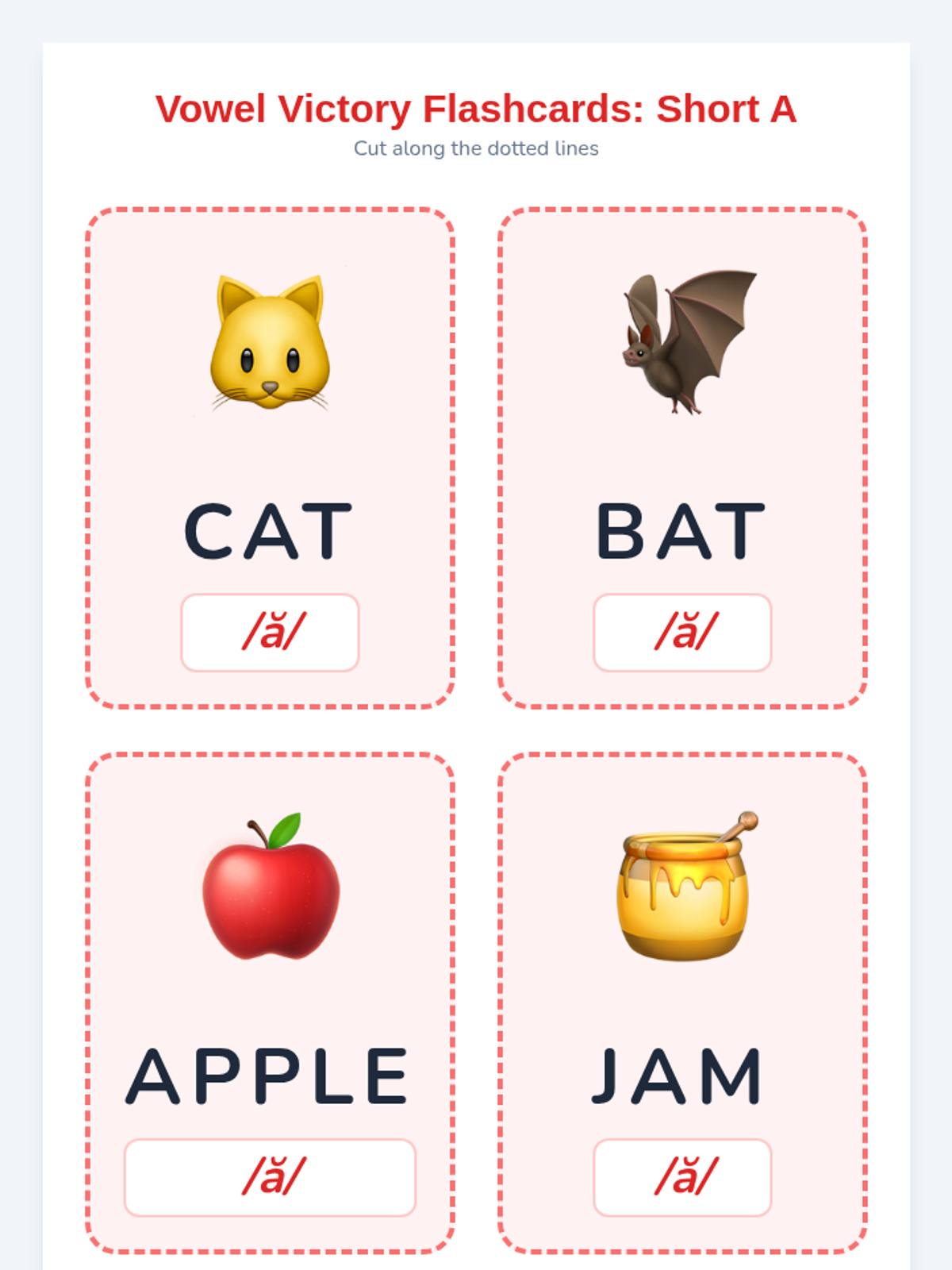
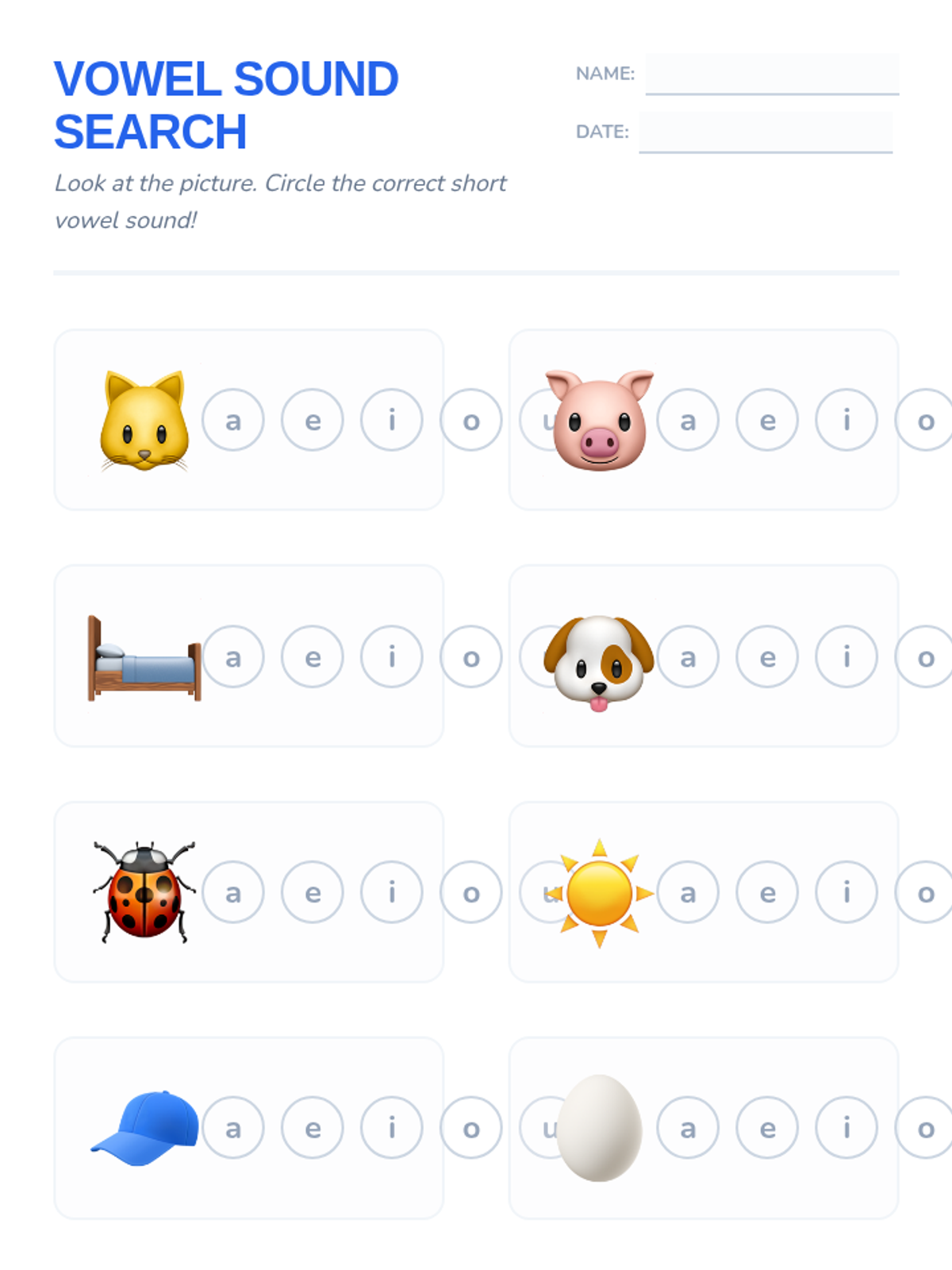
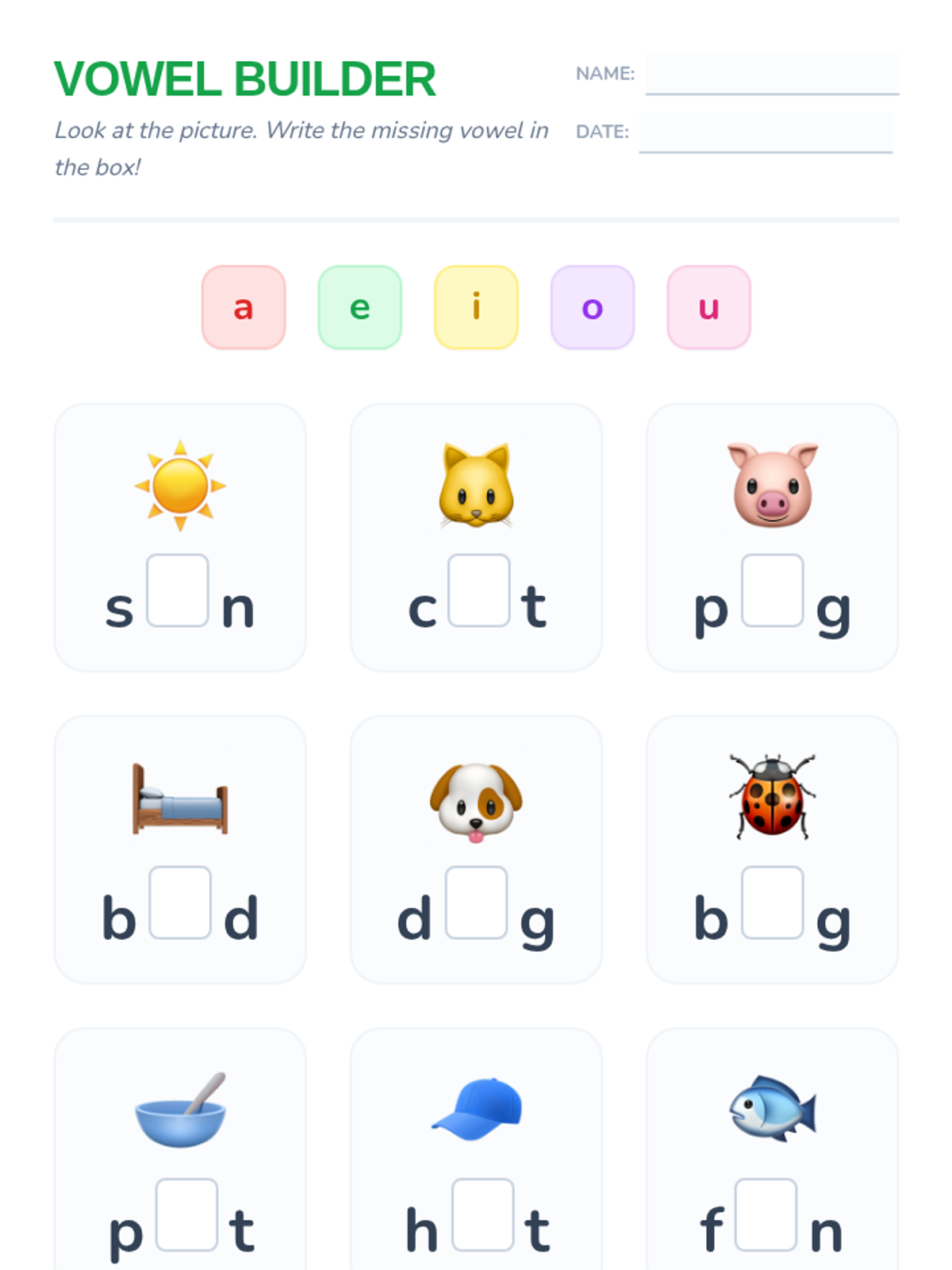
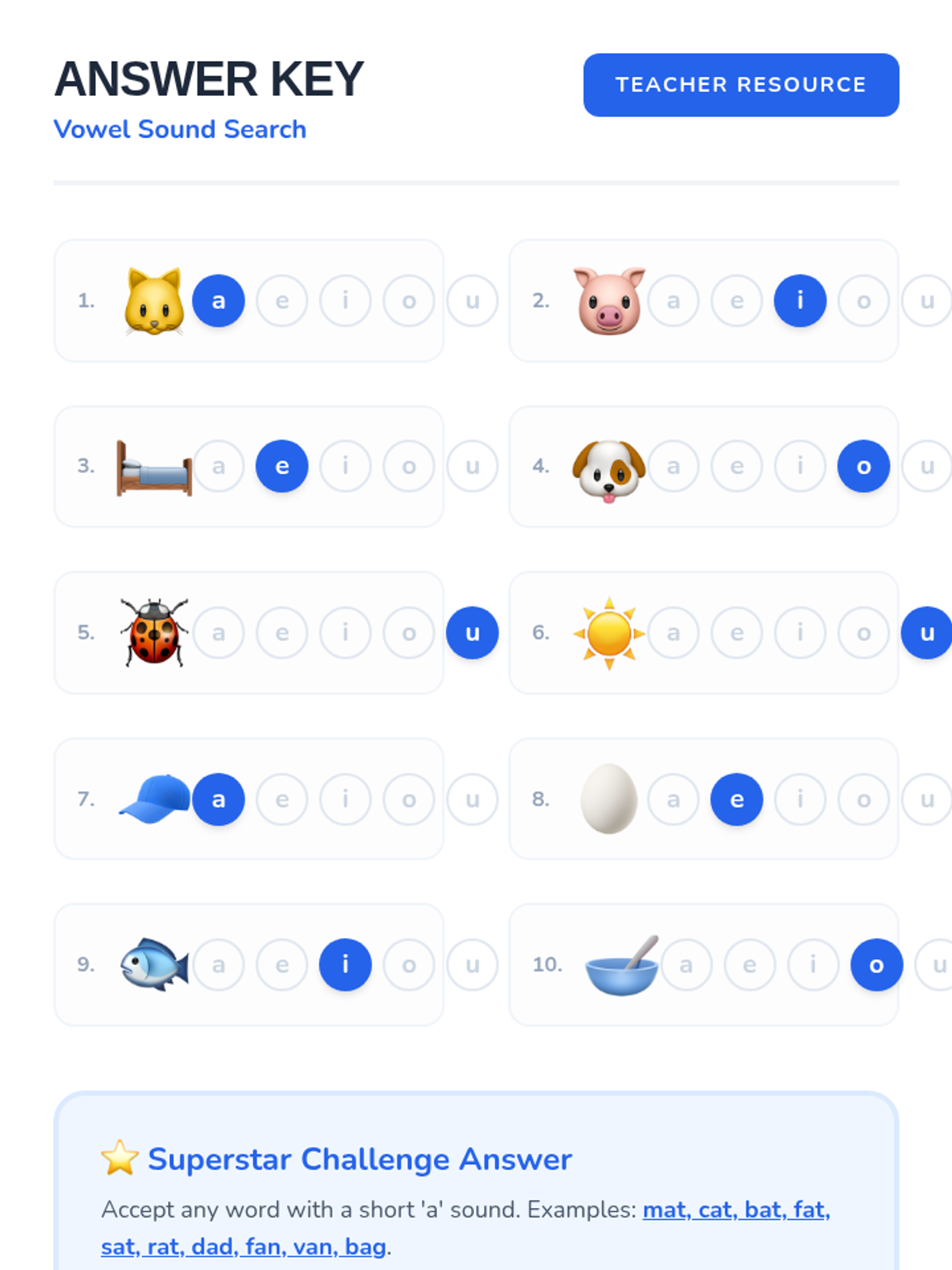
An engaging introductory lesson on short vowel sounds (a, e, i, o, u) using CVC words, visual cues, and interactive practice for 1st grade students.
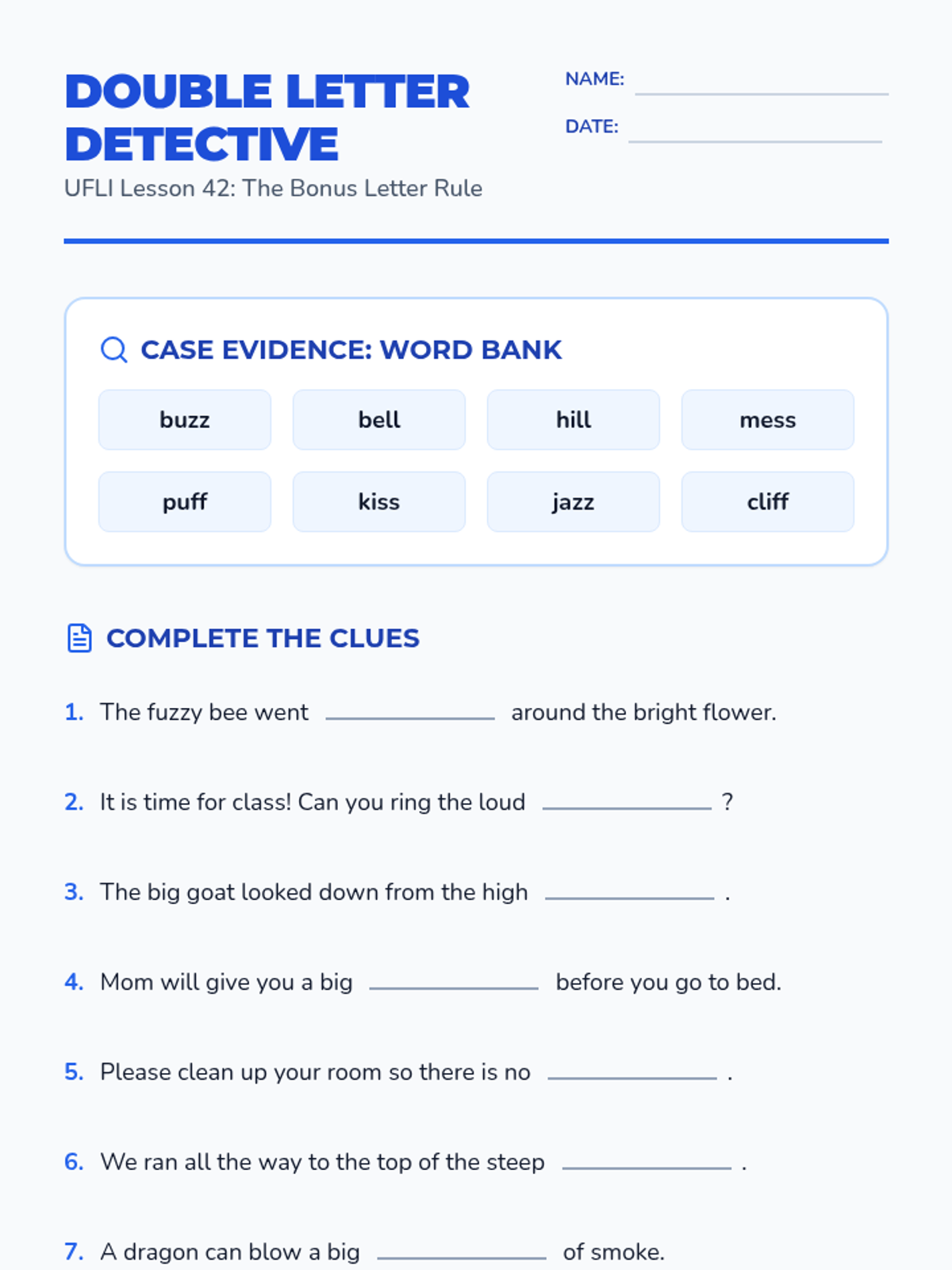
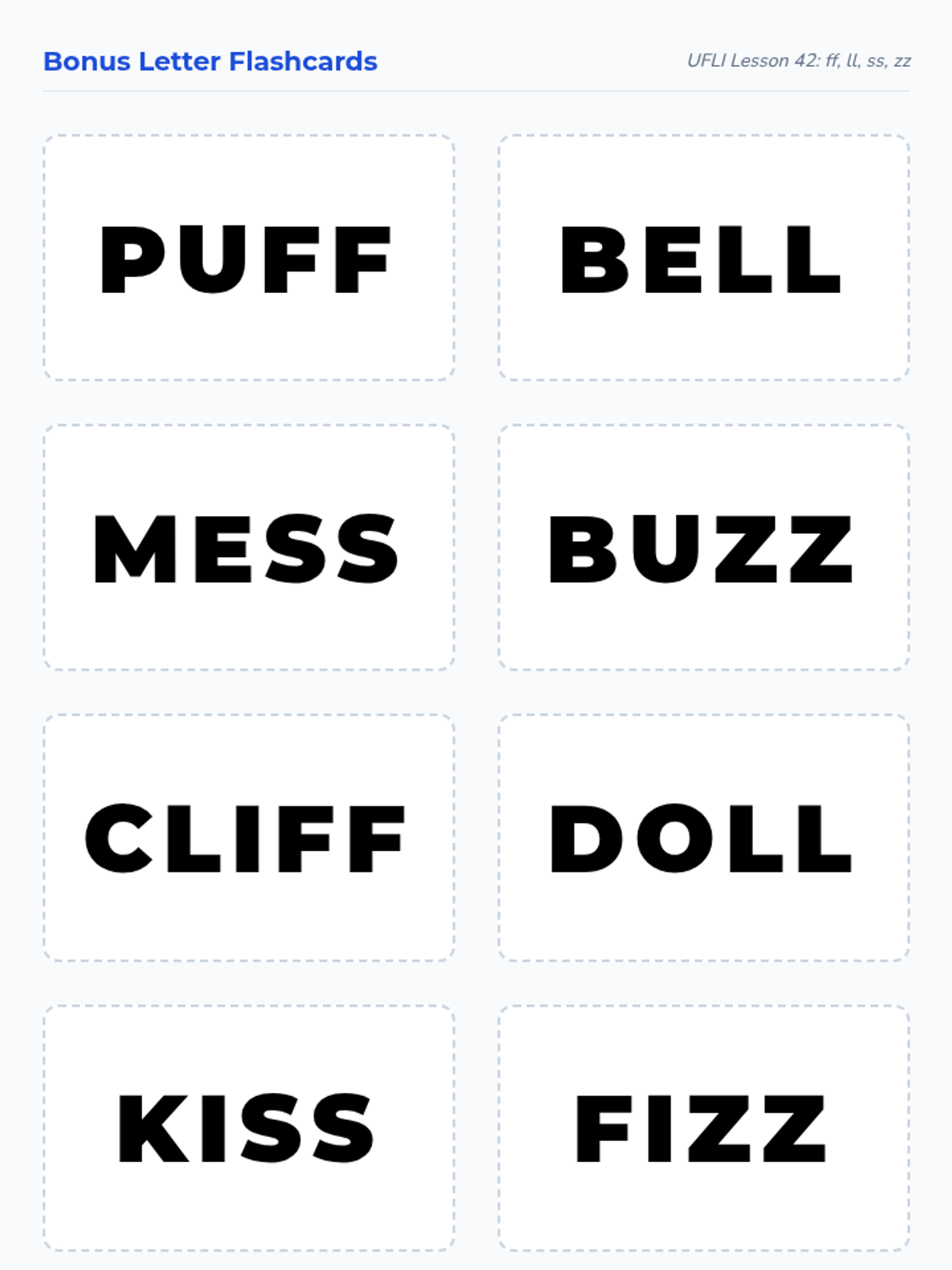
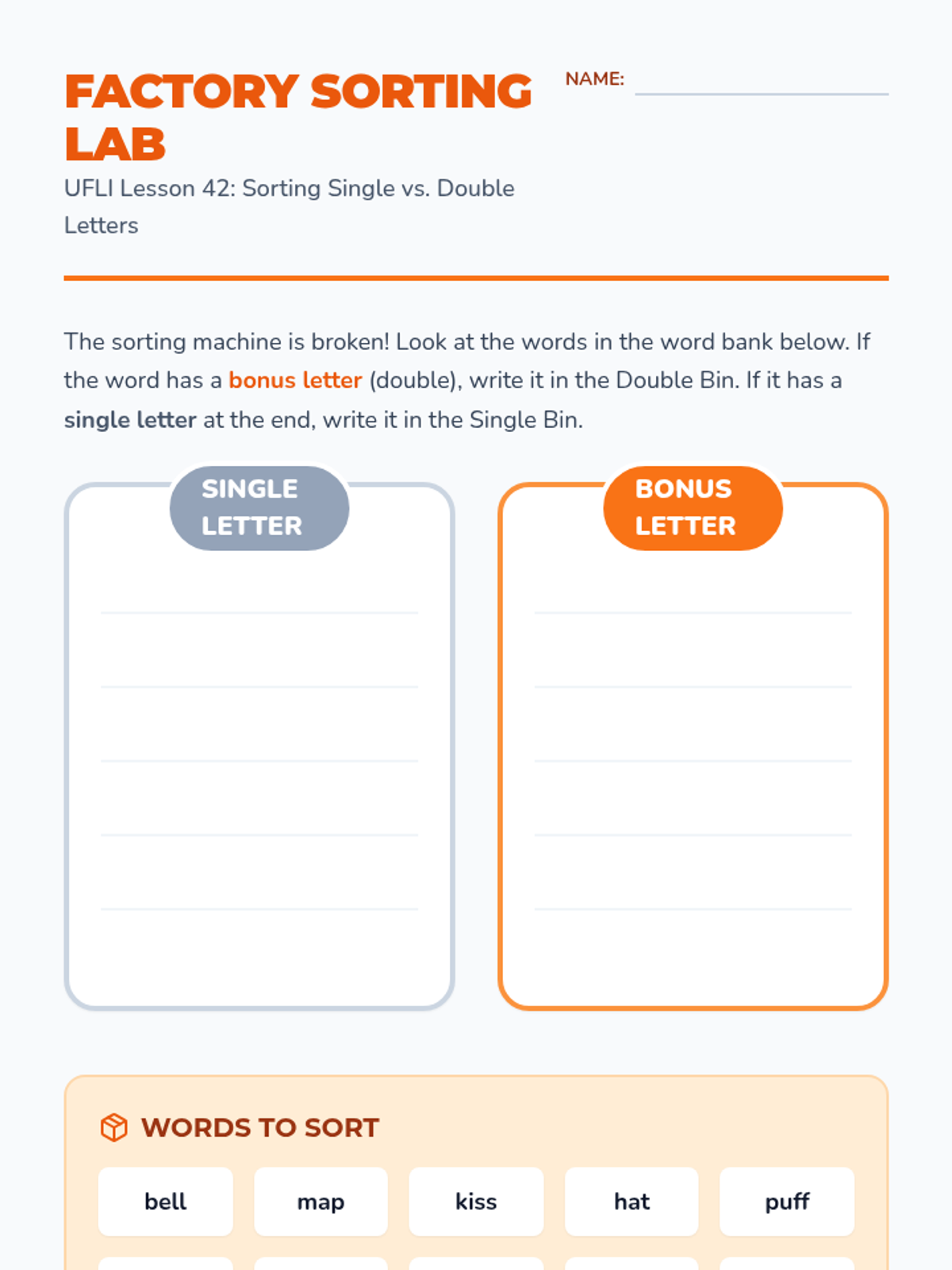
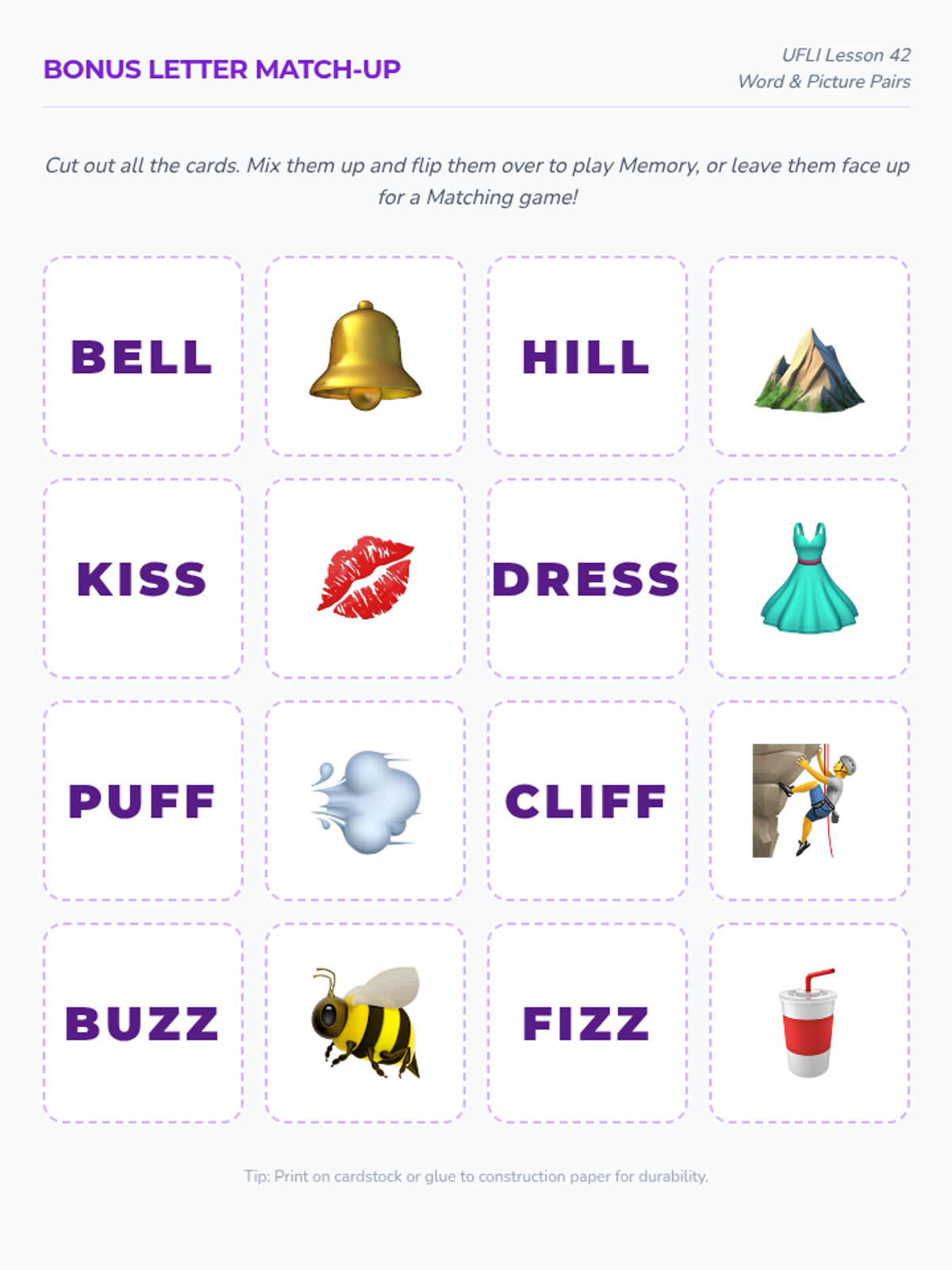
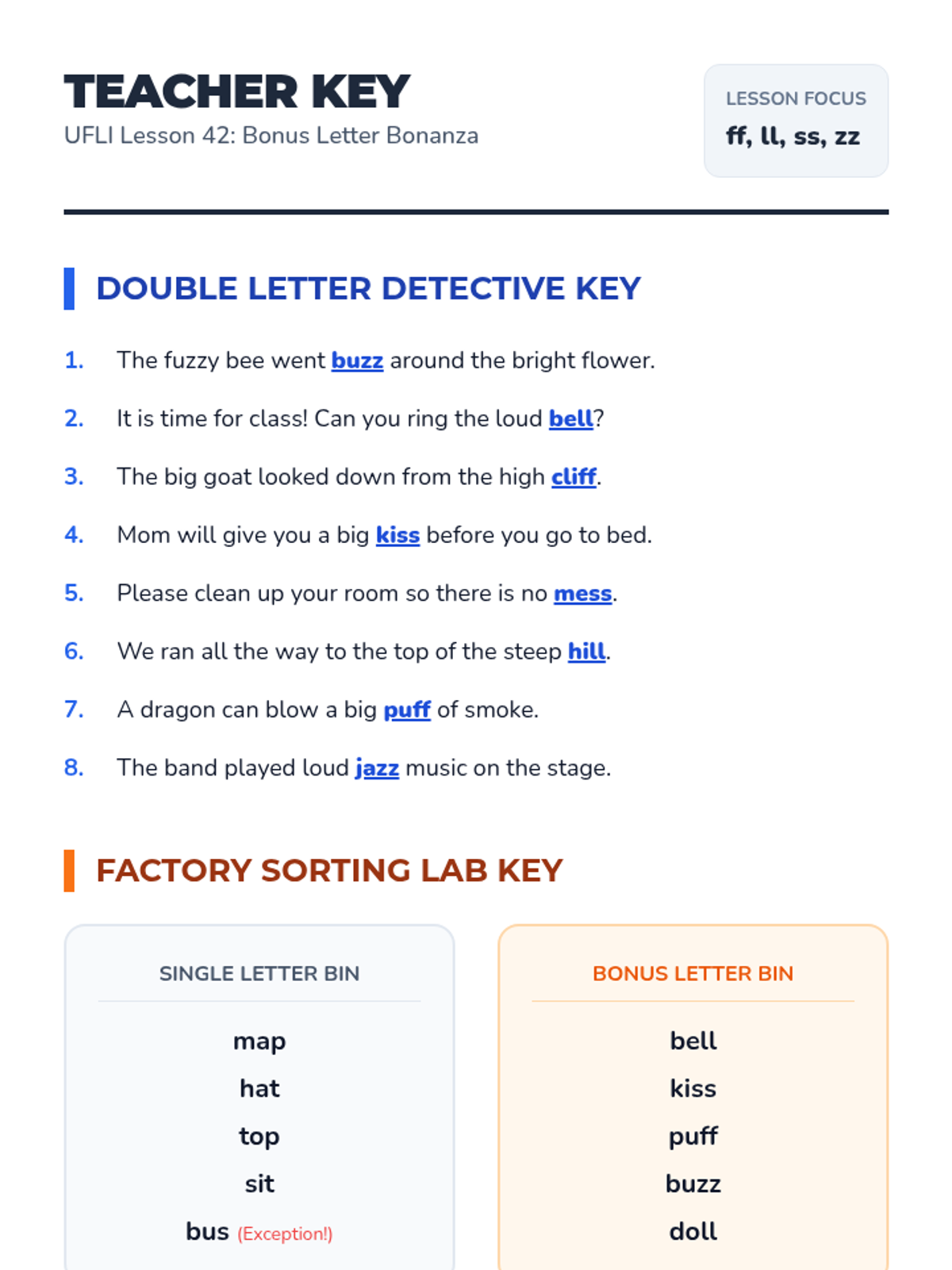
A comprehensive set of activities for UFLI Lesson 42, focusing on the bonus letters ff, ll, ss, and zz (the FLOSS rule). Includes a presentation, fill-in-the-blank worksheet, sorting activity, flashcards, and a matching game.
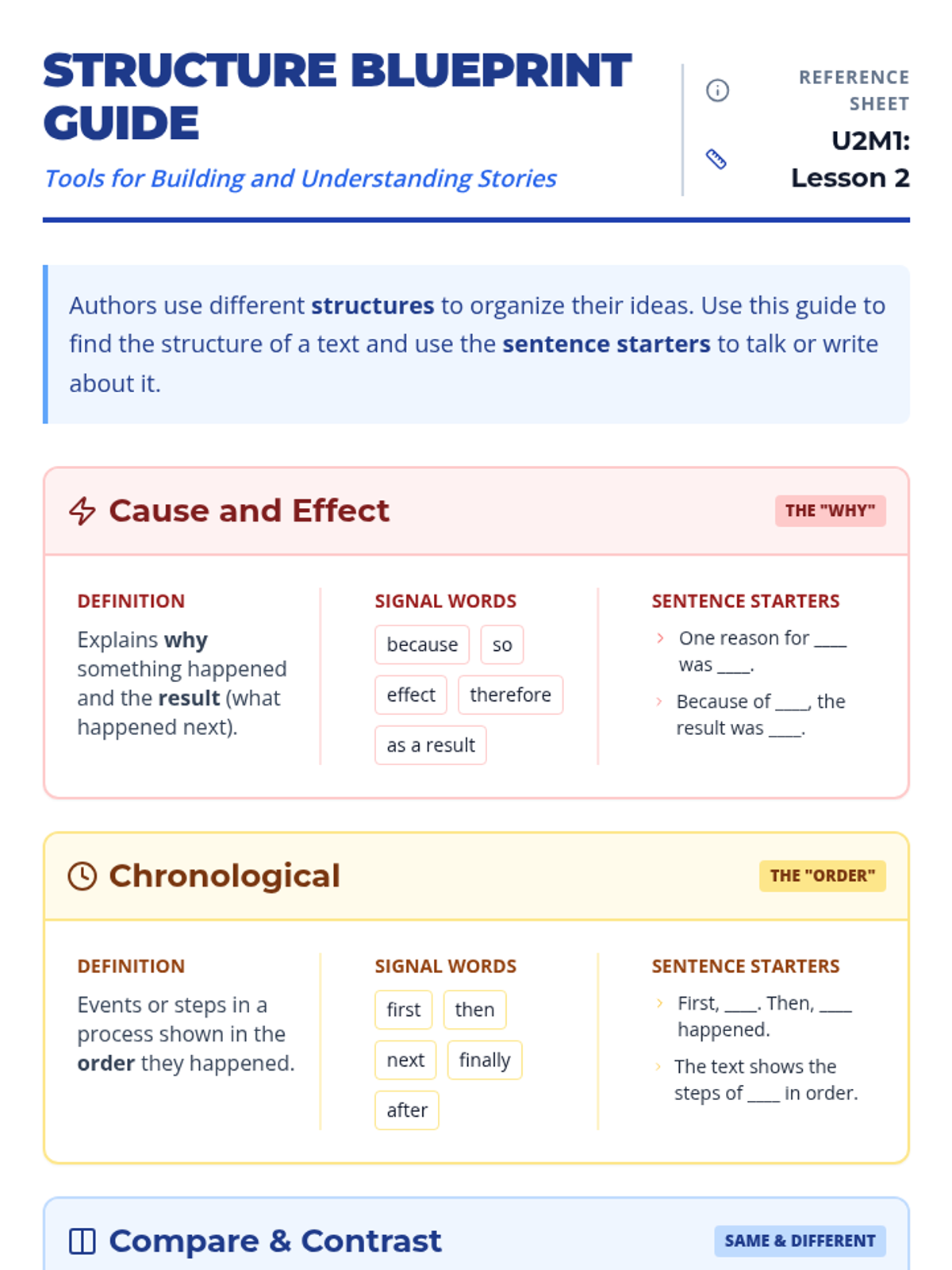
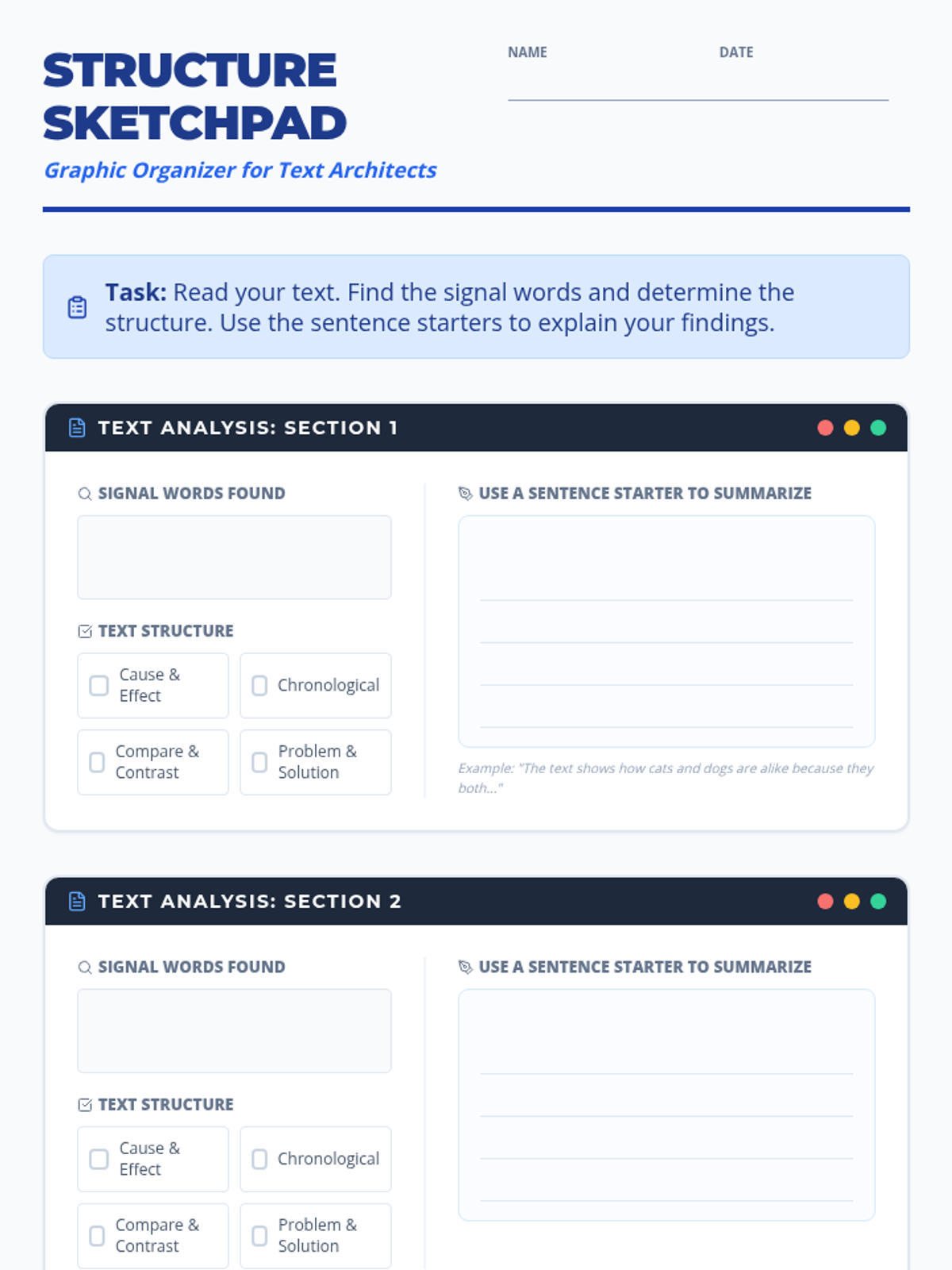
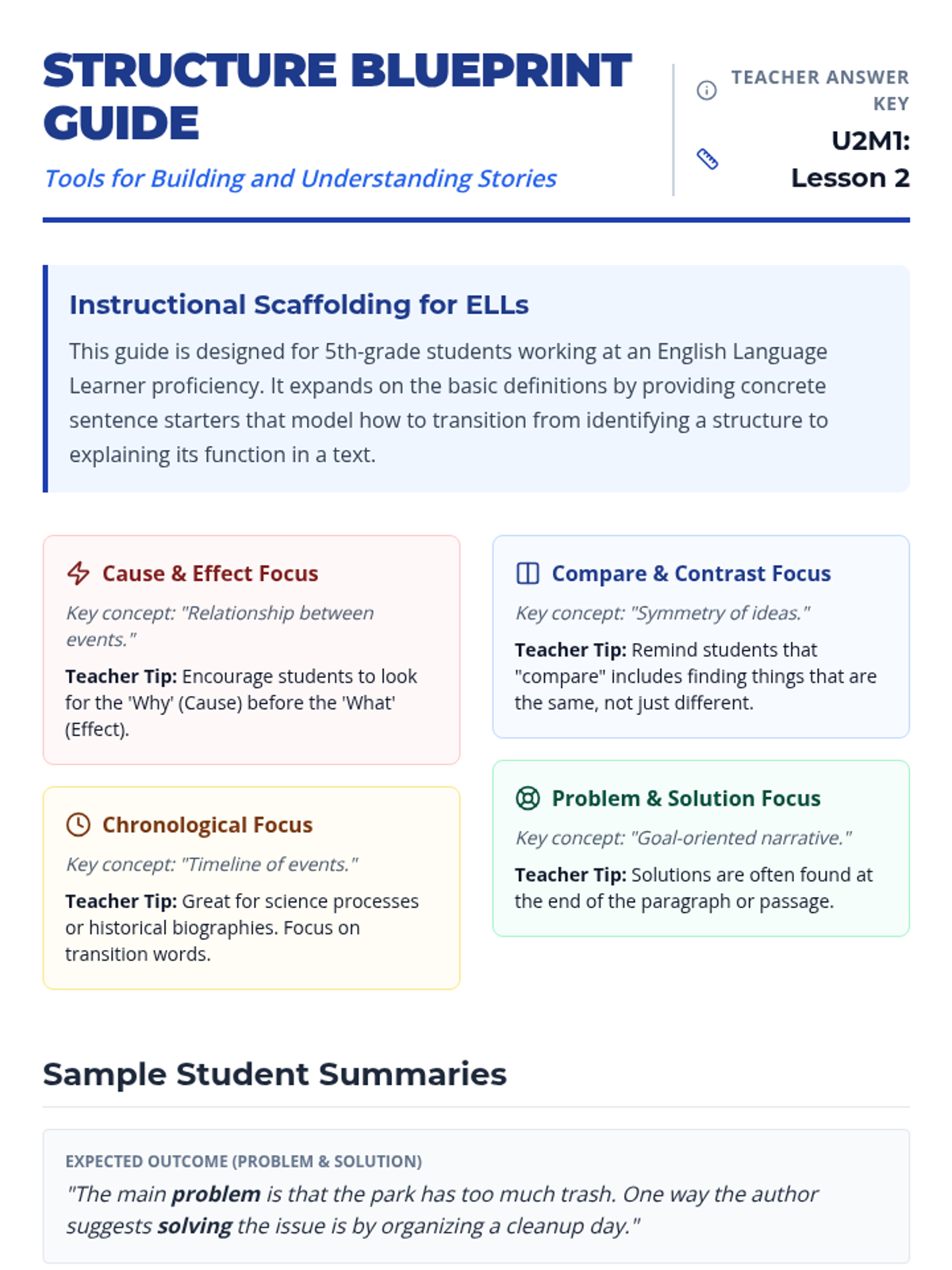
A lesson focused on identifying text structures using visual scaffolding, signal words, and sentence starters designed for English Language Learners.
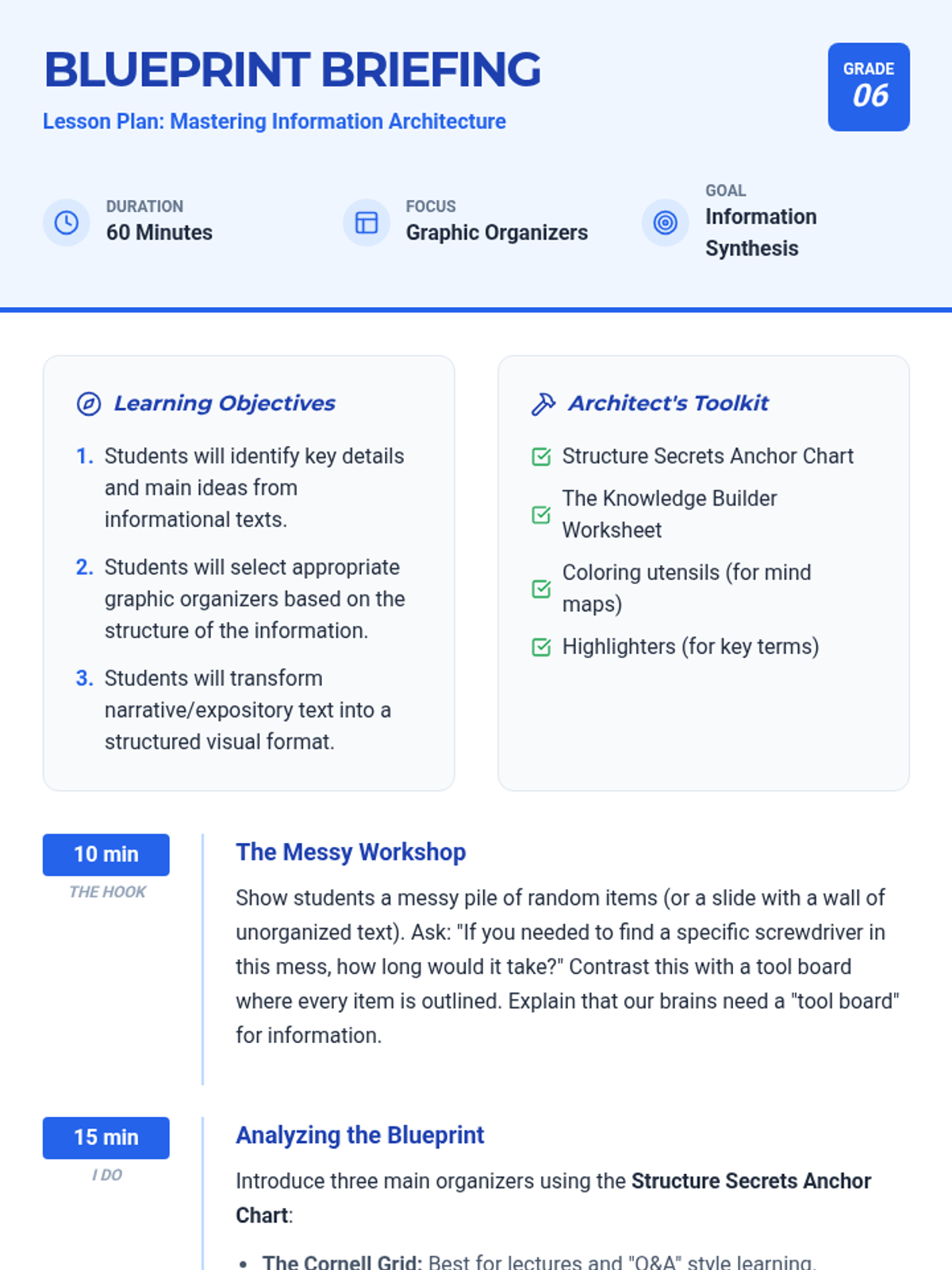
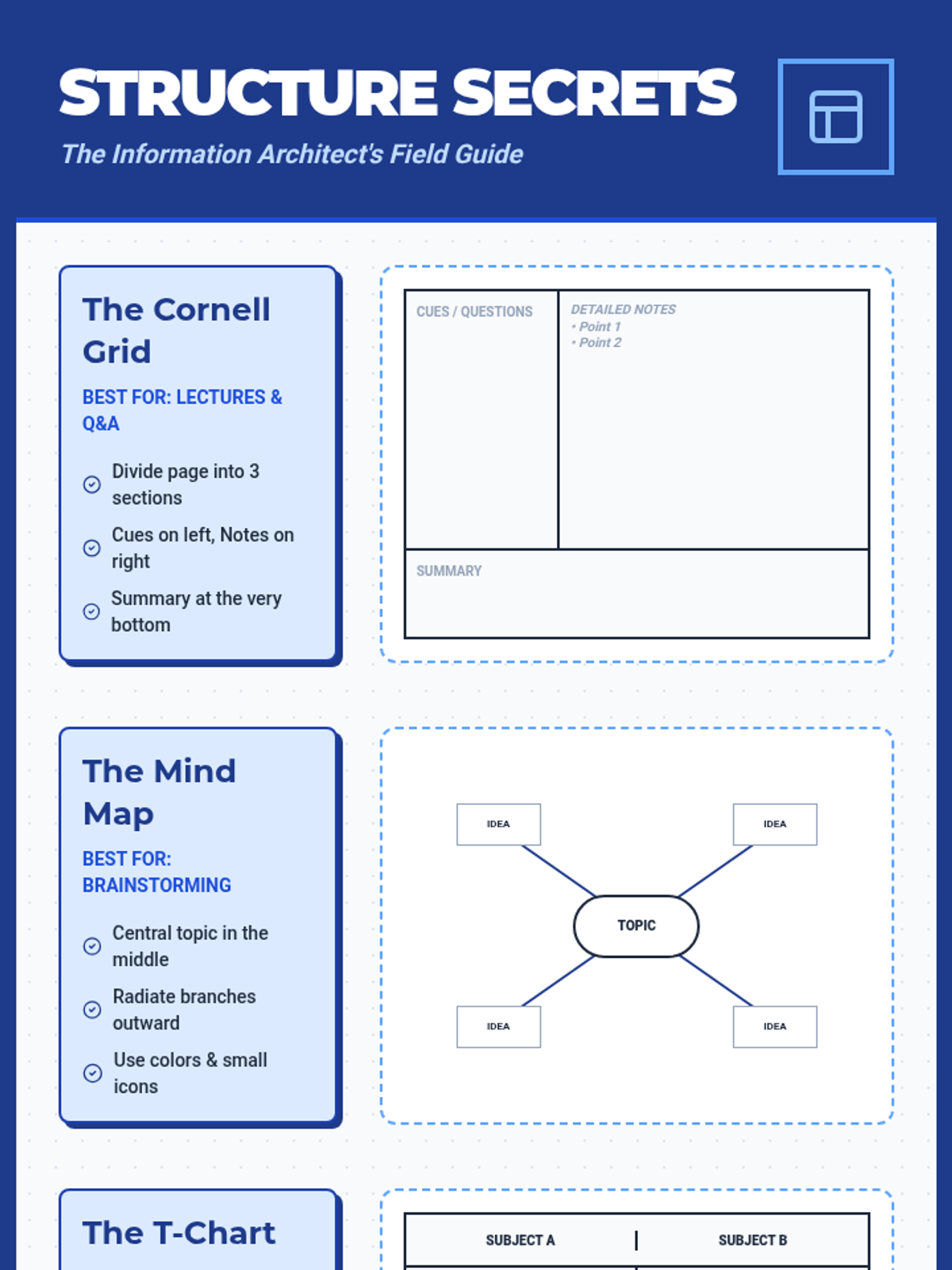
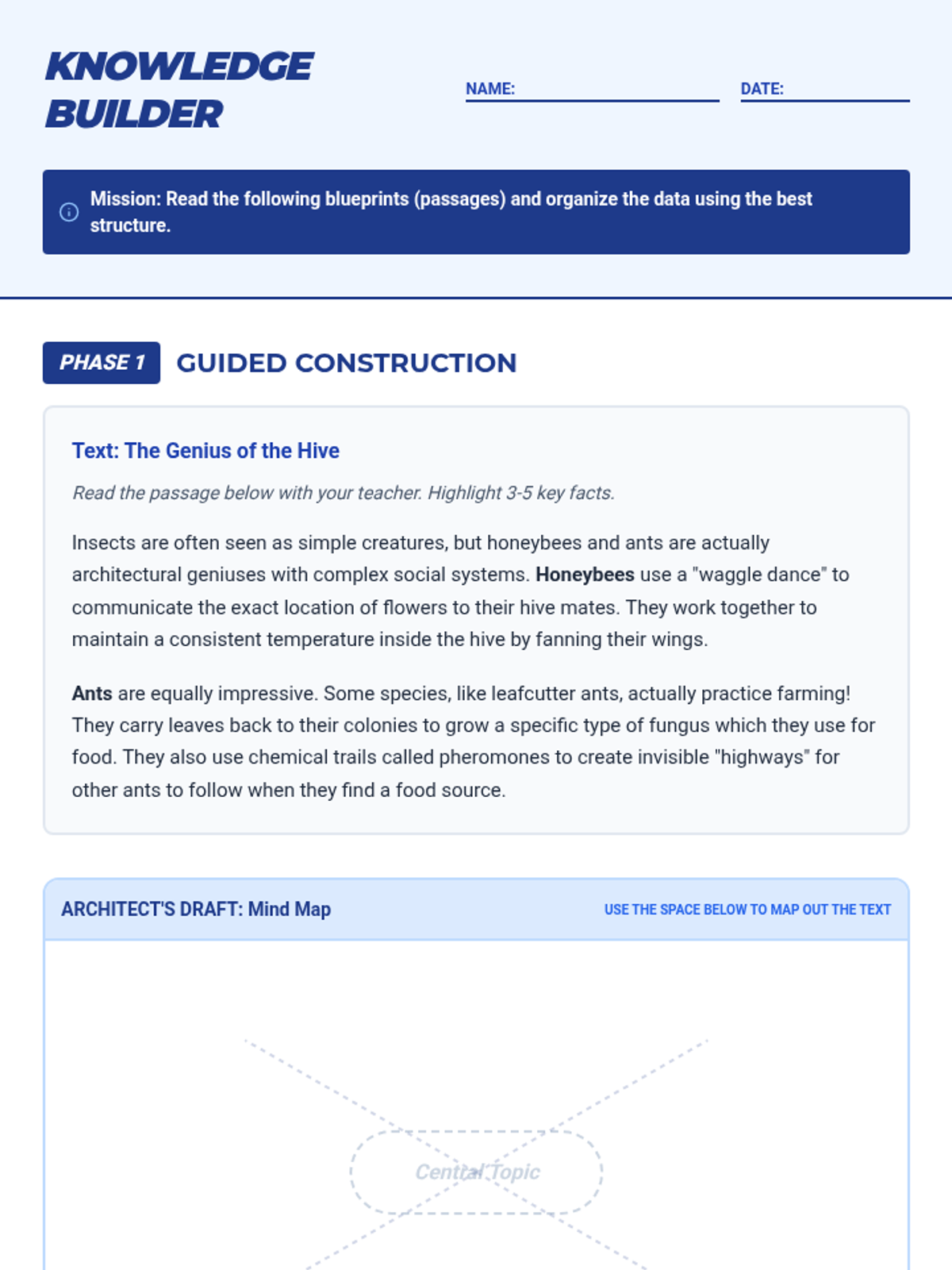
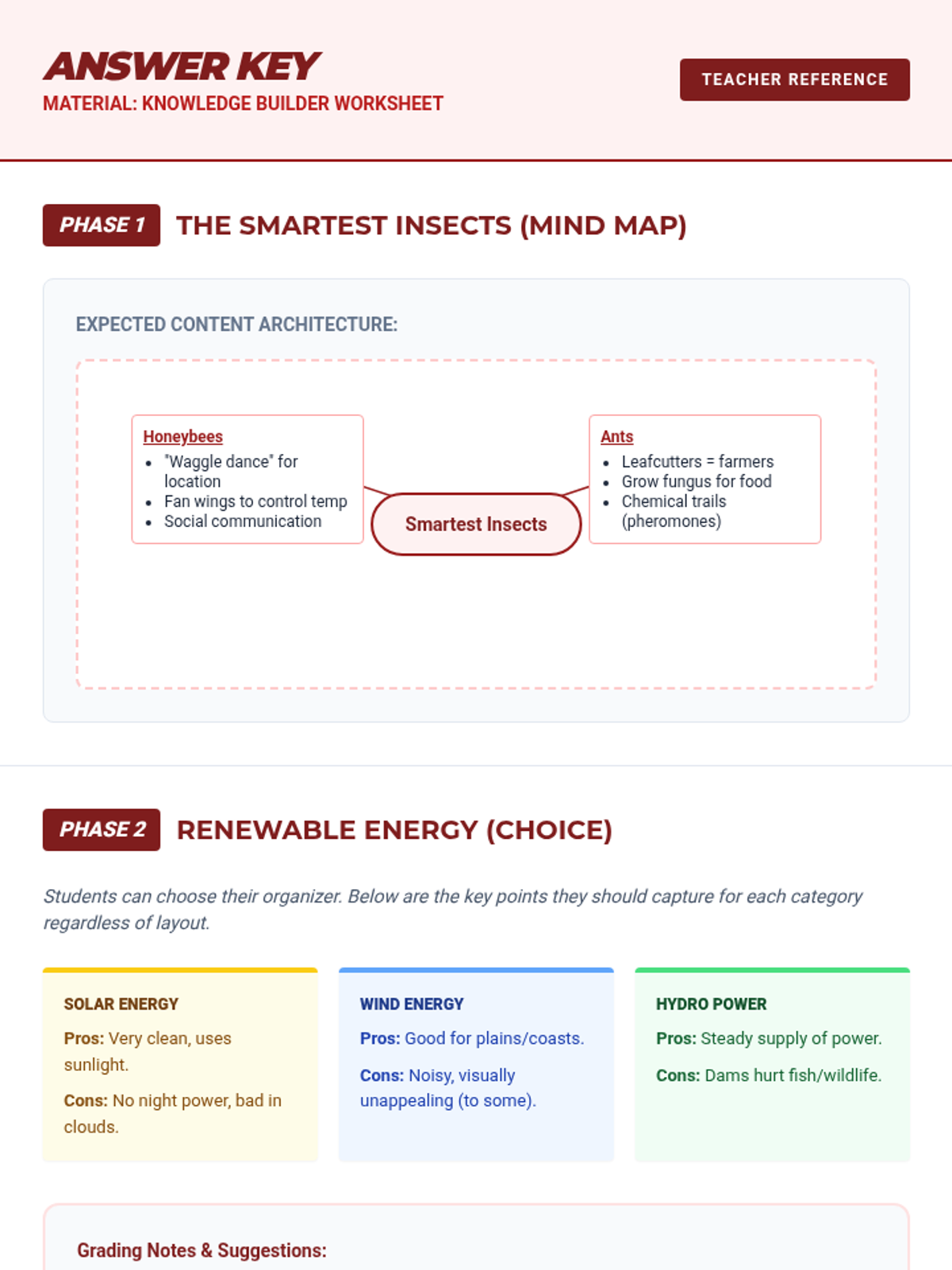
A comprehensive lesson teaching 6th graders how to use graphic organizers (Cornell notes, mind maps, and T-charts) to organize information effectively. Includes a detailed lesson plan, a visual anchor chart, and guided practice worksheets.
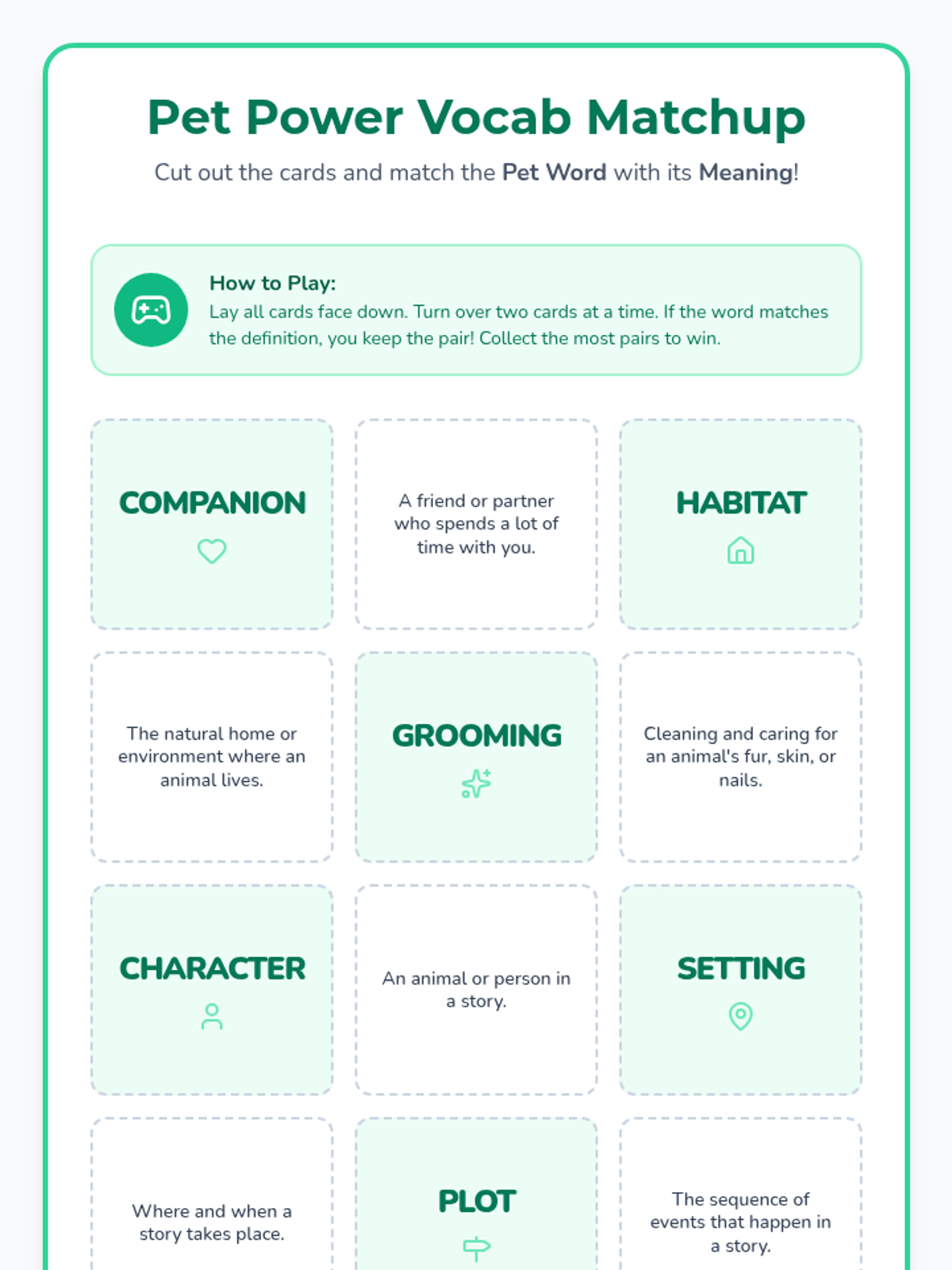
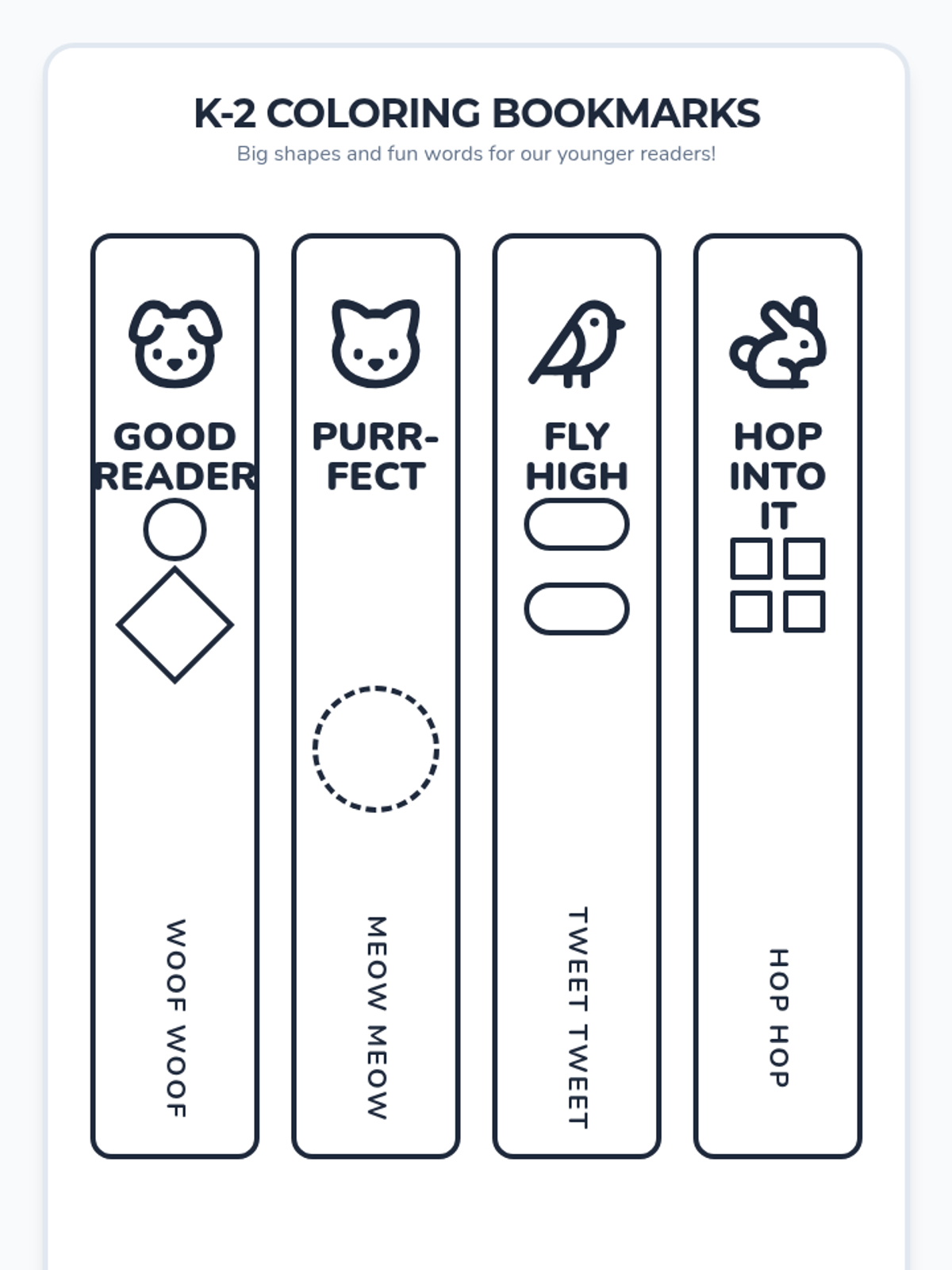
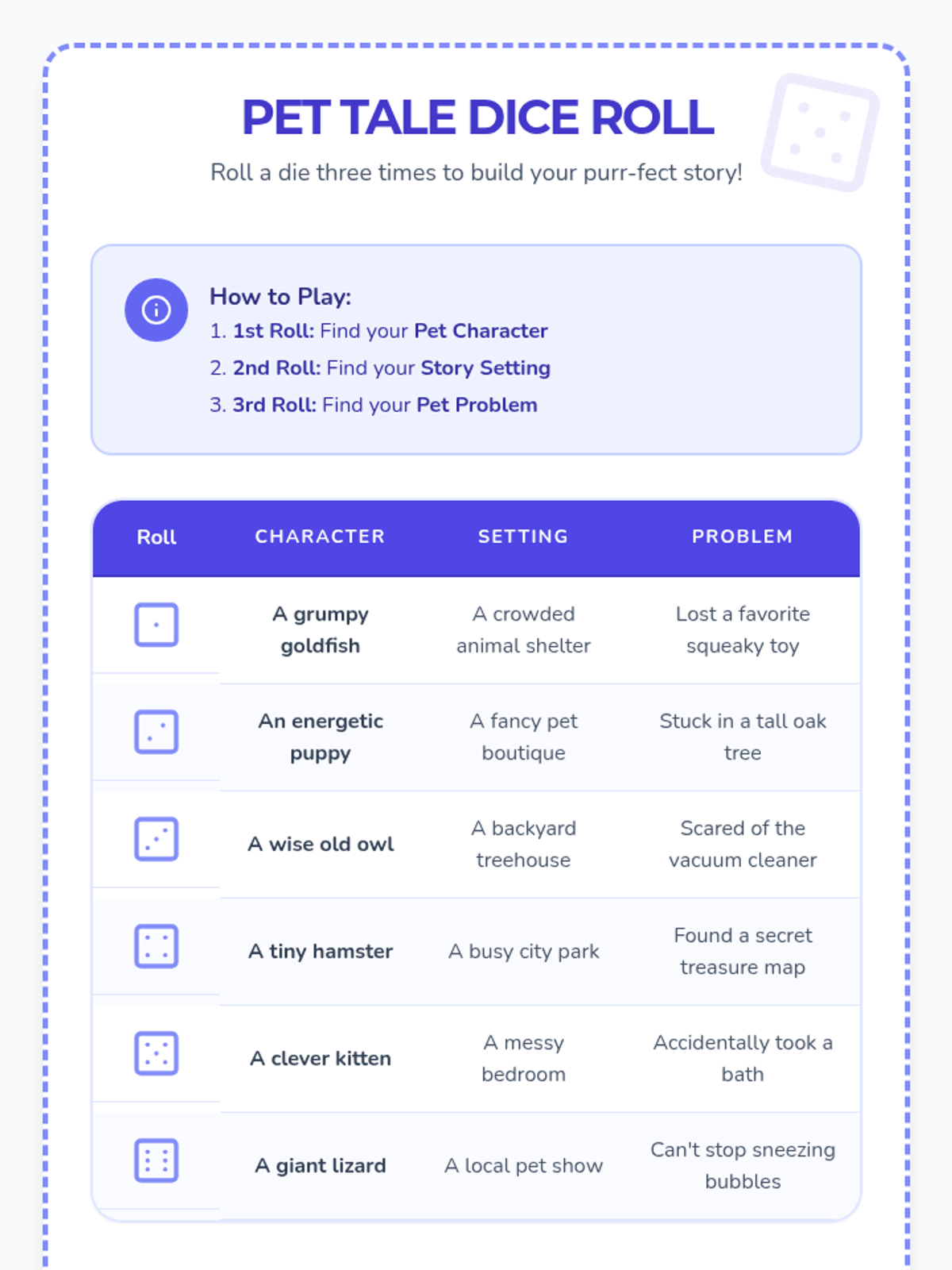
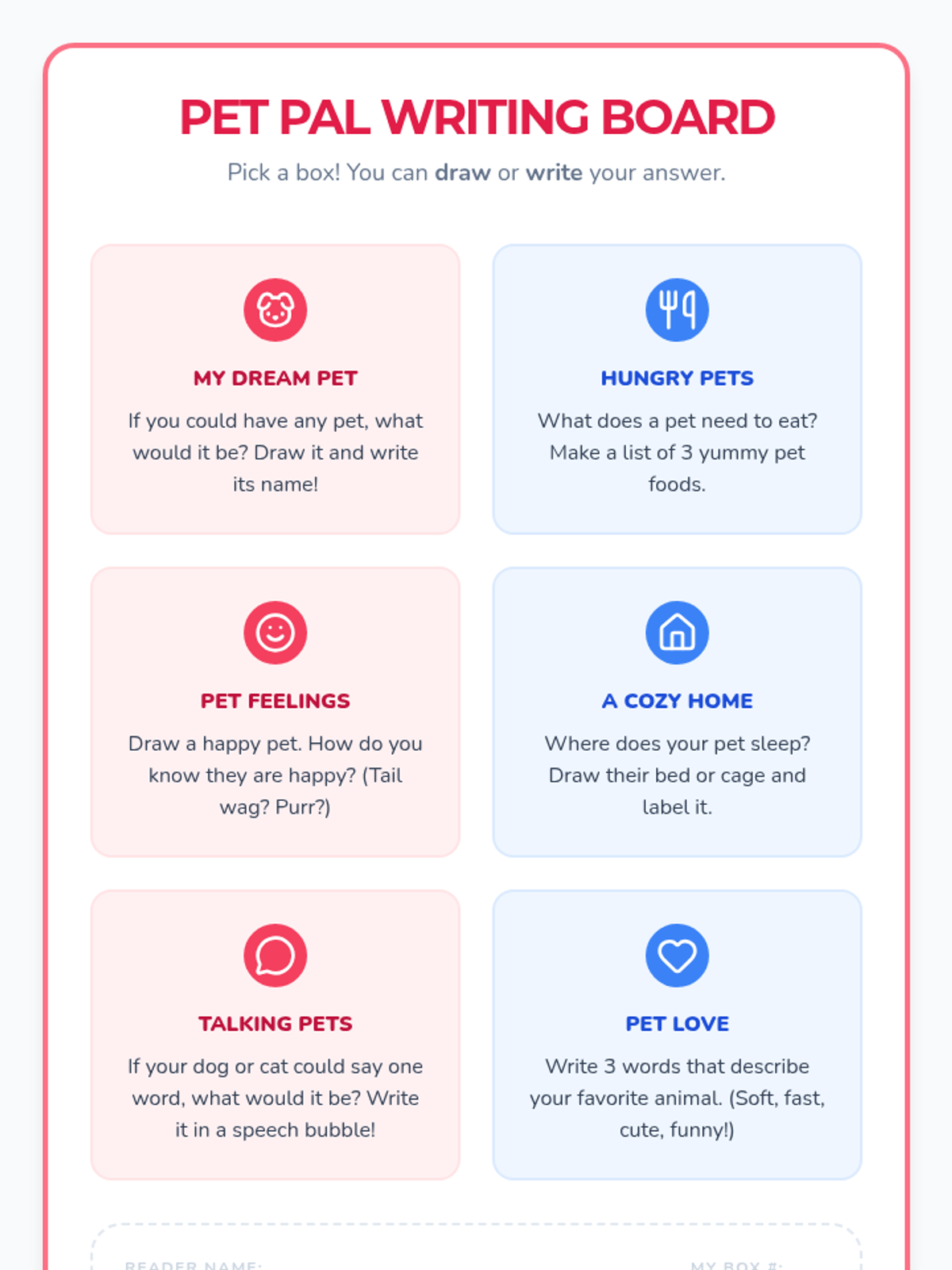
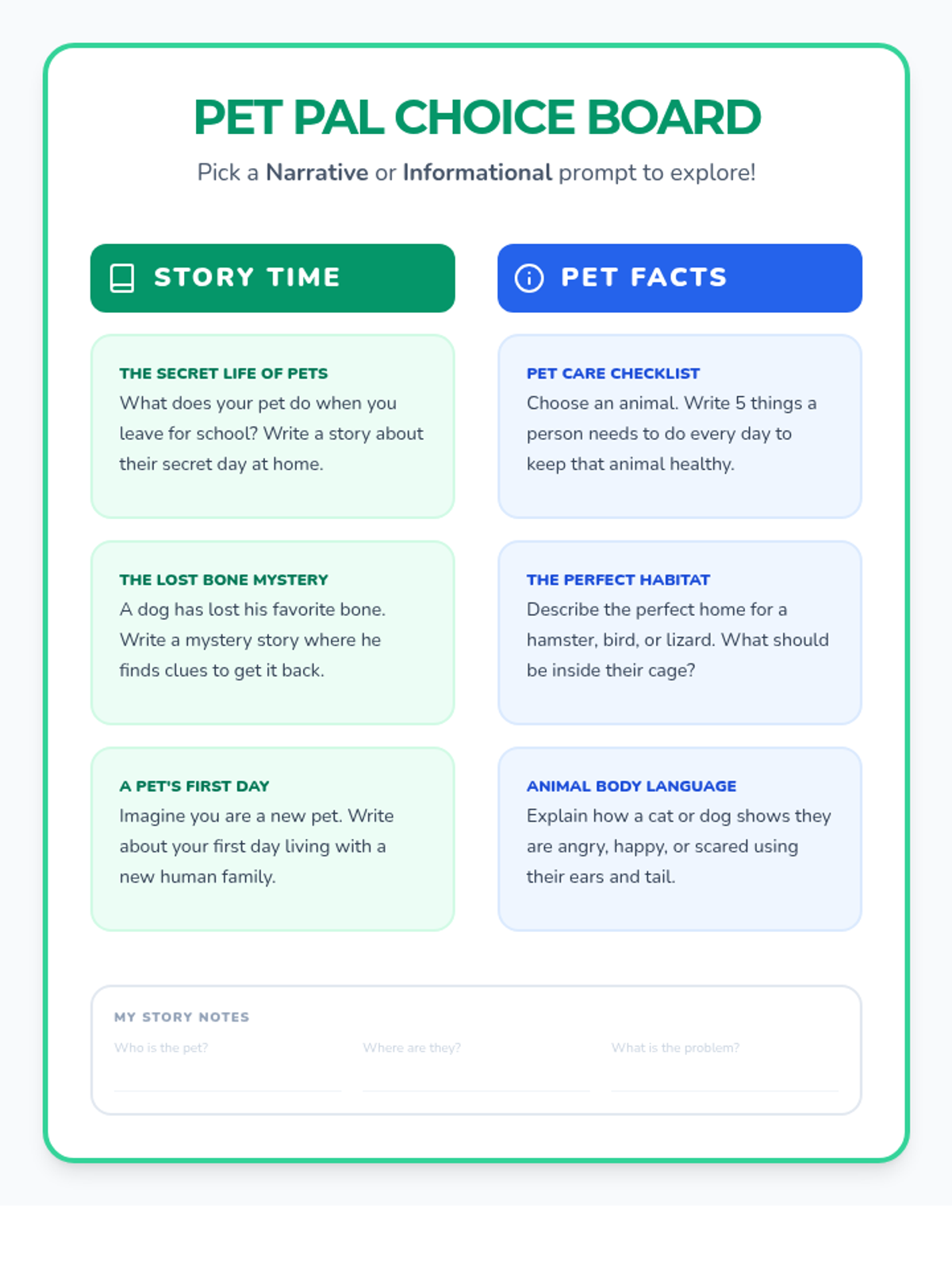
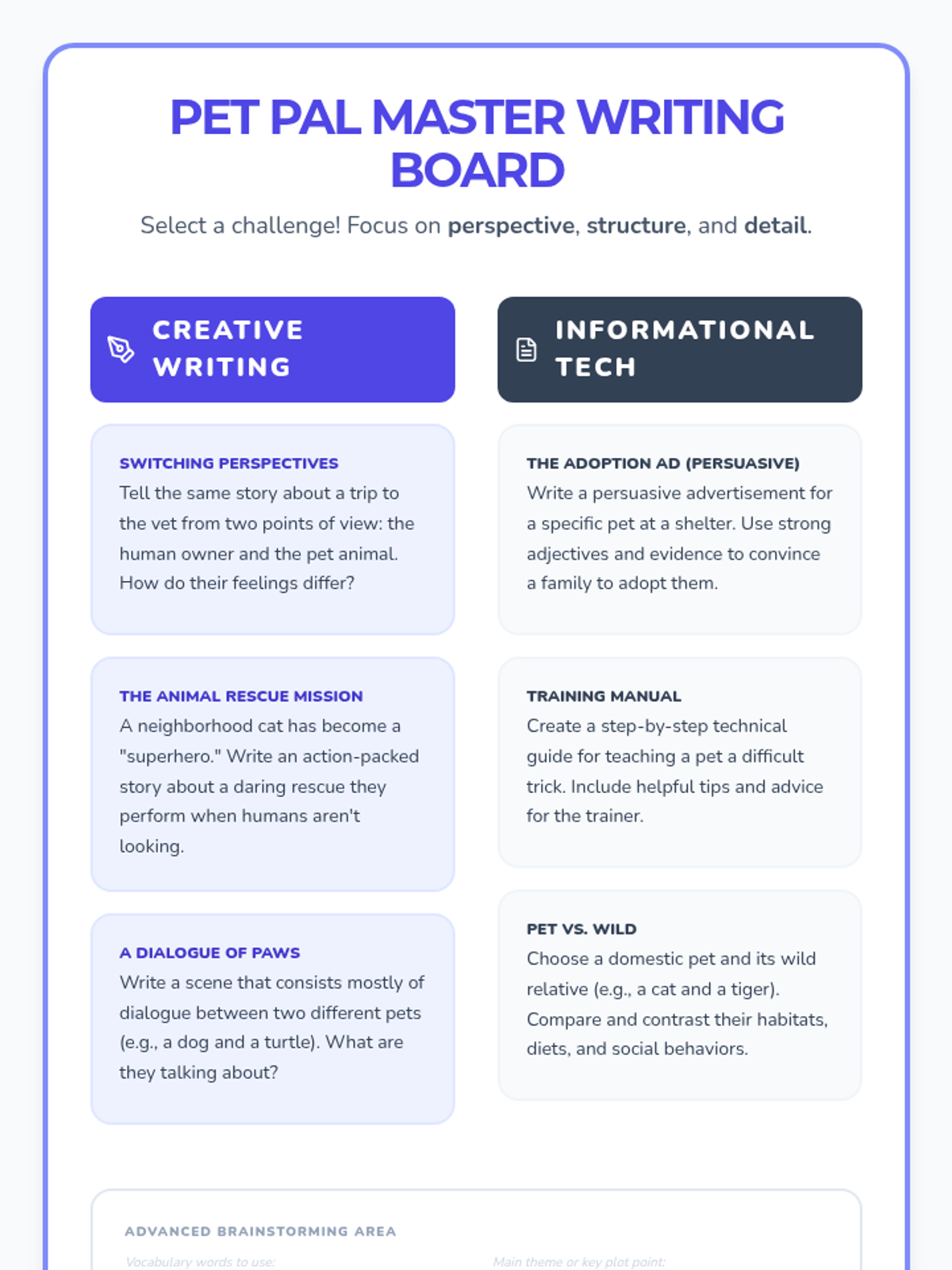
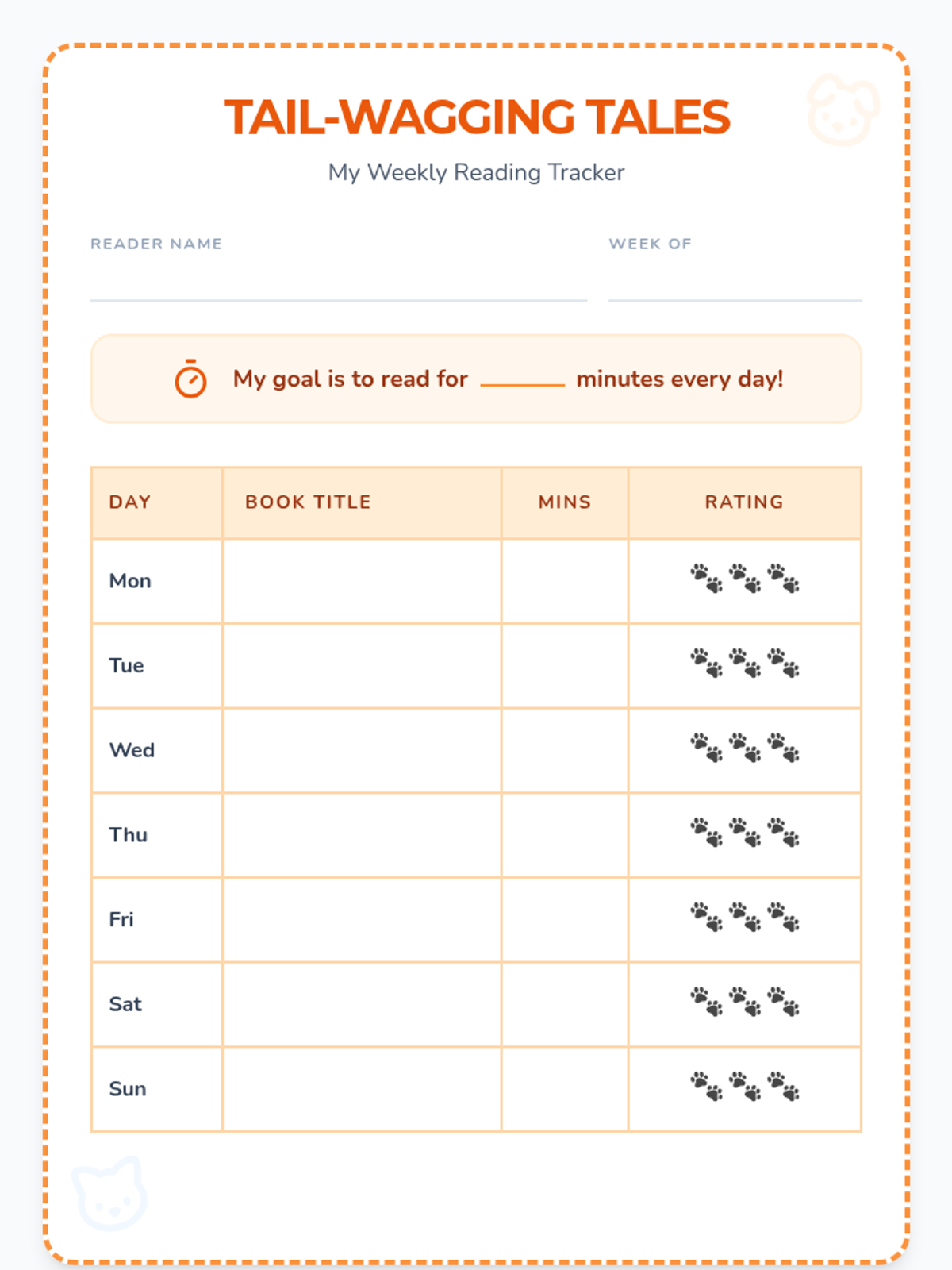
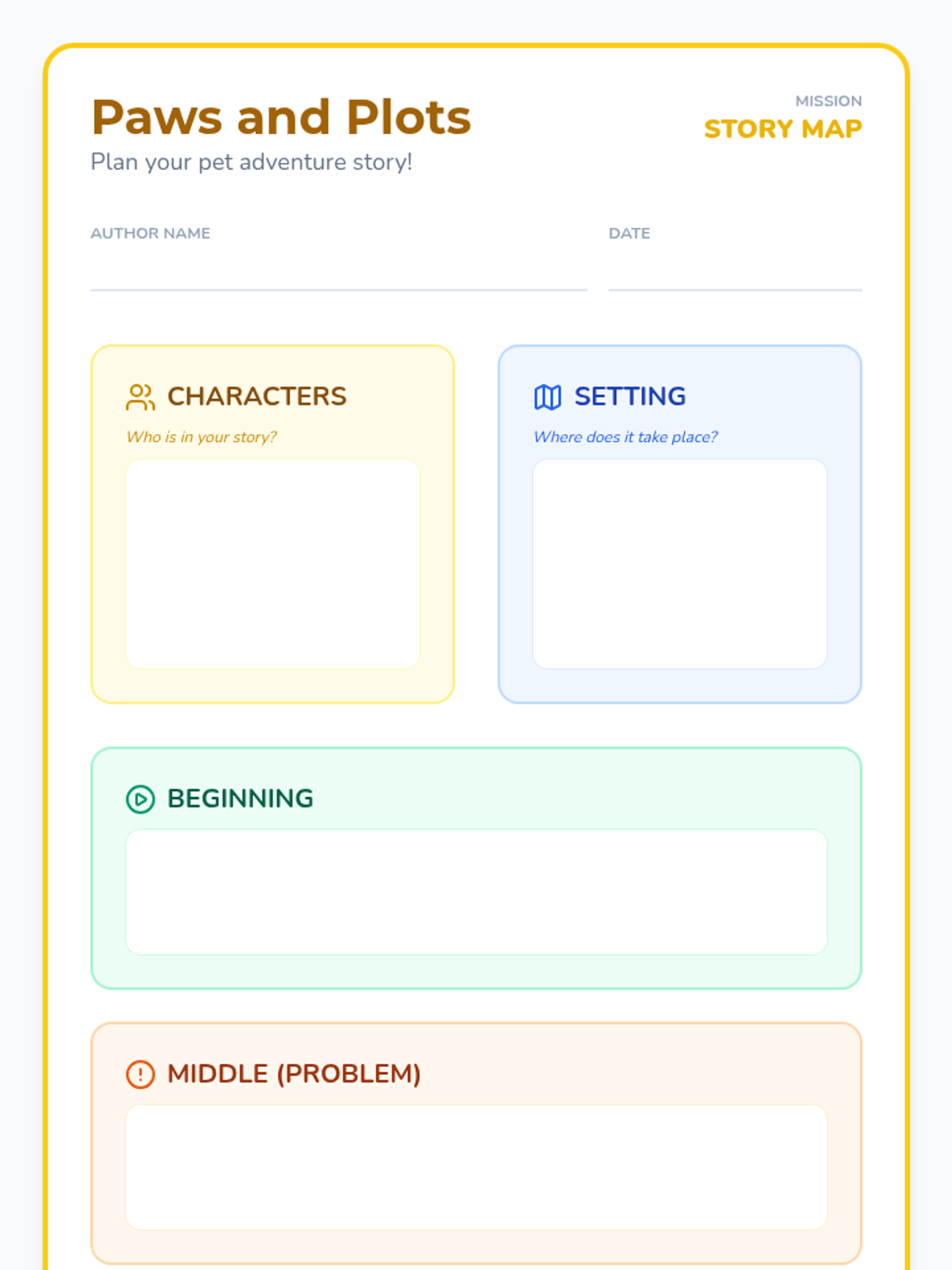
A collection of pet-themed literacy resources for a family literacy night, focusing on reading engagement, vocabulary building, and creative storytelling about animal companions.
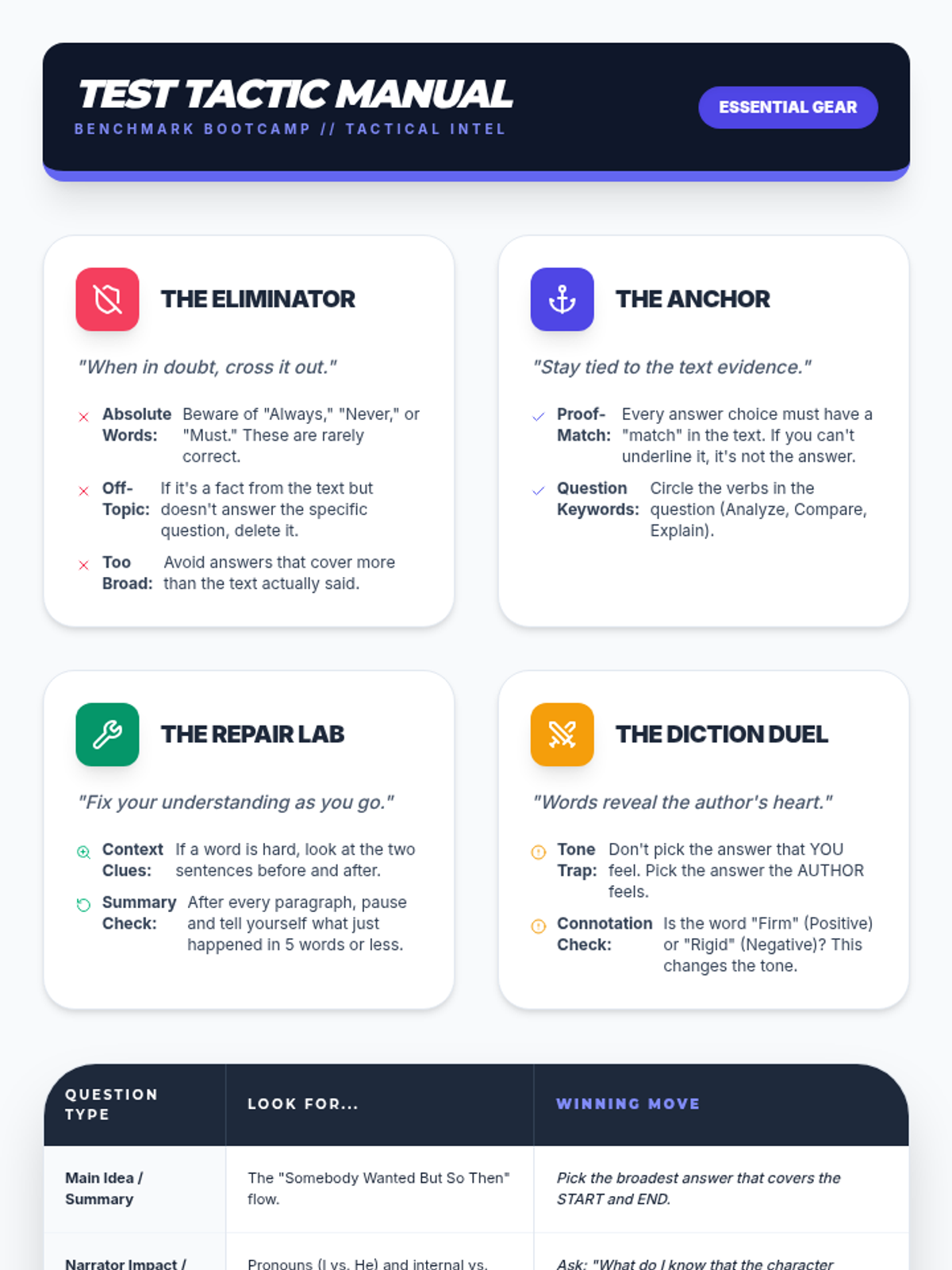
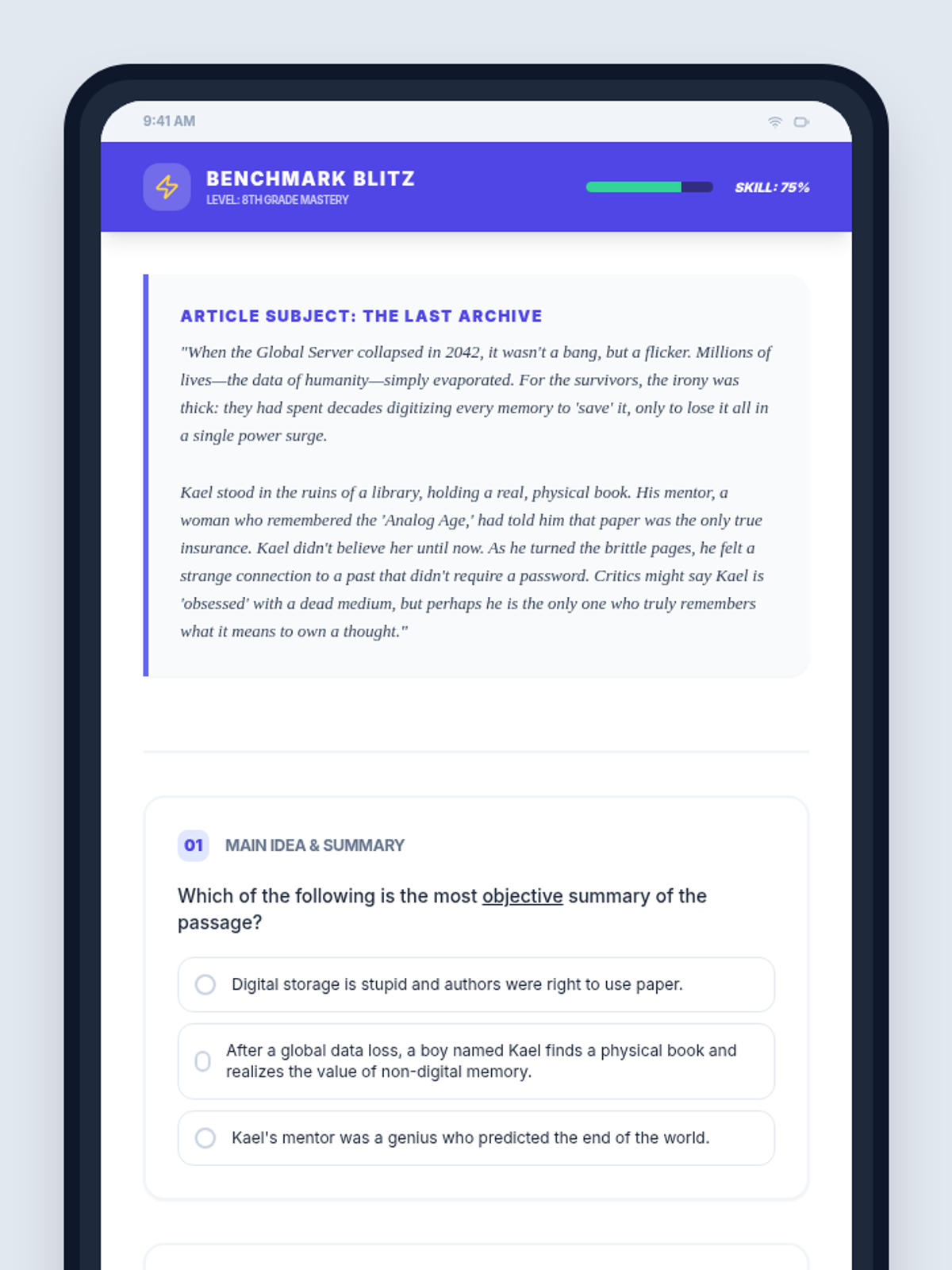
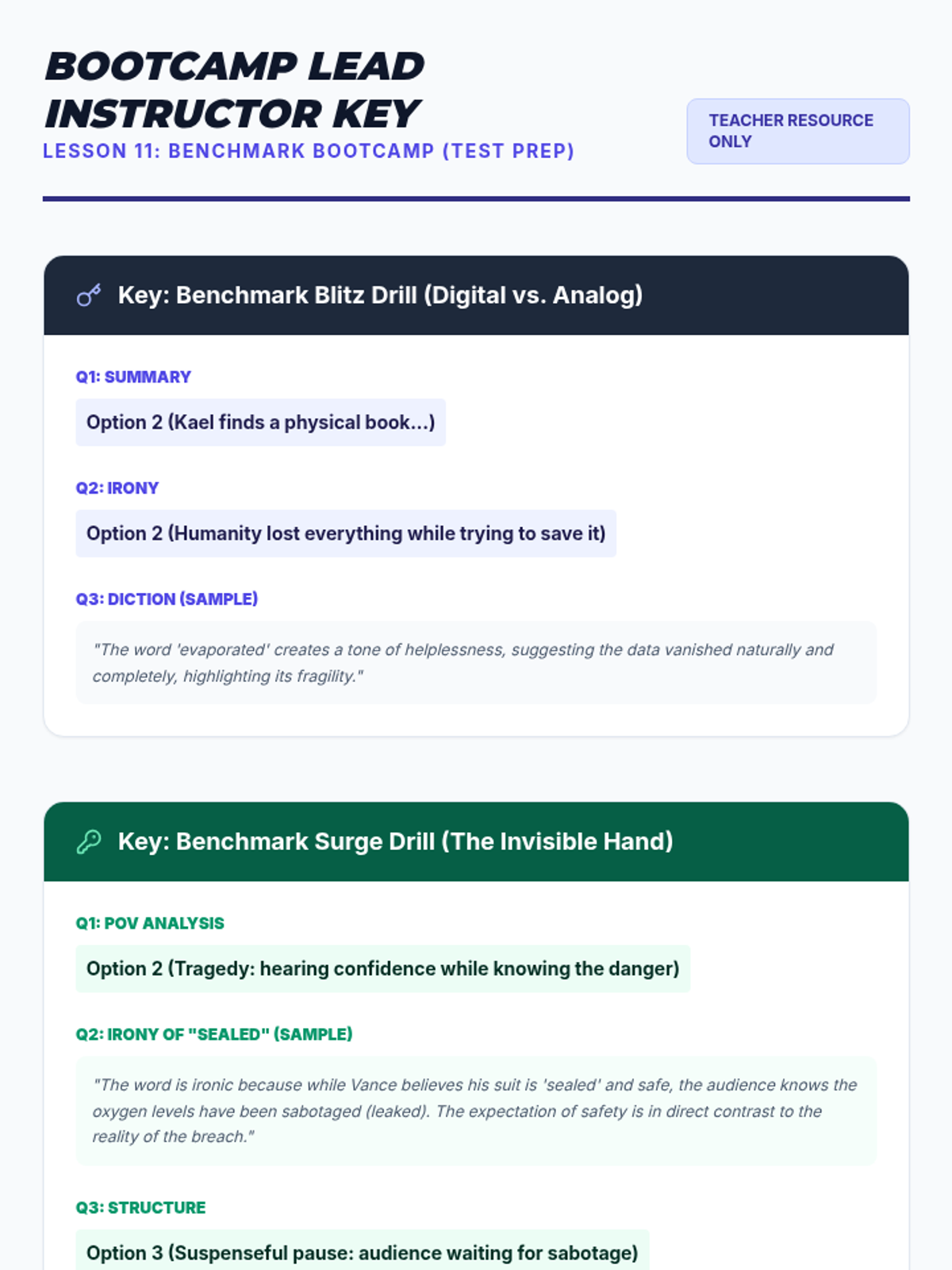
Intensive test preparation materials designed to mimic the format and rigor of STAR 360 and OSAS assessments, focusing on strategic elimination and evidence retrieval.
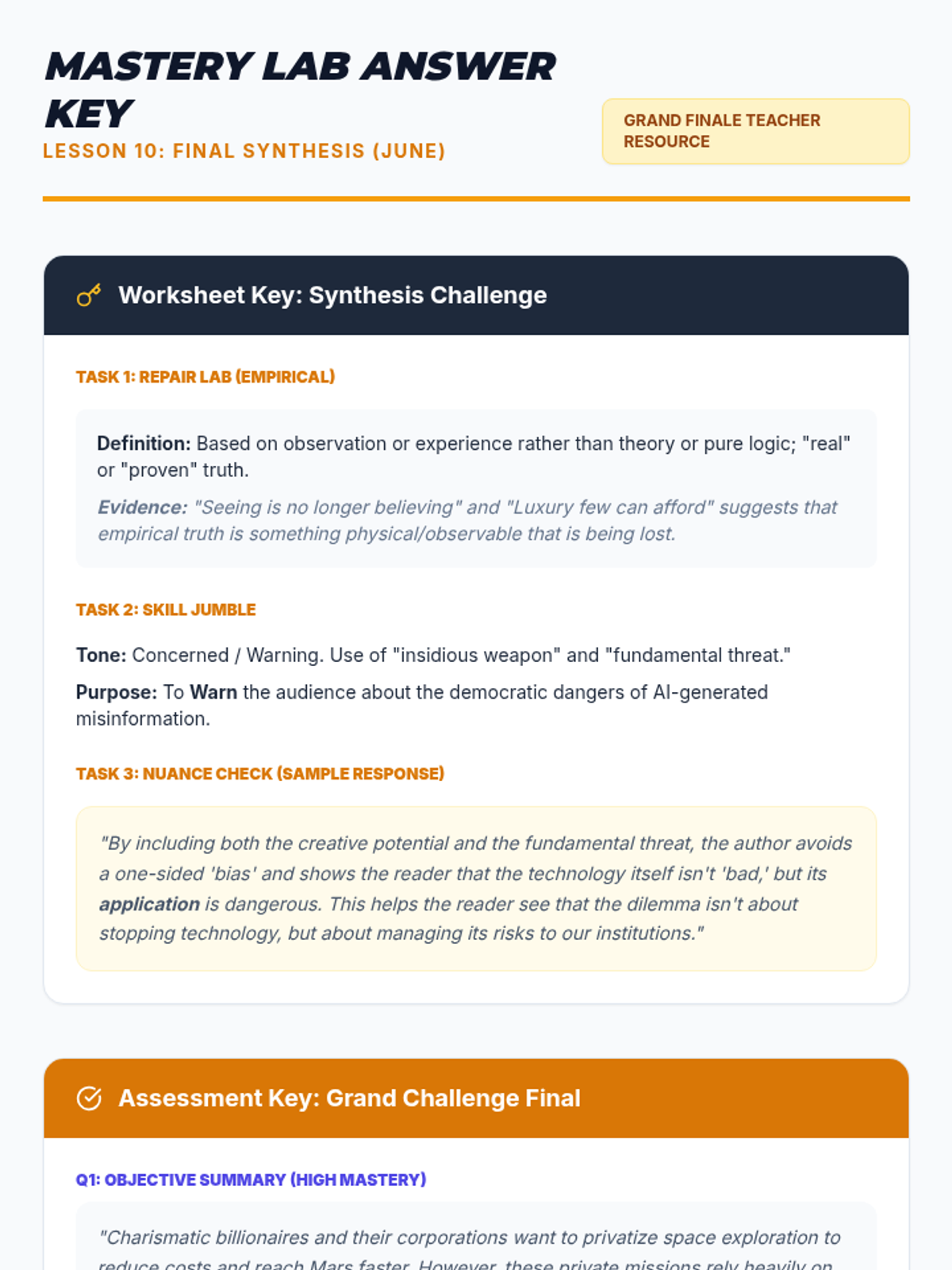
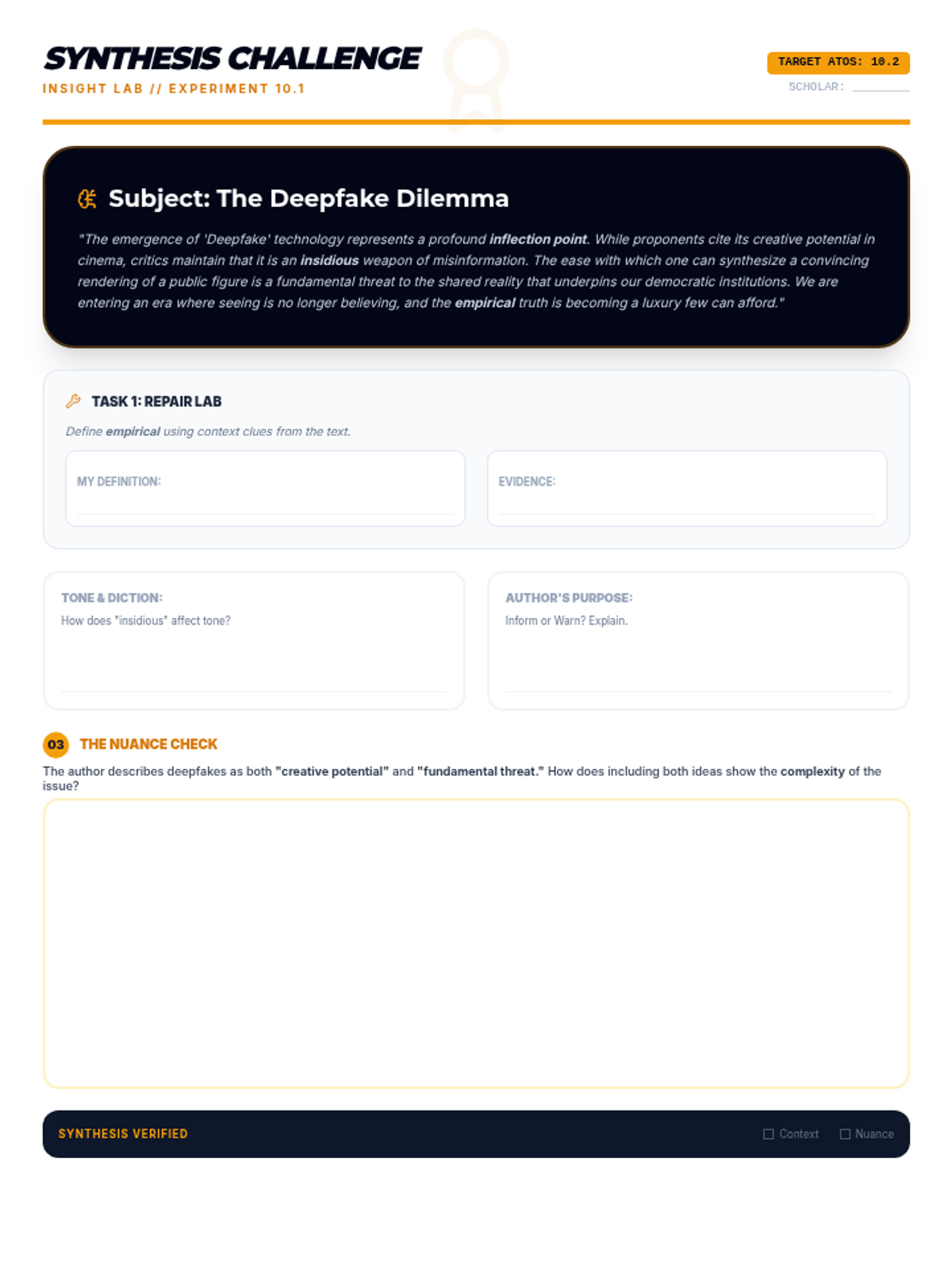
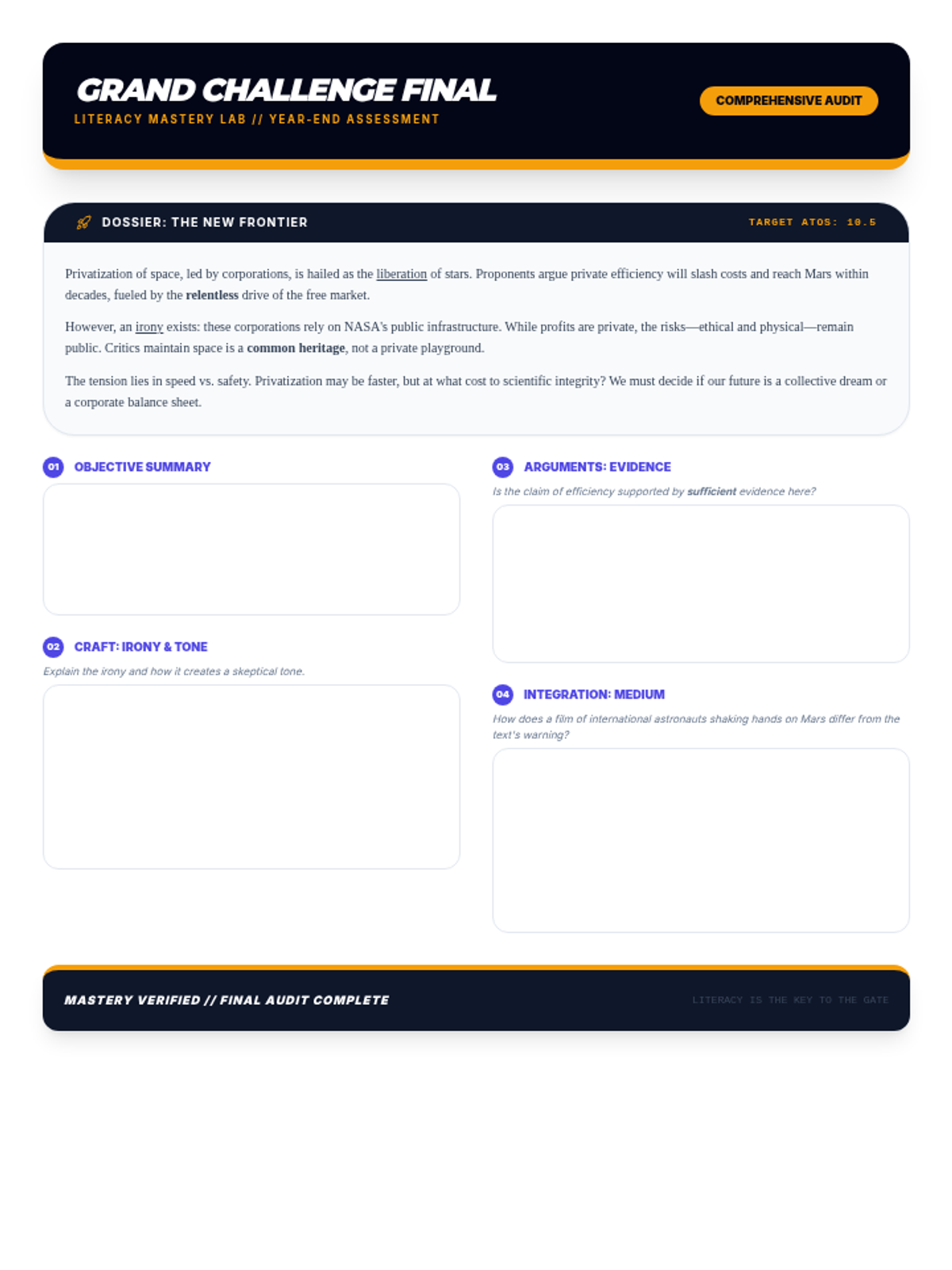
Synthesizes all skills through complex grade-level texts to prepare for end-of-year assessments.
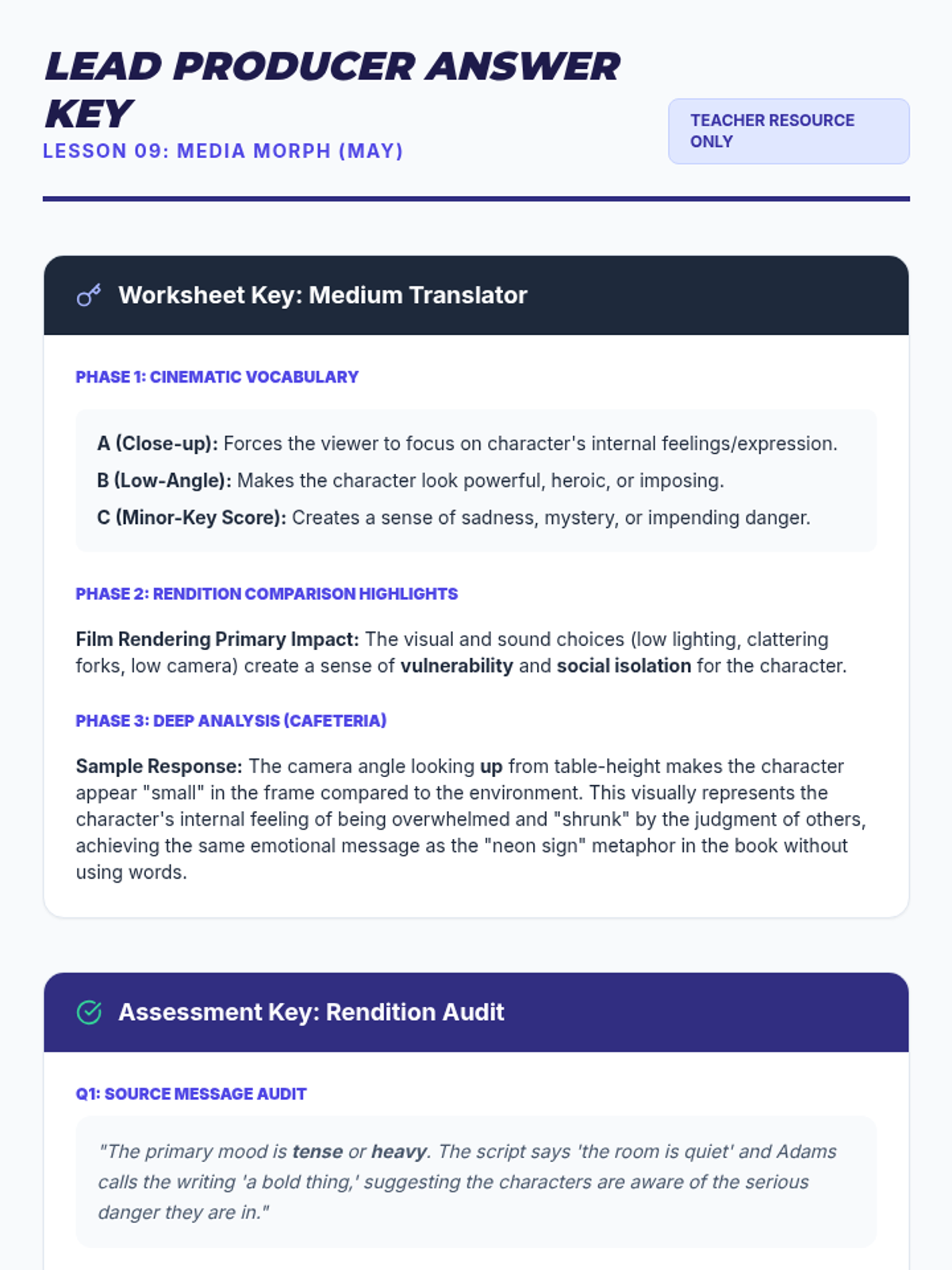
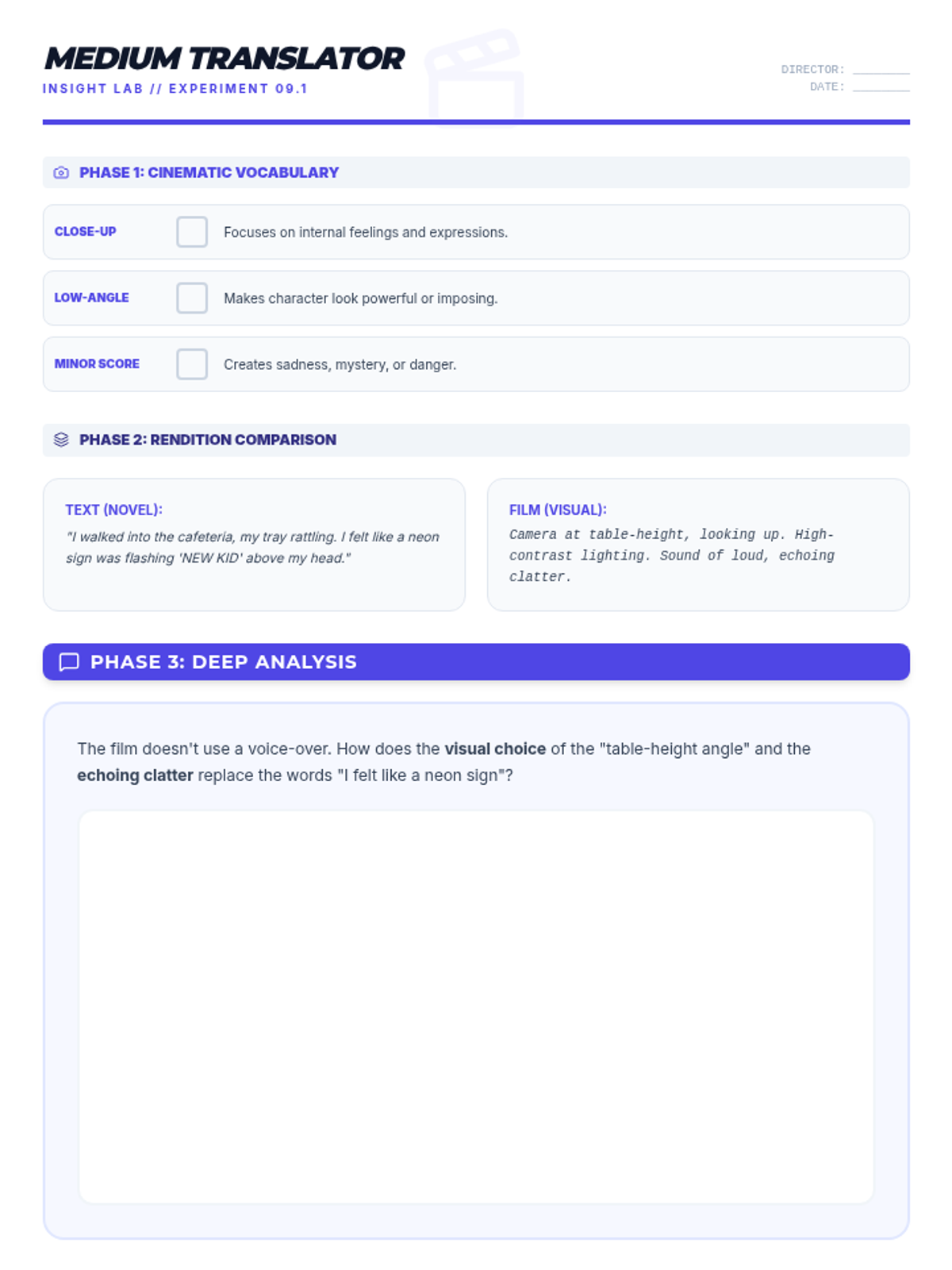
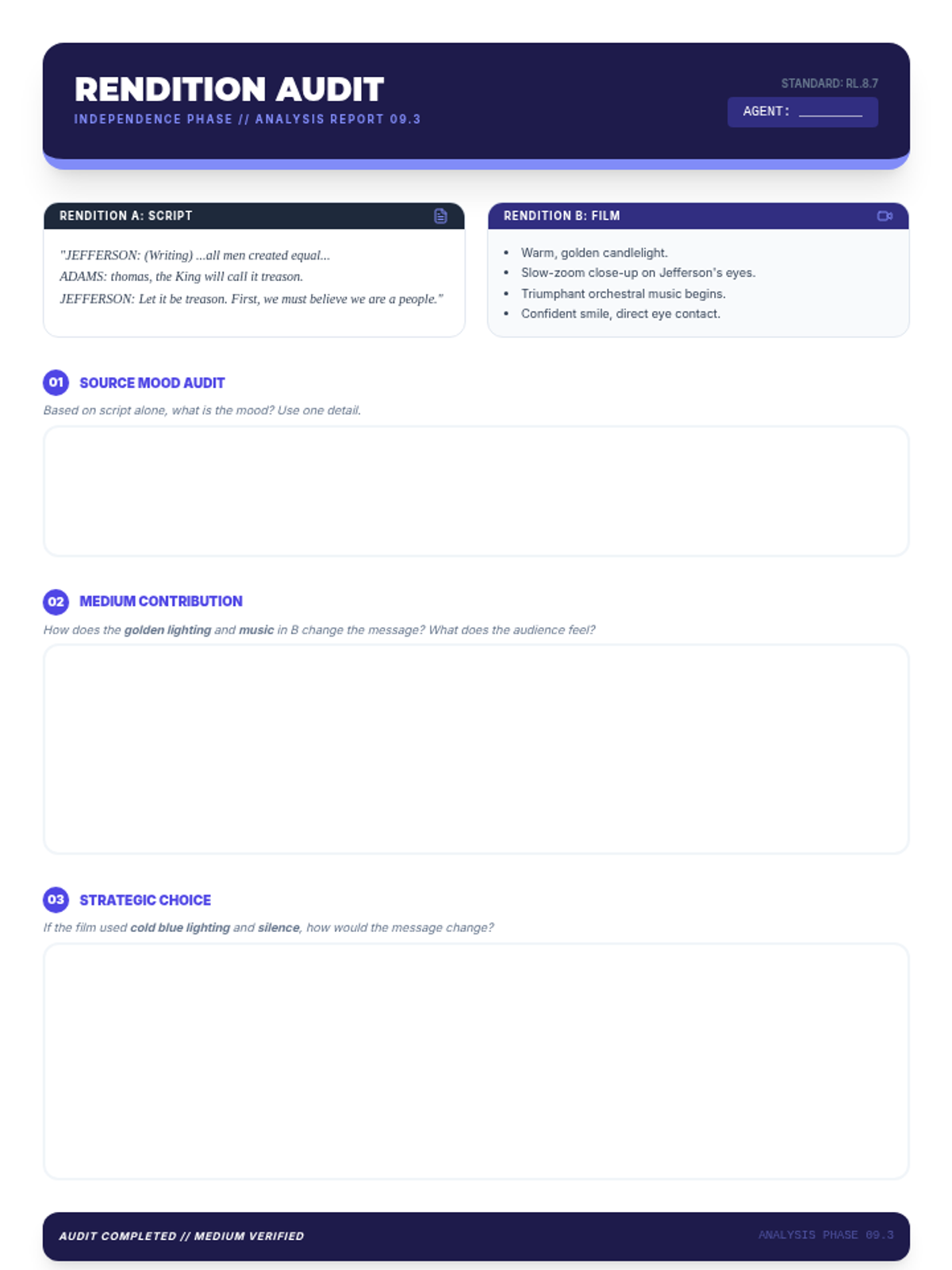
Compares written texts to their visual or auditory interpretations, analyzing how the medium influences the message.
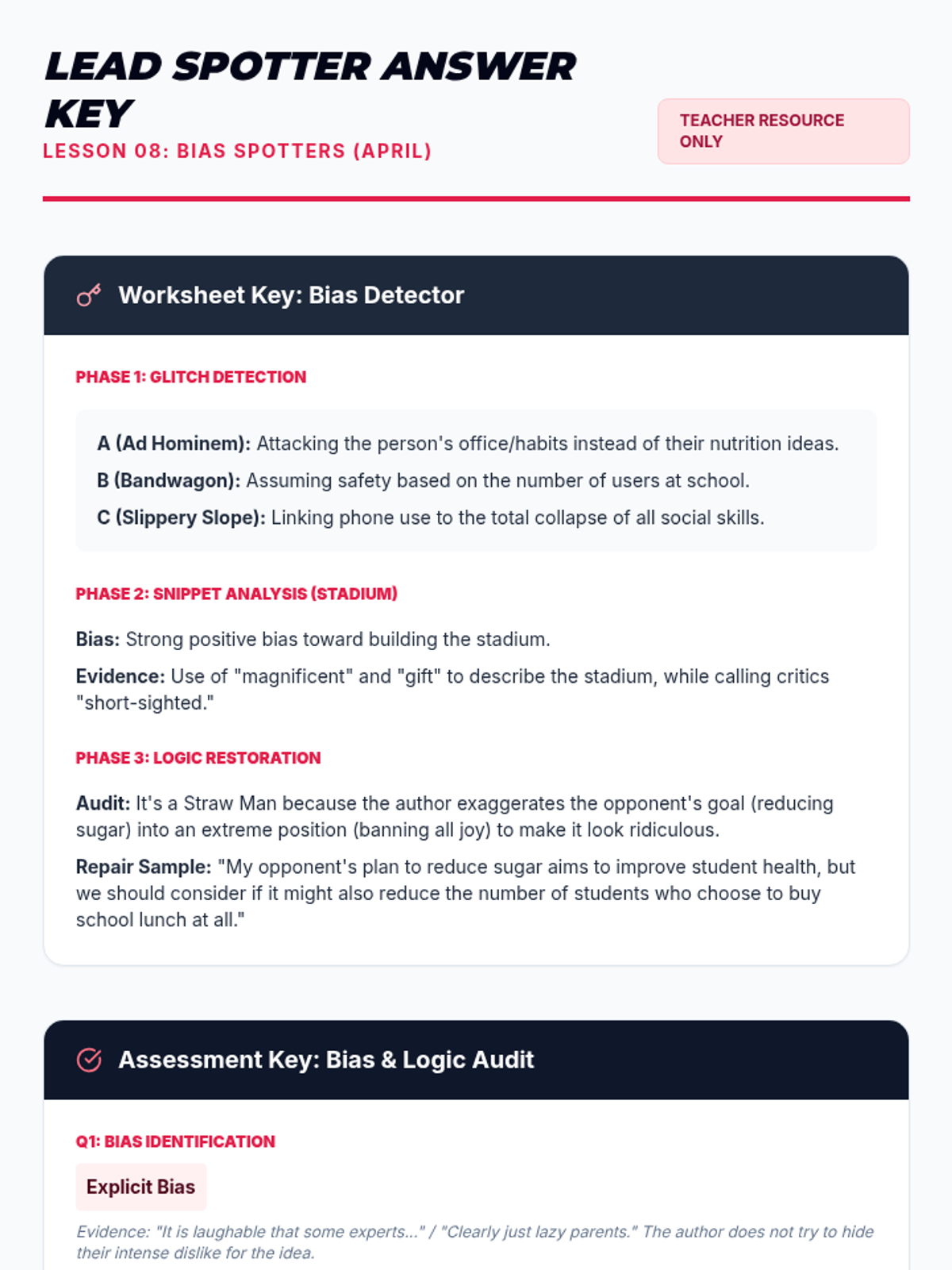
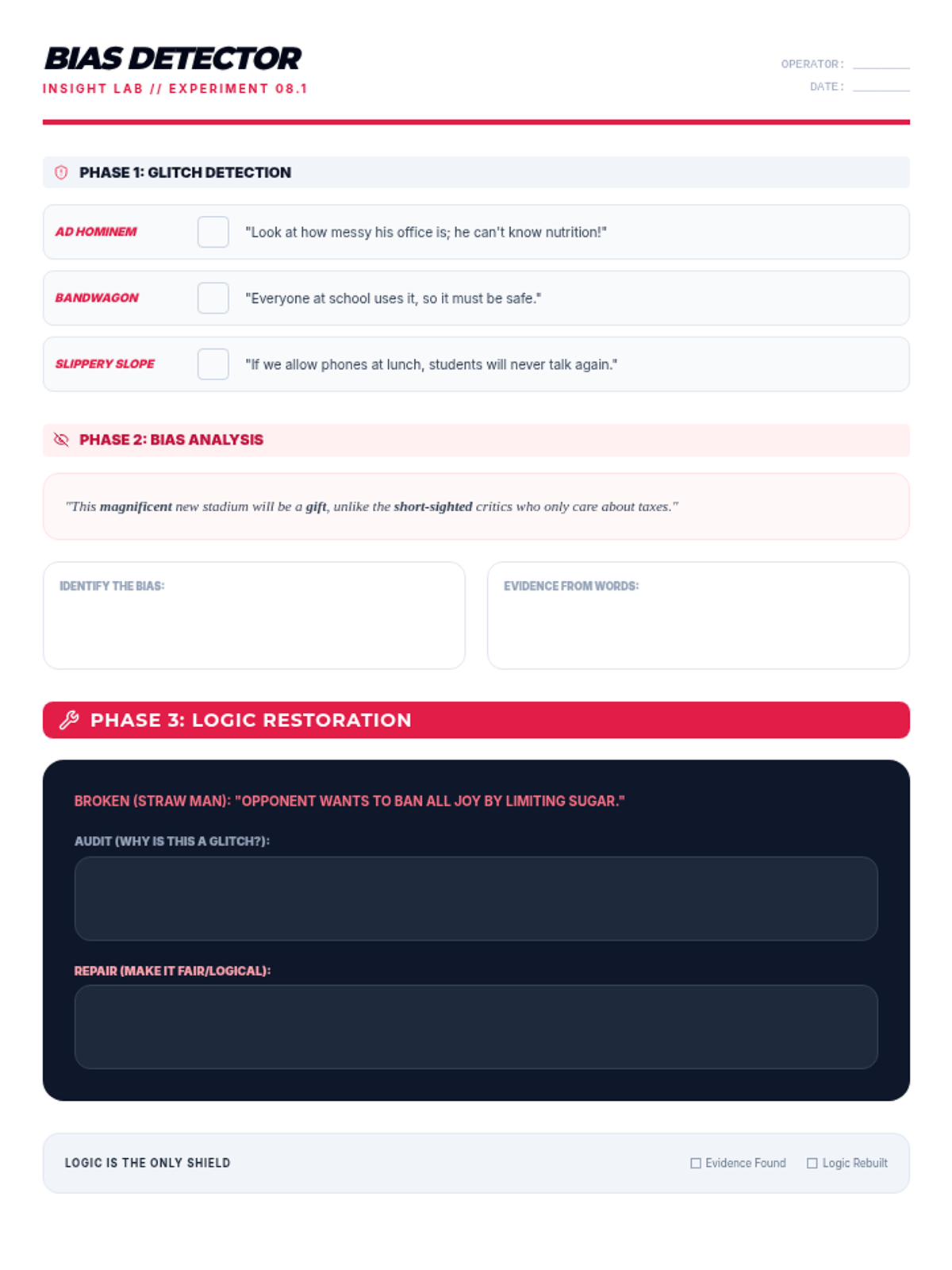
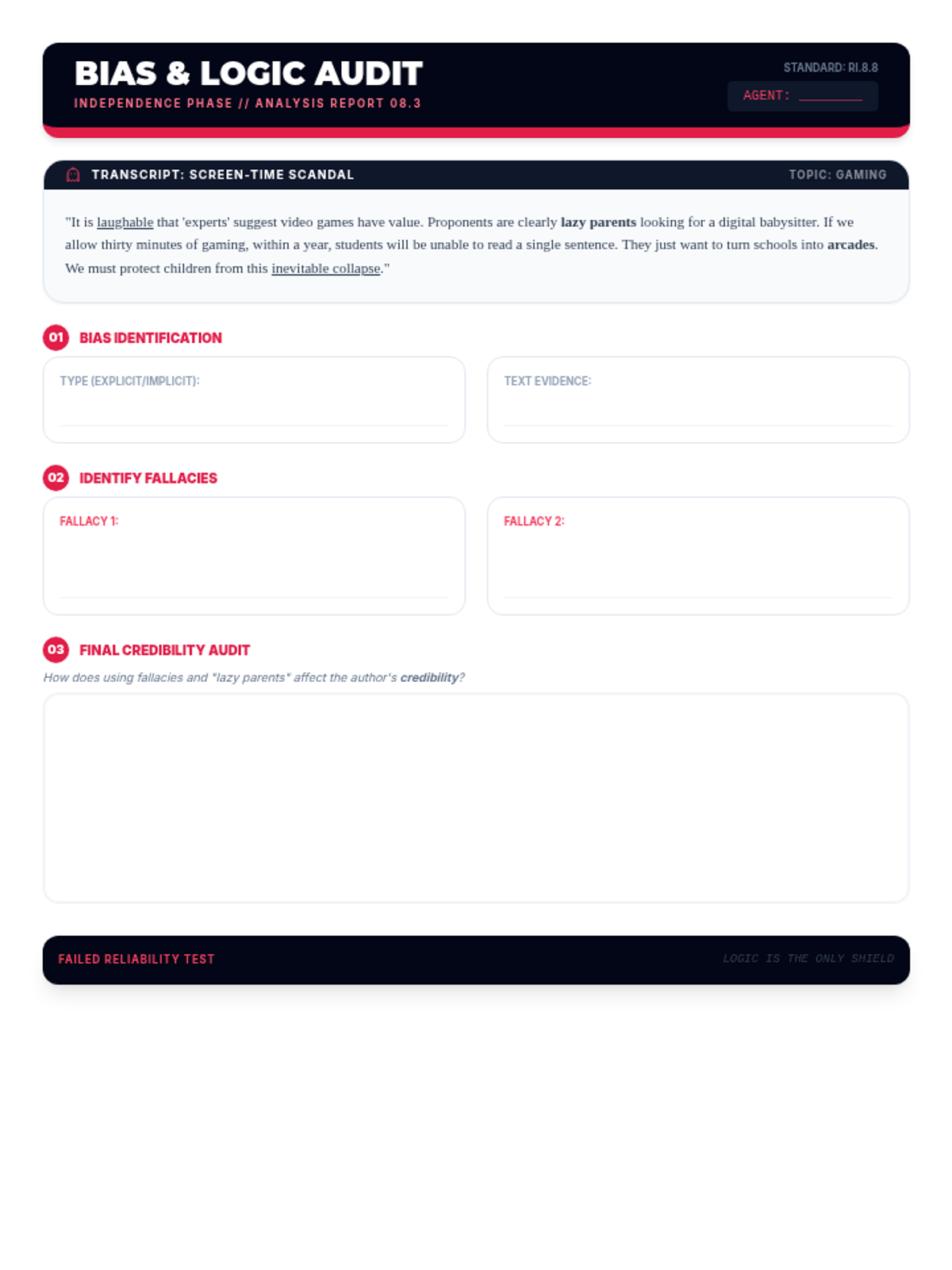
Identifies author biases and logical fallacies in complex informational texts to determine their impact on an argument.
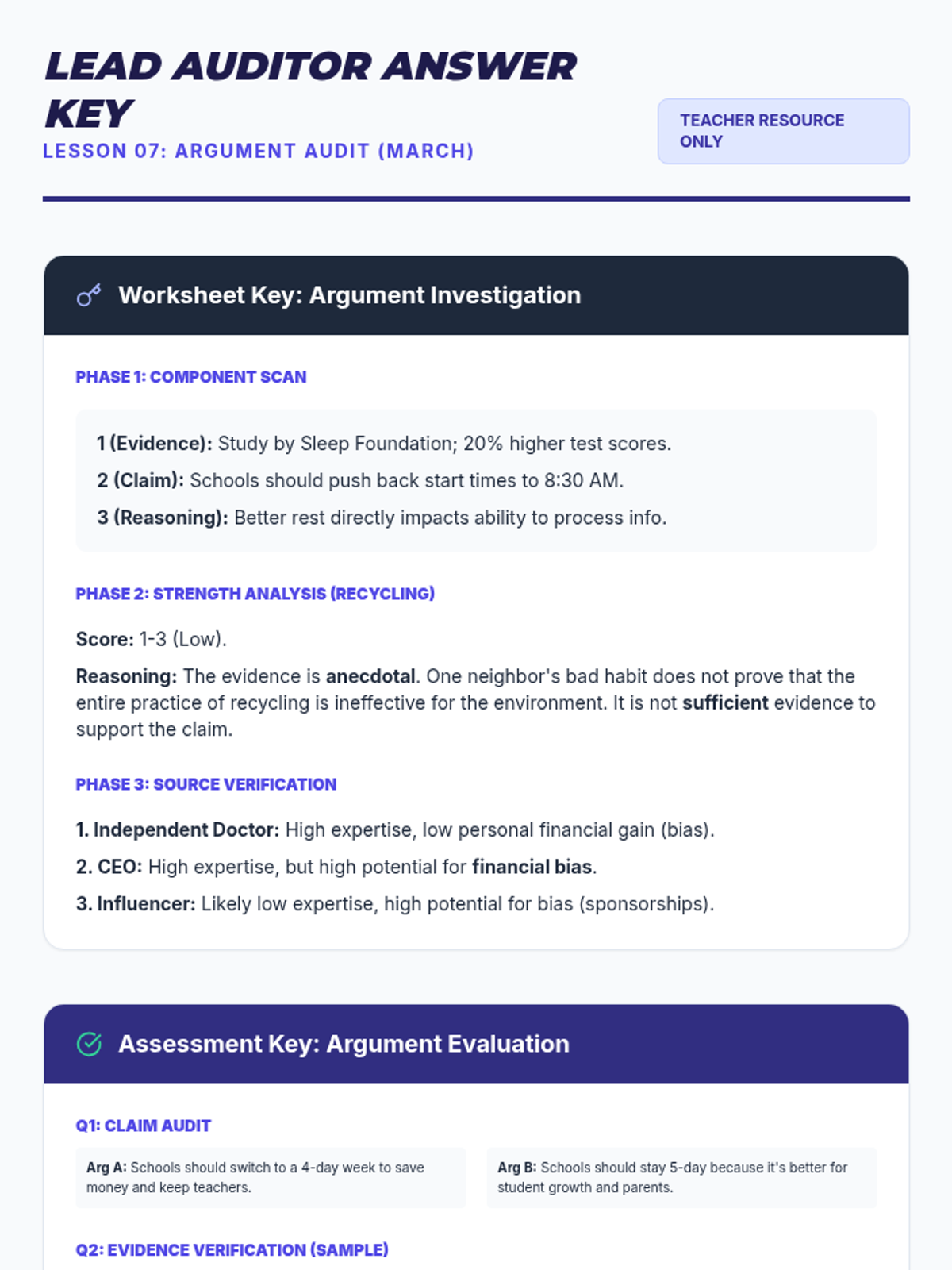
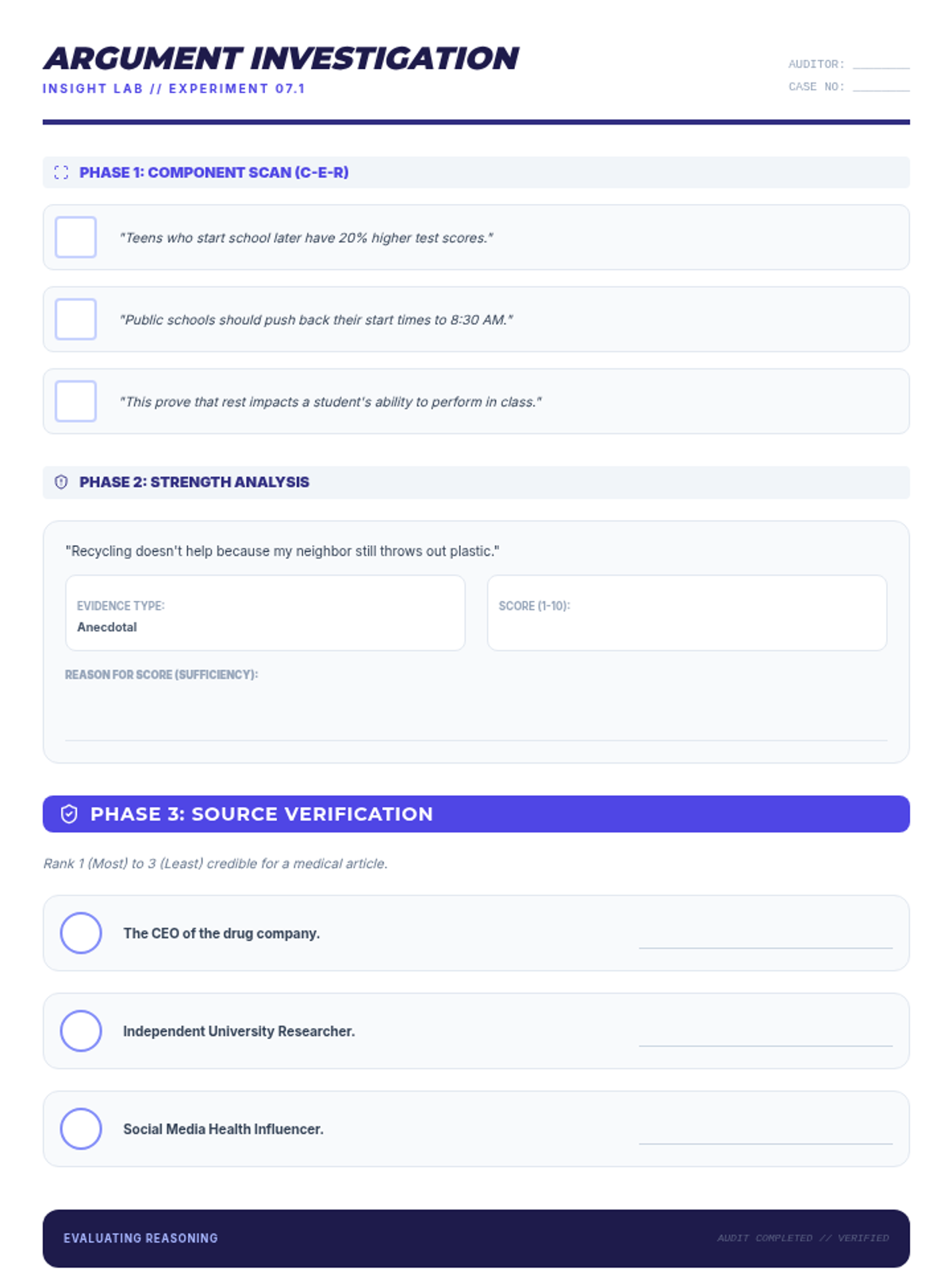
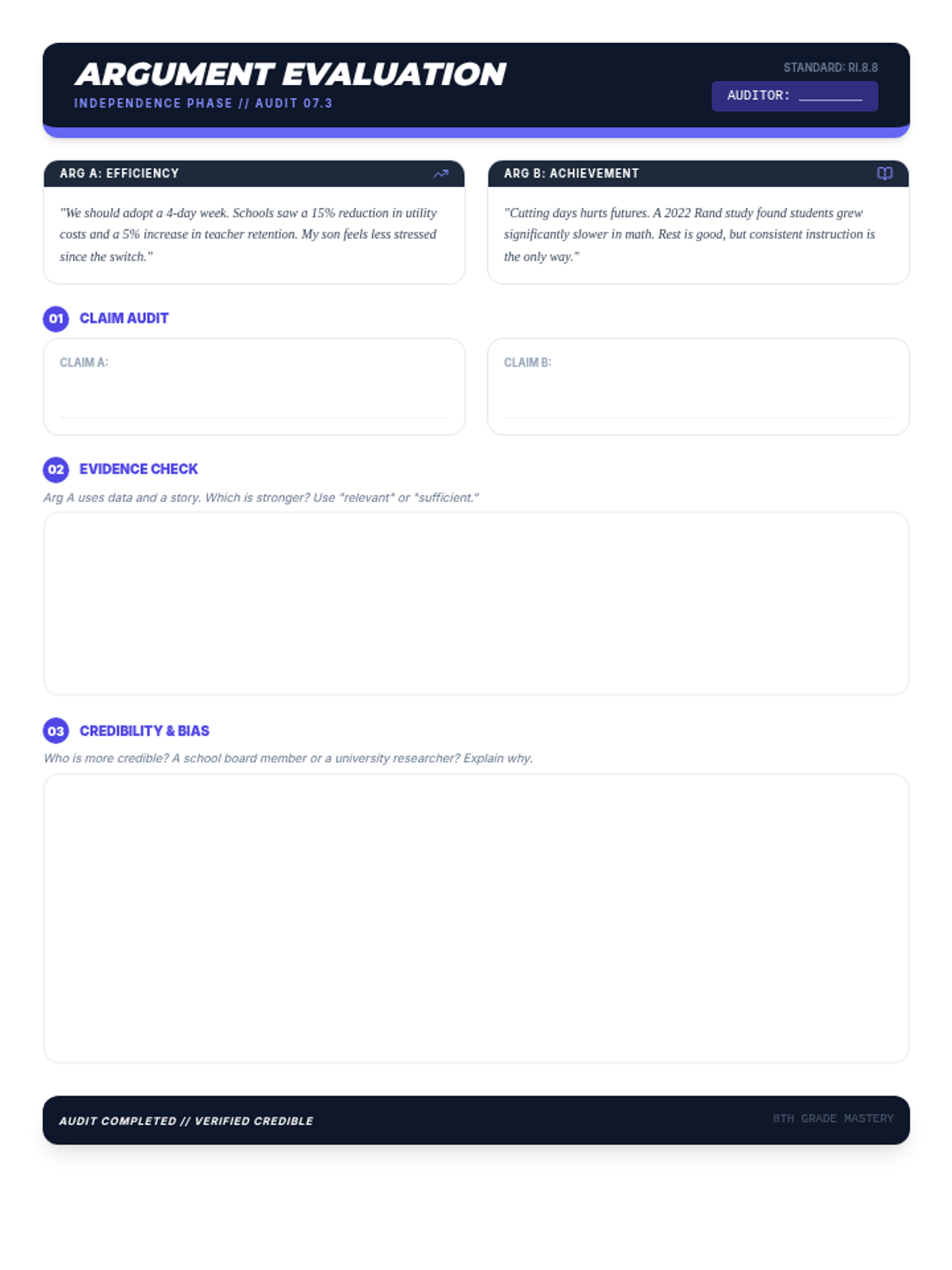
Evaluates the reasoning, evidence, and credibility of arguments while describing differing opinions on the same topic.
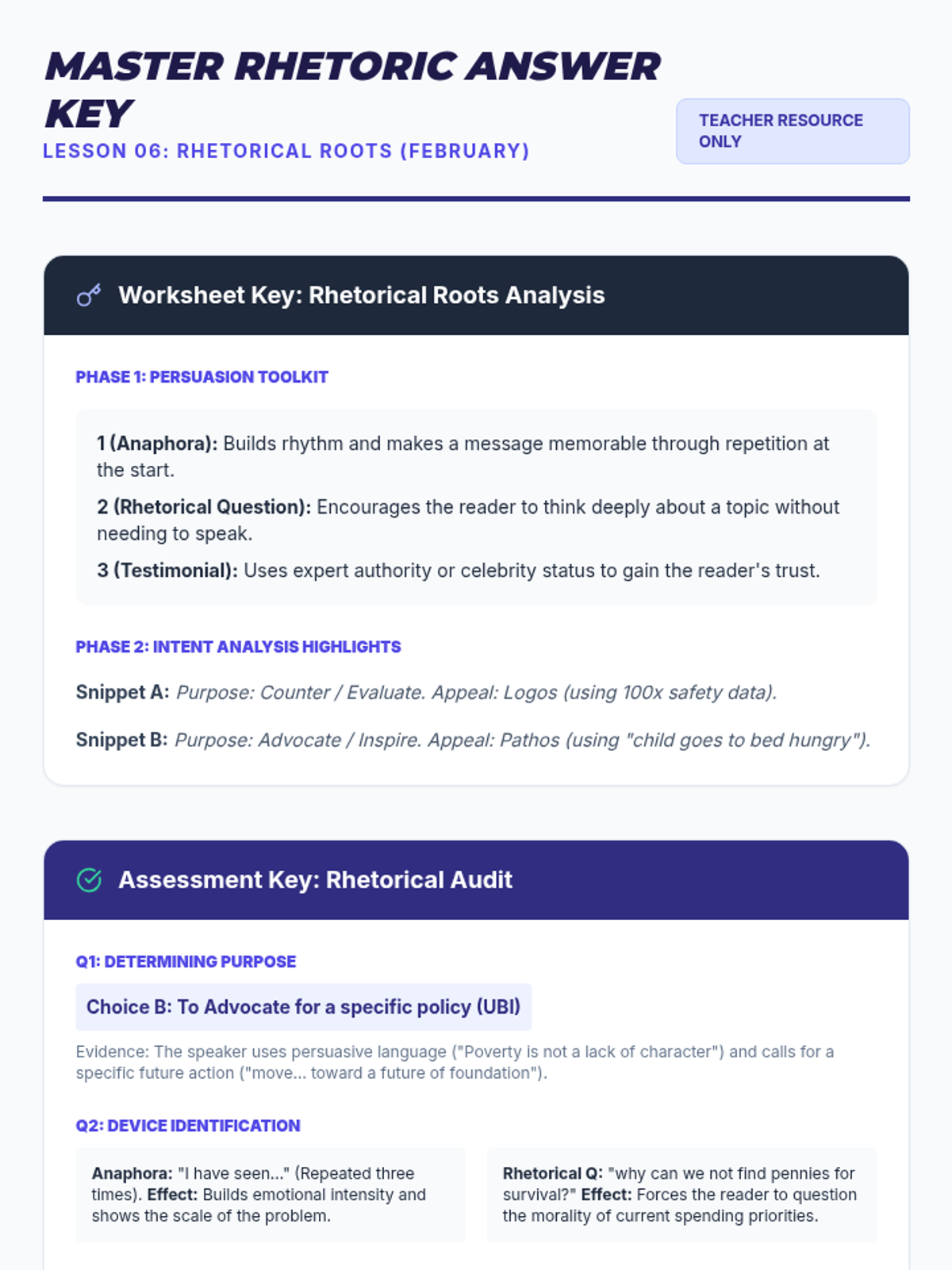
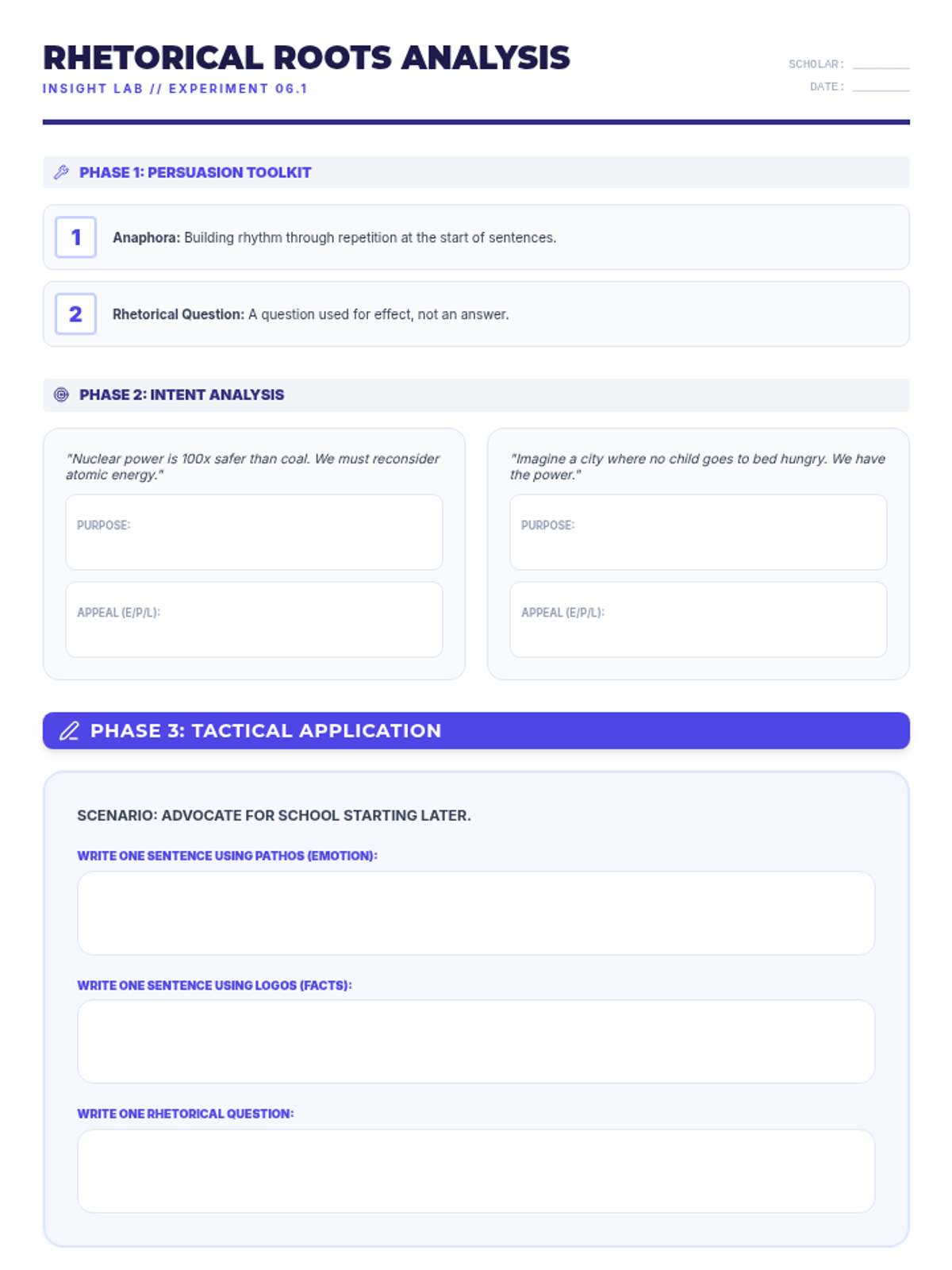
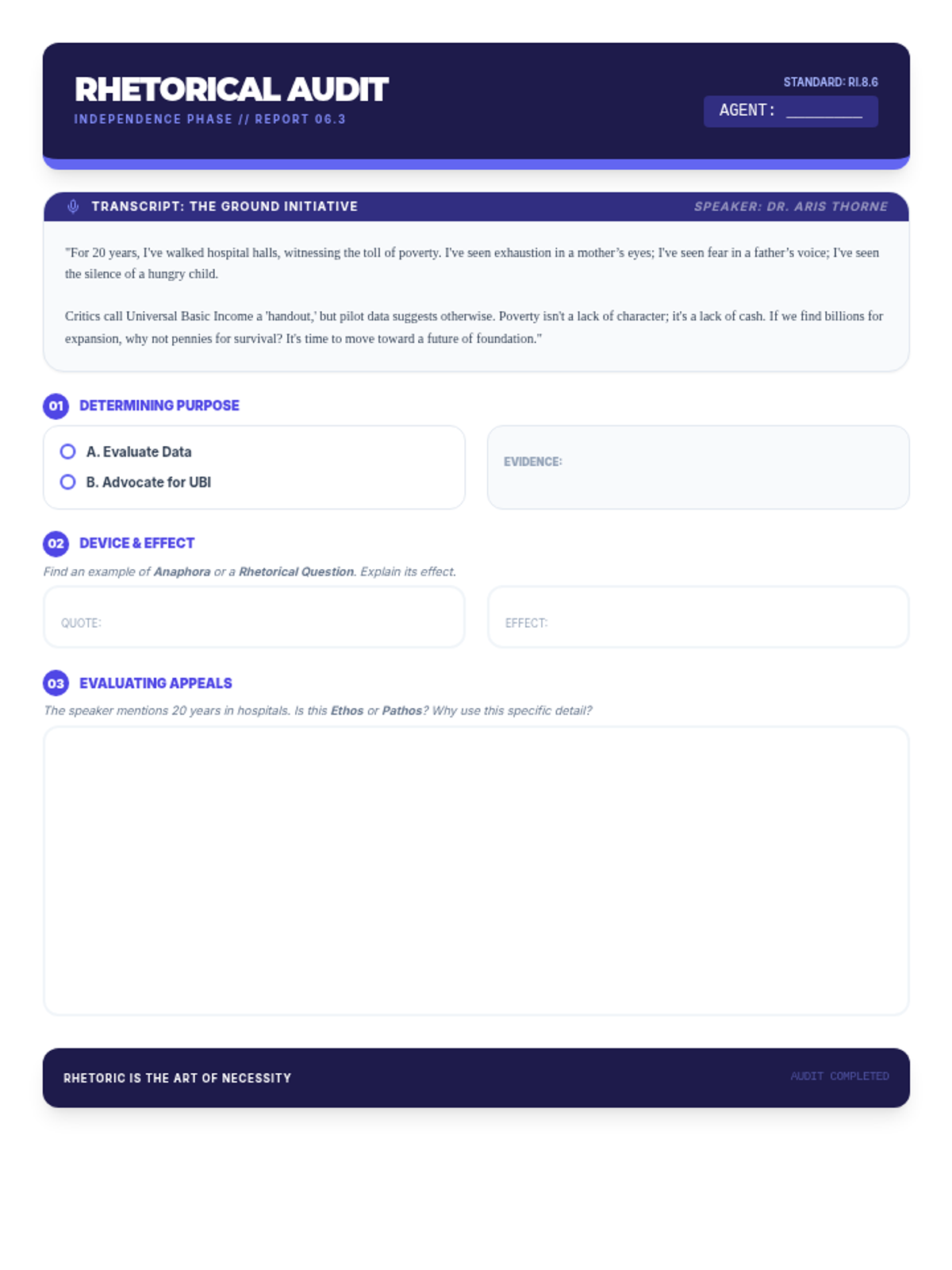
Determines the author's purpose in informational texts and evaluates the use of rhetorical devices to further that purpose.
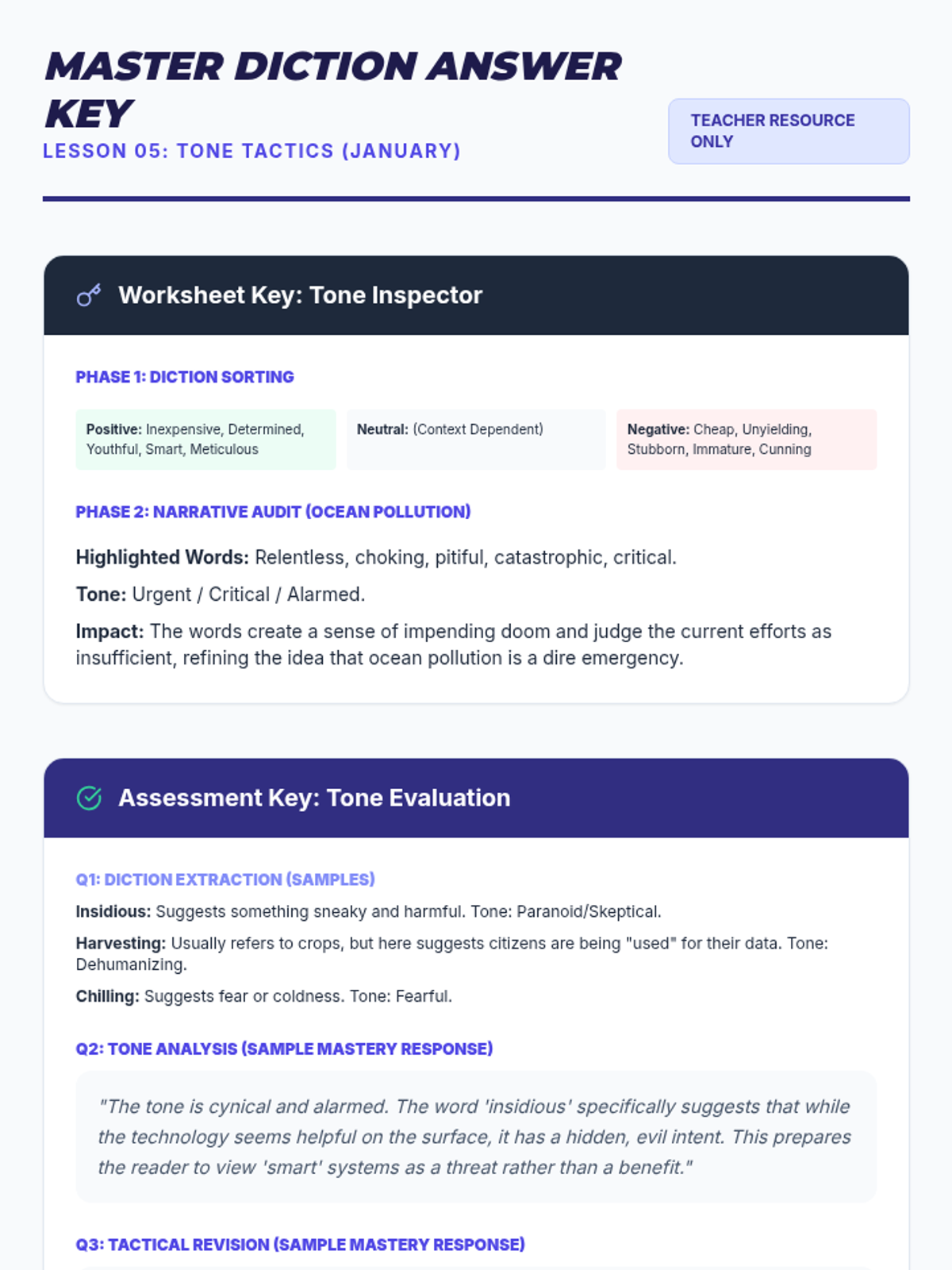
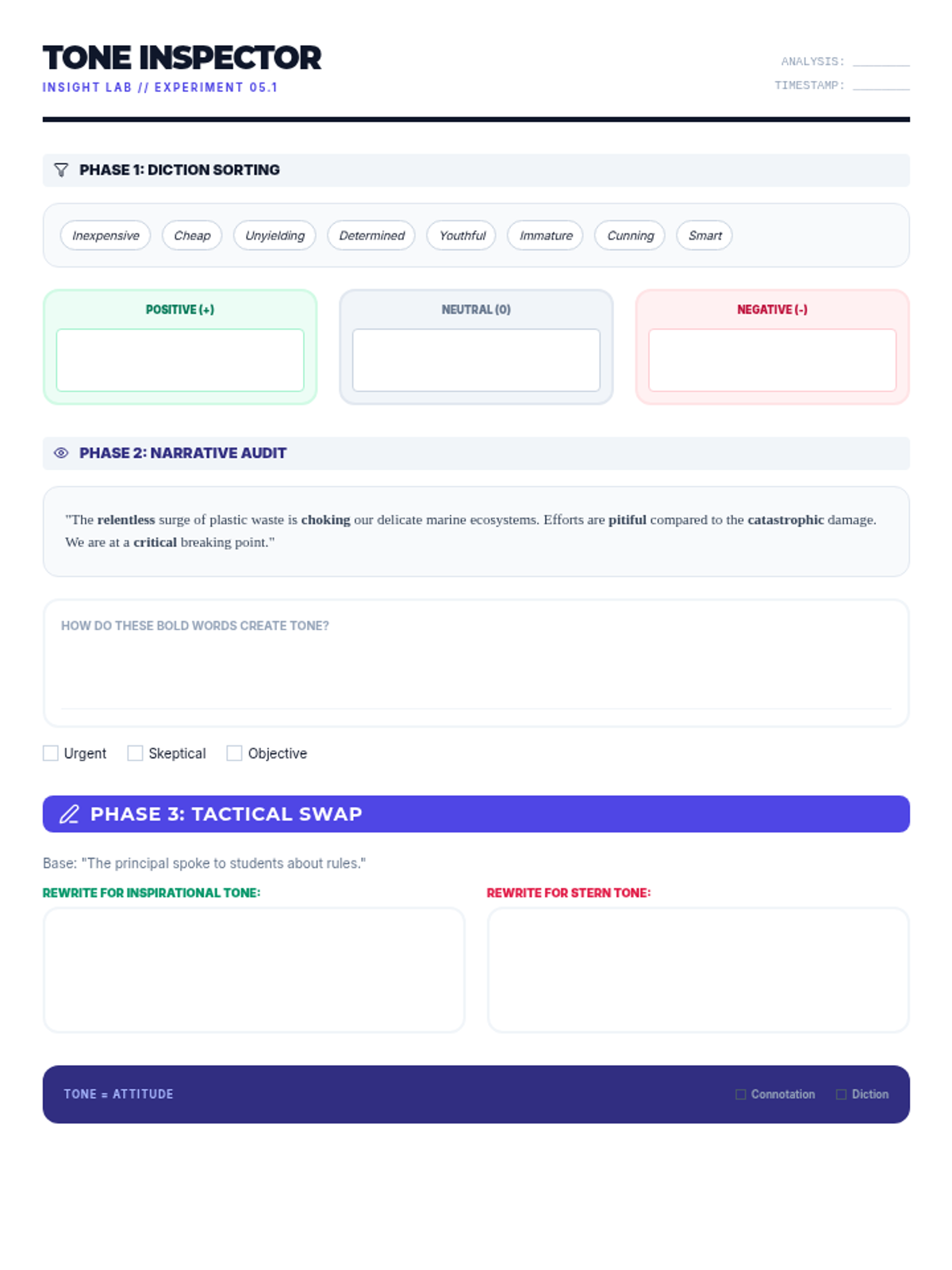
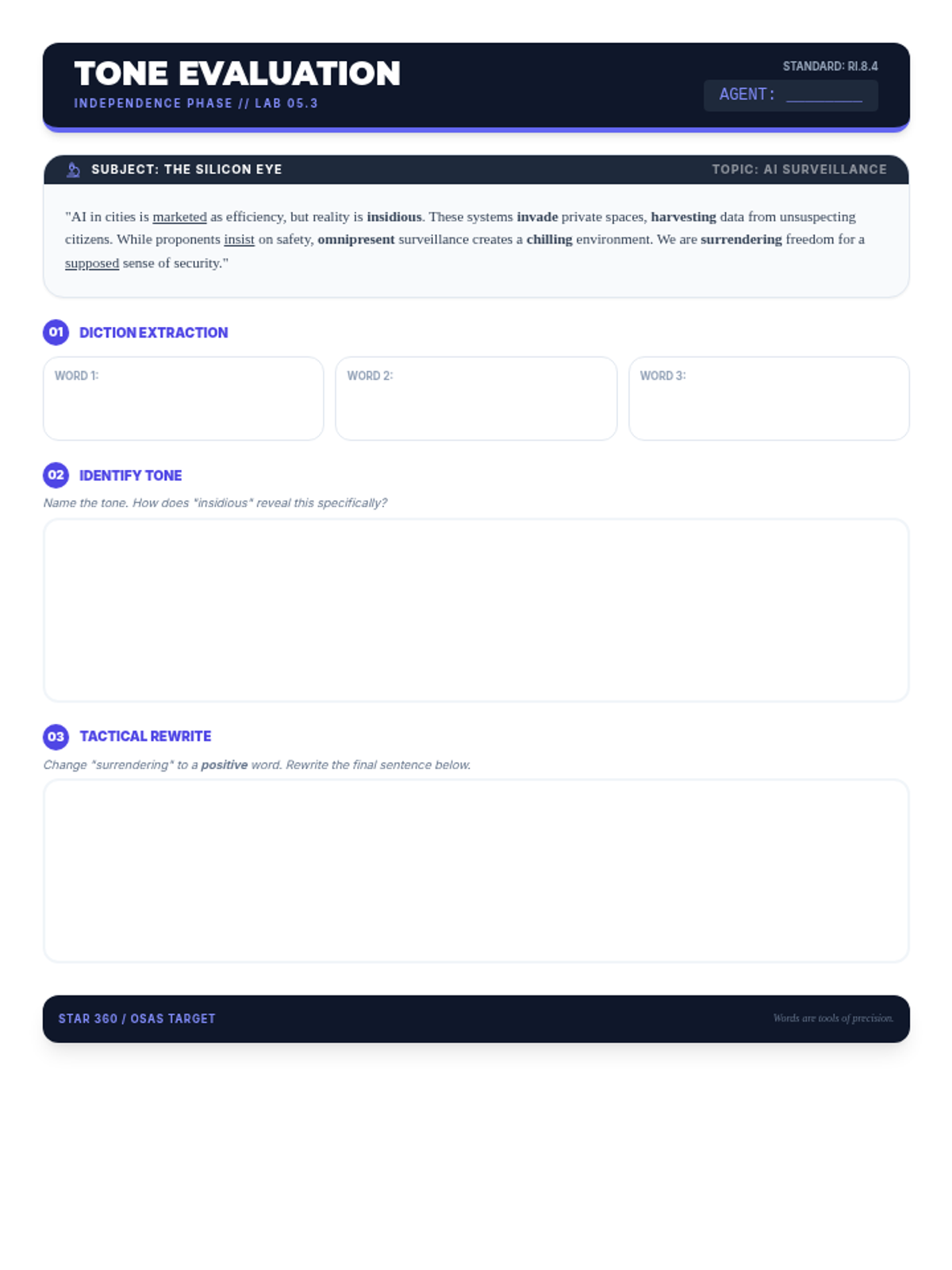
Analyzes word choices and sentence structure in informational texts to see how they develop and refine key ideas and tone.
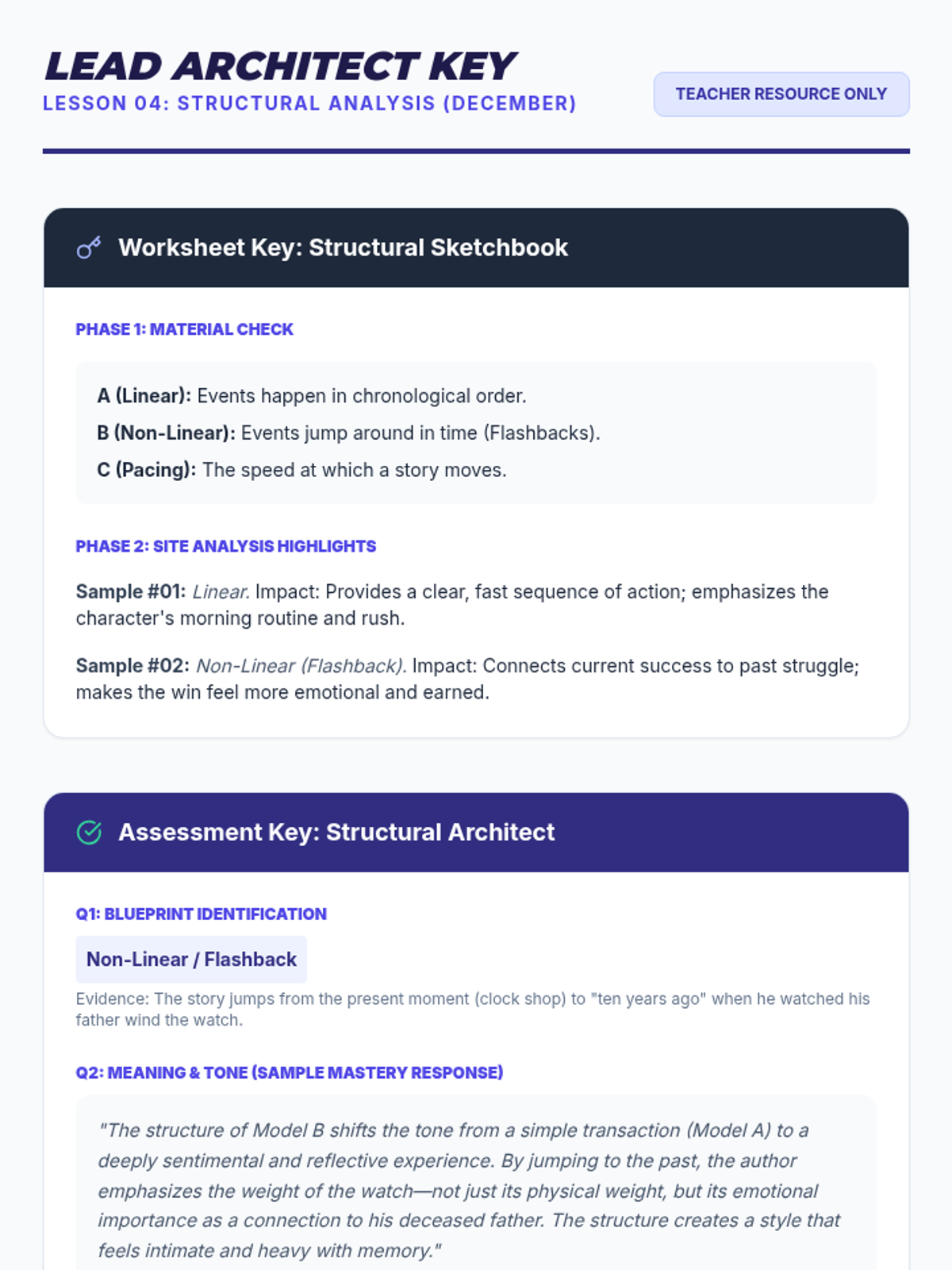
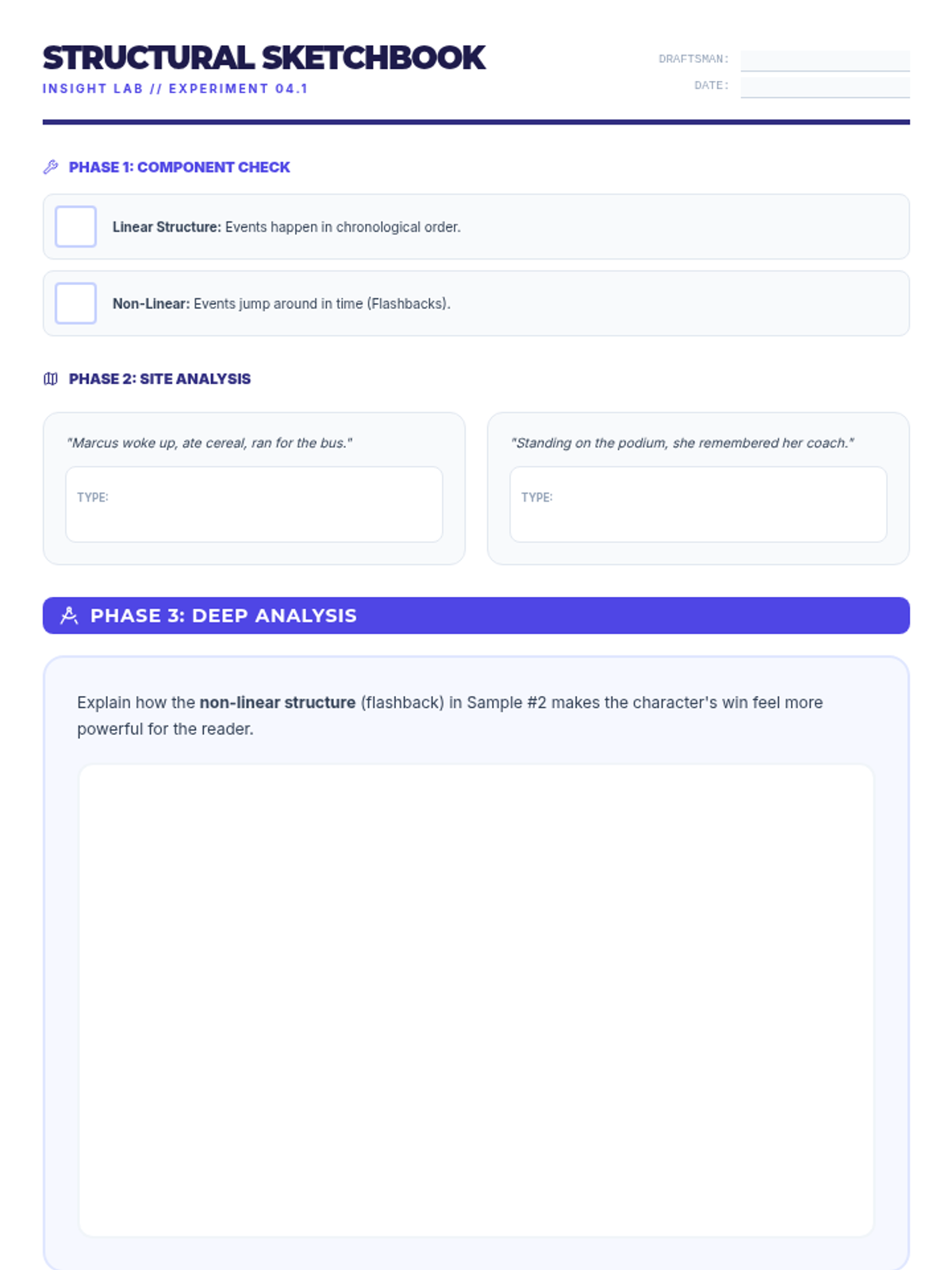
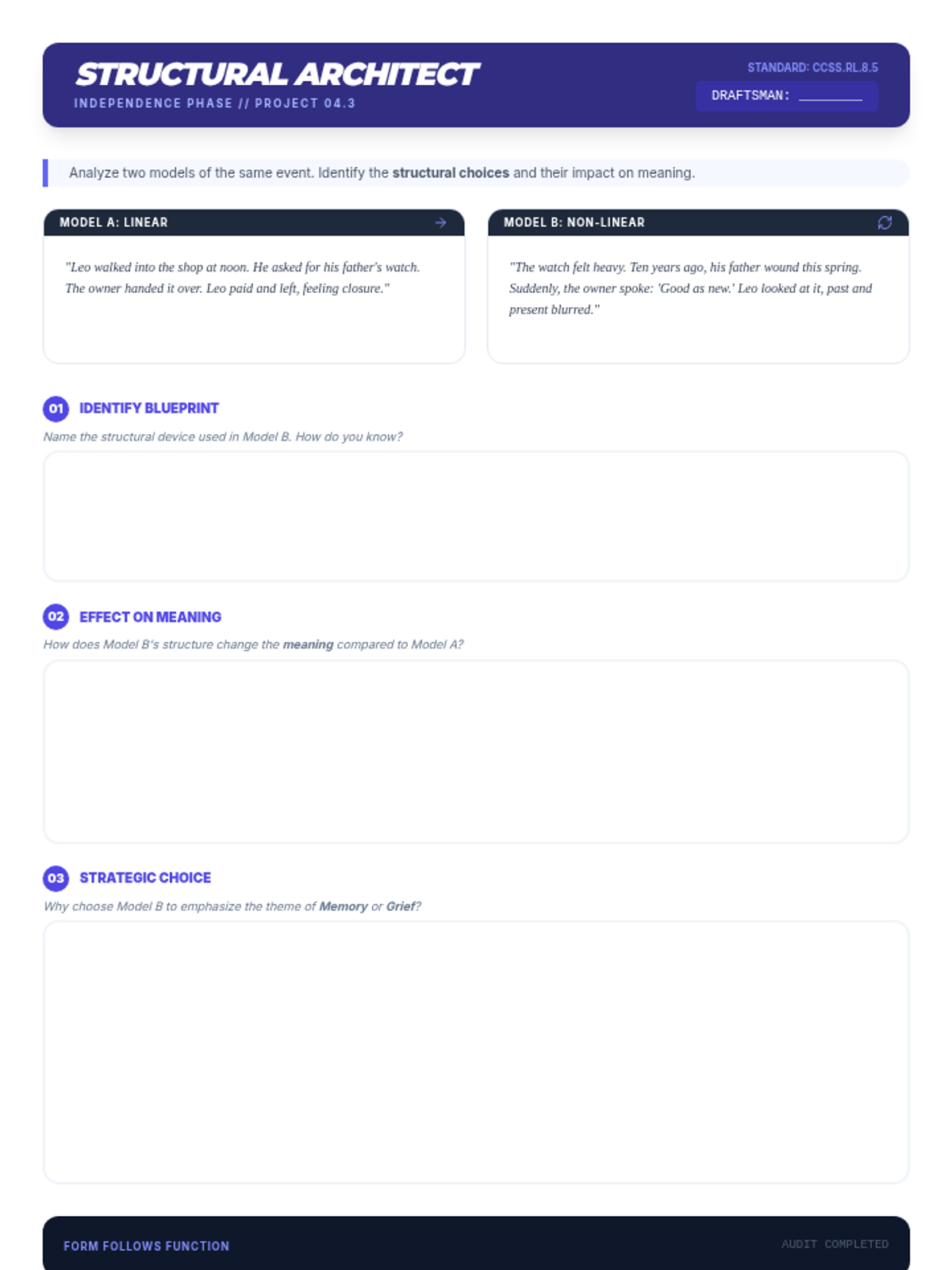
Examines how the structure of literary texts contributes to meaning and style, comparing two or more texts.
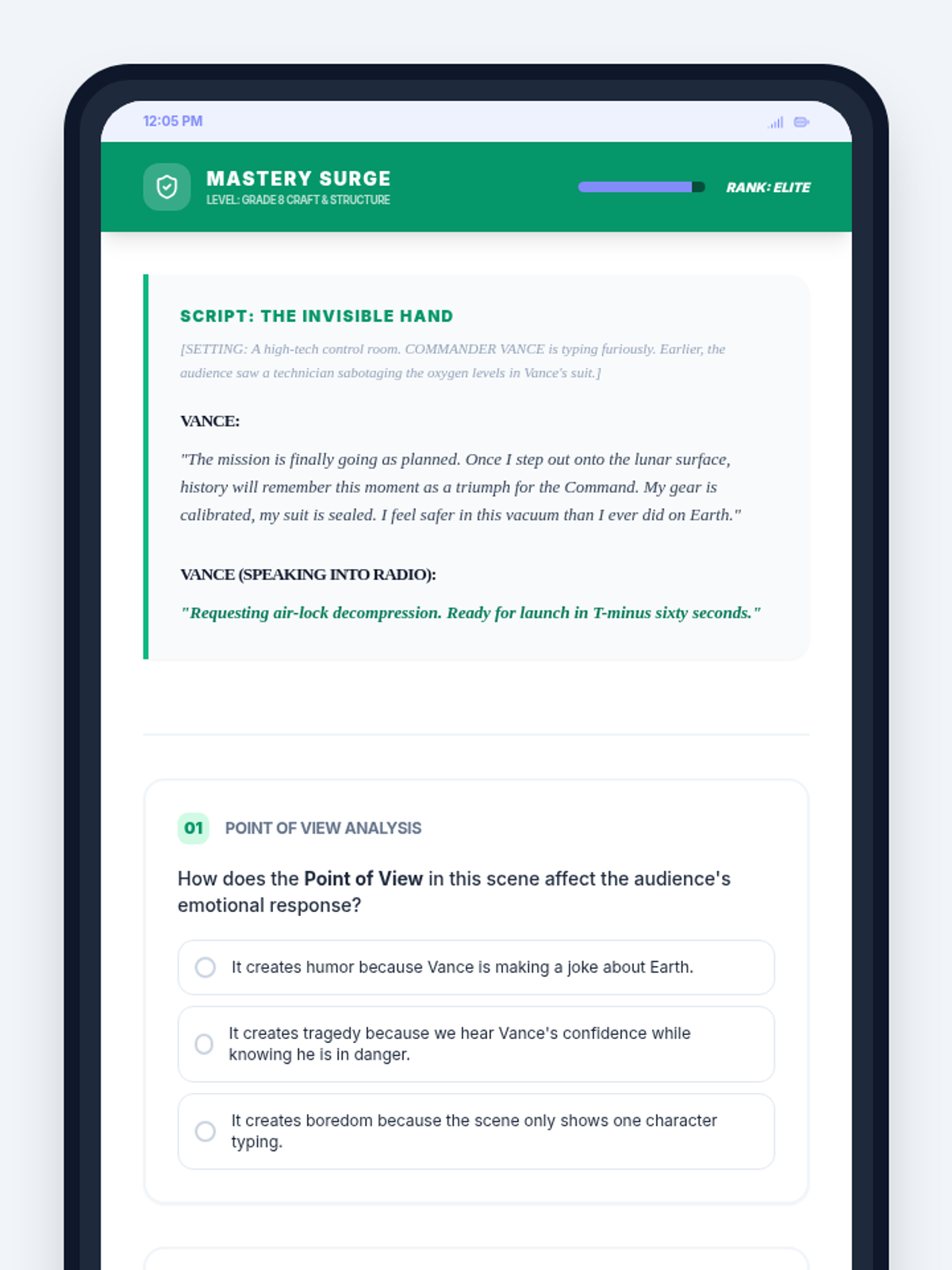
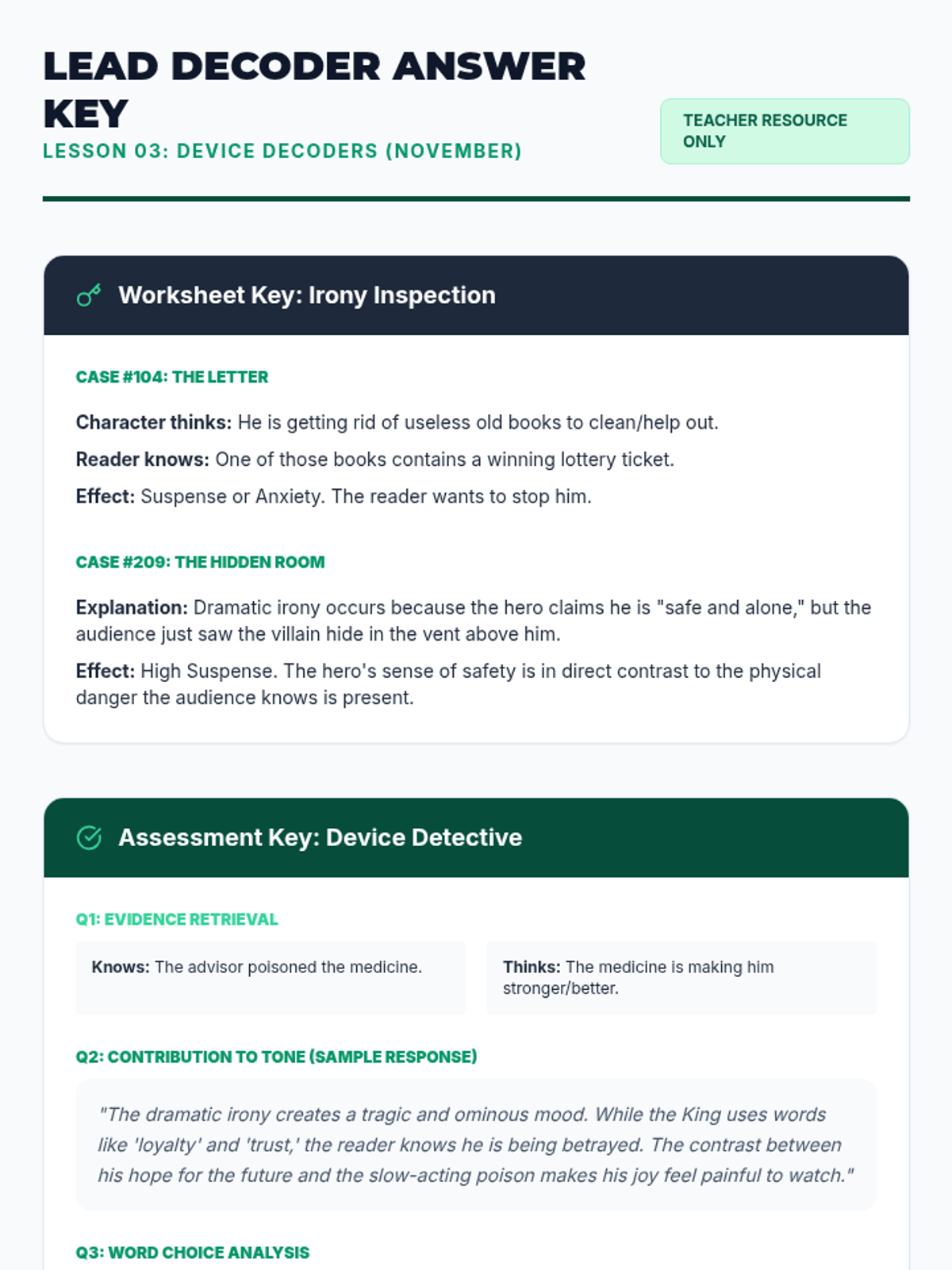
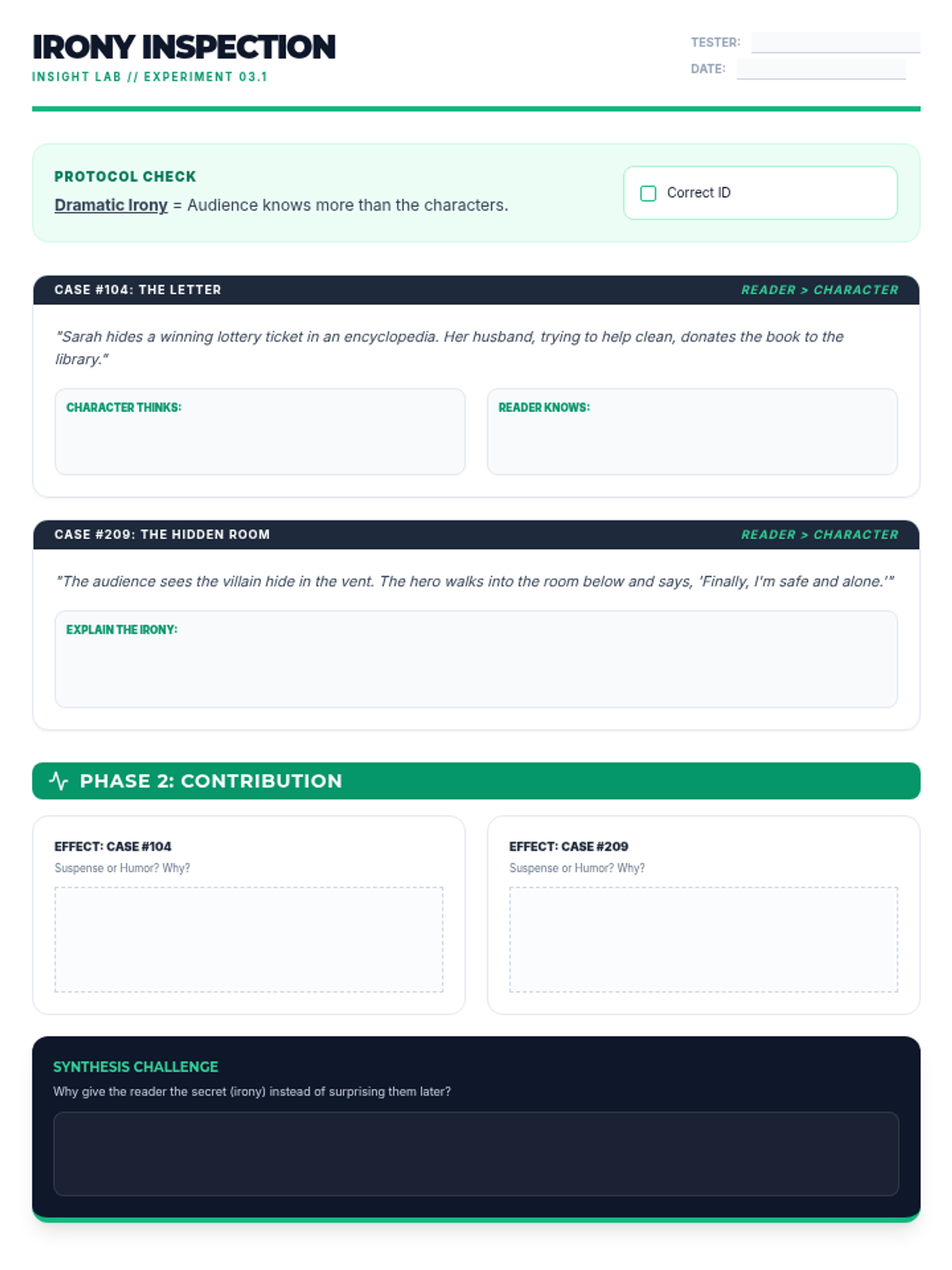
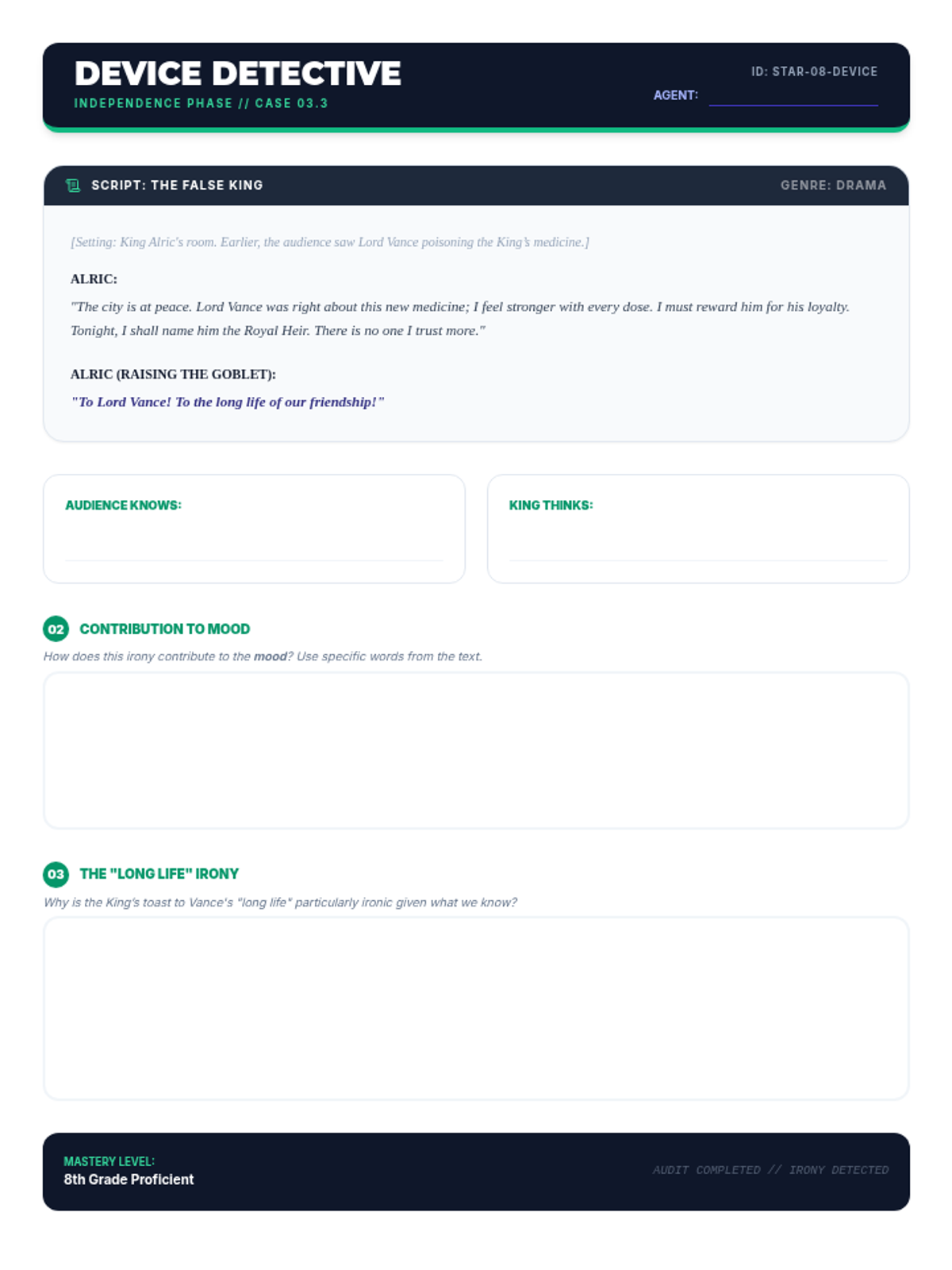
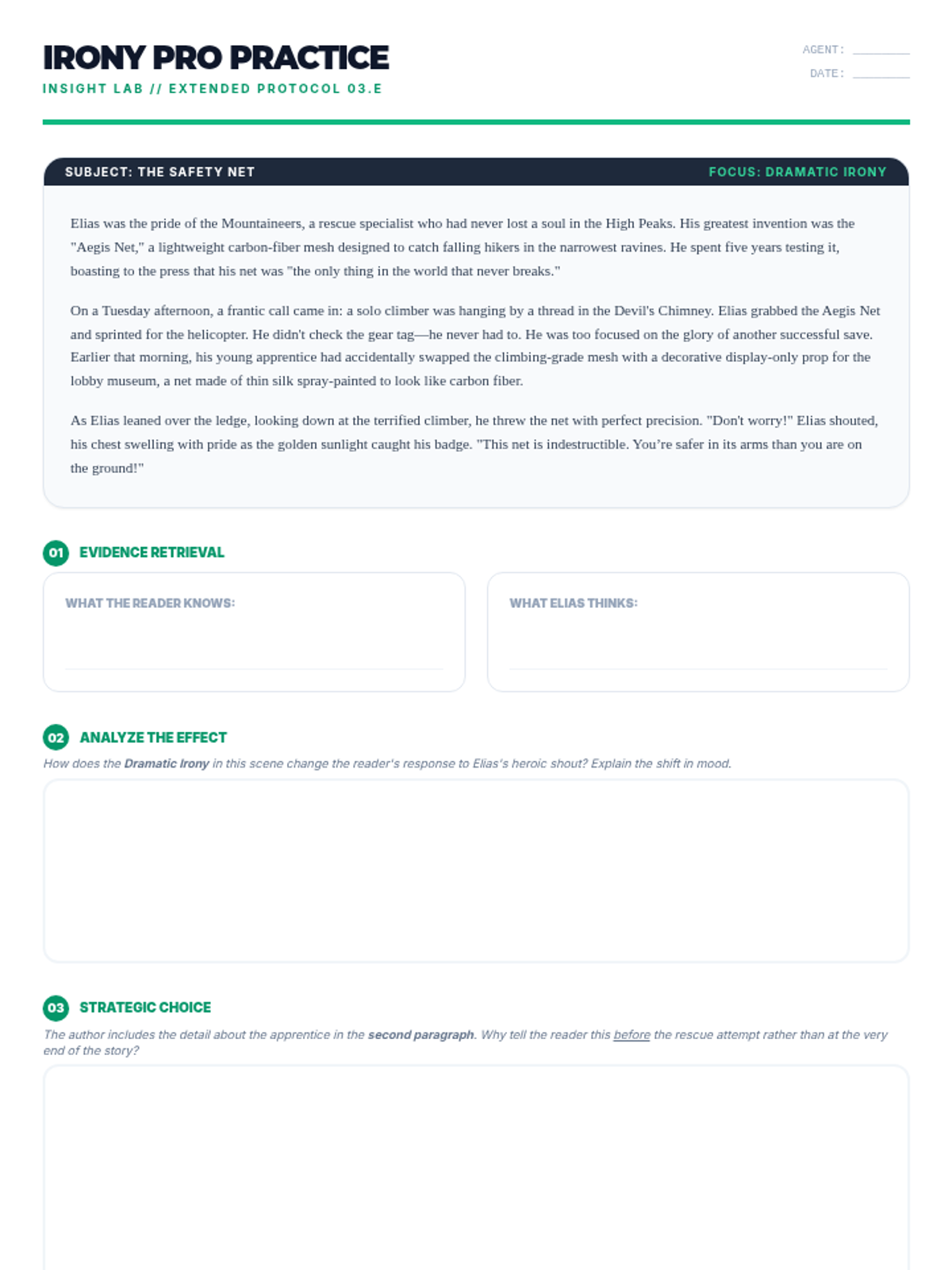
Focuses on identifying and explaining the contribution of literary devices, specifically dramatic irony and its effect on the reader.
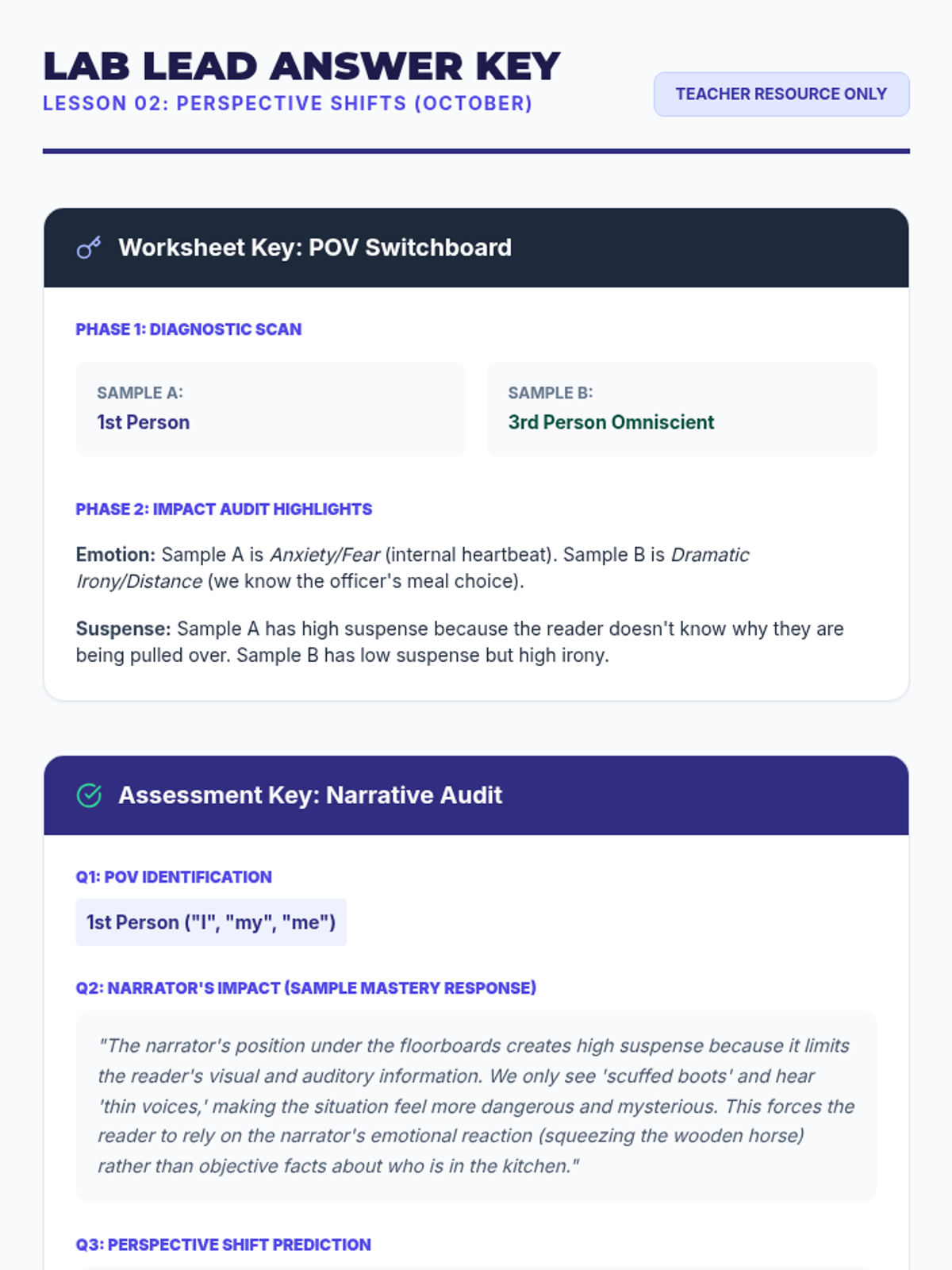
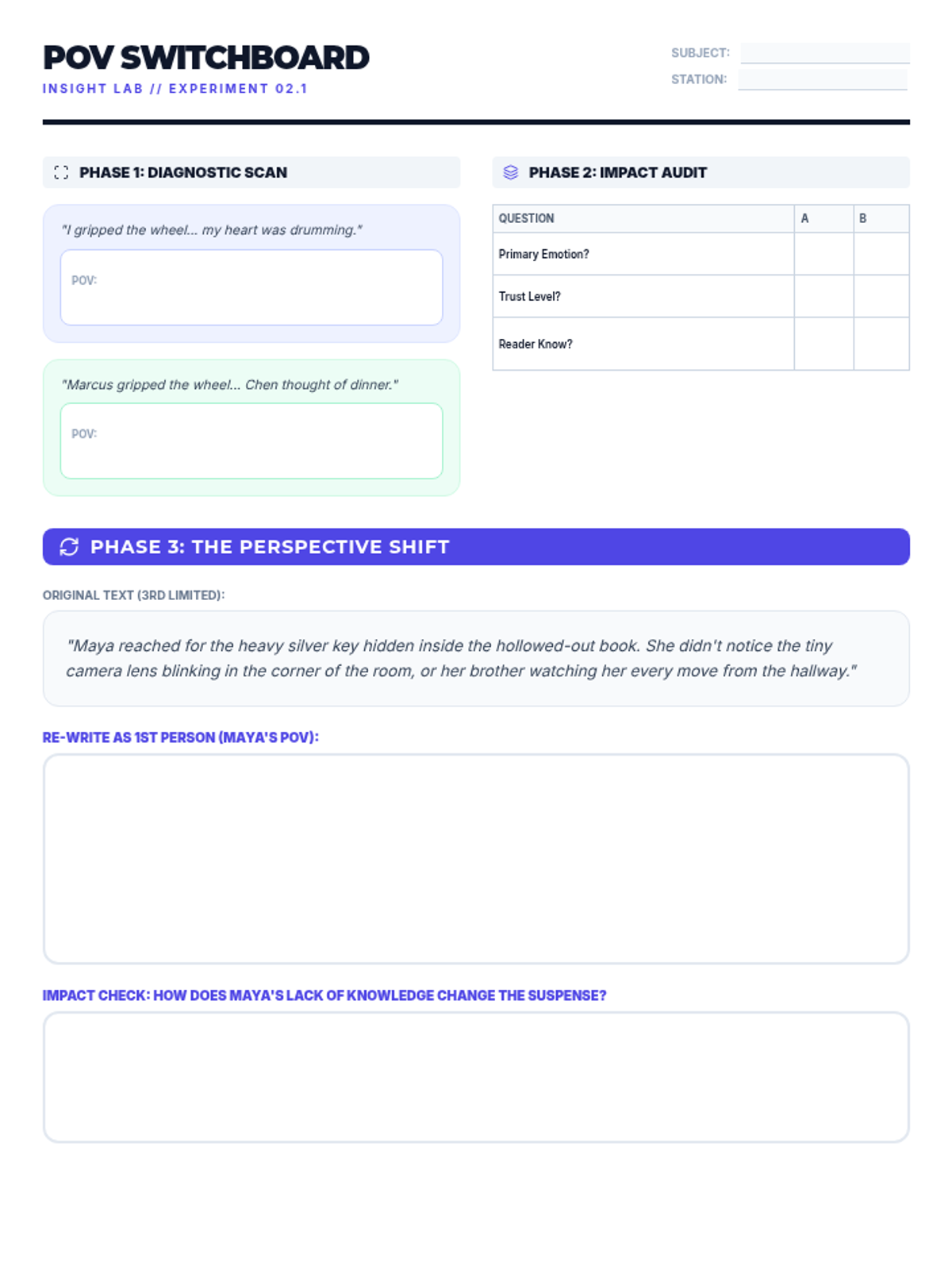
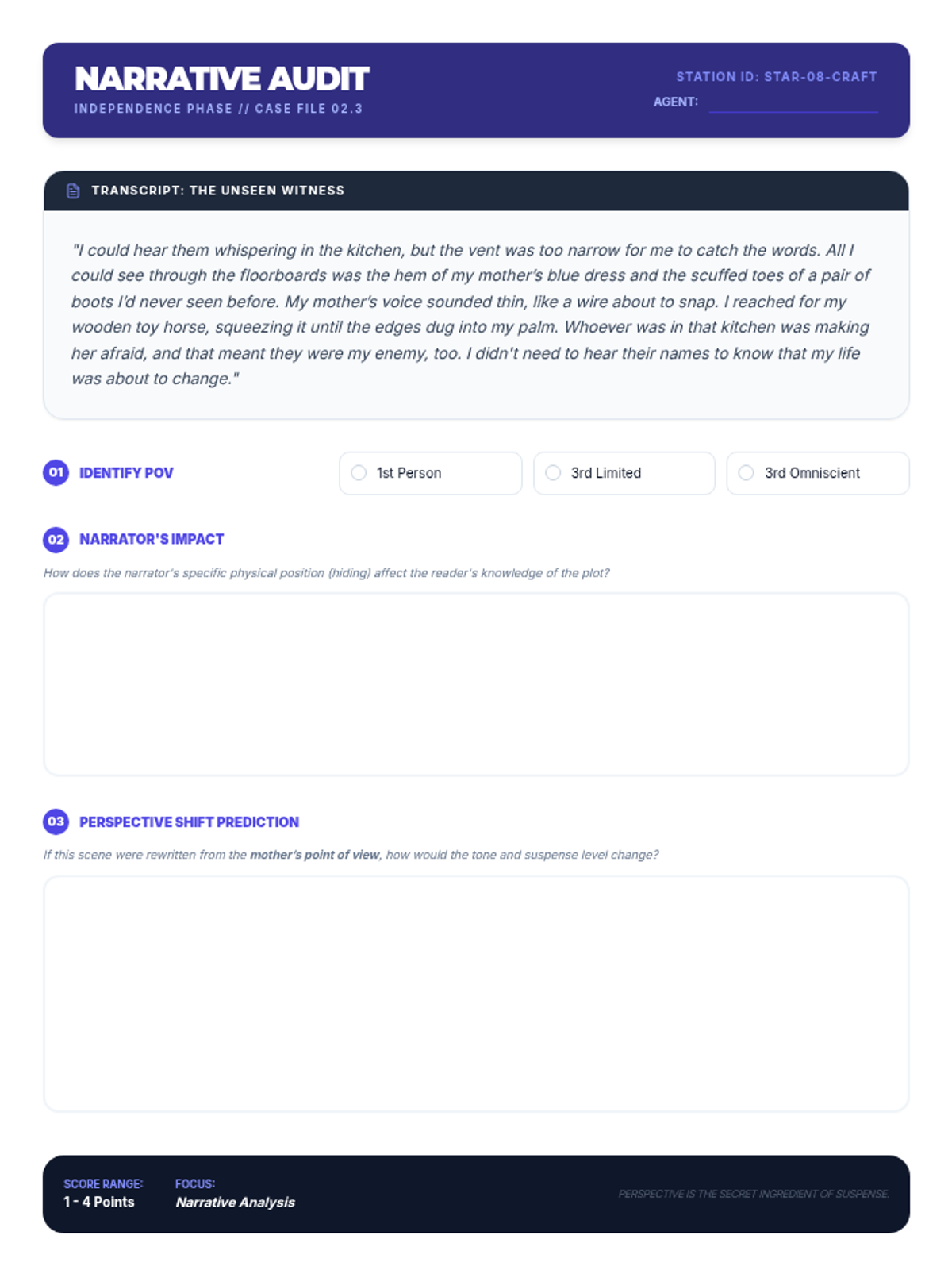
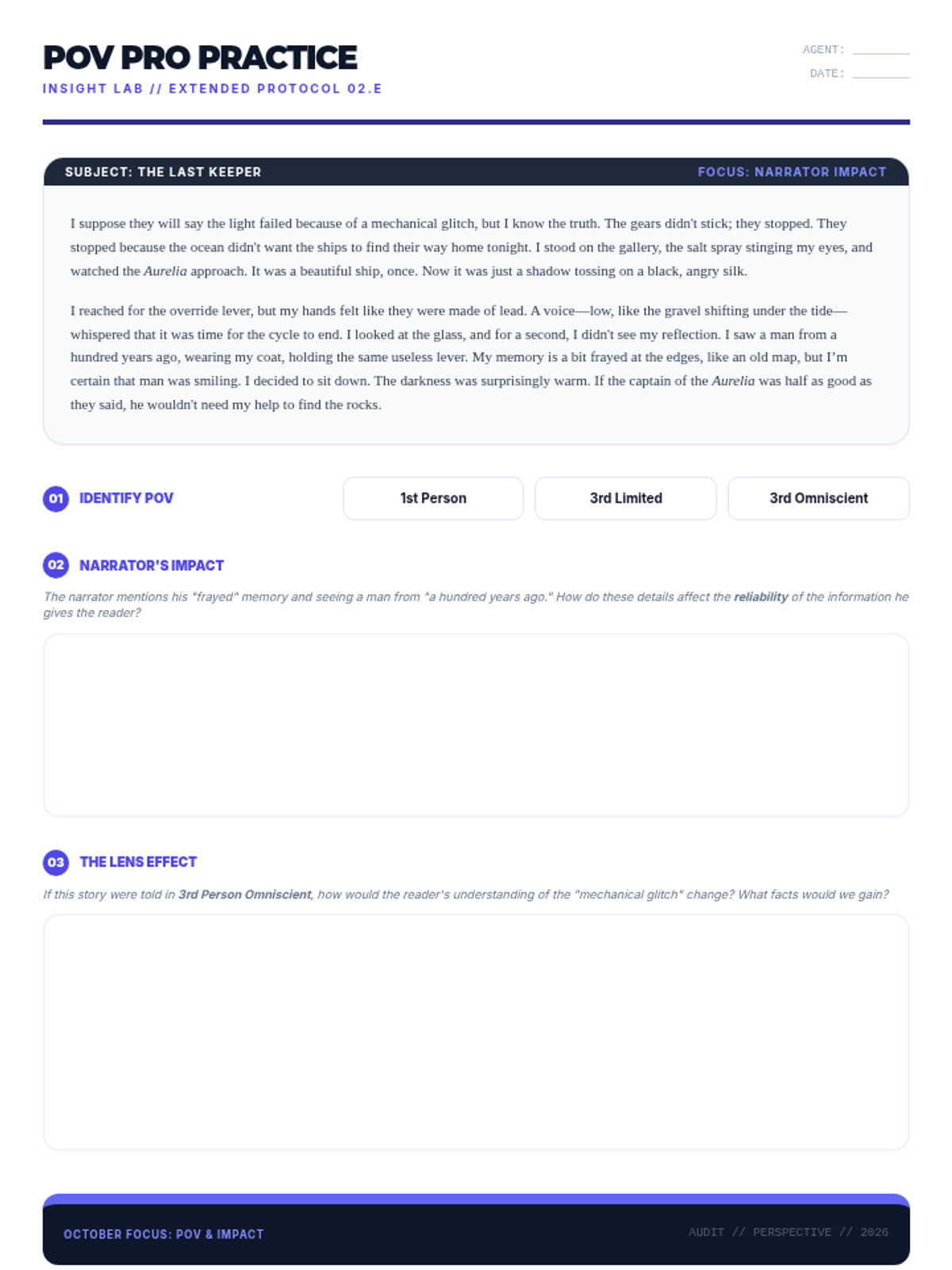
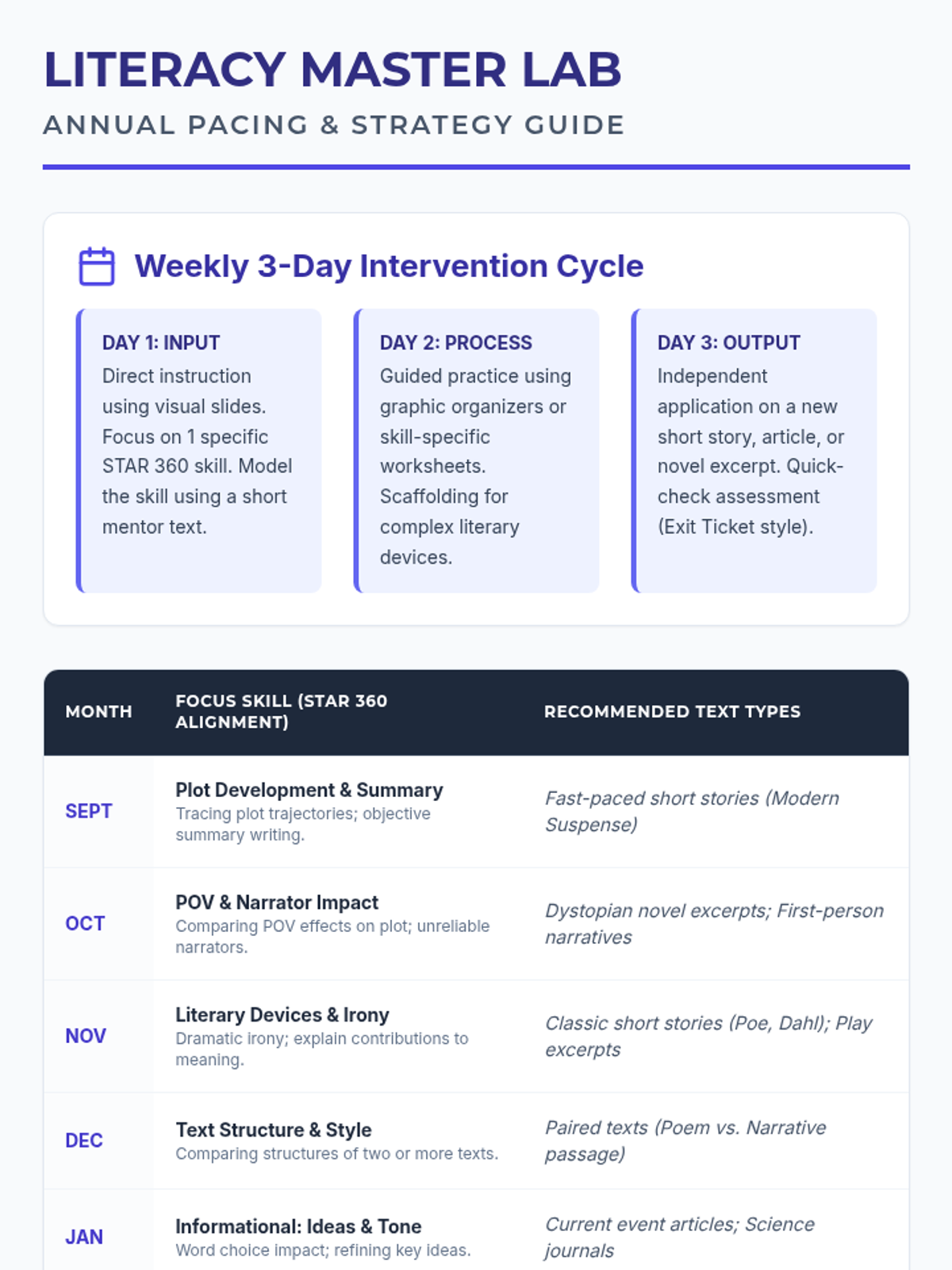
Analyzes the effects of various points of view and the narrator's impact on the narrative, covering Grade 8 Craft and Structure standards.
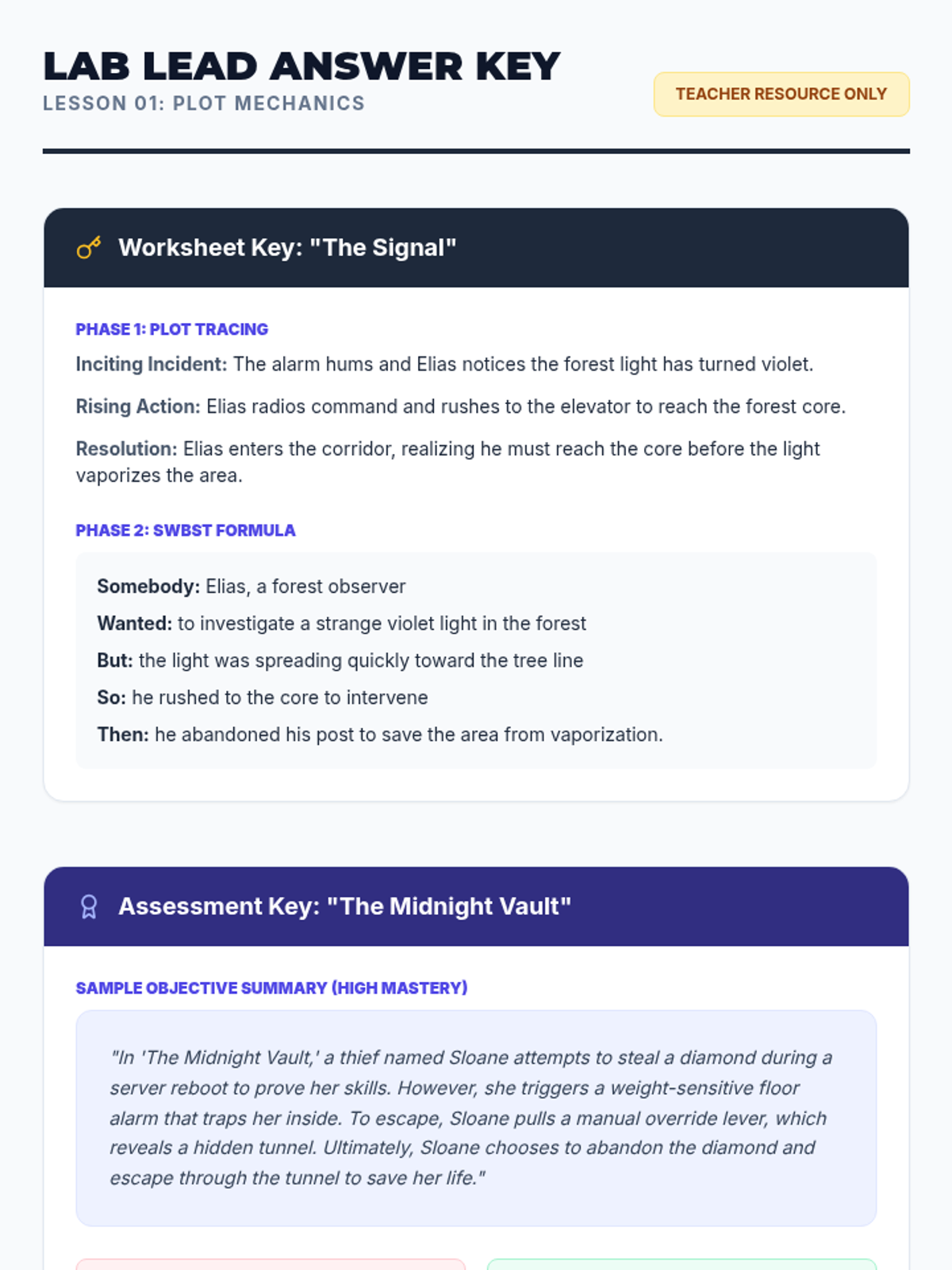
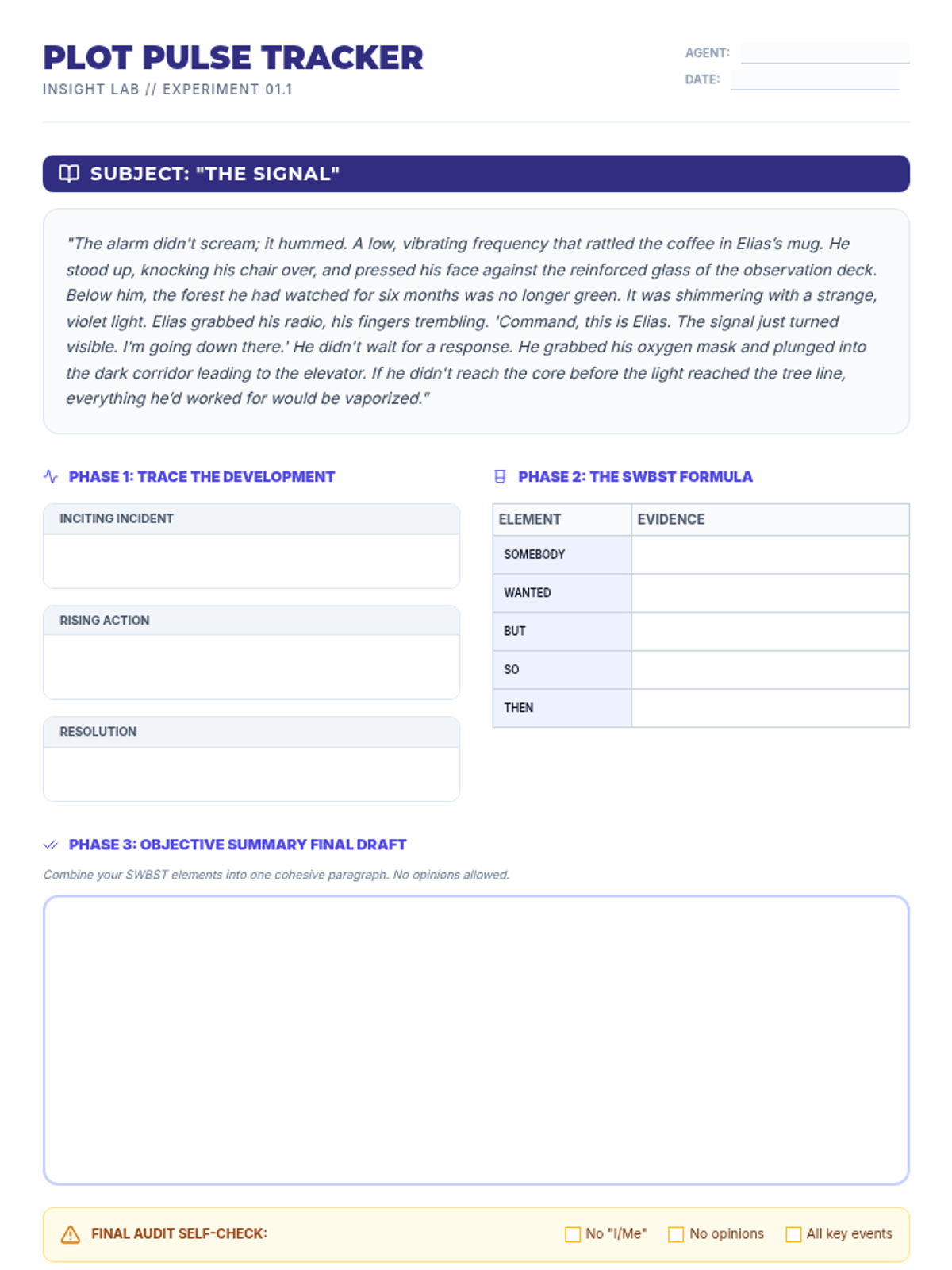
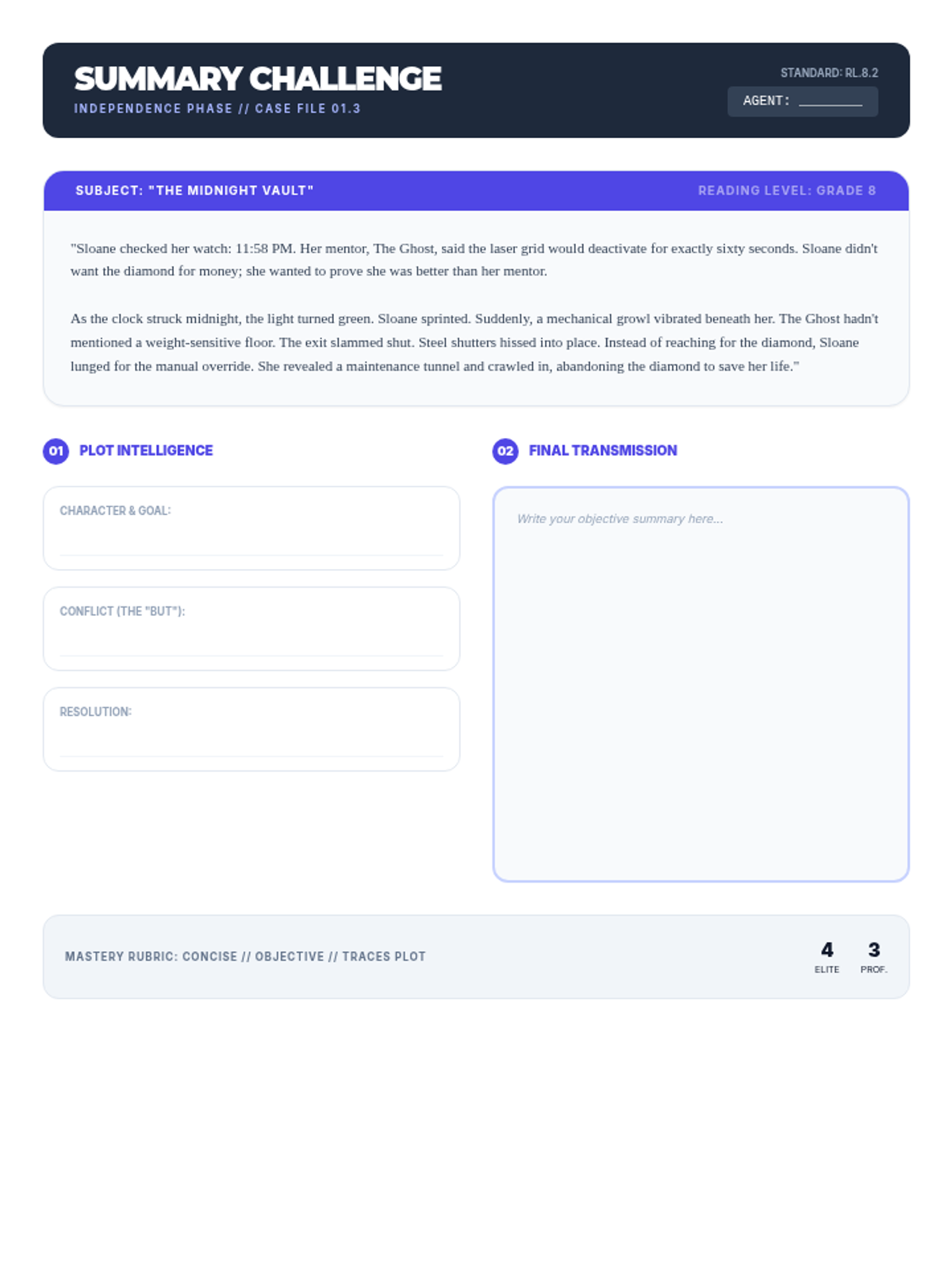
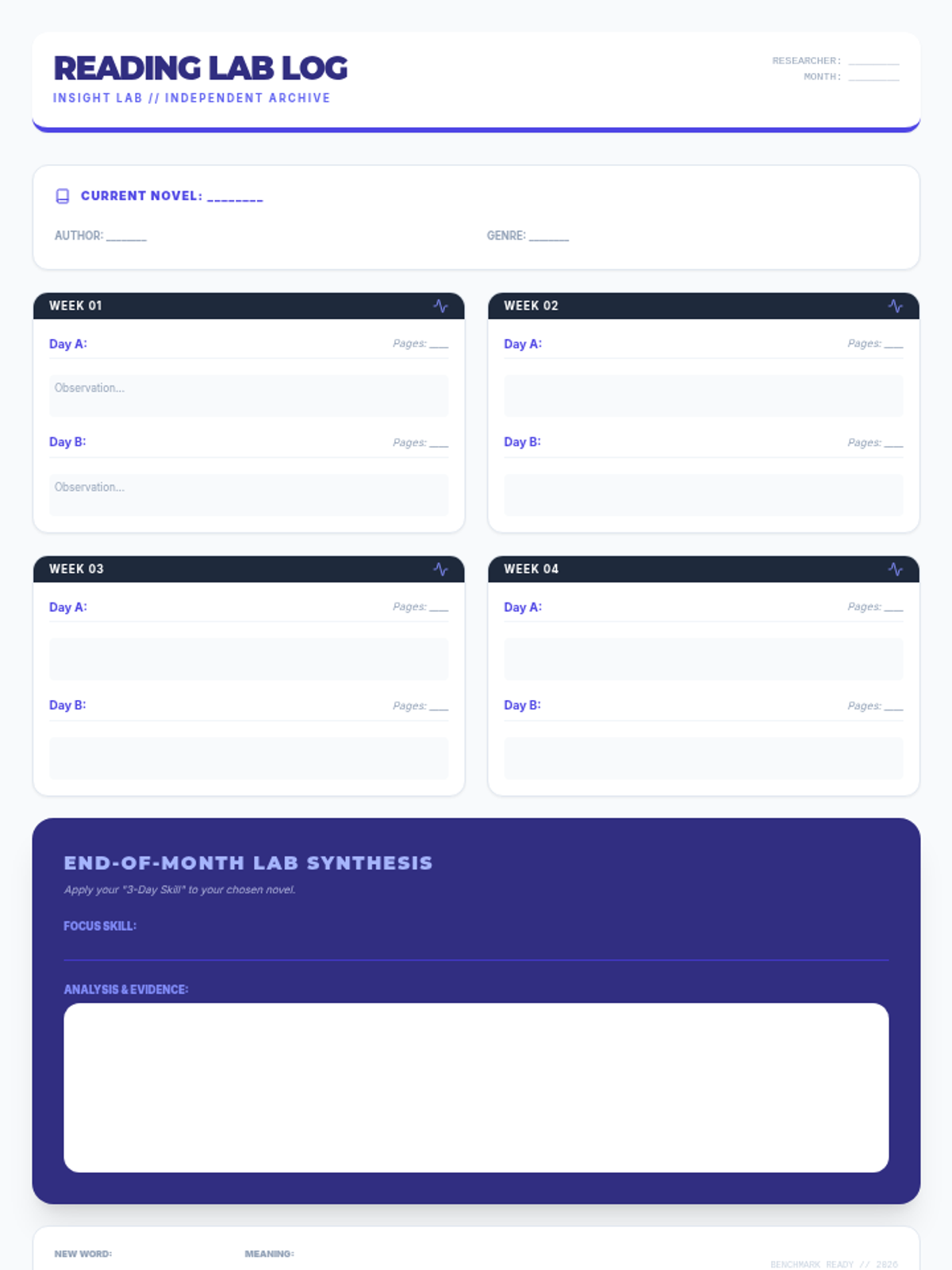
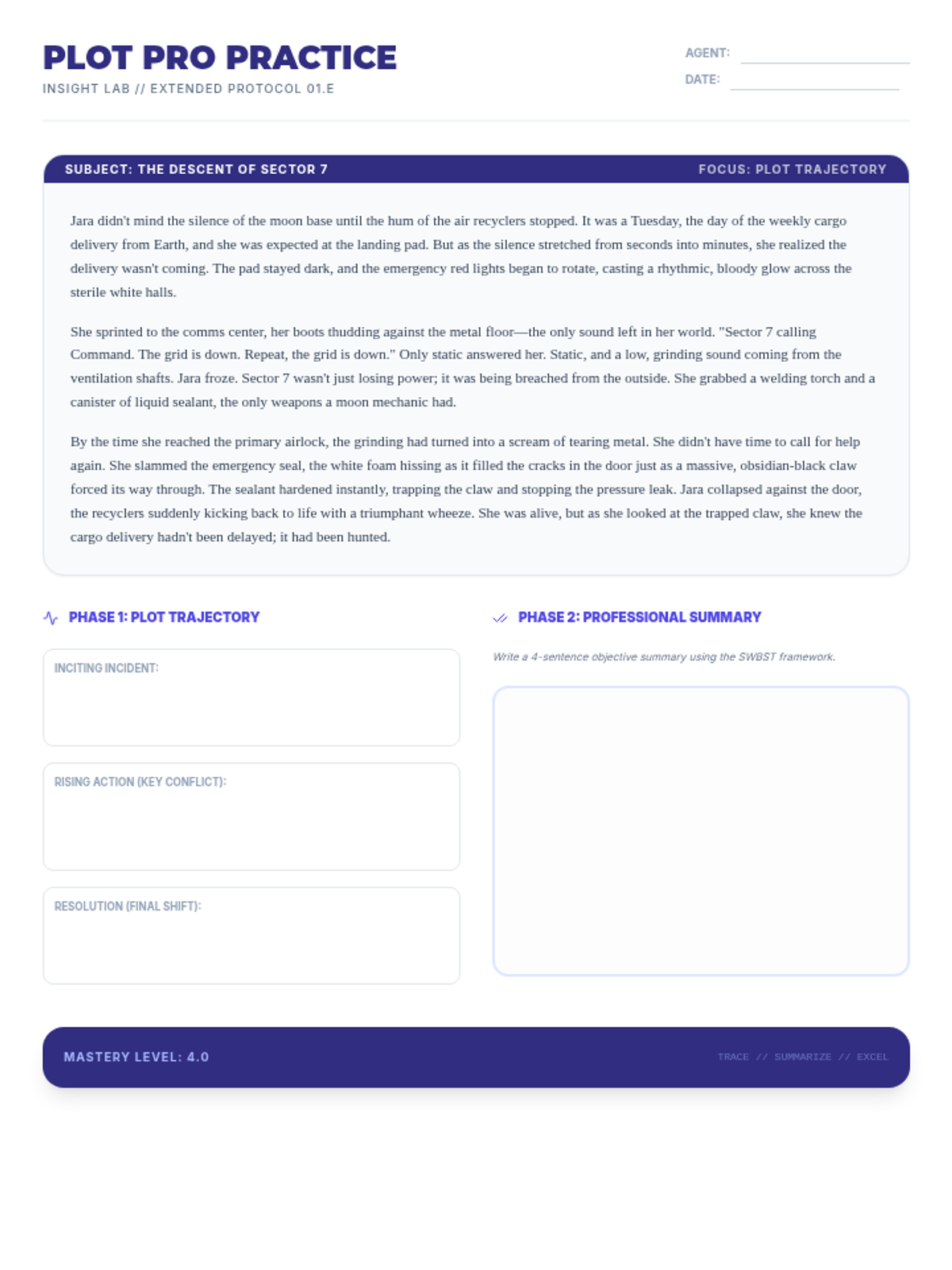
Focused on tracing plot development and providing objective summaries, aligning with Grade 8 Key Ideas and Details standards.
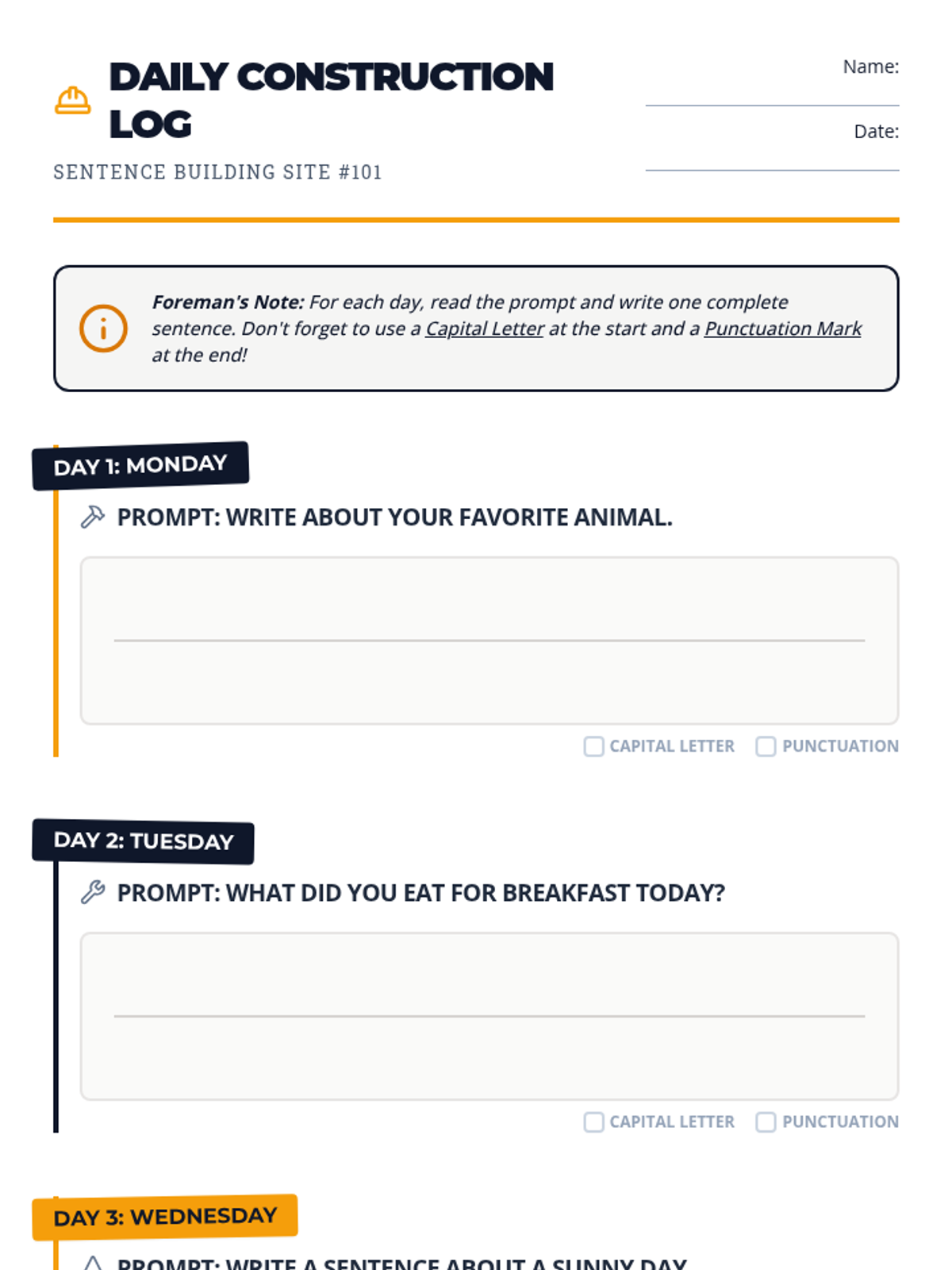
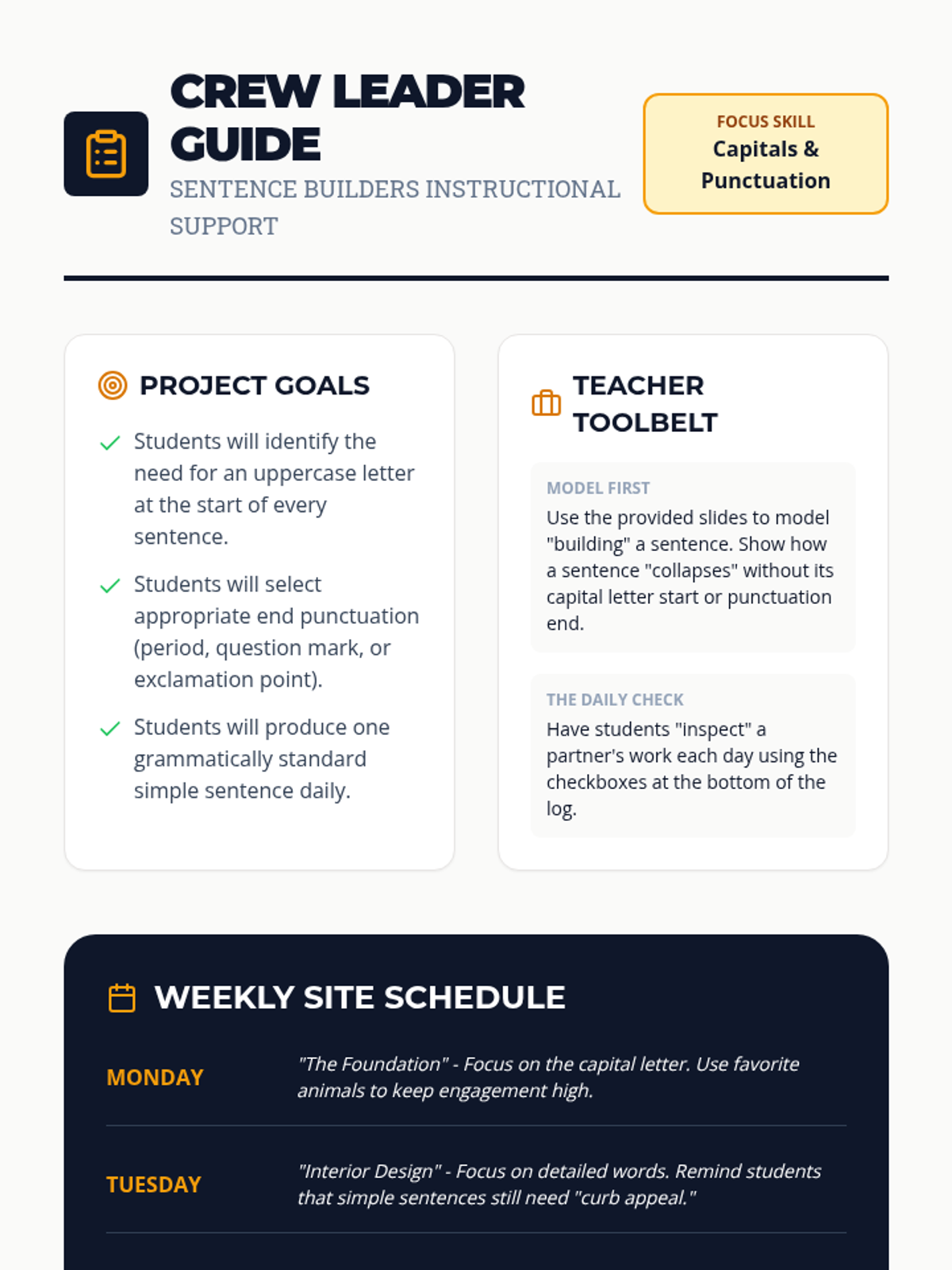
A week-long daily practice focused on mastering the fundamentals of simple sentences, specifically capitalization and punctuation, through a construction-themed approach.
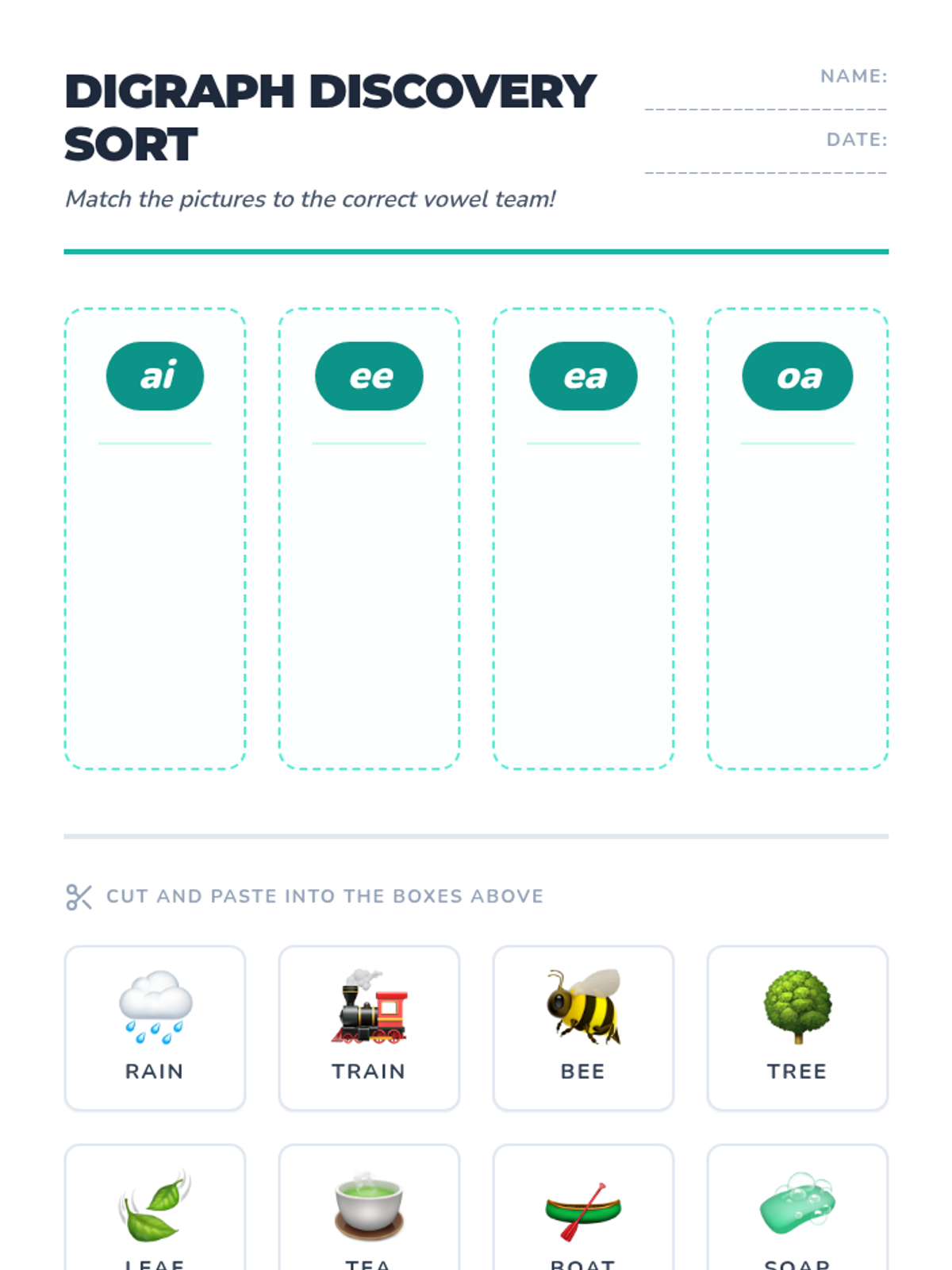
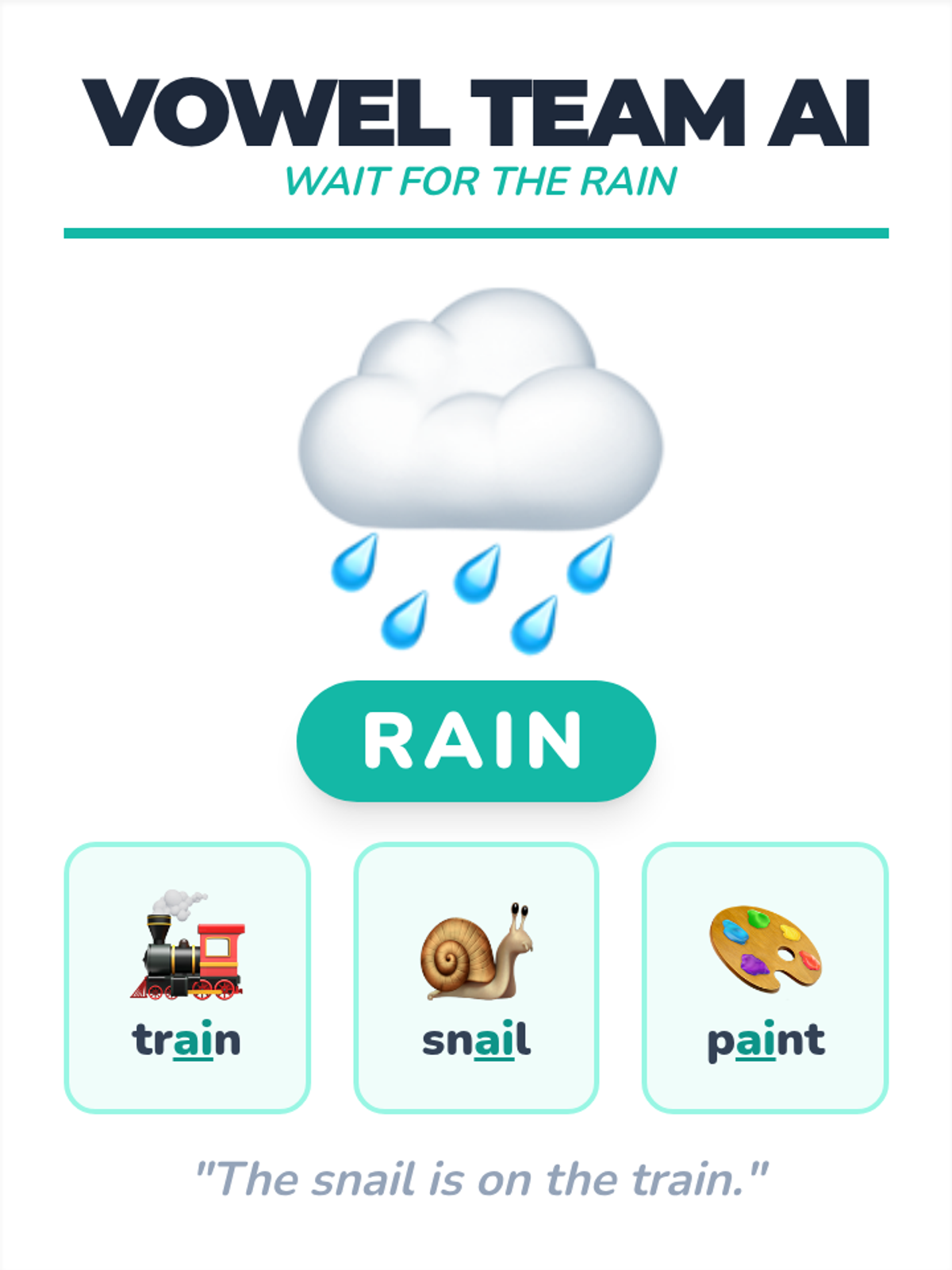
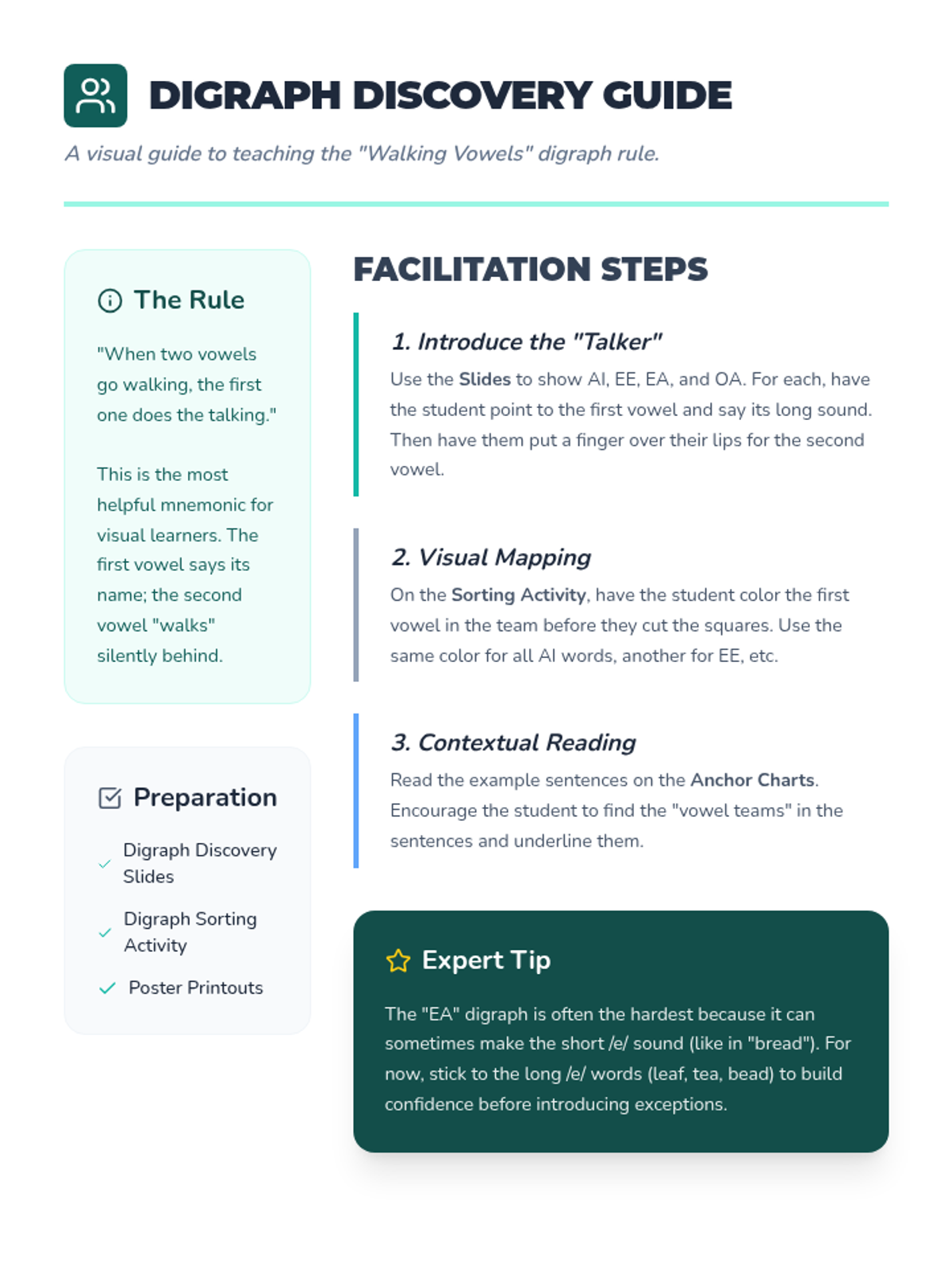
Focuses on common vowel digraphs (AI, EE, EA, OA) where two vowels work together to make one long vowel sound.
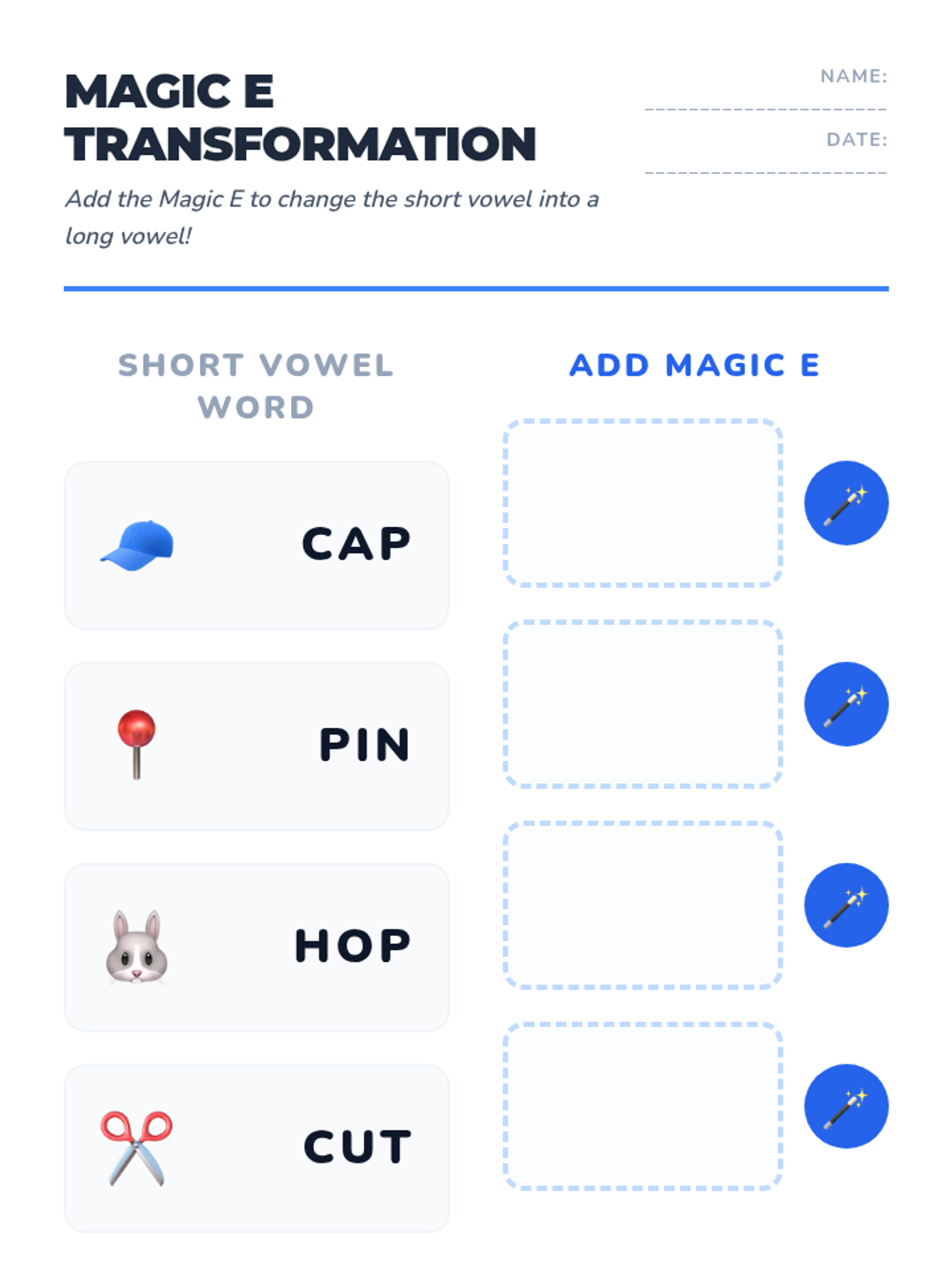
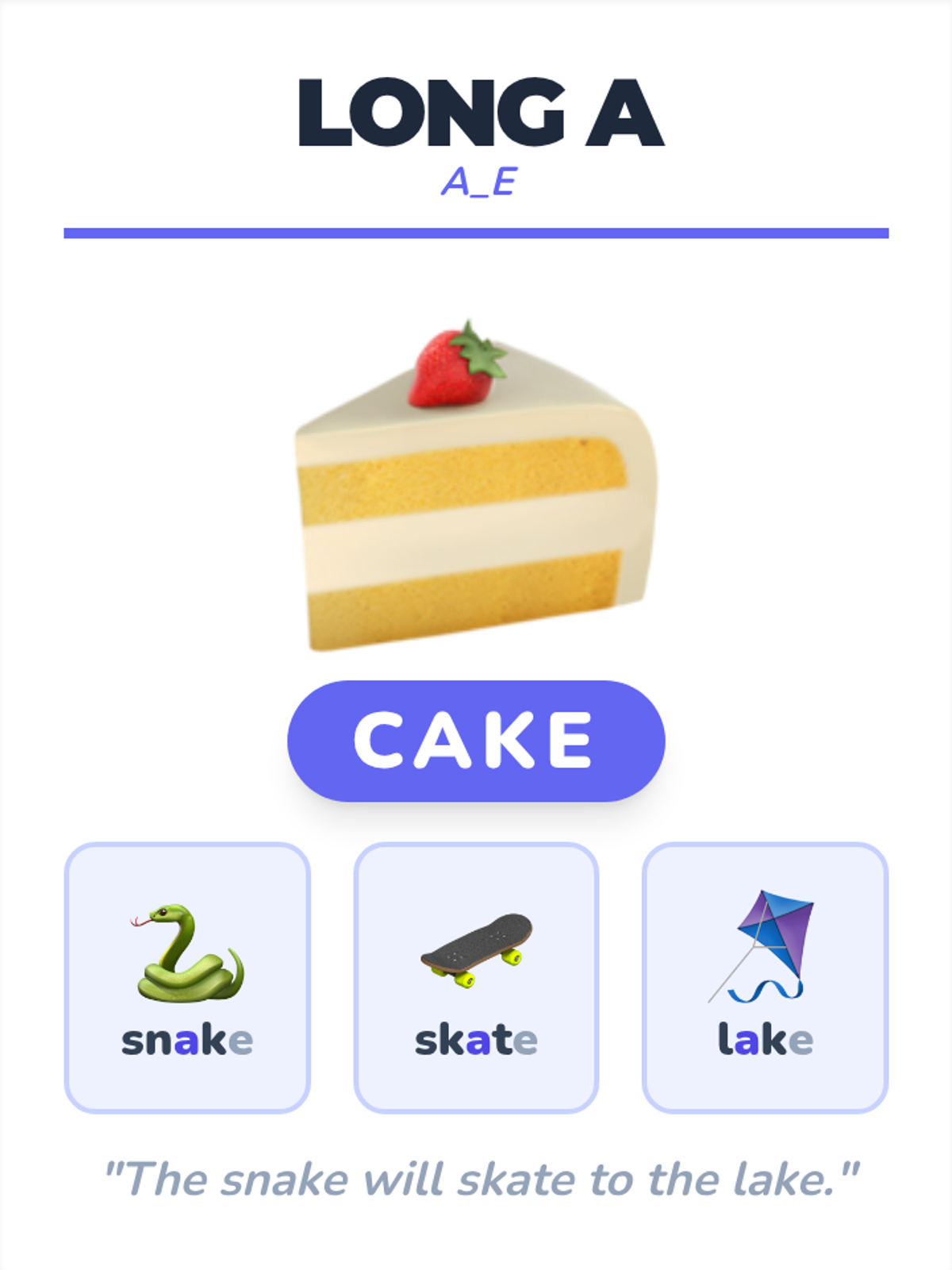
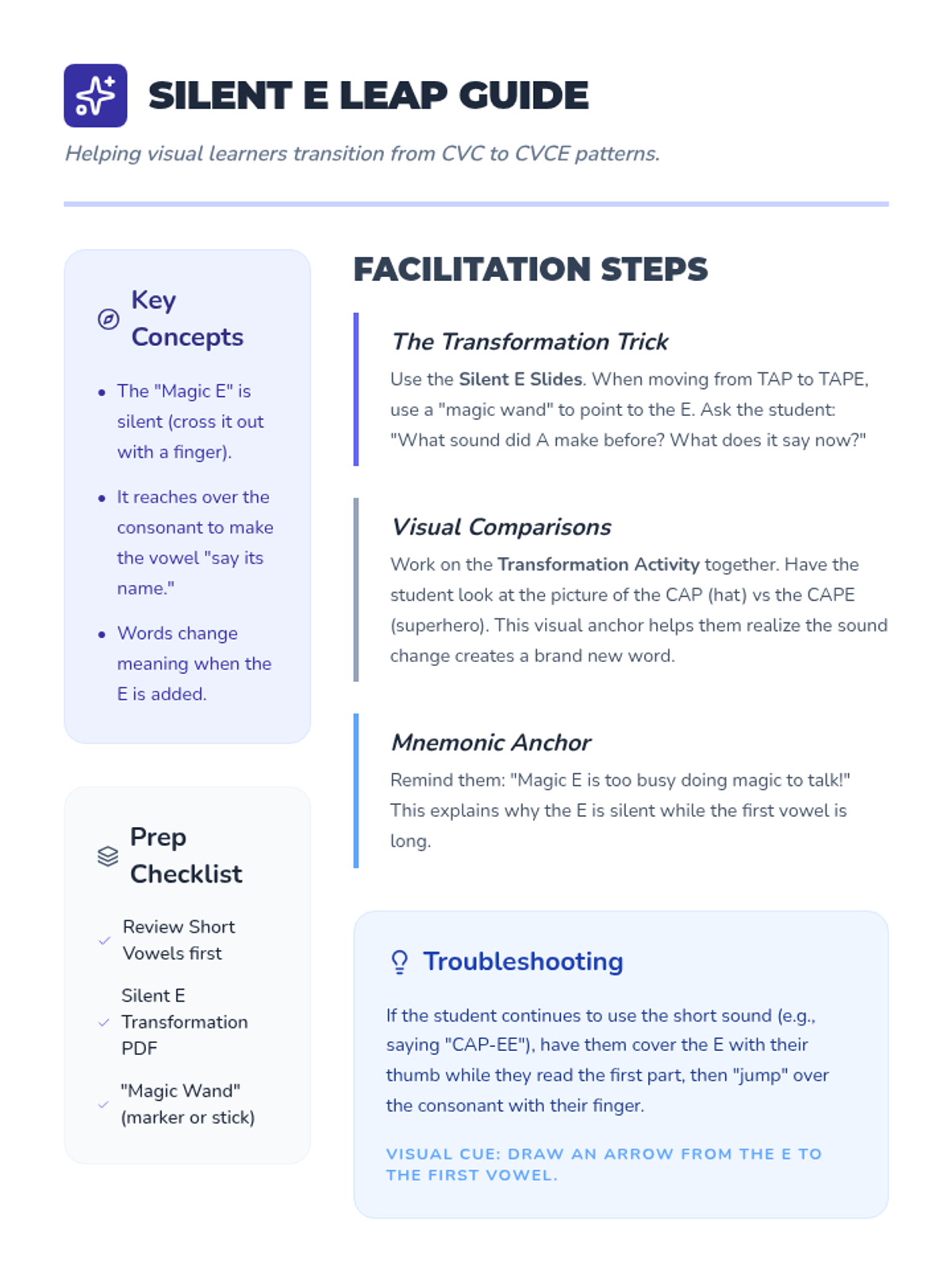
Introduces the silent E pattern (CVCE) and how it "makes the vowel say its name," featuring visual transformations and word-building practice.
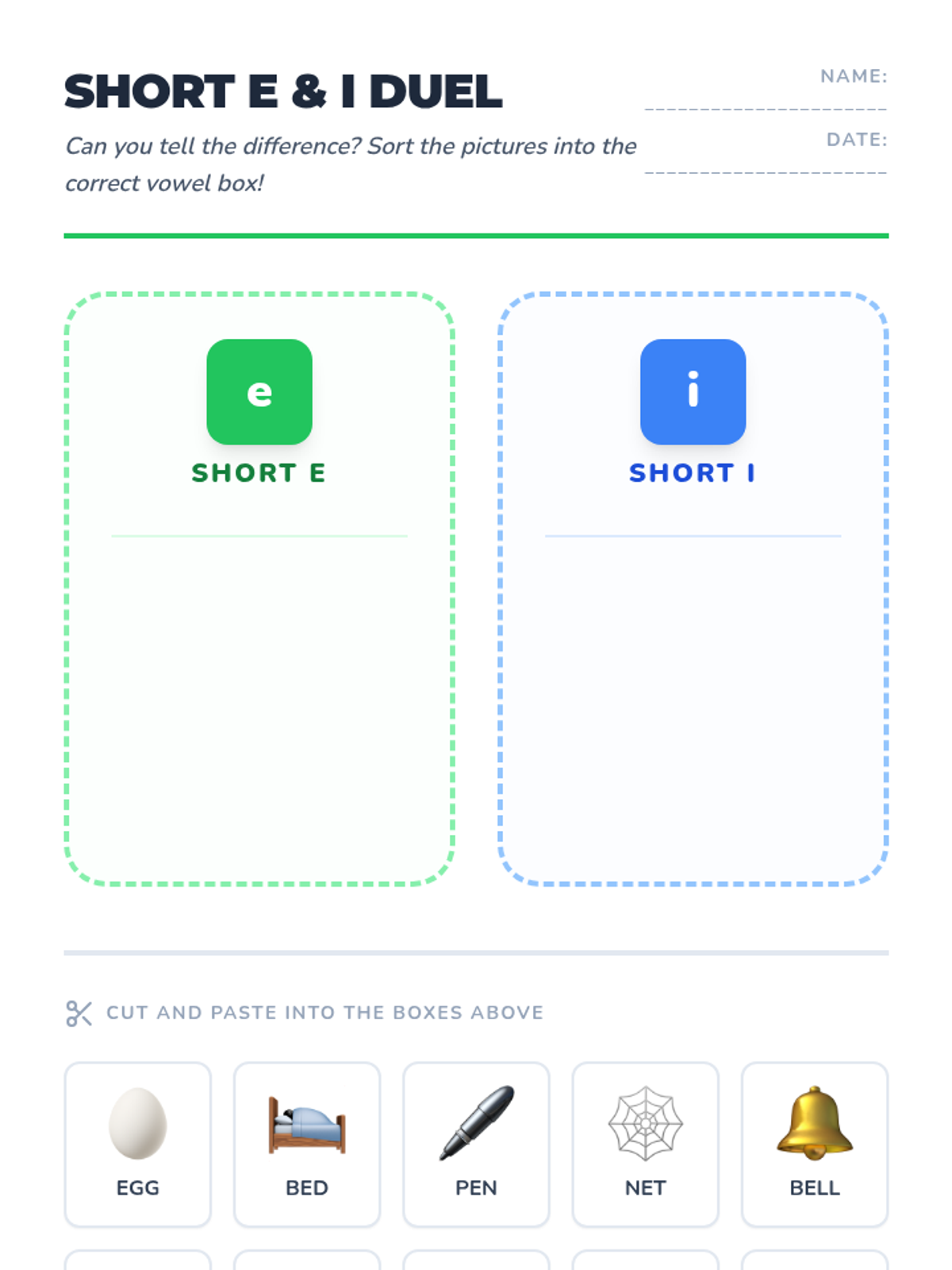
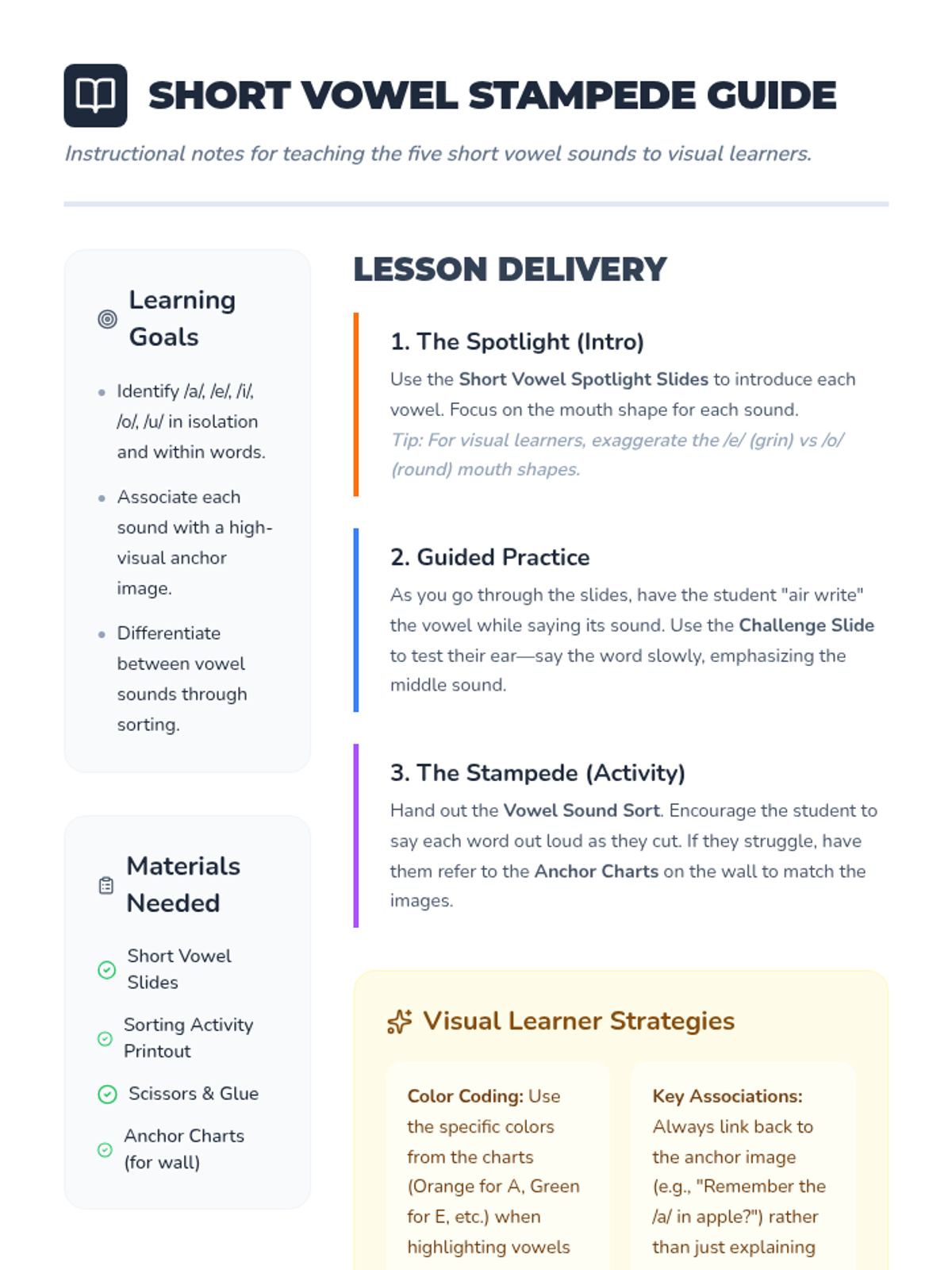
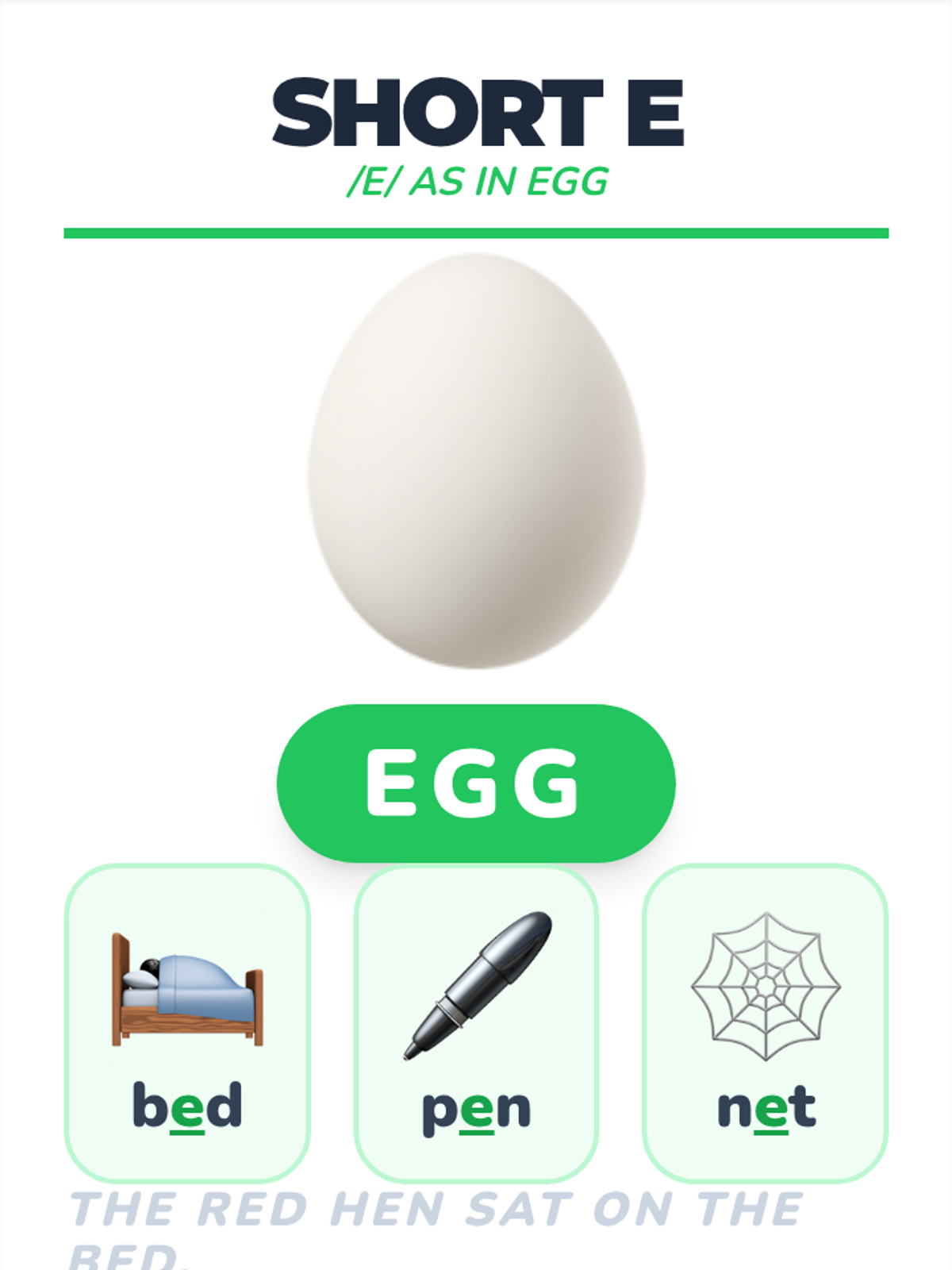
Focuses on the identification and differentiation of short vowel sounds (A, E, I, O, U) using visual anchors and word-image associations.