A lesson focused on using context clues and inferencing strategies to determine the meaning of complex 5th-grade vocabulary words. Students act as 'word detectives' to decode meaning from surrounding text evidence.
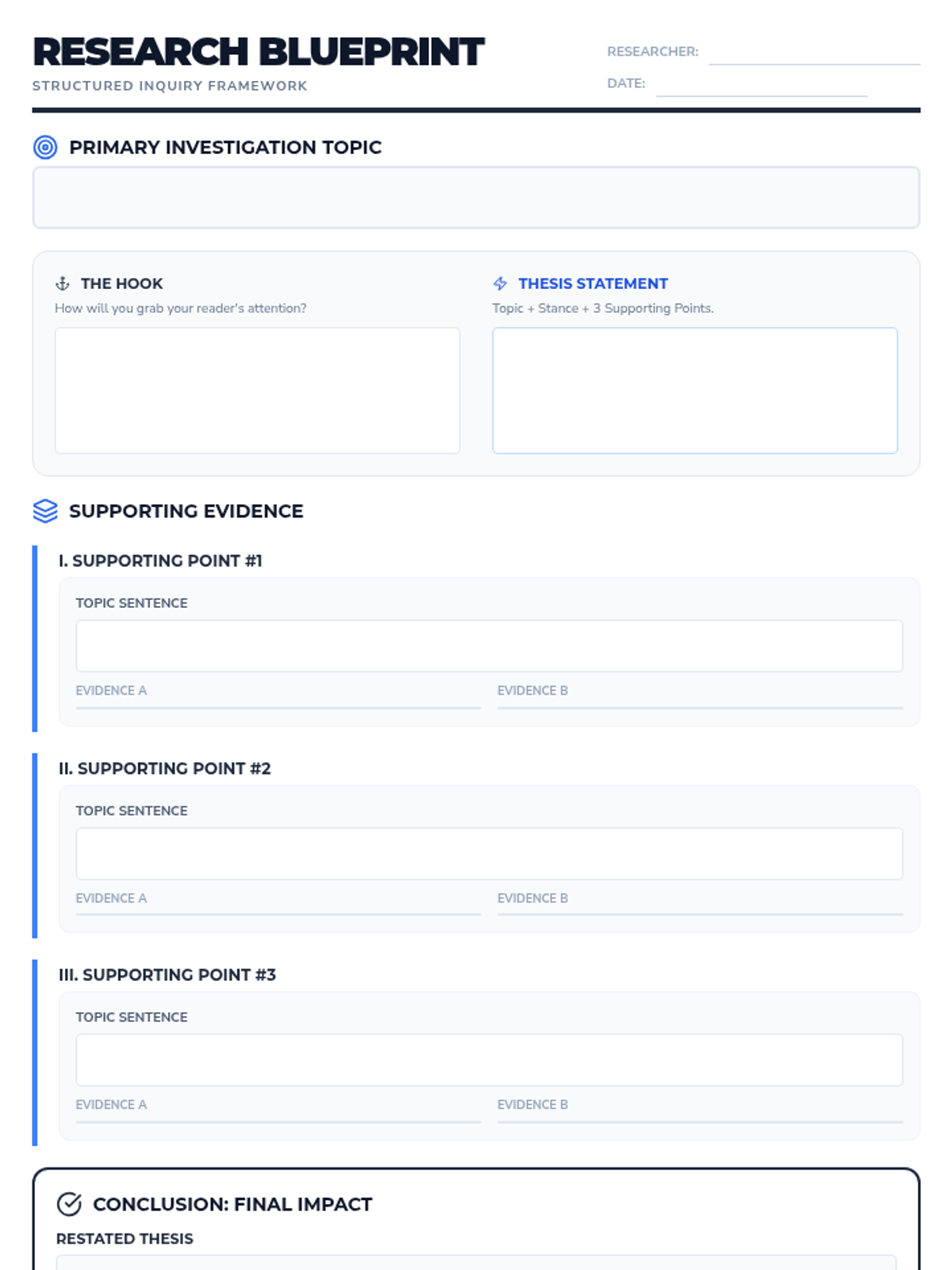
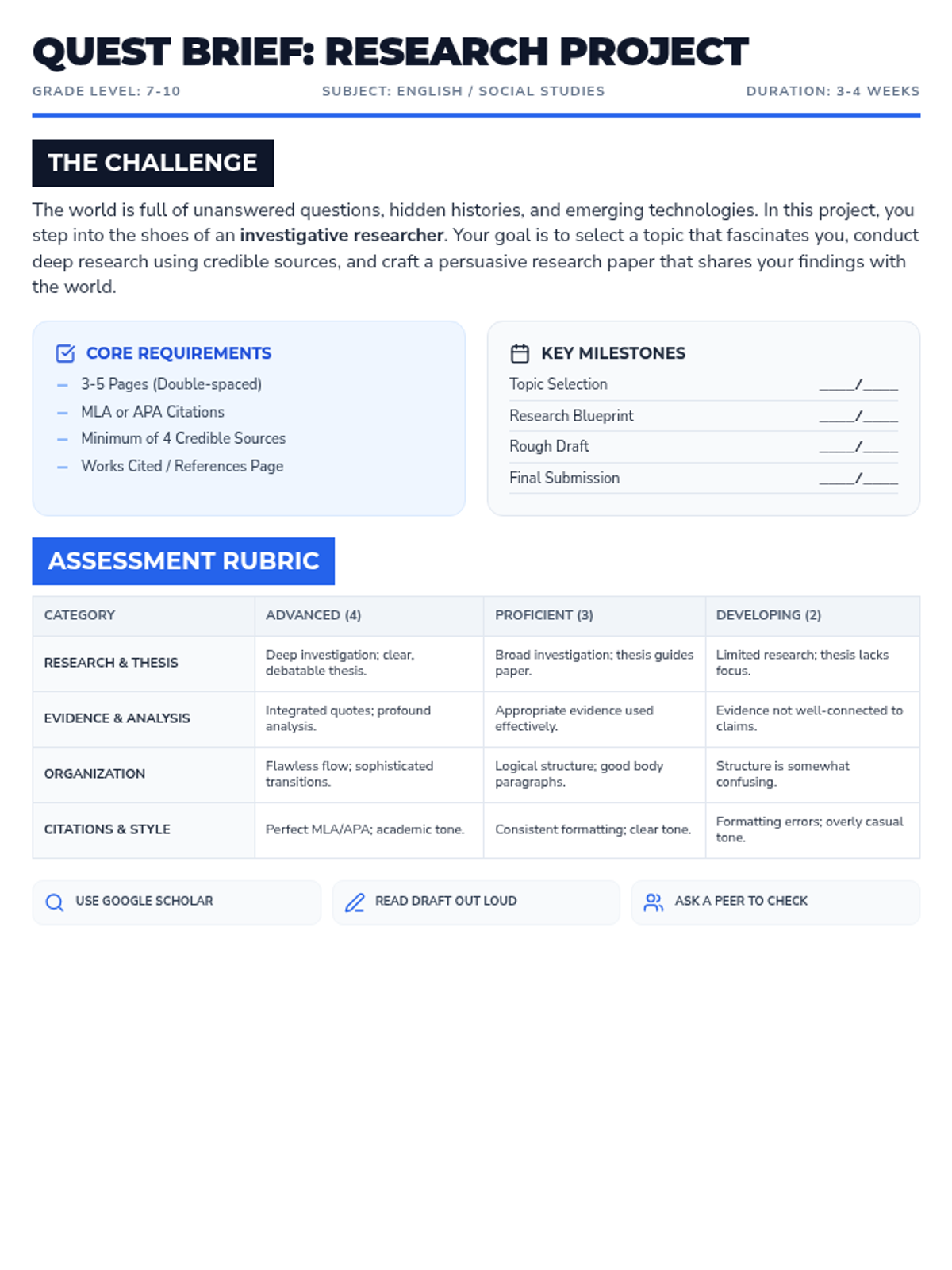
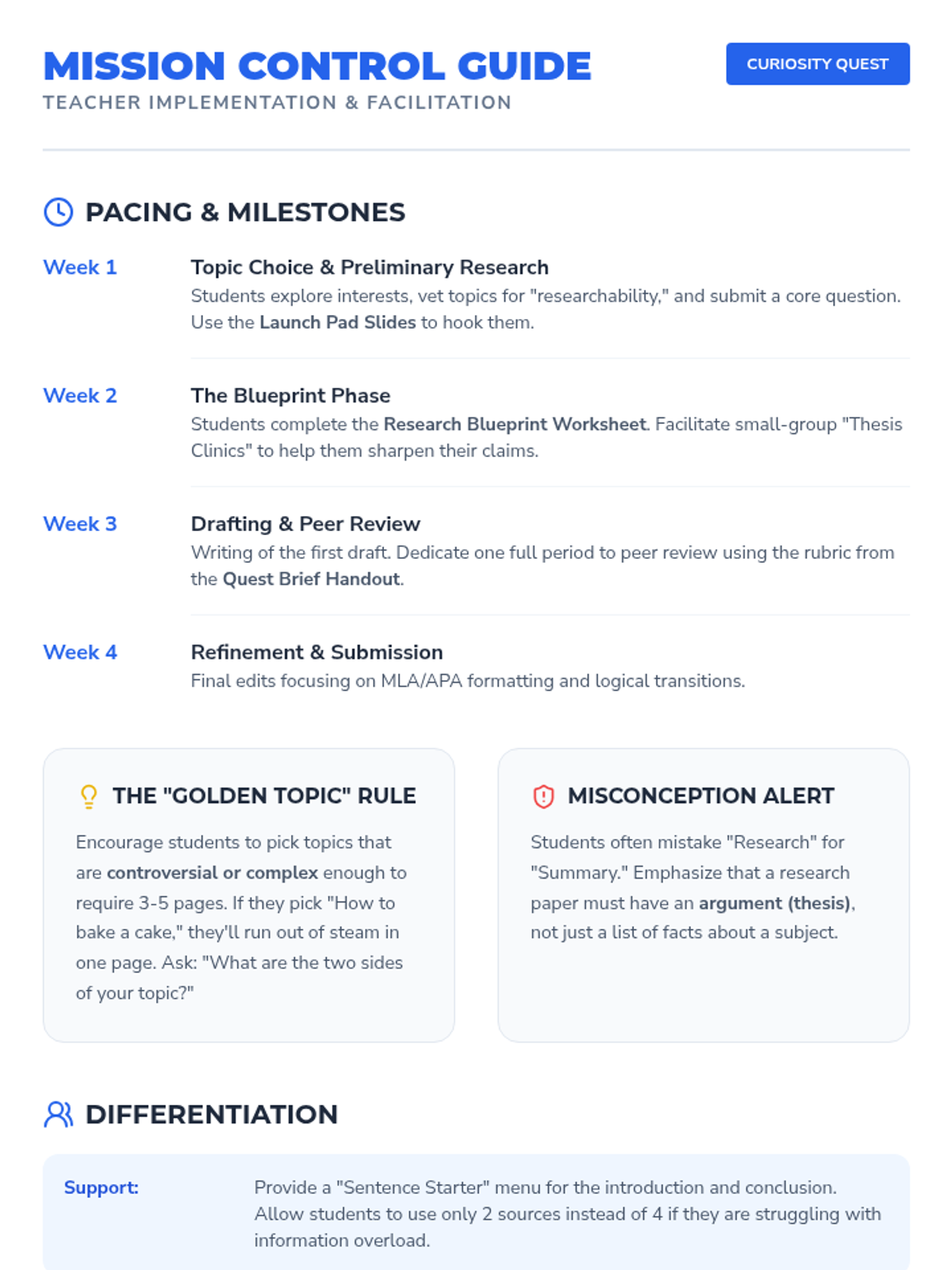
A comprehensive research project framework for middle and high school students to explore a topic of their choice through structured inquiry and outlining.
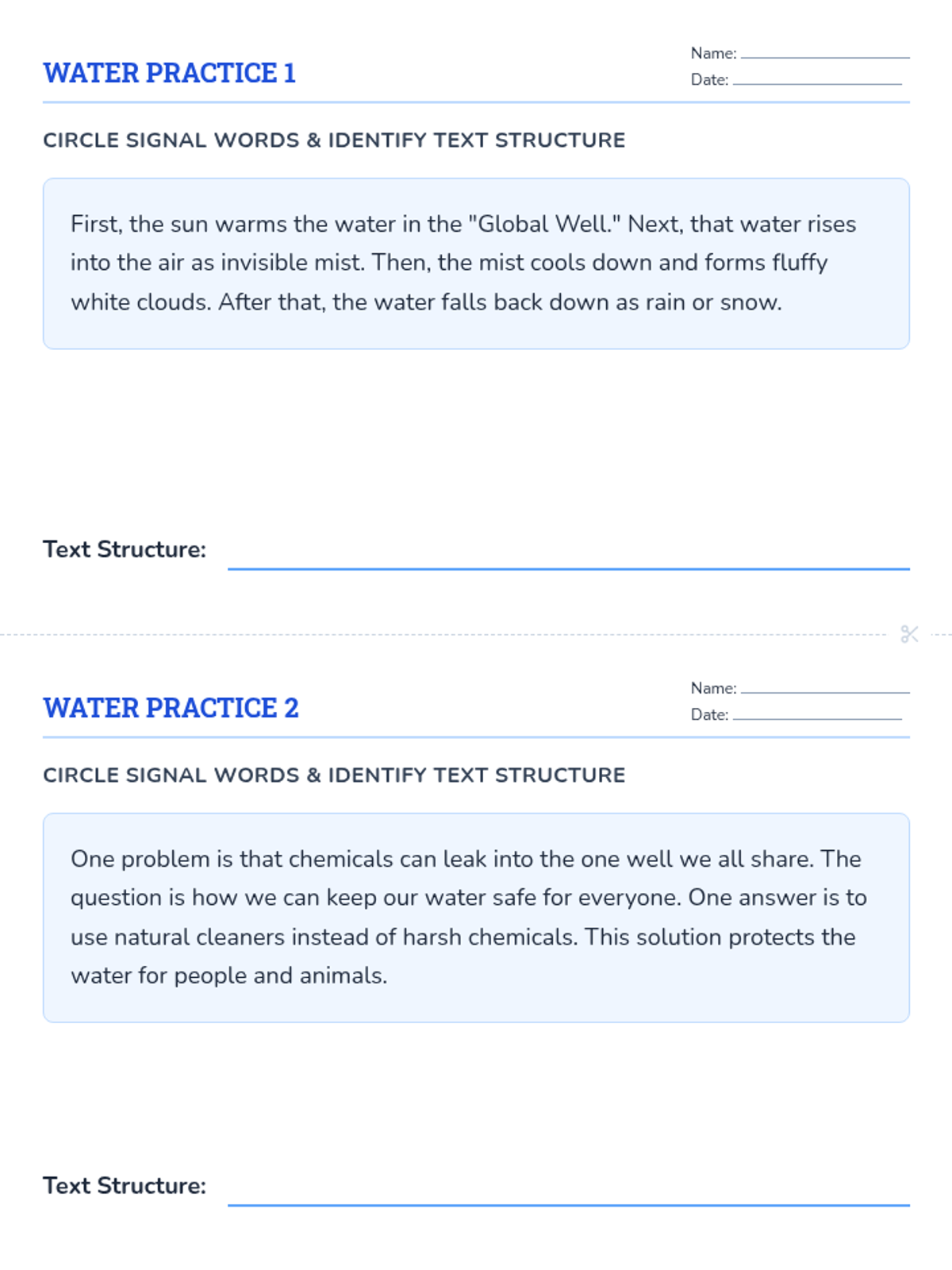
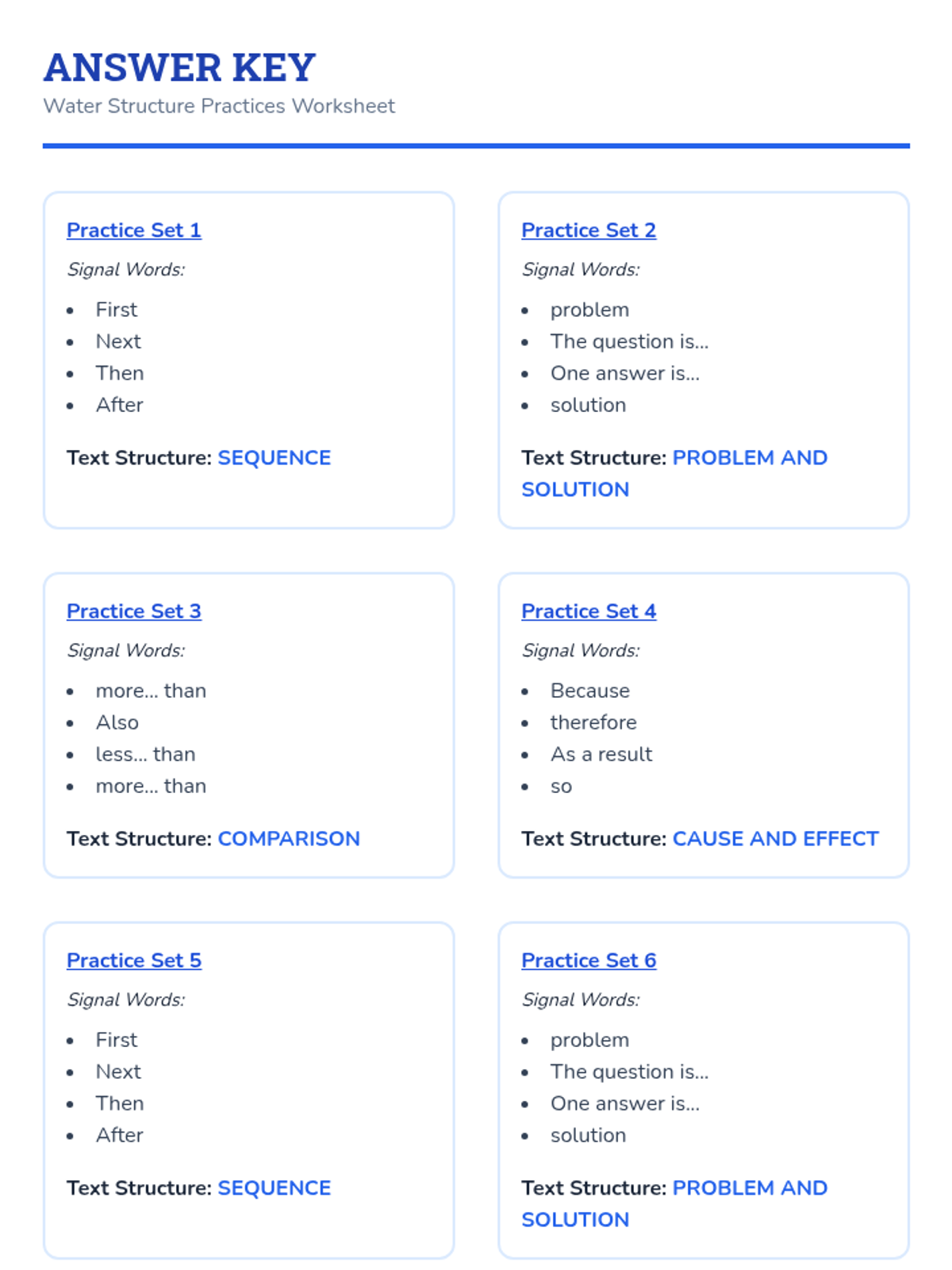
A lesson focused on identifying text structures and signal words using themes from the book 'One Well: The Story of Water on Earth'. Students practice identifying sequence, problem/solution, comparison, and cause/effect structures.
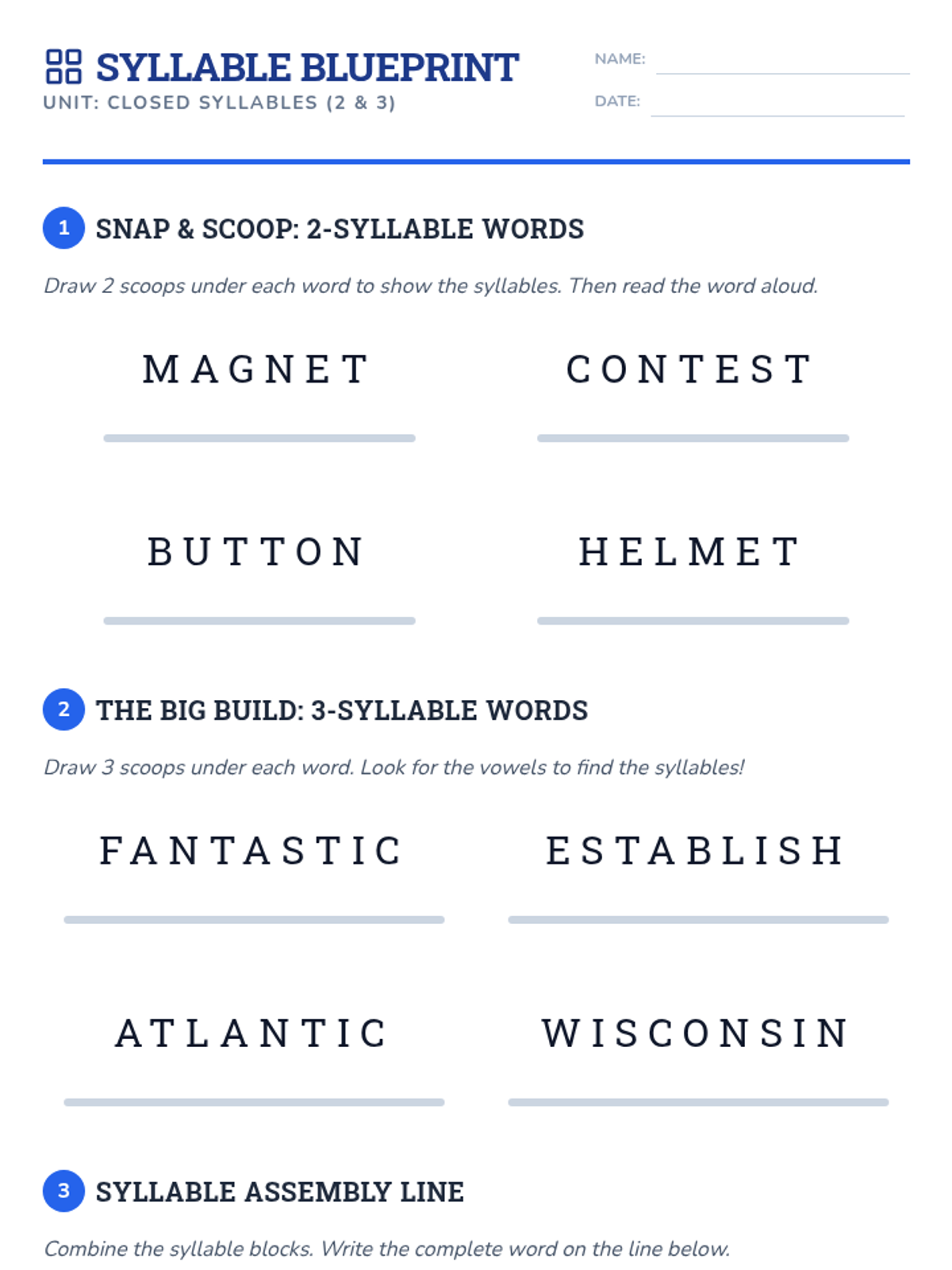
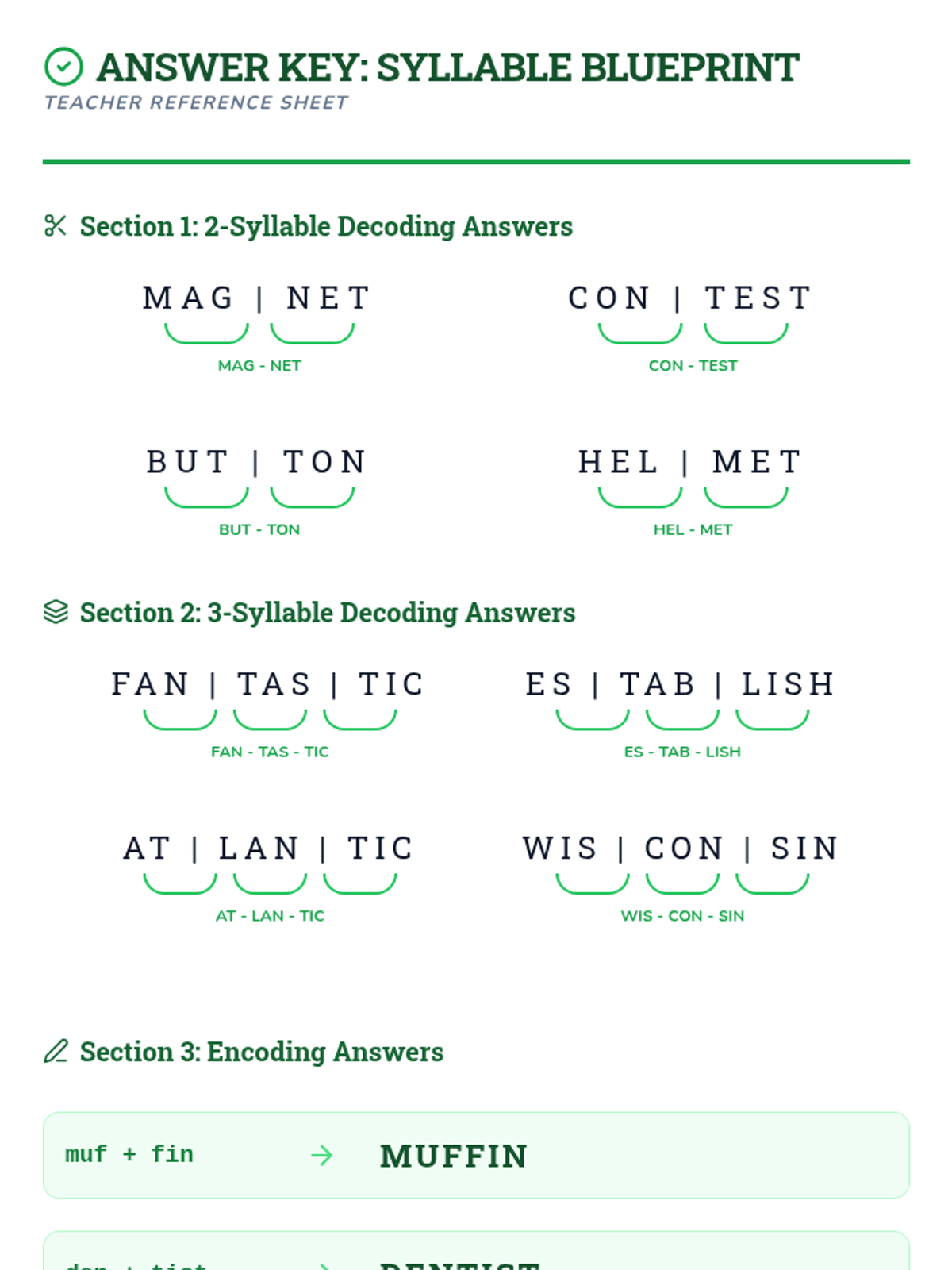
A lesson focused on decoding and encoding multi-syllabic words with closed syllables. Students will learn to identify syllable breaks using scoops and dividers for 2 and 3-syllable words.
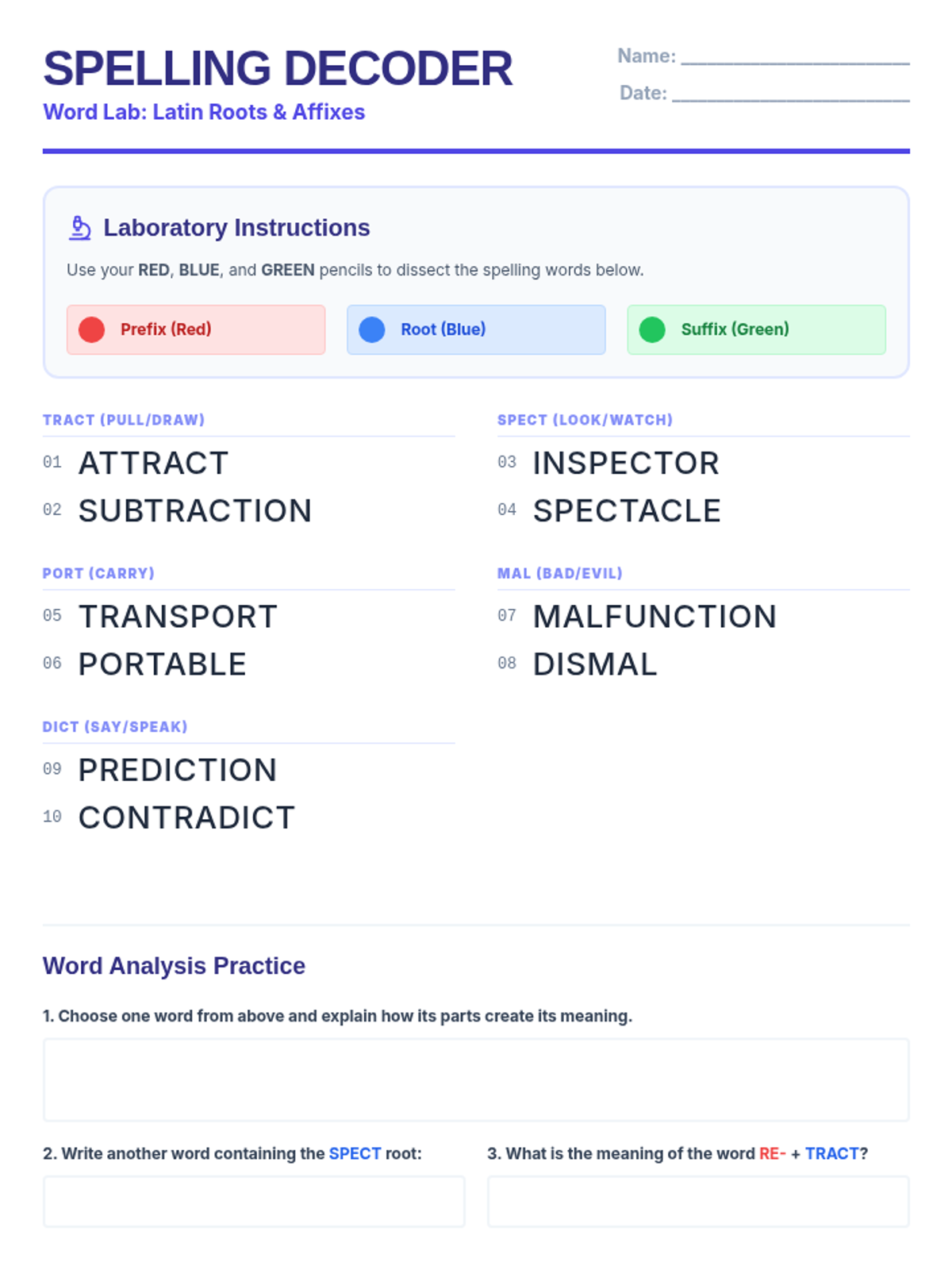
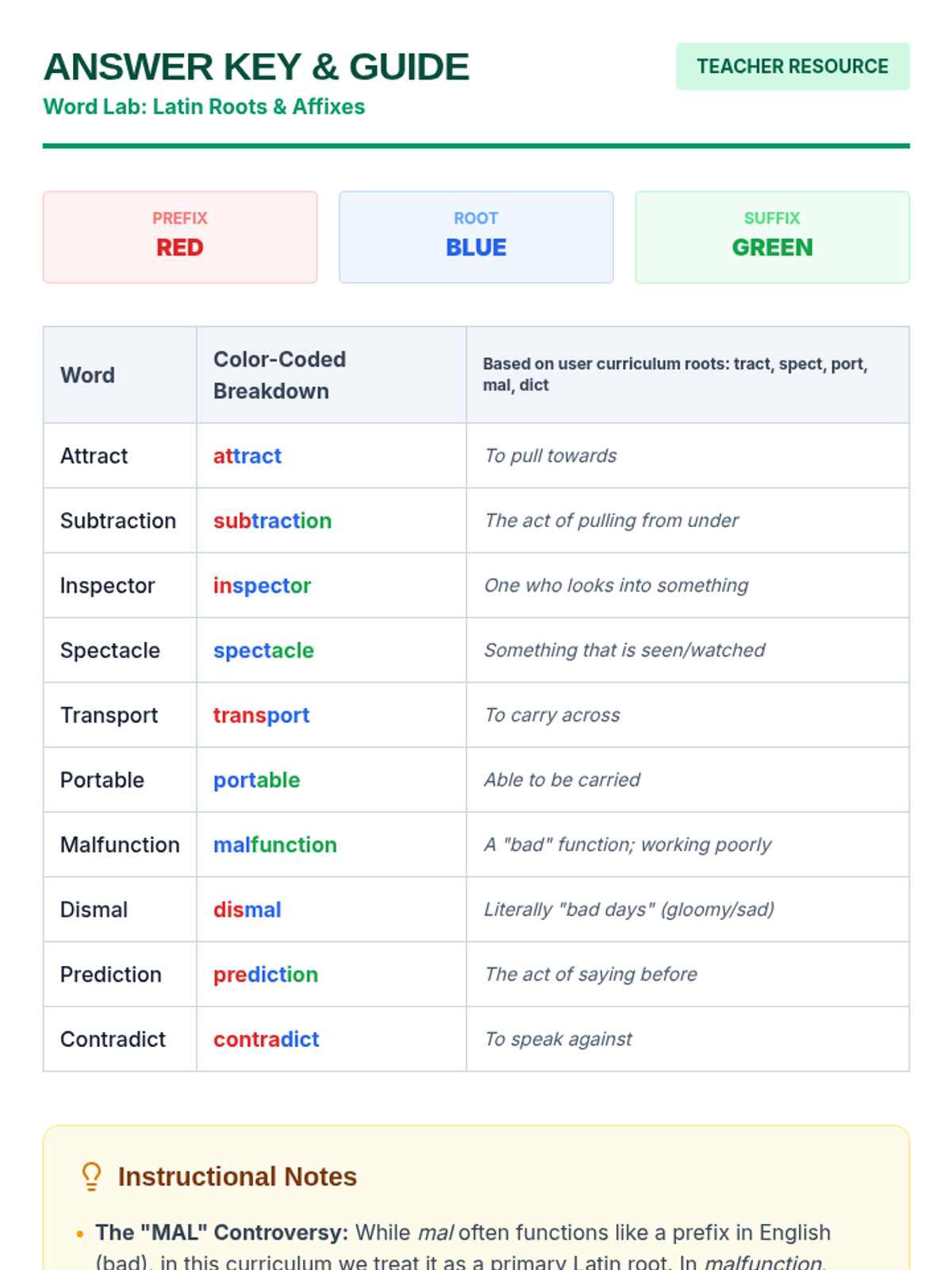
A comprehensive lesson on Latin roots (tract, spect, port, mal, dict) focusing on word dissection and color-coded spelling strategies to understand complex vocabulary.
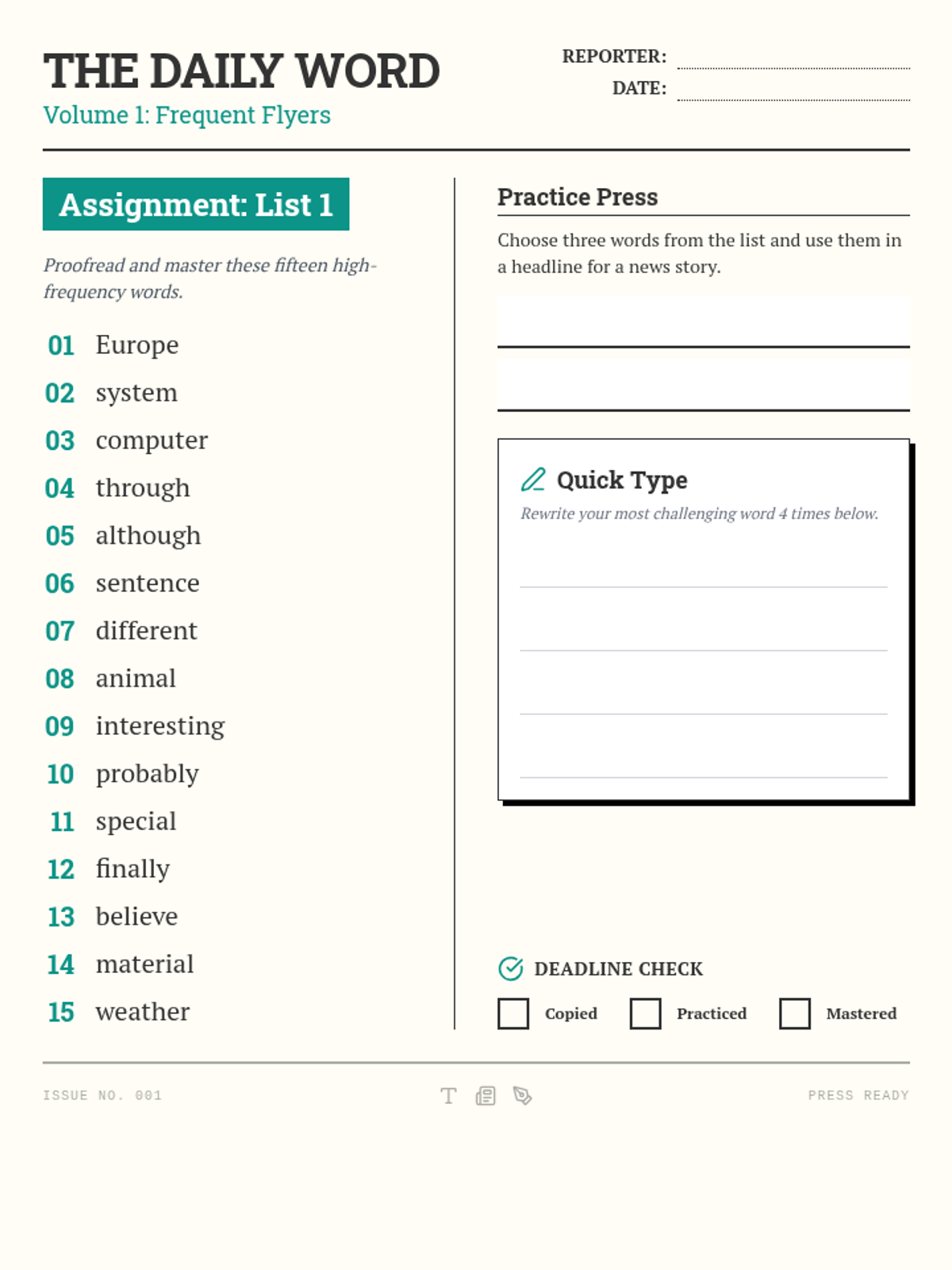
Mastering high-frequency Fry words through focused lists and spelling practice.
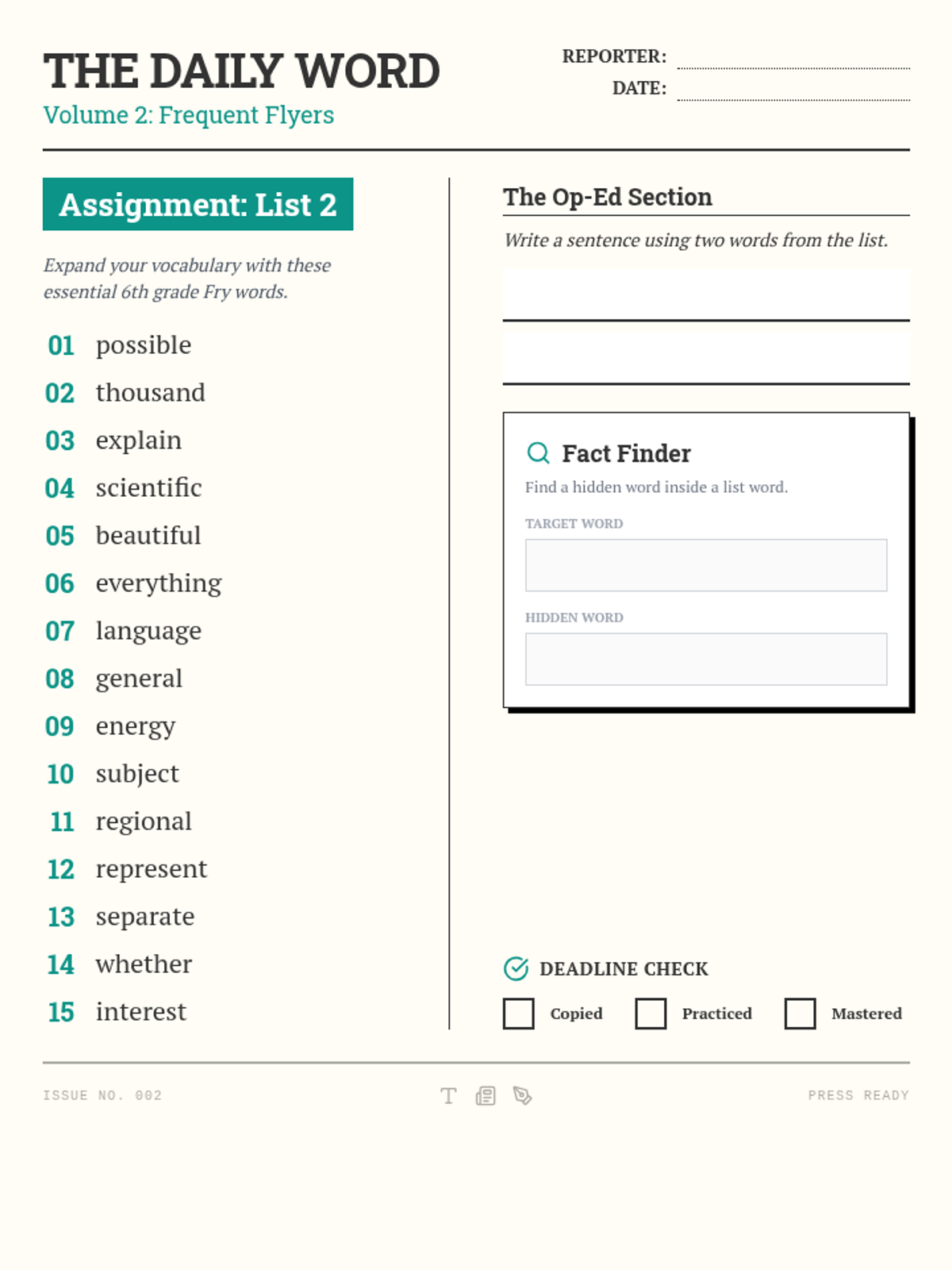
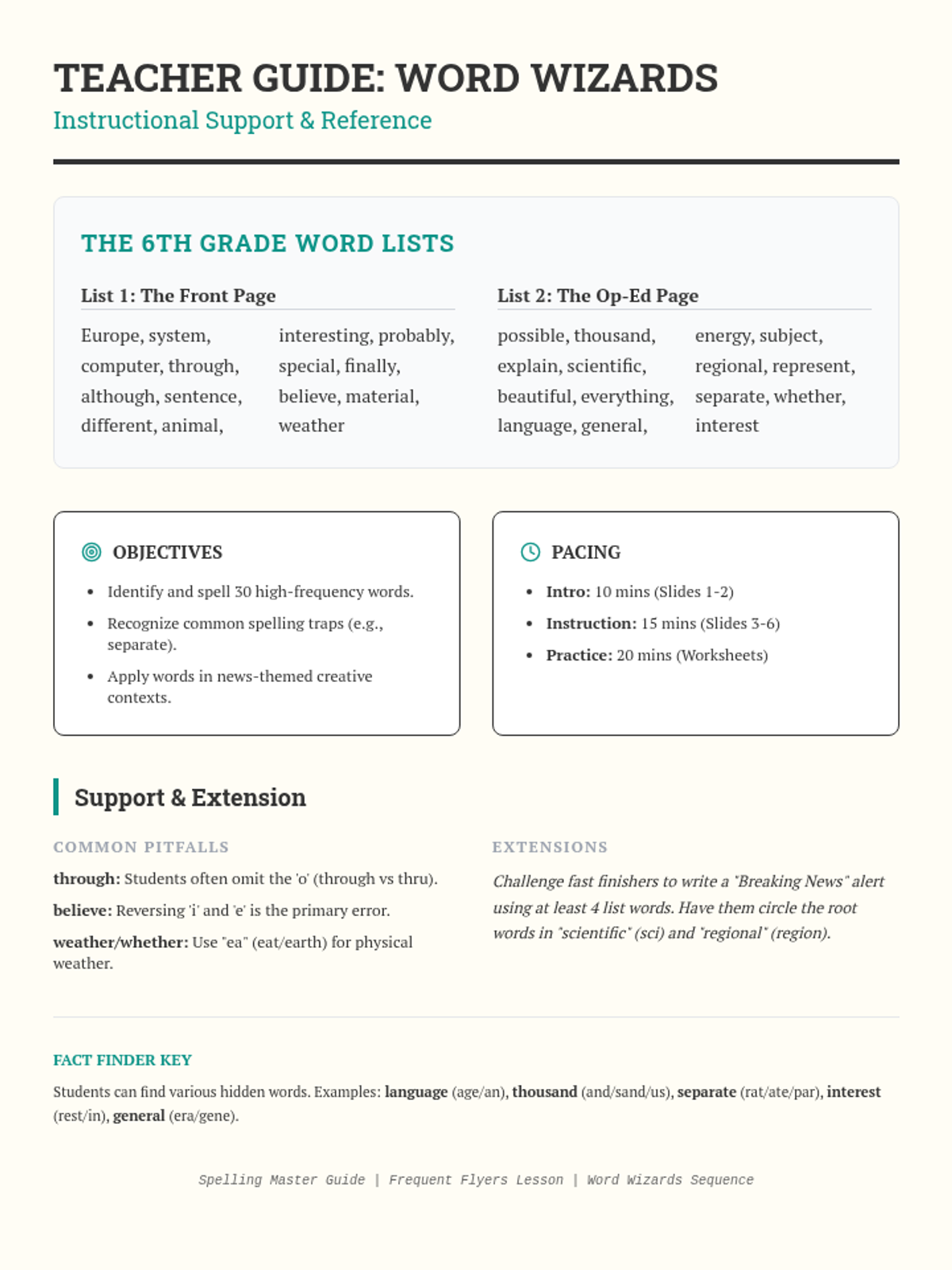
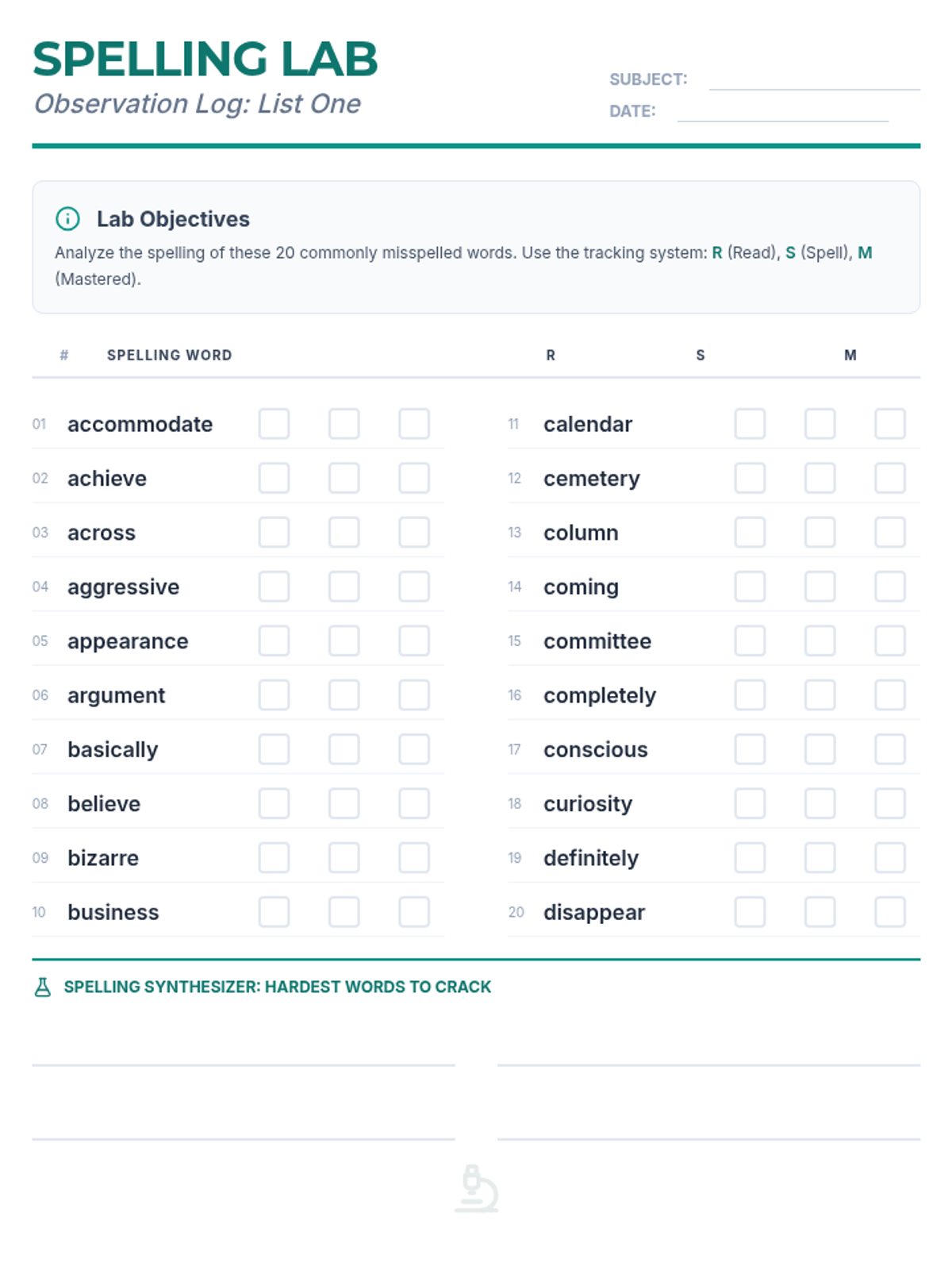
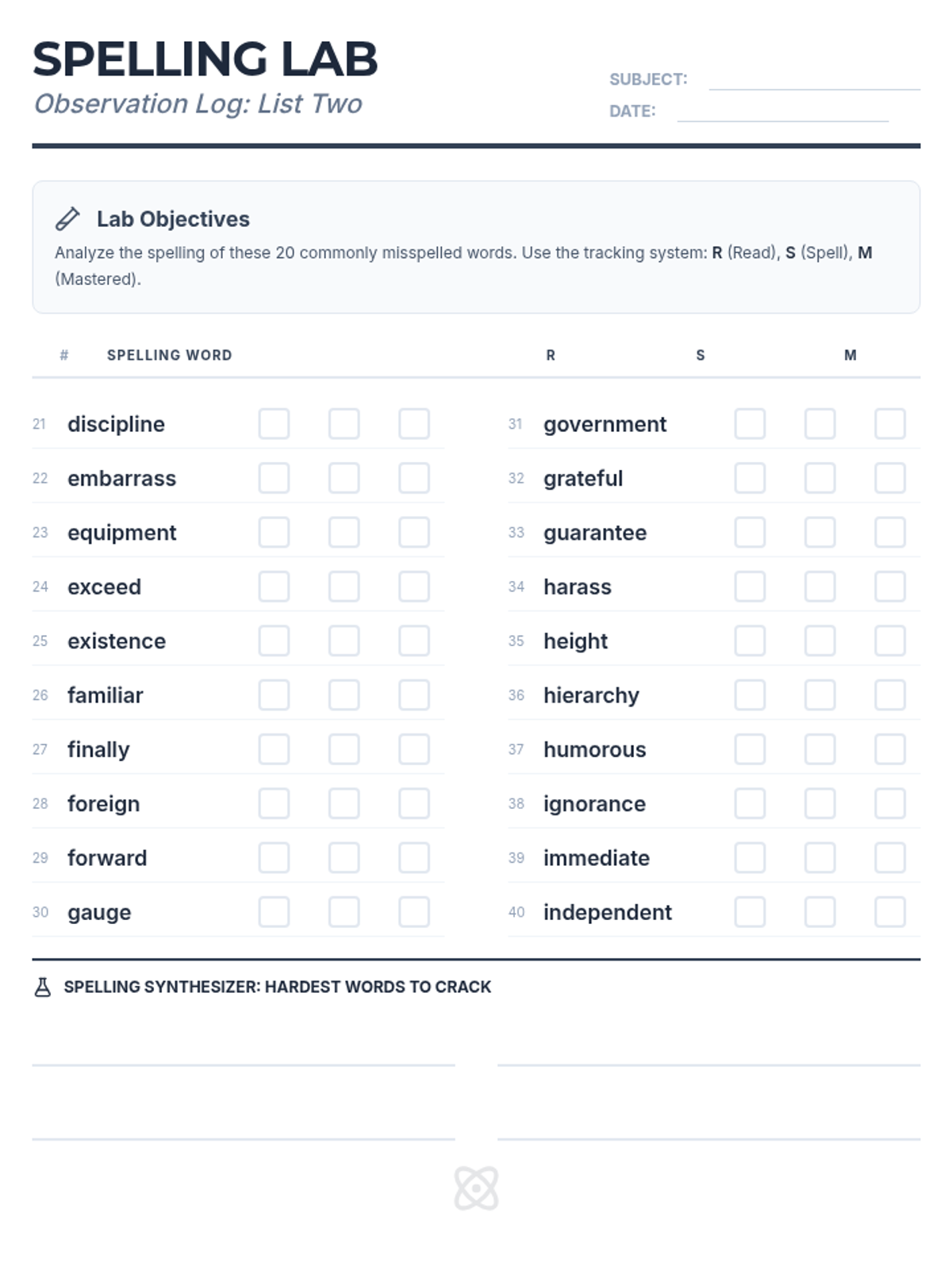
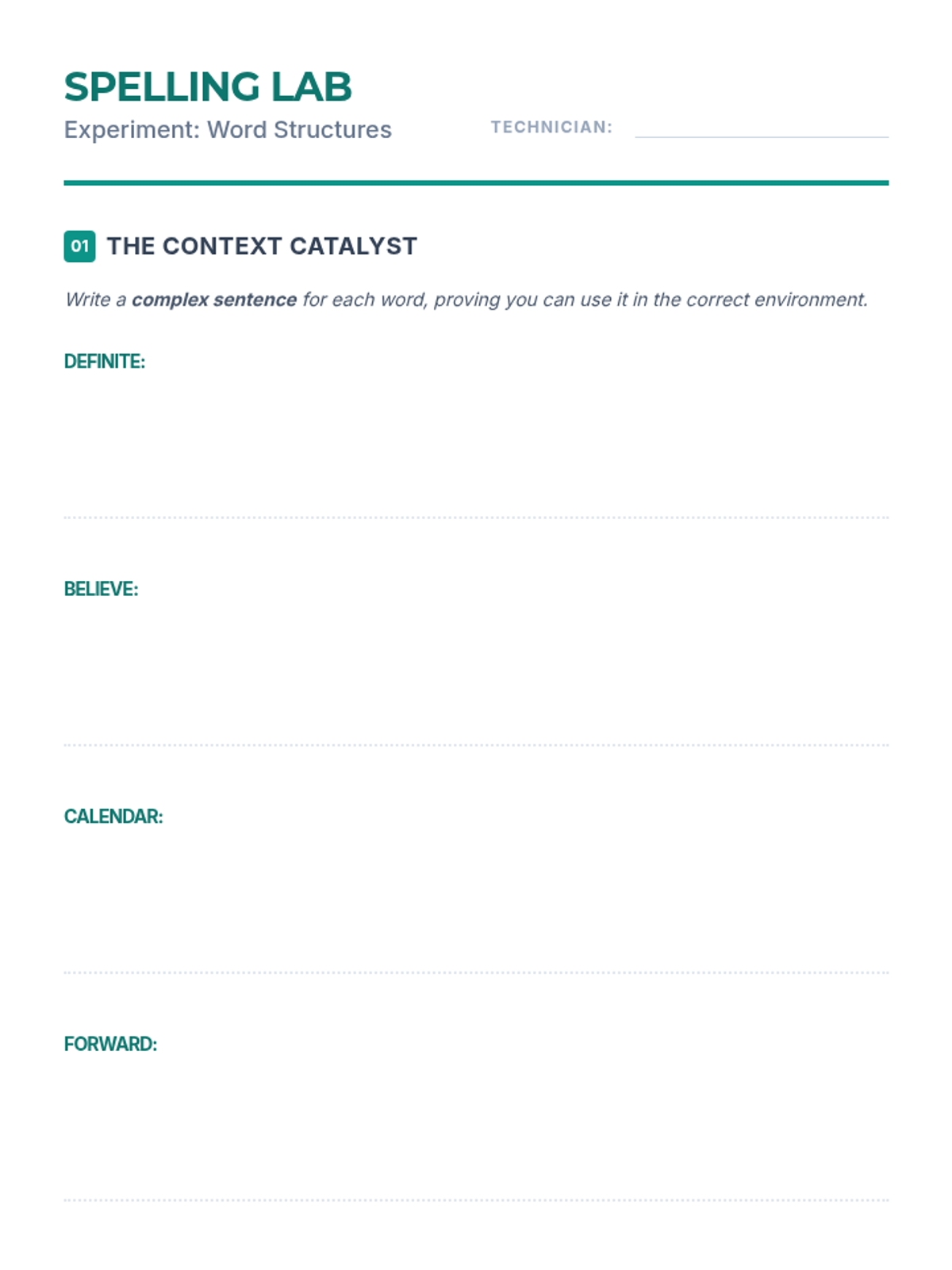
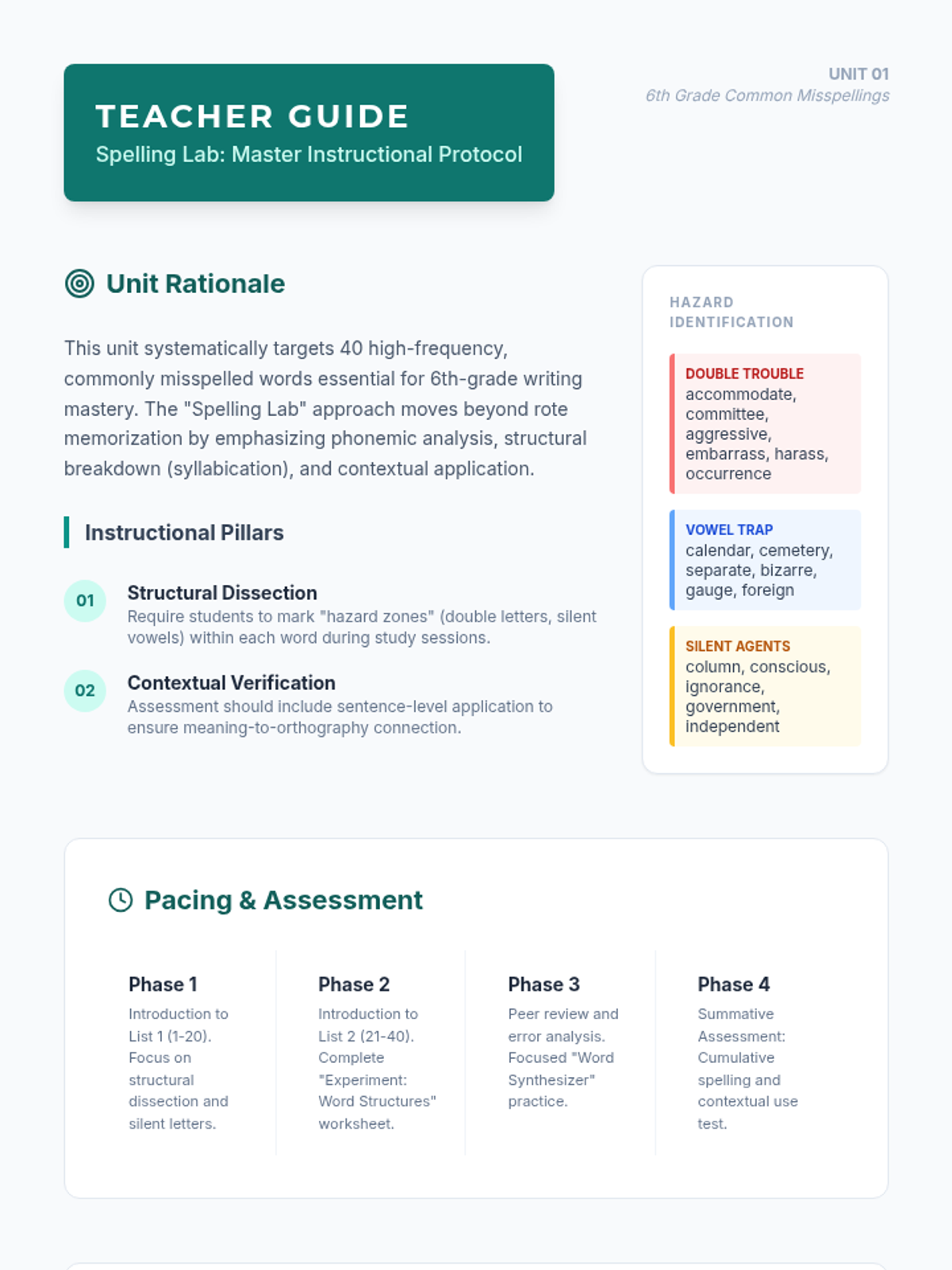
A spelling unit focused on mastering high-frequency, commonly misspelled words for sixth graders through systematic study and practice.
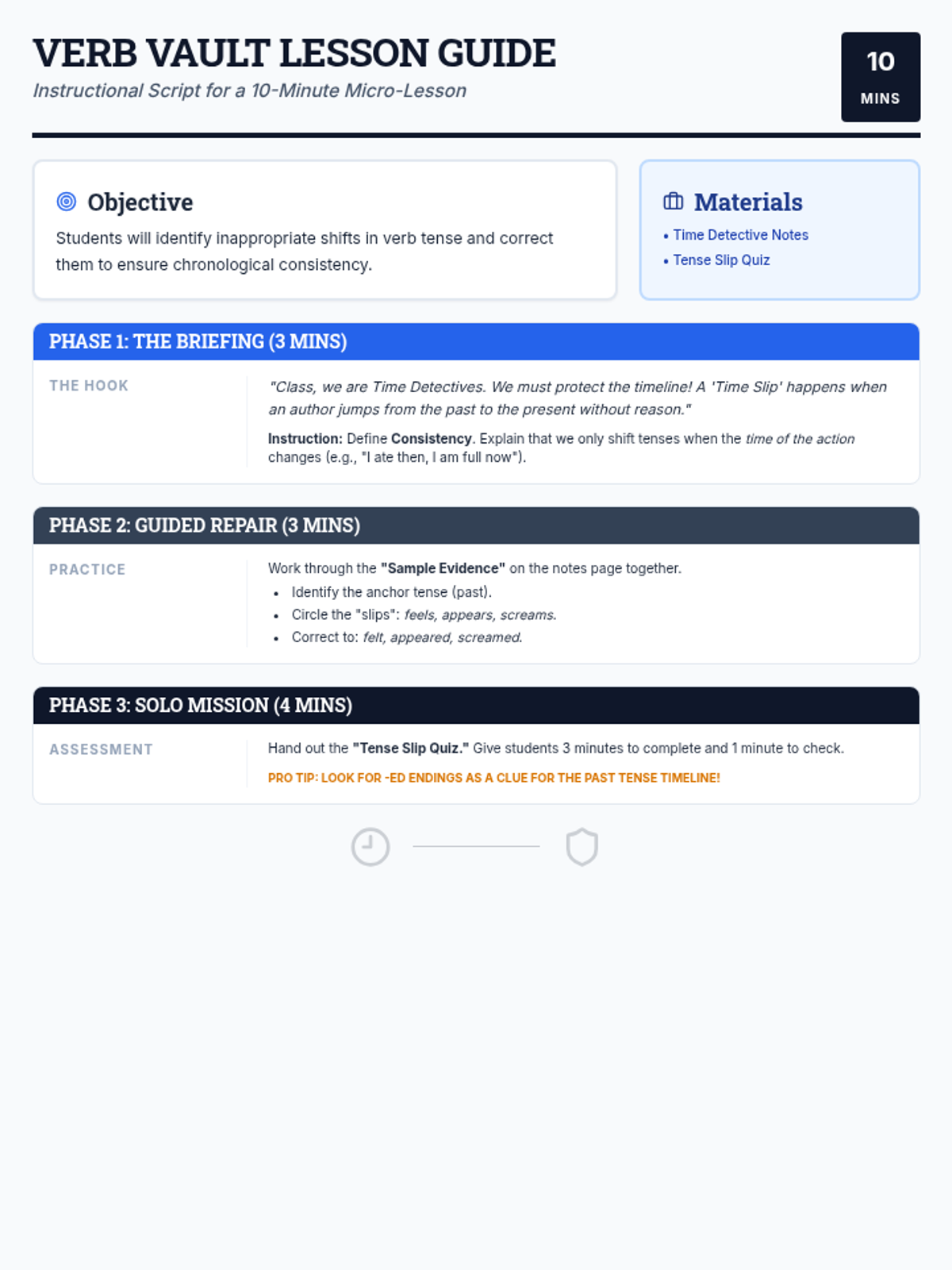
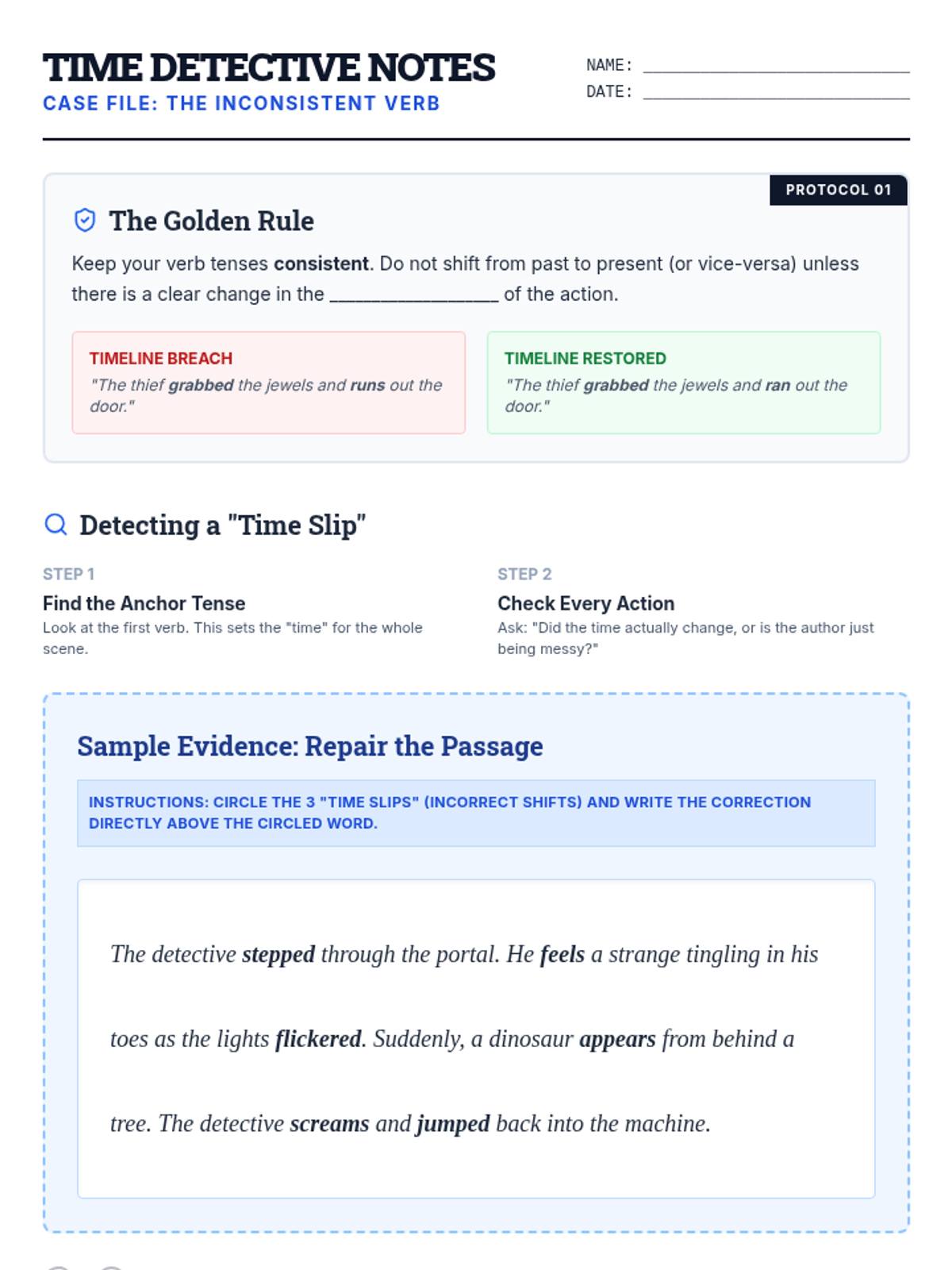
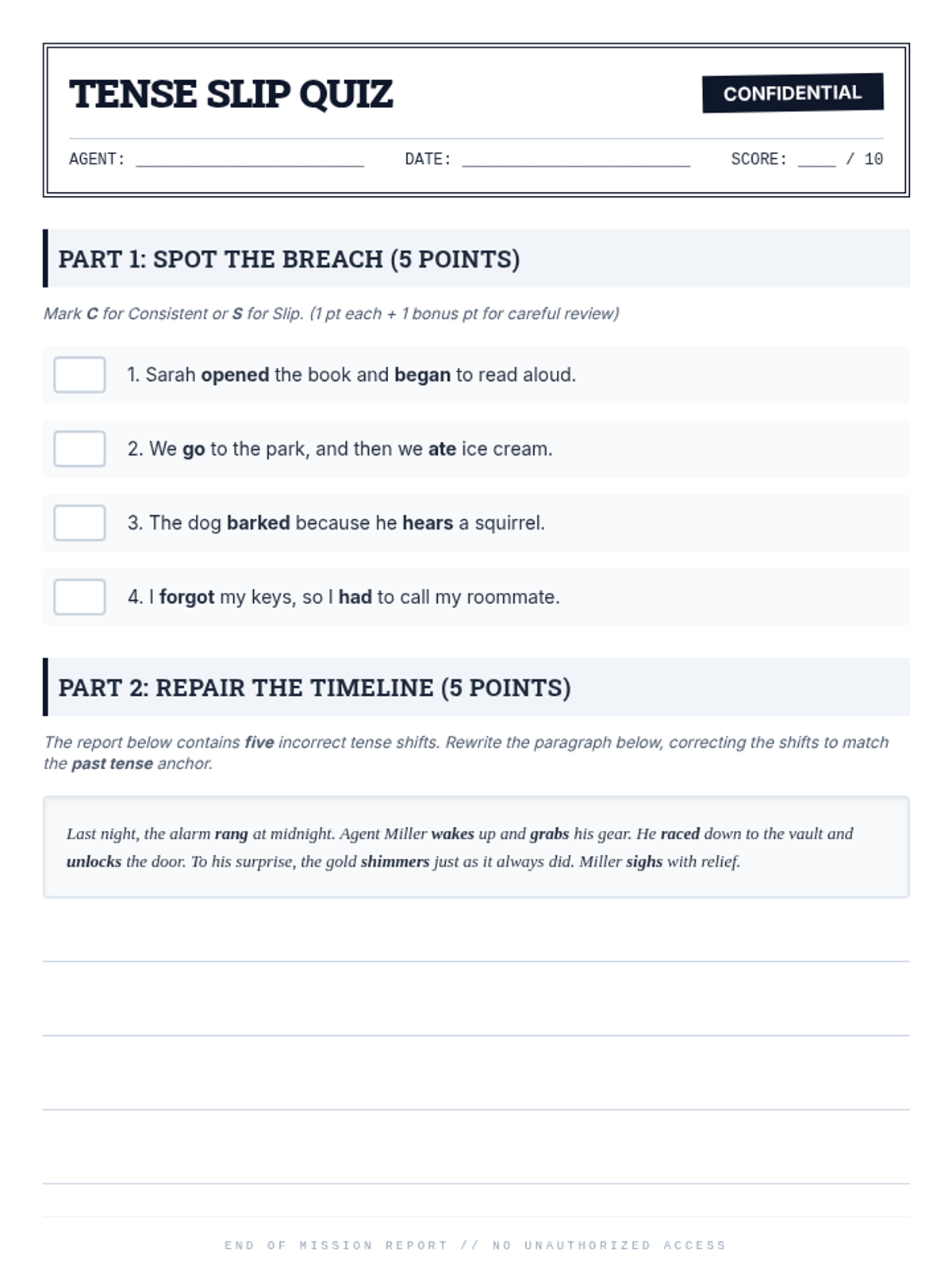
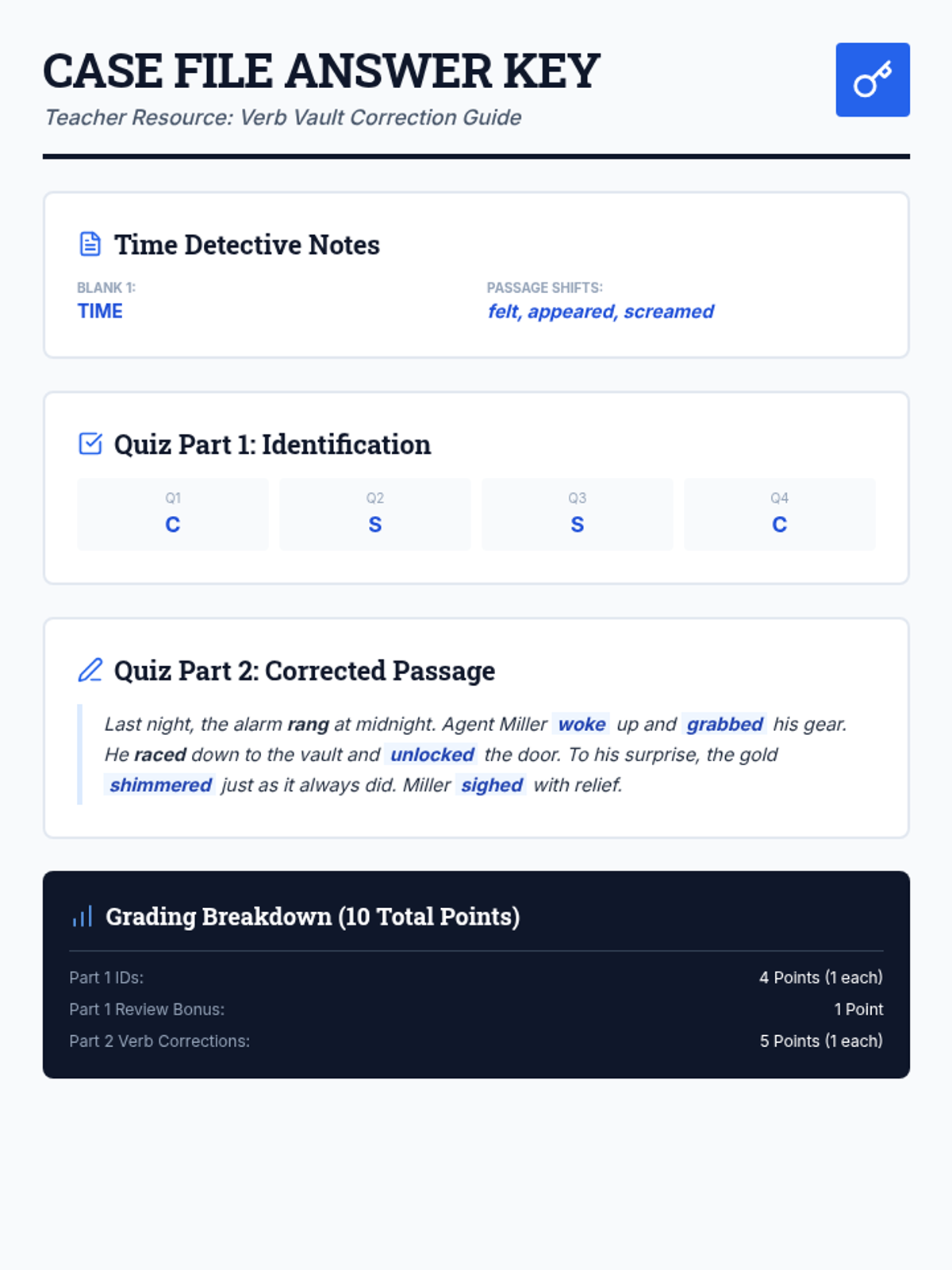
A high-intensity, 10-minute micro-lesson on identifying and correcting inconsistent verb tense shifts within a narrative passage.
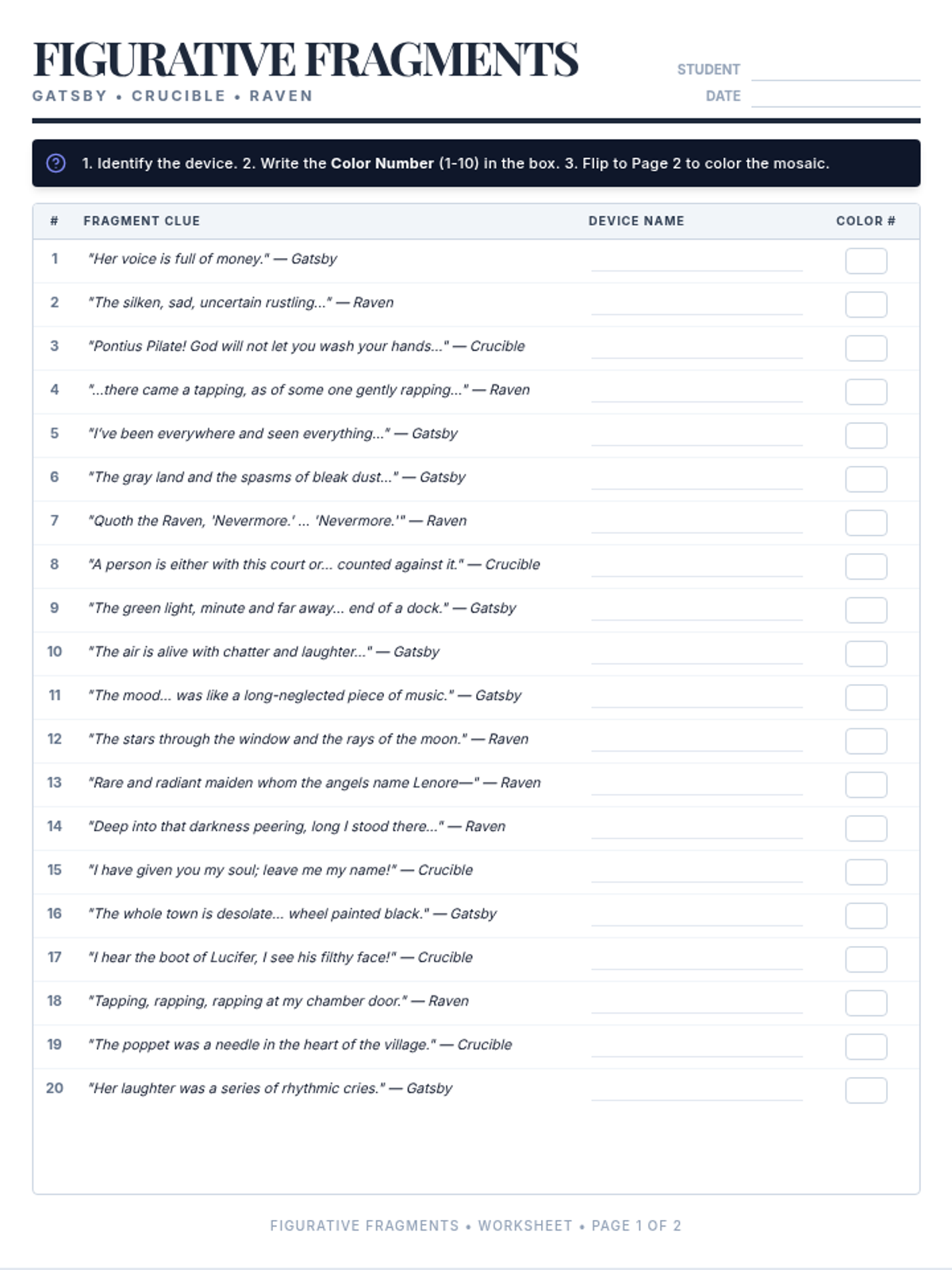
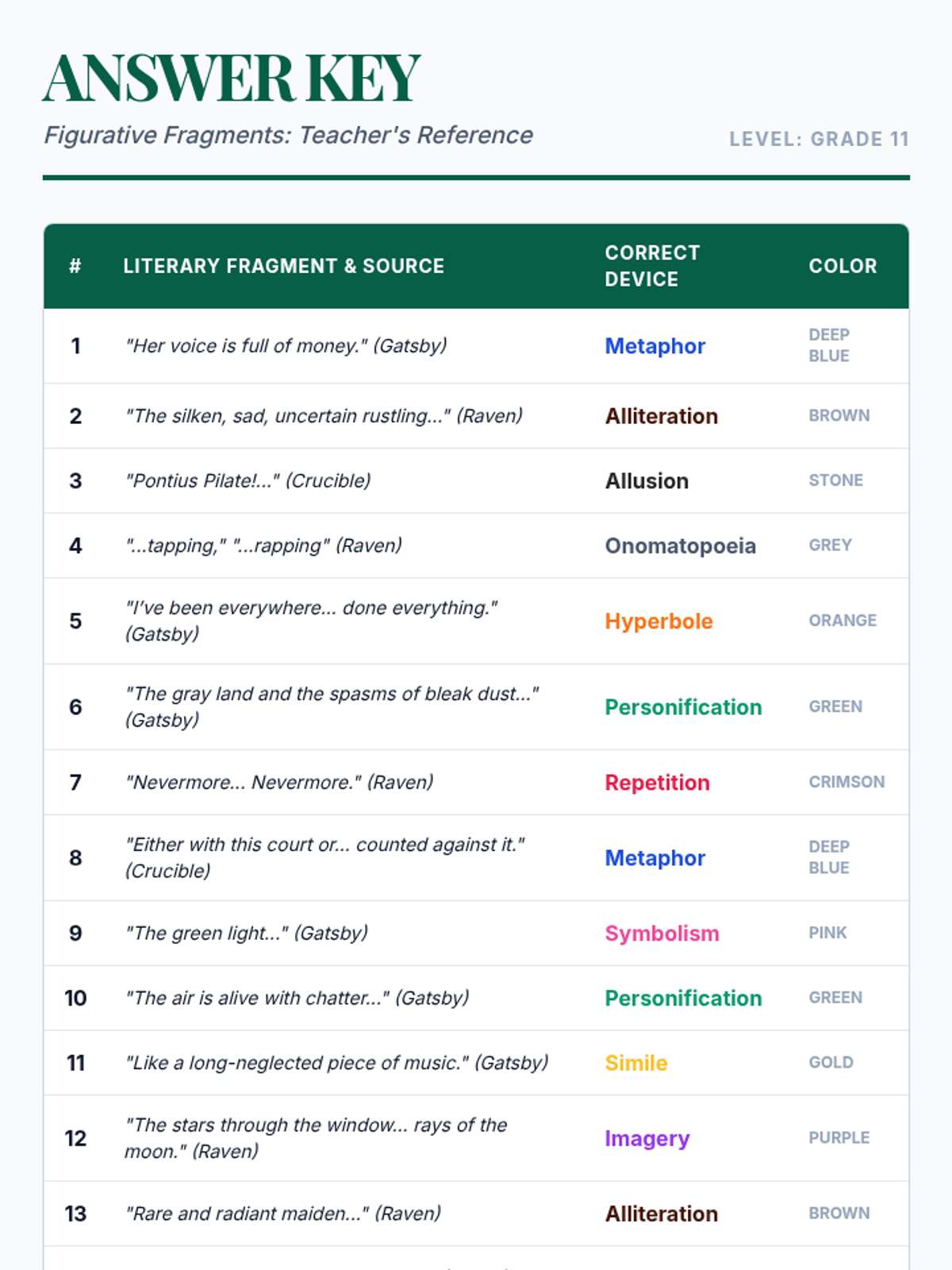
A sophisticated figurative language review for high school juniors featuring quotes from The Great Gatsby, The Crucible, and The Raven. Students identify literary devices to unlock a color-coded geometric mosaic.
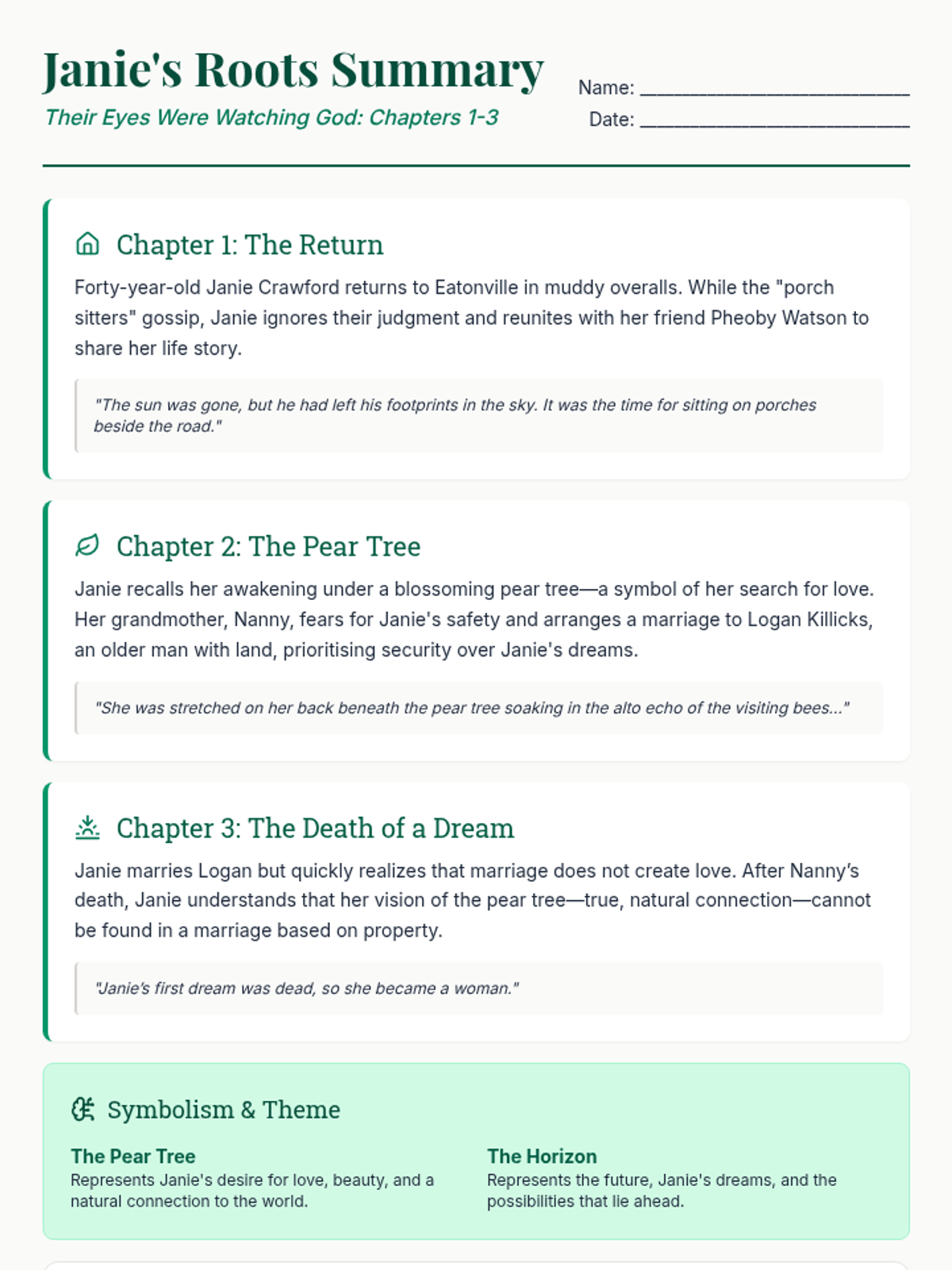
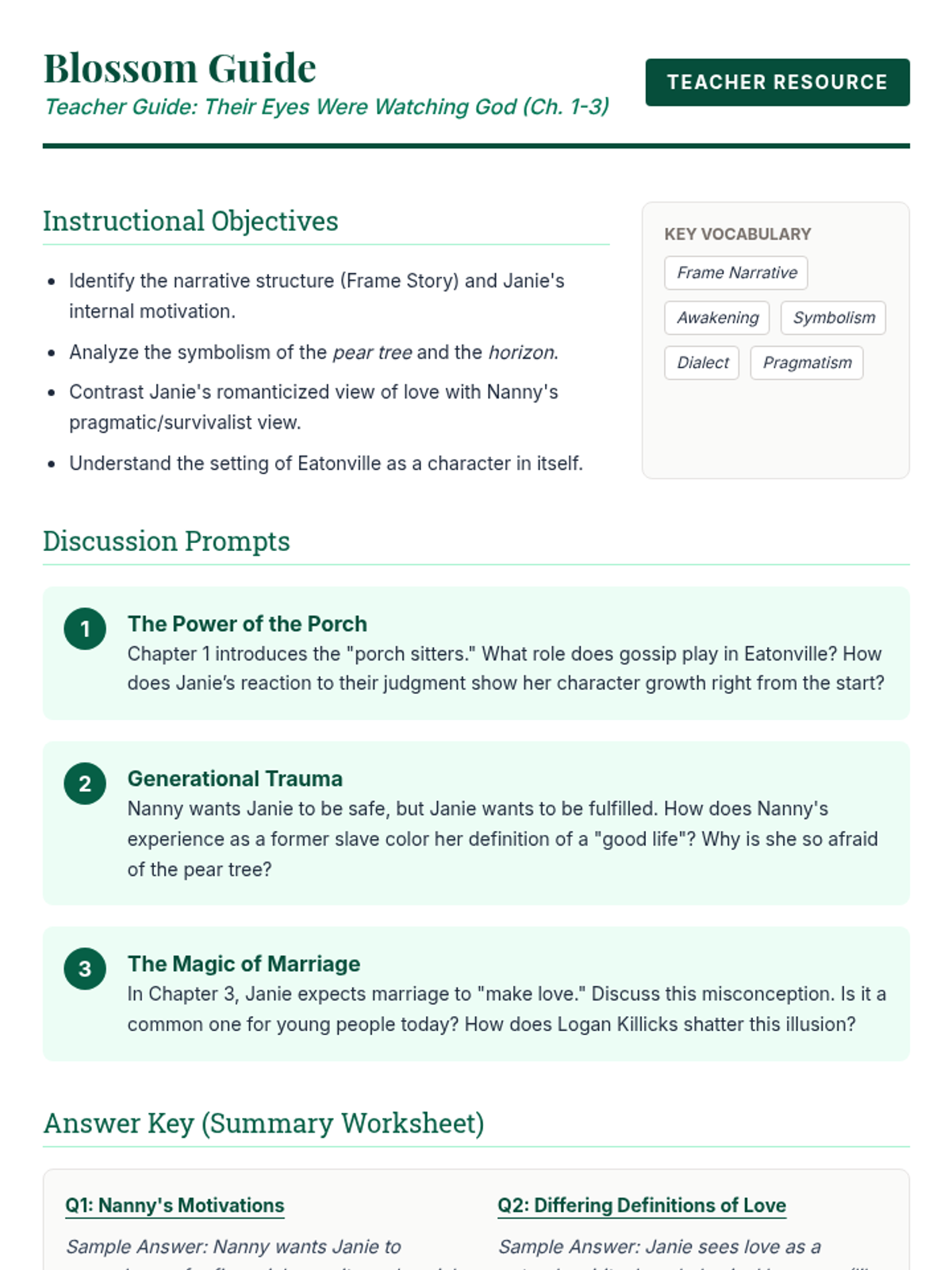
This lesson covers Chapters 1-3 of Zora Neale Hurston's 'Their Eyes Were Watching God', focusing on Janie's early life, the symbolism of the pear tree, and her first marriage. Students will analyze the setting of Eatonville and Janie's internal character growth.
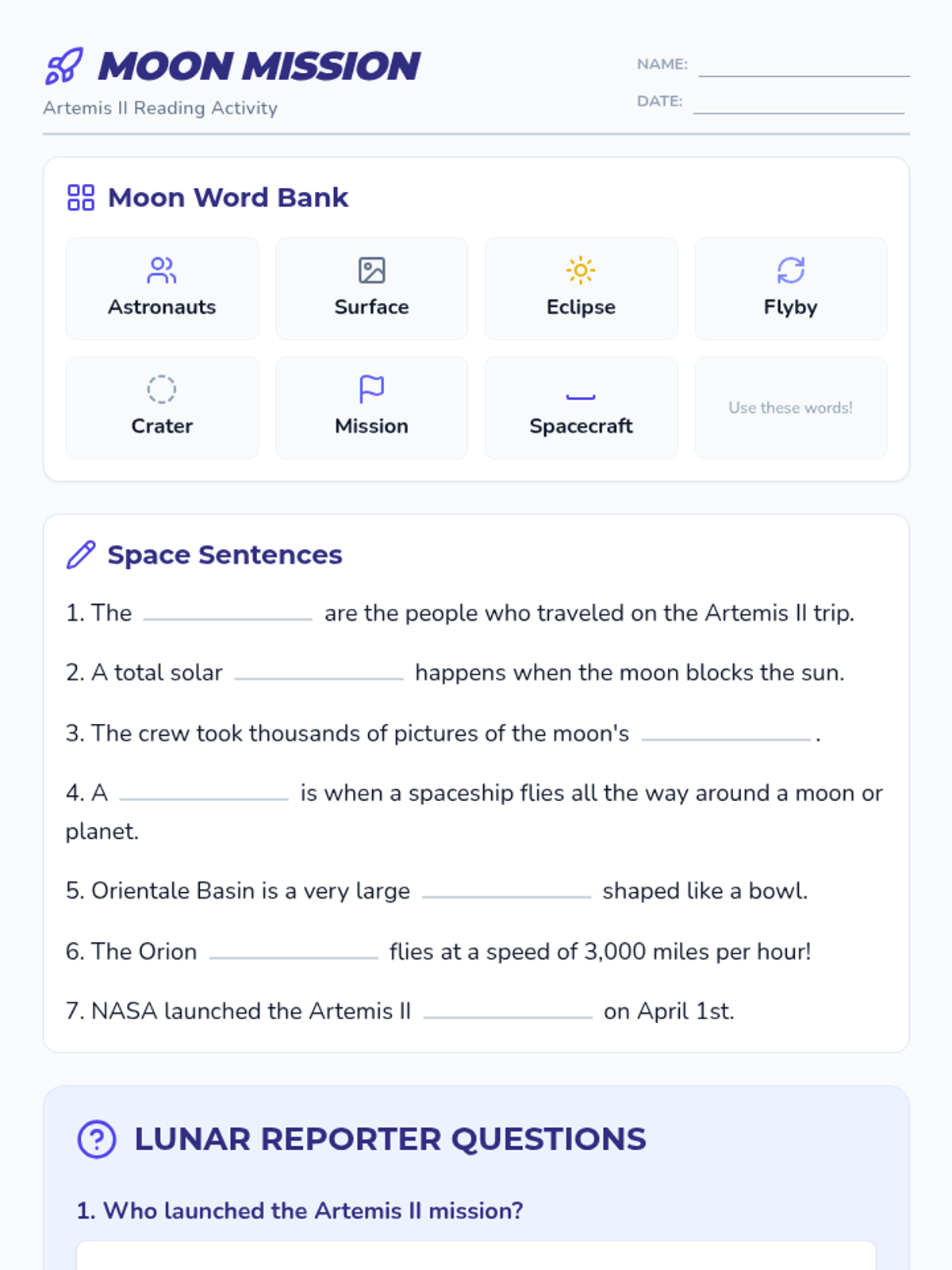
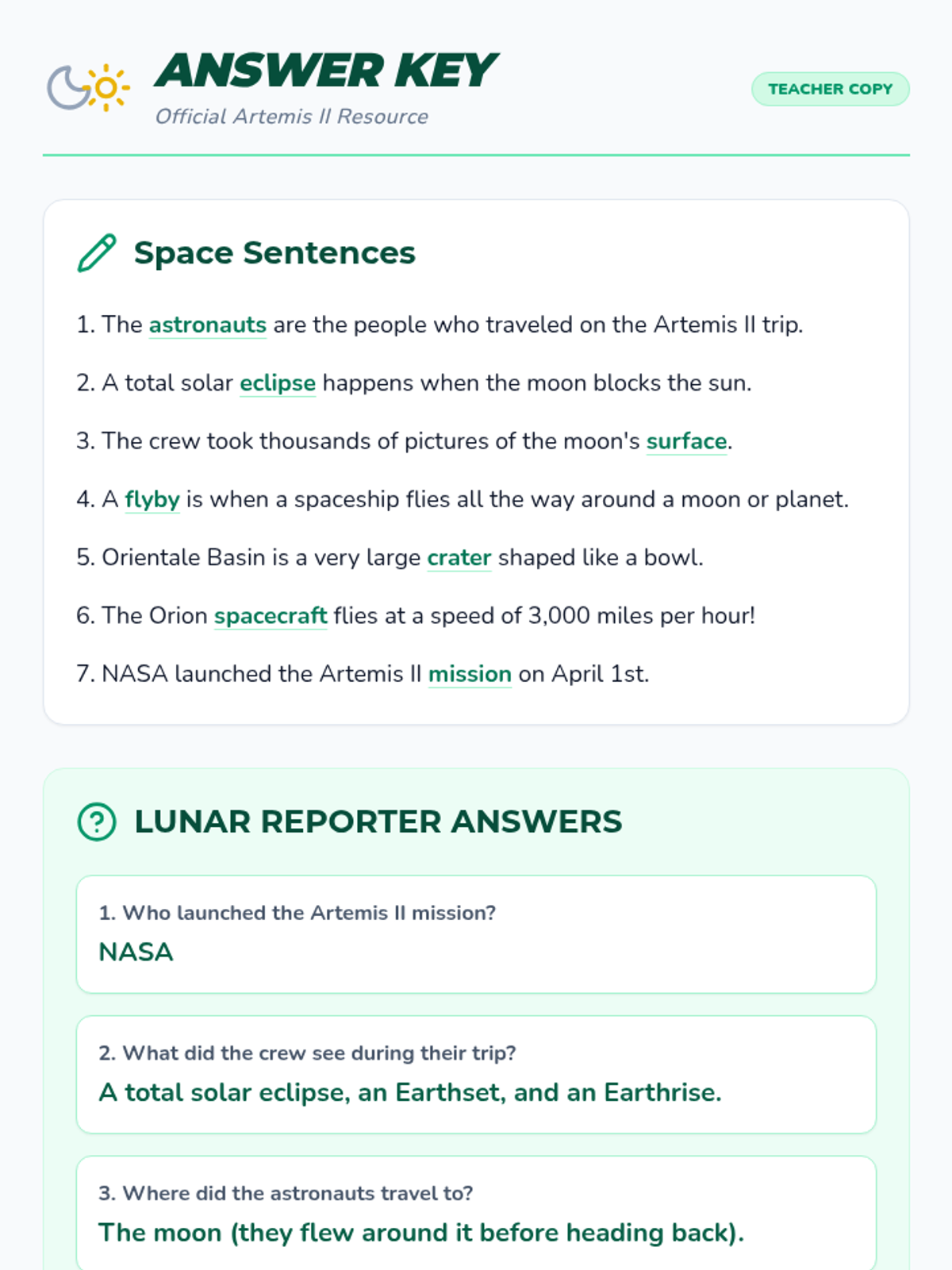
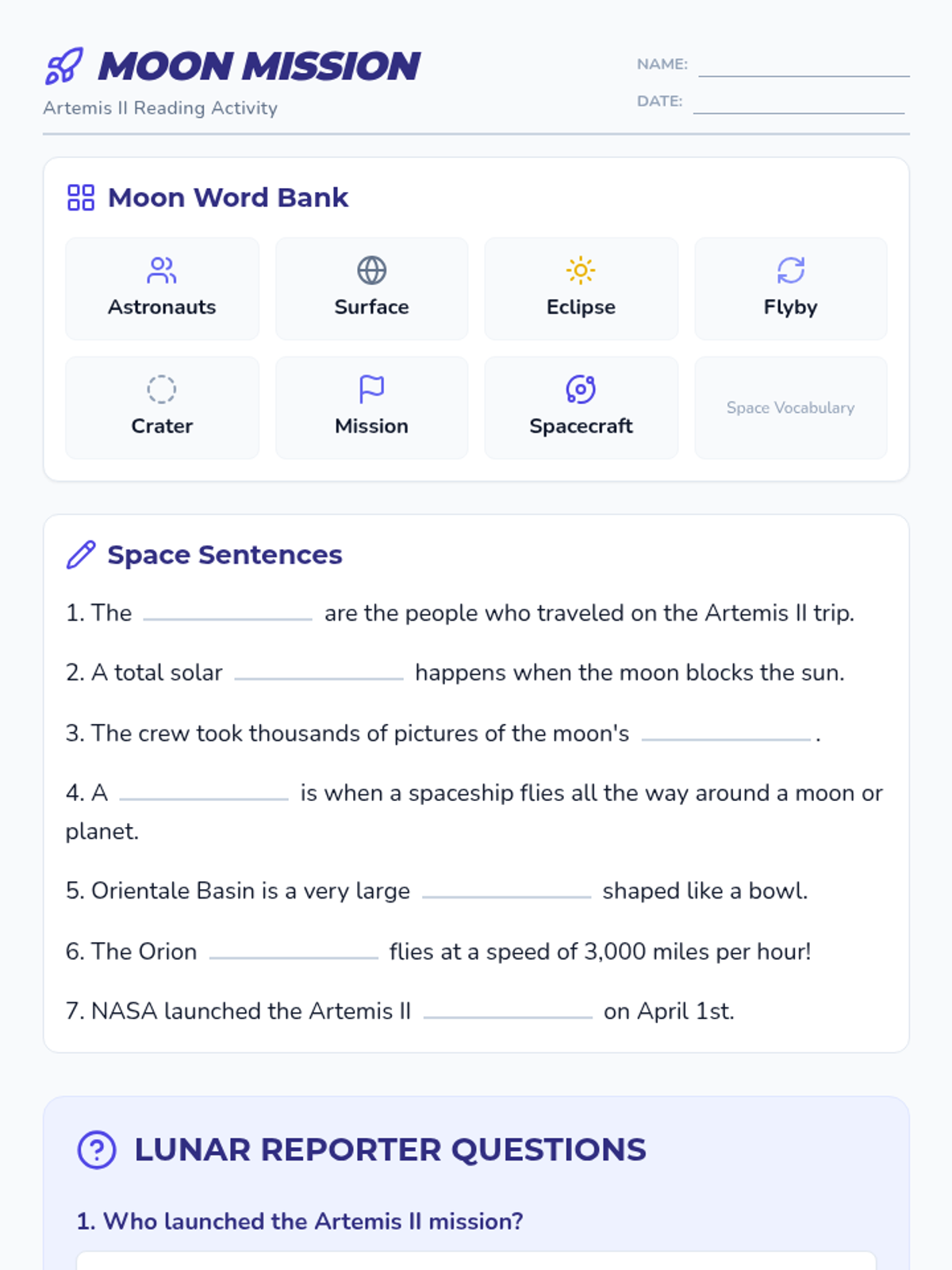
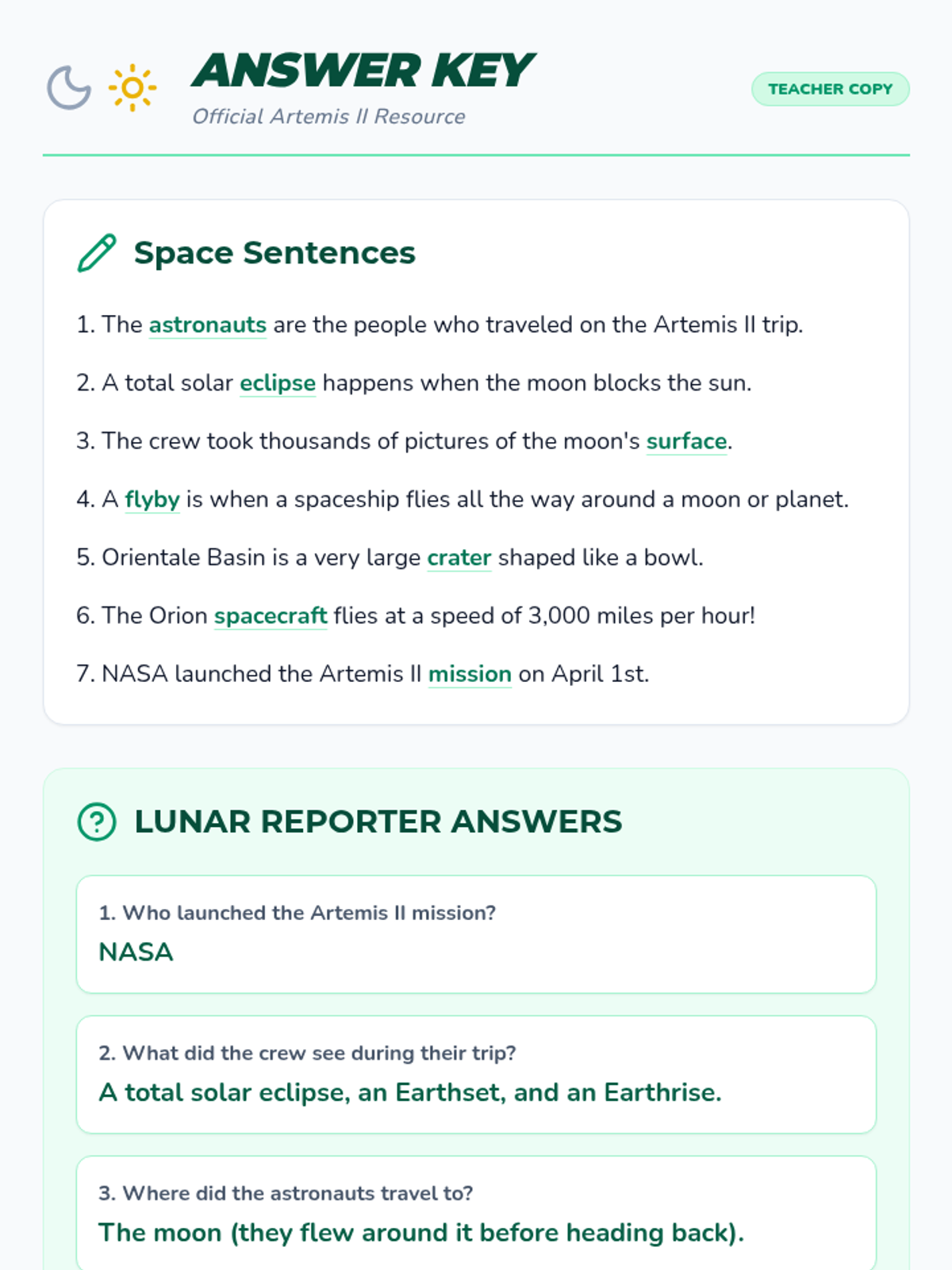
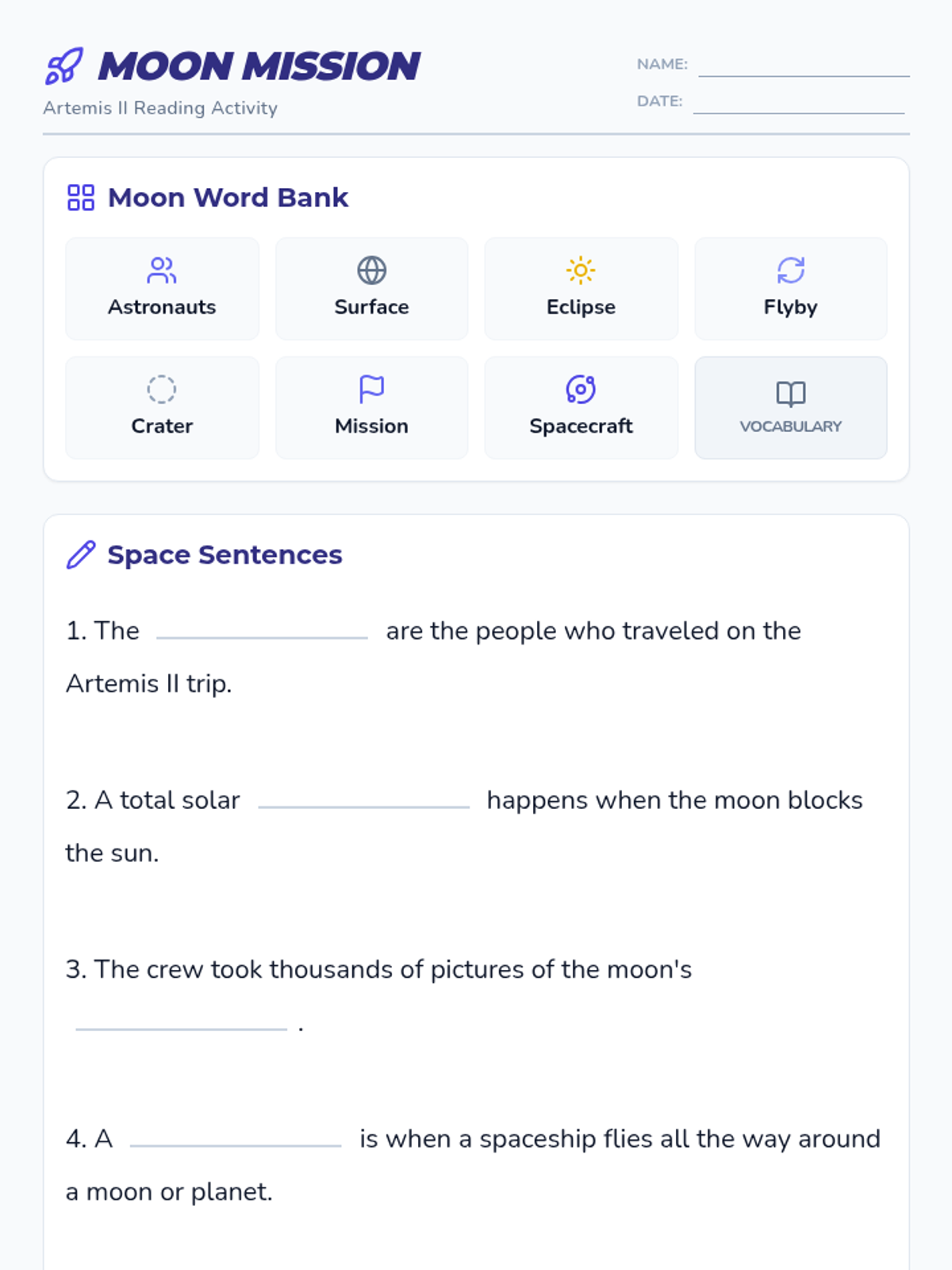
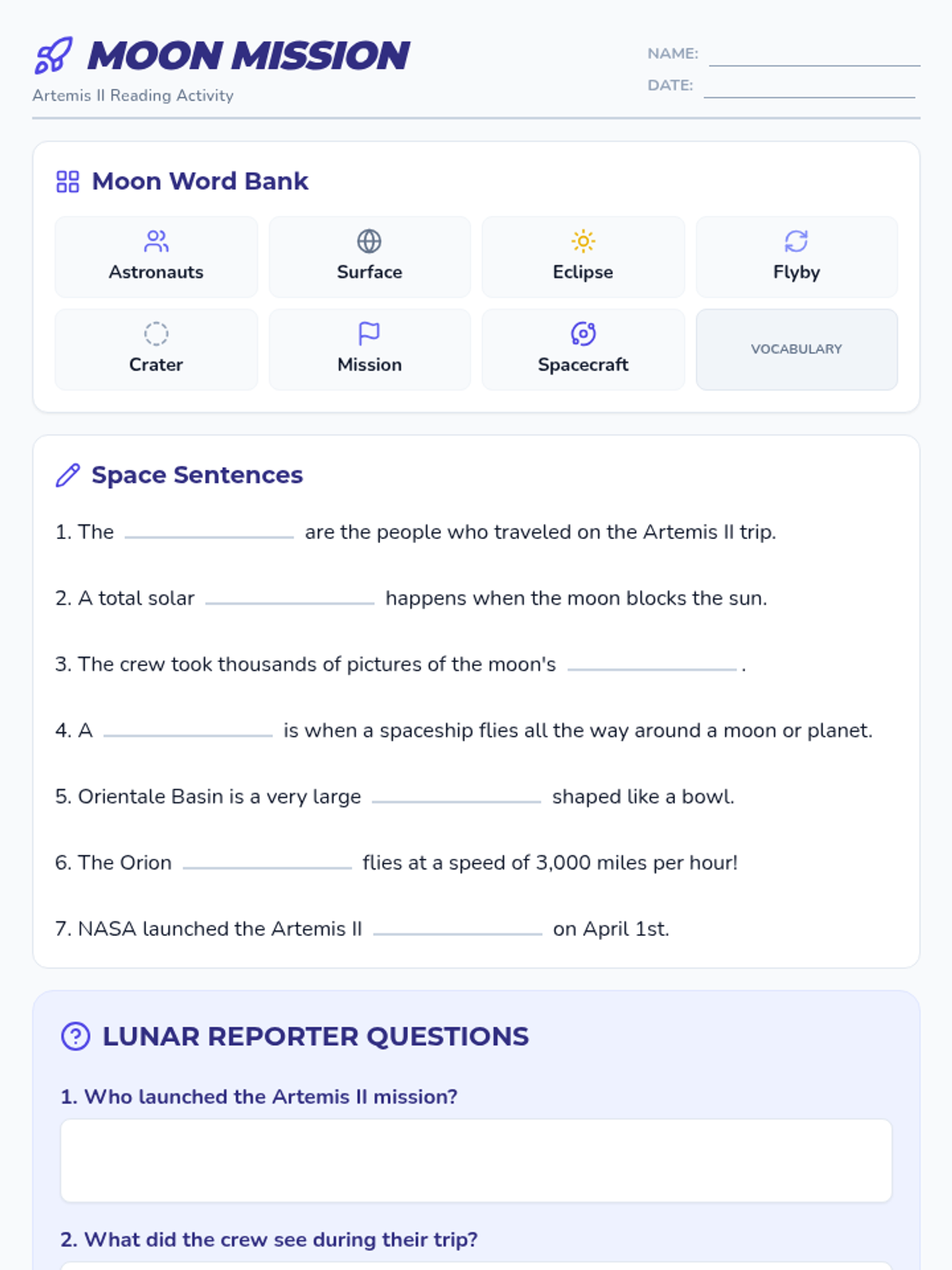
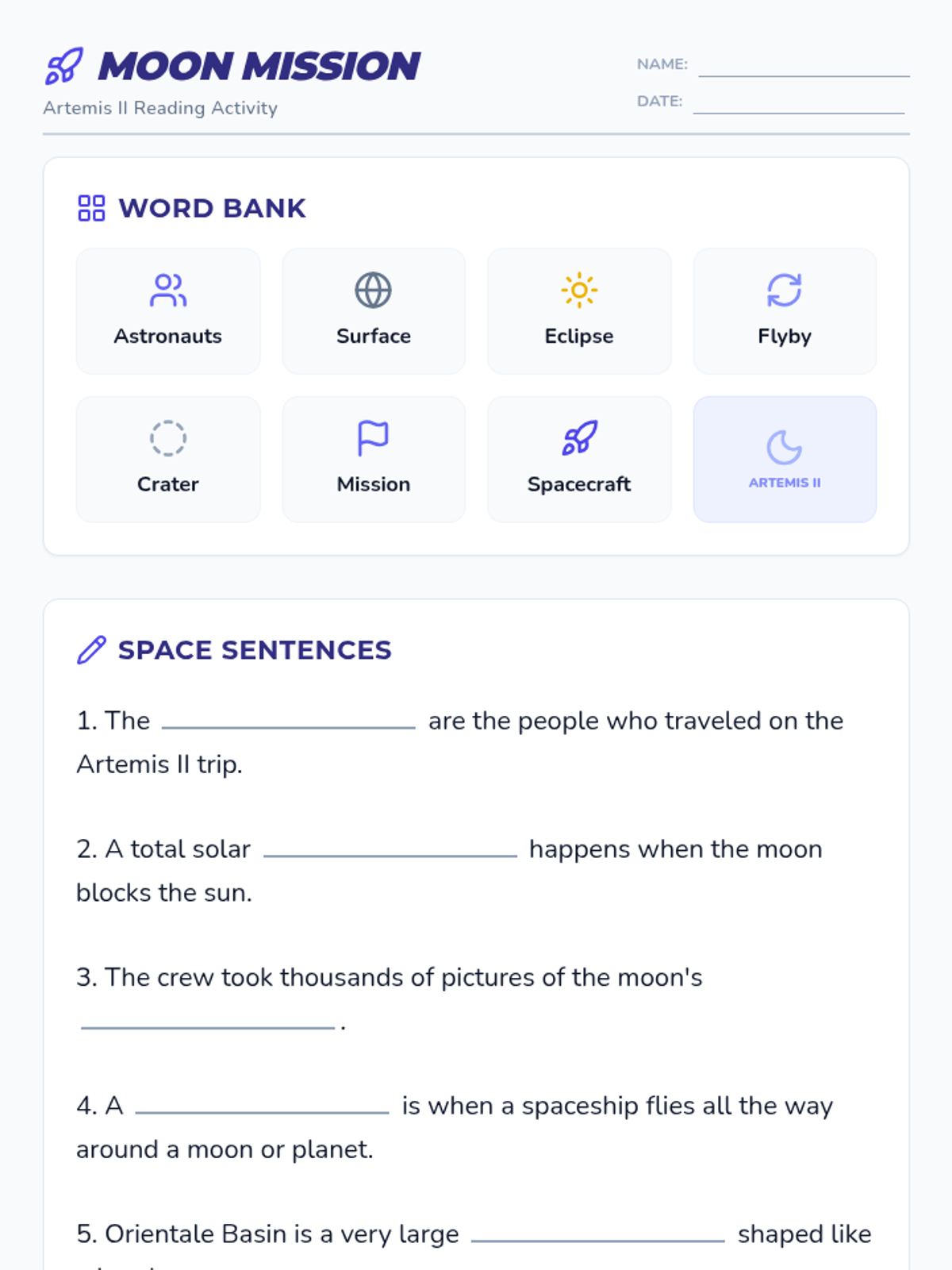
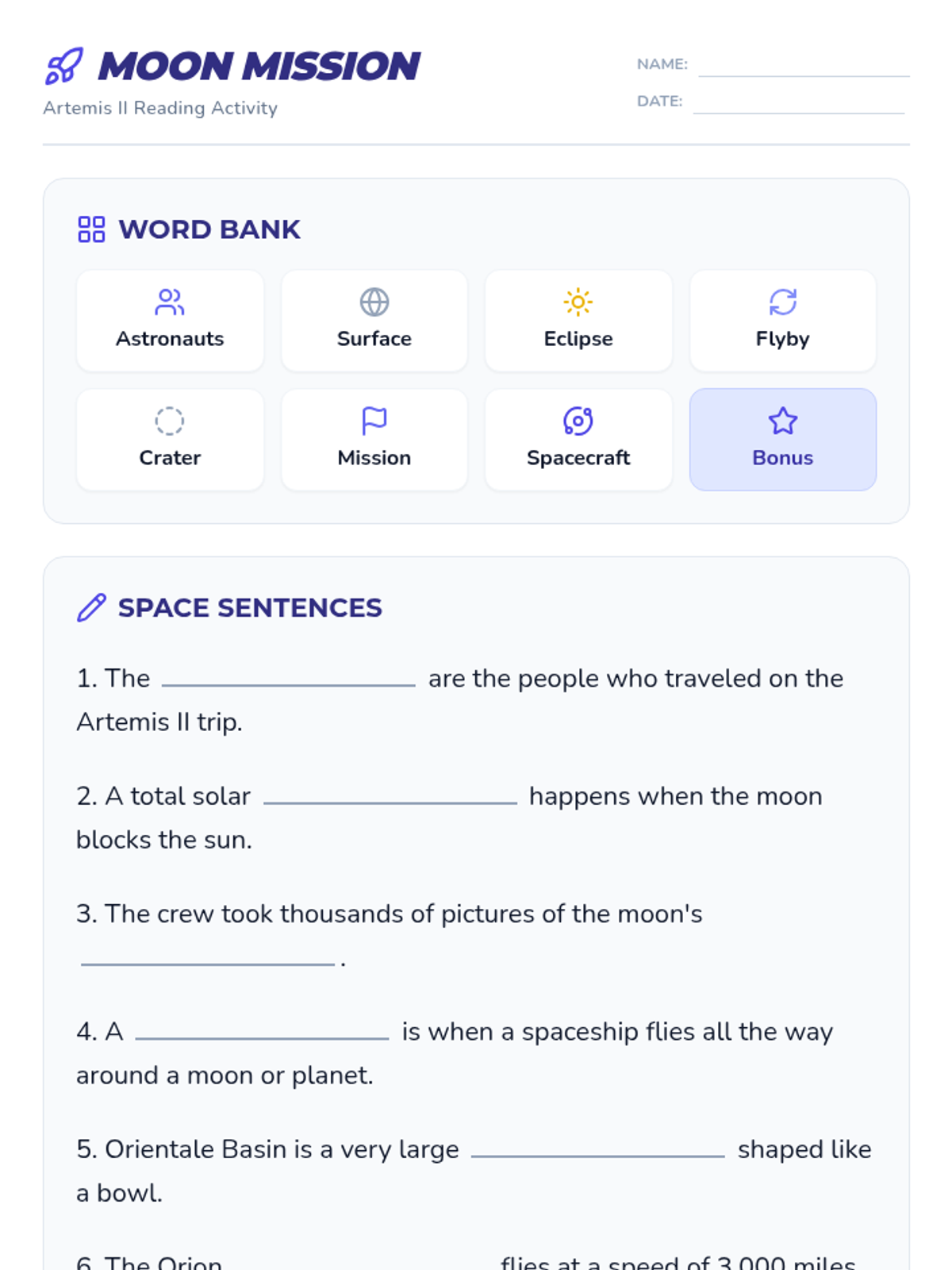
A reading comprehension lesson based on the Artemis II moon flyby article, featuring vocabulary building and fact-finding through WH-questions.
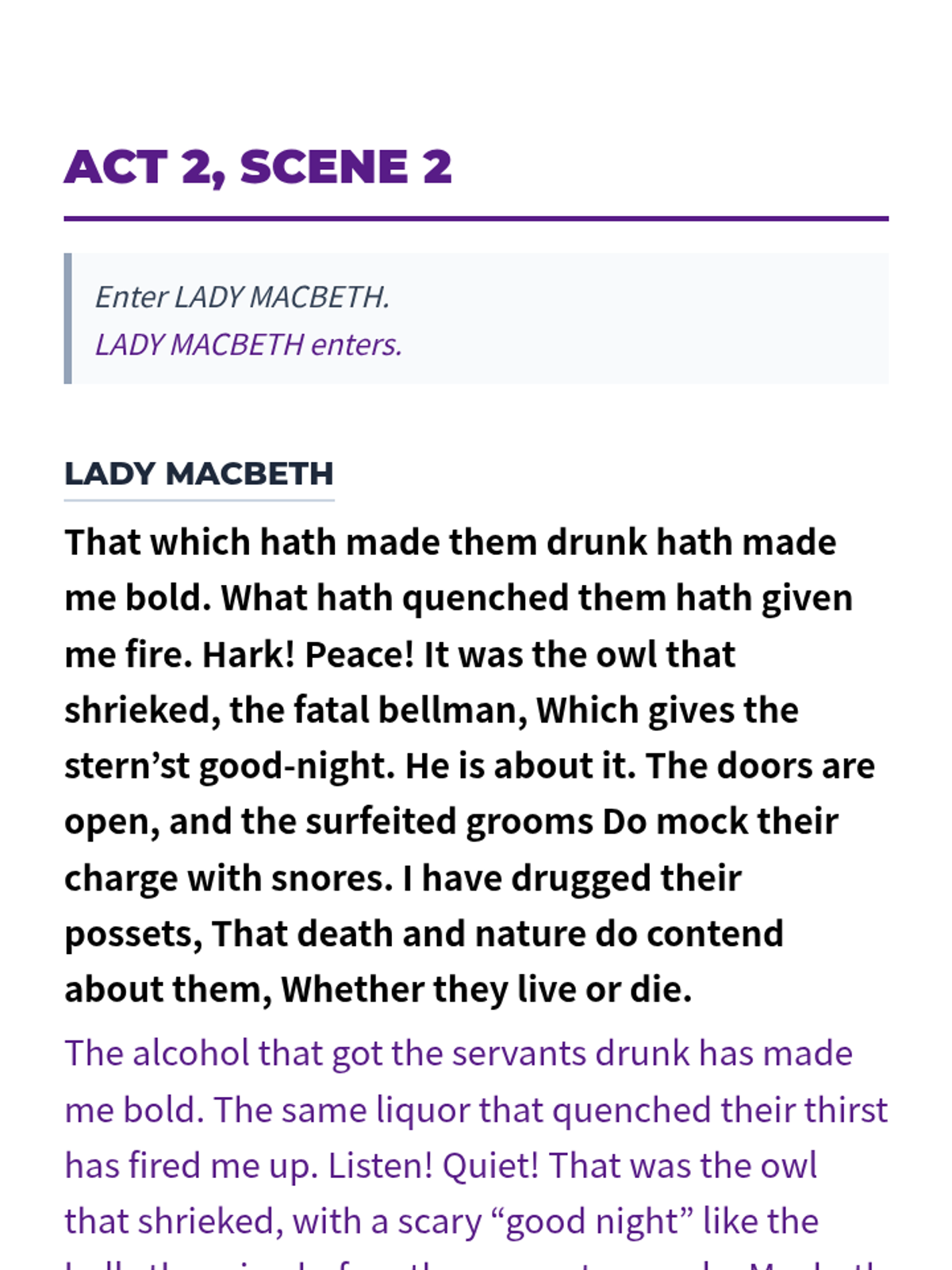
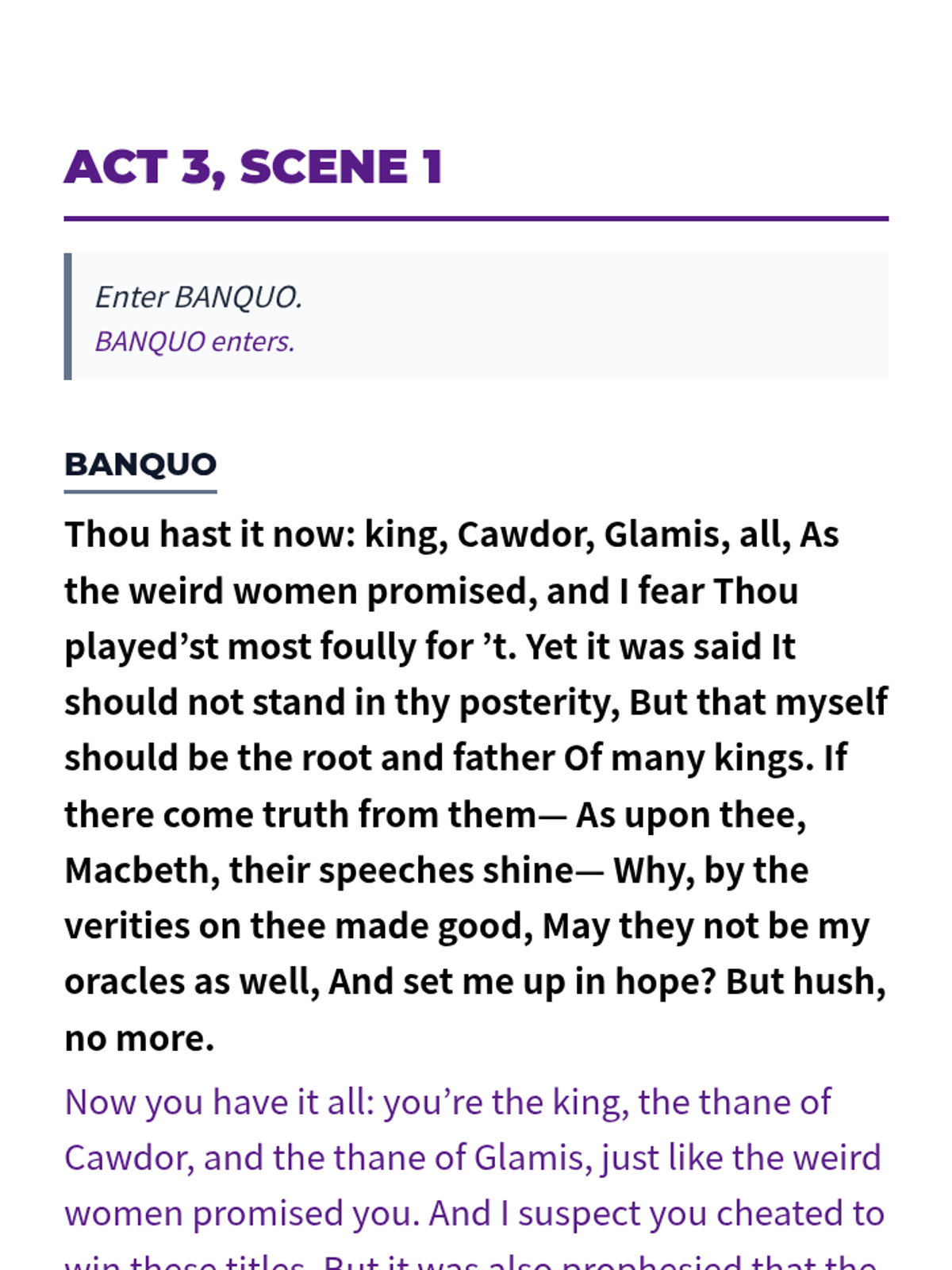
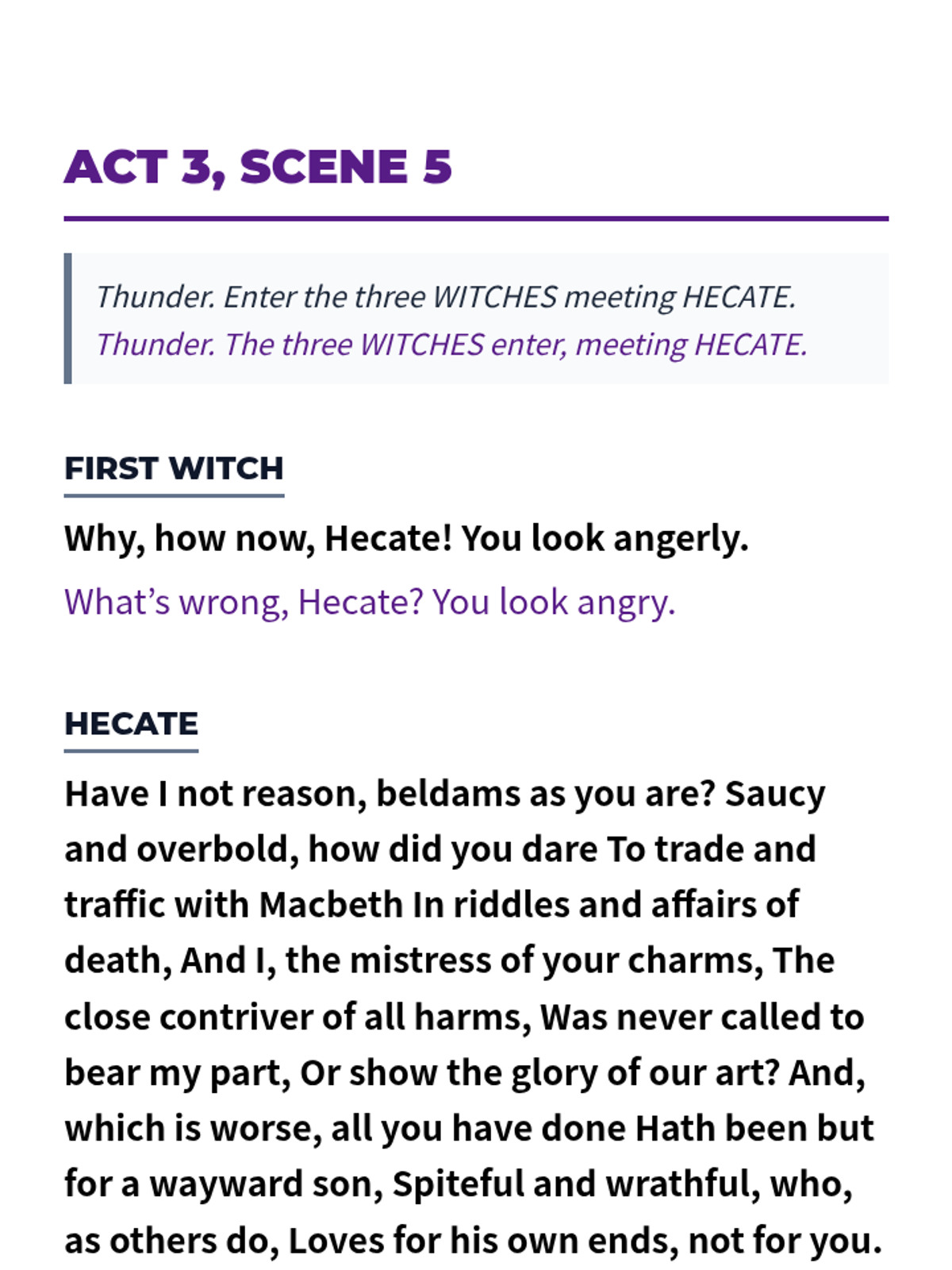
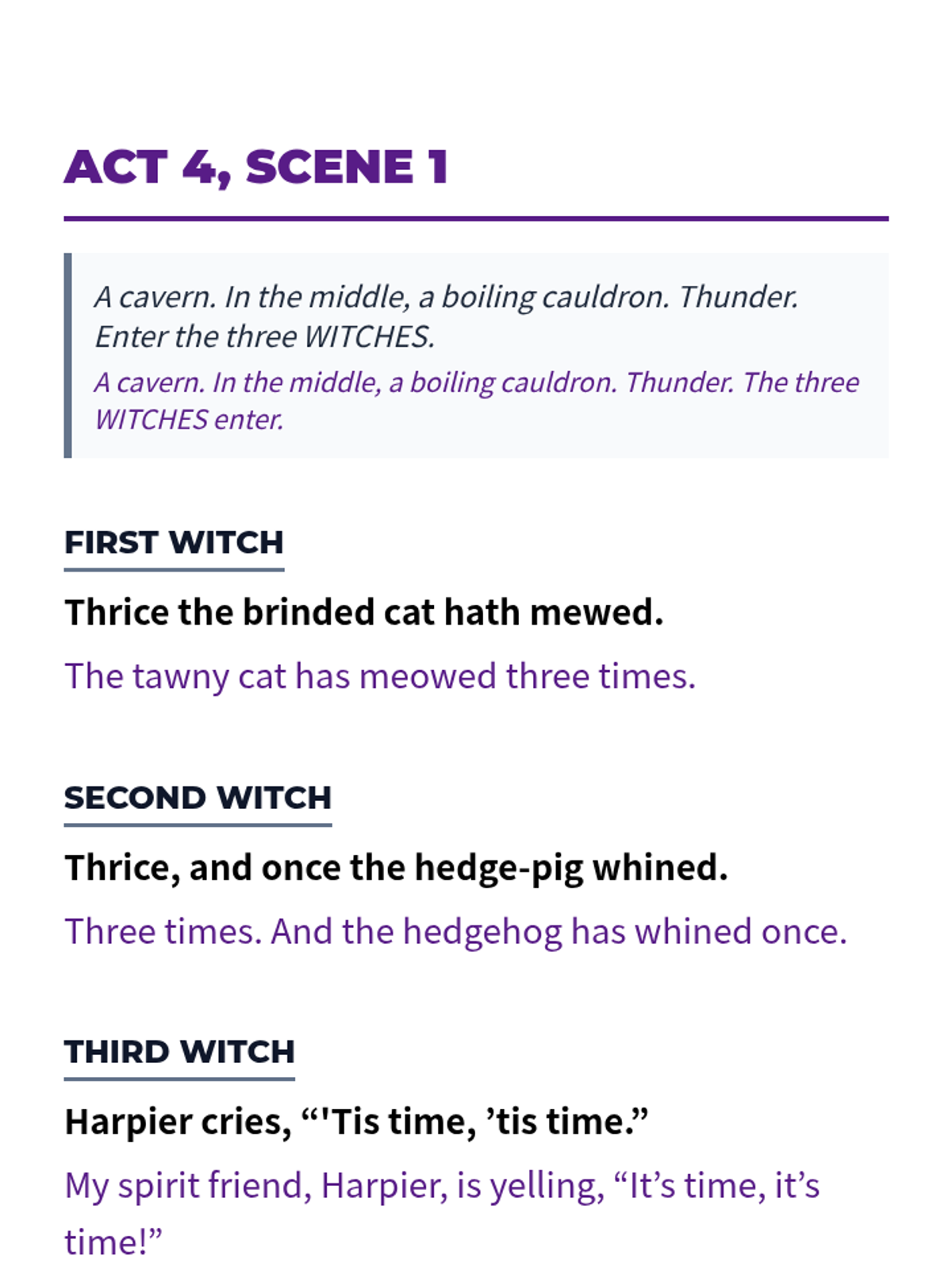
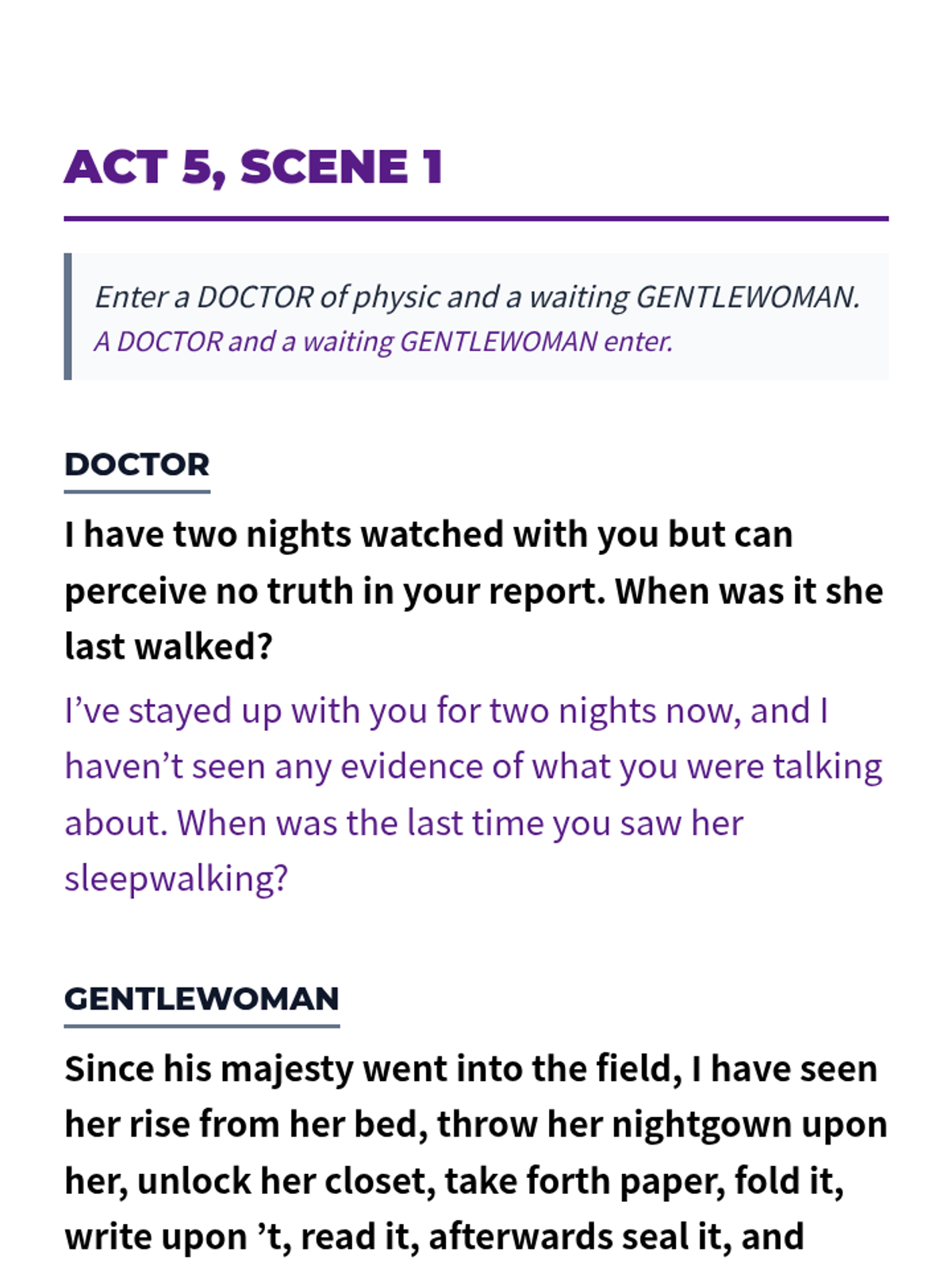
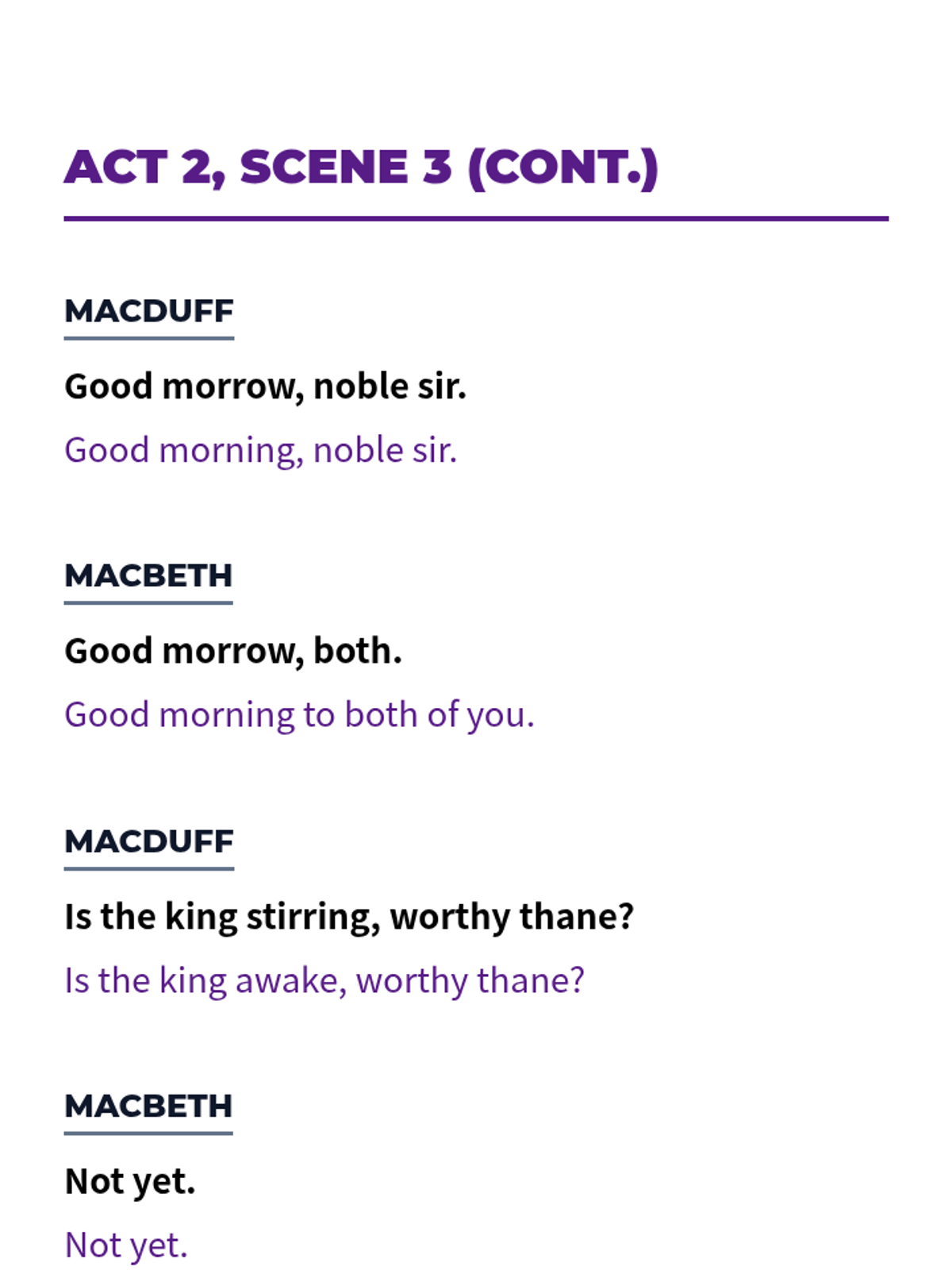
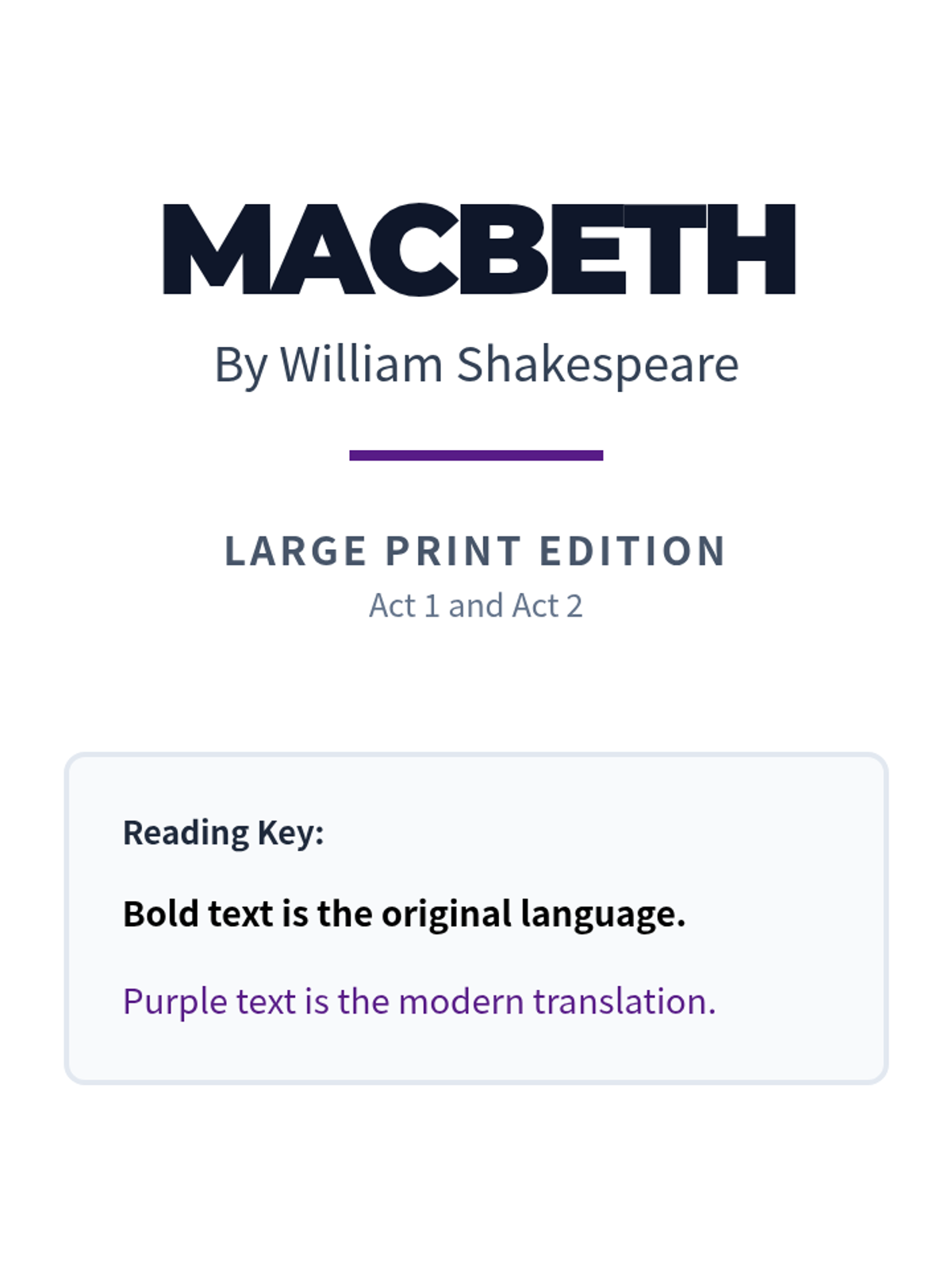
A collection of accessible reading materials for Shakespeare's Macbeth, specifically tailored for students requiring large print and modern translations. This lesson ensures all students can navigate and comprehend the play during classroom instruction.
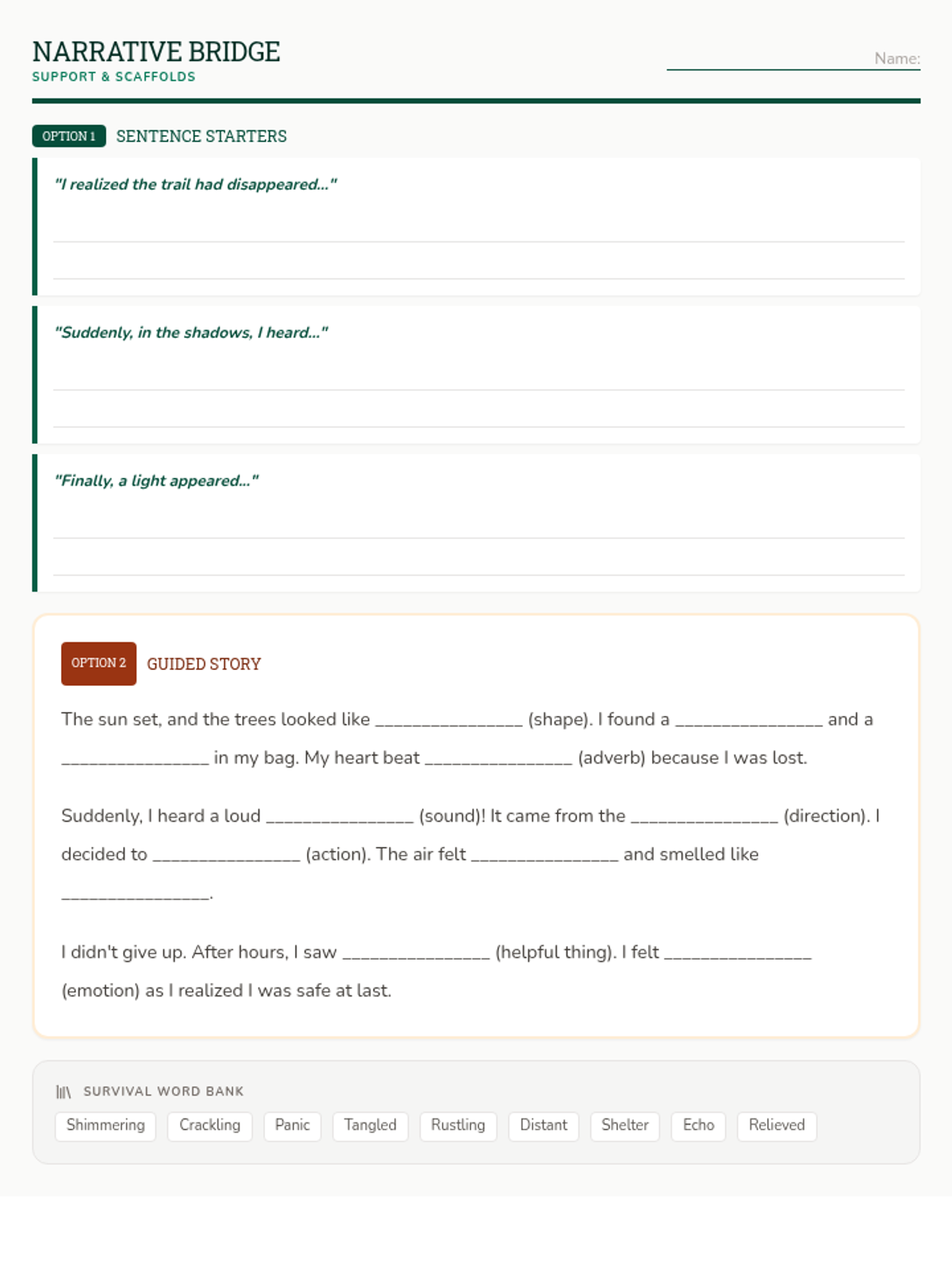
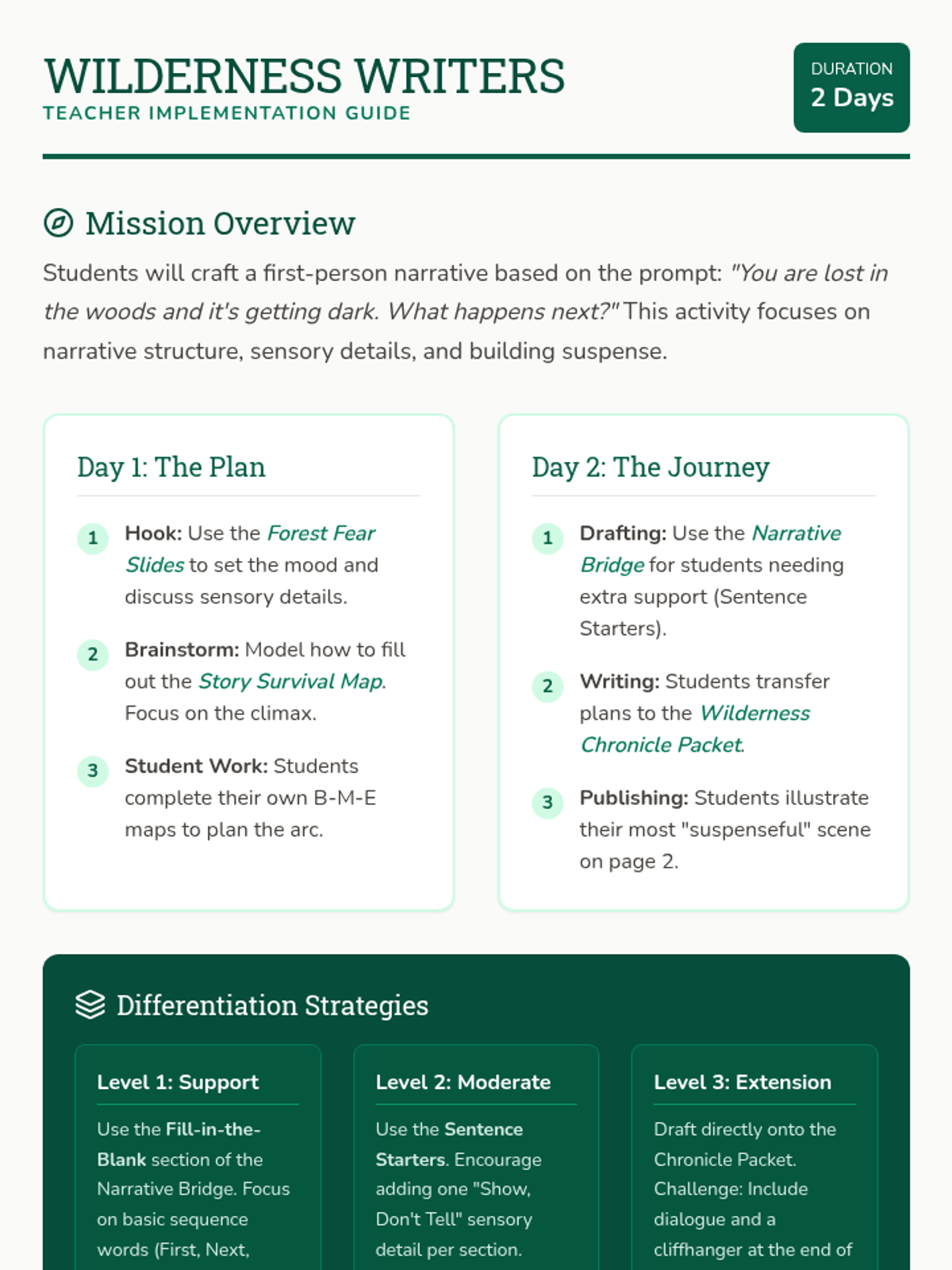
Focuses on drafting and finalizing the narrative using differentiated scaffolds and final writing paper.
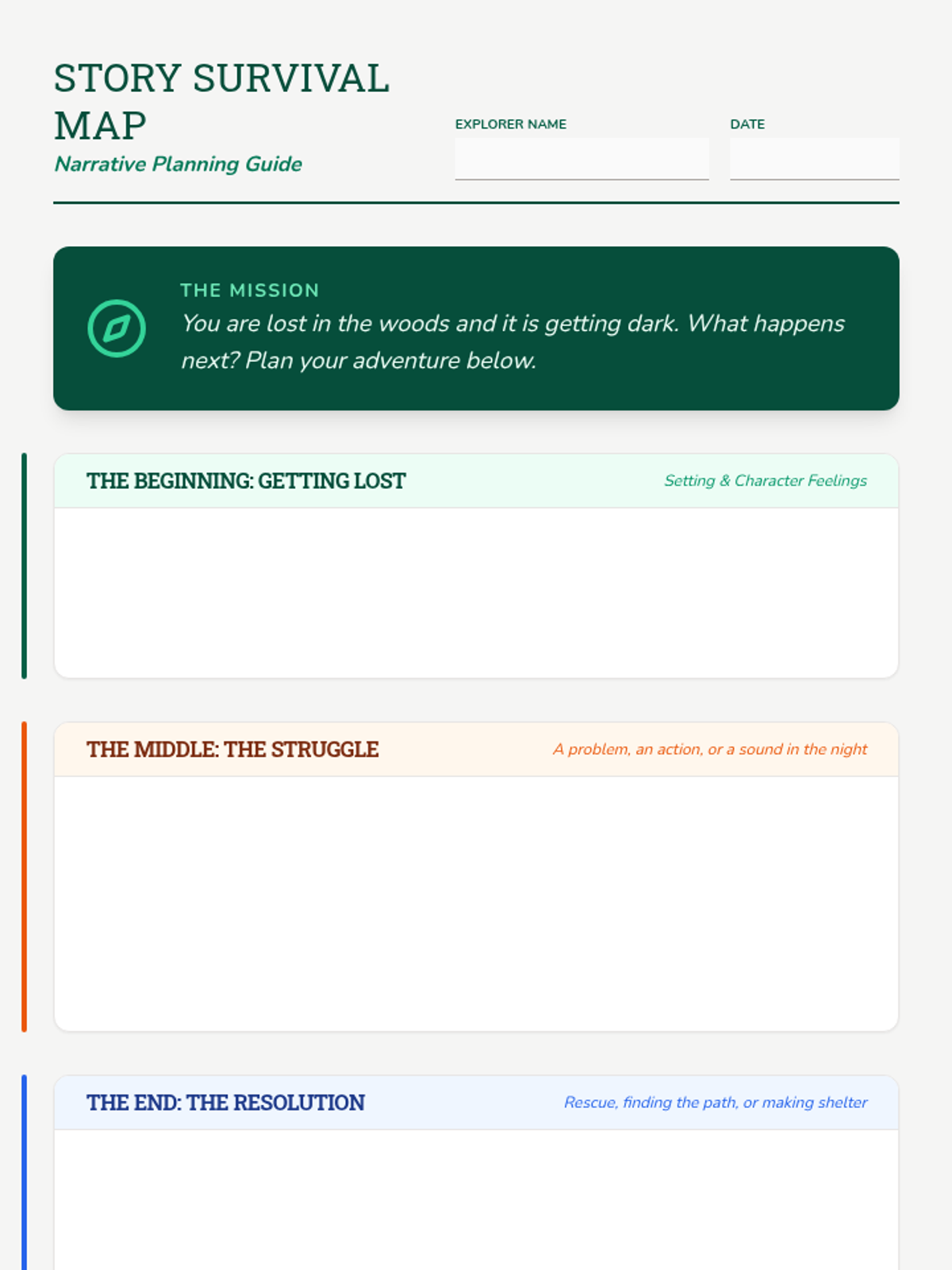
Focuses on brainstorming and planning using a beginning-middle-end graphic organizer and introductory slides.
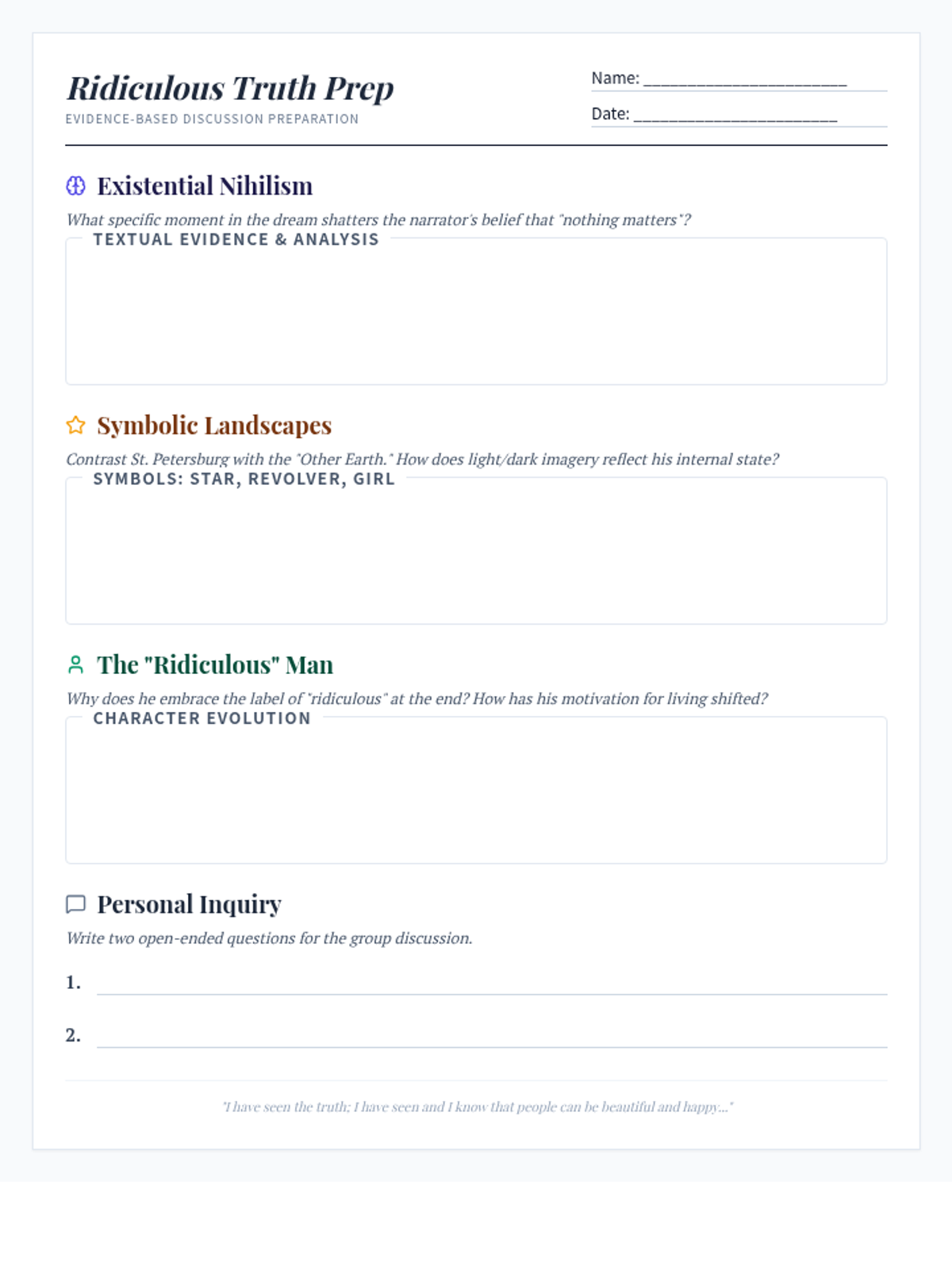
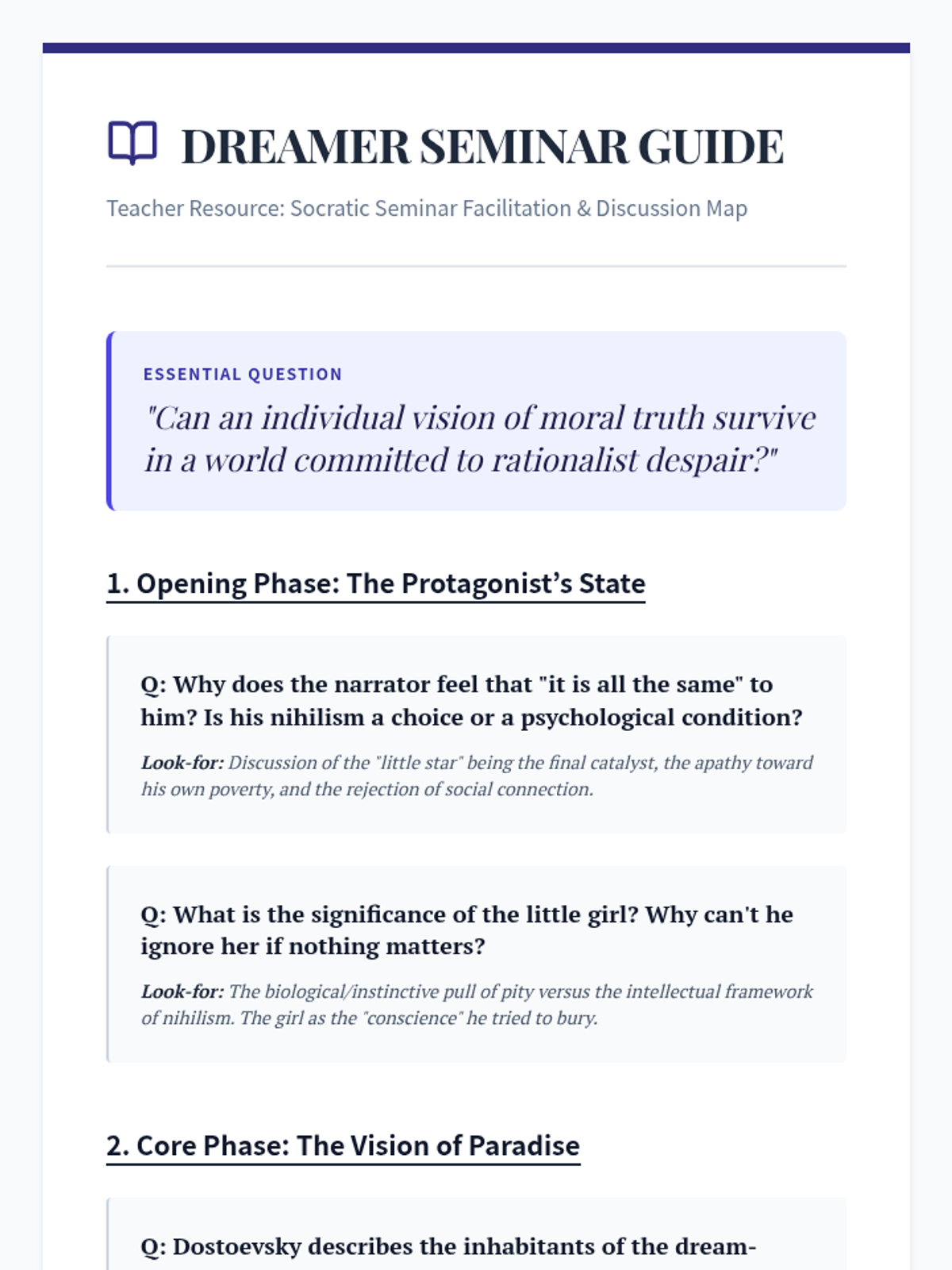
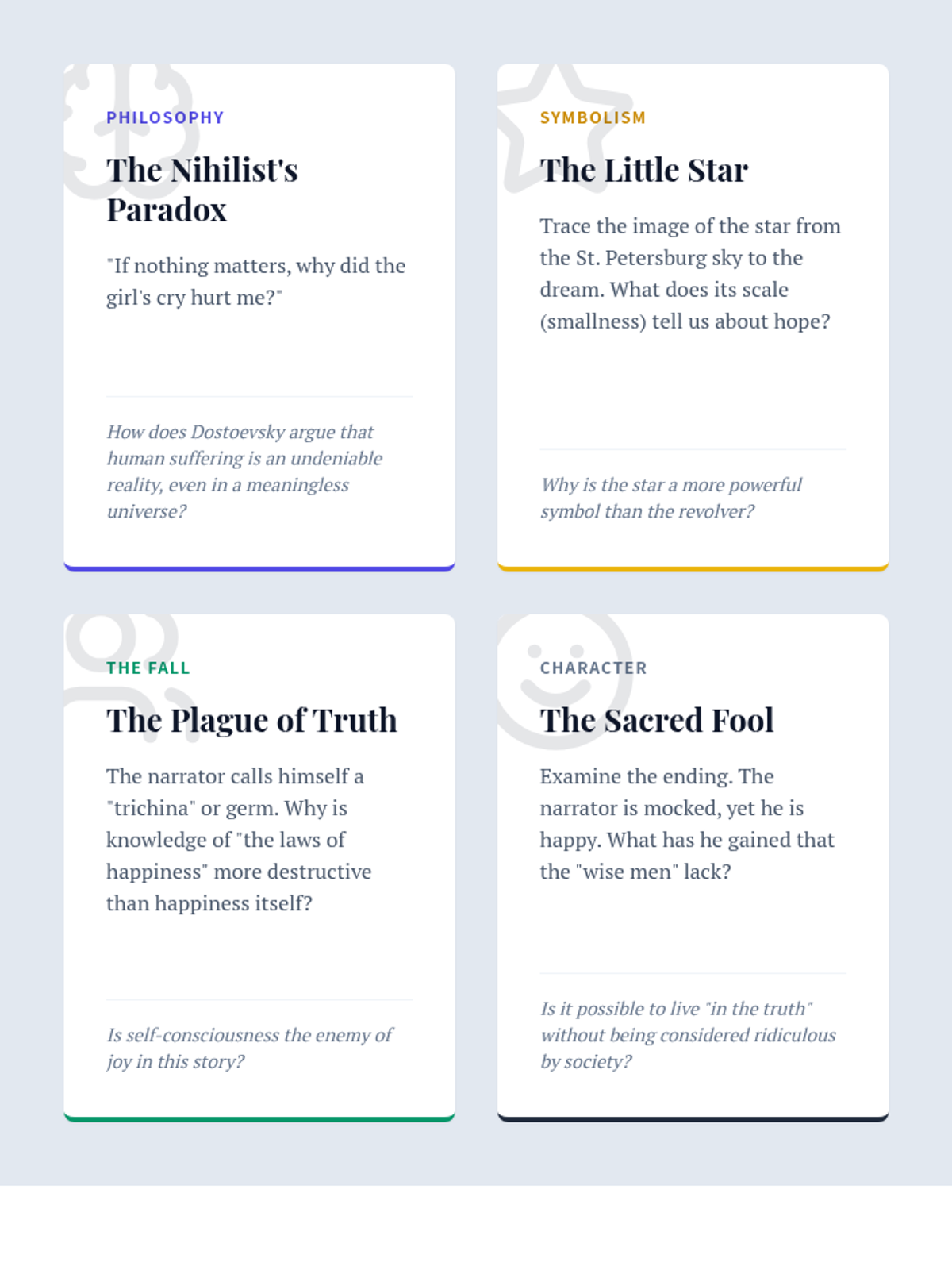
A deep-dive Socratic Seminar centered on Dostoevsky's 'The Dream of a Ridiculous Man,' exploring themes of nihilism, the Fall of Man, and the power of individual empathy. Students prepare textual evidence and engage in peer-led discussion.
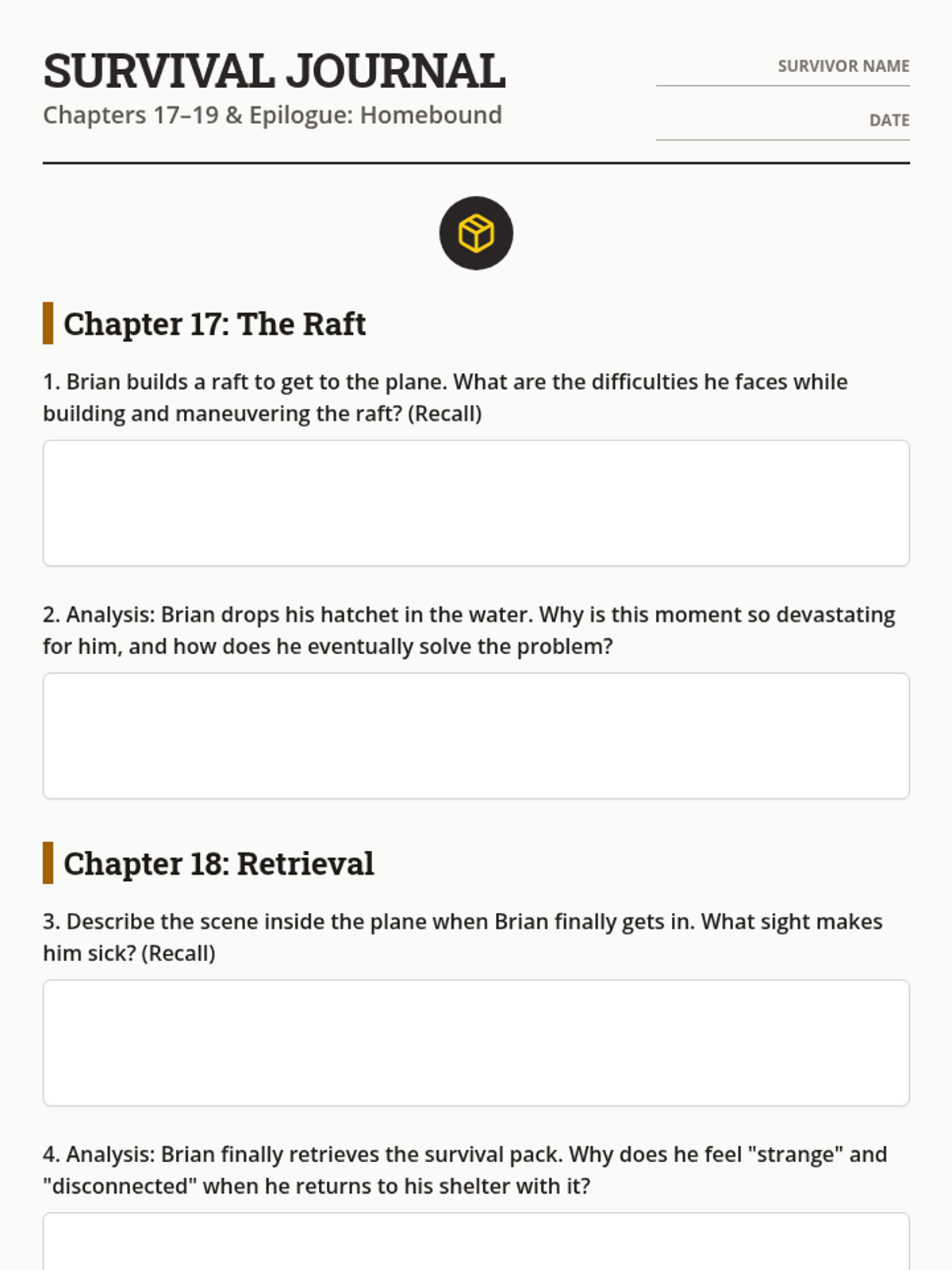
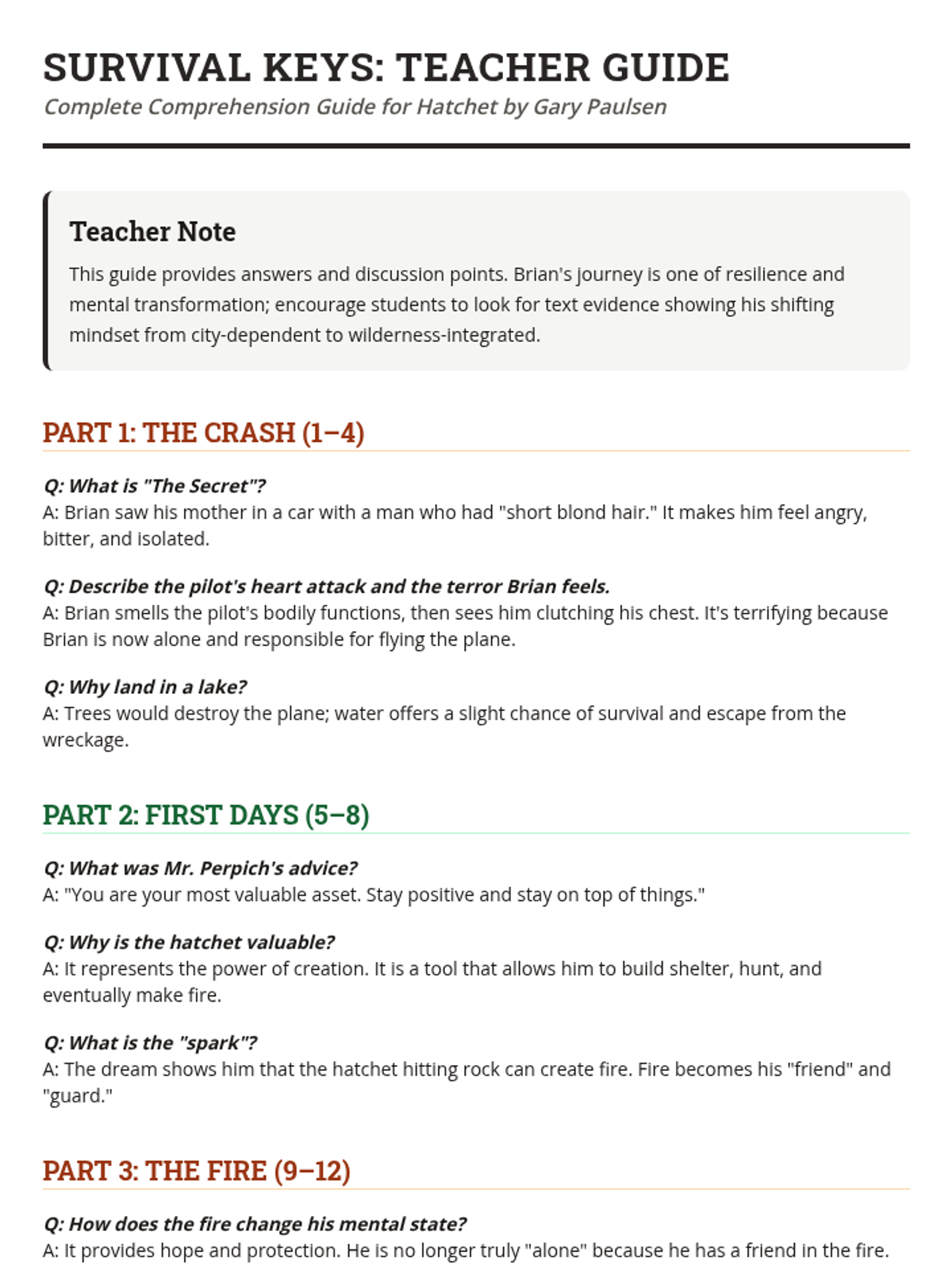
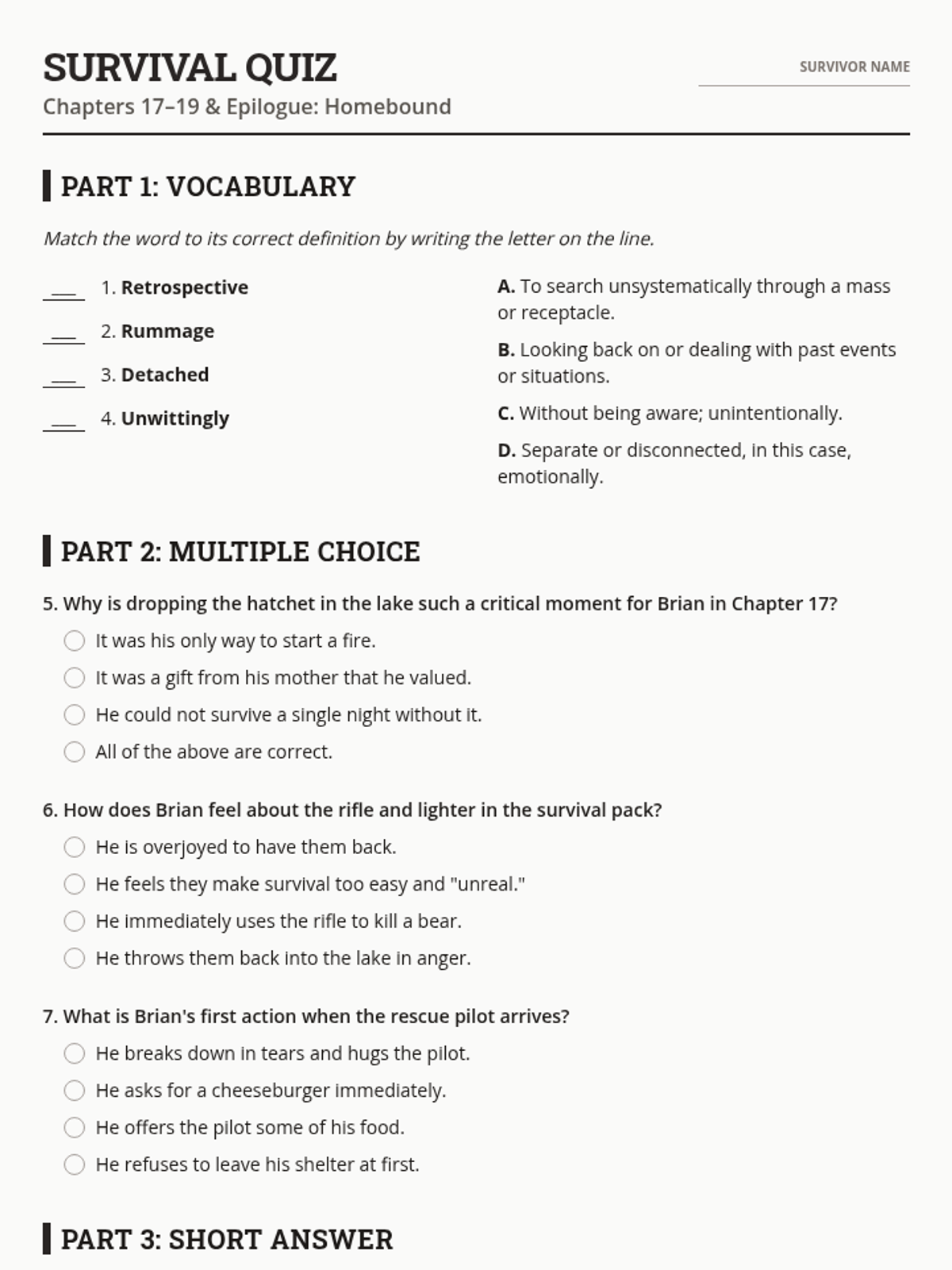
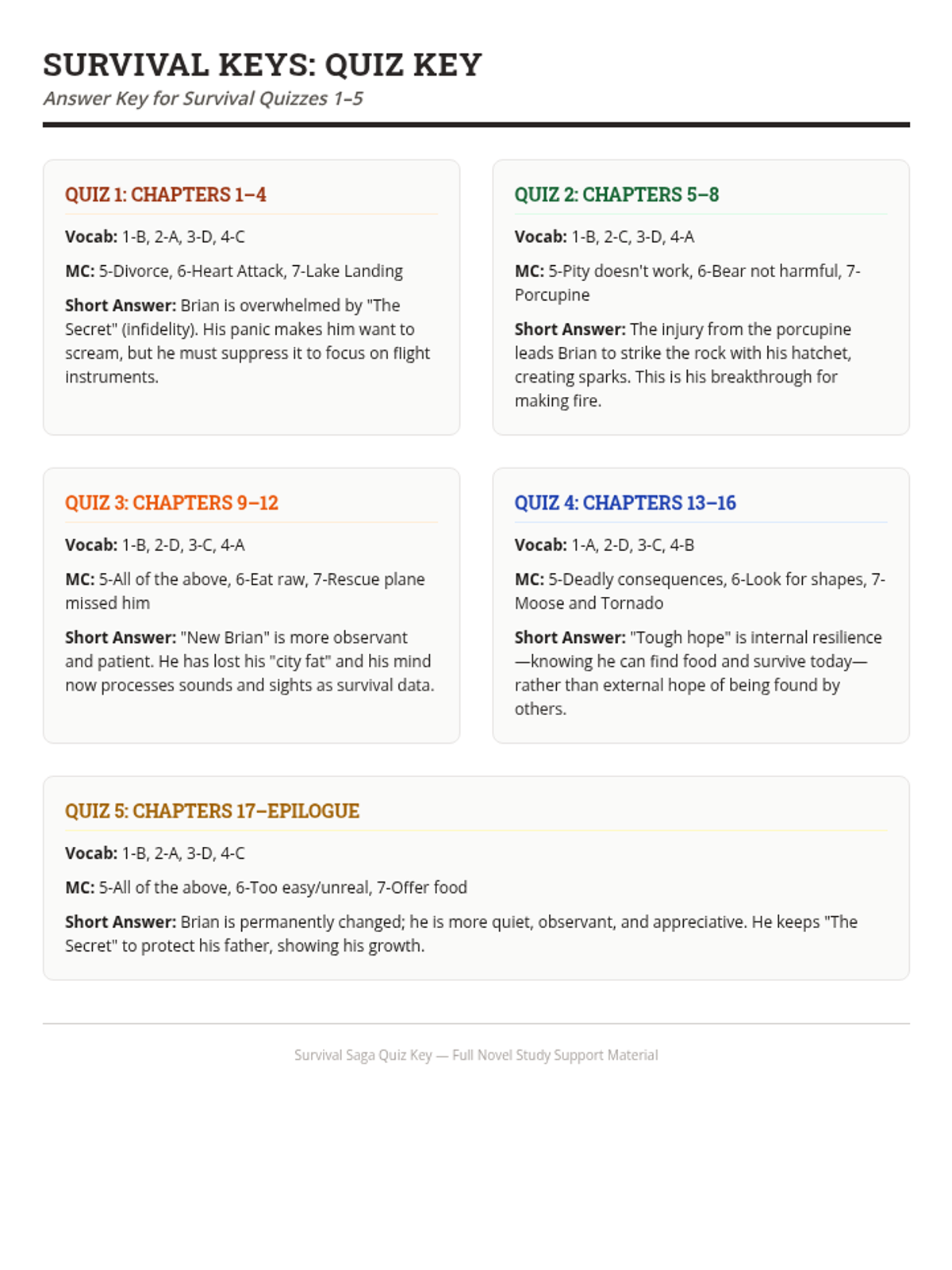
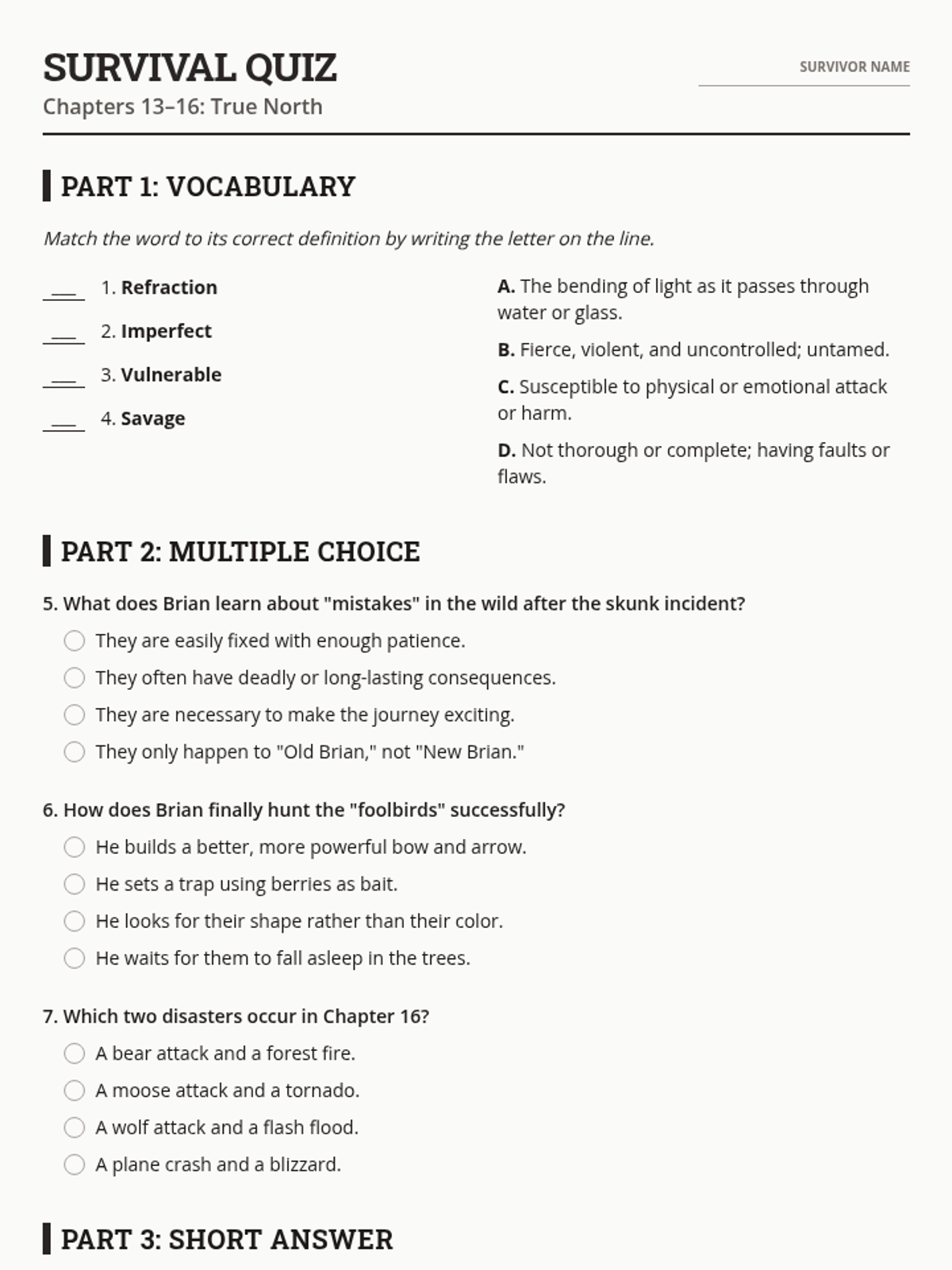
Covers the tornado, the retrieval of the survival pack, and Brian's eventual rescue. Focuses on the irony of the survival pack and Brian's lasting changes as a person.
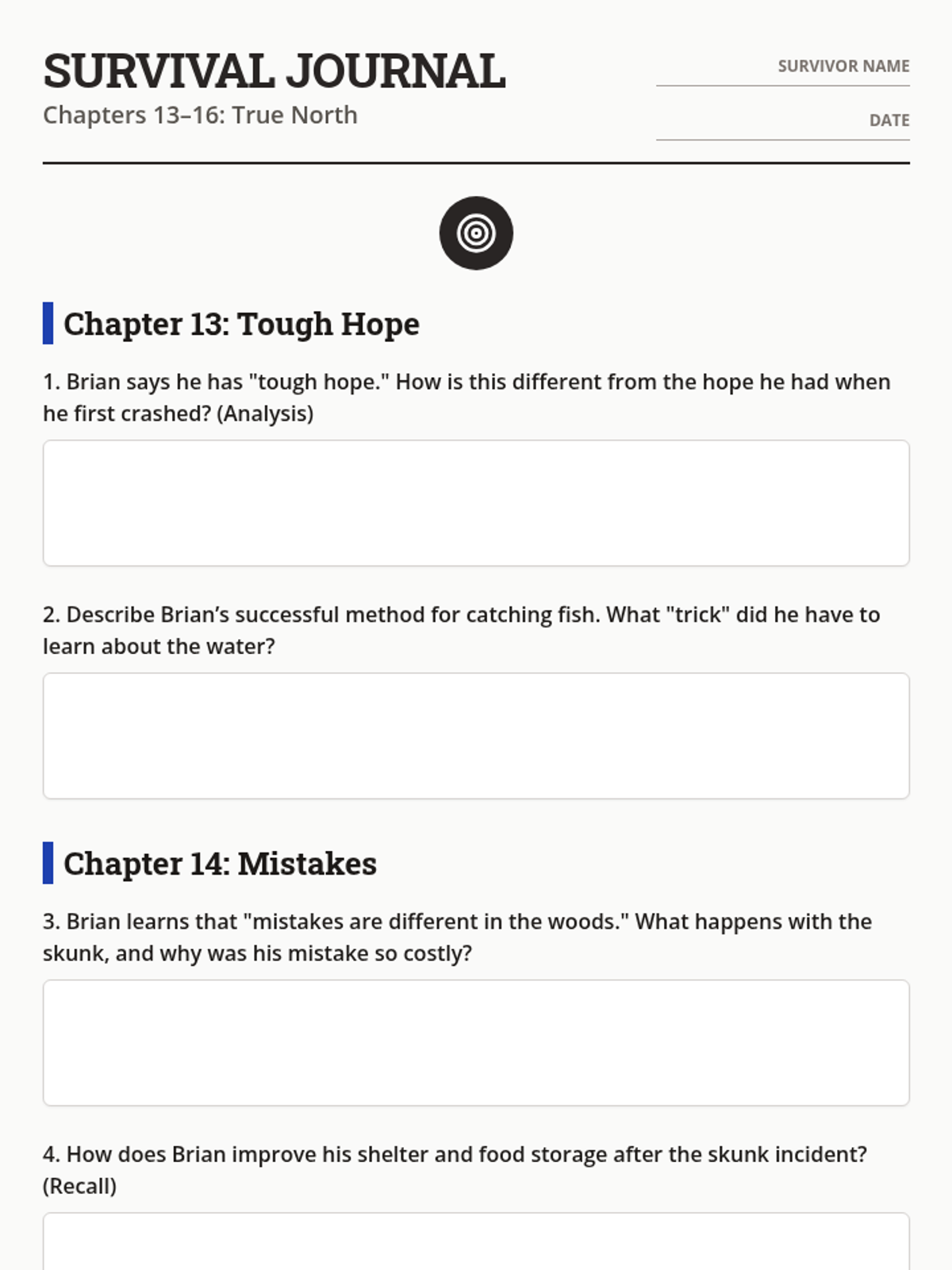
Tracks Brian's transformation into the 'New Brian' following the missed rescue plane. Focuses on resilience, the concept of 'tough hope', and mastery of his environment.
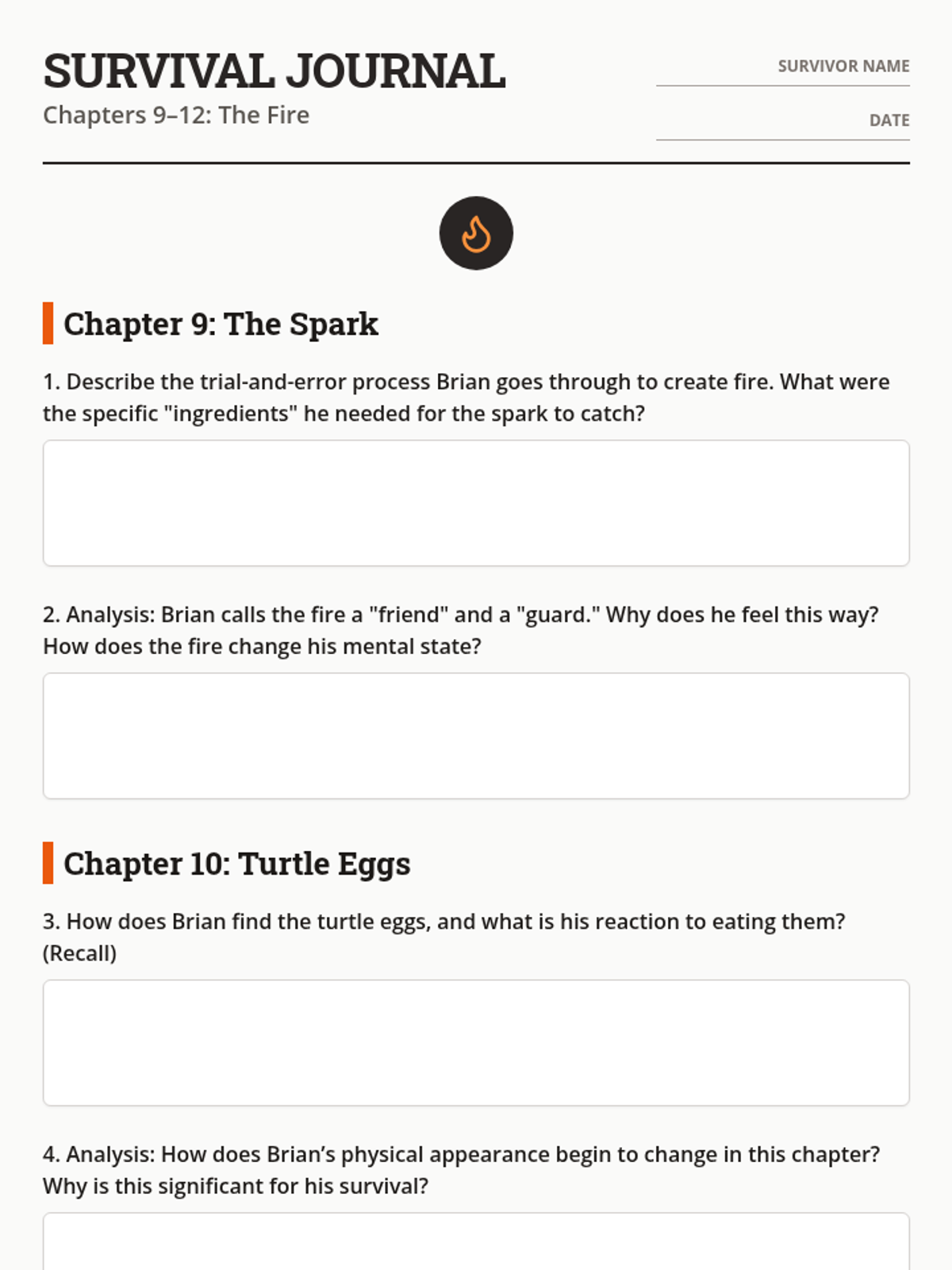
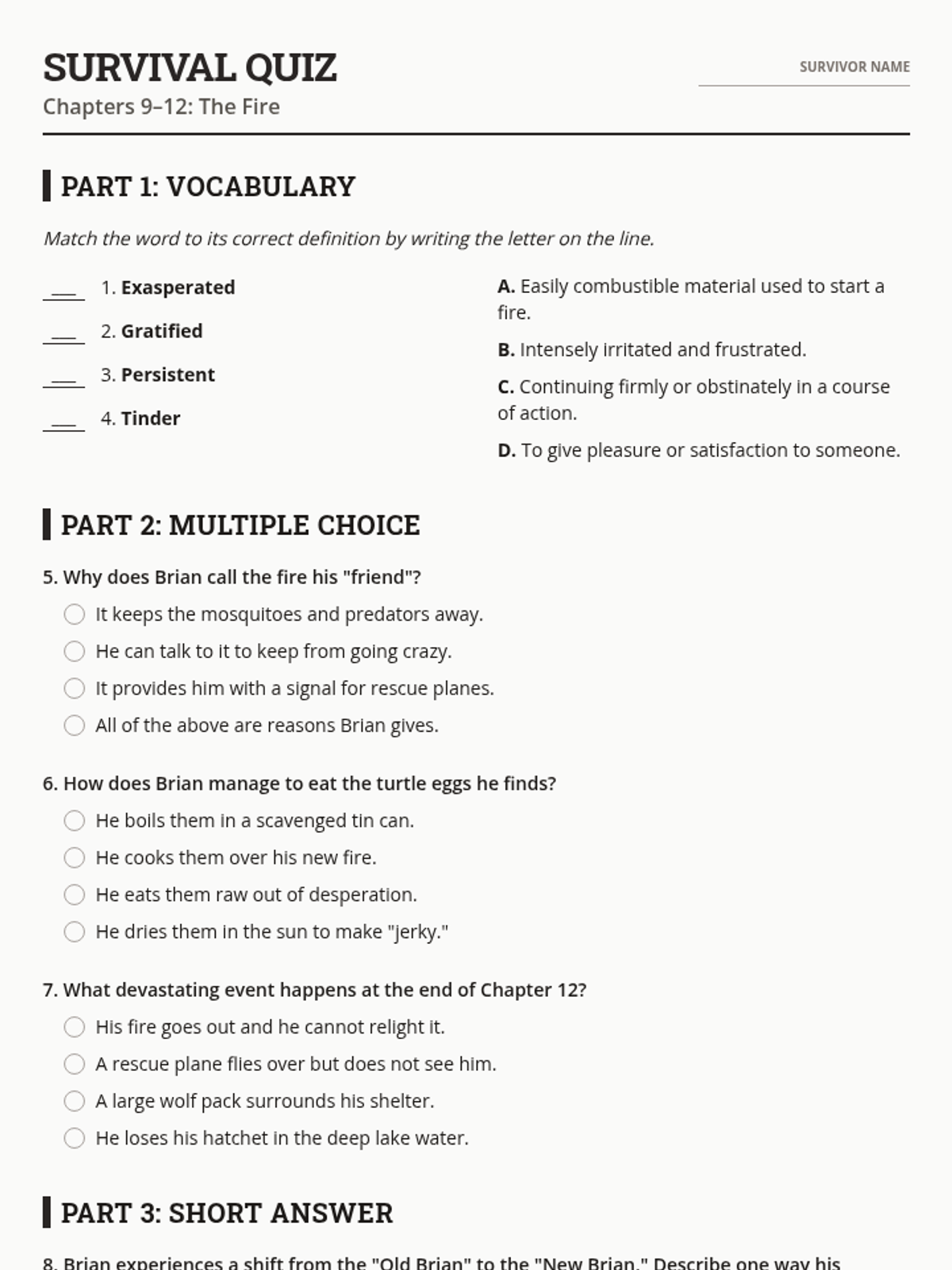
Centuries on the discovery of fire and the expansion of Brian's diet. Focuses on the 'spark' of hope and the intellectual process of problem-solving in the wild.
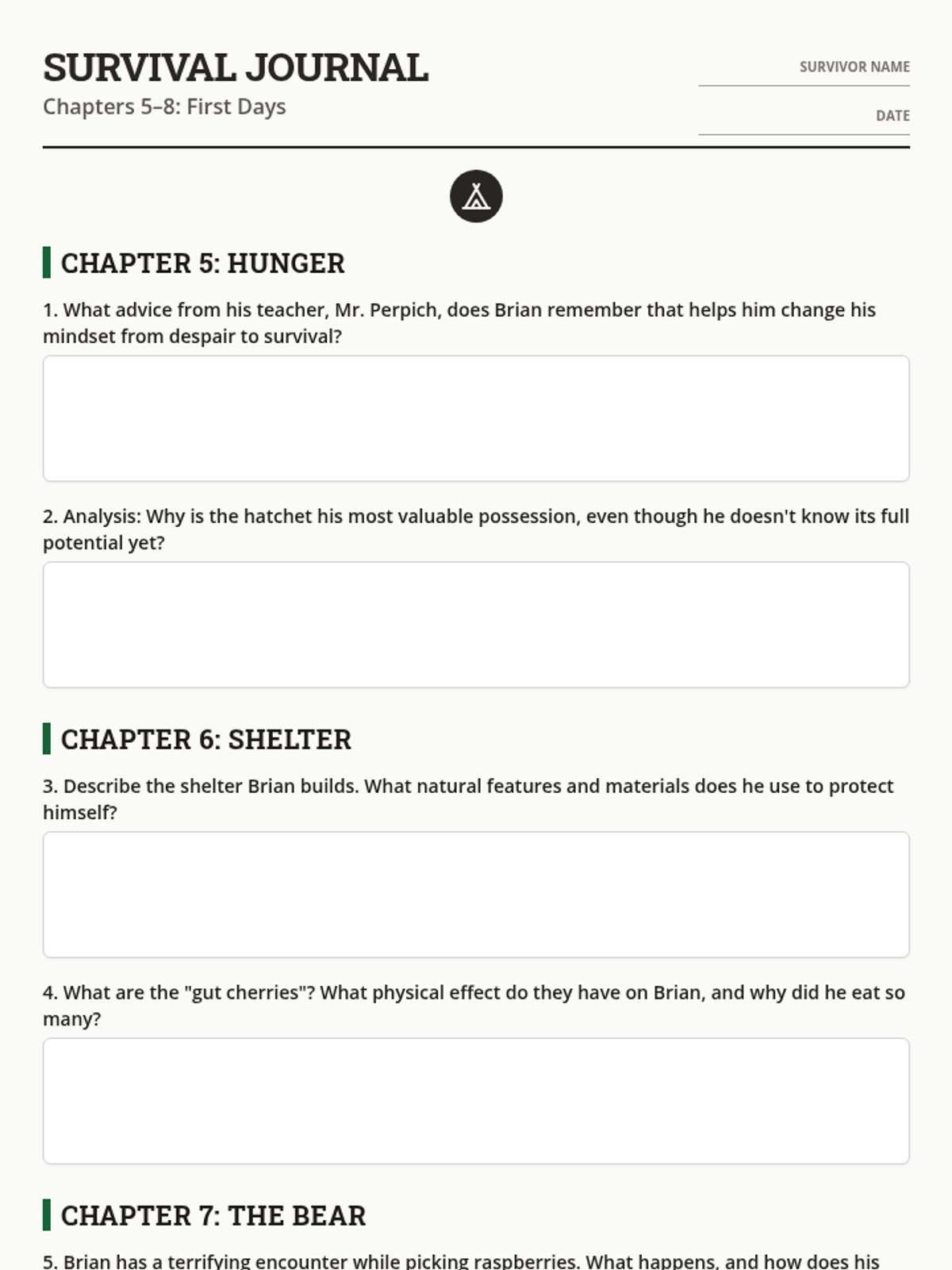
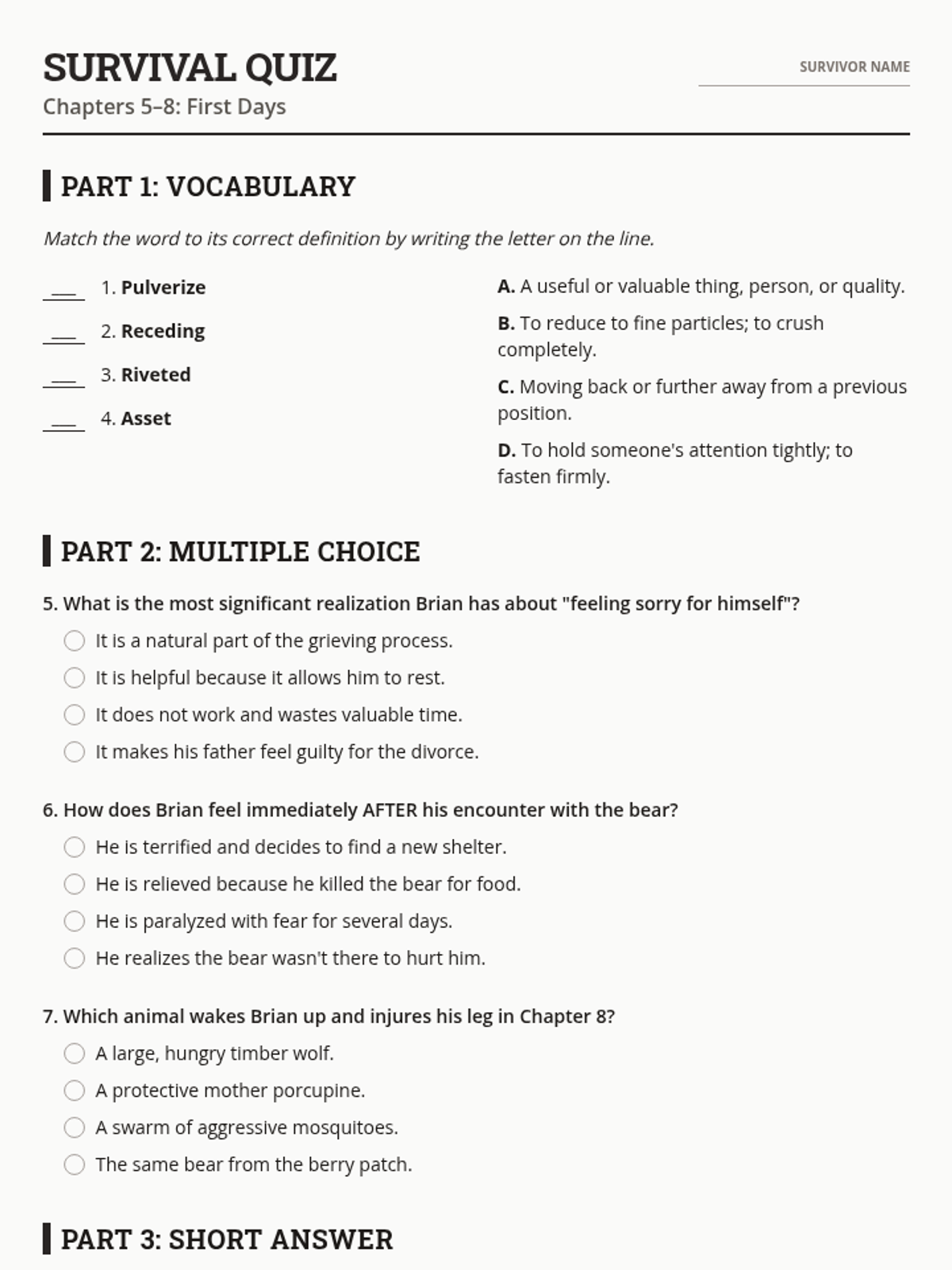
Explores Brian's first attempts at finding food and shelter, his encounter with the bear, and the physical toll of survival. Focuses on sensory details and the transition from shock to action.
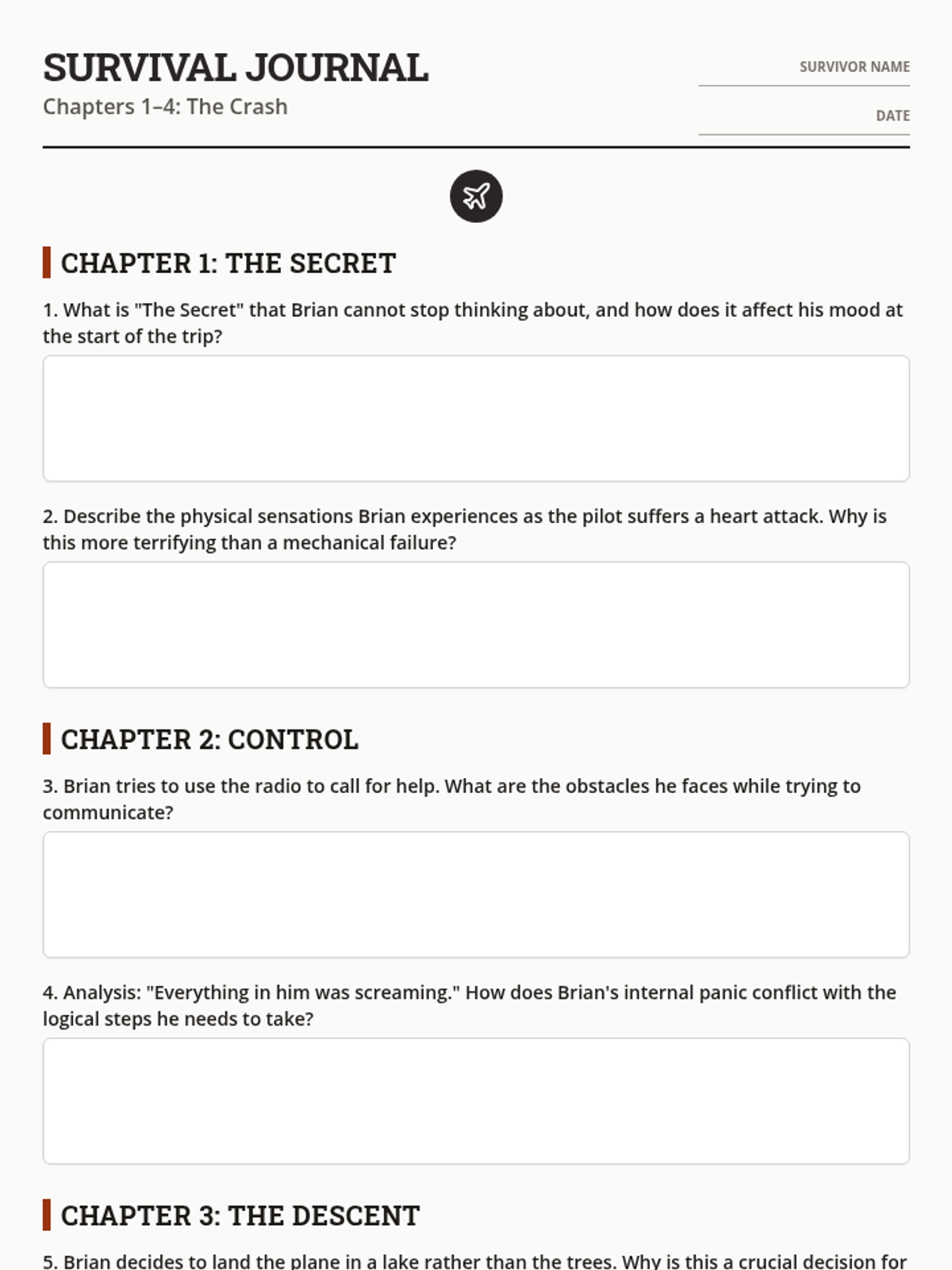
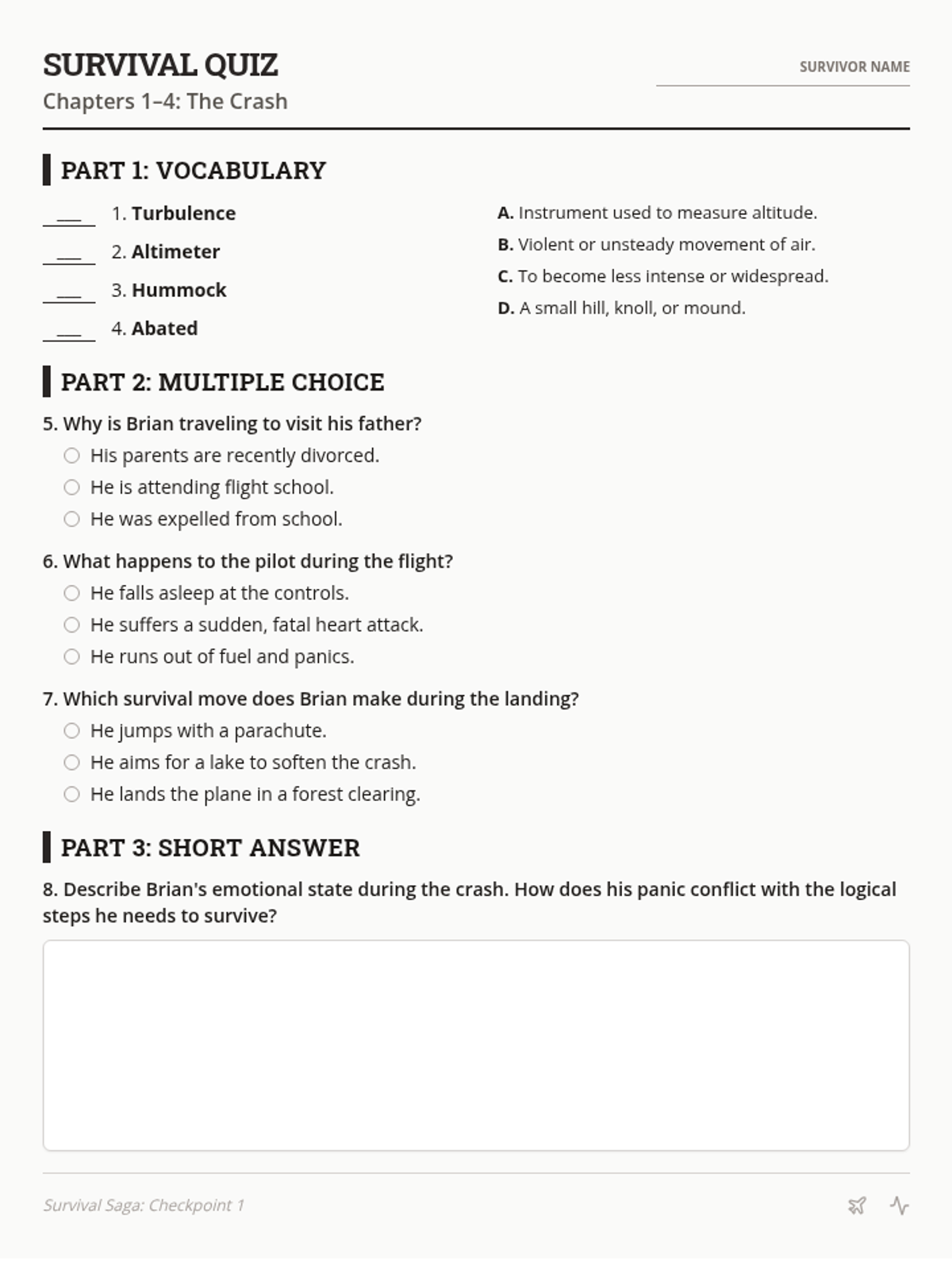
Covers the pilot's heart attack, the plane crash, and Brian's initial realization of his isolation. Focuses on the immediate conflict and the burden of 'The Secret'.