A lesson focused on analyzing and visualizing precipitation data for Methuen, Massachusetts, including data sorting and graphing skills.
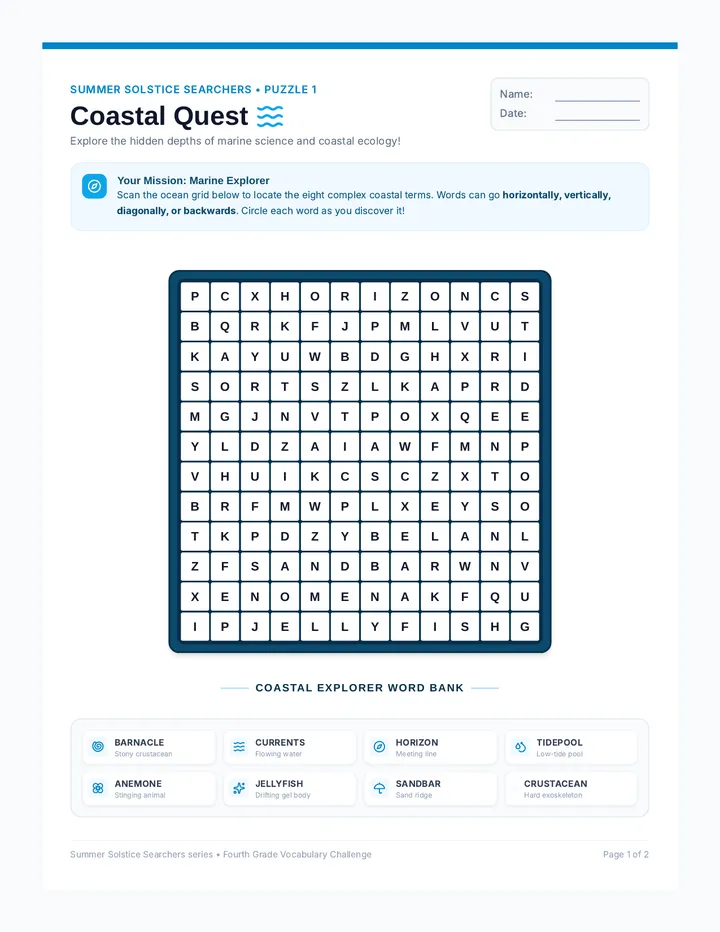
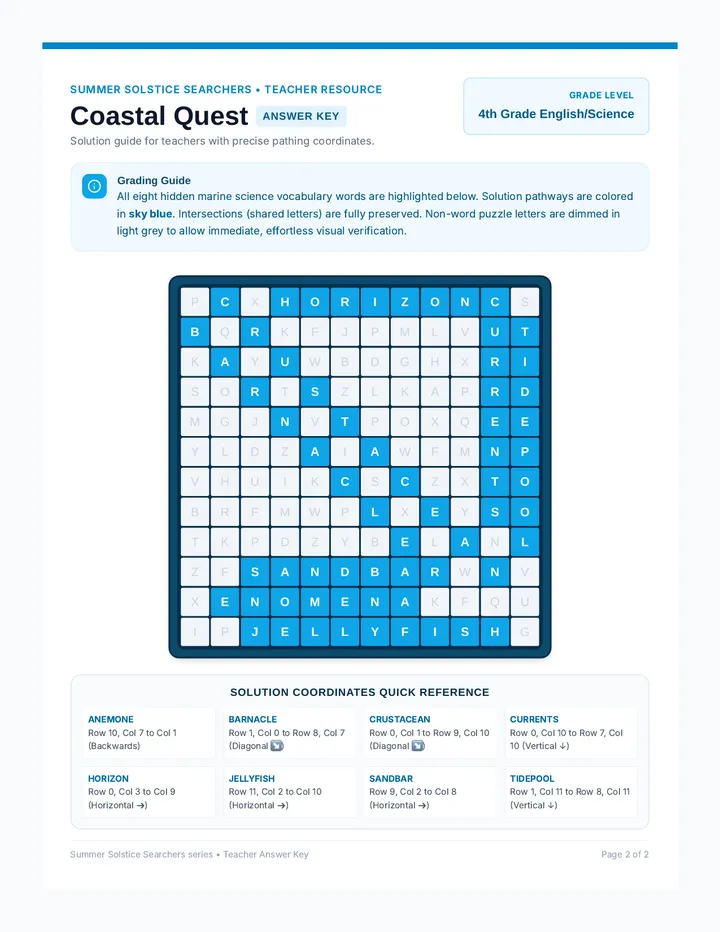
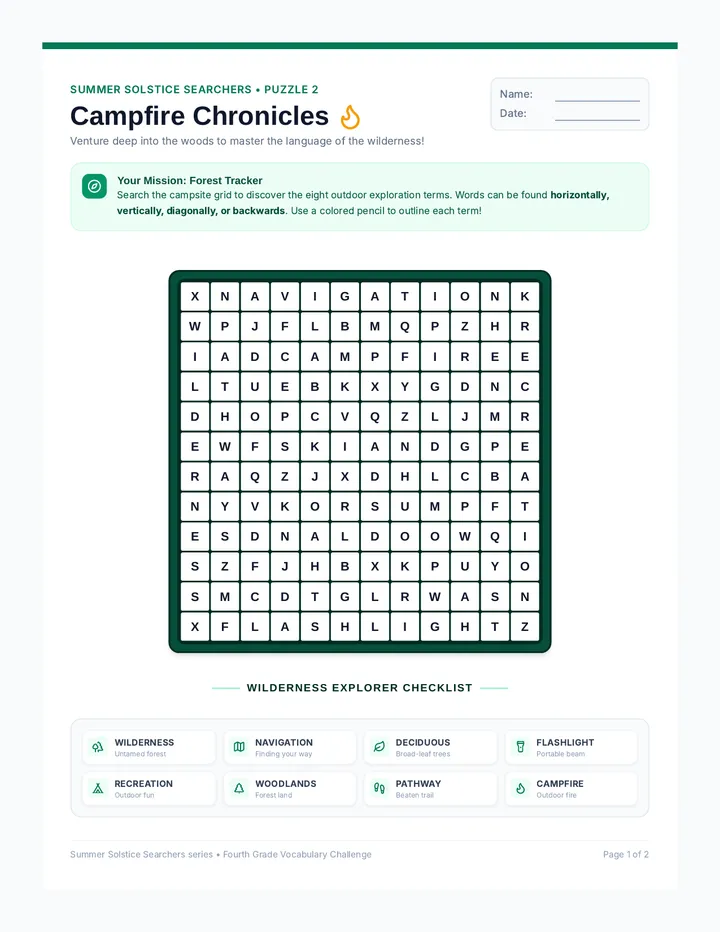
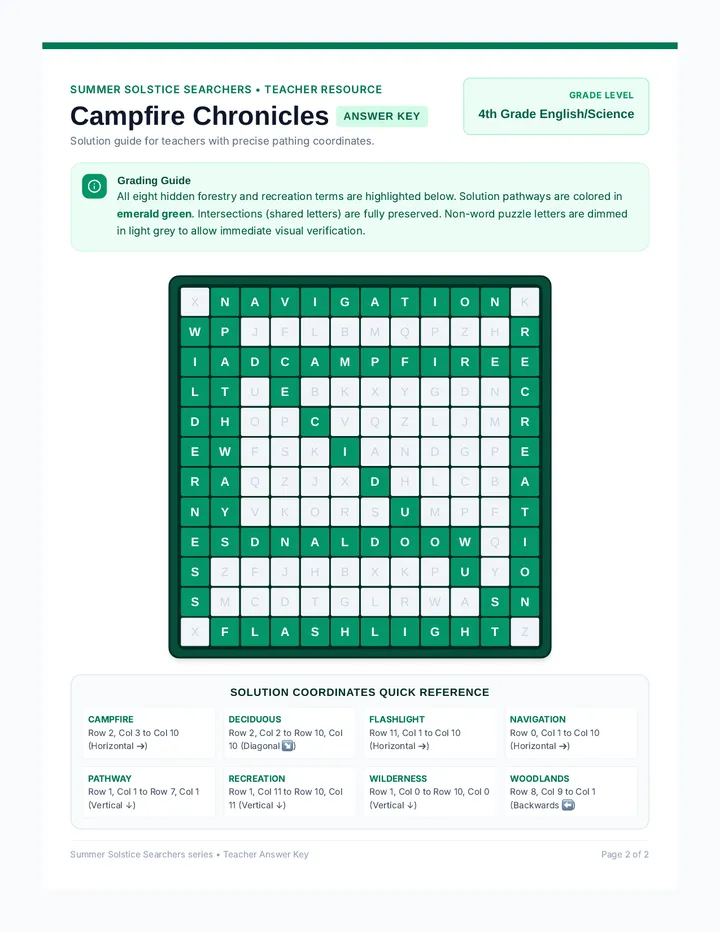
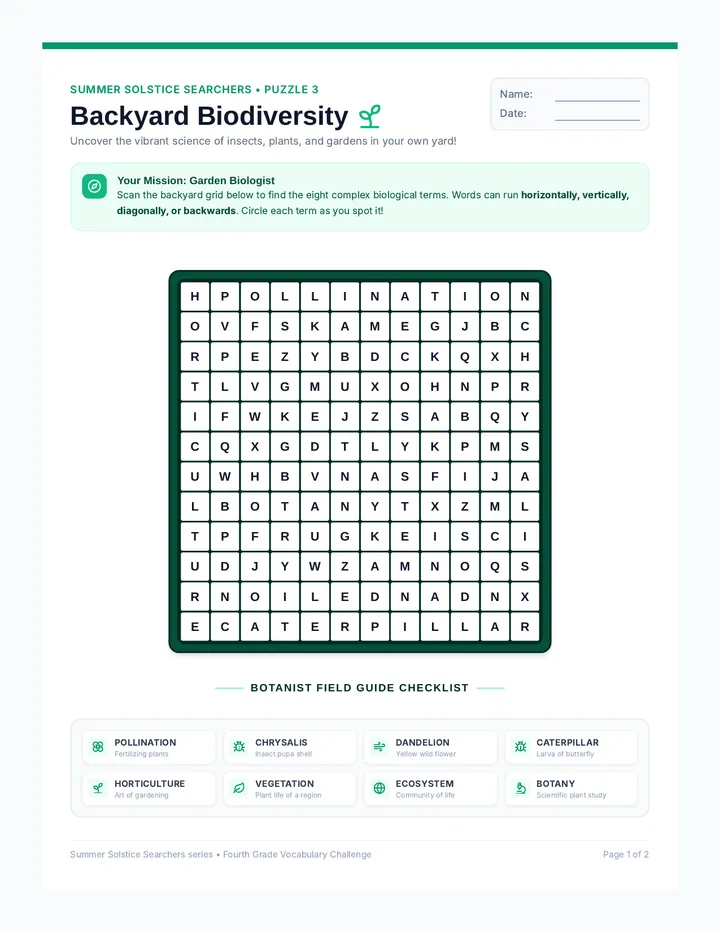
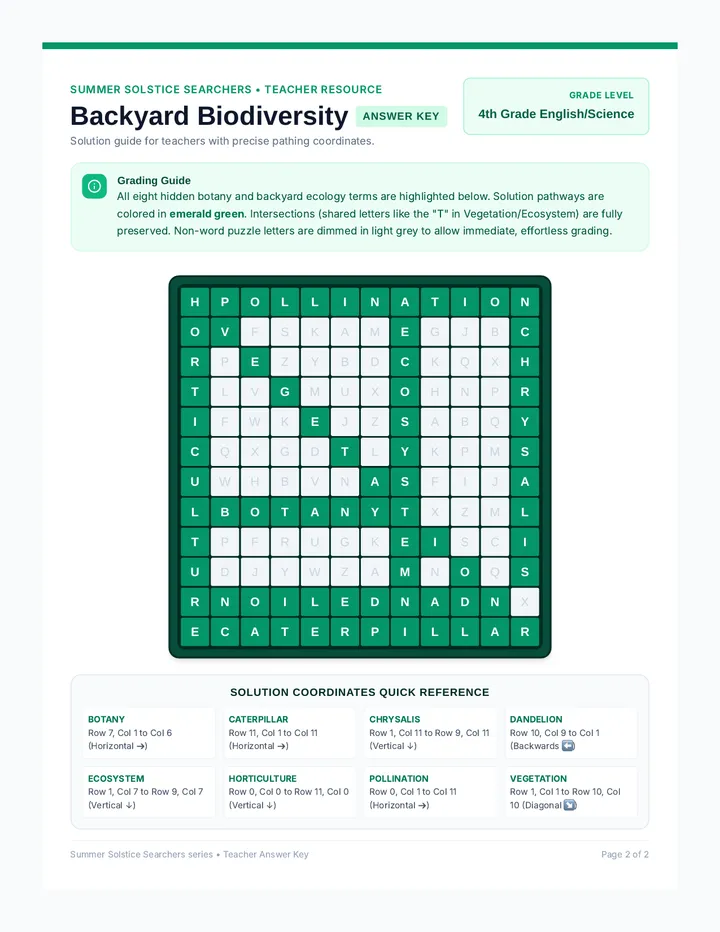
A collection of themed word search puzzles designed for fourth graders, featuring slightly complex summer-themed vocabulary, visual word banks with icons, and complete answer keys.
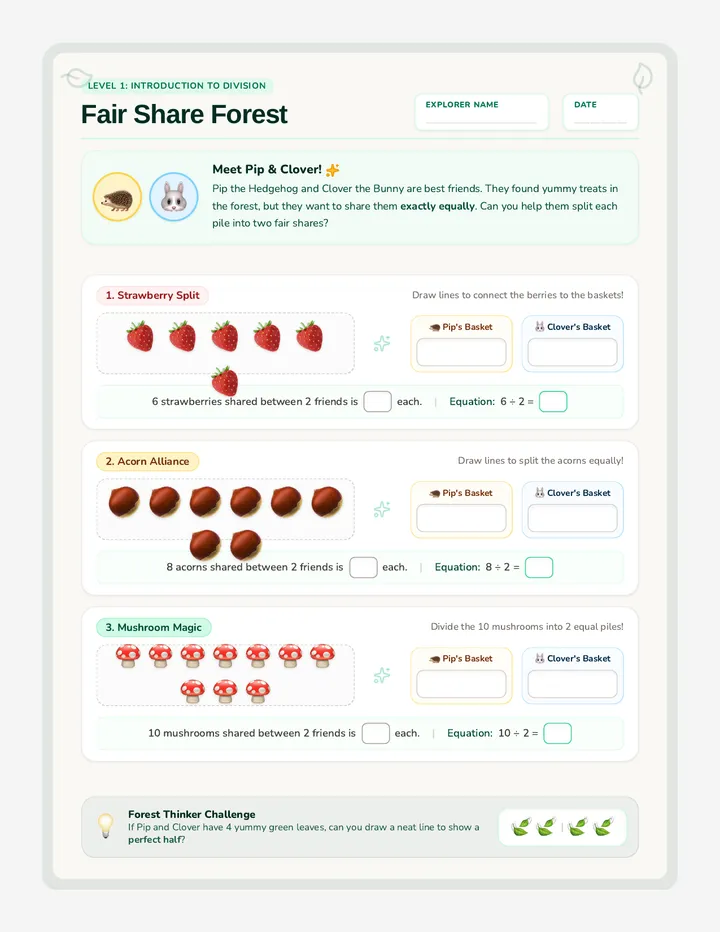
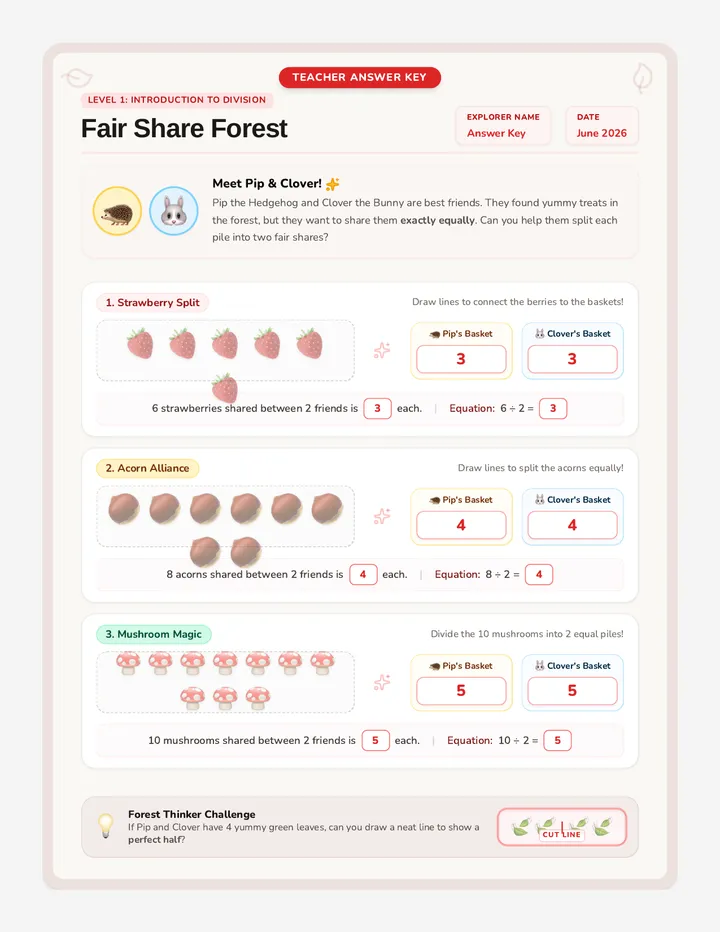
An introductory lesson on division as equal sharing. Students help two friendly woodland creatures share forest treasures equally between them.
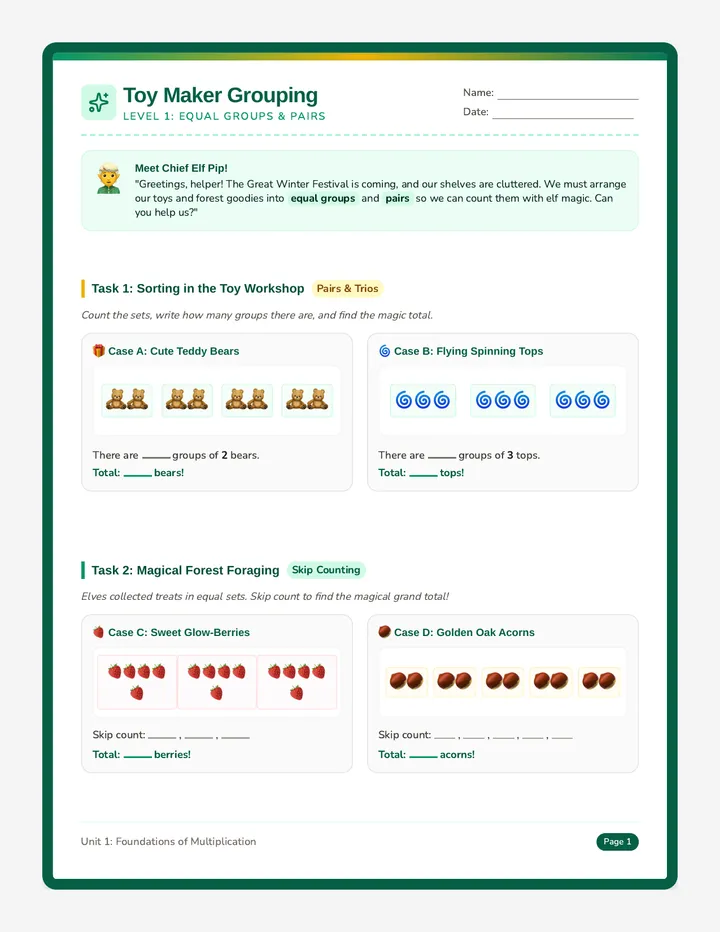
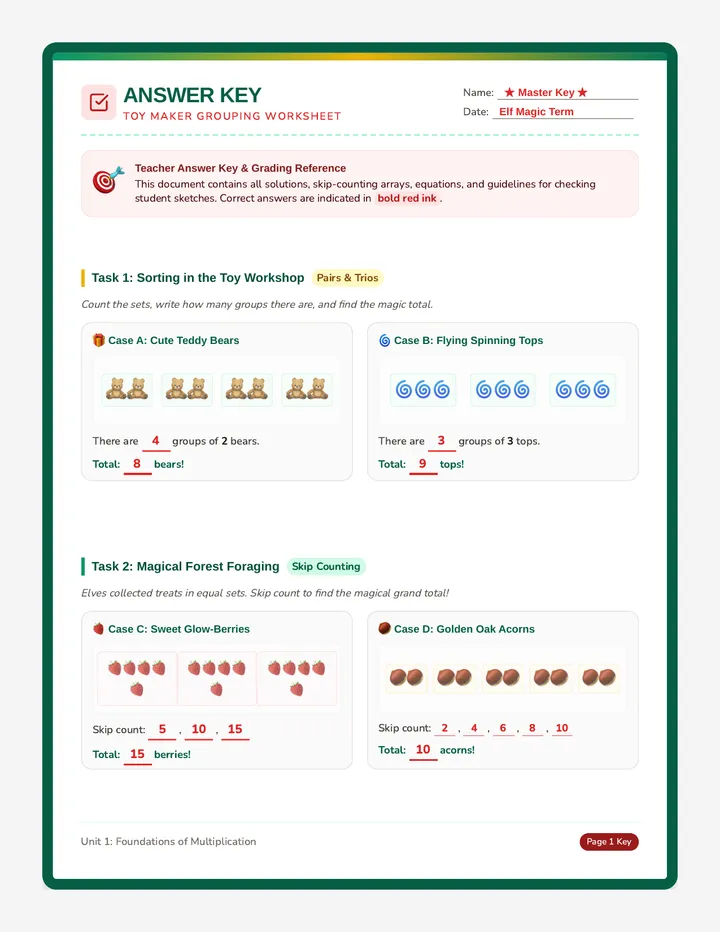
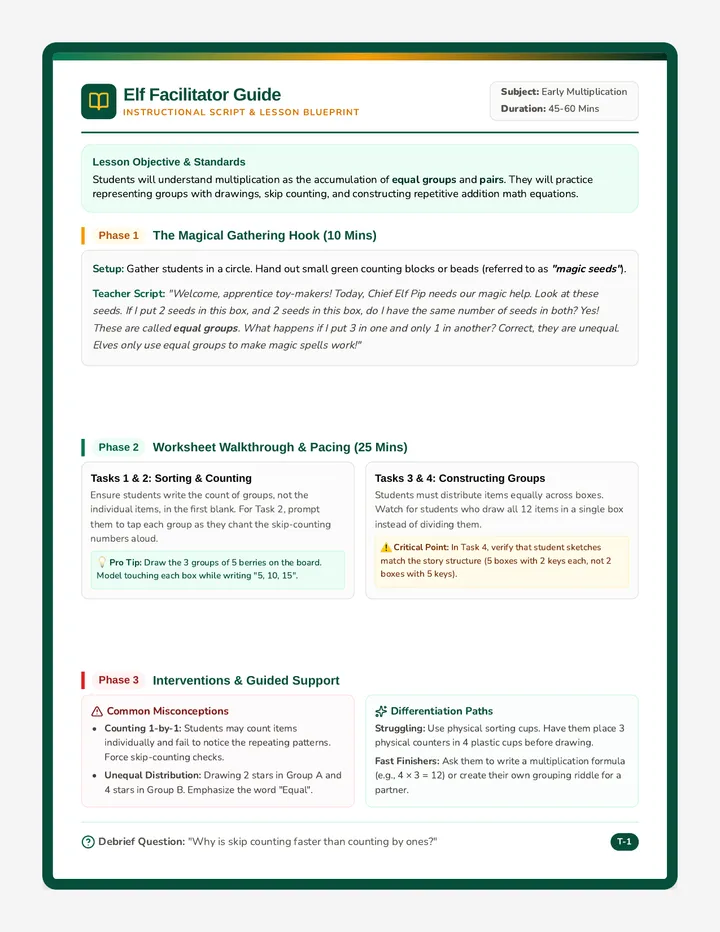
An introductory lesson on multiplication using equal groups and pairs, themed around magical elves making toys, foraging in the forest, and packing items. Students transition from concrete counting to skip counting and basic multiplication concepts.
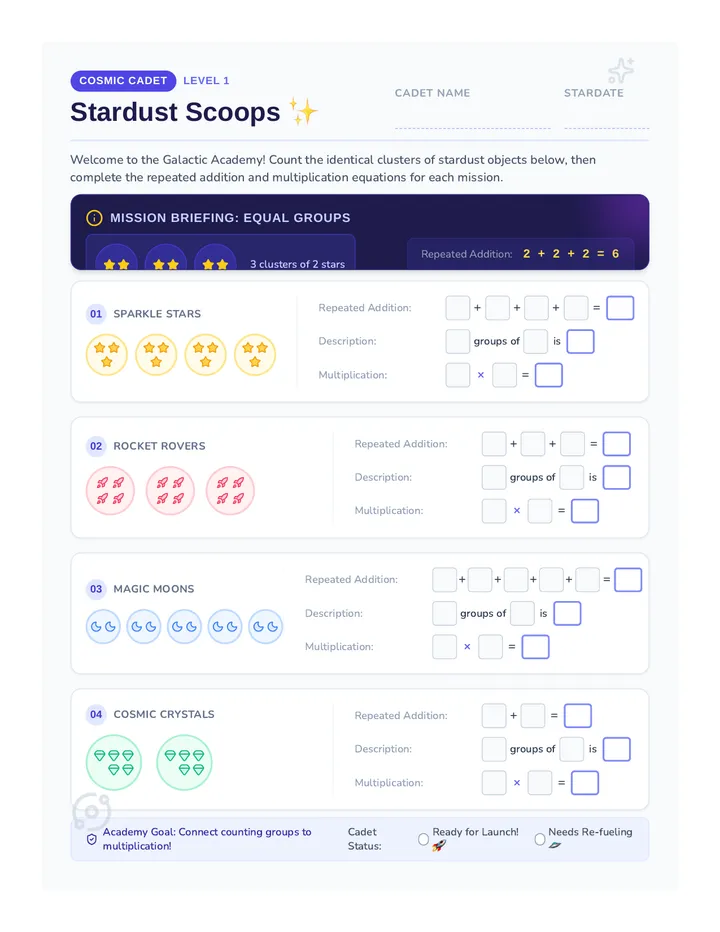
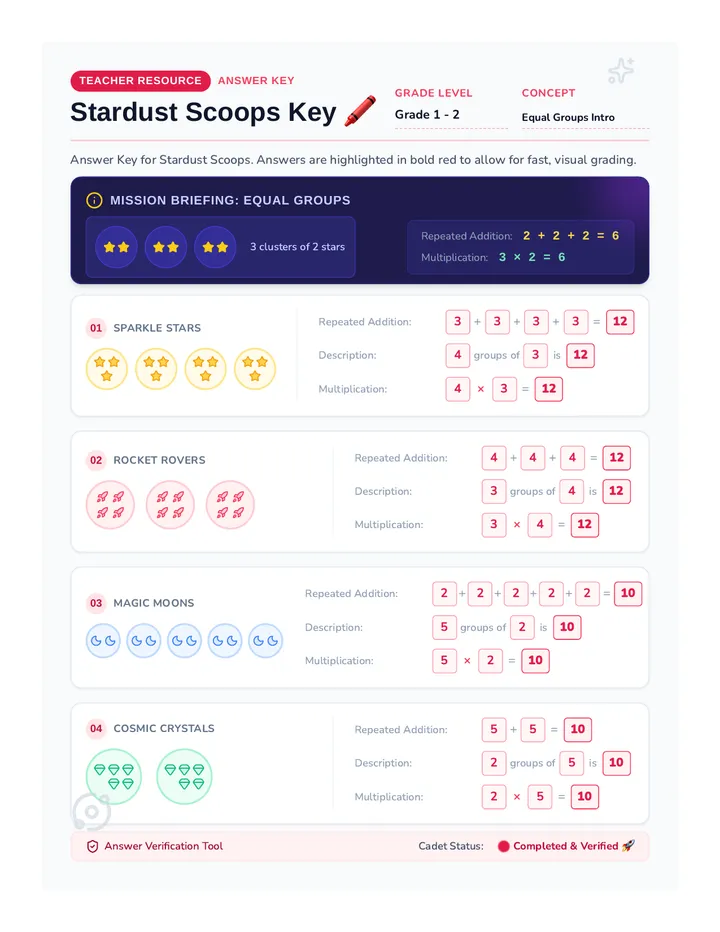
An introductory lesson to multiplication using equal groups and visual representations. Students learn to connect repeated addition to multiplication using starry-themed groups.
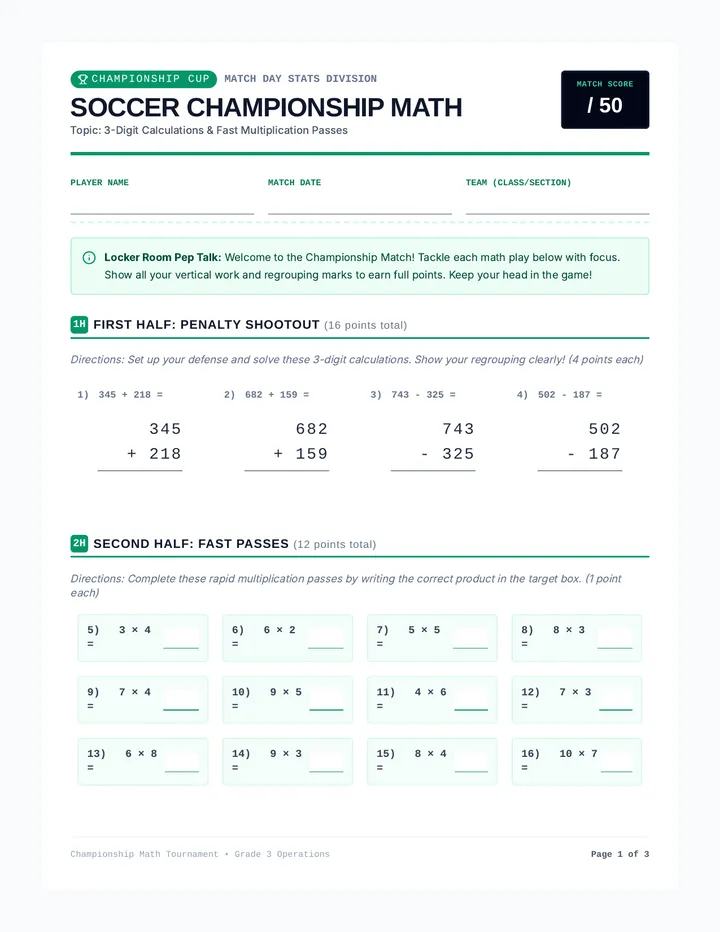
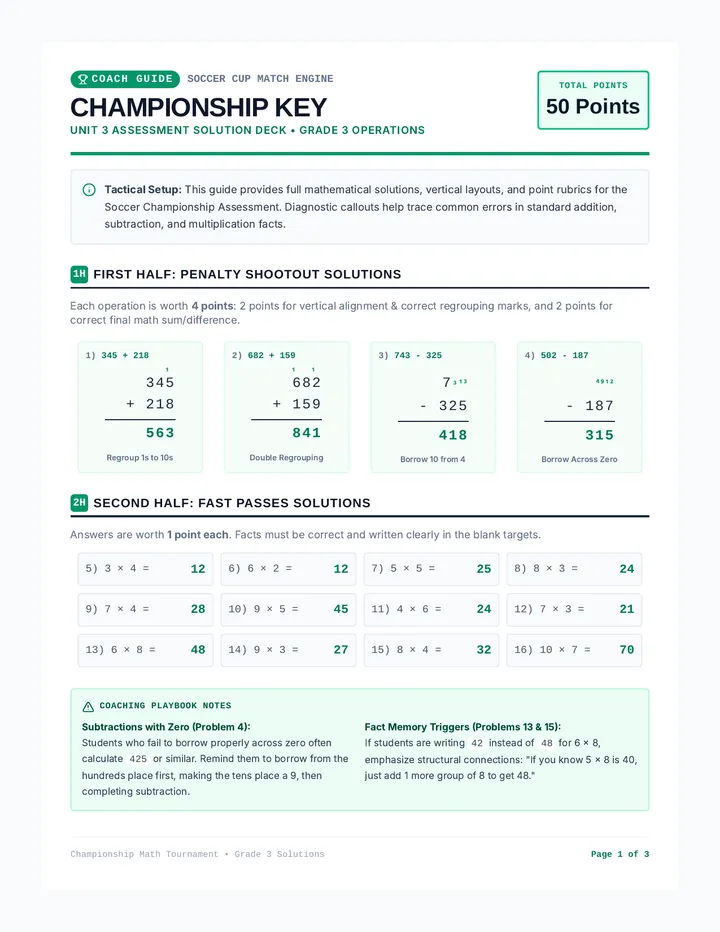
A summative assessment lesson designed for 3rd-grade students to demonstrate mastery of 3-digit operations and basic multiplication, themed around a thrilling soccer championship. Includes a student-facing test and a comprehensive teacher guide with solutions and grading rubrics.
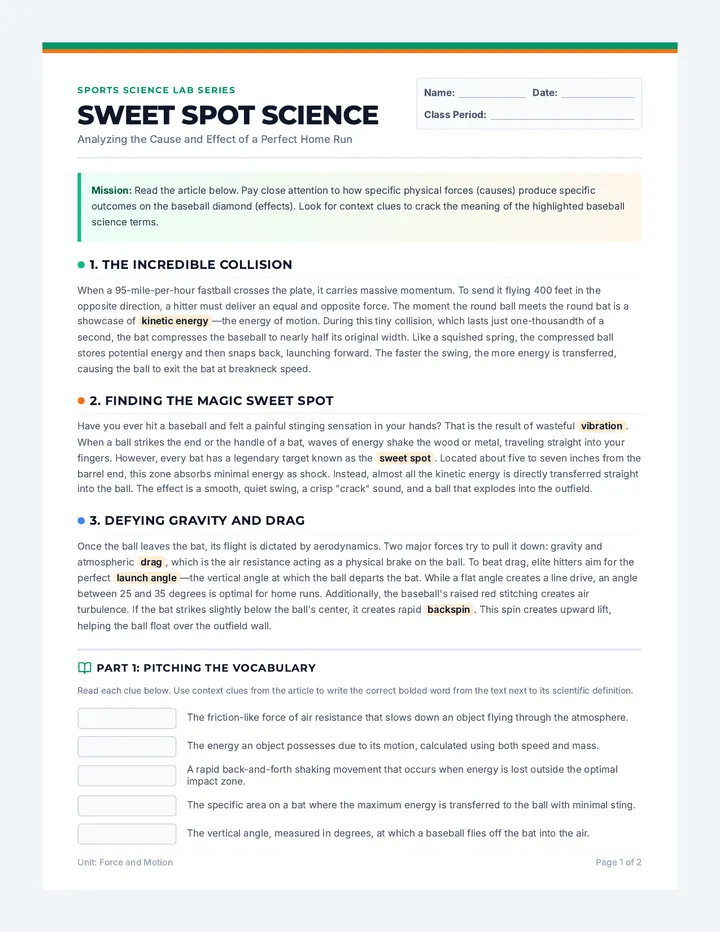
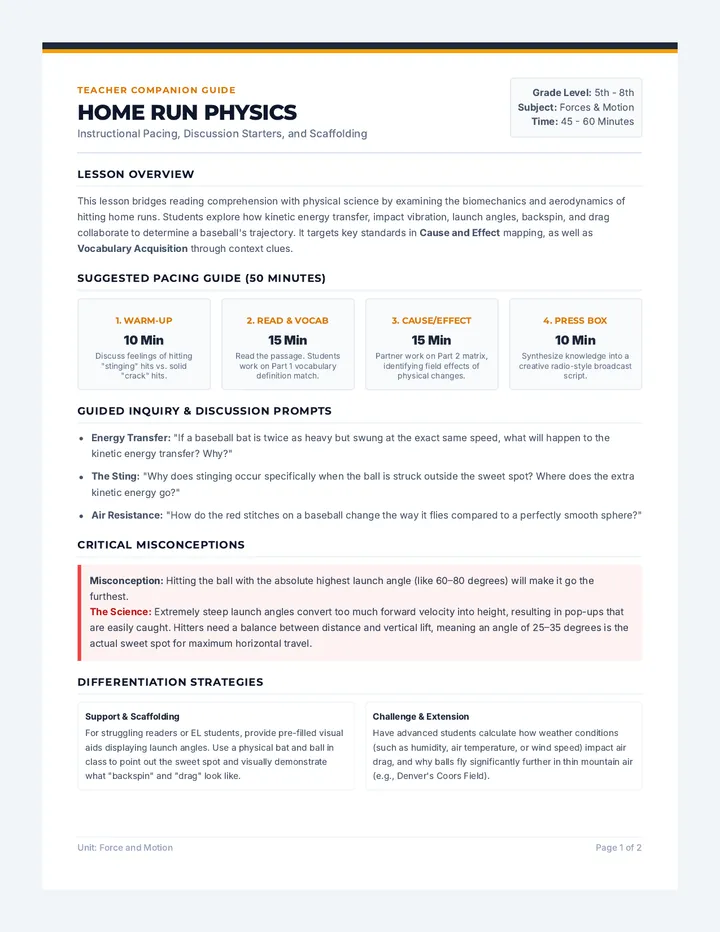
A lesson focused on the physics of hitting a home run in baseball. Students explore cause-and-effect relationships and vocabulary context clues through a reading passage, followed by comprehension questions and a creative writing prompt.
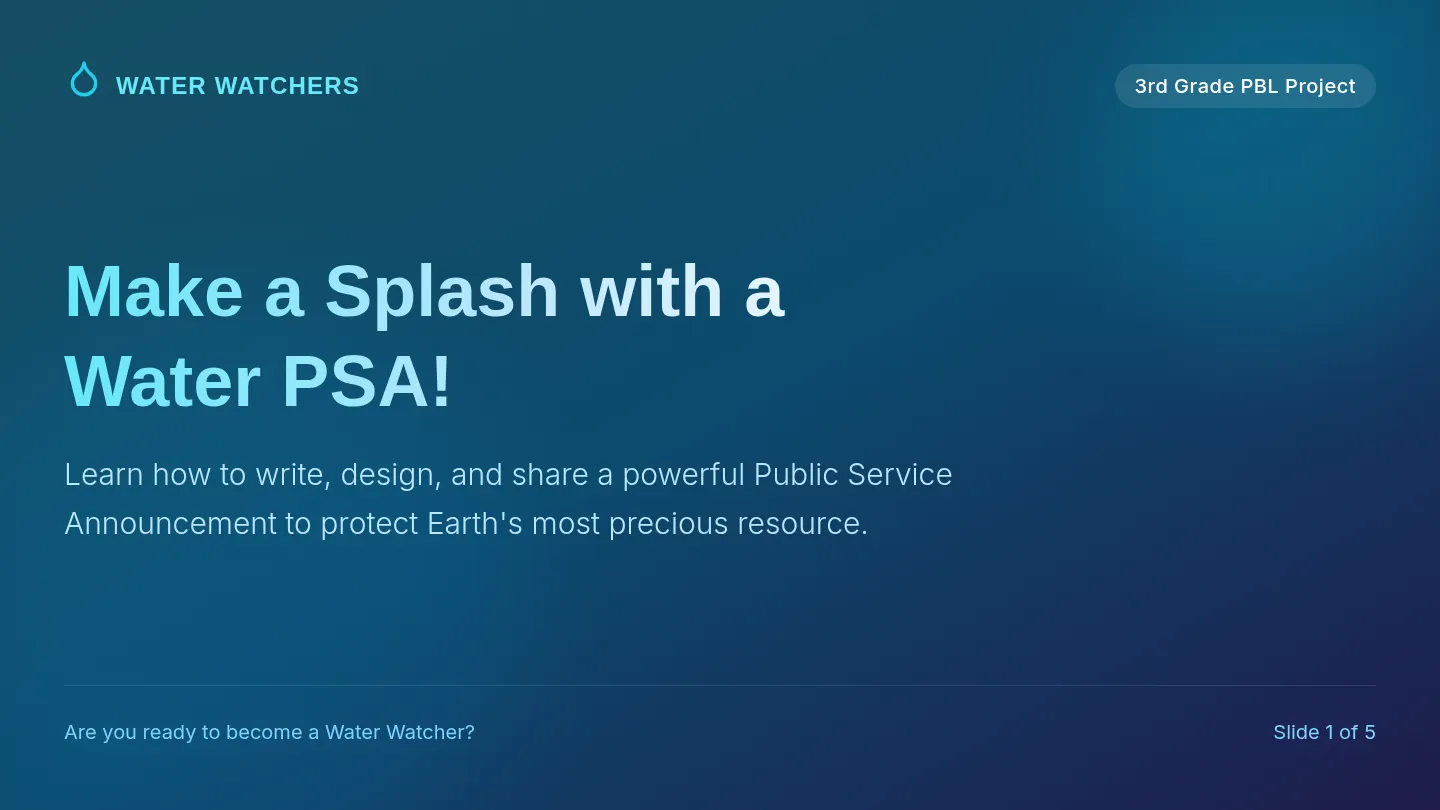
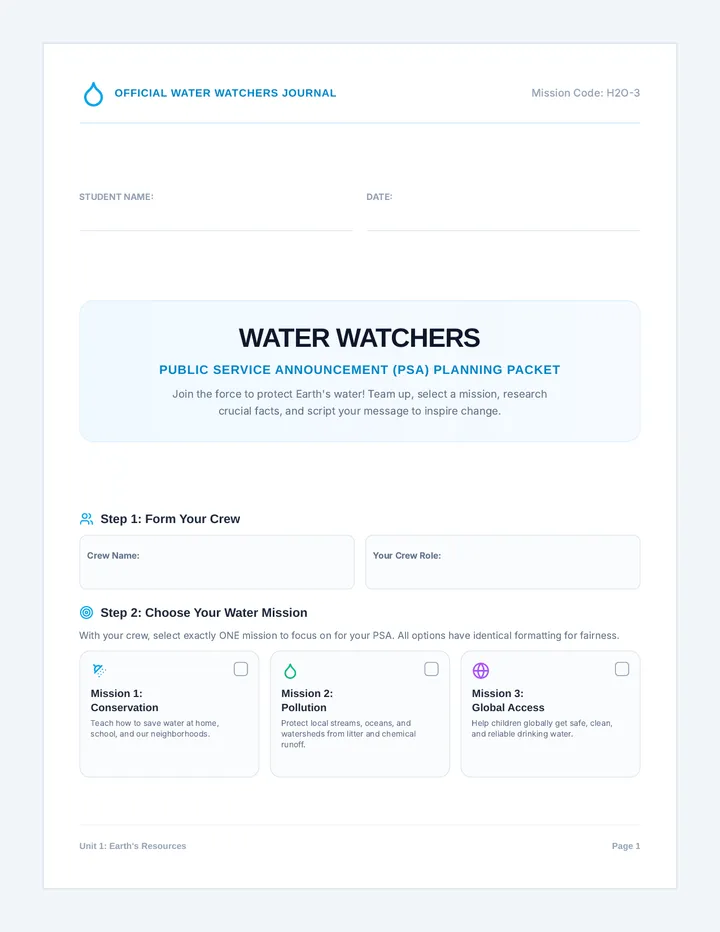
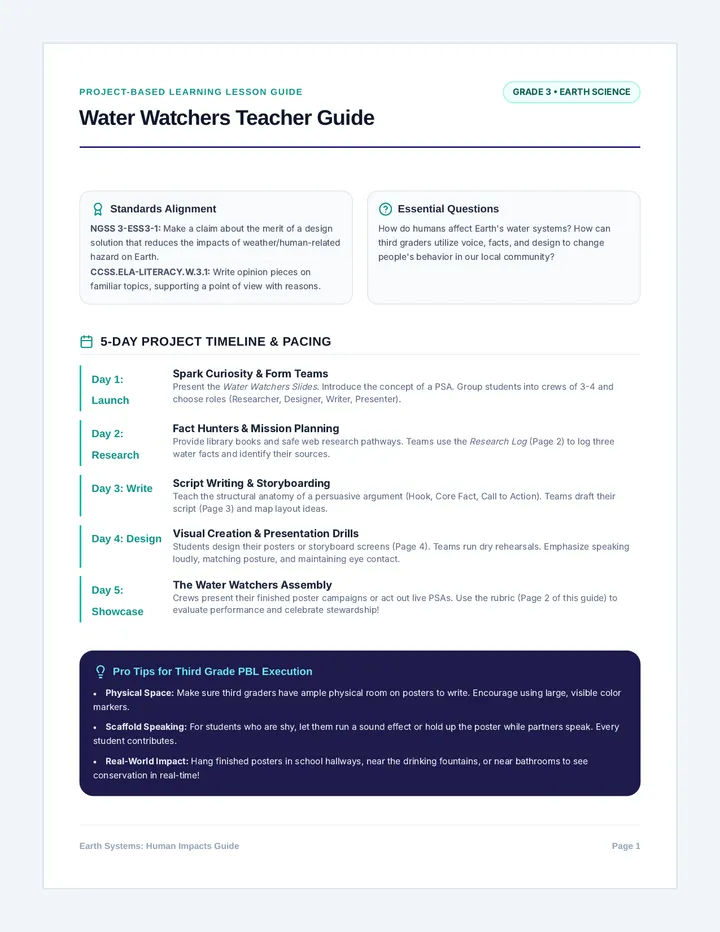
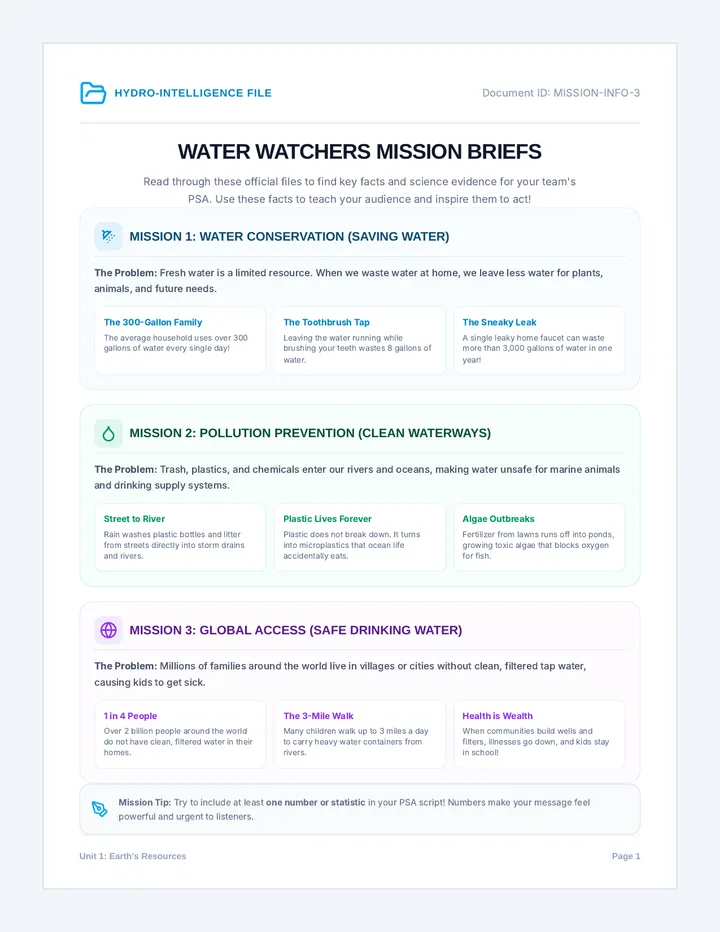
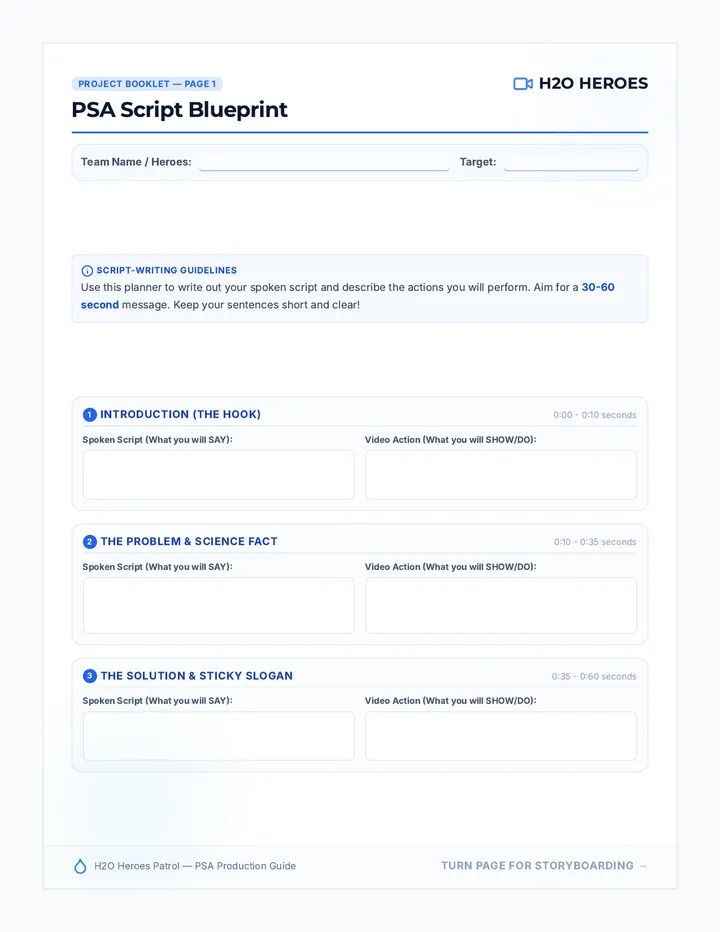
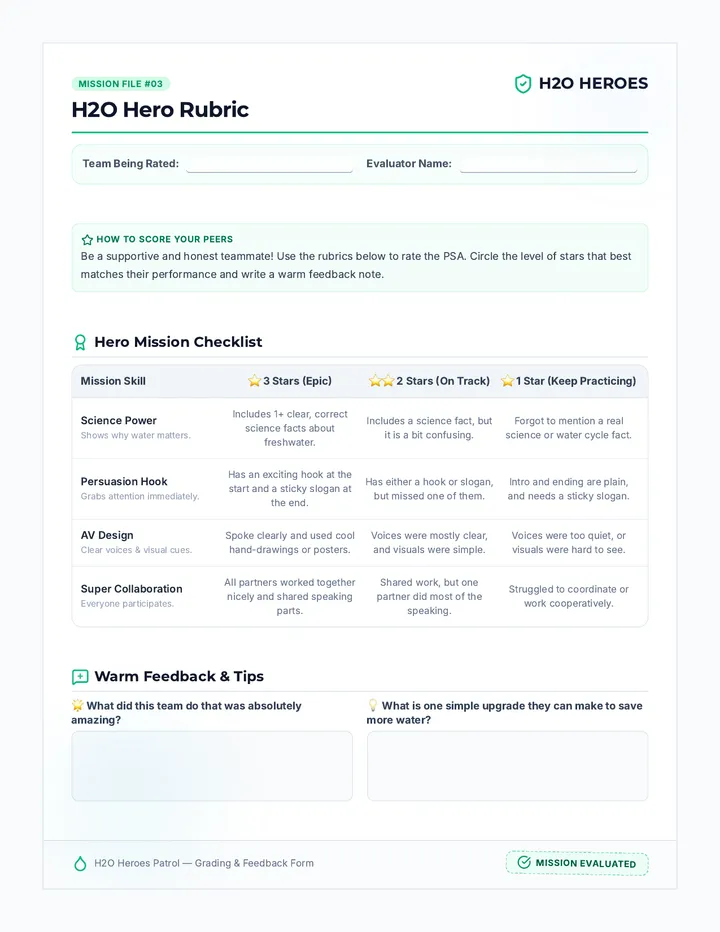
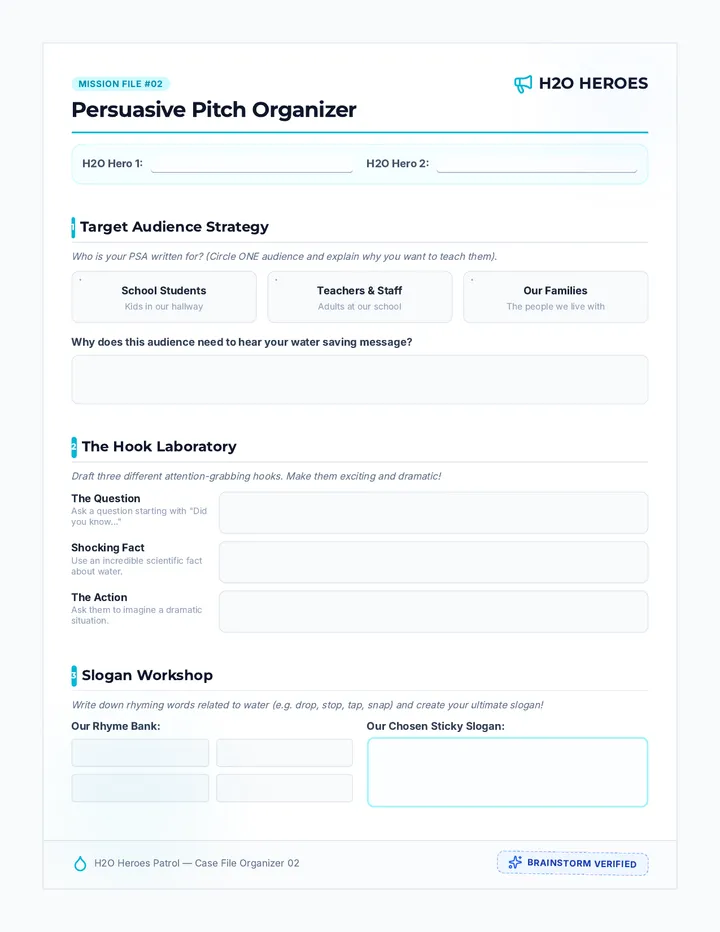
A third-grade project-based learning lesson where students learn about Public Service Announcements (PSAs) and collaborate to create their own media campaign focusing on water conservation, pollution prevention, or global clean water access. Includes an introductory slide deck, student planning packet, and a comprehensive teacher guide with rubrics.
Students collaborate in teams to script, storyboard, and edit their water conservation PSA, which they will then present to make a difference in their community.
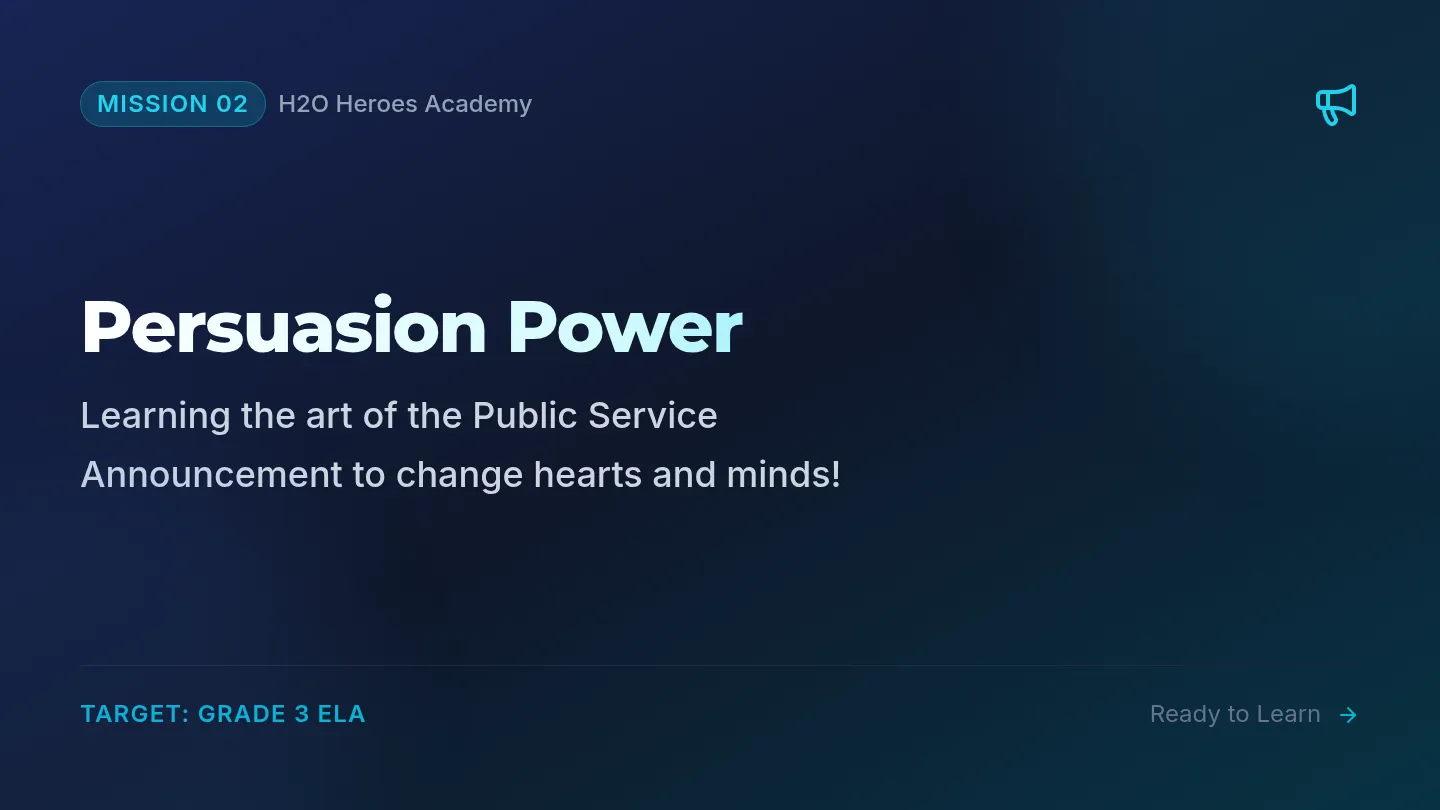
Students learn the elements of persuasive communication, including target audience, emotional appeal, memorable slogans, and engaging hooks, laying the groundwork for their PSA scripts.
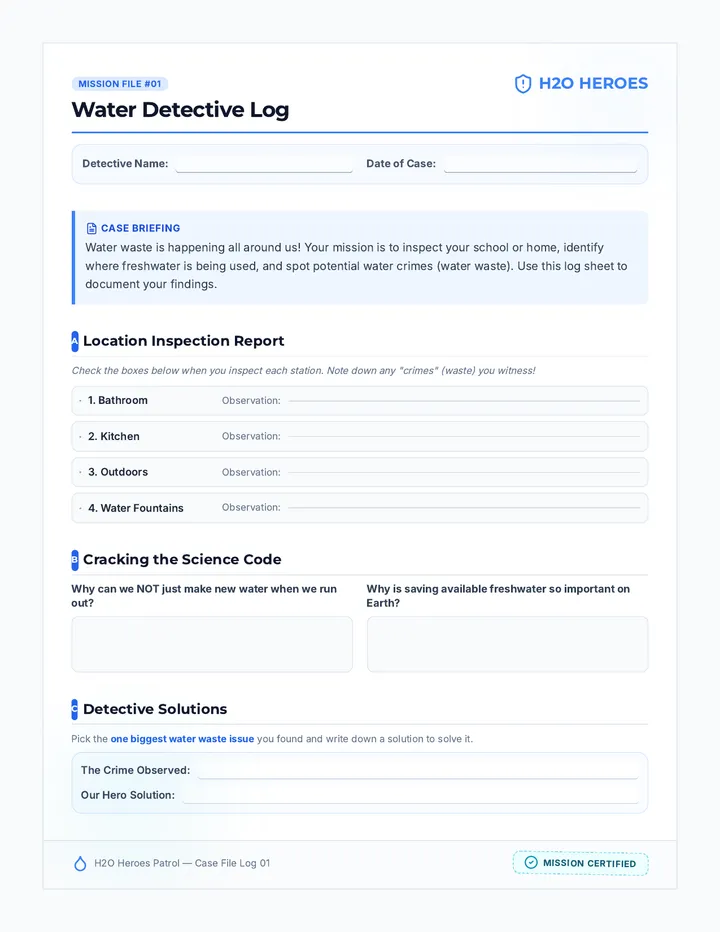
Students explore the distribution of water on Earth, discover how little freshwater is accessible for human use, and learn the science of why water conservation is critical.
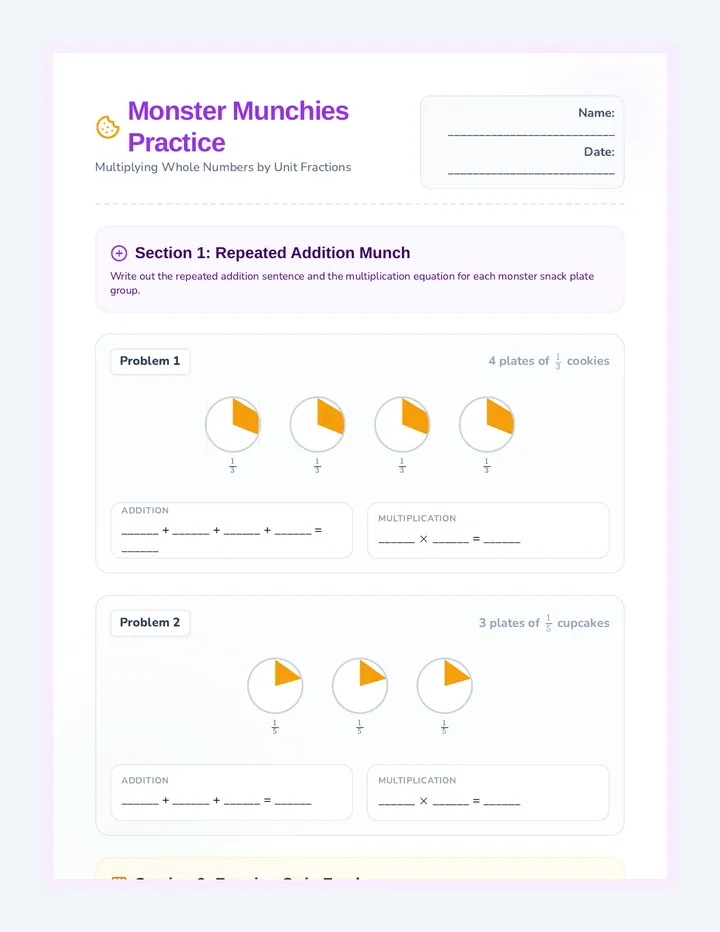
A Grade 4 math lesson introducing multiplication of a whole number by a unit fraction using visual models including repeated addition, fraction strips, and number lines.
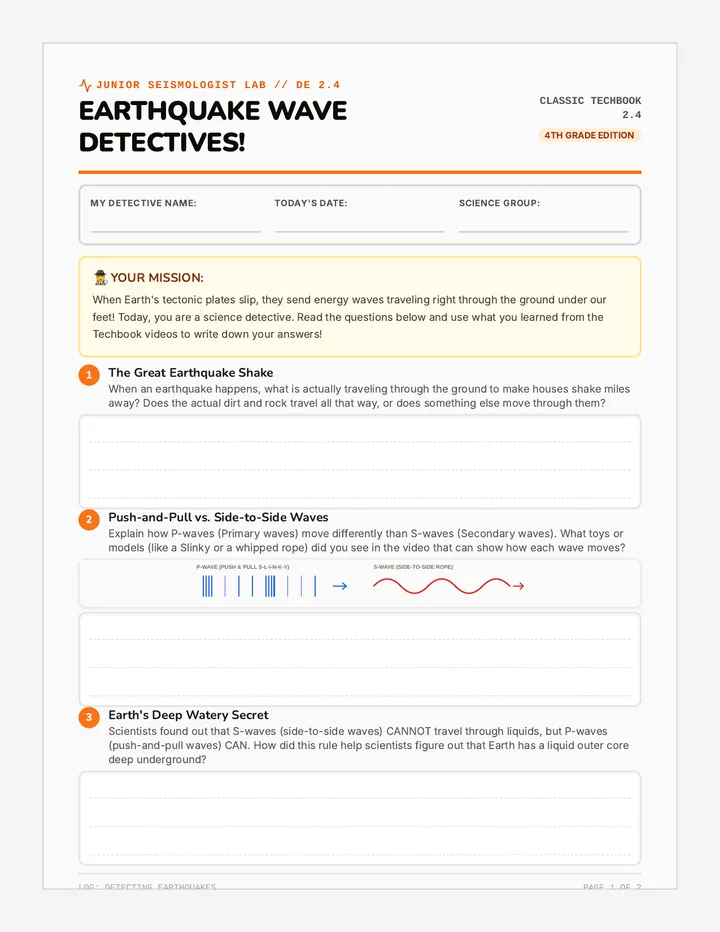
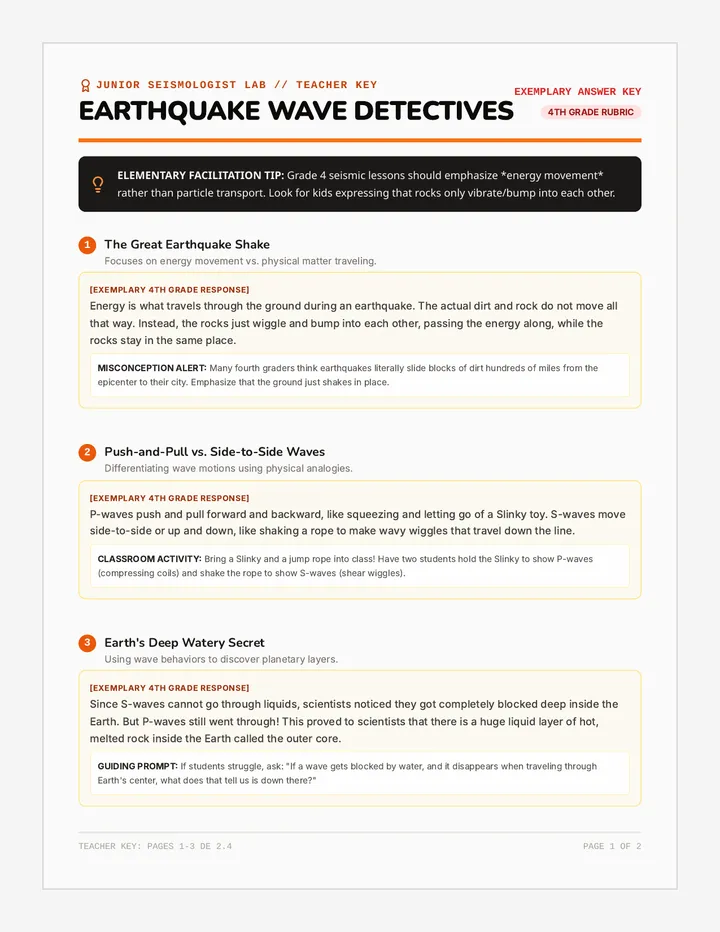
This lesson covers the fundamentals of seismic energy, comparing P-waves and S-waves, analyzing seismograph readouts, and exploring how scientists decode the Earth's interior structure.
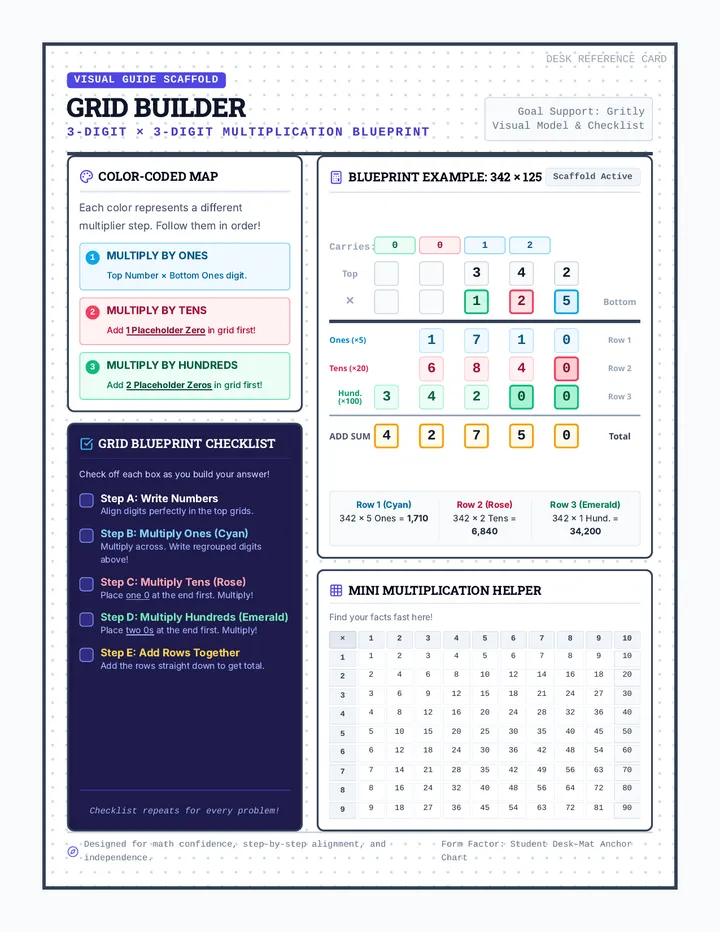
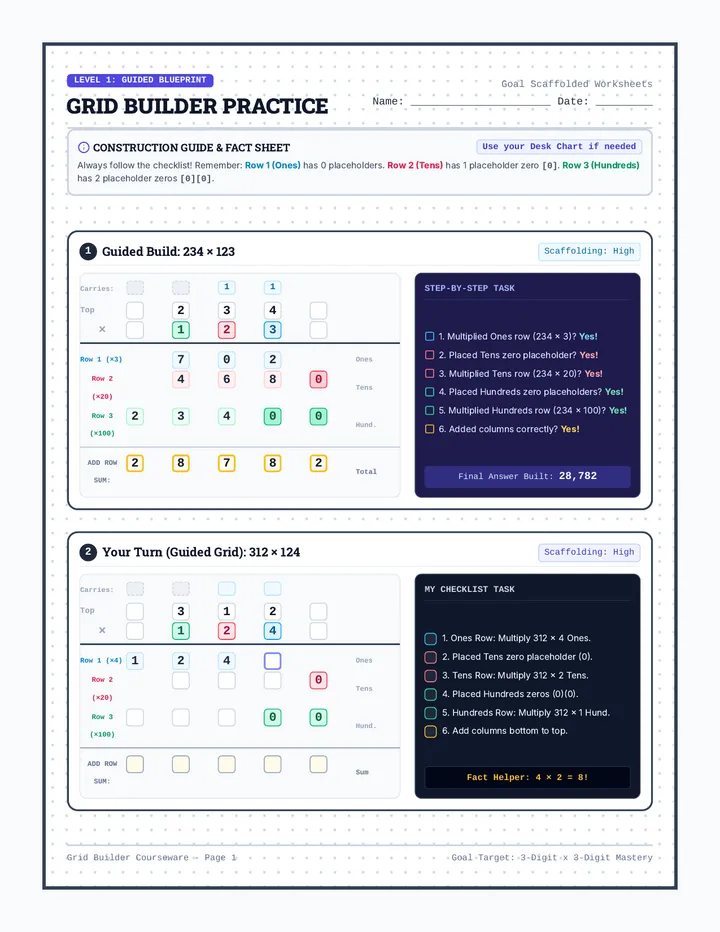
A highly structured, scaffolded lesson designed to help students master three-digit by three-digit multiplication using color-coded grids, a step-by-step task-analysis checklist, and sequential progress monitoring.
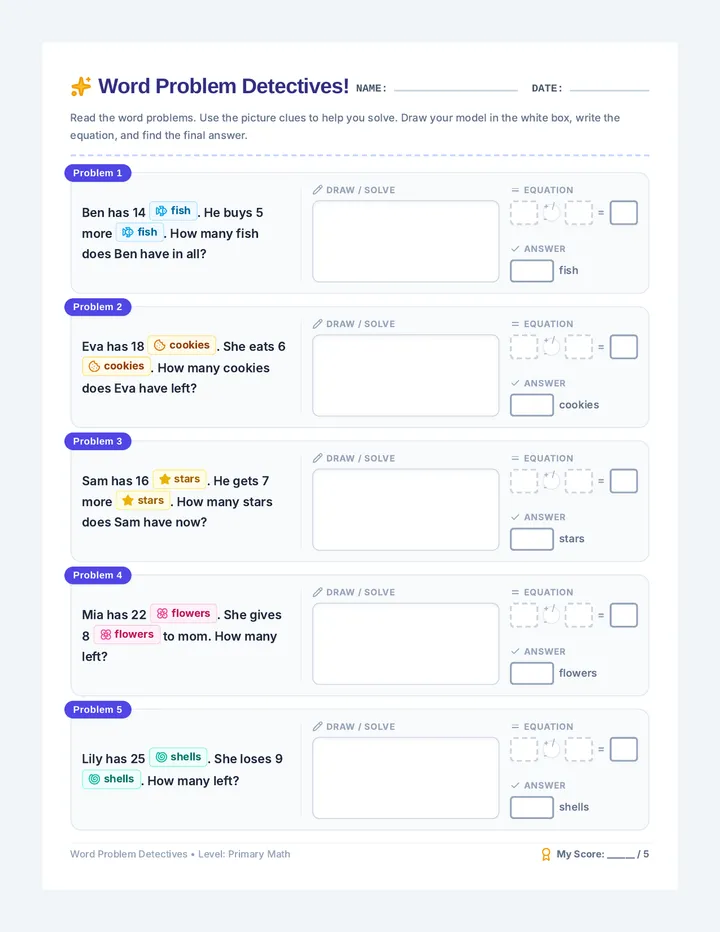
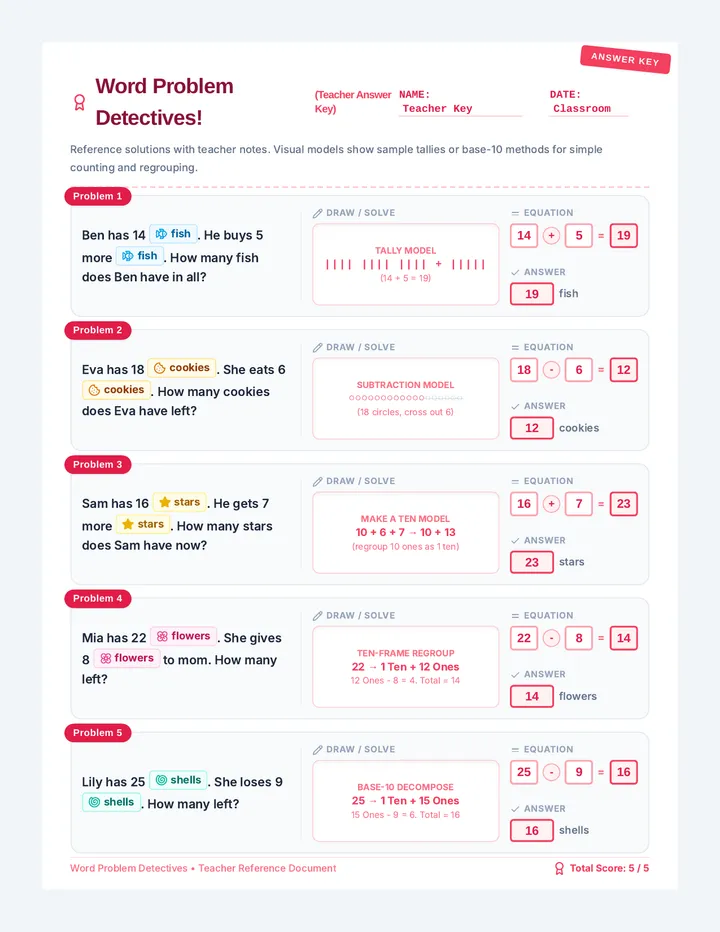
A lesson focused on solving one-step word problems involving addition and subtraction. Students practice recognizing active language cues, modeling their thinking, and writing equations.
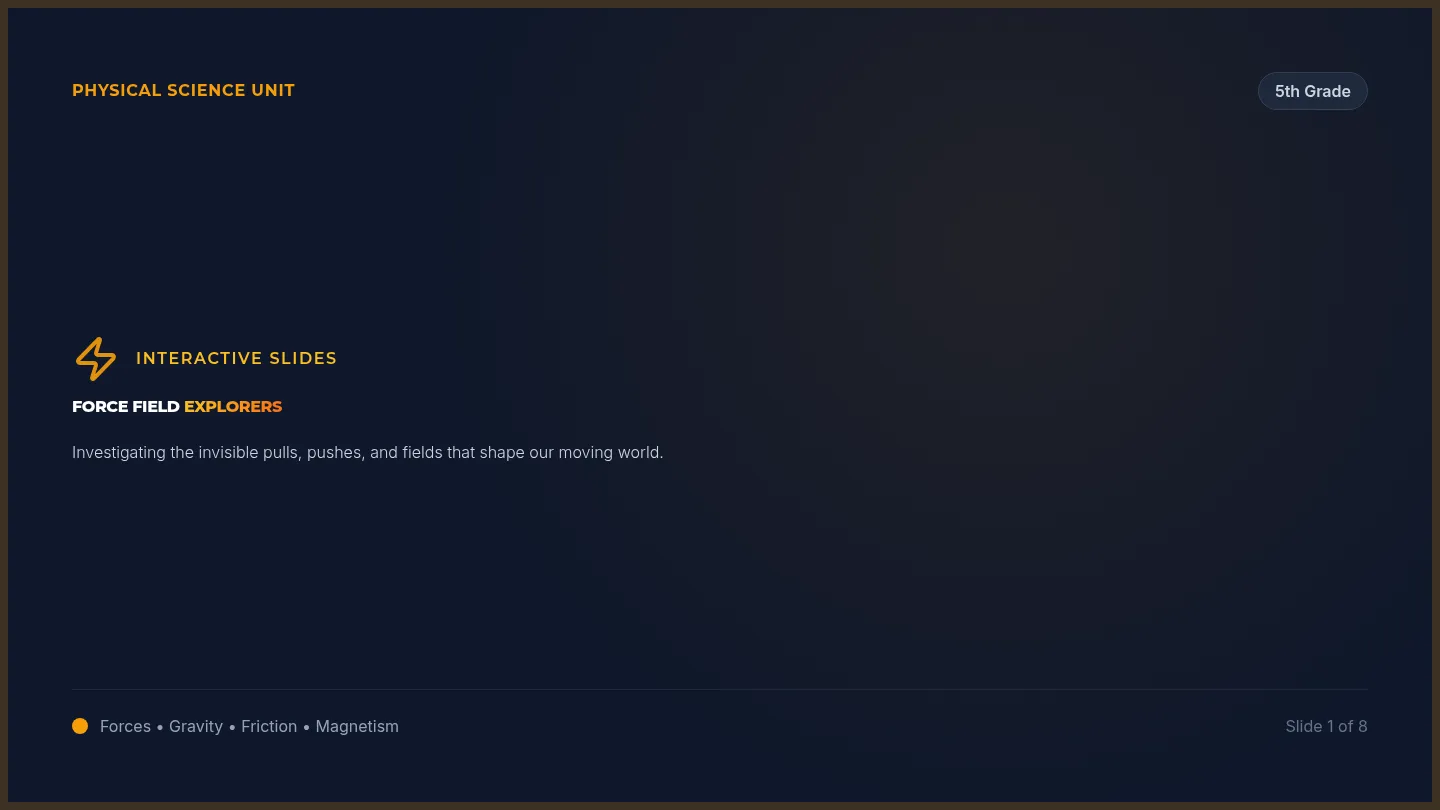
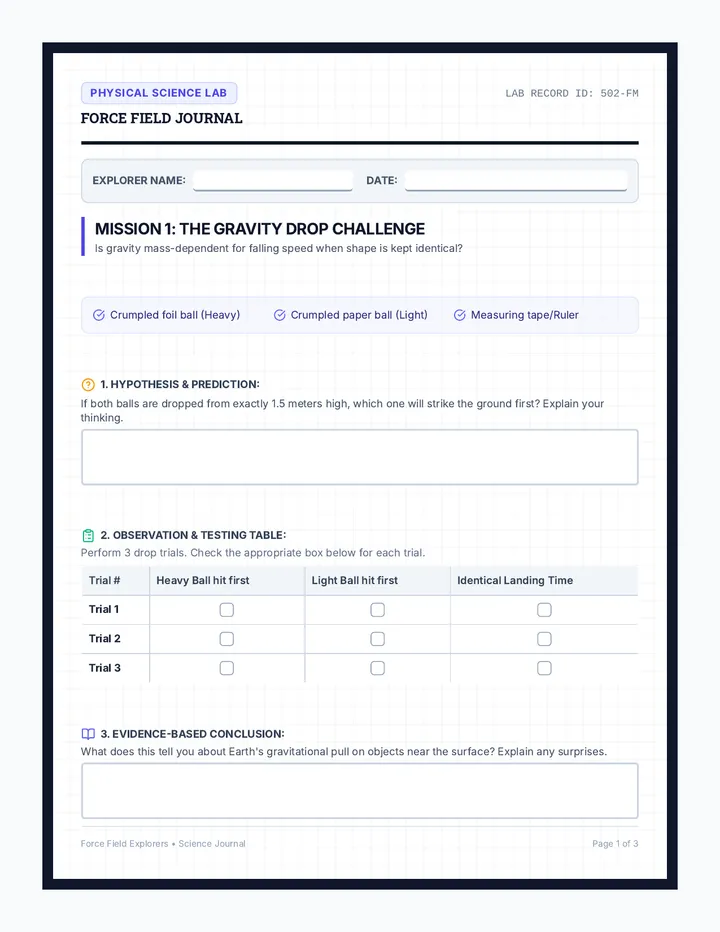
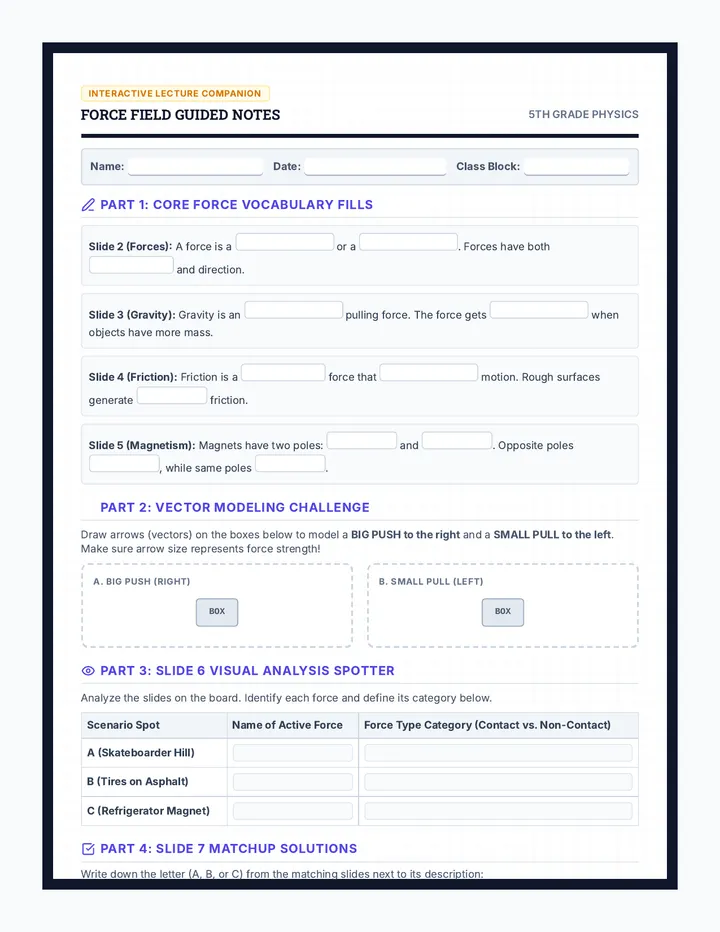
An active, inquiry-driven introduction to forces, gravity, friction, and magnetism. Students explore concepts through a slide deck, guided notes, hands-on inquiry journals with data graphing, independent scenario practices, and a differentiated choice board.
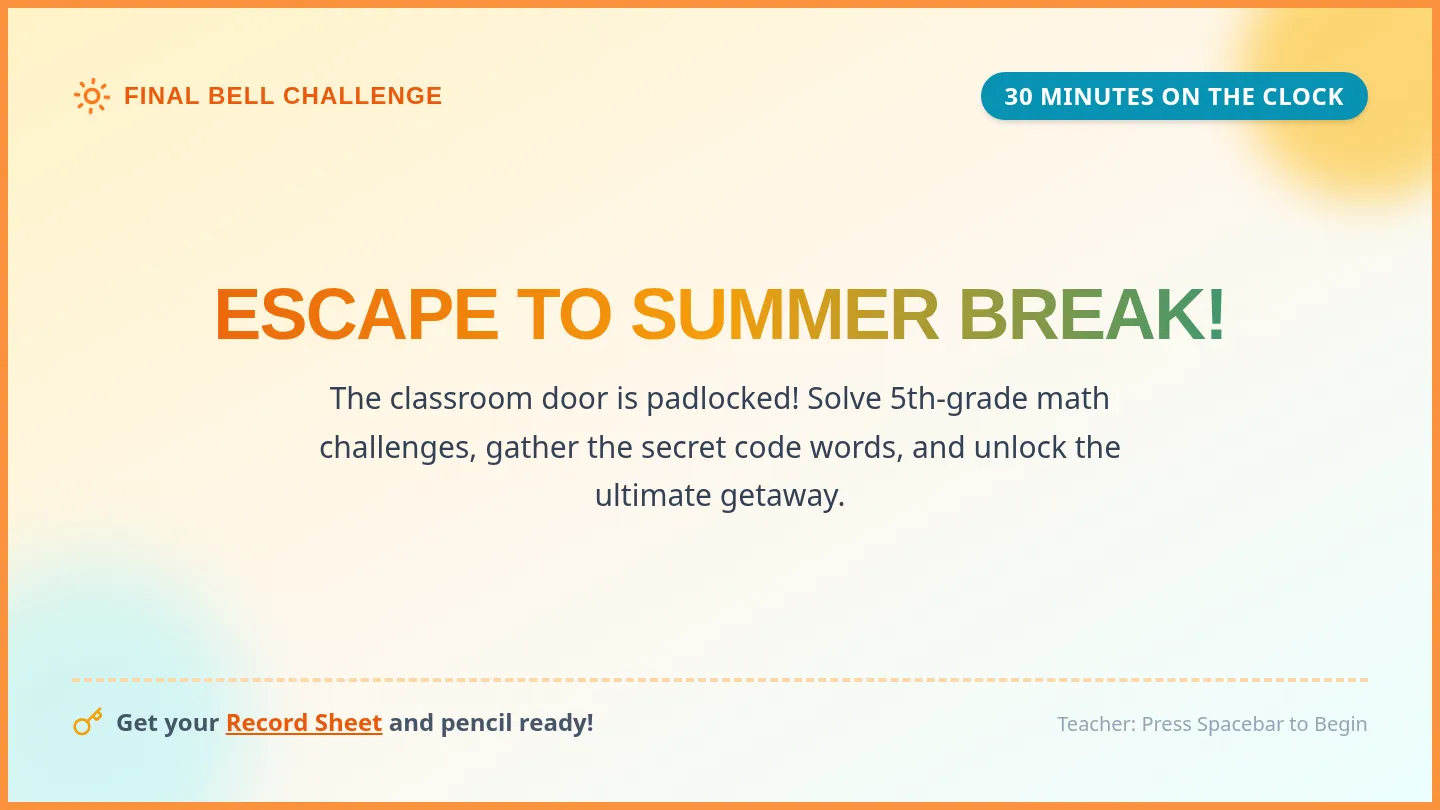
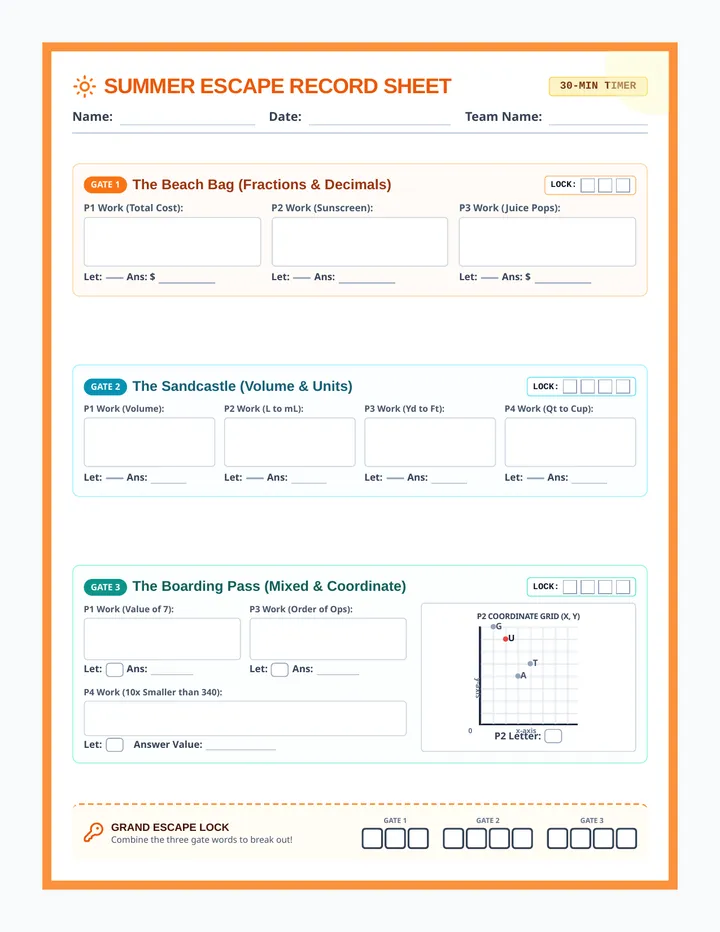
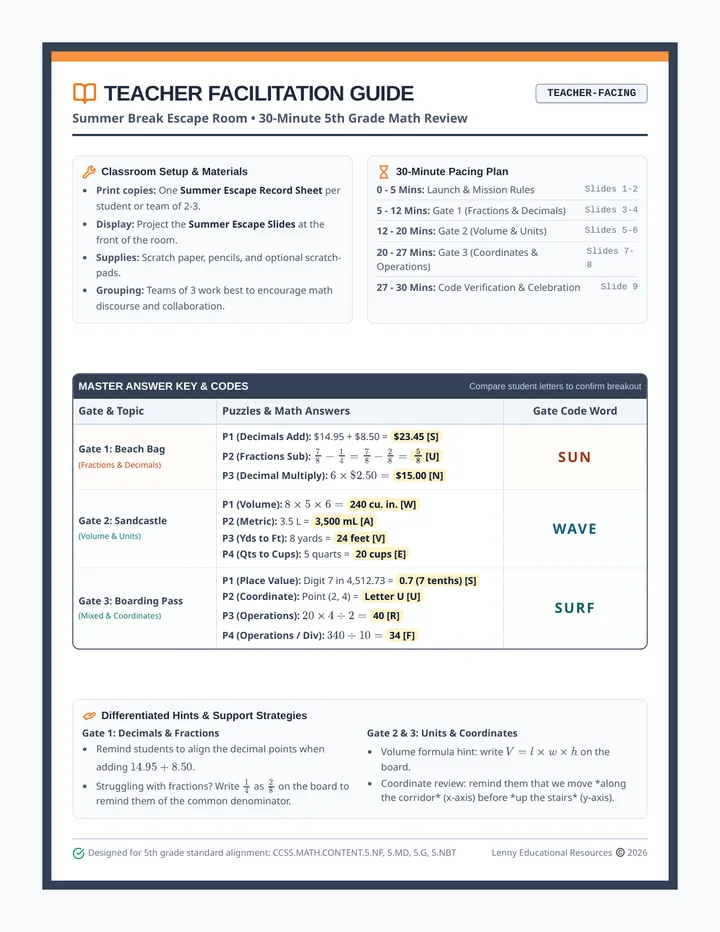
A 30-minute interactive math escape room lesson designed for 5th graders to review fractions, decimals, volume, measurement conversions, and coordinate graphing while racing against the clock to unlock 'Summer Break'.
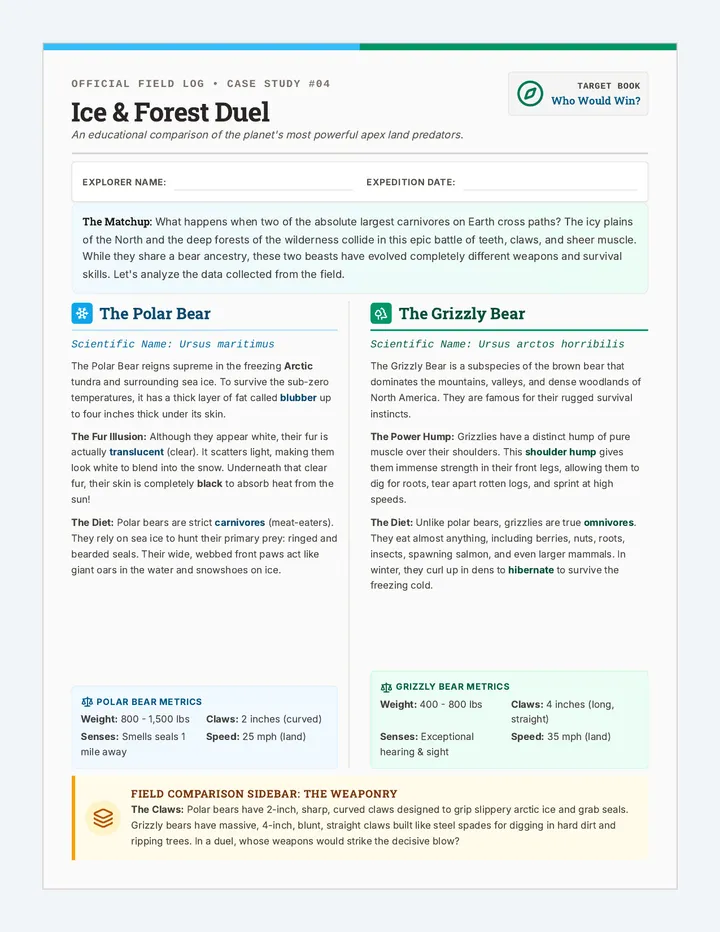
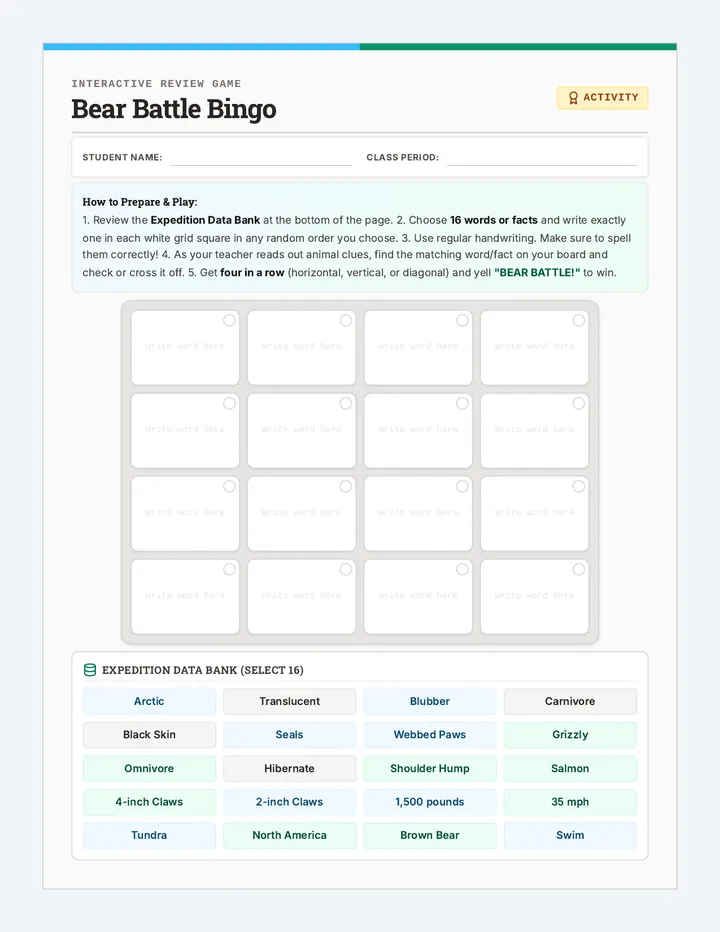
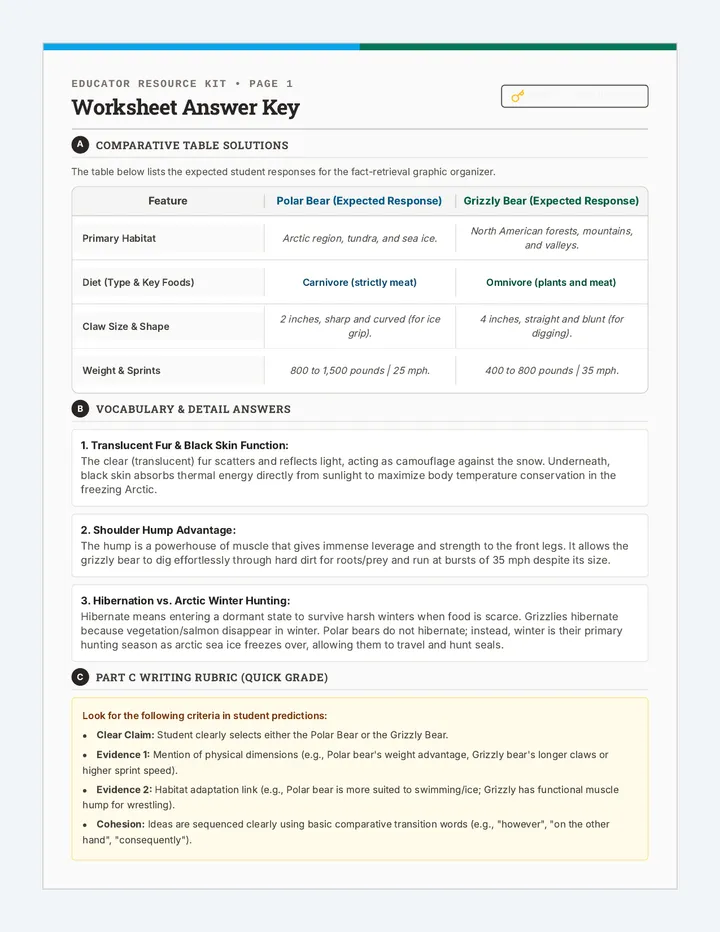
A thrilling comparison lesson focused on polar bears and grizzly bears. Students read a themed comparison passage, complete fact-retrieval questions, and play a write-in bingo review game based on the book 'Who Would Win? Polar Bear vs. Grizzly Bear'.
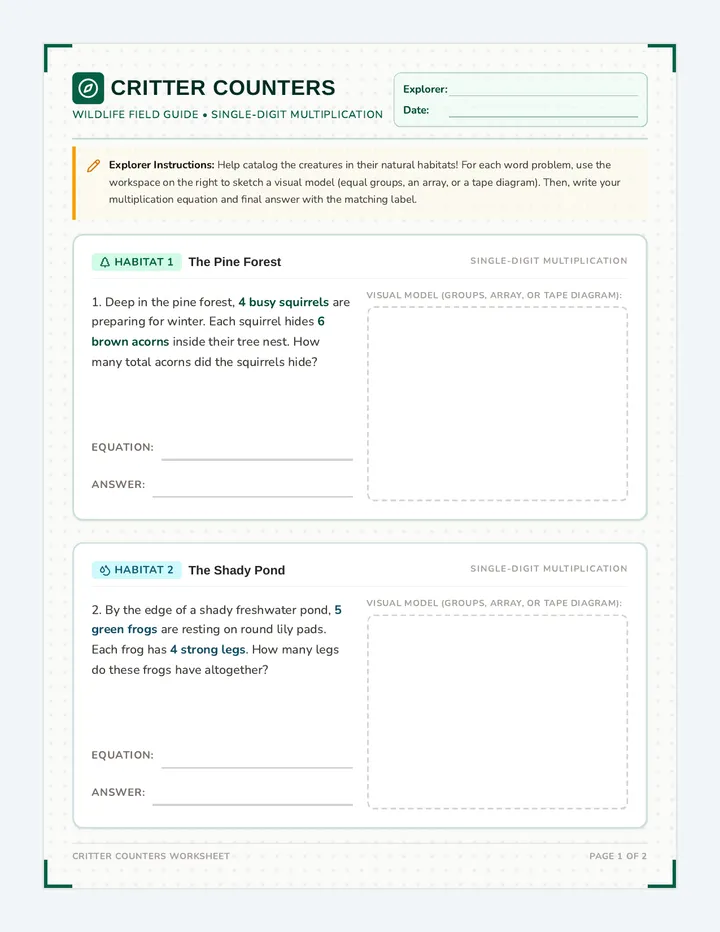
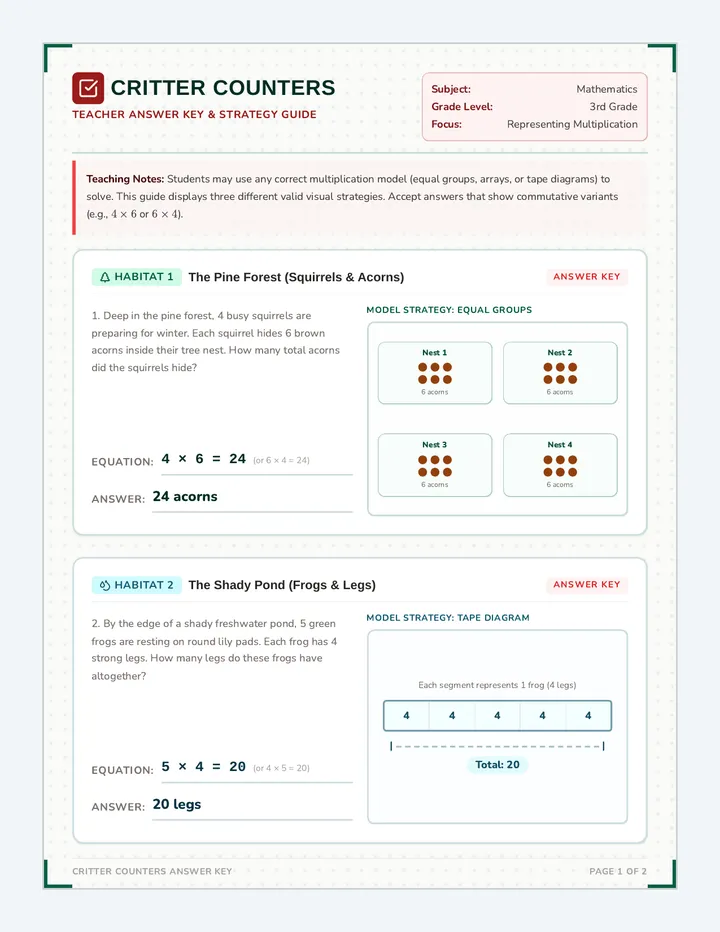
A single-digit multiplication lesson centered around animal counts and habitat scenarios. Students solve word problems using visual representations like arrays, equal groups, and tape diagrams.
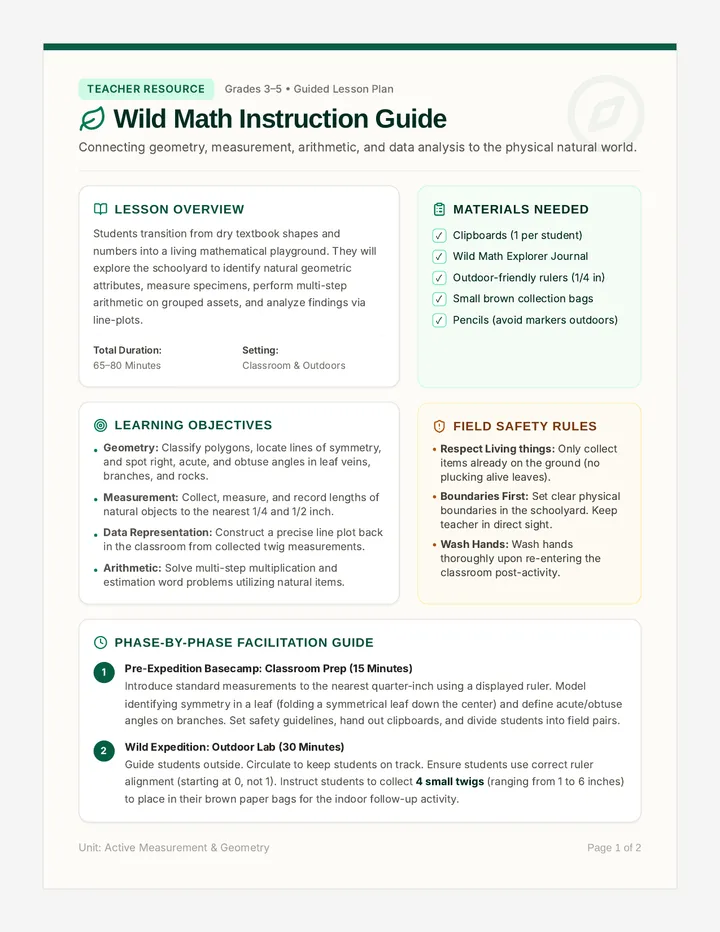
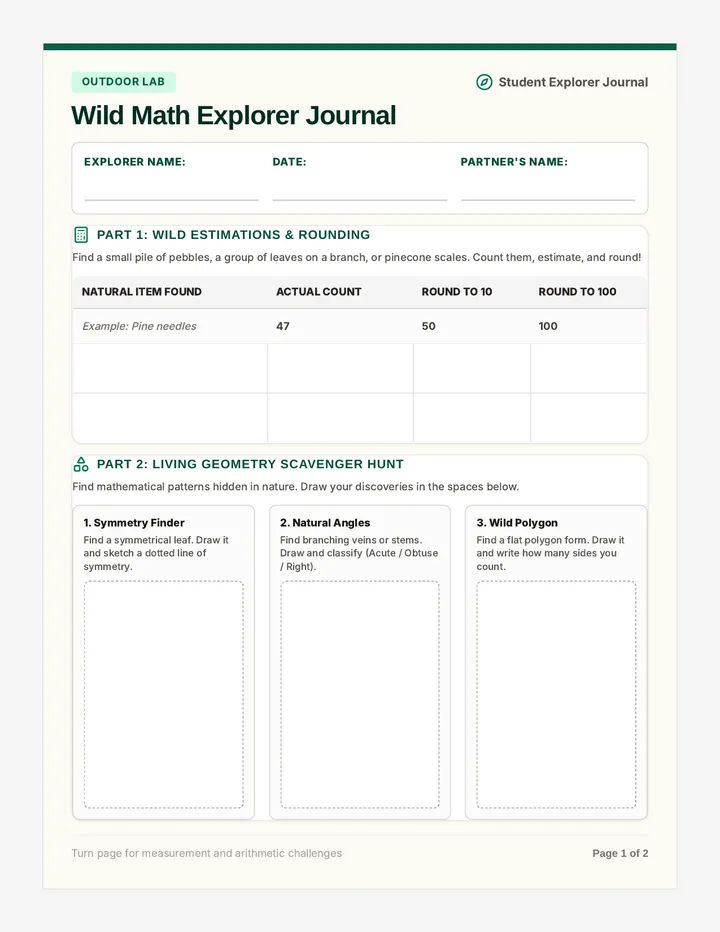
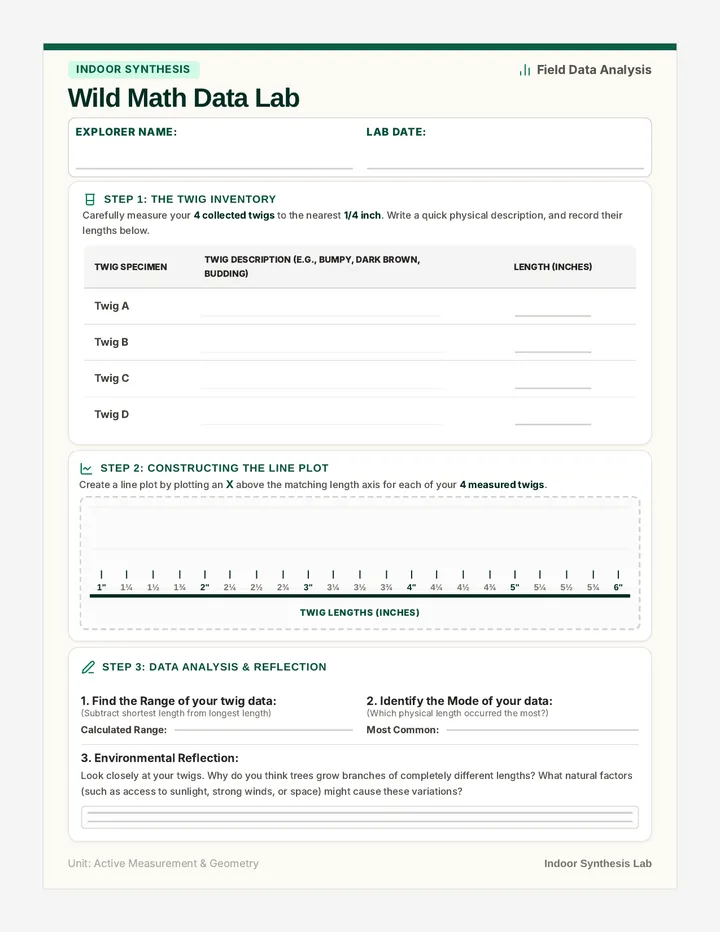
A complete outdoor learning experience where students explore mathematical concepts in the natural world. This lesson bundle connects geometry, measurement, estimation, and word problems directly to physical nature finds, followed by an indoor data-analysis session.
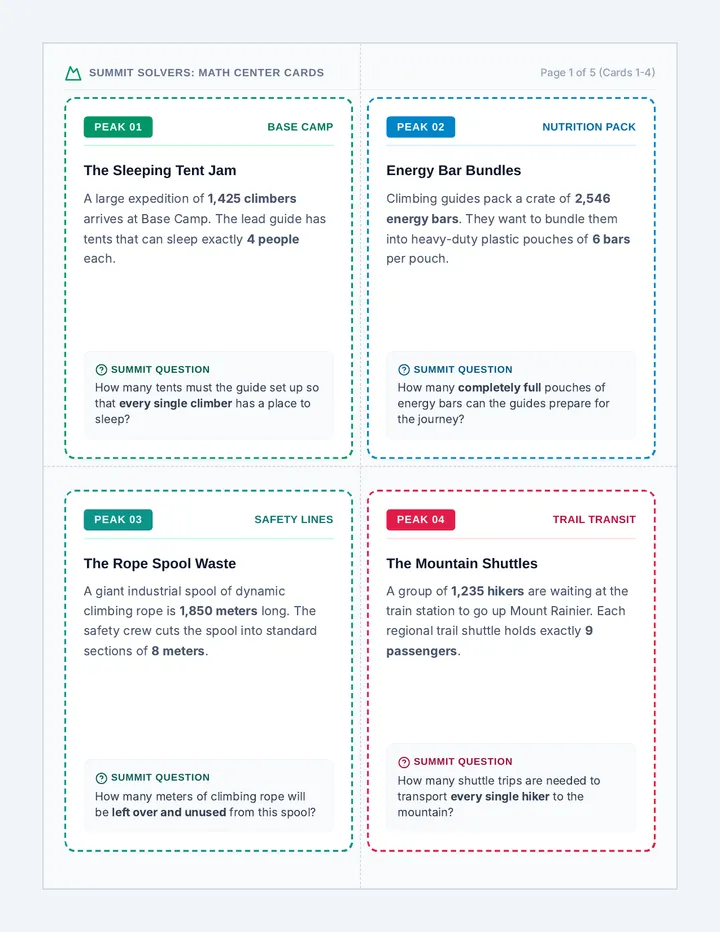
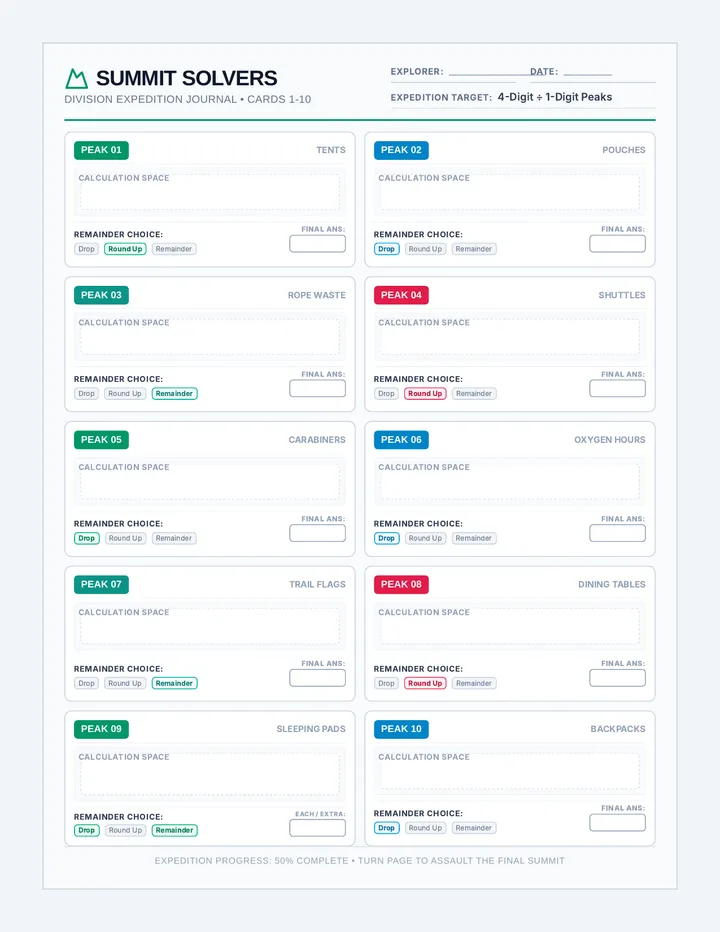
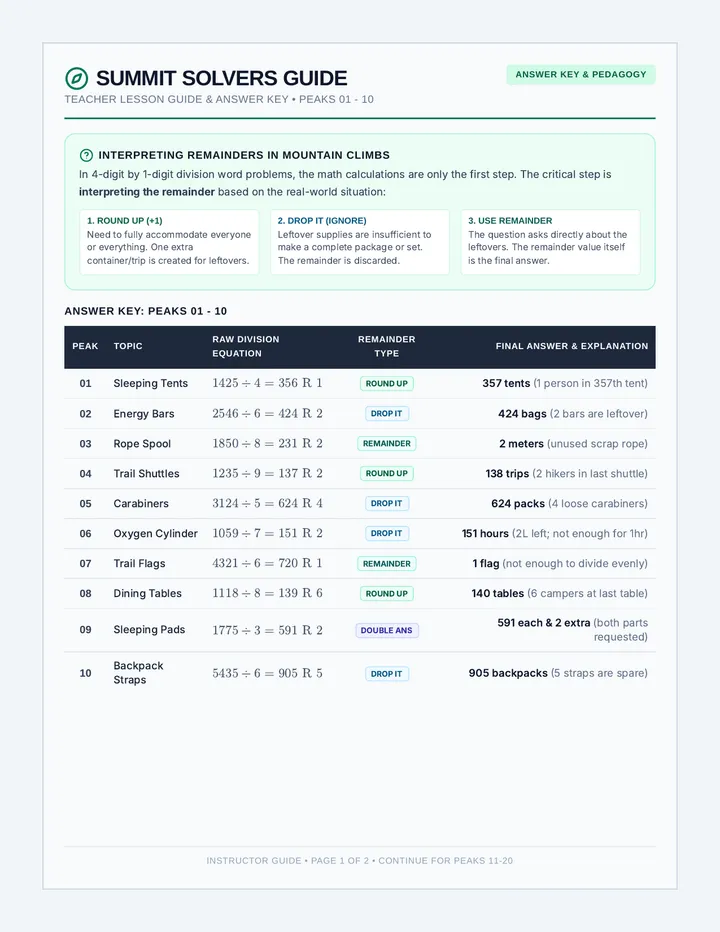
A math lesson focused on solving and interpreting 4-digit by 1-digit division word problems with remainders in a mountain climbing theme. Includes task cards, a recording sheet, and a detailed teacher answer guide.
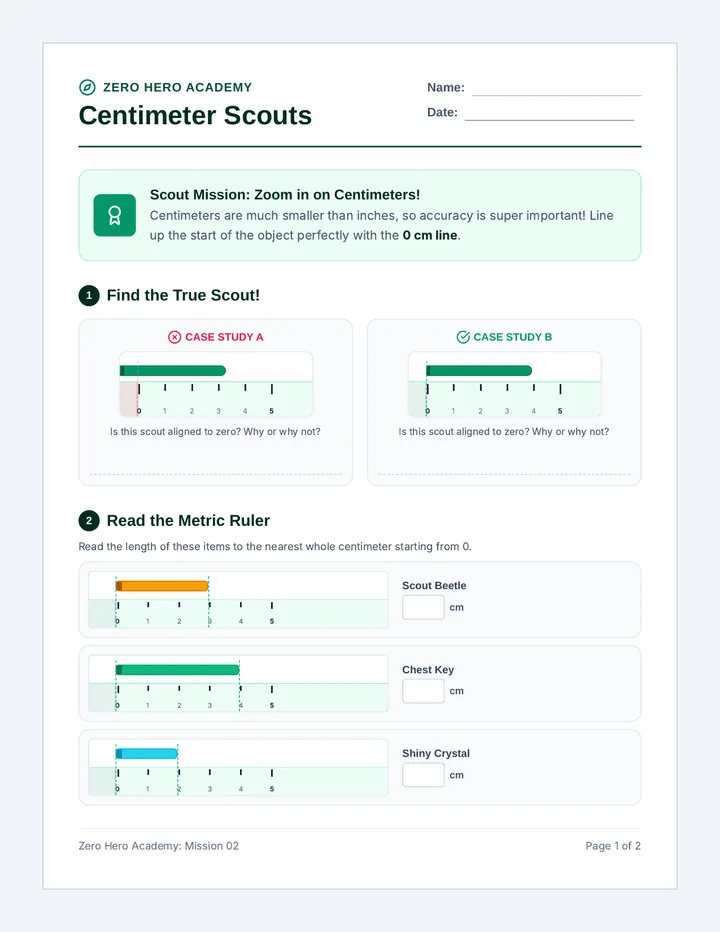
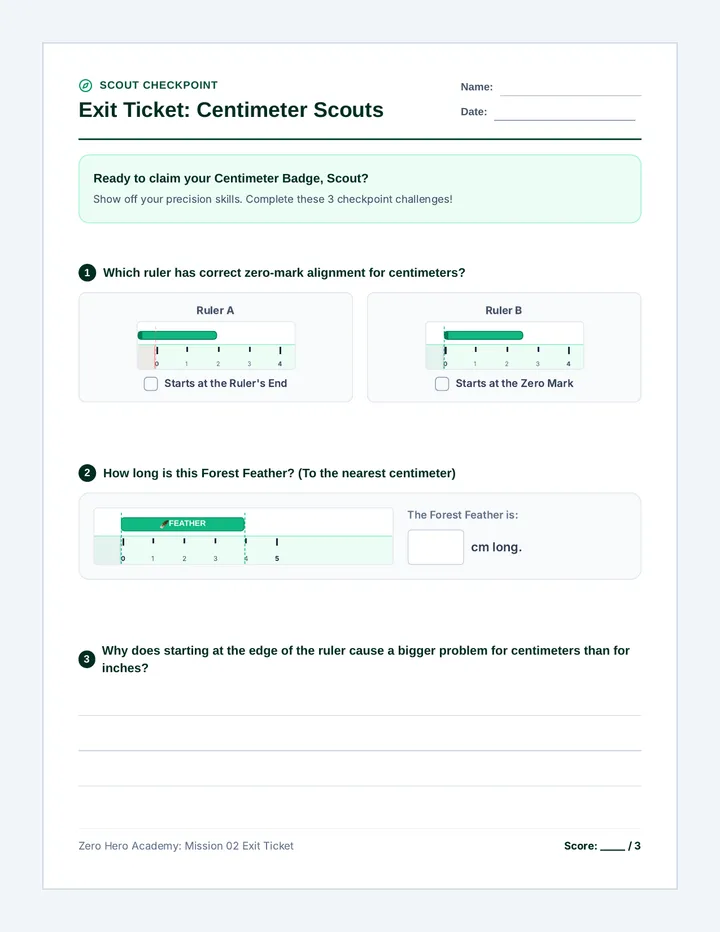
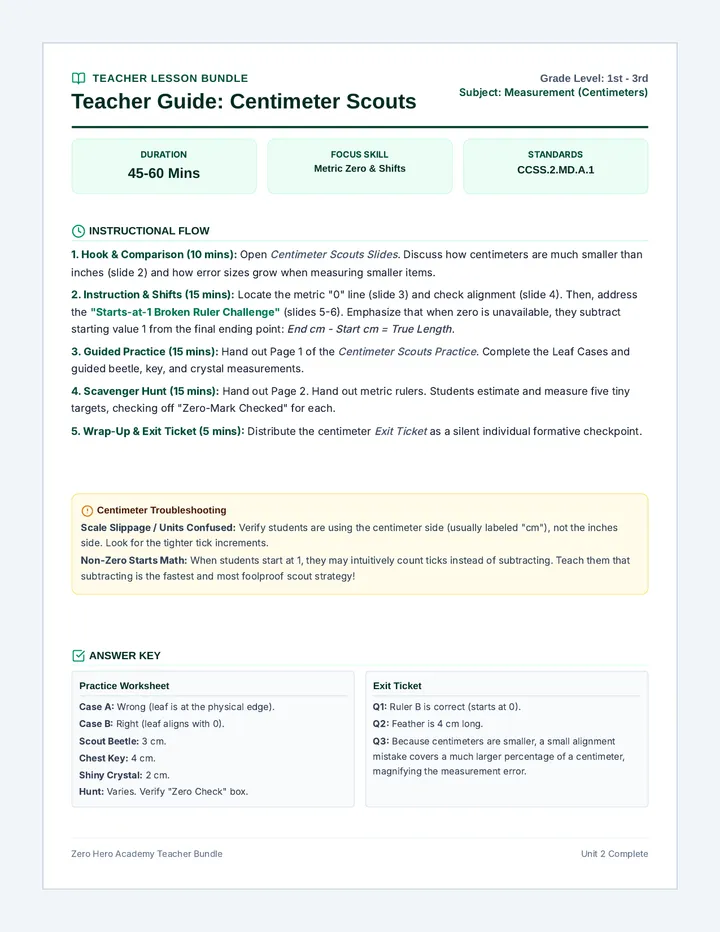
Students apply their measurement skills to the metric system, learning about centimeters and practicing precise measurement starting at the zero mark.
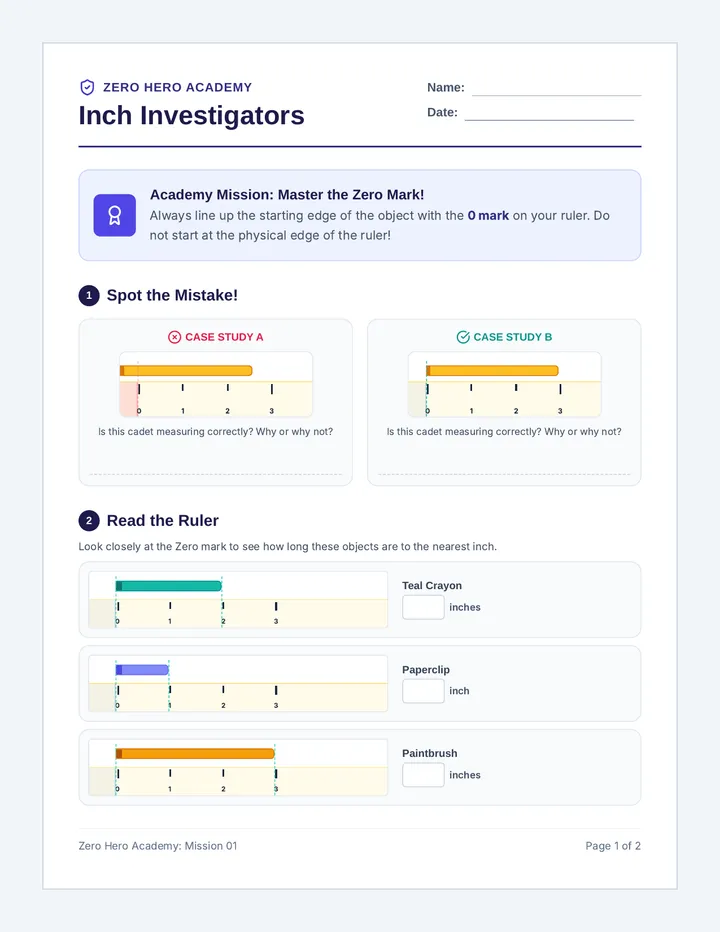
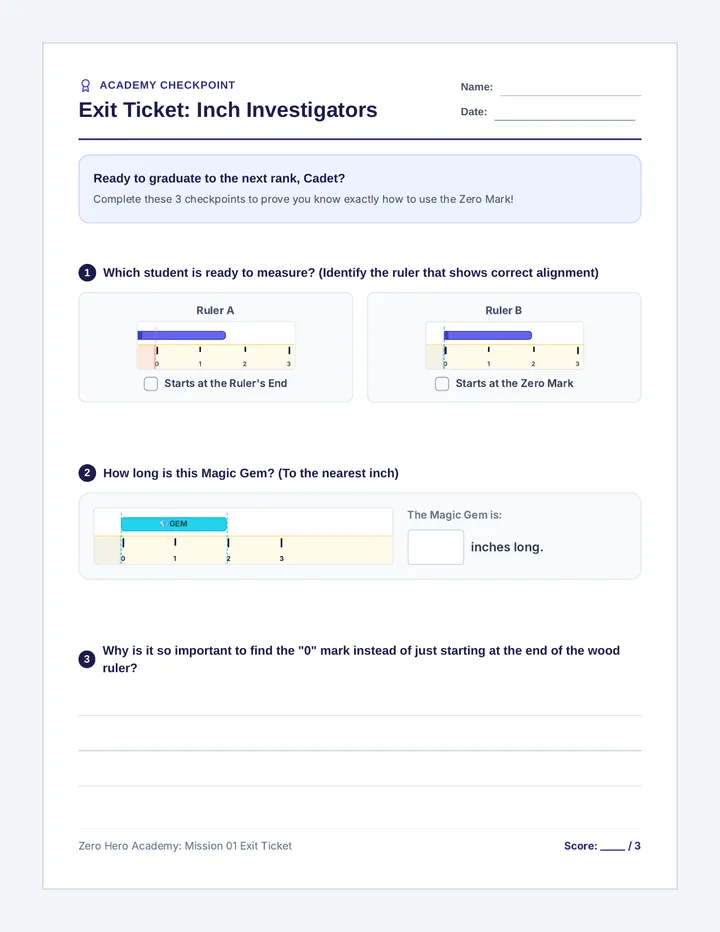
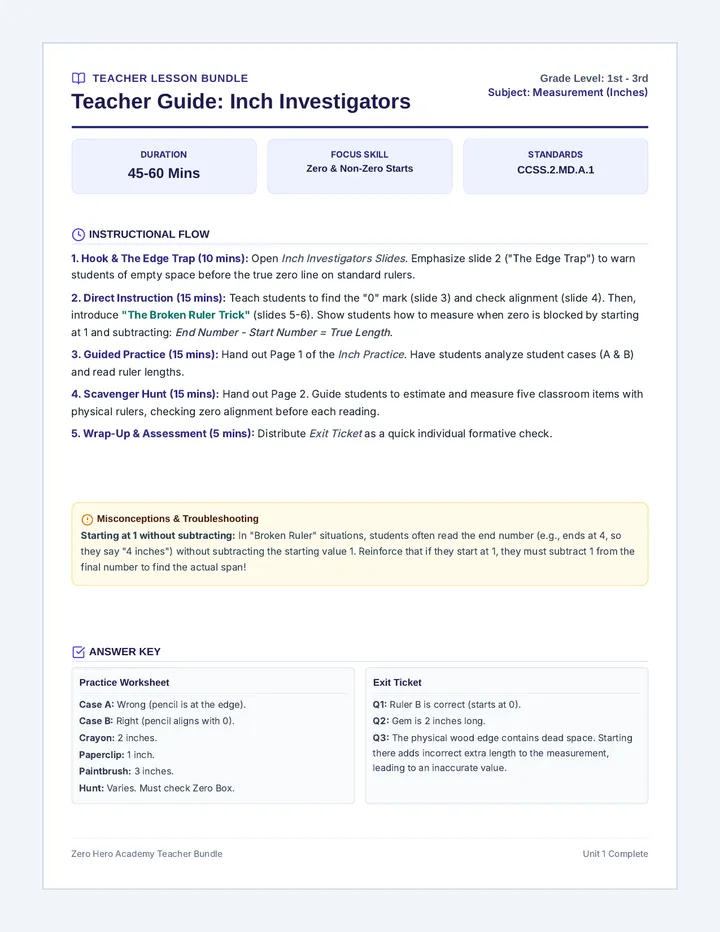
Students learn to measure to the nearest inch using custom visual rulers. The lesson emphasizes locating the true starting zero mark instead of starting at the physical edge of the ruler.
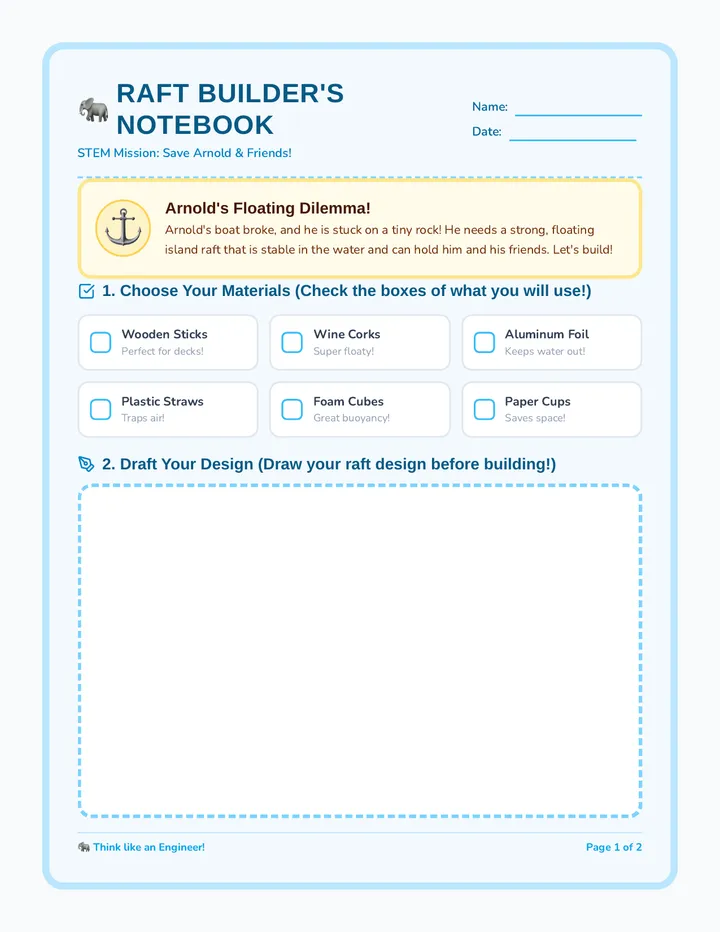
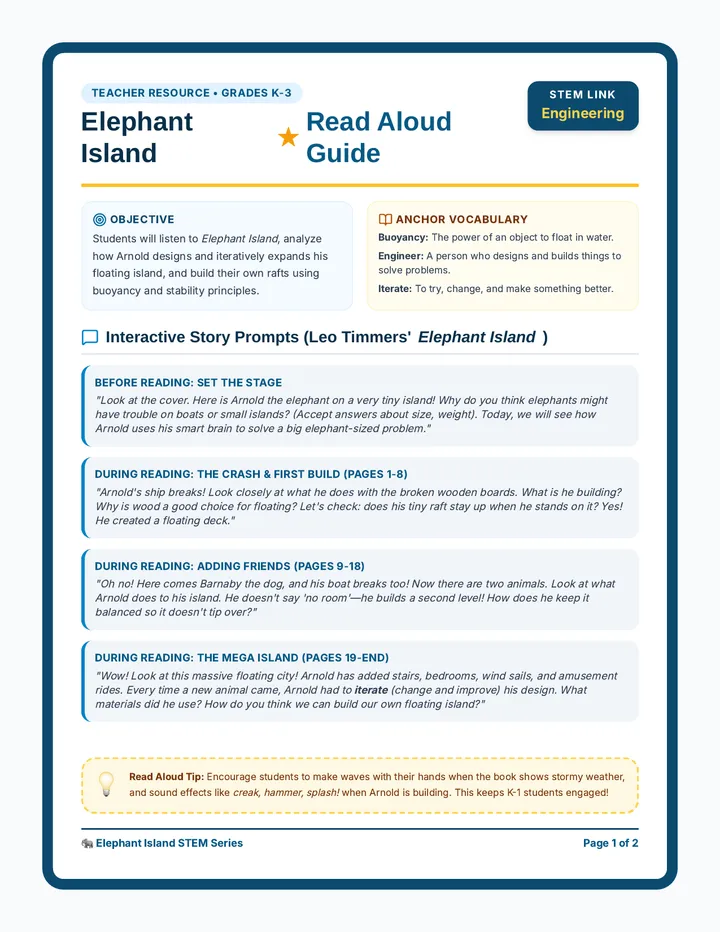
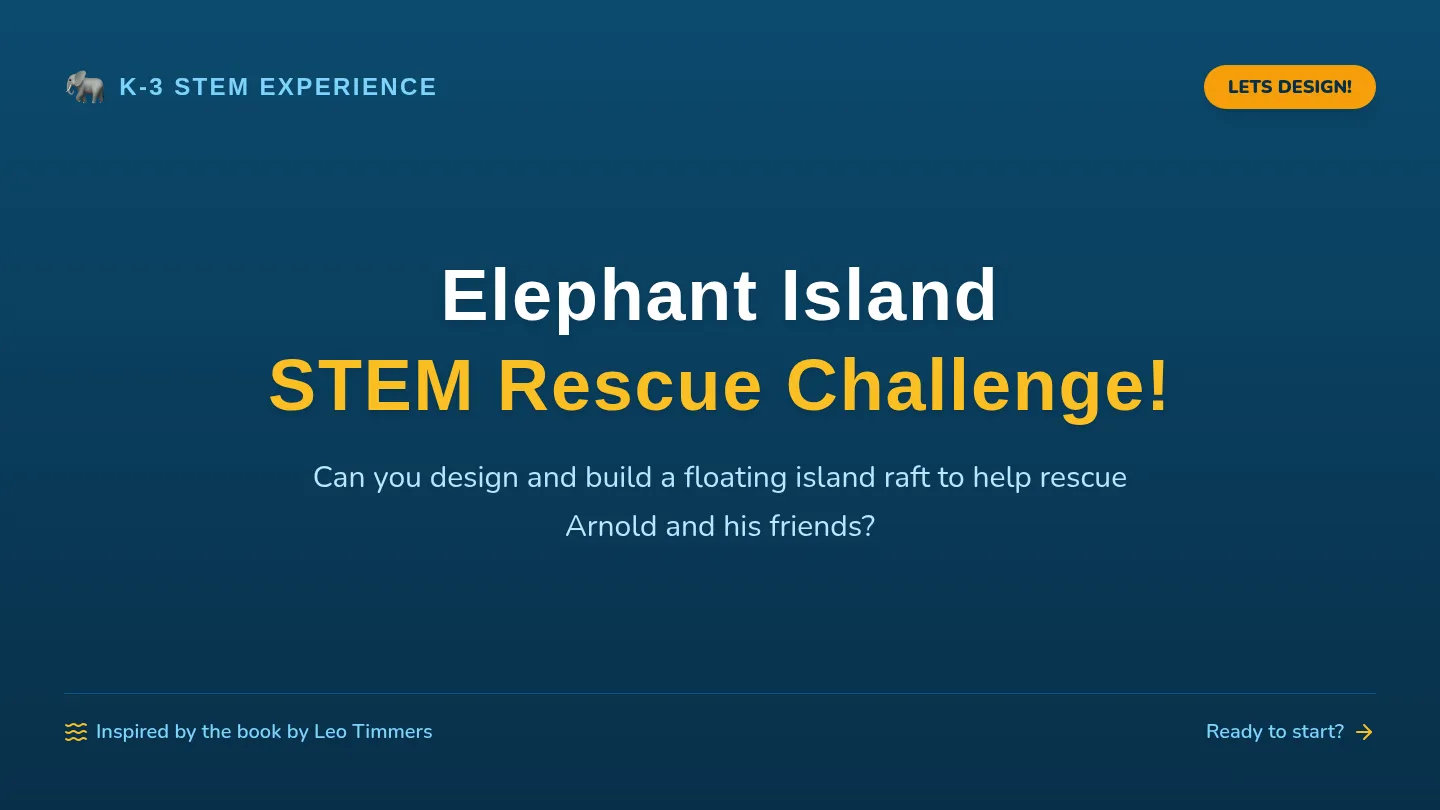
An interactive STEM challenge and read-aloud experience based on Leo Timmers' 'Elephant Island'. Students design and build floating island rafts to rescue Arnold and his friends.
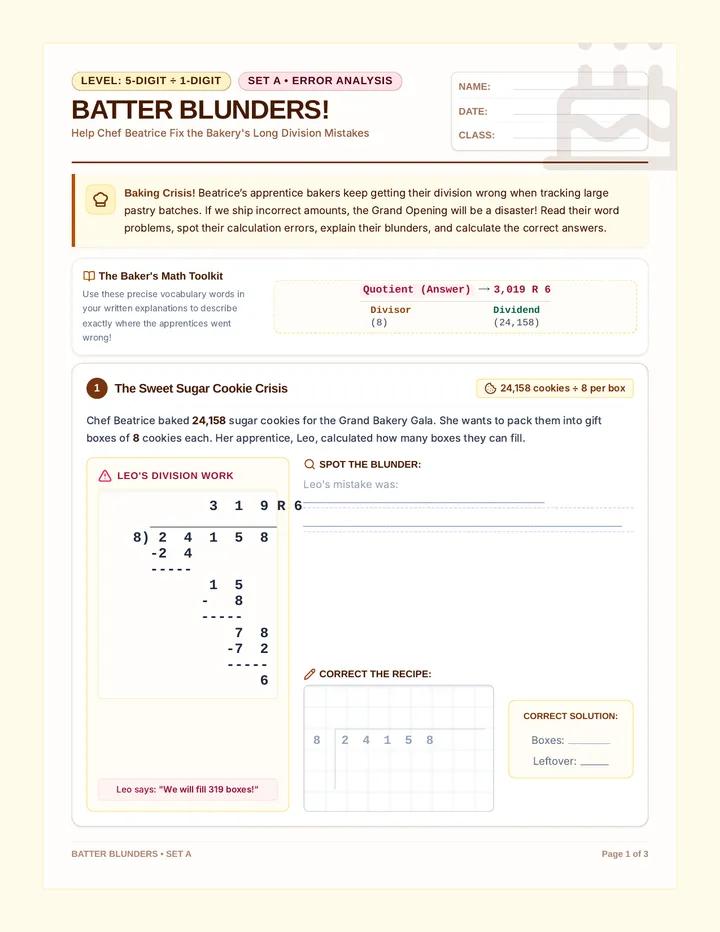
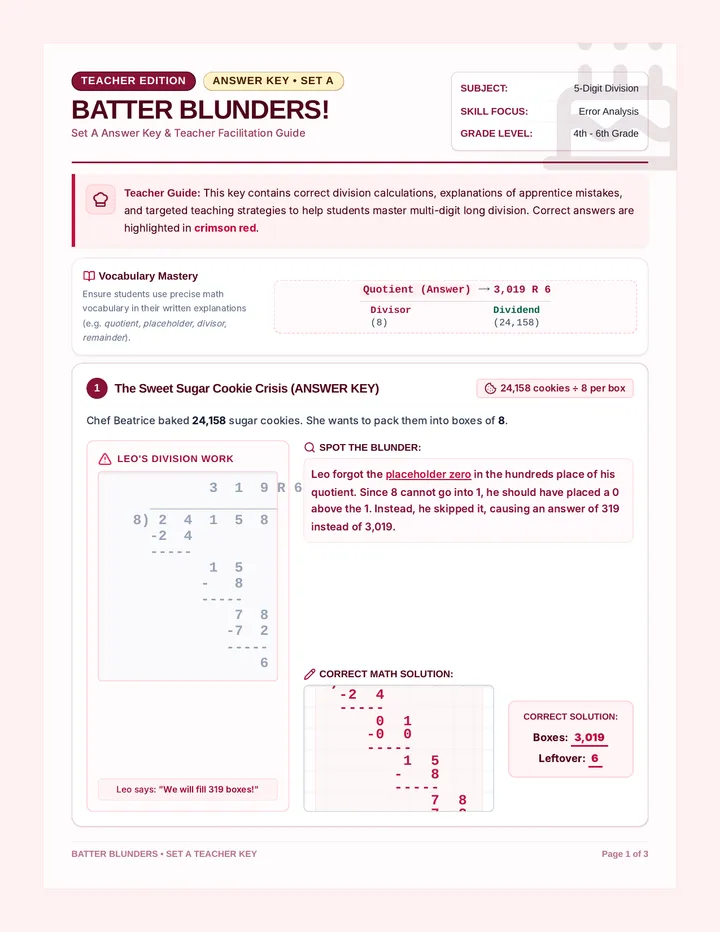
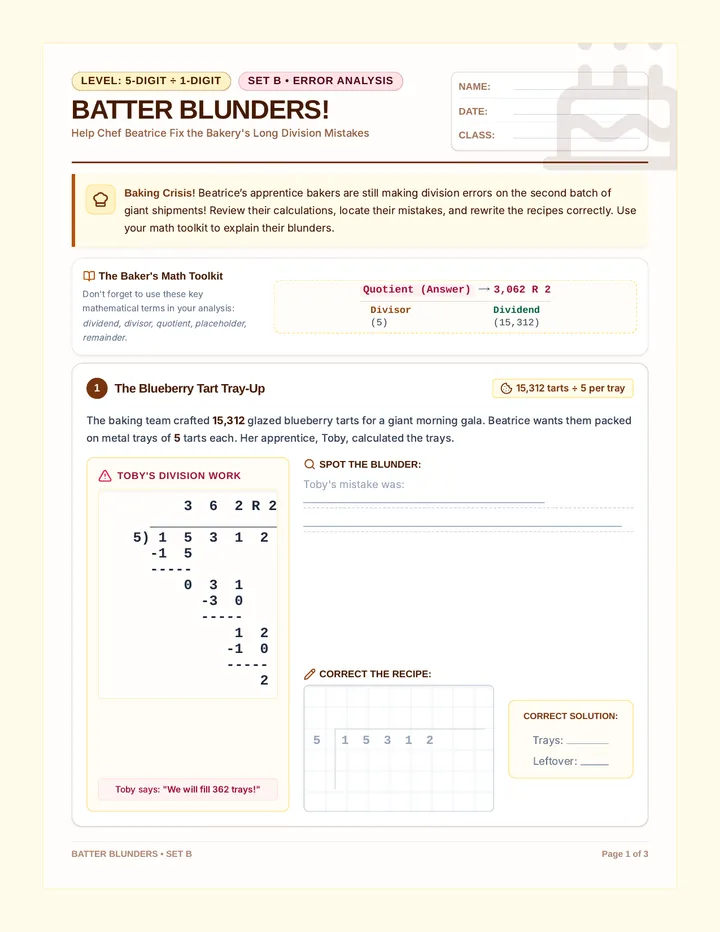
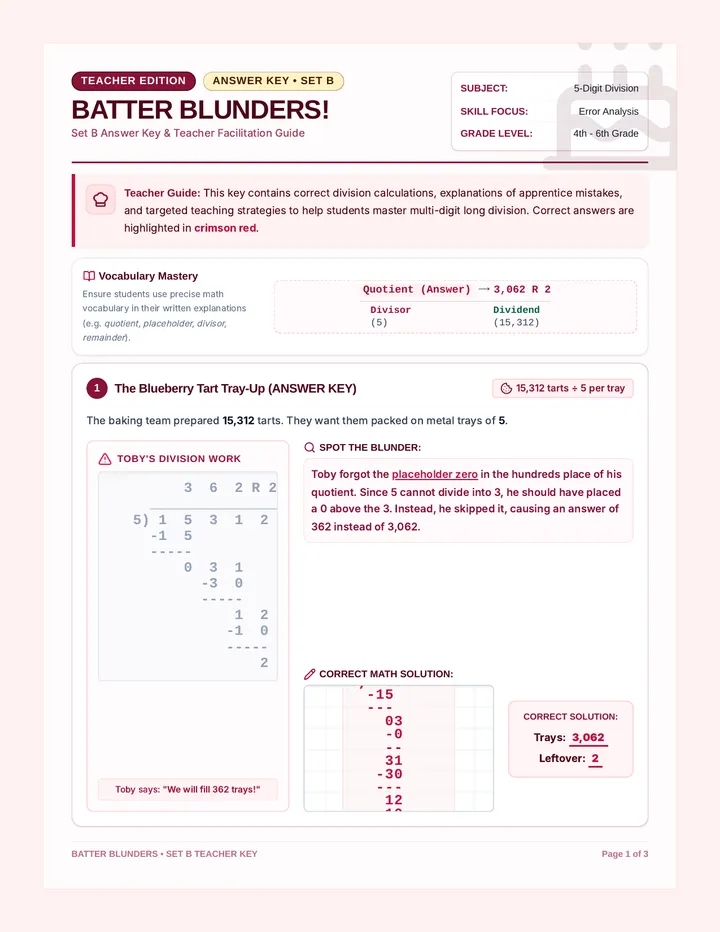
A sweet, bakery-themed math lesson where students analyze five-digit division problems to identify, explain, and correct common calculation mistakes.
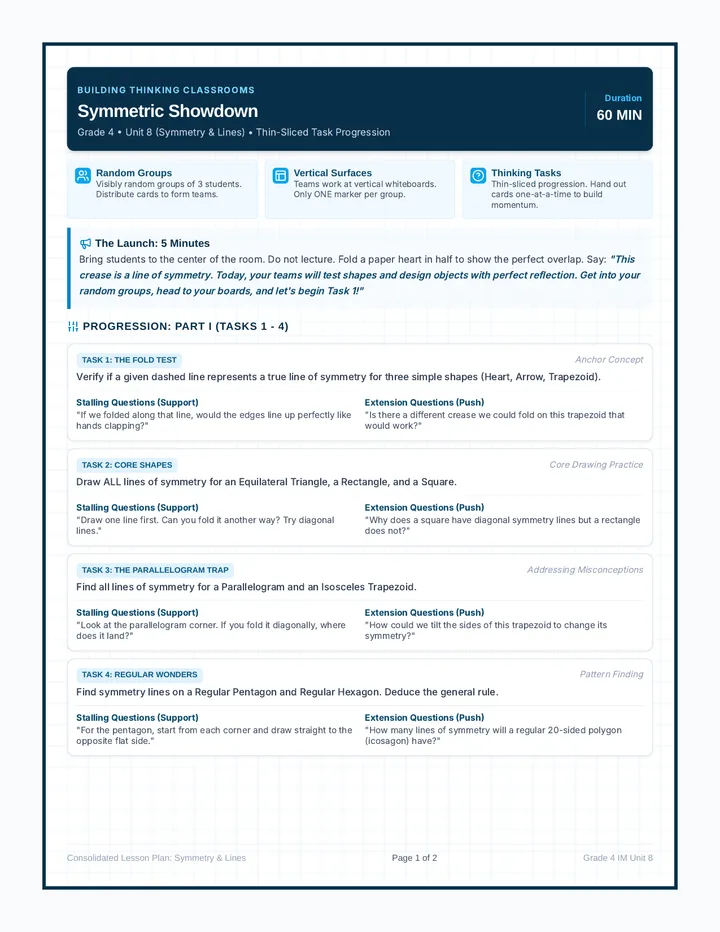
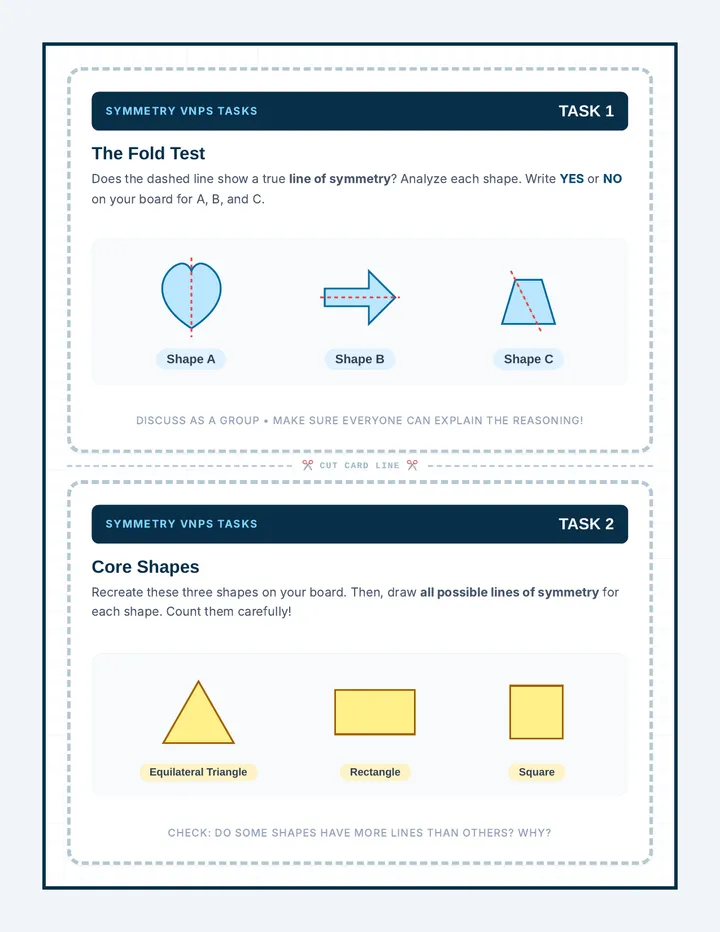
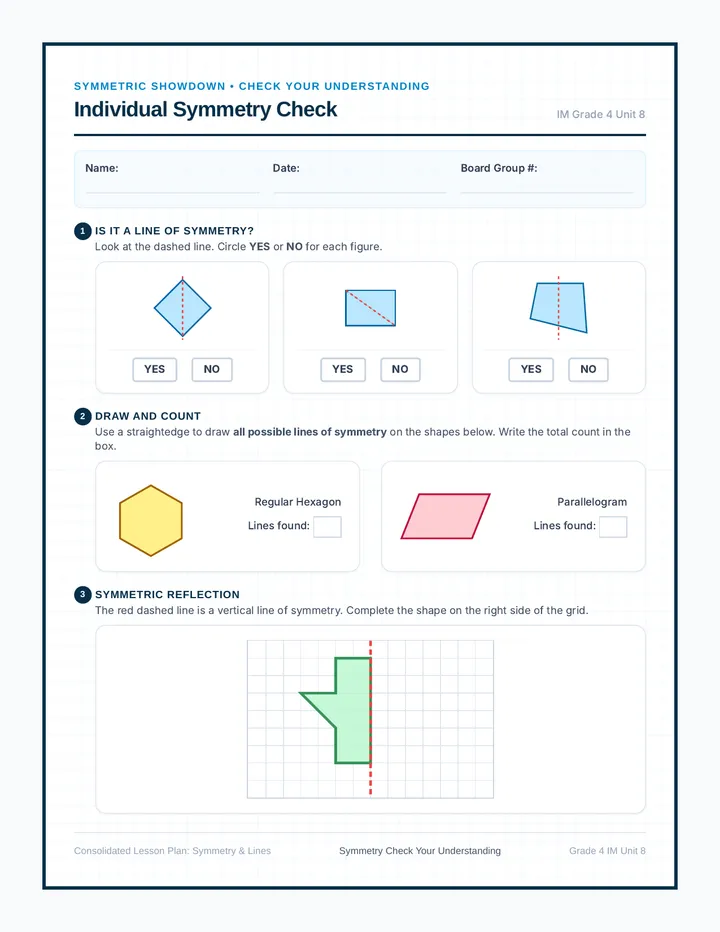
A Grade 4 math lesson built on Building Thinking Classrooms (BTC) principles and thin-slicing. Students use highly progressive tasks at vertical surfaces to discover, identify, and draw lines of symmetry in geometric figures.
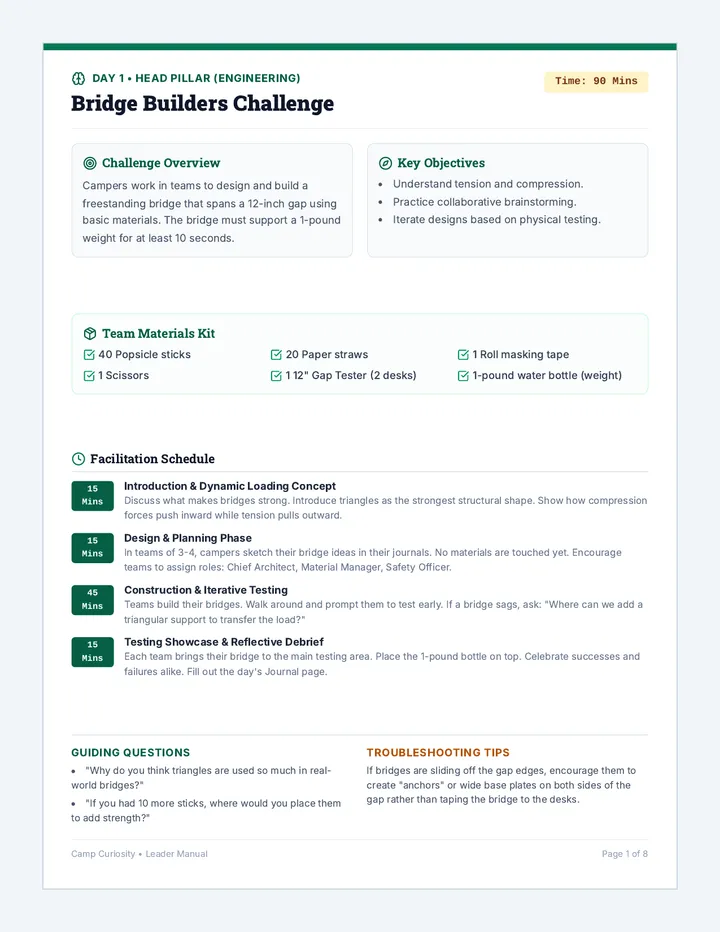
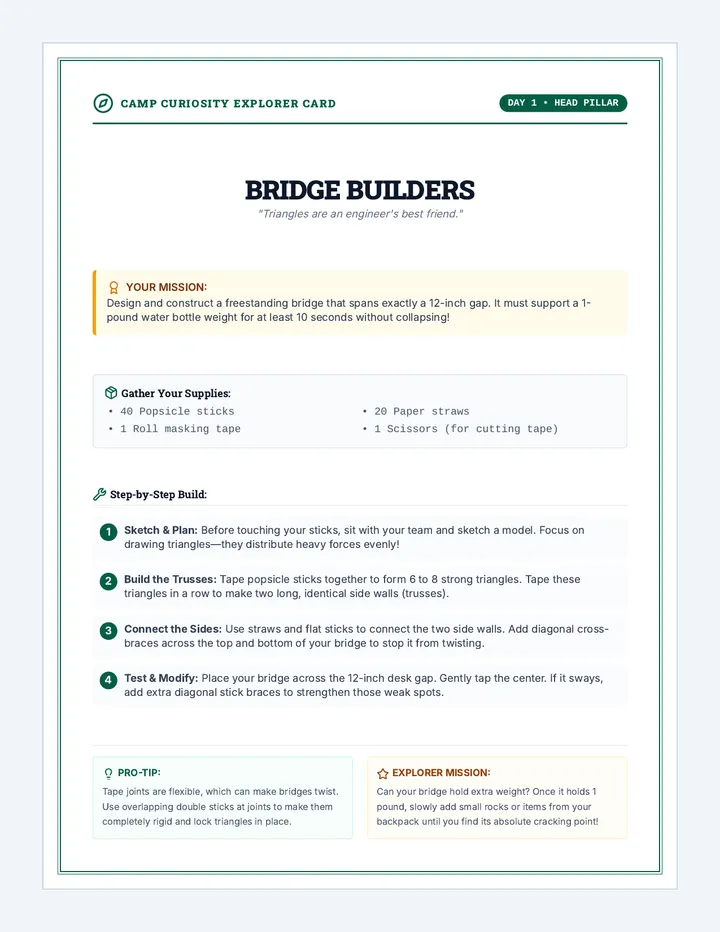
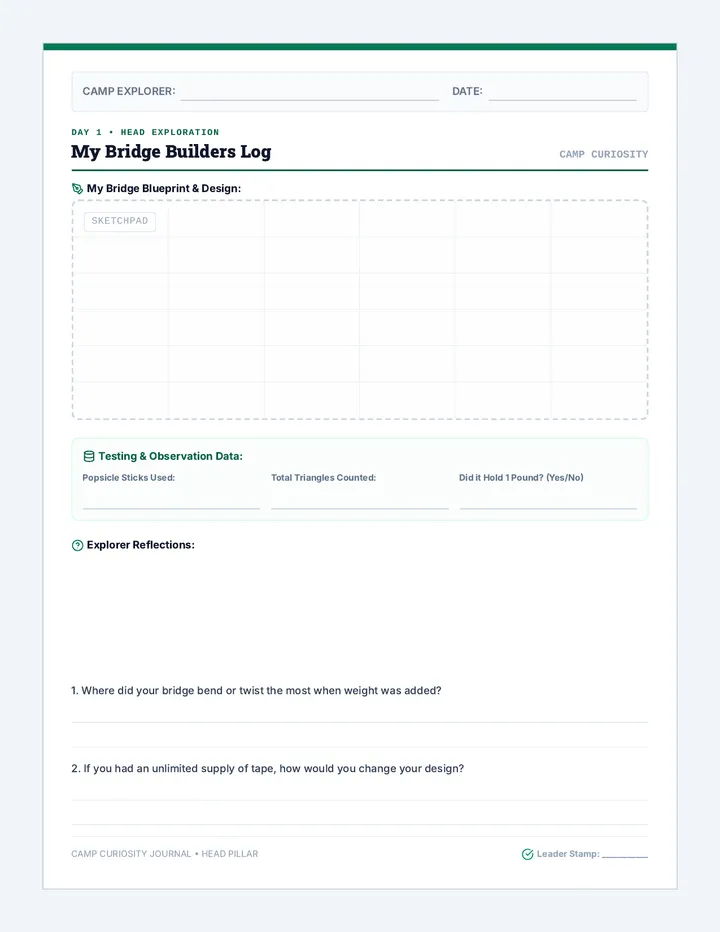
The complete 8-day camp program containing the comprehensive Teacher Manual, printable Challenge Task Cards, and the daily Student Camp Journal.
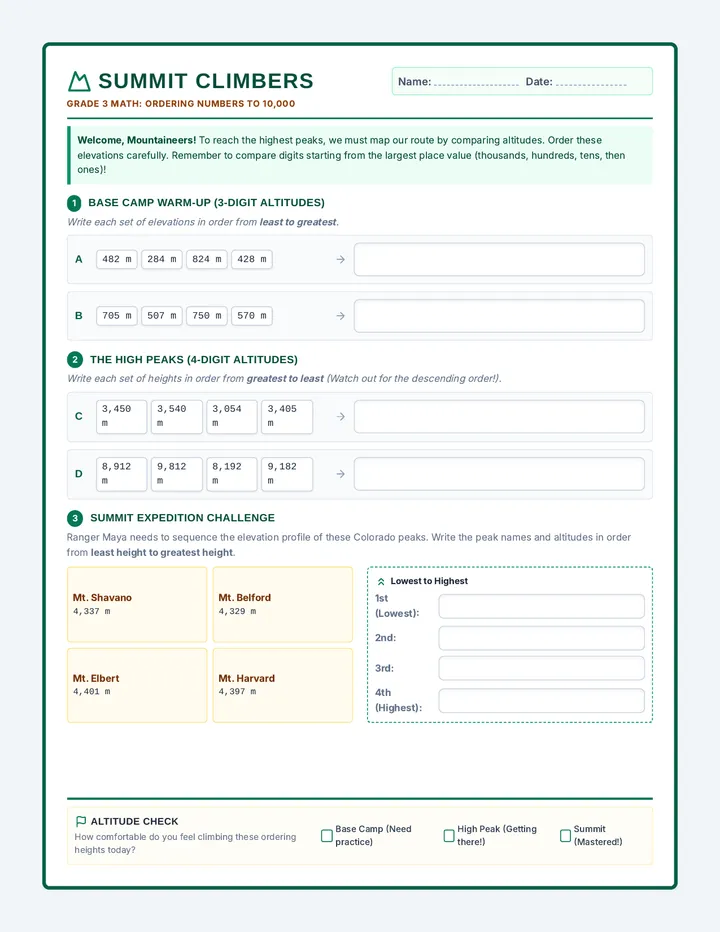
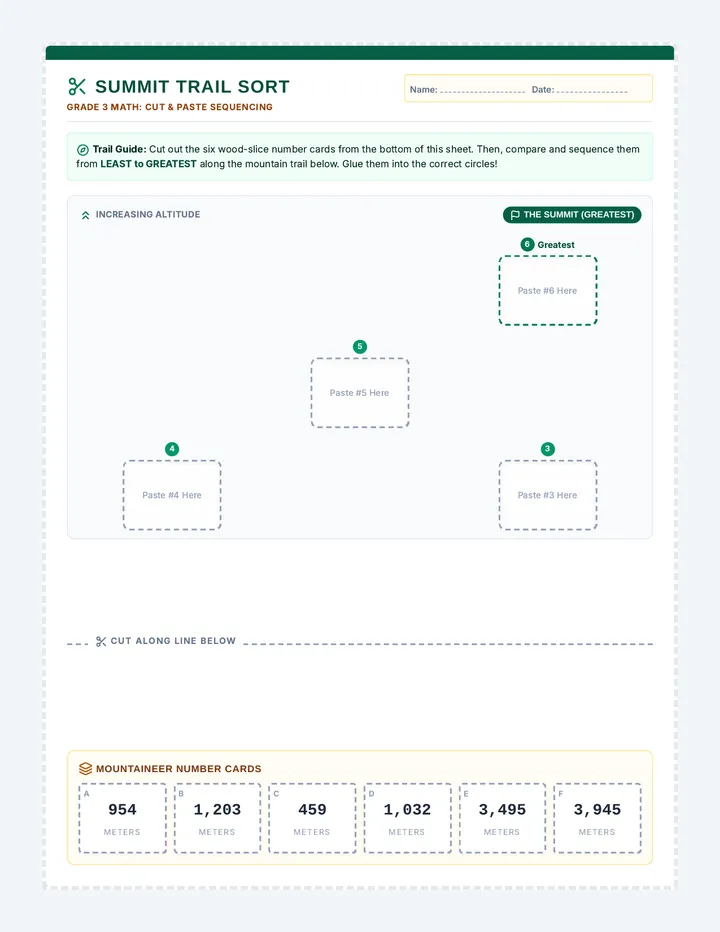
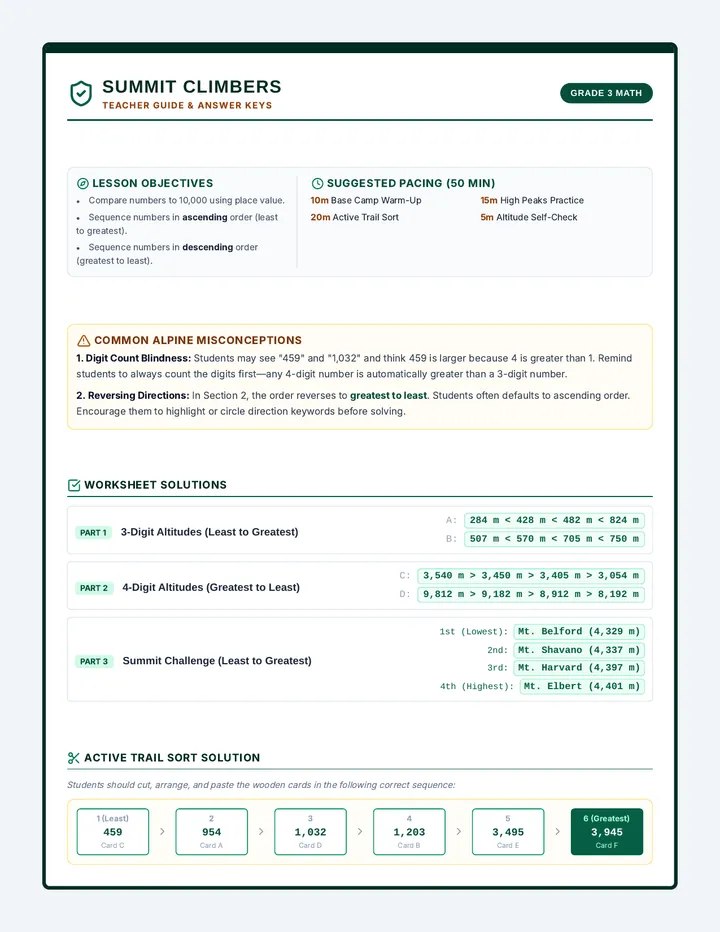
A high-elevation math lesson where Grade 3 students master ordering 3-digit and 4-digit numbers within 10,000. Through standard ordering lists, visual height challenges, and an interactive cut-and-paste sorting activity, students build strong place-value skills.
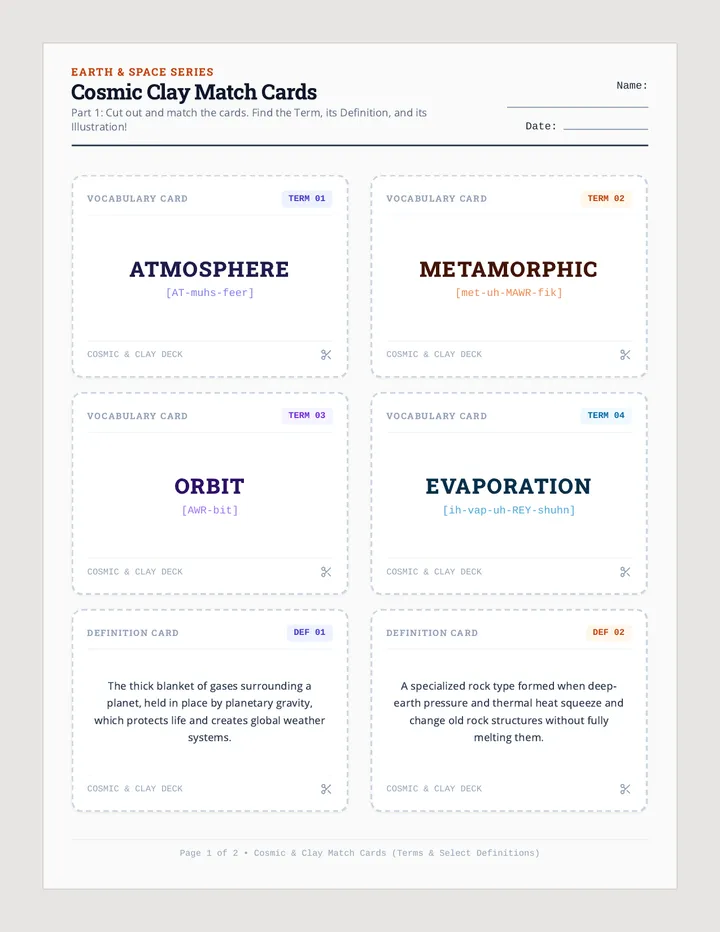
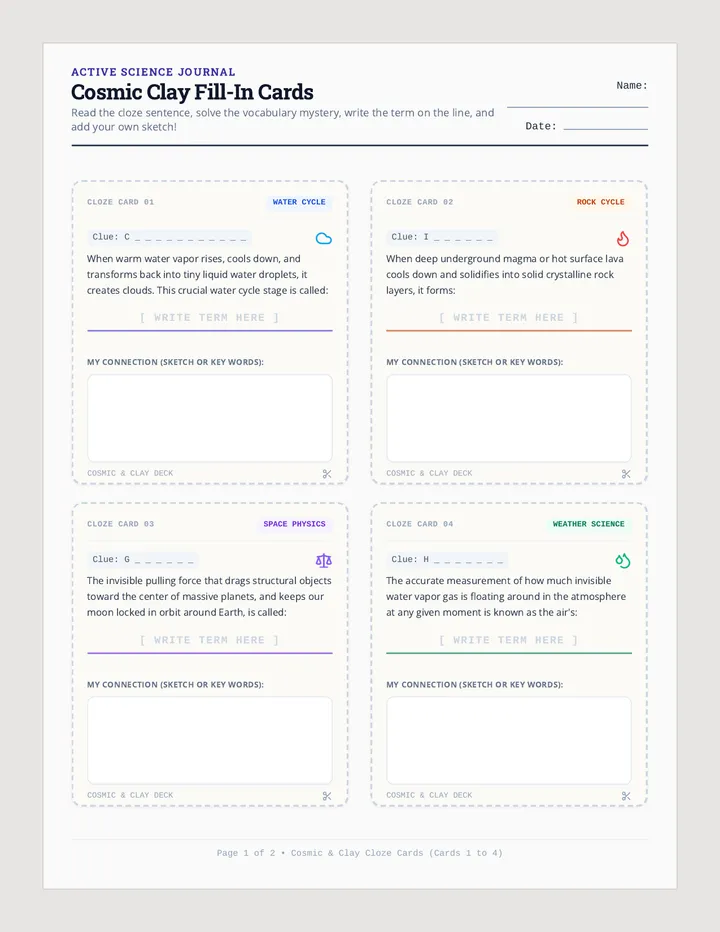
An interactive vocabulary lesson on Earth and Space Science, featuring visual matching card decks and tactile fill-in-the-blank cloze activities covering rocks, weather, water cycles, and space.
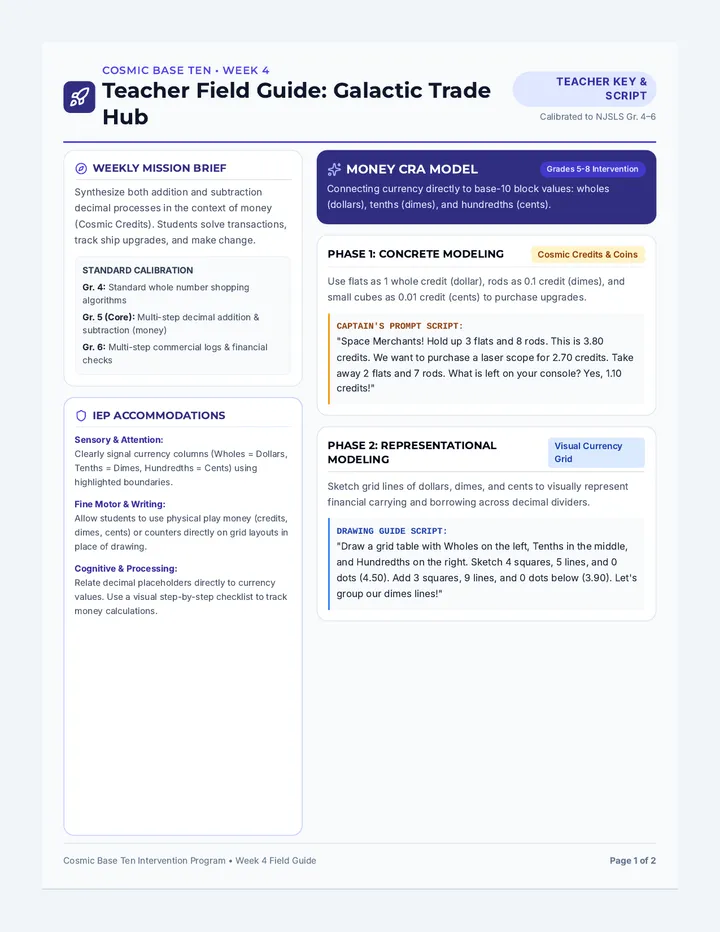
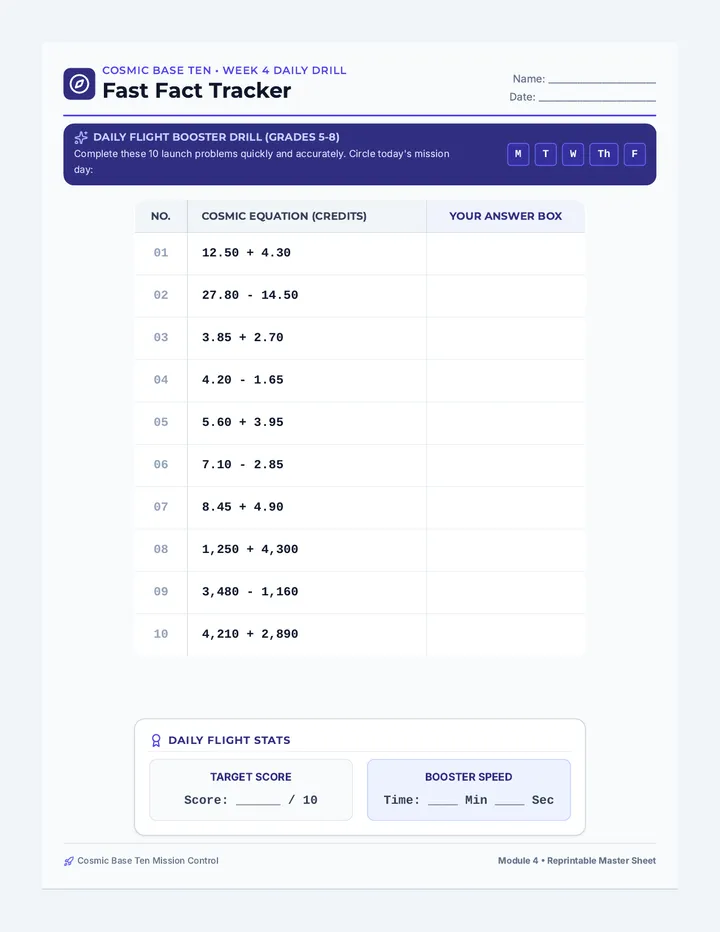
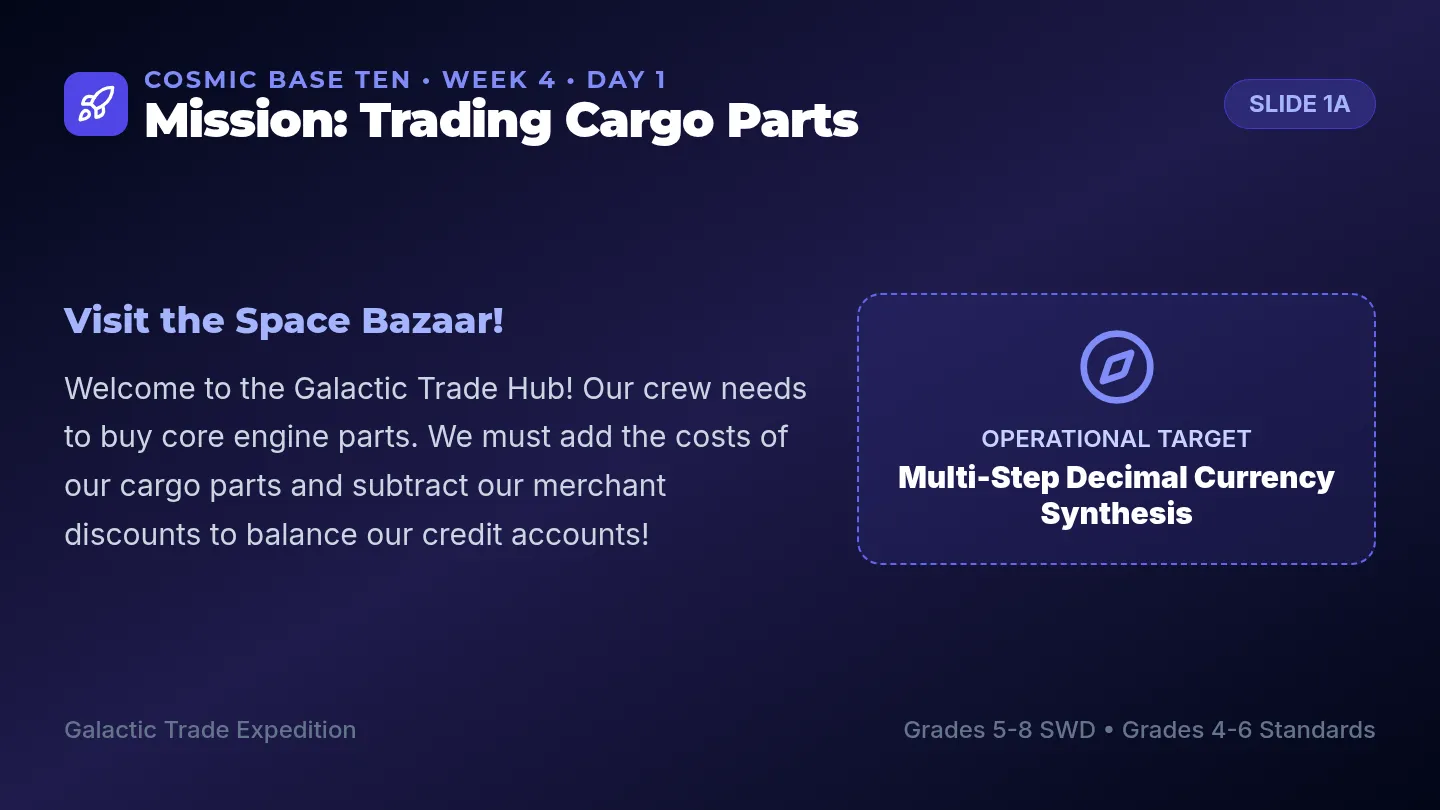
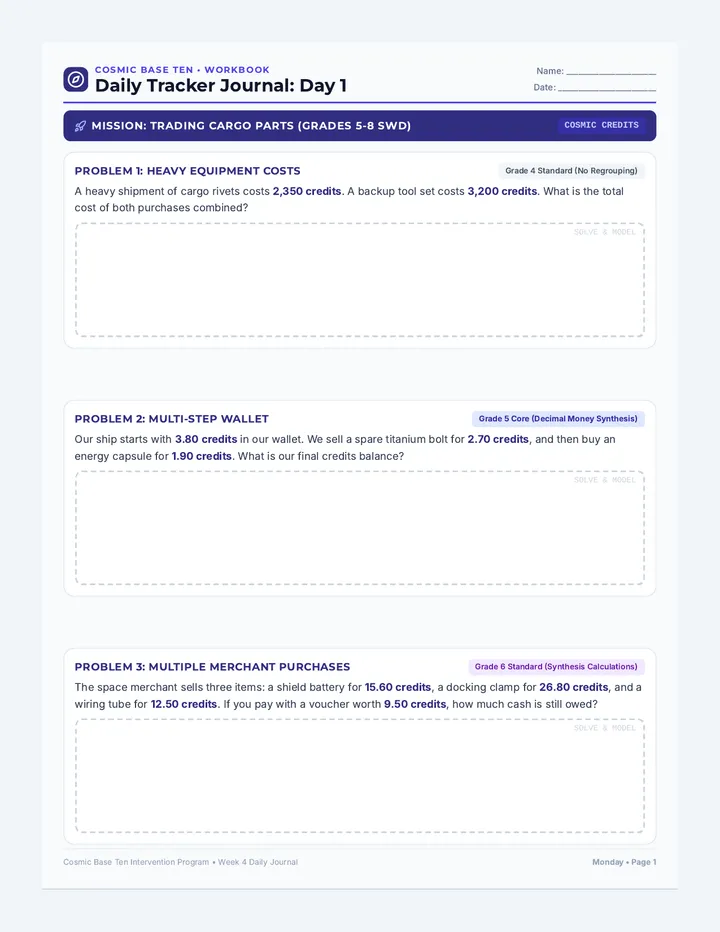
Week 4 is the capstone week where students synthesize their additive and subtractive decimal skills in the context of money. They solve multi-step commercial transactions, balance credit records, and purchase starship upgrades.
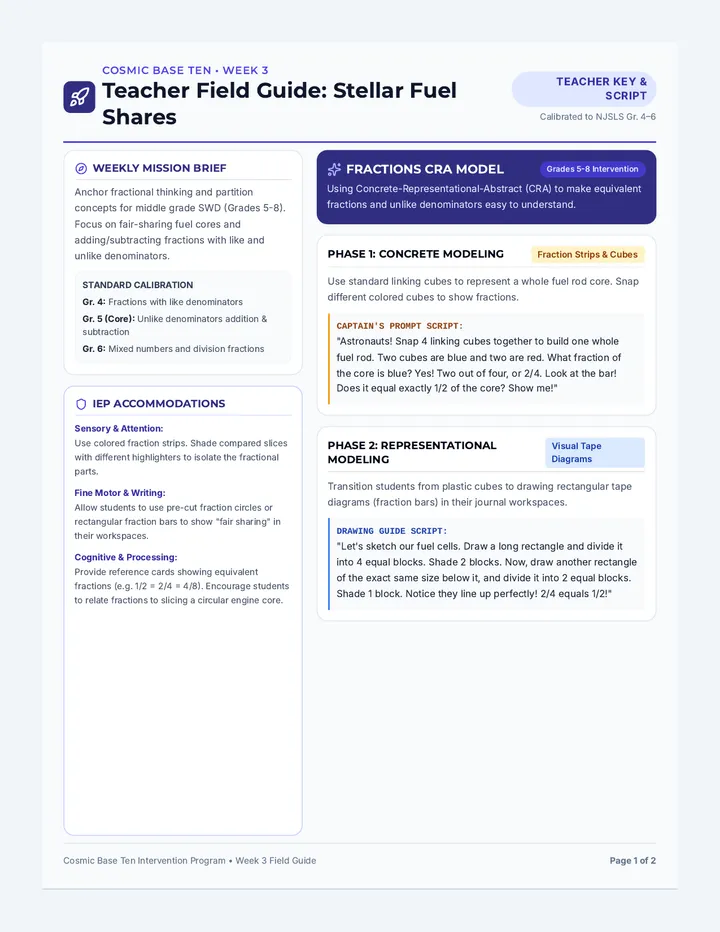
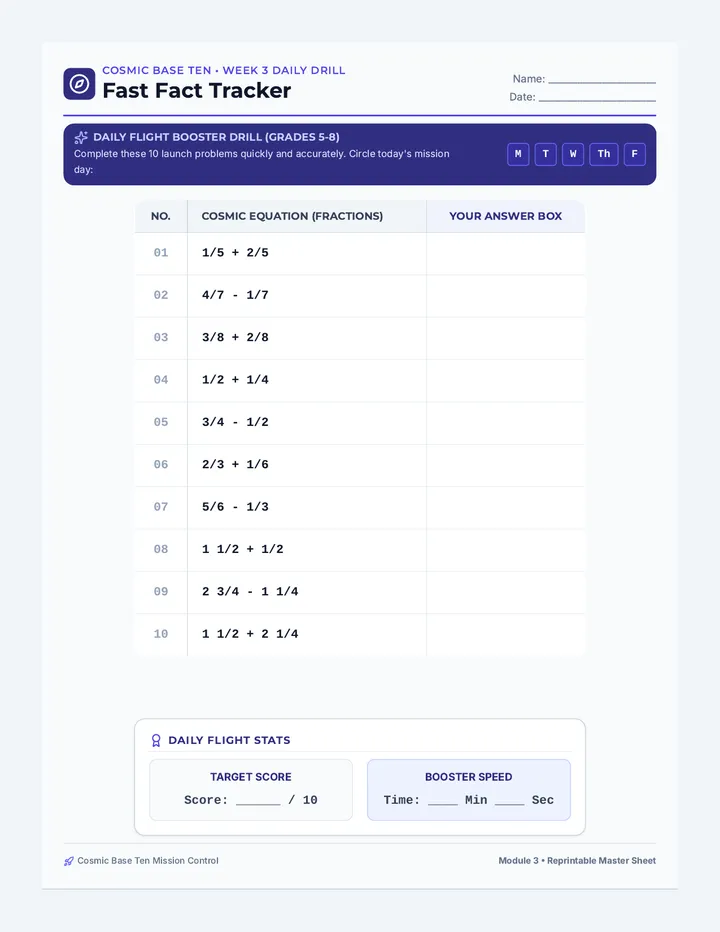
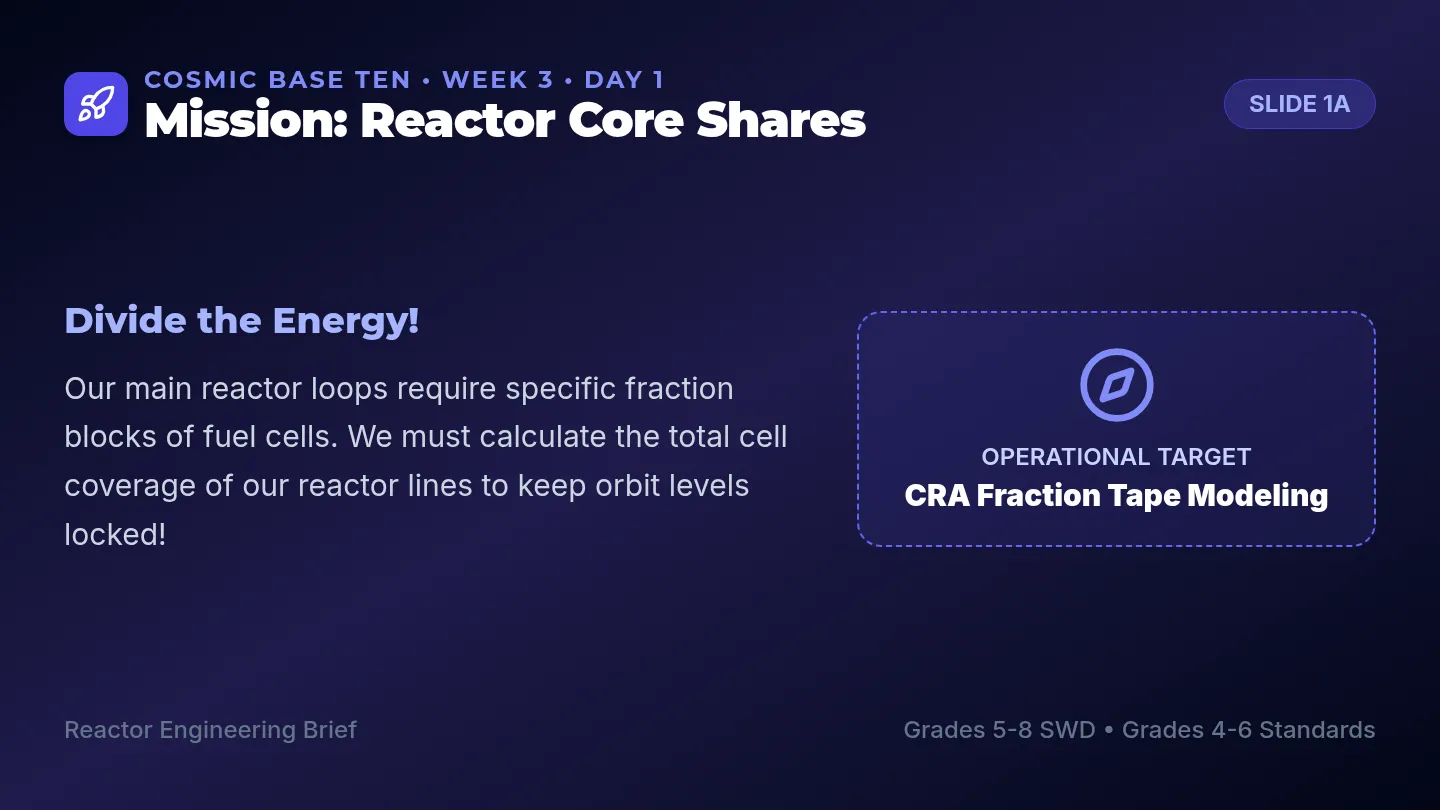
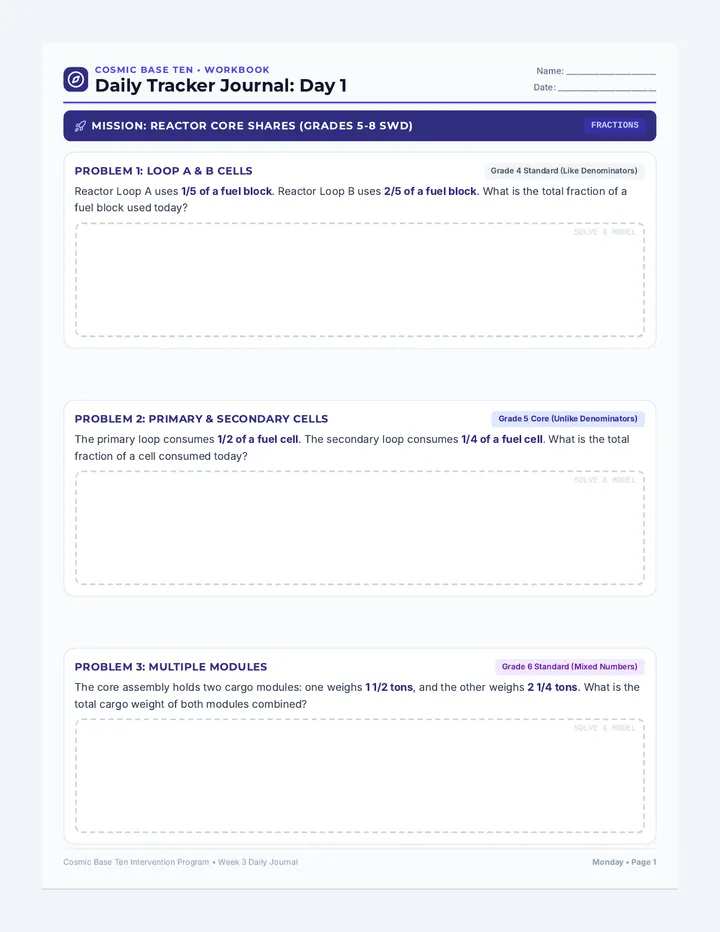
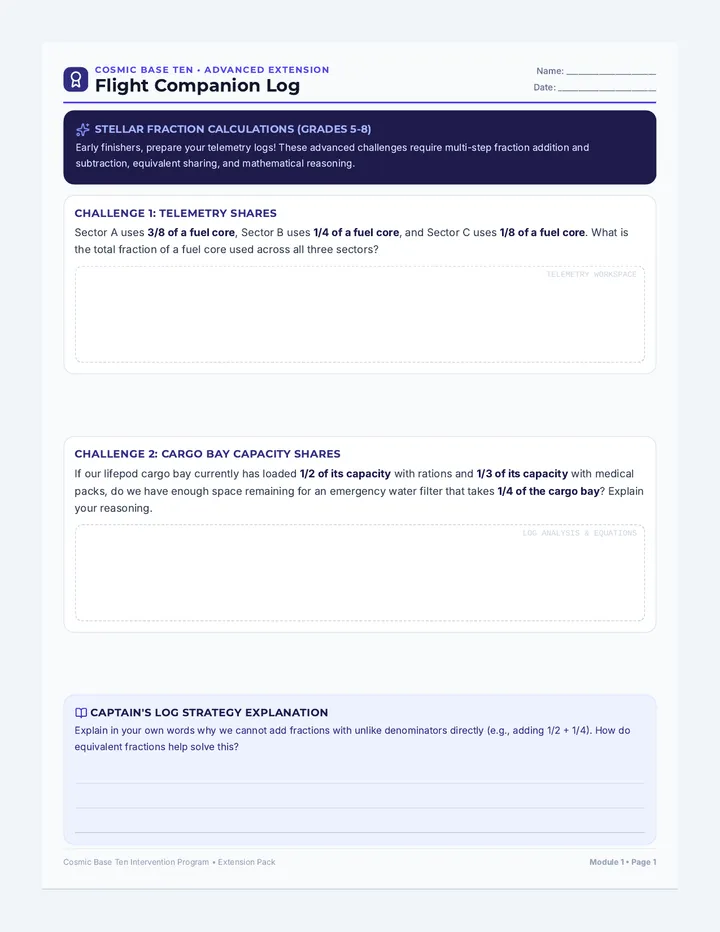
Week 3 focuses on partitioning, equivalent fractions, and adding or subtracting fractions with like and unlike denominators. Students practice fair-sharing reactor cores, dividing cargo weight, and mapping stellar orbits using fraction bars.
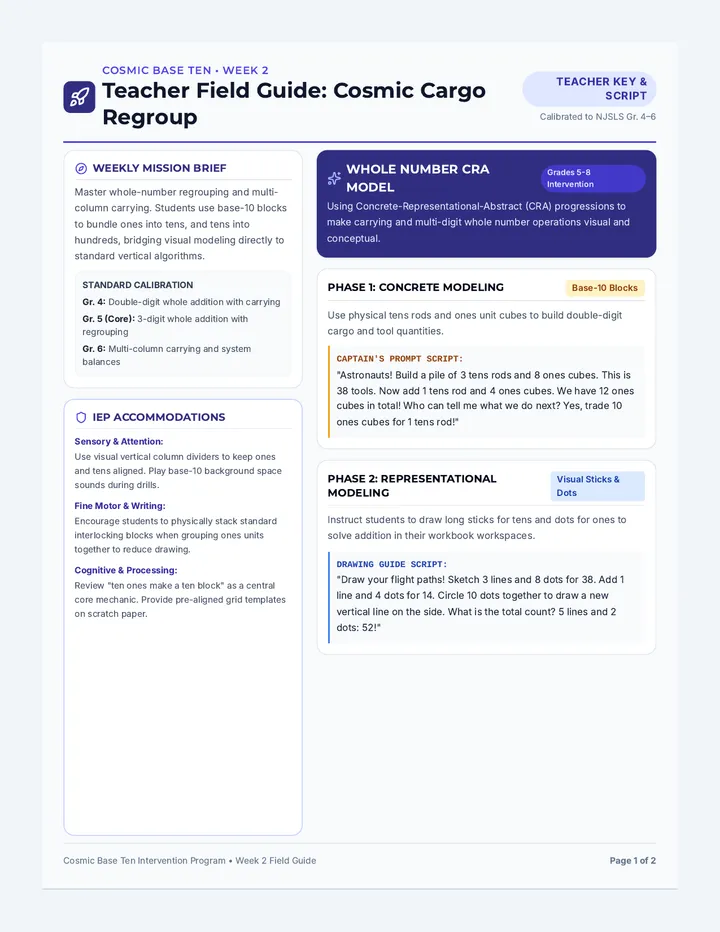
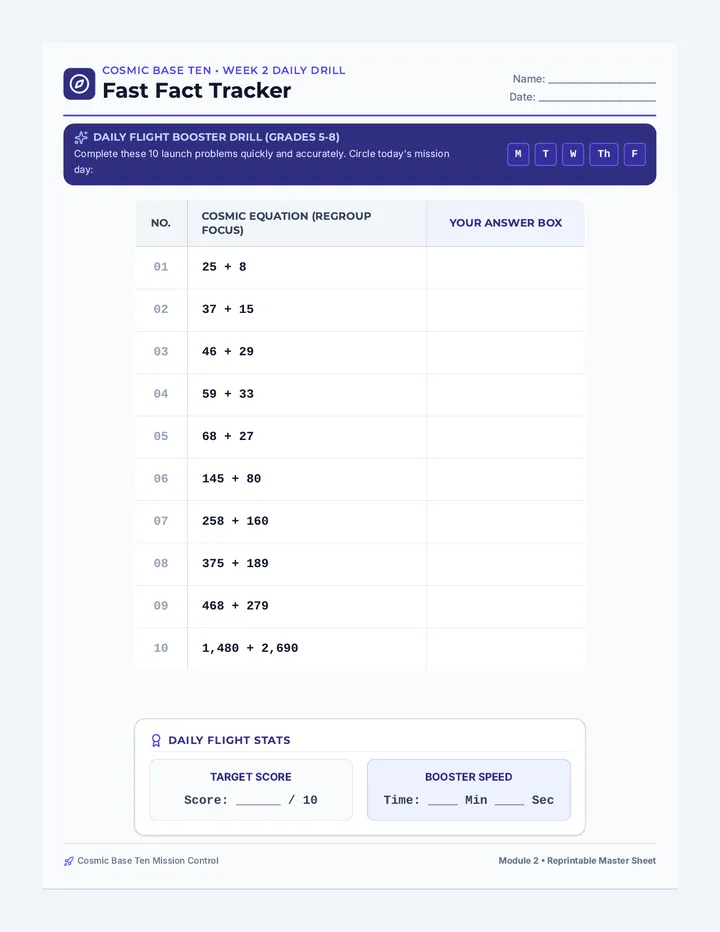
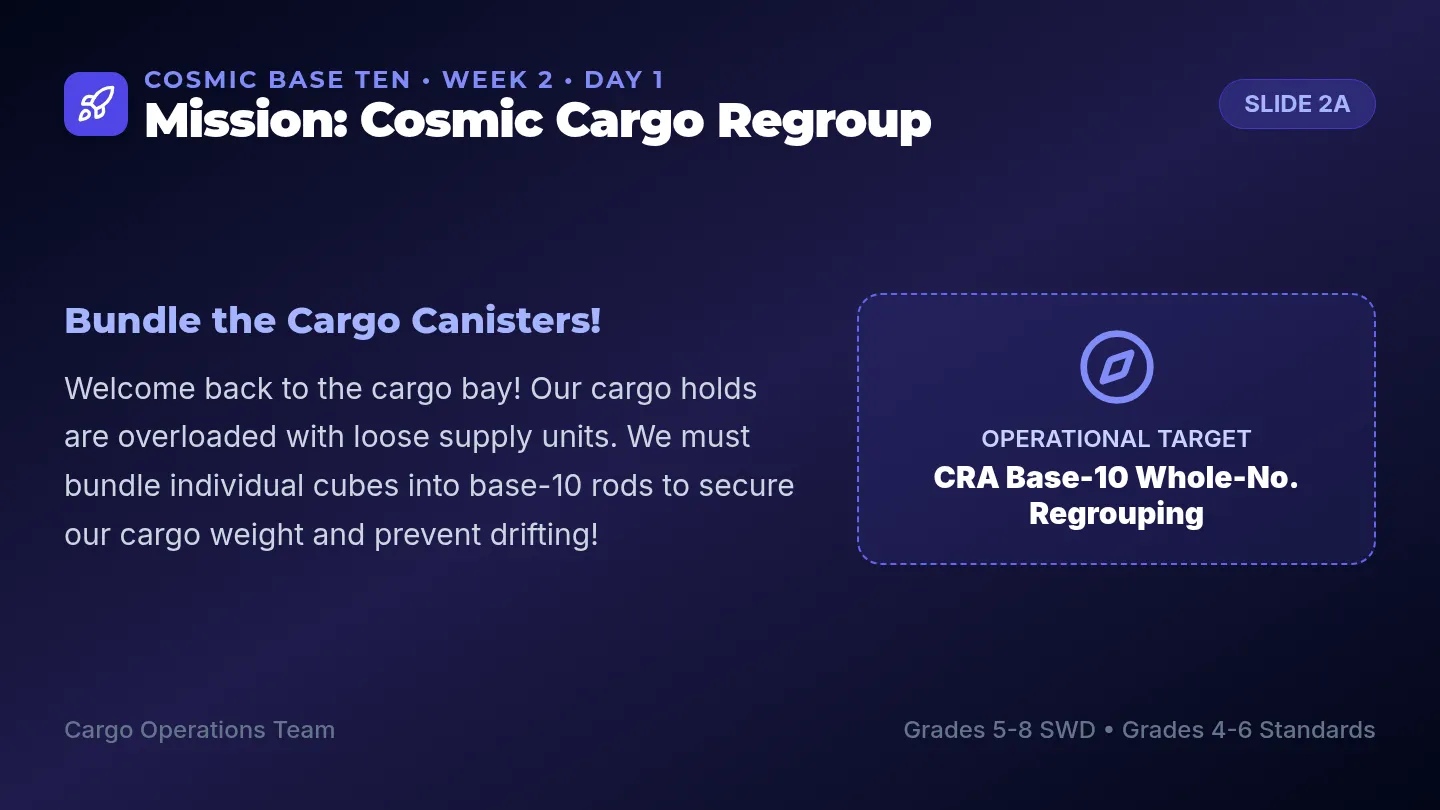
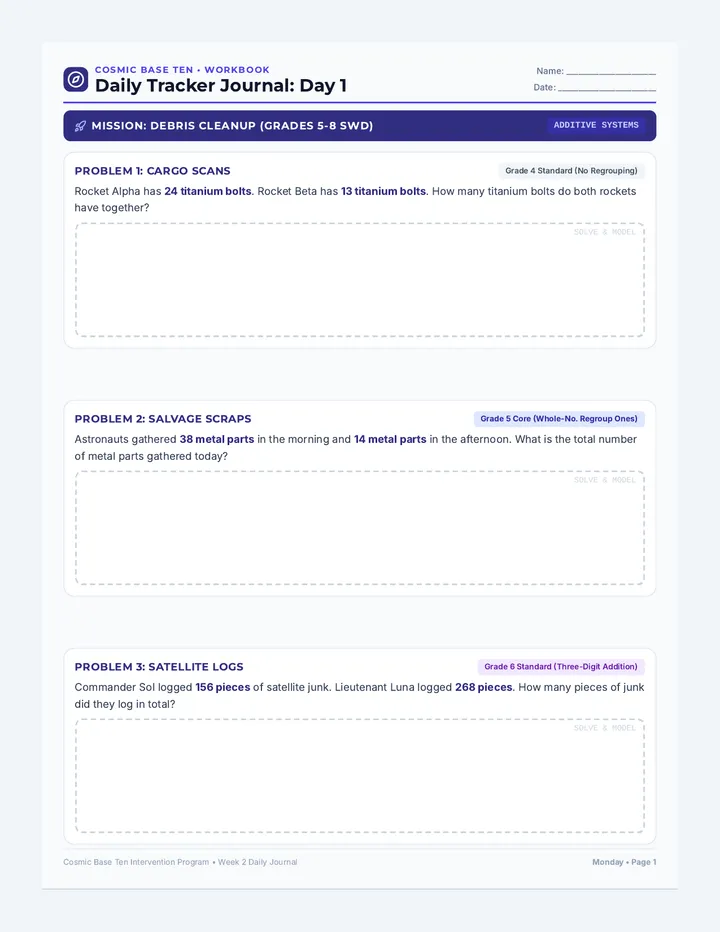
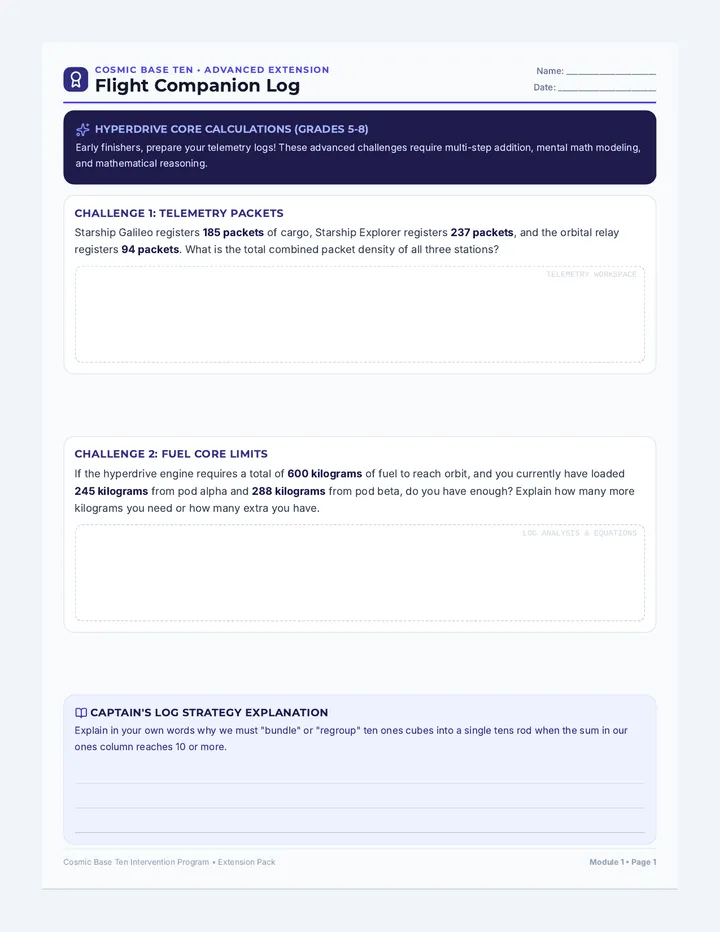
Week 2 focuses on mastering whole-number regrouping and multi-column carrying in the context of starship cargo inventories. Students use base-10 blocks to bundle ones into tens and tens into hundreds, bridging visual modeling directly to standard vertical algorithms.
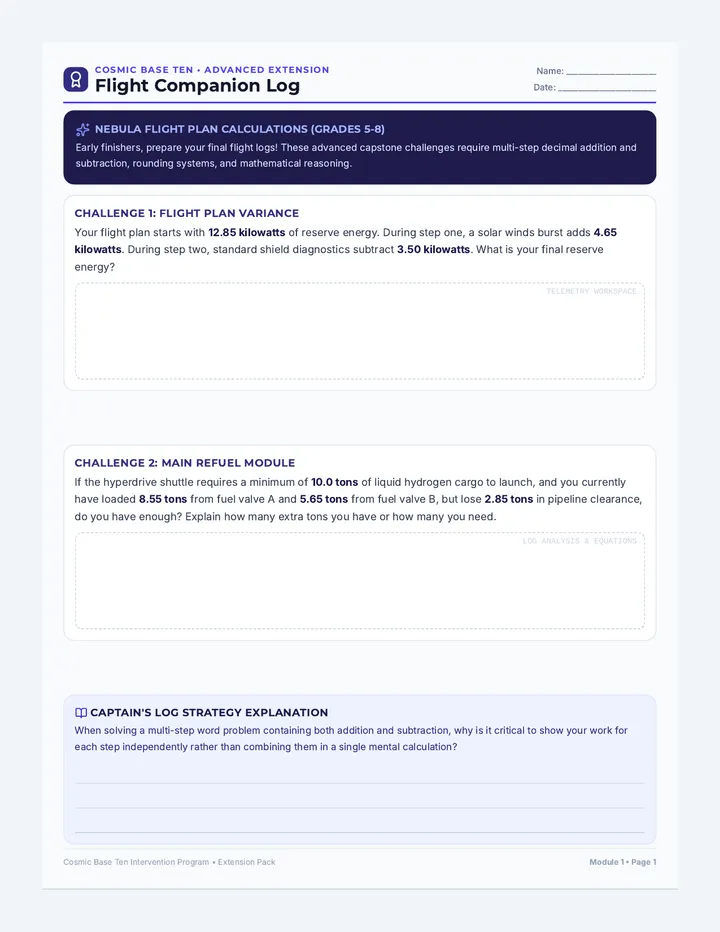
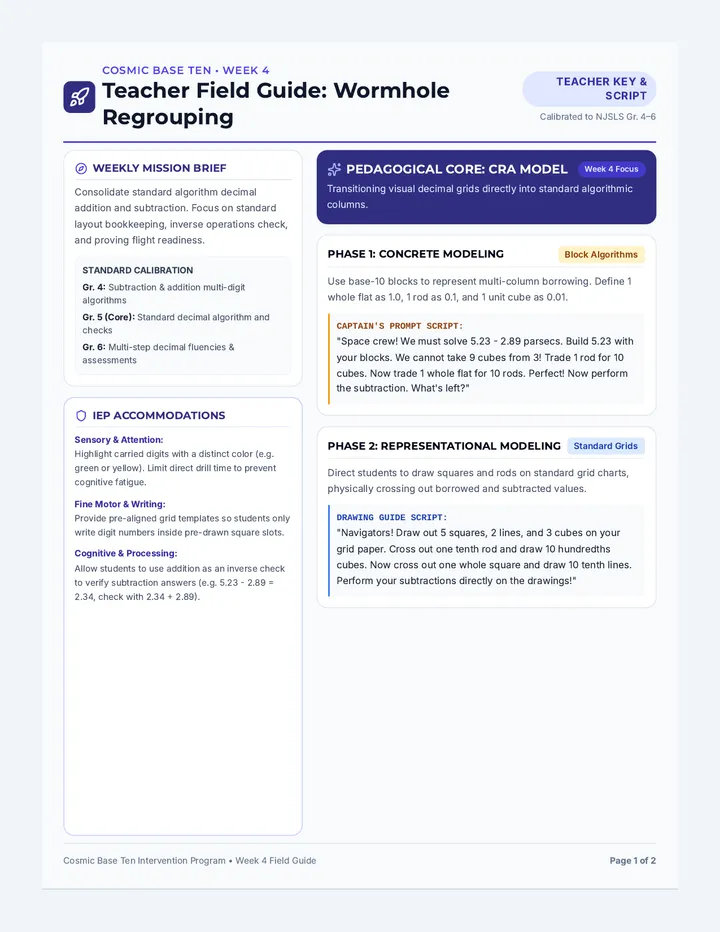
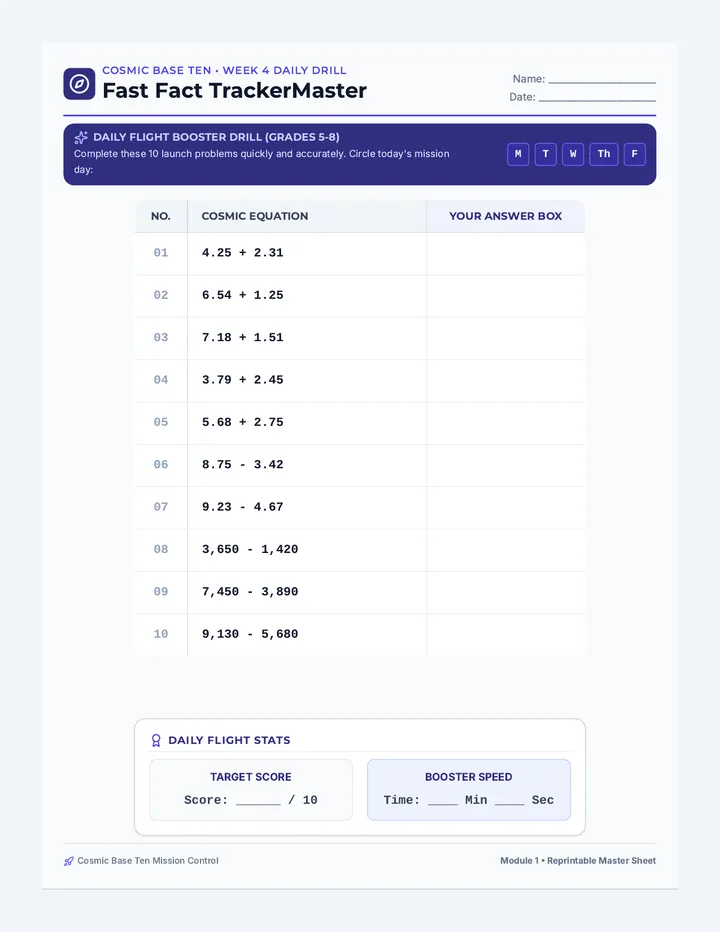
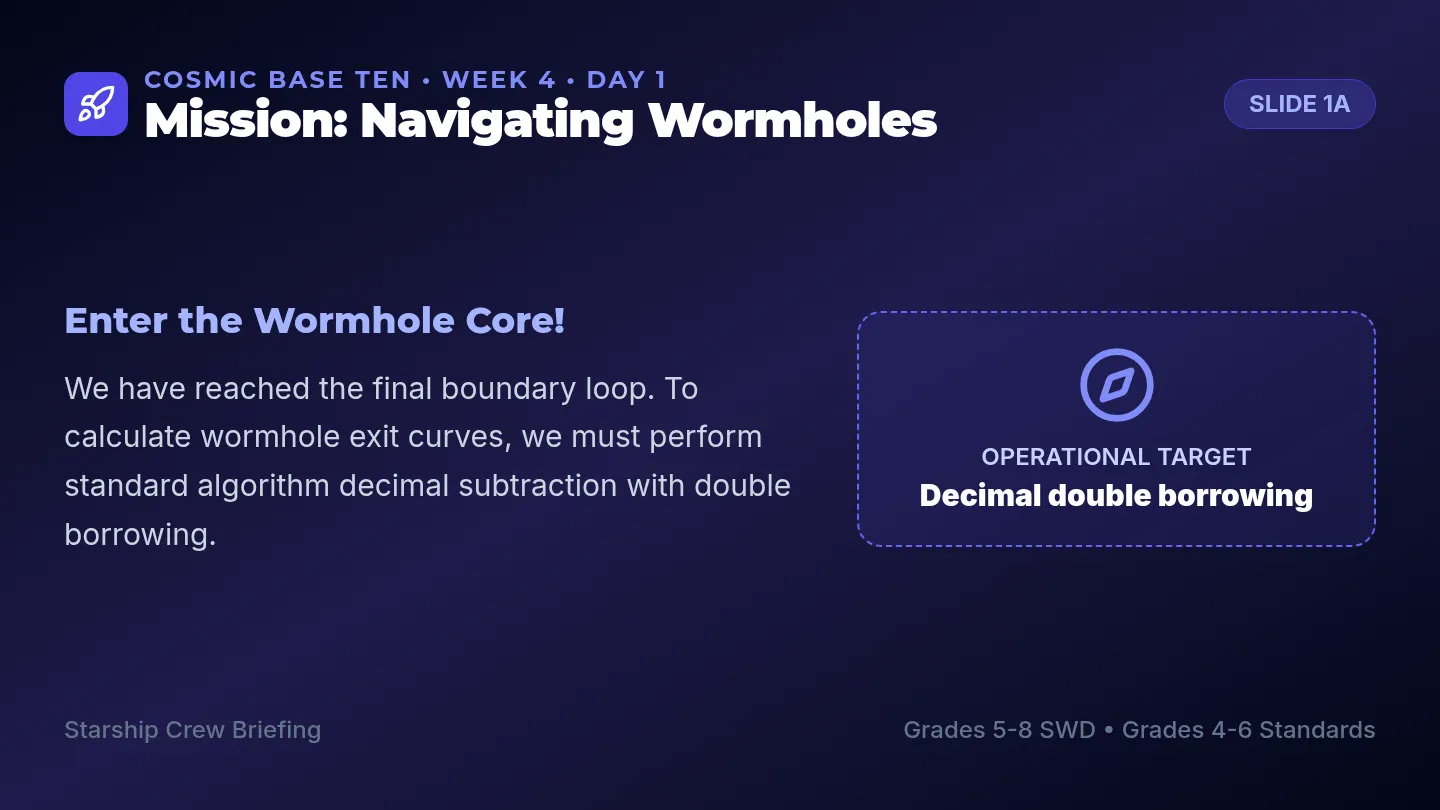
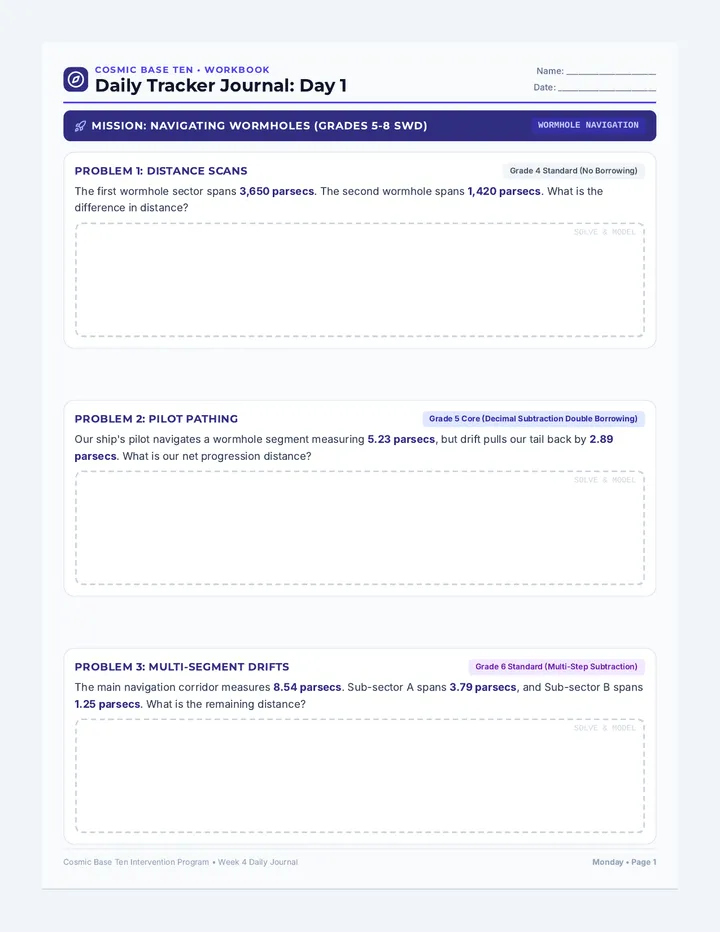
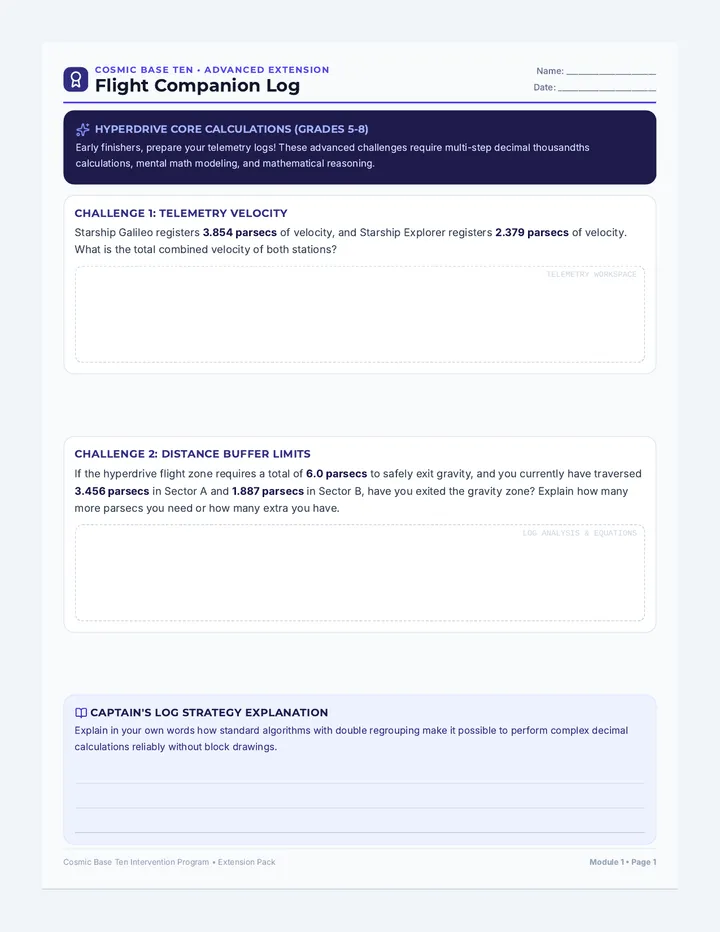
Week 4 focuses on standard algorithm decimal addition and subtraction, multi-step problem consolidation, and direct assessment of skills to confirm crew flight readiness.