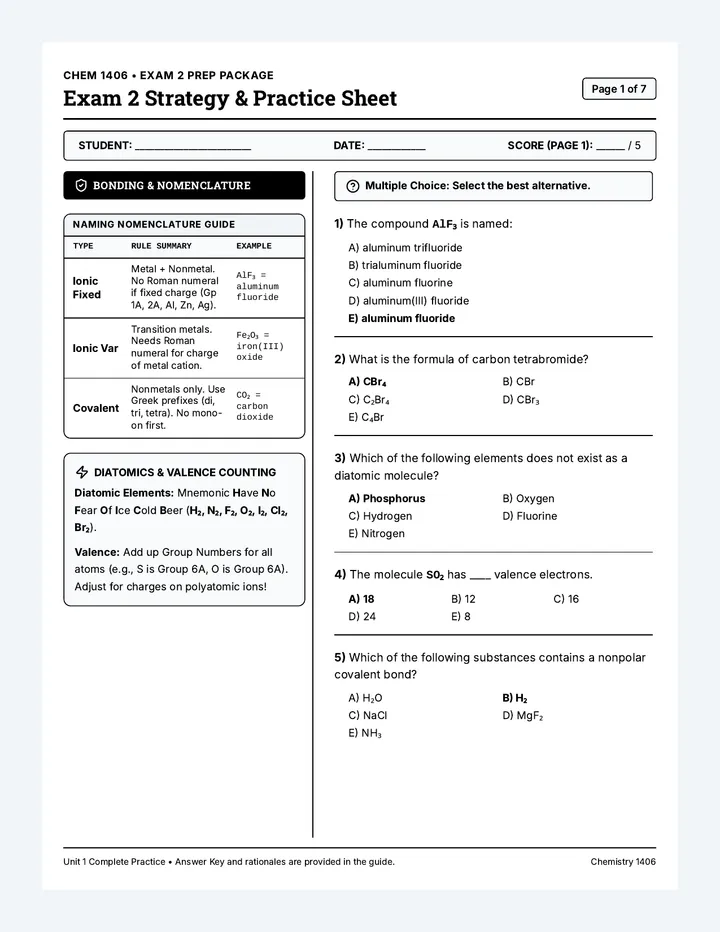
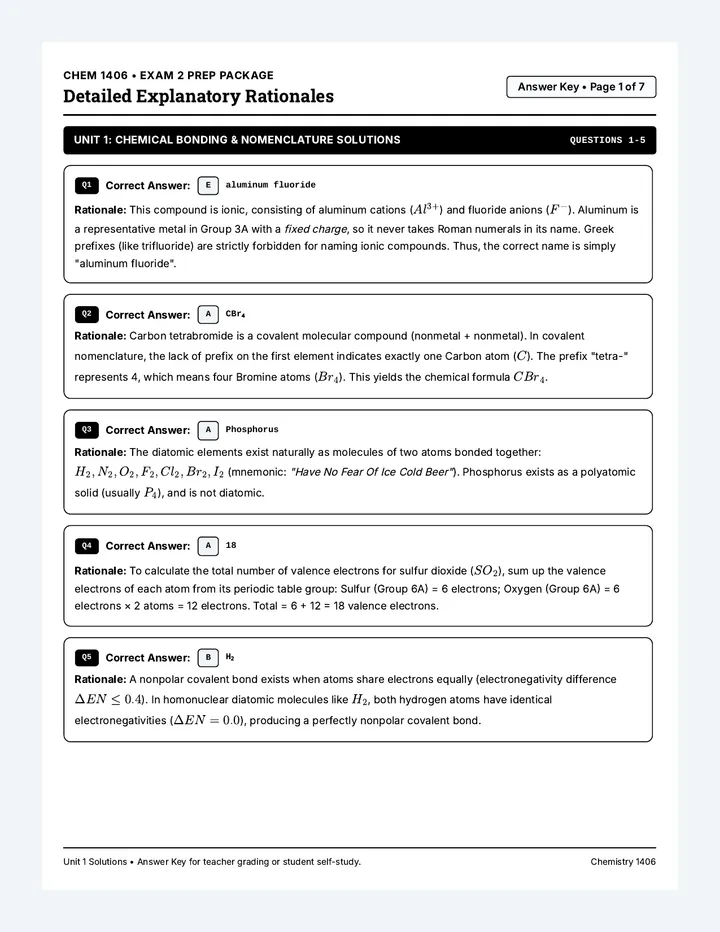
An introductory lesson on the unique chemical and physical properties of water, focusing on how its polar nature leads to life-sustaining characteristics.
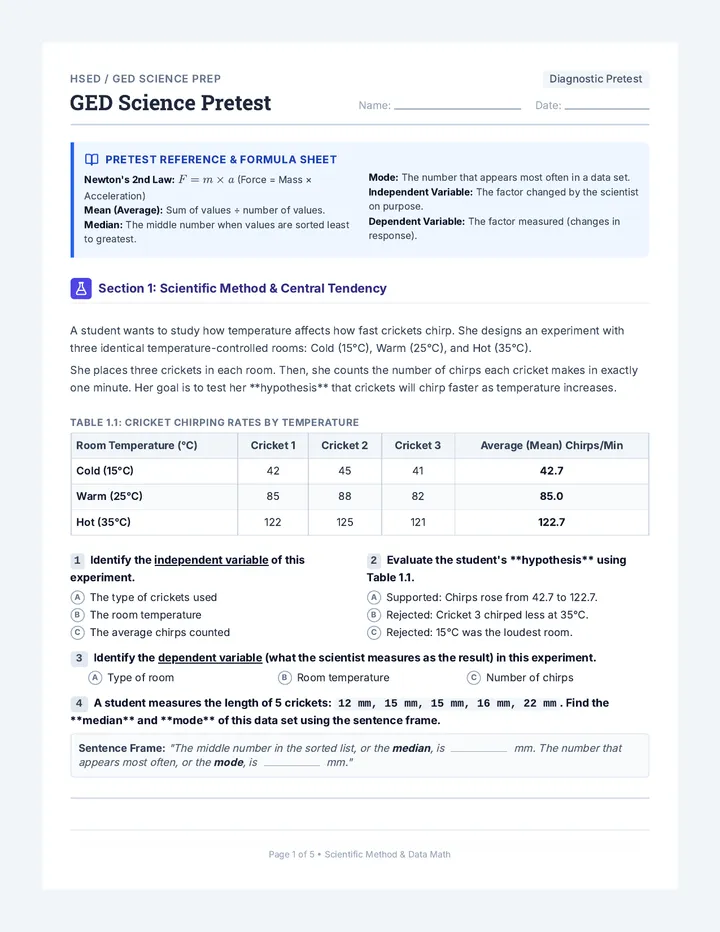
Students synthesize their knowledge to participate in a structured debate about the future of wildlife restoration.
Students analyze the differing viewpoints of ranchers, environmentalists, and local communities regarding predator reintroduction.
Students explore the scientific history of wolf reintroduction in Yellowstone and investigate the concept of trophic cascades and ecosystem engineering.
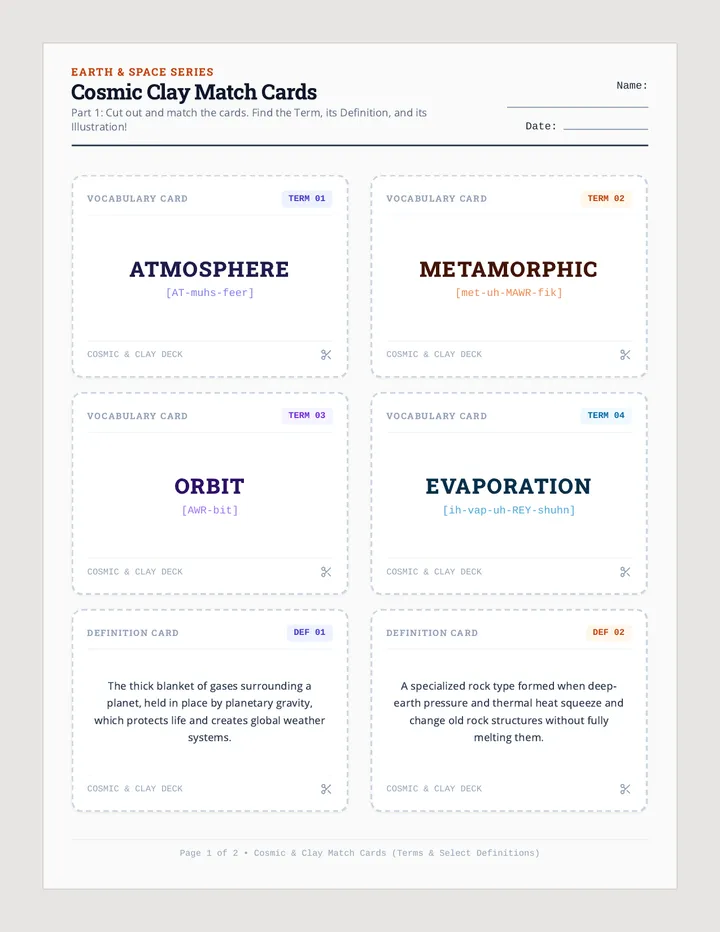
An exploration of the rock cycle's dynamic processes, from the fiery birth of igneous rocks to the transformative heat and pressure of metamorphism. Students will learn how Earth constantly recycles its crust through physical and chemical changes.
Students identify various landforms and apply their knowledge of geological processes to design their own island ecosystem in a culminating project.
A deep dive into the forces of weathering and erosion using mechanical simulations to observe how rocks break down and move over time.
Students explore the three main types of rocks and the processes that transform them through a hands-on simulation using crayons to represent the rock cycle.
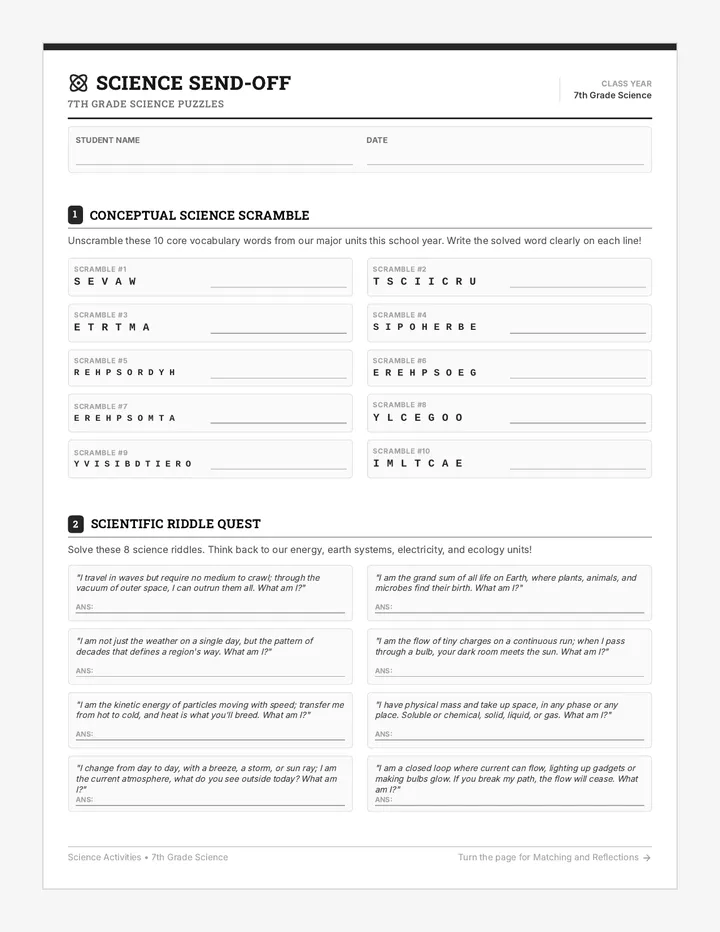
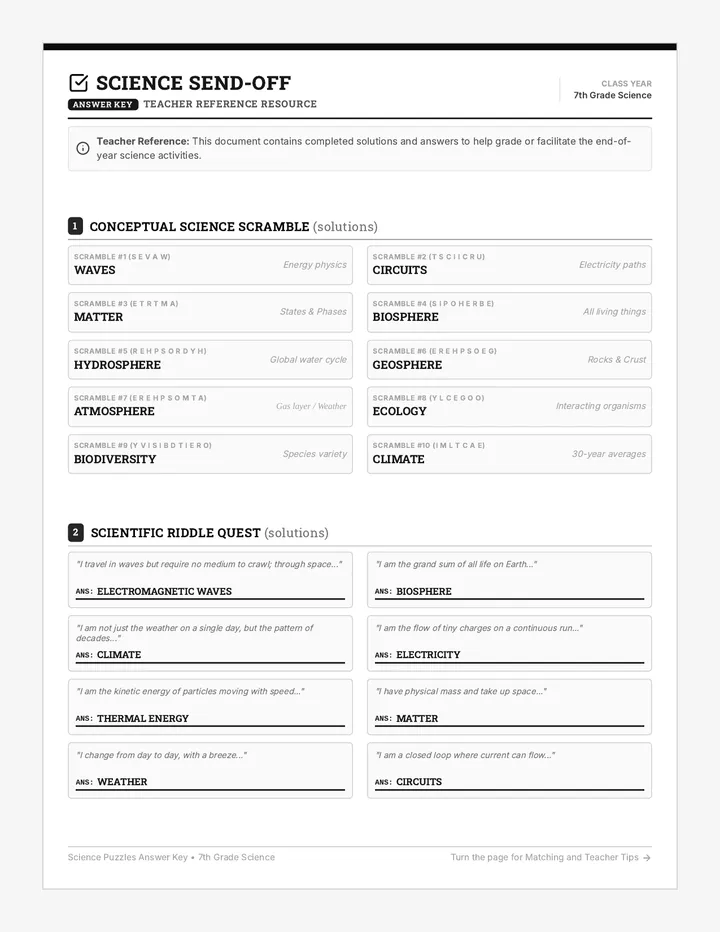
Explore how ecosystems respond to disturbances through primary and secondary succession, and analyze the relationship between biodiversity and ecosystem stability.
Students investigate radioactive decay in rocks from Afar to determine their age, using mathematical modeling and simulations to reconstruct the region's geologic history.
A deep dive into the subatomic origins of plate tectonics, tracing the journey from unstable nuclei to the massive convection currents that move continents.
A 40-minute exploration into how radioactive decay in Earth's core provides the thermal energy necessary to change mantle density, creating the buoyancy shifts that drive convection currents.
A lesson exploring how radioactive decay in Earth's mantle generates heat, driving the convection currents that move tectonic plates. Students will trace the energy path from atomic nuclei to the movement of continents.
A comprehensive assessment lesson focusing on the specific events of prophase, metaphase, anaphase, telophase, and cytokinesis through detailed matching exercises.
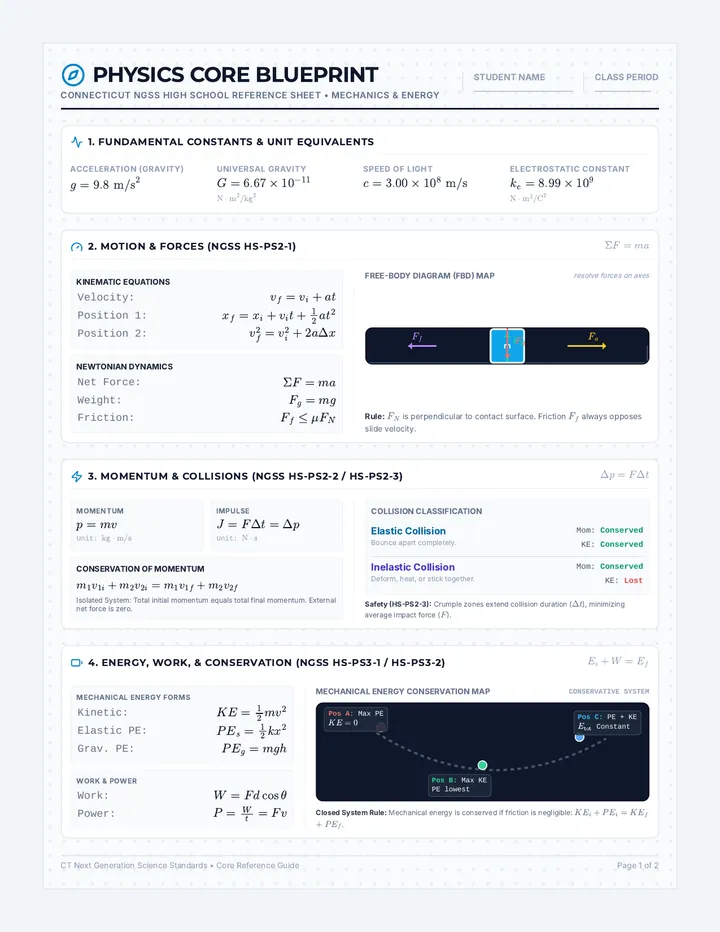
This lesson explores advanced rotational dynamics, focusing on the application of Newton's Second Law for rotation to massive pulleys and rolling objects where static friction provides the necessary torque for rolling without slipping.
A comprehensive 60-minute lesson exploring the differences and mathematical relationships between translational and rotational kinetic energy, featuring guided reading, visual organizers, and problem-solving.
A comprehensive lesson on seafloor uplift, covering the geological processes of plate tectonics, mid-ocean ridges, and the impact of rising crust on the ocean environment.
A comprehensive lesson exploring the physics of tsunami waves, from their seismic origins to their dramatic transformation as they approach the shore. Students will learn about wave propagation, the relationship between depth and speed, and the shoaling effect.
Day 2 dives into particle motion and spacing during phase changes, featuring a CER practice and a comprehensive exit ticket review.
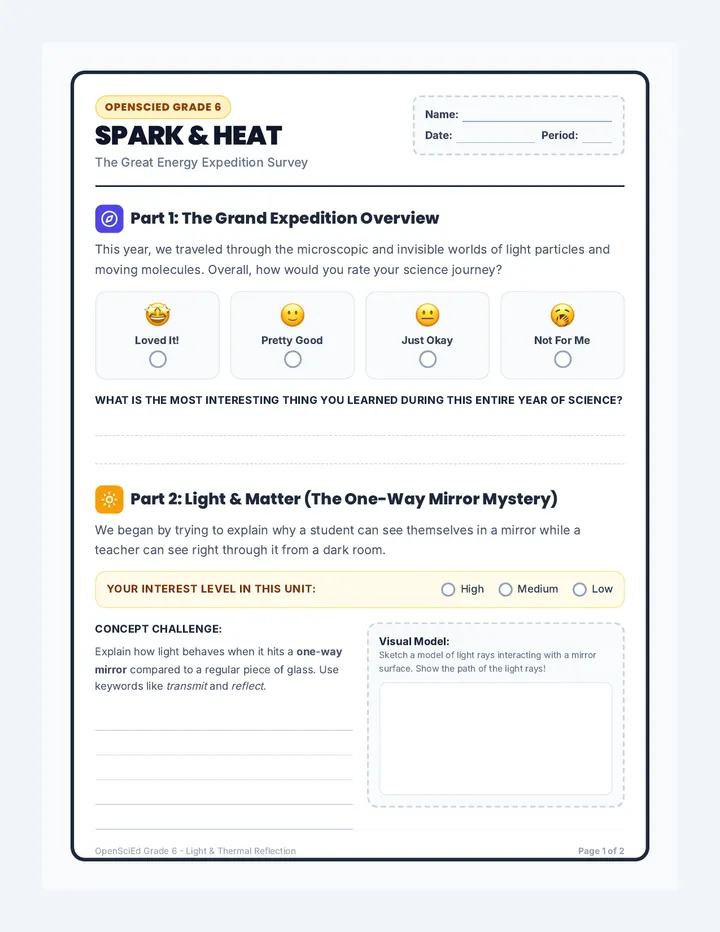
Day 1 focuses on vocabulary, the direction of heat transfer, and the fundamental differences between temperature and thermal energy.
Explores the dynamics of rotation, comparing linear force to torque, applying Newton's Second Law in angular form, and mastering the conditions for static equilibrium.
A comprehensive look at the parallels between linear and angular motion, focusing on variable relationships, kinematic equations, and real-world rolling applications.
A targeted review lesson focusing on thermal energy transfer, particle motion, ocean currents, and global climate patterns.
The final review mission covering global climate patterns, insulation, and the effects of mass on energy transfer.